Tag: Destination

  • Tower of London: England’s Historic Fortress for U.S. Visitors

    Tower of London: England’s Historic Fortress for U.S. Visitors

    Tower of London

    Looking to experience a piece of England’s history? The Tower of London is one of the country’s most iconic landmarks. From its centuries-old history to the incredible Crown Jewels, it offers a fascinating look at royal life and England’s past. Whether you’re a history buff or just exploring, a visit to the Tower of London is sure to be a memorable part of your UK trip.

    Introduction

    Nestled along the banks of the River Thames in central London, the Tower of London is a treasure trove of history. Whether you’re captivated by royal stories, medieval fortifications, or the legacy of Britain’s monarchy, this remarkable site offers something for everyone. Dating back to 1066, the Tower has witnessed centuries of royal intrigue, scandal, and military evolution, making it one of the most iconic landmarks in England. If you’re planning to visit London, the Tower of London is an absolute must-see.

    A Symbol of Power

    From Fortress to Royal Residence

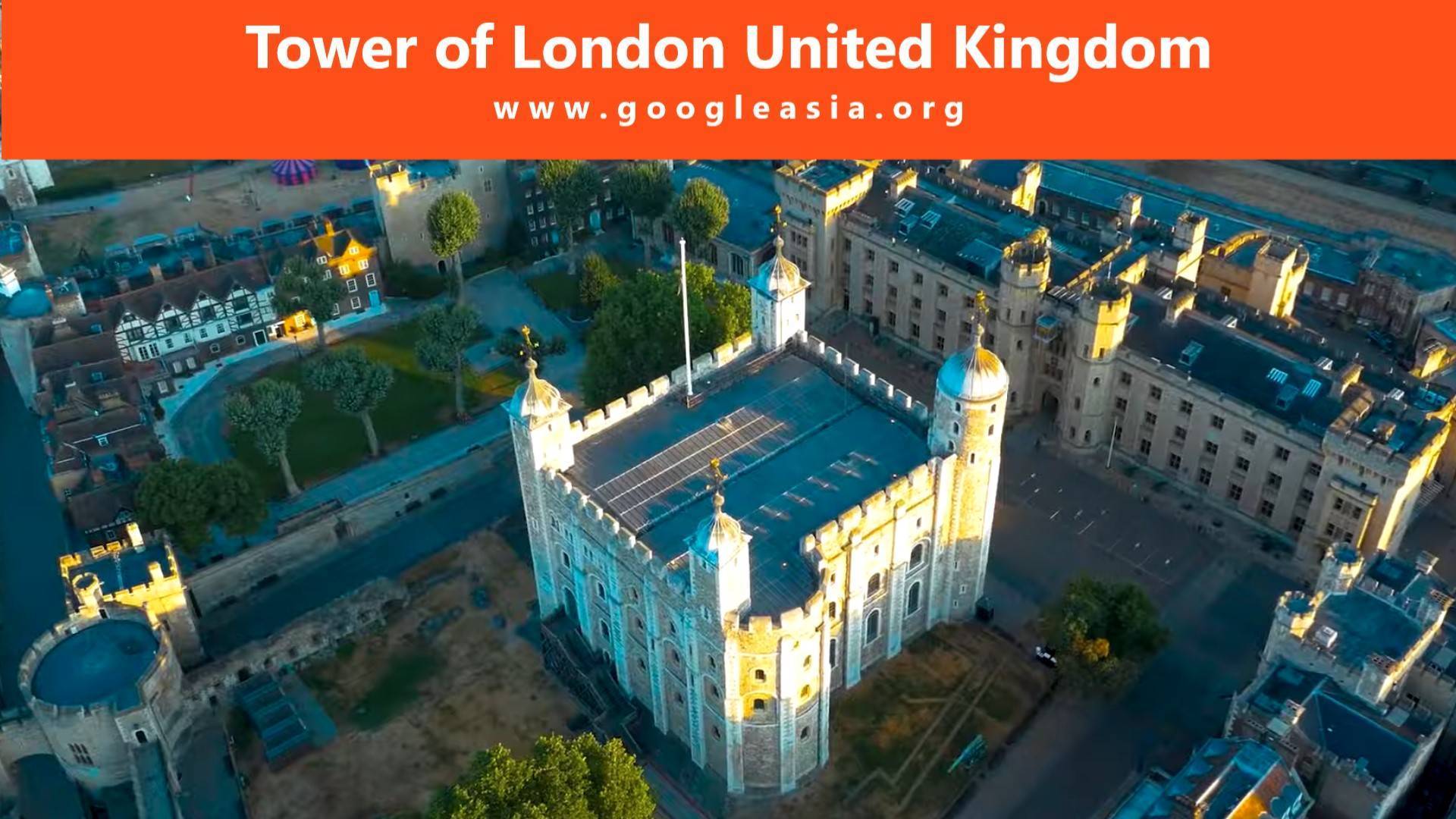
    Originally built by William the Conqueror after the Norman invasion, the Tower of London started its life as a fortress. Over the years, it evolved into a royal residence, a prison, and even a mint. The central structure, the White Tower, remains the oldest and most recognizable part of the castle.

    Evolution Over Time

    As different monarchs took their turn overseeing the Tower, it underwent expansions and renovations. Each addition reflected the changing needs of the time, from military defense to royal ceremonies and treasures.

    The History

    Royal Palace and Fortress

    Although many know the Tower of London as a place of incarceration, it has also served as a royal residence for kings and queens, including Henry III and Edward I. During the height of its use as a royal palace, it was a symbol of power and luxury.

    A Place of Incarceration and Execution

    It’s also infamous for its use as a prison and execution site. Figures like Anne Boleyn and Lady Jane Grey met their tragic ends here, and their stories are woven into the Tower’s dark, yet captivating, history.

    The Crown Jewels

    The Crown Jewels are housed within the Tower of London, making it a prime destination for anyone interested in the British monarchy. These precious jewels have been used in coronations for centuries, including the iconic Imperial State Crown and Sovereign’s Sceptre.

    Budget Travel $100

    Visiting the Tower of London on a $100 budget requires balancing ticket costs, food, and transport. A standard adult ticket is about £29.90 (roughly $38), which is the largest expense. Public transport is affordable if you use an Oyster card or contactless payment, with a single Underground ride costing around £2.80 ($3.50), so budgeting £10 ($13) for travel covers your day.

    For meals, you can enjoy a traditional pub lunch near Tower Hill for £12–£15 ($15–$19), often including fish and chips or a hearty pie. If you prefer lighter fare, sandwiches or bakery items from chains like Pret A Manger cost £5–£7 ($6–$9), leaving room for coffee or tea at about £3 ($4). With careful choices, you can comfortably enjoy the Tower, transport, and food within $100, even saving a little for a small souvenir such as a postcard or guidebook.

    The key to stretching your budget is combining paid entry with free experiences nearby. After exploring the Tower’s highlights—such as the Crown Jewels, medieval White Tower, and Yeoman Warder tours—you can stroll along the Tower Bridge and the Thames riverbank at no cost. This allows you to immerse yourself in London’s atmosphere without overspending.

    By mixing affordable meals, efficient transport, and free sightseeing, $100 ensures you experience both the Tower’s history and the surrounding cityscape without financial strain.

    Tips for USA Travellers

    For visitors from the USA, understanding local customs and logistics will make your Tower of London trip smoother. Book tickets online in advance to avoid long queues, as this is one of London’s busiest attractions. Unlike many American museums, the Tower is a working historic site, so expect stricter rules about photography in certain areas, especially around the Crown Jewels.

    Carry a contactless card or Oyster card, as cash is less commonly used in London compared to the USA. Also, note that British dining times differ slightly—lunch is often earlier than in Spain but later than in the USA, typically around 1 pm.

    Another important tip is to manage expectations about scale and time. The Tower’s history spans nearly 1,000 years, and it is impossible to see everything in one visit. Focus on highlights such as the Crown Jewels, the medieval armour in the White Tower, and the famous ravens, which are part of the site’s legend. USA travellers should also be aware that London’s Underground is safe and efficient, but walking is essential, so wear comfortable shoes.

    Finally, remember that tipping in the UK is modest compared to the USA—usually 10% in restaurants if service is good, and not expected in pubs. Respecting local etiquette and planning ahead ensures a richer, smoother experience at this historic fortress.

    Attractions

    The White Tower

    Discover the Oldest Structure

    The White Tower, built as part of William the Conqueror’s original design, is the heart of the entire Tower of London. With its medieval design and architectural magnificence, the White Tower stands as a reminder of the Tower’s military origins.

    Exhibits Within the White Tower

    Inside the White Tower, you can explore a fascinating collection of historical armour and weaponry, including the Line of Kings exhibition, which displays royal armor worn by British monarchs throughout history.

    The Crown Jewels

    A Glimpse at the Nation’s Treasures

    The Crown Jewels are displayed in the Jewel House, and they remain some of the most significant and cherished items in the history of the British monarchy. Visitors will get an up-close look at iconic artifacts like the Sovereign’s Sceptre and the famous Imperial State Crown.

    Cultural and Historical Significance

    The Crown Jewels represent centuries of royal traditions and ceremonies, playing a central role in coronations and other royal rites of passage.

    Yeoman Warders (Beefeaters)

    Meet the Beefeaters

    The Yeoman Warders, better known as Beefeaters, are responsible for guarding the Tower and its valuable treasures. Dressed in their distinctive red and black uniforms, these guardians also serve as expert tour guides, offering in-depth insights into the history and significance of the Tower.

    Things to Do

    Must-Do Activities

    Experience the Ceremony of the Keys

    One of the most popular and historically significant events at the Tower is the Ceremony of the Keys. This centuries-old tradition occurs each evening, marking the locking of the Tower gates. Tickets are limited, so it’s best to book in advance for a chance to witness this symbolic and ceremonial event.

    Explore the Bloody Tower

    The Bloody Tower is notorious for its dark history, including the imprisonment of the young Princes in the Tower, whose mysterious disappearance has fueled countless theories. Visiting this part of the Tower allows you to walk in the footsteps of some of history’s most intriguing figures.

    Visit the Tower’s Ravens

    Ravens are an integral part of the Tower’s lore. According to legend, the Tower of London will fall if the ravens ever leave. Fortunately, the Tower keeps a flock of ravens who are cared for and protected, and they play a central role in the Tower’s cultural and historical identity.

    Explore the Area

    Take a Thames River Cruise

    A Thames River Cruise provides a unique perspective on the Tower. View the Tower from the water, capturing stunning photographs as you cruise past other famous landmarks in London. It’s a peaceful way to take in the sights and sounds of the city.

    Enjoy Traditional British Cuisine

    The Tower’s surroundings are home to some of the best British pubs and restaurants. After your visit, indulge in classic dishes like fish and chips, roast beef with Yorkshire pudding, or a hearty shepherd’s pie at nearby eateries. These meals will provide the perfect end to a day of exploration.

    Conclusion

    A visit to the Tower of London is a journey through England’s royal past and a chance to witness one of the world’s most remarkable historic sites. Whether you’re fascinated by the Crown Jewels, intrigued by tales of intrigue and imprisonment, or simply captivated by its medieval architecture, the Tower remains a must‑see destination in London. Add it to your itinerary and experience the living history of Britain’s capital.

    Book your tickets now and immerse yourself in the rich history of one of the world’s most famous landmarks. From its royal history to its mysterious legends, the Tower of London promises to leave you with unforgettable memories. Don’t miss out on this iconic site during your next visit to London!

    Tower of London United Kingdom

    Summary

    • Attraction: Tower of London
    • Country: United Kingdom
    • Continent: Europe
    • Capital: London
    • Language: English, Welsh, Scots Gaelic, Irish, Cornish
    • Currency: British Pound (GBP)
    • Nationality: British
    • Category: #Destination #Europe #UK 

    Frequently Asked Questions

    What are Tower of London’s nearby must-visit attractions or landmarks?

    The Tower of London is surrounded by several must-visit attractions and landmarks in the heart of London. Here are some notable places to explore in the vicinity:

    1. Tower Bridge: Adjacent to the Tower of London, Tower Bridge is an iconic symbol of London. Walk across the bridge or visit the Tower Bridge Exhibition for panoramic views of the city.
    2. The Shard: One of London’s modern landmarks, The Shard is a skyscraper offering breathtaking views of the city. Visit the Shard’s viewing platform for a unique perspective of London’s skyline.
    3. St. Katharine Docks: A short walk from the Tower, St. Katharine Docks is a picturesque marina with restaurants, shops, and a relaxing waterfront atmosphere.
    4. HMS Belfast: Moored on the River Thames near the Tower Bridge, HMS Belfast is a historic warship that is now a museum. Explore the ship and learn about its naval history.
    5. City Hall: Designed by architect Norman Foster, City Hall is the headquarters of the Greater London Authority. Its distinctive shape and modern architecture make it a notable landmark.
    6. The Clink Prison Museum: Located near the Southwark Cathedral, The Clink is a museum that showcases the history of the notorious Clink Prison, providing insights into London’s criminal past.
    7. Southwark Cathedral: A short distance from the Tower, Southwark Cathedral is a historic church with beautiful architecture and a tranquil atmosphere. Explore its interior and surroundings.
    8. The Globe Theatre: A reconstructed version of the famous Shakespearean Globe Theatre stands on the South Bank of the Thames. Attend a play or take a guided tour to learn about the history of this iconic venue.
    9. Borough Market: One of London’s oldest markets, Borough Market is a food lover’s paradise. Explore a variety of fresh produce, gourmet foods, and international cuisine.
    10. Tate Modern: Located on the South Bank, Tate Modern is a contemporary art museum housed in a former power station. Explore its extensive collection of modern and contemporary artworks.
    11. The Millennium Bridge: Connecting St. Paul’s Cathedral with Tate Modern and Globe Theatre, the Millennium Bridge is a pedestrian suspension bridge offering scenic views of the River Thames.
    12. St. Paul’s Cathedral: Cross the River Thames via the Millennium Bridge to reach St. Paul’s Cathedral. Explore the iconic church, climb to the dome, and enjoy panoramic views of London.

    Is Tower of London a suitable travel destination for solo adventurers, honeymooning couples, or those traveling with families?

    The Tower of London is a versatile travel destination suitable for various types of travelers, including solo adventurers, honeymooning couples, and families. Here’s why it caters to different interests:

    1. Solo Adventurers:
      • Historical Exploration: Solo adventurers can delve into the rich history of the Tower, exploring its medieval architecture, royal stories, and the Crown Jewels.
      • Guided Tours: Joining guided tours or audio guides allows solo travelers to learn about the Tower’s history and significance in an engaging way.
      • Panoramic Views: The Tower provides panoramic views of the surrounding area, offering solo visitors an opportunity to enjoy the cityscape.
    2. Honeymooning Couples:
      • Romantic Setting: The historic and romantic ambiance of the Tower makes it a unique destination for couples, especially those interested in British history.
      • Waterfront Atmosphere: The Tower’s location along the River Thames and its proximity to Tower Bridge contribute to a picturesque setting.
      • Private Tours: Consider private tours for a more intimate experience and the chance to explore specific areas of interest.
    3. Families:
      • Educational Opportunities: Families can engage in educational experiences, learning about medieval history, royal ceremonies, and the castle’s role in British heritage.
      • Interactive Exhibits: The Tower features interactive exhibits, live historical reenactments, and family-friendly activities, making it engaging for children.
      • River Cruises: Combine a visit to the Tower with a family-friendly River Thames cruise for a scenic and enjoyable outing.
    4. All Visitors:
      • Crown Jewels: The Tower houses the Crown Jewels, a highlight for visitors of all ages. The stunning collection includes crowns, scepters, and other regalia.
      • Yeoman Warder Tours: The Yeoman Warders (Beefeaters) conduct entertaining and informative tours, sharing intriguing stories and anecdotes about the Tower’s history.
      • Ravens: The famous resident ravens add a touch of folklore, and visitors can witness their daily feeding and learn about their role in the tower’s legend.

    Why should you visit Tower of London?

    Visiting the Tower of London is a captivating experience that offers a blend of history, architecture, and cultural significance. Here are compelling reasons to explore the Tower of London:

    1. Historical Significance:
      • The Tower of London boasts a history spanning over 1,000 years, with origins as a Norman fortress and subsequent roles as a royal palace, prison, and treasury.
      • Explore the White Tower, a symbol of Norman military architecture, and discover its historical exhibits, showcasing armor, weapons, and royal artifacts.
    2. Crown Jewels:
      • Witness the dazzling Crown Jewels, including crowns, orbs, and scepters, displayed in the Jewel House. The collection represents centuries of monarchy and royal ceremonies.
    3. Yeoman Warder Tours:
      • Join a Yeoman Warder (Beefeater) tour for a lively and entertaining exploration of the Tower’s history. Warders share intriguing stories, legends, and anecdotes about the fortress.
    4. Medieval Architecture:
      • Marvel at the medieval architecture of the Tower, exemplified by the White Tower and its formidable presence. The complex includes various towers, walls, and structures with unique historical significance.
    5. Royal Palace and Prison:
      • The Tower has served as both a royal residence and a prison throughout its history. Visit the Medieval Palace to see recreated royal chambers and the infamous Traitors’ Gate.
    6. Ravens and Legend:
      • Encounter the resident ravens, known as the guardians of the Tower. According to legend, if the ravens ever leave, the Tower and the monarchy will fall.
    7. Interactive Exhibits:
      • Engage with interactive exhibits and displays that bring the history of the Tower to life. Multimedia presentations, touchscreens, and immersive experiences cater to modern visitors.
    8. Waterfront Location:
      • Enjoy the scenic location along the River Thames, with views of Tower Bridge. The waterfront setting adds to the overall charm and photo-worthy moments.
    9. Special Events and Ceremonies:
      • Attend special events, ceremonies, or reenactments that take place within the Tower’s grounds, providing a deeper understanding of its historical context.
    10. World Heritage Site:
      • The Tower of London is a UNESCO World Heritage Site, recognized for its architectural and historical significance, making it a must-visit destination for history enthusiasts.
    11. Educational Opportunities:
      • Ideal for students and history enthusiasts, the Tower provides educational programs and resources, allowing visitors to delve into England’s medieval and Tudor periods.
    12. Panoramic Views:
      • Climb the walls of the Tower for panoramic views of the city, offering a unique perspective on London’s skyline.

    How to go to the Tower of London?

    The Tower of London is located in the heart of London, and you can reach it easily using various modes of transportation. Here’s how to get to the Tower of London:

    By Tube (Subway):

    • Nearest Tube Station: Tower Hill Station (Circle and District lines).
      • Exit the station and follow the signs for the Tower of London. The entrance is a short walk from the station.

    By Train:

    • Nearest Overground Station: London Fenchurch Street.
      • From Fenchurch Street, the Tower is a 15-minute walk. Follow signs to Tower Bridge and the Tower of London.

    By Bus:

    • Bus Routes: Several bus routes serve the Tower Hill area. Buses 15, 42, 78, 100, and RV1 are among those that stop near the Tower of London.

    By River Boat:

    • Thames Clippers: Enjoy a scenic boat ride along the River Thames with Thames Clippers services. Alight at Tower Pier, and the Tower of London is within walking distance.

    By Car:

    • Parking: If driving, there is limited parking available near the Tower. It’s advisable to use public transportation due to traffic and parking constraints.

    By Bicycle:

    • Cycle Hire: London has a bicycle hire scheme, and there are docking stations near the Tower of London. Consider cycling along the designated routes.

    Walking:

    • River Walks: The Tower of London is easily accessible by walking along the River Thames. Enjoy a stroll along the riverbanks and follow signs to the Tower.

    Guided Tours:

    • Organized Tours: Many guided tours of London include a visit to the Tower of London. Check for tours that match your preferences.

    Important Tips:

    • Public Transportation Cards: Consider using an Oyster card or contactless payment card for seamless travel on public transportation.
    • Check Operating Hours: Confirm the opening hours of the Tower of London before planning your visit.
    • Online Tickets: Purchase tickets online in advance to avoid queues at the ticket counter.

    Is there any halal food available in the vicinity of Tower of London?

    Yes, the vicinity of the Tower of London offers a variety of dining options, including some that cater to halal dietary preferences. Here are a few recommendations for finding halal food near the Tower of London:

    1. Restaurants and Cafes: Explore the nearby areas such as St. Katharine Docks, where you can find restaurants and cafes offering diverse cuisines, including those that serve halal options. Check with individual establishments or look for signage indicating halal menus.
    2. Local Markets: Borough Market, located a bit farther from the Tower, is known for its diverse food offerings. Some stalls may offer halal options, so it’s worth exploring and inquiring about specific dietary requirements.
    3. Halal-Friendly Chains: Look for well-known restaurant chains or fast-food outlets that offer halal choices. Some international and British chains may have halal-certified options on their menus.
    4. Online Platforms: Utilize online platforms and apps that specialize in locating halal dining options. Apps like Zabihah or HalalTrip provide information about halal-friendly restaurants in specific areas.
    5. Ask Locals or Staff: Inquire with locals or the staff at your accommodation about nearby halal dining options. They can provide recommendations based on your preferences and dietary needs.
    6. Street Food Markets: London is home to various street food markets, and some stalls may offer halal choices. Check the market’s website or ask vendors about halal options.
    7. Hotel Restaurants: If you’re staying at a hotel near the Tower of London, check if the hotel’s restaurant offers halal meals or if they can accommodate specific dietary requests.
  • Stonehenge: Best Destination to Visit in United Kingdom

    Stonehenge: Best Destination to Visit in United Kingdom

    Stonehenge

    Stonehenge is one of those spots that really stays with you. Its ancient mystery and striking presence make it a must-see when you’re in the UK. Whether you’re curious about its history or just want to check out one of the world’s most iconic landmarks, a visit to Stonehenge is something you’ll never forget.

    Introduction

    If you’ve ever dreamt of stepping back in time and experiencing something truly ancient, Stonehenge in Wiltshire, England, should be on your bucket list. This mysterious prehistoric monument, with its towering stones and rich history, remains a captivating enigma for visitors from around the world. Whether you’re a history lover, an architecture enthusiast, or simply looking for something out of the ordinary, Stonehenge offers a truly unforgettable experience.

    The Origins of Stonehenge

    When and How Was It Built?

    Stonehenge wasn’t built in a single day. It took place over several phases, spanning from around 3000 BC to 2000 BC, during both the Neolithic and Bronze Ages. It started as a simple circular ditch and embankment before evolving into the iconic stone structure we know today. Imagine the effort and skill required to create something so grand without modern tools—truly impressive!

    Early Beginnings

    In its earliest phase, wooden posts were erected inside the circle. Later, those posts were replaced with the massive stones that are so iconic today. It’s incredible to think about how this ancient site was built and what it must have meant to the people who created it.

    Why Was Stonehenge Built?

    While the exact purpose remains a bit of a mystery, Stonehenge is widely believed to have been used for religious ceremonies, possibly marking significant celestial events. It’s aligned with the solstices, suggesting that it may have functioned as an astronomical observatory, helping people track the sun and the changing seasons.

    A Sacred Burial Ground

    Interestingly, Stonehenge was also used as a burial site. Human remains found in the area suggest that it held significant spiritual and cultural meaning, possibly connected to the ancient beliefs of the people who used it.

    Architecture

    The Magnificent Standing Stones

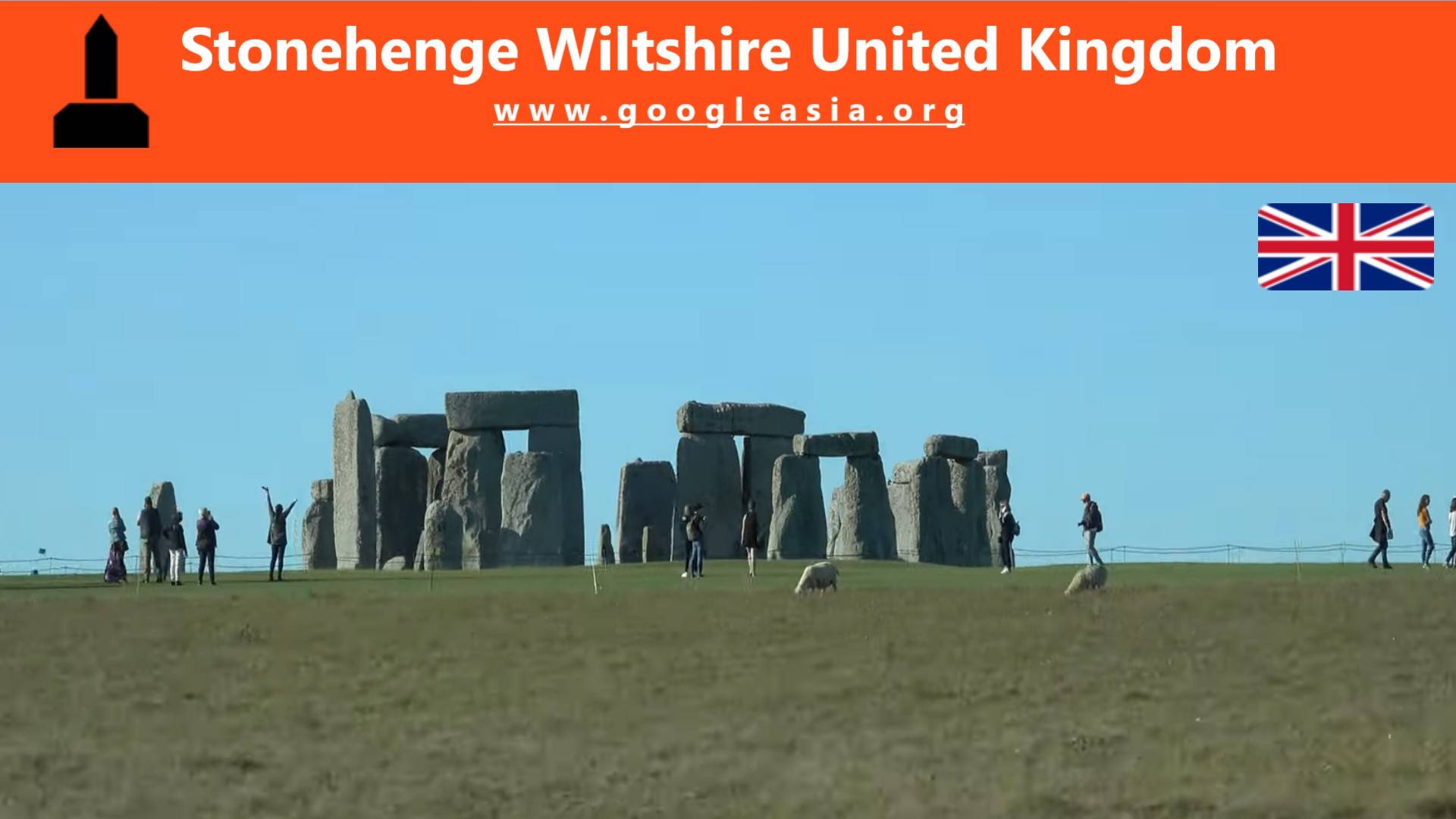
    The stones at Stonehenge are absolutely awe-inspiring. Some stand as high as 13 feet (4 meters), with each stone weighing up to 30 tons. These monumental blocks were no easy feat to transport and place in position, but they were carefully arranged to create the breathtaking structure that has stood the test of time.

    The Two Types of Stones

    There are two distinct types of stone at Stonehenge: the massive sarsen stones that form the outer circle, and the bluestones which were transported all the way from the Preseli Hills in Wales, some 150 miles away! This took impressive engineering skills and dedication, given that these stones were not easy to move or shape.

    How the Stones Are Arranged

    The Sarsen Circle

    The largest sarsen stones form the outer circle and are topped by horizontal lintels, creating a continuous ring that can be admired from all angles. It’s a feat of ancient engineering that has endured for millennia.

    The Bluestone Horseshoe

    Inside the outer ring, the smaller bluestones form a horseshoe-shaped arrangement. This inner structure adds an extra layer of complexity to the design, and it’s clear that the layout wasn’t random. The fact that these stones were transported so far only adds to the mystery.

    Still a Mystery

    Did Stonehenge Track the Sun?

    One of the most intriguing theories is that Stonehenge was used as a type of astronomical observatory. The stones align with the solstices, meaning they were likely used to mark key moments in the solar year—like the longest and shortest days. This idea suggests that Stonehenge wasn’t just a monument but also an essential tool for ancient people to track time.

    Was It a Lunar Calendar?

    Some researchers believe that Stonehenge may have also been used to observe the lunar cycles, helping people track the movements of the moon. It’s fascinating to think that such an ancient site could have been a sophisticated tool for managing time and marking significant events.

    Build

    Transporting the Stones

    The methods used to transport the heavy stones to Stonehenge are still debated. Some theories suggest the use of wooden sledges and rollers, while others believe that the stones may have been moved by water transport. Regardless of the method, the sheer scale of the undertaking is mind-blowing.

    Erecting the Stones

    Raising the massive stones required ingenuity and hard work. Levers, wooden frames, and skilled laborers were likely key components in the construction. Even today, it’s hard to believe that such an intricate structure could be built without the technology we have now.

    Things to Do

    Tours and Guides

    Visiting Stonehenge is an experience you won’t forget. You can take a guided tour to dive deeper into the history and significance of the site. A knowledgeable guide can give you fascinating insights into the mysteries of the monument, which will make your visit all the more meaningful.

    Alternatively, if you prefer a more independent experience, you can use an audio guide to explore the site at your own pace. The beauty of Stonehenge is that there’s so much to learn, whether you’re with a guide or exploring on your own.

    The Visitor Centre

    The modern Visitor Centre provides interactive exhibits, historical displays, and models of the monument. It’s the perfect place to learn more about Stonehenge’s history before heading out to the site itself. The Centre also offers a café and gift shop, so you can grab a bite to eat and take home a memento of your visit.

    Attractions

    Salisbury Plain and Avebury

    While you’re in the area, don’t miss Avebury, another stunning stone circle nearby. Avebury is less crowded than Stonehenge, offering a more tranquil experience, but it’s just as fascinating.

    The Salisbury Plain itself is a beautiful place to explore, with scenic walking routes and other prehistoric sites that make this region a must-visit for history lovers.

    Historic Salisbury

    If you’re in the mood for some urban exploration, take a short trip to Salisbury, home to the stunning Salisbury Cathedral, which boasts the tallest spire in the UK. Salisbury is full of history and charm, with plenty of museums, galleries, and local dining options.

    Activities and Food

    Local Delicacies to Try

    After a day of exploring, why not treat yourself to some local food? Wiltshire is known for dishes like the Devizes Pie—a delicious savory pie made with pork, apples, and cider. Another favorite is Salisbury Steak and Ale Pie, which is as hearty and comforting as it sounds.

    Don’t forget to try a glass of Wiltshire cider—it’s crisp, refreshing, and full of flavor, perfect for a relaxing end to your day.

    Outdoor Adventures

    If you enjoy outdoor activities, the Cotswolds are nearby, offering stunning walks through rolling hills and picturesque villages. You can also visit Longleat Safari Park, where you can see exotic animals in a naturalistic setting.

    Conclusion

    Stonehenge is more than just an ancient monument—it’s a place that holds centuries of history and mystery. From its grand stone circle to its astronomical significance, there’s so much to explore and learn. Whether you’re captivated by its history, fascinated by its architecture, or simply in awe of its beauty, Stonehenge is a place you’ll never forget.

    Ready to Experience Stonehenge?

    There’s no better time than now to visit Stonehenge. Book your trip today and dive into the wonders of one of the world’s most iconic landmarks. You’ll leave with memories that will last a lifetime.

    Stonehenge Wiltshire United Kingdom

    Summary

    • Attraction: Stonehenge
    • Country: United Kingdom
    • Continent: Europe
    • Capital: London
    • Language: English, Welsh, Scots Gaelic, Irish, Cornish
    • Currency: British Pound (GBP)
    • Nationality: British
    • Category: #Destination #Europe #UK 

    Frequently Asked Questions

    What are Stonehenge Wiltshire’s nearby must-visit attractions or landmarks?

    While Stonehenge is undoubtedly the main attraction in Wiltshire, the surrounding area offers additional points of interest and landmarks to explore. Here are some must-visit attractions near Stonehenge:

    1. Avebury Stone Circle and Henge: Avebury is a larger Neolithic stone circle and henge, located about 25 miles north of Stonehenge. It is one of the largest prehistoric stone circles in the world and also a UNESCO World Heritage Site.
    2. Salisbury Cathedral: Located in the nearby city of Salisbury, Salisbury Cathedral is known for its stunning architecture and houses the Magna Carta. The cathedral’s spire is the tallest in the United Kingdom.
    3. Old Sarum: Old Sarum is an ancient hillfort and settlement located on the outskirts of Salisbury. It has a rich history dating back to Roman times and offers panoramic views of the surrounding countryside.
    4. Woodhenge: Situated just a short distance from Stonehenge, Woodhenge is another Neolithic henge and timber circle. It provides insights into the ceremonial and ritual activities of ancient communities.
    5. Silbury Hill: Silbury Hill is an ancient artificial chalk mound, located near Avebury. It is the largest prehistoric mound in Europe and remains a mystery in terms of its purpose and construction.
    6. West Kennet Long Barrow: This Neolithic tomb is one of the best-preserved burial chambers in Britain. It is located near Avebury and offers a glimpse into ancient burial practices.
    7. Mompesson House: Located in Salisbury, Mompesson House is an elegant Georgian townhouse with a beautiful garden. It provides a glimpse into 18th-century domestic life.
    8. The Chalke Valley History Festival: If visiting during the festival (usually held in June), it’s a great opportunity to immerse yourself in historical reenactments, lectures, and activities related to British history.
    9. Stonehenge Landscape: Explore the wider Stonehenge landscape, which includes various burial mounds, barrows, and ancient pathways. Walking trails provide opportunities to discover these features.
    10. Durrington Walls: Near Stonehenge, Durrington Walls is a large henge and settlement site. It is thought to have been an important ceremonial and ritual center during the Neolithic period.

    Exploring these nearby attractions provides a more comprehensive understanding of the prehistoric and historic landscape in the vicinity of Stonehenge. Whether you’re interested in ancient monuments, historic architecture, or cultural experiences, Wiltshire offers a rich tapestry of landmarks to discover.

    Why should you visit Stonehenge Wiltshire?

    Stonehenge, located in Wiltshire, England, is a UNESCO World Heritage Site and one of the most iconic and mysterious landmarks in the world. Here are several compelling reasons why you should visit Stonehenge:

    1. Historical Significance: Stonehenge is a prehistoric monument dating back over 4,000 years. Its construction remains a remarkable feat of ancient engineering, and its purpose continues to intrigue historians and archaeologists.
    2. Mystery and Legends: Stonehenge is shrouded in mystery, and various theories exist about its original purpose. Legends and myths surrounding the monument add to its allure, including tales of magic and ancient rituals.
    3. Architectural Marvel: The arrangement of massive standing stones in a circular pattern is an architectural marvel. The precision with which the stones were placed and aligned with celestial events showcases the ingenuity of the ancient builders.
    4. Unique Design: Stonehenge’s iconic circular arrangement of large, standing stones, some weighing several tons, and the lintels atop them create a unique and instantly recognizable design.
    5. Astronomical Significance: The alignment of Stonehenge with celestial events, such as the summer and winter solstices, suggests that it may have served as an astronomical observatory or a ceremonial site linked to the calendar.
    6. Visitor Center and Exhibitions: Stonehenge has a modern visitor center that offers informative exhibitions, interactive displays, and artifacts, providing visitors with insights into the history, construction, and significance of the monument.
    7. Educational Experience: A visit to Stonehenge provides an educational experience about the Neolithic and Bronze Age cultures that built the monument. The site offers a glimpse into ancient life and rituals.
    8. Visitor Access: While visitors are not allowed to touch the stones, they can get close to the monument and walk around the perimeter. The Stonehenge landscape and its surroundings contribute to the overall experience.
    9. Cultural Heritage: Stonehenge is a symbol of Britain’s cultural heritage and a testament to the achievements of ancient civilizations. It represents a connection to the past and the enduring legacy of human ingenuity.
    10. Photography Opportunities: The striking and enigmatic appearance of Stonehenge makes it a fantastic subject for photography. Capture the monument against different lighting conditions or during special events like solstices.
    11. Surrounding Landscape: The Salisbury Plain, where Stonehenge is located, offers a picturesque landscape. Explore the area, and you may come across other ancient sites and landmarks.

    Whether you’re interested in archaeology, astronomy, history, or simply enjoy exploring unique and enigmatic sites, a visit to Stonehenge provides a memorable and enriching experience.

    How to go to Stonehenge Wiltshire?

    Stonehenge, located in Wiltshire, England, is a world-renowned prehistoric monument. Here are various ways to travel to Stonehenge:

    By Car:

    • From London:

      1. Take the M3 motorway southwest.

      2. Merge onto the M25 motorway southbound toward Heathrow Airport.

      3. Continue on the M3 and then onto the A303.

      4. Follow the A303 westbound until you reach the exit for Stonehenge.

    • From Salisbury:

      1. Take the A360 northbound from Salisbury.

      2. Follow the signs for Stonehenge.

    By Train:

    • From London:

      1. Take a train from London Waterloo to Salisbury.

      2. From Salisbury, you can take a bus or taxi to Stonehenge.

      Note: There is no direct train station at Stonehenge.

    By Bus:

    • From Salisbury:

      • Several bus services operate between Salisbury and Stonehenge.

      • Bus tours to Stonehenge may also be available.

    Guided Tours:

    • Various tour companies offer guided day trips to Stonehenge from London or other nearby cities.

    • These tours often include transportation, a guide, and sometimes visits to other nearby attractions.

    Practical Tips:

    • Visitor Center: Stonehenge has a visitor center with facilities, exhibitions, and a shuttle service to the monument.

    • Shuttle Bus: From the visitor center, a shuttle bus takes visitors to the Stonehenge site, as private vehicles are not allowed to approach the stones.

    Accessibility:

    • Check the official Stonehenge website or contact the visitor center for the latest information on accessibility, ticket prices, and opening hours.

    Considerations:

    • Plan your visit ahead, especially during peak tourist seasons.

    • Check for any travel restrictions or guidelines, and make reservations if necessary.

    Always verify the latest information and consider factors like weather conditions and time of year when planning your visit to Stonehenge.

    Is there any halal food available near Stonehenge Wiltshire?

    Stonehenge is situated in the English countryside, and the immediate vicinity may not have a wide range of dining options, including those specifically offering halal food.

    However, it’s worth noting that services and amenities around popular tourist attractions can change, and new establishments may have opened since my last update. Here are some general suggestions to find halal food options near Stonehenge:

    1. Local Inquiries: Check with locals or staff at accommodations near Stonehenge for information on nearby restaurants or grocery stores that may offer halal food.
    2. Online Resources: Utilize travel forums, social media groups, or food-related apps where travelers share their experiences. Websites like TripAdvisor or Yelp may have reviews and information about halal food options in the area.
    3. Contacting Restaurants: If there are restaurants or eateries in nearby towns or villages, consider reaching out directly to inquire about their menu options and whether they can accommodate halal dietary needs.
    4. Bringing Your Own: If options are limited, you may consider bringing your own halal snacks or meals to ensure you have food that adheres to your dietary requirements.

    Before your visit, it’s advisable to check for the most up-to-date information on halal food options near Stonehenge. Additionally, consider contacting local establishments directly for accurate and current information regarding halal food availability in the area.

  • United Kingdom: A Historic Destination in Europe

    United Kingdom: A Historic Destination in Europe

    United Kingdom

    Experience the rich history, vibrant cities, and scenic landscapes of the United Kingdom. Discover iconic landmarks today—start planning your journey now!

    Introduction

    The United Kingdom is a captivating blend of history, culture, and natural beauty, offering something for every traveler. From the iconic landmarks of London, like the Tower of Big Ben and Buckingham Palace, to the serene landscapes of the Scottish Highlands, the UK has it all. Explore ancient castles in Wales, stroll through the charming streets of Edinburgh, or visit the picturesque lakes of England’s Lake District. Whether you’re interested in history, culture, or outdoor adventures, the United Kingdom promises an unforgettable experience. Start your UK journey today!

    Hot & Trending Destination

    Click below to start exploring and find your next destination.

    Frequently Asked Questions

    What are United Kingdom’s must-visit cities?

    The United Kingdom boasts a variety of must-visit cities, each offering unique cultural, historical, and modern attractions. Here are some top cities to explore:

    1. London: The capital city is a global metropolis with iconic landmarks such as the Tower of London, Buckingham Palace, and the British Museum.
    2. Edinburgh: Scotland’s capital is known for its historic charm, including the Edinburgh Castle, the Royal Mile, and the annual Edinburgh Festival.
    3. Manchester: A vibrant city with a rich industrial heritage, featuring cultural venues, the Manchester Museum, and Old Trafford, home of Manchester United.
    4. Belfast: The capital of Northern Ireland, offering historic sites like the Titanic Belfast, the Giant’s Causeway, and vibrant neighborhoods.
    5. Glasgow: Scotland’s largest city, known for its arts scene, architecture, and museums, including the Kelvingrove Art Gallery and Museum.
    6. Oxford: Famous for its prestigious university, Oxford features historic colleges, the Bodleian Library, and beautiful gardens.
    7. Cambridge: Another renowned university city, Cambridge is known for its picturesque colleges along the River Cam and the historic King’s College Chapel.
    8. Liverpool: Birthplace of The Beatles, Liverpool is a cultural hub with attractions like the Albert Dock, the Cavern Club, and the Liverpool Museum.
    9. Bristol: A vibrant city with a maritime history, Bristol offers attractions such as the Clifton Suspension Bridge, SS Great Britain, and vibrant street art.
    10. York: Known for its medieval architecture, York features the York Minster, the Shambles, and the National Railway Museum.
    11. Cardiff: The capital of Wales, Cardiff boasts the Cardiff Castle, the Millennium Stadium, and the revitalized Cardiff Bay area.
    12. Newcastle upon Tyne: A lively city with a rich history, including the Newcastle Castle, the Quayside, and the Millennium Bridge.

    What are United Kingdom’s must-visit destinations?

    The United Kingdom is home to a multitude of must-visit destinations, offering a diverse range of cultural, historical, and natural attractions. Here are some top destinations to explore:

    1. London: The vibrant capital city with iconic landmarks like the Tower of London, Buckingham Palace, the British Museum, and the West End theaters.
    2. Edinburgh: Scotland’s historic capital, featuring the Edinburgh Castle, the Royal Mile, Arthur’s Seat, and the annual Edinburgh Festival.
    3. Stonehenge: A UNESCO World Heritage site, the mysterious prehistoric stone circle is located on Salisbury Plain in Wiltshire.
    4. Bath: Known for its Roman-built baths, Georgian architecture, and the stunning Bath Abbey, this city offers a unique blend of history and elegance.
    5. Oxford and Cambridge: Home to two prestigious universities, these cities boast historic colleges, libraries, and charming riverside settings.
    6. Giant’s Causeway: A natural wonder in Northern Ireland, featuring hexagonal basalt columns formed by volcanic activity.
    7. Lake District: A picturesque region in northwest England with serene lakes, charming villages, and scenic hiking trails.
    8. Stratford-upon-Avon: The birthplace of William Shakespeare, this town showcases Tudor-style architecture and the Royal Shakespeare Theatre.
    9. York: A medieval city with the York Minster, the Shambles (a historic street), and the National Railway Museum.
    10. Liverpool: The birthplace of The Beatles, Liverpool offers cultural attractions like the Albert Dock, the Cavern Club, and the Tate Liverpool.
    11. Belfast: The capital of Northern Ireland, featuring the Titanic Belfast museum, the Giant’s Causeway, and vibrant neighborhoods.
    12. Cambridge: Renowned for its prestigious university, Cambridge boasts historic colleges, the River Cam, and beautiful gardens.
    13. Scottish Highlands: A vast and rugged landscape with mountains, lochs, and castles, providing opportunities for outdoor activities and scenic drives.
    14. Windsor: Home to Windsor Castle, the oldest and largest occupied castle in the world, as well as the picturesque Windsor Great Park.
    15. Cardiff: The capital of Wales, offering attractions like Cardiff Castle, the Millennium Stadium, and the revitalized Cardiff Bay area.

    What are United Kingdom’s must-visit attractions or landmarks?

    The United Kingdom is home to numerous must-visit attractions and landmarks that showcase its rich history, culture, and natural beauty. Here are some of the top ones:

    1. Tower of London (London): A historic castle on the River Thames, known for the Crown Jewels and its role in British history.
    2. Buckingham Palace (London): The official residence of the British monarch, featuring the Changing of the Guard ceremony.
    3. Stonehenge (Wiltshire): A prehistoric monument with massive standing stones, shrouded in mystery and UNESCO World Heritage-listed.
    4. Edinburgh Castle (Edinburgh): A historic fortress on Castle Rock, offering panoramic views of the city and housing the Crown Jewels of Scotland.
    5. Westminster Abbey (London): An iconic Gothic church with a rich history, known for coronations, weddings, and burials of British monarchs.
    6. Big Ben and the Houses of Parliament (London): The iconic clock tower and the seat of the UK government along the River Thames.
    7. The British Museum (London): A world-renowned museum with a vast collection of art and artifacts spanning centuries and civilizations.
    8. The Shard (London): The tallest building in the UK, offering panoramic views of London from its observation deck.
    9. The Roman Baths (Bath): Ancient bathing and socializing complex showcasing Roman engineering in the heart of Bath.
    10. Giant’s Causeway (Northern Ireland): A UNESCO-listed natural wonder with hexagonal basalt columns along the Northern Ireland coast.
    11. Windsor Castle (Windsor): The oldest and largest occupied castle in the world, a residence of the Queen and a historic fortress.
    12. Tate Modern (London): A contemporary art museum housed in a former power station, featuring modern and contemporary artworks.
    13. National Gallery (London): An art museum housing an extensive collection of European paintings from the 13th to the 19th centuries.
    14. St. Paul’s Cathedral (London): A magnificent Anglican cathedral with a iconic dome, offering impressive views from the top.
    15. The Eden Project (Cornwall): A unique ecological park with giant biomes containing diverse plant species from around the world.

    Is United Kingdom a suitable travel destination for solo adventurers, honeymooning couples, or those traveling with families?

    The United Kingdom is a versatile travel destination that caters to a wide range of travelers, making it suitable for solo adventurers, honeymooning couples, and families. Here’s how the UK can be appealing to each group:

    1. Solo Adventurers:
      • Diverse Experiences: Solo travelers can explore the vibrant cities, historical sites, and natural landscapes. Cities like London offer rich cultural experiences, while the countryside provides opportunities for peaceful exploration.
      • Safe and Well-Connected: The UK is generally considered safe, and its well-developed transportation system makes it easy for solo adventurers to navigate and explore.
    2. Honeymooning Couples:
      • Romantic Settings: The UK boasts romantic settings such as historic castles, charming villages, and scenic landscapes. Places like the Lake District and Scottish Highlands provide a romantic backdrop for couples.
      • Cultural Experiences: Museums, theaters, and cultural events in cities like London and Edinburgh offer diverse activities for couples.
    3. Families:
      • Family-Friendly Attractions: The UK has numerous family-friendly attractions, including museums, theme parks, and historical sites. Examples include the Tower of London, the British Museum, and family-friendly theaters.
      • Educational Opportunities: Families can engage in educational experiences, exploring historical landmarks, museums, and interactive exhibits.
    4. Cultural Enthusiasts:
      • Rich History: The UK is steeped in history, with landmarks like Westminster Abbey, the Tower of London, and Stonehenge. Cultural enthusiasts can immerse themselves in centuries of British history.
      • Arts and Entertainment: London, in particular, offers world-class theaters, art galleries, and cultural events, appealing to those with a passion for the arts.
    5. Nature and Adventure Seekers:
      • Scenic Landscapes: The UK features diverse landscapes, from the dramatic coastlines of Cornwall to the rolling hills of the Cotswolds. Outdoor enthusiasts can explore national parks like the Lake District or Snowdonia.
      • Outdoor Activities: Hiking, cycling, and water sports are available in various regions, providing opportunities for adventure.
    6. Food Enthusiasts:
      • Culinary Delights: The UK offers a rich culinary scene. From traditional pub fare to fine dining experiences, food enthusiasts can savor a variety of dishes influenced by diverse cultures.

    Where is United Kingdom located?

    The United Kingdom (UK) is located on the northwestern coast of mainland Europe. It consists of four constituent countries: England, Scotland, Wales, and Northern Ireland. The UK is surrounded by the Atlantic Ocean, the North Sea, the English Channel, and the Irish Sea. It shares land borders with the Republic of Ireland to the west and northwest, and it is nearby the countries of France, Belgium, the Netherlands, Germany, and Denmark. The capital of the United Kingdom is London, which is situated in England.

    How can one travel to United Kingdom?

    Traveling to the United Kingdom (UK) can be done through various means, including by air, train, ferry, or car. Here are the primary methods of traveling to the UK:

    By Air:

    1. International Flights: The most common and convenient way to travel to the UK from abroad is by air. Major airports in the UK, such as London Heathrow, London Gatwick, London Stansted, Manchester, and Edinburgh, are well-connected to international destinations.
    2. Airlines: Numerous international airlines operate flights to the UK. Direct flights are available from major cities around the world, providing efficient and relatively quick access.

    By Train:

    1. Eurostar: If traveling from continental Europe, you can use the Eurostar train service. The Eurostar connects cities like Paris and Brussels to London via the Channel Tunnel, providing a high-speed and scenic journey.

    By Ferry:

    1. Ferry Services: Ferries operate between the UK and neighboring countries, such as France, Ireland, the Channel Islands, and the Isle of Man. Popular ferry routes include those between Dover and Calais.

    By Car:

    1. Eurotunnel: The Eurotunnel (Channel Tunnel) provides a car-carrying shuttle service between Folkestone in the UK and Calais in France. This is a convenient option for travelers with their vehicles.
    2. Driving: If arriving from continental Europe, you can drive through countries with road connections to the UK. Ensure you have the necessary documentation, such as a valid driver’s license and insurance.

    Important Tips:

    • Visa Requirements: Check the visa requirements for your nationality before traveling to the UK. Some visitors may need a visa, while others may be eligible for visa-free entry.
    • Customs and Immigration: Be prepared to go through customs and immigration control upon arrival. Have your passport, visa (if required), and any supporting documents ready for inspection.
    • Transportation within the UK: Once in the UK, you can use domestic flights, trains, buses, and taxis to travel between cities and regions.

    What’s the climate like in the United Kingdom?

    The climate in the United Kingdom (UK) is generally temperate and characterized by mild temperatures, moderate rainfall, and relatively small temperature variations throughout the year. The UK’s climate is influenced by its proximity to the Atlantic Ocean and the prevailing westerly winds.

    Here are some key features of the UK climate:

    1. Mild Winters: Winters are generally mild, with temperatures rarely dropping below freezing in many parts of the country. Snowfall is common in winter, especially in higher elevations and northern regions, but it tends to be relatively moderate.
    2. Cool Summers: Summers are cool compared to many other regions with similar latitudes. Average summer temperatures typically range from 15 to 25 degrees Celsius (59 to 77 degrees Fahrenheit).
    3. Rainfall: The UK is known for its frequent and often unpredictable rainfall. Rainfall is spread fairly evenly throughout the year, with no distinct dry season. The western parts of the UK, particularly areas like Wales and the western Highlands of Scotland, tend to receive more rainfall than the eastern parts.
    4. Wind: The country is often subject to westerly winds from the Atlantic, which can bring both mild and wet weather. Storms are not uncommon, especially during the autumn and winter months.
    5. Microclimates: The UK exhibits some regional variations in climate. For example, southern and eastern parts of the country tend to be drier than the western and northern regions. Coastal areas generally experience milder temperatures compared to inland areas.

    Is the UK a suitable travel destination for solo adventurers, honeymooning couples, or those traveling with families?

    Yes, the United Kingdom (UK) is a versatile travel destination that caters to a wide range of preferences and interests, making it suitable for solo adventurers, honeymooning couples, and families. Here are some reasons why each group might find the UK appealing:

    1. Solo Adventurers:
      • Cultural Exploration: The UK is rich in history, culture, and diverse landscapes. Solo travelers can explore iconic landmarks, museums, and historical sites in cities like London, Edinburgh, and Bath.
      • Ease of Travel: English is widely spoken, and public transportation is well-developed, making it convenient for solo travelers to navigate and explore the country.
    2. Honeymooning Couples:
      • Romantic Destinations: The UK offers romantic settings, from the picturesque landscapes of the Scottish Highlands to the charming villages in the Cotswolds. Cities like London and Edinburgh also provide a mix of cultural experiences and intimate moments.
      • Luxurious Accommodations: There are numerous upscale hotels, boutique inns, and cozy bed and breakfasts that cater to couples seeking a romantic and comfortable stay.
    3. Families:
      • Family-Friendly Attractions: The UK has a plethora of family-friendly attractions, including theme parks (such as Alton Towers and Legoland), museums, and historical sites. Many cities have interactive exhibits and activities suitable for children.
      • Countryside and Outdoor Activities: Families can explore the scenic countryside, national parks, and coastal areas, engaging in outdoor activities like hiking, cycling, and wildlife spotting.
    4. Diverse Experiences:
      • Culinary Delights: Food enthusiasts can savor diverse culinary experiences, from traditional British fare to international cuisine in cosmopolitan cities.
      • Festivals and Events: The UK hosts various festivals, events, and cultural celebrations throughout the year, offering unique experiences for travelers of all types.

    Why should you visit the UK?

    Visiting the United Kingdom (UK) can be a rewarding experience for various reasons, as the country offers a diverse range of attractions and experiences. Here are some compelling reasons to consider visiting the UK:

    1. Rich History and Culture: The UK is steeped in history, with ancient castles, historic landmarks, and UNESCO World Heritage Sites. Explore iconic sites like the Tower of London, Stonehenge, and Edinburgh Castle.
    2. World-Class Cities: London, the capital of the UK, is a vibrant and cosmopolitan city known for its cultural diversity, museums, theaters, and shopping. Other cities like Edinburgh, Manchester, and Liverpool also offer unique attractions and experiences.
    3. Scenic Landscapes: From the picturesque English countryside and the rugged Scottish Highlands to the stunning coastlines of Wales and Northern Ireland, the UK boasts a diverse range of landscapes that appeal to nature lovers and outdoor enthusiasts.
    4. Cultural Events and Festivals: The UK hosts a multitude of cultural events, festivals, and celebrations throughout the year, showcasing music, literature, film, and art. Notable events include the Edinburgh Festival Fringe, Glastonbury Festival, and the Notting Hill Carnival.
    5. Museums and Galleries: The UK is home to world-renowned museums and galleries, such as the British Museum, the National Gallery, and the Victoria and Albert Museum. These institutions house extensive collections spanning centuries of human history and artistic achievement.
    6. Royal Residences: Visit royal palaces like Buckingham Palace in London, Windsor Castle, and the Palace of Holyroodhouse in Edinburgh. Witness the Changing of the Guard ceremony and explore the opulent interiors of these historic residences.
    7. Diverse Culinary Scene: Enjoy a diverse culinary experience with traditional British dishes, international cuisine, and Michelin-starred restaurants. Explore local markets and try classic treats like fish and chips, afternoon tea, and Yorkshire pudding.
    8. Literary Heritage: The UK has a rich literary heritage with famous authors like William Shakespeare, Jane Austen, and J.K. Rowling. Visit literary landmarks, bookshops, and attend literary festivals to immerse yourself in the world of literature.
    9. Warm Hospitality: Experience the warm hospitality of the British people, known for their politeness and friendliness. Engage in conversations with locals and get a taste of British culture beyond the tourist attractions.
    10. Easy Accessibility: The UK has well-developed transportation infrastructure, making it easy to travel between cities and explore different regions. Efficient public transportation, including trains and buses, facilitates convenient travel.

    Is it difficult to find halal food in the UK?

    Finding halal food in the UK is generally not difficult, especially in larger cities with diverse populations. The United Kingdom has a significant Muslim community, and as a result, there are numerous halal food options available, including restaurants, cafes, and grocery stores. Here are some points to consider:

    1. Urban Areas: In major cities like London, Birmingham, Manchester, and Leicester, you will find a wide range of halal restaurants offering various cuisines. These areas often have neighborhoods with a concentration of halal eateries.
    2. Diverse Cuisine: The UK is known for its multicultural culinary scene, and many restaurants serving cuisines from around the world, including Indian, Middle Eastern, Malaysian, and others, often offer halal options.
    3. Halal Certification: Some restaurants and food establishments proudly display halal certification, making it easy for Muslim visitors to identify suitable dining options.
    4. Supermarkets: In most supermarkets, you can find a selection of halal products, including meat, poultry, and other food items. Check for halal labels on packaged goods.
    5. Local Advice: If you’re unsure about halal options in a particular area, you can ask locals or check online platforms and apps that provide information about halal-friendly establishments.
    United Kingdom Best European Countries to Visit

    Summary

    • Country: United Kingdom
    • Continent: Europe
    • Capital: London
    • Official Languages: English, Irish, Scots, Welsh, Scottish Gaelic, Cornish
    • Currency: British Pound (GBP)
    • Nationality: British
    • Categories: #Destination #Europe #UK 
  • Puente Nuevo Bridge: A Marvel of 18th Century Engineering

    Puente Nuevo Bridge: A Marvel of 18th Century Engineering

    Puente Nuevo Bridge, Spain

    Marvel at the dramatic views and historic charm of Puente Nuevo in Ronda, Spain. Discover this architectural wonder today—plan your visit now!

    Introduction

    The Historical Significance

    Origins and Construction

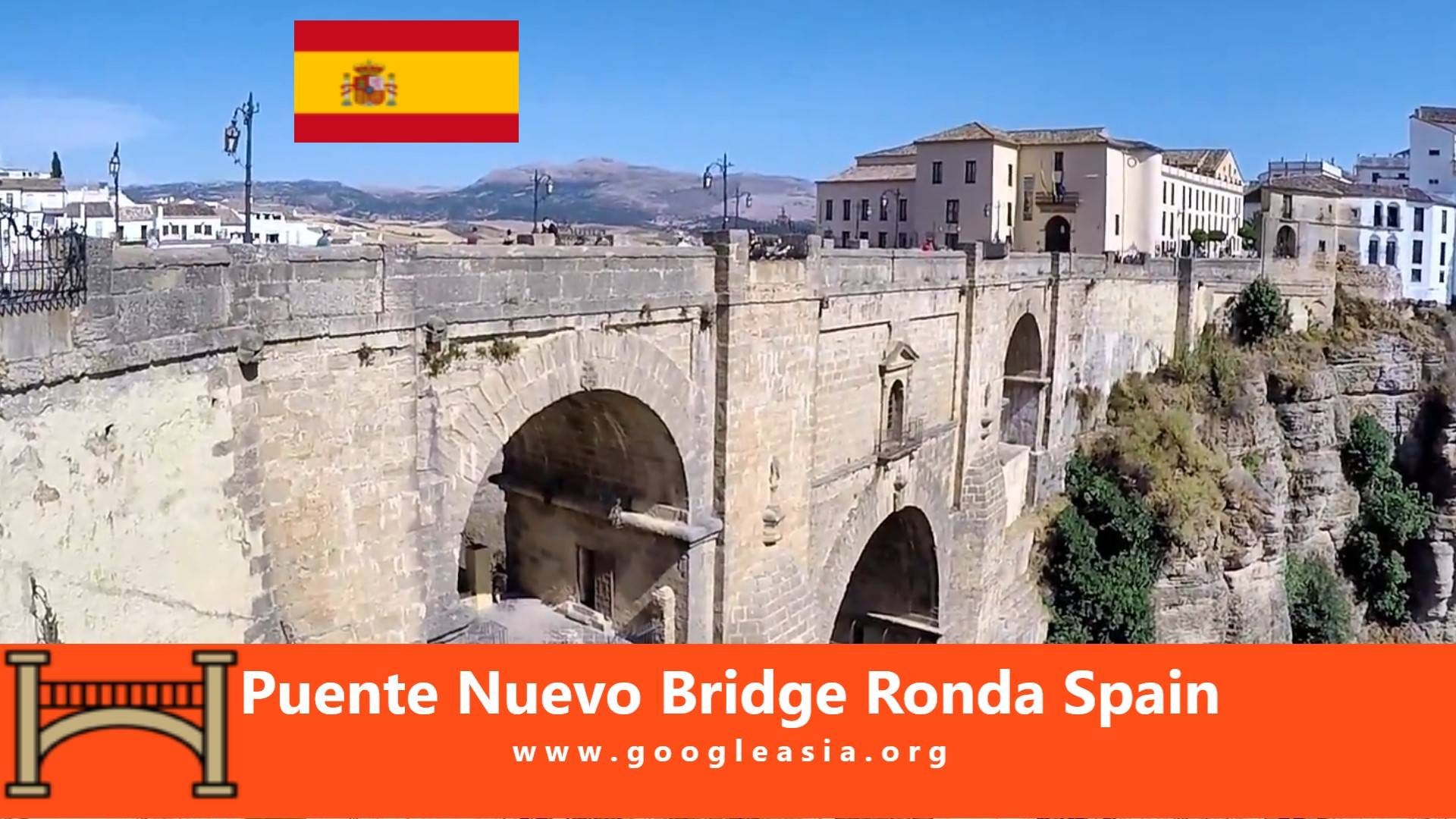
    The Puente Nuevo Bridge, located in Ronda, Spain, is an architectural and engineering marvel that has captivated visitors for centuries. Its construction began in 1751 and was completed in 1793, taking an impressive 42 years to finish. This monumental project was spearheaded by the architects Juan Antonio Díaz and his son, Francisco Díaz, with the help of an unnamed master mason from Seville. The bridge was designed to connect the two parts of Ronda, which are divided by the dramatic El Tajo Gorge.

    Engineering Feats

    The Puente Nuevo Bridge stands as a testament to the engineering prowess of the 18th century. Its three imposing arches, with the central arch reaching a height of 110 meters (360 feet) and spanning 96 meters (315 feet), were revolutionary for their time. The bridge was constructed using local limestone, and its design incorporates elements of both Baroque and Neoclassical styles, reflecting the architectural trends of the era.

    The Cultural Impact and Modern Significance

    A Symbol of Ronda

    The Puente Nuevo Bridge has become an iconic symbol of Ronda, representing the city’s rich history and architectural heritage. It is one of the most photographed landmarks in Spain and attracts thousands of tourists each year. Its dramatic presence and historical significance make it a focal point of Ronda’s cultural identity.

    Preservation and Tourism

    Efforts to preserve the Puente Nuevo Bridge have been ongoing since its completion. The bridge is maintained as a historical monument, ensuring that future generations can continue to appreciate its beauty and historical importance. It also plays a significant role in Ronda’s tourism industry, drawing visitors from around the globe who come to marvel at its grandeur and learn about its history.

    Attractions

    The Bridge’s Design

    The Puente Nuevo Bridge is characterized by its grand arches, which are not only functional but also add to the aesthetic appeal of the structure. The central arch, being the largest, was a significant engineering challenge and remains the most striking feature of the bridge. The use of local materials and the careful design of the arches ensure that the bridge blends seamlessly with the surrounding landscape.

    The View and Surroundings

    The location of the Puente Nuevo Bridge offers some of the most breathtaking views in Spain. From its vantage point, visitors can see the lush valley below and the rugged mountain terrain surrounding Ronda. The bridge serves as a natural observation point, offering panoramic vistas that enhance its overall charm and allure.

    Things to Do

    Capture the Perfect Photo

    Iconic Views

    Puente Nuevo Bridge offers some of the most stunning vistas in Spain. Whether you’re a professional photographer or just an enthusiastic traveler, the bridge’s dramatic setting provides a perfect backdrop. Capture the grand arches, the deep El Tajo Gorge below, and the sweeping views of Ronda’s rugged landscape.

    Sunset Photography

    For a truly magical experience, visit the bridge at sunset. The golden hour light casts a warm glow over the stone arches and the surrounding landscape, creating a captivating photo opportunity. The changing colors of the sky and the reflection of the bridge in the gorge add a dramatic flair to your photos.

    Enjoy a Leisurely Walk

    Cross the Bridge

    Walking across Puente Nuevo Bridge allows you to appreciate its architectural magnificence up close. As you cross, take in the impressive scale of the arches and the intricate stonework. The breeze and views make for a pleasant and reflective walk.

    Explore the Surrounding Pathways

    On the other side of the bridge, you can explore scenic pathways that offer additional perspectives of the bridge and the surrounding countryside. These trails are ideal for a peaceful stroll while soaking in the beauty of Ronda’s natural landscape.

    Visit Castillo de Aguila

    Discover the Historic Fortress

    Located a short distance from Puente Nuevo Bridge, Castillo de Aguila (Eagle’s Castle) is a historic fortress that provides another layer of Ronda’s rich history. Explore the castle’s ruins and enjoy the panoramic views of Ronda and the surrounding mountains from its vantage points.

    Learn About the History

    The castle dates back to the Moorish period and played a significant role in Ronda’s defense. A visit to Castillo de Aguila not only offers spectacular views but also provides historical insights into the region’s past.

    Taste Local Cuisine

    Sample Regional Delicacies

    Ronda’s local cuisine is a highlight of any visit. Nearby tapas bars and restaurants offer a variety of traditional Spanish dishes. Try local specialties such as ham croquetas, spicy chorizo, and marinated olives.

    Enjoy a Scenic Meal

    Consider dining at a restaurant with a view of Puente Nuevo Bridge. Enjoy your meal while gazing at the bridge and the picturesque gorge. Many eateries offer outdoor seating, allowing you to fully immerse yourself in the scenic beauty of Ronda.

    Watch a Flamenco Show

    Experience Traditional Dance

    Ronda is renowned for its vibrant flamenco scene. Head to a local bar or café to enjoy a live flamenco performance. This traditional Spanish dance, characterized by its passionate movements and soulful music, offers a cultural experience that complements your visit to the bridge.

    Engage with the Local Culture

    Flamenco shows often feature local performers and offer an authentic glimpse into Spanish culture. Engage with the energetic atmosphere and enjoy the expressive artistry that defines this beloved Spanish tradition.

    Foods

    Gazpacho

    Gazpacho is a quintessential Spanish dish, particularly popular in Andalusia. This cold tomato-based soup is made with fresh ingredients like tomatoes, garlic, onions, cucumbers, and bell peppers. It’s perfect for a refreshing meal, especially on a warm day while exploring Ronda.

    Variations and Local Twists

    While the classic version is always a hit, some local establishments may offer their unique twist on gazpacho, incorporating additional herbs or vegetables to enhance the flavor.

    Salmorejo

    Salmorejo is a richer, thicker version of gazpacho. This creamy cold soup is made from tomatoes, bread, olive oil, and vinegar, then topped with Spanish cured ham, hard-boiled eggs, and sometimes garnished with chopped vegetables. Its smooth texture and robust flavor make it a satisfying dish.

    Perfect for a Light Meal

    Salmorejo is often enjoyed as a light lunch or starter, making it an excellent choice for a mid-day break while sightseeing.

    Carcamusa

    Carcamusa is a traditional Ronda dish that combines cured ham, beans, sausage, and potatoes in a slow-cooked stew. This rich and flavorful dish is perfect for a hearty meal and offers a comforting taste of local cuisine.

    Ideal for a Cozy Meal

    If you’re looking for something filling and warming, carcamusa is an excellent choice, especially during cooler months or after a day of exploration.

    Huevos a la Flamenca

    Huevos a la flamenca is a traditional Spanish dish featuring eggs cooked in a tomato-based sauce with garlic, onions, and peppers. This dish is often baked and can be served with additional ingredients like chorizo or ham.

    A Flavorful Twist on Breakfast

    Though typically enjoyed as a main course, huevos a la flamenca can also be a hearty brunch option, offering a delightful mix of textures and flavors.

    Jamón Serrano

    Jamón serrano is a type of Spanish cured ham known for its delicate flavor and fine texture. Often served in thin slices as a tapa or appetizer, it pairs wonderfully with a glass of Spanish wine or a fresh baguette.

    A Must-Try Tapa

    No visit to Spain is complete without sampling jamón serrano. Enjoy it as part of a charcuterie platter or on its own to appreciate its rich, savory taste.

    Gazpachos de Naranja

    Gazpachos de naranja is a unique dessert version of gazpacho, made with fresh oranges, sugar, orange liqueur, and crushed almond flakes. This sweet and refreshing treat is perfect for ending a meal on a light note.

    A Delightful Dessert

    If you’re in the mood for something sweet after your meal, this orange gazpacho provides a light and flavorful finish, offering a twist on traditional Spanish desserts.

    Espinacas con Garbanzos

    Espinacas con garbanzos is a nutritious dish featuring spinach and chickpeas, often seasoned with olive oil and garlic. This vegetarian dish is both hearty and flavorful, making it a great option for those seeking a lighter yet satisfying meal.

    A Healthy Choice

    This dish is not only delicious but also packed with nutrients, making it an excellent choice for health-conscious diners.

    Ajo Blanco

    Ajo blanco is a traditional Andalusian cold soup made from almonds, garlic, and bread, served chilled and often garnished with grapes. Its creamy texture and nutty flavor make it a distinctive and refreshing choice.

    A Unique Taste Experience

    If you’re looking to try something different, ajo blanco offers a unique taste of Spanish culinary traditions with its combination of almonds and garlic.

    Hotels

    AC Hotel Ronda by Marriott

    The AC Hotel Ronda by Marriott is renowned for its contemporary design and excellent amenities. Located within easy reach of Puente Nuevo Bridge, this hotel offers stylish rooms with modern furnishings, a fitness center, and a restaurant serving both local and international cuisine. Its central location makes it a convenient choice for exploring Ronda.

    Key Features:

    • Location: Close to the city center and major attractions.
    • Amenities: Fitness center, free Wi-Fi, on-site restaurant.
    • Best For: Travelers seeking modern accommodations with excellent amenities.

    Eurostars Hotel Rio Verde

    Eurostars Hotel Rio Verde combines elegance with a welcoming atmosphere. Situated a short distance from Puente Nuevo, this hotel offers comfortable rooms, a well-equipped gym, and an outdoor pool. The on-site restaurant serves a variety of dishes, enhancing the overall guest experience.

    Key Features:

    • Location: Close to the scenic Rio Verde and central Ronda.
    • Amenities: Outdoor pool, gym, restaurant, free Wi-Fi.
    • Best For: Guests looking for a blend of luxury and relaxation.

    Hotel Fuerte Ronda

    Hotel Fuerte Ronda offers a charming Andalusian ambiance and is ideally located near Puente Nuevo. The hotel features traditional decor, spacious rooms, and a lovely terrace with views of the surrounding mountains. Guests can enjoy a meal at the hotel’s restaurant or take advantage of the outdoor pool.

    Key Features:

    • Location: Near Ronda’s historical center and Puente Nuevo.
    • Amenities: Outdoor pool, restaurant, spacious rooms.
    • Best For: Travelers who appreciate traditional Spanish style and ambiance.

    Hotel Cuevas San Miguel

    Hotel Cuevas San Miguel provides a unique lodging experience with its cave-style rooms carved into the mountainside. Located a short drive from Puente Nuevo, this hotel offers a distinctive stay with modern comforts and stunning views of the surrounding landscape.

    Key Features:

    • Location: A short drive from Puente Nuevo, nestled in a unique cave setting.
    • Amenities: Unique cave rooms, scenic views, free Wi-Fi.
    • Best For: Guests seeking a distinctive and memorable stay.

    Hotel El Reino

    Hotel El Reino offers a cozy and comfortable stay with friendly service. Situated within a short distance from Puente Nuevo, this hotel features well-furnished rooms and a relaxed atmosphere. It’s a great option for travelers looking for a more intimate and personal lodging experience.

    Key Features:

    • Location: Conveniently located near central attractions.
    • Amenities: Comfortable rooms, personalized service.
    • Best For: Travelers looking for a cozy, homely atmosphere.

    Hotel El Reino del Abuelo

    Hotel El Reino del Abuelo is perfect for families or groups seeking a comfortable stay near Puente Nuevo. With spacious rooms and a family-friendly environment, this hotel offers a pleasant and relaxed experience. It’s a great choice for those traveling with children or looking for a more laid-back lodging option.

    Key Features:

    • Location: Close to central Ronda and attractions.
    • Amenities: Spacious rooms, family-friendly facilities.
    • Best For: Families and groups seeking a comfortable stay.

    Hotel El Reino de Las Tortugas

    Hotel El Reino de Las Tortugas offers a charming and quaint atmosphere with personalized service. Located not too far from Puente Nuevo, this hotel features unique decor and a welcoming environment. Guests can enjoy a cozy stay with a touch of local character.

    Key Features:

    • Location: Short distance from Puente Nuevo and local attractions.
    • Amenities: Unique decor, personalized service.
    • Best For: Travelers looking for a charming and unique stay.

    Hotel Puente Nuevo

    Hotel Puente Nuevo is ideally situated with stunning views of the famous bridge itself. This hotel offers comfortable accommodations with direct views of Puente Nuevo and easy access to Ronda’s attractions. It’s an excellent choice for those who want to stay close to the iconic landmark.

    Key Features:

    • Location: Direct views of Puente Nuevo, close to major attractions.
    • Amenities: Scenic views, comfortable rooms.
    • Best For: Guests wanting to stay directly near the iconic Puente Nuevo.

    La Casa del Lechero

    La Casa del Lechero provides a traditional Spanish lodging experience with a homely feel. Located a short distance from Puente Nuevo, this guesthouse offers comfortable rooms and a warm atmosphere. It’s ideal for those looking for a more personalized and intimate stay.

    Key Features:

    • Location: Conveniently close to Puente Nuevo.
    • Amenities: Comfortable rooms, traditional decor.
    • Best For: Travelers seeking a homely and traditional stay.

    La Paloma Ronda Hotel Boutique & Spa

    La Paloma Ronda Hotel Boutique & Spa offers a luxurious stay with high-end amenities and a relaxing spa. Located a short distance from Puente Nuevo, this boutique hotel provides elegant accommodations, a wellness center, and a stylish atmosphere.

    Key Features:

    • Location: Close to Puente Nuevo with a luxurious atmosphere.
    • Amenities: Spa, boutique-style rooms, wellness center.
    • Best For: Guests seeking luxury and relaxation in a boutique setting.

    Conclusion

    A visit to Puente Nuevo is a journey into Spain’s architectural brilliance and the natural beauty of Andalusia. Whether you’re drawn by its dramatic setting, its historical significance, or its panoramic views, the bridge promises an unforgettable experience. Make sure to include Puente Nuevo in your Ronda itinerary and witness one of Spain’s most remarkable landmarks.

    Puente Nuevo Bridge Ronda Spain

    Summary

    • Attraction: Puente Nuevo Bridge
    • Country: Spain
    • Continent: Europe
    • Capital Name: Madrid
    • Language: Spanish
    • Category: #Destination #Europe #SPAIN 

    Frequently Asked Questions

    Where is Puente Nuevo Bridge located?

    The Puente Nuevo Bridge is located in the town of Ronda, which is situated in the province of Málaga, Andalusia, southern Spain. Ronda is known for its stunning gorge, El Tajo, and the Puente Nuevo Bridge is a notable landmark that spans the gorge, connecting the old and new parts of the town. The bridge offers breathtaking views of the surrounding landscape and is one of the iconic attractions in Ronda.

    How to go to Puente Nuevo Bridge?

    To reach the Puente Nuevo Bridge in Ronda, Spain, you can follow these general guidelines:

    By Air:

    1. Nearest Airport:
      • The closest major airport is Malaga-Costa del Sol Airport (AGP), which is approximately 100 kilometers away from Ronda.
      • From the airport, you can hire a car, take a taxi, or use public transportation to reach Ronda.

    By Car:

    1. Renting a Car:
      • Renting a car is a convenient option for traveling to Ronda and exploring the surrounding areas. Major car rental companies operate at Malaga Airport.
      • Follow the A-7 and AP-46 highways from Malaga to Ronda.

    By Train:

    1. Train from Malaga:
      • Ronda is connected by train, and you can take a train from Malaga to Ronda. The train journey offers scenic views of the Andalusian countryside.
      • Once you arrive at the Ronda train station, you can take a taxi or walk to the Puente Nuevo Bridge. The bridge is approximately a 15-20 minute walk from the station.

    By Bus:

    1. Bus from Malaga:
      • Buses also connect Malaga to Ronda. The journey takes a couple of hours.
      • After arriving at the Ronda bus station, you can either walk or take a taxi to the Puente Nuevo Bridge.

    On Foot:

    1. Exploring Ronda on Foot:
      • Ronda is a relatively small town, and many of its attractions, including the Puente Nuevo Bridge, can be explored on foot.
      • The bridge is located in the heart of Ronda, connecting the historic old town with the newer part of the town.

    Local Transportation:

    1. Taxis:
      • Taxis are available in Ronda and can take you to the Puente Nuevo Bridge from various points in the town.
    2. Walking:
      • Ronda is a picturesque town with narrow streets, and walking is a pleasant way to explore its beauty. The Puente Nuevo Bridge is a central landmark and can be reached by walking from various parts of the town.

    What are Puente Nuevo Bridge’s must-visit attractions or landmarks?

    Ronda, where the Puente Nuevo Bridge is located, is a town with rich historical and cultural significance. In addition to the iconic bridge, there are several must-visit attractions and landmarks in Ronda. Here are some notable ones:

    1. Puente Nuevo Bridge: As the focal point of Ronda, the Puente Nuevo Bridge is a must-visit. Take in the breathtaking views of the El Tajo gorge and surrounding landscapes from this impressive bridge.
    2. El Tajo Gorge: Explore the stunning El Tajo gorge itself, which the Puente Nuevo Bridge spans. The gorge offers dramatic cliffs and scenic viewpoints.
    3. Alameda del Tajo: A beautiful park located on the edge of the gorge, offering panoramic views of the countryside. It’s a peaceful place to relax and enjoy the surroundings.
    4. Plaza de Toros (Ronda Bullring): Ronda is known for its historic bullring, one of the oldest and most picturesque in Spain. The bullring also houses the Ronda Bullfighting Museum.
    5. Palacio de Mondragón: A palace with beautiful gardens, now serving as the Ronda Museum. The museum exhibits artifacts from Ronda’s history, including Roman and Moorish periods.
    6. Arab Baths (Baños Árabes): Explore the well-preserved Arab Baths dating back to the 13th century, showcasing the Moorish influence in the region.
    7. Church of Santa María la Mayor: Visit this church, a mix of Gothic, Renaissance, and Baroque styles. It houses religious art and offers a glimpse into Ronda’s architectural history.
    8. Jardines de Cuenca: Terraced gardens providing another vantage point to enjoy the views of the surrounding landscapes.
    9. Old Town (La Ciudad): Wander through Ronda’s charming old town with its narrow streets, white-washed buildings, and historic architecture.
    10. Casa del Rey Moro: Explore this historic mansion with beautiful gardens and an ancient well. It provides insights into Ronda’s Moorish past.
    11. Mirador de Aldehuela: A viewpoint that offers spectacular views of the Puente Nuevo Bridge and the El Tajo gorge.
    12. Convento de Santo Domingo: A former convent with a beautiful courtyard, now housing the Municipal Historical Museum.

    What are Puente Nuevo Bridge’s nearby must-visit attractions or landmarks?

    Ronda, where the Puente Nuevo Bridge is located, is surrounded by beautiful landscapes and has several nearby attractions and landmarks worth exploring. Here are some must-visit places near the Puente Nuevo Bridge:

    1. Puente Viejo (Old Bridge): While not as famous as the Puente Nuevo, the Puente Viejo is another historic bridge in Ronda. It’s a charming structure dating back to the 17th century and offers its own unique views of the gorge.
    2. Mirador de Ronda: This viewpoint, also known as the Balcony of Ronda, provides stunning panoramic views of the town, the Puente Nuevo Bridge, and the surrounding countryside. It’s a short walk from the bridge.
    3. Jardines de Cuenca: These terraced gardens offer a peaceful retreat with beautiful greenery and additional viewpoints to admire the scenery.
    4. Arco de Felipe V: Located near the Puente Nuevo, this arch commemorates the visit of King Felipe V to Ronda. It’s part of the historical architecture in the vicinity.
    5. Casa del Gigante: A historic mansion with an interesting architectural facade. It’s situated near the Puente Nuevo and provides a glimpse into Ronda’s historical buildings.
    6. Paseo de Blas Infante: This promenade along the edge of the gorge offers a pleasant stroll with fantastic views. It’s a great place to enjoy the scenery and take photos of the Puente Nuevo Bridge.
    7. Church of Padre Jesús: A charming church with a distinctive tower, located near the Puente Nuevo. It’s part of the picturesque landscape of Ronda.
    8. Cueva del Gato: A natural cave located about 10 kilometers from Ronda. It’s known for its clear waters and is a popular spot for swimming and exploring.
    9. Sierra de las Nieves Natural Park: This nearby natural park offers opportunities for hiking and enjoying nature. It’s known for its diverse flora and fauna.
    10. Acinipo (Ronda la Vieja): The ruins of a Roman city located a short drive from Ronda. Explore the ancient theater and archaeological remains that date back to the Roman period.

    Why should you visit Puente Nuevo Bridge?

    Visiting the Puente Nuevo Bridge in Ronda, Spain, is a captivating experience, and there are several compelling reasons to explore this iconic landmark:

    1. Spectacular Views: The Puente Nuevo Bridge spans the breathtaking El Tajo gorge, offering spectacular panoramic views of the surrounding landscapes. The vantage points from the bridge provide some of the most picturesque scenes in Ronda.
    2. Architectural Marvel: The bridge itself is a remarkable feat of engineering and architecture. Completed in 1793, it took over four decades to construct. The bridge’s grandeur and the sheer depth of the gorge below contribute to its status as a marvel of Spanish bridge design.
    3. Historical Significance: The Puente Nuevo has historical significance as one of the most famous and recognizable landmarks in Spain. It is an integral part of Ronda’s history, connecting the old Moorish town with the newer part of the city.
    4. Symbol of Ronda: The bridge is an iconic symbol of Ronda and is featured prominently in photographs, postcards, and artwork representing the town. Its image is synonymous with the charm and beauty of Ronda.
    5. Photography Opportunities: The Puente Nuevo Bridge provides excellent opportunities for photography. Whether capturing the bridge from afar, walking along its pathways, or taking shots of the El Tajo gorge, photographers will find plenty of inspiration.
    6. Cultural Exploration: Visiting the bridge is an opportunity to immerse yourself in the cultural and historical heritage of Ronda. Learn about the town’s Moorish past and the architectural influences that shaped this iconic structure.
    7. Scenic Walks: The bridge is part of a network of scenic pathways and viewpoints in Ronda. Walking across the bridge and exploring the surrounding areas allows visitors to appreciate the natural beauty and historical charm of the region.
    8. Nearby Landmarks: The Puente Nuevo is situated near other notable landmarks, such as the Puente Viejo, Mirador de Ronda, and Jardines de Cuenca. Exploring these nearby attractions enhances the overall experience of the visit.
    9. Cultural Events: The bridge is occasionally used as a venue for cultural events and festivities, providing a unique setting for concerts, performances, and celebrations.
    10. Local Atmosphere: The area around the Puente Nuevo Bridge is vibrant, with lively streets, charming cafes, and shops. Exploring this part of Ronda allows visitors to soak in the local atmosphere and hospitality.

    Is there any halal food available in the vicinity of the Puente Nuevo Bridge?

    While Ronda may not have a significant Muslim population compared to larger cities, there are still some options for halal food in the vicinity of the Puente Nuevo Bridge. Here are some general suggestions:

    1. International Cuisine Restaurants: Look for restaurants offering international cuisines such as Middle Eastern, Mediterranean, or South Asian. Some of these establishments may serve halal food or be willing to accommodate halal requests.
    2. Seafood and Vegetarian Options: Ronda, being a tourist destination, often has restaurants that specialize in seafood and vegetarian dishes. These establishments may have halal-friendly options, such as vegetable-based dishes or seafood.
    3. Communication with Restaurants: Consider communicating with the local restaurants directly to inquire about their menu and whether they can provide halal meals. Some chefs and restaurant staff may be willing to accommodate specific dietary requests.

    4. Local Markets and Grocery Stores: Explore local markets and grocery stores to find fresh produce, fruits, and snacks that are halal. You can assemble your own meals or find ready-made items that meet halal dietary requirements.
    5. Halal Certification: Inquire with restaurants about halal certification. Some establishments may display signs indicating that they offer halal food, making it easier for Muslim travelers to identify suitable dining options.

  • Prado Museum: Spain’s Artistic Treasure for US & UK Travelers

    Prado Museum: Spain’s Artistic Treasure for US & UK Travelers

    Prado Museum, Spain

    Prado Museum or known as Museo Nacional del Prado is one of the largest and premier art centers in the world. It is located in Madrid, Spain. Read here for more information about the best destinations in Europe you must visit.

    Introduction

    The Prado Museum, or Museo del Prado, stands as a testament to Spain’s rich cultural heritage and artistic prowess. Located in the heart of Madrid, this iconic institution is not only one of the largest art museums globally but also a cornerstone of European art history. With over 8,600 paintings, the Prado Museum boasts the most extensive collection of Spanish art spanning from the 12th century to the early 19th century. Let’s delve into what makes this museum a must-visit for art enthusiasts and history buffs alike.

    Historical Background

    Origins and Founding

    The Prado Museum was inaugurated in 1819 under the reign of King Ferdinand VII. Initially named the Royal Museum of Painting and Sculpture, it was established to showcase the Spanish royal family’s art collection. Over the years, the museum expanded its collection and transformed into a global art institution.

    Architectural Evolution

    Designed by architect Juan de Villanueva, the museum’s original neoclassical facade is a prime example of 18th-century architecture. In the 19th and 20th centuries, various extensions and renovations were carried out to accommodate the growing collection, including works by architects like Rafael Moneo and Antonio Fernández Alba.

    Visitor Experience

    Guided Tours and Educational Programs

    The Prado Museum offers various guided tours and educational programs, catering to different age groups and interests. These programs provide deeper insights into the museum’s extensive collection and the historical context of the artworks.

    Special Exhibitions

    The Prado frequently hosts temporary exhibitions that highlight specific themes or artists. These exhibitions provide fresh perspectives and allow visitors to explore lesser-known aspects of art history.

    Budget Travel $100

    Exploring the Prado Museum on a $100 budget is entirely possible with smart planning. A standard adult ticket costs around €15 (approximately $16), and if you visit during the museum’s free entry hours (Monday to Saturday, 6–8 pm, and Sundays, 5–7 pm), you can save that amount for other expenses. Public transport in Madrid is efficient and inexpensive, with a single metro ride costing about €1.50–€2 ($1.60–$2.15), so budgeting around €10 ($11) for round trips and short rides will cover your day.

    For food, you can enjoy a hearty Spanish menu del día (set lunch) at local taverns for €12–€15 ($13–$16), which usually includes a starter, main dish, dessert, and drink. If you prefer lighter meals, tapas and a drink can be found for €8–€10 ($9–$11), leaving room for coffee or churros at a café for about €5 ($5.50). With careful choices, you can comfortably enjoy the museum, meals, and transport within the $100 limit, even leaving space for a small souvenir like a postcard or magnet from the museum shop.

    The key to stretching your budget is balancing paid experiences with free opportunities. Madrid offers plenty of affordable attractions near the Prado, such as strolling through Retiro Park, which is free and located just next to the museum. You can also admire the Neoclassical architecture of the museum building itself, which is a cultural experience without cost.

    By combining free entry hours, inexpensive meals, and public transport, $100 allows you not only to see masterpieces by Velázquez, Goya, and El Greco but also to immerse yourself in the local atmosphere. This approach ensures that your day is rich in culture without overspending, proving that even one of the world’s most important art museums can be enjoyed on a modest budget.

    Tips for USA Travellers

    For visitors from the USA, understanding local customs and logistics can make the Prado Museum experience smoother. Book tickets online in advance to avoid long queues, as the museum is one of Madrid’s busiest attractions. Unlike many American museums, photography is strictly limited inside, so be prepared to enjoy the art without taking pictures. Carry some cash in euros, as smaller cafés and shops nearby may not accept foreign cards, though the museum itself does. Also, remember that Spaniards eat later than Americans; lunch often starts around 2 pm, so plan your meals accordingly to avoid frustration.

    Another important tip is to adjust expectations about scale and time. The Prado’s collection spans from the 12th to early 20th century, with thousands of works, so it is impossible to see everything in one visit. Focus on highlights such as Velázquez’s “Las Meninas” and Goya’s “The Third of May 1808”, which are considered must-sees. USA travellers should also note that Madrid’s metro system is safe and easy to navigate, but unlike in many American cities, walking is a major part of the experience—so wear comfortable shoes.

    Finally, be mindful of cultural etiquette: Spaniards value quiet appreciation in museums, so avoid loud conversations, and remember that tipping in restaurants is modest compared to the USA, usually just rounding up the bill or leaving small change.

    Attractions

    Masterpieces of Spanish Art

    Diego Velázquez

    Velázquez, one of Spain’s most celebrated artists, is prominently featured in the Prado Museum. His masterpieces, including Las Meninas and The Triumph of Bacchus, offer a glimpse into his innovative approach to composition and perspective.

    Francisco de Goya

    Goya’s works are central to the Prado Museum’s collection. His powerful paintings and etchings, such as The Third of May 1808 and The Black Paintings, reflect the tumultuous history of Spain during his time and showcase his dramatic style.

    El Greco

    El Greco, a Greek painter who settled in Spain, is known for his unique style blending Byzantine and Renaissance influences. The Prado Museum features several of his significant works, including The Burial of the Count of Orgaz and View of Toledo.

    Other Notable Artists

    José de Ribera

    Ribera, known for his dramatic use of light and shadow, has several notable works in the Prado Museum. His paintings, such as The Clubfooted Boy and Saint Jerome, highlight his mastery of tenebrism and his focus on realism.

    Zurbarán

    Francisco de Zurbarán’s serene and contemplative works are also well-represented at the Prado. His paintings, like The Apotheosis of Saint Thomas Aquinas and Saint Serapion, are admired for their simplicity and spiritual depth.

    Classical Sculpture and Decorative Arts

    Roman and Greek Sculptures

    In addition to its extensive painting collection, the Prado Museum also houses remarkable classical sculptures. These include Roman copies of Greek masterpieces, offering visitors a broader view of classical art.

    Decorative Arts

    The museum’s collection of decorative arts features exquisite examples of Spanish craftsmanship. From ornate furniture to intricate ceramics, these items reflect the artistic skills of various periods and regions.

    Things to Do

    The Prado Museum, an artistic jewel nestled in Madrid, offers visitors a wealth of activities beyond simply viewing its renowned artworks. Whether you’re an art aficionado, a history enthusiast, or simply looking to spend a memorable day in Madrid, the Prado Museum has something for everyone. Here’s a guide to making the most of your visit.

    Visit the Masterpieces

    Admire Iconic Paintings

    The Prado Museum is renowned for its extraordinary collection of paintings. Take time to marvel at works by Diego Velázquez, including his seminal piece Las Meninas, and delve into the dramatic narratives of Francisco de Goya’s The Third of May 1808. Don’t miss El Greco’s ethereal The Burial of the Count of Orgaz and Titian’s vibrant The Bacchus and Ariadne. Each artwork provides a unique glimpse into the artistic genius of these masters.

    Explore Sculptures and Tapestries

    In addition to paintings, the Prado’s collection includes classical sculptures and intricate tapestries. Examine Roman and Greek sculptures that highlight the museum’s commitment to preserving classical art, and appreciate the rich textures and historical significance of the tapestries that once adorned royal palaces.

    Take in the Decorative Arts

    Discover Elegant Artifacts

    The Prado Museum’s decorative arts collection is a treasure trove of historical craftsmanship. Wander through exhibits showcasing perfume bottles, exquisite furniture, ornate jewelry, and intricate silverware. These artifacts, spanning from the Middle Ages to the 19th century, reflect the artistic and cultural evolution of Spain and Europe.

    Get Lost in the Prints

    Explore the World’s Largest Print Collection

    The Prado Museum houses the largest collection of prints globally, offering an extensive look into the history of printmaking. Dive into works by influential printmakers such as Albrecht Dürer and Rembrandt. The collection provides a fascinating insight into the evolution of print techniques and the impact of printmaking on art history.

    Go Café-Hopping

    Relax at Café de Prado

    After immersing yourself in art and history, take a break at Café de Prado. Located within the museum, this café offers a relaxing environment with a view of the Zocodover Plaza. Enjoy a selection of drinks or light snacks while reflecting on your visit or simply taking in the ambiance.

    Learn Something New

    Engage in Educational Programs

    The Prado Museum provides a range of educational programs and lectures that cater to diverse interests. Attend guided tours that delve into specific themes or exhibitions, or participate in workshops designed to enhance your understanding of art techniques and history.

    Catch a Performance

    Experience “Clásica al Museo”

    For a unique cultural experience, check out the museum’s “Clásica al Museo” performances. These concerts, featuring both classical and modern musicians, are held throughout the year in the Prado’s historic courtyards and galleries. The combination of live music and art creates a memorable and immersive experience.

    Foods

    While visiting the Prado Museum, indulging in some delectable Spanish cuisine is a must. The museum itself offers a selection of food options that showcase traditional Madrid and Spanish dishes. Here’s a guide to the best foods you can enjoy during your visit.

    Cocido Madrileño

    Traditional Madrid Stew

    Cocido madrileño is a hearty and flavorful stew that is quintessentially Madrid. This traditional dish typically features a mix of meats, including beef, pork, and chorizo, slow-cooked with chickpeas and vegetables. The result is a rich and satisfying meal that embodies the essence of Madrid’s culinary heritage.

    Cazuela de Acelgas

    Swiss Chard in Savory Egg-and-Sherry Sauce

    Cazuela de acelgas is a delightful dish featuring Swiss chard cooked in a savory egg-and-sherry sauce. The Swiss chard is tender and flavorful, complemented by the creamy, rich sauce. This dish is a perfect example of how Spanish cuisine often combines simple ingredients to create something truly delicious.

    Salted Cod Omelette

    A Madrid Classic

    The salted cod omelette, or tortilla de bacalao, is a classic Madrid dish. This omelette combines salted cod with eggs to create a fluffy, savory dish. It’s a great way to enjoy the unique flavors of cod in a traditional Spanish preparation.

    Seafood Paella

    Saffron Rice with a Variety of Seafood

    Paella is one of Spain’s most famous dishes, and the seafood version is particularly popular. At the Prado Museum, you can savor a plate of seafood paella, featuring saffron-infused rice topped with a variety of fresh seafood like shrimp, mussels, and clams. It’s a vibrant and flavorful dish that captures the essence of Spanish coastal cuisine.

    Tortilla Española

    The Spanish Omelet

    Tortilla española, also known as the Spanish omelet, is a simple yet delicious dish made with eggs, potatoes, and onions. The Prado Museum offers this classic Spanish favorite, which is served in a variety of ways—from a small tapa to a hearty meal. It’s a must-try for anyone looking to experience traditional Spanish flavors.

    Pan con Tomate

    Grilled Bread with Garlic and Tomato

    Pan con tomate is a simple but delectable Spanish tapa. This dish consists of grilled bread rubbed with garlic and ripe tomatoes, then drizzled with olive oil. It’s a perfect snack or appetizer, offering a taste of traditional Spanish flavors in every bite.

    Pulpo a la Gallega

    Galician-Style Octopus

    Pulpo a la gallega is a beloved dish from Galicia, showcasing octopus seasoned with paprika and served with a drizzle of olive oil. The tender octopus is typically served on slices of boiled potatoes, making it a flavorful and satisfying option for seafood lovers.

    Jamón Serrano

    Cured, Salty Ham

    Jamón serrano is a type of dry-cured Spanish ham that is a staple of Spanish cuisine. The Prado Museum’s food options often feature this delicacy, which is aged to perfection and sliced thinly. It’s an excellent choice for a quick snack or as part of a larger meal.

    Patatas Bravas

    Fried Potatoes with Spicy Tomato Sauce

    Patatas bravas are a popular Spanish tapa consisting of fried potatoes served with a spicy tomato sauce. The crispy exterior and soft interior of the potatoes, combined with the tangy sauce, make for a delightful and addictive snack.

    Gazpacho

    Cold Tomato and Vegetable Soup

    Gazpacho is a refreshing cold soup made from tomatoes and a variety of vegetables. It’s particularly enjoyable during warmer months, offering a light and cooling option. This classic Andalusian dish is a great way to enjoy the vibrant flavors of fresh vegetables.

    Hotels

    Staying near the Prado Museum allows you to fully immerse yourself in Madrid’s rich cultural scene while enjoying convenient access to one of the world’s premier art institutions. Here’s a guide to some of the best hotels in the vicinity of the Prado Museum, ensuring a comfortable and memorable stay.

    Hotel Atlantico Madrid

    Elegant and Central

    Hotel Atlantico Madrid is renowned for its elegant decor and prime location. Situated on Gran Vía, it’s just a short walk from the Prado Museum. The hotel offers comfortable rooms with classic furnishings, modern amenities, and stunning views of the city. Its central location makes it easy to explore Madrid’s vibrant nightlife and other cultural landmarks.

    Hotel Cortes

    Historic Charm

    Hotel Cortes combines historic charm with modern comforts. Located in the heart of Madrid, close to the Prado Museum, this hotel offers a blend of traditional Spanish architecture and contemporary amenities. It’s an excellent choice for those who appreciate a touch of old-world elegance while being conveniently located for museum visits.

    Hesperia Madrid

    Luxury and Sophistication

    Hesperia Madrid is a luxurious option offering sophisticated accommodations and high-end amenities. Located slightly farther from the Prado Museum but still within easy reach, this hotel features stylish rooms, an on-site restaurant, and a wellness center. It’s perfect for travelers seeking a refined and comfortable stay.

    Hotel Miguel Angel by Bluebay

    Opulent Retreat

    Hotel Miguel Angel by Bluebay is an opulent retreat with a focus on luxury and service. Situated in the upscale Salamanca district, it’s a bit further from the Prado Museum but offers spacious rooms, beautiful decor, and a range of facilities, including a spa and gourmet dining. It’s an ideal choice for those seeking a high-end experience.

    Barceló Emperatriz

    Contemporary Elegance

    Barceló Emperatriz provides a blend of contemporary elegance and comfort. Located in the Salamanca district, it’s a short distance from the Prado Museum. The hotel features modern rooms, a chic design, and an on-site restaurant. Its stylish ambiance and attentive service make it a great choice for travelers looking for a luxurious stay.

    Hotel Urban

    Modern and Chic

    Hotel Urban is known for its modern and chic design, combining sleek architecture with a stylish interior. Situated within walking distance of the Prado Museum, it offers comfortable rooms, a rooftop terrace, and an excellent restaurant. The hotel’s contemporary vibe and central location make it a popular choice for art lovers.

    Hospes Madrid

    Boutique Luxury

    Hospes Madrid offers boutique luxury with a focus on personalized service. Located near the Prado Museum, this hotel features beautifully designed rooms, a serene atmosphere, and a spa. Its blend of modern comfort and elegant decor makes it a perfect retreat after a day of exploring Madrid’s cultural treasures.

    Hotel Ritz Madrid

    Classic Elegance

    Hotel Ritz Madrid, a historic luxury hotel, is known for its classic elegance and impeccable service. Located a short walk from the Prado Museum, it offers opulent rooms, exquisite dining options, and a traditional afternoon tea service. Its historic charm and central location make it a distinguished choice for a luxurious stay.

    AC Hotel Recoletos

    Comfortable and Convenient

    AC Hotel Recoletos is a comfortable and convenient option for visitors. Located in the Recoletos area, it’s within walking distance of the Prado Museum. The hotel offers modern rooms, a fitness center, and a business center. Its practical amenities and central location make it a solid choice for travelers seeking comfort and accessibility.

    Meliá Madrid Princesa

    Stylish and Central

    Meliá Madrid Princesa offers stylish accommodations and a central location. Situated in the heart of Madrid, it’s a short distance from the Prado Museum. The hotel features contemporary rooms, a rooftop pool, and several dining options. Its modern amenities and prime location make it a popular choice for visitors to the city.

    Conclusion

    A visit to the Prado Museum is more than an art tour—it’s a chance to connect with Spain’s history, creativity, and identity. With its vast galleries and iconic works, the museum stands as a must‑see destination in Madrid. Whether you’re an art enthusiast or a curious traveler, the Prado promises an unforgettable encounter with some of the greatest masterpieces ever created.

    Prado Museum Madrid Spain

    Summary

    • Attraction: Prado Museum
    • Country: Spain
    • Continent: Europe
    • Capital Name: Madrid
    • Language: Spanish
    • Category: #Destination #Europe #SPAIN 

    Frequently Asked Questions

    Where is Prado Museum located?

    The Prado Museum, officially known as the Museo Nacional del Prado, is located in Madrid, the capital city of Spain. The museum is situated in the Paseo del Prado neighborhood, close to the city center. The exact address of the Prado Museum is:

    Museo Nacional del Prado Paseo del Prado, s/n, 28014 Madrid, Spain

    The museum is renowned for its extensive collection of European art, particularly Spanish art, and is one of the most important cultural institutions in the world. Visitors to Madrid often include the Prado Museum in their itineraries to explore its impressive collection of paintings, sculptures, and other works of art.

    How to go to Prado Museum?

    Getting to the Prado Museum in Madrid is relatively easy due to the city’s well-developed transportation infrastructure. Here are several transportation options:

    By Metro:

    1. Nearest Metro Station: Atocha:
      • The closest metro station to the Prado Museum is Atocha, served by Line 1 (light blue). Once you arrive at Atocha, it’s approximately a 15-minute walk to the museum.
    2. Alternate Metro Stations: Banco de España and Antón Martín:
      • Banco de España (Line 2 – red) and Antón Martín (Line 1 – light blue) are also relatively close metro stations to the Prado Museum. From these stations, it’s about a 10-15 minute walk to the museum.

    By Bus:

    1. Bus Lines to Nearby Stops:
      • Several bus lines have stops near the Prado Museum. Bus numbers 9, 10, 14, 19, 27, 34, and 37 are some of the options. Check the specific routes and stops based on your starting location.

    By Train:

    1. Arriving at Atocha Train Station:
      • If you’re arriving at the Atocha train station, you can take a short walk (about 15 minutes) to reach the Prado Museum.

    By Taxi or Ride-Sharing:

    1. Taxis and Ride-Sharing Services:
      • Taxis and ride-sharing services are widely available in Madrid. You can request a taxi or use a ride-sharing app to get dropped off directly at the museum.

    On Foot:

    1. Walking:
      • If you’re in the city center, walking to the Prado Museum is a pleasant option. The museum is located near several major landmarks, and you can enjoy the surroundings as you make your way there.

    Important Tips:

    • Navigation Apps: Use navigation apps such as Google Maps or Madrid’s public transportation app (EMT Madrid) to plan your route and get real-time information on metro and bus schedules.
    • Tickets and Timings: Check the Prado Museum’s official website for information on tickets, opening hours, and any special exhibitions or events.
    • Local Advice: If unsure about the best route, feel free to ask locals for directions. Madrid is a tourist-friendly city, and many people will be happy to help.

    What are Prado Museum’s must-visit attractions?

    The Prado Museum in Madrid, Spain, is renowned for its extensive collection of European art, particularly Spanish masterpieces. Here are some must-visit attractions within the Prado Museum:

    1. Las Meninas by Diego Velázquez: One of the most famous paintings in Western art, this masterpiece by Velázquez is a complex and intriguing depiction of the Spanish royal family.
    2. The Garden of Earthly Delights by Hieronymus Bosch: Bosch’s triptych is a surreal and imaginative work that has captivated viewers for centuries. The detailed and fantastical scenes are open to various interpretations.
    3. The Annunciation by Fra Angelico: This early Renaissance painting is a serene and beautiful representation of the Annunciation, featuring the angel Gabriel and the Virgin Mary.
    4. The Third of May 1808 by Francisco Goya: Goya’s powerful and emotive depiction of the Spanish resistance against Napoleon’s troops is a poignant representation of the horrors of war.
    5. The Adoration of the Shepherds by El Greco: El Greco’s unique style is on display in this religious painting, featuring elongated figures and vibrant colors.
    6. The Triumph of Death by Pieter Bruegel the Elder: This 16th-century masterpiece is a detailed and thought-provoking portrayal of death’s inevitability, set against a backdrop of a medieval landscape.
    7. Self-Portrait by Albrecht Dürer: A remarkable self-portrait by the German Renaissance artist, showcasing his skill and attention to detail.
    8. The Cardinal by Raphael: This portrait by the Italian Renaissance master Raphael is a fine example of his ability to capture the personality and dignity of his subjects.
    9. The Descent from the Cross by Rogier van der Weyden: A gripping depiction of the grief-stricken moment when Christ is taken down from the cross, displaying Van der Weyden’s emotional intensity.
    10. Saturn Devouring His Son by Francisco Goya: This disturbing and powerful painting is part of Goya’s series of “Black Paintings” and is a gripping representation of the darker aspects of human nature.

    What are Prado Museum’s nearby must-visit attractions or landmarks?

    The Prado Museum is located in the cultural heart of Madrid, and there are several must-visit attractions and landmarks nearby. Here are some recommendations:

    1. Retiro Park (Parque del Retiro): One of Madrid’s most famous parks, located just east of the Prado Museum. It’s a beautiful and expansive green space with gardens, a lake, and various sculptures. You can enjoy a leisurely stroll, rent a rowboat on the lake, or relax in the shade.
    2. Thyssen-Bornemisza Museum: A short walk from the Prado, this museum houses an impressive collection of European art, including works by artists such as Van Gogh, Picasso, and Dali. It provides a comprehensive overview of art from the 13th to the late 20th century.
    3. Reina Sofia Museum: Another world-class museum in close proximity, the Reina Sofia focuses on contemporary and modern art. It is particularly famous for hosting Picasso’s iconic painting, “Guernica.”
    4. Puerta del Sol: One of Madrid’s central squares, Puerta del Sol is a lively area with shops, restaurants, and historical landmarks. It’s also known for the iconic clock on the Casa de Correos building and the symbolic Kilometer Zero marker.
    5. Plaza Mayor: A historic square surrounded by picturesque buildings with arcades, Plaza Mayor is a great place to soak up the atmosphere. It often hosts events, and its surrounding cafes are perfect for people-watching.
    6. Royal Botanical Garden of Madrid (Real Jardín Botánico): Situated near the Prado Museum, this botanical garden is a peaceful oasis with a diverse collection of plants from around the world.
    7. Cibeles Palace (Palacio de Cibeles): Formerly the City Hall, this stunning building now serves as a cultural center. The rooftop terrace offers panoramic views of the city.
    8. Puerta de Alcalá: An iconic neoclassical triumphal arch located in Plaza de la Independencia, near Retiro Park. It’s a symbol of Madrid and a popular spot for photos.
    9. Lope de Vega Theatre (Teatro Lope de Vega): If you’re interested in the performing arts, consider catching a play or musical at this historic theater, located not far from the Prado.
    10. San Jerónimo el Real: A beautiful church with a Gothic and Renaissance facade, situated close to the Prado. It’s worth a visit for its architectural and historical significance.

    Why should you visit Prado Museum?

    Visiting the Prado Museum in Madrid is a highly enriching experience for several reasons:

    1. World-Class Art Collection: The Prado Museum boasts an outstanding collection of European art, particularly emphasizing Spanish artists like Velázquez, Goya, and El Greco. It also features works by renowned international artists such as Raphael, Titian, Bosch, and Rembrandt.
    2. Masters of Spanish Art: The museum is a treasure trove of Spanish art, showcasing masterpieces that span various periods, from the medieval to the modern. Iconic works like Velázquez’s “Las Meninas” and Goya’s “The Third of May 1808” are must-see pieces.
    3. Historical Significance: The Prado Museum is housed in a neoclassical building designed by the architect Juan de Villanueva. The building itself has historical significance, having served various purposes before becoming a museum in the early 19th century.
    4. Diverse Artistic Styles: The collection at the Prado spans different artistic movements, including Renaissance, Baroque, Rococo, and Romanticism. This diversity allows visitors to appreciate the evolution of art over the centuries.
    5. Cultural Heritage: The museum plays a crucial role in preserving and promoting Spain’s cultural heritage. It provides insight into the country’s rich history, traditions, and artistic achievements.
    6. Educational Value: The Prado Museum offers a valuable educational experience for art enthusiasts, students, and tourists alike. Guided tours, educational programs, and informative exhibits enhance the understanding of the artworks and their cultural context.
    7. Temporary Exhibitions: In addition to its permanent collection, the museum regularly hosts temporary exhibitions, allowing visitors to explore specific themes, artists, or periods in greater detail.
    8. Beautiful Setting: The museum is located in the heart of Madrid, making it easily accessible. Its surroundings, including the adjacent Retiro Park and other nearby landmarks, contribute to a pleasant and culturally rich atmosphere.
    9. Architectural Beauty: The Prado’s architecture is a work of art in itself. The elegant design of the building enhances the overall experience, providing a fitting backdrop to the masterpieces housed within.
    10. International Recognition: The Prado Museum is internationally acclaimed and recognized as one of the greatest art museums globally. Its reputation draws art lovers and scholars from around the world.

    Is there any halal food available in the vicinity of the Prado Museum?

    Yes, there are several halal food options available in the vicinity of the Prado Museum in Madrid. As the city is diverse and welcoming to various cultures, you can find restaurants and eateries offering halal dishes. Here are a few recommendations:

    1. Al-Mounia: Located near the Prado Museum, Al-Mounia is a Moroccan restaurant that serves halal dishes. It offers a variety of traditional Moroccan and Middle Eastern cuisine in a cozy atmosphere.
    2. El Sur: This restaurant, situated not far from the Prado, specializes in Spanish and Andalusian cuisine. While it is not exclusively halal, they do offer some halal options, and the staff is usually accommodating to dietary preferences.
    3. Al Andalus: This restaurant is known for its halal Spanish and Andalusian dishes. It’s located within a reasonable distance from the Prado Museum and provides a warm and welcoming ambiance.
    4. Casa Mono: A restaurant offering a mix of Mediterranean and Middle Eastern flavors, Casa Mono is known for its halal-friendly options. It’s within walking distance from the Prado and provides a stylish setting.
    5. Restaurante Aynaelda: Situated near the Prado Museum, this restaurant offers halal options and specializes in Spanish and Mediterranean cuisine. The menu includes a variety of dishes suitable for different dietary preferences.
    6. El Jardín del Mesonero: This restaurant is known for its Spanish and Mediterranean cuisine and is located in the vicinity of the Prado Museum. While it may not be exclusively halal, they often have options that cater to various dietary requirements.

  • Park Güell Spain: Gaudí’s Iconic Barcelona Gem

    Park Güell Spain: Gaudí’s Iconic Barcelona Gem

    Park Guell, Spain

    Park Guell in one the best public park located in Barcelona Spain. This beautiful garden is designed by renowned Antoni Gaudi. Read here to find more info about more interesting places in Europe.

    Introduction

    Park Güell in Barcelona is one of the most extraordinary landmarks in Spain, designed by the visionary architect Antoni Gaudí. Known for its colorful mosaics, organic shapes, and panoramic city views, this UNESCO World Heritage Site blends nature with creativity in a way that captivates millions of visitors each year. Whether you’re an art lover, a history enthusiast, or simply seeking breathtaking scenery, Park Güell offers an unforgettable experience.

    The Vision

    Design Philosophy

    Antoni Gaudí, a leading figure of the Catalan modernist movement, envisioned Park Güell as a residential garden city. Commissioned by Eusebi Güell, a wealthy industrialist and patron of Gaudí, the project began in 1900. Although the residential aspect of the project was never realized, Gaudí’s design transformed the area into a public park that reflects his innovative approach to architecture and design. The park integrates whimsical forms, organic shapes, and vibrant mosaics, all characteristic of Gaudí’s distinctive style.

    Modernist Architecture

    Park Güell is a quintessential example of Catalan modernism, characterized by its imaginative use of materials and forms. Gaudí’s design incorporates natural elements and integrates them seamlessly with architectural features. The park’s intricate mosaic tile work, flowing lines, and fantastical structures create an otherworldly atmosphere that continues to captivate visitors.

    Art Installations and Sculptures

    Gaudí’s Artistic Touch

    Park Güell is adorned with various sculptures and art installations by Antoni Gaudí. These include animal figures, abstract forms, and other artistic elements that enhance the park’s whimsical and fantastical atmosphere. Gaudí’s ability to blend art with architecture is evident throughout the park, creating a cohesive and immersive experience.

    Visitor Experience

    Ticketing and Access

    Park Güell is open daily, with varying hours depending on the season. The Monumental Zone, where the main attractions are located, requires a ticket for entry. It is advisable to purchase tickets in advance, especially during peak tourist seasons, to avoid long wait times.

    Tips for a Great Visit

    • Wear Comfortable Shoes: The park’s terrain includes uneven paths and steep inclines, so comfortable footwear is essential.
    • Bring Water and Snacks: While there are food vendors near the park, bringing your own refreshments can be convenient.
    • Explore the Entire Park: Allow time to wander through both the Monumental Zone and the Austrian Gardens to fully appreciate the park’s diverse features.

    Attractions

    The Serpentine Bench

    One of the most iconic features of Park Güell is the serpentine bench that encircles the main terrace. This undulating bench is adorned with colorful mosaic tiles, known as trencadís. The bench not only serves as a functional seating area but also as a vibrant piece of public art, offering panoramic views of Barcelona.

    The Dragon Staircase

    The Dragon Staircase, or “El Drac,” is a striking entrance feature at Park Güell. This colorful dragon-like sculpture, covered in mosaic tiles, stands guard at the base of the staircase. The dragon is one of Gaudí’s most famous creations and a popular photo spot for visitors. Its vibrant colors and intricate design exemplify Gaudí’s imaginative approach to art.

    The Hypostyle Room

    The Hypostyle Room, also known as the “Columns Hall,” is a grand space supported by 86 columns that resemble tree trunks. The ceiling of the Hypostyle Room is decorated with colorful mosaics, adding to the room’s grandeur. Originally intended as a marketplace, the space is now a central feature of the park, showcasing Gaudí’s architectural ingenuity.

    The Monumental Zone

    The Monumental Zone is the heart of Park Güell, featuring the park’s most iconic structures and artistic elements. This area includes the main terrace, the Dragon Staircase, and other notable features. Access to the Monumental Zone requires an entrance fee, and it is the most visited part of the park.

    The Austrian Gardens

    The Austrian Gardens, located on the eastern side of the park, offer a more tranquil and natural environment. These gardens feature winding paths, lush greenery, and charming pavilions, providing a serene escape from the more crowded areas of the park.

    Things to Do

    Park Güell, a masterpiece by Antoni Gaudí, offers a wealth of activities and experiences for visitors. From leisurely strolls through its whimsical gardens to immersive tours and unique shopping opportunities, there’s something for everyone in this enchanting park. Here’s a guide to making the most of your visit to Park Güell.

    Explore the Gardens and Walkways

    Take a Leisurely Stroll

    Wander through the winding garden paths of Park Güell to fully appreciate its unique blend of nature and architecture. The park’s serpentine paths offer picturesque views and opportunities to discover hidden corners adorned with Gaudí’s distinctive designs.

    Discover the Mosaic-Covered Structures

    Marvel at the intricately designed mosaic-covered structures that define the park’s landscape. Key highlights include the colorful Dragon Staircase and the serpentine bench. These vibrant mosaics, crafted using trencadís (broken ceramic tiles), showcase Gaudí’s innovative approach to decorative art.

    Enjoy the Panoramic Views

    Climb to the Monumental Area

    Ascend to the Monumental Area, the heart of Park Güell, to be rewarded with breathtaking views of Barcelona. From this vantage point, you can see the Mediterranean Sea in the distance and enjoy a sweeping panorama of the city’s skyline.

    Relax on the Terrace

    The main terrace offers a spacious area to sit back and take in the stunning views of Barcelona. The terrace is surrounded by the famous serpentine bench, providing both comfort and a great vantage point for viewing the cityscape.

    Engage in Recreational Activities

    Enjoy a Picnic

    Pack a picnic and enjoy a meal in one of the park’s various gardens. The serene and picturesque settings make it an ideal spot for a relaxing lunch or snack amidst Gaudí’s architectural wonders.

    Take a Yoga Class or Meditation Session

    Participate in a yoga class or meditation session in the tranquil surroundings of Park Güell. These activities offer a unique way to connect with the park’s peaceful atmosphere and enhance your overall experience.

    Learn and Explore

    Join a Gaudí Walking Tour

    Embark on a Gaudí walking tour to gain a deeper understanding of the park’s history and architectural significance. Expert guides provide insights into Gaudí’s creative process and the cultural context of Catalonia, enriching your visit with informative commentary.

    Visit the Greek Theater

    Check out the Greek Theater area of Park Güell for performances of traditional flamenco and other live entertainment. The theater’s picturesque setting adds a special touch to cultural performances and local artistic expressions.

    Shop and Dine

    Browse the Gift Shops

    Explore the park’s gift shops and souvenir stands to find unique mementos of your visit. Items often feature Gaudí-inspired designs and motifs, making them perfect keepsakes or gifts for loved ones.

    Check Out the Chocolate Shop

    Visit the chocolate shop that incorporates Park Güell’s famous tile motifs into their treats. This whimsical shop offers delicious chocolates adorned with the park’s iconic designs, combining a sweet experience with artistic flair.

    Foods

    Park Güell is not only a marvel of Antoni Gaudí’s design but also a delightful destination for sampling some of Barcelona’s most beloved foods. Whether you’re looking for a casual snack or a satisfying meal, the park’s surrounding areas offer a range of delicious Spanish dishes. Here’s a guide to some of the best foods to try while visiting Park Güell.

    Traditional Spanish Favorites

    Pan con Tomate

    Pan con tomate (or pa amb tomàquet) is a quintessential Catalan dish. This simple yet flavorful bread is rubbed with ripe tomatoes, garlic, and drizzled with olive oil. Often topped with anchovies or a sprinkle of salt, it’s a perfect snack to enjoy while exploring the park.

    Patatas Bravas

    Patatas bravas are a popular Spanish tapa consisting of crispy fried potatoes served with a spicy garlic aioli. The combination of crunchy potatoes and tangy sauce makes this dish a favorite among locals and visitors alike.

    Tortilla Española

    Spain’s famous tortilla española, or Spanish omelet, is made with eggs, potatoes, and sometimes onions. This hearty and delicious omelet is a staple of Spanish cuisine and is perfect for a satisfying meal at the park.

    Jamón

    Jamón (cured ham) is a must-try Spanish delicacy. Typically served in thin slices, it’s a flavorful and savory option that pairs wonderfully with a glass of Spanish wine. Look for jamón ibérico or jamón serrano for an authentic taste.

    Seafood Delights

    Calamari

    Calamari can be enjoyed fried or grilled and is often served with a zesty garlic aioli. This popular seafood dish offers a taste of the Mediterranean and makes for a light and flavorful meal option.

    Refreshing Soups

    Gazpacho

    Gazpacho is a refreshing cold soup made from tomatoes, cucumbers, bell peppers, and other fresh vegetables. It’s especially delightful on a warm day and offers a light, healthy option while exploring the park.

    Sweet Treats

    Crema Catalana

    Crema catalana is a traditional Catalan dessert similar to crème brûlée. This silky custard is flavored with cinnamon and lemon, then topped with a caramelized sugar crust. It’s a sweet and satisfying way to end your meal.

    Cheese and Snacks

    Cheese Platter

    A cheese platter featuring a variety of Spanish cheeses, such as Manchego, is an excellent choice for a light snack or appetizer. Served with traditional accompaniments like nuts and dried fruits, it’s perfect for sampling a range of flavors.

    Pintxos

    Pintxos are bite-sized tapas that feature seasonal ingredients and creative toppings. These small, skewered snacks are ideal for trying a variety of flavors in one sitting, offering a taste of local culinary creativity.

    Hotels

    Staying near Park Güell offers a unique opportunity to experience one of Barcelona’s most iconic landmarks while enjoying convenient access to the city’s vibrant culture and attractions. Here’s a guide to some of the best hotels in and around the Park Güell area, providing comfort, style, and proximity to this architectural marvel.

    Luxury and Elegant Accommodations

    Hotel Casa Fuster

    Hotel Casa Fuster is a luxurious 5-star hotel located on Passeig de Gràcia, a short distance from Park Güell. Housed in a modernist building designed by renowned architect Lluís Domènech i Montaner, the hotel offers elegant rooms, a rooftop terrace with stunning city views, and exceptional service. Its central location provides easy access to both Park Güell and other key attractions.

    Hotel Miramar Barcelona

    Hotel Miramar Barcelona is situated on Montjuïc Hill, offering spectacular views of Barcelona and the Mediterranean Sea. Although not directly adjacent to Park Güell, this 5-star hotel provides a luxurious experience with its modern amenities, beautiful gardens, and an outdoor pool. Its location offers easy access to the city center and various attractions.

    Boutique and Stylish Options

    Ohla Hotel

    Ohla Hotel is a chic boutique hotel located in the heart of Barcelona. Known for its contemporary design and artistic touches, it offers a unique blend of style and comfort. While it’s not immediately next to Park Güell, its central location makes it a convenient choice for exploring various parts of the city, including Park Güell.

    Hotel Praktik Garden

    Hotel Praktik Garden provides a stylish and affordable stay with a focus on modern design and comfort. Located in the Eixample district, it offers easy access to public transportation, making it simple to reach Park Güell and other notable attractions in Barcelona.

    Mid-Range and Convenient Stays

    Hotel Europark

    Hotel Europark is a well-rated mid-range hotel located in the Eixample district. It offers comfortable rooms, modern amenities, and a convenient location with easy access to public transportation. It’s a practical choice for visitors who want to explore both Park Güell and other parts of the city.

    Exe Laietana Palace

    Exe Laietana Palace is a comfortable and stylish hotel situated in the Gothic Quarter, not far from Park Güell. This hotel combines modern amenities with classic architecture, offering a pleasant stay with easy access to various attractions in Barcelona.

    Affordable and Practical Choices

    Hotel Bonavista

    Hotel Bonavista is a charming and affordable hotel located in the Gràcia neighborhood, close to Park Güell. It offers a cozy atmosphere and practical amenities, making it a great choice for travelers looking for a budget-friendly option within walking distance of the park.

    Park Güell Hotel

    Park Güell Hotel is a straightforward and budget-friendly option located close to the park itself. It offers simple accommodations with essential amenities, providing a convenient stay for those who want to be near Park Güell without spending too much.

    Hotel Smel Ivotel

    Hotel Smel Ivotel is a practical choice for travelers looking for comfort and convenience. Located in the nearby area of Gràcia, it provides easy access to Park Güell and other attractions. Its affordable rates and functional amenities make it a solid option for budget-conscious visitors.

    Conclusion

    Visiting Park Güell is more than just a sightseeing stop—it’s a journey into Gaudí’s imagination and a celebration of Catalan modernism. From the iconic Dragon Stairway to the sweeping Terrace views, every corner tells a story of innovation and beauty. Make sure to add Park Güell to your Barcelona itinerary and immerse yourself in one of Spain’s most inspiring cultural treasures.

    Park Guell Barcelona Spain

    Summary

    • Attraction: Park Guell
    • Country: Spain
    • Continent: Europe
    • Capital Name: Madrid
    • Language: Spanish
    • Category: #Destination #Europe #SPAIN 

    Frequently Asked Questions

    Where is Park Guell located?

    Park Güell is located in Barcelona, Catalonia, Spain. Specifically, it is situated on Carmel Hill in the Gràcia district of Barcelona. The park is about 4 kilometers (2.5 miles) north of the city center. The address of the main entrance to Park Güell is Carrer d’Olot, s/n, 08024 Barcelona, Spain. Designed by the renowned architect Antoni Gaudí, Park Güell is known for its colorful mosaic architecture, unique sculptures, and panoramic views of Barcelona. It is a UNESCO World Heritage Site and a popular tourist attraction in the city.

    How to go to Park Guell?

    Getting to Park Güell in Barcelona is relatively easy, and you can use public transportation or private means to reach the park. Here are the common methods:

    1. By Metro:

    • Take the metro (L3, the Green Line) to the “Vallcarca” or “Lesseps” station.
    • From either of these stations, it’s about a 15 to 20-minute walk to the entrance of Park Güell. Be aware that there is an uphill walk to reach the park.

    2. By Bus:

    • Bus lines H6, D40, and V17 stop near the main entrance of Park Güell.
    • You can also take the “Hop-On Hop-Off” tourist bus, which has a stop at Park Güell.

    3. By Taxi:

    • Taxis are readily available throughout Barcelona. You can simply tell the taxi driver to take you to Park Güell. The journey time will depend on your starting location.

    4. Walking:

    • If you are staying in the vicinity, walking to Park Güell can be an option. However, keep in mind that the park is situated on Carmel Hill, and there is an uphill climb to reach the entrance.

    5. By Car:

    • If you prefer to drive, you can reach Park Güell by car. However, note that parking in the area might be challenging, and it’s recommended to use public transportation.

    Important Tips:

    • Tickets: Park Güell has an entrance fee, and it’s advisable to purchase tickets in advance, especially during peak tourist seasons.
    • Timings: Check the opening hours of the park, as they may vary depending on the season.
    • Footwear: Wear comfortable shoes, especially if you plan to explore the entire park. The terrain includes stairs and pathways.
    • Sun Protection: Bring sunscreen, a hat, and water, as the park has open spaces, and Barcelona can be sunny.

    What are Park Guell’s must-visit attractions or landmarks?

    Park Güell, designed by the renowned architect Antoni Gaudí, is a UNESCO World Heritage Site and one of Barcelona’s most iconic landmarks. Here are some must-visit attractions within Park Güell:

    1. The Dragon Stairway: The entrance to Park Güell is marked by the famous Dragon Stairway, decorated with a colorful mosaic dragon, also known as “El Drac” or “The Salamander.”
    2. The Hypostyle Room: Located at the top of the stairs, the Hypostyle Room is a large terrace surrounded by a serpentine bench adorned with vibrant mosaics. It offers panoramic views of the city.
    3. The Nature Square: This open space features a large terrace with undulating mosaic patterns, providing a unique and artistic environment for visitors to enjoy.
    4. The Serpentine Bench: Gaudí designed a long, winding bench that curves around the Nature Square. The bench is decorated with colorful ceramic tiles and offers a comfortable place to sit and take in the surroundings.
    5. The Gaudí House Museum: Located within the park, the Gaudí House Museum was once Gaudí’s residence. It now showcases furniture and objects designed by the architect, providing insights into his life and work.
    6. The Austria Gardens: These gardens feature lush greenery and provide a peaceful retreat within the park. They offer a contrast to the vibrant and intricate mosaic designs seen in other areas.
    7. The Greek Theatre: Originally designed as a performance space, the Greek Theatre is a semi-circular area surrounded by a Doric colonnade. It offers breathtaking views of Barcelona.
    8. The Porter’s Lodge Pavilion: This building at the entrance of the park, also known as the Porter’s Lodge, is topped with a unique mushroom-shaped dome and showcases Gaudí’s playful and imaginative architectural style.
    9. The Viaducts: Gaudí designed a series of viaducts and walkways within the park, creating a harmonious blend of nature and architecture.
    10. The Casa Trias: Also known as the Pink House, this building features a distinctive pink hue and is located at the entrance of the park.

    Tips:

    • Purchase tickets in advance, especially during peak tourist seasons.
    • Wear comfortable shoes, as there are inclined paths and stairways.
    • Visit early in the day to avoid crowds and enjoy a more peaceful experience.

    What are Park Guell’s nearby must-visit attractions or landmarks?

    Park Güell is located in the Gràcia district of Barcelona, and there are several other attractions and landmarks in the vicinity that you may find interesting. Here are some must-visit places near Park Güell:

    1. Tibidabo: This mountain offers stunning panoramic views of Barcelona. You can also visit Tibidabo Amusement Park, which is one of the oldest amusement parks in Europe.
    2. Bunkers del Carmel: For another breathtaking panoramic view of the city, visit the Bunkers del Carmel. It’s a bit of a climb, but the scenery is worth it, especially during sunset.
    3. Güell Pavilions: These pavilions were designed by Antoni Gaudí and are located in the Pedralbes neighborhood. While not as famous as Park Güell, they showcase Gaudí’s unique architectural style.
    4. Casa Vicens: Another architectural gem by Gaudí, Casa Vicens is a modernist house with intricate designs and vibrant colors. It’s a short distance from Park Güell.
    5. Gràcia District: Explore the charming streets of the Gràcia neighborhood, known for its bohemian atmosphere, local shops, and lively squares.
    6. Laberint d’Horta: This historical garden is home to a beautiful labyrinth, fountains, and neoclassical statues. It’s a serene and lesser-known spot.
    7. Sagrada Família: While a bit further away, the Sagrada Família is a must-visit landmark in Barcelona. Gaudí’s masterpiece is an iconic symbol of the city.
    8. Casa Batlló and La Pedrera: These two modernist buildings, also designed by Gaudí, are located along the famous Passeig de Gràcia. They are remarkable examples of Catalan Modernism.
    9. Palau de la Música Catalana: A UNESCO World Heritage Site, this concert hall is a masterpiece of Catalan modernism. Take a guided tour to appreciate its architectural and artistic details.
    10. Barri Gòtic (Gothic Quarter): Explore the historic Gothic Quarter with its narrow medieval streets, Gothic architecture, and lively squares. Don’t miss the Barcelona Cathedral and Plaça Reial.

    Is Park Guell a suitable travel destination for solo adventurers, honeymooning couples, or those traveling with families?

    Park Güell in Barcelona is a versatile destination suitable for various types of travelers:

    • Solo Adventurers: Park Güell is an excellent destination for solo travelers who enjoy art, architecture, and scenic landscapes. The vibrant colors, unique structures, and panoramic views offer a captivating experience for those exploring on their own.
    • Honeymooning Couples: For couples seeking a romantic and picturesque setting, Park Güell provides a whimsical and enchanting atmosphere. The beautiful mosaics, lush gardens, and stunning views make it a lovely spot for a leisurely stroll or a romantic picnic.
    • Families: Families can also enjoy Park Güell, especially if traveling with children. The open spaces, interesting architecture, and the playful design of Gaudí’s creations can engage and entertain kids. The park offers a relaxed environment for families to spend quality time together.
    • Photography Enthusiasts: Photographers will find Park Güell to be a treasure trove of captivating subjects. The colorful mosaic structures, architectural details, and panoramic vistas provide ample opportunities for capturing stunning images.
    • Art and History Enthusiasts: Individuals interested in art and history, particularly the works of Antoni Gaudí, will find Park Güell to be a must-visit destination. It offers insight into Gaudí’s unique architectural style and his integration of natural elements into his designs.
    • Nature Lovers: Park Güell’s location on Carmel Hill provides a natural escape within the city. Nature lovers can appreciate the lush greenery, well-maintained gardens, and the overall tranquility of the surroundings.
    • Cultural Travelers: Travelers interested in Catalan Modernism and the cultural heritage of Barcelona will appreciate the significance of Park Güell as a UNESCO World Heritage Site. It reflects the cultural and artistic movements of the early 20th century.

    Why should you visit Park Guell?

    Visiting Park Güell in Barcelona is a unique and enriching experience for several reasons:

    1. Architectural Marvel: Park Güell was designed by the renowned Catalan architect Antoni Gaudí. His distinctive and imaginative architectural style is on full display, featuring colorful mosaic sculptures, undulating forms, and organic shapes that seamlessly blend with nature.
    2. Gaudí’s Creativity: The park showcases Antoni Gaudí’s creative genius and his ability to merge art and architecture. The structures, pathways, and details reflect his passion for natural forms, creating a whimsical and enchanting environment.
    3. Vibrant Mosaics: The park is adorned with vibrant and intricate mosaic work, creating a visual feast for visitors. The use of colorful tiles in various patterns adds a playful and dynamic element to the surroundings.
    4. Panoramic Views: Situated on Carmel Hill, Park Güell offers panoramic views of Barcelona and the Mediterranean Sea. The elevated location provides a serene and picturesque backdrop for exploring Gaudí’s masterpieces.
    5. Historical Significance: Park Güell holds historical significance as one of Gaudí’s major works and is recognized as a UNESCO World Heritage Site. It reflects the cultural and artistic movements of the Catalan Modernism period in the early 20th century.
    6. Unique Architectural Elements: Visitors can marvel at unique architectural elements such as the colorful lizard sculpture at the entrance, the serpentine bench adorned with mosaic tiles, the Hypostyle Room, and the gingerbread house-like structures.
    7. Cultural Experience: Exploring Park Güell provides insight into Catalan culture, history, and artistic expression. It offers a glimpse into the rich artistic heritage of Barcelona and Catalonia.
    8. Relaxing Atmosphere: The park’s expansive green spaces, well-maintained gardens, and walking paths create a tranquil and relaxing atmosphere. It’s an ideal place for a leisurely stroll, picnics, or simply enjoying the natural surroundings.
    9. Photography Opportunities: Park Güell is a paradise for photography enthusiasts. The combination of Gaudí’s architecture, vibrant colors, and scenic views provides endless opportunities for capturing memorable moments.
    10. Cultural Events and Performances: The park occasionally hosts cultural events, performances, and exhibitions, adding to the overall experience and providing additional reasons to visit.

    Are there any halal food options in the vicinity of the Park Guell?

    While Park Güell itself doesn’t have specific dining facilities, there are several halal food options available in the vicinity of Park Güell in Barcelona. Here are some suggestions:

    1. Restaurant Salterio:
      • Address: Carrer de Lluís Antúnez, 3, 08006 Barcelona, Spain
      • Cuisine: Mediterranean, Middle Eastern, Halal
    2. El Meson del Principe:
      • Address: Carrer de Roger de Llúria, 117, 08037 Barcelona, Spain
      • Cuisine: Lebanese, Mediterranean, Halal
    3. Restaurante Aladino:
      • Address: Carrer del Consell de Cent, 377, 08009 Barcelona, Spain
      • Cuisine: Lebanese, Mediterranean, Halal
    4. Aladdin Gracia:
      • Address: Carrer de Francisco Giner, 4, 08012 Barcelona, Spain
      • Cuisine: Middle Eastern, Lebanese, Halal
    5. La Casbah – Restaurant Halal:
      • Address: Carrer de Pau Claris, 19, 08010 Barcelona, Spain
      • Cuisine: Moroccan, Middle Eastern, Halal
  • El Escorial: A Gem of History and Natural Beauty

    El Escorial: A Gem of History and Natural Beauty

    El Escorial, Spain: Must-Visit Destination

    Discover El Escorial, Spain’s royal monastery and palace. Explore its Renaissance architecture, rich history, and cultural treasures. Plan your visit today and step into Spain’s legacy!

    Introduction

    El Escorial is located 45km from Madrid is a municipality in Spain. The architecture is mesmerizing and was conceived by King Philip II. Read here for more information about the best destinations in Europe.

    Situated in the Sierra de Guadarrama mountains, just northwest of Madrid, El Escorial is renowned for its monumental architecture, cultural significance, and stunning landscapes. Here’s an in-depth look at what makes El Escorial a captivating destination.

    Historical Significance

    The Monastery of El Escorial stands as the crown jewel of El Escorial and is a testament to 16th-century Spanish power and architectural innovation. Commissioned by King Philip II of Spain, this grand complex was built between 1563 and 1584. It served as a royal palace, monastery, and burial place, symbolizing both the king’s authority and the might of the Spanish Empire.

    Architectural Masterpiece

    Designed by the architect Juan Bautista de Toledo and later completed by his successor, Juan de Herrera, the Monastery of El Escorial is one of Europe’s most important Renaissance monuments. Its austere, rectangular layout is characterized by a striking symmetry and a monumental façade. The building features a vast central courtyard, an impressive basilica, and an extensive library, reflecting both its religious and intellectual purposes.

    UNESCO World Heritage Site

    In recognition of its historical and architectural significance, the Monastery of El Escorial was designated a UNESCO World Heritage Site in 1984. Its inclusion in this prestigious list underscores its importance as a symbol of Renaissance art and Spanish history.

    The Village

    Charming Atmosphere

    Nestled at the foot of the monastery, the village of El Escorial exudes charm and tranquility. With a population of around 4,919 residents, the town offers a quaint and welcoming atmosphere. Its narrow streets, traditional Spanish architecture, and picturesque squares make it a delightful place to explore.

    Cultural Activities

    In addition to its natural attractions, El Escorial hosts a range of cultural activities:

    • Annual Cultural Festival: The town’s annual cultural festival features live music, dance performances, and theater, celebrating local talent and cultural heritage.
    • Monastery Visits: Tours of the Monastery of El Escorial provide insights into its historical and architectural significance, with guided options available to enrich the experience.

    Attractions

    Royal Basilica of San Lorenzo

    The Royal Basilica of San Lorenzo is the centerpiece of the monastery, showcasing a magnificent Baroque altar and an impressive dome. Its opulent design contrasts with the more austere façade of the monastery, highlighting the architectural diversity within the complex.

    Library of El Escorial

    The Library of El Escorial is one of the most important in Spain, housing an extensive collection of manuscripts, books, and historical documents. Its elegant reading room is adorned with intricate frescoes and provides a glimpse into the intellectual pursuits of the Spanish Renaissance.

    Pantheon of the Kings

    The Pantheon of the Kings is the royal burial site located within the monastery. It houses the remains of many Spanish monarchs, including King Philip II himself. The tombs are elegantly decorated, reflecting the grandeur and solemnity of the site.

    Things to Do

    El Escorial, located in the scenic Sierra de Guadarrama mountains, offers a rich tapestry of historical, cultural, and natural attractions. From exploring monumental architecture to enjoying outdoor activities, there’s a diverse range of experiences to be had in and around this charming town. Here’s a guide to some of the top things to do when visiting El Escorial.

    Explore Historical and Architectural Marvels

    Visit the Royal Monastery of San Lorenzo de El Escorial

    The Royal Monastery of San Lorenzo de El Escorial is the centerpiece of El Escorial. This vast complex includes a palace, church, and monastery, all built by King Philip II. The monastery is renowned for its Renaissance architecture, and it also serves as the final resting place for many Spanish monarchs. A guided tour will reveal its richly decorated interiors, including the grand basilica and the opulent Royal Pantheon.

    Tour the Museo-Biblioteca of El Escorial

    The Museo-Biblioteca of El Escorial houses one of the most important collections of books and art in the world. This historical library is famous for its extensive collection of manuscripts, books, and maps, many of which date back to the 16th century. The museum also features valuable artworks and offers insights into Spain’s intellectual and cultural heritage.

    See the Valley of the Fallen (Valle de los Caídos)

    The Valley of the Fallen is a monumental mausoleum built in honor of those who died during the Spanish Civil War. This site features a massive basilica and an impressive cross perched on a hill, offering panoramic views of the surrounding landscape. The site has historical significance and provides a solemn reminder of Spain’s turbulent past.

    Explore the Palacio de La Granja de San Ildefonso

    A short drive from El Escorial, the Palacio de La Granja de San Ildefonso is a stunning summer palace known for its elaborate Baroque and neoclassical architecture. The palace is surrounded by magnificent gardens, including fountains, trails, and reflecting pools. It’s a beautiful place to explore and enjoy a leisurely walk through its grandiose gardens.

    Enjoy Natural Beauty and Outdoor Activities

    See the Silla de Felipe

    The Silla de Felipe (Felipe’s Chair) is a natural rock formation resembling a throne, situated on a steep mountain. It’s a historical spot that was favored by King Philip II for its panoramic views. A hike to this location offers stunning vistas of the surrounding Sierra de Guadarrama and is a rewarding experience for nature enthusiasts.

    Visit El Escorial Town Square

    The El Escorial Town Square (Plaza de la Villa) is the heart of the town, featuring historical architecture and a lively atmosphere. Surrounded by restaurants, cafes, and shops, it’s a great place to relax, enjoy local cuisine, and soak in the charming ambiance of the town.

    Enjoy La Herradura

    La Herradura is a picturesque lake located in the Sierra de Guadarrama. The area around the lake offers scenic views and a tranquil environment for relaxation. It’s a perfect spot for a leisurely walk or a picnic, surrounded by natural beauty.

    Explore the House of the Infante Don Luis de Borbón (Casa del Infante)

    The House of the Infante Don Luis de Borbón is a historical residence that now hosts art exhibitions. This residence was once home to a member of the Spanish royal family and provides an opportunity to view art in a historic setting.

    Hiking

    Explore the numerous trails that wind through the mountains and forests, providing stunning views and opportunities to connect with nature.

    Horse Riding

    Experience the beauty of the region on horseback, with several local stables offering guided tours and riding lessons.

    Hang Gliding

    For the adventurous, the area provides opportunities for hang gliding, offering spectacular aerial views of the surrounding landscape.

    Golf

    Play a round of golf at nearby courses, which benefit from the beautiful backdrop of the mountains.

    Mountain Biking: Tackle the rugged terrain with mountain biking trails that cater to various skill levels.

    Discover Nearby Historical Sites

    Discover the Aqueduct of Segovia

    Although not in El Escorial, the Aqueduct of Segovia is a must-visit nearby landmark. This nearly 2,000-year-old engineering marvel features an elegant arch stone bridge that stands as a testament to ancient Roman engineering. It’s located about an hour’s drive from El Escorial and is well worth a visit.

    Take a Hike Along King Philip II’s Way

    King Philip II’s Way is a scenic hiking trail that allows visitors to explore the beautiful nature of the Sierra de Guadarrama while passing by historical monuments associated with King Philip II. The trail offers an immersive experience of the region’s natural beauty and historical significance.

    Foods

    El Escorial, with its rich cultural heritage and scenic beauty, is also a great destination for indulging in traditional Spanish cuisine. The region offers a variety of delectable dishes that showcase the flavors of Madrid and the broader Spanish culinary tradition. Here’s a guide to some of the best foods to try while visiting El Escorial.

    Traditional Spanish Dishes

    Tortilla de Patatas

    Tortilla de patatas, or Spanish potato omelet, is a classic Spanish dish made with eggs, potatoes, and sometimes onions. This hearty and flavorful omelet is a staple of Spanish cuisine and can be enjoyed at any time of the day. It’s often served as a tapa or light meal, and you’ll find it on the menu at many local restaurants in El Escorial.

    Paella Valenciana

    Paella Valenciana is a renowned Spanish dish originating from Valencia but enjoyed throughout Spain. It features saffron-infused rice cooked with a mix of seafood, vegetables, and sometimes chicken or rabbit. In El Escorial, you can enjoy a variety of paellas, including seafood and mixed versions, showcasing the region’s fresh ingredients.

    Cocido Madrileño

    Cocido Madrileño is a traditional Madrid-style chickpea stew. This hearty dish is made with a variety of meats (such as beef, pork, and chorizo), vegetables, and chickpeas. It’s typically served in multiple courses, beginning with a rich broth followed by the chickpeas and meats.

    Callos a la Madrileña

    Callos a la Madrileña is a flavorful tripe stew that’s a local favorite in Madrid. It consists of beef tripe cooked with chorizo, blood sausage, and spices, resulting in a rich and hearty dish. It’s a comforting option, especially during the colder months.

    Popular Tapas and Appetizers

    Croquetas

    Croquetas are fried béchamel balls filled with various ingredients, with jamón (Iberian ham) being a popular choice. These crispy and creamy bites are a common tapa in Spain and offer a delicious way to start your meal or enjoy as a snack.

    Gazpacho

    Gazpacho is a refreshing cold tomato soup that’s perfect for warm days. Made with tomatoes, cucumbers, bell peppers, onions, and garlic, this chilled soup is both light and flavorful. It’s a great way to enjoy fresh, seasonal vegetables.

    Jamón Ibérico

    Jamón Ibérico is a premium cured ham from Spain, known for its rich flavor and delicate texture. Often served in thin slices, it’s a must-try for any visitor to Spain. Enjoy it on its own or with a slice of crusty bread.

    Patatas Bravas

    Patatas Bravas are fried potatoes served with a spicy tomato sauce and sometimes a garlic aioli. This popular tapa is perfect for sharing and offers a delightful combination of crispy and tangy flavors.

    Comfort Foods and Desserts

    Huevos a la Flamenca

    Huevos a la Flamenca is a traditional Spanish dish featuring scrambled eggs cooked with tomatoes, onions, and paprika. It’s often served with chorizo or other meats and offers a flavorful and comforting meal.

    Churros con Chocolate

    Churros con chocolate is a beloved Spanish dessert consisting of fried dough pastries served with a rich, thick hot chocolate for dipping. This sweet treat is perfect for breakfast or a snack and is sure to satisfy your sweet tooth.

    Hotels

    El Escorial, located in the scenic Sierra de Guadarrama mountains, offers a range of accommodation options for visitors seeking to explore its rich historical and natural attractions. From luxurious stays to charming rural hotels, here’s a guide to some of the best hotels in and around El Escorial.

    Luxury and Upscale Accommodations

    Parador de El Escorial

    Parador de El Escorial is a prestigious hotel located near the Royal Monastery of San Lorenzo de El Escorial. This upscale establishment combines historical charm with modern amenities. Guests can enjoy elegant rooms, beautiful views of the surrounding mountains, and easy access to the monastery and town center. The hotel also features a restaurant serving local cuisine, making it a top choice for luxury travelers.

    Hotel San Francisco El Grande

    Hotel San Francisco El Grande is another excellent option, offering a blend of modern comfort and traditional style. Located close to El Escorial, this hotel provides spacious rooms, a well-regarded restaurant, and stunning views of the surrounding landscape. Its convenient location makes it a great base for exploring both the town and the nearby attractions.

    Boutique and Stylish Hotels

    Hotel Monteprincipe

    Hotel Monteprincipe is a stylish boutique hotel situated a short drive from El Escorial. Known for its contemporary design and comfortable accommodations, it offers a peaceful retreat with modern amenities. The hotel’s location provides easy access to both El Escorial and the natural beauty of the Sierra de Guadarrama.

    Hotel Antonio Casona Real del Monasterio

    Hotel Antonio Casona Real del Monasterio combines historical charm with modern comfort. Located in a historic building, this boutique hotel features beautifully decorated rooms and personalized service. It’s a great choice for those seeking a unique and intimate stay with close proximity to El Escorial.

    Rural and Charming Hotels

    Hotel Rural Nueve Islas

    Hotel Rural Nueve Islas offers a charming rural experience in the countryside near El Escorial. This hotel features traditional Spanish décor, cozy rooms, and a tranquil setting, ideal for a relaxing getaway. The hotel’s location provides easy access to outdoor activities and the natural beauty of the Sierra de Guadarrama.

    Hotel El Bosque

    Hotel El Bosque is a quaint rural hotel nestled in the forested surroundings of El Escorial. It offers comfortable accommodations with a rustic charm, as well as beautiful views of the mountains and forest. The hotel is perfect for nature lovers and those seeking a peaceful retreat.

    Hotel El Manzano

    Hotel El Manzano is another excellent choice for a rural stay. Located in a serene area near El Escorial, this hotel provides a homely atmosphere with well-appointed rooms and personalized service. It’s a great option for travelers looking to enjoy the natural beauty and tranquility of the region.

    Mid-Range and Practical Options

    Manzanares El Real Hotel

    Manzanares El Real Hotel offers comfortable and practical accommodations a short drive from El Escorial. This hotel features modern rooms, a restaurant, and easy access to the nearby attractions and natural areas. It’s a good choice for those looking for convenience and value.

    Hotel Real Palacio

    Hotel Real Palacio provides comfortable and stylish accommodations with a blend of modern amenities and historical charm. Located in a convenient area, this hotel offers a pleasant stay with easy access to El Escorial and the surrounding region.

    Hotel El Molino

    Hotel El Molino offers a cozy and welcoming atmosphere in a rural setting. It features comfortable rooms and traditional décor, providing a charming and relaxed stay for visitors to El Escorial. Its location makes it a convenient choice for exploring the area.

    Conclusion

    A visit to El Escorial is more than exploring a monument—it’s a journey into Spain’s royal past and cultural identity. From its solemn halls to its breathtaking surroundings, every detail tells a story of faith, power, and artistry. Let El Escorial enrich your travels, leaving you with memories of one of Spain’s most majestic landmarks.

    El Escorial Madrid Municipality in Spain

    Summary

    • Attraction: El Escorial
    • Country: Spain
    • Continent: Europe
    • Capital Name: Madrid
    • Language: Spanish
    • Category: #Destination #Europe #SPAIN 

    Frequently Asked Questions

    Where is El Escorial located?

    El Escorial is a historical residence, monastery, and royal palace complex located in the town of San Lorenzo de El Escorial, in the autonomous community of Madrid, Spain. It is situated about 45 kilometers (28 miles) northwest of the city of Madrid. San Lorenzo de El Escorial is known for its royal monastery, which was commissioned by King Philip II of Spain and completed in the late 16th century. The complex is a UNESCO World Heritage Site and is significant for its architectural, historical, and cultural importance.

    How to go to El Escorial?

    To travel to El Escorial from Madrid, you can use various transportation options, including train, bus, or car. Here are the common methods:

    By Train:

    1. From Madrid:
      • Take a Cercanías train (C-3 line) from Atocha or Chamartín train stations to El Escorial. The journey takes approximately 1 hour.
    2. From El Escorial Train Station to the Monastery:
      • Once you arrive at the El Escorial train station, the monastery is about a 15-20 minute walk. Alternatively, you can take a local bus or a taxi.

    By Bus:

    1. From Madrid:
      • You can take a direct bus from Madrid to El Escorial. The journey typically takes around 45 minutes to 1 hour.
    2. Bus Companies:
      • Check with bus companies like ALSA or Socibus for schedules and routes.

    By Car:

    1. From Madrid:
      • Take the A-6 highway northwest towards La Coruña.
      • Exit onto the M-600 towards Guadarrama/El Escorial.
      • Follow the signs to El Escorial.

    Tips:

    • Train Tickets: You can purchase train tickets at the station or online through Renfe, the Spanish railway company.
    • Bus Tickets: Bus tickets can be purchased at the bus station or online through the respective bus company’s website.
    • Car Rental: If you choose to drive, rental car options are available in Madrid. Make sure to check parking options in El Escorial.
    • Tour Packages: Some tour operators offer guided tours to El Escorial, providing transportation and a guide.
    • Check Schedules: Verify the train or bus schedules before your journey, as they may vary based on the day and time.

    What are El Escorial’s must-visit attractions or landmarks?

    El Escorial, a historical residence, monastery, and royal palace complex located in San Lorenzo de El Escorial, Spain, is rich in architectural and historical significance. Here are some must-visit attractions within El Escorial:

    1. Royal Monastery of San Lorenzo de El Escorial: The centerpiece of El Escorial, this massive complex includes a basilica, a monastery, a royal palace, and a library. Explore the ornate chambers, the Pantheon of the Kings, and the beautiful courtyard.
    2. The Basilica: The Basilica of San Lorenzo El Real is an integral part of the monastery. It features impressive architecture, religious art, and the high altar.
    3. Pantheon of the Kings: This underground chamber houses the marble tombs of Spanish kings and queens, including Philip II, Philip III, and Isabella of Bourbon.
    4. The Library: The Royal Library contains a valuable collection of manuscripts and documents. The frescoed ceiling and antique books make it a fascinating space.
    5. The Palace of Philip II: Explore the living quarters of King Philip II, including his bedroom, office, and the beautiful Patio de los Evangelistas.
    6. The Gardens: The gardens surrounding El Escorial offer a peaceful retreat with fountains, sculptures, and well-maintained greenery.
    7. The Casita del Príncipe and the Casita del Infante: These smaller palaces located in the vicinity of El Escorial provide insight into the royal life during the 18th century.
    8. Valley of the Fallen (Valle de los Caídos): While not part of El Escorial itself, this monumental complex, including a basilica and a giant cross, is nearby. It was commissioned by Francisco Franco and is a controversial historical site.
    9. The Royal Colosseum of Carlos III (Real Coliseo de Carlos III): This well-preserved 18th-century theater is located in the town of San Lorenzo de El Escorial.
    10. La Granjilla de La Fresneda: A country estate located a short distance from El Escorial, known for its gardens, fountains, and historical significance.

    Tips:

    • Guided Tours: Consider taking a guided tour to get in-depth information about the history and architecture of El Escorial.
    • Opening Hours: Check the opening hours and any special events or closures before your visit.
    • Respectful Attire: As a religious and historical site, it’s advisable to dress modestly and respectfully.

    What are El Escorial’s nearby must-visit attractions or landmarks?

    El Escorial and its surrounding area offer several additional attractions and landmarks to explore. Here are some must-visit places near El Escorial:

    1. Valley of the Fallen (Valle de los Caídos): A monumental complex with a basilica and a giant cross, built by Francisco Franco. It’s located close to El Escorial and offers historical and architectural significance.
    2. La Granjilla de La Fresneda: A country estate with beautiful gardens, fountains, and historic buildings. It’s a serene and picturesque spot.
    3. La Silla de Felipe II: A viewpoint named after Philip II, offering panoramic views of the surrounding landscape. It’s a popular spot for hiking and enjoying nature.
    4. The Royal Colosseum of Carlos III (Real Coliseo de Carlos III): Located in the town of San Lorenzo de El Escorial, this 18th-century theater is well-preserved and showcases historical architecture.
    5. Monastery of Santa María de El Paular: Situated in the nearby town of Rascafría, this monastery is known for its Gothic architecture, beautiful cloisters, and serene surroundings.
    6. Navacerrada Pass (Puerto de Navacerrada): A mountain pass offering stunning views and opportunities for hiking. It’s located in the Sierra de Guadarrama National Park.
    7. The Royal Seat of San Lorenzo de El Escorial (Casita del Príncipe): A smaller palace located near El Escorial, it provides insight into the royal life during the 18th century.
    8. Cuelgamuros Cemetery: Adjacent to the Valley of the Fallen, this cemetery has historical significance and is the resting place of some individuals associated with the Spanish Civil War.
    9. Abantos Forest: A forested area near El Escorial, offering walking and hiking trails amid nature.
    10. Sanctuary of El Cristo de El Pardo: Located in the El Pardo neighborhood of Madrid, this sanctuary is known for its religious significance and historical architecture.

    Tips:

    • Transportation: Consider renting a car or using public transportation to explore these nearby attractions.
    • Opening Hours: Check the opening hours of specific attractions, as they may vary.
    • Natural Parks: If you enjoy nature, explore the nearby natural parks and hiking trails for a more outdoor experience.

    Why should you visit El Escorial?

    Visiting El Escorial provides a unique and enriching experience due to its historical, architectural, and cultural significance. Here are compelling reasons why you should consider visiting El Escorial:

    1. Royal Monastery of San Lorenzo de El Escorial: The centerpiece of El Escorial, this grand complex serves as a monastery, royal palace, basilica, and library. It’s a UNESCO World Heritage Site and showcases remarkable architecture and historical importance.
    2. Architectural Marvel: El Escorial is a masterpiece of Renaissance and Spanish Baroque architecture. The complex was commissioned by King Philip II, and its design reflects a harmonious blend of religious and royal elements.
    3. Pantheon of the Kings: Explore the underground Pantheon, where the marble tombs of Spanish monarchs, including Philip II, are located. The site holds historical and cultural significance.
    4. Basilica of San Lorenzo El Real: The basilica within the complex is a stunning example of religious architecture. It houses impressive artwork and religious artifacts.
    5. Royal Library: The Royal Library at El Escorial boasts a valuable collection of manuscripts and documents. The library’s beautiful interior adds to the cultural richness of the site.
    6. Historical Significance: El Escorial played a central role in Spanish history and culture during the reign of Philip II. It was intended to be a symbol of the defense of Catholicism and the Spanish Crown.
    7. Gardens and Surroundings: The gardens surrounding El Escorial provide a tranquil and scenic environment. Take a leisurely stroll through well-maintained greenery and enjoy the peaceful ambiance.
    8. La Granjilla de La Fresneda: Explore the nearby country estate known for its gardens, fountains, and historic structures, adding another layer to the cultural experience.
    9. Cultural Exhibitions and Events: El Escorial often hosts cultural events, exhibitions, and concerts, providing visitors with opportunities to engage with Spanish arts and culture.
    10. Valley of the Fallen (Valle de los Caídos): While controversial, the nearby Valley of the Fallen offers an impressive sight with a monumental basilica and a massive cross.

    Tips:

    • Guided Tours: Consider taking a guided tour to gain in-depth insights into the history and significance of El Escorial.
    • Respectful Attire: As a religious and historical site, it’s advisable to dress modestly and respectfully.

    How accessible is halal food in the vicinity of the El Escorial?

    Finding halal food in the vicinity of El Escorial may be more challenging compared to larger urban areas, as it is a smaller town. However, you can explore various options to meet your dietary preferences:

    1. Local Restaurants: Inquire at local restaurants about their menu options. Some places may offer vegetarian or seafood dishes that align with halal dietary requirements.
    2. International Cuisine: Look for restaurants serving international cuisines, such as Mediterranean or Middle Eastern, as they may have halal options. Always check with the staff about their food preparation methods.
    3. Online Resources: Use online platforms or apps that specialize in halal restaurant recommendations. These resources often provide user reviews and ratings to help you make informed decisions.
    4. Local Markets: Visit local markets or grocery stores to purchase halal ingredients and prepare your own meals if you have access to a kitchen.
    5. Communication: When dining out, communicate your dietary restrictions with restaurant staff. They may be able to accommodate your needs or suggest suitable dishes.
    6. Nearby Cities: If you have the flexibility to travel, consider exploring larger nearby cities where you are more likely to find a diverse range of halal dining options.

  • La Concha Beach Spain Guide: Sun & Scenery

    La Concha Beach Spain Guide: Sun & Scenery

    La Concha Beach, Spain

    Relax at La Concha Beach, Spain’s most famous shoreline. Enjoy its golden sands, calm waters, and vibrant promenade. Plan your seaside getaway today and soak up the beauty of San Sebastián!

    Introduction

    La Concha Beach, or Playa de La Concha, is one of Spain’s most celebrated urban beaches, located in the picturesque city of San Sebastián in the Basque Country. Known for its stunning natural beauty and vibrant atmosphere, La Concha Beach offers a perfect blend of relaxation and recreation, making it a must-visit destination for travelers.

    Scenic Beauty and Atmosphere

    Stunning Sunsets

    One of the highlights of La Concha Beach is its spectacular sunsets. The beach provides a perfect vantage point to watch the sun dip below the horizon, casting a golden glow over the bay and creating a romantic and serene atmosphere. It’s an ideal spot for an evening stroll or a sunset picnic.

    Romantic and Relaxing Ambiance

    The tranquil and scenic environment of La Concha Beach makes it a popular destination for couples looking to enjoy a romantic day out. The combination of beautiful views, soft sands, and the gentle sound of the waves creates a relaxing ambiance perfect for unwinding.

    Attractions

    Iconic Horseshoe-Shaped Bay

    La Concha Beach is nestled within a charming horseshoe-shaped bay, which provides it with a distinctive and breathtaking backdrop. This unique shape not only enhances the scenic beauty but also ensures calm waters, making it an ideal spot for swimming and various water activities. The bay is framed by rolling hills and offers panoramic views of the surrounding landscape.

    Pristine Sands and Clear Waters

    The beach is renowned for its high-quality, golden sands that invite visitors to lounge and soak up the sun. The waters are remarkably clear and clean, providing an excellent environment for swimming and other water sports. The beach’s well-maintained cleanliness and beautiful setting contribute to its reputation as one of Spain’s most beautiful urban beaches.

    Family-Friendly Facilities

    La Concha Beach is well-equipped for families, with numerous amenities designed to enhance the visitor experience:

    • Kid’s Park: A dedicated play area for children ensures that younger visitors have a great time, with safe and engaging equipment.
    • Beach Clubs and Bars: Relax at one of the many beach clubs or bars that line the beach, offering refreshments, snacks, and a vibrant atmosphere.
    • Restaurants: Enjoy a meal with a view at one of the beachside restaurants, which serve a variety of local and international dishes.

    Nearby Attractions

    Monte Igueldo

    Overlooking La Concha Beach is Monte Igueldo, a hill offering panoramic views of the bay and the city. A funicular railway takes visitors to the top, where they can enjoy the scenic vistas and explore the historic amusement park.

    Old Town (Parte Vieja)

    Just a short walk from the beach, the Old Town of San Sebastián is a bustling area known for its narrow streets, vibrant tapas bars, and historic architecture. It’s a great place to explore after a day at the beach, offering a taste of local culture and cuisine.

    San Telmo Museoa

    For those interested in history and culture, the San Telmo Museoa is located nearby. This museum offers insights into Basque history and culture, housed in a beautifully restored convent.

    Things to Do

    La Concha Beach, nestled in the picturesque city of San Sebastián, offers a variety of activities and experiences that cater to both relaxation and adventure. Here’s a guide to some of the best things to do at this stunning beach:

    Relax and Unwind

    Lounge and Sunbathe

    La Concha Beach’s golden sands and gentle waves provide the perfect setting for lounging and sunbathing. Settle into your beach towel or rent a sunbed and soak up the sun while enjoying the breathtaking views of the bay.

    Enjoy Drinks and Tapas

    The beachfront is lined with charming restaurants and bars where you can enjoy refreshing drinks and delicious tapas. Relax with a glass of wine or a cocktail while sampling local delicacies like pintxos, and take in the scenic views.

    Water Activities

    Swimming, Snorkeling, and Kayaking

    La Concha Beach’s clear, clean waters are ideal for swimming. For those interested in exploring underwater, snorkeling can reveal vibrant marine life. Kayaking is also a popular activity, allowing you to paddle around the bay and take in its natural beauty from a different perspective.

    Paddle Surfing and Windsurfing

    If you’re looking for a bit more excitement, try paddle surfing or windsurfing. These activities are popular at La Concha Beach, especially when the conditions are right. Rental services are available on-site for both.

    Rent a Paddle Boat

    Paddle boats are available for rent, offering a fun and leisurely way to explore the bay. Enjoy a peaceful ride while taking in the panoramic views of the beach and the surrounding landscape.

    Sports and Recreation

    Beach Volleyball

    La Concha Beach features designated areas for beach volleyball, where you can join a game or participate in friendly tournaments. The soft sand and beautiful surroundings make for a fantastic sports experience.

    Scenic Exploration

    Walk Up the Nearby Steps

    For spectacular views of La Concha Beach and San Sebastián, take a scenic walk up the steps to the Monte Igueldo area. From the top, you’ll be rewarded with breathtaking panoramic vistas of the bay and the city.

    Explore the Pristine Sand Dunes

    Discover the natural beauty of La Concha Beach by exploring its pristine sand dunes. These dunes add to the beach’s charm and provide a serene environment for a leisurely stroll.

    Cultural and Historical Experiences

    Take Photographs of the Stunning Landscape

    La Concha Beach is renowned for its picturesque beauty, making it a fantastic spot for photography. Capture the stunning landscape with the turquoise waters, golden sands, and dramatic coastal scenery.

    Explore the Nearby Ruins of the Roman Theatre

    While not directly on the beach, the nearby ruins of the Roman theatre offer a glimpse into the area’s historical past. Located a short distance away, these ruins provide a cultural contrast to the natural beauty of the beach.

    Foods

    La Concha Beach in San Sebastián is not only famous for its stunning beauty but also for its excellent food offerings. The beachside area is home to a variety of restaurants and bars where you can savor traditional Spanish cuisine. Here’s a guide to some of the best foods to try while visiting La Concha Beach:

    Classic Spanish Dishes

    Tortilla de Patatas

    Tortilla de Patatas, or Spanish omelet, is a must-try dish. This traditional tapa consists of eggs, potatoes, and onions, seasoned to perfection and cooked into a thick, hearty omelet. It’s typically served with a side of crusty bread and a fresh salad, making it a satisfying and quintessential Spanish meal.

    Paella

    Paella is a renowned Spanish dish originating from Valencia, and it’s perfect for sharing with friends and family. At La Concha Beach, you can enjoy a classic seafood paella, or try a mixed version that includes chicken, seafood, and vegetables. The vibrant flavors and colorful presentation make paella a standout choice for a beachside meal.

    Sweet and Savory Snacks

    Churros

    For a delightful beachside snack, try churros. These crispy, fried pastries are typically enjoyed with a side of thick, rich hot chocolate for dipping. They’re a sweet treat that’s perfect for indulging while taking in the beach views.

    Tostada de Jamón

    Tostada de Jamón is a simple yet delicious Spanish dish consisting of toasted bread topped with jamón ibérico, Spain’s famous cured ham. This savory snack is often served with a drizzle of olive oil and is ideal for a light meal or snack by the beach.

    Hearty and Flavorful

    Caldo Gallego

    Caldo Gallego is a traditional Galician soup made with potatoes, cabbage, chorizo, and sometimes other meats. It’s a hearty, warming dish that can be a comforting option, especially on cooler days at the beach.

    Pulpo a la Gallega

    For a taste of Galician cuisine, try pulpo a la gallega. This dish features tender octopus cooked with olive oil, garlic, paprika, and salt, served alongside boiled potatoes. It’s a flavorful and authentic Spanish seafood dish that’s both satisfying and delicious.

    Fried Delicacies

    Pescaito Frito

    Pescaito frito is a popular dish of assorted fried fish, often served with a side of lemon. This dish is great for sharing and provides a crispy, flavorful taste of Spain’s coastal cuisine.

    Calamares a la Andaluza

    Calamares a la Andaluza consists of deep-fried squid rings, typically served with a side of lemon and a dipping sauce, often aioli. This classic tapa is crispy, tender, and perfect for enjoying with a cold drink while relaxing on the beach.

    Hotels

    La Concha Beach in San Sebastián is not only renowned for its stunning views and vibrant atmosphere but also for its excellent selection of hotels. Here are some of the best accommodations to consider when visiting this picturesque beach:

    Luxury Accommodations

    NH Collection San Sebastián Aranzazu

    NH Collection San Sebastián Aranzazu is a contemporary hotel located a short walk from La Concha Beach. It offers modern amenities, stylish rooms, and excellent service. The hotel’s location makes it convenient for exploring both the beach and the city.

    Gran Hotel María Cristina, a Luxury Collection Hotel

    Gran Hotel María Cristina is a historic and luxurious hotel that epitomizes elegance and sophistication. Located a bit farther from the beach but still within the city center, it offers opulent rooms, fine dining, and exceptional service. It’s ideal for those seeking a high-end experience.

    Hotel de Londres y de Inglaterra

    Hotel de Londres y de Inglaterra is a grand, classic hotel right on La Concha Beach. With its prime location and beautiful sea views, this hotel offers elegant rooms, a stylish restaurant, and a charming atmosphere that perfectly complements a beachside stay.

    Mid-Range Options

    Hotel La Perla

    Hotel La Perla is a boutique hotel located directly on La Concha Beach. It offers comfortable rooms with stunning sea views and is known for its personalized service. The hotel’s location allows for easy access to the beach and surrounding attractions.

    Hotel Niza

    Hotel Niza is another great option situated on the beachfront. This charming hotel provides a relaxed atmosphere, comfortable accommodations, and fantastic views of the bay. Its proximity to La Concha Beach makes it a popular choice among visitors.

    Silken Amara Plaza San Sebastián

    Silken Amara Plaza offers modern and comfortable accommodations with easy access to La Concha Beach. The hotel features a range of amenities, including a fitness center and restaurant, making it a practical choice for travelers.

    Budget-Friendly Choices

    Hotel San Sebastián

    Hotel San Sebastián provides a budget-friendly option close to the beach. It offers basic amenities and comfortable rooms in a convenient location for exploring La Concha Beach and the city.

    Hotel La Pension

    Hotel La Pension is a more economical choice, providing clean and simple accommodations. It is located a bit further from the beach but offers good value for those seeking affordable lodging in San Sebastián.

    Unique Stays

    Hotel de la Concha

    Hotel de la Concha offers a unique stay with its location directly on the beachfront. The hotel provides charming, sea-view rooms and is perfect for those who want to be just steps away from the sand and surf.

    Conclusion

    A visit to La Concha Beach is more than a day by the sea—it’s an immersion into Spanish coastal life, elegance, and tranquility. Whether you’re sunbathing, strolling along the promenade, or enjoying local cuisine nearby, every moment reflects the unique spirit of San Sebastián. Let La Concha Beach be the highlight of your travels, offering memories of one of Spain’s most enchanting shorelines.

    La Concha Beach in Spain

    Summary

    • Attraction: La Concha Beach
    • Country: Spain
    • Continent: Europe
    • Capital Name: Madrid
    • Language: Spanish
    • Category: #Destination #Europe #SPAIN 

    Frequently Asked Questions

    Where is La Concha Beach located?

    La Concha Beach is located in the city of San Sebastián (Donostia in Basque), which is situated in the Basque Country, northern Spain. San Sebastián is known for its picturesque bay and beautiful beaches, and La Concha Beach is one of its most famous and central beaches. The beach is characterized by its crescent shape and fine golden sand, offering stunning views of the bay and the surrounding hills. San Sebastián is a popular destination for its beachfront, culinary scene, and cultural attractions.

    How to go to La Concha Beach?

    To reach La Concha Beach in San Sebastián, you can use various transportation methods depending on your starting point. Here are some general guidelines:

    By Air:

    1. Fly to San Sebastián Airport (EAS):
      • Book a flight to San Sebastián Airport, which is the nearest airport to the city.
    2. From the Airport to La Concha Beach:
      • Use airport transfer services, taxis, or public transportation to reach the city center where La Concha Beach is located.

    By Train:

    1. Arrive at San Sebastián Train Station:
      • If you are traveling by train, arrive at San Sebastián Train Station.
    2. From the Train Station to La Concha Beach:
      • Take a taxi, bus, or walk to the city center where La Concha Beach is situated.

    By Bus:

    1. Bus Services:
      • Depending on your location, you can use intercity buses to reach San Sebastián. The city has a central bus station.
    2. From the Bus Station to La Concha Beach:
      • Use local buses, taxis, or walk to La Concha Beach from the bus station.

    By Car:

    1. Driving:
      • If you are driving, use GPS or maps to navigate to San Sebastián.
    2. Parking:
      • Park your vehicle in one of the city’s parking areas. Note that parking spaces near popular attractions, including La Concha Beach, can be limited.

    On Foot:

    1. Exploring the City Center:
      • If you are already in San Sebastián’s city center, you can easily walk to La Concha Beach. The beach is centrally located, making it accessible on foot.

    Tips:

    • Public Transportation: San Sebastián has an efficient public transportation system, including buses, making it easy to navigate the city.
    • Walking and Cycling: San Sebastián is a walkable and bike-friendly city, so consider exploring the area on foot or by bicycle.
    • Seasonal Variations: Check for any transportation or route adjustments based on the season, as tourist activity may influence accessibility.

    What are La Concha Beach’s must-visit attractions or landmarks?

    La Concha Beach in San Sebastián, Spain, is known for its stunning coastline and vibrant atmosphere. While the beach itself is the main attraction, the surrounding area offers various landmarks and attractions worth exploring. Here are some must-visit places near La Concha Beach:

    1. Mount Urgull: Located at one end of La Concha Bay, Mount Urgull offers panoramic views of the bay and the city. The summit features a historic castle, sculptures, and walking trails.
    2. Mount Igueldo (Monte Igueldo): Situated at the western end of La Concha Beach, Mount Igueldo provides breathtaking views. It also has an old amusement park with a vintage carousel and other attractions.
    3. San Telmo Museoa (San Telmo Museum): A cultural institution showcasing Basque history, art, and culture. The museum is housed in a former Dominican convent and features exhibitions, artwork, and artifacts.
    4. Constitution Square (Plaza de la Constitución): A historic square surrounded by colorful buildings, cafes, and restaurants. It was formerly a bullring and is now a popular gathering place.
    5. Alderdi Eder Gardens: Beautiful gardens located near La Concha Beach, offering a peaceful retreat with sculptures, flowerbeds, and a central fountain.
    6. Kursaal Congress Centre and Auditorium: A modern architectural complex hosting cultural events, conferences, and performances. It is located near the mouth of the Urumea River.
    7. Victoria Eugenia Theatre: A historic theater with a beautiful façade, hosting a variety of performances including plays, concerts, and dance productions.
    8. Old Town (Parte Vieja): Explore the narrow streets of the Old Town, filled with pintxos bars, shops, and vibrant energy. Visit the Basilica of Saint Mary of the Chorus and the Santiago Cathedral.
    9. Urumea River Promenade: Enjoy a leisurely stroll along the promenade beside the Urumea River, offering picturesque views and a relaxing atmosphere.
    10. Aquarium of San Sebastián: Located at the end of La Concha Beach, the aquarium features marine life from the Bay of Biscay and offers an underwater tunnel experience.

    Tips:

    • Climb Mount Urgull and Mount Igueldo early in the day for spectacular sunrise views.
    • Explore the Old Town in the evening to experience the vibrant nightlife and local cuisine.
    • Check for cultural events and performances at the Kursaal Congress Centre and Auditorium.

    What are La Concha Beach’s nearby must-visit attractions or landmarks?

    La Concha Beach in San Sebastián is surrounded by several must-visit attractions and landmarks. Here are some notable places near La Concha Beach:

    1. Mount Urgull: Located at the eastern end of La Concha Bay, Mount Urgull offers panoramic views of the beach and the city. It has a historic castle, the Castillo de la Mota, and is a great spot for hiking.
    2. Mount Igueldo (Monte Igueldo): Situated at the western end of La Concha Beach, Mount Igueldo provides stunning views of the bay. It features an old amusement park, the Parque de Atracciones Monte Igueldo, and a lighthouse.
    3. San Telmo Museoa (San Telmo Museum): A cultural institution housed in a former Dominican convent. The museum showcases Basque history, art, and ethnography.
    4. Constitution Square (Plaza de la Constitución): A historic square in the heart of the Old Town with colorful buildings, cafes, and a lively atmosphere. It was once a bullring and is now a popular meeting place.
    5. Alderdi Eder Gardens: Beautiful gardens located between La Concha Beach and City Hall. The gardens feature sculptures, flowerbeds, and a central fountain.
    6. Kursaal Congress Centre and Auditorium: A modern architectural complex hosting cultural events, conferences, and performances. It is situated near the mouth of the Urumea River.
    7. Victoria Eugenia Theatre: A historic theater with a stunning façade, hosting various performances including plays, concerts, and dance productions.
    8. Old Town (Parte Vieja): Explore the charming streets of the Old Town with narrow alleys, pintxos bars, and local shops. Visit landmarks like the Basilica of Saint Mary of the Chorus and the Santiago Cathedral.
    9. Urumea River Promenade: Enjoy a leisurely walk along the Urumea River Promenade, offering picturesque views and a relaxing ambiance.
    10. Aquarium of San Sebastián: Located at the eastern end of La Concha Beach, the aquarium showcases marine life from the Bay of Biscay. It features interactive exhibits and a transparent tunnel.

    Tips:

    • Pintxos Tasting: Explore the Old Town for a delightful pintxos (small tapas) experience in its numerous bars.
    • Sunset Views: Watch the sunset from Mount Igueldo or Mount Urgull for a spectacular view of La Concha Bay.
    • Cultural Events: Check for cultural events and performances at the Kursaal Congress Centre and Auditorium.

    Is La Concha Beach a suitable travel destination for solo adventurers, honeymooning couples, or those traveling with families?

    La Concha Beach is a versatile destination that caters to various types of travelers, making it suitable for solo adventurers, honeymooning couples, and families. Here’s how La Concha Beach can be an appealing destination for each group:

    Solo Adventurers:

    • Scenic Beauty: Solo travelers can enjoy the stunning views of La Concha Bay and its surrounding landscape. The beach, with its crescent shape and clear waters, provides a picturesque setting for relaxation and exploration.
    • Outdoor Activities: Solo adventurers can engage in outdoor activities such as swimming, paddleboarding, or simply taking a stroll along the beach. Hiking opportunities on nearby Mount Urgull also offer a chance for solo exploration.
    • Cultural Exploration: The proximity of La Concha Beach to San Sebastián’s Old Town allows solo travelers to immerse themselves in the local culture, try pintxos in the vibrant bars, and explore historic landmarks.

    Honeymooning Couples:

    • Romantic Setting: La Concha Beach offers a romantic setting with its golden sands and the gentle curve of the bay. It’s an ideal spot for couples to enjoy intimate moments while taking in the beautiful views.
    • Mount Igueldo Sunset: Couples can take a romantic journey to Mount Igueldo to witness a breathtaking sunset over La Concha Bay, creating unforgettable memories.
    • Fine Dining: San Sebastián’s culinary scene, including the Old Town’s pintxos bars, provides an opportunity for couples to savor delicious meals together.

    Families:

    • Safe Environment: La Concha Beach is known for its calm and safe waters, making it suitable for families with children. The gradual slope of the seabed ensures a gentle entry into the water.
    • Ample Recreational Space: The expansive sandy beach provides enough space for families to set up beach activities, play games, and enjoy a day of relaxation.
    • Aquarium of San Sebastián: Families can visit the Aquarium of San Sebastián, located near La Concha Beach, to explore marine life and engage in educational experiences.
    • Nearby Attractions: Families can easily access nearby attractions, such as Mount Igueldo’s amusement park and the cultural offerings in the city center.

    General Tips:

    • Accommodation Options: San Sebastián offers a variety of accommodation options, ranging from beachfront hotels to family-friendly apartments.
    • Diverse Activities: The destination provides a balance of relaxation, outdoor activities, cultural experiences, and family-friendly attractions.

    Why should you visit La Concha Beach?

    Visiting La Concha Beach in San Sebastián is a captivating experience due to its unique blend of natural beauty, cultural richness, and recreational opportunities. Here are compelling reasons why you should consider visiting La Concha Beach:

    1. Breathtaking Scenery: La Concha Beach is renowned for its stunning scenery with a crescent-shaped bay, golden sands, and clear waters. The picturesque landscape creates a perfect backdrop for relaxation and enjoyment.
    2. Swimming and Water Activities: The calm and gentle waters of La Concha make it an ideal spot for swimming and water activities. Whether you prefer a leisurely swim or engaging in paddleboarding, the beach provides a refreshing aquatic experience.
    3. Mount Igueldo Views: Climb Mount Igueldo for panoramic views of La Concha Bay. The vantage point offers breathtaking perspectives of the beach, the city, and the surrounding landscape, making it a must-visit spot.
    4. Sunset Spectacle: Witnessing the sunset at La Concha Beach is a magical experience. The sun setting over the bay paints the sky with vibrant hues, creating a romantic and unforgettable atmosphere.
    5. Outdoor Recreation: The expansive sandy beach allows for various outdoor activities, including beach volleyball, sandcastle building, or simply relaxing under the sun. The beach provides ample space for both recreation and tranquility.
    6. Cultural Exploration: La Concha Beach is conveniently located near San Sebastián’s Old Town, offering opportunities for cultural exploration. Immerse yourself in the local culture, try traditional pintxos in the charming bars, and visit historic landmarks.
    7. Mount Urgull Hiking: Embark on a hike up Mount Urgull for a rewarding experience. The trail provides not only exercise but also a chance to explore historical sites, such as the Castillo de la Mota, along the way.
    8. Aquarium of San Sebastián: Located near La Concha Beach, the Aquarium of San Sebastián offers a fascinating underwater world to explore. It’s a family-friendly attraction showcasing marine life from the Bay of Biscay.
    9. Culinary Delights: San Sebastián is renowned for its culinary scene, and La Concha Beach is surrounded by eateries and bars. Enjoy delicious seafood, pintxos, and other local delights with a view of the bay.
    10. Relaxation and Tranquility: Whether you seek an active day by the water or a peaceful retreat, La Concha Beach caters to both. The soothing sound of the waves and the serene atmosphere create a perfect setting for relaxation.

    Is there any halal food available in the vicinity of the La Concha Beach?

    Finding halal food near La Concha Beach in San Sebastián may require some exploration, as the availability of halal options can vary. While the city itself may have limited halal-specific establishments, there are general tips to help you find suitable dining options:

    1. International Cuisine: Look for restaurants offering international cuisine, such as Middle Eastern, Mediterranean, or Asian. These establishments may have halal options on their menu.
    2. Seafood Restaurants: San Sebastián is known for its seafood, and many seafood restaurants may offer dishes that align with halal dietary requirements. Confirm with the staff regarding the preparation methods.
    3. Communication: When dining out, communicate your dietary restrictions with the restaurant staff. They may be able to accommodate your needs or suggest suitable dishes.
    4. Online Resources: Use online platforms or apps that specialize in halal restaurant recommendations. These resources often provide user reviews and ratings to help you make informed decisions.
    5. Local Markets: Visit local markets or grocery stores to purchase halal ingredients and prepare your own meals if you have access to a kitchen.
    6. Ask Locals: Inquire with locals or at your accommodation about nearby restaurants or eateries that may offer halal options. They may provide valuable recommendations.
  • Plaza Mayor Spain Travel Guide: History & Charm

    Plaza Mayor Spain Travel Guide: History & Charm

    Plaza Mayor in Madrid, Spain

    Plaza Mayor is a popular square located in Puerta del Sol and the Royal Palace, Madrid. This building and architecture is a must-see attraction in Spain. Explore its vibrant atmosphere, stunning architecture, and cultural heritage. Plan your visit today and experience Spain’s lively heart!

    Introduction

    Plaza Mayor stands as one of Madrid’s most historic and vibrant landmarks. Nestled in the heart of Spain’s capital, this grand square boasts a rich history, stunning architecture, and a lively atmosphere that draws both locals and visitors alike.

    Historical Significance

    Origins and Development

    Plaza Mayor’s origins trace back to the 16th century during the reign of King Philip II. Initially conceived as a marketplace, it quickly evolved into a central hub for various public events. The square was designed by the architect Juan de Herrera, known for his role in the construction of the Escorial Monastery, and later renovated by various architects over the centuries, leading to its eclectic architectural style.

    Architectural Evolution

    The square showcases a blend of architectural styles, with the predominant influence being Baroque. Notable architects such as Francisco de Mora and Juan Gómez de Mora contributed to its current appearance. The buildings around Plaza Mayor exhibit a cohesive design with their uniform façades and intricate ironwork balconies, while the square itself is characterized by its large, rectangular shape surrounded by arcaded walkways.

    Special Events and Festivals

    Plaza Mayor hosts a variety of events throughout the year:

    • Christmas Festivities: The square transforms into a magical Christmas market, with festive decorations, lights, and seasonal stalls selling holiday treats and gifts.
    • San Isidro Fair: Celebrating Madrid’s patron saint, this festival features parades, traditional music, and dance performances.
    • Noche en Blanco: An annual cultural event where museums and galleries open their doors for nighttime exhibitions, performances, and activities.

    Attractions

    The Porticos and Arcades

    The square is encircled by a series of arcades and porticos that offer shelter and create a unique shopping and dining experience. These covered walkways provide a charming setting for exploring the numerous cafés, bars, and shops that line the square.

    The Equestrian Statue of Philip III

    At the center of Plaza Mayor stands the equestrian statue of Philip III, sculpted by Giambologna and cast by his student, Pietro Tacca. The statue, erected in 1616, commemorates the monarch who played a crucial role in the square’s development.

    The Main Building

    The Casa de la Panadería (Bakery House) is the main building of Plaza Mayor and one of its most recognizable features. It houses the Madrid Tourism Office and is notable for its grand façade adorned with frescoes and a clock tower.

    Museums and Historical Sites

    Several museums and historical landmarks are within walking distance of Plaza Mayor:

    • The Royal Palace of Madrid: A short stroll from the square, this opulent palace offers guided tours of its lavish interiors and beautiful gardens.
    • The Prado Museum: Renowned for its extensive collection of European art, including works by Velázquez and Goya.
    • The Almudena Cathedral: Adjacent to the Royal Palace, this cathedral combines modern and traditional architectural elements.

    Things to Do

    Plaza Mayor is a vibrant heart of Madrid, offering visitors a wealth of activities and experiences. Here’s a guide to making the most out of your visit to this iconic square:

    Visit Palacio Real de Madrid

    Palacio Real de Madrid, the Royal Palace, is a short walk from Plaza Mayor. This majestic building, the official residence of the Spanish monarchs for over 200 years, is renowned for its opulent interiors and rich history. Explore its grand halls, ornate rooms, and beautiful gardens to get a glimpse of Spain’s regal past.

    Stroll Through Plaza Mayor Square

    Take a leisurely stroll around Plaza Mayor and admire the impressive architecture of this historic square. The grand arcades, uniform façades, and the central equestrian statue of Philip III make it a picturesque spot for a relaxed walk and plenty of photo opportunities.

    Enjoy a Meal at a Café

    The square is surrounded by a variety of restaurants and cafés, offering everything from traditional Spanish tapas to gourmet dining. Enjoy a meal or a drink while taking in the bustling atmosphere of the square. Don’t miss trying local specialties such as tortilla de patatas or churros at one of the charming establishments.

    Shop at the Local Stores

    Plaza Mayor features several boutiques and stores where you can browse for souvenirs, local crafts, and unique Madrid-themed items. Whether you’re looking for traditional Spanish ceramics or fashionable accessories, the local shops provide a diverse shopping experience.

    Attend a Performance at Casa de la Panadería

    Casa de la Panadería, the historic Bakery House in the center of the square, often hosts cultural events and performances. Check out the schedule to see if there are any flamenco shows, classical concerts, or other cultural events taking place during your visit.

    People Watch

    Find a comfortable spot in one of the many outdoor café terraces and indulge in some people-watching. Plaza Mayor is a vibrant hub of activity, and observing the interactions of locals and tourists alike can be a fascinating experience.

    Hear Street Performers

    Throughout the year, Plaza Mayor becomes a stage for various street performers. From talented musicians to entertaining jugglers and magicians, the performances add a lively and dynamic element to the square. Take some time to enjoy these impromptu shows and the colorful atmosphere they create.

    Scenic Walks

    Take a leisurely stroll around the square and admire its stunning architecture and vibrant atmosphere. The surrounding streets are also lined with charming shops and additional cafés where you can experience the local flavor.

    Photography

    Plaza Mayor provides excellent opportunities for photography, capturing its grand architecture, bustling ambiance, and the lively interactions of both locals and tourists.

    Foods

    Plaza Mayor, with its historic charm and lively atmosphere, is also a great place to savor some of Madrid’s finest culinary offerings. Here are some of the best foods to try while you’re exploring this iconic square:

    Paella

    Paella is a quintessential Spanish dish, known for its saffron-flavored rice and a delightful mix of vegetables, meat, and seafood. Although traditionally associated with Valencia, Madrid offers excellent paella, and you can find it in several restaurants around Plaza Mayor. Be sure to try both the seafood and the mixed varieties.

    Jamón Ibérico

    Jamón Ibérico is Spain’s prized cured ham, renowned for its rich flavor and melt-in-your-mouth texture. It’s often enjoyed as a tapa, served thinly sliced with a glass of Spanish wine or cava. Many cafés and bars around Plaza Mayor offer this delicious treat, making it a perfect snack to enjoy while soaking in the square’s atmosphere.

    Churros

    Churros are a must-try Spanish sweet, especially when paired with a cup of thick, hot chocolate for dipping. The combination of crispy, fried dough and creamy chocolate is a beloved treat in Madrid. Visit one of the many cafés around Plaza Mayor to enjoy this classic Spanish snack.

    Patatas Bravas

    Patatas Bravas are a popular tapa made of crispy fried potatoes served with a spicy tomato sauce and aioli (garlic mayonnaise). This dish is a staple in Madrid and pairs wonderfully with a variety of beverages, making it a great choice for a casual meal or snack at one of Plaza Mayor’s bustling bars.

    Albondigas

    Albondigas are Spanish meatballs served in a rich, flavorful tomato sauce. They are a delicious tapa that complements a cold beer or a glass of wine. Many restaurants and tapas bars around Plaza Mayor serve these savory meatballs, which are perfect for sharing or enjoying as a satisfying snack.

    Seafood

    Despite Madrid’s inland location, the city boasts some exceptional seafood. Dishes like gambas al ajillo (garlic prawns) are popular and offer a taste of Spain’s coastal flavors. Look for seafood specialties at various restaurants and tapas bars around the square to enjoy a fresh and flavorful dining experience.

    Hotels

    Staying near Plaza Mayor offers you the opportunity to immerse yourself in Madrid’s vibrant cultural and historical scene. Here are some of the best hotels in and around Plaza Mayor:

    Room Mate Oscar

    Room Mate Oscar is a stylish, modern hotel located a short distance from Plaza Mayor. Known for its contemporary design and vibrant atmosphere, it offers comfortable rooms, a chic rooftop bar, and personalized service. It’s ideal for those seeking a trendy and comfortable stay in Madrid’s heart.

    Hotel Emperador

    Hotel Emperador is a luxurious hotel situated near Plaza Mayor. It boasts elegant rooms, a rooftop pool with stunning city views, and a fitness center. The hotel’s classic decor and prime location make it a great choice for both leisure and business travelers.

    Hotel Hostal España

    Hotel Hostal España offers a more budget-friendly option while maintaining a high level of comfort and convenience. Located close to Plaza Mayor, it features well-appointed rooms and a friendly atmosphere, making it a solid choice for travelers looking for value in the city center.

    Abalú Hotel Boutique

    Abalú Hotel Boutique is a charming and intimate hotel located not far from Plaza Mayor. Known for its unique design and personalized service, it provides a cozy and stylish environment. The hotel’s boutique nature ensures a distinct and memorable stay.

    Apartosuites Jardines de Sabatini

    Apartosuites Jardines de Sabatini offers a mix of hotel and apartment-style accommodations, making it ideal for longer stays or families. Located close to Plaza Mayor, it features spacious rooms with kitchenettes, a garden area, and easy access to major attractions.

    Cosmopolitan Hotel

    Cosmopolitan Hotel is a modern and elegant hotel within walking distance of Plaza Mayor. It provides comfortable rooms, a fitness center, and a restaurant. Its location makes it a convenient choice for exploring Madrid’s historic and cultural landmarks.

    Hotel Preciados

    Hotel Preciados is situated near Plaza Mayor and offers a central location with comfortable rooms and a range of amenities. Guests appreciate its modern design, attentive service, and proximity to shopping and dining options.

    The Principal Madrid Hotel

    The Principal Madrid Hotel offers a blend of luxury and sophistication. Located a short distance from Plaza Mayor, it features elegantly designed rooms, a rooftop terrace with panoramic views, and a high-end restaurant. It’s perfect for those looking for a premium experience.

    Vincci Centrum

    Vincci Centrum is a stylish and contemporary hotel located close to Plaza Mayor. It offers modern rooms, a buffet breakfast, and a central location that provides easy access to the city’s attractions. Its chic decor and comfortable accommodations make it a popular choice.

    Only You Boutique Hotel Madrid

    Only You Boutique Hotel Madrid combines luxury with a unique design. Situated a short walk from Plaza Mayor, it features individually styled rooms, a vibrant atmosphere, and a trendy restaurant. It’s well-suited for travelers seeking a distinctive and upscale experience.

    Conclusion

    Staying near Plaza Mayor in Madrid offers a range of accommodation options that cater to different tastes and budgets. Whether you’re looking for luxury, boutique charm, or budget-friendly comfort, the hotels in this area provide convenient access to Madrid’s historic sites, vibrant dining scene, and cultural landmarks. Each hotel offers its own unique features and amenities, ensuring a pleasant and memorable stay in Spain’s captivating capital.

    Plaza Mayor in Madrid Spain

    Summary

    • Attraction: Plaza Mayor
    • Country: Spain
    • Continent: Europe
    • Capital Name: Madrid
    • Language: Spanish
    • Category: #Destination #Europe #SPAIN 

    Frequently Asked Questions

    Where is Plaza Mayor located?

    Plaza Mayor is a central square located in the heart of Madrid, the capital city of Spain. Specifically, it is situated in the city’s historic center, known as Madrid de los Austrias (Madrid of the Austrians), and is surrounded by vibrant streets and landmarks. The exact address of Plaza Mayor is Plaza Mayor, 28012 Madrid, Spain. It is a significant and iconic public space, attracting both locals and tourists for its historical, architectural, and cultural significance.

    How to go to Plaza Mayor?

    To reach Plaza Mayor in Madrid, Spain, you can use various modes of transportation depending on your starting point. Here are general guidelines:

    By Metro:

    1. Identify the Nearest Metro Station:
      • Determine the nearest metro station to your location. Madrid’s metro system is extensive, and there are several stations throughout the city.
    2. Choose a Metro Line:
      • Depending on your starting point, choose the metro line that connects to the station nearest to Plaza Mayor.
    3. Arrive at Sol Metro Station:
      • Sol Metro Station is one of the central metro stations in Madrid, and it is a short walk from Plaza Mayor.
    4. Walk to Plaza Mayor:
      • Exit the metro station and follow the signs or directions to Plaza Mayor. The square is within walking distance from Sol Metro Station.

    By Bus:

    1. Identify Nearby Bus Stops:
      • Determine the bus stops closest to your location. Madrid has an extensive bus network.
    2. Select the Appropriate Bus Route:
      • Choose a bus route that passes through or near Plaza Mayor.
    3. Arrive at Plaza Mayor:
      • Once you’ve reached the vicinity of Plaza Mayor, disembark at the nearest bus stop and walk to the square.

    By Taxi or Ride-Sharing:

    1. Hail a Taxi or Use a Ride-Sharing App:
      • Hail a taxi on the street or use a ride-sharing app if available.
    2. Provide Plaza Mayor as the Destination:
      • Instruct the driver to take you to Plaza Mayor.

    On Foot:

    1. Navigate on Foot:
      • If you are already in the city center, Plaza Mayor is easily accessible on foot. Follow signs or maps directing you to the square.

    Tips:

    • Use Navigation Apps: Utilize navigation apps on your smartphone to find the most efficient route to Plaza Mayor based on your starting point.
    • Check Transportation Options: Madrid’s transportation system is well-connected, and there are multiple options for reaching Plaza Mayor. Choose the one that suits your preferences and location.

    What are Plaza Mayor’s must-visit attractions or landmarks?

    Plaza Mayor in Madrid is a historic and vibrant square surrounded by notable landmarks and attractions. Here are some must-visit places within or near Plaza Mayor:

    1. Plaza Mayor itself: Explore the square’s grand architecture, including its characteristic red-brick facades, arcades, and the central statue of King Philip III.
    2. Casa de la Panadería: Admire the Casa de la Panadería, a prominent building on the Plaza Mayor’s north side known for its frescoes and impressive architecture.
    3. Statue of King Philip III: The equestrian statue of King Philip III in the center of the square is a focal point and a popular meeting spot.
    4. Mercado de San Miguel: Head to Mercado de San Miguel, a lively food market located near Plaza Mayor. Enjoy a variety of Spanish tapas, fresh produce, and local specialties.
    5. Puerta del Sol: Walk to Puerta del Sol, another iconic square in Madrid, known for its bustling atmosphere and landmarks like the Tío Pepe sign and the Kilometer Zero plaque.
    6. Plaza de la Villa: Visit Plaza de la Villa, a nearby square with historic buildings such as the Casa de la Villa, which served as Madrid’s city hall for centuries.
    7. Royal Palace of Madrid: Take a short walk to the Royal Palace of Madrid (Palacio Real), the official residence of the Spanish Royal Family. Explore the palace and its beautiful surroundings.
    8. Almudena Cathedral: Adjacent to the Royal Palace, visit Almudena Cathedral, a stunning neo-Gothic cathedral with a mix of traditional and modern architectural elements.
    9. San Isidro Church: Discover the San Isidro Church, located near Plaza Mayor, known for its Baroque style and connections to Madrid’s patron saint, San Isidro.
    10. Cava Baja and Cava Alta: Explore the nearby streets of Cava Baja and Cava Alta in the La Latina neighborhood. These streets are famous for their traditional taverns, restaurants, and nightlife.

    Tips:

    • Historical Walk: Take a historical walk around Plaza Mayor and its surroundings to soak in the rich cultural and architectural heritage.
    • Evening Atmosphere: Plaza Mayor comes alive in the evenings. Enjoy the vibrant atmosphere, street performances, and outdoor dining.
    • Cultural Events: Check for cultural events, markets, or festivals that may take place in or around Plaza Mayor during your visit.

    What are Plaza Mayor’s nearby must-visit attractions or landmarks?

    Plaza Mayor in Madrid is surrounded by several must-visit attractions and landmarks. Here are some notable places near Plaza Mayor:

    1. Puerta del Sol: Located a short walk from Plaza Mayor, Puerta del Sol is one of Madrid’s most famous squares. It features the iconic Tío Pepe sign, the Kilometer Zero marker, and the symbolic Bear and Strawberry Tree statue.
    2. Royal Palace of Madrid (Palacio Real): Situated west of Plaza Mayor, the Royal Palace is the official residence of the Spanish Royal Family. Explore the opulent rooms, the Royal Armory, and the beautiful Sabatini Gardens.
    3. Almudena Cathedral (Catedral de la Almudena): Adjacent to the Royal Palace, Almudena Cathedral is a stunning neo-Gothic cathedral. Visit the interior, which combines traditional and modern architectural elements.
    4. San Isidro Church (Iglesia de San Isidro): Located near Plaza Mayor, this Baroque-style church is dedicated to Madrid’s patron saint, San Isidro Labrador. It houses the remains of the saint and offers a glimpse into Madrid’s religious history.
    5. Mercado de San Miguel: Just a short walk from Plaza Mayor, Mercado de San Miguel is a lively food market where you can sample a variety of Spanish delicacies, tapas, and fresh produce.
    6. Cava Baja and Cava Alta: Explore the charming streets of Cava Baja and Cava Alta in the La Latina neighborhood. These streets are known for their traditional taverns, restaurants, and nightlife.
    7. Plaza de la Villa: Visit Plaza de la Villa, a historic square with well-preserved medieval buildings, including the Casa de la Villa, which served as Madrid’s city hall for centuries.
    8. Teatro Real (Royal Theatre): South of Plaza Mayor, the Teatro Real is Madrid’s opera house. Admire its neoclassical architecture and check for performances or guided tours.
    9. Puerta Cerrada: A street near Plaza Mayor with historical significance. Explore its narrow alleys and discover traditional shops, cafes, and cultural gems.
    10. San Miguel Basilica (Basílica de San Miguel): Located on Calle San Justo, this basilica is known for its Romanesque and Gothic architecture. It’s a historical site worth visiting.

    Tips:

    • Walking Tour: Consider taking a walking tour to explore the historic sites around Plaza Mayor and gain insights into the city’s rich heritage.
    • Evening Stroll: Many of these attractions, including Plaza Mayor, have a vibrant atmosphere in the evenings. Enjoy a leisurely stroll and experience the lively ambiance.

    Why should you visit Plaza Mayor?

    Visiting Plaza Mayor in Madrid offers a unique and immersive experience, providing a blend of historical significance, architectural beauty, cultural richness, and a vibrant atmosphere. Here are compelling reasons to visit Plaza Mayor:

    1. Historical Significance: Plaza Mayor has a rich history dating back to the 17th century when it was commissioned by King Philip III. It has witnessed numerous events, celebrations, and even bullfights over the centuries, making it a historical centerpiece of Madrid.
    2. Architectural Beauty: The square showcases impressive architectural elements, including its iconic red-brick facades, elegant arcades, and the central statue of King Philip III on horseback. The uniformity of the buildings adds to the square’s visual appeal.
    3. Central Statue of King Philip III: The equestrian statue of King Philip III at the center of Plaza Mayor serves as a focal point. It is a popular meeting spot and a symbol of the square’s historical significance.
    4. Lively Atmosphere: Plaza Mayor buzzes with energy, especially in the evenings. The square is surrounded by cafes, restaurants, and shops, creating a lively atmosphere where visitors can enjoy outdoor dining, street performances, and local festivities.
    5. Cultural Events and Festivals: Plaza Mayor hosts various cultural events, concerts, and festivals throughout the year. From traditional celebrations to contemporary performances, the square is a hub of cultural activity.
    6. Mercado de San Miguel: Adjacent to Plaza Mayor, Mercado de San Miguel is a bustling food market where visitors can indulge in Spanish delicacies, tapas, and fresh produce. It’s a gastronomic delight located just a short walk away.
    7. Proximity to Key Landmarks: Plaza Mayor is conveniently located near other significant landmarks, such as Puerta del Sol, the Royal Palace, Almudena Cathedral, and the vibrant La Latina neighborhood. This central location makes it an ideal starting point for exploring Madrid.
    8. Street Performers and Artists: Street performers and artists often showcase their talents in and around Plaza Mayor. From musicians to mime artists, these performances add to the dynamic and entertaining atmosphere.
    9. Shopping Opportunities: The surrounding streets offer a mix of traditional and modern shops, allowing visitors to shop for souvenirs, local crafts, and unique items.
    10. Architectural Harmony: Plaza Mayor’s architectural harmony, with its symmetrical design and well-preserved structures, provides a visually captivating setting for photography and appreciation of Spanish Baroque style.

    Are there any halal food options near the Plaza Mayor?

    Finding specifically halal food options near Plaza Mayor may require some exploration, as the area is known for its diverse culinary offerings. While Madrid may not have a large number of halal-specific restaurants, there are general tips to help you find suitable dining options:

    1. International Cuisine: Look for restaurants offering international cuisine, such as Middle Eastern, Mediterranean, or South Asian. These establishments may have halal options on their menu.
    2. Communication: When dining out, communicate your dietary preferences with the restaurant staff. They may be able to accommodate your needs or suggest suitable dishes.
    3. Online Resources: Utilize online platforms or apps that specialize in halal restaurant recommendations. These resources often provide user reviews and ratings to help you make informed decisions.
    4. Local Markets: Visit local markets or grocery stores to purchase halal ingredients and prepare your own meals if you have access to a kitchen.
    5. Ask Locals: Inquire with locals or at your accommodation about nearby restaurants or eateries that may offer halal options. They may provide valuable recommendations based on their knowledge of the area.
    6. Explore La Latina: The La Latina neighborhood, near Plaza Mayor, is known for its vibrant atmosphere and diverse dining options. Explore the streets of La Latina to discover restaurants that may cater to halal dietary requirements.

  • La Sagrada Familia Cathedral Guide for U.S. and U.K Tourists: Iconic Masterpiece

    La Sagrada Familia Cathedral Guide for U.S. and U.K Tourists: Iconic Masterpiece

    La Sagrada Familia Cathedral, Spain

    Visit La Sagrada Familia, Barcelona’s most iconic cathedral. Discover its unique design, rich symbolism, and breathtaking architecture. Plan your trip today and witness Gaudí’s masterpiece!

    Introduction

    La Sagrada Familia is an architectural marvel and a spiritual beacon located in Barcelona, Spain. Designed by the renowned Catalan architect Antoni Gaudí, this basilica is one of the most iconic landmarks in the world and a UNESCO World Heritage Site. Here’s an in-depth look at this extraordinary monument:

    History and Significance

    La Sagrada Familia has been under construction since 1882, and its development reflects a blend of intricate craftsmanship and visionary design. Gaudí, who dedicated the last years of his life to the project, envisioned the church as a grand representation of his artistic and religious beliefs. The church is expected to be completed in 2026, marking the centennial of Gaudí’s death. Once completed, it will stand as the world’s tallest church, with its highest spire reaching 170 meters (564 feet).

    Gaudí’s Vision

    Gaudí’s approach to the construction of La Sagrada Familia was unconventional. He envisioned a church that would rise organically from its base, a concept that integrated nature’s forms into its structure. Gaudí used models and intricate plans to design the basilica, many of which are still followed by the current architects working on the project.

    Visitor Experience

    • Interior: The interior of La Sagrada Familia is as breathtaking as its exterior. Visitors are greeted by a forest-like ambiance created by the basilica’s soaring columns and stained glass windows, which fill the space with vibrant colors.
    • Towers: Visitors can ascend some of the completed towers via elevators and stairs to enjoy panoramic views of Barcelona.
    • Museum: On-site exhibitions and a museum provide insights into Gaudí’s design process, the construction techniques used, and the history of the basilica.

    Future and Impact

    La Sagrada Familia is not only a place of worship but also a symbol of modern architectural innovation. The ongoing construction involves advanced techniques and materials, reflecting the evolution of building technology since Gaudí’s time. Its completion will be a significant milestone in architectural history, celebrating a century of Gaudí’s legacy.

    Budget Travel $100 and £100

    Visiting La Sagrada Familia in Barcelona with a budget of $100 or £100 is achievable if you plan carefully. The entrance ticket to the basilica is the largest expense, costing around €26–€30 (about $28–$32 or £22–£25), depending on whether you include access to the towers. This still leaves most of your budget for meals and transport.

    For food, Barcelona offers affordable options such as local tapas bars where you can enjoy dishes like pan con tomate, patatas bravas, or churros with chocolate for just a few euros. Public transport is efficient and inexpensive, with metro tickets costing around €2.55 per ride or €11.35 for a 10-ride pass, making it easy to reach the basilica and explore other parts of the city. By combining the ticket price, simple meals, and metro travel, you can comfortably enjoy La Sagrada Familia without exceeding your $100 or £100 budget.

    Stretching your budget further means exploring the surrounding area without additional costs. After visiting the basilica, you can stroll through the nearby Plaça de Gaudí or Plaça de la Sagrada Família parks, which are free and offer excellent views of the cathedral’s exterior. If you want to spend a little more, consider visiting other Gaudí landmarks such as Casa Batlló or Park Güell, which have modest entrance fees but can fit within your budget if you keep meals simple. By focusing on affordable dining, public transport, and free or low-cost attractions, your $100 or £100 can cover a memorable day centered around La Sagrada Familia while still leaving room for small indulgences like coffee or souvenirs.

    Tips for USA and UK Travellers

    For travellers from the USA and UK, understanding Spanish customs and practical details can make the visit smoother. Currency exchange is best handled through ATMs rather than airport kiosks, as the rates are more favorable. Language basics such as “Hola” and “Gracias” are appreciated, even though many staff and locals in tourist areas speak English. Public transport etiquette requires keeping your ticket until the end of the ride, since inspectors may check at random. Dining customs differ from the USA and UK, as meals often start later in the evening and tipping is modest, usually rounding up the bill rather than leaving a large percentage.

    Another important aspect is cultural respect—dress appropriately when visiting La Sagrada Familia, as it is both a historic monument and an active place of worship, and avoid loud behavior inside or in queues. Be mindful of security checks, which are strict at the entrance, and allow extra time for bag inspections. Unlike in the USA or UK, where fast service and large portions are common, expect smaller servings and a slower pace when dining nearby.

    By being aware of these differences and showing respect for local customs, USA and UK travellers can enjoy a smoother, more authentic experience at one of Spain’s most extraordinary landmarks.

    Attractions

    La Sagrada Familia’s design is a unique fusion of Gothic and Art Nouveau (Modernisme) styles, showcasing Gaudí’s innovative approach to architecture. The basilica features:

    • Spire Towers: The basilica will eventually have 18 spires, each representing different religious figures. The tallest spire, dedicated to Jesus Christ, will be the highest in the world.
    • Nativity Facade: This facade is richly adorned with intricate sculptures depicting scenes from the birth of Christ. It exemplifies Gaudí’s attention to detail and his ability to convey religious narratives through architecture.
    • Passion Facade: This facade contrasts with the Nativity Facade, featuring stark and dramatic representations of Christ’s suffering. It reflects Gaudí’s vision of portraying both joy and sorrow through architectural expression.
    • Glory Facade: The final facade, still under construction, will be the grandest of all, representing the celestial glory of Christ and the final destination of the Christian journey.
    • Central Dome: The central dome will feature a bronze mosaic, symbolizing the divine light of Christ.

    Things to Do

    La Sagrada Familia in Barcelona is one of the most iconic landmarks in Spain, known for its stunning architecture and spiritual significance. Whether you’re an architecture enthusiast, a history buff, or a spiritual seeker, there’s something for everyone at this masterpiece designed by Antoni Gaudí. Here’s a guide to the top activities you can enjoy during your visit to La Sagrada Familia.

    Explore the Guided Tours

    La Sagrada Familia offers a range of guided tour options that cater to different interests and schedules.

    Audio Guides

    • Self-Paced Exploration: Audio guides allow you to explore the basilica at your own pace while providing detailed commentary on its history, design, and significance.
    • Multiple Languages: Available in several languages, making it accessible for international visitors.

    In-Person Guided Tours

    • Expert Insights: Led by knowledgeable guides, these tours provide deeper insights into Gaudí’s vision and the basilica’s construction process.
    • Interactive Experience: Opportunity to ask questions and gain a more nuanced understanding of the basilica’s architectural and religious elements.

    Visit Gaudí’s Museum

    Antoni Gaudí’s contributions to La Sagrada Familia are celebrated in the Gaudí Museum, located within the basilica.

    Exhibition Highlights

    • Architectural Models: View original models and blueprints used by Gaudí to design the basilica.
    • Personal Artifacts: Explore personal items and sketches that offer a glimpse into Gaudí’s creative process.
    • Educational Displays: Learn about Gaudí’s life, his architectural innovations, and the evolution of La Sagrada Familia.

    Climb Up the Towers

    One of the most exhilarating experiences at La Sagrada Familia is to climb the towers.

    Tower Visits

    • Elevator Ride: Take an elevator up to one of the completed towers, where you can then climb a spiral staircase for a closer view of the basilica’s architectural details.
    • Panoramic Views: Enjoy breathtaking views of Barcelona from the top, providing a unique perspective on the city’s layout and surrounding landscape.

    Attend a Mass

    For a profound spiritual experience, attend a Mass at La Sagrada Familia.

    Sunday Services

    • Catholic Service: Held every Sunday at 10 am, the Mass offers a chance to participate in worship within this remarkable setting.
    • Special Ceremonies: Check the schedule for additional religious events or special services that might coincide with your visit.

    Admire the Sculptures and Architecture

    Even if you’re not religious, the sculptures and architecture at La Sagrada Familia are worth admiring.

    Facade Exploration

    • Nativity Facade: Admire the detailed sculptures depicting the birth of Christ.
    • Passion Facade: Observe the dramatic representations of Christ’s suffering.
    • Glory Facade: The future facade will celebrate Christ’s celestial glory upon completion.

    Interior Design

    • Forest-like Columns: Marvel at the basilica’s interior columns, which resemble trees and create a forest-like ambiance.
    • Stained Glass Windows: Appreciate the colorful stained glass windows that fill the interior with vibrant light.

    Witness the Light Show

    At sundown, La Sagrada Familia transforms into a magical spectacle.

    Illumination

    • Evening Lighting: The towers and exterior are illuminated, showcasing beautiful light effects that highlight the basilica’s intricate details.
    • Photography Opportunity: Capture stunning images of the basilica’s illuminated facades and the interplay of light and shadow.

    Foods

    While La Sagrada Familia Cathedral is primarily known for its architectural magnificence, Barcelona is also renowned for its rich culinary heritage. Whether you’re exploring the area around the cathedral or looking for a delicious meal nearby, Barcelona offers a plethora of traditional Spanish and Catalan dishes. Here’s a guide to some of the best foods you can enjoy while visiting La Sagrada Familia.

    Traditional Spanish Dishes

    Paella Valenciana

    • Description: A classic Spanish dish made with saffron-infused rice, and typically includes a mix of seafood, poultry, and vegetables.
    • Where to Try: Many local restaurants and tapas bars in Barcelona serve authentic paella, often featuring fresh seafood.

    Spanish Tortilla

    • Description: Also known as a Spanish omelet, this dish is made with eggs, potatoes, and onions, and is a staple of Spanish cuisine.
    • Where to Try: Found in most tapas bars and local eateries, Spanish tortilla is often served as a tapa or a main dish.

    Catalan Specialties

    Gazpacho

    • Description: A refreshing cold soup made from tomatoes, cucumbers, bell peppers, onions, and garlic, typically seasoned with olive oil, vinegar, and salt.
    • Where to Try: Ideal for a light lunch, many restaurants around La Sagrada Familia offer this chilled delight, especially in the warmer months.

    Butifarra con Judías Blancas

    • Description: A traditional Catalan stew made with white beans, garlic, and pork sausage, offering a hearty and flavorful experience.
    • Where to Try: Look for Catalan restaurants or local bistros that specialize in traditional Catalan cuisine.

    Delicious Tapas

    Fresh Seafood Tapas

    • Boquerones: Marinated anchovies that offer a tangy flavor.

    • Gambas a la Plancha: Grilled prawns seasoned with sea salt.

    • Mejillones: Mussels prepared in various styles, often with a white wine or tomato sauce.

    • Calamares: Deep-fried squid rings, typically served with lemon aioli.

    • Where to Try: Tapas bars and seafood restaurants near the cathedral or in the Gothic Quarter.

    Patatas Bravas

    • Description: Crispy fried potatoes served with a spicy tomato sauce and sometimes accompanied by garlic aioli.
    • Where to Try: Popular in tapas bars throughout Barcelona, and a must-try for any visitor.

    Sweet Treats

    Crema Catalana

    • Description: A creamy Catalan custard similar to crème brûlée, flavored with orange zest and cinnamon, and topped with a caramelized sugar crust.
    • Where to Try: Desserts like crema catalana can be found in many Catalan and Spanish restaurants, often as a featured dessert.

    Churros

    • Description: Deep-fried dough pastries, often served with a thick hot chocolate for dipping.
    • Where to Try: Look for churrerías or cafés in the area around La Sagrada Familia for this sweet treat.

    Unique Dishes

    Arroz Negro

    • Description: A type of paella made with squid ink, giving the rice a distinctive black color and rich, seafood flavor.
    • Where to Try: Seafood restaurants and traditional Catalan eateries offer this unique dish, providing an authentic taste of Catalonia.

    Hotels

    When visiting the magnificent La Sagrada Familia Cathedral in Barcelona, finding a comfortable and conveniently located hotel can enhance your experience. Whether you prefer modern amenities, historic charm, or proximity to major attractions, there are several excellent hotels near this iconic landmark. Here’s a list of some of the best hotels in and around the La Sagrada Familia area.

    Luxury and Mid-Range Options

    Catalonia Ramblas

    • Description: Situated on the vibrant Ramblas street, this hotel offers a blend of luxury and convenience. It features elegant rooms, a rooftop terrace with a pool, and a stylish restaurant.
    • Proximity: About 1.5 km from La Sagrada Familia, easily accessible by public transportation or a short taxi ride.
    • Highlights: Central location, rooftop pool, and close to shopping and dining options.

    Novotel Barcelona City

    • Description: A contemporary hotel with modern amenities, Novotel Barcelona City offers spacious rooms, a rooftop pool with panoramic city views, and an on-site restaurant.
    • Proximity: Approximately 1 km from La Sagrada Familia, making it a convenient choice for visitors.
    • Highlights: Rooftop terrace, family-friendly, and close to the metro for easy access to major attractions.

    Classic Choices

    Hotel Arc La Rambla

    • Description: Located along the famous La Rambla street, this hotel combines classic comfort with a central location. It provides a range of amenities including free Wi-Fi and a buffet breakfast.
    • Proximity: Around 1.5 km from La Sagrada Familia, accessible by a short metro ride.
    • Highlights: Central location on La Rambla, comfortable rooms, and easy access to Barcelona’s vibrant nightlife.

    Hotel Front Maritim

    • Description: Positioned closer to the beach, Hotel Front Maritim offers a different perspective on Barcelona, combining seaside charm with modern comforts. It features well-appointed rooms, a gym, and a restaurant.
    • Proximity: About 4 km from La Sagrada Familia, ideal for those who prefer a seaside stay while still being within reach of the cathedral.
    • Highlights: Seaside location, modern facilities, and easy access to beach and promenade.

    Convenient Options

    Salles Hotel Ciutat del Prat

    • Description: Located near the Barcelona-El Prat Airport, this hotel provides easy access for travelers and offers modern amenities including a spa, gym, and restaurant.
    • Proximity: Approximately 15 km from La Sagrada Familia, making it a good choice for those with early flights or who prefer to stay near the airport.
    • Highlights: Airport proximity, spa facilities, and shuttle service to the city center.

    Conclusion

    A visit to La Sagrada Familia is more than admiring architecture—it’s an encounter with vision, devotion, and timeless artistry. Every corner reveals Gaudí’s genius and the ongoing story of a monument still under construction. Let La Sagrada Familia inspire your journey, offering memories of one of the most unique and breathtaking cathedrals ever built.

    La Sagrada Familia Cathedral in Barcelona Spain

    Summary

    • Attraction: La Sagrada Familia Cathedral
    • Country: Spain
    • Continent: Europe
    • Capital Name: Madrid
    • Language: Spanish
    • Category: #Destination #Europe #SPAIN 

    Frequently Asked Questions

    Where is La Sagrada Familia Cathedral located?

    La Sagrada Familia Cathedral, officially known as the Basilica de la Sagrada Família, is located in Barcelona, Catalonia, Spain. Specifically, it is situated in the Eixample district of Barcelona. The address of La Sagrada Familia is Carrer de Mallorca, 401, 08013 Barcelona, Spain.

    Designed by the renowned architect Antoni Gaudí, construction of the basilica began in 1882, and it is still ongoing. La Sagrada Familia is one of Barcelona’s most iconic landmarks and a UNESCO World Heritage Site, attracting millions of visitors each year. The basilica is known for its unique and intricate architectural design, blending Gothic and Art Nouveau elements, and it serves as a significant symbol of Catalan culture and religious identity.

    How to go to La Sagrada Familia Cathedral?

    La Sagrada Familia Cathedral is located in the Eixample district of Barcelona, and you can reach it by various modes of transportation. Here are some common ways to get to La Sagrada Familia:

    1. Public Transportation:
      • Metro: The L2 (Purple Line) and L5 (Blue Line) metro lines both have stations near La Sagrada Familia. The station names are Sagrada Familia (L2) and Sant Pau | Dos de Maig (L5).
      • Bus: Several bus lines also stop near La Sagrada Familia. Check local bus routes for options that bring you close to the basilica.
    2. Taxi or Ride-Sharing:
      • Taxis are readily available in Barcelona. You can easily hail one or find taxi stands throughout the city.
      • Ride-sharing services like Uber or local alternatives are also available in Barcelona.
    3. Bicycle:
      • Barcelona is a bike-friendly city, and you can use the city’s bicycle-sharing system or rent a bike from various providers. There are dedicated bike lanes in many areas.
    4. Walking:
      • Depending on your location in Barcelona, La Sagrada Familia might be within walking distance. Enjoy the city’s architecture and streets as you make your way to the basilica.
    5. Hop-On Hop-Off Bus Tours:
      • Barcelona offers hop-on hop-off bus tours that include stops at major attractions, including La Sagrada Familia. This can be a convenient option for sightseeing.
    6. Car:
      • If you’re driving, you can use a GPS device or a navigation app to reach La Sagrada Familia. However, parking can be challenging in the area, so consider using public transportation if possible.
    7. Guided Tours:
      • Consider joining a guided tour that includes transportation. Many tours offer convenient pick-up and drop-off points, allowing you to explore La Sagrada Familia with the guidance of a knowledgeable tour guide.

    What are La Sagrada Familia Cathedral’s must-visit attractions or landmarks?

    La Sagrada Familia is a masterpiece of architecture, and there are several must-visit attractions within the basilica complex:

    1. Nave and Aisles: The interior of La Sagrada Familia is characterized by its vast nave and aisles. The columns inside resemble a forest, and the play of light creates a surreal and enchanting atmosphere.
    2. Nativity Facade: One of the three facades of La Sagrada Familia, the Nativity Facade, depicts scenes from the birth of Jesus. It is adorned with intricate sculptures and details, showcasing Gaudí’s unique style.
    3. Passion Facade: Another facade, the Passion Facade, represents the suffering and death of Jesus. The stark and angular sculptures convey a dramatic interpretation of the Passion of Christ.
    4. Glory Facade (Under Construction): The third facade, the Glory Facade, is still under construction. It is expected to depict the road to God, the Last Judgment, and the Glory of Heaven.
    5. Sagrada Familia Museum: Located within the basilica complex, the museum provides insights into the history and development of La Sagrada Familia. It showcases Gaudí’s models, sketches, and other artifacts.
    6. Crypt: The crypt of La Sagrada Familia contains the tomb of Antoni Gaudí. Visitors can pay their respects to the renowned architect who dedicated much of his life to the basilica.
    7. Tower of the Passion Facade: For panoramic views of Barcelona, you can take an elevator or climb the stairs to the top of the Tower of the Passion Facade. This offers a unique perspective on the city and the basilica’s architecture.
    8. Sacristy and Choir: The sacristy and choir areas of La Sagrada Familia feature beautiful decorations and details. The sacristy is where liturgical items are stored, and the choir is a space for musicians during religious ceremonies.
    9. School Building: Near the basilica, you’ll find the old school building designed by Gaudí. It’s a lesser-known gem that complements the architectural ensemble.
    10. Gaudi Exhibition Center: Located in the basement of the Sagrada Familia, this exhibition center provides additional information about Antoni Gaudí and his innovative architectural vision.

    What are La Sagrada Familia Cathedral’s nearby must-visit attractions or landmarks?

    Barcelona is a city with a rich cultural and architectural heritage, and there are several must-visit attractions and landmarks near La Sagrada Familia. Here are some notable places to explore in the vicinity:

    1. Hospital de Sant Pau: Located a short distance from La Sagrada Familia, the Hospital de Sant Pau is a modernist complex designed by Lluís Domènech i Montaner. It features beautiful buildings and gardens.
    2. Parc Güell: Another masterpiece designed by Antoni Gaudí, Parc Güell is a public park with colorful mosaics, unique sculptures, and panoramic views of Barcelona. It’s a UNESCO World Heritage Site.
    3. Casa Batlló: This iconic modernist building, also designed by Gaudí, is known for its unique architecture and vibrant colors. Guided tours allow visitors to explore the interior and rooftop terrace.
    4. Casa Milà (La Pedrera): Designed by Antoni Gaudí, Casa Milà is a famous modernist building with undulating stone facades. It hosts exhibitions and cultural events.
    5. Plaça de Catalunya: Barcelona’s central square, Plaça de Catalunya, is a hub for shopping, dining, and cultural events. It serves as a central point for exploring the city.
    6. Barri Gòtic (Gothic Quarter): This historic neighborhood is known for its narrow streets, medieval architecture, and landmarks like the Barcelona Cathedral. It’s a great area for wandering and discovering hidden gems.
    7. Palau de la Música Catalana: A stunning concert hall designed by Lluís Domènech i Montaner, known for its intricate stained glass, sculptures, and modernist architecture.
    8. Arc de Triomf: This triumphal arch was built as the main access gate for the 1888 Barcelona World Fair. It is a picturesque landmark located in a pleasant promenade area.
    9. Mercat de la Sagrada Família: A vibrant local market where you can explore a variety of fresh produce, seafood, and traditional Catalan products. It’s a great place to experience the local atmosphere.
    10. Torre Glòries (Agbar Tower): An innovative skyscraper designed by architect Jean Nouvel, offering a modern contrast to the historic surroundings.

    Why should you visit La Sagrada Familia Cathedral?

    Visiting La Sagrada Familia Cathedral in Barcelona is a highly recommended experience for several compelling reasons:

    1. Architectural Masterpiece: La Sagrada Familia is an extraordinary example of architectural innovation. Designed by the renowned Catalan architect Antoni Gaudí, the basilica features a unique blend of Gothic and Art Nouveau elements, creating a one-of-a-kind masterpiece.
    2. Gaudí’s Legacy: La Sagrada Familia is Antoni Gaudí’s magnum opus, representing his vision and dedication to art and architecture. Exploring the basilica provides insight into Gaudí’s genius and his ability to integrate nature, symbolism, and spirituality into his designs.
    3. Sculptural Details: The exterior of La Sagrada Familia is adorned with intricate sculptures and carvings that depict biblical scenes, religious motifs, and natural elements. Each facade tells a different part of the story, making it a visual feast for visitors.
    4. Symbolism and Religious Significance: La Sagrada Familia is a Catholic basilica, and its architecture is rich in religious symbolism. The basilica tells the story of the life of Jesus Christ through its sculptures, stained glass windows, and various architectural elements.
    5. Stunning Interior: The interior of La Sagrada Familia is equally impressive, with a vast, light-filled nave supported by columns designed to resemble a forest. The play of light through the stained glass windows creates a surreal and spiritual atmosphere.
    6. Ongoing Construction: La Sagrada Familia is a dynamic and evolving work of art. Construction began in 1882, and it is still ongoing. Visitors can witness the craftsmanship and dedication of architects, sculptors, and builders as they contribute to the completion of Gaudí’s vision.
    7. Panoramic Views: Climbing to the top of the towers, such as those on the Nativity or Passion facades, offers breathtaking panoramic views of Barcelona. It’s a unique opportunity to appreciate the cityscape from a different perspective.
    8. Cultural Heritage: La Sagrada Familia is a UNESCO World Heritage Site, recognized for its cultural and historical significance. It is a symbol of Barcelona and Catalonia and attracts millions of visitors from around the world.
    9. Educational Value: The basilica includes a museum that provides additional information about Gaudí, the history of La Sagrada Familia, and the architectural and sculptural elements of the basilica. It offers a deeper understanding of the cultural context and artistic processes involved.
    10. Spiritual Experience: Many visitors find La Sagrada Familia to be a place of spiritual contemplation and reflection, regardless of their religious beliefs. The combination of architectural beauty, natural light, and symbolic elements creates a serene and introspective environment.

    Is there any halal food available in the vicinity of the La Sagrada Familia Cathedral?

    Yes, Barcelona, including the vicinity of La Sagrada Familia, offers various halal dining options to cater to diverse dietary preferences. Here are some tips to find halal food in the vicinity:

    1. Local Restaurants: Explore the area around La Sagrada Familia for local restaurants that serve halal cuisine. Many restaurants in Barcelona, especially in areas with a diverse population, offer a range of halal dishes.
    2. Middle Eastern or North African Restaurants: Look for Middle Eastern or North African restaurants, as they often provide halal options. These establishments may serve dishes influenced by Islamic culinary traditions.
    3. Use Online Resources: Utilize online resources such as restaurant review websites, travel forums, or specialized apps that focus on halal dining. Travelers often share their experiences and recommendations, helping you find suitable options.
    4. Ask Locals or Hotel Staff: Don’t hesitate to ask locals or the staff at your accommodation for recommendations. They may provide information about nearby halal restaurants or places that offer halal choices.
    5. Check Restaurant Menus: Before entering a restaurant, check the menu or inquire with the staff about their offerings to ensure they provide halal options. Some restaurants may specifically label their halal dishes.
    6. Halal Certification: Some restaurants display halal certification, making it easier for you to identify suitable dining options. Look for certification or inquire with the restaurant staff about their menu choices.
  • Mezquita-Catedral de Córdoba Guide: U.S. & U.K Tourists

    Mezquita-Catedral de Córdoba Guide: U.S. & U.K Tourists

    Mezquita-Catedral de Córdoba, Spain

    The Mezquita-Catedral de Córdoba is one of Spain’s most remarkable landmarks. A unique blend of Islamic and Christian architecture, it offers a fascinating glimpse into the country’s history. Whether you’re interested in its stunning design or rich cultural heritage, this site in Córdoba is a must-see for anyone visiting Spain.

    Introduction

    The Mezquita-Catedral de Córdoba is one of Spain’s most captivating landmarks, offering a unique blend of history, culture, and stunning architecture. Located in Córdoba, this UNESCO World Heritage Site draws millions of visitors each year who are eager to experience the beauty of a place where two different cultures have shaped the city’s identity for centuries.

    A Look Back

    The story of this incredible building dates back to 784 AD when it was originally constructed as the Great Mosque of Córdoba during the reign of the Umayyad Caliphate. Built on the ruins of an earlier Christian church, this mosque quickly became one of the most impressive religious structures in the Muslim world. The mosque was famed for its vast prayer hall and distinctive horseshoe arches—a key feature of Moorish architecture.

    In 1236, following the Christian Reconquista, the mosque was converted into a cathedral. Rather than demolishing the mosque’s features, the Christians simply added to and expanded it, creating a striking contrast between the Islamic and Christian elements that coexist within the building today.

    Architectural Features

    One of the first things that will strike you as you enter the Mezquita-Catedral is the forest of columns and arches that fill the prayer hall. Over 1,000 of these horseshoe arches, with their red-and-white striped design, create a mesmerizing effect, making this one of the most unique religious buildings in the world.

    As you explore further, you’ll see how the cathedral’s Christian additions blend seamlessly with the original structure. The cathedral nave in the center is an obvious contrast to the mosque’s design, with its Renaissance and Baroque elements. It’s fascinating to see how different architectural styles coexist within the same building, each contributing its own charm to the space.

    Significant

    The Mezquita-Catedral isn’t just an architectural marvel; it also tells the story of Spain’s complex history. In 1984, the building was designated a UNESCO World Heritage Site, which recognized its outstanding universal value. The site is a symbol of the religious and cultural fusion that has defined the Iberian Peninsula for centuries.

    Walking through the Mezquita-Catedral, you get a sense of the diverse cultures that have influenced the region—Islamic, Christian, and even Roman. This makes it an essential stop for anyone interested in the rich history of Spain.

    Budget Travel $100 and £100

    The general admission ticket to the Mezquita-Catedral costs around €13 (about $14 or £11), which is a modest expense compared to the grandeur of the site. This leaves most of your budget available for meals and transport. For food, Córdoba is famous for its tapas culture, where small plates such as salmorejo (a cold tomato soup thicker than gazpacho) or fried eggplant with honey can be enjoyed for just a few euros, often accompanied by complimentary bites when ordering drinks. With $100 or £100, you can easily afford several tapas stops throughout the day without overspending.

    Public transport within Córdoba is inexpensive, with local buses costing around €1.30 per ride, though the Mezquita is located in the historic center and is best reached on foot. If you are traveling from another city, a round-trip train ticket from Seville or Málaga can fit within your budget, especially if booked in advance.

    After visiting the Mezquita, you can explore free attractions such as the Roman Bridge, the Jewish Quarter, and Córdoba’s famous patios, which are open to the public during certain times of the year. By combining the entrance fee, affordable meals, and low-cost transport, your $100 or £100 budget easily covers a full day of cultural immersion.

    Tips for USA and UK Travellers

    For visitors from the USA and UK, a few cultural and practical points are essential. Currency exchange is best handled through ATMs rather than airport kiosks, as rates are more favorable. Language basics such as “Hola” and “Gracias” are appreciated, even though many staff in tourist areas speak English. Dining customs differ significantly—meals often begin later in the evening, and tipping is modest, usually rounding up the bill rather than leaving 15–20% as in the USA or 10–12% as in the UK.

    Another important aspect is cultural respect. The Mezquita is both a historic monument and an active place of worship, so visitors should dress modestly and avoid loud behavior inside. Security checks at the entrance are strict, so allow extra time for bag inspections. Unlike in the USA or UK, where fast service and large portions are common, expect smaller servings and a slower pace when dining nearby. By being mindful of these differences and showing respect for local customs, USA and UK travellers can enjoy a smoother, more authentic experience at one of Spain’s most remarkable landmarks.

    Things to Do

    When you visit, there are a few highlights you shouldn’t miss.

    Admire the Horseshoe Arches

    These arches are the centerpiece of the building’s design. The effect of standing in a hall filled with these beautiful arches is simply breathtaking.

    Explore the Cathedral Nave

    It’s fascinating to see the contrast between the Islamic elements of the mosque and the Christian features added later. The cathedral’s grand nave and chapels are a perfect example of this architectural fusion.

    Climb the Bell Tower

    For an incredible view of the city, don’t miss the chance to climb the bell tower. From the top, you’ll have panoramic views of Córdoba and beyond, including the Guadalquivir River and the Sierra Morena mountains.

    Experience Flamenco

    When in Córdoba, flamenco is a must-see. It’s an integral part of Andalusian culture, and there are plenty of places nearby where you can catch an authentic performance.

    Walk Across the Roman Bridge

    This historic bridge connects the Mezquita-Catedral with Córdoba’s old Jewish Quarter. It offers lovely views of the river and is a perfect spot for a leisurely stroll after your visit to the cathedral.

    Foods

    When you visit Córdoba, make sure to try some of the local specialties. Salmorejo, a cold tomato soup, is perfect for a refreshing snack. If you’re in the mood for something hearty, try flamenquín—a breaded and fried pork cutlet that’s a local favorite. And if you’re a fan of cured meats, don’t miss out on jamón serrano, a delicacy that pairs perfectly with local wines.

    Conclusion

    There’s a reason the Mezquita-Catedral de Córdoba is one of Spain’s top tourist destinations. It’s not just about the stunning architecture (though that’s a big part of it); it’s also about the history that’s embedded in its walls. The way it blends Islamic and Christian elements tells the story of Spain’s past and showcases the beauty that comes from cultural exchange.

    Whether you’re standing beneath the arches, exploring the chapels, or taking in the view from the bell tower, the Mezquita-Catedral will leave you in awe. So if you’re planning a trip to Spain, make sure you add this incredible site to your itinerary.

    Visit the Mezquita-Catedral today and step into a world where history and architecture come to life!

    Mezquita-Catedral de Córdoba Mosque in Spain

    Summary

    • Attraction: Mezquita-Catedral de Córdoba
    • Continent: Europe
    • Capital: Madrid
    • Language: Spanish
    • Currency: Euro (EUR)
    • Nationality: Spanish
    • Category: #Destination #Europe #SPAIN 

    Frequently Asked Questions

    Where is Mezquita-Catedral de Córdoba located?

    The Mezquita-Catedral de Córdoba is located in the city of Córdoba, in the region of Andalusia, southern Spain. Specifically, it is situated in the historic center of Córdoba. The address is Calle Cardenal Herrero, s/n, 14003 Córdoba, Spain. The Mosque-Cathedral is one of the most iconic and historically significant landmarks in Spain, known for its architectural blend of Islamic and Christian elements.

    How to go to Mezquita-Catedral de Córdoba?

    If you are in Córdoba and want to visit the Mezquita-Catedral, here are some general directions:

    1. By Foot: If you are in the city center, especially around the historic area, you can easily walk to the Mezquita-Catedral. Follow the signs directing you to the historic district, and you’ll likely find your way.
    2. By Public Transportation: Córdoba has a public transportation system that includes buses. You can check the local bus routes and schedules to see if there’s a convenient stop near the Mezquita-Catedral. The main bus station in Córdoba is also relatively close to the city center.
    3. By Taxi or Ride-sharing: Taxis are available in Córdoba, and you can also use ride-sharing services if they operate in the area. Simply provide the address or name of the Mezquita-Catedral, and the driver will take you there.
    4. By Car: If you have a car, you can drive to the Mezquita-Catedral. Keep in mind that parking in the historic area might be limited, so it’s advisable to use public transportation or park in designated areas.
    5. Guided Tours: Many tourists prefer joining guided tours that include transportation. These tours often provide additional insights into the history and architecture of the Mezquita-Catedral.

    What are Mezquita-Catedral de Córdoba’s must-visit attractions or landmarks?

    The Mezquita-Catedral de Córdoba is a remarkable monument with numerous attractions and landmarks within its complex. Some of the must-visit features include:

    1. Mihrab: The Mihrab is a stunning prayer niche located in the heart of the mosque section. It is intricately decorated with colorful tiles, mosaics, and Quranic inscriptions.
    2. Horseshoe Archways: The mosque’s interior is characterized by a forest of horseshoe arches, creating a mesmerizing visual effect. The arches are supported by columns, many of which were taken from earlier Roman and Visigothic buildings.
    3. Court of Oranges (Patio de los Naranjos): This beautiful courtyard features orange trees, fountains, and a serene atmosphere. It serves as an entrance to the mosque and provides a peaceful space for visitors.
    4. Christian Altar and Nave: The construction of a Christian cathedral within the mosque resulted in the addition of a Renaissance-style nave and a high altar. The Christian elements, including chapels and the choir, are noteworthy.
    5. The Alminar (Bell Tower): Originally built as a minaret, the Alminar was converted into a Christian bell tower. Climbing to the top offers panoramic views of Córdoba.
    6. Capilla de Villaviciosa: This chapel is an example of Mudéjar architecture and features beautiful decorations and artwork.
    7. Mausoleum of Abd al-Rahman III: The founder of the original mosque, Abd al-Rahman III, is buried in this mausoleum. It’s a significant historical site within the complex.
    8. El Patio de los Reyes: Translated as the Court of the Kings, this area features a large reflecting pool and is surrounded by rooms with vaulted ceilings. It was used for ablutions and ceremonial purposes.

    What are Mezquita-Catedral de Córdoba’s nearby must-visit attractions or landmarks?

    Córdoba is a city rich in history and culture, and besides the Mezquita-Catedral, there are several nearby attractions and landmarks worth visiting. Here are some must-visit places in the vicinity:

    1. Alcázar de los Reyes Cristianos: Located near the Mezquita-Catedral, this medieval fortress and palace complex was once a residence of the Christian monarchs. It features beautiful gardens, impressive towers, and historic rooms.
    2. Roman Bridge (Puente Romano): Spanning the Guadalquivir River, the Roman Bridge is a picturesque structure with 16 arches. It offers great views of the Mezquita-Catedral and the city.
    3. Jewish Quarter (Judería): Explore the charming streets and alleys of the Jewish Quarter, known for its historic synagogues, the medieval synagogue of Córdoba (Synagogue of Rabbi Shlomo ben Aderet), and the Casa de Sefarad, a museum dedicated to Sephardic culture.
    4. Calleja de las Flores: This narrow alley is famous for its picturesque charm, adorned with colorful flowers and traditional Andalusian architecture. It’s a delightful spot for a leisurely stroll.
    5. Palacio de Viana: A Renaissance palace with 12 beautiful patios and gardens. Each patio has its own unique design and features a variety of plants, flowers, and fountains.
    6. Plaza del Potro: A lively square with a fountain featuring a statue of a young boy riding a horse. The square is surrounded by historic buildings and is a pleasant place to relax.
    7. Archaeological Museum of Córdoba (Museo Arqueológico de Córdoba): This museum houses a rich collection of artifacts from different historical periods, including Roman, Islamic, and medieval periods.
    8. Córdoba Synagogue: Dating back to the 14th century, this synagogue is one of the few remaining medieval synagogues in Spain. It provides insight into the city’s Jewish history.

    Why should you visit Mezquita-Catedral de Córdoba?

    Visiting the Mezquita-Catedral de Córdoba is a captivating experience for several compelling reasons:

    1. Architectural Marvel: The Mezquita-Catedral is a masterpiece of Moorish and Gothic architecture, showcasing the cultural and religious transitions that occurred in Córdoba over the centuries. The unique blend of Islamic and Christian elements is visually stunning.
    2. Historical Significance: The building has a rich history, starting as a mosque during the Islamic rule of Spain in the 8th century. After the Reconquista, it was converted into a Christian cathedral in the 13th century. Exploring the Mezquita-Catedral allows you to witness this historical evolution.
    3. Horseshoe Arches and Columns: The interior of the mosque is characterized by a mesmerizing forest of horseshoe arches supported by columns. Many of these columns were recycled from ancient Roman and Visigothic buildings, adding to the historical layers of the structure.
    4. Mihrab and Islamic Art: The Mihrab, a beautifully decorated prayer niche, is a masterpiece of Islamic art within the mosque. The intricate geometric patterns, colorful tiles, and Quranic inscriptions showcase the craftsmanship of the Islamic period.
    5. Christian Additions: The incorporation of a Christian cathedral within the mosque resulted in the addition of Renaissance-style elements, including a nave, chapels, and the choir. The fusion of Islamic and Christian architecture makes the Mezquita-Catedral a unique cultural symbol.
    6. Court of Oranges: The peaceful courtyard, known as the Patio de los Naranjos, with its orange trees and fountains, provides a serene entrance to the complex and offers a moment of tranquility.
    7. Alminar (Bell Tower): Climbing the former minaret, now a Christian bell tower, provides panoramic views of Córdoba and the surrounding areas, offering a unique perspective on the city.
    8. Cultural Symbol: The Mezquita-Catedral is a symbol of religious tolerance and coexistence, representing the shared history of Muslims and Christians in Spain.
    9. World Heritage Site: Designated as a UNESCO World Heritage Site, the Mezquita-Catedral is recognized for its outstanding cultural and architectural significance on a global scale.

    Is it difficult to find halal food in the vicinity of the Mezquita-Catedral de Córdoba?

    Finding halal food in the vicinity of the Mezquita-Catedral de Córdoba should not be too difficult, considering the cultural diversity and the presence of Muslim communities in the city. Here are a few tips to help you find halal food:

    1. Local Restaurants: Look for local restaurants, especially those in the historic area or near the Mezquita-Catedral. Many restaurants in Córdoba offer a variety of dishes, including halal options.
    2. Middle Eastern or North African Cuisine: Explore Middle Eastern or North African restaurants, as they often serve halal food. These establishments may offer a range of dishes influenced by Islamic culinary traditions.
    3. Ask Locals or Staff: Don’t hesitate to ask locals or the staff at your accommodation for recommendations. They may be able to direct you to nearby restaurants or eateries that serve halal food.
    4. Online Resources: Use online resources such as restaurant review websites, travel forums, or apps that specialize in finding halal dining options. Travelers often share their experiences and recommendations online.
    5. Halal Certification: Some restaurants display halal certification, making it easier for you to identify suitable dining options. Look for certification or inquire with the restaurant staff about their menu offerings.
    6. Hotel or Accommodation Services: If you’re staying in a hotel, ask the staff for assistance in finding halal food. They may provide recommendations or even offer in-house dining options that cater to halal dietary preferences.
  • Alhambra Travel Guide: For U.S. and U.K Tourists

    Alhambra Travel Guide: For U.S. and U.K Tourists

    Alhambra, Spain

    Step into the Alhambra, Spain’s breathtaking Moorish palace. Explore its intricate design, lush gardens, and centuries of history. Plan your visit today and experience Granada’s crown jewel!

    Introduction

    The Alhambra, located in the heart of Granada, Spain, is one of the most important and iconic landmarks in the world. A stunning symbol of Islamic architecture, this palace and fortress complex stands as a UNESCO World Heritage Site, attracting millions of visitors every year.

    The Alhambra is not just a palace—it’s a masterpiece of Islamic art, combining intricate architectural brilliance with lush gardens and serene courtyards. Originally constructed as a fortress in 1238, it transformed into an extravagant palace complex by the Nasrid Dynasty, ultimately becoming the epicenter of Islamic Spain. Visiting the Alhambra is like stepping back in time, where history and culture seamlessly blend into one extraordinary experience.

    The History

    Origins and Construction

    Construction of the Alhambra began under Sultan Muhammad I in 1238 and spanned over two centuries. What started as a modest fortress evolved into a grand palace complex. The name “Alhambra” is derived from the Arabic term “al-ḵamra,” meaning “the red one”, referring to the distinct reddish hue of its walls, particularly stunning at sunset.

    The Cultural Shift

    After the Reconquista in 1492, the Alhambra underwent significant modifications. The Catholic Monarchs, Ferdinand and Isabella, added the Renaissance-style Charles V Palace, which provides a sharp contrast to the intricate Islamic designs of the Alhambra.

    Visitor’s Guide

    Tickets and Booking

    To make the most of your visit, it’s highly recommended to book tickets in advance. The Alhambra operates on a timed-entry system, and tickets can sell out quickly, especially during peak seasons.

    Guided Tours

    Consider joining a guided tour to enrich your understanding of the Alhambra’s historical and architectural significance. With expert guides, you’ll uncover fascinating stories and hidden details that you might otherwise miss.

    Best Time to Visit

    For the most enjoyable experience, visit the Alhambra either in the early morning or late afternoon. This allows you to avoid the crowds and witness the site in the soft light of dawn or dusk.

    Budget Travel $100 and £100

    Exploring the Alhambra in Granada with a budget of $100 or £100 is very possible if you plan carefully. The entrance ticket to the Alhambra is the main expense, but it is reasonably priced and grants access to the Nasrid Palaces, Generalife gardens, and Alcazaba fortress, making it excellent value. For food, you can enjoy affordable meals from local tapas bars or cafés in Granada, where small plates of Spanish specialties such as tortilla española or patatas bravas are inexpensive, and drinks often come with complimentary tapas.

    Public transport is also budget-friendly, with buses or walking routes connecting the city center to the Alhambra, so you won’t need to spend much on getting there. By combining the ticket price, simple meals, and efficient transport, you can enjoy a full day at the Alhambra without exceeding your $100 or £100 budget.

    Stretching your budget further means making smart choices throughout the day. After visiting the Alhambra, you can explore the Albaicín neighborhood or stroll along the Carrera del Darro, both of which are free and offer stunning views of the monument. If you want to spend a little more, consider enjoying a traditional Andalusian tea house or a flamenco show in Sacromonte, which can fit within your budget if you keep meals simple. By focusing on affordable dining, public transport, and free cultural experiences, your $100 or £100 can cover a memorable day centered around the Alhambra while still leaving room for small indulgences like coffee or souvenirs.

    Tips for USA and UK Travellers

    For travellers from the USA and UK, understanding Spanish customs and practical details can make the visit smoother. Currency exchange is best handled through ATMs rather than airport kiosks, as the rates are more favorable. Language basics such as “Hola” and “Gracias” are appreciated, even though many staff and locals in tourist areas speak English. Public transport etiquette requires keeping your ticket until the end of the ride, since inspectors may check at random. Dining customs differ from the USA and UK, as meals often start later in the evening and tipping is modest, usually rounding up the bill rather than leaving a large percentage.

    Another important aspect is cultural respect—dress appropriately when visiting the Alhambra, as it is a historic and UNESCO World Heritage site, and avoid loud behavior inside the palaces or gardens. Be mindful of security checks, which are strict at the entrance, and allow extra time for bag inspections. Unlike in the USA or UK, where fast service and large portions are common, expect smaller servings and a more leisurely pace when eating nearby. By being aware of these differences and showing respect for local customs, USA and UK travellers can enjoy a smoother, more authentic experience at one of Spain’s most treasured landmarks.

    Things to Do

    Explore the Nasrid Palaces

    Wander through the Mexuar Hall, Comares Palace, and Partal Palace, marveling at the stunning Islamic art and intricate tile mosaics that adorn the walls. Don’t miss the elegant arches and intricate stucco work—each space tells a story of the region’s rich history.

    • The Mexuar Hall: This was the room for important meetings and audiences. With its elaborate stucco work and stunning tile mosaics, the Mexuar Hall is a true testament to Islamic craftsmanship.
    • The Comares Palace: Known for its magnificent Court of the Myrtles and Hall of the Ambassadors, the Comares Palace was the center of royal life. It represents the height of Islamic artistry and grandeur.
    • The Partal Palace: This palace is famous for its serene environment and reflecting pools, offering a tranquil escape from the grandeur of the rest of the Alhambra.

    Explore the Charles V Palace

    The Charles V Palace stands as a Renaissance addition to the Alhambra, adding a circle-shaped courtyard that contrasts with the Moorish design. Today, it houses the Alhambra Museum, showcasing historical artifacts from the site’s storied past.

    Stroll Through the Generalife Gardens

    The Generalife, originally a summer palace, features lush gardens and fountains. Designed as a peaceful retreat for the Nasrid rulers, it offers stunning views of the Sierra Nevada mountains.

    Take a leisurely walk through the Generalife, where the lush greenery, fountains, and reflecting pools create a serene atmosphere. It’s the perfect place for those seeking peace and beauty amidst the Alhambra’s grandiosity.

    Enjoy the Court of the Lions

    This iconic courtyard is home to a central fountain supported by twelve marble lions. It’s a prime example of advanced water management and the aesthetic principles of the Nasrid architects.

    Capture the Panoramic Views

    Climb to the top of the Alcazaba fortress for breathtaking views of the city of Granada and the Sierra Nevada mountains. The vantage points from this military fortress offer some of the best photo opportunities in all of Spain.

    Foods

    While exploring the Alhambra and its surroundings, don’t miss the chance to try some traditional Andalusian delicacies.

    Traditional Andalusian Dishes

    • Gazpacho: A refreshing cold soup made with tomatoes, cucumbers, garlic, and olive oil—perfect for warm days.
    • Salmorejo: A thicker version of gazpacho, this tomato-based soup is rich and creamy, often served with hard-boiled eggs and jamón ibérico.
    • Espeto de Sardinas: Grilled sardine skewers, typically served with a squeeze of lemon—a must-try for seafood lovers.

    Sweet Treats

    • Chocolate con Churros: A classic Spanish treat, churros are served with thick hot chocolate for dipping.
    • Borrachitos: A sweet pastry flavored with anisette, often enjoyed with a hot drink.

    Conclusion

    The Alhambra is an architectural gem, an enduring symbol of Moorish culture, and a must-visit destination for anyone in Granada. Its breathtaking palaces, tranquil gardens, and stunning views offer an unforgettable experience that combines history, culture, and beauty. Whether you’re an architecture enthusiast, a history buff, or simply someone who appreciates natural beauty, the Alhambra will leave you in awe.

    Ready to explore the Alhambra? Book your timed tickets in advance and start planning your journey to one of Spain’s most iconic landmarks. Don’t miss the opportunity to witness the magnificence of this world-renowned site for yourself!

    Alhambra in Granada Andalusia Spain

    Summary

    • Attraction: Alhambra, Spain
    • Continent: Europe
    • Capital: Madrid
    • Language: Spanish
    • Currency: Euro (EUR)
    • Nationality: Spanish
    • Category: #Destination #Europe #SPAIN 

    Frequently Asked Questions

    Where is Alhambra located?

    The Alhambra is located in Granada, Andalusia, Spain. It is a palace and fortress complex that dates back to the mid-13th century. The Alhambra is renowned for its stunning Islamic architecture, intricate decorations, beautiful gardens, and historical significance. It attracts visitors from around the world and is a UNESCO World Heritage Site.

    How to go to Alhambra?

    Getting to the Alhambra in Granada, Spain, involves various transportation options, depending on your starting point. Here are some general guidelines:

    1. By Air:
      • The nearest major airport is Federico García Lorca Granada-Jaén Airport (GRX), which is about 15 kilometers from Granada. From the airport, you can take a taxi, bus, or arrange for private transportation to reach the Alhambra.
    2. By Train:
      • Granada has a train station, and you can reach it by train from various cities in Spain. From the train station, you can take a taxi or use public transportation to get to the Alhambra.
    3. By Bus:
      • Granada is well-connected by bus services from different parts of Spain. The main bus station is Estación de Autobuses de Granada. From there, you can take a local bus or a taxi to the Alhambra.
    4. By Car:
      • If you’re driving, Granada is accessible by road. The Alhambra is located on a hill overlooking the city. You can use GPS navigation to reach the designated parking areas near the Alhambra complex.
    5. On Foot:
      • If you are already in the city of Granada, you can reach the Alhambra on foot. It’s about a 30 to 45-minute walk from the city center, and you can enjoy the scenic views along the way.
    6. Public Transportation:
      • Granada has a public bus system that connects various parts of the city, including stops near the Alhambra. Look for bus lines that mention the Alhambra or ask locals for guidance.
    7. Guided Tours:
      • Many organized tours include transportation to the Alhambra. This can be a convenient option if you prefer a guided experience with transportation provided.

    What are Alhambra’s must-visit attractions or landmarks?

    The Alhambra in Granada, Spain, is a UNESCO World Heritage Site and a stunning example of Moorish architecture and Islamic art. The complex is rich with historical and cultural significance. Here are some must-visit attractions within the Alhambra:

    1. Nasrid Palaces: The Nasrid Palaces are the highlight of the Alhambra, featuring intricate Islamic architecture, beautiful courtyards, and delicate tilework. The Palacios Nazaríes include the famous Court of the Lions and the Hall of the Abencerrajes.
    2. Generalife Gardens: The Generalife Gardens are a series of beautifully landscaped gardens and courtyards adjacent to the Nasrid Palaces. They offer stunning views of the Alhambra and the surrounding landscape.
    3. Alcazaba Fortress: The Alcazaba is the oldest part of the Alhambra, serving as a fortress. It offers panoramic views of Granada and the Sierra Nevada mountains.
    4. Palace of Charles V: This Renaissance palace is located within the Alhambra complex and contrasts with the Moorish architecture. It houses two museums: the Museum of Fine Arts and the Museum of the Alhambra.
    5. Court of the Myrtles (Patio de los Arrayanes): This large courtyard is surrounded by myrtle bushes and features a central reflecting pool. It is part of the Nasrid Palaces and is known for its serene beauty.
    6. Hall of the Ambassadors (Salón de los Embajadores): A majestic hall within the Nasrid Palaces, famous for its intricate stalactite ceiling and its historical significance as a reception hall.
    7. Court of the Lions (Patio de los Leones): Perhaps the most famous courtyard in the Nasrid Palaces, known for its fountain adorned with lion sculptures. The courtyard is surrounded by rooms with stunning architectural details.
    8. Mexuar Palace: The Mexuar Palace is the oldest part of the Alhambra and includes the Hall of Mexuar. It showcases Nasrid architecture and was used for administrative and public functions.
    9. Puerta de la Justicia (Gate of Justice): This massive gate serves as the main entrance to the Alhambra and leads to the Alcazaba. It features a wooden ceiling with an inscription praising the sultan.
    10. Torre de Comares (Comares Tower): A prominent tower within the Nasrid Palaces, offering panoramic views and showcasing architectural elements typical of Islamic design.

    What are Alhambra’s nearby must-visit attractions or landmarks?

    In addition to the Alhambra itself, the city of Granada and its surroundings offer several other must-visit attractions and landmarks. Here are some notable places to explore near the Alhambra:

    1. Generalife Palace and Gardens: Adjacent to the Alhambra, the Generalife is a palace and a set of gardens. It’s a beautiful and tranquil area with well-manicured gardens, water features, and stunning views of the Alhambra.
    2. Granada Cathedral (Cathedral of the Incarnation): Located in the city center of Granada, the cathedral is a masterpiece of Spanish Renaissance architecture. It houses numerous chapels, tombs, and religious artifacts.
    3. Royal Chapel of Granada (Capilla Real): Situated next to the Granada Cathedral, the Royal Chapel is the final resting place of Catholic Monarchs Ferdinand and Isabella. The chapel houses their tombs and a museum with royal artifacts.
    4. Albaicín District: This historic Moorish quarter is characterized by narrow winding streets, whitewashed houses, and traditional architecture. It offers fantastic views of the Alhambra and has a vibrant atmosphere with shops and cafes.
    5. Sacromonte: Known for its cave houses and flamenco shows, Sacromonte is a distinctive neighborhood in Granada. It’s a unique area with a rich cultural and artistic scene.
    6. Science Park (Parque de las Ciencias): Located a bit farther from the city center, this interactive science museum offers engaging exhibits on a variety of topics, making it a great destination for families.
    7. Mirador de San Nicolás: This viewpoint in the Albaicín district provides one of the most iconic views of the Alhambra. It’s a popular spot to capture photographs and enjoy the scenic beauty of Granada.
    8. Corral del Carbón: This well-preserved medieval Moorish building served as a caravanserai and is the only remaining Nasrid-era courtyard in Granada. It’s a unique historical site worth exploring.
    9. Monastery of Saint Jerome (Monasterio de San Jerónimo): This monastery, located near the Alhambra, features Gothic and Renaissance architecture. The church and the monastery are open to visitors.
    10. Alhambra Forest (Bosque de la Alhambra): Explore the beautiful forested areas surrounding the Alhambra, offering walking paths and a peaceful environment.

    Is Alhambra a suitable travel destination for solo adventurers, honeymooning couples, or those traveling with families?

    The Alhambra in Granada, Spain, is a versatile destination suitable for a variety of travelers, including solo adventurers, honeymooning couples, and families. Here’s why it can be a great fit for each type of traveler:

    1. Solo Adventurers:
      • Solo travelers can thoroughly enjoy exploring the Alhambra, immersing themselves in the rich history, and appreciating the architectural marvels.
      • The serene gardens and courtyards provide a peaceful environment for solo reflection and relaxation.
      • Granada’s vibrant atmosphere, historic neighborhoods like Albaicín, and the local cuisine offer opportunities for solo exploration and cultural experiences.
    2. Honeymooning Couples:
      • The romantic ambiance of the Alhambra, with its beautiful gardens, intricate architecture, and stunning views, makes it an excellent destination for honeymooning couples.
      • The Generalife Gardens, in particular, offer a tranquil setting for romantic strolls.
      • Granada itself is a romantic city with charming streets, intimate cafes, and picturesque viewpoints, providing a perfect backdrop for a romantic getaway.
    3. Families:
      • Families can enjoy exploring the Alhambra together, providing a unique educational and cultural experience for children.
      • The spacious gardens and open courtyards offer areas for kids to play and explore.
      • Granada has family-friendly attractions, such as the Science Park (Parque de las Ciencias) and the historic neighborhoods, providing a mix of educational and entertaining activities for all ages.
    4. History and Culture Enthusiasts:
      • Travelers with an interest in history and culture will find the Alhambra to be a captivating destination, with its Moorish architecture, Nasrid Palaces, and historical significance.
      • The nearby Royal Chapel of Granada and the city’s medieval quarters contribute to a rich cultural experience.
    5. Nature and Scenery Lovers:
      • Nature enthusiasts will appreciate the Generalife Gardens and the scenic views from various points within the Alhambra.
      • The surrounding landscapes, including the Sierra Nevada mountains, provide opportunities for outdoor activities and exploration.

    Why should you visit Alhambra?

    The Alhambra is a stunning historical and architectural marvel located in Granada, Spain, and it attracts visitors for several compelling reasons:

    1. Architectural Beauty: The Alhambra is renowned for its exquisite Islamic architecture, intricate geometric patterns, and ornate decorations. The intricate details, such as the stucco work, wooden ceilings, and colorful tiles, showcase the artistic achievements of Muslim Spain.
    2. Nasrid Palaces: The Nasrid Palaces within the Alhambra complex are a highlight. These palaces, including the famous Court of the Lions, feature breathtaking courtyards, gardens, and rooms that offer a glimpse into the opulent lifestyle of the Nasrid dynasty.
    3. Generalife Gardens: The Generalife Gardens, adjacent to the Nasrid Palaces, are a series of beautifully landscaped gardens with fountains, pools, and scenic views of the surrounding area. The gardens provide a tranquil and refreshing experience.
    4. Historical Significance: The Alhambra has a rich history, spanning various civilizations, including the Nasrid dynasty, the Catholic Monarchs, and later modifications by Charles V. It serves as a tangible representation of the cultural exchange and coexistence of different civilizations in Spain.
    5. Scenic Location: Perched atop a hill overlooking Granada, the Alhambra offers stunning panoramic views of the city and the Sierra Nevada mountains. The picturesque setting enhances the overall experience for visitors.
    6. World Heritage Site: The Alhambra has been designated as a UNESCO World Heritage Site since 1984, acknowledging its cultural and historical significance. It is considered one of the most important examples of Islamic architecture in the world.
    7. Alcazaba Fortress: The Alcazaba is the oldest part of the Alhambra and served as a military fortress. Visitors can explore its towers and walls, enjoying both historical insights and panoramic views of the surroundings.
    8. Cultural Events: The Alhambra often hosts cultural events, concerts, and festivals that add to the overall allure of the site. These events allow visitors to experience the beauty of the Alhambra in a different context.

    Is there any halal food available in the vicinity of the Alhambra?

    Yes, there are several halal food options available in the vicinity of the Alhambra in Granada, Spain. Given the diverse cultural and historical background of the city, you can find restaurants and eateries that cater to various dietary preferences, including halal.

    When exploring the area around the Alhambra, particularly in the city of Granada, you can look for Middle Eastern, North African, or Spanish restaurants that offer halal dishes. Additionally, some local establishments may specifically label or advertise their offerings as halal.

    To ensure you find suitable halal options, consider using online restaurant review platforms, travel guides, or asking locals for recommendations. Many restaurants in tourist-friendly areas are accustomed to catering to diverse dietary needs, and staff may be able to provide information about halal choices on their menu.

  • Pont du Gard France Travel Guide: Roman Legacy

    Pont du Gard France Travel Guide: Roman Legacy

    Pont du Gard, France

    Journey to the Pont du Gard, France’s awe-inspiring Roman aqueduct. Discover its ancient history, stunning arches, and riverside beauty. Plan your visit today and step back in time!

    Introduction

    The Pont du Gard is more than a monument—it’s a living reminder of Roman ingenuity and timeless design. Built nearly 2,000 years ago, this aqueduct once carried water across the Gardon River and today stands as one of the best-preserved structures of its kind. Visitors are enchanted by its towering arches, serene surroundings, and historical significance, making it a destination that blends cultural heritage with natural beauty. Whether you’re exploring its pathways, enjoying the riverside, or simply admiring its grandeur, the Pont du Gard offers an experience that feels both majestic and intimate.

    Historical Significance

    Roman Engineering Mastery

    The Pont du Gard was built during the 1st century AD by the Roman Empire to transport water from the spring at Uzès to the Roman colony of Nemausus (modern-day Nîmes). Spanning the Gardon River, this aqueduct is not just a bridge but a vital piece of infrastructure that supported the thriving city of Nemausus.

    UNESCO World Heritage Status

    In 1985, the Pont du Gard was designated a UNESCO World Heritage Site, recognizing its outstanding universal value and its significance in the history of engineering and architecture. This status underscores the bridge’s importance as a symbol of Roman technological prowess and historical influence.

    Architectural Highlights

    The Structure of the Aqueduct

    The Pont du Gard stands at an impressive height of nearly 50 meters (160 feet) and stretches over 270 meters (885 feet) in length. Its three tiers of arches showcase Roman architectural ingenuity and mastery. The structure is built from local limestone and has been remarkably well-preserved over the centuries.

    The Three Tiers of Arches

    • First Tier: The bottom tier consists of six large arches, which support the entire weight of the aqueduct and distribute the load across the structure. These arches were essential for bridging the Gardon River and ensuring stability.
    • Second Tier: The middle tier features eleven arches, which allowed the aqueduct to rise above the river and maintain its gradient for transporting water. This tier also helped in maintaining the aqueduct’s structural integrity.
    • Third Tier: The top tier, with its thirty-five smaller arches, housed the channel through which the water flowed. This design ensured that the water could be transported efficiently across the bridge.

    Visitor Experience

    Exploring the Pont du Gard

    Visitors to the Pont du Gard can enjoy walking along the bridge, exploring its impressive arches, and learning about its history through informative displays and exhibitions. The site offers various viewpoints for capturing photographs of the aqueduct against the backdrop of the surrounding landscape.

    The Museum and Interpretive Center

    The nearby museum provides detailed insights into the history and construction of the Pont du Gard. Exhibits include artifacts, models, and interactive displays that illustrate the engineering techniques used by the Romans and the significance of the aqueduct in ancient times.

    Outdoor Activities

    The area around the Pont du Gard is perfect for outdoor activities. Visitors can enjoy picnicking by the river, swimming, or taking scenic walks along the surrounding trails. The natural beauty of the region complements the historical grandeur of the aqueduct, offering a well-rounded experience.

    Practical Information

    Getting There

    The Pont du Gard is easily accessible from the town of Vers-Pont-du-Gard. It is well-connected by road, and there are ample parking facilities for visitors. The site is also reachable by public transport, including buses that run from Nîmes and Avignon.

    Opening Hours and Tickets

    The Pont du Gard is open year-round, with extended hours during the peak tourist season. It is advisable to check the official website for up-to-date information on opening hours, ticket prices, and any special events or closures.

    Accessibility

    The site is generally accessible to visitors with mobility issues, with pathways and ramps designed to accommodate wheelchair users and those with limited mobility. There are also accessible restrooms and facilities available.

    Things to Do

    The Pont du Gard is not only a marvel of ancient Roman engineering but also a beautiful destination offering a variety of activities for visitors. Whether you’re interested in history, outdoor adventures, or simply enjoying the natural beauty of the area, there’s something for everyone. Here’s a guide to making the most of your visit to this iconic site.

    Enjoy a Boat Ride

    Scenic River Cruise

    Take a leisurely boat ride along the Gardon River for a unique perspective of the Pont du Gard. This relaxing cruise allows you to appreciate the grandeur of the Roman aqueduct and the stunning natural landscape surrounding it.

    Guided Boat Tours

    Consider joining a guided boat tour to gain deeper insights into the history of the Pont du Gard and its significance. Guides often provide interesting commentary and historical context, enhancing your experience.

    Visit the Museum

    Exhibits on Roman Engineering

    The Pont du Gard Museum offers a wealth of information about the construction and history of the aqueduct. Exhibits include models, artifacts, and interactive displays that detail the engineering marvels of ancient Rome.

    Educational Workshops

    Participate in educational workshops and demonstrations at the museum. These sessions provide hands-on learning opportunities about Roman construction techniques and the historical importance of the aqueduct.

    Go Swimming

    River Swimming

    The Gardon River, with its clear and inviting waters, is perfect for a refreshing swim. The river’s shallow areas are ideal for families and those looking for a leisurely dip.

    Safety and Regulations

    Be sure to follow local guidelines and safety regulations while swimming. The river can have varying depths and currents, so it’s important to stay informed and swim in designated areas.

    Walk Across the Bridge

    Leisurely Stroll

    Walking across the Pont du Gard is a must-do activity. Enjoy the breathtaking views of the river and the surrounding countryside as you stroll along the ancient structure.

    Photography Opportunities

    Don’t forget your camera! The bridge and its surroundings offer fantastic photo opportunities, capturing the elegance of Roman architecture against the backdrop of nature.

    Have a Picnic

    Picnic Spots

    Bring a picnic and find a scenic spot by the river or in the designated picnic areas around the site. Enjoy your meal with a view of the majestic Pont du Gard and the tranquil waters of the Gardon River.

    Local Cuisine

    Consider packing local French delicacies such as cheese, baguettes, and pâtés for a truly authentic picnic experience. There are also nearby cafes and eateries where you can pick up food and drinks.

    Go Kayaking

    Explore by Kayak

    Rent a kayak or canoe and explore the Gardon River. Kayaking provides a fun and active way to take in the natural beauty of the area and get up close to the Pont du Gard from the water.

    Guided Kayak Tours

    For a more informative experience, join a guided kayak tour. Guides can offer insights into the river’s ecology and the historical significance of the Pont du Gard.

    Enjoy a Wine Tasting

    Local Wineries

    The region around the Pont du Gard is renowned for its vineyards and wines. Visit local wineries to sample some of the finest wines from the area.

    Wine Tours

    Many wineries offer guided tours and tastings, providing a chance to learn about the winemaking process and the characteristics of regional wines.

    Take a Hike

    Hiking Trails

    Explore the picturesque countryside surrounding the Pont du Gard with a hike. There are several trails of varying difficulty levels, offering stunning views of the aqueduct and the natural landscape.

    Scenic Views

    Hiking trails provide excellent vantage points for observing the Pont du Gard from different perspectives and enjoying the beauty of the Gardon River and its surroundings.

    Foods

    The Pont du Gard, an ancient Roman aqueduct located in the South of France, is not only a marvel of engineering but also a gateway to some of the region’s most delightful culinary experiences. The area surrounding this historical site boasts a rich and varied food scene that showcases the best of Provencal cuisine. Whether you’re looking to savor hearty stews, light salads, or savory pastries, there is something to please every palate. Here’s a guide to some of the best foods you can enjoy near Pont du Gard.

    Bouillabaisse

    Origin and Ingredients

    Bouillabaisse is a traditional seafood stew that hails from Marseille. This dish combines various types of fish, shellfish, and aromatic herbs to create a complex and flavorful broth.

    Serving Suggestions

    Typically served with a side of rouille (a garlicky, saffron-infused mayonnaise) and crusty bread, Bouillabaisse is a comforting and satisfying meal that perfectly represents the coastal flavors of the region.

    Ratatouille

    Ingredients and Preparation

    Ratatouille is a vegetable stew made from a mix of eggplant, zucchini, bell peppers, tomatoes, and herbs. It is a quintessential Provencal dish that highlights the fresh produce of the region.

    Best Pairings

    Enjoy Ratatouille with a side of crusty bread or as a topping for grilled meats. Its rich and aromatic flavors make it a versatile dish that pairs well with many other Provencal specialties.

    Lamb Navarin

    What is Lamb Navarin?

    Lamb Navarin is a traditional French stew made with lamb and seasonal vegetables. This dish is particularly popular during the colder months due to its rich and hearty nature.

    Ideal Accompaniments

    This stew is best served with potatoes or a rustic loaf of bread to soak up the delicious sauce.

    Poulet Basquaise

    Ingredients and Cooking Method

    Poulet Basquaise is a Basque-inspired chicken stew featuring bell peppers, tomatoes, and a blend of aromatic spices. This dish is known for its vibrant flavors and tender chicken.

    Serving Tips

    Serve Poulet Basquaise with rice or pasta to complement the rich, tomato-based sauce.

    Daube Provencal

    The Essence of Daube Provencal

    Daube Provencal is a slow-cooked beef stew that simmers with red wine, vegetables, and herbs. This dish is a staple in Provencal cuisine and is known for its deep, robust flavors.

    Best Side Dishes

    Enjoy Daube Provencal with polenta or mashed potatoes to fully appreciate its rich, meaty sauce.

    Socca

    What Makes Socca Special?

    Socca is a thin, crispy pancake made from chickpea flour and olive oil. It is a popular street food in the Provence region and is enjoyed for its nutty flavor and crispy texture.

    How to Serve

    Socca is often served as an appetizer or snack, and it pairs well with a glass of local rosé wine.

    Fougasse

    Ingredients and Variations

    Fougasse is a type of flatbread that is often seasoned with olive oil, herbs, and sometimes olives or cheese. It is similar to Italian focaccia but with a Provencal twist.

    Ideal Accompaniments

    Fougasse is perfect on its own or with a simple salad. It also makes a great accompaniment to soups and stews.

    Tapenade

    What is Tapenade?

    Tapenade is a savory spread made from olives, capers, and anchovies. This flavorful paste is commonly served with crusty bread or used as a dip for vegetables.

    How to Enjoy Tapenade

    Spread Tapenade on slices of baguette or use it as a topping for grilled meats and vegetables.

    Soupe au Pistou

    Key Ingredients

    Soupe au Pistou is a vegetable soup enriched with a pistou sauce made from basil, garlic, and olive oil. This refreshing soup is a great way to enjoy the fresh vegetables of the season.

    Best Ways to Serve

    Soupe au Pistou is typically served with a generous dollop of pistou stirred in just before eating. Pair it with a side of crusty bread for a complete meal.

    Salade Nicoise

    Composition and Ingredients

    Salade Nicoise is a classic French salad featuring tuna, hard-boiled eggs, olives, and green beans, all dressed in a light vinaigrette. This salad is a staple in Provencal cuisine and is perfect for a light lunch or dinner.

    How to Serve

    Serve Salade Nicoise chilled or at room temperature. It pairs well with a glass of chilled white wine or rosé.

    Hotels

    The Pont du Gard, a stunning Roman aqueduct and a UNESCO World Heritage site, is a prime destination in the South of France. To fully enjoy your visit to this historic landmark, it’s essential to find comfortable and convenient accommodations. Here’s a guide to some of the best hotels in and around the Pont du Gard area, each offering unique amenities and a welcoming atmosphere.

    Hotel Le Mas Des Oliviers, Uzès

    Overview

    Located in the charming town of Uzès, Hotel Le Mas Des Oliviers offers a serene retreat surrounded by olive groves and lush gardens. The hotel provides a blend of rustic charm and modern comfort.

    Key Features

    • Comfortable Rooms: Stylishly decorated with traditional Provencal touches.
    • On-site Amenities: Outdoor pool, free Wi-Fi, and a complimentary breakfast.
    • Proximity: Approximately 20 minutes from Pont du Gard.

    Le Mas des Carassins, Remoulins

    Overview

    Le Mas des Carassins is a beautiful boutique hotel situated in Remoulins, a short drive from Pont du Gard. The hotel is known for its elegant decor and relaxing ambiance.

    Key Features

    • Luxurious Rooms: Spacious and well-appointed with modern amenities.
    • On-site Amenities: Outdoor pool, gardens, and a gourmet restaurant.
    • Proximity: Just a 10-minute drive to Pont du Gard.

    Le Moulin de la Roque, Remoulins

    Overview

    Le Moulin de la Roque is a charming hotel housed in a converted mill, offering a unique stay with historical character. Its location in Remoulins makes it a convenient base for exploring the region.

    Key Features

    • Historical Charm: Rooms with exposed stone walls and rustic decor.
    • On-site Amenities: Outdoor pool, restaurant, and beautiful garden.
    • Proximity: Approximately 10 minutes from Pont du Gard.

    Le Mas de La Roque, Remoulins

    Overview

    Another excellent option in Remoulins, Le Mas de La Roque, provides a cozy and intimate setting for guests. It combines traditional Provencal architecture with modern comforts.

    Key Features

    • Comfortable Rooms: Warm and inviting with contemporary furnishings.
    • On-site Amenities: Pool, free Wi-Fi, and a delightful breakfast.
    • Proximity: A short 10-minute drive to Pont du Gard.

    Holiday Inn Express Avignon Sud – Pont Du Gard, Avignon

    Overview

    Holiday Inn Express Avignon Sud offers a modern and convenient stay with easy access to Pont du Gard. Located in Avignon, this hotel provides a more contemporary option with ample amenities.

    Key Features

    • Modern Rooms: Equipped with all essential amenities.
    • On-site Amenities: Free breakfast, fitness center, and business services.
    • Proximity: About a 15-minute drive from Pont du Gard.

    Grand Hotel de Nîmes, Nîmes

    Overview

    Situated in Nîmes, this grand hotel provides a luxurious experience with top-notch facilities. Its location allows easy access to both Pont du Gard and the historic city of Nîmes.

    Key Features

    • Elegant Rooms: Stylish and spacious with high-end furnishings.
    • On-site Amenities: Outdoor pool, restaurant, and extensive conference facilities.
    • Proximity: Roughly 30 minutes from Pont du Gard.

    Hotel Archange, Uzès

    Overview

    Hotel Archange is a boutique hotel located in Uzès, offering a blend of classic and contemporary design. It provides a charming and relaxing stay with easy access to the surrounding attractions.

    Key Features

    • Sophisticated Rooms: Elegant decor with modern amenities.
    • On-site Amenities: Garden, free Wi-Fi, and a delicious breakfast.
    • Proximity: Approximately 20 minutes from Pont du Gard.

    La Bastide de Boulbonne, Boulbonne

    Overview

    La Bastide de Boulbonne is a quaint and picturesque hotel located in Boulbonne. This charming establishment offers a peaceful escape in a beautiful setting.

    Key Features

    • Cozy Rooms: Traditional decor with comfortable furnishings.
    • On-site Amenities: Outdoor pool, garden, and a restaurant.
    • Proximity: About 20 minutes from Pont du Gard.

    Hotel La Cachette, Remoulins

    Overview

    Hotel La Cachette is a welcoming and affordable option in Remoulins. It offers a comfortable stay with convenient access to local attractions, including Pont du Gard.

    Key Features

    • Simple Rooms: Functional and well-maintained.
    • On-site Amenities: Free Wi-Fi, restaurant, and outdoor seating.
    • Proximity: Just a short drive from Pont du Gard.

    Mas D’Artigny, Remoulins

    Overview

    Mas D’Artigny provides a rustic and charming stay with a focus on traditional Provencal hospitality. Located in Remoulins, it offers a relaxed environment close to the famous aqueduct.

    Key Features

    • Traditional Rooms: Featuring rustic decor and modern comforts.
    • On-site Amenities: Garden, outdoor pool, and free Wi-Fi.
    • Proximity: Approximately 10 minutes from Pont du Gard.

    Conclusion

    A visit to the Pont du Gard is a chance to connect with history, architecture, and nature all at once. Its enduring stonework and tranquil setting reflect the brilliance of Roman craftsmanship and the beauty of southern France. Let the Pont du Gard be part of your journey, where every view tells a story of resilience and artistry that continues to inspire.

    Pont du Gard Bridge in France

    Summary

    • Attraction: Pont du Gard
    • Country: Paris
    • Continent: Europe
    • Capital Name: Paris
    • Language: French
    • Category: #Destination #Europe #FRANCE 

    Frequently Asked Questions

    Where is Pont du Gard located?

    The Pont du Gard is located in the southern part of France, in the region of Occitanie. Specifically, it is situated near the town of Vers-Pont-du-Gard, which is approximately 13 kilometers (about 8 miles) northeast of the city of Nîmes. The Pont du Gard is a well-preserved ancient Roman aqueduct bridge that spans the Gardon River and is renowned for its architectural and historical significance. It is a UNESCO World Heritage Site and a popular tourist attraction in the region.

    How to go to Pont du Gard?

    To visit the Pont du Gard, you can use various modes of transportation depending on your starting point. Here are some general guidelines:

    1. By Car:
      • If you have access to a car, driving is one of the most convenient ways to reach Pont du Gard. The site is well-connected by roads, and there is a dedicated parking area.
    2. Public Transportation:
      • Train: You can take a train to the Nîmes or Avignon railway stations, both of which are relatively close to Pont du Gard. From there, you can use local buses, taxis, or organized tours to reach the site.
      • Bus: Regional buses may have routes that stop near Pont du Gard. Check the local bus schedule and routes for options.
      • Organized Tours: Many tour operators offer day trips to Pont du Gard from nearby cities. These tours often include transportation, a guide, and sometimes additional stops at other attractions.
    3. Bicycle:
      • If you enjoy cycling, some visitors choose to bike to Pont du Gard. There are bike rental options, and the region may have dedicated bike paths.
    4. Guided Tours:
      • Joining a guided tour is a convenient option, especially if you prefer not to navigate transportation on your own. Many tours depart from nearby cities and include transportation to and from Pont du Gard.
    5. Walking:
      • If you are staying in the vicinity or in a nearby town, and you enjoy walking, it might be possible to hike to Pont du Gard, depending on the distance.

    What are Pont du Gard’s must-visit attractions or landmarks?

    Pont du Gard itself is the primary attraction, and its architectural and historical significance makes it a must-visit destination. However, in the surrounding area, there are additional attractions and landmarks that complement the visit to Pont du Gard:

    1. Pont du Gard Visitor Center: Learn more about the history and engineering of the aqueduct at the visitor center, which features exhibitions, displays, and multimedia presentations.
    2. La Bégude: Museum of the Roman Camps: Located near Pont du Gard, this museum provides insights into the daily life of Roman soldiers who guarded the aqueduct.
    3. The Pont du Gard Site: Explore the bridge itself, marveling at the three tiers of arches and the Roman engineering that allowed the aqueduct to span the Gardon River. The surroundings, including the river and the natural landscape, add to the beauty of the site.
    4. Aqueduct of Nîmes: While not as famous as Pont du Gard, the Aqueduct of Nîmes is another Roman aqueduct worth exploring. It supplied water to the city of Nîmes.
    5. Maison Carrée: Located in Nîmes, this exceptionally well-preserved Roman temple is a prime example of classical Roman architecture.
    6. Arena of Nîmes (Les Arènes): An ancient Roman amphitheater in Nîmes, it is well-preserved and still used for events today.
    7. Uzès: A picturesque town with a medieval character, Uzès is known for its charming streets, the Duchy of Uzès, and the Uzès Market.
    8. Avignon: While a bit farther away, the city of Avignon is rich in history and culture. The Palais des Papes (Palace of the Popes) and the Pont Saint-Bénézet are notable attractions.
    9. Haribo Museum: Located in Uzès, this museum offers a fun experience, especially for families. It showcases the history and production of Haribo candies.
    10. Nature Activities: Enjoy the natural beauty of the area by exploring walking trails, kayaking on the Gardon River, or simply relaxing in the scenic surroundings.

    What are Pont du Gard’s nearby must-visit attractions or landmarks?

    While Pont du Gard itself is the main attraction in the region, there are several nearby places worth exploring. Here are some must-visit attractions and landmarks near Pont du Gard:

    1. Pont du Gard Visitor Center: Learn more about the history and engineering behind the aqueduct at the visitor center. The center offers educational exhibits and multimedia presentations.
    2. La Bégude de Poulenc: This archaeological site near Pont du Gard features remains of a Roman settlement and an ancient olive oil mill. It provides insights into daily life during Roman times.
    3. Museum of the Roman Camps (La Bégude): Located near Pont du Gard, this museum explores the life of Roman soldiers who guarded the aqueduct and includes artifacts from the Roman era.
    4. Uzès: A charming medieval town not far from Pont du Gard, Uzès is known for its historic architecture, cobbled streets, and the Place aux Herbes, a picturesque square with a lively market.
    5. Gorges du Gardon: Explore the natural beauty of the Gorges du Gardon, a scenic area with hiking trails and opportunities for kayaking or canoeing on the Gardon River.
    6. Saint-Quentin-la-Poterie: This nearby village is famous for its pottery and ceramics. Visit local workshops and studios to see traditional craftsmanship.
    7. Château de la Bastide: A historic castle located near Pont du Gard, offering panoramic views of the surrounding countryside.
    8. Nîmes: While a bit farther away, the city of Nîmes is known for its well-preserved Roman monuments, including the Arena of Nîmes and the Maison Carrée.
    9. Avignon: Another historical city with notable landmarks like the Palais des Papes (Palace of the Popes) and the Pont Saint-Bénézet. Avignon is known for its rich history and cultural heritage.
    10. Haribo Museum: Located in Uzès, this museum showcases the history and production of Haribo candies. It’s a fun and family-friendly attraction.

    Why should you visit Pont du Gard?

    Visiting Pont du Gard is a captivating experience for several compelling reasons:

    1. Architectural Marvel: Pont du Gard is an extraordinary example of ancient Roman engineering and architecture. The well-preserved three-tiered aqueduct bridge is not only functional but also aesthetically stunning, showcasing the ingenuity of Roman builders.
    2. Historical Significance: As a UNESCO World Heritage Site, Pont du Gard holds immense historical importance. Built in the 1st century AD, the aqueduct served to supply water from the Eure spring to the city of Nemausus (Nîmes) over a distance of about 50 kilometers (31 miles).
    3. Engineering Feat: The construction of Pont du Gard demonstrates the advanced engineering skills of the ancient Romans. The precision in the design, the use of natural materials, and the ability to create a structure that has withstood the test of time are all remarkable aspects of this aqueduct.
    4. Natural Setting: The bridge is situated in a picturesque natural setting along the Gardon River. The surrounding landscape, with its gorges, cliffs, and greenery, adds to the beauty of the site.
    5. Scenic Views: Visitors can enjoy panoramic views of the surrounding countryside from the top of the bridge. The viewpoints offer a unique perspective on the Roman aqueduct and the picturesque scenery.
    6. Educational Experience: Pont du Gard provides an educational experience for visitors interested in Roman history and architecture. The site offers information panels, exhibits, and a visitor center that enhance the understanding of the aqueduct’s purpose and construction.
    7. Outdoor Activities: The area around Pont du Gard offers opportunities for outdoor activities such as hiking, walking, and picnicking. The Gardon River is also popular for activities like kayaking and canoeing.
    8. Cultural Events: Pont du Gard serves as a venue for various cultural events, including concerts, theatrical performances, and festivals. The historical site becomes a unique backdrop for artistic and cultural celebrations.
    9. Photography Opportunities: The iconic silhouette of Pont du Gard against the natural backdrop makes it a fantastic subject for photography. The play of light and shadows during different times of the day adds to the visual appeal.
    10. Family-Friendly: Pont du Gard is a family-friendly destination. Children and adults alike can appreciate the grandeur of the aqueduct, explore the visitor center, and enjoy the outdoor spaces.

    Is there any halal food available in the vicinity of the Pont du Gard?

    Finding halal food in the immediate vicinity of Pont du Gard might be challenging, as the area is more known for its historical and natural attractions rather than a wide range of dining options. However, you can explore nearby towns or cities for halal food. Here are some tips:

    1. Uzès: Uzès is a charming medieval town close to Pont du Gard. While it may not have numerous halal-specific options, you might find restaurants or cafes that offer halal dishes or vegetarian options. It’s always a good idea to inquire with the staff about their menu.
    2. Nîmes: Nîmes is a larger city located nearby, and it may have a more diverse culinary scene. Check for Middle Eastern or North African restaurants, as they often serve halal food. Additionally, international cuisine restaurants may have vegetarian or halal options.
    3. Avignon: Avignon is a bit farther but still within reasonable distance. As a larger city, Avignon is likely to offer a broader range of dining choices, including those that cater to specific dietary preferences.
    4. Online Resources: Utilize online resources such as restaurant review websites, travel forums, or apps that focus on halal dining. Travelers often share their experiences and recommendations, helping you find suitable options.
    5. Ask Locals or Accommodation Staff: If you’re staying in the area, don’t hesitate to ask locals or the staff at your accommodation for recommendations. They may be aware of nearby places that offer halal food.

  • French Riviera Travel Guide: Glamour & Coastline

    French Riviera Travel Guide: Glamour & Coastline

    French Riviera, France

    Discover the French Riviera, where sun-soaked beaches meet timeless elegance. Explore luxury resorts, charming villages, and Mediterranean beauty. Plan your Riviera escape today!

    Introduction

    The French Riviera, also known as the Côte d’Azur, is an enchanting stretch of coastline in southeastern France that boasts a unique blend of natural beauty, luxury, and cultural richness. From the opulent city-state of Monaco to the vibrant city of Nice, the Riviera offers a diverse array of experiences that captivate visitors from around the globe.

    The Glamour of Monaco

    Monaco’s Exclusive Appeal

    Monaco is a tiny yet extraordinarily glamorous sovereign city-state. Known for its upscale lifestyle and exclusive events, this tiny principality is renowned for its lavish casinos, luxury yachts, and high-end shopping. The Casino de Monte-Carlo, with its ornate architecture and opulent interiors, is a symbol of Monaco’s affluence and elegance.

    Architectural Marvels

    Monaco’s architectural landscape features a blend of historic charm and modern sophistication. The Prince’s Palace, perched on a cliff, offers panoramic views of the Mediterranean and a glimpse into the royal history of the principality. The modernist design of the Grimaldi Forum complements the classic beauty of the palace, showcasing Monaco’s diverse architectural influences.

    The Cultural Hub of Nice

    Vibrant Art and Culture

    Nice, the largest city on the French Riviera, is a cultural and artistic hub. Its renowned Promenade des Anglais offers breathtaking views of the azure waters of the Mediterranean and is a focal point for leisurely strolls. The city’s numerous museums and galleries, including the Musée Marc Chagall and the Musée Matisse, celebrate its rich artistic heritage.

    Culinary Delights

    Nice’s culinary scene is as diverse as its culture. The city’s markets, such as the Cours Saleya, are famous for their fresh produce and vibrant atmosphere. Local specialties, including the classic Niçoise salad and socca, a savory chickpea pancake, offer a taste of the region’s rich gastronomic traditions.

    The Mediterranean Climate

    Year-Round Sunshine

    The Mediterranean climate of the French Riviera ensures that it remains a desirable destination throughout the year. With its mild winters and hot summers, the region’s weather is perfect for enjoying outdoor activities, from beach outings to exploring charming coastal villages.

    Seasonal Festivals

    The French Riviera hosts a variety of festivals throughout the year, each celebrating different aspects of the region’s culture and lifestyle. The Cannes Film Festival, held annually, attracts celebrities and filmmakers from around the world, while the Nice Carnival showcases vibrant parades and local traditions.

    The Allure of the Beaches

    Exclusive Beach Resorts

    The French Riviera is home to some of the world’s most exclusive beach resorts. From the private sands of the Hôtel Negresco in Nice to the luxurious beach clubs of Cannes, the Riviera’s beaches offer an unparalleled level of comfort and sophistication.

    Natural Beauty

    Beyond the luxury resorts, the Riviera’s natural beauty is equally captivating. The clear, turquoise waters and stunning coastal landscapes provide a picturesque backdrop for relaxation and recreation. Beaches like Pampelonne near Saint-Tropez are renowned for their pristine sands and crystal-clear waters.

    Things to Do

    The French Riviera, or Côte d’Azur, is renowned for its stunning landscapes, luxurious lifestyle, and vibrant cultural experiences. Whether you’re drawn to historical sites, natural beauty, or glamorous events, this glamorous Mediterranean coastline offers something for everyone. Here’s a guide to some of the best things to do in this exquisite region:

    Visit the Prince’s Palace of Monaco

    Explore Royal History

    The Prince’s Palace of Monaco is a must-see for anyone visiting the Riviera. Situated on a rocky outcrop overlooking the Mediterranean, this historic palace offers a glimpse into Monaco’s royal heritage. Tour the opulent state rooms, marvel at the stunning architecture, and explore the collection of historic artifacts that tell the story of the Grimaldi family.

    Witness the Changing of the Guard

    Don’t miss the Changing of the Guard ceremony, which takes place daily at 11:55 AM. This colorful event showcases traditional military uniforms and provides a unique insight into Monaco’s royal traditions.

    Enjoy the Beaches

    Relax on Iconic Beaches

    The French Riviera boasts some of the most beautiful beaches in the world. Whether you prefer the luxurious private beaches of Cannes and Nice or the more rugged, natural shores of Villefranche-sur-Mer, there’s a perfect spot for every beach lover.

    Try Water Sports

    For the adventurous, many of the Riviera’s beaches offer opportunities for water sports such as jet skiing, paddleboarding, and snorkeling. The clear blue waters and stunning coastal views make these activities even more enjoyable.

    Explore Nice

    Stroll Through the Old Town

    Nice’s Old Town, or Vieux Nice, is a charming maze of narrow streets, colorful buildings, and bustling markets. Explore the local shops, cafes, and historical landmarks, and be sure to visit the famous Cours Saleya Flower Market.

    Enjoy the Promenade des Anglais

    Take a leisurely stroll along the Promenade des Anglais, a beautiful boulevard that runs along the seafront. It’s an ideal place for people-watching, cycling, or simply soaking in the Mediterranean atmosphere.

    Experience the Nightlife

    Nice offers a vibrant nightlife scene, with numerous bars, clubs, and entertainment venues. Whether you’re looking for a chic cocktail bar or a lively nightclub, there’s something for every taste.

    Visit Cannes

    Wander the Croisette

    Cannes is famous for its glamorous Croisette Boulevard, lined with luxury hotels, boutiques, and cafes. Enjoy a leisurely walk and take in the upscale atmosphere of this iconic seaside resort.

    Indulge in Shopping

    Cannes is a shopper’s paradise. Explore the high-end shops and designer boutiques along Rue d’Antibes and enjoy a shopping spree in one of the most stylish cities on the Riviera.

    Visit Monaco’s Oceanographic Museum

    Discover Marine Life

    Monaco’s Oceanographic Museum, perched on a cliff overlooking the sea, is one of the oldest aquariums in the world. Explore its impressive collection of marine species, including sharks, sea turtles, and colorful fish, and learn about marine conservation efforts.

    Enjoy Interactive Exhibits

    The museum also features interactive exhibits and educational displays about oceanography and marine ecosystems, making it a great destination for families and marine enthusiasts.

    Take a Boat Trip

    Cruise the Coastline

    Embark on a boat trip to fully appreciate the French Riviera’s stunning coastline. Enjoy breathtaking views of the cliffside villages, hidden coves, and luxurious yachts. Many tours offer opportunities for swimming, snorkeling, and enjoying a gourmet meal on board.

    Explore Nearby Islands

    Consider visiting nearby islands such as Île Sainte-Marguerite or Île Saint-Honorat, where you can explore beautiful landscapes, historic sites, and tranquil beaches.

    Go Skiing

    Hit the French Alps

    While the French Riviera is known for its sunny beaches, it’s also a gateway to the French Alps. During the winter months, you can enjoy skiing and snowboarding in renowned resorts such as Val d’Isère and Courchevel, which are just a few hours’ drive from the Riviera.

    Visit the Villages of St-Paul-de-Vence and Èze

    Discover Charming Villages

    St-Paul-de-Vence and Èze are two of the Riviera’s most picturesque villages. Wander through their cobbled streets, visit local artisan shops, and enjoy breathtaking views of the surrounding countryside and coastline.

    Explore Art and History

    St-Paul-de-Vence is known for its vibrant arts scene, with numerous galleries and artist studios. Èze offers stunning panoramic views and the exotic Jardin Exotique, a beautiful garden filled with cacti and succulents.

    Experience the Monaco Grand Prix

    Watch the F1 Race

    The Monaco Grand Prix is one of the most prestigious events in the world of motorsports. Held annually in May, this Formula 1 race takes place on the narrow and challenging streets of Monaco. Experience the excitement of high-speed racing and the glamour of one of the Riviera’s most celebrated events.

    Explore the Great Esterel Massif Natural Park

    Hike Through Stunning Landscapes

    The Great Esterel Massif Natural Park offers some of the most beautiful hiking trails in the French Riviera. Explore rugged red-rock landscapes, lush forests, and panoramic viewpoints that showcase the region’s natural beauty.

    Enjoy Outdoor Activities

    In addition to hiking, the park offers opportunities for mountain biking, rock climbing, and bird watching. It’s a paradise for outdoor enthusiasts looking to connect with nature.

    Foods

    The French Riviera, or Côte d’Azur, is not only famous for its stunning landscapes and glamorous lifestyle but also for its delectable cuisine. This Mediterranean region boasts a rich culinary tradition that reflects its diverse cultural influences and abundant local produce. Here are some of the best foods to try when visiting this picturesque part of France:

    Bouillabaisse

    Bouillabaisse is a quintessential dish of the French Riviera, particularly associated with the city of Marseille. This rich and flavorful fish stew combines various local fish and seafood, such as red rascasse, conger eel, and mussels, with tomatoes, leeks, and aromatic herbs. The stew is typically served with a side of rouille sauce—a garlicky, saffron-infused mayonnaise—and crusty bread.

    Each chef may put their unique spin on bouillabaisse, so don’t hesitate to sample different versions. The best ones often feature a harmonious balance of flavors and a variety of fish and shellfish.

    Socca

    Socca is a popular street food and snack throughout the French Riviera, particularly in Nice. This thin, crispy flatbread is made from chickpea flour, olive oil, and seasoning. It’s typically cooked in a wood-fired oven and served warm, often sprinkled with black pepper.

    Socca is often enjoyed as a quick snack or appetizer. Its savory and nutty flavor pairs well with a glass of local rosé wine or as part of a casual meal with fresh vegetables.

    Salade Niçoise

    Salade Niçoise is a vibrant salad originating from Nice. This classic dish includes fresh ingredients such as tomatoes, green beans, boiled eggs, tuna, olives, and sometimes anchovies. The salad is typically dressed with a simple vinaigrette made from olive oil and vinegar.

    Salade Niçoise is perfect for a light yet satisfying meal. Its combination of fresh vegetables and protein makes it both nutritious and delicious, especially when enjoyed on a sunny terrace overlooking the Mediterranean.

    Ratatouille

    Ratatouille is a traditional Provençal dish that features a medley of seasonal vegetables such as eggplant, zucchini, bell peppers, tomatoes, and onions. Cooked slowly with herbs and olive oil, this vegetable stew is a comforting and flavorful dish.

    Ratatouille can be served as a main course or as a side dish. It’s often enjoyed with a slice of crusty bread or as an accompaniment to grilled meats and fish.

    Pissaladière

    Pissaladière is a type of pizza-like dish from Nice that features a topping of caramelized onions, anchovies, and olives on a crisp pastry base. This savory tart is typically enjoyed as a snack or light lunch.

    The combination of sweet onions, salty anchovies, and briny olives makes pissaladière a unique and flavorful treat. It’s a great way to experience the traditional flavors of the French Riviera in a convenient and delicious form.

    Fougasse

    Fougasse is a versatile Provençal bread that can be either sweet or savory. It’s often enjoyed for breakfast or as a snack and can be flavored with ingredients like olives, herbs, or cheese. Sweet versions might include ingredients like raisins or figs.

    The crispy, golden crust and soft, flavorful interior make fougasse a delightful way to start your day. Pair it with a café au lait or a glass of fresh orange juice for a true Provençal breakfast experience.

    Daube Provençale

    Daube Provençale is a slow-cooked beef stew that embodies the heartiness of Provençal cuisine. Made with beef, red wine, tomatoes, and a variety of vegetables, this dish is slowly braised to achieve tender, flavorful meat.

    Daube Provençale is ideal for a satisfying dinner. The rich and robust flavors make it a comforting choice, especially when served with creamy mashed potatoes or crusty bread.

    Tarte Tropézienne

    Tarte Tropézienne is a delicious dessert that hails from Saint-Tropez. This sweet pastry features a soft, brioche-like dough filled with a creamy mixture of pastry cream and whipped cream. The cake is often dusted with sugar and has a light, airy texture.

    This dessert is perfect for indulging after a meal or as a sweet treat with coffee. Its combination of fluffy brioche and rich cream makes it a memorable and delectable experience.

    Farçou

    Farçou is a traditional Provençal vegetable pie that features a savory filling made from a mix of seasonal vegetables and herbs encased in a flaky pastry crust. It’s a great option for vegetarians and is often served as a light lunch or appetizer.

    Farçou’s blend of fresh vegetables and herbs provides a delightful burst of flavors. Enjoy it warm or at room temperature for a tasty and satisfying meal.

    Anchoïade

    Anchoïade is a savory dip made from anchovies, garlic, and olive oil, often served with fresh vegetables or crusty bread. This flavorful spread is a staple in Provençal cuisine and offers a taste of the region’s love for anchovies.

    Anchoïade is ideal for sharing with friends and family. Serve it as part of a charcuterie board or as an appetizer to enjoy the unique and salty flavors of the French Riviera.

    Hotels

    The French Riviera, renowned for its luxury and glamour, offers some of the world’s most exclusive and beautiful hotels. Whether you’re looking for opulent accommodations in Monaco or a serene retreat by the sea, the Côte d’Azur has a range of options to suit every taste. Here’s a guide to some of the best hotels in this stunning region:

    Monaco

    Hotel Metropole Monte-Carlo

    Location: Monte-Carlo, Monaco

    Highlights:

    • Luxurious Accommodations: Features elegant rooms and suites with stunning views of the Mediterranean or Monte-Carlo.
    • Gourmet Dining: Home to the Michelin-starred restaurant, Odyssey, led by renowned chef Christophe Cussac.
    • Exceptional Amenities: Includes a lavish spa, a chic pool area, and personalized service.

    Why Stay Here: This hotel offers a blend of classic luxury and contemporary style, making it a favorite among those seeking a glamorous stay in Monaco.

    Fairmont Monte Carlo

    Location: Monte-Carlo, Monaco

    Highlights:

    • Prime Location: Situated right on the Mediterranean Sea, offering panoramic views.
    • Dining Options: Features several dining venues including the renowned Nobu, known for its exquisite Japanese cuisine.
    • Wellness Facilities: Includes a full-service spa, a fitness center, and a rooftop pool.

    Why Stay Here: The Fairmont Monte Carlo combines luxury with a vibrant atmosphere and excellent dining options, perfect for those who want to experience Monaco’s nightlife and elegance.

    Hotel de Paris Monte-Carlo

    Location: Monte-Carlo, Monaco

    Highlights:

    • Historic Charm: A historic hotel with stunning Belle Époque architecture and luxurious interiors.
    • Casino Access: Directly linked to the Monte-Carlo Casino, offering easy access to one of Monaco’s most famous landmarks.
    • High-End Amenities: Includes a spa, fine dining options, and beautiful views of the Mediterranean.

    Why Stay Here: For those who appreciate historic luxury and want to be at the heart of Monte-Carlo’s entertainment scene, Hotel de Paris offers an unmatched experience.

    Hôtel Hermitage Monte-Carlo

    Location: Monte-Carlo, Monaco

    Highlights:

    • Elegance and Sophistication: Features a classic Belle Époque design with modern comforts.
    • Exclusive Service: Offers personalized service and exclusive access to the Monte-Carlo Casino.
    • Luxury Spa: Includes a luxurious spa with a range of treatments and wellness services.

    Why Stay Here: This hotel provides a serene, opulent retreat in the heart of Monte-Carlo, ideal for those seeking elegance and tranquility.

    Côte d’Azur

    Grand-Hôtel du Cap-Ferrat, A Four Seasons Hotel

    Location: Saint-Jean-Cap-Ferrat, France

    Highlights:

    • Secluded Elegance: Set on a private peninsula with stunning sea views.
    • Luxurious Facilities: Includes a renowned spa, a Michelin-starred restaurant, and an iconic pool area.
    • Beautiful Gardens: Surrounded by lush gardens and a private beach.

    Why Stay Here: This hotel offers unparalleled luxury and privacy, making it a top choice for those seeking a secluded and glamorous getaway on the French Riviera.

    La Réserve de Beaulieu

    Location: Beaulieu-sur-Mer, France

    Highlights:

    • Classic Luxury: A timeless hotel with elegant interiors and a rich history.
    • Exceptional Service: Renowned for its impeccable service and personalized attention.
    • Seaside Location: Located directly on the Mediterranean, with stunning views and easy beach access.

    Why Stay Here: La Réserve de Beaulieu offers a blend of classic luxury and exceptional service in a beautiful seaside setting.

    Hotel du Cap-Eden-Roc

    Location: Antibes, France

    Highlights:

    • Legendary Prestige: Known for its historical significance and celebrity guests.
    • Spectacular Views: Located on a cliff with panoramic views of the Mediterranean Sea.
    • Top-Notch Facilities: Includes a famous seaside restaurant, a beautiful pool area, and a private beach.

    Why Stay Here: This iconic hotel is perfect for those seeking a legendary experience with breathtaking views and exceptional service.

    Hotel La Pérouse Nice

    Location: Nice, France

    Highlights:

    • Charming Location: Situated on the Promenade des Anglais with stunning views of the Bay of Angels.
    • Stylish Rooms: Features beautifully decorated rooms and suites with modern amenities.
    • Rooftop Terrace: Includes a panoramic rooftop terrace and a seasonal outdoor pool.

    Why Stay Here: Hotel La Pérouse offers a perfect blend of charm and modernity with spectacular views and a central location in Nice.

    La Villa Mauresque

    Location: Saint-Raphaël, France

    Highlights:

    • Boutique Charm: A small, intimate hotel with a unique Mediterranean style.
    • Personalized Service: Known for its warm, personalized service and tranquil atmosphere.
    • Beautiful Gardens: Features lush gardens and a private pool area.

    Why Stay Here: For those seeking a cozy, boutique experience with a personal touch and beautiful surroundings, La Villa Mauresque is an excellent choice.

    Conclusion

    A journey through the French Riviera is a celebration of sun, culture, and style. Whether you’re strolling seaside promenades, exploring historic villages, or savoring Provençal cuisine, the region invites you to embrace its timeless allure and vibrant spirit. Let the Riviera be the highlight of your travels, where every moment feels like a postcard brought to life.

    French Riviera Côte d'Azur Monaco France

    Summary

    • Attraction: French Riviera
    • Country: Paris
    • Continent: Europe
    • Capital Name: Paris
    • Language: French
    • Category: #Destination #Europe #FRANCE 

    Frequently Asked Questions

    Where is French Riviera located?

    The French Riviera, also known as the Côte d’Azur, is a glamorous and picturesque coastline located in the southeastern corner of France. It stretches along the Mediterranean Sea and encompasses the southeastern part of the country. The French Riviera begins around the city of Cassis, east of Marseille, and extends all the way to the border with Italy.

    Major cities and destinations along the French Riviera include Nice, Cannes, Saint-Tropez, Monaco, Antibes, and Menton, among others. This region is renowned for its stunning beaches, luxurious resorts, vibrant nightlife, and cultural attractions. The French Riviera is a popular destination for tourists seeking a combination of sun, sea, and sophisticated Mediterranean lifestyle.

    How to go to the French Riviera aka Côte d’Azur?

    Getting to the French Riviera, also known as the Côte d’Azur, is relatively easy as the region is well-connected by various modes of transportation. The specific transportation method may depend on your starting point, but here are general guidelines:

    1. By Air:
      • Airport: The region has several airports, with Nice Côte d’Azur Airport being a major international gateway. Other airports include Marseille Provence Airport and Toulon-Hyères Airport.
      • Flights: Book a flight to one of the major airports on the French Riviera. Direct flights or connecting flights from major cities around the world are available.
    2. By Train:
      • TGV (High-Speed Train): The French Riviera is well-connected by train. The TGV offers high-speed train services from major cities like Paris to destinations such as Nice, Cannes, and Marseille.
    3. By Car:
      • Driving: If you prefer flexibility and want to explore the region at your own pace, renting a car is an option. The French Riviera is accessible by well-maintained highways and roads.
    4. By Bus:
      • Long-Distance Buses: Some companies operate long-distance buses that connect various cities in France, including the French Riviera. Check schedules and routes for options that suit your travel plans.
    5. By Boat:
      • Cruise Ships: Cruise ships often make stops along the French Riviera, especially in popular ports like Nice and Cannes.
    6. By Coach or Shuttle:
      • Shuttle Services: Some shuttle services operate between major airports and cities on the French Riviera. Check for airport transfers or shared shuttle services.
    7. Car Rental:
      • Car Hire: If you fly into an airport, you can easily rent a car at the airport to explore the region. Many rental companies have offices at major airports.

    Once you arrive on the French Riviera, you can use local transportation, such as buses and trains, to explore different towns and attractions along the coast. Additionally, taxis and ride-sharing services may be available for shorter distances.

    What are French Riviera aka Côte d’Azur’s must-visit attractions or landmarks?

    The French Riviera, also known as the Côte d’Azur, is renowned for its stunning landscapes, glamorous resorts, and cultural attractions. Here are some must-visit attractions and landmarks on the French Riviera:

    1. Promenade des Anglais (Nice): A famous boulevard along the Mediterranean in Nice, offering beautiful sea views, beaches, and vibrant promenades.
    2. Monte Carlo Casino (Monaco): An iconic casino in the heart of Monaco, known for its luxurious setting and glamorous atmosphere.
    3. Palais des Festivals et des Congrès (Cannes): The venue for the Cannes Film Festival, this iconic building is situated on the famous Boulevard de la Croisette.
    4. Old Town (Vieille Ville) – Nice: Explore the charming narrow streets, historic architecture, and lively markets in Nice’s Old Town.
    5. Musée Matisse (Nice): Dedicated to the works of artist Henri Matisse, this museum showcases a significant collection of his paintings and sculptures.
    6. Saint-Paul de Vence: A picturesque medieval village known for its art galleries, charming streets, and the historic Fondation Maeght art museum.
    7. Château de la Napoule (Mandelieu-la-Napoule): A beautiful castle with gardens located near Cannes, offering stunning views of the Mediterranean.
    8. Cap Ferrat: A scenic peninsula known for its luxurious villas, gardens, and the historic Villa Ephrussi de Rothschild.
    9. Eze Village: Perched high above the Mediterranean, Eze Village is famous for its medieval charm and stunning views.
    10. Antibes Old Town: Wander through the historic Old Town of Antibes, featuring narrow streets, a market, and the iconic Picasso Museum.
    11. Corniche Roads: Drive or take a scenic route along the Corniche roads, offering breathtaking views of the coastline and landscapes.
    12. Villa Kerylos (Beaulieu-sur-Mer): A Greek-inspired villa built in the early 20th century, showcasing the elegance of ancient Greek architecture.
    13. Musée Marc Chagall (Nice): Dedicated to the works of artist Marc Chagall, this museum houses a collection of his paintings, stained glass, and sculptures.
    14. Grasse: Known as the perfume capital, Grasse offers the opportunity to explore perfume factories and learn about the art of fragrance.
    15. Monastery of Cimiez (Nice): Visit this historic monastery with beautiful gardens, a church, and the Matisse Museum.

    What are French Riviera aka Côte d’Azur’s nearby must-visit attractions or landmarks?

    The French Riviera, or Côte d’Azur, is surrounded by numerous attractions and landmarks that offer diverse experiences. Here are some nearby must-visit places:

    1. Verdon Gorge: Located a bit inland, the Verdon Gorge is often considered one of the most beautiful canyons in Europe. The turquoise waters of the Verdon River flow through the dramatic limestone cliffs.
    2. Saint-Tropez: Famous for its glamorous beaches, luxury yachts, and vibrant nightlife, Saint-Tropez is a renowned destination on the French Riviera.
    3. Porquerolles Island: A short ferry ride from Hyères, Porquerolles is the largest of the Golden Islands. It boasts pristine beaches, hiking trails, and a charming village.
    4. Esterel Massif: A stunning coastal mountain range with red volcanic rocks, the Esterel Massif offers scenic drives, hiking trails, and panoramic views of the Mediterranean.
    5. Île Sainte-Marguerite: Located just off the coast of Cannes, this island is known for its natural beauty, historic Fort Royal, and the infamous Man in the Iron Mask mystery.
    6. Villa Ephrussi de Rothschild (Cap Ferrat): A palatial villa surrounded by beautiful gardens, Villa Ephrussi de Rothschild offers a glimpse into the opulent lifestyle of the early 20th century.
    7. Menton: Known for its picturesque Old Town, gardens, and the annual Lemon Festival, Menton is a charming town on the French-Italian border.
    8. Palais Princier de Monaco (Monaco Palace): Explore the official residence of the Prince of Monaco, located on the rock of Monaco overlooking the Mediterranean.
    9. Gorges du Loup: A scenic canyon with waterfalls, hiking trails, and opportunities for rock climbing, Gorges du Loup is a nature lover’s paradise.
    10. Villa Kerylos (Beaulieu-sur-Mer): A reconstructed Greek villa inspired by ancient Greek architecture, Villa Kerylos offers a unique cultural experience.
    11. Cassis: A picturesque fishing port, Cassis is known for its calanques (inlets), charming harbor, and vibrant markets.
    12. Lérins Islands: Just off the coast of Cannes, the Lérins Islands include Île Saint-Honorat and Île Sainte-Marguerite, known for their natural beauty and historic sites.
    13. Glamorous Beach Clubs: Experience the luxurious beach clubs along the French Riviera, such as Club 55 in Saint-Tropez or Plage Beau Rivage in Nice.
    14. Chapelle du Rosaire (Vence): Designed by Henri Matisse, this chapel in Vence is a unique example of modernist religious art.
    15. Naval Museum of Ollioules: Explore maritime history in this museum located in the medieval village of Ollioules.

    Is the French Riviera aka Côte d’Azur a suitable travel destination for solo adventurers, honeymooning couples, or those traveling with families?

    The French Riviera, or Côte d’Azur, is a versatile travel destination that caters to a wide range of travelers, making it suitable for solo adventurers, honeymooning couples, and families. Here’s why:

    1. Solo Adventurers:
      • Culture and Exploration: Solo travelers can immerse themselves in the rich cultural experiences, explore charming towns, visit museums, and indulge in the vibrant atmosphere of cities like Nice and Cannes.
      • Outdoor Activities: The region offers various outdoor activities, such as hiking in the Esterel Massif, water sports along the coastline, and exploring natural wonders like the Verdon Gorge.
    2. Honeymooning Couples:
      • Romantic Settings: The French Riviera is synonymous with romance, offering picturesque landscapes, glamorous beaches, and charming villages that create a perfect setting for honeymooning couples.
      • Luxury and Elegance: Upscale resorts, Michelin-starred restaurants, and luxurious accommodations are abundant, providing couples with a romantic and sophisticated experience.
    3. Families:
      • Beaches and Water Activities: The family-friendly beaches, especially in places like Nice and Antibes, offer a safe and enjoyable environment for families to relax and play. Water activities like kayaking and paddleboarding are also popular.
      • Historical and Cultural Attractions: Families can explore historical sites, such as the Old Towns in Nice and Antibes, and engage in cultural activities like visiting museums and art galleries.
    4. Diverse Attractions:
      • Entertainment and Nightlife: The French Riviera offers a lively nightlife scene, making it suitable for those seeking entertainment and socializing, especially in cities like Cannes and Saint-Tropez.
      • Family-Friendly Events: Various family-friendly events, festivals, and markets take place throughout the year, providing entertainment for visitors of all ages.
    5. Nature and Adventure Enthusiasts:
      • Scenic Landscapes: Nature enthusiasts can explore the stunning landscapes of the Esterel Massif, the Verdon Gorge, and the Calanques, providing opportunities for hiking, biking, and outdoor adventures.
      • Gardens and Parks: Beautiful gardens, such as the one surrounding Villa Ephrussi de Rothschild, offer serene escapes for those who appreciate nature.

    Why should you visit the French Riviera aka Côte d’Azur?

    Visiting the French Riviera, also known as the Côte d’Azur, offers a multitude of compelling reasons that make it a highly sought-after travel destination. Here are some key reasons why you should consider visiting the French Riviera:

    1. Stunning Beaches: The French Riviera is renowned for its beautiful sandy beaches and crystal-clear Mediterranean waters. Relax on the glamorous beaches of Nice, Cannes, or Saint-Tropez.
    2. Glamorous Resorts and Lifestyle: Experience the opulence and luxury associated with the French Riviera. The region is famous for its upscale resorts, Michelin-starred restaurants, and glamorous nightlife, attracting celebrities and jet-setters from around the world.
    3. Cultural Richness: Explore charming old towns, historic sites, and cultural attractions. Places like Nice, Antibes, and Eze offer a blend of history, art, and architecture.
    4. Iconic Events: Attend world-famous events and festivals, such as the Cannes Film Festival, Monaco Grand Prix, and the Nice Carnival. These events add an extra layer of excitement and glamour to your visit.
    5. Majestic Landscapes: Enjoy the breathtaking scenery of the French Riviera, including the rugged cliffs of the Esterel Massif, the stunning views from medieval villages like Saint-Paul de Vence, and the picturesque calanques near Cassis.
    6. Art and Museums: Immerse yourself in the art scene of the region. Visit museums like the Musée Matisse in Nice, the Picasso Museum in Antibes, and the Fondation Maeght in Saint-Paul de Vence.
    7. Charming Villages: Explore the quaint and charming villages that dot the coastline and the inland areas. Each village has its unique character, offering a glimpse into traditional Provençal life.
    8. Gardens and Parks: Experience the beauty of carefully manicured gardens, such as those surrounding Villa Ephrussi de Rothschild or the Jardin Exotique in Monaco.
    9. Outdoor Activities: Engage in a variety of outdoor activities, including hiking in the Esterel Massif, water sports along the coast, and exploring the Verdon Gorge for adventure enthusiasts.
    10. Mild Mediterranean Climate: Enjoy a pleasant Mediterranean climate with mild winters and warm summers, making it an attractive destination year-round.
    11. Culinary Delights: Indulge in the delicious Provençal cuisine, featuring fresh seafood, Mediterranean flavors, and local specialties. The region’s restaurants and markets offer a gastronomic delight.
    12. Historical Landmarks: Visit historical landmarks such as the Palais des Papes in Avignon, the Roman amphitheater in Nîmes, and the Chapelle du Rosaire in Vence.
    13. Luxury Shopping: Shop in the exclusive boutiques and designer stores that line the streets of cities like Cannes and Saint-Tropez.
    14. Cultural Events: Experience cultural events and performances, including classical concerts, art exhibitions, and theater productions.
    15. Relaxation and Wellness: Unwind at luxurious spas and wellness retreats, taking advantage of the region’s focus on relaxation and well-being.

    Is there any halal food available in the vicinity of the French Riviera aka Côte d’Azur?

    While the French Riviera is known for its diverse culinary scene, including many seafood and Mediterranean specialties, finding specifically halal food may be a bit challenging. However, larger cities and areas with diverse populations often have restaurants or eateries that cater to various dietary preferences, including halal options. Here are some tips:

    1. Urban Centers: In cities like Nice, Cannes, and Marseille, you may find restaurants with halal options, particularly in neighborhoods with a diverse population.
    2. Mediterranean Cuisine: Many traditional Mediterranean dishes are naturally halal, such as vegetarian mezze, falafel, hummus, and certain seafood dishes. Mediterranean-style restaurants might offer halal-friendly choices.
    3. Local Markets: Explore local markets where you might find fresh produce, fruits, and ingredients to prepare your own halal meals if you have access to a kitchen.
    4. Online Resources: Utilize online resources, travel forums, or apps that focus on halal dining. Travelers often share their experiences and recommendations.
    5. Ask Locals or Accommodation Staff: If you’re staying in the area, don’t hesitate to ask locals or the staff at your accommodation for recommendations. They may be aware of nearby places that offer halal food.
    6. International Cuisine: Restaurants serving Middle Eastern, North African, or South Asian cuisine are more likely to have halal options. Check menus or inquire with staff about their preparation methods.

  • Chamonix Travel Guide: Alps Adventure & Beauty

    Chamonix Travel Guide: Alps Adventure & Beauty

    Chamonix, France

    Did you know that Chamonix Mont Blanc in France was held the first Winter Olympic year 1924? Read here for more information about the best destinations in Europe.

    Introduction

    Nestled at the foot of Mont Blanc, Chamonix is a destination where nature, adventure, and charm converge. Known as the birthplace of alpine skiing, it offers travelers a mix of thrilling outdoor activities, stunning landscapes, and cozy mountain culture. From snow-covered peaks to vibrant village life, Chamonix invites visitors to explore world-class trails, glaciers, and panoramic vistas. Whether you’re seeking adrenaline or tranquility, this alpine haven delivers an unforgettable experience.

    The Majestic Mont Blanc

    Europe’s Highest Peak

    Mont Blanc, standing at 4,810 meters (15,780 feet), is the crowning glory of the French Alps. This towering peak, often referred to as the “Roof of Europe,” dominates the Chamonix skyline and is a major draw for mountaineers and trekkers from around the world.

    Mont Blanc in Winter

    During the winter months, Mont Blanc transforms into a snowy wonderland, drawing skiers and snowboarders to its pristine slopes. The surrounding mountains offer a variety of snow-covered trails, ranging from beginner to expert levels, making it a haven for winter sports enthusiasts.

    Year-Round Activities

    Summer Fun

    In the warmer months, Chamonix continues to offer a wealth of activities. Besides hiking and climbing, visitors can enjoy mountain biking, paragliding, and scenic cable car rides. The area’s lush landscapes and clear alpine air make it a refreshing summer destination.

    Winter Wonderland

    During the winter, Chamonix’s extensive ski areas and snow-covered trails ensure that it remains a top destination for winter sports. The town’s well-equipped facilities and vibrant winter atmosphere make it a favorite among snow enthusiasts.

    Things to Do

    Chamonix, situated in the heart of the French Alps, is a paradise for outdoor enthusiasts and adventure seekers. With its stunning landscapes and varied terrain, this iconic destination offers an extensive array of activities throughout the year. Here’s a comprehensive guide to some of the best things to do in Chamonix:

    Ski or Snowboard

    Explore World-Class Slopes

    Chamonix is renowned for its exceptional skiing and snowboarding opportunities. With over 600 km of slopes catering to all skill levels, it’s a dream destination for winter sports enthusiasts. From gentle beginner runs to challenging off-piste areas, there’s something for every type of skier and snowboarder.

    Notable Ski Areas

    • Les Granges d’en Haut: Ideal for families and beginners, with gentle slopes and excellent facilities.
    • Les Houches: Known for its diverse terrain and beautiful views.
    • Vallée Blanche: A famous off-piste route offering breathtaking scenery and challenging conditions for advanced skiers.

    Hike or Climb

    Discover Alpine Beauty

    The Mont Blanc massif provides some of the most spectacular hiking and climbing opportunities in the Alps. Trails range from easy walks to challenging climbs, offering stunning views of glaciers, waterfalls, and panoramic alpine vistas.

    Popular Hikes and Climbs

    • Tour du Mont Blanc: A multi-day trek that circles Mont Blanc, providing unparalleled views of the surrounding mountains.
    • Aiguille du Midi: A challenging climb for experienced mountaineers, offering dramatic views and technical routes.

    Take a Cable Car

    Ascend to New Heights

    The Aiguille du Midi cable car is a must-do experience in Chamonix. It takes you to the highest cable car station in Europe at 3,842 meters, where you can enjoy stunning views of Mont Blanc and the surrounding peaks.

    Additional Cable Car Rides

    • Panoramic Mont-Blanc: Offers incredible views of the Mont Blanc range and the French, Swiss, and Italian Alps.
    • Brévent-Flégère: Provides panoramic views of Chamonix and the surrounding areas.

    Paraglide

    Soar Above Chamonix

    For a thrilling experience, consider a tandem paragliding flight. Soar high above Chamonix and take in breathtaking views of the valley and Mont Blanc from the sky.

    Tandem Paragliding Flights

    • Take-off Points: Various locations around Chamonix, including Planpraz and the Aiguille du Midi.
    • Flight Duration: Ranges from 15 to 30 minutes, depending on the package.

    Visit Mer de Glace

    Explore France’s Largest Glacier

    Take the Montenvers Train to the Mer de Glace, a massive glacier located at 1,913 meters. The glacier is home to ice caves and crevasses that you can explore, offering a unique glimpse into the icy world of the Alps.

    Notable Attractions

    • Ice Caves: Carved into the glacier, these caves provide an intriguing view of the ice formations.
    • Glacier Museum: Learn about the history and science of glaciers and the local environment.

    Go Dog Sledding

    Experience a Unique Adventure

    Dog sledding is a fantastic way to explore the snowy landscapes of Chamonix. Glide through the valley on a sled pulled by a team of huskies and enjoy the thrill of this traditional winter sport.

    Dog Sledding Tours

    • Tours Duration: Typically last between 1 to 2 hours.
    • Tour Locations: Various locations around Chamonix, including the Argentière glacier area.

    Take a Mountain Bike Ride

    Conquer Alpine Trails

    Mountain biking in Chamonix offers a variety of trails suited for all levels of riders. Whether you’re looking for a scenic ride or a technical downhill experience, the mountain bike trails in Chamonix deliver.

    Notable Trails

    • Les Houches Bike Park: Offers trails for different skill levels, including technical descents and flowy single tracks.
    • Tour du Mont Blanc: A scenic trail that can be enjoyed on a mountain bike, offering spectacular views and varied terrain.

    Go Ice Climbing

    Challenge Yourself

    Ice climbing on the frozen walls of the Mont Blanc massif provides an exhilarating experience for climbers. With routes of varying difficulty, it’s a perfect activity for both beginners and experienced ice climbers.

    Ice Climbing Spots

    • Glacier du Tour: Offers a range of ice climbing routes.
    • Le Mer de Glace: Known for its challenging ice formations.

    Visit the Alpine Museums

    Learn About Local Culture

    Chamonix’s alpine museums offer insights into the history and culture of the Mont Blanc area. These museums are ideal for those interested in learning more about the region’s heritage.

    Recommended Museums

    • Musée Alpin: Showcases the history of Chamonix and its development as a mountaineering destination.
    • Musée de la Montagne: Focuses on alpine culture and mountain life.

    Go Heli-Skiing

    Experience Unmatched Adventure

    For an extraordinary skiing adventure, consider heli-skiing. Take a helicopter to access some of the most remote and untouched ski runs in the Alps, offering a thrilling experience with fresh, powdery slopes.

    Heli-Skiing Details

    • Location: Various locations around Chamonix.
    • Experience Level: Typically suitable for advanced skiers.

    Foods

    Chamonix, nestled in the heart of the French Alps, is not only renowned for its stunning landscapes and outdoor activities but also for its hearty, flavorful alpine cuisine. The region’s culinary offerings are a delightful mix of traditional Savoyard dishes and classic French favorites. Here are some of the best foods to try when visiting Chamonix:

    Fondue Savoyarde

    Description: Fondue Savoyarde is a quintessential dish of the French Alps. It consists of melted cheese, typically Gruyère and Comté, combined with white wine and a touch of garlic. The gooey cheese mixture is served in a communal pot where diners dip cubes of crusty bread.

    Why Try It: This dish is perfect for warming up after a day on the slopes and provides a cozy, communal dining experience that’s emblematic of the region’s culinary tradition.

    Raclette

    Description: Raclette is a traditional Swiss dish that has become a staple in the French Alps. It involves melting Raclette cheese and scraping it over boiled potatoes, charcuterie (such as ham and salami), and pickles.

    Why Try It: This dish offers a rich, comforting experience with its combination of creamy melted cheese and savory accompaniments. It’s an excellent choice for a hearty meal.

    Croziflette

    Description: Croziflette is a spicier variation of the traditional fondue, made using crozets (small pasta from the Savoy region), cheese, and bacon. This dish is baked until bubbly and golden.

    Why Try It: Combining the flavors of fondue with the satisfying texture of pasta, Croziflette offers a unique and comforting dish that’s perfect for cold Alpine evenings.

    Tartiflette

    Description: Tartiflette is a classic dish from the Savoy region, featuring layers of potatoes, Reblochon cheese, bacon, and onions. The ingredients are baked together to create a rich, creamy, and flavorful casserole.

    Why Try It: This dish is a great way to enjoy the rich, comforting flavors of alpine cuisine and is especially satisfying after a day of outdoor activities.

    Rösti

    Description: Rösti is a traditional Swiss dish made from grated potatoes that are pan-fried until crispy and golden. Often served with a fried egg on top, it’s a hearty and delicious option for breakfast or brunch.

    Why Try It: Rösti is a versatile and satisfying dish that showcases the simplicity and deliciousness of Alpine cooking.

    Croque Monsieur

    Description: The Croque Monsieur is a grilled ham and cheese sandwich, typically made with Gruyère or Emmental cheese and béchamel sauce. It’s a delicious and indulgent treat.

    Why Try It: This French classic is a great option for a quick, satisfying meal. Its rich flavors and crispy texture make it a popular choice.

    Fondue Bourguignonne

    Description: Fondue Bourguignonne involves dipping pieces of beef into hot oil. It’s often accompanied by a variety of dipping sauces and served with vegetables and potatoes.

    Why Try It: This dish offers a fun and interactive dining experience, perfect for meat lovers and those looking to enjoy a social meal with friends or family.

    Fondue Chinoise

    Description: Fondue Chinoise is a hotpot-style dish where diners cook thin slices of meat and vegetables in a simmering broth. It’s typically served with a selection of dipping sauces.

    Why Try It: This dish provides a lighter alternative to cheese-based fondues and offers a flavorful and customizable dining experience.

    Croissants

    Description: Croissants are buttery, flaky pastries that are a staple of French bakeries. They are best enjoyed fresh and warm, often with a bit of jam or butter.

    Why Try It: A warm, freshly baked croissant is the perfect way to start your day in Chamonix. Its light, flaky texture and rich, buttery flavor are quintessentially French.

    Crêpes

    Description: Crêpes are thin pancakes that can be filled with a variety of sweet or savory ingredients. Popular fillings include Nutella, fresh fruit, ham, cheese, and more.

    Why Try It: Crêpes are incredibly versatile and can be enjoyed as a sweet treat or a savory meal, making them a delightful choice for breakfast, lunch, or dessert.

    Hotels

    Chamonix, with its breathtaking alpine scenery and vibrant mountain town atmosphere, offers a range of accommodation options to suit various tastes and budgets. Whether you’re seeking luxury, comfort, or a cozy retreat, here’s a guide to some of the best hotels in Chamonix:

    Hotel Mont Blanc

    Location: Central Chamonix
    Highlights:

    • Five-Star Comfort: This luxury hotel provides elegant rooms and suites with stunning views of Mont Blanc.
    • Gourmet Dining: Features a Michelin-starred restaurant, Le Matafan, offering refined French cuisine.
    • Exceptional Amenities: Includes a full-service spa, indoor pool, and beautiful gardens.

    Why Stay Here: Hotel Mont Blanc is ideal for those seeking a high-end experience with top-notch amenities and an unbeatable location in the heart of Chamonix.

    Mercure Chamonix Centre

    Location: Chamonix Town Center
    Highlights:

    • Central Location: Perfectly situated for easy access to the town’s shops, restaurants, and ski lifts.
    • Modern Comforts: Offers comfortable rooms with contemporary decor and amenities.
    • Amenities: Features a restaurant, bar, and a wellness center with a sauna and fitness room.

    Why Stay Here: This hotel provides a great balance of comfort and convenience, making it a solid choice for both skiers and explorers.

    Hotel Beau Site

    Location: Near Chamonix Town Center
    Highlights:

    • Traditional Alpine Style: Offers charming, rustic rooms with a warm, cozy atmosphere.
    • Stunning Views: Rooms feature beautiful views of Mont Blanc and the surrounding mountains.
    • Personalized Service: Known for its friendly and attentive service.

    Why Stay Here: Hotel Beau Site is perfect for those looking for a charming, traditional alpine experience with personal touches and fantastic views.

    Hotel Aiguille du Midi

    Location: Chamonix Town Center
    Highlights:

    • Classic Decor: Features classic Alpine decor and a relaxed atmosphere.
    • Great Location: Conveniently located near the Aiguille du Midi cable car station and central Chamonix.
    • Amenities: Offers a restaurant, bar, and comfortable rooms.

    Why Stay Here: Ideal for those wanting to be close to the cable car and central Chamonix, with a classic Alpine feel.

    Hotel Le Morgane

    Location: Central Chamonix
    Highlights:

    • Contemporary Design: Offers modern, stylish rooms with contemporary amenities.
    • Spa Facilities: Includes a spa, sauna, and indoor pool.
    • Dining Options: Features a gourmet restaurant and bar.

    Why Stay Here: Hotel Le Morgane is great for those who appreciate modern design and a relaxing spa experience, with easy access to the town.

    Hotel Les Aiglons

    Location: A short walk from Chamonix Town Center
    Highlights:

    • Comfortable Rooms: Provides spacious and well-appointed rooms with modern amenities.
    • Spa and Wellness: Features a spa, sauna, and indoor pool.
    • Restaurant and Bar: Offers a restaurant and a lounge bar with a cozy atmosphere.

    Why Stay Here: Perfect for those looking for a relaxing retreat with excellent wellness facilities and a short walk to the town center.

    Hotel Les Grands Montets

    Location: Argentiere, Chamonix
    Highlights:

    • Ski-In/Ski-Out: Located close to the Granges d’en Haut ski area, offering convenient access to the slopes.
    • Comfortable Rooms: Features comfortable rooms with views of the surrounding mountains.
    • Amenities: Includes a restaurant, bar, and wellness area with a sauna.

    Why Stay Here: This hotel is perfect for avid skiers who want to be close to the slopes and enjoy a range of amenities.

    Hotel Altitude

    Location: Chamonix Town Center
    Highlights:

    • Charming Rooms: Offers cozy, well-maintained rooms at a more affordable price.
    • Great Location: Centrally located, making it easy to explore Chamonix.
    • Friendly Service: Known for its warm hospitality and personal service.

    Why Stay Here: Hotel Altitude is an excellent choice for budget-conscious travelers who still want to enjoy a central location and a cozy atmosphere.

    Hotel Heliopic

    Location: Near Chamonix Town Center
    Highlights:

    • Family-Friendly: Provides a range of family-oriented amenities, including a kids’ area.
    • Spa Facilities: Features a large wellness center with a spa, sauna, and hot tubs.
    • Dining: Includes a restaurant serving French cuisine and a relaxed bar area.

    Why Stay Here: Ideal for families or groups looking for modern accommodations with comprehensive wellness facilities.

    Hotel Le Hameau Albert 1er

    Location: Chamonix Town Center
    Highlights:

    • Historical Charm: This historic hotel offers luxurious rooms with traditional alpine decor.
    • Gourmet Dining: Features a Michelin-starred restaurant and a bistro with a focus on local cuisine.
    • Wellness: Includes a beautiful spa, sauna, and a heated indoor pool.

    Why Stay Here: For a blend of historic charm and luxury, Hotel Le Hameau Albert 1er provides an exceptional experience with fine dining and top-notch amenities.

    Conclusion

    A journey to Chamonix is more than a holiday—it’s an immersion into nature, adventure, and timeless beauty. From panoramic cable car rides to cozy evenings in mountain lodges, every experience reflects the valley’s unique character and enduring allure. Let Chamonix inspire your travels and create memories that stay with you long after you leave the Alps.

    Chamonix Mont Blanc France

    Summary

    • Attraction: Chamonix Mont Blanc France
    • Country: Paris
    • Continent: Europe
    • Capital Name: Paris
    • Language: French
    • Category: #Destination #Europe #FRANCE 

    Frequently Asked Questions

    Where is Chamonix Mont Blanc located?

    Chamonix Mont Blanc, commonly known as Chamonix, is a town situated in the Haute-Savoie department in the Auvergne-Rhône-Alpes region in southeastern France. It is located near the borders of Switzerland and Italy, in the French Alps. Chamonix is renowned for its picturesque mountain scenery and is a popular destination for outdoor activities, particularly skiing and mountaineering.

    How to go to Chamonix Mont Blanc?

    Getting to Chamonix Mont Blanc can depend on your starting location, but here are some general guidelines:

    1. By Air:
      • The nearest major airport is Geneva Airport (GVA) in Switzerland, which is approximately 88 kilometers (55 miles) from Chamonix.
      • Lyon-Saint Exupéry Airport (LYS) is another option, located about 220 kilometers (137 miles) away.
    2. By Train:
      • Chamonix has a train station, and you can take a train from major cities like Geneva, Lyon, or Paris to get there. The journey offers scenic views of the Alps.
    3. By Car:
      • If you prefer driving, Chamonix is accessible by road. The town is about 15 kilometers from the junction of the A40 motorway.
    4. Shuttle Services:
      • There are shuttle services available from Geneva Airport to Chamonix. These can be more convenient if you don’t want to drive or take the train.
    5. Bus Services:
      • There are also bus services connecting Chamonix with nearby cities. This can be a cost-effective option.
    6. Taxi or Car Rental:
      • Taxis and car rental services are available at airports and train stations if you prefer private transportation.

    What are Chamonix Mont Blanc’s must-visit attractions or landmarks?

    Chamonix Mont Blanc offers a stunning natural setting with numerous attractions and landmarks for visitors to enjoy. Here are some must-visit places in and around Chamonix:

    1. Aiguille du Midi: Take a cable car to Aiguille du Midi for breathtaking panoramic views of the Mont Blanc massif and surrounding Alps. You can also access the Valley Blanche ski run from here.
    2. Montenvers Mer de Glace: Reachable by the historic Montenvers Railway, this site offers a view of the Mer de Glace glacier. A gondola and ice cave provide a unique experience.
    3. Chamonix-Mont-Blanc Town Centre: Explore the charming town center with its pedestrianized streets, shops, cafes, and restaurants. The Aiguille du Midi cable car station is also located here.
    4. Brevent-Flegere Ski Area: Enjoy skiing or take the cable car to Brévent for stunning views of Mont Blanc. The area is popular for both winter and summer activities.
    5. Les Houches Ski Resort: Located just outside Chamonix, Les Houches offers excellent skiing and snowboarding opportunities, as well as hiking and mountain biking in the summer.
    6. Lac Blanc: Hike to Lac Blanc for a stunning alpine lake surrounded by glaciers and mountain peaks. The hike offers breathtaking views and a serene natural environment.
    7. Chamonix Alpine Museum: Learn about the history of Chamonix, mountaineering, and the development of winter sports at this interesting museum.
    8. Aiguille du Plan: Another peak in the Mont Blanc massif, accessible by cable car, offering awe-inspiring views and opportunities for mountaineering.
    9. Gorges de la Diosaz: Explore the Gorges de la Diosaz, a beautiful natural canyon with waterfalls and pathways, accessible through a guided tour.
    10. Saint Michel’s Church: Visit the Church of Saint Michel, an iconic church in the town center with a unique alpine architectural style.

    What are Chamonix Mont Blanc’s nearby must-visit attractions or landmarks?

    Chamonix Mont Blanc is surrounded by beautiful alpine landscapes and is in close proximity to several must-visit attractions and landmarks. Here are some nearby places worth exploring:

    1. Courmayeur (Italy): Cross the border into Italy and visit Courmayeur, a charming Italian town located at the foot of Mont Blanc. Enjoy the Italian Alpine atmosphere, shops, and restaurants.
    2. Annecy: Approximately 100 kilometers away, the town of Annecy is known as the “Venice of the Alps” due to its picturesque canals and medieval architecture. The stunning Lake Annecy adds to its allure.
    3. Megève: A picturesque ski resort town located about 30 kilometers from Chamonix, Megève offers charming cobblestone streets, a medieval church, and excellent skiing.
    4. Les Contamines-Montjoie: This charming village is about 30 kilometers from Chamonix and is surrounded by beautiful mountains. It’s a great destination for hiking and enjoying the natural beauty.
    5. Merano (Italy): A bit farther away, but worth considering, Merano is an attractive spa town in the Italian Alps, known for its thermal baths, botanical gardens, and scenic surroundings.
    6. Sixt-Fer-à-Cheval: Explore the Cirque du Fer-à-Cheval, a stunning glacial cirque with waterfalls and high limestone cliffs. It’s a great destination for hiking and nature enthusiasts.
    7. Les Bossons Glacier: Witness the Les Bossons Glacier, which is easily accessible from Chamonix. You can take a short hike or drive to viewpoints for a closer look at the glacier.
    8. Argentière: This charming village is located just north of Chamonix and offers access to the Grands Montets ski area. It’s a quieter alternative to Chamonix with excellent skiing opportunities.
    9. Sallanches: Visit the nearby town of Sallanches, located in the Arve Valley, for its historic architecture, including the Saint-Jacques Church.
    10. Tré-le-Champ: A small hamlet in the Chamonix Valley, Tré-le-Champ is a starting point for various hiking trails, including those leading to Lac Blanc.

    Is Chamonix Mont Blanc a suitable travel destination for solo adventurers, honeymooning couples, or those traveling with families?

    Chamonix Mont Blanc is a versatile travel destination that caters to various types of travelers, making it suitable for solo adventurers, honeymooning couples, and families. Here’s why:

    1. Solo Adventurers:
      • Chamonix is a haven for solo adventurers, especially those interested in outdoor activities such as hiking, mountaineering, skiing, and paragliding.
      • The town offers a vibrant atmosphere with numerous shops, restaurants, and bars, providing opportunities to meet like-minded individuals.
      • Solo travelers can explore the stunning natural landscapes, take part in guided tours, and challenge themselves with various outdoor pursuits.
    2. Honeymooning Couples:
      • Chamonix Mont Blanc’s romantic alpine setting makes it an ideal destination for honeymooning couples.
      • Scenic cable car rides, picturesque hikes, and charming town streets create a romantic atmosphere.
      • Luxury accommodations and fine dining options are available, allowing couples to enjoy a romantic getaway surrounded by breathtaking mountain views.
    3. Families:
      • Families will find plenty of activities to suit all ages, both in winter and summer.
      • The region offers family-friendly skiing and snowboarding opportunities during the winter months, with ski schools for children.
      • In the summer, families can enjoy hiking, sightseeing, and exploring nearby attractions like the Mer de Glace glacier and Aiguille du Midi.
      • The town has parks, playgrounds, and easy walking paths suitable for families with young children.
    4. Adventure Enthusiasts:
      • Chamonix is renowned for its adventurous spirit, attracting those who seek excitement and outdoor challenges.
      • Mountaineers, climbers, and extreme sports enthusiasts can find world-class opportunities, including access to iconic peaks like Mont Blanc.
    5. Nature and Wellness Seekers:
      • Chamonix provides a peaceful and rejuvenating environment for those seeking a break in nature.
      • Hiking trails, alpine lakes, and scenic viewpoints offer opportunities for relaxation and tranquility.
      • Spa facilities and wellness options are available for those looking to unwind and pamper themselves.

    Why should you visit Chamonix Mont Blanc?

    Visiting Chamonix Mont Blanc offers a unique and compelling experience due to several reasons:

    1. Breathtaking Alpine Scenery: Chamonix is nestled in the French Alps, surrounded by towering peaks, glaciers, and picturesque valleys. The stunning natural beauty, including the iconic Mont Blanc, provides a breathtaking backdrop for any visit.
    2. World-Class Skiing and Snowboarding: Chamonix is a renowned winter sports destination, offering some of the best skiing and snowboarding opportunities in the world. The diverse range of slopes caters to all skill levels, from beginners to expert skiers and snowboarders.
    3. Outdoor Adventure: Whether you’re into hiking, mountaineering, paragliding, or ice climbing, Chamonix is an adventure enthusiast’s paradise. The region provides a playground for a variety of outdoor activities, making it an ideal destination for those seeking excitement and challenges.
    4. Aiguille du Midi: The cable car to Aiguille du Midi is a must-visit attraction, offering unparalleled panoramic views of the Alps, including Mont Blanc. It’s a thrilling experience that provides a unique perspective of the surrounding mountainous landscapes.
    5. Historic Charm: Chamonix retains its historic charm with alpine architecture, cobblestone streets, and a welcoming town center. Explore the local shops, cafes, and restaurants while enjoying the relaxed mountain atmosphere.
    6. Montenvers Mer de Glace: Take the scenic Montenvers Railway to witness the impressive Mer de Glace glacier. The journey offers stunning views, and you can explore the ice cave for a unique experience.
    7. Diverse Seasons: Chamonix is a year-round destination. In winter, it’s a winter sports paradise, while in summer, the region transforms into a hiking and outdoor recreation haven. Each season brings its own set of activities and breathtaking landscapes.
    8. Adventure Capital of Europe: Chamonix is often referred to as the “Adventure Capital of Europe” due to its reputation for extreme sports and mountaineering. It attracts adrenaline junkies from around the world looking to conquer challenging peaks and slopes.
    9. Cultural and Culinary Delights: The town offers a mix of cultural experiences, including museums and events, allowing visitors to learn about the region’s mountaineering history. Additionally, Chamonix boasts a diverse culinary scene with a range of restaurants serving both local and international cuisine.
    10. Accessible from Major Cities: Chamonix is easily accessible from major European cities, particularly Geneva. The convenience of transportation options, including trains and buses, makes it a feasible destination for a short or extended stay.

    Is there any halal food available in the vicinity of the Chamonix Mont Blanc?

    Chamonix Mont Blanc, being a popular international destination, does offer some options for halal food, but the choices might be more limited compared to larger urban areas. Here are a few suggestions to find halal food in the vicinity:

    1. Local Restaurants and Cafes: Some restaurants in Chamonix may offer halal options or be willing to accommodate dietary preferences. It’s a good idea to check with the staff or look at the menu to identify suitable choices.
    2. International Cuisine: Restaurants that serve international cuisine, such as Middle Eastern, Indian, or Turkish, may have halal options on their menus. Look for establishments that specialize in these types of cuisine.
    3. Grocery Stores: You can also visit local grocery stores or markets to purchase halal ingredients and prepare your own meals if you have access to a kitchen.
    4. Check with Accommodations: If you’re staying in a hotel or vacation rental, inquire with the staff about halal dining options. Some accommodations may be able to provide information on nearby restaurants or offer in-house dining options.
    5. Online Resources: Utilize online platforms, such as travel forums, review websites, or apps like Yelp or TripAdvisor, to find recommendations from other travelers regarding halal dining options in Chamonix.

  • Loire Valley Travel Guide: Castles & Wine

    Loire Valley Travel Guide: Castles & Wine

    Loire Valley, France

    Explore the Loire Valley, France’s enchanting region of castles, vineyards, and riverside charm. Discover royal history, fine wines, and breathtaking landscapes. Begin your journey today!

    Introduction

    The Loire Valley, often referred to as the “Garden of France,” is a picturesque region renowned for its stunning châteaux (castles) that grace the banks of the Loire River. Stretching through central France, this area boasts a rich historical and architectural heritage, with many of its castles built by French royalty from the 10th to the 17th centuries. Each château tells a story of France’s regal past and showcases a variety of architectural styles, from fortified towers to opulent palaces. Here’s an overview of what makes the Loire Valley an extraordinary destination.

    Historical Significance

    The Loire Valley castles were primarily constructed between the 10th and 17th centuries. They served as royal residences, hunting lodges, and administrative centers, reflecting the grandeur and power of French royalty and nobility.

    The region’s châteaux exhibit a range of architectural styles, from medieval fortifications to Renaissance palaces, illustrating the evolving tastes and advancements in French architecture over the centuries.

    Attractions

    Château de Chambord

    Location: Chambord, Loir-et-Cher

    Highlights:

    • Architectural Marvel: Built by King François I, Chambord is renowned for its distinctive French Renaissance architecture, featuring a complex layout, ornate façades, and an impressive double-helix staircase.
    • Extensive Grounds: The château is surrounded by a vast forested parkland, ideal for leisurely strolls and wildlife viewing.
    • Cultural Significance: Chambord is a UNESCO World Heritage site and stands as one of the most recognizable symbols of French architecture.

    Why Visit: Chambord’s striking design and expansive grounds make it a must-see for anyone interested in Renaissance architecture and royal history.

    Château de Chenonceau

    Location: Chenonceaux, Indre-et-Loire

    Highlights:

    • Architectural Gem: Often referred to as the “Château des Dames,” Chenonceau is celebrated for its elegant Renaissance and Gothic architecture. It spans the Cher River, giving it a unique and picturesque setting.
    • Gardens and Interiors: The château features beautifully landscaped gardens and lavishly decorated interiors that reflect its history as a residence for notable women, including Diane de Poitiers and Catherine de Médici.
    • Historic Influence: Chenonceau played a significant role in French history, particularly during the Renaissance period.

    Why Visit: Chenonceau’s combination of stunning architecture, beautiful gardens, and historical significance makes it a highlight of the Loire Valley.

    Château de Cheverny

    Location: Cheverny, Loir-et-Cher

    Highlights:

    • Classic Design: Known for its classic French classical architecture, Cheverny is one of the best-preserved châteaux in the Loire Valley. It boasts a harmonious design and meticulous interiors.
    • Hunting Lodge: The château has been used as a hunting lodge since its construction in the early 17th century and continues to host hunting events.
    • Inspirational Setting: Cheverny served as inspiration for the Tintin comic series, particularly the fictional Château de Moulinsart.

    Why Visit: Cheverny offers a glimpse into the daily life of French nobility with its well-preserved interiors and historical relevance.

    Things to Do

    The Loire Valley, renowned for its picturesque landscapes, stunning châteaux, and rich cultural heritage, offers a wide range of activities that cater to history buffs, nature lovers, and adventure seekers alike. Here’s a guide to the best things to do when exploring this enchanting region:

    Tour the Châteaux

    • Highlights: This iconic Renaissance castle is famous for its elaborate architecture, including the double-helix staircase and intricate façade.
    • Experience: Explore its grand halls, expansive grounds, and enjoy scenic views from its towers.

    Château d’Amboise

    • Highlights: Known for its historical significance and connection to Leonardo da Vinci, this château features a blend of Gothic and Renaissance styles.
    • Experience: Visit Leonardo da Vinci’s final resting place and enjoy panoramic views of the Loire River.

    Château de Cheverny

    • Highlights: Renowned for its classic French architecture and well-preserved interiors, Cheverny also served as inspiration for the Tintin series.
    • Experience: Tour the opulent rooms and explore the surrounding grounds.

    Château de Villandry

    • Highlights: Famous for its exquisite formal gardens, including ornamental, vegetable, and water gardens.
    • Experience: Wander through the meticulously designed gardens and enjoy the floral displays.

    Enjoy the Gardens

    Château de Villandry Gardens

    • Highlights: Known for its impressive Renaissance-style gardens, featuring geometric patterns and vibrant flowerbeds.
    • Experience: Take a leisurely walk through the different garden areas, including the ornamental garden, water garden, and vegetable garden.

    Château de Chenonceau Gardens

    • Highlights: The château’s gardens are renowned for their elegance, including the Diane de Poitiers garden and Catherine de Médici garden.
    • Experience: Enjoy a stroll through these beautifully landscaped gardens, with their seasonal blooms and classic design.

    Take a Bike Tour

    • Highlights: Cycling tours offer a fantastic way to explore the valley’s rolling hills, vineyards, and châteaux.
    • Experience: Rent a bike or join a guided tour to traverse scenic routes, visit charming villages, and take in the beautiful landscapes.

    Taste the Local Wines

    • Highlights: The region is famous for its diverse wine production, including Sauvignon Blanc, Chenin Blanc, and Cabernet Franc.
    • Experience: Visit local wineries and vineyards for tastings, tours, and to learn about the wine-making process.

    Visit the Local Villages

    • Highlights: The Loire Valley is dotted with charming villages like Amboise, Blois, and Chinon, each offering unique character and local flavor.
    • Experience: Explore quaint streets, visit local markets, enjoy café culture, and soak in the regional ambiance.

    Attend a Festival

    Touraine Festival

    • Highlights: A cultural festival celebrating the art and history of the Touraine region with music, performances, and local cuisine.
    • Experience: Participate in various cultural events and explore local traditions.

    Festival of the Loire

    • Highlights: Held in Orléans, this festival celebrates the Loire River with historical reenactments, music, and local food.
    • Experience: Enjoy festivities along the river, including boat parades and medieval-themed events.

    Jazz Festival

    • Highlights: The Loire Valley hosts jazz festivals featuring performances from international and local jazz musicians.
    • Experience: Attend concerts and enjoy live jazz in a scenic setting.

    Go Hiking

    • Highlights: Hiking tours provide a chance to explore the valley’s natural beauty, including forests, hills, and riverbanks.
    • Experience: Join a guided tour or hike independently to discover hidden trails and scenic views.

    Take a Boat Tour

    • Highlights: Boat tours offer a unique perspective of the Loire Valley, showcasing the châteaux and picturesque landscapes along the river.
    • Experience: Relax on a river cruise, enjoy guided commentary, and take in the stunning views of the valley’s historic sites and natural beauty.

    Foods

    The Loire Valley is not only renowned for its majestic châteaux and picturesque landscapes but also for its rich culinary heritage. The region’s cuisine is deeply rooted in traditional French cooking, featuring hearty, flavorful dishes that highlight local ingredients. Here’s a guide to some of the best foods you should try when visiting the Loire Valley:

    Rillettes de Tours

    Description:

    • Ingredients: Made from pork belly that is slow-cooked for several hours in its own fat until tender and then shredded. The mixture is seasoned with spices and often served with a layer of fat on top.
    • Serving Suggestion: Typically spread on toasted bread or served with pickles and butter.

    Why Try It: Rillettes de Tours offers a rich and indulgent taste of local pork specialties, embodying the essence of traditional Loire Valley charcuterie.

    Tourteau Fromagé

    Description:

    • Ingredients: A choux pastry base filled with a creamy cheese mixture, often made with local cheeses. The cake is typically characterized by its distinctive cracked top and rich, creamy interior.
    • Serving Suggestion: Enjoy as a dessert or as a delightful afternoon snack with a cup of tea or coffee.

    Why Try It: Tourteau Fromagé is a local delicacy that showcases the region’s love for cheese in a unique and delicious form.

    Quiche Lorraine

    Description:

    • Ingredients: A savory tart with a pastry crust filled with a mixture of eggs, cream, bacon, and cheese, often seasoned with onions and nutmeg.
    • Serving Suggestion: Served warm or cold, often as a light lunch or starter.

    Why Try It: This classic quiche offers a taste of traditional French cuisine and is a staple in the region’s culinary repertoire.

    Poulet de Bresse

    Description:

    • Ingredients: Poulet de Bresse is a highly regarded chicken from the Bresse region, known for its tender, flavorful meat. It is often cooked in a creamy sauce or roasted to perfection.
    • Serving Suggestion: Enjoy it roasted, braised, or in a rich sauce, highlighting its delicate flavor.

    Why Try It: Poulet de Bresse is celebrated for its exceptional taste and is a prime example of high-quality French poultry.

    Andouillettes

    Description:

    • Ingredients: Made from pork intestines, this sausage is seasoned with spices and smoked for a unique flavor. It has a distinctive, robust taste that can be an acquired preference.
    • Serving Suggestion: Usually grilled or fried, and often accompanied by mustard or a simple sauce.

    Why Try It: Andouillettes offer a distinctive taste of French charcuterie and are a traditional part of regional cuisine.

    Rillons de Tours

    Description:

    • Ingredients: Rillons de Tours are cubes of pork belly that are slow-cooked in fat until tender, then crisped up for texture. They are often served with a creamy sauce.
    • Serving Suggestion: Typically enjoyed as a hearty snack or appetizer, often paired with bread or pickles.

    Why Try It: This dish provides a rich, flavorful experience of local pork preparations, offering a taste of traditional Loire Valley cuisine.

    Salade Lyonnaise

    Description:

    • Ingredients: Made with fresh lettuce, bacon lardons, croutons, and a tangy vinaigrette dressing. It often includes a poached egg on top.
    • Serving Suggestion: Served as a refreshing starter or light main course.

    Why Try It: Salade Lyonnaise is a great way to enjoy the flavors of France in a light, satisfying dish that highlights the use of quality ingredients.

    Gâteau de Foie

    Description:

    • Ingredients: This cake is made with duck liver, butter, and spices, creating a rich and flavorful dish. It often has a smooth, pâté-like texture.
    • Serving Suggestion: Typically served as a luxurious appetizer or a decadent dessert.

    Why Try It: Gâteau de Foie provides an opportunity to experience the rich flavors of duck liver in a unique and elegant presentation.

    Hotels

    The Loire Valley, renowned for its stunning châteaux and picturesque landscapes, offers a range of exceptional accommodations that allow visitors to experience the region’s grandeur and charm. Here are some of the best hotels to consider for a memorable stay in the Loire Valley:

    Château de la Bussière

    Location: La Bussière, Loiret

    Highlights:

    • Historic Ambiance: This 17th-century château features elegant rooms and a grand setting amidst beautiful gardens and parkland.
    • Amenities: Enjoy luxurious accommodations, gourmet dining, and scenic walks through the château’s extensive grounds.
    • Experience: Immerse yourself in the historic atmosphere and enjoy the serene surroundings.

    Château de la Chatonnière

    Location: Noyers-sur-Cher, Loir-et-Cher

    Highlights:

    • Architectural Beauty: This château offers a blend of classic charm and modern comfort, with beautifully decorated rooms and stylish interiors.
    • Amenities: Features include a gourmet restaurant, lush gardens, and comfortable rooms with historic touches.
    • Experience: Relax in a peaceful setting while exploring the nearby vineyards and historic sites.

    Château de Noirieux

    Location: Briollay, Maine-et-Loire

    Highlights:

    • Refined Atmosphere: Set in a beautiful park, this château offers a serene escape with elegantly furnished rooms and sophisticated décor.
    • Amenities: Includes a restaurant serving local cuisine, well-maintained gardens, and a peaceful ambiance.
    • Experience: Enjoy a tranquil stay with easy access to nearby historic attractions and scenic landscapes.

    Château de Selles

    Location: Selles-sur-Cher, Loir-et-Cher

    Highlights:

    • Historic Setting: This château provides an authentic experience with its period furnishings and grand architecture.
    • Amenities: Offers comfortable rooms, charming interiors, and access to beautiful gardens.
    • Experience: Revel in the historical elegance of this château while exploring the surrounding countryside.

    Château de Beaulieu

    Location: Tours, Indre-et-Loire

    Highlights:

    • Luxurious Accommodations: The château features refined rooms and suites with elegant décor and modern amenities.
    • Amenities: Includes gourmet dining, extensive grounds, and a serene atmosphere.
    • Experience: Experience the luxury and grandeur of staying in a historic château while exploring the nearby city of Tours.

    Château de Chambord

    Location: Chambord, Loir-et-Cher

    Highlights:

    • World-Famous Château: Known for its stunning Renaissance architecture, Chambord offers an exclusive experience within its historic walls.
    • Amenities: Includes luxurious rooms with views of the château grounds, gourmet dining options, and access to the extensive parkland.
    • Experience: Stay in a historic setting with direct access to one of the most iconic châteaux in the Loire Valley.

    Château de Chenonceau

    Location: Chenonceaux, Indre-et-Loire

    Highlights:

    • Enchanting Atmosphere: This château, spanning the Cher River, offers a unique stay with stunning views and elegant interiors.
    • Amenities: Enjoy luxury accommodations, beautiful gardens, and gourmet dining.
    • Experience: Immerse yourself in the romantic ambiance and history of this iconic château.

    Château de Villandry

    Location: Villandry, Indre-et-Loire

    Highlights:

    • Gardens and Elegance: Famous for its beautiful formal gardens, this château offers elegant accommodations and a picturesque setting.
    • Amenities: Features include comfortable rooms, access to the gardens, and fine dining options.
    • Experience: Enjoy the charm of Villandry’s gardens and the luxurious atmosphere of the château.

    Château de Chaumont-sur-Loire

    Location: Chaumont-sur-Loire, Loir-et-Cher

    Highlights:

    • Artistic Flair: Known for its annual International Garden Festival, this château offers a blend of historic charm and artistic inspiration.
    • Amenities: Includes stylish rooms, access to the festival gardens, and fine dining.
    • Experience: Stay in a château with a rich artistic heritage and enjoy the unique garden designs and exhibitions.

    Hotel Château de l’Epinay

    Location: Saint-Georges-sur-Loire, Maine-et-Loire

    Highlights:

    • Traditional Elegance: This classic French château offers comfortable rooms and charming décor.
    • Amenities: Features include beautiful gardens, a restaurant with regional cuisine, and a peaceful setting.
    • Experience: Enjoy a relaxing stay with a blend of historic charm and modern comforts.

    Conclusion

    A visit to the Loire Valley is a step into history, beauty, and indulgence. From the grandeur of Château de Chambord to the intimate charm of family-run vineyards, every experience reflects the region’s rich traditions and timeless allure. Let the Loire Valley inspire your travels and leave you with unforgettable memories of France’s most enchanting countryside.

    Loire Valley Castles City in France

    Summary

    • Attraction: Loire Valley Castles
    • Country: France
    • Continent: Europe
    • Capital Name: Paris
    • Language: French
    • Category: #Destination #Europe #FRANCE 

    Frequently Asked Questions

    Where is the Loire Valley Castles located?

    The Loire Valley Castles, also known as the Châteaux de la Loire, are located in the Loire Valley, a region in central France. The Loire Valley is renowned for its picturesque landscapes, vineyards, and a concentration of magnificent castles that showcase various architectural styles. The region is situated along the Loire River, and the castles are scattered across the valley.

    Some of the most famous Loire Valley Castles include:

    1. Château de Chambord
    2. Château de Chenonceau
    3. Château de Cheverny
    4. Château de Villandry
    5. Château d’Amboise
    6. Château de Azay-le-Rideau
    7. Château de Usse
    8. Château de Saumur
    9. Château de Chinon
    10. Château de Blois

    How to go to Loire Valley Castles?

    Getting to the Loire Valley Castles is relatively easy, and there are several transportation options depending on your starting point and preferences. Here are common ways to reach the Loire Valley:

    1. By Train:
      • TGV (High-Speed Train): The TGV offers high-speed train services from major cities like Paris to cities in the Loire Valley, such as Tours and Blois. The journey from Paris to Tours, for example, takes around one hour.
    2. By Car:
      • Rental Car: Renting a car provides flexibility and allows you to explore the Loire Valley at your own pace. The region is well-connected by highways, and driving gives you access to more remote castles and scenic routes.
    3. Guided Tours:
      • Organized Tours: Numerous tour companies offer guided tours to the Loire Valley from Paris or other nearby cities. These tours often include transportation, guided visits to several castles, and additional insights from knowledgeable guides.
    4. Bus Services:
      • Intercity Buses: Some bus companies provide services to cities in the Loire Valley. However, public transportation options might be limited compared to trains or organized tours.
    5. River Cruises:
      • Loire River Cruises: Some companies offer river cruises along the Loire River, providing a unique perspective on the castles. This option is more leisurely and may include stops at various castles.
    6. Domestic Flights:
      • Flights to Nearby Airports: While there are no major airports directly in the Loire Valley, you can fly to nearby cities like Tours or Nantes and then use local transportation to reach the castles.
    7. Bicycle Tours:
      • Cycling Tours: The Loire Valley is known for its scenic cycling routes. Some travelers opt for cycling tours that allow them to explore the castles and countryside by bike.

    Tips:

    • Choose a Central Base: Consider staying in a centrally located city like Tours, Blois, or Amboise, which provides easy access to multiple castles.
    • Plan Your Itinerary: Research the castles you want to visit and plan your itinerary accordingly. Some castles may require advance reservations for tours.
    • Check Opening Hours: Castles may have varying opening hours and days of operation, so check in advance.
    • Seasonal Considerations: Some castles may be more crowded during peak tourist seasons, so consider visiting during the shoulder seasons for a more relaxed experience.

    What are Loire Valley Castles’s must-visit attractions or landmarks?

    The Loire Valley, known for its stunning châteaux (castles), boasts a wealth of architectural treasures and historical landmarks. Here are some must-visit attractions and landmarks among the Loire Valley Castles:

    1. Château de Chambord: One of the most iconic châteaux, Chambord is known for its distinctive French Renaissance architecture and a double helix staircase attributed to Leonardo da Vinci.
    2. Château de Chenonceau: Spanning the River Cher, Chenonceau is celebrated for its elegant design, beautiful gardens, and its history involving influential women throughout the centuries.
    3. Château de Cheverny: This well-preserved castle features impressive interiors, a Tintin exhibition, and daily dog feedings by the famous pack of hunting hounds.
    4. Château de Villandry: Renowned for its remarkable Renaissance gardens, Villandry’s terraced, ornamental, and vegetable gardens are a highlight.
    5. Château d’Amboise: Perched overlooking the Loire River, Amboise is famous for its role in French history and as the final resting place of Leonardo da Vinci.
    6. Château de Azay-le-Rideau: Reflecting in the Indre River, Azay-le-Rideau is admired for its fairytale-like appearance and Renaissance architecture.
    7. Château de Usse: Often associated with the Sleeping Beauty fairy tale, Usse is an enchanting castle with turreted towers and lovely surroundings.
    8. Château de Saumur: Overlooking the Loire River, Saumur Castle houses the Museum of Decorative Arts, showcasing art and furnishings from the 15th to 19th centuries.
    9. Château de Chinon: Rich in history, Chinon Castle was a residence of Henry II of England and features panoramic views of the Vienne River.
    10. Château de Blois: With its distinct architecture representing four different periods, Blois Castle offers a fascinating journey through French history.
    11. Château de Langeais: Known for its medieval fortress architecture, Langeais is famous for hosting the marriage of Charles VIII and Anne of Brittany.
    12. Château de Clos Lucé: Leonardo da Vinci spent the last years of his life in this manor, and it now serves as a museum showcasing his inventions and artworks.
    13. Château de Valençay: Combining Renaissance and classical styles, Valençay features beautiful gardens, a hedge maze, and an intriguing mix of architectural elements.
    14. Château de Sully-sur-Loire: This medieval fortress on the banks of the Loire River boasts impressive towers, a moat, and beautiful gardens.
    15. Château de Villesavin: A charming château with a farm, chapel, and gardens, Villesavin offers a glimpse into rural life during the Renaissance.

    What are Loire Valley Castles’s nearby must-visit attractions or landmarks?

    In addition to the stunning Loire Valley Castles, the region offers several nearby attractions and landmarks that contribute to the overall charm and cultural richness. Here are some must-visit attractions near the Loire Valley Castles:

    1. Puy du Fou: While not directly in the Loire Valley, Puy du Fou is a historical theme park located to the west. It features spectacular live shows and reconstructions of historical events, making it a unique and entertaining experience.
    2. Tours: The city of Tours is a hub in the region, known for its historic Old Town, lively markets, and the Basilica of Saint Martin. Stroll through Place Plumereau and explore the vibrant atmosphere of this charming city.
    3. Villandry Gardens: While Château de Villandry is famous for its gardens, a specific visit to the Villandry Gardens is worthwhile. Explore the meticulously designed ornamental, water, and vegetable gardens.
    4. Caves of Cinq-Mars-la-Pile: Discover the troglodyte dwellings and cave systems in the village of Cinq-Mars-la-Pile. These underground spaces showcase the historical use of caves in the Loire Valley.
    5. Chinon: The town of Chinon, located near Chinon Castle, is known for its medieval architecture, cobbled streets, and wine. Visit the medieval fortress and enjoy the picturesque setting along the Vienne River.
    6. Château de Langeais: Explore the charming town of Langeais, which is home to the medieval Langeais Castle. The town’s market square and historic streets add to its allure.
    7. Fontevraud Abbey: Just outside the Loire Valley, Fontevraud Abbey is a UNESCO World Heritage site. This historic abbey complex includes the burial site of Eleanor of Aquitaine, Richard the Lionheart, and King Henry II.
    8. Château de Cheverny: While the castle itself is a major attraction, the nearby Tintin exhibition at Château de Cheverny adds a unique and cultural dimension to the visit.
    9. Château de Chaumont-sur-Loire: Explore the castle itself and the International Garden Festival held annually in the castle’s grounds. The festival showcases innovative garden designs from artists worldwide.
    10. Le Cadre Noir de Saumur: Visit the National School of Equitation in Saumur to witness the traditional horsemanship of the Cadre Noir, one of the most prestigious equestrian institutions.
    11. Château de Sully-sur-Loire: Besides the castle, enjoy a stroll through the charming village of Sully-sur-Loire and along the banks of the Loire River.
    12. Angers: Explore the city of Angers, known for its medieval fortress (Château d’Angers) housing the Apocalypse Tapestry, and its beautiful parks, including the Terra Botanica theme park.
    13. Clos Lucé: Visit the nearby town of Amboise and explore Clos Lucé, where Leonardo da Vinci spent the last years of his life. The estate offers insights into the life and works of the famous artist.

    Why should you visit Loire Valley Castles?

    Visiting the Loire Valley Castles offers a captivating journey into the heart of French history, architecture, and culture. Here are compelling reasons why you should explore the Loire Valley Castles:

    1. Architectural Marvels: The Loire Valley is home to an extraordinary collection of châteaux, each showcasing distinctive architectural styles spanning medieval fortresses to Renaissance palaces. The diversity in design and construction is a visual delight.
    2. Historical Significance: Many of the castles played crucial roles in French history, from serving as royal residences to witnessing key events. Exploring these historic landmarks provides insights into the country’s past.
    3. Cultural Heritage: The Loire Valley is recognized as a UNESCO World Heritage site, acknowledging its cultural significance. The châteaux represent the epitome of French Renaissance and medieval architecture.
    4. Gardens and Landscapes: Beyond the castles, the meticulously landscaped gardens surrounding them are a feast for the senses. From formal French gardens to picturesque natural landscapes, the greenery enhances the overall experience.
    5. Wine and Gastronomy: The Loire Valley is renowned for its vineyards and wine production. The region’s gastronomy, including local cheeses and fresh produce, complements the castle visits, offering a complete sensory experience.
    6. Scenic Countryside: The Loire Valley’s picturesque countryside, with its vineyards, rolling hills, and charming villages, adds to the allure. Driving or cycling through the region provides a scenic backdrop to your castle exploration.
    7. Romantic Atmosphere: The fairytale-like appearance of many castles creates a romantic ambiance. Couples often find the Loire Valley an ideal destination for a romantic getaway or even a wedding.
    8. Art and Culture Exhibitions: Some castles host art exhibitions, cultural events, and performances, providing additional reasons to visit. These events offer a contemporary perspective within the historical settings.
    9. Accessibility: The Loire Valley is easily accessible from major French cities, such as Paris, making it a convenient destination for both domestic and international travelers.
    10. Outdoor Activities: The region offers opportunities for outdoor activities, including hiking, cycling, and hot air balloon rides, allowing visitors to appreciate the landscape from different perspectives.
    11. Local Markets and Festivals: Experience the vibrant local culture by visiting markets and participating in festivals. These events showcase regional products, crafts, and traditions.
    12. Charming Villages: The towns and villages surrounding the castles, such as Amboise and Chinon, exude charm with their cobbled streets, traditional architecture, and inviting atmosphere.
    13. Educational Value: Visiting the Loire Valley Castles provides an educational experience, allowing visitors to learn about art, architecture, and historical events in an engaging and immersive way.
    14. Unique Features: Some castles, like Château de Chambord with its double helix staircase or Château de Chenonceau spanning the River Cher, boast unique features that make them stand out.
    15. Photographic Opportunities: The castles and their surroundings offer endless photo opportunities. Capture the beauty of these landmarks and create lasting memories.

    Is there any halal food available in the vicinity of the Loire Valley Castles?

    While the Loire Valley is renowned for its historic castles and picturesque landscapes, finding specifically halal food options might be limited in the immediate vicinity of the castles. The region’s culinary scene predominantly features traditional French cuisine, which may not always cater specifically to halal dietary requirements.

    However, in larger towns and cities surrounding the Loire Valley, such as Tours or Blois, you may find more diverse dining options, including restaurants that offer halal dishes. Here are some tips to help you find halal food in the vicinity of the Loire Valley Castles:

    1. Urban Centers: Explore larger towns and cities nearby, where there’s a higher likelihood of finding diverse dining options. Cities like Tours and Blois may have restaurants that serve halal food.
    2. Local Recommendations: Ask locals or inquire at your accommodation for recommendations on restaurants that offer halal options. Locals often provide valuable insights into the best places to eat.
    3. International Cuisine: Look for restaurants serving international cuisine, such as Middle Eastern, Mediterranean, or South Asian restaurants. These establishments are more likely to offer halal dishes.
    4. Online Resources: Utilize online platforms, travel forums, or apps that focus on halal dining. Travelers often share their experiences and recommendations, helping you find suitable places to eat.
    5. Vegetarian Options: While not necessarily halal, vegetarian options can be a safer choice if specific halal options are scarce. Confirm with the restaurant staff about the preparation methods.

  • Mont Saint-Michel Travel Guide: History & Beauty

    Mont Saint-Michel Travel Guide: History & Beauty

    Mont Saint Michel, France

    Discover the Mont Saint-Michel, France’s magical island abbey. Explore its medieval charm, breathtaking views, and fascinating history. Start planning your visit today for an unforgettable experience!

    Introduction

    Mont Saint-Michel, often described as one of the most enchanting places in France, is an island commune in Normandy renowned for its striking beauty, historical depth, and architectural splendor. Here’s an in-depth look at what makes Mont Saint-Michel a must-visit destination:

    Unique Island Setting

    Location:

    • Geography: Mont Saint-Michel is situated on a rocky islet at the mouth of the Couesnon River, approximately one kilometer off the country’s northwestern coast.
    • Tidal Phenomenon: The island’s isolation varies with the tides; it is accessible by a causeway during low tide but becomes an island at high tide. The dramatic tidal changes are among the most significant in Europe, creating a constantly shifting landscape around the island.

    Highlights:

    • Picturesque Views: The island offers breathtaking panoramic views of the bay, particularly captivating during the dramatic tidal shifts that surround it.
    • Architectural Silhouette: The silhouette of Mont Saint-Michel, with its towering abbey, medieval walls, and quaint village streets, is a masterpiece of historical and architectural design.

    Historical Significance

    Early Origins:

    • Foundation: The abbey’s origins trace back to the 8th century when the Bishop of Avranches, Saint Aubert, established a small sanctuary here after reportedly receiving a vision of the archangel Michael.
    • Medieval Role: Mont Saint-Michel became a major pilgrimage site during the Middle Ages. It also served as a strategic fortification and symbol of resistance during the Hundred Years’ War, showcasing its historical importance in both religious and military contexts.

    Notable Events:

    • Religious Significance: Over the centuries, the abbey has played various roles, from a pilgrimage site to a place of retreat and study.
    • Historical Conflicts: During the Hundred Years’ War, Mont Saint-Michel’s position made it a symbol of French resistance against English forces.

    Access and Tourism

    Access:

    • Causeway: The island is accessible by a causeway during low tide. At high tide, the causeway is submerged, emphasizing the island’s unique tidal characteristics.
    • Visitor Experience: Guided tours are available, providing insights into Mont Saint-Michel’s history, architecture, and cultural significance.

    UNESCO World Heritage Site:

    • Recognition: Mont Saint-Michel and its bay were designated as a UNESCO World Heritage site in 1979, recognizing its outstanding cultural and architectural value.

    Tourist Appeal:

    • Popularity: As one of France’s most visited landmarks, Mont Saint-Michel attracts millions of tourists annually. It offers a range of experiences, from exploring the abbey to enjoying scenic views and historical tours.

    Attractions

    Architectural Marvel

    Abbey Complex:

    • Gothic Architecture: The abbey is a prime example of Gothic architecture, featuring soaring spires, intricate stained glass, and a stunning façade.
    • Defensive Walls: The stout defensive walls and towers were designed to withstand sieges and reflect the abbey’s military role.

    Key Features:

    • Abbey Church: The church, with its grand nave and stunning choir, is a focal point of the abbey, showcasing medieval craftsmanship and artistic design.
    • Monastic Buildings: The complex includes various monastic buildings, cloisters, and refectories, each contributing to the overall historical ambiance.

    Scenic Views

    Bay Views:

    • Panoramic Scenes: The views from Mont Saint-Michel include sweeping vistas of the surrounding bay, with the changing tides creating a dynamic and ever-changing landscape.
    • Tidal Variations: The island’s exposure to the significant tidal shifts adds to its dramatic and picturesque quality, offering different perspectives at various times of the day.

    Natural Beauty:

    • Fluctuating Horizons: The interplay of light and water, combined with the shifting tides, enhances the island’s ethereal beauty, making each visit unique.

    Charming Streets and Alleys

    Village Exploration:

    • Historic Streets: The narrow, winding streets of the village below the abbey are lined with historic houses, quaint shops, and cozy cafes, offering a glimpse into medieval life.
    • Local Amenities: Visitors can explore museums, souvenir shops, and restaurants, immersing themselves in the island’s charm and history.

    Cultural Experiences:

    • Local Cuisine: Sample traditional French cuisine in the island’s eateries, including local specialties and regional dishes.
    • Craftsmanship: Discover artisanal crafts and local goods in the quaint shops and markets.

    Things to Do

    Mont Saint-Michel, a captivating island commune in Normandy, France, offers a rich array of activities for visitors. From exploring its medieval architecture to savoring local delicacies, here are some of the best things to do at this enchanting site:

    Visit the Gothic-Style Abbey

    Highlights:

    • Abbey Tour: Climb the winding staircases and explore the various levels of the abbey. Admire its Gothic spires, cloisters, and chapels, each showcasing medieval craftsmanship.
    • Architectural Marvel: The abbey is renowned for its grand nave, stunning stained glass windows, and intricate stonework. Don’t miss the views from the abbey’s terrace, offering panoramic vistas of the bay.

    Experience:

    • Historical Insights: Learn about the abbey’s role in history, from its origins as a pilgrimage site to its significance during the Hundred Years’ War.

    Take a Guided Tour

    Highlights:

    • Local Guides: Join a guided tour to gain deeper insights into Mont Saint-Michel’s history, architecture, and legends. Guides often share fascinating stories and lesser-known facts.
    • Comprehensive Overview: Tours typically cover key sites, including the abbey, the medieval streets, and important landmarks, providing a well-rounded experience.

    Experience:

    • Interactive Learning: Engage with the guide’s narrative to enhance your understanding of the island’s historical and cultural significance.

    Explore the Surrounding Nature

    Highlights:

    • Bay Walks: Take a leisurely stroll around the bay to enjoy the natural landscape. The area is rich with wildlife and offers changing views with the tides.
    • Nature Trails: Explore designated nature trails that offer a different perspective of Mont Saint-Michel and its surroundings.

    Experience:

    • Tidal Variations: Observe the dramatic changes in the bay’s landscape as the tides shift, creating a dynamic and ever-changing scenery.

    Enjoy the Local Specialty

    Highlights:

    • Marenne-Style Oysters: Try the famous Marenne-style oysters, a local delicacy known for their fresh and briny flavor. They are often served with a glass of crisp white wine.
    • Seafood Delights: Explore other seafood options in local restaurants, including mussels and seafood platters.

    Experience:

    • Culinary Tradition: Enjoying oysters in the region where they are freshly harvested offers an authentic taste of the local cuisine.

    Visit the Grand Rue

    Highlights:

    • Charming Streets: Stroll along the Grand Rue, a cobblestone street lined with historic houses, quaint shops, and cafes. It’s a great place to soak in the medieval atmosphere.
    • Breathtaking Views: The street offers stunning views of the bay and the island’s architecture, making it a picturesque spot for photography.

    Experience:

    • Local Life: Experience the island’s charm and discover unique shops and artisan boutiques.

    Soak Up the Sun

    Highlights:

    • Nearby Beaches: Take a break at one of the nearby beaches, such as the sandy stretches on the mainland. Enjoy sunbathing or simply relaxing with views of Mont Saint-Michel.
    • Scenic Picnics: Pack a picnic and enjoy the beautiful surroundings, taking in the fresh air and serene environment.

    Experience:

    • Relaxation: Use the time to unwind and appreciate the natural beauty of the area.

    Try the Local Cuisine

    Highlights:

    • Omelette-Soufflé: Sample the famous omelette-soufflé, a light and airy dish made with eggs and often served with local ingredients.
    • Regional Delights: Explore other local dishes, such as creamy seafood stews and rich pâtés.

    Experience:

    • Gastronomic Adventure: Discover the unique flavors of the region and enjoy a culinary experience that complements your visit.

    Visit the Local Museums

    Highlights:

    • Museums: Visit local museums to gain a deeper understanding of Mont Saint-Michel’s history, culture, and heritage. Museums often feature exhibits on medieval life, maritime history, and art.
    • Cultural Insights: Explore artifacts and interactive displays that provide context to the island’s significance.

    Experience:

    • Educational: Enhance your visit by learning more about the historical and cultural aspects of Mont Saint-Michel.

    Spend the Night

    Highlights:

    • Local Accommodations: Stay in one of the local hotels or guesthouses to fully immerse yourself in the island’s ambiance. Options range from cozy inns to luxurious hotels.
    • Evening Atmosphere: Experience the tranquility of Mont Saint-Michel after the day-trippers have left. The evenings offer a magical atmosphere with fewer crowds.

    Experience:

    • Extended Exploration: Spend more time exploring and savoring the island’s beauty at a relaxed pace.

    Foods

    When visiting Mont Saint-Michel, the culinary offerings are as delightful as the island’s stunning views. Here’s a guide to some of the best local foods you should try in and around Mont Saint-Michel:

    Moules Frites (Mussels and Fries)

    Description:

    • Mussels: Fresh mussels are typically cooked in a savory white wine and garlic sauce, sometimes enhanced with shallots, parsley, and cream.
    • Fries: Crispy, golden French fries are served alongside, making this dish a satisfying and popular choice.

    Where to Try:

    • Local Restaurants: Many eateries around Mont Saint-Michel feature Moules Frites on their menu. Look for traditional bistros and seafood restaurants.

    Experience:

    • Flavorful and Filling: The combination of tender mussels and crispy fries offers a perfect balance of flavors and textures.

    Salade Mont Saint Michel

    Description:

    • Ingredients: This salad features a mix of lettuce, tomatoes, hard-boiled egg, crispy bacon, and goat cheese, all drizzled with a creamy vinaigrette dressing.
    • Presentation: Often served as a hearty and refreshing meal option.

    Where to Try:

    • Local Cafés: Many cafés and bistros in the Mont Saint-Michel area serve this salad, especially those offering traditional French cuisine.

    Experience:

    • Nutritious and Delicious: The blend of fresh ingredients and creamy dressing makes this salad a delightful choice for a light yet satisfying meal.

    Crêpes

    Description:

    • Savory Crêpes: Filled with ingredients like ham, cheese, mushrooms, and sometimes eggs, savory crêpes offer a hearty meal.
    • Sweet Crêpes: Classic fillings include Nutella, jam, and sugar, making for a delightful dessert or treat.

    Where to Try:

    • Crêperies: Look for crêperies in the Mont Saint-Michel region where you can enjoy freshly made crêpes with a variety of fillings.

    Experience:

    • Customizable Delight: Whether you prefer savory or sweet, crêpes can be tailored to your taste, offering a versatile dining experience.

    Galettes Saucisses (Sausage Galettes)

    Description:

    • Buckwheat Pancakes: These savory buckwheat pancakes are filled with sausage, onions, and other vegetables, making for a satisfying and flavorful dish.

    Where to Try:

    • Local Restaurants: Find this dish at traditional Breton eateries or food stalls around Mont Saint-Michel.

    Experience:

    • Hearty and Flavorful: The combination of buckwheat galettes with savory fillings provides a rich and comforting meal.

    Coquilles Saint-Jacques (Scallops)

    Description:

    • Scallops: Fresh scallops are often prepared with a creamy white wine sauce, highlighting their delicate flavor.
    • Preparation: They can be served as an appetizer or main course, usually accompanied by vegetables or a side of rice.

    Where to Try:

    • Fine Dining Restaurants: Many restaurants in the Mont Saint-Michel area feature Coquilles Saint-Jacques, showcasing local seafood expertise.

    Experience:

    • Elegant Dining: Enjoying scallops prepared with a creamy sauce offers a taste of French elegance and culinary finesse.

    Tarte Aux Pommes (Apple Tart)

    Description:

    • Apple Tart: A traditional dessert featuring a buttery pastry crust filled with spiced apples. It’s often served warm with a dollop of whipped cream or a scoop of vanilla ice cream.

    Where to Try:

    • Bakeries and Cafés: Many local bakeries and cafés offer Tarte Aux Pommes, especially as a seasonal dessert.

    Experience:

    • Sweet and Comforting: This tart is a comforting and delicious way to end a meal, embodying classic French dessert traditions.

    Hotels

    When visiting Mont Saint-Michel, finding the right place to stay can enhance your experience of this breathtaking destination. Here are some of the best hotels near Mont Saint-Michel, each offering unique amenities and proximity to the island:

    Relais du Roy

    Description:

    • Location: Situated just a short distance from Mont Saint-Michel, this hotel offers easy access to the island.
    • Amenities: Features comfortable rooms, a restaurant, and beautiful views of the surrounding area.
    • Highlights: Enjoy a classic French experience with excellent service and proximity to the island’s attractions.

    Experience:

    • Ideal for: Visitors looking for traditional French hospitality and a comfortable stay near Mont Saint-Michel.

    La Mère Poulard

    Description:

    • Location: Located within the medieval walls of Mont Saint-Michel, this historic hotel is famous for its restaurant and traditional cuisine.
    • Amenities: Offers charming rooms, renowned dining options, and an authentic medieval ambiance.
    • Highlights: Known for its famous omelette and historic significance, making it a unique choice for an immersive experience.

    Experience:

    • Ideal for: Guests who want to stay within the island itself and enjoy classic French gastronomy.

    Hôtel Le Grand Béllvédère

    Description:

    • Location: Offers stunning panoramic views of Mont Saint-Michel and the surrounding bay.
    • Amenities: Provides luxurious rooms, a spa, and fine dining options.
    • Highlights: Enjoy breathtaking vistas and high-end accommodations, perfect for a relaxing stay.

    Experience:

    • Ideal for: Those seeking a luxurious and scenic retreat with exceptional views.

    Mercure Mont Saint-Michel

    Description:

    • Location: Conveniently located near the Mont Saint-Michel shuttle bus, providing easy access to the island.
    • Amenities: Features contemporary rooms, a restaurant, and modern facilities.
    • Highlights: Offers modern comfort and convenience with excellent transport links to Mont Saint-Michel.

    Experience:

    • Ideal for: Travelers looking for a modern hotel with easy access to the island and nearby attractions.

    La Maison d’Olivier

    Description:

    • Location: Located in the nearby town of Pontorson, providing a peaceful setting with easy access to Mont Saint-Michel.
    • Amenities: Offers cozy rooms, a welcoming atmosphere, and a restaurant.
    • Highlights: Known for its personalized service and charming decor, offering a homely feel.

    Experience:

    • Ideal for: Guests who prefer a cozy and personalized stay with a short drive to Mont Saint-Michel.

    Hôtel Les Terrasses Poulard

    Description:

    • Location: Situated in the heart of Mont Saint-Michel, this hotel features historic architecture and scenic views.
    • Amenities: Provides comfortable rooms, a restaurant with a view, and easy access to the island’s attractions.
    • Highlights: Offers a blend of historic charm and modern comfort, with stunning views of the surrounding bay.

    Experience:

    • Ideal for: Visitors who want to stay within Mont Saint-Michel and enjoy both historical and modern amenities.

    Hôtel Les Arcades

    Description:

    • Location: Located in the nearby town of Pontorson, offering affordable accommodations with good access to Mont Saint-Michel.
    • Amenities: Features comfortable rooms and a friendly atmosphere.
    • Highlights: A budget-friendly option that provides comfort and convenience.

    Experience:

    • Ideal for: Budget-conscious travelers seeking comfortable accommodations near Mont Saint-Michel.

    Hôtel La Croix Blanche

    Description:

    • Location: Situated in the nearby town of Pontorson, this hotel offers a traditional French experience with easy access to Mont Saint-Michel.
    • Amenities: Provides elegant rooms, a restaurant, and a charming atmosphere.
    • Highlights: Known for its traditional decor and excellent service.

    Experience:

    • Ideal for: Guests looking for a blend of traditional elegance and comfort near Mont Saint-Michel.

    Hôtel La Vicomté

    Description:

    • Location: Located in the charming town of Pontorson, offering a relaxed and quaint atmosphere with easy access to Mont Saint-Michel.
    • Amenities: Features comfortable rooms and a welcoming environment.
    • Highlights: Provides a relaxed stay with a touch of quaint French charm.

    Experience:

    • Ideal for: Those who appreciate a relaxed and charming atmosphere with proximity to Mont Saint-Michel.

    Hôtel La Croix d’Or

    Description:

    • Location: Situated in Pontorson, this hotel offers classic French hospitality and a comfortable stay.
    • Amenities: Features cozy rooms, a traditional restaurant, and a friendly atmosphere.
    • Highlights: Known for its classic French charm and attentive service.

    Experience:

    • Ideal for: Travelers looking for traditional French hospitality and a convenient location near Mont Saint-Michel.

    Conclusion

    A visit to Mont Saint-Michel is more than a trip—it’s a step into legend, history, and wonder. From its soaring spires to the tranquil bay, every moment reflects the site’s unique blend of culture and nature. Let Mont Saint-Michel inspire your travels and leave you with memories of one of France’s most extraordinary landmarks.

    Mont Saint Michel Normandy France

    Summary

    • Attraction: Mont Saint Michel Normandy France
    • Country: Paris
    • Continent: Europe
    • Capital Name: Paris
    • Language: French
    • Category: #Destination #Europe #FRANCE 

    Frequently Asked Questions

    Where is the Mont Saint Michel located?

    Mont Saint-Michel is located in Normandy, France. It is situated approximately one kilometer off the country’s northwestern coast, at the mouth of the Couesnon River. The Mont Saint-Michel is known for its dramatic tidal variations and is part of the Normandy and Brittany regions. The nearest major town is Avranches, which is about 15 kilometers to the south. The site is a rocky island that becomes connected to the mainland via a causeway at low tide but is surrounded by water at high tide. Mont Saint-Michel and its bay are listed as a UNESCO World Heritage site.

    How to go to Mont Saint Michel?

    Getting to Mont Saint-Michel involves a combination of transportation options, as the island is located off the mainland. Here are general guidelines on how to reach Mont Saint-Michel:

    1. By Train and Shuttle:
      • Take a train to Pontorson or Dol-de-Bretagne, which are the nearest train stations to Mont Saint-Michel.
      • From the train station, you can catch a shuttle bus to Mont Saint-Michel. The shuttle service is well-coordinated with train arrivals.
    2. By Car:
      • If you’re driving, you can reach Mont Saint-Michel by car. There is a parking area on the mainland where you can leave your car, and from there, you can take a shuttle or walk to the island.
    3. By Bus:
      • Some bus companies provide direct services to Mont Saint-Michel from major cities or tourist hubs. Check for scheduled bus tours or transportation options.
    4. Organized Tours:
      • Joining an organized tour is a convenient option. Tours often include transportation, guided visits, and additional insights into the history and architecture of Mont Saint-Michel.
    5. Cycling:
      • Mont Saint-Michel is accessible by bike, and there are designated cycling routes leading to the island. Biking provides a scenic and eco-friendly way to reach the site.

    Tips:

    • Check Tide Schedule: Mont Saint-Michel is surrounded by water at high tide and becomes a rocky island at low tide. Check the tide schedule before planning your visit to experience both aspects.
    • Parking: If you’re driving, use the designated parking areas on the mainland. From there, you can take the shuttle or walk to Mont Saint-Michel.
    • Shuttle Services: Shuttle buses operate regularly between the parking areas, train stations, and Mont Saint-Michel. The shuttle ride is short, and it provides a picturesque approach to the island.
    • Walking: Depending on the tide and weather conditions, you may have the option to walk to Mont Saint-Michel. Follow the causeway, but be aware of the changing tides.
    • Accommodations: Consider staying overnight on or near Mont Saint-Michel to experience the site in different lighting and fewer crowds.

    What are Mont Saint Michel’s must-visit attractions or landmarks?

    Mont Saint-Michel is a UNESCO World Heritage site and a marvel of medieval architecture. While the entire island itself is a historical and architectural attraction, there are specific landmarks and points of interest that visitors should explore:

    1. Abbey of Mont Saint-Michel (Abbaye du Mont Saint-Michel): The central attraction, the abbey dates back to the 8th century. Explore the Gothic architecture, crypts, and panoramic views from the terraces.
    2. Mont Saint-Michel Village: Wander through the charming village with its cobblestone streets, medieval houses, and small shops. The village offers a glimpse into the daily life of the inhabitants.
    3. Fortifications and Ramparts: Walk along the fortifications and ramparts that surround the island, providing both defensive structures and stunning views of the bay.
    4. La Grande Rue: The main street of the village, La Grande Rue, is lined with shops, restaurants, and historic houses. Stroll along this bustling street to soak in the atmosphere.
    5. Church of Saint-Pierre: Located outside the walls of Mont Saint-Michel, this parish church features a distinctive spire and is worth a visit.
    6. Historical Museums: Explore museums on the island that showcase the history, architecture, and traditions of Mont Saint-Michel.
    7. Les Merveilleux Bakery: Indulge in the local delicacy known as “Les Merveilleux,” a type of meringue pastry, at one of the island’s bakeries.
    8. The Wheel of Main Street (La Roue de la Rue Principale): A giant Ferris wheel offering breathtaking views of Mont Saint-Michel and the surrounding landscape.
    9. Tidal Phenomenon: Witness the impressive tidal variations around Mont Saint-Michel, where the island is surrounded by water at high tide and accessible by foot at low tide.
    10. Chapelle Saint-Aubert: A small chapel dedicated to Saint Aubert, located near the entrance to the abbey. It provides a peaceful space for reflection.
    11. The Causeway: Walk along the causeway that leads to Mont Saint-Michel. Be aware of the changing tides, as the island is accessible on foot during low tide.
    12. Scenic Views: Take advantage of various viewpoints on the island, providing stunning vistas of the bay, the surrounding landscape, and the abbey itself.

    What are Mont Saint Michel’s nearby must-visit attractions or landmarks?

    While Mont Saint-Michel itself is a remarkable attraction, the surrounding area offers additional points of interest to explore. Here are some nearby must-visit attractions and landmarks:

    1. Saint-Malo: A historic walled city located about an hour from Mont Saint-Michel. Saint-Malo is known for its medieval architecture, beaches, and vibrant atmosphere.
    2. Dinan: A picturesque medieval town with well-preserved half-timbered houses, cobbled streets, and a charming port. Dinan is approximately an hour’s drive from Mont Saint-Michel.
    3. Cancale: Famous for its oysters, Cancale is a coastal town known for its seafood restaurants and beautiful views of the Bay of Mont Saint-Michel.
    4. Avranches: The nearest major town to Mont Saint-Michel, Avranches has historical sites, including the Manuscripts of Mont Saint-Michel Museum and the Jardin des Plantes.
    5. Château de Fougères: About an hour from Mont Saint-Michel, this medieval castle is one of the largest fortress complexes in Europe, offering a fascinating glimpse into medieval life.
    6. Granville: A seaside resort town with a historic old town, a naval museum, and beautiful beaches. Granville is approximately 45 minutes from Mont Saint-Michel.
    7. Villedieu-les-Poêles: Known for its traditional copperware production, this charming town features cobbled streets and a bell foundry. It’s about 30 minutes from Mont Saint-Michel.
    8. Pontorson: The town closest to Mont Saint-Michel, Pontorson is a gateway to the island. It has its own charm and is worth exploring.
    9. Cap Fréhel: A scenic headland with dramatic cliffs and panoramic views of the coastline. Cap Fréhel is about 1.5 to 2 hours from Mont Saint-Michel.
    10. Mont Dol: A small hill with a chapel offering panoramic views of the surrounding countryside and Mont Saint-Michel. It’s a short drive from the island.

    Is Mont Saint Michel a suitable travel destination for solo adventurers, honeymooning couples, or those traveling with families?

    Mont Saint-Michel is a versatile travel destination that caters to a variety of travelers, making it suitable for different types of visitors. Here’s how it caters to solo adventurers, honeymooning couples, and families:

    1. Solo Adventurers:
      • Exploration: Solo travelers can explore the abbey, medieval village, and surrounding areas at their own pace, taking in the rich history and unique atmosphere.
      • Photography: Mont Saint-Michel offers fantastic photo opportunities, making it an ideal destination for solo adventurers who enjoy capturing stunning landscapes and architectural details.
      • Quiet Reflection: Solo travelers can find moments of quiet reflection, especially during less crowded times, to appreciate the tranquility and beauty of the island.
    2. Honeymooning Couples:
      • Romantic Atmosphere: Mont Saint-Michel’s fairytale-like appearance and romantic ambiance make it a perfect destination for couples celebrating their honeymoon.
      • Scenic Views: Enjoying sunset or sunrise views of Mont Saint-Michel and the surrounding bay adds a romantic touch to the experience.
      • Charming Accommodations: There are charming hotels and accommodations on the island, providing a romantic setting for couples.
    3. Families:
      • Educational Experience: Mont Saint-Michel offers a unique educational experience for families, allowing children to learn about medieval history, architecture, and tidal phenomena.
      • Outdoor Activities: Families can enjoy walks on the causeway, exploring the village, and taking in the scenic surroundings. Be cautious with changing tides when walking.
      • Accessibility: The island is accessible by shuttle or walking, making it manageable for families with children. Consider visiting during less crowded times for a more relaxed experience.

    Tips for All Travelers:

    • Check Tides: Be aware of the changing tides, as they significantly impact the island’s accessibility and appearance.
    • Plan Ahead: Check the weather forecast and plan your visit to experience Mont Saint-Michel under different lighting conditions.
    • Accommodations: Consider staying on the island or in nearby towns for a unique experience, especially for couples or families looking to spend more time in the area.

    Why should you visit Mont Saint Michel?

    Visiting Mont Saint-Michel is a unique and unforgettable experience that offers a combination of historical, architectural, and natural wonders. Here are compelling reasons to visit Mont Saint-Michel:

    1. Architectural Marvel: The abbey and medieval village perched on a rocky island are architectural masterpieces. Explore the Gothic abbey, charming streets, and defensive fortifications.
    2. Historical Significance: Mont Saint-Michel has a rich history dating back to the 8th century. Learn about its role as a strategic fortress, abbey, and pilgrimage site, making it a UNESCO World Heritage site.
    3. Unique Tidal Phenomenon: Witness the dramatic tidal variations, where the island is surrounded by water at high tide and becomes accessible by foot at low tide. The changing landscape adds to the island’s mystique.
    4. Scenic Beauty: Enjoy breathtaking views of the bay, surrounding countryside, and the picturesque village. The island’s silhouette against the horizon is a sight to behold.
    5. Cultural Experience: Immerse yourself in the medieval ambiance of the village, complete with cobblestone streets, historic houses, and charming shops. Experience the unique atmosphere of this living heritage site.
    6. Spiritual and Religious Heritage: Visit the abbey, a center of medieval Christianity. Explore the abbey’s chapels, crypts, and cloisters, and appreciate the spiritual significance of Mont Saint-Michel.
    7. Photography Opportunities: Capture stunning images of the abbey, village, and bay. The changing light throughout the day provides diverse photographic possibilities.
    8. Romantic Getaway: The fairytale-like appearance of Mont Saint-Michel makes it a popular destination for romantic getaways. Enjoy a quiet stroll through the village or share a romantic moment overlooking the bay.
    9. Outdoor Activities: Walk along the causeway, hike in the surrounding countryside, or participate in guided tours to discover more about the island’s natural and cultural aspects.

    10. Culinary Delights: Savor local cuisine in the island’s restaurants, with an emphasis on seafood and regional specialties. Enjoy a meal with a view of the bay.
    11. Nighttime Illumination: Experience the magical illumination of Mont Saint-Michel at night. The abbey and village are lit up, creating a captivating and enchanting atmosphere.
    12. Accessibility: Mont Saint-Michel is easily accessible from major cities in France. Whether by car, train, or organized tours, reaching the island is convenient for travelers.

    13. Educational Value: Mont Saint-Michel offers an educational journey through time, providing insights into medieval life, architecture, and the relationship between nature and human history.
    14. Nearby Attractions: Explore nearby towns, castles, and coastal landscapes to complement your visit to Mont Saint-Michel.

    Is there any halal food available in the vicinity of the Mont Saint Michel?

    Finding specifically halal food options in the immediate vicinity of Mont Saint-Michel may be limited, as the region’s culinary offerings predominantly feature traditional French cuisine. However, you may explore the following options:

    1. In Mont Saint-Michel: Check with local restaurants and cafes to inquire about halal menu options. Some establishments may be willing to accommodate dietary preferences.
    2. Nearby Towns: Explore nearby towns or cities, such as Pontorson or Avranches, for a potentially broader range of dining options. Larger towns may have restaurants that offer halal dishes or vegetarian options.
    3. Self-Catering: Consider bringing your own halal snacks or meals, especially if you have dietary restrictions. There might be areas suitable for picnics, but be mindful of local regulations.
    4. Local Markets: Visit local markets to purchase fresh fruits, vegetables, and other food items. You can create your own halal meals using locally sourced ingredients.
    5. Contacting Restaurants in Advance: Before your visit, contact restaurants in the area to inquire about their menu options and whether they can accommodate halal dietary requirements.

  • Notre-Dame Cathedral Travel Guide: History & Beauty

    Notre-Dame Cathedral Travel Guide: History & Beauty

    Notre Dame Cathedral, France

    Discover the Notre-Dame Cathedral, a timeless Parisian icon. Explore its Gothic architecture, rich history, and cultural significance. Begin your journey today and experience France’s legendary landmark!

    Introduction

    Notre-Dame Cathedral is one of the world’s most celebrated examples of Gothic architecture and spiritual heritage. Standing proudly on the Île de la Cité in Paris, it has witnessed centuries of history, art, and devotion. Visitors are captivated by its towering spires, intricate stained glass, and majestic façade, each detail reflecting the craftsmanship of medieval builders. Beyond its architectural splendor, Notre-Dame remains a symbol of resilience and cultural identity, drawing millions of travelers each year.

    Religious and Historical Significance

    A Site of Major Events

    • Coronations: Notre-Dame has been the site of several significant events, including the coronation of Napoleon Bonaparte as Emperor of France in 1804.
    • Religious Ceremonies: The cathedral has hosted numerous important ceremonies, including weddings and state funerals.
    • Crown of Thorns: The cathedral houses the Crown of Thorns, believed to have been worn by Jesus Christ during his crucifixion, adding to its spiritual significance.
    • Relics and Artifacts: The cathedral holds many religious artifacts and works of art, drawing pilgrims and tourists alike.

    Victor Hugo’s Influence

    • Literary Fame: Victor Hugo’s novel “The Hunchback of Notre-Dame” (1831) brought global attention to the cathedral, highlighting its architectural beauty and cultural importance.
    • Preservation Efforts: The novel played a crucial role in the preservation of Notre-Dame, galvanizing public support for its maintenance and restoration.
    • Characterization: The novel’s portrayal of the cathedral and its characters helped cement Notre-Dame’s place in popular culture.
    • Restoration Advocacy: Hugo’s work contributed to a greater awareness and appreciation of the cathedral’s historical value.

    Recent Challenges and Restoration

    Devastating Fire

    • Incident: In April 2019, a catastrophic fire ravaged Notre-Dame, causing significant damage to the roof and spire.
    • Impact: The fire led to an outpouring of global support for the restoration of the cathedral.
    • Immediate Response: Emergency efforts focused on saving the structure and its treasures from further damage.
    • Restoration Plans: Extensive restoration work is underway, with the goal of returning Notre-Dame to its former glory.

    Ongoing Restoration

    • Scope of Work: The restoration includes repairing damaged elements, restoring the spire, and preserving the cathedral’s artistic and architectural heritage.
    • Funding and Support: Significant financial contributions and international support are fueling the restoration efforts.
    • Historical Accuracy: The restoration aims to maintain historical accuracy while incorporating modern techniques to ensure durability.
    • Community Involvement: The project represents a collective effort to preserve one of the world’s most cherished cultural landmarks.

    Cultural and Tourist Attraction

    UNESCO World Heritage Site

    • Designation: Notre-Dame Cathedral is a UNESCO World Heritage site, recognized for its architectural and historical significance.
    • Visitor Experience: The cathedral attracts millions of visitors annually, who come to admire its beauty and learn about its rich history.
    • Tourist Draw: Despite the ongoing restoration, Notre-Dame continues to be a major tourist destination, drawing visitors from around the globe.
    • Cultural Symbol: The cathedral remains an enduring symbol of Paris and French heritage, embodying the city’s artistic and historical legacy.

    Attractions

    Gothic Mastery

    • Era of Construction: Notre-Dame’s construction began in 1163 and continued for nearly 200 years, reflecting the evolution of Gothic architecture.
    • Key Features: The cathedral showcases quintessential Gothic elements, including pointed arches, ribbed vaults, and flying buttresses that support its towering structure.
    • Flying Buttresses: These external supports are essential for distributing the weight of the cathedral’s massive stone walls and stained glass windows.
    • Intricate Facades: The cathedral’s façades are adorned with elaborate carvings and sculptures, depicting biblical scenes and figures.
    • Gargoyles: Iconic stone gargoyles serve both as decorative elements and functional water spouts.

    Iconic Rose Windows

    • Design: Notre-Dame is famous for its stunning rose windows, which are masterpieces of stained glass art.
    • Size and Detail: The windows are characterized by their large, circular designs and vibrant colors, depicting biblical scenes and saints.
    • West Rose Window: The largest and most famous, showcasing a circular design with intricate patterns.
    • North and South Rose Windows: Equally magnificent, adding to the cathedral’s kaleidoscopic beauty.

    Things to Do

    Notre-Dame Cathedral, a masterpiece of Gothic architecture, offers a wide range of activities and experiences for visitors. Whether you are interested in its architectural beauty, its historical significance, or its cultural events, there’s something for everyone. Here’s a guide to the best things to do at Notre-Dame Cathedral:

    Explore the Cathedral’s Interior

    Take a Guided Tour

    • Details: Join a guided tour to gain in-depth knowledge about the cathedral’s history, architecture, and significant events.
    • Experience: Professional guides provide fascinating insights into the cathedral’s construction, the artistry of its stained glass windows, and the stories behind its sculptures.
    • Historical Context: Learn about the cathedral’s role in French history, including its part in key historical events.
    • Architectural Features: Discover details about the Gothic architectural elements and the significance of the various design choices.

    Attend a Religious Service

    • Details: Experience the spiritual ambiance of Notre-Dame by attending one of its regular religious services.
    • Service Times: Services include daily Mass, special religious ceremonies, and traditional events like Christmas and Easter.
    • Atmosphere: Feel the serenity and grandeur of the cathedral as you join worshippers in this historic setting.
    • Music: Enjoy the magnificent organ music and choral performances that accompany the services.

    Admire the Cathedral’s Artistry

    Admire the Architecture and Stained Glass Windows

    • Details: Marvel at the cathedral’s Gothic architecture, including its pointed arches, ribbed vaults, and flying buttresses.
    • Windows: The stunning rose windows and other stained glass panels are renowned for their intricate designs and vivid colors.
    • Gothic Features: Observe the soaring nave, the intricate carvings on the façade, and the symbolic design elements.
    • Rose Windows: Take in the details of the West, North, and South rose windows, each a masterpiece of medieval stained glass art.

    Visit the Treasury

    • Details: Explore the cathedral’s treasury, which houses priceless religious artifacts and relics.
    • Artifacts: View items such as the Crown of Thorns, relics of saints, and elaborate liturgical vestments.
    • Relics: Learn about the history and significance of the artifacts preserved in the treasury.
    • Art Collection: See examples of medieval craftsmanship and religious art.

    Enjoy Panoramic Views and Surroundings

    Climb the Towers

    • Details: Climb the 387 steps to the top of the Notre-Dame towers for breathtaking panoramic views of Paris.
    • Experience: The climb offers a unique vantage point to see the cityscape and the Seine River.
    • Views: Enjoy a bird’s-eye view of iconic Paris landmarks, such as the Eiffel Tower and the Louvre.
    • Gargoyles: Get close to the famous gargoyles and statues that adorn the cathedral’s exterior.

    Take a Boat Tour on the Seine

    • Details: Embark on a Seine River boat tour to view Notre-Dame from the water.
    • Experience: The boat tour provides a different perspective of the cathedral’s façade and its reflection on the river.
    • Scenic Views: Capture stunning photos of Notre-Dame with the city’s skyline in the background.
    • Relaxation: Enjoy a relaxing cruise while learning about Parisian landmarks from the water.

    Immerse in Local Culture

    Browse Local Shops and Cafés

    • Details: Explore the shops and cafés lining the square in front of Notre-Dame.
    • Experience: Enjoy local cuisine, shop for souvenirs, and soak up the vibrant atmosphere.
    • Shopping: Find unique Parisian gifts, books, and souvenirs.
    • Dining: Sample French pastries, coffee, and other delights at nearby cafés.

    Attend a Classical Music Concert

    • Details: Attend one of the classical music concerts held in Notre-Dame Cathedral.
    • Experience: The cathedral’s acoustics enhance the experience of listening to performances by renowned musicians and choirs.
    • Music: Enjoy works by famous composers performed in one of Paris’s most historic venues.
    • Atmosphere: Experience the combination of music and architecture in an extraordinary setting.

    Explore Historical Aspects

    Participate in the Palm Sunday Procession

    • Details: Join the Palm Sunday procession, a traditional religious event that takes place at Notre-Dame.
    • Experience: Witness the ceremonial procession and celebrate with the local community.
    • Tradition: Engage in a long-standing tradition with deep cultural and religious significance.
    • Ceremony: Observe the rituals and festivities associated with Palm Sunday.

    Visit the Crypt

    • Details: Explore the crypt located beneath Notre-Dame to uncover its archaeological and historical significance.
    • Experience: The crypt houses exhibits about the cathedral’s history and archaeological finds from the site.
    • History: Learn about the history of Notre-Dame and the ancient structures that once stood on the site.
    • Exhibits: See artifacts and models that provide context for the cathedral’s evolution.

    Foods

    Exploring the area around Notre-Dame Cathedral provides not only a feast for the eyes but also for the palate. Paris is renowned for its culinary delights, and the neighborhoods surrounding Notre-Dame offer a range of delectable options. Here’s a guide to some of the best foods to try near Notre-Dame Cathedral:

    Classic French Delights

    Crêpes

    • Details: Thin, delicate pancakes filled with sweet or savory ingredients.
    • Popular Fillings: Nutella, strawberries, ham, cheese, and mushrooms.
    • Crêperies: Look for charming crêperies in the Latin Quarter or near the Île de la Cité.
    • Highlights:
      • Sweet Crêpes: Indulge in classic sweet versions with fillings like caramel and banana.
      • Savory Crêpes: Try galettes with fillings such as ham, cheese, and eggs.

    Quiche

    • Details: A savory tart filled with eggs, cream, cheese, and various other ingredients.
    • Popular Varieties: Quiche Lorraine (bacon), quiche with mushrooms, and quiche with spinach.
    • Where to Try: Bistros and Cafés: Look for local bistros or cafés serving traditional French quiche.
    • Highlights: Texture: Enjoy the rich, creamy filling and flaky pastry crust.

    Escargots

    • Details: Snails cooked in garlic butter, herbs, and sometimes wine.
    • Preparation: Often served in their shells with a flavorful garlic and parsley sauce.
    • Where to Try: Traditional French Restaurants: Seek out restaurants specializing in classic French cuisine.
    • Highlights: Flavor: A unique culinary experience, known for its rich and buttery taste.

    Bouillabaisse

    • Details: A traditional Provençal fish stew made with various types of fish, shellfish, and aromatic herbs.
    • Serving Style: Typically served with rouille (a garlic-saffron sauce) and crusty bread.
    • Where to Try: Seafood Restaurants: Find restaurants that offer traditional French seafood dishes.
    • Highlights: Richness: Enjoy the complex flavors from a variety of seafood and spices.

    Sweet Treats and Pastries

    Macarons

    • Details: Elegant, colorful cookies made with almond flour and filled with a variety of flavors.
    • Popular Flavors: Raspberry, chocolate, pistachio, and vanilla.
    • Where to Try: Patissiers: Visit renowned patisseries such as Ladurée or Pierre Hermé.
    • Highlights: Texture: Delicate and chewy, with a crisp shell and creamy filling.

    Gelato

    • Details: Italian-style ice cream known for its rich flavor and creamy texture.
    • Popular Flavors: Chocolate, pistachio, and seasonal fruits.
    • Where to Try: Gelaterias: Look for gelato shops in the nearby neighborhoods or along the Seine.
    • Highlights: Creaminess: Enjoy the smooth texture and intense flavors.

    Croissants

    • Details: Flaky, buttery pastries often enjoyed for breakfast.
    • Popular Varieties: Plain, chocolate, and almond croissants.
    • Where to Try: Bakeries: Try local bakeries or patisseries for fresh, delicious croissants.
    • Highlights: Flakiness: Savor the layers of buttery, flaky pastry.

    Pastries

    • Details: A variety of sweet baked goods such as éclairs, tarts, and mille-feuille.
    • Popular Choices: Éclairs filled with cream, fruit tarts, and layered mille-feuille.
    • Where to Try: Patissiers: Explore local patisseries for a selection of exquisite French pastries.
    • Highlights: Variety: Enjoy a range of textures and flavors in classic French pastries.

    Savory Options

    Sandwiches and Panini

    • Details: Quick and satisfying meals often filled with meats, cheeses, and vegetables.
    • Popular Choices: Ham and cheese sandwiches, grilled panini with assorted fillings.
    • Where to Try: Cafés and Bistros: Find local cafés or bistros serving freshly made sandwiches and panini.
    • Highlights: Convenience: Ideal for a casual meal or snack while exploring the area.

    Steak Frites

    • Details: A classic French dish featuring a juicy steak paired with crispy French fries.
    • Preparation: The steak is often served with a choice of sauces.
    • Where to Try: Brasseries and Bistros: Look for traditional French brasseries offering this popular dish.
    • Highlights: Classic: A staple of French cuisine, combining tender steak with perfectly cooked fries.

    Hotels

    Staying near Notre-Dame Cathedral allows you to immerse yourself in the historic heart of Paris while enjoying convenient access to the city’s major attractions. Here are some of the best hotels in the area:

    Luxury Hotels

    Hôtel Notre Dame – Astotel

    • Overview: A charming boutique hotel with modern amenities and a warm atmosphere.
    • Location: Just a short walk from Notre-Dame Cathedral.
    • Features: Stylish rooms, complimentary snacks and beverages, and a cozy lounge.

    Hotel Ritz Paris

    • Overview: An iconic luxury hotel offering opulent accommodations and exceptional service.
    • Location: Located in the Place Vendôme, a short distance from Notre-Dame Cathedral.
    • Features: Elegant rooms, fine dining, a world-class spa, and a renowned bar.

    Mid-Range Hotels

    Hotel Le Citizen

    • Overview: A contemporary hotel offering a blend of comfort and style with great views of the Canal Saint-Martin.
    • Location: Conveniently located near public transportation and not far from Notre-Dame.
    • Features: Modern rooms, a complimentary breakfast, and friendly service.

    Hôtel du Jeu de Paume

    • Overview: A charming hotel located in the Marais district, offering a comfortable and welcoming stay.
    • Location: A short distance from Notre-Dame Cathedral and other key attractions.
    • Features: Comfortable rooms, stylish decor, and a cozy atmosphere.

    Hotel du Petit Moulin

    • Overview: A boutique hotel with unique, individually decorated rooms.
    • Location: Situated in the vibrant Marais neighborhood, close to Notre-Dame.
    • Features: Stylish design, personalized service, and a creative ambiance.

    Budget-Friendly Hotels

    Le Relais du Louvre

    • Overview: A comfortable and well-appointed hotel offering good value for money.
    • Location: Close to the Louvre Museum and within walking distance of Notre-Dame.
    • Features: Cozy rooms, a welcoming staff, and convenient amenities.

    Hotel de la Place des Vosges

    • Overview: Located in the heart of the Marais, this hotel provides a charming stay with a great location.
    • Location: Near the picturesque Place des Vosges and within walking distance of Notre-Dame.
    • Features: Elegant rooms, a friendly atmosphere, and a prime location.

    Hotel Langlois

    • Overview: A traditional Parisian hotel offering comfortable accommodations at a reasonable price.
    • Location: Situated in the 9th arrondissement, accessible to Notre-Dame by public transport.
    • Features: Classic decor, a hearty breakfast, and a central location.

    Hotel Saint-Paul Rive Gauche

    • Overview: A quaint hotel with a historic charm and modern comforts.
    • Location: Located in the Latin Quarter, a short distance from Notre-Dame.
    • Features: Cozy rooms, a traditional Parisian ambiance, and friendly service.

    Conclusion

    Whether you’re looking for luxury, mid-range comfort, or budget-friendly options, the area around Notre-Dame Cathedral offers a variety of hotels to suit different preferences and budgets. From opulent stays at the Hotel Ritz Paris to charming boutique hotels like Hôtel du Jeu de Paume and Hotel Le Citizen, you’ll find accommodations that enhance your Parisian experience while keeping you close to one of the city’s most iconic landmarks.

    Notre Dame Cathedral Paris France

    Summary

    • Attraction: Notre Dame Cathedral
    • Country: Paris
    • Continent: Europe
    • Capital Name: Paris
    • Language: French
    • Category: #Destination #Europe #FRANCE 

    Frequently Asked Questions

    Where is Notre Dame Cathedral located?

    Notre-Dame Cathedral is located in Paris, France. Specifically, it is situated on the Île de la Cité, a small island in the Seine River. The address of Notre-Dame Cathedral is:

    Cathédrale Notre-Dame de Paris 6 Parvis Notre-Dame – Pl. Jean-Paul II, 75004 Paris, France

    The cathedral is a masterpiece of French Gothic architecture and has been a symbol of Paris for centuries. It attracts millions of visitors each year who come to admire its stunning architecture, historical significance, and the cultural heritage it represents.

    How to go to the Notre Dame Cathedral?

    To reach Notre-Dame Cathedral in Paris, you can use various modes of transportation, including public transport, walking, or private vehicles. Here are some options:

    1. Public Transportation:
      • Metro: Take the Paris Métro (subway) to the station called “Cité” on Line 4. The Cité station is located very close to Notre-Dame on the Île de la Cité.
      • RER (Regional Express Network): If you are coming from a more distant location in Paris, you can use RER lines B or C and get off at the “Saint-Michel – Notre-Dame” station.
    2. Bus:
      • Numerous bus lines serve the area around Notre-Dame. You can check local bus schedules and routes to find the most convenient option.
    3. Batobus:
      • Batobus is a boat shuttle service on the Seine River. Notre-Dame is one of the stops. Taking a Batobus offers a scenic route and a unique perspective of Paris.
    4. Walking:
      • Notre-Dame Cathedral is centrally located in Paris, and depending on your proximity, walking might be a convenient option. Paris is a pedestrian-friendly city, and walking allows you to enjoy the surroundings.
    5. Bicycle:
      • Paris has a bike-sharing system called “Vélib.” You can rent a bike and cycle to Notre-Dame, exploring the city at your own pace.
    6. Taxi or Ride-Sharing:
      • Taxis and ride-sharing services are available throughout Paris. You can use apps like Uber or hail a taxi to take you directly to Notre-Dame.
    7. Car:
      • If you prefer to drive, you can use a car to reach Notre-Dame. However, keep in mind that parking in central Paris can be challenging, and it’s often more convenient to use public transportation.

    Note:

    • Check the latest public transportation schedules and routes, as they may be subject to changes.
    • Consider using a navigation app on your smartphone for real-time directions.

    What are Notre Dame Cathedral’s must-visit attractions or landmarks?

    Notre-Dame Cathedral in Paris is a masterpiece of Gothic architecture, rich in history and artistic significance. Here are some must-visit attractions and landmarks within the cathedral:

    1. Gargoyles and Chimera Gallery: Explore the exterior of the cathedral to view the iconic gargoyles and grotesques. The Chimera Gallery features mythical creatures and offers panoramic views of Paris.
    2. Rose Windows: Notre-Dame is known for its exquisite rose windows. The North Rose Window, South Rose Window, and the West Rose Window are intricate examples of medieval stained glass craftsmanship.
    3. The Great Organ: Notre-Dame houses a magnificent organ with five keyboards and 109 stops. Attend a concert or appreciate the organ’s grandeur during a visit.
    4. The Nave and Choir: Walk through the grand nave, the central part of the cathedral, and admire the choir with its beautiful sculptures and decorations.
    5. Statues and Sculptures: Marvel at the numerous statues and sculptures adorning the cathedral, including the Gallery of Kings on the western facade.
    6. The Treasury: Visit the Treasury to see a collection of religious artifacts, including liturgical objects, relics, and sacred vessels.
    7. Crypt Archaeological Excavations: Explore the archaeological crypt beneath Notre-Dame, which reveals the foundations of earlier structures and provides insights into the history of the site.
    8. Saint Denis and Saint Genevieve Statues: Admire the statues of Saint Denis and Saint Genevieve, located on the exterior of the cathedral.
    9. The Pieta: Located inside Notre-Dame, the Pieta is a sculpture depicting the Virgin Mary cradling the body of Jesus after the crucifixion.
    10. The Bells: Learn about the cathedral’s historic bells, including the famous Emmanuel Bell in the South Tower.
    11. The Holy Crown of Thorns: Notre-Dame housed the Holy Crown of Thorns, a relic believed to be from the crown placed on Jesus’ head during the crucifixion. While the relic is temporarily relocated due to the fire, it remains a significant part of Notre-Dame’s history.
    12. The Square Jean XXIII Garden: Relax in the garden located to the east of Notre-Dame, offering a peaceful retreat with views of the cathedral and the Seine River.

    What are Notre Dame Cathedral’s nearby must-visit attractions or landmarks?

    The area surrounding Notre-Dame Cathedral in Paris is rich with historical sites, landmarks, and charming neighborhoods. Here are some must-visit attractions located near Notre-Dame:

    1. Sainte-Chapelle: A short walk from Notre-Dame, Sainte-Chapelle is renowned for its stunning stained glass windows depicting biblical scenes. It is located within the Palais de la Cité.
    2. The Latin Quarter (Quartier Latin): Explore the Latin Quarter, known for its lively atmosphere, narrow streets, and historic charm. It’s home to the Sorbonne University and numerous cafes, bookshops, and boutiques.
    3. Île Saint-Louis: Connected to Île de la Cité, this smaller island features elegant townhouses, boutiques, and cafes. Take a leisurely stroll and enjoy the peaceful ambiance.
    4. The Conciergerie: Located on Île de la Cité, the Conciergerie was a former royal palace and later a prison. Visit to see the medieval architecture and learn about its historical significance.
    5. Pont Neuf: The oldest standing bridge across the Seine River, Pont Neuf offers picturesque views of the river, Île de la Cité, and the surrounding architecture.
    6. The Panthéon: A neoclassical mausoleum containing the remains of distinguished French citizens. It’s located in the Latin Quarter and provides an impressive view of Paris from its dome.
    7. Musée de Cluny (Musée National du Moyen Âge): Explore this museum dedicated to the Middle Ages, housing an extensive collection of medieval artifacts, tapestries, and sculptures.
    8. Luxembourg Gardens (Jardin du Luxembourg): A beautiful public park where you can relax, stroll through manicured gardens, and admire the Luxembourg Palace.
    9. The Seine River: Take a boat cruise along the Seine River to appreciate the cityscape, passing under iconic bridges and enjoying views of Notre-Dame and other landmarks.
    10. Les Bouquinistes: Along the banks of the Seine, the green book stalls known as bouquinistes offer a unique shopping experience for antique books, prints, and souvenirs.
    11. Hôtel de Ville (City Hall): The historic City Hall of Paris, located in the 4th arrondissement. Admire the impressive architecture and, if applicable, explore any ongoing exhibitions or events.
    12. Musée d’Orsay: Cross the Seine to visit the Musée d’Orsay, housed in a former railway station, and explore its extensive collection of Impressionist and Post-Impressionist masterpieces.

    Is Notre Dame Cathedral a suitable travel destination for solo adventurers, honeymooning couples, or those traveling with families?

    Notre-Dame Cathedral is a versatile travel destination that can cater to a variety of travelers, making it suitable for different types of visitors. Here’s how it appeals to solo adventurers, honeymooning couples, and families:

    1. Solo Adventurers:
      • Historical Exploration: Solo adventurers can delve into the rich history and architecture of Notre-Dame Cathedral, exploring its interior, attending guided tours, and enjoying a sense of solitude while appreciating the cultural heritage.
      • Photography Opportunities: The iconic landmarks, intricate details, and surroundings provide ample opportunities for solo photographers to capture stunning images.
      • Cultural and Spiritual Experience: Solo travelers can immerse themselves in the spiritual atmosphere of the cathedral, participating in any religious services or moments of reflection.
    2. Honeymooning Couples:
      • Romantic Setting: Notre-Dame Cathedral’s Gothic architecture and the romantic ambiance of the Île de la Cité create a picturesque setting, making it a popular choice for couples on honeymoon.
      • Scenic Views: Enjoy panoramic views of Paris from the cathedral towers or take a romantic stroll along the Seine River, savoring the enchanting atmosphere of the surrounding area.
    3. Families:
      • Educational Experience: Notre-Dame Cathedral offers a historical and educational experience for families, with opportunities for children to learn about medieval architecture, art, and religious history.
      • Cultural Significance: Families can appreciate the cultural and religious significance of the cathedral, and the nearby parks provide space for children to play and relax.
      • Accessible Location: The central location of Notre-Dame makes it easily accessible for families exploring Paris with children. The proximity to other attractions enhances the overall family experience.

    Tips for All Travelers:

    • Check the opening hours and any scheduled events or services at Notre-Dame Cathedral.
    • Consider visiting during less crowded times to enhance the experience.
    • Explore nearby attractions, parks, and charming neighborhoods to make the most of your visit to the Île de la Cité.

    Why should you visit Notre Dame Cathedral?

    Visiting Notre-Dame Cathedral in Paris is a captivating experience for various reasons, encompassing its historical, architectural, cultural, and spiritual significance. Here are compelling reasons to visit Notre-Dame Cathedral:

    1. Gothic Architecture: Notre-Dame is a masterpiece of Gothic architecture, showcasing intricate details, flying buttresses, pointed arches, and stunning rose windows. The cathedral’s design is a testament to medieval craftsmanship.
    2. Historical Significance: With a history dating back to the 12th century, Notre-Dame Cathedral has witnessed centuries of events, including coronations, weddings, and historical milestones. Explore its past through the architecture and artifacts within.
    3. Religious and Spiritual Heritage: As a functioning Catholic cathedral, Notre-Dame remains a place of worship. Attend a Mass, appreciate the religious art and symbolism, or simply enjoy a moment of quiet reflection.
    4. Bell Towers and Panoramic Views: Climb to the top of the cathedral’s towers for panoramic views of Paris. Admire the cityscape, the Seine River, and iconic landmarks from this elevated vantage point.
    5. Rose Windows: Marvel at the breathtaking rose windows, particularly the North Rose Window, South Rose Window, and the West Rose Window. These stained glass masterpieces depict biblical scenes in vibrant colors.
    6. The Great Organ: Notre-Dame houses an impressive organ with a rich history. Attend a concert or visit during a musical event to experience the grandeur of the instrument.
    7. Gargoyles and Chimera Gallery: Explore the exterior and encounter the famous gargoyles and grotesques. The Chimera Gallery offers unique views of Paris and the Seine.
    8. Cultural Experience: Notre-Dame Cathedral is a symbol of French culture and history. Appreciate the cultural significance through its art, sculptures, and the stories embedded in its stones.
    9. The Crypt Archaeological Excavations: Discover the archaeological crypt beneath the cathedral, unveiling the foundations of earlier structures and providing insights into the site’s evolution.
    10. Literary and Artistic Inspiration: Notre-Dame has inspired countless works of literature, art, and film, including Victor Hugo’s “The Hunchback of Notre-Dame.” Visit to experience the setting that sparked creative endeavors.
    11. The Holy Crown of Thorns: Though temporarily relocated due to the fire, Notre-Dame is home to the Holy Crown of Thorns, a significant Christian relic.
    12. The Île de la Cité: Notre-Dame is located on the Île de la Cité, one of the two remaining natural islands in the Seine River. Explore the island’s charm, parks, and nearby landmarks.

    Is there any halal food available in the vicinity of the Notre Dame Cathedral?

    Finding specifically halal food options in the immediate vicinity of Notre-Dame Cathedral may be limited, as the area is known for its traditional French cuisine. However, you can explore the following options:

    1. Nearby Restaurants: Check with local restaurants and cafes in the vicinity of Notre-Dame to inquire about their menu options. Some establishments may offer halal dishes or vegetarian alternatives.
    2. Halal Restaurants in Paris: Explore the broader area of Paris, including neighborhoods with a diverse culinary scene. You can find halal restaurants offering a variety of cuisines, such as Middle Eastern, North African, or Asian, in different parts of the city.
    3. Muslim-Friendly Areas: Consider areas with a higher Muslim population, where you are more likely to find restaurants catering to halal dietary preferences. Areas like Belleville and Goutte d’Or are known for their multicultural communities.
    4. Use Halal Food Apps: Utilize halal food apps or websites that provide information about halal restaurants, reviews, and menus in Paris. Popular apps include Zabihah and HalalTrip.
    5. Self-Catering: If you have specific dietary requirements, you might consider self-catering by purchasing halal ingredients from grocery stores or markets. This allows you to prepare your own meals.

  • Louvre Museum Travel Guide: Art & History for US and UK

    Louvre Museum Travel Guide: Art & History for US and UK

    Louvre Museum, France

    Louvre Museum is a historic landmark in Paris, France and the most visited museum in the world built by Philip II (Philip Augustus). Read here for more information.

    Introduction

    The Louvre Museum, located in Paris, France, is one of the world’s largest and most renowned art museums. Housed in the historic Palais du Louvre, the museum offers a vast collection of art and artifacts spanning thousands of years and various cultures. Here’s a detailed look at what makes the Louvre a must-visit destination:

    Historical Background

    Origins

    • Foundation: The Louvre was originally built as a fortress in the late 12th century by King Philip II. It was later transformed into a royal residence during the 16th century and eventually became a public museum in 1793, during the French Revolution.

    Architectural Evolution

    • Design: The Louvre’s architecture reflects its long history, blending medieval fortifications with Renaissance and modern additions. The most notable modern addition is the glass pyramid designed by architect I. M. Pei, which serves as the main entrance to the museum.

    Collections

    Iconic Artworks

    • Mona Lisa: Painted by Leonardo da Vinci, the Mona Lisa is perhaps the most famous painting in the world. Her enigmatic smile and da Vinci’s masterful technique make it a focal point of the museum.
    • Venus de Milo: This ancient Greek statue is celebrated for its elegant form and historical significance as a representation of the goddess Aphrodite.
    • Winged Victory of Samothrace: A stunning Hellenistic sculpture of the Greek goddess Nike, the Winged Victory is admired for its dramatic composition and dynamic movement.

    Diverse Collections

    • Ancient Civilizations: The Louvre’s Egyptian Antiquities collection includes mummies, sarcophagi, and statues from ancient Egypt. Its Greco-Roman collection features sculptures and artifacts from ancient Greece and Rome.
    • European Art: The museum houses masterpieces from the Middle Ages through the 19th century, including works by Rembrandt, Vermeer, and Eugène Delacroix.
    • Oriental Antiquities: The museum also has an extensive collection of art from the Near East, including Mesopotamian and Persian artifacts.

    Museum Experience

    Exhibitions

    • Permanent Exhibits: The Louvre’s permanent collection is divided into eight departments, including Near Eastern Antiquities, Egyptian Antiquities, Greek, Etruscan, and Roman Antiquities, and more.
    • Special Exhibitions: The museum regularly hosts temporary exhibitions showcasing art and artifacts from around the world. These exhibitions often focus on specific artists, movements, or historical periods.

    Visitor Amenities

    • Guided Tours: The Louvre offers various guided tours, including themed tours focused on specific artworks, periods, or artists. These tours provide in-depth insights and enhance the museum experience.
    • Educational Programs: The museum provides educational programs for schools, families, and art enthusiasts, including workshops, lectures, and interactive activities.

    Practical Information

    • Location: The Louvre Museum is situated on the Right Bank of the Seine River in Paris, within the 1st arrondissement.
    • Opening Hours: The museum is generally open daily except Tuesdays. Hours may vary, so checking the museum’s official website for the latest information is recommended.
    • Admission: While some areas of the museum are free, there is an admission fee for accessing the main collections and exhibitions. Free entry is offered on the first Saturday of each month and on specific public holidays.

    Budget Travel $100 and £100

    Visiting the Louvre Museum with a budget of $100 or £100 requires balancing entrance fees, meals, and transport. The entrance ticket to the museum is affordable, leaving plenty of room in your budget for other experiences. For food, instead of dining at the more expensive restaurants inside or nearby, you can enjoy a simple meal from local cafés or bakeries, where sandwiches, pastries, and coffee are inexpensive yet satisfying. Public transport such as metro tickets or day passes are cost-effective and provide easy access to the museum and other Paris attractions. By combining the ticket price, simple meals, and efficient transport, you can enjoy the Louvre without overspending.

    Stretching your budget further means making smart choices throughout the day. After exploring the museum’s vast collections, you can spend time in the Tuileries Garden or walk along the Seine River, both of which are free and offer beautiful views. If you want to explore more, consider visiting nearby landmarks such as the Musée d’Orsay or Notre-Dame Cathedral, which are accessible by metro and often have low-cost or free entry options. By focusing on affordable meals, public transport, and free or included attractions, your $100 or £100 can cover a full day of sightseeing centered around the Louvre while still leaving room for small indulgences like a coffee or pastry.

    Tips for USA and UK Travellers

    For travellers from the USA and UK, understanding French customs and practical details can make the visit smoother. Currency exchange is best handled through ATMs rather than airport kiosks, as the rates are more favorable. Language basics such as greeting staff with “Bonjour” before asking questions are appreciated, even though many employees speak English. Public transport etiquette requires keeping your ticket until the end of the ride, since inspectors may check at random. Dining customs differ from the USA and UK, as meals are slower and tipping is modest, usually rounding up the bill rather than leaving a large percentage.

    Another important aspect is cultural respect—dress neatly when visiting the museum and avoid loud behavior in queues or galleries, as Parisians value politeness and calm in public spaces. Be mindful of security checks, which are strict at the Louvre, and allow extra time for bag inspections before entering. Unlike in the USA or UK, where large portions and fast service are common, expect smaller servings and a more leisurely pace when eating nearby. By being aware of these differences and showing respect for local customs, USA and UK travellers can enjoy a smoother, more authentic experience at one of the world’s most renowned museums.

    Things to Do

    Admire the Mona Lisa

    Overview: Leonardo da Vinci’s Mona Lisa is undoubtedly the Louvre’s most famous exhibit. This iconic painting, known for its enigmatic smile and masterful use of sfumato, is displayed in a climate-controlled glass case to ensure its preservation. The portrait’s fame and the sense of mystery surrounding it draw visitors from around the world.

    Tips:

    • Timing: Visit early in the day or during off-peak hours to avoid large crowds.
    • Photography: While you can take photos, ensure you don’t use flash to preserve the artwork.

    Explore the Egyptian Antiquities

    Overview: The Louvre’s Egyptian Antiquities collection offers a fascinating glimpse into ancient Egypt. You can see a vast array of artifacts including statues, mummies, jewelry, and sarcophagi. Key pieces include the Sphinx of Tanis and the Seated Scribe.

    Highlights:

    • Grand Gallery: This area is home to many of the museum’s most famous Egyptian artifacts.
    • Interactive Displays: Look out for interactive elements that provide additional context and information.

    Take in the Venus de Milo

    Overview: The Venus de Milo, an ancient Greek statue thought to represent Aphrodite, is renowned for its missing arms and graceful form. This masterpiece of Hellenistic sculpture is one of the Louvre’s star attractions.

    Tips:

    • Viewpoint: The statue is prominently displayed in the Sully Wing, offering a clear view from multiple angles.

    View the Crown Jewels of France

    Overview: The Crown Jewels of France collection showcases an array of dazzling gems, including crowns, tiaras, and other regal accessories. This collection reflects the opulence of French royalty.

    Notable Items:

    • The Imperial Regalia: These include items used in French coronations and ceremonies.

    Wander Through the Paintings

    Overview: The Louvre houses an extensive collection of paintings spanning centuries and styles. Works by Titian, Rembrandt, and other master painters offer a deep dive into the history of art.

    Must-Sees:

    • The Wedding at Cana: This massive painting by Paolo Veronese is displayed in the same gallery as the Mona Lisa.
    • Liberty Leading the People: Eugène Delacroix’s famous painting that symbolizes the July Revolution of 1830.

    Marvel at the Winged Victory of Samothrace

    Overview: The Winged Victory of Samothrace is an imposing marble statue of the Greek goddess Nike, celebrated for its dramatic composition and sense of motion. It is positioned at the top of a staircase, adding to its grandeur.

    Viewing Tips:

    • Perspective: View the statue from the base of the staircase to fully appreciate its scale and the sense of dynamic movement.

    Visit Napoleon’s Apartment

    Overview: Napoleon III’s Apartments offer a glimpse into the opulence of 19th-century French imperial life. The rooms are adorned with luxurious furnishings, elaborate decor, and period-specific artifacts.

    Highlights:

    • Decor: The apartments showcase a mix of French Second Empire style and intricate design details.

    View the Greek and Roman Antiquities

    Overview: The Louvre’s Greek and Roman Antiquities collection features an impressive array of classical sculptures, vases, and pottery. This collection includes the Apollo of Belvedere and the Caryatids from the Erechtheion.

    Noteworthy Exhibits:

    • The Aphrodite of Melos: Known for its beauty and mystery, this statue is another highlight of the Greek collection.
    • Roman Busts: The collection includes several detailed busts of Roman emperors and notable figures.

    Foods

    When visiting the Louvre Museum, you have the opportunity to indulge in some classic French culinary delights. Here are some must-try foods that are both delicious and representative of Parisian cuisine:

    Croque Monsieur

    Description: This quintessential French sandwich features ham and cheese grilled between slices of bread. It’s crispy on the outside and gooey on the inside, often topped with béchamel sauce.

    Where to Try:

    • Café Marly: Located near the Louvre, this café offers a classic Croque Monsieur with a refined twist.

    Pain au Chocolat

    Description: Also known as a chocolate croissant, this pastry is a favorite breakfast item in Paris. It’s made from buttery, flaky dough filled with rich chocolate.

    Where to Try:

    • Maison Pichard: A local bakery that offers some of the best pain au chocolat in Paris.

    Macaron

    Description: These colorful, delicate cookies consist of two almond meringue shells filled with a variety of flavored ganaches. They are a Parisian specialty and come in numerous flavors.

    Where to Try:

    • Ladurée: Famous for its macarons, Ladurée is a must-visit for these sweet treats.

    Baguette

    Description: The classic French bread, known for its crisp crust and soft interior, is a staple in Parisian cuisine. It’s perfect with cheese, pâté, or simply on its own.

    Where to Try:

    • Le Grenier à Pain: Renowned for its artisanal baguettes, it’s a great place to pick up a fresh loaf.

    Quiche Lorraine

    Description: This savory tart features a creamy filling made from eggs, cream, cheese, and bits of ham. It’s a delicious option for lunch or a light dinner.

    Where to Try:

    • Le Comptoir du Relais: Known for its tasty quiches and traditional French fare.

    Crêpes

    Description: Thin pancakes that can be filled with a variety of sweet or savory ingredients. Classic sweet fillings include Nutella or strawberries, while savory options might include ham and cheese.

    Where to Try:

    • Crêperie Bretonne: Offers a wide range of both sweet and savory crêpes.

    Salade Niçoise

    Description: A hearty salad from Nice, typically consisting of tuna, olives, green beans, tomatoes, and potatoes, often dressed with a vinaigrette.

    Where to Try:

    • Le Fumoir: A stylish bistro serving a delicious version of Salade Niçoise.

    Croque Madame

    Description: Similar to the Croque Monsieur, but with the addition of a fried or poached egg on top. It’s a satisfying and indulgent choice.

    Where to Try:

    • Les Fines Gueules: A charming bistro known for its variations on classic French dishes, including the Croque Madame.

    Escargot

    Description: A traditional French dish of snails cooked with garlic, parsley, and butter. It’s a unique experience for adventurous eaters.

    Where to Try:

    • Le Comptoir du Relais: Known for its traditional French cuisine, including escargot.

    Moules Frites

    Description: Mussels cooked in a white wine and garlic sauce, served with crispy French fries. This dish is a beloved classic in France.

    Where to Try:

    • Le Bouillon Pigalle: Offers a great version of Moules Frites in a classic Parisian setting.

    Hotels

    When visiting the Louvre Museum, one of the world’s premier art destinations, choosing a nearby hotel can enhance your experience, providing convenient access to both the museum and the vibrant heart of Paris. Here’s a guide to some of the best hotels in the area, each offering unique features and comfortable accommodations.

    Luxury and Classic Elegance

    Hôtel du Louvre

    Description: Located directly across from the Louvre, Hôtel du Louvre offers luxurious accommodations with stunning views of the museum’s glass pyramid. The hotel’s elegant interiors and top-notch service make it a prime choice for travelers seeking a high-end experience.

    Features:

    • Michelin-starred restaurant
    • Opulent rooms with historic charm
    • Central location with easy access to nearby attractions

    Hotel St. Germain des Pres

    Description: Situated in the Saint-Germain-des-Prés area, this hotel blends classic Parisian elegance with modern comforts. It’s a short distance from the Louvre, offering guests a charming stay in one of Paris’s most iconic neighborhoods.

    Features:

    • Stylishly decorated rooms
    • Proximity to the Louvre and other landmarks
    • Renowned for its personalized service

    Boutique and Contemporary Charm

    Hotel Littre

    Description: A refined boutique hotel located in the Montparnasse district, Hotel Littre combines contemporary amenities with a cozy atmosphere. While slightly farther from the Louvre, it offers a more tranquil environment and excellent dining options.

    Features:

    • Chic and modern interiors
    • Elegant restaurant and bar
    • Close to public transportation

    Hôtel des Grands Boulevards

    Description: This stylish hotel in the 2nd arrondissement features a trendy design and a lively atmosphere. With its mix of contemporary and classic Parisian elements, it provides a unique experience close to the Louvre.

    Features:

    • Rooftop terrace with panoramic views
    • Trendy restaurant and cocktail bar
    • Convenient location near the Louvre

    Historic and Charming

    Hotel de la Place des Vosges

    Description: Nestled in the Marais district, this hotel is set in a historic building and offers a charming stay with a classic Parisian vibe. It’s within walking distance of the Louvre and provides a quaint, picturesque setting.

    Features:

    • Classic Parisian architecture
    • Cozy, individually decorated rooms
    • Close to historic sites and shopping

    Hotel de l’Empire

    Description: A historic hotel that exudes old-world charm, Hotel de l’Empire is known for its classic decor and comfortable accommodations. Its location offers easy access to the Louvre and other central Paris attractions.

    Features:

    • Traditional French décor
    • Comfortable rooms with modern amenities
    • Conveniently located for sightseeing

    Stylish and Modern

    Hotel Montparnasse

    Description: Located in the vibrant Montparnasse area, this hotel provides modern amenities in a stylish setting. Though a bit further from the Louvre, it offers a comfortable stay with easy access to the city’s public transportation system.

    Features:

    • Modern, well-appointed rooms
    • On-site dining options
    • Accessible location with good transit links

    Hotel Crayon

    Description: A boutique hotel with a quirky design, Hotel Crayon offers a playful and artistic atmosphere. Its proximity to the Louvre makes it a great choice for those wanting to be close to the museum and other cultural landmarks.

    Features:

    • Unique, colorful décor
    • Personalized service
    • Proximity to the Louvre and nearby attractions

    Convenient and Comfortable

    Hôtel des Grands Boulevards

    Description: Combining modern style with historic charm, Hôtel des Grands Boulevards is located in a lively area near the Louvre. Its eclectic design and comfortable amenities make it a popular choice among travelers.

    Features:

    • Stylish rooms with contemporary touches
    • Vibrant restaurant and bar
    • Close to shopping and cultural sites

    Hotel Daunou Opera

    Description: Situated near the Palais Garnier and the Louvre, Hotel Daunou Opera offers a blend of comfort and convenience. Its central location provides easy access to major attractions and public transportation.

    Features:

    • Comfortable, modern rooms
    • Central location for easy exploration
    • Friendly, efficient service

    Conclusion

    A visit to the Louvre Museum is more than an exploration of art—it’s a journey through history and imagination. Each gallery reveals stories of innovation, expression, and human brilliance, making it a destination that inspires travelers from around the globe. Let the Louvre be the highlight of your Paris adventure, where every masterpiece tells a timeless tale.

    Louvre Museum Historic Landmark in Paris, France

    Summary

    • Attraction: Louvre Museum Historic Landmark in Paris, France
    • Country: Paris
    • Continent: Europe
    • Capital Name: Paris
    • Language: French
    • Category: #Destination #Europe #FRANCE

    Frequently Asked Questions

    Where is Louvre Museum located?

    The Louvre Museum (Musée du Louvre) is located in Paris, France. The museum is situated on the right bank of the Seine River in the 1st arrondissement, near the heart of the city. The exact address of the Louvre Museum is:

    Louvre Museum (Musée du Louvre) Rue de Rivoli, 75001 Paris, France

    The Louvre is one of the world’s largest and most famous art museums, housing an extensive collection of art and artifacts, including the iconic painting “Mona Lisa.” Its central location makes it easily accessible for visitors exploring Paris.

    How to go to the Louvre Museum?

    Getting to the Louvre Museum in Paris is convenient due to its central location. Here are several transportation options:

    1. Metro:
      • The Louvre is served by two metro stations: Palais Royal – Musée du Louvre (Lines 1 and 7) and Louvre-Rivoli (Line 1). Use these metro lines to reach the museum easily.
    2. Bus:
      • Numerous bus lines have stops near the Louvre. Check local bus schedules and routes to find the most convenient option based on your starting point.
    3. Bicycle:
      • Paris has a bike-sharing system called “Vélib.” You can rent a bike and cycle to the Louvre, utilizing the city’s bike lanes and paths.
    4. Taxi or Ride-Sharing:
      • Taxis and ride-sharing services are available throughout Paris. You can use apps like Uber or hail a taxi to take you directly to the Louvre.
    5. Walking:
      • Depending on your location in Paris, walking to the Louvre might be a pleasant option. Paris is a pedestrian-friendly city, and walking allows you to explore the surroundings.
    6. Seine River Cruise:
      • If you prefer a scenic route, consider taking a Seine River cruise. Some boat services offer stops near the Louvre, providing a unique perspective of the museum from the water.

    Note:

    • Check the latest metro and bus schedules, especially if you are traveling during non-peak hours.
    • Verify any temporary closures or changes in access to the Louvre, as these may occur due to renovations or special events.

    What are Louvre Museum’s must-visit attractions?

    The Louvre Museum in Paris is home to an extensive collection of art and historical artifacts spanning thousands of years. Here are some must-visit attractions within the Louvre:

    1. Mona Lisa (La Joconde): Leonardo da Vinci’s iconic portrait of a woman is one of the most famous and recognizable paintings in the world. Visitors from around the globe come to see the Mona Lisa.
    2. Venus de Milo: This ancient Greek statue of Aphrodite, the goddess of love and beauty, is renowned for its classical beauty and graceful form.
    3. Winged Victory of Samothrace (Nike of Samothrace): A magnificent Hellenistic sculpture depicting the goddess Nike, the Winged Victory stands on a ship’s prow and conveys a sense of triumphant motion.
    4. The Wedding Feast at Cana: Painted by Veronese, this large-scale Renaissance masterpiece depicts the biblical miracle of Jesus turning water into wine at the wedding in Cana.
    5. Liberty Leading the People: Painted by Eugène Delacroix, this iconic artwork symbolizes the July Revolution of 1830 in France and the pursuit of liberty.
    6. The Raft of the Medusa: Created by Théodore Géricault, this dramatic painting depicts the survivors of a shipwreck adrift at sea, emphasizing the struggles and triumph of the human spirit.
    7. The Code of Hammurabi: An ancient Babylonian law code inscribed on a black diorite stele, it is one of the earliest and most complete written legal codes.
    8. The Great Sphinx of Tanis: This colossal sphinx from the Temple of Amun in Tanis is a symbol of ancient Egyptian art and mythology.
    9. Saint John the Baptist: Leonardo da Vinci’s painting of Saint John the Baptist, characterized by the artist’s masterful use of light and shadow.
    10. The Coronation of Napoleon: Painted by Jacques-Louis David, this monumental work depicts the coronation of Napoleon Bonaparte as Emperor of the French in 1804.
    11. The Venus of Urbino: Created by Titian, this Renaissance painting is a sensual depiction of a reclining nude woman, showcasing the artist’s mastery of color and composition.
    12. Islamic Art Collections: Explore the Louvre’s extensive collection of Islamic art, including manuscripts, ceramics, textiles, and architectural elements.

    What are Louvre Museum’s nearby must-visit attractions or landmarks?

    The Louvre Museum is situated in the heart of Paris, and its central location provides easy access to many other iconic attractions and landmarks. Here are some nearby must-visit attractions and landmarks:

    1. Palais Royal: Explore the beautiful Palais Royal and its surrounding gardens. The Palais Royal is known for its striped columns and courtyard with Daniel Buren’s art installation.
    2. Jardin des Tuileries: Adjacent to the Louvre, these historic gardens offer a peaceful retreat with fountains, sculptures, and tree-lined paths. It’s a great place to relax and enjoy the scenery.
    3. Place de la Concorde: One of the largest public squares in Paris, Place de la Concorde is known for its historical significance and the impressive Luxor Obelisk. It offers panoramic views down the Champs-Élysées.
    4. Champs-Élysées: Take a stroll down the renowned Champs-Élysées, one of the world’s most famous avenues. Enjoy shopping, dining, and the vibrant atmosphere.
    5. Arc de Triomphe: Walk or take public transport to the Arc de Triomphe, a symbol of French national pride. Climb to the top for stunning views of the city.
    6. Musée de l’Orangerie: Located in the Tuileries Gardens, this museum houses a notable collection of Impressionist and Post-Impressionist paintings, including works by Monet and Renoir.
    7. Sainte-Chapelle: A short walk from the Louvre, Sainte-Chapelle is renowned for its stunning stained glass windows depicting biblical scenes.
    8. Île de la Cité: Explore the historic island in the Seine River, home to Notre-Dame Cathedral, the Conciergerie, and picturesque riverside views.
    9. Pont des Arts: Also known as the “Love Lock Bridge,” Pont des Arts offers a charming pedestrian crossing over the Seine River with views of the Louvre and the Eiffel Tower.
    10. Musée d’Orsay: Cross the Seine to visit the Musée d’Orsay, housed in a former railway station, and explore its extensive collection of Impressionist and Post-Impressionist masterpieces.
    11. Hôtel de Ville (City Hall): The historic City Hall of Paris, located in the 4th arrondissement. Admire the impressive architecture and, if applicable, explore any ongoing exhibitions or events.
    12. The Seine River: Consider taking a boat cruise along the Seine River to enjoy scenic views of the Louvre, Notre-Dame, and other landmarks.

    Is Louvre Museum a suitable travel destination for solo adventurers, honeymooning couples, or those traveling with families?

    The Louvre Museum is a versatile travel destination that caters to a diverse range of visitors, making it suitable for solo adventurers, honeymooning couples, and families. Here’s how the Louvre appeals to each type of traveler:

    1. Solo Adventurers:
      • Cultural Exploration: Solo adventurers can immerse themselves in the vast collection of art and artifacts spanning various cultures and historical periods.
      • Artistic Inspiration: The museum offers a solo traveler the opportunity to appreciate world-renowned masterpieces and discover new artistic perspectives.
      • Educational Experience: Solo visitors can take their time exploring the exhibits, reading about the artworks, and gaining insights into art history.
    2. Honeymooning Couples:
      • Romantic Setting: The Louvre’s grand architecture, beautiful courtyards, and artistic ambiance create a romantic atmosphere for couples.
      • Iconic Artworks: Couples can enjoy viewing famous artworks together, such as the Mona Lisa and the Venus de Milo, making their visit memorable.
      • Cultural Experience: Exploring the Louvre provides a unique cultural experience for couples, allowing them to share the beauty of art and history.
    3. Families:
      • Educational for Children: Families can turn the visit into an educational experience for children, introducing them to art, history, and different cultures.
      • Engaging Exhibits: The Louvre offers engaging exhibits and activities suitable for family members of all ages, fostering a love for art and learning.
      • Accessibility: The museum’s central location makes it accessible for families exploring Paris with children, and the diverse collection caters to varying interests.

    Tips for All Travelers:

    • Plan ahead and prioritize specific exhibits or artworks you want to see to make the most of your visit.
    • Consider using audio guides or guided tours for a more informative experience.
    • Check the Louvre’s schedule for any temporary exhibitions, events, or special tours.
    • Visit during less crowded times for a more comfortable and enjoyable experience.

    Why should you visit Louvre Museum?

    Visiting the Louvre Museum in Paris is a compelling and enriching experience for several reasons:

    1. World-Renowned Art Collection: The Louvre is home to an extensive and diverse collection of art and artifacts spanning from ancient civilizations to the 19th century. It boasts masterpieces from renowned artists like Leonardo da Vinci, Michelangelo, Rembrandt, and many others.
    2. Iconic Artworks: Witness iconic artworks, including the Mona Lisa, the Venus de Milo, the Winged Victory of Samothrace, and the Liberty Leading the People. These masterpieces are celebrated globally and have shaped art history.
    3. Historical Significance: Explore the historical significance of the Louvre, a former royal palace turned museum. The architecture itself is a testament to France’s rich history, with parts of the museum dating back to medieval times.
    4. Cultural Diversity: The Louvre’s collection represents diverse cultures and civilizations, including Egyptian, Greek, Roman, Islamic, and Asian art. It provides a global perspective on art and history.
    5. Educational Opportunities: The museum offers educational programs, guided tours, and resources for visitors of all ages. It’s an opportunity to learn about art history, archaeology, and the evolution of human creativity.
    6. Architectural Marvels: Appreciate the grandeur of the Louvre’s architecture, from the glass pyramid entrance to the historic structures of the Cour Carrée. The juxtaposition of old and modern architectural elements is captivating.
    7. Temporary Exhibitions: In addition to its permanent collection, the Louvre hosts temporary exhibitions, showcasing thematic displays, specific artists, or historical periods. These exhibitions offer fresh perspectives and new discoveries.
    8. Scenic Gardens and Courtyards: Enjoy the serene Jardin des Tuileries and the Louvre’s courtyards, providing tranquil spaces to relax amidst art and nature.
    9. Cultural Events: The Louvre occasionally hosts cultural events, concerts, and performances, adding a dynamic and contemporary dimension to the museum experience.
    10. Accessibility: Located in the heart of Paris, the Louvre is easily accessible and well-connected, making it a central hub for cultural exploration in the city.
    11. Inspiration for Creativity: For artists and creatives, the Louvre serves as a wellspring of inspiration. Many writers, painters, and filmmakers have drawn inspiration from the museum’s vast collection.
    12. Symbol of Paris: The Louvre is an iconic symbol of Paris, and a visit provides a cultural immersion into the essence of the city.

    Are there any halal food options near the Louvre Museum?

    Finding specifically halal food options near the Louvre Museum in Paris may require some exploration, as the immediate vicinity is known for its traditional French cuisine. However, you can consider the following options:

    1. Nearby Restaurants: Explore nearby restaurants and cafes in the surrounding area of the Louvre Museum. Some establishments may offer halal dishes or vegetarian options.
    2. Halal Restaurants in Paris: Venture further into Paris to find halal restaurants that specialize in cuisines from various cultures, such as Middle Eastern, North African, or Asian cuisines. Areas with a higher Muslim population, such as Belleville or Goutte d’Or, are known for their diverse culinary offerings.
    3. Use Halal Food Apps: Utilize halal food apps or websites that provide information about halal restaurants, reviews, and menus in Paris. Popular apps include Zabihah and HalalTrip.
    4. Self-Catering: Consider self-catering by purchasing halal ingredients from grocery stores or markets near the Louvre Museum. This allows you to prepare your own meals according to your dietary preferences.
    5. Food Delivery Services: Some food delivery services in Paris offer halal options. You can use apps like Uber Eats, Deliveroo, or Just Eat to explore halal food delivery options near the Louvre Museum.
    6. Ask Locals or Staff: Don’t hesitate to ask locals or staff members at the Louvre Museum for recommendations on nearby halal food options. They may be able to provide helpful suggestions based on your preferences.
  • Palace of Versailles Travel Guide: History & Beauty for U.S. Tourists

    Palace of Versailles Travel Guide: History & Beauty for U.S. Tourists

    Palace of Versailles

    Visit the Palace of Versailles, one of the most iconic spots near Paris. From its stunning architecture to the beautiful gardens, it’s a place that brings history to life. Whether you’re into history, art, or simply want to explore the beauty of France, Versailles is a must-see. It’s an unforgettable experience that shows off the best of French culture and royal grandeur.

    Introduction

    The Palace of Versailles is a masterpiece of French art, culture, and history. Once the royal residence of Louis XIV, it embodies the opulence and grandeur of the French monarchy. Visitors are captivated by its ornate halls, breathtaking gardens, and remarkable architecture, making it one of the most celebrated landmarks in the world. From the Hall of Mirrors to the sprawling fountains, Versailles offers a glimpse into a past defined by elegance and power.

    The Origin

    From Humble Beginnings to Royal Grandeur

    In 1623, King Louis XIII established a hunting lodge on the site that would later become the Palace of Versailles. It was Louis XIV, also known as the Sun King, who saw the potential of the site and turned it into a royal palace. In 1682, he moved the French court here, marking the beginning of Versailles’ transformation into a symbol of royal authority and architectural splendor.

    A Turning Point in French History

    The palace remained the heart of the French monarchy until the French Revolution in 1789, when the lavish estate became a symbol of excess. The monarchy’s downfall began here, as King Louis XVI and Queen Marie Antoinette were forced to leave Versailles for Paris during the revolution. Despite the changes in political power, the palace continues to be a cherished historical site today.

    Budget Travel $100

    Visiting the Palace of Versailles with a $100 budget can be achieved by balancing entrance costs, meals, and transport. The entrance ticket to the palace and gardens is one of the main expenses, but it still leaves room for other experiences if you plan carefully. For food, instead of dining at the restaurants inside Versailles, you can buy fresh baguettes, cheese, and fruit from local shops near the train station, creating a picnic to enjoy in the palace gardens. Public transport from Paris to Versailles is affordable, with round-trip train tickets costing only a fraction of your budget, and local buses or walking can cover the rest. By combining the ticket price, simple meals, and efficient transport, you can enjoy the grandeur of Versailles without overspending.

    Stretching your $100 further means making smart choices throughout the day. After exploring the palace, you can spend time in the expansive gardens, which are included in your ticket and provide hours of enjoyment at no extra cost. If you want to explore more, consider visiting the Grand Trianon or Petit Trianon, which are accessible with combined tickets and add depth to your experience. By focusing on affordable meals, public transport, and free or included attractions, your budget can cover a full day at Versailles while still leaving room for small indulgences like coffee or pastries from a local café.

    Tips for USA Travellers

    For travellers from the USA, understanding French customs and practical details can make the visit smoother. Currency exchange is best handled through ATMs rather than airport kiosks, as the rates are more favorable. Language basics such as greeting staff with “Bonjour” before asking questions are appreciated, even though many employees speak English. Public transport etiquette requires keeping your ticket until the end of the ride, since inspectors may check at random. Dining customs differ from the USA, as meals are slower and tipping is modest, usually rounding up the bill rather than leaving a large percentage.

    Another important aspect is cultural respect—dress neatly when visiting the palace and avoid loud behavior in queues or inside the historic halls, as French visitors value politeness and calm in public spaces. Be mindful of security checks, which are strict at Versailles, and allow extra time for bag inspections before entering. Unlike in the USA, where large portions and fast service are common, expect smaller servings and a more leisurely pace when eating nearby. By being aware of these differences and showing respect for local customs, USA travellers can enjoy a smoother, more authentic experience at one of France’s most iconic landmarks.

    Attractions

    The Palace of Versailles is known for its Baroque architectural style, with classical influences that give the palace an air of elegance and power. One of the most famous rooms in the palace, the Hall of Mirrors, is a perfect example of the grandeur that defines Versailles. The hall’s 357 mirrors reflect the stunning chandeliers and offer a beautiful view of the gardens outside, making it an unforgettable sight.

    The Grand and Petit Trianon

    Within the estate, the Grand Trianon and Petit Trianon are two smaller, yet equally beautiful, palaces. Louis XIV used the Grand Trianon as a retreat, while Marie Antoinette found solace in the Petit Trianon—a private escape from the formalities of court life. These spaces offer a more intimate glimpse into the private lives of the royal family.

    The Gardens of Versailles

    The gardens of Versailles are as iconic as the palace itself. Designed by André Le Nôtre, the gardens feature meticulous flowerbeds, sweeping lawns, and numerous fountains and sculptures. The design reflects the beauty and power of nature as controlled by the monarchy, emphasizing the grandeur of the palace.

    A Look at the Fountains

    One of the most well-known features in the gardens is the Latona Fountain, which depicts the myth of Latona and her children. The fountains in the gardens, such as this one, tell stories and add to the visual magnificence of the estate, creating a lasting impression on visitors.

    Hall of Mirrors

    This breathtaking room, with its stunning mirrors and chandeliers, is a must-see during any visit.

    Explore Marie Antoinette’s Hamlet

    Marie Antoinette’s Hamlet is a peaceful, rustic retreat on the palace grounds. Designed to resemble a village, it allowed the queen to escape the rigid royal court and enjoy simpler pleasures. The Petit Trianon and Queen’s Hamlet offer a personal look at her life beyond the palace’s formal walls.

    Practical Information

    When and How

    The Palace of Versailles is open every day except Mondays, making it an accessible destination for tourists. It’s easily reachable from Paris via public transport, with the RER C train taking visitors directly to the palace. Be sure to check the official website for current hours and ticket availability.

    Accessibility and Visitor Services

    Versailles is fully accessible to all visitors, with services available to ensure a comfortable experience. There are guided tours, audio guides, and amenities for families and individuals with disabilities, making it a welcoming destination for everyone.

    Things to Do

    Tour the Grand Apartments

    The Grand Apartments and State Apartments showcase the opulence of royal life. Walk through rooms filled with stunning furniture, artwork, and decorations that tell the story of the reign of Louis XIV.

    Take a Boat Ride on the Grand Canal

    For a unique perspective of the estate, rent a rowboat or take a guided boat tour along the Grand Canal. The serene waters provide a peaceful view of the palace and its gardens, making it an unforgettable experience.

    Attend a Performance at the Royal Opera House

    The Royal Opera House at Versailles is another spectacular feature of the palace. Attend a world-class performance in this historic venue, and appreciate the lavish surroundings as you immerse yourself in French culture.

    Foods

    No visit to Versailles is complete without sampling some of the delicious French cuisine offered at local restaurants and cafés. Here are a few dishes to try during your visit:

    Classic French Dishes

    • Pot-au-Feu: A traditional French stew made with tender beef, vegetables, and aromatic herbs. It’s a comforting and hearty dish that’s perfect for a cold day.
    • Coq au Vin: This chicken dish is braised in red wine with mushrooms, lardons, and garlic, creating a deep, savory flavor that’s quintessentially French.

    French Desserts to Savor

    • Gâteau Saint-Honoré: A decadent dessert made from puff pastry, custard, and caramelized sugar, it’s a must-try for anyone with a sweet tooth.
    • Tarte Tatin: An upside-down apple tart, caramelized to perfection, offering a delicious taste of classic French baking.

    Iconic French Delicacies

    • Escargot: For the more adventurous, escargot (snails) cooked in garlic and butter offer a true French delicacy.
    • Soupe à l’Oignon: This rich, savory onion soup is topped with melted cheese and is perfect for warming up on a chilly day.

    Conclusion

    A trip to the Palace of Versailles is a step back into French history and royalty. From the magnificent Hall of Mirrors to the serene beauty of the royal gardens, there’s something for everyone at Versailles. Whether you’re drawn to its architectural wonders, rich history, or culinary delights, the palace is a truly unforgettable experience.

    Don’t wait to experience the magnificence of the Palace of Versailles. Plan your visit now, and immerse yourself in the history, culture, and beauty that this iconic destination has to offer!

    Palace of Versailles France

    Summary

    • Attraction: Palace of Versailles France
    • Country: France
    • Continent: Europe
    • Capital: Paris
    • Language: French
    • Currency: Euro (EUR)
    • Nationality: French
    • Category: #Destination #Europe #FRANCE 

    Frequently Asked Questions

    Where is the Palace of Versailles located?

    The Palace of Versailles, known as Château de Versailles in French, is located in the city of Versailles, a suburb southwest of Paris, France. The exact address of the Palace of Versailles is:

    Palace of Versailles (Château de Versailles) Place d’Armes, 78000 Versailles, France

    The Palace of Versailles is renowned for its opulent architecture, extensive gardens, and historical significance. It served as the principal royal residence of France during the reign of Louis XIV and later became a symbol of absolute monarchy. Today, it is a UNESCO World Heritage site and a popular tourist destination.

    How to go to Palace of Versailles?

    Getting to the Palace of Versailles from Paris is relatively easy, and you have several transportation options. Here are the most common ways to reach the Palace of Versailles:

    1. Train (RER C):
      • Take the RER C (commuter train) from central Paris to the Versailles Rive Gauche station. The journey takes about 30-40 minutes.
      • From the Versailles Rive Gauche station, it’s approximately a 10-minute walk to the Palace of Versailles.
    2. Versailles Express Shuttle:
      • The Versailles Express shuttle bus operates from the Eiffel Tower to the Palace of Versailles. It provides a direct and convenient option for visitors.
      • Check the schedule and departure point for the Versailles Express shuttle.
    3. Versailles Tour Buses:
      • Several tour companies in Paris offer guided tours to the Palace of Versailles. These tours often include transportation, a guide, and sometimes skip-the-line access to the palace.
      • Check with local tour operators or online platforms for available options.
    4. Car or Taxi:
      • If you prefer a private mode of transportation, you can take a taxi or hire a car to drive from Paris to the Palace of Versailles.
      • Parking facilities are available near the palace if you choose to drive.
    5. Bicycle:
      • For a more active and scenic option, you can rent a bicycle and ride from Paris to Versailles. The journey takes approximately 1.5 to 2 hours, depending on your starting point in Paris.

    Tips:

    • Check the RER C train schedule, especially if you plan to visit the Palace of Versailles on your own. Trains are frequent, but schedules may vary.
    • Consider purchasing tickets in advance, especially during peak tourist seasons, to avoid long lines at the palace entrance.
    • If you’re taking public transportation, keep an eye on the return schedule to ensure you have ample time to explore and return to Paris.

    What are Palace of Versailles’s must-visit attractions or landmarks?

    The Palace of Versailles is a sprawling complex with numerous attractions and landmarks, each offering a glimpse into the opulence and history of this former royal residence. Here are some must-visit attractions within the Palace of Versailles:

    1. Hall of Mirrors (Galerie des Glaces): This iconic gallery is famous for its 17 mirrored arches facing windows that overlook the palace gardens. It hosted significant events, including the signing of the Treaty of Versailles.
    2. Palace Gardens (Jardins de Versailles): Explore the meticulously landscaped gardens, featuring fountains, sculptures, and grand avenues. The gardens are a masterpiece of landscape architecture and cover an extensive area.
    3. Royal Apartments (Appartements du Roi et de la Reine): Visit the lavishly decorated apartments of King Louis XIV and Queen Marie Antoinette, showcasing the grandeur of royal living during the 17th and 18th centuries.
    4. Queen’s Hamlet (Hameau de la Reine): A picturesque hamlet built for Queen Marie Antoinette, complete with a farm, cottages, and gardens. It reflects her desire for a more rustic and pastoral escape from court life.
    5. Grand Trianon: A smaller palace located within the estate of Versailles, the Grand Trianon served as a retreat for the French monarchs. Its pink marble façade and gardens are notable features.
    6. Petit Trianon: A smaller château set in its own garden, the Petit Trianon was Marie Antoinette’s private residence. The estate includes the charming Temple of Love and the Queen’s Theatre.
    7. Apollo Fountain (Bassin d’Apollon): Marvel at the grand Apollo Fountain, a focal point in the gardens adorned with a statue of the sun god Apollo driving his chariot.
    8. Marble Court (Cour de Marbre): Enter the central courtyard of the palace, surrounded by classical architecture and statues. It provides a stunning entrance to the State Apartments.
    9. Royal Chapel (Chapelle Royale): Visit the ornate Royal Chapel, a place of worship within the palace where royal ceremonies and weddings took place.
    10. Royal Opera (Opéra Royal): Admire the beautiful Royal Opera, a grand theater within the palace known for its opulent décor and intricate details.
    11. King’s State Apartments (Grand Appartement du Roi): Explore the series of rooms used by the king for official functions, including the King’s Bedchamber and the Council Chamber.
    12. Museum of the History of France (Musée de l’Histoire de France): Discover the historical significance of Versailles through exhibitions and displays, including artifacts and artworks from various periods.

    What are Palace of Versailles’s nearby must-visit attractions or landmarks?

    The Palace of Versailles is surrounded by several attractions and landmarks in the town of Versailles and its vicinity. Here are some nearby must-visit attractions:

    1. Versailles Gardens and Park: Explore the expansive gardens and park surrounding the Palace of Versailles. Admire the meticulously designed landscapes, fountains, and sculptures. The Grand Canal is a notable feature.
    2. Grand Trianon: Located within the grounds of Versailles, the Grand Trianon is a smaller palace with beautiful gardens. It served as a retreat for French monarchs and is known for its pink marble architecture.
    3. Petit Trianon: Visit the Petit Trianon, a charming château and estate that was Marie Antoinette’s private residence. The estate includes the Queen’s Hamlet, Temple of Love, and the Queen’s Theatre.
    4. Versailles City Center: Explore the historic center of Versailles with its charming streets, shops, and cafes. Place d’Armes and the Versailles Cathedral (Cathédrale Saint-Louis de Versailles) are noteworthy landmarks.
    5. Versailles Market (Marché Notre-Dame): Experience the local atmosphere at the Versailles market, where you can find fresh produce, artisanal goods, and traditional French treats. It is located in the Notre-Dame district.
    6. Palace of Versailles Train Station: The train station itself is an architectural landmark. It connects Versailles to central Paris, making it convenient for visitors arriving by train.
    7. Musée Lambinet: This municipal museum in Versailles is housed in a historical mansion and showcases local history and art. It provides insights into Versailles beyond the royal palace.
    8. Potager du Roi (Kitchen Garden of the King): Visit the King’s Kitchen Garden, a beautiful and historic garden that once supplied fresh produce to the palace. It is located near the Palace of Versailles.
    9. Pavillon de la Lanterne: A historic residence located near Versailles, the Pavillon de la Lanterne served as a retreat for French presidents. While not always open to the public, its gardens and exterior are worth admiring.
    10. Château de Malmaison: Located a short distance from Versailles, Château de Malmaison was the residence of Napoleon Bonaparte and Josephine. It features period furnishings and beautiful gardens.

    Is Palace of Versailles a suitable travel destination for solo adventurers, honeymooning couples, or those traveling with families?

    The Palace of Versailles is a versatile travel destination that appeals to a wide range of visitors, making it suitable for solo adventurers, honeymooning couples, and families. Here’s how it caters to each type of traveler:

    1. Solo Adventurers:
      • Cultural Exploration: Solo travelers can immerse themselves in the rich history and cultural heritage of the Palace of Versailles. The extensive collection of art, architecture, and gardens provides ample opportunities for exploration.
      • Historical Significance: The palace has a significant historical background, offering solo adventurers the chance to delve into the lives of French monarchs and the political events that unfolded within its walls.
      • Self-Guided Tours: Solo visitors can take self-guided tours at their own pace, focusing on areas that interest them the most, whether it’s the opulent interiors, the gardens, or the Trianon estates.
    2. Honeymooning Couples:
      • Romantic Setting: The Palace of Versailles, with its grandeur, gardens, and historical charm, creates a romantic atmosphere perfect for honeymooning couples.
      • Photogenic Landmarks: Couples can capture romantic moments against the backdrop of iconic landmarks like the Hall of Mirrors, the gardens, and the Grand Trianon.
      • Private Estates: Explore the more secluded areas, such as the Petit Trianon and the Queen’s Hamlet, for a more intimate and romantic experience.
    3. Families:
      • Educational Experience: Families can turn the visit into an educational experience for children, introducing them to art, history, and the grandeur of royal living.
      • Gardens and Outdoor Activities: The extensive gardens provide a space for families to enjoy outdoor activities, picnics, and even rowing on the Grand Canal.
      • Family-Friendly Exhibits: The palace offers family-friendly exhibits and activities, making the visit engaging and informative for visitors of all ages.

    Tips for All Travelers:

    • Consider purchasing tickets in advance, especially during peak tourist seasons, to avoid long lines at the palace entrance.
    • Check the schedule for any special events, fountain shows, or musical performances in the gardens, as they can enhance the overall experience.
    • Plan enough time to explore both the palace and its gardens thoroughly.

    Why should you visit Palace of Versailles?

    Visiting the Palace of Versailles is a unique and enriching experience for several compelling reasons:

    1. Historical Significance: The Palace of Versailles played a central role in French history, serving as the principal residence of French kings and queens, particularly during the reign of Louis XIV. Exploring the palace allows visitors to immerse themselves in the grandeur and political history of France.
    2. Architectural Grandeur: The palace is renowned for its opulent architecture, exemplifying the height of French Baroque style. The Hall of Mirrors, the Royal Chapel, and the King’s State Apartments showcase exquisite craftsmanship and intricate details.
    3. World-Famous Gardens: The meticulously landscaped gardens of Versailles are a masterpiece of landscape design. Visitors can stroll through the ornate parterres, marvel at the fountains, and enjoy the serenity of the Grand Canal.
    4. Iconic Hall of Mirrors: The Hall of Mirrors is one of the most iconic rooms in the palace. Its 17 mirrored arches reflect the gardens through the palace windows, and it was the setting for significant historical events, including the signing of the Treaty of Versailles.
    5. Royal Apartments: Explore the sumptuously decorated Royal Apartments, including the King’s Bedchamber and the Queen’s Bedchamber. These spaces provide insight into the daily lives and ceremonies of French royalty.
    6. Trianon Estates: The Grand Trianon and Petit Trianon are smaller palaces located within the Versailles estate. They served as retreats for French monarchs and are surrounded by picturesque gardens.
    7. Queen’s Hamlet: Discover the Queen’s Hamlet, a charming rural retreat created for Marie Antoinette. The rustic cottages, farm, and gardens offer a unique glimpse into the queen’s desire for a simpler life.
    8. Cultural Exhibits: The palace hosts temporary exhibitions and cultural events that add depth to the visitor experience. These exhibits may focus on art, history, or specific aspects of Versailles’ heritage.
    9. Musical Fountain Shows: During certain times of the year, the gardens come alive with musical fountain shows, enhancing the visitor experience with water displays and classical music.
    10. Symbol of Absolute Monarchy: Versailles symbolizes the era of absolute monarchy in France, showcasing the power and splendor of the Bourbon dynasty. The palace’s architecture and layout reflect the ideals and aspirations of the monarchy.
    11. Educational Opportunities: The Palace of Versailles offers educational programs and guided tours, providing visitors with a deeper understanding of the historical and artistic significance of the site.
    12. Day Trip from Paris: Located just a short distance from Paris, the Palace of Versailles makes for an excellent day trip, allowing visitors to step back in time and experience the grandeur of French royalty.

    Is there any halal food available in the vicinity of the Palace of Versailles?

    Finding specifically halal food options in the immediate vicinity of the Palace of Versailles might be a bit challenging, as the area is more known for its traditional French cuisine. However, you can explore a few options:

    1. Versailles Town Center: The town of Versailles has various restaurants and cafes in its center. While not explicitly halal, some establishments may offer vegetarian or seafood options suitable for those with specific dietary preferences.
    2. Versailles Market: Check out the local markets in Versailles, such as the Versailles Market (Marché Notre-Dame). You might find fresh produce, fruits, and snacks that meet halal dietary requirements for a picnic in the palace gardens.
    3. Bring Your Own Food: Consider bringing your own halal food or snacks to enjoy a picnic in the gardens. There are areas within the palace grounds where visitors can relax and have a meal.
    4. Explore Nearby Areas: If you’re open to venturing a bit further, you can explore the town of Saint-Cyr-l’École or other nearby neighborhoods where you might find a more diverse range of dining options.
    5. Use Halal Food Apps: Utilize halal food apps or websites that provide information about halal restaurants, reviews, and menus in the broader region of Versailles or neighboring areas.

  • Eiffel Tower Travel Guide: History & Tips for U.S. and U.K Visitors

    Eiffel Tower Travel Guide: History & Tips for U.S. and U.K Visitors

    Eiffel Tower

    If you’re planning a trip to Paris, the Eiffel Tower is a sight you simply cannot miss. Whether you’ve seen it in photos or movies, nothing compares to standing beneath this monumental structure. Let’s dive into everything you need to know about this iconic landmark and why it’s an absolute must-visit during your stay in France.

    Introduction

    The Eiffel Tower stands as a symbol of Parisian elegance and global wonder. Rising above the city skyline, it has captivated millions with its architectural brilliance and romantic charm. Whether admired from the banks of the Seine or explored up close, the Eiffel Tower offers travelers a chance to connect with France’s cultural heritage and modern spirit. From dazzling light shows to panoramic views, this landmark is more than a monument—it’s an experience.

    The Story Behind Its Creation

    Designed by the genius engineer Gustave Eiffel, this towering masterpiece was built for the 1889 Exposition Universelle (World’s Fair), celebrating 100 years since the French Revolution. Standing tall at 324 meters, the Eiffel Tower was the world’s tallest man-made structure until 1930, when the Chrysler Building took over in New York.

    How It Was Built

    Construction of the Eiffel Tower began in 1887, and amazingly, it was finished in just two years. The tower’s intricate iron lattice design became an instant symbol of modern engineering, blending beauty and innovation in a way no one had ever seen before.

    A Global Symbol

    The Romance Factor

    The Eiffel Tower isn’t just famous for its design or views—it’s also become a symbol of romance. Many couples flock here for proposals, romantic dinners, and to celebrate special moments. There’s just something about the tower that makes Paris feel even more magical.

    Sparkling Lights at Night

    Every evening, the Eiffel Tower shines with thousands of twinkling lights, and every hour on the hour, it sparkles for five minutes. It’s a dazzling sight that adds to the tower’s charm, making it even more enchanting at night.

    Practical Tips for Visitors

    Buying Tickets

    To avoid long lines, it’s a good idea to buy your tickets online ahead of time. This way, you can skip the queues and head straight to the fun!

    Best Time to Visit

    The Eiffel Tower is open daily, with hours that vary by season. It’s usually open from early morning to late at night, giving you plenty of time to explore.

    Accessibility

    The tower has elevators for easy access, but during peak times, there might be a wait for the lift to the top. For a more adventurous experience, you can take the stairs up to the second floor for a more personal, up-close view of the ironwork.

    Attractions

    Exploring the Levels

    First and Second Levels

    The first two levels are where the fun begins. You can either take the stairs or hop on the elevator to reach them. The first level even has a glass floor, so you can look straight down at the city below—talk about a thrill! Here, you’ll find exhibitions, souvenir shops, and even dining options, like the casual 58 Tour Eiffel restaurant.

    The Top Level

    The third level is the pinnacle of your Eiffel Tower experience. You can only get there by elevator, but once you’re up, you’ll be treated to a breathtaking 360-degree view of Paris. It’s perfect for capturing those postcard-worthy moments.

    What to Expect

    Incredible Views

    The Eiffel Tower offers some of the most stunning views of Paris. Whether you’re gazing at the Seine River, the Notre-Dame Cathedral, or the charming streets of Montmartre, there’s always something beautiful to see. And let’s not forget—it’s equally magical when the tower is lit up at night.

    Dining with a View

    You’ll find a range of dining options at the tower. At 58 Tour Eiffel, you can enjoy a casual meal while taking in panoramic views. But if you’re looking for something more refined, head to Le Jules Verne, a Michelin-starred restaurant on the second floor. Either way, you won’t be disappointed.

    Shopping and Souvenirs

    No trip to the Eiffel Tower is complete without picking up a memento. From miniature replicas of the tower to postcards and French-themed gifts, you’ll find something for everyone. It’s a great way to remember your time in Paris.

    Budget Travel $100

    Experiencing the Eiffel Tower with a $100 budget can be both memorable and manageable if you plan wisely. The entrance ticket to the tower itself is reasonably priced, with options to climb the stairs or take the elevator, leaving room in your budget for other activities. For food, instead of dining at the restaurants inside the tower, you can enjoy a picnic nearby by purchasing fresh baguettes, cheese, and fruit from local shops, which is far cheaper and still offers a quintessential Parisian experience. Public transport such as metro tickets or day passes are inexpensive and provide easy access not only to the Eiffel Tower but also to other attractions around Paris. By combining affordable meals, efficient transport, and the iconic entrance fee, you can enjoy the Eiffel Tower and its surroundings without exceeding your $100 budget.

    Stretching your budget further means making smart choices throughout the day. After visiting the tower, you can walk along the Seine River or relax in the Champ de Mars park, both of which are free and offer stunning views. If you want to explore more, consider visiting nearby landmarks like Trocadéro or Les Invalides, which are accessible by metro and often have low-cost or free entry options. By balancing simple meals, public transport, and free cultural experiences, your $100 can cover a full day of sightseeing centered around the Eiffel Tower while still leaving room for small indulgences like a coffee or pastry.

    Tips for USA Travellers

    For travellers from the USA, a few cultural and practical points can make the visit smoother. Currency exchange is best handled through ATMs rather than airport kiosks, as the rates are more favorable. Language basics such as greeting staff with “Bonjour” before asking questions are appreciated and create friendlier interactions, even though many employees speak English. Public transport etiquette requires keeping your ticket until the end of the ride, since inspectors may check at random. Dining customs differ from the USA, as meals are slower and tipping is modest, usually rounding up the bill rather than leaving a large percentage.

    Another important aspect is cultural respect—dress neatly when visiting the tower and avoid loud behavior in queues or observation decks, as Parisians value politeness and calm in public spaces. Be mindful of security checks, which are strict at the Eiffel Tower, and allow extra time for bag inspections. Unlike in the USA, where large portions and fast service are common, expect smaller servings and a more leisurely pace when eating nearby. By being aware of these differences and showing respect for local customs, USA travellers can enjoy a smoother, more authentic experience at one of the world’s most famous landmarks.

    Things to Do

    Climb the Tower

    If you’re feeling adventurous, try climbing the stairs to the second floor. It’s a bit of a workout (674 steps!), but you’ll be rewarded with an amazing view of Paris, plus a closer look at the tower’s stunning structure. If you prefer a smoother ride, elevators will take you straight to the top in no time.

    Take a Seine River Cruise

    For a different perspective of the Eiffel Tower, hop on a Seine River cruise. You’ll get to see the tower from the water, as well as other Paris landmarks like the Louvre and Notre-Dame Cathedral. There are even dinner cruises if you want to enjoy a gourmet meal while cruising past Paris’s famous monuments.

    Relax at the Champ de Mars

    The Champ de Mars park, right beneath the Eiffel Tower, is a fantastic spot to relax and enjoy the view. Pack a picnic, lie on the grass, and take in the tower from below—it’s a perfect way to unwind after a day of sightseeing.

    Book a Guided Tour

    If you’re a history buff, consider taking a guided tour of the Eiffel Tower. You’ll learn about its fascinating past, the engineering behind it, and how it became the cultural icon it is today. Skip-the-line tours are also available if you’re short on time.

    Foods

    The Eiffel Tower isn’t just about views—it’s also about indulging in delicious French cuisine. From roasted duck to delicate macarons, there’s plenty to tempt your taste buds.

    Roasted Duck

    This classic French dish is a must-try for food lovers. The rich flavor and crispy skin make it a true French delicacy. Head to Le Jules Verne for an unforgettable gourmet experience.

    Seafood Delights

    If you’re into seafood, you’ll find an array of fresh oysters, shrimp, and more. The 58 Tour Eiffel restaurant serves up some of the freshest seafood in Paris, paired with a nice glass of white wine for the ultimate experience.

    Sweet Treats

    You can’t visit Paris without trying macarons—these sweet, colorful pastries are an absolute treat. Available in various flavors, they’re perfect for a quick pick-me-up while enjoying the view.

    Quick Facts

    Eiffel Tower Quick Info
    NameEiffel Tower
    AddressChamp de Mars, 5 Av. Anatole France, 75007 Paris, France
    GPS Position48.8584° N, 2.2945° E
    RegionÎle-de-France
    CountryFrance
    Construction StartedJanuary 28, 1887
    OpenedMarch 31, 1889
    Height330 meters (1,083 feet)
    ArchitectStephen Sauvestre
    EngineerGustave Eiffel
    MaterialWrought Iron
    Floors3 accessible levels
    Visitor FacilitiesRestaurants, shops, observation decks
    Annual VisitorsOver 7 million
    Official Websitetoureiffel.paris
    UNESCO StatusPart of Paris, Banks of the Seine World Heritage Site
    Lighting20,000 bulbs used for nightly illumination
    Tickets AvailableOnline and on-site

    Conclusion

    The Eiffel Tower isn’t just a building; it’s a global symbol of Paris, romance, and French culture. Whether you’re visiting for the breathtaking views, the delicious food, or the unforgettable experiences, there’s something for everyone. Make sure it’s on your list the next time you’re in Paris—you won’t regret it.

    Book your tickets in advance and start planning your visit to one of the most iconic landmarks in the world. You won’t want to miss out on this unforgettable Parisian experience!

    Eiffel Tower the Best Landmarks in Paris France

    Summary

    • Attraction: Eiffel Tower
    • Country: France
    • Continent: Europe
    • Capital: Paris
    • Language: French
    • Currency: Euro (EUR)
    • Nationality: French
    • Category: #Destination #Europe #FRANCE 

    Frequently Asked Questions

    Where is the Eiffel Tower located?

    The Eiffel Tower (Tour Eiffel) is located in the city of Paris, France. The exact address of the Eiffel Tower is:

    Champ de Mars, 5 Avenue Anatole France, 75007 Paris, France

    The Eiffel Tower is situated on the Champ de Mars park near the Seine River, providing stunning views of Paris from its various observation decks. It is one of the most iconic landmarks in the world and a popular destination for visitors to the French capital.

    How to go to Eiffel Tower?

    Getting to the Eiffel Tower in Paris is relatively easy, and you can use various modes of transportation. Here are some common ways to reach the Eiffel Tower:

    1. Public Transportation:
      • Metro: Take the Paris Metro to the Bir-Hakeim station (Line 6) or Trocadéro station (Lines 6 and 9). Both stations are within walking distance of the Eiffel Tower.
      • RER (Suburban Train): The RER C line has a station called Champ de Mars – Tour Eiffel, located near the tower.
    2. Bus:
      • Several bus lines serve the Eiffel Tower, including Bus 42, 69, 82, and 87. Check local bus routes and schedules for the most convenient option.
    3. Batobus (Seine River Shuttle):
      • If you prefer a scenic route, you can take the Batobus, a boat shuttle service on the Seine River. The Eiffel Tower has a Batobus stop.
    4. Bicycle:
      • Paris has a bike-sharing program called Vélib’, and there are bike rental shops throughout the city. Cycling to the Eiffel Tower can be a pleasant and eco-friendly option.
    5. Walking:
      • Depending on your location in Paris, you may choose to walk to the Eiffel Tower. It can be a delightful stroll, especially if you’re in the central districts of the city.
    6. Taxi or Ride-Sharing:
      • Taxis and ride-sharing services are widely available in Paris. You can request a ride to drop you off near the Eiffel Tower.
    7. Car:
      • If you’re driving, you can use a GPS or navigation app to reach the Eiffel Tower. Parking facilities are available nearby, but they can be limited, especially during peak hours.

    Tips:

    • Consider using public transportation or walking, as traffic and parking can be challenging in central Paris.
    • Check the opening hours of the Eiffel Tower, especially if you plan to visit at specific times or during the evening when the tower is illuminated.

    What are Eiffel Tower’s must-visit attractions or landmarks?

    The Eiffel Tower itself is the main attraction, offering breathtaking panoramic views of Paris from its observation decks. However, there are specific elements within and around the Eiffel Tower complex that enhance the overall visitor experience. Here are some must-visit attractions at the Eiffel Tower:

    1. Eiffel Tower Observation Decks:
      • Climb to the various observation decks of the Eiffel Tower for unparalleled views of Paris. The first and second floors offer panoramic perspectives, and the summit provides a higher vantage point.
    2. Champ de Mars Park:
      • The large park surrounding the Eiffel Tower, known as Champ de Mars, is an excellent place for picnics, relaxation, and enjoying the iconic structure from a distance.
    3. Gustave Eiffel’s Office:
      • Visit a replica of Gustave Eiffel’s office on the third floor, showcasing the engineer’s workspace and offering insights into the tower’s construction.
    4. Eiffel Tower Illumination:
      • Witness the Eiffel Tower’s dazzling illumination during the evening hours. The tower is adorned with sparkling lights every hour on the hour, creating a magical display.
    5. Eiffel Tower Restaurants:
      • Enjoy a meal or a drink at one of the Eiffel Tower’s restaurants. Le 58 Tour Eiffel on the first floor and Le Jules Verne on the second floor offer a dining experience with stunning views.
    6. Historical Exhibits:
      • Explore the historical exhibits on the first and second floors, providing information about the construction, evolution, and significance of the Eiffel Tower.
    7. Souvenir Shops:
      • Browse through the souvenir shops on the Eiffel Tower premises, offering a variety of Eiffel Tower-themed merchandise, gifts, and memorabilia.
    8. Eiffel Tower Light Show:
      • Experience the sparkling light show that occurs for a few minutes every hour after sunset, adding a touch of magic to the tower’s nighttime ambiance.
    9. Events and Festivals:
      • Check for special events, exhibitions, and festivals that occasionally take place around the Eiffel Tower. These events add an extra layer of cultural and entertainment experiences.
    10. Photography Spots:
      • Identify strategic photography spots around the Eiffel Tower to capture memorable images from different angles and perspectives.
    11. Seine River Cruise: (adjacent attraction)
      • Take a Seine River cruise departing from near the Eiffel Tower to enjoy stunning views of the iconic landmark from the water.

    What are Eiffel Tower’s nearby must-visit attractions or landmarks?

    The Eiffel Tower is surrounded by several must-visit attractions and landmarks in the heart of Paris. Here are some nearby points of interest that you may want to explore:

    1. Champ de Mars: The large public park stretching between the Eiffel Tower and École Militaire offers a relaxing space for picnics, walks, and enjoying views of the tower.
    2. Trocadéro Gardens: Located across the Seine River from the Eiffel Tower, the Trocadéro Gardens provide a fantastic vantage point for photographing the tower. It’s a popular spot with fountains and gardens.
    3. Palais de Chaillot: Situated on the Trocadéro, the Palais de Chaillot houses several museums and theaters. Its terrace offers stunning views of the Eiffel Tower.
    4. Seine River Cruises: Embark on a Seine River cruise from the nearby docks to enjoy a unique perspective of the Eiffel Tower and other landmarks along the river.
    5. Musée du Quai Branly – Jacques Chirac: This museum, dedicated to the arts and civilizations of Africa, Asia, Oceania, and the Americas, is located along the Seine River and can be easily reached from the Eiffel Tower.
    6. École Militaire: A prominent military academy with a history dating back to the 18th century. It’s located near the Champ de Mars and contributes to the historical ambiance of the area.
    7. Invalides (Hôtel des Invalides): A complex of buildings with military museums and monuments, including the tomb of Napoleon Bonaparte. It’s a short walk from the Eiffel Tower.
    8. Pont Alexandre III: A beautiful and ornate bridge spanning the Seine River, known for its decorative lampposts, sculptures, and excellent views of the Eiffel Tower.
    9. Quai Branly Promenade: Stroll along the quays of the Seine River for picturesque views of the Eiffel Tower and enjoy the ambiance of the riverside.
    10. Rue Saint-Dominique: A charming street near the Eiffel Tower with shops, cafes, and restaurants. It provides a pleasant walk and a chance to explore the local neighborhood.
    11. Musée Rodin: Home to the works of the renowned sculptor Auguste Rodin, including “The Thinker.” The museum and its gardens are a bit farther from the Eiffel Tower but worth a visit.

    Is Eiffel Tower a suitable travel destination for solo adventurers, honeymooning couples, or those traveling with families?

    The Eiffel Tower is a versatile travel destination that caters to various types of travelers, making it suitable for solo adventurers, honeymooning couples, and families. Here’s how the Eiffel Tower appeals to different types of travelers:

    1. Solo Adventurers:
      • Cultural Exploration: Solo travelers can immerse themselves in the cultural and historical significance of the Eiffel Tower. Exploring the exhibits, learning about its construction, and enjoying panoramic views offer a fulfilling solo experience.
      • Photography Opportunities: The Eiffel Tower provides numerous opportunities for solo adventurers to capture iconic and stunning photographs. Different times of the day and night offer unique perspectives.
    2. Honeymooning Couples:
      • Romantic Setting: The Eiffel Tower is one of the most romantic landmarks globally, making it an ideal destination for honeymooning couples. Enjoying a meal at one of the tower’s restaurants or taking an evening stroll in the nearby gardens creates unforgettable moments.
      • Proposal Location: Many couples choose the Eiffel Tower as a romantic setting for proposals, adding an extra layer of significance to their visit.
    3. Families:
      • Educational Experience: Families can turn the visit to the Eiffel Tower into an educational experience for children. Learning about the tower’s history, architecture, and cultural impact can be both entertaining and informative.
      • Picnics and Relaxation: The nearby Champ de Mars provides a spacious area for families to have picnics, play, and enjoy the scenic surroundings. Children can also appreciate the open spaces for running and playing.

    Tips for All Travelers:

    • Consider purchasing tickets in advance to skip the lines, especially during peak tourist seasons.
    • Check the schedule for special events, such as light shows or cultural exhibits, which can enhance the overall experience.
    • Plan to visit during different times of the day to witness the Eiffel Tower in varying lighting conditions.

    Why should you visit Eiffel Tower?

    Visiting the Eiffel Tower is a must for several compelling reasons, making it one of the most iconic and visited landmarks in the world:

    1. Architectural Marvel: The Eiffel Tower is a masterpiece of engineering and design, representing the pinnacle of 19th-century architecture. Its intricate lattice ironwork and soaring height make it a symbol of innovation and artistic achievement.
    2. Cultural Symbol: The Eiffel Tower is synonymous with Paris and France, serving as a cultural symbol and a global icon of romance, elegance, and French identity. It has become one of the most recognizable structures on the planet.
    3. Panoramic Views: Ascending the Eiffel Tower provides breathtaking panoramic views of Paris. The observation decks on different levels offer a unique perspective of the city’s landmarks, including the Seine River, Notre-Dame Cathedral, and Montmartre.
    4. Romantic Setting: The Eiffel Tower is often associated with romance, making it a popular destination for couples, proposals, and honeymooners. The enchanting views, especially during sunset, create a magical atmosphere that adds to its allure.
    5. Photography Opportunities: The Eiffel Tower is a photographer’s dream, offering countless opportunities for capturing stunning images. The changing light conditions throughout the day and the tower’s sparkling light show at night make it a dynamic subject.
    6. Historical Significance: Built in 1889 for the Exposition Universelle (World’s Fair) to celebrate the 100th anniversary of the French Revolution, the Eiffel Tower holds historical significance. It has witnessed over a century of events and remains an enduring symbol of France’s rich history.
    7. Culinary Experience: Enjoy a meal or a drink at one of the Eiffel Tower’s restaurants. Le 58 Tour Eiffel on the first floor and Le Jules Verne on the second floor offer a unique dining experience with unparalleled views.
    8. Light Shows: The Eiffel Tower is illuminated with sparkling lights every evening, creating a dazzling light show. The hourly display, known as the “sparkle,” adds a touch of magic to the Parisian skyline.
    9. Accessible Location: Situated in the heart of Paris, the Eiffel Tower is easily accessible by public transportation, making it a convenient landmark to visit during your stay in the city.
    10. Champ de Mars and Gardens: The area surrounding the Eiffel Tower includes the scenic Champ de Mars park and gardens, providing a picturesque setting for picnics, leisurely walks, and relaxation.

    Is it difficult to find halal food in the vicinity of the Eiffel Tower?

    Finding halal food in the vicinity of the Eiffel Tower is not difficult, as Paris is a diverse and multicultural city that caters to various dietary preferences, including halal options. Here are some tips to find halal food near the Eiffel Tower:

    1. Local Restaurants and Cafés: Explore the nearby neighborhoods, such as the 7th arrondissement, for local restaurants and cafés that offer halal dishes. Paris has a vibrant culinary scene with diverse cuisines.
    2. Halal Restaurants: Look for dedicated halal restaurants in the vicinity. Paris has numerous halal eateries serving a range of cuisines, including Middle Eastern, North African, and Asian dishes.
    3. Muslim-Friendly Areas: Consider areas with a significant Muslim population, as they are more likely to have halal options. Check out neighborhoods like Goutte d’Or or Belleville, which are known for their diverse communities.
    4. Online Resources: Utilize online resources and apps that provide information about halal restaurants in Paris. Websites and apps like Zabihah, HappyCow, or Yelp can help you locate halal options near the Eiffel Tower.
    5. Ask Locals: If you’re unsure, don’t hesitate to ask locals or hotel staff for recommendations. They can guide you to nearby places that serve halal cuisine.
    6. Vegetarian and Seafood Options: In many non-halal restaurants, you can find vegetarian and seafood options that adhere to halal dietary requirements. Confirm with the staff about the preparation methods.
    7. Supermarkets and Grocery Stores: Check out supermarkets or grocery stores in the area for halal products and ready-made meals. This can be a convenient option for those looking for on-the-go halal options.

  • Spain Travel Guide: Destination & Adventure for U.S. Tourists

    Spain Travel Guide: Destination & Adventure for U.S. Tourists

    Spain

    Discover the soul of Spain—from vibrant fiestas to golden beaches. Indulge in authentic tapas, flamenco rhythms, and historic wonders. Start your Spanish journey today and make memories that last!

    Explore the Alhambra in Granada, wander through Madrid’s Prado Museum, or soak in the energy of the Running of the Bulls in Pamplona. Whether you’re a history buff, art lover, or beach seeker, Spain’s mix of traditions, beauty, and excitement will make your trip unforgettable.

    Introduction

    Spain is a land of diverse traditions, stunning architecture, and lively festivals that enchant travelers from around the globe. From the bustling streets of Madrid to the artistic charm of Barcelona and the serene beaches of Costa del Sol, Spain offers a journey filled with history, flavor, and passion. Whether you’re drawn to world-class cuisine, cultural heritage, or natural wonders, Spain promises a travel experience that blends excitement with timeless beauty.

    Budget Travel

    Exploring Spain on a $100 budget can be surprisingly rewarding if you plan carefully. A significant portion of your budget will go toward public transport, with metro tickets in Madrid or Barcelona costing just a few euros, and regional buses offering affordable ways to move between towns. For food, you can enjoy local tapas bars where small plates of Spanish specialties such as tortilla española or patatas bravas are inexpensive, and pairing them with a café con leche or a glass of house wine won’t break the bank.

    Many entrance fees to museums and cultural sites are modest, and some, like the Prado Museum in Madrid, offer free admission during specific hours. Instead of costly intercity trains, budget-conscious travellers can rely on low-cost bus tickets or even shared rides to explore different regions. By combining simple but authentic meals, smart transport choices, and free or discounted cultural experiences, you can stretch $100 into a memorable Spanish adventure.

    Tips for USA Travellers

    For visitors from the USA, understanding Spanish customs and practices can make the trip smoother. Currency exchange is best done through ATMs rather than airport kiosks, as the rates are more favorable. Language basics such as “Hola” and “Gracias” are appreciated, even though many Spaniards in tourist areas speak English. Public transport etiquette requires keeping your ticket until the end of the ride, since inspectors may check at random. Dining customs differ from the USA, with meals often starting later in the evening and tipping being modest, usually rounding up the bill rather than leaving a large percentage.

    Cultural respect is important—dress appropriately when visiting churches, and remember that Spaniards value quiet and polite behavior in public spaces. By being mindful of these differences, USA travellers can enjoy a more authentic and respectful experience while discovering Spain’s rich culture.

    Hot & Trending Destination

    Click below to start exploring and find your next destination.

    Spain Best European Countries to Visit

    Summary

    • Country: Spain
    • Continent: Europe
    • Capital: Madrid
    • Official Language: Spanish
    • Currency: Euro (EUR)
    • Nationality: Spanish
    • Categories: #Destination #Europe #Spain 

    Frequently Asked Questions

    What are Spain’s must-visit cities?

    Spain offers a diverse range of must-visit cities, each with its own unique charm, history, and attractions. Here are some of the top cities to explore in Spain:

    1. Barcelona: Known for its unique architecture, including the works of Antoni Gaudí such as Sagrada Familia and Park Güell. Enjoy the vibrant street life, beaches, and the historic Gothic Quarter.
    2. Madrid: The capital city is home to world-class museums like the Prado, bustling markets like Mercado San Miguel, and the lively Plaza Mayor. Explore the Royal Palace and Retiro Park.
    3. Seville (Sevilla): Famous for its stunning Moorish architecture, visit the Alcazar and the Giralda Tower. Experience the lively atmosphere of the Triana district and witness traditional flamenco shows.
    4. Granada: Home to the iconic Alhambra, a palace and fortress complex with breathtaking Islamic architecture. Explore the historic Albaicín neighborhood and enjoy the views from Mirador de San Nicolás.
    5. Valencia: Known for its futuristic City of Arts and Sciences, beautiful beaches, and the historic Valencia Cathedral. Don’t miss the lively Central Market and the Turia Gardens.
    6. Toledo: A UNESCO World Heritage site, Toledo is known for its medieval architecture, including the Cathedral and Alcázar. Wander through the narrow streets of the old town.
    7. Bilbao: Located in the Basque Country, Bilbao is famous for the Guggenheim Museum, modern architecture, and the charming Old Town (Casco Viejo).
    8. Cordoba: Explore the Mezquita, a mosque-cathedral with a stunning blend of Islamic and Christian architecture. Stroll through the historic Jewish Quarter and visit the Alcázar de los Reyes Cristianos.
    9. Malaga: A coastal city known for its rich history, museums, and the birthplace of Pablo Picasso. Enjoy the beaches, visit the Alcazaba, and explore the historic center.
    10. Salamanca: A university city with a beautifully preserved historic center. Visit the Plaza Mayor, the Salamanca Cathedral, and the university’s ornate façade.
    11. Zaragoza: Home to the Basilica of Our Lady of the Pillar, Zaragoza offers a mix of historic and modern attractions, including the Aljafería Palace.
    12. Alicante: A coastal city with beautiful beaches, historic sites like Santa Bárbara Castle, and a vibrant waterfront area.

    What are Spain’s must-visit destinations?

    Spain is a country with a rich tapestry of landscapes and cultural heritage, offering numerous must-visit destinations. Here are some top destinations in Spain:

    1. Andalusia: Explore the region’s historic cities like Seville, Granada, and Cordoba, each with its own unique charm, Moorish architecture, and cultural richness.
    2. Barcelona: A vibrant city on the northeastern coast, known for its unique architecture by Antoni Gaudí, including Sagrada Familia and Park Güell.
    3. Madrid: The capital city is a cultural hub with world-class museums like the Prado, vibrant neighborhoods, and historic landmarks such as the Royal Palace.
    4. Costa del Sol: Enjoy the sunny beaches, resort towns like Marbella, and explore charming coastal villages along the Mediterranean.
    5. Valencia: Visit the futuristic City of Arts and Sciences, relax on the beaches, and explore the historic old town with its stunning cathedral.
    6. Gran Canaria: One of the Canary Islands, known for its diverse landscapes, from sand dunes to lush mountains, and vibrant beach resorts.
    7. Mallorca: The largest of the Balearic Islands, Mallorca offers beautiful beaches, historic architecture in Palma, and scenic landscapes.
    8. Toledo: A UNESCO World Heritage city, Toledo is known for its medieval architecture, including the Alcázar and the Cathedral.
    9. San Sebastian (Donostia): Located in the Basque Country, this coastal city is famous for its picturesque beaches, culinary delights, and annual film festival.
    10. Bilbao: Explore the Guggenheim Museum, stroll through the Casco Viejo (Old Town), and experience the unique Basque culture.
    11. Catalonia’s Costa Brava: Discover picturesque coastal towns like Tossa de Mar, Cadaqués, and enjoy the rugged beauty of the coastline.
    12. Ronda: Perched on a gorge, Ronda is known for its dramatic landscapes, historic bullring, and the Puente Nuevo bridge.
    13. Salamanca: A university town with a beautifully preserved historic center, featuring the Plaza Mayor and the Salamanca Cathedral.
    14. Cádiz: A historic port city with ancient architecture, beautiful beaches, and a lively atmosphere during Carnival.
    15. La Rioja: Explore the renowned wine region, visit vineyards, and experience the charming towns like Haro and Logroño.

    What are Spain’s must-visit attractions or landmarks?

    Spain is home to a wealth of must-visit attractions and landmarks that reflect its rich history, culture, and natural beauty. Here are some of the top ones:

    1. Sagrada Familia (Barcelona): Antoni Gaudí’s masterpiece, an iconic basilica known for its unique architecture and ongoing construction.
    2. Alhambra (Granada): A stunning palace and fortress complex with Moorish architecture, gardens, and panoramic views of Granada.
    3. Prado Museum (Madrid): One of the world’s most renowned art museums, housing an extensive collection of European art, including works by Velázquez, Goya, and El Greco.
    4. Park Güell (Barcelona): A public park designed by Gaudí, featuring colorful mosaic sculptures, unique architecture, and panoramic views of the city.
    5. La Rambla (Barcelona): A famous tree-lined street in the heart of Barcelona, known for its vibrant atmosphere, street performers, and shops.
    6. Royal Palace of Madrid: The official residence of the Spanish royal family, known for its opulent rooms, grandeur, and stunning gardens.
    7. Seville Cathedral: A Gothic cathedral with the Giralda Tower, the tomb of Christopher Columbus, and beautiful chapels.
    8. Montserrat: A unique mountain range near Barcelona with a Benedictine abbey, known for its distinctive jagged peaks.
    9. The Mosque-Cathedral of Córdoba: A UNESCO World Heritage site with a fascinating blend of Islamic and Christian architecture.
    10. Puerta del Sol (Madrid): A bustling square in the heart of Madrid, featuring the iconic Tío Pepe sign, the statue of the Bear and the Strawberry Tree, and the symbolic Kilometer Zero plaque.
    11. Guggenheim Museum Bilbao: A contemporary art museum designed by Frank Gehry, known for its innovative architecture and diverse art collection.
    12. Ibiza Old Town (Dalt Vila): A UNESCO-listed site with medieval streets, historic walls, and stunning views of the Mediterranean Sea.
    13. Plaza de España (Seville): An iconic square with a semi-circular building, bridges, and a central fountain, representing different Spanish regions.
    14. Aqueduct of Segovia: A well-preserved Roman aqueduct, symbolizing the engineering prowess of ancient Rome.
    15. Poble Espanyol (Barcelona): An open-air architectural museum showcasing replicas of buildings from various regions of Spain.

    Is Spain a suitable travel destination for solo adventurers, honeymooning couples, or those traveling with families?

    Spain is a highly versatile travel destination, making it suitable for various types of travelers. Here’s why the country appeals to different groups:

    1. Solo Adventurers:
      • Safe and Welcoming: Spain is generally considered a safe destination with a welcoming atmosphere, making it ideal for solo travelers.
      • Diverse Experiences: Solo adventurers can explore vibrant cities, historical sites, and beautiful landscapes, and engage in cultural activities.
    2. Honeymooning Couples:
      • Romantic Settings: Spain offers romantic settings in cities like Barcelona, with its unique architecture, and in regions like Andalusia, with its Moorish influence and charming landscapes.
      • Culinary Delights: The country’s renowned cuisine, from tapas to paella, adds a flavorful touch to romantic getaways.
    3. Families:
      • Family-Friendly Destinations: The country has numerous family-friendly destinations, including beach resorts, amusement parks (like PortAventura), and cities with interactive museums.
      • Cultural and Historical Exploration: Families can explore historic sites together, such as the Alhambra, and enjoy activities like flamenco shows or outdoor adventures.
    4. Cultural Enthusiasts:
      • Rich History and Art: The country is rich in history and art, offering cultural enthusiasts a treasure trove of museums, historic sites, and architectural wonders like the Sagrada Familia.
      • Local Festivals: Participating in local festivals and events provides a deeper understanding of Spanish culture.
    5. Nature and Adventure Seekers:
      • Scenic Landscapes: From the beaches of Costa del Sol to the Pyrenees Mountains, Spain offers diverse landscapes for outdoor enthusiasts.
      • Hiking and Outdoor Activities: Adventure seekers can enjoy hiking in national parks like Picos de Europa or engaging in water sports along the coast.
    6. Food Enthusiasts:
      • Culinary Experiences: Spain is a paradise for food enthusiasts. Explore local markets, indulge in tapas, and savor regional specialties like paella, jamón ibérico, and sangria.

    What’s the climate like in Spain?

    The climate in Spain varies across regions. In general, it has a diverse climate, including Mediterranean along the coast, continental in the interior, and oceanic in the northern regions. Summers are typically hot and dry, while winters vary from mild in coastal areas to colder in the interior and mountainous regions.

    Why should you visit Spain?

    Visiting Spain can be a captivating and enriching experience for a variety of reasons. Here are some compelling reasons to consider traveling to Spain:

    1. Rich Cultural Heritage: Spain has a diverse and rich cultural history influenced by various civilizations, including the Romans, Moors, and Visigoths. Explore historic cities with stunning architecture, such as Barcelona, Seville, and Granada.
    2. World-Famous Cuisine: Spanish cuisine is renowned worldwide for its delicious flavors and variety. Indulge in tapas, paella, churros, and a wide array of regional dishes. Each region has its own culinary specialties and local delicacies.
    3. Vibrant Festivals: Spain is famous for its lively festivals and celebrations. Experience the excitement of events like La Tomatina, Running of the Bulls in Pamplona, and Semana Santa (Holy Week) processions.
    4. Stunning Beaches: Spain boasts beautiful beaches along its extensive coastline. Whether you prefer the lively beaches of the Costa del Sol, the natural beauty of the Costa Brava, or the tranquility of the Balearic Islands, there’s a beach for every taste.
    5. Diverse Landscapes: From the Pyrenees Mountains to the Andalusian deserts, Spain offers diverse landscapes. Explore the lush greenery of the Basque Country, the rugged beauty of the Picos de Europa, and the volcanic landscapes of Lanzarote.
    6. Art and Architecture: Spain is home to some of the world’s greatest artists and architects. Visit the museums housing masterpieces by artists like Pablo Picasso and Salvador Dalí, and marvel at architectural wonders such as Antoni Gaudí’s Sagrada Família and Alhambra in Granada.
    7. Warm Climate: Enjoy a Mediterranean climate in many parts of Spain, characterized by hot summers and mild winters. The favorable weather makes it an ideal destination for outdoor activities and relaxation.
    8. Flamenco and Music: Immerse yourself in the passion of flamenco, a traditional Spanish art form that combines singing, guitar playing, dance, and handclaps. Experience the vibrant music scene with influences from various genres.
    9. Historic Monuments: Spain is home to numerous UNESCO World Heritage Sites, including historic cities, cathedrals, and ancient Roman ruins. Explore iconic landmarks such as the Alhambra, the Guggenheim Museum Bilbao, and the Gothic Quarter in Barcelona.
    10. Warm Hospitality: Spanish people are known for their warmth and hospitality. Embrace the lively and social atmosphere, and engage with locals to get a true sense of the Spanish way of life.

    Is it difficult to find halal food in Spain?

    Finding halal food in Spain may vary depending on the region and the size of the Muslim population in a particular area. In major cities and tourist destinations, you can generally find halal food options, but it might be more challenging in smaller towns or rural areas. Here are some considerations:

    1. Urban Areas: Larger cities like Barcelona, Madrid, Valencia, and Seville have a more diverse culinary scene and are likely to have restaurants that serve halal food. These cities often have neighborhoods with a significant Muslim population where you can find halal eateries.
    2. International Cuisine: Spanish cities, especially those with a multicultural population, offer a variety of international cuisines, including Middle Eastern, North African, and South Asian restaurants that may serve halal food.
    3. Halal Certification: Some restaurants proudly display halal certification, making it easier for Muslim travelers to identify suitable dining options. Look for restaurants with visible halal signage or inquire with the staff about their menu.
    4. Supermarkets: In larger cities, you can find supermarkets and grocery stores that offer halal meat and other halal products. Check for halal labels on packaged goods.
    5. Online Resources: Utilize online platforms, travel forums, and apps that provide information about halal-friendly establishments. Travelers often share their experiences and recommendations for finding halal food.

  • Discover France: Culture, Cuisine & Travel Guide for U.S. Tourists

    Discover France: Culture, Cuisine & Travel Guide for U.S. Tourists

    France

    Explore the charm of France—from Parisian landmarks to Provence’s vineyards. Dive into rich culture, gourmet cuisine, and unforgettable experiences. Start planning your dream trip today!

    Introduction

    France is a country that promises timeless beauty, rich history, and unforgettable experiences. From the iconic Eiffel Tower in Paris to the sun-kissed beaches of the French Riviera, there’s something for everyone. Explore the art and culture in the Louvre, wander through the charming streets of Nice, or take in the stunning views from the castles of the Loire Valley. Whether you’re in search of world-class cuisine, historic landmarks, or picturesque countryside, France offers endless destinations to discover.

    Budget Travel $100

    Traveling through France on a tight budget of $100 requires careful planning, but it is possible to enjoy the essentials. You can allocate a portion of your budget to public transport, such as metro tickets in Paris or regional buses, which are affordable and efficient. For food, opt for local bakeries where a fresh baguette, croissant, or sandwich costs only a few euros, and pair it with inexpensive street-side coffee.

    Many cities offer entrance to museums and landmarks at reduced rates or even free admission on certain days, so timing your visits can stretch your budget further. Instead of pricey intercity trains, consider budget bus tickets, which are cheaper and still allow you to explore multiple destinations. By balancing simple meals, smart transport choices, and free or low-cost cultural experiences, you can enjoy a fulfilling French adventure without overspending.

    Tips for USA Travellers

    When visiting France from the USA, it is important to remember a few practical points. Currency exchange is best handled through ATMs rather than airport kiosks, as rates are usually more favorable. Language basics such as “Bonjour” and “Merci” go a long way in creating positive interactions, even if most locals understand English. Public transport etiquette requires keeping your ticket until the end of the ride, as inspectors may check at random.

    Dining customs differ from the USA, since meals are often slower and tipping is modest, usually rounding up the bill rather than leaving a large percentage. Cultural respect is key—dress appropriately when visiting churches and avoid loud behavior in public spaces. By being mindful of these differences, USA travellers can blend in more smoothly and enjoy a richer, more authentic French experience.

    Hot & Trending Destination

    Click below to start exploring and find your next destination.

    France Best European Countries to Visit

    Summary

    • Country: France
    • Continent: Europe
    • Capital: Paris
    • Official Language: French
    • Currency: Euro (EUR)
    • Nationality: French
    • Categories: #Destination #Europe #France 

    Frequently Asked Questions

    What are France’s must-visit cities?

    France is home to numerous captivating cities, each with its own unique charm, history, and cultural offerings. Here are some must-visit cities in France:

    1. Paris: The capital city, known as the “City of Light,” is famed for iconic landmarks like the Eiffel Tower, Louvre Museum, Notre-Dame Cathedral, and the Champs-Élysées.
    2. Marseille: A vibrant port city on the Mediterranean, offering historic sites, a bustling Old Port (Vieux-Port), and cultural diversity.
    3. Lyon: Renowned for its culinary scene, Lyon boasts historical architecture, the Basilica of Notre-Dame de Fourvière, and the traboules (hidden passageways).
    4. Nice: Located on the French Riviera, Nice is known for its Promenade des Anglais, beautiful beaches, and the historic Old Town (Vieux Nice).
    5. Bordeaux: Famous for its wine, Bordeaux features elegant architecture, the Place de la Bourse, and the Cité du Vin wine museum.
    6. Strasbourg: A picturesque city with a blend of French and German influences, featuring the Strasbourg Cathedral, Petite France district, and the European Parliament.
    7. Toulouse: Known as the “Pink City” due to its terracotta buildings, Toulouse offers aerospace attractions, historic landmarks, and a lively atmosphere.
    8. Nantes: A city on the Loire River with artistic installations, the Château des Ducs de Bretagne, and the Machines of the Isle of Nantes.
    9. Montpellier: A historic city with a youthful vibe, Montpellier features the Place de la Comédie, medieval architecture, and the oldest botanical garden in France.
    10. Avignon: Famous for the Palais des Papes (Palace of the Popes) and the Pont Saint-Bénézet, Avignon is a city rich in medieval history.
    11. Lille: A northern city with Flemish influences, Lille boasts grand squares, historic architecture, and a vibrant cultural scene.
    12. Aix-en-Provence: A charming Provencal town known for its elegant streets, fountains, and the Cours Mirabeau.
    13. Cannes: Famous for its film festival, Cannes offers glamorous beaches, the Boulevard de la Croisette, and luxury boutiques.
    14. Nîmes: Known for its well-preserved Roman structures, including the Arena of Nîmes and the Maison Carrée.
    15. Rennes: The capital of Brittany with a medieval Old Town, the Parlement de Bretagne, and a lively cultural scene.

    These cities showcase the diverse offerings of France, from art and architecture to culinary delights and historical treasures.

    What are France’s must-visit destinations?

    France is a country with a wealth of must-visit destinations, ranging from iconic landmarks to picturesque regions. Here are some top destinations in France:

    1. Paris: The capital city is a global cultural hub with iconic landmarks such as the Eiffel Tower, Louvre Museum, Notre-Dame Cathedral, and the Champs-Élysées.
    2. French Riviera: Known for glamorous resorts like Nice, Cannes, and Saint-Tropez, the French Riviera offers stunning Mediterranean beaches and vibrant nightlife.
    3. Provence: Famous for its lavender fields, charming villages like Gordes, and the picturesque landscapes of the Luberon region.
    4. Loire Valley: Renowned for its historic châteaux, including Château de Chambord and Château de Chenonceau, the Loire Valley is a UNESCO World Heritage site.
    5. Mont Saint-Michel: A medieval abbey perched on a rocky island, Mont Saint-Michel is one of France’s most iconic landmarks.
    6. Bordeaux Wine Region: A paradise for wine enthusiasts, Bordeaux is known for its vineyards, wineries, and charming towns like Saint-Émilion.
    7. Normandy: Rich in history, Normandy features the D-Day Landing beaches, the medieval town of Bayeux, and the stunning Mont Saint-Michel.
    8. Alsace: A region with charming half-timbered houses, Alsace is known for its wine route, Strasbourg, and Colmar.
    9. Dordogne: A picturesque region with medieval castles, prehistoric caves, and the scenic Dordogne River.
    10. Corsica: An island in the Mediterranean known for its diverse landscapes, including mountains, beaches, and historic towns like Bonifacio.
    11. Annecy: Often called the “Venice of the Alps,” Annecy is known for its charming canals, medieval architecture, and the pristine Lake Annecy.
    12. Giverny: The former home of Claude Monet, Giverny is famous for its enchanting gardens that inspired some of his masterpieces.
    13. French Alps: A haven for outdoor enthusiasts, the French Alps offer world-class skiing, hiking, and breathtaking mountain scenery.
    14. Carcassonne: A fortified medieval city with a stunning citadel, Carcassonne is a UNESCO World Heritage site.
    15. Chamonix-Mont-Blanc: A popular destination for skiing and mountaineering, Chamonix-Mont-Blanc offers stunning views of the Alps and the iconic Mont Blanc.

    What are France’s must-visit attractions or landmarks?

    France is home to numerous must-visit attractions and landmarks, each with its own historical, cultural, and architectural significance. Here are some of the top attractions in France:

    1. Eiffel Tower (Paris): An iconic symbol of Paris and France, offering panoramic views of the city from its observation decks.
    2. Louvre Museum (Paris): One of the world’s largest and most visited art museums, housing masterpieces like the Mona Lisa and the Venus de Milo.
    3. Versailles Palace (Versailles): A grand palace known for its opulent architecture, stunning gardens, and the Hall of Mirrors.
    4. Mont Saint-Michel: A medieval abbey perched on a rocky island in Normandy, often surrounded by tidal waters.
    5. Notre-Dame Cathedral (Paris): A Gothic masterpiece on Île de la Cité, known for its intricate architecture and historic significance.
    6. Château de Chambord (Loire Valley): A Renaissance castle with a distinctive French architectural style, surrounded by a vast estate.
    7. Sainte-Chapelle (Paris): A Gothic chapel renowned for its breathtaking stained glass windows depicting biblical scenes.
    8. Pont du Gard (Occitanie): A well-preserved Roman aqueduct bridge, now a UNESCO World Heritage site.
    9. D-Day Landing Beaches (Normandy): Historic beaches where the Allied forces landed during World War II, with museums and memorials.
    10. Musée d’Orsay (Paris): Housed in a former railway station, this museum showcases an extensive collection of Impressionist and Post-Impressionist masterpieces.
    11. Carcassonne Citadel (Occitanie): A fortified medieval city with defensive walls and towers, representing a well-preserved medieval fortress.
    12. Palais des Papes (Avignon): The historic palace of the popes, a significant monument in Avignon.
    13. Château de Chenonceau (Loire Valley): A picturesque castle spanning the River Cher, known for its stunning architecture and gardens.
    14. Giverny (Normandy): The former home and garden of Impressionist painter Claude Monet, a source of inspiration for many of his works.
    15. Panthéon (Paris): A neoclassical mausoleum housing the remains of notable French figures, including Voltaire and Marie Curie.

    Is France a suitable travel destination for solo adventurers, honeymooning couples, or those traveling with families?

    France is a versatile travel destination that caters to a wide range of travelers, making it suitable for solo adventurers, honeymooning couples, and families. Here’s how France appeals to different types of travelers:

    1. Solo Adventurers:
      • Cultural Exploration: Solo travelers can immerse themselves in the rich cultural offerings of cities like Paris, explore museums, art galleries, and historical landmarks.
      • Scenic Landscapes: From the picturesque countryside of Provence to the dramatic cliffs of Normandy, this country offers diverse landscapes for solo adventurers to explore.
    2. Honeymooning Couples:
      • Romantic Settings: France is synonymous with romance, and destinations like Paris, the French Riviera, and the Loire Valley provide a romantic backdrop for honeymooners.
      • Charming Accommodations: Honeymooners can find intimate boutique hotels, luxurious châteaux, and cozy bed and breakfasts to enhance their romantic experience.
    3. Families:
      • Family-Friendly Attractions: France offers numerous family-friendly attractions, including Disneyland Paris, Futuroscope, and Puy du Fou theme park.
      • Historical and Educational: Families can explore historical landmarks, museums, and cultural sites, providing educational opportunities for children.
    4. Cultural Enthusiasts:
      • World-Class Museums: The country is home to some of the world’s most renowned museums, such as the Louvre, Musée d’Orsay, and Centre Pompidou, appealing to those with a passion for art and history.
      • Theatres and Performances: Cultural enthusiasts can enjoy performances in theaters, opera houses, and attend cultural events and festivals.
    5. Nature and Adventure Seekers:
      • Outdoor Activities: Outdoor enthusiasts can engage in activities such as hiking in the Alps, skiing in the French Alps, or exploring the scenic landscapes of the French countryside.
      • Wine and Culinary Adventures: France’s diverse regions offer culinary delights, and wine enthusiasts can explore vineyards and wine estates.
    6. Food Enthusiasts:
      • Culinary Delights: France is a paradise for food enthusiasts, offering world-class cuisine, from Michelin-starred restaurants to charming bistros and local markets.

    What’s the climate like in France?

    France has a diverse climate due to its varied geography, encompassing coastal areas, mountains, and plains. Here is a general overview of the climate in different regions of France:

    1. Mediterranean Coast (e.g., Nice, Marseille):
      • Summers: Hot and dry, with temperatures often exceeding 30°C (86°F).
      • Winters: Mild and wet, occasional cooler temperatures.
    2. Atlantic Coast (e.g., Bordeaux, Nantes):
      • Summers: Generally mild with moderate temperatures.
      • Winters: Mild and relatively wet, with temperatures rarely dropping below freezing.
    3. Paris and Central France (e.g., Lyon, Burgundy):
      • Summers: Warm to hot, with occasional heatwaves.
      • Winters: Cold, with temperatures often near or below freezing. Snowfall is possible.
    4. Alps and Mountainous Regions (e.g., Grenoble, Chamonix):
      • Summers: Pleasant, with cooler temperatures at higher altitudes.
      • Winters: Cold, with significant snowfall, making it ideal for winter sports.
    5. Northern France (e.g., Lille, Normandy):
      • Summers: Mild and relatively cool.
      • Winters: Cool, with temperatures often near freezing. Rainfall is evenly distributed throughout the year.
    6. Southwest (e.g., Toulouse, Biarritz):
      • Summers: Warm to hot, with occasional thunderstorms.
      • Winters: Mild, with some cooler temperatures.

    What is the largest country in the Europe?

    The largest country in Europe, both in terms of land area and population, is Russia. Russia extends across Eastern Europe and Northern Asia and is the largest country globally.

    Is there any halal food available in France?

    Yes, there is halal food available in France. In major cities and tourist areas, you can find halal restaurants, markets, and food establishments that cater to halal dietary requirements. Additionally, many supermarkets and grocery stores offer halal-certified products. However, the availability of halal food may vary depending on the region and locality within France.

    Is it difficult to find halal food in France?

    Finding halal food in France is generally not difficult. In major cities and tourist destinations, you’ll find halal options, including restaurants, markets, and dedicated halal food establishments. However, availability may vary in smaller towns or rural areas. It’s advisable to check for halal certification or inquire at eateries to ensure adherence to halal dietary requirements.

  • Swiss Alps: Scenic Peaks, Villages & Trails

    Swiss Alps: Scenic Peaks, Villages & Trails

    The Swiss Alps Switzerland

    Explore the Swiss Alps’ dramatic peaks, alpine meadows, and world‑class trails. From glacier panoramas to cozy mountain villages, every route rewards curiosity. Plan your alpine escape today and discover Switzerland’s high‑altitude magic!

    Introduction

    The Swiss Alps is the highest mountain in Switzerland measuring at 4,809 meters, offering the best experiences for skiing, hiking and other activities.

    The Swiss Alps, a breathtaking expanse of mountains in Switzerland, stand as one of Europe’s premier destinations for both winter and summer adventures. Renowned for their stunning beauty and diverse activities, the Alps offer something for every type of traveler. Here’s a comprehensive look at what makes the Swiss Alps so spectacular.

    Overview

    The Majestic Peaks

    • Matterhorn:
      • Overview: One of the most iconic and recognizable peaks in the Swiss Alps, the Matterhorn stands at 4,478 meters (14,692 feet) above sea level.
      • Features: Its distinctive pyramid shape and striking profile make it a must-see for visitors.
    • Other Notable Peaks:
      • Dufourspitze: The highest peak in the Swiss Alps, reaching 4,634 meters (15,203 feet).
      • Eiger: Famous for its challenging north face and panoramic views.

    Alpine Geography

    • Mountain Range:
      • Extent: The Swiss Alps cover a significant portion of Switzerland, stretching across several cantons.
      • Terrain: The range includes a mix of rugged peaks, lush valleys, and serene lakes.

    Attractions

    Alpine Lakes

    • Lake Geneva:
      • Overview: A large lake offering stunning views and a range of water activities.
      • Highlights: Located near the city of Geneva with beautiful lakeside promenades.
    • Lake Lucerne:
      • Overview: Known for its picturesque setting and historic paddle steamers.
      • Highlights: Surrounded by mountains and accessible by scenic boat rides.

    Charming Alpine Villages

    • Gstaad:

      • Overview: A picturesque village known for its luxury and traditional Swiss charm.
      • Highlights: Offers upscale shopping and dining experiences.
    • Grindelwald:

      • Overview: A charming village with access to numerous outdoor activities.
      • Highlights: Provides stunning views and a gateway to the Jungfrau region.

    Things to Do

    The Swiss Alps, with their breathtaking landscapes and diverse range of activities, offer something for everyone throughout the year. Whether you’re an adventure seeker or simply looking to enjoy the natural beauty, here’s a comprehensive guide to the best things to do in this iconic mountain range.

    Winter Adventures

    Skiing and Snowboarding

    • Overview: The Swiss Alps are renowned for their world-class skiing and snowboarding facilities, attracting enthusiasts from around the globe.
    • Popular Resorts:
      • Zermatt: Offers a wide range of runs with stunning views of the Matterhorn.
      • St. Moritz: Known for its luxurious ski experience and variety of slopes.
      • Davos: Features extensive ski areas and a vibrant après-ski scene.

    Glacier Sightseeing

    • Overview: Explore some of the most stunning glaciers in the Alps, where you can witness magnificent ice formations and pristine snowfields.
    • Notable Glaciers:
      • Aletsch Glacier: The largest glacier in the Alps, offering spectacular views.
      • Gorner Glacier: Known for its impressive size and proximity to the Matterhorn.

    Summer Activities

    Hiking

    • Overview: Discover the Swiss Alps on foot with trails that offer panoramic views and diverse terrains.
    • Popular Trails:
      • The Eiger Trail: A challenging hike with incredible views of the Eiger.
      • The Matterhorn Glacier Trail: Provides access to the Matterhorn and scenic glacier vistas.

    Mountain Biking

    • Overview: Experience the thrill of mountain biking with a range of trails catering to different skill levels.
    • Top Locations:
      • Verbier: Offers extensive trails through scenic alpine landscapes.
      • Davos: Known for its variety of trails and bike parks.

    Climbing

    • Overview: Test your climbing skills on some of the most challenging and rewarding routes in the Alps.
    • Popular Peaks:
      • Matterhorn: A legendary climb for experienced mountaineers.
      • Monte Rosa: Offers a range of climbing routes for various skill levels.

    Aerial and Scenic Experiences

    Paragliding

    • Overview: Enjoy the thrill of paragliding and take in panoramic views of the Swiss Alps from above.
    • Popular Locations:
      • Interlaken: Known for its stunning paragliding experiences over lakes and mountains.
      • Verbier: Offers exhilarating flights with breathtaking alpine views.

    Hot Air Ballooning

    • Overview: Soar high above the Swiss Alps in a hot air balloon and experience the serene beauty of the mountains from a unique vantage point.
    • Best Spots:
      • Montreux: Provides beautiful views of the Alps and Lake Geneva.
      • Gstaad: Offers scenic balloon rides with views of picturesque villages and mountains.

    Alpine Coaster

    • Overview: Enjoy an adrenaline-pumping ride on an alpine coaster, a thrilling toboggan-like experience down the mountainside.
    • Top Locations:
      • Adelboden: Features a popular alpine coaster with exciting twists and turns.
      • Laax: Known for its fun and fast alpine coaster rides.

    Unique Local Experiences

    Cheese Making

    • Overview: Learn the traditional art of Swiss cheese making from local artisans and taste some of the finest cheeses in the region.
    • Where to Experience:
      • Gruyères: Home to the famous Gruyère cheese, with local workshops and tours.
      • Emmental: Known for Emmental cheese, offering authentic cheese-making experiences.

    Sightseeing

    • Overview: Explore the stunning scenery of the Swiss Alps, whether from the ground or high above in a cable car.
    • Must-See Spots:
      • Jungfraujoch: Known as the “Top of Europe,” offering spectacular views and a range of activities.
      • Schilthorn: Features panoramic views from its revolving restaurant and observation deck.

    Foods

    The Swiss Alps are not only known for their stunning landscapes but also for their delicious and hearty cuisine. The region’s traditional foods reflect its rich cultural heritage and are perfect for satisfying appetites after a day of outdoor adventures. Here are some must-try dishes when you visit the Swiss Alps:

    Classic Swiss Dishes

    Raclette

    • Overview: Raclette is a traditional Swiss dish featuring melted cheese scraped over potatoes, pickles, and various accompaniments.
    • How It’s Served: Often enjoyed with charcuterie, fresh vegetables, and pickled onions.
    • Where to Try: Look for local restaurants or alpine lodges that offer raclette evenings, especially in regions like Zermatt and St. Moritz.

    Fondue

    • Overview: Swiss fondue is a melted cheese dish made from a blend of cheeses, usually Gruyère and Emmental, served with bread, vegetables, and occasionally fruits.
    • How It’s Served: Typically enjoyed by dipping pieces of bread or vegetables into the cheese using long forks.
    • Where to Try: Fondue restaurants and mountain chalets throughout the Alps, especially in areas like Lucerne and Geneva.

    Rösti

    • Overview: Rösti is a traditional Swiss dish made from shredded potatoes that are fried until crispy. It’s often served with cheese, bacon, and onions.
    • How It’s Served: As a side dish or as a main course, often topped with eggs or alongside meats.
    • Where to Try: Commonly found in Swiss diners and alpine eateries, particularly in Bern and Zurich.

    Hearty Alpine Specialties

    Zürcher Geschnetzeltes

    • Overview: A classic Swiss dish from Zurich, Zürcher Geschnetzeltes features veal cooked in a creamy white wine and mushroom sauce.
    • How It’s Served: Typically served with Rösti or noodles.
    • Where to Try: Look for restaurants specializing in Zurich cuisine or Swiss alpine inns.

    Älplermagronen

    • Overview: Älplermagronen is a comforting Swiss dish made with macaroni, potatoes, onions, cheese, and cream, often mixed with a touch of garlic.
    • How It’s Served: Served hot as a main dish, often with a side of applesauce.
    • Where to Try: Traditional alpine restaurants and Swiss mountain huts.

    Bündnerfleisch

    • Overview: Bündnerfleisch is a cured and air-dried beef or pork, known for its rich, intense flavor.
    • How It’s Served: Often enjoyed as a cold cut, typically with bread or cheese.
    • Where to Try: Local charcuterie shops and alpine restaurants in the Graubünden region.

    Breakfast and Light Meals

    Birchermüesli

    • Overview: A traditional Swiss breakfast dish made with oats, fruits, nuts, and yogurt or milk.
    • How It’s Served: Typically served chilled and often accompanied by fresh fruit or honey.
    • Where to Try: Commonly found in Swiss hotels and breakfast spots throughout the Alps.

    Wienerli

    • Overview: Swiss Wienerli are similar to sausages, made from high-quality meat and seasoned to perfection.
    • How It’s Served: Often enjoyed grilled or boiled, usually with mustard and a side of bread.
    • Where to Try: Found at local markets and casual dining spots in the Swiss Alps.

    Hotels

    The Swiss Alps offer some of the most luxurious and breathtaking hotels, each providing stunning views and exceptional amenities. Whether you’re seeking a high-end retreat or a cozy alpine escape, these hotels promise an unforgettable stay in one of the world’s most picturesque regions.

    Luxurious Alpine Retreats

    The Chedi Andermatt

    • Overview: A 5-star resort offering unparalleled luxury and modern amenities with traditional Alpine charm.
    • Features: Includes a world-class spa, gourmet dining, and stunning views of the surrounding mountains.
    • Location: Andermatt, a popular destination for skiing and hiking.

    The Alpina Gstaad

    • Overview: Known for its blend of traditional Swiss style and contemporary luxury, The Alpina Gstaad offers a unique and elegant stay.
    • Features: Features include a luxury spa, indoor pool, and exquisite dining options.
    • Location: Gstaad, renowned for its upscale ambiance and winter sports.

    Hotel Giardino Mountain

    • Overview: A chic and contemporary hotel set amidst the stunning scenery of the Alps.
    • Features: Offers a relaxing spa, fine dining, and spacious rooms with panoramic views.
    • Location: Zermatt, a prime spot for skiing and mountain excursions.

    Iconic Alpine Hotels

    Hotel Schweizerhof Bern

    • Overview: A historic 5-star hotel known for its elegant architecture and outstanding service.
    • Features: Includes luxurious rooms, a top-tier restaurant, and a central location in Bern.
    • Location: Though not directly in the Alps, it’s a great base for exploring the region.

    Parkhotel Bellevue & Spa

    • Overview: A luxurious spa hotel offering exceptional service and stunning mountain views.
    • Features: Includes a comprehensive wellness area, gourmet dining, and stylish rooms.
    • Location: Gstaad, known for its exclusive ambiance and outdoor activities.

    Romantik Hotel Schweizerhof

    • Overview: A charming hotel with a focus on traditional Swiss hospitality and comfort.
    • Features: Offers cozy rooms, a spa, and fine dining options.
    • Location: Grindelwald, a gateway to the Jungfrau region with excellent hiking and skiing.

    Modern Alpine Escapes

    W Verbier

    • Overview: A modern, vibrant hotel combining luxury with a lively atmosphere.
    • Features: Includes a chic spa, trendy dining options, and a lively après-ski scene.
    • Location: Verbier, known for its extensive ski terrain and vibrant nightlife.

    Hotel Gstaaderhof

    • Overview: A comfortable and stylish hotel offering a blend of modern amenities and traditional Swiss charm.
    • Features: Features include a spa, wellness facilities, and a renowned restaurant.
    • Location: Gstaad, a high-end resort town with a variety of winter and summer activities.

    Grand Hotel Zermatterhof

    • Overview: A luxurious hotel with a classic Alpine feel, offering exceptional service and amenities.
    • Features: Includes an extensive spa, gourmet dining, and stunning views of the Matterhorn.
    • Location: Zermatt, a prime location for skiing and exploring the Alps.

    Hotel Guarda Val

    • Overview: A charming, traditional hotel offering a cozy atmosphere and excellent service.
    • Features: Includes comfortable rooms, a well-regarded restaurant, and a spa area.
    • Location: Celerina/Schlarigna, providing easy access to St. Moritz and surrounding attractions.

    Conclusion

    A trip to the Swiss Alps is more than a holiday—it’s a chance to connect with nature, culture, and timeless beauty. From sunrise over snowy ridges to evenings spent in warm alpine inns, the memories linger long after you leave. Pack your boots, bring your camera, and let the Alps show you why they remain one of the world’s most inspiring destinations.

    The Swiss Alps Switzerland

    Summary

    • Attraction: The Swiss Alps Switzerland
    • Country: Switzerland
    • Continent: Europe
    • Capital Name: Bern
    • Language: French, Italian, German, Romansh
    • Category: #Destination #Europe #SWITZERLAND 

    Frequently Asked Questions

    Where is the Swiss Alps located?

    The Swiss Alps are a mountain range located in Switzerland. They extend across the southern part of the country and are known for their stunning beauty, picturesque landscapes, and numerous ski resorts. The Swiss Alps are part of the larger Alps Mountain range, which spans several European countries. The Alps cover a significant portion of Switzerland, providing a popular destination for outdoor activities such as hiking, skiing, and mountaineering.

    How to go to the Swiss Alps?

    To reach the Swiss Alps, you can typically fly into one of Switzerland’s major international airports, such as Zurich Airport or Geneva Airport, and then use public transportation or rent a car to travel to your desired destination within the Swiss Alps. Alternatively, you can take a train directly to towns and villages in the Swiss Alps from various cities across Switzerland and neighboring countries. Once in the Swiss Alps, you can explore the region by hiking, skiing, or using cable cars and mountain railways to access higher elevations and enjoy the breathtaking scenery.

    What are the Swiss Alps’ must-visit attractions or landmarks?

    The Swiss Alps offer a wealth of breathtaking attractions and landmarks. Here are some must-visit places in the Swiss Alps:

    1. Matterhorn: One of the most iconic peaks in the Alps, known for its distinctive pyramid shape. The nearby town of Zermatt is a popular base for exploring the area.
    2. Jungfraujoch: Often referred to as the “Top of Europe,” Jungfraujoch is a high-altitude mountain pass accessible by a scenic train ride. Enjoy panoramic views of the Aletsch Glacier and surrounding peaks.
    3. Lake Geneva: While not in the Alps, the beautiful Lake Geneva is surrounded by Alpine landscapes. The town of Montreux, on the lake’s shores, offers a pleasant atmosphere and hosts the famous Montreux Jazz Festival.
    4. Interlaken: Nestled between Lake Thun and Lake Brienz, Interlaken is a charming town that serves as a gateway to the Jungfrau Region. It offers outdoor activities, shopping, and stunning views.
    5. Swiss National Park: Located in the Engadin Valley, it is Switzerland’s only national park. Visitors can explore pristine alpine landscapes, observe wildlife, and hike through picturesque valleys.
    6. Lauterbrunnen Valley: A picturesque valley with numerous waterfalls, including the famous Staubbach Falls. The surrounding villages, such as Wengen and Mürren, provide access to hiking and skiing.
    7. Gornergrat Railway: Take a scenic train ride to the Gornergrat summit for panoramic views of the Matterhorn and surrounding peaks.
    8. Aletsch Glacier: The largest glacier in the Alps, it’s a UNESCO World Heritage site. Hiking trails and viewpoints around the Aletsch Arena offer stunning vistas.
    9. Grindelwald: A charming village with a stunning backdrop of the Eiger North Face. It’s a hub for outdoor activities and a gateway to the Jungfrau Region.
    10. Rheinwaldhorn: The highest peak in the Swiss canton of Graubünden, offering challenging hiking and mountaineering opportunities.

    What are the Swiss Alps’ nearby must-visit attractions or landmarks?

    In addition to the attractions directly within the Swiss Alps, there are several nearby places worth exploring. Here are some must-visit attractions and landmarks in the vicinity:

    1. Lucerne: Located at the northern edge of the Swiss Alps, Lucerne is a charming city with a well-preserved medieval old town, Chapel Bridge, and the iconic Water Tower. The city is also situated on the shores of Lake Lucerne, offering stunning lake views.
    2. Bern: The capital city of Switzerland, Bern, is not far from the Bernese Oberland region of the Alps. Explore the UNESCO-listed Old Town, featuring Zytglogge clock tower, the Federal Palace, and the Bear Park.
    3. Rhine Falls: While not directly in the Alps, Rhine Falls, located near Schaffhausen, is the largest waterfall in Europe. It’s an impressive natural wonder and can be easily reached from the northern parts of the Swiss Alps.
    4. Chillon Castle: Situated on the shores of Lake Geneva, near Montreux, Chillon Castle is a medieval fortress with picturesque views of the lake and mountains.
    5. Arosa: A charming mountain village in the canton of Graubünden, Arosa offers a serene alpine setting, beautiful lakes, and opportunities for hiking and skiing.
    6. Engadin Valley: Located in the canton of Graubünden, this valley is known for its stunning landscapes, high-altitude lakes, and charming villages like St. Moritz and Pontresina.
    7. Montreux: Nestled on the shores of Lake Geneva, Montreux is famous for its annual jazz festival and scenic lakeside promenade. It serves as a gateway to the nearby Rochers-de-Naye and the Lavaux vineyards.
    8. Zurich: Switzerland’s largest city, Zurich, is a cultural and financial hub located at the northern edge of the Alps. Explore the Old Town, visit museums, and enjoy the vibrant urban atmosphere.
    9. Appenzell: A picturesque town in eastern Switzerland, known for its well-preserved medieval architecture, vibrant traditions, and the scenic Appenzell Alps.
    10. St. Moritz: A world-renowned alpine resort town in the Engadin Valley, famous for winter sports, luxury hotels, and the beautiful Lake St. Moritz.

    Is the Swiss Alpsa suitable travel destination for solo adventurers, honeymooning couples, or those traveling with families?

    The Swiss Alps are a versatile destination that caters to various types of travelers, making it suitable for solo adventurers, honeymooning couples, and families. Here’s why each group might find the Swiss Alps appealing:

    1. Solo Adventurers:
      • Outdoor Activities: Solo travelers who enjoy hiking, skiing, mountaineering, and other outdoor activities will find an abundance of opportunities in the Swiss Alps.
      • Adventure Sports: The region offers activities like paragliding, snowboarding, and zip-lining, providing solo adventurers with thrilling experiences.
      • Scenic Trails: The well-marked hiking trails allow solo travelers to explore the stunning landscapes at their own pace.
    2. Honeymooning Couples:
      • Romantic Settings: The Swiss Alps offer romantic settings with picturesque mountain backdrops, charming villages, and cozy alpine retreats.
      • Secluded Retreats: There are intimate and luxurious accommodations nestled in the mountains, providing couples with privacy and tranquility.
      • Scenic Train Rides: Honeymooners can enjoy scenic train journeys through the mountains, such as the Glacier Express or the Jungfraujoch Railway.
    3. Families:
      • Outdoor Adventures: Families can engage in a variety of outdoor activities suitable for all ages, including hiking, skiing, and family-friendly excursions.
      • Educational Opportunities: The Swiss Alps offer educational experiences, such as visits to nature reserves, interactive museums, and opportunities to learn about local flora and fauna.
      • Scenic Drives: Families can enjoy scenic drives through the Alps, exploring charming villages and enjoying panoramic views.

    Why should you visit the Swiss Alps?

    Visiting the Swiss Alps offers a unique and unforgettable experience, attracting travelers for various reasons. Here are several compelling reasons to explore the Swiss Alps:

    1. Breathtaking Scenery: The Swiss Alps boast stunning landscapes with majestic mountains, picturesque valleys, crystal-clear lakes, and lush meadows. The scenery is postcard-worthy, providing a visual feast for nature lovers.
    2. Outdoor Adventure: The Swiss Alps are a paradise for outdoor enthusiasts. Visitors can engage in a wide range of activities, including hiking, skiing, snowboarding, mountaineering, paragliding, and mountain biking.
    3. World-Class Ski Resorts: Renowned ski resorts like Zermatt, Verbier, and St. Moritz offer exceptional winter sports experiences. Enjoy well-groomed slopes, modern facilities, and breathtaking views while skiing or snowboarding.
    4. Charming Alpine Villages: The region is dotted with charming alpine villages featuring traditional architecture, cobblestone streets, and cozy chalets. These villages provide a quaint and welcoming atmosphere.
    5. Cultural Richness: Explore the unique culture of the Alps, including traditions, local festivals, and delicious alpine cuisine. Each region has its own cultural identity, adding depth to the travel experience.
    6. Iconic Landmarks: The Swiss Alps are home to iconic landmarks such as the Matterhorn, Jungfraujoch, and Aletsch Glacier. These natural wonders draw visitors from around the world.
    7. Adventure Sports: Experience adrenaline-pumping activities like paragliding, zip-lining, and rock climbing against the backdrop of breathtaking mountain scenery.
    8. Scenic Train Journeys: Enjoy some of the most scenic train journeys in the world, like the Glacier Express and the Bernina Express, offering panoramic views of the Alps.
    9. Wellness and Relaxation: Many alpine resorts offer wellness and spa facilities, allowing visitors to unwind in luxurious surroundings after a day of outdoor activities.
    10. Year-Round Appeal: The Swiss Alps are a year-round destination. Whether it’s skiing in the winter, hiking in the summer, or enjoying the colorful autumn foliage, there’s always something to see and do.
    11. Clean and Safe Environment: Switzerland is known for its commitment to environmental conservation and safety. Visitors can enjoy pristine natural surroundings and a sense of security during their travels.
    12. Efficient Infrastructure: The Swiss have an excellent transportation system, making it easy to explore the Alps by train, cable car, or car, providing access to even remote and stunning locations.

    Is it difficult to find halal food in the vicinity of the Swiss Alps?

    Finding halal food in the vicinity of the Swiss Alps can be a bit challenging, especially in more remote or less populated areas. However, in popular tourist destinations and larger towns, you are likely to find some options. Here are a few tips to help you find halal food in the Swiss Alps:

    1. Tourist Areas: In major tourist areas and popular towns, there’s a higher chance of finding restaurants or eateries offering halal options. Tourist destinations often cater to diverse dietary preferences.
    2. Cities and Towns: Larger cities and towns near the Swiss Alps, such as Zurich, Geneva, Lucerne, and Interlaken, tend to have a more diverse range of dining options, including halal restaurants.
    3. Urban Centers: Explore urban centers and commercial areas within or near the Swiss Alps. These areas are more likely to have restaurants or grocery stores offering halal products.
    4. Ask Locals: Locals can be a valuable resource. Inquire at hotels, tourist information centers, or ask locals for recommendations on places that serve halal food.
    5. International Cuisine: Look for restaurants serving international cuisine, as they may offer halal options. Mediterranean, Middle Eastern, or Asian restaurants might have suitable choices.
    6. Online Resources: Use online resources such as travel forums, review websites, or food apps to find information about halal-friendly restaurants in specific locations.
    7. Plan Ahead: If you have dietary restrictions, it’s a good idea to plan your meals in advance, especially in more remote areas. Carry snacks or ready-to-eat halal food, if necessary.

  • Gruyères Charm: Cheese, Castle & Art in Switzerland

    Gruyères Charm: Cheese, Castle & Art in Switzerland

    Gruyères, Switzerland

    Gruyères in Switzerland is a well-known place for its famous mediaeval cheese center. Visit the castle in the middle of the town. Read here for more info.

    Introduction

    Nestled in the picturesque canton of Fribourg, Gruyères is a charming medieval town in the French-speaking region of Switzerland. Renowned for its rich history, stunning scenery, and world-famous cheese, Gruyères offers a unique blend of cultural heritage and culinary delight. Here’s a closer look at what makes this small town a must-visit destination.

    Historical

    Medieval Heritage

    • Historical Significance:
      • Foundation: Gruyères has a rich history dating back to medieval times, with its origins tracing back to the 11th century.
      • Architecture: The town features well-preserved medieval architecture, including the iconic Gruyères Castle.
    • Gruyères Castle:
      • Overview: This historic castle is a major landmark, offering insights into the town’s medieval past.
      • Features: Includes beautiful gardens, historic rooms, and stunning panoramic views of the surrounding region.

    Cultural Highlights

    • Language and Culture:
      • French Influence: Located in the French-speaking part of Switzerland, Gruyères showcases a blend of Swiss and French cultural influences.
      • Local Festivals: The town hosts various cultural events and festivals throughout the year, reflecting its vibrant local traditions.

    Cheese Production and Maison du Gruyère

    Gruyère Cheese

    • Famous Cheese:

      • Overview: Gruyère cheese is one of Switzerland’s most famous cheeses, known for its rich flavor and firm texture.
      • History: The cheese has been produced since 1655, making it one of the oldest cheese varieties in the world.
    • Cheese-Making Process:

      • Traditional Methods: Gruyère cheese is made using traditional methods that have been perfected over centuries.
      • Tasting: Visitors can sample various ages of Gruyère cheese to experience its complex flavors.

    Maison du Gruyère

    • Cheese Center:
      • Overview: The Maison du Gruyère is a key attraction in Gruyères, dedicated to the production and history of Gruyère cheese.
      • Exhibits and Tours:
        • Cheese-Making Demonstrations: Visitors can watch live demonstrations of the cheese-making process.
        • Museum: The museum offers exhibits on the history of Gruyère cheese and the traditional methods used in its production.
        • Shop: A shop where visitors can purchase locally produced cheese and other products.

    Attractions

    Surrounding Landscapes

    • Alpine Views: Gruyères is set against a backdrop of stunning Alpine scenery, offering breathtaking views and outdoor activities.
    • Local Trails: There are numerous walking and hiking trails around the town for exploring the natural beauty of the region.

    Nearby Attractions

    • La Gruyère Museum: Located in nearby Bulle, this museum provides further insights into the region’s history and culture.
    • Cailler Chocolate Factory: Located in Broc, just a short drive away, offering tours and tastings of Swiss chocolate.

    Things to Do

    Gruyères, Switzerland, is a picturesque town known for its medieval charm and culinary delights, especially its renowned cheese. Whether you’re a history enthusiast, a cheese lover, or someone who simply enjoys stunning scenery, Gruyères offers a variety of activities to make your visit memorable. Here’s a guide to the best things to do in this delightful Swiss destination.

    Explore Gruyères Castle

    Guided Tour of Gruyères Castle

    • Overview: Gruyères Castle is a historical gem offering a glimpse into the medieval past of the region.
    • Features:
      • Architecture: Admire the castle’s well-preserved medieval architecture, including its grand halls and defensive walls.
      • Art Collections: Explore the castle’s art collections, including historic tapestries and period furnishings.
      • Panoramic Views: Enjoy breathtaking views of the surrounding Alps and the picturesque town below.

    Discover Unique Museums

    HR Giger Museum

    • Overview: Dedicated to the works of the surrealist artist H.R. Giger, this museum showcases his unique art and sculptures.
    • Features:
      • Exhibits: View a range of Giger’s art, including his famous biomechanical designs and paintings.
      • Location: The museum is located in the Château St. Germain, adding to the cultural richness of your visit.

    Indulge in Culinary Delights

    Cheese Tastings

    • Overview: Gruyères is famous for its cheese, and sampling the local varieties is a must-do activity.
    • Where to Taste:
      • Maison du Gruyère: Enjoy a guided tour of the cheese-making process and sample a range of Gruyère cheeses.
      • Local Cheese Factories: Visit other local cheese producers to taste different versions and styles of Gruyère.

    Chocolate Tastings

    • Overview: Swiss chocolate is world-renowned, and Gruyères offers several opportunities to indulge in sweet treats.
    • Where to Taste:
      • Local Chocolate Factories: Sample high-quality Swiss chocolate at nearby factories and learn about the chocolate-making process.

    Learn About Cheese-Making

    Tour of the Cheese Cellars

    • Overview: Gruyères is home to several cheese cellars where you can explore the aging process of Gruyère cheese.
    • Features:
      • Cheese Aging: Learn how the cheese matures over time and develops its distinctive flavors.
      • Educational Tours: Guided tours provide insights into traditional cheese-making methods and practices.

    Visit Local Cheese Dairy

    • Overview: Experience firsthand the art of cheese-making at a local dairy.
    • Features:
      • Interactive Tours: Engage in interactive tours to see cheese production in action.
      • Hands-On Experience: Some dairies offer workshops where you can try your hand at making cheese.

    Enjoy Outdoor Activities

    Hiking in the Mountains

    • Overview: The area around Gruyères offers numerous hiking trails with stunning alpine scenery.
    • Popular Trails:
      • Local Trails: Explore trails suitable for all levels of hikers, with routes offering varying degrees of difficulty and scenic beauty.
      • Mountain Views: Enjoy panoramic views of the Swiss Alps and the surrounding landscape.

    Explore Local Markets and Cuisine

    Local Markets

    • Overview: Visit local markets to experience the vibrant atmosphere and sample regional produce.
    • Features:
      • Farmers Market: Browse fresh produce, artisanal goods, and local specialties at the weekly farmers market.

    Local Cuisine

    • Overview: Gruyères offers a range of traditional Swiss dishes that you can enjoy at local restaurants.
    • Specialties:
      • Fondue: A classic Swiss dish made with melted cheese, perfect for sharing.
      • Raclette: Another cheese dish where melted cheese is served over potatoes and vegetables.
      • Rösti: A traditional Swiss potato dish, crispy and often served with various toppings.

    Foods

    Gruyères, Switzerland, is not only known for its medieval charm and stunning scenery but also for its delicious local cuisine. This charming town offers a variety of traditional Swiss dishes and treats that reflect its rich culinary heritage. Here are some must-try foods when visiting Gruyères:

    Iconic Swiss Cheeses

    Gruyère Cheese

    • Overview: Gruyère cheese is a renowned hard cheese originating from the Canton of Fribourg. Made from raw cow’s milk, it is aged for a minimum of four months.
    • Flavor Profile: Known for its nutty and slightly sweet flavor, Gruyère cheese is versatile and used in a variety of dishes.
    • Uses:
      • Cooking: Ideal for melting in dishes like French onion soup, quiches, and gratins.
      • Snacking: Enjoy it sliced on a cheese board with some crusty bread and fruit.

    Traditional Swiss Dishes

    Raclette

    • Overview: Raclette is a traditional Swiss dish centered around melted cheese, which is scraped onto potatoes, pickles, and other accompaniments.
    • How It’s Served: Typically served from a hot stone or an electric grill, where the cheese is melted and then scraped onto the plate.
    • Accompaniments:
      • Potatoes: Boiled or baked.
      • Pickles: Includes gherkins and pickled onions.

    Fondue

    • Overview: Fondue is a classic Swiss dish made by melting cheese in a communal pot, often Gruyère and Emmental, and enjoyed with pieces of bread and vegetables.
    • How It’s Served: Bread or vegetables are dipped into the melted cheese with long forks.
    • Seasonal Enjoyment: Particularly popular during the winter months, providing a warm and communal dining experience.

    Sweet Treats and Snacks

    Swiss Chocolates

    • Overview: Switzerland is famous for its high-quality chocolates, and Gruyères is home to several artisanal chocolatiers.
    • What to Try:
      • Truffles: Rich and creamy, often with various fillings.
      • Bars: Classic milk chocolate bars and more adventurous flavors.
    • Where to Buy: Local chocolate shops and markets.

    Crêpes

    • Overview: Crêpes are thin pancakes that can be enjoyed with a variety of sweet or savory fillings.
    • Popular Fillings:
      • Sweet: Nutella, fresh fruits, and whipped cream.
      • Savory: Ham, cheese, and mushrooms.
    • Where to Find: Local cafés and crêperies around Gruyères.

    Hotels

    Gruyères, Switzerland, offers a range of accommodations that blend historical charm with modern comfort. Whether you’re visiting for the famous cheese, medieval architecture, or scenic beauty, here are some of the best hotels in Gruyères that cater to various preferences and budgets.

    Luxurious and Historic Hotels

    Grand Hotel des Dix-Neiges

    • Overview: A luxurious retreat offering high-end amenities and breathtaking views of the surrounding mountains.
    • Features:
      • Spa and Wellness: Includes a full-service spa and wellness center.
      • Dining: On-site gourmet restaurant serving local and international cuisine.
      • Location: Located near key attractions and offering stunning alpine views.

    Hotel des Trois Couronnes

    • Overview: Known for its elegant accommodations and exceptional service.
    • Features:
      • Amenities: Offers a fine dining restaurant, a bar, and modern rooms with panoramic views.
      • Historic Charm: The hotel combines modern luxury with historical charm.
      • Location: Centrally located, providing easy access to Gruyères Castle and other attractions.

    Comfortable and Cozy Stays

    Hotel des Remparts

    • Overview: A charming hotel situated within the medieval walls of Gruyères.
    • Features:
      • Historic Setting: Enjoy the ambiance of a medieval setting with modern comforts.
      • Restaurant: On-site restaurant offering traditional Swiss cuisine.
      • Location: Perfectly positioned for exploring the historic town and cheese attractions.

    Hotel de Gruyères

    • Overview: A comfortable hotel offering a warm and welcoming atmosphere.
    • Features:
      • Amenities: Includes a restaurant, bar, and cozy rooms.
      • Proximity: Close to the Gruyères Castle and Maison du Gruyère.
      • Ambiance: Combines traditional Swiss hospitality with modern conveniences.

    Hotel La Couronne

    • Overview: A well-regarded hotel offering traditional Swiss charm.
    • Features:
      • Dining: On-site restaurant specializing in local Swiss dishes.
      • Comfort: Comfortable and elegantly decorated rooms.
      • Location: Situated in the heart of Gruyères, making it easy to explore the town.

    Charming and Affordable Options

    Hotel du Moulin

    • Overview: A quaint hotel with a focus on traditional Swiss hospitality.
    • Features:
      • Ambiance: Offers a cozy and rustic atmosphere.
      • Amenities: Includes basic amenities and a restaurant serving local cuisine.
      • Location: Conveniently located for exploring the medieval town and cheese centers.

    Hotel du Village Suisse

    • Overview: A charming, budget-friendly option in Gruyères.
    • Features:
      • Comfort: Offers clean and comfortable rooms with essential amenities.
      • Restaurant: Features an on-site dining option.
      • Location: Located within walking distance of local attractions.

    Hotel de la Cité

    • Overview: A delightful hotel offering a blend of comfort and historical charm.
    • Features:
      • Amenities: Includes comfortable rooms and a restaurant.
      • Historic Setting: Emphasizes the medieval ambiance of Gruyères.
      • Location: Close to major sights and activities in town.

    Unique and Local Stays

    Hotel La Maison Des Alpages

    • Overview: A charming hotel that offers a unique Alpine experience.
    • Features:
      • Ambiance: Rustic decor and a cozy, alpine atmosphere.
      • Amenities: Includes comfortable rooms and a restaurant serving local dishes.
      • Location: Situated a bit outside the main town area, offering a tranquil setting with easy access to Gruyères.

    Conclusion

    Gruyères is a compact destination where culinary tradition, medieval architecture, and unexpected contemporary art meet in a single, walkable village. Whether you linger over a cheese tasting, climb the castle ramparts for valley views, or step into the surreal world of H.R. Giger, Gruyères delivers memorable contrasts and authentic Swiss character. Book a day trip, wear comfortable shoes, and leave room in your bag for cheese and local crafts.

    Gruyères Switzerland Famous Mediaeval Cheese Center

    Summary

    • Attraction: Gruyères Switzerland Famous Mediaeval Cheese Center
    • Country: Switzerland
    • Continent: Europe
    • Capital Name: Bern
    • Language: French, Italian, German, Romansh
    • Category: #Destination #Europe #SWITZERLAND  

    Frequently Asked Questions

    Where is Gruyères located?

    Gruyères is a town located in the Fribourg canton of Switzerland. It is situated in the pre-Alps of the canton, northeast of the city of Fribourg. Gruyères is well-known for its medieval castle, the Château de Gruyères, and its famous cheese, Gruyère cheese, which has been produced in the region for centuries. The town is a popular tourist destination, attracting visitors with its picturesque setting, historical architecture, and the opportunity to learn about the cheese-making process.

    How to go to Gruyères?

    Getting to Gruyères depends on your starting location, but here are general guidelines for reaching Gruyères, Switzerland:

    By Train:

    1. From Geneva:
      • Take a train from Geneva to Lausanne.
      • Transfer at Lausanne and take a train to Bulle.
      • From Bulle, you can take a bus to Gruyères.
    2. From Zurich:
      • Take a train from Zurich to Bern.
      • Transfer at Bern and take a train to Bulle.
      • From Bulle, take a bus to Gruyères.

    By Car:

    • Gruyères is well-connected by road. If you are driving:
      • From Geneva: Take the A1 and A12 highways towards Bulle, then follow signs to Gruyères.
      • From Zurich: Take the A1 and A12 highways towards Bulle, then follow signs to Gruyères.

    By Bus:

    • There are also bus services that connect major cities to Gruyères. Check the local bus schedule for routes and timings.

    By Air:

    • If arriving by air, the nearest major airports are Geneva Airport and Zurich Airport. From there, you can take a train or rent a car to reach Gruyères.

    Tips:

    • The Gruyères train station is in the town of Bulle, and from there, you can take a bus or a taxi to reach Gruyères.
    • Confirm the bus schedule, as it may vary based on the day of the week and season.
    • Check the Swiss Federal Railways (SBB) website for the latest train schedules and connections.

    What are Gruyères’s must-visit attractions or landmarks?

    Gruyères, Switzerland, is a charming town known for its medieval architecture, picturesque landscapes, and its famous Gruyère cheese. Here are some must-visit attractions and landmarks in Gruyères:

    1. Château de Gruyères (Gruyères Castle): This well-preserved medieval castle is the highlight of Gruyères. Explore the various rooms, courtyards, and towers to get a glimpse into the region’s history. The castle also offers panoramic views of the surrounding countryside.
    2. La Maison du Gruyère (The Gruyère Cheese Dairy): Learn about the traditional cheese-making process at La Maison du Gruyère. The interactive exhibition provides insights into the production of Gruyère cheese, and you can witness the cheese-making process in action.
    3. HR Giger Museum: For fans of surrealist art, the HR Giger Museum is dedicated to the works of the Swiss artist H.R. Giger, best known for his design work on the movie Alien. The museum showcases Giger’s unique and often futuristic creations.
    4. St. Theodul’s Church: Visit the parish church of St. Theodul, a Gothic-style church dating back to the 15th century. The church features beautiful stained glass windows and offers a peaceful atmosphere.
    5. Giger Bar: Adjacent to the HR Giger Museum, the Giger Bar is a one-of-a-kind experience featuring interior designs inspired by H.R. Giger’s art. The bar provides a surreal atmosphere for drinks and conversation.
    6. Maison d’Ammann: Explore this well-preserved medieval house, which serves as a museum showcasing the history and lifestyle of the region in the 18th and 19th centuries.
    7. Gruyères Village: Wander through the narrow cobblestone streets of Gruyères village, lined with charming houses, boutiques, and cafes. It’s a delightful place to explore and soak in the medieval atmosphere.
    8. Chocolate and Cheese Tasting: Indulge in Swiss culinary delights by trying local Gruyère cheese and Swiss chocolates. Several shops in Gruyères offer tastings and the chance to purchase these delectable treats.
    9. Alpine Views: Take a stroll in the surrounding countryside to enjoy the scenic beauty of the Swiss Alps. The landscapes around Gruyères are dotted with green pastures, rolling hills, and alpine vistas.
    10. Fête de l’Alpage (Alpine Festival): If visiting during the summer, check if the Fête de l’Alpage is taking place. This traditional Alpine festival celebrates local culture, music, and culinary traditions.

    What are Gruyères’s nearby must-visit attractions or landmarks?

    While Gruyères itself is a captivating destination, there are several nearby attractions worth exploring. Here are some must-visit places near Gruyères:

    1. Moleson: A mountain near Gruyères, Moleson offers panoramic views of the surrounding region. You can reach the summit by a funicular and enjoy activities like hiking or taking the scenic cable car.
    2. Broc: Located close to Gruyères, Broc is home to the Cailler-Nestlé Chocolate Factory. Take a guided tour to learn about chocolate production and indulge in delicious Swiss chocolates.
    3. Bulle: The nearby town of Bulle has its own charm with a historic old town, a lively market square, and the Saint-Pierre-et-Paul Church. It’s a short distance from Gruyères.
    4. La Gruyère Region: Explore the broader La Gruyère region, known for its scenic landscapes, charming villages, and the Lac de la Gruyère. The lake offers opportunities for water activities and relaxation.
    5. Swiss Chocolate Train: Departing from Montreux, the Swiss Chocolate Train takes you through the scenic Swiss countryside to Gruyères and Broc. It’s a delightful journey that combines sightseeing and chocolate tasting.
    6. Montreux: Located on the shores of Lake Geneva, Montreux is famous for its annual jazz festival, beautiful lakeside promenade, and the Chillon Castle. It’s about an hour’s drive from Gruyères.
    7. Lavaux Vineyards: A bit farther away, the Lavaux region is known for its terraced vineyards along the shores of Lake Geneva. Take a leisurely drive or train ride to enjoy the stunning scenery and visit local wineries.
    8. Rochers-de-Naye: Accessible by cogwheel train from Montreux, Rochers-de-Naye offers panoramic views of Lake Geneva and the Alps. The summit is also home to marmot enclosures and a mountain restaurant.
    9. Bern: The capital city of Switzerland, Bern, is about an hour and a half away by train. Explore the UNESCO-listed Old Town, the Zytglogge clock tower, and the Federal Palace.
    10. Fribourg: Known for its well-preserved medieval Old Town, Fribourg is a picturesque city located approximately 30 kilometers from Gruyères. Visit the Cathedral of Saint Nicholas and stroll along the River Sarine.

    Is Gruyèresa suitable travel destination for solo adventurers, honeymooning couples, or those traveling with families?

    Gruyères is a versatile destination that can cater to different types of travelers, including solo adventurers, honeymooning couples, and families. Here’s why each group might find Gruyères appealing:

    1. Solo Adventurers:
      • Outdoor Activities: Solo travelers who enjoy outdoor activities like hiking and exploring historic sites will find Gruyères to be a charming destination with opportunities to venture into the nearby mountains and countryside.
      • Cultural Exploration: Gruyères offers historical sites such as the medieval castle and the Maison du Gruyère cheese dairy, providing solo adventurers with cultural and educational experiences.
    2. Honeymooning Couples:
      • Romantic Setting: Gruyères, with its medieval castle, cobblestone streets, and picturesque landscapes, provides a romantic setting for couples. The charming ambiance and scenic surroundings make it an ideal destination for a romantic getaway.
      • Culinary Delights: Couples can indulge in Swiss chocolates, Gruyère cheese, and other culinary delights. The region offers opportunities for intimate dining experiences.
    3. Families:
      • Educational Activities: Families can engage in educational activities, such as learning about cheese production at La Maison du Gruyère and exploring the medieval history of Gruyères Castle.
      • Scenic Views: The scenic landscapes and nearby outdoor activities, including the Moleson mountain, offer families the chance to enjoy nature and create lasting memories.

    While Gruyères is generally suitable for all these groups, it’s essential to consider individual preferences and interests. Families with children may appreciate the educational aspects of the region, while couples may enjoy the romantic ambiance. Solo adventurers can explore the historical and outdoor attractions independently.

    Why should you visit Gruyères?

    Visiting Gruyères offers a delightful and unique experience, making it a compelling destination for a variety of reasons. Here are some key reasons why you should consider visiting Gruyères:

    1. Historic Castle: Gruyères is home to the impressive Château de Gruyères, a well-preserved medieval castle that dates back to the 13th century. Explore the castle’s rooms, courtyards, and towers, and enjoy panoramic views of the surrounding landscapes.
    2. Cheese-Making Tradition: Gruyères is synonymous with the famous Gruyère cheese. At La Maison du Gruyère, visitors can learn about the traditional cheese-making process, witness the cheese being produced, and indulge in tastings of this renowned Swiss cheese.
    3. Charming Village: The town of Gruyères itself is a picturesque and charming village with cobblestone streets, medieval architecture, and a serene atmosphere. Stroll through the narrow alleys and enjoy the quaint ambiance.
    4. HR Giger Museum: Art enthusiasts can explore the HR Giger Museum, dedicated to the works of the Swiss artist H.R. Giger, known for his surreal and futuristic art. The museum showcases a unique blend of art and design.
    5. Scenic Surroundings: Gruyères is surrounded by scenic landscapes, including rolling hills, green pastures, and views of the Swiss Alps. The natural beauty provides a peaceful and visually appealing backdrop.
    6. Culinary Delights: Indulge in Swiss culinary delights, including Gruyère cheese and Swiss chocolates. The local restaurants and cafes offer a chance to savor authentic Swiss flavors.
    7. Chocolate Factory: Nearby in Broc, visitors can explore the Cailler-Nestlé Chocolate Factory. Take a guided tour to learn about chocolate production, taste a variety of chocolates, and enjoy a sweet experience.
    8. Moleson Mountain: A short distance from Gruyères, Moleson mountain offers outdoor activities and panoramic views. Take a funicular to the summit, where you can enjoy hiking, scenic walks, and even tobogganing in winter.
    9. Traditional Swiss Culture: Gruyères provides a glimpse into traditional Swiss culture, from its historic architecture to the warmth of the local hospitality. Experience the local way of life and immerse yourself in Swiss traditions.
    10. Festivals and Events: Depending on the time of your visit, you may have the opportunity to participate in local festivals or events. Check the calendar for celebrations that showcase the region’s culture and heritage.

    How accessible is halal food in the Gruyères?

    Finding halal food in Gruyères may be a bit challenging due to the predominantly non-Muslim population and the limited availability of halal options in smaller towns. Gruyères is a picturesque and historic village in Switzerland, known for its medieval castle and cheese, but it may not have a wide range of halal dining establishments.

    Here are some tips to consider for finding halal food in Gruyères:

    1. Larger Cities: If you have dietary restrictions, consider exploring larger cities nearby, such as Fribourg or Lausanne, where you might find more diverse culinary options, including halal restaurants.
    2. Contact Local Establishments: Before visiting, you can contact local restaurants or accommodations in Gruyères to inquire about their menu options and whether they offer halal choices. Some places may be willing to accommodate dietary preferences with advance notice.
    3. Self-Catering: Another option is to visit local grocery stores and markets to purchase halal ingredients for self-catering. This way, you have more control over the food you consume.
    4. Diverse Cuisines: Look for restaurants offering international cuisines, such as Mediterranean, Middle Eastern, or Asian, as they may have halal options. Check with the restaurant staff to confirm the halal status of the food.
    5. Online Resources: Use online resources, travel forums, or apps to check for any recent updates or recommendations regarding halal dining options in Gruyères. Travelers often share their experiences and suggestions online.

  • Aare Gorge: Turquoise Canyon Walkway & Views

    Aare Gorge: Turquoise Canyon Walkway & Views

    The Aare Gorge, Switzerland

    Walk the dramatic Aare Gorge boardwalk, feel the spray of turquoise water, and capture stunning canyon photos. Plan your visit now and experience one of Switzerland’s most dramatic short hikes!

    Introduction

    The Aare Gorge is a narrow limestone canyon near Meiringen where glacier‑fed water carves a vivid ribbon of turquoise river between sheer rock walls. A suspended boardwalk and short tunnels guide visitors through roughly 1.4 km of dramatic scenery, offering close‑up views of rushing currents and sculpted stone. The route is compact—typically a 45–90 minute visit—making it an ideal stop for families, photographers, and travelers exploring the Bernese Oberland. Practical details like sturdy shoes, a light waterproof layer, and an early arrival for softer light will make the experience more enjoyable.

    Geographical Significance

    • Location: The Aare Gorge is situated in Meiringen, a picturesque town in the Bernese Alps of Switzerland.
    • Dimensions:
      • Length: Over 1 kilometer long.
      • Height: Walls rise up to 500 meters, creating a dramatic and awe-inspiring landscape.

    Natural Features

    • Rock Formations: The gorge is characterized by its sheer rock walls and winding paths.
    • Aare River: The river has sculpted the gorge over millennia, creating a unique and striking natural feature.

    Visitor Information

    Accessibility

    • Ease of Access: The Aare Gorge is easily accessible from Meiringen and well-signposted for visitors.
    • Facilities:
      • Visitor Center: Information and amenities for tourists.
      • Guided Tours: Available for a more in-depth exploration of the gorge’s geological and historical significance.

    Best Time to Visit

    • Seasonal Considerations:
      • Spring and Summer: Ideal for hiking and exploring the gorge’s natural beauty.
      • Autumn: Offers colorful foliage and cooler temperatures.
      • Winter: The gorge may be less accessible due to snow, but the winter scenery can be enchanting.

    Things to Do

    Activities and Attractions

    Scenic Bridges

    • Bridges:
      • Overview: Two bridges span the Aare River within the gorge, offering spectacular views of the river and surrounding landscape.
      • Photography: Ideal spots for capturing panoramic photos and appreciating the gorge’s scale and beauty.

    Cable Car Access

    • Overview: A cable car provides convenient access to the top of the gorge.
    • Features:
      • Views: Enjoy stunning aerial views of the gorge and surrounding mountains during the ride.
      • Convenience: Ideal for those looking to explore the area from a different perspective or seeking an easier route to the top.

    The Aare Gorge in Meiringen, Switzerland, is a mesmerizing destination offering a variety of activities that cater to nature enthusiasts, adventure seekers, and those looking to relax. Here are some of the top things to do when visiting this breathtaking natural wonder:

    Boat Rides and Scenic Tours

    Take a Boat Ride Down the Aare Gorge

    • Overview: Enjoy the stunning scenery of the Aare Gorge from a unique perspective by taking a boat ride.
    • Experience:
      • Scenic Views: Admire the dramatic rock formations and crystal-clear waters.
      • Comfort: Relax and take in the breathtaking views from the comfort of a boat.

    Go on a Guided Tour

    • Overview: Explore the gorge with a knowledgeable guide who can provide insights into its history and geology.
    • Highlights:
      • Educational Experience: Learn about the formation of the gorge and its significance.
      • In-depth Exploration: Gain a deeper understanding of the natural features and local legends.

    Hiking and Outdoor Activities

    Take a Hike

    • Overview: Discover the natural beauty of the Aare Gorge on foot with various hiking trails.
    • Popular Trails:
      • Gorge Path: Walk through the gorge and experience its grandeur up close.
      • Scenic Routes: Trails leading to viewpoints offering panoramic vistas.

    Go Canyoning

    • Overview: For the adventurous, canyoning provides a thrilling way to explore the gorge.
    • Experience:
      • Adventure: Navigate through the gorge’s rocky terrain and rapids.
      • Views: Take in the stunning surroundings from a different perspective.

    Nearby Attractions

    Visit the Reichenbach Falls

    • Overview: Just a short distance from the gorge, the Reichenbach Falls are a must-see natural wonder.
    • Features:
      • Magnificent Falls: Witness the powerful waterfall that inspired Arthur Conan Doyle’s Sherlock Holmes story.
      • Viewing Platforms: Enjoy various vantage points for optimal views.

    Take a Trip to the Aare Glacier Park

    • Overview: Explore the Aare Glacier Park to experience the ice and snow of the glacier region.
    • Activities:
      • Glacier Viewing: Marvel at the ice formations and snowy landscapes.
      • Winter Sports: Engage in winter activities like skiing or snowboarding if visiting in the winter months.

    Local Experiences

    Enjoy the Local Cuisine

    • Overview: Sample delicious Swiss food and drinks in the nearby village of Meiringen.
    • Specialties:
      • Traditional Dishes: Try local favorites such as fondue and raclette.
      • Local Drinks: Enjoy Swiss wines or refreshing beverages.

    Relax at the Spa

    • Overview: Take some time to unwind and rejuvenate at one of the spas located nearby.
    • Amenities:
      • Wellness Treatments: Enjoy massages, saunas, and other relaxation therapies.
      • Scenic Views: Many spas offer beautiful views of the surrounding alpine landscape.

    Get a Thrill from the Adventure Park

    • Overview: Experience the excitement of the Adventure Park, featuring zip lines and high ropes courses.
    • Activities:
      • Zip Lines: Glide through the treetops and enjoy aerial views.
      • Ropes Courses: Navigate through challenging obstacle courses.

    Take a Scenic Drive

    • Overview: Enjoy a picturesque drive along the Aare Gorge and the surrounding areas.
    • Highlights:
      • Stunning Views: Take in the breathtaking alpine scenery.
      • Relaxing Journey: A leisurely way to appreciate the natural beauty of the region.

    Foods

    When visiting the Aare Gorge in Meiringen, Switzerland, you’ll have the opportunity to indulge in some of the region’s most delicious and traditional Swiss foods. Whether you’re enjoying a meal after a hike or sampling local specialties, here’s a guide to the best dishes to try in and around the Aare Gorge area.

    Classic Swiss Delicacies

    Swiss Fondue

    • Overview: A quintessential Swiss dish made by melting a mixture of cheeses, such as Gruyère and Emmental, with white wine and garlic.
    • Serving: Typically served in a communal pot, where diners dip pieces of bread or vegetables into the melted cheese.
    • Where to Find: Available at many local restaurants and mountain lodges near the Aare Gorge.

    Raclette

    • Overview: A classic Swiss cheese dish where the cheese is melted and scraped off the hot surface onto potatoes, pickles, and cured meats.
    • Serving: Often accompanied by boiled potatoes, pickled onions, and other sides.
    • Where to Find: Commonly served in traditional Swiss restaurants and mountain eateries.

    Comforting Swiss Classics

    Rösti

    • Overview: Shredded potatoes that are either fried or baked to form a crispy, golden crust.
    • Variations:
      • Rösti mit Spiegelei: Rösti topped with a fried egg.
      • Rösti mit Speck: Rösti served with crispy bacon.
    • Where to Find: Found in most local restaurants and hotels serving Swiss cuisine.

    Käseschnitte

    • Overview: A hearty cheese-based dish, often described as Swiss-style grilled cheese on bread.
    • Serving: Usually served with a side salad or vegetables.
    • Where to Find: Available at many bistros and eateries in the Meiringen area.

    Hearty and Flavorful Dishes

    Zürcher Geschnetzeltes

    • Overview: A traditional Swiss dish made with veal, mushrooms, and onions in a creamy white wine sauce.
    • Serving: Typically accompanied by rösti or noodles.
    • Where to Find: Served in many Swiss restaurants and inns, especially those offering regional specialties.

    Zürigschnätzlets

    • Overview: Similar to Zürcher Geschnetzeltes, this dish features veal strips cooked in a creamy sauce.
    • Serving: Often paired with rösti or rice.
    • Where to Find: Available in restaurants specializing in Swiss cuisine.

    Breakfast and Snack Options

    Birchermüesli

    • Overview: A traditional Swiss breakfast dish made from oats, milk or yogurt, and mixed with fresh fruits and nuts.
    • Serving: Often served cold, making it a refreshing and healthy breakfast option.
    • Where to Find: Commonly found at local cafes, hotels, and breakfast spots.

    Cervelat

    • Overview: A Swiss sausage made from a mixture of beef and pork, typically enjoyed grilled or boiled.
    • Serving: Often served with bread, potatoes, or pickles.
    • Where to Find: Available at local eateries and market stalls.

    Hotels

    If you’re planning a visit to the Aare Gorge in Meiringen, Switzerland, you’ll find a range of accommodation options that offer comfort, convenience, and stunning alpine views. Here’s a guide to the best hotels near the Aare Gorge, ensuring a memorable stay while you explore this natural wonder.

    Top Hotels for Comfort and Convenience

    Hotel Alpenhof Meiringen

    • Overview: A charming hotel offering cozy accommodations with beautiful views of the surrounding mountains.
    • Features:
      • Amenities: Includes a restaurant, wellness area, and free Wi-Fi.
      • Location: Centrally located in Meiringen, providing easy access to the Aare Gorge.

    Hotel Beausite

    • Overview: A family-run hotel known for its warm hospitality and comfortable rooms.
    • Features:
      • Amenities: Offers a bar, garden, and free breakfast.
      • Location: Situated close to local attractions and public transport.

    Hotel Obermatt Meiringen

    • Overview: A modern hotel with a focus on relaxation and quality service.
    • Features:
      • Amenities: Includes a restaurant, spa services, and a garden.
      • Location: Conveniently located for exploring the Aare Gorge and other nearby sights.

    Scenic and Cozy Stays

    Hotel Berghof

    • Overview: A picturesque hotel offering spectacular mountain views and a peaceful setting.
    • Features:
      • Amenities: Features a restaurant with local cuisine and a sun terrace.
      • Location: Nestled in a tranquil area, perfect for relaxing after a day of hiking.

    Hotel Schweizerhof

    • Overview: Known for its traditional Swiss charm and excellent service.
    • Features:
      • Amenities: Offers a restaurant, bar, and comfortable rooms.
      • Location: Centrally located, providing easy access to the Aare Gorge and Meiringen town.

    Hotel Schlossli

    • Overview: A cozy hotel with a rustic charm and welcoming atmosphere.
    • Features:
      • Amenities: Includes a restaurant, garden, and free Wi-Fi.
      • Location: Close to local attractions and the Aare Gorge.

    Elegant and Relaxing Options

    Hotel Schlosshalde

    • Overview: A stylish hotel offering a blend of modern amenities and historical elegance.
    • Features:
      • Amenities: Features a gourmet restaurant, spa services, and spacious rooms.
      • Location: Offers stunning views and is conveniently located near the Aare Gorge.

    Hotel Garni Alpenblick

    • Overview: A well-regarded hotel known for its scenic views and friendly service.
    • Features:
      • Amenities: Provides a cozy atmosphere with a garden and free breakfast.
      • Location: Located within easy reach of the Aare Gorge and local dining options.

    Hotel Waldegg

    • Overview: A charming hotel with a focus on comfort and personalized service.
    • Features:
      • Amenities: Includes a restaurant, lounge area, and garden.
      • Location: Perfectly positioned for exploring the natural beauty of the area.

    Hotel Restaurant Schwalbennest

    • Overview: A quaint hotel offering a combination of comfort and excellent dining options.
    • Features:
      • Amenities: Features a renowned restaurant with local dishes and comfortable accommodations.
      • Location: Situated in a scenic area with easy access to the Aare Gorge and nearby attractions.

    Conclusion

    A walk through the Aare Gorge is a concentrated dose of alpine drama: narrow cliffs, emerald water, and engineered walkways that bring you face‑to‑face with the river’s power. Perfect for a half‑day excursion from Meiringen or Interlaken, the gorge delivers memorable views and accessible adventure for visitors of most ages. Book your visit, wear grippy shoes, and prepare for spectacular canyon moments.

    The Aare Gorge Meiringen Switzerland

    Summary

    • Attraction: The Aare Gorge Meiringen Switzerland
    • Country: Switzerland
    • Continent: Europe
    • Capital Name: Bern
    • Language: French, Italian, German, Romansh
    • Category: #Destination #Europe #SWITZERLAND 

    Frequently Asked Questions

    Where is the Aare Gorge Meiringen located?

    The Aare Gorge (Aareschlucht) is located near the town of Meiringen in the Bernese Oberland region of Switzerland. Meiringen is situated in the canton of Bern and is known for its scenic surroundings, including mountains, waterfalls, and the Aare Gorge. The Aare Gorge is a stunning natural formation carved by the Aare River over thousands of years, creating a deep and narrow gorge with towering rock walls. It is a popular tourist attraction, and visitors can explore the gorge through a network of walkways and bridges that provide breathtaking views of the natural beauty.

    How to go to Aare Gorge Meiringen?

    To reach Aare Gorge in Meiringen, Switzerland, you can follow these general directions. Meiringen is well-connected by road and public transportation. Here are a few options:

    By Train:

    1. From Zurich:
      • Take a train from Zurich to Interlaken Ost.
      • Transfer at Interlaken Ost and take a train to Meiringen.
    2. From Bern:
      • Take a train from Bern to Interlaken Ost.
      • Transfer at Interlaken Ost and take a train to Meiringen.
    3. From Lucerne:
      • Take a train from Lucerne to Meiringen directly.
      • Note: Train schedules may vary, so it’s advisable to check the Swiss Federal Railways (SBB) website or app for the latest timetable information.

    By Car:

    • If you prefer to drive, Meiringen is accessible by car. The town is located at the intersection of several major roads, including the A8 motorway. You can follow the road signs to Meiringen.
    • From Zurich: Take the A1 and A6 motorways, then follow signs to Meiringen.From Bern: Take the A6 motorway and follow signs to Meiringen.
    • From Lucerne: Take the A8 motorway towards Interlaken and exit at Meiringen.
    • Note: Parking is available in Meiringen, and you can then walk to the Aare Gorge.

    On Foot:

    • If you are already in Meiringen, you can reach the Aare Gorge on foot. The gorge is approximately a 15-20 minute walk from the Meiringen train station.

    What are Aare Gorge Meiringen’s must-visit attractions or landmarks?

    Aare Gorge near Meiringen is a natural attraction known for its stunning geological features, including narrow rock walls and the Aare River flowing through. While the gorge itself is the primary attraction, the surrounding area offers additional points of interest. Here are some must-visit attractions and landmarks near Aare Gorge in Meiringen:

    1. Aare Gorge (Aareschlucht): The gorge itself is the main attraction, featuring narrow, towering rock walls carved by the Aare River. Visitors can explore the gorge through walkways and bridges that offer breathtaking views of the natural formations.
    2. Aare Gorge Railway Bridge: This historic railway bridge crosses the Aare River within the gorge, providing a picturesque scene. The bridge is part of the scenic train route connecting Meiringen and Innertkirchen.
    3. Meiringen Town: Explore the charming town of Meiringen, known for its traditional Swiss architecture, alpine setting, and proximity to various natural attractions. Visit the Reichenbach Falls, where Sherlock Holmes allegedly faced his demise in Sir Arthur Conan Doyle’s stories.
    4. Reichenbach Falls: A short distance from Aare Gorge, the Reichenbach Falls is a series of waterfalls surrounded by lush greenery. The falls are famous for being featured in Sherlock Holmes stories.
    5. Sherlock Holmes Museum: In Meiringen, you can visit the Sherlock Holmes Museum dedicated to the fictional detective. The museum is located in the English Church where Holmes and Professor Moriarty supposedly had their final confrontation.
    6. Ballenberg Open-Air Museum: While not in immediate proximity, the Ballenberg Open-Air Museum is worth a visit if you have time. It showcases traditional Swiss rural architecture and culture, with over 100 historic buildings from different regions of Switzerland.
    7. Grosse Scheidegg: A scenic mountain pass near Meiringen, Grosse Scheidegg offers panoramic views of the surrounding peaks, including the Eiger, Mönch, and Jungfrau. It’s accessible by car or public transportation.
    8. Swiss Alps: Enjoy the beautiful Swiss Alps surrounding the Aare Gorge. The region provides opportunities for hiking, scenic drives, and enjoying the alpine landscapes.

    What are Aare Gorge Meiringen’s nearby must-visit attractions or landmarks?

    In addition to the breathtaking Aare Gorge, the area around Meiringen offers several nearby attractions and landmarks. Here are some must-visit places near Aare Gorge in Meiringen:

    1. Reichenbach Falls: A short distance from Aare Gorge, Reichenbach Falls is a series of waterfalls that cascade down the mountainside. The falls are famous for their association with Sherlock Holmes, as it is where Sir Arthur Conan Doyle’s fictional detective had his final confrontation with Professor Moriarty.
    2. Sherlock Holmes Museum: Located in Meiringen, the Sherlock Holmes Museum is housed in the English Church and commemorates the fictional detective Sherlock Holmes. Explore exhibits related to the famous detective and the stories written by Sir Arthur Conan Doyle.
    3. Rosenlauischlucht (Rosenlaui Gorge): Another impressive natural wonder, Rosenlauischlucht is a gorge with wooden walkways that allow visitors to explore the stunning rock formations and the flow of the Schwarze Lütschine river.
    4. Grosse Scheidegg: This mountain pass offers spectacular panoramic views of the surrounding peaks, including the Eiger, Mönch, and Jungfrau. It’s accessible by car or bus and provides a scenic drive through alpine landscapes.
    5. Ballenberg Open-Air Museum: While a bit farther away, the Ballenberg Open-Air Museum showcases traditional Swiss rural architecture and culture. It features over 100 historic buildings from different regions of Switzerland.
    6. Grindelwald: A picturesque alpine village near Meiringen, Grindelwald is surrounded by stunning mountain scenery. It serves as a gateway to the Jungfrau Region and offers various outdoor activities, including hiking and skiing.
    7. Lauterbrunnen Valley: Known for its numerous waterfalls, Lauterbrunnen Valley is a short drive from Meiringen. Explore the enchanting valley with its iconic Staubbach Falls and access to nearby attractions like Wengen and Mürren.
    8. Swiss Alps: Enjoy the natural beauty of the Swiss Alps, which surround the entire region. Consider exploring hiking trails, taking scenic drives, or experiencing mountain activities depending on the season.

    Is Aare Gorge Meiringen a suitable travel destination for solo adventurers, honeymooning couples, or those traveling with families?

    Aare Gorge in Meiringen is a versatile destination that can cater to various types of travelers, making it suitable for solo adventurers, honeymooning couples, and families. Here’s why each group might find Aare Gorge appealing:

    1. Solo Adventurers:
      • Outdoor Exploration: Solo adventurers can enjoy exploring the natural beauty of the Aare Gorge, walking through the narrow paths, and admiring the impressive rock formations.
      • Hiking Opportunities: The surrounding area offers hiking opportunities, allowing solo travelers to immerse themselves in the stunning alpine landscapes.
    2. Honeymooning Couples:
      • Romantic Setting: Aare Gorge, with its picturesque scenery and the nearby Reichenbach Falls, provides a romantic setting for couples to enjoy a peaceful and scenic environment.
      • Charming Town: Meiringen itself is a charming town with traditional Swiss architecture, creating a romantic ambiance.
    3. Families:
      • Educational Experience: Families can explore Aare Gorge together, providing an educational experience about natural geological formations and the power of the Aare River.
      • Nearby Attractions: The region offers family-friendly attractions such as the Sherlock Holmes Museum in Meiringen and the opportunity to visit Reichenbach Falls.
    4. Nature Enthusiasts:
      • Scenic Beauty: Nature enthusiasts will appreciate the stunning landscapes surrounding Aare Gorge, including the Swiss Alps, waterfalls, and lush greenery.
      • Outdoor Activities: The region offers opportunities for outdoor activities like hiking, which allows nature enthusiasts to immerse themselves in the alpine environment.
    5. Cultural and Literary Enthusiasts:
      • Sherlock Holmes Connection: Fans of Sherlock Holmes can explore the Sherlock Holmes Museum in Meiringen and visit Reichenbach Falls, associated with the famous detective’s stories.

    Why should you visit Aare Gorge Meiringen?

    Visiting Aare Gorge in Meiringen is a compelling experience for several reasons, offering a unique blend of natural beauty, outdoor adventure, and geological marvels. Here are some reasons why you should consider visiting Aare Gorge:

    1. Spectacular Natural Formation: Aare Gorge is a natural wonder characterized by narrow rock walls carved by the Aare River over thousands of years. The gorge’s geological formations and the powerful flow of the river create a stunning and dramatic landscape.
    2. Immersive Walkways and Bridges: Explore Aare Gorge through well-maintained walkways and bridges that allow visitors to get up close to the geological features. The walkways provide unique vantage points for admiring the rock walls and the river below.
    3. Breathtaking Scenery: The surrounding area of Meiringen and the Swiss Alps adds to the breathtaking scenery. Visitors can enjoy panoramic views of the alpine landscapes, making it a perfect destination for nature enthusiasts and photographers.
    4. Outdoor Adventure: Aare Gorge offers outdoor adventure for those who enjoy hiking and exploring natural landscapes. The trails within and around the gorge provide opportunities for a refreshing and active outdoor experience.
    5. Educational Experience: A visit to Aare Gorge provides an educational experience about the geological processes that shaped the gorge over time. Information boards along the way offer insights into the natural history of the region.
    6. Proximity to Reichenbach Falls: For fans of Sherlock Holmes, Aare Gorge is near Reichenbach Falls, the iconic location associated with the fictional detective’s final confrontation with Professor Moriarty. It adds a literary and cultural element to the visit.
    7. Charming Town of Meiringen: Meiringen itself is a charming Swiss town with traditional architecture, local shops, and eateries. Visitors can explore the town before or after their visit to the gorge.
    8. Accessibility: Aare Gorge is easily accessible, making it a convenient day trip from nearby towns and cities in Switzerland. It’s a great option for those looking for a nature-focused experience without extensive travel.
    9. Photography Opportunities: The stunning landscapes, rock formations, and the play of light within the gorge provide ample opportunities for photography enthusiasts to capture memorable shots.
    10. Seasonal Beauty: The gorge exhibits different charms throughout the seasons. Whether it’s the lush greenery in summer, the vibrant colors of autumn, or the winter wonderland after snowfall, Aare Gorge offers beauty year-round.

    How accessible is halal food in the vicinity of the Aare Gorge Meiringen?

    Finding halal food in the vicinity of Aare Gorge in Meiringen may be challenging due to the predominantly non-Muslim population in the region. Meiringen is a small town, and the dining options may not be as diverse as in larger cities. However, you can explore the following options:

    1. Inquire at Local Restaurants: Some restaurants in Meiringen may offer vegetarian or seafood options that could be suitable for those looking for halal food. It’s advisable to inquire with restaurant staff about the ingredients used and whether they can accommodate halal dietary preferences.
    2. Self-Catering: Consider visiting local grocery stores or markets to purchase halal ingredients for self-catering. This allows you to have more control over the food you consume, especially if you have specific dietary requirements.
    3. Explore Larger Cities: If finding halal options in Meiringen proves challenging, you might explore larger cities in the region, such as Interlaken or Bern, where you are likely to find a more diverse range of dining establishments, including those offering halal cuisine.
    4. Contact Accommodations: If you are staying at a hotel or guesthouse, inquire with the accommodation staff about halal food options or recommendations in the area. They may have insights or be able to assist you in finding suitable dining options.
    5. Online Resources: Use online resources, travel forums, or apps to check for any recent updates or recommendations regarding halal dining options in Meiringen or nearby areas. Travelers often share their experiences and suggestions online.

  • Bern Old Town: Medieval Arcades, Views & History

    Bern Old Town: Medieval Arcades, Views & History

    Bern, Switzerland

    Bern Old Town is a compact, UNESCO‑listed medieval center wrapped by the Aare River, famous for its six kilometers of covered arcades, well‑preserved sandstone facades, and panoramic views from the Rose Garden and Cathedral tower—ideal for a half‑day to full‑day walking visit.

    Introduction

    Bern Old Town sits on a peninsula formed by the Aare River and preserves a striking medieval layout that feels remarkably intact. Founded in 1191, the city expanded outward from its original core and today the Old Town is recognized as a UNESCO World Heritage site for its cohesive historic fabric and urban planning. The area is known for six kilometers of arcades (Lauben)—one of Europe’s longest weather‑sheltered shopping promenades—along with ornate fountains, sandstone facades, and narrow cobbled streets that invite slow exploration.

    The UNESCO World Heritage Centre

    • Purpose: The Bern Old Town UNESCO World Heritage Centre serves as a museum and research facility dedicated to preserving and promoting the historic city’s unique heritage.
    • Mission: The centre aims to protect and enhance the historical and cultural significance of Bern’s Old Town through various exhibitions, educational programs, and research initiatives.

    Exhibitions and Interactive Activities

    • Historical Exhibitions: Visitors can explore detailed exhibits that highlight the city’s history, from its medieval origins to modern times.
    • Cultural Displays: The centre showcases artifacts, artworks, and documents that provide insights into the life and culture of Bern through the ages.
    • Interactive Activities: Engage in hands-on experiences that allow visitors to delve deeper into historical events and cultural practices.

    Educational Programs and Research

    Workshops and Lectures

    • Workshops: Participate in educational workshops that cover various aspects of Bern’s history, architecture, and cultural heritage.
    • Lectures: Attend lectures and talks by experts on topics related to the preservation and study of Bern’s Old Town.

    Research and Conservation

    • Research Hub: The centre functions as a research facility focused on the conservation and study of the Old Town’s heritage.
    • Conservation Efforts: Support ongoing efforts to preserve and restore historic sites and buildings within Bern’s Old Town.

    Visiting Information

    • Location: The centre is located in the heart of Bern’s Old Town, easily reachable from major attractions and public transport.
    • Accessibility: The site is well-connected and accessible, with facilities for visitors of all needs.
    • Time needed: Plan 2–4 hours for a focused walk; a full day if visiting museums and climbing the cathedral tower.
    • Best time to visit: Late spring–early autumn for pleasant walks and open viewpoints; winter offers festive markets but colder conditions.
    • Getting around: The Old Town is pedestrian‑friendly; public transport links (trams/buses) connect to main train stations.
    • Accessibility: Arcades provide shelter from weather, but some historic streets have cobbles and steps—bring comfortable shoes.

    Things to Do

    Bern Old Town, a UNESCO World Heritage site, is a charming and historic area with plenty to offer visitors. From exploring ancient architecture to enjoying cultural experiences, here are some top activities and attractions to enjoy while in Bern Old Town.

    Explore Historical Landmarks

    Zytglogge Clock Tower

    • Description: An iconic medieval clock tower featuring an astronomical clock and mechanical figurines that perform at the hour.
    • Activities: Take a guided tour to learn about the clock’s history and see the figurines in action.

    Federal Palace (Bundeshaus)

    • Description: The seat of Switzerland’s Federal Assembly and Federal Council, showcasing grand architecture.
    • Activities: Join a guided tour to explore the political center of Switzerland and admire the impressive architecture.

    Wander Through Charming Streets and Squares

    Kramgasse

    • Description: A picturesque street with medieval buildings, arcades, and shops.
    • Activities: Stroll through the street, enjoy shopping at local boutiques, and stop for coffee at one of the charming cafes.

    Bundesplatz

    • Description: The central square where you can see the Federal Palace and enjoy public events and markets.
    • Activities: Relax on the square, watch fountains, and take in the atmosphere of local events and public gatherings.

    Visit Museums and Cultural Sites

    Bern Historical Museum

    • Description: A museum featuring exhibits on Bern’s history, including the Einstein Museum dedicated to Albert Einstein.
    • Activities: Explore exhibits on Bern’s past, visit the Einstein Museum, and participate in educational workshops.

    Einstein Museum

    • Description: Located within the Bern Historical Museum, dedicated to the life and work of Albert Einstein.
    • Activities: Discover interactive exhibits on Einstein’s contributions to science and his life in Bern.

    Experience Local Cuisine

    Traditional Swiss Restaurants

    • Description: Enjoy classic Swiss dishes like fondue, raclette, and rösti at local restaurants.
    • Activities: Dine at renowned Swiss restaurants to savor authentic Swiss cuisine and experience local culinary traditions.

    Outdoor Cafes

    • Description: Relax at outdoor cafes with views of Bern’s historic streets and squares.
    • Activities: Enjoy a coffee or light meal while soaking in the atmosphere of Bern Old Town.

    Enjoy Scenic Views and Outdoor Activities

    Gurten

    • Description: A local mountain offering panoramic views of Bern and the surrounding area.
    • Activities: Take a funicular ride to the top, hike the trails, or enjoy a picnic with stunning views.

    Aare River Walks

    • Description: Scenic walks along the Aare River, offering views of the city and natural beauty.
    • Activities: Stroll along the riverbanks, enjoy a boat ride, or relax in the riverside parks.

    Shop for Local Products

    Bern’s Farmers Market

    • Description: A vibrant market featuring fresh produce, local goods, and artisanal products.
    • Activities: Browse stalls for local cheeses, meats, and crafts, and enjoy the lively market atmosphere.

    Souvenir Shops

    • Description: Shops offering Swiss souvenirs, including traditional crafts, chocolates, and watches.
    • Activities: Shop for unique gifts and mementos to remember your visit to Bern Old Town.

    Attend Local Events and Festivals

    Bernese Festivals

    • Description: Various festivals throughout the year celebrating local culture, music, and traditions.
    • Activities: Participate in local festivities, enjoy music and performances, and experience the cultural vibrancy of Bern.

    Foods

    Bern Old Town, with its rich cultural heritage and historic charm, also offers a delightful array of traditional Swiss foods. Whether you’re exploring the medieval streets or relaxing in a cozy café, here are some must-try dishes and treats that capture the essence of Swiss cuisine.

    Classic Swiss Dishes

    Cheese Fondue

    • Description: A quintessential Swiss dish, cheese fondue is made by melting a blend of Gruyère and Emmentaler cheeses with white wine and garlic. It’s traditionally served with crusty bread, vegetables, and occasionally fruits for dipping.
    • Where to Try: Many traditional Swiss restaurants in Bern Old Town serve this comforting dish. Look for local eateries that specialize in Swiss cuisine.

    Rösti

    • Description: Rösti is a Swiss specialty made from grated potatoes that are pan-fried until crispy. Often served with toppings like bacon, onions, and apple sauce, it’s a hearty and satisfying dish.
    • Where to Try: This dish is commonly found in restaurants throughout Bern Old Town, particularly those offering Swiss or Alpine cuisine.

    Zürcher Geschnetzeltes

    • Description: This classic Zurich dish consists of strips of veal cooked in a creamy white wine and mushroom sauce. It’s typically served with rösti, making for a rich and flavorful meal.
    • Where to Try: Look for restaurants in Bern Old Town that offer regional Swiss specialties, as this dish is a staple of Swiss cuisine.

    Local Favorites and Comfort Foods

    Fried Potatoes

    • Description: Simple yet delicious, fried potatoes are a popular side dish in Bern Old Town. They are typically seasoned and crisped to perfection, making them a great accompaniment to any meal.
    • Where to Try: Find this dish in local bistros and casual dining spots.

    Rösti mit Wurst

    • Description: This variation of rösti includes slices of sausage, making it a hearty and flavorful lunch option. The crispy potatoes are complemented by the savory sausage.
    • Where to Try: Many local eateries and restaurants in Bern Old Town serve this comforting dish.

    Spätzli

    • Description: Spätzli are traditional Swiss egg noodles that are soft and tender. They are often served with rich sauces or alongside meats and vegetables.
    • Where to Try: This dish is commonly available in Swiss restaurants throughout Bern Old Town.

    Breakfast and Light Meals

    Birchermüesli

    • Description: A healthy and refreshing Swiss breakfast dish made with rolled oats, yogurt, and fresh fruit. It’s often served with nuts and honey for added texture and sweetness.
    • Where to Try: This dish can be found in many breakfast spots and cafes in Bern Old Town.

    Unique Swiss Treats

    Swiss Chocolate

    • Description: Known worldwide for its quality, Swiss chocolate is a must-try in Bern Old Town. You can enjoy artisanal chocolate bars, pralines, and other confections made from the finest ingredients.
    • Where to Try: Visit local chocolatiers and specialty shops in Bern Old Town for an authentic taste of Swiss chocolate.

    Swiss Cheese

    • Description: Switzerland is famous for its cheese varieties, including Emmentaler, Gruyère, and Appenzeller. Sampling a selection of Swiss cheeses is a great way to experience the local flavors.
    • Where to Try: Cheese shops and markets in Bern Old Town offer a range of Swiss cheeses for tasting and purchase.

    Swiss Fondue Chinoise

    • Description: This dish involves cooking thin slices of beef in a hot pot of broth, which is served with a variety of dipping sauces and accompaniments.
    • Where to Try: This dish can be found in Swiss restaurants and fondue houses in Bern Old Town.

     Hotels

    Bern Old Town, with its UNESCO World Heritage status and historic charm, offers a range of exceptional accommodations. Whether you’re looking for luxury, comfort, or a unique experience, these hotels provide the perfect base for exploring the city’s medieval streets and cultural landmarks.

    Luxury Hotels

    Hotel Schweizerhof Bern & The Spa

    • Description: A five-star hotel offering luxurious accommodations with stunning views of the Bernese Alps. It features a full-service spa, gourmet dining, and elegant rooms.
    • Location: Located in the heart of Bern Old Town, providing easy access to major attractions.
    • Highlights: Spa facilities, fine dining, central location.

    Hotel Bellevue Palace

    • Description: A historic five-star hotel known for its classic elegance and panoramic views of the Bernese Alps and the Aare River. It boasts luxurious rooms and exceptional service.
    • Location: Situated near the Federal Palace and other key landmarks in Bern Old Town.
    • Highlights: Historic charm, luxurious amenities, stunning views.

    Mid-Range Hotels

    Hotel Allegro

    • Description: A modern hotel offering stylish accommodations and a range of amenities, including a rooftop terrace with beautiful city views.
    • Location: A short walk from Bern Old Town, making it convenient for exploring the area.
    • Highlights: Rooftop terrace, modern design, excellent service.

    Hotel Bern

    • Description: A comfortable mid-range hotel providing contemporary rooms and a convenient location for exploring Bern Old Town and the surrounding areas.
    • Location: Close to public transport and major attractions in the Old Town.
    • Highlights: Comfortable accommodations, central location, good value.

    Boutique Hotels

    Hotel City am Bahnhof

    • Description: A boutique hotel offering personalized service and a cozy atmosphere. It features modern rooms and a convenient location near Bern’s main train station.
    • Location: Situated close to Bern Old Town, ideal for exploring the city.
    • Highlights: Boutique experience, modern amenities, great location.

    Hotel Alpenblick

    • Description: A charming boutique hotel known for its warm hospitality and comfortable rooms. It offers a relaxed atmosphere and a great breakfast.
    • Location: Located a bit outside the Old Town but easily accessible by public transport.
    • Highlights: Cozy ambiance, friendly service, excellent breakfast.

    Traditional Hotels

    Hotel Hirschen

    • Description: A traditional Swiss hotel offering a blend of classic charm and modern comfort. It features cozy rooms and a restaurant serving local cuisine.
    • Location: Conveniently located within walking distance of Bern Old Town.
    • Highlights: Traditional Swiss hospitality, local cuisine, comfortable rooms.

    Hotel Bellevue

    • Description: A historic hotel with a long tradition of hospitality, offering comfortable rooms and a central location.
    • Location: Situated near Bern Old Town and major attractions.
    • Highlights: Historical significance, central location, comfortable accommodations.

    Conclusion

    A journey through Bern Old Town is an immersion into centuries of history, seamlessly intertwined with contemporary Swiss culture. Its heritage sites, vibrant atmosphere, and cultural institutions position Bern as a premier destination for travelers seeking depth and authenticity. Whether exploring its landmarks, engaging with local traditions, or enjoying its cosmopolitan charm, Bern delivers an experience of enduring value. Begin your exploration today and discover why Bern is Switzerland’s cultural capital.

    Bern Old Town UNESCO World Heritage Centre

    Summary

    • Attraction: Bern 
    • Country: Switzerland
    • Continent: Europe
    • Capital Name: Bern
    • Language: French, Italian, German, Romansh
    • Category: #Destination #Europe #SWITZERLAND 

    Frequently Asked Questions

    Where is Bern Old Town located?

    Bern Old Town, also known as Bern’s Old City or Altstadt, is located in the heart of Bern, the capital city of Switzerland. Bern is situated in the central part of the country and is the de facto capital of the Swiss Confederation. The Old Town is positioned on a peninsula formed by a loop in the Aare River. It is characterized by well-preserved medieval architecture, cobbled streets, and historic buildings.

    The coordinates for the center of Bern Old Town are approximately 46.9480° N latitude and 7.4474° E longitude. The Old Town is a UNESCO World Heritage Site, and visitors can explore its charming streets, visit landmarks like the Zytglogge clock tower, the Federal Palace, and the Bern Minster, and experience the rich cultural and historical heritage of the city

    How to go to Bern Old Town?

    Getting to Bern Old Town is relatively straightforward, as it is located in the city center of Bern, the capital of Switzerland. Here are some general directions on how to reach Bern Old Town:

    By Train:

    • Main Train Station (Bern Hauptbahnhof): Bern’s main train station is centrally located and well-connected. If you are arriving by train, you will likely disembark at Bern Hauptbahnhof. From there, you can easily walk to Bern Old Town.

    By Public Transportation:

    • Trams and Buses: Bern has an efficient public transportation system, including trams and buses. There are several stops in the city center that can take you close to Bern Old Town. Check the local transportation map and schedules for the best route.

    By Car:

    • Parking: If you are driving, there are parking facilities available in and around the city center. However, it’s important to note that the Old Town has restricted vehicle access, and parking spaces may be limited. Consider using public transportation or parking in designated areas.

    On Foot:

    • Walking: One of the best ways to explore Bern Old Town is on foot. Once you arrive at Bern Hauptbahnhof or another nearby location, you can simply walk into the Old Town. Follow the signs or use a map to navigate the charming streets.

    By Bike:

    • Biking: Bern is a bike-friendly city, and you can also explore the Old Town by bicycle. There are bike paths and bike rental services available.

    Navigation Tips:

    • Landmarks: The Old Town is marked by prominent landmarks such as the Zytglogge clock tower, the Federal Palace, and the Bern Minster. Orient yourself using these landmarks to explore the narrow streets and squares.
    • Tourist Information: The Bern Tourist Information Center, located at Bern Hauptbahnhof or in the Old Town itself, can provide maps and assistance for navigating the area.

    What are Bern Old Town’s must-visit attractions or landmarks?

    Bern Old Town, a UNESCO World Heritage Site, is rich in history and offers a wealth of attractions and landmarks. Here are some must-visit places in Bern Old Town:

    1. Zytglogge (Clock Tower): Admire the intricate astronomical clock and the animated figurines that perform at the hour. The Zytglogge is a medieval clock tower located in the heart of the Old Town.
    2. Bern Minster (Bern Cathedral): Visit this impressive Gothic cathedral with stunning architecture and enjoy panoramic views of the city from the tower.
    3. Federal Palace (Bundeshaus): Explore the seat of the Swiss Federal Assembly and Federal Council. The impressive building is a symbol of Switzerland’s political center.
    4. Bear Park: Experience the Bear Park, located near the Nydegg Bridge. It provides a natural habitat for bears and offers a unique perspective on wildlife conservation.
    5. Einstein House: Discover the former residence of Albert Einstein when he lived in Bern. The house is now a museum showcasing Einstein’s life and work.
    6. Nydeggkirche: Visit the Nydegg Church, a beautiful Swiss Reformed Church with a riverside location. The church dates back to the 15th century.
    7. Aare River and Bridges: Stroll along the Aare River and cross its picturesque bridges, such as the Nydegg Bridge and Untertorbrücke, for stunning views of the city.
    8. Erlacherhof: Explore Erlacherhof, a historic townhouse dating back to the 18th century. It houses the Bernisches Historisches Museum (Bern Historical Museum).
    9. Einsteinhaus: Visit the Einstein House, where Albert Einstein developed his theory of relativity. The museum provides insights into his life and work during his time in Bern.
    10. Kramgasse: Wander through Kramgasse, the main street of Bern Old Town, lined with well-preserved medieval buildings, charming shops, and cafes.
    11. Bärengraben (Bear Pit): While the traditional bear pit has been replaced by the Bear Park, you can still catch a glimpse of bears from the Bear Park into the Old Town.
    12. Münsterplattform: Relax at Münsterplattform, a terrace near the cathedral offering panoramic views of the Old Town and the Aare River.

    What are Bern Old Town’s nearby must-visit attractions or landmarks?

    In addition to the captivating attractions within Bern Old Town, there are several must-visit landmarks and attractions in the nearby vicinity that complement the historic charm of the Old Town. Here are some nearby points of interest:

    1. Rosengarten (Rose Garden): Enjoy a stroll in the Rosengarten, a beautiful rose garden on a hill offering panoramic views of Bern’s Old Town and the Bernese Alps. It’s an ideal spot for relaxation and picnics.
    2. Schweizerisches Alpines Museum (Swiss Alpine Museum): Located near the Bear Park, this museum explores the culture, history, and natural beauty of the Swiss Alps. It provides insights into mountain life and traditions.
    3. Zentrum Paul Klee: A short distance from Bern Old Town, the Zentrum Paul Klee is a museum dedicated to the works of Swiss painter Paul Klee. The building itself is an architectural masterpiece, and the museum showcases Klee’s innovative art.
    4. Gurten: Head to Gurten, Bern’s local mountain, for breathtaking views of the city and the surrounding Bernese Oberland. The Gurten funicular takes you to the top, where you can explore walking trails and relax.
    5. Bärenpark (Bear Park): Located near the Bear Park, the Bärenpark introduces visitors to the natural habitat of bears. It’s part of the broader effort to provide ethical and humane conditions for bears.
    6. Kunstmuseum Bern (Bern Museum of Fine Arts): Immerse yourself in art at the Kunstmuseum Bern, which houses a diverse collection of paintings, sculptures, and decorative arts from the Middle Ages to contemporary works.
    7. Museum für Kommunikation (Museum of Communication): Learn about the evolution of communication at this museum, featuring exhibits on postal services, telecommunication, and modern media.
    8. Zoo Zürich Dählhölzli: Located along the Aare River, the Dählhölzli Zoo is home to a variety of animals, including native and exotic species. It provides an educational and family-friendly experience.
    9. Aare Promenade: Take a leisurely walk along the Aare River promenade, which offers scenic views of the water, surrounding parks, and the cityscape.
    10. Wankdorf Stadium: For sports enthusiasts, Wankdorf Stadium is the home of the BSC Young Boys football club. If there’s a match during your visit, attending a game can be a lively experience.

    Is Bern Old Town a suitable travel destination for solo adventurers, honeymooning couples, or those traveling with families?

    Bern Old Town is a versatile destination that caters to a wide range of travelers, making it suitable for solo adventurers, honeymooning couples, and families. Here’s why each group might find Bern Old Town appealing:

    1. Solo Adventurers:
      • Historical Exploration: Solo adventurers can immerse themselves in the rich history and medieval charm of Bern Old Town. Exploring the narrow cobblestone streets, historic landmarks, and museums can be a rewarding solo experience.
      • Cultural Discoveries: The city’s cultural attractions, art galleries, and unique architecture provide plenty of opportunities for solo travelers to delve into the local culture.
    2. Honeymooning Couples:
      • Romantic Setting: Bern Old Town offers a romantic setting with its well-preserved medieval architecture, charming squares, and picturesque views. Couples can enjoy leisurely strolls, candlelit dinners, and visits to romantic landmarks.
      • Panoramic Views: Climbing the Bern Minster tower provides panoramic views of the city, creating a memorable experience for honeymooning couples.
    3. Families:
      • Educational Opportunities: Families can explore the historical and cultural aspects of Bern Old Town together. Visits to museums, the Bear Park, and the Zytglogge clock tower can be educational and entertaining for children.
      • Scenic Walks: The family-friendly environment allows for leisurely walks along the Aare River, through parks, and around the Old Town, offering scenic views and open spaces.
    4. Nature Enthusiasts:
      • Rose Garden and Gurten: Nature enthusiasts can appreciate the green spaces nearby, such as the Rose Garden with its panoramic views and Gurten, Bern’s local mountain, offering natural surroundings and walking trails.
    5. Cultural and Art Lovers:
      • Museums and Galleries: Bern Old Town is home to various museums, including the Zentrum Paul Klee and Kunstmuseum Bern, providing art and cultural experiences for enthusiasts.
    6. Food and Culinary Enthusiasts:
      • Local Cuisine: Solo travelers, couples, and families can enjoy the diverse culinary offerings in Bern Old Town. From traditional Swiss dishes to international cuisine, the Old Town has a range of dining options.
    7. Photography Enthusiasts:
      • Architectural Beauty: The well-preserved medieval architecture, iconic clock tower, and charming streets offer ample opportunities for photography enthusiasts to capture the unique beauty of Bern Old Town.

    Why should you visit Bern Old Town?

    Visiting Bern Old Town is a captivating experience, offering a blend of history, culture, and charming architecture. Here are compelling reasons to explore Bern Old Town:

    1. Medieval Charm: Immerse yourself in the medieval atmosphere of Bern Old Town, where cobbled streets, well-preserved buildings, and clock towers transport you to a bygone era.
    2. UNESCO World Heritage Site: Bern Old Town is a UNESCO World Heritage Site, recognized for its outstanding medieval architecture and urban planning. It’s a testament to the city’s historical significance.
    3. Zytglogge (Clock Tower): Witness the animated spectacle of the Zytglogge clock tower, adorned with moving figurines and an astronomical clock. It’s a symbol of Bern’s medieval heritage.
    4. Bern Minster: Marvel at the impressive Bern Minster, a Gothic cathedral with stunning architecture. Climb to the top for panoramic views of the city and the surrounding Alps.
    5. Cultural Landmarks: Explore cultural landmarks, including the Federal Palace, Einstein House, and Nydeggkirche, each contributing to the city’s rich heritage.
    6. Aare River and Bridges: Enjoy picturesque views of the Aare River and cross its charming bridges, such as the Untertorbrücke and Nydegg Bridge, adding to the scenic beauty of the Old Town.
    7. Bear Park and Bärengraben: Visit the Bear Park, providing a humane environment for bears, and catch a glimpse of the historic Bärengraben, the traditional bear pit.
    8. Kramgasse: Wander through Kramgasse, the main street of Bern Old Town, lined with shops, cafes, and the iconic Zytglogge clock tower. It’s a vibrant hub for shopping and leisure.
    9. Einstein House: Explore the former residence of Albert Einstein, now a museum showcasing the life and work of the renowned physicist during his time in Bern.
    10. Culinary Delights: Indulge in Swiss cuisine at local restaurants and cafes scattered throughout the Old Town. From traditional dishes to international flavors, Bern’s culinary scene is diverse and delicious.
    11. Rosengarten (Rose Garden): Relax in the Rose Garden, a serene park offering beautiful rose displays and panoramic views of the Old Town and the Bernese Alps.
    12. Unique Shopping: Discover unique boutiques, antique shops, and traditional Swiss stores in the Old Town, offering a delightful shopping experience.
    13. Walking Tours: Take guided or self-guided walking tours to fully appreciate the historical and cultural significance of Bern Old Town. Learn about the stories behind each landmark.

    Is there any halal food available in the Bern Old Town?

    Finding halal food in Bern Old Town may require some effort, as the Old Town is known for its traditional Swiss cuisine, which may not always align with halal dietary requirements. However, you can explore the following options to find halal food or adapt your dining choices:

    1. International Cuisine Restaurants: Look for restaurants in the Old Town that offer international cuisine, such as Middle Eastern, Mediterranean, or South Asian restaurants. They may have halal options on their menus.
    2. Vegetarian and Seafood Options: Some restaurants in the Old Town may offer vegetarian or seafood dishes, providing alternatives for those seeking halal options. It’s recommended to inquire about the ingredients used to ensure they meet halal standards.
    3. Halal-Friendly Cafes: Explore cafes and coffee shops that may have halal-friendly options, such as vegetarian sandwiches, salads, or other meat-free dishes.
    4. Local Markets and Grocery Stores: Visit local markets or grocery stores to purchase fresh fruits, vegetables, and other halal-friendly ingredients. This allows you to prepare your meals or snacks according to your dietary preferences.
    5. Ask Locals or Hotel Staff: Local residents or hotel staff can provide valuable insights into halal dining options in the area. They may recommend specific restaurants or share information about where to find halal food.
    6. Online Resources and Apps: Utilize online resources, travel forums, or food apps to check for recommendations and reviews of restaurants that offer halal options in Bern Old Town. Travelers often share their dining experiences online.
  • Chillon Castle: Lakeside Fortress & Secrets in Switzerland

    Chillon Castle: Lakeside Fortress & Secrets in Switzerland

    Chillon Castle, Switzerland

    Discover Chillon Castle, a stunning island fortress on Lake Geneva in Switzerland. With rich history, breathtaking views, and medieval charm, it’s one of Europe’s top destinations. Plan your visit today and explore this iconic castle!

    Introduction

    Perched on the shores of Lake Geneva in the municipality of Veytaux, Chillon Castle is one of Switzerland’s most remarkable landmarks. Known as one of Europe’s finest island castles, it combines medieval architecture, fascinating history, and stunning natural surroundings. Visitors can explore its ancient halls, towers, and dungeons, while enjoying panoramic views of the lake and the Alps. With centuries of heritage and unmatched beauty, Chillon Castle offers a truly unforgettable experience for travelers.

    Historical Significance

    Origins and Architecture

    • Founding: Chillon Castle dates back to the 11th century, originally built as a strategic fortress to control the trade routes across the lake.
    • Architecture: The castle exhibits a blend of Romanesque and Gothic architectural styles. Its imposing towers, fortified walls, and scenic location make it a quintessential example of medieval military architecture.

    Ownership and Uses

    • Counts of Savoy: By the late 12th century, the castle came under the ownership of the Counts of Savoy. It played a crucial role in their regional dominance and control over the surrounding areas.
    • Prison: In the 16th century, Chillon Castle was used as a prison. One of its most famous prisoners was François Bonivard, a Genevan monk who inspired Lord Byron’s poem “The Prisoner of Chillon.”

    Visitor Information

    Opening Hours

    • Seasonal Hours: Chillon Castle is open to the public year-round, with varying hours depending on the season. It is advisable to check the official website for the most current visiting hours.

    Admission

    • Ticket Prices: Admission fees vary by age and nationality. Discounts are often available for groups, seniors, and students.
    • Purchase: Tickets can be purchased online or at the castle’s entrance.

    Accessibility

    • Transport: Chillon Castle is easily accessible by train, boat, and car. It is located a short distance from Montreux, a popular town on the shores of Lake Geneva.
    • Facilities: The castle provides amenities such as restrooms, a gift shop, and a café for visitors’ convenience.

    Things to Do

    Chillon Castle, situated on the picturesque shores of Lake Geneva, offers a wealth of activities and experiences for visitors. From exploring historical rooms to enjoying the stunning natural surroundings, there’s something for everyone to enjoy. Here’s a guide to the top things to do at Chillon Castle.

    Explore the Castle

    Take a Guided Tour

    • Description: Discover the castle’s rich history with a knowledgeable guide. Tours provide detailed insights into the castle’s medieval architecture, significant events, and notable inhabitants.
    • Highlights: Learn about the Counts of Savoy, explore the Great Hall, and visit the castle’s various defensive structures.

    Visit the Castle’s Museum

    • Description: The castle’s museum features exhibits that delve into its historical and cultural significance. Explore artifacts, historical documents, and interactive displays that bring the past to life.
    • Highlights: Historical artifacts, educational exhibits, and interactive installations.

    Enjoy the Stunning Views

    • Description: Take in the breathtaking views of Lake Geneva and the surrounding Alps from various vantage points within the castle. The picturesque setting offers fantastic opportunities for photography.
    • Highlights: Panoramic views, picturesque landscapes, and scenic backdrops.

    Relax in the Castle Gardens

    • Description: Unwind in the beautifully manicured gardens surrounding the castle. The serene environment provides a perfect spot for relaxation and contemplation.
    • Highlights: Well-maintained gardens, peaceful atmosphere, and scenic views.

    Take a Boat Ride

    • Description: Embark on a peaceful boat ride on Lake Geneva. Enjoy the tranquil waters and stunning scenery as you glide past the castle and surrounding landscapes.
    • Highlights: Scenic boat rides, beautiful lake views, and relaxing experience.

    Culinary Experiences

    Try Some Local Cuisine

    • Description: Sample delicious Swiss cuisine at the castle’s restaurant. Enjoy traditional dishes prepared with local ingredients in a historic setting.
    • Highlights: Swiss specialties, traditional dining experience, and beautiful views.

    Have a Picnic

    • Description: Pack a picnic and enjoy a meal on the castle grounds. The expansive lawns in front of the castle offer a picturesque setting for a leisurely picnic.
    • Highlights: Scenic picnic spots, relaxed atmosphere, and beautiful views.

    Shopping and Exploration

    Go Shopping

    • Description: Visit the castle’s souvenir shop to pick up unique mementos and gifts. The shop offers a variety of items, including local crafts and castle-themed souvenirs.
    • Highlights: Souvenirs, local crafts, and unique gifts.

    Go for a Walk

    • Description: Take a leisurely stroll around the castle grounds and enjoy the natural beauty of the area. Explore the castle’s exterior and its surroundings.
    • Highlights: Scenic walks, historic architecture, and serene environment.

    Explore the Surrounding Area

    • Description: Venture beyond the castle to explore nearby towns and countryside. Discover charming villages, local attractions, and beautiful landscapes in the region.
    • Highlights: Nearby towns, scenic countryside, and additional local attractions.

    Foods

    When visiting Chillon Castle on the scenic shores of Lake Geneva, you can savor a variety of delicious Swiss and regional dishes that showcase the area’s rich culinary traditions. Here are some of the best foods to try during your visit:

    Swiss Classics

    Fondue

    • Description: A quintessential Swiss dish, fondue consists of melted cheese served with crusty bread, vegetables, and other dippables. It’s a warm and communal dish perfect for enjoying in the cozy setting of a local restaurant.
    • Popular Variants: Traditional cheese fondue with Gruyère and Emmental, and variations like fondue bourguignonne (meat) or fondue chinoise (thinly sliced meat cooked in broth).

    Raclette

    • Description: This classic Swiss dish involves melting Raclette cheese and scraping it over boiled potatoes, pickles, and cured meats. It’s a hearty and satisfying dish that embodies Swiss comfort food.
    • Serving Style: Often served with small potatoes, gherkins, and pickled onions.

    Rösti

    • Description: Rösti is a Swiss potato dish made from shredded potatoes that are pan-fried until crispy. It’s a versatile dish that can be enjoyed plain or with additions like cheese, bacon, or onions.
    • Popular Combinations: Rösti with eggs, cheese, or smoked salmon.

    Regional Specialties

    Quenelles de Brochet

    • Description: This French-inspired dish, popular in the region, features delicate pike fish dumplings that are often served with a creamy sauce.
    • Serving Style: Typically served with a rich, velvety sauce and accompanied by vegetables or rice.

    Tartiflette

    • Description: A savory dish from the nearby Savoy region, tartiflette is made with potatoes, reblochon cheese, lardons (bacon), and onions, baked until golden and bubbling.
    • Serving Style: Often enjoyed as a comforting main course in the colder months.

    Croûte au Fromage

    • Description: This regional specialty is a type of bread or pastry topped with melted cheese, similar to a cheese tart. It’s rich, flavorful, and ideal for cheese lovers.
    • Popular Variants: Variations include different types of cheeses and additional toppings like ham or mushrooms.

    Meat and Seafood

    Sausages

    • Description: Swiss sausages, such as cervelat, are commonly enjoyed in the region. They can be grilled, served with mustard, or included in various dishes.
    • Serving Style: Often served with mustard and bread or as part of a hearty meal.

    Roast Chicken

    • Description: A staple in many Swiss restaurants, roast chicken is often served with seasonal vegetables and potatoes.
    • Popular Accompaniments: Roasted potatoes, vegetables, and gravy.

    Smoked Salmon

    • Description: Freshwater salmon from Lake Geneva is often smoked and served as part of a variety of dishes, including salads and starters.
    • Serving Style: Typically served with bread, cream cheese, or as part of a salad.

    Desserts and Pastries

    Apple Strudel

    • Description: A classic dessert, apple strudel is a flaky pastry filled with spiced apples, raisins, and cinnamon. It’s often served warm with a dusting of powdered sugar.
    • Serving Style: Usually accompanied by a scoop of vanilla ice cream or a dollop of whipped cream.

    Meringue

    • Description: Meringue is a light and airy dessert made from whipped egg whites and sugar. It’s a popular treat in Switzerland and can be served plain or with fruit.
    • Popular Variants: Meringue with fresh berries or whipped cream.

    Chocolate Fondue

    • Description: A sweet twist on the traditional fondue, chocolate fondue involves dipping pieces of fruit, marshmallows, and other treats into a pot of melted chocolate.
    • Serving Style: Typically enjoyed as a dessert or a fun, interactive treat.

    Hotels

    When visiting Chillon Castle on the picturesque shores of Lake Geneva, staying in a nearby hotel offers convenience and comfort, allowing you to fully enjoy the region’s natural beauty and historical attractions. Here are some of the best hotels near Chillon Castle, Switzerland, each providing a unique blend of luxury and charm:

    Luxury Hotels

    Grand Hotel du Lac Vevey

    • Description: Located in the charming town of Vevey, this 5-star hotel offers stunning views of Lake Geneva and the Alps. The hotel features elegant rooms, a gourmet restaurant, and a spa.
    • Highlights: Lake views, luxury spa, gourmet dining.

    Hôtel des Trois Couronnes

    • Description: Situated in Vevey, this historic 5-star hotel boasts a classic ambiance and panoramic views of the lake. The property includes a Michelin-starred restaurant and a luxurious spa.
    • Highlights: Michelin-starred restaurant, luxurious spa, historical ambiance.

    Beau-Rivage Palace

    • Description: Located in Lausanne, this opulent 5-star hotel is renowned for its refined luxury, exceptional service, and magnificent views of Lake Geneva. The hotel offers a variety of dining options and a world-class spa.
    • Highlights: Spa, fine dining, stunning lake views.

    Fairmont Le Montreux Palace

    • Description: Nestled in Montreux, this grand hotel combines historic elegance with modern luxury. The hotel features lavish rooms, a spa, and beautiful views of Lake Geneva.
    • Highlights: Historic elegance, luxury spa, scenic views.

    Charming & Historic Hotels

    Park Hotel Vitznau

    • Description: Overlooking Lake Lucerne, this boutique hotel offers a serene retreat with contemporary design and exceptional service. The hotel features a spa and fine dining options.
    • Highlights: Lake views, modern design, spa.

    Hotel Château d’Ouchy

    • Description: Located in Lausanne, this castle-turned-hotel offers a blend of medieval charm and modern comfort. It features elegant rooms, a gourmet restaurant, and beautiful lakeside gardens.
    • Highlights: Castle ambiance, lakeside gardens, gourmet dining.

    Château d’Ouchy

    • Description: Another option under the same name as above, this luxurious hotel provides a majestic setting with classic castle architecture, exquisite dining, and a relaxing atmosphere.
    • Highlights: Castle architecture, dining, historical setting.

    Elegant & Modern Hotels

    Hotel des Bains

    • Description: This stylish hotel in Montreux offers a blend of contemporary design and comfort. With its lakeside location, guests can enjoy beautiful views and access to a wellness area.
    • Highlights: Modern design, wellness area, lakeside location.

    Royal Savoy Hotel & Spa

    • Description: Located in Lausanne, this 5-star hotel combines luxury with sophisticated design. It features a rooftop terrace with panoramic views, a spa, and fine dining options.
    • Highlights: Rooftop terrace, luxury spa, panoramic views.

    Lausanne Palace & Spa

    • Description: This elegant hotel in Lausanne offers luxury accommodations with a classic touch. The hotel includes a renowned spa, gourmet dining, and beautiful city and lake views.
    • Highlights: Renowned spa, fine dining, city and lake views.

    Conclusion

    Chillon Castle is more than a monument—it’s a living mosaic of architecture, legend, and lakeside drama. Whether you linger for the views, trace the castle’s layered past, or simply enjoy a quiet moment by the water, Chillon rewards curiosity at every turn. Plan your visit today and let this medieval fortress become one of your most vivid travel memories.

    Chillon Castle Lake Geneva Switzerland

    Summary

    • Attraction: Chillon Castle
    • Country: Switzerland
    • Continent: Europe
    • Capital Name: Bern
    • Language: French, Italian, German, Romansh
    • Category: #Destination #Europe #SWITZERLAND 

    Frequently Asked Questions

    Where is Chillon Castle located?

    Chillon Castle, also known as Château de Chillon, is located on the shores of Lake Geneva (Lac Léman) near the town of Montreux in the canton of Vaud, Switzerland. It is situated on a rocky island along the eastern shore of the lake, near the narrowest point of the lake between Montreux and Villeneuve. Chillon Castle is one of Switzerland’s most visited historic landmarks and is renowned for its picturesque setting and well-preserved medieval architecture.

    How to go to Chillon Castle?

    To reach Chillon Castle, you can use various modes of transportation, depending on your starting point. Here are general directions for reaching Chillon Castle:

    By Train:

    1. Take a train to Montreux, a town located on the shores of Lake Geneva. Montreux is well-connected by train services.
    2. From Montreux, you can either walk along the lakeside promenade to Chillon Castle (approximately a 45-minute walk) or take a short bus ride.
    3. Alternatively, during the high season, you may find boat services that connect Montreux to Chillon Castle.

    By Car:

    1. If driving, head to Montreux and follow signs to Chillon Castle.
    2. There is a parking area near Chillon Castle where you can park your car.

    By Bus:

    1. Montreux has a well-connected bus network. You can check local bus routes to see if there’s a convenient option to reach Chillon Castle.
    2. Some tour companies also offer guided bus tours to Chillon Castle.

    By Boat:

    1. During the high season, boat services operate on Lake Geneva. You can take a boat from Montreux to Chillon Castle, enjoying scenic views along the way.

    Walking/Cycling:

    1. If you are staying in Montreux or nearby, you may choose to walk or cycle to Chillon Castle. The lakeside promenade offers a picturesque route.

    Guided Tours:

    1. Consider joining a guided tour that includes transportation to Chillon Castle. Many tour operators in the region offer guided tours with transportation included.

    Tips:

    • Check the opening hours of Chillon Castle before planning your visit.
    • During the high season, there may be more transportation options available.
    • Consider combining your visit to Chillon Castle with exploration of the charming town of Montreux.

    What are Chillon Castle’s must-visit attractions or landmarks?

    Chillon Castle, nestled on the shores of Lake Geneva near Montreux, Switzerland, offers a wealth of historic and architectural attractions. Here are some must-visit features of Chillon Castle:

    1. The Castle Courtyard: Explore the castle’s inner courtyard, surrounded by medieval walls and offering a central gathering space with stunning views of Lake Geneva and the surrounding mountains.
    2. Great Halls: Visit the various great halls within the castle, each showcasing different aspects of its history. The halls are adorned with period furniture, tapestries, and artifacts, providing insights into medieval life.
    3. Dungeon and Torture Chamber: Descend into the dungeon and torture chamber to discover the darker side of Chillon’s history. The castle’s underground chambers offer a glimpse into the harsh realities of medieval justice.
    4. The Chapel: Explore the chapel within the castle, featuring well-preserved frescoes and providing a glimpse into the religious aspects of life in Chillon.
    5. The Keep: Climb to the top of the keep for panoramic views of Lake Geneva and the surrounding landscapes. The keep offers a vantage point for capturing breathtaking scenery.
    6. The Courtyard Well: Discover the castle’s well, located in the courtyard. This well played a crucial role in supplying water to the castle’s inhabitants during its medieval heyday.
    7. The Submerged Road: Learn about the discovery of the submerged road that once connected the castle to the mainland. This archaeological find adds to the intrigue of Chillon’s history.
    8. Drawbridge and Gatehouse: Admire the drawbridge and gatehouse, which were essential components of Chillon Castle’s defensive architecture. The drawbridge served as a key element in controlling access to the castle.
    9. Lake Geneva Terrace: Enjoy the Lake Geneva Terrace, a scenic outdoor area where you can take in the breathtaking views of the lake, the Alps, and the surrounding landscapes.
    10. Temporary Exhibitions: Chillon Castle frequently hosts temporary exhibitions, allowing visitors to delve deeper into specific aspects of the castle’s history, culture, and architecture.

    What are Chillon Castle’s nearby must-visit attractions or landmarks?

    Chillon Castle is situated in a picturesque location near Montreux on the shores of Lake Geneva. While the castle itself is a major attraction, the surrounding area offers additional points of interest worth exploring. Here are some nearby must-visit attractions:

    1. Montreux: The charming town of Montreux is known for its beautiful lakeside promenade, vibrant atmosphere, and the annual Montreux Jazz Festival. Stroll along the promenade, explore the town’s shops and cafes, and enjoy the scenic surroundings.
    2. Rochers-de-Naye: Take a cogwheel train from Montreux to Rochers-de-Naye, a mountain summit offering panoramic views of Lake Geneva and the Alps. It’s also home to a wildlife park where you can encounter marmots and other Alpine animals.
    3. Vevey: A short drive or train ride from Montreux, Vevey is another delightful town on the shores of Lake Geneva. Visit the Alimentarium, a food museum, and enjoy the lakeside atmosphere.
    4. Lavaux Vineyards: The Lavaux region, a UNESCO World Heritage Site, is known for its terraced vineyards overlooking Lake Geneva. Take a scenic drive or hike through the vineyards, and visit local wineries to sample Swiss wines.
    5. Fork of Vevey: The Fork of Vevey is a unique sculpture on the shores of Lake Geneva. It’s a giant fork emerging from the water, symbolizing the region’s culinary tradition.
    6. Swiss Museum of Games: Located in Vevey, the Swiss Museum of Games showcases a diverse collection of games from various cultures and historical periods. It’s an interesting stop for game enthusiasts and those interested in cultural history.
    7. Chaplin’s World: Just a short drive away in Corsier-sur-Vevey, Chaplin’s World is a museum dedicated to the life and work of Charlie Chaplin. Explore the actor’s former residence and enjoy interactive exhibits.
    8. Glion: Glion is a charming village perched on the hills above Montreux. It offers stunning views of Lake Geneva and the surrounding mountains. Consider taking a scenic walk or drive to enjoy the vistas.
    9. Territet: Visit Territet, a district of Montreux, to explore the Swiss National Audiovisual Museum and the Freddie Mercury Statue, a tribute to the legendary Queen frontman who lived in Montreux.
    10. Saint Bernard Dog Museum: Located in Martigny, a bit farther away but accessible by train, the Barryland – Musée et Chiens du Saint-Bernard is a museum dedicated to the iconic Saint Bernard dogs.

    Is Chillon Castle a suitable travel destination for solo adventurers, honeymooning couples, or those traveling with families?

    Chillon Castle is a versatile travel destination that caters to various types of travelers, making it suitable for solo adventurers, honeymooning couples, and families. Here’s why each group might find Chillon Castle appealing:

    1. Solo Adventurers:
      • Historical Exploration: Solo travelers can immerse themselves in the history and architecture of Chillon Castle, exploring its chambers, dungeons, and towers at their own pace.
      • Scenic Surroundings: The castle’s location on the shores of Lake Geneva offers picturesque views, providing solo adventurers with a serene and captivating environment.
    2. Honeymooning Couples:
      • Romantic Setting: Chillon Castle, with its medieval charm and stunning lakeside location, provides a romantic setting for couples. The historic ambiance and scenic views make it an ideal spot for couples to explore together.
      • Panoramic Views: Climbing the castle towers offers panoramic views of Lake Geneva and the Alps, creating memorable moments for honeymooning couples.
    3. Families:
      • Educational Experience: Families can enjoy a visit to Chillon Castle as it offers an educational experience for children, showcasing medieval life, architecture, and historical artifacts.
      • Scenic Surroundings: The lakeside location provides an opportunity for families to enjoy a leisurely stroll along the shores of Lake Geneva after exploring the castle.
    4. Nature Enthusiasts:
      • Lake Geneva Scenery: Nature enthusiasts will appreciate the scenic beauty surrounding Chillon Castle, with the lake and Alps creating a stunning backdrop for exploration.
      • Nearby Natural Attractions: The proximity to the Alps and vineyards provides additional opportunities for nature-centric activities such as hiking or enjoying the Lavaux Vineyards.
    5. Photography Enthusiasts:
      • Architectural Beauty: Chillon Castle’s well-preserved medieval architecture and lakeside location offer excellent photo opportunities for photography enthusiasts.
    6. Cultural and History Lovers:
      • Historical Significance: Travelers with an interest in history and culture will find Chillon Castle captivating, with its rich history, medieval artifacts, and architectural features.

    Why should you visit Chillon Castle?

    Visiting Chillon Castle is a unique and enriching experience that offers a blend of history, architecture, and natural beauty. Here are compelling reasons to explore Chillon Castle:

    1. Historical Significance: Chillon Castle has a rich history dating back over 1,000 years. It has served various purposes, including a strategic fortress, residence, and prison, making it a fascinating site for history enthusiasts.
    2. Medieval Architecture: The castle features well-preserved medieval architecture, including towers, dungeons, and defensive structures. Exploring the castle allows visitors to step back in time and appreciate the craftsmanship of medieval builders.
    3. Stunning Lakeside Location: Situated on the shores of Lake Geneva, Chillon Castle offers breathtaking views of the lake and the surrounding Alps. The picturesque setting enhances the overall experience and provides a serene backdrop for exploration.
    4. Cultural Insights: Chillon Castle provides insights into medieval life, customs, and the cultural history of the region. The castle’s interior is adorned with period furniture, tapestries, and artifacts, offering a glimpse into the past.
    5. Panoramic Views: Climbing to the top of the castle towers rewards visitors with panoramic views of Lake Geneva, the Swiss Riviera, and the snow-capped Alps. The vantage points provide excellent photo opportunities.
    6. Dungeons and Torture Chamber: Explore the castle’s dungeons and torture chamber to learn about the darker aspects of medieval justice. The underground chambers add an intriguing layer to the historical narrative.
    7. Chapel and Frescoes: Visit the castle chapel adorned with frescoes, showcasing the religious and artistic aspects of medieval life. The chapel provides a tranquil space within the castle walls.
    8. Scenic Surroundings: Chillon Castle is surrounded by beautiful gardens and courtyards, offering visitors peaceful places to relax and enjoy the views. The lakeside promenade provides additional opportunities for leisurely walks.
    9. Archaeological Discoveries: Learn about the archaeological discoveries at Chillon, including the submerged road that once connected the castle to the mainland. These findings add to the allure of Chillon’s historical narrative.
    10. Cultural Events and Exhibitions: Chillon Castle hosts cultural events, temporary exhibitions, and activities throughout the year. These events provide additional layers of engagement for visitors interested in the arts and culture.
    11. Romantic Setting: The castle’s location on the shores of Lake Geneva, combined with its medieval ambiance, makes Chillon a romantic setting. It’s a popular destination for couples and honeymooners.

    Is there any halal food available in the vicinity of the Chillon Castle?

    While Chillon Castle itself may not have halal food options within its premises, you can explore nearby towns or cities to find restaurants or eateries that offer halal choices. The towns of Montreux and Vevey, in particular, are close to Chillon Castle and have a variety of dining options. Here are some suggestions:

    1. Montreux: This nearby town offers a range of restaurants serving diverse cuisines. Look for international restaurants, such as Middle Eastern, Mediterranean, or Asian establishments, which may have halal options.
    2. Vevey: Another town in close proximity to Chillon Castle, Vevey, has a selection of restaurants with various culinary offerings. Similar to Montreux, you can explore different cuisines to find halal-friendly options.
    3. Check with Locals: Inquire with locals or the staff at your accommodation for recommendations on halal dining options. They may guide you to restaurants that cater to halal dietary preferences.
    4. Online Resources: Utilize online resources, food apps, or travel forums to search for restaurants with halal options in Montreux, Vevey, or nearby areas. Reviews and recommendations from other travelers can be valuable.
    5. Grocery Stores: Consider visiting local grocery stores or supermarkets to purchase halal ingredients and snacks. This allows you to have some flexibility in preparing meals according to your dietary preferences.

  • Rhine Falls Travel: Europe’s Largest Waterfall Wonders

    Rhine Falls Travel: Europe’s Largest Waterfall Wonders

    The Rhine Falls, Switzerland

    Stand before the roaring Rhine Falls, feel the mist on your face, and capture dramatic alpine scenery. Take a boat ride to the central rock, explore castle viewpoints, and enjoy easy walking trails. Book your visit now and experience Europe’s most powerful waterfall!

    Introduction

    The Rhine Falls is one of Switzerland’s most spectacular natural attractions and the largest waterfall in Europe. Located near the town of Schaffhausen, it captivates visitors with its thundering cascades and stunning scenery. Travelers can enjoy boat rides to the falls, explore nearby viewing platforms, and marvel at the sheer force of nature. Surrounded by charming towns and historic castles, the Rhine Falls is a destination that combines natural beauty, adventure, and cultural heritage.

    The falls have a maximum width of 150 meters (490 feet) and an average height of 23 meters (75 feet), making it a dominant feature on the River Rhine.

    Historical and Environmental Significance

    The Rhine Falls has been a prominent landmark for centuries, attracting tourists and nature enthusiasts from around the world. Its powerful flow of water plays a crucial role in the region’s hydroelectric power generation. The energy harnessed from the falls supports local towns and cities, demonstrating the harmonious balance between natural beauty and technological advancement.

    Scenic Beauty and Accessibility

    Scenic Overview

    • Description: The falls offer stunning panoramic views and are surrounded by lush greenery and dramatic rock formations. Visitors can experience the sheer force of the water as it cascades down, creating a mesmerizing spectacle of mist and thunderous sound.
    • Best Viewing Points: Multiple observation platforms and pathways around the falls provide excellent vantage points. The most popular viewpoints include the platforms on both sides of the falls, offering different perspectives of the cascading water.

    Accessibility

    • Transportation: The Rhine Falls is easily accessible by train, car, or boat. Regular trains from Zurich and other Swiss cities connect to the nearby Schaffhausen station. Parking facilities are available for those traveling by car, and boat tours offer a unique way to experience the falls up close.

    Visitor Center

    • Description: The visitor center provides educational exhibits and interactive displays about the Rhine Falls’ geology, ecology, and history. It is an excellent resource for understanding the significance of the falls.
    • Facilities: The center includes information booths, a gift shop, and a café where visitors can relax and enjoy refreshments.

    Historical and Cultural Insights

    Historical Context

    • Historical Significance: The Rhine Falls has been a crucial landmark for centuries. Historical records and local legends highlight its role in shaping the region’s culture and economy.
    • Cultural Impact: The falls have inspired countless artists, writers, and musicians throughout history, contributing to its cultural significance.

    Local Legends and Stories

    • Famous Legends: Local folklore often portrays the Rhine Falls as a mystical and powerful force, with various legends surrounding its origins and impact on the region.

    Practical tips for USA & UK travellers

    • Currency: Switzerland uses the Swiss franc (CHF); exchange some cash beforehand or use a card with low foreign transaction fees to avoid ATM and conversion costs.
    • Transport & tickets: buy SBB train tickets to Neuhausen/Schaffhausen; local buses or a short walk take you to the falls, and you can purchase boat and Schloss Laufen tickets online to skip queues. Boat rides typically range from CHF 6–15 and Schloss Laufen platform access is around CHF 5.
    • What to pack: bring a light waterproof layer (mist from the falls can soak you), sturdy shoes for wet paths, and a small daypack for snacks and camera gear.
    • Accessibility: viewing platforms and visitor facilities at Schloss Laufen offer good access, but check current lift/service status if mobility is a concern.

    Practical $100 Daily Budget

    • Transport (local return): $10–25 — regional trains, buses, or metro for a day trip. Public transit saves most.
    • Food: $15–30supermarket meals, street food, or takeaway for two main meals and snacks.
    • Attraction / Experience: $10–30 — one paid ticket (museum, boat, cable car).
    • Incidentals & coffee: $5–10 — small purchases, water, restroom fees.
    • Buffer / emergency: $10–20 — unexpected fares or small medical items. This split keeps you within $100 while letting you enjoy a paid highlight and basic comforts.

    Things to Do

    The Rhine Falls, Switzerland’s largest waterfall, offers a wide range of activities for visitors seeking adventure, relaxation, and exploration. Nestled in the picturesque region near Schaffhausen, the area around the falls boasts diverse attractions that cater to all interests.

    Boat Tours and Cruises

    Take a Boat Ride

    • Description: Experience the awe-inspiring power of the Rhine Falls up close on a boat ride. Boats take visitors close to the thundering waters, providing an exhilarating view of the falls.
    • Options: Choose from short trips around the falls or more extended tours that offer different perspectives of the cascading waters.

    Go on a River Cruise

    • Description: Enjoy a relaxing river cruise along the Rhine River. These cruises offer scenic views of the falls and the surrounding landscape, combining relaxation with stunning vistas.
    • Types: Opt for leisurely cruises that may include dining options or themed experiences.

    Observation and Scenic Views

    Visit the Observation Platforms

    • Description: Various observation platforms provide spectacular panoramic views of the Rhine Falls. These vantage points offer breathtaking perspectives of the waterfall’s immense scale and power.
    • Popular Spots: Platforms on both sides of the falls offer unique viewpoints, with some providing closer views of the cascading water.

    Take a Helicopter Ride

    • Description: For a truly unforgettable experience, take a helicopter ride over the Rhine Falls. This aerial perspective reveals the grandeur of the waterfall and its surrounding landscape.
    • Booking: Helicopter tours can be booked in advance and often provide an option for customized flight routes.

    Historical and Cultural Attractions

    Explore the Castle Laufen

    • Description: Visit the historic Castle Laufen, located near the Rhine Falls. The castle’s history dates back to the 11th century and offers tours that delve into its rich past.
    • Features: Explore the castle grounds, enjoy panoramic views from its towers, and learn about the historical significance of the castle.

    Outdoor Activities

    Take a Hike

    • Description: Enjoy scenic hiking trails along the banks of the Rhine River. Hiking paths provide stunning views of the falls and the natural beauty of the surrounding area.
    • Trails: Various trails cater to different skill levels, from easy walks to more challenging hikes.

    Enjoy a Water Park

    • Description: The Rhine Falls area features a water park with exciting rides and attractions for families and thrill-seekers. Spend a fun-filled day enjoying water slides, wave pools, and other amenities.
    • Facilities: Check local listings for water parks near the falls and their seasonal hours.

    Dining and Shopping

    Taste Local Cuisine

    • Description: Sample local Swiss cuisine at restaurants and eateries near the Rhine Falls. Enjoy traditional dishes such as fondue, raclette, and rösti.
    • Options: Many restaurants offer dining with a view of the falls, enhancing the overall experience.

    Go Shopping

    • Description: Visit local shops and vendors to purchase souvenirs and gifts. Explore boutiques and markets for unique items and local products.
    • Products: Look for Swiss-themed souvenirs, handcrafted goods, and regional specialties.

    Festivals and Events

    Attend a Festival

    • Description: Participate in one of the many festivals held throughout the year near the Rhine Falls. Events often include cultural celebrations, music festivals, and seasonal activities.
    • Seasonal Events: Check local event calendars for upcoming festivals and special events.

    Relaxation and Leisure

    Relax at a Café or Restaurant

    • Description: Unwind at a café or restaurant with outdoor seating. Enjoy a meal or a drink while taking in the views of the Rhine Falls.
    • Options: Choose from a range of dining options, from casual cafés to fine dining establishments.

    Foods

    The area around the Rhine Falls offers a delightful array of Swiss culinary delights that perfectly complement the stunning natural beauty of the waterfall. From traditional dishes to local specialties, here’s a guide to the best foods to try when visiting this iconic Swiss landmark.

    Swiss Cheese Fondue

    • Cheese Fondue: This quintessential Swiss dish consists of a blend of melted cheeses, usually Gruyère and Emmental, mixed with white wine and garlic. The cheese is served in a communal pot over a flame, and diners dip pieces of crusty bread into the cheese using long forks.
    • Experience: Perfect for warming up after a day of exploring, cheese fondue is a social dish that brings people together. It’s a must-try for anyone wanting to experience authentic Swiss cuisine.

    Rosti

    • Rösti: A traditional Swiss potato dish, rösti is similar to latkes or hash browns. Made with grated potatoes that are pan-fried until crispy, it can be served plain or with additions like onions, bacon, or cheese.
    • Variations: Rösti can be enjoyed as a side dish or as a base for other toppings like eggs or smoked salmon.

    Fischknusperli

    • Fischknusperli: These are small, crispy fish cakes made from whitefish, typically seasoned with onions, parsley, and flour. They are usually deep-fried and served with a tangy dipping sauce.
    • Serving: Fischknusperli are a popular snack or appetizer, perfect for enjoying with a drink or as a light meal.

    Käseschnitte

    • Käseschnitte: This Swiss cheese sandwich features melted Gruyère cheese on a slice of bread, often topped with ham and onions. It’s a comforting, cheesy treat that’s popular in the Rhine Falls area.
    • Ideal For: A quick and satisfying meal that highlights Swiss cheese in a simple yet delicious way.

    Flammkuchen

    • Flammkuchen: Often referred to as “Tarte Flambée,” this dish resembles a thin, crispy pizza. It is typically topped with a creamy mixture of cheese, onions, and bacon. Variations may include mushrooms or other toppings.
    • Perfect For: A casual meal or snack, Flammkuchen is ideal for those who enjoy a crispy, savory treat.

    Other Local Delights

    Swiss Chocolate

    • Description: Switzerland is renowned for its high-quality chocolate. While near the Rhine Falls, be sure to sample some artisanal Swiss chocolates, which are available in many local shops.

    Local Pastries

    • Description: Explore local bakeries for Swiss pastries and cakes. Options may include buttery croissants, sweet tarts, and apple strudel.

    Hotels

    If you’re planning a visit to the magnificent Rhine Falls, Switzerland’s largest waterfall, you’ll want to stay in comfortable accommodations that offer convenience and enhance your experience. Here are some of the best hotels near the Rhine Falls, each providing unique amenities and excellent access to this stunning natural wonder.

    Schloss Laufen am Rheinfall

    • Location: Just a short walk from the Rhine Falls, this historic castle hotel offers spectacular views of the waterfall.
    • Features: The hotel combines medieval charm with modern amenities, including a fine dining restaurant and elegant rooms.
    • Ideal For: Those looking for a unique stay with historical ambiance and close proximity to the falls.

    Park Hotel Schaffhausen

    • Location: Located in Schaffhausen, about 5 km from the Rhine Falls.
    • Features: This upscale hotel features modern rooms, a spa, and a gourmet restaurant. It also offers beautiful views of the surrounding landscape.
    • Ideal For: Travelers seeking luxury and relaxation with easy access to the Rhine Falls.

    Hotel am Rhein

    • Location: Situated directly on the Rhine River, offering stunning views.
    • Features: The hotel provides comfortable accommodations and a relaxed atmosphere, perfect for unwinding after a day of exploring.
    • Ideal For: Visitors who want to be close to the Rhine and enjoy a serene setting.

    Hotel Schattmaier Rheinfall

    • Location: Close to the Rhine Falls, making it a convenient choice for sightseeing.
    • Features: Offers cozy rooms and a restaurant with traditional Swiss cuisine.
    • Ideal For: Guests looking for a simple, comfortable stay near the falls.

    Radisson Blu Hotel Schaffhausen

    • Location: Located in Schaffhausen, approximately 7 km from the Rhine Falls.
    • Features: Known for its modern design, the hotel includes a fitness center, restaurant, and stylish rooms with amenities.
    • Ideal For: Those seeking contemporary comfort and amenities in a city setting.

    Hotel Belvoir Swiss Quality

    • Location: Situated in Rüti, a short drive from the Rhine Falls.
    • Features: This hotel offers spacious rooms, a wellness center, and a restaurant with panoramic views.
    • Ideal For: Travelers looking for a relaxing retreat with quality services and nearby access to the falls.

    Hotel Rheinfels

    • Location: Located in the town of Laufen, close to the Rhine Falls.
    • Features: Provides comfortable accommodations and a restaurant with local specialties.
    • Ideal For: Those who want to stay close to the falls in a quaint, local setting.

    Hotel Restaurant Rheinfall-Laufen

    • Location: Positioned near the Rhine Falls, offering easy access to the attraction.
    • Features: Features comfortable rooms and an on-site restaurant serving regional dishes.
    • Ideal For: Guests seeking a practical option with good dining and proximity to the falls.

    Hotel Rheinfall

    • Location: A short distance from the Rhine Falls, ideal for quick visits.
    • Features: Offers basic yet comfortable accommodations and a restaurant.
    • Ideal For: Budget-conscious travelers who want to be near the falls.

    Hotel Bachtelenblick

    • Location: Located in a tranquil area near Schaffhausen, with easy access to the Rhine Falls.
    • Features: This hotel provides cozy accommodations and a friendly atmosphere.
    • Ideal For: Visitors who prefer a peaceful environment while still being close to the falls.

    Conclusion

    Visiting the Rhine Falls is an invitation to witness raw natural force, scenic viewpoints, and accessible outdoor adventure all in one place. The combination of roaring water, castle overlooks, and hands-on boat excursions makes it ideal for day trips or longer stays in the region. Plan your trip, bring a camera, and let the Rhine Falls leave you with lasting impressions of Switzerland’s wild beauty.

    The Rhine Falls Switzerland Waterfall in Europe

    Summary

    • Attraction: The Rhine Falls Switzerland Waterfall
    • Country: Switzerland
    • Continent: Europe
    • Capital Name: Bern
    • Language: French, Italian, German, Romansh
    • Category: #Destination #Europe #SWITZERLAND 

    Frequently Asked Questions

    Where is Rhine Falls located?

    Rhine Falls is located near the town of Neuhausen am Rheinfall in northern Switzerland. The falls are situated on the High Rhine, a section of the Rhine River, near the border between the cantons of Schaffhausen and Zurich. The town of Schaffhausen is the nearest major urban center, and the falls are easily accessible from there.

    The exact address for Rhine Falls is: Rheinfallquai 8212 Neuhausen am Rheinfall Switzerland

    The falls are approximately 4 kilometers (2.5 miles) west of the town center of Schaffhausen. The proximity to major Swiss cities, including Zurich, makes Rhine Falls a popular and easily reachable tourist destination.

    How to go to Rhine Falls?

    Rhine Falls is easily accessible by various modes of transportation, and its central location in Europe makes it a convenient destination. Here are ways to reach Rhine Falls:

    By Train:

    1. From Zurich:
      • Take a train from Zurich Hauptbahnhof (main station) to Schaffhausen. Trains run regularly, and the journey takes approximately 40-50 minutes.
      • From Schaffhausen, you can take a train or bus to Neuhausen, the town where Rhine Falls is located. It’s a short ride of about 5 minutes.
    2. From Basel:
      • If you’re coming from Basel, take a train to Schaffhausen. The train journey takes around 1 hour.
      • From Schaffhausen, continue to Neuhausen by train or bus.

    By Car:

    1. From Zurich or Basel:
      • Rhine Falls is well-connected by road. If you’re driving, take the A4 motorway from Zurich or the A81 motorway from Basel to Schaffhausen.
      • Follow signs to Rhine Falls or Neuhausen. The journey takes around 40-60 minutes from Zurich and about 1 hour from Basel, depending on traffic.

    By Boat:

    1. From Schaffhausen:
      • During the high season (spring to autumn), boat trips operate from Schaffhausen to Rhine Falls. This scenic boat ride offers a unique perspective of the falls.

    By Air:

    1. Fly to Zurich Airport:
      • Zurich Airport is the nearest major international airport. From the airport, you can take a train to Schaffhausen and then proceed to Neuhausen.
      • Alternatively, you can rent a car at the airport and drive to Rhine Falls.

    Tips:

    • Check the train and boat schedules in advance, especially if you have a specific time in mind for your visit.
    • If you’re traveling by train, consider purchasing a Swiss Travel Pass for convenient and cost-effective transportation.
    • Parking is available at Rhine Falls if you choose to drive.

    What are the Rhine Falls’s must-visit attractions or landmarks?

    Rhine Falls, located near the town of Schaffhausen in Switzerland, is Europe’s largest waterfall and a popular tourist destination. Here are some must-visit attractions and landmarks at Rhine Falls:

    1. The Falls: The main attraction, Rhine Falls, is a breathtaking natural wonder where the Rhine River cascades over a width of 150 meters and drops around 23 meters. Enjoy the impressive view of the falls from various vantage points.
    2. Observation Decks: There are several well-positioned observation decks on both sides of the falls, providing panoramic views. The most famous platform is on the Schloss Laufen side, offering stunning perspectives of the waterfall.
    3. Boat Trips: Take a boat trip to get up close to the falls. Boats operate from both sides of the falls, allowing visitors to experience the powerful currents and feel the mist from the cascading water.
    4. Rheinfallfelsen: Rheinfallfelsen is a large rock in the middle of the falls that adds to the scenic beauty. It’s a popular spot for photography and offers a unique view of the surrounding landscape.
    5. Schloss Laufen: The historic Schloss Laufen castle overlooks Rhine Falls and houses a restaurant with a terrace offering magnificent views. The castle itself has a museum providing insights into the history of the region.
    6. Adventure Park: Adventure enthusiasts can explore the Adventure Park on the Schloss Laufen side, which includes zip lines and rope courses. It’s a fun option for those seeking an adrenaline rush with a view of the falls.
    7. Rhine Falls Panorama Trail: Walk along the well-maintained trails surrounding Rhine Falls to enjoy different perspectives. The Rhine Falls Panorama Trail provides scenic views and photo opportunities.
    8. Schlössli Wörth: On the Wörth island in the midst of the falls, Schlössli Wörth is a small castle that once served as a customs post. Although not open to the public, it adds historical charm to the landscape.
    9. Belvedere Trail: This trail on the Laufen Castle side leads to the Belvedere platform, offering stunning views of Rhine Falls and the surrounding countryside. It’s a peaceful spot for contemplation.
    10. Visitor Centers: Learn more about the falls at the visitor centers on both the Schloss Laufen and Schloss Wörth sides. Discover the geological and historical aspects of Rhine Falls through interactive exhibits.

    What are the Rhine Falls’s nearby must-visit attractions or landmarks?

    While Rhine Falls is a spectacular attraction in itself, the surrounding area offers additional points of interest and attractions to explore. Here are some nearby must-visit landmarks and attractions:

    1. Schaffhausen: The town of Schaffhausen, located near Rhine Falls, has its own charm with its well-preserved medieval Old Town. Explore the Munot Fortress, stroll along Fronwagplatz, and visit St. Johann’s Church.
    2. Stein am Rhein: A picturesque town situated along the Rhine River, Stein am Rhein is known for its medieval architecture, colorful frescoed buildings, and charming cobblestone streets. It’s a short drive from Rhine Falls.
    3. Eglisau: This medieval town along the Rhine River is characterized by its half-timbered houses and narrow streets. Eglisau offers a peaceful atmosphere and an opportunity to explore its historical architecture.
    4. Rheinau Abbey: Located on an island in the Rhine River, Rheinau Abbey is a former Benedictine monastery with a rich history. The abbey church is particularly noteworthy for its Baroque architecture.
    5. Hohenklingen Castle: Perched on a hill overlooking the town of Stein am Rhein, Hohenklingen Castle offers panoramic views of the Rhine Valley and the surrounding landscape. The castle dates back to the 13th century.
    6. Kloster Allerheiligenberg: This former Benedictine monastery, situated on the Allerheiligenberg hill, provides stunning views of the Rhine. The complex includes the monastery church and a vineyard.
    7. Rheinfall-Park: Enjoy a leisurely stroll in the Rheinfall-Park, which surrounds Rhine Falls. The park offers walking trails, picnic areas, and additional viewpoints for admiring the falls.
    8. Wörth Castle: Located on the Wörth island in the midst of Rhine Falls, Wörth Castle is a charming historical building. While not accessible to the public, it adds to the scenic beauty of the falls.
    9. Schlatt: A village near Rhine Falls, Schlatt is known for its half-timbered houses and traditional Swiss architecture. It provides a tranquil setting for a leisurely walk.
    10. Herblingen Railway Bridge: Capture scenic views of the Rhine River from the Herblingen Railway Bridge, which spans the river near Schaffhausen. The bridge offers a unique perspective of the flowing waters.

    Is the Rhine Falls a suitable travel destination for solo adventurers, honeymooning couples, or those traveling with families?

    Rhine Falls is a versatile travel destination that caters to a diverse range of visitors, making it suitable for solo adventurers, honeymooning couples, and families. Here’s why each group might find Rhine Falls appealing:

    1. Solo Adventurers:
      • Nature Exploration: Solo adventurers can immerse themselves in the natural beauty of Rhine Falls, exploring the trails, viewpoints, and surrounding landscapes at their own pace.
      • Adventure Activities: For those seeking adventure, Rhine Falls offers boat trips that provide an up-close experience with the powerful cascades. The Adventure Park at Schloss Laufen provides additional activities for thrill-seekers.
    2. Honeymooning Couples:
      • Romantic Setting: The stunning backdrop of Rhine Falls, with its cascading waters and picturesque surroundings, creates a romantic atmosphere ideal for couples. The panoramic views and boat trips add to the enchanting experience.
      • Nearby Romantic Towns: The nearby towns of Stein am Rhein and Schaffhausen offer charming cobblestone streets, medieval architecture, and romantic settings for couples to explore.
    3. Families:
      • Educational Experience: Families can enjoy a visit to Rhine Falls as it offers an educational experience for children. The visitor centers provide information on the geology and history of the falls.
      • Boat Trips: Boat trips are suitable for families, providing an exciting and memorable experience for both adults and children. The scenic surroundings offer a family-friendly environment.
    4. Nature Enthusiasts:
      • Scenic Trails: Rhine Falls has well-maintained trails that allow nature enthusiasts to explore the surrounding area and enjoy the natural beauty of the falls.
      • Nearby Natural Attractions: The region surrounding Rhine Falls, including nearby towns and the Rhine River, offers opportunities for nature walks, bird watching, and enjoying the riverside.
    5. Photography Enthusiasts:
      • Breathtaking Views: Photography enthusiasts can capture the impressive and dynamic landscapes of Rhine Falls from various viewpoints, providing ample opportunities for stunning photos.
    6. Cultural and History Lovers:
      • Historical Sites: The nearby towns of Schaffhausen and Stein am Rhein offer historical architecture and cultural sites, appealing to those interested in history and heritage.

    Why should you visit the Rhine Falls?

    Visiting Rhine Falls is a captivating experience, offering a combination of natural beauty, adventure, and cultural exploration. Here are compelling reasons to visit Rhine Falls:

    1. Natural Wonder: Rhine Falls is Europe’s largest waterfall, and witnessing the powerful cascades of the Rhine River is a breathtaking encounter with nature. The sheer force and beauty of the falls make it a must-see natural wonder.
    2. Spectacular Views: Enjoy panoramic views of Rhine Falls from well-positioned observation decks and viewpoints. Capture the dynamic landscapes, take in the scenic surroundings, and marvel at the impressive waterfalls.
    3. Boat Trips: Take a boat trip to get up close to the falls. Boat excursions provide an exhilarating experience as you navigate the waters near the cascades, feeling the spray and hearing the thunderous roar of the falls.
    4. Adventure Activities: For thrill-seekers, Rhine Falls offers an Adventure Park at Schloss Laufen with zip lines and rope courses, providing an adrenaline-pumping adventure against the backdrop of the falls.
    5. Historical Charm: Explore the historical sites around Rhine Falls, including Schloss Laufen and the medieval town of Schaffhausen. Learn about the history and cultural significance of the region.
    6. Photography Opportunities: Rhine Falls provides an excellent setting for photography enthusiasts. Capture the dramatic landscapes, the flowing waters, and the lush greenery surrounding the falls.
    7. Romantic Setting: The romantic ambiance of Rhine Falls, especially during sunset, makes it an ideal destination for couples. Enjoy a leisurely stroll, take a boat ride, or simply revel in the romantic atmosphere created by the falls.
    8. Family-Friendly Activities: Rhine Falls is suitable for families, offering educational experiences for children at the visitor centers, as well as boat trips that can be enjoyed by the entire family.
    9. Nearby Towns: Explore the charming nearby towns of Schaffhausen and Stein am Rhein, known for their medieval architecture, cobblestone streets, and cultural attractions.
    10. Nature Walks: Take advantage of well-maintained trails surrounding Rhine Falls. Enjoy leisurely nature walks with views of the falls, the Rhine River, and the scenic landscapes.
    11. Cultural Events: Rhine Falls hosts cultural events and activities throughout the year, providing additional entertainment and engagement for visitors.
    12. Accessibility: Located in close proximity to major Swiss cities like Zurich and Basel, Rhine Falls is easily accessible, making it a convenient and rewarding day-trip destination.

    Is there any halal food available in the vicinity of the Rhine Falls?

    While the immediate vicinity of Rhine Falls may not have specific halal food options within its premises, you can explore nearby towns and cities for dining options that cater to halal dietary preferences. Here are some suggestions:

    1. Schaffhausen: The town of Schaffhausen, which is close to Rhine Falls, has a variety of restaurants and cafes. Explore international cuisine options, such as Middle Eastern, Mediterranean, or Asian restaurants, which may offer halal choices.
    2. Stein am Rhein: Another nearby town, Stein am Rhein, is known for its charming medieval architecture and has a selection of restaurants. Inquire with local establishments about halal options.
    3. Zurich or Basel: If you’re willing to travel a bit farther, major cities like Zurich and Basel, which are well-connected to Rhine Falls, have diverse culinary scenes. These cities offer a broader range of dining options, including restaurants that serve halal cuisine.
    4. Check with Locals: Ask locals or the staff at your accommodation for recommendations on halal-friendly dining options in the area. They may guide you to restaurants that accommodate halal dietary preferences.
    5. Online Resources: Utilize online resources, food apps, or travel forums to search for restaurants with halal options in Schaffhausen, Stein am Rhein, or nearby cities. Reviews and recommendations from other travelers can be helpful.

  • Lake Geneva Travel: Scenic Beauty, Culture & Adventures

    Lake Geneva Travel: Scenic Beauty, Culture & Adventures

    Lake Geneva, Switzerland

    Discover Lake Geneva’s breathtaking landscapes, charming lakeside towns, and rich cultural heritage. From vineyard tours to historic castles, every visit is unforgettable. Plan your Lake Geneva adventure today and experience Switzerland’s timeless charm!

    Introduction

    Lake Geneva is among the best lakes in Europe, captivating visitors with its breathtaking scenery and diverse attractions. Nestled between Switzerland and France, it offers a perfect blend of natural beauty, cultural heritage, and outdoor adventure. Visitors can enjoy boat cruises across crystal-clear waters, explore the charming city of Geneva, wander through the vineyards of Lavaux, or relax along the tranquil lakeside promenades. With majestic views of the Alps as a backdrop, Lake Geneva is truly a destination that combines serenity with excitement.

    Geographic and Natural Features

    • Location: Lake Geneva straddles the border between Switzerland and France, with its northern shores in Switzerland and southern shores in France.
    • Size: The lake covers an area of approximately 580 square kilometers (224 square miles) and stretches about 73 kilometers (45 miles) in length.
    • Depth: With a maximum depth of around 310 meters (1,017 feet), it is one of the deepest lakes in Europe.
    • Surroundings: The lake is surrounded by the majestic Alps, adding to its breathtaking landscape. The region is dotted with charming villages, historical towns, and luxurious resorts.

    Popular Activities

    • Sailing: Lake Geneva is a favored destination for sailing enthusiasts, offering favorable conditions and scenic views.
    • Swimming: The clear, clean waters of the lake are ideal for swimming, particularly in the warmer summer months.
    • Fishing: Anglers can enjoy fishing in the lake, with a variety of fish species available.
    • Biking: There are numerous cycling paths that run along the lake, providing opportunities for both leisurely rides and more challenging routes.
    • Hiking: The surrounding areas offer fantastic hiking trails with stunning views of the lake and the Alps.
    • Boat Tours: Visitors can take scenic boat tours to explore the lake’s beauty and visit picturesque towns and villages along the shore.

    Key Attractions

    • Geneva: The city of Geneva, located at the western tip of the lake, is renowned for its international organizations, vibrant cultural scene, and beautiful lakeside promenades.
    • Montreux: Situated on the eastern shore, Montreux is famous for its annual jazz festival and beautiful lakeside setting.
    • Lausanne: A prominent city on the northern shore, known for its dynamic cultural scene, historic sites, and the Olympic Museum.
    • Chillon Castle: Located near Montreux, Chillon Castle is a well-preserved medieval fortress that provides stunning views of the lake and the Alps.

    Things to Do

    Lake Geneva, nestled between Switzerland and France, is a treasure trove of scenic beauty and cultural experiences. Whether you’re drawn to outdoor adventures, historical landmarks, or local gastronomy, this region offers something for everyone. Here’s a guide to some of the must-see attractions and activities around Lake Geneva.

    Take a Boat Ride on the Lake

    Enjoy the Scenic Views

    A boat ride on Lake Geneva provides a serene way to appreciate the breathtaking vistas of the Alps and the lake. Choose from various options, from private charters to public ferries, to immerse yourself in the tranquil waters and picturesque surroundings.

    Historical Significance

    Many of the boats have been part of Lake Geneva’s history for decades, offering not just a ride but a glimpse into the region’s maritime heritage.

    Visit Chillon Castle

    Explore the Majestic Architecture

    Chillon Castle, perched on the banks of Lake Geneva, is a marvel of medieval architecture. Wander through its ancient rooms, towers, and battlements while learning about its storied past.

    Discover the History

    The castle has been a fortress, royal residence, and prison. Its rich history is well-preserved, offering visitors a fascinating journey through time.

    Explore the Old Town of Geneva

    Stroll Through Cobblestone Streets

    Geneva’s Old Town is a labyrinth of narrow, cobblestone streets filled with charming buildings, quaint shops, and lively plazas. It’s the perfect place to soak in the city’s historic atmosphere.

    Visit Key Landmarks

    Don’t miss the St. Pierre Cathedral and the Maison Tavel, the oldest house in Geneva. Both offer intriguing insights into the city’s past.

    Go Skiing in the Nearby Resorts

    Hit the Slopes

    During winter, the Lake Geneva region transforms into a skier’s paradise. With several ski resorts in the area, such as Verbier and Les Portes du Soleil, you can find a variety of slopes suitable for all skill levels.

    Enjoy Après-Ski Activities

    After a day on the slopes, relax in one of the many après-ski bars or spas available in the region.

    Visit the Vaudoise Alps

    Scenic Views and Hiking Trails

    The Vaudoise Alps offer some of the most spectacular views in the region. Hike through scenic trails to experience panoramic vistas of both the mountains and Lake Geneva.

    Outdoor Activities

    In addition to hiking, the area is excellent for mountain biking, climbing, and even paragliding, catering to outdoor enthusiasts of all kinds.

    Enjoy Local Cuisine in Geneva

    Savory Fondue and Raclette

    Indulge in Geneva’s rich culinary offerings. Local restaurants and cafes serve traditional Swiss dishes like fondue and raclette, providing a taste of authentic Swiss flavors.

    Explore Local Markets

    Visit local markets to sample fresh cheeses, cured meats, and pastries, immersing yourself in the local food culture.

    Take a Hike in the Surrounding Trails

    Discover Hidden Gems

    The hiking trails around Lake Geneva offer routes for all levels, from gentle walks to challenging climbs. Enjoy the natural beauty and tranquility of the region while exploring hidden gems.

    Viewpoints and Scenic Spots

    Many trails lead to breathtaking viewpoints where you can pause and admire the stunning landscapes of Lake Geneva and its surroundings.

    Go Wine Tasting

    Visit Local Vineyards

    The Lake Geneva region is renowned for its vineyards. Take a wine tour to sample exquisite local wines and learn about the winemaking process.

    Enjoy Wine and Dine Experiences

    Combine your wine tasting with gourmet dining experiences available at many of the local vineyards and restaurants.

    Visit the Jet d’Eau

    Iconic Landmark

    The Jet d’Eau is Geneva’s most famous landmark. This massive fountain shoots water 140 meters into the air, creating a stunning visual spectacle that’s perfect for photos.

    Ideal Viewing Spots

    Find a great vantage point along the lakeside or take a boat ride to see the fountain up close and enjoy its grandeur.

    Take a Stroll on the Promenade de la Treille

    Panoramic Views

    The Promenade de la Treille offers panoramic views of Lake Geneva and the Alps. It’s an excellent spot for a leisurely stroll, with benches to relax and take in the scenery.

    Historical Significance

    This promenade is also notable for its historical significance and provides a peaceful escape from the city’s hustle and bustle.

    Foods

    Lake Geneva is not only renowned for its stunning landscapes but also for its rich culinary heritage. If you’re a food enthusiast visiting the region, there are several traditional Swiss dishes and local specialties you must try. Here’s a guide to some of the best foods to savor near Lake Geneva.

    Fondue

    Fondue is perhaps the most iconic Swiss dish. This rich, melted cheese concoction is served in a communal pot, perfect for dipping pieces of bread, potatoes, or vegetables. The traditional cheese blend often includes Gruyère and Emmental, making for a creamy, flavorful experience.

    Variations

    Different regions and restaurants offer variations of fondue, including wine-infused or garlic-flavored versions, each adding a unique twist to the classic recipe.

    Rösti

    Rösti is a quintessential Swiss dish made from grated potatoes that are pan-fried until golden and crispy. It’s often enjoyed as a side dish or a hearty breakfast.

    Serving Suggestions

    Rösti can be topped with a variety of ingredients, such as a fried egg, bacon, or cheese, making it a versatile and satisfying meal.

    Rösti Burger

    For a unique take on the classic burger, try the Rösti Burger. This local favorite features a juicy beef patty served on a rösti bun, topped with cheese, bacon, and a fried egg.

    Flavor Profile

    The combination of crispy rösti and savory beef creates a flavorful and indulgent burger experience, beloved by locals and visitors alike.

    Raclette

    Raclette is a traditional Swiss cheese dish where the cheese is melted and scraped over boiled potatoes, pickles, and cured meats. The gooey, melted cheese is the star of this dish, offering a rich and comforting flavor.

    Perfect Pairings

    Enjoy raclette with a selection of sides like fresh vegetables, charcuterie, and crusty bread to complete the meal.

    Zürcher Geschnetzeltes

    Zürcher Geschnetzeltes is a specialty from Zurich, consisting of sliced veal cooked in a creamy mushroom sauce. The tender veal and flavorful sauce make it a comforting and luxurious dish.

    Accompaniments

    Typically served with Rösti or noodles, this dish is a delightful representation of Swiss cuisine’s heartiness.

    Birchermuesli

    Birchermuesli is a Swiss breakfast staple made with oats, nuts, fresh fruits, and yogurt. This dish is both nutritious and delicious, offering a refreshing start to your day.

    Customizable

    You can customize Birchermuesli with your favorite fruits and nuts, making it a versatile breakfast option.

    Spätzle

    Spätzle are soft, egg noodles often served in a creamy cheese sauce or as a side dish to meats. This comforting dish is a popular choice in Swiss cuisine.

    Variations

    Spätzle can also be served with a variety of sauces or in a savory casserole, showcasing its adaptability to different flavors.

    Meringue

    Meringue is a light and airy dessert made from whipped egg whites and sugar. Often served with fresh fruit or cream, it’s a sweet way to end a meal.

    Regional Variations

    Swiss meringue may come in different shapes and sizes, from delicate kisses to larger, crisp meringue nests.

    Fondue Chinoise

    Fondue Chinoise is a variation of fondue where diners cook slices of meat and vegetables in a flavorful broth at the table. This interactive dining experience is both fun and delicious.

    Accompaniments

    Served with a variety of dipping sauces and side dishes, Fondue Chinoise provides a customizable and engaging meal.

    Swiss Chocolate

    Swiss chocolate is famous worldwide for its high quality and smooth texture. Available in a wide range of flavors and shapes, it’s a must-try for any chocolate lover.

    Local Brands

    Look for artisanal chocolate shops around Lake Geneva to find unique and local chocolate creations.

    Hotels

    When planning a visit to Lake Geneva, Switzerland, choosing the right accommodation can greatly enhance your experience. From luxurious five-star establishments to charming boutique hotels, the region offers a variety of options that cater to different tastes and preferences. Here’s a guide to some of the best hotels near Lake Geneva that promise comfort, elegance, and exceptional service.

    Grand Hotel du Lac

    Located in Vevey, the Grand Hotel du Lac combines historic charm with modern luxury. This five-star hotel boasts stunning lake views, exquisite dining options, and a world-class spa.

    Key Features

    • Amenities: Indoor pool, wellness center, gourmet restaurant
    • Location: Central Vevey, with easy access to the lake and nearby attractions

    Lausanne Palace & Spa

    The Lausanne Palace & Spa is a symbol of luxury in the heart of Lausanne. With its elegant rooms, a sophisticated spa, and panoramic views of Lake Geneva, this hotel offers a truly opulent experience.

    Key Features

    • Amenities: Rooftop terrace, indoor pool, full-service spa
    • Location: Overlooking the lake and close to Lausanne’s cultural landmarks

    Beau-Rivage Palace

    Situated in Lausanne, the Beau-Rivage Palace is renowned for its classic Swiss elegance. The hotel’s extensive grounds and lavish interiors make it a premier choice for a luxury stay.

    Key Features

    • Amenities: Extensive gardens, Michelin-starred dining, spa and wellness center
    • Location: Beautiful lakeside location with picturesque views

    Hotel Royal

    The Hotel Royal in Geneva offers modern comfort and stylish accommodations. It’s ideal for those seeking a contemporary stay with easy access to the city’s attractions.

    Key Features

    • Amenities: Fitness center, business services, central location
    • Location: Close to Geneva’s shopping districts and cultural sites

    Hotel Les Armures

    Located in Geneva’s Old Town, Hotel Les Armures provides a blend of historical charm and modern comfort. Its location offers easy access to the city’s key attractions and historical sites.

    Key Features

    • Amenities: Traditional Swiss decor, gourmet restaurant, central location
    • Location: Situated in the heart of Geneva’s historic district

    Hotel des Trois Couronnes

    The Hotel des Trois Couronnes in Vevey is known for its refined elegance and exceptional service. With its beautiful lakeside setting, it offers a serene retreat with luxury amenities.

    Key Features

    • Amenities: Spa, fine dining restaurant, beautiful lake views
    • Location: Overlooking Lake Geneva, near Vevey’s attractions

    Hôtel des Berges

    Nestled in the picturesque village of Eguisheim, Hôtel des Berges provides an exclusive and tranquil setting with a focus on personalized service and luxury.

    Key Features

    • Amenities: Gourmet restaurant, spa, private gardens
    • Location: Peaceful setting with scenic views, a short drive from Lake Geneva

    The View Lugano

    The View Lugano offers a blend of contemporary design and luxurious comfort. Located slightly away from the main Lake Geneva area, it provides a unique perspective with stunning views of the surrounding landscape.

    Key Features

    • Amenities: Modern rooms, spa, panoramic terrace
    • Location: Overlooking Lake Lugano, with easy access to both lakeside and city attractions

    Hotel La Marive

    Hotel La Marive in Yvoire provides a charming and cozy atmosphere. Its proximity to the lake and the quaint village makes it a delightful choice for a more intimate and relaxed stay.

    Key Features

    • Amenities: Scenic views, local cuisine, cozy ambiance
    • Location: Located in the picturesque village of Yvoire, close to Lake Geneva

    Hotel des Trois Rois

    Hotel des Trois Rois in Basel is a historic gem offering grand accommodations and exceptional service. While not directly on Lake Geneva, its luxurious offerings and historic significance make it a noteworthy option in the broader region.

    Key Features

    • Amenities: Elegant rooms, fine dining, historic ambiance
    • Location: Centrally located in Basel, providing access to cultural and historical attractions

    Conclusion

    A trip to Lake Geneva is more than just a visit—it’s an immersion into Switzerland’s rich culture and natural wonders. Whether you’re seeking adventure on the water, exploring historic sites, or enjoying peaceful moments by the shore, Lake Geneva delivers unforgettable experiences. Its unique blend of landscapes, cities, and traditions makes it one of Switzerland’s top destinations. Start planning your journey today and uncover the magic of Lake Geneva!

    Lake Geneva Switzerland

    Summary

    • Attraction: Lake Geneva Switzerland
    • Country: Switzerland
    • Continent: Europe
    • Capital Name: Bern
    • Language: French, Italian, German, Romansh
    • Category: #Destination #Europe #SWITZERLAND 

    Frequently Asked Questions

    Where is Lake Geneva located?

    Lake Geneva, also known as Lac Léman, is located at the border between Switzerland and France. The lake is situated in the western part of Switzerland, extending into the French regions of Haute-Savoie and Ain. The northern shore of Lake Geneva is bordered by the Swiss canton of Vaud, while the southern shore is shared between the Swiss canton of Geneva and the French department of Haute-Savoie.

    The city of Geneva, one of Switzerland’s major cities, is located at the western tip of Lake Geneva. The lake is surrounded by picturesque landscapes, vineyards, and the majestic Alps, contributing to its reputation as one of Europe’s most scenic lakes.

    How to go to Lake Geneva?

    Getting to Lake Geneva depends on your starting point, but here are general guidelines from major nearby cities:

    From Geneva:

    1. By Train: If you are in Geneva, you can take a train to cities around Lake Geneva, such as Lausanne, Montreux, or Vevey. Trains are frequent, and the journey offers scenic views of the lake.
    2. By Car: You can drive to Lake Geneva from Geneva by taking the A1 motorway. The drive provides flexibility to explore various parts of the lake.

    From Lausanne:

    1. By Train: Lausanne is well-connected by train to cities around Lake Geneva. Trains offer comfortable and scenic journeys.
    2. By Car: If you prefer driving, take the A1 motorway from Lausanne to reach different points along Lake Geneva.

    From Montreux:

    1. By Train: Montreux has a train station, and you can take trains to various towns around Lake Geneva. The train ride from Montreux to Geneva, for example, is particularly picturesque.
    2. By Car: Driving from Montreux to different locations along the lake is convenient. The A9 motorway provides access to nearby areas.

    From Zurich:

    1. By Train: Take a train from Zurich to cities around Lake Geneva. The train journey offers a combination of efficiency and scenic beauty.
    2. By Car: Drive from Zurich to Lake Geneva by taking the A1 motorway. The drive provides flexibility, and you can explore different parts of the lake.

    By Plane:

    1. Fly to Geneva Airport: If you’re coming from farther away, you can fly into Geneva Airport (GVA), which is located near Lake Geneva. From the airport, you can use public transportation or rent a car to reach various points around the lake.
    2. Fly to Zurich Airport: Another option is to fly into Zurich Airport (ZRH) and then take a train or drive to Lake Geneva.

    Local Transportation:

    1. Boat Cruises: Consider taking boat cruises on Lake Geneva. Many towns around the lake offer boat trips, providing a unique perspective of the surroundings.
    2. Public Transportation: Public buses and local trains connect towns around Lake Geneva, providing an eco-friendly way to explore the region.

    What are Lake Geneva’s must-visit attractions or landmarks?

    Lake Geneva and its surrounding areas boast a wealth of attractions and landmarks. Here are some must-visit places around Lake Geneva:

    1. Chillon Castle (Château de Chillon): Located on the shores of Lake Geneva near Montreux, Chillon Castle is a medieval fortress with a picturesque setting. Explore its well-preserved chambers, dungeons, and lakeside views.
    2. Montreux: A charming town famous for its annual jazz festival, Montreux offers a scenic lakeside promenade, beautiful parks, and the Rochers-de-Naye mountain, accessible by cogwheel train.
    3. Jardin Anglais (English Garden): Situated in Geneva, this lakeside park is known for its flower clock and stunning views of the lake and the Jet d’Eau fountain.
    4. Jet d’Eau: A prominent landmark in Geneva, the Jet d’Eau is a large fountain in Lake Geneva, shooting water high into the air. It’s especially enchanting when illuminated at night.
    5. Lavaux Vineyards: Stretching along the northern shores of Lake Geneva, the Lavaux region is famous for its terraced vineyards. Explore the vineyards, enjoy wine tasting, and take in the breathtaking views of the lake and the Alps.
    6. Lausanne Cathedral (Cathédrale de Lausanne): This impressive cathedral in Lausanne dates back to the 12th century and offers panoramic views of the city and Lake Geneva from its tower.
    7. Ouchy Promenade: Located in Lausanne, the Ouchy district features a beautiful lakeside promenade, gardens, and the Château d’Ouchy. It’s a lovely area for a leisurely stroll.
    8. Rochers-de-Naye: Accessible by cogwheel train from Montreux, Rochers-de-Naye offers panoramic views of Lake Geneva and the surrounding Alps. It’s also home to a marmot park.
    9. Vevey: This charming town hosts the annual Fête de l’Escalade and is known for its lakeside promenade, the Charlie Chaplin statue, and the Alimentarium, a food museum.
    10. Evian-les-Bains: On the French side of Lake Geneva, Evian-les-Bains is famous for its mineral water. Visit the Evian Resort and take a stroll along the lakeside promenade.
    11. Yvoire: A medieval village on the French shores of Lake Geneva, Yvoire is known for its flower-filled streets, the Jardin des Cinq Sens (Garden of the Five Senses), and the Château d’Yvoire.
    12. Nyon: Explore the town of Nyon with its Roman Museum, the Château de Nyon, and the lively Place du Château overlooking the lake.

    What are Lake Geneva’s nearby must-visit attractions or landmarks?

    In addition to the attractions directly along the shores of Lake Geneva, there are several nearby landmarks and attractions that are worth exploring. Here are some must-visit places in the vicinity of Lake Geneva:

    1. Rochers-de-Naye: Accessible by cogwheel train from Montreux, Rochers-de-Naye offers panoramic views of Lake Geneva and the surrounding Alps. The summit is home to marmot parks and offers a unique perspective of the region.
    2. Lavaux Vineyards: Stretching along the northern shores of Lake Geneva, the Lavaux region is famous for its terraced vineyards. Explore the vineyards, enjoy wine tasting, and take in breathtaking views of the lake and the Alps.
    3. Jura Mountains: To the northwest of Lake Geneva, the Jura Mountains provide opportunities for hiking and outdoor activities. The Vallée de Joux is known for its scenic landscapes and the Lac de Joux.
    4. Château de Chillon: Situated on the shores of Lake Geneva near Montreux, Chillon Castle is a medieval fortress with a stunning lakeside setting. Explore its historic chambers, dungeons, and enjoy views of the lake and the mountains.
    5. Charlie Chaplin’s World: Located in Corsier-sur-Vevey, this museum is dedicated to the life and work of the legendary actor and filmmaker Charlie Chaplin. It offers an immersive experience for fans and those interested in cinematic history.
    6. Olympic Museum (Musée Olympique): Situated in Lausanne, the Olympic Museum celebrates the history of the Olympic Games. It features exhibits on athletes, the Olympic torch, and the values of the Olympic movement.
    7. Château de Nyon: Explore the Château de Nyon in the town of Nyon. The castle houses the Nyon History Museum and offers stunning views of Lake Geneva and the Alps.
    8. Yvoire: A medieval village on the French side of Lake Geneva, Yvoire is known for its well-preserved architecture, flower-filled streets, and the Jardin des Cinq Sens (Garden of the Five Senses).
    9. Evian-les-Bains: Located on the French shores of Lake Geneva, Evian-les-Bains is famous for its mineral water. Visit the Evian Resort, stroll along the lakeside promenade, and explore the town’s Belle Époque architecture.
    10. Vallée de Joux: Nestled in the Jura Mountains, Vallée de Joux is known for its picturesque landscapes, including the Lac de Joux. It offers opportunities for outdoor activities such as hiking and skiing.

    Is Lake Geneva a suitable travel destination for solo adventurers, honeymooning couples, or those traveling with families?

    Lake Geneva is a versatile travel destination that caters to a variety of interests and travel styles, making it suitable for solo adventurers, honeymooning couples, and families. Here’s why each group might find Lake Geneva appealing:

    1. Solo Adventurers:
      • Outdoor Activities: Solo adventurers can explore the diverse outdoor activities around Lake Geneva, such as hiking in the surrounding mountains, water sports on the lake, or taking scenic walks along the lakeside promenades.
      • Cultural Exploration: Solo travelers can visit museums, historical sites, and charming towns to delve into the rich cultural heritage of the region.
      • Wellness Retreats: Lake Geneva offers wellness resorts and spas, providing a tranquil environment for solo travelers seeking relaxation and rejuvenation.
    2. Honeymooning Couples:
      • Romantic Settings: The picturesque landscapes, charming towns, and lakeside promenades create a romantic ambiance, making Lake Geneva an ideal destination for honeymooning couples.
      • Wine Tasting: Explore the Lavaux vineyards together and indulge in wine tasting, enjoying the romantic views of the terraced vineyards and the lake.
      • Luxurious Accommodations: Lake Geneva offers luxury hotels and resorts, providing a romantic and intimate setting for couples.
    3. Families:
      • Family-Friendly Activities: Families can enjoy boat trips on the lake, visit interactive museums like the Olympic Museum in Lausanne, and explore parks and gardens.
      • Adventure Parks: The region around Lake Geneva features adventure parks and outdoor activities suitable for families, providing both entertainment and educational experiences.
      • Cultural Exploration: Discovering medieval castles, historical sites, and charming towns offers families a mix of cultural and recreational activities.

    Why should you visit Lake Geneva?

    Lake Geneva is a captivating destination with a variety of attractions and experiences that make it a must-visit destination for travelers. Here are compelling reasons to visit Lake Geneva:

    1. Stunning Scenery: Lake Geneva is surrounded by the majestic Alps and Jura Mountains, offering breathtaking panoramic views. The picturesque landscapes, vineyards, and lakeside promenades create a scenic and tranquil setting.
    2. Charming Towns: Explore charming towns and cities along the shores of Lake Geneva, each with its own unique character. From the cosmopolitan city of Geneva to the romantic Montreux, and the historic town of Lausanne, there’s a diverse range of experiences to enjoy.
    3. Cultural Richness: Lake Geneva is rich in history and culture. Visit museums, castles, and historic sites such as Chillon Castle, the Olympic Museum in Lausanne, and the Roman Museum in Nyon.
    4. Outdoor Activities: Whether you enjoy water sports, hiking, or simply strolling along scenic trails, Lake Geneva offers a plethora of outdoor activities. The lake itself provides opportunities for sailing, kayaking, and paddleboarding.
    5. Lavaux Vineyards: Explore the terraced vineyards of Lavaux, a UNESCO World Heritage site. Enjoy wine tasting while taking in stunning views of the vine-covered hills and the lake.
    6. Culinary Delights: Lake Geneva is known for its culinary scene. Indulge in Swiss and French cuisine in lakeside restaurants, and don’t miss trying local specialties like fondue and raclette.
    7. Luxurious Retreats: Lake Geneva boasts luxurious resorts and spas, providing an ideal setting for relaxation and wellness. Pamper yourself with spa treatments and enjoy the tranquility of the lakeside surroundings.
    8. Festivals and Events: Experience vibrant festivals and events throughout the year. The Montreux Jazz Festival, Fête de l’Escalade in Geneva, and the Nyon Paléo Festival are just a few examples of the region’s lively cultural calendar.
    9. Historical Landmarks: Discover historical landmarks, including Chillon Castle, a medieval fortress on the shores of Lake Geneva, and the Lausanne Cathedral with its stunning architecture and panoramic views.
    10. Romantic Ambiance: Lake Geneva’s romantic ambiance is perfect for couples. Enjoy romantic walks along the lakeside promenades, take a cruise on the lake, and savor intimate moments in charming lakeside towns.
    11. Accessibility: Lake Geneva is easily accessible from major cities like Geneva, Lausanne, and Montreux. Efficient public transportation and well-maintained road networks make it a convenient destination.

    Are there any halal food options near the Lake Geneva?

    Lake Geneva, being a diverse and cosmopolitan region, offers a range of culinary options, including halal food. While halal food availability may vary depending on the specific town or city around Lake Geneva, you can generally find restaurants and eateries that cater to halal dietary preferences. Here are some tips to find halal food options:

    1. Urban Centers: Larger cities like Geneva, Lausanne, and Montreux are more likely to have a variety of dining options, including restaurants offering halal cuisine. Explore areas with diverse culinary scenes.
    2. International Cuisine: Look for restaurants serving international cuisine, as they may include halal options. Mediterranean, Middle Eastern, and Asian restaurants are good places to start your search.
    3. Ask Locals: Inquire with locals or staff at your accommodation for recommendations on halal-friendly restaurants or places serving halal food. Locals often provide valuable insights.
    4. Online Resources: Utilize online platforms, restaurant review websites, or food apps to search for halal restaurants around Lake Geneva. Reviews and ratings can help you choose suitable dining options.
    5. Specific Requests: When dining at a restaurant, don’t hesitate to ask the staff about halal options or if they can accommodate specific dietary requirements. Many establishments are willing to cater to diverse dietary needs.
    6. Ethnic Neighborhoods: Explore neighborhoods with a diverse population, as they may have restaurants offering halal dishes. Areas with a significant Muslim community are more likely to have such options.
    7. Hotel Restaurants: If you’re staying at a hotel, inquire about halal dining options at the hotel’s restaurants. Some hotels may offer halal choices or be able to provide information on nearby halal establishments.

  • Jungfraujoch Saddle: Top of Europe & Alpine Wonders

    Jungfraujoch Saddle: Top of Europe & Alpine Wonders

    Jungfraujoch Saddle

    Discover the Jungfraujoch Saddle, known as the “Top of Europe.” Ride the scenic railway, explore glacier views, and enjoy unforgettable alpine adventures. Plan your journey today and experience Switzerland’s high‑altitude magic!

    Introduction

    The Jungfraujoch Saddle, often called the Top of Europe, is one of Switzerland’s most spectacular destinations. Nestled between the Mönch and Jungfrau peaks, it sits at an elevation of 3,454 meters, offering breathtaking panoramas of snow‑covered mountains and glaciers. Visitors reach this alpine wonder via the Jungfrau Railway, a marvel of engineering that tunnels through the Eiger and Mönch to arrive at Europe’s highest train station. Once there, travelers can explore the Aletsch Glacier, wander through the Ice Palace, and take in sweeping views from the Sphinx Observatory. The Jungfraujoch Saddle is a perfect blend of natural beauty and human ingenuity, making it a must‑see highlight of the Swiss Alps.

    Journey

    The Scenic Jungfrau Railway

    The journey to Jungfraujoch Saddle begins with a picturesque train ride on the Jungfrau Railway. Starting from Interlaken, the railway meanders through charming Swiss villages, lush meadows, and dramatic landscapes. As you ascend, the scenery transforms from verdant valleys to snow-capped peaks, building anticipation for the stunning vistas awaiting you at the top.

    Arrival and First Impressions

    Upon arriving at Jungfraujoch, visitors are greeted by an awe-inspiring panorama of the Bernese Alps. The sheer scale of the surrounding peaks and the expansive glacier fields create a surreal experience. The crisp, clean air and the sense of being among the clouds add to the magical atmosphere of this high-altitude destination.

    Attractions

    Sphinx Observatory

    One of the standout features at Jungfraujoch is the Sphinx Observatory. Perched at an altitude of 3,571 meters (11,716 feet), it offers panoramic views of the Aletsch Glacier and the surrounding peaks. The observatory is an engineering marvel, with its observation deck providing a unique vantage point for both day and night views of the alpine landscape.

    Ice Palace

    Beneath the surface of the glacier lies the Ice Palace, a fascinating attraction carved entirely out of ice. Visitors can stroll through intricate ice sculptures, tunnels, and chambers, all illuminated by a soft, ethereal light. The Ice Palace offers a whimsical contrast to the rugged mountain scenery outside.

    Alpine Sensation

    The Alpine Sensation is an immersive exhibition that showcases the history and significance of the Jungfraujoch area. This multimedia experience provides insights into the construction of the Jungfrau Railway and the natural wonders of the region. Interactive displays and artistic installations make it an engaging visit for both adults and children.

    Practical Information for Visitors

    Accessibility and Transportation

    Reaching Jungfraujoch requires careful planning, especially regarding transportation. The Jungfrau Railway is the primary means of access, and it is advisable to check schedules and book tickets in advance to ensure a smooth journey. During peak seasons, the trains can be quite busy, so early planning is essential.

    Weather Considerations

    The weather at Jungfraujoch can be unpredictable, with temperatures varying significantly even during the summer months. Visitors should dress in layers and be prepared for sudden changes in weather conditions. It is also important to wear sturdy footwear, especially if planning to engage in hiking activities.

    Things to Do

    Jungfraujoch Saddle, known as the Top of Europe, is a spectacular destination offering a variety of activities and attractions. Situated in the heart of the Bernese Alps, it provides not only breathtaking vistas but also a range of exciting experiences. Here’s a guide to some of the top things to do near Jungfraujoch Saddle:

    Ride the Jungfrau Railway

    One of the quintessential experiences at Jungfraujoch is taking the Jungfrau Railway. This historic train journey is renowned for its stunning scenery as it ascends through the picturesque Bernese Oberland to reach the highest railway station in Europe. The train ride itself is a major highlight, offering unparalleled views of the Alps and the Aletsch Glacier.

    Sphinx Observation Terrace

    At the Sphinx Observation Terrace, visitors are treated to panoramic views of the Aletsch Glacier and the surrounding Swiss Alps. Perched at an elevation of 3,571 meters (11,716 feet), the terrace offers a breathtaking vantage point for capturing photos and soaking in the alpine beauty.

    Ice Palace

    The Ice Palace is a unique attraction carved entirely out of ice and snow. Visitors can wander through its intricate ice sculptures and tunnels, all bathed in a soft, enchanting light. It’s a magical experience, especially for families and those fascinated by the artistry of ice formations.

    Snow Sports

    For snow enthusiasts, Jungfraujoch offers opportunities for sledding, skiing, and snowboarding. The snow-covered slopes are ideal for a range of winter sports, catering to both beginners and experienced adventurers. Equipment rentals and instruction are available to help make the most of your snowy adventure.

    Dining at the Sphinx Restaurant

    The Sphinx Restaurant, located at the highest altitude of any restaurant in Europe, provides a unique dining experience with a view. Guests can enjoy Swiss and international cuisine while taking in the spectacular alpine scenery from the comfort of this elevated eatery.

    Jungfrau Trek

    The Jungfrau Trek is a scenic walking route that allows visitors to explore the alpine landscape at a leisurely pace. The trail offers stunning views of the surrounding peaks and glaciers, making it a great option for those who enjoy hiking and nature.

    Alpine Coaster

    For a thrilling experience, the Alpine Coaster is a must-try. This toboggan run takes visitors on an exciting ride through the snowy landscape, providing both fun and adrenaline in a unique setting.

    Alpine Sensation Exhibition

    The Alpine Sensation is an interactive exhibition that highlights the history and significance of Jungfraujoch. Through multimedia displays and artistic installations, visitors can learn about the construction of the Jungfrau Railway and the natural wonders of the region.

    Alpine Discovery Exhibition

    Located at the Eigerwand Station, the Alpine Discovery exhibition offers an educational and interactive experience. It provides insights into the alpine environment, including information about local flora, fauna, and the geology of the region.

    Exploring Grindelwald

    A charming mountain village, Grindelwald is a picturesque destination situated close to Jungfraujoch. Known for its stunning views and traditional Swiss architecture, it’s an excellent spot for a guided tour. Visitors can explore its quaint streets, enjoy local shops and cafes, and appreciate the beautiful alpine surroundings.

    Outdoor Activities and Hiking Trails

    Eiger Trail

    For those who prefer to explore the natural beauty of the Alps on foot, the Eiger Trail is a must-do. This popular hiking route follows the northern face of the Eiger, offering dramatic views of the iconic peak and surrounding landscapes. The trail is well-marked and provides an exhilarating adventure for experienced hikers.

    Other Trails and Excursions

    In addition to the Eiger Trail, Jungfraujoch serves as a gateway to various other hiking routes. These trails cater to different skill levels, from leisurely walks to challenging treks. Exploring these paths allows visitors to experience the alpine environment up close, encountering diverse flora and fauna along the way.

    Foods

    Exploring the culinary delights near Jungfraujoch Saddle adds a delicious dimension to your alpine adventure. Switzerland’s diverse and flavorful cuisine offers a perfect complement to the breathtaking views and exciting activities. Here are some of the best foods to try while you’re in the vicinity of the Top of Europe:

    Classic Swiss Dishes

    Raclette

    Raclette is a quintessential Swiss dish that features melted cheese served over boiled potatoes, accompanied by pickles and cured meats. The cheese, which is melted and scraped onto the food, provides a rich and savory flavor that’s perfect for the alpine setting. Many local restaurants and mountain huts serve this comforting dish.

    Fondue

    Fondue is another classic Swiss dish that should not be missed. This traditional meal involves dipping bread cubes into a pot of melted cheese, often seasoned with white wine and garlic. It’s a social and interactive dining experience, making it a great choice for enjoying with family or friends.

    Rösti

    Rösti is a Swiss-style potato pancake that’s crispy on the outside and soft on the inside. It’s typically served with a variety of toppings, including bacon, onions, and cheese. This hearty dish is a staple of Swiss cuisine and a perfect choice for a filling meal after a day of exploring.

    Käseschnitte

    Käseschnitte, or Swiss cheese sandwich, is a simple yet satisfying dish. It features a toasted bread topped with melted cheese, often accompanied by a side salad or soup. It’s a great option for a quick and delicious meal.

    Rösti mit Spiegelei

    Rösti mit Spiegelei is a variation of the traditional Rösti, served with a fried egg on top. This dish combines the crispy potato pancake with a runny egg, adding extra flavor and richness to the meal.

    Swiss Specialties

    Älplermagronen

    Älplermagronen is a comforting Swiss dish made with macaroni, potatoes, cheese, and bacon. Often baked to perfection, it’s a hearty and flavorful option that reflects the rich culinary traditions of the Swiss Alps.

    Zürcher Geschnetzeltes

    Zürcher Geschnetzeltes is a classic Zurich-style dish featuring strips of veal cooked in a creamy white wine and mushroom sauce. Served with Rösti or rice, it’s a flavorful and elegant dish that highlights the sophisticated side of Swiss cuisine.

    Birchermüesli

    For a lighter option, try Birchermüesli, a traditional Swiss breakfast dish made from oats, yogurt, and fresh fruit. It’s a nutritious and refreshing choice, especially if you’re looking for something healthy to start your day.

    Sweet Treats

    Swiss Chocolate

    Switzerland is renowned for its high-quality chocolate, and the nearby shops offer a variety of delicious options. Whether you prefer dark, milk, or white chocolate, you’ll find an array of artisanal and premium choices to satisfy your sweet tooth.

    Zopf

    Zopf is a traditional Swiss braided bread that’s soft and slightly sweet. Often enjoyed with butter and jam, it’s a delightful treat for breakfast or as a snack. Its golden crust and fluffy interior make it a favorite among locals and visitors alike.

    Hotels

    When visiting Jungfraujoch Saddle, the Top of Europe, choosing the right accommodation can enhance your overall experience. Fortunately, the surrounding areas of Interlaken, Wengen, and Grindelwald offer a range of excellent hotels that cater to different preferences and budgets. Here’s a guide to some of the best hotels near Jungfraujoch Saddle:

    Hotels in Interlaken

    Hotel Bernerhof Interlaken

    Location: Central Interlaken
    Description: Hotel Bernerhof offers comfortable accommodations in the heart of Interlaken, making it a convenient base for exploring the Jungfrau region. With its well-appointed rooms and friendly service, the hotel is a great choice for travelers looking to enjoy both the city and the mountains.

    Hotel Belvedere Interlaken

    Location: Interlaken West
    Description: Overlooking the Aare River and with stunning views of the Jungfrau, Hotel Belvedere provides a luxurious stay with elegant rooms and a beautiful garden. The hotel features a wellness area, making it an ideal retreat after a day of sightseeing.

    Hotels in Wengen

    Hotel Alpenrose Wengen

    Location: Central Wengen
    Description: Hotel Alpenrose combines traditional Swiss charm with modern amenities. It offers comfortable rooms, a cozy restaurant, and easy access to the nearby ski slopes and hiking trails. Its central location makes it a great choice for exploring the village and the surrounding mountains.

    Hotel Lauberhorn Wengen

    Location: Wengen
    Description: Hotel Lauberhorn is known for its warm hospitality and picturesque setting. The hotel features comfortable rooms with mountain views, a spa area, and a restaurant serving Swiss and international cuisine. It’s a great choice for those seeking a relaxing alpine getaway.

    Hotels in Grindelwald

    Hotel Wetterhorn Grindelwald

    Location: Grindelwald
    Description: Hotel Wetterhorn offers charming alpine accommodation with panoramic views of the Eiger and Wetterhorn peaks. Guests can enjoy comfortable rooms, a traditional Swiss restaurant, and easy access to nearby hiking and skiing areas.

    Hotel Schönegg Grindelwald

    Location: Grindelwald
    Description: Perched on a hillside, Hotel Schönegg provides spectacular views of the surrounding mountains. The hotel features cozy rooms, a wellness area, and a restaurant serving local specialties. Its elevated location offers a peaceful retreat while still being close to the village center.

    Hotel Eiger Grindelwald

    Location: Grindelwald
    Description: Hotel Eiger is a well-regarded establishment with a reputation for excellent service and comfort. The hotel features stylish rooms, a spa area, and an on-site restaurant. Its central location makes it a convenient base for exploring Grindelwald and accessing the Jungfraujoch.

    Hotel Silberhorn Grindelwald

    Location: Grindelwald
    Description: Hotel Silberhorn offers a combination of modern comfort and traditional Swiss hospitality. With its well-appointed rooms, a spa area, and a restaurant with local cuisine, it’s a great choice for travelers seeking relaxation and easy access to outdoor activities.

    Hotel Kreuz & Post Grindelwald

    Location: Grindelwald
    Description: Hotel Kreuz & Post is located in the heart of Grindelwald, offering easy access to the village and surrounding attractions. The hotel features cozy rooms, a restaurant serving Swiss and international dishes, and a welcoming atmosphere.

    Hotel Kirchbuehl Grindelwald

    Location: Grindelwald
    Description: Hotel Kirchbuehl provides a tranquil setting with beautiful views of the Eiger and surrounding peaks. It offers comfortable rooms, a restaurant with a terrace, and a spa area. Its location offers a peaceful escape while remaining close to Grindelwald’s amenities.

    Conclusion

    A trip to the Jungfraujoch Saddle is more than a mountain excursion—it’s an encounter with alpine grandeur, glacial landscapes, and unforgettable experiences. From the thrilling train ride to the panoramic vistas, every moment captures the essence of Switzerland’s high‑altitude charm. Begin your adventure today and let the Jungfraujoch inspire your travels with its timeless alpine wonder.

    Jungfraujoch Saddle in Switzerland Top of Europe

    Summary

    • Attraction: Jungfraujoch Saddle in Switzerland Top of Europe
    • Country: Switzerland
    • Continent: Europe
    • Capital Name: Bern
    • Language: French, Italian, German, Romansh
    • Category: #Destination #Europe #SWITZERLAND 

    Conclusion

    Visiting Jungfraujoch Saddle is a once-in-a-lifetime opportunity to witness the beauty of the Swiss Alps from a vantage point that is truly exceptional. Whether you’re a nature lover, an adventure seeker, or someone seeking a serene escape, Jungfraujoch offers a myriad of experiences that make it a must-visit destination in Switzerland.

    Frequently Asked Questions

    Where is Jungfraujoch Saddle located?

    Jungfraujoch Saddle is located in the Bernese Alps in Switzerland. It is a high-altitude mountain pass and popular tourist destination, often referred to as the “Top of Europe.” The Jungfraujoch is accessible via a scenic train journey from Interlaken to the Jungfraujoch railway station, which is situated at an elevation of 3,454 meters (11,332 feet) above sea level. The mountain pass offers stunning views of the surrounding peaks, including the Eiger, Mönch, and Jungfrau.

    How to go to Jungfraujoch Saddle?

    Reaching Jungfraujoch Saddle involves a memorable journey through the Swiss Alps. Here’s a guide on how to get to Jungfraujoch:

    1. Travel to Interlaken:
      • Start by traveling to the town of Interlaken, a popular gateway to the Jungfrau region. Interlaken is well-connected by train and road.
    2. Take a Train to Kleine Scheidegg:
      • From Interlaken, board a train to Kleine Scheidegg. The train journey offers breathtaking views of the Alps as you ascend through picturesque landscapes.
    3. Transfer to the Jungfrau Railway:
      • At Kleine Scheidegg, transfer to the Jungfrau Railway. This iconic cogwheel train takes you through the Eiger tunnel, providing stunning views of the Eiger, Mönch, and Jungfrau peaks.
    4. Arrive at Jungfraujoch:
      • The Jungfrau Railway will take you to the Jungfraujoch railway station, situated at the “Top of Europe.” This high-altitude station is located at 3,454 meters (11,332 feet) above sea level.
    5. Explore Jungfraujoch:
      • Once at Jungfraujoch, you can explore various attractions, including the Sphinx Observatory, Ice Palace, and the stunning panoramic views of the surrounding mountains and Aletsch Glacier.

    Tips:

    • Swiss Travel Pass: Consider getting a Swiss Travel Pass for convenient and cost-effective travel on trains and other public transportation in Switzerland.
    • Weather Conditions: Check weather conditions, especially if you plan to visit the outdoor attractions at Jungfraujoch. The weather can change rapidly at high altitudes.

    Alternative Route:

    If you’re coming from Grindelwald, you can take a similar scenic route:

    • Travel to Grindelwald.
    • Take a train to Kleine Scheidegg.
    • Transfer to the Jungfrau Railway to reach Jungfraujoch.

    What are Jungfraujoch Saddle’s must-visit attractions or landmarks?

    Jungfraujoch Saddle, often referred to as the “Top of Europe,” is surrounded by stunning alpine landscapes and offers a range of attractions and landmarks. Here are some must-visit places at Jungfraujoch:

    1. Sphinx Observatory:
      • Perched at an elevation of 3,571 meters (11,716 feet), the Sphinx Observatory provides breathtaking panoramic views of the surrounding peaks, including the Aletsch Glacier, the longest glacier in the Alps.
    2. Ice Palace:
      • Explore the Ice Palace, a magical world of ice and tunnels located within the Jungfraujoch. Admire intricate ice sculptures and carvings in this sub-glacial wonder.
    3. Aletsch Glacier:
      • Marvel at the Aletsch Glacier, a UNESCO World Heritage site and the largest glacier in the Alps. The viewing platform offers a spectacular vantage point to witness this immense ice formation.
    4. High Alpine Research Station:
      • Learn about high-altitude research at the High Alpine Research Station, providing insights into the scientific studies conducted in this extreme environment.
    5. Lindt Swiss Chocolate Heaven:
      • Indulge your sweet tooth at the Lindt Swiss Chocolate Heaven, where you can sample and purchase a variety of Swiss chocolates.
    6. Plateau:
      • Enjoy the wide plateau of Jungfraujoch, where you can take leisurely walks and absorb the stunning scenery. The mountain air and serene surroundings make it a peaceful experience.
    7. Jungfrau Panorama:
      • Visit the Jungfrau Panorama, a 360-degree viewing platform that showcases the iconic peaks of the Eiger, Mönch, and Jungfrau.
    8. Hiking Trails:
      • Explore the hiking trails around Jungfraujoch for a closer encounter with the alpine beauty. Guided hikes or self-guided walks are available, allowing you to immerse yourself in the mountainous landscapes.
    9. Alpine Sensation:
      • Experience the Alpine Sensation exhibition, which provides insights into the history and construction of the Jungfrau Railway through multimedia presentations.
    10. Jungfrau Railway Sphinx Hall:
      • Visit the Jungfrau Railway Sphinx Hall, an underground hall that serves as the arrival point for the Jungfraujoch trains and offers stunning views through large windows.

    What are Jungfraujoch Saddle’s nearby must-visit attractions or landmarks?

    While Jungfraujoch itself is a high-altitude wonderland with several attractions, there are also nearby attractions and landmarks in the surrounding Jungfrau region that are worth exploring. Here are some must-visit places near Jungfraujoch:

    1. Kleine Scheidegg: Located on the way to Jungfraujoch, Kleine Scheidegg offers stunning views of the Eiger, Mönch, and Jungfrau peaks. It’s a popular spot for hiking and photography.
    2. Eiger: The iconic Eiger North Face is one of the most famous mountain faces in the world. Hike around the base or simply enjoy the view from Kleine Scheidegg.
    3. Männlichen: Accessible by a scenic cable car ride, Männlichen offers panoramic views of the surrounding mountains. It’s a starting point for hikes and offers a great perspective of the Jungfrau massif.
    4. Grindelwald: A charming alpine village, Grindelwald is known for its traditional Swiss chalets and access to outdoor activities. Take a stroll through the village or embark on hikes in the nearby area.
    5. Lauterbrunnen Valley: Known for its picturesque waterfalls and lush greenery, Lauterbrunnen Valley is a short train ride away. Visit Trümmelbach Falls, a series of impressive waterfalls inside the mountain.
    6. Schynige Platte: Accessible by a cogwheel train from Wilderswil, Schynige Platte offers stunning views of the surrounding mountains and Lake Thun. It’s also known for its alpine botanical garden.
    7. Jungfrau Region Hiking Trails: Explore the numerous hiking trails in the Jungfrau region, ranging from easy walks to challenging hikes. Each trail offers unique perspectives of the mountains and valleys.
    8. Wengen: A car-free village accessible by train, Wengen offers a peaceful atmosphere and spectacular views of the Jungfrau massif. It’s an excellent base for exploring the region.
    9. Schilthorn – Piz Gloria: Take a cable car to the Schilthorn summit, home to the Piz Gloria revolving restaurant. Enjoy panoramic views, visit the James Bond exhibition, and take in the 360-degree vista.
    10. Trümmelbach Falls: Located in the Lauterbrunnen Valley, Trümmelbach Falls is a series of impressive waterfalls inside the mountain. Explore the caves and witness the power of glacial meltwater.

    Is Jungfraujoch Saddle a suitable travel destination for solo adventurers, honeymooning couples, or those traveling with families?

    Jungfraujoch Saddle is a versatile travel destination that caters to a variety of interests and travel preferences, making it suitable for solo adventurers, honeymooning couples, and families. Here’s why:

    1. Solo Adventurers:
      • Scenic Exploration: Solo adventurers can enjoy the breathtaking scenery and explore the high-altitude wonderland at their own pace.
      • Hiking Opportunities: The region offers hiking trails suitable for solo hikers, providing opportunities for outdoor adventures amidst stunning landscapes.
      • Cultural and Scientific Interest: Solo travelers interested in cultural and scientific attractions, such as the Sphinx Observatory, can find engaging experiences.
    2. Honeymooning Couples:
      • Romantic Setting: The panoramic views of the Alps, coupled with the serene surroundings, create a romantic ambiance, making it an ideal destination for honeymooning couples.
      • Exclusive Experiences: Couples can enjoy exclusive experiences, such as a romantic meal at a high-altitude restaurant or a private excursion to nearby attractions.
    3. Families:
      • Educational Opportunities: Families with children can explore the educational aspects of Jungfraujoch, such as the High Alpine Research Station and the Ice Palace.
      • Scenic Train Journey: The journey to Jungfraujoch, including the cogwheel train, is an exciting adventure for children, providing stunning views along the way.
      • Outdoor Activities: Families can engage in outdoor activities, including easy hikes and walks on the plateau, suitable for all ages.

    Why should you visit Jungfraujoch Saddle?

    Visiting Jungfraujoch Saddle, often referred to as the “Top of Europe,” offers a unique and unforgettable experience. Here are compelling reasons to explore this high-altitude destination:

    1. Breathtaking Scenery: Jungfraujoch is surrounded by the majestic peaks of the Eiger, Mönch, and Jungfrau, providing stunning panoramic views of the Swiss Alps. The scenery is truly breathtaking and offers unparalleled photo opportunities.
    2. Sphinx Observatory: Explore the Sphinx Observatory, located at 3,571 meters (11,716 feet) above sea level. It offers an observation deck with sweeping views of the Aletsch Glacier, the longest glacier in the Alps, and surrounding mountain ranges.
    3. Ice Palace: Venture into the Ice Palace, a sub-glacial world of tunnels and caverns adorned with intricate ice sculptures. It’s a fascinating experience to explore this frozen wonderland.
    4. Aletsch Glacier: Witness the grandeur of the Aletsch Glacier, a UNESCO World Heritage site. The viewing platforms allow you to marvel at the immense expanse of this glacier, surrounded by towering peaks.
    5. Cogwheel Train Journey: Enjoy a scenic and iconic cogwheel train journey to reach Jungfraujoch. The train passes through tunnels carved into the mountains, providing captivating glimpses of the alpine landscapes.
    6. High Alpine Research Station: Learn about high-altitude research at the High Alpine Research Station. The exhibits provide insights into the unique environmental conditions and scientific studies conducted in this extreme setting.
    7. Outdoor Activities: Engage in outdoor activities such as hiking on the plateau. The crisp mountain air and serene surroundings create an ideal environment for nature enthusiasts.
    8. Culinary Delights: Experience Swiss hospitality at the restaurants and cafes at Jungfraujoch. Enjoy a meal with panoramic views, savoring traditional Swiss cuisine and international dishes.
    9. Jungfrau Railway Sphinx Hall: Visit the Jungfrau Railway Sphinx Hall, an underground space with large windows offering breathtaking views. It serves as the arrival point for Jungfraujoch trains.
    10. Unique Alpine Atmosphere: Immerse yourself in the unique alpine atmosphere at one of the highest accessible points in Europe. The combination of pristine snow, towering peaks, and crisp mountain air creates an otherworldly experience.

    Is it difficult to find halal food in the vicinity of the Jungfraujoch Saddle?

    Finding halal food in the vicinity of Jungfraujoch Saddle may be challenging due to the remote and high-altitude nature of the location. The facilities at Jungfraujoch, including restaurants and cafes, primarily cater to a diverse international audience, offering a mix of Swiss and international cuisine. However, specific dietary preferences such as halal may not be as readily available. Here are some suggestions to address dietary needs:

    1. Check with Restaurants: Inquire with the restaurants and cafes at Jungfraujoch to see if they can accommodate halal dietary requirements. Some establishments may be able to provide options upon request.
    2. Bring Snacks: Consider bringing your own halal snacks or pre-packaged meals to ensure you have suitable food options during your visit. This is especially important if you have specific dietary restrictions.
    3. Dine in Nearby Towns: If halal options are a priority, you may find more diverse dining choices in nearby towns such as Kleine Scheidegg or Grindelwald. Plan your meals before or after your visit to Jungfraujoch in these more accessible locations.
    4. Communicate Dietary Needs: When making reservations or ordering food, clearly communicate your dietary preferences, including the requirement for halal preparation. Some restaurants may be willing to accommodate special requests.
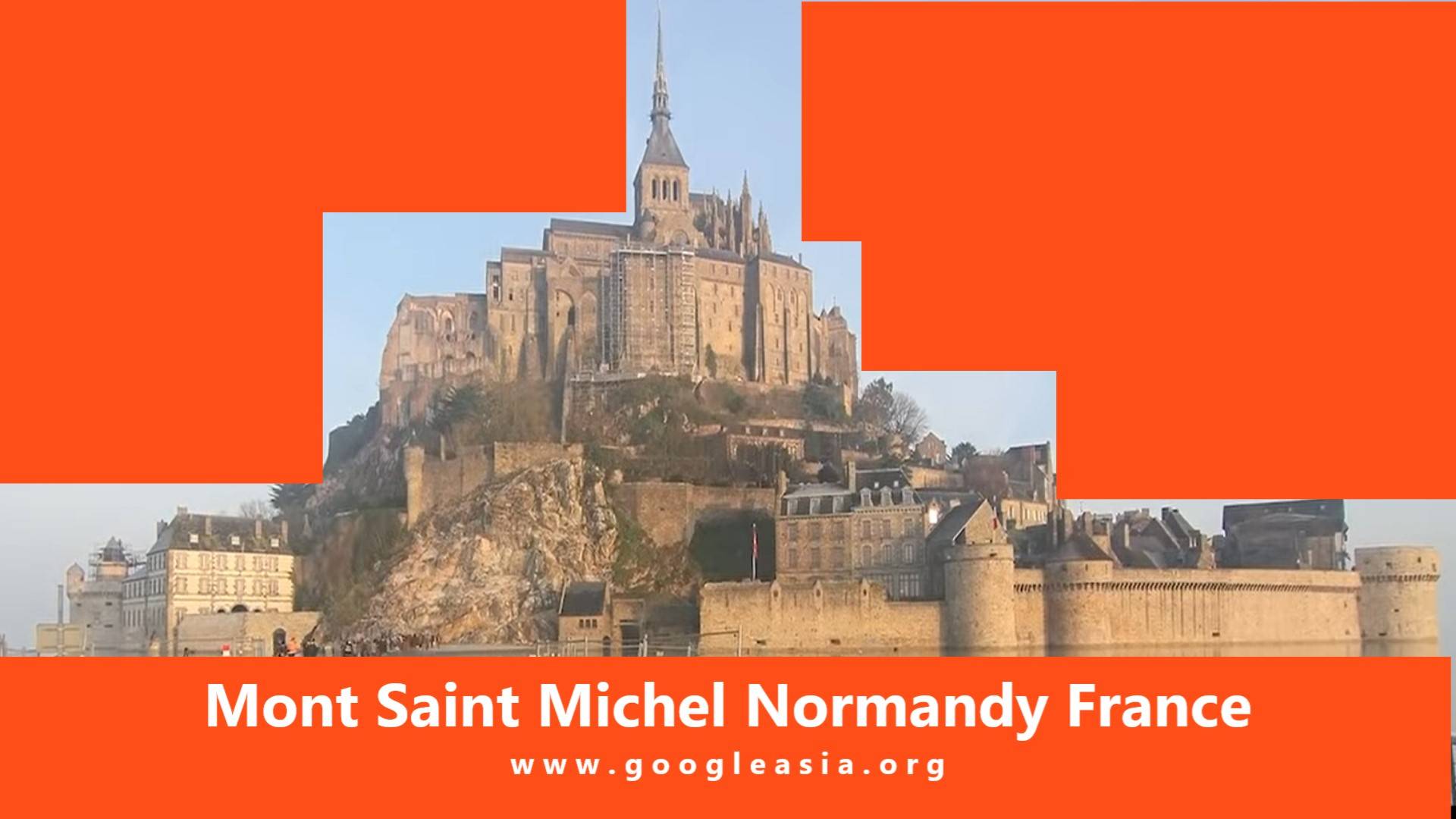
    5. Research Halal-Friendly Establishments: Before your trip, research halal-friendly restaurants in nearby towns or at lower altitudes.This information can help you plan your meals and ensure that you have suitable options available.
  • Matterhorn Travel Guide for US & UK Travelers

    Matterhorn Travel Guide for US & UK Travelers

    Matterhorn

    Experience the majestic Matterhorn, Switzerland’s most iconic peak. From scenic hikes to panoramic views, every journey is unforgettable. Plan your adventure today and discover the magic of the Alps!

    Introduction

    The Matterhorn is one of the most celebrated mountains in Europe and a true symbol of the Swiss Alps. Famous for its distinctive pyramid shape and impressive elevation, it straddles the border between Switzerland and Italy. Whether you’re an adventure seeker, a nature lover, or a history enthusiast, the Matterhorn promises an unforgettable experience. From mountaineering challenges to scenic viewpoints, this Alpine marvel continues to captivate travelers from around the globe.

    Location and Elevation

    The Matterhorn stands proudly at an elevation of 4,478 meters (14,692 feet), making it one of the highest peaks in the Alps. Located on the border of Switzerland and Italy, it dominates the landscape of the Pennine Alps. Its nearly symmetrical shape makes it a highly recognizable natural landmark that attracts travelers and mountaineers worldwide.

    Iconic Status

    The Matterhorn’s striking profile has made it a symbol of Swiss pride. It’s famously featured on the Swiss 10-franc coin and is one of the most photographed mountains globally. Its allure draws not only mountaineers but also photographers, adventurers, and anyone in awe of nature’s grandeur. The Matterhorn’s majestic presence has turned it into a universal symbol of the Alps.

    Historical Significance

    The First Ascent

    The Matterhorn’s first ascent on July 14, 1865, remains a landmark event in mountaineering history. A British team, led by Edward Whymper, reached the summit after a challenging climb. However, their victory was overshadowed by tragedy, as four of the climbers fell to their deaths during the descent. This event marked a pivotal moment in alpine exploration and remains a poignant part of the Matterhorn’s legacy.

    Impact on Climbing Culture

    The Matterhorn’s steep slopes and challenging routes solidified its reputation as one of the ultimate climbs for mountaineers. Its iconic ascent set the stage for future alpine expeditions and continues to inspire climbers who dream of conquering one of the world’s most demanding mountains.

    Budget Travel $100

    Visiting the Matterhorn on a budget of $100 in a day is possible if you plan carefully, since train tickets from nearby towns like Zermatt will be your biggest expense, costing around CHF 25–30 for regional travel. Once in Zermatt, you can enjoy free attractions such as walking through the charming old town, hiking marked trails that offer spectacular views of the peak, and exploring the surrounding alpine scenery without paying entrance fees.

    For meals, skip restaurants and buy supermarket food like bread, cheese, and fruit for CHF 15–20, which is both authentic and affordable. If you want to enrich your experience, you can budget for a single cable car ride to a mid‑station such as Furi or Schwarzsee, which costs around CHF 25–30, leaving enough for a coffee or pastry at a local café. By combining public transport, supermarket meals, and one scenic lift ride, you can enjoy a full day at the Matterhorn without overspending.

    Tips for USA and UK Travellers

    For visitors from the USA and UK, it is important to remember that Switzerland uses the Swiss franc (CHF) rather than the euro, so exchanging money in advance or using a card with low foreign transaction fees will save you money.

    The Matterhorn is located near Zermatt, a car‑free village, so you must arrive by train, which is the most efficient and scenic way to travel. Language varies by region, with German being the primary language in Zermatt, but English is widely understood in tourist areas, so communication is rarely a problem. Weather in the Alps can change quickly, so packing layered clothing and sturdy hiking shoes is essential even in summer. Finally, cultural etiquette values punctuality and respect for nature, so staying on marked trails and being mindful of local customs will make your trip smoother and more enjoyable.

    Attractions

    Zermatt and Cervinia

    Zermatt, a charming Swiss town, is the perfect base for exploring the Matterhorn. The car-free village is packed with restaurants, hotels, and shops. On the opposite side, Cervinia offers access to ski slopes and additional Italian experiences.

    Practical Information

    Getting There

    Zermatt is easily accessible by train from major Swiss cities, including Zurich and Geneva. Once in Zermatt, there are multiple options for excursions, including hikes, cable cars, and guided tours centered around the Matterhorn.

    Best Time to Visit

    The best time to visit depends on your interests:

    • Summer: Ideal for hiking, climbing, and sightseeing with stable weather.
    • Winter: Perfect for skiing and snowboarding, though weather can be more unpredictable.

    Things to Do

    Ski and Snowboard

    The Matterhorn Glacier Paradise is Europe’s highest ski area, with over 200 kilometers of ski runs. Whether you’re an expert or beginner, you’ll find slopes suitable for your skill level, making it a premier destination for snow sports enthusiasts.

    Go Glacier Walking

    Explore the Matterhorn Glacier on a guided glacier walking tour. Walk through crevasses, ice caves, and witness the unique beauty of glacial formations while learning about the region’s geology.

    Ride the Cable Car

    Take a ride on the Matterhorn Glacier Paradise cable car for unparalleled views of the Matterhorn and surrounding Swiss Alps. The journey itself is a visual treat.

    Visit the Ice Palace

    The Ice Palace, carved into the glacier, offers visitors a magical experience. Explore intricate ice sculptures and marvel at the stunning frozen chambers and tunnels.

    Enjoy a Picnic

    For a more relaxed experience, pack a picnic and enjoy it at one of the scenic spots around the Matterhorn. The alpine serenity and dramatic landscape make for the perfect backdrop to a peaceful meal.

    Explore the Alpine Village

    The charming village of Zermatt, at the foot of the Matterhorn, is a delightful place to explore. Walk through its narrow streets, visit quaint shops, and savor traditional Swiss cuisine at one of the local restaurants.

    Climbing and Mountaineering

    The Matterhorn is renowned for its challenging climbing routes. One of the most popular is the Hörnli Ridge, known for its technical difficulty. Only experienced climbers should attempt the summit, and hiring a professional guide is strongly advised to ensure safety during the ascent.

    Hiking and Scenic Trails

    For those seeking a less strenuous activity, the Matterhorn region offers stunning hiking trails that provide spectacular views of the peak. Notable trails include:

    • Gornergrat Railway: Provides breathtaking panoramic views of the Matterhorn and surrounding peaks.
    • Five Lakes Walk: A scenic route with views of the Matterhorn reflected in serene alpine lakes.

    Foods

    Classic Swiss Dishes

    Raclette

    A must-try Swiss dish, Raclette involves melted cheese scraped over boiled potatoes, pickles, and cured meats. It’s perfect for warming up after a long day on the slopes.

    Fondue

    Another Swiss classic, Fondue features melted cheese served with bread cubes. It’s a social meal, ideal for sharing with friends and family.

    Rösti

    Rösti is a Swiss potato dish that’s crispy on the outside and soft on the inside. Often served with bacon, cheese, or eggs, it’s perfect for breakfast or a side dish.

    Local Specialties

    Birchermüesli

    This classic Swiss breakfast dish made with oats, yogurt, nuts, and fresh fruit is a nutritious start to your day.

    Bündner Gerstensuppe

    A hearty barley soup made with bacon, potatoes, and onions. This warm, flavorful dish is perfect for replenishing your energy after outdoor activities.

    Cheese Fondue Bread

    For a delicious twist on traditional fondue, Cheese Fondue Bread is designed specifically for dipping into melted cheese, offering a perfect balance of crispy and soft textures.

    Sweet Treats

    Swiss Chocolate

    Indulge in the finest Swiss chocolate while exploring the region. From rich dark chocolate to creamy milk varieties, Swiss chocolate is an essential treat.

    Conclusion

    The Matterhorn is an iconic alpine peak offering a wide range of outdoor activities, breathtaking views, and rich cultural experiences. Whether you’re seeking adventure in the Swiss Alps, moments of serenity in stunning landscapes, or a deeper connection to nature, the Matterhorn has something for everyone. From hiking and skiing to exploring the beautiful Zermatt region, this majestic mountain provides an unforgettable experience for travelers and nature enthusiasts alike. Pack your gear and get ready for an adventure to one of the world’s most iconic destinations.

    Are you ready to explore the beauty and majesty of the Matterhorn? Book your next alpine adventure to Zermatt, where stunning views, unforgettable experiences, and delicious Swiss cuisine await! Don’t miss out on the opportunity to make memories that will last a lifetime.

    Matterhorn Switzerland Mountain in Europe

    Summary

    • Attraction: Matterhorn Switzerland Mountain in Europe
    • Country: Switzerland
    • Continent: Europe
    • Capital: Bern
    • Language: French, Italian, German, Romansh
    • Currency: Swiss Franc (CHF)
    • Nationality: Swiss
    • Category: #Destination #Europe #Switzerland 

    Frequently Asked Questions

    Where is the Matterhorn located?

    The Matterhorn is a mountain located in the Pennine Alps on the border between Switzerland and Italy. Its precise coordinates are approximately 45.9764° N latitude and 7.6587° E longitude. The mountain is one of the most iconic and recognizable peaks in the Alps, known for its distinctive pyramid shape. The town of Zermatt in Switzerland is a popular base for those wanting to explore the Matterhorn region. The mountain is renowned for its challenging climbing routes and is a major attraction for mountaineers and tourists alike.

    How can one travel to the Matterhorn?

    Traveling to the Matterhorn involves reaching the surrounding region, with Zermatt in Switzerland being a common base for visitors. Here are the general steps to travel to the Matterhorn:

    1. International Travel: If you are coming from abroad, the nearest international airports are in Switzerland and Italy. Geneva Airport (GVA) and Zurich Airport (ZRH) in Switzerland, as well as Milan Malpensa Airport (MXP) in Italy, are common entry points.
    2. Train Travel to Zermatt: Zermatt is a car-free village, and the preferred mode of transport is by train. From major Swiss cities like Geneva, Zurich, or Bern, take a train to Zermatt. The scenic train journey offers stunning views of the Swiss Alps.
    3. Car Travel to Täsch and Shuttle to Zermatt: If you’re driving, you can reach the village of Täsch, which is the last point accessible by private vehicles. From Täsch, you can take a shuttle or use the Matterhorn Gotthard Bahn train to reach Zermatt.
    4. Cable Car or Train from Zermatt to Gornergrat: To get closer to the Matterhorn, consider taking the Gornergrat Bahn (cogwheel train) or the Gornergrat Railway from Zermatt to Gornergrat. This vantage point provides spectacular views of the Matterhorn.
    5. Cable Car to Klein Matterhorn (Matterhorn Glacier Paradise): For a close-up view of the Matterhorn, take the cable car from Zermatt to the Klein Matterhorn (Matterhorn Glacier Paradise). It is one of the highest cable cars in Europe and offers breathtaking views.
    6. Climbing or Hiking: For adventurous travelers and mountaineers, there are climbing routes to the summit of the Matterhorn. Guided climbs are recommended for those with mountaineering experience. Additionally, there are various hiking trails around the Matterhorn for different skill levels.
    7. Accommodation in Zermatt: Stay in Zermatt, where you’ll find a range of accommodations, including hotels, chalets, and lodges. From Zermatt, you can easily access transportation to different points around the Matterhorn.
    8. Weather Considerations: Be aware of the weather conditions, especially if you plan to ascend the Matterhorn or explore the surrounding areas. Weather in the mountains can change rapidly, and it’s essential to be prepared.

    What is Matterhorn’s must-visit attractions or landmarks?

    The Matterhorn itself is the primary attraction, and its iconic pyramid shape makes it a stunning natural landmark visible from various vantage points. However, the surrounding region offers several must-visit attractions and landmarks for visitors:

    1. Gornergrat: Take the Gornergrat Bahn or Gornergrat Railway from Zermatt to reach the Gornergrat summit. From here, you’ll have breathtaking panoramic views of the Matterhorn and surrounding peaks. It’s a popular spot for photography and enjoying the alpine scenery.
    2. Klein Matterhorn (Matterhorn Glacier Paradise): Accessible via the highest cable car in Europe, the Klein Matterhorn offers a close-up view of the Matterhorn. The viewing platform provides stunning vistas, and you can experience snow and ice year-round.
    3. Hiking Trails: Explore the hiking trails around the Matterhorn for various skill levels. The Five Lakes Walk is a scenic trail offering reflections of the Matterhorn in alpine lakes. The Hörnli Hut is a destination for experienced climbers and hikers.
    4. Zermatt Village: The car-free village of Zermatt serves as a base for Matterhorn exploration. Stroll through its charming streets, visit local shops, and enjoy Swiss cuisine in the restaurants. The Gornergrat Railway departs from Zermatt.
    5. Hörnli Ridge: The Hörnli Ridge is the most famous route for climbing the Matterhorn. While climbing requires advanced mountaineering skills, viewing the Hörnli Hut from a distance is an experience in itself.
    6. Schwarzsee (Black Lake): Schwarzsee is a mountain lake situated on the Hörnli Ridge route. It provides a serene setting with reflections of the Matterhorn. It’s a destination for hikers and climbers.
    7. Theodul Pass: The Theodul Pass is a high mountain pass connecting Zermatt in Switzerland with Breuil-Cervinia in Italy. It’s a popular route for skiing and mountaineering and offers panoramic views of the surrounding peaks.
    8. Matterhorn Museum: Located in Zermatt, the Matterhorn Museum provides insights into the history of Zermatt, the development of mountaineering, and the first ascent of the Matterhorn in 1865.
    9. Hörnli Hut: While reaching the summit may require advanced mountaineering skills, the Hörnli Hut is a base camp for climbers. It offers a glimpse into the challenging ascent of the Matterhorn.
    10. Stellisee: Stellisee is another mountain lake near Zermatt with stunning reflections of the Matterhorn. It’s accessible via hiking trails, and the scenery is particularly beautiful during sunrise and sunset.

    What is Matterhorn’s nearby must-visit attractions or landmarks?

    The Matterhorn is surrounded by a stunning alpine landscape, and the nearby region offers several must-visit attractions and landmarks. Here are some notable places to explore near the Matterhorn:

    1. Gornergrat: Reachable by the Gornergrat Bahn (cogwheel train) from Zermatt, Gornergrat offers panoramic views of the Matterhorn and surrounding peaks. It’s a popular viewpoint, and the observation platform provides breathtaking vistas.
    2. Zermatt Village: The car-free village of Zermatt is a charming destination with cobbled streets, traditional chalets, and a variety of shops and restaurants. It serves as a base for exploring the Matterhorn region.
    3. Klein Matterhorn (Matterhorn Glacier Paradise): Take the cable car to Klein Matterhorn, one of the highest cable cars in Europe. The viewing platform provides close-up views of the Matterhorn, and you can experience snow and ice year-round.
    4. Hiking Trails: Explore the numerous hiking trails around Zermatt and the Matterhorn. The Five Lakes Walk is a scenic route offering stunning reflections of the Matterhorn in alpine lakes. Hiking enthusiasts can choose trails based on their preferences and skill levels.
    5. Gorner Gorge: Located near Zermatt, the Gorner Gorge is a natural wonder with wooden walkways and bridges that allow visitors to explore the gorge’s unique rock formations, waterfalls, and pools.
    6. Theodul Pass: The Theodul Pass is a high mountain pass connecting Zermatt in Switzerland with Breuil-Cervinia in Italy. It’s a picturesque area with panoramic views of surrounding peaks and serves as a route for skiing and mountaineering.
    7. Hörnli Hut: While reaching the summit of the Matterhorn may be a challenging climb, the Hörnli Hut is a base camp for climbers. It’s located on the Hörnli Ridge and provides accommodation for those attempting the ascent.
    8. Matterhorn Museum: Situated in Zermatt, the Matterhorn Museum offers insights into the history of Zermatt, the development of mountaineering, and the first ascent of the Matterhorn in 1865.
    9. Stellisee: Stellisee is a mountain lake near Zermatt with stunning reflections of the Matterhorn. It’s accessible via hiking trails, and the scenery is particularly beautiful during sunrise and sunset.
    10. Riffelsee: Riffelsee is another picturesque lake near Gornergrat with reflections of the Matterhorn. It’s a popular spot for photographers and can be reached by hiking or taking the Gornergrat Bahn.

    Is Matterhorn a suitable travel destination for solo adventurers, honeymooning couples, or those traveling with families?

    The Matterhorn and its surrounding region in Zermatt, Switzerland, cater to various types of travelers, making it a suitable destination for different preferences and travel styles:

    1. Solo Adventurers:
      • Hiking and Climbing: Solo adventurers who enjoy outdoor activities such as hiking and climbing will find numerous trails and routes around the Matterhorn. The region offers challenging hikes and climbs, providing a rewarding experience for those seeking adventure.
      • Scenic Views: Solo travelers can appreciate the breathtaking panoramic views from Gornergrat and Klein Matterhorn. These vantage points offer stunning landscapes and opportunities for solitude.
    2. Honeymooning Couples:
      • Romantic Setting: The Matterhorn’s iconic shape and the charming village of Zermatt create a romantic atmosphere, making it a popular choice for honeymooning couples. Enjoying a scenic cable car ride, exploring the village, and experiencing the beauty of the Alps together can create memorable moments.
      • Luxury Accommodations: Zermatt offers luxury hotels and chalets with romantic settings and mountain views, providing a perfect backdrop for a honeymoon.
    3. Families:
      • Outdoor Activities: Families traveling with children can enjoy outdoor activities like hiking, exploring the Gorner Gorge, or taking scenic train rides. The region offers family-friendly trails and attractions.
      • Educational Opportunities: The Matterhorn Museum in Zermatt provides educational insights into the history of the region, making it an engaging experience for families.
      • Skiing and Winter Sports: During the winter months, families can engage in skiing and other winter sports in the surrounding areas.
    4. Adventure Enthusiasts:
      • Mountaineering: For experienced climbers, the Matterhorn presents a challenging ascent. The Hörnli Route is famous but requires advanced mountaineering skills. Guided climbs are available for those seeking adventure.
      • Skiing and Snowboarding: The region offers excellent skiing and snowboarding opportunities, attracting enthusiasts looking for winter sports adventures.
    5. Nature and Photography Enthusiasts:
      • Scenic Beauty: Nature enthusiasts and photographers will appreciate the stunning alpine landscapes, mountain lakes like Stellisee and Riffelsee, and the reflections of the Matterhorn in various vantage points.
      • Floral Beauty: The region is known for its diverse flora, including alpine flowers, adding to the natural beauty.

    Why should you visit Matterhorn?

    Visiting the Matterhorn is a compelling experience for a variety of reasons, making it a must-see destination for travelers. Here are some reasons why you should consider visiting the Matterhorn:

    1. Iconic Symbol: The Matterhorn is one of the most iconic and recognizable mountains in the world. Its distinct pyramid shape has made it a symbol of the Swiss Alps and a landmark known globally.
    2. Scenic Beauty: The Matterhorn is surrounded by stunning alpine landscapes, including glaciers, mountain lakes, and picturesque valleys. The views from vantage points like Gornergrat and Klein Matterhorn offer breathtaking panoramas of the surrounding peaks.
    3. Outdoor Activities: The region around the Matterhorn provides a playground for outdoor enthusiasts. Hiking, climbing, skiing, and snowboarding are popular activities, catering to adventure seekers year-round.
    4. Gornergrat Railway: Take the Gornergrat Bahn, one of the highest cogwheel railways in Europe, to reach the Gornergrat summit. The journey itself offers spectacular views, and the summit provides an unparalleled vantage point for observing the Matterhorn and neighboring peaks.
    5. Klein Matterhorn (Matterhorn Glacier Paradise): Reachable by cable car, Klein Matterhorn offers a close-up view of the Matterhorn and an opportunity to experience snow and ice at high altitudes. The panoramic views from the viewing platform are extraordinary.
    6. Climbing Challenge: For experienced mountaineers, the Matterhorn presents a challenging ascent. The Hörnli Route is the most famous, but climbing the Matterhorn requires advanced mountaineering skills. Guided climbs are available for those seeking this adventurous challenge.
    7. Zermatt Village: The car-free village of Zermatt, nestled at the base of the Matterhorn, adds to the charm of the region. Explore its quaint streets, traditional chalets, and enjoy Swiss hospitality in local restaurants.
    8. Cultural Experience: Learn about the history of the region and the first ascent of the Matterhorn in 1865 at the Matterhorn Museum in Zermatt. Gain insights into the development of mountaineering and the impact of this iconic mountain.
    9. Photography Opportunities: The Matterhorn provides stunning photographic opportunities, whether capturing the mountain against the sunrise or sunset, reflections in alpine lakes, or the changing colors of the landscape throughout the day.
    10. Romantic Setting: The Matterhorn’s silhouette and the scenic surroundings create a romantic atmosphere, making it a popular destination for couples, proposals, and honeymoons.

    How accessible is halal food in the Matterhorn?

    Finding halal food directly in the immediate vicinity of the Matterhorn, especially in the mountainous and rural regions surrounding Zermatt, can be challenging. The focus of the area is primarily on outdoor activities, alpine landscapes, and adventure tourism.

    However, in the town of Zermatt, which serves as a base for exploring the Matterhorn, you may find a limited number of restaurants offering halal options. Zermatt is a well-developed tourist destination with various dining establishments, including international cuisine. It’s advisable to check with specific restaurants in Zermatt to inquire about their menu and whether they offer halal dishes.

    Here are some tips to find halal food in the Zermatt area:

    1. Ask Locals or Hotel Staff: Locals or staff at your accommodation in Zermatt may provide recommendations for restaurants that offer halal options or may be able to guide you to suitable places.
    2. Check Menus in Advance: Before dining at a restaurant, it’s a good idea to check their menu online or in person to see if they offer halal choices. Many restaurants in tourist destinations provide menu information on their websites.
    3. Diversify Cuisine Options: Look for restaurants offering international cuisines such as Middle Eastern, Indian, or Mediterranean, as they may be more likely to have halal choices.
    4. Supermarkets and Grocery Stores: If you prefer more flexibility, you can also explore local supermarkets or grocery stores in Zermatt. You may find halal products and ingredients for self-catering.
    5. Use Mobile Apps: Utilize mobile apps or websites that specialize in providing information about halal restaurants. Apps like Zabihah or HalalTrip can help you locate suitable dining options.
  • Swiss National Park: Alpine Wilderness & Wildlife Trails for U.S. Visitors

    Swiss National Park: Alpine Wilderness & Wildlife Trails for U.S. Visitors

    Swiss National Park

    Step into Switzerland’s untouched wilderness at the Swiss National Park. Hike scenic trails, spot rare alpine wildlife, and experience nature at its purest. Plan your adventure today and discover Europe’s oldest national park!

    Introduction

    The Swiss National Park, founded in 1914, is the oldest national park in the Alps and a sanctuary of pristine wilderness. Located in the Engadin Valley near Zernez, it spans more than 170 square kilometers of protected landscapes where nature is left to evolve without human interference. Visitors can explore over 100 kilometers of marked trails, offering opportunities to encounter ibex, chamois, marmots, and golden eagles in their natural habitat. Strict conservation rules ensure that the park remains a living laboratory of alpine ecosystems, making it a rare destination where travelers can witness nature in its most authentic form.

    History and Significance

    The Birth of a Conservation Icon

    Founded in 1914, the Swiss National Park was a pioneering effort in European conservation. Its creation marked a monumental step in preserving the natural beauty of the Swiss Alps for future generations. The park remains an untouched wilderness, where biodiversity is safeguarded and human interference is kept to a minimum. Protecting the delicate ecosystems of this alpine paradise continues to be a priority, ensuring its significance for years to come.

    Location and Size

    Nestled in the Engadine Valley near Zernez, in eastern Switzerland, the park spans 173.6 square kilometers, showcasing a stunning variety of habitats. From lush alpine meadows to rocky glacial valleys, the Swiss National Park is a true representation of Switzerland’s diverse natural beauty. Visitors will encounter dense forests, towering mountain peaks, and peaceful rivers, making it an ideal location for exploring Swiss wildlife and flora.

    Budget Travel $100

    Exploring the Swiss National Park on a budget of $100 in a day is possible if you plan carefully, since entrance to the park is free and the main costs are transport, food, and any guided activities. A return train ticket to Zernez from nearby towns such as St. Moritz or Scuol will cost around CHF 25–30, and from there you can use local buses to reach trailheads. For meals, skip restaurants and buy supermarket food such as bread, cheese, fruit, and bottled water for about CHF 15–20, which is both authentic and affordable.

    If you want to enrich your experience, you can join a guided tour from the visitor center in Zernez, which costs around CHF 20–25, leaving enough for a coffee or pastry at a local café. By combining public transport, supermarket meals, and one guided activity, you can enjoy a full day of hiking and wildlife watching in the Swiss National Park without overspending.

    Tips for USA Travellers

    For visitors from the USA, it is important to remember that Switzerland uses the Swiss franc (CHF) rather than the euro, so exchanging money in advance or using a card with low foreign transaction fees will save you money. The park is a strict nature reserve, meaning you must stay on marked trails, and activities such as camping, fires, or bringing dogs are not allowed, so respecting these rules is essential.

    Language varies by region, with Romansh, German, and Italian spoken nearby, but English is widely understood at the visitor center, so communication is rarely a problem. Weather can change quickly in the Alps, so packing layered clothing and sturdy hiking shoes is necessary even in summer. Finally, public transport is the best way to reach Zernez, since trains and buses are punctual and connect directly to the park, making it far more convenient than renting a car.

    Attractions

    Flora and Fauna

    The park is home to a wide array of wildlife species, many of which are iconic to the Alps. Spotting wild animals in their natural habitat is one of the highlights of a visit to the park. Some of the most notable creatures include:

    • Ibex: Agile and capable of scaling steep cliffs.
    • Chamois: Known for their quick movements across rocky slopes.
    • Red Deer: Found at lower elevations during the winter months.
    • Marmots: Frequently seen in open meadows.
    • Golden Eagles: Majestic predators soaring over the peaks.

    Unique Vegetation

    The diverse ecosystems in the park sustain a wide variety of plant life, from vibrant alpine wildflowers to hardy species living near glaciers. The floral diversity in the park is remarkable and offers an opportunity to experience some of Europe’s rarest alpine plants.

    Things to Do

    Hiking

    The park offers over 80 miles of hiking trails, ranging from gentle valley walks to more challenging mountain treks. Whether you are a beginner or an experienced hiker, there are trails for every level. Two popular routes include:

    • Val Trupchun: A stunning valley trail with frequent wildlife sightings.
    • Alp Laret: This path offers panoramic views of the park’s majestic landscape.

    Tip: Be prepared for varying weather conditions, especially in higher elevations.

    Wildlife Watching

    The Swiss National Park is a prime destination for wildlife enthusiasts. Early mornings and late afternoons are the best times to catch glimpses of creatures like ibex, chamois, and marmots. Guided tours are available for those looking to enhance their wildlife experience.

    Tip: Bring binoculars for better viewing and photography opportunities.

    Birdwatching

    The park is an incredible place for birdwatching. Some of the most remarkable species to look out for include:

    • Golden Eagles: Majestic birds often spotted in flight over the park’s peaks.
    • Wallcreeper: Known for its vibrant plumage and elusive nature.
    • Ptarmigan: A resilient bird that thrives in higher altitudes.

    Tip: A bird guidebook and binoculars will help identify the many species that live in the park.

    Camping and Relaxing in Nature

    While overnight camping is not allowed within the park to preserve its beauty, visitors can enjoy day hikes and picnics in designated areas. For those looking to extend their stay, nearby towns such as Zernez offer a range of accommodation options.

    Tip: Consider guided camping tours outside the park to experience the surrounding nature while respecting the park’s conservation efforts.

    Park Center

    A Hub of Information

    The Park Center, located in Zernez, is an essential stop for visitors. It offers exhibits on the park’s history, geology, and biodiversity. The center provides valuable insights into the park’s conservation efforts, making it an educational destination for both young and adult visitors alike.

    Interactive Museum

    Engaging Exhibits and Displays

    For a hands-on experience, visit the nearby interactive museum. Here, you can explore the park’s diverse ecosystems and learn more about the fascinating creatures and plants that inhabit it. The interactive displays bring the natural world to life, offering a deeper understanding of the park’s wonders.

    Relax and Enjoy the Scenery

    • Wildlife Safari: Take part in self-guided or guided tours to explore the park’s wildlife.
    • Picnic: Enjoy a meal amidst stunning mountain views at one of the park’s designated picnic areas.

    Foods

    Traditional Swiss Delights

    • Alpine Cheese: Taste Gruyère and Emmental made from milk from cows grazing in the Alpine meadows.
    • Raclette: Try the traditional dish of melted cheese served over potatoes with pickles and gherkins.
    • Fondue: Indulge in Swiss fondue, a social meal of bread cubes dipped in a pot of melted cheese.

    Regional Specialties

    • Rösti: A crispy Swiss potato pancake served with cheese, bacon, or eggs.
    • Grilled Meats: Try local specialties like sausages and freshly grilled meats in nearby eateries.

    Sweet Treats

    • Swiss Chocolate: No visit to Switzerland is complete without trying some of the finest Swiss chocolate.
    • Käseschnitten: A Swiss pastry filled with cheese, perfect for a light meal or snack.

    Conclusion

    A trip to the Swiss National Park is more than just a hike—it’s an immersion into untouched wilderness and timeless landscapes. With its rich biodiversity and awe-inspiring views, it stands as one of Switzerland’s top natural treasures. Whether you’re seeking adventure or tranquility, the park promises an unforgettable experience. Start planning your visit today and explore Switzerland’s ultimate natural paradise!

    Swiss National Park Zernez Switzerland

    Summary

    • Attraction Name: Swiss National Park, Zernez, Switzerland
    • Country: Switzerland
    • Continent: Europe
    • Capital: Bern
    • Language: French, Italian, German, Romansh
    • Currency: Swiss Franc (CHF)
    • Nationality: Swiss
    • Category: #Destination #Europe #Switzerland

    Frequently Asked Questions

    Where is the Swiss National Park located?

    The Swiss National Park is located in the Engadine Valley in the canton of Graubünden, Switzerland. Specifically, it is situated in the eastern part of the country, near the border with Italy. The park covers an area in the Engadine Alps and spans several municipalities, including Zernez, Val Müstair, and Scuol.

    The town of Zernez serves as the gateway to the Swiss National Park, and it is where the visitor center is located. The park is known for its pristine alpine landscapes, diverse flora and fauna, and the preservation of natural ecosystems. It was established in 1914 and is Switzerland’s only national park.

    How to go to Swiss National Park?

    To reach the Swiss National Park, you can follow these general directions. The park is accessible by public transportation and private vehicles. Here are the steps for reaching the Swiss National Park:

    1. Travel to Zernez:
      • Zernez is the gateway town to the Swiss National Park and is well-connected by public transportation. You can reach Zernez by train, bus, or car.
      • By Train: Take a train to Zernez from major Swiss cities. The Swiss Federal Railways (SBB/CFF/FFS) operates train services to Zernez.
      • By Bus: Bus services also connect Zernez to nearby towns and cities. Check the local bus schedule for routes that include Zernez.
      • By Car: If you prefer to drive, Zernez is accessible by car. The town is located near major roads in the canton of Graubünden.
    2. Visitor Center in Zernez:
      • Upon reaching Zernez, head to the visitor center of the Swiss National Park. The visitor center provides information about the park, including its trails, wildlife, and regulations.
    3. Park Entrances:
      • The Swiss National Park has several entrances where you can start your exploration. Zernez, the main gateway, is one of the entrances. Other entrances include Buffalora, Il Fuorn, and Lavin.
    4. Explore the Park:
      • Once you’re at the park, you can explore its hiking trails, enjoy the natural scenery, and observe the diverse flora and fauna. Remember to follow park regulations to preserve the environment.
    5. Guided Tours and Programs:
      • The park offers guided tours and educational programs. Check with the visitor center for information on guided tours, wildlife watching, and other activities.
    6. Accommodations:
      • If you plan to stay overnight, Zernez and nearby towns offer accommodations. There are also some mountain huts within the park.
    7. Weather Considerations:
      • Be aware of the weather conditions, especially if you plan to hike or spend time outdoors. The weather in the mountains can change rapidly, so come prepared with appropriate clothing.

    What are the Swiss National Park’s must-visit attractions or landmarks?

    The Swiss National Park is known for its pristine alpine landscapes, diverse flora and fauna, and the preservation of natural ecosystems. While the park itself doesn’t have man-made landmarks, its attractions are primarily natural. Here are some must-visit features and attractions within the Swiss National Park:

    1. Val Trupchun: Val Trupchun is one of the most famous and picturesque valleys within the Swiss National Park. It is known for its stunning scenery, including meadows, forests, and the Trupchun River.
    2. Il Fuorn Region: Il Fuorn is a region within the park known for its varied landscapes, from lush meadows to rocky terrain. The area offers a range of hiking trails with different levels of difficulty.
    3. Piz Nuna: Piz Nuna is a mountain within the park that offers panoramic views of the surrounding landscape. Hiking to Piz Nuna provides a challenging but rewarding experience for visitors.
    4. Lago di Livigno: Lago di Livigno is a mountain lake located near the park’s border with Italy. The lake is surrounded by alpine scenery and provides a tranquil setting for nature lovers.
    5. Buffalora Region: Buffalora is another region within the park known for its biodiversity. It is a popular starting point for various hiking trails, and visitors can observe a variety of plant and animal species.
    6. Val Sassa: Val Sassa is a beautiful valley within the park, offering opportunities for peaceful walks and wildlife observation. The valley is characterized by meadows, larch forests, and mountain streams.
    7. Educational Trails: The park features educational trails with information about the local flora, fauna, and the park’s conservation efforts. These trails provide insights into the unique ecosystems of the Alps.
    8. Wildlife Observation: The Swiss National Park is home to diverse wildlife, including ibexes, chamois, red deer, marmots, and various bird species. Wildlife observation is a highlight for many visitors.
    9. La Drossa: La Drossa is a high-altitude area with rocky landscapes and alpine vegetation. It offers stunning views of the surrounding mountains and valleys.
    10. Beverin Nature Trail: The Beverin Nature Trail provides an educational experience, allowing visitors to learn about the local flora and fauna through interactive exhibits.

    What are the Swiss National Park’s nearby must-visit attractions or landmarks?

    The Swiss National Park is situated in a scenic and mountainous region, and while there are no specific landmarks in the immediate vicinity, there are several nearby attractions worth exploring. These attractions complement the natural beauty of the Swiss National Park and offer additional experiences. Here are some nearby must-visit attractions:

    1. Engadine Valley: The Engadine Valley is the picturesque region where the Swiss National Park is located. Explore charming towns such as Scuol, Samedan, and St. Moritz. Enjoy the Engadine’s alpine architecture, cultural events, and outdoor activities.
    2. Val Müstair and UNESCO Benedictine Convent of Saint John: Val Müstair, a neighboring valley, is known for its cultural and historical significance. Visit the UNESCO World Heritage-listed Benedictine Convent of Saint John, a well-preserved medieval monastery with frescoes dating back to the Carolingian period.
    3. Livigno (Italy): Livigno, located just across the border in Italy, is a popular destination for skiing, hiking, and duty-free shopping. The town is surrounded by the stunning Italian Alps and offers outdoor activities year-round.
    4. Muottas Muragl: Muottas Muragl is a mountain near St. Moritz that provides panoramic views of the Engadine Valley and the surrounding peaks. Accessible by funicular, it’s a popular spot for hiking and enjoying the alpine scenery.
    5. Diavolezza: Diavolezza is a mountain in the Bernina Range near Pontresina. The Diavolezza cable car takes visitors to the summit, offering breathtaking views of the Bernina Massif, including Piz Palü and Piz Bernina, the highest peak in the Eastern Alps.
    6. Bernina Express Railway: The Bernina Express is a scenic railway journey that passes through the Swiss Engadine and crosses the Bernina Pass into Italy. The route offers stunning views of glaciers, mountains, and picturesque landscapes.
    7. Swiss National Park Visitor Center in Zernez: While not a separate attraction, the Visitor Center in Zernez serves as an important starting point for exploring the Swiss National Park. It provides information about the park’s flora, fauna, and hiking trails.
    8. Lake Sils and Lake Silvaplana: These two lakes are located in the Engadine Valley and offer serene settings for relaxation and water activities. Lake Silvaplana is known for windsurfing and kitesurfing.
    9. St. Moritz: St. Moritz is a renowned resort town with a reputation for winter sports, luxury, and elegance. Explore the chic boutiques, dine in fine restaurants, and enjoy the cultural events and festivals that take place throughout the year.
    10. Alp Languard: Alp Languard is a mountain in the Engadine Valley near Pontresina. Visitors can reach it by cable car and enjoy panoramic views of the surrounding mountains. These nearby attractions enhance the overall experience of visiting the Swiss National Park, providing a mix of cultural, recreational, and scenic opportunities in the beautiful Engadine region

    Is Swiss National Park a suitable travel destination for solo adventurers, honeymooning couples, or those traveling with families?

    The Swiss National Park is a versatile destination that caters to various types of travelers, making it suitable for solo adventurers, honeymooning couples, and families. Here’s why it is suitable for each:

    1. Solo Adventurers:
      • Outdoor Activities: Solo adventurers can explore the park’s extensive network of hiking trails, ranging from easy walks to more challenging hikes. The park’s diverse landscapes provide a rewarding experience for those seeking solitude and a connection with nature.
      • Wildlife Observation: Solo travelers can enjoy wildlife observation opportunities, including spotting ibexes, chamois, marmots, and various bird species.
    2. Honeymooning Couples:
      • Romantic Setting: The picturesque landscapes of the Swiss National Park, with its alpine meadows, valleys, and mountain views, create a romantic atmosphere. Couples can enjoy peaceful walks, scenic viewpoints, and the tranquility of the natural surroundings.
      • Cozy Accommodations: Nearby towns like Zernez and St. Moritz offer cozy accommodations, including charming hotels and chalets, providing a romantic retreat.
    3. Families:
      • Educational Opportunities: Families can engage in educational experiences, exploring the park’s visitor center and participating in guided tours that provide insights into the local flora and fauna. The park’s emphasis on conservation and environmental education can be enriching for children.
      • Family-Friendly Trails: The park offers family-friendly trails suitable for all ages, allowing families to enjoy the outdoors together. Some trails are easily accessible and provide opportunities for picnics and relaxation.
      • Wildlife Watching: Children can be fascinated by the chance to spot wildlife such as deer, marmots, and other animals in their natural habitat.
    4. Adventure Enthusiasts:
      • Challenging Hikes: For those seeking more adventurous activities, the park offers challenging hikes, including ascents to mountain peaks such as Piz Nuna. Experienced mountaineers can attempt the more demanding routes.
      • Winter Sports: In winter, adventure enthusiasts can engage in activities like cross-country skiing and snowshoeing, adding a different dimension to their visit.

    Why should you visit the Swiss National Park?

    Visiting the Swiss National Park offers a unique and enriching experience for nature enthusiasts, outdoor adventurers, and those seeking a peaceful escape. Here are compelling reasons to visit the Swiss National Park:

    1. Untouched Alpine Wilderness: The Swiss National Park is a pristine natural area, largely untouched by human intervention. Its landscapes include dense forests, alpine meadows, rugged mountains, and crystal-clear lakes, providing a glimpse into the unspoiled beauty of the Alps.
    2. Diverse Flora and Fauna: The park is home to a rich variety of plant and animal species. Visitors can observe wildlife such as ibexes, chamois, red deer, marmots, golden eagles, and numerous bird species. The diverse ecosystems showcase the importance of biodiversity.
    3. Extensive Network of Hiking Trails: The park offers an extensive network of well-marked hiking trails catering to various fitness levels. Whether you prefer a leisurely walk or a challenging ascent, the trails provide opportunities to explore the park’s diverse landscapes.
    4. Conservation and Environmental Education: The Swiss National Park has a strong commitment to conservation and environmental education. Visitors can learn about the park’s conservation efforts, sustainable practices, and the importance of preserving natural habitats.
    5. Educational Visitor Center in Zernez: The Visitor Center in Zernez serves as an informative starting point, providing exhibits, interactive displays, and educational materials about the park’s ecosystems, flora, fauna, and conservation initiatives.
    6. Stunning Panoramic Views: The park offers breathtaking panoramic views of the Engadine Valley, surrounding mountain ranges, and iconic peaks such as Piz Palü and Piz Bernina. Scenic viewpoints like Muottas Muragl provide spectacular vistas.
    7. Photography Opportunities: Photographers will find a wealth of opportunities to capture the beauty of the alpine landscapes, wildlife, and changing weather conditions. Sunrise and sunset moments in the park are particularly captivating.
    8. Outdoor Activities in All Seasons: The Swiss National Park is a year-round destination. In summer, enjoy hiking, wildlife watching, and exploring alpine meadows. In winter, engage in activities like cross-country skiing and snowshoeing, appreciating the park’s winter charm.
    9. Peaceful and Tranquil Atmosphere: The park’s car-free policy contributes to a tranquil and peaceful atmosphere. Visitors can experience the soothing sounds of nature, breathing in the fresh mountain air.
    10. Gateway to Engadine Valley: The park is located in the Engadine Valley, a region known for its charming towns, cultural richness, and outdoor activities. Use the park as a gateway to explore nearby attractions such as St. Moritz and Val Müstair. Visiting the Swiss National Park provides an opportunity to reconnect with nature, appreciate biodiversity, and immerse oneself in the stunning landscapes of the Swiss Alps. Whether you’re a nature lover, outdoor enthusiast, or someone seeking serenity, the park offers a truly unforgettable experience.

    Is it difficult to find halal food in the Swiss National Park?

    Finding halal food directly within the Swiss National Park might be challenging due to the park’s focus on preserving its natural environment, and it doesn’t have extensive infrastructure for amenities like restaurants. The park promotes a car-free policy and emphasizes a commitment to conservation.

    However, you can find more dining options and halal-friendly facilities in nearby towns and regions outside the park. Zernez, which serves as the gateway to the Swiss National Park, may offer some dining choices, and larger towns in the Engadine Valley, such as St. Moritz, could have more diverse culinary options.

  • Switzerland Travel: Alps, Culture & Scenic Wonders

    Switzerland Travel: Alps, Culture & Scenic Wonders

    Switzerland

    Uncover Switzerland’s alpine wonders, charming towns, and vibrant traditions. From snow-capped peaks to serene lakes, every journey feels magical. Plan your Swiss adventure today and create memories that last a lifetime!

    Introduction

    Switzerland is a dream destination that blends stunning landscapes, charming towns, and vibrant cities. From the snow-capped Alps to crystal-clear lakes, every corner offers breathtaking scenery. Visitors can immerse themselves in Zurich’s cultural gems, stroll through the picturesque streets of Lucerne, or enjoy the serene beauty of Interlaken. With highlights like the Matterhorn and the tranquil shores of Lake Geneva, Switzerland promises unforgettable experiences for every traveler.

    Budget Travel $100

    Traveling in Switzerland with only $100 in a day requires smart choices, but it can be done if you focus on essentials. Public transport is efficient, and a one‑day regional train pass costs around CHF 20–25, giving you access to local buses and trams as well. For meals, skip restaurants and buy supermarket food such as fresh bread, cheese, and fruit for about CHF 10–15, which is both authentic and affordable. Many attractions like lakeside promenades, old town walks, and mountain viewpoints are free, so you can enjoy the scenery without spending on entrance fees. If you want to visit a museum, budget around CHF 10–15 for a single ticket, leaving enough for a coffee or pastry at a local café. By combining public transport, supermarket meals, free attractions, and one paid entrance, you can stretch $100 into a full day of Swiss experiences.

    Tips for USA Travellers

    For visitors from the USA, there are a few important things to keep in mind when traveling in Switzerland. Currency is the Swiss franc (CHF), not the euro, so it is best to exchange money beforehand or use a card with low foreign transaction fees. Language varies by region, with German, French, Italian, and Romansh spoken, but English is widely understood in tourist areas, so communication is rarely a problem. Weather can change quickly, especially in the Alps, so packing layered clothing is essential even in summer. Transport is best done by train, as Switzerland’s rail network is punctual, clean, and connects even small towns, making it far more convenient than renting a car. Finally, cultural etiquette values punctuality and quietness in public spaces, so being on time and respectful will make your trip smoother and more enjoyable.

    Hot & Trending Destination

    Click below to start exploring and find your next destination.

    Switzerland Best European Countries to Visit

    Frequently Asked Questions

    What are Switzerland’s must-visit cities?

    Switzerland is known for its picturesque cities that blend charming old towns with modern amenities, set against a backdrop of stunning landscapes. Here are some must-visit cities in Switzerland:

    1. Zurich:
      • Attractions: Old Town (Altstadt), Bahnhofstrasse shopping street, Lake Zurich, Swiss National Museum, Kunsthaus Zurich (Art Museum).
      • Activities: Enjoying the vibrant cultural scene, exploring the historic Old Town, and taking a boat cruise on Lake Zurich.
    2. Geneva:
      • Attractions: Jet d’Eau fountain, United Nations headquarters, St. Pierre Cathedral, International Red Cross and Red Crescent Museum.
      • Activities: Exploring international organizations, strolling along Lake Geneva, and visiting museums and galleries.
    3. Bern:
      • Attractions: Old Town (a UNESCO World Heritage site), Zytglogge clock tower, Federal Palace, Bear Park.
      • Activities: Exploring medieval streets, visiting museums, and enjoying the views from the Rosengarten.
    4. Lucerne:
      • Attractions: Chapel Bridge, Water Tower, Lion Monument, Lake Lucerne, Swiss Museum of Transport.
      • Activities: Taking a boat cruise on Lake Lucerne, exploring the old town, and riding the cogwheel railway to Mount Pilatus or Mount Rigi.
    5. Basel:
      • Attractions: Kunstmuseum Basel, Basel Minster, Rhine River, Basel Zoo, Tinguely Museum.
      • Activities: Visiting art museums, exploring the Rhine River promenade, and enjoying the diverse cultural scene.
    6. Lausanne:
      • Attractions: Olympic Museum, Lausanne Cathedral, Collection de l’Art Brut, Ouchy Promenade.
      • Activities: Exploring museums, walking along Lake Geneva, and enjoying the city’s lively atmosphere.
    7. Interlaken:
      • Attractions: A gateway to the Jungfrau region, Harder Kulm viewpoint, Adventure Park Interlaken.
      • Activities: Engaging in outdoor adventures, taking scenic train rides, and enjoying the beautiful surroundings.
    8. Zermatt:
      • Attractions: Matterhorn, Gornergrat Railway, Hiking trails, The Glacier Palace.
      • Activities: Skiing or snowboarding in winter, hiking and mountaineering in summer, and experiencing the breathtaking views of the Matterhorn.
    9. Lugano:
      • Attractions: Parco Ciani, Lugano Arte e Cultura, Lake Lugano, Monte Brè.
      • Activities: Enjoying the Mediterranean flair, exploring parks and gardens, and taking boat trips on Lake Lugano.
    10. St. Moritz:
      • Attractions: Lake St. Moritz, Engadin Museum, Muottas Muragl.
      • Activities: Skiing and snowboarding in winter, hiking and enjoying outdoor activities in the Engadin Valley.

    These cities offer a mix of historical, cultural, and natural attractions, providing a well-rounded experience of Switzerland’s diverse landscapes and rich heritage,

    What are Switzerland’s must-visit destinations?

    Switzerland is a country known for its stunning landscapes, charming cities, and outdoor activities. Here are some must-visit destinations in Switzerland:

    1. Zurich: The largest city in Switzerland, Zurich is a vibrant cultural hub with world-class museums, art galleries, and a picturesque old town. The city is also known for its beautiful lake and vibrant nightlife.
    2. Geneva: Located on the shores of Lake Geneva, this cosmopolitan city is home to numerous international organizations, museums, and the iconic Jet d’Eau fountain. The surrounding Alps add to the city’s scenic beauty.
    3. Lucerne: Nestled between mountains and a lake, Lucerne is a charming town with a well-preserved medieval old town. The Chapel Bridge, Water Tower, and the Lion Monument are must-see attractions.
    4. Interlaken: Situated between Lake Thun and Lake Brienz, Interlaken is a popular destination for outdoor enthusiasts. The town serves as a gateway to the Jungfrau region, offering breathtaking views of the Swiss Alps.
    5. Jungfraujoch: Known as the “Top of Europe,” Jungfraujoch is a high-altitude mountain pass accessible by a scenic train ride. Visitors can enjoy panoramic views of the surrounding peaks and glaciers.
    6. Zermatt: Home to the iconic Matterhorn mountain, Zermatt is a car-free village that attracts both skiers in winter and hikers in the summer. The Gornergrat Railway offers spectacular views of the Matterhorn.
    7. Bern: The capital city of Switzerland, Bern boasts a UNESCO-listed old town with medieval architecture. The Zytglogge clock tower, the Bear Park, and the Federal Palace are notable attractions.
    8. Montreux: Located on the shores of Lake Geneva, Montreux is famous for its annual jazz festival. The town offers scenic views, a lakeside promenade, and easy access to the Rochers-de-Naye mountain.
    9. Swiss National Park: Switzerland’s only national park is a haven for nature lovers. Located in the Engadine Valley, it features pristine landscapes, alpine meadows, and a variety of wildlife.
    10. Lugano: Situated in the Italian-speaking part of Switzerland, Lugano is known for its Mediterranean flair. The town is set on the shores of Lake Lugano and surrounded by mountains, offering a blend of Swiss and Italian influences.

    These destinations showcase the diverse beauty and cultural richness that Switzerland has to offer, whether you’re interested in outdoor adventures, cultural experiences, or simply enjoying breathtaking scenery.

    What are Switzerland’s must-visit attractions or landmarks?

    Switzerland is home to a variety of iconic attractions and landmarks that showcase the country’s natural beauty, cultural heritage, and architectural wonders. Here are some must-visit attractions and landmarks in Switzerland:

    1. Matterhorn: Iconic mountain peak near Zermatt, renowned for its distinctive pyramid shape and stunning views.
    2. Jungfraujoch: “Top of Europe” mountain pass accessible by a scenic train ride, offering panoramic views of the Swiss Alps.
    3. Chillon Castle: Medieval fortress on the shores of Lake Geneva near Montreux, known for its picturesque setting and historical significance.
    4. Swiss National Museum (Landesmuseum Zürich): Largest historical museum in Switzerland, located in Zurich and showcasing Swiss culture and history.
    5. Lucerne’s Chapel Bridge and Water Tower: Historic wooden bridge adorned with a tower in Lucerne’s old town, one of the city’s oldest and most iconic landmarks.
    6. Bern’s Zytglogge (Clock Tower): Medieval clock tower in Bern’s old town featuring an astronomical clock and animated figurines.
    7. Rhine Falls: Europe’s largest waterfall located near Schaffhausen, attracting visitors with its impressive size and natural beauty.
    8. The Swiss Alps: A vast mountain range offering stunning landscapes and outdoor adventures, including popular regions like the Jungfrau region, Engadine Valley, and ski resorts like Zermatt and Verbier.
    9. Lauterbrunnen Valley: Picturesque valley known for its numerous waterfalls, serving as a gateway to attractions like Jungfraujoch and Schilthorn.
    10. Lake Geneva: Switzerland’s largest lake surrounded by charming towns such as Geneva, Montreux, and Lausanne, featuring lakeside promenades, vineyards, and the historic Chillon Castle.
    11. Interlaken: Scenic town nestled between Lake Thun and Lake Brienz, serving as a gateway to the Jungfrau region and offering outdoor activities like hiking, skiing, and paragliding.
    12. Zurich Old Town (Altstadt): Historic district in Zurich featuring cobblestone streets, medieval buildings, and landmarks like Grossmünster Church and Lindenhof Hill.
    13. Gornergrat Railway: Scenic train ride from Zermatt to Gornergrat, offering breathtaking views of the Matterhorn and surrounding peaks.
    14. Titlis Rotair Cable Car: Rotating cable car ride to the summit of Mount Titlis near Engelberg, providing panoramic views of the Alps and access to the Titlis Glacier.
    15. Schilthorn: Mountain peak in the Bernese Alps accessible by cable car from Lauterbrunnen, offering panoramic views, hiking trails, and the famous Piz Gloria revolving restaurant featured in a James Bond film.

    These attractions represent a diverse range of experiences, from natural wonders and historical landmarks to cultural treasures, ensuring there’s something for every traveler to enjoy in Switzerland.

    Is Switzerland a suitable travel destination for solo adventurers, honeymooning couples, or those traveling with families?

    Switzerland is a versatile travel destination that caters to various types of travelers, making it suitable for solo adventurers, honeymooning couples, and families. Here’s why:

    1. Solo Adventurers:
      • Safety: Switzerland is known for being one of the safest countries in the world, making it an ideal destination for solo travelers.
      • Well-developed Infrastructure: The country has an excellent transportation system, well-marked hiking trails, and tourist-friendly amenities, making it easy for solo adventurers to explore.
    2. Honeymooning Couples:
      • Romantic Settings: Switzerland offers picturesque landscapes, charming villages, and serene lakes, providing a romantic backdrop for couples.
      • Luxurious Accommodations: There are many luxury hotels and resorts with stunning views, ensuring a comfortable and romantic stay.
      • Adventurous Activities: Couples can enjoy outdoor activities together, from skiing in the winter to hiking in the summer.
    3. Families:
      • Family-Friendly Attractions: Switzerland has numerous family-friendly attractions, including theme parks, wildlife parks, and interactive museums.
      • Safety and Cleanliness: Families appreciate the safety and cleanliness of Swiss cities and towns, making it a worry-free destination.
      • Outdoor Adventures: The Swiss Alps provide opportunities for family-friendly activities such as hiking, skiing, and cable car rides.
    4. All Types of Travelers:
      • Cultural Diversity: Switzerland has a rich cultural heritage with influences from German, French, and Italian regions, offering a diverse experience for all travelers.
      • Efficient Transportation: The country’s efficient public transportation system makes it easy for travelers to explore multiple cities and regions seamlessly.

    While Switzerland is a fantastic destination for various types of travelers, it’s essential to consider individual preferences and interests. Whether you’re seeking adventure, romance, or family-friendly activities, the country’s diverse offerings make it a versatile and appealing destination for a wide range of travelers.

    What’s the climate like in Switzerland?

    Switzerland experiences a diverse climate due to its varied topography, which includes mountains, plateaus, and valleys. The country generally has a temperate climate with distinct seasonal variations. Here’s an overview of the climate in Switzerland:

    1. Summer (June to August):
      • Temperature: Summer temperatures can vary, but they typically range from 20 to 30 degrees Celsius (68 to 86 degrees Fahrenheit) in the lowlands. In the mountainous regions, temperatures are generally cooler.
      • Weather: Summer is the warmest and sunniest season, with longer daylight hours. It’s an ideal time for outdoor activities, hiking, and exploring the Swiss Alps.
    2. Autumn (September to November):
      • Temperature: Autumn sees a gradual decrease in temperatures. Daytime temperatures range from 10 to 20 degrees Celsius (50 to 68 degrees Fahrenheit), and nights become cooler.
      • Weather: The fall foliage is stunning, particularly in the mountainous regions. Rainfall increases, especially in the later part of the season.
    3. Winter (December to February):
      • Temperature: Winter temperatures vary widely. In the lowlands, temperatures can range from -2 to 7 degrees Celsius (28 to 45 degrees Fahrenheit), while in the Alps, it can drop below freezing.
      • Weather: Winter brings snowfall to the Swiss Alps, creating a winter wonderland. It’s the perfect time for skiing, snowboarding, and other winter sports.
    4. Spring (March to May):
      • Temperature: Spring temperatures begin to rise, with daytime temperatures ranging from 10 to 20 degrees Celsius (50 to 68 degrees Fahrenheit).
      • Weather: Spring is a transitional season, marked by the melting of snow in the Alps. It’s a time when flowers bloom, and the landscape becomes vibrant and green.

    It’s important to note that Switzerland’s climate can vary significantly from one region to another. The northern lowlands, including cities like Zurich and Basel, tend to have milder temperatures, while the southern regions, such as Ticino, experience a more Mediterranean climate. The mountainous areas, including the Alps and the Jura, have alpine climates with colder temperatures and more precipitation.

    When planning a trip to Switzerland, it’s advisable to check the specific climate conditions for the regions you plan to visit and pack accordingly, especially if you’re heading to the mountains where weather conditions can change rapidly.

    Is there any halal food available in Switzerland?

    Yes, you can find halal food in Switzerland, especially in urban areas and tourist destinations. Switzerland, being a diverse and cosmopolitan country, caters to various dietary preferences, including halal options. Here are some ways to find halal food in Switzerland:

    1. Urban Areas: In major cities like Zurich, Geneva, Basel, and Bern, you’ll find a range of international restaurants, including those serving Middle Eastern, Mediterranean, or Asian cuisine that may offer halal options.
    2. Halal Restaurants: Look for restaurants that specifically advertise as halal. There are establishments that cater to the Muslim population and visitors, offering halal dishes.
    3. Ethnic Cuisine: Restaurants serving Middle Eastern, Turkish, Indian, and other ethnic cuisines often have halal options. Be sure to inquire about the preparation methods to ensure they meet halal standards.
    4. Halal Grocery Stores: Some cities have halal grocery stores where you can purchase halal meat, snacks, and other food items to prepare meals at your accommodation.
    5. Online Resources: Utilize online resources, such as halal restaurant directories or travel forums, to find recommendations from fellow travelers or locals who can guide you to halal-friendly establishments.
    6. Hotels and Accommodations: Inform your hotel or accommodation in advance about your dietary preferences, and they may be able to guide you to nearby halal options or provide halal meals upon request.
    7. Muslim-Friendly Destinations: Certain tourist destinations and attractions frequented by Muslim travelers may have halal food options or prayer facilities. Check with local tourism offices for information.

    While halal options are available, it’s advisable to plan ahead, especially in smaller towns or rural areas where the availability of halal food may be limited. Additionally, communicating your dietary preferences clearly with restaurant staff can help ensure that your meals meet halal standards.

    Summary

    • Country: Switzerland
    • Continent: Europe
    • Capital: Bern
    • Official Languages: French, Italian, German, Romansh
    • Currency: Swiss Franc (CHF)
    • Nationality: Swiss
    • Categories: #Destination #Europe #Switzerland 
  • Sistine Chapel: Michelangelo’s Masterpiece for US Travelers

    Sistine Chapel: Michelangelo’s Masterpiece for US Travelers

    Sistine Chapel

    Marvel at the Sistine Chapel’s breathtaking frescoes, including Michelangelo’s iconic ceiling and The Last Judgment. Plan your visit today and experience one of the world’s greatest artistic treasures! Located in Vatican City, this masterpiece blends history, culture, and art. Plan your visit today and experience Italy’s must-see landmark!

    Introduction

    The Sistine Chapel is one of Italy’s most remarkable destinations, attracting millions of visitors each year. Renowned for Michelangelo’s stunning frescoes, including the world-famous Creation of Adam, this sacred space is a true masterpiece of art and history. Nestled within Vatican City, the chapel offers an unforgettable experience, whether you’re admiring the intricate details of its artwork or soaking in its peaceful atmosphere. It stands as a symbol of where history, culture, and art converge, making it a highlight of any trip to Italy.

    Budget Travel $100

    Exploring the Sistine Chapel on a budget of $100 is achievable if you plan wisely, since entry is included with Vatican Museums tickets that cost around €20, leaving enough for a modest meal and public transport, and by booking tickets online in advance and skipping guided tours you can still experience Michelangelo’s ceiling and The Last Judgment without overspending, making your visit both affordable and unforgettable.

    Tips for USA Travellers

    For visitors from the USA, it is important to remember that Vatican City uses the euro, so exchanging currency beforehand or using a card with low foreign transaction fees will help you save money, and since the Sistine Chapel is a sacred space modest dress is required, meaning shoulders and knees must be covered, while booking Vatican Museums tickets online before arrival ensures you avoid long queues and enjoy a smoother entry, and planning your visit outside peak hours will give you more time to appreciate the art without feeling rushed.

    The Historical Significance

    The Origins

    The Sistine Chapel was commissioned by Pope Sixtus IV in 1473 and was completed in 1481. Initially created as the Pope’s private chapel, it was designed for liturgical ceremonies, but its influence would expand well beyond that. The chapel, named after Pope Sixtus, has become a symbol of power and religious prestige within the Vatican.

    Papal Conclaves

    One of the most important functions of the Sistine Chapel is hosting papal conclaves. This sacred ritual, during which the cardinals elect a new pope, takes place within the chapel’s walls. The secrecy and tradition surrounding this process contribute to the chapel’s mystique, with the Sistine Chapel acting as the setting for one of the most important decisions in the Catholic world.

    Michelangelo’s Masterpieces

    The Ceiling Frescoes

    Between 1508 and 1512, Michelangelo painted what would become the most iconic ceiling frescoes in history. The Sistine Chapel ceiling features scenes from the Book of Genesis, including the renowned “Creation of Adam” where God and Adam reach out toward each other in a moment of divine connection. The intricacy of the artwork, coupled with the emotional depth of the figures, makes this a masterpiece that has inspired millions of people.

    The Last Judgment

    Michelangelo’s “The Last Judgment,” completed between 1536 and 1541, occupies the entire altar wall of the chapel. This dramatic fresco portrays the final judgment of souls, featuring vivid depictions of the saved ascending to heaven and the damned descending to hell. The emotional intensity of this work highlights Michelangelo’s exceptional artistic skill and his profound understanding of theological themes.

    Architectural and Artistic

    Renaissance Architecture at Its Finest

    The Sistine Chapel’s architectural design embodies the ideals of Renaissance architecture. Designed by Giovanni dei Dolci, the chapel’s simple rectangular plan, with its elegant barrel-vaulted ceiling, is a prime example of Renaissance geometry. Despite its humble exterior, the interior of the chapel is nothing short of magnificent, showcasing the artistic achievements of its time.

    Other Artistic Contributions

    In addition to Michelangelo’s work, the chapel is adorned with frescoes by other Renaissance masters such as Sandro Botticelli, Pietro Perugino, and Domenico Ghirlandaio. These artists contributed scenes from the lives of Christ and Moses, enriching the chapel’s visual tapestry and diversifying the religious narratives presented within.

    Preservation Efforts

    Given the delicate nature of the frescoes and their exposure to environmental factors, preservation of the Sistine Chapel is an ongoing concern. Restoration efforts have been underway for decades to ensure the longevity of the artwork, including controlling humidity levels and maintaining proper lighting. These initiatives are crucial for preserving the beauty of the chapel for future generations.

    Cultural and Religious Impact

    A Monument to Renaissance Art

    The Sistine Chapel is a lasting symbol of the Renaissance and its artistic achievements. Michelangelo’s frescoes have left an indelible mark on Western art, influencing artists and art movements for centuries. The chapel stands as a testament to the intellectual and cultural flourishing of the Renaissance era.

    Spiritual Significance for the Faithful

    Beyond its artistic value, the Sistine Chapel serves as a sacred space for worship, embodying the spiritual depth of the Catholic faith. It is a site for reflection and prayer, with many pilgrims visiting the chapel to connect with their faith in the presence of such divine beauty.

    Things to Do

    Admire Michelangelo’s Masterpieces

    • Ceiling Frescoes: Take time to observe the intricate details of Michelangelo’s frescoes, especially the “Creation of Adam” and the “Last Judgment.” These works are considered the pinnacle of Renaissance art.
    • The Last Judgment: Focus on the dramatic scenes of heaven and hell as portrayed by Michelangelo. The grandeur of this fresco captures the ultimate clash between good and evil.

    Attend Mass or Papal Events

    • Regular Mass Services: The Sistine Chapel is still used for religious services, including regular Mass. Attending one of these services allows you to witness the chapel’s liturgical significance.
    • Papal Masses: If you’re lucky enough to be in Vatican City during a special occasion, you may have the opportunity to attend a Papal Mass in the Sistine Chapel.

    Explore the Vatican Museums

    The Sistine Chapel is part of the Vatican Museums, home to an extensive collection of Renaissance art and ancient sculptures. Be sure to explore other exhibits by Raphael and Botticelli, along with ancient artifacts.

    Visit St. Peter’s Basilica

    Nearby, you’ll find St. Peter’s Basilica, a marvel of Renaissance architecture and the resting place of St. Peter. Don’t miss Michelangelo’s Pietà inside the basilica, an iconic sculpture of the Virgin Mary holding the body of Christ.

    Take a Guided Tour of Vatican Gardens

    The Vatican Gardens provide a tranquil space to relax and enjoy the lush greenery and historical significance of the gardens, offering an opportunity to appreciate the natural beauty of Vatican City.

    Conclusion

    A visit to the Sistine Chapel is more than just sightseeing—it’s a journey into the heart of Renaissance art and religious heritage. With its awe-inspiring frescoes and spiritual significance, it remains one of Italy’s top landmarks. Whether you’re drawn by its artistic brilliance or its cultural legacy, the Sistine Chapel promises an experience you’ll never forget. Start planning your Vatican City adventure today and witness this timeless masterpiece for yourself!

    The Sistine Chapel awaits you with open doors, ready to offer an unforgettable experience of beauty, history, and faith. Book your tickets now to explore one of the most cherished landmarks in the world and immerse yourself in the timeless wonders of the Vatican.

    Sistine Chapel Catholic Church Vatican City

    Summary

    • Attraction Name: Sistine Chapel, Vatican City
    • Country: Italy
    • Continent: Europe
    • Capital of Country: Rome
    • Capital: Rome
    • Language: Italian
    • Currency: Euro (€)
    • Nationality: Italian
    • Category: #Italy #Destination #Europe 

    Frequently Asked Questions

    Where is the Sistine Chape located?

    The Sistine Chapel is located within Vatican City, an independent city-state enclaved within Rome, Italy. Specifically, it is part of the Vatican Museums and is situated within the Apostolic Palace, the official residence of the Pope. The Sistine Chapel is renowned for its ceiling painted by Michelangelo, which includes the famous frescoes depicting scenes from the Book of Genesis.

    How to go to the Sistine Chapel?

    To reach the Sistine Chapel in Vatican City, you can follow these general directions:

    1. Arrive in Rome: Start by arriving in Rome, Italy, as Vatican City is an independent city-state located within Rome.
    2. Reach Vatican City: Vatican City is easily accessible on foot from various points in central Rome due to its small size. Consider walking or using public transportation to reach the Vatican.
    3. By Metro: Take Line A (red line) of the Rome Metro and get off at the Ottaviano station. From there, it’s about a 10 to 15-minute walk to the Vatican Museums, where the Sistine Chapel is located.
    4. By Bus: Several bus lines connect different parts of Rome to Vatican City. Look for buses that stop near the Vatican Museums or St. Peter’s Basilica.
    5. On Foot: If you’re already in central Rome, you can enjoy a pleasant walk to Vatican City. Follow the signs or use a map to guide you to St. Peter’s Square.
    6. Guided Tours: Consider joining a guided tour of the Vatican Museums, which often includes the Sistine Chapel. This can provide you with additional information and context about the artwork.
    7. Entrance Fee and Tickets: Purchase tickets to the Vatican Museums, as the Sistine Chapel is part of this complex. It’s advisable to buy tickets in advance to avoid long queues.
    8. Visiting Hours: Check the opening hours of the Vatican Museums, as the Sistine Chapel is typically open during the same hours. Keep in mind that the chapel may have restricted access during religious events.

    What are the Sistine Chape’s must-visit attractions or landmarks?

    The Sistine Chapel itself is a renowned cultural and artistic landmark within Vatican City, and its primary attraction is the stunning ceiling painted by Michelangelo. Here are some key features and attractions within the Sistine Chapel that you should explore:

    1. Michelangelo’s Ceiling Frescoes: The main highlight of the Sistine Chapel is the ceiling, painted by Michelangelo between 1508 and 1512. The frescoes depict scenes from the Book of Genesis, including the famous “Creation of Adam” where the hands of God and Adam nearly touch.
    2. The Last Judgment: Michelangelo also painted the “Last Judgment” on the altar wall of the chapel between 1536 and 1541. This monumental fresco depicts the Second Coming of Christ and the final judgment of souls.
    3. Side Wall Frescoes: The side walls of the Sistine Chapel feature frescoes by various Renaissance artists, including Botticelli, Perugino, and Ghirlandaio. These paintings contribute to the overall artistic richness of the chapel.
    4. Chapel Architecture: Take note of the architecture of the Sistine Chapel, including its iconic dome and design. The chapel itself is a masterpiece of Renaissance architecture.
    5. Papal Conclaves: The Sistine Chapel is not only an artistic treasure but also a place of significant religious and historical importance. It serves as the site for papal conclaves, where a new pope is elected.
    6. Access to the Vatican Museums: The Sistine Chapel is part of the Vatican Museums complex. While exploring the museums, you’ll encounter numerous other treasures, including classical sculptures, Renaissance paintings, and historical artifacts.
    7. St. Peter’s Basilica: Although not directly within the Sistine Chapel, St. Peter’s Basilica is located nearby. It is one of the largest and most important churches in the world. Consider visiting the basilica after exploring the chapel.

    What are Sistine Chapel’s nearby must-visit attractions or landmarks?

    The Sistine Chapel is located within Vatican City, which is a city-state surrounded by Rome, Italy. While Vatican City itself is a relatively small area, there are several nearby attractions and landmarks that you may find interesting. Here are some must-visit places near the Sistine Chapel:

    1. St. Peter’s Basilica: Adjacent to the Sistine Chapel, St. Peter’s Basilica is one of the largest and most important churches in the world. It is renowned for its stunning architecture, art, and religious significance.
    2. Vatican Museums: Apart from the Sistine Chapel, the Vatican Museums house an extensive collection of art and artifacts collected by the Roman Catholic Church over centuries. The museums are a treasure trove of masterpieces and historical items.
    3. St. Peter’s Square: Designed by Gian Lorenzo Bernini, St. Peter’s Square is a grand and iconic open space in front of St. Peter’s Basilica. It features a large elliptical colonnade and an Egyptian obelisk at the center.
    4. Castel Sant’Angelo: Also known as the Mausoleum of Hadrian, this fortress is located a short distance from Vatican City. It offers panoramic views of Rome and the Tiber River and has a rich history as a mausoleum, castle, and prison.
    5. Piazza Navona: A lively square in the heart of Rome, Piazza Navona is known for its Baroque architecture, fountains, and vibrant atmosphere. The square is surrounded by restaurants, cafes, and shops.
    6. Pantheon: A marvel of ancient Roman engineering, the Pantheon is a well-preserved temple dedicated to the gods. Its dome is a remarkable architectural feat, and the interior is adorned with impressive artwork.
    7. Trastevere: This charming neighborhood, located across the Tiber River from Vatican City, is known for its narrow cobblestone streets, colorful buildings, and lively atmosphere. It’s a great place to explore and experience authentic Roman life.

    Is Sistine Chapel a suitable travel destination for solo adventurers, honeymooning couples, or those traveling with families?

    The Sistine Chapel, located within Vatican City, is a versatile destination suitable for various types of travelers, including solo adventurers, honeymooning couples, and families. Here’s a breakdown of its suitability for each group:

    1. Solo Adventurers:
      • Cultural and Artistic Exploration: Solo travelers interested in art, history, and culture will find the Sistine Chapel and the surrounding Vatican City a fascinating destination. The art collection in the Vatican Museums, of which the Sistine Chapel is a part, is extensive and rich in history.
      • Flexibility: Solo adventurers have the flexibility to explore at their own pace, delve into the details of the artwork, and take as much time as they want to absorb the cultural and historical significance.
    2. Honeymooning Couples:
      • Romantic Setting: The Sistine Chapel and St. Peter’s Basilica provide a romantic and awe-inspiring setting. The artistic masterpieces and the overall atmosphere make for a memorable experience for couples.
      • Surrounding Attractions: The nearby St. Peter’s Square, with its beautiful architecture and panoramic views, adds to the romantic ambiance. Additionally, exploring the charming streets of Rome and enjoying its romantic restaurants can complement a honeymoon itinerary.
    3. Families:
      • Educational Experience: Families traveling with children can turn the visit into an educational experience, introducing them to art, history, and religion in a captivating way. The Vatican Museums offer a diverse range of exhibits that can engage family members of all ages.
      • Accessibility: While Vatican City is relatively small, it is easily accessible, and the central location of the Sistine Chapel within the city makes it convenient for families to explore with children.

    Why should you visit Sistine Chapel?

    Visiting the Sistine Chapel is a unique and rewarding experience for several reasons:

    1. Michelangelo’s Masterpiece: The Sistine Chapel is renowned for its ceiling, which was painted by the Italian Renaissance artist Michelangelo. The masterpiece includes the famous frescoes depicting scenes from the Book of Genesis, with the iconic “Creation of Adam” at its center. The sheer artistic brilliance and detail make it a must-see for art enthusiasts.
    2. Historical and Religious Significance: The Sistine Chapel is a place of great historical and religious importance. It serves as the site for the papal conclave, where a new pope is elected, and has witnessed numerous significant events in the history of the Catholic Church.
    3. Architectural Beauty: The chapel itself is a masterpiece of Renaissance architecture, designed by architects such as Giovanni dei Dolci and Baccio Pontelli. Its dimensions, proportions, and overall design contribute to the grandeur of the space.
    4. Vatican Museums: The Sistine Chapel is part of the Vatican Museums, which house one of the most extensive art collections in the world. Visitors have the opportunity to explore a vast array of artistic treasures, including paintings, sculptures, and historical artifacts, providing a comprehensive cultural experience.
    5. Spiritual Atmosphere: The Sistine Chapel is a place of worship and contemplation. Many visitors, regardless of their religious beliefs, are moved by the spiritual atmosphere within its walls. The sacredness of the space adds an extra layer of significance to the visit.
    6. Cultural Heritage: The Sistine Chapel represents a pinnacle of Western art and culture. Its contribution to the Renaissance period and its influence on subsequent generations of artists make it an essential part of humanity’s cultural heritage.
    7. Photographic Opportunities: The beauty and intricacy of the artwork, combined with the architectural splendor, provide ample opportunities for photography. However, it’s essential to be respectful of the chapel’s rules regarding photography.
    8. St. Peter’s Basilica and Surroundings: The Sistine Chapel is located within Vatican City, and a visit often includes exploring St. Peter’s Basilica, St. Peter’s Square, and other nearby attractions, enhancing the overall experience.

    Is there any halal food available in the vicinity of the Sistine Chapel?

    Here are some general tips to find halal food in the area:

    1. Local Restaurants: Look for restaurants in the surrounding neighborhoods of Vatican City, such as Prati or Borgo. Some restaurants may offer halal options or be willing to accommodate dietary preferences.
    2. Muslim-Friendly Apps and Websites: Utilize mobile apps or websites that specialize in listing halal-friendly establishments. Apps like Zabihah and HalalTrip provide information about halal restaurants and food options around the world.
    3. Ask Locals: If you are in Rome or the Vatican City, don’t hesitate to ask locals or your accommodation staff for recommendations on halal dining options. They may be able to direct you to suitable places.
    4. Research in Advance: Before your trip, conduct online research to identify halal restaurants in Rome. Some travel forums and websites may have up-to-date information and reviews from fellow travelers.
    5. Hotel or Accommodation Services: If you are staying in a hotel, inquire with the staff about nearby halal dining options. They may be able to provide recommendations or assist you in finding suitable food.

  • Vatican City Travel Guide for U.S. Travelers

    Vatican City Travel Guide for U.S. Travelers

    Vatican City

    Step into the heart of Catholicism and explore Vatican City’s timeless treasures—from St. Peter’s Basilica to the Sistine Chapel. Plan your visit today and experience the world’s smallest yet most powerful city-state!

    Introduction

    Nestled in the heart of Rome, Vatican City is a must-see for travelers exploring Italy. Though it’s the world’s smallest country, it offers an extraordinary wealth of history, art, and culture. From the awe-inspiring architecture of St. Peter’s Basilica to the breathtaking frescoes of the Sistine Chapel, Vatican City is a treasure trove of unforgettable experiences. Whether you’re wandering through the Vatican Museums or enjoying the serene atmosphere of St. Peter’s Square, this destination promises a journey unlike any other.

    Historical Background

    Vatican City became an independent state in 1929, following the Lateran Treaty between the Holy See and the Kingdom of Italy. This treaty established the Vatican as a sovereign entity, providing the Church with autonomy and a safe haven for its religious leadership. The Vatican’s influence reaches far beyond its borders, both in terms of religion and global diplomacy.

    Significance

    The Vatican is home to the Pope, the spiritual leader of over 1.3 billion Catholics worldwide. Key religious and cultural landmarks, such as St. Peter’s Basilica, the Vatican Museums, and the Sistine Chapel, attract millions of visitors annually, making Vatican City a major pilgrimage and tourist destination.

    UNESCO World Heritage Centre

    Establishment and Purpose

    In 1984, Vatican City was designated as a UNESCO World Heritage site due to its exceptional universal value. The UNESCO World Heritage Centre in Vatican City plays a crucial role in preserving and promoting the city’s cultural and religious heritage. This initiative supports global efforts to safeguard significant historical and artistic landmarks for future generations.

    Objectives

    • Safeguarding Cultural Heritage: The Centre is dedicated to protecting the cultural and historical assets of Vatican City, including its iconic artworks and architecture.
    • Promoting Dialogue: It facilitates intercultural communication, fostering greater understanding between different civilizations.
    • Education and Research: Through educational programs and research, the Centre contributes to a deeper global appreciation for the significance of Vatican City’s treasures.

    Budget Travel $100

    Visiting Vatican City on a budget of $100 is possible if you plan carefully, as entry to St. Peter’s Basilica is free, while a ticket to the Vatican Museums and Sistine Chapel costs around €20, leaving enough for a simple meal and public transport, so with thoughtful choices you can enjoy the highlights of the world’s smallest country without overspending.

    Tips for USA Travellers

    For visitors from the USA, it is important to remember that Vatican City uses the euro, so exchanging currency in advance or using a card with low foreign transaction fees will save money, and since the Vatican is a religious site, modest dress is required to enter sacred spaces, while booking museum tickets online before arrival helps avoid long queues and ensures a smoother experience.

    Attractions

    Vatican Museums

    One of the world’s most visited cultural institutions, the Vatican Museums house an extensive collection of art and historical artifacts. From Michelangelo to Raphael, the collection spans various artistic periods. Some notable sections include the Raphael Rooms, the Gallery of Maps, and the Gregorian Egyptian Museum.

    Sistine Chapel

    Renowned for its exquisite frescoes by Michelangelo, the Sistine Chapel stands as a symbol of Renaissance art. The ceiling’s depiction of Genesis and the Last Judgment on the altar wall are among the most famous works of Western art. The Sistine Chapel also hosts papal conclaves, where a new Pope is elected.

    St. Peter’s Basilica

    Considered the largest church in the world, St. Peter’s Basilica is an architectural marvel. Designed by Michelangelo and Bernini, the basilica showcases a combination of Renaissance and Baroque styles. Inside, visitors can marvel at Michelangelo’s Pietà, Bernini’s Baldachin, and a breathtaking dome that provides panoramic views of Vatican City.

    Vatican Library

    The Vatican Library is one of the oldest and most important libraries in the world. Home to thousands of ancient manuscripts, rare books, and historical documents, it serves as a vital research resource. Scholars worldwide visit the library to study these invaluable texts, which span centuries of religious and philosophical thought.

    Activities and Programs

    Conservation Efforts

    The UNESCO World Heritage Centre in Vatican City is deeply involved in preserving the city’s artworks, manuscripts, and historical buildings. Conservation projects include restoring delicate frescoes, maintaining sacred sites, and protecting ancient books and texts from decay.

    Conferences and Workshops

    The Centre regularly hosts conferences, workshops, and seminars that address issues related to the conservation and management of cultural heritage. These events attract experts from around the world, contributing to the global dialogue on preserving historical legacies.

    Educational Initiatives

    Through guided tours, exhibitions, and educational materials, the Vatican offers programs designed to deepen the public’s understanding of its artistic and historical significance. These initiatives aim to promote a broader appreciation of the Vatican’s rich cultural heritage.

    Collaboration and Partnerships

    International Cooperation

    Vatican City actively collaborates with international organizations, museums, and universities to promote cultural heritage preservation. These partnerships help share knowledge and resources, fostering best practices in the field of heritage conservation.

    Public Engagement

    Vatican City’s public outreach programs encourage people to engage with its heritage in meaningful ways. These efforts include workshops, exhibitions, and events designed to educate the public on the importance of preserving cultural treasures.

    Things to Do

    Visit St. Peter’s Basilica

    • Grand Architecture and Art: Marvel at the stunning Renaissance and Baroque architecture of St. Peter’s Basilica. Highlights include Michelangelo’s Pietà and Bernini’s Baldachin.
    • Climb the Dome: Take the climb to the top for breathtaking views of both Vatican City and Rome.

    Visit the Sistine Chapel

    • Michelangelo’s Masterpieces: The Sistine Chapel’s frescoes, including the iconic Creation of Adam, are masterpieces that every art lover should witness.
    • Papal Conclaves: Experience the historic significance of this site, where a new Pope is elected during the papal conclave.

    Explore the Vatican Museums

    • Extensive Art Collections: From Renaissance masterpieces to ancient Egyptian artifacts, the Vatican Museums house treasures that span centuries of artistic expression.
    • Sistine Chapel: Don’t miss this key highlight of the museum experience, offering an opportunity to explore both the art and history of the chapel.

    See the Pinecone Courtyard

    • Monumental Fountain: Admire the Fountain of the Pinecone, an iconic feature in the heart of Vatican City that adds to its architectural beauty.

    Stroll Through the Vatican Gardens

    • Lush Landscapes: The Vatican Gardens offer a peaceful escape with beautiful greenery and historical statues.
    • Historical Significance: Learn about the Vatican Gardens’ spiritual and cultural history, which dates back to the 16th century.

    Attend a Papal Audience

    • Witness the Pope: Experience the solemnity of a Papal Audience in St. Peter’s Square, where the Pope addresses thousands of pilgrims and visitors.

    Foods

    Focaccia

    Enjoy freshly baked focaccia, a flatbread that’s seasoned with olive oil, rosemary, and salt. This Italian classic is the perfect accompaniment to any meal.

    Pizza

    Vatican City offers authentic Roman pizza, known for its thin, crispy crust. Try the Margherita or Capricciosa, two popular varieties.

    Bruschetta

    Try the classic bruschetta, made with grilled bread, garlic, and a mix of diced tomatoes and basil.

    Saltimbocca alla Romana

    This dish features veal cutlets topped with prosciutto and sage, cooked in white wine and butter for a savory and flavorful experience.

    Conclusion

    A visit to Vatican City is more than sightseeing—it’s an immersion into centuries of faith, art, and tradition. With its iconic landmarks and spiritual significance, it remains one of Italy’s top places to visit. Whether you’re drawn by its cultural heritage or its peaceful ambiance, Vatican City offers a truly enriching experience. Start planning your trip today and uncover the wonders of this timeless destination!

    Plan your visit today to explore the architectural marvels and cultural treasures that make Vatican City a global landmark. From the Sistine Chapel’s frescoes to St. Peter’s Basilica, your journey through this spiritual city will be nothing short of extraordinary. Book your trip now and experience the rich history and beauty of the Vatican firsthand.

    Vatican City UNESCO World Heritage Centre

    Summary

    • Attraction Name: Vatican City UNESCO World Heritage Centre
    • Country: Italy
    • Continent: Europe
    • Capital: Rome
    • Language: Italian
    • Currency: Euro (€)
    • Nationality: Italian
    • Category: #Italy #Destination #Europe 

    Frequently Asked Questions

    Planning a trip to Vatican City? Our FAQ guide has you covered with all the answers to your most common questions. From essential travel tips to the best things to do, we’ll help you get ready for your adventure. Get the info you need to explore Vatican City with confidence and make the most of your visit.

    Where is Vatican City located?

    Vatican City is located in the heart of Rome, Italy. It is an independent city-state entirely surrounded by the Italian capital. Situated on the western bank of the Tiber River, Vatican City is the smallest internationally recognized independent state in the world, both in terms of area and population. It serves as the spiritual and administrative center of the Roman Catholic Church and is the residence of the Pope.

    How can one travel to Vatican City?

    Traveling to Vatican City is straightforward and accessible from various points in Rome. Here’s how you can get there:

    1. By Air: The nearest major airport is Leonardo da Vinci International Airport (Fiumicino), located about 30 kilometers (18 miles) from Vatican City. From the airport, you can take a train to Rome’s central station, Termini, or use airport shuttle services. From Termini, you can take a bus, taxi, or metro to reach Vatican City.
    2. By Train: If you’re traveling by train, Rome’s Termini Station is the main hub. From there, you can take the metro Line A (the red line) towards Battistini and get off at the Ottaviano-San Pietro station, which is within walking distance of Vatican City.
    3. By Metro: The Vatican City is accessible via the Rome Metro Line A. The Ottaviano-San Pietro station is the closest metro stop, about a 10-minute walk from St. Peter’s Basilica and the Vatican Museums.
    4. By Bus: Several bus lines in Rome connect to Vatican City. Bus lines 40 and 64 are popular routes that stop near Vatican City.
    5. By Taxi or Ride-Sharing: Taxis and ride-sharing services are readily available throughout Rome and can take you directly to Vatican City.
    6. On Foot: If you are staying in central Rome, many of the city’s attractions, including Vatican City, are within walking distance from each other. A leisurely walk to Vatican City can be a pleasant way to see the city’s sights.

    What’s the climate like in Vatican City?

    Vatican City experiences a Mediterranean climate, characterized by mild, wet winters and hot, dry summers. Here’s a breakdown of what you can expect throughout the year:

    1. Spring (March to May): Spring in Vatican City is pleasant, with mild temperatures ranging from 10°C to 20°C (50°F to 68°F). Rainfall is moderate, and this season is ideal for visiting as the weather is generally comfortable and the tourist crowds are smaller.
    2. Summer (June to August): Summers in Vatican City are typically hot and dry. Temperatures often range from 20°C to 30°C (68°F to 86°F), but can occasionally rise above 35°C (95°F). This is the peak tourist season, so expect larger crowds and higher prices. It’s a good idea to stay hydrated and wear sun protection.
    3. Autumn (September to November): Autumn is a lovely time to visit, with temperatures ranging from 15°C to 25°C (59°F to 77°F). The weather is generally pleasant, though rainfall can increase as the season progresses. Early autumn is particularly enjoyable as the weather is still warm but less crowded.
    4. Winter (December to February): Winters in Vatican City are mild compared to other European cities, with temperatures typically ranging from 5°C to 15°C (41°F to 59°F). Although it is the wettest time of year, snowfall is rare. Winter is quieter in terms of tourism, making it a good time to visit if you prefer fewer crowds and cooler weather.

    What are Vatican City’s must-visit cities?

    Vatican City is itself a city-state and does not contain other cities within it. However, if you are asking about the must-visit locations and landmarks within Vatican City, here’s a guide to the key sites:

    1. St. Peter’s Basilica: This iconic church is one of the most significant and visited religious sites in the world. It features stunning Renaissance architecture, elaborate decorations, and Michelangelo’s famous Pietà sculpture. Visitors can also climb to the top of the dome for spectacular views of Vatican City and Rome.
    2. St. Peter’s Square: The grand plaza in front of St. Peter’s Basilica, designed by Gian Lorenzo Bernini, is known for its impressive colonnades and the central obelisk. It is the location where many major religious events and gatherings take place.
    3. The Vatican Museums: This extensive complex houses a vast collection of art and historical artifacts accumulated by the Catholic Church over centuries. Highlights include the Raphael Rooms, the Gallery of Maps, and the Museum of Modern Religious Art.
    4. The Sistine Chapel: Part of the Vatican Museums, the Sistine Chapel is renowned for its magnificent ceiling painted by Michelangelo, featuring the famous “Creation of Adam” scene. It is also where the Papal Conclave takes place, where new popes are elected.
    5. The Vatican Gardens: These beautifully landscaped gardens are not always open to the public but offer a tranquil and scenic view of the Vatican’s green spaces. Guided tours are available, providing insights into the gardens’ history and features.
    6. The Vatican Library: Known for its invaluable collection of manuscripts, rare books, and historical documents. While access is generally restricted, it is a crucial site for scholars and those interested in historical research.
    7. The Apostolic Palace: The official residence of the Pope, which includes various significant areas such as the Papal Apartments and the Vatican Secretariat of State. While not all areas are accessible to the public, guided tours can offer a glimpse into the workings of the papal residence.

    What are Vatican City’s must-visit destinations?

    Vatican City, though small, is home to some of the most significant and awe-inspiring sites in the world. Here are the must-visit destinations within this unique city-state:

    1. St. Peter’s Basilica: This magnificent church is one of the largest in the world and a masterpiece of Renaissance architecture. Designed by architects including Michelangelo and Gian Lorenzo Bernini, it features impressive artworks and the tomb of St. Peter. Visitors can also ascend to the dome for panoramic views of Vatican City and Rome.
    2. St. Peter’s Square: The grand square in front of St. Peter’s Basilica, designed by Bernini, is known for its expansive layout and grand colonnades. The central obelisk and the twin fountains add to its grandeur. The square is often the site of major religious events and public gatherings.
    3. The Vatican Museums: This vast collection of art and historical artifacts is one of the most important in the world. Highlights include the Raphael Rooms, the Gallery of Maps, and the extensive collection of classical sculptures. The museums culminate in the Sistine Chapel, which is renowned for its Michelangelo-painted ceiling.
    4. The Sistine Chapel: A highlight of the Vatican Museums, the Sistine Chapel is famous for its ceiling frescoes painted by Michelangelo, including the iconic “Creation of Adam.” The chapel is also the site of the Papal Conclave, where new popes are elected.
    5. The Vatican Gardens: Covering about half of Vatican City, these beautifully landscaped gardens offer a serene escape from the city’s busier areas. Guided tours are available, providing insights into the gardens’ history, sculptures, and fountains.
    6. The Vatican Library: Established in the 15th century, the Vatican Library holds a vast collection of manuscripts, rare books, and historical documents. While the library itself is generally not open to the public, it is an important research center and an integral part of Vatican City’s cultural heritage.
    7. The Apostolic Palace: The official residence of the Pope, the Apostolic Palace houses various significant rooms, including the Papal Apartments and the Vatican Secretariat of State. Access is generally restricted, but guided tours may offer glimpses into this historic residence.

    What are Vatican City’s must-visit attractions or landmarks?

    Vatican City is renowned for its remarkable religious, artistic, and historical landmarks. Here are the must-visit attractions:

    1. St. Peter’s Basilica: This iconic basilica is one of the largest and most significant churches in the world. Designed by renowned architects including Michelangelo, it features stunning Renaissance architecture, the Pietà sculpture, and the opportunity to climb to the dome for breathtaking views of Vatican City and Rome.
    2. St. Peter’s Square: The grand plaza in front of St. Peter’s Basilica, designed by Gian Lorenzo Bernini, is famous for its impressive colonnades, central obelisk, and the twin fountains. The square is a focal point for major religious events and public gatherings.
    3. The Vatican Museums: A vast collection of art and historical artifacts amassed by the Catholic Church over centuries. Highlights include the Raphael Rooms, the Gallery of Maps, and the extensive collection of classical sculptures. The museums lead to the Sistine Chapel.
    4. The Sistine Chapel: Located within the Vatican Museums, the Sistine Chapel is renowned for its ceiling painted by Michelangelo, including the famous “Creation of Adam.” The chapel is also the site of the Papal Conclave, where new popes are elected.
    5. The Vatican Gardens: These beautifully landscaped gardens cover about half of Vatican City. Although access is limited, guided tours provide an opportunity to explore the gardens’ serene spaces, fountains, and sculptures.
    6. The Vatican Library: Established in the 15th century, this library houses a vast collection of manuscripts, rare books, and historical documents. While the library itself is not always open to the public, it is a crucial part of Vatican City’s scholarly and cultural heritage.
    7. The Apostolic Palace: The official residence of the Pope, this historic building includes significant areas such as the Papal Apartments and the Vatican Secretariat of State. While access is generally restricted, some tours may offer a glimpse into the papal residence.
    8. The Vatican Necropolis: Located beneath St. Peter’s Basilica, the Necropolis is an ancient burial site that includes the tomb of St. Peter. Tours of the necropolis offer a fascinating look into early Christian burial practices and the history of the site.

    Is Vatican City a suitable travel destination for solo adventurers, honeymooning couples, or those traveling with families?

    Solo Adventurers: Vatican City is a highly suitable destination for solo adventurers. The compact size of the city-state allows for easy exploration, and its wealth of cultural and historical landmarks provide plenty of engaging activities. Solo travelers can immerse themselves in the rich art and history of the Vatican Museums, take in the architectural grandeur of St. Peter’s Basilica, and enjoy the tranquility of the Vatican Gardens. The city-state’s safety and the availability of guided tours and audio guides also make it convenient for solo explorers.

    Honeymooning Couples: Vatican City can be a charming and unique destination for honeymooning couples. The serene and spiritually significant environment of Vatican City offers a romantic backdrop for couples interested in art, history, and architecture. St. Peter’s Basilica and the Vatican Gardens provide intimate and awe-inspiring settings for couples to explore together. Additionally, the proximity to Rome allows couples to enjoy a mix of Vatican City’s tranquility with the vibrant and romantic atmosphere of Rome, which offers fine dining, picturesque streets, and other romantic experiences.

    Families: Vatican City is also a suitable destination for families, though some preparation is required. The attractions are generally accessible to children, and the city-state’s compact nature makes it manageable for families with young kids. St. Peter’s Basilica and the Vatican Museums offer educational opportunities, and the Sistine Chapel’s art can be fascinating for older children and teens. The Vatican Gardens provide a peaceful space for families to relax. However, it’s important to plan for potential lines and consider the needs of younger children during tours. Engaging guides and family-friendly tours can enhance the experience for all members.

    Why should you visit Vatican City?

    1. Rich Historical and Cultural Significance: Vatican City is the epicenter of the Roman Catholic Church and holds immense historical and cultural value. It is home to some of the world’s most renowned religious and artistic treasures, including the works of Michelangelo and Raphael, making it a pivotal site for understanding the history of Christianity and Renaissance art.
    2. Stunning Architecture and Art: The city-state boasts incredible architectural and artistic landmarks. St. Peter’s Basilica, with its awe-inspiring dome designed by Michelangelo, and the Vatican Museums, which house an extensive collection of art and artifacts, offer unparalleled experiences. The Sistine Chapel’s ceiling, painted by Michelangelo, is a masterpiece that attracts art lovers from around the globe.
    3. Unique Religious Experience: Visiting Vatican City provides a unique opportunity to experience the spiritual heart of the Catholic Church. Attending a papal audience or mass at St. Peter’s Basilica can be a profound and memorable experience, offering insight into the traditions and practices of one of the world’s largest religions.
    4. Historical Depth: Vatican City is a treasure trove of history, from its origins as the burial site of St. Peter to its role in the Renaissance and its influence on global politics and culture. The Vatican Necropolis, located beneath St. Peter’s Basilica, offers a glimpse into early Christian burial practices and the historical roots of the papacy.
    5. Architectural Marvels: The architectural beauty of Vatican City is second to none. From the grand St. Peter’s Square, designed by Gian Lorenzo Bernini, to the intricately designed Vatican Gardens, the city-state’s architecture reflects a blend of artistic styles and historical periods.
    6. Educational Opportunities: The Vatican Museums provide an educational journey through centuries of art, history, and culture. The extensive collections offer insight into various periods and styles, making it a rich experience for those interested in learning about art, religion, and history.
    7. Peaceful Retreat: Despite being located in the heart of bustling Rome, Vatican City offers a sense of tranquility and spiritual calm. The Vatican Gardens and the serene environment of St. Peter’s Basilica provide a peaceful retreat from the noise and rush of the city.
    8. Proximity to Rome: Vatican City’s location within Rome makes it easy to explore other historical and cultural sites in the Italian capital. This convenience allows visitors to experience both the unique attributes of Vatican City and the broader allure of Rome.

    How accessible is halal food in Vatican City?

    Halal food options in Vatican City itself are limited due to its small size and specific focus. However, visitors can find halal food with relative ease in the surrounding areas of Rome. Here’s a guide to navigating halal food availability near Vatican City:

    1. Halal Restaurants in Rome: Rome, the city surrounding Vatican City, has a number of halal restaurants and eateries. Many of these are concentrated in neighborhoods with a diverse international community. Popular areas include:
      • Termini Station Area: Known for its range of international dining options.
      • Esquilino District: Home to a sizable Muslim community and several halal restaurants and shops.
      • Near the Colosseum and Historical Center: Several halal options can be found close to major tourist attractions.
    2. Halal Food Delivery and Takeout: Many restaurants in Rome offer halal options and are available for delivery or takeout. Apps and websites like Uber Eats, Deliveroo, or local food delivery services can help you find halal food options.
    3. Grocery Stores and Markets: You can find halal meat and other halal products in some supermarkets and specialized stores in Rome. Stores such as Carrefour and specialty shops in the Esquilino District often stock halal products.
    4. International Chains: Some international fast-food chains with locations in Rome, like McDonald’s and KFC, offer halal options at specific branches. It’s a good idea to check in advance or inquire at the restaurant.
    5. Dining Near Major Attractions: Many of the popular tourist areas in Rome have restaurants that cater to diverse dietary needs, including halal. Asking hotel concierges or local guides for recommendations can also help you find suitable dining options.
  • Worldwide Journeys: Explore Culture, Nature & Adventure

    Worldwide Journeys: Explore Culture, Nature & Adventure

    Travel Reviews

    Travel across the globe and uncover breathtaking destinations, rich traditions, and unforgettable experiences. From iconic landmarks to hidden gems, the world is waiting. Start your worldwide adventure today and make memories that last forever!

    Introduction

    Travel is the gateway to unforgettable memories. In this guide, we review destinations worldwide, highlighting top attractions, local experiences, and hidden gems. Whether you’re after relaxation, adventure, or cultural immersion, our insights help you choose the perfect destination for your journey.

    Hot & Trending Destination

    Click below to start exploring and find your next destination.

    All Destination in the World Reviews

    Summary

    • Vehicle Makers: All Destination in the World Reviews
    • Country: All
    • Objective: To display all destinations in our database.
    • Category: #Destination 
  • Italy Travel Guide: Culture, Food & Tours

    Italy Travel Guide: Culture, Food & Tours

    Italy

    Discover Italy’s art, cuisine, and coastlines. Book guided tours, tastings, and stays with asiaworldtour.com—secure your dates now for the best deals!

    Introduction

    Italy is a land where history, art, and natural beauty converge to create one of the most captivating destinations in the world. Known as the cradle of the Renaissance, Italy offers travelers a chance to walk through ancient ruins, admire world-class masterpieces, and indulge in culinary traditions that have shaped global cuisine. Whether you’re sipping espresso in a bustling piazza, cruising along the Amalfi Coast, or marveling at Michelangelo’s Sistine Chapel, Italy promises experiences that linger long after your journey ends.

    Hot & Trending Destination

    Click below to start exploring and find your next destination.

    Italy Best European Countries to Visit

    Summary

    • Country: Italy
    • Continent: Europe
    • Capital: Rome
    • Official Language: Italian
    • Currency: Euro (EUR)
    • Nationality: Italian
    • Categories: #Destination #Italy #Europe 

    Frequently Asked Questions

    What is Italy’s must-visit cities?

    Italy is home to a plethora of captivating cities, each with its own unique charm, history, and cultural significance. Here are some must-visit cities in Italy:

    1. Rome: The capital city, known for its ancient ruins, historic landmarks like the Colosseum and Roman Forum, Vatican City, and the Trevi Fountain.
    2. Florence: The birthplace of the Renaissance, Florence is renowned for its art and architecture. Highlights include the Uffizi Gallery, Florence Cathedral, and Ponte Vecchio.
    3. Venice: A city of canals, Venice is famous for St. Mark’s Square, the Grand Canal, and the unique experience of exploring the city on gondolas.
    4. Milan: A global fashion and design capital, Milan boasts the impressive Duomo, Leonardo da Vinci’s Last Supper, and the upscale shopping district.
    5. Naples: A vibrant city known for its historic center, Naples serves as a gateway to Pompeii, Mount Vesuvius, and the Amalfi Coast.
    6. Turin: A city with a rich history and elegant architecture, Turin is home to the Shroud of Turin, the Mole Antonelliana, and a thriving culinary scene.
    7. Bologna: Famous for its medieval architecture, Bologna is a gastronomic delight known for its rich pasta dishes. The Two Towers and Piazza Maggiore are notable landmarks.
    8. Verona: The setting of Shakespeare’s “Romeo and Juliet,” Verona features a well-preserved Roman amphitheater (Arena di Verona) and a charming historic center.
    9. Genoa: A historic port city with a picturesque old town, Genoa is known for its maritime heritage, the Aquarium of Genoa, and vibrant street life.
    10. Palermo: The capital of Sicily, Palermo offers a mix of Norman, Moorish, and Baroque architecture, vibrant street markets, and delicious Sicilian cuisine.
    11. Siena: Famous for the Piazza del Campo and the Palio horse race, Siena is a medieval city with well-preserved architecture and a rich cultural heritage.
    12. Perugia: The capital of Umbria, Perugia is known for its medieval architecture, Renaissance art, and the annual chocolate festival.
    13. Bari: A coastal city in southern Italy, Bari features a historic old town (Bari Vecchia), the Basilica of Saint Nicholas, and a lively waterfront.
    14. Padua: Home to one of the oldest universities in Italy, Padua boasts the Scrovegni Chapel with frescoes by Giotto and a charming historic center.
    15. Lucca: Surrounded by Renaissance walls, Lucca is known for its well-preserved medieval architecture, including the Piazza dell’Anfiteatro and the Guinigi Tower.

    What are Italy’s must-visit destinations?

    Italy is a country that offers a diverse range of destinations, each with its own unique charm, history, and attractions. Here are some must-visit destinations in Italy:

    1. Rome: Italy’s capital is a treasure trove of ancient history, featuring iconic landmarks such as the Colosseum, Roman Forum, Vatican City, and the Pantheon.
    2. Florence: Known as the birthplace of the Renaissance, Florence boasts world-renowned art and architecture. Visit the Uffizi Gallery, Florence Cathedral, and Ponte Vecchio.
    3. Venice: A city of canals and romantic ambiance, Venice is famous for its Grand Canal, St. Mark’s Square, and unique architecture. Take a gondola ride through the waterways.
    4. Cinque Terre: Comprising five colorful cliffside villages (Monterosso al Mare, Vernazza, Corniglia, Manarola, and Riomaggiore), Cinque Terre offers breathtaking coastal views and hiking trails.
    5. Amalfi Coast: A stunning coastal region with picturesque towns like Positano and Amalfi. Enjoy the scenic beauty, Mediterranean cuisine, and lemon groves.
    6. Tuscany: Famous for its rolling hills, vineyards, and charming towns. Explore cities like Siena and Pisa, and visit the wine regions of Chianti and Montepulciano.
    7. Naples: A vibrant city known for its historic center, Naples is the gateway to Pompeii, Mount Vesuvius, and the Amalfi Coast.
    8. Sicily: The largest island in the Mediterranean, Sicily offers a mix of ancient ruins, Baroque architecture, and diverse landscapes. Explore cities like Palermo and Syracuse.
    9. Milan: A global fashion and design capital, Milan is home to iconic landmarks like the Duomo, Leonardo da Vinci’s Last Supper, and the fashionable Galleria Vittorio Emanuele II.
    10. Lake Como: A stunning lake surrounded by picturesque villas and mountains. Take a boat cruise on the lake and visit charming towns like Bellagio and Varenna.
    11. Bologna: Known for its rich culinary tradition, Bologna offers medieval architecture, vibrant markets, and the famous leaning towers.
    12. Assisi: A medieval town in Umbria known for the Basilica of San Francesco, a UNESCO World Heritage site dedicated to St. Francis.
    13. Sorrento: Overlooking the Bay of Naples, Sorrento is a charming town with sea views, citrus groves, and easy access to the Amalfi Coast.
    14. Verona: Famous as the setting of Shakespeare’s “Romeo and Juliet,” Verona features a well-preserved Roman amphitheater (Arena di Verona) and a charming historic center.
    15. Puglia: The southern region known for its distinctive trulli houses, white-washed villages, and scenic coastline.

    What are Italy’s must-visit attractions or landmarks?

    Italy is home to numerous iconic attractions and landmarks that showcase its rich history, art, and cultural heritage. Here are some must-visit places in Italy:

    1. Colosseum (Rome): One of the most famous ancient amphitheaters, the Colosseum is a symbol of Roman engineering and a must-visit for history enthusiasts.
    2. Vatican City (Rome): Explore St. Peter’s Basilica, the Vatican Museums, and the Sistine Chapel, home to Michelangelo’s masterpiece, “The Last Judgment.”
    3. Florence Cathedral and the Duomo (Florence): The Florence Cathedral, with its iconic dome designed by Brunelleschi, is a centerpiece of Florence’s skyline. Climb to the top for panoramic views.
    4. Uffizi Gallery (Florence): Home to an extensive collection of Renaissance art, including works by Botticelli, Michelangelo, and Leonardo da Vinci.
    5. Leaning Tower of Pisa (Pisa): The iconic campanile, known for its noticeable tilt. Visitors can climb to the top for panoramic views of Pisa.
    6. Venice Canals and St. Mark’s Square (Venice): Explore the enchanting canals of Venice by gondola and visit St. Mark’s Basilica and the Doge’s Palace in St. Mark’s Square.
    7. Cinque Terre (Liguria): A stunning coastal region comprising five colorful villages (Monterosso al Mare, Vernazza, Corniglia, Manarola, and Riomaggiore) connected by scenic hiking trails.
    8. Pompeii and Herculaneum (Naples): Ancient Roman cities preserved by the eruption of Mount Vesuvius. Explore well-preserved ruins, streets, and frescoes.
    9. Amalfi Coast (Campania): A picturesque coastal area with cliffside villages like Positano and Amalfi. The stunning scenery, lemon groves, and charming towns make it a popular destination.
    10. Siena Cathedral and Piazza del Campo (Siena): The cathedral features stunning Gothic architecture, while Piazza del Campo is a UNESCO World Heritage site and the venue for the Palio horse race.
    11. The Pantheon (Rome): A well-preserved Roman temple with a remarkable dome, showcasing ancient engineering excellence.
    12. Trevi Fountain (Rome): A grand Baroque fountain where visitors can toss a coin to ensure their return to Rome.
    13. Assisi (Umbria): Visit the Basilica of San Francesco, a UNESCO World Heritage site, and explore the birthplace of Saint Francis.
    14. The Palatine Hill (Rome): One of the Seven Hills of Rome, offering panoramic views of the Roman Forum and Circus Maximus.
    15. The Amalfi Cathedral (Amalfi): A beautiful medieval cathedral with intricate architecture, located in the heart of the Amalfi Coast.

    Is Italy a suitable travel destination for solo adventurers, honeymooning couples, or those traveling with families?

    Italy is a versatile travel destination that caters to a wide range of travelers, making it suitable for solo adventurers, honeymooning couples, and families. Here’s why:

    1. Solo Adventurers:
      • Cultural Richness: Italy’s rich history, art, and architecture provide ample opportunities for solo exploration. Cities like Rome, Florence, and Venice offer a plethora of museums, landmarks, and vibrant street life.
      • Ease of Travel: Italy’s well-developed transportation system makes it easy for solo travelers to navigate the country. Trains, buses, and domestic flights connect major cities and tourist destinations.
    2. Honeymooning Couples:
      • Romantic Atmosphere: Italy’s picturesque landscapes, historic cities, and charming coastal towns create a romantic ambiance. Destinations like Venice, the Amalfi Coast, and Tuscany are popular among couples.
      • Culinary Delights: Italy is renowned for its delicious cuisine, providing couples with the opportunity to enjoy romantic dinners at local trattorias.
    3. Families:
      • Cultural and Educational Opportunities: The country’s cultural heritage, including ancient ruins, art, and history, offers enriching experiences for families. Visits to sites like the Colosseum and Pompeii can be educational for children.
      • Family-Friendly Destinations: Coastal areas like Cinque Terre, family-friendly cities like Florence, and amusement parks such as Gardaland cater to the needs of families.
    4. All Types of Travelers:
      • Diverse Activities: Whether it’s exploring historical sites, enjoying coastal resorts, hiking in the Alps, or indulging in culinary experiences, the country offers diverse activities for all interests.
      • Warm Hospitality: Italians are known for their warm hospitality, making visitors feel welcome and comfortable, regardless of their travel style.

    What’s the climate like in Italy?

    Italy has a diverse climate due to its geographical features, ranging from the mountainous Alps in the north to the Mediterranean coastline in the south. Here’s an overview of Italy’s climate:

    1. Mediterranean Climate:
      • Regions: Coastal areas in the south, including cities like Rome, Naples, and Sicily.
      • Characteristics: Hot, dry summers with temperatures often exceeding 30°C (86°F). Winters are mild and wet, with temperatures rarely dropping below freezing.
    2. Continental Climate:
      • Regions: Northern Italy, including Milan, Turin, and the Po Valley.
      • Characteristics: Hot summers with temperatures around 25-35°C (77-95°F). Winters can be cold, with temperatures occasionally dropping below freezing. Rainfall is evenly distributed throughout the year.
    3. Alpine Climate:
      • Regions: Alpine areas in the northern part of the country.
      • Characteristics: Cold winters with heavy snowfall, especially in higher elevations. Summers are cooler, and rainfall is spread throughout the year.
    4. Apennine Climate:
      • Regions: Central Italy, including Tuscany and Umbria.
      • Characteristics: Varied climate with hot summers and colder winters compared to coastal areas. Rainfall is more evenly distributed throughout the year.
    5. Island Climate:
      • Regions: Islands such as Sardinia and Sicily.
      • Characteristics: Similar to coastal regions, with hot, dry summers and mild, wet winters. Coastal breezes moderate temperatures.
    6. Adriatic Climate:
      • Regions: Along the eastern coast, including cities like Bari and Ancona.
      • Characteristics: Hot summers with temperatures exceeding 30°C (86°F). Winters are milder compared to the northern part of the country.

    Is it difficult to find halal food in Italy?

    Finding halal food in Italy is generally possible, especially in major cities and tourist destinations. While the country is known for its traditional Italian cuisine, which often includes pork and non-halal ingredients, there are halal options available. Here are some tips:

    1. Urban Areas: In cities like Rome, Milan, Florence, and Venice, you can find halal restaurants and eateries that cater to locals and tourists with halal dietary preferences.
    2. Ethnic Cuisine: Restaurants serving Middle Eastern, Turkish, or Asian cuisine may offer halal options. These establishments often use halal meat and adhere to halal cooking practices.
    3. Halal Markets: Look for halal grocery stores or markets that sell halal meat and products. This allows you to purchase ingredients and prepare your own halal meals if needed.
    4. Accommodations: Inform your hotel or accommodation about your dietary preferences. They may provide information on nearby halal restaurants or offer assistance with special meal requests.
    5. Research and Online Resources: Use online resources, such as halal restaurant directories or travel forums, to find recommendations from fellow travelers who have visited Italy.
    6. Communication: When dining out, communicate your dietary requirements clearly with restaurant staff. They may be willing to accommodate your preferences or guide you to halal options on the menu.
  • Best Destinations in the World to Visit | Ultimate Travel Guide

    Best Destinations in the World to Visit | Ultimate Travel Guide

    Best Destinations in the World to Visit

    Discover the world’s top travel destinations—from natural wonders and historic landmarks to vibrant cities and hidden gems. Whether you seek adventure or relaxation, our guide highlights must-see places across the globe. Read more and start planning your journey today!

    Hot & Trending Destination

    Keep up with the latest travel trends around the world — from new must‑see spots and smart travel hacks to special deals and holiday packages that make planning easier. Pick up insider tips, check out popular locations, and follow easy guides to finding the destination that fits your vibe and budget. Make your dream of exploring the perfect getaway a reality, whether it’s for quick breaks, family trips, or an active adventure.

    Click below to start exploring and find your next destination.

    Best Destinations in the World to Visit

    Summary

    • Title: Best Destinations in the World to Visit
    • Purpose: Tips
    • Category: #Destination 

    How can you be sure your vacation spot is the perfect fit for you?

    1. Cultural attraction
    2. Natural beauty
    3. Activities
    4. Food
    5. Safety
    6. Accommodations
    7. Price
    8. Accessibility

    Things to Consider

    Selecting the perfect vacation destination involves evaluating several factors to ensure a memorable and enjoyable trip. Here’s a comprehensive guide to help you make an informed choice:

    Cultural Attractions

    Museums and Galleries

    Explore destinations renowned for their museums and galleries. These cultural landmarks offer insights into local history, art, and heritage.

    Festivals and Markets

    Look for destinations that host vibrant festivals and bustling markets. These events provide unique cultural experiences and a chance to engage with local traditions.

    Natural Beauty

    Stunning Landscapes

    Consider destinations with breathtaking landscapes, such as mountain ranges, deserts, or lush forests. Natural beauty adds a serene backdrop to your travels.

    National Parks and Beaches

    Seek out places with national parks and pristine beaches. These natural features offer opportunities for outdoor activities and relaxation.

    Activities

    Outdoor Adventures

    Choose destinations that offer a variety of outdoor activities like hiking, biking, and skiing. These experiences cater to adventure enthusiasts and nature lovers.

    Water Sports and Recreation

    Find locations that provide water sports options such as snorkeling, surfing, and kayaking. This ensures that you can enjoy the water and engage in recreational activities.

    Food

    Local Cuisines

    Look for destinations known for their distinctive local cuisines. Enjoying regional dishes and delicacies can enhance your travel experience.

    Restaurant Variety

    Consider destinations with a wide range of dining options. From street food to fine dining, a diverse restaurant scene caters to different tastes and preferences.

    Safety

    Research Safety Records

    Investigate the safety record of potential destinations. Ensure that the area has a low crime rate and is generally considered safe for tourists.

    Health and Security

    Check for any health advisories or travel warnings. Being aware of potential health risks and security issues helps in making informed travel decisions.

    Accommodations

    Range of Options

    Choose destinations that offer a variety of accommodation options, from budget-friendly hostels to luxurious resorts. This variety ensures that you can find lodging that suits your preferences and budget.

    Quality and Reviews

    Research the quality of accommodations through reviews and ratings. Reliable reviews provide insights into the cleanliness, comfort, and service of potential places to stay.

    Price

    Cost of Flights

    Consider the cost of flights to your destination. Compare prices and look for deals or discounts to manage your travel budget effectively.

    Accommodation and Activities

    Evaluate the overall cost of accommodations, meals, and activities. Ensure that your chosen destination fits within your financial plan without compromising on experience.

    Accessibility

    Transportation Links

    Look for destinations with good transportation links. Accessible locations with convenient public transit or easy road connections simplify travel and exploration.

    Proximity to Other Attractions

    Consider how close your destination is to other notable places. Easy access to nearby attractions enhances your travel experience and allows for a more varied itinerary.

    Conclusion

    Choosing the right vacation destination involves a careful assessment of various factors, including cultural attractions, natural beauty, activities, food, safety, accommodations, price, and accessibility. By evaluating these aspects, you can ensure a well-rounded and enjoyable travel experience. Whether you seek vibrant cultural experiences, stunning landscapes, or a mix of both, keeping these considerations in mind will help you select a destination that meets your desires and expectations.

  • Tiramisu Museum – Discover the Sweet History of Dessert

    Tiramisu Museum – Discover the Sweet History of Dessert

    Tiramisu Museum, Italy

    Discover the Tiramisu Museum in Bologna, Italy—a unique culinary destination celebrating the history and culture of Italy’s beloved dessert. Learn its origins, explore exhibits, and indulge in authentic flavors. Read more to plan your delicious visit today!

    Introduction

    Nestled in the historical heart of Bologna, Italy, the Tiramisu Museum is a unique tribute to one of Italy’s most beloved desserts. As the only museum dedicated solely to Tiramisu, it offers an in-depth exploration of this iconic treat, from its historical roots to its contemporary variations. This museum provides a fascinating journey for food enthusiasts and history buffs alike.

    The History

    Origins of the Dessert

    The Tiramisu Museum delves into the origins of Tiramisu, which traces its roots back to the 16th century. This creamy dessert, made with layers of coffee-soaked ladyfingers and mascarpone cheese, has evolved over centuries. The museum highlights how Tiramisu became popular in Italy and eventually gained international acclaim.

    Evolution Over Time

    Visitors can explore how Tiramisu recipes have changed over the years. From traditional versions to modern interpretations, the museum showcases the various ingredients and techniques that have contributed to the dessert’s evolution. This historical perspective offers a deeper appreciation of how Tiramisu has adapted to different tastes and trends.

    Exhibits and Collections

    Recipe Archives

    The museum features an extensive collection of Tiramisu recipes from different periods and regions. These archived recipes illustrate the variations in ingredients and preparation methods used throughout history. Visitors can see how Tiramisu recipes have been influenced by regional ingredients and culinary innovations.

    Ingredient Displays

    Interactive displays showcase the key ingredients used in making Tiramisu. From the rich mascarpone cheese and strong coffee to the delicate ladyfingers and cocoa powder, each component is explored in detail. These exhibits provide insight into how each ingredient contributes to the dessert’s unique flavor and texture.

    Cultural Impact

    The museum also examines the cultural significance of Tiramisu. Through various exhibits, visitors can learn about how Tiramisu has influenced Italian cuisine and its role in global gastronomy. The museum highlights the dessert’s appearances in literature, media, and popular culture.

    Educational Programs and Events

    Food-Related Workshops

    The Tiramisu Museum hosts a range of food-related events and workshops. These sessions allow visitors to learn how to make Tiramisu from scratch, guided by expert chefs. Participants gain hands-on experience in preparing this classic dessert and learn about the nuances of different recipes.

    Educational Programs

    The museum offers educational programs for schools and culinary students. These programs provide a comprehensive understanding of Tiramisu’s history, ingredients, and cultural impact. Interactive lessons and activities make learning about this dessert both informative and engaging.

    Visitor Experience

    Museum Facilities

    The museum is designed to enhance the visitor experience with interactive exhibits and multimedia presentations. Guided tours are available for those who wish to gain a deeper understanding of Tiramisu’s history and significance. The museum’s ambiance reflects the rich culinary heritage of Bologna, creating an immersive experience.

    Dining Options

    In addition to its exhibits, the Tiramisu Museum features a café where visitors can enjoy various Tiramisu flavors and other Italian delicacies. The café provides a perfect opportunity to taste different versions of Tiramisu while reflecting on the museum’s exhibits.

    Things to Do

    The Tiramisu Museum in Bologna offers a delightful array of activities and experiences that celebrate Italy’s iconic dessert. Here’s a guide to making the most of your visit to this unique museum:

    Take a Guided Tour

    Discover the History of Tiramisu

    Embark on a guided tour of the Tiramisu Museum to delve into the fascinating history of this beloved dessert. Learn about Tiramisu’s origins, its evolution over the centuries, and how it has become a global favorite. The tour provides insightful commentary on the cultural and culinary significance of Tiramisu.

    Explore Historical Exhibits

    During the tour, explore exhibits showcasing historical recipes, traditional preparation methods, and the evolution of Tiramisu. The museum’s curated displays offer a comprehensive overview of how this dessert has been enjoyed through different eras.

    Sample Delicious Tiramisu Recipes

    Taste Various Flavors

    One of the highlights of visiting the Tiramisu Museum is sampling a variety of Tiramisu recipes on display. Experience different flavor combinations and learn about the unique ingredients that make each version special. This tasting experience allows you to savor the diverse styles of Tiramisu from traditional to contemporary variations.

    Enjoy Seasonal and Regional Variants

    The museum often features seasonal and regional Tiramisu variants. Taste these exclusive recipes to get a sense of how local ingredients and flavors influence the dessert. This is a perfect way to experience the regional diversity of Tiramisu.

    Participate in Hands-On Workshops and Tastings

    Join a Tiramisu Workshop

    Engage in hands-on workshops where you can learn to make Tiramisu from scratch. Led by expert chefs, these workshops guide you through the process of creating this delicious dessert, from selecting ingredients to assembling and serving. It’s a fun and educational activity for both beginners and experienced bakers.

    Enjoy Interactive Tastings

    Participate in interactive tastings where you can sample different versions of Tiramisu and discover the subtle differences in flavor and texture. These sessions often include insights into the techniques used to achieve the perfect Tiramisu.

    Explore Interactive Displays

    Learn About Ingredients and Techniques

    The museum’s interactive displays provide a deep dive into the ingredients and techniques used in making Tiramisu. Discover the origins of key components like mascarpone cheese, coffee, and ladyfingers. Learn about the various preparation methods and how they contribute to the dessert’s distinctive taste.

    Engage with Multimedia Presentations

    Interactive screens and multimedia presentations enhance your learning experience by offering visual and auditory insights into Tiramisu’s history and production. These engaging displays make the exploration of Tiramisu both informative and entertaining.

    Purchase Authentic Ingredients and Tools

    Buy Ingredients for Home Baking

    The museum shop offers a selection of authentic ingredients used in making Tiramisu. Purchase high-quality mascarpone cheese, coffee, and ladyfingers to recreate the dessert at home.

    Find Baking Tools and Recipes

    In addition to ingredients, the shop provides baking tools and recipe books. Equip yourself with the essentials for making Tiramisu and experiment with different recipes using the museum’s curated selections.

    Enjoy Espresso and Homemade Tiramisu

    Take a break and enjoy an espresso paired with a slice of homemade Tiramisu at the museum’s café. This treat allows you to savor the dessert in a relaxed setting, complementing your visit with a delicious culinary experience.

    Stroll Through the Gardens and Grounds

    The museum features beautiful gardens and outdoor spaces where you can take a leisurely stroll. Enjoy the serene surroundings and reflect on your visit while relaxing in these charming areas.

    Browse the Gift Shop for Unique Souvenirs

    Before you leave, visit the museum’s gift shop to browse for unique souvenirs. Find Tiramisu-themed memorabilia, cookbooks, and other items that make for perfect keepsakes from your visit.

    Foods

    When visiting the Tiramisu Museum in Bologna, you’re in for a treat not only with the fascinating exhibits but also with an array of delectable Italian foods. Here’s a guide to the best foods to try during your visit:

    Tiramisu

    Tiramisu is the star of the show at the Tiramisu Museum. This iconic dessert, with its layers of coffee-soaked ladyfingers and creamy mascarpone cheese, is a must-try. Whether you’re sampling traditional recipes or modern variations, tasting Tiramisu in its birthplace offers an authentic and delightful experience. Each version provides a unique twist on the classic, reflecting regional flavors and creative interpretations.

    Cannoli

    Cannoli are a traditional Italian pastry that you shouldn’t miss. These crisp, tube-shaped shells are filled with a rich, creamy filling often made from ricotta cheese, and sometimes flavored with chocolate chips or candied fruit. The combination of the crunchy shell and the smooth, sweet filling makes cannoli a delectable treat that complements any Italian meal.

    Panna Cotta

    Panna Cotta is a creamy Italian pudding that provides a perfect ending to your meal. Made from sweetened cream and vanilla, it’s often served with a fruit coulis or caramel sauce. The smooth texture and delicate flavor make it a refined dessert choice, ideal for those who enjoy a lighter, yet indulgent finish to their dining experience.

    Lasagna

    Lasagna is a classic Italian dish and a specialty in Bologna. This hearty meal features layers of pasta, rich meat sauce, béchamel, and cheese. The layers meld together to create a comforting and flavorful dish that reflects the culinary traditions of Bologna. Enjoying a serving of lasagna is a true taste of local cuisine.

    Pizza

    No visit to Italy is complete without trying pizza. From thin, crispy crusts to thick, cheesy layers, Italian pizza offers a variety of styles and toppings. Whether you prefer a classic Margherita or a more adventurous topping combination, indulging in a slice of pizza while in Italy is an essential experience.

    Gelato

    Gelato is Italy’s renowned ice cream, famous for its rich flavor and smooth texture. Available in a wide range of flavors from classic vanilla and chocolate to exotic combinations like pistachio and tiramisu, gelato is a refreshing treat. The museum’s café may offer a selection of artisanal gelatos that perfectly complement your visit.

    Focaccia

    Focaccia is a classic Italian flatbread that pairs well with any meal. Its soft, slightly chewy texture and savory flavor, often enhanced with olive oil and herbs, make it a perfect accompaniment to a variety of dishes. Enjoying a slice of focaccia provides a delightful taste of traditional Italian baking.

    Hotels

    When visiting the Tiramisu Museum in Bologna, choosing the right place to stay can enhance your overall experience. Here’s a guide to some of the best hotels in Bologna, offering a range of accommodations that suit different preferences and budgets:

    Luxury Accommodations

    Grand Hotel Majestic già Baglioni

    Grand Hotel Majestic già Baglioni is one of Bologna’s most prestigious hotels, located in the heart of the city. With its luxurious rooms, elegant décor, and top-notch amenities, it provides a sophisticated stay. The hotel’s central location ensures easy access to the Tiramisu Museum and other major attractions.

    Art Hotel Commercianti

    Art Hotel Commercianti combines luxury with artistic charm. Located near the historic center of Bologna, this hotel offers stylish accommodations and a unique atmosphere. Its proximity to major landmarks makes it a convenient choice for visitors looking to explore the city’s cultural treasures.

    Mid-Range Options

    Hotel Touring Bologna

    Hotel Touring Bologna offers comfortable and well-appointed rooms with a focus on quality and service. Situated in a central location, it provides easy access to the Tiramisu Museum and other attractions. The hotel also features a rooftop terrace with panoramic views of the city.

    NH Bologna de la Gare

    NH Bologna de la Gare is a modern hotel known for its excellent amenities and convenient location. Located near the train station and city center, it offers comfortable rooms and easy access to public transportation. It’s an ideal choice for travelers who want a blend of convenience and comfort.

    Hotel Corona d’Oro

    Hotel Corona d’Oro is a charming hotel located in Bologna’s historic center. It offers a blend of traditional and modern comforts, with spacious rooms and a welcoming atmosphere. Its central location makes it a great base for exploring nearby attractions, including the Tiramisu Museum.

    Budget-Friendly Choices

    Hotel Europa

    Hotel Europa provides a comfortable stay with good value for money. Located within walking distance of the city center, it offers easy access to the Tiramisu Museum and other cultural sites. The hotel features modern rooms and essential amenities for a pleasant stay.

    Hotel Florence

    Hotel Florence is a cozy and affordable option close to Bologna’s main attractions. Its central location and friendly service make it a convenient choice for budget-conscious travelers. The hotel provides a comfortable base for exploring the city’s rich heritage.

    Hotel San Donato

    Hotel San Donato offers a comfortable and budget-friendly stay in a central location. With its straightforward amenities and proximity to the city center, it’s a good option for travelers who want to stay near the Tiramisu Museum without breaking the bank.

    Hotel San Petronio

    Hotel San Petronio is a well-regarded budget option in Bologna’s historic center. It provides basic but comfortable accommodations and is conveniently located for accessing the Tiramisu Museum and other nearby attractions. Its central location ensures you’re close to the city’s main points of interest.

    Unique Stays

    Hotel Metropolitan

    Hotel Metropolitan stands out for its unique design and modern amenities. Located near Bologna’s vibrant city center, it offers a contemporary stay with a focus on style and comfort. Its location makes it easy to explore both the Tiramisu Museum and the city’s other cultural landmarks.

    Conclusion

    The Tiramisu Museum in Bologna offers a unique and engaging experience for anyone interested in exploring the history and evolution of this beloved Italian dessert. From its origins in the 16th century to its contemporary variations, the museum provides a comprehensive look at Tiramisu’s rich history and cultural impact. Through its interactive exhibits, educational programs, and culinary experiences, the museum celebrates Tiramisu as more than just a dessert but as a significant part of Italian culinary heritage. Whether you’re a food enthusiast or simply curious about this iconic treat, the Tiramisu Museum promises a memorable and insightful visit.

    Tiramisu Museum Metropolitan City of Bologna Italy

    Summary

    • Attraction: Tiramisu Museum Metropolitan City of Bologna
    • Country: ITALY
    • Continent: Europe
    • Capital Name: Rome
    • Language: Italian #Destination #Europe #Italy 

    Frequently Asked Questions

    Why should you visit Tiramisu Museum?

    The Tiramisu Museum is a unique and interactive museum dedicated to the history, culture, and science of Tiramisu. It features interactive exhibits, a tasting room, and a gift shop. Visitors can learn about the history of the dessert, how it is made, the science behind it, and even create their own Tiramisu. The Museum is a great place to learn about and experience the culture of Tiramisu and is a fun and educational experience for all ages.

  • Pompeii, Italy: Ancient City & Archaeological Wonder

    Pompeii, Italy: Ancient City & Archaeological Wonder

    Pompeii, Italy

    Step back in time at Pompeii, Italy’s most famous archaeological site. Wander ancient streets, marvel at preserved frescoes, and uncover the secrets of Roman life frozen in time. Plan your visit today and experience history like never before!

    Introduction

    Pompeii is an ancient Roman city located near modern Naples, in the Italian region of Campania. It was destroyed and buried under volcanic ash and pumice in the eruption of Mount Vesuvius in 79 AD. The city was lost for more than 1700 years before its accidental rediscovery in 1748. Since then, its excavation has provided an extraordinarily detailed insight into the life of a city during the Roman Empire. Today, the site is one of the most popular tourist attractions of Italy, with approximately 2.5 million visitors every year.

    Things to Do

    Pompeii, the ancient city famously preserved by the eruption of Mount Vesuvius in 79 AD, offers a wealth of activities for history enthusiasts and travelers alike. From exploring archaeological ruins to savoring local cuisine, here’s a guide to making the most of your visit to this remarkable destination:

    Explore the Ruins of Pompeii

    Visit the Major Archaeological Sites

    Explore the ruins of Pompeii to experience the grandeur of this ancient city. Key sites include:

    • The Forum: The central public square surrounded by important buildings like the Basilica and the Temple of Jupiter.
    • The Amphitheater: One of the oldest and best-preserved Roman amphitheaters, where gladiatorial games and other public events were held.
    • The Villa of the Mysteries: A well-preserved villa known for its elaborate frescoes depicting mysterious cult rituals and daily life.

    Discover Lesser-Known Sites

    Beyond the main attractions, take the time to visit lesser-known sites within the ruins. The House of the Vettii and House of the Faun offer insight into the opulent lifestyles of Pompeii’s wealthier citizens.

    Take a Guided Tour

    Learn from Expert Guides

    Sign up for a guided tour to gain a deeper understanding of Pompeii’s history and daily life. Expert guides provide detailed explanations of the city’s layout, significant buildings, and the events leading up to the eruption. Tours often include:

    • In-Depth Historical Context: Learn about the social and political aspects of Pompeii before the disaster.
    • Detailed Site Descriptions: Discover the functions and significance of various buildings and artifacts.

    Join Themed Tours

    Consider joining themed tours that focus on specific aspects of Pompeii, such as Roman art, architecture, or daily life. These tours offer specialized knowledge and unique perspectives on the ancient city.

    Visit the Pompeii Archaeological Museum

    Explore Ancient Artifacts

    Visit the Pompeii Archaeological Museum to see a vast collection of artifacts recovered from the ruins. Highlights include:

    • Frescoes and Mosaics: Admire the vibrant artwork that decorated the homes and public spaces of Pompeii.
    • Everyday Objects: View items such as pottery, tools, and household goods that provide insight into daily life.

    Learn About the Eruption

    The museum also features exhibits on the eruption of Mount Vesuvius, including plaster casts of the victims and explanations of the volcanic activity that led to the city’s destruction.

    Take a Hike

    Explore the Ancient City

    Hike through the ancient city of Pompeii to discover various ruins and enjoy stunning views. Walking tours allow you to explore:

    • Residential Areas: Wander through ancient streets and neighborhoods, observing the remains of houses and shops.
    • Public Spaces: Visit forums, baths, and marketplaces to experience the city’s layout and public life.

    Enjoy Scenic Vistas

    While hiking, you can also enjoy picturesque views of the surrounding countryside and the dramatic backdrop of Mount Vesuvius.

    Enjoy the Local Cuisine

    Sample Traditional Italian Dishes

    Stop in at a local café or restaurant to savor delicious Italian food and drinks. Try local specialties such as:

    • Pizza Margherita: Enjoy a classic Neapolitan pizza with fresh tomatoes, mozzarella, and basil.
    • Gelato: Treat yourself to some creamy Italian ice cream, available in a variety of flavors.

    Experience Local Dining

    Explore traditional eateries and pizzerias near Pompeii to experience authentic Italian cuisine in a local setting.

    Experience a Roman Bath

    Visit Ancient Bathhouses

    Visit a Roman bath to experience ancient Roman spa culture. Pompeii features well-preserved bathhouses where you can observe:

    • Thermal Baths: See the different rooms used for hot and cold baths.
    • Exercise Areas: Explore spaces designed for physical exercise and relaxation.

    Climb Mount Vesuvius

    Hike to the Summit

    Climb to the top of Mount Vesuvius for breathtaking views of the Bay of Naples and the surrounding landscape. The hike to the summit offers:

    • Spectacular Panoramas: Enjoy sweeping views of the region from the volcano’s crater.
    • Insight into Volcanic Activity: Learn about the volcano’s history and its impact on Pompeii from informational signs along the trail.

    Explore the Crater

    At the summit, you can explore the crater and learn about the volcanic activity that shaped the region. Guided tours are available to enhance your understanding of the volcano’s geological significance.

    Foods

    Pompeii, known for its ancient ruins and historical significance, also boasts a vibrant culinary scene. Whether you’re exploring the remnants of a bygone civilization or enjoying the scenic beauty of the region, indulging in local foods adds a delicious dimension to your visit. Here’s a guide to some of the best foods to try in Pompeii:

    Pizza

    Classic Neapolitan Pizza

    Pizza is a must-try in Pompeii, as it’s a staple of Italian cuisine. The region is renowned for its Neapolitan pizza, which features a thin, crispy crust topped with simple, fresh ingredients. Enjoy classic varieties like:

    • Margherita: Topped with tomatoes, mozzarella, and basil.
    • Quattro Stagioni: Featuring a combination of toppings representing the four seasons.

    Unique Local Variations

    Local pizzerias often offer their own unique twists on traditional recipes. Look for specialty pizzas that incorporate regional ingredients and flavors.

    Pasta

    Traditional Italian Pasta Dishes

    Pasta is another staple of Italian cuisine that you’ll find in abundance in Pompeii. Try traditional dishes such as:

    • Spaghetti: Often served with rich sauces like carbonara or pomodoro.
    • Lasagna: Layers of pasta, meat, and cheese, baked to perfection.
    • Ravioli: Stuffed pasta with fillings like ricotta and spinach or meat.

    Regional Specialties

    Explore local variations of pasta dishes that highlight regional ingredients and culinary traditions.

    Seafood

    Fresh and Flavorful Seafood

    Seafood is a highlight in Pompeii, thanks to its proximity to the Mediterranean Sea. Sample fresh catches such as:

    • Mussels and Clams: Often prepared in a savory broth with garlic and white wine.
    • Grilled Fish: Enjoy a variety of fish, simply seasoned and grilled to perfection.

    Local Seafood Dishes

    Try regional specialties that showcase the local seafood, prepared with traditional Italian flavors and techniques.

    Gelato

    Refreshing Italian Ice Cream

    Gelato is the perfect treat for cooling down, especially during the hot summer months. Enjoy a variety of flavors, including:

    • Classic Choices: Such as vanilla, chocolate, and strawberry.
    • Unique Flavors: Like tiramisu, pistachio, or local fruit varieties.

    Artisan Gelato

    Look for gelato shops that offer artisanal flavors and high-quality ingredients for an authentic experience.

    Focaccia

    Italian Flatbread

    Focaccia is a delicious flatbread that’s a popular choice for a snack or accompaniment to a meal. It’s often topped with:

    • Olives and Herbs: For a savory flavor.
    • Tomatoes and Garlic: Adding a fresh, aromatic touch.

    Regional Variations

    Local bakeries may offer their own unique versions of focaccia, incorporating seasonal ingredients and traditional recipes.

    Fruits and Vegetables

    Fresh Produce

    Fruits and vegetables are abundant in Pompeii and are often featured prominently in local dishes. Enjoy fresh produce like:

    • Tomatoes: Key ingredients in many Italian dishes.
    • Peppers and Onions: Commonly used in salads and sauces.

    Seasonal Delights

    Explore local markets to find seasonal fruits and vegetables that reflect the region’s agricultural bounty.

    Cheese

    Varieties of Italian Cheese

    Cheese is an essential part of Italian cuisine, with many varieties available in Pompeii. Try:

    • Mozzarella: Often enjoyed fresh or melted in dishes.
    • Ricotta: Used in pasta fillings and desserts.

    Local Cheese

    Look for local cheeses that reflect the regional cheese-making traditions and flavors.

    Arancini

    Fried Rice Balls

    Arancini are delicious fried rice balls stuffed with cheese, vegetables, and/or meat. These savory snacks are a popular choice and are perfect for a quick bite. Common fillings include:

    • Cheese and Ham: For a rich and satisfying treat.
    • Vegetable: Featuring a mix of seasonal vegetables.

    Local Variations

    Check out local eateries for unique variations of arancini that showcase regional ingredients and flavors.

    Hotels

    When visiting Pompeii, selecting the right accommodation can significantly enhance your experience. Here’s a guide to some of the best hotels in and around Pompeii, offering a range of options from luxurious stays to budget-friendly choices.

    Luxury Accommodations

    Grand Hotel Aminta Pompeii

    Grand Hotel Aminta Pompeii is a luxurious hotel offering elegant rooms and stunning views of the Bay of Naples. Located a short distance from the ruins of Pompeii, the hotel features top-notch amenities, including a swimming pool, fine dining restaurant, and beautifully landscaped gardens. The service and comfort provided here make it a top choice for a sophisticated stay.

    Grand Hotel Vesuvio

    Grand Hotel Vesuvio provides a blend of luxury and convenience with its stylish accommodations and close proximity to Pompeii’s archaeological sites. Enjoy panoramic views of Mount Vesuvius from your room, and take advantage of the hotel’s upscale amenities, including a spa, restaurant, and well-appointed rooms.

    Hotel Antiche Mura

    Hotel Antiche Mura offers a touch of elegance and history with its well-preserved architecture and luxurious interiors. Located near the historic center of Pompeii, this hotel features spacious rooms, a beautiful garden, and a delightful breakfast buffet. Its central location makes it an excellent base for exploring the ruins and surrounding areas.

    Mid-Range Options

    Hotel Forum

    Hotel Forum provides comfortable accommodations with a focus on convenience and quality. Located within walking distance of the Pompeii ruins, the hotel offers modern rooms, a restaurant serving Italian cuisine, and a well-equipped bar. Its central location and affordable rates make it a popular choice among travelers.

    Villa Dei Misteri

    Villa Dei Misteri is a charming hotel located close to the Pompeii archaeological site. The hotel features elegant rooms and offers easy access to the ruins. With a friendly atmosphere and personalized service, it provides a comfortable and inviting stay.

    Hotel Diana

    Hotel Diana is a well-regarded mid-range hotel offering comfortable accommodations and a range of amenities. Located a short walk from the Pompeii ruins, the hotel provides modern rooms, a restaurant, and a bar. Its convenient location and reasonable rates make it a good option for exploring the area.

    Hotel Vittoria

    Hotel Vittoria offers a blend of comfort and value with its well-maintained rooms and attentive service. Situated near the Pompeii ruins, it provides easy access to the archaeological sites. The hotel features a restaurant, a bar, and a pleasant outdoor terrace.

    Budget-Friendly Choices

    Hotel Gli Dei

    Hotel Gli Dei is a budget-friendly option that doesn’t compromise on comfort. Located a short distance from the Pompeii ruins, it offers clean and simple accommodations. The hotel features basic amenities and a friendly atmosphere, making it a suitable choice for budget-conscious travelers.

    Hotel Villa Carmiano

    Hotel Villa Carmiano provides affordable accommodations in a charming setting. With its comfortable rooms and convenient location near the Pompeii ruins, it offers a good balance of value and comfort. The hotel’s warm hospitality and reasonable rates make it an attractive option for travelers.

    Hotel Herculaneum

    Hotel Herculaneum is a budget-friendly hotel situated in the nearby area of Herculaneum, making it a good choice for those visiting both Pompeii and Herculaneum. The hotel offers basic accommodations and essential amenities, providing a practical option for travelers seeking affordability.

    Conclusion

    Pompeii reveals the grandeur and everyday life of ancient Rome in vivid detail. Its preserved streets, villas, and artifacts make it one of the most captivating sites in Italy. A visit offers both historical insight and an unforgettable journey into the past.

    Pompeii is more than ruins—it is a timeless reminder of resilience, culture, and history that continues to inspire travelers from around the world.

    Pompeii Ancient City Archaeological Site in Italy

    Summary

    • Attraction: Pompeii Ancient City Archaeological Site
    • Country: ITALY
    • Continent: Europe
    • Capital Name: Rome
    • Language: Italian
    • Category: #Destination #Europe #Italy 

    Frequently Asked Questions

    Where is Pompeii located?

    Pompeii is located near the modern city of Naples in the Campania region of Italy. It was an ancient Roman city situated at the base of Mount Vesuvius. The city was famously preserved in volcanic ash after the eruption of Mount Vesuvius in 79 AD, providing a remarkable archaeological site that offers insights into daily life during the Roman Empire.

    How to go to Pompeii?

    To reach Pompeii, you can follow these general guidelines:

    By Air:

    1. Nearest Airport: The nearest major airport is Naples International Airport (Aeroporto di Napoli-Capodichino). Once you arrive at the airport, you can proceed to the next steps.

    By Train: 2. Train from Naples:

    • From Naples, take a Circumvesuviana train on the Naples-Sorrento line.
    • Get off at the Pompei Scavi – Villa dei Misteri station. This station is the closest to the archaeological site.

    By Car: 3. By Car from Naples:

    • If you prefer to drive, you can rent a car and take the A3 motorway (Autostrada A3) towards Salerno.
    • Follow the signs for Pompeii. The journey typically takes around 30 minutes, depending on traffic.

    By Tour: 4. Guided Tours:

    • Consider joining a guided tour from Naples or other nearby cities. Many tours include transportation and a guide to explore the archaeological site.

    Note:

    • Pompeii is well-connected by public transportation, and it’s advisable to check the latest schedules for trains and any travel restrictions or updates.

    Always verify current transportation options, schedules, and any travel restrictions before planning your journey, as details may change.

    What are Pompeii’s must-visit attractions or landmarks?

    Pompeii is a vast archaeological site with numerous well-preserved structures and artifacts offering a glimpse into daily life during the Roman Empire. Some must-visit attractions and landmarks in Pompeii include:

    1. Forum (Pompeii Forum): The central square of Pompeii, surrounded by important public and religious buildings.
    2. Amphitheatre of Pompeii: An ancient Roman amphitheater where gladiatorial contests and public spectacles took place.
    3. House of the Vettii (Casa dei Vettii): A well-preserved Roman house with intricate frescoes, providing insight into the lifestyle of Pompeii’s wealthier residents.
    4. Villa of the Mysteries (Villa dei Misteri): A villa outside the city walls, known for its vibrant frescoes depicting mysterious rituals.
    5. Temple of Apollo: A grand temple dedicated to the god Apollo, located in the city’s religious district.
    6. Thermopolium of Pompeii: A Roman fast-food establishment with counters and containers for serving hot and cold food.
    7. Garden of the Fugitives (Orto dei Fuggiaschi): An area where plaster casts of victims were made, preserving the final moments of people caught in the eruption.
    8. House of the Faun (Casa del Fauno): One of the largest and most impressive houses in Pompeii, named after a bronze statue of a faun found on the premises.
    9. Pompeii Archaeological Museum: While not within the city itself, the museum in Naples houses many artifacts and plaster casts from Pompeii.
    10. Casts of Victims: The plaster casts of human and animal victims, created by injecting plaster into the voids left by the decomposed bodies, providing a haunting and poignant display.

    These attractions offer a comprehensive view of Pompeii’s history and the impact of the catastrophic eruption of Mount Vesuvius in 79 AD. Visitors can explore the well-preserved streets, houses, public buildings, and art that make Pompeii one of the most significant archaeological sites in the world.

    What are Pompeii’s nearby must-visit attractions or landmarks?

    In the vicinity of Pompeii, there are several other noteworthy attractions and landmarks that visitors may find interesting:

    1. Herculaneum (Ercolano): An ancient Roman town similar to Pompeii, Herculaneum was also preserved by the eruption of Mount Vesuvius. It offers well-preserved buildings and frescoes.
    2. Mount Vesuvius (Monte Vesuvio): The infamous volcano that caused the destruction of Pompeii. Visitors can hike to the summit for panoramic views of the Bay of Naples.
    3. Naples (Napoli): The vibrant city of Naples is known for its historic architecture, museums, and delicious cuisine. The Naples National Archaeological Museum houses many artifacts from Pompeii.
    4. Sorrento: A charming coastal town known for its beautiful views, citrus gardens, and a lively atmosphere. It serves as a gateway to the Amalfi Coast.
    5. Amalfi Coast (Costiera Amalfitana): A stunning stretch of coastline with picturesque towns like Positano and Amalfi, offering breathtaking views, colorful buildings, and coastal charm.
    6. Capri: A picturesque island in the Bay of Naples known for its stunning landscapes, Blue Grotto, and upscale atmosphere.
    7. Oplontis: Another ancient Roman archaeological site, Oplontis includes the Villa Poppaea, a well-preserved villa with beautiful frescoes.
    8. Solfatara: A dormant volcano featuring fumaroles and steam vents. Visitors can experience the geothermal activity in a unique natural setting.
    9. Villa San Marco: A Roman villa located in Stabiae, showcasing well-preserved frescoes and architecture.
    10. Pompei Scavi Shrine of Our Lady of the Rosary: A modern church located near the archaeological site of Pompeii, offering a peaceful retreat.

    These nearby attractions provide a diverse range of experiences, from exploring more archaeological sites to enjoying the natural beauty of the Amalfi Coast and the cultural richness of Naples.

    Is Pompeii a suitable travel destination for solo adventurers, honeymooning couples, or those traveling with families?

    Pompeii is a versatile travel destination that can cater to a variety of interests and travel styles. Here’s how it suits different types of travelers:

    1. Solo Adventurers: Pompeii is an excellent destination for solo travelers interested in history and archaeology. Exploring the ancient ruins and discovering the preserved remnants of daily life offers a unique and immersive experience.
    2. Honeymooning Couples: While Pompeii may not be a typical romantic destination, it can still be an intriguing and culturally rich stop for couples interested in history. The nearby Amalfi Coast or Sorrento could provide a more romantic setting for a honeymoon.
    3. Families: Pompeii is a family-friendly destination that offers an educational and engaging experience for children and adults alike. The well-preserved ruins, plaster casts of victims, and informative exhibits provide an opportunity for families to learn about ancient Roman history together.
    4. History Enthusiasts: Individuals or groups with a keen interest in history, archaeology, and ancient civilizations will find Pompeii to be a captivating destination. The site offers a glimpse into daily life in a Roman city frozen in time.
    5. Cultural Travelers: Pompeii is a cultural treasure, and travelers interested in immersing themselves in the history and culture of the ancient Roman world will appreciate the wealth of archaeological findings and artifacts.

    It’s essential to note that while Pompeii itself may not provide the typical leisure or recreational activities found in other travel destinations, the surrounding areas, such as Naples, the Amalfi Coast, and Sorrento, offer diverse attractions, stunning landscapes, and culinary delights suitable for various preferences and travel styles.

    Why should you visit Pompeii?

    Visiting Pompeii offers a unique and compelling experience for various reasons:

    1. Historical Significance: Pompeii was a thriving Roman city that was tragically preserved in time by the eruption of Mount Vesuvius in 79 AD. Exploring the ruins provides an unparalleled glimpse into daily life during the Roman Empire.
    2. Archaeological Marvel: The site is an archaeological marvel, with well-preserved structures, streets, and artifacts. Visitors can see ancient Roman homes, temples, markets, and public buildings, offering insights into architecture and urban planning of the time.
    3. Plaster Casts of Victims: The haunting plaster casts of human and animal victims, created by pouring plaster into the voids left by decomposed bodies, provide a poignant and emotional connection to the past.
    4. Educational Experience: Pompeii offers an educational experience for all ages. It’s an opportunity to learn about Roman history, culture, and societal structures in a hands-on and immersive way.
    5. Unique Preservation: The city’s preservation under layers of ash and pumice has allowed for the conservation of delicate details, including frescoes, mosaics, and everyday objects, providing an authentic snapshot of Roman life.
    6. Mount Vesuvius Views: Pompeii is located at the base of Mount Vesuvius, and visitors can enjoy panoramic views of the volcano. The hike to the summit of Vesuvius offers a different perspective of the region.
    7. Cultural Enrichment: Immersing oneself in the ancient city enhances cultural awareness and appreciation. Pompeii’s cultural significance extends beyond its historical context to impact art, literature, and our understanding of the classical world.
    8. Nearby Attractions: Pompeii is situated near other captivating destinations like Naples, the Amalfi Coast, and Herculaneum, allowing visitors to explore diverse landscapes, coastal beauty, and additional archaeological sites.
    9. Photographic Opportunities: The well-preserved ruins, scenic views, and dramatic plaster casts offer excellent photo opportunities for those interested in capturing the unique atmosphere of Pompeii.
    10. Personal Connection: Walking the same streets and exploring the same spaces as ancient Romans creates a personal connection to history, making the visit a memorable and thought-provoking experience.

    Pompeii’s allure lies in its ability to transport visitors back in time, offering a tangible connection to one of the most significant events in ancient history.

    Is there any halal food available in the vicinity of the Pompeii?

    Finding specifically halal food in the immediate vicinity of Pompeii may be a bit challenging, as the area is primarily known for its historical and archaeological significance rather than a wide range of dining options. However, you might find some vegetarian or seafood options in local restaurants.

    For halal dining, you may consider exploring restaurants in nearby cities such as Naples, where a more diverse culinary scene is available. Naples is known for its pizza, seafood, and traditional Italian cuisine, and you might find halal options in certain restaurants.

    It’s always a good idea to check with locals or use online platforms to locate restaurants that cater to halal dietary preferences in the broader region. Additionally, Naples and other nearby cities may have international cuisine options that include halal dishes.

    Keep in mind that dining options can vary, and it’s recommended to inquire directly with restaurants about their menu offerings and halal certification if needed.

  • Milan Cathedral: Italy’s Gothic Masterpiece

    Milan Cathedral: Italy’s Gothic Masterpiece

    Milan Cathedral, Italy

    Visit Milan Cathedral (Duomo di Milano), Italy’s most famous Gothic landmark in Lombardy. Discover why it’s world-renowned, learn entry details, and explore its breathtaking architecture. Read more to plan your visit today!

    Introduction

    The Milan Cathedral (Duomo di Milano) is the beating heart of Milan and one of Europe’s most extraordinary Gothic landmarks. Construction began in 1386 and spanned nearly six centuries, resulting in a breathtaking fusion of Gothic, Renaissance, and Neoclassical elements. Built from Candoglia marble, the cathedral glows in different shades depending on the light, while its 135 spires and thousands of statues make it a sculptural forest reaching toward the sky. Today, the Duomo is not only a place of worship but also a cultural symbol, drawing millions of visitors who marvel at its artistry and panoramic rooftop views.

    Historical Background

    Construction and Completion

    Construction of the Milan Cathedral began in 1386 under the commission of Gian Galeazzo Visconti, the Duke of Milan. The cathedral’s intricate design and scale required a lengthy building process, and despite its construction starting in the late 14th century, it wasn’t fully completed until 1965. This extensive timeline reflects the complexity of its design and the dedication of countless artisans and builders over the centuries.

    Dedication and Significance

    The cathedral is dedicated to Saint Mary of the Nativity and serves as a key place of worship and pilgrimage. It holds a central position in Milan’s religious and cultural landscape, representing the city’s spiritual aspirations and artistic achievements.

    Visitor Experience

    Observation Deck

    One of the cathedral’s standout features is its rooftop terrace, accessible via stairs or an elevator. Visitors can enjoy panoramic views of Milan and beyond, offering a unique perspective on the cathedral’s intricate architecture and the city’s skyline.

    Museum and Guided Tours

    The Duomo di Milano complex includes a museum that provides insights into the cathedral’s history and construction. Guided tours are available, offering detailed explanations of the architectural features and historical context of the cathedral.

    Cultural and Religious Events

    The cathedral continues to be a vibrant center for religious and cultural events. Visitors may experience various liturgical services, festivals, and concerts held throughout the year, enhancing their understanding of the cathedral’s role in Milanese life.

    Budget Travel $100

    Traveling through the Amalfi Coast on a modest budget is possible when you choose family‑run trattorias for authentic meals, rely on public buses and ferries to move between towns, and spend your days enjoying free beaches and scenic coastal walks instead of costly tours.

    Tips for USA Travellers

    Visitors will find the Amalfi Coast easier to enjoy when they learn a few Italian phrases, carry cash for small local shops, pack light to navigate steep stairways, and plan visits during spring or autumn to avoid crowds and experience the region’s charm at a slower pace.

    Attractions

    Exterior Features

    The exterior of the Duomo di Milano is renowned for its elaborate Gothic style. Key features include:

    • Spirals and Spires: The cathedral boasts an impressive number of spires and intricate sculptures that adorn its façade. The central spire reaches a height of approximately 108 meters (354 feet) and is topped by a golden statue of the Madonna.
    • Facade Decorations: The façade is adorned with thousands of statues, intricate carvings, and a complex array of decorative elements that showcase the skill of its craftsmen.

    Interior Details

    The interior of the cathedral is equally stunning, with its vast, open space and ornate decorations. Highlights include:

    • Stained Glass Windows: The cathedral features beautiful stained glass windows that illuminate the interior with a spectrum of colors, depicting various biblical scenes and saints.
    • Nave and Altars: The main nave is vast and lined with impressive columns, leading to elaborate altars and chapels. Each chapel is adorned with unique artworks and religious relics.
    • Crypt: The cathedral’s crypt houses the remains of notable figures, including archbishops and saints, adding to the historical and religious significance of the site.

    Things to Do

    Milan Cathedral, or Duomo di Milano, is a must-visit landmark with a wide range of activities to enhance your experience. Whether you’re interested in architectural marvels, historical artifacts, or panoramic views, here are some top things to do at this iconic site:

    Climb to the Roof

    One of the highlights of visiting the Duomo di Milano is the opportunity to climb to the roof. You can either take the elevator or climb the stairs to reach the rooftop terrace. From here, you’ll enjoy breathtaking panoramic views of Milan and its surroundings. The terrace offers a close-up look at the cathedral’s intricate spires and statues, providing a unique perspective on its Gothic architecture.

    Attend Mass

    Visiting the Duomo during a Sunday mass or other religious services allows you to experience the cathedral’s grandeur in a deeply spiritual context. The vast interior, adorned with stunning stained glass windows and elaborate altars, creates a majestic atmosphere that enhances the religious experience. Attending mass here provides a connection to Milan’s cultural and spiritual heritage.

    Tour the Treasury

    The Treasury of the Duomo houses a rich collection of religious artifacts and sculptures. This tour offers insight into the cathedral’s historical and artistic legacy, showcasing valuable relics, ornate vestments, and intricate ecclesiastical objects. The treasury provides a deeper understanding of the cathedral’s role in Milan’s religious life.

    Visit the Museum

    The Duomo Museum, located in the cathedral’s underground area, is dedicated to the history and art of the Duomo. The museum features:

    • Architectural Models: Learn about the construction and evolution of the cathedral through detailed models.
    • Art Collections: View artworks, sculptures, and artifacts related to the cathedral’s history.
    • Multimedia Exhibits: Engage with interactive displays that offer insights into the cathedral’s significance.

    Enjoy the View

    Spend some time on the Duomo’s terrace to soak in the spectacular views of Milan. The terrace offers a perfect spot to relax, take photographs, and appreciate the architectural details of the cathedral. On clear days, the view extends beyond the city to the distant Alps.

    Shop at Galleria Vittorio Emanuele II

    Directly opposite the Duomo is the Galleria Vittorio Emanuele II, a historic shopping arcade featuring luxury boutiques, cafes, and restaurants. Enjoy a shopping spree or a leisurely coffee break in this elegant space, which complements your visit to the cathedral with a touch of Milan’s high fashion and culture.

    Attend a Concert

    The Duomo di Milano’s grand interior occasionally hosts concerts and other cultural events. Attending a performance in such a majestic setting provides a memorable experience, combining the beauty of the cathedral with the artistry of live music. Check the cathedral’s schedule for upcoming events and performances.

    Take a Guided Tour

    Guided tours of the Duomo are available and provide in-depth knowledge of its history and architecture. Expert guides offer detailed explanations of the cathedral’s construction, artistic elements, and religious significance. A guided tour enhances your understanding and appreciation of this architectural masterpiece.

    Take a Boat Tour

    For a unique perspective, consider taking a boat tour of Milan’s canals. Some tours offer views of the city’s landmarks, including the Duomo, from the water. This vantage point provides a different angle on the cathedral and its surroundings, enriching your overall experience of Milan.

    Foods

    Exploring the culinary landscape around the Milan Cathedral (Duomo di Milano) provides a rich array of traditional Italian and Lombard dishes. Here are some of the best foods to try in the vicinity:

    Risotto alla Milanese

    Risotto alla Milanese is a classic Lombard dish known for its rich and creamy texture. This specialty is flavored with saffron, giving it a distinct golden color and a unique aroma. Often served with a generous sprinkling of grated Parmesan cheese, this dish is a must-try for anyone visiting Milan.

    Ossobuco

    Ossobuco is a traditional Lombard dish featuring braised veal shanks cooked slowly until tender. The veal is served with a flavorful gremolata, which is a mixture of lemon zest, garlic, and parsley. This hearty dish pairs wonderfully with risotto or polenta.

    Panettone

    Panettone is a beloved Italian sweet bread, especially popular during the Christmas season. This fluffy loaf is studded with dried fruits and often enjoyed with a glass of sparkling wine. It’s a delightful treat that showcases Milan’s festive traditions.

    Cotoletta alla Milanese

    Cotoletta alla Milanese is a traditional Milanese dish consisting of a breaded and fried veal cutlet. This crispy and flavorful dish is typically served with a wedge of lemon and is a satisfying meal that highlights Milan’s rich culinary heritage.

    Gelato

    Gelato is a quintessential Italian treat, and Milan boasts numerous gelaterias offering a wide range of flavors. Whether you prefer classic flavors like vanilla and chocolate or more adventurous choices, gelato is a refreshing and delicious way to cool down.

    Ravioli di Brasato

    Ravioli di Brasato features pasta filled with tender, slow-cooked braised beef. This dish is a wonderful representation of Lombard cuisine and provides a rich, flavorful experience for pasta lovers.

    Gorgonzola Cheese

    Gorgonzola is a creamy blue cheese that originates from Lombardy. Its distinctive flavor ranges from mild to sharp, depending on its aging. Enjoy it on its own, or incorporate it into dishes like risotto or salads.

    Polenta

    Polenta is a traditional Italian dish made from cornmeal. It can be served soft or allowed to cool and solidify, then sliced and grilled. Polenta is often paired with toppings such as cheese, mushrooms, or ragu, making it a versatile and comforting dish.

    Lombard Wines

    Pair your meal with Lombard wines, including the renowned Franciacorta sparkling wine or a robust Nebbiolo red. These wines complement the local cuisine and provide a taste of the Lombardy region’s viticulture.

    Tiramisu

    Tiramisu is a popular Italian dessert made with layers of coffee-soaked ladyfingers, mascarpone cheese, and cocoa powder. It’s a perfect way to end your meal, and many cafes and restaurants near the Duomo serve their own variations of this classic treat.

    Pizzoccheri

    If you venture into the Valtellina region near Milan, Pizzoccheri is a must-try. This buckwheat pasta is typically served with potatoes, cabbage, and cheese, creating a hearty and comforting dish that represents the northern Italian tradition.

    Lombard Street Food

    Explore local street food offerings around Milan Cathedral. You can enjoy traditional Italian sandwiches, arancini (fried rice balls), and various regional snacks. These quick bites provide a delicious way to experience local flavors on the go.

    Hotels

    When visiting Milan Cathedral, or Duomo di Milano, staying at a nearby hotel offers the convenience of being close to this iconic landmark while enjoying high-quality accommodations. Here are some of the best hotels in Milan’s Lombardy region that provide luxury, comfort, and proximity to the Duomo:

    Grand Hotel et de Milan

    Grand Hotel et de Milan is renowned for its luxurious accommodations and elegant ambiance. Located within walking distance of the Duomo, this historic hotel offers refined rooms, exceptional service, and a classic Milanese atmosphere. It’s an excellent choice for those seeking a blend of tradition and sophistication.

    Palazzo Parigi Hotel & Grand Spa

    Palazzo Parigi Hotel & Grand Spa offers opulent rooms and a lavish spa experience. Situated close to the Duomo, this hotel combines luxurious interiors with modern amenities. Guests can enjoy the hotel’s beautiful gardens, upscale dining options, and rejuvenating spa treatments.

    Hotel Manzoni

    Hotel Manzoni provides a chic and contemporary stay just a short distance from the Duomo. Known for its stylish rooms and personalized service, this hotel offers a sophisticated atmosphere with modern comforts. It’s ideal for travelers looking for a blend of elegance and modernity.

    Armani Hotel Milano

    Armani Hotel Milano delivers a designer touch with its sleek, modern rooms and sophisticated style. Located near the Duomo, this hotel is the epitome of luxury, featuring the signature elegance of Giorgio Armani. Guests can enjoy top-notch amenities, including a spa and fine dining.

    TownHouse Duomo

    TownHouse Duomo is renowned for its prime location right near the cathedral. Offering stylish, contemporary accommodations with stunning views of the Duomo, this hotel is perfect for those wanting to be in the heart of Milan’s vibrant city center. The hotel’s modern amenities and convenient location make it a popular choice.

    Four Seasons Hotel Milano

    Four Seasons Hotel Milano blends classic luxury with modern conveniences. Situated not far from the Duomo, this hotel offers spacious, elegantly decorated rooms, a beautiful garden, and a renowned restaurant. It’s ideal for guests seeking an upscale and relaxing stay.

    Palazzo Montemartini

    Palazzo Montemartini combines modern comfort with historical charm. Close to the Duomo, this hotel features contemporary rooms, a luxurious spa, and an elegant atmosphere. It’s well-suited for travelers who appreciate a mix of modern amenities and classic architecture.

    Hotel Ritz

    Hotel Ritz offers stylish accommodations and a comfortable stay just a short distance from Milan Cathedral. Known for its friendly service and convenient location, this hotel provides a welcoming environment for both leisure and business travelers.

    NH Collection Milano President

    NH Collection Milano President provides contemporary elegance and convenience near the Duomo. With modern, well-appointed rooms and excellent service, this hotel offers a comfortable and upscale stay in Milan’s city center.

    Antares Hotel Rubens

    Antares Hotel Rubens is a modern hotel offering convenient access to Milan’s attractions, including the Duomo. Featuring comfortable rooms and a range of amenities, it’s a great choice for travelers seeking a practical yet stylish stay.

    Conclusion

    The Milan Cathedral is more than a landmark—it’s a journey through centuries of devotion and artistry. From its glowing marble façade to its rooftop panoramas, the Duomo offers an unforgettable experience. Plan your visit today, book your tickets online, and witness Italy’s Gothic masterpiece in person.

    Milan Cathedral Duomo di Milano Lombardy Italy

    Summary

    • Attraction: Milan Cathedral Duomo di Milano Lombardy
    • Country: ITALY
    • Continent: Europe
    • Capital Name: Rome
    • Language: Italian
    • Category: #Destination #Europe #Italy 

    Frequently Asked Questions

    Where is Milan Cathedral Duomo di Milano located?

    Milan Cathedral, known as Duomo di Milano, is located in the city center of Milan, Italy. The exact address is Piazza del Duomo, 20122 Milano MI, Italy. The cathedral is a central and easily accessible landmark in Milan, situated near other notable attractions and surrounded by the lively atmosphere of the city’s historic center.

    How to go to Milan Cathedral aka Duomo di Milano?

    To reach Milan Cathedral, also known as Duomo di Milano, you can use various transportation options depending on your starting point:

    1. Public Transportation:
      • Metro: Milan’s metro system is an efficient way to reach the cathedral. The Duomo station (Line 1 and Line 3) is right next to the cathedral. Line 1 (red line) and Line 3 (yellow line) both stop at Duomo.
      • Trams and Buses: Several tram and bus lines also have stops near the cathedral. Check the local public transportation map and schedules for the most convenient option.
    2. Taxi or Ride-Sharing:
      • Taxis and ride-sharing services are readily available in Milan. You can simply input “Duomo di Milano” as your destination in a taxi or ride-sharing app to be dropped off near the cathedral.
    3. Walking:
      • If you’re in the city center, especially around landmarks like Galleria Vittorio Emanuele II, it’s easy to walk to Milan Cathedral. Follow the signs or ask locals for directions.
    4. Bicycle:
      • Milan has a bike-sharing system, and cycling is a popular mode of transportation. You can use a bike to explore the city and reach the cathedral.
    5. Car:
      • If you’re driving, you can use a GPS or navigation app to guide you to the cathedral. However, note that parking in the city center can be challenging, and it’s often more convenient to use public transportation.
    6. Tourist Shuttles:
      • Some tourist services and shuttle buses may offer transportation to major landmarks, including Milan Cathedral. Check with local tour operators for available options.

    What are Milan Cathedral aka Duomo di Milano’s must-visit attractions?

    Milan Cathedral, or Duomo di Milano, is not only a magnificent architectural masterpiece but also houses several attractions within its premises. Here are some must-visit attractions at Milan Cathedral:

    1. The Cathedral Interior: Explore the breathtaking interior of the cathedral, featuring impressive columns, ornate decorations, and beautiful stained glass windows.
    2. Terraces and Rooftop: Take an elevator or climb the stairs to reach the terraces and rooftop of the cathedral. Enjoy panoramic views of Milan and the surrounding mountains.
    3. Archaeological Area: Visit the archaeological area located beneath the cathedral to discover ancient ruins and learn about the history of the site.
    4. Museum of the Cathedral: The Museum of the Cathedral (Museo del Duomo) houses a collection of artifacts, sculptures, and artwork related to the cathedral’s history and construction.
    5. The Baptistery of San Giovanni alle Fonti: Explore the Baptistery, a separate building near the cathedral, known for its beautiful mosaics and historic significance.
    6. The Treasury: Discover the treasures housed in the Cathedral’s Treasury, including religious artifacts, vestments, and precious objects.
    7. The Church of San Gottardo in Corte: Located adjacent to the cathedral, this church is known for its Baroque architecture and impressive artwork.
    8. Statues and Sculptures: Admire the numerous statues and sculptures both inside and outside the cathedral, depicting biblical figures, saints, and intricate details.
    9. Galleria Vittorio Emanuele II: While not directly part of the cathedral, the nearby Galleria is a historic shopping arcade with luxurious boutiques, restaurants, and cafes.
    10. Duomo Square (Piazza del Duomo): Immerse yourself in the lively atmosphere of Duomo Square, surrounded by historic buildings, street performers, and events.

    What are Milan Cathedral aka Duomo di Milano’s nearby must-visit attractions or landmarks?

    Milan Cathedral, or Duomo di Milano, is surrounded by several must-visit attractions and landmarks in its vicinity. Here are some notable places to explore near Milan Cathedral:

    1. Galleria Vittorio Emanuele II: Adjacent to the cathedral, this historic shopping gallery is known for its elegant architecture, high-end boutiques, and restaurants. It’s one of the world’s oldest shopping malls.
    2. Piazza del Duomo: The main square where Milan Cathedral is located, Piazza del Duomo, is a bustling hub with street performers, events, and a lively atmosphere. The square is surrounded by historic buildings.
    3. Royal Palace of Milan (Palazzo Reale): Located near the cathedral, the Royal Palace is a former royal residence that now houses art exhibitions and cultural events. The beautiful courtyard is worth exploring.
    4. Sforza Castle (Castello Sforzesco): A short distance from the cathedral, Sforza Castle is a massive fortress and museum. It houses several art collections, including works by Michelangelo and Leonardo da Vinci.
    5. Brera District (Brera Art Gallery): Known for its artistic and bohemian atmosphere, the Brera district is home to the Brera Art Gallery, showcasing a significant collection of Italian Renaissance art.
    6. Teatro alla Scala: Milan’s renowned opera house, Teatro alla Scala, is within walking distance. If you’re interested in opera or ballet, consider attending a performance or exploring the museum.
    7. Pinacoteca di Brera: Another art institution in the Brera district, Pinacoteca di Brera is an art gallery featuring an impressive collection of Italian Renaissance art.
    8. Biblioteca Ambrosiana: A historic library and cultural institution, the Biblioteca Ambrosiana houses a vast collection of manuscripts, drawings, and paintings, including works by Leonardo da Vinci.
    9. Leonardo da Vinci’s Last Supper: Located in the Convent of Santa Maria delle Grazie, a short distance from the cathedral, this iconic mural is one of Leonardo da Vinci’s masterpieces. Advance reservations are recommended.
    10. Navigli District: Explore the Navigli district, known for its picturesque canals, trendy boutiques, and vibrant nightlife. It’s a charming area to stroll and enjoy the local atmosphere.

    Is Milan Cathedral aka Duomo di Milano a suitable travel destination for solo adventurers, honeymooning couples, or those traveling with families?

    Milan Cathedral, or Duomo di Milano, is a versatile travel destination suitable for various types of travelers. Here’s a breakdown of its suitability for different groups:

    1. Solo Adventurers: Solo travelers can enjoy exploring the cathedral and its surroundings independently. The cultural and historical significance, along with the architectural marvel of the cathedral, makes it a fascinating destination for those seeking a solo adventure.
    2. Honeymooning Couples: Milan Cathedral’s romantic and iconic setting, especially in the heart of the city, can make it a memorable spot for honeymooning couples. The nearby attractions, such as Galleria Vittorio Emanuele II and the historic city center, offer a romantic atmosphere.
    3. Families: Families with children can appreciate the grandeur of the cathedral and participate in family-friendly activities in the nearby areas. The lively atmosphere of Piazza del Duomo and the proximity to other family-friendly attractions make it suitable for family travel.

    Why should you visit Milan Cathedral aka Duomo di Milano?

    Visiting Milan Cathedral, or Duomo di Milano, offers a compelling experience for several reasons:

    1. Architectural Marvel: The cathedral is a masterpiece of Gothic architecture, showcasing intricate details, statues, and spires. The sheer grandeur of its design is awe-inspiring and a testament to medieval craftsmanship.
    2. Cultural Significance: Milan Cathedral is a symbol of Milan and holds great cultural and historical significance. Its construction spanned centuries, and it has witnessed various historical events, making it an integral part of the city’s heritage.
    3. Panoramic Views: Ascending to the terraces or rooftop provides breathtaking panoramic views of Milan and the surrounding Alps. It’s a unique vantage point to appreciate the city’s skyline and landscape.
    4. Interior Splendor: Explore the richly decorated interior, adorned with stained glass windows, intricate carvings, and numerous chapels. The beauty of the cathedral extends beyond its facade.
    5. Spiritual Experience: As a functioning Catholic church, Milan Cathedral offers a place for spiritual reflection and worship. Visitors can attend Mass or simply appreciate the tranquility within its sacred walls.
    6. Archaeological Discoveries: The archaeological area beneath the cathedral reveals ancient ruins, providing insights into Milan’s history. It’s a fascinating journey through layers of the city’s past.
    7. Museum and Treasury: The Museum of the Cathedral (Museo del Duomo) and the Treasury showcase a collection of religious artifacts, sculptures, and precious items, offering a deeper understanding of the cathedral’s history.
    8. Galleria Vittorio Emanuele II: The cathedral is centrally located, adjacent to the historic Galleria Vittorio Emanuele II. This luxurious shopping arcade is perfect for those seeking high-end boutiques, cafes, and a taste of Milanese elegance.
    9. Symbol of Milan: Milan Cathedral is an iconic symbol of the city, representing its artistic and cultural richness. It’s a must-see landmark for both locals and tourists alike.
    10. Events and Festivals: The cathedral often hosts cultural events, concerts, and religious celebrations. Checking the calendar for special events can enhance your visit with unique experiences.

    Are there any halal food options near the Milan Cathedral aka Duomo di Milano?

    Yes, there are halal food options available near Milan Cathedral, or Duomo di Milano. The city of Milan is diverse and caters to various dietary preferences, including halal cuisine. Here are some recommendations for finding halal food near the cathedral:

    1. Restaurants in the Vicinity: Explore the streets around the cathedral, especially in the historic city center, where you can find a variety of restaurants offering halal options. Some establishments may specify if they serve halal food on their menus.
    2. International Cuisine: Milan is home to a diverse culinary scene, including Middle Eastern, Mediterranean, and Asian restaurants that often provide halal choices. Check online reviews or inquire with locals for recommendations.
    3. Halal Markets: Look for halal markets or grocery stores in the city center. You may find pre-packaged halal meals or ingredients to prepare your own halal dishes if you have access to a kitchen.
    4. Halal Certification: Some restaurants in Milan display halal certification or explicitly mention halal options on their websites or storefronts. This information can help you identify suitable dining establishments.
    5. Online Food Apps: Utilize food delivery apps or websites that allow you to filter restaurants based on dietary preferences. Many of these platforms provide information about halal options and user reviews.
    6. Local Recommendations: If you’re staying at a hotel or guesthouse, inquire with the staff for local recommendations for halal dining options. Locals often have valuable insights into the best places to find specific cuisines.
  • Cinque Terre: Colorful Villages & Coastal Beauty

    Cinque Terre: Colorful Villages & Coastal Beauty

    Cinque Terre, Italy

    Discover Cinque Terre, Italy’s breathtaking UNESCO-listed coastal region of five charming villages along the Riviera. From cliffside homes and vineyards to seafood delights and the famous Sentiero Azzurro hiking trail, Cinque Terre offers authentic Italian beauty at every turn. Plan your visit now and uncover the magic of the Five Lands!

    Introduction

    Cinque Terre, nestled along Italy’s Ligurian coast, is a breathtaking destination known for its five picturesque villages, terraced vineyards, and dramatic seaside views. This UNESCO World Heritage Site offers travelers a unique blend of authentic Italian culture, scenic hiking trails, and unforgettable coastal landscapes. Whether you’re drawn to colorful houses perched above the sea, fresh Mediterranean cuisine, or adventurous cliffside walks, Cinque Terre is a must‑visit for anyone seeking a true Italian escape.

    A Collection of Coastal Villages

    Cinque Terre translates to “Five Lands,” and it encompasses five small but enchanting villages: Monterosso al Mare, Vernazza, Corniglia, Manarola, and Riomaggiore. Each village boasts its own distinctive character and charm, contributing to the area’s overall appeal.

    UNESCO World Heritage Site

    Recognized as a UNESCO World Heritage Site, Cinque Terre is celebrated for its stunning natural beauty and historical significance. The region’s landscape features dramatic cliffs, terraced vineyards, and crystal-clear waters, while the architecture of the villages reflects a harmonious blend of tradition and natural surroundings.

    Attractions

    Colorful Homes

    One of the most striking features of Cinque Terre is its colorful homes. The villages are adorned with vibrant buildings painted in shades of pastel and bold colors. These picturesque houses create a striking contrast against the backdrop of the Mediterranean Sea and rugged cliffs.

    Scenic Trails

    Cinque Terre is famous for its network of scenic hiking trails that connect the five villages. These trails offer stunning panoramic views of the coastline, vineyards, and the sea. Popular routes include the Sentiero Azzurro (Blue Trail), which provides an easy walk between the villages, and more challenging paths through the surrounding hills.

    Charming Coastal Villages

    • Monterosso al Mare: Known for its sandy beaches, Monterosso is the largest of the five villages. It offers a mix of historical sites, such as the Church of San Giovanni Battista, and modern amenities.
    • Vernazza: Often considered the most picturesque village, Vernazza features a vibrant harbor, narrow streets, and a charming square. The village’s colorful buildings and historic castle add to its allure.
    • Corniglia: Perched on a hilltop, Corniglia is the only village not directly on the sea. It offers stunning views and a more tranquil atmosphere, along with quaint streets and historical landmarks.
    • Manarola: Renowned for its dramatic cliffside location, Manarola is famous for its beautiful sunsets and charming waterfront. The village’s colorful houses are a sight to behold, especially when illuminated by the setting sun.
    • Riomaggiore: The southernmost village, Riomaggiore, features a picturesque harbor, colorful homes, and winding streets. It is known for its vibrant fishing community and stunning coastal views.

    Travel Tips

    • Transportation: The villages are well-connected by a local train service, which is convenient for traveling between the towns. Boats and ferries also provide scenic views of the coastline.
    • Accommodation: There are various options, including charming guesthouses, boutique hotels, and vacation rentals. Booking in advance is recommended, especially during the peak tourist season.
    • Best Time to Visit: The ideal time to visit Cinque Terre is during the spring (April to June) or fall (September to October) when the weather is pleasant and the crowds are smaller. Summer can be busy, but the warmer weather is ideal for swimming and outdoor activities.

    Things to Do

    Cinque Terre is a captivating destination offering a variety of activities that showcase its natural beauty, charming villages, and local culture. Here are some top things to do while exploring this stunning Italian region:

    Hike the Five Terre Trails

    Hiking the Five Terre Trails is a must-do activity for visitors. The network of trails connects the five villages and offers breathtaking views of the Mediterranean coastline, vineyards, and terraced hillsides. Popular routes include:

    • Sentiero Azzurro (Blue Trail): This trail connects all five villages and offers spectacular views along the coast.
    • Sentiero Rosso (Red Trail): A more challenging route that takes you through the hinterlands of Cinque Terre, providing a deeper insight into the region’s natural landscape.

    Visit the Beaches

    Cinque Terre is home to several beautiful beaches where visitors can relax and enjoy the crystal-clear waters. Notable beaches include:

    • Monterosso al Mare: The largest beach in Cinque Terre, with a mix of sandy and rocky areas.
    • Vernazza Beach: A small, charming beach located near the harbor, ideal for swimming and sunbathing.

    Explore the Villages

    Each village in Cinque Terre offers its own unique character and charm. Explore the cobblestone streets and colorful houses of each town:

    • Monterosso al Mare: Visit the Old Town and New Town for a mix of historical sites and modern amenities.
    • Vernazza: Stroll through the picturesque harbor and enjoy the vibrant local atmosphere.
    • Corniglia: Explore the higher-altitude village with panoramic views and narrow alleys.
    • Manarola: Discover its romantic setting and stunning sunset views.
    • Riomaggiore: Experience its vibrant fishing community and beautiful coastal views.

    Go Wine Tasting

    Cinque Terre is known for its unique wines produced in the region’s terraced vineyards. Enjoy a wine-tasting experience by visiting local vineyards and wineries. Try regional specialties such as:

    • Sciacchetrà: A sweet dessert wine made from partially dried grapes.
    • Cinque Terre DOC: A white wine that pairs beautifully with local seafood dishes.

    Take a Boat Tour

    A boat tour provides a different perspective of Cinque Terre. Explore the coastline and enjoy views of the colorful villages perched on cliffs. Options include:

    • Guided Boat Tours: Learn about the history and geography of the region while cruising the waters.
    • Private Boat Rentals: Enjoy a more personalized experience with the flexibility to explore at your own pace.

    Enjoy Local Cuisine

    Cinque Terre’s local cuisine features fresh seafood and traditional Italian dishes. Don’t miss trying:

    • Seafood Pasta: Enjoy dishes such as linguine with clams or mussels.
    • Focaccia: A local flatbread often enjoyed as a snack or appetizer.
    • Pesto: The region’s famous basil pesto, often served with pasta or as a spread.

    Visit the Monterosso Castle

    The Monterosso Castle is a 12th-century fortress offering panoramic views of the Mediterranean Sea. Explore the castle’s historical significance and enjoy its vantage point for excellent photo opportunities.

    Participate in Festivals and Events

    Cinque Terre hosts various festivals and events throughout the year. These include:

    • The Sagra del Pesce: A seafood festival held in Monterosso, celebrating local fish and culinary traditions.
    • The Festival of Saint John: Featuring processions and celebrations in Riomaggiore.

    Foods

    Cinque Terre, known for its stunning landscapes and charming villages, also boasts a rich culinary tradition. The local cuisine features a variety of delicious dishes that reflect the region’s Mediterranean flavors and coastal ingredients. Here are some of the best foods to try when visiting Cinque Terre:

    Focaccia al Formaggio

    Focaccia al Formaggio is a delicious, cheese-filled flatbread that is a specialty of the Liguria region. This savory treat is made with a generous layer of melted cheese, typically Fontina or a similar variety, baked into soft and slightly crispy focaccia bread. It’s perfect for a snack or a light meal.

    Pesto alla Genovese

    Pesto alla Genovese is a quintessential Ligurian sauce made from fresh basil, garlic, pine nuts, Parmesan cheese, and extra virgin olive oil. It’s commonly served with trofie pasta, a twisted pasta shape that pairs perfectly with the aromatic sauce. Don’t miss this iconic dish that embodies the flavors of Cinque Terre.

    Farinata

    Farinata is a traditional Italian dish made from chickpea flour, water, and olive oil. This savory pancake is baked until crispy on the edges and soft in the middle. It’s often seasoned with rosemary and pepper, making it a flavorful and satisfying snack or appetizer.

    Focaccia di Recco

    Focaccia di Recco is a type of focaccia that originated in the town of Recco, near Cinque Terre. Unlike traditional focaccia, it is made with a thin, crispy crust and filled with a rich layer of melted cheese, typically stracchino. This indulgent bread is a must-try for cheese lovers.

    Anchovies

    Cinque Terre’s coastal location means that anchovies are a local specialty. These small, flavorful fish are often marinated in olive oil, garlic, and herbs, and can be enjoyed as part of antipasti or incorporated into various dishes. They add a briny, umami flavor to many local recipes.

    Minestrone alla Cinque Terre

    Minestrone alla Cinque Terre is a hearty seafood stew made with a variety of fresh ingredients, including fish, mussels, and clams. This rich and flavorful dish is often prepared with tomatoes, onions, and herbs, and reflects the region’s maritime heritage.

    Trofie al Pesto

    Trofie al Pesto is a classic pasta dish from the Cinque Terre region. Trofie are short, twisted pasta shapes that are ideal for holding onto the vibrant, aromatic pesto sauce made from basil, garlic, pine nuts, Parmesan, and olive oil. This dish is a true representation of Ligurian cuisine.

    Hotels

    Cinque Terre, with its breathtaking landscapes and picturesque villages, offers a variety of accommodation options to suit different tastes and budgets. Here are some of the best hotels to consider for a memorable stay:

    Grand Hotel Portovenere

    Grand Hotel Portovenere is an excellent choice for those seeking luxury and comfort. Located in Portovenere, just outside Cinque Terre, this hotel features:

    • Stunning Sea Views: Enjoy panoramic views of the Mediterranean Sea from the spacious rooms and beautiful terrace.
    • Elegant Rooms: The hotel offers well-appointed rooms with modern amenities.
    • Amenities: Includes a lovely terrace, fine dining options, and personalized service.

    Hotel Porto Roca

    Hotel Porto Roca, situated in Monterosso al Mare, provides a blend of elegance and comfort:

    • Panoramic Views: The hotel boasts incredible views of the sea from many rooms and the pool area.
    • Infinity Pool: Relax by the pool overlooking the Mediterranean.
    • Comfortable Accommodations: Rooms are designed with a touch of sophistication and offer modern amenities.

    La Mala

    La Mala in Manarola offers a cozy and welcoming atmosphere:

    • Charming Atmosphere: Known for its intimate and friendly environment.
    • Proximity to Train Station: Convenient for exploring Cinque Terre and beyond.
    • Clean and Comfortable: Guests appreciate the well-maintained rooms and attentive service.

    Villa Steno

    Villa Steno, located in Monterosso al Mare, is praised for its warm hospitality:

    • Beautiful Garden: Enjoy the serene garden and outdoor spaces.
    • Delicious Breakfast: Start your day with a hearty and delicious breakfast.
    • Welcoming Atmosphere: A family-run hotel known for its personal touch and attentive service.

    Hotel Marina Piccola

    Hotel Marina Piccola in Riomaggiore offers stunning views and cozy accommodations:

    • Panoramic Terrace: Relax on the terrace with views of the sea and village.
    • Comfortable Rooms: Enjoy well-equipped rooms and easy access to local attractions.
    • Charming Location: Perfect for exploring the picturesque village of Riomaggiore.

    Albergo Marina

    Albergo Marina, situated in the heart of Vernazza, is ideal for those wanting to be close to the action:

    • Rooftop Terrace: Offers breathtaking views of Vernazza and the surrounding sea.
    • Central Location: Convenient for exploring the village’s attractions.
    • Comfortable Accommodations: Well-maintained rooms and friendly service.

    Hotel Delle Cinque Terre

    Hotel Delle Cinque Terre in Riomaggiore provides a comfortable stay with easy access to local trails:

    • Comfortable Rooms: Enjoy modern amenities and a pleasant stay.
    • Proximity to Trails: Convenient for hiking and exploring the Cinque Terre area.
    • Friendly Service: Known for its helpful and accommodating staff.

    Affittacamere Edi

    Affittacamere Edi in Corniglia offers a more intimate experience:

    • Peaceful Atmosphere: A quiet and charming guesthouse with a friendly atmosphere.
    • Clean and Comfortable: Guests praise the cleanliness and comfort of the rooms.
    • Friendly Hosts: Known for its welcoming and attentive hosts.

    Ca’ D’Andrean

    Ca’ D’Andrean in Manarola provides spacious accommodations with lovely views:

    • Sea Views: Rooms feature terraces with views of the Mediterranean.
    • Spacious Rooms: Enjoy generous room sizes and modern amenities.
    • Welcoming Staff: Known for its friendly and helpful service.

    Hotel Villa Argentina

    Hotel Villa Argentina, located in Monterosso al Mare, is perfect for relaxation:

    • Private Beach: Access to a private beach area for a more secluded experience.
    • Comfortable Rooms: Enjoy well-furnished rooms and a beautiful garden.
    • Peaceful Setting: Offers a tranquil retreat away from the bustling villages.

    Conclusion

    From the charming streets of Riomaggiore and Vernazza to the panoramic trails connecting Monterosso, Corniglia, and Manarola, Cinque Terre is a destination that leaves lasting impressions. Its crystal-clear waters, vibrant local traditions, and stunning natural scenery make it one of Italy’s most iconic coastal treasures. Ready to experience the magic of Cinque Terre? Start planning your journey today and immerse yourself in Italy’s coastal paradise.

    Cinque Terre Beautiful Villages in Italy

    The Summary

    • Attraction: Cinque Terre
    • Country: ITALY
    • Continent: Europe
    • Capital Name: Rome
    • Language: Italian
    • Category: #Destination #Europe #Italy 

    Frequently Asked Questions

    Where is Cinque Terr located?

    Cinque Terre is located on the northwest coast of Italy, in the Liguria region. It is situated along the Mediterranean Sea between the cities of Genoa and La Spezia. Cinque Terre consists of five picturesque villages: Monterosso al Mare, Vernazza, Corniglia, Manarola, and Riomaggiore, all of which are perched on rugged cliffs and offer stunning views of the coastline.

    How to go to Cinque Terr?

    Cinque Terre is accessible by various modes of transportation. Here’s how you can reach this picturesque region:

    • By Train: To reach Cinque Terre by train, you can travel to La Spezia, which is the nearest major city. From cities like Rome, Florence, and Milan, you can take a high-speed train (Frecciarossa or Italo) to La Spezia. The journey from Rome takes about 3.5 to 4 hours, from Florence about 2 to 2.5 hours, and from Milan about 3 hours. Once in La Spezia, transfer to a local train heading towards the Cinque Terre villages. The Cinque Terre Express connects the five villages—Monterosso al Mare, Vernazza, Corniglia, Manarola, and Riomaggiore—and is included in the Cinque Terre Card, which can be purchased at train stations.
    • By Car: If you choose to drive, you can take the A7 motorway from Milan towards Genoa, then switch to the A12 motorway heading towards La Spezia. From Florence, take the A11 motorway to Pisa and then join the A12 motorway. Note that parking in the Cinque Terre villages is limited and many areas are car-free. It’s often recommended to park in La Spezia or nearby towns and take a train into Cinque Terre.
    • By Bus: Long-distance buses operate to La Spezia from major Italian cities. Once in La Spezia, you will need to switch to a local train to reach the Cinque Terre villages.
    • By Plane: The closest airports to Cinque Terre are Pisa International Airport (PSA) and Genoa Airport (GOA). From either airport, you can take a train to La Spezia and then transfer to a local train to reach Cinque Terre.
    • By Boat: During the tourist season, ferry services operate between some Cinque Terre villages and nearby cities such as La Spezia and Portovenere. Check ferry schedules and availability in advance.
    • By Hiking: For hiking enthusiasts, you can reach Cinque Terre by trekking from nearby areas. The Sentiero Azzurro (Blue Trail) connects the five villages and offers stunning views of the coastline.

    Note: It is advisable to check current travel schedules, ticket prices, and local transportation options, especially during peak tourist seasons.

    Is Cinque Terr a suitable travel destination for solo adventurers, honeymooning couples, or those traveling with families?

    Yes, Cinque Terre is a versatile travel destination that can be enjoyed by solo adventurers, honeymooning couples, and families. Here’s how each type of traveler can experience Cinque Terre:

    • Solo Adventurers: Cinque Terre is ideal for solo travelers seeking adventure and scenic beauty. The region offers a variety of hiking trails, including the famous Sentiero Azzurro (Blue Trail) that connects the five villages. Solo adventurers can enjoy exploring the charming streets, taking boat tours, and indulging in local cuisine at cozy restaurants. The relaxed atmosphere and friendly locals make it a welcoming destination for those traveling alone.
    • Honeymooning Couples: For couples on a honeymoon, Cinque Terre provides a romantic and picturesque setting. The colorful villages perched on rugged cliffs offer breathtaking views of the Mediterranean Sea, making it perfect for romantic strolls and sunset views. Couples can enjoy intimate dinners, wine tastings, and private boat rides. The serene ambiance and stunning landscapes create an ideal backdrop for a romantic getaway.
    • Traveling with Families: Cinque Terre is also suitable for families, though it requires some planning. The region offers family-friendly activities such as boat trips, beach time in Monterosso al Mare, and exploring the quaint villages. Families should be aware that the villages are built on steep hills, which might be challenging for young children or those with mobility issues. However, the area is safe and provides a unique opportunity for families to experience Italian culture and natural beauty together.

    Overall, Cinque Terre caters to a range of travelers with its diverse activities and stunning scenery. Whether you are exploring solo, enjoying a romantic escape, or traveling with family, you will find plenty to appreciate in this charming part of Italy

    Why should you visit Cinque Terr?

    Cinque Terre, a stunning coastal region in Italy, is a must-visit destination for several compelling reasons:

    1. Breathtaking Scenery: Cinque Terre is renowned for its dramatic landscapes, where colorful villages are perched on steep cliffs overlooking the turquoise waters of the Mediterranean Sea. The views from various vantage points and hiking trails are nothing short of spectacular.
    2. Charming Villages: The five villages—Monterosso al Mare, Vernazza, Corniglia, Manarola, and Riomaggiore—each offer their own unique charm. Wander through narrow, winding streets, admire the colorful houses, and experience the local culture and traditions.
    3. Scenic Hiking Trails: Cinque Terre is famous for its network of scenic hiking trails that connect the villages. The Sentiero Azzurro (Blue Trail) provides stunning views of the coastline and offers an excellent way to explore the region’s natural beauty.
    4. Authentic Italian Cuisine: Enjoy delicious Italian cuisine in the local trattorias and seafood restaurants. Cinque Terre is known for its fresh seafood, pesto dishes, and locally-produced wines. Dining with a view of the sea adds to the culinary experience.
    5. Picturesque Beaches: The region has several picturesque beaches where you can relax and take in the beautiful surroundings. Monterosso al Mare, in particular, is known for its larger sandy beach, ideal for sunbathing and swimming.
    6. Rich Cultural Heritage: Cinque Terre has a rich history and cultural heritage that is reflected in its architecture, traditions, and local festivals. Exploring the villages provides insight into the region’s past and its way of life.
    7. Vibrant Marine Life: The surrounding waters are home to a variety of marine life, making it a great spot for snorkeling and diving. You can explore underwater beauty while enjoying the Mediterranean’s clear waters.
    8. Unique Photography Opportunities: With its colorful buildings, stunning landscapes, and picturesque streets, Cinque Terre offers numerous opportunities for photography. The region is a dream destination for photographers seeking to capture its beauty.
    9. Relaxed Atmosphere: Cinque Terre provides a peaceful and relaxing environment away from the hustle and bustle of larger cities. It’s an ideal place to unwind, enjoy nature, and experience the slower pace of life.
    10. Easy Access to Nearby Attractions: While Cinque Terre itself is a major attraction, it is also conveniently located for day trips to other beautiful areas of Italy, including Pisa, Florence, and the Tuscan countryside.

    Overall, Cinque Terre offers a combination of natural beauty, charming villages, and cultural richness, making it a compelling destination for travelers seeking both relaxation and adventure.

    Is there any halal food available in the vicinity of the Cinque Terr?

    While Cinque Terre is known for its Italian cuisine, including seafood and pasta, halal options may be limited. However, there are still some ways to find halal food in and around the Cinque Terre region:

    1. Local Restaurants: In the smaller villages of Cinque Terre, finding specifically halal restaurants can be challenging due to the region’s traditional Italian focus. It’s advisable to check with local restaurants if they can accommodate halal dietary needs, especially if you contact them in advance.
    2. Nearby Cities: For more diverse dining options, consider visiting nearby cities like La Spezia, which is the closest larger town to Cinque Terre. La Spezia has a greater variety of restaurants and is more likely to have halal options, including international or Middle Eastern cuisine.
    3. Major Italian Cities: If you are traveling to or from major cities such as Pisa, Florence, or Genoa, you will find more halal dining options in these larger urban areas. Many big cities in Italy have halal restaurants or grocery stores catering to diverse dietary needs.
    4. Halal-Friendly Choices: In Cinque Terre, while specific halal restaurants may not be common, you might find vegetarian and seafood dishes that align with halal dietary practices. Always confirm with the restaurant about the ingredients and preparation methods to ensure they meet halal standards.
    5. Grocery Stores: If you prefer to prepare your own meals, look for grocery stores or markets in Cinque Terre or La Spezia where you might find halal products. You can use these ingredients to make your own meals or snacks.
    6. Online Resources: Utilize online platforms and apps to search for halal restaurants or food options in the Cinque Terre region and nearby areas. Reviews and recommendations can be helpful in finding suitable dining choices.

    Summary: While halal food may not be widely available directly within Cinque Terre, nearby cities like La Spezia offer more options. Planning ahead and checking with local restaurants or utilizing nearby cities can help you find suitable halal food during your visit.

  • Amalfi Coast: Stunning Views & Timeless Charm for USA Travellers

    Amalfi Coast: Stunning Views & Timeless Charm for USA Travellers

    Amalfi Coast, Italy

    Discover the breathtaking Amalfi Coast, a UNESCO World Heritage Site in Italy boasting over 100 pristine beaches, charming villages, and unforgettable views. Plan your dream getaway today—read more to explore hidden gems and travel tips!

    Introduction

    The Amalfi Coast is one of Italy’s most enchanting destinations, celebrated for its dramatic coastline, pastel-colored towns, and Mediterranean allure. Stretching along the southern edge of the Sorrentine Peninsula, this UNESCO World Heritage Site offers travelers a blend of natural beauty, cultural heritage, and culinary delights. Whether you’re seeking romantic getaways, scenic drives, or authentic Italian cuisine, the Amalfi Coast promises an unforgettable journey.

    Budget Travel $100

    Traveling through the Amalfi Coast on a modest budget is possible when you choose family‑run trattorias for authentic meals, rely on public buses and ferries to move between towns, and spend your days enjoying free beaches and scenic coastal walks instead of costly tours.

    Tips for USA Travellers

    Visitors will find the Amalfi Coast easier to enjoy when they learn a few Italian phrases, carry cash for small local shops, pack light to navigate steep stairways, and plan visits during spring or autumn to avoid crowds and experience the region’s charm at a slower pace.

    Things to Do

    The Amalfi Coast is a stunning destination on Italy’s southern coast, renowned for its dramatic landscapes, charming towns, and luxurious atmosphere. Here’s a guide to some of the best activities to enjoy while visiting this beautiful region:

    Explore the Coastal Towns

    Amalfi

    • Visit Amalfi Cathedral: Admire the impressive 9th-century cathedral, known for its stunning façade and beautiful interior.
    • Wander the Piazza Duomo: Enjoy the lively square with its cafes, shops, and historic buildings.
    • Explore the Amalfi Paper Museum: Learn about the region’s paper-making history at this fascinating museum.

    Positano

    • Relax on Positano Beach: Spend a day lounging on the iconic pebble beach, surrounded by colorful cliffside buildings.
    • Stroll Through the Narrow Streets: Discover boutique shops, cafes, and art galleries in Positano’s charming streets.
    • Visit Santa Maria Assunta Church: See the famous dome and the historic Byzantine icon of the Black Madonna.

    Ravello

    • Tour Villa Rufolo: Explore this historic villa and its beautiful gardens, which offer breathtaking views of the coast.
    • Visit Villa Cimbrone: Wander through the lush gardens and enjoy panoramic views from the Terrace of Infinity.
    • Attend the Ravello Festival: Experience world-class music and cultural events at this renowned annual festival.

    Praiano

    • Enjoy Marina di Praia Beach: Relax on this picturesque beach nestled between cliffs.
    • Hike the Path of the Gods: Take a scenic hike with stunning views of the coastline and surrounding hills.

    Furore

    • Explore Furore Fjord: Visit this hidden gem with its dramatic natural arch and crystal-clear waters.
    • Walk the Furore Bridge: Marvel at the impressive bridge that spans the fjord and enjoy the scenic views.

    Outdoor Activities

    Boat Tours

    • Coastal Cruises: Take a boat tour along the coast to admire the stunning scenery and explore hidden coves.
    • Private Boat Rentals: Rent a private boat for a more personalized experience on the water.

    Hiking

    • Sentiero degli Dei (Path of the Gods): Hike this famous trail for spectacular views of the coast and surrounding countryside.
    • Valle delle Ferriere: Explore this lush valley with its waterfalls and diverse plant life.

    Beach Days

    • Visit Famous Beaches: Relax at some of the Amalfi Coast’s beautiful beaches, such as Marina Grande in Amalfi and Spiaggia Grande in Positano.
    • Beach Clubs: Enjoy amenities and services at one of the region’s exclusive beach clubs.

    Cultural and Historical Sites

    Explore Ancient Ruins

    • Visit Pompeii: Take a day trip to explore the ancient ruins of Pompeii, located a short drive from the Amalfi Coast.
    • Herculaneum: Discover the well-preserved ruins of Herculaneum, another site buried by the eruption of Mount Vesuvius.

    Visit Historic Churches

    • Church of San Giovanni: Admire the historic church in Amalfi with its intricate architecture.
    • Church of San Pietro: Explore this charming church in Positano with its beautiful interior and historic significance.

    Foods

    The Amalfi Coast is renowned for its exceptional cuisine, which reflects the region’s rich agricultural and maritime heritage. From fresh seafood to delicious pastries, here are some of the best foods to try when visiting this picturesque Italian destination:

    Fresh Seafood

    • Mussels and Clams: Enjoy these shellfish in a variety of preparations, from simple grilled dishes to rich stews.
    • Calamari: Try tender calamari, often served grilled or fried.
    • Anchovies: A local specialty, anchovies from the Amalfi Coast are typically served marinated or fried, providing a unique taste of the region.
    • Octopus: Often prepared in a variety of ways, including salads and stews.
    • Sea Urchin and Cuttlefish: For a more adventurous palate, sample these delicacies, known for their fresh and distinct flavors.

    Pizza

    • Pizza Margherita: A classic with a topping of tomatoes, mozzarella, and basil, capturing the essence of Italian simplicity.
    • Pizza alla Puttanesca: Featuring a flavorful combination of tomatoes, olives, capers, and anchovies.
    • Pizza with Local Toppings: Try pizzas topped with local ingredients like anchovies, capers, and olives for a regional twist.

    Limoncello

    • Limoncello: This lemon-flavored liqueur is made from the zest of Amalfi lemons. It’s typically enjoyed as a digestif and is a quintessential taste of the region.

    Pasta

    • Spaghetti alla Nerano: A local favorite, this dish features spaghetti with zucchini and a rich cheese sauce.
    • Spaghetti alla Puttanesca: Known for its robust flavors, this pasta dish includes tomatoes, olives, capers, and anchovies.
    • Gnocchi: Enjoy soft, potato-based gnocchi often served with local sauces.

    Focaccia

    • Focaccia: A staple in the region, focaccia is often topped with ingredients like tomatoes, onions, and olives. It’s perfect as a snack or side dish.

    Gelato

    • Local Flavors: Italian gelato is famous worldwide, and the Amalfi Coast offers unique flavors such as limoncello gelato and ricotta gelato. Be sure to sample these refreshing treats.

    Hotels

    The Amalfi Coast is renowned for its stunning scenery and luxurious accommodations. Here are some of the best hotels to consider for an unforgettable stay in this beautiful region:

    Hotel Santa Caterina

    • Location: Perched on a cliff in Amalfi, offering breathtaking views of the Mediterranean Sea.
    • Features: Five-star luxury with elegantly appointed guestrooms, a stunning cliffside pool, and a full-service spa.
    • Highlights: The hotel’s private beach and exceptional dining options make it a top choice for a luxurious coastal retreat.

    Hotel Marincanto

    • Location: Situated in the heart of Positano, providing panoramic views of the Mediterranean.
    • Features: A four-star property featuring modern rooms, an inviting pool with spectacular views, and a well-regarded restaurant.
    • Highlights: The hotel’s central location makes it convenient for exploring Positano’s charming streets and beaches.

    Hotel Caruso Belmond

    • Location: Nestled on the cliffs of Ravello, this luxurious hotel offers an exquisite setting with views of the coastline.
    • Features: This five-star hotel boasts a beautiful infinity pool, a world-class spa, and a restaurant with a terrace overlooking the sea.
    • Highlights: Known for its opulent accommodations and celebrity clientele, it’s a favorite for those seeking a high-end experience.

    Le Sirenuse

    • Location: Positioned in the heart of Positano, this iconic five-star hotel offers elegant surroundings and stunning views.
    • Features: Includes a luxurious outdoor pool, a full-service spa, and a gourmet restaurant serving exquisite Italian cuisine.
    • Highlights: Renowned for its sophisticated atmosphere and top-notch service, it’s a favorite among discerning travelers.

    Grand Hotel Convento di Amalfi

    • Location: Located in Amalfi, surrounded by lush gardens and historic architecture.
    • Features: This five-star hotel offers an outdoor pool, a relaxing spa, and a restaurant with panoramic views of the coastline.
    • Highlights: The blend of historic charm and modern luxury makes it a unique choice for those wanting to experience Amalfi’s rich history and beauty.

    Grand Hotel Portovenere

    • Overview: Offers luxurious accommodations with stunning sea views, located just outside Cinque Terre.
    • Highlights: Spacious rooms and elegant dining options.

    Hotel Porto Roca

    • Overview: Located in Monterosso al Mare, this hotel provides panoramic views and a pool overlooking the sea.
    • Highlights: Elegant rooms and excellent service.

    Hotel Marina Piccola

    • Overview: Situated in Riomaggiore, this hotel offers cozy rooms and a terrace with panoramic views.
    • Highlights: Ideal for exploring Riomaggiore and enjoying the sea views.

    Villa Steno

    • Overview: A family-run hotel in Monterosso al Mare, known for its warm hospitality and beautiful garden.
    • Highlights: Delicious breakfast and a welcoming atmosphere.

    Conclusion

    Cinque Terre is a captivating destination that offers stunning coastal landscapes, charming villages, and a rich culinary tradition. Whether you’re exploring the picturesque villages, hiking the scenic trails, or indulging in local delicacies, Cinque Terre promises an unforgettable experience. With its unique combination of natural beauty and cultural richness, it stands as one of Italy’s most treasured destinations.

    Amalfi Coast Italy UNESCO World Heritage Sites

    Summary

    • Attraction: Amalfi Coast
    • Country: ITALY
    • Continent: Europe
    • Capital Name: Rome
    • Language: Italian
    • Category: #Destination #Europe #Italy

    Frequently Asked Questions

    Where is Amalfi Coast located?

    The Amalfi Coast is located in the region of Campania, Italy. It stretches along the southern side of the Sorrentine Peninsula, overlooking the Tyrrhenian Sea. The coastline is known for its stunning beauty, picturesque villages, colorful houses clinging to steep cliffs, and scenic landscapes. Some of the prominent towns along the Amalfi Coast include Amalfi, Positano, Ravello, and Praiano. It is a popular tourist destination and a UNESCO World Heritage Site

    How to go to Amalfi Coast?

    Getting to the Amalfi Coast depends on your starting point, but generally, the most common ways to reach the Amalfi Coast are by car, bus, or ferry. Here are some guidelines based on popular starting locations:

    1. From Naples:
      • By Car: The Amalfi Coast is about a 1.5 to 2-hour drive from Naples. Take the A3 highway towards Salerno, then follow the signs for the Amalfi Coast.
      • By Bus: SITA buses run from Naples to Amalfi, passing through towns like Sorrento and Positano. The bus journey provides scenic views of the coastline.
      • By Ferry/Boat: During the tourist season, there are also ferry services from Naples to Sorrento, and then you can continue by bus or boat along the coast.
    2. From Rome:
      • By Car: The Amalfi Coast is approximately a 3 to 4-hour drive from Rome. Take the A1 highway south towards Naples, then connect to the A3 towards Salerno.
      • By Train: You can take a train from Rome to Naples, and then switch to a local train to Sorrento. From Sorrento, you can continue by bus or boat.
    3. From Salerno:
      • By Car: If you’re arriving by train or other means to Salerno, you can take the A3 highway towards Naples and follow the signs for the Amalfi Coast.
      • By Ferry/Boat: There are also ferry services from Salerno to various towns on the Amalfi Coast.
    4. By Air:
      • The nearest airport is Naples International Airport (Capodichino). From there, you can rent a car, take a bus, or arrange for a private transfer to reach the Amalfi Coast.

    It’s important to note that the roads along the Amalfi Coast can be narrow and winding, so driving requires skill and patience. Additionally, public transportation options are available, but schedules may vary, especially in the off-peak season. Always check the latest transportation options and schedules based on your specific travel dates and plans.

    What are Amalfi Coast’s must-visit attractions or landmarks?

    The Amalfi Coast is renowned for its stunning natural beauty, charming towns, and cultural attractions. Here are some must-visit attractions and landmarks along the Amalfi Coast:

    1. Amalfi: The town of Amalfi itself is a highlight. Visit the stunning Amalfi Cathedral (Duomo di Amalfi), which features impressive architecture and houses the remains of St. Andrew. Explore the historic center, stroll along the waterfront, and enjoy the vibrant atmosphere.
    2. Positano: Known for its pastel-colored houses clinging to the cliffs, Positano is one of the most picturesque towns on the coast. Relax on the beautiful beaches, wander through the narrow streets, and visit the Church of Santa Maria Assunta.
    3. Ravello: This hilltop town offers breathtaking panoramic views of the coast. Ravello is famous for its villas, including Villa Rufolo and Villa Cimbrone, both known for their exquisite gardens and stunning architecture.
    4. Praiano: A quieter and less crowded town, Praiano boasts beautiful views and a serene atmosphere. Visit the Church of San Luca Evangelista and enjoy the peaceful beaches.
    5. Path of the Gods (Sentiero degli Dei): This hiking trail offers spectacular views of the coastline and the sea. The trail starts in Bomerano (near Amalfi) and takes you through picturesque landscapes and charming villages.
    6. Furore Fjord (Fiordo di Furore): A unique natural attraction, Furore Fjord is a narrow inlet surrounded by cliffs. It’s a picturesque spot for photos and a refreshing swim.
    7. Cathedral of Saint Andrew (Duomo di Sant’Andrea): Located in Amalfi, this cathedral is dedicated to the patron saint of the town, St. Andrew. It features a stunning blend of Arab-Norman and Gothic architecture.
    8. Grotta dello Smeraldo (Emerald Grotto): This sea cave near Conca dei Marini is known for its emerald-green waters. Take a boat tour to explore the cave and see the unique play of light on the water.
    9. Minori and Maiori: These lesser-known towns offer a more authentic experience. Visit the Roman Villa Marittima in Minori and relax on the beaches of Maiori.
    10. Spiaggia Grande and Fornillo Beaches: In Positano, Spiaggia Grande is the main beach with colorful umbrellas and a lively atmosphere. Fornillo Beach is a quieter alternative, reachable by a scenic coastal path.

    These are just a few highlights, and the Amalfi Coast offers many more hidden gems, historic sites, and natural wonders to discover as you explore the region.

    What are Amalfi Coast’s nearby must-visit attractions or landmarks?

    While exploring the Amalfi Coast, there are several nearby attractions and landmarks worth visiting. Here are some must-see places in the vicinity:

    1. Pompeii and Herculaneum: Located near Naples, these ancient Roman cities were preserved by the eruption of Mount Vesuvius in 79 AD. Pompeii and Herculaneum offer a fascinating glimpse into daily life during the Roman Empire, with well-preserved ruins, streets, and artifacts.
    2. Mount Vesuvius: For those interested in hiking and panoramic views, Mount Vesuvius is an active volcano near Naples. Visitors can hike to the crater and enjoy breathtaking views of the Bay of Naples.
    3. Naples: Explore the historic city of Naples, known for its rich history, art, and cuisine. Visit landmarks such as Naples Cathedral, the Royal Palace of Naples, and the National Archaeological Museum.
    4. Capri: A short boat ride from the Amalfi Coast, Capri is a beautiful island with iconic attractions like the Blue Grotto, Faraglioni rocks, and the charming town of Anacapri. Take a boat tour around the island to fully experience its beauty.
    5. Sorrento: Located at the northern end of the Amalfi Coast, Sorrento is a lovely town known for its lemon groves, historic center, and panoramic views. Don’t miss the opportunity to stroll through the charming streets and visit the Piazza Tasso.
    6. Paestum: A bit farther south along the coast, Paestum is home to well-preserved ancient Greek temples. The archaeological site includes three major temples dedicated to Hera, Athena, and Poseidon.
    7. Caserta Royal Palace (Reggia di Caserta): Located inland from the Amalfi Coast, the Royal Palace of Caserta is a UNESCO World Heritage Site with a vast and opulent palace, beautiful gardens, and a large park.
    8. Cilento and Vallo di Diano National Park: This national park, located south of the Amalfi Coast, offers a diverse landscape, including mountains, forests, and coastline. The ancient Greek ruins of Velia are also within the park.
    9. Sant’Agata dei Goti: A charming medieval town located inland, Sant’Agata dei Goti is known for its well-preserved historic center, medieval architecture, and the Cathedral of Sant’Agata.
    10. Agerola: Known as the “Gateway to the Amalfi Coast,” Agerola is a starting point for the famous Path of the Gods hiking trail. The town itself offers a peaceful retreat with beautiful views.

    These nearby attractions complement the beauty of the Amalfi Coast and provide a diverse range of experiences, from ancient history and cultural exploration to natural wonders and scenic landscapes.

    Is Amalfi Coast a suitable travel destination for solo adventurers, honeymooning couples, or those traveling with families?

    The Amalfi Coast is a versatile travel destination that can cater to different types of travelers, including solo adventurers, honeymooning couples, and families. Here’s a breakdown of why it can be suitable for each group:

    1. Solo Adventurers:
      • Hiking and Exploration: The Amalfi Coast offers various hiking trails, such as the famous Path of the Gods, making it a great destination for solo hikers and adventurers.
      • Cultural Exploration: Solo travelers can explore charming towns like Amalfi, Positano, and Ravello, visit historical sites, and interact with the local culture.
      • Scenic Views: The stunning landscapes and coastal views provide a picturesque backdrop for solo travelers seeking tranquility and natural beauty.
    2. Honeymooning Couples:
      • Romantic Atmosphere: The Amalfi Coast is renowned for its romantic ambiance, with cliffside villages, beautiful sunsets, and intimate restaurants overlooking the sea.
      • Luxurious Accommodations: There are many boutique hotels, villas, and resorts that offer a luxurious and romantic setting for honeymooning couples.
      • Boat Excursions: Couples can enjoy private boat tours along the coast, exploring hidden coves and the enchanting Blue Grotto near Capri.
    3. Families:
      • Beaches: The Amalfi Coast has family-friendly beaches where children can play and swim. Positano and Maiori, for example, have sandy beaches suitable for families.
      • Cultural Experience: Families can explore historical sites together, such as the Amalfi Cathedral and the ancient ruins of Paestum.
      • Local Cuisine: The region offers delicious Italian cuisine, and families can enjoy trying local dishes at family-friendly restaurants.
    4. General Considerations:
      • Transportation: While the Amalfi Coast is accessible by car, bus, and boat, families may find it convenient to rent a car for flexibility in exploring the region.
      • Crowds and Seasons: The Amalfi Coast can be crowded during peak tourist seasons. Families may prefer visiting during the shoulder seasons (spring or fall) for a more relaxed experience.
      • Accommodations: There’s a wide range of accommodations available, from boutique hotels to vacation rentals, providing options suitable for different preferences and budgets.

    Whether you’re seeking adventure, romance, or family-friendly activities, the Amalfi Coast offers a diverse range of experiences that can cater to the preferences of various types of travelers.

    Why should you visit Amalfi Coast?

    The Amalfi Coast is a highly sought-after travel destination for several compelling reasons:

    1. Breathtaking Scenery: The Amalfi Coast is renowned for its stunning coastal landscapes, featuring picturesque cliffside villages, crystal-clear blue waters, and lush greenery. The combination of mountains meeting the sea creates some of the most breathtaking and iconic views in the world.
    2. Charming Towns: The coastal towns along the Amalfi Coast, including Amalfi, Positano, and Ravello, are known for their colorful architecture, narrow streets, and vibrant atmosphere. Exploring these charming towns offers a delightful mix of culture, history, and local life.
    3. Cultural and Historical Sites: The region is rich in cultural and historical heritage. Visitors can explore ancient cathedrals, historic villas, and archaeological sites such as the ruins of Paestum, providing a glimpse into the area’s past.
    4. Delicious Cuisine: The Amalfi Coast is part of Italy’s culinary heart, offering delicious local dishes. Enjoy fresh seafood, handmade pasta, limoncello, and other regional specialties in the charming restaurants and cafes overlooking the sea.
    5. Luxurious Accommodations: The Amalfi Coast provides a range of accommodations, from boutique hotels to luxury villas, offering travelers a chance to indulge in a comfortable and luxurious stay with stunning views.
    6. Romantic Atmosphere: The romantic ambiance of the Amalfi Coast makes it a popular destination for honeymooners and couples. Sunset views over the Mediterranean, candlelit dinners, and walks through the charming streets contribute to the region’s romantic allure.
    7. Outdoor Activities: Nature lovers and outdoor enthusiasts can engage in activities such as hiking along scenic trails, exploring hidden coves, and enjoying boat excursions to discover secluded beaches and grottoes.
    8. Cultural Events and Festivals: The Amalfi Coast hosts various cultural events and festivals throughout the year, celebrating local traditions, music, and arts. These events offer visitors a chance to immerse themselves in the vibrant local culture.
    9. Wine Tasting: The nearby region of Campania is known for its wine production. Visitors can explore local vineyards and wineries, sampling regional wines such as Lacryma Christi and Fiano di Avellino.
    10. Relaxation and Wellness: The tranquil atmosphere of the Amalfi Coast provides a perfect setting for relaxation and wellness. Many hotels and resorts offer spa facilities, and the calming environment allows visitors to unwind and rejuvenate.

    Whether you’re drawn to its natural beauty, cultural richness, or culinary delights, the Amalfi Coast offers a unique and unforgettable experience for travelers seeking a blend of relaxation, adventure, and cultural exploration.

    How accessible is halal food in Amalfi Coast?

    While Italy, in general, may not be known for a predominantly halal cuisine, you can still find halal food options in the Amalfi Coast, especially in larger towns and cities. Here are some tips for finding halal food in the Amalfi Coast:

    1. Ask Locals: Locals are often the best source of information. Inquire with residents or staff at your accommodation for recommendations on places that offer halal options.
    2. Larger Towns and Cities: In bigger towns like Amalfi, Positano, and Sorrento, you are more likely to find a variety of dining options, including restaurants that may serve halal dishes or have vegetarian options.
    3. Seafood Options: Given the coastal location, seafood is abundant in the region. You can often find halal-friendly seafood dishes at restaurants, but it’s a good idea to confirm with the staff about the preparation methods.
    4. Vegetarian and Vegan Choices: Many Italian dishes are vegetarian or can be modified to suit a vegetarian diet. Look for restaurants that offer a variety of vegetable-based dishes.
    5. Middle Eastern or International Cuisine: Some larger towns may have Middle Eastern or international restaurants that serve halal food. Check online platforms or local directories for such establishments.
    6. Communicate Dietary Restrictions: When dining at restaurants, it’s helpful to communicate any dietary restrictions, including the preference for halal food, with the staff. They may be able to make recommendations or adjust dishes accordingly.
    7. Supermarkets and Local Markets: You can also find halal food items in supermarkets or local markets, allowing you to prepare simple meals if you have access to kitchen facilities.
    8. Halal Certification: Some restaurants may have halal certification, especially if they cater to a diverse clientele. Check online reviews or contact the restaurant directly to inquire about their halal offerings.

    It’s essential to keep in mind that the availability of halal food can vary depending on the specific location and the size of the town. In smaller villages, options may be limited, and you may need to plan your meals accordingly. Additionally, being proactive in your communication with restaurant staff will help ensure that your dietary preferences are understood and accommodated.

  • Leaning Tower of Pisa: A World-Famous Italian Landmark for U.S. Tourists

    Leaning Tower of Pisa: A World-Famous Italian Landmark for U.S. Tourists

    Leaning Tower of Pisa, Italy

    Visit the Leaning Tower of Pisa, Italy’s most iconic tilted monument, and experience its fascinating history and breathtaking views. Book your tickets, climb the spiral staircase, and capture unforgettable photos—make Pisa part of your Italian adventure today!

    Introduction

    The Leaning Tower of Pisa, or Torre Pendente di Pisa, is one of Italy’s most iconic landmarks and a marvel of medieval engineering. Situated in the city of Pisa, Tuscany, this freestanding bell tower is renowned worldwide for its unintended tilt. Here’s an overview of this fascinating architectural wonder:

    Historical Background

    Construction

    • Date Began: Construction of the Leaning Tower of Pisa began in 1173.
    • Purpose: Originally intended as the freestanding bell tower for the nearby cathedral of the city, the tower was part of a larger cathedral complex known as the Piazza dei Miracoli or Square of Miracles.
    • Architectural Design: The tower was designed by Bonanno Pisano, and construction was interrupted multiple times due to wars and financial difficulties.

    Unintended Tilt

    • Tilt Begins: The tilt began during construction due to the soft ground on one side of the tower, which caused uneven settling.
    • Attempts to Correct: Over the centuries, various measures have been taken to stabilize the tower and correct its lean, including soil removal and the addition of counterweights.

    Architectural Features

    Design and Structure

    • Height: The tower stands approximately 56 meters (184 feet) tall.
    • Number of Floors: The tower has eight stories, including the chamber for the bells.
    • Material: Constructed from white and grey marble, the tower features a series of arcades and columns that encircle its structure.

    The Lean

    • Current Angle: The tower leans at an angle of about 3.97 degrees, which is less than the peak tilt but still noticeable.
    • Stabilization: Recent stabilization efforts have reduced the tilt from a dangerous angle and are expected to preserve the tower for future generations.

    Tourist Experience

    Climbing the Tower

    • Access: Visitors can climb the 294 steps of the tower to reach the top, where they are rewarded with stunning views of Pisa and the surrounding countryside.
    • Ticketing: Tickets for climbing the tower are typically purchased in advance, as the number of visitors allowed at a time is restricted.

    Piazza dei Miracoli

    • Other Attractions: The Leaning Tower is part of the larger Piazza dei Miracoli, which includes the Cathedral of Pisa, the Baptistery, and the Camposanto Monumentale (Monumental Cemetery).
    • UNESCO World Heritage Site: The entire complex was designated a UNESCO World Heritage Site in 1987 due to its historical and architectural significance.

    Budget Travel $100

    Exploring the Leaning Tower of Pisa can be done affordably, as travelers can enjoy the lively Piazza dei Miracoli, admire the tower’s exterior, and take iconic photos without spending much, while reasonably priced tickets allow access to climb the tower itself.

    Tips for USA Travellers

    Visitors can maximize their experience by booking tickets in advance, arriving early to avoid long queues, and combining their visit with nearby attractions such as the Pisa Cathedral and Baptistery, ensuring a well-rounded and memorable journey.

    Cultural Impact

    Iconic Status

    • Symbolism: The Leaning Tower of Pisa has become a symbol of both architectural innovation and the resilience of human endeavor.
    • Global Recognition: It is one of the most photographed landmarks in the world and a must-visit attraction for travelers to Italy.

    Things to Do

    The Leaning Tower of Pisa is one of Italy’s most iconic landmarks, attracting millions of visitors each year. While the tower itself is a marvel of engineering and history, there is much more to explore in its surroundings. Here are some of the top activities you can enjoy while visiting this historic site.

    Climb the Tower

    Experience the Ascent

    One of the most thrilling experiences at the Leaning Tower of Pisa is climbing the 296 steps to its summit. As you ascend, you’ll be struck by the tower’s unique tilt, providing a distinct perspective of the surrounding cityscape. The climb is a memorable adventure, offering an unparalleled view of Pisa and the nearby countryside.

    Enjoy the Panoramic Views

    At the top of the tower, you’ll be rewarded with breathtaking panoramic views. On a clear day, you can see as far as the Tuscan hills and the city’s historical buildings. It’s an excellent opportunity for photographs and to truly appreciate the scale and grandeur of this medieval marvel.

    Take Photos

    Perfect Your Angle

    The Leaning Tower of Pisa is renowned for its distinctive tilt, and getting the perfect photo with the tower is a must-do activity. Popular photo poses include pretending to hold up the tower or leaning against it. Experiment with different angles and perspectives to capture a memorable shot.

    Capture the Surrounding Scenery

    The area around the tower, Piazza dei Miracoli, is also worth photographing. The combination of the tower, the cathedral, the baptistery, and the lush green lawns creates a picturesque scene. Make sure to include these elements in your photos for a comprehensive view of the site.

    Explore Piazza dei Miracoli

    Visit the Cathedral

    The cathedral, or Duomo di Pisa, is an architectural masterpiece located in Piazza dei Miracoli. Its Romanesque design and intricate facade are stunning. Inside, you’ll find beautiful mosaics and a tranquil atmosphere that contrasts with the tower’s bustling exterior.

    Discover the Baptistery

    The Baptistery of St. John is another gem in the square, known for its impressive acoustics and grand design. It is the largest baptistery in Italy and features a remarkable combination of Gothic and Romanesque styles. Don’t miss the chance to listen to the echo in this space.

    Wander Through the Cemetery

    The Campo Santo, or the Monumental Cemetery, is a serene and historic site. The cemetery features ancient Roman sarcophagi and beautiful frescoes. It offers a peaceful retreat and a chance to reflect on the history of Pisa.

    Learn at the Museum

    Explore Historical Exhibits

    The Museum of the Leaning Tower of Pisa provides a comprehensive look at the tower’s history and its architectural significance. Exhibits include models, historical documents, and detailed explanations of the tower’s construction and its tilt.

    Understand the Restoration Efforts

    The museum also highlights the various restoration efforts undertaken to preserve the tower. Understanding these efforts adds depth to your appreciation of the tower’s engineering challenges and the successful solutions that have kept it standing.

    Savor Local Cuisine

    Enjoy Chianti and Pasta

    After exploring, treat yourself to a glass of Chianti and a plate of traditional Italian pasta at one of the nearby restaurants. The square is home to several dining options that offer delicious local fare and a pleasant atmosphere. Enjoying a meal here is a great way to relax and immerse yourself in Tuscan culture.

    Experience Authentic Gelato

    No visit to Italy is complete without sampling some authentic gelato. Several gelaterias around the square offer a variety of flavors made with high-quality ingredients. It’s a perfect way to cool down and indulge while taking in the surroundings.

    Join a Guided Tour

    Gain In-Depth Knowledge

    Participating in a guided tour provides deeper insights into the history, architecture, and cultural significance of the Leaning Tower of Pisa. Guides offer fascinating stories and information that you might not discover on your own.

    Enjoy a Well-Structured Visit

    Guided tours often include access to parts of the site that are not available to general visitors and can streamline your visit by covering key highlights efficiently.

    Relax in Nearby Parks and Gardens

    Unwind Amidst Greenery

    The nearby parks and gardens offer a relaxing escape from the crowds. You can take a leisurely stroll or simply sit and enjoy the tranquil environment. The green spaces around the tower provide a pleasant contrast to the busy tourist areas.

    Picnic with a View

    Consider packing a picnic to enjoy in one of these green areas. With the Leaning Tower of Pisa as a backdrop, it’s a wonderful way to enjoy the beauty of the surroundings.

    Shop for Souvenirs

    Browse Local Shops

    The area around Piazza dei Miracoli is lined with souvenir shops where you can find a range of keepsakes, from miniature replicas of the tower to locally crafted items. Shopping for souvenirs is a fun way to remember your visit and pick up gifts for friends and family.

    Support Local Artisans

    Many of the shops offer unique, locally made products. Purchasing souvenirs from these stores supports local artisans and helps preserve the cultural heritage of Pisa.

    Foods

    Visiting the Leaning Tower of Pisa offers a chance to indulge in some of Italy’s most beloved dishes. Whether you’re looking for a quick snack or a hearty meal, the area around the tower has a wealth of culinary delights to offer. Here’s a guide to some of the best foods you should try while exploring this iconic landmark.

    Classic Margherita

    No trip to Pisa is complete without a classic Margherita pizza, topped with fresh tomatoes, mozzarella, and basil. Expect to pay €7–€10 ($7.70–$11). For adventurous eaters, gourmet creations with truffle, seafood, or artisanal cheeses range from €12–€18 ($13.20–$19.80).

    Gelato

    Gelato is a must-try Italian treat, especially on a warm day after exploring the Leaning Tower. of Pisa Enjoy classic flavors like vanilla, chocolate, and pistachio, which are rich, creamy, and made with the finest ingredients. Traditional flavors like pistachio or chocolate cost €2.50–€4 ($2.75–$4.40), while innovative options — think Tuscan honey or figs — are slightly higher at €3.50–€5 ($3.85–$5.50).

    Classic Lasagne

    Lasagne is a staple of Italian comfort food, and Pisa has its own take on this classic dish. The traditional lasagne is layered with rich meat sauce, creamy béchamel, and melted cheese, creating a hearty and satisfying meal. Pisa’s trattorias serve hearty classic lasagne for €10–€14 ($11–$15.40).

    Creative Variations

    In Pisa, you can also find lasagne with inventive fillings and flavors. Options might include vegetarian versions with seasonal vegetables, seafood lasagne, or even gourmet variations with truffle and exotic cheeses. Creative variations, such as seafood or truffle lasagne, are priced at €12–€18 ($13.20–$19.80).

    Focaccia

    Classic Focaccia

    Focaccia is a versatile Italian bread that you can enjoy in many ways for €3–€5 ($3.30–$5.50). The classic version is often seasoned with olive oil, rosemary, and sea salt, offering a deliciously crisp and aromatic treat.

    Focaccia Sandwiches

    For a more substantial meal, try a focaccia sandwich for €6–€9 ($6.60–$9.90). Focaccia can be filled with a variety of ingredients, such as prosciutto, fresh mozzarella, sun-dried tomatoes, and arugula. These sandwiches are perfect for a quick and tasty lunch while you explore the area.

    Arancini

    Traditional Arancini

    Arancini are delightful fried rice balls that are a popular snack in Italy. Typically filled with a mixture of meat, cheese, and peas, these golden treats are crispy on the outside and savory on the inside.

    Creative Fillings

    In Pisa, you can find arancini with a variety of fillings beyond the traditional options. Look for versions with seafood, mushrooms, or even sweet fillings, offering a new twist on this classic Italian snack.

    Traditional versions go for €3–€5 ($3.30–$5.50), while creative fillings like mushrooms or seafood are €4–€6 ($4.40–$6.60).

    Hotels

    When visiting the Leaning Tower of Pisa, choosing the right hotel can greatly enhance your experience. Staying close to this iconic landmark allows you to easily explore the city’s historical sites and enjoy its vibrant atmosphere. Here’s a guide to some of the best hotels near the Leaning Tower of Pisa, offering a range of amenities and experiences.

    Hotel La Torre di Pisa

    Historic Charm

    Hotel La Torre di Pisa is a charming option that captures the essence of the city’s history. Located just a short walk from the Leaning Tower of Pisa, this hotel offers guests a comfortable stay with traditional Italian decor. Its central location makes it an excellent choice for those looking to explore Pisa on foot.

    Modern Amenities

    Despite its historic charm, the hotel is equipped with modern amenities to ensure a pleasant stay. Guests can enjoy well-furnished rooms, free Wi-Fi, and a complimentary breakfast, all in close proximity to the tower and other attractions.

    Hotel Relais Dell’Orologio

    Elegant and Sophisticated

    Hotel Relais Dell’Orologio is known for its elegant decor and sophisticated ambiance. Situated in a beautifully restored historic building, this hotel offers luxurious rooms and attentive service. It’s an ideal choice for travelers seeking a high-end experience close to the Leaning Tower of Pisa.

    Exclusive Services

    Guests at Hotel Relais Dell’Orologio can enjoy a range of exclusive services, including a wellness center, fine dining options, and personalized concierge assistance. The hotel’s central location also provides easy access to Pisa’s main attractions.

    Hotel Imperiale

    Comfortable and Convenient

    Hotel Imperiale combines comfort with convenience. Located within walking distance of the Leaning Tower of Pisa, this hotel provides spacious rooms and modern amenities. It’s a great choice for families and travelers who want a comfortable base for exploring Pisa.

    Great Value

    Offering competitive rates and quality service, Hotel Imperiale provides excellent value for money. Guests can enjoy a complimentary breakfast, free Wi-Fi, and easy access to public transportation.

    Hotel Relais I Miracoli

    Scenic Views

    Hotel Relais I Miracoli is renowned for its stunning views of the Leaning Tower. Situated just a few steps from the landmark, this hotel offers rooms with picturesque views and a serene atmosphere. It’s perfect for those who want to wake up with a view of Pisa’s most famous site.

    Cozy and Welcoming

    The hotel features cozy, well-appointed rooms and a welcoming staff. Guests can also enjoy a delicious breakfast served in the hotel’s dining area, making it a great spot to start your day of exploration.

    Hotel Cisanello

    Modern Comfort

    Located a short drive from the Leaning Tower of Pisa, Hotel Cisanello offers modern comforts in a contemporary setting. The hotel’s spacious rooms and amenities cater to both business and leisure travelers, providing a comfortable stay with easy access to Pisa’s attractions.

    Accessible Location

    With convenient access to major roads and public transportation, Hotel Cisanello is well-suited for those exploring beyond the city center. It’s also known for its excellent service and well-maintained facilities.

    Hotel Relais La Torre

    Charming and Boutique

    Hotel Relais La Torre offers a charming boutique experience with a focus on personalized service. Located near the Leaning Tower of Pisa, this hotel provides a warm and inviting atmosphere, perfect for a relaxing stay.

    Personalized Service

    The hotel is praised for its friendly staff and attentive service, making guests feel right at home. The well-decorated rooms and the hotel’s proximity to local attractions add to its appeal.

    Hotel Da Vinci

    Family-Friendly

    Hotel Da Vinci is an excellent choice for families visiting Pisa. Located within a short distance from the Leaning Tower, this hotel offers spacious rooms and family-oriented amenities, making it easy for guests of all ages to enjoy their stay.

    Practical Amenities

    With features like a play area for children, a restaurant, and convenient transportation options, Hotel Da Vinci is well-equipped to cater to the needs of families and groups.

    Hotel Odeon

    Stylish and Comfortable

    Hotel Odeon provides a stylish and comfortable stay with modern decor and amenities. Its location offers easy access to the Leaning Tower of Pisa and other local attractions, making it a great choice for both short and extended stays.

    Excellent Service

    Guests at Hotel Odeon can expect high-quality service and a welcoming environment. The hotel’s attention to detail and convenient location contribute to a pleasant stay.

    Hotel La Cittadella

    Affordable and Convenient

    Hotel La Cittadella offers an affordable option without compromising on comfort. Located a short distance from the Leaning Tower of Pisa, this hotel provides practical amenities and a central location, making it a good choice for budget-conscious travelers.

    Friendly Atmosphere

    With its friendly staff and comfortable accommodations, Hotel La Cittadella creates a welcoming atmosphere for visitors. It’s an excellent base for exploring Pisa while enjoying value for money.

    Hotel San Ranieri

    Contemporary Luxury

    Hotel San Ranieri stands out for its contemporary design and luxurious amenities. Situated a bit farther from the Leaning Tower of Pisa but still accessible, this hotel offers a modern and stylish experience with excellent facilities.

    Top-Notch Amenities

    Guests at Hotel San Ranieri can enjoy a range of amenities, including a fitness center, a bar, and a gourmet restaurant. The hotel’s elegant design and high level of service make it a top choice for a luxurious stay in Pisa.

    Leaning Tower of Pisa Italy

    Summary

    • Attraction: Leaning Tower of Pisa
    • Country: ITALY
    • Continent: Europe
    • Capital Name: Rome
    • Language: Italian
    • Category: #Destination #Europe #Italy 

    Frequently Asked Questions

    Where is Leaning Tower of Pisa located?

    The Leaning Tower of Pisa is located in the city of Pisa, in the Tuscany region of Italy. Specifically, it is situated in the Piazza dei Miracoli (Square of Miracles), which is a UNESCO World Heritage Site. The tower is part of a complex that includes the Pisa Cathedral (Duomo di Pisa), the Baptistery of Pisa, and the Camposanto Monumentale (Monumental Cemetery). The Leaning Tower of Pisa is one of the most iconic and recognizable landmarks in the world, known for its unintended tilt caused by unstable foundation soil.

    How to go to Leaning Tower of Pisa?

    The Leaning Tower of Pisa is a popular tourist attraction, and reaching it is relatively straightforward. Here are some common ways to get to the Leaning Tower of Pisa:

    1. By Air:
      • Via Pisa International Airport (Galileo Galilei): The nearest airport is Pisa International Airport (PSA), which is well-connected to major European cities. From the airport, you can take a taxi, bus, or train to the city center.
    2. By Train:
      • From Florence: Trains from Florence to Pisa run frequently, and the journey takes about 1 to 1.5 hours. Once you arrive at Pisa Centrale railway station, it’s a roughly 20-25 minute walk to the Leaning Tower.
      • From Rome: High-speed trains connect Rome to Pisa, and the journey takes around 2 to 2.5 hours. After arriving at Pisa Centrale, you can walk to the Leaning Tower or take a local bus.
    3. By Bus:
      • Regional Buses: Various regional buses connect Pisa with nearby cities. The central bus station is close to the Leaning Tower, making it convenient for visitors arriving by bus.
    4. By Car:
      • Driving: If you prefer to drive, you can rent a car and follow the road signs to Pisa. Parking is available near the Leaning Tower, but it may be limited, especially during peak tourist seasons.
    5. By Cruise Ship:
      • Livorno Port: If you are arriving on a cruise ship at the Port of Livorno, you can take a shore excursion or arrange transportation to Pisa, which is approximately 20 miles away.

    Once you are in Pisa, navigating to the Leaning Tower is easy since it’s a prominent landmark. The Leaning Tower, along with the Pisa Cathedral and Baptistery, is located in the Piazza dei Miracoli (Square of Miracles). It’s advisable to check the latest transportation options and schedules based on your specific travel plans. Additionally, be aware that the area around the Leaning Tower can get crowded, especially during peak tourist seasons, so plan your visit accordingly.

    What are Leaning Tower of Pisa’s must-visit attractions or landmarks?

    While the Leaning Tower of Pisa is undoubtedly the most iconic attraction in Pisa, the city offers several other noteworthy landmarks and attractions to explore. Here are some must-visit sites in and around the Piazza dei Miracoli (Square of Miracles):

    1. Leaning Tower of Pisa (Torre Pendente): The most famous landmark, known for its unintended tilt. Visitors can climb to the top for panoramic views of Pisa.
    2. Pisa Cathedral (Duomo di Pisa): A stunning cathedral featuring a mix of Romanesque and Gothic architecture. Don’t miss the intricate facade, impressive interiors, and the baptistery nearby.
    3. Pisa Baptistry (Battistero di San Giovanni): Located next to the cathedral, this baptistry is renowned for its acoustics. The pulpit, carved by Nicola Pisano, is a highlight.
    4. Pisa Cathedral Museum (Museo dell’Opera del Duomo): Housed in the Sinopias Monastery, this museum displays sculptures, paintings, and artifacts from the cathedral and baptistry.
    5. Piazza dei Cavalieri: Once the political center of medieval Pisa, this square is surrounded by impressive buildings, including the Palazzo della Carovana.
    6. Knight’s Square (Piazza dei Cavalieri): A charming square with the Palazzo della Carovana, a palace that now houses the Scuola Normale Superiore, a prestigious university.
    7. Church of San Sisto: A lesser-known church near the Leaning Tower, known for its beautiful interior and artwork.
    8. Palazzo Blu: An art museum located in a historic palace, featuring temporary exhibitions and a collection of artworks.
    9. Santa Maria della Spina: A small but ornate Gothic church located along the Arno River, known for its delicate architecture.
    10. National Museum of San Matteo (Museo Nazionale di San Matteo): Housed in a former Benedictine convent, this museum displays sculptures, paintings, and decorative arts from medieval Pisa.
    11. Church of Santa Maria della Spina: A small but elegant Gothic church located near the Arno River, known for its intricate facade.
    12. Cittadella Vecchia: The Old Citadel, a medieval fortress that once protected the city, offers panoramic views of Pisa and the surrounding area.

    Exploring the historic center of Pisa provides not only a chance to marvel at its architectural treasures but also an opportunity to immerse yourself in the city’s rich history and cultural heritage.

    What are Leaning Tower of Pisa’s nearby must-visit attractions or landmarks?

    While the Leaning Tower of Pisa is the most famous landmark in the city, there are several other attractions and landmarks nearby that are worth exploring. Here are some must-visit sites in and around the Piazza dei Miracoli (Square of Miracles) in Pisa:

    1. Pisa Cathedral (Duomo di Pisa): Adjacent to the Leaning Tower, the cathedral is a masterpiece of Romanesque and Gothic architecture. Explore the impressive interiors and the beautiful pulpit by Giovanni Pisano.
    2. Pisa Baptistry (Battistero di San Giovanni): Located next to the cathedral, this baptistry is known for its acoustics and features a pulpit sculpted by Nicola Pisano.
    3. Camposanto Monumentale (Monumental Cemetery): This walled cemetery contains Roman sarcophagi, medieval tombs, and frescoes. It offers a peaceful atmosphere with beautiful sculptures and artwork.
    4. Piazza dei Cavalieri: Once the political center of medieval Pisa, this square is surrounded by historic buildings, including the Palazzo della Carovana, which now houses the Scuola Normale Superiore.
    5. Palazzo Blu: A historic palace that now serves as an art museum, featuring temporary exhibitions and a collection of artworks.
    6. Church of Santa Maria della Spina: A small but exquisite Gothic church located near the Arno River, known for its intricate facade and beautiful sculptures.
    7. Piazza Garibaldi: A lively square in the heart of Pisa, surrounded by cafes, shops, and historic buildings. It’s a great place to soak in the local atmosphere.
    8. Palazzo della Piazza dei Cavalieri: The palace at the center of the Knight’s Square, featuring a facade adorned with statues and coats of arms.
    9. Church of San Sisto: A lesser-known church near the Leaning Tower, known for its beautiful interior and artwork.
    10. Museo delle Sinopie: Located in the Sinopias Monastery, this museum displays preparatory drawings (sinopias) for frescoes in the Camposanto.
    11. National Museum of San Matteo (Museo Nazionale di San Matteo): Housed in a former Benedictine convent, this museum showcases sculptures, paintings, and decorative arts from medieval Pisa.
    12. Cittadella Vecchia: The Old Citadel, a medieval fortress that once protected the city, offers panoramic views of Pisa and the surrounding area.

    Exploring these attractions provides a comprehensive understanding of Pisa’s history, art, and culture, in addition to the iconic Leaning Tower.

    Is Leaning Tower of Pisa a suitable travel destination for solo adventurers, honeymooning couples, or those traveling with families?

    The Leaning Tower of Pisa is a versatile travel destination that can appeal to different types of travelers. Here’s how it caters to various groups:

    1. Solo Adventurers:
      • Cultural Exploration: Solo travelers can immerse themselves in the rich history and culture of Pisa, exploring not only the Leaning Tower but also the nearby attractions such as the cathedral, baptistry, and museums.
      • Photography: The iconic lean of the tower provides excellent photo opportunities, and solo adventurers can capture unique angles and perspectives.
    2. Honeymooning Couples:
      • Romantic Setting: Pisa, with its historic architecture, charming streets, and the romantic ambiance of the Leaning Tower, can be an appealing destination for honeymooning couples.
      • Scenic Views: Couples can enjoy panoramic views of Pisa from the top of the Leaning Tower and savor romantic moments in the picturesque surroundings.
    3. Families:
      • Educational Experience: Families can turn the visit into an educational experience for children, introducing them to architectural wonders and historical sites.
      • Picnics and Relaxation: The lawns around the Piazza dei Miracoli offer space for families to have a picnic and relax while taking in the views of the Leaning Tower.
    4. General Considerations:
      • Crowds: The Leaning Tower of Pisa is a popular tourist attraction, so visitors should be prepared for crowds, especially during peak tourist seasons.
      • Accessibility: The area around the Leaning Tower is generally accessible, but families with strollers or those with mobility concerns should be aware of the uneven terrain.
      • Surrounding Attractions: Pisa offers a variety of attractions, and families or couples may appreciate exploring the cathedral, baptistry, and other nearby sites.

    While the Leaning Tower itself is a short visit, Pisa as a city has more to offer, making it suitable for a range of travelers. Solo adventurers can delve into history, couples can enjoy a romantic atmosphere, and families can blend education with leisure. It’s essential for travelers to plan their visit based on their interests and preferences, keeping in mind the potential for crowds in this popular destination.

    Why should you visit Leaning Tower of Pisa?

    Visiting the Leaning Tower of Pisa is an iconic and memorable experience for several reasons:

    1. Architectural Wonder: The Leaning Tower of Pisa is a unique architectural marvel, known worldwide for its distinctive tilt. The tower’s unintended lean adds a fascinating element to its design and makes it one of the most recognizable structures on the planet.
    2. Historical Significance: The Leaning Tower is part of the Piazza dei Miracoli (Square of Miracles), a UNESCO World Heritage Site. It has a rich history dating back to the 12th century when construction began. The tower is a symbol of medieval Pisa’s wealth and power.
    3. Cultural Heritage: Pisa’s iconic tower is not just a physical structure; it represents a cultural and historical legacy. The site also includes the Pisa Cathedral, Pisa Baptistry, and Camposanto Monumentale, creating a cohesive ensemble of medieval architecture.
    4. Panoramic Views: Climbing to the top of the Leaning Tower provides visitors with breathtaking panoramic views of Pisa and the surrounding countryside. The unique angle of the tower allows for a different perspective of the city.
    5. Photographic Opportunities: The Leaning Tower offers excellent opportunities for photography. Visitors can capture creative and amusing shots, playing with the optical illusion created by the tower’s lean.
    6. Symbol of Italy: The Leaning Tower of Pisa is a symbol not only of Pisa but also of Italy itself. It is featured in countless travel brochures, postcards, and advertisements, making it an instantly recognizable symbol of the country.
    7. Engineering Enigma: The Leaning Tower’s lean was unintentional and resulted from unstable foundation soil. Over the centuries, engineers and architects have worked to stabilize the tower, making it an interesting case study in architectural and engineering history.
    8. Tourist Attraction: While the tower’s lean initially posed a problem, it has turned into an asset, attracting millions of tourists each year. Visitors come from around the world to witness this peculiar and beautiful structure.
    9. Pisa’s Cityscape: The Leaning Tower is located in the heart of Pisa, providing an opportunity to explore the city’s historic center, vibrant streets, and local culture. The surrounding area, including the cathedral and baptistry, enhances the overall experience.
    10. Cultural Events: Pisa hosts cultural events and festivals throughout the year, providing additional reasons to visit. These events often showcase the city’s artistic and musical heritage.

    In summary, visiting the Leaning Tower of Pisa offers a blend of architectural fascination, historical significance, cultural richness, and stunning views, making it a must-see destination for travelers from all over the world.

    Is there any halal food available in the vicinity of the Leaning Tower of Pisa?

    While Pisa, like many Italian cities, may not be primarily known for halal cuisine, you can still find some options for halal food in the vicinity of the Leaning Tower of Pisa. Here are a few tips:

    1. International Restaurants: Larger cities and tourist destinations often have international restaurants that may offer halal options. Check for Middle Eastern or Mediterranean restaurants that may serve halal dishes.
    2. Vegetarian and Seafood Options: Many Italian dishes are centered around vegetables, pasta, and seafood. You can find vegetarian and seafood options in local restaurants, ensuring you have a range of choices.
    3. Ask Locals: Inquire with locals or the staff at your accommodation for recommendations on places that offer halal food. They may be able to guide you to suitable restaurants or eateries.
    4. Online Platforms: Use online platforms such as restaurant review websites or apps to search for restaurants in the area that specifically mention halal options. Travel forums can also be helpful for recommendations.
    5. Local Markets and Grocery Stores: You can explore local markets and grocery stores to find fresh fruits, vegetables, and other halal ingredients. This could be an option if you have access to kitchen facilities.

    It’s essential to keep in mind that while the availability of halal food may be more limited than in some other destinations, Pisa, being a popular tourist spot, strives to cater to diverse preferences. Be sure to communicate your dietary preferences with restaurant staff, and they may be able to assist you or recommend suitable dishes. Additionally, it’s advisable to check online reviews or seek local advice for the most up-to-date information on halal dining options in the area.

  • The Grand Canal: Venice’s Iconic Waterway for U.S. Visitors

    The Grand Canal: Venice’s Iconic Waterway for U.S. Visitors

    The Grand Canal, Italy

    Experience the beauty of Venice like never before by visiting the Grand Canal, one of Italy’s most iconic destinations. Known for its picturesque gondola rides, historic palaces, and vibrant atmosphere, the Grand Canal is the heart and soul of this romantic city. Whether you’re cruising along the water or strolling by its side, the stunning views and rich history make it a must-see spot. With its timeless charm, the Grand Canal captures the essence of Venice, offering an unforgettable experience that ranks as one of Italy’s top attractions.

    Introduction

    The Grand Canal is the beating heart of Venice, winding gracefully through the city and offering a glimpse into centuries of history and culture. Lined with majestic palaces, bustling markets, and charming bridges, this iconic waterway captures the essence of Venetian life. Whether you’re gliding along in a gondola or admiring the view from the Rialto Bridge, The Grand Canal is a destination that enchants every traveler with its timeless beauty.

    The Historic Heart of Venice

    If you’re planning a trip to Venice, chances are the Grand Canal is at the top of your list. This stunning waterway stretches about 3.8 kilometers through the heart of Venice and offers one of the best ways to soak in the city’s historic beauty. From ancient palaces to charming gondola rides, the Grand Canal brings together the best of Venice’s cultural and architectural splendor.

    A Rich History at Your Feet

    The Grand Canal isn’t just a picturesque route; it’s the lifeblood of Venice. Built in the 16th century, it was an essential transportation artery that connected the city with nearby villages. Back in the day, it was a bustling channel for merchants, travelers, and cargo ships, cementing Venice’s position as one of the world’s greatest maritime powers during the Renaissance.

    Iconic Architecture

    When you float or stroll along the Grand Canal, you’ll be greeted by some of the city’s most magnificent buildings. These ancient palaces, churches, and monuments tell a rich story of Venice’s glorious past. The variety of architectural styles on display is nothing short of impressive—ranging from Gothic to Renaissance and Baroque.

    Among the most iconic structures is Palazzo Ca’ d’Oro, also known as the “Golden House.” Its intricate Gothic architecture, adorned with golden details, is a standout along the canal. Then, there’s the elegant Palazzo Grassi, home to a modern art museum and a perfect blend of classic Venetian beauty with a contemporary touch.

    What You Can Expect to See

    Venice’s Grand Canal is like an open-air museum. As you ride the Vaporetto or walk along its shores, you’ll encounter a variety of landmarks that tell the story of this vibrant city.Historic Churches to Visit

    Among the many architectural gems along the Grand Canal are the historic churches. One that stands out is the Santa Maria della Salute—a beautiful Baroque church with a distinctive dome, welcoming visitors at the entrance of the canal. Another is San Simeone Piccolo, whose striking green dome adds a pop of color to the skyline.

    Cultural Hotspots

    While you’re near the canal, be sure to check out some of the world-class museums. The Peggy Guggenheim Collection, for example, is located along the canal and boasts an impressive collection of modern art. From Picasso to Pollock, the works here are world-renowned. Another must-visit is Ca’ Rezzonico, a museum dedicated to Venetian art and culture from the 18th century.

    Budget Travel $100

    Exploring The Grand Canal doesn’t have to be expensive, as visitors can enjoy affordable ferry rides, admire the stunning architecture from public vantage points, and savor authentic Venetian street food while soaking in the atmosphere of this remarkable waterway.

    Tips for USA Travellers

    Visitors can make the most of their journey along The Grand Canal by planning ahead, choosing off-peak hours to avoid crowds, and embracing local customs such as using vaporetto water buses for an authentic and efficient way to experience Venice’s charm.

    Things to Do

    Photos

    Let’s not forget how photogenic the Grand Canal is. Whether you’re capturing a gondola floating by the Rialto Bridge, or snapping shots of the buildings reflecting in the water, there’s no shortage of Instagram-worthy moments. For the best lighting, visit in the early morning or during the golden hour, when the city’s beauty is perfectly illuminated.

    A Gondola Ride

    No trip to Venice would be complete without experiencing the iconic gondola ride. Picture this: you’re gliding along the Grand Canal, gently rocked by the water, while you marvel at the city’s spectacular architecture. Gondola rides offer a unique and intimate way to explore the canal’s beauty. And if you’re lucky, your gondolier might even serenade you!

    Vaporetto

    If you’re looking for a more practical (but equally scenic) way to explore the canal, the Vaporetto is your best bet. This water bus service is Venice’s version of public transport and is a budget-friendly way to navigate the canal. It’s efficient, quick, and lets you take in breathtaking views as you hop from one landmark to the next.

    Get Off the Beaten Path

    While the Grand Canal is a must-see, don’t forget to wander a little further into the narrow streets and hidden alleys that give Venice its charm. These less-touristy areas offer a more authentic experience, where you’ll find small local cafes, artisan shops, and some of the city’s best-kept secrets.

    Explore the Local Cuisine

    Venice isn’t just known for its stunning sights—it also has incredible food. Make sure to indulge in fresh seafood, especially dishes like risotto al nero di seppia (squid ink risotto), or grab a quick bite at one of the many cafes along the canal. If you’re craving something sweet, Tiramisu is a must-try. Pompi is the go-to spot for this classic Italian dessert.

    Shopping, Dining, and People-Watching

    When you’re not exploring palaces or museums, take some time to sit and soak in the atmosphere. Grand Canal cafés are perfect for a relaxing afternoon. Imagine sipping an espresso while watching the world go by, with gondolas and Vaporetto boats gliding past you. Venice is as much about experiencing the local vibe as it is about sightseeing.

    Conclusion

    The Grand Canal isn’t just a landmark; it’s the essence of Venetian life. From its historical significance to its architectural marvels, it’s an essential part of any Venice visit. Whether you’re gliding along in a gondola, strolling down its picturesque sidewalks, or soaking in the local culture at a cafe, the Grand Canal will leave you with memories to last a lifetime.

    Don’t just read about it—book your Venice trip today and experience the Grand Canal for yourself! Whether you’re in it for the history, the architecture, or just to experience Venice like a local, this iconic waterway is waiting for you. Start planning your Venetian adventure now!

    Grand Canal Venice Italy

    Summary

    • Attraction Name: Grand Canal, Venice
    • Country: Italy
    • Continent: Europe
    • Capital: Rome
    • Language: Italian
    • Currency: Euro (€)
    • Nationality: Italian
    • Category: #Destination #Europe #Italy 

    Frequently Asked Questions

    Where is the Grand Canal located?

    The Grand Canal is a major waterway in Venice, Italy. It is the principal canal in the city and is one of the most well-known landmarks in Venice. The Grand Canal winds its way through the heart of Venice in a large S-shape, forming the main water traffic corridor in the city. It stretches approximately 3.8 kilometers (2.4 miles) from the Santa Lucia railway station to the basin at San Marco. Lined with beautiful historic buildings, the Grand Canal is a central and iconic feature of Venice, connecting various neighborhoods and serving as a vital transportation route.

    How to go to the Grand Canal?

    Reaching the Grand Canal in Venice can be done through various transportation modes, and it largely depends on your point of origin. Here are several ways to get to the Grand Canal:

    1. Arriving by Train: If you arrive in Venice by train, you’ll likely disembark at the Santa Lucia railway station. From there, you can easily reach the Grand Canal on foot. The station is located near the canal, and you can follow signs to reach the waterfront.
    2. Arriving by Car or Bus: If you’re arriving by car or bus, the closest point of access to the Grand Canal is the Piazzale Roma. From there, you can walk to the waterfront and find vaporetto (water bus) stops.
    3. Arriving by Plane: If you arrive at Venice Marco Polo Airport, you can take the Alilaguna water bus directly to the Grand Canal. Alternatively, you can use land transportation to reach Piazzale Roma and then proceed to the Grand Canal.
    4. Vaporetto (Water Bus): The vaporetto is a public water bus service in Venice. It operates on the Grand Canal and provides transportation to various locations along the canal. You can board the vaporetto at different stops, including major ones like Rialto and San Marco.
    5. Water Taxi: Water taxis are a more private and direct means of transportation on the canals. You can hire a water taxi to take you directly to your destination along the Grand Canal.
    6. Gondola Ride: While gondolas are more associated with leisurely rides, they can also serve as a mode of transportation on the smaller canals that connect to the Grand Canal. Gondola stands are located throughout the city.

    Once you are at the Grand Canal, you can explore it by walking along the waterfront, taking a vaporetto ride, or enjoying a gondola experience. The canal is lined with historic buildings, including palaces and landmarks, making it a scenic and vibrant area to explore in Venice.

    What are the Grand Canal’s must-visit attractions or landmarks?

    The Grand Canal in Venice is flanked by numerous attractions and landmarks, each contributing to the city’s rich history and cultural heritage. Here are some must-visit attractions along the Grand Canal:

    1. Rialto Bridge (Ponte di Rialto): One of the most iconic bridges in Venice, offering stunning views of the Grand Canal. It is known for its elegant design and vibrant atmosphere with shops and markets.
    2. Basilica di Santa Maria della Salute: A prominent church with a distinctive dome, located at the entrance of the Grand Canal. It was built as a votive offering for the city’s deliverance from the plague.
    3. Palazzo Ducale (Doge’s Palace): A magnificent Gothic palace that served as the residence of the Doge of Venice and the seat of government. It is connected to the New Prison by the famous Bridge of Sighs.
    4. Ca’ d’Oro: Also known as the Palazzo Santa Sofia, this Venetian Gothic palace is renowned for its ornate facade and serves as an art museum displaying a collection of sculptures and paintings.
    5. Ca’ Rezzonico: A Baroque palace that houses the Museum of 18th-Century Venice, showcasing art and furnishings from the 18th century.
    6. Accademia Bridge (Ponte dell’Accademia): A wooden bridge offering panoramic views of the Grand Canal and connecting the San Marco and Dorsoduro districts.
    7. Ca’ Pesaro: A Baroque palace that houses the International Gallery of Modern Art, featuring works by Italian and international artists from the 19th and 20th centuries.
    8. Peggy Guggenheim Collection: Located in the Palazzo Venier dei Leoni, this modern art museum showcases works from the personal collection of Peggy Guggenheim, including pieces by Picasso, Pollock, and Dalí.
    9. Scuola Grande di San Rocco: A confraternity building known for its impressive collection of paintings by Tintoretto, one of the Venetian Renaissance masters.
    10. San Giorgio Maggiore: A small island in the Venetian Lagoon, dominated by the San Giorgio Maggiore church. The bell tower offers panoramic views of Venice.
    11. Fondaco dei Tedeschi: A historic building that now houses luxury shops and offers a terrace with panoramic views of the Grand Canal.
    12. Ca’ Foscari: A Gothic palace that serves as the main building of Ca’ Foscari University, one of Venice’s prestigious institutions.

    Exploring these landmarks along the Grand Canal provides a captivating journey through the history, art, and architecture of Venice. Whether by vaporetto, water taxi, or a leisurely stroll along the canal, visitors can immerse themselves in the beauty and cultural richness of this iconic waterway.

    What are the Grand Canal’s nearby must-visit attractions or landmarks?

    Beyond the Grand Canal itself, the surrounding neighborhoods and areas in Venice offer a wealth of must-visit attractions and landmarks. Here are some nearby places worth exploring:

    1. San Marco Square (Piazza San Marco): The principal public square in Venice, home to iconic landmarks such as St. Mark’s Basilica, the Campanile (bell tower), and the Doge’s Palace. The square is a hub of activity and a must-visit destination.
    2. St. Mark’s Basilica (Basilica di San Marco): A stunning example of Byzantine architecture, this basilica is known for its intricate mosaics, opulent design, and historical significance.
    3. Doge’s Palace (Palazzo Ducale): Located adjacent to St. Mark’s Basilica, the Doge’s Palace is a Gothic masterpiece that served as the residence of the Doge and the center of Venetian political power.
    4. Bridge of Sighs (Ponte dei Sospiri): Connecting the Doge’s Palace to the New Prison, this enclosed bridge offers picturesque views and is famous for its association with the sighs of prisoners.
    5. Rialto Market (Mercato di Rialto): Near the Rialto Bridge, this vibrant market is an excellent place to experience Venetian daily life. It features fresh produce, seafood, and a variety of local products.
    6. Campo Santo Stefano: A lively square surrounded by historic buildings, cafes, and shops. It’s a great place to relax and enjoy the local atmosphere.
    7. Accademia Gallery (Gallerie dell’Accademia): Housed in the Scuola della Carità complex, this gallery features an impressive collection of Venetian paintings from the 14th to 18th centuries.
    8. Galleria Giorgio Franchetti alla Ca’ d’Oro: An art gallery located in the Ca’ d’Oro palace, showcasing a rich collection of paintings and sculptures.
    9. Basilica dei Frari: A large Gothic church known for its beautiful architecture and housing important artworks, including Titian’s Assumption of the Virgin.
    10. Scuola Grande di San Giovanni Evangelista: A confraternity building with a richly decorated interior, featuring works by Venetian artists.
    11. Peggy Guggenheim Collection: Located on the Grand Canal, this museum in the Dorsoduro district showcases a remarkable collection of modern art.
    12. Church of San Giorgio Maggiore: On the island of the same name, this church offers panoramic views of Venice from its bell tower.

    Is the Grand Canal a suitable travel destination for solo adventurers, honeymooning couples, or those traveling with families?

    The Grand Canal in Venice is a versatile destination that can cater to different types of travelers, including solo adventurers, honeymooning couples, and families. Here’s how it suits each group:

    1. Solo Adventurers:
      • Cultural Exploration: Solo travelers can immerse themselves in the rich cultural and historical tapestry of Venice along the Grand Canal. Exploring landmarks, museums, and neighborhoods solo allows for a deeper connection with the city.
      • Photography Opportunities: The iconic views and architectural wonders along the Grand Canal provide solo adventurers with fantastic opportunities for photography and personal exploration.
    2. Honeymooning Couples:
      • Romantic Atmosphere: The Grand Canal, with its picturesque bridges, historic buildings, and scenic views, creates a romantic ambiance that is perfect for honeymooning couples.
      • Gondola Rides: Couples can enjoy a private gondola ride along the Grand Canal, taking in the enchanting surroundings and creating lasting memories.
    3. Families:
      • Educational Experience: Families can turn the visit into an educational adventure for children, exploring the rich history, art, and architecture of Venice. Many landmarks along the Grand Canal have family-friendly features.
      • Vaporetto Rides: Taking a vaporetto (water bus) ride on the Grand Canal can be an exciting experience for children, providing a unique form of transportation.
    4. General Considerations:
      • Accessibility: The Grand Canal is easily accessible by public transportation, and walking along the canal provides a scenic and enjoyable experience for all types of travelers.
      • Cultural Enrichment: The Grand Canal is lined with historic buildings, museums, and landmarks, offering cultural enrichment for travelers of all ages.
      • Local Cuisine: Families and couples can enjoy local Venetian cuisine at the various restaurants along the Grand Canal, providing a taste of the region’s culinary delights.

    While the Grand Canal itself is a beautiful destination, it’s important to note that Venice as a whole is a city that involves a fair amount of walking and navigating through narrow streets and bridges. Families with strollers or those with mobility concerns may need to plan their routes accordingly.

    Why should you visit the Grand Canal?

    Visiting the Grand Canal in Venice is a captivating experience for several reasons:

    1. Iconic Landmarks: The Grand Canal is adorned with iconic landmarks, including the Rialto Bridge, Ca’ d’Oro, and the Basilica di Santa Maria della Salute. These architectural gems contribute to the city’s rich history and cultural heritage.
    2. Historical Significance: The Grand Canal has played a vital role in Venice’s history, serving as the city’s main waterway for centuries. The canal reflects the maritime power, prosperity, and artistic achievements of the Venetian Republic.
    3. Architectural Marvels: The canal is lined with elegant palaces, each showcasing Venetian Gothic, Renaissance, and Baroque architectural styles. The intricate designs and decorative details of these buildings make the Grand Canal a living museum of Venetian architecture.
    4. Scenic Views: The Grand Canal offers breathtaking views, especially during sunrise and sunset. The play of light on the water and the facades of the buildings creates a magical and romantic atmosphere.
    5. Vaporetto Rides: Taking a vaporetto (water bus) ride on the Grand Canal provides a unique and immersive experience. It allows visitors to witness the city from the water, passing under historic bridges and alongside bustling waterfront scenes.
    6. Gondola Rides: Gondola rides along the Grand Canal offer a leisurely and romantic way to explore Venice. Gondoliers navigate the winding waterways, providing passengers with a close-up view of the architectural wonders.
    7. Cultural Enrichment: The Grand Canal is home to museums, art galleries, and historical sites, such as the Peggy Guggenheim Collection and the Ca’ Rezzonico. These venues offer cultural enrichment and a deeper understanding of Venetian art and history.
    8. Local Life: Along the Grand Canal, you’ll witness the daily life of Venetians. From traditional markets to local businesses, the canal showcases the authenticity of Venetian living.
    9. Photography Opportunities: The Grand Canal provides numerous opportunities for photographers to capture the charm and beauty of Venice. The reflections in the water, the vibrant colors of the buildings, and the passing boats create stunning visual compositions.
    10. Romantic Atmosphere: Whether strolling along the canal, enjoying a gondola ride, or sipping coffee at a waterside cafe, the Grand Canal exudes a romantic atmosphere that enchants couples and visitors alike.

    Are there any halal food options near the the Grand Canal?

    While Venice, including the area around the Grand Canal, may not be known for a wide range of halal dining options, you can still find some restaurants that cater to halal dietary preferences. Here are a few tips to help you find halal food near the Grand Canal:

    1. International Restaurants: Look for international restaurants that offer Middle Eastern, Mediterranean, or halal options. Some restaurants may specify if they serve halal food on their menus or websites.
    2. Seafood and Vegetarian Options: Many Italian dishes are centered around seafood, vegetables, and grains. You can find seafood and vegetarian options in local restaurants, ensuring a variety of choices.
    3. Ask Locals: Inquire with locals or the staff at your accommodation for recommendations on places that offer halal food. They may be aware of specific restaurants or eateries that cater to halal preferences.
    4. Online Platforms: Use online platforms such as restaurant review websites or apps to search for restaurants in the area that specifically mention halal options. Travel forums can also be helpful for recommendations.
    5. Modify Orders: In some restaurants, you may be able to modify dishes to suit your dietary preferences. Communicate with restaurant staff about your halal requirements, and they may be willing to accommodate your needs.
    6. Grocery Stores and Markets: Explore local grocery stores and markets to find fresh fruits, vegetables, and other halal ingredients. You can use these to prepare meals if you have access to kitchen facilities.
  • Rome Colosseum: Travel Guide for U.S. Tourists

    Rome Colosseum: Travel Guide for U.S. Tourists

    Colosseum, Italy

    The Colosseum in Rome is a must-see for anyone visiting Italy. As one of the most iconic landmarks in the world, this ancient amphitheater lets you step back in time and imagine the grandeur of ancient Rome. From its breathtaking architecture to its fascinating history of gladiators and epic events, the Colosseum is a true masterpiece and one of Italy’s top attractions. Don’t miss the chance to experience it firsthand and uncover the stories hidden within its walls.

    Introduction

    The Colosseum, located in the heart of Rome, is one of the most recognizable landmarks in the world. Built nearly 2,000 years ago, this ancient amphitheater once hosted gladiatorial contests, public spectacles, and dramatic performances. Today, it stands as a symbol of Roman engineering and cultural heritage, attracting millions of visitors each year. Walking through its towering arches and stone corridors offers a glimpse into the grandeur of ancient Rome and its enduring legacy.

    A Monument to Roman Engineering

    The Colosseum, located in the heart of Rome, stands as a testament to Roman engineering and architectural brilliance. Built between 70-80 AD under emperors Vespasian and Titus, the Colosseum was the largest amphitheater in the Roman Empire and could hold up to 80,000 spectators. Its elliptical structure and robust design highlight the advanced engineering techniques of its time.

    A Landmark of the Roman Empire

    The Colosseum served as the epicenter of entertainment, where gladiatorial contests, public executions, and wild animal hunts were held. These events were not only forms of entertainment but also powerful tools for social control and political propaganda for the ruling emperors.

    Center of Entertainment in Ancient Rome

    Throughout its history, the Colosseum hosted gladiator battles, mock naval battles, and animal hunts, offering the Roman citizens grand spectacles. The arena was a platform to demonstrate Rome’s power and impress the masses with thrilling, often brutal performances.

    Practical Information

    Budget Travel $100

    Travelers on a $100 budget can enjoy the Colosseum by purchasing standard entry tickets, which are affordable and often include access to nearby sites such as the Roman Forum and Palatine Hill. Staying in budget accommodations or hostels in central Rome helps reduce costs, while enjoying local trattorias or street food keeps meals inexpensive. Exploring the exterior of the Colosseum and surrounding piazzas is free, offering stunning views without extra expense.

    Tips for USA Travellers

    Visitors from the USA can make their journey smoother by booking tickets online in advance to avoid long queues, carrying some cash for small purchases as not all vendors accept cards, and respecting local customs when visiting religious or historic sites nearby. It is also helpful to download offline maps since mobile coverage inside the Colosseum’s thick stone walls can be limited.

    To avoid long waiting times, it is advisable to purchase tickets in advance. Various types of tickets are available, including skip-the-line tickets and combined entry tickets that also include access to the Roman Forum and Palatine Hill.

    Attractions

    Grand Design and Structure

    The Colosseum’s architectural design is an outstanding achievement of ancient engineering. Its robust structure consists of arches and vaults that allowed for the construction of a massive, multi-tiered building. The use of concrete in construction was revolutionary at the time and enabled the Colosseum to withstand the test of time despite earthquakes and natural disasters.

    The Arena Floor and the Hypogeum

    The arena floor was originally covered with sand, which helped absorb blood from the fierce gladiator battles that took place. Beneath the floor lies the hypogeum, a complex network of tunnels and chambers where gladiators and wild animals were kept before being brought to the stage. The hypogeum was an essential part of the dramatic and often deadly performances staged in the Colosseum.

    Roman Forum

    Adjacent to the Colosseum lies the Roman Forum, a vast archaeological site that was once the political and commercial heart of the Roman Empire. Walking through the ruins of temples, basilicas, and government buildings offers a deep understanding of Roman life and the cultural significance of the Colosseum.

    The Palatine Hill

    Another nearby site is the Palatine Hill, where the city of Rome was originally founded. The hill offers breathtaking views of the Colosseum and Roman Forum, allowing you to imagine life during Rome’s imperial peak. It’s a perfect spot to reflect on the grand history of ancient Rome.

    Highlights:

    • Panoramic views of the Colosseum and surrounding Roman landscape.
    • Explore the ruins of imperial palaces and gardens.
    • Discover the birthplace of Rome and its earliest settlements.

    Evening Illumination: A Magical Experience

    The Colosseum is particularly enchanting when illuminated at night. Consider visiting in the evening to experience the monument bathed in a golden glow. The serene atmosphere and fewer crowds create a unique and memorable experience of this historical landmark.

    Top Things to Do

    Guided Tours

    A guided tour provides invaluable insights into the Colosseum’s history, architecture, and cultural significance. With expert guides, you’ll learn about the construction process, the events that took place here, and the daily lives of gladiators. Many tours also include access to areas closed to the public, offering a rare glimpse into the Colosseum’s hidden sections.

    Explore the Hypogeum

    The hypogeum, a labyrinth of tunnels beneath the Colosseum, offers a fascinating view into how gladiatorial contests were staged. Here, animals and gladiators were kept before being brought into the arena. Exploring the underground chambers reveals the complex logistics that made these ancient spectacles possible.

    Climb to the Top

    For breathtaking views of both the Colosseum and the surrounding cityscape, climb to the upper levels. From the top, you’ll appreciate the sheer scale and architectural brilliance of the structure, along with spectacular views of ancient Rome.

    Visit the Third Tier

    Although access to the third tier is limited, it provides unparalleled views of the Colosseum’s interior. It’s a unique perspective that few visitors experience, offering a quieter and more intimate atmosphere with fewer crowds.

    Walk Down Via Sacra

    The Via Sacra, or Sacred Way, is the main road that led to the Roman Forum. Walking this historic path allows you to trace the footsteps of ancient Romans, offering a sense of connection to the city’s ancient past.

    Admire the Architecture

    As you explore the exterior of the Colosseum, take time to appreciate its remarkable design, with its arches, columns, and intricate details. These features reflect the ingenuity of Roman engineers and architects.

    Foods

    Classic Italian Dishes

    • Pizza: Enjoy Roman-style pizza with fresh toppings at nearby pizzerias like Pizzeria Luzzi (Pizzas here are typically €7–10 (~$8–11 USD) or Pizzeria La Montecarlo offers pizzas around €8–12 (~$9–13 USD).
    • Pasta: Don’t miss classic Roman pasta dishes like Cacio e Pepe or Carbonara, which you can enjoy at:
      • Da Enzo al 29 (Trastevere, about 15 minutes from Colosseum): Carbonara or Cacio e Pepe €10–13 (~$11–14 USD) or
      • Trattoria Da Fortunato (near Piazza Navona, but still walkable): Handmade pasta €12–15 (~$13–16 USD)..

    Sweet Treats

    Tiramisu

    For dessert, indulge in Tiramisu at places like Pompi or Antico Forno Roscioli.

    • Pompi: Famous for its tiramisu, often considered the “king of tiramisu” in Rome.
      • Flavors: Classic coffee, strawberry, pistachio, and more.
      • Price: €5–6 (~$5–7 USD) per portion.
    • Antico Forno Roscioli: A historic bakery known for traditional Roman desserts.
      • Price: €4–6 (~$4–7 USD) per slice.
      • Style: More rustic, authentic Roman tiramisu compared to Pompi’s modern variations.

    Gelato

    Savor artisanal gelato from Gelateria dei Gracchi or Fatamorgana for a perfect sweet ending to your day.

    • Gelateria dei Gracchi: Artisanal gelato with natural ingredients.
      • Price: €2–3 (~$2–3 USD) per scoop.
      • Highlights: Seasonal fruit flavors, pistachio, and chocolate.
    • Fatamorgana: Creative gelato shop with unique flavor combinations.
      • Price: €1.50–3 (~$2–3 USD) per scoop.
      • Highlights: Vegan-friendly options, exotic blends like basil-walnut-honey or avocado-lime.

      Conclusion

      The Colosseum is not just a historical landmark; it’s a symbol of ancient Rome’s grandeur and engineering prowess. A visit to this remarkable structure provides insight into the power, culture, and innovation of the Roman Empire. Whether you’re admiring the architecture, exploring the underground chambers, or simply soaking in the panoramic views, the Colosseum is a must-see on any visit to Rome.

      Don’t miss out on the chance to witness the glory of the Colosseum. Book your guided tour today to experience one of the greatest historical wonders of the world! Create unforgettable memories and step back in time to ancient Rome.

      Colosseum Rome Best Attractions in Italy

      Summary

      • Attraction Name: Colosseum
      • Country: Italy
      • Continent: Europe
      • Capital: Rome
      • Language: Italian
      • Currency: Euro (€)
      • Nationality: Italian
      • Category: #Destination #Europe #Italy 

      Frequently Asked Questions

      Where is Colosseum located?

      The Colosseum, also known as the Flavian Amphitheatre, is located in the center of Rome, Italy. Specifically, it is situated just east of the Roman Forum. The address of the Colosseum is Piazza del Colosseo, 1, 00184 Roma RM, Italy.

      How to go to Colosseum in Rome?

      Getting to the Colosseum in Rome can be done using various modes of transportation. Here are some common ways to reach the Colosseum:

      1. Walking: If you’re in the central areas of Rome, particularly near the Roman Forum or Palatine Hill, you can easily walk to the Colosseum. Follow the signs or use a map to guide you.
      2. Public Transportation: Rome has an extensive public transportation system. You can take the metro to the Colosseo station (Metro Line B). The Colosseum is a short walk from the metro station.
      3. Bus: Numerous bus lines serve the Colosseum area. Check the local bus routes that pass by or stop near the Colosseum and take a bus accordingly.
      4. Tram: Tram Line 3 has a stop near the Colosseum. Check the tram routes and schedules to plan your journey.
      5. Taxi: Taxis are readily available in Rome. You can hail a taxi or find one at designated taxi stands. Provide the address or mention the Colosseum, and the driver will take you there.
      6. Hop-On Hop-Off Bus: Many tourists use the Hop-On Hop-Off buses that operate in Rome. These buses typically have stops at major attractions, including the Colosseum.
      7. Bicycle: Rome has a bike-sharing system, and cycling is a popular way to explore the city. You can ride a bike to the Colosseum and use designated bike racks for parking.
      8. Guided Tours: Joining a guided tour is not only a convenient way to reach the Colosseum but also provides you with insightful information about the history and significance of the monument.

      What are Colosseum’s must-visit attractions or landmarks?

      The Colosseum in Rome is a magnificent ancient amphitheater with a rich history. While the Colosseum itself is the main attraction, the surrounding area also features significant landmarks and points of interest. Here are some must-visit attractions and landmarks near the Colosseum:

      1. Roman Forum (Foro Romano): The Roman Forum is a sprawling archaeological site that was the center of ancient Roman public life. It includes ruins of temples, basilicas, and government buildings.
      2. Palatine Hill (Palatino): Adjacent to the Roman Forum, Palatine Hill is one of Rome’s Seven Hills and is known for its historical significance and archaeological remains.
      3. Arch of Constantine (Arco di Costantino): This triumphal arch stands near the Colosseum and commemorates the victory of Emperor Constantine in 312 AD.
      4. Capitoline Museums (Musei Capitolini): Located on Capitoline Hill, these museums house an extensive collection of ancient Roman artifacts and art.
      5. Circus Maximus: An ancient Roman chariot racing stadium situated in the valley between the Aventine and Palatine hills.
      6. Arch of Titus (Arco di Tito): An ancient Roman triumphal arch located on the Via Sacra, commemorating the victories of Emperor Titus.
      7. Basilica of Santa Francesca Romana: A medieval church with beautiful mosaics, located near the Roman Forum.
      8. Temple of Venus and Roma: Once the largest temple in ancient Rome, it is situated on the Velian Hill and offers panoramic views of the Colosseum.
      9. Ludus Magnus: The remains of a gladiator training school located near the Colosseum, providing insights into the lives of ancient Roman gladiators.
      10. Basilica di San Clemente: A multi-layered church with archaeological excavations beneath, revealing different periods of Roman history.
      11. Trajan’s Market (Mercati di Traiano): A complex of buildings thought to be the world’s oldest shopping mall, now hosting museums and exhibitions.
      12. Arch of Septimius Severus (Arco di Settimio Severo): A triumphal arch located in the Roman Forum, commemorating the victories of Emperor Septimius Severus.

      What are Colosseum’s nearby must-visit attractions or landmarks?

      Near the Colosseum in Rome, there are several must-visit attractions and landmarks that complement the experience of visiting this iconic ancient amphitheater. Here are some nearby points of interest:

      1. Roman Forum (Foro Romano): Just a short walk from the Colosseum, the Roman Forum is an extensive archaeological site that was the center of ancient Roman life. It includes ruins of temples, basilicas, and government buildings.
      2. Palatine Hill (Palatino): Adjacent to the Roman Forum, Palatine Hill is one of Rome’s Seven Hills and is known for its historical significance and archaeological remains, including the House of Augustus and the House of Livia.
      3. Arch of Constantine (Arco di Costantino): Located near the Colosseum, this triumphal arch commemorates the victory of Emperor Constantine in 312 AD.
      4. Capitoline Museums (Musei Capitolini): Situated on Capitoline Hill, these museums house a vast collection of ancient Roman artifacts and art, including sculptures, paintings, and archaeological finds.
      5. Circus Maximus: A short distance from the Colosseum, Circus Maximus was an ancient Roman chariot racing stadium and mass entertainment venue.
      6. Basilica of Santa Francesca Romana: This medieval church with beautiful mosaics is located near the Roman Forum and offers a glimpse into Rome’s religious history.
      7. Arch of Titus (Arco di Tito): Found on the Via Sacra near the Roman Forum, this ancient Roman triumphal arch commemorates the victories of Emperor Titus.
      8. Basilica di San Clemente: A multi-layered church with archaeological excavations beneath, revealing different periods of Roman and Christian history.
      9. Trajan’s Market (Mercati di Traiano): This complex of buildings near the Colosseum is thought to be the world’s oldest shopping mall, now hosting museums and exhibitions related to ancient Rome.
      10. Arch of Septimius Severus (Arco di Settimio Severo): Located in the Roman Forum, this triumphal arch commemorates the victories of Emperor Septimius Severus.

      Is Colosseum a suitable travel destination for solo adventurers, honeymooning couples, or those traveling with families?

      The Colosseum in Rome is a versatile travel destination suitable for various types of travelers, including solo adventurers, honeymooning couples, and families. Here’s why:

      1. Solo Adventurers:
        • Cultural Exploration: Solo travelers can immerse themselves in the rich history and culture of ancient Rome as they explore the Colosseum and nearby historical sites like the Roman Forum and Palatine Hill.
        • Flexible Itinerary: Solo adventurers have the flexibility to set their own pace, spend as much time as they want at each location, and explore additional areas of interest.
      2. Honeymooning Couples:
        • Romantic Atmosphere: The Colosseum and its surroundings provide a romantic backdrop, especially during sunrise or sunset. Couples can enjoy a leisurely stroll, take photos, and create lasting memories.
        • Historical Romance: The historical significance of the Colosseum adds an extra layer of romance, making it a unique and memorable experience for couples.
      3. Families:
        • Educational Experience: Families with children can turn the visit into an educational adventure. The Colosseum offers insights into ancient Roman history, architecture, and gladiatorial contests.
        • Entertaining for Kids: Children often find the Colosseum fascinating, and the nearby Circus Maximus provides additional space for kids to explore.
      4. General Considerations:
        • Accessibility: The Colosseum is easily accessible, with well-maintained pathways and ramps. However, families with strollers or those with mobility concerns should plan accordingly.
        • Guided Tours: Families and couples can benefit from guided tours that provide informative and engaging explanations of the Colosseum’s history, bringing the site to life for all members.

      While the Colosseum is a popular attraction, it’s advisable to plan visits during non-peak hours to avoid large crowds. Families may also want to consider purchasing tickets in advance. Additionally, there are often entertaining events and reenactments that appeal to a diverse range of visitors.

      Why should you visit Colosseum?

      Visiting the Colosseum in Rome is a compelling and enriching experience for several reasons:

      1. Historical Significance: The Colosseum is a symbol of ancient Rome’s grandeur and engineering prowess. It was commissioned in AD 72 and is the largest amphitheater ever built, serving as a venue for gladiatorial contests, animal hunts, and public spectacles.
      2. Architectural Marvel: As one of the most iconic structures of ancient Rome, the Colosseum showcases remarkable architecture and engineering. Its innovative design, including a complex system of ramps and trapdoors, allowed for elaborate and dramatic performances.
      3. Cultural Heritage: The Colosseum is a UNESCO World Heritage Site and represents a crucial part of Italy’s cultural heritage. Visiting this iconic monument provides a tangible connection to the history and cultural achievements of ancient Rome.
      4. Gladiatorial History: Explore the history of gladiatorial combat and the lives of the gladiators who fought in the arena. The Colosseum’s underground chambers and passages offer insights into the behind-the-scenes aspects of these spectacles.
      5. Spectacular Views: Climb to the upper levels of the Colosseum for panoramic views of Rome. You can see the Roman Forum, Palatine Hill, and other significant landmarks, providing a unique perspective of the city.
      6. Archaeological Significance: The Colosseum is part of a larger archaeological complex that includes the Roman Forum and Palatine Hill. Exploring this area allows you to delve into the heart of ancient Roman civilization.
      7. Educational Experience: The Colosseum offers educational opportunities for visitors of all ages. Museums and exhibitions on-site provide historical context and artifacts related to the amphitheater’s history.
      8. Photography Opportunities: The Colosseum’s iconic architecture, especially during golden hours, offers fantastic photography opportunities. Capture the monument from different angles, both from the outside and inside.
      9. Guided Tours: Joining a guided tour provides a deeper understanding of the Colosseum’s history and architecture. Knowledgeable guides can share fascinating stories and details about the amphitheater.
      10. Cultural Events: The Colosseum occasionally hosts cultural events, concerts, and special exhibitions, enhancing the overall experience for visitors.

      Is there any halal food available in the vicinity of the Colosseum?

      While Rome, including the area around the Colosseum, may not be widely known for a plethora of specifically halal restaurants, you can still find dining options that offer halal choices or vegetarian options. Here are some tips to find halal food in the vicinity of the Colosseum:

      1. International Restaurants: Look for international or Middle Eastern restaurants in the area, as they are more likely to offer halal options. Some restaurants may explicitly mention halal on their menus.
      2. Vegetarian and Seafood Options: Many Italian dishes are based on vegetables, seafood, and grains. You can find vegetarian or pescatarian options in local restaurants, providing a halal-friendly choice.
      3. Ask Locals: Inquire with locals or the staff at your accommodation for recommendations on places that offer halal food. They may be aware of specific restaurants or eateries that cater to halal preferences.
      4. Online Platforms: Use online restaurant review websites or apps to search for eateries in the area that specifically mention halal options. Travel forums can also be helpful for recommendations.
      5. Modify Orders: In some restaurants, you may be able to modify dishes to suit your dietary preferences. Communicate with restaurant staff about your halal requirements, and they may be willing to accommodate your needs.
      6. Grocery Stores and Markets: Explore local grocery stores and markets to find fresh fruits, vegetables, and other halal ingredients. You can use these to prepare meals if you have access to kitchen facilities.
    error: Content is protected !!