Tag: Destination

  • Discovering Tokyo Disneyland: A Magical Experience

    Discovering Tokyo Disneyland: A Magical Experience

    Tokyo Disneyland, Japan

    Located in Urayasu, Chiba, Japan, Tokyo Disneyland is one of the most iconic theme parks in the world. Opened in April 1983, it is part of the Tokyo Disney Resort, alongside Tokyo DisneySea.

    Introduction

    Tokyo Disneyland is home to legendary attractions, spectacular shows, and exclusive merchandise that make it a must-visit for Disney lovers. Whether exploring Fantasyland, enjoying thrilling rides, or indulging in Japanese Disney cuisine, Tokyo Disneyland offers unforgettable magical moments.

    Attractions

    Key Attractions

    World Bazaar

    Modeled after early 20th-century America, this shopping district offers souvenirs, dining, and an immersive atmosphere under a covered arcade.

    Adventureland

    Step into exotic worlds with rides like Pirates of the Caribbean and Jungle Cruise, bringing stories to life.

    Westernland

    Explore the Wild West with attractions like Big Thunder Mountain, a high-speed roller coaster adventure.

    Critter Country

    Home to Splash Mountain, this area blends Disney storytelling and water ride thrills.

    Fantasyland

    The heart of Disney magic, featuring beloved attractions like Peter Pan’s Flight, Dumbo the Flying Elephant, and It’s a Small World.

    Tomorrowland

    A futuristic land showcasing Space Mountain, Buzz Lightyear’s Astro Blasters, and the Star Wars-themed Star Tours.

    Toontown

    A vibrant world where guests can meet Mickey and Minnie, explore character-themed attractions, and enjoy interactive experiences.

    DisneySea

    Mediterranean Harbor

    A stunning coastal town-inspired area, featuring gondola rides and a breathtaking nighttime show.

    Mermaid Lagoon

    An underwater kingdom inspired by The Little Mermaid, filled with interactive attractions.

    Arabian Coast

    Step into Aladdin’s world with rides like Sindbad’s Storybook Voyage and Magic Lamp Theater.

    Lost River Delta

    Uncover ancient ruins and thrilling adventures, including Indiana Jones Adventure and Raging Spirits.

    American Waterfront

    Capturing early 20th-century New York, this area features Tower of Terror and the grand S.S. Columbia.

    Port Discovery

    A marine exploration-themed zone, home to attractions like Aquatopia and Nemo & Friends SeaRider.

    Shows

    Thrilling Rides

    • Monsters, Inc. Ride & Go Seek – Use flashlights to help find Boo in an interactive adventure.
    • Big Hero 6-The Series – Join Hiro and Baymax in a high-tech world filled with excitement.

    Spectacular Shows and Parades

    • Dreaming Up! Parade – A daytime celebration of Disney characters, storytelling, and stunning floats.
    • Nighttime SpectacularFireworks, music, and dazzling effects light up the sky in this grand performance.

    Character Interactions

    • Mickey’s House & Meet MickeyCapture magical moments with Mickey in his home.
    • Fantasyland Character Greetings – Meet Disney princesses like Cinderella and Snow White.

    Shopping & Exclusive Merchandise

    • World Bazaar – Discover Disney-themed collectibles, apparel, and rare souvenirs.
    • Adventureland Bazaar – Find adventurous, jungle-inspired gifts.

    Foods

    Unique & Classic Favorites

    • Queen of Hearts Banquet Hall – A royal-themed dining experience inspired by Alice in Wonderland.
    • Mickey-Shaped Waffles & PopcornIconic snacks for a delightful Disney experience.

    A Culinary Adventure

    Savory Delights

    • Tokyo DisneySea Curry Bun – A spicy, savory snack filled with rich flavors.
    • Kaki GyozaCrispy seafood dumplings, packed with bold taste.

    Sweet Treats

    • Taiyaki – A fish-shaped pastry with delicious fillings.
    • Cotton Candy Ice Cream – A colorful, fun dessert for all ages.

    Fusion and Innovation

    • Ramen Burger – A bunless twist on a classic, swapping bread for ramen patties.
    • Tokyo Fried Chicken – A sweet and spicy exclusive Disney recipe, offering a unique flavor profile.

    Conclusion

    Tokyo Disneyland is unmatched in magic and adventure! Here’s why it should be at the top of your travel bucket list:

    • Exclusive attractions found only in Tokyo Disney Resort
    • A mix of traditional Disney magic and Japanese innovation
    • Immersive themed lands that bring stories to life
    • World-class entertainment, parades, and live shows
    • Family-friendly experiences for all ages
    • Unique Disney merchandise and Japanese-inspired treats

    Ready to step into the magic? Book your trip today and make lifelong Disney memories!

    Tokyo Disneyland Japan World-Famous Theme Park

    Summary

    • Attraction Name: Tokyo Disneyland
    • Country: Japan
    • Continent: Asia
    • Capital: Tokyo
    • Language: Japanese
    • Currency: Japanese Yen
    • Nationality: Japanese
    • Category: #Destination #Asia #Japan #Disneyland 

    Quick Information

    CategoryDetails
    Location1-1 Maihama, Urayasu, Chiba, Japan
    GPS Coordinates35.6340° N, 139.8804° E
    Opening DateApril 15, 1983
    Main AttractionsSpace Mountain, Pirates of the Caribbean, Big Thunder Mountain, It’s a Small World
    Disney ParksTokyo Disneyland & Tokyo DisneySea
    Popular DiningQueen of Hearts Banquet Hall, Mickey Waffles, Popcorn, Curry Bun
    Shopping SpotsWorld Bazaar, Adventureland Bazaar, Disney-themed merchandise
    Unique ExperiencesExclusive Japanese-themed Disney food, unique merchandise, live entertainment
    AccessibilityWheelchair-friendly attractions, multilingual guides, family facilities
    Ticket PricingVaries by season; discounts for early booking
    Best Time to VisitSpring & Autumn for pleasant weather, weekdays to avoid crowds
    Annual EventsHalloween Disney Celebration, Christmas Spectacular, Summer Disney Festival
    Nearby HotelsTokyo Disneyland Hotel, Disney Ambassador Hotel, Hotel MiraCosta
    TransportationAccessible via JR Maihama Station; shuttle buses available
    Official Website[Tokyo Disneyland Official Site](https://www.tokyodisneyresort.jp/en/)

    Frequently Asked Questions

    Where is Tokyo Disneyland located?

    Tokyo Disneyland is located in Urayasu City, Chiba Prefecture, Japan. Here are the details:

    • Address: Tokyo Disneyland 1-1 Maihama, Urayasu, Chiba 279-0031, Japan
    • Location: Tokyo Disneyland is situated southeast of central Tokyo, within the Tokyo Disney Resort area. It is easily accessible from Tokyo by train or bus, making it a popular destination for both locals and international visitors.
    • Access: Visitors can reach Tokyo Disneyland by taking a train to Maihama Station on the JR Keiyo Line or JR Musashino Line, followed by a short walk or monorail ride to the park entrance.

    How to go to Tokyo Disneyland?

    To reach Tokyo Disneyland, you can follow these general directions based on starting from central Tokyo:

    By Train:

    1. From Tokyo Station or Shinjuku Station:
      • Take the JR Chuo Line (Rapid) or JR Sobu Line (Rapid) to Tokyo Station.
      • At Tokyo Station, transfer to the JR Keiyo Line or JR Musashino Line bound for Maihama Station (approximately 15-20 minutes).
    2. From Maihama Station to Tokyo Disneyland:
      • From Maihama Station, it’s a short walk (about 15 minutes) or you can take the Disney Resort Line monorail (not covered by JR Pass) to Tokyo Disneyland Station (1 stop, about 5 minutes).

    By Bus:

    1. Direct Buses from Tokyo:
      • Direct buses operate from various locations in Tokyo to Tokyo Disneyland. Check with bus companies for schedules and routes.

    Tips:

    • Tokyo Disney Resort Line: The Disney Resort Line monorail connects Maihama Station to Tokyo Disneyland, Tokyo DisneySea, and resort hotels. It’s a convenient way to travel within the resort area.
    • Tickets: Purchase your park tickets in advance to avoid long lines at the entrance.
    • Crowd Considerations: Weekdays generally have fewer visitors compared to weekends and holidays. Consider visiting during off-peak times for a more relaxed experience.

    What’s the climate like in Tokyo Disneyland?

    Tokyo Disneyland experiences a temperate climate typical of the Kanto region of Japan. Here’s what you can generally expect:

    1. Seasonal Variations:
      • Spring (March to May): Mild temperatures with cherry blossoms blooming, making it a popular time to visit.
      • Summer (June to August): Hot and humid, with occasional rain showers and high temperatures. It can be crowded due to summer vacations.
      • Autumn (September to November): Mild and pleasant, with colorful foliage in late autumn. It’s another popular time for visitors.
      • Winter (December to February): Cool to cold temperatures, occasionally dropping below freezing, especially at night. It’s less crowded but festive due to holiday decorations.
    2. Rainfall:
      • Rainfall is spread throughout the year, with slightly more precipitation during the summer months. It’s advisable to carry an umbrella or raincoat, especially in the rainy season (June to mid-July) and typhoon season (late summer to early autumn).
    3. Clothing Recommendations:
      • In summer, lightweight clothing and sunscreen are essential due to the heat and humidity.
      • In winter, layering with a warm coat and accessories like gloves and a hat is recommended, especially for cooler evenings.
    4. Park Experience:
      • The climate can affect your park experience, with more indoor attractions being popular during hot or rainy days.
      • Seasonal events and decorations at Tokyo Disneyland are tailored to enhance the visitor experience regardless of the weather.

    What are Tokyo Disneyland’s must-visit attractions or landmarks?

    Tokyo Disneyland offers a wide range of attractions and landmarks that are must-visits for any visitor. Here are some highlights you shouldn’t miss:

    1. Cinderella’s Castle:
      • The iconic centerpiece of Tokyo Disneyland, Cinderella’s Castle is a stunning landmark where you can take memorable photos and explore the charming interior.
    2. Pirates of the Caribbean:
      • This classic boat ride takes you through detailed pirate scenes filled with animatronics and special effects, bringing the swashbuckling world of pirates to life.
    3. Space Mountain:
      • A thrilling indoor roller coaster that takes you on a high-speed adventure through outer space. It’s a must-visit for thrill-seekers.
    4. It’s a Small World:
      • This beloved boat ride features vibrant scenes and animatronic dolls from around the world, singing the famous “It’s a Small World” song. It’s a delightful attraction for all ages.
    5. Enchanted Tiki Room:
      • A lively and entertaining show featuring animatronic birds, flowers, and tikis, all set to catchy tunes in a tropical paradise setting.
    6. Big Thunder Mountain:
      • This exhilarating mine train roller coaster takes you on a wild ride through a rugged, Old West-inspired landscape.
    7. Haunted Mansion:
      • A spooky but fun attraction that guides you through a mansion filled with ghostly figures and supernatural surprises.
    8. Splash Mountain:
      • A log-flume ride that combines storytelling, animatronics, and a thrilling drop into a splash-filled finale.
    9. Monsters, Inc. Ride & Go Seek:
      • An interactive dark ride where you use a flashlight to find hidden characters from the Monsters, Inc. movie. It’s fun and engaging for both kids and adults.
    10. Tokyo Disneyland Electrical Parade Dreamlights:
      • A dazzling nighttime parade featuring illuminated floats and beloved Disney characters. It’s a spectacular and magical experience that lights up the night.

    Is Tokyo Disneyland a suitable travel destination for solo adventurers, honeymooning couples, or those traveling with families?

    Yes, Tokyo Disneyland is a versatile destination that caters to solo adventurers, honeymooning couples, and families. Here’s why:

    Solo Adventurers

    • Self-Paced Exploration: Solo travelers can enjoy the freedom to explore the park at their own pace, choosing attractions, shows, and dining options that suit their preferences.
    • Single Rider Lines: Some attractions offer single rider lines, allowing solo visitors to experience popular rides with shorter wait times.
    • Photo Opportunities: The park offers numerous picturesque spots perfect for solo travelers to capture memories.

    Honeymooning Couples

    • Romantic Atmosphere: The magical ambiance of Tokyo Disneyland, with its enchanting castles, themed lands, and nighttime fireworks, creates a romantic setting for couples.
    • Special Experiences: Couples can enjoy romantic dinners at themed restaurants, share sweet treats, and experience attractions together.
    • Memorable Moments: Attractions like “It’s a Small World,” “Pirates of the Caribbean,” and the nighttime “Electrical Parade Dreamlights” provide memorable experiences to share.

    Families

    • Family-Friendly Attractions: Tokyo Disneyland offers a wide range of attractions suitable for all ages, from gentle rides for young children to exciting adventures for older kids and adults.
    • Entertainment: The park features shows, parades, and character meet-and-greets that entertain and delight children and adults alike.
    • Convenient Facilities: Family-friendly amenities such as baby care centers, stroller rentals, and kid-friendly dining options make visiting with children more comfortable and enjoyable.

    Overall Benefits

    • Diverse Attractions: With a variety of attractions, shows, and entertainment options, Tokyo Disneyland offers something for everyone, regardless of age or travel style.
    • Quality Service: The park’s high standards of service, cleanliness, and attention to detail ensure a pleasant experience for all visitors.
    • Seasonal Events: Special events and seasonal celebrations add extra excitement and variety to the park’s offerings, making each visit unique.

    Why should you visit Tokyo Disneyland?

    Tokyo Disneyland is a must-visit destination for several reasons, appealing to a wide range of visitors. Here are some key reasons why you should consider visiting:

    1. Magical Atmosphere:
      • Tokyo Disneyland captures the enchanting spirit of Disney, bringing beloved characters and stories to life in an immersive, magical environment.
    2. Unique Attractions:
      • The park features classic Disney attractions as well as unique rides and experiences not found in other Disney parks. Notable attractions include “Pooh’s Hunny Hunt,” “Monsters, Inc. Ride & Go Seek,” and “Enchanted Tiki Room: Stitch Presents Aloha E Komo Mai!”
    3. High-Quality Entertainment:
      • Enjoy world-class parades, shows, and nighttime spectaculars that showcase Disney’s storytelling and production excellence. The seasonal events and themed celebrations add to the vibrant atmosphere.
    4. Family-Friendly Experience:
      • Tokyo Disneyland offers something for visitors of all ages, making it an ideal destination for families. From gentle rides for young children to thrilling attractions for teens and adults, everyone can find something to enjoy.
    5. Cultural Fusion:
      • The park blends traditional Disney magic with Japanese culture, creating a unique experience. You can enjoy Disney-themed attractions and merchandise with a distinct Japanese twist.
    6. Exceptional Hospitality:
      • Known for its high standards of service, Tokyo Disneyland offers exceptional hospitality. The friendly and helpful cast members (staff) ensure that your visit is smooth and enjoyable.
    7. Stunning Theming and Design:
      • The park’s meticulous attention to detail in theming and design makes each area a visual treat. From Cinderella Castle to the immersive lands like Adventureland and Fantasyland, every corner of the park is beautifully crafted.
    8. Delicious Food Options:
      • While halal food options are limited, the park offers a wide variety of delicious snacks and meals, including unique Japanese Disney treats. Be sure to try the popular popcorn in different flavors and the seasonal sweets.
    9. Memorable Souvenirs:
      • Tokyo Disneyland offers exclusive merchandise that you won’t find in other Disney parks. These unique souvenirs make for great keepsakes and gifts.
    10. Convenient Access:
      • Located in Urayasu, Chiba, just outside of Tokyo, the park is easily accessible by public transportation, making it a convenient day trip or part of a larger Tokyo itinerary.

    Is it difficult to find halal food in Tokyo Disneyland?

    Finding halal food in Tokyo Disneyland can be challenging, as the park does not have many halal-certified dining options. However, there are ways to manage and enjoy your visit while adhering to halal dietary requirements:

    1. Limited Halal Options:
      • Tokyo Disneyland does not have specific halal-certified restaurants. Most food options within the park are not halal.
    2. Alternative Choices:
      • Opt for vegetarian or seafood meals available at various dining spots within the park. While not halal-certified, these options may be more suitable for those following a halal diet.
      • Pack your own halal snacks or meals to bring with you to the park. There are picnic areas where you can enjoy your own food.
    3. Nearby Halal Restaurants:
      • Consider dining at halal-certified restaurants outside the park in nearby areas such as Maihama or Urayasu. These locations have more diverse dining options, including halal cuisine.
    4. Planning Ahead:
      • Use apps and websites that cater to Muslim travelers, such as Halal Navi or HappyCow, to find nearby halal-friendly dining options.
      • Contact Tokyo Disneyland’s guest services in advance to inquire about dietary accommodations and any potential halal meal options that may be available.
  • Discovering the Hakone Open-Air Museum: Japan’s Artistic Haven

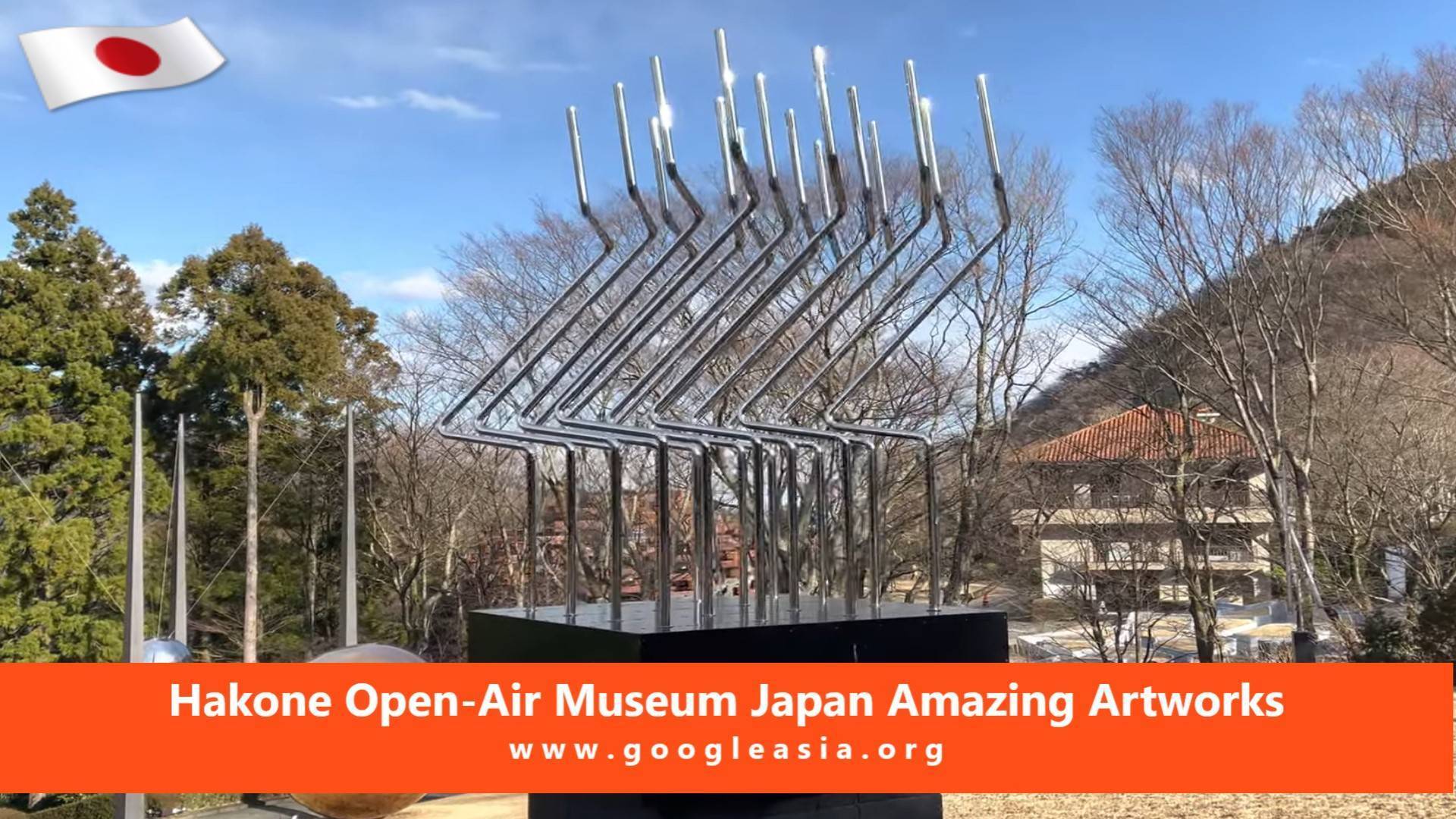
    Discovering the Hakone Open-Air Museum: Japan’s Artistic Haven

    Hakone Open-Air Museum, Japan

    The Hakone Open-Air Museum is an outdoor sculpture museum located in Hakone, Kanagawa Prefecture, Japan. The museum opened in 1969, and it is the first open-air modern art museum in Japan. The museum has an extensive collection of sculptures as well as a variety of art pieces. It also features spectacular natural scenery, including a lake, a nearby forest and Mount Fuji in the distance. Visitors can take in the beauty of the outdoor scenery on a pleasant day or walk through the galleries to view the amazing artworks on display.

    Introduction

    Nestled in the scenic landscapes of Hakone, Japan, the Hakone Open-Air Museum stands as a testament to the harmonious blend of art and nature. Established in 1969, it is Japan’s first open-air museum, spreading across 70,000 square meters and showcasing over 120 sculptures by renowned artists. This cultural gem provides an immersive experience, where visitors can appreciate world-class art amidst stunning natural beauty.

    Seasonal Highlights and Events

    Seasonal Sculptures

    1. Spring Blossoms In spring, the museum grounds are adorned with cherry blossoms, creating a breathtaking backdrop for the sculptures.
    2. Autumn Leaves The vibrant hues of autumn leaves enhance the visual appeal of the Hakone Open-Air Museum, offering a picturesque setting for art enthusiasts.

    Special Exhibitions

    • Rotating Exhibits The Hakone Open-Air Museum regularly hosts special exhibitions, showcasing works by contemporary artists and exploring various themes in art and culture.

    Attractions

    Exploring the Museum Grounds

    Iconic Sculptures

    1. The Symphonic Sculpture A vibrant tower adorned with stained glass, The Symphonic Sculpture invites visitors to ascend its spiral staircase, offering a kaleidoscopic view of the surrounding area from the top.
    2. Miss Black Power by Niki de Saint Phalle This striking, colorful sculpture stands as a bold statement within the Hakone Open-Air Museum grounds, capturing the attention of all who pass by.
    3. My Sky Hole by Bukichi Inoue An intriguing circular sculpture that frames the sky, My Sky Hole encourages viewers to reflect on the relationship between art and the natural world.

    Indoor Exhibitions

    • Pablo Picasso Pavilion Home to an extensive collection of Picasso’s works, including ceramics, paintings, and prints, the Pablo Picasso Pavilion offers an intimate glimpse into the life and creativity of the legendary artist.
    • Henry Moore Collection Celebrating the work of the renowned British sculptor, this collection showcases several of Henry Moore’s monumental bronze sculptures, each thoughtfully placed within the Hakone Open-Air Museum’s landscape.

    Things to Do

    Art and Sculpture Exhibits

    Picasso Pavilion

    The Picasso Pavilion is a must-visit, housing an extensive collection of Pablo Picasso’s works. This exhibit features over 300 pieces, including paintings, prints, sculptures, and ceramics, showcasing the diverse genius of Picasso.

    Symphonic Sculpture

    The Symphonic Sculpture is an iconic tower made of vibrant stained glass. Visitors can ascend the spiral staircase within the tower to enjoy a breathtaking view of the surrounding landscape through the colorful glass.

    Henry Moore Collection

    The Hakone Open-Air Museum boasts an impressive collection of Henry Moore’s sculptures. These large, abstract pieces are thoughtfully placed throughout the gardens, blending seamlessly with the natural surroundings.

    Interactive and Family-Friendly Activities

    Foot Bath Spa

    Relax at the Foot Bath Spa, where you can soak your feet in warm, natural hot spring water while enjoying the serene views of the sculptures and gardens. It’s a perfect way to unwind after exploring the museum.

    Children’s Pavilion

    The Children’s Pavilion offers a variety of interactive exhibits and activities designed for younger visitors. This space encourages children to engage with art through play and creativity.

    Seasonal Attractions

    Seasonal Flower Gardens

    The Hakone Open-Air Museum is surrounded by beautifully maintained gardens that change with the seasons. From cherry blossoms in the spring to vibrant autumn leaves, the gardens offer a picturesque backdrop for the sculptures.

    Outdoor Concerts and Performances

    During certain times of the year, the Hakone Open-Air Museum hosts outdoor concerts and performances. These events provide a unique way to experience the museum, combining art, music, and nature.

    Dining and Shopping

    Gourmet Dining Options

    The Hakone Open-Air Museum features several dining options, including a cafe with panoramic views and a restaurant serving traditional Japanese cuisine. Enjoy a meal while taking in the stunning scenery.

    Museum Shop

    Visit the Hakone Open-Air Museum shop to purchase souvenirs, including art books, prints, and unique items inspired by the exhibits. It’s a great place to find a memento of your visit.

    Foods

    Traditional Japanese Dishes

    Savory Favorites

    1. Ramen Indulge in a steaming bowl of ramen, featuring rich, flavorful broth, tender noodles, and a variety of toppings like pork, seaweed, and green onions. Each bite offers a taste of traditional Japanese comfort food.
    2. Tempura Enjoy crispy and light tempura, made with seafood or vegetables, delicately battered and fried to perfection. This dish is often served with a dipping sauce and grated daikon radish for a refreshing contrast.
    3. Sushi Savor the artistry of sushi, with fresh fish and perfectly seasoned rice. Choose from a variety of nigiri, sashimi, and rolls, each offering a unique combination of flavors and textures.

    Delightful Donburi

    • Katsudon Experience the heartiness of katsudon, a bowl of rice topped with a deep-fried pork cutlet, egg, and savory sauce. This satisfying dish is a favorite among locals and tourists alike.
    • Unadon Treat yourself to unadon, featuring grilled eel glazed with a sweet soy-based sauce, served over a bed of fluffy rice. The rich flavor and tender texture make it a must-try.

    Local Specialties

    Regional Flavors

    • Hakone Soba Sample Hakone soba, a local specialty made with buckwheat noodles, often served in a hot broth or chilled with a dipping sauce. This dish reflects the region’s culinary traditions and is perfect for any time of year.
    • Kuro-tamago Discover the unique kuro-tamago, or black eggs, boiled in the hot springs of Owakudani. These eggs are believed to extend one’s life and offer a distinctive flavor, making them a popular snack in Hakone.

    Sweet Treats

    • Matcha Desserts Delight in matcha-flavored sweets, including soft serve ice cream, cakes, and mochi. The subtle bitterness of matcha is beautifully balanced with sweetness, creating a harmonious dessert experience.
    • Yuba (Tofu Skin) Experience yuba, the delicate tofu skin often served fresh or in sweetened forms. This nutritious and versatile ingredient can be enjoyed as a snack or dessert.

    International Cuisine

    Western Delicacies

    • Pizza Relish a slice of pizza with a Japanese twist, featuring toppings like teriyaki chicken or seafood. This fusion dish combines the best of both worlds, offering familiar flavors with a local flair.
    • Pasta Enjoy a comforting bowl of pasta, available in a variety of styles and sauces. Whether you prefer a classic tomato-based sauce or a creamy option, the pasta dishes near Hakone Open-Air Museum cater to all tastes.

    Delightful Cafes

    • Coffee and Pastries Take a break at one of the charming cafes around the museum, where you can enjoy freshly brewed coffee and a selection of pastries. The serene setting and delicious treats provide a perfect respite during your visit.

    Hotels

    Explore the finest accommodations near the Hakone Open-Air Museum, offering a blend of luxury, comfort, and convenience for an unforgettable stay in Hakone.

    Premier Luxury Stays

    1. Gora Kadan Experience unparalleled luxury at Gora Kadan, a former imperial retreat that offers exquisite rooms, private hot springs, and stunning views of the surrounding mountains.
    2. Hakone Kowakien Ten-Yu Indulge in the luxurious ambiance of Hakone Kowakien Ten-Yu, featuring modern amenities, open-air hot spring baths, and elegant rooms with breathtaking views of Hakone’s natural beauty.

    Traditional Ryokan Experiences

    • Yoshimatsu Immerse yourself in traditional Japanese hospitality at Yoshimatsu, a luxurious ryokan offering tatami-matted rooms, private onsen, and kaiseki dining experiences that highlight seasonal ingredients.
    • Gora Hanaougi Enjoy a serene and authentic ryokan experience at Gora Hanaougi, where guests can relax in private open-air baths, savor traditional Japanese meals, and enjoy personalized service.

    Contemporary Comforts

    • Hyatt Regency Hakone Resort and Spa Discover contemporary luxury at Hyatt Regency Hakone Resort and Spa, offering spacious rooms, an elegant onsen, and gourmet dining options, all set amidst the stunning backdrop of Hakone.
    • Hakone Hotel Relish modern comforts at Hakone Hotel, featuring stylish rooms, an on-site onsen, and convenient access to the Hakone Open-Air Museum and other local attractions.

    Boutique and Budget-Friendly Options

    • Hotel Green Plaza Hakone Experience affordable luxury at Hotel Green Plaza Hakone, offering comfortable accommodations, scenic views of Mount Fuji, and relaxing hot spring baths.
    • Mizunoto Stay at Mizunoto for a blend of traditional and modern amenities, featuring cozy rooms, onsen facilities, and proximity to the Hakone Open-Air Museum.

    Cozy and Comfortable Retreats

    • Mount View Hakone Enjoy a comfortable stay at Mount View Hakone, offering traditional Japanese rooms, a serene onsen, and easy access to Hakone’s attractions.
    • Hakone Suimeisou Relax in the cozy ambiance of Hakone Suimeisou, featuring well-appointed rooms, rejuvenating hot springs, and a welcoming atmosphere for a memorable stay.

    Conclusion

    From luxurious retreats to traditional ryokan experiences, the hotels near Hakone Open-Air Museum cater to a variety of preferences, ensuring a comfortable and memorable stay. Each accommodation option provides a unique blend of luxury, comfort, and traditional Japanese hospitality, allowing you to fully immerse yourself in the beauty and culture of Hakone. Choose your ideal hotel and enjoy a perfect getaway while exploring the artistic wonders of the Hakone Open-Air Museum.

    Hakone Open-Air Museum Japan Amazing Artworks

    Summary

    • Attraction Name: Hakone Open-Air Museum
    • Country: Japan
    • Continent: Asia
    • Capital Name: Tokyo
    • Language: Japanese
    • Currency: Japanese Yen
    • Nationality: Japanese
    • Category:  #Destination #Asia #JAPAN 

    Frequently Asked Questions

    Where is Hakone Open-Air Museum located?

    The Hakone Open-Air Museum (箱根 彫刻の森美術館) is located in Hakone, Japan. Specifically, its address is:

    Hakone Open-Air Museum
    1121 Ninotaira, Hakone, Ashigarashimo District, Kanagawa 250-0407, Japan

    The museum is situated in a picturesque setting amidst the natural beauty of Hakone, known for its hot springs, scenic views of Mount Fuji, and tranquil atmosphere. It features a large outdoor exhibition space showcasing sculptures by renowned artists from around the world, as well as indoor galleries displaying various modern and contemporary artworks.

    How to go to Hakone Open-Air Museum?

    To reach the Hakone Open-Air Museum, you can follow these general directions depending on where you are traveling from in Japan:

    From Tokyo:

    1. By Train:
      • Take the JR Tokaido Shinkansen from Tokyo Station to Odawara Station. The journey takes about 35-50 minutes, depending on the type of Shinkansen.
      • At Odawara Station, transfer to the Hakone Tozan Line (a local train operated by Odakyu Railway) bound for Hakone-Yumoto Station. The ride takes about 15 minutes.
      • At Hakone-Yumoto Station, transfer to the Hakone Tozan Railway (a mountain railway) and continue to Gora Station. This leg of the journey takes about 40 minutes.
      • At Gora Station, transfer to the Hakone Tozan Cablecar to Sounzan Station (about 10 minutes).
      • Finally, transfer to the Hakone Ropeway to the last station, Togendai Station (about 10 minutes).
      • From Togendai Station, take a bus (H line) to the Hakone Open-Air Museum (about 15 minutes).

    From Osaka/Kyoto:

    1. By Shinkansen and Train:
      • Take the JR Tokaido Shinkansen from Shin-Osaka Station to Odawara Station (about 2 hours).
      • Follow the same route as from Tokyo: transfer to the Hakone Tozan Line to Hakone-Yumoto, then continue via Gora Station, Hakone Tozan Cablecar, Hakone Ropeway, and bus to the museum.

    Tips:

    • Hakone Free Pass: Consider purchasing a Hakone Free Pass, which covers most of the transportation you’ll need in Hakone, including the trains, cable cars, ropeways, and buses. It’s cost-effective if you plan to explore other attractions in Hakone.
    • Travel Time: The journey from Tokyo to the Hakone Open-Air Museum can take around 2 to 3 hours, depending on connections and waiting times for transfers.
    • Local Transportation: The museum is located near Chokoku-no-Mori Station on the Hakone Tozan Cablecar line. From Togendai Station, where the Hakone Ropeway ends, buses run to the museum frequently.

    What are Hakone Open-Air Museum’s must-visit attractions or landmarks?

    The Hakone Open-Air Museum offers a variety of attractions and landmarks that blend art with the natural beauty of the surrounding landscape. Here are some must-visit highlights:

    1. Sculpture Park: The museum’s main attraction is its extensive outdoor sculpture park, featuring over 100 sculptures by renowned artists such as Henry Moore, Auguste Rodin, and Niki de Saint Phalle. The sculptures are thoughtfully placed throughout the landscaped gardens, creating a harmonious blend of art and nature.
    2. Picasso Pavilion: This indoor gallery houses an impressive collection of over 300 works by Pablo Picasso, including paintings, prints, ceramics, and sculptures. The collection provides a comprehensive look at Picasso’s diverse artistic career.
    3. Symphonic Sculpture: This unique architectural piece by Gabriel Loire allows visitors to walk inside a stained glass tower. Climbing to the top offers panoramic views of the surrounding landscape, making it both an artistic and sensory experience.
    4. Foot Bath (Ashi-yu): Located in the park, this natural hot spring foot bath allows visitors to relax and soak their feet while enjoying views of the surrounding sculptures and gardens. It’s a great way to unwind and rejuvenate.
    5. Woods of Net: Designed by artist Toshiko Horiuchi MacAdam, this colorful, large-scale crochet structure serves as an interactive play area for children. It’s a delightful space where kids can climb, jump, and explore the vibrant, hand-knitted nets.
    6. Henry Moore Collection: The museum boasts one of the largest collections of Henry Moore sculptures in the world. His abstract forms are strategically placed throughout the park, offering visitors a chance to appreciate his work in a natural setting.
    7. Open-Air Footpath: This scenic walking path takes visitors through the museum’s beautifully landscaped gardens and past many of its outdoor sculptures. It’s an excellent way to explore the museum at a leisurely pace.
    8. Art Hall: This indoor gallery space hosts rotating exhibitions of contemporary art, featuring both Japanese and international artists. It’s a dynamic space that offers something new with each visit.

    Is Hakone Open-Air Museum a suitable travel destination for solo adventurers, honeymooning couples, or those traveling with families?

    Yes, the Hakone Open-Air Museum is a versatile destination that caters to solo adventurers, honeymooning couples, and families. Here’s why:

    Solo Adventurers

    • Exploration and Reflection: The museum offers ample opportunities for quiet exploration and personal reflection. Solo travelers can enjoy wandering through the sculpture gardens and indoor galleries at their own pace.
    • Inspiration: Art enthusiasts and creatives will find inspiration in the diverse range of sculptures and artworks on display.
    • Nature and Art Combination: The serene natural setting combined with thought-provoking art makes it a perfect spot for solo adventurers seeking a peaceful retreat.

    Honeymooning Couples

    • Romantic Setting: The beautiful outdoor gardens and scenic views provide a romantic backdrop for couples.
    • Shared Experiences: Couples can enjoy exploring the various artworks together, relaxing in the hot spring foot bath, and experiencing the unique installations like the Symphonic Sculpture.
    • Memorable Moments: The interactive and visually stunning exhibits, such as the Woods of Net and the stained glass tower, offer unique photo opportunities and memorable experiences.

    Families

    • Interactive Art: The museum features family-friendly attractions like the Woods of Net, an interactive play area designed for children to climb and explore.
    • Educational Experience: The diverse range of artworks and the educational exhibits in the Picasso Pavilion can provide an enriching experience for both adults and children.
    • Relaxation Spots: Families can take breaks at the foot bath or in the café, making it a comfortable and enjoyable outing for all ages.

    Overall

    • Accessibility: The museum is well-organized and accessible, making it easy for visitors of all ages and travel styles to navigate and enjoy.
    • Variety of Attractions: With both outdoor and indoor exhibits, the museum offers a variety of experiences that cater to different interests and preferences.
    • Scenic Beauty: The stunning natural setting of Hakone enhances the experience, making it a destination worth visiting for anyone.

    Why should you visit Hakone Open-Air Museum?

    Visiting the Hakone Open-Air Museum offers a unique and enriching experience for several compelling reasons:

    1. Integration of Art and Nature

    • Stunning Setting: The museum is set in the picturesque landscape of Hakone, with the natural beauty of the mountains and gardens enhancing the artistic experience.
    • Outdoor Sculptures: The extensive outdoor sculpture park features works by renowned artists, creating a harmonious blend of art and nature.

    2. Diverse Art Collection

    • International Artists: The museum boasts a wide variety of sculptures and artworks from internationally acclaimed artists such as Henry Moore, Auguste Rodin, and Niki de Saint Phalle.
    • Picasso Pavilion: Home to one of the largest collections of Pablo Picasso’s works, the pavilion offers a deep dive into his diverse artistic career, including paintings, ceramics, and sculptures.

    3. Unique Architectural Features

    • Symphonic Sculpture: This colorful stained glass tower allows visitors to walk inside and enjoy panoramic views from the top, providing a unique sensory and visual experience.
    • Woods of Net: An interactive and visually stunning installation designed by artist Toshiko Horiuchi MacAdam, perfect for children and adults alike to explore and enjoy.

    4. Relaxation and Wellness

    • Foot Bath: The museum features a natural hot spring foot bath where visitors can relax and soak their feet while enjoying the surrounding art and scenery.
    • Peaceful Environment: The tranquil atmosphere of the museum and its gardens offers a serene escape from the hustle and bustle of city life.

    5. Family-Friendly

    • Interactive Art for Kids: The museum includes attractions designed specifically for children, making it an engaging and educational experience for families.
    • Educational Exhibits: The diverse range of artworks provides learning opportunities for visitors of all ages.

    6. Cultural Enrichment

    • Art Education: The museum offers insight into modern and contemporary art, allowing visitors to expand their knowledge and appreciation of different art forms and styles.
    • Rotating Exhibits: With rotating exhibitions in the indoor galleries, there is always something new to see and experience.

    7. Accessibility and Convenience

    • Proximity to Tokyo: Located in Hakone, the museum is easily accessible from Tokyo, making it a convenient day trip or part of a longer stay in the region.
    • Well-Maintained Facilities: The museum’s well-maintained paths and facilities ensure a comfortable visit for all guests.

    Is there any halal food available in the vicinity of the Hakone Open-Air Museum?

    Finding halal food near the Hakone Open-Air Museum can be challenging, as Hakone is a traditional tourist destination and may not have many halal-certified dining options. However, here are some suggestions for finding halal food in the area:

    Options to Consider:

    1. Check with Hotels and Ryokans:
      • Some accommodations in Hakone, especially those catering to international tourists, may be able to prepare halal meals upon request. Contact your hotel or ryokan in advance to inquire about halal options.
    2. Bring Your Own Food:
      • If you have specific dietary needs, bringing your own halal food might be the best option. Many convenience stores and supermarkets in Japan offer a range of packaged food items, some of which may be suitable for halal diets. Look for vegetarian or seafood options, as they are more likely to comply with halal requirements.
    3. Nearby Cities:
      • Larger cities such as Tokyo or Yokohama, which are not too far from Hakone, have a greater selection of halal restaurants. You could consider having your main meals there before or after your visit to Hakone.
    4. Vegetarian/Vegan Restaurants:
      • While not specifically halal, vegetarian or vegan restaurants can offer suitable alternatives. There are a few vegetarian-friendly restaurants in Hakone where you can find plant-based meals that align with halal dietary restrictions.
    5. Online Resources and Apps:
      • Use apps and websites that cater to Muslim travelers, such as Halal Navi or HappyCow, to find halal-friendly dining options in and around Hakone. These platforms can help identify restaurants that offer halal meals or are willing to accommodate halal requests.

    Specific Nearby Options:

    1. Hakone Yuryo:
      • A popular onsen resort that sometimes caters to dietary requests. Contact them ahead of time to see if they can accommodate halal meals.
    2. Gora Brewery & Grill:
      • Located in Gora, a short distance from the museum, this restaurant offers a variety of dishes and might be able to prepare vegetarian meals upon request.
    3. Hakone Bakery & Table:
      • This café near the Hakone-Yumoto Station offers a variety of baked goods and light meals. While not halal-certified, you may find vegetarian options here.
  • Visiting Hiroshima Peace Memorial Park, Japan: Travel Guide

    Visiting Hiroshima Peace Memorial Park, Japan: Travel Guide

    Hiroshima Peace Memorial Park, Japan

    Hiroshima Peace Memorial Park is a memorial park in Hiroshima, Japan, dedicated to the victims of the atomic bombing of Hiroshima on August 6, 1945. The park commemorates the suffering of the victims and serves to promote peace among all peoples. The park includes monuments, museums, and memorials honoring those who died, along with various sculptures, parks, and a pond surrounded by cherry trees.

    Introduction

    A Testament to Peace and Resilience

    Hiroshima Peace Memorial Park, located in the heart of Hiroshima, Japan, stands as a powerful symbol of peace and a poignant reminder of the devastating impact of nuclear warfare. Established to commemorate the victims of the atomic bombing on August 6, 1945, the park serves as a place of reflection and hope for a nuclear-free world.

    Attractions

    Iconic Monuments and Memorials

    1. A-Bomb Dome The A-Bomb Dome, originally the Hiroshima Prefectural Industrial Promotion Hall, is one of the few structures left standing after the bomb explosion. Preserved in its ruined state, it has become a UNESCO World Heritage Site and a stark reminder of the bomb’s destructive power.
    2. Children’s Peace Monument Dedicated to the memory of Sadako Sasaki and the thousands of child victims, the Children’s Peace Monument is adorned with thousands of colorful paper cranes, symbolizing peace and hope.
    3. Cenotaph for the A-Bomb Victims The Cenotaph for the A-Bomb Victims is an arched tomb containing a stone chest with a list of names of those who perished due to the bomb. The epitaph reads, “Let all the souls here rest in peace, for we shall not repeat the evil.”

    Museums and Educational Centers

    • Hiroshima Peace Memorial Museum The Hiroshima Peace Memorial Museum offers a comprehensive and harrowing account of the events leading up to, during, and after the atomic bombing. Exhibits include personal artifacts, photographs, and detailed narratives that convey the human suffering caused by the bomb.
    • National Peace Memorial Hall for the Atomic Bomb Victims This hall serves as a space for mourning and remembrance, offering visitors an opportunity to listen to survivors’ testimonies, view photographs, and learn more about the lives lost and affected by the bomb.

    Gardens and Outdoor Spaces

    • Peace Bell Visitors are encouraged to ring the Peace Bell, inscribed with “Know Yourself,” as a gesture of hope and commitment to world peace.
    • Peace Flame The Peace Flame has been burning continuously since it was lit in 1964. It will remain lit until all nuclear weapons on the planet are destroyed.
    • Hiroshima National Peace Memorial Hall for the Atomic Bomb Victims The Hall of Remembrance, located underground, offers a quiet space for contemplation. It features a circular mosaic of Hiroshima before the bombing, composed of 140,000 tiles—each representing a life lost.

    Annual Events and Ceremonies

    Peace Memorial Ceremony

    • August 6th Commemoration Every year on August 6th, a solemn ceremony is held to mark the anniversary of the bombing. The event includes speeches, the release of doves, and a moment of silence at 8:15 AM, the exact time the bomb was dropped.

    Lantern Floating Ceremony

    • Toro Nagashi In the evening of August 6th, the Toro Nagashi ceremony involves the release of paper lanterns on the Motoyasu River. Each lantern carries a message of peace and remembrance, creating a moving visual tribute to the victims.

    Reflect at the Peace Memorials

    Atomic Bomb Dome (Genbaku Dome)

    • Historical Significance The Atomic Bomb Dome is one of the few structures that survived the bombing and remains in its ruined state as a symbol of hope and a call for world peace. It has been designated a UNESCO World Heritage Site.
    • Photographic Opportunities Capture the haunting beauty of the dome, which stands as a silent witness to the devastation and a powerful reminder of the need for disarmament.

    Peace Bells and Flame of Peace

    • Peace Bells Ring the Peace Bells located throughout the park. Each ring serves as a prayer for peace and a call to eliminate nuclear weapons from the world.
    • Flame of Peace The Flame of Peace has been burning continuously since 1964, symbolizing the hope for a world free of nuclear weapons. It will remain lit until all nuclear bombs on the planet are destroyed.

    Participate in Peace Activities

    Paper Crane Dedications

    • Origami Cranes Join visitors from around the world in folding origami cranes as a tribute to Sadako Sasaki and a wish for global peace. These cranes are displayed at the Children’s Peace Monument.
    • Dedication Ceremonies Participate in or observe dedication ceremonies where people present their paper cranes and share messages of peace and hope.

    Attend Peace Memorial Ceremonies

    • Annual Peace Memorial Ceremony Held every August 6th, this ceremony commemorates the anniversary of the atomic bombing. It includes speeches, a moment of silence, and the release of doves as symbols of peace.
    • Lantern Floating Ceremony In the evening, attend the lantern floating ceremony, where thousands of paper lanterns are set afloat on the Motoyasu River, each carrying messages of peace and remembrance.

    Foods

    Discover the best foods to savor while visiting Hiroshima Peace Memorial Park, offering a taste of local flavors amidst its poignant historical significance.

    Must-Try Dishes

    Authentic Japanese Cuisine

    1. Okonomiyaki Enjoy Hiroshima-style Okonomiyaki, a savory pancake layered with cabbage, noodles, seafood or meat, and topped with a sweet and savory sauce.
    2. Hiroshima-style Tsukemen Indulge in Hiroshima-style Tsukemen, a dipping noodle dish featuring thick, chewy noodles served with a rich, flavorful broth and various toppings.

    Local Street Food Delights

    • Momiji Manju Try Momiji Manju, a maple leaf-shaped cake filled with sweet red bean paste or other fillings, popular as a souvenir and snack in Hiroshima.
    • Oysters Sample fresh Hiroshima oysters, known for their plumpness and sweetness, served raw, grilled, or in various dishes throughout the city.

    Regional Specialties

    • Hiroshima-style Okonomi-mura Visit Okonomi-mura, a multi-story building dedicated to Okonomiyaki, offering a variety of styles and flavors to suit every palate.
    • Hiroshima-style Ramen Taste Hiroshima-style Ramen, featuring a rich, pork-based broth and curly noodles, often topped with pork belly, green onions, and other toppings.

    Sweet Treats and Refreshments

    • Hiroshima Castella Indulge in Hiroshima Castella, a moist and fluffy sponge cake with a history dating back to the Portuguese traders in Nagasaki, now popular throughout Japan.
    • Green Tea Ice Cream Cool off with Green Tea Ice Cream, a refreshing treat infused with the flavors of matcha, offering a delightful contrast to Hiroshima’s savory dishes.

    Hotels

    Discover the best hotels near Hiroshima Peace Memorial Park, offering tranquility and convenience for your visit to this historic and poignant site in Japan.

    Luxury and Comfort in Hiroshima

    1. Sheraton Grand Hiroshima Hotel Experience luxury and elegance at Sheraton Grand Hiroshima Hotel, known for its spacious rooms, scenic views, and exceptional hospitality just minutes away from the Peace Memorial Park.
    2. ANA Crowne Plaza Hiroshima Indulge in comfort and style at ANA Crowne Plaza Hiroshima, offering modern amenities, gourmet dining options, and a relaxing ambiance within close proximity to the park.
    3. Rihga Royal Hotel Hiroshima Enjoy a blend of Japanese hospitality and international standards at Rihga Royal Hotel Hiroshima, featuring luxurious accommodations and impeccable service near the city center.

    Contemporary Comforts

    • Hotel Granvia Hiroshima Discover contemporary luxury at Hotel Granvia Hiroshima, offering sleek rooms, fine dining options, and easy access to Hiroshima Peace Memorial Park and other local attractions.
    • Hotel Sunroute Hiroshima Experience convenience and comfort at Hotel Sunroute Hiroshima, known for its central location, cozy accommodations, and warm hospitality, ideal for travelers exploring the city.

    Boutique and Unique Stays

    • Mitsui Garden Hotel Hiroshima Stay at Mitsui Garden Hotel Hiroshima for a boutique experience, featuring stylish rooms, a tranquil garden, and thoughtful amenities near Peace Memorial Park.
    • Ark Hotel Hiroshimaeki Minami Enjoy a cozy retreat at Ark Hotel Hiroshimaeki Minami, offering affordable accommodations, friendly service, and a peaceful atmosphere within walking distance of the park.

    Budget-Friendly Options

    • Capsule Hotel Cube Hiroshima Opt for a unique stay at Capsule Hotel Cube Hiroshima, providing compact yet comfortable capsules, communal facilities, and a convenient base for exploring Hiroshima.
    • APA Hotel Hiroshima-Ekimae Ohashi Experience affordability and comfort at APA Hotel Hiroshima-Ekimae Ohashi, offering compact rooms, modern amenities, and a strategic location near public transport links.

    Conclusion

    Whether you prefer luxury, contemporary comforts, boutique stays, or budget-friendly options, the hotels near Hiroshima Peace Memorial Park cater to diverse preferences while providing easy access to this historic site. Each hotel offers a unique blend of comfort, convenience, and hospitality, ensuring a memorable and peaceful stay in Hiroshima. Choose your ideal accommodation and immerse yourself in the history, culture, and tranquility of Hiroshima Peace Memorial Park with ease.

    Hiroshima Peace Memorial Park Japan Atomic Bombing

    Summary

    • Attraction Name: Hiroshima Peace Memorial Park
    • Country: Japan
    • Continent: Asia
    • Capital Name: Tokyo
    • Language: Japanese
    • Currency: Japanese Yen
    • Nationality: Japanese
    • Category:  #Destination #Asia #JAPAN 

    Frequently Asked Questions

    Where is Hiroshima Peace Memorial Park located?

    Hiroshima Peace Memorial Park (広島平和記念公園) is located in Hiroshima, Japan. Specifically, its address is:

    Hiroshima Peace Memorial Park
    1-2 Nakajimacho, Naka Ward, Hiroshima, 730-0811, Japan

    The park is situated in the center of Hiroshima City, near the hypocenter of the atomic bombing that occurred on August 6, 1945. It serves as a memorial to the victims of the bombing and promotes peace and nuclear disarmament globally.

    How to go to Hiroshima Peace Memorial Park?

    To reach Hiroshima Peace Memorial Park, you can follow these general directions depending on where you are traveling from within Japan:

    From Tokyo or Osaka/Kyoto:

    1. By Shinkansen (Bullet Train):
      • Take the JR Tokaido/Sanyo Shinkansen from Tokyo Station or Shin-Osaka Station to Hiroshima Station. The journey takes about 4 hours from Tokyo or 1.5 to 2 hours from Osaka.
      • From Hiroshima Station, take the Hiroshima Electric Railway (Hiroden) tram line 2 or 6 to Genbaku Dome-mae (Atomic Bomb Dome) Station. The ride takes about 15 minutes.
      • The Peace Memorial Park is a short walk from Genbaku Dome-mae Station.
    2. By Airplane:
      • If traveling domestically, you can fly to Hiroshima Airport from major cities like Tokyo or Osaka.
      • From Hiroshima Airport, take the limousine bus or a taxi to Hiroshima Station. Then, follow the tram directions as above to reach the Peace Memorial Park.

    From Hiroshima Station:

    • By Tram: From Hiroshima Station, take the Hiroshima Electric Railway (Hiroden) tram line 2 or 6 to Genbaku Dome-mae (Atomic Bomb Dome) Station. The journey takes about 15 minutes.
    • The Peace Memorial Park is a short walk from Genbaku Dome-mae Station.

    Tips:

    • Tram Tickets: Purchase tram tickets at vending machines near tram stops or use a prepaid IC card like ICOCA, PASMO, or Suica for seamless travel.
    • Walking Distance: The Peace Memorial Park is centrally located and can be easily accessed on foot from nearby tram stations.

    What are Hiroshima Peace Memorial Park’s must-visit attractions or landmarks?

    Hiroshima Peace Memorial Park is a poignant and historically significant site that offers several must-visit attractions and landmarks:

    1. Atomic Bomb Dome (Genbaku Dome): This iconic building, also known as the Atomic Bomb Dome, is the skeletal remains of the Hiroshima Prefectural Industrial Promotion Hall. It was one of the few structures left standing near the hypocenter of the atomic bombing on August 6, 1945. The dome serves as a powerful symbol of peace and a reminder of the devastation caused by nuclear weapons.
    2. Hiroshima Peace Memorial Museum: Located within the park, the Peace Memorial Museum provides a comprehensive overview of the atomic bombing, its aftermath, and the quest for peace. Exhibits include artifacts, photographs, and personal testimonies, offering visitors a profound insight into the impact of nuclear warfare and the importance of peace education.
    3. Cenotaph for the A-bomb Victims: The Cenotaph, designed by architect Kenzo Tange, houses the names of all known victims who died as a result of the atomic bombing. Its arched shape symbolizes a shelter for the souls of the victims and points towards the Atomic Bomb Dome, aligning with the Flame of Peace and the Peace Memorial Museum.
    4. Flame of Peace (Flame of Hiroshima and Nagasaki): Located near the Cenotaph, the Flame of Peace burns continuously since it was lit in 1964. It symbolizes the city’s commitment to nuclear disarmament and serves as a memorial for the victims of the atomic bombings of Hiroshima and Nagasaki.
    5. Children’s Peace Monument: Dedicated to Sadako Sasaki and other child victims of the atomic bombing, the monument features a statue of a girl holding a folded paper crane. It encourages visitors to reflect on the impact of war on innocent children and promotes a message of hope and peace.
    6. Memorial Hall for the Atomic Bomb Victims: This underground hall honors the memories of the atomic bomb victims through displays of personal belongings and photographs. It offers a quieter space for contemplation and remembrance.
    7. Peace Bell: Near the Children’s Peace Monument, the Peace Bell invites visitors to ring it as a symbol of their commitment to peace and reconciliation. The bell’s inscription reads, “Know the World; Never Again Hiroshima.”

    Why should you visit Hiroshima Peace Memorial Park?

    There are several compelling reasons to visit Hiroshima Peace Memorial Park:

    1. Historical Significance: Hiroshima Peace Memorial Park stands as a poignant reminder of the devastating impact of the atomic bombing on August 6, 1945. It commemorates the lives lost, promotes peace, and serves as a symbol of resilience and reconciliation.
    2. Atomic Bomb Dome: The park is home to the Atomic Bomb Dome (Genbaku Dome), an iconic structure that survived near the hypocenter of the bombing. It symbolizes the destructive power of nuclear weapons and the hope for a world free from such devastation.
    3. Educational Experience: The Peace Memorial Museum within the park provides a comprehensive overview of the atomic bombing, its aftermath, and the efforts towards nuclear disarmament. It offers educational exhibits, artifacts, and personal testimonies that deepen understanding of the event’s historical context and humanitarian impact.
    4. Promotion of Peace and Reconciliation: Hiroshima Peace Memorial Park promotes peace not only locally but globally. It serves as a platform for dialogue, reflection, and advocacy for nuclear disarmament and non-violence, fostering a commitment to prevent future tragedies.
    5. Cultural and Architectural Heritage: Visitors can appreciate the park’s architecture, including the Cenotaph for the A-bomb Victims and the Flame of Peace. These monuments and structures convey messages of remembrance, unity, and hope across generations.
    6. Symbol of Hope: The park’s symbolic monuments, such as the Children’s Peace Monument and the Peace Bell, inspire visitors to reflect on the resilience of humanity and the importance of preserving peace for future generations.
    7. Personal Reflection and Contemplation: Visiting Hiroshima Peace Memorial Park allows individuals to pay respects to the victims, contemplate the consequences of war, and reaffirm their commitment to promoting peace and reconciliation in their own lives and communities.

    Is there any halal food available in the vicinity of the Hiroshima Peace Memorial Park?

    Finding halal food in the vicinity of Hiroshima Peace Memorial Park can be quite challenging, as Hiroshima is not widely known for halal dining options. The city’s cuisine predominantly features seafood, Hiroshima-style okonomiyaki (a savory pancake), and other local specialties that may not necessarily adhere to halal dietary restrictions.

    However, here are a few suggestions to consider:

    1. International Cuisine: Look for restaurants that serve international cuisine such as Middle Eastern or Indian food. These establishments may offer halal options or be willing to accommodate dietary preferences upon request.
    2. Halal Certification: Check with restaurants directly or look for halal-certified establishments in Hiroshima. While options may be limited, some places catering to international tourists or residents might provide halal dishes.
    3. Alternative Dining: If halal food is not readily available near the Peace Memorial Park, consider bringing along packaged halal meals or snacks. Convenience stores in Japan often carry a variety of food items that may meet halal standards.
    4. Nearby Cities: If halal dining is a priority, consider exploring larger nearby cities like Osaka or Kyoto, where more diverse international cuisines, including halal options, are typically available. These cities are accessible via the Shinkansen (bullet train) from Hiroshima.
  • Exploring Shirakawago: A UNESCO World Heritage Site

    Exploring Shirakawago: A UNESCO World Heritage Site

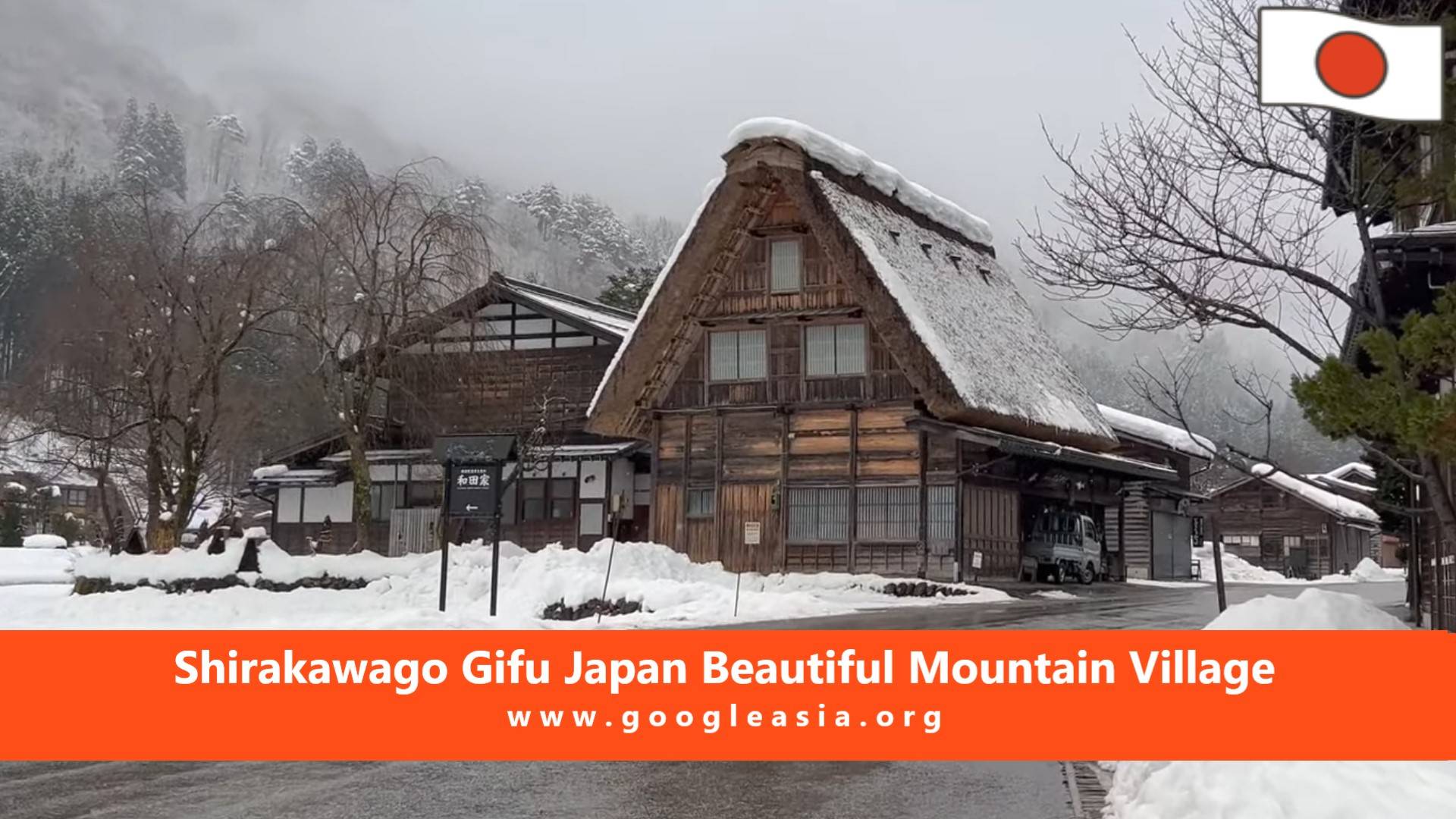
    Shirakawa-go Gifu, Japan

    Shirakawa-go is a beautiful and unique place to visit because of its stunning traditional architecture, breathtaking landscapes, and rich history. The Shirakawa-go village is known for its gassho-style thatched-roof farmhouses, some of which are more than 250 years old. Because many of these houses are national treasures, visitors must take a guided tour to explore the village.

    The surrounding area also has stunning scenery, including forests, mountains, and terraced rice fields that are perfect for scenic hikes. Additionally, Shirakawago offers activities like sake tasting, kabuki theater viewing, and the opportunity to experience traditional Japanese culture.

    Introduction

    A Glimpse into Traditional Japan

    Discover Shirakawa-go, a picturesque UNESCO World Heritage Site nestled in the mountains of central Honshu, Japan. Renowned for its iconic gassho-zukuri farmhouses, this region showcases centuries-old architectural marvels with steep, thatched roofs designed to withstand heavy snowfall.

    Cultural and Natural Splendor

    Architectural Marvels of Gassho-zukuri

    1. Unique Roof Structures Explore the unique gassho-zukuri farmhouses, characterized by their steep, thatched roofs resembling hands clasped in prayer. These structures reflect traditional Japanese design and innovation, designated as a UNESCO World Cultural Heritage Site in 1995.
    2. Historical Monuments and Cultural Experiences Immerse yourself in history with visits to shrines, temples, and historical monuments scattered throughout Shirakawago. Engage in cultural experiences such as farm stays and traditional crafts to deepen your appreciation of local customs and craftsmanship.

    Natural Beauty and Scenic Wonders

    • Stunning Natural Scenery Enjoy the breathtaking natural beauty of Shirakawago, encompassing lush forested mountains, meandering rivers, and picturesque gorges spread across over 1,000 square kilometers.
    • Shirakawa-go Light Festival Experience the enchanting Shirakawago Light Festival, an annual event showcasing traditional wicker illuminations and floats amidst the serene bluish-white glow of village houses, creating a magical atmosphere.

    Planning Your Visit

    Accommodations and Travel Tips

    • Where to Stay Choose from a range of accommodations, including traditional ryokans and guesthouses, to experience authentic Japanese hospitality amidst the charm of Shirakawago.
    • Getting There Access Shirakawa go conveniently by bus or car from major cities like Tokyo and Kyoto, enjoying scenic routes that offer glimpses of rural Japan.

    Things to Do

    Gifu’s Mountain Village

    Shirakawa-go, nestled in Gifu Prefecture, Japan, is renowned for its picturesque gassho-zukuri houses and rich cultural heritage. Explore the unique attractions and experiences this charming village has to offer.

    Discovering Gassho-zukuri Houses

    1. Have a Look at the Gassho-zukuri Houses Explore the iconic thatched-roof houses of Shirakawa-go, designated as UNESCO World Heritage sites. Take guided tours to delve into the history and lifestyle of the village’s traditional architecture.

    Enjoying the Village Atmosphere

    • Enjoy a Stroll Through the Village Take a leisurely stroll through Shirakawa-go’s quaint streets, surrounded by lush mountains and serene countryside, perfect for soaking in the tranquil ambiance.
    • Go Shopping at the Local Shops Browse local shops offering handmade crafts, traditional souvenirs, and freshly made delicacies. Experience local craftsmanship in weaving and discover unique wooden toys and souvenirs.

    Exploring Cultural and Historical Sites

    • Visit the Minkaen Museum Explore the Minkaen Museum, featuring relocated gassho-zukuri houses that provide insights into the traditional way of life in Shirakawa-go.
    • Get the Best View from Ogimachi Castle Ascend Ogimachi Castle for panoramic views of Shirakawa-go and its picturesque surroundings. Discover exhibits showcasing the castle’s historical significance and memorabilia.

    Immersing in Local Traditions

    • Attend the Intangible Cultural Activities Participate in seasonal events such as the obon festivals and New Year’s Day praying ceremony, celebrating Shirakawa-go’s unique cultural heritage and traditions.

    Foods

    Discover the rich flavors and traditional dishes that define the culinary experience in Shirakawa-go, offering a taste of authentic Japanese cuisine amidst stunning rural landscapes.

    Delightful Local Specialties

    1. Ogimiyaki Enjoy Ogimiyaki, baked wheat cakes filled with vegetables, a hearty and satisfying dish that reflects local flavors and ingredients.
    2. Oyaki Savor Oyaki, grilled buckwheat cakes stuffed with vegetables, offering a delicious blend of textures and flavors in every bite.
    3. Soba Indulge in Soba, buckwheat noodles served hot or cold, known for their nutty flavor and served with a variety of toppings and dipping sauces.

    Flavorful Side Dishes

    • Tsukemono Taste Tsukemono, a selection of pickled vegetables that complement meals with their crunchy texture and tangy flavors.
    • Yasai Kakiage Crisp up your meal with Yasai Kakiage, a delightful vegetable tempura that showcases the freshest local produce in a light, crispy batter.

    Exquisite Grilled Dishes

    • Yakiu Try Yakiu, grilled cow’s tongue, a savory delicacy loved for its tender texture and rich flavor profile, often enjoyed with a side of dipping sauce.

    Nourishing Soups and Stews

    • Houtou Warm up with Houtou, a hearty soup made with wheat flour noodles and seasonal vegetables, offering comfort in every spoonful.
    • Zōni Taste Zōni, a traditional mochi soup often enjoyed during celebrations, featuring chewy rice cakes in a flavorful broth.

    Rice and Noodle Delights

    • Takikomi Gohan Sample Takikomi Gohan, a seasoned rice dish cooked with vegetables and meat, offering a balanced and satisfying meal in a bowl.
    • Tororo Soba Experience Tororo Soba, buckwheat noodles served with grated yam, adding a unique creamy texture and subtle flavor to the dish.

    Hotels

    Explore the best accommodations in Shirakawa-go, offering traditional charm and modern comforts amidst the picturesque landscapes of Gifu Prefecture.

    Luxury and Tranquility

    1. Hoshinoya Gifu Experience luxurious ryokan accommodations at Hoshinoya Gifu, blending modern elegance with traditional Japanese hospitality in a serene riverside setting.
    2. LOTTE Hotel Gifu Enjoy modern amenities and breathtaking views at LOTTE Hotel Gifu, offering a comfortable stay with easy access to Shirakawa-go’s cultural attractions.

    Authentic Ryokan Experience

    • Shirakawa-go Minshuku Embrace local hospitality at Shirakawa-go Minshuku, offering cozy guesthouses with warm welcomes and home-cooked meals, perfect for an authentic village experience.
    • Shirakawa-go Okuya Stay in traditional thatched-roof houses at Shirakawa-go Okuya, where rustic charm meets comfort, allowing you to immerse yourself in the local heritage.

    Peaceful Retreats

    • Gokurakukan Relax in the tranquil ambiance of Gokurakukan, a ryokan offering hot spring baths and traditional Japanese rooms, ideal for rejuvenation after exploring Shirakawa-go.
    • Echomoun Enjoy a peaceful stay at Echomoun, known for its serene atmosphere and personalized service, offering a cozy retreat amidst the scenic beauty of Shirakawa-go.

    Mountain Escapes

    • Komadori Sanso Discover Komadori Sanso, nestled in the mountains with stunning views, providing comfortable accommodations and a peaceful environment near Shirakawa-go.
    • Tadasu No Mori Ryokan Experience the charm of Tadasu No Mori Ryokan, surrounded by forests and offering traditional ryokan hospitality, perfect for nature enthusiasts.

    Cultural Immersion

    • Kanazawa Ryokan Stay at Kanazawa Ryokan for a blend of cultural immersion and modern comfort, with easy access to Shirakawa-go’s historic sites and natural beauty.
    • Shirakawa-go Waku Inn Enjoy a welcoming stay at Shirakawa-go Waku Inn, offering cozy accommodations and local insights into the UNESCO World Heritage site of Shirakawa-go.

    Conclusion

    Choosing where to stay in Shirakawa-go depends on your preferences for traditional ryokan charm, modern comforts, or serene mountain retreats. Each hotel and ryokan offers a unique experience, from luxurious riverside stays to cozy village guesthouses, ensuring that your visit to this cultural gem in Gifu Prefecture is both comfortable and memorable. Whether you seek cultural immersion, relaxation in natural hot springs, or panoramic mountain views, Shirakawa-go’s hotels cater to every traveler’s desire for a tranquil retreat amidst Japan’s historic countryside.

    Shirakawago Gifu Japan Beautiful Mountain Village

    Summary

    • Attraction Name: Shirakawago Gifu
    • Country: Japan
    • Continent: Asia
    • Capital Name: Tokyo
    • Language: Japanese
    • Currency: Japanese Yen
    • Nationality: Japanese
    • Category:  #Destination #Asia #JAPAN 

    Frequently Asked Questions

    Where is Shirakawa-go located?

    Shirakawa-go is located in the Gifu Prefecture of Japan, specifically in the Shokawa Valley. It is situated in a mountainous region in central Japan, known for its traditional gassho-zukuri farmhouses, which are characterized by steep thatched roofs designed to withstand heavy snowfall in the winter. Shirakawa-go, along with nearby Gokayama, is designated as a UNESCO World Heritage site due to its well-preserved traditional architecture and rural landscape. It’s a popular tourist destination, especially during the winter months when the snow-covered scenery enhances its picturesque beauty.

    How to go to Shirakawa-go?

    To visit Shirakawa-go, you typically have a few options depending on where you are traveling from in Japan. Here’s a general guide on how to get to Shirakawa-go:

    From Tokyo or Osaka/Kyoto:

    1. By Train and Bus:
      • From Tokyo: Take the JR Tokaido Shinkansen from Tokyo Station to Nagoya Station (about 1.5 to 2 hours), then transfer to the JR Limited Express Hida train to Takayama Station (about 2.5 hours). From Takayama Station, take a bus operated by Nohi Bus or another local operator to Shirakawa-go (about 50 minutes to 1 hour).
      • From Osaka/Kyoto: Take the JR Tokaido Shinkansen to Nagoya Station (about 50 minutes from Osaka, about 35 minutes from Kyoto), then follow the same route as from Tokyo.
    2. By Highway Bus:
      • Direct highway buses operated by Nohi Bus or other companies run from major cities like Tokyo, Osaka, and Kyoto to Shirakawa-go or nearby Takayama. These buses provide a more direct route without transfers at Nagoya.

    From Takayama:

    • If you are already in Takayama, you can take a direct bus operated by Nohi Bus from Takayama Station to Shirakawa-go (about 50 minutes to 1 hour).

    Tips:

    • Bus Reservations: It’s advisable to make bus reservations in advance, especially during peak tourist seasons (like winter for Shirakawa-go’s snowscape).
    • Travel Time: The journey from Tokyo or Osaka/Kyoto to Shirakawa-go can take around 4 to 5 hours depending on connections and traffic conditions.
    • Local Transportation: Once at Shirakawa-go, the village is small and can be explored on foot. Local shuttle buses or taxis may also be available for getting around.

    What’s the climate like in Shirakawa-go?

    The climate in Shirakawa-go varies throughout the year, influenced by its mountainous location in central Japan. Here’s a general overview of the climate:

    1. Winter (December to February):
      • Shirakawa-go is known for its heavy snowfall during winter, especially from December to February. The area often experiences deep snow, which enhances its picturesque winter scenery. Temperatures can drop significantly, often below freezing.
    2. Spring (March to May):
      • Spring in Shirakawa-go is cool and gradually warms up. March and early April may still see remnants of snow, but temperatures gradually rise. Cherry blossoms bloom in early April, adding to the scenic beauty of the region.
    3. Summer (June to August):
      • Summers in Shirakawa-go are mild to warm. Daytime temperatures typically range from mild to moderately warm, averaging around 20-25°C (68-77°F). It can be rainy, especially in June and July.
    4. Autumn (September to November):
      • Autumn brings cooler temperatures and vibrant autumn foliage, usually peaking in October. The scenery becomes breathtaking with colorful leaves, making it a popular time for visitors.
    5. Overall Climate:
      • Shirakawa-go experiences a humid continental climate, characterized by distinct seasons with cold winters and relatively warm summers. The village’s location in the mountains contributes to its unique climate patterns, including heavy snowfall in winter.

    What are Shirakawa-go’s must-visit attractions or landmarks?

    Shirakawa-go, a UNESCO World Heritage site known for its traditional gassho-zukuri farmhouses and scenic mountainous landscapes, offers several must-visit attractions and landmarks:

    1. Ogimachi Village: The main village area of Shirakawa-go, Ogimachi is known for its picturesque gassho-zukuri farmhouses with steep thatched roofs. Walking through Ogimachi allows visitors to experience the traditional rural architecture of Japan.
    2. Shirakawa-go Heritage Museum: Located in Ogimachi Village, this museum provides insights into the history, culture, and architecture of Shirakawa-go. It’s a great place to learn about the unique construction techniques of gassho-zukuri houses.
    3. Shiroyama Viewpoint: A short hike or drive from Ogimachi, Shiroyama Viewpoint offers panoramic views of Shirakawa-go and its surrounding valley. It’s especially popular for capturing stunning photographs, particularly during sunset or when the village is covered in snow.
    4. Wada House: This preserved gassho-zukuri farmhouse in Shirakawa-go allows visitors to enter and explore its interior, showcasing traditional living spaces and household items. It provides a deeper insight into the daily life of residents in the past.
    5. Myozenji Temple: Located in Shirakawa-go, Myozenji Temple is known for its serene atmosphere and beautiful gardens. It offers a peaceful retreat and a glimpse into local religious practices.
    6. Shirakawa-go Light-Up Events: During winter, Shirakawa-go hosts special light-up events where the village is illuminated at night, showcasing its snowy landscapes and traditional houses in a magical ambiance.
    7. Local Workshops and Craft Centers: Visitors can participate in workshops to experience traditional crafts such as making washi paper or weaving. These activities offer hands-on experiences and insights into local artisanal traditions.

    Is Shirakawa-go a suitable travel destination for solo adventurers, honeymooning couples, or those traveling with families?

    Shirakawa-go is a versatile destination suitable for various types of travelers:

    1. Solo Adventurers: Solo travelers can enjoy exploring the serene village of Shirakawa-go at their own pace. The tranquil surroundings, historical architecture, and local cultural experiences make it an enriching destination for those seeking solitude and immersion in traditional Japanese life.
    2. Honeymooning Couples: Shirakawa-go offers a romantic atmosphere, especially during winter when the village is covered in snow or during the colorful autumn foliage season. The cozy gassho-zukuri farmhouses and scenic viewpoints provide a picturesque backdrop for couples looking to enjoy a peaceful and charming getaway.
    3. Families: Shirakawa-go is family-friendly, offering opportunities for cultural learning and outdoor exploration. Children can appreciate the unique architecture of the gassho-zukuri houses, participate in workshops, and enjoy the natural surroundings of the village and nearby mountains. However, families should consider the weather conditions, especially during winter when heavy snowfall might impact travel and outdoor activities.

    Why should you visit Shirakawa-go?

    There are several compelling reasons to visit Shirakawa-go:

    1. Unique Architecture: Shirakawa-go is renowned for its traditional gassho-zukuri farmhouses, characterized by steep thatched roofs designed to withstand heavy snowfall. These architectural marvels are rare and provide a glimpse into Japan’s rural heritage.
    2. UNESCO World Heritage Site: Designated as a UNESCO World Heritage site, Shirakawa-go is recognized for its outstanding cultural value. It preserves the traditional lifestyle and architectural techniques that have been passed down through generations.
    3. Scenic Beauty: Located in a picturesque mountainous region, Shirakawa-go offers stunning natural scenery year-round. Whether blanketed in snow during winter, adorned with cherry blossoms in spring, vibrant foliage in autumn, or lush greenery in summer, each season brings its own charm.
    4. Cultural Experience: Visitors can immerse themselves in Japanese rural culture through various activities such as visiting local museums, participating in workshops (like pottery or weaving), and exploring historical landmarks like Myozenji Temple.
    5. Local Cuisine: Shirakawa-go offers delicious local cuisine, including regional specialties like soba noodles, tofu dishes, and freshwater fish. Dining in traditional settings enhances the cultural experience.
    6. Historical Insights: Learn about the history and traditions of Shirakawa-go through guided tours or interactions with locals, gaining insights into the daily life and customs of rural Japan.
    7. Peaceful Atmosphere: Shirakawa-go’s rural setting and slower pace of life provide a peaceful retreat from urban hustle and bustle, making it ideal for relaxation and reflection.

    How accessible is halal food in Shirakawa-go?

    Finding halal food in Shirakawa-go can be quite challenging due to its rural and traditional nature, where local cuisine predominantly consists of non-halal ingredients such as pork and other meats. The village primarily caters to traditional Japanese dining experiences, and halal options are limited.

    Here are some considerations:

    1. Limited Halal Options: There are very few, if any, restaurants in Shirakawa-go specifically offering halal-certified dishes. Most local eateries focus on traditional Japanese cuisine, which may not always meet halal dietary requirements.
    2. Alternative Choices: If you’re visiting Shirakawa-go and require halal food, consider bringing along packaged or ready-to-eat halal meals. It’s advisable to check with local accommodations or tourist information centers in advance for any recommendations or assistance in finding suitable dining options.
    3. Nearby Cities: For travelers prioritizing halal food, planning a visit to larger nearby cities like Nagoya, Takayama, or Kanazawa may offer more diverse dining options, including restaurants serving halal-certified meals. These cities are within a reasonable travel distance from Shirakawa-go and can be explored as part of a day trip.
    4. Self-Catering: Another option is to self-cater if possible, using ingredients from grocery stores in nearby towns where halal products may be more accessible compared to the village itself.
  • Exploring Todai-ji Buddhist Temple: Japan’s Cultural Jewel

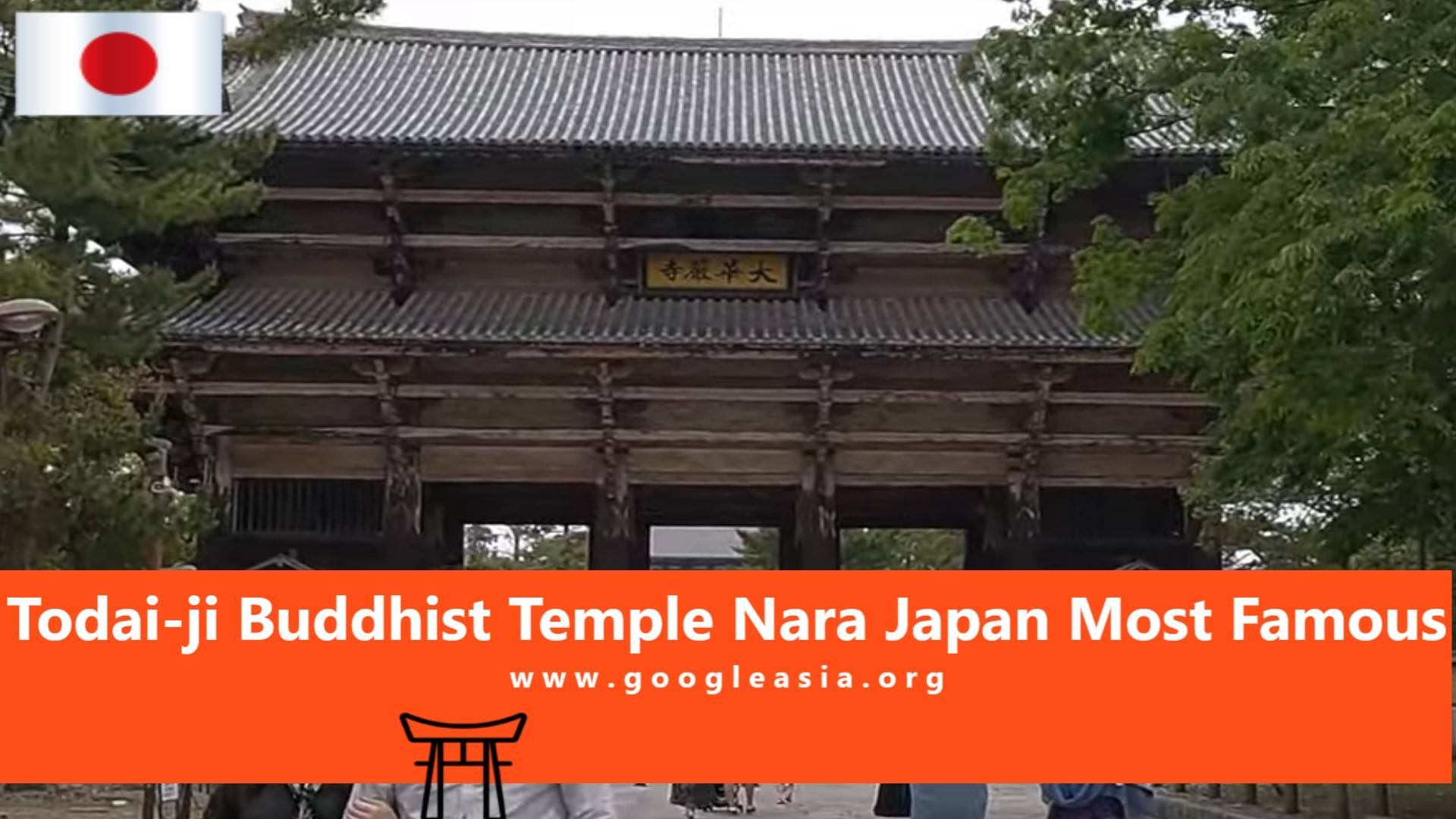
    Exploring Todai-ji Buddhist Temple: Japan’s Cultural Jewel

    Todai-ji Buddhist Temple, Japan

    Todai-ji i Buddhist temple is a complex located in the city of Nara, Japan. It is one of Japan’s most famous and historically significant temples and a landmark of Nara. Founded in 752, it is considered one of the most important Buddhist temples in Japan and is the headquarters of the Kegon school of Buddhism. The temple houses the world’s largest bronze statue of the Buddha Vairocana, known in Japanese as Daibutsu. The temple is a listed UNESCO World Heritage Site.

    Todai-ji is one of the most important and largest temples in Nara, Japan. It is the headquarters of the Kegon school of Buddhism and contains the world’s largest bronze Buddha statue, the Daibutsu. This massive bronze statue is 15 meters tall and weighs 500 tons. The temple complex also includes several other important statues and structures, as well as a massive Noh stage. Todai-ji is home to the Shosoin Treasure House, which contains items of Buddhist art and craftsmanship. Todai-ji is an important sightseeing destination in Nara and is a major part of the city’s heritage.

    Introduction

    A Glimpse into History and Significance

    Todai-ji Buddhist Temple, located in Nara, Japan, stands as a testament to the country’s rich cultural and religious heritage. Established in 752, this ancient temple complex is renowned for its historical significance and architectural grandeur.

    Architectural Marvels

    The Great Buddha Hall

    1. Daibutsuden (Great Buddha Hall) Experience awe-inspiring architecture at Daibutsuden, one of the largest wooden buildings in the world housing the Great Buddha statue, a symbol of Buddhist devotion and artistic achievement.

    Cultural and Religious Significance

    • Great Buddha of Nara Marvel at the majestic Great Buddha (Daibutsu), a towering bronze statue of Buddha Vairocana, embodying serenity and spiritual grace within the temple’s sacred precincts.
    • Kokuzo Bosatsu Discover the mystical Kokuzo Bosatsu statue, revered for wisdom and spiritual enlightenment, housed within Todai-ji’s sanctum, offering a glimpse into Japan’s Buddhist pantheon.

    Visitor Experience

    Exploring the Temple Grounds

    • Nandaimon Gate Enter through Nandaimon Gate, guarded by majestic statues of Nio guardians, heralding the transition into a sacred realm where history and spirituality converge.
    • Treasure House Delve into history at the Treasure House, displaying precious artifacts, religious relics, and cultural treasures that illuminate Todai-ji’s enduring legacy.

    Rituals and Cultural Activities

    • Ritual Ceremonies Witness traditional rituals and ceremonies held at Todai-ji throughout the year, offering insights into Japanese Buddhist practices and cultural traditions.
    • Calligraphy Workshops Engage in calligraphy workshops, where visitors can learn the art of Japanese brushwork, inspired by Buddhist teachings and cultural aesthetics.

    Things to Do

    Discovering the Great Buddha Hall

    1. Explore the Great Buddha Hall Delve into the awe-inspiring Great Buddha Hall, home to one of the largest bronze statues of Buddha in the world. Marvel at the intricate Japanese Buddhist sculptures and immerse yourself in the serene atmosphere ideal for contemplation and meditation.

    Exploring the Temple Complex

    • Visit Smaller Structures Discover smaller yet equally significant structures within the temple complex, each offering insights into Japan’s rich history and cultural heritage.
    • Attend Buddhist Ceremonies Experience traditional Buddhist ceremonies held within the temple grounds, providing a glimpse into Buddhist culture and beliefs while offering a spiritually enriching experience.

    Nature and Wildlife Encounters

    • Explore the Temple Grounds Wander through the tranquil grounds surrounding the temple, home to wildlife such as monkeys and deer, offering a serene and natural ambiance for exploration and observation.

    Cultural Exploration and Shopping

    • Visit Gift Shops Browse through the gift shops and souvenir stores near the temple, offering a diverse array of traditional Japanese art, souvenirs, and modern trinkets to commemorate your visit.

    Guided Tours

    • Take Guided Tours Engage in guided tours of Todai-ji Buddhist Temple and its surrounding gardens, led by local experts who provide in-depth insights into the temple’s history, architecture, and the cultural significance of Nara.

    Foods

    Todai-ji Buddhist Temple, a UNESCO World Heritage Site in Japan, not only offers spiritual enlightenment but also tantalizes visitors with a variety of traditional Japanese dishes.

    Savory Delights

    1. Inaniwa Udon Enjoy the delicate texture of hand-pulled wheat noodles served in a flavorful broth, a dish celebrated for its simplicity and taste.
    2. Tenpura Indulge in tempura-style deep-fried seafood and vegetables, renowned for its light and crispy batter that enhances the natural flavors of each ingredient.

    Refreshing Noodles

    • Zaru Soba Savor cold buckwheat noodles served with a dipping sauce, a refreshing dish that embodies the essence of Japanese culinary finesse and simplicity.

    Hearty Meals

    • Kamameshi Delight in slow-cooked chicken and rice served in a traditional iron pot, offering a comforting blend of flavors and textures.

    Interactive Dining Experience

    • Shabu-Shabu Engage in the interactive dining experience of shabu-shabu, where thinly sliced meats and fresh vegetables are cooked in a simmering broth at your table.

    Seafood Sensation

    • Sushi Treat yourself to an assortment of raw fish and seafood delicacies, meticulously prepared to highlight the flavors of the sea and Japan’s culinary craftsmanship.

    Sweet Treats

    • Kakigori Cool down with Japanese shaved ice topped with sweet syrup, a delightful dessert that refreshes the palate after a satisfying meal.

    Hotels

    Discover serene and comfortable accommodations near Todai-ji Buddhist Temple in Nara, Japan, offering convenience and tranquility for your stay.

    Traditional Japanese Hospitality

    1. Yumoto Tousuiro Ryokan Experience authentic Japanese hospitality at Yumoto Tousuiro Ryokan, offering traditional ryokan accommodations with soothing hot spring baths.
    2. Toshodaiji Ryokan Stay at Toshodaiji Ryokan for a peaceful retreat with tatami-mat rooms, Japanese futons, and a serene atmosphere reflective of Japanese cultural heritage.

    Contemporary Comforts

    • Hotel East 21 Nara Enjoy modern amenities and a convenient location at Hotel East 21 Nara, providing easy access to Todai-ji Temple and other attractions in Nara.
    • Nara Hotel Immerse yourself in luxury at Nara Hotel, known for its historic charm, elegant accommodations, and panoramic views of Nara Park and Todai-ji Temple.

    Convenient and Accessible

    • Hotel Nikko Nara Discover comfort and convenience at Hotel Nikko Nara, offering spacious rooms, excellent dining options, and proximity to Nara’s main attractions.
    • Kintetsu Nara Station Hotel Stay at Kintetsu Nara Station Hotel for easy access to transportation and explore Todai-ji Temple and other landmarks within walking distance.

    Modern Amenities

    • Shiki Nara Hotel Experience a blend of modernity and Japanese hospitality at Shiki Nara Hotel, featuring comfortable rooms and thoughtful amenities for a pleasant stay.
    • Apollo Inn Nara Enjoy a cozy stay at Apollo Inn Nara, known for its warm hospitality, clean accommodations, and convenient location near Todai-ji Temple.

    Tranquil Escapes

    • Palace Hotel Nara Retreat to Palace Hotel Nara for a tranquil escape, offering serene surroundings, comfortable rooms, and easy access to Todai-ji Temple and Nara’s attractions.
    • Hisago no Mori Shirakaba Hotel Nara Stay amidst nature at Hisago no Mori Shirakaba Hotel Nara, featuring peaceful accommodations surrounded by lush greenery, perfect for relaxation.

    Conclusion

    Whether you prefer traditional ryokan experiences, luxurious stays with panoramic views, or modern hotels with convenient amenities, the hotels near Todai-ji Buddhist Temple cater to diverse preferences. Each establishment offers a unique blend of comfort, hospitality, and proximity to Nara’s cultural landmarks, ensuring a memorable stay amidst the serene beauty and historical richness of Todai-ji Temple. Choose your ideal accommodation and enjoy a tranquil retreat in Nara, Japan, surrounded by centuries of Buddhist heritage and natural splendor.

    Todai-ji Buddhist Temple Nara Japan Most Famous

    Summary

    • Attraction Name: Todai-ji Buddhist Temple
    • Country: Japan
    • Continent: Asia
    • Capital Name: Tokyo
    • Language: Japanese
    • Currency: Japanese Yen
    • Nationality: Japanese
    • Category:  #Destination #Asia #JAPAN 

    Frequently Asked Questions

    Where is Todai-ji Buddhist Temple located?

    Todai-ji (東大寺) Buddhist Temple is located in Nara, Japan. Specifically, its address is:

    Todai-ji
    406-1 Zoshicho, Nara, 630-8211, Japan

    Nara is a historic city known for its ancient temples and is located to the south of Kyoto and Osaka, making it a popular destination for visitors exploring the cultural heritage of Japan.

    How to go to Todai-ji Buddhist Temple?

    To visit Todai-ji Buddhist Temple in Nara, Japan, you can follow these general directions from major nearby cities like Kyoto or Osaka:

    From Kyoto:

    1. By Train: Take the JR Nara Line from Kyoto Station to JR Nara Station (approximately 45 minutes). From JR Nara Station, you can walk to Kintetsu Nara Station (about 10 minutes) and then take the Kintetsu Nara Line to Kintetsu Nara Station (about 5 minutes). From there, it’s about a 20-minute walk to Todai-ji Temple through Nara Park.

    From Osaka:

    1. By Train: Take the JR Yamatoji Line or the Kintetsu Nara Line from Osaka Station to JR Nara Station or Kintetsu Nara Station (approximately 50-60 minutes). From either station, it’s about a 20-minute walk to Todai-ji Temple through Nara Park.

    Once you’re in Nara:

    • From JR Nara Station or Kintetsu Nara Station, you can follow signs or use a map to walk through Nara Park towards Todai-ji Temple. The walk through the park is scenic and takes you past deer that roam freely in the area.

    Navigating through Nara Park:

    • Nara Park is large and contains many attractions, including Todai-ji Temple and other historical sites. Follow signs directing you towards Todai-ji Temple, which is one of the main landmarks within the park.

    What are Todai-ji Buddhist Temple’s must-visit attractions or landmarks?

    Todai-ji (東大寺) in Nara, Japan, is renowned for its historical significance and impressive architecture. Here are some must-visit attractions and landmarks within Todai-ji Temple complex:

    1. Great Buddha Hall (Daibutsuden): This massive wooden structure houses one of Japan’s largest bronze statues of Buddha, known as the Great Buddha of Nara (Daibutsu). The hall itself is an architectural marvel and provides a breathtaking glimpse into ancient Japanese craftsmanship.
    2. Great South Gate (Nandaimon): As the main entrance to Todai-ji Temple, the Nandaimon Gate is guarded by two imposing statues of guardian deities. It’s an iconic landmark and marks the beginning of the path leading to the Great Buddha Hall.
    3. Todai-ji Museum: Located near the Great Buddha Hall, this museum exhibits treasures and artifacts related to Todai-ji’s history, including ancient Buddhist statues, scrolls, and ceremonial objects.
    4. Nigatsu-do Hall: Situated on a hillside overlooking Todai-ji Temple, Nigatsu-do Hall offers panoramic views of Nara. It’s known for its Omizutori ceremony held in March, where monks perform sacred rituals and ceremonies.
    5. Kasuga Taisha Shrine: While not directly part of Todai-ji Temple, Kasuga Taisha is an important Shinto shrine located nearby in Nara Park. It features hundreds of stone lanterns and is known for its vibrant festivals and rituals.
    6. Deer Park (Nara Park): Surrounding Todai-ji Temple is Nara Park, home to hundreds of freely roaming deer considered sacred messengers of the Shinto gods. Visitors can feed and interact with these friendly animals.

    Why should you visit Todai-ji Buddhist Temple?

    There are several compelling reasons to visit Todai-ji Buddhist Temple in Nara, Japan:

    1. Great Buddha Statue: Todai-ji houses one of the largest bronze statues of Buddha in Japan, known as the Great Buddha of Nara (Daibutsu). Standing at over 15 meters tall, this majestic statue is a masterpiece of ancient Japanese Buddhist art and a symbol of peace and serenity.
    2. Historical Significance: Founded in the 8th century, Todai-ji is one of Japan’s most historically significant temples. It played a crucial role in the development of Buddhism and Japanese culture, making it a UNESCO World Heritage site.
    3. Architectural Marvel: The Great Buddha Hall (Daibutsuden) that houses the Great Buddha is an impressive wooden structure rebuilt in the 18th century. Its sheer size and intricate design reflect the architectural prowess of ancient Japan.
    4. Cultural Experience: Visiting Todai-ji offers a deep dive into Japanese religious practices and traditions. Witnessing Buddhist rituals and ceremonies, exploring the temple’s museum, and learning about its history enriches one’s understanding of Japanese spirituality and culture.
    5. Nara Park: Surrounding Todai-ji Temple is Nara Park, a beautiful area where deer roam freely. Interacting with these friendly animals adds to the charm of the visit and provides a unique experience of coexistence between nature and cultural heritage.
    6. Scenic Surroundings: Nara, Japan’s ancient capital, offers a serene setting with lush greenery and historical landmarks. Strolling through Nara Park to Todai-ji Temple provides picturesque views and a peaceful atmosphere.

    Is there any halal food available in the vicinity of the Todai-ji Buddhist Temple?

    Finding halal food near Todai-ji Buddhist Temple in Nara can be a bit challenging as the area is predominantly known for traditional Japanese cuisine. However, there are a few options you can consider:

    1. International Restaurants: Look for international restaurants, such as Indian or Middle Eastern cuisine, that may offer halal options. These restaurants are more likely to be found in central Nara or near major tourist areas.
    2. Halal Certification: Check if restaurants display halal certification or inquire directly with the staff about their menu options to ensure they meet halal dietary requirements.
    3. Nearby Cities: If you have flexibility in travel, larger cities like Osaka or Kyoto, which are not far from Nara, have more diverse dining options, including halal restaurants. You can consider visiting these cities and then exploring Nara and Todai-ji Temple as a day trip.
    4. Online Resources: Use halal restaurant apps or websites like Halal Navi or Halal Gourmet Japan to search for nearby halal-certified restaurants. These resources often provide user reviews and detailed information about menu options.
  • Discovering Tokyo Skytree: Japan’s Iconic Tower

    Discovering Tokyo Skytree: Japan’s Iconic Tower

    Tokyo Skytree, Japan

    Tokyo Skytree is one of the main attractions in Japan. It is the world’s tallest tower and offers panoramic views of the city below. It also has a restaurant, souvenir shop, and an observation deck that gives you an amazing view of Tokyo and its surrounding areas. The tower is also one of the busiest tourist attractions in Japan, so it’s definitely worth checking out.

    Tokyo Skytree is a television broadcasting tower and landmark of Tokyo. At a height of 634 meters, it is the tallest structure in Japan and the second tallest structure in the world. It stands on the banks of the Sumida River in the Sumida City ward of Tokyo. The tower features observation decks, restaurants, a shopping mall and other attractions.

    Tokyo Skytree Japan Tallest Structure Television Tower

    Summary

    • Attraction Name: Tokyo Skytree
    • Country: Japan
    • Continent: Asia
    • Capital Name: Tokyo
    • Language: Japanese
    • Currency: Japanese Yen
    • Nationality: Japanese
    • Category:  #Destination #Asia #JAPAN 

    Introduction

    Architectural Marvel in Sumida

    Tokyo Skytree stands tall at 634 meters (2,080 ft.) in Sumida, Tokyo, Japan, proudly holding the title of the tallest structure in Japan and the second tallest in the world.

    Functionality and Purpose

    Broadcasting Hub

    The tower serves as a pivotal hub for transmitting digital terrestrial television and radio signals across Tokyo and its surrounding areas. Its strategic location ensures widespread coverage, enhancing communication capabilities throughout the region.

    Cultural and Tourist Attraction

    • Observation Decks and ViewsExperience breathtaking panoramic views of Tokyo and beyond from the observation decks of Tokyo Skytree. These decks offer visitors a chance to witness the sprawling metropolis from a unique vantage point, captivating both locals and tourists alike.
    • Shopping and EntertainmentTokyo Skytree is not just a tower but a vibrant commercial facility known as Tokyo Skytree Town. Here, visitors can indulge in shopping for souvenirs, dining at various restaurants, and enjoying entertainment options, making it a complete destination for leisure and exploration.

    Events and Festivals

    • Tokyo Skytree Summer FestivalJoin in the festivities during the Tokyo Skytree Summer Festival, where cultural performances, food stalls, and lively activities celebrate the spirit of summer against the backdrop of this towering landmark.
    • Tokyo Skytree New Year’s Eve CountdownCelebrate the arrival of the new year with the Tokyo Skytree New Year’s Eve Countdown, a spectacular event featuring fireworks, live performances, and a jubilant atmosphere that draws crowds from near and far.

    Things to Do

    Thrilling Sky-High Adventures


    1. Ride the Tokyo Skytree Tembo Deck Experience Tokyo’s skyline like never before from the glass-covered Tokyo Skytree Tembo Deck. Located at the 350-meter and 450-meter marks, enjoy 360-degree panoramic views of the city and its landmarks.


    2. Visit the Sumida Aquarium Explore Japan’s marine life at Sumida Aquarium on the fourth floor. Marvel at jellyfish and sea turtles in uniquely themed exhibits showcasing the diversity of oceanic fauna.


    Shopping and Culinary Delights

    • Shopping and Dining Browse through unique souvenirs from certified regional producers and indulge in a variety of cuisines at the numerous restaurants, cafes, and ice cream parlors scattered across Tokyo Skytree.

    Immersive Experiences


    • Tokyo Skytree 4D Experience Dive into virtual reality with thrilling rides like the 4D SkyTree Flyer and Tower of Terror, offering exhilarating simulations of Tokyo’s famous landmarks.


    • Planetarium Adventures Immerse yourself in award-winning audiovisual projections at the digital planetarium. Enjoy shows like Milky Way Flight, in collaboration with the National Astronomical Observatory of Japan.


    Nature and Relaxation

    • Gardening in the Sky Stroll along the Skytree Garden Path spanning 250 meters, featuring seasonal flowers and outdoor exhibitions that offer a serene retreat amidst urban landscapes.

    Cultural Delights

    • Sake Tasting Delight your palate with traditional Japanese sake at the sake tasting center on the 5th floor. Sample sake from renowned breweries while learning about its cultural significance.

    Capturing Memories

    • SkyTree Terrace Capture stunning views of Tokyo and the iconic SkyTree in the backdrop at SkyTree Terrace, perfect for memorable photos and enjoying the cityscape.

    Foods

    Diverse and Flavorful Choices

    1. Yebisu Yokocho’s Japanese Skewers Enjoy a variety of grilled Japanese skewers, known for their smoky flavors and tender meats, at Yebisu Yokocho.
    2. Pizza at the Skytree View Café Delight in freshly baked pizzas with a stunning view of Tokyo from the Skytree View Café, combining savory toppings with panoramic sights.
    3. Kisoji’s Ground Beef Cutlet Indulge in Kisoji’s crispy ground beef cutlet, a Japanese take on a classic comfort food, perfect for satisfying your cravings.

    Seafood Specialties

    • Kaisendon at the Tokyo Solamachi Sample fresh seafood with Kaisendon (seafood rice bowl) at Tokyo Solamachi, offering a taste of the ocean amidst Skytree’s bustling atmosphere.
    • Shibamata’s Eel Rice Bowl Experience the rich flavors of Shibamata’s eel rice bowl, a local delicacy renowned for its tender eel and savory sauce.

    Sushi and More

    • Sushi at Sushi-Go-Round Enjoy conveyor belt sushi at Sushi-Go-Round, where you can pick and savor a variety of sushi delights conveniently.
    • Okonomiyaki at Skytree Plaza Taste savory okonomiyaki, a Japanese savory pancake, at Skytree Plaza, cooked to perfection with your choice of toppings.

    Street Food Delights

    • Kappabashi Street Food Stalls Explore Kappabashi’s street food stalls for a variety of snacks and treats, offering a taste of local flavors and specialties.
    • Udon at Kitsuneya Savor handmade udon noodles at Kitsuneya, known for their chewy texture and flavorful broth, perfect for a satisfying meal.

    Sweet Treats

    • Matcha Soft Serve at Skytree Café Conclude your culinary journey with creamy matcha soft serve at Skytree Café, offering a refreshing and indulgent dessert.

    Sweet Treats

    • Matcha Desserts Savor the delicate flavors of matcha in desserts like matcha parfait, matcha cheesecake, and matcha soft serve ice cream, offering a taste of Japan’s traditional green tea culture.
    • Taiyaki Enjoy fish-shaped pastries filled with sweet red bean paste or custard, a popular snack that combines nostalgia with delicious flavors.

    Hotels

    Luxury and Comfort

    1. Hotel Grand Palace Tokyo Experience luxury and comfort at Hotel Grand Palace Tokyo, offering elegant accommodations and convenient access to Tokyo Skytree and other major attractions.
    2. Four Seasons Hotel Tokyo Marunouchi Indulge in unparalleled luxury at Four Seasons Hotel Tokyo Marunouchi, featuring exquisite rooms, fine dining, and breathtaking views of Tokyo’s skyline.
    3. Grand Nikko Tokyo Daiba Enjoy a resort-like experience at Grand Nikko Tokyo Daiba, with spacious rooms, panoramic views of Tokyo Bay, and easy access to Tokyo Skytree.

    Convenience and Charm

    • Tokyu Stay Asakusa Discover convenience and comfort at Tokyu Stay Asakusa, providing modern amenities and a cozy ambiance near Tokyo Skytree and historic Asakusa.
    • Tokyu Hotel Embrace Japanese hospitality at Tokyu Hotel, offering comfortable accommodations, dining options, and easy access to Tokyo Skytree and city attractions.

    Cultural Experience

    • Daiichi Hotel Ryogoku Immerse yourself in sumo wrestling culture at Daiichi Hotel Ryogoku, located near Ryogoku Kokugikan, with comfortable rooms and cultural experiences.
    • Citadines Central Shinjuku Enjoy the vibrant atmosphere of Shinjuku at Citadines Central Shinjuku, offering serviced apartments with modern amenities and close proximity to Tokyo Skytree.

    Modern Comforts

    • Cerulean Tower Tokyu Hotel Experience modern elegance at Cerulean Tower Tokyu Hotel, with luxurious accommodations, fine dining, and panoramic views of Tokyo’s skyline.
    • Tokyu Stay Nihombashi Enjoy a relaxing stay at Tokyu Stay Nihombashi, featuring convenient amenities and a central location for exploring Tokyo Skytree and nearby attractions.

    Resort Experience

    • Shinagawa Prince Hotel Discover a resort-like experience at Shinagawa Prince Hotel, offering multiple towers, spacious rooms, and a variety of dining and entertainment options.

    Conclusion

    Whether indulging in Japanese culinary delights or seeking comfortable accommodations, Tokyo Skytree offers a diverse range of experiences. From luxury hotels with panoramic views to cozy stays near cultural landmarks, visitors can immerse themselves in the vibrant culture and hospitality of Tokyo while enjoying the culinary treasures around Tokyo Skytree. Choose your ideal dining experience and accommodation to make the most of your visit to this dynamic cityscape.

    Frequently Asked Questions

    Where is Tokyo Skytree located?

    Tokyo Skytree is located in the Sumida ward of Tokyo, Japan. Specifically, its address is:

    Tokyo Skytree
    1 Chome-1-2 Oshiage, Sumida City, Tokyo 131-0045, Japan

    It stands prominently in the Tokyo Skytree Town complex, near the banks of the Sumida River. The nearest stations are Oshiage Station (on the Tokyo Metro Hanzomon Line, Toei Asakusa Line, and Tobu Skytree Line) and Tokyo Skytree Station (on the Tobu Skytree Line). These stations provide convenient access to Tokyo Skytree and its surrounding attractions.

    How to go to Tokyo Skytree?

    To reach Tokyo Skytree, you can use various transportation options depending on where you are coming from in Tokyo:

    1. By Train:
      • From Tokyo Station: Take the JR Yamanote Line to Kanda Station, then transfer to the Tokyo Metro Hanzomon Line and ride to Oshiage Station (approximately 20-25 minutes).
      • From Shinjuku Station: Take the JR Chuo Line to Kanda Station, transfer to the Tokyo Metro Hanzomon Line, and ride to Oshiage Station (approximately 35-40 minutes).
      • From Shibuya Station: Take the Tokyo Metro Ginza Line to Asakusa Station, then transfer to the Tobu Skytree Line and ride one stop to Tokyo Skytree Station (approximately 25-30 minutes).
    2. By Subway:
      • You can directly take the Tokyo Metro Hanzomon Line or Tobu Skytree Line (depending on your starting point) to Oshiage Station or Tokyo Skytree Station.
    3. By Tobu Skytree Line:
      • If you’re coming from Asakusa or other locations on the Tobu Skytree Line, you can take the train directly to Tokyo Skytree Station.
    4. By Bus:
      • There are also bus services connecting various parts of Tokyo to Tokyo Skytree. Check with local bus operators for routes and schedules.
    5. By Car:
      • If you prefer driving, Tokyo Skytree has a parking facility. However, considering Tokyo’s traffic and limited parking spaces, using public transportation is generally more convenient.

    Once you arrive at Oshiage Station or Tokyo Skytree Station, follow the signs within Tokyo Skytree Town to reach the tower itself. It’s a short walk from either station to the entrance of Tokyo Skytree.

    What are Tokyo Skytree’s nearby must-visit attractions or landmarks?

    Tokyo Skytree itself is a prominent landmark and attraction in Tokyo, but in addition to visiting the tower itself, here are some must-visit attractions and landmarks in the vicinity:

    1. Tokyo Solamachi: Located at the base of Tokyo Skytree, this shopping complex offers a wide range of shops, restaurants, and entertainment options, making it a perfect place to explore after visiting the tower.
    2. Asakusa: Nearby Asakusa is a historic district famous for Senso-ji Temple, Tokyo’s oldest and most significant Buddhist temple. The Nakamise shopping street leading to the temple is also worth exploring for traditional snacks and souvenirs.
    3. Sumida Aquarium: Located within Tokyo Skytree Town, Sumida Aquarium showcases a variety of aquatic life, including penguins, jellyfish, and more. It’s a great place for families and marine life enthusiasts.
    4. Sumida Park: Just a short walk from Tokyo Skytree, Sumida Park offers a peaceful riverside environment with cherry blossoms in spring and beautiful views of the Sumida River.
    5. Tokyo Cruise: Enjoy a boat cruise on the Sumida River, which offers a different perspective of Tokyo Skytree and the surrounding area. Cruises often depart from nearby Asakusa.
    6. Oshiage Area: Explore the local neighborhoods around Tokyo Skytree, known for their unique charm, local cafes, and shops. Oshiage offers a glimpse into everyday Tokyo life away from the bustling tourist spots.

    Why should you visit Tokyo Skytree?

    There are several compelling reasons to visit Tokyo Skytree:

    1. Panoramic Views: Tokyo Skytree offers breathtaking panoramic views of Tokyo and beyond. On clear days, you can see Mount Fuji in the distance, and the sprawling cityscape of Tokyo below is mesmerizing.
    2. Observation Decks: It boasts two observation decks, the Tembo Deck at 350 meters and the higher Tembo Galleria at 450 meters, providing different perspectives of the city skyline.
    3. Architecture: As the tallest structure in Japan and one of the tallest towers in the world, Tokyo Skytree’s architecture is a marvel in itself, blending traditional Japanese aesthetics with modern design.
    4. Shopping and Dining: The base of Tokyo Skytree houses a large shopping complex called Tokyo Solamachi, featuring numerous shops, restaurants, and entertainment options.
    5. Cultural Significance: It’s located near Asakusa, a historic district known for Senso-ji Temple and traditional Japanese culture, offering a blend of old and new Tokyo experiences in one visit.
    6. Night Views: Especially at night, Tokyo Skytree lights up, creating a stunning sight against the Tokyo skyline, making it a memorable experience.

    Is there any halal food available in the vicinity of the Tokyo Skytree?

    Yes, there are several options for halal food in the vicinity of Tokyo Skytree. Asakusa, which is close to Skytree, has a number of restaurants that serve halal-certified dishes. Some popular choices include Japanese restaurants offering halal versions of sushi, tempura, and ramen. There are also international options, such as Turkish, Indian, and Middle Eastern restaurants, which often have halal menus. It’s a good idea to check reviews or use halal restaurant directories like Halal Navi or Halal Gourmet Japan to find specific places that meet your dietary preferences.

  • Visiting Kinkaku-ji Temple: Best Destination in Japan

    Visiting Kinkaku-ji Temple: Best Destination in Japan

    Kinkaku-ji Temple, Japan

    Kinkaku-ji Temple, also known as the Golden Pavilion, is one of Japan’s most iconic and serene destinations. Located in Kyoto, this stunning Zen Buddhist temple is renowned for its breathtaking golden exterior, which reflects beautifully in the surrounding pond. Visitors flock to Kinkaku-ji to experience its peaceful atmosphere, admire its exquisite gardens, and marvel at the intricate architecture. Whether you’re a history enthusiast or seeking a moment of tranquility, Kinkaku-ji offers an unforgettable experience and is a must-visit when exploring Japan’s rich cultural heritage.

    The History

    Kinkaku-ji Temple, also known as the Golden Pavilion, is one of Kyoto’s most iconic landmarks. This Zen Buddhist temple, covered in shimmering gold leaf, stands as a symbol of Japan’s spiritual heritage and beauty. Whether you’re a culture enthusiast or just looking to marvel at its breathtaking architecture, Kinkaku-ji is a must-see destination.

    Built in the Late 14th Century

    Kinkaku-ji was originally constructed in 1397 as a retirement villa for the shogun Ashikaga Yoshimitsu. After his death, the villa was converted into a Zen Buddhist temple, solidifying its importance as both a historical and religious site. Today, it stands as a UNESCO World Heritage Site, recognized for its beauty and historical significance.

    The Golden Pavilion

    The temple is most famous for its gleaming golden exterior. Covered in gold leaf, the two-story pavilion reflects in the serene pond below, creating a magical and serene atmosphere. The architecture is traditional, with the building divided into three levels, each representing different aspects of Buddhist philosophy:

    • First Floor: Designed in a style called Shinden-zukuri, it reflects aristocratic elegance.
    • Second Floor: Decorated with beautiful woodwork and a spacious viewing deck offering views of the garden and pond.
    • Third Floor: A Zen-inspired top floor covered in gold, with a statue of the Buddha of the Future, symbolizing enlightenment.

    Things to Do

    Exploring the Yoju-do Hall

    One of the highlights of Kinkaku-ji is the Yoju-do Hall, which provides a quiet space for visitors to meditate and reflect. Its tranquil atmosphere allows for an even deeper connection to the temple’s spiritual significance.

    The Hojo Garden

    The Hojo Garden, surrounding the temple, is a true testament to Japan’s landscaping artistry. Designed to evoke peace and balance, it features ponds, stones, and carefully placed trees that mirror the temple’s architectural beauty.

    Entering the Nio-mon Gate

    As you enter Kinkaku-ji, you’ll walk through the Nio-mon Gate, which is adorned with fierce guardian statues. These statues are believed to protect the temple and its visitors, adding to the spiritual aura that fills the temple grounds.

    Foods

    Kyoto’s Traditional Flavors

    While you’re in the area, don’t miss the chance to indulge in Kyoto’s famous cuisine. Here are a few local dishes you should try:

    • Sansai (Mountain Vegetables): These seasonal vegetables are a staple of Kyoto cuisine, prepared in various traditional styles that bring out their fresh, natural flavors.
    • Soba (Buckwheat Noodles): A beloved dish in Japan, these delicate noodles are served hot or cold, offering a simple yet satisfying meal.
    • Tempura: Crispy, deep-fried seafood or vegetables that are light, yet full of flavor.

    Unique Kyoto Specialties

    • Inari-zushi: Vinegared rice wrapped in a deep-fried tofu pocket—sweet, tangy, and perfect for a light meal.
    • Grilled Eel: Known for its sweet glaze and tender texture, grilled eel is a must-try delicacy in Kyoto.
    • Yudofu: A simple yet flavorful dish where tofu is simmered in a broth, showcasing the purity of Japanese cuisine.

    Conclusion

    Visiting Kinkaku-ji is like stepping into a living piece of Japanese history. Its stunning architecture, serene gardens, and spiritual significance make it one of the most memorable destinations in Kyoto. Whether you’re a history lover, architecture enthusiast, or simply someone seeking peace, Kinkaku-ji offers something for everyone.

    Make your way to Kinkaku-ji Temple today and experience the serenity and magnificence of Kyoto’s Golden Pavilion. Plan your visit and immerse yourself in Japan’s timeless beauty!

    Kinkaku-ji Temple Kyoto Japan Golden Pavilion

    Summary

    • Attraction Name: Kinkaku-ji Temple
    • Country: Japan
    • Continent: Asia
    • Capital Name: Tokyo
    • Language: Japanese
    • Currency: Japanese Yen
    • Nationality: Japanese
    • Category: #Destination #Asia #JAPAN 

    Frequently Asked Questions

    Where is Kinkaku-ji Temple located?

    Kinkaku-ji Temple, also known as the Golden Pavilion, is located in Kyoto, Japan. Specifically, it is situated in the northern part of Kyoto, in an area called Kinkaku-ji-chō. The temple is surrounded by beautiful gardens and is a prominent example of the Muromachi period (14th-16th centuries) architecture and aesthetics in Japan. The main building of the temple is covered in gold leaf, which gives it its iconic appearance and name.

    How to go to Kinkaku-ji Temple?

    To get to Kinkaku-ji Temple in Kyoto, Japan, you can follow these directions:

    1. From Kyoto Station: Take bus number 101 or 205 from Kyoto Station to Kinkaku-ji Michi bus stop. The bus ride takes approximately 40-45 minutes depending on traffic.
    2. From Downtown Kyoto (Gion/Shijo area): Take bus number 12 or 59 from Shijo Kawaramachi or Gion bus stops to Kinkaku-ji Michi bus stop. This journey typically takes about 30 minutes.
    3. By Taxi: You can also take a taxi directly to Kinkaku-ji Temple from various parts of Kyoto. It’s convenient but more expensive than taking the bus.
    4. Walking: Depending on where you are in Kyoto, it might be possible to walk to Kinkaku-ji if you’re staying nearby. However, this would likely be a longer walk.

    What are Kinkaku-ji Temple’s must-visit attractions or landmarks?

    Here are some must-visit attractions or landmarks at Kinkaku-ji Temple:

    1. Kinkaku (Golden Pavilion): The main highlight, a stunning golden pavilion reflecting on the pond, especially beautiful during sunrise or sunset.
    2. Kyōko-chi (Mirror Pond): The pond in front of the pavilion that offers picturesque reflections of Kinkaku and the surrounding garden.
    3. Sekkatei Teahouse: A traditional teahouse located within the temple grounds where visitors can experience a tea ceremony.
    4. Kannonden Hall: The hall that houses statues of Buddha and relics.
    5. Kyōko-chi (Mirror Pond): The garden surrounding the pavilion, which features meticulously landscaped trees, moss, and seasonal flowers.

    What are Kinkaku-ji Temple’s nearby must-visit attractions or landmarks?

    When visiting Kinkaku-ji Temple in Kyoto, Japan, here are some nearby must-visit attractions and landmarks:

    1. Ryoan-ji Temple: Known for its famous rock garden, Ryoan-ji is a serene Zen temple located close to Kinkaku-ji.
    2. Kinkaku-ji Garden: Apart from the iconic Golden Pavilion, the surrounding gardens of Kinkaku-ji are beautiful and worth exploring.
    3. Arashiyama Bamboo Grove: A short distance from central Kyoto, this bamboo forest is a stunning natural attraction.
    4. Nijo Castle: A UNESCO World Heritage site, Nijo Castle features beautiful gardens and historic architecture.
    5. Imperial Palace Kyoto: The former ruling palace of the Emperor of Japan, now offering guided tours of its grounds.
    6. Gion District: Known for its traditional wooden machiya houses, teahouses, and the chance to spot geisha and maiko.

    Why should you visit Kinkaku-ji Temple?

    Kinkaku-ji, or the Golden Pavilion, in Kyoto, Japan, is a UNESCO World Heritage site renowned for its stunning architecture and serene garden setting. Visiting Kinkaku-ji offers a glimpse into Japan’s rich history and aesthetic beauty. The temple’s top two floors are covered in shimmering gold leaf, creating a breathtaking reflection in the surrounding pond, especially stunning during sunrise and sunset. It’s a place where visitors can appreciate the harmony between nature and man-made beauty, making it a must-see for anyone exploring Kyoto’s cultural treasures.

    Are there any halal food options near the Kinkaku-ji Temple?

    While Kinkaku-ji Temple itself does not offer halal food options on-site, there are several restaurants and eateries nearby that cater to halal dietary requirements. You can find halal-certified or halal-friendly establishments offering Japanese cuisine within a short distance from the temple. It’s advisable to check in advance or ask locals or your accommodation staff for recommendations based on your preferences.

  • Fushimi Inari Taisha Shrine: Best Destination in Japan

    Fushimi Inari Taisha Shrine: Best Destination in Japan

    Fushimi Inari Taisha, Japan

    Fushimi Inari Taisha Shrine in Kyoto is one of Japan’s most famous and awe-inspiring landmarks. Known for its stunning pathway lined with thousands of vibrant red torii gates, the shrine sits at the base of Mount Inari and is dedicated to the Shinto deity of rice, Inari. This incredible site draws visitors from all over the world who come to admire its unique beauty, soak in the spiritual atmosphere, and hike the scenic trails that lead to panoramic views of Kyoto. Fushimi Inari is a must-see destination, offering a mix of history, culture, and natural wonder.

    Introduction

    Nestled in the heart of Kyoto, Japan, Fushimi Inari Taisha is a place where history, spirituality, and natural beauty converge. This revered Shinto shrine attracts millions of visitors annually, captivated by its stunning vermilion torii gates and serene atmosphere. Dedicated to Inari, the deity of rice, agriculture, and prosperity, Fushimi Inari Taisha is not only a place of worship but also a cultural treasure that offers both locals and tourists a deeply immersive experience.

    History and Culture

    Origins and Significance

    Founded in 711 AD, Fushimi Inari Taisha is one of the oldest and most sacred Shinto shrines in Japan. The shrine’s historical roots are deeply intertwined with the reverence towards Inari, a kami (god) who embodies prosperity and success. Over the centuries, the shrine has flourished as a center of devotion and an essential part of Kyoto’s spiritual landscape.

    Architectural Marvels

    The shrine’s architectural wonder lies in its thousands of vermilion torii gates that wind up the slopes of Mt. Inari. These gates are more than just beautiful structures—they serve as a passage from the physical world to the divine. The torii gates, each donated by individuals or organizations, carry inscriptions that showcase personal prayers, wishes, and connections to the site.

    Spiritual Exploration

    Power Spot of Kyoto

    Fushimi Inari Taisha is often considered a “power spot”—a sacred place believed to radiate spiritual energy and blessings. Visitors embark on a personal spiritual journey as they walk through the endless torii-lined paths, offering prayers and reflections. Surrounded by a peaceful, verdant forest, the site allows a unique connection with nature and the divine.

    Trail of Torii Gates

    The most striking feature of the shrine is its Torii Gate trail. This mesmerizing path, stretching for about 4 km up Mt. Inari, features thousands of gates that create a corridor of red, leading visitors through various smaller shrines dedicated to Inari. The journey is not only a physical trek but a spiritual one as well, encouraging contemplation and self-reflection.

    Visitor Experience

    Cultural Encounters

    At Fushimi Inari Taisha, the experience goes beyond just the scenic beauty. One of the most notable features is the donor inscriptions on the torii gates. These inscriptions, made by individuals or organizations who have contributed to the shrine, offer a deeply personal connection to the site, enriching the visitor’s sense of community and history.

    Peak Times and Festivals

    To truly capture the vibrant atmosphere of Fushimi Inari Taisha, it is worth visiting during one of the shrine’s numerous festivals or peak times. During holidays and weekends, the shrine comes alive with cultural events, ceremonies, and special performances, offering a more interactive way to experience the spiritual significance of the site.

    Things to Do

    Mount Inari Trails

    The trails leading up Mt. Inari are an unmissable part of the Fushimi Inari Taisha experience. These scenic pathways are dotted with smaller shrines and provide panoramic views of the surrounding landscape, offering both spiritual reflection and natural exploration. The climb is both a meditative and physically rewarding experience.

    Cultural Insights

    As you walk through the trails and explore the area, you’ll encounter a rich tapestry of Shinto traditions and Japanese culture. The local customs, rituals, and interactions with visitors are an integral part of understanding the significance of Fushimi Inari Taisha, connecting the sacred and the everyday.

    Foods

    Gastronomic Delights

    After exploring the shrine, take some time to enjoy the delightful flavors of Kyoto, which can be found in eateries near the shrine. Kyoto’s culinary scene blends traditional Japanese flavors with local specialties, offering a variety of dishes that are as rich in history as the shrine itself.

    Top Foods

    • Inari Sushi: This iconic dish consists of sweet and savory rice stuffed inside seasoned fried tofu pouches, paying homage to the shrine’s namesake.
    • Kitsune Udon: A comforting bowl of thick wheat noodles served in a savory broth with deep-fried tofu—known for its simplicity and satisfying taste.
    • Kitsune Soba: A lighter dish of buckwheat noodles served with a flavorful broth and deep-fried tofu, offering a refreshing taste after a day of exploring.

    Culinary Highlights

    • Aburi Sushi: Lightly grilled sushi that enhances the natural flavors of seafood and rice—ideal for sushi lovers looking for something unique.
    • Yatai (Street Food): Enjoy local street food near the shrine, including grilled skewers, takoyaki (octopus balls), and other Kyoto specialties.

    Food Culture

    Traditional and Modern Fusion

    Kyoto is renowned for its ability to blend traditional culinary techniques with modern innovations. Whether you’re sampling seasonal delicacies like sakura-mochi (cherry blossom rice cakes) or indulging in a traditional kaiseki (multi-course meal), the city offers a rich, multi-layered food experience.

    Dining Options Near the Shrine

    • Casual Eateries: Cozy cafes and informal eateries provide relaxed atmospheres, perfect for enjoying authentic Kyoto dishes in a friendly setting.
    • Fine Dining: If you’re looking for an upscale experience, nearby fine dining establishments offer expertly crafted dishes that highlight local ingredients.

    Conclusion

    Fushimi Inari Taisha stands as a symbol of Japan’s rich spiritual heritage, drawing visitors from across the world to experience its profound sense of history, culture, and natural beauty. The shrine’s timeless vermilion torii gates not only offer a stunning visual but also lead travelers on a deeply reflective journey through Shinto traditions and Japanese customs. Whether you’re exploring its spiritual significance, hiking the tranquil trails, or savoring the local flavors, Fushimi Inari Taisha promises a unique, soul-stirring experience.

    Ready to begin your spiritual journey? Make sure to visit Fushimi Inari Taisha on your next trip to Kyoto—experience the beauty, culture, and serenity that make this iconic shrine a true treasure of Japan.

    Fushimi Inari Taisha shrine Kyoto Japan Torii Gates

    Summary

    • Attraction Name: Fushimi Inari Taisha Shrine
    • Country: Japan
    • Continent: Asia
    • Capital: Tokyo
    • Language: Japanese
    • Currency: Japanese Yen
    • Nationality: Japanese
    • Category: #Destination #Asia #Japan #FushimiInariTaisha #Shrine #TravelJapan 

    Frequently Asked Questions

    Where is Fushimi Inari Taisha located?

    Fushimi Inari Taisha is located in Fushimi Ward in Kyoto, Japan. Specifically, the shrine’s address is 68 Fukakusa Yabunouchicho, Fushimi Ward, Kyoto, 612-0882, Japan. It sits at the base of Mount Inari, which is also part of the shrine’s grounds, with trails that lead up the mountain through thousands of iconic vermilion torii gates. The shrine is easily accessible from JR Inari Station, which is only a short walk away.

    How to go to Fushimi Inari Taisha?

    There are several convenient ways to get to Fushimi Inari Taisha:

    1. By Train:
      • JR Nara Line: Take the JR Nara Line from Kyoto Station to Inari Station. The shrine is a short 5-minute walk from Inari Station. The journey takes about 5 minutes and costs around 150 yen.
      • Keihan Main Line: Take the Keihan Main Line to Fushimi Inari Station. The shrine is about a 5-minute walk from Fushimi Inari Station. This line is convenient if you are coming from the Gion or Higashiyama areas.
    2. By Bus:
      • Kyoto City Bus numbers 5 and 105 stop near Fushimi Inari Taisha. However, the bus can be slower compared to the train due to traffic.
    3. By Taxi:
      • A taxi ride from Kyoto Station to Fushimi Inari Taisha takes about 15 minutes and costs approximately 1,500-2,000 yen.
    4. By Bicycle:
      • If you enjoy cycling, you can rent a bicycle and ride to the shrine. The distance from Kyoto Station to Fushimi Inari Taisha is about 4 kilometers, and there are parking spots for bicycles near the entrance.

    What are Fushimi Inari Taisha’s must-visit attractions or landmarks?

    Fushimi Inari Taisha, located in Kyoto, Japan, is famous for its thousands of vibrant red torii gates that form paths up the sacred Mount Inari. Some of the must-visit attractions and landmarks there include:

    1. Senbon Torii (Thousands of Torii Gates): These iconic gates create stunning pathways through the forested hillside. The most famous spot for photography is the path leading up to the inner shrine.
    2. Main Shrine Buildings: The main shrine complex at the base of the mountain features traditional architecture and is the center of worship for Inari, the Shinto god of rice and prosperity.
    3. Fox Statues: Throughout the shrine grounds, you’ll find statues of foxes, believed to be messengers of Inari. They often hold symbolic items like keys or rice.
    4. Mount Inari Hike: While it can be a strenuous hike, walking up the trails lined with torii gates offers beautiful views of Kyoto and quieter, more serene areas away from the main shrine.
    5. Mysterious Pathways and Forested Areas: Exploring the smaller paths off the main route can lead to quieter spots and hidden shrines, adding to the mystical atmosphere of Fushimi Inari Taisha.

    What are Fushimi Inari Taisha’s nearby must-visit attractions or landmarks?

    Here are some nearby must-visit attractions and landmarks near Fushimi Inari Taisha:

    1. Tofukuji Temple: Known for its beautiful autumn foliage and serene atmosphere, Tofukuji Temple is a short distance from Fushimi Inari. It’s particularly famous for its large wooden gate and extensive gardens.
    2. Fushimi Sake District: Explore the historic sake breweries in the Fushimi District, where you can learn about the traditional brewing process and sample local sake varieties.
    3. Uji City: Located just a short train ride away, Uji City is renowned for its green tea production and historic temples. Visit Byodoin Temple, a UNESCO World Heritage site famous for its Phoenix Hall, and enjoy a stroll along the Uji River.
    4. Kiyomizu-dera Temple: While not as close as the others, Kiyomizu-dera is a significant and picturesque temple in Kyoto, known for its wooden stage that offers panoramic views of the city and cherry blossoms in spring.

    Why should you visit Fushimi Inari Taisha?

    Fushimi Inari Taisha is a must-visit for several compelling reasons. First and foremost, it’s one of Japan’s most iconic Shinto shrines, dedicated to Inari, the Shinto god of rice and prosperity. The shrine complex is famous for its thousands of vibrant red torii gates that form tunnels along hiking trails up the sacred Mount Inari. Each gate, donated by individuals and businesses over centuries, is not only a testament to devotion but also creates a mesmerizing visual spectacle.

    Beyond its aesthetic appeal, Fushimi Inari Taisha offers visitors a unique blend of cultural immersion and natural beauty. As you ascend the mountain, you’ll pass through dense, tranquil forests dotted with smaller shrines, stone fox statues (Inari’s messengers), and serene viewpoints overlooking Kyoto city. The experience provides a profound insight into Japanese spirituality and reverence for nature.

    Moreover, Fushimi Inari Taisha is easily accessible from central Kyoto, making it a convenient destination for travelers. Whether you’re interested in photography, hiking, or simply soaking in the atmosphere of a sacred site, a visit to Fushimi Inari Taisha promises to be a memorable and enriching experience.

    Are there any halal food options near the Fushimi Inari Taisha?

    Finding halal food near Fushimi Inari Taisha in Kyoto is possible, although the shrine complex itself does not offer halal-certified options. Nearby, in the broader Kyoto area, several restaurants and eateries provide halal-friendly dishes. It’s advisable to plan ahead and use resources like halal food apps or websites to locate these establishments. Some restaurants may offer Japanese dishes that can be prepared in a halal manner, such as vegetarian sushi or tempura made with vegetable oil.

  • Vietnam: A Stunning Destination in Asia

    Vietnam: A Stunning Destination in Asia

    Vietnam

    Vietnam is a country full of incredible sights, from the vibrant energy of Ho Chi Minh City to the peaceful beauty of Ha Long Bay. Wander through Hanoi’s charming streets, explore ancient temples in Hue, and marvel at the breathtaking rice terraces in Sapa. Whether you’re into history, culture, or nature, Vietnam has something unforgettable waiting for every traveler.

    Introduction

    Explore the beauty and rich culture of Vietnam, a vibrant country in Southeast Asia known for its stunning landscapes, rich history, and delicious cuisine. Visit Hanoi, the capital city, where traditional architecture meets modern life. Whether you’re traveling for business, leisure, or cultural exploration, Vietnam offers something for everyone.

    Hot & Trending Destination

    Click below to start exploring and find your next destination.

    Vietnam Best Asia Countries to Visit

    Summary

    • Country: Vietnam
    • Continent: Asia
    • Capital: Hanoi
    • Official Language: Vietnamese
    • Currency: Vietnamese Dong (VND)
    • Nationality: Vietnamese (de facto)
    • Categories: #Destination #Asia #Vietnam

    Frequently Asked Questions

    What are Vietnam’s must-visit cities?

    Vietnam is a country with a diverse range of cities, each offering its own unique charm and attractions. Here are some must-visit cities in Vietnam:

    1. Hanoi: The capital city, known for its rich history and French colonial architecture. Explore the Old Quarter, visit the Ho Chi Minh Mausoleum, and enjoy the vibrant street food culture.
    2. Ho Chi Minh City (Saigon): A bustling metropolis in the south, offering a mix of modern skyscrapers and historic French colonial buildings. Don’t miss the War Remnants Museum and the lively Ben Thanh Market.
    3. Hoi An: A charming, well-preserved ancient town with lantern-lit streets, traditional architecture, and a riverside setting. Hoi An is known for its tailor shops and delicious local cuisine.
    4. Da Nang: A coastal city with beautiful beaches, the Marble Mountains, and the Dragon Bridge. It serves as a gateway to attractions like Hoi An and Hue.
    5. Hue: A city with a rich imperial history, featuring the ancient Imperial City and the Perfume River. Explore historic sites like the Citadel and royal tombs.
    6. Nha Trang: A coastal city known for its beautiful beaches and vibrant nightlife. It’s a popular destination for water activities, including snorkeling and diving.
    7. Dalat: Located in the Central Highlands, Dalat is known for its cool climate, French villas, and flower gardens. It’s a romantic destination with picturesque landscapes.
    8. Phong Nha: Famous for the Phong Nha-Ke Bang National Park, home to stunning karst landscapes and extensive cave systems, including the world’s largest cave, Son Doong.
    9. Can Tho: Situated in the Mekong Delta, Can Tho is known for its floating markets, where visitors can experience the unique way of life on the water.
    10. Sapa: Nestled in the northern mountains, Sapa is famous for its terraced rice fields, ethnic minority villages, and trekking opportunities.

    What are Vietnam’s must-visit destinations?

    Vietnam is a country with a wealth of diverse and captivating destinations. Here are some must-visit places in Vietnam:

    1. Halong Bay: A UNESCO World Heritage Site known for its emerald waters and thousands of limestone karsts. Take a cruise to appreciate the stunning landscapes and explore hidden caves.
    2. Hanoi: The capital city offers a blend of ancient traditions and French colonial influence. Explore the Old Quarter, visit the Ho Chi Minh Mausoleum, and enjoy the vibrant street food scene.
    3. Hoi An: A beautifully preserved ancient town with well-preserved architecture, lantern-lit streets, and a picturesque riverside setting. Hoi An is known for its tailor shops and delicious cuisine.
    4. Phong Nha-Ke Bang National Park: Home to stunning karst landscapes and a network of impressive caves, including the world’s largest cave, Son Doong.
    5. Hue: Explore the rich imperial history of Vietnam by visiting the ancient Imperial City, royal tombs, and the Perfume River.
    6. Ho Chi Minh City (Saigon): A dynamic metropolis with a mix of modern skyscrapers and historic French colonial buildings. Don’t miss the War Remnants Museum and the bustling Ben Thanh Market.
    7. Nha Trang: A coastal city famous for its beautiful beaches and vibrant nightlife. It’s a popular destination for water activities like snorkeling and diving.
    8. Dalat: Located in the Central Highlands, Dalat is known for its cool climate, French villas, and flower gardens. It’s a romantic destination with picturesque landscapes.
    9. Sapa: Nestled in the northern mountains, Sapa is renowned for its terraced rice fields, ethnic minority villages, and trekking opportunities.
    10. Mui Ne: Known for its stunning sand dunes, Mui Ne is a coastal destination with unique natural attractions like the Fairy Stream and the Red Sand Dunes.
    11. Con Dao Islands: A group of pristine islands known for their crystal-clear waters, coral reefs, and historical significance as former prisons during the French colonial era and the Vietnam War.
    12. Cu Chi Tunnels: Located near Ho Chi Minh City, these underground tunnels served as an extensive network used by the Viet Cong during the Vietnam War.

    What are Vietnam’s must-visit attractions or landmarks?

    Vietnam is home to numerous must-visit attractions and landmarks that showcase its rich history, culture, and natural beauty. Here are some of the top ones:

    1. Halong Bay: A UNESCO World Heritage Site known for its emerald waters and thousands of limestone karsts jutting out of the sea, creating a breathtaking landscape.
    2. Cu Chi Tunnels: Located near Ho Chi Minh City, these underground tunnels served as a strategic base during the Vietnam War and offer insight into the country’s wartime history.
    3. Hoi An Ancient Town: A UNESCO World Heritage Site famous for its well-preserved architecture, lantern-lit streets, and atmospheric riverside setting.
    4. Imperial Citadel of Thang Long (Hanoi Citadel): A UNESCO World Heritage Site in Hanoi, this ancient citadel showcases Vietnam’s imperial past and is a testament to its architectural and historical significance.
    5. Hoan Kiem Lake and Ngoc Son Temple: Located in the heart of Hanoi, Hoan Kiem Lake is a scenic spot surrounded by parks and historic landmarks. Ngoc Son Temple, situated on a small island in the lake, is a picturesque pagoda dating back to the 18th century.
    6. Ho Chi Minh Mausoleum: Located in Hanoi, this imposing mausoleum is the final resting place of Vietnamese revolutionary leader Ho Chi Minh and is an important site for locals and visitors alike.
    7. The War Remnants Museum (Ho Chi Minh City): A sobering museum that provides insight into the Vietnam War through exhibits featuring photographs, artifacts, and documents.
    8. Imperial City, Hue: A UNESCO World Heritage Site, the Imperial City served as the political, cultural, and religious center of the Nguyen Dynasty. It features impressive palaces, temples, and gates within its fortified walls.
    9. My Son Sanctuary: Another UNESCO World Heritage Site, My Son is a cluster of Hindu temples and towers dating back to the Champa Kingdom, showcasing the region’s rich cultural and architectural heritage.
    10. Phong Nha-Ke Bang National Park: Home to stunning karst landscapes, extensive cave systems, and diverse ecosystems, including the world’s largest cave, Son Doong.

    Is Vietnam a suitable travel destination for solo adventurers, honeymooning couples, or those traveling with families?

    Vietnam is a versatile travel destination that caters to a wide range of travelers, making it suitable for solo adventurers, honeymooning couples, and families. Here’s why:

    1. Solo Adventurers:
      • Cultural Exploration: Vietnam’s rich history and diverse culture provide solo travelers with numerous opportunities for exploration, from bustling city markets to serene rural landscapes.
      • Affordability: This country is often considered a budget-friendly destination, allowing solo travelers to stretch their budgets and experience a variety of activities.
      • Welcoming Locals: Vietnamese people are known for their hospitality, making it easier for solo travelers to navigate the country and connect with locals.
    2. Honeymooning Couples:
      • Romantic Destinations: This country offers romantic settings, such as the picturesque landscapes of Halong Bay, the ancient charm of Hoi An, and the tranquil beaches in places like Nha Trang and Phu Quoc.
      • Luxurious Accommodations: There are many luxurious resorts and boutique hotels that cater specifically to couples looking for a romantic getaway.
    3. Families:
      • Family-Friendly Attractions: This country has a variety of family-friendly attractions, including theme parks, zoos, and interactive museums. Ho Chi Minh City and Hanoi, in particular, have attractions suitable for children.
      • Cultural Learning: Families can expose their children to Vietnam’s rich history and cultural diversity, visiting historical sites, temples, and participating in local activities.
      • Adventure and Nature: From trekking in Sapa to exploring the caves of Phong Nha, this country offers a range of adventurous activities suitable for families.
  • Nepal: A Majestic Destination in Asia

    Nepal: A Majestic Destination in Asia

    Nepal

    Nepal is a land of breathtaking beauty and rich culture, offering everything from epic Himalayan treks to serene temples. Whether you’re hiking to Everest Base Camp, exploring the vibrant streets of Kathmandu, or relaxing by the peaceful lakes in Pokhara, there’s always something unforgettable to experience. Nepal combines adventure with tradition, making it a must-see destination for travelers seeking both excitement and tranquility.

    Introduction

    Discover the beauty and culture of Nepal, a breathtaking country nestled in the Himalayas. Kathmandu, the capital, is a gateway to ancient temples, vibrant markets, and stunning landscapes. Whether you’re trekking in the mountains or exploring the rich history, Nepal promises an unforgettable experience for all travelers.

    Hot & Trending Destination

    Click below to start exploring and find your next destination.

    Nepal Best Asia Countries to Visit

    Summary

    • Country: Nepal
    • Continent: Asia
    • Capital: Kathmandu
    • Official Language: Nepali
    • Currency: Nepalese Rupee (NPR)
    • Nationality: Nepali
    • Categories: #Destination #Asia #Nepal 

    Frequently Asked Questions

    What are Nepal’s must-visit cities?

    Nepal, known for its stunning landscapes and rich cultural heritage, has several must-visit cities that offer a unique blend of history, tradition, and natural beauty. Here are some of Nepal’s must-visit cities:

    1. Kathmandu:
      • Durbar Square: A UNESCO World Heritage Site with ancient palaces, temples, and courtyards.
      • Swayambhunath (Monkey Temple): An iconic Buddhist stupa with panoramic views of the Kathmandu Valley.
      • Pashupatinath Temple: A sacred Hindu temple dedicated to Lord Shiva, located on the banks of the Bagmati River.
    2. Pokhara:
      • Phewa Lake: A serene lake with the backdrop of the Annapurna Range, offering boat rides and stunning views.
      • Sarangkot: A popular viewpoint for sunrise and sunset with breathtaking views of the Himalayas.
      • Devi’s Fall: A waterfall that disappears into an underground gorge.
    3. Bhaktapur:
      • Bhaktapur Durbar Square: Another UNESCO World Heritage Site with medieval architecture and intricate woodwork.
      • Nyatapola Temple: A five-story pagoda with impressive craftsmanship.
      • Dattatreya Square: Known for its peacock windows and the Dattatreya Temple.
    4. Patan (Lalitpur):
      • Patan Durbar Square: A UNESCO World Heritage Site featuring palaces, temples, and statues.
      • Golden Temple (Hiranya Varna Mahavihar): A Buddhist monastery with stunning metalwork.
      • Patan Museum: Showcasing traditional Nepali art and artifacts.
    5. Lumbini:
      • Maya Devi Temple: A sacred site believed to be the birthplace of Siddhartha Gautama, the Buddha.
      • Lumbini Garden: Surrounding the Maya Devi Temple, it includes ancient ruins and monuments.
    6. Dhulikhel:
      • Dhulikhel View Tower: Offers panoramic views of the Himalayas, including Mount Everest.
      • Namobuddha: A sacred Buddhist site with a stupa and monastery.
    7. Nagarkot:
      • Nagarkot View Tower: Known for its panoramic views of the Himalayan range, including Mount Everest.
      • Hiking Trails: Popular for short hikes with beautiful scenery.

    What are Nepal’s must-visit destinations?

    Nepal is a country of diverse landscapes, rich cultural heritage, and breathtaking natural beauty. Here are some must-visit destinations in Nepal:

    1. Mount Everest Base Camp: An iconic trekking destination that offers stunning views of the world’s highest peak, Mount Everest.
    2. Annapurna Circuit: A popular trekking circuit that takes you through diverse landscapes, including terraced fields, rhododendron forests, and high mountain deserts.
    3. Langtang Valley: Known for its beautiful landscapes, including alpine meadows, yak pastures, and the impressive Langtang Lirung mountain.
    4. Chitwan National Park: A UNESCO World Heritage Site known for its wildlife, including one-horned rhinoceros, Bengal tigers, elephants, and a variety of bird species.
    5. Lumbini: The birthplace of Siddhartha Gautama, the Buddha. Lumbini is a UNESCO World Heritage Site with sacred gardens, monasteries, and the Maya Devi Temple.
    6. Pokhara: A picturesque city surrounded by the Annapurna Range, known for its serene lakes, including Phewa Lake, and stunning mountain views.
    7. Kathmandu Valley: Home to the capital city, Kathmandu, along with historic cities like Bhaktapur and Patan. Explore ancient temples, palaces, and vibrant markets.
    8. Gosaikunda Lake: A sacred alpine lake located in Langtang National Park, surrounded by snow-capped peaks. It is a popular trekking destination.
    9. Rara Lake: Situated in the remote northwestern region, Rara Lake is the largest lake in Nepal and offers pristine natural beauty.
    10. Mustang: A region with a distinct Tibetan influence, known for its ancient monasteries, caves, and the dramatic landscapes of the Upper Mustang.
    11. Ilam: A tea-producing region in the eastern part of Nepal, known for its lush greenery, rolling hills, and beautiful landscapes.
    12. Bardiya National Park: A less-visited national park in the western part of Nepal, known for its diverse wildlife, including Bengal tigers, elephants, and rhinoceros.
    13. Gokyo Lakes: A series of high-altitude glacial lakes in the Everest region, offering stunning reflections of the surrounding peaks.
    14. Dhulikhel: A scenic town near Kathmandu, known for its panoramic views of the Himalayas and traditional Newari architecture.

    What are Nepal’s must-visit attractions or landmarks?

    Nepal is home to a multitude of cultural, historical, and natural attractions that showcase its unique heritage and stunning landscapes. Here are some must-visit attractions and landmarks in Nepal:

    1. Pashupatinath Temple (Kathmandu): A sacred Hindu temple on the banks of the Bagmati River, dedicated to Lord Shiva. It is one of the holiest temples in Nepal and a UNESCO World Heritage Site.
    2. Swayambhunath Stupa (Monkey Temple) – (Kathmandu): An ancient Buddhist stupa perched atop a hill, offering panoramic views of Kathmandu Valley. The stupa is adorned with colorful prayer flags and inhabited by monkeys.
    3. Boudhanath Stupa (Kathmandu): One of the largest stupas in Nepal, a UNESCO World Heritage Site, and an important pilgrimage site for Buddhists. The stupa’s massive mandala and eyes are iconic.
    4. Kathmandu Durbar Square (Kathmandu): A historic square with palaces, courtyards, and temples. It is a UNESCO World Heritage Site and a center of traditional Newari architecture.
    5. Bhaktapur Durbar Square (Bhaktapur): Another UNESCO World Heritage Site with well-preserved medieval architecture, including palaces, temples, and statues.
    6. Lumbini (Rupandehi District): The birthplace of Siddhartha Gautama, the Buddha. Lumbini is a UNESCO World Heritage Site with the Maya Devi Temple and various monasteries.
    7. Annapurna Base Camp (Annapurna Region): A trekking destination that offers breathtaking views of the Annapurna mountain range, including Annapurna I and Machapuchare.
    8. Mount Everest Base Camp (Khumbu Region): A famous trekking destination that provides trekkers with a close-up view of Mount Everest, the world’s highest peak.
    9. Rani Pokhari (Kathmandu): A historic artificial pond with a central island that holds a pagoda-style temple. It is an iconic landmark in Kathmandu.
    10. Manakamana Temple (Gorkha): A sacred Hindu temple dedicated to the goddess Manakamana. Pilgrims reach the temple via a cable car, enjoying scenic views along the way.
    11. Gosaikunda Lake (Langtang National Park): A pristine alpine lake considered sacred by Hindus and Buddhists. It is a popular trekking destination.
    12. Nagarkot: A hill station near Kathmandu known for its panoramic views of the Himalayas, including Mount Everest.
    13. Changu Narayan Temple (Bhaktapur): The oldest Hindu temple in the Kathmandu Valley, known for its exquisite wood carvings and historical significance.
    14. Gokyo Lakes (Everest Region): A series of glacial lakes in the Gokyo Valley, offering stunning reflections of the surrounding mountains.

    Is Nepal a suitable travel destination for solo adventurers, honeymooning couples, or those traveling with families?

    Nepal is a versatile travel destination that caters to a wide range of travelers, making it suitable for solo adventurers, honeymooning couples, and families. Here are considerations for each group:

    1. Solo Adventurers:
      • Trekking Opportunities: Nepal is renowned for its trekking routes, including the Everest Base Camp trek, Annapurna Circuit, and Langtang Valley trek. Solo adventurers can join organized treks, meet fellow travelers, and experience the stunning landscapes.
      • Cultural Exploration: Cities like Kathmandu, Bhaktapur, and Patan offer rich cultural experiences, historical sites, and vibrant street life, making them great for solo exploration.
      • Budget-Friendly Options: Nepal is often considered a budget-friendly destination, allowing solo travelers to maximize their experiences without breaking the bank.
    2. Honeymooning Couples:
      • Romantic Destinations: Nepal offers romantic settings, especially in places like Pokhara with its serene lakes and the backdrop of the Annapurna Range. Luxury resorts and boutique accommodations are available for a romantic getaway.
      • Adventure and Relaxation: Couples can enjoy a mix of adventure activities, such as trekking or paragliding, along with peaceful moments in scenic surroundings.
    3. Families:
      • Family-Friendly Attractions: Destinations like Chitwan National Park, with its wildlife safaris, and Lumbini, the birthplace of Buddha, offer family-friendly experiences.
      • Short Treks: Families with older children can undertake shorter treks like Ghorepani Poon Hill trek or easy hikes in the Kathmandu Valley.
      • Cultural Education: Nepal provides opportunities for families to learn about diverse cultures, traditions, and historical sites. Exploring ancient temples and participating in local festivals can be enriching.
  • Indonesia: A Vibrant Destination in Asia

    Indonesia: A Vibrant Destination in Asia

    Indonesia

    Indonesia is a paradise of stunning landscapes and vibrant culture. From the iconic beaches of Bali to the ancient temples of Yogyakarta, this diverse country has something for everyone. Explore the lush jungles of Borneo, trek to the crater lakes of Java, or dive into the clear waters of Raja Ampat. Whether you’re after adventure, relaxation, or history, Indonesia promises unforgettable experiences at every turn.

    Introduction

    Explore Indonesia, a diverse and stunning archipelago in Southeast Asia. Jakarta, the bustling capital, will soon be joined by Nusantara as the future capital. With its rich cultural heritage, beautiful beaches, and lush rainforests, Indonesia offers endless opportunities for adventure and exploration. Discover its vibrant cities, ancient temples, and scenic landscapes.

    Hot & Trending Destination

    Click below to start exploring and find your next destination.

    Indonesia Best Asia Countries to Visit

    Summary

    • Country: Indonesia
    • Continent: Asia
    • Capital: Jakarta (transitioning to Nusantara)
    • Official Language: Bahasa Indonesia
    • Currency: Indonesian Rupiah (IDR)
    • Nationality: Indonesian
    • Categories: #Destination #Asia #Indonesia 

    Frequently Asked Questions

    What are Indonesia’s must-visit cities?

    ndonesia is known for its diverse cities, each offering a unique blend of culture, history, and modernity. Here are some must-visit cities in Indonesia:

    1. Jakarta (Java): The capital city and economic hub, known for its bustling streets, vibrant markets, and a mix of modern and traditional architecture. Explore museums, shopping malls, and historical sites.
    2. Yogyakarta (Java): A cultural and historical center with a strong Javanese influence. Visit the Kraton (Sultan’s Palace), explore the ancient temples of Borobudur and Prambanan, and enjoy the arts scene.
    3. Bandung (Java): Known for its colonial architecture, art deco buildings, and vibrant street art. Bandung is a shopping paradise with numerous fashion outlets and creative spaces.
    4. Surabaya (Java): East Java’s largest city with a mix of modern skyscrapers and historical landmarks. Visit the House of Sampoerna, the Surabaya Zoo, and the historic Arab Quarter.
    5. Medan (North Sumatra): A bustling city with a rich cultural heritage. Explore Maimun Palace, the Grand Mosque, and indulge in Medan’s diverse culinary scene.
    6. Makassar (South Sulawesi): A port city known for its historical sites, including Fort Rotterdam and the Trans Studio Theme Park. Explore the vibrant local markets and indulge in South Sulawesi cuisine.
    7. Semarang (Java): Central Java’s capital, featuring a mix of Dutch colonial architecture and Chinese influences. Visit the Old Town area, Lawang Sewu, and the Sam Poo Kong Temple.
    8. Denpasar (Bali): The capital of Bali, known for its temples, museums, and vibrant markets. Explore the Bajra Sandhi Monument and indulge in Balinese culture.
    9. Bali (Ubud, Kuta, Seminyak, etc.): While not a single city, Bali is a province with several must-visit areas. Ubud for arts and culture, Kuta for nightlife, Seminyak for upscale dining and shopping.
    10. Bandar Lampung (Sumatra): Located on Sumatra’s southern tip, known for its beaches and as a gateway to the natural wonders of Lampung province.
    11. Padang (West Sumatra): Famous for its Minangkabau culture and delicious Padang cuisine. Explore the city’s architecture, markets, and the nearby Mentawai Islands.
    12. Manado (North Sulawesi): A gateway to Bunaken Marine Park, Manado offers a blend of Dutch colonial and Chinese architecture. Explore the bustling markets and enjoy the local seafood.
    13. Balikpapan (East Kalimantan): A coastal city known for its oil industry. Relax at Kemala Beach, explore the Manggar Segara Sari Beach, and visit the nearby Kutai Kartanegara Sultanate Palace.

    What are Indonesia’s must-visit destinations?

    Indonesia is an incredibly diverse archipelago with a wide range of must-visit destinations, offering everything from cultural richness to stunning natural landscapes. Here are some must-visit destinations in Indonesia:

    1. Bali: Known for its beautiful beaches, vibrant nightlife, and rich culture. Ubud, Kuta, Seminyak, and Uluwatu are popular areas to explore.
    2. Komodo Island (Komodo National Park): Home to the Komodo dragon, the world’s largest lizard. The park also offers fantastic diving spots and breathtaking landscapes.
    3. Yogyakarta (Java): A cultural hub known for its ancient temples, including Borobudur and Prambanan. Yogyakarta also boasts a lively arts scene.
    4. Jakarta (Java): Indonesia’s capital, offering a mix of modern and historic attractions, including museums, shopping malls, and cultural sites.
    5. Raja Ampat Islands (West Papua): A paradise for divers and nature enthusiasts, known for its stunning coral reefs, diverse marine life, and pristine islands.
    6. Gili Islands (Lombok): Comprising Gili Trawangan, Gili Meno, and Gili Air, these islands are famous for their white sandy beaches, crystal-clear waters, and vibrant nightlife.
    7. Ubud (Bali): A cultural heart featuring traditional markets, the Monkey Forest, and a thriving arts scene. Ubud is surrounded by lush rice terraces.
    8. Borobudur (Central Java): The world’s largest Buddhist temple, with intricate carvings and stupas. Borobudur is a UNESCO World Heritage Site.
    9. Mount Bromo (East Java): An active volcano with a surreal and otherworldly landscape, especially during sunrise.
    10. Tana Toraja (South Sulawesi): Known for its unique funeral ceremonies, traditional villages, and distinctive boat-shaped houses.
    11. Labuan Bajo (Flores): The gateway to Komodo Island, Labuan Bajo offers stunning viewpoints, vibrant markets, and boat trips to nearby islands.
    12. Bunaken Marine Park (North Sulawesi): A marine paradise for divers and snorkelers, known for its crystal-clear waters, coral reefs, and diverse marine life.
    13. Lake Toba (North Sumatra): The largest volcanic lake in the world, surrounded by picturesque landscapes and traditional Batak villages.
    14. Pulau Weh (Aceh): A quiet island known for its excellent diving opportunities, including vibrant coral reefs and underwater volcanic formations.
    15. Pangandaran (West Java): A coastal area with beautiful beaches, lush green landscapes, and the Green Canyon for river exploration.

    What are Indonesia’s must-visit attractions or landmarks?

    Indonesia is a vast and diverse archipelago with a plethora of attractions and landmarks that showcase its rich cultural heritage, natural beauty, and unique experiences. Here are some must-visit attractions in Indonesia:

    1. Borobudur (Central Java): A UNESCO World Heritage Site, Borobudur is the world’s largest Buddhist temple with intricate carvings and stupas.
    2. Prambanan (Central Java): Another UNESCO site, Prambanan is a Hindu temple complex known for its towering spires and detailed reliefs.
    3. Komodo National Park (East Nusa Tenggara): Home to the iconic Komodo dragons, this park offers stunning landscapes and world-class diving sites.
    4. Ubud (Bali): Known for its vibrant arts scene, traditional markets, and the famous Monkey Forest, Ubud is a cultural hub in Bali.
    5. Tegallalang Rice Terraces (Bali): The stunning terraced landscapes offer picturesque views of lush green rice paddies.
    6. Raja Ampat Islands (West Papua): Renowned for its unparalleled marine biodiversity, Raja Ampat is a paradise for divers and snorkelers.
    7. Mount Bromo (East Java): An active volcano with a surreal landscape, especially during sunrise, surrounded by a sea of sand.
    8. Gili Islands (Lombok): Comprising Gili Trawangan, Gili Meno, and Gili Air, these islands are known for their white sandy beaches and vibrant coral reefs.
    9. Sacred Monkey Forest Sanctuary (Bali): Located in Ubud, this sanctuary is home to hundreds of long-tailed macaques and ancient temple ruins.
    10. Tanah Lot (Bali): A sea temple perched on a rock formation, Tanah Lot is a symbol of Balinese spirituality and offers breathtaking sunset views.
    11. Tana Toraja (South Sulawesi): Known for its unique funeral ceremonies, traditional villages, and distinctive boat-shaped houses.
    12. Bunaken Marine Park (North Sulawesi): A diver’s paradise, Bunaken is famous for its crystal-clear waters, vibrant coral reefs, and diverse marine life.
    13. Yogyakarta Palace (Yogyakarta): The Kraton, or Sultan’s Palace, is a cultural and historical landmark showcasing Javanese architecture and traditions.
    14. Kawah Ijen (East Java): A volcanic crater known for its blue fire phenomenon and stunning turquoise lake.
    15. Baliem Valley (Papua): Home to the Dani tribe, this remote valley offers a glimpse into traditional Papua culture and stunning highland landscapes.

    Is Indonesia a suitable travel destination for solo adventurers, honeymooning couples, or those traveling with families?

    1. Solo Adventurers:
      • Cultural Exploration: The country’s diverse culture, including traditional dances, ceremonies, and local cuisine, offers rich experiences for solo travelers.
      • Adventure Activities: From hiking volcanoes like Mount Bromo to exploring remote islands like Raja Ampat for diving and snorkeling, Indonesia offers plenty of adventure opportunities.
      • Budget-Friendly Options: Indonesia is known for its affordability, making it appealing to solo travelers looking to explore on a budget.
    2. Honeymooning Couples:
      • Romantic Settings: The country boasts stunning landscapes, including pristine beaches in Bali, secluded islands in Komodo National Park, and luxury resorts in Lombok and the Gili Islands.
      • Luxurious Accommodations: Couples can indulge in luxurious beachfront villas, private pool resorts, and spa retreats offering relaxation and privacy.
      • Cultural Experiences: Couples can enjoy cultural activities like Balinese dance performances, romantic dinners by the beach, and exploring ancient temples.
    3. Families:
      • Family-Friendly Attractions: Indonesia offers family-friendly activities such as visiting Bali Safari and Marine Park, exploring water parks like Waterbom Bali, and wildlife encounters in Ubud’s Monkey Forest.
      • Beach Destinations: Family-friendly beach destinations like Bali, Lombok, and the Gili Islands provide opportunities for water sports, beach activities, and family bonding.
      • Cultural Education: Families can immerse themselves in Indonesian culture by visiting traditional villages, experiencing local customs, and attending cultural festivals.
  • Malaysia: A Beautiful Destination in Asia

    Malaysia: A Beautiful Destination in Asia

    Malaysia

    Malaysia offers a stunning mix of modern cities, lush rainforests, and beautiful beaches. Whether you’re exploring the vibrant streets of Kuala Lumpur, relaxing on the white sands of Langkawi, or hiking through the cool highlands of Cameron, there’s something for every traveler. Discover the iconic Petronas Towers, explore the cultural heart of George Town, and dive into the crystal-clear waters of the Perhentian Islands. Malaysia is a must-visit destination for unforgettable adventures and experiences.

    Introduction

    Discover Malaysia, a captivating country in Southeast Asia known for its diverse culture, vibrant cities, and breathtaking landscapes. Kuala Lumpur, the capital, is a dynamic city blending modern skyscrapers with rich traditions. From tropical rainforests to beautiful beaches, Malaysia offers something for every traveler. Experience the unique mix of languages, cultures, and cuisines that make Malaysia a must-visit destination.

    Hot & Trending Destination

    Keep up with the latest travel trends around the world — from new must‑see spots and smart travel hacks to special deals and holiday packages that make planning easier. Pick up insider tips, check out popular locations, and follow easy guides to finding the destination that fits your vibe and budget. Make your dream of exploring the perfect getaway a reality, whether it’s for quick breaks, family trips, or an active adventure.

    Click below to start exploring and find your next destination.

    Malaysia Best Asia Countries to Visit

    Summary

    • Country: Malaysia
    • Continent: Asia
    • Capital: Kuala Lumpur
    • Official Language: Bahasa Melayu (Official), English, Mandarin, Tamil
    • Currency: Malaysian Ringgit (MYR)
    • Nationality: Malaysian
    • Categories: #Destination #Asia #Malaysia 

    Frequently Asked Questions

    What are Malaysia’s must-visit cities?

    Malaysia is home to vibrant cities that blend modernity with rich cultural heritage. Here are some must-visit cities in Malaysia:

    1. Kuala Lumpur: The capital city and the economic heart of Malaysia. Explore the iconic Petronas Towers, Kuala Lumpur Tower, shopping districts like Bukit Bintang, and cultural sites such as the Batu Caves.
    2. George Town (Penang): A UNESCO World Heritage Site known for its colonial architecture, vibrant street art, and diverse culinary scene. Explore historic sites, Clan Jetties, and Armenian Street.
    3. Ipoh: A charming city in Perak with a mix of colonial and Chinese architecture. Discover the street art, explore cave temples like Kek Lok Tong, and indulge in Ipoh’s famous food.
    4. Malacca City (Melaka): Another UNESCO World Heritage Site with a rich history. Visit A Famosa Fortress, St. Paul’s Church, and experience the unique blend of Portuguese, Dutch, and Malay influences.
    5. Johor Bahru: Located near Singapore, Johor Bahru is known for its theme parks like Legoland Malaysia, shopping malls, and cultural attractions like the Sultan Abu Bakar Mosque.
    6. Kuching (Sarawak): The capital of Sarawak on Borneo, offering a mix of cultures. Visit the Sarawak Cultural Village, Semenggoh Wildlife Centre, and explore the charming waterfront.
    7. Kota Kinabalu (Sabah): A coastal city with a blend of modernity and natural beauty. Explore the vibrant markets, visit the Sabah State Museum, and use it as a gateway to Mount Kinabalu.
    8. Langkawi (Kedah): Although an archipelago, Langkawi’s main island has a town. Enjoy duty-free shopping, relax on beautiful beaches, and take the Langkawi SkyBridge for panoramic views.
    9. Putrajaya: Malaysia’s administrative capital known for its modern architecture, beautiful gardens, and the stunning Putra Mosque. Explore the Putrajaya Botanical Gardens and the Putrajaya Lake.
    10. Seremban (Negeri Sembilan): Known for its unique Minangkabau architecture, explore the traditional market, the State Mosque, and the Centipede Temple.
    11. Alor Setar (Kedah): The capital of Kedah with historical sites like the Alor Setar Tower, Zahir Mosque, and the Pekan Rabu market.
    12. Taiping (Perak): A tranquil town known for its well-preserved colonial architecture, Taiping Lake Gardens, and the Perak Museum.

    What are Malaysia’s must-visit destinations?

    Malaysia is a diverse country with a wide range of destinations, each offering unique experiences. Here are some must-visit destinations in Malaysia:

    1. Kuala Lumpur (Federal Territory): The capital city, known for the iconic Petronas Towers, vibrant street markets, and a mix of modern and traditional architecture.
    2. Penang (George Town): A UNESCO World Heritage Site with colonial architecture, street art, and a rich cultural scene. Explore the diverse culinary offerings of Penang.
    3. Langkawi (Kedah): A picturesque archipelago with stunning beaches, lush rainforests, and the Langkawi SkyBridge offering panoramic views.
    4. Melaka (Melaka): A historical city with well-preserved architecture, cultural sites, and a vibrant atmosphere. Explore Jonker Street and visit historical landmarks.
    5. Cameron Highlands (Pahang): A hill station known for its cool climate, tea plantations, and scenic landscapes. Ideal for trekking and enjoying nature.
    6. Borneo (Sabah and Sarawak): Home to diverse wildlife and natural wonders. Visit Kinabalu Park, explore the rainforests, and discover the unique culture of the indigenous tribes.
    7. Perhentian Islands (Terengganu): Pristine islands with crystal-clear waters, vibrant coral reefs, and a laid-back atmosphere. Ideal for snorkeling and relaxation.
    8. Tioman Island (Pahang): A tropical paradise with beautiful beaches, coral reefs, and lush jungles. Great for diving, snorkeling, and water activities.
    9. Ipoh (Perak): Known for its colonial architecture, street art, and delicious local cuisine. Explore the historical Old Town and visit cave temples.
    10. Kuching (Sarawak): A charming city with a mix of cultures, historical sites, and a riverside setting. Visit the Sarawak Cultural Village and the Semenggoh Wildlife Centre.
    11. Genting Highlands (Pahang): A hill resort with cool temperatures, casinos, theme parks, and entertainment options. Accessible from Kuala Lumpur.
    12. Taman Negara (Pahang): One of the world’s oldest rainforests with diverse flora and fauna. Experience canopy walks, river cruises, and jungle trekking.
    13. Pulau Redang (Terengganu): A beautiful island with white sandy beaches and vibrant coral reefs. Popular for snorkeling, scuba diving, and relaxation.
    14. Johor Bahru (Johor): A city near Singapore known for theme parks like Legoland Malaysia, cultural attractions, and shopping.
    15. Putrajaya (Federal Territory): Malaysia’s administrative capital known for its modern architecture, beautiful parks, and the Putra Mosque.

    What are Malaysia’s must-visit attractions or landmarks?

    Malaysia boasts a rich cultural heritage, stunning landscapes, and modern attractions. Here are some must-visit attractions and landmarks in Malaysia:

    1. Petronas Towers (Kuala Lumpur): Iconic twin towers dominating the Kuala Lumpur skyline. Visitors can enjoy breathtaking views from the observation deck and the Skybridge.
    2. Batu Caves (Selangor): A limestone hill with a series of caves and cave temples. The site is famous for its giant golden statue of Lord Murugan and the annual Thaipusam festival.
    3. George Town (Penang): A UNESCO World Heritage Site known for its well-preserved colonial architecture, street art, and vibrant cultural scene.
    4. Langkawi SkyBridge (Langkawi): A suspended bridge offering panoramic views of Langkawi’s lush landscapes and the Andaman Sea.
    5. Melaka Historic City (Melaka): Another UNESCO World Heritage Site, Melaka features historical sites like A Famosa Fortress, St. Paul’s Church, and Jonker Street with its vibrant night market.
    6. Cameron Highlands (Pahang): A hill station known for its cool climate, tea plantations, and strawberry farms. The area offers scenic landscapes and hiking opportunities.
    7. Kuala Lumpur Bird Park (Kuala Lumpur): One of the largest covered bird parks in the world, showcasing a diverse range of bird species in a natural setting.
    8. Taman Negara National Park (Pahang): One of the oldest rainforests in the world, offering eco-adventures like canopy walks, river cruises, and trekking.
    9. Penang Hill (Penang): A popular hill station with a funicular railway, providing panoramic views of Penang.
    10. KL Tower (Kuala Lumpur): A communications tower with an observation deck offering stunning views of the city.
    11. Perhentian Islands (Terengganu): Pristine islands known for their crystal-clear waters, coral reefs, and vibrant marine life, making them ideal for snorkeling and diving.
    12. Kinabalu Park (Sabah): Malaysia’s first UNESCO World Heritage Site, home to Mount Kinabalu and a diverse range of flora and fauna.
    13. Thean Hou Temple (Kuala Lumpur): A stunning Chinese temple with a mix of modern and traditional architectural elements.
    14. Islamic Arts Museum (Kuala Lumpur): Showcasing a vast collection of Islamic art, artifacts, and manuscripts.
    15. Tioman Island (Pahang): A tropical paradise with coral reefs, pristine beaches, and diverse marine life.

    Is Malaysia a suitable travel destination for solo adventurers, honeymooning couples, or those traveling with families?

    Absolutely! Malaysia is a diverse and welcoming destination suitable for various types of travelers:

    1. Solo Adventurers:
      • Cultural Exploration: Solo travelers can immerse themselves in Malaysia’s multicultural cities like Kuala Lumpur and Penang, exploring historical sites, markets, and vibrant street life.
      • Adventure Opportunities: From hiking in the Cameron Highlands to exploring rainforests, Malaysia offers adventures for those seeking solo exploration.
    2. Honeymooning Couples:
      • Romantic Destinations: The country has idyllic locations like Langkawi’s beaches, Penang’s charming streets, and the luxury resorts in Borneo, making it perfect for romantic getaways.
      • Cultural Experiences: Couples can enjoy cultural richness, spa retreats, and romantic dinners with diverse culinary delights.
    3. Families:
      • Family-Friendly Attractions: Malaysia offers family-friendly attractions such as theme parks (e.g., Legoland, Sunway Lagoon), wildlife sanctuaries, and the educational Petrosains Discovery Centre in Kuala Lumpur.
      • Beaches and Islands: Families can enjoy the beautiful beaches of Langkawi or explore marine life in Perhentian Islands.
  • Singapore: A Modern Destination in Asia

    Singapore: A Modern Destination in Asia

    Singapore

    Singapore is a perfect blend of modern excitement and rich culture. Whether you’re marveling at the futuristic Gardens by the Bay, strolling through Chinatown, or enjoying the views from Marina Bay Sands, there’s something for everyone. Don’t miss out on the delicious street food at the hawker centers or a fun day at Sentosa Island. From sightseeing to shopping, Singapore is a must-visit destination with plenty to explore and enjoy.

    Introduction

    Experience the allure of Singapore, a global city-state in Asia known for its modern skyline, lush green spaces, and multicultural society. With a harmonious blend of Malay, English, Tamil, and Mandarin, Singapore is a melting pot of cultures and traditions. From its iconic Marina Bay Sands to vibrant neighborhoods like Chinatown and Little India, Singapore offers an exciting mix of urban attractions and natural beauty, making it a top destination for travelers.

    Hot & Trending Destination

    Click below to start exploring and find your next destination.

    Singapore Best Asia Countries to Visit

    Summary

    • Country: Singapore
    • Continent: Asia
    • Capital: Singapore
    • Official Languages: Malay, English, Tamil, Mandarin
    • Currency: Singapore Dollar (SGD)
    • Nationality: Singaporean
    • Categories: #Destination #Asia #Singapore 

    Frequently Asked Questions

    What are Singapore’s must-visit cities?

    Singapore is a city-state, and while it doesn’t have separate cities in the traditional sense, it does have distinct districts and neighborhoods that offer unique experiences. Here are some must-visit areas within Singapore:

    1. Marina Bay: Home to iconic landmarks like Marina Bay Sands, the ArtScience Museum, and the spectacular Gardens by the Bay.
    2. Chinatown: Vibrant neighborhood known for its rich cultural heritage, traditional architecture, and bustling markets.
    3. Little India: Colorful district with a strong Indian influence, featuring vibrant streets, shops, and authentic Indian cuisine.
    4. Kampong Glam: Historic district with Malay and Arab influences, home to the majestic Sultan Mosque and trendy Haji Lane.
    5. Orchard Road: Famous shopping street with high-end boutiques, malls, and a vibrant atmosphere.
    6. Sentosa Island: Resort island with a variety of attractions, including Universal Studios Singapore, S.E.A. Aquarium, and beautiful beaches.
    7. Clarke Quay: Riverside quay known for its nightlife, restaurants, and entertainment options.
    8. East Coast: Coastal area with parks, beaches, and the popular East Coast Park for outdoor activities.
    9. Tiong Bahru: Hip and trendy neighborhood with a mix of traditional and modern elements, featuring unique cafes, boutiques, and street art.
    10. Dempsey Hill: Former military barracks turned into a lifestyle destination with upscale dining, art galleries, and boutique stores.
    11. Joo Chiat/Katong: Peranakan heritage area known for its colorful shophouses, delicious local food, and unique cultural experiences.
    12. Bugis: Lively district with a mix of shopping malls, street markets, and cultural attractions.
    13. Robertson Quay: Riverside area with a relaxed ambiance, featuring dining options and scenic views along the Singapore River.
    14. Novena: Residential and commercial district with shopping malls, medical facilities, and cultural attractions.
    15. Serangoon (including Serangoon Gardens): Diverse area with a mix of residential and commercial spaces, offering a variety of dining and lifestyle options.

    What are Singapore’s must-visit destinations?

    Singapore is a vibrant city-state with a mix of modern attractions, cultural neighborhoods, and natural spaces. Here are some must-visit destinations in Singapore:

    1. Marina Bay Sands: Iconic hotel and entertainment complex with a rooftop infinity pool and panoramic views of the city.
    2. Gardens by the Bay: Futuristic Garden featuring the Supertree Grove, Flower Dome, and Cloud Forest conservatories.
    3. Sentosa Island: Resort Island with attractions like Universal Studios Singapore, S.E.A. Aquarium, and Adventure Cove Waterpark.
    4. Chinatown: Vibrant neighborhood known for its traditional architecture, temples, and bustling markets.
    5. Little India: Colorful district with a strong Indian cultural influence, offering vibrant streets, markets, and temples.
    6. Singapore Zoo and Night Safari: Renowned wildlife parks providing immersive experiences with a diverse range of animals.
    7. National Museum of Singapore: The oldest museum in Singapore, showcasing the nation’s history and culture.
    8. Singapore Botanic Gardens: A UNESCO World Heritage Site with lush greenery, the National Orchid Garden, and serene lakes.
    9. Haji Lane: Trendy street in Kampong Glam known for its independent boutiques, street art, and eclectic cafes.
    10. Raffles Hotel: Historic hotel with colonial architecture, famous for the birthplace of the Singapore Sling cocktail.
    11. Singapore Flyer: Asia’s largest observation wheel, offering panoramic views of the city skyline.
    12. Esplanade – Theatres on the Bay: Performing arts venue with a distinctive durian-inspired design, hosting concerts, theaters, and exhibitions.
    13. Merlion Park: Home to the iconic Merlion statue, providing scenic views of Marina Bay.
    14. ArtScience Museum: Unique museum at Marina Bay Sands with interactive exhibitions at the intersection of art and science.
    15. Singapore River Cruise: Scenic boat ride along the Singapore River, passing by key landmarks and historic districts.

    What are Singapore’s must-visit attractions or landmarks?

    Singapore is a dynamic city-state with a mix of modernity, culture, and natural beauty. Here are some must-visit attractions and landmarks in this country:

    1. Marina Bay Sands: Iconic hotel and entertainment complex with a stunning rooftop infinity pool and panoramic views of the city.
    2. Gardens by the Bay:Futuristic garden featuring the iconic Supertree Grove, Flower Dome, and Cloud Forest conservatories.
    3. Sentosa Island: Popular resort island with attractions like Universal Studios Singapore, S.E.A. Aquarium, Adventure Cove Waterpark, and beautiful beaches.
    4. Singapore Zoo and Night Safari: Renowned wildlife parks offering immersive experiences with a diverse range of animals.
    5. Merlion Park: Home to the iconic Merlion statue, overlooking Marina Bay and providing a great photo opportunity.
    6. Chinatown: Vibrant neighborhood with traditional Chinese architecture, temples, and a bustling street market.
    7. Little India: Colorful district known for its Indian community, temples, spice markets, and vibrant streets.
    8. Singapore Botanic Gardens: A UNESCO World Heritage Site featuring lush greenery, the National Orchid Garden, and swan-filled lakes.
    9. National Museum of Singapore: The oldest museum in the country, showcasing the nation’s history and culture through interactive exhibits.
    10. ArtScience Museum: Unique Museum at Marina Bay Sands with a distinctive lotus-inspired architecture, hosting interactive exhibitions.
    11. Singapore Flyer: Asia’s largest observation wheel, offering breathtaking panoramic views of the city skyline.
    12. Haji Lane: Quirky and vibrant street in Kampong Glam known for its independent boutiques, street art, and hip cafes.
    13. Raffles Hotel: Historic hotel known for its colonial architecture and the birthplace of the Singapore Sling cocktail.
    14. Singapore River Cruise: Scenic boat ride along the Singapore River, passing by key landmarks and offering a different perspective of the city.
    15. Esplanade – Theatres on the Bay: Iconic performing arts venue with a unique design resembling durian fruit, hosting concerts, theaters, and exhibitions.

    Is Singapore a suitable travel destination for solo adventurers, honeymooning couples, or those traveling with families?

    Singapore is a highly versatile travel destination that caters to a diverse range of travelers, making it suitable for solo adventurers, honeymooning couples, and families. Here’s why:

    1. Solo Adventurers:
      • Safety and Cleanliness: Singapore is known for its safety and cleanliness, making it an ideal destination for solo travelers to explore comfortably.
      • Efficient Public Transportation: The efficient public transportation system makes it easy for solo adventurers to navigate and explore various attractions.
      • Cultural Exploration: Solo travelers can immerse themselves in the diverse cultural experiences, from Chinatown and Little India to the modern cityscape.
    2. Honeymooning Couples:
      • Romantic Settings: Singapore offers romantic settings, such as the iconic Marina Bay Sands, Gardens by the Bay, and Sentosa Island.
      • Fine Dining and Nightlife: The city boasts a vibrant culinary scene and nightlife, providing couples with numerous romantic dining options.
    3. Families:
      • Family-Friendly Attractions: Singapore is home to family-friendly attractions like Universal Studios, Singapore Zoo, and S.E.A. Aquarium.
      • Parks and Gardens: Families can enjoy green spaces like Gardens by the Bay, Botanic Gardens, and Sentosa’s beaches.
      • Cultural and Educational Experiences: Museums, cultural neighborhoods, and educational attractions cater to families seeking both entertainment and learning.
  • South Korea: A Dynamic Destination in Asia

    South Korea: A Dynamic Destination in Asia

    South Korea

    Explore South Korea, an exciting destination in Asia known for its vibrant culture, stunning landscapes, and cutting-edge technology. From the bustling streets of Seoul, with its historic landmarks and modern skyscrapers, to the tranquil beauty of Jeju Island, South Korea offers an unforgettable blend of ancient traditions and futuristic innovation. Whether you’re exploring ancient palaces, indulging in delicious cuisine, or shopping in trendy districts, South Korea is a must-visit destination for travelers seeking diverse experiences.

    Introduction

    Discover South Korea, a country where modern technology meets rich tradition. Seoul, the capital, is a vibrant city filled with historic palaces, trendy neighborhoods, and cutting-edge architecture. From the peaceful landscapes of Jeju Island to the bustling streets of Gangnam, South Korea offers a diverse experience, making it a must-visit destination for culture, history, and innovation.

    Hot & Trending Destination

    Click below to start exploring and find your next destination.

    South Korea Best Asia Countries to Visit

    Summary

    • Country: South Korea
    • Continent: Asia
    • Capital: Seoul
    • Official Language: Korean
    • Currency: South Korean Won (KRW)
    • Nationality: South Korean
    • Categories: #Destination #Asia #SouthKorea 

    Frequently Asked Questions

    What are South Korea’s must-visit cities?

    South Korea is a country with a diverse blend of modernity and tradition, and its cities reflect this unique mix. Here are some must-visit cities in South Korea:

    1. Seoul: The capital and largest city, known for its vibrant street life, palaces (like Gyeongbokgung), modern architecture, shopping districts, and bustling markets.
    2. Busan: A coastal city with beautiful beaches, the vibrant Jagalchi Fish Market, Beomeosa Temple, and the scenic Gamcheon Culture Village.
    3. Incheon: Home to South Korea’s busiest airport, Incheon offers attractions like Chinatown, Songdo International Business District, and the Incheon Grand Park.
    4. Gyeongju: Often referred to as the “Museum Without Walls,” Gyeongju is rich in history with ancient sites like Bulguksa Temple and Seokguram Grotto.
    5. Jeonju: Renowned for its well-preserved Hanok Village, Jeonju is a hub for traditional Korean culture, arts, and, most notably, delicious bibimbap.
    6. Suwon: Known for its well-preserved Hwaseong Fortress, Suwon combines history with modernity, offering unique cultural experiences.
    7. Daejeon: A major science and technology hub, Daejeon boasts educational institutions, museums, and beautiful parks.
    8. Daegu: Famous for its traditional medicinal markets, the scenic Palgongsan Mountain, and historical sites like Donghwasa Temple.
    9. Ulsan: An industrial city with attractions like the Ulsan Grand Park, the scenic Taehwagang National Garden, and Jangsaengpo Whale Museum.
    10. Jeju City (Jeju Island): The capital of Jeju Island, known for its volcanic landscapes, waterfalls, hiking trails, and the iconic Hallasan Mountain.
    11. Gwangju: A city with a rich cultural scene, known for its museums, historical sites, and the vibrant May 18th National Cemetery.
    12. Chuncheon: Surrounded by lakes and mountains, Chuncheon is famous for its scenic landscapes, Nami Island, and the Korean drama “Winter Sonata” filming locations.
    13. Andong: A city preserving traditional Korean culture, featuring the Hahoe Folk Village and the Andong Mask Dance Festival.
    14. Suncheon: Known for its picturesque Suncheon Bay Garden, Suncheonman Bay Wetland Reserve, and the historic Naganeupseong Folk Village.
    15. Yeongju: Home to the ancient Buseoksa Temple, Sosu Seowon Confucian Academy, and scenic mountain landscapes.

    What are South Korea’s must-visit destinations?

    South Korea is a country with a rich cultural heritage, stunning landscapes, and modern attractions. Here are some must-visit destinations in South Korea:

    1. Seoul: The capital city offers a mix of ancient palaces (Gyeongbokgung, Changdeokgung), vibrant markets (Namdaemun, Dongdaemun), modern shopping districts (Myeongdong, Gangnam), and the iconic N Seoul Tower.
    2. Busan: Known for its picturesque beaches (Haeundae, Gwangalli), the bustling Jagalchi Fish Market, the cultural village of Gamcheon, and Beomeosa Temple.
    3. Jeju Island: A volcanic island with natural wonders like Hallasan Mountain, Manjanggul Cave, Seongsan Ilchulbong Peak, and beautiful waterfalls (Cheonjiyeon, Jeongbang).
    4. Gyeongju: Often referred to as the “Museum Without Walls,” Gyeongju boasts historic sites like Bulguksa Temple, Seokguram Grotto, Anapji Pond, and ancient tombs.
    5. Incheon: Home to Incheon International Airport, Incheon offers attractions like Chinatown, Songdo International Business District, and Incheon Grand Park.
    6. Suwon: Famous for Hwaseong Fortress, a UNESCO World Heritage Site, Suwon also features traditional markets and cultural experiences.
    7. Chuncheon: A city surrounded by lakes and mountains, known for Nami Island, Chuncheon Myeongdong Street, and the scenic Soyang Dam.
    8. Andong: Preserving traditional Korean culture, Andong is famous for the Hahoe Folk Village and the Andong Mask Dance Festival.
    9. Daejeon: A major science and technology hub with educational institutions, museums, and beautiful parks like Yuseong Hot Springs.
    10. Gwangju: A city with a rich cultural scene, known for museums, historical sites, and the May 18th National Cemetery.
    11. Suncheon: Famous for Suncheon Bay Garden, Suncheonman Bay Wetland Reserve, and the historic Naganeupseong Folk Village.
    12. Yeosu: A coastal city with scenic views, attractions like Jasan Park, Dolsan Park, and the Yeosu Expo site.
    13. Gangneung: Located on the east coast, Gangneung is known for its beautiful beaches, historical sites like Ojukheon House, and the scenic Jeongdongjin Sunrise Park.
    14. Yangyang: A destination for nature lovers, featuring the Seoraksan National Park and the beautiful Naksansa Temple.
    15. Jeonju: Renowned for its Hanok Village, Jeonju is a hub for traditional Korean culture, arts, and delicious bibimbap.

    What are South Korea’s must-visit attractions or landmarks?

    South Korea boasts a variety of attractions and landmarks that showcase its rich cultural heritage, modernity, and natural beauty. Here are some must-visit attractions and landmarks in South Korea:

    1. Gyeongbokgung Palace (Seoul): The largest of the Five Grand Palaces built during the Joseon Dynasty, known for its impressive architecture and the changing of the guard ceremony.
    2. N Seoul Tower (Seoul): Iconic landmark on Namsan Mountain, offering panoramic views of Seoul and a romantic atmosphere, especially at night.
    3. Bulguksa Temple (Gyeongju): A UNESCO World Heritage Site, known for its exquisite architecture and serene surroundings.
    4. Seokguram Grotto (Gyeongju): Another UNESCO World Heritage Site, housing a Buddha statue and offering breathtaking views of the surrounding landscape.
    5. Jeju Island: A volcanic island with attractions like Hallasan Mountain, Manjanggul Cave, Seongsan Ilchulbong Peak, and the scenic waterfalls.
    6. Hwaseong Fortress (Suwon): A UNESCO World Heritage Site, featuring well-preserved walls, gates, and the stunning Hwaseong Haenggung palace.
    7. Changdeokgung Palace (Seoul): Another of the Five Grand Palaces, known for its beautiful Secret Garden and traditional architecture.
    8. DMZ (Demilitarized Zone): The heavily fortified border between North and South Korea, offering tours to the Joint Security Area (JSA) and other historical sites.
    9. Jagalchi Fish Market (Busan): Korea’s largest seafood market, where visitors can experience the vibrant atmosphere and try fresh seafood dishes.
    10. Gwangjang Market (Seoul): One of the oldest and largest traditional markets, famous for its street food, textiles, and Korean snacks.
    11. Namiseom Island (Chuncheon): An enchanting island known for its tree-lined pathways, picturesque landscapes, and filming location for the Korean drama “Winter Sonata.”
    12. Seoraksan National Park (Gangwon Province): A stunning national park with rugged peaks, crystal-clear streams, and the scenic Ulsanbawi Rock.
    13. Dongdaemun Design Plaza (Seoul): Iconic modern architecture serving as a major urban development landmark, featuring exhibitions, events, and shopping.
    14. Lotte World Tower (Seoul): One of the tallest buildings in the world, offering an observation deck, luxury shopping, and entertainment facilities.
    15. Haeundae Beach (Busan): A popular and bustling beach destination, known for its white sand, clear waters, and vibrant atmosphere.

    Is South Korea a suitable travel destination for solo adventurers, honeymooning couples, or those traveling with families?

    Absolutely, South Korea is a versatile travel destination suitable for a variety of travelers, including solo adventurers, honeymooning couples, and families. Here’s why:

    1. Solo Adventurers:
      • Safe Environment: South Korea is known for being a safe destination, making it comfortable for solo travelers to explore.
      • Efficient Transportation: The country has a well-developed and efficient public transportation system, making it easy for solo adventurers to navigate.
      • Rich Cultural Experiences: Solo travelers can immerse themselves in South Korea’s rich cultural heritage, explore historical sites, and try unique local experiences.
    2. Honeymooning Couples:
      • Romantic Destinations: South Korea offers romantic spots like Namsan Tower, the picturesque island of Jeju, and the serene palaces and gardens.
      • Culinary Delights: Couples can indulge in the diverse and delicious Korean cuisine, often considered romantic with its barbecue dinners and intimate dining settings.
      • Luxurious Accommodations: There are many luxury hotels and resorts catering to honeymooners, providing a comfortable and romantic stay.
    3. Families:
      • Family-Friendly Attractions: South Korea has numerous family-friendly attractions such as theme parks (Everland, Lotte World), interactive museums, and the Seoul Zoo.
      • Cultural Education: Families can explore historical sites like palaces and temples, providing educational experiences for children.
      • Safe Environment: The country’s safety and cleanliness make it a suitable destination for families with children.
  • Thailand: A Captivating Destination in Asia

    Thailand: A Captivating Destination in Asia

    Thailand

    Thailand offers a perfect blend of stunning beaches, vibrant cities, and rich cultural experiences. From the bustling streets of Bangkok to the serene beaches of Phuket, Thailand is a destination that caters to all types of travelers. Explore iconic temples, indulge in world-class cuisine, and immerse yourself in breathtaking natural beauty.

    Introduction

    Discover Thailand, a vibrant and diverse destination in Southeast Asia, renowned for its stunning beaches, rich culture, and delectable cuisine. Bangkok, the bustling capital, is famous for its lively street markets, majestic temples, and energetic nightlife. From the peaceful islands like Phuket to the cultural treasures of Chiang Mai, Thailand offers something for every traveler—from adventure seekers to those seeking relaxation.

    Hot & Trending Destination

    Click below to start exploring and find your next destination.

    Thailand Best Asia Countries to Visit

    Summary

    • Country: Thailand
    • Continent: Asia
    • Capital: Bangkok
    • Official Language: Thai
    • Currency: Thai Baht (THB)
    • Nationality: Thai
    • Categories: #Destination #Asia #Thailand 

    Frequently Asked Questions

    What are Thailand’s must-visit cities?

    Thailand boasts diverse cities, each offering unique experiences. Here are some must-visit cities in Thailand:

    1. Bangkok: The bustling capital known for its vibrant street life, cultural landmarks like the Grand Palace, and modern shopping districts.
    2. Chiang Mai: Nestled in the mountains, this city is famous for its ancient temples, vibrant night markets, and a relaxed atmosphere.
    3. Phuket City: The main city on Phuket Island, offering a mix of beaches, shopping, and nightlife in areas like Patong.
    4. Pattaya: A coastal city known for its beaches, water activities, and vibrant entertainment scene, particularly along Walking Street.
    5. Chiang Rai: Home to unique temples like the White Temple (Wat Rong Khun) and the Blue Temple (Wat Rong Suea Ten).
    6. Ayutthaya: A historical city with UNESCO-listed ruins and temples, showcasing Thailand’s rich cultural heritage.
    7. Hua Hin: A charming seaside town with a royal palace, long beaches, and a relaxed atmosphere.
    8. Krabi Town: Serving as a gateway to the stunning islands of the Andaman Sea, Krabi Town is a hub for outdoor activities and exploration.
    9. Nakhon Ratchasima (Korat): A vibrant city with historical sites, parks, and a gateway to the northeastern region of Thailand.
    10. Udon Thani: Known for its archaeological sites, including Ban Chiang, and a lively nightlife scene.
    11. Surat Thani: A gateway to the Gulf Islands and the Samui Archipelago, offering a taste of southern Thailand.
    12. Nakhon Sawan: A city at the confluence of rivers, known for its viewpoints and cultural attractions.
    13. Sukhothai: A historical city with well-preserved ruins from the Sukhothai Kingdom, showcasing ancient Thai architecture.
    14. Trang: A coastal city in southern Thailand known for its islands, caves, and vibrant street markets.
    15. Kanchanaburi: Famous for the Bridge over the River Kwai, Erawan National Park, and historical World War II sites.

    What are Thailand’s must-visit destinations?

    Thailand is a diverse and enchanting country with a range of must-visit destinations offering unique experiences. Here are some top destinations in Thailand:

    1. Bangkok: The vibrant capital with a mix of modern and traditional attractions, bustling markets, and a lively nightlife.
    2. Chiang Mai: Nestled in the mountains, Chiang Mai is known for its ancient temples, cultural festivals, and the picturesque Old City.
    3. Phuket: Thailand’s largest island, renowned for its stunning beaches, vibrant nightlife in Patong, and water activities.
    4. Ayutthaya: A UNESCO World Heritage Site with ancient ruins and temples, showcasing the historical grandeur of Thailand.
    5. Krabi Province: Home to breathtaking limestone cliffs, clear waters, and iconic destinations like Railay Beach and the Phi Phi Islands.
    6. Koh Samui: An island paradise featuring palm-fringed beaches, coconut groves, and lively nightlife in Chaweng.
    7. Pattaya: Known for its beaches, water activities, and vibrant entertainment, including the bustling Walking Street.
    8. Sukhothai: The first capital of Thailand, now an archaeological site with well-preserved temples and historical landmarks.
    9. Hua Hin: A seaside resort town known for its long beaches, golf courses, and the royal palace.
    10. Kanchanaburi: Famous for the Bridge over the River Kwai, Erawan National Park, and historical World War II sites.
    11. Pai: A charming town in the mountains known for its relaxed atmosphere, hot springs, and natural beauty.
    12. Ko Phi Phi Islands: A group of islands with crystal-clear waters, vibrant coral reefs, and the famous Maya Bay.
    13. Sukhothai: A UNESCO-listed historical park featuring well-preserved temples and ancient sculptures.
    14. Chiang Rai: Home to the White Temple (Wat Rong Khun), the Blue Temple (Wat Rong Suea Ten), and unique art installations.
    15. Trang Province: Off the beaten path, Trang offers beautiful islands, like Koh Muk and Koh Kradan, with pristine beaches and caves.

    What are Thailand’s must-visit attractions or landmarks?

    Thailand is a country rich in cultural heritage, natural beauty, and vibrant city life. Here are some must-visit attractions and landmarks in Thailand:

    1. Bangkok:
      • Grand Palace and Wat Phra Kaew: The iconic royal palace and temple housing the Emerald Buddha.
      • Wat Arun: A stunning riverside temple known for its intricate design.
      • Chatuchak Weekend Market: One of the world’s largest markets with diverse shopping options.
    2. Ayutthaya:
      • Historical Park: A UNESCO World Heritage Site featuring ancient ruins and temples.
    3. Chiang Mai:
      • Doi Suthep: A temple on a mountain offering panoramic views of Chiang Mai.
      • Old City: Explore ancient temples, markets, and the moat surrounding the historic center.
    4. Phuket:
      • Patong Beach: A vibrant beach destination with nightlife and water activities.
      • Big Buddha: A towering white marble statue overlooking the island.
    5. Krabi:
      • Railay Beach: A stunning limestone peninsula with beautiful beaches and rock formations.
      • Four Islands Tour: Explore nearby islands like Phi Phi and Hong Islands.
    6. Koh Samui:
      • Chaweng Beach: A popular beach with a lively atmosphere and entertainment options.
      • Angthong Marine Park: A group of islands with emerald lagoons and diverse marine life.
    7. Sukhothai:
      • Historical Park: Another UNESCO site, known for its well-preserved ancient temples and Buddha statues.
    8. Hua Hin:
      • Hua Hin Beach: A resort town with a long and picturesque beach.
      • Hua Hin Railway Station: A charming, well-preserved train station.
    9. Pattaya:
      • Walking Street: A bustling nightlife district.
      • Sanctuary of Truth: A wooden temple showcasing traditional Thai architecture.
    10. Damnoen Saduak Floating Market:
      • Experience the vibrant atmosphere of a traditional floating market.
    11. Erawan National Park:
      • Home to the stunning Erawan Waterfalls and diverse wildlife.
    12. Golden Triangle:
      • The meeting point of Thailand, Laos, and Myanmar, known for its scenic landscapes.
    13. Jim Thompson House (Bangkok):
      • A museum showcasing traditional Thai architecture and art.
    14. Siam Park City (Bangkok):
      • A large amusement and water park with a variety of attractions.
    15. Sukhumvit Road (Bangkok):
      • A bustling street known for shopping, dining, and entertainment.

    Is Thailand a suitable travel destination for solo adventurers, honeymooning couples, or those traveling with families?

    Indeed, Thailand is an incredibly versatile travel destination suitable for various types of travelers:

    1. Solo Adventurers:
      • Diverse Experiences: Solo travelers can explore bustling markets, historic temples, and vibrant street life. Islands like Koh Phi Phi offer opportunities for adventure.
    2. Honeymooning Couples:
      • Romantic Getaways: Thailand’s picturesque islands (Phuket, Krabi), luxury resorts, and cultural experiences create an ideal setting for romantic getaways.
    3. Families:
      • Family-Friendly Destinations: The country caters to families with its family-friendly resorts, theme parks (Siam Park City), and interactive cultural experiences.
    4. All Travelers:
      • Cultural Richness: Everyone can enjoy Thailand’s rich cultural heritage, from exploring ancient temples in Chiang Mai to witnessing traditional performances in Bangkok.
      • Beach Escapes: With stunning beaches like Railay and Koh Samui, the country provides a perfect backdrop for relaxation and water activities.
      • Diverse Cuisine: Thailand’s renowned cuisine offers a delightful experience for all, from street food enthusiasts to those seeking fine dining.
  • China: A Majestic Destination in Asia

    China: A Majestic Destination in Asia

    China

    Discover the beauty, history, and culture of China, a country filled with iconic landmarks, ancient traditions, and modern wonders. From the Great Wall to the bustling streets of major cities, China offers unforgettable experiences for every traveler. Explore breathtaking landscapes, vibrant festivals, and rich heritage while uncovering the best destinations and must-see attractions. Plan your adventure today and experience the best of China’s diverse offerings!

    Introduction

    Explore China, one of the world’s oldest and most influential civilizations, offering a rich blend of history, culture, and natural beauty. Beijing, the capital, is home to iconic landmarks like the Great Wall and the Forbidden City. Whether you’re marveling at ancient temples, hiking through breathtaking landscapes, or experiencing vibrant cities like Shanghai, China offers a unique and unforgettable journey for travelers.

    Hot & Trending Destination

    Click below to start exploring and find your next destination.

    China Best Asia Countries to Visit

    Summary

    • Country: China
    • Continent: Asia
    • Capital: Beijing
    • Official Language: Mandarin
    • Currency: Chinese Yuan (CNY)
    • Nationality: Chinese
    • Categories: #Destination #Asia #China 

    Frequently Asked Questions

    What are China’s must-visit cities?

    China is vast and diverse, offering a multitude of cities with unique cultural, historical, and modern attractions. Here are some must-visit cities in China:

    1. Beijing: The capital, known for the iconic Forbidden City, Temple of Heaven, and the Great Wall.
    2. Shanghai: A bustling metropolis with modern skyscrapers, historic neighborhoods like The Bund, and vibrant nightlife.
    3. Xi’an: Home to the Terracotta Army and the ancient city wall, showcasing China’s rich history.
    4. Guilin: Famous for its picturesque karst landscapes along the Li River and Reed Flute Cave.
    5. Chengdu: The capital of Sichuan province, known for spicy cuisine, the Chengdu Research Base of Giant Panda Breeding, and traditional teahouses.
    6. Hangzhou: Renowned for West Lake, beautiful gardens, and historic temples, capturing classical Chinese elegance.
    7. Hong Kong: A vibrant global city with a mix of modern skyscrapers, cultural attractions, and a dynamic culinary scene.
    8. Lijiang: A UNESCO-listed ancient town with cobblestone streets, traditional Naxi architecture, and Jade Dragon Snow Mountain as a backdrop.
    9. Guangzhou: A major port city with a blend of modern architecture, historic temples, and vibrant markets.
    10. Shenzhen: A rapidly growing tech hub, known for its modern skyline, theme parks, and vibrant shopping districts.
    11. Nanjing: An ancient capital with historical sites like the Ming Xiaoling Mausoleum and Nanjing City Wall.
    12. Suzhou: Famous for its classical Chinese gardens, traditional silk industry, and charming canals.
    13. Chongqing: A mountainous city with unique geography, the Yangtze River, and the modern Hongya Cave district.
    14. Harbin: Known for its winter ice festival, Russian-inspired architecture, and the Harbin International Ice and Snow Sculpture Festival.
    15. Lhasa (Tibet): The capital of Tibet, offering a unique blend of Tibetan culture, historic monasteries like the Potala Palace, and stunning mountain landscapes.

    What are China’s must-visit destinations?

    China is a vast country with diverse landscapes, rich history, and vibrant culture. Here are some must-visit destinations in China:

    1. The Great Wall of China: A UNESCO World Heritage Site, offering stunning views and a glimpse into ancient Chinese history.
    2. The Forbidden City (Beijing): A vast imperial palace complex showcasing traditional Chinese architecture and artifacts.
    3. The Terracotta Army (Xi’an): Thousands of life-sized clay soldiers guarding the tomb of China’s first emperor, Qin Shi Huang.
    4. Yangshuo and Guilin: Breathtaking karst landscapes along the Li River, with picturesque mountains and traditional villages.
    5. West Lake (Hangzhou): A serene lake surrounded by gardens, temples, and historic pagodas.
    6. Zhangjiajie National Forest Park: The inspiration for the “Avatar” movie, featuring towering sandstone pillars and scenic landscapes.
    7. Lijiang Ancient Town: A UNESCO-listed town with cobblestone streets, traditional Naxi architecture, and Jade Dragon Snow Mountain as a backdrop.
    8. Yellow Mountain (Huangshan): A UNESCO-listed mountain range known for its unique granite peaks, ancient pine trees, and hot springs.
    9. Potala Palace (Lhasa, Tibet): The iconic palace of the Dalai Lama, perched on a hill and showcasing Tibetan architecture.
    10. Victoria Harbor and Skyline (Hong Kong): A stunning harbor with a backdrop of modern skyscrapers, creating a mesmerizing skyline.
    11. Jiuzhaigou Valley: A UNESCO-listed national park with colorful lakes, waterfalls, and snow-capped peaks.
    12. The Bund (Shanghai): The waterfront area with a mix of historic colonial architecture and modern skyscrapers.
    13. Mount Emei: One of China’s Four Sacred Buddhist Mountains, known for its monasteries, diverse flora, and wildlife.
    14. Summer Palace (Beijing): A vast imperial garden with a beautiful lake, palaces, and traditional Chinese landscaping.
    15. Pingyao Ancient Town: A well-preserved ancient walled town with traditional architecture and a glimpse into China’s history.

    What are China’s must-visit attractions or landmarks?

    China is home to a plethora of iconic attractions and landmarks that showcase its rich history, culture, and natural beauty. Here are some must-visit attractions and landmarks in China:

    1. The Great Wall of China: An ancient marvel and UNESCO World Heritage Site, offering stunning views of the Chinese landscape.
    2. The Forbidden City (Beijing): A vast imperial palace complex with over 9,000 rooms, showcasing traditional Chinese architecture.
    3. The Terracotta Army (Xi’an): Thousands of life-sized clay soldiers buried with China’s first emperor, Qin Shi Huang.
    4. The Bund (Shanghai): The historic waterfront with a blend of colonial-era and modern architecture, offering views of the Pudong skyline.
    5. Potala Palace (Lhasa, Tibet): The winter residence of the Dalai Lama, perched atop a hill and featuring Tibetan architecture.
    6. West Lake (Hangzhou): A serene lake surrounded by pagodas, gardens, and historic temples.
    7. Yellow Mountain (Huangshan): A UNESCO-listed mountain range with unique granite peaks, ancient pine trees, and hot springs.
    8. Zhangjiajie National Forest Park: The inspiration for the “Avatar” movie, known for towering sandstone pillars and lush greenery.
    9. Li River and Karst Mountains (Guilin): Breathtaking landscapes with limestone karst formations along the Li River.
    10. Jiuzhaigou Valley: A UNESCO-listed national park featuring colorful lakes, waterfalls, and snow-capped peaks.
    11. Victoria Harbor and Skyline (Hong Kong): A stunning waterfront with a backdrop of modern skyscrapers.
    12. Three Gorges Dam (Yangtze River): The world’s largest power station, with scenic cruises along the Yangtze River.
    13. Mount Emei: One of China’s Four Sacred Buddhist Mountains, known for its monasteries, including the Golden Summit.
    14. Leshan Giant Buddha: A colossal statue carved into a cliff face near Leshan, standing at 71 meters tall.
    15. Hangzhou Grand Canal: The world’s longest and oldest canal, winding through historic neighborhoods and picturesque scenery.

    Is China a suitable travel destination for solo adventurers, honeymooning couples, or those traveling with families?

    Yes, China is a versatile travel destination that caters to a wide range of travelers, including solo adventurers, honeymooning couples, and families. Here’s why it suits each group:

    1. Solo Adventurers:
      • Diverse Experiences: China offers a diverse range of experiences, from exploring ancient historical sites to enjoying modern city life.
      • Safety: China is generally considered a safe destination for solo travelers, with low crime rates in most areas.
      • Efficient Transportation: The country has an extensive and efficient transportation system, making it easy for solo adventurers to navigate.
    2. Honeymooning Couples:
      • Romantic Destinations: China has romantic settings like the Great Wall, traditional gardens in Suzhou, and picturesque landscapes in places like Guilin and Hangzhou.
      • Luxurious Accommodations: Cities like Shanghai and Beijing offer luxurious hotels and resorts, providing an ideal setting for a romantic getaway.
      • Cultural Experiences: Couples can enjoy cultural experiences together, such as traditional tea ceremonies, local cuisine, and exploring ancient temples.
    3. Families:
      • Family-Friendly Attractions: The country has numerous family-friendly attractions, including theme parks like Shanghai Disneyland, the Forbidden City, and the Great Wall.
      • Educational Opportunities: The country’s rich history and cultural heritage provide educational opportunities for children.
      • Modern Amenities: Major cities in China have modern amenities and family-friendly facilities to cater to the needs of traveling families.
    4. All Travelers:
      • Cultural Richness: China offers a deep cultural experience with its ancient traditions, festivals, and diverse ethnic groups.
      • Natural Beauty: From the karst landscapes of Guilin to the Himalayan peaks in Tibet, the country boasts stunning natural beauty for nature enthusiasts.
      • Culinary Delights: Chinese cuisine is diverse and delicious, offering a gastronomic adventure for food lovers.
  • India: A Diverse Destination in Asia

    India: A Diverse Destination in Asia

    India

    Explore the vibrant beauty of India, a country rich in history, culture, and diverse landscapes. From majestic palaces and temples to serene beaches and breathtaking mountains, India offers unforgettable experiences for every traveler. Immerse yourself in its ancient traditions, vibrant festivals, and world-renowned cuisine. Plan your journey today and uncover the best destinations and must-see attractions across this incredible country!

    Introduction

    Discover India, a land of diverse cultures, rich history, and breathtaking landscapes. New Delhi, the capital, is a dynamic city that blends ancient monuments with modern architecture. From the serene beauty of the Himalayas to the golden sands of Rajasthan, India offers a wide range of experiences—from spiritual journeys to vibrant festivals, making it a must-visit destination for any traveler.

    Hot & Trending Destination

    Click below to start exploring and find your next destination.

    India Best Asia Countries to Visit

    Summary

    • Country: India
    • Continent: Asia
    • Capital: New Delhi
    • Official Languages: Hindi, English
    • Currency: Indian Rupee (INR)
    • Nationality: Indians
    • Categories: #Destination #Asia #India 

    Frequently Asked Questions

    What are India’s must-visit cities?

    India is a land of vibrant cities, each with its own unique character, history, and attractions. Here are some must-visit cities in India:

    1. Delhi: The capital city, rich in historical landmarks like the Red Fort, India Gate, and Qutub Minar.
    2. Mumbai (Bombay): India’s financial and entertainment hub, featuring the Gateway of India, Marine Drive, and Bollywood.
    3. Jaipur: The Pink City, known for its stunning palaces (City Palace, Hawa Mahal) and the Amer Fort.
    4. Varanasi: One of the world’s oldest continuously inhabited cities, with spiritual significance and ghats along the Ganges River.
    5. Kolkata (Calcutta): The cultural capital, home to historical landmarks, the Victoria Memorial, and the Howrah Bridge.
    6. Chennai: A city with a rich cultural heritage, known for its temples, museums, and Marina Beach.
    7. Bangalore: The Silicon Valley of India, featuring tech parks, botanical gardens, and a vibrant nightlife.
    8. Hyderabad: The City of Pearls, famous for the Charminar, Golconda Fort, and its biryani cuisine.
    9. Ahmedabad: The city with a blend of history and modernity, featuring the Sabarmati Ashram and the Adalaj Stepwell.
    10. Chandigarh: Designed by Le Corbusier, known for its well-planned architecture, Rock Garden, and Capitol Complex.
    11. Pune: An educational and cultural hub with historical landmarks, vibrant markets, and Osho International Meditation Resort.
    12. Lucknow: The city of Nawabs, known for its Mughal and colonial architecture, and the Bara Imambara.
    13. Kochi (Cochin): A coastal city with a blend of colonial influences, featuring the Chinese Fishing Nets, Fort Kochi, and Mattancherry Palace.
    14. Udaipur: The City of Lakes, known for its beautiful palaces (City Palace, Lake Palace) and serene lakes.
    15. Amritsar: Home to the Golden Temple, the holiest Sikh shrine, and the vibrant Wagah Border ceremony.
    16. Bengaluru (Bangalore): The IT hub with a pleasant climate, parks, and a lively pub culture.
    17. Bhopal: The City of Lakes, known for its blend of Islamic and Hindu architecture, and the Bhojtal.
    18. Coimbatore: A major industrial city with proximity to hill stations and wildlife sanctuaries.
    19. Trivandrum (Thiruvananthapuram): The capital of Kerala, known for its temples, museums, and proximity to Kovalam Beach.
    20. Nagpur: The geographical center of India, featuring historical landmarks and wildlife sanctuaries.

    What are India’s must-visit destinations?

    India offers a vast array of destinations, each with its unique charm and attractions. Here are some must-visit destinations in India:

    1. Agra (Uttar Pradesh): Home to the iconic Taj Mahal, Agra boasts other historical gems like Agra Fort and Fatehpur Sikri.
    2. Jaipur (Rajasthan): Known as the Pink City, Jaipur features magnificent palaces (City Palace, Hawa Mahal) and the Amer Fort.
    3. Varanasi (Uttar Pradesh): One of the oldest continuously inhabited cities, Varanasi is a spiritual hub with ghats along the Ganges River.
    4. Rishikesh and Haridwar (Uttarakhand): Spiritual and yoga centers situated on the banks of the Ganges, offering tranquility and adventure.
    5. Kerala Backwaters: Cruise through the scenic backwaters of Alleppey and Kumarakom in traditional houseboats.
    6. Hampi (Karnataka): A UNESCO World Heritage Site, Hampi showcases ancient ruins of the Vijayanagara Empire.
    7. Khajuraho (Madhya Pradesh): Famous for its intricately carved temples depicting various aspects of life, love, and spirituality.
    8. Goa: Known for its beautiful beaches, vibrant nightlife, and Portuguese-influenced architecture.
    9. Delhi: India’s capital offers historical landmarks like the Red Fort, Qutub Minar, and India Gate.
    10. Rajasthan – Jodhpur, Jaisalmer, Udaipur: Each city in Rajasthan has its unique charm, featuring forts, palaces, and vibrant markets.
    11. Amritsar (Punjab): Home to the Golden Temple, the holiest Sikh shrine, with a serene and spiritual ambiance.
    12. Mumbai (Maharashtra): India’s financial capital, known for the Gateway of India, Marine Drive, and bustling markets.
    13. Kolkata (West Bengal): A city with rich cultural heritage, featuring historical landmarks, temples, and vibrant festivals.
    14. Andaman and Nicobar Islands: Tropical paradise with pristine beaches, coral reefs, and diverse marine life.
    15. Ellora and Ajanta Caves (Maharashtra): UNESCO-listed cave complexes showcasing ancient rock-cut architecture and exquisite sculptures.
    16. Shimla and Manali (Himachal Pradesh): Picturesque hill stations known for their scenic landscapes, adventure activities, and colonial charm.
    17. Darjeeling (West Bengal): A charming hill station famous for its tea gardens, toy train, and panoramic views of the Himalayas.
    18. Rann of Kutch (Gujarat): A unique salt marsh that transforms into a surreal landscape during the Rann Utsav.
    19. Ooty (Tamil Nadu):
      • A popular hill station with lush greenery, tea gardens, and pleasant weather.
    20. Khumbu Valley (Himalayas, Nepal):
      • Gateway to Mount Everest, offering trekking and stunning mountain vistas.

    What are India’s must-visit attractions or landmarks?

    India is a land of diverse landscapes and rich history, offering a myriad of must-visit attractions and landmarks. Here are some iconic destinations in India:

    1. Taj Mahal (Agra, Uttar Pradesh): The epitome of love, this UNESCO World Heritage Site is an architectural marvel and a symbol of eternal love.
    2. Jaipur – The Pink City (Rajasthan): Explore the City Palace, Hawa Mahal, and the Amer Fort, known for their grandeur and intricate architecture.
    3. Varanasi (Uttar Pradesh): One of the oldest continuously inhabited cities, famous for the ghats along the Ganges River and spiritual significance.
    4. Rishikesh and Haridwar (Uttarakhand): Spiritual retreats on the banks of the Ganges, known for yoga, meditation, and religious ceremonies.
    5. Kerala Backwaters (Alappuzha): Cruise through the serene backwaters on traditional houseboats, surrounded by lush landscapes.
    6. Hampi (Karnataka): Ruins of the Vijayanagara Empire, a UNESCO World Heritage Site with impressive temples and ancient structures.
    7. Khajuraho Temples (Madhya Pradesh): Intricately carved temples depicting various aspects of life, love, and spirituality.
    8. Goa Beaches: Relax on the sandy shores of Goa, known for its vibrant nightlife, water sports, and Portuguese-influenced architecture.
    9. Delhi – Red Fort, Qutub Minar, India Gate: The capital city boasts historical landmarks representing various periods of Indian history.
    10. Rajasthan – Jodhpur, Jaisalmer, Udaipur: Explore the palaces, forts, and vibrant markets in these colorful cities of the desert state.
    11. Amritsar – Golden Temple (Punjab): The holiest Sikh shrine, renowned for its golden architecture and serene surroundings.
    12. Mumbai – Gateway of India, Marine Drive: India’s financial capital, featuring iconic landmarks, bustling markets, and a vibrant atmosphere.
    13. Khumbhalgarh Fort (Rajasthan): A massive fort with the second-longest wall in the world, offering panoramic views of the Aravalli Range.
    14. Andaman and Nicobar Islands: Pristine beaches, crystal-clear waters, and diverse marine life make this an ideal tropical getaway.
    15. Ellora and Ajanta Caves (Maharashtra): UNESCO-listed cave complexes showcasing ancient rock-cut architecture and exquisite sculptures.

    Is India a suitable travel destination for solo adventurers, honeymooning couples, or those traveling with families?

    India is a diverse and multifaceted destination that caters to various types of travelers, making it suitable for solo adventurers, honeymooning couples, and families. Here’s why:

    1. Solo Adventurers:
      • Cultural Exploration: India’s rich cultural tapestry offers solo travelers unique experiences, from exploring historical sites to participating in local festivals.
      • Budget-Friendly Options: The country can be a budget-friendly destination, providing affordable accommodations, transportation, and food options.
      • Social Atmosphere: The country’s welcoming and hospitable culture often leads to easy social interactions, making it ideal for solo adventurers.
    2. Honeymooning Couples:
      • Romantic Destinations: India boasts romantic settings like the Taj Mahal in Agra, houseboats in Kerala, and the palaces of Udaipur.
      • Luxurious Accommodations: Cities like Jaipur and Goa offer luxurious hotels and resorts, providing a perfect backdrop for a romantic getaway.
      • Cultural Experiences: Couples can immerse themselves in India’s diverse cultural experiences, including traditional dances, cuisine, and heritage sites.
    3. Families:
      • Family-Friendly Attractions: The country has numerous family-friendly attractions, such as theme parks, wildlife sanctuaries, and historical landmarks.
      • Cultural Education: Exploring India provides families with educational opportunities, exposing children to history, art, and diverse traditions.
      • Warm Hospitality: The country culture places a strong emphasis on hospitality, making families feel welcome and comfortable.
    4. All Travelers:
      • Culinary Delights: India’s diverse cuisine is a treat for food enthusiasts, offering a wide array of flavors and dishes.
      • Natural Beauty: From the Himalayan mountains to the beaches of Goa, the country’s landscapes are diverse and breathtaking.
      • Spiritual Retreats: Seekers of spirituality can visit places like Varanasi, Rishikesh, and Amritsar for profound experiences.
  • Japan: A Fascinating Destination in Asia

    Japan: A Fascinating Destination in Asia

    Japan

    Japan offers an incredible mix of vibrant cities, rich history, and stunning landscapes. Whether you’re strolling through Tokyo’s lively streets, admiring the peaceful temples of Kyoto, or hiking up Mount Fuji, there’s something for every traveler. Explore Japan’s must-see spots, from ancient castles to the beauty of cherry blossoms, and make unforgettable memories in one of the world’s most unique destinations.

    Introduction

    Explore Japan, a country where ancient traditions meet futuristic innovation. Tokyo, the capital, is a bustling metropolis known for its cutting-edge technology, vibrant pop culture, and historical landmarks. From serene temples and gardens to the towering peaks of Mount Fuji, Japan offers a diverse range of experiences. Whether you’re exploring modern city life or indulging in traditional tea ceremonies, Japan is an unforgettable destination for every traveler.

    Hot & Trending Destination

    Click below to start exploring and find your next destination.

    Japan Best Asia Countries to Visit


    Summary

    • Country: Japan
    • Continent: Asia
    • Capital: Tokyo
    • Official Language: Japanese
    • Currency: Japanese Yen (JPY)
    • Nationality: Japanese
    • Categories: #Destination #Asia #Japan 

    Frequently Asked Questions

    What are Japan’s must-visit cities?

    Japan is home to a variety of cities, each with its own unique charm and attractions. Here are some must-visit cities in Japan:

    1. Tokyo: The dynamic capital, known for its futuristic technology, diverse neighborhoods, historic temples, and vibrant street life.
    2. Kyoto: A cultural treasure trove with well-preserved temples, traditional tea houses, and beautiful gardens.
    3. Osaka: A food lover’s paradise with bustling street markets, modern architecture, and historical landmarks like Osaka Castle.
    4. Hiroshima: A city with a profound history, featuring the Peace Memorial Park, Atomic Bomb Dome, and the Hiroshima Castle.
    5. Nara: Known for its friendly deer, ancient temples, and the impressive Todai-ji Temple housing a giant Buddha.
    6. Sapporo: The capital of Hokkaido, famous for its winter festivals, ski resorts, and the annual Sapporo Snow Festival.
    7. Fukuoka: A city with a rich history, vibrant nightlife, and delicious local cuisine, including Hakata ramen.
    8. Kobe: A coastal city with a cosmopolitan atmosphere, known for its beef, scenic views from Mount Rokko, and the historic Kitano District.
    9. Nagoya: A hub of industry and culture, featuring Nagoya Castle, the Toyota Museum, and the modern Oasis 21 complex.
    10. Yokohama: A port city with a blend of modernity and history, offering waterfront attractions, shopping, and the iconic Landmark Tower.
    11. Kanazawa: Known for its well-preserved Edo-period districts, Kenrokuen Garden, and traditional arts and crafts.
    12. Nagasaki: A city with a unique blend of Western and Japanese influences, featuring Glover Garden, the Peace Park, and historic churches.
    13. Sendai: A vibrant city in the Tohoku region, known for its green spaces, historical sites, and access to Matsushima Bay.
    14. Okinawa City: The main city on Okinawa Island, offering a mix of cultural attractions, beautiful beaches, and a distinct island vibe.
    15. Kagoshima: Located on Kyushu Island, known for its active volcano, Sakurajima, and historic sites like Sengan-en Garden.
    16. Matsumoto: Famous for Matsumoto Castle, one of Japan’s original castles, and the scenic surroundings of the Japanese Alps.
    17. Okayama: Home to the iconic Kurashiki Bikan Historical Quarter and the picturesque Okayama Castle.
    18. Nagano: A mountainous city known for its winter sports, historic temples, and the famous Jigokudani Monkey Park.

    What are Japan’s must-visit destinations?

    Japan is a country with a rich tapestry of destinations, each offering unique experiences. Here are some must-visit destinations in Japan:

    1. Tokyo: The bustling capital city known for its modernity, historic temples, vibrant neighborhoods, and diverse culinary scene.
    2. Kyoto: A cultural treasure trove with traditional tea houses, ancient shrines, beautiful gardens, and historic geisha districts.
    3. Osaka: Famous for its vibrant street life, entertainment districts, delicious street food, and historical landmarks.
    4. Hiroshima: A city with a poignant history, featuring the Peace Memorial Park and Museum, as well as the iconic Atomic Bomb Dome.
    5. Nara: Home to friendly deer, ancient temples, and the giant Buddha at Todai-ji, Nara offers a serene escape.
    6. Hokkaido: Japan’s northernmost island, known for its stunning landscapes, hot springs, and winter sports.
    7. Mount Fuji: An iconic symbol of Japan, Mount Fuji offers breathtaking views, hiking opportunities, and picturesque lakes.
    8. Okinawa Islands: Tropical paradises with coral reefs, clear blue waters, and a unique culture distinct from mainland Japan.
    9. Kanazawa: A city with well-preserved Edo-period districts, beautiful gardens, and traditional arts and crafts.
    10. Nikko: A UNESCO World Heritage Site, Nikko is famous for its ornate Toshogu Shrine and beautiful natural surroundings.
    11. Hakone: A popular hot spring destination near Tokyo, Hakone offers scenic views, hot springs, and the iconic Hakone Open-Air Museum.
    12. Koya-san (Mount Koya): A sacred mountain with ancient monasteries, where visitors can experience traditional Buddhist rituals and stay in temple lodgings.
    13. Matsumoto: Home to the historic Matsumoto Castle, one of Japan’s original and most beautiful castles.
    14. Ise-Shima: Known for the Ise Grand Shrine, a sacred Shinto shrine complex, and beautiful coastal landscapes.
    15. Kumano Kodo: A network of ancient pilgrimage trails in the Kii Peninsula, leading to sacred sites and beautiful landscapes.
    16. Fukuoka: A vibrant city with historical sites, bustling markets, and delicious local cuisine.
    17. Yakushima: An island with ancient cedar forests, waterfalls, and unique wildlife, designated as a UNESCO World Heritage Site.
    18. Sendai: A modern city with a mix of historic sites, shopping districts, and access to Matsushima Bay, known for its scenic islands.

    What are Japan’s must-visit attractions or landmarks?

    Japan is a country rich in cultural heritage and modern wonders, offering a wide array of must-visit attractions and landmarks. Here are some iconic places to explore:

    1. Tokyo:
      • Tokyo Tower and Tokyo Skytree: Iconic landmarks providing panoramic views of the city.
      • Senso-ji Temple: Tokyo’s oldest temple located in Asakusa.
      • Meiji Shrine: A Shinto shrine surrounded by lush forest in Shibuya.
    2. Kyoto:
      • Fushimi Inari Taisha: Thousands of vermillion torii gates create a mesmerizing pathway.
      • Kinkaku-ji (Golden Pavilion): A stunning Zen Buddhist temple covered in gold leaf.
      • Arashiyama Bamboo Grove: Picturesque bamboo forest with a serene atmosphere.
    3. Osaka:
      • Osaka Castle: A historic castle with a museum showcasing the city’s history.
      • Dotonbori: A lively district known for its neon lights, entertainment, and street food.
    4. Hiroshima:
      • Peace Memorial Park and Museum: Commemorating the victims of the atomic bomb.
      • Itsukushima Shrine (Miyajima): A Shinto shrine with a “floating” torii gate.
    5. Nara:
      • Todai-ji: Housing a giant Buddha statue, this temple is a UNESCO World Heritage Site.
      • Nara Deer Park: Home to hundreds of freely roaming deer.
    6. Hokkaido:
      • Shikisai-no-Oka: Colorful flower fields in Biei.
      • Noboribetsu Hot Springs: Famous for its Hell Valley and therapeutic hot springs.
    7. Mount Fuji:
      • Chureito Pagoda: An iconic view of Mount Fuji with a pagoda in the foreground.
      • Lake Kawaguchi: A scenic lake offering stunning reflections of Mount Fuji.
    8. Himeji:
      • Himeji Castle: A well-preserved castle and UNESCO World Heritage Site.
    9. Kanazawa:
      • Kenrokuen Garden: One of Japan’s three most beautiful landscape gardens.
      • Higashi Chaya District: A well-preserved geisha district with traditional teahouses.
    10. Nikko:
      • Toshogu Shrine: Lavish shrine complex surrounded by nature, a UNESCO World Heritage Site.
    11. Ishigaki (Okinawa):
      • Kabira Bay: Turquoise waters and coral reefs, perfect for snorkeling and relaxation.
    12. Matsumoto:
      • Matsumoto Castle: A striking black castle with a unique architectural style.

    Is Japan a suitable travel destination for solo adventurers, honeymooning couples, or those traveling with families?

    Yes, Japan is a suitable travel destination for solo adventurers, honeymooning couples, and families. Here’s why:

    1. Solo Adventurers:
      • Japan is known for its safety, making it ideal for solo travelers to explore cities, visit temples, and try local cuisine.
      • The country’s efficient public transportation system makes it easy to navigate, even for solo travelers.
      • The country offers a rich cultural experience, with opportunities for solo adventurers to participate in traditional tea ceremonies, visit historical sites, and immerse themselves in local customs.
    2. Honeymooning Couples:
      • Japan offers a blend of romantic experiences, from scenic landscapes like cherry blossom gardens and hot springs to luxurious accommodations in traditional ryokans.
      • Couples can enjoy intimate moments exploring ancient temples and shrines, strolling through picturesque gardens, and indulging in gourmet dining experiences.
      • The country ‘s modern cities like Tokyo and Kyoto offer vibrant nightlife, trendy shopping districts, and upscale dining options, perfect for romantic evenings.
    3. Families:
      • The country is a family-friendly destination with numerous attractions catering to all ages, including theme parks like Tokyo Disneyland and Universal Studios Japan.
      • Families can explore interactive museums, visit zoos and aquariums, and enjoy outdoor activities like hiking, skiing, and cycling.
      • Japan’s safety, cleanliness, and efficient public transportation system make it convenient for families to travel together and explore various regions of the country.
  • Visiting Kingston’s Hope Zoo & Gardens, Jamaica: Travel Guide

    Visiting Kingston’s Hope Zoo & Gardens, Jamaica: Travel Guide

    Kingston’s Hope Zoo & Gardens, Jamaica

    Kingston’s Hope Zoo & Gardens is a family-friendly zoo and garden attraction located in Jamaica. It features a variety of animals, interactive exhibits, wildlife education programs, and a beautiful grounds and garden that showcase local flora and fauna. Explore and learn while having a fun day out with friends and family.

    Introduction

    Kingston’s Hope Zoo & Gardens in Jamaica is a small, family-owned zoo located in Montego Bay. Owned and operated by the Henry family, who have a longstanding presence in the Caribbean, the zoo is dedicated to conservation and education. It features a variety of native Jamaican species, offering visitors a unique opportunity to explore both the animal kingdom and the lush gardens in a safe and educational environment.

    The Henry Family Legacy

    A Rich History

    Attributes:

    • Caribbean Roots: The Henry family has been in the Caribbean for over two centuries.
    • Dedication to Conservation: Their commitment to preserving native species and educating the public about wildlife.

    Family-Operated Business

    Attributes:

    • Personal Touch: A family-run establishment, ensuring a welcoming and friendly atmosphere.
    • Passion for Wildlife: The Henry family’s deep love for animals and nature is evident in the care of the zoo.

    Wildlife at Hope Zoo

    Native Jamaican Species

    Attributes:

    • Diverse Fauna: Home to various native species including snakes, crocodiles, parrots, and iguanas.
    • Conservation Focus: Efforts to protect and preserve endangered species.

    Reptiles

    Attributes:

    • Snakes and Crocodiles: Educational displays about the habitat and behavior of these fascinating creatures.
    • Safety Measures: Ensuring the safety of both the animals and visitors.

    Birds

    Attributes:

    • Parrots: Vibrant and colorful, showcasing Jamaica’s avian diversity.
    • Educational Tours: Information about the role of these birds in the ecosystem.

    Exploring the Gardens

    Botanical Beauty

    Attributes:

    • Lush Gardens: A variety of plants and flowers native to Jamaica.
    • Tranquil Environment: A peaceful setting for a leisurely stroll.

    Interactive Experiences

    Attributes:

    • Close-Up Views: Opportunities to get closer to the animals in a safe manner.
    • Guided Tours: Knowledgeable guides providing insights into the flora and fauna.

    Safety and Education

    Strict Safety Measures

    Attributes:

    • Visitor Safety: Ensuring a safe environment for all guests.
    • Animal Welfare: Prioritizing the well-being of the zoo’s inhabitants.

    Educational Programs

    Attributes:

    • Guided Tours: Informative tours that enhance the visitor experience.
    • Conservation Education: Teaching the importance of protecting wildlife and their habitats.

    Things to Do

    Kingston’s Hope Zoo & Gardens, nestled among 35 acres of lush green hills, is an animal sanctuary that offers a wide array of activities for visitors of all ages. Whether you’re interested in observing wildlife, enjoying outdoor adventures, or simply relaxing in nature, this beautiful zoo and garden has something for everyone. Here are some of the wonderful things to do at Kingston’s Hope Zoo & Gardens.

    Visit the Mostra Dinosaurs

    Life-Size Dinosaur Replicas

    Attributes:

    • Educational Exhibit: Learn about different species of dinosaurs and their history.
    • Interactive Displays: Engage with interactive elements to enhance your understanding of prehistoric life.

    Walk Among the Dinosaurs

    Attributes:

    • Scenic Paths: Stroll along pathways surrounded by life-size dinosaur models.
    • Photo Opportunities: Capture memorable photos with the impressive replicas.

    Feed the Animals

    Up Close and Personal

    Attributes:

    • Animal Interaction: Feed animals like lemurs, tortoises, and parrots directly from your hand.
    • Favorite Snacks: Purchase animal-friendly snacks from the zoo’s feeding stations.

    Educational Experience

    Attributes:

    • Animal Facts: Learn interesting facts about the animals as you feed them.
    • Behavior Observation: Observe how different animals react and behave during feeding times.

    Night Tours

    Nocturnal Adventure

    Attributes:

    • Guided Tours: Explore the zoo with an experienced guide after dark.
    • Animal Behavior: See how animals behave when the lights turn off and discover which species are most active at night.

    Unique Experience

    Attributes:

    • Nighttime Atmosphere: Experience the zoo in a whole new light (or lack thereof).
    • Special Sights: Spot nocturnal animals that are not active during the day.

    Picnic in the Park

    Scenic Lunch or Dinner

    Attributes:

    • Picnic Areas: Enjoy meals in designated picnic spots surrounded by nature.
    • Relaxation: Unwind with family or friends in a serene environment.

    Family-Friendly

    Attributes:

    • Outdoor Fun: Perfect for families with children looking to spend quality time outdoors.
    • Nature Views: Beautiful views of the gardens and wildlife.

    Safari Tours

    Guided Exploration

    Attributes:

    • Knowledgeable Guides: Learn about the park’s animals, plants, and ecosystems from experienced guides.
    • Wildlife Spotting: Spot animals like lemurs, parrots, and other fascinating creatures.

    In-Depth Learning

    Attributes:

    • Educational Content: Gain insights into the behavior and habitats of various species.
    • Ecosystem Exploration: Discover the diverse ecosystems within the park.

    Bamboo Forest

    Tropical Rainforest Experience

    Attributes:

    • Lush Vegetation: Walk among towering bamboo trees and enjoy the tropical ambiance.
    • Bird Songs: Listen to the melodious chirping of tropical birds.

    Scenic Walks

    Attributes:

    • Nature Trails: Follow trails through the forest and immerse yourself in nature.
    • Photography: Capture stunning photos of the lush environment.

    Kids’ Corner

    Educational Journey

    Attributes:

    • Interactive Exhibits: Learn about different animal habitats, insects, and plants.
    • Fun Activities: Engage in educational activities designed for children.

    Family-Oriented

    Attributes:

    • Child-Friendly: Safe and entertaining environment for kids to explore.
    • Learning Experience: Educational fun that teaches kids about wildlife and ecosystems.

    Adventure Courses

    Test Your Abilities

    Attributes:

    • Obstacle Courses: Challenge yourself with rope bridges, climbing towers, and zip lines.
    • Thrilling Experience: Enjoy an adrenaline-pumping adventure in a natural setting.

    Eight Different Courses

    Attributes:

    • Variety: Choose from multiple courses with varying levels of difficulty.
    • Safety: All courses are designed with safety in mind.

    Kayaking

    Peaceful Lagoons

    Attributes:

    • Water Activities: Cruise on a kayak or canoe around the serene lagoons.
    • Scenic Views: Enjoy the tranquil scenery of the park from the water.

    Relaxing Experience

    Attributes:

    • Leisurely Paddle: Take your time and soak in the natural beauty.
    • Wildlife Watching: Spot aquatic animals and birds from your kayak.

    Bird Watching

    Colorful and Exotic Birds

    Attributes:

    • Guided Tours: Join a professional guide to spot and identify various bird species.
    • Local Species: Observe rare and vibrant local birds in their natural habitats.

    Educational Insight

    Attributes:

    • Bird Behavior: Learn about the habits and behaviors of different bird species.
    • Conservation: Understand the importance of bird conservation efforts.

    Foods

    Kingston’s Hope Zoo & Gardens is not only a haven for wildlife enthusiasts but also a delightful destination for food lovers. The Wildflower Cafe, located within the zoo, offers a variety of Caribbean-style dishes and other delectable options that cater to diverse tastes. Let’s explore the culinary offerings that make a visit to Hope Zoo & Gardens a memorable gastronomic experience.

    Caribbean-Style Dishes

    Jerk Chicken and Rice & Peas

    Attributes:

    • Flavor: Spicy and smoky jerk chicken, a Jamaican classic.
    • Accompaniments: Served with traditional rice and peas, cooked with coconut milk and spices.
    • Popularity: A must-try dish for an authentic taste of Jamaica.

    Fried Fish Caribbean Style

    Attributes:

    • Freshness: Locally caught fish, fried to perfection.
    • Seasoning: Marinated with Caribbean spices for a rich, flavorful taste.
    • Serving Style: Often accompanied by bammy or festival (Jamaican fried bread).

    International Fare

    Pizzas

    Attributes:

    • Variety: Available in several flavors, including vegetarian options.
    • Ingredients: Made with fresh, locally sourced ingredients.
    • Convenience: A quick and satisfying option for families and groups.

    Pastas

    Attributes:

    • Diverse Selection: Includes popular choices like Alfredo, Bolognese, and seafood pasta.
    • Preparation: Cooked to order with a Jamaican twist, incorporating local herbs and spices.
    • Portions: Generous servings that cater to hearty appetites.

    Light Meals and Snacks

    Salads

    Attributes:

    • Freshness: Made with crisp, locally grown vegetables.
    • Variety: Options include Caesar, garden, and tropical fruit salads.
    • Healthiness: A lighter, nutritious alternative for health-conscious visitors.

    Sandwiches

    Attributes:

    • Selection: Includes classics like chicken, ham, and cheese, as well as vegetarian options.
    • Ingredients: Freshly baked bread and high-quality fillings.
    • Portability: Perfect for a quick bite on the go while exploring the zoo.

    Sweet Treats

    Popcorn

    Attributes:

    • Classic Snack: Light and crunchy, perfect for all ages.
    • Flavors: Available in various flavors, including salted and caramel.

    Ice Cream

    Attributes:

    • Variety: A range of flavors from traditional vanilla to tropical fruits.
    • Cool Treat: Ideal for cooling off in Jamaica’s warm climate.
    • Enjoyment: Loved by both kids and adults alike.

    Candy

    Attributes:

    • Assortment: A wide selection of sweets, from gummies to chocolate.
    • Convenience: Packaged for easy carrying and snacking throughout the day.

    Hotels

    Kingston, Jamaica, is home to the enchanting Hope Zoo & Gardens, a must-visit attraction for nature lovers and families alike. To make your visit even more memorable, we’ve curated a list of the best hotels to stay in, each offering unique attributes that cater to different preferences and budgets. Here’s your guide to finding the perfect accommodation near Kingston’s Hope Zoo & Gardens.

    Hampton Inn & Suites Kingston Water’s Edge

    Location and Accessibility

    Attributes:

    • Proximity: Conveniently located near Hope Zoo & Gardens.
    • Transportation: Easy access to public transportation and major highways.

    Amenities

    Attributes:

    • Rooms: Spacious and modern rooms with waterfront views.
    • Facilities: Fitness center, indoor pool, and complimentary breakfast.

    Holiday Inn Express

    Comfort and Convenience

    Attributes:

    • Proximity: A short drive from Hope Zoo & Gardens.
    • Accessibility: Close to shopping centers and restaurants.

    Services

    Attributes:

    • Amenities: Free Wi-Fi, business center, and complimentary breakfast.
    • Room Features: Comfortable bedding and modern decor.

    Comfort Inn

    Value for Money

    Attributes:

    • Proximity: Within a 15-minute drive to Hope Zoo & Gardens.
    • Budget-Friendly: Affordable rates with quality service.

    Facilities

    Attributes:

    • Services: Complimentary breakfast, free Wi-Fi, and parking.
    • Rooms: Cozy rooms with essential amenities.

    Days Inn by Wyndham

    Family-Friendly Options

    Attributes:

    • Proximity: Close to Hope Zoo & Gardens and family attractions.
    • Amenities: Outdoor pool and children’s activities.

    Services

    Attributes:

    • Facilities: Free breakfast, Wi-Fi, and parking.
    • Room Features: Comfortable and spacious family rooms.

    Super 8 by Wyndham

    Budget Accommodations

    Attributes:

    • Proximity: Affordable lodging near Hope Zoo & Gardens.
    • Economical: Great for budget-conscious travelers.

    Amenities

    Attributes:

    • Services: Free continental breakfast, Wi-Fi, and parking.
    • Rooms: Basic amenities with a comfortable stay.

    Delta Hotels by Marriott Kingston Waterfront

    Luxury and Elegance

    Attributes:

    • Proximity: Premium location near Hope Zoo & Gardens.
    • Luxury: Upscale accommodations with stunning waterfront views.

    Amenities

    Attributes:

    • Facilities: Indoor pool, fitness center, and fine dining restaurant.
    • Room Features: Elegant decor and top-notch services.

    The Residences at the Holiday Inn

    Long-Term Stays

    Attributes:

    • Proximity: Ideal for extended stays near Hope Zoo & Gardens.
    • Comfort: Home-like amenities for a longer stay.

    Facilities

    Attributes:

    • Services: Full kitchens, laundry facilities, and fitness center.
    • Rooms: Spacious suites with separate living areas.

    The Coast Napanee Hotel & Conference Centre

    Business and Leisure

    Attributes:

    • Proximity: Suitable for business travelers visiting Hope Zoo & Gardens.
    • Business-Friendly: Conference facilities and business services.

    Amenities

    Attributes:

    • Facilities: Meeting rooms, fitness center, and on-site dining.
    • Rooms: Modern rooms equipped with workspaces.

    The Mansion Bed and Breakfast

    Boutique Experience

    Attributes:

    • Proximity: Unique stay near Hope Zoo & Gardens.
    • Charming: Historic building with personalized service.

    Amenities

    Attributes:

    • Services: Gourmet breakfast, free Wi-Fi, and parking.
    • Rooms: Individually decorated rooms with antique furnishings.

    The Grand Hotel

    Historic and Luxurious

    Attributes:

    • Proximity: Elegant option near Hope Zoo & Gardens.
    • Luxury: Historic charm with modern amenities.

    Facilities

    Attributes:

    • Services: Fine dining, spa, and concierge services.
    • Rooms: Luxurious accommodations with classic decor.

    Conclusion

    Whether you’re looking for luxury, comfort, or budget-friendly options, the hotels near Kingston’s Hope Zoo & Gardens offer a variety of attributes to suit your needs. From the elegant Delta Hotels by Marriott Kingston Waterfront to the budget-friendly Super 8 by Wyndham, each hotel provides unique amenities and services to ensure a pleasant stay. Explore these options and find the perfect place to rest and rejuvenate during your visit to Kingston, Jamaica.

    Kingston's Hope Zoo & Gardens Jamaica Attraction

    Summary

    • Attraction Name: Kingston’s Hope Zoo & Gardens
    • Country: Jamaica
    • Continent: North America
    • Capital Name: Kingston
    • Language: English
    • Currency: Jamaican Dollar
    • Nationality: Jamaican
    • Category:  #Destination #NorthAmerica #JAMAICA 

    Frequently Asked Questions

    Where is Kingston’s Hope Zoo & Gardens located?

    Kingston’s Hope Zoo & Gardens is conveniently located in the heart of Kingston, Jamaica. Specifically, it can be found at the intersection of Hope Road and Lady Musgrave Road. This central location makes it easily accessible for both locals and tourists visiting the city.

    How to go to Kingston’s Hope Zoo & Gardens?

    To reach Kingston’s Hope Zoo & Gardens:

    1. By Car: From central Kingston, head north on Hope Road. The zoo is located near the junction of Hope Road and Gibson Drive.
    2. Public Transportation: You can take a taxi or a public bus heading towards Papine and ask to be dropped off near Hope Zoo.
    3. Walking: If you are staying nearby or enjoy walking, the zoo is accessible by foot from many areas in Kingston, especially around Liguanea.

    What are Kingston’s Hope Zoo & Gardens’s must-visit attractions or landmarks?

    At Kingston’s Hope Zoo & Gardens, some of the must-visit attractions and landmarks include:

    1. Animal Exhibits: Explore a diverse range of wildlife, including exotic birds, big cats, and tropical species.
    2. Gardens: Wander through beautifully landscaped gardens featuring local and exotic plants, providing a tranquil setting amidst the zoo’s activities.
    3. Children’s Zoo: Perfect for families, where kids can interact closely with smaller animals and learn about their habitats.
    4. Educational Programs: Engage in educational activities and programs aimed at conservation and wildlife awareness.
    5. Historic Features: Discover the zoo’s rich history, including its development and contributions to wildlife conservation in Jamaica.

    Why should you visit Kingston’s Hope Zoo & Gardens?

    Visiting Kingston’s Hope Zoo & Gardens offers a unique opportunity to explore a diverse collection of wildlife and lush botanical gardens in the heart of Jamaica’s capital. Here are a few compelling reasons to visit:

    1. Rich Diversity of Wildlife: The zoo is home to a wide range of animals, including native Jamaican species and exotic animals from around the world. Visitors can see everything from lions and crocodiles to vibrant tropical birds.
    2. Educational Experiences: It provides educational programs and exhibits that offer insights into conservation efforts, animal habitats, and biodiversity, making it a great destination for families and educational groups.
    3. Beautiful Botanical Gardens: Adjacent to the zoo, the gardens feature a variety of tropical plants, flowers, and trees, creating a serene environment for leisurely strolls and picnics.
    4. Community Engagement: The zoo plays an important role in local conservation efforts and offers opportunities for visitors to learn about wildlife conservation and sustainability.

    Is there any halal food available in the vicinity of the Kingston’s Hope Zoo & Gardens?

    In Kingston, Jamaica, finding halal food near the Hope Zoo & Gardens might require a bit of exploration. While the zoo itself may not offer halal options, you can explore nearby areas like New Kingston or Half-Way-Tree, where you might find restaurants that serve halal-certified or halal-friendly dishes. It’s a good idea to check local restaurant listings or ask locals for recommendations to ensure you find suitable dining options.

  • Visiting Port Royal, Jamaica: Your Ultimate Travel Guide

    Visiting Port Royal, Jamaica: Your Ultimate Travel Guide

    Port Royal, Jamaica

    Port Royal, Jamaica, is an historic city known for its pirate-filled past, natural beauty, and wild nightlife. Situated at the entrance of Kingston Harbour, the city’s rich maritime history dates back to the 1600s, when Pirates and colonists dueled for control of this strategic port. Today, visitors come to explore its forts, forts-turned-museums, and quaint colonial-era buildings, and to enjoy its restaurants, bars, and beaches.

    Port Royal is an historic and culturally important destination. As the site of a former 17th century English pirate haven, visitors will have the chance to explore its fascinating history as well as its modern-day attractions. The town is home to a variety of architecture, including the old English-style buildings of Fort Charles, the Naval Hospital, the Customs House, and a market.

    Visitors will enjoy activities such as snorkeling, scuba diving, fishing, and beaching – in addition to learning about local culture and cuisine. As one of the best historical sites in the Caribbean, Port Royal is a must-visit.

    Introduction

    Port Royal, a small city in Jamaica, is located at the end of the Palisadoes spit, a long, thin sandbar that connects the island of Jamaica to the mainland. Known as the “wickedest city on earth” due to its infamous reputation for piracy, debauchery, and vice during the 17th and 18th centuries, Port Royal was a haven for buccaneers and privateers and is the site of an underground pirate hideout. Today, it stands as a fascinating tourist destination, blending a rich history with a tranquil present.

    A Glimpse into the Past

    The Pirate Haven

    Attributes:

    • Historical Significance: During the 17th and 18th centuries, Port Royal was infamous for its lawlessness and was a haven for pirates and privateers.
    • Notorious Figures: Home to some of the most famous pirates, such as Henry Morgan and Blackbeard.
    • Underground Hideouts: Remnants of underground pirate hideouts that add to the city’s mystique.

    Prosperous Port and Commercial Center

    Attributes:

    • Economic Hub: Once one of the busiest trading centers in the New World.
    • Wealth and Commerce: Known for its wealth and bustling trade activities, attracting merchants and traders from around the world.

    Historical Landmarks

    Fort Charles

    Attributes:

    • Military Stronghold: Built in the 17th century to protect the city from naval attacks.
    • Architectural Marvel: A well-preserved fort with cannons and old barracks that provide a glimpse into the military history of Port Royal.

    Old Governors’ House

    Attributes:

    • Colonial Architecture: A relic of the city’s colonial past, showcasing period architecture.
    • Historical Importance: Once the residence of the governors who ruled the city, adding a layer of political history.

    Museums and Educational Attractions

    Museum of Port Royal

    Attributes:

    • Educational Exhibits: Displays artifacts and exhibits that narrate the city’s pirate past and colonial history.
    • Interactive Learning: Offers a detailed look at the life and times of Port Royal’s residents during its heyday.

    18th-Century Buildings

    Attributes:

    • Architectural Heritage: Few remaining 18th-century buildings that serve as reminders of Port Royal’s former grandeur.
    • Preservation Efforts: Efforts to preserve these structures highlight the city’s commitment to maintaining its historical legacy.

    Modern-Day Port Royal

    Sleepy Fishing Village

    Attributes:

    • Tranquil Lifestyle: A stark contrast to its past, Port Royal is now a quiet fishing village.
    • Local Culture: Offers a glimpse into the local way of life, with friendly residents and a relaxed atmosphere.

    Tourist Destination

    Attributes:

    • Historic Tours: Guided tours that take visitors through the city’s rich history and notable sites.
    • Cultural Experience: Opportunities to experience Jamaican culture, cuisine, and hospitality.

    Things to Do

    Port Royal, Jamaica, is a captivating destination brimming with historical significance, vibrant culture, and stunning natural beauty. Located on the southeastern coast of Jamaica, this former pirate haven offers a range of activities for travelers looking to dive into its rich past and enjoy the warm Caribbean waters. Here’s a guide to some of the best things to do in Port Royal.

    Scuba Diving Adventures

    Exploring the Reefs and Sea Life

    Attributes:

    • Tropical Reefs: Dive into the colorful and thriving coral reefs.
    • Sea Life: Encounter a variety of marine species, including tropical fish, sea turtles, and more.

    Discovering Historic Shipwrecks

    Attributes:

    • Shipwreck Sites: Explore underwater remnants of historic shipwrecks.
    • Red Hills Formation: Admire the healthy and vibrant coral formations.

    Visiting Port Royal Historic Site

    The Golden Age of Piracy

    Attributes:

    • Historic Structures: Visit restored buildings from the 1690s.
    • Pirate Artifacts: See artifacts and exhibits related to the town’s pirate history.

    Blackbeard’s Garden

    Attributes:

    • Reconstructed Garden: Experience a garden themed after the notorious pirate, Blackbeard.
    • Cobblestone Village: Walk through the quaint, historic village streets.

    Art and Culture in Port Royal

    Art Galleries and Sculpture Gardens

    Attributes:

    • Local Art: Explore unique art galleries featuring local artists.
    • Sculpture Gardens: Wander through beautiful sculpture gardens.

    Local Artisans and Markets

    Attributes:

    • Handmade Items: Shop for handmade crafts and souvenirs from local artisans.
    • Fresh Produce: Enjoy fresh produce and local delicacies at the markets.

    Exciting Cruises and Boat Tours

    Port Royal Cruises

    Attributes:

    • Caribbean Sea Adventure: Embark on a cruise exploring the beautiful cays and islands.
    • Scenic Views: Take in the stunning scenery of the Caribbean coastline.

    Lime Cay Boat Tour

    Attributes:

    • Relaxing Excursion: Enjoy a peaceful boat tour to the nearby Lime Cay.
    • Historical Exploration: Discover historical landmarks along the way.

    Family and Group Activities

    Guango Valley Excursions

    Attributes:

    • Horseback Riding: Experience the beauty of the Guango Valley on horseback.
    • Beach Walks: Take a leisurely stroll along the pristine beaches.

    Local Entertainment and Cuisine

    Attributes:

    • Street Performers: Enjoy live music and performances by local street artists.
    • Jamaican Restaurants: Savor the diverse and delicious Jamaican cuisine.

    Foods

    Port Royal, Jamaica, is not only known for its rich history and pirate legends but also for its mouth-watering culinary delights. The town offers a wide range of flavors that reflect its diverse cultural heritage and abundant seafood. Here, we explore some of the best foods that you must try when visiting Port Royal.

    Jerk Specialties

    Jerk Chicken

    Attributes:

    • Spices: Marinated with a blend of allspice, Scotch bonnet peppers, thyme, and other spices.
    • Cooking Method: Traditionally grilled over pimento wood for a smoky flavor.
    • Accompaniments: Often served with festival (a type of fried dumpling) and breadfruit.

    Jerk Shrimp

    Attributes:

    • Flavor: Infused with the signature jerk seasoning, offering a spicy and savory taste.
    • Texture: Grilled to perfection, ensuring a tender yet slightly crispy bite.
    • Serving Style: Typically served with rice and peas or a side salad.

    Jerk Pork

    Attributes:

    • Seasoning: Coated with a spicy jerk marinade, including garlic, ginger, and Scotch bonnet peppers.
    • Preparation: Slow-cooked to maintain tenderness and juiciness.
    • Pairings: Best enjoyed with plantains or roasted yams.

    Seafood Delicacies

    Shellfish Fiesta Plate

    Attributes:

    • Components: A mix of fried white fish, shrimp, and conch.
    • Sides: Served with rice and peas, and often accompanied by a tangy sauce.
    • Popularity: A signature dish in Port Royal, celebrated for its variety and flavor.

    Curried Goat

    Attributes:

    • Spices: Cooked with curry powder, garlic, onions, and Scotch bonnet peppers.
    • Meat Quality: Slow-cooked to ensure the goat meat is tender and flavorful.
    • Served With: Commonly paired with rice and peas or roti.

    Traditional Jamaican Dishes

    Plantains

    Attributes:

    • Flavor: Sweet and caramelized when fried.
    • Versatility: Can be enjoyed as a side dish or dessert.
    • Nutritional Value: Rich in vitamins and minerals, particularly potassium.

    Callaloo Soup

    Attributes:

    • Ingredients: Made with callaloo (a leafy green vegetable), coconut milk, and sometimes seafood or meat.
    • Flavor: Creamy and savory with a hint of sweetness from the coconut milk.
    • Health Benefits: Packed with nutrients and antioxidants.

    Jerk Beef Patty

    Attributes:

    • Filling: Spiced minced beef encased in a flaky pastry.
    • Spices: Seasoned with jerk spices for a fiery kick.
    • Serving Suggestion: Often enjoyed as a quick snack or light meal.

    Oxtail Stew

    Attributes:

    • Preparation: Slow-cooked with beans, carrots, and a blend of spices.
    • Texture: Rich and hearty, with tender oxtail pieces.
    • Accompaniments: Served with rice and peas or dumplings.

    Curried Goat Wrap

    Attributes:

    • Filling: Curried goat wrapped in a soft tortilla or roti.
    • Flavor Profile: Spicy and aromatic, with tender pieces of goat.
    • Convenience: Perfect for a meal on the go.

    Hotels

    Port Royal, Jamaica, a historic and picturesque town, offers an array of luxurious accommodations for travelers seeking comfort and exceptional service. Here, we explore some of the best hotels to stay in Port Royal, each providing unique attributes and unforgettable experiences.

    Port Royal Golf and Racquet Club

    Overview

    The Port Royal Golf and Racquet Club is an upscale hotel located within the Port Royal Plantation, offering an exquisite blend of luxury and relaxation.

    Attributes

    Golf Courses

    • Championship Courses: Two 18-hole golf courses designed by renowned architects.
    • Golf Clinics: Professional golf instruction and clinics available for guests.

    Full-Service Spa

    • Therapeutic Treatments: A variety of massages, facials, and body treatments.
    • Wellness Programs: Yoga and meditation sessions for holistic well-being.

    Dining Options

    • Award-Winning Restaurants: Three restaurants offering gourmet cuisine.
    • Bar and Lounge: A sophisticated bar with a wide selection of beverages.

    Fitness Center

    • State-of-the-Art Equipment: Modern gym facilities with personal trainers.
    • Group Classes: Aerobics, Pilates, and spinning classes available.

    Marriott’s Beach Club at Hilton Head

    Overview

    Marriott’s Beach Club at Hilton Head is a beachfront hotel that promises a luxurious stay with private villas and numerous recreational facilities.

    Attributes

    Private Villas

    • Spacious Accommodations: Fully furnished villas with ocean views.
    • Modern Amenities: Equipped with kitchens, living areas, and private balconies.

    Pools

    • Heated Pools: Two large heated swimming pools.
    • Children’s Pool: A dedicated pool area for kids with fun water features.

    Fitness Center

    • Comprehensive Facilities: Well-equipped gym with cardio and strength-training equipment.
    • Wellness Programs: Yoga and fitness classes offered.

    The Sea Pines Resort

    Overview

    Located on the beach, The Sea Pines Resort offers a variety of activities and dining options, making it a perfect choice for families and couples alike.

    Attributes

    Activities

    • Water Sports: Kayaking, paddleboarding, and sailing.
    • Tennis Courts: Numerous courts with professional coaching available.
    • Spa: A full-service spa offering a range of treatments.

    Dining Options

    • Six Dining Venues: Restaurants offering local and international cuisine.
    • Beachfront Dining: Enjoy meals with stunning ocean views.

    Harbour Town Yacht Basin

    Overview

    Harbour Town Yacht Basin is a marina hotel offering beautiful views of the harbor and a relaxing atmosphere.

    Attributes

    Scenic Views

    • Harbor Views: Rooms and suites with panoramic views of the marina.
    • Sunset Spots: Prime locations to watch the sunset over the water.

    Pool

    • Outdoor Pool: A serene pool area for relaxation and leisure.
    • Poolside Services: Snacks and beverages served by the pool.

    Omni Hilton Head Island Resort

    Overview

    The Omni Hilton Head Island Resort is a family-friendly resort offering direct beach access, a golf course, and a variety of recreational facilities.

    Attributes

    Beach Access

    • Private Beach: Direct access to a pristine beach.
    • Beach Activities: Surfing, volleyball, and beach yoga.

    Golf Course

    • Championship Course: An 18-hole golf course designed for all skill levels.
    • Golf Clinics: Professional instruction and practice facilities.

    Pool

    • Multiple Pools: Various pools, including a family pool and an adults-only pool.
    • Cabanas: Private cabanas available for rent.

    Conclusion

    Port Royal, Jamaica, boasts some of the finest hotels that cater to diverse preferences and needs. Whether you’re looking for luxurious spa treatments, thrilling water sports, or simply a relaxing beach getaway, these hotels provide exceptional amenities and services. Each accommodation option offers a unique experience, ensuring that your stay in Port Royal is both memorable and enjoyable. Choose the hotel that best suits your desires and let your Jamaican adventure begin!

    Port Royal Jamaica Historic City Kingston Harbour

    Summary

    • Category:  #Destination #NorthAmerica #JAMAICA 
    • Attraction Name: Port Royal
    • Country: Jamaica
    • Continent: North America
    • Capital Name: Kingston
    • Language: English
    • Currency: Jamaican Dollar
    • Nationality: Jamaican

    Frequently Asked Questions

    Where is Port Royal located?

    Port Royal is located at the end of the Palisadoes, a long, narrow spit of land that protects Kingston Harbour in Jamaica. It is situated to the southeast of Kingston, the capital city of Jamaica. Historically, Port Royal was known as a bustling hub of pirate activity and trade during the 17th century and was once referred to as the “wickedest city on earth” before being devastated by an earthquake in 1692.

    How to go to Port Royal?

    To get to Port Royal, Jamaica, from Kingston, you can follow these steps:

    1. By Car:
      • Drive along the Norman Manley Highway, which connects Kingston to the Palisadoes peninsula. The drive typically takes around 30-40 minutes from downtown Kingston, depending on traffic.
    2. By Public Transport:
      • Take a bus or taxi from Kingston to the Palisadoes. Some buses and route taxis go directly to Port Royal. It’s advisable to ask locals or check current schedules for the most convenient options.
    3. By Boat:
      • Some tour operators and private boat services offer trips to Port Royal from Kingston. This can be a scenic and enjoyable way to reach the historic town.

    What are Port Royal’s must-visit attractions or landmarks?

    Port Royal, Jamaica, is rich in history and has several must-visit attractions and landmarks:

    1. Fort Charles:
      • This fort is one of the most well-preserved historical sites in Port Royal. It dates back to the 17th century and offers a glimpse into the town’s military past.
    2. Giddy House:
      • Originally a Royal Artillery Store, the Giddy House got its name after the 1907 earthquake tilted it. Visitors often experience a disorienting sensation when standing inside.
    3. Port Royal Museum:
      • Located within Fort Charles, this museum houses artifacts and exhibits detailing the history of Port Royal, including its pirate legacy and the devastating earthquake of 1692.
    4. St. Peter’s Church:
      • Built in the early 18th century, this church is one of the oldest in Jamaica and features beautiful stained glass windows and historic graves.
    5. Old Naval Hospital:
      • Though currently in ruins, this hospital was constructed in the 19th century and is an interesting site for those fascinated by colonial architecture.
    6. Sunken Pirate City:
      • While you can’t directly visit this underwater archaeological site, you can learn about it at the museum and through guided tours that explain the town’s sinking during the 1692 earthquake.
    7. Lime Cay:
      • A small, beautiful cay just off the coast of Port Royal, popular for picnicking, swimming, and snorkeling. Boat trips to Lime Cay are available from Port Royal.

    Why should you visit Port Royal?

    Visiting Port Royal offers a unique blend of history, culture, and natural beauty. Here are some compelling reasons to visit:

    1. Rich History:
      • Pirate Legacy: Once known as the “wickedest city on earth,” Port Royal was a hub for pirates and privateers during the 17th century. Walking through the town gives a tangible sense of this colorful and tumultuous past.
      • Historical Sites: With landmarks like Fort Charles and the Giddy House, visitors can explore well-preserved relics from the colonial era.
    2. Cultural Significance:
      • Museums and Exhibits: The Port Royal Museum provides fascinating insights into the town’s history, including artifacts from the sunken pirate city.
      • Heritage: Learn about the dramatic events of the 1692 earthquake that caused much of the city to sink, leaving a significant archaeological site.
    3. Architectural Interest:
      • St. Peter’s Church: One of the oldest churches in Jamaica, featuring beautiful stained glass and historic gravestones.
      • Colonial Buildings: Explore the remnants of colonial architecture, including the Old Naval Hospital.
    4. Natural Beauty:
      • Lime Cay: Just a short boat ride away, this pristine cay offers stunning beaches, clear waters, and excellent opportunities for swimming and snorkeling.
    5. Educational Experience:
      • Guided Tours: Engage with knowledgeable guides who provide detailed stories and insights into the lives of the pirates, the impact of the earthquake, and the town’s evolution.
    6. Scenic Views:
      • Palisadoes Strip: The drive or boat ride to Port Royal along the Palisadoes offers scenic views of the Caribbean Sea and Kingston Harbour.
    7. Unique Experiences:
      • Giddy House: Experience the quirky tilt of this building, which provides a fun and disorienting sensation.

    Is there any halal food available in the vicinity of the Port Royal?

    Finding halal food in the vicinity of Port Royal, Jamaica, may require a bit of planning, as the town itself is quite small and may not have many dining options catering specifically to halal dietary requirements. However, here are some steps you can take to find halal food:

    1. Kingston:
      • New Kingston: This area has a variety of restaurants, and some may offer halal options. You can check restaurant reviews on platforms like Yelp, TripAdvisor, or Google Maps for halal listings.
      • Half-Way-Tree: Another area in Kingston with diverse dining options where you might find halal food.
    2. Online Resources:
      • Use apps and websites like Zabihah, HappyCow, or TripAdvisor to search for halal restaurants in Kingston. These platforms often provide user reviews and ratings.
    3. Ask Locals:
      • Once in Kingston or Port Royal, ask locals or hotel staff for recommendations. They might know of halal-friendly eateries or restaurants that can accommodate your dietary needs.
    4. Grocery Stores:
      • If you have access to cooking facilities, consider buying halal-certified products from supermarkets in Kingston and preparing your meals.
  • Negril Cliffs: A Jewel of Jamaica

    Negril Cliffs: A Jewel of Jamaica

    Negril Cliffs, Jamaica

    Negril Cliffs in Jamaica is one of the premier attractions in the Caribbean. With its breathtaking beaches and panoramic views, it’s the perfect place for a relaxing vacation. Also known for its vibrant nightlife, Negril Cliffs provides the perfect mix of adventure and relaxation. Enjoy its majestic sunsets, sparkling waters, and tropical atmosphere.

    Introduction

    Negril Cliffs in Jamaica is a must-see destination for travelers to the Caribbean. Located in the western part of Jamaica, Negril Cliffs offers breathtaking and scenic views of the Caribbean Sea, making it a top tourist attraction. The area is known for its unique cliff diving spots, rich history, and vibrant culture. Whether you’re an adventurer, a photographer, or simply looking for a place to relax, Negril Cliffs has something for everyone.

    Scenic Beauty and Topography

    Ocean Views

    Attributes:

    • Breathtaking Vistas: Panoramic views of the Caribbean Sea.
    • Sunset Spots: Perfect locations for watching the sun set over the horizon.
    • Photography Opportunities: Ideal for capturing stunning seascapes.

    Lush Canyons

    Attributes:

    • Diverse Flora and Fauna: Home to a variety of tropical plants and animals.
    • Nature Trails: Great for hiking and exploring the natural beauty of the area.
    • Bird Watching: A haven for bird enthusiasts with numerous species to spot.

    Thrilling Cliff Diving

    Unique Diving Locations

    Attributes:

    • Adrenaline Rush: Famous for its daring and exhilarating cliff diving spots.
    • Experienced Divers: Attracts cliff divers from around the world.
    • Safety Measures: Well-maintained and monitored diving areas for a safe experience.

    Historical Significance

    Attributes:

    • Tales of Adventurers: Rich history of daring explorers and local legends.
    • Shipwrecks and Pirates: Stories of shipwrecks and pirates that add a mysterious charm to the Negril Cliffs.
    • Cultural Heritage: Insights into the local culture and traditions through historical anecdotes.

    Cultural and Nightlife Experience

    Laid-Back Lifestyle

    Attributes:

    • Relaxation: Ideal for those looking to unwind and escape the hustle and bustle.
    • Local Interaction: Opportunities to mingle with friendly locals and learn about their way of life.
    • Authentic Cuisine: Enjoy local Jamaican dishes and seafood specialties.

    Vibrant Nightlife

    Attributes:

    • Live Music: Reggae and other live music performances at local bars and clubs.
    • Beach Parties: Frequent beach parties with dancing and socializing.
    • Night Markets: Explore night markets for unique souvenirs and local crafts.

    Artistic Inspiration

    For Photographers

    Attributes:

    • Spectacular Landscapes: Captivating scenes perfect for photography.
    • Golden Hour: Optimal lighting conditions for stunning shots during sunrise and sunset.
    • Underwater Photography: Crystal clear waters ideal for capturing marine life and underwater landscapes.

    For Painters

    Attributes:

    • Vibrant Colors: Rich, natural colors that inspire creativity.
    • Diverse Subjects: Varied topography offering endless subjects to paint.
    • Artistic Retreats: Opportunities for artists to find solitude and inspiration.

    Things to Do

    Negril Cliffs, Jamaica, is a stunning location nestled on the western coast of the island. With its unparalleled views, vibrant culture, and wide array of outdoor activities, Negril Cliffs is the perfect place to get away and enjoy some rest and relaxation. The stunning shoreline and lush tropical scenery make it an ideal destination for travelers looking to explore the Caribbean. Here’s a guide to the top things to do in Negril Cliffs, Jamaica.

    Cliff Diving

    Dive into Crystal-Clear Waters

    Attributes:

    • Thrill: Experience the adrenaline rush of jumping from heights into the clear blue waters.
    • Safety: Dive with experienced guides who ensure a safe and enjoyable experience.

    Explore Diverse Sea Life

    Attributes:

    • Marine Beauty: Discover stunning reefs, colorful coral formations, and exotic fish species.
    • Guided Tours: Join guided snorkeling or scuba diving tours to explore the underwater world.

    Cultural Exploration

    Visit the Open-Air Market

    Attributes:

    • Local Crafts: Find handmade jewelry, traditional clothing, and unique crafts made by local artisans.
    • Cultural Immersion: Engage with local vendors and immerse yourself in the vibrant culture of Jamaica.

    Experience Live Performances

    Attributes:

    • Reggae Music: Enjoy the lively reggae music that is integral to Jamaican culture.
    • Theatrical Shows: Watch live theatrical performances that showcase local talent and stories.

    Shoreline Adventures

    Beach Activities

    Attributes:

    • Water Sports: Engage in swimming, snorkeling, and various water sports at the easily accessible beaches.
    • Relaxation: Soak up the sun on the pristine sandy shores or take a leisurely stroll along the coastline.

    Discover Secluded Coves

    Attributes:

    • Privacy: Find quiet and secluded spots perfect for a peaceful retreat.
    • Natural Beauty: Explore the untouched beauty of hidden coves and their unique ecosystems.

    Culinary Delights

    Street Food and Local Cuisine

    Attributes:

    • Authentic Taste: Enjoy traditional dishes like jerk chicken, roti wraps, and fresh seafood.
    • Variety: Choose from street vendors, seafood shacks, and fine-dining restaurants to satisfy every craving.

    Tropical Drinks

    Attributes:

    • Refreshing: Sip on tropical drinks like piña coladas and rum punches.
    • Local Ingredients: Enjoy beverages made with fresh, local fruits and ingredients.

    Foods

    Negril Cliffs in Jamaica is not only renowned for its stunning views but also for its mouth-watering culinary offerings. Here’s a guide to some of the best foods you must try when visiting this picturesque destination.

    Barbecue Ribs

    Attributes:

    • Flavor: Richly seasoned and slow-cooked to perfection.
    • Texture: Tender meat that falls off the bone.

    Jerk Chicken and Shrimp

    Attributes:

    • Jerk Seasoning: Traditional blend of Scotch bonnet peppers, allspice, and other spices.
    • Chicken and Shrimp: Grilled to juicy perfection, infused with smoky flavors.

    Curried Goat

    Attributes:

    • Curry Flavor: Rich and aromatic with a blend of spices.
    • Tenderness: Goat meat slow-cooked until tender.

    Fresh Lobster

    Attributes:

    • Freshness: Caught locally and served with local seasonings.
    • Preparation: Grilled or steamed to preserve natural flavors.

    Jerk Fish Sandwich

    Attributes:

    • Fish: Freshly caught and marinated in jerk spices.
    • Sandwich: Served on Johnny cakes or traditional Jamaican bread.

    Johnny Cakes

    Attributes:

    • Texture: Soft inside with a crispy exterior.
    • Accompaniment: Perfect with savory dishes or as a snack.

    Fried Rice and Beans

    Attributes:

    • Combination: Rice and beans cooked together with local spices.
    • Versatility: Served as a side dish or a main course.

    Holiday Brunch

    Attributes:

    • Variety: Includes traditional Jamaican breakfast items.
    • Occasion: Typically enjoyed during holidays and special occasions.

    Jamaican Black Cake

    Attributes:

    • Ingredients: Rum-soaked fruits and spices.
    • Texture: Dense and moist, often served during celebrations.

    Guava Cheesecake

    Attributes:

    • Flavor: Creamy cheesecake with a tropical twist.
    • Topping: Fresh guava sauce or slices for added flavor.

    Hotels

    Negril Cliffs in Jamaica offers a stunning coastal getaway with breathtaking views and luxurious accommodations. Here’s a guide to the best hotels in this picturesque area.

    Couples Swept Away

    Location:

    • Scenic Cliffs: Overlooking the turquoise waters of the Caribbean Sea.
    • Accessibility: Close proximity to Negril’s famous Seven Mile Beach.

    Amenities:

    • All-Inclusive: Offers dining, water sports, and entertainment.
    • Spa Services: Relaxation with beachside massages and wellness treatments.

    Rockhouse Hotel

    Location:

    • Cliffside Views: Spectacular views of the Negril Cliffs and crystal-clear waters below.
    • Privacy: Secluded cottages and villas for a tranquil stay.

    Amenities:

    • Gourmet Dining: On-site restaurant featuring fresh seafood and local cuisine.
    • Swimming: Cliffside swimming pool and direct access to snorkeling.

    Samsara Cliff Resort

    Location:

    • Lush Gardens: Nestled amidst tropical gardens on the Negril Cliffs.
    • Sunset Views: Perfect vantage points for watching the sunset over the Caribbean Sea.

    Amenities:

    • Diverse Accommodations: Rooms, suites, and cottages catering to various preferences.
    • Activities: Yoga classes, cliff diving, and snorkeling opportunities.

    Legends Beach Resort

    Location:

    • Beachfront Access: Steps away from the soft sands of Seven Mile Beach.
    • Proximity: Close to Negril’s nightlife and dining spots.

    Amenities:

    • Family-Friendly: Activities and amenities suitable for families.
    • Entertainment: Live music and cultural performances.

    The Caves

    Location:

    • Exclusive Setting: Cliffside accommodations with private caves and coves.
    • Intimacy: Limited number of rooms for a secluded experience.

    Amenities:

    • Unique Dining: Cliffside dining experiences with panoramic ocean views.
    • Adventure: Cliff jumping and access to private snorkeling spots.

    Sandals Negril Beach Resort & Spa

    Location:

    • Luxury Beachfront: Direct access to a pristine stretch of Seven Mile Beach.
    • All-Inclusive: Premium dining options and unlimited water sports.

    Amenities:

    • Spa Retreat: Red Lane Spa offering rejuvenating treatments.
    • Entertainment: Nightly shows and themed events.

    Beaches Negril Resort & Spa

    Location:

    • Family-Friendly: Dedicated spaces and activities for families and children.
    • Waterpark: On-site Pirate Island Waterpark for endless fun.

    Amenities:

    • Gourmet Dining: Multiple restaurants serving international cuisine.
    • Kids’ Programs: Supervised activities and entertainment for children.

    Beachcomber Club Resort & Spa

    Location:

    • Secluded Setting: Peaceful atmosphere away from the crowds.
    • Ocean Views: Rooms and cottages with views of the Caribbean Sea.

    Amenities:

    • Relaxation: Spa services and beachfront lounging.
    • Water Activities: Kayaking, paddleboarding, and snorkeling.

    Sunscape Splash Montego Bay

    Location:

    • Montego Bay Access: Easy access to Montego Bay’s attractions and activities.
    • Family-Oriented: Kid-friendly amenities and entertainment.

    Amenities:

    • All-Inclusive: Unlimited food and beverages at multiple restaurants and bars.
    • Activities: Water park, beach volleyball, and nightly entertainment.

    Riu Palace Tropical Bay Resort & Spa

    Location:

    • White Sandy Beach: Located on the famous Bloody Bay Beach.
    • Luxury Accommodations: Spacious rooms and suites with ocean views.

    Amenities:

    • Fine Dining: A variety of international cuisines at on-site restaurants.
    • Wellness: Spa treatments and fitness facilities.

    Conclusion

    Choosing the right hotel in Negril Cliffs, Jamaica, depends on your preferences for location, amenities, and atmosphere. Whether you seek a romantic getaway at The Caves or a family-friendly experience at Beaches Negril Resort & Spa, each hotel offers unique charms and comforts to enhance your stay on Jamaica’s stunning cliffs. Enjoy the beauty of the Caribbean Sea and the warmth of Jamaican hospitality at these top-rated accommodations.

    Negril Cliffs Jamaica Premier Attractions Caribbean

    Summary

    • Attraction Name: Negril Cliffs
    • Country: Jamaica
    • Continent: North America
    • Capital Name: Kingston
    • Language: English
    • Currency: Jamaican Dollar
    • Nationality: Jamaican
    • Category:  #Destination #NorthAmerica #JAMAICA 

    Frequently Asked Questions

    Where is Negril Cliffs located?

    The Negril Cliffs are located in Negril, a town on the western coast of Jamaica. They stretch along the western edge of Negril and are particularly famous in the West End area, about 4 miles southwest of Negril’s Seven Mile Beach. The cliffs provide stunning views of the Caribbean Sea and are known for their dramatic, rugged beauty, as well as for being a popular spot for cliff diving and sunset watching.

    How to go to Negril Cliffs?

    To get to Negril Cliffs in Jamaica, follow these steps:

    1. From Montego Bay:
      • By Car: Rent a car or hire a taxi. The drive from Montego Bay to Negril takes about 1.5 to 2 hours. Take the A1 highway west towards Negril.
      • By Bus: Use a local bus or shuttle service from Montego Bay to Negril. Several companies offer this route.
    2. From Kingston:
      • By Car: Drive west from Kingston on the A1 highway. The trip takes about 4 to 5 hours.
      • By Bus: Take a bus from Kingston to Negril. Knutsford Express is a reliable option with comfortable coaches.
    3. From Negril Town:
      • By Car or Taxi: From Negril town, head towards the West End. The Negril Cliffs are located along the West End Road.
      • By Bike or Scooter: Renting a bike or scooter is a popular option for getting around Negril and reaching the cliffs.
    4. By Tour:
      • Guided Tours: Many tour operators in Jamaica offer day trips or excursions to the Negril Cliffs, often combined with other attractions like Seven Mile Beach.

    What are Negril Cliffs’s must-visit attractions or landmarks?

    The Negril Cliffs offer several must-visit attractions and landmarks that showcase the area’s natural beauty and vibrant culture:

    1. Rick’s Cafe:
      • Famous for its stunning sunset views and thrilling cliff diving opportunities, Rick’s Cafe is a must-visit spot for both adventure seekers and those looking to relax with a drink while enjoying the scenery.
    2. The Caves Hotel:
      • This luxurious resort offers a unique experience with its stunning cliffside cottages and private cave dining. Even if you’re not staying here, you can visit the hotel for a meal or a drink.
    3. Xtabi Resort:
      • Known for its beautiful cliffside gardens and caves, Xtabi Resort is a great place to explore the natural formations and enjoy a meal with a view.
    4. Negril Lighthouse:
      • Built in 1894, the Negril Lighthouse offers panoramic views of the coastline and the Caribbean Sea. It’s a peaceful spot to visit and take in the area’s history and scenery.
    5. Rockhouse Hotel:
      • This boutique hotel is set along the cliffs and offers stunning views, an award-winning restaurant, and access to the clear waters below. It’s a great place to visit for a meal or a drink, even if you’re not staying there.
    6. Pirate’s Cave:
      • A lesser-known spot, Pirate’s Cave offers another chance for cliff diving and exploring natural caves. It’s a quieter alternative to Rick’s Cafe.
    7. Barney’s Flower & Hummingbird Garden Jamaica:
      • Located a short distance from the cliffs, this garden is a tranquil spot to see a variety of exotic plants and hummingbirds.
    8. Joseph’s Cave:
      • Accessible from some of the cliffside resorts, this cave offers another unique swimming and diving experience.

    Why should you visit Negril Cliffs?

    Visiting the Negril Cliffs offers a unique and memorable experience for several reasons:

    1. Stunning Natural Beauty:
      • The cliffs provide breathtaking views of the Caribbean Sea and are renowned for their dramatic, rugged landscape. The sunsets from the cliffs are particularly spectacular.
    2. Adventure and Thrill:
      • Cliff Diving: For the adventurous, the Negril Cliffs are famous for cliff diving. Rick’s Cafe is the most popular spot for this activity, with various heights to jump from.
      • Snorkeling and Swimming: The clear waters around the cliffs are perfect for snorkeling and swimming, offering a chance to explore the underwater world.
    3. Relaxation and Tranquility:
      • The cliffs offer a peaceful alternative to the more crowded Seven Mile Beach. You can relax by the water, enjoy the serene environment, and take in the stunning views.
    4. Cultural and Culinary Experiences:
      • Dining: Numerous restaurants and bars are perched on the cliffs, offering delicious Jamaican cuisine and refreshing drinks with a view. Places like Rick’s Cafe and The Rockhouse Restaurant are renowned for their food and ambiance.
      • Local Culture: Engaging with the local culture and people provides a richer travel experience. The area around the cliffs is less commercialized, offering a more authentic Jamaican vibe.
    5. Unique Accommodations:
      • Staying in cliffside hotels or resorts like The Caves Hotel or Rockhouse Hotel offers a unique lodging experience with stunning views, luxurious amenities, and direct access to the cliffs and sea.
    6. Photographic Opportunities:
      • The cliffs and surrounding area provide numerous opportunities for stunning photography, from the rugged coastline and clear waters to the vibrant sunsets.
    7. Proximity to Other Attractions:
      • The Negril Cliffs are close to other attractions in Negril, such as Seven Mile Beach, Negril Lighthouse, and local markets, making it easy to explore more of what the area has to offer.
    8. Serene Environment:
      • The cliffs offer a quieter, more relaxed atmosphere compared to the busier beach areas, making it an ideal spot for those seeking tranquility and natural beauty.

    Is there any halal food available in the vicinity of the Negril Cliffs?

    Finding halal food near the Negril Cliffs might be challenging due to the limited number of specifically halal-certified restaurants in the area. However, you can still find options by following these tips:

    1. Local Restaurants:
      • Some local Jamaican dishes may naturally be halal, especially seafood and vegetarian options. When dining at local restaurants, you can ask if they use halal meat or request vegetarian or seafood dishes.
    2. Hotels and Resorts:
      • Larger hotels and resorts, such as The Rockhouse Hotel or The Caves, may accommodate dietary requests if informed in advance. It’s a good idea to contact them beforehand to inquire about halal options.
    3. Nearby Areas:
      • While Negril may have limited halal options, larger cities like Montego Bay may offer more choices. Consider taking a day trip to Montego Bay, where you might find restaurants with halal offerings.
    4. Self-Catering:
      • If you have access to cooking facilities, consider purchasing halal meat and ingredients from supermarkets or grocery stores in larger towns and preparing your meals. This ensures you have halal food throughout your stay.
    5. Online Resources:
      • Use apps and websites like Zabihah or HappyCow to search for halal or vegetarian-friendly restaurants in Jamaica. Although options may be limited, these resources can provide some leads.
  • Visiting Port Antonio, Jamaica: Travel Guide & Tips

    Visiting Port Antonio, Jamaica: Travel Guide & Tips

    Port Antonio, Jamaica

    Discover the beauty of Port Antonio, Jamaica, from its breathtaking beaches and lush rain forests to its secluded coves and dramatic waterfalls. Experience island culture and traditions, as you explore its majestic waterfalls, hike in the Blue Mountains, take a tour of the Portland Trail, stumble upon hidden lagoons, and sail around the splendid coastline. Enrich your Jamaican experience with delicious seafood, vibrant nightlife, and local flavors. Whether you’re looking for a romantic getaway, a family adventure, or a luxurious escape, Port Antonio will keep you enchanted.

    Port Antonio offers a unique Jamaican experience. It has unparalleled natural beauty, with pristine beaches, lush rainforest, and the world-famous Blue Lagoon. Visitors can enjoy adventure activities, such as rafting down the Rio Grande or tubing down the White River, or partake in cultural activities, such as local festivals and shopping at the popular Seven Mile Beach. With its beautiful scenery, relaxed atmosphere, and friendly locals, this destination in Jamaica is certainly worth a visit.

    Introduction

    Port Antonio, nestled in the eastern part of Jamaica, offers visitors a perfect blend of natural beauty, cultural richness, and vibrant local life. Explore this guide to uncover the wonders of this charming city and its surroundings.

    Natural Wonders

    Beaches of Port Antonio

    Attributes:

    • Stunning Scenery: White sand beaches against turquoise waters.
    • Activities: Swimming, snorkeling, and sunbathing.

    Waterfalls in the Vicinity

    Attributes:

    • Majestic Beauty: Cascading waterfalls amidst lush greenery.
    • Popular Sites: Reachable by hikes or guided tours.

    Coral Reefs and Marine Life

    Attributes:

    • Diving and Snorkeling: Explore vibrant coral reefs.
    • Aquatic Wildlife: Spot tropical fish and marine creatures.

    Attractions

    Historic Harbor

    Attributes:

    • Commercial Hub: Essential for local fishing industry.
    • Scenic Views: Overlooks the tranquil Caribbean Sea.

    Local Culture and Nightlife

    Attributes:

    • Reggae Bars: Live music and dancing.
    • Cultural Immersion: Experience authentic Jamaican vibes.

    Exploring Beyond

    Blue Mountains National Park

    Attributes:

    • Hiking Trails: Through lush rainforests and coffee plantations.
    • Scenic Views: Overlooking the entire region.

    Reachable Attractions

    Attributes:

    • Ease of Access: Road trips or guided tours.
    • Tourist Services: Information centers and accommodations.

    Things to Do

    Port Antonio, nestled on Jamaica’s northeastern coast, is a charming seaside town renowned for its natural beauty and vibrant culture. Whether you’re a beach lover, an adventure seeker, or a culture enthusiast, Port Antonio has something to offer everyone. Here’s a guide to some of the best things to do in this picturesque destination:

    Discover the Blue Lagoon

    Overview:

    • Location: Situated on the northeastern coast.
    • Attractions: Famous for its azure waters fed by underground springs.
    • Activities: Swimming, tubing, and scuba diving opportunities.

    Enjoy the Beaches

    Overview:

    • Variety: Numerous stunning beaches with golden sands.
    • Activities: Snorkeling, kayaking, sailing, sunbathing, and surfing.
    • Popular Spots: Frenchman’s Cove, San San Beach, and Winnifred Beach.

    Tour a Coffee Plantation

    Overview:

    • Location: Nearby Welshman’s Hall Great House estate.
    • Activities: Guided tours of the coffee plantation.
    • Highlights: Learning about coffee cultivation and processing.
    • Tastings: Sample local coffee varietals.

    Visit Reach Falls

    Overview:

    • Location: Set in a lush rainforest.
    • Attractions: Cascading waterfalls and natural swimming pools.
    • Activities: Swimming, hiking, and exploring.

    Shop in Port Antonio

    Overview:

    • Options: Boutiques, markets, and stalls.
    • Goods: Local fruits, handmade jewelry, and souvenirs.
    • Highlights: Vibrant atmosphere and variety of goods.

    Attend Festivals and Events

    Overview:

    • Events: World Creole Food, Cocktail, and Art Triathlon (April), Port Antonio International Marlin Tournament (June), Reggae Sunfest (July).
    • Cultural Experiences: Music, food, and art celebrations.

    Take a Boat Excursion

    Overview:

    • Options: Sunset dinners, snorkeling trips, and catamaran cruises.
    • Scenery: Views of the coastline and nearby islands.

    Explore Nature at Bush Bar Nature Park

    Overview:

    • Activities: Waterfall swimming, birdwatching, botanical garden visits.
    • Adventures: Nature trails and scenic vistas.

    Foods

    Port Antonio, nestled on Jamaica’s northeastern coast, is not only renowned for its stunning landscapes but also for its rich culinary heritage. From traditional Jamaican dishes to fresh seafood delicacies, here’s a guide to some of the best foods you must try when visiting Port Antonio.

    Jerk Chicken

    What is Jerk Chicken?

    Jerk chicken is a quintessential Jamaican dish marinated in a spicy blend of herbs and spices, then grilled to perfection over pimento wood.

    Attributes:

    • Flavor Profile: Spicy, smoky, and aromatic.
    • Accompaniments: Often served with festival (sweet fried dough) and bammy (cassava bread).

    Red Peas Soup

    What is Red Peas Soup?

    Red peas soup is a hearty Jamaican soup made with kidney beans (red peas), beef or pork, and simmered with vegetables and seasonings.

    Attributes:

    • Ingredients: Kidney beans, meat (beef or pork), carrots, potatoes, and Jamaican seasonings.
    • Texture: Thick and filling, perfect for a comforting meal.

    Gumbo

    What is Gumbo?

    Gumbo in Jamaican cuisine is a savory stew made with okra, seafood (such as shrimp or crab), and various meats, cooked in a flavorful broth.

    Attributes:

    • Ingredients: Okra, seafood (shrimp or crab), meats (chicken or sausage), tomatoes, and spices.
    • Cultural Influence: Reflects Jamaica’s fusion of African, European, and indigenous flavors.

    Ackee and Saltfish

    What is Ackee and Saltfish?

    Ackee and saltfish is Jamaica’s national dish, featuring ackee fruit cooked with salted codfish, onions, tomatoes, and spices.

    Attributes:

    • Flavor: Creamy and savory, with a hint of sweetness from the ackee fruit.
    • Cultural Significance: Represents Jamaica’s culinary heritage and cultural diversity.

    Curried Goat

    What is Curried Goat?

    Curried goat is a popular Jamaican curry dish made with tender goat meat, marinated and slow-cooked in a flavorful curry sauce.

    Attributes:

    • Preparation: Marinated goat meat, curry powder, onions, garlic, and Scotch bonnet peppers.
    • Taste: Spicy, rich, and hearty, served with rice and peas.

    Fried Fish

    What is Fried Fish?

    Fried fish in Port Antonio is a simple yet delicious dish featuring fresh local fish, seasoned, and fried until crispy and golden brown.

    Attributes:

    • Freshness: Local catch of the day, ensuring freshness and flavor.
    • Accompaniments: Often served with bammy (cassava bread) and festival (sweet fried dough).

    Escovitch Shrimp

    What is Escovitch Shrimp?

    Escovitch shrimp is a vibrant Jamaican dish where shrimp is fried and marinated in a tangy vinegar-based sauce with onions, carrots, and Scotch bonnet peppers.

    Attributes:

    • Flavor Profile: Tangy, spicy, and packed with Caribbean flavors.
    • Presentation: Colorful with vibrant vegetables, appealing to both eyes and palate.

    Conch Stew

    What is Conch Stew?

    Conch stew is a traditional Jamaican dish made with tender conch meat simmered in a flavorful broth with vegetables and Jamaican spices.

    Attributes:

    • Texture: Tender conch meat, cooked until succulent and flavorful.
    • Seasonings: Garlic, thyme, Scotch bonnet peppers, and Jamaican herbs.

    Fish Broth

    What is Fish Broth?

    Fish broth is a comforting Jamaican soup made with a variety of fresh fish, vegetables, herbs, and spices, simmered to create a flavorful broth.

    Attributes:

    • Ingredients: Fresh fish, yams, potatoes, carrots, okra, and Jamaican seasonings.
    • Nutritious: Rich in vitamins and minerals, a wholesome meal option.

    Bammy Cakes

    What are Bammy Cakes?

    Bammy cakes are traditional Jamaican cakes made from cassava (yuca) flour, soaked in coconut milk, then fried or baked until golden brown.

    Attributes:

    • Texture: Crispy on the outside, soft and moist inside.
    • Accompaniment: Often served with fish dishes or eaten on their own.

    Rum Cake

    What is Rum Cake?

    Rum cake is a decadent Jamaican dessert made with moist sponge cake infused with rum and topped with a rum glaze or icing.

    Attributes:

    • Flavor: Rich and boozy, with a moist texture.
    • Celebratory: Often served at special occasions and celebrations.

    Hotels

    Port Antonio, nestled on Jamaica’s northeast coast, is renowned for its natural beauty, relaxed atmosphere, and luxury accommodations. Whether you’re seeking a boutique hotel nestled in the hills or a beachfront resort with stunning views, Port Antonio offers a range of options to suit every traveler’s taste and preferences.

    Geejam Hotel

    Overview:

    • Location: Nestled in the lush San San Estate.
    • Features: Private villas, recording studio, and infinity pool.
    • Unique Selling Point: Celebrity favorite for privacy and luxury.

    Hotel Mocking Bird Hill

    Overview:

    • Location: Overlooking Port Antonio and the Caribbean Sea.
    • Features: Eco-friendly, award-winning restaurant, and spa.
    • Unique Selling Point: Tranquil ambiance with stunning views.

    Trident Hotel

    Overview:

    • Location: Set on a private beach in Portland Parish.
    • Features: Villas with private plunge pools, spa, and fine dining.
    • Unique Selling Point: Exclusive luxury and privacy.

    The Great Escape Resort

    Overview:

    • Location: Overlooking Boston Bay and the Blue Mountains.
    • Features: Rustic cottages, surfing facilities, and organic farm.
    • Unique Selling Point: Secluded retreat with an emphasis on eco-tourism.

    Strawberry Hill

    Overview:

    • Location: Set high in the Blue Mountains.
    • Features: Colonial-style cottages, spa, and panoramic views.
    • Unique Selling Point: Tranquil mountain retreat with historical charm.

    Blue Lagoon Lodge

    Overview:

    • Location: Near the iconic Blue Lagoon.
    • Features: Waterfront rooms, outdoor dining, and water sports.
    • Unique Selling Point: Direct access to the legendary Blue Lagoon.

    The Phoenix Inn

    Overview:

    • Location: In the heart of Port Antonio.
    • Features: Victorian architecture, spacious rooms, and personalized service.
    • Unique Selling Point: Central location with easy access to local attractions.

    Rafters Retreat Boutique Hotel

    Overview:

    • Location: Along the Rio Grande River.
    • Features: Riverside cottages, river rafting, and Jamaican cuisine.
    • Unique Selling Point: Serene riverside setting with authentic Jamaican experiences.

    Bellemont Guest House and Apartments

    Overview:

    • Location: Overlooking Port Antonio Harbor.
    • Features: Self-catering apartments, panoramic views, and personalized service.
    • Unique Selling Point: Homely atmosphere with stunning harbor views.

    Errol Flynn Marina & Hotel

    Overview:

    • Location: Marina-front location in the heart of Port Antonio.
    • Features: Marina facilities, yacht charters, and waterfront dining.
    • Unique Selling Point: Ideal for sailing enthusiasts and waterfront relaxation.

    Conclusion

    Choosing the right hotel in Port Antonio, Jamaica, can enhance your experience of this picturesque destination. Whether you opt for the luxurious privacy of Geejam Hotel or the eco-friendly tranquility of Hotel Mocking Bird Hill, each accommodation offers unique features and experiences that complement the natural beauty and charm of Port Antonio. From beachfront luxury to hillside retreats, these hotels provide a perfect base for exploring the rich culture, stunning landscapes, and vibrant communities of Jamaica’s northeast coast.

    Port Antonio Jamaica Beaches Forests Waterfalls

    Summary

    • Attraction Name: Port Antonio
    • Country: Jamaica
    • Continent: North America
    • Capital Name: Kingston
    • Language: English
    • Currency: Jamaican Dollar
    • Nationality: Jamaican
    • Category:  #Destination #NorthAmerica #JAMAICA 

    Frequently Asked Questions

    Where is Port Antonio located?

    Port Antonio is located on the northeastern coast of Jamaica. It is the capital of the parish of Portland and is known for its picturesque natural beauty, including lush greenery, pristine beaches, and the Blue Mountains in the background. Port Antonio is approximately 60 miles (about 97 kilometers) northeast of Kingston, Jamaica’s capital city. It’s a popular destination for tourists seeking a quieter, more natural setting compared to the busier areas of Montego Bay or Negril.

    How to go to Port Antonio?

    To get to Port Antonio, Jamaica, you have several options depending on your starting point:

    1. From Kingston:
      • By Car: Drive east from Kingston on the A4 highway, which takes you through the beautiful Blue Mountains and along the coast. The journey typically takes about 2 to 3 hours, depending on traffic and road conditions.
      • By Bus: Public buses and minibuses operate between Kingston and Port Antonio. Look for buses departing from the Half-Way-Tree Transportation Center or the Papine Transportation Center. The journey by bus can take around 3 to 4 hours, as buses may make stops along the way.
    2. From Montego Bay:
      • By Car: Drive east from Montego Bay on the A1 highway, passing through Ocho Rios and continuing along the northern coast of Jamaica. The drive can take around 3 to 4 hours, depending on traffic and stops.
      • By Bus: There are no direct buses from Montego Bay to Port Antonio. You would need to take a bus or taxi to Ocho Rios first, and then transfer to another bus heading east to Port Antonio.
    3. From Ocho Rios:
      • By Car: Drive east from Ocho Rios on the A3 highway, which takes you along the northern coast towards Port Antonio. The drive typically takes around 1.5 to 2 hours, depending on traffic.
      • By Bus: Public buses and route taxis operate between Ocho Rios and Port Antonio. This is a more direct route compared to coming from Montego Bay.
    4. By Air:
      • While there isn’t a commercial airport in Port Antonio itself, you can fly into Norman Manley International Airport in Kingston or Sangster International Airport in Montego Bay, and then travel by car or bus to Port Antonio.
    5. Private Transportation:
      • You can also arrange private transfers or hire a taxi from major cities like Kingston, Montego Bay, or Ocho Rios to Port Antonio, which offers more flexibility and comfort.

    What are Port Antonio’s must-visit attractions or landmarks?

    Port Antonio, Jamaica, offers a variety of must-visit attractions and landmarks that showcase its natural beauty, history, and vibrant culture:

    1. Frenchman’s Cove:
      • A secluded beach with turquoise waters surrounded by lush greenery. It’s known for its natural beauty and serene atmosphere.
    2. Blue Lagoon:
      • A famous natural pool fed by underground freshwater springs and the Caribbean Sea. The lagoon’s vivid blue color and tranquil waters make it a popular spot for swimming and boat tours.
    3. Rio Grande River:
      • Take a bamboo rafting excursion along the Rio Grande River, a relaxing and scenic way to explore the lush Jamaican countryside.
    4. Reach Falls:
      • A natural waterfall and lush rainforest area where visitors can swim, explore caves, and enjoy the beauty of cascading water.
    5. Port Antonio Market:
      • Experience local culture and flavors at the bustling market, where you can find fresh produce, spices, and handmade crafts.
    6. Somerset Falls:
      • Another beautiful waterfall and botanical garden area offering guided tours, boat rides, and opportunities to swim in cool, refreshing waters.
    7. Boston Beach:
      • Known for its surf-friendly waves and vibrant beach scene. It’s also a great place to try authentic Jamaican jerk cuisine from local food vendors.
    8. Folly Ruins (Folly Great House):
      • Explore the remains of a historic plantation house with stunning views of the coastline and surrounding landscape.
    9. Blue Mountains:
      • While not in Port Antonio itself, the nearby Blue Mountains offer hiking trails, coffee plantations (such as the famous Blue Mountain Coffee), and breathtaking views of Jamaica’s interior.
    10. Errol Flynn Marina:
      • Named after the famous actor who once called Port Antonio home, this marina offers boating services, restaurants, and a glimpse into the town’s maritime heritage.

    Why should you visit Port Antonio?

    Visiting Port Antonio, Jamaica, offers a unique and enriching experience for several compelling reasons:

    1. Natural Beauty: Port Antonio is renowned for its stunning natural landscapes, including pristine beaches, lush rainforests, and picturesque waterfalls. From the famous Blue Lagoon to the secluded Frenchman’s Cove, the area boasts some of Jamaica’s most breathtaking scenery.
    2. Secluded Charm: Unlike more commercialized tourist destinations in Jamaica, Port Antonio retains a laid-back and authentic vibe. It’s ideal for travelers seeking tranquility, relaxation, and a genuine cultural experience.
    3. Historical Significance: Port Antonio has a rich history dating back to the days of Spanish colonization and later as a bustling port during Jamaica’s colonial era. Explore historic sites like Folly Great House and the remnants of plantations that dot the landscape.
    4. Water Activities: Whether you prefer swimming in crystal-clear waters at secluded beaches, bamboo rafting on the Rio Grande River, or exploring underwater caves at Reach Falls, Port Antonio offers numerous opportunities for water-based activities and adventure.
    5. Cultural Immersion: Visit local markets, sample authentic Jamaican cuisine (including jerk dishes), and interact with friendly locals to get a deeper understanding of Jamaican culture and way of life.
    6. Outdoor Adventures: Beyond beaches and waterfalls, Port Antonio is a haven for outdoor enthusiasts. Hike through the lush Blue Mountains, known for their coffee plantations and hiking trails offering panoramic views of the island.
    7. Relaxation and Wellness: With its serene environment and natural beauty, Port Antonio is perfect for wellness retreats, yoga sessions by the beach, or simply unwinding amidst tranquil surroundings.
    8. Film and Celebrity History: Port Antonio has attracted celebrities and filmmakers over the years, including Errol Flynn, who once called the town home. Discover the town’s Hollywood connections and visit landmarks like Errol Flynn Marina.
    9. Eco-Tourism: The area’s commitment to preserving its natural beauty makes it a prime destination for eco-conscious travelers interested in sustainable tourism practices and exploring untouched ecosystems.
    10. Scenic Drives and Exploration: Enjoy leisurely drives along coastal roads offering panoramic views of the Caribbean Sea, or venture into the interior to discover hidden gems and local villages off the beaten path.

    Is there any halal food available in the vicinity of the Port Antonio?

    Finding halal food in the vicinity of Port Antonio, Jamaica, can be challenging due to the limited number of specifically halal-certified restaurants in the area. However, you can consider the following options:

    1. Seafood and Vegetarian Options: Many Jamaican dishes, particularly those centered around seafood or vegetables, may naturally be halal. When dining at local restaurants, you can inquire about the ingredients used or request vegetarian dishes.
    2. International Hotels and Resorts: Larger hotels and resorts in and around Port Antonio may be able to accommodate dietary requests if informed in advance. It’s advisable to contact them directly to inquire about halal options or discuss your specific dietary needs.
    3. Self-Catering: If you have access to cooking facilities, consider purchasing halal-certified meat or ingredients from supermarkets or grocery stores in Port Antonio. This allows you to prepare meals according to your dietary requirements during your stay.
    4. Nearby Areas: While Port Antonio itself may have limited halal options, larger cities like Kingston or Ocho Rios, though further away, may offer more diverse dining choices including halal-certified restaurants. Planning a day trip to these areas could provide more dining flexibility.
    5. Online Resources: Use apps and websites like Zabihah or HappyCow to search for halal or vegetarian-friendly restaurants in Jamaica. While options may be limited in Port Antonio, these resources can provide some leads or alternatives nearby.
  • Exploring YS Falls in Jamaica: A Paradise for Adventure Seekers

    Exploring YS Falls in Jamaica: A Paradise for Adventure Seekers

    YS Falls, Jamaica

    YS Falls is a breathtaking seven-tiered cascade located on Jamaica’s lush South Coast. The falls offer a unique and exciting spot to explore with natural surroundings, a lagoon and great swimming spots to relax and enjoy the majestic beauty of wildlife and nature.

    YS Falls is a spectacular jungle paradise that offers so much for visitors. The lush rainforest setting is incredibly beautiful and provides incredible sights of cascading waterfalls, rich vegetation, and rich wildlife that is unique to the area. The natural pools are perfect for a refreshing dip, and there’s plenty of space to relax and take in the scene. The guided tours offer educational information about the environment, making the experience even more captivating.

    For those looking to take a break from the action, the resorts and lodges offer all the amenities you need for a comfortable, enjoyable stay. With so much to offer, Ys Falls Jamaica is the perfect place to visit for a memorable Jamaican experience.

    Introduction

    YS Falls, located in Saint Elizabeth, Jamaica, is a natural wonder that has captivated visitors for generations. This picturesque waterfall offers a serene escape into Jamaica’s lush countryside, boasting a seven-tiered cascade surrounded by verdant vegetation and natural pools perfect for swimming and relaxation.

    The Beauty

    Waterfall Features

    • Seven Tiers: Each tier of the waterfall offers a unique view and experience.
    • Natural Pools: Crystal-clear pools fed by the cascading waters, ideal for swimming and cooling off.

    Surrounding Environment

    • Lush Vegetation: Tropical flora surrounds the falls, creating a tranquil and scenic environment.
    • Wildlife: Home to diverse bird species and local animal life, adding to the natural charm.

    Facilities

    Amenities

    • Food Vendors: Sample local Jamaican cuisine and refreshments.
    • Restrooms: Clean facilities for visitor convenience.
    • Souvenir Shop: Purchase mementos and gifts to remember your visit.


    Things to Do

    Swimming in Natural Pools

    Attributes:

    • Temperature: Maintained at 25-30°C year-round.
    • Activities: Swimming, snorkeling, and relaxation in a natural setting.

    Rafting

    Attributes:

    • Length: 400m rafting journey.
    • Experiences: Family-friendly floats to adventurous single rider tubes.

    Ziplining

    Attributes:

    • Length: Thrilling 870 ft. zipline over seven waterfalls.
    • Views: Stunning vistas of the surrounding landscapes.

    Tubing Down the Appleton Estate

    Attributes:

    • Experience: Drift through historic cane estates.
    • Activities: Relaxing tubing experience with cultural insights.

    Bird Watching

    Attributes:

    • Wildlife: Abundant bird species including swifts, egrets, and woodpeckers.
    • Sanctuary: One of Jamaica’s first bird sanctuaries.

    Kayaking on the Appleton Estate

    Attributes:

    • Tour: Explore trails and waterways in a two-person kayak.
    • Guides: Informative sessions on kayaking techniques and local conservation efforts.

    Hiking

    Attributes:

    • Terrain: Six acres of diverse landscapes and forests.
    • Activities: Nature observation, birdwatching, and adventurous hikes.

    Foods

    Located amidst the lush greenery of Jamaica, YS Falls not only offers stunning natural beauty but also a delightful array of local foods that are sure to satisfy your taste buds. Here’s a culinary guide to the best foods you can enjoy at YS Falls.

    Jerk Chicken

    What is Jerk Chicken?

    • Description: Tender chicken marinated in a spicy jerk seasoning.
    • Preparation: Traditionally grilled over pimento wood for a smoky flavor.

    Best Places to Enjoy Jerk Chicken

    • Local Food Stalls: Near the falls and throughout the park.
    • Jamaican Jerk Centers: Nearby towns like Treasure Beach.

    Festival-Style Fried Plantains

    What are Festival-Style Fried Plantains?

    • Description: Ripe plantains fried to perfection, often served with savory accompaniments.
    • Flavor: Sweet with a crispy exterior.

    Ideal Serving Locations

    • Picnic Areas: Perfect for enjoying with a view of the falls.
    • Local Cafes: Offering freshly made festival-style plantains.

    Steamed Vegetables

    Description of Steamed Vegetables

    • Ingredients: Locally sourced vegetables, lightly steamed to preserve nutrients.
    • Typical Selection: Includes callaloo, okra, and pumpkin.

    Recommended Dining Spots

    • Cafeterias: Available within the park premises.
    • Vegetarian Restaurants: In nearby communities.

    Fresh Fried Fish

    What is Fried Fish at YS Falls?

    • Description: Freshly caught fish, seasoned and fried until crispy.
    • Local Varieties: Includes snapper, kingfish, and parrotfish.

    Best Dining Locations

    • Seaside Shacks: Along the coast near YS Falls.
    • Fish Markets: Found in local towns like Black River.

    Plantain Chips and Bammy

    Plantain Chips

    • Description: Thinly sliced plantains, deep-fried to a crisp.
    • Popular Snack: Enjoyed on their own or with dips.

    Bammy

    • Description: Cassava cakes soaked in coconut milk and fried.
    • Traditional Dish: Served as a side or snack.

    Where to Taste

    • Local Markets: Available in stalls and shops.
    • Street Vendors: Throughout the region.

    Coco Bread

    What is Coco Bread?

    • Description: Soft, slightly sweet bread with coconut milk.
    • Usage: Often used as a sandwich bread.

    Recommended Sourcing Locations

    • Bakeries: Found in nearby towns like Santa Cruz.
    • Local Cafes: Offering freshly baked coco bread.

    Yam Pudding

    What is Yam Pudding?

    • Description: Dessert made from grated yam, sugar, and spices.
    • Texture: Smooth and creamy, with a hint of spice.

    Best Places to Sample

    • Local Dessert Stands: Within the park or nearby villages.
    • Jamaican Sweet Shops: In towns along the southern coast.

    Jamaican Patties

    Description of Jamaican Patties

    • Ingredients: Flaky pastry filled with spiced meats or vegetables.
    • Flavors: Beef, chicken, or vegetarian options available.

    Ideal Snack Spots

    • Food Stalls: Alongside tourist attractions and in town centers.
    • Local Bakeries: Offering freshly baked patties.

    Locally Produced Rum and Sorrel Drinks

    Jamaican Rum

    • Description: Distilled from sugarcane, with various aging processes.
    • Varieties: White rum for cocktails, aged rum for sipping.

    Sorrel Drinks

    • Description: Refreshing beverage made from sorrel flowers, often with ginger and spices.
    • Serving: Chilled and served over ice.

    Where to Enjoy

    • Rum Distilleries: Tours available with tastings.
    • Local Bars and Restaurants: Serving specialty cocktails and sorrel drinks.

    Hotels

    When visiting YS Falls in Jamaica, choosing the right accommodation can enhance your experience of this natural paradise. Here are some of the best hotels and resorts to consider for your stay:

    Towering View Luxury Villa & Resort

    Location and Accessibility

    • Location: Close proximity to YS Falls, offering scenic views.
    • Accessibility: Easily accessible by car, with parking facilities available.

    Amenities and Services

    • Luxury Accommodation: Spacious rooms with modern amenities.
    • Dining Options: On-site restaurant serving local and international cuisine.

    Guest Rooms of Y.S Falls

    Accommodation Features

    • Accommodation Variety: Rooms and suites catering to different preferences.
    • Scenic Views: Some rooms offer views of YS Falls.

    Facilities

    • Swimming Pool: On-site pool for relaxation.
    • Activities: Organized tours and activities available.

    Jamaica Dream Villa

    Unique Features

    • Private Villa: Offers privacy and exclusivity.
    • Luxurious Interiors: Elegant decor and comfortable furnishings.

    Services

    • Personalized Service: Dedicated staff to cater to guests’ needs.
    • Outdoor Space: Terrace or garden area for relaxation.

    Tufton Hall Village

    Historical Charm

    • Historic Setting: Located in a historic building or area.
    • Authentic Experience: Offers a glimpse into Jamaican culture and history.

    Amenities

    • Comfortable Rooms: Cozy rooms with traditional Jamaican decor.
    • Cultural Activities: Opportunities to engage in local traditions.

    Granville Bed & Breakfast Resort

    Bed & Breakfast Experience

    • Charming Accommodation: Warm and inviting atmosphere.
    • Home-cooked Meals: Breakfast included with a focus on local flavors.

    Additional Features

    • Garden Setting: Tranquil surroundings with lush gardens.
    • Personalized Hospitality: Hosts provide personalized recommendations.

    Sunset Hill Jamaica Villas

    Villa Accommodation

    • Villa Options: Various sizes to accommodate families or groups.
    • Panoramic Views: Stunning views of the surrounding landscape.

    Facilities

    • Outdoor Activities: Opportunities for hiking or exploring nearby attractions.
    • Private Space: Ideal for relaxation and enjoying the natural beauty.

    Coconut Grove Beach Vacation Resort

    Beachfront Resort

    • Beach Access: Direct access to a private or secluded beach.
    • Water Activities: Water sports and beachside amenities available.

    Resort Amenities

    • Spa Services: On-site spa for relaxation and rejuvenation.
    • Dining Options: Restaurants offering fresh seafood and local specialties.

    Revival Inn Resort

    Resort Setting

    • Peaceful Environment: Tranquil setting away from crowds.
    • Wellness Facilities: Spa and wellness services available on-site.

    Accommodation

    • Comfortable Rooms: Well-appointed rooms with modern conveniences.
    • Nature Trails: Explore nature trails and nearby attractions.

    Treasure Beach Hotel

    Coastal Retreat

    • Coastal Location: Located near the beach or with ocean views.
    • Community Engagement: Supports local community initiatives.

    Services

    • Cultural Experiences: Opportunities to interact with local culture.
    • Event Facilities: Ideal for weddings or special events.

    Whitehouse Villas & Resort

    Resort Experience

    • Villa Options: Villas with private pools or beach access.
    • Family-friendly: Activities and amenities suitable for families.

    Recreation

    • Golf Course: Access to nearby golf courses or recreational facilities.
    • Water Sports: Opportunities for snorkeling, diving, or fishing.

    Conclusion

    Choosing the right hotel or resort when visiting YS Falls, Jamaica, can significantly enhance your experience of this beautiful destination. Whether you prefer luxury accommodations with scenic views, cozy bed and breakfasts with local charm, or private villas for exclusivity, the options cater to a variety of preferences. Plan your stay wisely to enjoy not only the natural beauty of YS Falls but also the comfort and hospitality of these top-rated accommodations.

    YS Falls Jamaica Majestic Wildlife and Nature

    Summary

    • Attraction Name: YS Falls
    • Country: Jamaica
    • Continent: North America
    • Capital Name: Kingston
    • Language: English
    • Currency: Jamaican Dollar
    • Nationality: Jamaican
    • Category:  #Destination #NorthAmerica #JAMAICA 

    Frequently Asked Questions

    Where is YS Falls located?

    YS Falls is located on Jamaica’s south coast, in the parish of St. Elizabeth. It is situated about 50 miles (approximately 80 kilometers) southwest of Montego Bay and about 60 miles (approximately 97 kilometers) west of Kingston. The falls are nestled in a lush, rural area known for its scenic beauty, and they are a popular attraction for visitors seeking natural beauty and outdoor activities in Jamaica.

    How to go to YS Falls?

    To get to YS Falls in Jamaica, you can follow these directions depending on your starting point:

    1. From Montego Bay:

      • By Car: Take the A2 highway heading south from Montego Bay towards Santa Cruz. After passing through Black River, continue on the A2 until you reach the turnoff for YS Falls. The drive takes approximately 1.5 to 2 hours.
      • By Bus or Tour: Some tour operators offer day trips to YS Falls from Montego Bay, which can provide transportation and guided tours.
    2. From Kingston:

      • By Car: Take the A1 highway heading west towards Mandeville. At the intersection near Spur Tree Hill, take the A2 highway heading south towards Santa Cruz. Continue on the A2 until reaching the turnoff for YS Falls. The drive takes approximately 2.5 to 3 hours.
      • By Bus or Tour: Day trips from Kingston to YS Falls are less common but can be arranged through tour operators. Alternatively, you can take a bus to Black River and then arrange local transportation to YS Falls.
    3. From Negril or Ocho Rios:

      • By Car: From Negril, take the A2 east towards Montego Bay, then follow the directions from Montego Bay mentioned above. From Ocho Rios, take the A1 west towards Montego Bay, then follow directions from Montego Bay.
      • By Bus or Tour: Tours from these areas may be available through local operators, offering transportation and guided visits to YS Falls.
    4. By Private Tour or Taxi:

      • Hiring a private tour guide or taxi service from nearby towns like Black River or Treasure Beach is also an option. This allows for a more flexible schedule and personalized experience.

    What are YS Falls’s must-visit attractions or landmarks?

    YS Falls in Jamaica offers several attractions and activities that make it a must-visit destination for nature lovers and adventure seekers:

    1. Waterfalls and Natural Pools:
      • The main attraction at YS Falls is, of course, the cascading waterfalls and natural pools surrounded by lush vegetation. Visitors can swim in the pools beneath the falls and relax in the refreshing waters.
    2. Canopy Zipline Adventure:
      • YS Falls offers an exhilarating ziplining experience where you can soar through the treetops and enjoy panoramic views of the falls and surrounding countryside.
    3. River Tubing:
      • Enjoy a leisurely tubing excursion down the YS River, floating along the calm waters and taking in the natural beauty of the area.
    4. Nature Walks and Gardens:
      • Explore the beautifully landscaped gardens and take leisurely walks along the nature trails that wind through the property. You can learn about the diverse flora and fauna native to Jamaica.
    5. Picnic Areas and Relaxation:
      • YS Falls provides picnic areas where you can enjoy a meal amidst the scenic surroundings. It’s a perfect spot to relax and soak in the tranquil atmosphere.
    6. Photography Opportunities:
      • Capture stunning photos of the waterfalls, lush greenery, and wildlife that inhabit the area. The natural beauty of YS Falls offers numerous opportunities for memorable photography.
    7. Historical and Cultural Insights:
      • While primarily a natural attraction, visiting YS Falls also provides insights into Jamaica’s ecological diversity and the importance of conservation efforts in preserving such natural wonders.

    Why should you visit YS Falls?

    Visiting YS Falls in Jamaica offers a unique and enriching experience for several compelling reasons:

    1. Natural Beauty: YS Falls is renowned for its stunning natural surroundings, featuring cascading waterfalls, crystal-clear pools, and lush greenery. It provides a serene and picturesque setting that’s perfect for relaxation and rejuvenation amidst nature.
    2. Adventure Activities: The falls offer a range of exciting activities such as ziplining through the canopy, river tubing along the YS River, and swimming in natural pools beneath the waterfalls. These activities cater to adrenaline-seekers and nature enthusiasts alike.
    3. Scenic Views and Photography: Photographers and nature lovers will appreciate the scenic vistas and abundant photo opportunities at YS Falls. Capture breathtaking shots of the waterfalls, tropical flora, and wildlife that inhabit the area.
    4. Educational Experience: YS Falls provides insights into Jamaica’s natural heritage and biodiversity. Visitors can learn about the local ecosystem, flora, and fauna through guided tours and nature walks in the beautifully landscaped gardens.
    5. Family-Friendly Environment: The falls are suitable for visitors of all ages, offering safe swimming areas and activities that families can enjoy together. It’s a great destination for creating lasting memories and bonding over outdoor adventures.
    6. Relaxation and Tranquility: Whether you’re lounging by the pools, picnicking in the gardens, or strolling along the nature trails, YS Falls offers a peaceful escape from the hustle and bustle of everyday life. It’s an ideal spot to unwind and reconnect with nature.
    7. Cultural Insights: While primarily a natural attraction, visiting YS Falls provides cultural insights into Jamaica’s conservation efforts and the importance of preserving natural landscapes for future generations.
    8. Accessibility: YS Falls is accessible from various parts of Jamaica, including Montego Bay and Kingston, making it a feasible day trip or excursion for tourists staying in nearby towns or resorts.

    Is there any halal food available in the vicinity of the YS Falls?

    Finding halal food in the vicinity of YS Falls in Jamaica can be challenging due to the rural and less populated nature of the area. However, here are some suggestions and considerations:

    1. Local Cuisine: Jamaican cuisine often includes seafood and vegetarian dishes that may naturally be halal. When dining at local restaurants or food stalls, you can inquire about the ingredients used or request vegetarian options.
    2. BYO (Bring Your Own): If you have access to cooking facilities or are traveling with a group, consider bringing halal-certified ingredients and preparing your meals at a picnic area near YS Falls. This ensures you have food that meets your dietary preferences.
    3. Nearby Towns: Consider visiting larger towns or cities like Black River or Santa Cruz, where you may find more dining options including supermarkets or grocery stores where halal ingredients could be available.
    4. Plan Ahead: If you’re booking accommodations or tours that include meals, inform them in advance about your dietary needs. They may be able to accommodate your request or provide guidance on nearby dining options.
    5. Online Resources: Use apps and websites like Zabihah or HappyCow to search for halal or vegetarian-friendly restaurants in Jamaica. While options near YS Falls may be limited, these resources can provide some alternatives in nearby towns.
  • CLASSIC Blue Mountains, Jamaica: Travel Guide & Tips

    CLASSIC Blue Mountains, Jamaica: Travel Guide & Tips

    Blue Mountains, Jamaica

    The Blue Mountains of Jamaica are a beautiful sight to behold – a land of lush, rolling hills filled with coffee plantations and breathtaking vistas of lush greenery and distant horizons. A popular hike, the rugged terrain is home to many rare plants and varied wildlife. The villages on their slopes are full of friendly people and delicious local cuisine. The journey through is unforgettable.

    The Blue Mountains in Jamaica offer an unforgettable experience. With its lush scenery, breathtaking scenery, and unique cultural heritage, the mountains are a must-visit destination in Jamaica. You can explore the thriving nature, peaceful waterfalls, and magnificent treetops – or get lost in the endless fields of coffee. Soak in the relaxed atmosphere of the local towns and friendly communities.

    Adventure seekers can hike up the scenic hills and capture stunning views from the peak. And, if you’re looking to experience something a little extra special, you can end your day with a Blue Mountain coffee tour.

    Introduction

    The Blue Mountains, located in Jamaica, encompass 2,256 square kilometers across Saint Andrew, Saint Thomas, and Portland parishes. This mountain range stands as the highest peak in the Caribbean, with the summit, Blue Mountain Peak, reaching 2,256 meters above sea level. Known for its vibrant vegetation and stunning landscapes, the Blue Mountains attract visitors from around the world, offering exceptional hiking and trekking experiences.

    Geography and Location

    Size and Coverage

    Attributes:

    • Area: Spans 2,256 square kilometers.
    • Parishes: Includes Saint Andrew, Saint Thomas, and Portland.

    Elevation and Peaks

    Attributes:

    • Highest Point: Blue Mountain Peak, reaching 2,256 meters above sea level.
    • Scenic Views: Offers panoramic vistas of Jamaica and the Caribbean Sea.

    Tourism and Attractions

    Popular Activities

    Attributes:

    • Hiking and Trekking: Trails varying in difficulty, suitable for all levels of adventurers.
    • Photography: Opportunities to capture stunning landscapes and sunrise views from Blue Mountain Peak.

    National Parks and Reserves

    Attributes:

    • Protected Areas: Designated as a protected forest by the Jamaican government.
    • Wildlife: Home to diverse flora and fauna, including endemic bird species.

    Sustainable Practices and Industry

    Forestry and Agriculture

    Attributes:

    • Sustainable Forestry: Locals benefit from responsible forestry practices.
    • Coffee Industry: Lower elevations cultivate Arabica coffee, famed for its quality and flavor.

    Environmental Conservation

    Attributes:

    • Conservation Efforts: Focus on preserving biodiversity and natural habitats.
    • Community Engagement: Involvement of local communities in conservation and tourism efforts.

    Things to Do

    The Blue Mountains Jamaica offer a diverse array of activities and adventures for travelers seeking a unique vacation experience. Whether you’re into hiking through lush landscapes, exploring cultural heritage, or seeking adrenaline-pumping adventures, there’s something for everyone in this picturesque region.

    Hiking and Nature Walks

    Trails and Routes

    • Attributes: Varied trails suitable for all levels of hikers.
    • Wildlife: Spot unique species like the Giant Swallowtail Butterfly and the Jamaican Coney.

    Must-Visit Spots

    • Blue Mountain Peak: Jamaica’s highest point with breathtaking views.
    • Holywell Recreation Area: Perfect for picnics and birdwatching.

    Water Sports

    Activities Available

    • Attributes: Ideal for kayaking, snorkeling, and swimming.
    • Blue Lagoon: Crystal-clear waters with reputed healing properties.

    Explore

    • Coastal Coves: Discover secluded spots for tranquil swims.

    Cultural Activities

    Historical Sites

    • Bob Marley Museum: Learn about the iconic reggae musician.
    • Palace of the Elves: Explore a historic castle-like structure.

    Discover

    • Little Bay: Ancient artifacts and pre-Columbian history.

    Adventure Sports

    Activities Offered

    • Attributes: Exciting options like mountain biking and rock climbing.
    • Adrenaline Rush: Try bungee jumping or zip-lining.

    Experience

    • Rappelling Platforms: Adventure-filled descents with scenic views.

    Eco-Tourism

    Eco-Friendly Activities

    • Jamaica Botanical Garden: Explore diverse plant species.
    • Rocklands Bird Sanctuary: Home to rare bird species like the rock warbler.

    Visit

    • Coffee Fields: Tour Mavis Bank and Constant Spring plantations.

    Foods

    Jamaica’s Blue Mountains are not just renowned for their stunning scenery and coffee plantations but also for their delectable culinary offerings. From traditional dishes to international flavors, here’s a guide to the best foods you must try when visiting the Blue Mountains.

    Highlights

    Blue Mountain Coffee

    Attributes:

    • Famous Dish: Renowned globally for its rich flavor and smooth texture.
    • Local Production: Grown in the fertile soils of the Blue Mountains.

    Goulash

    Attributes:

    • Savory Delight: A hearty stew of meat and vegetables.
    • Spices: Infused with Jamaican spices for a Caribbean twist.

    Fresh Seafood Platters

    Attributes:

    • Oceanic Bounty: Includes fish, lobster, shrimp, and crab.
    • Preparation: Often grilled or steamed with local herbs and spices.

    Spicy Beef Stroganoff

    Attributes:

    • Flavorful Beef: Tender beef cooked in a spicy sauce.
    • Accompaniments: Served over rice or with dumplings.

    Vegetarian Delights

    Vegetable Dumplings

    Attributes:

    • Local Favorite: Dumplings stuffed with a variety of fresh vegetables.
    • Cooking Style: Steamed or fried to perfection.

    Freshly Baked Breads

    Attributes:

    • Homemade Goodness: Artisanal bread made with local ingredients.
    • Varieties: Includes traditional Jamaican breads like hard dough and coco bread.

    Soups and Stews

    Homemade Soups and Stews

    Attributes:

    • Comfort Food: Warm and satisfying, perfect for cooler mountain evenings.
    • Ingredients: Fresh vegetables, herbs, and local spices.

    International Flavors

    Various International Dishes

    Attributes:

    • Culinary Diversity: Reflects the global influences in Jamaican cuisine.
    • Options: Includes Italian, Indian, and Chinese dishes adapted to local tastes.

    Hotels

    Planning a getaway to the Blue Mountains in Jamaica? Here’s a curated list of the best hotels that offer comfort, luxury, and breathtaking views amidst this serene mountain range.

    Fairmont Resort & Spa Blue Mountains – MGallery by Sofitel

    Location and Accessibility

    • Location: Nestled amidst the lush Blue Mountains.
    • Accessibility: Approximately 90 minutes from Kingston.

    Amenities

    • Spa: Full-service spa offering massages and treatments.
    • Activities: Hiking, nature walks, and birdwatching.

    Lilianfels Resort & Spa

    Setting and Atmosphere

    • Scenic Views: Overlooks the mountains and lush greenery.
    • Atmosphere: Tranquil and luxurious.

    Facilities

    • Spa and Wellness: Offers a range of spa treatments.
    • Dining: Gourmet dining experience with local and international cuisine.

    Echoes Boutique Hotel

    Boutique Experience

    • Ambiance: Intimate and charming.
    • Location: Scenic views of the mountains and valleys.

    Features

    • Rooms: Stylishly decorated rooms with modern amenities.
    • Outdoor Activities: Guided hikes and mountain biking.

    Mount Hay Retreat

    Exclusive Retreat

    • Privacy: Secluded and peaceful.
    • Accommodation: Private villas with panoramic views.

    Highlights

    • Infinity Pool: Overlooks the mountains.
    • Relaxation: Yoga and wellness retreats.

    Blue Mountains YHA

    Budget-Friendly Option

    • Affordability: Ideal for budget travelers.
    • Community Vibe: Hostel-style accommodations.

    Services

    • Activities: Guided tours and cultural experiences.
    • Facilities: Kitchen and communal areas.

    Lilianfels Blue Mountains Resort & Spa

    Sister Property to Lilianfels Resort

    • Luxury: Upscale accommodations.
    • Spa and Dining: Similar offerings to Lilianfels Resort.

    Location

    • Accessibility: Convenient access to hiking trails and attractions.

    Echoes Guest House

    Quaint Guest House

    • Hospitality: Personalized service.
    • Views: Stunning vistas of the mountains.

    Accommodation

    • Comfort: Cozy rooms with mountain views.
    • Dining: Local cuisine served on-site.

    Chateau Elan at The Vintage

    Boutique Vineyard Resort

    • Setting: Amidst vineyards with mountain views.
    • Activities: Wine tastings and vineyard tours.

    Accommodations

    • Rooms: Elegant suites with vineyard or mountain views.
    • Dining: Fine dining restaurant on-site.

    Chateau Whistler

    Alpine-Inspired Retreat

    • Architecture: Chalet-style accommodations.
    • Setting: Mountainous surroundings.

    Features

    • Activities: Skiing (seasonal), hiking, and golf.
    • Facilities: Spa and wellness center.

    Manor Luxury B&B

    Personalized Experience

    • Hospitality: Warm and attentive service.
    • Accommodations: Luxurious suites with mountain views.

    Extras

    • Gourmet Breakfast: Freshly prepared local cuisine.
    • Activities: Nearby hiking trails and sightseeing.

    Conclusion

    The Blue Mountains in Jamaica offer a range of accommodations to suit every traveler’s preference, from luxury resorts like Fairmont Resort & Spa Blue Mountains to intimate boutique hotels like Echoes Boutique Hotel. Whether you seek adventure or relaxation, these hotels provide the perfect base to explore the natural beauty and cultural richness of the Blue Mountains. Choose your ideal retreat and indulge in an unforgettable Jamaican mountain getaway.

    Blue Mountains Jamaica Beautiful Sight Popular Hike

    Summary

    • Attraction Name: Blue Mountains
    • Country: Jamaica
    • Continent: North America
    • Capital Name: Kingston
    • Language: English
    • Currency: Jamaican Dollar
    • Nationality: Jamaican
    • Category:  #Destination #NorthAmerica #JAMAICA 

    Frequently Asked Questions

    Where is Blue Mountains located?

    The Blue Mountains are located in Jamaica, running northwest to southeast along the eastern edge of the island. They are situated primarily in the eastern parishes of St. Andrew and Portland. The Blue Mountains are known for their rugged terrain, lush rainforests, and cool climate, making them a popular destination for hiking, birdwatching, and exploring Jamaica’s natural beauty.

    How to go to Blue Mountains?

    To reach the Blue Mountains in Jamaica, follow these steps:

    1. From Kingston:
      • By Car: Drive east from Kingston on the A4 highway towards Papine. Continue on the A4, which eventually becomes the A3 as you ascend into the mountains. The drive takes about 1.5 to 2 hours, depending on your starting point in Kingston.
      • By Bus: Public buses and route taxis operate from Kingston to destinations like Newcastle or Mavis Bank in the Blue Mountains. You may need to transfer or hire a local taxi from these points to reach specific trails or accommodations.
    2. From Port Antonio or Ocho Rios:
      • By Car: Take the A4 or A3 highway (depending on your starting point) west towards Kingston. Follow signs for the Blue Mountains as you approach Mavis Bank or Newcastle. The drive from these towns can take around 2 to 3 hours, depending on traffic and road conditions.
      • By Bus or Tour: While less common, tours or local buses from Port Antonio or Ocho Rios to Kingston may pass through or near the Blue Mountains. Confirm with local tour operators or bus companies for availability.
    3. Accommodations and Trails:
      • The Blue Mountains offer various trails and accommodations, including guesthouses and eco-lodges. Many hiking trails start from locations like Newcastle or Mavis Bank, leading to scenic viewpoints and waterfalls.
    4. Local Tips:
      • Check weather conditions and trail accessibility before setting out, as the mountain roads can be narrow and winding.
      • Bring appropriate gear for hiking and prepare for varying weather conditions, including cooler temperatures at higher elevations.

    What are Blue Mountains’s must-visit attractions or landmarks?

    The Blue Mountains in Jamaica offer several must-visit attractions and landmarks that showcase the area’s natural beauty, cultural significance, and outdoor activities:

    1. Blue Mountain Peak:

      • At 7,402 feet (2,256 meters), Blue Mountain Peak is the highest point in Jamaica and a popular hiking destination. The trek to the summit rewards hikers with breathtaking views of the island and the Caribbean Sea.
    2. Coffee Plantations:

      • The Blue Mountains are famous for producing Jamaica’s renowned Blue Mountain Coffee. Visiting a coffee plantation offers insights into the cultivation and processing of this high-quality coffee, along with opportunities to sample freshly brewed cups.
    3. Catherine’s Peak:

      • Another notable peak in the Blue Mountains, Catherine’s Peak offers scenic views and is accessible via hiking trails. It’s named after Catherine Long, daughter of a former governor of Jamaica.
    4. Hiking Trails:

      • Explore various hiking trails that wind through the Blue Mountains’ lush rainforests and rugged terrain. Trails range from moderate to challenging, offering opportunities to discover waterfalls, scenic overlooks, and diverse flora and fauna.
    5. Waterfalls and Rivers:

      • Discover hidden waterfalls and rivers nestled within the Blue Mountains. Popular spots include Cascade Falls and Rio Grande River, where visitors can swim, picnic, and enjoy the natural surroundings.
    6. Birdwatching:

      • The Blue Mountains are home to a variety of bird species, including the endemic Jamaican endemic species such as the Jamaican tody and the Jamaican swallowtail hummingbird. Birdwatchers can enjoy spotting these unique birds in their natural habitat.
    7. Historical Sites:

      • Visit historical sites such as Newcastle, a former British military base, and Hollywell Recreation Area, which offers educational exhibits on the area’s history and ecology.
    8. Local Culture:

      • Engage with local communities and experience the vibrant culture of the Blue Mountains. Sample traditional Jamaican cuisine, learn about the Maroon heritage, and participate in cultural events and festivals.
    9. Star Gazing:

      • Due to its elevation and minimal light pollution, the Blue Mountains offer excellent conditions for star gazing. Clear nights provide opportunities to observe the night sky and celestial phenomena.
    10. Scenic Drives:

      • Enjoy scenic drives along winding mountain roads that offer panoramic views of the surrounding landscape, coffee plantations, and rural villages.

    Why should you visit Blue Mountains?

    Visiting the Blue Mountains in Jamaica offers a unique and compelling experience for several reasons:

    1. Natural Beauty: The Blue Mountains are renowned for their stunning landscapes, including lush rainforests, cascading waterfalls, and panoramic views. The scenery is breathtaking and offers ample opportunities for outdoor activities and photography.
    2. Hiking and Adventure: The mountains boast numerous hiking trails that cater to all levels of hikers, from leisurely walks to challenging treks. The most famous hike leads to Blue Mountain Peak, the highest point in Jamaica, where hikers are rewarded with sweeping vistas and a sense of accomplishment.
    3. Blue Mountain Coffee: The region is famous for producing Jamaica’s prized Blue Mountain Coffee, known for its mild flavor and unique aroma. Visiting a coffee plantation offers insights into the cultivation, processing, and tasting of this world-renowned coffee.
    4. Cool Climate and Refreshing Atmosphere: The higher elevations of the Blue Mountains provide a cooler climate compared to the coastal areas of Jamaica. This makes it an ideal escape from the heat, offering a refreshing retreat in nature.
    5. Birdwatching and Wildlife: The Blue Mountains are home to a diverse range of flora and fauna, including several endemic bird species. Birdwatchers can spot colorful birds like the Jamaican tody and the Jamaican swallowtail hummingbird in their natural habitat.
    6. Cultural Heritage: The mountains are steeped in history and culture, including the legacy of the Maroons, who settled in the area centuries ago. Visitors can learn about the Maroon heritage, local traditions, and the historical significance of the region.
    7. Peaceful Retreat and Relaxation: Whether you’re hiking through the forests, sipping coffee on a plantation, or simply enjoying the tranquility of the mountains, the Blue Mountains offer a peaceful and rejuvenating environment.
    8. Star Gazing: Due to minimal light pollution, the Blue Mountains provide excellent conditions for star gazing. On clear nights, visitors can marvel at the night sky and observe celestial wonders.
    9. Adventure and Eco-Tourism: The mountains are a haven for eco-tourism, offering sustainable travel options that prioritize conservation and environmental stewardship. Activities like hiking, birdwatching, and exploring waterfalls promote appreciation for nature and responsible tourism practices.
    10. Scenic Drives and Photography: Scenic drives along mountain roads offer panoramic views of the countryside, coffee plantations, and rural villages. The picturesque scenery provides endless opportunities for photography and capturing memorable moments.

    Is there any halal food available in the vicinity of the Blue Mountains?

    Finding halal food in the vicinity of the Blue Mountains in Jamaica can be challenging due to the rural and less populated nature of the area. Here are some considerations and options to keep in mind:

    1. Local Cuisine: Jamaican cuisine often includes seafood and vegetarian dishes that may naturally be halal. When dining at local restaurants or food stalls in nearby towns, you can inquire about the ingredients used or request vegetarian options.
    2. BYO (Bring Your Own): If you have access to cooking facilities or are traveling with a group, consider bringing halal-certified ingredients and preparing your meals at accommodations or picnic areas near the Blue Mountains. This ensures you have food that meets your dietary preferences.
    3. Nearby Towns: Larger towns or cities like Kingston or Port Antonio, while not immediately adjacent to the Blue Mountains, offer more diverse dining options including supermarkets or grocery stores where halal ingredients could be available. These towns may be within a couple of hours’ drive from certain points in the Blue Mountains.
    4. Plan Ahead: If you’re booking accommodations or tours that include meals, inform them in advance about your dietary needs. They may be able to accommodate your request or provide guidance on nearby dining options.
    5. Online Resources: Use apps and websites like Zabihah or HappyCow to search for halal or vegetarian-friendly restaurants in Jamaica. While options near the Blue Mountains may be limited, these resources can provide alternatives in nearby towns or cities.
  • Visiting Seven Mile Beach, Jamaica: Travel Guide & Tips

    Visiting Seven Mile Beach, Jamaica: Travel Guide & Tips

    Seven Mile Beach, Jamaica

    Spanning 7 miles of majestic beauty, Jamaica’s 7 Mile Beach is widely regarded as the best beach in the country. Lined with luxurious resorts and lush palm trees, this spectacular beach is the ideal place to relax and let go of life’s stress. Whether it’s soaking up the Caribbean sun, enjoying a great meal, or water activities like snorkeling and paddleboarding, 7 Mile Beach has it all.

    Introduction

    Seven Mile Beach in Jamaica is a picturesque expanse of powdery white sand and crystal-clear turquoise waters, located on the western coast of the island. Renowned as one of Jamaica’s most stunning beaches, it holds a special allure for both locals and tourists alike, often referred to as the boho’s playground. Stretching from the bustling town of Negril to the upscale resorts of Negril West End, Seven Mile Beach offers a diverse range of experiences and activities.

    Things to Do

    Seven Mile Beach in Negril, Jamaica, is renowned for its stunning beauty and diverse range of activities that cater to all types of travelers. Whether you’re an adventure seeker or simply looking to unwind on the pristine shores, Seven Mile Beach offers an unforgettable experience. Here’s a guide to the best things to do along this picturesque stretch of coastline.

    Snorkeling and Scuba Diving

    Discovering Coral Reefs

    Attributes:

    • Marine Life: Neon-bright tropical fish, moray eels, and rare species.
    • Coral Formations: Fascinating and diverse underwater landscapes.

    Kayaking and Boating

    Exploring Coral Reef Vistas

    Attributes:

    • Scenic Views: Stunning vistas of coral reefs.
    • Water Conditions: Calm waters ideal for sea kayaking.

    Discovering Hidden Caves

    Exploring Natural Formations

    Attributes:

    • Accessibility: Some caves accessible only during low tide.
    • Natural Beauty: Sharp coral formations creating unique caves.

    Swimming and Water Sports

    Enjoying the Aquatic Paradise

    Attributes:

    • Water Quality: Crystal-clear waters for swimming.
    • Water Sports: Jet skiing, parasailing, windsurfing, and kiteboarding.

    Relaxing on the Beach

    Soaking in the Caribbean Sun

    Attributes:

    • Beach Atmosphere: Gentle sloping coastline ideal for relaxation.
    • Beach Amenities: Beachfront bars and restaurants for refreshments.

    Foods

    Seven Mile Beach in Jamaica is not only renowned for its stunning shores but also for its vibrant culinary scene. From spicy jerk chicken to comforting oxtail stew, here’s a tantalizing guide to the best foods you must try during your visit.

    Jerk Chicken

    What is Jerk Chicken?

    Jerk chicken is a traditional Jamaican dish marinated in a spicy blend of herbs and spices, then grilled to perfection over pimento wood.

    Attributes:

    • Spices: Includes scotch bonnet peppers, thyme, allspice, and garlic.
    • Preparation: Slow-cooked over a smoky grill for maximum flavor.

    Curry Goat

    What is Curry Goat?

    Curry goat is a savory dish where tender goat meat is simmered in a rich curry sauce with potatoes and Caribbean spices.

    Attributes:

    • Tender Meat: Slow-cooked for tenderness and flavor absorption.
    • Flavor Profile: Bold and aromatic curry sauce.

    Ackee and Saltfish

    What is Ackee and Saltfish?

    Ackee and saltfish is Jamaica’s national dish, combining ackee fruit (resembling scrambled eggs) with salted codfish and seasonings.

    Attributes:

    • Ingredients: Ackee fruit, salted codfish, onions, tomatoes, and Scotch bonnet peppers.
    • Flavor: Creamy ackee complemented by savory saltfish.

    Oxtail Stew

    What is Oxtail Stew?

    Oxtail stew features tender oxtail simmered in a hearty brown sauce with vegetables, herbs, and spices.

    Attributes:

    • Slow Cooking: Enhances tenderness and flavor infusion.
    • Sauce: Rich and savory, perfect for soaking up with rice.

    Fried Plantain

    What are Fried Plantains?

    Fried plantains are ripe plantains sliced and fried until golden brown, offering a sweet and savory side dish.

    Attributes:

    • Sweetness: Natural caramelization during frying.
    • Texture: Crispy exterior and tender interior.

    Escovitched Fish

    What is Escovitched Fish?

    Escovitched fish is fried fish topped with a tangy sauce of vinegar, onions, carrots, and bell peppers.

    Attributes:

    • Sauce: Tangy and aromatic from vinegar and spices.
    • Presentation: Colorful with vibrant vegetables.

    Toto (Fried Dumplings)

    What is Toto?

    Toto is a Jamaican fried dumpling made with flour, sugar, coconut, and spices, often served as a sweet treat or snack.

    Attributes:

    • Ingredients: Flour, sugar, coconut, and spices like nutmeg and ginger.
    • Texture: Soft and dense with a hint of sweetness.

    Rice and Peas

    What are Rice and Peas?

    Rice and peas is a staple Jamaican side dish where rice is cooked with kidney beans in coconut milk and seasoned with herbs and spices.

    Attributes:

    • Creaminess: From coconut milk.
    • Flavor: Enhanced by herbs like thyme and Scotch bonnet peppers.

    Boiled Green Bananas

    What are Boiled Green Bananas?

    Boiled green bananas are a nutritious side dish in Jamaican cuisine, boiled until tender and served with savory mains.

    Attributes:

    • Nutrition: High in potassium and dietary fiber.
    • Versatility: Complements various savory dishes.

    Hotels

    Seven Mile Beach in Jamaica is renowned for its pristine white sands and turquoise waters, attracting travelers seeking relaxation and luxury. Here’s a curated list of the best hotels to consider for your stay in this idyllic destination.

    Couples Sans Souci All-Inclusive Resort

    Location and Setting

    • Beachfront: Situated on a secluded cove.
    • Ambiance: Romantic and serene, ideal for couples.
    • Activities: Water sports, spa treatments, and gourmet dining options.

    Jamaica Inn

    Historic Charm and Luxury

    • Heritage: Established in the 1950s, known for its timeless elegance.
    • Private Beach: Offers exclusivity and tranquility.
    • Service: Personalized service and attention to detail.

    Sandals Royal Caribbean All-Inclusive Resort & Private Island

    Unique Features

    • Private Island: Accessible by boat, offering a secluded retreat.
    • Overwater Bungalows: Luxury accommodations with direct ocean access.
    • Dining Options: Multiple restaurants and bars serving gourmet cuisine.

    Grand Palladium Lady Hamilton Resort & Spa

    Family-Friendly Luxury

    • All-Inclusive: Extensive amenities catering to families.
    • Activities: Kids’ clubs, water parks, and entertainment.
    • Spa: Relaxation and wellness facilities for adults.

    Moon Palace Jamaica Grande

    Contemporary Luxury

    • Location: Close proximity to Ocho Rios attractions.
    • Accommodations: Modern rooms with ocean views.
    • Activities: Golf, water sports, and live entertainment.

    Sunset at the Palms Resort & Spa

    Eco-Friendly Retreat

    • Environment: Set within a lush tropical garden.
    • Accommodations: Treehouse-style rooms offering a unique experience.
    • Dining: Authentic Jamaican cuisine with a focus on sustainability.

    The Caves Hotel

    Boutique Experience

    • Cliffside Location: Stunning views of the Caribbean Sea.
    • Accommodations: Chic cottages and suites.
    • Activities: Cliff diving, snorkeling, and private cave dining.

    Secrets Wild Orchid Montego Bay

    Adults-Only Luxury

    • Exclusive: Catering to adults seeking tranquility.
    • Spa: Unlimited luxury with spa treatments.
    • Entertainment: Nightly live shows and themed parties.

    Hilton Rose Hall Resort & Spa

    Family-Friendly All-Inclusive

    • Water Park: On-site amenities for family fun.
    • Beach Access: Direct access to a private beach.
    • Golf: Championship golf course nearby.

    Iberostar Rose Hall Suites All-Inclusive

    All-Inclusive Comfort

    • Suites: Spacious accommodations with ocean views.
    • Dining: International cuisine and themed restaurants.
    • Activities: Water sports, live entertainment, and kids’ club.

    Conclusion

    Choosing the right hotel in Seven Mile Beach, Jamaica, depends on your preferences for luxury, activities, and ambiance. Whether you seek a romantic escape, family-friendly amenities, or an adults-only retreat, these top hotels offer a range of options to ensure a memorable stay in this Caribbean paradise. Plan your getaway and indulge in the beauty and hospitality of Seven Mile Beach with these exceptional accommodations.

    Seven Mile Beach Jamaica Best Beach Majestic Beauty

    Summary

    • Attraction Name: Seven Mile Beach
    • Country: Jamaica
    • Continent: North America
    • Capital Name: Kingston
    • Language: English
    • Currency: Jamaican Dollar
    • Nationality: Jamaican
    • Category:  #Destination #NorthAmerica #JAMAICA 

    Frequently Asked Questions

    Where is Seven Mile Beach located?

    Seven Mile Beach is located on the western coast of Jamaica, specifically in the town of Negril. It stretches approximately seven miles (11 kilometers) along the coast, from Bloody Bay in the north to Long Bay in the south. Seven Mile Beach is renowned for its soft white sand, clear turquoise waters, and vibrant atmosphere, making it a popular destination for tourists seeking relaxation, water sports, and beachfront accommodations in Jamaica.

    How to go to Seven Mile Beach?

    To reach Seven Mile Beach in Negril, Jamaica, you have several options depending on your starting point:

    1. From Montego Bay:
      • By Car: Take the A1 highway west from Montego Bay towards Negril. The drive takes approximately 1.5 to 2 hours, depending on traffic and road conditions. Once in Negril, follow signs for Seven Mile Beach.
      • By Bus or Shuttle: Several shuttle services and tour operators offer transfers from Montego Bay to Negril, including stops at Seven Mile Beach. This can be a convenient option if you prefer not to drive.
    2. From Kingston:
      • By Car: Take the A1 highway heading west towards Montego Bay. Continue on the A1 until you reach Negril. The drive from Kingston to Negril takes about 4 to 5 hours, depending on traffic and stops.
      • By Bus or Shuttle: Public buses and private shuttle services operate between Kingston and Negril, with some including stops at popular beaches like Seven Mile Beach.
    3. From Ocho Rios:
      • By Car: Take the A1 highway heading west towards Montego Bay. Continue on the A1 until you reach Negril. The drive from Ocho Rios to Negril typically takes around 3 to 4 hours, depending on traffic and road conditions.
      • By Bus or Shuttle: Tours and shuttle services are available from Ocho Rios to Negril, offering transfers directly to Seven Mile Beach or accommodations in Negril.
    4. By Air:
      • Negril does not have its own airport, but you can fly into Sangster International Airport in Montego Bay or Norman Manley International Airport in Kingston. From there, you can arrange ground transportation to Negril, including taxis, shuttles, or rental cars.
    5. Local Transportation in Negril:
      • Once in Negril, taxis and local buses (route taxis) are available for transportation to Seven Mile Beach and other attractions within the town. Taxis can be hired for direct transport or for sightseeing trips around the area.

    What are Seven Mile Beach’s must-visit attractions or landmarks?

    Seven Mile Beach in Negril, Jamaica, offers several must-visit attractions and landmarks that enhance the beach experience and provide opportunities for exploration and relaxation:

    1. Beachfront Activities:

      • Enjoy a variety of water sports and activities such as snorkeling, scuba diving, jet skiing, parasailing, and paddleboarding. Rental facilities are available along the beachfront.
    2. Sunset Viewing:

      • Seven Mile Beach is renowned for its spectacular sunsets. Join locals and tourists alike in the evening to witness breathtaking views as the sun sets over the Caribbean Sea.
    3. Rick’s Cafe:

      • Located at the southern end of Seven Mile Beach, Rick’s Cafe is famous for its cliff diving shows and panoramic views of the coastline. It’s a popular spot for enjoying live music, cocktails, and watching daring cliff jumpers.
    4. Booby Cay Island:

      • Take a boat trip to Booby Cay, a small island off the coast of Seven Mile Beach known for its pristine beaches, snorkeling opportunities, and relaxing atmosphere. It’s a great day trip option from Negril.
    5. Negril Lighthouse:

      • Although not directly on Seven Mile Beach, the Negril Lighthouse is a historic landmark located nearby. Visitors can climb to the top for panoramic views of the coastline and surrounding area.
    6. Local Cuisine and Bars:

      • Explore beachside restaurants and bars offering traditional Jamaican cuisine, seafood dishes, and refreshing tropical drinks. Try local specialties like jerk chicken, fresh seafood, and rum cocktails.
    7. Craft Markets and Shopping:

      • Browse through craft markets along Seven Mile Beach to purchase handmade souvenirs, jewelry, clothing, and artwork created by local artisans. It’s a great way to support the local community and find unique keepsakes.
    8. Coral Reefs and Marine Life:

      • Snorkel or scuba dive along Seven Mile Beach to explore vibrant coral reefs and encounter diverse marine life, including tropical fish, rays, and sometimes sea turtles.
    9. Reggae Music and Nightlife:

      • Experience the lively nightlife in Negril with beachfront bars and clubs offering live reggae music, dance parties, and cultural performances. Enjoy the vibrant atmosphere and dance the night away under the stars.
    10. Relaxation and Beachfront Lounging:

      • Simply unwind on Seven Mile Beach’s soft white sands, soak up the sun, and swim in the warm turquoise waters. The beach offers plenty of space for relaxation and enjoying the natural beauty of Jamaica.

    Is Seven Mile Beach a suitable travel destination for solo adventurers, honeymooning couples, or those traveling with families?

    Seven Mile Beach in Negril, Jamaica, is a versatile travel destination that caters to a wide range of travelers, including solo adventurers, honeymooning couples, and families. Here’s why it’s suitable for each type of traveler:

    1. Solo Adventurers:
      • Activities: Solo travelers can enjoy a variety of activities such as snorkeling, diving, and exploring nearby attractions like Rick’s Cafe or the Negril Lighthouse.
      • Social Scene: The beachfront bars, restaurants, and nightlife provide opportunities to meet other travelers and locals, making it a social destination.
      • Safety: Negril is generally safe for tourists, and the beach area is well-monitored by local authorities and security personnel.
    2. Honeymooning Couples:
      • Romantic Setting: Seven Mile Beach offers a romantic setting with stunning sunsets, private beachside dinners, and accommodations ranging from luxury resorts to cozy beachfront villas.
      • Privacy: Couples can find secluded spots along the beach or indulge in spa treatments and couples’ massages offered by many resorts.
      • Adventure and Relaxation: Whether it’s exploring local attractions or simply lounging on the beach, Seven Mile Beach provides a perfect blend of adventure and relaxation for honeymooners.
    3. Families:
      • Safe Environment: The shallow and calm waters along Seven Mile Beach are ideal for families with children. Many resorts offer kid-friendly amenities and activities.
      • Water Sports: Families can enjoy snorkeling, paddleboarding, and other water sports suitable for all ages.
      • Local Culture: Families can explore nearby attractions such as craft markets, cultural performances, and educational tours to learn about Jamaican culture and history.

    Why should you visit Seven Mile Beach?

    Visiting Seven Mile Beach in Negril, Jamaica, offers a compelling array of reasons that make it a must-visit destination for travelers:

    1. Stunning Natural Beauty: Seven Mile Beach is renowned for its soft, white sand and clear turquoise waters, creating a picturesque setting that’s perfect for relaxation and enjoying the beauty of the Caribbean.
    2. Ideal Beach Activities: Whether you’re into water sports like snorkeling, scuba diving, paddleboarding, or simply lounging under the sun, Seven Mile Beach provides ample opportunities for beachfront fun and relaxation.
    3. Sunset Spectacles: The beach is famous for its breathtaking sunsets. Watching the sun dip below the horizon while casting vibrant colors across the sky and sea is a mesmerizing experience.
    4. Diverse Accommodation Options: From luxury resorts to budget-friendly hotels and charming guesthouses, Seven Mile Beach offers a range of accommodations to suit every traveler’s preferences and budget.
    5. Cultural Experiences: Explore local culture through visits to nearby attractions like Rick’s Cafe for cliff diving shows and live music, craft markets for handmade souvenirs, and sampling authentic Jamaican cuisine at beachfront restaurants.
    6. Romantic Escapes: Ideal for honeymooners and couples, Seven Mile Beach provides a romantic ambiance with secluded spots, sunset cruises, and opportunities for private beachside dining.
    7. Family-Friendly Environment: Families can enjoy safe swimming areas, kid-friendly activities, and accommodations that cater to children, ensuring a fun and memorable vacation for all ages.
    8. Adventure Opportunities: Beyond the beach, visitors can explore nearby attractions such as the Negril Lighthouse, Booby Cay Island for snorkeling, and nature reserves for birdwatching and hiking.
    9. Local Hospitality: Experience the warmth and hospitality of Jamaican locals, who welcome visitors with open arms and share their culture through music, dance, and storytelling.
    10. Relaxation and Wellness: Whether you prefer yoga on the beach, spa treatments, or simply unwinding with a book under a swaying palm tree, Seven Mile Beach provides a serene and rejuvenating environment.

    Is there any halal food available in the vicinity of the Seven Mile Beach?

    Finding specifically halal-certified food near Seven Mile Beach in Negril, Jamaica, can be challenging due to the predominantly non-Muslim population and the nature of local cuisine. However, here are some considerations and options:

    1. Vegetarian and Seafood Options: Many local Jamaican dishes naturally do not include pork or alcohol, making them potentially suitable for Muslim dietary restrictions. Look for dishes like ackee and saltfish (the national dish of Jamaica), vegetable patties, plantains, and fresh seafood.
    2. Communication with Restaurants: When dining out, communicate your dietary preferences clearly to restaurant staff. They may be able to offer vegetarian dishes or modify existing dishes to accommodate your needs.
    3. International Resorts and Hotels: Some larger resorts and international hotel chains in Negril may offer halal options or be willing to accommodate special dietary requests. It’s advisable to inquire with the hotel’s restaurant or catering services in advance.
    4. BYO (Bring Your Own): If you have access to cooking facilities or are staying in self-catering accommodations, consider bringing halal-certified ingredients with you or purchasing them from larger towns like Montego Bay or Kingston before traveling to Negril.
    5. Local Knowledge and Recommendations: Reach out to local tour guides, travel agencies, or online forums for updated information on halal dining options in Negril. Locals may also provide recommendations for restaurants that cater to specific dietary needs.
  • Visiting Bob Marley Museum, Jamaica: Travel Guide

    Visiting Bob Marley Museum, Jamaica: Travel Guide

    Bob Marley Museum, Jamaica

    Visiting the Bob Marley Museum in Jamaica is the perfect way to learn more about the legendary singer’s life and his impact on music history. Visitors can explore Marley’s personal memorabilia including instruments, stage costumes and photographs, as well as explore the environment that shaped the reggae legend. The museum also features a rooftop flagship store with Marley-inspired merchandise, a stage for live performances and interactive music and video experiences.

    The Bob Marley Museum allows its visitors to experience the reggae pioneer’s life and music. The museum is located in Kingston, Jamaica and is filled with artifacts, photographs, memorabilia, and interactive displays allowing you to relive some of Bob Marley’s most remembered moments. The museum has been open since 1987 and invites guests to explore the late singer’s history, his message of love, and his commitment to freedom.

    Introduction

    The Bob Marley Museum in Kingston, Jamaica, stands as a tribute to the legendary reggae artist Bob Marley. Located at 56 Hope Road, this museum not only preserves the legacy of Bob Marley but also offers a deep dive into his life, music, and cultural impact. Let’s explore the various facets of this iconic museum.

    History and Location

    Founding of the Museum

    Attributes:

    • Opening Date: April 10, 1981.
    • Significance: First museum dedicated to a solo artist.
    • Location: 56 Hope Road, Kingston, Jamaica.

    National Heritage Site Declaration

    Attributes:

    • Date of Declaration: November 2006.
    • Importance: Recognized for its cultural and historical significance.
    • Protection: Ensures preservation and promotion by the Jamaican government.

    Museum Exhibits and Artifacts

    Collection Highlights

    Attributes:

    • Artifacts: Family memorabilia, personal items, and instruments.
    • Photographs: Rare and intimate snapshots of Bob Marley’s life.
    • Memorabilia: Awards, clothing, and items reflecting his career milestones.

    Timeline of Bob Marley’s Life

    Attributes:

    • Exhibit Layout: Organized chronologically to trace his journey.
    • Interactive Displays: Engage visitors with multimedia and audio recordings.
    • Educational Value: Provides insights into his music, activism, and cultural impact.

    Cultural Significance

    Influence on Reggae Music

    Attributes:

    • Legacy: Contribution to popularizing reggae music globally.
    • Musical Innovations: Influence on songwriting and music production.
    • Social Commentary: Songs addressing social justice and unity.

    Visitor Experience

    Attributes:

    • Gift Shop: Offers Bob Marley-themed merchandise and souvenirs.
    • Events Venue: Hosts concerts, exhibitions, and community gatherings.
    • Tourist Attraction: Draws fans and music enthusiasts from around the world.

    Things to Do

    The Bob Marley Museum in Kingston, Jamaica, stands as a testament to the legendary musician’s life, music, and cultural impact. Here’s a detailed look at the various attractions and experiences you can enjoy during your visit.

    Bob Marley Memorial Legacy Room

    What is the Legacy Room?

    • Memorabilia: Displays personal items and artifacts belonging to Bob Marley.
    • Photographs and Artwork: Features a collection of photographs capturing pivotal moments in Marley’s life and career.
    • Historical Significance: Provides insights into Marley’s legacy and influence on music and culture.

    Marley’s Songwriting Room

    Room Description

    • Historic Location: Where Bob Marley composed many of his iconic songs.
    • Guitar Display: Showcases the guitar used by Marley during his recording sessions.
    • Interactive Experience: Allows visitors to immerse themselves in the creative process of the music legend.

    Awards and Trophies Display

    Display Details

    • Honors and Achievements: Showcases Marley’s awards, including the honorary Jamaica Order of Merit.
    • Recognition: Highlights Marley’s impact on global music and cultural recognition.
    • Inspiration: Offers a glimpse into Marley’s journey from local musician to international icon.

    Terrace and Meditation Area

    Outdoor Features

    • Scenic Views: Overlooks the tranquil surroundings of Marley’s former residence.
    • Relaxation: Ideal for peaceful moments and reflection.
    • Cultural Experience: Offers a serene atmosphere infused with reggae vibes.

    Museum Shop and Café

    Visitor Amenities

    • Souvenirs: Offers exclusive Bob Marley merchandise and memorabilia.
    • Refreshments: Serves light snacks and beverages inspired by Jamaican cuisine.
    • Cultural Exchange: Provides a space to interact with fellow visitors and enthusiasts.

    Live Music Performances

    Event Highlights

    • Tribute Performances: Celebrates Bob Marley’s music and legacy.
    • Community Engagement: Engages visitors through live music and cultural events.
    • Educational Experience: Enhances understanding of reggae music’s roots and significance.

    Foods

    Visiting the Bob Marley Museum in Jamaica offers not only a glimpse into the life of a music legend but also a chance to savor some of the finest Jamaican cuisine. From iconic dishes deeply rooted in Jamaican culture to flavorful delights that complement the vibrant atmosphere, here’s a guide to the must-try foods at the Bob Marley Museum.

    Jerk Chicken

    What is Jerk Chicken?

    Jerk chicken is a renowned Jamaican dish marinated in a spicy blend of herbs and spices, including scotch bonnet peppers, allspice, and thyme.

    Attributes:

    • Flavor Profile: Smoky, spicy, and aromatic.
    • Cooking Method: Traditionally cooked over pimento wood.

    Curried Goat

    What is Curried Goat?

    Curried goat is a flavorful Caribbean dish where tender pieces of goat meat are slow-cooked in a curry sauce infused with turmeric, cumin, and other spices.

    Attributes:

    • Taste Experience: Rich, spicy, and aromatic.
    • Cultural Significance: Represents Jamaican culinary heritage.

    Ackee and Saltfish

    What is Ackee and Saltfish?

    Ackee and saltfish is a traditional Jamaican breakfast dish featuring ackee fruit sautéed with salted codfish, onions, tomatoes, and spices.

    Attributes:

    • Morning Starter: Often served with fried dumplings, yams, or plantains.
    • Flavor Notes: Savory with a hint of sweetness from ackee fruit.

    Jamaican Stew Peas

    What is Jamaican Stew Peas?

    Jamaican stew peas is a hearty stew made with tender pigeon peas, potatoes, and a medley of Caribbean spices.

    Attributes:

    • Hearty Dish: Often served with rice.
    • Flavorful Broth: Enhanced by thyme, garlic, and scotch bonnet peppers.

    Oxtail and Beans

    What is Oxtail and Beans?

    Oxtail and beans is a classic Jamaican dish where oxtail is slow-cooked with kidney beans in a rich and savory sauce.

    Attributes:

    • Tender Texture: Oxtail becomes succulent and flavorful with slow cooking.
    • Popular Dish: Beloved for its rich taste and hearty nature.

    Fried Plantains

    What are Fried Plantains?

    Fried plantains are ripe plantains sliced and fried until golden brown, offering a sweet and slightly caramelized flavor.

    Attributes:

    • Versatile Side: Served alongside main dishes or enjoyed as a snack.
    • Texture: Crispy exterior with a soft, sweet interior.

    Hotels

    Planning a visit to the Bob Marley Museum in Jamaica? Here’s a guide to some of the best hotels nearby where you can relax and rejuvenate after exploring the iconic reggae legend’s former home and studio.

    Hilton Kingston Jamaica

    Location and Accessibility

    • Address: 77 Knutsford Boulevard, Kingston.
    • Proximity to Bob Marley Museum: Approximately 10 minutes by car.
    • Amenities: Luxury rooms, rooftop pool, fine dining restaurants.

    Courtyard by Marriott Kingston Jamaica

    Location and Accessibility

    • Address: 1 Park Close, Kingston.
    • Proximity to Bob Marley Museum: About 5 minutes by car.
    • Amenities: Modern rooms, fitness center, business facilities.

    The Spanish Court Hotel

    Location and Accessibility

    • Address: 1 St Lucia Avenue, Kingston.
    • Proximity to Bob Marley Museum: Approximately 8 minutes by car.
    • Amenities: Boutique hotel, rooftop pool, gourmet dining.

    Wyndham Kingston Jamaica

    Location and Accessibility

    • Address: 77 Knutsford Boulevard, Kingston.
    • Proximity to Bob Marley Museum: Around 10 minutes by car.
    • Amenities: Spacious rooms, outdoor pool, onsite restaurant.

    Jamaica Pegasus Hotel

    Location and Accessibility

    • Address: 81 Knutsford Boulevard, Kingston.
    • Proximity to Bob Marley Museum: Approximately 10 minutes by car.
    • Amenities: Elegant rooms, tennis courts, multiple dining options.

    Jewel Resorts Runaway Bay

    Location and Accessibility

    • Address: Main Street, Runaway Bay.
    • Proximity to Bob Marley Museum: About 1.5 hours by car (outside Kingston).
    • Amenities: All-inclusive resort, beachfront location, water sports.

    The Knutsford Court Hotel

    Location and Accessibility

    • Address: 16 Chelsea Avenue, Kingston.
    • Proximity to Bob Marley Museum: Approximately 10 minutes by car.
    • Amenities: Comfortable rooms, pool, restaurant with Jamaican cuisine.

    Altamont Court Hotel

    Location and Accessibility

    • Address: 1 Altamont Terrace, Kingston.
    • Proximity to Bob Marley Museum: Around 15 minutes by car.
    • Amenities: Cozy rooms, rooftop terrace, onsite bar and restaurant.

    AC Hotel by Marriott Kingston Jamaica

    Location and Accessibility

    • Address: 38-42 Lady Musgrave Road, Kingston.
    • Proximity to Bob Marley Museum: Approximately 15 minutes by car.
    • Amenities: Stylish rooms, fitness center, AC Lounge.

    Sandals Royal Caribbean Resort & Private Island

    Location and Accessibility

    • Address: Mahoe Bay, Montego Bay.
    • Proximity to Bob Marley Museum: About 2 hours by car (outside Kingston).
    • Amenities: Luxury all-inclusive resort, private beach, overwater bungalows.

    Conclusion

    Choosing the right hotel near the Bob Marley Museum in Jamaica can enhance your experience of exploring the cultural and musical legacy of this iconic figure. Whether you prefer the luxury of Hilton Kingston Jamaica or the boutique charm of The Spanish Court Hotel, each of these accommodations offers unique amenities and convenience to make your stay memorable. Enjoy your visit to the Bob Marley Museum and unwind in comfort at one of these top hotels in Kingston and nearby areas.

    Bob Marley Museum Jamaica Reggae Pioneer Artifacts

    Summary

    • Attraction Name: Bob Marley Museum
    • Country: Jamaica
    • Continent: North America
    • Capital Name: Kingston
    • Language: English
    • Currency: Jamaican Dollar
    • Nationality: Jamaican
    • Category:  #Destination #NorthAmerica #JAMAICA 

    Frequently Asked Questions

    Where is Bob Marley Museum located?

    The Bob Marley Museum is located in Kingston, the capital city of Jamaica. Specifically, it is situated at 56 Hope Road in the residential neighborhood of Liguanea. This museum is housed in the former residence and recording studio of the legendary reggae musician Bob Marley, offering visitors a glimpse into his life, music, and cultural impact.

    How to go to Bob Marley Museum?

    To reach the Bob Marley Museum in Kingston, Jamaica, you can follow these directions:

    1. From Norman Manley International Airport (Kingston Airport):
      • By Car: The museum is approximately a 25-minute drive from the airport. Exit the airport onto the Norman Manley Highway (A4) heading west towards Kingston. Follow signs for Half Way Tree and then onto Hope Road. The museum will be on your left at 56 Hope Road.
      • By Taxi: Taxis are readily available at the airport. Confirm with the driver that you’re heading to the Bob Marley Museum on Hope Road. Negotiate the fare beforehand or ensure the taxi meter is used.
    2. From Montego Bay:
      • By Car: If you’re driving from Montego Bay, it’s about a 3-hour drive east on the A1 highway towards Kingston. As you approach Kingston, follow signs for Half Way Tree and then onto Hope Road where the museum is located.
      • By Bus: Public buses (JUTC) operate routes from Montego Bay to Kingston. Look for buses heading towards Half Way Tree and then take a taxi or local transport to Hope Road.
    3. Local Transportation in Kingston:
      • Route Taxi: In Kingston, route taxis are a common mode of transport. Look for taxis heading towards Half Way Tree or along Hope Road itself.
      • Public Bus (JUTC): The Jamaica Urban Transit Company (JUTC) operates bus routes throughout Kingston. You can take a bus that passes through Half Way Tree and then transfer to a route that goes along Hope Road.
    4. Accommodations and Nearby Attractions:
      • The Bob Marley Museum is situated in a bustling area of Kingston, close to hotels, restaurants, and other attractions. Consider booking accommodations in the Liguanea or New Kingston areas for easy access to the museum and other amenities.

    What are Bob Marley Museum’s must-visit attractions or landmarks?

    The Bob Marley Museum in Kingston, Jamaica, offers several must-visit attractions and landmarks that showcase the life, music, and cultural impact of the legendary reggae musician:

    1. Bob Marley’s Former Residence: The museum is housed in Bob Marley’s former residence at 56 Hope Road, where he lived and worked from 1975 until his passing in 1981. The house itself is a significant landmark, preserved to reflect Marley’s lifestyle and artistic legacy.
    2. Recording Studio: Explore the recording studio where Bob Marley and the Wailers created many of their iconic songs. Visitors can see original recording equipment and learn about the music production process.
    3. Memorabilia and Exhibits: The museum features a vast collection of memorabilia, including photographs, awards, personal belongings, and musical instruments belonging to Bob Marley. These exhibits provide insights into his personal life and career milestones.
    4. Marley’s Tuff Gong Studio: Adjacent to the museum is the Tuff Gong International recording studio, founded by Bob Marley. It continues to operate today and is a working studio where artists record and produce music.
    5. Gift Shop: The museum’s gift shop offers a variety of Bob Marley-themed merchandise, including music albums, clothing, accessories, and souvenirs. It’s a great place to purchase memorabilia and gifts.
    6. One Love Café: Located on the museum grounds, the One Love Café offers a relaxed atmosphere where visitors can enjoy Jamaican cuisine, coffee, and refreshments. The café often features live music performances.
    7. Guided Tours and Educational Programs: Guided tours of the museum provide in-depth information about Bob Marley’s life, music, and cultural significance. Educational programs are also available, focusing on reggae music history and Marley’s impact on Jamaican culture.
    8. Events and Concerts: The museum occasionally hosts special events, concerts, and cultural celebrations that highlight Jamaica’s musical heritage and honor Bob Marley’s legacy.

    Why should you visit Bob Marley Museum?

    Visiting the Bob Marley Museum in Kingston, Jamaica, is a unique and enriching experience for several compelling reasons:

    1. Cultural Icon: Bob Marley is a global icon of reggae music and a symbol of Jamaican culture. Visiting his former residence and studio allows you to immerse yourself in the life and legacy of one of the most influential musicians of the 20th century.
    2. Historical Significance: The museum is housed in the actual home where Bob Marley lived and worked. It offers a glimpse into his personal life, creative process, and the environment that shaped his music and worldview.
    3. Music History: Explore the recording studio where Bob Marley and the Wailers recorded many of their legendary songs. Learn about the techniques and equipment used to create reggae music that continues to inspire audiences worldwide.
    4. Memorabilia and Exhibits: The museum features a vast collection of memorabilia, including photographs, awards, clothing, and personal items belonging to Bob Marley. These exhibits provide intimate insights into his life, career milestones, and cultural impact.
    5. Educational Experience: Guided tours and educational programs at the museum offer in-depth knowledge about Bob Marley’s music, philosophy, and influence on Jamaican and global culture. It’s an opportunity to deepen your understanding of reggae music history and social justice advocacy.
    6. One Love Philosophy: Bob Marley’s message of unity, love, and social justice resonates throughout the museum. His music and philosophy continue to inspire generations and promote positive change worldwide.
    7. Cultural Immersion: The museum is located in Kingston, Jamaica’s capital city, providing a cultural immersion into the vibrant rhythms, traditions, and spirit of the island. Explore nearby attractions and experience Jamaican hospitality during your visit.
    8. Legacy and Inspiration: Visiting the Bob Marley Museum allows you to connect with the spirit of a musical legend whose music transcends generations and cultural boundaries. It’s a pilgrimage for fans of reggae music and a chance to pay tribute to a cultural icon.

    How accessible is halal food in Bob Marley Museum?

    The availability of halal food at the Bob Marley Museum in Kingston, Jamaica, may be limited or not directly offered on-site. Given that the museum primarily focuses on showcasing Bob Marley’s life, music, and cultural significance, it typically does not feature a restaurant or dining facilities that specifically cater to halal dietary requirements.

    Visitors to the museum seeking halal food options may need to explore nearby restaurants or cafes in Kingston that offer halal-certified meals. It’s advisable to plan ahead and inquire locally or through online resources about dining options that align with your dietary preferences.

  • Montego Bay Marine Park: A True Caribbean Treasure

    Montego Bay Marine Park: A True Caribbean Treasure

    Montego Bay Marine Park, Jamaica

    Looking for the perfect getaway in Jamaica? Montego Bay Marine Park is a must-visit destination, offering everything from vibrant coral reefs to crystal-clear waters and diverse marine life. Whether you love snorkeling, scuba diving, or just relaxing on beautiful beaches, there’s something for everyone. Experience the natural beauty of Jamaica’s northern coast—your next adventure starts here!

    Introduction

    If you’re dreaming of a place where the waters are crystal-clear, the beaches are untouched, and the marine life is as colorful as you’ve ever imagined, then Montego Bay Marine Park is calling your name. Tucked away on Jamaica’s northern coast, this place is a paradise for anyone who loves nature. Whether you’re here to snorkel, dive, or just soak in the beauty, there’s something special waiting for you.

    What Makes Montego Bay Marine Park So Unique?

    Montego Bay Marine Park stretches over a large part of Jamaica’s coast, and it’s bursting with life. From coral reefs to mangroves, you’ll find an incredibly diverse range of ecosystems here. Oh, and there’s a sunken Boeing 727 turned into a reef that’s definitely worth seeing!

    • Location: Just off the coast of Montego Bay, one of Jamaica’s most popular areas.
    • Key Features: Coral reefs, seagrass beds, mangroves, and the famous sunken plane.

    Attractions

    A Rich Underwater World

    Montego Bay Marine Park is a dream come true for anyone who loves marine life. With over 150 fish species and 20 types of coral, the park is teeming with creatures big and small. From graceful sea turtles to sleek manta rays, there’s so much to see here.

    • Wildlife Highlights: Dolphins, rays, turtles, sharks—there’s always something exciting happening in the waters.
    • The Eco-System: A perfect mix of colorful corals, fish schools, and thriving underwater life.

    Visitor-Friendly Amenities

    Montego Bay Marine Park is a place where you can relax and learn. Spend some time lounging on the beach, enjoy the beautiful views, or visit the visitor center to find out more about the park’s marine conservation efforts. It’s a perfect blend of relaxation and discovery.

    • Visitor Center: You’ll find cool exhibits on the park’s wildlife and conservation efforts. It’s a great way to learn about the area while you’re here.
    • Picnic Areas: Grab a spot on the beach and chill. It’s the perfect place to unwind after a fun-filled day.

    Discover Spanish Fort

    While you’re exploring, don’t forget to check out the Spanish Fort. This historical site offers a peek into Jamaica’s colonial past. It’s one of those places where you can learn a little history while enjoying the stunning views.

    • Historical Significance: The fort dates back to the 16th century, and it’s a great place to learn more about the island’s history.
    • Guided Tours: Get a deeper understanding of the fort’s role in Jamaica’s past with a guided tour.

    Things to Do

    Snorkeling and Scuba Diving

    The best way to get to know the park? Get in the water, of course! Whether you’re a beginner or a pro, you’ll love exploring the vibrant coral reefs and meeting the local marine residents.

    • Snorkeling: It’s perfect for anyone who just wants to float and watch the action. The waters are so clear, you’ll feel like you’re swimming through a living aquarium.
    • Scuba Diving: If you want to go a little deeper, there are incredible dive spots to explore, like the sunken Boeing 727, which has turned into its own reef.

    Fun Fact: Over 500 species of fish live here! Can you imagine how amazing that must be to see?

    Water Activities

    If you love being on the water, you’ll find plenty of ways to enjoy it. You can go paddleboarding, kayaking, or even take a boat tour around the park. There’s also the chance to go whale watching if you visit during the right season—talk about a bucket-list experience!

    • Whale Watching: Humpback whales pass through this area during their migration, and it’s one of the best spots to catch a glimpse of these majestic creatures.
    • Kayaking & Paddleboarding: If you prefer staying above the water, these activities are perfect for exploring the coastline at your own pace.

    Fishing

    Montego Bay Marine Park is a great place for deep-sea fishing and bottom-fishing. Whether you’re a seasoned angler or a newbie, you’ll love the chance to catch some of the biggest fish in the Caribbean.

    • Fishing Charters: You can book a local guide to take you out for a fishing trip that you won’t forget.
    • Big Catches: Expect to reel in Mahi Mahi, kingfish, or barracuda—depending on where you’re fishing.

    Boat Tours

    If you’d rather just relax and take in the scenery, a boat tour is the way to go. You can explore the islands and beaches of Montego Bay Marine Park, including Rosea Island, which is the largest island in the park.

    • Island Hopping: Cruise around the park’s three islands and enjoy some quiet beach time.
    • Relax and Explore: Take in the views, swim, or just chill out on the boat.

    Foods

    After all that adventure, you’ll be ready to refuel—and lucky for you, Jamaican food is as exciting as the marine life! From spicy jerk chicken to fresh escovitch fish, the flavors here are bold and delicious.

    • Curried Conch: A Jamaican favorite—tender conch meat cooked in a rich, flavorful curry.
    • Escovitch Fish: Spicy fish marinated in vinegar and Scotch bonnet peppers—perfectly tangy!
    • Jerk Chicken: Smoky, spicy, and grilled to perfection.
    • Local Favorites:
      • Stewed Oxtail: Savory and tender, often served with rice and peas.
      • Jamaican Steamed Fish: Fresh, light, and full of flavor—packed with protein and healthy Omega-3s.

    Conclusion

    Montego Bay Marine Park isn’t just another beach destination—it’s a place where nature, history, and adventure come together in one beautiful location. Whether you’re snorkeling through vibrant reefs, learning about the island’s history, or enjoying some delicious Jamaican food, you’ll find something to love here.

    Ready for an unforgettable adventure? Come explore Montego Bay Marine Park and experience all that this stunning corner of the Caribbean has to offer.

    Montego Bay Marine Park Jamaica Natural Beauty

    Summary

    • Country: Jamaica
    • Continent: North America
    • Capital: Kingston
    • Language: English
    • Currency: Jamaican Dollar
    • Nationality: Jamaican
    • Categories: #Destination #NorthAmerica #Jamaica 

    Frequently Asked Questions

    Where is Montego Bay Marine Park located?

    Montego Bay Marine Park is located along the northwest coast of Jamaica, specifically in Montego Bay. It encompasses a stretch of coastline and marine environment that includes coral reefs, seagrass beds, and mangrove forests. The park is designed to protect and preserve the marine ecosystem while offering opportunities for snorkeling, diving, and eco-tourism activities in Jamaica’s vibrant coastal waters.

    How to go to Montego Bay Marine Park?

    To reach Montego Bay Marine Park in Jamaica, you can follow these directions:

    1. From Montego Bay (City Center):
      • Montego Bay Marine Park is situated along the coast in Montego Bay. If you’re starting from the city center:
        • By Car/Taxi: Take Howard Cooke Boulevard or Gloucester Avenue (also known as the Hip Strip) heading west towards the coast. Follow signs for the marine park or ask locals for directions. The park is accessible from several points along the coast.
        • By Public Transport: Public buses and route taxis (often referred to as “public cars”) operate in Montego Bay. Look for routes heading towards the marine park area or ask locals for assistance.
    2. From Sangster International Airport (Montego Bay Airport):
      • If you’re arriving at Sangster International Airport and want to go directly to Montego Bay Marine Park:
        • By Car/Taxi: The park is approximately a 10 to 15-minute drive east from the airport. Take the main road (A1 Highway) heading east towards Montego Bay. Follow signs or ask for directions to the marine park area once you reach the city.
    3. Local Transportation in Montego Bay:
      • Once in Montego Bay, taxis and local buses (route taxis) are readily available for transportation within the city and along the coast. Taxis can be hired for direct transport to specific destinations, while route taxis follow designated routes that may pass near the marine park.
    4. Boat Tours and Excursions:
      • Many tour operators in Montego Bay offer boat tours and excursions that include visits to Montego Bay Marine Park. These tours often depart from the city’s waterfront or nearby beaches and provide guided snorkeling or diving experiences within the marine park’s protected areas.
    5. Accommodations and Tourist Information:
      • Hotels and resorts in Montego Bay can provide information on transportation options to Montego Bay Marine Park, as well as assistance with booking tours or arranging private transport.

    What are Montego Bay Marine Park’s must-visit attractions or landmarks?

    Montego Bay Marine Park in Jamaica offers several must-visit attractions and landmarks within its protected area, showcasing the natural beauty and biodiversity of the coastal environment:

    1. Coral Reefs: Explore vibrant coral reefs teeming with marine life, including colorful fish, sea turtles, and various coral species. Snorkeling or diving within the marine park allows visitors to witness the rich underwater ecosystem up close.
    2. Mangrove Forests: Discover the mangrove forests that fringe the coastline of the marine park. These ecosystems are vital for coastal protection, habitat for birds and fish, and as nurseries for juvenile marine species.
    3. Seagrass Beds: Seagrass beds within the marine park support diverse marine life and serve as feeding grounds for herbivorous fish, sea turtles, and manatees. Guided tours often highlight the importance of seagrass ecosystems in marine conservation.
    4. Montego Bay Yacht Club: Located near the marine park, the Montego Bay Yacht Club offers opportunities for boating enthusiasts to explore the coast and nearby coves. It’s a hub for recreational activities and water sports in Montego Bay.
    5. Doctor’s Cave Beach: While not technically part of the marine park, nearby Doctor’s Cave Beach is a popular attraction known for its crystal-clear waters and white sandy beaches. It’s a great spot for swimming, sunbathing, and enjoying the coastal scenery.
    6. Snorkeling and Diving Sites: Numerous snorkeling and diving sites within the marine park offer varying depths and coral formations to explore. These sites are accessible by boat tours and cater to both beginners and experienced divers.
    7. Environmental Education Center: Some tours and visitor centers within the marine park offer educational programs and exhibits about marine conservation, coral reef ecology, and sustainable tourism practices. These centers provide insights into the efforts to protect Jamaica’s marine resources.
    8. Bird Watching: The mangrove forests and coastal habitats are ideal for bird watching enthusiasts. Look for resident and migratory bird species that inhabit the park’s diverse ecosystems.

    Is Montego Bay Marine Park a suitable travel destination for solo adventurers, honeymooning couples, or those traveling with families?

    Montego Bay Marine Park in Jamaica caters to a variety of travelers, making it a suitable destination for different types of visitors:

    1. Solo Adventurers:
      • Activities: Solo travelers can enjoy snorkeling, diving, and exploring the marine park’s diverse ecosystems. Guided tours and boat excursions provide opportunities to meet other travelers and learn about Jamaica’s marine biodiversity.
      • Adventure: The marine park offers adventurous activities like snorkeling among coral reefs and exploring mangrove forests, making it ideal for solo adventurers seeking outdoor experiences.
    2. Honeymooning Couples:
      • Romantic Setting: Montego Bay Marine Park provides a picturesque backdrop for couples seeking a romantic getaway. Private boat tours, sunset cruises, and secluded beaches offer intimate experiences in a beautiful natural setting.
      • Relaxation: Couples can relax on pristine beaches, enjoy leisurely walks along the coast, and indulge in spa treatments or beachfront dining options offered by nearby resorts.
    3. Families:
      • Educational Opportunities: The marine park offers educational tours and programs suitable for families with children. Kids can learn about marine life, coral reefs, and conservation efforts through interactive experiences.
      • Family-Friendly Activities: Snorkeling, swimming, and beachcombing are enjoyable activities for families. Some tour operators offer family-friendly boat tours with options for snorkeling and exploring marine habitats.

    Why should you visit Montego Bay Marine Park?

    Visiting Montego Bay Marine Park in Jamaica offers a compelling array of reasons that make it a must-visit destination for travelers:

    1. Rich Marine Biodiversity: The marine park is home to diverse coral reefs, seagrass beds, and mangrove forests teeming with marine life. Visitors can explore these ecosystems through snorkeling and diving, encountering colorful fish, sea turtles, and other marine species.
    2. Natural Beauty: The park’s coastal scenery, including pristine beaches, turquoise waters, and lush mangrove forests, provides a picturesque backdrop for outdoor activities and relaxation.
    3. Recreational Activities: The park offers a range of activities such as snorkeling, diving, boating, and swimming. Whether you’re a novice or experienced adventurer, there are opportunities to enjoy water sports and explore underwater habitats.
    4. Educational Experiences: Guided tours and visitor centers within the park offer educational programs about marine conservation, coral reef ecology, and sustainable tourism practices. Visitors can learn about efforts to protect Jamaica’s marine resources and understand the importance of environmental conservation.
    5. Family-Friendly Environment: Montego Bay Marine Park is suitable for families with children, offering safe swimming areas, educational tours, and opportunities for kids to learn about marine life in a hands-on manner.
    6. Cultural and Historical Significance: The park’s proximity to Montego Bay allows visitors to explore nearby attractions, such as the historic Montego Bay Yacht Club and Doctor’s Cave Beach, known for its crystal-clear waters and historical significance.
    7. Adventure and Relaxation: Whether you’re seeking adventure through water sports or relaxation on the beach, Montego Bay Marine Park offers a balanced blend of outdoor activities and leisure opportunities.
    8. Environmental Conservation: By visiting the marine park, travelers support local efforts to conserve Jamaica’s marine biodiversity and promote sustainable tourism practices.

    Is there any halal food available in the vicinity of the Montego Bay Marine Park?

    Finding specifically halal-certified food near Montego Bay Marine Park in Jamaica may be challenging due to the predominantly non-Muslim population and the nature of local cuisine. However, here are some considerations and options:

    1. Vegetarian and Seafood Options: Many local Jamaican dishes naturally do not include pork or alcohol, making them potentially suitable for Muslim dietary restrictions. Look for dishes like ackee and saltfish (the national dish of Jamaica), vegetable patties, plantains, and fresh seafood.
    2. Communication with Restaurants: When dining out, communicate your dietary preferences clearly to restaurant staff. They may be able to offer vegetarian dishes or modify existing dishes to accommodate your needs.
    3. International Resorts and Hotels: Some larger resorts and international hotel chains in Montego Bay may offer halal options or be willing to accommodate special dietary requests. It’s advisable to inquire with the hotel’s restaurant or catering services in advance.
    4. BYO (Bring Your Own): If you have access to cooking facilities or are staying in self-catering accommodations, consider bringing halal-certified ingredients with you or purchasing them from larger towns like Kingston or Montego Bay before traveling to Montego Bay Marine Park.
  • Dunn’s River Falls, Must-Visit Nature Wonder in Jamaica

    Dunn’s River Falls, Must-Visit Nature Wonder in Jamaica

    Dunn’s River Falls, Jamaica

    Looking for an unforgettable experience in Jamaica? Dunn’s River Falls is the place to be. You can climb the waterfall, cool off in the natural pools, or simply enjoy the lush, tropical setting. It’s one of those spots you have to visit while you’re in Jamaica—perfect for both adventure and relaxation.

    Introduction

    Dunn’s River Falls in Jamaica is a must-see destination for any traveler visiting the Caribbean. This iconic waterfall, known for its stunning beauty and fun-filled adventure opportunities, attracts visitors from around the world. The terraced falls cascade over 600 feet of limestone into a clear pool, making it one of the most picturesque natural wonders in the Caribbean.

    As a National Landmark, Dunn’s River Falls has been immortalized in famous films like The Blue Lagoon, Cocktail, and even James Bond’s Dr. No. Whether you’re an adrenaline junkie or someone simply looking to relax in a natural jacuzzi, this waterfall is a haven of adventure and relaxation. Let’s dive into the incredible experiences you can expect when visiting Dunn’s River Falls.

    Location and Accessibility

    Location

    Dunn’s River Falls is located in Ocho Rios, Jamaica, just 18 kilometers (about 11 miles) from the heart of the city. Its central location makes it easy to access from major resorts and towns in Jamaica, making it a popular day-trip destination.

    Accessibility

    Reaching Dunn’s River Falls is a breeze. You can drive from Montego Bay or Negril, or simply hop on a tour bus from the major resorts. For the ultimate convenience, consider booking a guided tour that includes transportation to and from the falls, making the experience even more hassle-free.

    Geological Features

    Formation of the Falls

    Dunn’s River Falls stretches 600 feet, flowing over terraced limestone formations, which have been naturally carved by centuries of water erosion. The clear waters originate from White Mountain, cascading down in a series of unique steps and creating natural pools along the way.

    Water Source

    The falls receive their water from the lush interior of Jamaica, fed by freshwater streams that traverse the island. The result is a consistent flow of water, which maintains the beauty and energy of the falls year-round.

    Things to Do

    Dunn’s River Falls offers a variety of activities for visitors to enjoy. Whether you’re into climbing, swimming, or exploring, there’s something for everyone.

    Climbing Dunn’s River Falls

    What is the Dunn’s River Falls Climb?

    Climbing the terraced falls is an exhilarating experience that allows you to scale the 600-foot waterfall. This adventure is led by experienced local guides who ensure your safety and make the climb even more fun. The climb usually takes around 40 to 80 minutes, depending on your pace and the size of your group.

    Key Points:

    • Guided climbing experience
    • Approx. 40–80 minutes of climbing
    • Fun for adventure seekers and families

    Swimming in the Grotto

    What is the Dunn’s River Falls Grotto?

    The Grotto is a serene area at the top of the falls where you can enjoy a therapeutic swim in the warm waters. The natural pools are said to have curative properties, providing a rejuvenating experience.

    Key Points:

    • Refreshing swim in natural pools
    • Relax and unwind in the Grotto
    • Curative properties of the water

    River Hiking and Water Slide Fun

    River Hike

    A river hike from the base of the falls to the top is a great way to explore the beauty of the surroundings. Along the way, you’ll have opportunities for swimming, jumping off rocks, and enjoying scenic views of the tropical landscape.

    Key Points:

    • Swim, jump, and explore as you hike
    • Exciting and scenic adventure

    Water Slide

    At the top of the falls, a thrilling water slide adds an extra layer of fun to your experience. Slide down and enjoy the splash into the crystal-clear waters below.

    Key Points:

    • Fun and thrilling water slide experience
    • Perfect for families and thrill-seekers

    Exploring Nearby Attractions

    While Dunn’s River Falls is the main attraction, there are several nearby spots that complement your visit.

    Dunn’s River Craft Market

    Just a short walk from the falls, the Dunn’s River Craft Market offers colorful stalls filled with local crafts, souvenirs, and artwork. It’s a great place to pick up a memento of your visit.

    Key Points:

    • Shop for unique Jamaican crafts
    • Practice your bargaining skills

    Blue Hole

    A serene spot near Dunn’s River Falls, the Blue Hole is a picturesque swimming hole fed by the river. The vibrant blue waters are perfect for a refreshing dip.

    Key Points:

    • Clear, inviting waters perfect for swimming
    • Picturesque location for relaxation

    Chukka Cove Farm

    For a deeper cultural experience, head to Chukka Cove Farm, where you can engage in activities like horseback riding, nature trails, and kayaking while learning about Jamaica’s Taino heritage.

    Key Points:

    • Cultural and adventure activities
    • Learn about the Taino culture

    Foods

    No visit to Jamaica is complete without indulging in its delicious cuisine. Here are some must-try dishes near Dunn’s River Falls:

    Jerk Chicken

    Jamaican jerk chicken is a spicy, smoky delight that’s marinated in a blend of Scotch bonnet peppers, allspice, and herbs before being grilled to perfection.

    Key Points:

    • Spicy and smoky flavor
    • A Jamaican classic

    Curry Goat

    Slow-cooked curry goat is tender and aromatic, offering a rich flavor profile enhanced by Caribbean spices.

    Key Points:

    • Tender, slow-cooked meat
    • A beloved Jamaican dish

    Ackee and Saltfish

    Jamaica’s national dish, ackee and saltfish, features sautéed salted codfish and the buttery, savory ackee fruit.

    Key Points:

    • Savory and slightly salty
    • The quintessential Jamaican meal

    Rice and Peas

    No meal is complete without rice and peas, a creamy coconut rice dish served alongside many Jamaican meals.

    Key Points:

    • Creamy, coconut-infused rice
    • A perfect complement to your meal

    Conclusion

    Dunn’s River Falls is an iconic destination that offers a perfect mix of adventure, relaxation, and cultural immersion. Whether you’re climbing the falls, enjoying a swim in the grotto, or exploring the surrounding nature, every moment spent here is memorable. Add to that the vibrant local culture, delicious food, and nearby attractions, and you have an unforgettable Jamaican experience.

    Don’t miss out on experiencing the wonder of Dunn’s River Falls. Whether you’re an adrenaline seeker, a nature lover, or someone looking to unwind in the beauty of Jamaica, this iconic destination has something for everyone. Book your tour now and get ready to explore one of the Caribbean’s most breathtaking natural wonders!

    Dunn's River Falls Jamaica Must See Destination

    Summary

    • Country: Jamaica
    • Continent: North America
    • Capital: Kingston
    • Language: English
    • Currency: Jamaican Dollar
    • Nationality: Jamaican
    • Categories: #Destination #NorthAmerica #Jamaica 

    Frequently Asked Questions

    Where is Dunn’s River Falls located?

    Dunn’s River Falls is located near Ocho Rios, a town on the northern coast of Jamaica. Specifically, it is about 5 kilometers (3 miles) west of Ocho Rios town center, making it easily accessible from the major tourist areas in the region.

    How to go to Dunn’s River Falls?

    To get to Dunn’s River Falls in Ocho Rios, Jamaica, you have a few options depending on your starting point:

    1. From Montego Bay:
      • By Car: Take the A1 highway heading east towards Ocho Rios. The journey takes approximately 1.5 to 2 hours depending on traffic and road conditions.
      • By Bus/Shared Taxi: Public buses and route taxis (known locally as “public cars”) operate between Montego Bay and Ocho Rios. Look for buses heading east towards Ocho Rios and ask to be dropped off at Dunn’s River Falls.
    2. From Kingston:
      • By Car: Take the A3 highway heading north towards Ocho Rios. The drive typically takes around 1.5 to 2 hours, depending on traffic.
      • By Bus/Shared Taxi: Public buses and route taxis run between Kingston and Ocho Rios. Look for buses heading north towards Ocho Rios and ask to be dropped off at Dunn’s River Falls.
    3. From Ocho Rios Town Center:
      • Dunn’s River Falls is located just a short drive from the town center of Ocho Rios. Taxis and route taxis are readily available and can take you directly to the falls.
    4. Organized Tours:
      • Many hotels and resorts in Montego Bay, Kingston, and Ocho Rios offer organized tours to Dunn’s River Falls. These tours often include transportation, admission to the falls, and sometimes additional activities like guided climbs or visits to nearby attractions.
    5. Local Transportation Options:
      • Route taxis and private taxis are common modes of transportation in Jamaica. Negotiate the fare with the driver before starting your journey, especially if using a private taxi.

    What are Dunn’s River Falls’s must-visit attractions or landmarks?

    Dunn’s River Falls itself is the primary attraction and landmark in Ocho Rios, Jamaica. Here are some key features and must-visit areas within and around Dunn’s River Falls:

    1. Dunn’s River Falls: The centerpiece of the attraction, Dunn’s River Falls is a natural cascade of terraced limestone steps extending approximately 180 meters (600 feet) down to the Caribbean Sea. Visitors can climb the falls with the assistance of guides, enjoying the refreshing water and scenic views along the way.
    2. Natural Pools and Lagoons: As you ascend Dunn’s River Falls, you’ll encounter several natural pools and lagoons formed by the cascading water. These pools are ideal for swimming and relaxing, surrounded by lush tropical vegetation.
    3. Beach Area: At the base of Dunn’s River Falls, there is a beach area where visitors can relax, sunbathe, and enjoy the Caribbean Sea. The beach provides a picturesque setting with views of the waterfall and nearby cliffs.
    4. Surrounding Gardens: The area around Dunn’s River Falls features well-maintained gardens with indigenous plants, flowers, and trees. Stroll through these gardens to admire the natural beauty and learn about Jamaica’s flora.
    5. Craft Market: Adjacent to the falls, there is a vibrant craft market where local artisans sell handmade souvenirs, artwork, clothing, and Jamaican handicrafts. It’s a great place to shop for unique gifts and support local businesses.
    6. Adventure Tours: Guided tours are available for climbing Dunn’s River Falls, providing insights into the history, geology, and folklore of the area. Experienced guides lead groups up the waterfall, ensuring safety and enjoyment for all visitors.
    7. Cultural Demonstrations: Occasionally, cultural demonstrations such as dance performances, drumming, and traditional Jamaican music may take place near Dunn’s River Falls, providing a glimpse into Jamaican culture and heritage.
    8. Nearby Attractions: While Dunn’s River Falls is the main attraction, visitors can explore nearby sites such as Dolphin Cove, Mystic Mountain, and White River for additional recreational activities and cultural experiences.

    Why should you visit Dunn’s River Falls?

    Visiting Dunn’s River Falls in Jamaica offers a captivating and memorable experience for several compelling reasons:

    1. Natural Beauty: Dunn’s River Falls is renowned for its stunning natural beauty, featuring terraced limestone steps cascading down 180 meters (600 feet) to the Caribbean Sea. The picturesque waterfall is surrounded by lush tropical vegetation, creating a scenic backdrop for visitors.
    2. Unique Adventure: Climbing Dunn’s River Falls is a unique adventure where visitors can ascend the terraced steps of the waterfall. Guided tours lead groups up the falls, providing a thrilling and interactive experience in the refreshing waters.
    3. Recreational Activities: The area around Dunn’s River Falls offers various recreational activities, including swimming in natural pools, sunbathing on nearby beaches, and exploring the surrounding gardens and trails.
    4. Cultural Experience: Dunn’s River Falls is not just a natural attraction but also holds cultural significance as one of Jamaica’s most famous landmarks. It’s a place where visitors can learn about Jamaican heritage, folklore, and traditions.
    5. Family-Friendly Environment: The waterfall and its surroundings cater to visitors of all ages, making it suitable for families with children. Kids can enjoy splashing in the water and exploring the natural pools under the supervision of guides.
    6. Photographic Opportunities: The scenic beauty of Dunn’s River Falls provides ample opportunities for photography. Capture panoramic views of the waterfall, lush vegetation, and turquoise waters for lasting memories.
    7. Local Craft Markets: Adjacent to the falls, visitors can browse local craft markets selling handmade souvenirs, artwork, and Jamaican handicrafts. It’s a chance to support local artisans and take home unique mementos of your visit.
    8. Nearby Attractions: Dunn’s River Falls is located near other attractions in Ocho Rios, such as Dolphin Cove, Mystic Mountain, and White River. Visitors can explore these nearby sites for additional recreational and cultural experiences.
    9. Adventure and Nature Enthusiasts: For those who enjoy outdoor activities and nature, Dunn’s River Falls offers a blend of adventure, relaxation, and natural beauty in a tropical setting.

    Is there any halal food available in the vicinity of the Dunn’s River Falls?

    Finding specifically halal-certified food near Dunn’s River Falls in Jamaica may be challenging due to the predominantly non-Muslim population and the nature of local cuisine. However, here are some considerations and options:

    1. Vegetarian and Seafood Options: Many local Jamaican dishes naturally do not include pork or alcohol, making them potentially suitable for Muslim dietary restrictions. Look for dishes like ackee and saltfish (the national dish of Jamaica), vegetable patties, plantains, and fresh seafood.
    2. Communication with Restaurants: When dining out, communicate your dietary preferences clearly to restaurant staff. They may be able to offer vegetarian dishes or modify existing dishes to accommodate your needs.
    3. International Resorts and Hotels: Some larger resorts and international hotel chains near Dunn’s River Falls may offer halal options or be willing to accommodate special dietary requests. It’s advisable to inquire with the hotel’s restaurant or catering services in advance.
    4. BYO (Bring Your Own): If you have access to cooking facilities or are staying in self-catering accommodations, consider bringing halal-certified ingredients with you or purchasing them from larger towns like Ocho Rios before traveling to Dunn’s River Falls.
  • Playa Rincón, Dominican Republic: Travel Guide & Tips

    Playa Rincón, Dominican Republic: Travel Guide & Tips

    Playa Rincón, Dominican Republic

    Playa Rincón in Dominican Republic is considered to be one of the most beautiful beaches in the world and offers a variety of activities to visitors. You can enjoy swimming, snorkeling, and relaxing on the white-sand beach while taking in the stunning ocean views. There are also plenty of restaurants, bars, and shops to explore. Away from the beach, visitors can take part in activities like zip-lining, biking, and hiking through the lush tropical forests.

    Playa Rincon is a stunning beach in the Dominican Republic. It’s located on the Samaná peninsula with calm waters, white sand, and lush tropical landscape. It’s a perfect spot for swimming, kayaking, or relaxing by the shore with a cold drink. Enjoy stunning views of the Atlantic ocean and the stunning Dominican nature.

    Introduction

    Playa Rincón is a stunningly beautiful beach located in the Miches Basin of the Dominican Republic, renowned for its pristine white sands and crystal-clear turquoise waters. This tropical paradise offers an idyllic escape for those seeking both relaxation and adventure.

    Natural Beauty and Atmosphere

    Powdery White Sand and Turquoise Waters

    Playa Rincón is celebrated for its powdery white sand that feels incredibly soft underfoot. The beach’s turquoise waters are crystal-clear, providing a perfect setting for swimming, sunbathing, and beachcombing. The gentle waves and calm sea make it an ideal spot for a relaxing day by the water.

    Lush Tropical Vegetation

    The beach is bordered by lush tropical vegetation, including palm trees and verdant greenery, which enhances its serene and secluded atmosphere. This natural backdrop not only adds to the beach’s charm but also offers some shaded areas for visitors to enjoy.

    Miches Basin

    The Miches Basin, where Playa Rincón is located, is known for its stunning natural landscapes and eco-tourism opportunities. Visitors can explore nearby lagoons, waterfalls, and mangrove forests, adding to the variety of experiences available in the area.

    Getting There and Staying

    Accessibility

    Playa Rincón is accessible by car, and while it is somewhat remote, it is well worth the trip for its natural beauty and tranquil setting. There are also tour operators that offer excursions to the beach from major cities.

    Things to Do

    Playa Rincón, located on the northeastern coast of the Dominican Republic, is a paradise for those seeking both relaxation and adventure. This stunning beach offers a wide range of activities to suit every interest. Here’s a guide to some of the best things to do in Playa Rincón.

    Outdoor Adventures

    Hiking

    • El Limón Trail: This trail offers an exciting hike through lush landscapes with panoramic views of the surrounding area. The trek is well worth it for the breathtaking vistas from the summit.
    • El Saltador Trail: Known for its rugged terrain, this trail leads hikers through diverse ecosystems and rewards them with impressive views and the chance to see local wildlife.

    Zip Line Canopy Tour

    Experience the thrill of soaring through the treetops on a zip line canopy tour. This exhilarating activity provides a unique perspective of the lush rainforest and offers stunning views of the Caribbean Sea.

    Horseback Riding

    • Jungle Trails: Ride through dense tropical forests and explore the natural beauty of the region on horseback.
    • Beach Rides: Enjoy a relaxing ride along the shoreline, taking in the stunning views of Playa Rincón’s pristine beaches and azure waters.

    Water Activities

    Snorkeling & Diving

    • Snorkeling: Explore vibrant coral reefs and observe a diverse array of tropical fish in the crystal-clear waters of Playa Rincón. The underwater visibility is excellent, making it ideal for snorkeling.
    • Diving: For those seeking a deeper adventure, diving offers an opportunity to experience the rich marine life of the Caribbean, including colorful corals and unique underwater species.

    Sport Fishing

    Embark on a sport fishing adventure in the bountiful waters off Playa Rincón. The area is known for its diverse fish population, including barracuda, mahi-mahi, sailfish, and marlin. Enjoy a day on the water with experienced local guides.

    Kayaking

    Paddle around the serene coves and along the coastline of Playa Rincón. Kayaking provides a peaceful way to explore the area’s natural beauty and observe marine life up close.

    Unique Experiences

    Swimming with Manatees

    Visit nearby spots where you can swim with gentle manatees in their natural habitat. This unique experience offers an unforgettable chance to interact with these magnificent creatures.

    Visit Cayo Levantado

    Take a boat trip to Cayo Levantado, a small island near Playa Rincón. Known for its stunning beaches and lush surroundings, it’s a perfect day-trip destination for relaxation and exploration.

    Relaxation and Entertainment

    Relax on the Beach

    The most popular activity at Playa Rincón is simply enjoying its breathtaking beauty. Lounge on the soft white sand, swim in the clear waters, or take in the stunning ocean views. It’s a perfect spot for unwinding and soaking up the sun.

    Beach Party

    Join the vibrant weekend beach parties at Playa Rincón, where you can dance to the beats of international DJs and enjoy a lively, festive atmosphere. These events offer a great way to experience local culture and nightlife.

    Foods

    Playa Rincón, located on the picturesque northeast coast of the Dominican Republic, offers not only stunning views and a range of activities but also a delectable array of local cuisine. The region’s culinary offerings showcase traditional Dominican flavors and ingredients. Here are some of the best foods to try when visiting Playa Rincón:

    Traditional Dominican Dishes

    Mofongo

    • Description: Mofongo is a quintessential Dominican dish made from mashed plantains mixed with seasoned meats, pork cracklings, and garlic. It’s typically served with a savory sauce or broth, making it a hearty and satisfying meal.
    • Perfect Pairing: Mofongo pairs well with a side of fresh salad or grilled meats.

    Sancocho de Pollo

    • Description: Sancocho de Pollo is a classic Dominican stew made from chicken, root vegetables, wild herbs, and a blend of spices. This comforting dish is known for its rich and robust flavors.
    • Perfect Pairing: Enjoy it with a side of rice and avocado for a complete meal.

    Chicharrón

    • Description: Chicharrón consists of thinly sliced pork belly that is fried until crispy. This popular snack or side dish is savory and crunchy, often enjoyed as a treat or accompaniment to other dishes.
    • Perfect Pairing: Pair it with a fresh lime and a side of tostones (fried plantain slices).

    Arroz con Pollo

    • Description: Arroz con Pollo is a staple in Dominican cuisine featuring chicken cooked with rice and seasoned with a mix of spices and vegetables. It’s a flavorful and filling dish that is commonly served at family gatherings and celebrations.
    • Perfect Pairing: Complement it with a side of fresh salad or fried plantains.

    Seafood Delights

    Pescado Salado Frito

    • Description: Pescado Salado Frito is a dish of fried whole fish that has been lightly salted and seasoned with garlic, lime juice, and parsley. The crispy exterior and tender interior make it a delightful seafood option.
    • Perfect Pairing: Enjoy it with a side of coconut rice or a fresh vegetable salad.

    Savory Snacks and Appetizers

    Empanadas de Queso

    • Description: Empanadas de Queso are fried pastries filled with cheese, peppers, and onions. These hand-held delights are perfect for a quick snack or appetizer.
    • Perfect Pairing: Serve them with a side of spicy salsa or guacamole for extra flavor.

    Yuca Frita

    • Description: Yuca Frita consists of fried cassava root, often served with garlic sauce. This crunchy and flavorful side dish is a popular alternative to French fries.
    • Perfect Pairing: Enjoy it with a dip of garlic or spicy sauce.

    Chivo Guisado

    • Description: Chivo Guisado is a goat meat stew simmered with spices and herbs. This savory and aromatic dish is a staple in Dominican cuisine and offers a unique flavor profile.
    • Perfect Pairing: It pairs well with rice and beans or a side of fried plantains.

    Sweet Treats

    Habichuelas con Dulce

    • Description: Habichuelas con Dulce is a sweet bean dessert cooked with milk and spices. This unique dessert combines the richness of beans with sweet and aromatic flavors.
    • Perfect Pairing: Enjoy it as a standalone dessert or with a light pastry.

    Ensalada de Papaya

    • Description: Ensalada de Papaya is a refreshing salad made from papaya, onion, tomato, and cilantro. It’s a light and flavorful dish that offers a sweet and tangy contrast to heavier meals.
    • Perfect Pairing: Serve it as a refreshing side to grilled meats or seafood.

    Hotels

    Playa Rincón, with its pristine beaches and serene environment, offers a variety of accommodation options that cater to different tastes and preferences. Whether you’re seeking luxury, all-inclusive resorts, or a more boutique experience, the area has something for everyone. Here are some of the best hotels to consider when staying in Playa Rincón:

    Luxury Resorts

    Lifestyle Crown Villas Bavaro All Suites Resort & Spa

    • Description: An all-inclusive resort known for its spacious suites and luxury amenities. This resort offers a high-end experience with private villas, a world-class spa, and a range of dining options.
    • Highlights: Private pools, gourmet dining, and personalized service.

    Majestic Mirage Punta Cana

    • Description: This luxurious all-suite resort offers a range of amenities, including a large pool area, a spa, and multiple dining options. It’s known for its elegant design and excellent service.
    • Highlights: Swim-up suites, fine dining, and a beautiful beachfront location.

    Iberostar Grand Hotel Bavaro

    • Description: An adults-only, all-inclusive resort featuring a stunning beachfront location, elegant accommodations, and a variety of activities. It’s ideal for those seeking a refined and relaxed atmosphere.
    • Highlights: Exclusive beachfront, gourmet restaurants, and extensive wellness facilities.

    Sanctuary Cap Cana

    • Description: A premium adults-only resort offering luxurious suites and a wide range of amenities, including multiple restaurants, bars, and a spa. It’s perfect for a romantic getaway or a relaxing vacation.
    • Highlights: Private beaches, upscale accommodations, and exceptional dining options.

    All-Inclusive Resorts

    Barceló Bávaro Beach – Adults Only

    • Description: Located in the Bávaro area, this all-inclusive resort offers a beautiful beachfront setting and a variety of amenities, including a large pool, numerous dining options, and entertainment.
    • Highlights: Adults-only environment, extensive facilities, and vibrant nightlife.

    Dreams Punta Cana Resort & Spa

    • Description: An all-inclusive resort featuring spacious accommodations, a variety of dining options, and extensive recreational facilities. It’s suitable for families, couples, and groups.
    • Highlights: Family-friendly amenities, expansive pools, and a wide range of activities.

    Grand Sirenis Punta Cana Resort Casino & Aquagames

    • Description: A large all-inclusive resort with a water park, casino, and multiple dining options. It’s ideal for families and groups looking for a fun and active vacation.
    • Highlights: On-site water park, casino, and diverse dining options.

    Now Onyx Punta Cana

    • Description: This all-inclusive resort offers modern accommodations and a variety of dining and entertainment options. It’s known for its vibrant atmosphere and family-friendly environment.
    • Highlights: Modern design, multiple dining options, and a lively atmosphere.

    Boutique and Unique Stays

    Accurso Beach Club & Residence

    • Description: A more boutique-style accommodation offering a unique and personalized experience. It’s perfect for those seeking a quieter and more intimate stay.
    • Highlights: Personalized service, beachfront location, and cozy atmosphere.

    Occidental Punta Cana

    • Description: This all-inclusive resort features comfortable accommodations, multiple dining options, and a range of activities. It’s a solid choice for a well-rounded vacation experience.
    • Highlights: Affordable all-inclusive rates, family-friendly amenities, and beautiful beachfront.

    Conclusion

    When visiting Playa Rincón, the choice of accommodation can significantly enhance your experience of this beautiful destination. From luxurious all-inclusive resorts to more boutique options, there are plenty of choices to suit different preferences and budgets. Whether you’re seeking relaxation, adventure, or a bit of both, these hotels offer a range of amenities and services to ensure a memorable stay in this stunning part of the Dominican Republic.

    Playa Rincón Dominican Republic Perfect Beach Day

    Summary

    • Attraction Name: Playa Rincón
    • Country: Dominican Republic
    • Continent: North America
    • Capital Name: Santo Domingo
    • Language: Spanish
    • Currency: Dominican Peso
    • Nationality: Dominicans
    • Category:  #Destination #NorthAmerica #DOMINICANREPUBLIC

    Frequently Asked Questions

    Where is Playa Rincón located?

    Playa Rincón is located on the Samaná Peninsula in the northeastern part of the Dominican Republic. Specifically, it is near the village of Las Galeras, which is approximately 30 kilometers (18 miles) east of the town of Samaná. The beach is renowned for its pristine white sand, turquoise waters, and scenic surroundings, making it a popular destination for visitors seeking natural beauty and tranquility in the Caribbean.

    How to go to Playa Rincón?

    To reach Playa Rincón in the Dominican Republic, you can follow these general guidelines:

    1. From Santo Domingo:
      • By Car: Take the Autopista del Nordeste (Highway 7) east towards Samaná. From Samaná town, continue on the Samaná Peninsula towards Las Galeras. Playa Rincón is located near Las Galeras. The journey typically takes around 3-4 hours, depending on traffic and road conditions.
      • By Bus: Buses from Santo Domingo to Samaná are available, and from Samaná, you can take local transportation or a taxi to Las Galeras. From Las Galeras, local taxis or boats can take you to Playa Rincón.
    2. From Punta Cana:
      • By Car: Take the Autovía del Coral (Highway 3) west towards Higüey and continue towards Santo Domingo. From Santo Domingo, follow the route described above to reach Samaná and Playa Rincón.
      • By Bus: Buses or private shuttles may offer services from Punta Cana to Santo Domingo or directly to Samaná. From Samaná, follow the local transportation options to Las Galeras and then to Playa Rincón.
    3. From Puerto Plata:
      • By Car: Head east on Highway 5 towards Sosúa and Cabarete. Continue south towards Santo Domingo on Highway 5 and then take Highway 7 towards Samaná. From Samaná, follow the route to Las Galeras and Playa Rincón.
      • By Bus: Buses or private shuttles can take you from Puerto Plata to Santo Domingo or Samaná. From Samaná, proceed as described above to reach Playa Rincón.
    4. Local Transportation:
      • Once in Samaná or Las Galeras, local taxis, motorcycle taxis (known as “motoconchos”), or boats are available to take you to Playa Rincón. Boats often depart from Las Galeras and offer a scenic journey along the coast to the beach.
    5. Organized Tours:
      • Many hotels and resorts in Samaná offer organized tours to Playa Rincón, which may include transportation, lunch, and guided activities. This option is convenient for travelers seeking a hassle-free experience.

    What are Playa Rincón’s must-visit attractions or landmarks?

    Playa Rincón in the Dominican Republic is primarily known for its stunning beach and natural beauty. While it’s a destination focused on relaxation and enjoying the pristine coastline, there are a few nearby attractions and activities that visitors might find interesting:

    1. Playa Rincón Beach: The main attraction itself, Playa Rincón Beach, is a must-visit for its soft white sands, crystal-clear turquoise waters, and serene atmosphere. Spend time swimming, sunbathing, and taking in the picturesque views.
    2. Cayo Levantado (Bacardi Island): Located near Playa Rincón, Cayo Levantado is a small island known for its beautiful beaches, clear waters, and relaxed vibe. It’s a popular spot for day trips, snorkeling, and enjoying beachfront dining.
    3. Salto El Limón Waterfall: A short drive or hike from Playa Rincón leads to Salto El Limón, a picturesque waterfall cascading into a natural pool. Visitors can hike, horseback ride, or take guided tours to reach the waterfall and enjoy swimming in the refreshing waters.
    4. Las Galeras Village: Nearby Las Galeras offers a taste of local Dominican life with its small fishing village atmosphere, colorful houses, and relaxed beachfront cafes. It’s a charming spot to explore local culture, shop for souvenirs, and sample Dominican cuisine.
    5. Los Haitises National Park: While not directly adjacent to Playa Rincón, Los Haitises National Park is within a reasonable distance. Known for its mangrove forests, limestone caves, and diverse bird species, the park offers boat tours and hiking opportunities for nature enthusiasts.
    6. Whale Watching (seasonal): From January to March, Samaná Bay near Playa Rincón becomes a prime spot for whale watching. Humpback whales migrate to the bay during this time, offering a unique opportunity to observe these majestic creatures in their natural habitat.
    7. Local Cuisine and Beachfront Dining: Enjoying fresh seafood, tropical fruits, and traditional Dominican dishes at beachfront restaurants and cafes near Playa Rincón adds to the overall experience of visiting this tropical paradise.

    Is Playa Rincón a suitable travel destination for solo adventurers, honeymooning couples, or those traveling with families?

    Playa Rincón in the Dominican Republic caters to a variety of travelers, making it a versatile destination suitable for different types of visitors:

    1. Solo Adventurers:
      • Adventure Activities: Solo travelers can enjoy activities such as hiking, snorkeling, and exploring the natural surroundings around Playa Rincón. The secluded atmosphere offers opportunities for solitude and self-discovery amidst stunning natural beauty.
    2. Honeymooning Couples:
      • Romantic Seclusion: Playa Rincón’s pristine beach and tranquil ambiance provide an ideal setting for honeymooners seeking privacy and romance. Sunset walks along the shore, beachside dinners, and relaxation in a serene environment are highlights for couples.
    3. Families:
      • Family-Friendly Beach: The calm waters and soft sands of Playa Rincón make it suitable for families with children. Kids can swim safely and play on the beach while parents relax. Nearby facilities and amenities cater to family needs, making it a comfortable destination for all ages.
    4. Nature Enthusiasts:
      • Natural Exploration: Families and adventurers alike can explore the diverse flora and fauna of the area, including hiking trails and scenic viewpoints. The opportunity to observe marine life through snorkeling and boat trips adds educational value to the experience.
    5. Photography Enthusiasts:
      • Scenic Beauty: Playa Rincón offers breathtaking landscapes and picturesque views that appeal to photography enthusiasts. Capturing sunsets, turquoise waters, and vibrant marine life provides ample opportunities for memorable photos.
    6. Wellness Seekers:
      • Relaxation: The tranquil environment of Playa Rincón promotes relaxation and wellness activities. Visitors can indulge in beachside massages, yoga sessions, or simply unwind with the sound of the ocean as a backdrop.
    7. Cultural Explorers:
      • Local Culture: Nearby villages and towns allow families and solo travelers to experience Dominican culture firsthand. Sampling local cuisine, visiting markets, and interacting with residents provide insights into the region’s traditions and way of life.

    Why should you visit Playa Rincón?

    Visiting Playa Rincón in the Dominican Republic offers a serene and captivating experience for several compelling reasons:

    1. Natural Beauty: Playa Rincón is renowned for its pristine white sand beach, crystal-clear turquoise waters, and picturesque setting framed by lush green hills. It’s considered one of the most beautiful beaches in the Caribbean, providing a stunning backdrop for relaxation and photography.
    2. Secluded Atmosphere: Compared to more crowded tourist beaches, Playa Rincón retains a relatively secluded and peaceful ambiance. Visitors can escape the hustle and bustle, unwind on the tranquil shores, and enjoy the natural surroundings without the usual crowds.
    3. Swimming and Water Activities: The calm and clear waters of Playa Rincón are perfect for swimming, snorkeling, and other water activities. Explore vibrant coral reefs, tropical fish, and marine life in the protected bay area.
    4. Scenic Boat Trips: Many visitors opt to arrive at Playa Rincón via boat or catamaran, enjoying scenic trips along the Samaná Peninsula coastline. These boat tours often include stops at nearby islands, snorkeling spots, and scenic viewpoints.
    5. Hiking and Nature Trails: Beyond the beach, Playa Rincón offers opportunities for hiking and exploring nearby nature trails. Walk through coconut groves, observe local flora and fauna, and discover hidden coves along the coastline.
    6. Local Culture and Cuisine: Nearby villages and towns provide glimpses into Dominican culture and local life. Sample traditional Dominican cuisine, fresh seafood dishes, and tropical fruits at beachside restaurants and local eateries.
    7. Photography Opportunities: Whether capturing the dramatic coastline, turquoise waters, or vibrant sunsets, Playa Rincón offers stunning photography opportunities for nature enthusiasts and shutterbugs.
    8. Relaxation and Wellness: The peaceful atmosphere of Playa Rincón makes it an ideal spot for relaxation and wellness activities. Lounge under swaying palm trees, indulge in beachside massages, or simply enjoy the sound of waves lapping against the shore.
    9. Adventure and Exploration: Adventurous travelers can explore caves, waterfalls, and natural pools in the surrounding area. Organized tours and local guides offer insights into the region’s natural history and ecological diversity.

    Is there any halal food available in the vicinity of the Playa Rincón?

    Playa Rincón is a beach located on the Samaná Peninsula in the Dominican Republic. Finding specifically halal-certified food in this area might be challenging due to the predominantly non-Muslim population and the nature of local cuisine. However, here are some considerations and options:

    1. Vegetarian and Seafood Options: Many local Dominican dishes naturally do not include pork or alcohol, making them potentially suitable for Muslim dietary restrictions. Look for dishes like fresh seafood, rice and beans (arroz con habichuelas), plantains (tostones or maduros), and fresh tropical fruits.
    2. Communication with Restaurants: When dining out, communicate your dietary preferences clearly to restaurant staff. They may be able to offer vegetarian dishes or modify existing dishes to accommodate your needs.
    3. International Resorts and Hotels: Some larger resorts and international hotel chains near Playa Rincón may offer halal options or be willing to accommodate special dietary requests. It’s advisable to inquire with the hotel’s restaurant or catering services in advance.
    4. BYO (Bring Your Own): If you have access to cooking facilities or are staying in self-catering accommodations, consider bringing halal-certified ingredients with you or purchasing them from larger towns like Samaná before traveling to Playa Rincón.
  • Visiting Santo Domingo, Dominican Republic: Travel Guide

    Visiting Santo Domingo, Dominican Republic: Travel Guide

    Santo Domingo, Dominican Republic

    Santo Domingo in Dominican Republic is a beautiful and vibrant destination that has something for everyone to enjoy. From its stunning colonial architecture to its abundant natural beauty, Santo Domingo is an ideal place to visit for those looking for a bit of everything.

    The city also boasts a vibrant nightlife, cultural attractions such as the Colonial Zone, and some of the Caribbean’s best beaches. Visitors can also take advantage of the region’s excellent cuisine and its plentiful shopping opportunities. Whether it’s for a leisurely getaway or an adventure holiday, Santo Domingo has something to offer visitors of all ages and tastes.

    Santo Domingo, the capital of the Dominican Republic, is an intriguing city full of history and culture. Located on the southeast coast of the country, Santo Domingo is the oldest continuously inhabited European settlement in the Americas and is home to grand colonial buildings, cobblestone alleys, vibrant markets, and much more.

    Introduction

    Santo Domingo, the bustling capital of the Dominican Republic, is a city steeped in history and culture. Founded in 1496 by Spanish colonists, it holds the title of the oldest continuously inhabited European settlement in the Americas. Located on the Caribbean coast, Santo Domingo blends historical charm with modern vibrancy, making it a dynamic destination for travelers.

    Historical Significance

    The Oldest European City in the Americas

    • Foundation: Founded in 1496 by Bartolomé Columbus, Santo Domingo is notable for being the first European colony in the New World. Its historic significance is marked by its well-preserved colonial architecture and landmarks.
    • UNESCO World Heritage Site: The Colonial Zone, or Zona Colonial, of Santo Domingo is recognized as a UNESCO World Heritage Site due to its historical and architectural significance. This area features the oldest cathedral in the Americas, the Metropolitan Cathedral of Santa María la Menor, and other historic buildings.

    National Palace

    • Historical Importance: The National Palace, the official residence of the President of the Dominican Republic, is the oldest vice-regal residence in the New World. It reflects the city’s colonial past and serves as a significant government building.
    • Architectural Highlights: The palace showcases classical and neoclassical architectural styles and is an important symbol of the country’s political history.

    Economic and Cultural Hub

    Economic Center

    • Business and Industry: Santo Domingo is the economic heart of the Dominican Republic, hosting numerous international companies and industries. The city’s strategic location and resources have made it a key player in sectors such as tourism, finance, education, and fashion.
    • Commercial Districts: Explore modern commercial areas like the Blue Mall and Agora Mall, which offer shopping, dining, and entertainment options.

    Cultural Experiences

    • Museums and Galleries: Visit the Museo de las Casas Reales and the Museo Nacional de Historia y Geografía to delve into the rich history and culture of the Dominican Republic. Art enthusiasts can explore local galleries showcasing Dominican and Caribbean art.
    • Festivals and Events: Santo Domingo hosts various cultural events and festivals throughout the year, celebrating everything from music and dance to local traditions and cuisine.

    Attractions

    Colonial Architecture

    • Colonial Zone: Wander through the Colonial Zone to experience a unique blend of Spanish colonial architecture. The area features cobblestone streets, historic buildings, and charming plazas that offer a glimpse into the city’s past.
    • Notable Buildings: Visit landmarks like the Alcázar de Colón, the former residence of Diego Columbus, and the Fortaleza Ozama, one of the oldest military forts in the Americas.

    Beaches and Coastal Life

    • Caribbean Coast: Santo Domingo is situated along the Caribbean coast, providing beautiful beaches and coastal experiences. While the city itself has limited beach options, nearby areas like Boca Chica and Juan Dolio offer stunning sandy stretches and crystal-clear waters.
    • Beach Activities: Enjoy a range of water activities such as snorkeling, diving, and relaxing on the sandy shores.

    Vibrant Nightlife

    • Entertainment: Santo Domingo boasts a lively nightlife with a variety of bars, clubs, and restaurants. The city comes alive in the evenings with live music, dance, and entertainment.
    • Local Cuisine: Savor Dominican cuisine at local eateries or high-end restaurants. Popular dishes include mangu (mashed plantains), sancocho (stew), and fresh seafood.

    Things to Do

    Santo Domingo, the vibrant capital of the Dominican Republic, is a treasure trove of historical landmarks, cultural experiences, and scenic beauty. As the oldest continuously inhabited European settlement in the Americas, it offers a rich tapestry of activities for every type of traveler. Here’s a guide to the best things to do in Santo Domingo.

    Discover Historical Landmarks

    Colonial Zone

    • Calle Las Damas: Stroll down the oldest street in the Americas, where you’ll encounter historic buildings and charming cobblestone streets.
    • Alcázar de Colón: Visit the historic residence of Christopher Columbus’s son, Diego, which now serves as a museum showcasing colonial-era artifacts and history.
    • Fortaleza Ozama: Explore one of the oldest military forts in the New World, offering insights into the city’s colonial defense system and stunning views of the surrounding area.

    Gothic Architecture

    • Metropolitan Cathedral of Santa María la Menor: Admire the oldest cathedral in the Americas, renowned for its Gothic architecture and historical significance.

    Enjoy Panoramic Views and Tours

    Helicopter Tours

    • City and Sea Views: Take a helicopter tour to gain a breathtaking panoramic view of Santo Domingo and the Caribbean Sea. It’s a unique way to appreciate the city’s layout and coastal beauty.

    Boat Tours

    • Parque Mirador del Sur: Cruise around this scenic park, offering lush landscapes and picturesque waterways.
    • Isabel de Torres National Park: Explore this park’s natural beauty, including hiking trails and serene landscapes.

    Immerse in Local Culture

    Festivals and Events

    • Local Celebrations: Participate in Santo Domingo’s vibrant festivals and events. From music and dance to traditional celebrations, there’s always something happening in the city.

    Traditional Markets

    • Mercado Modelo: Experience the bustling atmosphere of this popular market, where you can sample local foods, shop for crafts, and engage with friendly vendors.
    • Mercado Nuevo: Another lively market offering a variety of local goods and delicious Dominican street food.

    Relax and Unwind

    Beaches

    • Bavaro Beach: Located a short drive from the city, this stunning beach is perfect for sunbathing, swimming, and water sports.
    • Macao Beach: Known for its natural beauty and surf-friendly waves, it’s an ideal spot for relaxation and adventure.

    Caribbean Islands

    • Saona Island: Take a day trip to this idyllic island known for its white sandy beaches and crystal-clear waters.
    • Catalina Island: Another beautiful island destination offering snorkeling, diving, and pristine beaches.

    Explore the Outdoors

    Parks and Natural Reserves

    • Parque Mirador del Sur: This large urban park is perfect for outdoor activities such as jogging, cycling, or simply enjoying a leisurely stroll.
    • Isabel de Torres National Park: A must-visit for nature enthusiasts, featuring lush vegetation, hiking trails, and panoramic views.

    Culinary Delights

    Local Cuisine

    • Traditional Markets: Sample local delicacies like mofongo, sancocho, and chicharrón at the city’s markets and street food stalls.
    • Restaurants and Bars: Enjoy dinner and drinks in the Zona Colonial, where traditional Dominican cuisine is served in charming, historic settings.

    Foods

    Santo Domingo is not only a city rich in history and culture but also a culinary haven that offers a delectable array of Dominican dishes. Here’s a guide to some of the best foods to try while visiting the capital of the Dominican Republic.

    Traditional Dominican Dishes

    La Bandera

    • Description: La Bandera, meaning “The Flag,” is considered the Dominican Republic’s national dish. It typically consists of white rice, red beans, and a serving of meat such as chicken, beef, or pork. This hearty platter is often accompanied by a side of fried plantains or salad.
    • Where to Try: Traditional Dominican restaurants and local eateries across Santo Domingo.

    Mofongo

    • Description: Mofongo is a savory dish made from fried plantains that are mashed and mixed with garlic, olive oil, and chicharrón (pork cracklings). It’s often served with a meat or seafood broth.
    • Where to Try: Popular at local restaurants specializing in Dominican cuisine.

    Sancocho

    • Description: Sancocho is a rich and hearty stew made with beef, chicken, or pork, and a variety of local vegetables such as yucca, plantains, and corn. It’s a comfort food staple in Dominican households.
    • Where to Try: Found in both traditional and upscale Dominican restaurants.

    Chicharrón

    • Description: Chicharrón consists of crispy fried pork or beef rinds. It’s a popular snack or side dish enjoyed for its crunchy texture and savory flavor.
    • Where to Try: Street food vendors and local eateries.

    Delicious Snacks and Sides

    Empanadas

    • Description: Empanadas are deep-fried pastries stuffed with a variety of fillings, including beef, cheese, or vegetables. They are a popular snack or appetizer.
    • Where to Try: Street vendors and local cafes.

    Moro de Guandules

    • Description: Moro de Guandules is a flavorful rice dish cooked with green pigeon peas (guandules), pork, and spices. It’s a staple in Dominican cuisine and a great accompaniment to many main dishes.
    • Where to Try: Traditional Dominican restaurants.

    Tostones

    • Description: Tostones are twice-fried plantain slices, crispy on the outside and tender on the inside. They are often served as a side dish or snack with a dipping sauce.
    • Where to Try: Commonly found in local restaurants and street food stalls.

    Sweet Treats

    Flan

    • Description: Flan is a classic Dominican dessert made from caramelized sugar, eggs, milk, and vanilla. It has a smooth, creamy texture and a rich caramel flavor.
    • Where to Try: Dessert shops and restaurants.

    Mangú

    • Description: Mangú is a dish made from mashed plantains, typically served with eggs, cheese, and butter. It’s often enjoyed for breakfast or as a side dish.
    • Where to Try: Local diners and traditional breakfast spots.

    Habichuelas con Dulce

    • Description: This sweet dessert is made from dried beans cooked with coconut milk, sugar, and spices. It’s a unique and comforting treat often enjoyed during special occasions.
    • Where to Try: Specialty dessert places and local markets.

    Hotels

    Santo Domingo, the bustling capital of the Dominican Republic, offers a range of accommodations catering to various preferences and budgets. From luxurious retreats to charming boutique hotels, here are some of the best places to stay in Santo Domingo:

    Luxury Hotels

    Casas del XVI Santo Domingo

    • Description: A boutique hotel set in a beautifully restored colonial building, Casas del XVI offers an elegant and historic ambiance. Each room is uniquely decorated, reflecting the rich cultural heritage of the city.
    • Location: Zona Colonial
    • Highlights: Historical charm, personalized service, and a serene courtyard.

    Hotel El Embajador, a Royal Hideaway Hotel

    • Description: This luxury hotel features sophisticated rooms, lush gardens, and top-notch amenities. It’s renowned for its impeccable service and elegant surroundings.
    • Location: Downtown Santo Domingo
    • Highlights: Spa services, fine dining, and a large outdoor pool.

    Renaissance Santo Domingo Jaragua Hotel & Casino

    • Description: A prominent hotel with a prime location, offering luxurious rooms and a range of facilities including a casino, pool, and multiple dining options.
    • Location: Malecón
    • Highlights: Casino, pool with ocean views, and vibrant nightlife options.

    The Dominican Intercontinental

    • Description: Known for its modern amenities and exceptional service, this hotel provides a comfortable stay with stunning city views and convenient access to local attractions.
    • Location: Downtown Santo Domingo
    • Highlights: Stylish rooms, rooftop pool, and fine dining.

    Mid-Range Hotels

    Courtyard by Marriott Santo Domingo

    • Description: A contemporary hotel that offers comfortable accommodations and modern conveniences. It’s a great choice for both business and leisure travelers.
    • Location: Downtown Santo Domingo
    • Highlights: On-site restaurant, fitness center, and business services.

    Holiday Inn Santo Domingo

    • Description: A reliable option with a focus on comfort and convenience. It offers well-appointed rooms and a range of amenities suitable for both short and extended stays.
    • Location: Downtown Santo Domingo
    • Highlights: Outdoor pool, restaurant, and meeting facilities.

    Boutique Arya & Asian Hotel

    • Description: This boutique hotel blends modern design with a touch of Asian-inspired decor, offering a unique and cozy atmosphere.
    • Location: Downtown Santo Domingo
    • Highlights: Personalized service, stylish rooms, and a tranquil ambiance.

    Budget-Friendly Hotels

    Villas Bronze

    • Description: A more budget-friendly option that doesn’t compromise on comfort. It provides simple yet comfortable accommodations with essential amenities.
    • Location: Various locations in Santo Domingo
    • Highlights: Affordable rates and basic amenities.

    ALBA Hotel Residences

    • Description: Ideal for extended stays, ALBA Hotel Residences offers apartment-style accommodations with kitchen facilities, making it a practical choice for longer visits.
    • Location: Downtown Santo Domingo
    • Highlights: Spacious rooms, kitchenettes, and a convenient location.

    The Level at Melia Caribe Tropical

    • Description: Part of the Melia Caribe Tropical resort, this section offers a more exclusive experience with upgraded amenities and access to additional facilities within the resort.
    • Location: Near Santo Domingo
    • Highlights: Exclusive services, access to resort facilities, and upscale accommodations.

    Conclusion

    Santo Domingo offers a diverse range of accommodations to suit every traveler’s needs. Whether you’re looking for luxury, comfort, or budget-friendly options, you can find a hotel that meets your preferences. From historic boutique hotels like Casas del XVI to modern choices like the Renaissance Santo Domingo Jaragua Hotel & Casino, each option provides a unique way to experience the vibrant capital of the Dominican Republic. Enjoy your stay and explore the rich history, culture, and nightlife that Santo Domingo has to offer!

    Santo Domingo the capital of Dominican Republic

    Summary

    • Attraction Name: Santo Domingo
    • Country: Dominican Republic
    • Continent: North America
    • Capital Name: Santo Domingo
    • Language: Spanish
    • Currency: Dominican Peso
    • Nationality: Dominicans
    • Category:  #Destination #NorthAmerica #DOMINICANREPUBLIC 

    Frequently Asked Questions

    Where is Santo Domingo located?

    Santo Domingo is located on the southern coast of the Dominican Republic. It is the capital and largest city of the country, situated on the southeastern shore of the island of Hispaniola, which it shares with Haiti. Santo Domingo is known for its rich history as the oldest continuously inhabited European settlement in the Americas, with its historic colonial district, the Zona Colonial, being a UNESCO World Heritage Site. The city serves as a major cultural, financial, and commercial center of the Dominican Republic.

    How to go to Santo Domingo?

    To get to Santo Domingo, the capital city of the Dominican Republic, you have several options depending on your starting point:

    1. From Punta Cana or Bavaro (East Coast):
      • By Car: Take the Autovía del Coral (Highway 3) west towards Higüey and continue towards Santo Domingo. The journey takes approximately 2.5 to 3 hours, depending on traffic and road conditions.
      • By Bus: Several bus companies operate daily services from Punta Cana to Santo Domingo. The trip typically takes around 3 to 4 hours, depending on stops and traffic.
    2. From Puerto Plata (North Coast):
      • By Car: Head south on Highway 5 towards Santiago. From Santiago, take Highway 1 south towards Santo Domingo. The drive usually takes about 3 to 4 hours, depending on traffic and road conditions.
      • By Bus: Buses run from Puerto Plata to Santo Domingo, operated by various companies. The journey can take around 4 to 5 hours, depending on stops and traffic.
    3. From Samaná (Northeast Coast):
      • By Car: Take Highway 7 west towards Santo Domingo. This route passes through Sanchez and Nagua before reaching Santo Domingo, taking approximately 2.5 to 3.5 hours, depending on road conditions.
      • By Bus: Buses connect Samaná with Santo Domingo, with a travel time of around 3 to 4 hours, depending on the route and stops.
    4. From Santiago (Central Region):
      • By Car: Take Highway 1 south towards Santo Domingo. The journey typically takes about 1.5 to 2.5 hours, depending on traffic.
      • By Bus: Several bus companies operate between Santiago and Santo Domingo, with travel times averaging 1.5 to 2.5 hours, depending on stops.
    5. From Las Terrenas or Samaná Peninsula (Northeast Coast):
      • By Car: Take Highway 5 south to connect with Highway 7 towards Santo Domingo. The trip usually takes about 3 to 4 hours, depending on road conditions.
      • By Bus: Buses or vans provide services from Las Terrenas or Samaná Peninsula to Santo Domingo, with travel times ranging from 3 to 4 hours, depending on stops.
    6. From Santo Domingo Airport (Las Américas International Airport):
      • The airport is located about 30 minutes east of Santo Domingo’s city center. Taxis, shuttles, and rental cars are available for transport from the airport to various parts of the city.

    What are Santo Domingo’s must-visit attractions or landmarks?

    Santo Domingo, as the capital city of the Dominican Republic and one of the oldest cities in the Americas, offers a rich tapestry of historical, cultural, and architectural landmarks. Here are some must-visit attractions and landmarks in Santo Domingo:

    1. Zona Colonial (Colonial Zone):
      • Cathedral of Santa María la Menor (Primada de América): The oldest cathedral in the Americas, built between 1514 and 1540.
      • Alcázar de Colón: A 16th-century palace built by Diego Columbus, son of Christopher Columbus, now a museum showcasing period furniture and art.
      • Fortaleza Ozama: A historic fortress dating back to the 16th century, offering panoramic views of the Ozama River and the city.
      • Plaza España (Spain Square): A central plaza with statues and gardens, surrounded by historic buildings and museums.
    2. Malecón: Santo Domingo’s waterfront boulevard overlooking the Caribbean Sea, popular for evening strolls, jogging, and enjoying sunset views.
    3. National Pantheon (Panteón Nacional): Originally a church, it now serves as a mausoleum for the country’s most celebrated figures, including national heroes and political leaders.
    4. Museums:
      • Museo de las Casas Reales: A museum housed in a colonial-era building, showcasing artifacts and exhibits related to the Spanish colonial period.
      • Museo de Arte Moderno (Museum of Modern Art): Featuring contemporary Dominican art and rotating exhibitions.
      • Museo del Hombre Dominicano (Museum of Dominican Man): Exhibits focusing on Dominican history, culture, and anthropology.
    5. Parque Colón (Columbus Park): A central square in the Zona Colonial surrounded by cafes, shops, and historical buildings, named after Christopher Columbus.
    6. Mercado Modelo: A bustling market where you can shop for local crafts, artwork, souvenirs, and traditional Dominican goods.
    7. Botanical Garden (Jardín Botánico Nacional): A vast botanical garden featuring native and exotic plants, walking trails, and a Japanese garden.
    8. Calle El Conde: A pedestrian street in the Zona Colonial lined with shops, restaurants, and historic architecture, ideal for shopping and exploring.
    9. Cultural Performances: Enjoy live music, dance performances, and cultural events held in various venues across the city, showcasing Dominican music genres like merengue and bachata.
    10. Day Trips: From Santo Domingo, you can also take day trips to nearby attractions like Boca Chica Beach, Los Tres Ojos (a series of natural limestone caves and lakes), and the Columbus Lighthouse (Faro a Colón).

    Is Santo Domingo a suitable travel destination for solo adventurers, honeymooning couples, or those traveling with families?

    Santo Domingo caters to a wide range of travelers, making it a suitable destination for various types of visitors:

    1. Solo Adventurers:
      • Historical Exploration: Solo travelers can delve into the city’s rich history and explore landmarks such as the Zona Colonial, museums, and historic sites at their own pace.
      • Cultural Immersion: Engage with local culture through food, music, and interactions with residents, especially in neighborhoods like the Zona Colonial and beyond.
    2. Honeymooning Couples:
      • Romantic Settings: Santo Domingo offers romantic settings such as waterfront walks along the Malecón, sunset views, and intimate dinners at local restaurants.
      • Historic Charm: Couples can enjoy exploring the romantic cobblestone streets and historic buildings of the Zona Colonial, often adorned with colonial architecture and charming cafes.
    3. Families:
      • Educational and Cultural Experience: Families can visit museums, historical sites, and the Botanical Garden, providing educational opportunities for children.
      • Outdoor Activities: Enjoy family-friendly activities like visiting parks, exploring local markets, and taking day trips to nearby beaches or attractions.
    4. All Travelers:
      • Diverse Cuisine: Santo Domingo offers a variety of dining options, from local Dominican cuisine to international fare, catering to diverse tastes and preferences.
      • Shopping and Markets: Explore local markets like Mercado Modelo for souvenirs and handicrafts, providing a taste of local Dominican culture and shopping experiences.

    Why should you visit Santo Domingo?

    There are several compelling reasons to visit Santo Domingo, the capital city of the Dominican Republic:

    1. Rich History: Santo Domingo is the oldest continuously inhabited European settlement in the Americas, boasting a wealth of historical sites and landmarks. Visitors can explore the Zona Colonial (Colonial Zone), a UNESCO World Heritage Site, with its cobblestone streets, colonial-era architecture, and significant monuments like the Cathedral of Santa María la Menor and Alcázar de Colón.
    2. Cultural Vibrancy: The city is a hub of Dominican culture, offering opportunities to experience local music, dance, art, and cuisine. From lively merengue and bachata performances to traditional Dominican dishes like mangu (mashed plantains) and sancocho (hearty stew), Santo Domingo immerses visitors in its vibrant cultural tapestry.
    3. Architectural Splendor: Beyond its colonial heritage, Santo Domingo features a mix of architectural styles reflecting its diverse history. Explore modern structures, historic churches, and government buildings that showcase the city’s evolution over centuries.
    4. Culinary Delights: Santo Domingo is a paradise for food enthusiasts, offering a wide array of dining options ranging from street food vendors and local eateries to upscale restaurants. Sample fresh seafood, tropical fruits, and fusion cuisine that blends Spanish, African, and indigenous influences.
    5. Shopping and Markets: The city is home to bustling markets like Mercado Modelo, where you can shop for local crafts, artwork, and souvenirs. Dive into the vibrant atmosphere of local markets and negotiate with vendors for unique treasures to take home.
    6. Natural Beauty: While primarily an urban center, Santo Domingo is close to stunning beaches and natural attractions. Take day trips to nearby beaches like Boca Chica or explore natural wonders like Los Tres Ojos, a series of interconnected caves and lakes.
    7. Modern Amenities: As the capital, Santo Domingo offers modern amenities including luxury hotels, shopping malls, nightlife hotspots, and entertainment venues. It’s a cosmopolitan city with something to offer every traveler, whether you seek relaxation, adventure, or cultural immersion.
    8. Festivals and Events: Throughout the year, Santo Domingo hosts various festivals and events celebrating music, dance, art, and religious traditions. Experience Carnival celebrations, jazz festivals, and local fairs that showcase the city’s festive spirit.

    Is there any halal food available in the vicinity of the Santo Domingo?

    Finding strictly halal food in Santo Domingo can be challenging, as the Dominican Republic is predominantly Catholic and does not have a large Muslim population. However, some restaurants may offer dishes that are halal-friendly or can accommodate dietary restrictions upon request. Here are a few suggestions to consider:

    1. Middle Eastern Restaurants: Some Middle Eastern or Mediterranean restaurants in Santo Domingo may offer halal options. It’s advisable to inquire directly with the restaurant about their menu and preparation methods.
    2. International Hotels: Larger international hotels in Santo Domingo, especially those catering to a diverse clientele, may offer halal food options upon request. It’s recommended to contact the hotel in advance to discuss dietary preferences and arrange suitable meals.
    3. Vegetarian and Seafood Options: Many restaurants in Santo Domingo offer vegetarian and seafood dishes that can be suitable for individuals following halal dietary guidelines. Again, confirming the ingredients and preparation methods with restaurant staff is recommended.
    4. Custom Requests: If you have specific dietary requirements, it may be helpful to communicate your needs clearly to restaurant staff or seek recommendations from locals or online forums dedicated to halal dining options in Santo Domingo.
  • Visiting Puerto Plata, Dominican Republic: Travel Guide

    Visiting Puerto Plata, Dominican Republic: Travel Guide

    Puerto Plata, Dominican Republic

    Puerto Plata is an incredibly diverse and beautiful destination located in the Dominican Republic. It is one of the best places to go to experience all that the Dominican Republic has to offer. Puerto Plata boasts stunning beaches, lush tropical rainforests, mountain ranges, vibrant cities and towns, and a lively and authentic Caribbean culture.

    You can also indulge in some of the finest resorts and attractions in the Caribbean, including world-famous Dunas de Nagua, Isabel de Torres Mountain and teleferico, Playa Dorada, Ocean World Adventure Park, Victoria Park, and much more. With so much to do and see, no trip to Puerto Plata should be missed.

    Puerto Plata is a city located on the north coast of the Dominican Republic. It is the capital city of the province of the same name and a famous tourist destination. It is known for its abundant beaches, stunning views of the Atlantic Ocean and the majestic mountain range of Isabel de Torres. There is a wide range of activities such as snorkeling, scuba diving, swimming, and various other water sports, as well as plenty of shopping, dining, and nightlife experiences.

    Introduction

    Overview

    Puerto Plata is a vibrant city situated on the northern coast of the Dominican Republic. Renowned for its stunning beaches and historical charm, Puerto Plata offers a mix of natural beauty, cultural heritage, and exciting activities. The city’s picturesque coastline and tropical climate make it a popular destination for travelers seeking both relaxation and adventure.

    Beaches

    Playa Dorada

    • Description: Known for its golden sands and clear, turquoise waters, Playa Dorada is one of Puerto Plata’s most famous beaches. It’s ideal for swimming, sunbathing, and enjoying various water sports.
    • Activities: Swimming, sunbathing, beach volleyball, and water sports.

    Playa Imbert

    • Description: A more tranquil beach compared to Playa Dorada, Playa Imbert offers a serene atmosphere with its calm waters and scenic views. It’s perfect for a relaxing day by the sea.
    • Activities: Swimming, relaxing, and enjoying local food at nearby restaurants.

    Attractions

    Historical and Cultural

    Fort San Felipe

    • Description: Built in the late 16th century, Fort San Felipe is a historic fortress that played a crucial role in defending the city against pirate attacks. It provides panoramic views of the city and the Atlantic Ocean.
    • Highlights: Historical architecture, panoramic views, and historical exhibits.

    Amber Museum

    • Description: The Amber Museum in Puerto Plata showcases the Dominican Republic’s rich amber deposits. Visitors can explore a vast collection of amber specimens, some of which contain ancient trapped insects.
    • Highlights: Amber exhibits, educational displays, and unique artifacts.

    Nearby Attractions

    Columbus Aquarium

    • Description: Located near Puerto Plata, the Columbus Aquarium offers a chance to observe marine life in a controlled environment. It’s an excellent place for families and anyone interested in marine biology.
    • Highlights: Marine exhibits, touch tanks, and educational programs.

    Nature Adventure Park

    • Description: This park offers a range of outdoor activities, including zip-lining, hiking, and exploring natural trails. It’s a great spot for thrill-seekers and nature enthusiasts.
    • Highlights: Zip-lining, hiking trails, and scenic views.

    Sosua Beach Boardwalk

    • Description: A popular destination for locals and tourists alike, the Sosua Beach Boardwalk offers a lively atmosphere with a variety of shops, restaurants, and bars. It’s a great place to experience local culture and cuisine.
    • Highlights: Shops, restaurants, and a vibrant nightlife.

    Things to Do

    Puerto Plata offers a diverse range of activities and attractions, combining natural beauty with rich history and vibrant culture. From stunning beaches and thrilling adventures to cultural experiences and historical sites, there’s something for everyone in this captivating city.

    Beach and Water Activities

    Ocean World Adventure Park

    • Description: A premier marine-themed park featuring interactive animal encounters and shows. Visitors can engage with dolphins, sea lions, and sharks, and explore an aviary filled with tropical birds.
    • Highlights: Dolphin encounters, sea lion shows, shark interactions.

    Cabarete Beach

    • Description: Known for its vibrant water sports scene, Cabarete Beach is ideal for windsurfing, kiteboarding, and other beach activities. The beach also offers excellent dining options with seaside restaurants.
    • Highlights: Windsurfing, kiteboarding, beachside dining.

    Cofresi Beach

    • Description: A picturesque beach perfect for swimming and water sports. It’s known for its stunning sunsets and is named after the famous pirate Roberto Cofresi.
    • Highlights: Swimming, sunset views, banana boat rides.

    Go Scuba Diving and Snorkeling

    • Description: Puerto Plata offers a range of dive sites with beautiful coral reefs and marine life. Snorkeling and diving enthusiasts will find clear waters and vibrant underwater ecosystems.
    • Highlights: Coral reefs, marine life, clear waters.

    Adventure and Exploration

    27 Charcos

    • Description: A thrilling natural attraction featuring 27 waterfalls in a lush rainforest. Visitors can navigate the waterfalls via a rugged four-wheel drive journey and enjoy a refreshing swim.
    • Highlights: Waterfall jumping, natural pools, rainforest adventure.

    Cable Car Ride

    • Description: Take a scenic cable car ride to the top of Mount Isabel de Torres for panoramic views of Puerto Plata and its surrounding areas. The ride offers a breathtaking perspective of the city and coastline.
    • Highlights: Panoramic views, Mount Isabel de Torres, photography opportunities.

    Horseback Riding

    • Description: Enjoy horseback riding along the beach or through the mountainous regions surrounding Puerto Plata. It’s a great way to explore the natural beauty of the area in a relaxed setting.
    • Highlights: Beach rides, mountain trails, scenic views.

    Historical and Cultural Experiences

    Amber Museum

    • Description: Located in the heart of Puerto Plata, the Amber Museum showcases a variety of Dominican amber specimens, including unique pieces with preserved insects. It provides insight into the history and significance of amber in the region.
    • Highlights: Amber specimens, historical exhibits, jewelry displays.

    Rum Factory Tour

    • Description: Explore the renowned Flor de Caña rum factory on a guided tour. Learn about the production process and enjoy a tasting of some of the world’s best rum.
    • Highlights: Factory tour, rum tasting, historical exhibits.

    Fortaleza San Felipe

    • Description: A historic fortress built in 1577, Fortaleza San Felipe offers a glimpse into the city’s colonial past. The fortress provides spectacular panoramic views of Puerto Plata and the surrounding sea.
    • Highlights: Historical architecture, panoramic views, colonial history.

    Relaxation and Leisure

    Mount Isabel de Torres

    • Description: A lush, mountainous area offering hiking trails and the opportunity to enjoy a serene natural environment. The mount also features a botanical garden and a replica of Rio de Janeiro’s Christ the Redeemer statue.
    • Highlights: Hiking trails, botanical gardens, Christ the Redeemer statue replica.

    Foods

    Puerto Plata, a vibrant city on the northern coast of the Dominican Republic, offers a delightful array of traditional Dominican cuisine. From hearty stews to sweet treats, the local food scene is rich with flavors and cultural heritage. Here are some of the best foods to try in Puerto Plata:

    Hearty Stews and Soups

    Sancocho

    • Description: A rich and hearty stew, Sancocho is a beloved Dominican dish made with a variety of meats (such as beef, chicken, and pork) and root vegetables like yuca, plantains, and potatoes. It’s often seasoned with garlic, herbs, and spices for a deep, savory flavor.
    • Highlights: Diverse meats, root vegetables, complex seasoning.

    Mondongo

    • Description: A traditional tripe stew, Mondongo is cooked with onions, bell peppers, garlic, oregano, and tomato sauce. This dish is both flavorful and filling, showcasing the Dominican knack for creating comforting, robust flavors.
    • Highlights: Tripe, vegetables, rich tomato base.

    Classic Dominican Dishes

    La Bandera Dominicana

    • Description: Known as the Dominican Republic’s national dish, La Bandera Dominicana consists of white rice, red beans cooked with sofrito, and a choice of chicken or pork in a tomato-based sauce. It’s a staple meal, combining simple ingredients into a delicious and satisfying plate.
    • Highlights: Rice, beans, meat in tomato sauce.

    Mangú

    • Description: Made from mashed green plantains, Mangú is typically served with eggs, salami, or cheese. It’s a versatile dish enjoyed for breakfast or any meal, known for its creamy texture and subtle sweetness.
    • Highlights: Mashed plantains, versatile accompaniments.

    Chivo Guisado

    • Description: This succulent stew features tender goat meat simmered with vegetables and spices. Chivo Guisado is a flavorful dish that represents Dominican comfort food at its best.
    • Highlights: Tender goat meat, spiced stew.

    Unique Local Delicacies

    Morcilla

    • Description: Morcilla is a type of blood sausage, often enjoyed with Mangú or as a side dish. Its rich, spiced flavor makes it a popular choice among locals.
    • Highlights: Spiced blood sausage, traditional pairing.

    Yakí Santo

    • Description: This dish features marinated pork, chicken, or beef cooked with Dominican spices. It’s known for its savory flavor and is a common choice for a satisfying meal.
    • Highlights: Marinated meat, Dominican spices.

    Sweet Treats and Snacks

    Habichuelas con Dulce

    • Description: A sweet dessert made from beans, coconut milk, and spices, Habichuelas con Dulce is a unique and creamy treat. It’s often garnished with shredded coconut and ground cinnamon.
    • Highlights: Sweet beans, coconut milk, spices.

    Chicharrón

    • Description: Deep-fried pork rinds, Chicharrón is a crispy and savory snack enjoyed on its own or as part of various dishes. It’s a favorite street food and a crunchy complement to many meals.
    • Highlights: Crispy pork rinds, savory snack.

    Plátano Maduro

    • Description: Ripe plantains fried until caramelized and served with a garlic sauce. This sweet and savory dish is a delicious side or snack, showcasing the versatility of plantains.
    • Highlights: Fried plantains, garlic sauce.

    Hotels

    Puerto Plata, renowned for its stunning beaches and vibrant culture, offers a variety of accommodation options to suit different tastes and budgets. Here are some of the best hotels to consider for a stay in this beautiful Dominican city:

    Luxury Resorts

    Ocean World Resort & Casino

    • Description: This all-inclusive resort offers a range of luxury accommodations, a full-service casino, and a wide variety of activities. Guests can enjoy the private beach, multiple dining options, and an extensive spa.
    • Highlights: Casino, private beach, all-inclusive amenities.

    Casa Colonial Beach & Spa

    • Description: Known for its elegant colonial architecture and personalized service, Casa Colonial offers a luxurious, boutique experience with an emphasis on relaxation and fine dining. The resort features a beautiful beachfront location and a tranquil spa.
    • Highlights: Colonial charm, beachfront, high-end spa services.

    Gran Ventana Beach Resort

    • Description: This all-inclusive resort provides a relaxed, family-friendly atmosphere with direct beach access. It features multiple dining options, a variety of activities, and spacious accommodations.
    • Highlights: All-inclusive, family-friendly, direct beach access.

    Mid-Range Hotels

    Iberostar Costa Dorada

    • Description: Located on the golden sands of Costa Dorada, this all-inclusive hotel is known for its excellent service, comfortable rooms, and extensive facilities, including several pools, restaurants, and entertainment options.
    • Highlights: All-inclusive, beachside location, entertainment options.

    Viva Wyndham Tangerine

    • Description: This vibrant all-inclusive resort caters to both families and couples, offering an array of activities, including windsurfing and kiteboarding. Its lively atmosphere and beachside setting make it a popular choice.
    • Highlights: Active lifestyle, all-inclusive, beach access.

    Occidental Allegro Playa Dorada

    • Description: Situated on the Playa Dorada Beach, this all-inclusive resort features comfortable accommodations, various dining options, and plenty of recreational activities. It’s a great spot for enjoying both relaxation and adventure.
    • Highlights: Beachfront, all-inclusive, recreational activities.

    Boutique and Unique Stays

    Vicuba Hotel Boutique

    • Description: A charming boutique hotel offering personalized service and a more intimate atmosphere. It’s ideal for travelers seeking a unique stay with close attention to detail and local flavor.
    • Highlights: Personalized service, unique atmosphere, boutique charm.

    Amani Retreat by Rixos

    • Description: This retreat provides a luxurious and peaceful escape with a focus on wellness and relaxation. It features elegant accommodations, a spa, and an emphasis on tranquility and rejuvenation.
    • Highlights: Wellness focus, luxurious retreat, spa services.

    Bahia Principe San Juan

    • Description: This all-inclusive resort is set amidst lush tropical gardens and offers a variety of amenities, including multiple dining options, pools, and organized activities. It’s an ideal choice for families and couples.
    • Highlights: All-inclusive, tropical gardens, extensive amenities.

    Budget-Friendly Options

    Hotel VH Gran Ventana

    • Description: Offering great value for money, this all-inclusive hotel features comfortable accommodations, a range of activities, and several dining options. It’s a popular choice for travelers looking for affordability without sacrificing quality.
    • Highlights: Affordable, all-inclusive, comfortable accommodations.

    Conclusion

    Puerto Plata’s culinary scene offers a tantalizing mix of rich stews, flavorful meats, and sweet treats, reflecting the vibrant and diverse culture of the Dominican Republic. Whether you’re enjoying a hearty meal or sampling local snacks, the food in Puerto Plata is sure to delight your taste buds.

    Puerto Plata Dominican Republic Historical City

    Summary

    • Attraction Name: Puerto Plata
    • Country: Dominican Republic
    • Continent: North America
    • Capital Name: Santo Domingo
    • Language: Spanish
    • Currency: Dominican Peso
    • Nationality: Dominicans
    • Category:  #Destination #NorthAmerica #DOMINICANREPUBLIC 

    Frequently Asked Questions

    Where is Puerto Plata located?

    Puerto Plata is located on the northern coast of the Dominican Republic, specifically in the province of Puerto Plata. It sits along the Atlantic Ocean, about 100 miles (160 kilometers) northwest of the capital city, Santo Domingo. This coastal city is known for its beautiful beaches, historical sites, and proximity to natural attractions like Mount Isabel de Torres and the Damajagua Waterfalls.

    How to go to Puerto Plata?

    To travel to Puerto Plata, located on the northern coast of the Dominican Republic, you have a few options depending on your starting point:

    1. From Santo Domingo (Capital):
      • By Car: Take Autopista Duarte (Highway 1) north towards Santiago. From Santiago, continue on Highway 1 towards Puerto Plata. The journey takes approximately 3 to 4 hours, depending on traffic and road conditions.
      • By Bus: Several bus companies operate daily services from Santo Domingo to Puerto Plata. The trip usually takes around 4 to 5 hours, depending on stops and traffic.
    2. From Santiago:
      • By Car: Head north on Highway 1 towards Puerto Plata. The drive typically takes about 1.5 to 2 hours, depending on traffic.
      • By Bus: Buses run from Santiago to Puerto Plata, with travel times averaging around 2 hours, depending on the route and stops.
    3. From Puerto Plata Airport (Gregorio Luperón International Airport):
      • The airport is located about 20 minutes from Puerto Plata’s city center.
      • Taxis, shuttles, and rental cars are available for transport from the airport to various parts of Puerto Plata.
    4. From other parts of the Dominican Republic:
      • By Car: If traveling from other regions like Punta Cana, Bavaro, or Samaná, consider taking major highways such as Autovía del Coral (Highway 3) or Highway 5 to connect to Highway 1 towards Puerto Plata.
      • By Bus: Long-distance buses connect major cities and tourist areas to Puerto Plata, though travel times vary depending on the distance and route.
    5. By Air: If traveling internationally, you can fly into Gregorio Luperón International Airport (POP), which serves Puerto Plata. Many international airlines offer direct flights to Puerto Plata from North America and Europe.

    What are Puerto Plata’s must-visit attractions or landmarks?

    Puerto Plata, located on the northern coast of the Dominican Republic, offers a variety of attractions and landmarks that highlight its natural beauty, historical significance, and cultural heritage. Here are some must-visit places in Puerto Plata:

    1. Fortaleza San Felipe (San Felipe Fortress):
      • A 16th-century Spanish fortress overlooking the city and Atlantic Ocean.
      • Offers panoramic views and historical exhibits.
    2. Mount Isabel de Torres:
      • A mountain peak accessible by cable car (Teleférico) from Puerto Plata.
      • At the summit, explore the Christ the Redeemer statue, botanical gardens, and enjoy panoramic views of the city and coastline.
    3. Amber Museum (Museo del Ámbar):
      • Located in an elegant Victorian mansion in the city center.
      • Showcases a collection of valuable Dominican amber, fossils, and exhibits on amber mining history.
    4. Playa Dorada:
      • One of Puerto Plata’s most famous beaches, known for its golden sands and clear waters.
      • Offers water sports, beachfront resorts, and golf courses.
    5. Damajagua Waterfalls (27 Charcos):
      • A series of natural limestone pools and waterfalls in the nearby town of Imbert.
      • Popular for hiking, swimming, and exploring the lush tropical surroundings.
    6. Sosúa Beach:
      • A picturesque beach with calm waters ideal for swimming and snorkeling.
      • Features beachfront restaurants, bars, and shops.
    7. Brugal Rum Distillery:
      • Offers guided tours where visitors can learn about the production process of one of the Dominican Republic’s famous rums, Brugal.
      • Includes tastings and insight into the island’s rum-making heritage.
    8. Ocean World Adventure Park:
      • Located in nearby Cofresí Beach.
      • Offers marine animal encounters, dolphin swims, shows, and water slides.
    9. Malecón de Puerto Plata:
      • Puerto Plata’s seaside promenade offering views of the Atlantic Ocean.
      • Features shops, restaurants, and bars, ideal for leisurely walks and enjoying sunset views.
    10. Cable Car (Teleférico):
      • Provides a scenic ride to Mount Isabel de Torres.
      • Offers breathtaking views of Puerto Plata and the surrounding coastline.

    Is Puerto Plata a suitable travel destination for solo adventurers, honeymooning couples, or those traveling with families?

    Puerto Plata is a versatile travel destination that appeals to various types of travelers due to its diverse attractions and activities:

    1. Solo Adventurers:
      • Adventure Activities: Solo travelers can enjoy outdoor adventures such as hiking, zip-lining, and water sports like kiteboarding and snorkeling.
      • Cultural Exploration: Explore historical sites like Fortaleza San Felipe and the Amber Museum, or visit local markets and engage with Dominican culture.
    2. Honeymooning Couples:
      • Romantic Beaches: Puerto Plata offers beautiful beaches like Playa Dorada and Sosúa Beach, perfect for romantic walks, sunset views, and water activities.
      • Luxury Resorts: Stay in luxurious resorts with amenities such as private beaches, spa treatments, and gourmet dining options.
    3. Families:
      • Family-Friendly Activities: Enjoy family-oriented activities such as visiting water parks, exploring botanical gardens, and swimming at the Damajagua Waterfalls.
      • All-Inclusive Resorts: Many resorts in Puerto Plata cater to families with amenities such as kids’ clubs, pools, and entertainment programs.

    Why should you visit Puerto Plata?

    Puerto Plata, located on the northern coast of the Dominican Republic, offers a blend of natural beauty, historical charm, and cultural richness that make it a compelling destination for travelers. Here are several reasons why you should visit Puerto Plata:

    1. Beautiful Beaches: Puerto Plata is renowned for its stunning beaches with golden sands and turquoise waters. Playa Dorada, Sosúa Beach, and Cabarete Beach are popular spots for sunbathing, swimming, water sports like snorkeling and diving, and relaxing by the sea.
    2. Historic Sites: Explore the city’s historic sites, including Fortaleza San Felipe, a 16th-century Spanish fortress offering panoramic views of the city and the Atlantic Ocean. The Amber Museum showcases the region’s amber mining history and exhibits rare amber fossils.
    3. Adventure and Outdoor Activities: Puerto Plata offers various outdoor activities such as hiking or taking a cable car ride to the top of Mount Isabel de Torres for breathtaking views and exploring the botanical gardens at its summit. Water sports enthusiasts can enjoy kiteboarding and windsurfing in Cabarete, known as a top destination for these activities.
    4. Ecotourism and Nature: Discover Puerto Plata’s natural beauty through ecotourism excursions to places like Damajagua Waterfalls (27 Charcos), where you can hike through lush rainforest and swim in crystal-clear pools formed by cascading waterfalls.
    5. Local Culture and Cuisine: Experience Dominican culture through local cuisine, music, and dance. Enjoy traditional Dominican dishes like mangu (mashed plantains), sancocho (hearty stew), and fresh seafood. Puerto Plata’s vibrant nightlife offers opportunities to dance to merengue, bachata, and salsa music.
    6. Cultural Attractions: Visit the Brugal Rum Distillery for a tour and tasting of one of the Dominican Republic’s famous rums. Explore local markets and shops for unique crafts, souvenirs, and artwork, and engage with local artisans.
    7. Relaxation and Wellness: Puerto Plata boasts luxury resorts and spas where you can unwind with massages, yoga sessions, and wellness treatments amidst tropical surroundings.
    8. Community Engagement: Engage with local communities through cultural tours, volunteer opportunities, and eco-friendly initiatives that support sustainable tourism practices.

    Is there any halal food available in the vicinity of the Puerto Plata?

    Finding strictly halal food in Puerto Plata, like in many parts of the Dominican Republic, can be challenging due to the country’s predominantly Catholic population and lack of a large Muslim community. However, there are a few potential options you could explore:

    1. Middle Eastern or Mediterranean Restaurants: Some restaurants in tourist areas or larger cities like Puerto Plata may offer Middle Eastern or Mediterranean cuisine that could include halal options. It’s best to inquire directly with the restaurant about their menu and whether they can accommodate halal dietary restrictions.
    2. Vegetarian and Seafood Options: Many restaurants in Puerto Plata offer vegetarian and seafood dishes that may be suitable for individuals following halal dietary guidelines. It’s advisable to confirm with restaurant staff regarding ingredients and preparation methods to ensure they meet your dietary requirements.
    3. International Hotels: Larger international hotels in Puerto Plata, especially those catering to a diverse clientele, may be more likely to offer halal food options upon request. Contacting the hotel in advance to discuss your dietary preferences and arrange suitable meals could be beneficial.
    4. Custom Requests: If you have specific dietary needs, such as halal food requirements, it may be helpful to communicate clearly with restaurant staff or seek recommendations from locals or online forums dedicated to halal dining options in Puerto Plata.
  • Visiting Jarabacoa, Dominican Republic: Travel Guide

    Visiting Jarabacoa, Dominican Republic: Travel Guide

    Jarabacoa, Dominican Republic

    Jarabacoa in Dominican Republic is a beautiful and unique destination with many special attractions to visit. It is a land of lush green mountainous landscapes, waterfalls, rivers, and tropical forests that offer breathtaking natural beauty and adventure. Nature lovers are sure to be enchanted by the array of abundant wildlife, from tropical birds and butterflies to howler monkeys. The town of Jarabacoa is home to traditional Dominican culture and colorful architecture, as well as diverse restaurants, shops, and nightlife.

    Adventure seekers can enjoy activities such as river rafting, tubing, horseback riding, and even trekking through the mountains for stunning views of the surrounding scenery. For relaxation, visitors can take in the many hot springs that dot the area or spend some time at one of the area’s stunning spas. this place is the perfect destination for people of all ages who seek to explore a unique and beautiful part of the Dominican Republic.

    Jarabacoa is a small, rural city located in the Dominican Republic’s Central Cordillera Mountain range. Home to lush, verdant countryside, rural villages and majestic mountain peaks, this place offers a unique amalgamation of nature, culture and adventure. Home to a wide variety of eco-tourism activities such as hiking, camping, canoeing and horseback riding, Jarabacoa’s majestic mountains, rivers and valleys make it an ideal place for exploring, sightseeing and adventure.

    Introduction

    Overview

    Jarabacoa, nestled in the heart of the La Vega Province in the Dominican Republic, is a charming mountain town celebrated for its stunning natural beauty and temperate climate. Often referred to as the “City of Eternal Spring,” Jarabacoa offers a refreshing contrast to the more tropical and warmer coastal areas of the country. With its scenic landscapes, cool temperatures, and abundant outdoor activities, it is a popular destination for both adventure seekers and those looking to escape the heat.

    Location and Climate

    Jarabacoa is located at the base of the Cordillera Central mountain range, which provides a dramatic backdrop to the town. The altitude ensures a cooler climate than much of the Dominican Republic, with temperatures typically remaining below 80°F (27°C) throughout the year. This mild climate, coupled with frequent rainfall, contributes to the lush, verdant environment that characterizes the region.

    Local Culture

    Local Markets and Cuisine

    • Description: Jarabacoa’s local markets offer a taste of Dominican culture, with fresh produce, traditional crafts, and local delicacies. Visitors can sample regional dishes such as “mangú” (mashed plantains) and “sancocho” (hearty stew).

    Eco-Tourism and Community Engagement

    • Description: The town’s commitment to eco-tourism and sustainable practices is evident in various community-led initiatives and eco-friendly accommodations. Engaging with local communities can provide insight into traditional practices and conservation efforts.

    Attractions

    Waterfalls and Rivers

    Jarabacoa is renowned for its spectacular waterfalls and rivers. Some notable ones include:

    • Salto de Jimenoa: A stunning waterfall cascading into a natural pool, perfect for swimming and photography.
    • Salto de Baiguate: A picturesque waterfall surrounded by lush greenery, offering a serene environment for relaxation and exploration.
    • Río Yaque del Norte: One of the longest rivers in the country, ideal for white-water rafting and kayaking.

    Pico Duarte

    • Description: Pico Duarte is the highest peak in the Caribbean, standing at 10,164 feet (3,087 meters). It offers challenging hiking opportunities with breathtaking views from the summit. The trek to Pico Duarte is a multi-day adventure, attracting avid hikers and nature enthusiasts.

    Things to Do

    Jarabacoa, situated in the lush Cordillera Central of the Dominican Republic, is a hidden gem for outdoor enthusiasts and nature lovers. Known for its stunning landscapes, temperate climate, and abundant natural attractions, this charming mountain town offers a wide range of activities. Here’s a guide to the best things to do in Jarabacoa:

    Adventure and Outdoor Activities

    Whitewater Rafting

    • Description: Experience the thrill of navigating the Class II and III rapids of the Yaque del Norte River. Whitewater rafting in Jarabacoa offers exhilarating adventure and spectacular views of the surrounding mountains and forests.
    • Best For: Adrenaline seekers and adventure enthusiasts.

    Hiking and Mountain Climbing

    • Pico Duarte

      • Description: The highest peak in the Caribbean at 10,164 feet (3,087 meters). Hiking to Pico Duarte is a multi-day adventure, offering challenging trails and breathtaking vistas.
      • Best For: Experienced hikers and mountaineers.
    • La Pelona

      • Description: Another high peak in the region, providing a challenging climb and stunning panoramic views.
      • Best For: Experienced hikers looking for a demanding trek.
    • Nature Walk

      • Description: A more accessible trail through lush forests and along rivers, ideal for those new to hiking or looking for a leisurely walk.
      • Best For: Casual hikers and nature enthusiasts.

    Horseback Riding

    • Description: Explore the scenic mountain terrain and picturesque valleys on horseback. Several local ranches offer guided tours that cater to various experience levels.
    • Best For: Families and those wanting a peaceful way to explore the landscape.

    Waterfall Adventures

    • Salto de Jimenoa
      • Description: A stunning waterfall with a natural pool ideal for swimming and relaxation.
      • Best For: Visitors seeking a refreshing dip in natural surroundings.
    • Salto de Baiguate
      • Description: Another beautiful waterfall surrounded by lush greenery, perfect for a peaceful escape into nature.
      • Best For: Nature lovers and photography enthusiasts.

    Relaxation and Leisure

    Local Dining and Cuisine

    • Description: Enjoy traditional Dominican dishes at local eateries, such as “mangú” (mashed plantains), “sancocho” (hearty stew), and “mofongo” (fried plantains with fillings).
    • Best For: Food lovers wanting to sample authentic Dominican cuisine.

    Paddle Boating

    • Description: Take a leisurely paddle boat excursion on one of the local lakes. This relaxing activity allows visitors to enjoy the tranquil environment and scenic views at a slower pace.
    • Best For: Families and those seeking a calm, scenic activity.

    Explore Local Markets and Culture

    • Description: Visit local markets to experience the vibrant culture and crafts of Jarabacoa. Engage with the community and discover unique handmade items and traditional goods.
    • Best For: Cultural enthusiasts and souvenir hunters.

    Evening Entertainment

    Local Bars and Social Spots

    • Description: After a day of adventure, unwind at one of Jarabacoa’s bars. Enjoy local Dominican beers and socialize with locals in a relaxed atmosphere.
    • Best For: Evening relaxation and socializing.

    Foods

    Jarabacoa, with its charming mountain setting, offers a delightful array of Dominican cuisine. The local food scene features a blend of traditional Dominican dishes that highlight the rich culinary heritage of the region. Here are some of the best foods to enjoy while visiting Jarabacoa:

    Traditional Dominican Dishes

    La Bandera

    • Description: This is the quintessential Dominican meal, consisting of white rice, stewed chicken, beans, and a side salad. It’s a hearty and flavorful dish that represents the core of Dominican cuisine.
    • Best For: A complete and authentic Dominican meal.

    Mangú

    • Description: Mashed plantains seasoned with crushed garlic and oil. It’s often served with eggs, salami, and cheese for a traditional breakfast or as a side dish.
    • Best For: A classic Dominican breakfast or a comforting side dish.

    Cazuela

    • Description: A rich stew featuring beef, potatoes, squash, and chayote, slow-cooked to create a hearty and savory dish.
    • Best For: A filling and flavorful meal.

    Chivo Guisado

    • Description: Stewed goat meat, cooked with a blend of spices and vegetables. This dish is a local favorite and known for its tender meat and rich flavors.
    • Best For: Meat lovers seeking a traditional and savory dish.

    Sancocho

    • Description: A robust stew made with a variety of meats (often including chicken, beef, and pork) and plantains. Known as the Dominican stew, it’s perfect for a hearty meal.
    • Best For: A comforting, family-style dish.

    Sopa de Mondongo

    • Description: Tripe soup cooked with yuca starch and green plantains. This flavorful soup is a staple in Dominican cuisine and is believed to have restorative properties.
    • Best For: Those interested in trying traditional Dominican soups.

    Savory Snacks and Sides

    Empanadas

    • Description: Savory pastries filled with ground beef, olives, and raisins. They are deep-fried and make for a delicious snack or appetizer.
    • Best For: A tasty snack or appetizer.

    Pernil

    • Description: Roast pork seasoned with onions, garlic, and a blend of spices. It’s often served during special occasions and family gatherings.
    • Best For: A flavorful and festive meal.

    Yuca Frita

    • Description: Fried cassava root, served with a garlic dipping sauce. It’s a popular side dish that complements many main courses.
    • Best For: A crispy and satisfying side dish.

    Pescado Frito

    • Description: Fried fish, typically seasoned and served whole. It’s a popular dish along the coastal areas and is enjoyed with a side of rice and beans.
    • Best For: Seafood enthusiasts looking for a traditional preparation.

    Desserts

    Cassava Cake

    • Description: A sweet cake made from grated cassava, offering a unique texture and flavor. It’s a popular dessert in Dominican cuisine.
    • Best For: A distinctive and delicious dessert option.

    Haupia

    • Description: A Hawaiian coconut custard that provides a creamy and sweet ending to a meal. While not native to the Dominican Republic, it’s enjoyed by many visitors.
    • Best For: A sweet and creamy dessert option.

    Conclusion

    Jarabacoa’s culinary offerings provide a delightful exploration of Dominican flavors, from hearty stews and savory snacks to delicious desserts. Whether you’re enjoying a traditional dish like La Bandera or trying a local specialty like Chivo Guisado, the food in Jarabacoa is sure to enhance your experience of this beautiful mountain town.

    Hotels

    Jarabacoa, known for its stunning natural landscapes and cool mountain climate, offers a range of accommodations that cater to different preferences and budgets. Here are some of the best hotels to consider when visiting this charming mountain town:

    Luxury and Upscale Hotels

    Vidallon Luxury Mountain Spa and Resort

    • Description: This high-end resort provides a blend of luxury and nature, featuring upscale amenities, a full-service spa, and breathtaking views of the surrounding mountains.
    • Best For: Those seeking a luxurious and relaxing mountain retreat.

    Balcones del Atlantico

    • Description: Known for its scenic views and elegant accommodations, this hotel offers a mix of modern comforts and natural beauty, ideal for a high-end stay.
    • Best For: Travelers looking for a premium experience with stunning views.

    Mid-Range Options

    Hotel Jarabacoa Villa

    • Description: A comfortable and well-rated option offering a pleasant stay with easy access to local attractions and natural wonders.
    • Best For: A cozy and convenient mid-range stay.

    Hotel Bosque del Cedro

    • Description: Nestled in a forested area, this hotel combines rustic charm with modern amenities, providing a peaceful escape in nature.
    • Best For: Guests who appreciate a serene, nature-oriented environment.

    Grandes Escalas Hotel

    • Description: This hotel offers comfortable accommodations and is well-regarded for its friendly service and good location.
    • Best For: A reliable and comfortable mid-range option.

    Budget-Friendly Choices

    La Hacienda Alou Hotel

    • Description: A budget-friendly option offering basic amenities and a welcoming atmosphere, ideal for travelers looking for affordability.
    • Best For: Budget-conscious travelers seeking basic comforts.

    Don Lucas Hotel

    • Description: Known for its affordable rates and friendly service, this hotel provides a comfortable stay with essential amenities.
    • Best For: Travelers looking for a cost-effective stay with good service.

    Specialty and Eco-Friendly Stays

    Hotel Rancho Baiguate

    • Description: A unique accommodation offering an authentic mountain experience with opportunities for outdoor activities and a focus on eco-friendly practices.
    • Best For: Adventure enthusiasts and eco-conscious travelers.

    La Represa Eco Resort

    • Description: An eco-friendly resort designed to integrate with the natural environment, offering a sustainable and immersive experience in nature.
    • Best For: Guests interested in eco-tourism and sustainable living.

    Conclusion

    Whether you’re looking for luxury, comfort, or budget-friendly options, Jarabacoa has a range of hotels to suit every traveler’s needs. From upscale resorts with stunning mountain views to eco-friendly retreats, the accommodations in this beautiful Dominican Republic town offer a variety of choices to enhance your stay in the heart of the Cordillera Central.

    Jarabacoa Dominican Republic for Mountain Lovers

    Summary

    • Attraction Name: Jarabacoa
    • Country: Dominican Republic
    • Continent: North America
    • Capital Name: Santo Domingo
    • Language: Spanish
    • Currency: Dominican Peso
    • Nationality: Dominicans
    • Category:  #Destination #NorthAmerica #DOMINICANREPUBLIC 

    Frequently Asked Questions

    How to go to Jarabacoa?

    To travel to Jarabacoa, located in the central mountain region of the Dominican Republic, you have several options depending on your starting point:

    1. From Santo Domingo (Capital):
      • By Car: Take Autopista Duarte (Highway 1) northwest towards Santiago. Continue on Highway 1 past Santiago towards La Vega. From La Vega, take Highway 25 northeast to reach Jarabacoa. The total driving time is approximately 2.5 to 3 hours, depending on traffic and road conditions.
      • By Bus: Several bus companies operate daily services from Santo Domingo to Jarabacoa. The journey typically takes around 4 to 5 hours, depending on stops and traffic.
    2. From Santiago:
      • By Car: Head southeast on Highway 1 towards La Vega. From La Vega, take Highway 25 northeast to reach Jarabacoa. The drive takes about 1.5 to 2 hours, depending on traffic.
      • By Bus: Buses run from Santiago to Jarabacoa, with travel times averaging around 2 hours, depending on the route and stops.
    3. From Puerto Plata:
      • By Car: Take Highway 5 south towards Santiago. From Santiago, follow Highway 1 towards La Vega, and then take Highway 25 northeast to Jarabacoa. The drive typically takes about 2 to 3 hours, depending on traffic.
      • By Bus: Long-distance buses connect Puerto Plata to Jarabacoa, with travel times varying depending on the route and stops.
    4. By Air:
      • The nearest international airport is Gregorio Luperón International Airport (POP) in Puerto Plata.
      • From POP, you can rent a car or take a taxi to Jarabacoa, which is approximately a 2 to 3-hour drive depending on traffic and road conditions.

    What are Jarabacoa’s must-visit attractions or landmarks?

    Jarabacoa, nestled in the central mountain range of the Dominican Republic, offers a variety of attractions that highlight its natural beauty, outdoor adventures, and cultural richness. Here are some must-visit attractions and landmarks in Jarabacoa:

    1. Salto de Jimenoa (Jimenoa Waterfall):
      • A picturesque waterfall located just outside Jarabacoa.
      • Accessible via a short hike through lush forest trails.
      • Offers swimming and photo opportunities amidst stunning natural surroundings.
    2. Salto de Baiguate (Baiguate Waterfall):
      • Another beautiful waterfall near Jarabacoa.
      • Features a larger cascade with pools for swimming and relaxing.
      • Ideal for nature lovers and those seeking scenic spots for picnics.
    3. Pico Duarte:
      • The highest peak in the Caribbean, located in the Cordillera Central mountain range.
      • Offers challenging multi-day hikes for adventurous travelers.
      • Provides panoramic views of the surrounding mountains and valleys.
    4. Río Yaque del Norte (Yaque del Norte River):
      • The longest river in the Dominican Republic, ideal for whitewater rafting and tubing adventures.
      • Offers thrilling rapids amidst stunning river landscapes.
    5. Mirador de la Ventana (Window Viewpoint):
      • A scenic overlook offering panoramic views of the Jarabacoa Valley.
      • Accessible via a short hike or by vehicle, providing breathtaking vistas of the surrounding mountains and countryside.
    6. Rancho Baiguate:
      • An adventure eco-park offering various outdoor activities such as horseback riding, canopy tours, and river tubing.
      • Provides opportunities for eco-tourism and experiencing the natural beauty of Jarabacoa.
    7. Centro Ecoturístico La Confluencia:
      • A nature reserve and eco-tourism center located at the convergence of the Jimenoa and Yaque del Norte rivers.
      • Offers hiking trails, river access for swimming and tubing, and educational tours about local flora and fauna.
    8. Cascada de la Cueva (Cave Waterfall):
      • A lesser-known waterfall hidden within a cave near Jarabacoa.
      • Requires a short hike and offers a unique experience of swimming beneath a natural cave opening.

    Is Jarabacoa a suitable travel destination for solo adventurers, honeymooning couples, or those traveling with families?

    Jarabacoa is a versatile travel destination that caters to a wide range of travelers due to its diverse attractions and activities:

    1. Solo Adventurers:
      • Adventure Activities: Solo travelers can enjoy a variety of adrenaline-pumping activities such as whitewater rafting, canyoning, hiking, and mountain biking in the scenic mountainous terrain.
      • Nature Exploration: Explore the natural beauty of Jarabacoa through hiking trails, visits to waterfalls like Jimenoa and Baiguate, and birdwatching excursions.
    2. Honeymooning Couples:
      • Romantic Getaways: Jarabacoa offers a serene and picturesque setting for couples seeking romantic experiences amidst lush green landscapes and secluded waterfalls.
      • Luxury Accommodations: There are upscale resorts and eco-lodges that provide private accommodations, spa treatments, and gourmet dining options, perfect for honeymooners.
    3. Families:
      • Outdoor Adventures: Families can bond over outdoor activities such as river tubing, horseback riding, and visiting ecological parks that offer educational experiences.
      • Kid-Friendly Attractions: Some attractions, like visiting waterfalls and exploring local farms, can be enjoyable and educational for children.

    Why should you visit Jarabacoa?

    Jarabacoa, nestled in the heart of the Dominican Republic’s central mountain range, offers a unique and refreshing retreat for travelers seeking natural beauty, outdoor adventures, and cultural experiences. Here are compelling reasons why you should visit Jarabacoa:

    1. Spectacular Natural Landscapes: Known as the “City of Eternal Spring,” Jarabacoa boasts stunning landscapes of lush green mountains, rivers, waterfalls, and valleys. It’s an ideal destination for eco-tourism and nature lovers seeking tranquility and outdoor activities.
    2. Adventure Activities: Jarabacoa is a paradise for adventure enthusiasts. You can embark on activities such as whitewater rafting on the Yaque del Norte River, hiking to Pico Duarte (the highest peak in the Caribbean), canyoning in nearby rivers, and exploring the Jimenoa and Baiguate waterfalls.
    3. Mountains and Hiking Trails: The surrounding mountains offer numerous hiking trails that lead to panoramic viewpoints, secluded waterfalls, and opportunities to encounter diverse flora and fauna endemic to the region.
    4. Ecotourism and Sustainability: Jarabacoa promotes sustainable tourism practices, offering eco-lodges, organic farms, and opportunities to engage with local communities and learn about traditional agriculture and coffee production.
    5. Mild Climate and Refreshing Atmosphere: Due to its elevation, Jarabacoa enjoys a cooler climate compared to coastal areas of the Dominican Republic, making it a pleasant escape from the heat and humidity.
    6. Cultural Immersion: Experience the warm hospitality of the local population, immerse yourself in Dominican culture, and sample traditional dishes such as sancocho (hearty stew) and roasted coffee from local plantations.
    7. Water Sports and Relaxation: Jarabacoa’s rivers and waterfalls offer opportunities for swimming, tubing, and relaxing amidst natural pools and cascades. You can also unwind in hot springs or enjoy picnics along the riverbanks.
    8. Photography and Birdwatching: Capture breathtaking landscapes and wildlife in their natural habitat. Jarabacoa is a haven for birdwatchers, with numerous species of birds endemic to the Caribbean.

    Is it difficult to find halal food in Jarabacoa?

    Finding strictly halal food in Jarabacoa, like in many parts of the Dominican Republic, can be challenging due to the country’s predominantly Catholic population and limited Muslim community. Halal-certified restaurants or specifically halal food establishments may not be readily available in Jarabacoa. However, you may find some options that can accommodate dietary restrictions:

    1. Vegetarian and Seafood Restaurants: Many restaurants in tourist areas like Jarabacoa offer vegetarian dishes and fresh seafood, which can be suitable for individuals following halal dietary guidelines. It’s advisable to inquire about ingredients and preparation methods to ensure they meet your dietary requirements.
    2. Custom Requests: If you have specific dietary needs, such as halal food requirements, it may be helpful to communicate clearly with restaurant staff or seek recommendations from locals or online forums dedicated to halal dining options in Jarabacoa.
    3. Local Markets and Grocery Stores: You may also find fresh fruits, vegetables, and other food items at local markets or grocery stores that can be used to prepare your own meals according to halal guidelines.
  • Los Haitises National Park: A Tropical Paradise of Adventure & Relaxation

    Los Haitises National Park: A Tropical Paradise of Adventure & Relaxation

    Los Haitises National Park, Dominican Republic

    Los Haitises National Park is one of the most biodiverse areas in the Dominican Republic, boasting an incredible array of flora and fauna. Within its boundaries lies a unique coastal ecosystem, home to more than 40 species of mangroves, 148 species of birds and numerous reptiles, amphibians and mammals.

    Visitors to the park can explore lagoons and picturesque caves that have been carved by both man and nature. It’s also an excellent place to observe migratory bird species as they seek shelter in the many islands and cays scattered throughout the park. With its truly stunning landscapes, this is the perfect spot for a tranquil getaway, where visitors can gain a unique insight into the Caribbean’s natural beauty.

    Los Haitises National Park is an important tropical wetland and estuarine area located in the northeastern Dominican Republic. It comprises an area of mangrove forests, wetlands, estuaries, marine ecosystems, and ancient Taino archaeological sites. It is home to diverse species, including macaws, manatees, crocodiles, and hundreds of bird species.

    Introduction

    Los Haitises National Park, located in the northeastern part of the Dominican Republic, is a stunning natural wonder known for its diverse ecosystems and breathtaking landscapes. Covering an area of over 1,600 square kilometers, the park is part of the larger Samaná Peninsula and is a treasure trove of tropical biodiversity and natural beauty.

    Attractions

    Scenic Beauty and Diverse Ecosystems

    • Coves and Lagoons: The Los Haitises National Park is characterized by its picturesque coves, tranquil lagoons, and intricate mangrove swamps. These water features create a labyrinthine network of channels and are ideal for exploration by boat or kayak.
    • Tropical Forests: Los Haitises is covered by lush tropical moist forests that support a rich array of plant and animal life. The dense vegetation adds to the park’s mystique and natural allure.

    Unique Wildlife

    • Bird Species: Over 200 bird species inhabit the Los Haitises National Park, making it a birdwatcher’s paradise. Notable species include the endangered Hispaniolan parrot, as well as various types of herons and egrets.
    • Reptiles and Mammals: The Los Haitises National Park is home to several reptiles and mammals, including the American crocodile and the white-tailed deer. The diverse wildlife contributes to the park’s ecological importance.

    Visitor Information

    Guided Tours

    • Mandatory Guides: To ensure safety and provide valuable insights, visitors are required to be accompanied by trained guides. The guides offer educational tours and help navigate the park’s complex terrain.

    Conservation Efforts

    • Environmental Protection: As a protected area, Los Haitises National Park is subject to conservation efforts to preserve its natural habitats and wildlife. Visitors are encouraged to follow guidelines to minimize their environmental impact.

    Things to Do

    Los Haitises National Park, situated on the northeastern coast of the Dominican Republic’s Samana Peninsula, is a captivating destination for nature lovers and adventure seekers alike. Spanning 48,000 acres, this tropical eco-park is renowned for its mangrove swamps, lush lagoons, limestone caves, and dramatic hills. Whether you’re drawn to its serene landscapes or exhilarating activities, Los Haitises offers a range of experiences that highlight its rich biodiversity and stunning scenery.

    Kayaking Through Mangroves and Lagoons

    Exploring the Mangrove Swamps

    Kayaking is one of the most immersive ways to experience Los Haitises National Park. The park’s mangrove swamps offer a unique paddling adventure through intricate waterways. Kayakers can navigate the serene blue waters, surrounded by dense mangrove forests that serve as critical habitats for various species of birds and fish.

    Discovering Hidden Coves

    For those seeking a more secluded experience, kayaking provides access to hidden coves and lagoons. These tranquil spots are ideal for wildlife observation and offer a peaceful escape from the more traveled areas of the Los Haitises National Park.

    Hiking the Trails of Los Haitises

    Jungle Trails and Scenic Views

    Hiking is another excellent way to explore the diverse landscapes of Los Haitises. Trails range from easy walks to more challenging hikes, allowing visitors to immerse themselves in the lush tropical forest. Hikers can enjoy breathtaking views of lagoons, lakes, and ocean coves, as well as the impressive limestone hills that characterize the park’s topography.

    Peaks and Panoramas

    Adventurous hikers can tackle trails leading to higher elevations, offering panoramic views of the surrounding landscape. These vantage points provide spectacular photo opportunities and a chance to appreciate the park’s natural beauty from above.

    Uncovering the Wonders of the Caves

    Exploring Limestone Caves

    The extensive network of limestone caves in Los Haitises is a highlight for many visitors. Caving expeditions reveal a fascinating underground world filled with sinkholes, stalactites, and stalagmites. Some caves also feature ancient petroglyphs created by the indigenous Taino people.

    Encountering Underground Waterfalls

    In addition to rock formations, several caves boast underground waterfalls. These hidden gems add a magical element to cave exploration, providing a unique and memorable experience for visitors.

    Bird Watching in a Tropical Haven

    Spotting Diverse Avian Species

    Los Haitises is a paradise for bird watchers, home to over 140 species of birds. The park’s diverse habitats attract a wide range of avian life, including pelicans, frigatebirds, hummingbirds, and the endangered Hispaniolan parrot.

    Guided Bird Watching Tours

    To enhance the bird-watching experience, guided tours are available. Experienced guides can help visitors spot and identify various bird species, offering valuable insights into their behaviors and habitats.

    Snorkeling and Swimming

    Exploring Fringing Reefs

    The park’s fringing reefs provide excellent snorkeling opportunities. The crystal-clear waters reveal vibrant coral formations and a rich array of marine life, making for an exciting underwater adventure.

    Enjoying the Beaches

    Los Haitises also features white sandy beaches perfect for relaxing and swimming. The warm, calm waters are ideal for a refreshing dip or for enjoying some leisure time on the beach.

    Boat Rides and Scenic Cruises

    Navigating Lagoons and Islands

    Boat rides are a popular way to explore the park’s extensive network of lagoons and waterways. These scenic cruises offer a different perspective of the park’s natural beauty and are a great way to spot aquatic wildlife.

    Wildlife Spotting from the Water

    During boat tours, visitors have the chance to see various species of wildlife, including aquatic birds and marine creatures. The tranquil waters and picturesque surroundings make for a relaxing and enjoyable outing.

    Foods

    Los Haitises National Park, while renowned for its stunning landscapes and outdoor adventures, also offers a delightful array of Dominican culinary experiences. Nestled in the heart of this lush tropical paradise, you’ll find a range of traditional dishes that perfectly complement the park’s natural beauty. Here are some of the best foods to enjoy when visiting Los Haitises:

    Fried Plantains

    Savory and Sweet Plantains

    Fried plantains are a staple in Dominican cuisine and a must-try when exploring Los Haitises. These golden, crispy treats can be served as a side dish or snack. Whether you prefer them sweet (plátanos maduros) or savory (tostones), they offer a delicious taste of the Caribbean.

    Perfect Pairings

    Fried plantains are often enjoyed with a variety of accompaniments, including rice, beans, or a rich meat stew. They’re versatile and can be seasoned with garlic, salt, or a touch of lime for added flavor.

    Rice and Beans

    A Classic Dominican Dish

    Rice and beans (arroz con habichuelas) is a cornerstone of Dominican cuisine. This dish combines fluffy white rice with savory, spiced beans, often prepared with a blend of herbs and spices. It’s a hearty and satisfying meal that pairs well with many local dishes.

    Variations to Try

    While traditional rice and beans are delicious on their own, you can also find regional variations, such as the addition of coconut milk or different types of beans, to enhance the flavor profile.

    Seafood

    Fresh and Flavorful

    The coastal location of Los Haitises means that fresh seafood is a highlight. Enjoy succulent lobster, juicy shrimp, and other seafood specialties prepared with local spices and ingredients.

    Popular Preparations

    Seafood can be enjoyed grilled, steamed, or fried, often accompanied by a side of rice or plantains. Local recipes may include ingredients like garlic, lime, and cilantro to bring out the natural flavors of the seafood.

    Empanadas

    Delicious Handheld Pastries

    Empanadas are a popular Dominican snack and come filled with a variety of ingredients, including seasoned ground beef, cheese, or vegetables. These golden, crispy pastries are perfect for a quick bite while exploring the park.

    Customizable Fillings

    Empanadas can be tailored to your taste preferences, with options ranging from savory meat fillings to cheese and vegetable combinations. They’re often served with a side of spicy salsa or garlic sauce.

    La Bandera

    The Dominican Flag Dish

    La Bandera (The Flag) is a quintessential Dominican meal consisting of rice, red beans, meat (such as chicken, pork, or beef), and a side salad. It’s a hearty and satisfying dish that represents the colors of the Dominican flag.

    Variations and Accompaniments

    This dish can be customized with various meats and sides, such as fried plantains or avocado, making it a versatile and beloved staple of Dominican cuisine.

    Roasted Yuca

    A Flavorful Root Vegetable

    Roasted yuca, or cassava, is a starchy root vegetable that is often served as a side dish. When roasted, it becomes crispy on the outside and tender on the inside, offering a delightful texture and flavor.

    Seasoning and Serving

    Roasted yuca is typically seasoned with salt and garlic, and can be enjoyed with a variety of dips or sauces. It’s a great alternative to potatoes and complements many traditional Dominican dishes.

    Mofongo

    Mashed Plantain Delight

    Mofongo is a popular Dominican dish made from mashed fried plantains mixed with garlic, spices, and sometimes meat or seafood. It’s a savory, flavorful dish that can be served as a side or main course.

    Versatile Dish

    Mofongo can be customized with different fillings, such as shrimp, pork, or chicken. It’s often served with a rich broth or sauce for added depth of flavor.

    Pescado Frito

    Crispy Fried Fish

    Pescado frito (fried fish) is a common and delicious dish found near the coast. The fish is typically seasoned and fried to perfection, offering a crispy exterior and tender, flaky interior.

    Serving Suggestions

    Pescado frito is often served with a side of rice, fried plantains, and a fresh salad. It’s a simple yet satisfying meal that showcases the flavors of fresh, local fish.

    Smoked Fish Ceviche

    A Unique Twist on Ceviche

    Smoked fish ceviche is a variation of the traditional ceviche, where fish is smoked before being marinated in citrus juices and mixed with onions, peppers, and cilantro. This adds a distinct, smoky flavor to the dish.

    Ideal for Sampling

    This dish is perfect for those looking to try something different and enjoy the combination of smoky and tangy flavors in a refreshing and light appetizer.

    Tamales

    Traditional Latin American Delicacy

    Tamales are a traditional Latin American dish made from masa (corn dough) filled with meats, cheeses, or vegetables, then wrapped in corn husks and steamed. In the Dominican Republic, they are often enjoyed during special occasions.

    Enjoying Tamales

    Tamales can be served as a main dish or a side, and are typically enjoyed with a side of salsa or a fresh salad. Their rich, savory flavors make them a popular choice for a satisfying meal.

    Hotels

    Los Haitises National Park is a hidden gem in the Dominican Republic, offering lush landscapes and a serene escape into nature. While exploring the park’s diverse ecosystems and scenic beauty, you’ll need a comfortable and convenient place to stay. Here are some of the best hotels near Los Haitises National Park that will enhance your visit with excellent accommodations and amenities:

    Hotel Castellana Real (Sabana de la Mar)

    Comfortable Lodging Near the Park

    Hotel Castellana Real offers comfortable and well-appointed rooms in Sabana de la Mar, a convenient base for exploring Los Haitises. The hotel provides essential amenities such as free Wi-Fi, air-conditioned rooms, and an on-site restaurant.

    Convenient Location

    Located just a short drive from the park, Hotel Castellana Real allows easy access to the natural wonders of Los Haitises while offering a relaxing environment to return to after a day of adventure.

    Cayena Hotel (Sabana de la Mar)

    Charming and Cozy

    Cayena Hotel provides a charming and cozy atmosphere with well-furnished rooms and personalized service. The hotel features a beautiful garden area, making it a peaceful retreat for nature lovers.

    Proximity to Attractions

    Situated in Sabana de la Mar, Cayena Hotel is close to the park and offers a great starting point for excursions into Los Haitises. The hotel also offers guided tours and local recommendations.

    Viva Los Haitises (Sabana de la Mar)

    Eco-Friendly Experience

    Viva Los Haitises focuses on sustainable tourism and eco-friendly practices. It offers a unique blend of comfort and environmental responsibility, with eco-lodges that blend seamlessly into the natural surroundings.

    Immersive Nature Experience

    The hotel’s location in Sabana de la Mar provides direct access to the park’s natural beauty, making it an ideal choice for eco-tourists and adventure seekers.

    Neptun Lodge (Sabana de la Mar)

    Tranquil and Relaxing

    Neptun Lodge offers a tranquil escape with stunning views of the surrounding landscapes. The lodge provides cozy accommodations and is known for its relaxed atmosphere and attentive service.

    Access to Outdoor Activities

    From Neptun Lodge, guests can easily explore the natural wonders of Los Haitises and enjoy various outdoor activities, including kayaking and hiking.

    Los Haitises Adventure Hotel and Spa (Sabana de la Mar)

    Adventure and Comfort Combined

    Los Haitises Adventure Hotel and Spa is designed for those who seek both adventure and relaxation. The hotel features comfortable rooms, a spa, and a range of adventure activities, making it a great choice for an all-encompassing stay.

    Proximity to Park

    Located in Sabana de la Mar, this hotel provides easy access to Los Haitises National Park and offers guided tours and activities to help you explore the area.

    Ecoturistica Los Haitises (Las Terrenas)

    Eco-Tourism Focus

    Ecoturistica Los Haitises is an eco-friendly hotel located in Las Terrenas, offering a unique blend of comfort and environmental consciousness. The property is designed to blend with the natural surroundings and provide a sustainable stay.

    Convenient for Exploring

    The hotel’s location allows for easy access to Los Haitises National Park and other local attractions, making it an ideal base for eco-tourists.

    Paradise Beach Resort and Spa (Samana)

    Luxurious Getaway

    Paradise Beach Resort and Spa provides a luxurious experience with elegant accommodations, a full-service spa, and stunning views of the Caribbean. The resort offers a range of amenities for a relaxing stay.

    Access to Park and Beaches

    While a bit farther from the park, the resort’s location in Samana offers access to both Los Haitises and beautiful local beaches, combining nature and relaxation.

    Tortuga Bay Puntacana (Punta Cana)

    Exclusive and Elegant

    Tortuga Bay Puntacana is an exclusive resort offering top-notch luxury and service. With spacious suites, private beaches, and a high level of comfort, it’s a great choice for those looking for an upscale experience.

    A Short Drive to Los Haitises

    Though located in Punta Cana, Tortuga Bay offers a comfortable base with a reasonable drive to Los Haitises National Park, combining luxury with adventure.

    Hotel Alegria del Sol (Las Galeras)

    Charming and Cozy

    Hotel Alegria del Sol offers a charming atmosphere with comfortable accommodations and personalized service. It’s an excellent choice for those looking for a more intimate and relaxed stay.

    Close to Natural Attractions

    Situated in Las Galeras, this hotel provides easy access to Los Haitises National Park and the beautiful beaches of the Samana Peninsula.

    Hotel Punta Caletas (Pedernales)

    Remote and Scenic

    Hotel Punta Caletas provides a more remote and scenic escape, offering a unique experience with beautiful views and a peaceful environment. It’s ideal for those looking to explore less-visited areas.

    Accessible to Park

    Located in Pedernales, the hotel offers a longer drive to Los Haitises but provides an opportunity to explore the southern region of the Dominican Republic.

    Conclusion

    Staying near Los Haitises National Park offers a unique chance to immerse yourself in the stunning natural beauty of the Dominican Republic. Whether you’re looking for eco-friendly lodgings, luxurious resorts, or charming retreats, these hotels provide a range of options to suit your preferences. Each offers its own blend of comfort and convenience, ensuring that your visit to Los Haitises is as enjoyable and memorable as the park itself.

    Los Haitises National Park Dominican Republic

    Summary

    • Attraction Name: Los Haitises National Park
    • Country: Dominican Republic
    • Continent: North America
    • Capital Name: Santo Domingo
    • Language: Spanish
    • Currency: Dominican Peso
    • Nationality: Dominicans
    • Category:  #Destination #NorthAmerica #DOMINICANREPUBLIC 

    Frequently Asked Questions

    Where is Los Haitises National Park located?

    Los Haitises National Park is located on the northeastern coast of the Dominican Republic, in the province of Samaná. It spans an area that includes parts of the Samaná Bay and extends inland towards the hills and valleys of the Samaná Peninsula. The park is known for its diverse ecosystems, including mangrove forests, coastal cliffs, caves with indigenous Taino petroglyphs, and rich biodiversity both on land and in the surrounding marine environment.

    How to go to Los Haitises National Park?

    To visit Los Haitises National Park in the Dominican Republic, located on the northeastern coast, you typically need to access the park via boat tours from nearby coastal towns or by organized tours that include transportation. Here’s how you can plan your visit:

    1. From Santo Domingo (Capital):
      • By Car: Drive northeast on Autopista Juan Pablo II (Highway 3) towards Samaná. From Samaná, you can arrange for boat tours or guided excursions to Los Haitises National Park. The drive from Santo Domingo to Samaná takes approximately 2.5 to 3 hours, depending on traffic and road conditions.
      • By Bus: Several bus companies operate services from Santo Domingo to Samaná. Once in Samaná, you can find local tour operators offering day trips or excursions to Los Haitises National Park.
    2. From Samaná:
      • Boat Tours: The most common way to visit Los Haitises National Park is by joining a boat tour from Samaná. These tours typically depart from the town of Samaná or nearby Las Galeras.
      • Tour Packages: Many hotels and tour operators in Samaná offer guided tours that include transportation to Los Haitises, boat tours through the park’s mangroves and caves, and sometimes lunch or snacks.
    3. From Puerto Plata or other regions:
      • If you are staying in other parts of the Dominican Republic, such as Puerto Plata or Punta Cana, you can arrange for tours or transportation to Samaná and then proceed with a boat tour to Los Haitises National Park.
    4. By Air:
      • The nearest international airport to Los Haitises is Samaná El Catey International Airport (AZS), which receives flights from several destinations.
      • From the airport, you can arrange for ground transportation to Samaná town or your accommodation, where you can then organize a tour to the park.
    5. Tour Operators:
      • Numerous tour operators and hotels in Samaná and nearby Las Galeras offer guided tours to Los Haitises National Park. These tours typically include transportation, boat tours through the park’s attractions, and sometimes additional activities like snorkeling or swimming.

    What are Los Haitises National Park’s must-visit attractions or landmarks?

    Los Haitises National Park, located on the northeastern coast of the Dominican Republic, is renowned for its stunning natural beauty and unique ecological features. Here are some must-visit attractions and landmarks within the park:

    1. Mangrove Forests: Explore the extensive mangrove forests that line the park’s coastline. These mangroves serve as critical habitats for a variety of marine life and birds.
    2. Coastal Caves: Los Haitises is dotted with numerous caves, many of which contain ancient Taino Indian pictographs and petroglyphs. Notable caves include Cueva de la Arena and Cueva de la Línea.
    3. Birdwatching: The park is a haven for birdwatchers, offering opportunities to spot a wide variety of bird species, including frigatebirds, brown pelicans, herons, and parrots.
    4. Boat Tours: Take a boat tour through the park’s intricate network of mangrove-lined channels and explore its secluded coves, coastal cliffs, and caves. Boat tours often include stops at key landmarks and opportunities for wildlife viewing.
    5. San Lorenzo Bay: This picturesque bay within the park is surrounded by towering limestone cliffs and offers stunning views of the Caribbean Sea. It’s a popular spot for boat tours and photography.
    6. Playa Rincón: While technically outside the park boundaries, Playa Rincón is often visited in combination with tours of Los Haitises. This pristine beach is known for its clear waters and natural beauty.
    7. Wildlife Viewing: In addition to birds, the park is home to various other wildlife species, including iguanas, bats, and marine creatures like manatees and dolphins (which can sometimes be spotted offshore).
    8. Cultural Sites: Explore the archaeological sites and learn about the indigenous Taino culture through the cave paintings and artifacts found within the park’s caves.
    9. Hiking Trails: While the park is primarily explored by boat, there are some hiking trails that lead to scenic viewpoints and allow for closer exploration of the park’s flora and fauna.

    Why should you visit Los Haitises National Park?

    Los Haitises National Park, located on the northeastern coast of the Dominican Republic, is a unique and ecologically rich destination that offers visitors a range of compelling reasons to explore its natural wonders:

    1. Rich Biodiversity: The park is home to a diverse array of flora and fauna, including rare bird species, reptiles, and marine life. Birdwatchers and nature enthusiasts can spot species like the brown pelican, frigatebirds, and parrots.
    2. Unique Landscape: Los Haitises is characterized by its dramatic karst limestone formations, mangrove forests, and coastal cliffs, creating a striking contrast of land and sea. The park’s caves, such as Cueva de la Arena and Cueva de la Línea, feature ancient Taino Indian pictographs and are fascinating to explore.
    3. Boat Tours and Eco-Adventures: Visitors can embark on boat tours through the park’s winding waterways and mangrove channels, offering opportunities to observe wildlife, explore caves, and learn about the park’s geological formations and ecosystems.
    4. Environmental Conservation: As a protected area, Los Haitises National Park plays a crucial role in conserving the region’s natural habitats, including mangroves that serve as nurseries for marine life and protect coastal areas from erosion.
    5. Cultural and Historical Significance: The park holds archaeological importance, with pre-Columbian Taino Indian artifacts and cave drawings providing insights into the island’s indigenous history and culture.
    6. Photography and Scenic Views: The park’s stunning landscapes, including its turquoise waters, lush vegetation, and limestone cliffs, offer photographers and nature enthusiasts ample opportunities for capturing breathtaking scenery.
    7. Relaxation and Tranquility: Away from urban areas, Los Haitises provides a serene environment for relaxation and immersion in nature’s beauty. Visitors can enjoy peaceful boat rides, birdwatching, or simply taking in the tranquility of the park’s natural surroundings.
    8. Adventure and Exploration: For those seeking adventure, activities such as hiking, exploring caves, kayaking through mangroves, and swimming in secluded beaches are available, making Los Haitises an ideal destination for eco-tourism and outdoor exploration.

    Is it difficult to find halal food in Los Haitises National Park?

    Finding strictly halal food in Los Haitises National Park can be challenging. The park itself is primarily known for its natural beauty, biodiversity, and ecological significance rather than for dining or food services. As such, there are limited options for halal-certified or specifically halal-prepared meals within the park or its immediate vicinity.

    Visitors to Los Haitises National Park typically arrange for meals either at nearby accommodations or as part of organized tours that may provide meals included in their packages. While these meals may not be specifically halal-certified, some accommodations and tour operators may offer vegetarian options or seafood dishes that could align with dietary preferences.

  • Samaná Peninsula, Dominican Republic: A Tropical Paradise

    Samaná Peninsula, Dominican Republic: A Tropical Paradise

    Samaná Peninsula Dominican Republic

    The Samaná Peninsula in the Dominican Republic offers travelers a chance to experience a variety of beautiful landscapes, beaches and historic towns. There are also opportunities to enjoy a variety of outdoor activities such as fishing, hiking, surfing, and swimming. This place is also home to Los Haitises National Park, a protected reserve with numerous species of birds and other wildlife. With its tranquil turquoise Caribbean Sea and its idyllic sandy beaches, it’s the perfect destination for a laid-back Caribbean beach holiday.

    Situated in the northeast of the Dominican Republic, the rugged Samaná Peninsula stretches out into the Caribbean Sea. Home to miles of pristine golden sandy beaches, dramatic cliffs, lush green valleys, and tropical jungle, it is a natural paradise offering beautiful landscapes, excellent snorkeling and diving, and great opportunities to spot native habitats such as whale-watching, bird-watching, and more.

    Introduction

    The Samaná Peninsula, located on the northeastern coast of the Dominican Republic, is renowned for its breathtaking natural beauty and vibrant cultural scene. Often referred to as the “Island of Paradise,” this tropical haven is a must-visit destination for travelers seeking stunning beaches, lush rainforests, and a rich cultural experience.

    Attractions

    Idyllic Beaches

    Playa Rincón

    • Description: Playa Rincón is one of the most picturesque beaches on the Samaná Peninsula, known for its crystal-clear waters and white sandy shores. It’s a perfect spot for swimming, sunbathing, and relaxing away from the crowds.
    • Activities: Relax on the beach, swim in the clear waters, and enjoy local beachside cuisine.

    Playa Las Terrenas

    • Description: This beach combines beautiful white sand with a lively atmosphere. It’s popular among tourists for its range of amenities and vibrant beach bars.
    • Activities: Enjoy water sports like kiteboarding and windsurfing, or explore the nearby markets and restaurants.

    Playa Cosón

    • Description: A quieter, less developed beach, Playa Cosón is ideal for those seeking a serene retreat. Its pristine sands and calm waters offer a peaceful escape.
    • Activities: Swimming, sunbathing, and taking leisurely walks along the shore.

    Lush Rainforests

    Los Haitises National Park

    • Description: This vast park features mangrove swamps, limestone hills, and a network of caves. It’s a haven for birdwatchers and nature enthusiasts.
    • Activities: Kayaking, hiking, cave exploration, and bird watching.

    El Limón Waterfall

    • Description: Nestled in the heart of the rainforest, this majestic waterfall is a popular destination for hikers and nature lovers.
    • Activities: Hike to the falls, swim in the natural pools, and enjoy the surrounding tropical scenery.

    Cultural Experiences

    Festivals and Events

    Samaná International Carnival

    • Description: Held annually, this vibrant festival showcases Dominican culture with colorful parades, traditional music, and lively dancing.
    • Activities: Attend the carnival festivities, experience local traditions, and enjoy street performances.

    Local Markets

    • Description: Markets in towns like Las Terrenas and Samaná offer a glimpse into local life, with stalls selling fresh produce, handmade crafts, and traditional Dominican goods.
    • Activities: Shop for souvenirs, sample local foods, and engage with local vendors.

    Things to Do

    The Samaná Peninsula, located on the northeastern coast of the Dominican Republic, is a tropical paradise offering a blend of stunning natural landscapes and vibrant local culture. Whether you’re an adventure seeker, nature lover, or culture enthusiast, the peninsula provides a diverse range of activities and experiences. Here are some of the best things to do in Samaná Peninsula:

    Explore the Charming Towns

    Los Cacaos

    • Description: A small town known for its charming streets and local Dominican atmosphere. It offers a glimpse into traditional Dominican life with its quaint buildings and local markets.
    • Activities: Stroll through the town, visit local markets, and interact with friendly locals.

    Las Galeras

    • Description: This picturesque coastal town is renowned for its stunning beaches and laid-back vibe. It’s a great spot for relaxing and exploring the local culture.
    • Activities: Visit Playa Frontón, enjoy beachside dining, and explore local shops.

    El Valle

    • Description: Nestled in the mountains, El Valle offers breathtaking views and a peaceful retreat from the more touristy areas. The town is surrounded by lush landscapes and provides a serene environment.
    • Activities: Explore the local countryside, visit nearby waterfalls, and enjoy the tranquility.

    El Limón

    • Description: Known for the famous El Limón Waterfall, this town is a gateway to natural beauty and adventure.
    • Activities: Trek to the waterfall, enjoy natural swimming pools, and experience local hospitality.

    Whale Watching

    Whale Watching Cruise

    • Description: From January to March, the Samaná Peninsula becomes a prime location for observing humpback whales during their migration. These majestic creatures can be seen breaching and playing in the waters off the coast.
    • Activities: Join a whale watching tour, take photographs of the whales, and learn about marine life from guides.

    Beach Hopping in Las Terrenas

    Playa Las Ballenas

    • Description: A beautiful beach with golden sands and clear waters, perfect for swimming and sunbathing.
    • Activities: Relax on the beach, swim in the calm waters, and enjoy beachside restaurants.

    Playa Rincón

    • Description: Often regarded as one of the most stunning beaches in the Dominican Republic, Playa Rincón features white sand and turquoise waters.
    • Activities: Sunbathe, swim, and explore the surrounding natural beauty.

    La Playita

    • Description: A smaller, more secluded beach ideal for those seeking a quieter escape.
    • Activities: Enjoy peaceful beach time, snorkeling, and exploring the local area.

    Adventure at El Limón Waterfall

    Trekking to El Limón Waterfall

    • Description: A must-visit natural attraction, El Limón Waterfall cascades 50 meters into a lush jungle pool. The trek to the waterfall offers stunning views and a rewarding destination.
    • Activities: Hike through the jungle, swim in the waterfall’s pool, and take in the natural beauty.

    Sail on Cayo Levantado

    Visit Cayo Levantado

    • Description: A small island off the coast of Samaná Peninsula, Cayo Levantado is known for its beautiful beaches and clear waters. It’s a perfect spot for a day trip.
    • Activities: Relax on the sandy beaches, swim in the clear waters, and explore the island’s scenery.

    Charter a Boat

    • Description: Renting a boat provides a great opportunity to explore the coastline, enjoy whale watching, and discover hidden coves and beaches.
    • Activities: Sail along the coast, go whale watching, and enjoy a day of nautical adventure.

    Foods

    The Samaná Peninsula in the Dominican Republic is not only known for its stunning landscapes and vibrant culture but also for its delicious and diverse culinary offerings. Here are some of the best foods to savor when visiting this tropical paradise:

    Pescado Frito

    Description

    • Pescado Frito is a popular local dish featuring freshly fried fish, typically seasoned with garlic and spices. It’s commonly served with fried plantains and a side of salad.

    Recommended Pairings

    • Serve with a side of tostones (fried green plantains) and a fresh salad for a complete meal.

    Chillo con Coco

    Description

    • Chillo con Coco is a delectable dish where fish is cooked in a rich coconut sauce. The creamy, mildly sweet sauce complements the tender fish, creating a unique flavor profile.

    Recommended Pairings

    • Enjoy with boiled green plantains for a traditional touch.

    Sancocho

    Description

    • Sancocho is a hearty stew made with a variety of meats, including beef and chicken, and mixed with plantains and root vegetables. It’s a comforting dish, often enjoyed during gatherings and special occasions.

    Recommended Pairings

    • Serve with a side of white rice to balance the rich flavors.

    Langosta

    Description

    • Langosta refers to lobster dishes prepared with a variety of sauces and spices. The lobster is often grilled or sautéed, showcasing the freshness of local seafood.

    Recommended Pairings

    • Try with a side of garlic buttered plantains for a complementary taste.

    Mangu con Queso

    Description

    • Mangu con Queso features mashed green plantains, cooked until smooth and served with cheese and olive oil. This dish is a staple breakfast item and is loved for its savory, comforting flavors.

    Recommended Pairings

    • Enjoy with fried eggs or a side of fried salami for a traditional breakfast experience.

    Arroz con Pollo

    Description

    • Arroz con Pollo is a classic Dominican dish where rice and chicken are cooked together with vegetables and spices in a clay oven, resulting in a flavorful and aromatic meal.

    Recommended Pairings

    • Complement with a side of fried plantains and a fresh green salad.

    Los Tres Golpes

    Description

    • Los Tres Golpes consists of fried plantains, a mix of different cheeses, and fried bacon. This dish is a popular Dominican breakfast, offering a savory and hearty start to the day.

    Recommended Pairings

    • Enjoy with a side of scrambled eggs or avocado slices.

    Platano Maduro

    Description

    • Platano Maduro are ripe plantains fried until golden and caramelized. They are served with garlic butter, making them a delicious side dish or snack.

    Recommended Pairings

    • Serve alongside grilled meats or beans for a balanced meal.

    Chicharron de Pollo

    Description

    • Chicharron de Pollo features fried chicken chunks, crispy on the outside and juicy on the inside. It’s typically served with fried plantains, making for a satisfying meal.

    Recommended Pairings

    • Complement with a side of rice and beans.

    La Bandera Dominicana

    Description

    • La Bandera Dominicana is considered the national dish of the Dominican Republic. It consists of rice, beans, and a choice of meat (often beef or chicken) served with plantains and a side of salad.

    Recommended Pairings

    • This dish is complete on its own but can be enhanced with a side of avocado slices or tostones.

    Conclusion

    The Samaná Peninsula offers a rich culinary experience that reflects the vibrant culture and natural abundance of the region. From savory seafood dishes like Pescado Frito and Chillo con Coco to hearty traditional meals such as Sancocho and La Bandera Dominicana, the local cuisine is sure to delight every palate. Don’t miss the opportunity to sample these delicious foods and savor the unique flavors that define this beautiful corner of the Dominican Republic.

    Hotels

    The Samaná Peninsula is renowned for its stunning natural beauty, including pristine beaches, lush rainforests, and charming coastal towns. For those looking to experience the best of this tropical paradise, here are some of the top hotels that offer luxurious accommodations and exceptional amenities:

    Luxury Resorts

    Hotel Riu Palace Macao (Punta Cana)

    • Overview: This all-inclusive resort features elegant rooms, multiple dining options, and a range of activities. Located on a beautiful beach, it offers guests a high level of comfort and luxury.
    • Highlights: Swim-up bars, spa services, and themed dinners.

    Secrets Resorts & Spa (Punta Cana)

    • Overview: An adults-only resort that provides a tranquil and romantic atmosphere with upscale amenities. It includes gourmet dining, a full-service spa, and stunning ocean views.
    • Highlights: Private beach, infinity pools, and a range of water sports.

    Beachfront Hotels

    Grand Bahía Principe (Las Terrenas)

    • Overview: Set along the gorgeous beaches of Las Terrenas, this resort offers spacious suites, multiple restaurants, and a large pool area. It’s ideal for both families and couples.
    • Highlights: On-site entertainment, water activities, and family-friendly amenities.

    Viva Wyndham V (Las Terrenas)

    • Overview: This all-inclusive resort is perfect for those seeking a lively atmosphere with various entertainment options and outdoor activities. It features modern accommodations and several dining choices.
    • Highlights: Water sports, nightly shows, and vibrant beach parties.

    Hotel Casa Colonial Beach & Spa (Las Terrenas)

    • Overview: A boutique hotel that combines luxury with a more intimate and personalized experience. It offers elegant rooms, a beachfront location, and a renowned spa.
    • Highlights: Exclusive spa treatments, gourmet dining, and a tranquil atmosphere.

    Eco-Friendly and Boutique Hotels

    Gran Ventana Beach Resort (Las Terrenas)

    • Overview: Nestled on the beautiful Playa Dorada, this resort emphasizes sustainability and offers a variety of amenities including pools, restaurants, and organized excursions.
    • Highlights: Eco-friendly practices, diverse dining options, and an active entertainment program.

    Hotel Barcelo Castillo Beach Resort (Costa Dorada)

    • Overview: Located on the Costa Dorada, this resort provides a mix of relaxation and activity. It features several swimming pools, a water park, and easy beach access.
    • Highlights: Family-friendly features, various dining options, and beachside activities.

    Hotel Riu Merengue (Costa Dorada)

    • Overview: This all-inclusive resort offers a lively atmosphere with numerous recreational options. It is known for its vibrant entertainment and spacious accommodations.
    • Highlights: Multiple dining venues, beach access, and entertainment options.

    Classic Dominican Luxury

    Dominican Fiesta Hotel & Casino

    • Overview: Located in the capital city of Santo Domingo, this hotel offers a blend of luxury and convenience with its own casino, dining options, and spa.
    • Highlights: Casino, multiple restaurants, and easy access to city attractions.

    Additional Recommendations

    • The Sanctuary at Grand Memories Santa María (Costa Dorada): Known for its luxurious suites and excellent service, this resort is ideal for a more serene getaway.
    • Hotel Riu Palace Macao (Punta Cana): Renowned for its exceptional service and beautiful setting, this hotel offers a range of activities and high-end amenities.

    Conclusion

    The Samaná Peninsula boasts a diverse range of hotels, from luxurious all-inclusive resorts to intimate boutique properties. Whether you’re looking for a romantic escape, a family vacation, or an eco-friendly retreat, there’s something for everyone. With stunning beaches, vibrant local culture, and exceptional accommodations, the Samaná Peninsula promises an unforgettable stay.

    Samaná Peninsula Dominican Republic Beaches

    Summary

    • Attraction Name: Samaná Peninsula Dominican Republic
    • Country: Dominican Republic
    • Continent: North America
    • Capital Name: Santo Domingo
    • Language: Spanish
    • Currency: Dominican Peso
    • Nationality: Dominicans
    • Category:  #Destination #NorthAmerica #DOMINICANREPUBLIC 

    Frequently Asked Questions

    Where is Samaná Peninsula located?

    The Samaná Peninsula is located on the northeastern coast of the Dominican Republic. It juts out into the Atlantic Ocean and is bordered by the Bay of Samaná to the west and the Atlantic Ocean to the east. The peninsula is part of the province of Samaná and is known for its scenic beauty, including lush landscapes, pristine beaches, and diverse marine life. The town of Samaná serves as a gateway to the peninsula and is a popular starting point for exploring nearby attractions such as Los Haitises National Park and the renowned whale-watching grounds during the winter months.

    How to go to Samaná Peninsula?

    To travel to the Samaná Peninsula in the Dominican Republic, here are some common ways to reach this scenic destination:

    1. From Santo Domingo (Capital):
      • By Car: Drive northeast on Autopista Juan Pablo II (Highway 3) towards Samaná. The journey takes approximately 2.5 to 3 hours, depending on traffic and road conditions.
      • By Bus: Several bus companies operate services from Santo Domingo to Samaná. The bus ride typically takes around 4 to 5 hours, depending on stops and traffic.
    2. From Puerto Plata:
      • By Car: Take Highway 5 south towards Santiago. From Santiago, continue on Highway 1 towards Samaná. The drive from Puerto Plata to Samaná usually takes about 3 to 4 hours.
      • By Bus: Buses also run from Puerto Plata to Samaná, with travel times varying depending on the route and stops.
    3. From Punta Cana or Bavaro:
      • By Car: Drive west towards Higüey, then north towards Miches. From Miches, take the coastal road (Highway 7) eastward towards Samaná. The drive from Punta Cana to Samaná can take around 3 to 4 hours.
      • By Bus: Direct buses from Punta Cana to Samaná are less common, so it may involve transfers or taking a bus to Santo Domingo first.
    4. By Air:
      • The nearest international airport is Samaná El Catey International Airport (AZS). From the airport, you can arrange for a taxi or rental car to reach your accommodation on the Samaná Peninsula, which is approximately a 30 to 45-minute drive.
    5. Ferry from Sabana de la Mar:
      • A ferry service operates from Sabana de la Mar on the mainland to Samaná town. This can be a scenic and convenient option if you’re already in the eastern part of the Dominican Republic.

    What are Samaná Peninsula’s must-visit attractions or landmarks?

    The Samaná Peninsula in the Dominican Republic offers a wealth of natural beauty, cultural richness, and outdoor activities. Here are some of the must-visit attractions and landmarks on the Samaná Peninsula:

    1. Playa Rincón:
      • Renowned as one of the most beautiful beaches in the Caribbean.
      • Features pristine white sand, crystal-clear waters, and coconut palms.
      • Ideal for swimming, sunbathing, and enjoying scenic views.
    2. Los Haitises National Park:
      • Known for its dramatic karst limestone formations, mangrove forests, and rich biodiversity.
      • Offers boat tours through mangrove channels, visits to caves with Taino petroglyphs, and birdwatching opportunities.
    3. Whale-Watching (Seasonal):
      • Samaná Bay is a prime location for whale-watching tours from mid-January to mid-March.
      • Witness humpback whales during their annual migration to breed and give birth in the warm waters of the Caribbean.
    4. El Limón Waterfall (Cascada El Limón):
      • A picturesque waterfall located near the town of El Limón.
      • Accessible via a horseback ride or hike through lush tropical forest.
      • Offers a refreshing swim at the base of the falls and stunning natural surroundings.
    5. Las Terrenas:
      • A vibrant beach town known for its European charm and diverse culinary scene.
      • Offers pristine beaches, water sports, and lively nightlife.
    6. Las Galeras:
      • A quieter and more secluded coastal village.
      • Known for its tranquil beaches, including Playa Rincón and Playa Frontón.
      • Offers snorkeling, scuba diving, and boat trips to nearby attractions.
    7. Cayo Levantado (Bacardi Island):
      • A small island off the coast of Samaná known for its palm-fringed beaches and clear waters.
      • Accessible via boat tours from Samaná town.
      • Offers relaxation, snorkeling, and beach activities.
    8. Santa Bárbara de Samaná:
      • The provincial capital of Samaná.
      • Features a waterfront promenade, colorful buildings, and a bustling local market.
      • Visit to experience local culture, cuisine, and shopping.
    9. Playa Bonita:
      • A beautiful beach near Las Terrenas known for its calm waters and golden sands.
      • Ideal for swimming, sunbathing, and beach picnics.
    10. Samaná Zipline Adventure:
      • Offers thrilling zipline tours through the lush tropical forest canopy.
      • Provides panoramic views of the Samaná Peninsula and its coastline.

    Is Samaná Peninsula a suitable travel destination for solo adventurers, honeymooning couples, or those traveling with families?

    Yes, Samaná Peninsula is a versatile travel destination that caters to a variety of travelers, making it suitable for solo adventurers, honeymooning couples, and families alike. Here’s why:

    1. Solo Adventurers:
      • Outdoor Activities: Solo travelers can enjoy activities such as hiking to El Limón Waterfall, exploring Los Haitises National Park on boat tours, or taking scenic drives along the peninsula’s coastline.
      • Adventure Sports: Options like zip-lining, snorkeling, and scuba diving provide opportunities for adventure and exploration.
    2. Honeymooning Couples:
      • Romantic Settings: The peninsula’s secluded beaches like Playa Rincón and Playa Frontón offer privacy and breathtaking scenery.
      • Whale Watching: During the winter months, couples can witness humpback whales in Samaná Bay, adding a memorable experience to their honeymoon.
    3. Families:
      • Beach Activities: The peninsula boasts numerous family-friendly beaches with calm waters ideal for swimming and water sports.
      • Nature and Wildlife: Kids can enjoy exploring mangrove forests in Los Haitises, observing marine life during snorkeling trips, and experiencing the natural beauty of the area.
    4. Cultural Exploration:
      • Local Culture: Visiting Santa Bárbara de Samaná allows travelers to immerse themselves in Dominican culture, visit local markets, and try authentic cuisine.
      • Historical Sites: Nearby attractions like Las Terrenas offer glimpses into local history and traditions through their architecture and community events.

    Why should you visit Samaná Peninsula?

    There are several compelling reasons to visit the Samaná Peninsula in the Dominican Republic, making it a popular destination for travelers seeking natural beauty, adventure, relaxation, and cultural experiences. Here are some reasons why you should consider visiting:

    1. Stunning Beaches: The Samaná Peninsula is renowned for its pristine beaches with soft white sands and crystal-clear waters. Playa Rincón, often cited as one of the most beautiful beaches in the Caribbean, is a must-visit for its picturesque setting and tranquil atmosphere.
    2. Whale Watching: From mid-January to mid-March, Samaná Bay becomes a hub for humpback whale watching. Witnessing these majestic creatures as they migrate to breed and give birth in the warm Caribbean waters is a remarkable experience.
    3. Los Haitises National Park: This protected area is characterized by its dramatic limestone karst formations, mangrove forests, and diverse wildlife. Boat tours through the park offer opportunities to explore caves adorned with ancient Taino petroglyphs and to observe a variety of bird species.
    4. El Limón Waterfall: A short journey from Samaná town leads to El Limón Waterfall, a 50-meter cascade set amidst lush tropical vegetation. Visitors can hike or ride on horseback through the forest to reach this stunning natural attraction.
    5. Outdoor Activities: The peninsula offers ample opportunities for outdoor adventures such as zip-lining through the forest canopy, snorkeling in vibrant coral reefs, and exploring secluded coves and hidden beaches by boat.
    6. Cultural Immersion: Explore the local culture in towns like Samaná and Las Terrenas, where you can visit local markets, sample traditional Dominican cuisine, and experience the warm hospitality of the Dominican people.
    7. Scenic Drives and Views: Scenic coastal drives around the peninsula provide breathtaking views of the Atlantic Ocean, Samaná Bay, and the lush landscapes of the interior.
    8. Relaxation and Tranquility: Whether lounging on a quiet beach, enjoying a sunset cruise, or indulging in spa treatments at a seaside resort, Samaná offers a peaceful retreat away from the hustle and bustle of more touristy areas.
    9. Water Sports and Recreation: With its calm waters and diverse marine life, Samaná Peninsula is ideal for activities such as kayaking, paddleboarding, deep-sea fishing, and sailing.
    10. Environmental Conservation: Supporting sustainable tourism practices in Samaná Peninsula helps preserve its natural beauty and biodiversity, ensuring future generations can continue to enjoy its pristine landscapes.

    Are there any halal food options near the Samaná Peninsula?

    Finding strictly halal food options near the Samaná Peninsula in the Dominican Republic can be challenging, as the region does not have a significant Muslim population or halal-certified restaurants. However, you may find some restaurants or accommodations willing to accommodate dietary restrictions upon request, especially in larger towns like Samaná or Las Terrenas, where there are more dining options catering to tourists from diverse backgrounds.

  • Punta Cana, Dominican Republic: A Caribbean Paradise

    Punta Cana, Dominican Republic: A Caribbean Paradise

    Punta Cana, Dominican Republic

    Punta Cana in Dominican Republic is one of the top Caribbean destinations for travelers who are looking for a relaxing beach vacation. It is home to some of the world’s best white sand beaches, crystal clear waters, and lovely coral reefs that make for a perfect scuba diving destination. There are also many wonderful cultural experiences to be had, including visiting traditional towns and villages, trying out local cuisines, and exploring some of the country’s most famous landmarks.

    Adventure-seekers can also take part in an array of outdoor activities, from horseback riding to beach sports, and zip-lining through the trees. Punta Cana Dominican Republic provides something for everyone.

    Punta Cana is known for its stunning beaches, crystal clear waters and white sand. Located in Bavaro, it is the largest resort area in the Caribbean with activities for the whole family. From water sports, snorkeling, horseback riding, ziplining and ATV adventures, there truly is something for everyone. Land-based activities include world-famous golf courses, cultural attractions, shopping, spas, and fine dining.

    Introduction

    Punta Cana is a premier vacation destination located on the eastern coast of the Dominican Republic. Renowned for its pristine beaches, luxurious resorts, and vibrant culture, it offers visitors an idyllic setting for both relaxation and adventure. Here’s a comprehensive overview of what makes Punta Cana a standout destination:

    Beaches and Resorts

    Stunning Beaches

    Punta Cana is famous for its miles of powdery white sand beaches and crystal-clear turquoise waters. Popular beaches include:

    • Bavaro Beach: Known for its clear waters and wide stretch of sand, perfect for swimming and sunbathing.
    • Punta Cana Beach: Offers stunning views and is a hub for various water sports.
    • Macao Beach: Renowned for its natural beauty and ideal for surfing and beachcombing.

    Things to Do

    Punta Cana, located on the eastern coast of the Dominican Republic, is renowned for its stunning beaches, luxurious resorts, and vibrant culture. With a plethora of activities and attractions, Punta Cana is an ideal destination for both relaxation and adventure. Here’s a comprehensive guide to making the most of your visit to this Caribbean paradise.

    Relax at the Beach

    Enjoy the Sun and Sand

    Punta Cana’s beaches are famous for their powdery white sand and crystal-clear waters. Some must-visit beaches include:

    • Bavaro Beach: Known for its long stretch of white sand and gentle waves, perfect for sunbathing and swimming.
    • Macao Beach: A more rugged and natural beach, ideal for surfing and relaxing away from the crowds.

    Water Sports and Activities

    Many resorts and beachside operators offer a range of water sports:

    • Sailing and Kayaking: Rent a sailboat or kayak to explore the calm waters and nearby coves.
    • Snorkeling and Scuba Diving: Discover vibrant coral reefs and marine life just off the coast.

    Explore the Jungle

    Adventure Tours

    Immerse yourself in the lush tropical landscape with these thrilling activities:

    • Zip-Lining: Soar above the treetops and enjoy breathtaking views of the jungle canopy.
    • ATV Tours: Navigate rugged trails and experience the wild terrain of the Dominican rainforest.

    Hiking Trails

    Explore the natural beauty of Punta Cana with guided hikes:

    • Hoyo Azul: A natural cenote with stunning turquoise waters, accessible by a scenic hike.
    • Indigenous Eyes Ecological Park: Offers well-maintained trails and natural lagoons for a serene hiking experience.

    Visit a Local Market

    Cultural Exploration

    Discover the local culture and crafts at vibrant markets:

    • Bavaro Plaza: A bustling market where you can find Dominican crafts, souvenirs, and local foods.
    • Punta Cana Village Market: Offers a variety of artisanal goods, local products, and traditional Dominican snacks.

    Taste Local Cuisine

    Experience Dominican flavors and culinary delights:

    • Street Food: Try local favorites such as empanadas, tostones, and fresh tropical fruits.
    • Restaurants: Enjoy traditional Dominican dishes at local eateries and fine dining spots.

    Go Snorkeling

    Explore the Coral Reefs

    The warm, clear waters of Punta Cana are ideal for snorkeling:

    • Catalina Island: Known for its vibrant coral reefs and abundant marine life.
    • Saona Island: Offers spectacular snorkeling opportunities with clear waters and diverse marine species.

    Snorkeling Tours

    Join a guided tour to explore the best snorkeling spots:

    • Excursion Packages: Many tours include transportation, equipment, and guides to help you discover the underwater world.

    Go on a Boat Tour

    Island Hopping

    Experience the beauty of nearby islands with a boat tour:

    • Saona Island: A popular destination for its pristine beaches and clear waters.
    • Catalina Island: Known for its great snorkeling spots and stunning scenery.

    Wildlife Watching

    Spot dolphins, whales, and other marine wildlife:

    • Whale Watching Tours: Available from January to March, offering a chance to see humpback whales in their natural habitat.
    • Dolphin Encounters: Enjoy close-up interactions with dolphins during specialized tours.

    Play a Round of Golf

    Top Golf Courses

    Punta Cana is renowned for its world-class golf courses:

    • Punta Espada Golf Club: Designed by Jack Nicklaus, it offers breathtaking ocean views and challenging play.
    • Corales Golf Club: Features a stunning layout with coastal holes and dramatic scenery.

    Golfing Experience

    Whether you’re a pro or a novice, enjoy:

    • Private Lessons: Available for those looking to improve their game.
    • Golf Packages: Many resorts offer golf-inclusive packages for a complete experience.

    Experience Dominican Nightlife

    Vibrant Entertainment

    Punta Cana’s nightlife offers a mix of fun and excitement:

    • Casinos: Try your luck at local casinos such as Hard Rock Hotel & Casino Punta Cana.
    • Bars and Clubs: Enjoy drinks and dance at popular spots like Coco Bongo and Imagine Punta Cana.

    Live Music and Dance

    Immerse yourself in Dominican rhythms:

    • Merengue and Salsa: Experience live music and dance performances showcasing the country’s vibrant musical heritage.
    • Cultural Shows: Attend performances that highlight Dominican traditions and folklore.

    Foods

    Punta Cana, nestled on the eastern coast of the Dominican Republic, is renowned not only for its stunning beaches and luxurious resorts but also for its rich culinary heritage. The local cuisine offers a delightful blend of flavors that reflect the island’s diverse cultural influences. Whether you are a seasoned foodie or simply looking to try something new, Punta Cana has an array of dishes that cater to every palate. Here’s a guide to some of the best foods you should savor during your visit.

    Sancocho

    Ingredients and Preparation

    Sancocho is often referred to as the Dominican Republic’s national dish. This robust stew is a savory blend of meats—chicken, beef, pork, or fish—and a variety of root vegetables like potatoes, yucca, and cassava. The dish is simmered to perfection, allowing the flavors to meld together, creating a hearty and comforting meal.

    Serving Suggestions

    Sancocho is typically served with a side of white rice, which helps to balance the richness of the stew. It’s also common to see it accompanied by a fresh salad or avocado slices to add a touch of freshness.

    Chicharrón

    What is Chicharrón?

    Chicharrón consists of deep-fried pork skin that is crispy and savory. This popular snack is a favorite among locals and visitors alike. The crunchiness of the skin combined with its savory flavor makes it a delightful treat.

    Accompaniments

    Chicharrón is often served with a spicy salsa or hot sauce, adding an extra kick to its rich taste. It’s also enjoyed with a side of lime wedges or pickled vegetables.

    Bandera Dominicana

    Components of the Dish

    Bandera Dominicana, translating to “Dominican Flag,” is a traditional meal composed of rice, red beans, and either beef or chicken. This dish embodies the colors of the Dominican flag and offers a balanced, nutritious meal that’s both filling and flavorful.

    Typical Sides

    This classic dish is usually accompanied by plantains, which add a sweet contrast to the savory components of the meal. Sometimes, it is also served with a side of salad or avocado.

    Moro de Habichuelas

    What Makes Moro de Habichuelas Special?

    Moro de Habichuelas is a comforting dish featuring red beans and rice cooked together with spices and often served with stewed beef or pork. This dish is a staple in Dominican cuisine, offering a satisfying blend of flavors and textures.

    Ideal Pairings

    It pairs wonderfully with a side of fried plantains or a fresh salad, complementing the richness of the beans and rice.

    Empanadas

    Varieties and Fillings

    Empanadas are delicious pastries that can be filled with a range of ingredients including chicken, beef, or cheese. These turnovers are deep-fried to golden perfection and are a popular choice for a quick snack or appetizer.

    Serving Suggestions

    Empanadas are often enjoyed with a side of dipping sauce or salsa, enhancing their already delicious flavor. They also make for a great addition to any meal.

    Mofongo

    Ingredients and Preparation

    Mofongo is a quintessential Dominican dish made from fried and mashed plantains. This versatile staple is often served with a side of pork, shrimp, or other meats, creating a savory and satisfying meal.

    Common Accompaniments

    Mofongo is typically served with a garlic sauce or broth, which adds extra flavor and moisture. It can also be accompanied by a fresh salad or vegetables.

    Arroz con Pollo

    Dish Overview

    Arroz con Pollo, or rice with chicken, is a beloved Dominican dish cooked in a flavorful broth with carrots, onions, and garlic. This dish is a comforting and hearty option that showcases the flavors of the island.

    Ideal Sides

    It’s often served with a side of salad or plantains, which provide a nice balance to the richness of the rice and chicken.

    Mangú

    Ingredients and Preparation

    Mangú is a traditional Dominican breakfast dish made from mashed plantains. It is typically topped with scrambled eggs, cheese, and cured meats, making it a filling and flavorful start to the day.

    Accompanying Sides

    Mangú is often served with a side of fried cheese or salami, adding extra texture and flavor to this already satisfying breakfast.

    Pescado Frito

    Dish Description

    Pescado Frito, or fried fish, is a popular dish in Punta Cana. The fish is typically fried until crispy and served with a side of sliced potatoes, salad, and garlic sauce.

    Serving Suggestions

    To complement the fried fish, it is often paired with a fresh salad or plantains, enhancing the overall dining experience.

    Dulce de Leche

    What is Dulce de Leche?

    Dulce de Leche is a rich and creamy dessert made from sweetened condensed milk. This popular treat is often enjoyed with a sprinkle of cinnamon, adding a touch of spice to its sweet flavor.

    Ideal Pairings

    Dulce de Leche is often served alone or with a side of fresh fruit, providing a perfect ending to any meal.

    Hotels

    Punta Cana, known for its stunning beaches and crystal-clear waters, is home to some of the most luxurious and exceptional hotels in the Dominican Republic. Whether you’re seeking an all-inclusive resort, a beachfront escape, or a serene retreat, Punta Cana offers a range of accommodations to suit every traveler’s needs. Here’s a guide to some of the best hotels in this tropical paradise.

    Sanctuary Cap Cana by Playa Hotels & Resorts

    Overview

    Sanctuary Cap Cana is an adults-only resort that offers a luxurious and tranquil experience. Located in the exclusive Cap Cana area, this resort is known for its stunning beachfront location and exceptional service.

    Key Features

    • Private Beach: Enjoy direct access to a pristine stretch of beach.
    • Exclusive Suites: Choose from a variety of elegant suites, some with private pools.
    • Gourmet Dining: Multiple dining options featuring international and local cuisine.

    Activities and Amenities

    • Spa and Wellness: Indulge in a range of treatments at the on-site spa.
    • Entertainment: Enjoy nightly entertainment and themed parties.
    • Golf: Access to world-class golf courses nearby.

    Majestic Colonial Punta Cana

    Overview

    Majestic Colonial Punta Cana is a family-friendly all-inclusive resort known for its expansive grounds and comprehensive amenities. This resort offers a perfect blend of relaxation and adventure.

    Key Features

    • Colonial Architecture: Experience traditional Caribbean architecture combined with modern comforts.
    • Pools and Beach: Multiple pools, including a large lagoon pool, and direct beach access.
    • Dining Options: Several restaurants offering diverse dining experiences, from Italian to seafood.

    Activities and Amenities

    • Kids’ Club: A supervised kids’ club with a variety of activities for children.
    • Water Sports: Opportunities for snorkeling, kayaking, and other water sports.
    • Entertainment: Live shows and entertainment for all ages.

    Hotel Riu Palace Macao

    Overview

    Hotel Riu Palace Macao is an adults-only all-inclusive resort renowned for its elegant design and top-notch amenities. Situated on the beautiful Arena Gorda beach, it’s ideal for a romantic getaway.

    Key Features

    • Beachfront Location: Enjoy stunning views and easy access to the sandy shores.
    • Luxurious Rooms: Spacious and stylish rooms with modern amenities.
    • Dining Experiences: Several themed restaurants offering international and local cuisine.

    Activities and Amenities

    • Pools and Relaxation: A large outdoor pool with swim-up bar and dedicated relaxation areas.
    • Entertainment: Daily activities and evening shows.
    • Spa Services: Full-service spa for ultimate relaxation.

    Barcelo Bavaro Palace

    Overview

    Barcelo Bavaro Palace is a grand resort offering a comprehensive all-inclusive experience with a focus on luxury and family-friendly amenities. Located on Bavaro Beach, it provides a wide range of activities and facilities.

    Key Features

    • Expansive Grounds: Extensive property with a golf course and water park.
    • Diverse Dining: Multiple restaurants and bars catering to various tastes.
    • Family-Friendly: Facilities and activities designed for both adults and children.

    Activities and Amenities

    • Water Park: On-site water park with slides and pools for all ages.
    • Golf: Access to an 18-hole golf course designed by P.B. Dye.
    • Entertainment: Daily entertainment, including live shows and music.

    Iberostar Grand Hotel Bavaro

    Overview

    Iberostar Grand Hotel Bavaro is an adults-only, all-inclusive resort known for its refined elegance and exceptional service. Located on Bavaro Beach, it provides a sophisticated and relaxing environment.

    Key Features

    • Luxury Suites: Elegant suites with stunning ocean views and top-notch amenities.
    • Fine Dining: A selection of gourmet restaurants offering a range of culinary experiences.
    • Exclusive Beach: Private beach area for guests.

    Activities and Amenities

    • Spa: Full-service spa with a variety of treatments and wellness options.
    • Golf: Access to a nearby golf course.
    • Entertainment: Regular themed nights and live performances.

    Eden Roc at Cap Cana

    Overview

    Eden Roc at Cap Cana offers a boutique luxury experience with a focus on privacy and exclusivity. Located in the upscale Cap Cana area, this resort is perfect for those seeking a serene and high-end retreat.

    Key Features

    • Private Villas: Luxurious villas with private pools and personalized service.
    • Fine Dining: Exclusive dining options with gourmet cuisine.
    • Beach Access: Direct access to a secluded beach.

    Activities and Amenities

    • Spa and Wellness: A top-tier spa offering a range of treatments.
    • Golf: Access to a championship golf course.
    • Personalized Service: Exceptional concierge service and tailored experiences.

    Now Onyx

    Overview

    Now Onyx is a modern all-inclusive resort that caters to families, couples, and friends. Situated in Uvero Alto, it offers a vibrant and contemporary environment with a wide range of amenities.

    Key Features

    • Modern Design: Stylish and contemporary architecture and décor.
    • Diverse Dining: Several dining options including themed restaurants.
    • Family-Friendly: Kid-friendly amenities and activities.

    Activities and Amenities

    • Pools and Beach: Multiple pools and direct access to the beach.
    • Entertainment: Daily entertainment and activities for all ages.
    • Wellness: Spa and fitness center with various treatments and classes.

    Hotel Grand Bahia Principe Bavaro

    Overview

    Hotel Grand Bahia Principe Bavaro is a large, all-inclusive resort offering a range of amenities and activities. It’s ideal for families and groups looking for a comprehensive resort experience.

    Key Features

    • Spacious Resort: Extensive grounds with multiple pools and dining options.
    • Family-Friendly: Kid’s clubs and activities suitable for all ages.
    • Dining Variety: Several restaurants offering diverse cuisine.

    Activities and Amenities

    • Pools: Multiple pools including a large lagoon-style pool.
    • Water Sports: Opportunities for various water-based activities.
    • Entertainment: Regular shows and entertainment options.

    Luxury Bahia Principe Ambar Blue

    Overview

    Luxury Bahia Principe Ambar Blue is an adults-only, all-inclusive resort that offers a sophisticated and tranquil atmosphere. Located on the beautiful Bavaro Beach, it provides a luxurious escape.

    Key Features

    • Adult-Only: Exclusively for adults, ensuring a peaceful environment.
    • Elegant Accommodations: Stylish rooms with modern amenities and beach views.
    • Exclusive Dining: Fine dining options and premium beverages.

    Activities and Amenities

    • Pools: Multiple pools including an exclusive pool area for adults.
    • Spa: Full-service spa with a range of treatments.
    • Entertainment: Evening entertainment and themed events.

    Secrets Cap Cana Resort & Spa

    Overview

    Secrets Cap Cana Resort & Spa is an upscale, adults-only all-inclusive resort known for its luxury and exclusivity. Located in the exclusive Cap Cana area, it offers a serene and elegant retreat.

    Key Features

    • Adults-Only: An adults-only resort ensuring a peaceful ambiance.
    • Luxury Suites: Spacious suites with private balconies and ocean views.
    • Gourmet Dining: A variety of dining options including gourmet restaurants.

    Activities and Amenities

    • Spa and Wellness: Extensive spa facilities and wellness programs.
    • Beachfront: Direct access to a beautiful beach.
    • Entertainment: Live entertainment and themed nights.

    Conclusion

    Punta Cana boasts a variety of exceptional hotels that cater to different tastes and preferences. From adults-only retreats like Sanctuary Cap Cana and Secrets Cap Cana Resort & Spa to family-friendly resorts such as Majestic Colonial Punta Cana and Barcelo Bavaro Palace, there is an ideal option for every traveler. Whether you’re looking for luxury, tranquility, or adventure, these top hotels offer the perfect base for an unforgettable stay in this tropical paradise. Choose the one that best fits your needs and enjoy a memorable experience in Punta Cana.

    Punta Cana Dominican Republic the Caribbean's Playground

    Summary

    • Attraction Name: Punta Cana
    • Country: Dominican Republic
    • Continent: North America
    • Capital Name: Santo Domingo
    • Language: Spanish
    • Currency: Dominican Peso
    • Nationality: Dominicans
    • Category:  #Destination #NorthAmerica #DOMINICANREPUBLIC 

    Frequently Asked Questions

    Where is Punta Cana located?

    Punta Cana is located on the eastern coast of the Dominican Republic, specifically in the province of La Altagracia. It occupies a significant portion of the easternmost tip of the country, facing the Atlantic Ocean to the north and the Caribbean Sea to the south. Punta Cana is renowned for its expansive white-sand beaches, luxury resorts, and golf courses, making it a popular destination for tourists seeking sun, sand, and relaxation in the Caribbean.

    How to go to Punta Cana?

    To travel to Punta Cana in the Dominican Republic, here are common ways to reach this popular tourist destination:

    1. By Air:
      • Punta Cana International Airport (PUJ): This is the main airport serving Punta Cana and handles international flights from major cities in North America, Europe, and other parts of the Caribbean.
      • From the airport, resorts and hotels usually offer shuttle services, or you can arrange for a taxi or private transfer to your accommodation.
    2. From Santo Domingo (Capital):
      • By Car: Drive east on Autovía del Este (Highway 4) towards Punta Cana. The journey takes approximately 2 to 2.5 hours, depending on traffic and road conditions.
      • By Bus: Several bus companies operate services from Santo Domingo to Punta Cana. The ride can take around 3 to 4 hours, depending on stops.
    3. From other regions in the Dominican Republic:
      • From Puerto Plata: Take Highway 5 south towards Santiago. From Santiago, continue on Highway 1 towards La Romana, and then take Autovía del Este (Highway 4) east towards Punta Cana.
      • From Samaná: Travel south on Highway 5 towards Hato Mayor. From Hato Mayor, head west on Highway 4 towards Punta Cana.
    4. By Bus:
      • Direct buses operate from major cities like Santo Domingo, Santiago, and La Romana to Punta Cana. Companies such as Caribe Tours and Expreso Bávaro offer scheduled services.
    5. By Private Transfer:
      • Many resorts and hotels in Punta Cana offer private transfer services from nearby airports or cities. These can be arranged in advance through your accommodation.
    6. Cruise Ships:
      • Some cruise lines include Punta Cana as a port of call. If arriving by cruise ship, you’ll typically disembark at a port such as La Romana or another nearby location, with shore excursions available to Punta Cana.

    What are Punta Cana’s must-visit attractions or landmarks?

    Punta Cana in the Dominican Republic offers a variety of attractions and landmarks that cater to travelers seeking sun, sand, adventure, and cultural experiences. Here are some must-visit attractions and landmarks in Punta Cana:

    1. Bávaro Beach:
      • Known for its powdery white sand and turquoise waters.
      • Offers opportunities for swimming, sunbathing, water sports, and beachfront dining.
    2. Punta Cana Ecological Reserve (Indigenous Eyes Ecological Park):
      • A nature reserve featuring trails, freshwater lagoons, and diverse flora and fauna.
      • Offers guided tours, birdwatching, and swimming in natural springs.
    3. Saona Island (Isla Saona):
      • A popular day trip destination known for its pristine beaches and turquoise waters.
      • Accessible by boat tours offering snorkeling, swimming, and relaxation on the beach.
    4. Altos de Chavón:
      • A recreated Mediterranean-style village near La Romana, about an hour from Punta Cana.
      • Features cobblestone streets, artisan shops, galleries, and a cultural center with a Roman-style amphitheater.
    5. Scape Park at Cap Cana:
      • Offers adventure activities such as zip-lining, cave exploration, cenote swimming, and cultural encounters.
      • Located in the Cap Cana resort area, a short drive from Punta Cana.
    6. Macao Beach:
      • A scenic and less crowded beach compared to Bávaro Beach.
      • Known for its surfing opportunities, horseback riding tours, and beachfront restaurants serving local cuisine.
    7. Catalina Island (Isla Catalina):
      • Another popular excursion from Punta Cana, known for its coral reefs ideal for snorkeling and diving.
      • Offers relaxing beach time and a glimpse into local marine life.
    8. Manatí Park Bavaro:
      • A wildlife and cultural park offering shows with dolphins, sea lions, and parrots.
      • Features exhibits on native Taino culture, reptile encounters, and tropical gardens.
    9. Golf Courses:
      • Punta Cana is home to several world-class golf courses designed by renowned architects, offering scenic views and challenging play.
    10. Nightlife and Entertainment:
      • Punta Cana boasts vibrant nightlife with beach parties, nightclubs, and entertainment shows at many resorts and local venues.

    Is Punta Cana a suitable travel destination for solo adventurers, honeymooning couples, or those traveling with families?

    Punta Cana is a highly versatile travel destination that caters well to a wide range of travelers, making it suitable for solo adventurers, honeymooning couples, and families alike. Here’s why:

    1. Solo Adventurers:
      • Adventure Activities: Punta Cana offers a variety of adventure sports and activities such as zip-lining, snorkeling, diving, and ATV tours.
      • Excursions: Solo travelers can join guided tours to nearby attractions like Saona Island or explore ecological reserves like Indigenous Eyes Ecological Park.
    2. Honeymooning Couples:
      • Romantic Settings: The region boasts luxurious resorts with private beaches, spa treatments, and intimate dining options.
      • Secluded Beaches: Couples can enjoy secluded spots like Macao Beach or opt for sunset cruises and private excursions to enhance their romantic experience.
    3. Families:
      • Family-Friendly Resorts: Many resorts in Punta Cana cater specifically to families with amenities such as kids’ clubs, water parks, and organized activities for children.
      • Beach Activities: The calm, shallow waters of Bávaro Beach and other nearby beaches are ideal for families with young children, offering safe swimming and water sports.
    4. All-Inclusive Options: Punta Cana is known for its extensive array of all-inclusive resorts, providing convenience and value for families and couples alike with meals, drinks, and activities included.
    5. Cultural and Educational Experiences: Families can explore local culture at attractions like Manatí Park Bavaro, which offers wildlife encounters and educational shows about Dominican culture and history.
    6. Safety and Accessibility: Punta Cana is generally considered safe for tourists, with well-maintained resorts and infrastructure that cater to international visitors.

    Why should you visit Punta Cana?

    There are several compelling reasons why Punta Cana in the Dominican Republic is a popular and highly recommended travel destination:

    1. Beautiful Beaches: Punta Cana is renowned for its stunning beaches with soft, white sands and crystal-clear turquoise waters. Bávaro Beach, in particular, offers a picturesque setting for relaxation, water sports, and sunbathing.
    2. All-Inclusive Resorts: Punta Cana is home to numerous all-inclusive resorts that cater to travelers seeking a hassle-free vacation experience. These resorts typically offer a wide range of amenities, including meals, drinks, activities, and entertainment.
    3. Adventure and Excursions: The region offers a variety of outdoor activities and excursions. From zip-lining through the jungle canopy and snorkeling in coral reefs to exploring ecological reserves and cultural villages like Altos de Chavón, there’s no shortage of things to do.
    4. Golf Courses: Punta Cana boasts several world-class golf courses designed by renowned architects. Golf enthusiasts can enjoy challenging rounds amidst beautiful Caribbean landscapes.
    5. Cultural Experiences: Visitors can explore local culture through visits to markets, dining on authentic Dominican cuisine, and experiencing traditional music and dance performances.
    6. Water Sports: Punta Cana offers excellent conditions for water sports such as diving, snorkeling, sailing, windsurfing, and deep-sea fishing. The clear waters and abundant marine life make it a paradise for water enthusiasts.
    7. Natural Beauty: Beyond its beaches, Punta Cana features lush tropical landscapes, nature reserves like the Indigenous Eyes Ecological Park, and opportunities for wildlife encounters.
    8. Luxury and Relaxation: Whether you’re seeking a romantic getaway or a family vacation, Punta Cana’s luxurious resorts and spa facilities provide the perfect setting for relaxation and rejuvenation.
    9. Whale Watching: From mid-January to mid-March, Punta Cana offers opportunities for whale watching excursions in Samaná Bay, where humpback whales migrate to breed and give birth.
    10. Accessibility: Punta Cana International Airport (PUJ) is well-connected with direct flights from major cities in North America, Europe, and other parts of the Caribbean, making it easily accessible for travelers worldwide.

    Is there any halal food available in the vicinity of the Punta Cana?

    Finding strictly halal food options in Punta Cana can be challenging, as the region does not have a significant Muslim population or halal-certified restaurants. However, some resorts and hotels may be able to accommodate dietary restrictions upon request, especially those catering to international tourists from diverse backgrounds.

  • Visiting La Romana, Dominican Republic: Complete Travel Guide

    Visiting La Romana, Dominican Republic: Complete Travel Guide

    La Romana, Dominican Republic

    La Romana is a top tourist destination offering visitors a variety of activities and attractions. From luxurious resorts to golf courses, from stunning beaches to historical sites, from amazing nightlife to exotic cuisine, this place has something for everyone. The Dominican Republic is known for its vibrant culture, friendly locals and stunning scenery. From lush rainforests and stunning coral reefs to historic Spanish fortresses, this destination in Dominican Republic is the perfect place to experience it all. Whether you’re looking for relaxation, adventure or cultural experiences, La Romana is sure to have something that you’ll love.

    La Romana is a city in the Dominican Republic, located on the Caribbean Sea. It is a vibrant tourist destination, featuring stunning beaches, historical attractions, and a rich cultural heritage. This place is full of activities, from swimming, sailing and diving to exploring local attractions like the Columbus Aquarium and Altos de Chavon. Whether you’re looking for a relaxing vacation or an action-packed getaway, La Romana has something for everyone!

    Introduction

    La Romana, a vibrant city located on the southeastern coast of the Dominican Republic, offers an enticing blend of natural beauty, luxury, and cultural experiences. As one of the country’s premier tourist destinations, La Romana provides a range of activities and attractions that cater to diverse interests. Whether you’re looking to relax on pristine beaches, explore historical sites, or indulge in luxurious amenities, La Romana has something for everyone.

    Overview

    Location and Geography

    La Romana is situated on the Caribbean coast, approximately 48 miles (77 km) east of Santo Domingo, the capital of the Dominican Republic. Its coastal location offers stunning ocean views and easy access to some of the most beautiful beaches in the country. The city’s proximity to both natural and cultural landmarks makes it an ideal base for exploring the region.

    Economic and Cultural Significance

    La Romana is a significant economic hub due to its position as the site of the world’s largest sugar refinery. The city’s economy has historically been driven by sugar production, but tourism has become an increasingly important sector. La Romana is also known for its luxurious all-inclusive resorts and its role as a popular destination for luxury yachting.

    Attractions

    Beaches and Resorts

    • All-Inclusive Resorts: La Romana is renowned for its high-end all-inclusive resorts, offering world-class accommodations, fine dining, and a range of leisure activities. Resorts like Casa de Campo and the Hyatt Ziva are popular choices for travelers seeking luxury and relaxation.
    • Pristine Beaches: The area boasts beautiful beaches such as Playa Bayahibe and Playa Dominicus, known for their white sand and crystal-clear waters. These beaches are perfect for sunbathing, swimming, and water sports.

    Golf and Leisure

    • Golf Courses: La Romana is home to several premier golf courses, including the Teeth of the Dog, designed by Pete Dye. These courses offer challenging play and breathtaking views, making them a favorite among golf enthusiasts.
    • Luxury Yachting: The city’s marina facilities attract luxury yachts and provide opportunities for sailing and boating. Exploring the coast from a yacht offers a unique perspective on the region’s natural beauty.

    Saona Island Excursions

    • Saona Island: A popular day-trip destination, Saona Island is known for its pristine beaches and turquoise waters. Excursions to the island typically include boat rides, snorkeling, and picnicking on the beach, offering a perfect escape from the city’s hustle and bustle.

    Cultural and Historical Attractions

    • Colonial Zone: Although not located directly in La Romana, the Colonial Zone in Santo Domingo is a significant historical site that provides insight into the country’s rich history and colonial past. It is a short drive from La Romana and worth a visit for those interested in history.
    • Altos de Chavón: This replica 16th-century Mediterranean village located near La Romana offers a glimpse into historical architecture and art. It features an amphitheater, art galleries, and artisan shops.

    Exploring the Surroundings

    Natural Wonders

    • Caves and Rainforests: The region around La Romana is home to various natural attractions, including caves and rainforests. Exploring these areas provides an opportunity to experience the Dominican Republic’s diverse ecosystems.
    • Indigenous Artifacts: Nearby regions feature indigenous petroglyphs and artifacts that offer a deeper understanding of the island’s pre-Columbian history.

    Things to Do

    La Romana, a vibrant city on the southeastern coast of the Dominican Republic, offers a rich blend of natural beauty, cultural experiences, and recreational activities. Whether you’re interested in exploring historical sites, relaxing on stunning beaches, or enjoying the local nightlife, La Romana has something to offer. Here’s a guide to some of the top activities and attractions in this captivating destination.

    Exploring the Altos de Chavón

    Historical Significance

    Altos de Chavón is a fascinating replica of a 16th-century Mediterranean village, meticulously crafted to resemble a historic settlement. This site provides a unique glimpse into the architecture and artistry of the past.

    Things to Do

    • Explore the Cobblestone Streets: Wander through the charming, narrow streets lined with artisan workshops, galleries, and boutiques.
    • Visit the Amphitheater: Check out the open-air amphitheater that hosts concerts and cultural performances.
    • Discover the Archaeological Museum: Learn about the ancient Taino culture through exhibits and artifacts.

    Going to the Beach

    Top Beaches

    La Romana is renowned for its beautiful beaches, each offering a different experience:

    • Playa Bayahibe: Known for its calm waters and white sand, this beach is perfect for swimming and sunbathing.
    • Playa Dominicus: A popular choice for families, this beach features clear waters and a variety of water sports.
    • Playa Minitas: Located near Casa de Campo, this beach offers a more secluded experience with beautiful views.

    Experiencing Amazing Nightlife

    Nightlife Spots

    La Romana’s nightlife is vibrant, with various bars and discos catering to different tastes:

    • La Bamba: A lively spot for dancing and enjoying cocktails.
    • Bamboo Lounge: Offers a more relaxed atmosphere with a variety of drinks and live music.
    • Disco Movida: A popular club known for its energetic ambiance and great music.

    Taking a Boat Ride

    Scenic River Tours

    El Río Chavón is a historic river surrounded by stunning scenery. Boat rides along the river offer a picturesque view of the lush landscape.

    Activities

    • Scenic Cruises: Enjoy a leisurely boat ride with breathtaking views of the riverbanks.
    • Dining and Drinks: Stop at riverside restaurants and pubs for a meal or a drink with a view.

    Visiting Casa de Campo

    Resort Highlights

    Casa de Campo is a luxurious resort located just outside La Romana, offering a wide range of activities and amenities.

    Activities

    • Golf: Play on the world-famous Teeth of the Dog golf course designed by Pete Dye.
    • Horseback Riding: Explore the resort’s beautiful grounds on horseback.
    • Fishing and Sailing: Take advantage of the resort’s marina for deep-sea fishing or sailing excursions.
    • Spa and Wellness: Enjoy spa treatments and wellness activities at the resort’s facilities.

    Going Shopping

    Shopping Venues

    La Romana features a variety of markets and shops where you can find unique souvenirs and local crafts:

    • La Romana Bazaar: A vibrant market offering handmade jewelry, crafts, and souvenirs.
    • Plaza Lama: A shopping center with a range of stores and boutiques.

    Visiting Indigenous Villages

    Cultural Tours

    Explore the local Taino culture by visiting indigenous villages in the nearby Cordillera Mountains. These tours offer insight into the traditional lifestyles and customs of the Taino people.

    Activities

    • Cultural Encounters: Learn about traditional practices and crafts from local artisans.
    • Nature Walks: Enjoy guided tours through the lush mountain landscapes.

    Going Hiking

    Hiking Trails

    La Romana and its surroundings offer some excellent hiking opportunities with trails that showcase the region’s natural beauty.

    Popular Trails

    • Cordillera Central Trails: Hike through the lush mountains and enjoy panoramic views.
    • Cave Exploration: Discover local caves and their unique geological formations.

    Foods

    La Romana, a charming city on the southeastern coast of the Dominican Republic, is not only known for its beautiful beaches and luxury resorts but also for its vibrant culinary scene. The local cuisine offers a rich tapestry of flavors, combining traditional Dominican ingredients and cooking methods. Here’s a guide to some of the best foods you should try when visiting La Romana.

    Mofongo

    Description

    Mofongo is a beloved Dominican dish made from fried plantains that are mashed together with garlic, olive oil, and often pork cracklings. The dish is known for its rich, savory flavor and is often served with a variety of meats or seafood.

    How to Enjoy It

    • Accompaniments: Mofongo is typically served with a side of broth or garlic sauce, and may be accompanied by pork, shrimp, or beef.
    • Variation: Try it as a side dish or as a main course for a hearty meal.

    Sancocho

    Description

    Sancocho is a traditional Dominican stew that combines a variety of meats (chicken, beef, or goat) with root vegetables such as potatoes and corn. The stew is rich and flavorful, often cooked slowly to allow the ingredients to meld together.

    How to Enjoy It

    • Serving Suggestions: Sancocho is commonly served with a side of white rice and sometimes a slice of avocado.
    • Ideal For: This dish is perfect for a filling meal and is often enjoyed during family gatherings and special occasions.

    Yuca Rellena

    Description

    Yuca Rellena is a delicious fried dish made from yuca (cassava) that is stuffed with a savory filling, such as beef or chicken, and mixed with potatoes. The result is a crispy exterior with a flavorful, hearty filling.

    How to Enjoy It

    • Accompaniments: Yuca Rellena can be served with a side of salad or a spicy dipping sauce.
    • Ideal For: It’s a great choice for a satisfying snack or appetizer.

    Mangú

    Description

    Mangú is a traditional Dominican breakfast dish made from boiled and mashed plantains. It is often served with toppings such as scrambled eggs, cheese, and cured meats.

    How to Enjoy It

    • Toppings: Common toppings include eggs, fried cheese, and salami. It’s also enjoyed with pickled red onions for an extra kick.
    • Ideal For: Mangú is perfect for starting your day with a filling and flavorful breakfast.

    Tostones

    Description

    Tostones are twice-fried plantain slices that are crispy and golden. These savory plantain chips are a popular snack or side dish in Dominican cuisine.

    How to Enjoy It

    • Accompaniments: Tostones are often served with a side of garlic dipping sauce or a spicy salsa.
    • Ideal For: Enjoy them as a snack or as a crunchy side dish with your meal.

    Empanadas

    Description

    Empanadas are delicious pastries filled with a variety of ingredients such as meat, shrimp, or cheese. They are deep-fried to a crispy perfection, making them a popular choice for a quick bite.

    How to Enjoy It

    • Accompaniments: Empanadas are often enjoyed with a side of hot sauce or a fresh salad.
    • Ideal For: They make a great appetizer or snack and are perfect for on-the-go eating.

    Bistec Encebollado

    Description

    Bistec Encebollado is a flavorful dish featuring marinated steak cooked with onions. It’s usually served with white rice and beans, creating a well-balanced and hearty meal.

    How to Enjoy It

    • Serving Suggestions: Pair it with a side of rice and beans, and enjoy with a side of fried plantains for a complete Dominican meal.
    • Ideal For: This dish is great for lunch or dinner and is a staple in Dominican households.

    Chicharrón

    Description

    Chicharrón consists of deep-fried pieces of pork or chicken, known for their crispy texture and rich flavor. It’s a popular snack or side dish in Dominican cuisine.

    How to Enjoy It

    • Accompaniments: Serve with a side of spicy salsa or a fresh lime wedge for added flavor.
    • Ideal For: Enjoy it as a snack or as part of a larger meal.

    Locrio

    Description

    Locrio is a flavorful rice dish cooked with onions, peppers, garlic, oregano, and bay leaf. It’s often combined with various types of meat such as chicken or pork.

    How to Enjoy It

    • Accompaniments: Locrio can be served with a side of salad or fried plantains for a complete meal.
    • Ideal For: It’s perfect for lunch or dinner and offers a satisfying and aromatic meal.

    Queso Frito

    Description

    Queso Frito is fried cheese slices that are crispy on the outside and soft on the inside. It’s typically served with a creole sauce or a side of pickled onions.

    How to Enjoy It

    • Accompaniments: Enjoy with a side of creole sauce or as a topping for other dishes.
    • Ideal For: It’s a delightful appetizer or side dish that pairs well with many Dominican meals.

    Hotels

    La Romana, located on the southeastern coast of the Dominican Republic, is renowned for its luxurious resorts and stunning beachfront properties. Whether you’re looking for a lavish all-inclusive experience, a tranquil retreat, or a family-friendly environment, La Romana offers a range of top-tier accommodations to suit every traveler’s needs. Here’s a guide to some of the best hotels in La Romana.

    Casa de Campo Resort & Villas

    Overview

    Casa de Campo Resort & Villas is one of the most prestigious and expansive resorts in the Caribbean. Located just outside La Romana, it offers a luxurious and comprehensive vacation experience.

    Key Features

    • Private Villas: Stay in elegant villas with private pools and personalized service.
    • World-Class Golf: Access to the famous Teeth of the Dog golf course, designed by Pete Dye.
    • Activities and Amenities: Includes horseback riding, a marina, and a full-service spa.

    Ideal For

    • Luxury Seekers: Perfect for those looking for a high-end, all-inclusive experience with exclusive amenities.

    Dreams La Romana Resort & Spa

    Overview

    Dreams La Romana Resort & Spa is an all-inclusive, family-friendly resort that offers a wide range of activities and amenities for guests of all ages.

    Key Features

    • Family-Friendly: Features a kids’ club, water park, and activities for children.
    • Dining Options: Multiple restaurants and bars catering to various tastes.
    • Spa Services: Full-service spa with a range of treatments.

    Ideal For

    • Families and Couples: Great for families with children and couples seeking both relaxation and entertainment.

    Amanera

    Overview

    Amanera is a luxury resort offering a serene and exclusive experience. Situated in the scenic area of Playa Grande, it is known for its sophisticated design and tranquil atmosphere.

    Key Features

    • Private Villas: Luxurious villas with stunning ocean views and private pools.
    • Golf: Access to the Playa Grande Golf Course, known for its dramatic views and challenging holes.
    • Wellness: Spa and wellness center offering holistic treatments and wellness programs.

    Ideal For

    • Luxury Travelers: Ideal for those seeking an upscale, tranquil retreat with world-class amenities.

    Paradisus La Romana Resort & Spa

    Overview

    Paradisus La Romana Resort & Spa is an all-inclusive resort known for its beautiful beachfront location and extensive facilities.

    Key Features

    • Multiple Experiences: Offers a range of experiences including a family-friendly section and an adults-only area.
    • Dining: Several dining options with diverse cuisine, from gourmet to casual.
    • Activities: Includes a variety of activities such as water sports, entertainment, and excursions.

    Ideal For

    • All-Inclusive Lovers: Perfect for travelers looking for a comprehensive all-inclusive experience with options for both families and adults.

    Secrets Cap Cana Resort & Spa

    Overview

    Secrets Cap Cana Resort & Spa is an adults-only, all-inclusive resort located in the exclusive Cap Cana area, known for its luxury and tranquility.

    Key Features

    • Exclusive Atmosphere: Offers a peaceful environment with luxurious accommodations and personalized service.
    • Dining and Entertainment: Multiple gourmet restaurants and bars, along with evening entertainment.
    • Spa Services: Extensive spa facilities providing relaxation and wellness treatments.

    Ideal For

    • Couples and Honeymooners: Excellent for romantic getaways and couples seeking a serene retreat.

    TESORO Resort & Spa

    Overview

    TESORO Resort & Spa offers a relaxing all-inclusive experience with a focus on comfort and convenience. It provides a range of amenities in a picturesque setting.

    Key Features

    • Comfortable Accommodations: Well-appointed rooms and suites with modern amenities.
    • Dining Options: Several dining options including buffet and à la carte restaurants.
    • Spa and Wellness: On-site spa offering a variety of treatments and wellness services.

    Ideal For

    • Value Seekers: Great for travelers seeking a comfortable and affordable all-inclusive stay.

    Gran Ventana Beach Resort

    Overview

    Gran Ventana Beach Resort is an all-inclusive resort located in Puerto Plata, not far from La Romana. It’s known for its beachfront location and family-friendly atmosphere.

    Key Features

    • Beachfront Location: Direct access to a beautiful sandy beach.
    • Activities: Includes a range of activities for adults and children, including a kids’ club.
    • Dining: Multiple restaurants offering a variety of international and local dishes.

    Ideal For

    • Families: Ideal for families seeking a fun and active vacation with a range of amenities.

    Catalonia Gran Dominicus

    Overview

    Catalonia Gran Dominicus is an all-inclusive resort located in Bayahibe, offering a charming and relaxed environment with easy access to beautiful beaches.

    Key Features

    • All-Inclusive Experience: Includes a variety of dining options, activities, and entertainment.
    • Beachfront: Located right on the beach with opportunities for water sports and relaxation.
    • Family-Friendly: Features amenities and activities suitable for both adults and children.

    Ideal For

    • Families and Couples: Suitable for families looking for a diverse vacation experience and couples seeking a laid-back getaway.

    IBEROSTAR Hacienda Dominicus

    Overview

    IBEROSTAR Hacienda Dominicus is an all-inclusive resort located in Bayahibe, known for its beautiful beach and comprehensive facilities.

    Key Features

    • Family-Friendly: Includes a kids’ club and various family-oriented activities.
    • Dining: Multiple dining options featuring international and local cuisine.
    • Activities: Offers a range of activities including water sports, entertainment, and excursions.

    Ideal For

    • Families and Groups: Great for families and groups looking for a fun and engaging all-inclusive experience.

    Bayahibe Hotel & Resort

    Overview

    Bayahibe Hotel & Resort offers a more relaxed and less crowded alternative to some of the larger all-inclusive resorts, with a focus on comfort and local charm.

    Key Features

    • Charming Atmosphere: Provides a cozy and welcoming environment with personalized service.
    • Local Flavor: Offers an authentic Dominican experience with local cuisine and culture.
    • Beach Access: Close to beautiful beaches and opportunities for local excursions.

    Ideal For

    • Travelers Seeking Authenticity: Perfect for those looking to experience a more intimate and local atmosphere.

    Conclusion

    La Romana offers a diverse range of hotels catering to various preferences and budgets. From the luxurious and exclusive amenities of Casa de Campo Resort & Villas and Amanera to the family-friendly experiences at Dreams La Romana Resort & Spa and Gran Ventana Beach Resort, there’s an ideal option for every traveler. Whether you’re seeking relaxation, adventure, or cultural immersion, the hotels in La Romana promise a memorable stay in this beautiful Caribbean destination.

    La Romana Dominican Republic Historic Colonial Town

    Summary

    • Attraction Name: La Romana
    • Country: Dominican Republic
    • Continent: North America
    • Capital Name: Santo Domingo
    • Language: Spanish
    • Currency: Dominican Peso
    • Nationality: Dominicans
    • Category:  #Destination #NorthAmerica #DOMINICANREPUBLIC 

    Frequently Asked Questions

    Where is La Romana located?

    La Romana is located on the southeastern coast of the Dominican Republic. It is situated approximately 70 miles (113 kilometers) east of the capital city, Santo Domingo, and about 25 miles (40 kilometers) west of Punta Cana. La Romana is known for its beautiful beaches, luxury resorts, and the famous Casa de Campo resort area, which includes the Altos de Chavón cultural village and Dye Fore Golf Course. The city also serves as a gateway to nearby attractions such as Catalina Island and Saona Island.

    How to go to La Romana?

    By Air:

    • La Romana International Airport (LRM): Direct flights are available from several international destinations. The airport is conveniently located near the city center and major resorts.
    • Punta Cana International Airport (PUJ): About an hour’s drive away, with more flight options. You can arrange a taxi or private transfer to La Romana.
    • Las Américas International Airport (SDQ) in Santo Domingo: Approximately 1.5 to 2 hours away by car.

    By Car:

    • From Santo Domingo: Take Autopista del Este (Highway 3) eastward. The journey takes about 1.5 to 2 hours, depending on traffic.
    • From Punta Cana: Drive west on Autopista del Coral. The drive typically takes around an hour.

    By Bus:

    • Caribe Tours and Expreso Bavaro: Offer regular bus services from Santo Domingo, Punta Cana, and other major cities to La Romana. The bus journey from Santo Domingo takes about 2 hours.

    By Cruise:

    • La Romana is a popular port of call for many Caribbean cruise itineraries. If arriving by cruise ship, you’ll dock at the La Romana cruise terminal, from which you can easily access the city and nearby attractions.

    By Private Transfer:

    • Many resorts and hotels offer private transfer services from nearby airports and cities. These can be arranged in advance for a convenient and hassle-free journey.

    By Taxi:

    • Taxis are readily available at airports and major tourist areas. Ensure you agree on the fare before starting your journey.

    Local Transportation:

    • Once in La Romana, you can get around by taxi, rental car, or hotel shuttles to explore the city and its surrounding attractions.

    What are La Romana’s must-visit attractions or landmarks?

    La Romana offers a variety of attractions and landmarks that showcase the region’s natural beauty, cultural heritage, and recreational opportunities. Here are some must-visit attractions and landmarks in La Romana:

    1. Altos de Chavón:
      • A replica of a 16th-century Mediterranean village located within the Casa de Campo resort.
      • Features cobblestone streets, artisan shops, galleries, and restaurants.
      • Home to a Roman-style amphitheater hosting concerts and events, as well as the Regional Museum of Archaeology.
    2. Casa de Campo Resort:
      • A luxury resort offering a range of activities, including golf courses designed by Pete Dye, horseback riding, and water sports.
      • The resort also features a marina, equestrian center, and various dining options.
    3. Catalina Island (Isla Catalina):
      • A small, uninhabited island known for its stunning beaches and clear waters.
      • Popular for snorkeling, scuba diving, and day trips.
    4. Saona Island (Isla Saona):
      • A large island part of the East National Park (Parque Nacional del Este).
      • Famous for its beautiful beaches, clear waters, and vibrant marine life.
      • Accessible by boat tours, offering opportunities for swimming, snorkeling, and relaxation.
    5. Teeth of the Dog Golf Course:
      • A world-renowned golf course located within Casa de Campo, designed by Pete Dye.
      • Known for its challenging layout and stunning ocean views.
    6. Dye Fore Golf Course:
      • Another acclaimed golf course in Casa de Campo, offering breathtaking views of the Chavón River and the Caribbean Sea.
    7. La Romana Central Park:
      • A pleasant urban park in the heart of La Romana.
      • Offers a place to relax, people-watch, and enjoy local culture.
    8. The Marina at Casa de Campo:
      • A bustling marina offering shopping, dining, and entertainment options.
      • A great place to stroll and enjoy the luxury yachts and waterfront views.
    9. Cueva de las Maravillas (Cave of Wonders):
      • A natural cave system located between La Romana and San Pedro de Macorís.
      • Features impressive stalactites and stalagmites, as well as ancient Taino cave paintings.
    10. Playa Minitas:
      • A private beach within Casa de Campo, offering pristine sands, clear waters, and a range of water sports and beach activities.

    Is La Romana a suitable travel destination for solo adventurers, honeymooning couples, or those traveling with families?

    Yes, La Romana is a versatile travel destination that caters to a wide range of travelers, including solo adventurers, honeymooning couples, and families. Here’s why:

    Solo Adventurers:

    • Adventure Activities: La Romana offers various outdoor activities like snorkeling, diving, and exploring natural caves, such as Cueva de las Maravillas.
    • Cultural Exploration: Solo travelers can enjoy visiting cultural sites like Altos de Chavón and local markets.
    • Safe Environment: The region is generally safe for solo travelers, with many resorts and local establishments offering guided tours and activities.

    Honeymooning Couples:

    • Romantic Settings: Luxury resorts like Casa de Campo provide intimate settings with private beaches, fine dining, and spa services.
    • Secluded Beaches: Enjoy romantic getaways on beautiful beaches like Playa Minitas and day trips to idyllic islands like Catalina Island and Saona Island.
    • Exclusive Experiences: Couples can indulge in exclusive experiences like sunset cruises, private dinners, and couples’ massages.

    Families:

    • Family-Friendly Resorts: Many resorts offer family-friendly amenities, including kids’ clubs, pools, and organized activities.
    • Educational and Fun Activities: Families can explore attractions like the Altos de Chavón cultural village, the Teeth of the Dog golf course, and various water sports.
    • Safe and Convenient: The area is known for its safety and convenience, making it easy for families to navigate and enjoy their vacation.

    Why should you visit La Romana?

    1. Beautiful Beaches:

    • La Romana boasts stunning beaches with soft white sands and clear turquoise waters. Playa Minitas and nearby islands like Catalina Island and Saona Island are perfect for sunbathing, swimming, and water sports.

    2. Luxurious Resorts:

    • The region is home to some of the Caribbean’s most luxurious resorts, such as Casa de Campo. These resorts offer world-class amenities, including golf courses, private beaches, gourmet dining, and spa services.

    3. Cultural Attractions:

    • Altos de Chavón, a replica 16th-century Mediterranean village, is a major cultural attraction. It features cobblestone streets, artisan shops, art galleries, and a Roman-style amphitheater that hosts concerts and events.

    4. Adventure Activities:

    • La Romana provides a range of adventure activities, from snorkeling and scuba diving in coral reefs to exploring the Cueva de las Maravillas, a cave with impressive stalactites, stalagmites, and Taino cave paintings.

    5. Golf:

    • Golf enthusiasts can enjoy world-renowned courses designed by Pete Dye, such as Teeth of the Dog and Dye Fore. These courses offer challenging play and stunning ocean views.

    6. Natural Beauty:

    • Beyond its beaches, La Romana is surrounded by lush tropical landscapes and natural reserves. Visitors can explore the Indigenous Eyes Ecological Park, which features trails, freshwater lagoons, and diverse flora and fauna.

    7. Convenient Location:

    • La Romana is easily accessible, with its own international airport and proximity to other major destinations like Punta Cana and Santo Domingo. This makes it a convenient base for exploring the Dominican Republic.

    8. Family-Friendly:

    • The area is ideal for family vacations, offering kid-friendly resorts, safe environments, and activities suitable for all ages, from water parks to educational tours.

    9. Exclusive Experiences:

    • Visitors can indulge in exclusive experiences like private yacht charters, sunset cruises, and gourmet dining under the stars, making it an excellent choice for special occasions.

    10. Warm Hospitality:

    • The Dominican Republic is known for its warm and welcoming hospitality. Locals are friendly and eager to share their culture and traditions with visitors.

    How accessible is halal food in La Romana?

    Halal food accessibility in La Romana:

    1. Limited Halal-Specific Restaurants:
      • La Romana does not have a large number of halal-certified restaurants due to the relatively small Muslim population in the area.
    2. Resorts and Hotels:
      • Many high-end resorts and hotels, such as Casa de Campo, offer personalized dining options and can accommodate dietary requests, including halal meals. It’s advisable to inform the resort or hotel in advance about your dietary needs.
    3. Vegetarian and Seafood Options:
      • Numerous restaurants offer vegetarian and seafood dishes that can serve as alternatives for halal dietary requirements. Popular local dishes include fresh seafood, rice, and vegetable-based meals.
    4. International Cuisine:
      • Some restaurants in La Romana serve international cuisine, which may include dishes that can be prepared according to halal standards upon request.
    5. Preparation and Cross-Contamination:
      • When dining out, it’s essential to communicate clearly with restaurant staff about halal requirements to ensure proper preparation and to avoid cross-contamination with non-halal ingredients.
    6. Self-Catering:
      • For those staying in accommodations with kitchen facilities, self-catering is an option. Local supermarkets and markets may offer halal-certified products, though options may be limited. Bringing essential halal food items with you is also a practical solution.
  • 27 Charcos, Must-Visit Nature Beauty in Dominican Republic

    27 Charcos, Must-Visit Nature Beauty in Dominican Republic

    27 Charcos, Dominican Republic

    Looking for an unforgettable adventure in the Dominican Republic? 27 Charcos is the perfect destination. This stunning natural wonder, known for its series of breathtaking waterfalls and crystal-clear pools, offers a unique experience for every type of traveler. Whether you’re hiking through lush greenery, taking a refreshing dip, or just soaking in the beauty of the surroundings, 27 Charcos is a must-visit spot for nature lovers and thrill-seekers alike. Don’t miss the chance to explore one of the island’s most beautiful hidden gems.

    Introduction

    Imagine stepping into a tropical paradise where you’re surrounded by the rush of waterfalls, crystal-clear pools, and the beauty of lush, vibrant nature. This is exactly what awaits you at 27 Charcos, also known as the 27 Waterfalls of Damajagua, one of the Dominican Republic’s most exhilarating natural wonders. If you’re ready for an adventure in a serene yet thrilling setting, here’s everything you need to know about exploring this breathtaking site.

    Visitor Information

    To make the most of your trip, a little preparation goes a long way.

    What to Wear

    Opt for water-friendly clothing and sturdy water shoes with good grip. You’ll also want a swimsuit and quick-dry clothes for maximum comfort during your adventures.

    What to Bring

    Make sure to pack sunscreen, a waterproof camera to capture the memories, and a change of clothes for afterward. If you’re planning on taking photos, a waterproof case for your gear is a good idea.

    Getting Here

    The 27 Charcos is nestled near Imbert, about 30 minutes from Puerto Plata. Getting there is simple, whether you’re renting a car or hopping on a tour that includes transportation.

    Entry Fees

    There’s a small entrance fee to access the falls. This helps maintain the site and fund its conservation efforts. Be sure to check with your tour provider for up-to-date pricing details.

    Sustainable Tourism

    One of the most special things about the 27 Charcos is how seriously they take environmental conservation. Sustainable tourism is key to keeping this paradise intact for future generations.

    Protecting the Environment

    Make sure to follow eco-friendly guidelines while visiting. By respecting the local wildlife and not leaving litter behind, you’ll help preserve the area’s beauty.

    Supporting Local Conservation

    By simply visiting, you’re helping protect the waterfalls and supporting local conservation initiatives. Remember to follow your guide’s advice, and you’re contributing to the preservation of this magical place.

    Things to Do

    The 27 Charcos is a complete experience that blends adventure with natural beauty. Whether you’re an adrenaline junkie or someone who simply enjoys being immersed in nature, this spot has something for everyone. With its series of stunning waterfalls, crystal-clear pools, and lush surroundings, 27 Charcos offers a unique opportunity to connect with nature and embrace both excitement and serenity in one unforgettable location.

    A Picture-Perfect Landscape

    The Waterfalls

    The 27 waterfalls are the real stars of this show. They vary in size, from gentle cascades to dramatic drops, and each one leads to a natural pool of crystal-clear water. It’s the kind of scenery you’ll want to capture in photos – or just sit back and enjoy.

    Tropical Trails to Explore

    As you explore the area, you’ll be surrounded by lush tropical forest, making every step feel like you’ve entered a hidden oasis. The scenic trails offer the perfect opportunity to take in the natural beauty of the region.

    Slide Down Waterfalls

    Imagine climbing a rock face and then sliding down it into a pool of refreshing water below. That’s exactly what you’ll get to do here! The smooth rock surfaces create natural water slides that are both thrilling and fun. Whether you’re just starting out or you’ve got the adrenaline bug, there’s a slide for everyone.

    Take the Plunge into Deep Pools

    For those who crave a little more excitement, you can jump into the natural pools from different heights. The best part? Your guide will be with you every step of the way, making sure you’re jumping safely and having a blast.

    Guided Tours

    A guided tour is the best way to enjoy the 27 Charcos. Not only do the guides ensure safety, but they also share fascinating insights about the area. They’ll provide life jackets and other gear, and offer tips for navigating the waterfalls and pools.

    Foods

    Dominican Cuisine

    After an exciting day at the waterfalls, you’ll definitely want to try some delicious Dominican dishes. Local favorites like Mofongo, Sancocho, and Mangú are a must. You’ll find these tasty meals at local restaurants around Imbert and Puerto Plata.

    Conclusion

    From adrenaline-pumping slides to peaceful swims in natural pools, the 27 Charcos is an adventure like no other. Whether you’re climbing, jumping, or simply taking in the beauty, this location will leave you with unforgettable memories.

    Ready to Book Your Adventure?

    Don’t miss out on this once-in-a-lifetime experience. Book your tour to the 27 Charcos today and dive into the adventure of a lifetime! Explore the stunning waterfalls, slide into crystal-clear pools, and let the beauty of the Dominican Republic take your breath away.

    27 Charcos Dominican Republic Majestic Waterfall

    Summary

    • Attraction Name: 27 Charcos
    • Country: Dominican Republic
    • Continent: North America
    • Capital Name: Santo Domingo
    • Language: Spanish
    • Currency: Dominican Peso
    • Nationality: Dominicans
    • Category: #Destination #NorthAmerica #DominicanRepublic 

    Frequently Asked Questions

    Where is 27 Charcos located?

    27 Charcos, also known as Damajagua Waterfalls, is located near the town of Imbert in the Puerto Plata province of the Dominican Republic. It is situated in the northern part of the country, approximately 25 kilometers (about 15 miles) south of Puerto Plata city. The exact coordinates are approximately 19.7194° N latitude and -70.8075° W longitude. The area is known for its stunning natural beauty and adventurous activities centered around the series of cascading waterfalls.

    How to go to 27 Charcos?

    To get to 27 Charcos (Damajagua Waterfalls) in the Dominican Republic, you typically have a few options depending on where you’re starting from:

    1. From Puerto Plata: If you’re coming from Puerto Plata, which is a popular tourist destination in the Dominican Republic, you can take a guided tour or hire a taxi/car for a day trip to 27 Charcos. The waterfalls are located approximately 45 minutes to 1 hour south of Puerto Plata.
    2. From Santiago: If you’re coming from Santiago, another major city in the Dominican Republic, you can also take a guided tour or drive yourself to 27 Charcos. It’s located about 1.5 to 2 hours north of Santiago.
    3. Guided Tours: Many tour operators in both Puerto Plata and Santiago offer guided tours to 27 Charcos. These tours often include transportation, entrance fees, and sometimes lunch or snacks. It’s a convenient way to visit if you prefer not to drive yourself.
    4. Public Transportation: While less common, you may find public buses or vans (known as “guaguas” or “carros públicos”) that travel along the route between Puerto Plata, Santiago, and Imbert (the town nearest to 27 Charcos). From Imbert, you can arrange local transportation to the waterfalls.
    5. Driving: If you have a rental car or prefer driving yourself, the route to 27 Charcos is accessible via well-maintained roads. It’s recommended to use a GPS or have clear directions as signage may not be as prominent in rural areas.

    What are 27 Charcos’s must-visit attractions or landmarks?

    When visiting 27 Charcos (Damajagua Waterfalls) in the Dominican Republic, some must-visit attractions and landmarks include:

    1. The Waterfalls Themselves: There are 27 natural waterfalls to explore, each offering its own unique charm and beauty. You can climb, jump, and swim in the cool, refreshing waters.
    2. Tropical Forests: Surrounding the waterfalls are lush tropical forests teeming with diverse flora and fauna. Take time to appreciate the natural beauty and maybe spot some local wildlife.
    3. Guided Tours: Guided tours are highly recommended to ensure safety and to learn about the area’s history and natural features from knowledgeable guides.
    4. Cascada La Tinaja: This particular waterfall is often highlighted for its picturesque beauty and relatively easy accessibility, making it a popular spot for visitors.
    5. Natural Pools: Between the waterfalls, there are natural pools where you can relax, swim, and enjoy the tranquility of the surroundings.
    6. Cultural Insights: Some tours include insights into the local culture and history of the area, adding depth to your experience beyond just the natural beauty.

    Is 27 Charcos a suitable travel destination for solo adventurers, honeymooning couples, or those traveling with families?

    Yes, 27 Charcos (also known as Damajagua Waterfalls) in the Dominican Republic is suitable for various types of travelers:

    1. Solo Adventurers: It’s a great destination for solo travelers looking for adventure and natural beauty. You can explore the waterfalls and enjoy activities like hiking and swimming.
    2. Honeymooning Couples: It offers a romantic setting amidst lush tropical surroundings. Couples can enjoy the scenic beauty and the thrill of exploring the waterfalls together.
    3. Families: It’s also suitable for families with older children who can participate in hiking and swimming activities. The area is scenic and provides opportunities for bonding over nature and adventure.

    Why should you visit 27 Charcos?

    1. Natural Beauty:

    • The 27 Charcos (27 Waterfalls) of Damajagua are renowned for their stunning natural beauty. Set within a lush tropical forest, the waterfalls and pools offer breathtaking scenery and crystal-clear waters.

    2. Adventure and Fun:

    • The experience of navigating the waterfalls is exhilarating. Visitors can hike through the forest, slide down natural water slides, jump off cliffs into refreshing pools, and swim in serene waters. It’s an adventure-packed activity that is both thrilling and refreshing.

    3. Unique Experience:

    • The 27 Charcos offer a unique and memorable experience. The combination of hiking, swimming, and cliff jumping in such a beautiful natural setting is unlike any other attraction in the Dominican Republic.

    4. Suitable for All Skill Levels:

    • Whether you are an adventure enthusiast or a first-timer, the 27 Charcos cater to all skill levels. Guided tours are available, and you can choose to visit a few or all of the waterfalls, depending on your comfort and fitness level.

    5. Guided Tours:

    • Knowledgeable local guides enhance the experience by providing safety instructions, helping you navigate the waterfalls, and sharing interesting information about the area’s natural environment and history.

    6. Physical Activity:

    • Visiting the 27 Charcos provides a great opportunity for physical exercise. The combination of hiking, climbing, and swimming offers a full-body workout in a fun and engaging way.

    7. Cultural Experience:

    • A visit to the 27 Charcos also offers a chance to experience the local culture and hospitality. The guides are often locals who share their knowledge and stories about the area.

    8. Accessibility:

    • The 27 Charcos are located near Puerto Plata, making them easily accessible for visitors staying in the city or nearby resort areas. It’s a popular day trip destination for those looking to explore the natural beauty of the Dominican Republic.

    9. Eco-Tourism:

    • The site is part of an eco-tourism initiative aimed at preserving the natural environment while providing sustainable tourism opportunities for the local community. Your visit helps support these conservation efforts.

    10. Family-Friendly:

    • While some parts of the adventure may be challenging, there are sections of the waterfalls that are suitable for families with older children, making it a great activity for adventurous families.

    Is there any halal food available in the vicinity of the 27 Charcos?

    Finding halal food specifically in the vicinity of the 27 Charcos (27 Waterfalls) in the Dominican Republic can be challenging due to the limited availability of halal-certified restaurants in the region. The area around the 27 Charcos is more rural and focused on nature and adventure tourism, with fewer specialized dining options compared to larger cities or resort areas.

    Here are some tips for accessing halal food:

    1. Resorts and Hotels:
      • If you’re staying at a nearby resort or hotel, inquire in advance about halal meal options. Many accommodations can cater to dietary needs if requested beforehand.
    2. Vegetarian and Seafood Options:
      • Local restaurants may offer vegetarian and seafood dishes that can be suitable for those following a halal diet. Dishes such as rice, beans, plantains, and fresh seafood are commonly available.
    3. Self-Catering:
      • Consider staying in accommodations with kitchen facilities. You can purchase ingredients from local markets or supermarkets and prepare your own meals.
    4. Nearby Cities:
      • For more dining options, you might need to travel to larger nearby cities such as Puerto Plata or Santiago, where you might find restaurants with a wider range of cuisines and possibly some halal options.
    5. Communication:
      • When dining out, clearly communicate your dietary needs to the restaurant staff. Even if halal-specific options are not available, they may be able to accommodate your requirements with suitable alternatives.
  • El Limón Waterfall, Must-Visit Nature Wonder in Dominican Republic

    El Limón Waterfall, Must-Visit Nature Wonder in Dominican Republic

    El Limón Waterfall, Dominican Republic

    Discover the breathtaking El Limón Waterfall in the Dominican Republic! Perfect for hiking, swimming, and photography, this natural wonder offers an immersive experience in the lush Samaná region. Plan your visit today and explore the beauty of El Limón!

    Introduction

    El Limón Waterfall, one of the Dominican Republic’s most stunning natural wonders, offers visitors a rare opportunity to connect with nature. Nestled in the northeastern region of the island, this magnificent waterfall is a must-see for travelers seeking adventure and tranquility. With its crystal-clear waters, dense jungle, and tranquil atmosphere, El Limón is more than just a tourist destination—it’s a journey into the heart of the Dominican Republic’s beauty.

    Location

    El Limón Waterfall is located in the Samaná Province, northeast of the Dominican Republic. It lies near the town of El Limón, which shares its name with the waterfall. This tropical gem is about 30 kilometers (18 miles) from the city of Samaná and approximately a 2.5-hour drive from Puerto Plata.

    Getting There

    Reaching El Limón Waterfall requires a combination of driving and hiking. Visitors can drive or take a taxi from nearby towns, followed by a hike through the lush tropical forest leading up to the waterfall. For a more seamless experience, many tourists opt for guided tours, which include transportation and a knowledgeable guide to enrich the journey.

    Local Tips and Recommendations

    What to Wear

    • Clothing: Wear lightweight, moisture-wicking clothes to stay comfortable during the hike. Quick-dry fabrics are best since you may get wet from the waterfall or rain.
    • Footwear: Sturdy hiking shoes are a must for uneven, muddy terrain. If you plan to swim, consider water-friendly footwear with good grip.

    What to Bring

    • Essentials: Pack sunscreen, insect repellent, and a hat to protect yourself from the sun.
    • Hydration: Don’t forget to bring enough water to stay hydrated on the hike.
    • Camera: A waterproof camera or phone case is essential to capture your journey without worrying about water damage.

    Conservation

    When visiting El Limón Waterfall, it’s important to respect the environment. Follow marked trails, avoid littering, and take care not to disturb wildlife. Participating in eco-tourism is an excellent way to help preserve this natural wonder for future generations.

    Key Points:

    • Stay on marked trails to protect the ecosystem.
    • Avoid disturbing wildlife and their habitats.
    • Participate in eco-tourism efforts for sustainability.

    Things to Do

    Hiking to the Waterfall

    The hike to El Limón Waterfall is an adventure in itself. The journey takes you through vibrant tropical forest, offering glimpses of exotic flora and fauna. The trail, which takes around 45 minutes to 1 hour, is moderately challenging, with some uphill sections and uneven terrain. It’s perfect for nature lovers with a reasonable fitness level.

    Key Points:

    • Moderate difficulty, 45 minutes to 1 hour.
    • Uneven terrain and uphill sections.
    • Stunning jungle views along the way.

    Waterfall and Swimming

    Upon reaching the base of El Limón Waterfall, you’re greeted by a dramatic sight—water cascading 50 meters (164 feet) down into a serene pool below. The cool, clear waters are perfect for swimming, providing a refreshing dip after your hike.

    Key Points:

    • 50-meter waterfall with crystal-clear pool.
    • Perfect for swimming and cooling off after the hike.
    • Stunning views ideal for photography.

    Photography and Scenic Views

    El Limón Waterfall offers fantastic opportunities for photographers and nature enthusiasts alike. The surrounding jungle, cascading water, and tranquil pool create a serene setting, ideal for capturing the beauty of nature.

    Key Points:

    • Ideal for photography and scenic shots.
    • Multiple vantage points for perfect pictures.
    • Bring waterproof gear to protect your camera.

    Horseback Riding Tours

    For those seeking a unique experience, consider taking a horseback riding tour to the waterfall. This is a fun and alternative way to experience the landscape.

    Exploring the Nearby Towns

    After your waterfall adventure, explore the local culture in El Limón or the city of Samaná. Enjoy traditional Dominican dishes like Mangu, Mofongo, and Pescado Frito.

    Foods

    While exploring, don’t miss the chance to savor traditional Dominican cuisine. Here are some popular dishes to try:

    • Mangu: Mashed plantains served with fried eggs, cheese, and salami—perfect for breakfast.
    • Mofongo: Fried green plantains mashed with garlic and pork cracklings, usually served with meats or seafood.
    • Pescado Frito: Fried fish, a local favorite often served with rice and beans.
    • Camarones al Ajillo: Shrimp sautéed in garlic, butter, and white wine—full of flavor!

    Conclusion

    El Limón Waterfall in the Dominican Republic is a true gem for adventurers and nature lovers. Whether you’re hiking through lush jungles, swimming in the cool waters, or simply soaking in the stunning surroundings, this natural wonder promises an unforgettable experience. With its pristine beauty and eco-conscious offerings, El Limón is more than just a place to visit—it’s a destination to cherish.

    Plan Your Adventure

    Don’t wait—start planning your journey to El Limón Waterfall today! Whether you’re hiking, swimming, or simply exploring the local culture, there’s something for everyone at this tropical paradise. Book your tour, pack your bags, and get ready to discover one of the Dominican Republic’s most stunning natural landmarks.

    El Limón Waterfall Dominican Republic Swimming Hole

    Summary

    • Country: Dominican Republic
    • Continent: North America
    • Capital: Santo Domingo
    • Language: Spanish
    • Currency: Dominican Peso
    • Nationality: Dominicans
    • Categories: #Destination #NorthAmerica #DominicanRepublic 

    Frequently Asked Questions

    Where is El Limón Waterfall located?

    El Limón Waterfall (Salto El Limón) is located in the northeastern part of the Dominican Republic, specifically in the Samaná Peninsula. It’s near the town of El Limón, which is about 3 kilometers (1.9 miles) south of the town of Las Terrenas. Las Terrenas is a popular beach town on the north coast of the Samaná Peninsula. The exact coordinates of El Limón Waterfall are approximately 19.2536° N latitude and -69.4028° W longitude.

    How to go to El Limón Waterfall?

    To get to El Limón Waterfall (Salto El Limón) in the Dominican Republic, you typically have a few options depending on where you are starting from:

    1. From Samaná Town or Las Terrenas: These are the closest major towns to El Limón Waterfall. From either town, you can take a guided tour or hire a local guide to take you to the waterfall. Tours often include transportation, guides, and sometimes meals or refreshments.
    2. Guided Tours: Many tour operators in Samaná and Las Terrenas offer guided tours to El Limón Waterfall. These tours usually involve a short hike through the lush jungle and a visit to the waterfall where you can swim in the pool at the base.
    3. Hiking or Horseback Riding: It’s possible to hike or ride horseback to El Limón Waterfall. Guides and horses can be arranged in Samaná or Las Terrenas, and the hike usually takes about 30-45 minutes through beautiful tropical scenery.
    4. Private Transportation: If you have a rental car or prefer private transportation, you can drive to the trailhead near El Limón village and arrange a local guide on-site. The road to the trailhead can be rough, so a sturdy vehicle is recommended.
    5. Public Transportation: While less common, you may find public buses or vans (known as “guaguas” or “carros públicos”) that travel between Samaná or Las Terrenas and El Limón village. From there, you can arrange local transportation or hike to the waterfall.

    What’s the climate like in El Limón Waterfall?

    The climate around El Limón Waterfall, located in the Samaná Peninsula of the Dominican Republic, is typically tropical and characterized by warm temperatures throughout the year. Here’s what you can generally expect:

    1. Temperature: The average temperatures range from 25°C to 30°C (77°F to 86°F) year-round. It can be slightly cooler in the evenings and early mornings, especially in the winter months.
    2. Rainfall: The area experiences a distinct wet season from May to October, with the highest rainfall occurring in September and October. The rest of the year is drier, with less rain and plenty of sunshine.
    3. Humidity: Like much of the Caribbean, humidity levels can be high, particularly during the wet season. It’s advisable to stay hydrated and wear breathable clothing.
    4. Vegetation: The surroundings of El Limón Waterfall are lush and tropical, with dense vegetation including palm trees, ferns, and other tropical plants thriving in the moist climate.

    What are El Limón Waterfall’s must-visit attractions or landmarks?

    When visiting El Limón Waterfall (Salto El Limón) in the Dominican Republic, some must-visit attractions and landmarks include:

    1. El Limón Waterfall: The main attraction itself, El Limón Waterfall cascades down from a height of about 50 meters (165 feet) into a refreshing natural pool below. It’s a beautiful sight and offers a great opportunity for swimming and enjoying the natural surroundings.
    2. Scenic Hiking Trails: The hike to El Limón Waterfall takes you through lush tropical rainforest, offering scenic views of the Samaná Peninsula’s natural beauty. It’s an immersive experience in the Dominican Republic’s flora and fauna.
    3. Local Ranches: Along the hiking trail, you’ll pass by several local ranches and farms where you can see traditional Dominican rural life. Some tours even include stops at these ranches for refreshments or to learn about local agricultural practices.
    4. Wildlife Viewing: Keep an eye out for local wildlife such as birds, butterflies, and possibly even some reptiles or small mammals in the dense vegetation surrounding the waterfall.
    5. Cultural Insights: Some guided tours provide insights into the history and culture of the area, including the significance of the waterfall to local communities and any historical landmarks along the way.
    6. Swimming in the Natural Pool: One of the highlights for many visitors is taking a dip in the cool, clear waters of the pool beneath El Limón Waterfall. It’s a refreshing break after the hike and a great way to cool off.
    7. Photography Opportunities: The picturesque surroundings and the dramatic waterfall provide ample opportunities for photography, capturing the natural beauty of the Samaná Peninsula.

    Is El Limón Waterfall a suitable travel destination for solo adventurers, honeymooning couples, or those traveling with families?

    El Limón Waterfall (Salto El Limón) in the Dominican Republic is suitable for various types of travelers:

    1. Solo Adventurers: It can be a great destination for solo travelers looking for adventure and natural beauty. The hike through the rainforest to reach the waterfall offers a rewarding experience, and you can enjoy the peaceful surroundings and the waterfall on your own pace.
    2. Honeymooning Couples: El Limón Waterfall provides a romantic setting amidst lush tropical scenery. Couples can enjoy the hike together and have a memorable experience swimming in the natural pool beneath the waterfall.
    3. Families: It’s also suitable for families with children who are comfortable with hiking. While the trail can be moderately challenging, older children and teenagers can enjoy the adventure and the opportunity to swim in the waterfall’s pool.

    Why should you visit El Limón Waterfall?

    There are several compelling reasons why you should consider visiting El Limón Waterfall (Salto El Limón) in the Dominican Republic:

    1. Natural Beauty: The waterfall itself is a stunning sight, cascading from a height of about 50 meters (165 feet) into a clear, turquoise pool below. It’s surrounded by lush tropical rainforest, offering a picturesque setting that’s perfect for nature lovers and photographers alike.
    2. Adventure: The journey to El Limón Waterfall typically involves a scenic hike through the rainforest, which adds an element of adventure to your visit. You’ll navigate through dense vegetation, cross streams, and enjoy the sounds of wildlife along the way.
    3. Swimming: One of the highlights of visiting El Limón Waterfall is the opportunity to swim in the natural pool at its base. The cool, refreshing waters are perfect for a swim after the hike, providing a natural and rejuvenating experience.
    4. Cultural Experience: Along the hiking trail, you’ll pass by local ranches and farms, offering insights into traditional Dominican rural life. Some tours may include stops at these locations, allowing you to learn about local agriculture and interact with residents.
    5. Photography: The natural beauty of El Limón Waterfall and its surroundings provides excellent opportunities for photography. Whether you’re capturing the waterfall itself, the lush vegetation, or wildlife, there are plenty of stunning scenes to photograph.
    6. Accessibility: While the hike to the waterfall requires moderate physical effort, it is accessible to most people with average fitness levels. Guides and local tours can provide assistance and make the experience enjoyable for visitors of various ages and abilities.
    7. Relaxation and Serenity: The tranquil atmosphere of El Limón Waterfall makes it a peaceful retreat from the bustling tourist areas. It’s a place where you can relax, unwind, and appreciate the natural beauty of the Dominican Republic’s Samaná Peninsula.

    How accessible is halal food in El Limón Waterfall?

    Finding specifically halal food near El Limón Waterfall in the Dominican Republic may be challenging due to the predominantly non-Muslim population and culinary practices in the area. Generally, the country’s cuisine is influenced by Spanish, African, and indigenous traditions, focusing heavily on seafood, meats, and tropical fruits.

    To cater to halal dietary requirements:

    1. Prepare in Advance: Consider packing non-perishable halal snacks or meals, such as nuts, dried fruits, and canned goods, before visiting El Limón Waterfall.
    2. Inquire Locally: Ask local tour guides or residents if they can recommend any restaurants or stores offering halal-certified products or meals nearby.
    3. Choose Vegetarian or Seafood Options: Many Dominican dishes feature vegetables and seafood, which may align with halal dietary restrictions. Confirm the preparation methods and ingredients used with the establishment beforehand.
  • Monterrico Beach, Guatemala: A Coastal Paradise

    Monterrico Beach, Guatemala: A Coastal Paradise

    Monterrico Beach, Guatemala

    Monterrico Beach in Guatemala is renowned for its spectacular beach and clear ocean. Visitors will be mesmerized by the crystal-clear ocean water, white-sand beaches, and charming fishing villages. Those who visit Monterrico Beach can indulge in a variety of water-based activities such as swimming, snorkeling, kayaking and paddle-boarding.

    Additionally, the beach is a great destination for an evening relaxing beachside sunbathing or a special morning of birdwatching. Wildlife enthusiasts will be delighted by the sightings of sea turtles, iguanas, and tropical bird species that reside on the peaceful beach.

    Monterrico Beach is a stunningly beautiful beach that is part of the Pacific Coast of Central America. With warm, crystal clear waters and magnificent sunsets, this incredible beach offers something for everyone. From swimming, kayaking, and bird watching, to exploring the wildlife areas and turtle sanctuaries, there is something for all budgets and tastes.

    Introduction

    Monterrico Beach is a beautiful coastal destination located on the Pacific coast of Guatemala. Nestled in the quaint fishing village of Monterrico, this beach is renowned for its stunning natural beauty and relaxing atmosphere. Here’s a closer look at what makes Monterrico Beach a must-visit destination.

    Natural Beauty

    Soft White Sand and Warm Waters

    Description
    Monterrico Beach is celebrated for its expansive stretch of soft, white sand. The sand contrasts beautifully with the warm, inviting waters of the Pacific Ocean. The beach is ideal for lounging, sunbathing, and enjoying the serene environment.

    Activities

    • Swimming: The calm waters make it perfect for a refreshing swim.
    • Snorkeling: Explore the underwater world with snorkeling gear, though the water is generally clearer for swimming and relaxation.
    • Beachcombing: Wander along the shore to collect shells and enjoy the scenic views.

    Coconut Palms and Scenic Views

    Description
    Lined with lush coconut palms, Monterrico Beach offers a picturesque backdrop of tropical vegetation against the vast expanse of the Pacific Ocean. The palm trees provide natural shade and enhance the beach’s laid-back atmosphere.

    Activities

    • Relaxing: Enjoy the shade of the coconut palms while reading a book or taking a nap.
    • Photography: Capture the stunning views of the palm-fringed coastline and sunsets over the ocean.

    Attractions

    Wildlife and Nature

    Description
    Monterrico Beach is located near several natural reserves and wildlife areas. The nearby Monterrico-Hawaii Nature Reserve is famous for its mangroves, lagoons, and birdwatching opportunities.

    Activities

    • Turtle Watching: Participate in guided tours to witness sea turtles nesting and hatchlings making their way to the ocean.
    • Mangrove Tours: Explore the unique mangrove ecosystems in the reserve by boat.

    Cultural and Recreational Activities

    Description
    Aside from its natural attractions, Monterrico Beach offers various recreational and cultural activities that enrich the visitor experience.

    Activities

    • Local Markets: Visit local markets to buy handicrafts, souvenirs, and fresh produce.
    • Water Sports: Engage in activities like surfing or jet skiing, available at some of the local rentals.
    • Beach Volleyball: Join a friendly game of beach volleyball with fellow travelers or locals.

    Things to Do

    Monterrico Beach, located on the Pacific coast of Guatemala, offers a diverse range of activities that cater to both thrill-seekers and those looking for relaxation. This picturesque beach town provides a perfect blend of natural beauty and exciting adventures. Here’s a guide to some of the top activities you can enjoy in Monterrico Beach.

    Watersports and Beach Activities

    Surfing

    Description
    Monterrico Beach is renowned for its excellent surfing conditions. With consistent waves and varied surf spots, it’s an ideal destination for both beginners and experienced surfers.

    Tips

    • Surf Lessons: For beginners, many local surf schools offer lessons and board rentals.
    • Best Time to Surf: The surf is typically best during the rainy season, from May to October.

    Kayaking and Stand-Up Paddleboarding

    Description
    The calm waters around Monterrico Beach are perfect for kayaking and stand-up paddleboarding (SUP). The mangrove rivers and estuaries provide a unique and scenic environment for paddling.

    Tips

    • Rental Services: Equipment rentals are available at several local shops.
    • Guided Tours: Consider taking a guided tour to explore the mangroves and learn about local wildlife.

    Exploring Nature and Wildlife

    Mangrove Tours

    Description
    Monterrico’s mangrove forests are a haven for wildlife and offer serene boat tours through the intricate waterways.

    Activities

    • Boat Tours: Join a boat tour to navigate the winding mangrove rivers and spot various bird species.
    • Wildlife Viewing: Keep an eye out for exotic birds, monkeys, and other wildlife.

    Finca Mariposa Nature Reserve

    Description
    Finca Mariposa is a nearby nature reserve known for its diverse flora and fauna. It’s an excellent spot for birdwatching and observing local wildlife.

    Activities

    • Bird Watching: The reserve is home to numerous bird species, making it a popular destination for bird enthusiasts.
    • Nature Walks: Explore the trails and enjoy the lush vegetation and tranquil environment.

    Relaxation and Wellness

    Spa Resorts and Wellness Retreats

    Description
    Monterrico Beach features several spa resorts and wellness retreats where you can unwind and rejuvenate.

    Activities

    • Yoga Classes: Participate in beachside yoga sessions with stunning ocean views.
    • Massage Therapy: Enjoy relaxing massages and spa treatments offered by local resorts.

    Adventure and Outdoor Activities

    Scuba Diving

    Description
    The area around Monterrico Beach offers excellent opportunities for scuba diving. Explore the vibrant coral reefs and diverse marine life.

    Tips

    • Dive Shops: Several local dive shops offer guided dives and equipment rentals.
    • Best Diving Spots: Check with local operators for the best diving locations and conditions.

    Deep-Sea Fishing

    Description
    The waters off Monterrico Beach are ideal for deep-sea fishing. Anglers can try their luck at catching various species of fish.

    Activities

    • Fishing Charters: Book a fishing charter for a day of deep-sea fishing adventure.
    • Catch and Release: Consider practicing catch-and-release to help preserve local fish populations.

    Cultural and Local Experiences

    Local Markets

    Description
    Visit the local markets in Monterrico to experience Guatemalan culture and pick up unique souvenirs.

    Activities

    • Shopping: Browse stalls selling handmade crafts, local foods, and traditional goods.
    • Culinary Delights: Sample local dishes and snacks from market vendors.

    Horseback Riding

    Description
    Explore the beautiful coastline and surrounding areas on horseback. Several local companies offer horseback riding tours.

    Activities

    • Beach Rides: Enjoy a scenic ride along the sandy shores of Monterrico Beach.
    • Countryside Rides: Venture into the countryside for a more varied landscape.

    Foods

    Monterrico Beach is not only known for its stunning scenery and vibrant activities but also for its delicious local cuisine. Here’s a guide to some of the best foods you can savor while visiting this picturesque coastal destination.

    Fresh Seafood Delights

    Ceviche

    Description
    Ceviche is a quintessential dish for seafood enthusiasts. At Monterrico Beach, ceviche is prepared with the freshest local fish, marinated in lime juice, and mixed with tomatoes, onions, cilantro, and sometimes avocado.

    Why Try It

    • Freshness: The seafood is caught daily and prepared fresh.
    • Flavor: The tangy and zesty flavors are perfect for a beachside meal.

    Best Spots

    • Local Beachfront Restaurants: Many beachfront eateries serve excellent ceviche with a view of the ocean.

    Grilled Seafood

    Description
    Grilled fish and shrimp are popular dishes at Monterrico Beach. The seafood is often seasoned simply with salt, pepper, and herbs, then grilled to perfection and served with sides like grilled peppers and corn.

    Why Try It

    • Flavor: The grilling process enhances the natural flavors of the seafood.
    • Experience: Enjoying freshly grilled seafood by the beach is a memorable experience.

    Best Spots

    • Seaside Grills: Look for local grills and seafood restaurants along the beach for the freshest offerings.

    Traditional Guatemalan Comfort Foods

    Pupusas

    Description
    Pupusas are thick corn tortillas stuffed with a variety of fillings, such as cheese, beans, or pork. They are typically served with a side of pickled cabbage (curtido) and a spicy tomato sauce.

    Why Try It

    • Traditional: Pupusas are a staple of Guatemalan cuisine.
    • Versatility: They can be filled with different ingredients to suit your taste.

    Best Spots

    • Local Food Stalls: You can find authentic pupusas at local markets and street vendors.

    Empanadas

    Description
    Empanadas are pastry pockets filled with either sweet or savory ingredients. Popular fillings include chocolate and cheese, or beef and vegetables. They are often enjoyed as a snack or light meal.

    Why Try It

    • Variety: Enjoy a range of flavors from sweet to savory.
    • Convenience: Empanadas are perfect for a quick bite on the go.

    Best Spots

    • Beachside Bakeries: Local bakeries and street vendors often have freshly made empanadas.

    Unique Local Dishes

    Coconut Rice

    Description
    Coconut rice is a flavorful dish made with rice cooked in coconut milk, typically served with pork or chicken. The dish has a rich, creamy texture and a subtle sweetness from the coconut.

    Why Try It

    • Distinctive Flavor: The combination of coconut and rice creates a unique taste experience.
    • Local Specialty: It’s a dish that’s closely associated with the coastal regions of Guatemala.

    Best Spots

    • Local Restaurants: Many restaurants in Monterrico Beach offer coconut rice as part of their menu.

    Conclusion

    Monterrico Beach offers a delightful array of foods that reflect the region’s rich culinary traditions and coastal influences. From the fresh and tangy ceviche to the comforting and savory pupusas, each dish provides a taste of local flavor and culture. Whether you’re enjoying grilled seafood with a view of the ocean or savoring coconut rice at a local eatery, the food at Monterrico Beach is sure to enhance your overall experience in this beautiful destination.

    Hotels

    Monterrico Beach offers a range of accommodation options that cater to various preferences and budgets. Whether you’re looking for a luxurious beachfront resort or a cozy guesthouse, Monterrico has something for everyone. Here’s a guide to some of the best hotels in this beautiful coastal destination.

    Luxury Beachfront Resorts

    Hotel Villa Verano Monterrico Beachfront Resort

    Overview
    Hotel Villa Verano is a premier beachfront resort offering direct access to Monterrico’s sandy shores. It features elegant rooms with ocean views, a large outdoor pool, and upscale amenities.

    Key Features

    • Location: Directly on the beach.
    • Amenities: Large pool, restaurant, spa services.
    • Best For: Luxury seekers and families.

    Why Stay Here

    • Beachfront Access: Enjoy stunning views and easy access to the beach.
    • Upscale Amenities: Experience high-end comfort and service.

    Terrace Beach Resort

    Overview
    Terrace Beach Resort offers a tranquil and upscale experience with a focus on relaxation. The resort features spacious rooms, a serene pool area, and beautiful ocean views.

    Key Features

    • Location: Prime beachfront location.
    • Amenities: Pool, restaurant, bar.
    • Best For: Couples and relaxation enthusiasts.

    Why Stay Here

    • Relaxing Atmosphere: Ideal for unwinding and enjoying the serene surroundings.

    Mid-Range Comfort

    Monterrico Beachfront Hotel

    Overview
    Monterrico Beachfront Hotel provides a comfortable stay with convenient beach access. The hotel features modern rooms, a pool, and a restaurant serving local cuisine.

    Key Features

    • Location: Beachfront.
    • Amenities: Pool, restaurant, bar.
    • Best For: Budget-conscious travelers seeking comfort.

    Why Stay Here

    • Good Value: Affordable rates with essential amenities.

    Hotel Palmas del Pacifico

    Overview
    Hotel Palmas del Pacifico offers a blend of comfort and convenience with easy beach access and a relaxing pool area. The hotel is well-regarded for its friendly service and clean rooms.

    Key Features

    • Location: Near the beach.
    • Amenities: Pool, restaurant.
    • Best For: Families and groups.

    Why Stay Here

    • Family-Friendly: Great for families with its spacious rooms and facilities.

    Budget-Friendly Options

    Monterrico Inn

    Overview
    Monterrico Inn is a budget-friendly option offering basic but comfortable accommodations. It’s a short walk from the beach and provides essential amenities for a pleasant stay.

    Key Features

    • Location: Short distance from the beach.
    • Amenities: Basic accommodations.
    • Best For: Budget travelers.

    Why Stay Here

    • Affordable: Great value for money with essential services.

    Hostal y Restaurante Los Amigos

    Overview
    Hostal y Restaurante Los Amigos offers a casual and friendly atmosphere with both lodging and dining options. It’s a cozy choice for those looking to experience local hospitality.

    Key Features

    • Location: Near the beach.
    • Amenities: Restaurant, casual accommodations.
    • Best For: Backpackers and budget travelers.

    Why Stay Here

    • Local Experience: Enjoy a laid-back vibe and interact with locals.

    Family-Friendly and Relaxation Spots

    Los Cactus Hotel & Beach Club

    Overview
    Los Cactus Hotel & Beach Club is a family-friendly resort with a relaxed atmosphere. The hotel features spacious rooms, a large pool area, and direct beach access.

    Key Features

    • Location: Beachfront.
    • Amenities: Pool, kids’ activities, beach club.
    • Best For: Families and groups.

    Why Stay Here

    • Family Amenities: Perfect for families with children.

    Hotel Tres Hermanos

    Overview
    Hotel Tres Hermanos offers a relaxed and charming stay with personalized service. It’s a good option for travelers who appreciate a more intimate and less crowded setting.

    Key Features

    • Location: Near the beach.
    • Amenities: Pool, garden, restaurant.
    • Best For: Couples and small groups.

    Why Stay Here

    • Personalized Service: Enjoy a more personalized and intimate experience.

    Conclusion

    Monterrico Beach offers a variety of accommodations ranging from luxurious beachfront resorts to budget-friendly inns. Whether you’re looking for high-end amenities, family-friendly options, or a cozy and affordable stay, Monterrico has something to suit your needs. Each of these hotels provides a unique experience, ensuring that your visit to this beautiful beach destination is both comfortable and memorable.

    Monterrico Beach Guatemala Wildlife and Turtle

    Summary

    • Attraction Name: Monterrico Beach
    • Country: Guatemala
    • Continent: North America
    • Capital Name: Guatemala City
    • Language: Spanish
    • Currency: Guatemalan Quetzal (GTQ)
    • Nationality: Guatemalan
    • Category:  #Destination #NorthAmerica #GUATEMALA 

    Frequently Asked Questions

    Where is Monterrico Beach located?

    Monterrico Beach is located on the Pacific coast of Guatemala, in the department of Santa Rosa. It is situated approximately 2 hours southwest of Guatemala City, the capital of Guatemala. Monterrico is known for its black volcanic sand beaches, mangrove forests, and as a nesting site for sea turtles, making it a popular destination for both tourists and conservation efforts.

    How to go to Monterrico Beach?

    To travel to Monterrico Beach in Guatemala, you can follow these general steps:

    1. From Guatemala City: Monterrico is approximately 130 kilometers (about 80 miles) southwest of Guatemala City. The journey typically takes around 2 to 3 hours by car, depending on traffic and road conditions.
    2. Private Transportation: The most convenient way to reach Monterrico Beach is by private car or hired transportation. You can either rent a car in Guatemala City or arrange for a private driver/taxi service. This option allows you to travel at your own pace and stop for breaks if needed.
    3. Public Transportation: While less common and less direct, it is possible to travel to Monterrico Beach by using a combination of public buses and local transportation. You would need to take a bus from Guatemala City to Puerto San José, and then transfer to another bus or local transportation heading towards Monterrico.
    4. Guided Tours: Some tour operators in Guatemala City or Antigua offer guided tours to Monterrico Beach. These tours often include transportation, accommodations, and sometimes additional activities or tours of the surrounding area.
    5. Road Conditions: The road to Monterrico Beach is generally well-maintained, but it’s advisable to check current road conditions and travel advisories before embarking on your journey.
    6. Accommodations: Once in Monterrico, there are various accommodations ranging from beachfront hotels to budget-friendly hostels. It’s recommended to book accommodations in advance, especially during peak tourist seasons.

    What are Monterrico Beach’s must-visit attractions or landmarks?

    When visiting Monterrico Beach in Guatemala, there are several must-visit attractions and landmarks that enhance the experience of this coastal destination:

    1. Monterrico Nature Reserve (Reserva Natural de Monterrico): Explore this protected area known for its mangrove forests, estuaries, and diverse wildlife. Guided tours often include birdwatching, turtle watching (during nesting season), and opportunities to learn about local conservation efforts.
    2. Turtle Conservation Projects: Monterrico Beach is famous for its sea turtle conservation efforts. Depending on the season (typically June to December), you can participate in or observe activities related to the protection and release of sea turtle hatchlings.
    3. Volcanic Sand Beaches: Enjoy the unique black volcanic sand beaches of Monterrico. Relax on the beach, swim in the Pacific Ocean, or take leisurely walks along the shore.
    4. Mangrove Boat Tours: Take a boat tour through the mangrove forests and coastal lagoons surrounding Monterrico. This allows you to observe wildlife such as birds, crocodiles, and other marine creatures in their natural habitat.
    5. El Paredón Surf: For surfing enthusiasts, a visit to nearby El Paredón Beach is recommended. It’s known for its consistent waves and laid-back surfing atmosphere, offering a different coastal experience just a short distance from Monterrico.
    6. Local Cuisine and Culture: Sample traditional Guatemalan seafood dishes and local cuisine at beachfront restaurants and eateries. Experience the relaxed coastal culture and hospitality of Monterrico’s residents.
    7. Sunset Views: End your day by watching the sunset over the Pacific Ocean from Monterrico Beach. It’s a serene and picturesque moment that captures the essence of this coastal paradise.

    Is Monterrico Beach a suitable travel destination for solo adventurers, honeymooning couples, or those traveling with families?

    Monterrico Beach in Guatemala is suitable for various types of travelers, including:

    1. Solo Adventurers: Solo travelers can enjoy Monterrico Beach for its tranquil atmosphere, opportunities for nature exploration, and the chance to participate in eco-tours and wildlife experiences. It’s a peaceful destination ideal for those seeking relaxation and adventure in a natural setting.
    2. Honeymooning Couples: Monterrico Beach offers a romantic setting with its beautiful volcanic sand beaches, stunning sunsets over the Pacific Ocean, and opportunities for secluded walks along the shore. Couples can enjoy privacy and intimacy in beachfront accommodations and indulge in local cuisine together.
    3. Families: Monterrico Beach is also family-friendly, particularly for older children and teenagers. Families can explore the mangrove forests, participate in turtle conservation activities (seasonal), and enjoy beach activities such as swimming and beachcombing. Many accommodations cater to families and offer amenities suitable for children.

    Why should you visit Monterrico Beach?

    There are several compelling reasons why you should consider visiting Monterrico Beach in Guatemala:

    1. Unique Volcanic Sand Beaches: Monterrico is known for its black volcanic sand beaches, which offer a distinct and visually striking contrast to typical sandy beaches. This unique feature makes it a fascinating destination for beachgoers and photographers alike.
    2. Rich Wildlife and Nature: Monterrico is surrounded by mangrove forests, coastal lagoons, and wetlands that are home to a diverse array of wildlife. You can explore these natural habitats through guided tours, spotting birds, reptiles, and other marine life.
    3. Turtle Conservation: Monterrico Beach is renowned for its sea turtle conservation efforts. Depending on the season (typically June to December), you can witness or participate in the release of sea turtle hatchlings, contributing to conservation efforts firsthand.
    4. Tranquil Atmosphere: Unlike more developed tourist destinations, Monterrico retains a serene and laid-back atmosphere. It’s an ideal place to unwind, relax on the beach, and enjoy the natural surroundings without the hustle and bustle of larger resorts.
    5. Outdoor Activities: From surfing at nearby El Paredón Beach to boat tours through mangroves and lagoons, Monterrico offers various outdoor activities that cater to different interests and levels of adventure.
    6. Cultural Experience: Experience authentic Guatemalan coastal culture and cuisine. Sample fresh seafood dishes, interact with locals, and learn about traditional fishing practices and cultural heritage in the area.
    7. Accessibility: Monterrico Beach is relatively accessible from Guatemala City, making it a convenient getaway for both locals and international visitors seeking a coastal retreat without extensive travel.

    Is there any halal food available in the vicinity of the Monterrico Beach, Guatemala?

    Finding specifically halal food near Monterrico Beach in Guatemala can be challenging due to the predominantly non-Muslim population and culinary practices in the area. Guatemala, like many Central American countries, has a cuisine influenced by Spanish, indigenous, and other cultural traditions, typically focusing on meats, seafood, and tropical fruits.

    To cater to halal dietary requirements near Monterrico Beach:

    1. Prepare in Advance: Consider packing non-perishable halal snacks or meals, such as nuts, dried fruits, and canned goods, before traveling to Monterrico Beach.
    2. Inquire Locally: Ask at accommodations or restaurants if they can accommodate halal dietary restrictions. While specific halal-certified options may be limited, some places may be able to offer vegetarian or seafood dishes that align with halal guidelines.
    3. Choose Vegetarian or Seafood Options: Many restaurants in coastal areas like Monterrico offer fresh seafood dishes that can be suitable for halal dietary preferences. Confirm the preparation methods and ingredients used with the establishment beforehand.
    4. Flexibility: Being flexible with dietary choices and communicating your preferences clearly can help in finding suitable options. Local restaurants may be willing to accommodate special requests if notified in advance.
  • Visiting Guatemala City: Your Ultimate Travel Guide & Tips

    Visiting Guatemala City: Your Ultimate Travel Guide & Tips

    Guatemala City

    Vibrant and diverse, Guatemala City is the largest city in Central America and entices curious travelers with its colorful mix of Mayan and Spanish culture, colonial architecture, and attractive green spaces. The city is especially known for its inspiring churches, expansive markets, and lively nightlife. Enjoy everyday life in one of the many lively plazas, feast upon delicious local treats, and wander colorful streets for a truly unique experience.

    Introduction

    Guatemala City, the vibrant capital and largest city of Guatemala, is a bustling metropolis situated in the Valle de la Ermita, in the central-western part of the country. Home to over four million residents, this dynamic city is known for its rich cultural heritage, colonial architecture, and significant economic and political influence. Despite its attractions, visitors should be aware of safety considerations due to the city’s high crime rates.

    Historical and Cultural

    Colonial Architecture

    Catedral Metropolitana
    Located in the heart of the city, the Catedral Metropolitana is a stunning example of colonial architecture. Its grand façade and intricate interior make it a key historical site.

    Iglesia de San Francisco
    This historic church, known for its beautiful colonial design and significant historical value, is a must-visit for those interested in Guatemala’s religious heritage.

    Iglesia de la Merced
    Renowned for its baroque architecture, the Iglesia de la Merced offers a glimpse into the artistic and architectural styles of the colonial period.

    Museums and Cultural Institutions

    Museo Nacional de Arqueología y Etnología
    This museum is a treasure trove of Mayan artifacts and cultural exhibits, offering deep insights into Guatemala’s ancient civilizations.

    Museo Popol Vuh
    Dedicated to Mayan culture, the Museo Popol Vuh houses an extensive collection of pre-Columbian art and artifacts.

    Museo Ixchel del Traje Indígena
    Focused on traditional Maya textiles and clothing, this museum provides a unique perspective on indigenous Guatemalan craftsmanship and attire.

    Parks and Public Spaces

    Green Spaces

    Parque Central
    A central hub of activity, Parque Central is a popular gathering place surrounded by historic buildings. It’s ideal for relaxation and people-watching.

    Avenida de la Reforma
    This major avenue features modern office buildings and cultural landmarks, providing a lively atmosphere for visitors.

    Recreational Areas

    La Aurora Zoo
    Located near the city’s airport, La Aurora Zoo is home to a variety of local and exotic animals, making it a great spot for families and animal lovers.

    Parque de la Industria
    This large park offers recreational areas, sports facilities, and space for community events, making it a popular destination for outdoor activities.

    Safety and Practical Tips

    Crime and Safety

    Guatemala City faces significant challenges related to crime, including organized crime and drug trafficking. Visitors should stay informed about safety conditions, avoid high-risk areas, and follow local advice to ensure a safe experience.

    Transportation

    Traffic and Congestion
    The city’s traffic congestion can be considerable. Planning trips in advance and using reliable transportation options, such as private shuttles or taxis, can help navigate the city more efficiently.

    Public Transportation
    While public transportation is available, many visitors prefer to use private options for added security and convenience.

    Attractions

    Shopping and Dining

    Zona Viva
    Known for its vibrant nightlife and diverse dining options, Zona Viva is the city’s entertainment district, featuring a range of restaurants, bars, and clubs.

    Oakland Mall
    One of the city’s major shopping centers, Oakland Mall offers a variety of international and local stores, as well as dining and entertainment options.

    Cultural Events

    Teatro Nacional
    This theater hosts a range of performances, including concerts, plays, and cultural events, reflecting Guatemala’s rich artistic heritage.

    Fairs and Festivals
    Throughout the year, Guatemala City hosts various fairs and festivals, celebrating everything from traditional music and dance to contemporary art and cuisine.

    Things to Do

    Guatemala City, the bustling capital of Guatemala, offers a diverse array of activities and attractions for visitors. From historical landmarks and vibrant markets to cultural experiences and outdoor adventures, there’s something for everyone in this dynamic metropolis. Here’s a comprehensive guide to the best things to do in Guatemala City.

    Explore the Colonial Zone

    Wander Through Historical Streets

    Catedral Metropolitana
    This iconic cathedral, located in the heart of the city’s Colonial Zone, showcases stunning colonial architecture and historical significance. The grand structure and detailed interior make it a must-visit for history and architecture enthusiasts.

    Palacio Nacional de la Cultura
    Adjacent to the Catedral Metropolitana, this historic building, once the seat of government, features beautiful architecture and offers insights into Guatemala’s political history. It now serves as a cultural center and museum.

    Iglesia de San Francisco
    Another significant colonial-era church, Iglesia de San Francisco, is known for its historic value and beautiful baroque design. It is a key site for understanding Guatemala’s religious and architectural heritage.

    Visit Colonial-Era Buildings

    Iglesia de la Merced
    Renowned for its elaborate baroque façade, the Iglesia de la Merced is a prime example of colonial architecture in Guatemala City. The church’s intricate details and serene atmosphere make it a worthwhile stop.

    Centro Histórico
    Explore the well-preserved historical center of Guatemala City, where you’ll find charming streets, plazas, and buildings that reflect the city’s rich colonial past.

    Discover Maya Sites and Ruins

    Explore Ancient Ruins

    Museo Nacional de Arqueología y Etnología
    Home to an extensive collection of Maya artifacts, this museum provides a deep dive into the ancient Maya civilization, including sculptures, pottery, and other historical treasures.

    Chichicastenango Market
    While not in Guatemala City itself, a trip to the nearby Chichicastenango Market offers a chance to experience Maya culture and crafts firsthand. The market is known for its vibrant textiles and traditional goods.

    Shop at Local Markets

    Experience Mercado Central

    Mercado Central
    This bustling market is the largest and most organized in the city. It’s an excellent place to find unique items, including traditional pottery, textiles, souvenirs, and handmade crafts. The market also offers a variety of local foods and snacks.

    Mercado de Artesanías
    For those interested in Guatemalan arts and crafts, the Mercado de Artesanías provides an array of handcrafted items, from colorful textiles to intricate jewelry and artwork.

    Visit Museums

    Learn at Cultural Institutions

    Museo Popol Vuh
    Dedicated to Maya culture, the Museo Popol Vuh houses an impressive collection of pre-Columbian art and artifacts, providing valuable insights into the ancient Maya civilization.

    Museo Ixchel del Traje Indígena
    This museum focuses on traditional Maya textiles and clothing, offering a fascinating look at indigenous Guatemalan craftsmanship and attire.

    Museo de los Niños
    A family-friendly museum with interactive exhibits and educational displays, Museo de los Niños is perfect for those traveling with children.

    Enjoy Live Performances

    Experience Local Theater and Music

    Teatro Nacional
    This prominent theater hosts a range of performances, including plays, concerts, and cultural events. It’s a great place to experience Guatemalan performing arts and cultural expressions.

    Cultural Centers
    Various cultural centers around the city offer live music, dance performances, and traditional ceremonies, providing an opportunity to immerse yourself in Guatemala’s vibrant cultural scene.

    Sample Local Cuisine

    Try Traditional Dishes

    Rellenitos
    These stuffed plantains are a popular Guatemalan treat, often filled with black beans or sweetened mashed plantains. They’re typically served with pickled vegetables for a unique flavor experience.

    Tamales
    Guatemalan tamales come in various forms, including those filled with meats, vegetables, or even sweet ingredients. They are a staple of local cuisine and a must-try for visitors.

    Tacos and Enchiladas
    Local taco and enchilada options offer a taste of Guatemala’s take on classic Mexican dishes, often featuring flavorful fillings and spicy sauces.

    Outdoor Adventures

    Hike and Explore

    Pacaya Volcano
    A popular hiking destination near Guatemala City, Pacaya Volcano offers stunning views and the chance to experience volcanic landscapes up close. Guided tours are available for a safe and informative hiking experience.

    Nature Trails
    Explore nearby nature trails for a chance to enjoy lush vegetation, beautiful views, and fresh air. These trails offer a peaceful escape from the city and an opportunity to connect with Guatemala’s natural beauty.

    Visit a Coffee Farm

    Learn About Guatemalan Coffee

    Coffee Farm Tours
    Guatemala is renowned for its high-quality coffee, and visiting a coffee farm provides an opportunity to learn about the cultivation and processing of this beloved beverage. Many farms offer tours where you can sample freshly brewed coffee and learn about its production.

    Foods

    Guatemala City, a bustling metropolis with a rich cultural tapestry, offers a diverse and delectable array of culinary experiences. From traditional dishes to street food delights, the city’s food scene reflects its vibrant heritage. Here’s a guide to some of the best foods you must try when visiting Guatemala City.

    Classic Guatemalan Dishes

    Pupusas

    Description
    Pupusas are a quintessential Salvadoran dish that has become a beloved staple in Guatemala City. These thick, round tortillas are made from cornmeal or rice flour and are stuffed with a variety of fillings.

    Common Fillings

    • Beans
    • Cheese
    • Mixed vegetables

    Serving Suggestions
    Pupusas are typically served with a side of curtido (a tangy, fermented cabbage slaw) and a spicy tomato sauce. They offer a satisfying combination of flavors and textures, making them a must-try.

    Tamales

    Description
    Tamales are a traditional Central American dish made from masa (corn dough) that is filled with meats, cheeses, or vegetables. The mixture is then wrapped in banana leaves and steamed to perfection.

    Popular Varieties

    • Tamales de puerco (pork tamales)
    • Tamales de pollo (chicken tamales)
    • Tamales de elote (corn tamales)

    Serving Suggestions
    Tamales are often enjoyed with a side of spicy salsa or pickled vegetables, making them a hearty and flavorful option.

    Street Food Favorites

    Salbutes

    Description
    Salbutes are a popular street food snack in Guatemala City. These are soft, lightly fried dough rounds topped with a savory mix of ingredients.

    Common Toppings

    • Pulled chicken
    • Fresh vegetables
    • Pickled onions

    Serving Suggestions
    Salbutes are typically garnished with a drizzle of salsa or lime juice, offering a tangy and satisfying bite.

    Ceviche

    Description
    Ceviche is a refreshing and zesty seafood dish that features raw fish marinated in citrus juices. This popular dish is well-loved for its bright and vibrant flavors.

    Ingredients

    • Raw fish (often tilapia or sea bass)
    • Onions
    • Limes
    • Cilantro
    • Tomatoes

    Serving Suggestions
    Ceviche is often served with tortilla chips or alongside a bed of fresh lettuce, providing a light and flavorful appetizer or main course.

    Unique Guatemalan Specialties

    Tikinxik

    Description
    Tikinxik is a traditional Guatemalan dish featuring smoked fish. The name “Tikinxik” is derived from the Maya language, and the dish reflects the region’s rich culinary traditions.

    Common Accompaniments

    • Plantains
    • Avocado
    • Onions
    • Tomato sauce

    Serving Suggestions
    Tikinxik is typically served with a side of rice or beans, making it a hearty and satisfying meal.

    Hotels

    Guatemala City, as the capital of Guatemala, offers a range of accommodations catering to different preferences and budgets. Whether you’re seeking luxury, comfort, or convenience, here are some of the best hotels to consider during your stay in Guatemala City.

    Luxury Accommodations

    GHL Style Hotel

    Description
    GHL Style Hotel is known for its contemporary design and modern amenities. It offers a stylish ambiance with a focus on comfort and convenience.

    Features

    • Elegant rooms with modern decor
    • On-site dining options
    • Fitness center
    • Business services

    Location
    Centrally located, providing easy access to various attractions and business areas.

    Westin Camino Real Guatemala

    Description
    The Westin Camino Real is a luxurious hotel offering a blend of sophistication and comfort. It’s renowned for its exceptional service and upscale amenities.

    Features

    • Spacious rooms with upscale furnishings
    • Multiple dining options
    • Full-service spa
    • Outdoor pool and fitness center

    Location
    Located in a prime area, close to major business and shopping districts.

    Real InterContinental

    Description
    Real InterContinental is a top-tier hotel known for its high standards and excellent service. It provides a luxurious experience with a focus on guest satisfaction.

    Features

    • Modern rooms with city views
    • Gourmet dining options
    • Spa and wellness center
    • Outdoor pool and fitness facilities

    Location
    Situated in a key area, ideal for both business and leisure travelers.

    Mid-Range Options

    Holiday Inn – Airport

    Description
    Holiday Inn – Airport offers a practical and comfortable stay with convenient access to the airport. It’s a great choice for travelers seeking a balance between quality and value.

    Features

    • Comfortable rooms with standard amenities
    • On-site restaurant and bar
    • Shuttle service to the airport
    • Fitness center

    Location
    Close to La Aurora International Airport, making it ideal for transit stays.

    Euro Hotel

    Description
    Euro Hotel provides a cozy and affordable option with a European flair. It’s a well-regarded choice for both business and leisure travelers.

    Features

    • Simple yet comfortable rooms
    • On-site restaurant
    • Complimentary breakfast
    • Business center

    Location
    Located in a central area, offering easy access to various attractions and amenities.

    Hotel Santa Fe

    Description
    Hotel Santa Fe is a charming mid-range hotel offering a comfortable stay with a touch of local character. It’s ideal for travelers looking for a more personalized experience.

    Features

    • Well-appointed rooms
    • Traditional Guatemalan cuisine
    • Garden area
    • Free Wi-Fi

    Location
    Situated in a convenient location, close to shopping and dining options.

    Budget-Friendly Choices

    Hotel Las Praderas

    Description
    Hotel Las Praderas offers a budget-friendly option without compromising on quality. It’s known for its clean and comfortable accommodations.

    Features

    • Basic but comfortable rooms
    • On-site dining
    • Free breakfast
    • Wi-Fi access

    Location
    Located in a central area, providing good access to local attractions.

    Casa Mediterraneo

    Description
    Casa Mediterraneo is a budget hotel that offers a unique and cozy stay with a Mediterranean touch. It’s a great choice for travelers seeking value and comfort.

    Features

    • Comfortable rooms with Mediterranean decor
    • Complimentary breakfast
    • Free Wi-Fi

    Location
    Situated in a residential area, offering a peaceful stay with easy access to the city center.

    Hotel My Room

    Description
    Hotel My Room provides a no-frills, affordable stay with essential amenities. It’s ideal for travelers who prioritize cost-efficiency.

    Features

    • Simple rooms with basic amenities
    • Free Wi-Fi
    • 24-hour front desk service

    Location
    Located in a convenient part of the city, close to local transport links.

    Conclusion

    Guatemala City offers a diverse selection of hotels catering to various needs and budgets. From luxurious stays at the GHL Style Hotel and Westin Camino Real to budget-friendly options like Hotel Las Praderas and Casa Mediterraneo, there is something for everyone. Choosing the right hotel can enhance your experience in Guatemala City, whether you’re here for business, leisure, or transit. Each of these recommended hotels provides a unique blend of comfort, convenience, and service, ensuring a memorable stay in the vibrant capital of Guatemala.

    Guatemala City Largest City in Central America

    Summary

    • Attraction Name: Guatemala City
    • Country: Guatemala
    • Continent: North America
    • Capital Name: Guatemala City
    • Language: Spanish
    • Currency: Guatemalan Quetzal (GTQ)
    • Nationality: Guatemalan
    • Category:  #Destination #NorthAmerica #GUATEMALA

    Frequently Asked Questions

    Where is Guatemala City located?

    Guatemala City, the capital and largest city of Guatemala, is located in the southern part of the country, in the Valle de la Ermita valley. It is situated in the central highlands region of Guatemala, surrounded by mountains and volcanic peaks. The city’s coordinates are approximately 14.6349° N latitude and 90.5069° W longitude.

    How can one travel to Guatemala City?

    Traveling to Guatemala City is accessible through several means:

    1. By Air: The most common way to reach Guatemala City is by flying into La Aurora International Airport (GUA), which is located just south of the city center. This airport serves as the main gateway for international flights to Guatemala. Major airlines operate direct flights from various cities in North America, Central America, South America, and Europe.
    2. From Nearby Countries: If you are traveling from neighboring countries such as Mexico, Belize, Honduras, or El Salvador, you can reach Guatemala City by bus or shuttle services that operate between major cities and border crossings.
    3. By Land: Guatemala City is connected to other parts of Guatemala by an extensive network of roads and highways. Traveling by car, taxi, or bus is possible from cities and towns across the country. It’s important to note that road conditions can vary, so it’s advisable to check the latest travel advisories and routes before embarking on a road trip.
    4. Public Transportation: Within Guatemala City, you can use local buses, taxis, or ride-sharing services to navigate the city. Buses are the most common form of public transportation and operate on various routes throughout the city.
    5. Guided Tours: Some travelers opt for guided tours that include transportation to and around Guatemala City, especially if they are part of a larger itinerary exploring Guatemala’s cultural and historical sites.

    What’s the climate like in Guatemala City?

    The climate in Guatemala City is generally mild and temperate due to its elevation and location in the central highlands of Guatemala. Here are the key characteristics of the climate:

    1. Mild Temperatures: Guatemala City experiences mild temperatures throughout the year, with relatively small variations between seasons. Average temperatures range from 16°C to 24°C (61°F to 75°F).
    2. Dry Season: The city has a distinct dry season from November to April, characterized by sunny days and minimal rainfall. This period is considered the best time to visit for pleasant weather and clear skies.
    3. Rainy Season: From May to October, Guatemala City experiences a rainy season influenced by the Pacific and Caribbean weather systems. Rainfall increases during these months, with heavier downpours occurring in the afternoons and evenings.
    4. Humidity: Humidity levels can vary, but generally, the air feels moderate to slightly humid, especially during the rainy season.
    5. Altitude Effects: At an elevation of approximately 1,500 meters (5,000 feet) above sea level, Guatemala City’s climate is influenced by its altitude. Days are typically warm and nights cool, making for comfortable conditions year-round.

    What are Guatemala City’s must-visit destinations?

    Guatemala City, as the capital and largest city of Guatemala, offers a blend of cultural, historical, and modern attractions. Here are some must-visit destinations in Guatemala City:

    1. National Palace (Palacio Nacional de la Cultura): This iconic landmark in the city center is a former presidential palace and now houses government offices and museums. It’s known for its grand architecture and historical significance.
    2. Central Market (Mercado Central): Experience the vibrant atmosphere of Guatemala’s largest indoor market, where you can find local crafts, fresh produce, traditional foods, and unique souvenirs.
    3. Metropolitan Cathedral (Catedral Metropolitana): Located in the heart of the city, this cathedral dates back to the 18th century and features impressive architecture and religious art. It’s a cultural and historical centerpiece of Guatemala City.
    4. National Museum of Archaeology and Ethnology (Museo Nacional de Arqueología y Etnología): Explore Guatemala’s rich archaeological heritage through exhibits showcasing ancient Maya artifacts, ceramics, and cultural artifacts from various indigenous groups.
    5. Paseo Cayalá: A modern urban development that combines residential areas, shopping, dining, and entertainment. It offers a contemporary contrast to the historical sites of the city and is popular among locals and visitors alike.
    6. La Aurora Zoo (Zoológico La Aurora): Located near the city center, this zoo features a wide variety of animals native to Central America and beyond. It’s a family-friendly attraction with educational exhibits and activities.
    7. Popol Vuh Museum: This museum houses an impressive collection of Pre-Columbian art and artifacts, including ceramics, sculptures, and jewelry from Maya and other ancient cultures of Guatemala.
    8. Ixchel Museum of Indigenous Textiles and Clothing (Museo Ixchel del Traje Indígena): Learn about Guatemala’s indigenous textile traditions through exhibits showcasing traditional clothing, weaving techniques, and cultural significance.
    9. Oakland Mall: One of the largest shopping malls in Guatemala City, offering a wide range of shops, restaurants, and entertainment options. It’s a popular destination for shopping and leisure activities.
    10. Historical Center (Centro Histórico): Wander through the historic streets and squares of Guatemala City’s downtown area, where you’ll find colonial architecture, churches, and local markets.

    What are Guatemala City’s must-visit attractions or landmarks?

    Guatemala City, as the capital and largest city of Guatemala, offers a variety of must-visit attractions and landmarks that showcase its rich history, culture, and natural beauty. Here are some top destinations to explore:

    1. National Palace (Palacio Nacional de la Cultura): A grand architectural landmark in the city center, originally built as the presidential palace. It now houses government offices, museums, and cultural exhibits.
    2. Metropolitan Cathedral (Catedral Metropolitana): Located in the historic center, this cathedral dates back to the 18th century and features beautiful colonial architecture and religious artifacts.
    3. Central Market (Mercado Central): Guatemala’s largest indoor market where you can experience local culture, shop for handicrafts, and sample traditional foods.
    4. Popol Vuh Museum: Home to an extensive collection of Pre-Columbian Maya artifacts and art, including ceramics, sculptures, and textiles.
    5. Ixchel Museum of Indigenous Textiles and Clothing (Museo Ixchel del Traje Indígena): Dedicated to Guatemala’s indigenous textile traditions, showcasing clothing, weaving techniques, and cultural heritage.
    6. La Aurora Zoo (Zoológico La Aurora): A family-friendly attraction with a diverse range of animals from Central America and around the world, set in a spacious botanical garden.
    7. Paseo Cayalá: A modern urban development offering shopping, dining, entertainment, and residential areas, known for its contemporary architecture and vibrant atmosphere.
    8. Miraflores Museum (Museo Miraflores): Features exhibits on Guatemala’s ancient Maya civilization, with artifacts and interactive displays highlighting archaeological discoveries.
    9. Kaminaljuyu Archaeological Site: Located within the city limits, this ancient Maya site offers insights into urban life and ceremonial practices of the Maya civilization.
    10. Plaza Mayor and Historic Center: Stroll through the historic streets and squares of Guatemala City’s downtown, lined with colonial buildings, churches, and local markets.

    Is Guatemala City a suitable travel destination for solo adventurers, honeymooning couples, or those traveling with families?

    Guatemala City can be a suitable travel destination for various types of travelers, depending on their interests and preferences:

    1. Solo Adventurers: Solo travelers can enjoy exploring Guatemala City’s cultural attractions, museums, and historic sites. It offers opportunities for immersive experiences in local culture and cuisine, as well as outdoor activities like hiking and exploring nearby archaeological sites.
    2. Honeymooning Couples: While Guatemala City is primarily a cultural and historical hub rather than a traditional romantic getaway, couples can still find charming accommodations, fine dining options, and cultural experiences to enjoy together. They may also use the city as a base to explore other romantic destinations in Guatemala, such as Lake Atitlán or Antigua Guatemala.
    3. Families: Guatemala City can be family-friendly, especially for older children and teenagers interested in history and culture. Families can visit museums, parks, and zoos, and participate in educational tours that highlight Guatemala’s indigenous heritage and natural history. It’s important to exercise caution and be aware of safety considerations, particularly in urban areas.

    Why should you visit Guatemala City?

    There are several compelling reasons why you should consider visiting Guatemala City:

    1. Rich Cultural Heritage: Guatemala City is a hub of cultural diversity and historical significance. It offers numerous museums, art galleries, and historical sites that showcase the country’s rich Maya heritage, colonial architecture, and modern artistic expressions.
    2. Archaeological Treasures: Explore ancient Maya artifacts and archaeological sites within and around the city, providing insights into one of the world’s most fascinating ancient civilizations.
    3. Vibrant Markets and Cuisine: Experience the bustling markets like Mercado Central, where you can taste traditional Guatemalan cuisine and shop for local crafts, textiles, and fresh produce. The city’s culinary scene offers a blend of indigenous, Spanish, and international influences.
    4. Natural Beauty and Outdoor Activities: While Guatemala City itself is urban, it serves as a gateway to Guatemala’s diverse landscapes. Nearby attractions include volcanoes, lakes, and rainforests, offering opportunities for hiking, birdwatching, and exploring nature.
    5. Colonial Architecture: Wander through the historic center to admire colonial-era architecture, churches, and squares that reflect Guatemala’s colonial past and vibrant present.
    6. Modern Amenities: Enjoy modern amenities such as shopping malls, cinemas, and entertainment venues in areas like Zona Viva and Paseo Cayalá, offering a blend of contemporary comforts amidst cultural exploration.
    7. Gateway to Guatemala: As the capital city, Guatemala City serves as a convenient starting point for exploring other regions of Guatemala, including Antigua Guatemala, Lake Atitlán, Tikal National Park, and more.
    8. Cultural Events and Festivals: Experience traditional festivals and cultural events that showcase Guatemala’s music, dance, and religious traditions throughout the year.

    Is it difficult to find halal food in Guatemala City?

    Finding specifically halal food in Guatemala City can be challenging due to the predominantly non-Muslim population and culinary practices in the country. Guatemala’s cuisine is heavily influenced by Spanish, indigenous, and Latin American flavors, which primarily feature meats, seafood, and local produce.

    Here are some considerations for finding halal food in Guatemala City:

    1. Preparation in Advance: Consider packing non-perishable halal snacks or meals if you follow strict halal dietary guidelines.
    2. Inquire Locally: Ask at accommodations or local restaurants if they can accommodate halal dietary restrictions. Some restaurants may offer vegetarian dishes or seafood options that align with halal requirements, but it’s essential to confirm preparation methods and ingredients.
    3. Flexibility: Be flexible with your dietary choices and communicate your preferences clearly when dining out. Some restaurants may be willing to prepare dishes tailored to halal standards upon request.
    4. International Cuisine: Look for restaurants that serve Middle Eastern, Mediterranean, or South Asian cuisine, as these may have halal options available. These establishments are more likely to be aware of halal dietary requirements.
    5. Online Resources: Utilize online platforms and forums to connect with local Muslim communities or travelers who can provide recommendations on halal-friendly restaurants or food options in Guatemala City.
  • Visiting El Mirador, Guatemala: Your Ultimate Travel Guide

    Visiting El Mirador, Guatemala: Your Ultimate Travel Guide

    El Mirador, Guatemala

    El Mirador in Guatemala is a Pre-Columbian site that was once one of the largest cities in the world. It was abandoned more than 1,200 years ago and only rediscovered in 1926. It is an amazing archaeological site with impressive pyramids, terraces, plazas and more that offer incredible insight into the ancient Mayan civilization.

    El Mirador is an ancient Maya city which lies deep within the jungles of Guatemala. It was one of the most influential and powerful cities in Maya civilization and was likely one of the most important religious and political centers in pre-Columbian Mesoamerica.

    It is an incredibly valuable site to visit as it’s home to the second largest pyramid in the world and holds many unique cultural and architectural features. It provides an incredible look into the lost world of the ancient Maya civilization and offers visitors a chance to gain insight into the culture, religion, and daily lives of the Maya.

    Introduction

    El Mirador is a spectacular and ancient Mayan city located in the dense jungles of Northern Guatemala. Part of the Maya Biosphere Reserve, El Mirador is one of the largest and most significant archaeological sites of the Maya civilization. Its remote location and the sheer scale of the site make it a unique destination for those interested in ancient history and archaeology.

    Historical Significance

    Ancient Maya Civilization

    • Peak Population: El Mirador is estimated to have supported a population of up to 90,000 people during its peak, making it one of the largest Maya cities of its time.
    • Historical Role: The city is believed to have been a major center of power and influence in the Maya civilization, potentially serving as a political and economic hub.

    Architectural Marvels

    • Temples and Pyramids: The site is renowned for its impressive architecture, including a vast array of temples, pyramids, and observatories. These structures reflect the advanced engineering and architectural skills of the Maya.
    • El Tigre Pyramid: One of the most iconic features of El Mirador is the El Tigre Pyramid, a massive structure standing approximately 180 meters tall. It is one of the tallest pyramids in the Maya world.

    Archaeological Discoveries

    Untouched State

    • Preservation: Due to its remote location and challenging terrain, El Mirador remained relatively untouched and undiscovered for centuries. This has helped preserve many of its structures in a remarkably good condition.
    • Recent Discoveries: Archaeologists continue to explore and uncover new findings at El Mirador. Recent research has revealed intricate details about Maya urban planning, including extensive networks of causeways and reservoirs.

    Structures and Features

    • El Mundo Perdido: This “Lost World” complex is one of the most important areas within El Mirador. It consists of several large temples and a grand plaza.
    • The Central Acropolis: A large complex with multiple structures and courtyards that played a central role in the city’s civic and ceremonial life.

    Visitor Information

    Access and Tours

    • Remote Location: El Mirador is located deep in the jungle and is challenging to access. The most common way to visit is through guided tours, which often include multi-day treks from the nearby town of Flores.
    • Trekking: Visitors typically embark on a multi-day trek through the dense forest to reach the site, which adds to the adventure and excitement of the journey.

    Things to Do

    El Mirador is not just a historical treasure trove but also a fantastic destination for those seeking adventure and a deep dive into nature. Whether you’re an archaeology enthusiast, nature lover, or thrill-seeker, El Mirador offers a range of activities that cater to diverse interests. Here are some of the top things to do in El Mirador:

    Explore the Ancient Maya Ruins

    Visit Key Archaeological Sites

    • El Tigre Pyramid: Standing at approximately 180 meters, this massive pyramid offers panoramic views of the surrounding jungle and is one of the tallest structures in the Maya world.
    • La Danta Pyramid: Another monumental structure, La Danta is one of the largest pyramids by volume and showcases the grandeur of Maya architecture.
    • El Mundo Perdido: This “Lost World” complex features several large temples and is central to understanding the urban planning of El Mirador.

    Guided Tours

    • Historical Insight: Join a guided tour to explore the ruins and learn about the significance of each structure. Guides provide detailed explanations about the Maya civilization, their culture, and their architectural innovations.

    Experience the Natural Beauty

    Bird Watching and Wildlife Viewing

    • Tropical Bird Species: El Mirador is home to a diverse array of bird species including toucans and parrots. Bird watching is a popular activity, offering a chance to see these vibrant creatures in their natural habitat.
    • Wildlife: Look out for spider monkeys, howler monkeys, and other jungle wildlife during your visit.

    Nature Trails and Scenic Views

    • Hiking: Trek through the lush jungle to discover hidden gems and enjoy the breathtaking vistas of the mountainous landscape.
    • Nature Trails: Several trails offer opportunities for leisurely walks or more challenging hikes, allowing you to immerse yourself in the natural beauty of the Biosphere Reserve.

    Adventure and Exploration

    Caving and Zip-lining

    • Exploring Caves: Visit ancient caves like the Cuenta Cave, which contains historic Maya paintings and offers a unique glimpse into the Maya’s artistic heritage.
    • Zip-lining: Experience the thrill of zip-lining through the jungle canopy, offering a bird’s-eye view of the stunning landscape below.

    Rappelling and Canoeing

    • Rappelling: For those seeking adrenaline, rappelling down natural rock formations or waterfalls provides a thrilling experience.
    • Canoeing: Paddle through the waterways of the Biosphere Reserve to explore the area’s diverse flora and fauna from a different perspective.

    Cultural Immersion

    Maya Ceremonies and Local Culture

    • Traditional Ceremonies: Engage with local Maya communities and participate in or observe traditional ceremonies that offer insights into contemporary Maya culture and spiritual practices.
    • Local Museums: Visit museums or community centers to learn more about the history and cultural heritage of the Maya people.

    Relaxation and Leisure

    Nature Trails and Scenic Spots

    • Strolls and Relaxation: Enjoy leisurely strolls along the nature trails, take in the tranquil surroundings, and relax in the serene environment of the Biosphere Reserve.
    • Sunbathing and Beach Time: Although not directly at El Mirador, nearby areas offer opportunities for sunbathing and relaxation in the warm sun, allowing visitors to unwind after exploring the ruins.

    Foods

    While El Mirador is primarily known for its archaeological significance and natural beauty, you can also enjoy a variety of delicious local dishes in the surrounding regions or during guided tours. Here are some of the best foods to try:

    Traditional Guatemalan Dishes

    Pepián

    • Description: A rich, spicy stew made with beef, pork, or chicken, seasoned with a blend of sesame and pumpkin seeds. It’s a flavorful dish that represents Guatemalan culinary tradition.

    Chiles Rellenos

    • Description: A dish consisting of beef and potatoes stuffed into chili peppers, seasoned with a blend of spices. It’s a hearty and flavorful meal.

    Pollo en Adobo

    • Description: Chicken marinated in a spicy tomato-based sauce, giving it a rich and tangy flavor.

    Popular Local Foods

    Tamales de Elote

    • Description: Corn tamales filled with pork. These tamales are wrapped in corn husks and steamed to perfection.

    Enchiladas de Pollo

    • Description: Chicken enchiladas topped with a savory sauce and cheese. They are a comforting and popular dish.

    Pollo a la Plancha

    • Description: Grilled chicken seasoned with local spices. This dish is simple yet flavorful, often served with rice or vegetables.

    Tacos de Carne Asada

    • Description: Beef tacos seasoned and grilled to perfection, often topped with fresh salsa, onions, and cilantro.

    Robalo

    • Description: Seabass cooked with aromatic herbs and spices. It’s a fresh and flavorful seafood option.

    Pavo Asado con Chiles

    • Description: Roast turkey cooked with chilies, giving it a spicy and rich flavor. This dish is particularly popular during festive occasions.

    Snacks and Light Meals

    Empanadas

    • Description: Pastry filled with a variety of ingredients, such as meat, cheese, or beans. They are a popular snack or light meal.

    Ceviche

    • Description: Fresh fish marinated in lime juice and mixed with tomatoes, onions, and cilantro. It’s a refreshing and tangy dish.

    Hotels

    When planning a visit to the remote and breathtaking archaeological site of El Mirador in Guatemala, finding the right place to stay is crucial for a comfortable and enjoyable experience. While El Mirador itself is a challenging destination to reach, nearby towns such as Flores and Lanquín offer excellent accommodations that serve as convenient bases for exploring the ruins. Below are some of the best hotels in the region, each offering unique features and amenities to enhance your stay.

    Las Lagunas Boutique Hotel & Spa

    Overview

    Las Lagunas Boutique Hotel & Spa provides a luxurious retreat near Flores. Nestled in the lush jungle, this hotel is perfect for unwinding after a day of exploring.

    Amenities

    • Spa Services: Relax with a variety of treatments designed to rejuvenate.
    • Scenic Views: Enjoy stunning vistas of the surrounding nature.

    Activities

    • Jungle Tours: Arrange guided tours to explore the nearby wildlife.
    • Relaxation: Spend time in the tranquil spa and outdoor pool.

    La Canoa Bed & Breakfast

    Overview

    Located in Flores, La Canoa Bed & Breakfast offers cozy and personalized lodging. This charming B&B is ideal for those seeking a more intimate experience.

    Amenities

    • Personalized Service: Enjoy a homey atmosphere with attentive staff.
    • Comfortable Rooms: Each room is designed for a restful stay.

    Activities

    • Local Exploration: Explore the historic town of Flores.
    • Cultural Experience: Engage with the local community and learn about regional traditions.

    Hotel & Spa Paraíso de la Luna

    Overview

    Hotel & Spa Paraíso de la Luna provides a blend of comfort and relaxation with its excellent spa facilities and serene environment.

    Amenities

    • Spa and Wellness: Indulge in a variety of spa treatments.
    • Relaxation Areas: Comfortable lounges and a beautiful garden area.

    Activities

    • Nature Walks: Enjoy leisurely walks in the surrounding natural beauty.
    • Spa Sessions: Book a relaxing massage or wellness treatment.

    El Mirador de Chichicastenango Hotel – Spa & Eco Lodge

    Overview

    Though located in Chichicastenango, this eco-lodge is a great option for those looking for sustainable and comfortable lodging with a touch of local culture.

    Amenities

    • Eco-Friendly Practices: Enjoy an environmentally conscious stay.
    • Spa Services: Experience traditional spa treatments with local ingredients.

    Activities

    • Cultural Tours: Discover the rich heritage of Chichicastenango.
    • Eco Tours: Participate in guided eco-tours of the region.

    La Meson de

    Overview

    La Meson de, situated close to Lanquín, offers a cozy and charming setting for visitors. It’s an excellent choice for those who prefer a more personal touch.

    Amenities

    • Charming Decor: Enjoy traditional and comfortable accommodations.
    • Local Cuisine: Savor meals made with fresh local ingredients.

    Activities

    • Local Attractions: Explore nearby natural and cultural sites.
    • Relaxation: Enjoy the peaceful surroundings and traditional ambiance.

    Hotel Golf

    Overview

    Hotel Golf, located in Flores, provides practical lodging with easy access to local attractions and services.

    Amenities

    • Convenience: Well-located for exploring Flores and the surrounding areas.
    • Comfortable Rooms: Simple and comfortable accommodations.

    Activities

    • Local Exploration: Visit nearby restaurants, shops, and attractions.
    • Day Trips: Plan excursions to the nearby El Mirador ruins.

    Hotel Sabanetas

    Overview

    Hotel Sabanetas, situated near Flores, offers comfortable lodging with a focus on local hospitality.

    Amenities

    • Friendly Service: Enjoy warm and welcoming staff.
    • Comfortable Stay: Basic but comfortable amenities.

    Activities

    • Cultural Engagement: Experience local culture and traditions.
    • Exploration: Use it as a base for exploring nearby natural and historical sites.

    Los Altos

    Overview

    Los Altos, located in Flores, offers a range of amenities and comfortable accommodations.

    Amenities

    • Well-Equipped Rooms: Enjoy modern amenities and comfortable accommodations.
    • Convenient Location: Easy access to local attractions.

    Activities

    • Sightseeing: Explore Flores and its surroundings.
    • Relaxation: Enjoy a restful stay before or after your trip to El Mirador.

    La Casona Real

    Overview

    La Casona Real in Flores provides a blend of historical charm and modern comfort.

    Amenities

    • Traditional Decor: Experience a blend of historical and modern design.
    • Comfort: Enjoy well-appointed rooms and amenities.

    Activities

    • Historical Exploration: Discover the rich history of Flores.
    • Local Dining: Experience local cuisine at nearby restaurants.

    Los Monos Hotel & Spa

    Overview

    Los Monos Hotel & Spa, located near Flores, offers a combination of relaxation and adventure.

    Amenities

    • Spa Services: Indulge in a range of spa treatments.
    • Adventure Opportunities: Explore local attractions and natural beauty.

    Activities

    • Spa Relaxation: Enjoy massages and wellness treatments.
    • Adventure Tours: Participate in local excursions and activities.

    Conclusion

    Whether you seek luxury, comfort, or a touch of local charm, the hotels near El Mirador offer a variety of options to suit your needs. From luxurious retreats to cozy bed and breakfasts, each accommodation provides unique features and amenities that cater to different preferences. By choosing one of these well-regarded hotels, you can ensure a comfortable and memorable stay while exploring the fascinating ruins of El Mirador and the surrounding natural beauty of Guatemala.

    El Mirador Guatemala Amazing Archaeological Site

    Summary

    • Attraction Name: El Mirador
    • Country: Guatemala
    • Continent: North America
    • Capital Name: Guatemala City
    • Language: Spanish
    • Currency: Guatemalan Quetzal (GTQ)
    • Nationality: Guatemalan
    • Category:  #Destination #NorthAmerica #GUATEMALA 

    Frequently Asked Questions

    Where is El Mirador located?

    El Mirador is an ancient Maya archaeological site located in the northern Petén region of Guatemala, within the Mirador Basin. It is situated deep within the dense rainforests of the Maya Biosphere Reserve, approximately 40 kilometers (25 miles) south of the Mexico-Guatemala border and about 85 kilometers (53 miles) west of the nearest modern settlement, Carmelita.

    The site of El Mirador is renowned for its large-scale monumental architecture, including massive pyramids and ceremonial complexes, which date back to the Preclassic period of Maya civilization (around 600 BC to AD 250). It is considered one of the most significant and oldest Maya cities, providing valuable insights into the early development of Maya culture and urbanism.

    How to go to El Mirador?

    Visiting El Mirador is an adventurous journey due to its remote location deep within the rainforests of northern Guatemala. Here are the general steps to reach El Mirador:

    1. Access Point: The journey typically begins from the small village of Carmelita, which serves as the starting point for treks to El Mirador. Carmelita is located approximately 85 kilometers (53 miles) west of Flores, the main gateway city to the Petén region.
    2. Travel to Flores: If you’re coming from outside Guatemala, first travel to Flores, either by flying into Mundo Maya International Airport (FRS) or by bus from other parts of Guatemala. Flores is the closest major city with regular transportation and accommodations.
    3. From Flores to Carmelita: From Flores, take a bus or hire a private vehicle to travel to Carmelita. This journey usually takes several hours, as the roads are not fully paved and can be rough in some sections, especially during the rainy season.
    4. Trekking to El Mirador: The trek to El Mirador from Carmelita is typically done on foot or sometimes on horseback, depending on your preference and arrangements. The trek takes multiple days (usually 4-6 days round trip), covering approximately 40-50 kilometers (25-31 miles) each way through dense rainforest terrain.
    5. Guided Tours: It is highly recommended to join a guided tour organized by local tour operators or experienced guides familiar with the area. They can arrange transportation from Flores to Carmelita, provide logistics for the trek, and offer insights into the archaeological site and surrounding jungle.
    6. Permits and Logistics: Before embarking on the journey, ensure you have obtained any necessary permits or permissions required to visit El Mirador, as it is located within the Maya Biosphere Reserve, a protected area.
    7. Prepare Adequately: Due to the remote and rugged nature of the trek, it’s essential to pack appropriately with sturdy hiking gear, insect repellent, sufficient water, and provisions for the duration of the journey.

    What are El Mirador’s must-visit attractions or landmarks?

    El Mirador, nestled deep within the rainforests of northern Guatemala, is renowned for its impressive archaeological sites and natural beauty. Here are some of the must-visit attractions and landmarks at El Mirador:

    1. La Danta Pyramid: One of the largest pyramids in the world by volume, La Danta is a monumental structure that dominates the skyline of El Mirador. Climbing to the top offers panoramic views of the surrounding rainforest canopy.
    2. El Tigre Complex: This complex includes several large pyramids and plazas, showcasing the architectural prowess of the ancient Maya. It’s a central area for ceremonial and administrative purposes.
    3. Los Monos Complex: Known for its stelae (carved stone monuments) and altars, Los Monos provides insights into Maya art and ritual practices. The site is surrounded by lush vegetation and wildlife.
    4. El Mirador Basin: Explore the natural beauty of the Mirador Basin, which encompasses not only the archaeological sites but also diverse ecosystems, including tropical rainforests and wetlands.
    5. Mirador Lookout (La Rampa): Located atop the highest structure at El Mirador, this lookout offers breathtaking views of the surrounding landscape and nearby pyramids. It’s a perfect spot for photography and reflection.
    6. Stelae and Sculptures: Admire the intricately carved stelae and sculptures found throughout the site, depicting historical events, rulers, and religious motifs of the ancient Maya civilization.
    7. Wildlife Viewing: El Mirador is located within the Maya Biosphere Reserve, making it a hotspot for wildlife enthusiasts. Keep an eye out for howler monkeys, toucans, jaguars, and other rainforest species during your visit.
    8. Natural Cenotes and Water Features: Depending on the season, you may encounter natural cenotes (sinkholes) and water features that were integral to ancient Maya life and still hold ecological importance today.

    Is El Mirador a suitable travel destination for solo adventurers, honeymooning couples, or those traveling with families?

    El Mirador is primarily suited for adventurous travelers due to its remote and challenging access, as well as its focus on archaeological exploration and jungle trekking. Here’s how it aligns with different types of travelers:

    1. Solo Adventurers: El Mirador can be a rewarding destination for solo adventurers who enjoy exploring ancient ruins and challenging environments. The trek through the rainforest to reach the site offers a sense of adventure and discovery. Solo travelers should ensure they are well-prepared for the trek and consider joining guided tours for safety and navigation.
    2. Honeymooning Couples: While El Mirador may not offer the typical amenities or romantic settings found in traditional honeymoon destinations, adventurous couples interested in archaeology and nature could find it a unique and memorable experience. However, couples should be prepared for rustic conditions and physically demanding activities.
    3. Families: Traveling with families to El Mirador requires careful consideration due to the remote and rugged nature of the journey. The trek through the rainforest may be challenging for young children, and facilities are basic. Families should ensure that all members are prepared for the physical demands and potential wildlife encounters. It’s advisable to consult with experienced tour operators who can provide suitable arrangements and safety precautions.

    Why should you visit El Mirador?

    Visiting El Mirador offers a unique and compelling experience for several reasons:

    1. Ancient Maya Civilization: El Mirador is one of the largest and oldest Maya cities, dating back over 2,000 years. It provides a fascinating glimpse into the early development of Maya culture, architecture, and urban planning.
    2. Monumental Architecture: Explore impressive pyramids, temples, and ceremonial complexes, including La Danta, one of the largest pyramids in the world by volume. These monumental structures showcase the architectural prowess and ceremonial significance of the ancient Maya.
    3. Remote and Pristine Environment: Located deep within the rainforests of the Maya Biosphere Reserve, El Mirador offers an opportunity to experience pristine natural surroundings and biodiversity. It’s a chance to immerse yourself in the sights and sounds of a tropical jungle ecosystem.
    4. Adventure and Exploration: The journey to El Mirador involves a multi-day trek through rugged terrain, adding an element of adventure and exploration. It’s an opportunity to challenge yourself physically and mentally while discovering hidden archaeological treasures.
    5. Panoramic Views: Climb to the top of La Danta or other pyramids for panoramic views of the rainforest canopy and the surrounding Mirador Basin. The viewpoints provide stunning vistas that enhance the sense of awe and appreciation for the site.
    6. Cultural and Historical Significance: El Mirador holds immense cultural and historical significance as a center of Maya civilization. It’s a UNESCO World Heritage candidate and continues to reveal insights into Maya history through ongoing archaeological research.
    7. Photography and Documentation: Capture unique photographs of ancient ruins, wildlife, and jungle landscapes that few have seen. Document your journey and contribute to the preservation and understanding of this important archaeological site.
    8. Personal Enrichment: Visiting El Mirador offers a profound sense of discovery and connection to ancient civilizations. It’s a journey that can deepen your understanding of history, culture, and the natural world, leaving you with lasting memories and a sense of accomplishment.

    Is it difficult to find halal food in El Mirador?

    Finding halal food in El Mirador is extremely challenging due to its remote location deep within the rainforests of northern Guatemala. The area is primarily inhabited by local Maya communities and lacks the infrastructure and facilities to cater to specific dietary preferences like halal.

    Here are some considerations:

    1. Limited Amenities: El Mirador is a remote archaeological site with very basic infrastructure. There are no restaurants, shops, or accommodations as you would find in more developed areas.
    2. Local Cuisine: The local Maya communities in the region have their own culinary traditions, which typically include locally sourced ingredients such as maize, beans, wild game, and fish from nearby rivers. These foods may not necessarily align with halal dietary guidelines.
    3. Preparation Considerations: If you plan to visit El Mirador and adhere strictly to halal dietary requirements, it is advisable to bring non-perishable halal snacks or meals with you. This ensures that you have suitable food options during your stay in the remote jungle.
    4. Consultation: Before embarking on a journey to El Mirador, consider consulting with experienced tour operators or guides who can provide insights into dietary options and preparations suitable for your needs.
  • Santa Catarina Palopó: A Vibrant Mayan Village on Lake Atitlán

    Santa Catarina Palopó: A Vibrant Mayan Village on Lake Atitlán

    Santa Catarina Palopó, Guatemala

    Santa Catarina Palopó Guatemala is a remarkable and beautiful small town in the country of Guatemala. It is located on the shore of Lake Atitlan and provides a stunning view. There are numerous things to do and see in Santa Catarina Palopó, including exploring the vibrant traditional Mayan culture, the colorful local markets and the breathtaking landscape. The main attraction in the area, though, is its churches, which are filled with exquisite colonial architecture, colorful murals and art pieces.

    Additionally, visitors can also enjoy stunning views of the lake and the surrounding volcanoes. Santa Catarina Palopó is also home to some of the best restaurants and street food you can find in Guatemala. In all, Santa Catarina Palopó offers its visitors an all-encompassing experience of beautiful, vibrant culture and sights, making it a must-visit destination for anyone traveling to Guatemala.

    Santa Catarina Palopó is a small town in Guatemala nestled among the namesake lake, volcanoes, and lush rolling hills. The town has traditional Mayan culture and stunning views of the lake. Residents still wear the traditional style of clothing and put on colorful festivals throughout the year. The town has green farms, modern-day markets, and the iconic blue-roofed church.

    Introduction

    Nestled on the scenic shores of Lake Atitlán in the Guatemalan highlands, Santa Catarina Palopó is a charming Mayan town renowned for its colorful aesthetics and rich cultural heritage. With its striking traditional architecture and welcoming atmosphere, this picturesque village offers a unique glimpse into Guatemalan culture and history.

    Rich Cultural Heritage

    Vibrant Architecture and Art

    • Colorful Painted Walls: The town’s buildings are adorned with vivid murals and traditional Mayan motifs, creating a visually stunning landscape. These murals often depict local traditions and daily life, making the streets of Santa Catarina Palopó a living canvas of its cultural narrative.
    • Handcrafted Garments: The local textile industry is integral to Santa Catarina Palopó. Traditional garments, including intricate woven huipiles (blouses) and cortes (skirts), are handcrafted using techniques passed down through generations. These garments are not only functional but also carry significant cultural symbolism.

    Traditional Cemetery

    • Historical Significance: The town’s cemetery is renowned for its unique and colorful decoration, which reflects traditional Mayan beliefs and practices. It is a place where locals honor their ancestors, and its design offers insights into the town’s cultural and religious values.

    Economic and Tourism Development

    Textile Industry

    • Local Craftsmanship: The textile industry remains a primary source of income for the residents. Visitors can explore local markets and workshops to witness the meticulous process of textile production and purchase handmade garments and crafts.

    Tourism and Dining

    • Growing Tourism: Over recent years, Santa Catarina Palopó has seen a rise in tourism. The village offers various attractions such as local eateries and guesthouses that allow visitors to experience traditional Mayan hospitality.
    • Restaurants and Cafés: Local dining establishments serve authentic Guatemalan cuisine, providing a taste of regional flavors and a chance to experience the community’s warmth.

    Local Culture and Hospitality

    • Friendly Community: The people of Santa Catarina Palopó are known for their hospitality and eagerness to share their cultural heritage. Visitors often find themselves welcomed with open arms and are encouraged to participate in local traditions and festivals.

    Things to Do

    Santa Catarina Palopó, nestled on the shores of the stunning Lake Atitlán and shadowed by the majestic Volcán de Fuego, is a captivating destination that blends natural beauty with rich cultural heritage. Whether you are interested in exploring historical sites, engaging in outdoor activities, or immersing yourself in local traditions, this charming village offers a diverse range of experiences.

    Cultural Exploration

    Historic Sites and Architecture

    • Wander Through Cobblestone Streets: Stroll along the quaint cobblestone streets of Santa Catarina Palopó, where you can admire the traditional Mayan homes and architecture that characterize the village. The vibrant colors and intricate designs provide a picturesque setting for visitors.
    • Visit the Local Church: Explore the local church, which dates back to 1640. This historic structure is a testament to the area’s rich religious and architectural history, offering a glimpse into the past with its original grandeur intact.

    Local Market and Crafts

    • Explore the Market: The village market is a bustling hub where you can find traditional Mayan clothing, jewelry, and pottery. The vibrant displays and handcrafted goods offer a perfect opportunity to purchase unique souvenirs and experience local craftsmanship.

    Outdoor Activities

    Trekking and Hiking

    • Volcán de Fuego: For those seeking adventure, trekking Volcán de Fuego is a must. This active volcano provides spectacular views of the surrounding area and neighboring towns, including San Pedro, Santa Clara, San Miguel, and San Andrés. The hike offers a rewarding experience for outdoor enthusiasts and nature lovers.

    Lake Atitlán

    • Boat Rentals and Scenic Views: Rent a boat to explore Lago de Atitlán, renowned as one of the most beautiful lakes in the world. Enjoy a serene boat ride while taking in the breathtaking views of the lake and surrounding volcanoes.
    • Kayaking and Canoeing: For a more active water experience, consider kayaking or canoeing on Lake Atitlán. This allows you to fully appreciate the lake’s natural beauty and tranquility.

    Local Experiences and Activities

    Dining and Entertainment

    • Restaurants and Cafés: Santa Catarina Palopó offers a variety of dining options, from traditional Guatemalan cuisine to international fare. Enjoy a meal at local restaurants and cafés that often feature live music and cultural performances.
    • Local Festivals: Depending on when you visit, you might have the chance to experience local festivals and traditional Mayan ceremonies. These events provide insight into the vibrant cultural practices and community spirit of the village.

    Wellness and Relaxation

    • Meditation and Yoga: Engage in meditation or yoga classes and workshops offered in the area. These activities offer a peaceful retreat and a chance to connect with the tranquil environment of Santa Catarina Palopó.
    • Relaxation: Take time to unwind and absorb the beauty and serenity of the village, whether by relaxing by the lake, enjoying the views, or participating in local relaxation practices.

    Day Trips and Exploration

    Nearby Attractions

    • Explore Nearby Towns: Use Santa Catarina Palopó as a base to explore nearby towns around Lake Atitlán. Each town has its unique charm and attractions, such as markets, scenic viewpoints, and cultural sites.
    • Day Trips: Plan day trips to explore the surrounding highlands and volcanic landscapes. Guided tours and local travel services can help you discover hidden gems and learn more about the region’s natural and cultural heritage.

    Foods

    Santa Catarina Palopó offers a delightful array of Guatemalan cuisine, reflecting the rich culinary traditions of the region. From traditional dishes to local specialties, the food here is a vibrant part of the cultural experience. Here’s a guide to some of the best foods you should try when visiting this charming village:

    Huevos Motuleños

    • Description: Huevos Motuleños is a traditional Guatemalan breakfast dish that features fried eggs topped with a savory blend of refried beans, diced ham, cheese, and crispy fried plantains. The dish is finished with a tomato-chipotle salsa that adds a rich, smoky flavor.
    • Where to Try: Look for local eateries or breakfast spots that serve traditional Guatemalan fare. This dish is a staple in many local restaurants and is perfect for starting your day with a hearty meal.

    Tikal Tamales

    • Description: Tikal Tamales are a beloved Guatemalan treat made from slow-cooked pork or chicken, wrapped in a banana leaf and steamed to perfection. The tamales are often served with a tangy tomato-based sauce that enhances their flavor.
    • Where to Try: Many local markets and street vendors offer Tikal Tamales. They are also a common feature in traditional restaurants and are ideal for a quick and satisfying meal.

    Pupusas

    • Description: Pupusas are handmade corn tortillas stuffed with a variety of fillings, such as refried beans, pork, cheese, or a combination of these ingredients. Served with curtido—a lightly fermented cabbage and carrot slaw—pupusas offer a delicious and savory experience.
    • Where to Try: Seek out local pupuserías (restaurants specializing in pupusas) or food stalls in the village. Pupusas are a popular choice for both lunch and dinner.

    Churrascos

    • Description: Churrascos consist of grilled steak or chicken served alongside fresh tortillas, refried beans, and pico de gallo (a fresh tomato and onion salsa). This dish is a flavorful and satisfying option for meat lovers.
    • Where to Try: Churrascos can be found in many local restaurants and barbecue spots. They are often enjoyed as a hearty dinner option.

    Platanos Fritos

    • Description: Platanos Fritos are sweet plantains that are fried to a golden crisp and often served with cream and dulce de leche (a sweet caramel sauce). This dish is a popular dessert and offers a delicious combination of sweetness and creaminess.
    • Where to Try: Look for dessert spots or local eateries that feature traditional Guatemalan desserts. Platanos Fritos are a delightful way to end a meal.

    Hotels

    Santa Catarina Palopó offers a range of accommodation options that cater to different tastes and budgets. Whether you’re seeking luxury, comfort, or a charming boutique experience, here are some of the best hotels to consider during your stay in this picturesque Guatemalan village:

    Hotel Atitlán

    • Description: Hotel Atitlán is a luxurious property situated on the shores of Lake Atitlán, offering stunning views of the lake and surrounding volcanoes. The hotel features beautifully landscaped gardens, an outdoor pool, and elegantly designed rooms.
    • Amenities: Lake views, gardens, outdoor pool, restaurant, and spa services.
    • Ideal For: Guests seeking a luxurious stay with breathtaking views and comprehensive amenities.

    Hotel Dos Mundos

    • Description: Hotel Dos Mundos provides a comfortable and charming stay with easy access to both local attractions and the natural beauty of Lake Atitlán. The hotel offers well-appointed rooms and a cozy atmosphere.
    • Amenities: Restaurant, free Wi-Fi, and comfortable accommodations.
    • Ideal For: Travelers looking for a mid-range hotel with convenient amenities and a welcoming environment.

    Jungle Bay Hotel & Spa

    • Description: Nestled amidst lush surroundings, Jungle Bay Hotel & Spa offers a unique blend of natural beauty and relaxation. The hotel features spa services, an outdoor pool, and rooms designed to harmonize with the natural environment.
    • Amenities: Spa services, outdoor pool, restaurant, and jungle views.
    • Ideal For: Guests seeking a tranquil retreat with a focus on relaxation and wellness.

    Hotel Casa Palopó

    • Description: Hotel Casa Palopó is a boutique hotel that combines elegance with traditional Guatemalan charm. Located on the hillside overlooking Lake Atitlán, the hotel offers luxurious accommodations and personalized service.
    • Amenities: Lake views, infinity pool, restaurant, and personalized service.
    • Ideal For: Visitors desiring a high-end, boutique experience with stunning lake views.

    Hotel Casa Flor De Luna

    • Description: Hotel Casa Flor De Luna provides a cozy and intimate setting with a focus on local culture and comfort. The hotel features charming rooms and offers a homely atmosphere.
    • Amenities: Free Wi-Fi, comfortable rooms, and a friendly ambiance.
    • Ideal For: Travelers looking for a comfortable and culturally immersive stay.

    Casa Palopó Private Residence Club

    • Description: The Casa Palopó Private Residence Club offers an exclusive and luxurious experience with spacious accommodations and high-end amenities. Located near the lake, it provides a serene escape with exceptional service.
    • Amenities: Private residence, luxury amenities, and personalized services.
    • Ideal For: Guests seeking an exclusive and luxurious stay with a high level of privacy and service.

    Otalalan Hotel & Spa

    • Description: Otalalan Hotel & Spa offers a serene retreat with a focus on wellness and relaxation. The hotel features a spa, beautiful gardens, and rooms designed to provide comfort and tranquility.
    • Amenities: Spa services, gardens, outdoor pool, and restaurant.
    • Ideal For: Those looking for a wellness-focused stay with a relaxing atmosphere.

    Hotel Posada Don Rodrigo

    • Description: Hotel Posada Don Rodrigo offers a blend of traditional charm and modern comfort. Located near the lake, the hotel provides a warm and inviting atmosphere with well-appointed rooms.
    • Amenities: Restaurant, free Wi-Fi, and comfortable accommodations.
    • Ideal For: Visitors seeking a traditional yet comfortable stay with convenient access to local attractions.

    Los Elementos Boutique Hotel

    • Description: Los Elementos Boutique Hotel offers a stylish and contemporary stay with an emphasis on design and comfort. The hotel features modern amenities and a chic atmosphere.
    • Amenities: Modern rooms, free Wi-Fi, and a stylish ambiance.
    • Ideal For: Travelers looking for a boutique experience with modern amenities and design.

    Hotel Vista Lago Santa Catarina Palopó

    • Description: Hotel Vista Lago offers spectacular views of Lake Atitlán and provides a comfortable stay with easy access to the village and surrounding attractions. The hotel features well-furnished rooms and a friendly atmosphere.
    • Amenities: Lake views, free Wi-Fi, and comfortable accommodations.
    • Ideal For: Guests seeking a convenient and scenic stay with beautiful lake views.

    Conclusion

    Santa Catarina Palopó offers a diverse selection of hotels that cater to various preferences and budgets. Whether you’re looking for luxury, comfort, or a boutique experience, these hotels provide excellent options for enjoying the natural beauty and cultural richness of the area. From stunning lake views and relaxing spas to charming boutique accommodations, you’ll find a place that perfectly suits your needs and enhances your stay in this enchanting Guatemalan village.

    Santa Catarina Palopó Guatemala Stunning Lake Views

    Summary

    • Attraction Name: Santa Catarina Palopó
    • Country: Guatemala
    • Continent: North America
    • Capital Name: Guatemala City
    • Language: Spanish
    • Currency: Guatemalan Quetzal (GTQ)
    • Nationality: Guatemalan
    • Category:  #Destination #NorthAmerica #GUATEMALA 

    Frequently Asked Questions

    Where is Santa Catarina Palopó located?

    Santa Catarina Palopó is a municipality located in the Sololá Department of Guatemala. It is situated on the northern shore of Lake Atitlán, one of the most scenic and culturally rich areas in Guatemala. The town of Santa Catarina Palopó is known for its traditional Mayan culture, vibrant handicrafts, and stunning views of Lake Atitlán and the surrounding volcanic landscape.

    How to go to Santa Catarina Palopó?

    To travel to Santa Catarina Palopó, located on the northern shore of Lake Atitlán in Guatemala, you can follow these general steps depending on your starting point:

    1. From Guatemala City:
      • By Air: Fly into La Aurora International Airport (GUA) in Guatemala City.
      • By Road: From Guatemala City, you can take a private shuttle or a public bus to Panajachel, a town on the northern shore of Lake Atitlán.
    2. From Panajachel:
      • Boat: Santa Catarina Palopó is accessible by boat from Panajachel. Regular public boats (lanchas) operate between Panajachel and various villages around Lake Atitlán, including Santa Catarina Palopó.
      • Private Water Taxi: Alternatively, you can arrange for a private water taxi from Panajachel directly to Santa Catarina Palopó, which offers more flexibility in terms of timing and possibly a faster journey.
    3. Local Transportation: Once you arrive in Santa Catarina Palopó, the town is relatively small and can be explored on foot. Tuk-tuks (small motorized taxis) are also available for short distances within the town.
    4. Travel Tips:
      • Weather: Check the weather conditions, especially during the rainy season (May to October), as boat schedules may be affected by weather conditions.
      • Language: While Spanish is widely spoken, you may also encounter locals who speak Kaqchikel, a Mayan language.
    5. Accommodations and Services:
      • Santa Catarina Palopó offers various accommodations ranging from budget hostels to boutique hotels with views of Lake Atitlán. It’s advisable to book accommodations in advance, especially during peak tourist seasons.

    What are Santa Catarina Palopó’s must-visit attractions or landmarks?

    Santa Catarina Palopó, located on the northern shore of Lake Atitlán in Guatemala, offers a mix of cultural experiences, natural beauty, and traditional Mayan heritage. Here are some must-visit attractions and landmarks in Santa Catarina Palopó:

    1. Santa Catarina Parish Church (Iglesia Parroquial de Santa Catarina): This church, located in the town center, is known for its colorful facade adorned with traditional Mayan motifs. It provides insight into the blend of Catholicism and indigenous traditions.
    2. Mayan Textile Cooperative: Visit local cooperatives where indigenous women create intricate textiles using traditional backstrap looms. These textiles often feature vibrant colors and intricate designs that reflect Mayan culture and symbolism.
    3. Cultural Tours and Workshops: Participate in cultural tours and workshops that offer hands-on experiences with traditional Mayan crafts such as weaving, pottery-making, and dyeing techniques using natural materials.
    4. Scenic Views of Lake Atitlán: Enjoy stunning views of Lake Atitlán and the surrounding volcanoes from various viewpoints within Santa Catarina Palopó. The lake’s shimmering waters and volcanic backdrop provide a picturesque setting for photography and relaxation.
    5. Local Markets: Explore local markets where you can purchase handmade crafts, textiles, and souvenirs directly from local artisans. These markets are vibrant hubs of activity where you can experience everyday life and interact with the community.
    6. Hiking and Nature Trails: Take short hikes or nature walks around Santa Catarina Palopó to appreciate the lush vegetation, birdlife, and scenic landscapes. Some trails offer panoramic views of Lake Atitlán and the surrounding mountains.
    7. Traditional Cuisine: Sample authentic Mayan cuisine at local eateries and restaurants, where you can taste dishes prepared with locally sourced ingredients such as corn, beans, chilies, and fresh vegetables.
    8. Cultural Festivals and Events: If timing permits, attend cultural festivals and events that celebrate Mayan traditions, music, dance, and religious ceremonies. These events offer a deeper understanding of the local culture and community spirit.

    Why should you visit Santa Catarina Palopó?

    There are several compelling reasons why you should consider visiting Santa Catarina Palopó, a picturesque town on the northern shore of Lake Atitlán in Guatemala:

    1. Traditional Mayan Culture: Santa Catarina Palopó offers a genuine glimpse into traditional Mayan culture and daily life. The town is known for its vibrant textiles, intricate handicrafts, and colorful traditional attire worn by locals.
    2. Scenic Beauty: Enjoy stunning views of Lake Atitlán and the surrounding volcanoes. The natural beauty of the lake, with its shimmering waters and majestic backdrop, provides a serene and picturesque setting for relaxation and exploration.
    3. Cultural Immersion: Immerse yourself in the local culture through visits to Mayan textile cooperatives, where you can witness artisans creating intricate weavings using traditional techniques passed down through generations.
    4. Authentic Handicrafts: Explore local markets and shops to purchase authentic Mayan handicrafts, including textiles, pottery, and wooden carvings. These items not only make unique souvenirs but also support the livelihoods of local artisans.
    5. Historical Architecture: Visit the Santa Catarina Parish Church, notable for its colorful facade adorned with traditional Mayan designs. The church provides insight into the fusion of Catholicism with indigenous beliefs and practices.
    6. Outdoor Activities: Engage in outdoor activities such as hiking, birdwatching, or simply strolling along the lakeside promenade. There are also opportunities for boat tours, kayaking, and exploring nearby nature trails.
    7. Community Engagement: Interact with the friendly and welcoming community of Santa Catarina Palopó. Engage in cultural tours, workshops, or participate in local festivals and events to learn more about Mayan traditions and customs.
    8. Relaxation and Tranquility: Experience a slower pace of life in Santa Catarina Palopó, away from the hustle and bustle of larger cities. The tranquil atmosphere and scenic vistas make it an ideal place for relaxation and rejuvenation.

    How accessible is halal food in Santa Catarina Palopó?

    Finding halal food in Santa Catarina Palopó can be quite challenging due to the predominantly non-Muslim population and the limited availability of halal-certified ingredients or restaurants that cater specifically to halal dietary requirements. Here are some considerations:

    1. Local Cuisine: The traditional Mayan cuisine in Santa Catarina Palopó primarily features ingredients such as maize (corn), beans, vegetables, and local meats. These foods may not necessarily adhere to halal standards, as local cooking practices often include a variety of meats and preparation methods.
    2. Dining Options: The town offers several eateries and restaurants, but they typically serve traditional Guatemalan dishes and may not have specific halal options on their menus. It’s advisable to inquire about ingredients and preparation methods if you have dietary restrictions.
    3. Flexibility: While it may be challenging to find halal-certified food, some restaurants may be willing to accommodate dietary preferences upon request. It’s recommended to communicate your dietary needs clearly and politely to restaurant staff, who may offer vegetarian or seafood dishes that align more closely with halal guidelines.
    4. Self-Catering: Travelers adhering strictly to halal dietary requirements may consider self-catering or bringing non-perishable halal snacks or meals from larger cities like Guatemala City, where more diverse food options are available.
    5. Preparation Considerations: If halal food is essential for your travel plans, it’s advisable to plan ahead, research local dining options, and communicate your dietary needs with tour operators or accommodations in advance.
  • Visiting Semuc Champey, Guatemala: Travel Guide

    Visiting Semuc Champey, Guatemala: Travel Guide

    Semuc Champey, Guatemala

    Semuc Champey in Guatemala is an incredible natural landmark that any traveler would love to experience. It consists of turquoise lagoons, lush greenery, and majestic rocks. It is a unique geological formation that offers stunning views of the clouds and nearby mountains. The clear lagoons are perfect for swimming and relaxing, with hot springs nearby adding to the natural charm of the area. The combination of stunning scenery, outdoor activities, and cultural attractions make Semuc Champey a must-visit destination.

    Introduction

    Semuc Champey is one of Guatemala’s most stunning natural attractions, renowned for its breathtaking beauty and unique geological formations. Located in the department of Alta Verapaz, in the municipality of Lanquín, Semuc Champey is a must-visit destination for nature lovers and adventure seekers.

    Natural Beauty and Geography

    Turquoise Lagoons

    The highlight of Semuc Champey is its series of cascading turquoise lagoons that are formed atop a limestone ridge. These natural pools, with their vibrant blue and green hues, are fed by the Río Cahabón, which flows beneath them through an underground river system. The crystal-clear waters of the lagoons create a picturesque scene, perfect for swimming and relaxing.

    Limestone Ridge

    The lagoons are perched on a limestone ridge, which creates a stunning contrast with the surrounding lush jungle. This ridge contributes to the unique formation of the pools and waterfalls, making Semuc Champey a natural marvel.

    Waterfalls and Cascades

    The pools are interconnected by a series of natural waterfalls and cascades. These waterfalls create a dynamic and ever-changing landscape, adding to the allure of the area. Visitors can explore different levels of the pools and enjoy the soothing sound of cascading water.

    Getting There

    Semuc Champey is located approximately 11 kilometers from the town of Lanquín. The journey to Semuc Champey typically involves traveling on unpaved roads, and visitors often use 4×4 vehicles or guided tours to reach the site. The trip offers scenic views of the Guatemalan highlands and jungle.

    Accommodations and Services

    There are several lodges and accommodations in the nearby town of Lanquín and around Semuc Champey. Options range from rustic lodges to more comfortable stays. Many accommodations offer guided tours and transportation services to Semuc Champey, making it easier for visitors to explore the area.

    Things to Do

    Semuc Champey is a natural wonder in Guatemala, offering a wide range of activities for adventure seekers and nature enthusiasts. From exploring stunning limestone formations to engaging in thrilling water sports, Semuc Champey provides an unforgettable experience for every type of traveler.

    Explore the Natural Monument

    Visit the Turquoise Pools

    The centerpiece of Semuc Champey is its series of cascading turquoise lagoons. Take time to swim and relax in these crystal-clear waters, which are perfect for cooling off and enjoying the natural beauty of the area. The pools are interconnected by natural waterfalls and offer stunning views of the surrounding landscape.

    Take a Guided Tour

    A guided tour of the Semuc Champey Natural Monument is a fantastic way to learn about the area’s geology, flora, and fauna. Guides can provide insights into the unique limestone formations, the ancient Mayan culture, and the diverse wildlife that inhabits the region.

    Caving Adventures

    Explore the Limestone Caves

    Embark on a caving adventure to explore the expansive limestone caverns in the Semuc Champey area. Guided tours take visitors through the intricate cave systems, where you can witness impressive stalactites and stalagmites. This adventure offers a unique perspective on the geological history of the region.

    Water Sports and Activities

    Whitewater Rafting

    For thrill-seekers, whitewater rafting on the Río Cahabón provides an exhilarating experience. Navigate through the thrilling rapids and enjoy breathtaking views of the surrounding mountains and jungle. It’s a perfect way to combine adventure with the natural beauty of Semuc Champey.

    Snorkeling

    Although the lagoons of Semuc Champey are not typically known for snorkeling, nearby areas offer opportunities to observe underwater life. Some tours may include snorkeling experiences in clear rivers or nearby lakes where you can see various fish species and aquatic vegetation.

    Kayaking

    Kayaking is a popular activity on the rivers and lakes around Semuc Champey. Paddle through calm waters and enjoy the scenic views of the lush jungle and dramatic landscapes. Kayaking allows you to explore the area’s natural beauty at a relaxed pace.

    Tubing

    Enjoy a leisurely float down the gentle rivers surrounding Semuc Champey with tubing. This relaxing activity offers a serene way to experience the natural surroundings and provides ample opportunities to soak in the tranquility of the jungle.

    Cultural and Historical Exploration

    Visit Mayan Ruins

    The region around Semuc Champey is rich in Mayan history. Take a trip to nearby archaeological sites to explore ancient Mayan ruins and learn about the historical significance of the area. These ruins provide context to the cultural heritage of the region.

    Hiking and Nature Walks

    Hike to Viewpoints

    Hiking trails around Semuc Champey offer stunning viewpoints overlooking the lagoons and surrounding landscapes. Trails vary in difficulty, with some leading to elevated platforms where you can take in panoramic views of the turquoise pools and lush jungle.

    Explore the Jungle

    Wander through the dense tropical rainforest surrounding Semuc Champey. The jungle is home to diverse wildlife and plant species. Guided jungle walks can provide insights into the ecosystem and offer opportunities to spot birds, monkeys, and other animals.

    Relaxation and Reflection

    Enjoy the Serenity

    Sometimes the best way to experience Semuc Champey is simply to relax and take in the serene beauty of the environment. Find a quiet spot by the lagoons or along the river, and enjoy the peaceful ambiance of this natural paradise.

    Foods

    Semuc Champey, while known for its breathtaking natural beauty, also offers visitors a taste of traditional Guatemalan cuisine. The region’s food is rich and flavorful, reflecting the culinary diversity of the area. Here are some of the best foods to try when visiting Semuc Champey:

    Traditional Guatemalan Dishes

    Pollo en Seco (Dry Chicken)

    • Description: A traditional Guatemalan dish made from chicken slow-cooked in a rich, spicy broth until tender. The chicken is typically served with a side of salsa and patacones (fried plantains).
    • Why Try It: This dish is a staple of Guatemalan cuisine and offers a deep, savory flavor that is both satisfying and authentic.

    Churrasco

    • Description: Grilled meat, often beef, served with a variety of sides such as fried plantains, rice, and black beans.
    • Why Try It: Churrasco is popular for its smoky flavor and juicy texture. The accompanying sides complete the meal and provide a taste of traditional Guatemalan accompaniments.

    Frijoles con Puerco (Pork and Beans)

    • Description: A hearty dish made with pork, beans, and vegetables, simmered together in a spicy sauce.
    • Why Try It: This dish is both comforting and filling, showcasing the robust flavors of Guatemalan cooking with a spicy kick.

    Ceviche

    • Description: A refreshing seafood dish made from fresh fish mixed with vegetables, lime juice, and often spiced with chili peppers.
    • Why Try It: Ceviche offers a light and tangy alternative to heavier dishes and is perfect for enjoying on a warm day by the lake.

    Tamales

    • Description: Steamed cornmeal dumplings, typically filled with meat, cheese, or vegetables, and wrapped in banana leaves.
    • Why Try It: Tamales are a versatile and traditional dish in Guatemala, offering a variety of flavors and fillings wrapped in a distinctive banana leaf package.

    Caldo de Pollo (Chicken Soup)

    • Description: A flavorful chicken soup made with a tomato-based broth, vegetables, rice, and often avocado.
    • Why Try It: This comforting soup is perfect for warming up after a day of outdoor activities and provides a hearty taste of traditional Guatemalan flavors.

    Hotels

    When visiting the stunning natural monument of Semuc Champey, finding the right place to stay can enhance your experience. Here are some of the best hotels and lodges in the area, offering various levels of comfort and proximity to the attractions:

    El Portal del Caribe

    • Description: Nestled close to the Semuc Champey natural monument, this hotel provides easy access to the park. It offers comfortable accommodations with beautiful views of the surrounding jungle and river.
    • Why Stay Here: Perfect for those who want to be near the action while enjoying a relaxing environment.

    Journey in Nature Lodge

    • Description: Located amidst lush greenery, this eco-lodge offers a unique experience with a focus on sustainability. Accommodations range from rustic cabins to more comfortable options.
    • Why Stay Here: Ideal for nature enthusiasts and those seeking a more immersive eco-friendly experience.

    Cahabón River Resort

    • Description: This resort features riverside accommodations with stunning views of the Cahabón River and surrounding landscape. It offers both standard rooms and luxury options.
    • Why Stay Here: Great for travelers looking for a tranquil stay with easy access to river-based activities.

    Inti Rumi Eco Lodge

    • Description: An eco-lodge designed to blend seamlessly with the natural environment. It offers simple, comfortable lodgings and emphasizes ecological responsibility.
    • Why Stay Here: Perfect for eco-conscious travelers wanting to minimize their environmental footprint while enjoying natural beauty.

    El Retiro Lodge

    • Description: Situated on the banks of the Cahabón River, this lodge provides a range of accommodations including private cabins and shared dormitories. It features beautiful river views and a relaxed atmosphere.
    • Why Stay Here: Known for its tranquil setting and excellent access to both Semuc Champey and local activities.

    Usumacinta EcoLodge

    • Description: An eco-lodge offering comfortable lodgings with a focus on sustainability. It provides a peaceful retreat with a variety of outdoor activities and guided tours.
    • Why Stay Here: Ideal for those interested in eco-tourism and adventure.

    Hotel El Portal Maya

    • Description: Located in a prime spot for exploring Semuc Champey, this hotel offers a range of accommodations and amenities with a focus on guest comfort.
    • Why Stay Here: Conveniently located for exploring local attractions and enjoying modern amenities.

    Hotel Selva Lacandona

    • Description: Set in the heart of the rainforest, this hotel offers unique accommodations with an emphasis on blending with the natural surroundings. It features various amenities for a comfortable stay.
    • Why Stay Here: Perfect for those looking to immerse themselves in the natural environment while enjoying a comfortable stay.

    Posada Los Chocoyos

    • Description: A charming lodge offering comfortable rooms and a homely atmosphere. It’s well-regarded for its friendly service and proximity to Semuc Champey.
    • Why Stay Here: Great for travelers seeking a more personal and cozy lodging experience.

    Hotel Yaxainab

    • Description: This hotel provides a range of accommodations with a focus on comfort and accessibility. It offers easy access to local attractions and amenities.
    • Why Stay Here: Ideal for those seeking comfort and convenience during their stay.

    Conclusion

    These accommodations offer a range of options from rustic to more comfortable stays, each providing a unique experience close to the natural wonders of Semuc Champey. Whether you prefer eco-lodges or more traditional hotels, these choices will enhance your visit to this remarkable part of Guatemala.

    Semuc Champey Guatemala Unique Place to Visit

    Summary

    • Attraction Name: Semuc Champey
    • Country: Guatemala
    • Continent: North America
    • Capital Name: Guatemala City
    • Language: Spanish
    • Currency: Guatemalan Quetzal (GTQ)
    • Nationality: Guatemalan
    • Category:  #Destination #NorthAmerica #GUATEMALA 

    Frequently Asked Questions

    Where is Semuc Champey located?

    Semuc Champey is located in the Alta Verapaz Department of Guatemala, Central America. Specifically, it is situated near the town of Lanquín, approximately 11 kilometers (7 miles) south of Lanquín. Semuc Champey is renowned for its natural limestone bridge formation over the Cahabón River, creating a series of stunning turquoise pools and waterfalls amidst lush jungle surroundings.

    How to go to Semuc Champey?

    Here’s a guide on how to get to Semuc Champey, Guatemala:

    1. From Guatemala City:
      • By Air: Fly into La Aurora International Airport (GUA) in Guatemala City.
      • By Road: Take a bus or private shuttle from Guatemala City to Cobán, the capital of Alta Verapaz Department. This journey typically takes around 5-6 hours.
    2. From Cobán to Lanquín:
      • By Bus: From Cobán, take a local bus to Lanquín. Buses depart regularly, but schedules may vary, so it’s advisable to check in advance. The journey from Cobán to Lanquín takes approximately 2.5 to 3 hours.
      • By Shuttle: Alternatively, you can hire a private shuttle from Cobán to Lanquín, which offers more comfort and flexibility. This option may be faster and more convenient, especially for travelers with limited time.
    3. From Lanquín to Semuc Champey:
      • Once you arrive in Lanquín, the final leg of the journey to Semuc Champey involves a short drive (about 30-40 minutes) on a rough and unpaved road. You can arrange transportation from Lanquín to Semuc Champey through local tour operators, accommodations, or shuttle services available in Lanquín.
    4. Travel Tips:
      • Road Conditions: Be prepared for rough and bumpy roads, especially between Lanquín and Semuc Champey. During the rainy season (May to October), road conditions may be more challenging.
      • Accommodations: It’s recommended to book accommodations in advance, especially during peak tourist seasons, as options in Semuc Champey itself are limited compared to Lanquín.
      • Guided Tours: Consider joining a guided tour from Lanquín to Semuc Champey, as this can include transportation, entrance fees, and local guides who can enhance your experience by providing insights into the natural and cultural aspects of the area.

    What are Semuc Champey’s must-visit attractions or landmarks?

    Semuc Champey, located in Guatemala’s Alta Verapaz Department, is renowned for its stunning natural beauty and unique geological formations. Here are some must-visit attractions and landmarks at Semuc Champey:

    1. Natural Limestone Pools: The main attraction at Semuc Champey is its series of stepped, turquoise pools formed by natural limestone deposits. Visitors can swim in these crystal-clear pools, which are fed by the Cahabón River cascading beneath them.
    2. Mirador Viewpoint: Hike up to the Mirador viewpoint for panoramic views of the pools and surrounding jungle. The viewpoint offers stunning photo opportunities and a chance to appreciate the natural landscape from above.
    3. Cahabón River: Explore the Cahabón River, which flows under the limestone bridge that forms the pools. You can enjoy tubing, rafting, or simply relaxing by the riverbanks surrounded by lush vegetation.
    4. K’anba Caves (Cuevas de K’anba): Nearby are the K’anba Caves, where guided tours take you through underground tunnels and chambers adorned with stalactites and stalagmites. The adventure includes swimming through underground pools and experiencing the cave’s natural formations.
    5. El Mirador: Visit El Mirador, a viewpoint accessible via a short hike from the main pools area. From here, you can enjoy a different perspective of Semuc Champey and its natural wonders.
    6. Hiking Trails: Explore hiking trails around Semuc Champey that lead through tropical rainforests, offering opportunities to observe diverse flora and fauna native to the region.
    7. Birdwatching: The area is rich in birdlife, making it a paradise for birdwatchers. Keep an eye out for toucans, parrots, and other exotic bird species amidst the jungle canopy.
    8. Natural Beauty and Photography: Semuc Champey’s natural beauty, with its vibrant pools against the backdrop of dense jungle and limestone cliffs, provides numerous opportunities for photography and soaking in the tranquil atmosphere.

    Is Semuc Champey a suitable travel destination for solo adventurers, honeymooning couples, or those traveling with families?

    Semuc Champey is a versatile travel destination that appeals to a variety of travelers, including:

    1. Solo Adventurers: Solo adventurers can enjoy exploring Semuc Champey’s natural beauty through activities like hiking, swimming in the pools, and exploring the nearby caves. The adventurous spirit and remote location make it an exciting destination for those seeking to immerse themselves in nature and adventure.
    2. Honeymooning Couples: Semuc Champey offers a romantic setting amidst lush jungle and turquoise pools. Couples can enjoy peaceful walks, scenic viewpoints, and private tours to caves and other natural attractions. It provides a serene and memorable backdrop for honeymooners looking to unwind and explore together.
    3. Families: While Semuc Champey involves some adventurous activities such as hiking and exploring caves, it can be a rewarding experience for families with older children who enjoy outdoor adventures. Families can bond over swimming in the pools, exploring nature trails, and learning about the unique geology and biodiversity of the area.

    Why should you visit Semuc Champey?

    There are several compelling reasons why you should consider visiting Semuc Champey in Guatemala:

    1. Natural Beauty: Semuc Champey is renowned for its stunning natural beauty, featuring a series of stepped turquoise pools formed by natural limestone deposits. The pools are fed by the Cahabón River, creating a picturesque setting against the backdrop of lush jungle and surrounding mountains.
    2. Swimming and Relaxation: The crystal-clear pools of Semuc Champey offer a refreshing and tranquil environment for swimming and relaxation. Visitors can enjoy soaking in the cool waters while surrounded by pristine nature, making it a perfect spot to unwind and rejuvenate.
    3. Adventure Activities: Semuc Champey is a paradise for adventure seekers. Activities such as hiking to viewpoints, exploring caves with underground rivers and formations (like the K’anba Caves), and tubing or rafting on the Cahabón River provide thrilling experiences amidst Guatemala’s natural landscapes.
    4. Cultural Exploration: In addition to its natural wonders, Semuc Champey offers opportunities to learn about the indigenous cultures and traditions of Guatemala. Visitors can interact with local communities, explore nearby villages, and experience the rich cultural heritage of the region.
    5. Photography: The stunning vistas and vibrant natural colors of Semuc Champey make it a photographer’s dream. Capture breathtaking shots of the pools, jungle scenery, and cascading waterfalls from various viewpoints and hiking trails.
    6. Ecotourism and Conservation: Semuc Champey is located within a protected area, highlighting the importance of conservation and sustainable tourism practices. By visiting, you support efforts to preserve Guatemala’s natural heritage and promote responsible travel.
    7. Off-the-Beaten-Path Experience: For travelers seeking an off-the-beaten-path destination, Semuc Champey offers a remote and less touristy experience compared to other popular destinations. It’s a chance to explore hidden gems and immerse yourself in untouched nature.
    8. Memorable Experiences: Whether you’re seeking relaxation, adventure, cultural immersion, or simply breathtaking views, Semuc Champey promises unforgettable experiences that showcase the best of Guatemala’s natural and cultural diversity.

    Is there any halal food available in the vicinity of the Semuc Champey?

    Finding halal food in the vicinity of Semuc Champey is highly unlikely due to the remote and rural nature of the area. Semuc Champey is located in a natural reserve in Alta Verapaz Department of Guatemala, which predominantly serves traditional Guatemalan cuisine and lacks facilities catering specifically to halal dietary requirements.

    Here are some considerations:

    1. Local Cuisine: The local cuisine in Guatemala typically includes ingredients such as maize (corn), beans, vegetables, and meats. While some dishes may be vegetarian or seafood-based, they may not necessarily adhere to halal guidelines, which require specific preparation and certification.
    2. Limited Dining Options: Semuc Champey and the nearby town of Lanquín offer limited dining options, primarily small eateries and guesthouses that serve basic meals. These establishments may not have the capability to accommodate special dietary requests like halal food.
    3. Self-Catering: Travelers adhering strictly to halal dietary requirements are advised to bring non-perishable halal snacks or meals from larger cities like Guatemala City, where more diverse food options and halal-certified products are available.
    4. Communication: If traveling with dietary restrictions, it’s essential to communicate your needs clearly to accommodation providers or tour operators in advance. They may be able to offer vegetarian or seafood options, but halal-certified food is generally not available in the area.
  • Antigua Guatemala: A Jewel of Spanish Colonial Architecture

    Antigua Guatemala: A Jewel of Spanish Colonial Architecture

    Antigua, Guatemala

    Antigua, Guatemala is an iconic destination in Central America. It is known for its history, colonial architecture, delicious food, and vibrant culture. Visitors can explore the city’s cobblestone streets, taste the local cuisine, and explore neighboring villages. The city’s rich culture, beautiful scenery, and friendly people make it a great place to explore and relax.

    Originally founded as Santiago de los Caballeros de Guatemala, Antigua is a city steeped in over 500 years of history. Located in the central highlands of Guatemala, it was the colonial capital of the region until it was destroyed by the 1773 earthquakes. Remnants of its former status remain in its surviving colonial-era buildings and cobblestone streets, all surrounded by the verdant hills of central America.

    Introduction

    Antigua Guatemala, often simply called Antigua, is a historic city nestled in the central highlands of Guatemala. Renowned for its stunning preservation of Spanish colonial architecture and vibrant cultural scene, Antigua offers a captivating glimpse into Guatemala’s rich history and heritage. Here’s a closer look at what makes this city a must-visit destination.

    Historical Significance

    Colonial Capital

    Antigua served as the capital of the Kingdom of Guatemala from 1543 to 1773 and later as the capital of Central America until it was devastated by earthquakes. Its strategic location and historical importance made it a central hub during the colonial era.

    UNESCO World Heritage Site

    In 1979, Antigua was designated a UNESCO World Heritage Site, recognizing its exceptional preservation of colonial-era architecture and urban planning. The designation highlights the city’s historical and cultural significance as a rare example of Spanish colonial design.

    Architectural and Cultural Attractions

    Spanish-Colonial Architecture

    Antigua is renowned for its Spanish colonial architecture, which features intricate Baroque details and grandiose structures. Key architectural highlights include:

    • La Merced Church: Known for its stunning Baroque façade and elaborate interior.
    • San Francisco Church: Famous for its historical significance and beautiful ruins.
    • The Cathedral of Santiago: Located in the central park, it offers a glimpse into the city’s colonial past.

    Monasteries and Ruins

    The city is dotted with ancient monasteries and ruins, which offer insight into its colonial history:

    • Monastery of Santo Domingo: A significant site with a combination of ruins and restored areas.
    • Convento de las Capuchinas: Known for its well-preserved conventual architecture and picturesque ruins.

    Natural Surroundings

    Volcanic Landscape

    Antigua is surrounded by three prominent volcanoes:

    • Volcán de Agua: Dominates the skyline and is often seen covered with clouds.
    • Volcán de Acatenango: Offers challenging hikes with panoramic views.
    • Volcán de Fuego: An active volcano that occasionally offers spectacular eruptions.

    Festivals and Events

    Vibrant Celebrations

    Antigua hosts numerous festivals and events throughout the year, reflecting its rich cultural tapestry:

    • Semana Santa (Holy Week): One of the most famous festivals, featuring elaborate processions and intricate carpet displays made from colored sawdust and flowers.
    • Feria de Santo Tomás: Celebrates local traditions with music, dance, and traditional costumes.
    • Festival of the Rabin Ajau: Showcases Maya culture and traditions with dances, music, and costumes.

    Cultural and Culinary Experiences

    Markets and Craft Stores

    Antigua’s markets and craft stores offer a range of locally made products:

    • Local Handicrafts: Includes textiles, pottery, and traditional Mayan crafts.
    • Art Galleries: Feature works from local artists and craftsmen.

    Coffee and Cuisine

    Antigua is well-known for its coffee, which is grown in the surrounding highlands. Visitors can enjoy:

    • Coffee Tours: Learn about the coffee production process and sample local brews.
    • Restaurants and Cafes: Offers a variety of local and international cuisines, including traditional Guatemalan dishes and fresh coffee.

    Things to Do

    Antigua Guatemala, with its charming cobblestone streets and stunning colonial architecture, offers a wealth of activities for visitors. Whether you’re interested in exploring historical sites, experiencing local culture, or venturing into the surrounding natural beauty, Antigua has something for everyone. Here’s a guide to some of the best things to do in this enchanting city.

    Explore Colonial Architecture and Historical Sites

    Take a City Walking Tour

    A walking tour of Antigua is a fantastic way to absorb the city’s rich history and architecture. Key highlights include:

    • Iglesia de San Francisco: A striking late-Baroque church known for its ornate façade and historical significance.
    • The Royal Palace and City Hall Ruins: Explore the ruins of these once-grand structures to gain insight into Antigua’s colonial past.
    • Catedral de Santiago: Located in the main plaza, this cathedral offers a glimpse into Antigua’s religious heritage.

    Visit Museums

    Antigua boasts several museums that showcase its history and culture:

    • Museo Colonial: Housed in a former convent, this museum displays colonial-era artifacts and art.
    • Museo de Arte Colonial: Features a collection of colonial art pieces, including paintings and sculptures.
    • Casa Santo Domingo Museum: Located within the Casa Santo Domingo hotel, this museum exhibits pre-Columbian and colonial artifacts.

    Discover Local Arts and Crafts

    Centro de Artisans

    The Centro de Artisans is a vibrant marketplace where you can find a wide range of locally crafted items, including:

    • Handwoven Textiles: Colorful and intricately designed fabrics and clothing.
    • Pottery and Ceramics: Beautifully crafted pieces reflecting traditional Guatemalan designs.
    • Jewelry: Handmade pieces featuring local gemstones and traditional designs.

    Art Galleries

    Explore Antigua’s art galleries to view works from local artists and craftsmen. Galleries often feature contemporary art as well as traditional pieces.

    Experience Natural Wonders

    Hike Pacaya Volcano

    A trip to Pacaya Volcano offers an adventurous experience. Hike up to see:

    • Molten Lava: Witness active lava flows and volcanic landscapes.
    • Boiling Mud Pits: Observe the geothermal activity up close.

    Visit Lake Atitlán

    A short trip from Antigua, Lake Atitlán is renowned for its stunning beauty:

    • Boat Tours: Take a boat ride across the lake to explore picturesque villages and enjoy scenic views.
    • Swimming and Relaxation: Swim in the turquoise waters or simply relax by the lakeside.

    Explore Waterfalls and Adventure Tours

    Guatemala is home to several beautiful waterfalls and adventure activities:

    • Semuc Champey: Known for its natural limestone pools and lush surroundings.
    • Outdoor Adventure Tours: Consider activities such as zip-lining, canyoning, or exploring nearby natural reserves.

    Enjoy Local Cuisine and Culture

    Visit Local Markets

    Antigua’s markets are perfect for sampling local flavors and buying fresh produce:

    • Mercado de Antigua: A bustling market where you can find local fruits, vegetables, and traditional snacks.
    • Central Market: Offers a variety of local goods, including textiles and crafts.

    Try Traditional Guatemalan Dishes

    Antigua’s culinary scene includes several local specialties:

    • Tortillas con Chicharrón: Enjoy these traditional tortillas topped with crispy pork.
    • Pepian: A rich and flavorful Guatemalan stew made with meat, vegetables, and spices.

    Experience Guatemalan Music and Nightlife

    Antigua has a lively nightlife with options for enjoying traditional music and dance:

    • Local Pubs and Restaurants: Visit venues that feature live music and cultural performances.
    • Festivals and Events: Check out local events and festivals for a chance to experience traditional music and dance.

    Foods

    Antigua Guatemala is not only known for its picturesque streets and historical landmarks but also for its rich culinary scene. The city offers a diverse array of traditional Guatemalan dishes that showcase the country’s unique flavors and ingredients. Here’s a guide to some of the best foods you should try while visiting Antigua.

    Traditional Guatemalan Dishes

    Tamal de Elote

    Tamal de Elote is a delightful variation of the traditional tamale, made from sweet corn. It’s typically wrapped in banana leaves and steamed to perfection. This dish is rich and slightly sweet, offering a unique taste that differs from the savory tamales commonly found in other regions.

    Chiles Rellenos

    Chiles Rellenos features poblano peppers stuffed with a savory filling, often including cheese, meat, or beans. The peppers are then battered and fried, creating a crispy exterior with a flavorful, spicy interior. This dish is a staple in Guatemalan cuisine and offers a satisfying combination of textures and flavors.

    Jocón

    Jocón is a traditional Guatemalan stew made from green tomatoes, onions, peppers, garlic, cilantro, and pork. The green tomato sauce gives the dish a distinctive color and tangy flavor, making it a comforting and hearty meal.

    Pollo en Cazuela

    Pollo en Cazuela is a flavorful chicken and vegetable stew cooked in a clay pot. The slow-cooked dish is infused with aromatic spices and ingredients, providing a rich and savory taste. It’s a traditional Guatemalan favorite, often enjoyed with rice or tortillas.

    Fiambre

    Fiambre is a unique Guatemalan dish typically prepared for Día de los Santos (All Saints’ Day). It’s a cold salad made with a variety of meats, cheeses, eggs, and pickled vegetables. This dish is a celebration of flavors and textures, combining different ingredients into a delicious and colorful platter.

    Pepián

    Pepián is one of Guatemala’s most renowned stews. Made with chicken or beef, this dish includes green or red chiles, tomatoes, onions, cilantro, and pumpkin seeds. The result is a rich and flavorful stew with a complex mix of spices and textures.

    Chicharrón

    Chicharrón consists of crispy, fried pork cracklings served with a tangy red salsa. This dish is a popular snack or appetizer in Guatemala, offering a satisfying crunch and savory taste.

    Sweet Treats

    Huevos Motuleños

    Huevos Motuleños is a beloved breakfast dish consisting of two fried eggs served over a bed of refried beans. The dish is topped with ham, tomato sauce, and often garnished with fresh vegetables. It’s a hearty and flavorful way to start the day.

    Torta de Platano

    Torta de Platano is a traditional Guatemalan banana cake made with ripe plantains. The cake is moist and sweet, often enjoyed as a dessert or a snack. Its rich flavor and soft texture make it a favorite among locals and visitors alike.

    Tikal

    Tikal is a traditional Guatemalan cake made from corn and plantains. This dense and flavorful cake is often served as a dessert or during special occasions. Its combination of corn and plantains offers a unique taste and texture that reflects Guatemalan culinary traditions.

    Hotels

    Antigua Guatemala is known for its picturesque streets and historic charm, making it a popular destination for travelers. Whether you’re seeking luxury, boutique, or budget-friendly accommodations, Antigua has a variety of options to suit different tastes and preferences. Here’s a guide to some of the best hotels in the city:

    Luxury and Boutique Hotels

    Hotel Casa Santo Domingo

    Hotel Casa Santo Domingo is a luxurious option set in a former convent. Its unique architecture, beautiful gardens, and world-class amenities make it a top choice for travelers seeking elegance and comfort. The hotel features a museum, a spa, and an array of dining options.

    El Convento Boutique Hotel & Cultural Center

    El Convento Boutique Hotel & Cultural Center offers a blend of luxury and cultural immersion. Housed in a restored convent, the hotel combines historic charm with modern comforts. It features an on-site restaurant, a cultural center, and beautifully decorated rooms.

    Casa Palopo, San Antonio Palopo

    Casa Palopo is a stunning boutique hotel located in the nearby town of San Antonio Palopo, overlooking Lake Atitlán. Though a bit outside Antigua, it offers breathtaking views, exceptional service, and luxurious accommodations.

    El Hostal de Los Volcanes Boutique Hotel

    El Hostal de Los Volcanes Boutique Hotel is known for its charming atmosphere and personalized service. Located near the city center, it provides comfortable rooms and easy access to local attractions, all while maintaining a boutique feel.

    Mid-Range Options

    Villas de Santa Clara

    Villas de Santa Clara offers a pleasant mid-range option with spacious rooms and a serene atmosphere. Located a short distance from the city center, it provides a relaxing environment with amenities such as a pool and garden area.

    Casa San Rafael

    Casa San Rafael provides a comfortable and welcoming stay with well-appointed rooms and modern amenities. Its central location makes it convenient for exploring Antigua while enjoying a cozy atmosphere.

    Hotel San Jorge

    Hotel San Jorge is a reliable mid-range option offering clean, comfortable rooms and good service. It’s situated in a convenient location, allowing easy access to Antigua’s main attractions and markets.

    Budget-Friendly Choices

    Hotel Soleil La Antigua

    Hotel Soleil La Antigua is a budget-friendly option with a range of amenities, including a pool and on-site restaurant. It provides comfortable accommodations and is a good choice for travelers looking for affordability without sacrificing quality.

    Hotel Boutique Don Valentino

    Hotel Boutique Don Valentino offers a charming stay at a reasonable price. The boutique hotel features stylish decor, a central location, and friendly service, making it a great choice for budget-conscious travelers.

    Hotel El Peregrino

    Hotel El Peregrino is a budget-friendly hotel known for its basic yet comfortable accommodations. It offers essential amenities and a convenient location, making it a practical choice for those looking to explore Antigua on a budget.

    Conclusion

    Antigua Guatemala boasts a diverse range of accommodations to suit various preferences and budgets. From luxurious retreats like Hotel Casa Santo Domingo to charming mid-range options like Casa San Rafael, and budget-friendly stays such as Hotel El Peregrino, visitors can find a hotel that meets their needs and enhances their experience in this historic city. Enjoy your stay in Antigua and make the most of its rich cultural and historical offerings.

    Antigua Guatemala Santiago De Los Caballeros

    Summary

    • Attraction Name: Antigua
    • Country: Guatemala
    • Continent: North America
    • Capital Name: Guatemala City
    • Language: Spanish
    • Currency: Guatemalan Quetzal (GTQ)
    • Nationality: Guatemalan
    • Category:  #Destination #NorthAmerica #GUATEMALA 

    Frequently Asked Questions

    Where is Antigua located?

    Antigua, also known as Antigua Guatemala, is located in the central highlands of Guatemala. It is approximately 40 kilometers (25 miles) southwest of Guatemala City, the capital of Guatemala. Antigua is nestled in a valley surrounded by three volcanoes: Agua, Fuego, and Acatenango, which contribute to its picturesque setting and unique charm.

    How to go to Antigua?

    Here’s a guide on how to get to Antigua, Guatemala:

    1. From Guatemala City:
      • By Shuttle Bus: There are numerous shuttle services that operate between Guatemala City and Antigua. These shuttles can be booked in advance through travel agencies, hotels, or online. The journey typically takes about 1-1.5 hours.
      • By Taxi or Private Car: You can hire a taxi or a private car for a more comfortable and direct trip. This option is more expensive but offers flexibility and convenience.
      • By Public Bus: For a more budget-friendly option, you can take a “chicken bus” (local colorful buses) from the bus terminal in Guatemala City to Antigua. This option is cheaper but may take longer and be less comfortable.
    2. From La Aurora International Airport (GUA):
      • Airport Shuttle: Many shuttle services offer direct transfers from La Aurora International Airport to Antigua. These can be booked in advance and provide a hassle-free option for travelers arriving by air.
      • Taxi or Ride-Sharing Services: Taxis and ride-sharing services like Uber are available at the airport. They provide a direct and convenient way to reach Antigua.
      • Car Rental: If you prefer to drive yourself, car rental services are available at the airport. The drive to Antigua is straightforward and takes about 1-1.5 hours, depending on traffic.
    3. From Other Parts of Guatemala:
      • Shuttle Services: Shuttle services connect Antigua with various destinations across Guatemala, including Lake Atitlán, Chichicastenango, and Cobán. These shuttles can be booked through travel agencies or hotels.
      • Buses: Public buses and minibuses operate between Antigua and other major towns and tourist destinations in Guatemala. While this option is economical, it may take longer and involve multiple transfers.

    Travel Tips:

    • Traffic: Be mindful that traffic can be heavy, especially during peak hours and holidays, which may extend travel times.
    • Safety: While traveling by public transportation is generally safe, it’s advisable to keep an eye on your belongings and be cautious, especially in crowded areas.
    • Booking in Advance: During peak tourist seasons, it’s recommended to book your transportation in advance to ensure availability and secure the best rates.

    What are Antigua’s must-visit attractions or landmarks?

    Antigua, Guatemala, is known for its well-preserved colonial architecture and rich cultural heritage. Here are some must-visit attractions and landmarks in Antigua:

    1. Santa Catalina Arch (Arco de Santa Catalina): One of Antigua’s most iconic landmarks, this archway was built in the 17th century and offers a picturesque view with the Agua Volcano in the background.
    2. Central Park (Parque Central): The heart of Antigua, this bustling square is surrounded by historical buildings and is a great place to relax, people-watch, and enjoy the local atmosphere.
    3. Antigua Guatemala Cathedral (Catedral de San José): Located on the east side of Central Park, this cathedral features impressive ruins of the original structure, which was partially destroyed by earthquakes.
    4. La Merced Church (Iglesia de La Merced): Known for its distinctive yellow facade and elaborate baroque architecture, this church is one of the most photographed buildings in Antigua.
    5. San Francisco Church and Monastery (Iglesia y Convento de San Francisco): This church is home to the tomb of Santo Hermano Pedro, the first Central American saint. The adjoining monastery features beautiful gardens and historical artifacts.
    6. Cerro de la Cruz: A hilltop viewpoint offering panoramic views of Antigua and the surrounding volcanoes. The hike up to the cross is popular for its scenic beauty and the rewarding vista at the top.
    7. Casa Santo Domingo: This former convent has been transformed into a luxury hotel and museum complex. It showcases archaeological artifacts, colonial art, and modern sculptures, along with beautiful gardens and historical ruins.
    8. Jade Museum (Museo del Jade): Learn about the history and significance of jade in Mayan culture, and see exquisite jade artifacts and jewelry.
    9. ChocoMuseo: A museum dedicated to chocolate, where visitors can learn about the history of cacao, participate in chocolate-making workshops, and enjoy delicious chocolate products.
    10. Nim Po’t: A large handicraft market where you can find traditional Guatemalan textiles, clothing, pottery, and souvenirs.
    11. Antigua Market (Mercado de Antigua): Explore the vibrant local market for fresh produce, traditional foods, and handmade crafts.
    12. Convento de las Capuchinas: This former convent features well-preserved ruins, beautiful gardens, and a unique circular tower, offering insights into the lives of the nuns who lived there.

    Is Antigua a suitable travel destination for solo adventurers, honeymooning couples, or those traveling with families?

    Solo Adventurers:

    • Exploration: Antigua offers a variety of activities such as hiking up to Cerro de la Cruz, exploring colonial ruins, and visiting local markets. It’s a safe and friendly environment for solo travelers to immerse themselves in the local culture.
    • Social Opportunities: The city has numerous hostels and social events, making it easy for solo travelers to meet others and join group tours or activities.

    Honeymooning Couples:

    • Romantic Atmosphere: With its cobblestone streets, beautiful colonial architecture, and stunning views of volcanoes, Antigua provides a romantic backdrop for couples.
    • Luxury Accommodations: There are many charming boutique hotels and luxury accommodations, such as Casa Santo Domingo, that offer a perfect setting for a romantic getaway.
    • Activities: Couples can enjoy activities like wine tastings, spa treatments, and intimate dinners at one of the many fine restaurants.

    Families:

    • Educational Experiences: The city is rich in history and culture, offering educational opportunities for children and adults alike. Visits to museums, historical churches, and ruins can be both fun and informative.
    • Outdoor Activities: Families can engage in safe outdoor activities such as guided hikes, horseback riding, and visits to coffee plantations.
    • Kid-Friendly Attractions: Places like the ChocoMuseo and local parks provide enjoyable experiences for children.

    Why should you visit Antigua?

    1. Rich Historical and Cultural Heritage

    • Colonial Architecture: Antigua is renowned for its well-preserved Spanish Baroque-influenced architecture. The city’s layout and buildings reflect its history as the former capital of Guatemala.
    • Historical Sites: Numerous churches, convents, and ruins offer a glimpse into the city’s past, including the iconic Santa Catalina Arch and the ruins of Antigua Guatemala Cathedral.

    2. Scenic Beauty

    • Volcano Views: Surrounded by three majestic volcanoes—Agua, Fuego, and Acatenango—Antigua provides stunning natural scenery and photo opportunities.
    • Cerro de la Cruz: This hilltop viewpoint offers panoramic views of the city and its surrounding landscape.

    3. Vibrant Local Culture

    • Markets and Crafts: Explore local markets such as Nim Po’t, where you can find traditional Guatemalan textiles, handicrafts, and souvenirs.
    • Festivals and Events: Experience cultural events and festivals, including Semana Santa (Holy Week), which is celebrated with elaborate processions and decorations.

    4. Culinary Delights

    • Local Cuisine: Sample traditional Guatemalan dishes such as pepian, tamales, and rellenitos at local restaurants and street vendors.
    • ChocoMuseo: Learn about the history of chocolate in the region, participate in chocolate-making workshops, and enjoy delicious chocolate products.

    5. Adventure and Outdoor Activities

    • Hiking: Embark on hikes to nearby volcanoes like Pacaya or Acatenango for adventure and breathtaking views.
    • Outdoor Exploration: Enjoy activities such as horseback riding, coffee plantation tours, and visits to nearby natural reserves.

    6. Educational Opportunities

    • Language Schools: Antigua is a popular destination for learning Spanish, with numerous language schools offering immersive courses.
    • Museums: Visit various museums to learn about the region’s history, culture, and archaeology, such as the Jade Museum and Casa Santo Domingo.

    7. Accessibility and Convenience

    • Proximity to Guatemala City: Antigua is easily accessible from Guatemala City, making it a convenient destination for travelers.
    • Accommodations: The city offers a wide range of accommodations, from budget hostels to luxury boutique hotels, catering to all types of travelers.

    8. Community and Social Interaction

    • Welcoming Atmosphere: Antigua is known for its friendly and welcoming atmosphere, making it easy for travelers to feel at home.
    • Social Opportunities: With numerous cafes, bars, and social events, it’s a great place to meet fellow travelers and locals.

    Is there any halal food available in the vicinity of the Antigua?

    Finding halal food in Antigua, Guatemala, might be challenging, but there are a few options and tips to consider:

    1. International Restaurants: Some international restaurants in Antigua might offer halal options or be willing to accommodate special dietary requests. It’s best to call ahead and inquire about their ability to provide halal food.
    2. Vegetarian and Vegan Restaurants: While not specifically halal, vegetarian and vegan restaurants can offer meat-free dishes that avoid pork and alcohol. This can be a good alternative for halal-conscious travelers.
    3. Cooking for Yourself: If you have access to a kitchen in your accommodation, you can buy fresh ingredients from local markets and prepare your own meals to ensure they meet halal standards.
    4. Guatemala City: For a wider range of halal food options, you might consider visiting Guatemala City, which is about 40 kilometers (25 miles) from Antigua. The capital has more international restaurants and might have halal food options available.

    Recommendations in Antigua:

    • Sobremesa: This restaurant offers a diverse menu, and while it may not be halal-certified, they might accommodate special requests.
    • Toko Baru: Known for its diverse cuisine, including Middle Eastern dishes, it might have options suitable for halal dietary needs. Always confirm with the staff.

    General Tips:

    • Communication: Clearly communicate your dietary requirements to restaurant staff. Basic Spanish phrases or having a translation app handy can help convey your needs.
    • Online Resources: Use apps or websites that list halal restaurants worldwide to check for any new additions in Antigua or nearby areas.
  • Chichicastenango Market: A Vibrant Cultural Hub in Guatemala

    Chichicastenango Market: A Vibrant Cultural Hub in Guatemala

    Chichicastenango Market, Guatemala

    Chichicastenango Market is one of the largest open-air markets in Central America. Located in the highlands of Guatemala, the vibrant market offers colorful textiles, pottery, food, and various artisan crafts. It has become an important tourist attraction, showcasing the region’s vibrant local culture. Every Thursday and Sunday, merchants visit the market to sell their wares, and people from all over Guatemala travel to the market to shop and enjoy its unique atmosphere.

    Chichicastenango Market is an important cultural, religious, and economic hub of the western highlands of Guatemala. It draws traders, vendors, and visitors alike with its vibrant market fair that is held every Thursday and Sunday. Here, the local Maya merchants sell their varied products, including colorful textiles, handicrafts, pottery, and wooden carvings. It is also a place where visitors can experience the local customs, beliefs, and cultures, particularly during the ceremonial dances, processions, and ceremonies the market celebrates throughout the year.

    Introduction

    Chichicastenango Market, often hailed as one of Central America’s largest and most vibrant markets, is a must-visit destination for anyone traveling through Guatemala. Situated in the western highlands of the country, this bustling open-air market transforms the small city of Chichicastenango into a lively epicenter of commerce and culture every Thursday and Sunday morning.

    Market Overview

    Location and Schedule

    Chichicastenango Market is located in the heart of Chichicastenango, a small town renowned for its rich cultural heritage. The market operates twice a week, on Thursdays and Sundays, from early morning until late afternoon. Its location in the town plaza ensures a central and accessible spot for both locals and visitors.

    Atmosphere and Experience

    The market’s atmosphere is a vibrant tapestry of colors, sounds, and smells. The plaza is filled with a myriad of stalls and vendors, each offering an array of goods. The experience is immersive, with the lively hustle and bustle reflecting the dynamic spirit of Guatemalan culture.

    Products and Goods

    Traditional Handcrafts

    One of the Chichicastenango Market’s highlights is its extensive selection of traditional Guatemalan handcrafts. Visitors can find:

    • Ceramics: Handmade pottery featuring intricate designs and vibrant colors.
    • Weavings: Beautifully crafted textiles, including traditional Mayan garments and accessories.
    • Jewelry: Unique pieces made from local materials such as jade, silver, and beads.
    • Textiles: Colorful fabrics and garments, often showcasing traditional weaving techniques.

    Fresh Produce and Food

    Chichicastenango Market is also renowned for its fresh produce and food stalls. The market offers:

    • Fruits and Vegetables: A wide variety of fresh, locally grown produce.
    • Local Delicacies: Traditional Guatemalan foods, including tamales, fresh tortillas, and various snacks.
    • Spices and Herbs: Aromatic spices and herbs used in traditional Guatemalan cuisine.

    Animals and Crafts

    In addition to crafts and food, the Chichicastenango Market also features:

    • Animals: Live animals such as chickens, pigs, and sheep, reflecting the agricultural side of local life.
    • Miscellaneous Goods: From household items to traditional medicine, the market offers a diverse array of products.

    Cultural and Social Significance

    Traditional and Cultural Exchange

    The Chichicastenango Market serves as a cultural melting pot where traditional customs and modern commerce intersect. It is a place where locals and visitors interact, share stories, and engage in cultural exchange. The market is not only a shopping destination but also a social gathering spot that reflects the cultural vibrancy of Chichicastenango and Guatemala.

    Festivals and Celebrations

    Chichicastenango Market is also a focal point for various festivals and celebrations throughout the year. During these times, the market becomes even more festive, with special events, performances, and traditional ceremonies that enhance the cultural experience.

    Tips for Visiting

    Bargaining

    Bargaining is a common practice at Chichicastenango Market. Visitors should be prepared to negotiate prices with vendors to secure the best deals.

    Respect Local Customs

    When visiting the Chichicastenango Market, it’s important to respect local customs and practices. This includes being mindful of the cultural significance of certain items and observing proper etiquette when interacting with vendors.

    Safety and Navigation

    The Chichicastenango Market can be crowded, so it’s advisable to keep an eye on personal belongings and stay aware of your surroundings. Comfortable walking shoes and a map or guide can also enhance your experience as you navigate through the market’s many stalls.

    Things to Do

    Chichicastenango Market is a vibrant hub of activity and cultural richness, offering visitors a unique glimpse into the heart of Guatemalan life and traditions. Here’s a guide to some of the top activities and experiences you can enjoy while exploring this bustling market.

    Explore Traditional Handcrafts

    Buy Unique Souvenirs

    Chichicastenango Market is renowned for its diverse array of traditional Mayan crafts. Here are some must-see items:

    • Jewelry: Discover intricate pieces crafted from local materials such as jade, silver, and colorful beads.
    • Handwoven Rugs: Admire beautifully woven textiles, often featuring traditional Mayan patterns and colors.
    • Embroidered Textiles: Find colorful embroidered garments and accessories that showcase local craftsmanship.
    • Handmade Pottery: Browse through a selection of pottery items, from decorative pieces to functional kitchenware.

    Watch Craftsmen at Work

    Some vendors produce their crafts right at their stalls. Take the opportunity to watch artisans as they create their products, gaining insight into traditional techniques and processes.

    Sample Local Cuisine

    Taste Traditional Dishes

    The Chichicastenango Market is a culinary delight, with numerous food stalls offering a taste of Guatemalan cuisine. Be sure to try:

    • Toasted Corn: Enjoy this simple yet flavorful snack, often served with a sprinkle of lime and salt.
    • Fried Chicken: Sample oregano-slathered fried chicken, a local favorite.
    • Rellenitos: Delight in these plantain fritters stuffed with sweet black beans.
    • Guacamole and Fruit Smoothies: Freshly made guacamole and refreshing fruit smoothies are perfect for a light and delicious snack.

    Experience Market Foods

    The Chichicastenango Market’s food stalls offer a range of options, from savory snacks to sweet treats. Don’t miss the chance to try regional specialties and experience the flavors of Guatemalan street food.

    Immerse Yourself in Mayan Culture

    Watch Traditional Performances

    The Chichicastenango Market often features local performances, showcasing traditional Mayan music and dance. These vibrant performances are a great way to experience the cultural heritage of the area.

    Witness Rituals and Ceremonies

    The market is not just a place for commerce but also a site for cultural rituals. You might witness traditional ceremonies, including:

    • Sunrise Ceremonies: These rituals honor the gods and celebrate ancient Mayan beliefs. The ceremonies often include music, dance, and offerings.
    • Colorful Costumes: Observe elders and participants dressed in elaborate costumes as they take part in these cultural events.

    Engage with Local Vendors

    Bargain and Chat

    Engage with vendors to learn more about their products and the traditions behind them. Bargaining is common, so don’t hesitate to negotiate prices and strike up a conversation.

    Explore the Market Layout

    The Chichicastenango Market is vast and organized into different sections, each with its own specialties. Spend time exploring the various areas to fully experience the range of goods and activities available.

    Capture Memorable Photos

    Photograph the Market Scene

    The colorful and lively atmosphere of Chichicastenango Market provides ample opportunities for photography. Capture the vibrant textiles, bustling stalls, and dynamic street scenes to remember your visit.

    Document Cultural Events

    If you’re fortunate to witness traditional performances or ceremonies, be sure to document these moments. However, always be respectful and seek permission before taking photos of individuals, especially during cultural rituals.

    Foods

    Chichicastenango Market is not only a vibrant cultural experience but also a culinary delight. The market offers a diverse range of traditional Guatemalan foods, each with its own unique flavors and ingredients. Here’s a guide to some of the best foods you should try while exploring this bustling market.

    Savory Delights

    Pepian

    Pepian is a rich and hearty Guatemalan stew made with a blend of roasted tomatoes, peppers, and spices. It is often prepared with chicken or pork and served with rice and tortillas. This traditional dish is a must-try for anyone wanting to experience authentic Guatemalan flavors.

    Tamales

    Tamales are a staple in Guatemalan cuisine. Made from corn dough (masa) and filled with ingredients such as chicken, pork, or vegetables, tamales are wrapped in corn husks and steamed. They are typically served with a side of tomato sauce or fresh salsa.

    Chuchitos

    Chuchitos are small corn turnovers similar to tamales but with a distinctive twist. They are filled with meat or vegetables and are often topped with a spicy tomato sauce. These savory snacks are perfect for a quick bite while exploring the Chichicastenango Market.

    Jocon

    Jocon is a traditional Guatemalan dish featuring chicken cooked in a green sauce made from cilantro, tomatillos, and green onions. It’s a flavorful and aromatic dish, often served with rice and accompanied by tortillas.

    Tostadas

    Tostadas are fried tortillas that are crispy and versatile. They can be topped with a variety of ingredients such as beans, cheese, meat, and salsa, making them a customizable and satisfying snack or meal.

    Sweet Treats

    Granizadas

    Granizadas are refreshing frozen treats made from shaved ice topped with a variety of fruit syrups, condensed milk, and other sweet toppings. They are perfect for cooling down on a hot day and come in a range of flavors and combinations.

    Tajadas

    Tajadas are sweet fried plantains that are crispy on the outside and tender on the inside. They are often served as a snack or dessert and can be enjoyed plain or with a sprinkle of cinnamon and sugar.

    Cucuruchos

    Cucuruchos are sweet, cone-shaped treats wrapped in colorful paper. They are made from a mixture of fruits, nuts, and sweet syrup, providing a chewy and flavorful dessert option.

    Flan

    Flan is a classic Latin American dessert, and you’ll find it in various forms at Chichicastenango Market. This creamy caramel custard is a sweet and indulgent way to end your meal.

    Additional Snacks

    Hotdogs

    Hotdogs are a popular snack at the Chichicastenango Market, often served with a variety of toppings including ketchup, mustard, onions, and relish. They offer a quick and tasty option for those on the go.

    Empanadas

    Empanadas are savory pastries filled with ingredients such as cheese, meat, or vegetables. They are baked or fried and make for a delicious and portable snack.

    Toasted Maize

    Toasted maize, or corn, is a simple yet flavorful snack often served with a sprinkle of salt or spices. It’s a crunchy and satisfying treat that highlights the staple ingredient of Guatemalan cuisine.

    Hotels

    Staying near Chichicastenango Market allows you to fully immerse yourself in the vibrant culture and enjoy the unique experiences the area has to offer. Here’s a guide to some of the best hotels in and around Chichicastenango, providing a range of options to suit different preferences and budgets.

    Hotels in Chichicastenango

    Hotel El Sombrerón

    Hotel El Sombrerón is a well-regarded option for travelers looking for comfort and convenience. Located close to the Chichicastenango Market, this hotel offers comfortable rooms with modern amenities. The on-site restaurant provides a variety of local and international dishes, making it easy to enjoy a meal after a day of exploring.

    Hotel Vista Flora

    Hotel Vista Flora boasts beautiful views of the surrounding highlands and is situated within easy reach of the Chichicastenango Market. Guests can enjoy spacious rooms, a tranquil garden area, and friendly service. It’s a great choice for those who want a relaxing environment while being close to the market’s hustle and bustle.

    Hotel Kakchiquel

    Hotel Kakchiquel offers a cozy and traditional atmosphere with well-appointed rooms and personalized service. Its central location makes it convenient for visiting Chichicastenango Market and other local attractions. The hotel also features a restaurant and bar for guests’ convenience.

    Hotel El Portal de los Altos

    Hotel El Portal de los Altos is known for its welcoming atmosphere and comfortable accommodations. Located near the Chichicastenango Market, it offers easy access to local shops and eateries. The hotel provides a range of amenities including a restaurant, free Wi-Fi, and a garden area.

    Eco-Friendly Options

    Ecohotel Quetzal

    Ecohotel Quetzal is an excellent choice for eco-conscious travelers. This hotel emphasizes sustainability and offers comfortable, environmentally friendly accommodations. Its location allows for easy access to Chichicastenango Market while providing a peaceful retreat surrounded by nature.

    Las Colibríes Casa Hotel

    Las Colibríes Casa Hotel focuses on offering an eco-friendly experience with a touch of local charm. The hotel features beautifully designed rooms and a warm atmosphere, making it a great place to unwind after exploring the market. It’s also conveniently located for easy access to local attractions.

    Additional Comfortable Stays

    Hotel Primavera

    Hotel Primavera offers comfortable and affordable accommodations in Chichicastenango. The hotel is known for its friendly service and clean, well-maintained rooms. Its location provides easy access to the Chichicastenango Market and other local sites.

    Casa Santa Domingo

    Casa Santa Domingo combines comfort with a touch of luxury. This charming hotel features elegantly decorated rooms, a restaurant, and beautiful gardens. It’s a bit more upscale and provides a relaxing stay with convenient access to the market.

    Hotel del Templo

    Hotel del Templo offers a unique blend of traditional and modern amenities. Located close to the Chichicastenango Market, it provides comfortable rooms and attentive service. The hotel’s location and quality make it a popular choice among travelers.

    Hotel Cacique de la Selva

    Hotel Cacique de la Selva is a great option for those seeking a more traditional Guatemalan experience. The hotel offers a range of amenities including a restaurant and comfortable rooms, with easy access to Chichicastenango Market and the surrounding area.

    Conclusion

    Choosing the right hotel in Chichicastenango can enhance your experience of the market and the surrounding highlands. Whether you’re looking for a cozy, eco-friendly stay or a more luxurious retreat, the hotels listed provide a variety of options to suit different preferences. Enjoy your visit to Chichicastenango Market and make the most of your stay with comfortable and convenient accommodations.

    Chichicastenango Market Guatemala Unique Atmosphere

    Summary

    • Attraction Name: Chichicastenango Market
    • Country: Guatemala
    • Continent: North America
    • Capital Name: Guatemala City
    • Language: Spanish
    • Currency: Guatemalan Quetzal (GTQ)
    • Nationality: Guatemalan
    • Category:  #Destination #NorthAmerica #GUATEMALA 

    Frequently Asked Questions

    Where is Chichicastenango Market located?

    Chichicastenango Market is located in the town of Chichicastenango, which is in the El Quiché department of Guatemala. The town is situated in the western highlands of Guatemala, approximately 140 kilometers (about 87 miles) northwest of Guatemala City. It’s known for its indigenous culture, traditional markets, and historical significance, making it a popular destination for travelers seeking an authentic Guatemalan experience.

    How to go to Chichicastenango Market?

    Chichicastenango Market is a popular destination in Guatemala known for its vibrant indigenous culture and bustling market. Here’s how you can get there:

    1. From Guatemala City:
      • By Bus: The most economical way is to take a public bus from Guatemala City to Chichicastenango. Buses depart from the Terminal de Buses in Zone 4. The journey takes approximately 3-4 hours, depending on traffic and road conditions.
      • By Shuttle: Many tour operators and shuttle services offer direct transfers from Guatemala City to Chichicastenango. These shuttles are more comfortable and convenient but may be more expensive than public buses.
    2. From Antigua:
      • By Shuttle: Several shuttle services operate between Antigua and Chichicastenango, offering a direct and relatively quick journey of about 1.5-2 hours.
      • By Public Bus: Alternatively, you can take a series of local buses from Antigua to Chichicastenango, with transfers at bus terminals along the way. This option is more budget-friendly but can be time-consuming.
    3. From Lake Atitlán:
      • By Shuttle: Shuttle services are available from towns around Lake Atitlán, such as Panajachel or San Pedro La Laguna, to Chichicastenango. The journey typically takes around 1.5-2 hours, depending on the starting point.
    4. Travel Tips:
      • Book in Advance: Especially during peak tourist seasons or market days (typically Thursdays and Sundays), it’s advisable to book transportation in advance, especially shuttle services.
      • Local Transport: Upon arrival in Chichicastenango, taxis and tuk-tuks are available for local transportation within the town and to nearby attractions like the market and historical sites.
      • Market Days: The market is most lively on Thursdays and Sundays, with a wide variety of goods and activities. Plan your visit accordingly to experience the market at its peak.

    What are Chichicastenango Market’s must-visit attractions or landmarks?

    1. Santo Tomás Church (Iglesia de Santo Tomás)
      • Historical Significance: Built in 1540, this church is a vital spiritual site where Catholic and Mayan religious practices coexist.
      • Mayan Ceremonies: Witness traditional Mayan rituals performed on the church steps, involving incense, candles, and flowers.
    2. El Calvario
      • Sacred Site: Located on a hill at the end of the main street, this small chapel is another important place for Mayan rituals.
      • Panoramic Views: Offers a beautiful view of the town and surrounding areas.
    3. The Market (Mercado de Chichicastenango)
      • Handicrafts: Explore stalls filled with colorful textiles, ceramics, wooden masks, and other traditional crafts.
      • Local Produce: Experience the bustling atmosphere and sample fresh fruits, vegetables, and local foods.
    4. Chichicastenango Cemetery
      • Colorful Graves: Known for its brightly painted tombs, reflecting the town’s vibrant culture.
      • Cultural Insight: Provides a unique perspective on local traditions and beliefs about death and the afterlife.
    5. Pascual Abaj
      • Mayan Shrine: A sacred altar on a hill dedicated to the earth god Huyup Tak’ah. It is a place where shamans conduct rituals and offer sacrifices.
      • Cultural Experience: Observing ceremonies here offers a deep insight into the living Mayan culture.
    6. Regional Museum of Chichicastenango (Museo Regional de Chichicastenango)
      • Cultural Exhibits: Displays artifacts, traditional clothing, and historical items related to the K’iche’ Maya people.
      • Educational Value: Provides context and understanding of the local culture and history.
    7. Colorful Stalls and Artisan Workshops
      • Interactive Learning: Some workshops allow visitors to see artisans at work, creating textiles, pottery, and other crafts.
      • Unique Purchases: Buy directly from the artisans and learn about their techniques and traditions.
    8. Local Eateries
      • Traditional Cuisine: Try local dishes such as tamales, chuchitos, and atole. While halal options may be limited, vegetarian choices are often available.
      • Street Food: Enjoy the bustling street food scene, offering a variety of flavors and culinary delights.

    Why should you visit Chichicastenango Market?

    1. Rich Cultural Experience

    • Indigenous Traditions: The market is a vibrant showcase of indigenous Mayan culture, offering visitors a chance to experience traditional clothing, rituals, and crafts.
    • Local Interactions: Engage with local vendors and artisans, gaining insight into their way of life and cultural heritage.

    2. Unique Handicrafts and Souvenirs

    • Artisan Goods: Find a wide variety of handmade items, including textiles, pottery, jewelry, and wooden crafts. The market is renowned for its colorful and intricate weavings.
    • Unique Souvenirs: Purchase unique and authentic souvenirs that reflect the rich cultural tapestry of the region.

    3. Vibrant Atmosphere

    • Lively Market Scene: Experience the bustling and dynamic atmosphere of one of the largest and most famous markets in Guatemala. The sights, sounds, and smells create a sensory feast.
    • Festive Occasions: Visit during special events and festivals to witness traditional dances, music, and celebrations that add to the market’s vibrant energy.

    4. Traditional Guatemalan Cuisine

    • Local Flavors: Sample a variety of traditional Guatemalan foods, such as tamales, atole, and chuchitos. While halal food may be limited, vegetarian options are often available.
    • Fresh Produce: Enjoy fresh fruits, vegetables, and other local produce, providing a taste of the region’s agricultural bounty.

    5. Historical and Spiritual Significance

    • Santo Tomás Church: The market is centered around the Santo Tomás Church, a significant site where Mayan rituals and Catholic practices blend. Witnessing these ceremonies offers a unique spiritual experience.
    • Mayan Heritage: The market area has deep historical roots and remains a central place for the K’iche’ Maya community, offering visitors a connection to ancient traditions.

    6. Photography Opportunities

    • Colorful Scenes: The market’s vibrant colors, traditional attire, and dynamic interactions provide excellent opportunities for photography.
    • Architectural Beauty: Capture the charm of Chichicastenango’s colonial-era buildings and the iconic Santo Tomás Church.

    7. Convenient Day Trip

    • Accessibility: Chichicastenango is a convenient day trip from popular destinations like Antigua or Lake Atitlán, making it easy to include in your travel itinerary.

    Is it difficult to find halal food in Chichicastenango Market?

    Yes, it can be difficult to find halal food in Chichicastenango Market. Chichicastenango, known for its vibrant market and rich indigenous culture, predominantly features traditional Guatemalan cuisine, which may not adhere to halal standards.

    Considerations for Finding Halal Food in Chichicastenango Market:

    1. Traditional Cuisine: The market is famous for its local foods, which typically include dishes made with pork, chicken, and beef. These may not be prepared according to halal guidelines.
    2. Limited Halal Options: Given the market’s focus on local and traditional foods, halal-specific options are unlikely to be available.
    3. Vegetarian Alternatives: You may find vegetarian or vegan dishes that can serve as an alternative. Look for foods like tamales, empanadas, and various vegetable-based dishes.
    4. Self-Catering: If you’re staying in an accommodation with kitchen facilities, consider buying fresh produce from the market and preparing your own halal meals.
    5. Nearby Cities: For more diverse food options, including potential halal choices, you might need to travel to larger cities like Guatemala City, where international cuisine is more readily available.
  • Lake Atitlán: A Gem of Guatemala

    Lake Atitlán: A Gem of Guatemala

    Lake Atitlán, Guatemala

    Lake Atitlán is one of the most beautiful and sacred lake in the world. Its pristine rainforest and crystal-clear waters offer incredible adventures for Nature lovers. It is a popular escape for tourists and locals alike to come for spiritual healing, relaxation, and to take in the stunning views. The lake is surrounded by three majestic volcanoes, which create an awe-inspiring atmosphere for everyone. The breathtaking beauty of its turquoise-green waters will captivate your heart and delight your soul.

    Walk around all the different small Mayan villages, get to know local traditions, explore the rich biodiversity of flora and fauna, enjoy the relaxing sound of nature, and sample typical dishes in nearby towns. Lake Atitlán is a great destination for travelers looking to explore Guatemala’s local culture, take in some great sightseeing, and soak up some well-deserved relaxation and rejuvenation.

    Towering volcanos and Maya traditions combine to create one of the most memorable places in Guatemala: Lake Atitlán. This stunning lake, surrounded by villages rooted in the local culture, is must-see. Visitors can explore Mayan ruins, hike volcanoes and indulge in the unique beauty of this unique spot.

    Introduction

    Lake Atitlán is a breathtaking natural wonder nestled in the highlands of western Guatemala. Surrounded by dramatic volcanic peaks and dotted with charming Maya villages, it is often hailed as one of the most beautiful lakes in the world. Here’s a closer look at what makes Lake Atitlán a must-visit destination.

    Geographic and Natural Beauty

    Volcanic Surroundings

    Lake Atitlán is encircled by three majestic volcanoes:

    • Volcán Atitlán: The lake’s namesake, this active volcano stands imposingly to the south of the lake.
    • Volcán Tolimán: Located to the west, Tolimán offers a striking silhouette against the lake’s surface.
    • Volcán San Pedro: To the east, San Pedro is a popular hiking destination with panoramic views of the lake.

    The combination of these volcanic peaks and the serene lake creates a dramatic and picturesque landscape that is hard to match.

    The Legend of T’i-tz’ib’

    Local Maya legends speak of T’i-tz’ib’, a great cormorant-headed Pegasus who is said to inhabit the lake. This mythical creature adds a layer of mystique to Lake Atitlán, enhancing its allure and cultural significance.

    Attractions

    Sunrises and Sunsets: Lake Atitlán is renowned for its spectacular sunrises and sunsets. The view of the sun casting its golden light over the lake and volcanoes is truly unforgettable.

    Boat Tours: Exploring the lake by boat is a fantastic way to appreciate its beauty and visit the various villages along its shores. Many boat tours offer a chance to learn about the local culture and history.

    Maya Villages

    Traditional Communities

    The lake’s shoreline is dotted with several traditional Maya villages, each with its unique character and cultural heritage. Notable villages include:


    • Panajachel: Known as the main gateway to Lake Atitlán, Panajachel is bustling with markets, restaurants, and shops. It is a great place to start your exploration of the lake.


    • San Pedro La Laguna: This village is famous for its vibrant local culture and opportunities for outdoor activities. It also offers beautiful views of the lake and surrounding volcanoes.


    • Santiago Atitlán: Known for its rich Maya traditions and the revered Maximón, a local deity. The village is a center of traditional ceremonies and crafts.


    • San Marcos La Laguna: A tranquil village known for its focus on wellness and spirituality. It’s a great place for yoga retreats and relaxation.


    Cultural Experiences

    Local Markets and Crafts

    The markets in the lakeside villages are vibrant and colorful, offering a range of traditional Maya crafts, textiles, and souvenirs. Handwoven textiles, ceramics, and local artwork are among the popular items available for purchase.

    Festivals and Traditions

    Lake Atitlán’s surrounding villages celebrate various festivals throughout the year. These include traditional Maya ceremonies, religious festivals, and cultural events that offer a deep dive into local traditions and practices.

    Things to Do

    Lake Atitlán, often celebrated for its stunning natural beauty and vibrant local culture, offers a plethora of activities for travelers. Nestled in the highlands of Guatemala and surrounded by majestic volcanoes, the lake and its surroundings provide a rich array of experiences. Here’s a comprehensive guide to the top things to do around Lake Atitlán:

    Water-Based Activities

    Take a Boat Ride

    Explore the serene blue-green waters of Lake Atitlán by taking a boat ride in a traditional cayuco (local canoe). This allows you to leisurely cruise across the lake and visit several picturesque villages along the shoreline.

    Go Water Skiing

    For those seeking adrenaline, hire a ski boat and enjoy some water skiing on the lake. The eastern end of Lake Atitlán is a popular spot for water sports, offering an exhilarating experience with breathtaking views.

    Fish

    Try your luck at fishing in Lake Atitlán. The lake is home to various fish species, including bass and trout. Fishing can be a relaxing way to enjoy the natural surroundings.

    Exploration and Adventure

    Explore the Local Villages

    Visit the vibrant indigenous villages around the lake, such as Santiago Atitlán, San Antonio Palopó, and San Pedro La Laguna. Each village has its unique charm and cultural heritage. You can take a local tuk-tuk or boat to explore these areas.

    Hike a Volcano

    Lace up your hiking boots and tackle one of the surrounding volcanoes: Tolimán, Atitlán, or San Pedro. Each offers rewarding hikes with spectacular views of the lake and the surrounding landscape.

    Go Zip-Lining

    Experience a thrilling zip-lining adventure through the Guatemalan countryside with a trip to Eco-Adventure Atitlán. Soar above the treetops and enjoy panoramic views of the lake and volcanoes.

    Cultural and Relaxation Activities

    Visit a Market

    Explore local markets, such as the Saturday morning market in San Juan La Laguna, where you can buy souvenirs, admire traditional weaving, and experience local flavors.

    Try the Local Food

    Sample delicious Guatemalan dishes like pepian, a traditional stew, and fiambre, a mixed cold salad. Enjoy other local specialties such as enchiladas and fresh ceviches.

    Do Yoga in Nature

    For a peaceful retreat, join a yoga class with a view of Lake Atitlán or find a secluded spot along the shore to practice on your own. The tranquil environment enhances the relaxation experience.

    Enjoy a Lakeside Spa

    Unwind with a spa treatment at one of the resorts around the lake. Enjoy traditional massages and other rejuvenating therapies while overlooking the lake’s scenic beauty.

    Unique Experiences

    Visit Archaeological Sites

    Explore nearby archaeological sites such as Chuitinamit and Mixco Viejo. These sites offer insights into the ancient cultures that inhabited the region thousands of years ago.

    Go Cave Tubing

    Embark on an adventure through the cave systems of Pascual Abaj near San Pedro La Laguna. Float through underground rivers and discover the unique geology of the area.

    Visit a Coffee Plantation

    Learn about Guatemala’s rich coffee culture by visiting a local coffee plantation. Discover the cultivation process and enjoy freshly brewed coffee.

    Sail in Hot Air Balloons

    For a bird’s-eye view of Lake Atitlán and its surroundings, consider taking a hot air balloon ride. The panoramic views offer a breathtaking perspective of the lake and volcanic landscape.

    Camp

    Experience the great outdoors by camping in one of the lake’s tranquil villages. Escape the bustle of the towns and enjoy a night under the stars by the lake.

    Go Bird Watching

    Take a day trip from San Pedro La Laguna to Xalaxché, a popular bird-watching spot. Observe a variety of bird species in their natural habitat, making it a haven for bird enthusiasts.

    Foods

    Lake Atitlán is not only known for its stunning natural beauty but also for its rich culinary traditions. The region offers a variety of delicious and unique dishes that reflect Guatemala’s vibrant culture. Here’s a guide to some of the best foods you can enjoy around Lake Atitlán:

    Traditional Dishes

    Pepián

    A quintessential Guatemalan dish, Pepián is a hearty stew made with chicken or pork and cooked with a rich blend of spices, chiles, tomatoes, and vegetables. This traditional stew is known for its complex flavors and is often enjoyed with rice or tortillas.

    Relleno Negro

    Relleno Negro is a traditional black bean soup often made with chicken or turkey and flavored with a distinctive blend of spices and black recado, a type of sauce made from roasted chiles. It’s a comforting and flavorful dish.

    Tikin Xic

    Tikin Xic is a spicy fish dish marinated in achiote (annatto) and citrus juices, then wrapped in banana leaves and cooked over coals. This dish has a unique smoky flavor and is a must-try for seafood lovers.

    Popular Snacks and Sides

    Fried Plantains

    Fried plantains are a staple side dish in Guatemala, often served alongside main courses or enjoyed as a snack. They are crispy on the outside and tender on the inside, providing a sweet and savory flavor.

    Rajas con Queso

    Rajas con Queso features roasted poblano peppers mixed with cheese in a creamy sauce. This dish combines spicy and savory elements and is often served with tortillas or as a topping for other dishes.

    Pupusas

    Pupusas are thick, handmade tortillas stuffed with various fillings such as cheese, beans, or pork. Originating from El Salvador but popular in Guatemala, these are typically served with a side of curtido (fermented cabbage) and salsa.

    Mexican Influences

    Enchiladas en Salsa Verde

    Enchiladas en Salsa Verde are soft tortillas filled with meat and topped with a tangy green salsa made from tomatillos and green chiles. This dish is often garnished with fresh cilantro, onions, and cheese.

    Little Tamales

    Little Tamales are smaller versions of the traditional tamale, filled with a variety of vegetable-based fillings and wrapped in cornmeal dough. They are a versatile snack or meal option.

    Sweet Treats

    Arroz con Leche

    Arroz con Leche is a sweet and creamy rice pudding made with milk, sugar, and cinnamon. This comforting dessert is often enjoyed warm or chilled and is a popular treat throughout Guatemala.

    Seafood Delicacies

    Rei de Gallo

    Rei de Gallo is a local specialty featuring fried fish served with either tomato or chipotle sauce. This dish is typically accompanied by rice or fried plantains, offering a flavorful and satisfying meal.

    Hotels

    Lake Atitlán is a breathtaking destination, and finding the perfect place to stay can enhance your experience of this beautiful region. Here’s a guide to some of the best hotels around Lake Atitlán, offering a range of options from luxurious retreats to charming local stays.

    Luxury and Boutique Hotels

    Atitlán Paradise Hotel and Spa

    Atitlán Paradise Hotel and Spa offers an idyllic retreat with stunning views of the lake and volcanoes. The hotel features luxurious rooms, an on-site spa, and a range of wellness and relaxation services. It’s a perfect choice for those seeking a high-end experience with excellent amenities.

    Casa Palopó

    Casa Palopó is a boutique hotel known for its exquisite design and personalized service. Overlooking the lake, this hotel offers elegantly decorated rooms, a gourmet restaurant, and exceptional views of Lake Atitlán. Its intimate setting makes it ideal for a romantic getaway or a peaceful retreat.

    Hotel Atitlán

    Hotel Atitlán is a beautiful property situated on the lake’s edge, featuring lush gardens and stunning views. The hotel’s colonial-style architecture, combined with modern comforts, creates a luxurious atmosphere. Guests can enjoy a range of amenities including a swimming pool, gardens, and gourmet dining options.

    Real Atitlan Hotel and Spa

    Real Atitlán Hotel and Spa offers a mix of luxury and traditional charm. With spacious rooms, a full-service spa, and beautiful lake views, it provides a relaxing environment for guests. The hotel’s facilities and service make it a great choice for both leisure and wellness-focused stays.

    Mid-Range and Charming Stays

    El Amanecer Atitlán

    El Amanecer Atitlán is a charming hotel offering comfortable accommodations with a local touch. Located in the town of Panajachel, it provides easy access to nearby attractions and the lake. The hotel is known for its friendly service and cozy atmosphere.

    Hotel Santa Cruz Atitlán

    Hotel Santa Cruz Atitlán is nestled in a tranquil setting with direct access to the lake. This hotel offers comfortable rooms with beautiful views and a peaceful environment. It’s an excellent choice for travelers seeking a serene escape.

    Posada De Don Rodrigo

    Posada De Don Rodrigo combines traditional Guatemalan architecture with modern comforts. Located in Panajachel, this hotel features charming decor, a restaurant, and a welcoming atmosphere. It’s well-suited for visitors wanting to explore the town while enjoying a cozy retreat.

    Hotel Vista Real Atitlán

    Hotel Vista Real Atitlán is known for its breathtaking views of Lake Atitlán and the surrounding volcanoes. The hotel offers comfortable accommodations, a swimming pool, and an on-site restaurant. Its location provides a great base for exploring the area.

    Budget-Friendly and Local Options

    La Casa del Lago

    La Casa del Lago is a budget-friendly option with a friendly atmosphere. Located near the lake, it offers simple, comfortable accommodations and easy access to local attractions. It’s a good choice for travelers looking to stay close to nature without breaking the bank.

    Villa Santa Catarina Atitlán

    Villa Santa Catarina Atitlán provides a more intimate and local experience. This guesthouse offers cozy rooms and a relaxed atmosphere, making it ideal for travelers who want to immerse themselves in the local culture and enjoy the natural beauty of the area.

    Conclusion

    Lake Atitlán offers a diverse range of accommodations to suit various preferences and budgets. Whether you’re looking for a luxurious stay with all the amenities, a charming boutique experience, or a budget-friendly option, there’s something for everyone. From stunning views and tranquil settings to exceptional service and local charm, the best hotels around Lake Atitlán promise a memorable and enjoyable stay.

    Lake Atitlán Guatemala Stunning Lake and Villages

    Summary

    • Attraction Name: Lake Atitlán Guatemala
    • Country: Guatemala
    • Continent: North America
    • Capital Name: Guatemala City
    • Language: Spanish
    • Currency: Guatemalan Quetzal (GTQ)
    • Nationality: Guatemalan
    • Category: #Destination #NorthAmerica #GUATEMALA 

    Frequently Asked Questions

    Where is Lake Atitlán located?

    Lake Atitlán is located in the western highlands of Guatemala. Specifically, it is situated in the department of Sololá. The lake is surrounded by several towns and villages, each offering unique cultural experiences and stunning views of the lake and its three volcanoes: Volcán San Pedro, Volcán Atitlán, and Volcán Tolimán. The region is known for its natural beauty, indigenous Mayan culture, and outdoor recreational activities, making Lake Atitlán a popular destination for both domestic and international travelers.

    How to go to Lake Atitlán?

    Lake Atitlán is a beautiful destination in Guatemala’s western highlands, known for its stunning scenery and indigenous culture. Here are several ways to get there:

    1. From Guatemala City:
      • By Shuttle: One of the most convenient options is to take a shuttle from Guatemala City directly to Lake Atitlán. Several shuttle services operate daily, offering direct transfers to towns around the lake such as Panajachel or San Pedro La Laguna. The journey typically takes around 3-4 hours, depending on traffic and road conditions.
      • By Public Bus: For a more economical option, you can take a public bus from Guatemala City to the town of Sololá, which is near Lake Atitlán. From Sololá, you can take another local bus or a taxi to your desired destination around the lake. This option may take longer and involve transfers, but it’s a budget-friendly choice.
    2. From Antigua:
      • By Shuttle: Many shuttle services also operate between Antigua and Lake Atitlán, providing a direct and comfortable journey that takes approximately 2-3 hours, depending on the specific town around the lake you are heading to.
      • By Public Bus: You can take a series of local buses from Antigua to Lake Atitlán. This route may require transfers at bus terminals along the way and take longer compared to a shuttle service.
    3. From Chichicastenango:
      • By Shuttle or Taxi: If you are visiting Chichicastenango Market, you can arrange for a shuttle or taxi from there to Lake Atitlán. This option provides flexibility and convenience, especially if you are combining your visit to the market with a trip to the lake.
    4. Travel Tips:
      • Book in Advance: Especially during peak tourist seasons or on weekends, it’s advisable to book transportation in advance, especially shuttle services.
      • Local Transport: Upon arrival at Lake Atitlán, local transport options include boats (lanchas) that connect the different towns around the lake. Each town typically has a dock where you can catch a lancha to explore other lakeside villages.

    What are Lake Atitlán’s must-visit attractions or landmarks?

    Lake Atitlán, located in Guatemala’s western highlands, offers a range of scenic beauty, cultural richness, and outdoor activities. Here are some must-visit attractions around the lake:

    1. Panajachel
      • Santo Cerrito: Visit this viewpoint for panoramic views of Lake Atitlán and its surrounding volcanoes.
      • Santiago Dock: Explore local handicrafts and art at the Santiago Dock market.
    2. San Pedro La Laguna
      • San Pedro Volcano: Hike to the top of this dormant volcano for breathtaking views of the lake and the surrounding landscape.
      • Mayan Villages: Experience the traditional Mayan culture by visiting local villages and interacting with indigenous communities.
    3. Santa Cruz La Laguna
      • Reserva Natural Atitlán: Explore this nature reserve for hiking trails, birdwatching, and spectacular views of the lake.
      • Traditional Mayan Weaving: Visit cooperatives where you can learn about and purchase traditional Mayan textiles.
    4. San Marcos La Laguna
      • Holistic Centers: Experience spiritual and wellness retreats at various holistic centers in the village.
      • Cerro Tzankujil Nature Reserve: Hike through this reserve for serene views and natural beauty.
    5. Jaibalito
      • Jaibalito Bay: Relax on the secluded beaches and enjoy the tranquility of this small village.
      • Hiking Trails: Explore nearby hiking trails that offer stunning views of the lake and surrounding mountains.
    6. Lake Crossings and Boat Tours
      • Lancha Rides: Take boat tours (lanchas) across the lake to visit different villages and attractions.
      • Sunset Cruises: Experience breathtaking sunsets over Lake Atitlán from the water.
    7. Cultural Experiences
      • Mayan Markets: Visit local markets in villages like Sololá or Chichicastenango for traditional crafts, textiles, and souvenirs.
      • Mayan Ceremonies: Witness traditional ceremonies and rituals performed by local communities, blending ancient Mayan traditions with Catholic influences.
    8. Outdoor Activities
      • Kayaking and Stand-Up Paddleboarding: Enjoy water sports on the lake, including kayaking and paddleboarding.
      • Birdwatching and Nature Tours: Explore the diverse flora and fauna of the region through guided tours and birdwatching expeditions.

    Why should you visit Lake Atitlán?

    1. Natural Beauty and Scenic Views
      • Volcanic Landscape: Surrounding the lake are three majestic volcanoes—San Pedro, Atitlán, and Tolimán—creating a dramatic backdrop for stunning sunrises and sunsets.
      • Crystal-Clear Waters: The lake’s deep blue waters reflect the sky and mountains, offering picturesque views from various vantage points around its shores.
    2. Cultural Diversity and Indigenous Heritage
      • Mayan Villages: Explore vibrant villages such as Santiago Atitlán, San Pedro La Laguna, and Santa Cruz La Laguna, each offering unique insights into Mayan culture, traditions, and handicrafts.
      • Traditional Markets: Visit bustling markets where you can purchase handmade textiles, pottery, and local produce, and witness traditional Mayan ceremonies and rituals.
    3. Outdoor Activities and Adventure
      • Hiking and Trekking: Embark on hikes up the volcanoes or along scenic trails like the Reserva Natural Atitlán, offering breathtaking views of the lake and surrounding mountains.
      • Water Sports: Enjoy kayaking, paddleboarding, or swimming in the lake’s crystal-clear waters, or take a boat tour (lancha) to explore different villages and hidden coves.
    4. Spiritual and Wellness Retreats
      • Holistic Centers: Experience spiritual healing and wellness retreats offered in villages like San Marcos La Laguna, known for its tranquil atmosphere and holistic practices.
      • Yoga and Meditation: Participate in yoga sessions or meditation retreats amidst the serene natural surroundings, providing opportunities for relaxation and self-reflection.
    5. Photography Opportunities
      • Scenic Views: Capture the beauty of the lake, volcanoes, and colorful villages, offering endless photography opportunities, especially during sunrise and sunset.
      • Cultural Experiences: Document the vibrant daily life, traditional attire, and local markets, preserving the rich cultural heritage of the Mayan communities.
    6. Relaxation and Tranquility
      • Secluded Retreats: Find secluded spots along the lakeshore or in quiet villages like Jaibalito, offering peace and tranquility away from the hustle and bustle of city life.
      • Hammock Time: Relax in a hammock overlooking the lake, listening to the sounds of nature and enjoying the gentle breeze—a perfect way to unwind and recharge.
    7. Accessibility and Hospitality
      • Ease of Access: Located just a few hours from Guatemala City or Antigua, Lake Atitlán is easily accessible by shuttle or public transportation, making it a convenient destination for travelers.
      • Local Hospitality: Experience warm hospitality from the indigenous communities, known for their welcoming nature and proud preservation of cultural traditions.

    Is it difficult to find halal food in Lake Atitlán?

    Yes, it can be challenging to find halal food in Lake Atitlán. The region, known for its traditional Mayan and Guatemalan cuisine, predominantly features dishes made with pork, chicken, and beef, which may not adhere to halal dietary requirements.

    Considerations for finding halal food in Lake Atitlán:

    1. Vegetarian Options: Look for vegetarian dishes, which are more widely available and can serve as an alternative.
    2. Self-Catering: If possible, consider staying in accommodations with kitchen facilities to prepare your own meals using fresh produce from local markets.
    3. International Cuisine: Some restaurants in tourist areas like Panajachel may offer international cuisine, where you might find vegetarian or seafood dishes that could potentially be halal. However, confirming halal status may be necessary.
    4. Communication: When dining out, communicate your dietary restrictions clearly to restaurant staff to inquire about suitable options or modifications.
  • Volcán Pacaya: Best Destination to Visit in Guatemala

    Volcán Pacaya: Best Destination to Visit in Guatemala

    Volcán Pacaya, Guatemala

    If you’re looking for an unforgettable adventure in Guatemala, Volcán Pacaya should be at the top of your list. Just 25 kilometers from Guatemala City, this active stratovolcano has been captivating visitors for centuries. With over 23,000 years of volcanic activity and more than 25 eruptions since the 16th century, Pacaya offers not only a breathtaking natural landscape but also an exciting glimpse into the dynamic power of the Earth.

    Introduction

    As a stratovolcano, Pacaya is built from layers of lava, ash, and volcanic rocks that have accumulated over millennia. Its classic cone-shaped structure is a testament to the volcano’s powerful eruptions throughout history, making it a striking feature in Guatemala’s landscape.

    The Ultimate Adventure

    What makes Volcán Pacaya so special isn’t just its towering presence in the landscape—it’s the opportunity to experience one of nature’s most awe-inspiring forces firsthand. Whether you’re into hiking, rock climbing, or simply soaking in the beauty of the surroundings, Pacaya offers something for everyone. It’s a destination that combines excitement with natural beauty, leaving you with memories that will last a lifetime.

    The Volcanic Activity

    Volcán Pacaya is one of the most active volcanoes in Central America. Its activity is driven by the ongoing subduction of the Cocos Plate beneath the Caribbean Plate, a process that continues to fuel eruptions and shape the surrounding terrain. This makes Pacaya a fascinating destination for anyone interested in geology or the raw power of the Earth.

    A History of Eruptions

    Early Eruptions

    Since the 16th century, Volcán Pacaya has been erupting regularly, with over 25 significant eruptions documented. Each eruption has left its mark on the region, whether through lava flows, ash clouds, or reshaped landscapes. These eruptions have been both destructive and awe-inspiring, earning Pacaya a reputation as one of the most active volcanoes in the world.

    Memorable Eruptions in Recent Years

    • 2010 Eruption: This dramatic eruption sent ash plumes high into the sky, grounding flights and affecting nearby communities. The spectacle of nature’s power was a stark reminder of Pacaya’s constant activity.
    • 2014 Eruption: Once again, Pacaya made headlines as lava flows and ash clouds forced temporary evacuations, showing just how unpredictable this volcano can be.
    • 2020 Eruption: Pacaya’s most recent eruption was a vivid display of volcanic energy, with ash and pyroclastic flows impacting nearby areas and prompting swift evacuations.

    Safety and Conservation

    Keeping Pacaya Safe for Visitors

    Given its active status, Volcán Pacaya is closely monitored by local authorities and geologists. Safety protocols are in place to ensure that visitors can explore the volcano without putting themselves at risk. Be sure to follow guidelines and heed any warnings during your visit to ensure your safety.

    Conservation Efforts

    Despite its fierce eruptions, Pacaya National Park is committed to preserving the surrounding environment. Efforts are being made to manage the ecological impact of the volcano’s activity while maintaining the park’s natural beauty for future generations.

    Things to Do

    Trekking the Trails

    There’s no better way to experience the power and beauty of Volcán Pacaya than by hitting the trails. With several hiking routes available, there’s something for every skill level:

    Hiking Trails for All Levels

    • Short Hikes: Perfect for those who are short on time or newer to hiking, these routes take around 1-2 hours and offer a general overview of the volcano’s breathtaking landscape.
    • Extended Hikes: For seasoned hikers, these trails extend for up to 4 hours, leading you deep into the heart of the volcanic terrain, with panoramic views that will leave you speechless.

    Lava Flows and Ash Fields

    One of the most thrilling aspects of hiking Pacaya is walking across ancient lava flows. You’ll feel the warmth of the earth beneath your feet and witness the stark beauty of the surrounding ash fields, providing an experience that’s truly unforgettable.

    Rock Climbing

    If you’re looking for a bit more adventure, rock climbing on the rugged slopes of Volcán Pacaya is a must. The volcanic rock formations provide a variety of climbing challenges, from beginner-friendly routes to more advanced climbs, offering an exhilarating experience with sweeping views from the top.

    Camping

    Imagine spending a night at the base of an active volcano—that’s exactly what camping at Pacaya offers. Several well-equipped campsites dot the volcano’s lower slopes, allowing you to get up close to nature while spending the night under the stars. Local camp guides (mozos) are available to ensure you have everything you need for a comfortable experience.

    Relaxation in Hot Springs

    After a long day of hiking or climbing, there’s nothing better than a relaxing soak in the natural hot springs near the volcano. The mineral-rich waters provide a soothing contrast to the volcanic activity that surrounds you, offering the perfect way to unwind and recharge.

    Bat Cave Tours

    For something a little different, consider taking a guided tour of the bat caves within Pacaya National Park. These caves are home to local bat species, and the tour offers a glimpse into the underground world shaped by volcanic activity.

    Crater Exploration

    For those seeking a more immersive experience, a guided tour to the South and Central Craters is a must. You’ll get to explore the heart of the volcano, where lava flows, fumaroles, and the constant steam emissions provide an up-close look at the volcano’s inner workings.

    Foods

    Visiting Volcán Pacaya isn’t just a feast for the eyes—it’s also a treat for your taste buds. The surrounding region is full of delicious Guatemalan dishes that will make your adventure even more memorable. Here are a few favorites:

    Traditional Guatemalan Dishes

    • Pupusas: Thick tortillas filled with cheese, beans, or meat, served with pickled cabbage and tomato sauce.
    • Tamales: Savory corn dough wrapped in corn husks and filled with chicken, pork, or vegetables.
    • Sopes: Fried tortillas topped with cheese, beans, meat, and salsa for a satisfying snack or meal.

    Grilled Delights

    • Grilled Plantains: Sweet and savory, they’re a perfect side dish or snack.
    • BBQ Ribs: Tender ribs cooked with a smoky barbecue sauce, paired with rice and beans for a filling meal.

    Refreshing Treats and Street Food

    • Ceviche: Fresh seafood marinated in citrus juices with tomatoes, onions, and cilantro—perfect for a light and refreshing meal.
    • Fried Yuca: Crispy on the outside, tender on the inside, often served with a spicy dipping sauce.

    Conclusion

    For anyone looking for adventure, awe, and a connection to nature, Volcán Pacaya is a must-visit destination. Whether you’re hiking to the summit, rock climbing, or relaxing in hot springs, there’s something for everyone. Pacaya’s dynamic landscapes, rich history, and thrilling activities make it one of Guatemala’s most iconic natural wonders.

    Ready for an adventure of a lifetime? Book your guided tour of Volcán Pacaya today and step into the heart of one of the world’s most active volcanoes. Don’t miss out—plan your visit now!

    Volcán Pacaya Guatemala Most Active Volcanoes

    Summary

    • Attraction Name: Volcán Pacaya
    • Country: Guatemala
    • Continent: North America
    • Capital Name: Guatemala City
    • Language: Spanish
    • Currency: Guatemalan Quetzal (GTQ)
    • Nationality: Guatemalan
    • Category: #Destination #NorthAmerica #GUATEMALA 

    Frequently Asked Questions

    Where is Volcán Pacaya located?

    Volcán Pacaya is located in Guatemala, approximately 30 kilometers (about 19 miles) south of Guatemala City. It is situated within the departments of Escuintla and Guatemala, near the town of San Vicente Pacaya. This active complex volcano is part of the Central American Volcanic Arc and is known for its frequent volcanic activity, making it a popular destination for hiking and witnessing volcanic phenomena.

    How to go to Volcán Pacaya?

    Volcán Pacaya is a popular destination for hiking and experiencing volcanic activity in Guatemala. Here are the steps to get there:

    1. From Antigua Guatemala:
      • Shuttle or Tour: Many tour operators in Antigua offer guided tours to Volcán Pacaya. These tours typically include transportation, a guide, and sometimes snacks or meals. Look for tours that fit your schedule and preferences.
      • Public Bus: For a more budget-friendly option, you can take a public bus from Antigua to Escuintla or San Vicente Pacaya. From there, you’ll need to arrange local transportation or a guided tour to reach the volcano.
    2. From Guatemala City:
      • Shuttle or Tour: Similar to Antigua, you can find shuttle services or organized tours from Guatemala City to Volcán Pacaya. These tours provide convenient transportation and guided experiences.
      • Public Bus: Take a bus from Guatemala City to Escuintla or San Vicente Pacaya. From these towns, you can arrange further transportation to the volcano.
    3. Guided Tours:
      • Recommended: Opting for a guided tour is often the easiest way to visit Volcán Pacaya. Guides provide valuable information about the volcano, ensure safety, and may offer additional amenities.
    4. Travel Tips:
      • Wear Appropriate Gear: Hiking shoes, sunscreen, and a hat are essential due to the terrain and potential sun exposure.
      • Weather Considerations: Check weather conditions beforehand as rain or clouds can affect visibility and safety.
      • Physical Requirements: The hike to Volcán Pacaya involves some moderate hiking, so ensure you are physically prepared.

    What are Volcán Pacaya’s nearby must-visit attractions or landmarks?

    Near Volcán Pacaya, while the volcano itself is the primary attraction, there are a few notable nearby places and activities you might consider:

    1. Antigua Guatemala:
      • Historic City Center: Explore the UNESCO World Heritage site known for its well-preserved Spanish colonial architecture, cobblestone streets, and vibrant markets.
      • Cultural and Historical Sites: Visit landmarks such as the Cathedral of Santiago, the Palace of the Captains-General, and numerous churches and convents.
      • Coffee Plantations: Take tours of coffee plantations in the surrounding hills to learn about coffee cultivation and processing.
    2. Pacaya Lodge and Spa:
      • Nature Retreat: Enjoy eco-friendly accommodations with beautiful views of Volcán Pacaya and the surrounding area.
      • Wellness Activities: Participate in yoga classes, spa treatments, and hikes organized by the lodge.
    3. Lake Amatitlán:
      • Scenic Beauty: Visit this volcanic crater lake known for its natural beauty and recreational activities such as boating and fishing.
      • Thermal Springs: Relax in the natural thermal springs located near the lake, offering a soothing experience amidst lush surroundings.
    4. Iglesia de San Francisco el Grande:
      • Cultural Heritage: Explore this historic church in Antigua known for its Baroque architecture and important role in the city’s religious and cultural history.

    Why should you visit Volcán Pacaya?

    Volcán Pacaya in Guatemala offers a unique and thrilling experience for visitors interested in natural wonders and outdoor adventures. Here are compelling reasons to visit:

    1. Active Volcanic Experience:
      • Lava Viewing: Witnessing the live volcanic activity, such as flowing lava and volcanic eruptions, provides a rare and unforgettable experience.
      • Geological Interest: Learn about volcanic processes and the formation of new landforms directly from the site of volcanic activity.
    2. Scenic Hiking Trails:
      • Hiking Opportunities: Enjoy trekking through diverse landscapes, from lush forests to volcanic terrain, offering stunning views of the surrounding valleys and mountains.
      • Sunset Views: Experience breathtaking sunsets from the slopes of the volcano, with panoramic views stretching over the Guatemalan countryside.
    3. Cultural Significance:
      • Mayan Connections: Explore the cultural significance of the volcano to the indigenous Mayan communities, who consider it a sacred site with ties to ancient traditions and beliefs.
      • Local Guided Tours: Engage with local guides who provide insights into the history, ecology, and folklore associated with Volcán Pacaya.
    4. Adventure Activities:
      • Volcano Climbing: Scale the slopes of an active volcano, offering an adventurous challenge suitable for hiking enthusiasts and nature lovers.
      • Photography Opportunities: Capture unique volcanic landscapes, lava formations, and dramatic natural scenery ideal for photography enthusiasts.
    5. Accessibility and Location:
      • Proximity to Antigua: Located near Antigua Guatemala, Volcán Pacaya is easily accessible for day trips or extended visits, making it a convenient addition to any Guatemala itinerary.
      • Educational Value: Learn about volcanic monitoring and conservation efforts in Guatemala, gaining insights into environmental stewardship and geological research.

    Is it difficult to find halal food in Volcán Pacaya?

    Finding halal food near Volcán Pacaya, as it is primarily a volcanic site with limited amenities, can indeed be challenging. The area around the volcano is more known for its natural beauty and hiking opportunities rather than dining options. Here are some considerations:

    1. Nearby Towns like Antigua: Antigua Guatemala, a popular base for visiting Pacaya, offers a variety of dining options but has limited halal food availability. You may find international cuisine options that could potentially accommodate halal dietary requirements, but it’s essential to inquire about ingredients.
    2. Self-Catering: Consider bringing your own food or snacks that adhere to halal standards, especially if you have specific dietary restrictions. Many accommodations in Antigua and nearby areas offer kitchen facilities.
    3. Communication: When dining out, communicate clearly with restaurant staff about your dietary preferences and inquire about suitable options or modifications.
    4. Guatemala City: As a larger city, Guatemala City may have more diverse dining options, including some international restaurants that could offer halal or vegetarian dishes. However, it’s advisable to research and plan ahead.
  • Tikal National Park: Best Destination to Visit in Guatemala

    Tikal National Park: Best Destination to Visit in Guatemala

    Tikal National Park, Guatemala

    Tikal National Park is one of Guatemala’s most incredible destinations, offering a unique blend of ancient history and stunning natural beauty. Known for its awe-inspiring Mayan ruins, dense jungles, and diverse wildlife, Tikal is a must-visit for history buffs and nature lovers alike. From exploring the ancient pyramids to birdwatching in the lush rainforest and learning about Mayan civilization, Tikal promises an unforgettable adventure in the heart of Guatemala.

    Introduction

    Tucked away in the dense rainforests of Guatemala’s Petén region, Tikal National Park is a place of wonder where ancient Maya history and stunning natural beauty come together. Few places in the world offer the kind of adventure that Tikal provides: an opportunity to explore towering pyramids, walk in the footsteps of the Maya civilization, and experience the lush jungles that have been teeming with life for centuries.

    Whether you’re an avid history lover, an adventure seeker, or simply someone who loves to immerse themselves in nature, Tikal promises something unforgettable. The sheer size of the park—spanning 575 square kilometers—gives you the chance to explore ruins, spot wildlife, and enjoy the tranquility of one of the most significant archaeological sites in the world. But more than that, Tikal is a place where every stone tells a story, and the dense jungle whispers the secrets of the past.

    Attractions

    Discover Ancient Maya Civilization

    There are places in the world that feel timeless, and Tikal is one of them. As one of the largest and most influential cities of the Maya civilization, Tikal was once the political, cultural, and religious heart of the Maya world. Exploring the park feels like stepping back in time. The towering pyramids, ceremonial platforms, and intricately carved stelae will leave you in awe of the engineering feats and cultural achievements of the ancient Maya.

    Nature’s Paradise

    But Tikal isn’t just about the ancient past. The park is also a biodiversity hotspot—a stunningly beautiful and well-preserved rainforest brimming with life. From the chorus of howler monkeys to the bright flash of a scarlet macaw, every corner of Tikal is alive with the sounds and sights of nature. The park is a place where the ancient and the natural world exist in perfect harmony, offering a dynamic experience for every kind of traveler.

    Temples and Pyramids

    Tikal’s temples and pyramids are what draw visitors from around the globe. Whether it’s the towering Temple I (The Temple of the Great Jaguar) or the quieter Temple III (The Temple of the Jaguar Priest), each structure tells its own unique story.

    • Temple I: At nearly 44 meters tall, this iconic pyramid is the centerpiece of Tikal. Its intricately carved stelae and views over the Great Plaza make it a must-see.
    • Temple II: Located directly across from Temple I, Temple II is equally impressive, with its carvings and panoramic views of the surrounding jungle.
    • Temple IV: Standing as the tallest structure in Tikal, this temple offers breathtaking views over the park’s canopy, allowing you to see Tikal’s ruins in their vast context.

    Visiting these temples isn’t just about marveling at their architecture; it’s about soaking in the ancient Maya’s connection to their environment and their deep spiritual and political significance.

    The Great Plaza

    Tikal’s Great Plaza is the heart of the ancient city, a space once bustling with ceremonies and daily activities. Here, the North Acropolis and Central Acropolis offer a glimpse into the administrative and ceremonial life of the Maya elite. Strolling through this area is like walking through history itself.

    Tikal’s Living Jungle

    While you explore the ruins, don’t forget to look up, around, and below—you’re in one of the most biodiverse places on Earth. The rainforest is teeming with life:

    • Howler monkeys: Their deep calls echo through the trees and often signal the beginning of your jungle adventure.
    • Scarlet macaws: These vibrant birds add a splash of color against the green backdrop.
    • Jaguars: Though elusive, these powerful creatures roam the dense forest and are a symbol of Tikal’s wild spirit.

    Whether you’re trekking through the forest or watching the wildlife from a vantage point, Tikal is an experience that all the senses embrace.

    Things to Do

    Climb the Temples and View the World from Above

    • Temple I and Temple II offer some of the best views in the park, but Temple IV, the tallest of them all, gives you a panoramic look at the entire site and its surrounding jungle. It’s worth the hike up just to take in the awe-inspiring vistas.

    Embark on a Jungle Trek

    There are multiple trails within the park, ranging from easy walks to more challenging treks. Whether you’re venturing into the rainforest on your own or with a guide, hiking in Tikal offers a chance to see hidden ruins and get a real sense of the park’s vastness.

    Bird Watching and Wildlife Spotting

    Tikal is a haven for birdwatchers—from the majestic scarlet macaws to the lesser-known species like the Great Curassow. Bring your binoculars and let the birds of the jungle surprise you. Of course, you might also catch a glimpse of spider monkeys or a coati crossing your path.

    Sunset from the Top of the Temples

    There’s nothing quite like watching the sun set over the jungle and ancient pyramids of Tikal. Whether you’re on Temple IV or one of the other lookouts, the warm glow of the setting sun casting shadows over the ruins creates an experience you’ll never forget.

    Foods

    A visit to Tikal is not complete without tasting some of the local Guatemalan dishes. From savory street food to full meals, the food around Tikal will tantalize your taste buds:

    • Ceviche: Fresh fish cured in lime juice, mixed with tomatoes, onions, and cilantro. It’s refreshing and perfect for a snack.
    • Panuchos: Fried tortillas topped with refried beans, pork, and pickled onions. Crispy, savory, and oh-so-delicious.
    • Pollo Pibil: Smoky, tangy grilled chicken marinated in a traditional achiote sauce. You can taste the centuries of culinary tradition in every bite.
    • Pan de Elote: A sweet cornmeal bread that pairs perfectly with a hot drink after a day of exploring.

    Conclusion

    Tikal National Park is an adventure in every sense of the word—whether you’re climbing ancient pyramids, trekking through the jungle, or spotting rare wildlife, it’s a destination that will captivate you at every turn. Ready to experience the magic of Tikal for yourself? Plan your trip today and discover the rich history, natural beauty, and excitement of Guatemala’s most iconic destination.

    Book your Tikal adventure now and experience the wonders of the Maya civilization, all while immersing yourself in one of the most biodiverse rainforests in the world. Don’t miss out on exploring this incredible UNESCO World Heritage Site—plan your trip today!

    Tikal National Park Guatemala Archaeological Sites

    Summary

    • Attraction Name: Tikal National Park
    • Country: Guatemala
    • Continent: North America
    • Capital Name: Guatemala City
    • Language: Spanish
    • Currency: Guatemalan Quetzal (GTQ)
    • Nationality: Guatemalan
    • Category: #Destination #NorthAmerica #GUATEMALA 

    Frequently Asked Questions

    Where is Tikal National Park located?

    Tikal National Park is located in the northern Petén department of Guatemala, near the town of Flores. It is situated in the heart of the Maya Biosphere Reserve, approximately 64 kilometers (40 miles) northeast of the city of Flores. This UNESCO World Heritage site encompasses a vast area of tropical rainforest and is renowned for its ancient Maya ruins and biodiversity.

    How to go to Tikal National Park?

    Tikal National Park, located in Guatemala’s Petén region, is accessible via several routes from major cities like Guatemala City and Antigua. Here are the common ways to reach Tikal:

    1. From Guatemala City:
      • Flight: The quickest way is to take a domestic flight from La Aurora International Airport (GUA) in Guatemala City to Mundo Maya International Airport (FRS) near Flores. Flight duration is approximately 45 minutes. From Flores, you can arrange transportation to Tikal, about a 1 to 1.5-hour drive.
    2. From Antigua Guatemala:
      • Flight via Guatemala City: Similar to Guatemala City, you can fly from La Aurora International Airport (GUA) to Mundo Maya International Airport (FRS) in Flores. Then, take a shuttle or taxi to Tikal.
      • Overland: If you prefer overland travel, you can take a direct bus or shuttle from Antigua to Flores. This journey takes around 8 to 10 hours, depending on traffic and stops.
    3. From Other Parts of Guatemala:
      • Shuttle Services: Many tour operators and shuttle companies offer direct transfers from popular tourist destinations like Antigua, Guatemala City, and even Belize. These services typically include transportation by van or minibus, often with guided tours and stops at other attractions en route.
    4. Local Transportation from Flores:
      • Taxi or Shuttle: Upon arriving in Flores or Mundo Maya Airport, taxis and shuttles are readily available to take you to Tikal. You can also arrange transportation through your accommodation or tour operator.
    5. Travel Tips:
      • Advance Booking: It’s advisable to book flights, shuttles, or tours in advance, especially during peak tourist seasons.
      • Entry Fees: Prepare to pay entry fees upon arrival at Tikal National Park. These fees help support conservation efforts and maintenance of the park.

    What are Tikal National Park’s must-visit attractions or landmarks?

    Tikal National Park, renowned for its ancient Mayan ruins and rich biodiversity, offers several must-visit attractions and landmarks that showcase its historical and natural significance:

    1. Temple IV (Temple of the Double Headed Serpent):
      • Iconic Structure: One of Tikal’s tallest pyramids, providing panoramic views of the jungle canopy and other ancient structures when climbed.
      • Sunrise and Sunset Views: Ideal spot for capturing stunning sunrise and sunset views over the expansive rainforest.
    2. Temple I (Temple of the Great Jaguar) and Temple II (Temple of the Masks):
      • Architectural Marvels: These temples are among the most impressive in Tikal, characterized by their steep pyramidal structures and intricate carvings depicting Mayan deities and rulers.
      • Cultural Significance: Used for ceremonies and rituals, offering insights into Mayan religious practices and beliefs.
    3. Great Plaza (Gran Plaza):
      • Central Hub: The heart of Tikal, featuring monumental structures such as temples, pyramids, and stelae (stone monuments) that once served as ceremonial and administrative centers.
      • Stelae and Altars: Explore the plaza’s stelae, which are elaborately carved with hieroglyphs and historical records of Mayan rulers and events.
    4. Complex Q and Complex R:
      • Residential and Administrative Areas: These complexes offer a glimpse into ancient Mayan urban planning, with well-preserved palaces, residences, and courtyards where rulers and nobles once lived and conducted affairs of state.
    5. Mundo Perdido (Lost World):
      • Sacred Precinct: Located in a quieter area of Tikal, Mundo Perdido features pyramids and plazas used for religious ceremonies and astronomical observations.
      • Temple V: Explore this pyramid, which is part of Mundo Perdido and offers panoramic views of the surrounding jungle.
    6. Tikal Museum:
      • Archaeological Exhibits: Located near the park entrance, the museum houses artifacts and exhibits that provide context and insights into Tikal’s history, culture, and archaeological excavations.
    7. Wildlife Viewing:
      • Biological Diversity: Take time to observe Tikal’s diverse wildlife, including howler monkeys, spider monkeys, toucans, and coatimundis, among many other species that inhabit the rainforest.

    Why should you visit Tikal National Park?

    1. Ancient Mayan Ruins: Tikal is one of the largest and most impressive Mayan archaeological sites in the world, known for its towering pyramids, temples, and ceremonial plazas dating back to the 4th century BC. Exploring these ruins offers a glimpse into the advanced civilization and architectural prowess of the ancient Mayan people.
    2. Natural Beauty and Biodiversity: Situated amidst the lush rainforests of Guatemala’s Petén region, Tikal National Park boasts rich biodiversity. It’s home to diverse flora and fauna, including howler monkeys, toucans, and jaguars, making it a paradise for nature enthusiasts and wildlife photographers.
    3. Cultural Heritage: Discover the cultural significance of Tikal as a spiritual and political center for the ancient Maya. Learn about Mayan rituals, beliefs, and daily life through the well-preserved ruins and intricate carvings found throughout the site.
    4. Panoramic Views: Climb to the top of Tikal’s tallest structures, such as Temple IV (Temple of the Double Headed Serpent), for breathtaking panoramic views of the jungle canopy and surrounding archaeological wonders. Sunrise and sunset views from these vantage points are particularly stunning.
    5. Adventure and Exploration: Embark on guided tours or self-guided hikes through Tikal’s network of trails, which lead to various temples and archaeological sites. The experience of uncovering ancient history amidst the jungle’s embrace creates a sense of adventure and discovery.
    6. Educational Value: Tikal offers educational opportunities for visitors interested in archaeology, history, and Mayan culture. Interpretive signs and knowledgeable guides provide insights into the site’s significance and ongoing preservation efforts.
    7. UNESCO World Heritage Site: Tikal National Park is designated as a UNESCO World Heritage site, recognized for its outstanding universal value in cultural and natural heritage. Visiting Tikal allows you to explore and appreciate a site of global significance.
    8. Accessibility: Despite its remote location, Tikal is accessible via flights to nearby Flores and organized tours from major cities like Guatemala City and Antigua. This accessibility makes it a feasible destination for travelers seeking both cultural immersion and natural beauty.

    Is it difficult to find halal food in Tikal National Park?

    Yes, it can be challenging to find halal food in Tikal National Park. The park is located in a remote area of Guatemala’s northern Petén region, known for its ancient Mayan ruins and dense rainforests. Facilities within the park primarily cater to basic amenities such as lodging, tours, and souvenir shops, with limited options for dining.

    Considerations for Finding Halal Food in Tikal National Park:

    1. Self-Catering: Consider bringing your own food or snacks that adhere to halal dietary requirements. Many accommodations near the park offer kitchen facilities where you can prepare meals.
    2. Communication: When booking accommodations or tours, communicate your dietary restrictions clearly. Some lodges may be able to accommodate special dietary requests with advance notice.
    3. Nearby Towns: Flores is the nearest town to Tikal National Park, approximately 1 hour away by road. While options for halal food may still be limited, Flores offers a broader range of dining choices compared to the park itself.
    4. Local Cuisine: Explore local vegetarian options or seafood dishes, which may align more closely with halal dietary principles compared to meat-based dishes.
  • Che Guevara Mausoleum, Cuba: Ultimate Travel Guide

    Che Guevara Mausoleum, Cuba: Ultimate Travel Guide

    Che Guevara Mausoleum, Cuba

    The Che Guevara Mausoleum in Santa Clara, Cuba is a special place for many around the world for a multitude of reasons. It holds immense historical, political, and cultural significance due to its presence as the site of the final victorious battle of the Cuban Revolution, which was fought and won by Ernesto “Che” Guevara in 1958.

    It is both a memorial to Che Guevara’s courage and revolutionary spirit, as well as a reminder of the triumph of the Cuban Revolution. It is an important sight for any lover of history and a visit to the mausoleum is a way to connect with the history of Cuba, as well as a way to pay your respects to a great leader and revolutionary.

    The Che Guevara Mausoleum, located in Santa Clara, Cuba, is the final resting place of revolutionary leader Ernesto “Che” Guevara, who fought alongside Fidel Castro in the Cuban Revolution. It contains his remains and those of sixteen other combatants killed in a 1967 battle in Bolivia. The exterior of the mausoleum is covered in granite, while the interior is white marble. A bronze bust of Guevara stands atop a wooden platform, and behind it is a mural depicting his life in the revolution.

    Introduction

    The Che Guevara Mausoleum in Santa Clara is a significant historical and cultural site dedicated to the memory of Ernesto “Che” Guevara, one of the most iconic figures of the Cuban Revolution. Located in the city of Santa Clara in the central-western province of Villa Clara, the mausoleum is not only a tribute to Guevara but also serves as a monument to his revolutionary legacy.

    Historical Significance

    The Che Guevara Mausoleum was constructed shortly after Guevara’s death in 1967. Guevara, a key figure in the Cuban Revolution, was captured and executed in Bolivia while leading a guerrilla movement. His remains, along with those of his comrades who fell with him, were brought to Cuba and interred in this memorial in 1997. This site serves as the final resting place for Guevara and his fellow revolutionaries, including:

    • Raúl Castro: A prominent Cuban revolutionary and later, President of Cuba.
    • Jorge Vázquez: Another Cuban revolutionary.
    • Juan Almeida Bosque: A key figure in the Cuban Revolution and a member of the Cuban Communist Party.
    • Camilo Cienfuegos: A beloved revolutionary leader who played a significant role in the overthrow of Fulgencio Batista.

    Architectural and Cultural Features

    Memorial Complex

    The Che Guevara Mausoleum complex includes several key elements:

    • The Mausoleum Building: The central structure of the complex, where Guevara and his associates are interred. It is a solemn, modernist building designed to reflect the importance of the figures it commemorates.
    • Plaza Che Guevara: An expansive plaza in front of the Che Guevara Mausoleum, often used for public gatherings and ceremonies. The plaza features a large statue of Che Guevara, which is a focal point for visitors and a symbol of Guevara’s enduring legacy.
    • Museum: The adjacent museum provides insights into Guevara’s life and the Cuban Revolution. It features a collection of photographs, documents, and personal items related to Guevara and the revolutionary struggle.
    • Sculptures and Monuments: Various sculptures and monuments around the mausoleum honor Guevara and his contributions to the revolutionary cause.

    Visiting Information

    The Che Guevara Mausoleum is open to the public every day from 8:00 a.m. to 6:00 p.m. Visitors can explore the mausoleum, the plaza, and the museum to gain a deeper understanding of Guevara’s impact on Cuban history and the broader revolutionary movements of the 20th century.

    Things to Do

    The Che Guevara Mausoleum in Santa Clara offers a deep dive into the life and legacy of one of the most iconic figures of the Cuban Revolution. Here’s what you can do when visiting this significant historical site:

    Explore the Art and Exhibits

    Walkways and Artwork

    Upon arrival at the Che Guevara Mausoleum, you’ll be greeted by striking artwork that lines the walkways leading to the mausoleum. These art pieces depict key moments from Che Guevara’s life and the Cuban Revolution, setting the tone for your visit.

    Photographic Displays

    Inside the Che Guevara Mausoleum, you’ll find walls adorned with numerous photographs documenting Guevara’s life and revolutionary work. These exhibits provide a visual narrative of his journey, from his early years to his role in the Cuban Revolution and his later efforts in Bolivia.

    Visit the Cenotaph

    Reflect at the Cenotaph

    The centerpiece of the Che Guevara Mausoleum is the cenotaph that honors Ernesto Guevara and his fellow combatants. The cenotaph is situated in a prominent alcove and offers visitors a space for quiet reflection. The grandeur of the monument invites contemplation of Guevara’s contributions and the broader revolutionary struggle.

    View Memorabilia

    Historical Memorabilia

    The Che Guevara Mausoleum houses a collection of memorabilia, including letters, postcards, and poetry related to Guevara. These items offer additional context and personal insights into his life, helping visitors gain a deeper understanding of his character and impact.

    Take a Guided Tour

    Join a Guided Tour

    Guided tours are available and provide an in-depth look at the history and significance of the Che Guevara Mausoleum. Tour guides can answer questions, elaborate on key aspects of Guevara’s life, and enhance your understanding of the Cuban Revolution and Guevara’s role in it.

    Pay Tribute and Reflect

    Pay Your Respects

    The Che Guevara Mausoleum serves as a tribute not only to Che Guevara but also to other Cuban revolutionaries. It’s a place where visitors can pay their respects and reflect on the ongoing struggles for freedom and justice that Guevara symbolized.

    Educational Experience

    Learn About Cuban History

    The Che Guevara Mausoleum provides a unique educational experience about the Cuban Revolution and its key figures. The combination of visual exhibits, historical artifacts, and the striking architecture of the mausoleum makes it a profound learning experience.

    Foods

    While the Che Guevara Mausoleum itself is a historical and cultural site rather than a dining venue, the area around it offers a range of delicious Cuban foods that visitors can enjoy. Here’s a guide to some of the best local dishes you might encounter in the vicinity of the mausoleum:

    Cuban Classics

    Ropa Vieja (Cuban Shredded Beef)

    Ropa Vieja is a classic Cuban dish featuring shredded beef cooked in a savory tomato-based sauce with onions, bell peppers, and spices. It’s a flavorful and hearty dish that represents traditional Cuban comfort food.

    Moros y Christianos (Black Beans and Rice)

    Moros y Christianos is a staple Cuban dish combining black beans and white rice. The beans are cooked with spices, creating a deliciously rich and savory side dish that pairs perfectly with a variety of main courses.

    Specialties and Local Favorites

    Platillo Especial del Che (Che Guevara’s Special Plate)

    Platillo Especial del Che is a special plate that often includes beef skewers served with fried plantains, onions, and bell peppers. This dish is a nod to the iconic revolutionary and features some of the flavors and ingredients commonly enjoyed in Cuban cuisine.

    Pan con Lechón

    Pan con Lechón is a Cuban sandwich made with roasted pork, onions, and a tangy mojo sauce, all pressed and served on Cuban bread. It’s a delicious and satisfying option, perfect for a quick and flavorful meal.

    Tamales

    Cuban Tamales are made from cornmeal and filled with a mixture of pork, chicken, beans, and spices. Wrapped in banana leaves and steamed, these tamales are a traditional treat enjoyed by many.

    Snacks and Light Bites

    Tostones/Fried Plantains

    Tostones are twice-fried slices of plantains, crispy on the outside and tender on the inside. They are commonly served as a snack or appetizer and are often accompanied by garlic dipping sauce.

    Queso Blanco con Papas Fritas

    Queso Blanco con Papas Fritas features grilled white cheese served with crispy French fries. It’s a simple yet delicious combination that makes for a great side or light meal.

    Empanadas

    Empanadas are stuffed pastries filled with a variety of ingredients such as beef, chicken, or cheese. They are a popular snack or appetizer, offering a savory and satisfying bite.

    Seafood Options

    Platillo de Mariscos

    Platillo de Mariscos is a seafood dish that typically includes fresh shrimp, calamari, and fish, all cooked in a flavorful sauce. This dish showcases the fresh seafood available in Cuba and is a great option for those who enjoy marine delicacies.

    Beverages

    Havana Café Con Leche

    Havana Café Con Leche is a Cuban-style coffee made with strong espresso and steamed milk. It’s a popular beverage choice that pairs well with many Cuban meals and offers a strong and aromatic coffee experience.

    Hotels

    When visiting the Che Guevara Mausoleum in Santa Clara, choosing a comfortable and conveniently located hotel can enhance your experience. Here are some of the best hotels in and around Santa Clara to consider for your stay:

    Top Accommodations

    La Granjita Hotel

    La Granjita Hotel is a charming hotel offering a cozy atmosphere and a range of amenities. It features spacious rooms, a pool, and a restaurant, making it a convenient choice for visitors looking to explore Santa Clara and the Che Guevara Mausoleum.

    Hotel Santa Clara Libre

    Hotel Santa Clara Libre is one of the most well-known hotels in the city. It boasts modern amenities, including a pool, restaurant, and bar. Its central location provides easy access to major attractions, including the mausoleum.

    Hostal La Concordia

    Hostal La Concordia offers a more intimate and personalized stay. This guesthouse provides comfortable accommodations and a welcoming atmosphere, along with helpful staff to assist with your travel needs.

    Hotel Camacho

    Hotel Camacho is a comfortable option with well-furnished rooms and basic amenities. It is situated conveniently for accessing local attractions and provides a relaxing stay for visitors.

    Hotel Casa Los Cimarrones II

    Hotel Casa Los Cimarrones II offers a charming stay with a focus on comfort and service. It provides a range of amenities and a local touch, making it a great choice for travelers wanting a more personalized experience.

    Additional Options

    Armadores de Santander Hotel

    Armadores de Santander Hotel is known for its historic charm and comfortable accommodations. Although located in a nearby area, its unique character and amenities make it a notable choice.

    Hotel Rancho San Vicente

    Hotel Rancho San Vicente offers a rustic and tranquil environment, ideal for those seeking a more serene setting while still being within reach of Santa Clara’s attractions.

    Hotel Palacio del Marques

    Hotel Palacio del Marques combines elegance with comfort, providing a luxurious stay with historical flair. Its amenities and proximity to key sites make it a standout option.

    Hotel Habana Riviera

    Hotel Habana Riviera is a well-regarded hotel offering modern amenities and a central location. While it is a bit further from the mausoleum, it provides excellent accommodations and services.

    Hotel Horizontes Santa Clara

    Hotel Horizontes Santa Clara is a popular choice among travelers. It features comfortable rooms, a pool, and dining options, ensuring a pleasant stay close to the city’s major attractions.

    Conclusion

    Staying near the Che Guevara Mausoleum in Santa Clara offers a range of options to suit different preferences and budgets. From well-known hotels like Santa Clara Libre to charming guesthouses like Hostal La Concordia, each option provides a comfortable base for exploring the rich history and culture of Santa Clara. Whether you prefer modern amenities or a more intimate experience, these hotels ensure a convenient and enjoyable stay while visiting this significant historical site.

    Che Guevara Mausoleum Santa Clara Cuba

    Summary

    • Attraction Name: Che Guevara Mausoleum
    • Country: Cuba
    • Continent: North America
    • Capital Name: Havana
    • Language: Spanish
    • Currency: Cuban Peso
    • Nationality: Cuba
    • Category:  #Destination #NorthAmerica #CUBA  

    Frequently Asked Questions

    Where is Che Guevara Mausoleum located?

    The Che Guevara Mausoleum is located in Santa Clara, which is a city in the central region of Cuba. Specifically, it is situated at:

    Address: Ave. de los Desfiles, Santa Clara, Villa Clara, Cuba

    How to go to Che Guevara Mausoleum?

    The Che Guevara Mausoleum in Santa Clara, Cuba, is accessible via various transportation options from different parts of Cuba. Here’s how you can get there:

    1. From Havana:
      • By Bus: Take a Viazul bus from Havana to Santa Clara. Viazul is the main bus company for tourists in Cuba, offering comfortable and direct routes to major cities. The journey takes approximately 3-4 hours.
      • By Taxi or Private Car: Hire a taxi or arrange for a private car transfer from Havana to Santa Clara. This option provides flexibility and convenience but is typically more expensive than bus travel.
    2. From Varadero:
      • By Bus: Viazul also operates buses from Varadero to Santa Clara, with a travel time of approximately 4-5 hours. Check the Viazul schedule and book tickets in advance, especially during peak tourist seasons.
      • By Taxi or Private Car: Similar to Havana, you can hire a taxi or arrange for a private car transfer from Varadero to Santa Clara.
    3. From Trinidad:
      • By Bus: Viazul buses connect Trinidad with Santa Clara. The journey usually takes around 3-4 hours. Check the bus schedule and book tickets ahead of time.
      • By Taxi or Private Car: Arrange for a taxi or private car service from Trinidad to Santa Clara for a more direct and potentially faster journey.
    4. Arriving in Santa Clara:
      • Local Transportation: Upon arriving in Santa Clara, you can take a taxi, bicycle taxi (bicitaxi), or walk to reach the Che Guevara Mausoleum. It is located within the city, making it accessible from various points in Santa Clara.
    5. Travel Tips:
      • Entry Fees: Be prepared to pay a small entry fee at the Che Guevara Mausoleum. This fee helps support the maintenance and preservation of the site.
      • Guided Tours: Consider joining a guided tour of the mausoleum to gain deeper insights into Che Guevara’s life and the historical context of the site.
      • Operating Hours: Check the operating hours of the mausoleum before your visit, as they may vary depending on the day of the week and season.

    What are Che Guevara Mausoleum’s must-visit attractions or landmarks?

    The Che Guevara Mausoleum in Santa Clara, Cuba, comprises several key attractions and landmarks that visitors typically explore to learn about the life and legacy of Ernesto “Che” Guevara and the Cuban Revolution:

    1. Mausoleum and Memorial Plaza:
      • Che Guevara’s Remains: The mausoleum houses the remains of Che Guevara, symbolizing his enduring legacy and contributions to Cuba’s revolutionary history.
      • Bronze Statue: A prominent feature is the massive bronze statue of Che Guevara, capturing his iconic image and symbolizing his revolutionary spirit.
      • Memorial Plaza: Surrounding the mausoleum, the memorial plaza offers a space for reflection and pays homage to Che Guevara’s ideals and impact.
    2. Exhibition Hall:
      • Educational Displays: Inside the mausoleum, visitors can explore exhibition halls that showcase artifacts, photographs, and documents related to Che Guevara’s life, revolutionary activities, and global influence.
      • Historical Context: The exhibits provide historical context about Che Guevara’s role in the Cuban Revolution alongside Fidel Castro and his involvement in revolutionary movements in other parts of the world.
    3. Monument to the Armored Train:
      • Historical Battle Site: Adjacent to the mausoleum, visitors can see the Monument to the Armored Train, commemorating a pivotal battle led by Che Guevara during the Cuban Revolution in 1958.
      • Symbol of Victory: The monument symbolizes the successful derailment of a military train by Che Guevara’s forces, a significant event that contributed to the revolution’s success.
    4. Surrounding Area:
      • Cultural Attractions: Santa Clara itself offers additional cultural attractions related to the Cuban Revolution, including the Tren Blindado Museum, which provides further insights into the battle and its historical context.
      • City Center: Explore the vibrant city center of Santa Clara, which features theaters, parks, and other landmarks that highlight its role in Cuban history and culture.

    Is Che Guevara Mausoleum a suitable travel destination for solo adventurers, honeymooning couples, or those traveling with families?

    The Che Guevara Mausoleum in Santa Clara, Cuba, is more suited for travelers interested in history, political significance, and cultural exploration rather than traditional leisure activities. Here’s how it may appeal to different types of travelers:

    1. Solo Adventurers:
      • Interest in History: Solo adventurers with a keen interest in revolutionary history, political figures like Che Guevara, and cultural exploration will find the mausoleum fascinating.
      • Educational Experience: It offers a chance to delve into Cuban history and the life of Che Guevara through exhibits and displays, making it a meaningful solo journey.
    2. Honeymooning Couples:
      • Limited Appeal: While couples interested in history and culture might appreciate the mausoleum, it lacks the romantic or leisurely atmosphere typically sought during honeymoons.
      • Alternative Activities: Consider combining a visit to the mausoleum with other cultural or scenic spots in Cuba that offer a more relaxed ambiance for honeymooners.
    3. Families:
      • Educational Opportunity: Families traveling with older children interested in history and global politics can benefit from visiting the mausoleum as part of a broader educational experience.
      • Limited Entertainment: Younger children may find the historical context less engaging compared to destinations offering more interactive or family-oriented activities.

    Why should you visit Che Guevara Mausoleum?

    The Che Guevara Mausoleum in Santa Clara, Cuba, holds historical and cultural significance, making it a compelling destination for visitors interested in revolutionary history and political figures. Here are several reasons why you should consider visiting:

    1. Historical Iconography: The mausoleum houses the remains of Ernesto “Che” Guevara, a prominent figure in the Cuban Revolution and a symbol of revolutionary movements worldwide. It serves as a memorial to his life, ideals, and contributions to Cuba’s history.
    2. Educational Experience: Explore exhibits and displays within the mausoleum that provide insights into Che Guevara’s revolutionary activities, his role in the Cuban Revolution alongside Fidel Castro, and his impact on global politics and social justice movements.
    3. Architectural Significance: The mausoleum’s design and architecture reflect Cuba’s reverence for Che Guevara and the ideals he espoused. The site includes a massive bronze statue of Che Guevara and a memorial plaza that pays homage to his legacy.
    4. Cultural Context: Gain a deeper understanding of Cuban history and the revolutionary spirit that shaped the country’s socio-political landscape in the 20th century. The mausoleum’s location in Santa Clara holds particular significance as the site of a pivotal battle in the Cuban Revolution.
    5. Memorial and Pilgrimage: For many visitors, the mausoleum is a place of pilgrimage to pay respects to Che Guevara, reflecting his enduring popularity and influence as a symbol of anti-imperialism and socialist ideals.
    6. Surrounding Area: Santa Clara itself offers additional cultural attractions, including museums, theaters, and landmarks related to the Cuban Revolution, making it a comprehensive destination for history enthusiasts.

    Is there any halal food available in the vicinity of the Che Guevara Mausoleum?

    Finding halal food near the Che Guevara Mausoleum in Santa Clara, Cuba, can indeed be challenging due to the limited availability of halal-certified establishments in Cuba overall. Here are some considerations and options to help you plan:

    1. Bring Your Own Food: Consider bringing non-perishable halal snacks or pre-packaged meals with you to ensure you have suitable options during your visit.
    2. Communicate with Local Restaurants: While halal-specific restaurants are rare in Cuba, some restaurants may be able to accommodate dietary requests if you communicate your needs clearly. It’s helpful to learn basic Spanish phrases to convey your dietary restrictions effectively.
    3. Vegetarian and Seafood Options: Look for local dishes that are vegetarian or seafood-based, as these may be more likely to align with halal dietary principles compared to meat-based dishes.
    4. Accommodation Options: If you are staying at a hotel or guesthouse, inquire if they can provide meals that meet your dietary requirements. Some accommodations may be able to prepare meals upon request.
    5. Research in Advance: Use travel forums, blogs, or online resources to gather information about any recent developments or recommendations regarding halal food options in Santa Clara or nearby areas.
  • Santiago de, Cuba: Your Ultimate Travel Guide

    Santiago de, Cuba: Your Ultimate Travel Guide

    Santiago de Cuba

    Santiago de Cuba is full of historical and cultural gems that are worth seeing. It is the second largest city in the country and was important in the Cuban Revolution. The city is also known for its deep Afro-Caribbean roots and culture. Visitors who come to Santiago de Cuba can enjoy its beautiful beaches, colonial historical sites, vibrant festivals, and even its delicious and varied cuisine. The city is also a renowned center for music and dance, with plenty of clubs for nightlife and live performances.

    Introduction

    Santiago de Cuba, located in the southeastern part of the island, is a dynamic city rich in history, culture, and natural beauty. With a population of over 500,000 people, it serves as the capital of its province and is the second-largest city in Cuba. Here’s a comprehensive look at what makes Santiago de Cuba a unique and essential destination.

    Historical and Cultural Significance

    Capital City Legacy

    Santiago de Cuba was a pivotal city in Cuban history, having served as the capital of the Republic of Cuba during the late 1930s and 1940s. This historical significance contributes to its rich cultural and political heritage.

    Cultural Influences

    The city boasts a vibrant blend of African, Spanish, Native American, and French influences. This melting pot of cultures is reflected in its music, architecture, cuisine, and festivals, making Santiago de Cuba a cultural hotspot.

    Music, Cuisine, and Nightlife

    Salsa Music

    Santiago de Cuba is renowned for its salsa music scene. The city’s lively music venues and festivals showcase the rhythms and energy of Cuban salsa, making it a great place to experience live performances and dance.

    Rum and Cuisine

    Cuban rum is a staple of Santiago’s culinary scene, and the city’s restaurants and bars offer a wide range of rum-based cocktails. Local cuisine includes delicious dishes such as Ropa Vieja, Arroz con Pollo, and fresh seafood.

    Nightlife

    The nightlife in Santiago de Cuba is vibrant and varied, with numerous bars, clubs, and live music venues where visitors can enjoy the city’s energetic ambiance and dance the night away.

    Attractions

    Castillo de San Pedro de la Roca

    Castillo de San Pedro de la Roca, also known as El Morro, is a UNESCO World Heritage Site and one of the most iconic fortresses in the Caribbean. Built in the late 16th century, this fortress offers stunning views of the Caribbean Sea and a glimpse into Santiago’s historical defense mechanisms.

    Cathedral of Santiago de Cuba

    The Cathedral of Santiago de Cuba is a significant religious site with a rich history dating back to the 16th century. The cathedral’s architecture and its role in the city’s spiritual life make it an important landmark.

    Cementerio Santa Ifigenia

    Cementerio Santa Ifigenia is a historic cemetery known for its beautiful architecture and the final resting place of many notable figures, including José Martí, a key figure in Cuba’s struggle for independence.

    Punta Gorda Lighthouse

    The Punta Gorda Lighthouse offers picturesque views of Santiago Bay and the Caribbean Sea. The lighthouse is an important maritime landmark and provides excellent opportunities for photography.

    Plaza Antonio Maceo

    Plaza Antonio Maceo is a central square dedicated to the Cuban revolutionary leader Antonio Maceo. The plaza is a vibrant area surrounded by historical buildings and is a focal point for local events and gatherings.

    Baconao Park

    Baconao Park is a UNESCO World Biosphere Reserve located just outside the city. The park features diverse ecosystems, including forests, lakes, and coral reefs, and offers opportunities for hiking, wildlife observation, and enjoying the natural beauty of the region.

    Neighborhoods

    Casco Historico

    Casco Historico, or the colonial Old Town, is the historical heart of Santiago de Cuba. Its narrow streets, colorful buildings, and historical landmarks offer a glimpse into the city’s colonial past.

    Vista Alegre

    Vista Alegre is a vibrant residential neighborhood known for its lively atmosphere and cultural activities. It’s a great place to experience local life and enjoy the city’s dynamic energy.

    El Cacique

    El Cacique is another notable neighborhood, offering a blend of traditional and contemporary Cuban culture. It’s known for its local markets, eateries, and vibrant street life.

    Things to Do

    Santiago de Cuba, the vibrant southeastern city known for its rich cultural heritage and dynamic atmosphere, offers a range of activities that highlight its history, culture, and natural beauty. Here are some of the top things to do when visiting Santiago de Cuba:

    Historical and Cultural Sites

    Visit El Morro Castle

    El Morro Castle (Castillo de San Pedro de la Roca) is a must-see landmark perched on a rocky hill overlooking Santiago Bay. Built in the 16th century, this fortress played a crucial role in defending Cuba from pirate attacks. Today, visitors can explore its historic walls and enjoy panoramic views of the city and sea.

    Explore San Pedro de la Roca del Morro Fort

    The San Pedro de la Roca del Morro Fort is a well-preserved example of Spanish military architecture. Constructed in the 17th century, this fort features impressive ramparts, a drawbridge, and an inner citadel. It’s one of the best-preserved Spanish forts in the Caribbean and offers a fascinating glimpse into Cuba’s colonial past.

    Tour the City with Gabriella

    A city tour with the local company Gabriella is a fantastic way to explore Santiago de Cuba. The tour company offers a range of activities including city sightseeing, salsa lessons, snorkeling adventures, and excursions to the nearby Sierra Maestra mountains. Their tours provide a personalized and immersive experience of the city.

    Visit the Moncada Barracks Museum

    The Moncada Barracks Museum is dedicated to the Cuban Revolution and provides an in-depth look at the events that shaped modern Cuba. The museum is located at the site of the failed 1953 attack led by Fidel Castro, which marked a significant moment in Cuban history.

    Relaxation and Leisure

    Relax in Parque Céspedes

    Parque Céspedes is the heart of Santiago de Cuba and a lively spot for both locals and visitors. The park is surrounded by colonial buildings, cobblestone streets, and offers various amenities such as markets, cafes, and restaurants. It’s an ideal place to soak in the local atmosphere and enjoy a leisurely afternoon.

    Enjoy the Beach Scene

    Santiago de Cuba is home to several beautiful beaches where visitors can relax and enjoy the Caribbean sun. El Cobre Beach is particularly popular, offering opportunities to unwind, sample local cuisine, and listen to live music. For a more adventurous experience, consider taking a jeep ride along the coast.

    Arts and Entertainment

    Attend a Performance at Teatro Heredia

    Teatro Heredia is a stunning theater built in 1916, renowned for its elegant architecture and vibrant cultural offerings. The theater hosts live performances, including Cuban music, plays, and ballet, providing a cultural experience that showcases Santiago’s artistic talent.

    Historical Monuments

    Visit Santa Ifigenia Cemetery

    The Santa Ifigenia Cemetery is an important historical site where several prominent figures are laid to rest, including Ernesto Che Guevara and Fidel Castro. The cemetery is known for its grand tombs, sculptures, and monuments, offering a poignant and reflective experience.

    Foods

    Santiago de Cuba offers a vibrant culinary scene that showcases the rich flavors and traditional dishes of Cuban cuisine. Here are some of the best foods to savor when visiting this culturally rich city:

    Traditional Cuban Dishes

    Boliche a la Vigia

    Boliche a la Vigia is a flavorful Cuban beef stew that features tender beef, ham, peppers, and potatoes. This hearty dish is slow-cooked to perfection, making it a comforting and satisfying choice.

    Ropa Vieja

    Ropa Vieja is a classic Cuban dish consisting of shredded beef cooked in a savory tomato sauce with onions and bell peppers. This dish is a staple of Cuban cuisine and is often served with rice, beans, and plantains.

    Arroz con Pollo

    Arroz con Pollo is a popular Cuban comfort food made with chicken and rice. Cooked with garlic, onions, bell peppers, and a variety of spices, this dish is a flavorful and filling option for any meal.

    Congri

    Congri is a traditional Cuban dish that combines rice and black beans, cooked together with spices. It’s a staple side dish in Cuban cuisine and pairs perfectly with a variety of main courses.

    Sweet and Savory Sides

    Platanos Maduros

    Platanos Maduros are sweet fried plantains that are a beloved Cuban side dish. The plantains are sliced and fried until caramelized, creating a sweet and savory treat that complements many Cuban meals.

    Pan Cubano

    Pan Cubano is Cuban bread known for its soft, airy texture and crispy crust. It’s a versatile bread that can be enjoyed on its own or used to make Cuban sandwiches.

    Unique Flavors

    Chilindron

    Chilindron is a traditional Cuban dish made with chili peppers, onions, and tomatoes. This flavorful stew often includes meat, such as chicken or pork, and is seasoned with a variety of spices.

    Tamal

    Tamal is a corn-based dish that can be filled with a variety of ingredients, including pork, beef, or chicken. The tamal is wrapped in corn husks and steamed, resulting in a savory and satisfying meal.

    Bistec de Palomilla

    Bistec de Palomilla is a thin, tender steak that is typically served with beans, rice, and fried plantains. The steak is often marinated and grilled to perfection, making it a popular choice for a hearty meal.

    Lechon Asado

    Lechon Asado is a Cuban favorite of roasted pork marinated in garlic, lime, and oregano. The pork is slow-cooked until tender and flavorful, making it a delicious centerpiece for any Cuban meal.

    Hotels

    Santiago de Cuba offers a range of accommodations to suit various preferences and budgets. Whether you’re looking for luxury, comfort, or a more intimate experience, here are some of the best hotels to consider:

    Luxury and Upscale Hotels

    Hotel Melia Santiago de Cuba

    Hotel Melia Santiago de Cuba is one of the city’s premier luxury hotels. Located in the heart of Santiago, it offers spacious rooms, multiple dining options, a large swimming pool, and a wellness center. The hotel also provides stunning views of the surrounding city and mountains.

    Hotel Castillo del Morro

    Hotel Castillo del Morro is situated near the historic Castillo de San Pedro de la Roca. This unique hotel offers spectacular views of Santiago Bay and the fortress. It combines historical charm with modern amenities, making it a great choice for both history enthusiasts and luxury travelers.

    Sevilla Hotel

    Sevilla Hotel is a classic option with a historic ambiance and elegant architecture. Located in a central area, it offers comfortable accommodations, a restaurant, and a bar. Its location makes it convenient for exploring Santiago’s cultural and historical sites.

    Mid-Range Hotels

    Tryp Cayo Coco Hotel

    Tryp Cayo Coco Hotel is a well-regarded mid-range option located a short drive from Santiago de Cuba. It features comfortable rooms, a variety of dining options, and access to beautiful beaches. It’s ideal for those looking for a balance between comfort and affordability.

    Hotel Club Amigo Carisol Los Corales

    Hotel Club Amigo Carisol Los Corales is situated along the coast, offering guests easy access to the beach. The hotel features an all-inclusive option, multiple pools, and various recreational activities. It’s a great choice for families and couples looking for a beachside getaway.

    Hotel Costa Morena

    Hotel Costa Morena is a cozy, mid-range hotel located near Santiago’s coastline. It offers comfortable accommodations, an outdoor pool, and beautiful views of the Caribbean Sea. The hotel’s relaxed atmosphere makes it a popular choice for those seeking a peaceful retreat.

    Budget and Boutique Options

    Hotel San Juan Santiago

    Hotel San Juan Santiago provides budget-friendly accommodations with a local touch. It offers comfortable rooms, a restaurant, and basic amenities. Its central location makes it convenient for exploring the city’s attractions.

    Gran Hotel Lucrecia

    Gran Hotel Lucrecia combines classic charm with modern comforts. Located in a central area, it features well-appointed rooms and a restaurant. Its historical ambiance and reasonable rates make it a good option for budget-conscious travelers.

    Hotel Casa Granda

    Hotel Casa Granda is a charming boutique hotel located in the heart of Santiago de Cuba. It offers stylish rooms, a rooftop terrace with stunning views, and easy access to local attractions. The hotel’s central location and personalized service make it a popular choice for visitors.

    Casa Lucia Bed and Breakfast

    Casa Lucia Bed and Breakfast offers a more intimate and personal stay. Located in a residential area, it provides a homely atmosphere with comfortable rooms and a friendly host. This option is ideal for travelers looking for a more personalized experience.

    Conclusion

    Santiago de Cuba provides a variety of accommodations to suit different tastes and budgets. From luxurious hotels with stunning views to budget-friendly options and charming bed and breakfasts, there’s something for everyone. Whether you’re looking for comfort, convenience, or a touch of local charm, these hotels ensure a pleasant stay in one of Cuba’s most vibrant cities.

    Santiago de Cuba Second Largest City

    Summary

    • Attraction Name: Santiago de Cuba
    • Country: Cuba
    • Continent: North America
    • Capital Name: Havana
    • Language: Spanish
    • Currency: Cuban Peso
    • Nationality: Cuba
    • Category:  #Destination #NorthAmerica #CUBA

    Frequently Asked Questions

    Where is Santiago de Cuba located?

    Santiago de Cuba is located on the southeastern coast of Cuba, near the Caribbean Sea. Specifically, it is situated in the province of Santiago de Cuba, which is one of the 15 provinces of Cuba. The city is known for its historical significance, vibrant culture, and scenic landscapes, making it a popular destination for travelers exploring Cuba.

    How to go to Santiago de Cuba?

    Santiago de Cuba, located on the southeastern coast of Cuba, is accessible by various transportation options from within Cuba and internationally. Here’s how you can travel to Santiago de Cuba:

    1. By Air:
      • International Flights: You can fly directly to Antonio Maceo Airport (SCU) in Santiago de Cuba from some international destinations, primarily in the Caribbean and Latin America.
      • Domestic Flights: Domestic flights from Havana and other major Cuban cities also connect to Santiago de Cuba. Airlines like Cubana de Aviación operate these routes.
    2. By Bus:
      • Viazul Bus: Viazul is the primary bus company for tourists in Cuba. It offers routes to Santiago de Cuba from major cities like Havana, Varadero, and Trinidad. The journey from Havana to Santiago de Cuba by bus typically takes around 12-14 hours.
    3. By Car:
      • Rental Car: Renting a car provides flexibility for exploring Cuba on your own schedule. Rental agencies are available in major cities and at airports. The drive from Havana to Santiago de Cuba takes about 12 hours, depending on road conditions.
    4. By Train:
      • Train Service: Trains connect Santiago de Cuba with Havana and other cities, offering a scenic but slower travel option compared to buses and flights. Train schedules and availability may vary, so it’s advisable to check in advance.
    5. Travel Tips:
      • Booking Tickets: Especially during peak tourist seasons, it’s recommended to book flights or Viazul bus tickets in advance to secure your travel plans.
      • Local Transportation: Upon arrival in Santiago de Cuba, taxis, bicycle taxis (bicitaxis), and local buses are available for getting around the city and visiting attractions.

    How can one travel to Santiago de Cuba?

    Santiago de Cuba, located on the southeastern coast of Cuba, is accessible by various transportation options from within Cuba and internationally. Here’s how you can travel to Santiago de Cuba:

    1. By Air:
      • International Flights: Santiago de Cuba has an international airport, Antonio Maceo Airport (SCU), which receives flights from some international destinations, primarily in the Caribbean and Latin America.
      • Domestic Flights: You can also fly domestically from Havana or other major cities in Cuba to Antonio Maceo Airport. Domestic flights are operated by Cubana de Aviación and other airlines.
    2. By Bus:
      • Viazul Bus: Viazul is the main bus company for tourists in Cuba, offering comfortable and direct routes to Santiago de Cuba from major cities like Havana, Varadero, and Trinidad. The journey from Havana to Santiago de Cuba by bus takes approximately 12-14 hours, depending on the route and stops.
    3. By Car:
      • Rental Car: If you prefer flexibility and independence, you can rent a car and drive to Santiago de Cuba. Car rental agencies are available in major cities and at airports. However, be aware of road conditions and signage, as well as fuel availability.
    4. By Train:
      • Train Service: While less common for tourists, there are train services connecting Santiago de Cuba with Havana and other cities in Cuba. Train travel offers a more local experience but may be slower compared to buses or flights.
    5. Cruise Ships:
      • Cruise Ports: Some cruise lines include Santiago de Cuba as a port of call on Caribbean itineraries. Check with cruise operators for schedules and availability if you prefer arriving by sea.
    6. Travel Tips:
      • Booking in Advance: For flights and Viazul buses, especially during peak tourist seasons, it’s advisable to book tickets in advance to secure your travel plans.
      • Local Transportation: Upon arrival in Santiago de Cuba, you can use taxis, bicycle taxis (bicitaxis), or local buses to get around the city and explore its attractions.

    What are Santiago de Cuba’s must-visit attractions or landmarks?

    Santiago de Cuba, steeped in history and culture, offers several must-visit attractions and landmarks that showcase its significance in Cuban history and its vibrant cultural heritage:

    1. Castillo del Morro (Morro Castle):
      • A historic fortress located at the entrance of Santiago Bay, offering panoramic views of the coastline and the city. It played a crucial role in defending the city against pirates and foreign invasions.
    2. Parque Céspedes:
      • The central square of Santiago de Cuba, surrounded by colonial architecture including the Santiago de Cuba Cathedral (Catedral de Nuestra Señora de la Asunción), City Hall, and Casa de Diego Velázquez (Diego Velázquez Museum).
    3. Moncada Barracks (Cuartel Moncada):
      • Site of the failed 1953 attack led by Fidel Castro, considered the start of the Cuban Revolution. It now houses the Moncada Barracks Museum, offering insights into the revolutionary history of Cuba.
    4. Santa Ifigenia Cemetery (Cementerio Santa Ifigenia):
      • A historic cemetery where notable figures such as José Martí (national hero of Cuba), Emilio Bacardí (rum magnate), and other influential Cubans are buried. It is known for its impressive mausoleums and monuments.
    5. Basilica of Our Lady of Charity (Basílica de Nuestra Señora del Cobre):
      • Located outside Santiago de Cuba, this basilica is a major pilgrimage site for Catholics in Cuba, housing the statue of Our Lady of Charity, the patron saint of Cuba.
    6. San Juan Hill (Loma de San Juan):
      • A historic battlefield where the Battle of San Juan Hill took place during the Spanish-American War in 1898. It offers historical significance and scenic views of the surrounding countryside.
    7. Carnival Museum (Museo del Carnaval):
      • Dedicated to the vibrant Carnival celebrations of Santiago de Cuba, showcasing costumes, masks, and artifacts related to the city’s annual Carnival festivities.
    8. Emilio Bacardí Moreau Provincial Museum (Museo Emilio Bacardí Moreau):
      • A museum housing collections related to Cuban history, art, and archaeology, including artifacts from indigenous cultures and exhibits on local history.
    9. Calle Heredia (Heredia Street):
      • A lively street in Santiago de Cuba lined with shops, restaurants, and bars. It is known for its bustling atmosphere and as a hub for music and nightlife.
    10. El Cobre Village (Poblado El Cobre):
      • A picturesque village near Santiago de Cuba, known for its copper mines and the Basilica of Our Lady of Charity. It offers a glimpse into rural Cuban life and scenic landscapes.

    Why should you visit Santiago de Cuba?

    Santiago de Cuba, located on the southeastern coast of Cuba, offers a rich blend of history, culture, and natural beauty that make it a compelling destination for travelers. Here are several reasons why you should consider visiting Santiago de Cuba:

    1. Historical Significance:
      • Revolutionary History: Santiago de Cuba played a pivotal role in the Cuban Revolution, being the site of key battles and the launchpad for Fidel Castro’s revolutionary movement.
      • Colonial Heritage: Explore historic sites such as Castillo del Morro, a fortress guarding the entrance to Santiago Bay, and Parque Céspedes, the city’s main square surrounded by colonial-era buildings.
    2. Vibrant Culture and Music:
      • Music and Dance: Experience the lively rhythms of traditional Cuban music, including son, salsa, and Afro-Cuban jazz. Santiago de Cuba is renowned for its vibrant music scene and annual festivals celebrating Afro-Cuban culture.
      • Carnival: Attend the Santiago de Cuba Carnival, one of Cuba’s most famous carnivals featuring colorful parades, music, dance, and street performances.
    3. Natural Beauty:
      • Sierra Maestra Mountains: Explore the nearby Sierra Maestra mountains, offering hiking opportunities and stunning vistas. The mountains are also historically significant as the base for Fidel Castro’s guerrilla campaign.
      • Beaches: Relax on the beaches near Santiago de Cuba, such as Playa Siboney or Playa Cazonal, known for their clear waters and tranquil surroundings.
    4. Cultural Diversity:
      • Afro-Cuban Heritage: Discover Santiago de Cuba’s strong Afro-Cuban cultural influences, reflected in its music, dance, religion (including Santería), and culinary traditions.
      • Museums and Art: Visit museums like the Casa de las Tradiciones or the Museo Emilio Bacardí Moreau to learn about local history, art, and culture.
    5. Warm Hospitality:
      • Local Cuisine: Enjoy traditional Cuban dishes with a distinct regional flair, such as Ropa Vieja (shredded beef), Congrí (rice and beans), and Yuca con Mojo (cassava with garlic sauce).
      • Local Markets: Explore Santiago’s markets for fresh produce, spices, and artisan crafts, offering insights into daily life in this vibrant city.

    Is it difficult to find halal food in Santiago de Cuba?

    Finding halal food in Santiago de Cuba can indeed be challenging due to the limited presence of halal-certified restaurants or establishments. Here are some considerations and tips for finding halal food in Santiago de Cuba:

    1. Limited Availability: Cuba, including Santiago de Cuba, does not have a significant Muslim population, which results in fewer halal dining options compared to other destinations.
    2. Plan Ahead: If halal food is a dietary requirement, it’s advisable to plan ahead by bringing non-perishable halal snacks or pre-packaged meals that you can consume during your stay.
    3. Communication: While halal-specific restaurants may be rare, you can inquire at your accommodation or with locals if they can recommend places that can accommodate dietary restrictions. Knowing basic Spanish phrases related to food preferences can be helpful in communicating your needs effectively.
    4. Vegetarian Options: Look for vegetarian dishes or seafood-based meals, as these are more likely to align with halal dietary principles compared to meat-based dishes.
    5. Local Markets and Stores: Visit local markets or stores to explore fresh fruits, vegetables, nuts, and other food items that are typically suitable for a halal diet.
    6. Flexibility: Be open to trying local dishes and asking about ingredients used in preparation. Some Cuban dishes, like rice and beans (moros y cristianos), may be suitable depending on their preparation.
    7. Cultural Experience: Embrace the opportunity to explore Cuban cuisine and culture while being mindful of your dietary needs.
  • El Morro Castle: A Historical Gem of Havana, Cuba

    El Morro Castle: A Historical Gem of Havana, Cuba

    El Morro Castle, Cuba

    El Morro Castle (or Castillo de los Tres Reyes Magos del Morro) is an iconic and important landmark in Cuba, located on the entrance to Havana Bay. It was declared a UNESCO World Heritage Site in 1982 due to its military architecture, which is a unique example of Cuban colonial and Spanish architecture. Visiting El Morro Castle is the perfect way to explore Cuba’s rich history and culture, while also taking in breathtaking views of the turquoise sea and sky.

    Visitors can stroll through the grounds of the castle, learn more about its past, and experience a unique slice of Cuban life. El Morro Castle is also a popular spot among photographers and filmmakers, who take advantage of its photogenic beauty and unique features.

    El Morro Castle is an imposing fortress located in Havana, Cuba. It was built to protect the city from intruders and pirates and dates back to 1589. The fortress measures over 30 feet tall and towers over the entrance to Havana’s harbor. El Morro offers incredible views of the Caribbean Sea and is one of Cuba’s most visited tourist attractions.

    Introduction

    El Morro Castle, officially known as Castillo de los Tres Reyes Magos del Morro, is an iconic fortification located at the entrance of Havana’s harbor. This 16th-century citadel is a significant historical and architectural landmark, reflecting Cuba’s colonial past and its strategic importance in maritime defense.

    Historical Significance

    Construction and Purpose

    El Morro Castle was completed in 1589 under the reign of King Philip II of Spain. Its primary purpose was to safeguard Havana’s harbor from foreign invaders and pirate attacks. Positioned strategically on a hill overlooking the harbor, the castle provided an excellent vantage point for detecting approaching ships and threats.

    Role in Colonial Defense

    During the Spanish colonial period, El Morro played a crucial role in defending Havana, one of Spain’s most important New World ports. The castle’s robust design and formidable walls were instrumental in repelling numerous attacks and sieges over the centuries.

    Architectural Features

    El Alto

    El Alto is one of the castle’s traditional tower keeps, which served as a key defensive structure. Its elevated position provided an unobstructed view of the surrounding area, enhancing the castle’s defensive capabilities.

    El Busto

    El Busto is a distinctive hemisphere-shaped structure within the castle complex. Its unique design adds to the architectural diversity of El Morro and showcases the innovative military engineering of the time.

    Museum and Visitor Experience

    Museum Exhibits

    Today, El Morro Castle operates as a museum, offering visitors a fascinating glimpse into Cuba’s colonial history and military heritage. The museum features exhibits on the history of the castle, the life of its inhabitants, and the various conflicts it has witnessed.

    Guided Tours

    Visitors can explore the castle through guided tours that provide detailed insights into its historical significance and architectural features. The tours often include access to the castle’s various structures, including the towers, ramparts, and lookout points.

    UNESCO World Heritage Site

    El Morro Castle was designated a UNESCO World Heritage Site in 1982, recognizing its exceptional historical and cultural value. The designation underscores the importance of the castle not only as a military fortification but also as a symbol of Havana’s rich colonial history.

    Scenic Views and Photography

    Panoramic Views

    From its elevated position, El Morro offers breathtaking panoramic views of Havana’s harbor and the city. The vantage points are ideal for capturing stunning photographs of the harbor, the cityscape, and the surrounding landscape.

    Things to Do

    El Morro Castle, or Castillo de los Tres Reyes Magos del Morro, is not just a historic landmark but also a vibrant cultural destination in Havana. Here are some of the top things to do when visiting this iconic fortress:

    Explore the Grounds

    Discover Historical Ruins

    Wander through the expansive grounds of El Morro to explore its historical ruins. The site includes remnants of the original Moor’s Castle, 19th-century fortifications, and intricate subterranean passages that reveal the castle’s strategic design.

    Walk Through Fortifications

    The castle’s fortifications offer a glimpse into the military engineering of the 16th century. Walk along the ramparts and defensive walls to appreciate the architectural prowess used to protect Havana from maritime threats.

    Take a Guided Tour

    Learn About the Castle’s History

    Join a guided tour to gain deeper insights into the history and significance of El Morro Castle. Guides provide detailed explanations of the castle’s construction, its role in Cuban history, and the events that shaped its legacy.

    Historical Insights

    The tour covers significant events, including battles and political developments associated with the castle. Understanding these historical contexts enhances your appreciation of the fortress.

    Visit the Lighthouse

    Climb the Lighthouse

    The lighthouse at El Morro, constructed in 1844, is an integral part of the castle’s history. Climb to the top for panoramic views of Havana and the surrounding harbor. The lighthouse provides a unique perspective on the city and its maritime activities.

    Enjoy Scenic Views

    Panoramic Views of Havana

    From the castle’s elevated position, enjoy stunning vistas of Havana. The view from the top is perfect for capturing photographs of the cityscape, the harbor, and the distant horizon.

    Sunset Views

    Make sure to visit in the evening to witness the breathtaking sunset over Havana. The castle’s vantage point offers a peaceful and picturesque setting to watch the sun dip below the horizon.

    Visit Historical Monuments

    Cuban Independence War Monument

    El Morro Castle features monuments commemorating the Cuban Independence War. These statues and plaques pay tribute to the heroes of the war and provide a historical perspective on Cuba’s fight for freedom.

    Participate in Local Events

    Cultural and Art Events

    Throughout the year, El Morro hosts various local events, including music festivals, art exhibitions, and cultural performances. Check the schedule to see if any events coincide with your visit, adding a lively cultural dimension to your experience.

    Explore the Museum of the Fortress

    Museum Exhibits

    Located within El Morro, the Museum of the Fortress offers an in-depth look at the castle’s history and its role in Havana. The museum’s exhibits include artifacts, historical documents, and interactive displays that provide a comprehensive understanding of the castle’s past.

    Foods

    While El Morro Castle is primarily a historic and cultural landmark, it also offers visitors the opportunity to enjoy some delicious Cuban and Spanish-inspired cuisine. Here are some of the best foods you can enjoy while visiting El Morro Castle:

    Traditional Cuban Dishes

    Ropa Vieja

    Ropa Vieja is a quintessential Cuban dish featuring shredded beef simmered in a rich tomato sauce with peppers, onions, and spices. This flavorful stew is a beloved Cuban classic and a must-try for anyone looking to experience authentic Cuban flavors.

    Arroz con Pollo

    Arroz con Pollo is a traditional Cuban comfort food made with tender chicken cooked with rice, vegetables, and a blend of spices. This dish is both hearty and flavorful, offering a taste of Cuban home cooking.

    Savory Snacks

    Tostones

    Tostones are crispy fried green plantains, typically served with a side of garlic mayo or dipping sauce. These crunchy snacks are a popular Cuban appetizer and perfect for enjoying with a variety of meals.

    Cuban-Style Sandwiches

    A Cuban-Style Sandwich features layers of ham, roast pork, Swiss cheese, pickles, and mustard, all sandwiched between Cuban bread and pressed to perfection. It’s a savory and satisfying option for a quick and delicious meal.

    Croquetas de Jamon y Queso

    Croquetas de Jamon y Queso are crispy fried balls filled with a savory mixture of ground ham and cheese. These delightful snacks are a staple in Cuban cuisine and offer a deliciously creamy center encased in a crispy exterior.

    Fresh Salads and Light Bites

    Fisherman’s Salad

    Fisherman’s Salad includes fresh tomatoes and cucumbers dressed with olive oil and lemon juice. This light and refreshing salad is a perfect accompaniment to other Cuban dishes or a great option for a lighter meal.

    Sweet Treats

    Empanadas de Guayaba

    Empanadas de Guayaba are sweet pastries filled with guava preserves. These flaky treats are a delightful dessert or snack, offering a sweet taste of Cuban pastry.

    Cuban-Style Flan

    Cuban-Style Flan is a creamy caramel custard dessert known for its smooth texture and rich flavor. This classic Cuban dessert is a favorite way to end a meal.

    Crema Catalana

    Crema Catalana is a classic Spanish dessert similar to crème brûlée, featuring a creamy custard with a caramelized sugar crust. It’s a luxurious and sweet treat that reflects the Spanish influence in Cuban cuisine.

    Unique Variations

    Ropa Vieja Pescado

    Ropa Vieja Pescado is a variation of the traditional Ropa Vieja, made with shredded whitefish instead of beef. This dish features a similar tomato-based sauce with peppers and onions, offering a lighter twist on the classic recipe.

    Hotels

    Staying near El Morro Castle allows visitors to immerse themselves in Havana’s rich history while enjoying comfortable and convenient accommodations. Here are some of the best hotels located close to El Morro Castle:

    Nearby Luxury and Boutique Hotels

    Hotel Casa PanaMaria

    Hotel Casa PanaMaria is a charming colonial-style hotel situated just a few steps from El Morro Castle. This hotel offers a relaxing retreat with its spacious rooms and inviting outdoor pool. The colonial architecture adds a touch of elegance, making it a comfortable and stylish choice for visitors wanting to be close to the historic site.

    Natura Hotel

    Natura Hotel is an adults-only boutique hotel located very close to El Morro Castle. It features a range of amenities including an outdoor pool, a full-service spa, and a fitness center. The on-site restaurant offers delicious Cuban cuisine, ensuring a luxurious and convenient stay for those wanting a more refined experience.

    Beachside and Eco-Friendly Options

    Ensenada Eco Palace Hotel

    Ensenada Eco Palace Hotel is situated on the picturesque shores of the Caribbean Sea, a short drive from El Morro Castle. This eco-friendly hotel offers a private beach area, an outdoor pool, and a variety of outdoor activities. Its location provides a serene escape while still being close to Havana’s historic attractions.

    Comfortable and Practical Stays

    Hotel Delfin Inn

    Hotel Delfin Inn offers brightly colored, waterfront rooms with stunning views of El Morro Castle. Guests can enjoy the outdoor pool and take advantage of amenities such as free Wi-Fi and a buffet breakfast. The hotel’s comfortable accommodations and convenient location make it a practical choice for visitors exploring the area.

    Conclusion

    Whether you prefer a colonial-style retreat, a boutique luxury experience, or a beachside eco-friendly stay, there are several excellent hotel options near El Morro Castle. Each provides a unique blend of comfort, convenience, and proximity to Havana’s historic and cultural landmarks. Choose the hotel that best suits your preferences and enjoy your visit to this iconic Cuban site.

    El Morro Castle Cuba Most Visited Tourist Attractions

    Summary

    • Attraction Name: El Morro Castle
    • Country: Cuba
    • Continent: North America
    • Capital Name: Havana
    • Language: Spanish
    • Currency: Cuban Peso
    • Nationality: Cuba
    • Category:  #Destination #NorthAmerica #CUBA  

    Frequently Asked Questions

    Where is El Morro Castle located?

    El Morro Castle (Castillo del Morro) is located at the entrance of Santiago Bay, near Santiago de Cuba, on the southeastern coast of Cuba. It is specifically situated on a promontory overlooking the Caribbean Sea, providing strategic views of approaching ships and defending the city against potential attacks. The castle is an iconic historical landmark and a popular tourist destination in Santiago de Cuba, offering panoramic views and insights into Cuba’s colonial history and military architecture.

    How to go to El Morro Castle?

    To reach El Morro Castle (Castillo del Morro) near Santiago de Cuba, you can follow these steps:

    1. From Santiago de Cuba:
      • By Car: The most convenient way is to drive to El Morro Castle. It’s a short drive from Santiago de Cuba, approximately 15-20 minutes depending on traffic. Follow signs towards the castle and Santiago Bay.
      • By Taxi: You can also hire a taxi from Santiago de Cuba to take you directly to El Morro Castle. Taxis are readily available in the city and can be arranged through your accommodation or hailed on the street.
    2. Local Tours:
      • Many local tour operators in Santiago de Cuba offer guided tours that include visits to El Morro Castle. This option is convenient if you prefer a structured tour with transportation included.
    3. Public Transportation:
      • There may be local buses or collective taxis (shared taxis) that run between Santiago de Cuba and El Morro Castle, although schedules and availability can vary. It’s recommended to inquire locally or check with your accommodation for the most current information.
    4. Travel Tips:
      • Opening Hours: Check the opening hours of El Morro Castle before your visit, as they may vary depending on the season and day of the week.
      • Entry Fees: Be prepared to pay a small entry fee at the castle, which helps support its maintenance and preservation.
      • Comfortable Shoes: Wear comfortable walking shoes as there may be some walking involved, especially if you want to explore the castle grounds and enjoy the views.

    What are El Morro Castle’s must-visit attractions or landmarks?

    El Morro Castle (Castillo del Morro) near Santiago de Cuba is a historic fortress that offers several must-visit attractions and landmarks for visitors:

    1. Fortress Walls and Watchtowers:
      • Explore the well-preserved fortress walls that encircle the castle, featuring watchtowers strategically positioned for defense and observation.
    2. Lighthouse:
      • Climb to the top of the historic lighthouse, which offers panoramic views of Santiago Bay and the Caribbean Sea. The lighthouse is still operational and provides a unique perspective of the surrounding coastline.
    3. Historical Exhibits:
      • Visit the museum inside the castle, which displays exhibits related to the history of El Morro Castle, including artifacts from its military past and information about its role in defending Santiago de Cuba.
    4. Chapel of Our Lady of the Angels:
      • Discover the small chapel located within the castle grounds, dedicated to Our Lady of the Angels (Nuestra Señora de los Ángeles), which has religious significance for the local community.
    5. Cannons and Battlements:
      • View the historic cannons and battlements that once defended the castle, offering insight into the military tactics and technologies of the time.
    6. Scenic Views:
      • Enjoy breathtaking views from various vantage points within the castle, overlooking Santiago Bay and the city of Santiago de Cuba. The picturesque setting makes it a popular spot for photography.
    7. Surrounding Gardens and Grounds:
      • Stroll through the gardens and grounds surrounding El Morro Castle, which are beautifully landscaped and provide a tranquil atmosphere amidst the historical architecture.

    Why should you visit El Morro Castle?

    There are several compelling reasons to visit El Morro Castle (Castillo del Morro) near Santiago de Cuba:

    1. Historical Significance: El Morro Castle is steeped in history, dating back to the 17th century. It played a crucial role in defending Santiago de Cuba against pirate attacks and foreign invasions during the colonial era. Exploring the castle allows visitors to step back in time and learn about Cuba’s military history and architectural heritage.
    2. Scenic Views: The castle is situated on a promontory overlooking Santiago Bay and the Caribbean Sea, offering spectacular panoramic views. Climbing to the top of the historic lighthouse provides a breathtaking perspective of the coastline and the city of Santiago de Cuba.
    3. Architectural Marvel: The fortress itself is a marvel of military architecture, featuring sturdy walls, watchtowers, and cannons that showcase the strategic defensive capabilities of the time. The well-preserved structure offers insights into Spanish colonial fortifications in the Caribbean.
    4. Cultural Experience: Visiting El Morro Castle provides an opportunity to immerse yourself in Cuban culture and history. The castle grounds include a small chapel, gardens, and exhibits that reflect the religious, social, and military aspects of colonial life in Cuba.
    5. Educational Value: The museum inside the castle displays artifacts and exhibits related to its history and significance, providing educational insights into the colonial period and the defense strategies employed by Spanish forces in the Caribbean.
    6. Photography Opportunity: The picturesque setting of El Morro Castle, with its commanding views and historic architecture, offers numerous opportunities for photography enthusiasts to capture stunning images of the fortress and its surroundings.

    Is there any halal food available in the vicinity of the El Morro Castle?

    Santiago de Cuba, like many parts of Cuba, may not have a wide availability of halal food due to the predominantly non-Muslim population. However, there are some strategies you can consider:

    1. Vegetarian and Seafood Options: In Cuban cuisine, you can often find vegetarian dishes and seafood options that may align with halal dietary practices. Look for restaurants that offer these types of dishes.
    2. Local Inquiries: When in Santiago de Cuba, ask locals or your accommodation staff if they know of any restaurants or places that serve halal food. They may be able to provide helpful recommendations or suggest suitable alternatives.
    3. Self-Catering: Consider self-catering if you have access to kitchen facilities. This allows you to prepare meals using ingredients that adhere to halal guidelines, which can be purchased from local markets or grocery stores.
    4. Online Research: Use online resources such as travel forums, halal food apps, or websites that specialize in halal dining to find any updated information or recommendations for halal-friendly establishments in Santiago de Cuba.
  • Exploring Cienfuegos, Cuba: A Gem of the Southern Coast

    Exploring Cienfuegos, Cuba: A Gem of the Southern Coast

    Cienfuegos, Cuba

    Cienfuegos is an incredibly beautiful city located in southern Cuba. It is known for its remarkable colonial architecture, unique cityscape, beautiful beaches and stunning waters of the Caribbean Sea. It is a great location for those looking to experience a unique Cuban culture and enjoy some of the country’s best attractions. Additionally, it is known for its vibrant nightlife and amazing seafood. There are also a variety of festivals and events throughout the year, providing visitors with an opportunity to sample the local culture.

    Cienfuegos is a city on the southern coast of Cuba located on the Caribbean Sea. It is the capital of Cienfuegos Province and is known for its UNESCO-listed historic downtown, French colonial architecture, and colorful architectural facades. Outdoor activities include nearby diving and fishing spots, spotting dolphins, and visiting nature reserves. History lovers will find plenty of museums and fortresses to explore.

    Introduction

    Cienfuegos, a vibrant city on Cuba’s southern coast, offers a rich tapestry of history, culture, and natural beauty. As one of Cuba’s principal port cities, it stands out for its French colonial heritage and strategic maritime significance. Founded in 1819 by French immigrants, Cienfuegos has evolved from a major trading hub to a captivating tourist destination.

    Historical Significance

    Founding and Colonial Era

    Cienfuegos was established by French settlers from the Canary Islands in 1819. The city was named after the Spanish nobleman José Cienfuegos, who was instrumental in its development. During the Spanish colonial period, Cienfuegos flourished as a vital trading port due to its deep natural harbor.

    Role in Cuban History

    The city played a significant role in various historical events, including the Cuban War of Independence. Its strategic location made it a focal point for trade and military activities, contributing to its cultural and historical richness.

    Architectural Heritage

    Colonial Architecture

    Cienfuegos is renowned for its well-preserved colonial architecture. The city boasts a blend of neoclassical and eclectic styles, with notable landmarks such as the Teatro Terry and the Palacio de Valle. These buildings reflect the city’s historical affluence and architectural influences.

    Notable Landmarks

    • Teatro Terry: An opera house dating back to the late 19th century, renowned for its elegant design and cultural significance.
    • Palacio de Valle: A Moorish-inspired mansion with intricate tile work and ornate details, showcasing the architectural diversity of Cienfuegos.

    Cultural Attractions

    Museums

    Cienfuegos offers several museums that delve into its rich heritage:

    • Tobacco Museum: Explore the history of tobacco cultivation and production, which has been a crucial part of Cienfuegos’ economy.
    • Black Coral Museum: Learn about the unique black coral species found in the region and their significance in local culture and trade.

    Festivals and Events

    The city hosts various festivals and events throughout the year, celebrating Cuban music, dance, and arts. These cultural festivities provide visitors with an authentic experience of local traditions and vibrant community life.

    Natural Beauty

    Beaches

    Cienfuegos is home to beautiful beaches that offer a relaxing escape from the city. Playa Rancho Luna and Playa Jagüey are popular spots for sunbathing, swimming, and water sports.

    Ancient Ruins

    The surrounding area features ancient ruins and archaeological sites, providing a glimpse into the pre-colonial history of the region. These sites attract history enthusiasts and explorers eager to uncover Cuba’s ancient past.

    Things to Do

    Cienfuegos, a picturesque city on Cuba’s southern coast, offers a variety of activities and attractions for visitors. From exploring its vibrant historical center to immersing yourself in natural beauty, here’s a guide to some of the best things to do in Cienfuegos.

    Explore Underwater Wonders

    Juanelo’s Turismo Submarino

    A unique adventure awaits at Juanelo’s Turismo Submarino, located in the Port of Cienfuegos. This attraction features a glass-bottomed boat that allows visitors to explore the underwater world of the Caribbean Sea without getting wet. Glide over vibrant coral reefs and observe a diverse array of marine life, including colorful fish and intriguing sea creatures.

    Stroll Along the Malecón

    Scenic Promenade

    The Malecón is an eight-kilometer seafront promenade perfect for a leisurely walk. It offers stunning views of the Caribbean Sea and is particularly beautiful at sunset. As you stroll, you’ll pass by notable landmarks such as the Jose Marti Monument and the Governor’s Palace, all while enjoying the city’s art deco architecture.

    Tour the Historic City Center

    Centro Histórico

    Cienfuegos’ historic city center, or “Centro Histórico,” is a UNESCO World Heritage Site renowned for its well-preserved colonial architecture. A highlight is the Cathedral of the Immaculate Conception, a stunning example of neoclassical design. The area is also home to charming plazas and historic buildings that offer a glimpse into the city’s rich past.

    Discover Natural Beauty at El Nicho

    Sierra del Escambray

    Take a day trip to El Nicho, a breathtaking natural oasis in the Sierra del Escambray. This nature park is known for its impressive rock formations, cascading waterfalls, and turquoise pools. It’s an ideal spot for a refreshing swim and an opportunity to immerse yourself in Cuba’s natural beauty.

    Savor Fresh Seafood in Punta Gorda

    Seafood Delights

    The Punta Gorda district is the go-to place for fresh seafood in Cienfuegos. Enjoy local dishes such as Camarones al Ajillo (garlic shrimp) and Arroz con Mariscos (seafood rice) at one of the many seafood restaurants. Punta Gorda also offers a lively nightlife scene, making it a great area to explore in the evenings.

    Visit Palenque de los Cimarrones

    Historical Island

    A boat ride to Palenque de los Cimarrones takes you to a small island rich in history. This site features the ruins of a settlement founded by runaway slaves, known as Cimarrones. Exploring these ruins provides insight into the African heritage and resilience of Cuba’s past.

    Explore Parque Natural de las Terrazas

    Nature Reserve

    Located in the Sierra de Escambray mountains, Parque Natural de las Terrazas is a lush nature reserve with diverse flora and fauna. Visitors can explore coffee and sugar plantations, hike through scenic trails, and enjoy natural swimming pools and waterfalls. It’s also a fantastic spot for birdwatching and appreciating Cuba’s vibrant natural environment.

    Foods

    Cienfuegos, known for its rich cultural heritage and vibrant cuisine, offers a delightful array of Cuban dishes that are sure to tantalize your taste buds. From hearty stews to fresh seafood, here’s a guide to some of the best foods to savor in Cienfuegos.

    Traditional Cuban Dishes

    Ropa Vieja

    A quintessential Cuban dish, ropa vieja features shredded flank steak cooked in a flavorful tomato sauce with onions, bell peppers, and spices. This savory and tender dish is often served with rice and black beans, offering a taste of traditional Cuban comfort food.

    Congri

    Congri is a hearty Cuban staple made by mixing rice with red beans and seasoned with a blend of spices. This dish is a staple accompaniment to many Cuban meals and provides a delicious, filling side that complements various main courses.

    Chicharrones de Pollo

    For a crispy and flavorful treat, try chicharrones de pollo—fried chicken pieces that are marinated and seasoned before being deep-fried to perfection. These golden, crunchy bites are perfect as a snack or as part of a larger meal.

    Arroz con Pollo

    A classic Cuban comfort food, arroz con pollo combines chicken with rice cooked in a rich, savory broth infused with saffron and vegetables. This dish is both flavorful and satisfying, making it a popular choice among locals and visitors alike.

    Yuca Frita

    Yuca frita is fried cassava root, known for its crispy exterior and tender interior. This starchy side dish is often enjoyed with a garlicky dipping sauce and serves as a tasty alternative to fries or potatoes.

    Tostones

    Tostones are twice-fried plantain slices that are crispy on the outside and tender on the inside. These savory snacks are often served with garlic dipping sauce and make a delicious appetizer or side dish.

    Cocido con Frijoles Negros

    Cocido con frijoles negros is a rich black bean stew that features a mix of meats and vegetables, slow-cooked to develop deep, complex flavors. This hearty stew is a staple in Cuban cuisine and pairs perfectly with rice.

    Fresh Seafood

    Snapper

    Freshly grilled snapper, known locally as pargo, is a must-try in Cienfuegos. Its tender, flaky flesh and mild flavor make it a favorite among seafood lovers.

    Spiny Lobster

    Cienfuegos is renowned for its spiny lobster, which is often grilled or prepared with a variety of seasonings. This delicacy is a highlight of the local seafood offerings and provides a sweet, succulent taste.

    Palometas

    Palometas, a type of meaty fish, is commonly fried and enjoyed for its rich, flavorful flesh. This local catch is a delicious option for those looking to explore Cuban seafood.

    Desserts

    Tres Leches

    For a sweet ending to your meal, tres leches cake is a must-try. This rich and moist cake is soaked in a mixture of three types of milk—evaporated, condensed, and whole milk—creating a decadent dessert that is both creamy and satisfying.

    Pastelitos

    Pastelitos are pastry treats filled with guava, often enjoyed as a sweet snack or dessert. These pastries are flaky and sweet, providing a delightful finish to any meal.

    Hotels

    Cienfuegos offers a range of accommodation options to suit different preferences and budgets. Whether you’re looking for luxury, comfort, or a more budget-friendly stay, here are some of the best hotels to consider when visiting this charming Cuban city.

    Luxury and Upscale Hotels

    Hotel Jagua

    Hotel Jagua is a premier choice in Cienfuegos, offering stunning views of the Caribbean Sea and a central location. The hotel features spacious rooms, a large outdoor pool, and several dining options. It’s an ideal spot for those seeking both comfort and convenience.

    Melia Cienfuegos

    Melia Cienfuegos is a top-rated all-inclusive resort located a short drive from the city center. This upscale hotel offers elegant accommodations, multiple restaurants and bars, and an array of activities and entertainment options. It’s perfect for those who want a comprehensive resort experience.

    Mid-Range Hotels

    Hotel La Union

    Hotel La Union combines historical charm with modern amenities. Located in the heart of Cienfuegos, this boutique hotel features classic architecture, comfortable rooms, and a rooftop terrace with panoramic city views. Its central location makes it a great base for exploring the city.

    Hotel Faro Luna

    Hotel Faro Luna is a charming beachfront property situated a bit outside the city center. It offers a more tranquil setting with a focus on relaxation. The hotel features comfortable rooms, an outdoor pool, and easy access to the beach, making it ideal for a peaceful getaway.

    Hotel Casa Verde

    Hotel Casa Verde offers a more intimate and boutique experience with personalized service. Located in a lush garden setting, it provides comfortable accommodations and a serene atmosphere. The hotel’s restaurant serves delicious local cuisine, adding to the overall experience.

    Budget-Friendly Options

    Hotel Rancho Luna

    Hotel Rancho Luna is a budget-friendly option located near a beautiful beach. This hotel offers basic amenities, including a pool and restaurant, and is known for its relaxed, laid-back atmosphere. It’s a good choice for travelers looking for affordability without sacrificing comfort.

    Memories Trinidad del Mar

    Although not in Cienfuegos proper, Memories Trinidad del Mar is located in the nearby city of Trinidad and offers all-inclusive options. It features a variety of facilities, including pools, dining options, and entertainment. It’s worth considering if you’re open to exploring nearby areas.

    Unique and Historic Stays

    Hotel Mansion Teresa

    Hotel Mansion Teresa is a historic property with elegant architecture and a rich history. Located in a prime area, this hotel offers charming rooms and a classic ambiance, providing a glimpse into the city’s past while ensuring modern comfort.

    Los Jazmines Hotel

    Los Jazmines Hotel is located a bit outside Cienfuegos and offers stunning views of the surrounding landscape. Known for its tranquil setting and beautiful gardens, it’s a great choice for those seeking a relaxing stay with easy access to natural attractions.

    Hotel Cueva del Indio

    Hotel Cueva del Indio is an interesting option with a unique setting. Situated near natural attractions, this hotel offers basic amenities and a distinctive experience for those looking to stay close to nature while exploring the region.

    Conclusion

    Cienfuegos provides a diverse range of accommodations to fit different preferences and budgets. From luxurious beachfront resorts to charming boutique hotels and budget-friendly options, there’s something for every traveler. Choose the hotel that best suits your needs and enjoy a memorable stay in this captivating Cuban city.

    Cienfuegos Cuba UNESCO-Listed Historic Downtown

    Summary

    • Attraction Name: Cienfuegos
    • Country: Cuba
    • Continent: North America
    • Capital Name: Havana
    • Language: Spanish
    • Currency: Cuban Peso
    • Nationality: Cuba
    • Category:  #Destination #NorthAmerica #CUBA  

    Frequently Asked Questions

    Where is Cienfuegos located?

    Cienfuegos is located on the southern coast of Cuba, specifically on the Caribbean Sea. It is situated in the central-southern part of the country, southwest of the capital city, Havana. Cienfuegos is known for its French colonial architecture, vibrant cultural scene, and its designation as a UNESCO World Heritage Site.

    How to go to Cienfuegos?

    To travel to Cienfuegos, Cuba, you have several options depending on your starting point within Cuba or internationally:

    1. By Air:
      • International Flights: If you are traveling internationally, you can fly into José Martí International Airport (HAV) in Havana or Abel Santamaría Airport (SNU) in Santa Clara. From there, you can take a domestic flight to Jaime González Airport (CFG) in Cienfuegos.
      • Domestic Flights: Domestic airlines like Cubana de Aviación operate flights from Havana and other major Cuban cities to Cienfuegos.
    2. By Bus:
      • Viazul Bus: Viazul is the main bus company for tourists in Cuba. It offers comfortable and direct routes to Cienfuegos from major cities like Havana, Trinidad, and Santa Clara. The journey from Havana to Cienfuegos by bus takes approximately 4-5 hours.
    3. By Car:
      • Rental Car: Renting a car provides flexibility for exploring Cuba at your own pace. Rental agencies are available at airports and in major cities. The drive from Havana to Cienfuegos takes about 3-4 hours, depending on traffic and road conditions.
    4. By Train:
      • Train Service: While less common for tourists, there are train services connecting Havana and other cities with Cienfuegos. Train schedules may vary, so it’s advisable to check in advance.
    5. Travel Tips:
      • Booking Tickets: For flights and Viazul buses, it’s recommended to book tickets in advance, especially during peak tourist seasons.
      • Local Transportation: Upon arrival in Cienfuegos, taxis and local buses are available for getting around the city and exploring its attractions.

    What are Cienfuegos’s must-visit destinations?

    Cienfuegos, often referred to as the “Pearl of the South” in Cuba, offers several must-visit destinations for travelers:

    1. Parque José Martí (José Martí Park):
      • This central park is the heart of Cienfuegos and surrounded by significant landmarks such as the Tomas Terry Theater, the Cathedral of Cienfuegos, and the Palacio de Gobierno (Government Palace). It’s a great starting point for exploring the city.
    2. Tomas Terry Theater (Teatro Tomás Terry):
      • A beautiful 19th-century theater named after a Venezuelan industrialist, known for its neoclassical architecture and rich cultural performances. Guided tours are available.
    3. Paseo del Prado:
      • A picturesque boulevard lined with trees and historical buildings, offering a pleasant walk along the coast with views of the bay.
    4. Palacio de Valle:
      • A stunning architectural gem inspired by Moorish, Venetian, and Gothic styles, located on Punta Gorda. It features intricate details, domes, and towers, and now serves as a restaurant and cultural venue.
    5. Cienfuegos Malecón (Waterfront Promenade):
      • Enjoy a leisurely stroll along the Malecón, offering views of the bay, boats, and the city skyline. It’s a popular spot for locals and tourists alike to relax and enjoy the sea breeze.
    6. Jardín Botánico de Cienfuegos (Cienfuegos Botanical Garden):
      • Located just outside the city, this botanical garden is renowned for its diverse collection of tropical plants, trees, and flowers. It’s a peaceful oasis ideal for nature lovers and photographers.
    7. El Nicho Waterfalls:
      • While not directly in Cienfuegos city, El Nicho is a series of cascading waterfalls and natural pools located in the Escambray Mountains, a short drive away. It’s a popular day trip destination for hiking, swimming, and enjoying nature.
    8. Castillo de Jagua:
      • A historic fortress located at the entrance of Cienfuegos Bay, built in the 18th century to protect the city from pirates and invaders. Boat tours are available to visit the castle and learn about its history.

    Is Cienfuegos a suitable travel destination for solo adventurers, honeymooning couples, or those traveling with families?

    Cienfuegos is a versatile travel destination that caters well to various types of travelers:

    1. Solo Adventurers: Solo travelers can enjoy exploring Cienfuegos at their own pace, immersing themselves in the city’s history, architecture, and cultural attractions. The city is relatively safe, and there are plenty of opportunities for solo exploration, from walking along the Malecón to visiting museums and theaters.
    2. Honeymooning Couples: Cienfuegos offers a romantic ambiance with its French colonial architecture, waterfront views, and charming parks. Couples can stroll hand-in-hand along the Paseo del Prado, dine at the Palacio de Valle, and enjoy sunset views over the bay. The city’s relaxed atmosphere and historical charm make it a lovely backdrop for a honeymoon.
    3. Families: Families visiting Cienfuegos can appreciate its family-friendly attractions such as the Cienfuegos Botanical Garden and boat tours to Castillo de Jagua. The city’s manageable size makes it easy to navigate with children, and the cultural experiences and outdoor activities provide something for everyone to enjoy.

    Why should you visit Cienfuegos?

    There are several compelling reasons why you should visit Cienfuegos, Cuba:

    1. Architectural Beauty: Cienfuegos boasts stunning French colonial architecture, earning it recognition as a UNESCO World Heritage Site. The city’s well-preserved buildings, squares, and avenues reflect its rich history and cultural heritage.
    2. Historical Significance: Explore historical landmarks such as the Palacio de Valle, the Tomas Terry Theater, and the Cathedral of Cienfuegos. Each site offers insights into Cuba’s colonial past and architectural evolution.
    3. Cultural Richness: Immerse yourself in Cienfuegos’ vibrant cultural scene through its theaters, museums, and music venues. The city has a strong tradition of music and dance, with opportunities to experience live performances and local artistry.
    4. Scenic Waterfront: Enjoy picturesque views along the Malecón (waterfront promenade), which stretches along the bay and offers a relaxing atmosphere for walks, sunset views, and people-watching.
    5. Natural Wonders: Discover the nearby Cienfuegos Botanical Garden, known for its diverse plant species and tranquil setting. For nature enthusiasts, the El Nicho Waterfalls in the Escambray Mountains provide opportunities for hiking and swimming in natural pools.
    6. Relaxed Atmosphere: Compared to larger Cuban cities like Havana, Cienfuegos offers a more laid-back and authentic Cuban experience. It’s an ideal destination for those seeking a quieter pace and genuine interactions with locals.
    7. Gateway to Adventure: From Cienfuegos, you can easily access other attractions in the region, such as the Castillo de Jagua fortress and nearby beaches. The city’s central location makes it a convenient base for exploring the southern coast of Cuba.
    8. Hospitality and Cuisine: Experience Cuban hospitality firsthand in Cienfuegos’ local restaurants and cafés. Sample traditional Cuban cuisine and seafood dishes while enjoying the city’s relaxed dining atmosphere.

    Is it difficult to find halal food in Cienfuegos?

    Finding halal food in Cienfuegos, like in many parts of Cuba, can be challenging due to the predominantly non-Muslim population and culinary traditions. Traditional Cuban cuisine often includes pork and other non-halal ingredients. However, there are some strategies you can consider:

    1. Vegetarian Options: Look for vegetarian dishes on menus, as they are more likely to be halal-friendly. Many Cuban restaurants offer vegetable-based dishes that can be suitable for halal dietary restrictions.
    2. Seafood: Cuba’s coastal location means seafood is plentiful. Fish and seafood dishes can often be a safer choice for halal-conscious travelers, though it’s important to confirm cooking methods and ingredients.
    3. Self-Catering: If possible, consider self-catering if you have access to kitchen facilities. This allows you to prepare meals using ingredients that adhere to halal guidelines, which can be purchased from local markets or grocery stores.
    4. Communication: When dining out, communicate your dietary restrictions clearly to restaurant staff. They may be able to accommodate requests or suggest suitable menu options.
    5. Local Advice: Seek advice from locals or your accommodation provider. They may be aware of restaurants or eateries that can offer halal-friendly meals or alternatives.
  • Cayo Santa María, Cuba: Travel Guide & Tips

    Cayo Santa María, Cuba: Travel Guide & Tips

    Cayo Santa María, Cuba

    Cayo Santa María is a stunning island off the north coast of Cuba. A true paradise, its endless beaches, lush tropical jungle, amazing wildlife, and crystal-clear waters make it the ideal choice for a Caribbean getaway. Enjoy a quiet walk along the beach, explore the nature trails and forests, or relax by one of the all-inclusive resorts. With so much to offer, Cayo Santa María is sure to create memories that will last a lifetime.

    Cayo Santa María is a small island in the province of Villa Clara off the north coast of central Cuba. The island is home to a number of small fishing villages, majestic beaches, and natural wonders. Cayo Santa Maria is a great destination for luxury beach vacations, as it is a paradise for people who enjoy sunning, swimming, snorkeling and diving. The turquoise waters are ideal for those who love water sports and leisure activities such as kayaking, fishing, and sailing.

    Tourists can also take part in cultural activities such as coconut workshops, salsa classes and off-site visits to towns, museums and historic sites. In addition, numerous luxury resorts, restaurants and bars are located along the idyllic strip of pristine beaches on the island.

    Introduction

    Cayo Santa María is a stunning island located off the northern coast of Cuba in the province of Villa Clara. Part of the Jardines del Rey archipelago, this tropical paradise is renowned for its pristine beaches, luxurious resorts, and vibrant natural surroundings. Here’s a closer look at what makes Cayo Santa María a top destination for travelers.

    Overview

    Location and Accessibility

    • Geography: Cayo Santa María is situated within the Jardines del Rey archipelago, which comprises over 30 cays. This group of islands is renowned for its picturesque beaches and clear blue waters.
    • Access: The island is accessible via a causeway that connects it to the mainland, making it convenient for travelers to reach from Villa Clara and other major Cuban cities.

    Climate

    • Weather: Cayo Santa María enjoys a tropical climate with warm temperatures year-round. The island experiences a dry season from November to April and a wet season from May to October, with average temperatures ranging between 24°C (75°F) and 30°C (86°F).

    Attractions

    Beaches

    • White Sand Beaches: The island is famous for its expansive stretches of white sand beaches, including Playa Las Gaviotas and Playa Santa María. These beaches are perfect for sunbathing, swimming, and enjoying water sports.
    • Crystal Clear Waters: The turquoise waters around Cayo Santa María are ideal for snorkeling, diving, and other aquatic activities.

    Resorts and Accommodations

    • Luxury Resorts: Cayo Santa María is home to several high-end resorts and hotels, offering all-inclusive packages that include access to private beaches, fine dining, and various recreational facilities.
    • All-Inclusive Options: Many resorts provide comprehensive amenities such as spas, multiple dining options, entertainment, and excursions.

    Wildlife and Nature

    • Flora and Fauna: The island’s interior is rich with diverse flora and fauna. Visitors can explore mangroves, wetlands, and tropical forests.
    • Wildlife Viewing: The island is a haven for bird watchers and nature enthusiasts, with opportunities to spot native species and enjoy guided eco-tours.

    Nightlife and Dining

    • Restaurants and Bars: Cayo Santa María offers a variety of dining options, from local Cuban cuisine to international dishes. The island has several bars and nightclubs where visitors can enjoy cocktails, live music, and dance.
    • Nightlife: While the island’s nightlife is more relaxed compared to larger cities, it provides a lively atmosphere with themed events and entertainment at many resorts.

    Things to Do

    Cayo Santa María, a stunning island in Cuba’s Jardines del Rey archipelago, offers a wealth of activities and attractions for visitors. From pristine beaches and water sports to nature reserves and cultural experiences, there’s something for everyone on this Caribbean paradise.

    Beach and Water Activities

    Snorkeling and Scuba Diving

    • Coral Reefs: Explore the vibrant underwater world of Cayo Santa María’s coral reefs. Snorkeling and scuba diving opportunities are abundant, showcasing colorful marine life and diverse coral formations.
    • Dive Shops: Several resorts and dive shops on the island offer guided dive tours and snorkeling trips, ensuring you experience the best spots.

    Watersports

    • Kayaking and Paddleboarding: Rent a kayak or paddleboard to glide across the island’s crystal-clear waters, enjoying scenic views and peaceful surroundings.
    • Jet Skiing and Windsurfing: For more adrenaline-pumping activities, try jet skiing or windsurfing. Equipment rentals and lessons are available at various beach resorts.

    Beach Volleyball and Relaxation

    • Beach Volleyball: Engage in a friendly game of beach volleyball on the white sand beaches. Many resorts organize casual matches for guests.
    • Relaxation: If you prefer to unwind, find a cozy spot on the beach to sunbathe, swim, or sip a tropical cocktail from a nearby bar.

    Nature and Wildlife

    La Finca Nature Reserve

    • Flora and Fauna: Visit La Finca, a nature reserve with lush forests, mangroves, and wetlands. Spot flamingos, ibis, and Cuban crocodiles in their natural habitat.
    • Hiking Trails: Explore hiking trails that offer stunning views of the island’s diverse landscapes. The reserve is ideal for nature enthusiasts and bird watchers.

    Scenic Viewpoints

    • Mountain Hikes: Take a hike up nearby mountains for panoramic views of Cayo Santa María’s coastline and surrounding cays. The vistas are particularly breathtaking during sunrise and sunset.

    Day Trips and Excursions

    Cayo Ensenacho

    • Pink Sand Beach: Take a day trip to Cayo Ensenacho, known for its unique pink sand and tranquil waters. It’s a perfect spot for swimming, sunbathing, or enjoying a picnic.

    Boat Tours

    • Cayo Las Brujas and Cayo Las Cantiles: Embark on a boat tour to explore neighboring cays like Cayo Las Brujas and Cayo Las Cantiles. Discover sea caves, visit small local communities, and relax on secluded beaches.

    Culinary Experiences

    Seafood Market in Caibarién

    • Fresh Seafood: Visit the seafood market in Caibarién to purchase fresh catches from local fishermen. It’s a great place to pick up ingredients for a homemade meal or enjoy a fresh seafood feast.

    Local Restaurants

    • Seafood Cuisine: Sample delicious Cuban seafood dishes at local restaurants. Many dining options on the island offer fresh seafood prepared in traditional Cuban styles.

    Shopping and Souvenirs

    Local Markets

    • Souvenirs: Browse local markets and malls for Cuban souvenirs, including cigars, rum, and handmade crafts. These markets often offer a variety of unique items to remember your trip.

    Cultural and Historical Experiences

    Che Guevara Mausoleum

    • Historical Site: Take a trip to Santa Clara, where you can visit the Che Guevara Mausoleum. This historical site honors the revolutionary leader and provides insight into Cuba’s history.

    Foods

    Cayo Santa María, with its stunning beaches and vibrant culture, is also a culinary haven. The island’s diverse food scene offers a delightful array of traditional Cuban and Caribbean dishes. Here’s a guide to some of the best foods to try while visiting this tropical paradise.

    Seafood Delights

    Lobster

    • Description: Fresh lobster is a highlight of Cayo Santa María’s coastal cuisine. Typically served grilled or sautéed, it’s a must-try for seafood lovers.
    • Where to Try: Look for beachfront restaurants and seafood shacks for the freshest catches.

    Fish Tacos

    • Description: Enjoy crispy fish tacos filled with tender, flavorful fish and topped with fresh salsa and creamy sauces.
    • Where to Try: Many beachside eateries offer these delicious tacos, perfect for a casual, beachside meal.

    Cuban Classics

    Cuban Sandwich

    • Description: This iconic sandwich features layers of slow-roasted pork, ham, Swiss cheese, pickles, and mustard, all pressed between Cuban bread.
    • Where to Try: Most local restaurants and cafes serve this Cuban classic, and it’s often a staple on hotel menus.

    Ropa Vieja

    • Description: A traditional Cuban dish made from shredded beef slow-cooked in a savory tomato sauce with peppers and onions.
    • Where to Try: Look for traditional Cuban restaurants or hotel dining options for an authentic taste.

    Arroz con Pollo

    • Description: This beloved dish features chicken cooked with saffron-infused rice and a mix of vegetables and spices.
    • Where to Try: Available at many local eateries and often featured in hotel buffets.

    Sides and Snacks

    Tostones

    • Description: Twice-fried plantain slices served with a garlic dipping sauce. These crispy snacks are a Cuban favorite.
    • Where to Try: Commonly found in local restaurants and as a side dish in many seafood establishments.

    Mofongo

    • Description: A Caribbean staple made from mashed plantains mixed with herbs, garlic, and sometimes meat or seafood.
    • Where to Try: Available at some Cuban and Caribbean-themed restaurants on the island.

    Platanos Maduros

    • Description: Sweet, ripe plantains fried until golden brown and served with a touch of cinnamon and honey.
    • Where to Try: Often featured in both local restaurants and hotel dining options as a delicious side or dessert.

    Desserts

    Guava Dulce

    • Description: A fragrant guava paste often served with cream and condensed milk. It’s a sweet treat that captures the essence of Cuban flavors.
    • Where to Try: Available at local bakeries and some restaurants, perfect for ending your meal on a sweet note.

    Drinks

    Mojito

    • Description: This refreshing cocktail combines lime, mint, rum, and soda water. It’s the quintessential Cuban drink.
    • Where to Try: Most bars and restaurants on the island serve mojitos, making it easy to enjoy this classic cocktail while relaxing by the beach.

    Hotels

    Cayo Santa María, an idyllic island off Cuba’s northern coast, is celebrated for its stunning beaches, crystal-clear waters, and luxurious resorts. Whether you’re seeking a family-friendly getaway, a romantic escape, or a relaxing retreat, Cayo Santa María offers a range of accommodations to suit every preference. Here’s a guide to the best hotels on the island:

    Meliá Cayo Santa María

    Overview

    Meliá Cayo Santa María stands out as a premier destination for those seeking luxury and tranquility. This upscale, all-inclusive resort is known for its elegant design and exceptional service.

    Highlights

    • Adults-Only Areas: Dedicated zones for adults ensure a peaceful and relaxing environment.
    • Luxurious Suites: Spacious and beautifully appointed suites with stunning ocean views.
    • Beachfront Location: Direct access to the pristine white sand beaches.

    Iberostar Mojito

    Overview

    Iberostar Mojito is a vibrant, family-friendly resort offering a lively atmosphere and a plethora of activities for guests of all ages.

    Highlights

    • Kid-Friendly Amenities: Features activities and facilities tailored for children.
    • Extensive Entertainment: A variety of entertainment options, including shows and themed nights.
    • Diverse Dining Options: Multiple restaurants and bars serving international and local cuisine.

    Sol Cayo Santa María

    Overview

    Sol Cayo Santa María is known for its comfortable accommodations and focus on relaxation. It’s an excellent choice for both couples and families.

    Highlights

    • Beachfront Location: Enjoy easy access to the beach and spectacular ocean views.
    • Relaxed Atmosphere: A focus on tranquility and guest comfort.
    • Diverse Amenities: Includes a range of dining options and recreational activities.

    Barceló Cayo Santa María

    Overview

    Barceló Cayo Santa María offers a high-end all-inclusive experience with modern amenities and exceptional service.

    Highlights

    • Gourmet Dining: Multiple high-quality dining options, including specialty restaurants.
    • Wellness Facilities: Includes a spa and wellness center for relaxation.
    • Beautiful Beach Views: Panoramic views of the turquoise waters.

    Memories Paraiso Beach

    Overview

    Memories Paraiso Beach is a family-oriented resort that provides a wide range of activities and amenities for all ages.

    Highlights

    • Large Pool Area: Features expansive pools and a variety of water activities.
    • Family-Friendly Services: Dedicated kids’ clubs and family entertainment.
    • All-Inclusive Package: Comprehensive dining and recreational options.

    Ocean Casa Del Mar

    Overview

    Ocean Casa Del Mar is known for its modern design and comfortable accommodations, offering a blend of luxury and relaxation.

    Highlights

    • Modern Design: Contemporary rooms and stylish decor.
    • Beachfront Access: Direct access to the beach with stunning ocean views.
    • Extensive Amenities: Includes multiple restaurants, bars, and recreational facilities.

    Anacaona Boutique Hotel

    Overview

    Anacaona Boutique Hotel offers a more intimate and charming stay, perfect for those seeking a personalized experience.

    Highlights

    • Boutique Charm: Cozy and elegant accommodations with personalized service.
    • Tranquil Atmosphere: A more relaxed and serene environment.
    • Local Flair: Unique decor and local touches in the hotel’s design.

    Club Cayo Santa María

    Overview

    Club Cayo Santa María provides a lively all-inclusive experience with a range of dining and entertainment options.

    Highlights

    • Comprehensive All-Inclusive: Includes a variety of food and drink options.
    • Lively Entertainment: Regular shows and activities for all guests.
    • Comfortable Accommodations: Well-appointed rooms and friendly service.

    Grand Memories Santa María

    Overview

    Grand Memories Santa María is a luxurious resort offering a top-tier experience with extensive amenities and services.

    Highlights

    • Elegant Accommodations: Sophisticated rooms and suites with high-end features.
    • Premium Dining: A selection of gourmet dining options and bars.
    • Extensive Leisure Facilities: Includes a large pool area, spa, and fitness center.

    Comfort Cayo Santa María

    Overview

    Comfort Cayo Santa María provides a relaxed and comfortable stay with a focus on guest convenience and enjoyment.

    Highlights

    • Comfortable Rooms: Cozy and well-equipped accommodations.
    • Family-Friendly: Suitable for families with various amenities and services.
    • Accessible Amenities: Includes convenient on-site facilities and services.

    Conclusion

    Cayo Santa María offers an array of hotels that cater to different needs and preferences. Whether you’re looking for a luxurious retreat, a family-friendly environment, or a boutique experience, these hotels provide exceptional service and accommodations. From vibrant resorts with extensive entertainment options to tranquil retreats with stunning beachfront locations, Cayo Santa María has something for every type of traveler. Enjoy your stay in this beautiful Cuban paradise!

    Cayo Santa María Cuba Stunning Island Caribbean Getaway

    Summary

    • Attraction Name: Cayo Santa María
    • Country: Cuba
    • Continent: North America
    • Capital Name: Havana
    • Language: Spanish
    • Currency: Cuban Peso
    • Nationality: Cuba
    • Category:  #Destination #NorthAmerica #CUBA  

    Frequently Asked Questions

    Where is Cayo Santa María located?

    Cayo Santa María is located in Cuba, specifically on the northern coast of the Villa Clara Province. It is part of the Jardines del Rey archipelago, which stretches along the northern coast of central Cuba in the Atlantic Ocean. The island is connected to the mainland by a causeway that starts near the town of Caibarién.

    How to go to Cayo Santa María?

    To get to Cayo Santa María, you typically have a few options depending on your starting point:

    1. By Air: The most common way to reach Cayo Santa María is by flying into Abel Santamaría Airport (SNU) in Santa Clara, Cuba. From there, you can take a transfer or taxi directly to Cayo Santa María, which is about a 1.5 to 2-hour drive depending on traffic and exact location on the island.
    2. By Road: If you’re already in Cuba, you can drive to Cayo Santa María via the causeway that connects the mainland to the island. This route is accessible from the town of Caibarién.
    3. By Bus or Transfer: Many hotels and resorts on Cayo Santa María offer shuttle services or transfers from airports like Abel Santamaría Airport in Santa Clara or even from other tourist areas like Varadero or Havana.
    4. By Tour Package: Travel agencies and tour operators often offer packages that include transportation to Cayo Santa María as part of a broader itinerary around Cuba.

    What are Cayo Santa María’s must-visit attractions or landmarks?

    When visiting Cayo Santa María, here are some must-visit attractions and landmarks that you shouldn’t miss:

    1. Playa Perla Blanca: One of the most beautiful beaches on the island known for its soft white sands and crystal-clear waters, perfect for swimming and sunbathing.
    2. Delfinario: An opportunity to interact with dolphins in a natural environment, offering shows and swim-with-dolphin experiences.
    3. Cayo Santa María Causeway: The causeway itself is an attraction, offering stunning views of the Caribbean Sea and mangrove forests as you drive or walk across to the island.
    4. Pueblo La Estrella: A charming village-style complex with shops, restaurants, and bars, offering a taste of local culture and entertainment.
    5. Parque Natural El Bagá: A nature reserve where you can observe local wildlife and enjoy hiking trails amidst the island’s natural flora and fauna.
    6. Duna de la Isla: A natural sand dune located on the island, providing panoramic views of the surrounding area and a great spot for photography.
    7. Museo de Agroindustria Azucarera: A small museum showcasing the history of sugar production in Cuba, offering insights into the island’s agricultural heritage.

    Is Cayo Santa María a suitable travel destination for solo adventurers, honeymooning couples, or those traveling with families?

    Cayo Santa María in Cuba is primarily known for its stunning beaches and relaxed atmosphere, making it suitable for various types of travelers:

    • Solo Adventurers: While it’s more popular with couples and families, solo travelers can enjoy the tranquility and natural beauty of the island. However, it’s essential to note that the island’s focus is on relaxation rather than vibrant nightlife or extensive solo activities.
    • Honeymooning Couples: Cayo Santa María is highly recommended for honeymooners due to its romantic ambiance, pristine beaches, and luxury resorts offering honeymoon packages. It’s an ideal destination for couples seeking a secluded and picturesque getaway.
    • Families: The island caters well to families looking for a peaceful beach vacation. Many resorts offer family-friendly amenities, such as kids’ clubs, shallow beach areas, and activities suitable for all ages. However, it’s advisable to check specific resort facilities to ensure they meet your family’s needs.

    Why should you visit Cayo Santa María?

    There are several compelling reasons to visit Cayo Santa María, Cuba:

    1. Beautiful Beaches: Cayo Santa María is renowned for its pristine white sandy beaches and crystal-clear turquoise waters. It’s a paradise for beach lovers and those seeking relaxation in a stunning natural setting.
    2. Scuba Diving and Snorkeling: The waters around Cayo Santa María are rich in marine life and coral reefs, making it an ideal destination for diving and snorkeling enthusiasts. Explore colorful underwater ecosystems and discover diverse marine species.
    3. All-Inclusive Resorts: The island is home to numerous all-inclusive resorts that offer luxury accommodations, fine dining, and a range of amenities such as spa services, water sports, and entertainment. It’s perfect for a luxurious getaway or a romantic retreat.
    4. Natural Beauty: Beyond its beaches, Cayo Santa María boasts natural beauty with mangrove forests, lagoons, and diverse flora and fauna. Explore the island’s ecological reserves and discover its unique landscapes.
    5. Tranquil Atmosphere: Unlike larger Cuban cities, Cayo Santa María offers a tranquil and secluded atmosphere, making it an ideal escape from the hustle and bustle of everyday life. It’s a place to unwind, recharge, and enjoy the peaceful surroundings.
    6. Sunsets and Scenic Views: Witness breathtaking sunsets over the Caribbean Sea from the island’s west-facing beaches. The evening sky transforms into a palette of vibrant colors, creating a memorable experience for visitors.
    7. Local Culture and Cuisine: While primarily a resort destination, Cayo Santa María allows visitors to experience Cuban culture through music, dance, and local cuisine. Enjoy Cuban-inspired dishes and cocktails while soaking in the island’s laid-back vibe.
    8. Accessibility: Despite its secluded feel, Cayo Santa María is accessible via causeway from the mainland, providing easy access to nearby cities and attractions such as Santa Clara and Remedios.

    How accessible is halal food in Cayo Santa María?

    Finding halal food in Cayo Santa María, Cuba, can be quite challenging. The area is primarily focused on tourism, with resorts and hotels catering to international visitors. However, Cuban cuisine traditionally includes pork and other non-halal ingredients, which can make finding halal options difficult.

    Here are some considerations:

    1. Resort and Hotel Dining: Many resorts and hotels in Cayo Santa María offer buffet-style meals and themed restaurants that serve a variety of international cuisines. While they may not specifically cater to halal dietary restrictions, you may find vegetarian options and seafood dishes that can be suitable.
    2. Communication: When booking your stay or dining at restaurants within resorts, communicate your dietary restrictions clearly to staff. They may be able to provide information about ingredients or offer alternatives.
    3. Self-Catering: If possible, consider bringing some halal snacks or ready-to-eat meals with you. Alternatively, if your accommodation allows, you can prepare simple meals using ingredients purchased from nearby towns or cities.
    4. Exploring Nearby Areas: If you have transportation and are willing to explore outside of Cayo Santa María, you may find more dining options in larger cities like Santa Clara or Remedios. These cities have a wider range of restaurants and markets where you may have more success in finding halal-friendly options.

    Overall, while halal food options in Cayo Santa María are limited, with some preparation and flexibility, you can still enjoy your stay while managing your dietary preferences as best as possible.

  • Plaza de la Revolución: A Key Landmark in Havana, Cuba

    Plaza de la Revolución: A Key Landmark in Havana, Cuba

    Plaza de la Revolución, Cuba

    Plaza de la Revolución is the iconic public square in Cuba, located in the hub of Havana. It was the site of numerous political rallies and speeches, including Fidel Castro’s. Plaza de la Revolución is now a popular tourist attraction, housing notable monuments and buildings, such as the Jose Marti Memorial and the National Museum of Revolution.

    Plaza de la Revolución Cuba is the primary gathering point for locals, tourists and dignitaries, serving as a destination for historic moments of the Cuban Revolution for over 50 years. The legendary sweep of the plaza is designed as a living testimony to Fidel Castro’s rise to power in 1959. A giant statue of Che Guevara stands guard to the plaza, while iconic images of the revolutionary leader loom large on the façade of the Ministry of the Interior and Jose Marti Memorial. The Plaza de la Revolución provides visitors with a powerful experience and unforgettable visual of the Cuban Revolution.

    Introduction

    Plaza de la Revolución, located in the Vedado neighborhood of Havana, is a significant and iconic square that captures the essence of Cuban history and culture. This monumental plaza is not only a focal point for political and historical events but also a major attraction for visitors seeking to understand Cuba’s rich past.

    Historical Significance

    A Hub for Political Rallies

    • Description: Plaza de la Revolución has been the site of numerous political rallies and speeches. It served as the backdrop for many pivotal moments in Cuban history, including Fidel Castro’s famous speeches that drew large crowds.
    • Notable Events: The plaza was central during the Cuban Missile Crisis, where it played a role in the country’s political stance during this critical period.

    Monuments and Memorials

    • José Martí Memorial: Dominating the plaza is the towering José Martí Memorial, a tribute to Cuba’s national hero. The memorial features a colossal statue of Martí and an impressive obelisk that stands as a symbol of his legacy and the Cuban revolution.
    • Monument to the Martyrs of the Revolution: This monument honors those who lost their lives in the fight for Cuban independence and revolution. It is a poignant reminder of the sacrifices made for the country’s freedom.

    Key Structures

    National Library of Cuba

    • Description: Situated near the plaza, the National Library of Cuba is a prominent cultural institution that houses an extensive collection of Cuban and international literature.
    • Experience: Visitors can explore a rich archive of books, manuscripts, and documents that reflect Cuba’s literary and cultural heritage.

    The Plaza’s Architecture

    • Description: The plaza is surrounded by several significant buildings, including government offices and cultural institutions. Its architecture reflects the grandeur and historical weight of the Cuban revolution.
    • Experience: The square’s design, with its open space and monumental structures, serves as a grand stage for public events and ceremonies.

    Cultural and Tourist Attractions

    A Meeting Point for Locals

    • Description: Plaza de la Revolución is a vibrant meeting spot for Havana’s residents. It’s a place where locals gather for various activities and celebrations.
    • Experience: The plaza is often bustling with energy, offering visitors a glimpse into everyday Cuban life and culture.

    Tourist Experience

    • Description: For tourists, the plaza offers a chance to delve into Cuban history and enjoy the panoramic views of the city from the José Martí Memorial. It’s a must-visit destination for anyone interested in understanding Cuba’s revolutionary past and its impact on the present.
    • Experience: Visitors can take guided tours to learn more about the historical significance of the plaza, explore the surrounding areas, and appreciate the architectural marvels.

    Things to Do

    Plaza de la Revolución is not only a central landmark in Havana but also a hub of cultural and historical significance. Whether you’re interested in Cuban history, architecture, or simply enjoying the local atmosphere, there are plenty of activities to engage in around this iconic square. Here’s a guide to making the most of your visit to Plaza de la Revolución.

    Explore Key Monuments and Buildings

    Che Guevara Monument

    • Description: The monument dedicated to Ernesto “Che” Guevara is one of the most striking features of the plaza. Erected in 2000, the monument depicts Guevara in his iconic beret and is a powerful symbol of the Cuban Revolution.
    • Experience: Take time to admire the detailed sculpture and take photos of this monumental tribute. The Che Guevara Monument is a must-see for anyone interested in revolutionary history.

    José Martí Memorial

    • Description: Located at one corner of the plaza, the José Martí Memorial is an impressive tribute to Cuba’s national hero. The monument features a towering obelisk and a grand statue of Martí.
    • Experience: Climb to the top of the obelisk for panoramic views of Havana. The memorial is an important site for understanding Cuba’s revolutionary past and Martí’s influence.

    Ministry of the Interior

    • Description: This neoclassical building, located at one side of the plaza, is adorned with mosaic columns and intricate carvings. It is a prominent example of Cuban revolutionary architecture.
    • Experience: Admire the architecture and the building’s role in Cuba’s political history. It’s an essential part of the plaza’s architectural landscape.

    Stroll and Relax in Surrounding Parks

    Botanical Garden

    • Description: Located just across the street from the plaza, the Botanical Garden is a serene escape with a diverse collection of plants and flowers.
    • Experience: Enjoy a leisurely stroll, take in the lush greenery, and perhaps have a relaxing picnic amidst the tranquil surroundings.

    Revolutionary Square Park

    • Description: A bit further from the plaza, this park features a statue of the Cuban president along with José Martí’s bust.
    • Experience: The park is an ideal spot for a peaceful afternoon walk, offering a pleasant environment to relax and reflect on Cuban history.

    Attend Performances and Explore Art

    Karl Marx Theater

    • Description: This large theater, built during the Communist era, hosts a variety of plays, concerts, and performances.
    • Experience: Check the schedule and catch a show to experience Cuban culture and entertainment in a historic venue.

    Monumento Siglo XXI

    • Description: An abstract work of art located across the plaza, dedicated to the 21st century.
    • Experience: Explore this modern sculpture and its artistic representation of contemporary themes. It contrasts with the historical monuments and adds a modern touch to the area.

    Enjoy Local Treats

    Coppelia Ice Cream Parlor

    • Description: Known as one of Cuba’s most famous ice cream parlors, Coppelia offers a wide range of delicious flavors.
    • Experience: After a day of sightseeing, head to Coppelia for a refreshing ice cream cone. It’s a popular local spot and a great way to cool down and enjoy a sweet treat.

    Foods

    Plaza de la Revolución is not only a historical and cultural hub of Havana but also a place where you can indulge in some of the best Cuban cuisine. From traditional stews to delicious sandwiches, the area around the plaza offers a diverse range of mouthwatering dishes that reflect Cuba’s rich culinary heritage. Here’s a guide to the best foods you should try when visiting Plaza de la Revolución.

    Traditional Cuban Dishes

    Ropa Vieja

    • Description: A quintessential Cuban dish, Ropa Vieja consists of slow-cooked shredded beef simmered with onions, bell peppers, and tomatoes in a savory tomato-based sauce.
    • Where to Try: Look for local eateries and restaurants around the plaza that offer traditional Cuban fare.

    Pernil Asado

    • Description: Pernil Asado is slow-roasted pork marinated with garlic and lime juice, cooked to perfection until the skin is crispy and the meat is tender.
    • Where to Try: Many local restaurants and street vendors around the plaza specialize in this popular Cuban dish.

    Pan con Lechón

    • Description: This Cuban sandwich features succulent roasted pork, pickles, and mustard served on toasted Cuban bread, offering a satisfying mix of flavors and textures.
    • Where to Try: Grab a Pan con Lechón from one of the local sandwich shops or street vendors near the plaza.

    Popular Sides and Snacks

    Tostones

    • Description: Twice-fried plantains that are crispy on the outside and tender on the inside. They are typically served with a garlic dipping sauce.
    • Where to Try: Tostones are a common side dish in Cuban restaurants and are often served as a snack in cafes around the plaza.

    Platano Maduro

    • Description: Sweet plantains that are fried or baked until golden brown and caramelized. This dish is a sweet and savory complement to many Cuban meals.
    • Where to Try: Find Platano Maduro at most Cuban restaurants and food stalls near the plaza.

    Iconic Cuban Favorites

    Cuban Sandwich

    • Description: A Cuban classic, this sandwich combines roasted pork, ham, Swiss cheese, pickles, and mustard on toasted Cuban bread, providing a deliciously tangy and savory bite.
    • Where to Try: Many eateries around Plaza de la Revolución offer Cuban Sandwiches, perfect for a quick and satisfying meal.

    Churrasco

    • Description: Grilled skirt steak marinated in garlic, lime, and spices. It’s typically served with rice, beans, and plantains.
    • Where to Try: Check out local steakhouses and restaurants in the area that specialize in grilled meats.

    Hearty and Flavorful Dishes

    Arroz con Pollo

    • Description: A flavorful dish of chicken and rice cooked together with spices such as cumin, oregano, garlic, and onion, often served with vegetables.
    • Where to Try: Look for traditional Cuban restaurants around the plaza that offer this comforting dish.

    Arroz Imperial

    • Description: A Cuban paella-style dish made with a mix of meats and seafood cooked with seasoned rice, delivering a rich and savory flavor.
    • Where to Try: This dish can be found at restaurants offering a range of traditional Cuban dishes.

    Sweet Treats and Refreshing Drinks

    Desserts

    • Description: Cuban cuisine also features delicious desserts like Flan (caramel custard) and Tres Leches Cake (a sponge cake soaked in three kinds of milk).
    • Where to Try: Many restaurants and cafes around Plaza de la Revolución offer these traditional Cuban desserts.

    Guarapo

    • Description: Freshly pressed sugarcane juice, known for its sweet and refreshing flavor.
    • Where to Try: Look for juice stands and local eateries around the plaza.

    Hotels

    When visiting Plaza de la Revolución in Havana, you’ll want accommodation that not only offers comfort but also allows you to immerse yourself in the rich cultural and historical backdrop of the area. Here’s a guide to some of the best hotels near Plaza de la Revolución, each offering its unique charm and amenities.

    Luxury Hotels

    Hotel Saratoga

    • Description: A five-star hotel known for its luxurious rooms, rooftop pool, and stunning views of Havana. It combines elegant interiors with modern amenities.
    • Location: Centrally located, offering easy access to Plaza de la Revolución and other key attractions.

    Boutique Hotel Manzana Kempinski La Habana

    • Description: A top-tier luxury hotel housed in a beautifully restored 19th-century building. Features include a rooftop terrace, high-end dining, and an exquisite spa.
    • Location: Situated in the heart of Havana, close to Plaza de la Revolución and major historic sites.

    Hotel Nacional de Cuba

    • Description: A historic landmark with a classic Cuban ambiance, offering grand rooms, lush gardens, and panoramic views of the city. It’s known for its historical significance and old-world charm.
    • Location: Overlooking the Malecón, it’s a short drive from Plaza de la Revolución.

    Iberostar Parque Central

    • Description: This upscale hotel features modern amenities, a large outdoor pool, and a prime location near the city’s central attractions. It offers a blend of comfort and convenience.
    • Location: Located in Old Havana, it’s easily accessible to Plaza de la Revolución.

    Mid-Range Hotels

    NH Capri La Habana

    • Description: A well-regarded mid-range hotel offering comfortable accommodations, a rooftop pool, and excellent dining options. It combines modern amenities with a traditional Cuban style.
    • Location: Situated a short distance from Plaza de la Revolución, providing easy access to various attractions.

    Hotel Inglaterra

    • Description: One of the oldest hotels in Havana, known for its elegant decor and historical significance. It offers charming rooms and a café with a rich heritage.
    • Location: Positioned in Old Havana, a manageable distance from Plaza de la Revolución.

    Hotel San Geronimo

    • Description: A charming hotel that provides comfortable rooms and a friendly atmosphere. It’s a good option for those seeking a more intimate stay.
    • Location: Located in close proximity to key landmarks, including Plaza de la Revolución.

    Budget-Friendly Options

    Hostal Doña Lina

    • Description: A cozy, budget-friendly guesthouse offering basic amenities and a warm, welcoming environment. Ideal for travelers seeking affordability without compromising on comfort.
    • Location: Centrally located, making it convenient to explore the area around Plaza de la Revolución.

    Palco Hotel

    • Description: Known for its simple, comfortable rooms and a more relaxed atmosphere. It provides good value for money with essential amenities.
    • Location: Located a short drive from Plaza de la Revolución, suitable for budget-conscious travelers.

    Plaza Hotel Habana Vieja

    • Description: Offers straightforward accommodations with a focus on value. It’s a good option for those who prefer a no-frills stay.
    • Location: Positioned in the Habana Vieja area, accessible to Plaza de la Revolución and other historic sites.

    Conclusion

    Choosing the right hotel near Plaza de la Revolución can enhance your experience in Havana, whether you’re looking for luxury, comfort, or affordability. From historic landmarks like Hotel Nacional de Cuba to modern conveniences at Hotel Saratoga and boutique charm at Manzana Kempinski La Habana, there’s a range of options to suit different preferences and budgets. Each of these hotels provides a unique way to experience the vibrant culture and history of Havana while remaining close to the iconic Plaza de la Revolución.

    Plaza de la Revolución Cuba Tourist Attraction

    Summary

    • Attraction Name: Plaza de la Revolución
    • Country: Cuba
    • Continent: North America
    • Capital Name: Havana
    • Language: Spanish
    • Currency: Cuban Peso
    • Nationality: Cuba
    • Category:  #Destination #NorthAmerica #CUBA  

    Frequently Asked Questions

    Where is Plaza de la Revolución located?

    Plaza de la Revolución is located in Havana, the capital city of Cuba. This historic and iconic square is situated in the Vedado district, a central part of Havana. The square is known for its significant political and cultural events, featuring notable landmarks such as the José Martí Memorial and large portraits of revolutionary figures like Che Guevara and Camilo Cienfuegos on the facades of surrounding government buildings.

    How to go to Plaza de la Revolución?

    To get to Plaza de la Revolución in Havana, Cuba, you have several options depending on your starting point:

    1. By Taxi: Taxis are widely available in Havana and provide a convenient way to reach Plaza de la Revolución. You can hail a taxi on the street or book one through your hotel or a taxi service app.
    2. By Bus: Havana has a network of public buses that can take you close to Plaza de la Revolución. Look for routes that pass through the Vedado district. It’s advisable to ask locals or check with your accommodation for the best bus route.
    3. By Car: If you have a rental car, you can drive to Plaza de la Revolución. The square is located in the Vedado district, and there are signs directing you to this major landmark. Parking might be available nearby, but it can vary.
    4. By Walking or Biking: If you’re staying relatively close to the Vedado district, you can walk or bike to Plaza de la Revolución. This can be a pleasant way to see more of the city.
    5. By Tour: Many guided tours of Havana include a stop at Plaza de la Revolución. This can be a convenient option as it typically includes transportation and informative commentary about the site.

    What are Plaza de la Revolución’s must-visit attractions or landmarks?

    Plaza de la Revolución in Havana, Cuba, is a significant historical and political site with several must-visit attractions and landmarks:

    1. José Martí Memorial: This towering monument dedicated to Cuba’s national hero, José Martí, is a key feature of the square. The memorial includes a statue of Martí and a museum inside the tower, which provides insights into his life and work. Visitors can also take an elevator to the top for panoramic views of Havana.
    2. Ministry of the Interior Building: This building is famous for the large metal outline of Che Guevara’s face, accompanied by the slogan “Hasta la victoria siempre” (“Until victory, always”). It’s a popular spot for photographs and symbolizes Cuba’s revolutionary spirit.
    3. Ministry of Communications Building: Similar to the Che Guevara outline, this building features a large metal outline of Camilo Cienfuegos, another prominent figure in the Cuban Revolution, with the words “Vas bien, Fidel” (“You’re doing fine, Fidel”).
    4. Plaza de la Revolución Square: The vast open space of the square itself is significant as it has been the site of many important political rallies and speeches, including those by Fidel Castro. It’s a place where you can feel the weight of Cuban history.
    5. Teatro Nacional de Cuba: Located nearby, this national theater hosts a variety of cultural performances, including ballet, opera, and theater. The building itself is an architectural landmark.
    6. Memorial Granma: While not directly in the plaza, it’s nearby and worth a visit. It houses the yacht Granma, which Fidel Castro and his revolutionaries used to return to Cuba from Mexico in 1956. The memorial includes exhibits on the Cuban Revolution.

    Why should you visit Plaza de la Revolución?

    Visiting Plaza de la Revolución in Havana, Cuba, offers a unique and enriching experience for several reasons:

    1. Historical Significance: The plaza has been the epicenter of numerous important events in Cuban history. It is where Fidel Castro and other Cuban leaders have delivered speeches to massive crowds, making it a site of profound historical and political importance.
    2. Iconic Landmarks: The square is home to some of Havana’s most iconic landmarks, including the José Martí Memorial and the large metal portraits of Che Guevara and Camilo Cienfuegos. These landmarks are emblematic of Cuba’s revolutionary past and offer excellent photo opportunities.
    3. Cultural Insights: Visiting the plaza provides insights into Cuban culture and the country’s revolutionary history. The José Martí Memorial includes a museum that offers detailed information about Martí’s life and contributions to Cuban independence.
    4. Architectural Marvels: The architecture around Plaza de la Revolución is notable, including the impressive José Martí Memorial and the surrounding government buildings with their distinctive metal portraits.
    5. Panoramic Views: The José Martí Memorial offers an elevator ride to the top, where you can enjoy panoramic views of Havana. This vantage point provides a unique perspective of the city’s layout and beauty.
    6. Educational Experience: The plaza and its surrounding attractions, such as the Museo Nacional and the Teatro Nacional de Cuba, offer educational experiences that deepen your understanding of Cuban history, politics, and culture.
    7. Symbol of Cuban Identity: Plaza de la Revolución is a symbol of Cuban identity and pride. Visiting it allows you to connect with the spirit and resilience of the Cuban people.

    Is it difficult to find halal food in Plaza de la Revolución?

    Finding halal food specifically in Plaza de la Revolución might be challenging as it’s not known for having many specialized halal restaurants. However, here are a few tips to help you find halal options while visiting the area:

    1. Research Ahead: Look for halal restaurants in Havana before your trip. While there may not be many near Plaza de la Revolución, you can find some in other parts of the city.
    2. Vegetarian/Vegan Options: Many Cuban restaurants offer vegetarian and vegan dishes, which can be a good alternative if halal meat is not available. Dishes like rice and beans, plantains, salads, and yucca are commonly available.
    3. Seafood: Seafood is widely available in Cuba and can be a good option since it generally meets halal dietary requirements. Dishes with fish, shrimp, and lobster are popular in Cuban cuisine.
    4. Ask Locals or Hotel Staff: Once in Havana, ask locals or the staff at your accommodation if they know of any halal-friendly restaurants. They might be able to guide you to places that offer halal options.
    5. Self-Catering: If you have access to a kitchen, consider buying fresh ingredients from local markets and preparing your own meals. This way, you can ensure that the food meets halal standards.
    6. Halal Apps and Websites: Use apps and websites that list halal restaurants worldwide. They can help you find any halal eateries that might be in Havana.
  • El Capitolio Havana, Cuba: Travel Guide & Tips

    El Capitolio Havana, Cuba: Travel Guide & Tips

    El Capitolio, Havana, Cuba

    El Capitolio Havana is an iconic landmark located in the heart of Havana and is a great way to dive into the Cuban culture, art and architecture. Its grand dome is one of the most recognizable symbols in the Caribbean and is a reminder of the country’s past as a major Spanish colony. El Capitolio also serves as a historic site where you can learn about Cuba’s struggle for independence and how strong the Cuban spirit is. Additionally, it is a great place to take in the breath-taking view of the city and the surrounding harbor.

    The El Capitolio in Havana, Cuba is a large, grand building housing the Cuban National Assembly. It is the second tallest building in the city, with many cultural and political significance. The building’s façade is a blend of several architectural styles, including neo-classical, Art Deco and Art Nouveau. It features a monumental Carrara marble staircase leading to the main lobby, and arches, marble statues, and stained glass windows. Its dome is one of the most emblematic symbols of the Cuban nation.

    Introduction

    El Capitolio, a magnificent landmark in Havana, Cuba, stands as a symbol of the city’s rich architectural heritage and historical significance. This iconic building offers visitors a glimpse into Cuba’s past while serving as a key cultural and governmental hub in modern times.

    Historical Background

    Construction and Design:

    • Construction Period: Built between 1926 and 1929
    • Architectural Style: Neoclassical, inspired by Michelangelo’s Laurentian Library
    • Significance: Second largest Capitol building in the world, following the U.S. Capitol in Washington, DC

    Location:

    • Address: Prado Street, near the Malecon Bay
    • Setting: Situated along Havana’s famous oceanfront boulevard, providing picturesque views and easy accessibility

    Architectural Features

    Exterior:

    • Porticos: Four grand porticos leading to the main entrance
    • Grand Staircase: A sweeping staircase enhancing the building’s majestic appearance
    • Lion Sculptures: Four marble lions guarding the entrance, symbolizing strength and courage

    Interior:

    • Rotunda: Central feature, with an expansive dome that echoes the grandeur of classical architecture
    • Frescoes: Numerous frescoes adorning the interior, depicting scenes from Cuban history and culture

    Cultural and Governmental Role

    Current Use:

    • Parliament House: Home to the Cuban Parliament (Asamblea Nacional del Poder Popular)
    • Events and Conferences: Hosts various governmental and cultural events
    • Public Tours: Open to visitors for tours, providing insights into its historical and architectural significance

    Visiting El Capitolio

    Tours:

    • Guided Tours: Available for an in-depth exploration of the building’s history and architecture
    • Exhibits: Features showcasing Cuban history and art within the building

    Nearby Attractions:

    • Malecon Bay: A famous oceanfront boulevard perfect for a scenic stroll
    • Prado Street: Known for its historic buildings and cultural significance

    Things to Do

    El Capitolio, a landmark in the heart of Havana, is not just an architectural marvel but also a gateway to exploring the rich cultural and historical tapestry of Cuba. Here’s a guide to the top activities and attractions you can enjoy around El Capitolio and its surroundings.

    Explore El Capitolio

    Building Tour:

    • Experience: Discover the grandeur of El Capitolio, originally built as a symbol of Cuba’s supreme power.
    • Highlights: Explore the large rotunda housing the giant bronze statue of the Republic and admire the intricate neoclassical design.
    • Details: The building, open to the public, offers a deep dive into Cuban history and architecture.

    Take a Walking Tour of Old Havana

    Historical Exploration:

    • Experience: Wander through the narrow lanes of Old Havana, absorbing the charm of colonial architecture and vibrant plazas.
    • Must-Visit Sites:
      • Museum of the Revolution: Learn about Cuba’s revolutionary history.
      • Museum of Decorative Arts: Explore a collection of fine art and antiques.
      • Museum of Music: Dive into Cuba’s rich musical heritage.

    Experience “La Rampa”

    Nightlife and Entertainment:

    • Description: La Rampa is the bustling seafront street stretching from El Capitolio to El Vedado and Miramar.
    • Activities: Enjoy a lively atmosphere with numerous clubs, bars, and restaurants.
    • Event: The Tin Roof Club, a government-sponsored event held every Sunday, offers live music and local entertainment.

    Visit the Museums

    Art and Culture:

    • National Museum of Fine Arts:
      • Experience: View a diverse collection of Cuban and international art, from Impressionism to Realism.
    • Havana Club Museum:
      • Focus: Explore the history of rum-making in Cuba and learn about the iconic Havana Club brand.

    Explore the National Aquarium and Botanical Garden

    Nature and Wildlife:

    • National Aquarium:
      • Highlights: Discover over 180 species of tropical marine life.
    • Botanical Garden:
      • Features: Wander through 1.5 acres of diverse plant species from around the world.

    Discover Havana’s Street Art

    Urban Art Tour:

    • Experience: Explore Havana’s vibrant street art scene, with walls serving as canvases for powerful and expressive artworks.
    • Themes: Many pieces reflect Cuban culture, history, and politics, providing a colorful and insightful perspective on local life.

    Foods

    El Capitolio is not only a significant architectural landmark but also a gateway to experiencing some of the best Cuban cuisine. Here’s a guide to the top dishes you can savor around El Capitolio, offering a taste of Havana’s rich culinary heritage.

    Traditional Cuban Dishes

    Arroz con Pollo

    • Description: A classic Cuban dish featuring slow-cooked chicken and rice, often seasoned with saffron and other spices.
    • Experience: Enjoy a hearty, flavorful meal that embodies the comfort and essence of Cuban home cooking.

    Ropa Vieja

    • Description: Shredded beef brisket cooked in a savory tomato-based sauce with onions, peppers, and spices.
    • Experience: A staple of Cuban cuisine, known for its rich flavors and tender texture.

    Tamales

    • Description: Corn-based dough filled with a mixture of pork, beef, vegetables, and herbs, wrapped in corn husks and steamed.
    • Experience: A traditional Cuban treat enjoyed at various celebrations and family gatherings.

    Seafood and Meat Specialties

    Pescado Frito

    • Description: Fried fish served with a zesty garlic mojo sauce.
    • Experience: A crispy and flavorful dish that highlights Cuba’s fresh seafood offerings.

    Churrasco

    • Description: Marinated skirt steak grilled to perfection.
    • Experience: A delicious cut of beef known for its tenderness and smoky flavor, often served with a side of grilled vegetables or rice.

    Popular Snacks and Sandwiches

    Empanadas

    • Description: Fried corn pastries filled with a savory mixture of meat and vegetables.
    • Experience: A tasty and portable snack ideal for a quick bite or appetizer.

    Cuban Sandwich

    • Description: A pressed sandwich made with ham, roast pork, Swiss cheese, and pickles on Cuban bread.
    • Experience: A quintessential Cuban sandwich known for its crispy exterior and flavorful fillings.

    La Sandwiches de Media Noche

    • Description: A Cuban pressed sandwich similar to the Cuban sandwich but typically served with pork, ham, salami, and Swiss cheese.
    • Experience: Enjoy a slightly different twist on the classic Cuban sandwich, perfect for a late-night snack.

    Sides and Sweet Treats

    Yuca Frita

    • Description: Fried cassava root served with a garlic dipping sauce.
    • Experience: A popular side dish known for its crispy texture and savory flavor.

    Plátano Maduro

    • Description: Sweet fried plantains.
    • Experience: A delicious and sweet side dish that complements many Cuban meals.

    Hotels

    When visiting El Capitolio, one of Havana’s most iconic landmarks, you’ll want to find accommodation that offers both comfort and convenience. Here’s a guide to some of the best hotels in and around El Capitolio, providing a range of options for a memorable stay in Cuba’s vibrant capital.

    Luxury Hotels

    Iberostar Parque Central

    • Location: Centrally located, just a short walk from El Capitolio
    • Features: Luxurious rooms, rooftop pool, and excellent dining options
    • Experience: Offers a blend of modern comfort and classic elegance with stunning views of Havana’s skyline.

    Manzana Kempinski La Habana

    • Location: In the heart of Havana, near El Capitolio
    • Features: High-end amenities, spa services, and fine dining
    • Experience: A sophisticated choice with contemporary design and first-class service.

    Gran Hotel Manzana Kempinski La Habana

    • Location: Adjacent to El Capitolio
    • Features: Opulent decor, gourmet restaurants, and an exclusive atmosphere
    • Experience: Enjoy unparalleled luxury and historic charm in one of Havana’s most prestigious hotels.

    Hotel Nacional de Cuba

    • Location: A short drive from El Capitolio
    • Features: Historic charm, beautiful gardens, and panoramic ocean views
    • Experience: Famous for its historical significance and classic Cuban style, offering a taste of Havana’s past.

    Mid-Range Hotels

    Hotel Santa Isabel

    • Location: A brief walk from El Capitolio, in Old Havana
    • Features: Colonial architecture, charming decor, and personalized service
    • Experience: A historic hotel with a cozy atmosphere and convenient location.

    Melia Habana

    • Location: A bit farther from El Capitolio, situated in the Miramar district
    • Features: Extensive facilities including pools, restaurants, and a spa
    • Experience: A modern hotel with a range of amenities, ideal for both leisure and business travelers.

    NH Capri La Habana

    • Location: Near El Capitolio and central Havana
    • Features: Comfortable accommodations, a swimming pool, and on-site dining
    • Experience: Offers a balance of comfort and convenience with easy access to key attractions.

    Budget-Friendly Hotels

    Habana Libre Tryp

    • Location: Located in central Havana, not far from El Capitolio
    • Features: Simple and practical accommodations with basic amenities
    • Experience: A budget-friendly option with a central location, suitable for travelers looking for value.

    Hotel Inglaterra

    • Location: Close to El Capitolio, in the heart of Old Havana
    • Features: Historic charm, comfortable rooms, and a traditional Cuban atmosphere
    • Experience: One of Havana’s oldest hotels, offering a classic stay with easy access to nearby attractions.

    Hotel Sevilla

    • Location: A short distance from El Capitolio
    • Features: Art Deco style, outdoor pool, and a lively atmosphere
    • Experience: Provides a blend of historical elegance and modern amenities.

    Conclusion

    Whether you’re looking for luxury or budget-friendly options, the hotels near El Capitolio in Havana offer a range of choices to suit various preferences and budgets. From the opulent Gran Hotel Manzana Kempinski La Habana and historic Hotel Nacional de Cuba to the charming Hotel Santa Isabel and practical Habana Libre Tryp, there’s a perfect accommodation for every traveler. Staying in these well-situated hotels allows you to enjoy easy access to El Capitolio and other key attractions, making your visit to Havana both comfortable and unforgettable.

    El Capitolio Havana Cuba Grand Building Housing

    Summary

    • Attraction Name: El Capitolio
    • Country: Cuba
    • Continent: North America
    • Capital Name: Havana
    • Language: Spanish
    • Currency: Cuban Peso
    • Nationality: Cuba
    • Category: #Destination #NorthAmerica #CUBA  

    Frequently Asked Questions

    Where is El Capitolio located?

    El Capitolio, also known as the National Capitol Building, is located in Havana, Cuba. Specifically, it is situated in the heart of the city in the Centro Habana municipality. The building is a prominent landmark on Paseo del Prado (also known as Paseo de Martí), near the intersection with Dragones Street. It is close to other notable Havana attractions, including Parque Central, Gran Teatro de La Habana, and the historic Old Havana (Habana Vieja) district.

    How to go to El Capitolio?

    To get to El Capitolio in Havana, Cuba, you have several options depending on your starting point:

    1. By Taxi: Taxis are widely available in Havana and offer a convenient way to reach El Capitolio. You can hail a taxi on the street or arrange one through your hotel.
    2. By Bus: Public buses in Havana can get you close to El Capitolio. Look for routes that pass through or near Parque Central, as El Capitolio is nearby.
    3. By Car: If you have a rental car, you can drive to El Capitolio. It’s located on Paseo del Prado in the heart of Havana. Parking might be available nearby, but it can be limited.
    4. By Walking: If you’re staying in or near Old Havana (Habana Vieja), El Capitolio is within walking distance. It’s an excellent way to explore the city’s streets and architecture.
    5. By Bicycle or Rickshaw: You can rent a bicycle or take a bicycle rickshaw (bici-taxi) to El Capitolio, especially if you’re not too far away. It’s a fun and scenic way to travel.
    6. By Tour: Many guided tours of Havana include El Capitolio as a stop. This option typically includes transportation and informative commentary about the building and its history.

    What are El Capitolio’s must-visit attractions or landmarks?

    El Capitolio in Havana, Cuba, is a historic and architectural marvel with several must-visit attractions and landmarks:

    1. The Central Dome: The iconic dome of El Capitolio is one of its most striking features. The interior of the dome is beautifully decorated, and the dome itself is an impressive feat of architecture.
    2. The Statue of the Republic: Inside El Capitolio, you’ll find the Statue of the Republic (La Estatua de la República), which is the third-largest indoor statue in the world. It is a gilded bronze statue representing the guardian of virtue and work.
    3. The Main Hall: The grand hall features magnificent marble floors and columns, making it a visual delight. The hall also includes the diamond that marks Kilómetro Cero (Kilometer Zero), the point from which distances are measured in Cuba.
    4. The Gardens: The surrounding gardens of El Capitolio are well-maintained and offer a pleasant place to walk and take in the view of the building’s exterior.
    5. The Library: El Capitolio houses an extensive library, rich in historical documents and books. The architecture of the library itself is also noteworthy.
    6. The Legislative Chambers: The building was initially designed to house the Cuban Congress, and the legislative chambers are a key attraction. Though they are no longer used for this purpose, they remain an important part of the building’s history.
    7. The Exterior Facade: The exterior of El Capitolio is an architectural masterpiece, with grand staircases, columns, and detailed carvings. It’s an excellent spot for photography.
    8. Exhibits and Tours: El Capitolio often hosts various exhibits related to Cuban history and culture. Guided tours are available and provide detailed insights into the building’s history, architecture, and significance.

    Is El Capitolio a suitable travel destination for solo adventurers, honeymooning couples, or those traveling with families?

    El Capitolio in Havana, Cuba, is a versatile destination suitable for various types of travelers:

    • Solo Adventurers: Yes, El Capitolio is an excellent destination for solo adventurers. Its rich history, stunning architecture, and central location make it an intriguing place to explore independently. Solo travelers can enjoy detailed tours and spend time photographing the building and its surroundings at their own pace.
    • Honeymooning Couples: Absolutely. The grandeur and historical significance of El Capitolio provide a romantic backdrop for honeymooning couples. After exploring the building, couples can take a leisurely stroll through nearby parks and historic areas, making it a memorable part of their Havana itinerary.
    • Families: Yes, El Capitolio is suitable for families. The impressive architecture and educational tours can captivate both adults and children. Nearby attractions and parks also offer family-friendly activities. However, it’s a good idea to check tour lengths and accessibility if traveling with young children or individuals with mobility issues.

    Why should you visit El Capitolio?

    Visiting El Capitolio in Havana, Cuba, is a compelling experience for several reasons:

    1. Architectural Marvel: The building itself is a masterpiece of architecture, modeled after the United States Capitol in Washington, D.C. Its grand dome, intricate façade, and impressive interior design make it a must-see for architecture enthusiasts.
    2. Historical Significance: El Capitolio served as the seat of government in Cuba until the Cuban Revolution. It embodies a significant era in Cuban history and offers insights into the country’s political past and development.
    3. Cultural Exploration: Inside El Capitolio, you can explore the Statue of the Republic, the grand hall, the library, and other exhibits that showcase Cuban culture, art, and history. It’s a comprehensive cultural experience.
    4. Panoramic Views: Visitors can ascend to the dome’s top for panoramic views of Havana. It’s an excellent vantage point to see the city’s layout, including landmarks like the Malecón and Old Havana.
    5. Educational Value: Guided tours and exhibits provide detailed information about the building’s architecture, historical context, and its role in Cuban society. It’s an educational experience suitable for all ages.
    6. Photography Opportunities: The exterior and interior of El Capitolio offer fantastic opportunities for photography, capturing both grand architectural details and historical artifacts.
    7. Central Location: Situated in the heart of Havana, El Capitolio is conveniently located near other attractions like Parque Central, Gran Teatro de La Habana, and the historic Old Havana district. It’s easy to incorporate into a broader exploration of the city.

    How accessible is halal food in El Capitolio?

    Finding halal food specifically in or around El Capitolio in Havana, Cuba, may be challenging. Cuban cuisine traditionally includes a lot of pork and non-halal meats, and halal options are not widely available throughout the city, including in popular tourist areas like El Capitolio. Here are some tips if you’re looking for halal food:

    1. Research Ahead: Look for restaurants in Havana that specifically advertise as halal. Some international hotels or restaurants catering to specific dietary needs may offer halal options, although they might not be in close proximity to El Capitolio.
    2. Vegetarian Options: Many Cuban restaurants offer vegetarian dishes that can be suitable for halal diets. Dishes like rice and beans, plantains, and salads are often available and can be customized to meet dietary restrictions.
    3. Seafood: Seafood is plentiful in Cuba and is generally considered halal. Look for restaurants that specialize in seafood dishes for a halal-friendly option.
    4. Ask Locals or Hotel Staff: When in Havana, ask locals or the staff at your accommodation if they know of any restaurants nearby that offer halal options. They may be able to recommend places or provide guidance.
    5. Self-Catering: If you have access to a kitchen, consider purchasing fresh ingredients from local markets and preparing your own meals. This ensures that your food meets halal standards and allows for greater flexibility.
    6. Halal Apps and Websites: Use apps and websites that list halal restaurants worldwide. While options in Havana may be limited, these resources can help you identify any potential halal eateries.
  • Varadero Beach, Cuba: Your Ultimate Travel Guide & Tips

    Varadero Beach, Cuba: Your Ultimate Travel Guide & Tips

    Varadero Beach, Cuba

    Varadero Beach in Cuba is one of the best beaches in the Caribbean and is known for its white sand, turquoise waters and calming atmosphere. Visitors flock to this beach for its stunning scenery, warm climate and plentiful activities. Whether you’re looking for an action-packed vacation or one of relaxation, this place has something for everyone. With scuba diving, snorkeling, parasailing, windsurfing, sailing and horseback riding, you can explore the Caribbean Sea or simply relax in the sun.

    After a day of outdoor activities, explore the art galleries, restaurants, nightlife and casinos. With its stunning landscape and laid-back lifestyle, Varadero Beach is the perfect choice for a Caribbean getaway.

    Varadero Beach is one of the most stunning beaches in the Caribbean with its pristine white-sand and crystal-clear blue waters. Whether you’re looking for some sun, swimming, or just to relax, there’s something for everyone. Spend your days soaking up the sun and swimming in the turquoise waters, or relax with a refreshing cocktail in the local bars and beachside cafes. Come for the beach, stay for the relaxation!

    Introduction

    Varadero Beach is celebrated for its natural allure, stretching over 20 kilometers of soft, white sands lapped by crystal-clear waters. Nestled along Cuba’s northern coast, it epitomizes a tropical paradise with a plethora of activities and amenities catering to diverse visitor interests.

    Natural Beauty

    Beachscape:

    • Characteristics: White powdery sand, turquoise waters
    • Extent: Spans 20 kilometers along the northern coast
    • Attractions: Ideal for sunbathing, swimming, and beach sports

    Leisure and Entertainment

    Dining Options:

    • Cuisine: Varied offerings from local specialties to international fare
    • Locations: Beachfront restaurants and gourmet dining establishments

    Nightlife:

    • Venues: Bars, clubs, and live music venues
    • Ambiance: Lively atmosphere with Cuban rhythms and dancing

    Shopping and Exploration

    Markets and Shops:

    • Items: Handcrafted souvenirs, local artwork, and Cuban cigars
    • Locations: Markets along the beachfront and in town

    Accommodation and Resorts

    Resorts:

    • Variety: All-inclusive resorts to boutique hotels
    • Facilities: Spa services, pools, and beachfront access
    • Accommodation: Ranges from luxury suites to family-friendly options

    Things to Do

    Varadero Beach in Cuba beckons travelers with its pristine sands, turquoise waters, and a plethora of activities suitable for all types of visitors. Discover what makes this Caribbean destination a must-visit for those seeking adventure or relaxation under the sun.

    Thrilling Water Sports Adventures

    Kite Surfing:

    • Experience: Ride the wind on the waves
    • Highlight: Adrenaline-pumping action against a scenic backdrop

    Parasailing and Windsurfing:

    • Activities: Soar above the azure waters or navigate the surf
    • Options: Rental equipment and guided sessions available

    Jet Skiing and Kayaking:

    • Exploration: Navigate the coastline for scenic views
    • Availability: Rentals for individual or guided excursions

    Snorkeling:

    • Underwater Delight: Discover vibrant marine life and coral reefs
    • Guided Tours: Explore with knowledgeable local guides

    Boat Tours to Coral Reefs:

    • Excursions: Charter boats for a closer look at underwater ecosystems
    • Opportunity: Spotting diverse marine species and coral formations

    Wildlife and Ecological Exploration

    Varahicacos Ecological Reserve:

    • Nature Spotting: Wild horses and birdwatching opportunities
    • Highlights: Red-legged thrushes and Cuban trogons in natural habitats

    Golfing at Varadero Golf Club

    Course Highlights:

    • Setting: Nine-hole course amidst tropical surroundings
    • Design: Sanford Golf Design for challenging play and scenic views

    Cultural and Historical Exploration

    Colonial House Tours:

    • Guided Tours: Explore Varadero’s historic architecture and colonial homes
    • Insight: Rich cultural heritage and architectural diversity

    Laidback Leisure Options

    Beach Bars and Sunset Views:

    • Atmosphere: Relax with music and cocktails by the shore
    • Scenic Splendor: Stunning sunsets from beachfront terraces

    Museums and Cultural Sites:

    • Exploration: House of Rum and Ambrosio Cathedral for history buffs
    • Insights: Cultural artifacts and local heritage exhibitions

    Foods

    Varadero Beach in Cuba not only captivates with its stunning coastline but also tantalizes visitors with a rich array of culinary delights. Here’s a delectable guide to some of the best foods to savor while soaking in the sun at Varadero Beach.

    Lobster

    Description:

    • Dish: Freshly caught lobster, prepared grilled or in savory sauces
    • Highlight: Signature dish showcasing Varadero’s coastal bounty
    • Suggested Pairing: Enjoy with a glass of chilled white wine or a refreshing cocktail

    Paella

    Ingredients:

    • Components: Rice, seafood, vegetables, and aromatic spices
    • Flavors: Rich and savory, bursting with Mediterranean influences
    • Local Twist: Cuban adaptation with regional seafood and spices

    Ropa Vieja

    Ingredients:

    • Ingredients: Shredded beef, tomatoes, onions, garlic, peppers, olives
    • Preparation: Slow-cooked for tender texture and robust flavors
    • Accompaniment: Served with rice and black beans for a traditional Cuban meal

    Arroz con Pollo

    Dish:

    • Components: Chicken, rice, tomato-based sauce
    • Characteristics: Hearty and satisfying, reflecting Cuban culinary heritage
    • Recommended: Enjoy with fried plantains and a side of avocado salad

    Frituras

    Variety:

    • Options: Plantains, yucca, potatoes, fish, cheese
    • Preparation: Deep-fried to golden perfection, offering a range of flavors and textures
    • Ideal as: Appetizers or snacks paired with local sauces or dips

    Queso de La Havana

    Description:

    • Type: Assortment of Cuban cheeses, varying in flavors and textures
    • Accompaniments: Enjoy with bread or paired with tropical fruits
    • Local Flavor: Explore regional varieties and artisanal creations

    Crema de Coco

    Dessert:

    • Type: Creamy coconut-based pudding
    • Flavor Profile: Infused with cinnamon, topped with fresh fruit
    • Refreshing: Perfect to end a meal or as a midday treat under the Caribbean sun

    Guarapo

    Beverage:

    • Drink: Freshly pressed sugarcane juice
    • Characteristics: Naturally sweet, refreshing, and a local favorite
    • Enhancement: Sometimes served with lime for added zest

    Piña Colada

    Cocktail:

    • Ingredients: Rum, coconut cream, pineapple juice
    • Preparation: Blended to creamy perfection with a tropical flair
    • Serving: Enjoyed chilled, garnished with pineapple wedge

    Hotels

    Varadero Beach in Cuba boasts a selection of top-notch hotels offering luxurious accommodations and scenic views. Whether you seek an all-inclusive resort or a boutique hotel, Varadero Beach promises a memorable stay. Here are some of the best hotels to consider for your next visit:

    Melia Marina Varadero

    Overview:

    • Type: All-inclusive resort
    • Location: Marina Gaviota, offering access to water sports and boating activities
    • Features: Spacious rooms, multiple restaurants and bars, pools, spa facilities

    Iberostar Bella Vista Varadero

    Highlights:

    • Setting: Beachfront location with panoramic ocean views
    • Facilities: All-inclusive amenities, elegant rooms with modern decor
    • Attractions: On-site entertainment, water sports, and beach activities

    Grand Memories Varadero

    Features:

    • Type: Family-friendly resort
    • Attributes: All-inclusive package with a variety of dining options
    • Activities: Kids’ club, pools, evening entertainment, and direct beach access

    Blau Varadero Hotel

    Description:

    • Characteristics: Adults-only resort known for its tranquil ambiance
    • Amenities: Swimming pools, beachfront location, gourmet dining options
    • Perks: Wellness center, fitness facilities, and tailored guest services

    Royalton Hicacos Resort & Spa

    Overview:

    • Type: Luxury adults-only resort
    • Setting: Exclusive beachfront location
    • Features: Elegant suites, gourmet dining, spa treatments, and personalized service

    Melia Internacional Varadero

    Highlights:

    • Location: Beachfront property with expansive views of Varadero Beach
    • Facilities: Premium rooms, multiple restaurants, bars, and extensive leisure activities
    • Luxury: Spa, fitness center, and exclusive services for guests

    Paraiso Caribbean Beach

    Features:

    • Type: Boutique hotel with a personalized touch
    • Setting: Secluded beachfront location
    • Facilities: Intimate ambiance, gourmet dining options, and serene environment

    Sirenis Hotel La Salina

    Description:

    • Characteristics: All-inclusive resort offering a blend of relaxation and activities
    • Attractions: Multiple pools, water sports, evening entertainment, and direct beach access

    Melia Las Americas

    Overview:

    • Type: Golf and beach resort
    • Features: Direct access to Varadero Golf Club, beachfront location
    • Amenities: Spa, fitness center, gourmet dining, and exclusive golfing packages

    Starfish Cuatro Palmas

    Highlights:

    • Characteristics: Budget-friendly resort with a prime beachfront location
    • Facilities: All-inclusive options, cozy accommodations, and proximity to local attractions

    Conclusion

    Varadero Beach, Cuba, offers a diverse range of accommodations to suit every traveler’s preferences, from luxurious all-inclusive resorts to intimate boutique hotels. Whether you prefer a serene adults-only retreat or a family-friendly environment with abundant activities, these top hotels ensure a memorable stay amidst the natural beauty of Varadero Beach. Enjoy world-class amenities, stunning ocean views, and impeccable service while indulging in the ultimate Caribbean getaway experience.

    Varadero Beach Cuba Crystal-Clear Blue Waters

    Summary

    • Attraction Name: Varadero Beach
    • Country: Cuba
    • Continent: North America
    • Capital Name: Havana
    • Language: Spanish
    • Currency: Cuban Peso
    • Nationality: Cuba
    • Category:  #Destination #NorthAmerica #CUBA  

    Frequently Asked Questions

    Where is Varadero Beach located?

    Varadero Beach is located in Varadero, which is a resort town on the Hicacos Peninsula, situated on the northern coast of Cuba. It is part of the province of Matanzas and is approximately 140 kilometers (about 87 miles) east of Havana, Cuba’s capital city. Varadero Beach is renowned for its white sandy shores, clear blue waters, and vibrant tourist infrastructure, making it one of the most popular beach destinations in Cuba.

    How to go to Varadero Beach?

    To reach Varadero Beach in Cuba, you have several options depending on your starting point:

    1. From Havana:
      • By Car: You can rent a car and drive east on the Autopista Nacional (National Highway), following signs for Matanzas and then Varadero. The journey takes about 2-3 hours depending on traffic.
      • By Bus: Viazul operates comfortable buses from Havana to Varadero. The bus journey typically takes around 2.5 hours and is a convenient option for travelers without a car.
      • By Taxi: Taxis are available in Havana and can take you directly to Varadero. This is a more expensive option but offers flexibility in terms of departure times.
    2. From Varadero Airport (Juan Gualberto Gómez Airport):
      • Many tourists arrive at Varadero’s airport, which is conveniently close to the beach. Taxis and shuttle services are available from the airport to various hotels and resorts along Varadero Beach.
    3. From other Cuban cities or resorts:
      • If you’re already in another part of Cuba, such as Matanzas or Trinidad, you can take a bus or arrange transportation to Varadero. Viazul buses and private taxis are commonly used options.
    4. By Tour Package:
      • Travel agencies and tour operators often offer packages that include transportation to Varadero. This can be a hassle-free option if you prefer an organized itinerary.

    How can one travel to Varadero Beach?

    Traveling to Varadero Beach in Cuba involves several transportation options depending on your starting point:

    1. From Havana:
      • By Car: Renting a car and driving from Havana to Varadero is possible via the Autopista Nacional (National Highway). The journey takes approximately 2-3 hours, depending on traffic and road conditions.
      • By Bus: Viazul operates comfortable buses from Havana to Varadero several times a day. The bus journey takes around 2.5 hours and is a cost-effective option for travelers.
      • By Taxi: Taxis can be hired from Havana to Varadero. This is more expensive than the bus but offers more flexibility in terms of departure times and stops along the way.
    2. From Varadero Airport (Juan Gualberto Gómez Airport):
      • Varadero has its own international airport, Juan Gualberto Gómez Airport, which receives flights from various countries. Upon arrival, you can take a taxi or shuttle service directly to your accommodation on Varadero Beach.
    3. From Other Cuban Cities:
      • If you’re traveling from other cities in Cuba, such as Matanzas, Cienfuegos, or Trinidad, you can take a Viazul bus or arrange private transportation to Varadero.
      • Private taxis are also an option for traveling between cities, offering more comfort and flexibility compared to buses.
    4. By Tour Package:
      • Many tour operators and travel agencies offer packages that include transportation to Varadero Beach as part of a broader itinerary. This can be convenient for travelers looking for a hassle-free vacation.
    5. Local Transportation in Varadero:
      • Once in Varadero, taxis, rental cars, and bicycles are available for local transportation. Hotels and resorts often provide shuttle services to the beach and other attractions.

    What are Varadero Beach’s must-visit attractions or landmarks?

    Varadero Beach in Cuba offers a variety of attractions and landmarks that visitors should consider exploring:

    1. Varadero Beach: The main attraction itself, Varadero Beach stretches for miles along the peninsula’s northern coast, offering soft white sands and turquoise waters ideal for swimming, sunbathing, and water sports.
    2. Varahicacos Ecological Reserve: Located at the tip of the Hicacos Peninsula, this reserve features diverse ecosystems including mangroves, caves, and trails for hiking and birdwatching. It’s a great place to explore nature and learn about Cuba’s biodiversity.
    3. Josone Park: A tranquil park near the beach with gardens, ponds, and shaded pathways. It’s a popular spot for picnics, paddle boating, and relaxing amidst lush greenery.
    4. Museo Municipal de Varadero: This museum offers insights into Varadero’s history, culture, and natural heritage through exhibits on local art, artifacts, and historical photographs.
    5. Delfinario: Located near Varadero, Delfinario offers dolphin shows and opportunities to swim with dolphins in a controlled environment, making it a favorite for families.
    6. Cueva de Saturno: A cave with a natural pool of crystal-clear freshwater, perfect for swimming and snorkeling. It’s a unique geological formation and a refreshing spot to visit.
    7. Xanadu Mansion (Mansión Xanadú): Once owned by the American millionaire Irenee du Pont, this mansion now serves as a restaurant and clubhouse with stunning views of the beach and golf course.
    8. Golf Clubs: Varadero has several golf courses, including the Varadero Golf Club and the Golf Club Marina Varadero, offering picturesque settings and challenging courses for golf enthusiasts.
    9. Artisan Markets: Throughout Varadero, you’ll find markets and shops selling Cuban crafts, artwork, and souvenirs. It’s a great place to pick up local handmade items.
    10. Water Sports and Excursions: Varadero Beach offers various water sports activities such as snorkeling, diving, fishing, and boat tours to nearby keys and cays, providing opportunities to explore more of Cuba’s natural beauty.

    Is Varadero Beach a suitable travel destination for solo adventurers, honeymooning couples, or those traveling with families?

    Varadero Beach in Cuba is a highly suitable travel destination for various types of travelers:

    1. Solo Adventurers: Yes, Varadero Beach can be enjoyable for solo adventurers looking to relax on the beach, explore nearby attractions like the Varahicacos Ecological Reserve, or participate in water sports activities. There are also opportunities to meet other travelers and locals at hotels, restaurants, and beach clubs.
    2. Honeymooning Couples: Absolutely. Varadero Beach offers a romantic setting with its pristine white sands, clear turquoise waters, and luxurious resorts. Couples can enjoy private beachfront dinners, sunset strolls, and spa treatments for a memorable honeymoon experience.
    3. Families: Varadero Beach is very family-friendly. The calm waters and soft sands are perfect for children to play and swim safely. Family resorts often offer kids’ clubs, entertainment, and activities such as snorkeling, boat rides, and visits to attractions like the Delfinario. There are also options for exploring nearby cultural and natural sites suitable for all ages.

    Why should you visit Varadero Beach?

    Visiting Varadero Beach in Cuba offers a compelling array of reasons that appeal to travelers seeking relaxation, adventure, and natural beauty:

    1. Stunning Beaches: Varadero is renowned for its pristine white sandy beaches and clear turquoise waters, ideal for swimming, sunbathing, and water sports like snorkeling and diving.
    2. Natural Beauty: Beyond the beaches, Varadero is home to the Varahicacos Ecological Reserve, offering opportunities for hiking, birdwatching, and exploring caves amidst lush flora and fauna.
    3. Luxurious Resorts: The area boasts a variety of all-inclusive resorts and boutique hotels, providing world-class amenities, spa services, and gourmet dining options, perfect for a luxurious getaway.
    4. Water Sports: Enthusiasts can enjoy a range of activities such as sailing, jet skiing, parasailing, and deep-sea fishing, taking advantage of the area’s calm waters and vibrant marine life.
    5. Cultural Experiences: Nearby attractions like the Museo Municipal de Varadero and Xanadu Mansion offer insights into Cuba’s history and cultural heritage, enriching your visit with educational and immersive experiences.
    6. Golfing: Varadero features excellent golf courses with scenic views and challenging layouts, catering to golf enthusiasts looking to enjoy a round in a tropical setting.
    7. Family-Friendly Atmosphere: Varadero is well-suited for family vacations, offering kid-friendly resorts, activities, and attractions such as dolphin shows and interactive nature experiences at the Delfinario.
    8. Nightlife and Entertainment: Evenings in Varadero come alive with vibrant nightlife options, including live music, dance clubs, and cultural performances, ensuring there’s something for everyone to enjoy after the sun sets.
    9. Accessibility: Varadero’s proximity to Varadero Airport and its well-developed tourism infrastructure make it easily accessible for travelers from around the world, enhancing convenience and comfort during your stay.

    Is there any halal food available in the vicinity of the Varadero Beach?

    Finding strictly halal food in the vicinity of Varadero Beach in Cuba can be challenging. Cuban cuisine traditionally includes pork and other non-halal meats, and halal options are not widely available throughout the country. However, there are a few things you can consider:

    1. Vegetarian Options: Many Cuban restaurants offer vegetarian dishes, which can be a suitable alternative if halal meat is not available. Dishes like rice and beans, plantains, and salads are often on menus and can be customized.
    2. Seafood: Cuba is known for its seafood dishes, which are generally considered halal. Look for restaurants specializing in seafood, such as grilled fish or shrimp, as they can provide a halal-friendly dining option.
    3. Research Ahead: Before your trip, research restaurants in Varadero that may cater to dietary restrictions or preferences. Some international hotels or resorts might offer more diverse menu options, including halal choices upon request.
    4. Self-Catering: If you have access to kitchen facilities (e.g., in a rented apartment or villa), consider purchasing fresh produce and preparing meals yourself. This ensures you can adhere to halal standards more closely.
    5. Local Advice: Upon arrival in Varadero, ask locals or the staff at your accommodation if they know of any restaurants or eateries that offer halal options. They may be able to provide recommendations based on local knowledge.
  • Discover Viñales Valley: A Hidden Gem in Cuba

    Discover Viñales Valley: A Hidden Gem in Cuba

    Viñales Valley, Cuba

    Viñales Valley is one of Cuba’s hidden gems, known for its stunning scenery, lush tobacco fields, and laid-back charm. Whether you’re hiking through the rolling hills, exploring caves, or learning about local farming traditions, this place gives you a real taste of Cuba’s natural beauty and culture. It’s a must-see for anyone looking to experience the heart of the island.

    Introduction

    Nestled in the heart of Cuba, Viñales Valley is one of those places that feels like a well-kept secret. Famous for its dramatic landscapes, rich culture, and deep-rooted history, it’s a destination that offers something unique for every traveler. Whether you’re an adventure seeker, history buff, or someone simply looking to relax, Viñales is a place where every corner invites you to explore its beauty.

    Viñales Valley Culture

    Step Back in Time with Viñales’ Historic Settlements

    Viñales is home to traditional rural Cuban villages that offer a glimpse into the country’s agricultural past. Many of the colonial-style buildings remain intact, creating an atmosphere where history is ever-present. These historic settlements are a perfect mix of Cuban culture, with colorful homes and tobacco farms set against a breathtaking natural backdrop.

    • Pro Tip: If you want to immerse yourself in local culture, try visiting one of the small towns in the valley, where you can meet the people who call this place home and see the old colonial houses that still stand tall.

    Embrace the Cuban Way of Life

    The warmth and hospitality of the locals are something you can’t miss in Viñales. Life here is slower and simpler, with the rhythm of music, dance, and community life adding to the charm of the valley. Whether you’re exploring local markets, meeting artisans, or enjoying a dance performance in the town square, the culture of Viñales is something you can feel.

    • Don’t Miss: Try the local Cuban coffee and rum while chatting with the friendly locals—it’s the perfect way to connect with the soul of Cuba.

    Attractions

    Limestone Mogotes

    One of the first things that will strike you as you enter Viñales Valley is its limestone mogotes—these towering, flat-topped hills that seem to spring out of nowhere. Over millions of years, erosion has shaped them into their iconic forms, giving the valley its distinct look. These mogotes provide not only a stunning backdrop for photographs but also some of the best hiking and horseback riding experiences in Cuba.

    • Highlight: If you’re up for it, take a hike up one of these mogotes for a panoramic view of the valley below. It’s a sight you won’t forget.

    A Land of Crops

    The valley is also known for its agricultural richness. Tobacco, yucca, and cacao are grown here, with tobacco being the star of the show. For anyone interested in Cuban cigars, a visit to a tobacco farm is a must. You can watch farmers harvest leaves by hand and learn about the art of cigar making, which is as much a part of Cuban culture as the island’s music and dance.

    • Did You Know: The fertile land in Viñales makes it the perfect place for organic farming, with traditional methods still being used today.

    Things to Do

    Hike Through the Valley

    If you love nature, you’ll fall head over heels for Viñales Valley. Whether you’re hiking up a mogote or exploring the lush forests below, the views are nothing short of spectacular. There are trails suitable for all levels of hikers, from easy walks through the valley floor to more challenging climbs for those seeking a real adventure.

    • Insider Tip: Early mornings or late afternoons are the best times for hikes. The weather is cooler, and the lighting makes the landscape even more magical.

    Explore the Mystical Caves

    Viñales is home to a number of caves, including Cueva del Indio, which is famous for its underground river. Exploring these caves feels like stepping back in time, and you’ll see impressive stalactites and stalagmites along the way. Plus, some of these caves have historical significance, with Taino artifacts found in their depths.

    • What to Expect: Be sure to take a guided tour to safely navigate these mysterious caves while learning about their geological and cultural importance.

    Horseback Riding

    One of the best ways to see the valley is on horseback. Guided tours take you through tobacco plantations and local farms, where you can learn about the region’s agricultural heritage while enjoying the scenic views. Plus, the slower pace of horseback riding lets you take in all the details of the stunning surroundings.

    • Best Time to Go: Early mornings or late afternoons provide a cooler climate and the best light for photos.

    Visit the Tobacco Plantations

    For cigar aficionados, a visit to one of the local tobacco plantations is a must. Here, you’ll see firsthand how Cuban cigars are made, from the cultivation of tobacco leaves to the rolling process. If you’re lucky, you might even get to try your hand at rolling a cigar!

    • Experience: Take a guided tour through the plantations and don’t forget to grab a cigar for the road!

    Enjoy a Peaceful Picnic Amidst Nature

    Viñales is one of those places where the natural beauty simply begs you to slow down and enjoy the surroundings. Why not pack a picnic and head to a peaceful spot for a relaxing afternoon in nature? Whether you’re near the Mogotes or by a river, the valley’s tranquility is the perfect setting for unwinding.

    • Recommendation: Bring some local cheese, tropical fruits, and a bottle of Cuban rum—and enjoy a perfect afternoon!

    Foods

    Ropa Vieja

    Ropa Vieja is one of Cuba’s most beloved dishes, made from slow-cooked shredded beef in a savory tomato-based sauce. This hearty dish is typically served with Moros y Cristianos (black beans and rice) and is perfect for satisfying any craving.

    • Taste: Tender beef, rich flavors, and a perfect blend of spices.

    Chicharrones

    Chicharrones are deep-fried pork rinds that are crispy on the outside and tender on the inside. These savory snacks are the perfect accompaniment to a cold Cuban beer or as a standalone treat when you’re exploring the valley.

    • Pro Tip: Enjoy them with some local hot sauce for an extra kick.

    Conclusion

    Viñales Valley is one of those rare places where nature, culture, and history come together to create an unforgettable experience. Whether you’re exploring the towering mogotes, wandering through historic villages, or savoring delicious Cuban food, there’s always something new to discover. If you’re looking for a place that feels authentic and deeply connected to Cuba’s soul, Viñales Valley is waiting for you.

    Start planning your trip to Viñales today and experience the magic of one of Cuba’s most beautiful and culturally rich regions.

    Viñales Valley Cuba Amazing Natural Wonder

    Summary

    • Attraction Name: Viñales Valley Cuba
    • Country: Cuba
    • Continent: North America
    • Capital Name: Havana
    • Language: Spanish
    • Currency: Cuban Peso
    • Nationality: Cuba
    • Category: #Destination #NorthAmerica #CUBA 

    Frequently Asked Questions

    Where is Viñales Valley located?

    Viñales Valley is located in the Pinar del Río province of western Cuba. It is situated about 26 kilometers (approximately 16 miles) north of the city of Pinar del Río and approximately 187 kilometers (about 116 miles) west of Havana, the capital of Cuba. The valley is known for its picturesque landscapes, tobacco farms, mogotes (limestone hills), and unique karst formations, making it a popular destination for ecotourism and nature lovers in Cuba.

    How to go to Viñales Valley?

    To travel to Viñales Valley in Cuba, you have several options depending on your starting point, whether it’s Havana or another city in Cuba:

    1. From Havana:
      • By Car: Renting a car and driving from Havana to Viñales is a popular option. The journey takes approximately 2.5 to 3 hours, depending on traffic and road conditions. You would typically take the Autopista Nacional (National Highway) west towards Pinar del Río, then head north to Viñales.
      • By Bus: Viazul operates buses from Havana to Viñales. The journey takes about 4 to 5 hours, with several departures per day. Buses are comfortable and offer a scenic route through the Cuban countryside.
      • By Taxi: Private taxis can also be hired from Havana to Viñales. This option offers flexibility and can be more convenient for travelers with specific schedules or preferences.
    2. From Varadero or other Cuban cities:
      • If you are traveling from Varadero or another Cuban city like Trinidad or Cienfuegos, you can take a Viazul bus or arrange private transportation to Viñales. Bus journeys from other cities may take longer and involve transfers in Havana or Pinar del Río.
    3. Local Transportation in Viñales:
      • Once in Viñales, local transportation options include taxis, bicycle rentals, and guided tours. Many accommodations can also arrange excursions to explore the valley, tobacco farms, caves, and other attractions.
    4. Organized Tours:
      • Many tour operators offer organized day trips or multi-day tours from Havana to Viñales. These tours typically include transportation, guided activities, and sometimes meals, providing a hassle-free way to explore the valley and its surroundings.

    What are Viñales Valley’s must-visit attractions or landmarks?

    Viñales Valley in Cuba is renowned for its natural beauty and unique attractions, making it a must-visit destination for travelers interested in ecotourism, outdoor activities, and cultural experiences. Here are some of the valley’s must-visit attractions and landmarks:

    1. Mogotes: These distinctive limestone hills are scattered throughout the valley, creating a dramatic and picturesque landscape. Visitors can hike or take guided tours to explore these natural formations up close.
    2. Tobacco Farms: Viñales Valley is famous for its tobacco production. Touring a local tobacco farm offers insight into traditional Cuban agriculture and the process of cigar production. You can learn from farmers about cultivating tobacco leaves and rolling cigars by hand.
    3. Cueva del Indio: This cave features impressive stalactites and stalagmites, and visitors can take boat tours along an underground river that flows through the cave. The cave is rich in geological formations and provides a unique perspective on the valley’s natural history.
    4. Prehistoric Mural (Mural de la Prehistoria): A large mural painted on the side of a mogote, depicting the evolution of life on Earth according to the beliefs of the local artist. The mural is a striking contrast against the natural backdrop of the valley.
    5. Mirador de Los Jazmines: This viewpoint offers stunning panoramic views of Viñales Valley, with its lush green fields, mogotes, and tobacco farms stretching out below. It’s an ideal spot for photography and appreciating the valley’s beauty.
    6. El Palenque de los Cimarrones: A historical site that was once a refuge for escaped African slaves (cimarrones). Guided tours provide insights into the lives and struggles of these freedom seekers in Cuba’s colonial past.
    7. El Valle del Silencio: Known as the Valley of Silence, this serene area offers tranquility and opportunities for hiking amidst nature, away from the more frequented tourist spots.
    8. Local Cuisine and Culture: Enjoying traditional Cuban meals at local paladares (family-run restaurants), visiting art galleries, and interacting with local residents offer cultural immersion experiences in Viñales Valley.
    9. Horseback Riding and Hiking: Exploring the valley on horseback or hiking trails allows visitors to appreciate the natural beauty and biodiversity up close, with opportunities to spot local flora and fauna.
    10. Cueva de Santo Tomás: One of Cuba’s largest cave systems, offering guided tours through its labyrinthine passages and chambers, showcasing impressive stalagmites, stalactites, and underground rivers.

    Why should you visit Viñales Valley?

    There are several compelling reasons why you should visit Viñales Valley in Cuba:

    1. Natural Beauty: Viñales Valley is renowned for its stunning landscapes, characterized by towering mogotes (limestone hills), lush tobacco fields, and vibrant green valleys. The valley’s natural beauty is unparalleled in Cuba and offers countless opportunities for outdoor activities and photography.
    2. Ecotourism and Outdoor Activities: The valley is a haven for ecotourism enthusiasts and nature lovers. Visitors can explore hiking trails, go horseback riding through tobacco farms, or embark on cave tours to discover the region’s geological wonders and diverse flora and fauna.
    3. Cultural Immersion: Viñales Valley provides a glimpse into traditional Cuban rural life. You can visit local tobacco farms to learn about cigar production, interact with farmers, and experience the region’s rich agricultural heritage firsthand.
    4. Historical and Archaeological Sites: The valley is home to several historical and archaeological sites, including the Cueva del Indio with its underground river and prehistoric mural, offering insights into Cuba’s indigenous past and early settlers.
    5. Unique Landscapes and Views: The panoramic views from Mirador de Los Jazmines are breathtaking, showcasing the valley’s patchwork of fields and limestone formations. Whether you’re admiring the sunset or capturing the valley’s beauty on camera, the views are unforgettable.
    6. Relaxation and Tranquility: Viñales Valley offers a serene escape from the bustling cities of Cuba. Its laid-back atmosphere, fresh air, and picturesque surroundings make it an ideal destination for relaxation and rejuvenation.
    7. Local Cuisine and Hospitality: Enjoying authentic Cuban cuisine at local paladares (family-run restaurants) and experiencing warm hospitality from residents adds a personal touch to your visit, creating memorable cultural exchanges.
    8. Adventure and Exploration: Whether you’re exploring caves, hiking trails, or trying new activities like horseback riding or zip-lining, Viñales Valley offers plenty of opportunities for adventure and exploration in a pristine natural setting.

    Is it difficult to find halal food in Viñales Valley?

    Finding strictly halal food in Viñales Valley, Cuba, can be quite challenging. Cuban cuisine traditionally includes pork and non-halal meats, and halal options are not widely available throughout the country, especially in rural areas like Viñales Valley. Here are some considerations:

    1. Vegetarian Options: Many Cuban restaurants offer vegetarian dishes that can be suitable for halal diets. Dishes like rice and beans, plantains, and salads are commonly available and can be customized to meet dietary restrictions.
    2. Seafood: Seafood is prevalent in Cuban cuisine and is generally considered halal. Look for restaurants or paladares (family-run eateries) that specialize in seafood dishes, such as grilled fish or shrimp.
    3. Research Ahead: Before your trip, research restaurants or accommodations in Viñales that may cater to dietary preferences or restrictions. Some international hotels or resorts may offer more diverse menu options, including halal choices upon request.
    4. Self-Catering: If you have access to kitchen facilities, consider purchasing fresh produce and preparing your own meals. This allows you to ensure your food meets halal standards and gives you more control over your dietary needs.
    5. Local Advice: Upon arrival in Viñales, ask locals or the staff at your accommodation if they know of any restaurants or eateries that offer halal options. They may be able to provide recommendations based on local knowledge.
  • Explore the Rich History and Vibrancy of Old Havana

    Explore the Rich History and Vibrancy of Old Havana

    Old Havana, Cuba

    Discover the charm of Old Havana, a UNESCO World Heritage site and one of the best destinations to visit in Cuba. With its colorful colonial architecture, lively streets, rich history, and delicious Cuban cuisine, Old Havana offers an unforgettable experience for every traveler. Whether you’re exploring its historic landmarks, sampling local dishes, or soaking in the vibrant atmosphere, Old Havana is a must-see destination for anyone visiting Cuba.

    Introduction

    Old Havana is undoubtedly one of the most fascinating and visually stunning cities in the Caribbean. As the oldest city in Cuba and Latin America, Old Havana is a place where the past and present seamlessly blend together, making it a must-visit destination for anyone exploring Cuba. As a UNESCO World Heritage Site, it is brimming with colonial charm, rich cultural heritage, and history. From cobblestone streets and colorful buildings to lively plazas and spectacular landmarks, Old Havana offers something for everyone.

    Historic Charm and Architecture

    Colonial Heritage

    Old Havana is a living museum of Spanish and Caribbean colonial architecture. As you wander through its cobbled streets, you’ll be greeted by buildings adorned with intricate facades, majestic balconies, and towering churches. The mix of European, African, and indigenous influences is evident in the design of the structures, creating a captivating atmosphere that transports you back in time.

    Key Highlights

    • La Catedral de San Cristobal de La Habana
    • Palacio de los Capitanes Generales
    • Gran Teatro de La Habana

    Plazas and Landmarks

    Among the most striking features of Old Havana are its plazas and public spaces. Each square tells a story, and the surroundings reveal the city’s deep historical roots.

    • Plaza Vieja: This vibrant square, surrounded by colonial buildings, is perfect for people-watching and soaking in the city’s charm.
    • Paseo del Prado: The city’s grand boulevard, lined with statues and gardens, provides a picturesque stroll offering views of historic landmarks and the vibrant city life.
    • Malecon: Havana’s famous coastal promenade is ideal for a leisurely walk, offering a peaceful view of the sea, as well as opportunities to watch locals hang out, play music, and enjoy the cool breeze.

    Cultural Riches and Vibrancy

    A Cultural Epicenter

    Old Havana is not just a historical treasure; it’s a buzzing hub of Cuban culture. From salsa rhythms filling the air to the rich tradition of visual arts, this district offers a cultural immersion like no other. Visit art galleries showcasing works by Cuban artists or enjoy the impromptu performances that take place in nearly every plaza.

    • Museo Nacional de Bellas Artes: Explore the vast collection of Cuban and international artwork.
    • Museo de la Revolución: Discover Cuba’s political history through exhibits dedicated to the revolution and the nation’s struggle for independence.

    Street Performances and Local Life

    The streets of Old Havana are filled with music, from live salsa bands to solo performers playing traditional Cuban rhythms. You can also experience Cuba’s deeply-rooted love for baseball at Estadio Latinoamericano or watch a colorful street parade.

    Foods

    Traditional Cuban Cuisine

    One of the greatest pleasures of visiting Old Havana is indulging in the local cuisine. Cuban food is a vibrant mix of Spanish, African, and Caribbean influences, offering a variety of rich, flavorful dishes. Explore paladares (family-run restaurants) for a taste of authentic Cuban flavors.

    Must-Try Dishes

    • Ropa Vieja: A savory shredded beef stew cooked with tomatoes, peppers, and onions.
    • Congri: A hearty dish made of rice and black beans cooked together.
    • Bistec de Palomilla: Grilled beef steak, often served with a tangy squeeze of lime.
    • Lechon Asado: Slow-roasted pork, seasoned with garlic, citrus, and spices.

    Street Food and Local Markets

    While paladares offer a more formal dining experience, the street food scene in Old Havana is also not to be missed. Vendors selling empanadas, churros, and tropical fruits provide an authentic taste of Cuban life. Visit Mercado de San José for unique souvenirs and handmade crafts that reflect the island’s culture.

    Things to Do

    Stroll Through Historic Plazas

    Take time to visit the Plaza Vieja, the oldest square in Havana, to see how colonial architecture meets modern Cuban life. This bustling hub is home to museums, cafes, and beautiful sculptures.

    Walk the Malecón

    A walk along the Malecón is a must when visiting Old Havana. The promenade stretches along the sea, offering amazing views of the ocean, as well as the chance to watch local life unfold. From couples strolling hand-in-hand to musicians playing in the background, the Malecón is a perfect spot to absorb the soul of the city.

    Visit the Capitolio Nacional

    Modeled after Washington, D.C.’s Capitol Building, the Capitolio Nacional is a stunning neoclassical structure. Take a tour to learn about Cuban history and climb to the top for panoramic views of Havana.

    Conclusion

    Old Havana is a journey through history, all while embracing the lively energy of today. With its stunning colonial architecture, vibrant culture, and delicious Cuban cuisine, this UNESCO World Heritage site is one of the top spots to explore in Cuba. Whether you’re wandering through its historic streets, tasting local dishes, or soaking up the colorful atmosphere, Old Havana has something unforgettable for everyone.

    Ready to explore Old Havana? Book your trip today and get ready to discover the beauty and history of Cuba’s most iconic city!

    Old Havana Cuba Elegant Colonial Architecture

    Summary

    • Attraction Name: Old Havana
    • Country: Cuba
    • Continent: North America
    • Capital Name: Havana
    • Language: Spanish
    • Currency: Cuban Peso
    • Nationality: Cuba
    • Category: #Destination #NorthAmerica #CUBA 

    Frequently Asked Questions

    Where is Old Havana located?

    Old Havana, or “La Habana Vieja” in Spanish, is located in the heart of Havana, the capital city of Cuba. It is situated on the northern coast of Cuba, facing the Straits of Florida. Old Havana is part of the larger city of Havana and is bordered by the neighborhoods of Centro Habana to the west and Vedado to the east. The area is characterized by its historic colonial architecture, cobblestone streets, and vibrant plazas, making it a cultural and historical hub within Havana and a UNESCO World Heritage site.

    How to go to Old Havana?

    Getting to Old Havana, Cuba, depends on your starting point within Cuba or from abroad. Here are several common ways to reach Old Havana:

    1. From José Martí International Airport (HAV):
      • Taxi: Upon arrival at Havana’s international airport, you can take a taxi directly to Old Havana. Taxis are readily available outside the airport terminal, and the journey typically takes about 30 minutes, depending on traffic.
    2. From Varadero:
      • Viazul Bus: If you’re traveling from Varadero, you can take a Viazul bus, which operates regular routes between Varadero and Havana. The journey takes approximately 2.5 to 3 hours, depending on traffic and stops.
    3. From Other Cuban Cities (e.g., Trinidad, Cienfuegos):
      • Viazul Bus: Viazul offers bus services connecting various Cuban cities with Havana. Check the Viazul website or visit a Viazul bus station in your city of departure to book tickets and confirm schedules.
    4. From Cruise Ports:
      • If you arrive in Havana via cruise ship, Old Havana is within walking distance from the cruise terminals. Many cruise lines also offer shuttle services to the city center, making it convenient to explore.
    5. Local Transportation in Havana:
      • Taxi: Taxis are readily available throughout Havana, including in Old Havana. You can take a taxi from other parts of Havana to Old Havana.
      • Coco Taxis: These small, three-wheeled vehicles are a fun and convenient way to travel short distances within the city.
      • Bicitaxis: Bicycle taxis are another option for short trips around Havana, offering a more local experience.
    6. Organized Tours:
      • Many tour operators offer guided tours of Havana, including Old Havana. These tours often include transportation, guided sightseeing, and sometimes meals, providing a comprehensive introduction to the city’s highlights.

    What are Old Havana’s must-visit attractions or landmarks?

    Old Havana, or “La Habana Vieja” in Spanish, is rich in historical landmarks and cultural attractions that showcase its centuries-old heritage. Here are some must-visit attractions and landmarks in Old Havana:

    1. Havana Cathedral (Catedral de la Habana): This baroque-style cathedral, built in the 18th century, is one of Old Havana’s most iconic landmarks. Its asymmetrical facade, stunning interior with vaulted ceilings, and adjacent Plaza de la Catedral make it a must-see.
    2. Plaza de Armas: The oldest square in Havana, Plaza de Armas is surrounded by historic buildings such as the Palacio de los Capitanes Generales (now the City Museum) and the Castillo de la Real Fuerza. It’s a hub for book vendors, local artisans, and cultural events.
    3. El Capitolio: Inspired by the U.S. Capitol in Washington, D.C., El Capitolio (National Capitol Building) is a neoclassical landmark that once housed the Cuban Congress. It’s now home to the Cuban Academy of Sciences and offers guided tours of its impressive interior.
    4. Plaza Vieja: Translating to “Old Square,” Plaza Vieja is known for its colorful colonial buildings, cafes, and art galleries. It’s a lively square where locals and tourists gather, surrounded by restored architecture and the historic San Francisco de Paula Convent.
    5. Museum of the Revolution (Museo de la Revolución): Housed in the former Presidential Palace, this museum chronicles Cuba’s revolutionary history with exhibits ranging from artifacts and weapons to vehicles used during the revolution. The building itself is a masterpiece of early 20th-century Cuban architecture.
    6. Malecón: This iconic seaside promenade stretches along the coast of Havana, offering stunning views of the ocean and the city skyline. It’s a popular spot for evening strolls, people-watching, and enjoying the sunset.
    7. Gran Teatro de la Habana Alicia Alonso: Named after the famous Cuban ballerina, this grand theater is a cultural gem hosting ballet, opera, and theater performances. Its stunning architecture and cultural significance make it a must-visit for art enthusiasts.
    8. Fortresses: Castillo de la Real Fuerza and Castillo del Morro: These historic fortresses guard Havana Bay and are UNESCO World Heritage sites. Castillo de la Real Fuerza houses the Museum of Navigation, while Castillo del Morro offers panoramic views and a glimpse into Havana’s maritime history.
    9. Hemingway’s Haunts: Visit places like La Bodeguita del Medio and El Floridita, where Ernest Hemingway frequented. These bars are famous for their cocktails (like the mojito and daiquiri) and offer a glimpse into Havana’s literary and cultural history.
    10. Street Life and Architecture: Wander through Old Havana’s streets to discover its colonial architecture, colorful buildings, and local life. Don’t miss Calle Obispo, a bustling pedestrian street lined with shops, cafes, and art galleries.

    Is Old Havana a suitable travel destination for solo adventurers, honeymooning couples, or those traveling with families?

    Old Havana is a versatile travel destination that caters to various types of travelers, offering something unique for solo adventurers, honeymooning couples, and families alike:

    1. Solo Adventurers:
      • Cultural Exploration: Solo travelers can immerse themselves in Old Havana’s rich history and vibrant culture. Exploring museums, walking along cobblestone streets, and interacting with locals in cafes and markets provide opportunities for meaningful solo adventures.
      • Nightlife: Old Havana comes alive at night with live music, dance performances, and lively bars. Solo adventurers can enjoy the city’s nightlife scene and meet fellow travelers and locals.
    2. Honeymooning Couples:
      • Romantic Settings: Old Havana’s charming plazas, historic architecture, and romantic ambiance make it an ideal destination for honeymooners. Sunset walks along the Malecón (seaside promenade), candlelit dinners in colonial-style restaurants, and exploring the city’s hidden corners together create memorable experiences.
      • Luxury and Relaxation: Many hotels and boutique accommodations in Old Havana offer luxurious amenities, spa services, and rooftop views, perfect for couples seeking relaxation and intimacy.
    3. Families:
      • Educational Experiences: Old Havana’s UNESCO World Heritage status and historical landmarks provide educational opportunities for families. Visits to museums, fortresses, and cultural centers allow children to learn about Cuba’s history and cultural diversity.
      • Activities for All Ages: Families can enjoy exploring Old Havana’s plazas and parks, taking horse-drawn carriage rides, and sampling local street food. The city’s welcoming atmosphere and friendly locals make it a family-friendly destination.

    Why should you visit Old Havana?

    Visiting Old Havana, or “La Habana Vieja” in Spanish, offers a rich tapestry of history, culture, and architectural beauty that makes it a captivating destination. Here are compelling reasons why you should visit Old Havana:

    1. Historical Significance: Old Havana is a UNESCO World Heritage site and is one of the best-preserved colonial cities in the Americas. It boasts centuries-old buildings, cobblestone streets, and historic squares that offer a glimpse into Cuba’s colonial past and Spanish influence.
    2. Architectural Splendor: The architecture of Old Havana is a blend of Spanish colonial, baroque, neoclassical, and art deco styles. Key landmarks include the impressive Cathedral of Havana, the Capitolio building, and the iconic Plaza Vieja, each showcasing architectural grandeur and historical significance.
    3. Cultural Heritage: Old Havana is a cultural hub with numerous museums, art galleries, and cultural centers. Visitors can explore museums like the Museo Nacional de Bellas Artes (National Museum of Fine Arts) or attend live music performances showcasing traditional Cuban music genres like salsa, son, and rumba.
    4. Stunning Plazas and Squares: The city is dotted with picturesque plazas such as Plaza de la Catedral, Plaza de Armas, and Plaza Vieja, each offering its own charm, surrounded by colonial-era buildings, cafes, and shops. These squares are ideal spots for people-watching and soaking in the city’s ambiance.
    5. Cuban Cuisine: Old Havana is home to a variety of restaurants, paladares (family-run eateries), and street food vendors offering authentic Cuban cuisine. From hearty dishes like ropa vieja (shredded beef stew) to refreshing mojitos and daiquiris, the food scene in Old Havana is a delight for culinary enthusiasts.
    6. Hemingway Connections: Ernest Hemingway, the famous American author, had a strong connection to Havana and frequented bars like La Bodeguita del Medio and El Floridita. Visitors can follow in his footsteps and explore places that inspired some of his literary works.
    7. Street Life and Markets: Walking through the streets of Old Havana offers a glimpse into daily Cuban life. You can browse local markets selling handmade crafts, artwork, and souvenirs, or simply mingle with locals in neighborhood cafes and parks.
    8. Cruise Port: Old Havana is a popular stop for cruise ships, offering visitors a convenient gateway to explore the city’s highlights and immerse themselves in its vibrant culture and history.

    Is it difficult to find halal food in Old Havana?

    Finding strictly halal food in Old Havana, Cuba, can be challenging. Cuban cuisine traditionally includes pork and other non-halal meats, and halal options are not widely available throughout the country, including in popular tourist areas like Old Havana. However, there are a few considerations:

    1. Vegetarian Options: Many Cuban restaurants offer vegetarian dishes that can be suitable for halal diets. Dishes like rice and beans, plantains, and salads are commonly available and can be customized to meet dietary restrictions.
    2. Seafood: Seafood is prevalent in Cuban cuisine and is generally considered halal. Look for restaurants or paladares (family-run eateries) that specialize in seafood dishes, such as grilled fish or shrimp.
    3. Research Ahead: Before your trip, research restaurants or accommodations in Old Havana that may cater to dietary preferences or restrictions. Some international hotels or resorts may offer more diverse menu options, including halal choices upon request.
    4. Self-Catering: If you have access to kitchen facilities, consider purchasing fresh produce and preparing your own meals. This allows you to ensure your food meets halal standards and gives you more control over your dietary needs.
    5. Local Advice: Upon arrival in Old Havana, ask locals or the staff at your accommodation if they know of any restaurants or eateries that offer halal options. They may be able to provide recommendations based on local knowledge.
  • Santa Catalina Beach, Panama: Travel Guide & Tips

    Santa Catalina Beach, Panama: Travel Guide & Tips

    Santa Catalina Beach, Panama

    Santa Catalina Beach in Panama is a must-see destination for travelers looking for an adventure in the Caribbean. With its beautiful white sand, crystal-clear waters, and stunning coral reefs, this beach is the perfect spot for snorkeling and diving. The beach is also an excellent spot for relaxation, with plenty of bars and restaurants overlooking the ocean. Finally, its stunning sunsets make it an ideal spot to watch the day turn to night.

    Santa Catalina is a small beach town in Panama, located on the Pacific Ocean. It is known for its pristine beaches, incredible surfing, and clear, blue waters. Home to multiple resorts, restaurants, and bars, Santa Catalina is the perfect place for a sunny getaway!

    Introduction

    Santa Catalina Beach, nestled along Panama’s Pacific Coast within the Gulf of Chiriquí, offers a blend of natural beauty and thrilling activities for travelers seeking a coastal retreat.

    Location and Scenery

    Pacific Coast Gem

    Santa Catalina Beach is situated on Panama’s Pacific Coast, offering picturesque views of the Gulf of Chiriquí. The beach features soft sands and tranquil turquoise waters, perfect for relaxation and water-based adventures.

    Attractions

    Island Escapes

    Scenic Vistas

    From Santa Catalina Beach, one can savor panoramic views of nearby islands such as Isla Coiba and Isla Paridas, both renowned for their beauty and ecological significance.

    Accommodations and Stays

    Stay Options

    Lodging Choices

    Travelers to Santa Catalina can choose from a variety of accommodations, including local hotels, village rentals, and camping facilities, catering to different preferences and budgets.

    Things to Do

    Santa Catalina Beach, nestled along Panama’s Pacific Coast in the Veraguas region, offers a plethora of activities that cater to diverse interests. From adventurous pursuits to leisurely relaxation, this idyllic Caribbean destination promises an unforgettable experience for all visitors.

    Surfing Adventures

    El Torito and El Estero: Santa Catalina is renowned for its challenging waves, making it a hotspot for surfing enthusiasts. Whether you’re a novice or an experienced surfer, spots like El Torito and El Estero offer consistent breaks that cater to various skill levels.

    Exploring Nature and Wildlife

    La Yeguada Natural Reserve: Embark on guided hikes through the lush tropical rainforest of La Yeguada. Discover diverse flora and fauna, and take in panoramic views from scenic viewpoints along the trails.

    Marino La Gamba National Park: Explore mangrove swamps and enjoy kayaking or riverboat cruises that offer serene views of the park’s natural beauty. Guided tours provide insights into local wildlife and ecosystems.

    Fishing Excursions

    Deep Sea Fishing: Set sail with experienced captains for deep-sea fishing adventures off Santa Catalina’s coast. Target local species such as Dorado, Marlin, and Snapper, promising an exciting day on the water for fishing enthusiasts.

    Relaxation and Beach Activities

    Beach Lounging and Swimming: Unwind on the soft white sands of Santa Catalina Beach. Soak up the sun, take refreshing dips in the azure waters, or simply indulge in a leisurely beach day amidst stunning coastal scenery.

    Nightlife and Cultural Exploration

    Exploring Las Lajas: Venture into the nearby town of Las Lajas to immerse yourself in local culture. Discover traditional Panamanian eateries, browse through artisan markets, and admire the vibrant architecture of this charming town.

    Local Entertainment: Experience the lively nightlife of Santa Catalina with its assortment of bars, clubs, and restaurants. Enjoy evening festivities and mingle with locals and fellow travelers alike, creating lasting memories of your visit.

    Underwater Exploration

    Snorkeling and Diving

    The area around Santa Catalina Beach is rich in marine life and coral reefs, making it an ideal spot for snorkeling and diving enthusiasts to explore vibrant underwater ecosystems.

    Foods

    Santa Catalina Beach in Panama offers a delightful culinary experience, showcasing a blend of local flavors and fresh ingredients. From seafood specialties to traditional dishes, here are some must-try foods that embody the essence of this coastal paradise.

    Ceviche

    Description: Fresh, raw fish marinated in tangy lime juice, infused with garlic, cilantro, jalapeño, and onion for a burst of flavors.

    Fish Tacos

    Description: Deep-fried fish fillet served in your choice of soft flour or crispy corn tortillas, accompanied by fresh toppings and zesty salsa.

    Fried Plantains

    Description: Sweet plantains sliced and fried to perfection, offering a delicious complement to any meal with their crispy texture.

    Coconut Shrimp

    Description: Juicy shrimp coated in a crunchy coconut batter, fried to golden perfection, and served with a spicy sauce for a delightful tropical twist.

    Yuca Frita

    Description: Yuca (cassava) sliced and fried until crispy, served with garlic aioli or guacamole for a savory and satisfying treat.

    Ensalada de Pulpo

    Description: A refreshing salad featuring tender chunks of octopus, combined with onions, bell peppers, and a medley of fresh vegetables for a light yet satisfying dish.

    Raspao de Coco

    Description: Shaved fresh coconut, a traditional Panamanian dessert originating from Bocas del Toro, served with condensed milk or a scoop of ice cream for a sweet and refreshing treat.

    Hotels

    Santa Catalina Beach in Panama offers a range of accommodations that cater to different preferences and budgets. Whether you’re looking for luxury, beachfront views, or a cozy retreat, here are some of the best hotels to consider for your stay:

    Bahia del Sol Beach Resort & Suites

    Location: Situated on the beachfront, offering stunning views of the ocean. Amenities: Includes a restaurant, outdoor pool, spa services, and comfortable suites with modern amenities.

    Playa Blanca Beach Resort

    Location: Beachfront location with direct access to Santa Catalina Beach. Amenities: Features spacious rooms, swimming pools, a beach bar, and activities such as snorkeling and diving.

    Las Olas Resort & Beach Club

    Location: Overlooks the Pacific Ocean, providing panoramic views. Amenities: Offers beachfront villas, a restaurant, infinity pool, and access to surfing and other water activities.

    Los Pueblos Resort

    Location: Located near the beach, offering a tranquil atmosphere. Amenities: Provides comfortable rooms, a restaurant, and easy access to local attractions and beaches.

    Hotel Chirikal Portobelo

    Location: Close proximity to Santa Catalina Beach and other attractions. Amenities: A boutique-style hotel with personalized service, comfortable rooms, and a restaurant serving local cuisine.

    Coco Beach Hotel

    Location: Steps away from the beach, offering a laid-back atmosphere. Amenities: Provides cozy rooms, a restaurant, and a bar, ideal for relaxation and enjoying beach activities.

    Xiadani Beach Resort

    Location: Beachfront property with scenic views and peaceful surroundings. Amenities: Offers spacious accommodations, a restaurant, and access to water sports and excursions.

    Playa Venao Eco Resort

    Location: Located a short drive from Santa Catalina Beach, nestled in a natural setting. Amenities: Focuses on sustainability, offering eco-friendly accommodations, a restaurant with organic cuisine, and activities like yoga and hiking.

    Palma Real Beach Resort

    Location: Beachfront resort with tropical gardens and direct beach access. Amenities: Features comfortable rooms, a swimming pool, restaurant, and activities such as kayaking and fishing.

    El Faro Beach Hotel & Resort

    Location: Offers beachfront accommodations with picturesque views. Amenities: Includes spacious rooms, a restaurant, outdoor pool, and services for organizing excursions and activities.

    Conclusion

    These hotels provide a variety of options to enhance your stay in Santa Catalina Beach, ensuring comfort, convenience, and memorable experiences. Whether you’re planning a romantic getaway, family vacation, or adventure-filled trip, you’ll find suitable accommodations to complement your visit to this scenic coastal destination in Panama.

    Santa Catalina Beach Panama Perfect Sunny Getaway

    Summary

    • Attraction Name: Santa Catalina Beach
    • Country: Panama
    • Continent: North America
    • Capital Name: Panama City
    • Language: Spanish
    • Currency: United States Dollar (USD)
    • Nationality: Panamanian
    • Category:  #Destination #NorthAmerica #PANAMA 

    Frequently Asked Questions

    Where is Santa Catalina Beach located?

    Santa Catalina Beach is located near the city of Trinidad on the southern coast of Cuba, specifically in the province of Sancti Spíritus. It is situated along the Caribbean Sea, offering visitors stunning views of turquoise waters and white sandy beaches typical of the Cuban coastline. The beach is known for its tranquil atmosphere and natural beauty, making it a popular destination for travelers seeking relaxation and outdoor activities such as swimming, snorkeling, and sunbathing.

    How to go to Santa Catalina Beach?

    To reach Santa Catalina Beach near Trinidad, Cuba, you have several options depending on your starting point:

    1. From Trinidad:
      • Taxi: The most convenient way to reach Santa Catalina Beach from Trinidad is by taking a taxi. Taxis can be arranged through your accommodation or found at taxi stands in the city center. The ride typically takes around 15-20 minutes.
      • Bicycle or Scooter: For a more adventurous approach, you can rent a bicycle or scooter in Trinidad and ride to Santa Catalina Beach. This option allows you to explore the scenic countryside along the way.
    2. From Varadero or Havana:
      • Viazul Bus: If you’re traveling from Varadero or Havana, you can take a Viazul bus to Trinidad. Viazul offers comfortable and affordable bus services between major cities in Cuba. Once in Trinidad, you can arrange local transportation (taxi or rental) to Santa Catalina Beach.
    3. Private Transfer or Tour: Many hotels and tour operators in Trinidad offer private transfers or guided tours to Santa Catalina Beach. This option provides convenience and often includes stops at other nearby attractions.
    4. Rental Car: If you have a rental car, driving from Trinidad to Santa Catalina Beach is straightforward. The beach is well-marked and accessible via paved roads. Keep in mind that gas stations can be limited outside of major cities, so it’s wise to fill up before heading out.
    5. Cruise Ship: If you arrive in Trinidad via cruise ship, some cruise lines offer excursions or shuttle services to nearby beaches, including Santa Catalina Beach. Check with your cruise operator for available options.

    What are Santa Catalina Beach’s must-visit attractions or landmarks?

    Santa Catalina Beach near Trinidad, Cuba, is known for its natural beauty and tranquil environment, offering a relaxing getaway. While it primarily attracts visitors for its pristine beaches and scenic coastline, there are several nearby attractions and activities that enhance the overall experience:

    1. Santa Catalina Beach: The main attraction itself, Santa Catalina Beach, is a stunning stretch of white sand with clear turquoise waters ideal for swimming and sunbathing. Visitors can relax on the beach, enjoy water activities like snorkeling or diving, or simply take in the picturesque views.
    2. Playa Ancón: Located nearby, Playa Ancón is another beautiful beach popular among travelers. It offers similar amenities and activities as Santa Catalina Beach, including water sports and beachside relaxation.
    3. Trinidad: The historic town of Trinidad, a UNESCO World Heritage site, is a short drive from Santa Catalina Beach. Must-visit attractions in Trinidad include:
      • Plaza Mayor: The main square surrounded by colonial-era buildings, cafes, and museums.
      • Museo Romántico: A museum housed in a former colonial mansion showcasing 19th-century life in Trinidad.
      • Casa de la Música: A lively venue for traditional Cuban music and dancing.
    4. Topes de Collantes: This nature reserve located in the Sierra del Escambray mountains offers hiking trails, waterfalls, and scenic viewpoints. It’s a great destination for outdoor enthusiasts and nature lovers.
    5. Valle de los Ingenios: Also known as the Valley of the Sugar Mills, this UNESCO-listed site near Trinidad features historical sugar plantations, old mills, and panoramic views of the surrounding countryside.
    6. Cueva del Diablo: A cave located near Trinidad known for its intriguing stalactite and stalagmite formations. Guided tours are available for visitors interested in exploring the cave’s natural beauty and geological history.
    7. El Nicho Waterfalls: Located within the Topes de Collantes nature reserve, El Nicho is a series of cascading waterfalls and natural pools surrounded by lush vegetation. It’s a popular spot for hiking, swimming, and photography.

    Is Santa Catalina Beach a suitable travel destination for solo adventurers, honeymooning couples, or those traveling with families?

    Santa Catalina Beach near Trinidad, Cuba, can cater to different types of travelers, offering varied experiences that appeal to solo adventurers, honeymooning couples, and families:

    1. Solo Adventurers:
      • Exploration: Solo travelers can explore the tranquil beach and nearby attractions at their own pace. Activities such as snorkeling, hiking, and exploring local culture in Trinidad provide opportunities for adventure and discovery.
      • Local Interaction: Engaging with locals in Trinidad and nearby areas allows solo adventurers to learn about Cuban culture, history, and daily life firsthand.
    2. Honeymooning Couples:
      • Romantic Setting: Santa Catalina Beach’s secluded and picturesque environment offers a romantic backdrop for honeymooners. Quiet beach walks, sunset views, and intimate dinners by the sea create memorable moments.
      • Adventure and Relaxation: Couples can enjoy snorkeling, diving, or simply lounging on the beach together. Exploring Trinidad’s historic streets and enjoying local cuisine add to the honeymoon experience.
    3. Families:
      • Beach Activities: Santa Catalina Beach’s calm waters and soft sands are ideal for families with children. Swimming, building sandcastles, and beach picnics are enjoyable activities for all ages.
      • Educational Opportunities: Visiting Trinidad provides families with cultural and historical insights through museums, colonial architecture, and local tours. Activities like hiking to nearby waterfalls or exploring caves offer adventure for children and adults alike.

    Why should you visit Santa Catalina Beach?

    Santa Catalina Beach, located near Trinidad in Cuba, offers a serene and picturesque destination that attracts visitors for several compelling reasons:

    1. Natural Beauty: Santa Catalina Beach is known for its pristine white sands, clear turquoise waters, and stunning coastal scenery. The beach is nestled amidst lush vegetation and offers breathtaking views of the Caribbean Sea, making it a perfect spot for relaxation and photography.
    2. Secluded Atmosphere: Unlike more crowded beaches in tourist hubs, Santa Catalina Beach maintains a quieter and more secluded ambiance. Visitors can enjoy peaceful sunbathing, swimming in calm waters, and leisurely walks along the shore without large crowds.
    3. Snorkeling and Diving: The waters around Santa Catalina Beach are ideal for snorkeling and diving enthusiasts. The coral reefs and marine life provide opportunities to explore underwater ecosystems and encounter colorful fish and other marine species.
    4. Historical Significance: Nearby, the town of Trinidad offers a glimpse into Cuba’s colonial past with its well-preserved architecture and cobblestone streets. Visitors can explore historic sites, museums, and cultural landmarks in Trinidad, enhancing their overall experience.
    5. Local Culture and Cuisine: Travelers can immerse themselves in Cuban culture by interacting with locals, sampling traditional cuisine at local restaurants (including seafood dishes), and experiencing local hospitality in Trinidad.
    6. Adventure Activities: Beyond beach lounging, Santa Catalina Beach and the surrounding area offer opportunities for hiking, horseback riding, and exploring nearby natural attractions like waterfalls and caves.
    7. Peaceful Retreat: For those seeking a quiet retreat away from the hustle and bustle of city life, Santa Catalina Beach provides a peaceful environment to unwind, read a book, or simply enjoy the natural beauty of the Caribbean coastline.

    How accessible is halal food in Santa Catalina Beach?

    Santa Catalina Beach, located near Trinidad in Cuba, may have limited options for strictly halal food. Cuban cuisine typically includes pork and non-halal meats, and halal options are generally not widely available throughout the country, especially in more remote or less tourist-oriented areas like Santa Catalina Beach.

    If you’re visiting Santa Catalina Beach and adhere to a halal diet, here are some suggestions:

    1. Vegetarian Options: Look for restaurants or eateries that offer vegetarian dishes. Cuban cuisine includes many vegetable-based dishes such as rice and beans, plantains, and salads, which can be suitable for vegetarians and sometimes for halal diets.
    2. Seafood: Seafood is commonly served in Cuban cuisine and is generally considered halal. Look for restaurants or paladares (family-run eateries) that specialize in seafood dishes like grilled fish or shrimp.
    3. Self-Catering: Consider bringing or purchasing halal-certified food items from larger cities like Havana or Trinidad before traveling to Santa Catalina Beach. Self-catering allows you to prepare meals according to your dietary requirements.
    4. Local Advice: Upon arrival in Trinidad or Santa Catalina Beach, inquire with locals or the staff at your accommodation about any restaurants or eateries that may accommodate dietary restrictions. They may be able to provide recommendations based on local knowledge.
  • Isla Iguana, Panama: Your Ultimate Travel Guide & Tips

    Isla Iguana, Panama: Your Ultimate Travel Guide & Tips

    Isla Iguana, Panama

    Isla Iguana in Panama is a unique destination, with its stunning white sand beaches and crystal-clear waters, that offers a plethora of activities and experiences. It is famous for its abundant marine life, including sea turtles, dolphins, and over 170 species of fish. Snorkellers and divers alike will delight in the colourful coral gardens and deep reefs.

    Nature lovers can explore the island’s untouched tropical rainforest and visit the rocky shore during low tide to observe the numerous birds and iguanas. Visitors can also enjoy swimming, kayaking, stand-up paddle boarding, and more. It is the perfect place for a tranquil and unspoiled getaway.

    An oasis of nature, Isla Iguana is located in Panama’s Pacific Coast, a two-mile-long island home to a variety of wildlife including iguana, pelicans, blue herons, and countless other exotic species, making it a popular go-to for marine and wildlife observation. Its crystal-clear waters and wide stretches of white sand beaches also make it a destination for surfers, scuba divers, and sunbathers alike.

    Introduction

    Location and Overview

    Isla Iguana is a pristine tropical island situated just off the coast of Panama, renowned for its secluded beaches and vibrant marine life. This remote paradise beckons travelers seeking a serene escape amidst natural beauty.

    Attributes:

    Remote, tropical island, secluded beaches, vibrant marine life.

    Wildlife and Nature

    Isla Iguana is teeming with diverse flora and fauna, including sea turtles that nest on its beaches and colorful fish that inhabit its waters.

    Attributes:

    Sea turtles, nesting sites, colorful fish, diverse flora and fauna.

    Things to Do

    Snorkeling and Diving

    Isla Iguana Panama is renowned for its remarkably clear waters, making it an ideal destination for snorkeling and diving enthusiasts. Explore vibrant coral reefs teeming with sea turtles and various species of fish.

    Attributes:

    Crystal clear waters, snorkeling, diving, sea turtles, coral reefs.

    Fishing

    Fishing is a popular activity on Isla Iguana, offering opportunities for both amateurs and seasoned anglers to enjoy deep-sea fishing and coastal fishing.

    Attributes:

    Fishing charters, deep-sea fishing, coastal fishing.

    Beach Activities

    Enjoy the sun and sea on the island’s stunning beaches like Playa de Chiriqui, Papagonio, and Redondo. Swim in gentle waves, sunbathe on soft white sands, or join a game of beach volleyball.

    Attributes:

    Playa de Chiriqui, Papagonio, Redondo, swimming, sunbathing, beach volleyball.

    Adventure in Nature

    Hiking and Mountain Biking

    Explore Isla Iguana’s rainforest trails on foot or by bike, discovering diverse flora, fauna, and scenic viewpoints along the way.

    Attributes:

    Hiking trails, mountain biking, rainforest exploration, scenic viewpoints.

    Eco-Tours

    Island Tours

    Participate in eco-tours offered by Island Management Services, combining snorkeling, birdwatching, and turtle identification with educational nature lectures and interactive activities.

    Attributes:

    Eco-tours, Island Management Services, birdwatching, turtle identification, educational lectures.

    Foods

    Fresh Seafood

    Fresh seafood is a highlight of dining on Isla Iguana, Panama. With its abundance of marine life and skilled local fishermen, the island offers a variety of delicious seafood dishes:

    Attributes:

    • Taste: Delicate flavors enhanced by fresh, local ingredients.
    • Texture: Tender and succulent, depending on the preparation.
    • Presentation: Often served grilled, fried, or in ceviche form.
    • Ingredients: Includes fish like snapper and tuna, and shellfish like shrimp and lobster.

    Sancocho

    A traditional Panamanian stew that’s hearty and full of flavor, Sancocho is a staple on Isla Iguana:

    Attributes:

    • Taste: Rich and savory with a blend of meats and vegetables.
    • Texture: Chunky with tender meat and vegetables.
    • Presentation: Served hot, often with a side of rice.
    • Ingredients: Typically includes chicken, beef, or pork, with yams, corn, and other local vegetables.

    Fried Plantains

    Fried plantains are a beloved side dish or snack in Panama, and Isla Iguana is no exception:

    Attributes:

    • Taste: Sweet and slightly caramelized.
    • Texture: Crispy on the outside and tender inside.
    • Presentation: Served sliced or smashed, often with a sprinkle of salt.
    • Ingredients: Ripe plantains, fried until golden brown.

    Ceviche

    Ceviche is a refreshing and popular seafood dish enjoyed throughout Panama, including Isla Iguana:

    Attributes:

    • Taste: Tangy and citrusy, with fresh seafood flavors.
    • Texture: Tender and marinated in lime juice.
    • Presentation: Served cold, garnished with onions, cilantro, and sometimes avocado.
    • Ingredients: Fresh fish, typically snapper or sea bass, marinated in lime juice with onions and cilantro.

    Empanadas

    Empanadas are a favorite snack or light meal on Isla Iguana, offering a variety of fillings and flavors:

    Attributes:

    • Taste: Savory, with options for meat, cheese, or vegetable fillings.
    • Texture: Crispy crust with a warm, flavorful interior.
    • Presentation: Deep-fried pastry, served hot.
    • Ingredients: Fillings can vary from ground beef, chicken, or cheese to vegetables like spinach or potatoes.

    Mixed Fruits

    Panama’s tropical climate yields a bounty of exotic fruits, enjoyed fresh on Isla Iguana:

    Attributes:

    • Taste: Sweet and juicy, bursting with tropical flavors.
    • Texture: Smooth and refreshing.
    • Presentation: Served fresh, sliced, or in fruit salads.
    • Ingredients: Includes papaya, guava, passionfruit, pineapple, and mango, depending on seasonal availability.

    Hotels

    Isla Iguana, located off the Pacific coast of Panama, is renowned for its pristine beaches, diverse marine life, and natural beauty. For travelers seeking a comfortable stay near this idyllic island, several excellent hotels offer a range of amenities and experiences.

    Islas Secas Resort & Spa

    Overview

    Islas Secas Resort & Spa is a luxury eco-resort located on a private archipelago, offering exclusive access to guests seeking seclusion and natural beauty.

    Amenities

    • Private villas with ocean views
    • Spa and wellness center
    • Gourmet dining with local cuisine
    • Guided excursions for snorkeling and wildlife encounters

    Location

    Islas Secas is approximately 25 kilometers from Isla Iguana, accessible by boat.

    Pearl Islands Resort

    Overview

    Pearl Islands Resort is a luxurious retreat nestled within the Pearl Islands archipelago, offering a blend of luxury and natural beauty.

    Amenities

    • Beachfront villas and suites
    • Infinity pool overlooking the ocean
    • Fine dining restaurants
    • Activities include sailing and diving

    Location

    Located on Contadora Island, about 70 kilometers from Isla Iguana, accessible via boat or plane.

    Fairmont Panama

    Overview

    Fairmont Panama is a sophisticated hotel in Panama City, offering a luxurious base before or after visiting Isla Iguana.

    Amenities

    • Elegant rooms and suites
    • Rooftop pool with skyline views
    • Spa and fitness center
    • Gourmet dining options

    Location

    Fairmont Panama is situated in Panama City, approximately 300 kilometers from Isla Iguana, accessible via domestic flights.

    Kuna Yala Eco Lodge

    Overview

    Kuna Yala Eco Lodge offers an immersive cultural experience on the mainland near Isla Iguana, showcasing indigenous traditions.

    Amenities

    • Traditional thatched-roof cabanas
    • Cultural activities and workshops
    • Fresh seafood meals
    • Guided tours to nearby islands and rainforest

    Location

    Located on the mainland near Carti Sugtupu, about 80 kilometers from Isla Iguana, accessible by road and boat.

    Cayo Corona Lodge

    Overview

    Cayo Corona Lodge offers a peaceful retreat on the coast, ideal for travelers seeking tranquility and natural surroundings.

    Amenities

    • Comfortable cabins with ocean views
    • Restaurant serving local dishes
    • Fishing and kayaking expeditions
    • Nature trails and birdwatching

    Location

    Cayo Corona Lodge is situated approximately 15 kilometers from Isla Iguana, accessible by boat.

    Isla Iguana Eco Lodge

    Overview

    Isla Iguana Eco Lodge offers rustic accommodations in a scenic setting, perfect for eco-conscious travelers.

    Amenities

    • Eco-friendly bungalows with ocean views
    • Organic farm-to-table dining
    • Yoga and wellness activities
    • Guided tours to Isla Iguana and nearby reefs

    Location

    Located directly adjacent to Isla Iguana, accessible by a short boat ride.

    Isla Iguana Panama Resort

    Overview

    Isla Iguana Panama Resort provides comfortable lodging with easy access to Isla Iguana’s natural attractions.

    Amenities

    • Beachfront rooms and suites
    • Restaurant serving Panamanian cuisine
    • Water sports equipment rentals
    • Snorkeling and diving tours

    Location

    Situated on the mainland near Pedasi, approximately 8 kilometers from Isla Iguana, accessible by road and boat.

    Sea Blue Boutique Hotel

    Overview

    Sea Blue Boutique Hotel offers boutique-style accommodations with personalized service in a tranquil setting.

    Amenities

    • Stylish rooms with sea views
    • Rooftop terrace with sunset views
    • Breakfast with local ingredients
    • Concierge services for excursions

    Location

    Located in Pedasi, about 10 kilometers from Isla Iguana, accessible by road and boat.

    Jenewin Isla Iguana Resort

    Overview

    Jenewin Isla Iguana Resort provides a relaxed atmosphere with easy access to nearby beaches and natural reserves.

    Amenities

    • Cozy rooms with garden views
    • Restaurant and bar
    • Outdoor pool with loungers
    • Bicycles for exploring the area

    Location

    Located in Pedasi, approximately 8 kilometers from Isla Iguana, accessible by road and boat.

    Paraiso Casa Lluvia Hostel & Resort

    Overview

    Paraiso Casa Lluvia Hostel & Resort offers budget-friendly accommodations with a focus on community and nature.

    Amenities

    • Dormitory-style rooms and private cabins
    • Communal kitchen and BBQ area
    • Hammocks and lounging areas
    • Cultural events and workshops

    Location

    Located in Pedasi, about 10 kilometers from Isla Iguana, accessible by road and boat.

    Conclusion

    Choosing the best hotel near Isla Iguana in Panama depends on your preferences for luxury, proximity to the island, and the type of experience you seek. Whether you opt for the secluded luxury of Islas Secas Resort & Spa or the eco-friendly charm of Isla Iguana Eco Lodge, each accommodation offers unique amenities and access to the natural wonders of the region. Consider your priorities—be it relaxation, adventure, or cultural immersion—when selecting the perfect place to stay near Isla Iguana.

    Isla Iguana Panama Marine and Wildlife Observation

    Summary

    • Attraction Name: Isla Iguana
    • Country: Panama
    • Continent: North America
    • Capital Name: Panama City
    • Language: Spanish
    • Currency: United States Dollar (USD)
    • Nationality: Panamanian
    • Category:  #Destination #NorthAmerica #PANAMA 

    Frequently Asked Questions

    Where is Isla Iguana located?

    Isla Iguana, also known as Iguana Island, is located off the southern coast of Panama in the Pacific Ocean. Specifically, it is part of the Gulf of Panama, near the Azuero Peninsula. Isla Iguana is known for its pristine beaches, diverse marine life, and as a protected wildlife refuge, making it a popular destination for ecotourism and snorkeling.

    How to go to Isla Iguana?

    To reach Isla Iguana in Panama, you typically need to travel to the town of Pedasí on the Azuero Peninsula, as it serves as the primary departure point for tours to the island. Here’s how you can go to Isla Iguana:

    1. From Panama City:
      • By Air: Fly from Panama City to Chitré or Pedasí. Chitré is closer to Pedasí, and from there, you can take a taxi or arrange a shuttle to Pedasí.
      • By Bus: Take a bus from Panama City to Chitré or Las Tablas. From Chitré or Las Tablas, take another bus or a taxi to Pedasí.
    2. From Pedasí:
      • Boat Tour: Most visitors reach Isla Iguana by joining a boat tour from Pedasí. These tours are typically organized by local tour operators or hotels in Pedasí. The boat ride to Isla Iguana takes about 15-20 minutes, depending on sea conditions.
    3. Tour Packages: Many tour operators in Panama City and Pedasí offer packages that include transportation, guided tours, and sometimes meals. These packages provide a convenient way to visit Isla Iguana and ensure a smooth trip.
    4. Private Boat: If you prefer a more personalized experience, you can arrange a private boat charter from Pedasí or nearby coastal areas. This option allows for flexibility in scheduling and exploration around the island.

    What are Isla Iguana’s must-visit attractions or landmarks?

    Isla Iguana in Panama is renowned for its natural beauty, diverse wildlife, and pristine beaches. While it’s a relatively small island, there are several key attractions and activities that make it a must-visit destination for travelers:

    1. Beaches: Isla Iguana boasts stunning white sand beaches surrounded by crystal-clear turquoise waters. Visitors can relax on the beach, swim in the calm waters, and enjoy sunbathing in a serene and picturesque setting.
    2. Snorkeling and Diving: The island is surrounded by coral reefs and abundant marine life, making it an excellent spot for snorkeling and diving. Visitors can explore colorful coral formations, swim alongside tropical fish, and possibly encounter sea turtles and other marine species.
    3. Wildlife Watching: Isla Iguana is a protected wildlife refuge, home to various bird species, including frigatebirds, pelicans, and brown boobies. The island is also known for its large population of iguanas, after which it is named. Birdwatching and observing iguanas in their natural habitat are popular activities on the island.
    4. Nature Trails: The island features nature trails that lead through its lush vegetation and along its coastline. Walking these trails offers opportunities to observe flora and fauna unique to the island and enjoy panoramic views of the Pacific Ocean.
    5. Photography: Isla Iguana’s natural beauty and biodiversity provide endless opportunities for photography enthusiasts. From stunning beach landscapes to close-up shots of wildlife, the island offers picturesque settings for capturing memorable moments.
    6. Conservation Efforts: Visitors can learn about the island’s conservation efforts and the importance of protecting its fragile ecosystem. Informational signs and guided tours often highlight conservation initiatives and the significance of preserving Isla Iguana’s natural habitats.

    Why should you visit Isla Iguana?

    Visiting Isla Iguana in Panama offers a unique and rewarding experience for travelers interested in nature, wildlife, and pristine beaches. Here are compelling reasons why you should consider visiting Isla Iguana:

    1. Natural Beauty: Isla Iguana is renowned for its stunning white sand beaches and clear turquoise waters. The island’s picturesque landscapes, framed by lush greenery and coral reefs, provide a perfect backdrop for relaxation and outdoor activities.
    2. Marine Life: The waters surrounding Isla Iguana are rich in marine biodiversity, making it an excellent destination for snorkeling and diving. Visitors can explore vibrant coral reefs teeming with tropical fish, and with luck, encounter sea turtles, rays, and other marine creatures.
    3. Birdwatching: As a protected wildlife refuge, Isla Iguana is home to diverse bird species, including frigatebirds, pelicans, and brown boobies. Birdwatchers can observe these majestic birds in their natural habitat and capture unique sightings with their cameras.
    4. Iguana Sanctuary: The island is named after its large population of iguanas. Visitors can observe these fascinating reptiles up close and learn about their behavior and conservation efforts aimed at protecting their habitat.
    5. Photography Opportunities: Whether you’re capturing scenic beach views, underwater landscapes, or close-up shots of wildlife, Isla Iguana offers endless opportunities for photography enthusiasts to capture stunning images.
    6. Ecotourism and Conservation: By visiting Isla Iguana, you support ecotourism initiatives and conservation efforts aimed at preserving the island’s natural beauty and biodiversity. Learning about the island’s conservation challenges and successes can deepen your appreciation for its ecosystem.
    7. Tranquil Escape: Isla Iguana’s remote location and limited visitor access ensure a tranquil and peaceful environment. It’s an ideal destination for travelers seeking relaxation away from crowded tourist areas.
    8. Outdoor Activities: Beyond snorkeling and wildlife observation, visitors can enjoy hiking nature trails, beachcombing, and simply soaking up the sun on pristine beaches. The island’s natural attractions cater to a variety of interests and preferences.

    Is it difficult to find halal food in Isla Iguana?

    Finding halal food on Isla Iguana can be challenging due to its remote and natural setting. As a small island primarily known for its beaches, marine life, and wildlife, Isla Iguana does not typically have dedicated dining establishments or facilities that cater specifically to halal dietary requirements.

    Here are some considerations if you’re visiting Isla Iguana and follow a halal diet:

    1. Bring Your Own Food: Consider bringing packaged halal meals, snacks, and drinks with you to the island. This ensures that you have suitable food options that meet your dietary needs.
    2. Local Cuisine Awareness: While local food on the island may not be certified halal, vegetarian options like fruits, vegetables, rice, and beans are often available. Communicating your dietary restrictions clearly to any local guides or tour operators may help them provide suitable meal options.
    3. Plan Ahead: If you’re traveling to Isla Iguana as part of a guided tour or excursion from nearby Pedasí or Panama City, inquire with tour operators or accommodations beforehand about any possible options for halal food or places where you can safely consume your own food.
    4. Flexibility: Be prepared to adapt and make the best choices available while respecting local customs and practices. Understanding that halal food may not be readily available in remote or non-touristic areas like Isla Iguana can help manage expectations.
  • Boquete, Panama: Your Ultimate Travel Guide & Tips

    Boquete, Panama: Your Ultimate Travel Guide & Tips

    Boquete, Panama

    Boquete is a beautiful mountain town located in the Chiriquí province of Panama. It is a popular destination among tourists, drawn to its lush landscape, stunning views of Volcan Baru, and unique activities like Whitewater Rafting and Ziplining. An outdoor enthusiast paradise, Boquete is perfect for birdwatching, hiking, cycling, and many other outdoor pursuits. There is something here for everyone!

    There are many reasons to visit Boquete. Located in the highlands of Chiriqui province, Boquete offers stunning natural beauty and plenty of activities for nature lovers and adventurers alike. From breathtaking hikes and waterfalls to unique local culture, there is something for everyone! This place is also known for its excellent coffee, organic farms, and UNESCO World Heritage sites. Lastly, this place also home to some of the best hot springs and thermal baths in the country.

    Introduction

    Boquete, nestled in Panama’s Chiriquí Province, is a gem of a town renowned for its breathtaking natural beauty, thriving coffee industry, and welcoming community. Whether you’re seeking outdoor adventures, cultural experiences, or simply a serene retreat, Boquete offers something for everyone.

    Panoramic Views

    • Baru Volcano: Dominates the skyline with its majestic presence.
    • Jaramillo Mountain: Offers stunning hiking trails and panoramic vistas.

    Coffee Culture

    Coffee Plantations

    • Rich Varieties: Experience the unique flavors of Boquete’s renowned coffee.
    • Tours: Visit local plantations for tours and tastings to learn about coffee production.

    Culinary Delights

    • Local Cuisine: Sample traditional Panamanian dishes infused with local flavors.
    • Fresh Produce: Enjoy farm-to-table dining experiences with organic ingredients.

    Cultural Charms

    Community Spirit

    • Friendly Locals: Embrace the warm hospitality of Boquete’s residents.
    • Artisan Crafts: Explore local markets for handmade crafts and souvenirs.

    Festivals and Events

    • Boquete Flower and Coffee Festival: Celebrates the region’s agricultural heritage annually.

    Things to Do

    Boquete, Panama, nestled in the scenic Chiriquí Highlands, is a haven for adventure enthusiasts and nature lovers alike. With its stunning landscapes, temperate climate, and rich cultural offerings, Boquete promises an unforgettable experience. Here are some top activities to enjoy during your visit:

    Coffee Tours and Tastings

    Baru Volcano National Park

    • Coffee Plantation Tours: Explore the lush coffee farms nestled in the foothills of Baru Volcano.
    • Coffee Tastings: Sample freshly brewed local coffee and learn about the cultivation and roasting processes.

    Nature and Outdoor Activities

    Gardens and Waterfalls

    • El Salto and La Fortuna Waterfalls: Marvel at the natural beauty of these cascading waterfalls.
    • Botanical Gardens: Visit Danta, El Bajo de Toro, and La Casa de Los Abuelos gardens for a glimpse of native flora.

    Hiking Adventures

    • Baru Volcano Hike: Embark on a challenging hike to the summit of Panama’s tallest peak for panoramic views.
    • Quetzal Trail: Trek through cloud forests and spot the elusive resplendent quetzal bird.

    Thrilling Adventures

    • Horseback Riding: Explore scenic trails on horseback amidst lush landscapes.
    • Zip Lining: Experience the adrenaline rush of ziplining through the forest canopy at Boquete Adventure Park.

    Wildlife and Nature Reserves

    Fortuna Nature Reserve

    • Birdwatching: Discover diverse bird species in their natural habitat, especially during the wet season.
    • Wildlife Viewing: Spot unique flora and fauna including orchids, butterflies, and mammals.

    Cultural and Shopping Experiences

    Craft Markets

    • Boquete Craft Markets: Browse local markets for handmade crafts, including wood sculptures, jewelry, and textiles.

    Foods

    Boquete, Panama, nestled in the Chiriquí Highlands, offers a delightful array of culinary delights that reflect its cultural richness and natural bounty. Here are some of the must-try dishes when exploring the gastronomic scene in Boquete:

    Tamales

    Description:

    Tamales are a beloved dish in Boquete, consisting of chicken, beef, pork, or cheese wrapped in banana leaves and steamed.

    Attributes:

    Hearty, traditional, wrapped in banana leaves, savory or sweet fillings.

    Best Places to Try:

    Local markets, traditional restaurants, street vendors.

    Empanadas de Platano

    Description:

    Similar to tamales, these empanadas are made with mashed plantains, cheese, and spices.

    Attributes:

    Sweet and savory, stuffed with cheese, mashed plantains, and spices.

    Best Places to Try:

    Local bakeries, street food stalls.

    Raspao

    Description:

    A refreshing shaved ice treat topped with fruit syrup and condensed milk.

    Attributes:

    Cooling, sweet, topped with fruit syrup and condensed milk.

    Best Places to Try:

    Raspao carts, dessert shops.

    Carne Asada

    Description:

    Flavorful grilled beef marinated with onions, tomatoes, and peppers.

    Attributes:

    Grilled, marinated, smoky flavors, served with vegetables.

    Best Places to Try:

    Local grills, street food vendors.

    Chicha de Maíz

    Description:

    Traditional beverage made from fermented corn and spices.

    Attributes:

    Fermented, corn-based, regional variations in flavor and strength.

    Best Places to Try:

    Local markets, traditional eateries.

    Sancocho de Gallina

    Description:

    Hearty chicken and vegetable stew, often served with fried plantains.

    Attributes:

    Hearty, stewed chicken, vegetables, served with fried plantains.

    Best Places to Try:

    Local diners, traditional restaurants.

    Ceviche

    Description:

    Fresh fish cured in lime juice, cilantro, and onions.

    Attributes:

    Fresh seafood, tangy lime juice, cilantro and onions.

    Best Places to Try:

    Seafood restaurants, coastal eateries.

    Patacones

    Description:

    Fried green plantains smashed flat, served sweet or savory.

    Attributes:

    Crispy, fried plantains, pounded flat, versatile.

    Best Places to Try:

    Street food stalls, local eateries.

    Arroz con Pollo

    Description:

    Classic dish of chicken and rice, cooked with spices and vegetables.

    Attributes:

    Comforting, chicken and rice, staple dish.

    Best Places to Try:

    Family-owned restaurants, local diners.

    Pan de Coco

    Description:

    Sweet bread made with shredded coconut.

    Attributes:

    Sweet, coconut-infused, found in local bakeries.

    Best Places to Try:

    Panaderías, bakeries in Boquete.

    Hotels

    Here are some of the best hotels to stay in Boquete, Panama:

    Panamonte Inn & Spa

    Description:

    A historic inn offering luxury accommodations and spa services in a serene mountain setting.

    Attributes:

    Luxury, spa services, historic, mountain views.

    Location:

    Main street, close to downtown Boquete.

    Boquete Tree Trek Eco Lodge

    Description:

    An eco-friendly lodge nestled in the lush rainforest offering treehouse-style accommodations.

    Attributes:

    Eco-friendly, treehouse lodgings, rainforest setting.

    Location:

    Near Boquete, surrounded by nature trails.

    The Hummingbird Inn

    Description:

    A cozy inn known for its personalized service and tranquil ambiance.

    Attributes:

    Cozy, personalized service, tranquil ambiance.

    Location:

    In the heart of Boquete, close to shops and restaurants.

    Cala Mia Boutique Hotel

    Description:

    A boutique hotel offering luxurious accommodations and a private beach experience.

    Attributes:

    Boutique, luxurious, private beach.

    Location:

    Nearby beachfront area, a short drive from Boquete.

    Volcano View Hotel

    Description:

    A hotel offering breathtaking views of the Baru Volcano and comfortable accommodations.

    Attributes:

    Scenic views, comfortable accommodations, volcano vistas.

    Location:

    Scenic area, close to hiking trails and natural attractions.

    Hotel Nube de Osa

    Description:

    A charming hotel featuring colorful rooms and a relaxing atmosphere.

    Attributes:

    Charming, colorful rooms, relaxing atmosphere.

    Location:

    Central location, convenient for exploring Boquete.

    El Santuario

    Description:

    A boutique hotel known for its serene setting and panoramic views of the surrounding mountains.

    Attributes:

    Boutique, serene setting, panoramic views.

    Location:

    Mountain setting, tranquil environment.

    Hostel Boquete House

    Description:

    A budget-friendly hostel offering shared and private rooms for travelers.

    Attributes:

    Budget-friendly, shared and private rooms.

    Location:

    Centrally located, ideal for backpackers and budget travelers.

    Casa Verde Lodge

    Description:

    A lodge featuring comfortable accommodations and a friendly atmosphere.

    Attributes:

    Comfortable, friendly atmosphere, lodge style.

    Location:

    Peaceful location, close to nature trails.

    Valle Escondido Resort, Golf & Spa

    Description:

    A resort offering golf, spa services, and luxurious accommodations in a gated community.

    Attributes:

    Resort amenities, golf, spa services, gated community.

    Location:

    Exclusive area, scenic surroundings.

    Conclusion

    Boquete, Panama, offers a range of accommodations to suit every traveler’s preferences, from luxury resorts and boutique hotels to cozy inns and eco-friendly lodges. Whether you’re seeking stunning mountain views, serene rainforest surroundings, or easy access to downtown attractions, these top hotels in Boquete ensure a memorable stay amidst the natural beauty and charm of this highland town.

    Boquete Panama Beautiful Mountain Town in Chiriquí

    Summary

    • Attraction Name: Boquete
    • Country: Panama
    • Continent: North America
    • Capital Name: Panama City
    • Language: Spanish
    • Currency: United States Dollar (USD)
    • Nationality: Panamanian
    • Category:  #Destination #NorthAmerica #PANAMA  

    Frequently Asked Questions

    Where is Boquete located?

    Boquete is a town located in the western highlands of Panama, specifically in the Chiriquí Province. It is situated in a mountainous region known as the Cordillera Central, near the border with Costa Rica. Boquete is known for its cool climate, lush coffee plantations, and stunning natural scenery, including the Barú Volcano National Park. It is a popular destination for ecotourism, hiking, birdwatching, and exploring the surrounding cloud forests and waterfalls.

    How to go to Boquete?

    To get to Boquete, you have a few options depending on your starting point:

    1. From Panama City:
      • By Air: Fly from Panama City to David City, which is the closest major city to Boquete. From David, you can take a bus or arrange for a taxi to Boquete. The flight takes approximately 1 hour.
      • By Bus: Take a bus from Panama City to David City. Buses depart regularly from the Albrook Bus Terminal in Panama City. From David, take a local bus or taxi to Boquete, which is about a 40-minute drive away.
    2. From David City:
      • By Bus or Taxi: From David City, you can take a local bus or taxi to Boquete. Taxis are readily available and provide a convenient option for direct travel.
    3. From Costa Rica (San José):
      • By Bus: Take a bus from San José, Costa Rica, to David City in Panama. The journey includes crossing the border at Paso Canoas. Once in David, continue by local bus or taxi to Boquete.
    4. Rental Car: Renting a car gives you flexibility and convenience to explore the area around Boquete at your own pace. Roads are generally well-maintained, but it’s advisable to check current road conditions and consider the mountainous terrain.
    5. Tour Packages: Some tour operators offer packages that include transportation from Panama City or David City to Boquete, along with guided tours and activities.

    What are Boquete’s must-visit attractions or landmarks?

    Boquete, located in Panama’s Chiriquí Highlands, offers a variety of attractions and landmarks that cater to nature lovers, adventurers, and those seeking relaxation amidst stunning landscapes. Here are some must-visit attractions in Boquete:

    1. Barú Volcano: The Barú Volcano, Panama’s highest peak, is a prominent landmark visible from Boquete. Adventurous travelers can hike to the summit for panoramic views of both the Pacific Ocean and Caribbean Sea on clear days.
    2. Los Quetzales Trail: This scenic hiking trail winds through cloud forests, offering opportunities to spot the elusive resplendent quetzal, Panama’s national bird, and other unique flora and fauna.
    3. Boquete Tree Trek: A popular eco-adventure park where visitors can experience thrilling activities such as ziplining through the canopy, swinging bridges, and enjoying panoramic views of the surrounding mountains.
    4. Coffee Plantations: Boquete is renowned for its coffee production. Take a tour of a local coffee plantation to learn about the coffee-making process, from bean to cup, and sample some of the world-class coffee produced in the region.
    5. Mi Jardín es Su Jardín: Translating to “My Garden is Your Garden,” this privately-owned garden offers a peaceful retreat with beautifully landscaped grounds showcasing a variety of tropical plants, flowers, and scenic views.
    6. Hot Springs: Relax and rejuvenate in natural hot springs located near Boquete. These thermal pools are nestled in lush surroundings, providing a soothing experience after a day of hiking or exploring.
    7. Boquete Tuesday Market: Held every Tuesday in the town center, this vibrant market offers a variety of local produce, crafts, and artisanal products. It’s a great place to sample fresh fruits, vegetables, and traditional snacks.
    8. Sendero de los Quetzales National Park: Located near Boquete, this national park features several trails through cloud forests, waterfalls, and rivers. It’s an excellent spot for birdwatching and exploring Panama’s diverse flora and fauna.
    9. Casa de la Cultura: This cultural center in Boquete hosts exhibitions, workshops, and events showcasing local art, music, and traditional Panamanian culture.
    10. Bajo Mono Loop Trail: A scenic hiking trail that offers views of the nearby waterfalls and lush greenery. It’s an excellent choice for nature enthusiasts looking to explore the natural beauty of Boquete.

    Is Boquete a suitable travel destination for solo adventurers, honeymooning couples, or those traveling with families?

    Boquete in Panama caters well to a variety of travelers, offering activities and experiences suitable for solo adventurers, honeymooning couples, and families alike:

    1. Solo Adventurers:
      • Hiking and Adventure: Boquete is a paradise for solo adventurers interested in hiking, exploring cloud forests, and summiting the Barú Volcano. The region offers challenging trails like the Quetzales Trail and opportunities for outdoor activities such as ziplining and rock climbing.
      • Cultural Exploration: Solo travelers can immerse themselves in the local culture by visiting coffee plantations, exploring markets, and participating in cultural events at Casa de la Cultura.
    2. Honeymooning Couples:
      • Romantic Escapes: Boquete’s cool mountain climate, scenic vistas, and charming accommodations provide an ideal setting for honeymooners seeking relaxation and intimacy.
      • Adventure and Nature: Couples can enjoy romantic hikes to waterfalls, coffee plantation tours, and stargazing at night. The tranquil atmosphere and natural beauty of Boquete offer memorable experiences for couples.
    3. Families:
      • Nature and Wildlife: Boquete’s family-friendly activities include hiking trails suitable for children, visiting animal sanctuaries, and exploring natural hot springs.
      • Educational Opportunities: Families can learn about coffee production, visit local gardens, and participate in guided tours that cater to all ages.
      • Outdoor Adventures: Adventure parks like Boquete Tree Trek offer activities such as ziplining and canopy tours suitable for older children and teenagers.

    Why should you visit Boquete?

    There are several compelling reasons why you should visit Boquete, Panama:

    1. Natural Beauty: Boquete is nestled in the Chiriquí Highlands, offering breathtaking views of lush green mountains, coffee plantations, and the Barú Volcano. Its cool, temperate climate and stunning landscapes make it a haven for nature lovers and outdoor enthusiasts.
    2. Outdoor Activities: The region is renowned for its adventure sports and outdoor activities. From hiking trails like the Quetzales Trail and the Barú Volcano summit to ziplining, rock climbing, and birdwatching, Boquete offers diverse opportunities for adventure seekers.
    3. Coffee Culture: Boquete is famous for its coffee production. Visitors can tour local coffee farms, learn about the coffee-making process, and sample some of the world’s best Arabica coffee beans grown in the region.
    4. Hot Springs and Wellness: Natural hot springs near Boquete provide a relaxing retreat amidst the mountains. These thermal pools are perfect for unwinding after a day of exploring or hiking.
    5. Cultural Experiences: Explore Boquete’s local markets, such as the Tuesday Market, where you can find fresh produce, handmade crafts, and traditional Panamanian snacks. The town also hosts cultural events and art exhibitions at Casa de la Cultura.
    6. Birdwatching: Boquete is a hotspot for birdwatchers, especially for spotting the resplendent quetzal and other rare bird species in the cloud forests of the region.
    7. Tranquil Atmosphere: Compared to Panama City and coastal areas, Boquete offers a peaceful and serene atmosphere. It’s an ideal destination for relaxation, rejuvenation, and connecting with nature.
    8. Accessibility: Boquete is easily accessible from Panama City via a short flight to David or a scenic bus ride through Panama’s countryside. Once in David, it’s a short drive to Boquete, making it a convenient destination for both short getaways and longer stays.

    Is there any halal food available in the vicinity of the Boquete?

    Finding halal food in Boquete, Panama, can be quite challenging due to its predominantly non-Muslim population and limited international culinary options. The region’s cuisine primarily revolves around local Panamanian dishes and international flavors influenced by expatriates and tourists. Here are some considerations:

    1. Self-Catering: If you follow a halal diet, consider preparing your meals or snacks with ingredients from local markets or grocery stores. This approach allows you to ensure compliance with your dietary requirements.
    2. Vegetarian Options: Many restaurants in Boquete offer vegetarian dishes that may align with halal dietary guidelines, such as fresh fruits, vegetables, grains, and plant-based proteins. Communicating your dietary restrictions clearly to restaurant staff can help in identifying suitable options.
    3. International Cuisines: Some cafes and eateries in Boquete may offer dishes from international cuisines like Mediterranean, Indian, or Middle Eastern, which sometimes include halal choices. It’s advisable to inquire directly with restaurants about their ingredients and preparation methods.
    4. Local Recommendations: Asking locals or expatriates in Boquete for recommendations on halal-friendly dining options can provide insights into where to find suitable meals.
    5. Special Requests: In certain cases, restaurants may accommodate special dietary requests if informed in advance. Calling ahead or discussing your dietary needs upon arrival can sometimes lead to tailored meal options.
  • El Valle de Anton, Panama: Complete Travel Guide & Tips

    El Valle de Anton, Panama: Complete Travel Guide & Tips

    El Valle de Anton, Panama

    El Valle de Anton is a great choice for travelers who want to escape the hustle and bustle of city life and experience a peaceful rural atmosphere. There are many different activities and attractions located within this small village and its surrounding region, such as the El Nispero Zoo, El Nispero Park, La India Dormida (The Sleeping Indian), The Sunday Market, the Hot Springs, and many other mountain trails with plenty of wildlife viewing opportunities. El Valle de Anton is also well known for its excellent restaurants, accommodating hotels and exquisite handicrafts that can be purchased in the local shops.

    El Valle de Anton is a picturesque mountain town in central Panama. Featuring lush jungle, streams, rivers, waterfalls, and idyllic villages, This place is a perfect destination for those looking for a tranquil getaway. From eco-adventures and hiking to spa treatments and hot springs, El Valle de Anton offers something for everyone.

    Introduction

    El Valle de Anton, also known as Anton Valley, is a captivating mountain town nestled in Panama’s Coclé province. Its unique blend of temperate climate, cultural diversity, and breathtaking scenery makes it a perfect getaway from urban life.

    Cultural and Historical Sites

    Nata and Chepo Archeological Dig Sites

    • Historic Treasures: Explore ancient ruins and artifacts, providing insights into Panama’s pre-Columbian civilizations.
    • Significance: Archaeological sites preserving cultural heritage.

    Wildlife and Nature

    Biodiversity Galore

    • Rich Flora and Fauna: Abundant wildlife including exotic birds, insects, plants, reptiles, amphibians, and mammals.
    • Nature Reserves: Opportunities for eco-tourism and wildlife observation in protected areas.

    Local Culture and Activities

    Artisan Markets

    • Craftsmanship: Visit local markets featuring handmade crafts and traditional Panamanian souvenirs.
    • Cultural Immersion: Experience local artistry and cultural expressions.

    Gastronomy

    • Traditional Cuisine: Sample local dishes at eateries, showcasing regional flavors and ingredients.
    • Delicacies: Culinary delights reflecting Panama’s diverse culinary heritage.

    Attractions

    Baru Volcano: A Semi-Active Wonder

    • Location: Situated in El Valle de Anton, offering scenic hiking trails and panoramic views.
    • Features: Geological wonder attracting adventurers and nature enthusiasts alike.

    Tranquil Hot Springs

    • Natural Relaxation: Numerous hot springs dotting the valley, ideal for relaxation amidst natural surroundings.
    • Attributes: Therapeutic properties and serene ambiance.

    Lush Canyons and Waterfalls

    • Scenic Marvels: Verdant canyons and cascading waterfalls, perfect for hiking and nature exploration.
    • Highlights: Opportunities for photography and birdwatching in pristine habitats.

    Things to Do

    El Valle de Anton, located amidst lush rainforests and diverse terrains, offers visitors a blend of natural beauty and historical intrigue. Whether you’re an adventure seeker, a nature enthusiast, or a cultural explorer, there’s something for everyone in this charming mountain town.

    Outdoor Adventures

    Hiking and Panoramic Views

    • La India Dormida Trail: Embark on a scenic hike along the famous “Sleeping Indian” mountain trail, offering breathtaking views of the valley and surrounding landscapes.
    • El Gaital National Park: Explore diverse trails leading to volcanic peaks, providing panoramic vistas of the valley and opportunities for birdwatching.

    Waterfalls and Volcanic Lagoons

    • Chorro El Macho: Discover the impressive El Macho waterfall, surrounded by lush vegetation and accessible via a scenic trail.
    • Gaital Natural Monument: Visit the volcanic lagoon and marvel at its natural beauty and serene ambiance.

    Cultural and Historical Sites

    El Nispero Zoo and Botanical Gardens

    • Wildlife and Botanical Exploration: Explore Panama’s rich biodiversity with over 200 species of plants and animals, including exotic birds, amphibians, and mammals.
    • Family-friendly Attractions: Enjoy attractions like the mini train and petting zoo, making it a delightful experience for all ages.

    Nearby Attractions

    Boquete Valley Nature Reserve

    • Nature Trails and Birdwatching: Discover diverse tropical birds and animals along well-maintained trails and visit the butterfly garden to observe colorful butterflies in their natural habitat.

    National Coffee Museum

    • Panama’s Coffee Culture: Learn about Panama’s renowned coffee industry through interactive displays showcasing coffee cultivation, harvesting methods, and the journey from bean to cup.

    El Cope Archaeological Park

    • Indian Petroglyphs: Take a guided tour of this archaeological site near Boquete Valley, where ancient petroglyphs carved by indigenous people over 500 years ago offer insights into their culture and history.

    Relaxation and Leisure

    Thermal Pools

    • Natural Hot Springs: Indulge in a relaxing soak in natural thermal pools unique to El Valle de Anton, offering rejuvenation amidst serene surroundings.

    Sunday Market

    • Local Culture and Cuisine: Experience the vibrant atmosphere of the Sunday market, where you can shop for handmade crafts, locally grown produce, and sample traditional snacks while interacting with local vendors.

    Foods

    El Valle de Anton, nestled in the picturesque Coclé province of Panama, offers a delightful array of culinary delights. Here are the must-try dishes that highlight the flavors of this charming mountain town:

    Patacones

    Description:

    • Origin: Traditional Panamanian dish made from green plantains.
    • Preparation: Plantains are sliced, fried, smashed, and fried again until crispy.
    • Attributes: Served as a side dish or appetizer with various sauces like garlic sauce or spicy salsa.

    Casado

    Description:

    • Typical Meal: A staple in Panamanian cuisine consisting of rice, beans, and a choice of meat.
    • Components: Often includes plantains, salad, and sometimes a fried egg on top.
    • Attributes: Provides a balanced and hearty meal, popular among locals and visitors alike.

    Carne Frita

    Description:

    • Delicacy: Fried pork or beef, typically seasoned with local spices.
    • Accompaniments: Served alongside crispy yucca fries and tangy pickled cabbage.
    • Attributes: Offers a savory and crunchy texture with a hint of acidity from the pickles.

    Empanadas

    Description:

    • Variety: Cornmeal pastry filled with a variety of ingredients such as chicken, pork, cheese, or seafood.
    • Cooking Method: Deep-fried until golden brown and crispy.
    • Attributes: Perfect as a quick snack or a light meal, showcasing diverse flavors in every bite.

    Chorreras

    Description:

    • Traditional Dish: A hearty soup or broth enriched with a mix of meats, seafood, and seasonal vegetables.
    • Preparation: Slow-cooked to enhance flavors and meld ingredients together.
    • Attributes: Comforting and nutritious, reflecting the culinary heritage of Panama.

    Yucca Frita

    Description:

    • Preparation: Yucca (cassava) roots peeled, sliced, and deep-fried until golden and crispy.
    • Serving Style: Topped with crunchy pork cracklings (chicharrones) and accompanied by a flavorful tomato-based sauce.
    • Attributes: Offers a satisfying crunch with a savory and slightly tangy taste profile.

    Arepas

    Description:

    • Popular Snack: Corn cake often stuffed with cheese, chorizo, and refried beans.
    • Cooking Technique: Grilled or baked until crisp on the outside and soft on the inside.
    • Attributes: Versatile and delicious, enjoyed for breakfast or as a savory snack throughout the day.

    Pollo Asado

    Description:

    • Grilled Chicken: Chicken marinated in garlic, citrus juice, cumin, and other spices.
    • Accompaniments: Served with a side salad for a refreshing contrast.
    • Attributes: Juicy and flavorful, highlighting the vibrant spices and marinade.

    Tamales

    Description:

    • Traditional Delight: Steamed masa (corn dough) filled with a savory mixture of meat, vegetables, and spices.
    • Wrapping: Wrapped and steamed in banana leaves for added flavor and aroma.
    • Attributes: A festive dish enjoyed during special occasions, showcasing rich flavors and textures.

    Ceviche

    Description:

    • Seafood Delicacy: Fresh seafood (typically fish or shrimp) marinated in lime juice, cilantro, onions, and peppers.
    • Serving Style: Served chilled with ripe plantain chips on the side.
    • Attributes: Refreshing and tangy, a perfect appetizer or light meal that captures the essence of Panama’s coastal flavors.

    Hotels

    El Valle de Anton, nestled in the serene landscapes of Panama’s Coclé province, offers a variety of accommodations that cater to different tastes and preferences. Whether you seek luxury, tranquility, or adventure, these hotels provide an excellent base for exploring the natural beauty of the area.

    Hotel el Cedro

    Overview:

    • Location: Centrally located in El Valle de Anton.
    • Features: Offers comfortable rooms, a restaurant serving local cuisine, and a garden area.
    • Amenities: Free Wi-Fi, parking, and proximity to local attractions.

    Hotel Granada

    Overview:

    • Location: Close to the town center with easy access to shops and restaurants.
    • Features: Cozy rooms with rustic decor, an outdoor pool, and a terrace.
    • Amenities: On-site restaurant, bar, and breakfast included.

    Hotel La Posada

    Overview:

    • Location: Set in a tranquil area surrounded by gardens.
    • Features: Colonial-style architecture, spacious rooms, and personalized service.
    • Amenities: Restaurant serving local and international dishes, swimming pool, and spa services.

    Hotel Gaviota

    Overview:

    • Location: Nestled amidst lush greenery and scenic views.
    • Features: Eco-friendly accommodations with a focus on sustainability.
    • Amenities: Comfortable rooms, restaurant offering organic cuisine, and guided eco-tours.

    El Valle de Anton Adventure Lodge

    Overview:

    • Location: Provides a secluded retreat amidst nature.
    • Features: Rustic cabins or lodges with panoramic views of the mountains.
    • Amenities: Outdoor activities such as hiking, birdwatching, and horseback riding organized by the lodge.

    Hotel Casa Nueva

    Overview:

    • Location: Located in a peaceful area, ideal for relaxation.
    • Features: Modern rooms with minimalist decor, a garden, and hammock areas.
    • Amenities: Breakfast included, free Wi-Fi, and personalized service.

    Hotel Casa de Campo

    Overview:

    • Location: Offers a countryside setting with easy access to hiking trails.
    • Features: Quaint rooms with traditional Panamanian charm.
    • Amenities: Outdoor pool, restaurant serving local cuisine, and a cozy atmosphere.

    Viña Las Estrellas

    Overview:

    • Location: Surrounded by vineyards and gardens, providing a tranquil environment.
    • Features: Boutique accommodations with elegant decor and personalized service.
    • Amenities: Wine tasting tours, gourmet dining experiences, and spa treatments available.

    Los Establos Luxury Resort

    Overview:

    • Location: Set on expansive grounds with stunning views of the mountains.
    • Features: Luxurious suites with modern amenities and private balconies.
    • Amenities: Fine dining restaurant, outdoor pool, spa, and fitness center.

    Las Uvas Eco Resort

    Overview:

    • Location: Offers an eco-friendly experience in a natural setting.
    • Features: Sustainable accommodations with emphasis on conservation.
    • Amenities: Organic gardens, yoga classes, and nature trails for hiking and birdwatching.

    Conclusion

    Whether you’re seeking a luxurious retreat, an eco-friendly experience, or a cozy stay surrounded by nature, El Valle de Anton, Panama, provides a range of accommodations to suit every traveler’s preferences. From charming boutique hotels to eco resorts and adventure lodges, these options ensure a memorable stay while exploring the beauty and tranquility of this mountainous region in Panama.

    El Valle de Anton Panama Tranquil Getaway

    Summary

    • Attraction Name: El Valle de Anton
    • Country: Panama
    • Continent: North America
    • Capital Name: Panama City
    • Language: Spanish
    • Currency: United States Dollar (USD)
    • Nationality: Panamanian
    • Category:  #Destination #NorthAmerica #PANAMA 

    Frequently Asked Questions

    Where is El Valle de Anton located?

    El Valle de Antón, often referred to simply as El Valle, is located in the Cocle Province of Panama. It is situated within the crater of a dormant volcano, approximately 600 meters (2,000 feet) above sea level. The town of El Valle de Antón is surrounded by mountains and lush forests, offering a cooler climate compared to Panama City and coastal areas. It is known for its natural beauty, thermal springs, hiking trails, and diverse wildlife, making it a popular destination for both locals and tourists seeking relaxation and outdoor activities.

    How to go to El Valle de Anton?

    To travel to El Valle de Antón in Panama, you have several transportation options depending on your starting point:

    1. From Panama City:
      • By Car: The most convenient way to reach El Valle de Antón from Panama City is by car. The journey takes approximately 2 to 2.5 hours, depending on traffic and road conditions. Take the Pan-American Highway (Route 1) westbound from Panama City towards La Chorrera. Then, continue on Route 1 until you reach the El Valle de Antón turnoff near the town of Coronado. Follow signs to El Valle de Antón.
      • By Bus: Buses depart from the Albrook Bus Terminal in Panama City to El Valle de Antón. The journey takes around 3 to 4 hours, depending on traffic and the number of stops. It’s recommended to take an express or direct bus to minimize travel time.
    2. From Coronado or Other Locations:
      • If you are traveling from Coronado or other towns along the Pan-American Highway, you can drive directly to El Valle de Antón following signs and local directions. Taxis and private transportation options are also available from nearby areas.
    3. Tour Packages:
      • Many tour operators in Panama City offer day trips or packages to El Valle de Antón, which include transportation, guided tours, and sometimes meals. This option provides convenience and ensures you don’t have to worry about transportation logistics.

    What are El Valle de Anton’s must-visit attractions or landmarks?

    El Valle de Antón in Panama offers a variety of attractions and landmarks that showcase its natural beauty, outdoor activities, and cultural heritage. Here are some must-visit attractions in El Valle de Antón:

    1. El Nispero Zoo and Botanical Garden: This zoo and botanical garden is home to a variety of native and exotic species, including the golden frog (a symbol of Panama), butterflies, orchids, and more. It’s a great place for families and nature enthusiasts.
    2. La Piedra Pintada: A large rock formation featuring pre-Columbian petroglyphs, believed to be created by indigenous peoples thousands of years ago. It offers insights into the region’s early inhabitants and their cultural practices.
    3. El Macho Waterfall: Located within a private nature reserve, El Macho is one of the tallest waterfalls in El Valle de Antón. Visitors can hike through lush forest trails to reach the waterfall and enjoy swimming in its natural pool.
    4. El Valle Market: Held on Sundays, this colorful market offers a variety of local produce, handicrafts, souvenirs, and traditional Panamanian snacks. It’s a great place to experience local culture and taste fresh fruits and snacks.
    5. Chorro El Macho Adventure Park: This park offers activities such as canopy ziplining over the forest canopy, hiking trails, and birdwatching. It’s an ideal spot for adventure seekers and those wanting to explore the natural surroundings.
    6. Gaital National Park: A protected area known for its biodiversity and hiking trails. The park features cloud forests, scenic viewpoints, and opportunities to spot diverse flora and fauna, including birds like the resplendent quetzal.
    7. Hot Springs: Several thermal springs in and around El Valle de Antón offer relaxing bathing experiences in natural mineral-rich waters, believed to have therapeutic properties.
    8. Cultural and Artisan Workshops: Visit local workshops and galleries to learn about traditional crafts such as pottery and weaving. These workshops often offer hands-on experiences and opportunities to purchase locally-made souvenirs.
    9. El Serpentario: A reptile zoo and educational center where visitors can see various snakes and other reptiles native to Panama. Guided tours provide insights into the importance of reptiles in the ecosystem.
    10. Hiking and Nature Trails: Explore the surrounding mountains and forests through various hiking trails, which offer opportunities for birdwatching, photography, and enjoying panoramic views of the valley.

    Is El Valle de Anton a suitable travel destination for solo adventurers, honeymooning couples, or those traveling with families?

    El Valle de Antón in Panama is indeed a versatile travel destination that caters well to different types of travelers:

    1. Solo Adventurers:
      • Outdoor Activities: Solo adventurers can explore hiking trails like those in Gaital National Park or Chorro El Macho Adventure Park, offering opportunities for nature exploration and adventure activities like ziplining.
      • Cultural Exploration: Visiting local markets, artisan workshops, and historical sites such as La Piedra Pintada provides insights into Panamanian culture and history.
    2. Honeymooning Couples:
      • Romantic Escapes: The tranquil environment, cooler climate, and scenic landscapes make El Valle de Antón ideal for honeymooning couples seeking relaxation and intimacy.
      • Natural Beauty: Couples can enjoy romantic walks through botanical gardens, visits to waterfalls like El Macho, and relaxing dips in thermal springs.
    3. Families:
      • Family-Friendly Activities: El Valle de Antón offers attractions such as El Nispero Zoo and Botanical Garden, which are enjoyable for children and adults alike. Exploring nature trails, visiting the zoo, and experiencing local markets create memorable family experiences.
      • Educational Opportunities: Kids can learn about wildlife at the zoo, discover indigenous history at La Piedra Pintada, and enjoy outdoor adventures suitable for all ages.

    Why should you visit El Valle de Anton?

    There are several compelling reasons why you should consider visiting El Valle de Antón in Panama:

    1. Natural Beauty: Nestled within the crater of a dormant volcano, El Valle de Antón offers stunning natural landscapes, including lush forests, mountains, and waterfalls. The cooler climate provides a refreshing escape from Panama’s tropical heat.
    2. Outdoor Activities: The region is a paradise for outdoor enthusiasts. You can explore hiking trails through cloud forests, visit waterfalls like El Macho, go birdwatching to spot the elusive quetzal, or enjoy adventurous activities such as ziplining and canopy tours.
    3. Cultural and Historical Sites: Discover indigenous petroglyphs at La Piedra Pintada, explore local markets on Sundays to experience Panamanian culture, and visit El Nispero Zoo and Botanical Garden to learn about the region’s biodiversity.
    4. Relaxation and Wellness: El Valle de Antón is known for its natural thermal springs, where you can relax and unwind in mineral-rich waters believed to have therapeutic properties. It’s an ideal spot for rejuvenation and relaxation amidst nature.
    5. Local Cuisine and Artisanal Crafts: Taste fresh local produce at the Sunday market, sample traditional Panamanian snacks, and visit artisan workshops to see pottery and weaving demonstrations. The region’s cuisine reflects its agricultural heritage and diverse influences.
    6. Accessibility: Located just a few hours’ drive from Panama City, El Valle de Antón offers a convenient getaway for both short trips and longer stays. It’s accessible by car or bus, making it a popular destination for day trips and weekend retreats.
    7. Community and Hospitality: Experience the warmth of local hospitality and the community’s dedication to preserving their natural and cultural heritage. Whether you’re exploring independently or joining guided tours, locals are often eager to share their knowledge and traditions.

    Is there any halal food available in the vicinity of the El Valle de Anton?

    Finding halal food in the vicinity of El Valle de Antón can be challenging due to its predominantly non-Muslim population and limited international culinary options. The region’s cuisine primarily revolves around local Panamanian dishes and international flavors influenced by expatriates and tourists. Here are some considerations:

    1. Self-Catering: If you follow a halal diet, consider preparing your meals or snacks with ingredients from local markets or grocery stores in El Valle de Antón. This approach allows you to ensure compliance with your dietary requirements.
    2. Vegetarian Options: Many restaurants in El Valle de Antón offer vegetarian dishes that may align with halal dietary guidelines, such as fresh fruits, vegetables, grains, and plant-based proteins. Communicating your dietary restrictions clearly to restaurant staff can help in identifying suitable options.
    3. International Cuisines: Some cafes and eateries in El Valle de Antón may offer dishes from international cuisines like Mediterranean, Indian, or Middle Eastern, which sometimes include halal choices. It’s advisable to inquire directly with restaurants about their ingredients and preparation methods.
    4. Local Recommendations: Asking locals or expatriates in El Valle de Antón for recommendations on halal-friendly dining options can provide insights into where to find suitable meals.
    5. Special Requests: In certain cases, restaurants may accommodate special dietary requests if informed in advance. Calling ahead or discussing your dietary needs upon arrival can sometimes lead to tailored meal options.
  • Panama Viejo: Your Ultimate Travel Guide & Tips

    Panama Viejo: Your Ultimate Travel Guide & Tips

    Panama Viejo

    Panama Viejo, founded in 1519, is known as the first European settlement on the Pacific side of the Americas. It was the first permanent important settlement of the Spanish in the continent and located in the province of Panama. The city was destroyed by the pirate, Henry Morgan in 1671. It is now an archaeological site, visited by thousands of tourists each year.

    Panama Viejo is the oldest surviving European settlement on the Pacific coast of the Americas. The ruins of the historic city, which was settled in 1519 and destroyed by the pirate Henry Morgan in 1671, are the most important monuments in the country and a reminder of the sacrifice of its colonial founders. Visiting Panama Viejo is a must for any tourist who wishes to learn more about Panama’s history and its rich cultural heritage.

    Introduction

    Panama Viejo, nestled on the outskirts of Panama City, stands as a testament to the early days of Spanish colonization in the Americas. Founded in 1519 by Spanish conquistadors, Panama Viejo was the first European settlement on the Pacific coast of the Americas and served as Panama’s capital until it was sacked by the infamous English pirate Henry Morgan in 1671.

    Historical Significance

    Panama Viejo holds immense historical significance as it marks the beginning of Spain’s influence in the region and its role as a crucial hub for transatlantic trade. The city thrived as a gateway for transporting gold and silver from South America to Europe, cementing its place in the annals of global commerce.

    Architectural Remnants

    Today, visitors to Panama Viejo can explore the ruins of the original city, which include remnants of churches, administrative buildings, and defensive fortifications. The archaeological site offers a glimpse into the layout and structure of a 16th-century colonial city, with sections of the old stone walls still standing against the backdrop of modern Panama City’s skyline.

    Museo Panama Viejo

    The Museo Panama Viejo enriches the visitor experience with its collection of artifacts recovered from the archaeological digs at the site. Exhibits showcase pottery, tools, and other items that provide insights into daily life during Panama Viejo’s heyday. The museum also offers detailed exhibits on the city’s history, its strategic importance, and its eventual decline after the pirate attack.

    Tourism and Excavations

    Panama Viejo is not only a historical site but also a thriving tourist destination. Visitors flock to explore the ruins, learn about Panama’s colonial past, and appreciate the strategic significance of the site in global trade routes. Ongoing archaeological excavations continue to uncover new findings, shedding light on the city’s complex history and adding to its allure as a cultural and historical landmark.

    Things to Do

    Panama Viejo, steeped in history and cultural heritage, offers visitors a multitude of experiences that showcase its rich past and vibrant present. Located on the Pacific coast of Panama, this historic site beckons travelers to explore its ruins, museums, markets, and more.

    Explore the Ruins

    Historical Significance

    • Founded by Governor Pedrarias de Avila: Established in 1519, it was the first European settlement on the Pacific coast of the Americas.
    • Original Buildings: Visit remnants like the Cathedral of Panama and the Old Fortress, witnessing architectural relics of the city’s colonial past.

    Tour the Museums

    Cultural Insights

    • Museum of Natural History: Discover exhibits showcasing Panama’s diverse flora and fauna.
    • Biodiversity and Cultural Heritage Museum: Explore artifacts and displays that delve into the cultural tapestry of Panama Viejo.

    Wander Through Colorful Streets and Markets

    Local Flavor

    • Cobblestone Streets: Take a leisurely stroll through the vibrant streets lined with colorful stalls and shops.
    • Panamanian Souvenirs: Shop for unique mementos and local crafts that capture the essence of Panama’s culture.

    Experience the Lively Nightlife

    Cultural Entertainment

    • Cultural Park Performances: Enjoy outdoor performances amidst a picturesque setting.
    • National Theater: Attend shows ranging from traditional Panamanian performances to international productions.

    Visit Local Villages

    Authentic Encounters

    • Local Activities: Participate in daily activities such as fishing and gathering fruits with the locals.
    • Chucho Cloth Spinning: Learn about traditional craftsmanship and the making of Chucho cloth, a local textile.

    See the Eternal Flame

    Symbol of Remembrance

    • Memorial Landmark: Visit the Eternal Flame, a poignant symbol commemorating Panama Viejo’s historical significance.
    • Nighttime Illumination: Witness the city skyline illuminated by the Eternal Flame, creating a captivating evening view.

    Discover Huaca Indian Museum

    Archaeological Marvels

    • Archaeological Artifacts: Explore artifacts found in the region, offering insights into Panama Viejo’s indigenous heritage.
    • Educational Experience: Learn about the ancient civilizations that once thrived in the area.

    Unwind in Lounge Bars and Clubs

    Nightlife Hotspots

    • Luxurious Settings: Relax in upscale lounge bars and clubs, enjoying cocktails and music for a memorable evening.

    Foods

    Panama Viejo, with its rich culinary heritage influenced by Caribbean, Latin American, and indigenous flavors, offers a variety of dishes that tantalize the taste buds. Here are some of the best foods to try when visiting this historic destination:

    Patacones

    Crispy Plantain Delight

    • Description: Fried green plantains served as a popular appetizer or side dish.
    • Attributes: Crunchy texture, often served with garlic sauce or as a base for toppings like ceviche.

    Ceviche

    Fresh and Flavorful

    • Description: Raw fish or seafood marinated in citrus juices, with onions, tomatoes, and cilantro.
    • Attributes: Refreshing and tangy, perfect for a light and zesty meal.

    Shrimp Creole

    Seafood Extravaganza

    • Description: Shrimp cooked in a tomato-based sauce with bell peppers, onions, and spices.
    • Attributes: Spicy and savory, served over rice, showcasing Panama’s seafood delicacies.

    Arroz con Pollo

    Classic Comfort

    • Description: Chicken and rice cooked with vegetables and seasoned with Latin American spices.
    • Attributes: Hearty and flavorful, a staple dish that embodies Panama’s culinary tradition.

    Carimañola

    Yucca Fritter Delight

    • Description: Ground beef-stuffed yucca fritters, deep-fried to golden perfection.
    • Attributes: Crispy exterior with a savory filling, often enjoyed as a snack or appetizer.

    Fried and Grilled Seafood

    Ocean’s Bounty

    • Description: Fresh seafood, including fish, shrimp, and squid, prepared fried or grilled.
    • Attributes: Succulent and flavorful, highlighting Panama’s coastal cuisine.

    Empanadas

    Savory Hand Pies

    • Description: Pastry filled with various ingredients such as beef, chicken, or cheese.
    • Attributes: Portable and satisfying, a favorite street food offering savory fillings wrapped in a crispy shell.

    Tamales

    Traditional Comfort

    • Description: Steamed corn dough filled with meats, wrapped in banana leaves.
    • Attributes: Rich and comforting, offering a blend of flavors and textures.

    Soups and Stews

    Hearty Comfort

    • Description: Olla de carne (beef and vegetable stew), sancocho (chicken or beef stew), and other hearty soups.
    • Attributes: Nourishing and flavorful, often served with rice or bread, perfect for a satisfying meal.

    Hotels

    Panama Viejo, steeped in history and cultural significance, offers a range of accommodations to suit every traveler’s preferences. Whether you seek luxury, comfort, or proximity to historical sites, these hotels provide excellent options for your stay.

    Amerian Hotel Panama (4.5 Stars)

    Luxurious Comfort

    • Rating: 4.5 stars
    • Location: Convenient access to Panama Viejo and modern amenities.
    • Features: Spacious rooms, upscale dining options, and top-notch service.

    Radisson Decapolis Hotel Panama (4.5 Stars)

    Contemporary Elegance

    • Rating: 4.5 stars
    • Location: Central location with easy access to Panama Viejo and Panama City’s attractions.
    • Features: Modern rooms, rooftop pool, and diverse dining choices.

    Playa Bonita Resort & Spa (4 Stars)

    Tranquil Retreat

    • Rating: 4 stars
    • Location: Serene setting near Panama Viejo, overlooking the Pacific Ocean.
    • Features: Spa services, beach access, and luxurious accommodations.

    Las Clementinas (4 Stars)

    Boutique Charm

    • Rating: 4 stars
    • Location: Historic Casco Viejo district, offering a blend of history and modern comfort.
    • Features: Boutique-style apartments, personalized service, and proximity to cultural attractions.

    Tantalo Hotel & Restaurant (4 Stars)

    Artistic Ambiance

    • Rating: 4 stars
    • Location: Casco Viejo neighborhood, known for its artistic vibe and vibrant nightlife.
    • Features: Rooftop bar, contemporary rooms, and a focus on local art and culture.

    Waldorf Astoria Panama (4 Stars)

    Elegant Luxury

    • Rating: 4 stars
    • Location: Modern Panama City, offering luxury amenities and stunning views.
    • Features: Elegant rooms, fine dining options, and impeccable service.

    InterContinental Miramar Panama (4 Stars)

    Panoramic Views

    • Rating: 4 stars
    • Location: Overlooking the Pacific Ocean, close to Panama Viejo and downtown Panama City.
    • Features: Spacious rooms, waterfront dining, and panoramic city views.

    Occidental Panama City (4 Stars)

    Urban Comfort

    • Rating: 4 stars
    • Location: Central Panama City, ideal for business and leisure travelers.
    • Features: Modern rooms, fitness center, and convenient access to Panama Viejo and shopping districts.

    Tryp Panama Centro Hotel & Conference Center (3 Stars)

    Contemporary Convenience

    • Rating: 3 stars
    • Location: Downtown Panama City, offering comfort and affordability.
    • Features: Conference facilities, rooftop pool, and easy access to historical and cultural sites.

    Country Inn & Suites By Radisson (3 Stars)

    Comfortable Retreat

    • Rating: 3 stars
    • Location: Near Panama Viejo, offering a relaxed atmosphere and friendly service.
    • Features: Cozy rooms, complimentary breakfast, and a welcoming ambiance.

    Palacio Royal Hotel Boutique & Spa

    Boutique Elegance

    • Location: Central Panama City, blending historic charm with modern amenities.

    Le Meridien Panama

    Contemporary Sophistication

    • Location: Stylish accommodations in the heart of Panama City.

    Canopy by Hilton

    Vibrant Atmosphere

    • Location: Modern hotel offering a refreshing stay experience.

    Hotel El Panama Convention Center & Casino

    Entertainment and Comfort

    • Location: Convenient for both business and leisure travelers.

    Riu Plaza Panama

    Luxury and Convenience

    • Location: High-end accommodations with easy access to Panama Viejo.

    Sortis Hotel, Spa & Casino

    Entertainment and Relaxation

    • Location: Offers a blend of luxury and excitement.

    Bellini Luxury Suites Hotel

    Exclusive Comfort

    • Location: Luxury accommodations with personalized service.

    Veneto Hotel, Casino & Plaza

    Entertainment and Hospitality

    • Location: Offers a mix of gaming and relaxation.

    The Santa Maria, a Luxury Collection Hotel

    Ultimate Luxury

    • Location: Provides unparalleled luxury and comfort.

    Conclusion

    Whether you prefer luxury, boutique charm, or modern conveniences, Panama Viejo and its surroundings offer a diverse selection of hotels to enhance your stay. From historic landmarks to vibrant neighborhoods, these accommodations provide comfort, style, and proximity to Panama’s rich cultural heritage. Choose your ideal hotel and embark on a memorable journey through Panama Viejo’s fascinating history and modern attractions.

    Panama Viejo First European Settlement on Pacific

    Summary

    • Attraction Name: Panama Viejo
    • Country: Panama
    • Continent: North America
    • Capital Name: Panama City
    • Language: Spanish
    • Currency: United States Dollar (USD)
    • Nationality: Panamanian
    • Category:  #Destination #NorthAmerica #PANAMA 

    Frequently Asked Questions

    Where is Panama Viejo located?

    Panama Viejo, also known as Panama La Vieja, is located in Panama City, Panama. It is the oldest European settlement on the Pacific coast of the Americas, established in 1519 by the Spanish explorer Pedro Arias de Ávila. The site is situated near the modern-day city center of Panama City, specifically in the neighborhood of San Felipe. Panama Viejo holds significant historical and cultural importance as it was the original location of Panama City before it was destroyed in the 17th century. Today, the ruins of Panama Viejo are a UNESCO World Heritage Site and a popular attraction for visitors interested in Panama’s colonial history.

    How to go to Panama Viejo?

    To visit Panama Viejo, you can reach the site by following these directions from Panama City:

    1. By Taxi or Car:
      • The most convenient way to reach Panama Viejo is by taxi or car. From Panama City, you can take Avenida Balboa or any main street heading towards the east (Avenida de los Mártires). Look for signs directing you towards Panama Viejo or Panama La Vieja.
      • The drive should take about 15-20 minutes, depending on traffic conditions. Once you arrive, there are parking facilities available near the entrance to Panama Viejo.
    2. By Public Transportation:
      • Metro and Metrobus: While Panama Viejo is not directly accessible by metro, you can take Line 1 of the Panama Metro to the 5 de Mayo station or the Lotería station. From there, you can transfer to a Metrobus (usually Route T-3) that goes towards Tocumen or Ciudad Radial. Inform the driver that you want to get off at Panama Viejo.
      • Metrobus Direct: Some Metrobus routes may go directly to Panama Viejo. Check with the Panama Metro or Metrobus services for the most current routes and schedules.
    3. Guided Tours:
      • Many tour companies in Panama City offer guided tours to Panama Viejo, often combined with other nearby attractions or historical sites. This option provides transportation and informative guides who can explain the history and significance of Panama Viejo.

    What are Panama Viejo’s must-visit attractions or landmarks?

    Panama Viejo, also known as Panama La Vieja, is a historic site in Panama City that offers a glimpse into the early colonial history of the Americas. Here are some must-visit attractions and landmarks within Panama Viejo:

    1. Cathedral Tower: The ruins of the Cathedral Tower (Torre de la Catedral) are one of the most iconic features of Panama Viejo. Originally built in the early 16th century, it offers panoramic views of the surrounding area from its remaining height.
    2. The Stone Bridge: This ancient stone bridge (Puente de Piedra) once connected the city to the mainland. It is one of the oldest bridges in the Americas and a testament to the engineering skills of its time.
    3. Presidential Palace: The remains of the Presidential Palace (Palacio Presidencial) showcase the grandeur and architecture of colonial-era buildings. It was once the residence of the Spanish governors and is now an archaeological site.
    4. Church of the Convent of the Nuns: This church (Iglesia del Convento de las Monjas) was part of a convent complex and features ruins that reflect the religious and cultural life of early settlers.
    5. Visitor Center and Museum: The onsite visitor center provides historical context and information about Panama Viejo’s significance. It includes artifacts, exhibits, and explanations of the archaeological excavations ongoing at the site.
    6. Fortifications and Walls: Explore the remnants of defensive walls and fortifications that protected the city from pirate attacks and other threats during its colonial period.
    7. Archaeological Park: The entire area of Panama Viejo is an archaeological park, offering visitors the chance to walk among the ruins and imagine life in this early Spanish settlement.
    8. Gardens and Open Spaces: Enjoy strolling through the gardens and open spaces within the park, which provide a peaceful contrast to the historical ruins.

    Why should you visit Panama Viejo?

    Visiting Panama Viejo offers a unique and enriching experience for several compelling reasons:

    1. Historical Significance: Panama Viejo is the oldest European settlement on the Pacific coast of the Americas, founded in 1519. It holds immense historical importance as a UNESCO World Heritage Site, showcasing the early colonial history of Panama and its role in Spanish colonial expansion.
    2. Archaeological Marvels: The ruins of Panama Viejo feature impressive remnants of early Spanish architecture, including the iconic Cathedral Tower and the stone bridge. These structures provide insights into the urban planning and engineering of the early colonial period.
    3. Cultural Exploration: Explore the cultural heritage of Panama through the remnants of churches, convents, and other buildings that once defined the city. The site offers a glimpse into the religious, social, and economic life of the settlers who inhabited Panama Viejo centuries ago.
    4. Panoramic Views: Climb the Cathedral Tower for panoramic views of Panama City and the surrounding area. It’s a great vantage point to appreciate the layout of the original settlement and its strategic location along the Pacific coast.
    5. Educational Experience: The visitor center and museum at Panama Viejo provide educational exhibits and information about the site’s history, archaeological discoveries, and ongoing preservation efforts. It’s an opportunity to learn about Panama’s past in a hands-on and immersive way.
    6. Photography Opportunities: Capture stunning photographs of ancient ruins juxtaposed against modern skyscrapers of Panama City. The contrast between old and new makes for compelling visual storytelling.
    7. Natural Setting: Panama Viejo is set amidst lush greenery and gardens, offering a peaceful retreat within the bustling city. It’s a place to unwind, reflect, and appreciate the natural beauty surrounding the historical ruins.
    8. Accessibility: Located near the heart of Panama City, Panama Viejo is easily accessible by car, taxi, or public transportation. It’s a convenient destination for both locals and tourists looking to explore Panama’s colonial past without venturing far from urban amenities.

    Is it difficult to find halal food in Panama Viejo?

    Finding halal food specifically within the vicinity of Panama Viejo can be challenging due to the area’s historical and cultural context, which predominantly reflects Panamanian and international cuisines that may not cater specifically to halal dietary requirements. Here are some considerations:

    1. Local Cuisine: Panamanian cuisine typically includes dishes that may not adhere to halal standards, such as pork and non-halal meats. Traditional dishes often feature seafood, chicken, rice, and beans, but it’s essential to inquire about ingredients and preparation methods.
    2. Vegetarian Options: Some restaurants in Panama City and its surroundings offer vegetarian dishes that may align with halal dietary guidelines, such as fresh fruits, vegetables, grains, and plant-based proteins. These options can be found in more cosmopolitan areas and modern eateries.
    3. International Cuisines: Restaurants serving international cuisines like Middle Eastern, Mediterranean, or Indian may sometimes offer halal-certified dishes or options suitable for halal diets. It’s recommended to inquire directly with restaurants about their menu offerings and preparation practices.
    4. Self-Catering: If adhering strictly to halal dietary guidelines, consider self-catering by purchasing ingredients from supermarkets or grocery stores in Panama City where halal-certified products may be available.

    5. Local Recommendations: Asking locals or residents of Panama City for recommendations on halal-friendly dining options can provide insights into where to find suitable meals or ingredients.
  • The Embera-Wounaan: Indigenous Cultures of Panama

    The Embera-Wounaan: Indigenous Cultures of Panama

    The Embera-Wounaan, Panama

    The Embera-Wounaan people of Panama are a culturally distinct tribal group that have managed to keep their indigenous customs and traditions alive despite centuries of cultural encroachment. For many years, their traditional form of governance and decision-making has been based on their unique approach to consensus and inclusion, and it remain deeply connected to their natural environment.

    Visiting this place is a unique opportunity to learn from a people who have successfully preserved the ancient secrets of living in harmony with nature. It is also an excellent opportunity to witness the vibrant and colorful cultural celebrations which the Embera-Wounaan regularly host and participate in, such as traditional dances, spiritual ceremonies and ancient storytelling. As an experience, visiting the Embera-Wounaan is one of the most rewarding and unforgettable that a person can have.

    The Embera-Wounaan are an indigenous people of Panama. They live in small, dispersed settlements of round thatched palenques, built on stilts over clear rivers and streams. They continue to maintain traditional beliefs, practices, and language, using natural materials to make products like bowls, baskets, and jewelry.

    Introduction

    The Embera-Wounaan are an indigenous group residing in the eastern lowland rainforest region of Panama. This fascinating community, comprising the Embera and Wounaan peoples, has preserved a rich cultural heritage deeply intertwined with their natural environment. Here’s a closer look at their way of life, traditions, and modern adaptations.

    Cultural and Geographic Context

    Location

    The Embera-Wounaan primarily inhabit the dense rainforests of eastern Panama, including areas along the Chagres and Gatun rivers. Their villages are situated in remote, lush environments that offer both natural resources and a degree of isolation from the outside world.

    Traditional Settlements

    • Housing: The Embera-Wounaan live in traditional huts called bohíos, which are elevated on stilts. This design helps protect against flooding and pests while providing ventilation in the humid rainforest climate.
    • Community Layout: Villages are often organized in a semi-circular pattern, with communal spaces at the center and individual family huts surrounding them.

    Way of Life

    Subsistence Activities

    • Hunting: The Embera-Wounaan engage in hunting for local game such as monkeys, birds, and deer. Traditional hunting techniques are passed down through generations and are closely linked to their spiritual practices.
    • Fishing: Fishing is a critical part of their diet and economy. They use traditional methods, including fish traps and spears, to catch a variety of fish from rivers and streams.
    • Agriculture: Slash-and-burn agriculture is practiced to cultivate crops such as plantains, yuca (cassava), and corn. This method involves clearing a small area of forest, planting crops, and then allowing the land to regenerate.

    Spiritual and Cultural Practices

    • Connection to Nature: The Embera-Wounaan maintain a profound spiritual connection to their natural surroundings. Their beliefs are centered around animism, where natural elements and animals are seen as imbued with spiritual significance.
    • Ceremonies: Traditional ceremonies and rituals are integral to their culture, often involving music, dance, and elaborate body paint. These rituals are performed to honor ancestors, seek blessings, or celebrate significant life events.

    Art and Craftsmanship

    Body Art and Decorations

    • Body Painting: The Embera-Wounaan are renowned for their intricate body paintings, which often feature vibrant geometric patterns and symbols. These designs hold cultural significance and are applied using natural dyes made from plants and fruits.
    • Jewelry: The community is also known for its craftsmanship in creating beautiful jewelry. They use materials such as seeds, beads, and shells to make necklaces, bracelets, and earrings.

    Traditional Crafts

    • Basketry and Weaving: Skilled artisans produce woven baskets, mats, and hats using natural fibers from palm leaves and other plants. These items are both functional and decorative, reflecting the community’s deep connection to their environment.

    Knowledge and Adaptation

    Medicinal Plants

    • Herbal Medicine: The Embera-Wounaan possess extensive knowledge of medicinal plants found in the rainforest. They use these plants to treat various ailments and maintain health, relying on traditional remedies passed down through generations.
    • Cultural Preservation: This traditional knowledge is preserved through oral history and is an important aspect of their cultural identity.

    Modern Adaptations

    • Cultural Integration: While maintaining their traditional ways, the Embera-Wounaan have adapted to modern life by incorporating elements of Western culture. This includes using modern tools and participating in economic activities outside their traditional practices.
    • Tourism: The community has opened up to eco-tourism, allowing visitors to experience their culture firsthand. This interaction provides economic benefits while also fostering cultural exchange.

    Challenges and Opportunities

    Environmental and Social Issues

    • Land Rights: Like many indigenous communities, the Embera-Wounaan face challenges related to land rights and environmental conservation. Encroachment and deforestation pose threats to their traditional way of life and the natural resources they rely on.
    • Cultural Preservation: Balancing modern influences with the preservation of traditional practices is an ongoing challenge. The community works to maintain their cultural heritage while adapting to contemporary pressures.

    Future Prospects

    • Empowerment and Advocacy: Efforts to support the Embera-Wounaan include initiatives to empower the community through education, advocacy for land rights, and sustainable development projects.
    • Cultural Exchange: Increased awareness and respectful tourism can contribute to preserving and celebrating their unique cultural heritage.

    Things to Do

    Exploring the Embera-Wounaan region in Panama offers a rich blend of cultural immersion, natural beauty, and adventurous activities. Here’s a guide to the top experiences you can enjoy in this unique part of the world:

    Tour the Traditional Villages

    Overview

    Visiting the traditional Embera-Wounaan villages provides an authentic glimpse into the daily lives of these indigenous people. This experience offers valuable insights into their social structures, customs, and traditions.

    Activities

    • Village Tour: Walk through the villages with local guides who explain traditional customs, housing, and community life.
    • Cultural Demonstrations: Witness traditional ceremonies, dances, and rituals that are integral to Embera-Wounaan culture.

    Visit the Stunning Rainforest

    Overview

    The lush rainforests of the Embera-Wounaan region are home to incredible biodiversity. Guided rainforest tours allow you to experience this vibrant ecosystem up close.

    Activities

    • Guided Rainforest Tours: Explore the dense foliage with knowledgeable guides who can point out various plant and animal species.
    • Wildlife Spotting: Look out for exotic wildlife, including monkeys, sloths, and a variety of bird species.

    Meet the Chagres National Park Communities

    Overview

    Chagres National Park is a significant area within the Embera-Wounaan territory, and it’s home to several Embera-Wounaan communities. Spending time here provides a deeper understanding of their way of life.

    Activities

    • Community Visits: Engage with locals to learn about their traditions, crafts, and daily activities.
    • Cultural Exchange: Participate in local customs and ceremonies to gain firsthand experience of their culture.

    Go Rafting or Kayaking

    Overview

    For those seeking adventure, the rivers of the Embera-Wounaan region offer thrilling opportunities for water sports.

    Activities

    • White Water Rafting: Experience the excitement of navigating through rapids on a guided rafting trip.
    • Kayaking: Paddle through serene and scenic rivers and creeks, taking in the surrounding natural beauty.

    Birdwatching

    Overview

    The Embera-Wounaan region is a paradise for birdwatchers, with numerous species inhabiting the area.

    Activities

    • Birdwatching Tours: Join a guided tour to spot a diverse range of bird species, including colorful and rare ones.
    • Photography: Capture the beauty of tropical birds and their natural habitats.

    Nature Walk in the Rainforest

    Overview

    For a more peaceful exploration, a nature walk through the rainforest allows you to connect deeply with the environment.

    Activities

    • Guided Walks: Explore various trails with a guide who can identify local flora and fauna.
    • Relaxation: Enjoy the tranquility of the rainforest while observing its unique ecosystem.

    Swim in the River

    Overview

    The rivers in the Embera-Wounaan area offer refreshing swimming spots, ideal for cooling off after an adventurous day.

    Activities

    • Eco-Friendly Swimming: Swim in crystal-clear rivers while using biodegradable sunblock to protect the environment.
    • Relaxation: Enjoy the natural beauty and serenity of the river while taking a refreshing dip.

    Listen to Traditional Music

    Overview

    Traditional Embera-Wounaan music is a vibrant expression of their cultural heritage. Attending a local festival or music event provides a unique auditory experience.

    Activities

    • Music Festivals: Participate in or attend local festivals where traditional music is performed.
    • Cultural Performances: Enjoy live performances featuring traditional songs and instruments.

    Eat a Traditional Meal

    Overview

    Sampling traditional Embera-Wounaan cuisine offers a delicious insight into their culinary practices and ingredients.

    Activities

    • Traditional Meals: Enjoy dishes prepared using traditional methods, such as cooking in bamboo tubes or over open fires.
    • Modern Twists: Experience contemporary takes on traditional recipes that incorporate local ingredients.

    Take a Boat Tour

    Overview

    Boat tours provide a unique perspective on the Embera-Wounaan region, offering opportunities to observe wildlife and visit remote villages.

    Activities

    • Village Visits: Travel by boat to visit remote Embera-Wounaan villages and interact with the locals.
    • Wildlife Viewing: Spot various wildlife, including birds, reptiles, and amphibians, along the waterways.

    Foods

    The Embera-Wounaan people of Panama are known for their rich culinary traditions that reflect their deep connection to the land and natural resources. Here’s a guide to some of the most distinctive and delicious dishes you can experience in the Embera-Wounaan region:

    Casabe

    Description

    Casabe is a traditional flatbread made from cassava, a root vegetable that is a staple in Embera-Wounaan cuisine.

    Preparation

    • Cooking Method: The cassava is grated and pressed to remove excess moisture, then baked in a clay oven until it becomes a crispy, dry flatbread.
    • Serving: Casabe is often served as an accompaniment to various dishes, providing a crunchy texture and a subtle, earthy flavor.

    Caribe

    Description

    Caribe is a hearty fish stew that combines a mix of tropical ingredients for a rich and flavorful dish.

    Ingredients

    • Fish: Fresh fish is the main component.
    • Vegetables: Bananas, tomatoes, and chiles are added for sweetness, acidity, and spice.
    • Rice: Served with coconut rice to complement the stew.

    Preparation

    • Cooking Method: The fish and vegetables are simmered together to create a robust and flavorful stew.

    Guachi

    Description

    Guachi is a traditional dish of fish cooked in a banana leaf broth, which imparts a unique flavor to the dish.

    Ingredients

    • Fish: Typically a firm, white fish.
    • Broth: Flavored with onions and tomatoes.
    • Banana Leaf: Used for wrapping and cooking the fish, adding an aromatic touch.

    Preparation

    • Cooking Method: The fish is wrapped in banana leaves and cooked in a broth made from onions and tomatoes, creating a moist and flavorful dish.

    Yosoco

    Description

    Yosoco are corn cakes that are often enjoyed with a cheese filling and a fresh, cilantro-based sauce.

    Ingredients

    • Corn: Ground corn is used to make the cakes.
    • Cheese: Adds a creamy texture.
    • Sauce: A cilantro-based sauce enhances the flavor.

    Preparation

    • Cooking Method: The corn mixture is shaped into cakes, filled with cheese, and cooked until golden brown.

    Tapado de Carne

    Description

    Tapado de Carne is a savory stew featuring beef and root vegetables wrapped in a banana leaf parcel.

    Ingredients

    • Beef: Tender cuts of beef.
    • Vegetables: Root vegetables like yuca and potatoes.
    • Banana Leaf: Used for wrapping and cooking.

    Preparation

    • Cooking Method: The beef and vegetables are wrapped in banana leaves and cooked slowly, allowing the flavors to meld together.

    Corvina

    Description

    Corvina is a popular dish made from fresh sea bass, known for its delicate flavor and tender texture.

    Preparation

    • Cooking Method: The sea bass is grilled over an open fire, which imparts a smoky flavor and crispy skin.

    Patacones

    Description

    Patacones are fried green plantains that are a common snack or side dish in Embera-Wounaan cuisine.

    Preparation

    • Cooking Method: The green plantains are sliced, fried, and then flattened before being fried again to achieve a crispy texture.
    • Serving: Often served with a variety of dipping sauces or as an accompaniment to main dishes.

    Boca de Caiman

    Description

    Boca de Caiman is a traditional dish made from alligator ribs, offering a unique and exotic flavor.

    Ingredients

    • Alligator Ribs: Stewed to tender perfection.
    • Seasonings: Typically seasoned with local spices and herbs.

    Preparation

    • Cooking Method: The ribs are stewed until tender, and often served with side dishes.

    Uvito de Pescado

    Description

    Uvito de Pescado is a fish soup that is both nourishing and flavorful, with a combination of vegetables and fish.

    Ingredients

    • Fish: A mild white fish.
    • Vegetables: Carrots and potatoes add heartiness.

    Preparation

    • Cooking Method: The fish and vegetables are simmered together to create a flavorful and comforting soup.

    Vigoron

    Description

    Vigoron is a savory dish featuring fried pork rinds paired with a spicy salsa.

    Ingredients

    • Pork Rinds: Fried until crispy.
    • Salsa: Typically made with tomatoes, onions, and spicy peppers.

    Preparation

    • Serving: The pork rinds are served with the salsa on the side, providing a crunchy and spicy flavor experience.

    Hotels

    The Embera-Wounaan region of Panama is known for its lush rainforests, vibrant culture, and unique experiences. When visiting this area, choosing the right accommodation can enhance your experience. Here’s a guide to some of the best hotels and lodges in and around the Embera-Wounaan region:

    Eco Lodge Tapanti (Las Nubes)

    Overview

    Eco Lodge Tapanti offers an immersive experience in the heart of the rainforest, providing a blend of comfort and nature.

    Features

    • Location: Situated in Las Nubes, it provides easy access to the surrounding natural beauty.
    • Amenities: Comfortable lodgings with stunning rainforest views, guided nature tours, and eco-friendly practices.

    Waterfall Eco-Lodge (Bugaba)

    Overview

    The Waterfall Eco-Lodge is known for its serene setting and proximity to beautiful waterfalls.

    Features

    • Location: Located in Bugaba, the lodge offers breathtaking views of waterfalls and lush landscapes.
    • Amenities: Rustic yet comfortable accommodations, guided waterfall tours, and a focus on sustainable tourism.

    Avila Lodge (Río Cangandi, Panama)

    Overview

    Avila Lodge is a great option for those seeking tranquility and a connection to nature.

    Features

    • Location: Positioned along the Río Cangandi, providing a peaceful retreat.
    • Amenities: Private lodges with river views, nature excursions, and a focus on local culture.

    Nispero Lodge (Pedasi, Panama)

    Overview

    Nispero Lodge combines natural beauty with comfort and is ideal for exploring the surrounding area.

    Features

    • Location: Located in Pedasi, offering access to both the rainforest and local attractions.
    • Amenities: Comfortable lodgings, on-site dining, and organized tours to explore the natural environment.

    Green Leaf Jungle Lodge (Ciriza, Panama)

    Overview

    Green Leaf Jungle Lodge provides a unique rainforest experience with a focus on eco-friendly practices.

    Features

    • Location: Nestled in Ciriza, surrounded by dense jungle.
    • Amenities: Eco-friendly accommodations, guided jungle tours, and opportunities to learn about local wildlife and plant life.

    Las Aventuras de Kiki Eco Lodge (Nata, Panama)

    Overview

    Las Aventuras de Kiki Eco Lodge offers adventure and nature in a secluded setting.

    Features

    • Location: Located in Nata, it provides a gateway to various natural and cultural attractions.
    • Amenities: Adventure tours, comfortable lodging, and a focus on sustainable tourism practices.

    Kuna Yala Eco Lodge (Yaviza)

    Overview

    Kuna Yala Eco Lodge provides an authentic experience with a strong focus on cultural immersion.

    Features

    • Location: Situated in Yaviza, ideal for exploring the Kuna Yala region.
    • Amenities: Traditional accommodations, cultural experiences, and eco-tourism activities.

    Parita Bay Eco Lodge (Parita, Panama)

    Overview

    Parita Bay Eco Lodge offers a blend of comfort and nature with stunning views of Parita Bay.

    Features

    • Location: Located in Parita, providing beautiful bay views and access to local wildlife.
    • Amenities: Eco-friendly lodgings, guided tours, and a focus on preserving the natural environment.

    Udará Lodge (Parrita)

    Overview

    Udará Lodge provides a cozy and immersive rainforest experience in Parrita.

    Features

    • Location: Set in a picturesque area of Parrita, surrounded by lush vegetation.
    • Amenities: Comfortable lodgings, nature tours, and a commitment to sustainable practices.

    Emberá Village Lodge (Parrita)

    Overview

    Emberá Village Lodge offers a unique opportunity to experience Embera-Wounaan culture firsthand.

    Features

    • Location: Situated in Parrita, close to traditional Embera-Wounaan villages.
    • Amenities: Authentic cultural experiences, comfortable accommodations, and guided tours of local attractions.

    Conclusion

    Choosing the right accommodation in the Embera-Wounaan region can significantly enhance your experience, offering comfort while immersing you in the natural beauty and cultural richness of the area. Whether you prefer a secluded eco-lodge surrounded by rainforest or a lodge that provides direct access to traditional Embera-Wounaan villages, these options offer a range of experiences tailored to various interests and preferences. From eco-friendly practices to cultural immersion, these lodges provide memorable stays that connect you with the essence of Panama’s indigenous heritage and stunning landscapes.

    The Embera-Wounaan Panama 7 Indigenous Tribes

    Summary

    • Attraction Name: The Embera-Wounaan
    • Country: Panama
    • Continent: North America
    • Capital Name: Panama City
    • Language: Spanish
    • Currency: United States Dollar (USD)
    • Nationality: Panamanian
    • Category:  #Destination #NorthAmerica #PANAMA 

    Frequently Asked Questions

    Where is the Embera-Wounaan located?

    The Emberá-Wounaan indigenous people reside primarily in the eastern regions of Panama, specifically in the Darién Province and parts of the eastern Panama Canal watershed. These communities are often situated along rivers such as the Chagres River and Tuira River, in remote areas that are largely accessible only by boat or foot due to the dense rainforest terrain.

    How to go to the Embera-Wounaan?

    To visit the Emberá-Wounaan indigenous communities in Panama, you typically need to arrange your visit through organized tours or with local guides, as these communities are often located in remote areas accessible primarily by river. Here’s how you can plan your visit:

    1. Book a Tour: The most common way to visit Emberá-Wounaan communities is by booking a guided tour through a tour operator or travel agency in Panama City or nearby towns. Many tour companies specialize in cultural and eco-tourism and offer packages that include transportation, guided activities, and meals.
    2. Travel by River: Most Emberá-Wounaan communities are situated along rivers in the Darién Province or other remote regions of eastern Panama. Tours typically involve traveling by motorized canoe or dugout canoe (piragua) along rivers like the Chagres River or Tuira River, depending on the community’s location.
    3. Departure Point: Tours usually depart from Panama City or nearby towns such as Gamboa or El Real. From Panama City, you’ll likely travel by road to the river departure point, where you’ll transfer to a boat for the journey to the Emberá-Wounaan community.
    4. Travel Time: The travel time to reach Emberá-Wounaan communities can vary significantly depending on the specific community and river conditions. It may take several hours to a full day of travel each way, so be prepared for a journey that involves both road travel and river navigation.
    5. Accommodation: Some tours offer day trips, while others include overnight stays in the community. Accommodations are typically rustic, with options such as traditional thatched-roof huts or eco-lodges that provide basic amenities.
    6. Guided Activities: Once at the community, guided activities may include cultural demonstrations, artisanal workshops, rainforest hikes, canoe rides, and opportunities to learn about traditional Emberá-Wounaan customs and daily life.
    7. Respect Local Customs: It’s important to respect the cultural norms and traditions of the Emberá-Wounaan communities during your visit. This includes following guidelines provided by your tour guide regarding photography, interactions with community members, and participation in cultural activities.

    What are the Embera-Wounaan’s must-visit attractions or landmarks?

    The Emberá-Wounaan indigenous communities in Panama offer a unique cultural experience surrounded by natural beauty. While they may not have traditional “attractions” in the conventional sense, here are some highlights and activities that visitors often find compelling:

    1. Village Visits: Explore the traditional villages of the Emberá-Wounaan people, which typically feature thatched-roof houses (bohíos), communal gathering areas, and artisan workshops where traditional crafts like woven baskets and woodcarvings are made.
    2. Cultural Demonstrations: Witness traditional dances, music performances, and rituals that highlight the Emberá-Wounaan culture. These demonstrations often include storytelling that preserves the community’s oral history and spiritual beliefs.
    3. Artisanal Crafts: Purchase authentic handicrafts directly from local artisans. These crafts include intricately woven baskets, colorful textiles, pottery, and jewelry made from natural materials sourced from the rainforest.
    4. Rainforest Experience: Take guided tours through the rainforest with community members who share their knowledge of medicinal plants, traditional hunting and fishing techniques, and the diverse flora and fauna of the region.
    5. Canoe Rides: Enjoy canoe trips along scenic rivers, offering a peaceful and immersive way to experience the natural surroundings and observe wildlife such as birds, monkeys, and reptiles.
    6. Waterfalls and Natural Pools: Some communities offer visits to nearby waterfalls and natural pools where visitors can swim, relax, and enjoy the pristine beauty of the rainforest environment.
    7. Traditional Cuisine: Sample traditional Emberá-Wounaan dishes prepared with locally sourced ingredients. Meals often include fresh fish, plantains, yams, and fruits, providing a taste of authentic indigenous cuisine.
    8. Spiritual and Healing Practices: Learn about traditional spiritual beliefs and healing practices of the Emberá-Wounaan people, which are deeply rooted in their connection to nature and ancestral wisdom.
    9. Community Engagement: Engage in meaningful interactions with community members, participate in cultural exchange activities, and gain insights into the challenges and aspirations of indigenous communities in Panama.

    Why should you visit the Embera-Wounaan?

    Visiting the Emberá-Wounaan indigenous communities in Panama offers a unique and enriching experience for several compelling reasons:

    1. Cultural Immersion: The Emberá-Wounaan communities have preserved their traditional lifestyles, customs, and cultural practices for generations. Visiting allows you to immerse yourself in their rich cultural heritage, including traditional music, dance, handicrafts, and storytelling.
    2. Natural Beauty: The communities are often located in pristine natural settings, surrounded by lush rainforests, rivers, and waterfalls. It’s an opportunity to explore and appreciate Panama’s biodiversity and stunning landscapes.
    3. Authenticity: Experience authentic encounters with Emberá-Wounaan people, who are known for their hospitality and warmth. Learn about their daily lives, traditions, and spiritual beliefs directly from community members.
    4. Artisanal Crafts: The Emberá-Wounaan are renowned for their intricate craftsmanship, particularly in woven baskets, textiles, and woodcarvings. Visiting allows you to witness these traditional arts firsthand and purchase unique handmade souvenirs.
    5. Educational Experience: Gain insights into sustainable living practices and traditional knowledge of the rainforest ecosystem. Learn about medicinal plants, traditional fishing techniques, and the importance of environmental conservation.
    6. Community Support: By visiting Emberá-Wounaan communities, you contribute to sustainable tourism practices that support local economies and help preserve indigenous cultures. Your visit can have a positive impact on community development and empowerment.
    7. Adventure and Activities: Depending on the community and location, you may have opportunities for adventure activities such as canoeing, hiking, and birdwatching in the rainforest. These activities offer a deeper connection to nature and the cultural landscape.
    8. Photography: Capture stunning photographs of traditional Emberá-Wounaan attire, villages, and natural surroundings. The vibrant colors, unique architecture, and natural beauty provide excellent photographic opportunities.

    Is there any halal food available in the vicinity of the Embera-Wounaan?

    Finding halal food specifically in the vicinity of the Emberá-Wounaan indigenous territory in Panama can be quite challenging. The Emberá-Wounaan communities primarily rely on traditional diets that include fish, plantains, yams, and other locally sourced foods, which may not always align with halal dietary requirements. Here are some considerations:

    1. Local Cuisine: The traditional diet of the Emberá-Wounaan people typically consists of foods sourced from the surrounding rainforest and rivers. These may include fish and other protein sources that are not necessarily prepared according to halal standards.
    2. Vegetarian Options: While vegetarian options may be available, they may not always be strictly halal-certified. Vegetables, fruits, and grains can be part of the local diet and may offer alternatives for those seeking halal-friendly options.
    3. Self-Catering: If adhering strictly to halal dietary guidelines, consider bringing your own halal-certified food supplies or purchasing ingredients from larger towns or cities before visiting Emberá-Wounaan communities.
    4. Communication: When visiting Emberá-Wounaan communities, it’s essential to communicate dietary restrictions clearly and respectfully. Local hosts may be accommodating and may offer alternatives when possible.
    5. Local Recommendations: Seeking advice from tour operators, guides, or individuals familiar with the area may provide insights into any available halal-friendly dining options or suitable alternatives.
  • The Panama Canal: A Marvel of Engineering and Trade

    The Panama Canal: A Marvel of Engineering and Trade

    The Panama Canal

    The Panama Canal is an important historical and engineering marvel, and one of the world’s most important waterways. A visit to the canal offers an opportunity to explore the site’s incredible history and appreciate the vast engineering undertaking necessary to complete the canal. Visitors can also witness the impressive operations of the canal’s locks and marvel at the vast ships that pass through the canal every day. The canal is also surrounded by lush tropical rainforests and many animal species, making it a must-see attraction for nature-lovers.

    The Panama Canal is a 48-mile-long man-made waterway that connects the Atlantic and Pacific oceans, providing passage for ships between the Caribbean and Pacific regions. Completed in 1914, its locks, dams and artificial lakes have enabled one of the world’s most efficient waterways.

    Introduction

    The Panama Canal is one of the most remarkable achievements in engineering and a vital conduit for global trade. Stretching over 50 miles (80 km) across the Isthmus of Panama, this manmade waterway connects the Atlantic and Pacific Oceans, dramatically reducing the maritime journey between the two by eliminating the need for ships to navigate around the southern tip of South America. This shortcut has had profound implications for international commerce and has become a symbol of human ingenuity.

    Historical Context

    The Vision and Challenges

    The idea of a canal across Central America dates back to the early 16th century when explorers first identified the strategic potential of such a passage. However, it was not until the late 19th and early 20th centuries that serious efforts were made to realize this vision.

    • Early Proposals: Initial proposals faced numerous obstacles, including challenging terrain, tropical diseases, and political complexities.
    • French Attempt: In the 1880s, French engineers led by Ferdinand de Lesseps, who had overseen the construction of the Suez Canal, attempted to build the canal. Their efforts were thwarted by disease and financial difficulties.

    The American Initiative

    • Construction Begins: Construction began under U.S. control in 1904, following the U.S. acquisition of the rights to build the canal after supporting Panama’s independence from Colombia.
    • Completion: After overcoming significant engineering and health challenges, including the management of malaria and yellow fever, the canal was officially opened on August 15, 1914.

    Engineering Feat

    Locks and Lake

    • Lock System: The canal utilizes a system of locks to lift ships over the Isthmus of Panama. Each lock chamber can raise or lower ships by up to 85 feet (26 meters), allowing vessels to traverse the canal’s varying elevations.
    • Gatun Lake: A manmade lake, Gatun Lake, plays a critical role in the canal’s operation by providing the necessary water to operate the locks. The lake was created by damming the Chagres River and is one of the largest artificial lakes in the world.

    Technological Innovations

    • Dredging and Excavation: Massive excavation and dredging efforts were required to create the canal’s deep, wide channels and to handle the significant volume of water.
    • Structural Integrity: The canal’s construction required the development of advanced engineering techniques and materials to ensure its durability and functionality.

    Economic Impact

    Global Trade

    • Shipping Shortcut: The Panama Canal has revolutionized global trade by providing a faster route for maritime shipping. Ships that would otherwise have to navigate around the southern tip of South America can now save thousands of miles and reduce travel time significantly.
    • Trade Volume: The canal handles a substantial portion of the world’s maritime trade, with thousands of ships passing through annually, carrying goods ranging from oil and minerals to manufactured products.

    Revenue and Growth

    • Economic Benefits: The canal generates significant revenue through tolls and has been a crucial source of income for Panama.
    • Expansion Projects: To accommodate larger vessels and increased traffic, the canal underwent a major expansion project, completed in 2016, which included the construction of a new set of larger locks known as the Panama Canal Expansion or Third Set of Locks.

    Tourism and Culture

    Visitor Experience

    • Tourist Attractions: The canal has become a major tourist destination, with visitors able to experience its grandeur through guided tours, boat rides through the locks, and observation centers.
    • Cultural Significance: The canal is celebrated not only as a feat of engineering but also as a symbol of international cooperation and innovation.

    Educational Opportunities

    • Museum and Visitor Centers: Several museums and visitor centers along the canal provide educational exhibits about its history, construction, and impact on global trade.

    Things to Do

    The Panama Canal is more than just a marvel of engineering; it’s a gateway to a host of exciting and unique experiences. Whether you’re interested in its historical significance, natural beauty, or vibrant local culture, there are plenty of activities to enjoy in and around this iconic waterway. Here are some of the top things to do when visiting the Panama Canal:

    Miraflores Locks

    Overview

    Miraflores Locks are the most popular spot for visitors to witness the Panama Canal in action. This location provides a comprehensive understanding of how the canal operates.

    Activities

    • Guided Tours: Take a guided tour to learn about the history, engineering, and daily operations of the canal.
    • Observation Decks: Watch ships pass through the locks from the observation decks.
    • Interactive Exhibits: Explore interactive displays and models that illustrate the canal’s mechanics.
    • Museum: Visit the on-site museum to delve into the canal’s history and significance.

    Gatun Lake Cruise

    Overview

    A cruise on Gatun Lake offers a serene and scenic way to experience the natural beauty of Panama. This expansive artificial lake is a key component of the canal system.

    Activities

    • Scenic Views: Enjoy breathtaking views of the lush rainforest and expansive lake.
    • Wildlife Spotting: Observe a diverse array of wildlife, including monkeys, birds, and crocodiles.
    • Photography: Capture stunning photographs of the lake’s serene environment and the Panama City skyline.

    Visit Casco Viejo

    Overview

    Casco Viejo, Panama City’s historic district, is a charming area known for its colonial architecture and vibrant cultural scene.

    Activities

    • Walking Tours: Stroll through cobblestone streets lined with historic buildings, churches, and plazas.
    • Shopping: Browse local shops and markets for unique souvenirs and artisanal goods.
    • Dining: Enjoy traditional Panamanian cuisine in one of the area’s many restaurants and cafes.

    Cruise the Panama Canal

    Overview

    Cruising the Panama Canal provides an immersive experience of its operations and surrounding scenery.

    Activities

    • Boat Cruises: Choose from full-day, partial-day, or overnight cruises through the canal.
    • Helicopter Tours: Get a bird’s-eye view of the canal and its impressive infrastructure.
    • Lock Observation: Observe the intricate process of ships navigating through the locks.

    Experience the Fourth Bridge

    Overview

    The Fourth Bridge is a remarkable engineering feat and offers spectacular views of the canal and its surroundings.

    Activities

    • Scenic Views: Admire panoramic views from one of the tallest bridges in the region.
    • Photography: Capture the impressive structure and the expansive canal below.

    Cross the Bridge of the Americas

    Overview

    The Bridge of the Americas is a vital crossing point over the Panama Canal and a key landmark in Central American engineering.

    Activities

    • Driving: Experience crossing this major bridge that spans the canal’s entrance.
    • Viewing Points: Stop at designated viewpoints to appreciate the bridge’s design and its role in connecting the Americas.

    Tour the Panama Canal Museum

    Overview

    Located at Miraflores Locks, the Panama Canal Museum offers an in-depth look at the canal’s history and its impact on Panama and global trade.

    Activities

    • Exhibits: Explore exhibits detailing the canal’s construction, challenges, and significance.
    • Educational Programs: Participate in educational programs and lectures to gain a deeper understanding of the canal.

    Cycle Through Panama City

    Overview

    Cycling through Panama City provides a dynamic way to explore both historic and modern attractions.

    Activities

    • City Tours: Join a cycling tour to visit landmarks such as Casco Viejo and the National Theatre.
    • Modern Attractions: Explore contemporary sites like the Biomuseo, designed by Frank Gehry.

    Spot the Wildlife

    Overview

    Nature enthusiasts can embark on boat tours to explore the canal’s rich biodiversity.

    Activities

    • Wildlife Tours: Take guided boat tours to spot over 500 species of birds, monkeys, sloths, and other wildlife.
    • Photography: Capture images of unique and diverse wildlife in their natural habitat.

    Visit Panama’s Beaches

    Overview

    Panama’s Pacific coastline offers beautiful beaches for relaxation and recreation.

    Activities

    • Beachcombing: Enjoy leisurely strolls along sandy shores and swim in the crystal-clear waters.
    • Boat Trips: Take boat trips to secluded islands for a more private beach experience.
    • Water Sports: Engage in activities such as snorkeling, surfing, or kayaking.

    Foods

    Visiting the Panama Canal offers not only a glimpse into one of the world’s greatest engineering feats but also an opportunity to indulge in a variety of delicious local foods. The region’s cuisine is a vibrant reflection of its cultural and geographical diversity, with a focus on fresh, tropical ingredients and flavorful dishes. Here’s a guide to some of the best foods you can enjoy around the Panama Canal.

    Fresh Tropical Fruits

    Overview

    Panama’s tropical climate produces an array of delicious fruits that are integral to the local cuisine. These fruits are often enjoyed fresh or incorporated into various dishes and beverages.

    • Pineapple: Sweet and juicy, often used in fruit salads or as a garnish.
    • Banana: Commonly found in both sweet and savory dishes, including desserts and as a side.
    • Mango: A tropical favorite, used in salads, salsas, or simply enjoyed fresh.
    • Papaya: Mildly sweet and often used in smoothies or fruit salads.
    • Watermelon: Refreshing and hydrating, perfect for hot weather.

    Local Seafood Dishes

    Overview

    The proximity to both the Atlantic and Pacific Oceans means that Panama’s seafood is incredibly fresh and diverse. Here are some must-try seafood dishes:

    • Ceviche: Raw seafood marinated in lime juice and mixed with onions, cilantro, and peppers. It’s a refreshing and tangy dish that can include various types of fish or shellfish.
    • Fried Snapper: A popular local dish, where snapper is seasoned and fried until crispy, often served with rice and plantains.
    • Crab Cakes: Made from fresh crab meat and seasoned with local spices, these are a delicious treat typically enjoyed as an appetizer or main course.

    Traditional Panamanian Dishes

    Sancocho

    • Description: A hearty stew made with beef, pork, yucca (cassava), plantains, and various vegetables. It’s a comforting dish often enjoyed on special occasions or as a hearty meal.
    • Flavor Profile: Rich and savory, with a robust flavor from the slow-cooked meats and aromatic herbs.

    Arroz con Pollo

    • Description: A classic Latin American dish consisting of rice cooked with chicken, vegetables, and spices. It’s a staple in Panamanian cuisine and is both filling and flavorful.
    • Flavor Profile: Savory and spiced, with the rice absorbing the flavors of the chicken and seasonings.

    Patacones

    • Description: Fried green plantain slices, typically served as a side dish or snack. They are crunchy on the outside and tender on the inside.
    • Flavor Profile: Slightly salty with a crisp texture, often served with dips or as a base for other toppings.

    Caribbean-Style Empanadas

    Overview

    Empanadas are a popular snack or meal throughout Latin America, and Panama offers its own Caribbean twist on this dish.

    • Filling Options: Empanadas can be filled with beef, chicken, cheese, or a combination of these ingredients.
    • Flavor Profile: Crispy pastry filled with savory ingredients, often accompanied by a spicy or tangy sauce.

    Traditional Panamanian Desserts

    Tres Leches Cake

    • Description: A rich, moist cake made with three types of milk—evaporated, condensed, and heavy cream. It’s a beloved dessert in Panama and throughout Latin America.
    • Flavor Profile: Sweet and creamy, with a light, spongy texture.

    Dining Options

    Canal Zone Restaurants

    • Local Eateries: Within the Canal Zone, you’ll find a range of dining options that showcase local cuisine. Many of these places offer stunning views of the canal, adding to the dining experience.

    Panama City and Neighboring Towns

    • Variety of Restaurants: Panama City boasts numerous restaurants serving a mix of local and international cuisines. From casual street food to fine dining, there are plenty of options to explore.
    • Local Markets: Visiting local markets can also be a great way to sample fresh fruits, street food, and traditional dishes.

    Hotels

    Whether you’re visiting the Panama Canal for its remarkable engineering or exploring the surrounding natural beauty, choosing the right accommodation can enhance your experience. Here’s a guide to some of the best hotels in and around the Panama Canal, offering a range of options from luxury stays to charming retreats.

    The American Trade Hotel

    Overview

    Located in the historic Casco Viejo district of Panama City, The American Trade Hotel blends modern luxury with historic charm. Its central location makes it an excellent base for exploring the city’s vibrant culture and the Panama Canal.

    Accommodations

    • Rooms: Stylish rooms with a mix of contemporary and classic design elements.
    • Suites: Spacious suites with luxury amenities and views of the city.

    Amenities

    • Swimming Pool: Enjoy a dip in the rooftop pool with panoramic city views.
    • Restaurant: Dine at the on-site restaurant offering gourmet dishes.
    • Fitness Center: Stay active with the hotel’s well-equipped fitness facilities.

    Waldorf Astoria Panama

    Overview

    Waldorf Astoria Panama offers luxury and sophistication in the heart of Panama City. The hotel’s elegant design and exceptional service make it a top choice for discerning travelers.

    Accommodations

    • Rooms: Elegantly appointed rooms with modern amenities.
    • Suites: Spacious suites featuring luxurious furnishings and exclusive services.

    Amenities

    • Spa: Indulge in treatments at the luxurious spa.
    • Dining: Multiple dining options, including fine dining and casual eateries.
    • Pool: Relax by the outdoor pool with beautiful city views.

    Las Pergolas Hotel & Suites (Gatun Lake)

    Overview

    Situated near Gatun Lake, Las Pergolas Hotel & Suites offers a more relaxed, nature-centric stay. It’s an ideal location for those looking to explore the natural beauty of the canal region.

    Accommodations

    • Rooms: Comfortable and well-furnished rooms with views of the lake.
    • Suites: Larger suites with additional space and amenities.

    Amenities

    • Restaurant: On-site dining with a focus on local and international cuisine.
    • Outdoor Activities: Opportunities for kayaking and nature tours on Gatun Lake.

    The Westin Playa Bonita

    Overview

    The Westin Playa Bonita provides a luxurious beachfront experience just outside Panama City. Its proximity to the ocean and excellent facilities make it a great choice for a relaxing getaway.

    Accommodations

    • Rooms: Elegant rooms with ocean or garden views.
    • Suites: Spacious suites with upgraded amenities and additional space.

    Amenities

    • Beach Access: Direct access to a beautiful sandy beach.
    • Multiple Pools: Enjoy several outdoor pools, including a swim-up bar.
    • Dining Options: Multiple restaurants offering diverse culinary experiences.

    Casa Bonita Tropical Lodge & Garden (Colon)

    Overview

    Located in Colon, Casa Bonita Tropical Lodge & Garden offers a unique and intimate experience in a lush tropical setting. It’s perfect for those seeking tranquility and nature.

    Accommodations

    • Lodges: Cozy lodges surrounded by tropical gardens.
    • Suites: Spacious suites with scenic views and private balconies.

    Amenities

    • Restaurant: On-site dining featuring fresh, local ingredients.
    • Nature Tours: Guided tours to explore the surrounding natural beauty.
    • Relaxation Areas: Hammocks and lounge areas for relaxation.

    Mono Loco Beach House (Colon)

    Overview

    Mono Loco Beach House offers a more laid-back, beach-focused stay in Colon. Its casual atmosphere and beachfront location make it a popular choice for a relaxed retreat.

    Accommodations

    • Rooms: Comfortable rooms with beach views.
    • Shared Spaces: Common areas designed for socializing and relaxation.

    Amenities

    • Beach Access: Direct access to a quiet and beautiful beach.
    • Barbecue Facilities: Outdoor grilling options for casual dining.

    Isla Verde Beach Hotel (Cristobal)

    Overview

    Isla Verde Beach Hotel provides a serene escape on the Caribbean coast, near Cristobal. It’s an ideal location for those who want to combine beach relaxation with visits to the Panama Canal.

    Accommodations

    • Rooms: Beachfront rooms with stunning ocean views.
    • Suites: Larger suites with additional space and amenities.

    Amenities

    • Swimming Pool: Outdoor pool with ocean views.
    • Restaurant: On-site dining with Caribbean and international cuisine.

    InterContinental Miramar

    Overview

    Located in Panama City, InterContinental Miramar offers upscale accommodations with beautiful views of the Pacific Ocean. It’s well-suited for both business and leisure travelers.

    Accommodations

    • Rooms: Modern rooms with ocean or city views.
    • Suites: Luxurious suites with enhanced amenities and additional space.

    Amenities

    • Fitness Center: State-of-the-art gym facilities.
    • Spa: Full-service spa for relaxation and wellness.
    • Dining: Multiple dining options, including a seafood restaurant.

    The Bristol Panama

    Overview

    The Bristol Panama is a five-star hotel in Panama City known for its sophisticated design and exceptional service. It offers a blend of luxury and convenience.

    Accommodations

    • Rooms: Elegantly designed rooms with upscale amenities.
    • Suites: Spacious suites with high-end furnishings and city views.

    Amenities

    • Spa: Full-service spa for a range of treatments.
    • Restaurant: Gourmet dining with a focus on local and international cuisine.
    • Business Center: Comprehensive facilities for business travelers.

    The Buenaventura Golf & Beach Resort (Buenaventura)

    Overview

    Situated in Buenaventura, this resort offers a blend of luxury and leisure with golf and beach access. It’s a perfect choice for those looking to combine relaxation with recreational activities.

    Accommodations

    • Rooms: Comfortable and stylish rooms with golf course or ocean views.
    • Villas: Spacious villas with private amenities and additional space.

    Amenities

    • Golf Course: An 18-hole championship golf course.
    • Beach Club: Exclusive beach access and facilities.
    • Spa and Wellness: A full-service spa and wellness center.

    Conclusion

    The Panama Canal region offers a range of exceptional hotels, each providing a unique experience to suit different preferences and needs. From luxury city hotels with stunning views and top-notch amenities to tranquil retreats near lush landscapes and pristine beaches, there’s an ideal option for every traveler. Whether you’re in Panama for business, leisure, or adventure, these accommodations will ensure a comfortable and memorable stay.

    The Panama Canal World's Most Efficient Waterways

    Summary

    • Attraction Name: The Panama Canal
    • Country: Panama
    • Continent: North America
    • Capital Name: Panama City
    • Language: Spanish
    • Currency: United States Dollar (USD)
    • Nationality: Panamanian
    • Category:  #Destination #NorthAmerica #PANAMA 

    Frequently Asked Questions

    Where is Panama Canal located?

    The Panama Canal is located in the Republic of Panama, a country in Central America. The canal stretches across the Isthmus of Panama, connecting the Atlantic Ocean (via the Caribbean Sea) to the Pacific Ocean. The key locations and cities along the Panama Canal include:

    1. Colón: Situated at the Atlantic (Caribbean) entrance of the Panama Canal.
    2. Balboa: Located at the Pacific entrance of the Panama Canal, near Panama City.
    3. Panama City: The capital of Panama, located near the Pacific entrance of the canal.

    How to go to Panama Canal?

    Visiting the Panama Canal is a must-do when in Panama. Here’s how you can get there:

    1. From Panama City:
      • By Taxi or Ride-Share: The easiest and most convenient way to visit the Panama Canal from Panama City is by taking a taxi or using ride-share services like Uber. The trip to the Miraflores Visitor Center takes about 20-30 minutes, depending on traffic.
      • By Public Bus: You can take a public bus from Albrook Bus Terminal in Panama City. Look for buses heading towards Miraflores or Clayton. It’s a more affordable option, but it might take longer.
    2. Miraflores Visitor Center:
      • Address: Via Ricardo J. Alfaro, Panama City, Panama
      • Details: This is one of the most popular spots to view the canal’s operations. It has an observation deck, museum, and theater showing a documentary about the canal’s history and functioning.
    3. Gatun Locks:
      • Location: Near Colón, on the Atlantic side of the canal.
      • Travel: You can take a taxi or drive from Panama City, which takes around 1.5-2 hours. There are also guided tours available that include transportation.
    4. Agua Clara Visitor Center:
      • Location: Near Colón, offering views of the expanded Panama Canal locks.
      • Travel: Similar to visiting the Gatun Locks, a taxi or a guided tour from Panama City can get you there.
    5. By Train:
      • Panama Canal Railway: Take a scenic train ride from Panama City to Colón. This journey offers stunning views of the canal and surrounding rainforest. Once in Colón, you can visit the Gatun or Agua Clara Locks.
    6. Guided Tours:
      • Half-Day or Full-Day Tours: Numerous tour operators offer guided tours to the Panama Canal. These tours often include transportation, entrance fees, and a guide to provide detailed information about the canal’s history and operations.

    What are Panama Canal’s must-visit attractions or landmarks?

    Visiting the Panama Canal is a must-do when in Panama. Here’s how you can get there:

    1. From Panama City:
      • By Taxi or Ride-Share: The easiest and most convenient way to visit the Panama Canal from Panama City is by taking a taxi or using ride-share services like Uber. The trip to the Miraflores Visitor Center takes about 20-30 minutes, depending on traffic.
      • By Public Bus: You can take a public bus from Albrook Bus Terminal in Panama City. Look for buses heading towards Miraflores or Clayton. It’s a more affordable option, but it might take longer.
    2. Miraflores Visitor Center:
      • Address: Via Ricardo J. Alfaro, Panama City, Panama
      • Details: This is one of the most popular spots to view the canal’s operations. It has an observation deck, museum, and theater showing a documentary about the canal’s history and functioning.
    3. Gatun Locks:
      • Location: Near Colón, on the Atlantic side of the canal.
      • Travel: You can take a taxi or drive from Panama City, which takes around 1.5-2 hours. There are also guided tours available that include transportation.
    4. Agua Clara Visitor Center:
      • Location: Near Colón, offering views of the expanded Panama Canal locks.
      • Travel: Similar to visiting the Gatun Locks, a taxi or a guided tour from Panama City can get you there.
    5. By Train:
      • Panama Canal Railway: Take a scenic train ride from Panama City to Colón. This journey offers stunning views of the canal and surrounding rainforest. Once in Colón, you can visit the Gatun or Agua Clara Locks.
    6. Guided Tours:
      • Half-Day or Full-Day Tours: Numerous tour operators offer guided tours to the Panama Canal. These tours often include transportation, entrance fees, and a guide to provide detailed information about the canal’s history and operations.

    Is Panama Canal a suitable travel destination for solo adventurers, honeymooning couples, or those traveling with families?

    Solo Adventurers:

    • Why Visit: The Panama Canal offers a rich historical and cultural experience, perfect for solo travelers looking to explore one of the world’s greatest engineering feats. The area is safe and well-organized for solo adventurers.
    • Activities: Solo travelers can enjoy guided tours, explore the visitor centers, take a scenic train ride on the Panama Canal Railway, and even take a boat tour on Gatun Lake. The informational exhibits and museums provide ample opportunities for solo exploration and learning.
    • Convenience: Public transportation and guided tours make it easy for solo travelers to navigate the area without needing a companion.

    Honeymooning Couples:

    • Why Visit: The Panama Canal offers a unique and memorable experience for couples. Its blend of history, stunning engineering, and beautiful natural surroundings provides a romantic and adventurous setting.
    • Activities: Couples can enjoy a romantic dinner at the Miraflores Visitor Center restaurant with views of the canal, take a scenic train ride together, or enjoy a private boat tour on Gatun Lake. Exploring the canal and its surrounding areas can be a unique bonding experience.
    • Special Experiences: Many tour operators offer personalized and private tours for couples, enhancing the romantic experience.

    Families:

    • Why Visit: The Panama Canal is educational and fascinating, making it a great destination for families with children. It offers a mix of interactive exhibits, historical insights, and outdoor activities that can engage all age groups.
    • Activities: Families can visit the various visitor centers with interactive exhibits, take a boat ride on the canal, and explore the Panama Canal Railway. The educational aspects of the visit can be both fun and informative for children.
    • Family-Friendly Facilities: The visitor centers are equipped with amenities like restaurants, restrooms, and gift shops, making it convenient for families. Many tours are designed to be family-friendly, ensuring that children and adults alike can enjoy the experience.

    Why should you visit Panama Canal?

    Visiting the Panama Canal offers a unique and enriching experience for a variety of reasons:

    1. Engineering Marvel:
      • Significance: The Panama Canal is one of the greatest engineering achievements of the 20th century. Its construction revolutionized global trade by connecting the Atlantic and Pacific Oceans, drastically reducing travel time for ships.
      • Complexity: Witnessing the lock system in operation, where ships are lifted and lowered, provides insight into the canal’s sophisticated engineering and operational complexity.
    2. Historical Importance:
      • Construction History: The canal’s construction is a fascinating story of human ingenuity, perseverance, and international cooperation. Learning about the challenges faced during its construction offers a deep appreciation for this monumental task.
      • Cultural Impact: The canal has played a pivotal role in the history and development of Panama, influencing its economy, culture, and international relations.
    3. Educational Experience:
      • Visitor Centers: Places like the Miraflores Visitor Center and Agua Clara Visitor Center offer interactive exhibits, informative displays, and documentaries that provide a comprehensive understanding of the canal’s history, operation, and impact on global trade.
      • Guided Tours: Expert guides provide detailed explanations of the canal’s functioning, its historical context, and its significance in today’s world.
    4. Natural Beauty:
      • Gatun Lake: The man-made Gatun Lake, a crucial component of the canal, is surrounded by lush rainforest teeming with wildlife. Boat tours on the lake offer opportunities to see exotic birds, monkeys, and other wildlife.
      • Scenic Views: The canal’s surrounding areas, including the Centennial Bridge and Culebra Cut, offer stunning landscapes and photo opportunities.
    5. Cultural Enrichment:
      • Local Communities: Visiting nearby communities, such as those of the Emberá-Wounaan people, provides insights into the indigenous cultures of Panama and their way of life.
      • Panama City: Proximity to Panama City allows visitors to explore its vibrant culture, historic districts like Casco Viejo, and modern attractions.
    6. Unique Experiences:
      • Panama Canal Railway: A scenic train ride along the canal provides a unique perspective and an enjoyable way to see the canal and its surroundings.
      • Boat Tours: Experiencing a partial or full transit of the canal by boat offers a firsthand look at the canal’s operations and the opportunity to pass through its locks.
    7. Global Significance:
      • Trade and Economy: The canal remains a critical artery for international maritime trade, influencing global shipping routes and economies. Understanding its role enhances one’s appreciation for its global impact.
    8. Personal Growth:
      • Inspiration: Witnessing the canal’s scale and the effort behind its creation can be deeply inspiring, showcasing what humanity can achieve through collaboration and determination.
      • Broadened Horizons: Learning about the canal’s global significance and its role in connecting different parts of the world can broaden one’s perspective on international trade and cultural exchange.

    Is it difficult to find halal food in Panama Canal?

    Finding halal food near the Panama Canal can be somewhat challenging but not impossible. Here’s what you need to know:

    1. Panama City Proximity:
      • Availability: Panama City, located near the Pacific entrance of the Panama Canal, has a more diverse culinary scene where halal food can be found. There are a few restaurants and stores that cater to the halal dietary requirements.
      • Options: Some Middle Eastern, Indian, and Pakistani restaurants in Panama City offer halal options. Checking online reviews or using apps like Zabihah can help locate these restaurants.
    2. Visitor Centers and Tourist Areas:
      • Limited Options: The visitor centers at Miraflores and Agua Clara, as well as other tourist spots around the canal, typically have restaurants and cafes that serve a variety of cuisines, but halal-specific options might be limited.
      • Special Requests: When dining at these locations, it’s advisable to inquire with the staff if they can accommodate halal dietary needs, although it might not always be possible.
    3. Self-Catering:
      • Grocery Stores: If staying in Panama City, you can visit grocery stores that sell halal meat and prepare your meals if you have access to a kitchen.
      • Preparation: This option gives you control over your dietary requirements and ensures that your meals meet halal standards.
    4. Guided Tours:
      • Customization: If you are taking a guided tour to the Panama Canal, you can request in advance for halal food options. Some tour operators may be able to arrange meals that cater to your dietary needs.
  • Bocas del Toro, Panama: Ultimate Travel Guide & Tips

    Bocas del Toro, Panama: Ultimate Travel Guide & Tips

    Bocas del Toro, Panama

    Bocas del Toro is a beautiful destination to explore, offering undeniable natural beauty and great outdoor activities. It is a haven for outdoor adventure seekers, with activities such as snorkeling, diving, kayaking, and swimming in crystal clear waters. There is an abundance of picturesque Caribbean beaches, while its spice plantations and national forests offer stunning scenery. Bocas del Toro is also home to a great cultural scene, with lots of fun-filled activities and events throughout the year. With such a unique mix of natural beauty, culture and activities, there are many reasons to visit Bocas del Toro.

    Bocas del Toro is an archipelago in Panama made up of over 50 islands, islets, and cays. It boasts stunning Caribbean waters, lush rainforest, white sand beaches, and a unique culture and cuisine. Visitors can explore the islands’ coral reefs, kayak through mangrove swamps, and hike to nearby waterfalls. Get ready for relaxation and adventure – Bocas awaits!

    Introduction

    Bocas del Toro is a stunning archipelago located on the north shore of Panama’s Caribbean Sea, near the Costa Rican border. This picturesque destination is renowned for its vibrant culture, breathtaking landscapes, and an array of outdoor activities that appeal to adventurers and relaxation seekers alike. With its lush rainforests, pristine beaches, and rich marine life, Bocas del Toro is a tropical paradise perfect for a memorable getaway.

    Attractions

    Bocas Town

    Overview Bocas Town is the bustling hub of the Bocas del Toro Archipelago. Situated on Isla Colón, it serves as the main port and offers a variety of accommodations, dining options, and cultural experiences.

    Highlights

    • Local Markets: Explore colorful markets offering local crafts and fresh produce.
    • Nightlife: Enjoy vibrant nightlife with bars, live music, and dancing.
    • Cultural Experiences: Learn about the local Afro-Caribbean culture and traditions.

    Dolphin Bay

    Overview Dolphin Bay is a scenic area known for its resident population of bottlenose dolphins. It is a popular spot for boat tours and dolphin-watching excursions.

    Highlights

    • Dolphin Watching: Take a guided boat tour to see dolphins in their natural habitat.
    • Scenic Views: Enjoy picturesque views of the bay and surrounding islands.

    Starfish Beach

    Overview Starfish Beach, located on Isla Colón, is renowned for its shallow, clear waters and the abundance of starfish that can be seen in the sandy shallows.

    Highlights

    • Snorkeling: Snorkel in the calm waters to view vibrant marine life and starfish.
    • Relaxation: Spend the day lounging on the white sand and swimming in the turquoise waters.

    Bastimentos Island

    Overview Bastimentos Island is one of the largest islands in the archipelago and is home to several natural attractions, including the famous Red Frog Beach.

    Highlights

    • Red Frog Beach: Known for its red poison dart frogs and beautiful surf.
    • Nature Reserves: Explore the island’s diverse wildlife and rainforests in nature reserves like Bastimentos National Marine Park.

    Eco-Tourism

    Overview Bocas del Toro is a hotspot for eco-tourism, with opportunities to explore pristine rainforests, mangroves, and protected marine areas.

    Highlights

    • Wildlife Tours: Spot exotic wildlife such as sloths, monkeys, and tropical birds.
    • Mangrove Tours: Paddle through mangrove forests and observe unique ecosystems.

    Things to Do

    Bocas del Toro, a stunning archipelago on Panama’s Caribbean coast, offers a wealth of activities for adventure seekers, nature enthusiasts, and relaxation aficionados alike. From surfing and diving to exploring vibrant local cultures, there’s something for everyone in this tropical paradise.

    Surfing Adventures

    Brasilito Beach

    Overview Brasilito Beach in Bocas Town is a popular surfing destination known for its consistent waves and warm waters.

    Highlights

    • Year-Round Waves: Perfect for both beginners and seasoned surfers.
    • Surf Schools: Available for those looking to take lessons.

    Isla Carenero Beach

    Overview Isla Carenero Beach is a great spot for experienced surfers looking for a more challenging surf experience.

    Highlights

    • Powerful Waves: Suitable for advanced surfers seeking thrilling rides.
    • Local Surf Culture: Experience the vibrant local surf scene.

    Thrilling Outdoor Activities

    Kayaking and Whitewater Rafting

    Overview For an adrenaline rush, kayaking and whitewater rafting are excellent options in Bocas del Toro.

    Highlights

    • Rio Changuinola: Experience the excitement of whitewater rafting on this scenic river.
    • Kayaking: Explore mangroves and calm waters around the islands.

    Horseback Riding

    Overview Enjoy a relaxing horseback ride across the beautiful landscapes of the islands.

    Highlights

    • Scenic Trails: Ride through picturesque settings and along stunning beaches.
    • Local Guides: Available for guided tours through the islands.

    Marine Exploration

    Snorkeling and Diving

    Overview The clear waters of Bocas del Toro offer exceptional snorkeling and diving opportunities.

    Highlights

    • Boca del Drago: A prime snorkeling spot with vibrant marine life and coral reefs.
    • Dolphin Bay: Swim with dolphins and explore underwater ecosystems.

    Whale Watching

    Overview Seasonal whale watching tours provide the chance to witness these majestic creatures up close.

    Highlights

    • Humpback Whales: Best viewed during the migration season from July to October.
    • Guided Tours: Expert guides provide information and ensure a memorable experience.

    Cultural and Nature Tours

    Zapatilla Cay

    Overview Zapatilla Cay, part of Bastimentos Island National Marine Park, offers a pristine environment for exploration.

    Highlights

    • Unspoiled Beaches: Perfect for relaxing and enjoying the natural beauty.
    • Nature Trails: Explore the lush surroundings and pristine waters.

    Birdwatching at Bluff Beach

    Overview Bluff Beach is renowned for its diverse bird species, making it a must-visit for bird enthusiasts.

    Highlights

    • Bird Species: Over 25 species can be observed in this birding hotspot.
    • Scenic Walks: Enjoy nature trails with excellent birdwatching opportunities.

    Cultural Visits

    Overview Explore the local culture by visiting traditional villages on Isla Solarte and Isla Bastimentos.

    Highlights

    • Local Crafts: Discover handmade goods and local artwork.
    • Cultural Immersion: Learn about the traditions and lifestyle of the island communities.

    Relaxation and Leisure

    Beach Lounging

    Overview For those seeking relaxation, Bocas del Toro’s white sand beaches offer the perfect escape.

    Highlights

    • Endless Beaches: Find a quiet spot to sunbathe or take a refreshing swim.
    • Beachside Bars: Enjoy tropical drinks and local cuisine.

    Boat Tours

    Overview A leisurely boat ride around the islands provides a relaxing way to take in the stunning scenery.

    Highlights

    • Island Hopping: Visit multiple islands and enjoy their unique features.
    • Party Boats: Join in a lively boat party for a social and fun experience.

    Foods

    Bocas del Toro, Panama, is not just a paradise of stunning beaches and vibrant marine life; it’s also a haven for food lovers. The region’s culinary scene reflects its Caribbean influences and local ingredients, offering a range of delicious dishes and snacks. Here are some of the best foods to try in Bocas del Toro:

    Traditional Caribbean Dishes

    Mofongo

    Overview Mofongo is a classic Caribbean dish made from mashed fried plantains mixed with garlic, onions, and tomatoes, and typically served with a choice of meat or fish.

    Highlights

    • Flavor Profile: Savory and garlicky with a rich, satisfying texture.
    • Variety: Can be served with pork, chicken, or seafood.

    Fresh Seafood

    Ceviche

    Overview Ceviche is a refreshing dish made from raw seafood marinated in lemon or lime juice, mixed with fresh cilantro and hot peppers.

    Highlights

    • Seafood Choices: Often made with fish, shrimp, or a mix of seafood.
    • Accompaniments: Typically served with plantain chips or crackers.

    Pescado Frito (Fried Fish)

    Overview Pescado Frito is a popular local dish featuring whole fish that’s seasoned, battered, and fried until crispy.

    Highlights

    • Serving Style: Often served with a side of coconut rice and salad.
    • Local Specialties: Depending on the catch of the day.

    Shrimp with Coconut Rice

    Overview This dish features succulent shrimp cooked in a rich coconut sauce, served with fragrant coconut rice.

    Highlights

    • Flavor Profile: Sweet and savory, with a tropical twist from the coconut.
    • Popular Variations: Can be found in various local eateries.

    Homemade Empanadas

    Overview Empanadas are fried pastries filled with a variety of ingredients like cheese, plantain, or meat.

    Highlights

    • Types: Cheese-filled, plantain-stuffed, or with a ground meat filling.
    • Serving Style: Often enjoyed as a snack or light meal.

    Rondon

    Overview Rondon is a traditional Panamanian soup made with seafood, plantains, and yucca, perfect for warming up on a cooler evening.

    Highlights

    • Ingredients: Typically includes fish, shellfish, and a mix of root vegetables.
    • Flavor Profile: Hearty and flavorful, with a rich broth.

    Fresh Fruit

    Overview The fruit vendors in Bocas del Toro offer some of the sweetest and juiciest tropical fruits you can find.

    Highlights

    • Varieties: Mangoes, pineapples, bananas, and more.
    • Serving Style: Often enjoyed fresh or in fruit salads.

    Chocolate Milkshakes

    Overview Chocolate de Panamá is a traditional milkshake made with milk, cocoa, and a hint of cinnamon, creating a creamy and indulgent treat.

    Highlights

    • Flavor Profile: Rich chocolate with a hint of spice from cinnamon.
    • Serving Style: Perfect for a refreshing dessert or snack.

    Fried Platanitos

    Overview Fried platanitos are thin slices of plantain that are fried until crispy and served with cheese and sour cream.

    Highlights

    • Snack Appeal: Crispy and flavorful, often enjoyed as a side dish or snack.
    • Accompaniments: Cheese and sour cream add richness and tang.

    Hotels

    Bocas del Toro, Panama, is a stunning archipelago known for its vibrant culture, pristine beaches, and lush landscapes. Whether you’re seeking a luxury escape or a cozy retreat, Bocas del Toro offers a diverse range of hotels to suit every traveler’s needs. Here’s a guide to some of the best hotels you can stay at in this picturesque paradise.

    Hotel Bocas del Toro

    Overview

    Located on Isla Colon, Hotel Bocas del Toro is a popular choice for those looking to be in the heart of Bocas Town. Its prime location makes it easy to explore local shops, restaurants, and attractions.

    Accommodations

    The hotel offers a variety of rooms, from standard to deluxe suites, all designed with comfort and style in mind. Many rooms come with stunning views of the surrounding waters.

    Amenities

    • Free Wi-Fi: Stay connected with complimentary high-speed internet.
    • Restaurant & Bar: Enjoy local and international cuisine right on the property.
    • Swimming Pool: Relax and cool off in the hotel’s outdoor pool.

    Hotel Panamonte

    Overview

    Situated in nearby Boquete, Hotel Panamonte is a short trip from Bocas del Toro and offers a luxurious stay in a lush mountain setting. Known for its charming colonial architecture and serene atmosphere, it provides a perfect contrast to the tropical vibes of Bocas.

    Accommodations

    Rooms at Hotel Panamonte are elegantly furnished with a touch of old-world charm and modern amenities.

    Amenities

    • Fine Dining: Savor gourmet meals at the hotel’s renowned restaurant.
    • Spa Services: Indulge in a range of relaxation treatments.
    • Garden Views: Enjoy tranquil views of manicured gardens.

    Soto’s Resort (Bastimentos)

    Overview

    Soto’s Resort on Isla Bastimentos offers a more secluded and intimate experience. Surrounded by lush jungle and pristine beaches, it’s ideal for those looking to escape the hustle and bustle.

    Accommodations

    The resort features charming, rustic bungalows that blend seamlessly with the natural environment.

    Amenities

    • Private Beach Access: Enjoy exclusive access to a beautiful, quiet beach.
    • On-Site Dining: Relish fresh seafood and local dishes prepared with local ingredients.
    • Eco-Friendly Practices: The resort emphasizes sustainability and environmental conservation.

    Blu Inn (Bastimentos)

    Overview

    Blu Inn, also located on Isla Bastimentos, provides a cozy and modern retreat. Its unique design and comfortable accommodations make it a favorite among travelers seeking a blend of luxury and simplicity.

    Accommodations

    Blu Inn offers stylish, well-appointed rooms with contemporary décor and excellent amenities.

    Amenities

    • Outdoor Pool: Dive into the pool with views of the surrounding nature.
    • Restaurant & Lounge: Enjoy casual dining and relaxing at the bar.
    • Free Wi-Fi: Stay connected with fast internet service.

    Iguana Lodge (Colon Island)

    Overview

    Iguana Lodge, located on Isla Colon, offers a more exclusive and luxury-oriented experience. Its spacious grounds and upscale amenities make it perfect for a relaxing getaway.

    Accommodations

    The lodge features beautifully designed villas and suites with ample space and high-end finishes.

    Amenities

    • Private Pools: Enjoy your own pool in select accommodations.
    • On-Site Restaurant: Taste gourmet dishes made from local ingredients.
    • Spa and Wellness: Pamper yourself with various spa treatments and wellness programs.

    Lost & Found (Crawl Cay)

    Overview

    Lost & Found on Crawl Cay is a hidden gem that caters to adventurous travelers and nature lovers. Its remote location provides a unique and tranquil escape from the typical tourist spots.

    Accommodations

    The lodge offers rustic and charming rooms, perfect for those who appreciate a back-to-nature experience.

    Amenities

    • Guided Tours: Explore the surrounding nature with organized tours.
    • Common Areas: Relax in communal spaces designed for socializing and enjoying the views.
    • Organic Food: Dine on meals prepared with fresh, organic ingredients.

    Barefoot Resort (Carenero)

    Overview

    Barefoot Resort, located on Isla Carenero, combines comfort with a laid-back, beachy vibe. Its proximity to Bocas Town makes it a convenient choice for those wanting a blend of relaxation and accessibility.

    Accommodations

    Guests can choose from a variety of cozy, well-designed bungalows and suites.

    Amenities

    • Beachfront Location: Step right onto the sand from your accommodation.
    • Bar & Grill: Enjoy drinks and casual meals with an ocean view.
    • Water Sports: Participate in various water activities like snorkeling and kayaking.

    Casa Sol (Cara La Vista)

    Overview

    Casa Sol offers a boutique experience with personalized service and breathtaking views. Located on Isla Solarte, it’s perfect for those seeking a tranquil, high-end stay.

    Accommodations

    The hotel features beautifully designed rooms with modern amenities and stunning views.

    Amenities

    • Infinity Pool: Take in panoramic views while swimming in the infinity pool.
    • Gourmet Restaurant: Delight in fine dining with a focus on local flavors.
    • Personalized Service: Enjoy attentive service tailored to your preferences.

    Bluff Beach Retreat (Bluff Beach)

    Overview

    Bluff Beach Retreat offers a serene and secluded experience on the western side of Isla Colon. Its location is ideal for those who love the beach and want to get away from the crowds.

    Accommodations

    The retreat provides comfortable and stylish beachfront accommodations.

    Amenities

    • Beach Access: Direct access to the pristine Bluff Beach.
    • Restaurant: Enjoy meals featuring local and international dishes.
    • Outdoor Activities: Participate in activities such as surfing and hiking.

    Red Frog Beach Resort (Red Frog Beach)

    Overview

    Red Frog Beach Resort is one of the most well-known luxury resorts in Bocas del Toro, situated on the exclusive Red Frog Beach. It’s perfect for those looking for a high-end, all-inclusive experience.

    Accommodations

    The resort offers luxurious villas and spacious rooms with modern amenities and stunning views.

    Amenities

    • All-Inclusive: Enjoy meals, drinks, and activities as part of your stay.
    • Private Beach: Relax on the resort’s beautiful, private beach.
    • Activities and Excursions: Take advantage of various organized activities and excursions.

    Conclusion

    Whether you’re drawn to the vibrant culture of Bocas Town, the secluded beaches of Bastimentos, or the luxury of Red Frog Beach, Bocas del Toro has a hotel to match your needs. From eco-friendly resorts and intimate lodges to luxurious retreats and beachfront bungalows, the archipelago offers a diverse array of options to ensure a memorable stay. Choose the hotel that best fits your style and preferences and get ready to experience the natural beauty and warm hospitality of Bocas del Toro, Panama.

    Bocas del Toro Panama Stunning Rainforest Beaches

    Summary

    • Attraction Name: Bocas del Toro
    • Country: Panama
    • Continent: North America
    • Capital Name: Panama City
    • Language: Spanish
    • Currency: United States Dollar (USD)
    • Nationality: Panamanian
    • Category:  #Destination #NorthAmerica #PANAMA 

    Frequently Asked Questions

    Where is Bocas del Toro located?

    Bocas del Toro is an archipelago located in the Caribbean Sea in the northwest of Panama. It is part of the Bocas del Toro Province and consists of several islands, the largest and most visited being Isla Colón. The town of Bocas del Toro, also known as Bocas Town, is situated on Isla Colón and serves as the main hub for tourists and transportation in the region.

    Key Points:

    • Country: Panama
    • Province: Bocas del Toro
    • Main Island: Isla Colón
    • Main Town: Bocas Town

    How to go to Bocas del Toro?

    Bocas del Toro is a beautiful archipelago located in Panama’s Caribbean Sea. Here’s how you can get there:

    1. By Air:
      • From Panama City: The most common way to reach Bocas del Toro is by flying from Panama City to Bocas del Toro “Isla Colón” International Airport (BOC). Several airlines operate daily flights, and the flight takes approximately 1 hour.
      • From other cities in Panama: Flights from other cities like David (Chiriquí) to Bocas del Toro are also available, although less frequent.
    2. By Bus and Boat:
      • From Panama City: Take a bus from Albrook Bus Terminal to Almirante (approximately 10-11 hours). From Almirante, catch a boat or ferry to Bocas Town on Isla Colón (approximately 30-40 minutes).
    3. By Private Transfer or Tour:
      • Custom Tours: Some travel agencies offer packages that include transportation from Panama City to Bocas del Toro by combining flights, ground transfers, and boat rides.
    4. From Costa Rica:
      • Crossing the Border: If traveling from Costa Rica, you can reach Bocas del Toro by crossing the border at Sixaola/Guabito and then taking a bus to Almirante followed by a boat to Bocas Town.

    What are Bocas del Toro’s must-visit attractions or landmarks?

    Bocas del Toro offers a variety of attractions and landmarks that cater to nature lovers, beach enthusiasts, and those seeking a relaxed island vibe. Here are some must-visit attractions in Bocas del Toro:

    1. Starfish Beach (Playa Estrella):
      • Location: Isla Colón
      • Highlights: Known for its crystal-clear waters and abundance of starfish. It’s a great spot for swimming, snorkeling, and relaxing on the beach.
    2. Red Frog Beach:
      • Location: Isla Bastimentos
      • Highlights: Famous for its red poison dart frogs (which are harmless to humans). The beach itself is beautiful, with golden sands and clear waters, perfect for swimming and sunbathing.
    3. Bocas del Toro Town (Bocas Town):
      • Location: Isla Colón
      • Highlights: The main hub of the archipelago, offering colorful Caribbean-style buildings, bars, restaurants, and shops. It’s a lively spot with a relaxed atmosphere.
    4. Cayo Zapatilla:
      • Location: Part of the Bastimentos Island National Marine Park
      • Highlights: A pair of uninhabited islands surrounded by coral reefs. It’s a paradise for snorkelers and beach lovers due to its pristine beauty and marine life.
    5. Bastimentos National Marine Park:
      • Location: Includes portions of Isla Bastimentos and surrounding waters
      • Highlights: Offers opportunities for hiking through rainforests, exploring mangroves, and wildlife spotting, including sloths, monkeys, and various bird species.
    6. Dolphin Bay:
      • Location: Between Isla Colón and Isla Cristóbal
      • Highlights: A natural habitat for bottlenose dolphins. Boat tours often visit this area for dolphin watching and to explore the mangrove-lined shores.
    7. Wizard Beach:
      • Location: Isla Bastimentos
      • Highlights: A secluded beach known for its powerful waves, making it popular among surfers. It’s also a peaceful spot for beach walks and sunsets.
    8. Bocas del Toro Smithsonian Tropical Research Institute:
      • Location: Isla Colón
      • Highlights: Offers educational programs and exhibits on the region’s biodiversity and conservation efforts. It’s a great place to learn about the unique ecosystems of Bocas del Toro.

    Is Bocas del Toro a suitable travel destination for solo adventurers, honeymooning couples, or those traveling with families?

    Bocas del Toro offers a diverse range of experiences that cater to different types of travelers:

    Solo Adventurers:

    • Why Visit: Bocas del Toro is an ideal destination for solo adventurers seeking both relaxation and adventure in a tropical setting.
    • Activities: Solo travelers can explore the islands’ pristine beaches, hike through rainforests, take boat tours for wildlife spotting, and enjoy water sports such as snorkeling and surfing.
    • Social Atmosphere: Bocas Town offers a vibrant social scene with bars, restaurants, and accommodations that make it easy to meet other travelers.

    Honeymooning Couples:

    • Why Visit: The romantic ambiance of Bocas del Toro makes it a perfect honeymoon destination.
    • Activities: Couples can enjoy secluded beaches, sunset cruises, private boat tours, and romantic dinners overlooking the Caribbean Sea.
    • Luxury Options: Several resorts and boutique hotels offer honeymoon packages with special amenities, ensuring a memorable and intimate stay.

    Families:

    • Why Visit: Bocas del Toro is suitable for families looking to explore nature, relax on beautiful beaches, and engage in outdoor activities together.
    • Activities: Families can visit wildlife sanctuaries, go kayaking in mangroves, take boat tours for dolphin watching, and enjoy snorkeling in clear waters.
    • Child-Friendly: Many accommodations and tour operators cater to families, providing amenities and activities suitable for children of all ages.

    Why should you visit Bocas del Toro?

    Bocas del Toro, located in Panama, is renowned for its stunning natural beauty and vibrant culture. Here are a few reasons why you should consider visiting:

    1. Pristine Beaches: Bocas del Toro boasts some of the most beautiful beaches in Panama, perfect for relaxing, snorkeling, and surfing.
    2. Biodiversity: It’s a hub for biodiversity with lush rainforests, mangroves, and diverse marine life, making it ideal for nature enthusiasts and eco-tourists.
    3. Island Hopping: The archipelago offers numerous islands to explore, each with its own unique charm and activities, from tranquil retreats to lively nightlife.
    4. Water Activities: Whether it’s diving into crystal-clear waters, kayaking through mangrove forests, or spotting dolphins and sea turtles, Bocas del Toro offers endless water-based activities.
    5. Cultural Experience: Experience the local Afro-Caribbean culture and cuisine, influenced by indigenous traditions and colonial history, adding a rich cultural layer to your visit.
    6. Accessibility: With regular flights and boat services from Panama City and other parts of Panama, Bocas del Toro is relatively accessible for travelers seeking both adventure and relaxation.

    Is it difficult to find halal food in Bocas del Toro?

    Finding halal food in Bocas del Toro, Panama, can indeed be challenging. The region doesn’t have a large Muslim population or dedicated halal eateries. Here are some tips to consider:

    1. Local Cuisine Awareness: Many local dishes in Bocas del Toro include seafood and meats that may not be prepared according to halal standards. It’s essential to inquire about ingredients and cooking methods when dining out.
    2. Self-Catering Options: Consider staying in accommodations that allow self-catering, such as apartments or vacation rentals with kitchen facilities. This allows you to prepare meals according to your dietary requirements.
    3. Communication with Restaurants: Some restaurants may be able to accommodate dietary requests if informed in advance. It’s advisable to call ahead and discuss your needs with restaurant staff.
    4. Grocery Stores: Look for grocery stores in Bocas Town (Isla Colón) where you can purchase halal-certified products or ingredients to cook your meals.
    5. Online Resources: Use online platforms and travel forums to connect with other travelers or locals who may have advice or recommendations on halal dining options in Bocas del Toro.
  • Casco Viejo, Must-Visit UNESCO Site in Panama

    Casco Viejo, Must-Visit UNESCO Site in Panama

    Casco Viejo, Panama

    Casco Viejo, the historic heart of Panama City, is a place where history and culture come alive. With its charming cobblestone streets, colorful colonial buildings, and vibrant plazas, it’s easy to see why this UNESCO World Heritage site is such a must-visit. Take a stroll through the area to discover stunning architecture, cozy cafes, and rooftop bars with breathtaking views. Whether you’re admiring the historic churches, sampling local flavors, or simply soaking in the atmosphere, Casco Viejo offers an unforgettable experience in Panama. It’s truly one of the most unique places you can explore in the city.

    Introduction

    Casco Viejo is one of those places where time seems to stand still, yet life buzzes with vibrant energy. Nestled in the heart of Panama City, this historic district offers a mix of colonial charm, rich culture, and plenty of modern-day vibes. Whether you’re a history lover, foodie, or simply someone who enjoys a good stroll through cobblestone streets, Casco Viejo is a destination you won’t want to miss.

    History

    Casco Viejo, also known as Casco Antiguo, is Panama City’s historic neighborhood, brimming with stories of the past. Established in 1673 after pirates (yes, pirates!) destroyed the original city of Panama La Vieja, Casco Viejo is the city’s cultural heart, combining European colonial architecture with Latin American flair. Today, it stands as a UNESCO World Heritage Site and an unforgettable part of Panama’s history.

    Why It’s More Than Just a Pretty Neighborhood

    • Foundation: After Panama La Vieja was destroyed by the infamous pirate Henry Morgan in 1671, the new city was strategically built for better protection, which is why Casco Viejo’s narrow streets and defensive walls were created.
    • Architecture: As you wander through the neighborhood, you’ll notice everything from classic Baroque and Neoclassical designs to Art Deco and even French influences – it’s a visual feast that tells the city’s multicultural story.

    Attractions

    The Charm of Colonial Architecture

    • Baroque Meets Neoclassical: The streets of Casco Viejo are lined with buildings that showcase both Baroque grandeur and Neoclassical symmetry, creating an eclectic and elegant atmosphere.
    • Art Deco and French Flair: As the neighborhood evolved, some Art Deco and French architectural elements were added, giving the area a unique charm that sets it apart from other historical districts.

    Must-See Monuments and Churches

    • Cathedral Basilica of Santa María la Antigua: This 17th-century church is a prime example of the city’s colonial heritage, with intricate details and a sense of serenity that’s hard to match.
    • Palacio de las Garzas: Not just a beautiful building, this is where Panama’s president lives. Its lush gardens and grand design reflect the elegance of the city’s past.
    • Church of San José: Don’t miss this church, which houses a famous golden altar. Its beauty and history will leave you in awe.

    Things to Do

    Stroll Through Panama’s Old Quarter

    Walking around Casco Viejo is like stepping back in time. As you wander through the narrow, cobblestone streets, you’ll pass by beautiful plazas, colonial buildings, and hidden gems that tell the story of Panama’s evolution.

    • Plaza de la Independencia: A key historical spot where Panama’s independence was declared.
    • San Felipe de Bastidas Fort: Explore the old fortifications built to protect the city from pirates (those pesky pirates again!).

    Dive Into the Local Museums

    • Museum of Natural History: Get an inside look at Panama’s rich biodiversity and ecosystems.
    • Museum of Religious Art: Learn about Panama’s religious history through its stunning collection of artifacts.
    • Museo Ermita de la Merced: A small but important museum showcasing Panama’s early colonial period.

    Shop for Unique Souvenirs in Casco Viejo

    Casco Viejo is full of quirky shops and markets where you can pick up some unique souvenirs. Whether it’s handmade jewelry or locally crafted textiles, there’s something special here for everyone.

    What to Look For:

    • Handmade Jewelry: Local artisans create beautiful pieces that reflect Panama’s natural beauty.
    • Molas: Intricate, colorful embroidered textiles created by the indigenous Guna people. A must-have for anyone who loves unique art.
    • Farmers’ Market: This weekly market is the place to find fresh produce, local goods, and artisan crafts.

    Experience the Nightlife in Casco Viejo

    As the sun sets, Casco Viejo comes alive with music, dancing, and nightlife. Whether you’re looking for a relaxed bar with a view or a lively club, you’ll find it here.

    • Rooftop Bars: Sip a cocktail while gazing at the stunning skyline of Panama City.
    • Live Music: From jazz to salsa, the area offers a variety of live performances, perfect for unwinding after a day of exploration.
    • Restaurants and Cafes: Whether you’re in the mood for a fancy dinner or a casual bite, Casco Viejo’s food scene has something for every taste.

    Enjoy Scenic Views of Panama City

    One of the best parts of visiting Casco Viejo is the stunning views of both the historic neighborhood and the modern city around it.

    Best Scenic Spots:

    • Casco Viejo’s Seafront: Take a leisurely walk along the water’s edge and enjoy the view of the Pacific Ocean and Panama City’s skyline.
    • Plaza Francia: A beautiful park with panoramic views that’s perfect for snapping a few photos.

    Foods

    If you’re a food lover, Casco Viejo is like a playground. From street vendors to top-tier restaurants, you’ll find a blend of traditional Panamanian dishes and modern takes on local flavors.

    Don’t Miss These Local Dishes

    • Ceviche: Fresh fish or shrimp marinated in citrus juice. It’s light, refreshing, and perfect for a hot day.
    • Tamales: Steamed corn dough wrapped in banana leaves and filled with meat or veggies. Simple but oh-so-satisfying.
    • Chicharrón: Fried pork cracklings, crunchy and salty—one of the local favorites.
    • Patacones: Fried green plantains that are crispy, slightly sweet, and perfect with a dip.
    • Sancocho: A hearty, comforting stew made with beef, vegetables, and aromatic herbs—a true taste of Panama.

    Conclusion

    Casco Viejo is much more than just a historic district—it’s a living, breathing part of Panama’s soul. The combination of its fascinating history, stunning architecture, and lively cultural scene makes it a must-see destination for any traveler. Whether you’re exploring the winding streets, tasting local dishes, or enjoying a drink with a view, there’s no shortage of things to see and do in this charming neighborhood.

    Ready to Explore Casco Viejo? Book your trip today and experience the magic of Panama’s most iconic district. From its colonial churches to its vibrant nightlife, Casco Viejo promises an unforgettable adventure.

    Casco Viejo Panama City UNESCO World Heritage Site

    Summary

    • Attraction Name: Casco Viejo
    • Country: Panama
    • Continent: North America
    • Capital Name: Panama City
    • Language: Spanish
    • Currency: United States Dollar (USD)
    • Nationality: Panamanian
    • Category: #Destination #NorthAmerica #PANAMA 

    Frequently Asked Questions

    Where is Casco Viejo located?

    Casco Viejo, also known as Casco Antiguo, is located in Panama City, Panama. It is the historic district of Panama City and is situated on a small peninsula jutting into the Pacific Ocean. Casco Viejo is renowned for its colonial architecture, cobblestone streets, and vibrant atmosphere, making it a popular destination for tourists exploring Panama’s cultural and historical heritage.

    How to go to Casco Viejo?

    To get to Casco Viejo in Panama City, you have a few options depending on where you are coming from:

    1. From Tocumen International Airport (PTY):
      • Taxi: Taxis are readily available at the airport. It’s about a 30-minute drive to Casco Viejo depending on traffic.
      • Private Transfer: Many hotels and tour operators offer private transfers from the airport to Casco Viejo.
    2. From Panama City Center:
      • Taxi: Taxis are the most convenient way to get to Casco Viejo from other parts of Panama City. It’s a short ride, typically around 10-15 minutes depending on traffic.
      • Uber: Uber operates in Panama City and can be a convenient and sometimes cheaper alternative to taxis.
      • Public Bus: Public buses also connect different parts of Panama City, including Casco Viejo. You can inquire locally about the best bus routes to take.
    3. By Rental Car: If you have a rental car, you can drive to Casco Viejo. However, note that parking can be limited and navigating through narrow streets may be challenging.
    4. Walking or Cycling: If you’re staying nearby in Panama City, Casco Viejo is walkable or cyclable depending on your location. It’s a great way to explore the district at your own pace.

    What are Casco Viejo’s must-visit attractions or landmarks?

    Casco Viejo in Panama City is rich in history and culture, offering several must-visit attractions and landmarks. Here are some highlights:

    1. Panama Canal Museum: Located in Plaza de la Independencia, this museum offers insights into the history and construction of the Panama Canal, a pivotal engineering feat.
    2. Catedral Metropolitana: The Metropolitan Cathedral is a beautiful example of colonial architecture and an important religious site in Panama City.
    3. Plaza de Francia: This square commemorates the French efforts in building the Panama Canal. It offers panoramic views of the modern city skyline and the Amador Causeway.
    4. Iglesia de San José: Known for its stunning golden altar, this church is a gem of Casco Viejo and a must-see for its historical and architectural significance.
    5. Teatro Nacional: Panama’s national theater, located near Casco Viejo, is renowned for its neoclassical architecture and hosts various performances and events.
    6. Presidential Palace (Palacio de las Garzas): While not always open to the public, the Presidential Palace is an impressive building visible from the outside, often with guards in traditional attire.
    7. Plaza de la Independencia: Also known as Plaza Mayor, this central square is surrounded by historical buildings and is a hub of activity in Casco Viejo.
    8. Amador Causeway: While technically not in Casco Viejo, the nearby Amador Causeway offers stunning views of Panama City skyline and is a popular spot for walking, cycling, and dining.
    9. Las Bóvedas: These old vaults, originally used for storing gold, now house shops and offer fantastic views over the sea and Panama City skyline.
    10. Street Art and Murals: Casco Viejo is known for its vibrant street art scene, with colorful murals adorning many walls. Exploring these artworks adds a modern twist to the historical setting.

    Is Casco Viejo a suitable travel destination for solo adventurers, honeymooning couples, or those traveling with families?

    Casco Viejo in Panama City is a versatile destination that can cater to different types of travelers:

    1. Solo Adventurers: Casco Viejo is a great destination for solo travelers interested in history, culture, and exploring on foot. The area is compact and walkable, with plenty of cafes, bars, and cultural sites to discover. Safety-wise, it’s generally considered safe during the day, but like any urban area, travelers should exercise caution at night.
    2. Honeymooning Couples: Casco Viejo offers a romantic atmosphere with its charming colonial architecture, scenic views, and intimate dining options. Couples can enjoy leisurely walks along cobblestone streets, sunset views over the bay, and cozy evenings in boutique hotels or waterfront restaurants.
    3. Families: While Casco Viejo may not have as many kid-specific attractions, families can still enjoy exploring the historical sites, visiting museums like the Canal Museum, and strolling through plazas and parks. It’s advisable to plan activities that suit family interests and ensure accommodations can accommodate family needs.

    Why should you visit Casco Viejo?

    There are several compelling reasons to visit Casco Viejo in Panama City:

    1. Historical Charm: Casco Viejo is Panama City’s historic district, filled with well-preserved colonial architecture, cobblestone streets, and centuries-old buildings. It offers a glimpse into Panama’s rich history and cultural heritage.
    2. Cultural Experience: The district is home to numerous churches, museums, and cultural institutions, such as the Panama Canal Museum and the Metropolitan Cathedral, offering insights into Panama’s past and present.
    3. Scenic Views: Casco Viejo’s location on a peninsula offers stunning views of the modern Panama City skyline, the Pacific Ocean, and nearby landmarks like the Amador Causeway.
    4. Dining and Nightlife: The area boasts a vibrant culinary scene with restaurants serving both traditional Panamanian dishes and international cuisine. It’s also a hub for nightlife, with bars, cafes, and rooftop lounges offering entertainment and relaxation.
    5. Art and Shopping: Casco Viejo is known for its art galleries, street art, and boutiques, making it a great place to explore local crafts, fashion, and artistic expression.
    6. Accessibility: Located close to Panama City’s downtown area, Casco Viejo is easily accessible by taxi, Uber, or even on foot if you’re staying nearby.

    Is there any halal food available in the vicinity of the Casco Viejo?

    Finding halal food near Casco Viejo in Panama City can indeed be challenging, as the area doesn’t have dedicated halal restaurants. However, you can explore the following options:

    1. International Cuisine Restaurants: Some restaurants in Panama City, including those near Casco Viejo, may serve Middle Eastern or Mediterranean cuisine that could offer halal options. It’s best to inquire about specific ingredients and preparation methods to ensure they meet halal standards.
    2. Hotel Restaurants: Some hotels in Panama City, including those in the vicinity of Casco Viejo, may offer halal options upon request. It’s advisable to contact the hotel in advance to discuss your dietary preferences.
    3. Self-Catering: Consider staying in accommodations with kitchen facilities or nearby grocery stores where you can purchase halal-certified products or ingredients to prepare your meals.
    4. Online Resources: Utilize online platforms and travel forums to connect with other travelers or locals who may have recommendations or insights into halal dining options near Casco Viejo.
  • San Blas Islands: A Must-Visit Natural Beauty in Panama

    San Blas Islands: A Must-Visit Natural Beauty in Panama

    San Blas Islands, Panama

    Discover the hidden paradise of the San Blas Islands, located off the coast of Panama. Enjoy pristine beaches, crystal-clear waters, and the rich Kuna culture. Book your trip now!

    Introduction

    The San Blas Islands in Panama are often described as one of the most pristine, untouched places in the Caribbean. Known for their breathtaking natural beauty, the islands offer a unique blend of white-sand beaches, crystal-clear waters, and vibrant indigenous culture. Located off the northeastern coast of Panama, this archipelago of over 365 islands promises an unforgettable escape from the everyday hustle and bustle.

    Whether you’re looking for adventure, cultural immersion, or simply a tranquil getaway, San Blas is a destination that will exceed your expectations.

    Getting There

    To reach the San Blas Islands, you can take a small plane from Panama City, which is a short, scenic flight. Alternatively, you can reach the islands by boat from the mainland, which is an adventure in itself.

    What to Bring

    • Essentials: Sunscreen, insect repellent, snorkeling gear, and cash (many islands do not accept credit cards)
    • Respect Local Customs: When visiting the Kuna villages, it’s important to respect their traditions. Ask for permission before taking photos and be mindful of their cultural practices.

    Attractions

    Unspoiled Natural Beauty

    The San Blas Islands are a nature lover’s dream come true. With over 365 islands scattered across the Caribbean Sea, the archipelago offers a variety of landscapes, from lush jungles to pristine white-sand beaches. The crystal-clear waters are perfect for snorkeling and diving, making it an ideal destination for underwater enthusiasts.

    White-Sand Beaches

    One of the highlights of the San Blas Islands is their immaculate white-sand beaches. These beaches stretch for miles, offering plenty of space for sunbathing, swimming, and simply relaxing while surrounded by the beauty of the Caribbean. The powdery sand and vibrant turquoise waters create postcard-perfect views at every turn.

    Crystal-Clear Waters

    The clarity of the water in San Blas is exceptional. The clear turquoise waters make it one of the best places in Panama for water activities such as snorkeling, scuba diving, and swimming. Dive into the coral reefs to discover a thriving ecosystem filled with colorful fish, sea turtles, and other marine life.

    Things to Do

    Snorkeling and Scuba Diving

    The San Blas Islands are a snorkeler’s paradise. The warm, clear waters and vibrant coral reefs create the perfect conditions for underwater exploration. If you’re more experienced, you can also take a scuba diving tour to dive deeper and witness the vibrant marine life up close.

    Highlights:

    • See colorful fish, sea turtles, and coral gardens
    • Enjoy exceptional visibility for both snorkeling and scuba diving

    Sailing and Fishing

    The calm waters of the islands make it an excellent location for sailing. Many visitors rent sailboats to explore the islands at their own pace. For those interested in fishing, the rich waters around the islands offer abundant opportunities for both deep-sea and fly fishing.

    Highlights:

    • Charter a sailboat to explore the islands
    • Try your hand at deep-sea fishing or fly fishing for species like marlin, snapper, and tuna

    Island Hopping

    With over 365 islands to explore, island hopping is one of the best ways to experience the San Blas Archipelago. Each island has its own charm, from secluded beaches to lush jungles and friendly local villages. You can paddle a canoe, sail, or join a guided tour to discover these hidden gems.

    Visiting Kuna Villages

    The Kuna people are the indigenous inhabitants of the San Blas Islands, and their rich culture is an integral part of the region’s appeal. Visiting a Kuna village gives you a chance to learn about their traditional lifestyle, handicrafts, and the famous molas (intricate hand-sewn textile art) that they are known for.

    Highlights:

    • Explore Kuna customs, including their unique handmade textiles and vibrant clothing
    • Gain insight into the Kuna’s way of life and their sustainable living practices

    Relax and Unwind in Paradise

    If you’re in need of relaxation, San Blas Islands offer the perfect sanctuary. The serene environment, combined with the unspoiled natural beauty, provides a peaceful escape from the stress of daily life. You can relax on the beach, swim in the warm waters, or enjoy a beach picnic on one of the many deserted islands.

    Highlights:

    • Secluded beaches perfect for relaxation and sunbathing
    • A serene atmosphere free from crowds and noise

    Foods

    Fresh Seafood

    San Blas is renowned for its fresh seafood, with options like fried fish, ceviche, and mussels served at local eateries. The cuisine features simple, yet flavorful dishes that showcase the best of the region’s seafood.

    Must-Try Dishes:

    • Fried Fish: A local favorite, often served with rice and plantains
    • Ceviche: Fresh seafood marinated in citrus juices and served with onions, cilantro, and peppers
    • Rondón: A delicious stew made with seafood, coconut milk, and spices

    Traditional Panamanian Dishes

    In addition to seafood, you’ll find a variety of Panamanian delicacies such as sancocho (a traditional stew), tamales, and coconut rice. These dishes are perfect for experiencing the full range of local flavors.

    Highlights:

    • Tamales: Corn-based dishes often filled with meats or vegetables
    • Sancocho: A rich stew that will warm you up after a day of exploring

    Conclusion

    The San Blas Islands offer everything you could want from a tropical paradise: natural beauty, rich culture, endless outdoor activities, and peaceful beaches. Whether you’re there for the stunning landscapes, the vibrant underwater world, or to immerse yourself in Kuna culture, this archipelago promises an unforgettable experience.

    Ready for your next adventure? The San Blas Islands await! Don’t miss out on this tropical paradise. Book your San Blas Islands adventure now and experience the natural beauty and culture of Panama!

    San Blas Islands Panama Earliest Human Settlement

    Summary

    • Attraction Name: San Blas Island
    • Country: Panama
    • Continent: North America
    • Capital Name: Panama City
    • Language: Spanish
    • Currency: United States Dollar (USD)
    • Nationality: Panamanian
    • Category: #Destination #NorthAmerica #PANAMA 

    Frequently Asked Questions

    Where is San Blas Islands located?

    The San Blas Islands, also known as Guna Yala, are located off the northeastern coast of Panama in the Caribbean Sea. This archipelago consists of approximately 365 islands and cays, of which about 49 are inhabited by the indigenous Guna people. The islands stretch along the coast from the Gulf of San Blas to the Colombian border and are known for their stunning natural beauty, clear turquoise waters, and vibrant coral reefs.

    How to go to San Blas Islands?

    Traveling to the San Blas Islands, located off the northeastern coast of Panama in the Caribbean Sea, involves a combination of road and sea transport. Here’s a step-by-step guide:

    1. From Panama City to Port (Carti):
      • By Car: The most common way to reach the port in Carti is by car. You can either rent a car or book a 4×4 transport service. The drive takes approximately 2.5 to 3 hours. The road is paved but can be steep and winding, so a 4×4 vehicle is recommended.
      • Transport Service: Many tour operators offer transport services from Panama City to the port. These services typically include pickup from your hotel and a ride in a 4×4 vehicle.
    2. From Port (Carti) to San Blas Islands:
      • Boat Transfer: Once you arrive at the port, you will need to take a boat to the San Blas Islands. Boat rides are usually organized by tour operators or your accommodation provider in the islands. The boat trip can take anywhere from 30 minutes to 1 hour, depending on which island you are visiting.
    3. Direct Flights:
      • Charter Flights: Some islands have small airstrips, and it’s possible to charter small planes from Panama City’s Albrook Airport directly to the San Blas Islands. This option is more expensive but offers a quicker and more scenic route.

    Tips:

    • Booking in Advance: It’s advisable to book your transportation and accommodation in advance, especially during the high season.
    • Guna Yala Entrance Fee: Be prepared to pay an entrance fee to enter the Guna Yala territory, which is usually collected at a checkpoint on the way to the port.
    • Pack Light: Boats have limited space, so pack light and waterproof your belongings.
    • Cash: Bring enough cash, as there are no ATMs on the islands.

    What are San Blas Islands’s must-visit attractions or landmarks?

    The San Blas Islands, known for their pristine beauty and rich cultural heritage, offer several must-visit attractions and landmarks. Here are some highlights:

    1. El Porvenir: Often the entry point for visitors, this island is home to an airstrip, a small museum, and the main administrative center of the Guna Yala region. It’s a great place to learn about Guna culture and history.
    2. Carti Islands: Comprising four main islands, Carti is one of the most populated areas in San Blas. Visitors can experience Guna daily life and purchase traditional crafts and molas (handmade textiles).
    3. Cayos Holandeses (Dutch Cays): Known for their stunning coral reefs, the Dutch Cays are perfect for snorkeling and diving. The clear waters and abundant marine life make it a favorite spot for underwater enthusiasts.
    4. Isla Perro (Dog Island): Famous for its shipwreck just off the shore, Isla Perro offers excellent snorkeling opportunities. The shallow waters and vibrant marine life around the wreck make it a popular destination.
    5. Isla Pelicano: This tiny island gained fame after being featured in the popular Netflix series “Money Heist.” It’s known for its picturesque scenery and is ideal for a day trip or a relaxing beach day.
    6. Cayo Limón: A secluded and tranquil spot, Cayo Limón is perfect for those seeking solitude and natural beauty. The island offers pristine beaches and clear waters, making it ideal for swimming and relaxing.
    7. Isla Diablo: Known for its beautiful beaches and vibrant underwater world, Isla Diablo is another great spot for snorkeling and diving. The island is less crowded, offering a peaceful environment for visitors.
    8. Traditional Guna Villages: Visiting traditional Guna villages such as Nargana or Soledad Miria provides an authentic cultural experience. You can interact with the locals, learn about their customs, and see their traditional way of life.

    Tips for Visiting:

    • Respect Local Culture: The Guna people have their own customs and traditions. Always ask for permission before taking photos of the locals and be respectful of their cultural norms.
    • Eco-Tourism: The islands are committed to sustainable tourism. Be mindful of your environmental impact, avoid single-use plastics, and respect the natural surroundings.
    • Accommodation: Most accommodations on the islands are rustic eco-lodges or basic cabins. It’s advisable to book in advance, especially during peak travel seasons.

    Is San Blas Islands a suitable travel destination for solo adventurers, honeymooning couples, or those traveling with families?

    The San Blas Islands are a versatile travel destination that can cater to a variety of travelers, including solo adventurers, honeymooning couples, and families. Here’s how:

    1. Solo Adventurers:
      • Adventure and Exploration: The islands offer numerous opportunities for snorkeling, diving, and exploring pristine beaches and coral reefs. Solo travelers can enjoy island hopping and discovering the natural beauty of the archipelago.
      • Cultural Immersion: Engaging with the local Guna community provides a unique cultural experience. Solo adventurers can learn about Guna traditions, crafts, and way of life.
      • Relaxation: For those seeking solitude and tranquility, the less populated islands provide a peaceful retreat away from the hustle and bustle of city life.
    2. Honeymooning Couples:
      • Romantic Getaway: The idyllic scenery, with white sandy beaches and crystal-clear waters, creates a perfect romantic setting. Couples can enjoy private bungalows, sunset walks, and intimate dinners on the beach.
      • Exclusive Experiences: Many islands offer secluded spots where couples can spend quality time together, snorkel in vibrant reefs, or simply relax in hammocks by the sea.
      • Memorable Activities: Couples can embark on sailing trips, kayaking adventures, or guided tours to explore the beauty of the archipelago together.
    3. Families:
      • Family-Friendly Beaches: The calm, shallow waters around many of the islands are safe for children to swim and play. Families can enjoy beach activities, picnics, and exploring the marine life.
      • Educational Experience: Visiting Guna villages offers an educational opportunity for children to learn about a different culture and way of life. The interaction with the Guna community can be both informative and enriching.
      • Activities for All Ages: From snorkeling and boat trips to exploring nature trails, there are activities suitable for all age groups, ensuring that everyone in the family has a memorable experience.

    Considerations:

    • Accommodations: Lodging options range from basic eco-lodges to more comfortable cabins. It’s essential to check the amenities and choose accommodations that best suit your needs.
    • Preparation: Ensure you bring necessary supplies such as sunscreen, insect repellent, and any specific items needed for children or special dietary requirements, as the islands have limited shopping options.

    Why should you visit San Blas Islands?

    The San Blas Islands, an archipelago off the northeastern coast of Panama in the Caribbean Sea, offer a unique and captivating destination for travelers. Here are several reasons why you should visit:

    1. Pristine Natural Beauty:
      • Stunning Beaches: The islands boast some of the most beautiful beaches in the Caribbean, with white sand, turquoise waters, and swaying palm trees.
      • Vibrant Marine Life: The crystal-clear waters are perfect for snorkeling and diving, offering a chance to see colorful coral reefs, tropical fish, and other marine creatures.
    2. Cultural Immersion:
      • Guna People: The San Blas Islands are home to the indigenous Guna people, who have preserved their traditional way of life. Visiting the islands offers a unique opportunity to learn about their customs, crafts, and daily life.
      • Handicrafts: The Guna are known for their intricate molas, handmade textiles that are a significant part of their culture and make for unique souvenirs.
    3. Adventure and Exploration:
      • Island Hopping: With over 365 islands, there’s plenty to explore. Each island has its own charm and attractions, from secluded beaches to vibrant reefs.
      • Water Activities: Enjoy kayaking, sailing, and fishing in the pristine waters surrounding the islands. The calm seas and diverse marine environments make it an adventurer’s paradise.
    4. Tranquility and Relaxation:
      • Escape from the Hustle: The remote location and lack of commercial development mean the islands are free from crowds and noise. It’s the perfect place to unwind and disconnect from the stress of daily life.
      • Eco-Friendly Lodging: Many accommodations on the islands are eco-lodges that offer a simple, rustic experience in harmony with nature.
    5. Accessible Yet Remote:
      • Close to Panama City: Despite their remote feel, the San Blas Islands are relatively easy to reach from Panama City, making them an accessible getaway for those looking to escape the city for a few days.
    6. Scenic Beauty:
      • Unspoiled Landscapes: The islands offer picturesque views and unspoiled natural landscapes that are perfect for photography and creating lasting memories.

    Considerations for Your Visit:

    • Limited Amenities: The islands maintain their natural state, meaning modern amenities can be limited. Be prepared for a rustic experience.
    • Respect Local Culture: The Guna people have their own customs and traditions. It’s important to respect their way of life and seek permission before taking photographs.

    Is there any halal food available in the vicinity of the San Blas Islands?

    Finding halal food in the San Blas Islands can be quite challenging due to the remote and undeveloped nature of the area. The islands are inhabited primarily by the Guna people, and their local cuisine is typically centered around seafood, coconut, and plantains, without specific consideration for halal dietary requirements. Here are some tips for managing your dietary needs:

    1. Plan Ahead:
      • Bring Your Own Food: If you have strict dietary requirements, it’s advisable to bring your own supply of halal food from Panama City. Pack non-perishable items that can last the duration of your stay.
    2. Self-Catering:
      • Cooking Facilities: Check if your accommodation has cooking facilities. Bringing your own ingredients and preparing meals can ensure you adhere to halal dietary guidelines.
    3. Communicate with Hosts:
      • Request in Advance: Some lodges or hosts might be able to accommodate special dietary requests if informed well in advance. It’s worth asking about the possibility of preparing halal-friendly meals.
    4. Focus on Vegetarian Options:
      • Seafood and Vegetarian: Many traditional dishes in the San Blas Islands are seafood-based, which might be acceptable for some halal practitioners. Alternatively, focus on vegetarian dishes to avoid non-halal meat.
    5. Stock Up in Panama City:
      • Halal Markets: Panama City has a few halal markets and restaurants where you can purchase supplies before heading to the islands. Make sure to stock up on necessary items.
  • Exploring Palo Verde National Park, Costa Rica

    Exploring Palo Verde National Park, Costa Rica

    Palo Verde National Park, Costa Rica

    Palo Verde National Park is located in the northwest of Costa Rica, on the border between Guanacaste Province and Puntarenas Province. It is the largest wetland in the country and is home to several species of migratory birds, fish, reptiles, and mammals. It is known for its stunning landscape and abundance of wildlife. Visitors at Palo Verde National Park can explore the trails, go on boat tours, paddle down rivers, or just relax and take in the sights and sounds of the park.

    You should visit Palo Verde National Park because it is home to an abundance of wildlife, including more than 400 species of birds and 93 species of mammals. It also features incredible scenery, such as its dry tropical forest, floodplain wetlands and mangrove swamps. Finally, the park offers a variety of activities, such as hiking, canoeing, bird watching, camping, and swimming. It’s a great place to explore and experience Costa Rica’s natural beauty.

    Introduction

    Nestled in Costa Rica’s Guanacaste province, Palo Verde National Park is a captivating nature reserve that showcases the rich biodiversity of Central America’s wetland ecosystems. Located along the Tempisque River estuary, the park spans an impressive 130 square kilometers and offers a variety of natural landscapes, including lagoons, mangroves, seasonal wetlands, and secondary forests.

    Overview

    Unique Ecosystem

    Palo Verde National Park is renowned for its diverse ecosystems, which include:

    • Lagoons: These water bodies are crucial for sustaining the park’s wildlife, particularly the extensive bird populations.
    • Mangroves: Found along the river estuary, these coastal forests provide essential habitat for various species.
    • Seasonal Wetlands: These wetlands are vital for the park’s waterfowl, supporting a rich array of aquatic life.
    • Secondary Forests: The park also features areas of regrowth forest, which adds to its biodiversity.

    Biodiversity

    The park is a haven for wildlife enthusiasts, offering sightings of a wide range of species, including:

    • Birds: Palo Verde is famed for having the largest concentration of waterfowl in Central America. Birdwatchers can spot species such as herons, egrets, and kingfishers.
    • Mammals: Look for howler monkeys, spider monkeys, and sloths as you explore the park.
    • Reptiles and Amphibians: Iguanas, various snake species, and frogs add to the park’s diverse fauna.
    • Insects: The park is home to many insects, so be prepared with insect repellent.

    Practical Information

    Accessibility

    • Day Trips: Palo Verde National Park is easily accessible for day trips from major vacation spots in Guanacaste. It’s a popular destination for visitors staying in nearby beach towns like Tamarindo or Playa Hermosa.

    Lodging and Camping

    • Camping: There are designated camping areas within or near the park for those who wish to experience the natural surroundings overnight.
    • Lodging Options: Various lodging options are available in nearby towns, including eco-lodges and small hotels.

    Essential Tips

    • Insect Repellent: The park is home to a variety of biting insects, so be sure to bring insect repellent to protect yourself from mosquitoes and horseflies.
    • Sun Protection: Wear sunscreen, a hat, and sunglasses to protect yourself from the sun while exploring the park.
    • Hydration: Bring plenty of water, especially if you plan to hike or take part in outdoor activities.

    Attractions

    Wildlife Viewing

    • Birdwatching: With over 300 bird species, including rare and migratory birds, Palo Verde is a paradise for birdwatchers. Early mornings are often the best time for sightings.
    • Wildlife Spotting: Take a guided tour or walk along designated trails to spot monkeys, sloths, and other wildlife.

    Boat Tours

    • River Cruises: Explore the Tempisque River and its surrounding wetlands on a boat tour. These tours provide an excellent vantage point for observing waterfowl and other aquatic species.
    • Guided Tours: Consider joining a guided boat tour for in-depth information about the park’s ecosystems and wildlife.

    Hiking and Nature Trails

    • Walking Trails: Several trails weave through the park’s diverse habitats, offering opportunities for hiking and observing nature.
    • Observation Points: Some trails lead to observation points where visitors can take in panoramic views of the wetlands and river estuary.

    Things to Do

    Palo Verde National Park, situated in Costa Rica’s Guanacaste Province, offers a diverse range of activities for nature enthusiasts and adventure seekers. With its rich biodiversity, unique ecosystems, and accessible location, the park provides numerous opportunities to explore and experience the beauty of Costa Rica’s tropical dry forests and wetlands. Here are some of the best things to do in Palo Verde National Park:

    Bird Watching

    Why It’s a Must-Do

    Palo Verde National Park is a premier destination for bird watchers, boasting around 350 species of birds. The park’s wetlands, lagoons, and forests create an ideal habitat for a variety of avian life.

    Key Species to Spot

    • Ospreys: Often seen hunting in the park’s waterways.
    • Purple Gallinules: Known for their striking colors.
    • Ibis: Various species can be spotted in the wetlands.
    • Sandpipers: Frequently seen along the riverbanks.
    • Green Kingfishers: A colorful and elusive species.

    Best Birding Spots

    • Wetlands and Lagoons: Ideal for observing waterfowl and shorebirds.
    • Mangroves: Good for spotting species that inhabit coastal environments.
    • Tropical Dry Forest: Home to a variety of forest-dwelling birds.

    Hiking

    Trails and Terrain

    Palo Verde offers a range of hiking options that cater to different fitness levels and interests.

    • Easy Trails: Follow the banks of rivers and meander through mangroves before entering the tropical dry forest. These trails are perfect for a leisurely walk and offer great opportunities for wildlife viewing.
    • Strenuous Trails: For a more challenging hike, explore trails that lead through the Santa Marta Mountains, providing panoramic views and a more rugged terrain.

    What to Expect

    • Flora and Fauna: Enjoy the diverse plant life and keep an eye out for monkeys, deer, and other wildlife.
    • Scenic Views: Trails often offer picturesque views of the park’s wetlands and forests.

    Horseback Riding

    Exploring on Horseback

    Horseback riding is a popular way to explore Palo Verde’s expansive trails. This activity allows you to cover more ground and experience the park from a unique perspective.

    Riding Opportunities

    • Park Trails: Suitable for riders of all skill levels, offering a chance to observe the park’s diverse habitats.
    • Beach Rides: Some tours offer the opportunity to ride along nearby beaches, combining coastal views with wildlife observation.
    • Wildlife Watching: Look out for monkeys, iguanas, and other animals as you ride through the park.

    Camping

    Camping Options

    Palo Verde National Park offers both designated and wild camping opportunities, allowing visitors to immerse themselves in the park’s natural beauty.

    • Designated Campsites: Equipped with picnic tables, grills, and restrooms. These sites are ideal for a more comfortable camping experience.
    • Wild Camping: For a more rugged adventure, you can camp in the wild. Be sure to follow local regulations and guidelines to minimize your impact on the environment.

    Tips for Camping

    • Wildlife Precautions: Store food securely and be aware of local wildlife that might be attracted to your campsite.
    • Permits and Regulations: Check with park authorities for any required permits and guidelines for camping.

    Photography and Nature Observation

    Capturing the Beauty

    Palo Verde is a haven for photographers and nature lovers, offering stunning landscapes and a wealth of wildlife.

    • Lush Landscapes: The park’s diverse ecosystems provide a backdrop for breathtaking photos.
    • Wildlife Photography: Capture images of the park’s diverse animal species in their natural habitat.

    Tips for Photographers

    • Best Times: Early mornings and late afternoons often provide the best lighting for photos.
    • Equipment: Bring binoculars and a zoom lens for capturing distant wildlife.

    Foods

    Exploring Palo Verde National Park offers not just a chance to immerse yourself in the natural beauty of Costa Rica, but also an opportunity to savor some of the region’s most delicious and traditional foods. Here’s a guide to some of the best foods you can enjoy during your visit:

    Local Fruits and Vegetables

    Fresh and Flavorful

    • Mangoes: Sweet and juicy, these are a refreshing treat, especially during the hot day.
    • Bananas: A convenient and nutritious snack that’s easy to carry.
    • Pineapples: Known for their vibrant flavor and juiciness, pineapples are a local favorite.
    • Oranges: Perfect for a zesty burst of Vitamin C.

    Where to Find Them

    Local vendors and markets around the park often offer these fresh fruits, allowing you to enjoy them as part of a picnic or as a snack on the go.

    Rice and Beans

    Traditional Costa Rican Staple

    • Description: A nutritious and filling combination of rice and beans, often seasoned with local spices.
    • Why It’s Great: It’s a staple that provides energy and is commonly found in various forms throughout Costa Rica.

    How to Enjoy

    Pair it with local meats or as part of a larger meal to keep you fueled for a day of exploration.

    Fried Plantains

    Crispy and Savory

    • Description: Sliced plantains fried until crispy, often served with a sprinkle of salt.
    • Why It’s Great: A popular Costa Rican snack, fried plantains are crunchy, savory, and highly addictive.

    Best Served With

    Enjoy them on their own or as a side dish with other traditional foods.

    Casado

    Classic Costa Rican Dish

    • Description: A hearty meal consisting of rice, beans, and a portion of local meat or fish, served with a side salad.
    • Why It’s Great: It’s a balanced, flavorful meal that provides a taste of traditional Costa Rican cuisine.

    Where to Find It

    Casado is commonly served at local eateries and is a staple in many restaurants around the park.

    Tortas

    Portable and Tasty

    • Description: Thin, crusty sandwiches filled with various ingredients such as cheese, meats, or vegetables.
    • Why It’s Great: Ideal for a quick, on-the-go meal that’s easy to carry and eat while exploring.

    Best Filling Options

    Look for tortas filled with local ingredients for an authentic taste.

    Gallo Pinto

    Popular Breakfast Dish

    • Description: A flavorful mix of rice, beans, onions, and spices, often served with eggs or meat.
    • Why It’s Great: It’s a traditional Costa Rican breakfast dish that provides a hearty start to the day.

    When to Eat

    Enjoy it for breakfast or as a part of a larger meal throughout the day.

    Empanadas

    Delicious and Filling

    • Description: Fried dough pockets filled with meat, cheese, or a combination of both.
    • Why It’s Great: These make for a perfect snack or light meal during a day of activities.

    Where to Find Them

    Local street vendors and small eateries often serve freshly made empanadas.

    Licuados

    Refreshing Beverages

    • Description: Milkshakes made with milk and fresh ripe fruits, blended into a creamy, refreshing drink.
    • Why It’s Great: It’s a cool and hydrating treat, perfect for cooling down after a day of exploring.

    Popular Flavors

    Try flavors like mango, pineapple, or banana for a true tropical experience.

    Hotels

    When visiting Palo Verde National Park, choosing the right accommodation can enhance your experience by providing comfort and easy access to the park’s natural wonders. Here are some of the best hotels near Palo Verde National Park, each offering unique amenities and convenient locations:

    Gavilan Lodge Hotel & Restaurant

    Location: Rio Frio

    • Overview: A charming lodge offering comfortable accommodations with a focus on eco-tourism.
    • Amenities: Includes a restaurant with local cuisine, guided tours, and a relaxing atmosphere amidst nature.
    • Highlights: Close proximity to the park, excellent for birdwatching and wildlife observation.

    Kura Design Villas

    Location: Puerto Daniel

    • Overview: An upscale option featuring luxurious villas designed for relaxation and privacy.
    • Amenities: Private villas with stunning views, infinity pools, and personalized service.
    • Highlights: High-end accommodation with a focus on comfort and exclusivity, providing a tranquil retreat after exploring the park.

    Hotel Paraiso Tropical

    Location: Rio Frio

    • Overview: A cozy hotel known for its tropical ambiance and friendly service.
    • Amenities: Includes comfortable rooms, a restaurant, and easy access to nearby natural attractions.
    • Highlights: Ideal for travelers seeking a laid-back stay close to the park.

    Bosque del Rio Tigre

    Location: Rio Frio

    • Overview: A nature-focused lodge set in a lush forest, offering a true immersion in the natural environment.
    • Amenities: Provides rustic accommodations, guided tours, and a focus on eco-tourism.
    • Highlights: Excellent for those interested in exploring the surrounding rainforest and rivers.

    Hotel La Quinta

    Location: Rio Frio

    • Overview: A family-friendly hotel offering comfortable rooms and convenient access to local attractions.
    • Amenities: Includes a swimming pool, restaurant, and recreational areas.
    • Highlights: Suitable for families and groups looking for a comfortable base near Palo Verde.

    El Establo Mountain Hotel

    Location: Puerto Daniel

    • Overview: Located in the scenic hills, this hotel offers stunning views and a serene environment.
    • Amenities: Features elegant rooms, a restaurant, and a spa for relaxation.
    • Highlights: Perfect for those who enjoy combining luxury with nature.

    Hotel Rio Las Piedras

    Location: Rio Frio

    • Overview: A welcoming hotel offering comfortable accommodations and personalized service.
    • Amenities: Includes a restaurant, guided tours, and easy access to the park.
    • Highlights: Known for its hospitable staff and convenient location.

    Hotel Aguas Turbias

    Location: Rio Frio

    • Overview: A charming hotel with a focus on eco-friendly practices and comfortable lodging.
    • Amenities: Provides cozy rooms, a restaurant, and guided nature tours.
    • Highlights: Great for eco-conscious travelers looking to experience the natural beauty of the area.

    Hotel La Colina

    Location: Puerto Daniel

    • Overview: A boutique hotel offering personalized service and beautiful views.
    • Amenities: Features well-appointed rooms, a restaurant, and a relaxing atmosphere.
    • Highlights: Ideal for a peaceful stay with easy access to local attractions.

    Hotel Josimar

    Location: Rio Frio

    • Overview: A budget-friendly option with clean and comfortable rooms.
    • Amenities: Includes basic amenities, including a restaurant and tour options.
    • Highlights: Good value for money and a practical choice for budget travelers.

    Conclusion

    Choosing the right hotel near Palo Verde National Park can greatly enhance your visit, whether you prefer luxury, eco-tourism, or budget-friendly options. From the upscale Kura Design Villas to the nature-focused Bosque del Rio Tigre, each accommodation offers unique amenities and convenient access to the park. Whether you’re looking for a tranquil retreat, family-friendly comfort, or a rustic adventure, these hotels provide a range of options to suit your needs and make your visit to Palo Verde National Park memorable.

    Palo Verde National Park Costa Rica Largest Wetland

    Summary

    • Attraction Name: Palo Verde National Park
    • Country: Costa Rica
    • Continent: North America
    • Capital Name: San José
    • Language: Spanish
    • Currency: Costa Rican Colón
    • Nationality: Costa Rican
    • Category: #Destination #NorthAmerica #CostaRica 

    Frequently Asked Questions

    Where is Palo Verde National Park located?

    Palo Verde National Park is located in the northwest region of Costa Rica, specifically in the province of Guanacaste. It is situated along the banks of the Tempisque River and covers parts of the Guanacaste Conservation Area. The park is known for its diverse ecosystems, including wetlands, mangrove swamps, seasonal marshes, and dry tropical forests, which support a rich variety of wildlife and bird species.

    How to go to Palo Verde National Park?

    To reach Palo Verde National Park in Costa Rica, here are the typical ways to get there:

    1. By Car: The most flexible way to reach Palo Verde is by renting a car. From San José or Liberia, you can take the Pan-American Highway (Route 1) towards Filadelfia. Then, follow signs to the park, which is located near the Tempisque River in Guanacaste Province. The park entrance is accessible via dirt roads, so a 4WD vehicle might be necessary, especially during the rainy season.
    2. Public Transportation: If you prefer public transportation, you can take a bus from San José or Liberia to the nearest town, Filadelfia. From Filadelfia, you’ll need to arrange a taxi or local transport to take you to the park entrance. Be sure to confirm schedules and connections in advance, as services may be limited.
    3. Guided Tours: Many tour operators offer guided tours to Palo Verde National Park from major tourist areas like Liberia or Tamarindo. These tours often include transportation, guided wildlife excursions, and sometimes meals. It’s a convenient option if you prefer not to drive or organize logistics yourself.
    4. Riverboat Tours: Another unique way to access the park is through riverboat tours along the Tempisque River. These tours typically depart from nearby towns like Filadelfia or Bebedero. They offer scenic views of the park’s wetlands and wildlife, including transportation as part of the tour package.

    What are Palo Verde National Park’s must-visit attractions or landmarks?

    Palo Verde National Park in Costa Rica boasts several key attractions that highlight its natural beauty and biodiversity:

    1. Tempisque River: A riverboat tour along the Tempisque River is a must-do activity in Palo Verde. It offers stunning views of the park’s wetlands, mangrove forests, and abundant wildlife, including crocodiles, iguanas, and numerous bird species.
    2. Birdwatching: The park is renowned for birdwatching, with over 300 bird species. Birdwatchers can spot rare and migratory birds like the jabiru stork, scarlet macaw, and various waterfowl. Bird hides and observation points provide excellent viewing opportunities.
    3. Wildlife Viewing: Palo Verde is home to diverse wildlife, including howler monkeys, white-faced monkeys, coatis, and a variety of reptiles and amphibians. Visitors can explore trails and take guided walks to encounter these fascinating creatures.
    4. Natural Habitats: Explore the park’s diverse ecosystems, such as dry tropical forests, mangrove swamps, and seasonal marshes. Each habitat supports unique flora and fauna, offering insights into Costa Rica’s ecological diversity.
    5. Educational Tours: Guided tours and educational programs provide insights into Palo Verde’s conservation efforts, environmental importance, and the challenges faced in protecting its natural resources. These tours are informative for visitors of all ages.

    Is Palo Verde National Park a suitable travel destination for solo adventurers, honeymooning couples, or those traveling with families?

    Palo Verde National Park in Costa Rica offers something for various types of travelers:

    1. Solo Adventurers: Solo adventurers will find Palo Verde National Park an enriching destination due to its diverse wildlife and natural beauty. Guided tours and riverboat excursions allow solo travelers to explore the park safely while connecting with nature and wildlife photography opportunities.
    2. Honeymooning Couples: For honeymooning couples seeking a blend of adventure and relaxation, Palo Verde offers secluded riverboat tours and nature walks amidst lush landscapes. It’s a peaceful retreat with romantic sunset views over the river and opportunities for intimate wildlife encounters.
    3. Families: Families visiting Palo Verde can enjoy educational experiences and wildlife spotting together. The park’s guided tours are suitable for children, providing insights into Costa Rica’s ecology and wildlife. Riverboat tours are particularly engaging for families, offering a safe and scenic adventure for all ages.

    Why should you visit Palo Verde National Park?

    Palo Verde National Park, located in Costa Rica, offers a unique and diverse experience for nature enthusiasts and wildlife lovers. Here are several reasons why visiting Palo Verde National Park is worthwhile:

    1. Rich Biodiversity: The park is renowned for its exceptional biodiversity, especially its bird population. It’s a haven for birdwatchers with over 300 bird species, including rare and migratory birds like the jabiru stork and scarlet macaw.
    2. Wildlife Viewing: Besides birds, Palo Verde is home to diverse wildlife such as howler monkeys, white-faced monkeys, coatis, and various reptiles and amphibians. It’s an excellent place for wildlife photography and observation.
    3. Riverboat Tours: One of the highlights of visiting Palo Verde is taking a riverboat tour along the Tempisque River. This guided tour allows you to explore the park’s wetlands and observe wildlife up close, including crocodiles, iguanas, and waterfowl.
    4. Natural Habitats: The park encompasses a range of ecosystems, including mangrove swamps, dry tropical forests, and seasonal marshes. Each habitat supports unique flora and fauna, offering a glimpse into Costa Rica’s diverse natural landscapes.
    5. Conservation Efforts: Palo Verde National Park plays a crucial role in conserving Costa Rica’s natural heritage. By visiting the park, you support ongoing conservation efforts and sustainable tourism practices.
    6. Educational Opportunities: The park offers educational programs and guided tours that provide insights into Costa Rica’s ecology, conservation challenges, and efforts to protect endangered species.

    Are there any halal food options near the Palo Verde National Park?

    Finding halal food options near Palo Verde National Park in Costa Rica can be challenging due to the limited availability of specifically halal-certified restaurants in the area. However, here are some suggestions and tips:

    1. Nearby Cities: The closest cities to Palo Verde National Park are Liberia and Santa Cruz. While these cities might not have dedicated halal restaurants, some international or vegetarian restaurants may offer halal-friendly options. It’s best to contact the restaurants in advance to inquire about their ability to accommodate halal dietary requirements.
    2. Hotel Restaurants: Some hotels in the region, especially those catering to international tourists, might be able to prepare halal meals upon request. When booking your accommodation, mention your dietary needs and confirm with the hotel if they can provide halal food.
    3. Self-Catering: Consider buying halal ingredients from supermarkets or local markets in larger cities like Liberia. You can prepare your own meals if you have access to a kitchen. Look for fresh fruits, vegetables, grains, and seafood, which are generally permissible.
    4. Bring Your Own Food: If you have specific dietary needs, it might be practical to bring some non-perishable halal food items with you. This ensures you have access to halal food during your trip.
    5. Ask Locals or Guides: When you arrive, ask locals or tour guides if they know of any places that serve halal food. They might have up-to-date information or recommendations for you.
  • Montezuma Waterfalls, Costa Rica: Travel Guide & Tips

    Montezuma Waterfalls, Costa Rica: Travel Guide & Tips

    Montezuma Waterfalls, Costa Rica

    Montezuma Waterfalls is one of Costa Rica’s most beautiful natural attractions. Located within the Montezuma Biological Reserve, the falls are part of a spectacular 20-acre tropical rainforest that provides habitat for hundreds of species of birds, plants, and wildlife. Visitors can take a dip in the cool, refreshing pools of water beneath the falls, climb up to get an unforgettable view, or enjoy a hike through the pristine jungle.

    Introduction

    Montezuma Waterfalls, located in the enchanting Montezuma River in Costa Rica’s South Pacific region, is a must-visit destination for nature lovers and adventure seekers alike. This stunning natural attraction features a series of cascading falls set in a lush tropical landscape, offering a variety of activities and picturesque views.

    Overview

    The Waterfalls

    Montezuma Waterfalls is a series of three beautiful waterfalls that descend through the verdant jungle. The largest waterfall boasts an impressive 70-foot drop, creating a dramatic spectacle that draws visitors from around the world. The falls flow into a natural swimming hole at the bottom, where you can take a refreshing dip and enjoy the natural beauty.

    Cliff Jumping

    For the adventurous, the largest waterfall provides an exciting cliff jumping opportunity. The platform at the base of the waterfall is a popular spot for thrill-seekers looking to leap into the cool, clear waters below. It’s an exhilarating experience, but make sure to follow safety guidelines and local advice before taking the plunge.

    Attractions

    Hiking Trails

    The journey to Montezuma Waterfalls involves a scenic hike through lush rainforest. The trails offer a wonderful opportunity to immerse yourself in the local flora and fauna. Along the way, you’ll encounter a variety of wildlife, including howler monkeys, iguanas, and a range of colorful tropical birds. The trails vary in difficulty, so there’s something for hikers of all skill levels.

    Flora and Fauna

    The area around the waterfalls is rich with biodiversity. The dense jungle is home to numerous plant species, from towering trees to vibrant flowers. Wildlife enthusiasts will appreciate the chance to spot various animals, including monkeys and birds, in their natural habitat.

    Nearby Attractions

    Beaches

    Just a short distance from the waterfalls, Montezuma’s beaches offer a relaxing retreat after your adventure. These beaches are perfect for sunbathing, swimming, and capturing stunning photographs of the coastal scenery. The combination of golden sands and azure waters provides a beautiful backdrop for a day of relaxation.

    Local Vistas

    The panoramic views from the surrounding areas are spectacular. Whether you’re enjoying the view from a nearby beach or looking out from the hiking trails, the vistas provide a great opportunity for memorable photos. The contrast between the lush jungle and the sparkling ocean creates a stunning visual experience.

    Things to Do

    Montezuma Waterfalls, nestled in Costa Rica’s lush Puntarenas province, offers a wealth of outdoor activities and natural wonders. From refreshing swims and thrilling adventures to relaxing beach days and wildlife encounters, there’s something for every traveler. Here are some of the best things to do in and around Montezuma Waterfalls:

    Swim Under the Waterfall

    Experience the Crystal-Clear Pool

    One of the main attractions of Montezuma Waterfalls is the chance to swim in the crystal-clear freshwater pool at the base of the 25-meter-high waterfall. The invigorating swim is a highlight of any visit, offering a unique way to connect with the natural beauty of the area.

    Tips for Enjoying the Swim

    • Bring a Waterproof Camera: Capture the magic of your experience with a waterproof camera or phone case.
    • Safety First: Ensure you’re aware of local swimming conditions and any potential hazards around the waterfall.

    Visit the Ravine

    Explore the Lush Vegetation

    The surrounding ravine of Montezuma Waterfalls is a haven for nature enthusiasts. Explore the area filled with lush tropical plants and vibrant flora. The verdant environment provides excellent opportunities for photography and immersive nature experiences.

    Climb for a View

    • Hiking Trails: Climb up the ravine for panoramic views of the valley and waterfall. The elevated perspective offers stunning vistas and great photo opportunities.

    Relax on the Beach

    Enjoy Montezuma’s Beaches

    A short walk from the waterfalls will take you to Montezuma’s beautiful beaches. The sandy shores are perfect for sunbathing, swimming, or simply relaxing while enjoying the tranquil surroundings.

    Beach Activities

    • Sunbathing: Lounge under the sun and soak up the tropical vibes.
    • Scenic Views: The beach offers picturesque views of the coastline and is a great spot for sunset watching.

    Zipline Through the Jungle

    Experience the Rainforest Canopy

    For an exhilarating adventure, try ziplining through the rainforest canopy. Glide over rolling hills, streams, and towering trees while taking in the breathtaking views of the lush landscape.

    Zipline Options

    • Various Courses: Choose from different zipline courses that offer varying lengths and heights for a customized experience.

    Hike to Butterfly Gardens

    Discover the Trails

    Montezuma offers a variety of hiking trails, including one leading to beautiful butterfly gardens. The hike is a chance to witness diverse plant species and colorful butterflies in their natural habitat.

    Butterfly Garden Highlights

    • Flora and Fauna: Enjoy the sight of various butterfly species and learn about their role in the ecosystem.

    Participate in a Whitewater Rafting Tour

    Conquer the Naranjo River

    For those seeking adventure, a whitewater rafting tour on the Naranjo River provides thrilling rapids and scenic river views. It’s an exciting way to experience the region’s natural beauty from a different perspective.

    Tour Details

    • Safety Gear: Make sure to wear provided safety gear and follow all instructions from your guide for a safe experience.

    Go Sea Turtle Watching

    Witness the Nesting Season

    From January to February, Montezuma’s beaches become a nesting ground for sea turtles. This seasonal phenomenon is a remarkable sight, offering the chance to see these majestic creatures up close.

    Viewing Tips

    • Respect Wildlife: Follow local guidelines to ensure minimal disturbance to the nesting turtles.

    Sky Adventures Monteverde Park

    Explore from Above

    For a unique view of the region, head to Sky Adventures Monteverde Park. Enjoy activities like sky trams and suspension bridges that offer a bird’s eye view of the lush landscape.

    Activities Offered

    • Tram Rides: Glide above the canopy for a serene experience.
    • Suspension Bridges: Walk among the treetops and appreciate the rainforest from a different angle.

    Rent a Bike

    Explore at Your Own Pace

    Rent a bike and explore the Montezuma area at your own pace. Cycling allows you to cover more ground and enjoy the sights and sounds of this tranquil paradise.

    Biking Routes

    • Local Trails: Discover scenic routes and hidden gems in and around Montezuma.

    Foods

    Visiting Montezuma Waterfalls not only offers stunning natural beauty and thrilling adventures but also a chance to savor some delicious local foods. The area around the waterfalls provides a variety of culinary delights that reflect Costa Rica’s vibrant flavors. Here’s a guide to some of the best foods you should try while exploring Montezuma Waterfalls:

    Fresh-Caught Fish

    Taste the Freshness

    Local fishermen catch an array of fresh seafood from the nearby waters, including delectable fish varieties. These fresh catches are often available for purchase at small stalls near the base of the waterfall, offering an opportunity to enjoy some of the freshest fish you’ll ever taste.

    How to Enjoy It

    • Grilled or Fried: Enjoy the fish grilled or fried, depending on your preference.
    • Accompaniments: Typically served with a side of rice, plantains, or a fresh salad.

    Fresh Fruit

    Tropical Delights

    Montezuma offers a bounty of brightly-colored tropical fruits. Look out for stalls and street vendors selling fresh mangoes, pineapples, and bananas, which are perfect for a refreshing snack.

    Fruit Options

    • Mangoes: Sweet and juicy, ideal for a quick energy boost.
    • Pineapples: Tangy and refreshing, perfect for a hot day.
    • Bananas: Great for a quick and easy snack.

    Local Dishes

    Traditional Costa Rican Flavors

    For a true taste of Costa Rican cuisine, try some hearty local dishes. These include:

    • Fried Plantains (Tostones): Crispy and savory, these are a popular side dish or snack.
    • Gallo Pinto: A traditional mix of refried beans and rice, often served with eggs or meat.
    • Chicharrones: Deep-fried pork rinds that are crispy and flavorful.

    Where to Find It

    • Local Restaurants: Many nearby eateries offer these traditional dishes.
    • Street Vendors: Look for food stalls for authentic, freshly prepared options.

    Empanadas

    Savory Pastries

    Empanadas are delicious deep-fried pastries stuffed with a variety of fillings, including cheese, beans, rice, and ground beef. They make for a satisfying snack or meal on the go.

    Filling Options

    • Cheese: Creamy and savory.
    • Beans and Rice: A hearty and traditional option.
    • Ground Beef: Flavorful and satisfying.

    Coconut Water

    Refreshing Hydration

    Coconut water is a perfect way to stay cool and hydrated as you explore the Montezuma Waterfalls. It’s not only refreshing but also packed with electrolytes.

    How to Enjoy It

    • Straight from the Coconut: Often available at local stalls where you can enjoy it fresh from the shell.
    • Chilled: Served chilled for extra refreshment.

    Hotels

    When visiting Montezuma Waterfalls, choosing the right accommodation can enhance your experience, offering comfort and easy access to the natural wonders of the area. Here’s a curated list of some of the best hotels in and around Montezuma, each offering its own unique charm and amenities.

    Selina Montezuma

    Overview

    Selina Montezuma is known for its vibrant atmosphere and versatile accommodation options, ranging from dormitory-style rooms to private suites. It’s an excellent choice for both solo travelers and groups.

    Key Features

    • Location: Centrally located, providing easy access to Montezuma Waterfalls and local attractions.
    • Amenities: Co-working spaces, outdoor pool, and a restaurant.
    • Additional Perks: Social events and tours organized by the hotel.

    Punto de Vista Cabins & Retreat

    Overview

    Punto de Vista offers a peaceful retreat with private cabins nestled in the jungle, providing an immersive nature experience. The property emphasizes eco-friendly practices and relaxation.

    Key Features

    • Location: Situated in a serene jungle setting, a short drive from Montezuma Waterfalls.
    • Amenities: Private cabins with stunning views, yoga sessions, and wellness treatments.
    • Additional Perks: Tranquil environment perfect for relaxation and meditation.

    Ylang Ylang Beach Resort

    Overview

    Ylang Ylang Beach Resort is a luxurious beachfront property that offers an idyllic escape with easy access to Montezuma Waterfalls. It’s perfect for those seeking a blend of comfort and natural beauty.

    Key Features

    • Location: Directly on the beach, offering stunning ocean views and proximity to Montezuma Waterfalls.
    • Amenities: Private bungalows, outdoor pool, and on-site dining.
    • Additional Perks: Spa services and yoga classes.

    Via Montezuma Cabins

    Overview

    Via Montezuma provides charming cabins set amidst lush gardens, ideal for a cozy stay with easy access to local attractions and the waterfalls.

    Key Features

    • Location: Close to Montezuma’s main attractions and natural sites.
    • Amenities: Fully equipped cabins, garden views, and free WiFi.
    • Additional Perks: Personalized service and a friendly atmosphere.

    Costa Rica Tree House

    Overview

    For a unique stay, Costa Rica Tree House offers an eco-friendly experience in a treetop setting, providing a different perspective of the surrounding jungle and wildlife.

    Key Features

    • Location: Elevated in the trees, offering a unique and immersive jungle experience.
    • Amenities: Comfortable treehouse accommodations, eco-friendly design.
    • Additional Perks: Opportunity to observe wildlife up close.

    Heliconias Nature Lodges

    Overview

    Heliconias Nature Lodges offers a blend of rustic charm and comfort, set within a private nature reserve. It’s perfect for those looking to enjoy both luxury and the natural environment.

    Key Features

    • Location: Nestled in a private reserve near Montezuma.
    • Amenities: Private lodges, outdoor pool, and guided nature tours.
    • Additional Perks: Emphasis on sustainable tourism and nature immersion.

    Casa Corcovado Jungle Lodge

    Overview

    Casa Corcovado provides an upscale jungle lodge experience with an emphasis on eco-tourism and luxury. It’s ideal for those seeking an immersive nature adventure with high-end amenities.

    Key Features

    • Location: Located in the Osa Peninsula, offering a remote and luxurious retreat.
    • Amenities: Luxurious lodges, fine dining, and guided tours.
    • Additional Perks: Comprehensive wildlife experiences and remote setting.

    Gaia Hotel & Reserve

    Overview

    Gaia Hotel & Reserve is a luxury hotel offering a combination of modern comforts and natural beauty. It’s well-suited for travelers seeking a high-end stay with easy access to Montezuma.

    Key Features

    • Location: Situated near the forest and beaches, providing a tranquil setting.
    • Amenities: Elegant accommodations, spa services, and gourmet dining.
    • Additional Perks: Eco-friendly practices and guided tours.

    Hotel Fuego del Sol

    Overview

    Hotel Fuego del Sol offers a comfortable and family-friendly atmosphere with a focus on relaxation and enjoyment. It’s a great choice for those traveling with family or seeking a more laid-back experience.

    Key Features

    • Location: Located a short drive from Montezuma Waterfalls.
    • Amenities: Outdoor pool, spacious rooms, and on-site restaurant.
    • Additional Perks: Family-friendly facilities and relaxed ambiance.

    Botelho’s Jungle Lodge

    Overview

    Botelho’s Jungle Lodge provides a more intimate and eco-friendly lodging option within the lush rainforest surrounding Montezuma.

    Key Features

    • Location: Set deep in the jungle, offering a secluded and immersive experience.
    • Amenities: Simple, comfortable lodgings with a focus on nature.
    • Additional Perks: Eco-friendly practices and personalized service.

    Conclusion

    Choosing the right hotel in Montezuma can significantly enhance your visit to the area, allowing you to fully enjoy the natural beauty and activities around Montezuma Waterfalls. From luxurious beachfront resorts to charming jungle lodges, each of these accommodations offers something unique. Whether you seek adventure, relaxation, or a blend of both, these hotels provide a range of options to suit different preferences and budgets.

    Montezuma Waterfalls Costa Rica Natural Attractions

    Summary

    • Attraction Name: Montezuma Waterfalls
    • Country: Costa Rica
    • Continent: North America
    • Capital Name: San José
    • Language: Spanish
    • Currency: Costa Rican Colón
    • Nationality: Costa Rican
    • Category:  #Destination #NorthAmerica #COSTARICA 

    Frequently Asked Questions

    Where is Montezuma Waterfalls located?

    Montezuma Waterfalls are located near the town of Montezuma on the southern tip of the Nicoya Peninsula in Costa Rica. Montezuma itself is in the province of Puntarenas, on the Pacific coast. The waterfalls are a popular attraction known for their natural beauty and the opportunity to swim in their pools. Access to the waterfalls typically involves a short hike through lush jungle scenery, making it a favorite spot for nature lovers and adventurers alike.

    How to go to Montezuma Waterfalls?

    To reach Montezuma Waterfalls in Costa Rica, you typically need to follow these steps:

    1. From San José or Liberia: If you’re starting from San José or Liberia, you can take a bus or drive to the town of Puntarenas on the Pacific coast. From there, you can catch a ferry to Paquera or directly to Montezuma, depending on the ferry schedule and availability.
    2. From Paquera to Montezuma: Once in Paquera (if you took the ferry from Puntarenas), you can continue your journey to Montezuma by bus, taxi, or rental car. The road from Paquera to Montezuma is generally well-maintained but can be winding and hilly in parts.
    3. From Montezuma Town to the Waterfalls: Once you arrive in Montezuma town, the waterfalls are located a short distance away. The trailhead to the waterfalls is accessible from the town center, and you’ll need to hike along a well-marked trail through the jungle. The hike is relatively short but involves some stairs and uneven terrain, so wear comfortable shoes suitable for walking.
    4. Guided Tours: Alternatively, many tour operators in Montezuma offer guided tours to the waterfalls, which can include transportation from your accommodation, a guided hike to the waterfalls, and sometimes swimming or relaxation time at the falls.
    5. Travel Tips: Ensure to check the ferry schedules if traveling from Puntarenas to Paquera, as they can vary by season. It’s also a good idea to bring water, sunscreen, and insect repellent for the hike to the waterfalls, as Costa Rica’s tropical climate can be hot and humid.

    What are Montezuma Waterfalls’s must-visit attractions or landmarks?

    Montezuma Waterfalls, located near the town of Montezuma on the Nicoya Peninsula in Costa Rica, offer several must-visit attractions and landmarks for visitors:

    1. Waterfalls: The main attraction itself, Montezuma Waterfalls consists of several cascading falls, with the largest one standing about 24 meters (80 feet) tall. The falls are surrounded by lush tropical vegetation, creating a picturesque setting.
    2. Swimming Pools: Below each waterfall, there are natural pools where visitors can swim and cool off in the refreshing waters. Swimming in these pools is a popular activity, especially on hot days.
    3. Hiking Trails: The hike to Montezuma Waterfalls is an attraction in itself, winding through the jungle and along the riverbank. The trail offers opportunities for wildlife viewing and enjoying the natural scenery of Costa Rica’s rainforest.
    4. Cliff Diving: For the adventurous, some parts of the waterfalls allow for cliff diving into the pools below, under the supervision of experienced locals who know the safe spots.
    5. Surrounding Beaches: Montezuma is known for its beautiful beaches, such as Playa Montezuma and Playa Grande. Visitors often combine a visit to the waterfalls with a relaxing day at the beach, making it a well-rounded coastal experience.
    6. Wildlife Watching: While hiking to the waterfalls, keep an eye out for local wildlife, including monkeys, iguanas, and various bird species that inhabit the surrounding rainforest.
    7. Local Culture and Dining: Montezuma town itself offers a bohemian vibe with artisan shops, cafes, and restaurants serving fresh seafood and Costa Rican cuisine. Exploring the town and its cultural offerings can complement your visit to the waterfalls.

    Is Montezuma Waterfalls a suitable travel destination for solo adventurers, honeymooning couples, or those traveling with families?

    Montezuma Waterfalls in Costa Rica offers something for various types of travelers:

    1. Solo Adventurers: Solo adventurers will find Montezuma Waterfalls an exciting destination due to the hiking trails through lush jungle, opportunities for wildlife spotting, and the adventurous option of cliff diving into the pools below the falls. It’s a great spot for those seeking outdoor exploration and natural beauty.
    2. Honeymooning Couples: For honeymooning couples, Montezuma Waterfalls offer a romantic setting amidst tropical rainforest and cascading waterfalls. The secluded pools provide a tranquil atmosphere for swimming and enjoying nature together, making it a memorable destination for couples.
    3. Families: Families traveling with children can enjoy visiting Montezuma Waterfalls together. While the hike may require some moderate effort, it’s generally manageable for older children. Swimming in the natural pools is a fun activity for the whole family, and kids can also appreciate the wildlife and lush surroundings.

    Why should you visit Montezuma Waterfalls?

    1. Natural Beauty: The waterfalls themselves are a stunning natural attraction, with cascading tiers surrounded by lush tropical vegetation. The setting provides picturesque views and a serene atmosphere, perfect for relaxation and photography.
    2. Swimming and Refreshment: The waterfalls form natural pools below each cascade, offering visitors the opportunity to swim and cool off in crystal-clear waters. It’s a refreshing and rejuvenating experience, especially on hot days.
    3. Adventure and Hiking: Getting to Montezuma Waterfalls involves a scenic hike through the jungle. The trail winds along the riverbank, providing opportunities for wildlife spotting and enjoying Costa Rica’s rich biodiversity. It’s an adventure in itself, suitable for outdoor enthusiasts.
    4. Cliff Diving: For the adventurous, Montezuma Waterfalls offer the thrill of cliff diving into the pools below the falls. Local guides can provide safety tips and guidance for those interested in this exhilarating activity.
    5. Surrounding Area: Montezuma town and its nearby beaches, such as Playa Montezuma and Playa Grande, offer additional opportunities for exploration and relaxation. Visitors can combine a visit to the waterfalls with a beach day or explore the town’s cultural offerings, including local cuisine and artisan shops.
    6. Ecotourism and Conservation: Visiting Montezuma Waterfalls supports sustainable tourism practices and local conservation efforts. The area is part of Costa Rica’s commitment to preserving its natural heritage and promoting ecotourism, making it an ideal destination for environmentally-conscious travelers.

    Is there any halal food available in the vicinity of the Montezuma Waterfalls?

    Finding halal food near Montezuma Waterfalls in Costa Rica can be challenging due to the limited availability of specifically halal-certified restaurants in the area. Montezuma is a small coastal town known for its bohemian vibe and natural beauty rather than international culinary options.

    However, here are a few tips that might help:

    1. Vegetarian and Seafood Options: Many restaurants in Montezuma offer vegetarian and seafood dishes, which can often be suitable for those following halal dietary restrictions. It’s advisable to inquire about how the food is prepared to ensure it meets your dietary needs.
    2. Self-Catering: Consider preparing your own meals using fresh produce, fruits, and seafood available from local markets or supermarkets. This gives you more control over ensuring your food meets halal standards.
    3. Contacting Restaurants: If you have specific dietary needs, you can contact restaurants in Montezuma ahead of time to inquire about their ability to accommodate halal requests. Some may be willing to prepare a meal according to your requirements if given advance notice.
    4. Nearby Towns: If you’re willing to travel a bit, larger towns like Cobano, which is relatively close to Montezuma, may have more dining options and potentially restaurants that cater to international dietary preferences.
  • Cahuita National Park, Costa Rica: Travel Guide & Tips

    Cahuita National Park, Costa Rica: Travel Guide & Tips

    Cahuita National Park, Costa Rica

    Cahuita National Park is located on the Caribbean coast of Costa Rica. It is a protected area of tropical dry forest and 250 acres of coral reef, with pristine white sand beaches and self-guided nature trails. This park is home to a variety of wildlife, including monkeys, sloths, iguanas and hundreds of tropical bird species.

    You should visit Cahuita National Park Costa Rica because of its stunning natural beauty and its diverse array of flora and fauna. The park is home to a variety of wildlife species, including white-faced capuchin monkeys, sloths, agoutis, iguanas, and more. It also features a white-sand beach, coral reefs, and a rainforest that is home to over 230 species of birds. Visitors can enjoy swimming, snorkeling, and hiking in the park, which is a great spot for both beginner and experienced nature lovers.

    Introduction

    Nestled on Costa Rica’s vibrant Caribbean coast, Cahuita National Park is a treasure trove of natural beauty and biodiversity. This stunning park offers a unique blend of ecosystems, from coral reefs and lush rainforests to pristine white sand beaches. It’s a must-visit destination for nature lovers and adventure seekers alike.

    Overview

    Location

    Cahuita National Park is situated in the Limón Province of Costa Rica, along the Caribbean Sea. It’s easily accessible from the nearby town of Cahuita, which serves as a gateway to the park.

    Size and Diversity

    The park covers approximately 1,114 hectares (2,750 acres), with around 600 hectares (1,480 acres) of this area being marine habitat. This combination of land and sea makes Cahuita National Park a hotspot for a variety of ecosystems.

    Practical Information

    Park Entrance and Fees

    • Entrance Fee: As of the latest update, there is a small entrance fee for visiting Cahuita National Park. Fees contribute to park maintenance and conservation efforts.
    • Opening Hours: The park is generally open every day from early morning to late afternoon. It’s advisable to check current hours before planning your visit.

    Guided Tours

    • Available Tours: Guided tours are available for those who wish to learn more about the park’s ecosystems and wildlife. Local guides provide valuable insights and enhance the visitor experience.

    What to Bring

    • Essentials: Visitors should bring essentials such as sunscreen, insect repellent, comfortable walking shoes, and swimwear. A camera and binoculars are also recommended for wildlife and scenic photography.

    Attractions

    Explore the Coral Reefs

    • Coral Reef Snorkeling: Cahuita is renowned for its vibrant coral reefs, which are among the best in Costa Rica. Snorkeling and diving provide a chance to see a rich underwater world, including colorful fish, sea turtles, and other marine life.
    • Marine Conservation: The park’s coral reefs are protected areas, crucial for marine biodiversity. Conservation efforts ensure that the reefs remain healthy and vibrant.

    Things to Do

    Cahuita National Park, nestled in the southeastern Caribbean coast of Costa Rica, is a treasure trove of natural beauty and adventure. With its lush rainforests, pristine beaches, and vibrant marine life, the park offers a wide array of activities that cater to nature enthusiasts and adventure seekers alike. Here’s a guide to some of the top things to do in Cahuita National Park:

    Explore the Beaches

    Playa Negra

    Playa Negra, known for its unique dark sand, is a favorite spot for those looking to relax and enjoy the serene environment. The gentle waves and less crowded atmosphere make it ideal for a peaceful day by the sea.

    Playa Blanca

    In contrast, Playa Blanca features stunning white sand and crystal-clear waters. This beach is perfect for sunbathing, swimming, and leisurely strolls along the shore. It’s a great spot to unwind after a day of hiking or snorkeling.

    Go Snorkeling and Diving

    Coral Reefs

    The coral reefs in Cahuita National Park are teeming with marine life. Snorkeling offers a chance to witness the colorful underwater world, including vibrant fish, sea anemones, and even the occasional ray. The clear waters ensure excellent visibility.

    Diving Spots

    For those who are certified divers, Cahuita’s diving spots offer deeper exploration of the reef ecosystems. The diverse marine life and the well-preserved reefs make it a rewarding experience.

    Hike Through the Trails

    Main Trail

    The main trail in Cahuita National Park takes visitors through diverse habitats, including rainforests and mangroves. It’s a relatively easy hike that offers opportunities to see wildlife such as monkeys, sloths, and colorful birds.

    Secondary Trails

    For those seeking more adventure, the secondary trails delve deeper into the forest and lead to lesser-known spots within the park. These trails may be more challenging, but they offer a chance to experience the park’s untouched beauty.

    Enjoy Birdwatching

    Common Species

    Cahuita National Park is a birdwatcher’s paradise. Visitors can spot various species of songbirds, hummingbirds, and tanagers that inhabit the area. Early mornings are particularly good for birdwatching.

    Sea Turtles

    The park is also a habitat for four species of sea turtles. While turtle sightings are more common during nesting seasons, the park’s efforts in conservation mean that spotting these majestic creatures is a real possibility.

    Experience Local Culture

    Vendors and Souvenirs

    The park’s entrance areas are dotted with local vendors offering souvenirs, snacks, and crafts. These are great places to pick up a memento of your visit or enjoy some local cuisine.

    Guided Tours

    Consider joining a guided tour to enhance your experience. Local guides provide valuable insights into the park’s ecology, history, and culture, enriching your visit with deeper knowledge and context.

    Foods

    Cahuita National Park, located on the lush Caribbean coast of Costa Rica, is not only renowned for its stunning natural beauty but also for its vibrant and delicious culinary offerings. As you explore the park’s breathtaking landscapes, make sure to indulge in some of the local foods that showcase the rich flavors of the Caribbean. Here’s a guide to some of the best foods to try while visiting Cahuita National Park:

    Fresh Coconut

    Why You Should Try It

    Coconuts are plentiful in Cahuita National Park, with many palm trees lining the coast. They offer a refreshing and hydrating snack, perfect for recharging during your outdoor adventures. Whether you enjoy the coconut water directly from the shell or the sweet, chewy coconut meat, it’s a must-try.

    Where to Find It

    You can often find vendors selling fresh coconuts right on the beach or near park entrances. These vendors usually slice open the coconut for you, making it easy to enjoy on the go.

    Local Fruit

    Wild Mangoes

    Wild mangoes are abundant in the park and offer a juicy, tropical sweetness. They are a delightful snack, especially when freshly picked. You can enjoy them on their own or mixed into a fruit salad.

    Papayas

    Papayas are another local favorite, known for their sweet and slightly musky flavor. They can be eaten fresh or blended into a smoothie for a cool and refreshing treat.

    Fresh Seafood

    Lobster

    Freshly caught lobster is a true delicacy in Cahuita. Local fishermen often offer their catch of the day, and you can enjoy succulent lobster prepared in various ways—grilled, steamed, or even as part of a seafood stew.

    Whole Grilled Fish

    Another seafood highlight is whole grilled fish. Often seasoned with local herbs and spices, it’s a flavorful and satisfying meal that captures the essence of Caribbean cuisine. Look for beachside shacks or local restaurants for the freshest options.

    Caribbean Rice and Beans

    What It Is

    Caribbean Rice and Beans is a classic dish in the region, combining rice and beans with coconut milk and spices. The result is a savory, aromatic dish that is both hearty and comforting.

    Why You Should Try It

    This dish embodies the essence of Caribbean cooking, offering a delightful balance of flavors. It’s commonly served as a side dish but can also be enjoyed as a main course, especially when paired with some fresh seafood or grilled meats.

    Chocolate

    Hot Cacao

    For a warm, comforting drink, try hot cacao. This classic beverage can be enjoyed in various forms, from sweetened versions to those made with rich, unsweetened cacao. It’s perfect for cooling down after a hike or warming up after a swim.

    Chocolate Varieties

    Explore local varieties of chocolate, which may include different extractions and flavors. Sampling local chocolate is a great way to experience the region’s unique take on this beloved treat.

    Hotels

    When visiting Cahuita National Park, Costa Rica, finding the right accommodation can enhance your experience, offering comfort and convenience close to the park’s natural wonders. Here are some of the best hotels in the area, each providing a unique blend of amenities and ambiance:

    Le Cameleon Hotel

    Overview

    Le Cameleon Hotel is a premier choice for travelers seeking luxury and proximity to both Cahuita National Park and Cahuita Beach. This elegant hotel is set amidst lush tropical gardens and offers a blend of modern comfort with natural beauty.

    Key Features

    • Location: Just steps from Cahuita National Park and the beach.
    • Amenities: Outdoor pool, tropical gardens, and top-notch service.
    • Additional Perks: Stylish rooms with private terraces and a variety of on-site dining options.

    Verde Luna

    Overview

    Verde Luna offers a rustic, serene escape on the north side of Cahuita National Park. It’s an ideal spot for those seeking a peaceful retreat while still enjoying convenient access to the park’s attractions.

    Key Features

    • Location: Nestled away on the quieter side of Cahuita National Park.
    • Amenities: Free WiFi, on-site restaurant, and lush surroundings.
    • Additional Perks: Spacious rooms and a relaxing atmosphere.

    Punta Cahuita Lodge

    Overview

    Punta Cahuita Lodge is known for its stunning panoramic views of the Caribbean Sea and its close proximity to Cahuita National Park. It’s a great choice for those who want both natural beauty and comfortable accommodations.

    Key Features

    • Location: Overlooking the Caribbean Sea and adjacent to Cahuita National Park.
    • Amenities: Outdoor pool, free breakfast, and free WiFi.
    • Additional Perks: Beautiful views from the rooms and easy access to the beach.

    Cahuita Point Inn

    Overview

    Cahuita Point Inn provides a tranquil, eco-friendly stay right across the street from Cahuita National Park. This hotel combines comfort with sustainability, making it a great choice for environmentally conscious travelers.

    Key Features

    • Location: Directly across from Cahuita National Park.
    • Amenities: Outdoor pool, on-site restaurant, and complimentary WiFi.
    • Additional Perks: Eco-friendly practices and a relaxing ambiance.

    Hotel Rana Roja

    Overview

    Situated within the boundaries of Cahuita National Park, Hotel Rana Roja offers an immersive experience in nature. This family-friendly hotel combines comfortable lodging with easy access to the park’s attractions.

    Key Features

    • Location: Centrally located within Cahuita National Park.
    • Amenities: Outdoor swimming pool, complimentary breakfast, and WiFi.
    • Additional Perks: On-site restaurant serving authentic local cuisine and a family-friendly atmosphere.

    Conclusion

    Choosing the right hotel can greatly enhance your visit to Cahuita National Park, whether you’re looking for luxury, tranquility, or eco-friendly options. From the elegant Le Cameleon Hotel to the serene Verde Luna and the family-friendly Hotel Rana Roja, each accommodation offers its own unique set of amenities and experiences. Consider your preferences and needs to select the perfect base for your Costa Rican adventure.

    Cahuita National Park Caribbean Coast of Costa Rica

    Summary

    • Attraction Name: Cahuita National Park Costa Rica
    • Country: Costa Rica
    • Continent: North America
    • Capital Name: San José
    • Language: Spanish
    • Currency: Costa Rican Colón
    • Nationality: Costa Rican
    • Category:  #Destination #NorthAmerica #COSTARICA 

    Frequently Asked Questions

    Where is Cahuita National Park located?

    Cahuita National Park is located on the southern Caribbean coast of Costa Rica, in the province of Limón. It encompasses an area that includes both terrestrial and marine environments, protecting a diverse range of ecosystems such as tropical rainforests, mangroves, coral reefs, and beaches. The park is situated near the town of Cahuita and is approximately 43 kilometers (27 miles) south of the city of Limón. It’s known for its natural beauty, biodiversity, and opportunities for outdoor activities like hiking, wildlife viewing, snorkeling, and enjoying pristine beaches.

    How to go to Cahuita National Park?

    To reach Cahuita National Park on Costa Rica’s Caribbean coast, you can follow these general steps:

    1. From San José: The most common starting point is San José, the capital city of Costa Rica. From San José, you have a few options:
      • By Car: Renting a car provides flexibility. Take Route 32 from San José towards Limón. From Limón, continue south on Route 36 towards Cahuita. The drive takes approximately 4-5 hours, depending on traffic and road conditions.
      • By Bus: Buses depart regularly from San José to Limón. From Limón, you can catch a local bus or arrange a taxi to Cahuita, which is about a 30-minute drive south of Limón.
    2. From Limón: If you’re already in Limón, you can:
      • By Car: Follow Route 36 south towards Cahuita, which is approximately a 30-minute drive.
      • By Bus or Taxi: Local buses or taxis are available from Limón to Cahuita, offering convenient transportation options.
    3. Arriving in Cahuita: Once you arrive in Cahuita town, which is small and walkable, you can easily access Cahuita National Park:
      • The main entrance to Cahuita National Park is located at the end of Cahuita’s main street, Calle Principal. It’s a short walk from the town center to the park entrance.
      • There are also alternative entrances to the park, such as the Kelly Creek Station and Puerto Vargas Station, which are accessible by car or local transport.
    4. Guided Tours: Many tour operators offer guided tours to Cahuita National Park from popular tourist destinations like San José or Limón. These tours often include transportation, guided hikes through the park, and opportunities for snorkeling or wildlife watching.

    What are Cahuita National Park’s must-visit attractions or landmarks?

    Cahuita National Park on Costa Rica’s Caribbean coast is known for its natural beauty and diverse ecosystems. Here are some of the park’s must-visit attractions and landmarks:

    1. Coral Reefs: Cahuita National Park is famous for its coral reefs, which are among the most extensive in Costa Rica. Snorkeling or scuba diving in these vibrant reefs allows visitors to encounter a variety of marine life, including colorful fish, rays, sea turtles, and reef sharks.
    2. Playa Blanca and Playa Negra: These stunning white sand beaches are ideal for swimming, sunbathing, and relaxation. Playa Blanca is particularly renowned for its clear waters and picturesque setting, while Playa Negra offers a contrast with its black sand beach.
    3. Hiking Trails: The park features several hiking trails that wind through lush rainforest and along the coastline. Trails like the Perezoso Trail and the Coast Trail offer opportunities for wildlife viewing, birdwatching, and enjoying the park’s natural scenery.
    4. Wildlife Watching: Cahuita National Park is home to a rich diversity of wildlife, including howler monkeys, white-faced monkeys, sloths, raccoons, and various bird species. Guided tours or self-guided hikes provide chances to spot these animals in their natural habitat.
    5. Cultural and Historical Sites: The park also has cultural significance, with indigenous communities nearby and historical artifacts that reflect the area’s past. The Kelly Creek Ranger Station has exhibits on the park’s history and biodiversity.
    6. Conservation Efforts: Exploring Cahuita National Park supports conservation efforts to protect its marine and terrestrial ecosystems. The park is part of Costa Rica’s commitment to sustainable tourism and environmental preservation.

    Why should you visit Cahuita National Park?

    Cahuita National Park, located on Costa Rica’s Caribbean coast, offers several compelling reasons to visit:

    1. Marine Life and Coral Reefs: The park is renowned for its vibrant coral reefs, making it a prime destination for snorkeling and scuba diving enthusiasts. Explore underwater ecosystems teeming with colorful fish, rays, sea turtles, and even reef sharks.
    2. Beaches: Cahuita National Park boasts beautiful white sand beaches lined with coconut palms, offering opportunities for swimming, sunbathing, and relaxation. Playa Blanca and Playa Negra are among the popular beaches within the park.
    3. Wildlife Watching: The park is home to a diverse array of wildlife, including howler monkeys, white-faced monkeys, sloths, raccoons, and numerous bird species. Guided tours and hiking trails provide opportunities to spot these animals in their natural habitat.
    4. Hiking Trails: Explore the park’s trails through lush tropical rainforest, mangrove swamps, and along the coastline. The trails offer opportunities for birdwatching, wildlife observation, and enjoying Costa Rica’s rich biodiversity.
    5. Cultural and Historical Significance: Cahuita National Park is also known for its cultural heritage, with indigenous communities nearby and historical artifacts that highlight the area’s past.
    6. Conservation and Sustainability: Visiting Cahuita National Park supports conservation efforts to protect Costa Rica’s marine and terrestrial ecosystems. The park is part of Costa Rica’s commitment to sustainable tourism and environmental preservation.

    Is there any halal food available in the vicinity of the Cahuita National Park?

    Finding halal food near Cahuita National Park in Costa Rica can be challenging, as the region is not known for having a large Muslim population or halal-certified restaurants. Cahuita is a small coastal town on the Caribbean coast of Costa Rica, known for its laid-back atmosphere, beaches, and proximity to the national park.

    Here are a few suggestions that might help:

    1. Vegetarian Options: Many restaurants in Cahuita and nearby Puerto Viejo offer vegetarian dishes, which can often be suitable for those following halal dietary restrictions. It’s advisable to inquire about how the food is prepared to ensure it meets your dietary needs.
    2. Seafood: Being a coastal area, seafood is a common and fresh option in local restaurants. Fish and seafood dishes may be a practical choice for adhering to halal dietary guidelines, though it’s important to confirm with the restaurant regarding any preparation methods involving alcohol or non-halal ingredients.
    3. Self-Catering: Consider preparing your own meals using fresh produce, fruits, and seafood available from local markets or supermarkets. This gives you more control over ensuring your food meets halal standards.
    4. Contacting Restaurants: If you have specific dietary needs, you can contact restaurants in Cahuita or Puerto Viejo ahead of time to inquire about their ability to accommodate halal requests. Some restaurants may be willing to adjust their menu or preparation methods if given advance notice.
    5. Nearby Towns: If you’re willing to travel a bit, larger towns like Puerto Viejo de Talamanca, just south of Cahuita, may have more dining options and potentially restaurants that cater to international dietary preferences.
  • Discovering Poás Volcano: Costa Rica’s Majestic Natural Wonder

    Discovering Poás Volcano: Costa Rica’s Majestic Natural Wonder

    Poas Volcano, Costa Rica

    Visiting Poas Volcano Costa Rica is an amazing experience and a must-do for any traveler. It offers breathtaking views of the surrounding landscape and the crater itself, plus the opportunity to admire the surrounding flora and fauna. this place is also home to a remarkable lagoon, which changes its color dependent on the sulfur concentration in the air. For hikers, there are several trails that start off at the ranger station, which allows them to appreciate the area, while learning more about the flora of the area.

    Furthermore, this place is home to an impressive array of cloud and rainforest birds, so birdwatchers will have their work cut out for them. All-in-all, Poas Volcano provides an unparalleled experience with its natural beauty, unique flora and fauna, and incredible landscape.

    Poas Volcano, located in central Costa Rica, is an active stratovolcano with a 1.6 km (1 mile) wide crater filled with a green acidic crater lake. The volcano, which rises to 2708 m (8,885 ft) above sea level, has frequent phreatic eruptions. It is a popular tourist attraction for its beautiful landscape and offers visitors impressive views of the surrounding Central Valley.

    Introduction

    Poás Volcano, located in central Costa Rica, is a striking example of the country’s dynamic volcanic landscape. Positioned about 29 kilometers northwest of San José, the nation’s capital, Poás stands as one of Costa Rica’s tallest and most active volcanoes. With an elevation of 2,708 meters (8,885 feet) above sea level, it offers both dramatic volcanic activity and breathtaking natural beauty.

    Establishment

    Poás Volcano National Park was established to protect the volcano and its surrounding ecosystems. Covering approximately 65 square kilometers, the park provides a protected environment for various plant and animal species while accommodating visitor interests.

    Visitor Facilities

    The park is well-equipped with facilities designed to enhance visitor experiences while ensuring safety. It features paved roads leading to viewing areas and well-maintained trails for hiking.

    Flora and Fauna

    Vegetation: The park’s diverse ecosystems include cloud forests and high-altitude vegetation. Visitors can explore areas rich in orchids, ferns, and bromeliads. The unique plant life thrives in the park’s variable climatic conditions, which range from cool and misty to occasionally sunny.

    Wildlife: Poás is home to a variety of bird species, including the resplendent quetzal, known for its vibrant plumage. Other wildlife includes small mammals and insects adapted to the park’s high-altitude environment.

    Attractions

    Active Stratovolcano

    Eruption History

    Poás Volcano is known for its explosive eruptions, which have been a defining feature of its activity. Regular eruptions have characterized the volcano’s history, with recent notable eruptions occurring in 2017 and 2019. These eruptions often involve bursts of volcanic rocks, steam, and gases, showcasing the volcano’s raw power.

    Crater Features

    The primary attraction of Poás is its impressive crater, known as Laguna Caliente (Hot Lagoon). This active crater lake is famous for its acidic, steaming waters and the constant release of volcanic gases. The park also features other smaller craters, including the dormant Botos Lagoon, which contrasts with the active nature of the main crater.

    Crater Lakes

    Laguna Caliente

    The Hot Lagoon is the most active and well-known of Poás’ craters. Its acidic waters and frequent steam emissions make it a fascinating sight. Viewing platforms provide safe and spectacular views of the lagoon and the surrounding volcanic landscape.

    Botos Lagoon

    Located on the opposite side of the park, Botos Lagoon is a serene, dormant crater lake surrounded by lush vegetation. Its calm waters and vibrant green surroundings offer a tranquil contrast to the active Hot Lagoon.

    Things to Do

    Poás Volcano, a prominent feature of Costa Rica’s volcanic landscape, offers an array of activities for nature enthusiasts and adventure seekers alike. Located in the Alajuela Province, north of the Central Valley, Poás Volcano National Park is renowned for its dramatic volcanic features, lush forests, and diverse ecosystems. Here’s a guide to the top activities you can enjoy when visiting Poás Volcano.

    Exploring the Volcano Crater

    Crater Viewing

    Main Crater: The primary highlight of Poás Volcano is its spectacular crater, one of the largest active craters in the world. Spanning nearly 800 meters in diameter and 360 meters deep, it offers breathtaking views of the boiling, acidic lagoon at its center. Viewing platforms are strategically placed for safe and unobstructed views.

    Laguna Caliente: The lagoon, or “Hot Lagoon,” is an ever-changing feature that often emits steam and volcanic gases. It’s a fascinating sight and a key attraction for visitors.

    Hiking and Nature Watching

    Trail Exploration

    Summit Trails: Several well-marked trails lead to the summit and around the volcanic area. These trails offer diverse views of the crater, cloud forests, and surrounding landscapes. Trails are suitable for various fitness levels, ranging from easy walks to more challenging hikes.

    Cloud Forest Trails: Experience the unique ecosystem of the cloud forest, which envelops the Poás Volcano. Trails through this high-altitude rainforest provide opportunities to observe the rich flora and fauna that thrive in this environment.

    Flora and Fauna

    Unique Plant Life: The park’s cloud forest is home to a variety of plant species, including orchids, ferns, and mosses. Many of these plants are adapted to the high moisture levels and cooler temperatures of the region.

    Wildlife Spotting: Birdwatchers can look for species such as the Resplendent Quetzal and various hummingbirds. The diverse habitats around Poás support a wide range of wildlife.

    Thermal Springs

    Relaxation and Swimming

    Hot Springs: The area around Poás Volcano features several natural hot springs. These thermal pools vary in temperature, offering everything from relaxing warm baths to hotter, rejuvenating soaks.

    Spa Facilities: Some nearby hotels and lodges offer spa treatments that incorporate the mineral-rich waters of the hot springs, providing a relaxing experience after a day of exploration.

    Cloud Forest Exploration

    Immersive Nature Experience

    Cloud Forest Trails: Delve into the misty cloud forests surrounding Poás. These trails offer an immersive experience in the dense, fog-laden forests that are home to unique species of plants and animals.

    Wildlife Observation: The cloud forest is an ideal place to observe various bird species, including the elusive Quetzal. Guided tours can enhance the experience by providing insights into the forest’s ecosystem.

    Zip-Lining

    Adventure and Views

    Zip-Lining Tours: For those seeking an adrenaline rush, zip-lining tours are available. These tours provide thrilling rides over the forest canopy and offer stunning views of the Poás Volcano and the surrounding landscapes.

    Scenic Flights: Zip-lining allows you to experience the beauty of the forest from a unique perspective, combining excitement with spectacular scenery.

    Horseback Riding

    Exploring on Horseback

    Guided Horseback Tours: Explore the Poás Volcano area on horseback with guided tours. These tours offer a unique way to experience the natural beauty of the park while enjoying panoramic views of the volcano and the surrounding mountains.

    Scenic Trails: The horseback riding trails provide a different perspective of the park’s landscapes, making it a memorable experience for visitors.

    Bird Watching

    Spotting Rare Species

    Birdwatching Opportunities: Poás Volcano National Park is a haven for birdwatchers. The park’s diverse habitats support a wide range of bird species, including the Resplendent Quetzal, toucans, and various hummingbirds.

    Guided Bird Tours: Consider joining a guided birdwatching tour to enhance your chances of spotting rare species and to learn more about the park’s avian inhabitants.

    Biking

    Mountain Biking Trails

    Biking Trails: For those interested in biking, there are several trails around Poás Volcano that cater to different skill levels. The trails offer a mix of terrain, from gentle slopes to more challenging routes.

    Bike Rentals: Some local companies provide bike rentals and guided biking tours, allowing visitors to explore the park’s scenic beauty on two wheels.

    Relaxation and Cultural Immersion

    Local Villages

    Nearby Villages: Take some time to explore the nearby villages, where you can experience authentic Costa Rican culture. Local markets and restaurants offer a taste of traditional cuisine and crafts.

    Cultural Experiences: Engaging with local communities provides insight into Costa Rican traditions and a chance to relax and enjoy the slower pace of village life.

    Star Gazing

    Night Sky Viewing

    Stargazing Opportunities: Poás Volcano offers excellent stargazing opportunities on clear nights. The high altitude and low light pollution provide stunning views of the night sky, including constellations and planets.

    Guided Stargazing: Some local tours offer guided stargazing experiences, providing telescopes and expert guidance to enhance your night sky viewing.

    Foods

    When visiting Poás Volcano in Costa Rica, you have the opportunity to savor a variety of delicious Costa Rican dishes. Whether you’re dining at local eateries or enjoying food prepared at nearby lodges, here are some must-try foods that will give you a true taste of the region.

    Grilled Vegetables

    Fresh and Flavorful

    Local Produce: Enjoy a medley of freshly grilled vegetables such as bell peppers, zucchini, and tomatoes. These vegetables are often locally sourced and cooked to perfection, enhancing their natural flavors.

    Serving Style: Grilled vegetables are commonly served as a side dish or as part of a main meal, often seasoned with Costa Rican spices and herbs.

    Grilled Meats

    A Taste of Costa Rican BBQ

    Variety of Meats: Sample a range of grilled meats including beef, chicken, and pork. These are typically marinated and grilled over an open flame, giving them a distinctive smoky flavor.

    Popular Dishes: Look for traditional options like carne asada (grilled steak) and chorizo (spicy sausage), which are popular in local cuisine.

    Corn on the Cob

    Simple and Delicious

    Traditional Snack: Corn on the cob, often roasted or grilled, is a popular street food in Costa Rica. It’s typically seasoned with a sprinkle of salt and sometimes with butter or cheese.

    Regional Twist: Some variations include adding local spices or lime juice for an extra burst of flavor.

    Plátanos (Fried or Boiled Bananas)

    Versatile and Tasty

    Fried Plátanos: Known as “plátanos maduros,” these sweet plantains are fried until golden and crispy. They make a great side dish or snack.

    Boiled Plátanos: Boiled plantains, often served with a sprinkle of salt, offer a softer and less sweet alternative.

    Empanadas

    Stuffed Pastries

    Savory Fillings: Empanadas are pastries filled with a variety of ingredients such as cheese, meat, or beans. They are fried or baked until crispy and golden.

    Popular Choices: Try empanadas with local fillings like spiced beef or cheese, which are beloved snacks or appetizers in Costa Rican cuisine.

    Tamales

    Traditional Delights

    Corn-Based Treats: Tamales are made from masa (corn dough) filled with meats, vegetables, or cheese, and then wrapped in banana leaves and steamed.

    Regional Variations: Each tamale has its unique flavor, with options ranging from spicy to mild, depending on the fillings and seasoning.

    Gallo Pinto (Rice and Beans)

    Costa Rican Staple

    Classic Dish: Gallo Pinto is a traditional Costa Rican dish made with a mixture of rice and black beans, often seasoned with onions, peppers, and cilantro.

    Serving Suggestions: It’s commonly served for breakfast with eggs, or as a side dish for lunch or dinner, accompanied by plantains or grilled meats.

    Tostones (Fried Plantains)

    Crunchy and Flavorful

    Double-Fried: Tostones are green plantains that are sliced, fried, smashed, and then fried again until crispy. They’re often served with a garlic dipping sauce or as a side dish.

    Popular Snack: Enjoy tostones as a crunchy snack or alongside other traditional Costa Rican meals.

    Casado

    Complete Meal

    Traditional Plate: Casado is a hearty Costa Rican meal that includes rice, black beans, fried plantains, a side salad, and a protein such as fish, chicken, or pork.

    Balanced Meal: This dish is well-loved for its balanced combination of flavors and nutrients, making it a staple in Costa Rican cuisine.

    Arroz con Leche (Rice Pudding)

    Sweet and Comforting

    Creamy Dessert: Arroz con Leche is a traditional Costa Rican dessert made from rice cooked in milk with sugar and spices like cinnamon and vanilla.

    Popular Treat: This creamy and sweet pudding is often enjoyed as a dessert or a comforting snack, especially on cooler days.

    Hotels

    If you’re planning a visit to Poás Volcano, finding the right accommodation can enhance your experience of this stunning natural wonder. Here are some of the best hotels near Poás Volcano, Costa Rica, each offering unique amenities and excellent proximity to the park.

    Hotel La Máquina de Café

    Overview

    • Rating: #1 on TripAdvisor
    • Location: Close to Poás Volcano
    • Unique Features: Family-run with spectacular views

    Amenities

    • Heated Infinity Pool: Enjoy breathtaking views while swimming.
    • Restaurant & Bar: On-site dining options with local and international cuisine.
    • Tour Services: Assistance with planning and booking local tours.

    Why Stay Here?

    Hotel La Máquina de Café offers a unique and intimate experience with its personalized service and panoramic views of Poás Volcano. Its modern amenities and picturesque setting make it a top choice for visitors seeking comfort and convenience.

    Cotecmar Lodge

    Overview

    • Location: Minutes from Poás Volcano National Park
    • Unique Features: Scenic views and outdoor spaces

    Amenities

    • Restaurant & Bar: Features an outdoor terrace for dining with views.
    • Pool & Gardens: Relax in the landscaped gardens and take a dip in the pool.
    • Variety of Room Types: Choose from different rooms to suit your needs.

    Why Stay Here?

    Cotecmar Lodge offers a blend of comfort and natural beauty. Its close proximity to the park and extensive facilities, including a pool and lush gardens, provide a great base for exploring Poás Volcano and its surroundings.

    Poás Volcano Lodge & Spa

    Overview

    • Location: Offers stunning views of the volcano
    • Unique Features: Luxurious amenities with scenic trails

    Amenities

    • Spa: Pamper yourself with various treatments and relaxation services.
    • Pool & Steam Rooms: Enjoy the indoor pool and steam rooms.
    • Complimentary Wi-Fi: Stay connected during your stay.

    Why Stay Here?

    Poás Volcano Lodge & Spa is ideal for travelers seeking a luxurious retreat with extensive amenities. The spa, scenic trails, and modern rooms ensure a comfortable and relaxing stay while being close to Poás Volcano.

    Hotel La Durmiente Finca La Labor

    Overview

    • Location: Short distance from Poás Volcano National Park
    • Unique Features: Rustic accommodation with balconies

    Amenities

    • On-Site Restaurant: Enjoy local cuisine at the hotel restaurant.
    • Room Options: Includes kitchenettes and private balconies.
    • Stunning Views: Rooms offer beautiful views of the volcano.

    Why Stay Here?

    Hotel La Durmiente Finca La Labor provides a charming and rustic experience with its cozy accommodations and excellent views. The proximity to the park and the option of rooms with kitchenettes make it a convenient choice for those looking to explore the area.

    Conclusion

    Staying near Poás Volcano offers a unique opportunity to immerse yourself in the natural beauty and adventure of Costa Rica. Whether you choose a luxurious retreat, a cozy lodge, or a family-run hotel, these accommodations provide comfort, convenience, and stunning views of one of Costa Rica’s most iconic landmarks. Each hotel offers distinct amenities and features, ensuring a memorable stay while exploring the incredible Poás Volcano and its surroundings.

    Poas Volcano Costa Rica Popular Tourist Attraction

    Summary

    • Attraction Name: Poas Volcano
    • Country: Costa Rica
    • Continent: North America
    • Capital Name: San José
    • Language: Spanish
    • Currency: Costa Rican Colón
    • Nationality: Costa Rican
    • Category:  #Destination #NorthAmerica #COSTARICA 

    Frequently Asked Questions

    Where is Poas Volcano located?

    Poás Volcano is located in Costa Rica, in the Central Valley region, approximately 37 kilometers (23 miles) northwest of the capital city, San José. It is situated within Poás Volcano National Park, which encompasses the volcano and its surrounding area. The park is easily accessible from San José and other nearby towns, making it a popular destination for both local and international visitors interested in exploring Costa Rica’s volcanic landscapes and natural beauty.

    How to go to Poas Volcano?

    To visit Poás Volcano in Costa Rica, you can follow these general steps to reach the national park where the volcano is located:

    1. From San José: The starting point for most visitors is San José, the capital city of Costa Rica. From San José, you have several options:
      • By Car: Renting a car provides flexibility. Take Route 1 (Pan-American Highway) north towards Alajuela. From Alajuela, follow signs to Route 126, which leads to Poás Volcano National Park. The drive takes approximately 1.5 to 2 hours, depending on traffic and road conditions.
      • By Tour: Many tour operators offer guided tours to Poás Volcano from San José. These tours often include transportation, guided visits to the volcano’s crater, and may include stops at other nearby attractions.
    2. Public Transportation:
      • Bus: From San José, you can take a bus to Alajuela or directly to Poás Volcano National Park. Buses depart from Terminal 7-10 in San José. From Alajuela, you may need to transfer to a local bus or taxi to reach the national park.
    3. Entrance to Poás Volcano National Park:
      • Once you arrive at Poás Volcano National Park, you’ll need to pay an entrance fee. The park has facilities such as parking, restrooms, and a visitor center where you can learn about the volcano’s geology and natural history.
    4. Travel Tips:
      • Weather and Clothing: The weather around Poás Volcano can be cool and changeable, so it’s advisable to bring layers of clothing, waterproof gear, and sturdy shoes suitable for walking on uneven terrain.
      • Timing: Cloud cover is common in the mornings, so visiting later in the day might offer clearer views of the crater lake. It’s also a good idea to check weather forecasts before heading to the park.
    5. Safety Considerations:
      • Poás Volcano is an active volcano, and safety regulations may restrict access to certain areas depending on volcanic activity. Follow park guidelines and instructions from park rangers for a safe and enjoyable visit.

    What’s the climate like in Poas Volcano?

    The climate around Poás Volcano in Costa Rica is characterized by its elevation and proximity to the equator, which influences its weather patterns:

    1. Temperature: Temperatures in the Poás Volcano area typically range from cool to mild due to its higher elevation. Daytime temperatures generally range from 15°C to 25°C (59°F to 77°F), making it relatively cool compared to coastal regions of Costa Rica.
    2. Rainfall: The region experiences a wet and dry season typical of tropical climates. The rainy season, or “green season,” runs from May to November, with the heaviest rainfall occurring from September to October. During the dry season, from December to April, rainfall is less frequent, and days are generally sunnier.
    3. Cloud Cover: Cloud cover is common around Poás Volcano, especially in the mornings. Cloud forests are prevalent in the area, contributing to the unique ecosystem and influencing the visibility around the volcano’s crater.
    4. Humidity: Humidity levels can be high, particularly during the rainy season. The cloud forests and lush vegetation thrive in this humid environment, contributing to the area’s biodiversity.
    5. Weather Variability: Due to its volcanic nature and elevation, weather conditions around Poás Volcano can change rapidly. It’s advisable to be prepared for cooler temperatures, rain showers, and potential fog or cloud cover, especially if visiting the crater area early in the day.

    What are Poas Volcano’s nearby must-visit attractions or landmarks?

    Poás Volcano, located in Costa Rica’s Central Valley, offers several nearby attractions and landmarks that complement a visit to the volcano itself:

    1. La Paz Waterfall Gardens: Located within reasonable driving distance from Poás Volcano, La Paz Waterfall Gardens is a private nature reserve and wildlife refuge. It features beautiful waterfalls, gardens with hummingbirds and butterflies, and exhibits showcasing Costa Rica’s biodiversity.
    2. Doka Estate Coffee Tour: Costa Rica is known for its coffee, and Doka Estate offers guided tours that provide insight into the coffee-making process. Visitors can learn about coffee cultivation, processing, and enjoy tastings of locally grown coffee.
    3. La Selva Biological Station: This research station managed by the Organization for Tropical Studies (OTS) is situated in Sarapiquí, not far from Poás Volcano. It’s renowned for its biodiversity and offers guided tours that allow visitors to explore tropical rainforests and observe wildlife.
    4. Sarchí: Known as the birthplace of Costa Rica’s traditional handicrafts, Sarchí is a town famous for its colorful oxcarts and artisan workshops. Visitors can shop for souvenirs, observe artisans at work, and learn about Costa Rican craftsmanship.
    5. Poás Volcano National Park Visitor Center: Within the Poás Volcano National Park itself, the visitor center provides educational exhibits about the volcano’s geology, ecology, and history. It’s an informative stop before or after exploring the crater and hiking trails.
    6. Alajuela City: The city of Alajuela, located nearby, offers cultural attractions such as the Juan Santamaría Museum, dedicated to Costa Rica’s national hero, and the Central Park, where you can experience local life and cuisine.

    Why should you visit Poas Volcano?

    Poás Volcano, located in Costa Rica’s Central Valley, offers several compelling reasons to visit:

    1. Active Volcano: Poás Volcano is one of the most active volcanoes in Costa Rica and is known for its impressive crater. Visitors can witness volcanic activity, including steam and gases rising from the crater lake, providing a unique opportunity to observe geological processes in action.
    2. Breathtaking Scenery: The surroundings of Poás Volcano are characterized by lush cloud forests, verdant landscapes, and panoramic views from the crater rim. The area’s natural beauty and diverse ecosystems make it a captivating destination for nature lovers and photographers.
    3. Crater Lake: The main crater of Poás Volcano houses a stunning acidic crater lake known as Laguna Caliente. The lake’s turquoise waters contrast with the volcanic rocks, creating a striking visual spectacle that is both beautiful and scientifically intriguing.
    4. Hiking Trails: The park around Poás Volcano offers hiking trails that lead visitors through cloud forests and up to viewpoints overlooking the crater. These trails provide opportunities for wildlife observation and experiencing Costa Rica’s rich biodiversity firsthand.
    5. Educational Experience: Poás Volcano is a living laboratory for geologists and scientists studying volcanism and its impact on the environment. Visitors can learn about volcanic processes, biodiversity conservation efforts, and the importance of preserving natural habitats.
    6. Accessibility: Located relatively close to San José, Poás Volcano is easily accessible for day trips or longer visits. It offers a convenient escape into nature and a chance to explore Costa Rica’s volcanic landscapes without venturing too far from urban centers.

    How accessible is halal food in Poas Volcano?

    Finding halal food near Poás Volcano in Costa Rica can be quite challenging, as the region is not known for having a significant Muslim population or halal-certified restaurants. Poás Volcano is located in a rural area, and the nearby towns primarily cater to local cuisine and international visitors exploring the natural attractions.

    Here are some considerations:

    1. Vegetarian Options: Many restaurants in nearby towns like Alajuela or Heredia offer vegetarian dishes, which can often be suitable for those following halal dietary restrictions. It’s advisable to inquire about how the food is prepared to ensure it meets your dietary needs.
    2. Seafood: Given Costa Rica’s coastal location, seafood is a common option in local restaurants. Fish and seafood dishes may be a practical choice for adhering to halal dietary guidelines, though it’s important to confirm with the restaurant regarding any preparation methods involving alcohol or non-halal ingredients.
    3. Self-Catering: Consider preparing your own meals using fresh produce, fruits, and seafood available from local markets or supermarkets. This gives you more control over ensuring your food meets halal standards.
    4. Contacting Restaurants: If you have specific dietary needs, you can contact restaurants in Alajuela, Heredia, or nearby towns ahead of time to inquire about their ability to accommodate halal requests. Some restaurants may be willing to adjust their menu or preparation methods if given advance notice.
    5. Traveling with Supplies: If you prefer guaranteed halal meals, consider bringing packaged halal food or snacks with you to ensure you have suitable options during your visit to Poás Volcano.
  • Irazu Volcano, Costa Rica: Travel Guide & Tips

    Irazu Volcano, Costa Rica: Travel Guide & Tips

    Irazu Volcano, Costa Rica

    You should visit Irazu Volcano because it is the tallest and most active volcano in Costa Rica and one of the most impressive volcanoes in the world. It features stunning views from summit of the volcano, an interesting variety of fauna, and incredible natural scenery. It is also a great spot to visit if you are interested in learning more about the history and culture of Costa Rica, as the volcano is surrounded by remnants of previous volcanic activity.

    Irazu Volcano is the highest volcano in Costa Rica, standing at 11,260 ft tall. It is an active stratovolcano, last erupting in 1963 and is covered by several craters. The most recent full eruption produced huge volumes of ash, which covered neighbouring cities and villages.

    Introduction

    Irazu Volcano is one of Costa Rica’s most iconic natural landmarks, offering breathtaking views and a unique geological experience. Situated in the Central Volcanic Range, in the Cordillera Central Mountain range, this volcano is renowned for its impressive elevation, stunning crater lake, and frequent historical eruptions.

    Overview

    Location and Elevation

    • Location: Central Volcanic Range, Cordillera Central Mountain range, Costa Rica
    • Elevation: 3,432 meters (11,260 feet) above sea level

    Activity and Eruptions

    • Recent Eruptions: Notable eruptions occurred in 1963, 1965, and 1994
    • Current Status: While Irazu remains an active volcano, it is not considered among the most dangerous in Costa Rica. Its activity is closely monitored by scientists to ensure visitor safety.

    Visitor Information

    Access and Transportation

    • How to Get There: Irazu is accessible by car or guided tours from San José, which is approximately 32 kilometers (20 miles) away. The drive up the volcano offers scenic views and is relatively straightforward.
    • Park Facilities: The volcano is part of the Irazú Volcano National Park, which provides amenities such as visitor centers, restrooms, and marked trails.

    Safety and Precautions

    • Safety: While Irazu is a popular tourist destination, visitors should always heed safety guidelines and follow the advice of park rangers. Volcanic activity can be unpredictable, and it’s essential to stay informed about current conditions.
    • Weather: Weather conditions can change rapidly, so be prepared for varying temperatures and potential fog. Dress in layers and bring appropriate gear for both warm and cool conditions.

    Things to Do

    Irazu Volcano, Costa Rica’s highest active volcano, offers a range of activities for visitors eager to explore its stunning landscapes and rich biodiversity. Here’s a guide to the best things to do when visiting Irazu Volcano:

    Take in the Magnificent View

    • Overview: From the summit of Irazu Volcano, the panoramic views are truly breathtaking. At an elevation of 3,432 meters (11,260 feet), the volcano provides sweeping vistas of the Central Valley, the surrounding Irazu National Park, and, on clear days, both the Caribbean and Pacific coasts.
    • Best Time to Visit: Early morning or late afternoon for the clearest views, as weather conditions can affect visibility.

    Trek the Summit

    • Overview: Hiking to the summit of Irazu Volcano is one of the best ways to experience its grandeur. Several well-marked trails lead to observation points around the crater, offering spectacular views of the volcanic landscape.
    • Trail Details: The hike to the summit generally takes about an hour, with several scenic viewpoints along the way. Be prepared for cooler temperatures and varying weather conditions.
    • Tips: Wear comfortable hiking shoes, bring water, and be ready for a brisk hike with occasional steep sections.

    Explore the Surrounding Area

    • Overview: Irazu National Park encompasses a diverse range of ecosystems, including subtropical forests, lagoons, and cloud forests. Exploring the park’s nature trails offers the chance to experience its rich flora and fauna.
    • Activities: Birdwatching, spotting wildlife such as wild cats and armadillos, and admiring the park’s unique plant species.
    • Access Points: Trails are accessible from various points in the park, with routes varying in difficulty.

    Brace Yourself for Fine Dust

    • Overview: As an active volcano, Irazu can experience intermittent eruptions of dust, ash, and sulfur. This can lead to colder, cloudier conditions around the volcano.
    • Preparation: Dress in layers to stay warm and comfortable, and be prepared for sudden changes in weather. Carry a hat, gloves, and a rain jacket.

    Visit the Historical City of Cartago

    • Overview: Cartago, located near Irazu Volcano, is a city rich in culture and history. It is a UNESCO World Heritage Site with colonial-era architecture and significant historical sites.
    • Key Attraction: Basílica de Nuestra Señora de Los Ángeles, an important religious site in Central America known for its impressive architecture and spiritual significance.
    • Additional Tips: Explore Cartago’s markets, museums, and historical landmarks to fully appreciate its cultural heritage.

    Admire the Laguna Seca

    • Overview: Laguna Seca is a deep-blue crater lake located on the western rim of Irazu’s crater. It is a serene and picturesque spot ideal for quiet contemplation.
    • Features: Surrounded by wild orchids, pitcher plants, and ferns, the lake provides a tranquil setting amidst the volcanic landscape.
    • Activities: Take time to sit by the lake, enjoy the natural beauty, and take photographs of the unique flora and scenery.

    Foods

    When visiting Irazu Volcano, Costa Rica, make sure to indulge in some of the country’s delicious and traditional foods. Here’s a guide to the best dishes you can enjoy in the area:

    Empanadas

    • Description: Fried pastries filled with various ingredients such as meat, cheese, or beans. They are crispy on the outside and savory on the inside.
    • Best Where to Try: Local eateries and food stalls around the volcano area.

    Casado

    • Description: A classic Costa Rican plate that includes a hearty combination of rice, beans, fried plantains, a protein (like beef, chicken, or pork), and a side salad.
    • Best Where to Try: Traditional Costa Rican restaurants and local diners in the nearby towns.

    Gallo Pinto

    • Description: This popular breakfast dish consists of seasoned rice and beans mixed together, often served with eggs, cheese, and fried plantains.
    • Best Where to Try: Local cafes and breakfast spots around Irazu Volcano.

    Chorreadas

    • Description: Handmade tortillas topped with melted cheese and often served with a side of cabbage and tomato salsa. They are a savory and cheesy treat.
    • Best Where to Try: Local restaurants and roadside food vendors.

    Patacones

    • Description: Fried plantains that are flattened and fried twice to make them crispy. They are typically served with a variety of dipping sauces.
    • Best Where to Try: Traditional Costa Rican eateries and casual dining spots.

    Barbecued Meats

    • Description: Grilled meats such as steak, chicken, or pork, usually served with tortillas and other side dishes. This is a staple in Costa Rican cuisine.
    • Best Where to Try: Local barbecues and restaurants specializing in grilled meats.

    Platano Maduro (Sweet Plantain)

    • Description: Ripe plantain that is fried to bring out its natural sweetness, often served with sour cream or a sprinkle of cheese.
    • Best Where to Try: Local restaurants and cafes around the volcano.

    Soups and Stews

    • Description: Traditional Costa Rican soups and stews made with beef, pork, chicken, or fish. These dishes are hearty and comforting.
    • Best Where to Try: Local diners and traditional eateries.

    Tres Leches Cake

    • Description: A light sponge cake soaked in a mixture of three kinds of milk (evaporated milk, condensed milk, and heavy cream), often topped with coconut or whipped cream.
    • Best Where to Try: Dessert shops and local restaurants.

    Coffee

    • Description: Freshly brewed Costa Rican coffee, known for its rich flavor and smooth texture. It’s often enjoyed with sugar and cream.
    • Best Where to Try: Local cafes and restaurants, where you can also enjoy the view of the volcano.

    Hotels

    When planning a visit to Irazu Volcano, selecting the right accommodation can greatly enhance your experience. Whether you prefer luxury, convenience, or a cozy retreat, there are several excellent hotels near Irazu Volcano that cater to different preferences. Here’s a guide to some of the best hotels in the area:

    Paraíso Quetzal Boutique Hotel & Spa

    Overview

    • Description: This charming boutique hotel offers breathtaking views of the surrounding mountains and lush gardens. With a focus on relaxation and comfort, it features a full-service spa and gourmet dining options.
    • Location: Near Cartago, offering convenient access to Irazu Volcano.

    Key Features

    • Amenities: Spa services, fine dining restaurant, and beautiful garden views.
    • Ideal For: Those seeking a peaceful retreat with luxury and relaxation.

    El Establo Mountain Hotel

    Overview

    • Description: Known for its luxurious accommodations and spectacular views, this hotel offers a range of amenities including a spa, swimming pool, and fine dining. It’s an excellent choice for travelers looking for comfort amidst nature.
    • Location: Located in Monteverde, about an hour’s drive from Irazu Volcano.

    Key Features

    • Amenities: Spa, outdoor pool, and on-site dining.
    • Ideal For: Visitors looking for a high-end experience with natural surroundings.

    Los Lagos Hotel & Spa

    Overview

    • Description: This resort is famous for its natural thermal hot springs and lush gardens. It provides a range of recreational activities and a full-service spa, making it a great choice for those who enjoy relaxation and adventure.
    • Location: Situated in La Fortuna, which is a longer drive from Irazu but offers additional attractions.

    Key Features

    • Amenities: Thermal hot springs, spa, and recreational facilities.
    • Ideal For: Those interested in combining a visit to Irazu with exploring other volcanic areas.

    Irazú Hotel & Casino

    Overview

    • Description: Conveniently located near Cartago, this hotel offers comfortable accommodations and a casino for entertainment. It’s a practical choice for those wanting to stay close to Irazu Volcano while enjoying additional amenities.
    • Location: Cartago, providing easy access to Irazu Volcano.

    Key Features

    • Amenities: Casino, on-site restaurant, and comfortable rooms.
    • Ideal For: Travelers seeking convenience and entertainment.

    Marriott Hotel San José Tiskita

    Overview

    • Description: A luxurious hotel with beautiful gardens and elegant rooms, Marriott Hotel San José Tiskita provides a high level of comfort and amenities. While it’s further from Irazu, it offers a top-notch experience.
    • Location: Near San José, suitable for those who prefer urban amenities.

    Key Features

    • Amenities: Gardens, full-service restaurant, and upscale accommodations.
    • Ideal For: Guests looking for luxury and convenience in a city setting.

    Hotel Costa Verde

    Overview

    • Description: Known for its unique accommodations and eco-friendly approach, Hotel Costa Verde offers spectacular views and a variety of activities. It’s a great choice for those interested in wildlife and nature.
    • Location: In Manuel Antonio, which is a considerable drive from Irazu but offers diverse experiences.

    Key Features

    • Amenities: Eco-friendly accommodations, on-site wildlife tours, and breathtaking views.
    • Ideal For: Those combining a visit to Irazu with a stay in a wildlife-rich area.

    Fiori Boutique Hotel

    Overview

    • Description: A boutique hotel offering personalized service and a cozy atmosphere. It’s a great option for a more intimate stay near Cartago.
    • Location: Close to Cartago, providing convenient access to Irazu Volcano.

    Key Features

    • Amenities: Personalized service, charming decor, and comfortable rooms.
    • Ideal For: Visitors seeking a more personal and intimate lodging experience.

    Arenal Mundo Aventura Hotel & Thermal Resort

    Overview

    • Description: This resort features hot springs and a variety of adventure activities. Although it’s further from Irazu, it provides a diverse range of experiences and relaxation options.
    • Location: In Arenal, suitable for those exploring multiple volcanoes.

    Key Features

    • Amenities: Thermal hot springs, adventure tours, and a variety of accommodation options.
    • Ideal For: Guests interested in adventure and wellness.

    La Mariposa Hotel

    Overview

    • Description: This well-regarded hotel is known for its excellent service, beautiful gardens, and stunning views. It provides a tranquil environment with modern amenities.
    • Location: In Atenas, offering a peaceful retreat with some travel required to reach Irazu.

    Key Features

    • Amenities: Beautiful gardens, excellent service, and modern rooms.
    • Ideal For: Those looking for a tranquil stay with comfort and service.

    Hotel La Mariposa Atenas

    Overview

    • Description: Offering a charming and cozy atmosphere, this hotel provides a relaxing retreat with personalized service. It’s a good choice for visitors looking for comfort and a quiet environment.
    • Location: In Atenas, providing a serene setting with some distance from Irazu.

    Key Features

    • Amenities: Cozy accommodations, personalized service, and a tranquil atmosphere.
    • Ideal For: Guests seeking a peaceful retreat with personalized attention.

    Conclusion

    Choosing the right hotel near Irazu Volcano can greatly enhance your visit to this magnificent natural landmark. Whether you prefer luxury, convenience, or a cozy retreat, these hotels offer a range of options to suit various needs and preferences. From high-end resorts to charming boutique hotels, each accommodation provides unique features and amenities, ensuring a memorable stay while exploring the wonders of Irazu Volcano and its surroundings.

    Irazu Volcano Costa Rica

    Summary

    • Attraction Name: Irazu Volcano
    • Country: Costa Rica
    • Continent: North America
    • Capital Name: San José
    • Language: Spanish
    • Currency: Costa Rican Colón
    • Nationality: Costa Rican
    • Category: #Destination #NorthAmerica #COSTARICA 

    Frequently

    Where is Irazu Volcano located?

    Irazú Volcano is located in Costa Rica, specifically in the Central Volcanic Mountain Range, approximately 32 kilometers (20 miles) northeast of the city of Cartago. It is the highest volcano in Costa Rica, standing at an elevation of 3,432 meters (11,260 feet) above sea level. The volcano is within Irazú Volcano National Park, which encompasses its summit and surrounding areas. This location offers stunning views of the Central Valley and is easily accessible from San José, making it a popular destination for both local and international visitors interested in exploring volcanic landscapes and natural beauty in Costa Rica.

    How to go to Irazu Volcano?

    To visit Irazú Volcano in Costa Rica, you can follow these general steps to reach the national park where the volcano is located:

    1. From San José: Most visitors start their journey from San José, the capital city of Costa Rica. From San José, you have several options:
      • By Car: Renting a car provides flexibility. Take Route 2 (Inter-American Highway) east towards Cartago. From Cartago, follow signs to Route 219, which leads to Irazú Volcano National Park. The drive takes approximately 1.5 to 2 hours, depending on traffic and road conditions.
      • By Tour: Many tour operators offer guided tours to Irazú Volcano from San José. These tours often include transportation, guided visits to the volcano’s crater, and may include stops at other nearby attractions.
    2. Public Transportation:
      • Bus: From San José, you can take a bus to Cartago. Buses depart from Terminal 7-10 in San José. From Cartago, you may need to transfer to a local bus or taxi to reach Irazú Volcano National Park.
    3. Entrance to Irazú Volcano National Park:
      • Once you arrive at Irazú Volcano National Park, you’ll need to pay an entrance fee. The park has facilities such as parking, restrooms, and a visitor center where you can learn about the volcano’s geology and natural history.
    4. Travel Tips:
      • Weather and Clothing: The weather around Irazú Volcano can be cool and changeable, so it’s advisable to bring layers of clothing, waterproof gear, and sturdy shoes suitable for walking on uneven terrain.
      • Timing: Cloud cover is common in the mornings, so visiting later in the day might offer clearer views of the crater lake. It’s also a good idea to check weather forecasts before heading to the park.
    5. Safety Considerations:
      • Irazú Volcano is an active volcano, and safety regulations may restrict access to certain areas depending on volcanic activity. Follow the park guidelines and instructions from park rangers for a safe and enjoyable visit.

    What are Irazu Volcano’s nearby must-visit attractions or landmarks?

    Irazú Volcano, located in Costa Rica’s Central Valley, offers several nearby attractions and landmarks that complement a visit to the volcano itself:

    1. Cartago: The city of Cartago, located nearby, is rich in history and culture. Highlights include:
      • Basilica of Our Lady of the Angels (Basílica de Nuestra Señora de los Ángeles): This basilica is a significant pilgrimage site, housing the revered statue of La Negrita, Costa Rica’s patron saint.
      • Ruins of Santiago Apostol Parish: The remains of an old church destroyed by earthquakes provide insight into the region’s colonial history.
      • Cartago Central Market: Explore local produce, handicrafts, and sample traditional Costa Rican cuisine.
    2. Orosi Valley: This picturesque valley near Cartago offers scenic landscapes, thermal springs, and historic sites:
      • Orosi Church (Iglesia de Orosi): One of the oldest churches in Costa Rica, dating back to the 18th century, with beautiful colonial architecture.
      • Tapantí National Park: Known for its cloud forests and diverse wildlife, offering hiking trails and opportunities for birdwatching.
    3. Ujarrás: A small town known for its scenic beauty and historical significance:
      • Ujarrás Ruins: The remains of the old church, one of the oldest in Costa Rica, surrounded by lush vegetation and overlooking a scenic lake.
    4. Irazú Volcano National Park: Besides the volcano itself, the park offers:
      • Crater Lakes: Explore the various crater lakes within the park, such as Diego de la Haya Lake, known for their varying colors and volcanic activity.
      • Hiking Trails: Discover hiking trails that lead through paramo and cloud forests, offering opportunities for wildlife viewing and enjoying Costa Rica’s highland ecosystems.
    5. San José: Costa Rica’s capital city is a short drive from Irazú Volcano, offering additional attractions and cultural experiences:
      • National Museum of Costa Rica: Explore exhibits on Costa Rican history, culture, and biodiversity.
      • National Theater (Teatro Nacional): A historic theater known for its lavish interior and performances.
      • Central Market (Mercado Central): Experience local cuisine, fresh produce, and artisan crafts.

    Why should you visit Irazu Volcano?

    Irazú Volcano, located in Costa Rica’s Central Valley, offers several compelling reasons to visit:

    1. Active Volcanic Crater: Irazú Volcano is the tallest volcano in Costa Rica and boasts an impressive main crater known as Diego de la Haya. Visitors can observe volcanic activity, such as steam vents and sulfuric fumaroles, providing a firsthand look at geothermal processes.
    2. Panoramic Views: On clear days, the summit of Irazú offers breathtaking panoramic views of both the Atlantic and Pacific Oceans, as well as the surrounding Central Valley and neighboring volcanoes like Turrialba. The vistas are particularly stunning in the early morning hours before cloud cover rolls in.
    3. Crater Lakes: The main crater of Irazú Volcano contains several crater lakes, including the Diego de la Haya Lake. These lakes vary in color due to mineral deposits and volcanic activity, creating a visually striking landscape against the volcanic rock.
    4. Hiking Opportunities: Irazú Volcano National Park features hiking trails that lead visitors through paramo (high-altitude grasslands) and cloud forests. The trails offer opportunities for wildlife viewing, birdwatching, and experiencing Costa Rica’s unique highland ecosystems.
    5. Cultural Significance: The area around Irazú Volcano holds historical and cultural significance, including nearby towns like Cartago, the former capital of Costa Rica. Visitors can explore colonial architecture, historic churches, and local markets to immerse themselves in Costa Rican culture.
    6. Accessibility: Located approximately 30 kilometers (18 miles) from San José, Irazú Volcano is easily accessible for day trips or longer visits. It offers a convenient escape into nature and a chance to explore Costa Rica’s volcanic landscapes without venturing too far from urban centers.

    How accessible is halal food in Irazu Volcano?

    Finding halal food near Irazú Volcano in Costa Rica can be challenging, as the region is not known for having a significant Muslim population or halal-certified restaurants. Irazú Volcano is located in a rural area, and nearby towns primarily cater to local cuisine and international visitors exploring the natural attractions.

    Here are some considerations:

    1. Vegetarian Options: Many restaurants in nearby towns like Cartago or San José offer vegetarian dishes, which can often be suitable for those following halal dietary restrictions. It’s advisable to inquire about how the food is prepared to ensure it meets your dietary needs.
    2. Seafood: Given Costa Rica’s coastal location, seafood is a common option in local restaurants. Fish and seafood dishes may be a practical choice for adhering to halal dietary guidelines, though it’s important to confirm with the restaurant regarding any preparation methods involving alcohol or non-halal ingredients.
    3. Self-Catering: Consider preparing your own meals using fresh produce, fruits, and seafood available from local markets or supermarkets. This gives you more control over ensuring your food meets halal standards.
    4. Contacting Restaurants: If you have specific dietary needs, you can contact restaurants in Cartago, San José, or nearby towns ahead of time to inquire about their ability to accommodate halal requests. Some restaurants may be willing to adjust their menu or preparation methods if given advance notice.
    5. Traveling with Supplies: If you prefer guaranteed halal meals, consider bringing packaged halal food or snacks with you to ensure you have suitable options during your visit to Irazú Volcano.
  • Tortuguero National Park, Costa Rica: Travel Guide & Tips

    Tortuguero National Park, Costa Rica: Travel Guide & Tips

    Tortuguero National Park, Costa Rica

    Tortuguero National Park in Costa Rica is a must-visit destination for nature lovers, ecotourists, and anyone who wants to experience the unique beauty of Central America. The park is home to a rich diversity of wildlife, including primates, reptiles, amphibians, and hundreds of bird species.

    Its unique network of canals and lagoons play home to fresh water turtles and one of the largest green turtle nesting sites in the world, making it a wonderland for those interested in turtle conservation. With its lush rainforest canopy, miles of unpaved walking trails, and three natural lodges, This place provides opportunities to explore and observe nature in its purest form.

    Tortuguero National Park is one of the most important tropical wildlife refuges in Costa Rica, located in the northeastern Caribbean lowlands. Protected by an intricate maze of canals and lagoons, within the rainforests, the park is home to many endangered animals, including the West Indian manatee, jaguar, and a variety of exotic birds and reptiles.

    Introduction

    Tortuguero National Park is a captivating natural sanctuary located on the Caribbean coast of Costa Rica. Spanning 7,000 hectares (17,297 acres), this park is a vital wetland area, recognized for its ecological significance and rich biodiversity. Here’s a closer look at what makes Tortuguero National Park a must-visit destination.

    Overview

    Location and Significance

    • Location: Tortuguero National Park is situated in the northeastern part of Costa Rica, along the Caribbean coast.
    • Establishment: The park was established in 1975 and is designated as a Ramsar site, signifying its importance as a wetland of international concern.
    • Protected Areas: The park encompasses a diverse range of ecosystems, including lagoons, canals, beaches, and sea areas.

    Biodiversity

    Flora and Fauna

    • Green Turtles: Tortuguero is renowned for being a critical nesting site for the green sea turtle. The nesting season runs primarily from July to October, attracting visitors and researchers eager to witness this remarkable event.
    • Bird Species: The park is home to over 200 bird species, making it a prime location for birdwatching. Notable species include:
      • Green Kingfisher
      • Great Blue Heron
      • Bare-throated Tiger-Heron
      • Black-crowned Night Heron
      • Slaty-tailed Trogon
    • Mammals: The park shelters several endangered and iconic mammals, including:
      • Central American River Otter
      • Jaguar
      • Tapir
      • Peccary
      • Spider Monkey
    • Reptiles and Amphibians: The park is also home to a variety of reptiles and amphibians, adding to its rich biodiversity.

    Conservation Efforts

    Environmental Protection

    • Conservation Projects: The park plays a crucial role in the protection of its diverse ecosystems and endangered species. Ongoing conservation projects focus on preserving turtle nesting sites and maintaining the health of the park’s wetlands.
    • Research and Education: Tortuguero National Park serves as an important center for scientific research and environmental education, helping to raise awareness about conservation issues.

    Visiting Information

    Access and Accommodation

    • Getting There: Access to Tortuguero is typically by boat or small aircraft, as the park is not directly accessible by road. Tours often include transportation from nearby towns like La Pavona or Tortuguero village.
    • Lodging: Accommodation options range from eco-lodges and research stations to more comfortable hotels in and around Tortuguero village. Many lodges offer guided tours and packages that include transportation to and from the park.

    Things to Do

    Tortuguero National Park is a haven for nature enthusiasts, offering a variety of activities to immerse visitors in its rich biodiversity and stunning landscapes. From observing rare wildlife to exploring the park’s waterways, here’s a guide to the top activities you can enjoy in Tortuguero National Park.

    Take a Nature Tour

    Explore the Wonders of the Park

    • Guided Tours: Join a guided nature tour to discover the park’s diverse ecosystems and wildlife. Knowledgeable guides will help you spot unique animals, plants, and birds.
    • Wildlife Spotting: Look out for the Tortuguero National Park’s residents, including monkeys, sloths, and a variety of bird species.
    • Educational Insights: Learn about the Tortuguero National Park’s flora and fauna from experts who provide valuable information about the local environment.

    White-Water Canoeing

    Thrilling River Adventures

    • Experience the Rapids: For an adrenaline-pumping experience, try white-water canoeing in the Tortuguero National Park’s jungle rivers.
    • Safety First: Ensure you’re accompanied by an experienced guide who can navigate the rapids and provide safety instructions.
    • Unique Perspective: Enjoy breathtaking views and a sense of adventure as you maneuver through the park’s waterways.

    Kayak in Deep Water Lagoons

    Tranquil Exploration

    • Gentle Paddling: If you prefer a more relaxed activity, kayaking through Tortuguero’s deep water lagoons is a serene way to explore the Tortuguero National Park.
    • Wildlife Encounters: Kayak tours often offer opportunities to see wildlife up close, including birds and turtles.
    • Scenic Beauty: Enjoy the peaceful surroundings and lush landscapes of the Tortuguero National Park from the water.

    Visit the Culture and Nature Center

    Learn and Discover

    • Educational Exhibits: The Culture and Nature Center offers informative exhibits about the park’s wildlife, ecosystems, and conservation efforts.
    • Multimedia Presentations: Watch videos, slideshows, and other presentations to gain a deeper understanding of Tortuguero National Park.
    • Local Culture: Learn about the cultural significance of the Tortuguero National Park and the role of local communities in its conservation.

    Participate in a Turtle-Watching Tour

    Witness Nesting and Hatching

    • Guided Tours: Join a guided tour to observe the nesting and hatching of sea turtles, a highlight of visiting Tortuguero.
    • Seasonal Events: The best time to see turtle nesting is between July and October. Tours often take place at night, when the turtles come ashore.
    • Conservation Efforts: Learn about the conservation efforts in place to protect these endangered species.

    Hiking

    Explore Diverse Trails

    • UNESCO Biosphere Reserve: Hike through the Tortuguero National Park’s trails to explore its rainforests, wetlands, and coastal areas.
    • Varied Difficulty: Trails range from easy walks to more challenging hikes, offering opportunities to see rare plants and animals.
    • Guided Hikes: Consider taking a guided hike to gain insights into the park’s biodiversity and ecology.

    Birdwatching

    Spot Unique Avian Species

    • Diverse Birdlife: With over 200 bird species in the Tortuguero National Park, birdwatching is a must-do activity. Look for species like the green kingfisher, great blue heron, and slaty-tailed trogon.
    • Guided Tours: Join birdwatching tours to enhance your chances of spotting rare and elusive birds.
    • Photography: Bring your camera to capture the vibrant and diverse bird species in their natural habitat.

    Fishing

    Enjoy Local Angling

    • Fishing Opportunities: The park’s rivers and lagoons offer excellent fishing opportunities. You might catch species like tilapia or bass.
    • Support Local Economy: Fishing helps support local communities and provides an additional way to enjoy the park’s waterways.
    • Guided Fishing Tours: Consider hiring a local guide to enhance your fishing experience and ensure a successful outing.

    Foods

    Tortuguero National Park is not only a haven for wildlife and natural beauty but also a place to savor some of Costa Rica’s delicious and unique culinary offerings. Here’s a guide to the best foods to try during your visit to this stunning park.

    Local Wildlife Delights

    White-Faced Capuchin Monkeys

    • Description: While not a food to try, white-faced capuchin monkeys are a highlight of Tortuguero’s wildlife. Often seen around the lodges and beaches, these monkeys are known for their playful behavior and fruit consumption.
    • Spotting Tip: Look for them climbing through trees or foraging for fruits in the park’s lush surroundings.

    Iguanas

    • Description: Similar to the monkeys, iguanas are frequently seen in the Tortuguero National Park. They thrive in Tortuguero’s hot, humid climate and are often spotted near the forest and beaches.
    • Observation Tip: They are more often seen in their natural habitat rather than served as a dish.

    Delicious Local Dishes

    Coconut Ceviche

    • Description: This refreshing dish combines fresh coconut with citrus juice to create a light, tropical twist on traditional ceviche.
    • Flavor Profile: Tangy, sweet, and savory with a tropical flair.
    • Where to Try: Local restaurants and lodges in the Tortuguero area.

    Tortilla Soup

    • Description: A comforting and hearty soup made with a base of tomatoes, chicken, chorizo, and vegetables, often garnished with crispy tortilla strips.
    • Flavor Profile: Rich, savory, and slightly spicy.
    • Where to Try: Many local eateries and lodge restaurants.

    Fresh Tropical Fruits

    • Description: Enjoy an array of freshly cut exotic fruits such as melon, pineapple, and papaya.
    • Flavor Profile: Sweet and refreshing, perfect for a tropical setting.
    • Where to Try: Lodges and local markets.

    Freshly Caught Seafood

    • Description: Tortuguero’s proximity to the Caribbean coast means fresh seafood is abundant. Look for dishes featuring snapper, langostino, and red snapper.
    • Flavor Profile: Fresh, light, and flavorful with a touch of the sea.
    • Where to Try: Local seafood restaurants and lodge dining.

    Tacos

    • Description: Soft-shell tacos filled with a variety of ingredients like chicken, beef, chorizo, or vegetables, often topped with fresh salsa and guacamole.
    • Flavor Profile: Savory, with a range of flavor combinations depending on the filling.
    • Where to Try: Lodge restaurants and local taco stands.

    Caribbean Saltfish

    • Description: A traditional Caribbean dish featuring saltfish (salted cod) prepared with tomatoes, onions, and peppers.
    • Flavor Profile: Salty, tangy, and aromatic.
    • Where to Try: Caribbean-themed restaurants and local eateries.

    Plantains

    • Description: Plantains are a staple in Costa Rican cuisine, often served fried or baked as a side dish or snack.
    • Flavor Profile: Sweet or savory, depending on preparation.
    • Where to Try: Local restaurants and lodges.

    Coconut Rice & Beans

    • Description: A classic Costa Rican dish made with black beans and white rice cooked in coconut milk, adding a rich, creamy flavor.
    • Flavor Profile: Creamy, savory with a hint of sweetness from the coconut.
    • Where to Try: Local restaurants and traditional eateries.

    Hotels

    Tortuguero National Park is renowned for its lush rainforests, diverse wildlife, and serene waterways. To fully immerse yourself in this natural paradise, staying at one of the park’s best lodges can enhance your experience. Here’s a guide to the top hotels in and around Tortuguero National Park.

    Pachira Lodge

    Overview

    • Description: Nestled along the Tortuguero Canal, Pachira Lodge offers a comfortable and eco-friendly stay with easy access to the park’s attractions.
    • Amenities: Includes guided tours, a swimming pool, and a restaurant serving local and international cuisine.
    • Highlights: Offers opportunities for wildlife spotting right from the lodge and features well-maintained trails.

    Mawamba Lodge

    Overview

    • Description: Located near Tortuguero Village, Mawamba Lodge provides a unique blend of comfort and proximity to the park’s key attractions.
    • Amenities: Features a restaurant, bar, and organized tours to explore the park and surrounding areas.
    • Highlights: The lodge has its own private canal and offers excellent birdwatching opportunities.

    Casa Marbella Tortuguero National Park

    Overview

    • Description: A charming and intimate lodge situated in Tortuguero Village, Casa Marbella offers a personalized experience with a focus on local culture.
    • Amenities: Includes comfortable rooms, a garden, and personalized service.
    • Highlights: Close to local shops and restaurants, with easy access to the park and turtle nesting sites.

    Laguna Lodge

    Overview

    • Description: Positioned on a lagoon, Laguna Lodge provides a tranquil escape with direct access to the park’s waterways.
    • Amenities: Features guided tours, a restaurant, and comfortable rooms with stunning lagoon views.
    • Highlights: Offers a serene environment for relaxation and exploration.

    Safari Lodge

    Overview

    • Description: Safari Lodge combines luxury and adventure with its unique positioning along the Tortuguero Canal.
    • Amenities: Includes a restaurant, guided tours, and spacious rooms with canal views.
    • Highlights: Features a rich diversity of wildlife right on the doorstep and offers a variety of eco-tours.

    Buenavista Lodge

    Overview

    • Description: Buenavista Lodge is an eco-friendly lodge set in a lush rainforest environment, ideal for nature enthusiasts.
    • Amenities: Provides guided tours, a restaurant, and comfortable accommodations.
    • Highlights: Offers immersive rainforest experiences and is committed to sustainable practices.

    Tortuga Lodge & Gardens

    Overview

    • Description: Tortuga Lodge & Gardens is known for its beautiful gardens and prime location on the Tortuguero Canal.
    • Amenities: Features a restaurant, garden, and organized tours.
    • Highlights: Offers a unique combination of garden and canal views, and excellent access to wildlife watching.

    Evergreen Lodge

    Overview

    • Description: Evergreen Lodge offers a blend of comfort and adventure with its location along the Tortuguero River.
    • Amenities: Includes a restaurant, guided tours, and a focus on eco-tourism.
    • Highlights: Provides a unique riverside experience with opportunities for wildlife observation.

    Manatus Hotel

    Overview

    • Description: Manatus Hotel combines luxury and natural beauty, situated along the Tortuguero Canal.
    • Amenities: Features a pool, restaurant, and guided tours.
    • Highlights: Offers upscale accommodations and exceptional service in a prime location for exploring the park.

    Tranquilo Lodge & Retreat

    Overview

    • Description: Tranquilo Lodge & Retreat provides a peaceful retreat with a focus on relaxation and eco-tourism.
    • Amenities: Includes a restaurant, spa services, and organized tours.
    • Highlights: Emphasizes tranquility and wellness, with beautiful natural surroundings and opportunities for wildlife viewing.

    Conclusion

    Tortuguero National Park offers a range of accommodations that cater to different preferences, from eco-friendly lodges to luxury retreats. Each of these hotels provides unique amenities and experiences, ensuring that your stay in this pristine natural environment will be both comfortable and memorable. Whether you’re looking for adventure, relaxation, or an immersive nature experience, these top hotels in Tortuguero National Park are sure to enhance your visit.

    Tortuguero National Park Costa Rica

    Summary

    • Attraction Name: Tortuguero National Park
    • Country: Costa Rica
    • Continent: North America
    • Capital Name: San José
    • Language: Spanish
    • Currency: Costa Rican Colón
    • Nationality: Costa Rican
    • Category: #Destination #NorthAmerica #COSTARICA 

    Frequently Asked Questions

    Where is Tortuguero National Park located?

    Tortuguero National Park is located on the northeastern Caribbean coast of Costa Rica. It is part of the Limón Province and covers an area of approximately 77,032 acres (31,174 hectares). The park is situated between the Tortuguero River to the south and the San Juan River to the north, bordering Nicaragua. Access to Tortuguero National Park is primarily by boat or small plane, as there are no roads leading directly to the park due to its remote location within the Caribbean lowlands. The area is known for its rich biodiversity, including various species of turtles, birds, and other wildlife, as well as its extensive network of freshwater creeks and lagoons.

    How to go to Tortuguero National Park?

    To reach Tortuguero National Park in Costa Rica, follow these general steps, as the park is accessible only by boat or plane due to its remote location:

    1. From San José: The journey typically starts from San José, the capital city of Costa Rica.
      • By Road and Boat:
        • Take a road trip to La Pavona or Caño Blanco. Both towns are accessible from San José by driving eastward towards Guápiles on Route 32 (also known as the Braulio Carrillo Highway).
        • From Guápiles, follow signs to Cariari and then to La Pavona or Caño Blanco, where you can park your car securely.
        • At La Pavona or Caño Blanco, board a boat or arrange for a boat tour that will take you through the extensive network of rivers and canals leading to Tortuguero Village and Tortuguero National Park.
      • By Domestic Flight:
        • Alternatively, you can take a domestic flight from San José to Tortuguero Airport, which is located near the village of Tortuguero.
        • Several airlines offer flights from San José to Tortuguero, with flight durations typically around 30 to 45 minutes.
    2. Boat Ride to Tortuguero Village:
      • The boat ride from La Pavona or Caño Blanco to Tortuguero Village takes approximately 1.5 to 2 hours, depending on water conditions and the specific route taken through the river and canal system.
      • Enjoy the scenic journey through lush rainforest, mangroves, and wildlife-rich waterways, which are part of the experience of visiting Tortuguero.
    3. Exploring Tortuguero National Park:
      • Upon arrival at Tortuguero Village, you can explore the national park on foot, by boat tours, or guided hikes.
      • The park offers opportunities for wildlife viewing, birdwatching, visiting nesting sites of sea turtles (seasonal), and exploring the diverse ecosystems of rainforests, lagoons, and beaches.
    4. Travel Tips:
      • Plan your trip in advance, especially if traveling during sea turtle nesting season (July to October) when accommodations can fill up quickly.
      • Wear light, breathable clothing suitable for tropical weather, and bring insect repellent, sunscreen, and other essentials for outdoor activities.

    What are Tortuguero National Park’s must-visit attractions or landmarks?

    Tortuguero National Park in Costa Rica offers a wealth of natural wonders and diverse ecosystems to explore. Here are some of the park’s must-visit attractions and landmarks:

    1. Sea Turtle Nesting: Tortuguero is renowned for its sea turtle nesting beaches, where several species, including green turtles, leatherbacks, and hawksbills, come ashore to lay their eggs. Witnessing this natural spectacle during nesting season (July to October) is a highlight for many visitors.
    2. Tortuguero Village: The small village of Tortuguero serves as the gateway to the national park and offers a glimpse into local life. Explore the village’s shops, restaurants, and cultural attractions, and learn about the history and conservation efforts in the area.
    3. Tortuguero Canals: The extensive network of freshwater creeks, rivers, and canals within the park is often referred to as Costa Rica’s “Amazon of the North.” Take a guided boat tour through these waterways to observe wildlife such as caimans, river otters, howler monkeys, and a vast array of bird species.
    4. Hiking Trails: The park features several hiking trails that wind through diverse habitats, including rainforests, swamps, and coastal areas. Trails like the Gavilán or Mora Trails offer opportunities for wildlife viewing and birdwatching.
    5. Tortuguero Hill: Climb Tortuguero Hill (Cerro Tortuguero) for panoramic views of the national park, Caribbean coastline, and surrounding waterways. The hike to the hill’s summit provides a scenic vantage point and is worth the effort for nature enthusiasts and photographers.
    6. Wildlife Watching: Beyond sea turtles, Tortuguero National Park is home to a rich variety of wildlife. Look out for sloths, jaguars (rarely seen), basilisk lizards (Jesus Christ lizards), and a multitude of bird species such as toucans, herons, and kingfishers.
    7. Beaches: Relax on the pristine beaches of Tortuguero, which are nesting grounds for sea turtles and offer tranquil spots to enjoy the Caribbean Sea.
    8. Tortuguero Museum: Learn about the natural history, ecology, and conservation efforts of Tortuguero National Park at the onsite museum in Tortuguero Village.

    Is Tortuguero National Park a suitable travel destination for solo adventurers, honeymooning couples, or those traveling with families?

    Tortuguero National Park offers a diverse range of experiences that can appeal to various types of travelers:

    1. Solo Adventurers:
      • Wildlife and Nature Enthusiasts: Solo travelers interested in nature and wildlife will find plenty to explore in Tortuguero. The park’s remote location and diverse ecosystems provide opportunities for hiking, wildlife watching, and boat tours through scenic waterways.
      • Photographers: The park’s abundant wildlife and stunning landscapes offer excellent opportunities for photography, from close-ups of wildlife to panoramic views of the Caribbean coastline.
    2. Honeymooning Couples:
      • Romantic Seclusion: Tortuguero’s secluded beaches, serene waterways, and lush rainforests create a romantic setting ideal for couples seeking a tranquil getaway.
      • Special Experiences: Witnessing sea turtle nesting (seasonal), exploring hidden lagoons, and enjoying sunset boat rides can provide memorable experiences for honeymooners.
    3. Families:
      • Educational and Fun: Tortuguero offers educational opportunities for families, with guided tours that highlight the park’s biodiversity, conservation efforts, and local culture.
      • Activities for All Ages: Boat tours, easy hiking trails, and wildlife spotting excursions are suitable for children and adults alike, fostering a sense of adventure and appreciation for nature.
    4. General Considerations:
      • Accommodations: There are lodges and hotels in Tortuguero Village and nearby areas that cater to different preferences and budgets, including family-friendly accommodations and options for couples seeking privacy.
      • Transportation: Access to Tortuguero is primarily by boat or small plane, adding to the adventure of reaching this remote destination. It’s advisable to plan transportation in advance, especially during peak seasons.

    Why should you visit Tortuguero National Park?

    Tortuguero National Park in Costa Rica is a captivating destination for several compelling reasons:

    1. Rich Biodiversity: Explore one of Costa Rica’s most biodiverse regions, home to a variety of wildlife including jaguars (rarely seen), sloths, monkeys, crocodiles, and numerous bird species. The park’s diverse ecosystems, from rainforests to wetlands and coastal areas, provide ample opportunities for wildlife viewing and birdwatching.
    2. Sea Turtle Nesting: Experience the wonder of sea turtle nesting (seasonal from July to October), where several species including green turtles and leatherbacks come ashore to lay their eggs. Witnessing this natural phenomenon under park supervision is a highlight for many visitors.
    3. Scenic Waterways: Navigate through a network of freshwater creeks, rivers, and canals often referred to as Costa Rica’s “Amazon of the North.” Boat tours offer a unique perspective to explore the park’s lush landscapes, mangroves, and hidden lagoons.
    4. Remote and Serene Setting: Tortuguero’s remote location on Costa Rica’s Caribbean coast ensures a tranquil escape into nature. Relax on pristine beaches, listen to the sounds of the jungle, and immerse yourself in the park’s peaceful ambiance away from urban hustle.
    5. Cultural Insights: Visit Tortuguero Village and learn about local culture and history. Explore the village’s shops, restaurants, and the Tortuguero Museum to gain insights into the area’s conservation efforts and the importance of preserving its natural treasures.
    6. Outdoor Activities: Engage in outdoor activities such as hiking along nature trails, fishing in rivers and lagoons, and kayaking through scenic waterways. These activities cater to adventurers seeking active experiences in a unique natural setting.
    7. Photography Opportunities: Capture stunning photographs of diverse wildlife, vibrant flora, and breathtaking landscapes. From close-ups of exotic birds to panoramic views of the Caribbean coastline, Tortuguero provides endless opportunities for nature photography.

    Is there any halal food available in the vicinity of the Tortuguero National Park?

    Finding halal food near Tortuguero National Park can be quite challenging due to its remote location and limited infrastructure catering specifically to halal dietary needs. Tortuguero Village, the main access point to the park, primarily offers local cuisine and seafood dishes, but halal-certified options may not be readily available.

    Here are a few considerations:

    1. Vegetarian Options: Many restaurants in Tortuguero Village offer vegetarian dishes, which can often be suitable for those following halal dietary restrictions. It’s advisable to inquire about how the food is prepared to ensure it meets your dietary needs.
    2. Seafood: Given Costa Rica’s coastal location, seafood is a common option in local restaurants. Fish and seafood dishes may be a practical choice for adhering to halal dietary guidelines, though it’s important to confirm with the restaurant regarding any preparation methods involving alcohol or non-halal ingredients.
    3. Self-Catering: Consider preparing your own meals using fresh produce, fruits, and seafood available from local markets or supermarkets in Tortuguero Village. This gives you more control over ensuring your food meets halal standards.
    4. Contacting Restaurants: If you have specific dietary needs, you can contact restaurants in Tortuguero Village ahead of time to inquire about their ability to accommodate halal requests. Some restaurants may be willing to adjust their menu or preparation methods if given advance notice.
  • Corcovado National Park, Costa Rica: Travel Guide

    Corcovado National Park, Costa Rica: Travel Guide

    Corcovado National Park, Costa Rica

    Corcovado National Park in Costa Rica is one of the most biodiverse places on the planet and is home to thousands of species of plants, birds, mammals, reptiles, amphibians and fish. The park offers some of the best opportunities for wildlife viewing and rainforest exploration in Central America. Visitors can expect to have a unique experience in a primitive and wondrous environment filled with jaguars, white-faced capuchin monkeys, deer, sloths, iguanas, poison dart frogs and macaw parrots. Additionally, Corcovado National Park is a great spot for bird watchers and adventurers alike.

    Corcovado National Park is a World Heritage Site located on the Osa Peninsula of Costa Rica. It is home to a stunning array of biodiversity, featuring over 140 species of mammals and birds, including the endangered squirrel monkey and harpy eagle, and a wide variety of amphibians and reptiles. With over 300 species of trees, Corcovado is a paradise for nature lovers.

    Introduction

    Corcovado National Park, located on the Osa Peninsula on Costa Rica’s southwest coast, is a crown jewel of Central American biodiversity. Covering over 140,000 hectares (347,000 acres) of pristine tropical rainforest, it offers an unparalleled experience for nature enthusiasts and adventurers. Here’s a closer look at what makes Corcovado National Park a must-visit destination.

    Diverse Ecosystems

    Primary and Secondary Rainforest

    Corcovado National Park features two types of rainforest ecosystems:

    • Primary Rainforest: This is an ancient, untouched forest where trees have reached their full growth, providing a rich habitat for a variety of species.
    • Secondary Rainforest: Areas where the forest has regenerated after disturbance, still rich in biodiversity and crucial for wildlife.

    Mangrove Forest

    The mangrove forests of Corcovado are vital for coastal ecosystems. They provide a breeding ground for many marine species and serve as a buffer against coastal erosion.

    Coastal Swamps

    These wetlands are characterized by their waterlogged conditions and support a variety of specialized plant and animal life. They are crucial for maintaining the ecological balance of the region.

    Marine Habitat

    Corcovado’s marine areas include coral reefs and coastal waters that are home to diverse marine life, including sea turtles and various fish species.

    Rich Wildlife

    Iconic Mammals

    Corcovado is home to a wide array of mammals, including:

    • Baird’s Tapir: An endangered species that roams the forest floor.
    • Sloths: Both two-toed and three-toed sloths can be seen hanging from trees.
    • Jaguar: One of the most elusive and endangered big cats, often found in the dense rainforest.

    Avian Diversity

    The park is a birdwatcher’s paradise with more than 380 species, including:

    • Great Green Macaw: A critically endangered species known for its vibrant colors.
    • Scarlet Macaw: One of the most striking and colorful birds in Central America.

    Trails and Exploration

    Sirena Ranger Station

    The Sirena Ranger Station is the heart of Corcovado National Park and serves as the main access point for visitors. It offers:


    • Camping Facilities: Basic accommodations for those wishing to stay overnight in the park.


    • Trail Access: Numerous trails that explore the park’s diverse ecosystems, including:

      • The Sirena Loop: A popular trail offering views of various habitats and wildlife.
      • Los Patos Trail: Leading through dense rainforest to the park’s northern entrance.
      • La Leona Trail: A coastal trail with stunning ocean views and opportunities to spot marine life.

    Guided Tours

    Due to the park’s remote location and rich biodiversity, guided tours are highly recommended. Experienced guides provide valuable insights into the park’s ecology and help visitors spot elusive wildlife.

    Conservation and Research

    Preservation Efforts

    Corcovado National Park is one of the most well-preserved and protected areas in Costa Rica. Conservation efforts include:

    • Anti-Poaching Patrols: To protect endangered species from illegal hunting.
    • Research Projects: Ongoing studies to monitor wildlife populations and ecosystem health.
    • Community Involvement: Collaborations with local communities to promote sustainable practices and conservation awareness.

    Visitor Guidelines

    To minimize impact on the environment and ensure safety:

    • Permits: Obtain necessary permits for entry and camping.
    • Guided Tours: Use certified guides for trails and activities.
    • Leave No Trace: Follow park rules to minimize environmental impact.

    Things to Do

    Corcovado National Park is a paradise for outdoor enthusiasts and nature lovers, offering a range of activities that showcase its stunning landscapes and diverse wildlife. Here’s a guide to some of the best things to do in Corcovado National Park.

    Hiking

    Explore the Trails

    Hiking is one of the most popular activities in Corcovado National Park. The park features a network of trails that offer various levels of difficulty and showcase different aspects of the park’s ecosystems.

    • Sirena Loop Trail: A moderate trail that loops around the Sirena Ranger Station, providing opportunities to see a variety of wildlife and plant species.
    • Los Patos Trail: A more challenging trail that runs from the northern entrance of the park to the Sirena Station, offering diverse scenery and wildlife sightings.
    • La Leona Trail: This coastal trail provides beautiful ocean views and the chance to spot marine life, such as sea turtles.
    • The Corcovado Trail: An extensive and demanding hike that covers a significant portion of the park, ideal for experienced hikers looking for a comprehensive experience.

    Wildlife and Scenery

    Hiking trails offer a chance to encounter the park’s diverse wildlife, including monkeys, sloths, and various bird species. The lush rainforest, scenic waterfalls, and pristine beaches along the trails add to the experience.

    Kayaking

    Paddle Through Rivers and Lagoons

    Kayaking is a fantastic way to explore the waterways of Corcovado National Park. The park’s rivers, lagoons, and coastal areas offer a unique perspective on its natural beauty.

    • Kayaking Tours: Join guided tours that take you through the park’s diverse aquatic environments. Guides provide insights into the park’s ecosystems and help spot wildlife.
    • Scenic Views: Enjoy panoramic views of the park’s beaches, mangroves, and rainforests from the water.

    Bird-Watching

    Observe Stunning Avian Species

    Corcovado National Park is a bird-watcher’s paradise, home to a variety of stunning bird species.

    • Common Sightings: Look for toucans, ospreys, and scarlet macaws among the park’s dense foliage.
    • Special Tours: Join guided bird-watching tours to maximize your chances of spotting rare and elusive species. Experienced guides can provide valuable information and help identify different birds.

    Fishing

    Try Your Luck at Fishing

    Fishing is a rewarding activity in Corcovado National Park, with opportunities to catch a variety of fish.

    • Fishing Spots: The park’s rivers and coastal waters offer excellent fishing opportunities. Try catching wild trout, sailfish, or kingfish.
    • Fishing Licenses: A fishing license is required to fish in the park. Make sure to obtain a license before embarking on any fishing excursions.

    Camping

    Experience the Park Overnight

    Camping in Corcovado National Park allows visitors to immerse themselves in the park’s natural beauty.

    • Camping Sites: Several camping sites are available throughout the park, including near the Sirena Ranger Station. These sites provide basic amenities and stunning views.
    • Camping Permits: Obtain the necessary permits for camping in advance. Be prepared for basic facilities and the need to follow park rules to minimize your environmental impact.

    Additional Activities

    Wildlife Photography

    • Capture Stunning Images: The park’s rich biodiversity and picturesque landscapes provide excellent opportunities for wildlife and nature photography. Bring a good camera and be ready to capture the park’s unique flora and fauna.

    Night Tours

    • Explore the Park After Dark: Join guided night tours to experience the park’s nocturnal wildlife. Discover the behaviors of animals such as owls, frogs, and insects that are active after dark.

    Foods

    Exploring Corcovado National Park is not only a feast for the eyes but also a treat for the taste buds. While the park itself doesn’t have a wide array of dining options, the nearby areas and local food vendors offer delicious and authentic Costa Rican cuisine. Here’s a guide to the best foods you can enjoy while visiting Corcovado National Park.

    Local Fruits

    Tropical Freshness

    Corcovado’s lush environment provides a bounty of fresh, tropical fruits. These fruits are often available from local vendors or can be gathered from trees in the region.

    • Pineapple: Sweet and juicy, perfect for a refreshing snack.
    • Papaya: Smooth and flavorful, great for breakfast or in smoothies.
    • Mango: Rich and succulent, ideal for enjoying on its own or in fruit salads.
    • Banana: A convenient and nutritious snack for on-the-go energy.
    • Watermelon: Hydrating and sweet, perfect for cooling down after a hike.

    Local Fish and Seafood

    Fresh and Flavorful

    The coastal waters near Corcovado are rich with seafood, offering some of the freshest catches in Costa Rica. Local restaurants and vendors serve a variety of seafood dishes.

    • Grilled Fish: Freshly caught and grilled to perfection, often served with rice and vegetables.
    • Shrimp: Available in various preparations, including grilled, sautéed, or as part of a seafood platter.
    • Octopus: Tender and flavorful, often served grilled or in a savory sauce.
    • Ceviche: A refreshing dish made from raw fish or seafood marinated in citrus juice, mixed with onions, cilantro, and tomatoes.

    Casado

    Traditional Costa Rican Fare

    Casado is a quintessential Costa Rican dish that provides a hearty and satisfying meal, ideal after a day of outdoor adventures.

    • Ingredients: A typical casado includes white rice, black beans, vegetables, and a protein such as fish, chicken, or pork.
    • Flavor Profile: The combination of flavors and textures makes it a filling and balanced meal.

    Typical Snacks

    Sweet Treats

    Local snacks offer a delightful taste of Costa Rican cuisine and are perfect for enjoying during breaks or after a day of activities.

    • Queque: A sweet, moist cake often enjoyed with coffee or as a dessert.
    • Alfajores: Crunchy cookies filled with dulce de leche or other sweet fillings, making for a tasty and satisfying snack.

    Fresh Juices and Smoothies

    Refreshing and Nutritious

    To cool down and rehydrate after your adventures, enjoy a refreshing smoothie or freshly-squeezed juice made from local fruits.

    • Smoothies: Blended with tropical fruits like mango, papaya, and pineapple, these smoothies are both delicious and nutritious.
    • Fresh Juices: Squeezed on demand from fruits such as watermelon, pineapple, and orange, offering a burst of natural sweetness and refreshment.

    Conclusion

    While Corcovado National Park itself offers limited dining options, the nearby regions and local vendors provide a range of delightful Costa Rican foods. From the fresh, tropical fruits and seafood to traditional dishes like casado and sweet local snacks, there’s plenty to savor. Whether you’re enjoying a refreshing smoothie after a hike or indulging in a hearty plate of casado, the culinary experiences around Corcovado enhance the adventure and beauty of this remarkable national park.

    Best Hotels to Stay Near Corcovado National Park, Costa Rica

    Corcovado National Park is a pristine and remote destination, and finding the right accommodation can enhance your experience. Whether you prefer a luxurious lodge or a more adventurous tent camp, here are some of the best hotels and lodges near Corcovado National Park.

    Corcovado Adventure Tent Camp

    Location: Golfito

    • Description: This eco-friendly tent camp offers a unique and immersive experience in the heart of nature. With comfortable tents and a rustic setting, it provides easy access to the park and the surrounding areas.
    • Amenities: Comfortable beds, shared facilities, and guided tours.

    Aguila de Osa Inn & Resort

    Location: Drake Bay

    • Description: A luxurious resort overlooking the ocean and surrounded by lush rainforest. It offers a blend of comfort and adventure with its stunning views and close proximity to the park.
    • Amenities: Private suites, gourmet dining, swimming pool, and guided tours.

    Lapa Rios Lodge

    Location: Osa Peninsula

    • Description: This eco-lodge is set in a private reserve on the Osa Peninsula, offering an exclusive experience with stunning views and high-end amenities. It’s a short distance from Corcovado National Park.
    • Amenities: Luxurious bungalows, gourmet meals, guided wildlife tours, and a private beach.

    Sirena Ranger Station

    Location: Sirena

    • Description: The Sirena Ranger Station offers basic accommodation directly within the park. Ideal for those looking to experience the park’s interior with minimal impact.
    • Amenities: Basic camping facilities, park ranger services, and direct access to trails.

    Rio Oro Lodge

    Location: Chacarita

    • Description: A comfortable lodge located near the park’s northern entrance, providing easy access to the trails and natural beauty of the region.
    • Amenities: Private rooms, local cuisine, and guided tours.

    La Leona Eco-Lodge

    Location: Manzanillo

    • Description: This eco-lodge is situated near the southern entrance of the park, offering a unique blend of comfort and nature. Its location provides easy access to both the park and the beach.
    • Amenities: Rustic bungalows, local meals, and guided park tours.

    Corcovado Lodge Tent Camp

    Location: Sirena

    • Description: Offering a more rustic experience, this tent camp is located near the Sirena Ranger Station. It provides an immersive rainforest experience with basic amenities.
    • Amenities: Comfortable tents, basic facilities, and guided park tours.

    Casa Corcovado Jungle Lodge

    Location: Puerto Jimenez

    • Description: A luxurious lodge with a focus on eco-friendly practices and comfort. It provides easy access to the park and offers a range of activities and amenities.
    • Amenities: Elegant bungalows, gourmet dining, swimming pool, and guided wildlife tours.

    Corcovado National Park Cabins

    Location: Cano Island

    • Description: These cabins are located on Cano Island, providing a unique combination of rainforest and marine experiences. They offer a tranquil setting with easy access to both the island and the park.
    • Amenities: Basic cabins, snorkeling opportunities, and guided tours.

    Carate Lodge

    Location: Carate

    • Description: Located near the park’s southern entrance, Carate Lodge offers comfortable accommodations with a focus on relaxation and easy access to the park’s trails.
    • Amenities: Private bungalows, local cuisine, and guided park excursions.

    Conclusion

    Whether you’re looking for luxury or a more adventurous stay, the accommodations around Corcovado National Park cater to a range of preferences. From eco-friendly lodges and luxurious resorts to basic tent camps and ranger stations, there’s something for every type of traveler. Staying at one of these recommended hotels will enhance your experience of this extraordinary and biodiverse park, offering both comfort and easy access to its natural wonders.

    Corcovado National Park Costa Rica Osa Peninsula

    Summary

    • Attraction Name: Corcovado National Park
    • Country: Costa Rica
    • Continent: North America
    • Capital Name: San José
    • Language: Spanish
    • Currency: Costa Rican Colón
    • Nationality: Costa Rican
    • Category:  #Destination #NorthAmerica #COSTARICA 

    Frequently Asked Questions

    Where is Corcovado National Park located?

    Corcovado National Park is located on the Osa Peninsula in the southwestern part of Costa Rica. Here are the key details:

    • Geographic Coordinates: Approximately 8.55° N latitude and 83.59° W longitude.
    • Province: Puntarenas Province.
    • Nearby Towns: The park is near several small towns, including Puerto Jiménez to the east and Drake Bay (Bahía Drake) to the northwest. These towns serve as common entry points for visitors to the park.
    • Access Points: The main access points to the park are through ranger stations such as La Leona, Sirena, San Pedrillo, and Los Patos.
    • Surrounding Areas: The park is bordered by the Pacific Ocean to the west and the Golfo Dulce (Sweet Gulf) to the east, with dense tropical rainforests, rivers, and beaches making up its diverse landscapes.

    How to go to Corcovado National Park?

    Reaching Corcovado National Park involves a combination of travel methods due to its remote location on the Osa Peninsula in Costa Rica. Here are the main options:

    1. From San José:
      • By Air: The quickest way to reach Corcovado is by taking a domestic flight from San José’s Juan Santamaría International Airport (SJO) to either Puerto Jiménez or Drake Bay. Sansa and Nature Air offer regular flights. From Puerto Jiménez or Drake Bay, you can arrange transport to the park’s entrances.
      • By Bus and Boat:
        • Puerto Jiménez: Take a bus from San José to Puerto Jiménez (approximately 8-10 hours). From Puerto Jiménez, you can arrange a 4WD taxi or private transport to Carate, the nearest town to La Leona Ranger Station.
        • Drake Bay: Take a bus from San José to Palmar Norte, then a taxi to Sierpe, and from Sierpe, take a boat to Drake Bay. From Drake Bay, you can arrange a boat or hiking tour to San Pedrillo Ranger Station or Sirena Ranger Station.
    2. From Other Parts of Costa Rica:
      • By Car:
        • Puerto Jiménez: Drive to Puerto Jiménez. The route typically involves driving to the town of Chacarita, then taking Route 245 to Puerto Jiménez. From Puerto Jiménez, drive or take a taxi to Carate and hike to La Leona Ranger Station.
        • Drake Bay: Drive to Sierpe and take a boat to Drake Bay. Alternatively, drive to the town of Chacarita, continue to Rincón de Osa, and take a 4WD vehicle to Drake Bay.
    3. Boat Access:
      • Sirena Ranger Station: Boats to Sirena Ranger Station are available from Drake Bay. These boats typically depart in the morning and offer a scenic ride along the coast.
      • San Pedrillo Ranger Station: Boats to San Pedrillo Ranger Station can also be arranged from Drake Bay, providing another access point to the park.
    4. Guided Tours:
      • Package Tours: Many eco-lodges and tour operators offer package tours that include transportation, accommodations, and guided excursions into Corcovado National Park. This can simplify logistics and ensure a well-organized visit.
    5. Entrance Stations:
      • La Leona Station: Accessible by hiking from Carate Beach.
      • Sirena Station: Reachable by boat from Drake Bay or by hiking from La Leona Station.
      • San Pedrillo Station: Accessible by boat from Drake Bay.
      • Los Patos Station: Reachable by hiking from Puerto Jiménez area or by arranging specific transport.
    6. Local Transport:
      • 4WD Vehicles: Due to rough roads, especially during the rainy season, 4WD vehicles are recommended for traveling within the Osa Peninsula to reach Corcovado’s ranger stations and trailheads.

    Tips:

    • Advance Reservations: It is essential to make advance reservations for park entry, accommodation at ranger stations, and guided tours.
    • Check Conditions: Always check current road and weather conditions, as they can significantly impact travel plans.
    • Plan for Rainy Season: Travel during the rainy season (May to November) can be challenging due to muddy roads and swollen rivers.

    What are Corcovado National Park’s must-visit attractions or landmarks?

    Corcovado National Park in Costa Rica is renowned for its rich biodiversity and pristine natural landscapes. Here are some of the park’s must-visit attractions and landmarks:

    1. Sirena Biological Station:
      • Wildlife Hub: Sirena Station is the heart of Corcovado, offering the best opportunities to spot wildlife such as tapirs, monkeys, jaguars, and a variety of birds. The station is a common starting point for many of the park’s hiking trails.
      • Accommodation: Staying at Sirena Station provides a unique experience, allowing visitors to immerse themselves in the park’s natural environment with basic but comfortable facilities.
    2. La Leona Station:
      • Coastal Access: Located near the southern entrance of the park, La Leona Station is accessible via a beautiful beach hike from Carate. It’s a great spot for starting hikes and offers stunning coastal views.
      • Trailhead: The station is the starting point for the trail to Sirena Station, which is one of the most popular and scenic hikes in the park.
    3. Los Patos Station:
      • Rainforest Gateway: This station is located on the eastern side of the park and serves as a gateway to the dense rainforest. The trail from Los Patos to Sirena Station is known for its lush vegetation and wildlife sightings.
    4. San Pedrillo Station:
      • Day Hikes and Waterfalls: San Pedrillo Station, located on the northern edge of the park, offers shorter day hikes suitable for visitors with limited time. The area features beautiful waterfalls and diverse wildlife.
      • Access by Boat: The station is accessible by boat from Drake Bay, making it a convenient option for those staying in the area.
    5. Carate Beach:
      • Scenic Beach Walks: Carate Beach is the starting point for the hike to La Leona Station and offers stunning coastal scenery. The beach itself is pristine and provides opportunities for birdwatching and relaxation.
      • Wildlife Encounters: The beach and surrounding areas are great for spotting wildlife, including sea turtles during nesting season.
    6. Hiking Trails:
      • Sirena to La Leona Trail: This popular trail takes you through diverse ecosystems, from dense rainforest to coastal beaches. It’s a challenging but rewarding hike with high chances of wildlife encounters.
      • Sirena to Los Patos Trail: Another scenic route that offers a deeper exploration of the rainforest, with opportunities to see rare species and experience the park’s untouched nature.
    7. Wildlife Viewing:
      • Birdwatching: Corcovado is a birdwatcher’s paradise, with over 400 species of birds, including the magnificent scarlet macaw, toucans, and harpy eagles.
      • Mammals and Reptiles: The park is home to various mammals such as Baird’s tapirs, anteaters, and the elusive jaguar, as well as reptiles like caimans and crocodiles.
    8. Marine Life:
      • Snorkeling and Diving: While not within the park itself, nearby Caño Island Biological Reserve offers excellent snorkeling and diving opportunities, with rich marine life including dolphins, whales, and vibrant coral reefs.

    Is Corcovado National Park a suitable travel destination for solo adventurers, honeymooning couples, or those traveling with families?

    Corcovado National Park offers unique experiences that can cater to various types of travelers, but there are specific considerations for each group:

    1. Solo Adventurers:
      • Adventure and Exploration: Solo travelers seeking adventure will find Corcovado ideal for its challenging hiking trails, wildlife spotting, and remote location. The park’s rugged terrain and diverse ecosystems provide ample opportunities for exploration.
      • Guided Tours: Joining guided tours can enhance safety and provide valuable insights into the park’s flora and fauna. Solo adventurers can meet other travelers and share the experience.
    2. Honeymooning Couples:
      • Romantic Seclusion: The park’s remote and pristine setting offers a romantic getaway for couples looking for seclusion and natural beauty. The untouched beaches and lush rainforests create a perfect backdrop for a honeymoon.
      • Unique Experiences: Couples can enjoy unique experiences such as night walks to observe nocturnal wildlife, beach picnics, and guided hikes to remote areas, making their trip memorable and intimate.
    3. Families:
      • Educational Opportunities: Corcovado can be a great destination for families with older children who are interested in nature and wildlife. The park provides educational experiences about biodiversity and conservation.
      • Considerations for Young Children: Families with very young children may find the park’s remote location and rugged conditions challenging. The long hikes, lack of nearby medical facilities, and limited amenities might be less suitable for young kids.
    4. General Considerations:
      • Access and Amenities: The park is remote, and access is primarily by boat or plane. Accommodations are typically eco-lodges or rustic campsites, which may not have the conveniences of more developed areas.
      • Preparation and Planning: Regardless of the type of traveler, thorough preparation is essential. Booking guided tours, arranging accommodations in advance, and packing appropriately for the tropical climate and terrain are crucial for a successful visit.

    Why should you visit Corcovado National Park?

    Corcovado National Park, located on the Osa Peninsula in Costa Rica, is one of the most biologically diverse places on Earth and offers a multitude of compelling reasons to visit:

    1. Exceptional Biodiversity:
      • Wildlife Viewing: Corcovado is home to an astonishing array of wildlife, including all four of Costa Rica’s monkey species (howler, spider, squirrel, and capuchin monkeys), Baird’s tapirs, jaguars, ocelots, and over 400 bird species such as scarlet macaws and harpy eagles.
      • Marine Life: The park’s coastal areas and surrounding waters are teeming with marine life, including dolphins, whales, sea turtles, and various fish species. Snorkeling and diving opportunities abound in nearby areas like Caño Island Biological Reserve.
    2. Pristine Rainforests:
      • Old-Growth Forests: Corcovado contains some of the last remaining old-growth lowland rainforests in Central America. Visitors can explore these pristine ecosystems, which are largely untouched and offer a glimpse into the natural world as it once was.
    3. Diverse Ecosystems:
      • Varied Habitats: The park encompasses diverse habitats, including rainforests, swamps, mangroves, and beaches. This diversity supports a wide range of flora and fauna, making it a paradise for nature enthusiasts and researchers.
    4. Adventure and Exploration:
      • Hiking Trails: Corcovado offers challenging and rewarding hiking trails that take you through dense jungles, along rivers, and to secluded beaches. Trails such as the Sirena Station to La Leona Station route are popular among adventurous hikers.
      • Guided Tours: Expert-led tours provide valuable insights into the park’s ecology and wildlife, enhancing your understanding and appreciation of the natural surroundings.
    5. Conservation Significance:
      • Protected Area: As one of Costa Rica’s most important conservation areas, Corcovado plays a critical role in preserving biodiversity and protecting endangered species. Visiting the park supports these conservation efforts and promotes sustainable tourism.
    6. Scenic Beauty:
      • Stunning Landscapes: The park’s landscapes range from lush rainforests to rugged coastlines, offering breathtaking scenery at every turn. The sight of pristine beaches, towering trees, and vibrant wildlife creates unforgettable visual experiences.
    7. Remote and Untouched:
      • Off-the-Beaten-Path: Corcovado’s remote location ensures a sense of adventure and seclusion. The park is less crowded than many other tourist destinations, allowing for a more intimate and immersive nature experience.
    8. Cultural Connection:
      • Local Communities: Interact with local communities and learn about their traditional ways of life, which are often closely connected to the natural environment. Eco-lodges and guided tours often highlight sustainable practices and cultural heritage.

    Is it difficult to find halal food in Corcovado National Park?

    Finding halal food in Corcovado National Park can be quite challenging due to the park’s remote location and the limited infrastructure catering to specific dietary needs such as halal. Here are some key points to consider:

    1. Remote Location: Corcovado National Park is situated in the Osa Peninsula, a remote and biodiverse area in Costa Rica. The park itself has limited amenities, and the surrounding area, while offering some tourist facilities, may not have specialized food options like halal-certified restaurants.
    2. Local Cuisine: The nearby towns of Puerto Jiménez and Drake Bay, which are common entry points to Corcovado National Park, primarily offer local Costa Rican cuisine. These towns might have limited or no halal-specific dining options.
    3. Seafood and Vegetarian Options: Similar to Tortuguero, you might find seafood and vegetarian dishes that can be suitable for those following halal dietary restrictions. It’s essential to inquire about the ingredients and preparation methods to ensure they meet your dietary needs.
    4. Self-Catering: One practical approach is to prepare your own meals. You can bring non-perishable halal food items with you or buy fresh produce, fruits, and seafood locally. This gives you more control over what you eat and ensures your meals adhere to halal guidelines.
    5. Advance Planning: If you’re staying at a lodge or hotel near the park, it’s worth contacting them in advance to see if they can accommodate halal dietary requests. Some lodges might be willing to prepare meals according to your specifications if notified ahead of time.
    6. Bringing Halal Food: If you have specific dietary requirements, consider bringing your own halal snacks and non-perishable food items when visiting Corcovado National Park. This can ensure you have halal food available even in remote areas.
  • Discovering Manuel Antonio National Park, Costa Rica

    Discovering Manuel Antonio National Park, Costa Rica

    Manuel Antonio National Park, Costa Rica

    Manuel Antonio National Park is one of the most beautiful parks in the country, and a must-see for any traveler visiting Costa Rica. The park is renowned for its pristine beaches, coconut palms, rainforest, and an incredible view of the Pacific Ocean. Visitors to Manuel Antonio National Park can spend their days sunbathing, swimming, hiking trails, and spot sloths, three species of monkeys, lizards, and a myriad of colorful birds.

    Manuel Antonio National Park is a small but scenic park located on the Pacific Coast of Costa Rica. It features stunning white sand beaches and lush rainforest, as well as an abundant variety of animals, including monkeys, iguanas, and sloths. The park is a popular destination for travelers, offering a great escape from everyday life.

    Introduction

    Manuel Antonio National Park, located on the Central Pacific coast of Costa Rica, is one of the country’s most popular and accessible natural wonders. Covering 683 hectares, the park is renowned for its stunning beaches, rich biodiversity, and wide range of recreational activities. Here’s an overview of what makes Manuel Antonio National Park a must-visit destination.

    Natural Beauty and Biodiversity

    Diverse Wildlife

    Manuel Antonio National Park is celebrated for its diverse wildlife, making it a paradise for nature enthusiasts and wildlife photographers. Some of the notable inhabitants of the park include:

    • Monkeys: The park is home to three species of monkeys: the howler monkey, capuchin monkey, and squirrel monkey.
    • Sloths: Both the two-toed and three-toed sloths can be spotted hanging lazily from the trees.
    • Anteaters: These fascinating creatures are occasionally seen foraging in the park.
    • Coatis and Agoutis: These small mammals are commonly spotted in the park’s forests.
    • Reptiles and Amphibians: The park is home to various snakes, iguanas, and colorful amphibians.
    • Birds: The park boasts a variety of tropical birds, including toucans, parrots, and hummingbirds.

    Stunning Beaches

    The park features some of the most picturesque beaches in Costa Rica:

    • Playa Espadilla Sur: Known for its white sandy shores and clear blue waters, it’s perfect for relaxing and swimming.
    • Playa Manuel Antonio: This beach is renowned for its beautiful setting and gentle waves, ideal for families.

    Conservation and Visitor Information

    Conservation Efforts

    The park is dedicated to preserving its natural beauty and wildlife. Conservation efforts include habitat protection, sustainable tourism practices, and educational programs for visitors.

    Visitor Tips

    • Park Hours: Manuel Antonio National Park is typically open from 7:00 AM to 4:00 PM.
    • Entrance Fees: There is an entrance fee for visitors, which helps support the park’s conservation efforts.
    • Guided Tours: Hiring a guide can enhance your visit by providing insights into the park’s wildlife and ecosystems.

    Things to Do

    Manuel Antonio National Park, located on Costa Rica’s central Pacific coast, is a paradise for nature lovers, adventure seekers, and beach enthusiasts. Despite its relatively small size, the park offers a diverse range of activities that allow visitors to immerse themselves in its stunning landscapes and rich biodiversity. Here’s a guide to the top things to do while exploring this tropical gem.

    Hiking the Trails

    Explore the Park’s Trails

    Manuel Antonio National Park features four main trails, each offering a unique way to experience the park’s natural beauty. These trails total around 3 kilometers in length and vary in difficulty from easy to moderate.

    • Main Trail: This popular trail leads to beautiful viewpoints and sandy beaches.
    • Punta Catedral Trail: A slightly more challenging trail with stunning views of the coastline and excellent birdwatching opportunities.
    • Cathedral Point Trail: Offers panoramic views and opportunities to spot wildlife.
    • Laguna Trail: This trail provides a quieter experience with lush forest and lagoon views.

    Wildlife Encounters

    As you hike, keep an eye out for the park’s diverse wildlife, including monkeys, sloths, and colorful birds. Guided hikes can enhance your experience by providing insights into the park’s flora and fauna.

    Kayaking Adventures

    Paddle Through Mangroves and Lagoons

    Kayaking is a fantastic way to explore the waterways and coastal areas of Manuel Antonio National Park. Paddle through the serene mangroves and coastal lagoons, where you can enjoy close-up views of the park’s diverse ecosystems.

    • Mangrove Kayaking: Experience the tranquility of the mangroves and spot unique wildlife.
    • Coastal Kayaking: Explore the picturesque coastline and enjoy the views of the park from the water.

    Wildlife Spotting

    Discover the Park’s Biodiversity

    Manuel Antonio is renowned for its incredible biodiversity. As you explore the park, you may encounter a variety of exotic animals:

    • Monkeys: Look for howler monkeys, capuchin monkeys, and squirrel monkeys.
    • Sloths: Spot both two-toed and three-toed sloths hanging from the trees.
    • Iguanas: Commonly seen basking in the sun.
    • Raccoons and Coatis: Often spotted foraging in the park.

    Beach Time

    Relax on Stunning Beaches

    The park is home to some of Costa Rica’s most beautiful beaches, perfect for relaxation and recreation:

    • Playa Espadilla Sur: A pristine white sandy beach ideal for sunbathing and swimming.
    • Playa Manuel Antonio: Known for its gentle waves and scenic beauty, making it perfect for families and beachgoers.
    • Paddleboarding: Enjoy the warm Pacific waters and explore the coastline.

    Bird Watching

    Spot Exotic Birds

    Manuel Antonio National Park is a birdwatcher’s paradise, with over 169 bird species. Look for:

    • Scarlet Macaws: Vibrantly colored and often seen in the park’s treetops.
    • Kingfishers: Frequently spotted near water sources.
    • Herons and Egrets: Commonly found along the park’s shores and lagoons.
    • Hummingbirds: Small, colorful birds that flit among the flowers.

    Nature Tours

    Guided Tours

    To deepen your understanding of the park’s ecosystems, consider joining a guided nature tour. Experienced naturalist guides will provide valuable insights into the park’s wildlife, plant life, and conservation efforts.

    • Wildlife Tours: Focus on spotting and learning about the park’s diverse animals.
    • Ecology Tours: Explore the park’s different habitats and learn about its ecological significance.

    Boating Excursions

    Explore the Coastal Wonders

    Boat tours offer a unique perspective of the park’s coastline and rocky formations. Guided boat tours can include:

    • Coastal Exploration: Discover the park’s rugged coastline and hidden coves.
    • Marine Wildlife Watching: Spot dolphins, sea turtles, and other marine life.

    Foods

    Manuel Antonio National Park is not only a haven for nature lovers but also a fantastic destination for food enthusiasts. The park’s surroundings offer a delightful array of local and tropical flavors. From fresh fruits to traditional Costa Rican dishes, here’s a guide to the best foods you can enjoy while visiting this beautiful area.

    Fresh Fruits

    Tropical Delights

    One of the highlights of eating near Manuel Antonio National Park is the abundance of fresh, tropical fruits. These fruits are not only delicious but also offer a refreshing break from outdoor activities.

    • Pineapple: Sweet and juicy, perfect for a quick snack or in a fruit salad.
    • Starfruit: Known for its star-shaped slices and tangy flavor.
    • Coconuts: Enjoy the refreshing coconut water or the sweet flesh.
    • Papaya: Smooth and sweet, ideal for smoothies or as a fruit bowl topping.
    • Mango: Rich and succulent, a tropical favorite that’s great on its own or in desserts.

    Local Seafood Dishes

    Fresh and Flavorful

    The coastal location of Manuel Antonio means that fresh seafood is a must-try. Local seafood dishes showcase the region’s rich marine bounty.

    • Ceviche: A refreshing dish made from fresh fish or shrimp marinated in lime juice, mixed with tomatoes, onions, and cilantro.
    • Fried Fish: Typically served whole or in fillets, crispy on the outside and tender on the inside.
    • Shrimp Empanadas: Delicious pastry filled with seasoned shrimp, often served with a side of salsa or dipping sauce.

    Traditional Costa Rican Dishes

    Classic Flavors

    To fully experience Costa Rican cuisine, try some of these traditional dishes that are staples in the region.

    • Gallo Pinto: A classic dish of rice and black beans, often enjoyed for breakfast with eggs, plantains, or tortillas.
    • Chifrijo: A hearty combination of rice, beans, caramelized pork, chicharrones (fried pork), and avocado. It’s a flavorful and satisfying dish.
    • Casado: A typical Costa Rican meal featuring rice, black beans, fried plantain, salad, and grilled meat. It offers a balanced and delicious combination of flavors.

    Tortas (Sandwiches)

    Fresh and Versatile

    Tortas are sandwiches made with freshly baked bread and a variety of fillings, making them a convenient and tasty option.

    • Avocado Tortas: Often filled with creamy avocado, cheese, and other fresh ingredients.
    • Meat or Veggie Fillings: Choose from a range of fillings including grilled meats, vegetables, and local cheeses.

    Coconut Sweet Treats

    Indulgent Desserts

    Coconut is a popular ingredient in Costa Rican desserts, offering a sweet and tropical flavor.

    • Arroz con Leche: A creamy rice pudding made with coconut milk, cinnamon, and raisins.
    • Coconut-Based Desserts: Explore other local desserts that feature coconut as a key ingredient, adding a rich and sweet touch.

    Smoothies and Juices

    Refreshing and Nutritious

    Tropical smoothies and juices are perfect for cooling down and rehydrating after a day of exploring.

    • Dragon Fruit Smoothie: Vibrantly colored and packed with nutrients.
    • Papaya Juice: Sweet and refreshing, a great way to enjoy the tropical flavors of the region.
    • Mixed Fruit Juices: Often made with a combination of tropical fruits for a burst of flavor.

    Hotels

    Manuel Antonio National Park, Costa Rica, is a stunning destination renowned for its natural beauty and vibrant wildlife. To fully enjoy your visit, choosing the right accommodation is essential. Here’s a guide to some of the best hotels in and around Manuel Antonio National Park, offering a range of amenities, views, and experiences.

    Parador Resort & Spa

    Luxurious Comfort with Stunning Views

    Parador Resort & Spa offers a blend of luxury and natural beauty. This upscale resort provides panoramic views of the Pacific Ocean and lush rainforest.

    • Amenities: Multiple pools, a full-service spa, fine dining restaurants, and guided tours.
    • Special Features: Elegant rooms with ocean or rainforest views, and excellent service.

    Arenas Del Mar Beachfront & Rainforest Resort

    Beachfront Bliss and Eco-Friendly Luxury

    Arenas Del Mar combines beachfront luxury with rainforest adventure. The resort is known for its commitment to sustainability and its stunning location.

    • Amenities: Direct beach access, eco-friendly practices, an on-site restaurant, and a wellness center.
    • Special Features: Beautiful ocean views, private balconies, and proximity to both beach and rainforest.

    Si Como No Resort & Wildlife Refuge

    Family-Friendly with a Focus on Wildlife

    Si Como No Resort offers a unique blend of luxury and wildlife conservation. The resort is set in a private wildlife refuge, providing opportunities to see diverse species.

    • Amenities: Multiple pools, a spa, a restaurant with panoramic views, and wildlife tours.
    • Special Features: Family-friendly atmosphere, extensive wildlife sightings, and cultural activities.

    Makanda by the Sea

    Exclusive and Elegant Retreat

    Makanda by the Sea is a boutique hotel offering an exclusive and serene retreat. The property is designed to blend seamlessly with the natural surroundings.

    • Amenities: Infinity pools, a gourmet restaurant, and personalized service.
    • Special Features: Luxurious villas and suites with stunning ocean views, and a focus on privacy and relaxation.

    La Mariposa Hotel

    Panoramic Views and Comfort

    La Mariposa Hotel is known for its breathtaking views and comfortable accommodations. The hotel is situated on a hill, offering panoramic vistas of the Pacific Ocean and the surrounding rainforest.

    • Amenities: Infinity pool, on-site restaurant, and well-appointed rooms.
    • Special Features: Spacious rooms with ocean views and a friendly atmosphere.

    Hotel Vista de Olas

    Intimate and Scenic

    Hotel Vista de Olas provides an intimate and scenic retreat with beautiful ocean views and a focus on personal service.

    • Amenities: Infinity pool, restaurant, and private bungalows.
    • Special Features: Secluded location, spectacular sunsets, and a peaceful atmosphere.

    Suyapa Hotel

    Affordable Comfort

    Suyapa Hotel offers a more budget-friendly option without sacrificing comfort. It’s conveniently located for easy access to Manuel Antonio National Park.

    • Amenities: Basic amenities, including a pool and restaurant.
    • Special Features: Affordable rates, friendly service, and proximity to the park.

    El Paso del Puente

    Simple and Convenient

    El Paso del Puente provides a straightforward and convenient option for travelers. It’s a good choice for those looking for simplicity and value.

    • Amenities: Basic accommodations with essential amenities.
    • Special Features: Convenient location and affordable pricing.

    Costa Verde Hotel

    Unique and Historic

    Costa Verde Hotel is renowned for its unique accommodations, including a plane fuselage converted into a suite. The hotel offers a blend of history and comfort.

    • Amenities: Multiple pools, a restaurant, and distinctive rooms.
    • Special Features: The famous “Fuselage Suite,” historical charm, and lush surroundings.

    Hotel Vista Serena

    Relaxed and Scenic

    Hotel Vista Serena offers a relaxed atmosphere with beautiful views of the surrounding area. It’s an excellent option for those seeking tranquility and a scenic setting.

    • Amenities: Pool, restaurant, and comfortable rooms.
    • Special Features: Scenic views, serene environment, and a laid-back vibe.

    Conclusion

    Manuel Antonio National Park offers a diverse range of accommodations to suit various preferences and budgets. Whether you’re looking for luxury, eco-friendly options, or budget-friendly stays, the hotels listed provide a variety of experiences to enhance your visit. From beachfront resorts and wildlife refuges to intimate retreats and unique stays, each hotel offers a different way to enjoy the natural beauty and adventure that Manuel Antonio has to offer.

    Manuel Antonio National Park Costa Rica Rainforest

    Summary

    • Attraction Name: Manuel Antonio National Park Costa Rica
    • Country: Costa Rica
    • Continent: North America
    • Capital Name: San José
    • Language: Spanish
    • Currency: Costa Rican Colón
    • Nationality: Costa Rican
    • Category: #Destination #NorthAmerica #COSTARICA 

    Frequently Asked Questions

    Where is Manuel Antonio National Park located?

    Manuel Antonio National Park is located on the central Pacific coast of Costa Rica, specifically in the province of Puntarenas. Here are the key details:

    • Geographic Coordinates: Approximately 9.392° N latitude and 84.136° W longitude.
    • Nearby Town: The park is near the town of Quepos, which is about 7 kilometers (4.3 miles) away. Quepos serves as a gateway to the park and offers various accommodations, restaurants, and tourist services.
    • Accessibility: Manuel Antonio National Park is easily accessible by road from San José, Costa Rica’s capital, and other major cities. The journey typically takes around 2.5 to 3 hours by car.
    • Surrounding Area: The park is nestled between the Pacific Ocean to the west and the rugged hills of the coastal rainforest to the east, providing a diverse range of ecosystems from pristine beaches to lush rainforest.

    How to go to Manuel Antonio National Park?

    To reach Manuel Antonio National Park in Costa Rica, you have several transportation options depending on your starting point. Here’s how to get there:

    From San José (Capital City):

    1. By Car:
      • Route: Take the Pan-American Highway (Route 1) south towards Quepos. From Quepos, follow signs to Manuel Antonio. The total drive takes about 3-4 hours, depending on traffic and road conditions.
      • Road Conditions: Roads are generally well-maintained, but some stretches may have potholes or require caution, especially during the rainy season.
    2. By Bus:
      • Direct Bus: Buses depart from San José’s Terminal Tracopa near the Coca-Cola Bus Terminal. Look for buses heading to Quepos. From Quepos, take a local bus or taxi to Manuel Antonio (15-20 minutes).
      • Travel Time: The bus journey from San José to Quepos takes approximately 3.5-4 hours.
    3. By Shuttle or Private Transfer:
      • Shuttle Services: Several companies offer shuttle services directly from San José hotels to Manuel Antonio. This option is convenient and often includes hotel pick-up and drop-off.
      • Travel Time: Shuttle travel time varies but typically takes around 3-4 hours, depending on traffic and stops.

    From Quepos (Nearest Town):

    1. Local Bus or Taxi:
      • Bus: Buses run frequently between Quepos and Manuel Antonio. Look for buses labeled “Manuel Antonio” or ask locals for assistance. The ride takes about 15-20 minutes.
      • Taxi: Taxis are readily available in Quepos and can take you directly to Manuel Antonio National Park in about 15 minutes.

    Travel Tips:

    • Timing: Consider traveling early in the day to avoid traffic and make the most of your time in the park.
    • Entry Fees: Be prepared to pay entry fees at the park entrance, which support conservation efforts.
    • Accommodations: Stay in Quepos or Manuel Antonio for easy access to the park’s entrance and nearby amenities.

    What are Manuel Antonio National Park’s must-visit attractions or landmarks?

    Manuel Antonio National Park in Costa Rica is renowned for its natural beauty, rich biodiversity, and stunning landscapes. Here are some of the must-visit attractions and landmarks within the park:

    1. Playa Manuel Antonio:
      • Iconic Beach: One of the most picturesque beaches in Costa Rica with soft white sand, clear turquoise waters, and surrounded by lush greenery.
      • Swimming and Relaxation: Ideal for swimming, sunbathing, and enjoying the scenic views. It’s also a great spot for picnics and beach activities.
    2. Punta Catedral (Cathedral Point):
      • Scenic Viewpoint: Offers breathtaking panoramic views of the coastline, beaches, and rainforest canopy.
      • Photography: A popular spot for photographers to capture stunning sunsets and coastal landscapes.
    3. Hiking Trails:
      • Sendero Perezoso (Sloth Trail): A short and easy trail known for sloth sightings and birdwatching opportunities.
      • Sendero Playa Espadilla Sur (Espadilla South Beach Trail): Leads to a beautiful secluded beach with views of the Pacific Ocean.
    4. Wildlife Viewing:
      • Monkey Species: Manuel Antonio is home to several monkey species, including howler monkeys, squirrel monkeys, and white-faced capuchins.
      • Sloth Sanctuary: Known for its high population of sloths, providing excellent opportunities to observe these fascinating creatures in their natural habitat.
      • Birdwatching: The park boasts a diverse bird population, including toucans, parrots, and various tropical bird species.
    5. Mangrove Swamps:
      • Boat Tours: Guided boat tours through the park’s mangrove swamps offer a chance to see crocodiles, monkeys, and a variety of bird species.
      • Educational Experience: Learn about the importance of mangrove ecosystems and their role in coastal biodiversity.
    6. Coral Reefs:
      • Snorkeling and Diving: Nearby offshore coral reefs provide opportunities for snorkeling and diving, allowing visitors to explore vibrant marine life including tropical fish, rays, and occasionally sea turtles.
    7. Picnic Areas and Facilities:
      • Facilities: The park provides picnic areas equipped with tables and shelters, making it convenient for visitors to enjoy meals surrounded by nature.
      • Restrooms and Visitor Centers: Well-maintained facilities including restrooms and visitor centers offering information about the park’s ecology, conservation efforts, and guided tour options.
    8. Educational Programs and Guided Tours:
      • Naturalist Guides: Participate in guided tours led by knowledgeable naturalist guides who provide insights into the park’s flora, fauna, and conservation efforts.
      • Night Tours: Some tours offer nighttime walks to observe nocturnal wildlife such as frogs, bats, and insects.

    Is Manuel Antonio National Park a suitable travel destination for solo adventurers, honeymooning couples, or those traveling with families?

    Yes, Manuel Antonio National Park is a versatile destination that caters to a wide range of travelers, including solo adventurers, honeymooning couples, and families.

    1. Solo Adventurers:
      • Adventure and Exploration: The park offers numerous hiking trails, stunning beaches, and opportunities for wildlife spotting, making it an ideal destination for solo travelers seeking adventure and exploration.
      • Safety and Accessibility: The well-marked trails and proximity to the town of Quepos ensure that solo adventurers can navigate the area safely and conveniently. Guided tours are also available for those who prefer structured activities.
    2. Honeymooning Couples:
      • Romantic Scenery: With its pristine beaches, lush rainforests, and breathtaking viewpoints, the park provides a perfect romantic setting for honeymooning couples. Couples can enjoy secluded beach spots, sunset views, and intimate nature walks.
      • Relaxation and Activities: The combination of relaxation on beautiful beaches and engaging activities such as snorkeling, kayaking, and wildlife tours offers a balanced experience for couples looking to create unforgettable memories.
    3. Families:
      • Family-Friendly Facilities: The park’s amenities, including picnic areas and well-maintained trails, make it suitable for families. The short and accessible trails are ideal for children and older family members.
      • Educational Opportunities: Families can enjoy learning about the diverse ecosystems and wildlife through guided tours and educational programs, making it an enriching experience for children.
      • Beaches and Activities: The calm waters and safe swimming conditions at the park’s beaches are great for family fun. Children can enjoy building sandcastles, swimming, and spotting animals like monkeys and sloths.

    General Considerations:

    • Accommodation Options: The nearby town of Quepos offers a wide range of accommodations to suit different budgets and preferences, from luxury resorts to budget-friendly hostels.
    • Accessibility: The park’s proximity to Quepos and its relatively easy access from San José make it a convenient destination for all types of travelers.
    • Weather and Timing: Visiting during the dry season (December to April) can provide the best weather conditions for exploring the park, though the park remains beautiful and accessible year-round.

    Why should you visit Manuel Antonio National Park?

    Manuel Antonio National Park is one of Costa Rica’s most popular and beloved destinations, offering a variety of compelling reasons to visit:

    1. Stunning Beaches:
      • Pristine Beaches: The park features some of the most beautiful beaches in Costa Rica, including Playa Manuel Antonio, Playa Espadilla Sur, and Playa Gemelas. These beaches boast soft white sand, clear turquoise waters, and scenic coastal views.
      • Swimming and Sunbathing: Visitors can enjoy swimming in the calm waters, sunbathing on the soft sands, and relaxing in the idyllic beach setting.
    2. Rich Biodiversity:
      • Wildlife Watching: Manuel Antonio National Park is home to an incredible variety of wildlife. Visitors can spot monkeys (including howler, squirrel, and capuchin monkeys), sloths, iguanas, agoutis, coatis, and a plethora of bird species such as toucans and hummingbirds.
      • Marine Life: The park’s coastal areas are great for spotting marine life, including dolphins, whales (during migration seasons), and various fish species.
    3. Lush Rainforest:
      • Hiking Trails: The park offers a network of well-maintained hiking trails that wind through dense rainforest, providing opportunities to explore the park’s diverse ecosystems. Popular trails include the Main Trail, Cathedral Point (Punta Catedral) Trail, and the Mirador Trail.
      • Flora and Fauna: The trails allow visitors to experience the rich flora and fauna up close, with opportunities to see exotic plants, colorful butterflies, and diverse wildlife.
    4. Scenic Viewpoints:
      • Panoramic Views: Several viewpoints within the park offer breathtaking panoramic views of the coastline, beaches, and surrounding rainforest. These spots are perfect for photography and taking in the natural beauty of the area.
    5. Accessibility:
      • Proximity to Quepos: The park is easily accessible from the nearby town of Quepos, which offers a range of accommodations, restaurants, and tourist services. This makes it convenient for visitors to explore the park without extensive travel.
      • Guided Tours: There are many guided tour options available, providing expert insights into the park’s natural history, wildlife, and ecosystems. Guided tours can enhance the experience and increase the chances of spotting wildlife.
    6. Activities:
      • Water Activities: In addition to swimming, visitors can enjoy snorkeling, kayaking, and paddleboarding in the park’s coastal waters, where they can explore coral reefs and underwater life.
      • Birdwatching: The park is a birdwatcher’s paradise, with numerous species to observe and photograph.
    7. Conservation Efforts:
      • Protected Area: As a protected area, the park plays a crucial role in conserving Costa Rica’s natural heritage. Visiting the park supports conservation efforts and sustainable tourism practices.
    8. Family-Friendly:
      • Suitable for All Ages: The park’s amenities, well-marked trails, and beautiful beaches make it a family-friendly destination. It’s an excellent place for families to explore nature and enjoy outdoor activities together.

    Is there any halal food available in the vicinity of the Manuel Antonio National Park?

    Finding halal food near Manuel Antonio National Park can be somewhat challenging, but there are a few options and strategies you can consider:

    1. Local Restaurants:
      • Vegetarian and Seafood Options: Many restaurants in the Manuel Antonio and Quepos areas offer vegetarian and seafood dishes, which can be suitable for those following halal dietary restrictions. Always inquire about how the food is prepared to ensure it meets your dietary needs.
      • Specific Restaurants: Some restaurants may not be halal-certified but can accommodate halal requests by using separate utensils and cookware. It’s best to call ahead and speak with the restaurant staff to explain your dietary requirements.
    2. International Cuisine:
      • Middle Eastern or Indian Restaurants: Check if there are any Middle Eastern or Indian restaurants in the area, as they might offer halal options or be more familiar with halal dietary practices.
    3. Self-Catering:
      • Grocery Stores: You can find fresh produce, seafood, and other ingredients at local grocery stores or markets in Quepos and Manuel Antonio. This allows you to prepare your own meals and ensure they meet halal standards.
      • Accommodations with Kitchens: Consider staying in accommodations that offer kitchen facilities, such as vacation rentals or apartments, so you can cook your own halal meals.
    4. Online Resources and Communities:
      • Halal Travel Websites: Use halal travel websites and apps to search for halal-friendly restaurants and grocery stores in the area. These platforms often provide reviews and recommendations from other Muslim travelers.
      • Local Muslim Community: Reach out to the local Muslim community or mosques in Costa Rica for recommendations on where to find halal food or ingredients.
    5. Packing Your Own Food:
      • Non-Perishable Halal Food: Bring non-perishable halal snacks and food items with you. This ensures you have halal food available, especially if you’re planning to spend extended time in the park or remote areas.
  • Experience the Magic of the Monteverde Cloud Forest Reserve

    Experience the Magic of the Monteverde Cloud Forest Reserve

    Monteverde Cloud Forest Reserve, Costa Rica

    Looking to explore the beauty of Costa Rica? The Monteverde Cloud Forest Reserve is an unmissable destination, offering a blend of breathtaking views, incredible wildlife, and outdoor adventures like zip-lining and birdwatching. Ready to discover one of Costa Rica’s most magical places? Plan your trip to the Monteverde Cloud Forest Reserve and start your adventure today!

    Introduction

    Nestled in the heart of Costa Rica’s misty mountains, the Monteverde Cloud Forest Reserve is a hidden gem for nature enthusiasts, birdwatchers, and outdoor adventurers. Imagine wandering through lush forests shrouded in ethereal clouds, discovering rare wildlife, and breathing in the fresh, crisp air of one of the world’s most unique ecosystems. Whether you’re there for the adrenaline-pumping activities or simply to reconnect with nature, Monteverde has something for everyone.

    Where Nature and Adventure Meet

    Located in the Cordillera de Tilarán, a stunning mountain range in northern Costa Rica, the Monteverde Cloud Forest Reserve spans 26,000 hectares of protected land. At an elevation of over 1,400 meters (around 4,700 feet), the reserve’s mist-covered trails and unique ecosystem make it one of the world’s top destinations for nature lovers.

    The cloud forest, with its high humidity and constant mist, is home to an astounding diversity of life. From vibrant orchids to rare birds like the Resplendent Quetzal, Monteverde is a place where nature shows off at its finest.

    Conservation

    Monteverde Cloud Forest Reserve is about so much more than just tourism—it’s a cornerstone of conservation. This beautiful reserve plays a key role in protecting Costa Rica’s incredible biodiversity. It’s a place where sustainable tourism blends with important research and education. Scientists from all over the world come here to study its unique ecosystems, making it a major hub for biodiversity research.

    By visiting, you’re helping to support these conservation efforts, ensuring that future generations can enjoy the magic of this cloud forest.

    Best Time to Visit

    The dry season, from December to April, is considered the best time to visit for hiking, zip-lining, and wildlife spotting. But honestly, anytime is a great time to explore this beautiful destination. The forest is lush and green year-round, though be prepared for rain if you visit during the wet season (May to November).

    Tips for Your Visit

    • What to bring: Comfortable shoes, a light rain jacket (you’re in a cloud forest, after all), binoculars for birdwatching, and a camera to capture the beauty.
    • Transportation: The journey from San José is an adventure in itself—prepare for a scenic drive through the mountains.
    • Activities: From birdwatching to zip-lining, make sure to plan your activities in advance to get the most out of your visit.

    Attractions

    A Wildlife Haven

    Monteverde is often called a wildlife paradise. It’s not just about the big animals like howler monkeys and ocelots—it’s the tiny creatures, too, that make this place so magical. Over 400 bird species call it home, including the elusive Monteverde Hummingbird and the beautiful Resplendent Quetzal. If you’re a birdwatching fan, you’ll be in heaven here.

    • 2,532 species of plants, including delicate orchids and colorful bromeliads
    • 100 species of mammals, like sloths, monkeys, and other fascinating creatures
    • 120 species of amphibians and reptiles, such as tree frogs and the occasional snake

    Things to Do

    Explore the Forest Trails

    One of the best ways to truly experience Monteverde is by hiking its network of trails. The Sendero Bosque Nuboso (Cloud Forest Trail) is a must-see, leading you through mist-filled forests where you’ll feel as if you’ve stepped into another world.

    If you’re looking for a new perspective, try the Sky Walk, a series of suspended bridges that let you stroll through the treetops, giving you unparalleled views of the forest below. These bridges provide stunning panoramic vistas, especially during the morning fog or late afternoon sunlight.

    Zip-Lining

    For those who crave an adrenaline rush, zip-lining is the way to go. The Monteverde Cloud Forest offers some of the most thrilling zip-line courses in the country. You’ll glide through the treetops, soaking in the views of the lush green forest below. Whether you’re a beginner or an expert, there’s a course for you.

    Night Tours

    Monteverde isn’t just a daytime destination. The night tours are some of the most unforgettable experiences you can have here. As the sun sets, the forest comes alive with nocturnal creatures. Picture this: the air is cool, the forest quiet except for the sounds of rustling leaves, and you might just spot a shy night monkey or a poison dart frog glowing under the light of your guide’s flashlight.

    Capture the Beauty

    Monteverde is a photographer’s dream, with its misty, ethereal atmosphere and diverse landscapes. Whether you’re trying to capture a quaint forest trail veiled in fog or snapping a close-up shot of a Resplendent Quetzal, every moment feels like a perfect photo op. The Gulf of Nicoya, visible from some of the reserve’s highest points, provides a stunning backdrop for sunset shots.

    Foods

    Monteverde offers some great local food experiences that’ll satisfy both your hunger and curiosity. Try these delicious dishes to get a real taste of Costa Rican flavors:

    • Quetzal Salad: A fresh, zesty salad with flavors that burst in your mouth, topped with a tangy cilantro dressing.
    • Cloud Forest Soup: This comforting, creamy soup is perfect after a day of hiking through the cool forest air.
    • Monteverde Fried Cheese: A deliciously crispy cheese, served with tomato sauce—perfect as a snack or appetizer.
    • Café Monteverde: Don’t forget to try some of the rich, local coffee. Costa Rica is known for its high-quality beans, and Monteverde’s coffee will not disappoint.

    Conclusion

    Monteverde Cloud Forest Reserve is a destination like no other. It’s where you can immerse yourself in nature, discover rare wildlife, and embark on thrilling outdoor adventures. Whether you’re hiking through mist-covered trails or zip-lining high above the treetops, the reserve offers something truly unique. Visiting Monteverde is an unforgettable experience that will leave you with memories to last a lifetime.

    So, are you ready to embark on your own adventure? Monteverde is waiting.

    Monteverde Cloud Forest Reserve Costa Rica

    Summary

    • Attraction Name: Monteverde Cloud Forest Reserve Costa Rica
    • Country: Costa Rica
    • Continent: North America
    • Capital Name: San José
    • Language: Spanish
    • Currency: Costa Rican Colón
    • Nationality: Costa Rican
    • Category: #Destination #NorthAmerica #COSTARICA 

    Frequently Asked Questions

    Where is Monteverde Cloud Forest Reserve located?

    Monteverde Cloud Forest Reserve is located in the northern part of Costa Rica, specifically in the Puntarenas province. It is situated in the Cordillera de Tilarán mountain range, in the vicinity of the town of Monteverde. The geographic coordinates are approximately 10.3000° N latitude and 84.8000° W longitude.

    How to go to Monteverde Cloud Forest Reserve?

    To reach Monteverde Cloud Forest Reserve in Costa Rica, you typically have a few transportation options depending on your starting point and travel preferences:

    1. From San José (Capital City):
      • By Car: The most flexible option is to rent a car and drive to Monteverde. The journey takes approximately 3.5 to 4 hours, depending on road conditions. The route involves driving north towards Puntarenas, then taking a ferry across the Gulf of Nicoya, followed by a drive up the mountains to Monteverde.
      • By Shuttle or Private Transfer: Several tour companies and shuttle services offer transfers from San José to Monteverde. This option is convenient if you prefer not to drive or navigate on your own.
    2. From Liberia (Daniel Oduber Quirós International Airport):
      • By Car: If arriving by plane to Liberia, renting a car provides the flexibility to drive to Monteverde. The journey takes approximately 3.5 to 4 hours, passing through the towns of Cañas and Tilarán before ascending to Monteverde.
      • By Shuttle or Private Transfer: Similar to San José, shuttle services are available from Liberia Airport to Monteverde, providing a comfortable and hassle-free travel option.
    3. Public Transportation:
      • Bus: From San José, take a bus to Puntarenas or directly to Monteverde. Buses depart from the Terminal 7-10 in San José. The journey by bus can be longer and involves multiple transfers, so it’s less direct compared to driving or using shuttles.
    4. Travel Tips:
      • Road Conditions: Roads to Monteverde can be steep and winding, especially the final stretch up the mountains. It’s advisable to check road conditions and weather forecasts before traveling.
      • Ferry Crossing: If driving from San José, consider the ferry crossing at Puntarenas to shorten the journey across the Gulf of Nicoya. Be aware of ferry schedules and plan accordingly.
    5. Local Transportation:
      • Taxi and Shuttles: Once in Monteverde, taxis and shuttle services are available for transportation within the area and to attractions such as the Monteverde Cloud Forest Reserve Visitor Center and nearby reserves.

    What are Monteverde Cloud Forest Reserve’s must-visit attractions or landmarks?

    Monteverde Cloud Forest Reserve in Costa Rica is renowned for its stunning natural beauty and biodiversity, offering several must-visit attractions and landmarks that showcase its unique ecosystem:

    1. Trails and Hiking Routes:
      • Monteverde Cloud Forest Biological Reserve: Explore well-maintained trails like the Bosque Nuboso (Cloud Forest) Trail and El Camino Trail, offering opportunities to observe diverse flora and fauna, including rare orchids and towering trees draped in moss.
      • Santa Elena Cloud Forest Reserve: Adjacent to Monteverde, this reserve features similar biodiversity and offers additional hiking trails, such as the Sendero el Río and the Resplendent Quetzal Trail.
    2. Canopy Tours and Hanging Bridges:
      • Sky Walk: Walk along suspended bridges that provide breathtaking views of the cloud forest canopy and the chance to spot birds and wildlife from above.
      • Sky Trek: Experience an adrenaline-pumping zip-line adventure through the canopy, offering a thrilling perspective of the forest landscape.
    3. Wildlife Viewing:
      • Birdwatching: Monteverde is a paradise for birdwatchers, with opportunities to see rare species such as the resplendent quetzal, bellbirds, and hummingbirds. The early morning hours are best for birdwatching excursions.
      • Mammals and Amphibians: Keep an eye out for mammals like howler monkeys, sloths, and coatis, as well as various amphibians and reptiles that inhabit the reserve.
    4. Monteverde Cloud Forest Reserve Visitor Center:
      • Educational Exhibits: Visit the visitor center to learn about the cloud forest’s ecology, conservation efforts, and ongoing research projects. Interactive exhibits and guided tours provide insights into the reserve’s importance and biodiversity.
    5. Night Tours:
      • Nocturnal Wildlife: Participate in guided night hikes to observe nocturnal wildlife species such as tarantulas, frogs, and night-blooming plants. The forest takes on a different ambiance at night, offering a unique perspective of its inhabitants.
    6. Cultural and Community Experiences:
      • Local Tours and Workshops: Engage in tours and workshops offered by local communities, including coffee tours, cheese making demonstrations, and visits to nearby artisan galleries that showcase traditional Costa Rican crafts.

    Is Monteverde Cloud Forest Reserve a suitable travel destination for solo adventurers, honeymooning couples, or those traveling with families?

    Monteverde Cloud Forest Reserve is a versatile travel destination that caters well to solo adventurers, honeymooning couples, and families alike, offering unique experiences for each:

    1. Solo Adventurers:
      • Adventure and Exploration: Solo travelers can delve into the reserve’s extensive network of trails, perfect for hiking and wildlife spotting. The solitude and tranquility of the cloud forest provide opportunities for introspection and connection with nature.
      • Photography: The diverse flora and fauna make Monteverde ideal for photography enthusiasts looking to capture stunning natural landscapes and wildlife.
    2. Honeymooning Couples:
      • Romantic Setting: The misty, mystical ambiance of the cloud forest creates a romantic atmosphere, perfect for couples seeking a secluded and picturesque getaway.
      • Adventure and Relaxation: Couples can enjoy canopy tours, romantic walks along forest trails, and birdwatching excursions, followed by relaxing evenings in cozy lodges or boutique accommodations.
    3. Families:
      • Educational Opportunities: Monteverde offers educational experiences suitable for families, including guided tours with naturalists who provide insights into the forest’s ecology and wildlife.
      • Adventure Activities: Families can embark on canopy tours, explore hanging bridges, and participate in guided night hikes to observe nocturnal creatures, providing a mix of adventure and learning.
      • Accessibility: The reserve provides facilities and trails suitable for children, allowing families to explore the cloud forest together safely.

    Why should you visit Monteverde Cloud Forest Reserve?

    Monteverde Cloud Forest Reserve in Costa Rica offers a unique and captivating experience for nature enthusiasts and travelers seeking adventure. Here are several compelling reasons to visit:

    1. Breathtaking Biodiversity:
      • Rich Flora and Fauna: Monteverde is renowned for its incredible biodiversity, with a vast array of plant and animal species. The cloud forest environment supports a diverse ecosystem, including rare orchids, towering trees draped in moss, and a myriad of wildlife such as the resplendent quetzal, jaguars, howler monkeys, and hundreds of bird species.
    2. Unique Cloud Forest Environment:
      • Misty Canopy: Explore the enchanting cloud forest environment characterized by its misty, mystical atmosphere created by moisture-laden clouds hovering at canopy level. The unique conditions nurture an ecosystem adapted to constant moisture, creating a serene and otherworldly ambiance.
    3. Birdwatching Paradise:
      • Avian Diversity: Birdwatchers flock to Monteverde for its exceptional birdwatching opportunities. The reserve is home to numerous bird species, including the elusive quetzal, hummingbirds, toucans, and trogons. Guided tours and early morning hikes offer prime viewing chances.
    4. Thriving Ecotourism:
      • Sustainable Practices: Monteverde exemplifies sustainable ecotourism practices aimed at preserving its delicate ecosystem. Visitors can learn about conservation efforts and contribute to environmental awareness while enjoying the reserve’s natural beauty.
    5. Hiking and Adventure:
      • Scenic Trails: Explore well-maintained trails that wind through the forest, offering glimpses of exotic flora and fauna. Trails vary in difficulty, catering to both casual hikers and those seeking more challenging terrain.
      • Canopy Tours: Experience the forest from a different perspective with canopy tours that take you through the treetops via zip lines or hanging bridges, offering exhilarating views and opportunities to spot wildlife from above.
    6. Educational Opportunities:
      • Naturalist Guides: Engage with knowledgeable naturalist guides who provide insights into the reserve’s ecology, wildlife behavior, and conservation efforts. Guided tours enhance the experience by providing detailed explanations and facilitating wildlife sightings.
    7. Community and Culture:
      • Local Communities: Learn about the culture and traditions of nearby communities that have embraced ecotourism as a means of sustainable livelihood. Visit local artisans, markets, and cultural centers to gain a deeper appreciation of Costa Rican heritage.
    8. Photography and Serenity:
      • Photographic Opportunities: Capture stunning photographs of the lush landscapes, colorful birds, and unique flora. The reserve’s natural beauty provides countless opportunities for photography enthusiasts to capture memorable moments.

    Are there any halal food options near the Monteverde Cloud Forest Reserve?

    Finding halal food near the Monteverde Cloud Forest Reserve can be a bit challenging due to the remote and nature-focused setting of the area. Here are some suggestions and tips:

    1. Quepos and San José:
      • Halal Restaurants: While there may not be halal-specific restaurants near Monteverde, larger cities like Quepos or San José, which are common transit points to Monteverde, might offer more diverse dining options, including halal restaurants serving Middle Eastern or Indian cuisine.
    2. Local Markets and Grocery Stores:
      • Vegetarian Options: Look for vegetarian or seafood dishes at local restaurants, which are often easier to find and may align with halal dietary restrictions. Grocery stores in larger towns may also offer ingredients that can be used to prepare halal meals if you have access to kitchen facilities.
    3. Accommodation Considerations:
      • Self-Catering: Consider booking accommodations with kitchen facilities, such as vacation rentals or lodges with shared kitchens. This allows you to prepare your own meals using halal ingredients sourced from local markets.
    4. Online Resources and Communities:
      • Halal Travel Apps: Utilize halal travel apps or websites that provide information on halal-friendly dining options in Costa Rica. These platforms often include reviews and recommendations from fellow travelers.
    5. Local Recommendations:
      • Ask Locals or Accommodation Staff: Upon arrival in Monteverde or nearby towns, inquire with locals or staff at your accommodation for advice on where to find suitable dining options that meet your halal requirements.
  • Arenal Volcano: A Jewel of Costa Rica’s Natural Wonders

    Arenal Volcano: A Jewel of Costa Rica’s Natural Wonders

    Arenal Volcano, Costa Rica

    Arenal Volcano is one of the most unforgettable spots to visit in Costa Rica. Its majestic, cone-shaped peak and lush surroundings make it a paradise for nature lovers. Whether you’re hiking through the rainforest, relaxing in natural hot springs, or simply soaking in the stunning views, Arenal offers a unique experience for every kind of traveler. The area around the volcano is teeming with wildlife, and the adventure opportunities—from zip-lining to exploring lava fields—are endless. For anyone seeking beauty and adventure, Arenal is definitely one of the best destinations in Costa Rica.

    Introduction

    Arenal Volcano is one of the most iconic landmarks in Costa Rica and a must-see destination for nature lovers and adventure seekers. Located in the northern region of the country, this active stratovolcano has captivated visitors for decades with its majestic beauty and fascinating geothermal activity. Whether you’re drawn to its lush surroundings, adventurous activities, or panoramic views, Arenal Volcano offers a truly unique experience that’s hard to match anywhere else in the world.

    Arenal Volcano stands proudly within the Arenal Volcano National Park. The park spans over 702 square kilometers (270 square miles) of rich biodiversity, home to a wide variety of flora and fauna. The area has become a symbol of Costa Rica’s commitment to preserving its natural wonders, making it a popular destination for eco-tourism and outdoor activities.

    Location and Significance

    Located near La Fortuna, Arenal Volcano is one of the most active volcanoes in Costa Rica and has been continuously erupting for centuries, with its most notable eruption occurring in 1968, which reshaped the surrounding landscape. Today, the volcano remains an integral part of Costa Rica’s cultural and environmental identity, attracting visitors from around the globe.

    Historical Eruptions

    Since its most significant eruption in 1968, Arenal has erupted several times, creating a dynamic environment filled with lava flows, ashfalls, and pyroclastic flows. While its eruptions have been sporadic in recent years, the volcano remains active, providing a captivating spectacle for visitors lucky enough to witness its power firsthand.

    Attractions

    Arenal Volcano’s stunning beauty is not just limited to its towering, conical shape but extends to the surrounding landscapes, making it a photographer’s paradise. The area is known for its lush forests, rolling hills, and crystal-clear lakes, all framed by the majestic volcano itself.

    Base Views

    From the base of the volcano, visitors can experience the iconic, cone-shaped peak of Arenal, often shrouded in mist or framed by dramatic clouds. This makes for an unforgettable view and an excellent opportunity for some breathtaking photographs.

    Volcanic Structure

    The unique conical structure of Arenal is a defining feature, and its distinctive shape stands out against the backdrop of the surrounding forest. The volcano itself offers stunning photo opportunities at every turn, whether you’re looking up at the summit or simply taking in the beauty of the surrounding landscape.

    Summit Views

    For those seeking the ultimate experience, a hike to the summit offers breathtaking, panoramic views that stretch for miles. From this elevated vantage point, visitors can take in Arenal Lake, lush rainforests, and distant mountain ranges. Whether you’re there to capture a sunrise or sunset, the changing light across the volcanic landscape provides stunning opportunities for photography and reflection.

    Sunrise and Sunset

    Arenal Volcano is known for its spectacular sunrises and sunsets. Watching the early morning mist clear from the volcanic peak or witnessing the vibrant colors of the setting sun over the landscape makes for an unforgettable moment.

    Things to Do

    Hiking Trails

    Arenal Volcano National Park offers a wide range of hiking trails that cater to all fitness levels. Whether you’re looking for a relaxed walk or an intense trek, the trails around the volcano provide a diverse range of experiences.

    Popular Trails

    • Easy Trails: Perfect for families and casual hikers, these trails offer scenic views of the volcano and surrounding forest.
    • Moderate Trails: For those seeking more of a challenge, these trails offer closer views of volcanic features and old lava flows.
    • Advanced Trails: Experienced hikers will enjoy the rigorous terrain, rewarded with stunning vistas and a deeper connection to the natural beauty of the area.

    Trail Experiences

    Whether you are walking through dense rainforest or across old lava fields, each trail offers its own unique experience. Visitors will encounter a variety of ecosystems, from tropical rainforests to volcanic rock formations.

    Mountain Biking

    For the adrenaline junkies, mountain biking around Arenal Volcano is a thrilling way to experience the park. The rugged trails offer an exciting challenge while taking in the spectacular views of the volcano and surrounding areas.

    Horseback Riding

    Take a slower, more scenic route through the jungle by going on a horseback riding tour around Arenal. This leisurely activity offers a unique perspective of the landscape while allowing for a more relaxed experience of Costa Rica’s biodiversity.

    Water-Based Adventures

    • Fishing: Arenal Lake, just a short distance from the volcano, is a peaceful spot for fishing. The calm waters are home to a variety of fish species, making it an ideal location for anglers looking to unwind.
    • Rafting: For an adrenaline-pumping experience, try white-water rafting on the nearby rivers. The rapids, fed by the volcanic landscape, offer a thrilling experience against the backdrop of lush rainforests.

    Relaxation and Wellness

    After an adventurous day of exploring the Arenal Volcano, nothing beats a relaxing dip in one of the region’s natural hot springs. These geothermal springs are heated by the volcano’s geothermal activity, offering therapeutic benefits and a rejuvenating experience.

    Hot Springs and Spa Treatments

    • Tabacón Thermal Resort and Baldi Hot Springs are two of the most popular resorts, known for their luxurious hot springs and beautiful surroundings. These resorts offer multiple thermal pools of varying temperatures to soak in while enjoying the breathtaking views.
    • Spa Treatments: Many resorts offer spa services that use volcanic mud and mineral-rich waters to enhance relaxation and rejuvenation, making them a perfect complement to an adventurous day in the park.

    Zip Line Tours

    One of the best ways to experience the lush forests around Arenal Volcano is by zip lining through the canopy. These thrilling aerial adventures offer an adrenaline-pumping way to view the volcano and surrounding rainforests from a unique perspective.

    Scenic Views and Thrill

    Zip lines cross over deep valleys and thick jungle, providing spectacular views of the volcano and its surroundings, making it an unforgettable adventure.

    Sky-Trekking and Suspended Bridges

    For those seeking a more immersive experience, sky-trekking across suspended bridges is an exciting way to explore the forest canopy. These treetop walks allow visitors to get an up-close view of the rainforest’s diverse wildlife and plants.

    Forest Exploration

    Sky-trekking offers a distinctive angle on the forest, giving visitors a chance to witness the biodiversity of the area while surrounded by the beauty of the lush vegetation.

    Foods

    While visiting Arenal Volcano, you’ll have the chance to sample some of Costa Rica’s most flavorful and traditional dishes. Here are some must-try foods to enjoy during your stay:

    Chorreadas

    A delicious snack or side dish, chorreadas are cheesy corn tortillas made with a blend of cheese, onion, and salt. These are a favorite among locals and are best enjoyed with beans or a fresh salad.

    Sancocho

    Sancocho is a comforting, hearty stew made with a mix of chicken, beef, or pork and a variety of vegetables. It’s a must-try for anyone looking to experience traditional Costa Rican flavors.

    Casados

    A casado is a balanced plate of rice, beans, plantains, and a protein such as beef, chicken, or pork. It’s a filling and satisfying meal that reflects the essence of Costa Rican cuisine.

    Empanadas

    Empanadas are fried pastries filled with a variety of ingredients, including meat, cheese, or vegetables. They’re a popular snack or appetizer that can be found at street vendors and small cafes.

    Conclusion

    Arenal Volcano is an adventure, a sanctuary, and a place of breathtaking beauty. Whether you’re hiking through lush rainforests, soaking in hot springs, or simply enjoying the stunning views, this Costa Rican gem offers an unforgettable experience. From thrill-seekers to those looking to relax, Arenal Volcano has something for everyone.

    Don’t wait—book your Arenal Volcano adventure today and discover the beauty, excitement, and relaxation that await in Costa Rica’s iconic natural wonder. From hiking trails to hot springs and breathtaking vistas, Arenal Volcano promises an experience you won’t soon forget!

    Arenal Volcano Costa Rica Top Tourist Attractions

    Summary

    • Attraction Name: Arenal Volcano Costa Rica
    • Country: Costa Rica
    • Continent: North America
    • Capital Name: San José
    • Language: Spanish
    • Currency: Costa Rican Colón
    • Nationality: Costa Rican
    • Category: #Destination #NorthAmerica #COSTARICA 

    Frequently Asked Questions

    Where is Arenal Volcano located?

    Arenal Volcano is located in the northern part of Costa Rica, specifically in the province of Alajuela. It is situated near the town of La Fortuna, which serves as the main gateway to the volcano and its surrounding attractions. The geographic coordinates of Arenal Volcano are approximately 10.4637° N latitude and 84.7037° W longitude.

    How to go to Arenal Volcano?

    To travel to Arenal Volcano in Costa Rica, you have several transportation options depending on your starting point and travel preferences:

    1. From San José (Capital City):
      • By Car: Renting a car is a popular option for flexibility and convenience. From San José, take the Inter-American Highway (Route 1) north towards Ciudad Quesada. Continue on Route 141 to La Fortuna, the gateway to Arenal Volcano. The journey takes approximately 3.5 to 4 hours, depending on traffic and road conditions.
      • By Shuttle or Private Transfer: Several tour companies and shuttle services operate between San José and La Fortuna (Arenal’s main town). This option is convenient if you prefer not to drive or navigate on your own.
    2. From Liberia (Daniel Oduber Quirós International Airport):
      • By Car: If arriving by plane to Liberia, renting a car provides flexibility to drive to Arenal. From Liberia, take Route 1 south towards Cañas, then Route 142 towards Tilarán. From Tilarán, follow signs to La Fortuna via Route 142 and Route 143. The drive takes approximately 3 to 3.5 hours.
      • By Shuttle or Private Transfer: Shuttle services are available from Liberia Airport to La Fortuna, providing a comfortable travel option without driving.
    3. Public Transportation:
      • Bus: From San José, take a bus from Terminal 7-10 to La Fortuna. Buses depart several times daily, but the journey can take 4 to 5 hours due to stops and transfers. Check schedules in advance, as they may vary.
    4. Travel Tips:
      • Road Conditions: Roads to Arenal can be winding and mountainous, especially the final stretch to La Fortuna. Be prepared for steep sections and occasional potholes.
      • Ferry Crossing: If driving from San José, consider taking the ferry from Puntarenas to Paquera or Naranjo to shorten the journey. Check ferry schedules and arrive early during peak travel times.
    5. Local Transportation:
      • Taxi and Shuttles: Once in La Fortuna, taxis and shuttle services are available for transportation to accommodations, hot springs, and attractions around Arenal Volcano.

    What are Arenal Volcano’s must-visit attractions or landmarks?

    Arenal Volcano and its surrounding region in Costa Rica offer a variety of must-visit attractions and landmarks that highlight its natural beauty, adventure opportunities, and cultural richness:

    1. Arenal Volcano National Park:
      • Volcanic Views: Explore trails that lead through primary and secondary rainforest, offering viewpoints where you can observe the majestic Arenal Volcano. The park is ideal for hiking, wildlife spotting, and learning about volcanic history.
    2. La Fortuna Waterfall:
      • Scenic Beauty: Located near the town of La Fortuna, this waterfall cascades into a pristine pool, surrounded by lush rainforest. A hike to the waterfall provides stunning views and a refreshing swim opportunity.
    3. Hot Springs and Thermal Baths:
      • Tabacón Hot Springs: Relax in natural thermal pools heated by volcanic activity, set amidst tropical gardens. Tabacón is one of several hot spring resorts offering a range of pools and spa services.
    4. Lake Arenal:
      • Water Sports: Central America’s second-largest lake offers opportunities for kayaking, stand-up paddleboarding, fishing, and boat tours. The scenic backdrop of the lake against the volcano is perfect for photography.
    5. Arenal Hanging Bridges:
      • Canopy Walk: Explore a network of suspension bridges and trails through the rainforest canopy, providing panoramic views of Arenal Volcano and opportunities to observe wildlife such as monkeys and birds.
    6. Sky Adventures Arenal Park:
      • Zip Lining and Sky Walk: Experience exhilarating zip-line tours over the rainforest canopy or take a guided walk on hanging bridges, offering bird’s-eye views of the volcano and surrounding landscapes.
    7. Ecotermales Fortuna:
      • Natural Hot Springs: Enjoy a quieter and more intimate hot springs experience at Ecotermales Fortuna, known for its natural pools, lush gardens, and peaceful ambiance.
    8. Cultural Tours and Local Experiences:
      • Coffee Plantations: Visit local coffee plantations to learn about Costa Rica’s coffee production process and enjoy tastings of freshly brewed coffee.
      • Artisan Workshops: Explore nearby villages like El Castillo or Nuevo Arenal to discover traditional crafts, including pottery and woodworking.
    9. Observatory Lodge:
      • Volcano Viewing: Stay at the Observatory Lodge for one of the best views of Arenal Volcano, where you can witness eruptions and lava flows from a safe distance.

    Is Arenal Volcano a suitable travel destination for solo adventurers, honeymooning couples, or those traveling with families?

    Arenal Volcano in Costa Rica is a versatile travel destination that caters well to a variety of travelers, including solo adventurers, honeymooning couples, and families:

    1. Solo Adventurers:
      • Adventure Activities: Solo travelers can indulge in adrenaline-pumping activities such as zip-lining through the rainforest canopy, hiking trails with scenic vistas of the volcano, and exploring the diverse flora and fauna.
      • Hot Springs and Relaxation: After a day of adventure, solo adventurers can unwind in natural hot springs or take a relaxing soak in thermal baths, surrounded by the lush rainforest.
    2. Honeymooning Couples:
      • Romantic Settings: Arenal Volcano offers a picturesque backdrop for couples seeking a romantic getaway. Sunset views of the volcano, coupled with candlelit dinners or private hot spring experiences, create memorable moments.
      • Luxury Accommodations: There are luxurious resorts and boutique hotels in the area that offer secluded suites, spa treatments, and personalized services, ideal for honeymooners.
    3. Families:
      • Educational and Family-Friendly Activities: Families can enjoy guided hikes in Arenal Volcano National Park, where they can learn about volcanic history and spot wildlife such as monkeys and toucans.
      • Adventure for All Ages: Many activities, such as canopy tours, boat rides on Lake Arenal, and nature walks, are suitable for children and adults alike, offering a blend of adventure and educational experiences.
      • Accommodation Options: Family-friendly accommodations ranging from resorts with pools and game rooms to vacation rentals with kitchen facilities are available, ensuring comfort and convenience for families.

    Why should you visit Arenal Volcano?

    Arenal Volcano, located in Costa Rica, is a captivating destination offering a blend of natural beauty, adventure, and relaxation. Here are several compelling reasons to visit:

    1. Active Volcano:
      • Natural Wonder: Arenal Volcano is one of the most iconic and active volcanoes in Costa Rica. Its perfect conical shape and periodic eruptions (last major eruption in 1968) make it a sight to behold, especially when viewing lava flows and volcanic activity at night.
    2. Hot Springs and Thermal Baths:
      • Relaxation and Wellness: The Arenal region is famous for its natural hot springs and thermal baths, fed by geothermal activity. Visitors can soak in these therapeutic waters amidst lush rainforest surroundings, offering relaxation and rejuvenation.
    3. Adventure Activities:
      • Zip Lining and Canopy Tours: Experience the thrill of zip-lining through the canopy of the rainforest, offering exhilarating views of Arenal Volcano and Lake Arenal.
      • Hiking and Nature Trails: Explore hiking trails that wind through the rainforest, providing opportunities to observe diverse flora and fauna, including monkeys, sloths, and colorful bird species.
    4. Lake Arenal:
      • Water Sports: Lake Arenal, Central America’s second-largest lake, offers opportunities for water sports such as kayaking, stand-up paddleboarding, and fishing. The scenic lake backdrop against the volcano creates stunning photo opportunities.
    5. Ecotourism and Conservation:
      • Nature Reserves: Arenal is surrounded by protected areas and national parks, such as Arenal Volcano National Park and Arenal Conservation Area, promoting sustainable ecotourism and preserving biodiversity.
      • Wildlife Watching: The region is rich in wildlife, including toucans, howler monkeys, and jaguars, making it a paradise for nature enthusiasts and photographers.
    6. Cultural Experiences:
      • Local Communities: Engage with local communities and learn about Costa Rican culture through cultural tours, visits to coffee plantations, and artisan workshops.
    7. Accessibility:
      • Transportation: Arenal is easily accessible from major cities like San José, with options for driving or taking organized tours. Once in the area, transportation services are available to explore the volcano and surrounding attractions.

    Is it difficult to find halal food in Arenal Volcano?

    Finding halal food in the Arenal Volcano area can be challenging due to its rural and nature-focused setting. The region primarily caters to tourists interested in outdoor activities and natural attractions rather than offering a wide range of dining options, especially halal-certified ones.

    Here are some tips to consider if you are looking for halal food near Arenal Volcano:

    1. Larger Towns and Cities: Consider visiting larger towns like La Fortuna, which is a popular base for exploring Arenal Volcano. These towns may have more diverse dining options, including international cuisines where you might find vegetarian or seafood dishes that align with halal dietary restrictions.
    2. Accommodation Options: If staying at a resort or hotel near Arenal, inquire with the staff about dietary preferences and whether they can accommodate halal meals or provide information on nearby dining options.
    3. Self-Catering: Opt for accommodations with kitchen facilities, such as vacation rentals or lodges with shared kitchens. This allows you to prepare your own meals using halal ingredients sourced from local markets.
    4. Online Resources: Utilize halal travel apps or websites that provide information on halal-friendly dining options in Costa Rica. These platforms often include reviews and recommendations from fellow travelers who have visited the area.
    5. Flexibility: While finding halal-certified food may be challenging, with some planning and flexibility, you can still enjoy your visit to Arenal Volcano while managing dietary preferences effectively.
  • Caracol Mayan Ruins, Belize: Travel Guide & Tips

    Caracol Mayan Ruins, Belize: Travel Guide & Tips

    Caracol Mayan Ruins, Belize

    Caracol Mayan Ruins is an ancient archaeological site, which contains a series of Mayan monuments and structures that have been preserved for more than 1,500 years. It is an amazing historical location to explore, containing many dramatic structures and monuments, such as the Temple of the Masonry Altars, carved stelae, and an exceptionally large pyramid.

    Additionally, the site offers breathtaking views of the surrounding area and provides an insight into the ancient Mayan civilization. Visiting Caracol not only lets people see a piece of history, but also offers a unique opportunity to learn about the cultures and practices of the ancient Mayan people.

    Caracol is a ruin of a large ancient Maya city located in what is now the Cayo District of Belize. It was once one of the largest Maya cities ever constructed, covering approximately 150 square miles and containing more than 35,000 structures. It was inhabited from around 600 BC to 900 AD, and at its peak supported over 140,000 people. Caracol is particularly known for its impressive structures, stelae, hieroglyphic inscriptions, and wealth of carved and painted decorations.

    Introduction

    Overview

    The Caracol Mayan Ruins are an impressive archaeological site located in the Cayo District of Belize, near the border with Guatemala. Spanning over 150 square miles, Caracol is the largest Mayan site in Belize and was a major city-state during the peak of the Mayan civilization. Established around 600 A.D., Caracol flourished as a political, economic, and cultural center, with its influence extending far beyond the region.

    Historical Significance

    Caracol’s extensive ruins reveal its importance in the ancient Maya world. At its height, the city may have housed up to 150,000 inhabitants, a remarkable feat when compared to other contemporary cities such as London, which had a population of only 50,000 at the same time. The site provides valuable insights into the complex social, political, and economic systems of the Maya civilization.

    Discoveries and Artifacts

    Archaeological excavations at Caracol Mayan Ruins have uncovered a wealth of artifacts, including pottery, carvings, and tools. These discoveries offer a glimpse into the daily life, religious practices, and artistic achievements of the Maya. The site continues to be an area of active research, contributing to our understanding of ancient Maya civilization.

    UNESCO World Heritage Status

    In 2018, Caracol Mayan Ruins was designated a UNESCO World Heritage Site as part of a “cultural landscape” due to its significant role in the political and economic organization of the Maya civilization. This recognition underscores the site’s importance in understanding the broader context of Maya culture and history.

    Mythology and Legends

    Caracol is associated with several mythical stories, including that of Caana, the sacred mythical maiden, and Ahki’hix Pop, a great warrior from Maya lore. These legends add a layer of cultural and historical richness to the site, connecting it with Maya mythology and traditions.

    Visiting Caracol

    Visitors to Caracol can explore the expansive ruins, hike through the surrounding jungle, and enjoy guided tours that provide deeper insights into the site’s history and significance. The journey to Caracol is an adventure in itself, with the ruins accessible via a scenic drive through Belize’s lush landscape.

    Attractions

    Caana (Sky Place) Temple

    • Description: The most iconic structure at Caracol Mayan Ruins, Caana is the tallest pyramid in Belize, reaching a height of about 143 feet. This monumental temple complex was a central ceremonial and administrative building, offering panoramic views of the surrounding landscape.
    • Features: Impressive architectural details and a central role in the city’s ceremonial life.

    Central Plaza

    • Description: A vast open area measuring over 500 feet wide and 1000 feet long, the Central Plaza was a key site for public events and rituals.
    • Features: Surrounded by important structures and ceremonial buildings, it highlights the social and political importance of Caracol.

    Central Acropolis

    • Description: This area contains several structures including residential and administrative buildings. It features impressive stelae (carved stone monuments) that provide insight into Mayan culture and political life.
    • Features: Carved stelae depicting historical events and rulers, as well as complex residential quarters.

    Things to Do

    Caracol Mayan Ruins, nestled in the Cayo District of Belize, offer an extensive and captivating exploration into the ancient Maya civilization. As the largest Maya site in Belize, Caracol is a treasure trove of history and archaeological wonders. Here’s a guide to the most enriching activities you can experience at Caracol:

    Explore the Main Plazas

    Discover Ancient Centers of Power

    • Overview: Caracol’s sprawling site features two main plazas, which served as the epicenters of politics, commerce, and social gatherings in Maya times. These vast areas were instrumental in the city’s role as a major Maya metropolis.
    • Highlights: Wander through the expansive plazas and examine the remains of various structures that once played pivotal roles in Caracol’s daily life and governance.

    View Over 30 Ancient Structures

    • Overview: The main plazas are surrounded by over 30 significant ancient structures. These include temples, administrative buildings, and residential complexes, offering a glimpse into the sophisticated urban planning of the Maya.
    • Highlights: Explore these ruins to understand the complexity and grandeur of Maya architecture and city planning.

    Visit the Great Pyramid (Caana)

    Marvel at the Majestic Structure

    • Overview: The Great Pyramid, or Caana (“Sky Place”), is the tallest and most prominent structure at Caracol. Originally standing over 140 feet high, it was likely the residence of the Maya royalty and a key ceremonial center.
    • Highlights: Climb the pyramid and enjoy panoramic views of the surrounding jungle. Despite its age and the damage caused by the encroaching jungle, the pyramid still evokes a sense of its former splendor.

    Appreciate the Architectural Achievements

    • Overview: The Great Pyramid is a testament to the architectural skills of the Maya, featuring a grand design that reflects the importance of the structure within the city.
    • Highlights: Observe the intricate details of the pyramid’s construction and imagine the grandeur it once commanded.

    Warrior’s Staircase

    Examine the Stucco Carvings

    • Overview: The Warrior’s Staircase is adorned with stucco carvings of a headless figure, known as “the Warrior.” This 45-foot tall staircase is a symbolic element of the site, offering insight into Maya artistry and symbolism.
    • Highlights: Explore the staircase and its carvings, and view artifacts such as stellae and pottery discovered during excavations.

    Relive the Historical Significance

    • Overview: The Warrior’s Staircase is not only a physical landmark but also a piece of Caracol’s rich history. The carvings and artifacts found here provide a connection to the ceremonial and cultural practices of the Maya.
    • Highlights: Take in the impressive views from the top of the staircase and reflect on the significance of this historical feature.

    Rise Above Caracol

    Hike to Rio Frio

    • Overview: For a breathtaking perspective of Caracol, hike to the top of Rio Frio. This vantage point offers stunning views of the site against the backdrop of the Mayan Mountains.
    • Highlights: Enjoy the scenic vistas of the surrounding jungle and the Lamanai Valley, perfect for photography and appreciating the natural beauty of the region.

    Take in the Surrounding Landscape

    • Overview: The hike provides not only a great view of Caracol but also an opportunity to observe the lush landscape that surrounds the ruins.
    • Highlights: Capture the dramatic landscape and understand how Caracol fit into the larger geography of the Maya world.

    Learn the Ancient Secrets of Golfo Frio

    Explore the Ball Court

    • Overview: The Golfo Frio, or ball court, was a significant facility where the ancient Maya played the ball game known as pitz. This game was a central part of Maya culture and ceremonial life.
    • Highlights: Discover the features of the ball court and learn about the cultural and ritualistic importance of the Maya ball game.

    Understand Maya Ceremonial Practices

    • Overview: The ball court at Caracol offers insights into the ceremonial and recreational activities of the Maya. It was used to celebrate important events and mark significant occurrences.
    • Highlights: Explore the court’s layout and imagine the vibrant games and ceremonies that took place here.

    Explore the Large Variety of Structures

    Discover Over 40 Structures

    • Overview: Caracol boasts more than 40 structures, including residential buildings, sacrificial altars, shrines, watchtowers, and ceremonial centers. These structures provide a comprehensive view of Maya life and architecture.
    • Highlights: Wander through the various buildings and learn about their uses and significance in Maya society.

    View Artifacts and Artwork

    • Overview: The site is home to well-preserved artifacts and artwork that offer additional insights into Maya culture and daily life.
    • Highlights: Observe the artifacts and enjoy the preserved artwork that illustrates the artistic achievements of the Maya.

    Visit the Observatory

    Explore the Astronomical Structure

    • Overview: The observatory at Caracol is a notable Mayan structure used for observing astronomical phenomena and marking significant dates in the Maya calendar. Located at the southern end of the central plaza, it played a key role in Maya astronomy.
    • Highlights: Visit the observatory to understand the Maya’s advanced knowledge of astronomy and their intricate calendar systems.

    Learn About Maya Astronomy

    • Overview: The observatory offers valuable insights into the Maya’s understanding of celestial events and their influence on Maya culture and timekeeping.
    • Highlights: Explore the structure and learn about its use in recording astronomical events and guiding Maya ceremonies.

    Foods

    When visiting Caracol Mayan Ruins, experiencing the local cuisine is a treat in itself. The area around the ruins offers a variety of traditional and delicious dishes that reflect the rich cultural tapestry of Belize. Here’s a guide to some of the best foods you can savor during your visit:

    Stewed Chicken

    Traditional Belizean Dish

    • Overview: Stewed chicken is a staple in Belizean cuisine. It’s made by slow-cooking chicken pieces in a flavorful gravy with a blend of spices, herbs, and vegetables.
    • Highlights: Enjoy tender chicken pieces with a rich, savory sauce, often served with rice and beans or fried plantains.

    Garlic-Lime Ceviche

    Fresh and Zesty

    • Overview: Garlic-lime ceviche is a refreshing dish made from raw seafood, such as shrimp or fish, marinated in lime juice with garlic, onions, tomatoes, and cilantro.
    • Highlights: The ceviche is both tangy and aromatic, offering a perfect combination of citrus and garlic flavors that are ideal for cooling off after exploring the ruins.

    Lomo Salado (Grilled Strips of Beef)

    Fusion Flavor

    • Overview: Lomo Salado, a dish of grilled beef strips seasoned with spices, is a popular choice for those looking for a hearty meal.
    • Highlights: This dish often features a blend of savory flavors and is served with sides like rice and beans or fried plantains.

    Tostones (Fried Plantains)

    Crispy Delight

    • Overview: Tostones are twice-fried plantain slices that are crispy on the outside and tender on the inside.
    • Highlights: These plantain slices are typically served with a garlic dipping sauce or as a side dish, providing a crunchy, satisfying snack.

    Rice and Beans

    Belizean Classic

    • Overview: Rice and beans is a traditional Belizean dish made with kidney beans, rice, and seasoned with coconut milk and spices.
    • Highlights: This hearty and flavorful dish is often served alongside stewed chicken or other main courses.

    Local Fruits

    Fresh and Delicious

    • Overview: Belize is abundant in tropical fruits. You can enjoy fresh papaya, mango, and other local fruits that are sweet, juicy, and refreshing.
    • Highlights: These fruits are often served as part of breakfast or as a healthy snack during your visit.

    Tropical Milkshakes

    Refreshing Treat

    • Overview: Tropical milkshakes made from fresh local fruits are a delightful way to cool down and enjoy the flavors of Belize.
    • Highlights: Try milkshakes made from fruits like mango, papaya, or banana for a creamy, sweet treat.

    Flan de Chocolate

    Decadent Dessert

    • Overview: Flan de chocolate is a rich, creamy chocolate flan that offers a smooth, sweet finish to your meal.
    • Highlights: This dessert is a great way to indulge in a deliciously chocolatey experience after a day of exploring.

    Honduran Tamales

    Savory and Spiced

    • Overview: Honduran tamales are a variation of the traditional tamale, often filled with seasoned meats and wrapped in corn husks.
    • Highlights: These tamales offer a flavorful and satisfying meal, reflecting the culinary influences of the region.

    Caribbean Burgers

    Tropical Twist on a Classic

    • Overview: Caribbean burgers feature juicy beef patties seasoned with tropical spices and often topped with fresh, local ingredients.
    • Highlights: These burgers are a fusion of traditional and Caribbean flavors, offering a delicious and satisfying meal.

    Hotels

    Visiting the Caracol Mayan Ruins offers a unique glimpse into ancient Maya civilization, and staying at a nearby hotel can enhance your experience by providing comfort and access to various local attractions. Here’s a guide to some of the best hotels near Caracol Mayan Ruins in Belize:

    Chan Chich Lodge

    Secluded Luxury

    • Overview: Located deep in the rainforest, Chan Chich Lodge offers an immersive experience in nature while providing luxurious accommodations.
    • Features: The lodge is renowned for its elegant thatched-roof cabins, excellent wildlife viewing opportunities, and guided tours of the surrounding jungle and archaeological sites.

    La Loma Jungle Lodge

    Eco-Friendly Retreat

    • Overview: La Loma Jungle Lodge provides a blend of comfort and eco-consciousness. Set within a private nature reserve, it’s an ideal spot for those seeking tranquility and a close connection with nature.
    • Features: Enjoy beautifully designed cabanas, on-site organic gardens, and guided tours that include visits to Caracol and other nearby attractions.

    Cayo Welcome Center

    Convenient and Comfortable

    • Overview: Positioned in San Ignacio, the Cayo Welcome Center offers a convenient base for exploring the Caracol ruins and other local sites.
    • Features: The center provides comfortable accommodations, tour booking services, and a range of local dining options, making it a practical choice for travelers.

    Blancaneaux Lodge

    High-End Jungle Experience

    • Overview: Blancaneaux Lodge, owned by filmmaker Francis Ford Coppola, is a luxury eco-resort located in the Mountain Pine Ridge area.
    • Features: The lodge features beautiful villas with private plunge pools, stunning jungle views, and access to guided tours of Caracol and other nearby attractions.

    Lubaantun Eco Lodge and Mayan Retreat Center

    Cultural and Natural Immersion

    • Overview: This eco-lodge offers a unique opportunity to stay in a setting that integrates both cultural and natural experiences.
    • Features: Enjoy comfortable accommodations with traditional Maya influences, and participate in cultural activities and guided tours of nearby ruins.

    Ka’ana Boutique Resort

    Elegant Comfort

    • Overview: Located in San Ignacio, Ka’ana Boutique Resort offers upscale accommodations with a touch of local charm.
    • Features: The resort provides luxurious rooms, a full-service spa, and personalized tours to Caracol and other nearby sites.

    Hotel La Mission

    Central Location

    • Overview: Situated in San Ignacio, Hotel La Mission offers a comfortable stay with easy access to local attractions.
    • Features: The hotel features well-appointed rooms, a restaurant serving local cuisine, and tour services for visiting Caracol and other destinations.

    Nim Li Punit Guest House

    Homey and Affordable

    • Overview: Nim Li Punit Guest House offers a more budget-friendly option with a homely atmosphere.
    • Features: Located near the Nim Li Punit ruins, the guest house provides basic accommodations and personalized service for visitors to the region.

    San Ignacio Hotel Resort

    Convenient and Comfortable

    • Overview: The San Ignacio Hotel Resort offers a range of amenities and is well-positioned for exploring both the local area and the Caracol ruins.
    • Features: Enjoy spacious rooms, a full-service restaurant, a pool, and easy access to tour operators and local attractions.

    Bocawina Eco Resort and Adventures

    Adventure and Relaxation

    • Overview: Located in the Mayflower Bocawina National Park, this eco-resort offers a combination of adventure and relaxation.
    • Features: The resort provides comfortable accommodations, adventure tours including zip-lining and cave tubing, and guided trips to Caracol and other nearby sites.

    Conclusion

    Choosing the right hotel near Caracol Mayan Ruins can significantly enhance your visit, providing you with a comfortable and convenient base for exploring this fascinating archaeological site. Whether you prefer luxury, eco-friendly options, or budget-friendly stays, there are several excellent choices in the region. From secluded jungle lodges to centrally located hotels, each option offers a unique way to experience the beauty and history of Belize.

    Caracol Mayan Ruins Belize Largest Maya City

    Summary

    • Attraction Name: Caracol Mayan Ruins
    • Country: Belize
    • Continent: North America
    • Capital Name: Belmopan
    • Language: English
    • Currency: Belize Dollar
    • Nationality: Belizean
    • Category: #Destination #NorthAmerica #BELIZE 

    Frequently Asked Questions

    Where is Caracol Mayan Ruins located?

    Caracol Mayan Ruins are located in the Cayo District of Belize, within the Chiquibul Forest Reserve. Specifically, they are situated approximately 25 miles south of the town of San Ignacio. The geographic coordinates for Caracol Mayan Ruins are approximately 16.8125° N latitude and 89.1319° W longitude.

    How to go to Caracol Mayan Ruins?

    To reach Caracol Mayan Ruins in Belize, located deep within the Chiquibul Forest Reserve, you’ll typically start from San Ignacio Town. Here’s how you can get there:

    1. By Road:
      • From San Ignacio Town: Begin by traveling west from San Ignacio, taking the Western Highway towards the town of Benque Viejo del Carmen.
      • Road Conditions: The road to Caracol from Benque Viejo is unpaved and can be rough, especially during the rainy season (June to November). A 4-wheel drive vehicle is highly recommended due to the rugged terrain and occasional mudslides.
    2. Guided Tours:
      • Recommended Option: Many visitors opt for guided tours from San Ignacio, which include transportation, guided commentary, and sometimes meals.
      • Tour Operators: Several local tour operators in San Ignacio offer day trips to Caracol, providing knowledgeable guides who can enhance your experience with historical insights and local knowledge.
    3. Travel Tips:
      • Pack Essentials: Bring sunscreen, insect repellent, comfortable walking shoes, and plenty of water for the journey.
      • Tour Booking: It’s advisable to book your tour in advance, especially during peak tourist seasons, to ensure availability and smooth logistics.
      • Entry Fees: Be prepared to pay entry fees upon arrival at the Caracol archaeological site, which help support preservation efforts and site maintenance.
    4. Travel Time:
      • Duration: The journey from San Ignacio to Caracol typically takes around 2.5 to 3 hours one way, depending on road conditions and stops along the way.
      • Scenic Route: Enjoy scenic views of Belize’s countryside and the transition from town to forested landscapes as you approach the Chiquibul Forest Reserve.

    What are Caracol Mayan Ruins’s must-visit attractions or landmarks?

    Caracol Mayan Ruins in Belize boasts several must-visit attractions and landmarks that highlight its rich history and architectural grandeur. Here are some key sites to explore at Caracol:

    1. Caana (Sky Palace):
      • Significance: One of the largest ancient Maya structures in Mesoamerica, Caana served as a royal palace and administrative center for Caracol’s rulers.
      • Features: Climb to the top of Caana to admire panoramic views of the surrounding jungle canopy and nearby structures. Its sheer size and architectural complexity reflect the advanced engineering skills of the ancient Maya.
    2. Temple of the Wooden Lintel:
      • Historical Importance: Known for its well-preserved wooden lintel depicting a royal Maya figure adorned with elaborate regalia and hieroglyphic inscriptions.
      • Architectural Detail: Explore the intricate carvings and architectural design that characterize this temple, providing insights into Maya religious beliefs and rituals.
    3. Temple of the Hieroglyphic Stairway:
      • Hieroglyphic Inscriptions: Discover intricate hieroglyphic stairways that chronicle Caracol’s history, including its victories over rival Maya city-states and the ascension of its rulers.
      • Architectural Significance: This temple complex features multiple platforms and stairways adorned with symbolic carvings and sculptures, offering a glimpse into Maya political and religious ceremonies.
    4. Ball Courts:
      • Sporting Rituals: Explore the ancient Maya ball courts where ritualistic ballgames were held, reflecting the importance of sport and competition in Maya society.
      • Architectural Design: Study the architectural layout and symbolic decorations surrounding the ball courts, which served as venues for religious ceremonies and community gatherings.
    5. Residential and Plaza Areas:
      • Urban Layout: Wander through the residential complexes and plazas that once bustled with daily life, showcasing the social structure and daily activities of Caracol’s inhabitants.
      • Excavation Sites: Visit ongoing excavation sites where archaeologists uncover artifacts and remnants that shed light on Maya civilization’s daily routines and cultural practices.
    6. Natural Surroundings:
      • Scenic Beauty: Enjoy the serene surroundings of Caracol nestled within Belize’s Chiquibul Forest Reserve, characterized by lush rainforests and diverse wildlife.
      • Wildlife Viewing: Keep an eye out for howler monkeys, toucans, and other tropical wildlife species that inhabit the area, enhancing the natural and cultural experience.

    Why should you visit Caracol Mayan Ruins?

    Visiting Caracol Mayan Ruins in Belize offers a unique and enriching experience due to several compelling reasons:

    1. Ancient Maya History and Architecture:
      • Caracol is one of the largest and most significant Maya archaeological sites in Belize, with a history dating back to around 1200 BC. Explore impressive structures such as the Caana (Sky Palace), which was one of the largest ancient Maya structures in Mesoamerica.
    2. Remote and Serene Location:
      • Located deep within the Chiquibul Forest Reserve, Caracol offers a remote and peaceful setting surrounded by lush tropical rainforest. The journey to Caracol often involves traversing rugged terrain and can be an adventure in itself.
    3. Cultural and Educational Insights:
      • Engage with knowledgeable guides who can provide insights into Maya history, architecture, and daily life. Learn about the significance of Caracol as a major Maya center for trade, politics, and ritual activities.
    4. Natural Beauty and Wildlife:
      • The journey to Caracol allows visitors to experience Belize’s diverse flora and fauna, including opportunities to spot wildlife such as howler monkeys, toucans, and other tropical species.
    5. Photography and Scenic Views:
      • Capture stunning photographs of ancient Maya ruins set against the backdrop of dense rainforest and rolling hills. The panoramic views from the top of Caana offer breathtaking vistas of the surrounding landscape.
    6. Adventure and Exploration:
      • For adventure enthusiasts, visiting Caracol involves exploring archaeological sites off the beaten path. The journey may include hiking, birdwatching, and discovering hidden gems within the expansive reserve.
    7. Preservation Efforts and Conservation:
      • Support ongoing efforts to preserve and protect Belize’s cultural and natural heritage. Caracol’s remote location has contributed to its preservation, allowing visitors to experience ancient ruins in a relatively untouched environment.

    How accessible is halal food in Caracol Mayan Ruins?

    Finding halal food near Caracol Mayan Ruins in Belize can be quite challenging due to the remote and rural nature of the area. Caracol is located deep within the Chiquibul Forest Reserve, far from major towns and cities. Belize, in general, does not have a large Muslim population, which further limits the availability of halal-certified food options in more remote areas.

    Here are some suggestions if you are looking for halal food near Caracol Mayan Ruins:

    1. Bring Your Own: Consider bringing non-perishable halal food items with you to sustain yourself during the visit. This ensures you have suitable food options regardless of local availability.
    2. Inquire in Nearby Towns: The closest town to Caracol is San Ignacio, where you might find more diverse dining options. While halal-specific restaurants may be scarce, you may find vegetarian or seafood options that align with halal dietary restrictions.
    3. Speak with Local Guides or Tour Operators: They may have knowledge of any nearby accommodations or restaurants that can accommodate dietary preferences. They can also assist in making special arrangements if needed.
    4. Flexibility in Dietary Choices: Consider opting for vegetarian or seafood dishes if halal options are not available. Belizean cuisine often includes fresh seafood and tropical fruits, providing flavorful alternatives.

    5. Plan Ahead: Research local eateries or pack meals in advance to ensure you have suitable food options during your visit to Caracol Mayan Ruins.
  • Discovering Hol Chan Marine Reserve, Belize

    Discovering Hol Chan Marine Reserve, Belize

    Hol Chan Marine Reserve, Belize

    The Hol Chan Marine Reserve in Belize is one of the best places to explore marine life in the Caribbean. It is home to an abundance of vibrant fish, stingrays, nurse sharks, and even the elusive manatees. The area is very dive-friendly, with mild currents and spectacular coral formations. With both shallow and deep dives, there is something to explore no matter what your experience level is. Plus, the crystal-clear waters allow you to spot several different marine species up close.

    You can even go snorkeling among a living coral reef. Visiting this Reserve is a great way to experience the incredible beauty of the underwater world.

    Hol Chan Marine Reserve is one of Belize’s most treasured attractions and is located just four miles southeast of San Pedro. It is the country’s first marine reserve and is divided into four zones – a mangrove reserve, an extensive coral reef, seagrass beds, and the Shark Ray Alley. Hol Chan is known for its abundant marine life, including numerous species of coral and fish species, turtles, sharks, stingrays, and more. It offers the perfect spot for snorkeling and diving, making it a favorite destination among visitors to Belize.

    Introduction

    Overview

    Hol Chan Marine Reserve, established in 1987, is Belize’s first marine protected area. Located off the coast of Ambergris Caye in the Caribbean Sea, this expansive reserve spans 18.44 square kilometers, encompassing a diverse range of marine habitats including reef, outer reef, and seagrass beds. Managed by Belize’s Department of the Environment, Hol Chan Marine Reserve is renowned for its vibrant marine life and is a popular destination for both recreational and educational activities.

    Marine Life and Ecosystems

    Rich Marine Biodiversity

    • Reef Fish: Hol Chan Marine Reserve is home to a plethora of colorful reef fish, including parrotfish, snapper, and grouper, making it a prime spot for snorkeling and diving.
    • Sharks: Several species of shark, such as nurse sharks and reef sharks, can be observed within the reserve, adding an exciting dimension to underwater explorations.
    • Manatees: The reserve provides a habitat for the gentle manatee, offering a rare chance to see these magnificent creatures in their natural environment.
    • Seahorses: The seagrass beds and coral reefs are also home to seahorses, which are often a highlight for visitors.
    • Coral Reefs: The reserve features extensive coral reefs, teeming with life and providing essential ecosystem services to the region.

    Zones within the Reserve

    • Nearshore Zone: This area serves as a sanctuary for marine life. It is protected from fishing and recreational activities to ensure that marine species can thrive in a safe environment. This zone is primarily for conservation and research purposes.
    • Offshore Zone: This section is open to visitors and provides opportunities for snorkeling and scuba diving. It allows tourists to explore the beautiful coral reefs and encounter the diverse marine life that inhabits them.

    Educational and Research Programs

    • Educational Tours: The reserve offers educational programs designed to inform visitors about marine conservation, the importance of coral reefs, and the diversity of marine life.
    • Research Opportunities: Hol Chan Marine Reserve supports scientific research aimed at understanding and preserving the marine environment. Visitors may have the opportunity to participate in or observe ongoing research projects.

    Conservation Efforts

    Hol Chan Marine Reserve plays a crucial role in marine conservation in Belize. By protecting critical habitats and regulating activities within the reserve, it helps to preserve the health and biodiversity of the marine environment. The reserve’s management works closely with local communities and stakeholders to promote sustainable practices and raise awareness about marine conservation.

    Things to Do

    Hol Chan Marine Reserve, located off the coast of Ambergris Caye, offers a diverse array of activities that showcase the beauty and richness of Belize’s marine ecosystems. Here’s a guide to the top things to do in this vibrant reserve:

    Snorkeling

    Explore the Coral Reefs

    • Vibrant Marine Life: Snorkeling at Hol Chan Marine Reserve allows you to immerse yourself in a world of colorful coral reefs and tropical fish. The crystal-clear waters provide excellent visibility for observing the vibrant marine life.
    • Popular Spots: Key snorkeling sites include the Hol Chan Cut, a narrow channel through the reef that attracts a variety of marine species.

    Stingray Encounter

    • Swim with Rays: At certain snorkeling sites within the reserve, you can get up close and personal with stingrays, which are known for their gentle and curious nature.

    Swimming with Sharks

    Nurse Sharks

    • Close Encounters: Hol Chan Marine Reserve is famous for its population of nurse sharks. These gentle giants are commonly found in the shallow waters, making it a thrilling experience to swim alongside them.

    Reef Sharks and Hammerheads

    • Adventurous Diving: For the more adventurous, the deeper waters of the reserve offer encounters with reef sharks and, occasionally, hammerhead sharks.

    Diving

    Reef Diving

    • Diverse Coral Species: Hol Chan is a prime destination for scuba diving, featuring over 70 species of coral. Divers can explore the intricate reef formations and discover the diverse marine life that inhabits these underwater landscapes.

    Dive Sites

    • Varied Depths: The reserve offers dive sites suitable for all levels, from shallow reefs to deeper channels, providing a range of experiences for divers.

    Fishing

    Guided Fishing Tours

    • Catch Variety: The waters of Hol Chan Marine Reserve are home to an abundance of fish species, including grouper and snapper. Guided fishing tours are available to help you make the most of your fishing adventure.

    Sustainable Practices

    • Responsible Fishing: The reserve promotes sustainable fishing practices to ensure the health and longevity of the marine ecosystem.

    Kayaking

    Scenic Paddling

    • Explore the Waters: Kayaking through the clear waters of Hol Chan offers a peaceful way to enjoy the reserve’s beauty. Paddle through mangroves and around the coral reefs, taking in the stunning scenery and wildlife.

    Wildlife Viewing

    • Bird Watching: Kayakers often have the chance to spot a variety of bird species, adding an extra layer of enjoyment to the paddling experience.

    Manatee Watching

    Gentle Giants

    • Spotting Manatees: Hol Chan Marine Reserve is known for its population of manatees, also called sea cows. These gentle giants are often seen in the seagrass beds and shallow waters.

    Conservation Efforts

    • Educational Insights: Learn about the conservation efforts in place to protect these magnificent creatures and their habitats.

    Marine Wildlife Spotting

    Diverse Species

    • Sea Turtles and Dolphins: In addition to manatees, the reserve is home to sea turtles, dolphin pods, and other marine wildlife. Keep an eye out for these incredible animals while snorkeling or kayaking.

    Bird Watching

    • Colorful Avian Life: The reserve’s diverse habitats support a range of bird species, making it an excellent spot for bird watchers.

    Exploring Ambergris Caye

    Local Attractions

    • Beyond the Reserve: While visiting Hol Chan Marine Reserve, take the opportunity to explore the surrounding areas of Ambergris Caye. From Mayan ruins to pristine beaches, the island offers a variety of attractions and activities.

    Local Culture

    • Experience the Vibe: Enjoy the local culture, cuisine, and vibrant atmosphere of Ambergris Caye. The island’s bustling town offers dining, shopping, and entertainment options.

    Foods

    When visiting the Hol Chan Marine Reserve, the culinary experience can be as delightful as the marine adventures. Located off the coast of Ambergris Caye, this marine paradise offers some fantastic dining options that highlight the fresh, local flavors of Belize. Here’s a guide to some of the best foods you can enjoy during your visit:

    Seafood Dishes

    Freshly Caught Seafood

    • Conch: Savor the taste of freshly prepared conch, which can be enjoyed in various dishes such as conch fritters or conch ceviche. The tender, flavorful meat is a staple in Belizean cuisine.
    • Grouper: Known for its mild flavor and firm texture, grouper is a popular choice. Whether grilled, fried, or served in a stew, it’s a must-try for seafood enthusiasts.
    • Snapper: Often served whole or as fillets, snapper is another local favorite. It can be enjoyed grilled, baked, or fried, and pairs well with Belizean sides.
    • Lobster: If you’re visiting during the lobster season (usually from June to February), don’t miss out on freshly grilled or steamed lobster, often served with a side of garlic butter.

    Latin American Cuisine

    Chicken Tikka Masala

    • Fusion Flavors: Although not traditional Belizean, chicken tikka masala is a popular dish in local restaurants that reflects the multicultural influences in Belize. Enjoy this flavorful curry with a side of rice or naan.

    Freshly Caught Ceviche

    Belizean Classic

    • Ceviche: A refreshing and zesty dish made with raw fish that’s marinated in citrus juices. The combination of fresh seafood with tomatoes, onions, cilantro, and lime makes ceviche a perfect snack or appetizer.

    Ice Cream

    Sweet Treats

    • Local Flavors: Enjoy a sweet treat after a day of exploring. Local ice cream flavors like coconut and rum raisin are popular choices and provide a cool, creamy way to end your meal.

    Conclusion

    The Hol Chan Marine Reserve offers a delectable array of culinary experiences that highlight the fresh, vibrant flavors of Belize. From the freshest seafood to unique local dishes and sweet treats, the food options around Hol Chan Marine Reserve are sure to enhance your visit. Whether you’re indulging in conch fritters, enjoying a plate of ceviche, or savoring a scoop of local ice cream, the dining experience here is a delightful complement to the stunning marine adventures awaiting you.

    Best Hotels to Stay Near Hol Chan Marine Reserve, Belize

    When visiting the Hol Chan Marine Reserve, finding the perfect place to stay can enhance your experience of this stunning marine paradise. Here are some of the best hotels near Hol Chan Marine Reserve, offering a range of accommodations from luxurious resorts to cozy retreats:

    Luxury Resorts

    Victoria House Resort and Spa

    • Overview: An elegant beachfront resort located on Ambergris Caye, offering luxurious rooms, a full-service spa, and stunning views of the Caribbean Sea.
    • Amenities: Private villas, multiple swimming pools, a beachfront restaurant, and a dive shop.

    Belizean Dreams Resort

    • Overview: This all-inclusive resort provides a private, relaxed atmosphere with beautiful beachfront accommodations.
    • Amenities: Personalized service, private villas, a full-service restaurant, and easy access to marine activities.

    Cayo Espanto Private Island Resort

    • Overview: A luxurious private island resort providing an exclusive and intimate experience.
    • Amenities: Overwater villas, personalized butler service, private beaches, and gourmet dining.

    El Secreto Luxury Resort

    • Overview: A secluded resort offering high-end accommodations and personalized service.
    • Amenities: Private villas, an infinity pool, spa services, and fine dining.

    Boutique Resorts

    Journey’s End Resort

    • Overview: Located on Ambergris Caye, this boutique resort offers comfortable accommodations with easy access to the Hol Chan Marine Reserve.
    • Amenities: Beachfront access, a dive shop, a restaurant, and various water activities.

    Coco Plum Island Resort

    • Overview: An all-inclusive resort on a private island, known for its tranquil atmosphere and excellent snorkeling opportunities.
    • Amenities: Overwater bungalows, a full-service restaurant, and guided snorkeling tours.

    Grand Caribe Belize Resort

    • Overview: A family-friendly resort with spacious accommodations and modern amenities.
    • Amenities: Multiple swimming pools, a restaurant, a dive shop, and easy access to nearby attractions.

    Belize Boutique Resort & Spa

    • Overview: A charming resort offering a mix of luxury and boutique-style accommodations.
    • Amenities: Spa services, personalized guest experiences, and proximity to local attractions.

    Cozy Retreats

    Belizean Cove Estates

    • Overview: Provides a more intimate, home-like atmosphere with well-equipped villas and easy beach access.
    • Amenities: Private villas, a pool, and close proximity to local dining and activities.

    Sibun Valley Resort

    • Overview: A serene retreat located inland, offering a different experience with proximity to natural attractions and adventure activities.
    • Amenities: Comfortable lodgings, guided tours, and access to nature excursions.
    Hol Chan Marine Reserve Belize Treasured Attraction

    Summary

    • Attraction Name: Hol Chan Marine Reserve
    • Country: Belize
    • Continent: North America
    • Capital Name: Belmopan
    • Language: English
    • Currency: Belize Dollar
    • Nationality: Belizean
    • Category: #Destination #NorthAmerica #BELIZE 

    Frequently Asked Questions

    Where is Hol Chan Marine Reserve located?

    Hol Chan Marine Reserve is located off the southern tip of Ambergris Caye, Belize. It is part of the Belize Barrier Reef Reserve System, which is a UNESCO World Heritage Site. The geographic coordinates for Hol Chan Marine Reserve are approximately 17.1861° N latitude and 87.8819° W longitude. This marine reserve is renowned for its diverse marine life and coral formations, making it a popular destination for snorkeling and diving enthusiasts.

    How to go to Hol Chan Marine Reserve?

    To reach Hol Chan Marine Reserve in Belize, located off the southern tip of Ambergris Caye, you typically start from San Pedro Town. Here’s how you can get there:

    1. Boat Tours:
      • Organized Tours: The most common way to visit Hol Chan Marine Reserve is by joining a guided boat tour from San Pedro Town.
      • Tour Operators: Numerous tour operators in San Pedro offer half-day and full-day snorkeling trips to Hol Chan Marine Reserve, often combined with other nearby snorkeling spots like Shark Ray Alley.
      • Booking: It’s recommended to book your tour in advance, especially during peak tourist seasons, to secure your spot.
    2. Private Boat Charters:
      • Flexibility: If you prefer a more private experience or have a group, you can charter a private boat from San Pedro to Hol Chan Marine Reserve.
      • Customizable Itinerary: Private charters allow for a more flexible itinerary, letting you spend more time at specific snorkeling sites or exploring the marine reserve.
    3. Kayaking and Sailing:
      • Alternative Options: For those looking for an eco-friendly approach or a more leisurely pace, some operators offer kayak or sailing tours to Hol Chan Marine Reserve.
      • Availability: Check with local tour operators or accommodations in San Pedro to inquire about kayak or sailing options and availability.
    4. Travel Tips:
      • Pack Essentials: Bring sunscreen, snorkeling gear (if not provided), a swimsuit, towel, and waterproof camera.
      • Marine Park Fees: Be prepared to pay entry fees upon arrival at Hol Chan Marine Reserve, which help support conservation efforts and marine protection.
    5. Travel Time:
      • Duration: The boat ride from San Pedro to Hol Chan Marine Reserve typically takes around 20-30 minutes, depending on weather conditions and sea state.

    What are Hol Chan Marine Reserve’s must-visit attractions or landmarks?

    Hol Chan Marine Reserve, located off the southern tip of Ambergris Caye in Belize, is renowned for its rich marine biodiversity and stunning underwater landscapes. Here are some must-visit attractions and landmarks within the reserve:

    1. Hol Chan Cut:
      • Snorkeling Site: The Hol Chan Cut, a natural channel in the Belize Barrier Reef, is one of the most popular snorkeling spots in the reserve.
      • Marine Life: Encounter a diverse array of marine life, including colorful coral formations, tropical fish species, and possibly larger marine creatures like nurse sharks and rays.
    2. Shark Ray Alley:
      • Marine Encounter: Located near Hol Chan Cut, Shark Ray Alley is famous for its encounters with nurse sharks and southern stingrays.
      • Snorkeling Experience: Snorkel alongside these gentle marine creatures in their natural habitat, often guided by experienced local tour operators.
    3. Coral Gardens:
      • Coral Diversity: Explore vibrant coral gardens within the marine reserve, showcasing a variety of hard and soft coral species.
      • Underwater Photography: Ideal for underwater photography enthusiasts, capturing the vivid colors and intricate structures of Belize’s coral reefs.
    4. Tarpon Hole:
      • Fish Feeding Site: Tarpon Hole is known for its large population of tarpon, a popular sport fish in Belizean waters.
      • Fish Feeding: Experience the thrill of hand-feeding tarpon under the supervision of knowledgeable guides, providing insights into local marine ecology.
    5. Marine Conservation:
      • Educational Programs: Learn about marine conservation efforts and the importance of protecting Belize’s barrier reef system, a UNESCO World Heritage Site.
      • Visitor Center: Some tours include visits to the Hol Chan Marine Reserve visitor center, offering educational exhibits and information about local marine species and habitats.

    Is Hol Chan Marine Reserve a suitable travel destination for solo adventurers, honeymooning couples, or those traveling with families?

    Hol Chan Marine Reserve is a highly suitable travel destination for various types of travelers, including solo adventurers, honeymooning couples, and families. Here’s why it appeals to each:

    1. Solo Adventurers:
      • Adventure Opportunities: Solo travelers can join guided snorkeling or diving tours to explore the diverse marine life and underwater landscapes.
      • Social Interaction: Tours often bring together like-minded individuals, providing opportunities to meet new people and share experiences.
    2. Honeymooning Couples:
      • Romantic Setting: The serene and picturesque environment of Hol Chan Marine Reserve offers a romantic backdrop for snorkeling trips and wildlife encounters.
      • Private Tours: Couples can opt for private boat charters or secluded snorkeling spots within the reserve, enhancing privacy and intimacy.
    3. Families:
      • Educational Experience: Hol Chan Marine Reserve provides an educational opportunity for children and families to learn about marine conservation and Belizean marine ecosystems.
      • Safety: Guided tours ensure safety and supervision during snorkeling activities, making it suitable for families with children of varying ages.
      • Memorable Experiences: Encounters with nurse sharks, rays, and colorful fish species offer memorable experiences for young travelers and adults alike.

    Why should you visit Hol Chan Marine Reserve?

    There are several compelling reasons to visit Hol Chan Marine Reserve in Belize:

    1. Rich Marine Biodiversity: Hol Chan Marine Reserve is part of the Belize Barrier Reef, a UNESCO World Heritage Site known for its exceptional biodiversity. It offers a chance to explore vibrant coral reefs teeming with diverse marine life, including tropical fish, rays, nurse sharks, and more.
    2. Snorkeling and Diving Opportunities: The reserve is renowned for its excellent snorkeling and diving sites, such as the Hol Chan Cut and Shark Ray Alley. These locations provide memorable underwater experiences amidst clear waters and stunning coral formations.
    3. Close Encounters with Marine Life: Visitors can have up-close encounters with marine species like nurse sharks and southern stingrays in their natural habitat. These gentle creatures are accustomed to human presence, allowing for safe and thrilling interactions.
    4. Educational Experience: Hol Chan Marine Reserve offers educational programs and guided tours that provide insights into marine conservation efforts and the importance of protecting coral reefs and marine habitats. It’s a great opportunity to learn about Belize’s marine ecology and conservation initiatives.
    5. Scenic Beauty and Relaxation: The reserve’s tranquil setting, surrounded by turquoise waters and lush mangroves, provides a serene environment for relaxation and nature appreciation. It’s an ideal escape for those seeking peace and natural beauty.
    6. Support Conservation Efforts: By visiting Hol Chan Marine Reserve, visitors contribute to sustainable tourism practices and support local conservation efforts aimed at preserving Belize’s marine ecosystems for future generations.

    Is there any halal food available in the vicinity of the Hol Chan Marine Reserve?

    Finding halal food in the immediate vicinity of Hol Chan Marine Reserve, located off the southern tip of Ambergris Caye in Belize, can be quite challenging. The area around the marine reserve is primarily focused on tourism activities, such as snorkeling and diving, with limited dining options directly nearby.

    Here are some suggestions and considerations:

    1. San Pedro Town: The nearest town to Hol Chan Marine Reserve is San Pedro Town, located on Ambergris Caye. While San Pedro offers a variety of dining options, including international cuisine, finding specifically halal-certified restaurants may be difficult due to the small Muslim population in Belize.
    2. Accommodation Options: Some hotels and resorts in San Pedro may offer halal food options upon request, especially if they cater to a diverse international clientele. It’s advisable to inquire with your accommodation in advance about dietary preferences and options available.

    3. Self-Catering: If you have dietary restrictions, consider preparing your own meals or snacks. Grocery stores in San Pedro may carry halal-certified products or ingredients that you can use to cook your meals.
    4. Flexibility: Belizean cuisine often includes fresh seafood, tropical fruits, and vegetables, which can be enjoyed by travelers with dietary preferences. Exploring local eateries and markets in San Pedro may offer delicious seafood and vegetarian options.
    5. Plan Ahead: Before traveling to Hol Chan Marine Reserve, research dining options in San Pedro and contact local tour operators or your accommodation for recommendations and assistance in arranging meals that meet your dietary needs.
  • Discovering Cockscomb Basin Wildlife Sanctuary, Belize

    Discovering Cockscomb Basin Wildlife Sanctuary, Belize

    Cockscomb Basin Wildlife Sanctuary, Belize

    Cockscomb Basin Wildlife Sanctuary is a vital protected area for the preservation of jaguars and other wildlife, as well as a site of immense beauty and biodiversity. Home to the largest jaguar population in all of Central America, the sanctuary provides critical, dedicated habitat to the species, while also providing habitat to a wide variety of aquatic and terrestrial animals, plants and birds.

    Visiting Cockscomb Basin Wildlife Sanctuary is an opportunity to experience and observe the beauty of the diverse wildlife in their natural habitat, participate in conservation initiatives, and support local communities and cultures.

    Cockscomb Basin Wildlife Sanctuary is a nature reserve in Belize protecting the forests, caves, and waterways of the area, and it is home to the world’s only jaguar reserve. It is also a popular spot for bird watching, hiking, fishing and other outdoor activities.

    Introduction

    Cockscomb Basin Wildlife Sanctuary, situated in the Stann Creek District of Belize, is a celebrated conservation area renowned for its role in jaguar preservation and its rich biodiversity. Established in 1984 by Dr. Alan Rabinowitz, this sanctuary was the first jaguar reserve in the world and continues to play a crucial role in protecting these majestic big cats and other wildlife.

    Unique Features

    Jagur Conservation

    • History: Founded as the world’s first jaguar reserve, Cockscomb Basin was created to safeguard the endangered jaguar population in Belize. Dr. Alan Rabinowitz’s pioneering efforts have been instrumental in increasing awareness and providing protection for these elusive creatures.
    • Current Efforts: Ongoing conservation programs focus on monitoring jaguar populations, reducing human-wildlife conflicts, and preserving their natural habitat.

    Rich Biodiversity

    • Bird Species: The sanctuary is a haven for birdwatchers, boasting over 200 species, including the vibrant toucan, Belize’s national bird, and the elusive agami heron.
    • Mammals: In addition to jaguars, visitors may spot a variety of mammals, such as ocelots, pumas, jaguarundis, kinkajous, howler monkeys, and white-lipped peccaries.

    Conservation and Community Involvement

    Environmental Education

    • Programs: The sanctuary offers educational programs for visitors and local communities, focusing on conservation efforts, wildlife protection, and sustainable practices.
    • Community Engagement: Collaboration with local communities helps promote eco-tourism and support for conservation initiatives, creating a shared sense of responsibility for protecting the natural environment.

    Research and Monitoring

    • Wildlife Monitoring: Ongoing research and monitoring projects provide valuable data on jaguar populations and other wildlife, helping to inform conservation strategies and ensure the continued protection of the sanctuary’s diverse ecosystems.

    Things to Do

    Cockscomb Basin Wildlife Sanctuary, located in the Stann Creek District of Belize, offers a diverse array of activities for nature lovers and adventure seekers alike. As the world’s first jaguar reserve and the country’s first designated wildlife sanctuary, it spans 500 square kilometers of lush forests, mangroves, creeks, rivers, and Maya Mountains. Here’s a guide to some of the best things to do while visiting this pristine natural haven:

    Guided Tours

    Forest and Stream Tours

    • Overview: Explore the sanctuary’s dense forests and clear streams with a knowledgeable guide. These tours provide insights into the rich biodiversity and history of the area.
    • Highlights: Visitors can learn about the sanctuary’s conservation efforts, see ancient Maya artifacts, and gain a deeper understanding of the local ecosystem.

    Historical and Cultural Tours

    • Overview: Discover the historical significance of Cockscomb Basin, including its establishment as a jaguar reserve and its role in local conservation efforts.
    • Highlights: The tours often include visits to archaeological sites and educational centers where you can learn about the history and cultural heritage of the region.

    Birdwatching

    Rare and Endangered Species

    • Overview: Cockscomb Basin is a birdwatcher’s paradise, home to over 200 species of birds, including rare and endangered species.
    • Highlights: Look out for the toucan, agami heron, and other unique avian species. Guided birdwatching tours are available for those looking to spot specific birds and learn more about their behavior.

    Hiking and Biking

    Scenic Trails

    • Overview: The sanctuary offers a network of trails suitable for hikers of all levels. These trails wind through varied terrain, providing opportunities to observe wildlife and enjoy the natural beauty of the area.
    • Highlights: Trails range from short walks to more challenging hikes. Some popular trails lead to scenic viewpoints and natural landmarks.

    Mountain Biking

    • Overview: For a more adventurous way to explore the sanctuary, try mountain biking on the narrow dirt trails and steep hills.
    • Highlights: Biking provides a thrilling way to experience the diverse landscapes and stunning vistas of Cockscomb Basin.

    Nature Walks

    Guided Nature Walks

    • Overview: Take a leisurely nature walk with a guide to observe the sanctuary’s flora and fauna up close.
    • Highlights: These walks offer a chance to see animals like howler monkeys, kinkajous, and a variety of insects and plants. Guides provide educational information about the ecosystem and its inhabitants.

    Canoeing and River Exploration

    River and Lagoon Canoeing

    • Overview: Enjoy a peaceful canoe ride along the sanctuary’s rivers and lagoons. This activity allows you to immerse yourself in the natural beauty and tranquility of the environment.
    • Highlights: Canoeing provides opportunities to see wildlife from a different perspective and explore the serene waterways that flow through the sanctuary.

    Volunteering and Research Projects

    Conservation Volunteering

    • Overview: Participate in ongoing research and conservation projects within the sanctuary. Volunteering provides hands-on experience in preserving the ecosystem and supporting local wildlife.
    • Highlights: Volunteers may assist with wildlife monitoring, habitat restoration, and educational programs. It’s a unique way to contribute to the sanctuary’s mission while gaining valuable experience.

    Photography and Nature Observation

    Wildlife and Landscape Photography

    • Overview: Capture the stunning landscapes and diverse wildlife of Cockscomb Basin with your camera. The sanctuary offers numerous opportunities for photography enthusiasts.
    • Highlights: From the majestic jaguars to vibrant bird species and lush rainforests, the sanctuary is a photographer’s dream, with endless subjects to capture.

    Foods

    While Cockscomb Basin Wildlife Sanctuary is renowned for its wildlife and natural beauty, the region also offers a delightful array of local foods that reflect the rich culinary traditions of Belize. Here’s a guide to some of the best foods you can enjoy while visiting the sanctuary:

    Local Produce

    Cacao

    • Overview: Cacao is a staple in Belizean cuisine, and the region’s rich, dark chocolate is celebrated for its robust flavor. Fresh cacao pods can often be seen in the sanctuary’s surrounding areas.
    • Highlights: Enjoy raw cacao beans, or taste locally made chocolate products and treats.

    Fruits

    • Mangoes: Juicy and sweet, mangoes are a favorite tropical fruit in Belize. They are often enjoyed fresh or as part of various dishes.
    • Papayas: This tropical fruit is known for its sweet, vibrant orange flesh and is commonly used in smoothies and salads.
    • Bananas: Bananas are widely available and can be eaten fresh or used in baked goods and desserts.

    Vegetables

    • Squash: Commonly used in stews and soups, squash adds a hearty, nutritious element to Belizean dishes.
    • Cassava: A root vegetable that is a staple in Belizean cooking, often used in fritters or boiled as a side dish.
    • Yams: Similar to sweet potatoes, yams are used in various traditional dishes.
    • Sweet Peppers: Adding color and flavor to many dishes, sweet peppers are commonly used in salads, salsas, and cooked dishes.

    Fish and Wild Game

    Fish

    • Tilapia: A popular freshwater fish in Belize, tilapia is commonly grilled or fried and served with rice and beans.
    • Snapper: A favorite among locals and visitors alike, snapper is often enjoyed grilled or in flavorful seafood dishes.

    Wild Game

    • Deer: Known locally as venison, deer meat is used in traditional stews and roasts.
    • Wild Hog: Often featured in local dishes, wild hog meat is known for its rich flavor and is typically slow-cooked.
    • Armadillo: Less common but still enjoyed by some, armadillo meat can be found in certain traditional recipes.

    Nuts and Seeds

    Cashews

    • Overview: Cashews are used in various Belizean dishes and snacks, adding a crunchy texture and rich flavor.
    • Highlights: Enjoy them roasted or in local dishes.

    Almonds

    • Overview: Almonds are often used in baking and desserts, providing a nutty flavor and satisfying crunch.
    • Highlights: Local almonds may be featured in traditional treats and snacks.

    Local Delicacies

    Cockrells

    • Overview: Cockrells, or roosters, are often prepared with special sauces and spices in Belizean cuisine.
    • Highlights: Look for dishes that feature cockrells cooked in rich, flavorful sauces.

    Local Herbs

    • Oregano: A common herb used in Belizean cooking to add aromatic and earthy flavors.
    • Cilantro: Often used in salsas, salads, and as a garnish for various dishes.
    • Rosemary: Adds a fragrant and savory touch to roasted meats and vegetables.

    Local Honey

    • Overview: Fresh, local honey is a sweet treat that reflects the region’s floral diversity.
    • Highlights: Enjoy it drizzled over fruits, in teas, or as a natural sweetener in various dishes.

    Snacks and Accompaniments

    Spicy Tortilla Chips with Salsa

    • Overview: A popular snack or appetizer, these chips are often served with a zesty salsa made from fresh tomatoes, onions, and local spices.
    • Highlights: Perfect for a quick snack or as part of a larger meal, offering a delicious combination of crunch and spice.

    Hotels

    When visiting the Cockscomb Basin Wildlife Sanctuary, finding a comfortable and convenient place to stay can enhance your experience. Here are some of the best hotels in and around the sanctuary, offering a range of amenities and accommodations to suit different preferences and budgets:

    Eco-Lodges and Resorts

    Chaa Creek Eco Lodge and Resort

    • Overview: This eco-lodge offers luxurious accommodations in a lush, natural setting. Known for its commitment to sustainable tourism, Chaa Creek provides an immersive experience with guided tours, a spa, and an on-site nature reserve.
    • Highlights: Private cottages, organic farm-to-table dining, extensive nature trails, and cultural tours.

    Blancaneaux Lodge

    • Overview: Nestled along the banks of the Privassion River, Blancaneaux Lodge offers a unique blend of luxury and eco-consciousness. It provides a serene retreat with elegant accommodations and an array of outdoor activities.
    • Highlights: Private villas, river views, gourmet dining, and on-site adventure activities.

    The Lodge at Chaa Creek

    • Overview: Located near San Ignacio, The Lodge at Chaa Creek offers a range of eco-friendly accommodations and activities. It is well-suited for those looking to explore both the sanctuary and surrounding areas.
    • Highlights: Comfortable cottages, guided wildlife tours, natural history center, and a butterfly farm.

    La Casa del Caballo Blanco

    • Overview: A charming, rustic lodge providing a tranquil escape with easy access to the sanctuary. Known for its warm hospitality and intimate setting.
    • Highlights: Cozy cabins, personalized service, and a focus on local culture and cuisine.

    Mahogany Hall Resort & Spa

    • Overview: This boutique resort offers a blend of luxury and wilderness, situated along the Macal River. It features spacious suites and a focus on relaxation and outdoor adventures.
    • Highlights: Riverfront suites, spa services, guided tours, and gourmet dining.

    Comfortable Accommodations

    San Ignacio Hotel

    • Overview: Located in San Ignacio, this hotel provides comfortable accommodations with convenient access to the sanctuary and nearby attractions. Ideal for those who want to explore both urban and natural environments.
    • Highlights: Modern rooms, a pool, restaurant, and easy access to local shops and restaurants.

    Cahal Pech Village Resort

    • Overview: Set on a hill overlooking San Ignacio, Cahal Pech Village Resort offers charming, rustic accommodations with stunning views of the surrounding area.
    • Highlights: Traditional Mayan-inspired rooms, on-site restaurant, and proximity to local ruins.

    Ka’ana Resort & Spa

    • Overview: This luxury resort offers an exclusive experience with upscale accommodations and personalized service. It’s a great base for exploring the sanctuary and enjoying high-end amenities.
    • Highlights: Elegant villas, gourmet dining, full-service spa, and tailored excursions.

    Midas Jungle Resort

    • Overview: Located in the heart of the jungle, Midas Jungle Resort offers a more rustic, yet comfortable, stay with easy access to nature and adventure activities.
    • Highlights: Jungle lodges, outdoor activities, and a focus on eco-tourism.

    Unique Stays

    Cabanas El Sombrero

    • Overview: This unique lodging option offers a more off-the-beaten-path experience with cozy cabanas set amidst natural surroundings.
    • Highlights: Simple, rustic accommodations, close proximity to local wildlife, and a focus on nature immersion.

    Conclusion

    Choosing the right place to stay can greatly enhance your visit to Cockscomb Basin Wildlife Sanctuary. Whether you prefer an eco-lodge with luxurious amenities, a comfortable resort with modern conveniences, or a more rustic and intimate setting, there are options to suit every traveler. From upscale retreats like Blancaneaux Lodge to cozy lodges such as Cabanas El Sombrero, these accommodations provide the perfect base for exploring the sanctuary’s incredible natural beauty and engaging in various outdoor activities.

    Cockscomb Basin Wildlife Sanctuary Belize

    Summary

    • Attraction Name: Cockscomb Basin Wildlife Sanctuary
    • Country: Belize
    • Continent: North America
    • Capital Name: Belmopan
    • Language: English
    • Currency: Belize Dollar
    • Nationality: Belizean
    • Category: #Destination #NorthAmerica #BELIZE 

    Frequently Asked Questions

    Where is Cockscomb Basin Wildlife Sanctuary located?

    Cockscomb Basin Wildlife Sanctuary is located in southern Belize, specifically in the Stann Creek District. It is situated near the village of Maya Center, approximately 20 miles (32 kilometers) southeast of Belmopan, the capital city of Belize. The sanctuary covers an area of approximately 150 square miles (400 square kilometers) and is part of the larger Maya Mountains Massif. This remote and pristine area is renowned for its biodiversity, including being the world’s first jaguar preserve.

    How to go to Cockscomb Basin Wildlife Sanctuary?

    To reach Cockscomb Basin Wildlife Sanctuary in Belize, follow these steps:

    1. From Belize City or Belmopan: Most visitors to Cockscomb Basin start their journey from Belize City or Belmopan, the capital of Belize.
    2. Travel to Dangriga:
      • By Bus: From Belize City or Belmopan, take a bus to Dangriga. Buses depart regularly from the main bus terminals in each city.
      • By Rental Car: Alternatively, you can rent a car and drive to Dangriga. The journey takes approximately 2-3 hours from Belize City and 1-2 hours from Belmopan, depending on road conditions.
    3. From Dangriga to Maya Center:
      • By Bus or Taxi: From Dangriga, take a local bus or taxi to the Maya Center village, located near the entrance to Cockscomb Basin Wildlife Sanctuary. Buses may not run frequently, so it’s advisable to check schedules in advance.
      • Private Transport: Arrange for private transportation from Dangriga to Maya Center through your accommodation or a local tour operator. This option offers flexibility and convenience.
    4. Entering the Sanctuary:
      • Trailhead Access: The main entrance to Cockscomb Basin Wildlife Sanctuary is near the Maya Center village. Upon arrival, you’ll need to pay an entrance fee at the visitor center.
      • Guided Tours: Consider joining a guided tour from Maya Center, which may include transportation, entrance fees, and a knowledgeable guide to enhance your experience.
    5. Navigating Inside the Sanctuary:
      • Hiking Trails: Once inside the sanctuary, explore hiking trails to access waterfalls, wildlife viewing areas, and scenic viewpoints. Trail maps and information are available at the visitor center.
    6. Travel Tips:
      • Pack Essentials: Bring water, snacks, insect repellent, sunscreen, sturdy hiking shoes, and rain gear (depending on the season).
      • Accommodation: While there are no accommodations within the sanctuary itself, nearby options include lodges and guesthouses in Maya Center or eco-lodges in surrounding areas.
      • Respect Wildlife: Observe wildlife from a safe distance and follow guidelines for responsible eco-tourism to minimize impact on the sanctuary’s ecosystem.

    What are Cockscomb Basin Wildlife Sanctuary’s must-visit attractions or landmarks?

    Cockscomb Basin Wildlife Sanctuary in Belize offers a variety of natural attractions and landmarks that make it a unique destination for nature enthusiasts and wildlife lovers. Here are some must-visit attractions within the sanctuary:

    1. Jaguar Preserve Area:
      • The sanctuary is renowned for its designation as the world’s first jaguar preserve. While sightings are rare due to the elusive nature of jaguars, the opportunity to explore their habitat and learn about conservation efforts is a highlight.
    2. Waterfalls:
      • Tiger Fern Falls: A popular waterfall within the sanctuary, accessible via hiking trails. It offers a scenic spot for picnicking and swimming amidst lush rainforest surroundings.
      • Ben’s Bluff Falls: Another picturesque waterfall in the sanctuary, known for its serene setting and opportunities for nature photography.
    3. Hiking Trails:
      • Cockscomb Basin Trail: This main trail leads through the heart of the sanctuary, offering opportunities to observe wildlife and explore diverse ecosystems, including tropical forests and riverine habitats.
      • Victoria Peak Trail: For more adventurous hikers, the trail to Victoria Peak (Belize’s second-highest peak) offers a challenging trek through pristine wilderness and panoramic views from the summit.
    4. Wildlife Viewing:
      • The sanctuary is home to a variety of wildlife, including jaguars (rarely seen), pumas, ocelots, margays, tapirs, and a rich diversity of bird species. Wildlife viewing opportunities are best along hiking trails and near water sources.
    5. Maya Center Village:
      • Located near the sanctuary entrance, Maya Center provides insights into Belizean Maya culture and traditions. Visitors can learn about traditional crafts, herbal medicine, and local cuisine, offering a cultural perspective alongside natural exploration.
    6. River Tubing and Kayaking:
      • Some tour operators offer river tubing or kayaking experiences along the South Stann Creek River, providing a leisurely way to explore the sanctuary’s waterways and observe wildlife from a different perspective.
    7. Visitor Center:
      • The sanctuary’s visitor center provides educational exhibits and information about local flora, fauna, and conservation efforts. It’s a great starting point for learning about the sanctuary’s ecology and participating in guided tours.

    Why should you visit Cockscomb Basin Wildlife Sanctuary?

    There are several compelling reasons to visit the Cockscomb Basin Wildlife Sanctuary in Belize:

    1. Jaguar Conservation: Cockscomb Basin Wildlife Sanctuary is renowned as the world’s first jaguar preserve. It offers a unique opportunity to observe and learn about these elusive big cats in their natural habitat. The sanctuary’s efforts in jaguar conservation and research make it a significant destination for wildlife enthusiasts and conservationists alike.
    2. Biodiversity: The sanctuary is home to a diverse array of wildlife, including other big cats like pumas, ocelots, and margays, as well as numerous bird species, reptiles, and amphibians. It’s an ideal place for birdwatching and spotting a variety of tropical wildlife in their natural surroundings.
    3. Hiking and Nature Trails: Cockscomb Basin offers several hiking trails of varying difficulty levels, allowing visitors to explore lush rainforests, cascading waterfalls, and serene river pools. The trails offer opportunities for nature photography and experiencing Belize’s rich biodiversity up close.
    4. Waterfall Exploration: The sanctuary features picturesque waterfalls, such as Tiger Fern Falls and Ben’s Bluff Falls, which are popular spots for swimming, picnicking, and enjoying the natural beauty of Belize’s rainforest landscape.
    5. Cultural Heritage: The Maya Center village, located near the sanctuary entrance, provides insights into Belizean Maya culture and traditions. Visitors can learn about traditional crafts, herbal medicine, and local cuisine, contributing to a deeper cultural understanding of the region.
    6. Educational Opportunities: Cockscomb Basin Wildlife Sanctuary offers educational programs and guided tours that focus on conservation, ecology, and sustainable practices. These programs are suitable for families, students, and anyone interested in learning about tropical ecosystems and environmental stewardship.
    7. Scenic Beauty: The sanctuary’s remote location and pristine wilderness offer stunning vistas, tranquil riverine settings, and opportunities for relaxation and immersion in nature’s beauty.

    Is there any halal food available in the vicinity of the Cockscomb Basin Wildlife Sanctuary?

    Finding halal food in the immediate vicinity of the Cockscomb Basin Wildlife Sanctuary in Belize can be quite challenging due to its remote location and focus on conservation and eco-tourism rather than commercial amenities. Here are some considerations:

    1. Local Dining Options: The sanctuary area is primarily focused on wildlife conservation and eco-tourism, with limited dining facilities. Nearby villages or towns may have small eateries or roadside stalls offering local Belizean cuisine, which typically includes seafood, chicken, rice, and beans.
    2. San Ignacio Town: San Ignacio is a larger town located northwest of the sanctuary, where you may find more dining options, including international cuisines. While specific halal-certified restaurants may be scarce, some establishments may offer vegetarian or seafood options that align with dietary preferences.
    3. Self-Catering: Consider preparing your own meals if you have specific dietary requirements. Bringing along packaged halal-certified foods or cooking at accommodations with kitchen facilities can provide more control over your meals.
    4. Accommodation Options: Some lodges or eco-resorts near the sanctuary may offer meal options upon request, catering to dietary preferences. It’s advisable to inquire with your accommodation in advance about dietary needs and options available.

    5. Plan Ahead: Before visiting the Cockscomb Basin Wildlife Sanctuary, research dining options in nearby towns like San Ignacio and discuss dietary preferences with local tour operators or your accommodation for recommendations and assistance.
  • San Ignacio, Belize: Your Ultimate Travel Guide & Tips

    San Ignacio, Belize: Your Ultimate Travel Guide & Tips

    San Ignacio, Belize

    San Ignacio is a bustling town in the Cayo District of Belize, known for its vibrant culture and jungle adventures. From wild river tubing and zip lining to visiting Mayan ruins and taking part in colorful festivals, there’s an array of exciting activities to do in San Ignacio. Whether you’re a nature lover or an adventurer, you’ll never be bored in this Southwestern town!

    Visitors should visit San Ignacio because it is one of the most culturally diverse and vibrant cities in Central America. The area has many interesting attractions such as the Maya ruins of Xunantunich, the lively farmer’s market, and lively nightlife. Tourists can also enjoy tubing, cave tubing, ziplining, and exploring underground rivers in the area. Adventure seekers can also explore pristine rainforest, visit local farms, and stop by numerous cafes, restaurants, and boutiques. San Ignacio is a great place to relax, explore, and enjoy interesting activities.

    Introduction

    San Ignacio, nestled in the Cayo District of western Belize, is a vibrant town known for its rich cultural heritage and a wide array of ecotourism opportunities. As one of the largest towns in the region, with a population of approximately 17,000, San Ignacio serves as a gateway to some of Belize’s most captivating natural and historical attractions. Here’s an in-depth look at what makes San Ignacio a unique and exciting destination.

    Historical and Cultural

    Mayan Ruins

    • Cahal Pech: Just a short distance from San Ignacio, Cahal Pech is an impressive Mayan archaeological site. Visitors can explore ancient structures and gain insights into the rich history of the Mayan civilization.
    • Caracol: One of the largest and most significant Mayan ruins in Belize, Caracol is a must-visit for history enthusiasts. The site features massive pyramids and ancient structures set amidst a lush jungle backdrop.

    Local Culture and Community

    • Shopping and Dining: San Ignacio offers a variety of retail options, including local markets, clothing stores, and gift shops. The town also boasts a range of dining establishments, from casual eateries to more upscale restaurants.
    • Nightlife: Enjoy the vibrant local nightlife with opportunities for dancing and socializing at various bars and clubs in the area.

    Attractions

    Ecotourism Adventures

    • Cave Tubing: Explore the underground rivers of Belize by floating through ancient caves. This thrilling activity combines adventure with the beauty of subterranean landscapes.
    • Zip Lining: Experience the lush canopy of the Belizean rainforest from above. Zip lining offers exhilarating views and an adrenaline rush as you soar through the treetops.
    • Birdwatching: San Ignacio is a prime location for birdwatching enthusiasts. The diverse ecosystems around the town are home to a wide variety of bird species, including toucans and parrots.

    Nearby Natural Reserves

    • Mountain Pine Ridge Forest Reserve: This vast reserve is known for its unique pine forests, stunning waterfalls, and diverse wildlife. Activities here include hiking, exploring natural pools, and observing wildlife.
    • Belize Zoo: Located not far from San Ignacio, the Belize Zoo provides an opportunity to see native wildlife in naturalistic enclosures. It’s an educational experience that highlights the conservation efforts of the region.

    Additional Attractions

    • Day Trips: San Ignacio’s central location makes it a convenient base for exploring nearby attractions. Whether you’re interested in further archaeological exploration, natural adventures, or cultural experiences, the town’s proximity to other destinations adds to its appeal.
    • Local Festivals and Events: Check out local festivals and cultural events that may be happening during your visit. These events provide a glimpse into the traditions and celebrations of the region.

    Things to Do

    San Ignacio, Belize, is a vibrant destination brimming with cultural, historical, and natural attractions. Whether you’re interested in ancient Mayan ruins, lush caves, or vibrant local culture, San Ignacio offers something for every traveler. Here’s a guide to the top things to do in this captivating town:

    Explore Ancient Mayan Ruins

    Visit Cahal Pech

    • Description: Cahal Pech is an ancient Mayan archaeological site situated atop a hill with panoramic views of San Ignacio.
    • Activities: Tour the ruins to explore the remnants of a once-thriving Mayan city. Wander through the site’s temples, plazas, and structures, and learn about the Mayan civilization’s history.

    Visit the Xunantunich Mayan Ruins

    • Description: Located about 20 minutes from San Ignacio, Xunantunich is a significant Mayan site known for its impressive structures.
    • Activities: Admire the intricate carvings and architecture, and climb to the top of El Castillo’s temple for breathtaking views of Belize and Guatemala.

    Natural and Adventure Activities

    Explore the Belize Zoo

    • Description: The Belize Zoo is dedicated to showcasing native Belizean wildlife in naturalistic enclosures.
    • Activities: See jaguars, howler monkeys, ocelots, toucans, and other species. Enjoy the lush surroundings and educational exhibits about Belize’s diverse fauna.

    Explore the Rio Frio Cave

    • Description: The Rio Frio Cave is a notable cave system near San Ignacio with impressive geological formations.
    • Activities: Explore the five chambers of the cave, marvel at the stalactites and stalagmites, and learn about the cave’s historical significance to the local Maya.

    Hike the Caves Branch River

    • Description: The Caves Branch River offers exciting opportunities for river cave exploration and water-based adventures.
    • Activities: Go rafting or canoeing along the river, navigate through waterfalls, and take a refreshing dip in natural pools. Observe wildlife along the riverbanks and enjoy the scenic beauty.

    Cultural Experiences

    Learn about Mayan Culture

    • Description: Gain insights into the Mayan civilization and its contemporary culture through various local attractions.
    • Activities: Visit Tony’s Hill Archaeological Reserve and the San Ignacio Museum for Mayan artifacts, or explore local Mayan villages to experience traditional life and customs.

    Visit the Green Iguana Conservation Project

    • Description: The Green Iguana Conservation Project focuses on the conservation and research of iguanas.
    • Activities: Participate in conservation efforts, such as building nesting sites and studying iguana behavior. Learn from experts about the importance of iguana preservation.

    Additional Activities

    Go Bird Watching

    • Description: San Ignacio is renowned for its diverse bird species, including toucans, macaws, and hummingbirds.
    • Activities: Join a bird-watching tour to spot and identify various species in their natural habitats. Enjoy the vibrant colors and calls of Belize’s avian residents.

    Experience Local Culture

    • Description: Immerse yourself in the local culture through markets, traditional foods, and festivals.
    • Activities: Visit the Friday night market for unique shopping and local crafts. Attend cultural events such as the annual Harvest Festival for music, dance, and traditional celebrations.

    Foods

    San Ignacio, Belize, offers a rich culinary experience with a blend of traditional Belizean flavors and local specialties. From hearty dishes to flavorful snacks, here’s a guide to some of the best foods you should try while visiting San Ignacio:

    Classic Belizean Dishes

    Pollo Campero

    • Description: A popular fried chicken chain in Belize, known for its crispy and flavorful fried chicken.
    • Highlights: Offers a variety of fried chicken options, including spicy and mild flavors, perfect for a satisfying meal.

    Rice and Beans

    • Description: A quintessential Belizean dish, often served as a side or main course.
    • Highlights: The rice and beans are cooked together with coconut milk and spices, providing a rich, aromatic flavor. Typically served with stewed chicken or fish.

    Stewed Chicken

    • Description: A flavorful Belizean dish where chicken is simmered in a savory sauce.
    • Highlights: The chicken is cooked with a blend of spices and served with rice and beans, making for a hearty and comforting meal.

    Seafood Specialties

    Tres Pescados Fritos

    • Description: A delicious dish featuring a mix of fried snapper, shrimp, and other fish.
    • Highlights: Served with a variety of sides, this dish highlights the fresh seafood that Belize is known for.

    Conch Fritters

    • Description: Fried dough balls filled with ground conch, peppers, and spices.
    • Highlights: These fritters are crispy on the outside and tender on the inside, making for a tasty appetizer or snack.

    Local Snacks and Street Food

    Fry Jacks

    • Description: Deep-fried triangles of unleavened dough, often enjoyed as a snack or breakfast item.
    • Highlights: Typically served with jam, cheese, or even as a side with savory dishes.

    Johnny Cakes

    • Description: Fried dough that’s often enjoyed as a snack or alongside main dishes.
    • Highlights: These slightly sweet cakes are a beloved treat in Belize, offering a simple yet satisfying flavor.

    Tamales

    • Description: Belizean tamales are a unique version of the traditional Mexican dish, made with corn masa and filled with meats or vegetables.
    • Highlights: Wrapped in banana leaves and steamed, these tamales offer a savory and flavorful bite.

    Refreshing and Unique Dishes

    Ceviche

    • Description: A citrus-marinated seafood dish that’s refreshing and perfect for the warm climate.
    • Highlights: Typically made with fresh fish or shrimp, mixed with tomatoes, onions, cilantro, and lime juice.

    Seafood

    • Description: Belize is renowned for its fresh seafood, including a variety of fish, lobster, and shrimp.
    • Highlights: Enjoy dishes like grilled lobster tail, seafood stews, or fish tacos, showcasing the freshest catches from the Caribbean Sea.

    Hotels

    San Ignacio, Belize, offers a range of accommodation options that cater to different preferences, from luxurious resorts to cozy boutique hotels. Whether you’re looking for a jungle adventure, a relaxing retreat, or a comfortable base to explore the region, here are some of the best hotels to consider:

    Luxury and Boutique Hotels

    Ka’ana Boutique Resort and Spa

    • Description: A luxurious resort known for its upscale amenities and personalized service.
    • Highlights: Features elegant suites, a full-service spa, gourmet dining, and personalized excursions. Ideal for travelers seeking a high-end experience with a focus on comfort and relaxation.

    Maca Bana Boutique Hotel

    • Description: A charming boutique hotel offering a unique blend of comfort and local culture.
    • Highlights: Known for its personalized service, unique design, and proximity to local attractions. Offers spacious accommodations and a cozy atmosphere.

    San Ignacio Hotel Resort

    • Description: A well-established resort offering a mix of modern comfort and traditional Belizean charm.
    • Highlights: Features include a large pool, on-site dining, and easy access to nearby attractions. The resort provides a relaxing atmosphere with beautiful views of the surrounding area.

    Jungle Lodges and Eco-Resorts

    Ian Anderson’s Caves Branch Jungle Lodge

    • Description: A jungle lodge offering an immersive nature experience with a focus on adventure and relaxation.
    • Highlights: Provides unique accommodations such as treehouses and jungle lodges, along with guided tours for cave tubing, zip lining, and exploring the rainforest.

    Black Orchid Resort

    • Description: Located near the Belize River, this eco-resort offers a tranquil setting with lush surroundings.
    • Highlights: Features comfortable rooms, a full-service restaurant, and various eco-tours. Perfect for guests looking to combine relaxation with adventure.

    Cahal Pech Village Resort

    • Description: A resort offering a blend of traditional Mayan culture and modern amenities.
    • Highlights: Offers comfortable accommodations with views of the Mayan ruins, a large pool, and an on-site restaurant. Great for travelers interested in exploring nearby archaeological sites.

    Mid-Range and Comfortable Options

    Views Hotel and Resort

    • Description: A well-regarded hotel known for its scenic views and comfortable accommodations.
    • Highlights: Offers spacious rooms, a swimming pool, and a restaurant. Provides easy access to local attractions and a relaxed atmosphere.

    Toledo Ecotourism Center

    • Description: A center focused on sustainable tourism and eco-friendly practices.
    • Highlights: Features eco-lodges and guided tours of the surrounding rainforest and wildlife. Ideal for eco-conscious travelers seeking a more immersive natural experience.

    Laru Beya Beach Resort

    • Description: A beachfront resort offering a relaxing retreat with beautiful ocean views.
    • Highlights: Includes comfortable rooms, a swimming pool, and easy access to the beach. Suitable for those looking to unwind by the sea while exploring nearby attractions.

    Boutique and Unique Stays

    Pulltaro Boutique Hotel

    • Description: A boutique hotel offering a personalized and intimate experience.
    • Highlights: Known for its unique design, comfortable rooms, and attentive service. Provides a cozy atmosphere with a focus on guest comfort and local charm.

    Conclusion

    San Ignacio, Belize, offers a diverse range of accommodations to suit every traveler’s needs. From luxurious boutique resorts and eco-friendly lodges to comfortable mid-range hotels and unique stays, there is something for everyone. Whether you’re seeking relaxation, adventure, or a blend of both, these top hotels provide a great base for exploring the natural beauty and cultural richness of San Ignacio. Choose the one that best fits your travel style and enjoy a memorable stay in this enchanting region of Belize.

    San Ignacio Belize Southwestern Town

    Summary

    • Attraction Name: San Ignacio
    • Country: Belize
    • Continent: North America
    • Capital Name: Belmopan
    • Language: English
    • Currency: Belize Dollar
    • Nationality: Belizean
    • Category: #Destination #NorthAmerica #BELIZE 

    Frequently Asked Questions

    Where is San Ignacio located?

    San Ignacio is a town located in the Cayo District of western Belize. It is situated along the banks of the Macal River, near the border with Guatemala. San Ignacio serves as a popular hub for travelers exploring Belize’s interior and is known for its vibrant market, historical sites, and proximity to natural attractions such as caves, waterfalls, and archaeological sites like Xunantunich and Cahal Pech. The town is approximately 67 miles (108 kilometers) southwest of Belize City and is accessible by road from major cities and towns in Belize.

    How to go to San Ignacio?

    To travel to San Ignacio, Belize, you have several options depending on your starting point within Belize:

    1. From Belize City:
      • By Bus: Buses depart regularly from the main bus terminal in Belize City to San Ignacio. The journey takes approximately 3 to 4 hours, depending on the type of bus and stops along the way.
      • By Rental Car: You can rent a car in Belize City and drive west on the Western Highway (also known as the George Price Highway). The drive typically takes about 2 to 3 hours, depending on traffic and road conditions.
    2. From Belmopan:
      • By Bus: Buses also operate from Belmopan, the capital of Belize, to San Ignacio. The bus ride takes around 1 to 1.5 hours.
      • By Rental Car: If driving from Belmopan, take the Western Highway westward towards San Ignacio, which is approximately 45 minutes to 1 hour away.
    3. From other locations:
      • From Punta Gorda or other southern towns: Take a bus or drive north on the Southern Highway to reach Belmopan, and then follow the directions from Belmopan to San Ignacio.
      • From Guatemala (near the border): If coming from Guatemala, you can cross the border and travel to San Ignacio via bus or private transportation. The border crossing is at Benque Viejo del Carmen, about 15 miles (24 kilometers) west of San Ignacio.
    4. Private Transportation:
      • Private shuttles or taxis can also be arranged from Belize City, Belmopan, or other locations directly to San Ignacio. This option offers flexibility and convenience, especially for travelers with specific schedules or preferences.

    What are San Ignacio’s must-visit attractions or landmarks?

    San Ignacio, Belize, and its surrounding area offer a variety of attractions and landmarks that appeal to travelers interested in history, culture, nature, and adventure. Here are some must-visit places and activities in and around San Ignacio:

    1. Xunantunich Maya Ruins:
      • Located just outside San Ignacio, Xunantunich is an ancient Maya archaeological site known for its impressive El Castillo pyramid. It offers panoramic views of the surrounding jungle and the Mopan River Valley.
    2. Cahal Pech Maya Ruins:
      • Situated on a hill overlooking San Ignacio, Cahal Pech is another notable Maya site. It features plazas, temples, and royal palaces dating back over 1,200 years, providing insights into ancient Maya civilization.
    3. Belize Botanic Gardens:
      • A serene botanical garden located near San Ignacio, showcasing Belize’s diverse flora. Visitors can explore themed gardens, nature trails, and learn about medicinal plants and conservation efforts.
    4. Mopan River:
      • The Mopan River flows near San Ignacio and offers opportunities for river tubing, canoeing, or simply relaxing by the riverside. It’s a scenic spot for nature lovers and adventure seekers.
    5. Market Days in San Ignacio:
      • San Ignacio hosts bustling market days, particularly on Saturdays, where you can browse local crafts, fresh produce, and experience Belizean culture through food and music.
    6. Actun Tunichil Muknal (ATM) Cave:
      • Located a short drive from San Ignacio, ATM Cave is a significant archaeological site and cave system where ancient Maya artifacts and human remains are preserved. Guided tours offer a unique adventure and historical insights.
    7. Rio Frio Cave:
      • A natural limestone cave with a massive entrance and impressive stalactites and stalagmites. It’s accessible via a short hike and offers a cool respite from the Belizean heat.
    8. Mountain Pine Ridge Forest Reserve:
      • A vast protected area northwest of San Ignacio, known for its pine forests, waterfalls (like Big Rock Falls and Rio On Pools), and scenic vistas. It’s ideal for hiking, swimming, and wildlife spotting.
    9. Barton Creek Cave:
      • A cave system used by the ancient Maya for ceremonial purposes. Visitors can canoe into the cave and explore its underground passages adorned with stalactites and stalagmites.
    10. Cultural Experiences:
      • Visit local villages like San Antonio or Maya Center to experience Belizean and Maya culture firsthand, including traditional crafts, cuisine, and cultural performances.

    Is San Ignacio a suitable travel destination for solo adventurers, honeymooning couples, or those traveling with families?

    San Ignacio, Belize, offers a diverse range of experiences that can appeal to solo adventurers, honeymooning couples, and families alike:

    1. Solo Adventurers:
      • San Ignacio is an excellent destination for solo travelers interested in exploring ancient Maya ruins like Xunantunich and Cahal Pech, as well as adventurous activities such as cave exploration (e.g., ATM Cave), river tubing, and hiking in the nearby Mountain Pine Ridge Forest Reserve. The town also offers opportunities to meet fellow travelers and engage with local culture at the bustling market.
    2. Honeymooning Couples:
      • San Ignacio provides a romantic setting with its scenic landscapes, riverside accommodations, and secluded spots like waterfalls and caves. Couples can enjoy private guided tours to archaeological sites, leisurely river cruises, or simply relax in the natural beauty of Belize’s countryside. Many lodges and resorts in the area offer honeymoon packages that include special amenities and experiences.
    3. Families:
      • San Ignacio is family-friendly, offering educational and adventurous activities suitable for children of various ages. Families can visit Maya ruins together, enjoy river activities like tubing or canoeing on the Mopan River, and explore nature reserves like the Belize Botanic Gardens or the Mountain Pine Ridge Forest Reserve. Cultural experiences, such as visiting local villages or participating in traditional crafts, provide opportunities for learning and engagement.

    Why should you visit San Ignacio?

    There are several compelling reasons to visit San Ignacio, Belize:

    1. Gateway to Ancient Maya Sites: San Ignacio serves as a convenient base for exploring nearby ancient Maya ruins such as Xunantunich and Cahal Pech. These archaeological sites offer insights into Belize’s rich Maya history and impressive architecture, including monumental temples and royal palaces.
    2. Natural Beauty and Adventure: Surrounding San Ignacio are lush rainforests, winding rivers like the Mopan River, and natural wonders like caves and waterfalls. Adventure activities such as cave tubing, canoeing, hiking in the Mountain Pine Ridge Forest Reserve, and exploring underground wonders like ATM Cave are easily accessible.
    3. Cultural Diversity and Local Markets: The town itself boasts a vibrant cultural scene with a mix of Belizean, Maya, and Mestizo influences. The bustling market days, especially on Saturdays, offer an authentic taste of local life, featuring fresh produce, handmade crafts, and traditional foods.
    4. Community and Eco-Tourism Initiatives: San Ignacio is known for its community-based eco-tourism initiatives that support local livelihoods and conservation efforts. Visitors can engage with sustainable tourism practices, learn about medicinal plants at the Belize Botanic Gardens, or participate in cultural experiences in nearby Maya villages.
    5. Scenic Landscapes and Serene Getaways: Whether you’re seeking adventure or relaxation, San Ignacio offers picturesque landscapes and tranquil settings. From riverside lodges to eco-resorts nestled in the jungle, accommodations cater to a range of preferences, providing opportunities for scenic views and peaceful retreats.
    6. Proximity to Guatemala: San Ignacio is located near the western border of Belize, making it a convenient starting point for travelers interested in exploring nearby Guatemala. Day trips to Tikal, an ancient Maya city in Guatemala, are popular among visitors staying in San Ignacio.

    Is it difficult to find halal food in San Ignacio?

    Finding halal food in San Ignacio, Belize, can be a bit challenging due to the predominantly Christian and Maya cultural influences in the region. Halal options may not be readily available at every restaurant or food establishment. However, some strategies to find halal food in San Ignacio include:

    1. Specialized Dietary Requests: When dining out, especially in tourist-friendly areas, you can inquire with restaurant staff about vegetarian or seafood options, which may align more closely with halal dietary guidelines.
    2. Local Market Exploration: Visit local markets such as the San Ignacio Market, particularly on market days (e.g., Saturdays), where you might find fresh fruits, vegetables, and other ingredients to prepare your own halal meals if you have access to kitchen facilities.
    3. Communication with Accommodations: If staying in a hotel, lodge, or guesthouse, consider informing them in advance about your dietary requirements. They may be able to provide guidance or even arrange for special meals that meet halal standards.
    4. Exploring International Cuisine: Some restaurants in San Ignacio may offer international cuisine or fusion dishes that could include halal options. It’s helpful to check menus in advance or ask about ingredients used in preparation.
    5. Bringing Prepared Meals: For travelers with strict halal dietary needs, consider bringing along packaged or prepared halal meals that can be easily reheated or consumed during your stay.
  • Placencia, Belize: Popular Beach Destination

    Placencia, Belize: Popular Beach Destination

    Placencia, Belize

    Placencia is a small coastal village located in southern Belize. It’s known for its stunning white-sand beaches and turquoise waters, as well as its lively atmosphere and friendly locals. There’s plenty to see and do, from exploring the rainforest and sampling traditional Belizean dishes to snorkeling and sailing. Whether you’re looking for a romantic escape or an adventurous getaway, Placencia definitely won’t disappoint!

    Placencia is known for its beautiful beaches, blue waters, and vibrant cultures. It’s one of the top tourist destinations in Central America, offering a wide variety of activities and attractions for visitors to enjoy. Whether you’re looking for a relaxing day on the beach, or an exciting adventure discovering the natural attractions, Placencia has something for everyone.

    From hiking through lush jungles to cruising the waters in a kayak, you can find plenty of amazing experiences here. Whether you want to soak in the stunning views from a scenic boat tour or try your hand at stand-up paddleboarding or snorkeling, this place offers something for everyone. With a laid-back atmosphere and a mix of modern amenities and old-world charm, this place is a great destination for anyone.

    Introduction

    Placencia is a charming and relaxed beach destination located on the Caribbean coast of Belize. Once a quaint fishing village, this idyllic spot has blossomed into a popular retreat known for its stunning beaches, vibrant activities, and proximity to natural wonders. Whether you’re seeking adventure or tranquility, Placencia offers a delightful Caribbean getaway that’s both accessible and serene.

    Attractions

    Scenic Beauty

    Placencia boasts some of the most picturesque landscapes in Belize:

    • Beautiful Beaches: The peninsula is renowned for its long stretches of white-sand beaches and crystal-clear waters. It’s the perfect spot for sunbathing, swimming, and beachcombing.
    • Charming Village Atmosphere: Despite its growth, Placencia retains its old-world charm with colorful local architecture and a relaxed vibe.

    Nearby Attractions

    Placencia’s location makes it a convenient base for exploring nearby attractions:

    • Ambergris Caye: Just a short boat ride away, Ambergris Caye is another popular destination known for its bustling atmosphere and excellent diving spots, including the famous Blue Hole.
    • Maya Ruins: Consider a day trip to explore ancient Maya ruins such as Xunantunich or Caracol. These archaeological sites offer a glimpse into the rich history and culture of the region.
    • Cockscomb Basin Wildlife Sanctuary: Venture inland to this protected area, which is renowned for its jaguar preserve, lush rainforests, and hiking trails.

    Best Time to Visit

    • Dry Season (November to May): The best time to visit Placencia is during the dry season, when the weather is sunny and pleasant. This period offers ideal conditions for beach activities and exploring the region.
    • Rainy Season (June to October): While the rainy season can be less predictable, it also brings fewer crowds and lower prices.

    Things to Do

    Placencia, Belize, is a vibrant and versatile destination that offers a variety of activities for every type of traveler. From stunning beaches and world-class reefs to exciting inland adventures and cultural experiences, here’s a comprehensive guide to the best things to do in Placencia:

    Relax at the Beaches

    Enjoy the Sun and Sand

    • White Sand Beaches: Placencia is famous for its long stretches of pristine white sand, perfect for sunbathing and relaxation. Many of the beaches are equipped with chaise lounges and shady spots under palm trees.
    • Swim-Up Palm Trees: Many beachfront areas offer refreshing swim-up bars or shaded palm trees right by the water, making it easy to enjoy a cool dip and a drink simultaneously.

    Beachfront Activities

    • Beachcombing and Shell Collecting: Wander along the shoreline to find beautiful seashells and enjoy the gentle waves lapping at the shore.
    • Beach Volleyball: Join in a game of beach volleyball with other visitors or locals for some fun and active recreation.

    Explore World-Class Reefs

    Snorkeling and Diving

    • Barrier Reef Exploration: The Placencia region is home to the Belize Barrier Reef, one of the world’s most vibrant and diverse marine ecosystems. Explore crystal-clear waters teeming with colorful coral and marine life.
    • Snorkeling for Beginners and Experts: Whether you’re new to snorkeling or an experienced diver, Placencia offers fantastic opportunities to observe marine life up close. Local dive shops offer guided tours and equipment rentals.

    Advanced Diving Experiences

    • Exciting Dive Sites: For more seasoned divers, there are numerous dive sites around Placencia, including the famous Great Barrier Reef and various underwater caves.

    Take an Inland Adventure

    Cockscomb Basin Wildlife Sanctuary

    • Wildlife Watching: This 145,500-acre sanctuary is renowned for its rich biodiversity, including over 400 bird species, jaguars, pumas, and tapirs.
    • Hiking and Nature Trails: Explore the sanctuary’s trails, which offer scenic views of the rainforest and opportunities to spot wildlife in their natural habitat.

    Ziplining and Rafting

    • Adventure Parks: Nearby adventure parks offer thrilling ziplining experiences through the jungle canopy, as well as exciting white-water rafting on local rivers.

    Hop on a Boat Tour

    Coastal Exploration

    • Scenic Boat Tours: Enjoy a boat tour along Placencia’s stunning coastline, where you can admire the arching hills, rivers, and hidden beaches.
    • Visit Ancient Coastal Maya Ruins: Discover remote Maya ruins accessible only by boat, and immerse yourself in the history and culture of the region.

    Island Hopping

    • Day Trips to Neighboring Islands: Explore nearby cayes (islands) such as Silk Caye or Laughing Bird Caye. Spend a day relaxing on secluded beaches or exploring local markets.

    Kayak or Canoe Around the Lagoon

    Mangrove Exploration

    • Lagoon Tours: Paddle through Placencia’s mangrove-lined lagoon, a serene spot for wildlife observation. Look out for birds, turtles, and fish in this tranquil environment.
    • Cool Off: Kayaking or canoeing is a great way to stay active while cooling off on warmer days. Rentals are available at various points around Placencia.

    Visit a Farmer’s Market

    Local Markets

    • Fresh Produce: Visit local farmer’s markets to sample fresh fruits, vegetables, and other local specialties.
    • Arts and Crafts: Browse handmade crafts and local products, and chat with vendors to learn more about the area and get recommendations for dining and shopping.

    Take a Cooking Class

    Culinary Experiences

    • Learn Belizean Cuisine: Sign up for a cooking class to master traditional Belizean dishes. Learn to make local sauces, use fresh ingredients, and prepare authentic meals.
    • Taste Your Creations: Enjoy the delicious food you’ve prepared during the class, and take home recipes to recreate the flavors of Belize.

    Foods

    Placencia, Belize, is not only known for its stunning beaches and vibrant activities but also for its delicious and diverse culinary offerings. The local cuisine reflects a blend of Caribbean, Latin American, and traditional Belizean flavors. Here’s a guide to some of the best foods you must try when visiting Placencia:

    Local Delicacies

    Sorrel

    • Description: Sorrel is a traditional Belizean soup made with plantain, pigeon peas, okra, and coconut milk, all cooked in a flavorful herb-infused broth.
    • Why Try It: This spicy and hearty soup is a staple in Belizean cuisine, offering a rich taste of local ingredients and culinary traditions.

    Tapada

    • Description: Tapada is a beloved local street snack made from ground beef, stewed vegetables, black beans, peppers, and spices, all wrapped in a tortilla.
    • Why Try It: This dish provides a satisfying and flavorful combination of meat and vegetables, offering a taste of Belizean street food.

    Seafood Specialties

    Conch Fritters

    • Description: Conch fritters are crispy, golden-brown fritters made with fresh conch meat, peppers, and herbs.
    • Why Try It: These fritters are a popular appetizer in Placencia, offering a delightful blend of tender conch and savory seasonings.

    Grilled Lobster Tail

    • Description: Placencia is famous for its succulent lobster tails, which are typically grilled and served with crispy chips or a side of vegetables.
    • Why Try It: The fresh, sweet taste of local lobster makes this dish a must-try for seafood lovers visiting the region.

    Fish Tacos

    • Description: Fresh fish tacos in Placencia are made with locally caught fish, shredded cabbage, pickled onions, and a soft tortilla.
    • Why Try It: This dish offers a fresh and flavorful take on a classic, combining local fish with crisp vegetables for a satisfying meal.

    Classic Belizean Dishes

    Coconut Rice

    • Description: Coconut rice is a popular Belizean side dish, cooked with fresh coconut milk and vegetables.
    • Why Try It: This dish pairs perfectly with seafood and other main courses, offering a creamy and aromatic addition to your meal.

    Gazpacho

    • Description: Gazpacho is a refreshing cold tomato soup that’s ideal for enjoying on hot summer days.
    • Why Try It: The cold, tangy flavor of gazpacho is perfect for cooling off while sampling a classic Spanish-inspired dish with a Belizean twist.

    Sweet Treats and Snacks

    Coconut Cake

    • Description: Coconut cake is a moist and flavorful dessert made with fresh local coconuts.
    • Why Try It: This sweet treat showcases the rich taste of Belizean coconuts and makes for a delightful end to any meal.

    Plantain Chips

    • Description: Thinly sliced plantains deep-fried to a crispy perfection.
    • Why Try It: These crunchy chips are a popular snack, offering a savory and satisfying alternative to regular potato chips.

    Fry Jacks

    • Description: Fry jacks are deep-fried turnovers stuffed with stewed beans and cheese.
    • Why Try It: These fluffy and savory turnovers are a traditional Belizean breakfast favorite, providing a tasty and filling option to start your day.

    Hotels

    Placencia, Belize, offers a range of accommodations to suit different preferences and budgets. From luxurious resorts to cozy boutique hotels, here’s a guide to some of the best places to stay in this picturesque Caribbean destination:

    Luxury Resorts

    Coco Plum Island Resort

    • Overview: An exclusive private island resort offering luxurious overwater and beachfront suites.
    • Highlights: Stunning views, all-inclusive packages, and personalized service. Ideal for romantic getaways and secluded retreats.

    Turtle Inn

    • Overview: A high-end resort known for its charming, rustic decor and top-notch amenities.
    • Highlights: Owned by filmmaker Francis Ford Coppola, Turtle Inn offers beachfront cottages, a full-service spa, and gourmet dining.

    The Placencia Resort

    • Overview: A sophisticated resort providing upscale accommodations with breathtaking ocean views.
    • Highlights: Features include a large infinity pool, a full-service spa, and several dining options. Perfect for both relaxation and adventure.

    Villas at Cocoplum Beach Resort & Spa

    • Overview: An elegant resort with beachfront villas and a serene atmosphere.
    • Highlights: Offers private villas, a luxurious spa, and direct access to the beach. Great for a tranquil escape with a touch of luxury.

    Boutique and Mid-Range Hotels

    Chabil Mar Resort

    • Overview: A boutique resort known for its personalized service and stylish accommodations.
    • Highlights: Features include spacious villas, beautiful gardens, and a relaxed, intimate setting. Excellent for families and couples alike.

    Coconut Row Resort

    • Overview: A charming, laid-back resort with a cozy atmosphere.
    • Highlights: Offers beachfront rooms, a friendly vibe, and easy access to local attractions. Ideal for a casual, comfortable stay.

    Robert’s Grove Beach Resort

    • Overview: A well-regarded resort with a reputation for excellent service and a beautiful location.
    • Highlights: Offers a variety of room types, a full-service spa, and numerous activities. Suitable for both couples and families.

    Laru Beya Resort

    • Overview: A beachfront resort offering a mix of comfort and convenience.
    • Highlights: Includes spacious suites, a restaurant with local cuisine, and proximity to Placencia Village. Great for a relaxed stay with easy access to local amenities.

    Budget-Friendly Options

    Placencia Hotel & Casino

    • Overview: A budget-friendly hotel with a variety of amenities and a convenient location.
    • Highlights: Features include a casino, a pool, and comfortable rooms. Offers a good balance of affordability and comfort.

    Manta Resort

    • Overview: A boutique resort offering comfortable accommodations at a reasonable price.
    • Highlights: Provides a range of room options, a friendly atmosphere, and easy access to the beach. Ideal for budget-conscious travelers.

    Conclusion

    Placencia, Belize, offers a diverse selection of accommodations catering to various preferences and budgets. Whether you’re looking for a luxurious retreat on a private island, a boutique resort with personalized service, or a budget-friendly option with essential amenities, Placencia has something to offer. Each of these hotels provides its unique charm and features, ensuring a memorable stay in this beautiful Caribbean destination.

    Placencia Belize Small Coastal Village

    Summary

    • Attraction Name: Placencia
    • Country: Belize
    • Continent: North America
    • Capital Name: Belmopan
    • Language: English
    • Currency: Belize Dollar
    • Nationality: Belizean
    • Category: #Destination #NorthAmerica #BELIZE 

    Frequently Asked Questions

    Where is Placencia located?

    Placencia is a popular beach destination located in the Stann Creek District of Belize, Central America. It is situated on a narrow peninsula in southern Belize, bordered by the Caribbean Sea to the east and the Placencia Lagoon to the west. The peninsula stretches about 16 miles (25 kilometers) long and is known for its pristine beaches, clear turquoise waters, and laid-back atmosphere. Placencia Village, the main settlement on the peninsula, offers various accommodations, restaurants, shops, and access to nearby natural attractions and marine activities.

    How to go to Placencia?

    Getting to Placencia, Belize, typically involves traveling by road from major cities and towns within Belize. Here are the common routes and transportation options:

    1. From Belize City:
      • By Bus: Buses depart regularly from Belize City to Placencia. The journey takes approximately 4 to 5 hours, depending on the type of bus and stops along the way. Buses leave from the main bus terminal in Belize City.
      • By Rental Car: Renting a car in Belize City and driving to Placencia is another option. The drive takes about 3 to 4 hours, depending on traffic and road conditions. Take the Southern Highway (also known as the Hummingbird Highway) southward, passing through Belmopan and Dangriga, before reaching Placencia.
    2. From Belmopan or Dangriga:
      • If traveling from Belmopan or Dangriga, you can also take buses heading south towards Placencia. From Belmopan, buses typically take the Southern Highway route. From Dangriga, buses travel along the Southern Highway before reaching Placencia.
    3. Private Transportation:
      • Private shuttles or taxis can be arranged from Belize City, Belmopan, or Dangriga directly to Placencia. This option offers flexibility and convenience, especially for travelers with specific schedules or preferences. Private transfers may also be available from nearby resorts or accommodations.
    4. From Punta Gorda or Southern Belize:
      • Travelers coming from Punta Gorda or other southern towns in Belize can take buses or drive northward to Placencia. The Southern Highway provides access to Placencia from various points in southern Belize.

    What’s the climate like in Placencia?

    Placencia, located in southern Belize along the Caribbean coast, enjoys a tropical climate that is typically warm and humid year-round. Here are some characteristics of the climate in Placencia:

    1. Temperature: The average temperature ranges from about 75°F (24°C) to 88°F (31°C) throughout the year. It is generally warmer in the daytime and slightly cooler at night.
    2. Rainfall: Placencia experiences a distinct wet season and dry season:
      • Wet Season: The wet season typically runs from June to November. During this time, rainfall is more frequent, with occasional heavy showers and thunderstorms.
      • Dry Season: The dry season spans from December to May. This period sees less rainfall and more sunny days, making it an ideal time for visitors seeking beach and outdoor activities.
    3. Humidity: Humidity levels are relatively high year-round, especially during the wet season. Humidity levels can reach over 80% at times, contributing to the tropical feel of the climate.
    4. Hurricanes: Placencia, like other coastal areas in Belize, is susceptible to hurricanes and tropical storms, primarily during the wet season (June to November). Visitors should be aware of hurricane season precautions if traveling during this time.
    5. Sea Temperature: The Caribbean Sea off Placencia maintains warm temperatures throughout the year, generally ranging from 77°F (25°C) to 84°F (29°C). This makes it suitable for swimming and water activities year-round.

    What are Placencia’s must-visit attractions or landmarks?

    Placencia, Belize, offers a variety of attractions and landmarks that cater to nature lovers, adventure seekers, and those looking to relax on the beach. Here are some must-visit places and activities in and around Placencia:

    1. Placencia Beach: Known for its beautiful, white sandy beaches stretching along the peninsula. It’s perfect for sunbathing, swimming, beachcombing, and enjoying stunning Caribbean views.
    2. Snorkeling and Diving: Placencia is close to Belize’s Barrier Reef, a UNESCO World Heritage site. Popular spots for snorkeling and diving include Laughing Bird Caye National Park and Silk Cayes Marine Reserve, where you can explore vibrant coral reefs and marine life.
    3. Monkey River Tour: Take a boat tour along Monkey River, located near Placencia, to spot wildlife such as howler monkeys, manatees, crocodiles, and a variety of bird species. It’s an excellent eco-tourism experience.
    4. Cockscomb Basin Wildlife Sanctuary: Although a bit inland, this sanctuary offers hiking trails through lush rainforest, waterfalls like Tiger Fern Falls, and the chance to spot Belize’s elusive jaguars (though rare).
    5. Maya Beach: A tranquil area with resorts, restaurants, and a beautiful beach ideal for relaxing and enjoying the peaceful ambiance.
    6. Seine Bight Village: Located near Placencia Village, Seine Bight offers a glimpse into Garifuna culture, with traditional drumming, dancing, and delicious Garifuna cuisine.
    7. Fishing: Placencia is known as a fishing hub, offering opportunities for reef fishing, deep-sea fishing, and fly fishing. Many local operators offer guided fishing trips.
    8. Placencia Sidewalk: In Placencia Village, stroll along the narrow, pedestrian-friendly Placencia Sidewalk, lined with colorful shops, restaurants, bars, and local vendors.
    9. Mayan Ruins: While not directly in Placencia, day trips are available to ancient Maya ruins like Nim Li Punit and Lubaantun, providing insights into Belize’s rich archaeological history.
    10. Chocolate Making Tour: Learn about traditional cacao farming and chocolate making with tours available in nearby communities, offering hands-on experiences and tastings.

    Is Placencia a suitable travel destination for solo adventurers, honeymooning couples, or those traveling with families?

    Placencia, Belize, is a versatile travel destination that caters to a variety of travelers, including solo adventurers, honeymooning couples, and families:

    1. Solo Adventurers:
      • Placencia offers plenty of opportunities for solo travelers to explore and adventure. Activities like snorkeling, diving, hiking, and wildlife tours provide exciting experiences in nature. The friendly atmosphere of Placencia Village and its vibrant local community make it easy to meet other travelers and locals alike.
    2. Honeymooning Couples:
      • Placencia is a romantic destination with its picturesque beaches, tranquil ambiance, and range of intimate accommodations. Couples can enjoy secluded beach walks, sunset cruises, candlelit dinners, and relaxing spa treatments. The natural beauty and peaceful surroundings make it ideal for a romantic getaway.
    3. Families:
      • Placencia is family-friendly, offering a blend of relaxation and adventure activities suitable for all ages. Families can enjoy beach days, snorkeling trips, wildlife tours, and cultural experiences like visiting nearby Garifuna villages. Many accommodations in Placencia cater to families with amenities such as family rooms, beachfront access, and activities suitable for children.

    How accessible is halal food in Placencia?

    Finding halal food in Placencia, Belize, can be challenging as it is not widely available. Belize, in general, does not have a large Muslim population, which affects the availability of halal-certified food options.

    Here are some suggestions and considerations if you are looking for halal food in Placencia:

    1. Vegetarian Options: Look for vegetarian or seafood dishes at local restaurants, as these may align more closely with halal dietary restrictions.
    2. Communication: When dining out, communicate your dietary requirements clearly to restaurant staff. They may be able to suggest dishes that do not include pork or alcohol.
    3. Self-Catering: Consider staying in accommodations with kitchen facilities, such as vacation rentals or self-catering apartments, where you can prepare your own meals using halal ingredients purchased from local markets.
    4. International Cuisine: Some restaurants in tourist areas like Placencia Village may offer international cuisine that could include halal-friendly options. It’s advisable to inquire directly with the restaurant about their menu and ingredients.
    5. Local Market: Visit the Placencia Sidewalk Market, especially on market days (typically Saturdays), where you can find fresh fruits, vegetables, and other ingredients to prepare your own meals.
    6. Special Requests: If staying at a hotel or resort, inform them in advance about your dietary preferences. They may be able to accommodate special meal requests or provide information about nearby dining options.
  • Caye Caulker, Belize: Complete Travel Guide & Tips

    Caye Caulker, Belize: Complete Travel Guide & Tips

    Caye Caulker, Belize

    Caye Caulker, Belize is a great travel destination for a variety of reasons, including its spectacular white-sand beaches, exciting water activities and opportunities to explore the nearby rainforests and other attractions. Its laid-back atmosphere and friendly people, coupled with its convenient location near other major tourist destinations in the country, make it an ideal destination for an unforgettable and unique vacation. The island is also known for its iconic Rastafarian culture, which adds to the rich cultural experience of visiting this wonderful destination.

    Caye Caulker is an idyllic island off the coast of Belize, known for its tranquil turquoise water and laid-back lifestyle. It’s the perfect spot for a romantic getaway, a family vacation, or a solo adventure. Relax beachside, explore the abundance of marine life, or enjoy the colorful culture of the locals.

    Introduction

    Caye Caulker, a charming island off the coast of Belize, invites travelers to experience its pristine beaches, vibrant marine life, and relaxed island vibe. Situated in the Belize City district, this idyllic destination offers a unique blend of natural beauty and local culture, making it a must-visit spot in the Caribbean.

    Attraction

    Scenic Beauty

    Caye Caulker is renowned for its stunning natural beauty. The island boasts:

    • Turquoise Waters: The crystal-clear waters surrounding Caye Caulker are perfect for swimming and snorkeling. The visibility allows you to enjoy the vibrant marine life beneath the surface.
    • White-Sand Beaches: Relax on the island’s pristine white-sand beaches, ideal for sunbathing, beachcombing, and enjoying the gentle Caribbean breeze.

    Atmosphere and Vibe

    One of the island’s most appealing features is its laid-back atmosphere:

    • Relaxed Environment: The local pace of life is slow and leisurely, encouraging visitors to unwind and savor each moment.
    • Friendly Locals: The warm and welcoming nature of the island’s residents enhances the overall experience, making visitors feel at home.

    Things to Do

    Caye Caulker, a picturesque island in the Caribbean Sea, offers a diverse range of activities for travelers seeking both relaxation and adventure. Whether you’re interested in exploring the vibrant marine life, engaging in outdoor sports, or delving into the island’s culture and history, Caye Caulker has something for everyone. Here’s a guide to the best things to do on this tropical gem:

    Explore the Island

    Golf Cart Tour

    One of the best ways to experience Caye Caulker is by renting a golf cart. This allows you to:

    • Take in Oceanfront Views: Enjoy the stunning vistas of the Caribbean Sea as you cruise around the island.
    • Wander Through Local Shops and Eateries: Discover charming boutiques, local markets, and a variety of dining options.
    • Relax on the Beaches: Visit picturesque spots like The Split, where you can soak up the sun and swim in the crystal-clear waters.

    Water Activities

    Snorkeling and Diving

    Caye Caulker is renowned for its exceptional snorkeling and diving opportunities:

    • Belize Barrier Reef: Just a short boat ride away, this world-famous reef offers vibrant coral formations and diverse marine life.
    • Hol Chan Marine Reserve: A protected area ideal for snorkeling with rays, turtles, and colorful fish.

    Swimming with Marine Life

    • Shark and Ray Alley: Swim with friendly nurse sharks and stingrays in this popular spot, known for its shallow, clear waters.
    • Turtle Watching: Spot sea turtles in their natural habitat and observe their graceful movements underwater.

    Kayaking and Stand-Up Paddleboarding

    For a more tranquil water experience:

    • Kayaking: Explore the island’s mangroves and calm waters at your own pace.
    • Stand-Up Paddleboarding: Enjoy the serenity of the ocean while paddling through the clear waters.

    Outdoor Sports and Adventures

    Windsurfing and Sailing

    Caye Caulker offers excellent conditions for windsurfing and sailing:

    • Rent Equipment: Hire sailboards and boats to navigate the beautiful waters surrounding the island.
    • Catch the Sunset: Enjoy breathtaking sunset views while sailing or windsurfing.

    Eco-Tours and Wildlife Watching

    Engage in eco-friendly adventures:

    • Fishing Trips: Join a local guide for spot fishing or deep-sea fishing excursions.
    • Manatee and Dolphin Watching: Take a boat tour to see these majestic creatures in their natural habitat.
    • Bird-Watching: Discover a variety of bird species in the island’s natural settings.

    Cultural and Historical Exploration

    Local Ruins

    Learn about the island’s history:

    • Visit Ruins: Explore the remnants of ancient Mayan civilization and uncover the island’s historical significance.

    Day Trips

    Venture beyond Caye Caulker with day trips:

    • Lamanai: Explore the jungle and ancient ruins of this fascinating Mayan archaeological site.
    • Great Blue Hole: Take a boat trip to this iconic underwater sinkhole for an unforgettable diving experience.
    • Belize City: Tour the bustling city to experience urban Belizean culture and history.

    Culinary Delights

    Sample Belizean Cuisine

    No visit is complete without indulging in local food:

    • Local Dishes: Enjoy home-style cooking and traditional Belizean dishes, including seafood specialties like ceviche and fried fish.
    • Creole Cuisine: Try flavorful Creole dishes that reflect the island’s diverse cultural heritage.

    Foods

    Caye Caulker is not just a tropical paradise for the eyes; it’s also a haven for the taste buds. The island’s culinary scene offers a delightful array of traditional Belizean dishes and Caribbean-inspired flavors. Here’s a guide to some of the best foods you should try during your visit:

    Ceviche

    • Description: A quintessential Belizean dish, ceviche is made from freshly caught fish marinated in citrus juices. It’s mixed with onions, tomatoes, cilantro, and sometimes peppers.
    • Why Try It: The fresh, zesty flavors and the crunch of vegetables make ceviche a refreshing and light dish perfect for a hot day.

    Fry Jacks

    • Description: A popular Belizean breakfast item, fry jacks are deep-fried dough pieces that puff up to a golden brown. They’re often served with jam, cheese, or as a side to other dishes.
    • Why Try It: These light, airy pastries offer a unique texture and flavor that perfectly complements a morning meal.

    Stewed Chicken

    • Description: A Belizean favorite, stewed chicken is slow-cooked in a rich, flavorful gravy and typically served with rice and beans and a side of coleslaw.
    • Why Try It: This hearty dish is a staple of Belizean cuisine, offering a taste of local comfort food with its robust, savory flavors.

    Fresh Fish

    • Description: Caye Caulker’s restaurants often feature freshly caught fish, which can be prepared grilled, fried, or jerk-style.
    • Why Try It: The freshness of the fish, combined with various preparation methods, highlights the island’s excellent seafood offerings.

    Fish Tacos

    • Description: Combining Latin and Caribbean influences, fish tacos feature seasoned and fried fish, topped with fresh slaw and tangy sauces.
    • Why Try It: The crispy fish paired with fresh toppings offers a perfect blend of textures and flavors in every bite.

    Coconut Rice & Beans

    • Description: A flavorful twist on a Belizean staple, coconut rice and beans is cooked with coconut milk, imparting a creamy, slightly sweet flavor to the rice and beans.
    • Why Try It: The rich, aromatic flavor of coconut enhances this classic dish, making it a unique and satisfying accompaniment to many meals.

    Conch Fritters

    • Description: These popular snacks are made from ground conch mixed with seasonings and fried until crispy. They are often served with a tangy tartar sauce.
    • Why Try It: The combination of savory, spiced conch and crispy batter makes for a deliciously addictive snack or appetizer.

    Belizean Tamales

    • Description: Savory and spicy, Belizean tamales are made with corn masa and filled with various ingredients, such as vegetables or pork. They are wrapped in banana leaves and steamed to perfection.
    • Why Try It: These tamales offer a rich, flavorful taste of Belizean cuisine, with each bite revealing layers of texture and seasoning.

    Cassava Cake

    • Description: A sweet treat made from cassava, a starchy root vegetable, often flavored with coconut or rum. It’s a dense, chewy cake that offers a unique taste and texture.
    • Why Try It: Cassava cake is a distinctive dessert that provides a taste of traditional Belizean baking.

    Rum Cake

    • Description: Rich and moist, rum cake is made with rum and spices, often incorporating nuts and dried fruits. It’s a popular dessert found at local bakeries and vendors.
    • Why Try It: This indulgent cake offers a sweet and spiced flavor profile that captures the essence of Caribbean desserts.

    Hotels

    Caye Caulker, Belize, offers a range of accommodations that cater to different tastes and budgets. Whether you’re looking for a luxurious retreat, a cozy bed and breakfast, or a convenient self-catering apartment, Caye Caulker has a variety of options. Here’s a guide to some of the best hotels on the island:

    Luxurious Escapes

    Coco Beach Resort

    • Location: North Caye Caulker
    • Features: This upscale resort offers beachfront views, a full-service spa, and multiple dining options. The rooms are spacious and elegantly decorated, providing a perfect blend of comfort and luxury.
    • Why Stay Here: Ideal for travelers seeking a high-end experience with direct beach access and top-notch amenities.

    Ka’ana Belize Resort

    • Location: Just off the island, a short boat ride from Caye Caulker
    • Features: Known for its exclusive luxury, Ka’ana Belize offers private villas, personalized service, and a secluded atmosphere. The resort includes a private beach and tailored experiences like guided tours and spa treatments.
    • Why Stay Here: Perfect for those looking for an intimate and luxurious escape with exceptional service and privacy.

    Central and Convenient

    Caye Caulker Plaza Hotel

    • Location: Central Caye Caulker
    • Features: This hotel offers comfortable rooms with modern amenities, including air conditioning and free Wi-Fi. It’s located close to local shops, restaurants, and the main attractions of the island.
    • Why Stay Here: Great for travelers who want to be in the heart of the island’s action, with easy access to dining and entertainment.

    SunBreeze Suites Hotel

    • Location: On the waterfront in Caye Caulker
    • Features: Featuring spacious suites with kitchenettes, SunBreeze Suites is ideal for long stays. Guests can enjoy ocean views from their rooms and have easy access to nearby dive shops and eateries.
    • Why Stay Here: Excellent for families or longer stays where self-catering is preferred, with a convenient location near the water.

    Budget-Friendly Options

    Vida Tropical Apartments

    • Location: Central Caye Caulker
    • Features: These well-appointed apartments offer a budget-friendly option with the convenience of self-catering. Each unit includes a kitchen, and the property features a pool and communal areas.
    • Why Stay Here: Ideal for travelers on a budget who appreciate the flexibility of cooking their own meals and enjoying a relaxed atmosphere.

    A Secret Place Bed & Breakfast

    • Location: Near the center of the island
    • Features: A charming and intimate bed and breakfast with a homely atmosphere. Guests can enjoy a complimentary breakfast and personalized service.
    • Why Stay Here: Perfect for those looking for a cozy, homestyle experience with attentive service and a budget-friendly price.

    Unique Stays

    Villas at Banyan Bay

    • Location: South of Caye Caulker
    • Features: Offering private villas with fully equipped kitchens, Villas at Banyan Bay provides a unique, home-away-from-home experience. The property includes a private beach area and lush gardens.
    • Why Stay Here: Ideal for those seeking a more private and spacious accommodation option, with a touch of luxury in a tranquil setting.

    Ravenala By Caye Caulker Charter

    • Location: Northern Caye Caulker
    • Features: A boutique property offering a unique lodging experience with easy access to charter services and personalized excursions. Rooms are stylishly designed and include modern amenities.
    • Why Stay Here: Great for travelers looking for a boutique experience combined with the convenience of charter services for exploring the surrounding waters.

    The Great House by World BnB

    • Location: Central Caye Caulker
    • Features: This property offers a mix of traditional charm and modern comforts, including spacious rooms and a welcoming atmosphere. Guests can enjoy easy access to local attractions.
    • Why Stay Here: Ideal for those who appreciate a blend of cultural charm and contemporary amenities in a central location.

    Sea Breeze Guesthouse and Suites

    • Location: Near the beach on Caye Caulker
    • Features: A relaxed guesthouse offering comfortable rooms with simple, stylish décor. Guests can enjoy a laid-back atmosphere with easy access to the beach and local amenities.
    • Why Stay Here: Perfect for travelers seeking a low-key, comfortable stay close to the beach at an affordable price.

    Conclusion

    Caye Caulker offers a diverse range of accommodations to suit various preferences and budgets. From luxurious beachfront resorts and intimate bed and breakfasts to budget-friendly apartments and unique boutique stays, there’s something for everyone. Choosing the right hotel will depend on your personal preferences and the type of experience you’re looking for on this charming Caribbean island. Whether you’re seeking relaxation, adventure, or a blend of both, Caye Caulker’s hotels provide excellent options to make your stay memorable.

    Caye Caulker Belize Romantic Getaway Adventure

    Summary

    • Attraction Name: Caye Caulker Belize
    • Country: Belize
    • Continent: North America
    • Capital Name: Belmopan
    • Language: English
    • Currency: Belize Dollar
    • Nationality: Belizean
    • Category: #Destination #NorthAmerica #BELIZE 

    Frequently Asked Questions

    Where is Caye Caulker located?

    Caye Caulker is a small limestone coral island located off the coast of Belize in the Caribbean Sea. It is situated approximately 20 miles (32 kilometers) northeast of Belize City and lies within the Belize Barrier Reef, the second-largest barrier reef system in the world. The island is part of the Belize District and is known for its laid-back atmosphere, beautiful beaches, and abundant marine life, making it a popular destination for travelers seeking relaxation and adventure in a tropical setting.

    How can one travel to Caye Caulker?

    To travel to Caye Caulker, Belize, you typically need to take a combination of flights and boats, as there are no direct international flights to the island. Here’s how you can travel to Caye Caulker:

    1. International Flight to Belize City:
      • Start by flying into Philip S. W. Goldson International Airport (BZE) in Belize City, which is the main international gateway to Belize. Many major airlines operate flights to Belize City from cities in the United States, Canada, and Central America.
    2. Transfer to Belize City Harbor:
      • From the airport, you’ll need to transfer to Belize City’s harbor, which is about a 20-30 minute drive from the airport. Taxis and shuttle services are available for this transfer.
    3. Boat to Caye Caulker:
      • The most common way to reach Caye Caulker from Belize City is by water taxi or ferry. Water taxi services operate multiple times daily between Belize City and Caye Caulker, with the journey taking approximately 45 minutes to 1 hour depending on weather conditions and the type of boat.
      • Ocean Ferry Belize and San Pedro Belize Express are two popular water taxi operators that run services between Belize City and Caye Caulker. These services are reliable and comfortable, offering both regular and express options.
    4. Flight to Caye Caulker:
      • Alternatively, you can take a short domestic flight from Belize City to Caye Caulker. Local airlines such as Tropic Air and Maya Island Air operate frequent flights between Belize City Municipal Airport (TZA) and Caye Caulker Airstrip (CUK). The flight duration is around 10-15 minutes.
    5. Arrival at Caye Caulker:
      • Upon arrival at Caye Caulker, you’ll find the island’s main village and accommodations within walking distance from the water taxi terminal or airstrip. Golf carts and bicycles are popular modes of transport on the island, as motor vehicles are restricted.

    What are Caye Caulker’s must-visit attractions or landmarks?

    Caye Caulker, Belize, may be small in size, but it offers several must-visit attractions and landmarks that capture the essence of its relaxed island vibe and natural beauty:

    1. The Split:
      • The Split is a famous area where Hurricane Hattie split the island in two in 1961. It’s now a popular spot for swimming, sunbathing, and enjoying drinks at the Lazy Lizard bar. The turquoise waters and sandy beach make it a picturesque location for relaxation.
    2. Caye Caulker Marine Reserve:
      • The marine reserve around Caye Caulker offers excellent opportunities for snorkeling and diving. Explore coral gardens, swim alongside tropical fish, and maybe even encounter rays and nurse sharks in their natural habitat.
    3. Hol Chan Marine Reserve:
      • Although technically part of the Belize Barrier Reef, the nearby Hol Chan Marine Reserve is accessible via boat tours from Caye Caulker. It’s renowned for its diverse marine life and vibrant coral formations, making it a must-visit for snorkelers and divers.
    4. Shark Ray Alley:
      • Located near Hol Chan, Shark Ray Alley is a popular snorkeling spot where you can swim with nurse sharks and rays. It’s an exhilarating experience for those interested in marine life encounters.
    5. Beaches:
      • Caye Caulker is known for its beautiful beaches with soft sand and crystal-clear waters. Spend leisurely days sunbathing, swimming, or simply relaxing with a book on the beach.
    6. Caye Caulker Forest Reserve:
      • Explore the island’s natural beauty by taking a walk or bike ride through the Caye Caulker Forest Reserve. This protected area provides opportunities to observe local wildlife and enjoy peaceful surroundings away from the main village.
    7. Local Culture and Cuisine:
      • Wander through Caye Caulker Village to experience its vibrant local culture. Visit colorful shops, sample Belizean cuisine at local eateries, and enjoy fresh seafood dishes prepared with local flavors.
    8. Water Activities:
      • Engage in various water sports and activities such as kayaking, paddleboarding, sailing, and fishing. Many tour operators on the island offer guided tours and equipment rental for these activities.
    9. Sunset Views:
      • Don’t miss the opportunity to witness breathtaking sunsets over the Caribbean Sea. Whether from the beach, a boat, or a waterfront restaurant, Caye Caulker’s sunsets are a highlight not to be missed.
    10. Day Trips:
      • Consider taking day trips to nearby attractions such as Ambergris Caye, Belize City, or the mainland for adventures like exploring Mayan ruins or visiting wildlife reserves.

    Is Caye Caulker a suitable travel destination for solo adventurers, honeymooning couples, or those traveling with families?

    Caye Caulker, Belize, is a versatile travel destination that can cater to various types of travelers, including solo adventurers, honeymooning couples, and families:

    1. Solo Adventurers:
      • Caye Caulker offers a relaxed and friendly atmosphere that makes it easy for solo travelers to meet new people and explore the island’s attractions. Activities like snorkeling, diving, and exploring the island by bike or foot are popular among solo adventurers.
    2. Honeymooning Couples:
      • Caye Caulker provides a romantic setting with its beautiful beaches, stunning sunsets, and intimate accommodations. Couples can enjoy romantic walks along the beach, sunset cruises, private dinners on the water, and secluded spots for relaxation.
    3. Families:
      • While Caye Caulker is relatively small and lacks extensive family-oriented facilities, it can still be a suitable destination for families looking to unwind and enjoy outdoor activities together. Families can explore the island’s beaches, go snorkeling or fishing, and experience the local culture through food and music.

    Key considerations for families include planning accommodations that are suitable for children and ensuring that activities align with family interests. While Caye Caulker may not have as many organized family activities compared to larger destinations, its natural beauty and laid-back atmosphere can provide a memorable experience for families seeking a tropical island getaway.

    Why should you visit Caye Caulker?

    Caye Caulker, a small island off the coast of Belize, offers a laid-back and picturesque escape that appeals to travelers seeking relaxation, natural beauty, and a slower pace of life. Here are several reasons why you should consider visiting Caye Caulker:

    1. Relaxed Island Vibe: Known for its “go slow” motto, Caye Caulker embodies a relaxed and easygoing atmosphere. The island’s lack of cars (most transportation is by foot, bike, or golf cart) adds to its tranquil charm.
    2. Beautiful Beaches: Caye Caulker boasts stunning beaches with powdery white sand and clear turquoise waters. Visitors can lounge on the beach, swim, snorkel, or simply enjoy the scenic views.
    3. Snorkeling and Diving: The island is located near Belize’s Barrier Reef, the second-largest coral reef system in the world and a UNESCO World Heritage site. Snorkeling and diving tours offer opportunities to explore vibrant coral formations, marine life, and the famous Blue Hole.
    4. Wildlife and Nature: Caye Caulker is home to diverse wildlife, including tropical birds, marine species like rays and manatees, and occasional sightings of dolphins. Nature enthusiasts can explore mangrove forests, visit the local marine reserve, or go birdwatching.
    5. Local Culture: Experience Belizean culture and the unique vibe of Caye Caulker through its colorful local shops, restaurants serving fresh seafood, and beach bars offering reggae music and Caribbean cuisine. The island also has a small community of Garifuna people, adding to its cultural richness.
    6. Water Activities: Beyond snorkeling and diving, visitors can enjoy activities such as kayaking, paddleboarding, sailing, and fishing. The island’s calm waters and abundant marine life make it an ideal destination for water sports enthusiasts.
    7. Sunset Views: Caye Caulker is renowned for its breathtaking sunsets. Relax on the beach, take a sunset cruise, or enjoy a meal at a waterfront restaurant while watching the sun dip below the horizon.
    8. Day Trips: From Caye Caulker, you can easily arrange day trips to nearby attractions such as Belize City, Mayan ruins like Altun Ha, or other cayes like Ambergris Caye.

    Is there any halal food available in the vicinity of the Caye Caulker?

    Finding halal food in Caye Caulker, Belize, can be quite challenging due to the predominantly non-Muslim population and limited dining options on the island. Caye Caulker is known for its relaxed beach atmosphere and seafood-focused cuisine, which may not always cater to halal dietary requirements.

    Here are some suggestions and considerations if you are looking for halal food in Caye Caulker:

    1. Vegetarian Options: Look for vegetarian dishes at local restaurants, as these are more likely to be free from pork and other non-halal ingredients.
    2. Communication: When dining out, communicate your dietary requirements clearly to restaurant staff. They may be able to suggest dishes that do not include pork or alcohol.
    3. Seafood: Caye Caulker is known for its fresh seafood. If you consume seafood, you may find suitable options such as fish and shrimp dishes. Ensure to inquire about how the dishes are prepared and any ingredients used.
    4. Self-Catering: Consider staying in accommodations with kitchen facilities, such as vacation rentals or guesthouses, where you can prepare your own meals using halal ingredients purchased from mainland Belize or nearby Belize City.
    5. Day Trips: If you’re based in Caye Caulker but willing to travel, you may find more dining options in Belize City, where there is a more diverse culinary scene and a larger population that may include halal-friendly establishments.
    6. Local Markets: Visit local markets or grocery stores on the island to purchase fresh fruits, vegetables, and other ingredients that you can use to prepare your own meals.
  • The Belize Barrier Reef: Your Ultimate Travel Guide

    The Belize Barrier Reef: Your Ultimate Travel Guide

    The Belize Barrier Reef

    The Belize Barrier Reef is the second largest reef system in the world after the Great Barrier Reef in Australia and a UNESCO World Heritage Site. Visitors come to explore the stunning beauty of the reef and its endless array of marine life. It is a perfect location for snorkeling, scuba diving, and other water activities. There are also many other opportunities to tour mangroves, jungles, and Mayan ruins nearby.

    Introduction

    The Belize Barrier Reef is one of the most significant and stunning natural wonders of the world. Spanning approximately 185 miles (300 kilometers) along the coast of Belize in the Caribbean Sea, it is the second-largest coral reef system globally and a UNESCO World Heritage Site. Here’s an in-depth look at this remarkable reef system:

    Overview

    Geography and Size

    • Location: Stretching along the eastern coast of Belize, the reef runs parallel to the coastline, offering a natural barrier from the open sea.
    • Length: The reef extends for about 185 miles (300 kilometers).
    • Components: It includes a series of interconnected coral reefs, atolls, and lagoons.

    Global Significance

    • UNESCO World Heritage Site: Designated in 1996 for its outstanding universal value.
    • Belize Reef Reserve System: The Belize Barrier Reef is part of the Belize Reef Reserve System, the world’s largest living barrier reef.

    Marine Biodiversity

    Coral and Marine Life

    • Coral Species: Over 70 species of corals, including both hard and soft corals, thrive in the reef system.
    • Fish Diversity: Home to more than 500 species of fish, including vibrant parrotfish, groupers, and snappers.
    • Other Marine Life: Includes sea turtles, rays, and various mollusks and sponges.

    Iconic Species

    • West Indian Manatee: A gentle giant often seen grazing in the seagrass beds.
    • American Crocodile: Found in the coastal lagoons and mangrove areas.
    • Whale Shark: The world’s largest fish, frequently spotted in the area, especially around the Hol Chan Marine Reserve.

    Challenges and Conservation Efforts

    Environmental Threats

    • Climate Change: Rising sea temperatures and ocean acidification threaten coral health.
    • Pollution: Marine debris and pollution from land-based sources impact the reef’s ecosystems.
    • Overfishing: Unsustainable fishing practices can deplete fish populations and damage coral reefs.

    Conservation Initiatives

    • Marine Protected Areas: Establishment of various protected zones to safeguard critical habitats.
    • Research and Monitoring: Ongoing scientific research to monitor reef health and marine life.
    • Community Involvement: Local communities and organizations play a key role in conservation and sustainable tourism practices.

    Things to Do

    The Belize Barrier Reef, stretching approximately 185 miles along the coast of Belize, offers an array of activities for those looking to immerse themselves in its natural splendor. As the second-largest barrier reef in the world and a UNESCO World Heritage Site, it provides a wealth of experiences for adventurers and nature enthusiasts. Here are some of the top activities to enjoy at the Belize Barrier Reef:

    Snorkeling

    Coral Gardens and Marine Life

    • Coral Reefs: Dive into crystal-clear waters and explore vibrant coral gardens. The reef’s diverse coral formations are home to a rich array of marine life.
    • Marine Species: Keep an eye out for colorful fish, sea turtles, rays, and even the occasional nurse shark. Popular snorkeling spots include Hol Chan Marine Reserve and Shark Ray Alley.

    Best Locations

    • Hol Chan Marine Reserve: Known for its excellent snorkeling opportunities, where you can see a variety of marine life in a protected environment.
    • Shark Ray Alley: A popular site where you can swim with nurse sharks and stingrays in shallow, clear waters.

    Swimming with Dolphins

    Dolphin Interaction

    • Wild Dolphins: Swim with wild dolphins in their natural habitat. These intelligent creatures often come close to boats and are known for their playful behavior.
    • Guided Tours: Join a guided tour for a safe and responsible dolphin experience, ensuring minimal disturbance to their natural environment.

    Notable Experiences

    • Glover’s Reef Atoll: Offers opportunities to swim with dolphins and other marine life in a remote, pristine setting.
    • Turneffe Atoll: Known for its diverse marine life and occasional dolphin sightings.

    Kayaking

    Exploring the Reef

    • Mangroves and Cays: Paddle through mangrove-lined bays and explore the numerous cays scattered throughout the reef. Kayaking provides a unique perspective of the reef and its surroundings.
    • Bird Watching: Spot a variety of bird species, including herons, egrets, and pelicans, while navigating the calm waters of the mangroves.

    Best Spots

    • Caye Caulker: Offers accessible kayaking routes through nearby mangroves and lagoons.
    • Ambergris Caye: Features calm waters and scenic routes for kayaking enthusiasts.

    Fishing

    Types of Fishing

    • Reef Fishing: Target species such as snapper, grouper, and barracuda near the reef.
    • Deep-Sea Fishing: Venture into deeper waters for a chance to catch larger species, including tuna, marlin, and sailfish.

    Popular Fishing Spots

    • Turneffe Atoll: Offers excellent reef and deep-sea fishing opportunities.
    • Glover’s Reef Atoll: Known for its diverse fish species and abundant fishing grounds.

    Island Tours

    Exploring Tropical Islands

    • Day Trips: Take a boat tour to visit some of the small, picturesque islands (cayes) along the reef. Each island offers unique experiences, from relaxing on sandy beaches to exploring local wildlife.
    • Marine Life Expeditions: Enjoy guided tours to marine reserves and conservation areas, providing insights into the reef’s ecosystem and conservation efforts.

    Recommended Tours

    • Caye Caulker: A laid-back island offering a relaxed atmosphere and access to snorkeling and diving sites.
    • Ambergris Caye: The largest island in Belize, known for its vibrant community, dining options, and proximity to the reef.


    Best Foods at the Belize Barrier Reef

    The Belize Barrier Reef is not only a natural wonder but also a culinary delight for seafood enthusiasts. The rich marine environment surrounding the reef provides an abundance of fresh, high-quality ingredients that feature prominently in local dishes. Here’s a guide to the best foods you can enjoy while exploring the Belize Barrier Reef:

    Fresh Seafood

    Lobster

    • Caribbean Lobster: Freshly caught and grilled, Caribbean lobster is a delicacy enjoyed in many restaurants and beachside eateries. Often served with garlic butter or a citrus marinade, it’s a must-try for seafood lovers.

    Conch

    • Conch Fritters: Deep-fried bites of conch mixed with flour, spices, and vegetables. These crispy morsels are a popular snack or appetizer.
    • Conch Ceviche: Marinated in citrus juice with onions, peppers, and cilantro, conch ceviche is a refreshing and tangy treat.

    Shrimp

    • Coconut Shrimp: Coated in shredded coconut and fried to a golden crisp, this dish is served with a sweet and spicy dipping sauce.
    • Garlic Shrimp: Sautéed in a garlic butter sauce, this dish is both flavorful and aromatic.

    Fish Dishes

    Fish Tacos

    • Grilled Snapper Tacos: Made with fresh, grilled snapper, these tacos are topped with shredded cabbage, a tangy sauce, and local chile peppers, all wrapped in handmade corn tortillas.

    Conch Soup

    • Conch Broth: A savory soup made with conch, tomatoes, spices, and sometimes vegetables, offering a comforting and flavorful experience.

    Street Food

    Bollas

    • Deep-Fried Plantain Balls: These are made from mashed plantains filled with cheese or refried beans, offering a crunchy exterior and a soft, flavorful interior.

    Fritters and Tamales

    • Fritters: Deep-fried balls or patties made from a variety of ingredients, including vegetables and seafood, are a popular street snack.
    • Tamales: Traditional tamales wrapped in banana leaves and filled with seasoned meats, vegetables, or beans.

    Ceviche

    Shrimp Ceviche

    • Traditional Ceviche: Made with fresh shrimp marinated in lime or orange juice, mixed with onions, tomatoes, and peppers. It’s often served with local bread or tortilla chips.

    Mixed Seafood Ceviche

    • Variety of Seafood: Some versions include a mix of shrimp, conch, and fish, all marinated in citrus juice and seasoned with local spices.

    Local Sides and Accompaniments

    Bolillo

    • Soft Bread: A local style of bread often served alongside ceviche or used to soak up flavorful broths and sauces.

    Rice and Beans

    • Belizean Staple: A side dish commonly served with main courses, rice and beans are cooked together with coconut milk and spices, complementing seafood dishes perfectly.

    Hotels

    The Belize Barrier Reef is renowned for its stunning coral formations, crystal-clear waters, and vibrant marine life. For travelers looking to immerse themselves in this tropical paradise, choosing the right accommodation is key. Whether you’re after luxury, eco-friendliness, or a charming boutique experience, here are some of the best hotels to stay in The Belize Barrier Reef:

    Pandawill Beach Hotel & Resort

    Overview

    Pandawill Beach Hotel & Resort offers a luxurious stay with direct beach access and unparalleled views of the reef. The property is known for its high-end amenities and exceptional service, making it a top choice for those seeking a more upscale experience.

    Accommodation

    Guests can choose from a variety of rooms and suites, each designed with comfort and style in mind. The resort’s beachfront rooms provide stunning sunrise views and easy access to the sand and surf.

    Activities

    The resort offers a range of activities including snorkeling excursions, guided diving tours, and relaxing spa treatments. On-site dining options include a gourmet restaurant serving local and international cuisine.

    The Phoenix Resort

    Overview

    Located in San Pedro, The Phoenix Resort is celebrated for its elegant suites and beachfront location. It combines luxury with a laid-back atmosphere, perfect for a relaxing getaway.

    Accommodation

    Each suite at The Phoenix Resort features modern amenities, private balconies, and stunning ocean views. The resort’s spacious suites are ideal for families or groups.

    Activities

    Guests can enjoy a variety of activities including fishing trips, island hopping, and exploring nearby Mayan ruins. The resort also offers a full-service spa and an infinity pool overlooking the reef.

    Coco Plum Island Resort

    Overview

    Coco Plum Island Resort is a secluded, all-inclusive resort located on a private island. It is known for its exclusivity and personalized service, making it a favorite among honeymooners and romantic couples.

    Accommodation

    The resort offers beachfront cabanas and overwater bungalows, each providing direct access to the turquoise waters. Rooms are designed with traditional Caribbean decor and modern comforts.

    Activities

    The resort’s all-inclusive package includes snorkeling, kayaking, paddleboarding, and gourmet dining. Private excursions and spa treatments are also available for guests seeking a more intimate experience.

    Caye Caulker Seaside Cabanas

    Overview

    Caye Caulker Seaside Cabanas offers a charming and budget-friendly stay on Caye Caulker Island. The property is ideal for travelers looking for a relaxed and casual atmosphere.

    Accommodation

    The cabanas are simple yet comfortable, with options ranging from standard rooms to more spacious suites. Many units feature private balconies with ocean views.

    Activities

    Guests can enjoy snorkeling right off the property, as well as exploring the local island culture. The hotel offers bike rentals and organizes tours to nearby attractions.

    Turks & Caicos Resort

    Overview

    Though not located directly on the Belize Barrier Reef, the Turks & Caicos Resort provides easy access to excellent diving and snorkeling spots, thanks to its proximity to the reef.

    Accommodation

    The resort features a variety of room types including suites and villas, all designed with elegance and comfort. Guests can expect modern amenities and spectacular ocean views.

    Activities

    Turks & Caicos Resort offers a range of water activities such as scuba diving, snorkeling, and kite surfing. There are also several dining options and a well-equipped spa.

    Laru Beya Resort

    Overview

    Laru Beya Resort is a boutique hotel located on the southern coast of Belize. It’s known for its eco-friendly practices and charming atmosphere.

    Accommodation

    The resort offers beachfront and garden-view rooms with traditional Belizean decor. Each room is equipped with modern amenities and offers a comfortable stay.

    Activities

    Guests can participate in activities like snorkeling, fishing, and exploring nearby mangroves. The resort’s on-site restaurant serves fresh, local cuisine.

    Ak’bol Eco-Retreat and Organic Spa

    Overview

    Ak’bol Eco-Retreat and Organic Spa focuses on sustainability and wellness. Located on Ambergris Caye, the retreat is ideal for eco-conscious travelers.

    Accommodation

    The retreat features eco-friendly cabanas and villas with a focus on natural materials and minimal environmental impact. Rooms are designed to blend seamlessly with the surrounding environment.

    Activities

    Guests can enjoy yoga classes, organic spa treatments, and guided eco-tours. The retreat also offers kayaking and snorkeling trips to explore the reef.

    Coconut Row Boutique Hotel

    Overview

    Coconut Row Boutique Hotel is a small, intimate property offering personalized service and a cozy atmosphere. It’s located on Caye Caulker Island, known for its relaxed vibe.

    Accommodation

    The boutique hotel features charming rooms with Caribbean-inspired decor. Guests can choose from standard rooms or more spacious suites.

    Activities

    The hotel offers easy access to snorkeling and diving tours. Guests can also enjoy exploring local restaurants and shops on the island.

    Seven Seas Resort

    Overview

    Seven Seas Resort is located on Ambergris Caye and is known for its beautiful beachfront location and friendly atmosphere.

    Accommodation

    The resort offers a variety of accommodations including beachfront suites and garden-view rooms. Each unit is designed for comfort and convenience.

    Activities

    Guests can take advantage of activities such as snorkeling, diving, and exploring nearby coral reefs. The resort also features a pool and on-site dining options.

    Tortuga Beach Resort & Villas

    Overview

    Tortuga Beach Resort & Villas offers a luxurious stay with a focus on privacy and comfort. Located on the northern tip of Ambergris Caye, it’s perfect for those seeking a serene escape.

    Accommodation

    The resort features beachfront villas and suites with private terraces and direct beach access. Rooms are elegantly furnished and designed for relaxation.

    Activities

    Guests can enjoy private beach access, snorkeling trips, and personalized excursions. The resort also offers a full-service restaurant and spa.

    Conclusion

    Choosing the right hotel when visiting The Belize Barrier Reef can significantly enhance your travel experience. Whether you prefer a luxurious resort, an eco-friendly retreat, or a charming boutique hotel, there are plenty of options to suit your needs. Each of these top hotels offers unique amenities and experiences, ensuring that your stay will be as memorable as the stunning reef itself.

    The Belize Barrier Reef UNESCO World Heritage Site

    Summary

    • Attraction Name: The Belize Barrier Reef
    • Country: Belize
    • Continent: North America
    • Capital Name: Belmopan
    • Language: English
    • Currency: Belize Dollar
    • Nationality: Belizean
    • Category: #Destination #NorthAmerica #BELIZE 

    Frequently Asked Questions

    Where is the Belize Barrier Reef located?

    The Belize Barrier Reef is located off the coast of Belize, a small country in Central America, bordered by Mexico to the north and Guatemala to the west and south. Here are more details about its location:

    Geographical Location:

    1. Country: Belize, Central America.
    2. Coordinates: The reef system extends roughly between 16° to 18° North latitude and 87° to 88° West longitude.

    Specific Details:

    • Length: The Belize Barrier Reef stretches approximately 300 kilometers (186 miles) along the coast of Belize, making it the second-largest coral reef system in the world after the Great Barrier Reef in Australia.
    • Proximity to Mainland: The reef runs parallel to the coast of Belize, with the distance from the mainland varying between 300 meters (984 feet) to 40 kilometers (25 miles) offshore.
    • Key Islands and Atolls: The reef includes numerous islands (cayes) and atolls such as Ambergris Caye, Caye Caulker, Turneffe Atoll, Glover’s Reef Atoll, and Lighthouse Reef Atoll.

    Notable Features:

    • Hol Chan Marine Reserve: Located near Ambergris Caye, this marine reserve is one of the most popular snorkeling and diving spots.
    • Great Blue Hole: Located within Lighthouse Reef Atoll, this large marine sinkhole is a famous diving destination.
    • South Water Caye Marine Reserve: Located off the coast of Dangriga, this is one of the largest marine reserves in Belize.

    Map Overview:

    The Belize Barrier Reef can be found on maps of Central America, specifically focusing on the eastern coastline of Belize along the Caribbean Sea. It is easily accessible from major coastal towns and islands within Belize.

    By understanding its geographical context, visitors can better plan their trips to explore the stunning marine environments and vibrant ecosystems that the Belize Barrier Reef has to offer.

    How to go to the Belize Barrier Reef?

    Reaching the Belize Barrier Reef involves traveling to Belize and then to the various islands and cays that provide access to the reef. Here’s a step-by-step guide:

    Step-by-Step Guide:

    1. Fly to Belize:
      • International Flights: Most visitors fly into Philip S.W. Goldson International Airport (BZE) in Belize City. This airport is well-connected with major cities in North America and other regions.
    2. Travel to Coastal Towns or Islands:
      • Belize City: From Belize City, you can access various parts of the reef by boat or small plane.
      • Ambergris Caye: Fly or take a water taxi to San Pedro, the main town on Ambergris Caye. Flights from Belize City take about 15 minutes, while water taxis take around 1.5 hours.
      • Caye Caulker: Take a water taxi from Belize City, which takes about 45 minutes. There are also flights available to the island’s small airport.
    3. Local Transportation:
      • Water Taxis: Regular water taxi services connect Belize City with popular destinations like Ambergris Caye and Caye Caulker. Companies such as San Pedro Belize Express and Ocean Ferry Belize offer these services.
      • Domestic Flights: Tropic Air and Maya Island Air operate frequent flights from Belize City to various islands and coastal towns.
      • Private Boats and Charters: For a more personalized experience, you can hire private boats or join organized tours that provide direct access to specific areas of the reef.

    Alternative Routes:

    • Plancencia: Fly or drive to Placencia in southern Belize, which offers access to the southern parts of the reef. Domestic flights from Belize City to Placencia take about 30 minutes.
    • Hopkins: Drive to Hopkins, a coastal village that serves as a base for exploring the nearby reef. It’s about a 2.5-hour drive from Belize City.

    Travel Tips:

    • Booking in Advance: Especially during peak tourist seasons, it’s advisable to book flights and accommodations in advance to secure the best options.
    • Tour Packages: Consider booking tour packages that include transportation, accommodations, and guided activities for a seamless experience.
    • Local Operators: Utilize local tour operators who offer boat trips, snorkeling, and diving excursions directly to various points on the reef.

    What are the Belize Barrier Reef’s must-visit attractions or landmarks?

    The Belize Barrier Reef boasts several must-visit attractions and landmarks that offer unique and unforgettable experiences:

    1. Great Blue Hole:
      • Description: A massive marine sinkhole and one of the most famous dive sites in the world.
      • Activities: Diving and snorkeling to explore its crystal-clear waters and diverse marine life, including reef sharks and giant groupers.
    2. Hol Chan Marine Reserve:
      • Description: A protected marine area with an abundance of coral and marine life.
      • Activities: Snorkeling and diving to see vibrant corals, sea turtles, rays, and nurse sharks.
    3. Shark Ray Alley:
      • Description: A part of the Hol Chan Marine Reserve known for its large population of nurse sharks and southern stingrays.
      • Activities: Snorkeling and swimming alongside these fascinating creatures in their natural habitat.
    4. Ambergris Caye:
      • Description: The largest island in Belize, known for its beautiful beaches and vibrant town of San Pedro.
      • Activities: Diving, snorkeling, fishing, and enjoying the lively local culture and nightlife.
    5. Caye Caulker:
      • Description: A smaller, laid-back island with a relaxed atmosphere.
      • Activities: Snorkeling, kayaking, and enjoying the island’s famous “Split” – a popular swimming and sunbathing spot.
    6. South Water Caye Marine Reserve:
      • Description: One of the largest marine reserves in Belize, offering pristine reefs and abundant marine life.
      • Activities: Snorkeling, diving, and bird watching.
    7. Glover’s Reef Atoll:
      • Description: A remote atoll that is part of a protected marine reserve.
      • Activities: Snorkeling, diving, and eco-tourism activities in a pristine environment.
    8. Turneffe Atoll:
      • Description: The largest coral atoll in Belize, known for its diverse marine life and excellent diving sites.
      • Activities: Diving, snorkeling, and fishing, with opportunities to see dolphins, manatees, and a variety of fish species.
    9. Lighthouse Reef Atoll:
      • Description: Home to the Great Blue Hole and several other top dive sites.
      • Activities: Diving and snorkeling to explore its rich marine biodiversity.
    10. Bacalar Chico National Park and Marine Reserve:
      • Description: A UNESCO World Heritage Site located on the northern tip of Ambergris Caye.
      • Activities: Snorkeling, diving, and exploring archaeological sites and mangrove forests.

    Is the Belize Barrier Reef a suitable travel destination for solo adventurers, honeymooning couples, or those traveling with families?

    Yes, the Belize Barrier Reef is a versatile destination that caters to a wide range of travelers, including solo adventurers, honeymooning couples, and families. Here’s how each group can enjoy the reef:

    Solo Adventurers:

    • Activities: Solo travelers can enjoy a variety of activities such as snorkeling, diving, kayaking, and exploring the islands independently.
    • Social Environment: The laid-back and friendly atmosphere of the islands like Caye Caulker and Ambergris Caye makes it easy to meet fellow travelers.
    • Adventure: There are numerous adventure activities such as cave tubing, zip-lining, and exploring Mayan ruins, providing plenty of excitement for solo adventurers.

    Honeymooning Couples:

    • Romantic Settings: The islands offer romantic settings with beautiful beaches, intimate resorts, and stunning sunsets.
    • Private Excursions: Couples can enjoy private snorkeling or diving tours, sunset cruises, and secluded beach picnics.
    • Relaxation: The tranquil environment and luxurious accommodations provide the perfect setting for relaxation and quality time together.

    Families:

    • Family-Friendly Activities: The reef and its surrounding areas offer activities suitable for all ages, including snorkeling in shallow waters, visiting marine reserves, and exploring the islands.
    • Educational Opportunities: The diverse marine life and ecological tours provide educational experiences for children.
    • Accommodations: Many resorts and hotels cater to families with amenities such as family-sized rooms, kid-friendly menus, and organized activities for children.

    Key Considerations for Each Group:

    Solo Adventurers:

    • Safety: Ensure to follow safety guidelines, especially when engaging in water activities. Joining group tours can also enhance safety and provide a social experience.
    • Budget: There are a range of accommodations from budget hostels to mid-range hotels, making it affordable for solo travelers.

    Honeymooning Couples:

    • Privacy: Opt for resorts or boutique hotels that offer private accommodations and services tailored for couples.
    • Special Packages: Many resorts offer honeymoon packages that include romantic dinners, spa treatments, and adventure activities.

    Families:

    • Child-Friendly Options: Choose accommodations that provide amenities and activities for children. Look for restaurants that offer kid-friendly menus.
    • Activity Planning: Plan a mix of relaxing and adventurous activities to keep both children and adults engaged.

    Why should you visit the Belize Barrier Reef?

    The Belize Barrier Reef is renowned for its stunning biodiversity, vibrant coral formations, and exceptional opportunities for snorkeling and diving. Here are several reasons why you should consider visiting:

    1. World Heritage Site:
      • The Belize Barrier Reef is a UNESCO World Heritage Site, recognized for its outstanding natural value and the diverse marine ecosystems it supports.
    2. Snorkeling and Diving:
      • The reef offers some of the best snorkeling and diving experiences in the world, with clear waters, abundant marine life, and unique sites like the Great Blue Hole and Hol Chan Marine Reserve.
    3. Rich Marine Biodiversity:
      • The reef is home to over 500 species of fish, 100 species of coral, and various marine creatures, including manatees, sea turtles, and rays. It’s a paradise for marine biologists and enthusiasts.
    4. Beautiful Islands:
      • Explore the picturesque cayes (islands) such as Ambergris Caye and Caye Caulker, which offer beautiful beaches, vibrant local culture, and a relaxed island atmosphere.
    5. Eco-Tourism:
      • The reef and surrounding areas are perfect for eco-tourism activities, including bird watching, kayaking, and exploring mangrove forests and coastal wetlands.
    6. Cultural Experience:
      • Visit local communities and experience Belizean culture, cuisine, and hospitality. The coastal towns and islands provide a unique blend of Caribbean and Central American influences.
    7. Conservation Efforts:
      • By visiting, you support conservation efforts that help protect and preserve the reef’s fragile ecosystems. Many tour operators and local organizations are committed to sustainable and responsible tourism practices.
    8. Adventure Activities:
      • Beyond water activities, enjoy other adventures such as cave tubing, zip-lining in the jungle, and exploring ancient Mayan ruins nearby.
    9. Scenic Beauty:
      • The reef and its islands offer breathtaking natural scenery, from turquoise waters and coral gardens to lush tropical landscapes and stunning sunsets.
    10. Accessibility:
      • The Belize Barrier Reef is easily accessible from mainland Belize, with regular flights and boat services to popular destinations like Ambergris Caye and Caye Caulker.

    Is there any halal food available in the vicinity of the The Belize Barrier Reef?

    Finding halal food near the Belize Barrier Reef can be a bit challenging, as Belize is a predominantly Christian country with a diverse culinary scene that may not always cater to halal dietary requirements. However, there are ways to navigate food options if you are looking for halal food:

    1. Belize City:
      • Belize City, the main gateway to the Belize Barrier Reef, has a variety of restaurants and dining options. While there may not be dedicated halal restaurants, you can find vegetarian and seafood dishes that do not contain pork or alcohol. Some international hotels and larger restaurants might be able to accommodate specific dietary requests, so it’s worth inquiring.
    2. San Pedro (Ambergris Caye):
      • San Pedro, a popular destination on Ambergris Caye near the Belize Barrier Reef, has more dining options, including international cuisine. Similar to Belize City, you can find vegetarian and seafood dishes. Some restaurants may be able to accommodate halal requests if you explain your dietary needs.
    3. Caye Caulker:
      • Caye Caulker is a smaller island with fewer dining options, but you can still find seafood and vegetarian dishes. Communicate your dietary requirements to restaurant staff to ensure your meal meets halal standards.
    4. Self-Catering:
      • Consider staying in accommodations with kitchen facilities, such as vacation rentals or guesthouses, where you can prepare your own meals using halal ingredients. You can bring non-perishable halal food items with you or purchase fresh ingredients from local markets.
    5. Day Trips to Larger Cities:
      • If you’re willing to travel, you may find more diverse dining options in larger cities like Belize City. While dedicated halal restaurants are rare, international cuisine and seafood options can be found.
    6. Online Communities and Forums:
      • Join online communities and forums where fellow Muslim travelers share their experiences and recommendations for finding halal food in Belize. They may have up-to-date information and tips on where to find suitable meals.
  • Actun Tunichil Muknal (ATM) Cave, Must-Visit Natural Wonder in Belize

    Actun Tunichil Muknal (ATM) Cave, Must-Visit Natural Wonder in Belize

    Actun Tunichil Muknal (ATM) Cave, Belize

    Actun Tunichil Muknal (ATM) Cave in Belize is a must-see for anyone seeking a unique blend of adventure and history. This incredible cave is home to ancient Mayan artifacts and stunning natural features like crystal-clear rivers and awe-inspiring rock formations. Whether you’re a history enthusiast or just love exploring nature, a visit to ATM Cave promises an unforgettable experience in one of Belize’s most fascinating spots.

    Introduction

    Actun Tunichil Muknal (ATM) Cave, nestled within Belize’s lush Tapir Mountain Nature Reserve, is one of the most awe-inspiring natural wonders in the world. A journey to this UNESCO World Heritage Site is an extraordinary experience, blending adventure, archaeology, and natural beauty. Whether you’re a history enthusiast, a thrill-seeker, or someone simply looking to marvel at nature’s creations, ATM Cave is the ultimate destination.

    Actun Tunichil Muknal (ATM) Cave in Belize is famous for its well-preserved Maya artifacts, including skeletons, ceramics, and stone carvings. Discovered in 1989, it’s believed the Maya used this sacred space for spiritual ceremonies over a thousand years ago.

    Overview

    Located in the heart of Belize’s Cayo District, ATM Cave holds deep historical significance and natural allure. Not only is it a stunning underground landscape, but it also serves as a time capsule of the ancient Maya civilization, making it one of the most important archaeological sites in Central America.

    • Ancient Maya Artifacts: ATM Cave houses well-preserved Maya ceremonial artifacts, including stone tools, pottery, and human remains, making it a unique blend of cultural and natural history.
    • Geological Marvel: The cave’s stalactites, stalagmites, and crystal-clear waters offer a breathtaking spectacle that has been thousands of years in the making.

    Guided Tours: Adventure and Safety

    Exploring ATM Cave is no small feat—it requires hiking, wading through rivers, and climbing through rocky terrain. Because of the cave’s challenging environment, visitors must be part of a guided tour, which is designed to ensure both safety and an educational experience.

    • Physical Demands: This adventure is physically demanding, so visitors should be prepared for a moderate level of fitness. Expect to traverse uneven surfaces and wade through waist-deep water.
    • Educational Insights: Guides are highly knowledgeable and provide fascinating commentary about the cave’s geological history, its significance to the Maya people, and the rich array of artifacts found within.

    What You’ll Need

    • Footwear: It’s essential to wear sturdy water shoes or hiking boots that can handle both wet and uneven terrain.
    • Clothing: Lightweight, quick-drying clothing is recommended, as you’ll be getting wet and navigating humid cave conditions.

    Attractions

    Geological and Natural Features

    Stalactites and Stalagmites: Nature’s Masterpieces

    The ATM Cave is a treasure trove of spectacular geological formations. Visitors can marvel at the intricate stalactites hanging from the ceiling and the majestic stalagmites that rise from the cave’s floor. These formations are the result of millennia of mineral deposits, sculpted by the dripping of water over time.

    • Flowstones and Columns: As water flows through the cave, it creates breathtaking flowstones and towering columns, adding to the surreal beauty of the cave’s interior.

    Underground Rivers and Waterfalls

    One of the most unique features of ATM Cave is its underground rivers. As part of the tour, visitors will wade through cool, crystal-clear waters, which flow through various sections of the cave. In certain areas, you’ll even encounter cascading waterfalls, adding to the allure and mystique of the place.

    Archaeological Significance

    Maya Artifacts and Ceremonial Remains

    ATM Cave is more than just a stunning natural wonder—it’s a fascinating archaeological site. Inside, you’ll find an array of well-preserved Maya artifacts, offering a rare look into the ancient civilization’s rituals and daily life.

    • Ceramic Vessels: Intricately decorated ceramic vessels, used for ceremonial purposes, can be found throughout the cave.
    • Human Remains: Perhaps the most fascinating discovery is the well-preserved human remains, including that of the Crystal Maiden, a skeleton encrusted with calcite that gives it a shimmering appearance.

    Things to Do

    Cave Tubing

    For those looking for a unique way to experience ATM Cave, cave tubing is a must-try activity. Imagine floating lazily through the cave’s underground rivers, taking in the mesmerizing formations and the sounds of dripping water.

    • Guided Tubing Tours: Tubing is typically part of a guided tour, ensuring safety and providing valuable context about the cave’s historical and geological significance.

    Swimming in Flooded Chambers

    Certain sections of the ATM Cave contain flooded chambers where visitors can take a refreshing swim. These natural pools offer a cool and invigorating way to explore the cave’s hidden wonders.

    • Safety First: All swimming areas are supervised by guides to ensure your safety while enjoying the cool waters.

    Rappelling and Caving

    For the more adventurous, rappelling down certain sections of the cave offers access to deeper and less explored areas. This activity requires specialized equipment and expert guidance from professional cavers.

    • Challenging Yet Rewarding: Rappelling is a thrilling way to experience the cave’s underground depths and gain access to parts that are otherwise inaccessible.

    Night Tours

    For a completely different experience, consider booking a night tour. Under the cover of darkness, the cave takes on an eerie and mystical atmosphere, and you might even encounter nocturnal creatures like bats and insects.

    • Nocturnal Wonders: Night tours provide a chance to see the cave in a whole new light—literally! Special lighting arrangements highlight its otherworldly features in a magical way.

    Cultural and Historical Context

    During your visit, many tours offer additional context about the Maya civilization, traditional practices, and the spiritual significance of the cave to the ancient Maya.

    • Maya Ruins: Some tours even include visits to nearby Maya ruins, where you can further immerse yourself in the rich history of the region.

    Foods

    After an adventurous day in the ATM Cave, enjoy some delicious and traditional Belizean dishes to refuel.

    Caldo de Pollo

    This flavorful chicken soup is a Belizean classic, featuring chicken, vegetables, and a rich broth. It’s the perfect comfort food after a day of exploration.

    • Accompaniments: Enjoy it with fresh corn tortillas and tangy pickled onions for an extra burst of flavor.

    Tapado

    A must-try dish, Tapado is a seafood stew made with fish, conch, and shrimp, simmered in a creamy coconut milk broth. Served with rice or fried plantains, it’s the ideal dish for seafood lovers.

    Bruco

    For something lighter, try Bruco, a simple yet delicious dish of fried corn tortillas filled with spicy refried beans and topped with shredded cheese, pico de gallo, and guacamole.

    • Customizable: Bruco is versatile and can be topped with your choice of ingredients, making it a favorite among locals and visitors alike.

    Smoothies and Fresh Fruit Juices

    When you need to cool off, opt for a refreshing fruit smoothie or juice made from local tropical fruits like mango and pineapple. You can even indulge in ice cream smoothies for a sweet treat.

    Conclusion

    ATM Cave is more than just a natural wonder—it’s a journey through time. From its ancient Maya artifacts and mysterious human remains to its breathtaking geological formations, the cave offers an experience like no other. Whether you’re seeking adventure, history, or simply a chance to connect with nature, ATM Cave in Belize should be at the top of your travel list.

    Ready for the Ultimate Adventure?

    Don’t miss out on the adventure of a lifetime! Embark on a guided tour to discover the mysteries of Actun Tunichil Muknal Cave. Explore ancient Maya artifacts, marvel at stunning natural formations, and make memories you’ll never forget. Book your ATM Cave tour now and get ready for an unforgettable experience in Belize!

    Actun Tunichil Muknal (ATM) Cave Belize

    Summary

    • Attraction Name: Actun Tunichil Muknal (ATM) Cave
    • Country: Belize
    • Continent: North America
    • Capital Name: Belmopan
    • Language: English
    • Currency: Belize Dollar
    • Nationality: Belizean
    • Category: #Destination #NorthAmerica #BELIZE 

    Frequently Asked Questions

    Where is Actun Tunichil Muknal located?

    Actun Tunichil Muknal (ATM) is located in the Tapir Mountain Nature Reserve within the Cayo District of Belize, Central America. This cave is nestled deep within the Belizean jungle, around 12 kilometers (7.5 miles) southwest of the town of San Ignacio. The area is known for its rich biodiversity and is a significant archaeological site, showcasing ancient Mayan artifacts and skeletal remains. Access to the cave involves a guided tour that typically starts with a drive from San Ignacio followed by a hike through the rainforest and crossing several streams to reach the cave entrance.

    How to go to Actun Tunichil Muknal (ATM) Cave?

    To visit Actun Tunichil Muknal (ATM) Cave, you typically need to arrange a guided tour from San Ignacio, Belize, as independent access to the cave is restricted to protect its fragile environment and archaeological treasures. Here’s how you can go about it:

    1. Book a Tour: Contact a licensed tour operator in San Ignacio or nearby towns. Many tour companies offer guided trips to ATM Cave, which usually include transportation from San Ignacio, entry fees, and sometimes meals or snacks.
    2. Travel to San Ignacio: If you’re not already in San Ignacio, you’ll need to travel there first. San Ignacio is a town located in the Cayo District of Belize, easily accessible by bus or car from Belize City or Belmopan.
    3. Tour Departure: Tours to ATM Cave typically depart early in the morning to make the most of daylight hours. Your tour operator will provide specific details regarding departure times and meeting points.
    4. Hike and Cave Exploration: The journey to ATM Cave involves a hike through the rainforest and across streams. Depending on the water levels, you may need to swim or wade through shallow pools to reach the cave entrance.
    5. Guided Exploration: Once inside the cave, your guide will lead you through narrow passages and chambers, pointing out archaeological artifacts, Maya ceremonial sites, and natural formations like the Crystal Maiden.
    6. Return Trip: After exploring the cave, you’ll typically hike back to the starting point and return to San Ignacio by late afternoon or early evening.

    Important Tips:

    • Guided Tours Only: ATM Cave can only be visited with a licensed guide. This helps protect the cave and ensures visitor safety.
    • Physical Requirements: The hike to ATM Cave and the cave exploration itself involve moderate physical exertion. Be prepared for walking on uneven terrain and possibly swimming or wading through water.
    • Pack Appropriately: Wear comfortable hiking shoes, bring water, snacks, and a change of clothes. It’s also recommended to bring insect repellent and sunscreen.

    What are Actun Tunichil Muknal (ATM) Cave’s must-visit attractions or landmarks?

    Actun Tunichil Muknal (ATM) Cave is renowned for its archaeological and natural wonders. Here are some must-visit attractions and landmarks within the cave:

    1. Maiden. This is the skeletal remains of a young woman, calcified over centuries to give them a sparkling appearance. It’s a remarkable sight and a highlight of any visit.
    2. Ceremonial Chambers and Artifacts: Inside Actun Tunichil Muknal Cave, you’ll find numerous ceremonial chambers adorned with ancient Maya pottery, tools, and other artifacts. These remnants provide a glimpse into the rituals and practices of the Maya civilization.
    3. Stelae and Sculptures: Throughout Actun Tunichil Muknal Cave, you can observe stelae (stone slabs with inscriptions) and sculptures that depict various Maya deities and symbols. These carvings offer insights into Maya religious beliefs and iconography.
    4. Flowstone Formations: Actun Tunichil Muknal Cave features stunning flowstone formations, created by mineral deposits over millennia. These formations add to the cave’s natural beauty and geological interest.
    5. Waterfalls and Pools: As you explore deeper into Actun Tunichil Muknal Cave, you’ll encounter underground waterfalls, crystal-clear pools, and subterranean streams. These natural features enhance the adventure and provide opportunities for refreshing swims.
    6. Maya Sacrificial Offerings: Actun Tunichil Muknal Cave is known for its sacrificial remains, including the skeletal remains of individuals who were ritually sacrificed by the ancient Maya. These discoveries are significant for understanding Maya religious practices and societal structure.

    Why should you visit Actun Tunichil Muknal (ATM) Cave?

    There are several compelling reasons to visit Actun Tunichil Muknal (ATM) Cave:

    1. Archaeological Significance: ATM Cave is a sacred Maya archaeological site where you can witness ancient artifacts and human remains left undisturbed for centuries. The cave served as a ceremonial site where Maya priests conducted rituals, making it a unique historical treasure.
    2. Natural Beauty: Nestled within the Tapir Mountain Nature Reserve, the journey to ATM Cave takes you through lush rainforests and across streams, offering stunning natural scenery along the way.
    3. Adventure and Exploration: The tour to ATM Cave involves a moderate to challenging hike through the jungle, wading through streams, and swimming into the cave’s depths. It’s an adventurous experience suitable for those who enjoy exploration and outdoor activities.
    4. The Crystal Maiden: One of the most famous attractions within ATM Cave is the “Crystal Maiden,” a skeleton of a young woman whose bones have been calcified over time, giving them a sparkling appearance. Seeing this unique geological and archaeological phenomenon is a highlight of the tour.
    5. Educational Experience: Visiting ATM Cave provides an educational opportunity to learn about Maya history, culture, and rituals. Guides often share fascinating stories and insights into the significance of the cave and its artifacts.
    6. Environmental Conservation: By visiting ATM Cave with a licensed guide, you contribute to its preservation. Access to the cave is strictly controlled to protect its fragile environment and archaeological treasures, ensuring they remain intact for future generations.

    Is there any halal food available in the vicinity of the Actun Tunichil Muknal (ATM) Cave?

    Finding halal food near Actun Tunichil Muknal (ATM) Cave might be challenging as the area is primarily known for its natural beauty and archaeological significance rather than a developed infrastructure for food services. In Belize, halal options are generally limited outside of more urbanized areas like Belize City or Belmopan.

  • Explore the Unmatched Beauty of Blue Hole, Belize

    Explore the Unmatched Beauty of Blue Hole, Belize

    Blue Hole, Belize

    Blue Hole, Belize, is a captivating natural wonder that has long been a bucket-list destination for divers, adventurers, and nature lovers alike. Situated off the coast of Belize, in the Lighthouse Reef Atoll, this massive underwater sinkhole is a place of awe-inspiring beauty and mystery. At 300 meters (980 feet) across and 124 meters (407 feet) deep, it is the largest of its kind in the world. Whether you’re an experienced diver, a beginner snorkeler, or simply someone who loves to explore breathtaking landscapes, the Blue Hole offers a once-in-a-lifetime experience.

    Introduction

    The Blue Hole isn’t just a marvel of nature—it’s a world-class adventure hub. Here’s why you should put this unique destination at the top of your travel list:

    • World’s Largest Natural Sinkhole: Spanning 300 meters across and 124 meters deep, it’s a spectacular geological formation that attracts travelers from all over the world.
    • Unbeatable Marine Biodiversity: Home to barracudas, reef sharks, and unique coral species, it’s a haven for marine life.
    • Jacques Cousteau’s Favorite: The legendary marine explorer called it one of the top diving sites in the world.

    The Best Time to Visit

    • Ideal Season: Visit between November and April to experience clear skies and calm seas. The dry season offers the best conditions for diving and snorkeling.
    • Optimal Conditions for Divers: For scuba diving, visibility in the Blue Hole often ranges between 150 and 200 feet (46 to 61 meters), making it perfect for exploring the underwater landscape.

    Attractions

    The Blue Hole’s marine ecosystem is rich with life. Divers and snorkelers alike will find plenty to observe beneath the surface.

    What You Can See Underwater

    • Barracudas: Large schools of barracudas can be found around the hole, gliding majestically through the deep blue waters.
    • Bull Sharks: Occasional sightings of bull sharks thrill divers, though they are generally non-threatening.
    • Turtles and Stingrays: In the shallower regions, you may also spot sea turtles and graceful stingrays swimming among the coral.

    Coral Walls and Caverns

    • Coral Walls: The steep limestone walls of the Blue Hole are covered in vibrant coral formations, providing a stunning contrast to the deep blue water.
    • Underwater Caverns: Exploring the caverns within the sinkhole reveals fascinating limestone formations, including stalactites and stalagmites that have been formed over thousands of years.

    Travel Tips

    • Safety First: While the waters around the Blue Hole are generally calm, divers should be aware of strong currents. It’s important to have the proper certification and experience for deep-sea diving.
    • What to Bring: If you’re diving or snorkeling, bring your own gear for comfort, but don’t worry—many tour operators provide rental equipment.
    • Timing Your Visit: Try to book your tours early in the morning to avoid crowds, ensuring a more peaceful and immersive experience.

    Getting There

    • Tours from Belize City: Most tours to the Blue Hole depart from Belize City. It’s about a 2-hour boat ride to the Blue Hole, giving you ample time to enjoy the stunning coastal views along the way.
    • Stay in Nearby Resorts: Several luxury resorts and local accommodations are available nearby for a relaxing stay after a day of underwater exploration.

    Things to Do

    Scuba Diving Adventures

    Blue Hole is most famous for its diving experiences. Its crystal-clear waters offer visibility that allows divers to experience the full grandeur of this natural wonder. With its dramatic limestone walls and spectacular marine life, diving in the Blue Hole is an unforgettable adventure.

    • Unique Dive Sites: Divers explore incredible underwater caves, coral walls, and deep caverns. The deeper sections even feature stalactites and stalagmites.
    • Marine Life: You’ll encounter diverse marine species, including barracudas, dog snappers, and occasional sightings of bull sharks.
    • Dive Conditions: With calm waters and remarkable visibility, Blue Hole offers a premier diving experience for certified divers.

    Snorkeling

    While diving is the highlight for many, snorkeling is a wonderful way to explore the Blue Hole’s surroundings, especially in the shallower areas.

    • Shallow Reefs: The water surrounding the Blue Hole is teeming with colorful fish, vibrant coral reefs, and sea turtles. The surrounding reefs are ideal for snorkelers.
    • Exceptional Visibility: Even in the shallower areas, snorkelers can enjoy up to 100 feet (30 meters) of visibility, making it a paradise for those who love to observe marine life.

    Tour Options

    Whether you’re into diving, snorkeling, or simply sightseeing, there’s a tour option that’s perfect for you:

    • Guided Diving Tours: Perfect for experienced divers, these tours take you deep into the Blue Hole to discover its hidden treasures.
    • Snorkeling Excursions: For those who prefer surface-level exploration, snorkeling tours around the Blue Hole’s shallow areas are both safe and fascinating.
    • Kayaking and Boating Tours: For a more relaxed day on the water, consider taking a kayak or boat tour around the Blue Hole. These tours give you a unique perspective of the sinkhole and surrounding waters.

    Kayaking and Scenic Views

    Explore the circumference of the Blue Hole by kayak for a serene experience. Paddle through the clear waters and enjoy panoramic views of the dramatic coral walls and turquoise seas.

    Wildlife Spotting

    On boat tours, be on the lookout for wildlife such as dolphins, sea turtles, and various seabirds that inhabit the area around the Blue Hole.

    Fishing Adventures

    The waters surrounding the Blue Hole are abundant with marine life. Fishing enthusiasts can book guided charters to catch species like grouper, snapper, tarpon, and barracuda.

    Sailing Tours

    For a more relaxed adventure, consider embarking on a sailing tour. These leisurely boat rides offer an excellent opportunity to enjoy the natural beauty of the area while capturing stunning photos of the Blue Hole.

    Foods

    After an exciting day of underwater adventures, treat yourself to some of the best local dishes Belize has to offer. Here are some top recommendations:

    • Conch Ceviche: A refreshing seafood dish made with freshly caught conch marinated in citrus juices, tomatoes, and cilantro.
    • Coco Loco Shrimp: A delicious dish of shrimp cooked in coconut milk, served in a coconut half for that authentic tropical touch.
    • Tikin Xic Fish: A traditional Mayan dish featuring fresh snapper marinated in achiote paste and garlic, grilled to perfection.

    For dessert, don’t miss the Homemade Coconut Ice Cream, or indulge in the tangy Key Lime Cheesecake, a delightful treat that complements the tropical flavors of the region.

    Conclusion

    The Blue Hole is a world-class destination that offers something for everyone—from thrilling scuba diving to serene boat tours and exciting wildlife experiences. Whether you’re an adrenaline junkie, a nature enthusiast, or someone looking to relax, the Blue Hole promises an unforgettable adventure. Don’t miss out on this once-in-a-lifetime opportunity to explore one of the world’s most extraordinary natural wonders.

    Ready for Your Adventure?

    Experience the magic of the Blue Hole for yourself. Whether you’re looking to dive into its crystal-clear waters or simply enjoy its breathtaking views, your next adventure starts here. Book your tour today and discover why Blue Hole, Belize is one of the top dive destinations in the world!

    Blue Hole Belize Giant Underwater Sinkhole

    Summary

    • Attraction Name: Blue Hole
    • Country: Belize
    • Continent: North America
    • Capital Name: Belmopan
    • Language: English
    • Currency: Belize Dollar
    • Nationality: Belizean
    • Category: #Destination #NorthAmerica #BELIZE 

    Frequently Asked Questions

    How to go to Blue Hole?

    Visiting the Blue Hole in Belize typically involves organizing a boat tour from nearby islands like Ambergris Caye or Caye Caulker, as the Blue Hole itself is located offshore. Here’s how you can go about planning a trip to the Blue Hole:

    1. Book a Tour: The most common way to visit the Blue Hole is by booking a guided boat tour from Ambergris Caye or Caye Caulker. Numerous tour operators offer day trips to the Blue Hole, which usually include transportation, snorkeling or diving gear (if applicable), and sometimes meals or snacks.
    2. Departure Points: Tours usually depart early in the morning from the main docks of Ambergris Caye or Caye Caulker. Make sure to confirm the departure point and time with your tour operator in advance.
    3. Travel Time: The boat ride to the Blue Hole from Ambergris Caye or Caye Caulker takes approximately 2 to 2.5 hours, depending on sea conditions and the type of boat used.
    4. Diving or Snorkeling: Upon reaching the Blue Hole, your tour will typically include snorkeling or diving opportunities. Divers can explore the underwater sinkhole and surrounding reef systems, while snorkelers can observe marine life near the surface.
    5. Aerial Views: Some tour operators also offer optional scenic flights over the Blue Hole, providing stunning aerial views of this natural wonder from above. This is a great way to capture photos and appreciate the Blue Hole’s circular shape and vibrant blue color.
    6. Return Trip: After snorkeling or diving and enjoying the Blue Hole’s beauty, the boat tour will return to Ambergris Caye or Caye Caulker by late afternoon, allowing you to relax and enjoy the rest of your day.

    Important Tips:

    • Book in Advance: Tours to the Blue Hole can fill up quickly, especially during peak tourist season (December to April). It’s advisable to book your tour in advance to secure your spot.
    • Check Weather Conditions: Weather conditions can impact boat tours and diving visibility. Check the weather forecast and sea conditions before booking your tour.
    • Pack Essentials: Bring sunscreen, a hat, sunglasses, a swimsuit, and a towel. If you’re prone to seasickness, consider taking precautions before boarding the boat.

    What’s the climate like in Blue Hole?

    The climate around the Blue Hole in Belize is generally warm and tropical throughout the year, typical of the Caribbean region. Here are some key characteristics of the climate in this area:

    1. Tropical Climate: Belize enjoys a tropical climate with distinct wet and dry seasons. The climate is influenced by the Caribbean Sea and the proximity of the Belize Barrier Reef, which moderates temperatures and influences weather patterns.
    2. Temperature: Average temperatures in Belize range from around 75°F (24°C) in the coolest months (December to February) to 85°F (29°C) in the hottest months (May to September). Temperatures can occasionally exceed 90°F (32°C) during peak summer months.
    3. Rainfall: The wet season in Belize typically spans from June to November, with the heaviest rainfall occurring from July to September. During this time, brief but intense rain showers are common, which can impact visibility and diving conditions around the Blue Hole.
    4. Dry Season: The dry season runs from February to May, characterized by sunny weather and lower humidity. This period is generally considered the best time for diving and snorkeling at the Blue Hole due to clearer water and calmer seas.
    5. Hurricane Season: Belize is within the Atlantic hurricane belt, and the hurricane season officially spans from June to November. While hurricanes are rare, tropical storms and heavy rainfall can occur during this time, potentially affecting travel plans and diving conditions.
    6. Water Temperature: Water temperatures around the Blue Hole typically range from 77°F (25°C) in the cooler months to 82°F (28°C) in the warmer months. This makes it comfortable for diving and snorkeling year-round, though divers may prefer the warmer months for water clarity and marine life activity.

    What are Blue Hole’s must-visit attractions or landmarks?

    When visiting the Blue Hole in Belize, the main attraction is the Blue Hole itself, which is a natural wonder and a highlight for divers and nature enthusiasts. Here are the must-visit aspects and attractions related to the Blue Hole:

    1. The Blue Hole: The Blue Hole is the primary attraction, a perfectly circular underwater sinkhole measuring over 300 meters (984 feet) across and 125 meters (410 feet) deep. Its deep blue color and stunning clarity make it a mesmerizing sight both from the surface and underwater.
    2. Diving and Snorkeling: The main activity at the Blue Hole is diving and snorkeling. Divers can explore the vertical walls of the sinkhole, stalactites, and a variety of marine life, including sharks, rays, and colorful fish. Snorkelers can also enjoy observing marine creatures near the surface.
    3. Marine Life: The Blue Hole is home to various marine species, including Caribbean reef sharks, bull sharks, nurse sharks, and large groupers. Divers often encounter these creatures while exploring the depths of the sinkhole and surrounding reef systems.
    4. Aerial Views: A scenic flight over the Blue Hole offers breathtaking aerial views of the sinkhole and the surrounding turquoise waters. Many visitors opt for this experience to capture stunning photographs of this natural wonder from above.
    5. Nearby Islands: While not within the Blue Hole itself, nearby islands like Ambergris Caye and Caye Caulker serve as departure points for boat tours to the Blue Hole. These islands offer additional attractions such as pristine beaches, snorkeling spots, and opportunities to relax and unwind after diving adventures.
    6. Conservation and UNESCO Site: The Blue Hole is part of the Belize Barrier Reef Reserve System, a UNESCO World Heritage Site recognized for its biodiversity and conservation importance. Visiting the Blue Hole supports conservation efforts aimed at preserving Belize’s marine ecosystems.

    Is Blue Hole a suitable travel destination for solo adventurers, honeymooning couples, or those traveling with families?

    The suitability of the Blue Hole in Belize as a travel destination varies depending on the traveler’s interests and preferences:

    1. Solo Adventurers: The Blue Hole can be an exciting destination for solo adventurers, especially those interested in diving and snorkeling. Many tour operators offer guided diving excursions that provide opportunities to explore the underwater sinkhole and nearby reef systems. It’s a chance to meet fellow divers and enthusiasts from around the world while experiencing one of Belize’s top natural attractions.
    2. Honeymooning Couples: For honeymooning couples, the Blue Hole offers a romantic setting with its serene blue waters, stunning aerial views, and secluded diving spots. Couples can enjoy private dive tours, scenic flights over the Blue Hole, and relaxing beachside moments on nearby islands like Ambergris Caye or Caye Caulker.
    3. Families: Families traveling with children may find the Blue Hole less suitable due to its focus on diving and snorkeling, which require specific skills and safety considerations. However, families can still enjoy day trips to nearby islands or participate in boat tours that include snorkeling opportunities in calmer waters. It’s essential to check with tour operators regarding age restrictions and safety measures before planning a family visit.

    Why should you visit Blue Hole?

    There are several compelling reasons why visiting the Blue Hole in Belize is a must for many travelers:

    1. Natural Wonder: The Blue Hole is a stunning natural formation, a large underwater sinkhole measuring over 300 meters (984 feet) across and 125 meters (410 feet) deep. Its perfectly circular shape and vibrant blue color make it visually captivating both from the air and underwater.
    2. Diving and Snorkeling: The Blue Hole is renowned among divers worldwide for its clear blue waters, abundant marine life, and impressive underwater formations. Divers can explore its vertical walls, stalactites, and diverse marine species, including sharks and colorful fish.
    3. World-Class Diving Destination: It’s part of the Belize Barrier Reef Reserve System, a UNESCO World Heritage Site known for its biodiversity and conservation significance. Divers often combine visits to the Blue Hole with exploring nearby reef systems, offering a comprehensive diving experience.
    4. Marine Life: Beyond the geological marvels, the Blue Hole hosts an array of marine life, including nurse sharks, reef sharks, giant groupers, and various species of fish. Snorkelers can also enjoy observing these creatures in their natural habitat.
    5. Aerial Views: Even if you’re not diving, the Blue Hole offers breathtaking aerial views during flyovers or scenic flights from nearby islands like Ambergris Caye or Belize City. It’s an excellent opportunity for photography enthusiasts.
    6. Adventure and Exploration: For adventure seekers, diving into the depths of the Blue Hole offers a thrilling experience unlike any other. It’s a chance to explore a unique underwater environment and witness geological formations rarely seen elsewhere.
    7. Environmental Conservation: By visiting the Blue Hole with responsible tour operators, you support conservation efforts aimed at preserving this natural wonder and the surrounding marine ecosystem.

    Is there any halal food available in the vicinity of the Blue Hole?

    Finding halal food near the Blue Hole in Belize can be challenging due to its remote location and primarily being a diving and natural attraction rather than a developed urban area. The Blue Hole is located off the coast of Belize, and most visitors access it via boat tours from Ambergris Caye or other nearby islands.

    Here are some considerations:

    1. On Boat Tours: Many boat tours to the Blue Hole include meals or snacks onboard. If you require halal food, it’s essential to inform your tour operator in advance to see if they can accommodate your dietary needs.
    2. On Ambergris Caye or Nearby Islands: Ambergris Caye, being a larger island near the Blue Hole departure points, has more dining options. While specific halal restaurants might be limited, some restaurants may offer vegetarian or seafood options that could be suitable.
    3. Bringing Your Own: To ensure dietary compliance, bringing your own halal food provisions or snacks might be the most reliable option. This can be especially practical for day trips where food options may be limited.
    4. Inquire Locally: Checking with local tour operators, hotels, or accommodations in Ambergris Caye or departure points for the Blue Hole tours may provide insights into nearby dining options that could cater to specific dietary needs.
  • Mount Rushmore National Memorial, USA: Iconic Tourist Attractions

    Mount Rushmore National Memorial, USA: Iconic Tourist Attractions

    Mount Rushmore National Memorial, USA

    Mount Rushmore National Memorial is one of the most iconic and recognized landmarks in the United States. It is visited by millions of people every year. It is a symbol of freedom, democracy and national pride. The monument itself is a tribute to the four greatest US presidents – George Washington, Thomas Jefferson, Theodore Roosevelt and Abraham Lincoln. It also offers spectacular views of the Black Hills region and Badlands National Park. It is a great place to witness history and explore the beauty of the area.

    Mount Rushmore National Memorial is a magnificent granite mountain sculpture of four US presidents, George Washington, Thomas Jefferson, Abraham Lincoln and Theodore Roosevelt located in South Dakota. It is a symbol of America’s democracy and a powerful reminder of our rich history.

    Introduction

    Mount Rushmore National Memorial, one of the most iconic landmarks in the United States, is a monumental sculpture carved into the granite face of the Black Hills of South Dakota. The memorial features the colossal faces of four esteemed American presidents: George Washington, Thomas Jefferson, Theodore Roosevelt, and Abraham Lincoln. Each of these leaders was chosen to represent pivotal epochs in American history, and the monument stands as a tribute to their contributions to the nation.

    Historical Background

    Creation and Design

    • Initiation and Completion: The project began in 1927 and was completed in 1941 under the guidance of sculptor Gutzon Borglum. The creation of the monument was a complex engineering feat, involving a team of skilled workers who carved the 60-foot tall faces by hand.
    • Sculptor: Gutzon Borglum, renowned for his vision and artistry, oversaw the design and execution of the sculpture. His meticulous work transformed a rugged granite face into a lasting symbol of American ideals.

    Symbolism

    • Presidential Faces:
      • George Washington: Representing the birth of the nation as the first president.
      • Thomas Jefferson: Symbolizing the expansion and development of the United States, notably through the Louisiana Purchase.
      • Theodore Roosevelt: Reflecting the progressive era and the modernization of the country.
      • Abraham Lincoln: Embodying the preservation of the Union during the Civil War and the principles of freedom and equality.

    Visitor Experience

    Tours and Exhibits

    • Visitor Center: The center provides exhibits on the history of the monument, the sculpting process, and the lives of the featured presidents. Interactive displays and multimedia presentations enhance the visitor experience.
    • Ranger-led Programs: Park rangers offer guided tours and educational programs, providing deeper insights into the history and significance of the memorial.

    Practical Information

    Location

    • Address: Mount Rushmore National Memorial, 13000 SD-244, Keystone, SD 57751, USA.
    • Accessibility: The site is accessible by car, with ample parking available. The monument is also accessible to visitors with disabilities.

    Hours and Admission

    • Hours: The memorial is open daily, with varying hours depending on the season. It is closed on December 25th.
    • Admission: There is no charge to view the monument itself, but there are fees for parking and some special programs.

    Attractions and Features

    The Monument

    • Scale and Structure: The monument features 60-foot tall granite faces, each meticulously carved to capture the likeness and essence of the presidents.
    • Viewing Areas: There are several viewpoints and observation areas where visitors can enjoy different perspectives of the monument, including the Grand View Terrace and the Sculptor’s Studio.

    Presidents’ Hall of Records

    • Location and Purpose: Located in a chamber within the base of the memorial, the Hall of Records is a repository designed to hold important documents and artifacts related to American history.
    • Contents: The Hall includes significant items such as original letters from Abraham Lincoln, historical documents, and other materials of national importance.

    Things to Do

    Mount Rushmore National Memorial is not just a monumental sculpture of four U.S. presidents but also a hub of activities and attractions that bring the history and beauty of the area to life. Here’s a guide to making the most of your visit to this iconic site:

    Explore the Sculpture

    Presidential Trail

    • Description: A popular hiking path that takes you closer to the monument, offering detailed views of the presidential faces and their features.
    • Duration: Approximately 30 minutes.
    • Highlights: Up-close perspectives of the sculpture, scenic overlooks, and interpretive signs explaining the history and significance of the monument.

    Grand View Terrace

    • Description: A panoramic viewpoint providing stunning views of the sculpture and the surrounding Black Hills.
    • Highlights: Ideal for capturing photographs of the entire monument against the backdrop of the surrounding forest.

    Learn and Discover

    Lincoln Borglum Visitor Center

    • Description: The main visitor center featuring interactive exhibits and educational displays about the monument’s history and the sculptor Gutzon Borglum.
    • Features: Two-hour audio tours, detailed exhibits on the sculpting process, and insights into the lives of the four presidents depicted.
    • Souvenirs: The gift shop offers a variety of Mount Rushmore-themed merchandise.

    Sculptor’s Studio

    • Description: Located near the base of the monument, this studio provides a glimpse into the techniques and tools used by Gutzon Borglum.
    • Features: Original tools and models used in the carving process, along with detailed explanations of the sculpture’s creation.

    Special Programs and Events

    Evening Lighting Ceremony

    • Description: A nightly event during the summer months where the monument is illuminated, and a brief program recounts the significance of each president.
    • Duration: Typically around 30 minutes.
    • Highlights: A moving tribute to the monument and a spectacular view of the illuminated sculpture.

    Winter Programs

    • Description: Seasonal events such as the Treasure Hunt and Junior Ranger Program designed for families and children.
    • Activities: Educational games, interactive activities, and guided tours adapted to the winter season.

    Outdoor Activities

    Hiking Trails

    • Wildcat Trail:
      • Description: A 3.1-mile loop trail around the base of the monument offering different perspectives of the sculpture and views of the surrounding landscape.
      • Duration: Approximately 1.5 to 2 hours.
    • Lake View Trail:
      • Description: A trail leading to a scenic overlook of a nearby lake with views of the Black Hills.
      • Duration: Varies depending on the trail section.

    Photography and Scenic Views

    Photo Opportunities

    • Description: Various viewpoints around the memorial provide excellent opportunities for capturing the grandeur of the monument and the natural beauty of the surrounding landscape.
    • Best Spots: Grand View Terrace, Presidential Trail, and overlooks along the hiking trails.

    Practical Information

    Hours and Admission

    • Hours: The memorial is open daily, with specific hours depending on the season. It is closed on December 25th.
    • Admission: No charge to view the monument, but there is a fee for parking and some special programs.

    Accessibility

    • Description: The site is accessible by car with ample parking. There are also accessible pathways and facilities for visitors with disabilities.

    Foods

    Mount Rushmore National Memorial in South Dakota not only offers breathtaking views and historical significance but also a variety of delicious food options for visitors. Whether you’re craving a classic American meal or something with a local twist, here are the best foods you can enjoy while exploring this iconic site:

    Carver’s Cafe

    Bison Burgers

    • Description: A lean and flavorful alternative to traditional beef burgers. Bison burgers are packed with protein and lower in fat, iron, and calories.
    • Perfect For: A satisfying meal with a taste of the local cuisine.

    Hot Dogs

    • Description: All-beef hot dogs grilled to perfection, offering a classic American snack.
    • Perfect For: A quick and easy meal on the go.

    Buffalo Chili

    • Description: A hearty and flavorful twist on traditional chili, made with buffalo meat for a unique taste.
    • Perfect For: A warming, comforting option during colder months.

    Deep-Fried Pretzel

    • Description: A soft, salty pretzel deep-fried to a crispy perfection.
    • Perfect For: A crunchy snack that satisfies salty cravings.

    Cheese Fries

    • Description: Crispy fries smothered in cheese sauce, topped with chives and bacon bits.
    • Perfect For: A decadent snack or side dish.

    Mount Rushmore Deli

    Smoked Turkey Sandwich

    • Description: A flavorful sandwich made with smoked turkey, white cheddar cheese, tomato, and onion, served on multigrain bread.
    • Perfect For: A hearty and satisfying lunch option.

    South Dakota Bison Stew

    • Description: A slow-simmered stew featuring chunky vegetables and grass-fed bison, reflecting the local flavors.
    • Perfect For: A comforting and filling meal.

    Walk The Plank Pretzel Burger

    • Description: A unique burger served on a pretzel bun, topped with onions, bacon, and cheddar cheese.
    • Perfect For: A flavorful and adventurous twist on a classic burger.

    Sweet Treats and Beverages

    Raspberry Chai Float

    • Description: A creamy blend of chai tea, raspberry sorbet, and fresh whipped cream.
    • Perfect For: A refreshing and unique dessert or drink.

    Dakota Sunrise

    • Description: A classic breakfast dish featuring two eggs, bacon, and grilled challah toast.
    • Perfect For: Starting your day with a hearty and traditional breakfast.

    Dining Experience

    Both Carver’s Cafe and Mount Rushmore Deli offer outdoor seating, allowing you to enjoy your meal with stunning views of the monument. Whether you’re in the mood for a quick snack or a full meal, these eateries provide a range of options to suit different tastes and preferences.

    Hotels

    Mount Rushmore National Memorial in South Dakota is a popular destination for travelers seeking to explore the iconic landmark and its surrounding natural beauty. For a comfortable stay with convenient access to the memorial, here are some of the best hotels in the area:

    In Rapid City

    Hotel Alex Johnson Rapid City, Curio Collection by Hilton

    • Description: A historic and elegant hotel offering luxurious accommodations, fine dining, and a central location in Rapid City.
    • Amenities: Stylish rooms, an on-site restaurant, fitness center, and close proximity to local attractions.

    Comfort Inn & Suites Mount Rushmore

    • Description: Located near Mount Rushmore, this hotel offers a comfortable stay with modern amenities and easy access to the monument.
    • Amenities: Free breakfast, indoor pool, fitness center, and free Wi-Fi.

    Holiday Inn Express Hotel & Suites Rapid City-Rushmore

    • Description: A well-equipped hotel providing convenience and comfort for visitors, with a location that’s ideal for exploring Mount Rushmore.
    • Amenities: Complimentary breakfast, indoor pool, fitness center, and free Wi-Fi.

    Fairfield Inn & Suites Rapid City Mount Rushmore

    • Description: This hotel offers a range of amenities and a great location for exploring Mount Rushmore and the Black Hills.
    • Amenities: Free breakfast, indoor pool, fitness center, and free Wi-Fi.

    Hampton Inn Rapid City

    • Description: A reliable choice for travelers seeking comfort and convenience, with easy access to local attractions and Mount Rushmore.
    • Amenities: Free breakfast, indoor pool, fitness center, and free Wi-Fi.

    Comfort Suites Rushmore Crossing

    • Description: Offers spacious suites and a variety of amenities to enhance your stay near Mount Rushmore.
    • Amenities: Free breakfast, indoor pool, fitness center, and free Wi-Fi.

    AmericInn by Wyndham Rapid City

    • Description: Provides a cozy and welcoming atmosphere with convenient amenities close to Mount Rushmore.
    • Amenities: Free breakfast, indoor pool, and free Wi-Fi.

    Ramada by Wyndham Rapid City

    • Description: Features comfortable accommodations and a central location, making it a good base for exploring the region.
    • Amenities: Free breakfast, indoor pool, fitness center, and free Wi-Fi.

    Best Western Ramkota Hotel

    • Description: Offers a range of amenities and is situated in a prime location for visitors exploring the Black Hills and Mount Rushmore.
    • Amenities: Indoor pool, on-site restaurant, fitness center, and free Wi-Fi.

    Quality Inn Rapid City Mount Rushmore

    • Description: Provides a comfortable stay with easy access to Mount Rushmore and other local attractions.
    • Amenities: Free breakfast, indoor pool, and free Wi-Fi.

    In Keystone

    Comfort Inn & Suites Keystone

    • Description: Located in the charming town of Keystone, this hotel offers comfort and convenience with a focus on excellent service.
    • Amenities: Free breakfast, indoor pool, fitness center, and free Wi-Fi.

    Super 8 by Wyndham Keystone

    • Description: A budget-friendly option with essential amenities and close proximity to Mount Rushmore.
    • Amenities: Free breakfast, free Wi-Fi, and a convenient location.

    In the Black Hills

    Cedar Pass Lodge

    • Description: Situated in Badlands National Park, Cedar Pass Lodge provides a unique stay in the heart of nature, ideal for those exploring the broader area.
    • Amenities: Rustic accommodations, restaurant, and scenic views.

    Rushmore Shadows Resort

    • Description: Offers a more rustic, outdoor experience with cabins and camping options, situated near the Black Hills.
    • Amenities: Cabins, camping facilities, and recreational activities.

    Conclusion

    Whether you’re looking for luxury or budget-friendly accommodations, there are numerous options available near Mount Rushmore National Memorial. From historic hotels and modern suites in Rapid City to cozy lodges in Keystone and scenic resorts in the Black Hills, visitors can find the perfect place to stay while exploring this iconic American landmark.

    Mount Rushmore National Memorial South Dakota USA

    Summary

    • Attraction Name: Mount Rushmore National Memorial
    • Country: United States of America (USA)
    • Continent: North America
    • Capital Name: Washington, D.C.
    • Language: English
    • Currency: United States dollar
    • Nationality: U.S. citizen
    • Category: #Destination #NorthAmerica #USA 

    Frequently Asked Questions

    Where is Mount Rushmore National Memorial located?

    Mount Rushmore National Memorial is located near Keystone, South Dakota, in the Black Hills region of the United States. Specifically, it is in the southwestern part of South Dakota, about 30 miles southwest of Rapid City, the nearest major city. The memorial is situated within the Black Hills National Forest, surrounded by scenic landscapes and accessible via highways such as U.S. Highway 16A and South Dakota Highway 244.

    How to go to Mount Rushmore National Memorial?

    Getting to Mount Rushmore National Memorial involves traveling to the Black Hills region of South Dakota. Here’s a guide on how to reach this iconic destination:

    1. By Air: The nearest major airport to Mount Rushmore is Rapid City Regional Airport (RAP), located approximately 35 miles northeast of the memorial. Several airlines operate flights to Rapid City from major cities in the United States. From the airport, you can rent a car or arrange for shuttle services to reach Mount Rushmore.
    2. By Car: Driving is a common way to reach Mount Rushmore, especially if you’re exploring other attractions in the Black Hills area. The memorial is located near Keystone, South Dakota, and is accessible via U.S. Highway 16A or South Dakota Highway 244.
      • From Rapid City: Take US-16 W/US-385 S to SD-244 W. Follow SD-244 W to the entrance of Mount Rushmore.
      • From Keystone: Mount Rushmore is approximately 2 miles southwest of Keystone on SD-244.
    3. Public Transportation: Public transportation options to Mount Rushmore are limited due to its rural location. Some tour operators offer guided tours from nearby cities like Rapid City or from tourist hubs in the Black Hills region. These tours often include transportation to and from Mount Rushmore, allowing you to relax and enjoy the scenic drive.
    4. Parking: Mount Rushmore National Memorial has a large parking area for visitors. Parking is typically free, but during peak tourist seasons or special events, it may fill up quickly. Arriving early in the day can help secure a parking spot closer to the entrance.
    5. Accessibility: The memorial and visitor facilities are accessible, with paved paths, ramps, and designated accessible parking spaces for visitors with disabilities.

    Important Tips:

    • Operating Hours: Mount Rushmore is open year-round, but specific facilities and services may have seasonal closures or reduced hours. Check the official website for current operating hours and any updates.
    • Entrance Fees: There is no entrance fee to visit Mount Rushmore National Memorial, but there may be fees for parking or certain activities like evening programs.
    • Weather Considerations: South Dakota weather can vary, so it’s advisable to check the weather forecast before your visit and dress accordingly, especially if you plan to hike or explore outdoor trails.

    What are Mount Rushmore National Memorial’s must-visit attractions or landmarks?

    When visiting Mount Rushmore National Memorial, the main attractions center around the iconic sculptures and the surrounding facilities that enhance the visitor experience. Here are the must-visit attractions and landmarks within Mount Rushmore National Memorial:

    1. Presidential Sculptures: The main highlight of Mount Rushmore is, of course, the massive sculptures of four U.S. presidents—George Washington, Thomas Jefferson, Theodore Roosevelt, and Abraham Lincoln—carved into the granite face of the mountain. These sculptures are a testament to American history and the ideals these leaders represented.
    2. Avenue of Flags: Surrounding the Grand View Terrace, the Avenue of Flags features 56 state and territorial flags of the United States. It’s a symbolic display that adds to the patriotic atmosphere of the memorial.
    3. Lincoln Borglum Visitor Center: The visitor center offers exhibits, multimedia presentations, and interpretive displays that provide insights into the history and construction of Mount Rushmore. It’s an excellent starting point for learning about the memorial’s significance and the artistic process behind the sculptures.
    4. Sculptor’s Studio: Located near the Lincoln Borglum Visitor Center, the Sculptor’s Studio provides a closer look at the tools, models, and techniques used by Gutzon Borglum and his team to create the monumental sculptures of Mount Rushmore. Visitors can gain a deeper appreciation for the artistry and engineering involved in this historic project.
    5. Presidential Trail: This short but scenic half-mile loop trail allows visitors to get closer to the base of the mountain and see the sculptures from different angles. Along the trail, interpretive signs provide information about each president depicted on Mount Rushmore and the memorial’s construction.
    6. Evening Lighting Ceremony: During the summer months, Mount Rushmore hosts an evening lighting ceremony where visitors can witness the lighting of the memorial and participate in a patriotic program featuring a ranger talk, the National Anthem, and the lighting of the monument.

    What are Mount Rushmore National Memorial’s nearby must-visit attractions or landmarks?

    Mount Rushmore National Memorial is located in the Black Hills region of South Dakota, a place rich in natural beauty and cultural attractions. Here are some nearby must-visit attractions and landmarks to explore:

    1. Crazy Horse Memorial: Located about 17 miles southwest of Mount Rushmore, the Crazy Horse Memorial is another monumental sculpture in progress. It honors Crazy Horse, a Native American leader, and is intended to depict him riding a horse and pointing into the distance. Visitors can learn about Native American culture and history at the visitor center and museum.
    2. Custer State Park: About 20 miles south of Mount Rushmore, Custer State Park is a vast park known for its wildlife, scenic drives like the Needles Highway and Wildlife Loop Road, and outdoor recreational opportunities. Visitors can see herds of bison, hike trails like the Black Elk Peak (formerly Harney Peak) Trail, and enjoy fishing or swimming in its lakes.
    3. Black Hills National Forest: Surrounding Mount Rushmore and Custer State Park, the Black Hills National Forest offers numerous outdoor activities such as hiking, camping, and scenic drives. Highlights include Spearfish Canyon, Roughlock Falls, and the scenic drives along highways like the Peter Norbeck Scenic Byway.
    4. Needles Highway: This scenic drive winds through granite spires and offers stunning views of the Black Hills. It’s known for its narrow tunnels, sharp turns, and breathtaking vistas, making it a favorite among photographers and nature enthusiasts.
    5. Wind Cave National Park: Located about 30 miles southwest of Mount Rushmore, Wind Cave National Park features one of the world’s longest and most complex caves. Above ground, visitors can explore mixed-grass prairies and spot wildlife like bison and prairie dogs.
    6. Deadwood: A historic town about 45 miles northwest of Mount Rushmore, Deadwood is known for its Wild West history and casinos. Visitors can take historic walking tours, visit the gravesite of Wild Bill Hickok and Calamity Jane, and explore museums like the Adams Museum.
    7. Jewel Cave National Monument: Located about 30 miles west of Mount Rushmore, Jewel Cave is the third-longest cave in the world, known for its calcite crystals, stalactites, and stalagmites. Guided cave tours offer a fascinating underground adventure.

    Is Mount Rushmore National Memorial a suitable travel destination for solo adventurers, honeymooning couples, or those traveling with families?

    Mount Rushmore National Memorial is a versatile destination that can appeal to solo adventurers, honeymooning couples, and families alike, though each may experience it differently:

    1. Solo Adventurers: Solo travelers can appreciate the historical significance and natural beauty of Mount Rushmore. It offers opportunities for hiking, photography, and exploring the visitor center’s exhibits at their own pace. The serene setting also provides moments for reflection and solitude amidst the grandeur of the Black Hills.
    2. Honeymooning Couples: Mount Rushmore can be a romantic destination for couples, especially those interested in history and scenic landscapes. Couples can enjoy leisurely walks around the memorial, attend evening lighting ceremonies, and explore nearby attractions like Custer State Park or the Black Hills National Forest for more intimate experiences in nature.
    3. Families: Mount Rushmore is family-friendly, offering educational experiences for children and adults alike. The visitor center provides interactive exhibits, ranger-led programs, and Junior Ranger activities that engage younger visitors. Families can also enjoy picnicking, hiking short trails, and participating in seasonal events such as Independence Day celebrations and concerts.

    Considerations:

    • Crowds: Mount Rushmore can be crowded, especially during peak tourist seasons and holidays. Planning visits during weekdays or early mornings can help avoid large crowds.
    • Accessibility: The memorial and visitor facilities are accessible, with paved paths and ramps. Families with strollers or individuals with mobility concerns can navigate the site comfortably.
    • Accommodations: Nearby towns like Keystone and Hill City offer a range of accommodations, from hotels and cabins to campgrounds, catering to different preferences and budgets.

    Why should you visit Mount Rushmore National Memorial?

    Visiting Mount Rushmore National Memorial offers a blend of historical significance, natural beauty, and cultural heritage that appeals to a wide range of visitors. Here are compelling reasons why you should consider visiting:

    1. Historical Icon: Mount Rushmore is a symbol of American history and democracy. The memorial features massive sculptures of four U.S. presidents—George Washington, Thomas Jefferson, Theodore Roosevelt, and Abraham Lincoln—carved into the granite face of the mountain. It serves as a tribute to these leaders and their contributions to the nation.
    2. Sculptural Masterpiece: The sculptures themselves are a marvel of artistry and engineering, showcasing intricate details and scale that are impressive to behold up close. The craftsmanship involved in creating these sculptures on the rugged mountain face is awe-inspiring.
    3. Natural Setting: Mount Rushmore is set amidst the beautiful Black Hills of South Dakota, offering panoramic views and opportunities for outdoor activities such as hiking, picnicking, and wildlife viewing. The surrounding landscape adds to the experience, providing a serene backdrop for the memorial.
    4. Educational Experience: Visiting Mount Rushmore provides educational insights into American history, including the lives and legacies of the presidents depicted. The on-site visitor center offers exhibits, films, and ranger-led programs that delve into the memorial’s creation and significance.
    5. Patriotic Symbolism: For many, Mount Rushmore represents patriotism and national pride. It’s a place where visitors can reflect on American ideals, values, and the enduring spirit of democracy.
    6. Cultural and Family Destination: Mount Rushmore appeals to families, history enthusiasts, and travelers seeking a meaningful cultural experience. It’s a popular destination for learning about American history while enjoying the natural beauty of the Black Hills region.
    7. Events and Festivities: Throughout the year, Mount Rushmore hosts events such as evening lighting ceremonies, concerts, and patriotic celebrations, enhancing the visitor experience and adding to the memorial’s cultural significance.

    Is there any halal food available in the vicinity of the Mount Rushmore National Memorial?

    Finding halal food near Mount Rushmore National Memorial can be challenging as the immediate area is more focused on natural attractions rather than culinary diversity. Here are some considerations:

    1. Local Dining Options: Keystone, the nearest town to Mount Rushmore, offers several dining establishments. While specific halal restaurants may not be available, some restaurants may offer vegetarian or seafood options that could accommodate dietary preferences.
    2. Bringing Your Own: To ensure dietary compliance, bringing your own halal food provisions or snacks might be the most reliable option. This can be practical for day trips or picnics in nearby parks where food options may be limited.
    3. Inquire Locally: Checking with local accommodations or contacting restaurants in Keystone ahead of time may provide insights into dining options that could cater to specific dietary needs.
  • Redwood National and State Parks: A Majestic Wilderness

    Redwood National and State Parks: A Majestic Wilderness

    Redwood National Park, USA

    Redwood National Park in California offers breathtaking views of majestic redwood trees, meadows filled with wildflowers, and endless stretches of Pacific Ocean coastline. Hiking trails, rivers and beaches make this park a paradise for nature-lovers and adventurers alike. Enjoy your experience in the world’s tallest tree species, experience serenity and get close to nature.

    Redwood National Park in California is most well-known for its giant redwood trees, some of which are among the oldest and tallest trees in the world. These ancient trees create a breathtaking sight for all who visit, but its beauty isn’t the only reason to visit this park. Redwood National Park also offers diverse wildlife, miles of hiking trails, and stunning views of California’s rugged coast. It is a great place to explore nature, discover the unique ecology of the region, and simply relax and enjoy one of the most beautiful parks in the country.

    Introduction

    Redwood National and State Parks, located in northern California, is a stunning collection of protected lands renowned for its towering redwoods and lush, old-growth temperate rainforests. This expansive area includes Redwood National Park and three adjacent state parks—Del Norte Coast, Jedediah Smith, and Prairie Creek Redwoods State Parks. Together, these parks encompass over 135,000 acres (545 square kilometers) of diverse landscapes and offer a range of outdoor activities and natural wonders.

    The Giant Redwoods

    The Tallest Trees on Earth

    Redwood National and State Parks are famous for their towering redwoods, some of the tallest trees in the world. These ancient giants can reach heights of up to 370 feet (113 meters) and live for thousands of years, providing an awe-inspiring experience for visitors.

    Notable Tree Groves

    • Yahi Group Ancient Trees: Home to some of the most impressive and ancient redwoods in the park, this grove features trees that are estimated to be over 1,500 years old.
    • Stout Grove: Known for its picturesque collection of ancient redwoods, Stout Grove is a popular spot for photography and contemplation.

    Cultural and Historic Sites

    Tolowa Cultural Center

    This center provides insight into the cultural heritage of the Tolowa people, who have lived in the region for thousands of years. Exhibits and educational programs highlight the traditions, history, and ongoing cultural practices of the Tolowa community.

    Klamath River Overlook

    This overlook offers spectacular views of the Klamath River and the surrounding landscape. It’s a great spot for photography and to appreciate the natural beauty of the area.

    Things to Do

    Redwood National and State Parks in California offer a diverse range of activities that cater to nature enthusiasts, adventure seekers, and those simply looking to relax. From exploring towering redwoods to discovering coastal treasures, here’s a guide to some of the top things to do in this stunning natural area:

    Hiking Adventures

    Trail Options for All Levels

    • Short and Easy Strolls: Enjoy leisurely hikes on trails like the Lady Bird Johnson Grove Trail, which provides an easy walk through an old-growth forest.
    • Longer and More Strenuous Treks: For a more challenging experience, try the Fern Canyon Trail, known for its lush greenery and dramatic canyon walls.

    Scenic Trails

    • Tall Trees Trail: This trail offers an immersive experience among some of the tallest trees in the park.
    • James Irvine Trail: A longer trail that takes you through diverse ecosystems, including lush forests and open prairies.

    Camping

    Developed Campgrounds

    • Jedediah Smith Campground: Features amenities such as picnic tables, fire pits, toilets, and potable water, making it a comfortable option for family camping.
    • Elk Prairie Campground: Located near Prairie Creek, this campground offers similar amenities and is a great base for exploring nearby trails.

    Primitive Campsites

    • Sandy Prairie Camp: A more rustic option with minimal amenities, perfect for those seeking a more remote camping experience.

    Coastal Exploration

    Tide Pooling

    • South Beach: Discover a variety of marine life, including starfish, sea anemones, and crabs in the tide pools during low tide.
    • Enderts Beach: Another excellent location for tide pooling, offering opportunities to observe diverse intertidal species.

    Beach Walking

    • Gold Bluffs Beach: Enjoy a relaxing stroll along this scenic beach, where you can also spot wildlife and collect interesting shells and driftwood.
    • Crescent Beach: Ideal for a tranquil beach walk and often less crowded than other coastal spots.

    Wildlife Spotting

    Land Animals

    • Deer and Foxes: Commonly seen throughout the park, especially in the early morning or late afternoon.
    • Bears: Though sightings are rare, the park is home to black bears, so be aware of your surroundings.

    Bird Watching

    • Bald Eagles and Ospreys: Frequently observed in the park’s forests and along the rivers.
    • Seasonal Whales: Gray whales, humpback whales, and orcas can be spotted off the coast during migration seasons.

    Beachcombing

    Coastal Treasures

    • Driftwood: Collect unique pieces of driftwood along the shoreline, shaped by the ocean’s currents.
    • Shells and Rocks: Search for a variety of shells and colorful rocks that wash up on the beaches.

    Fishing and Crabbing

    Fishing

    • Saltwater Fishing: Access the coast for a chance to catch various saltwater species, such as salmon and rockfish.
    • Freshwater Fishing: Fish in the park’s rivers and streams for trout and other freshwater species.

    Crabbing

    • Coastal Access Points: Use designated areas along the coastline for crabbing, where you can catch crabs to enjoy a fresh seafood meal.

    Enjoying the Redwood Forests

    Scenic Drives

    • Howland Hill Road: A picturesque drive through dense redwood forests, offering stunning views and easy access to trailheads.
    • Redwood Highway: Travel through a dramatic landscape of towering trees and lush greenery.

    Photography and Relaxation

    • Photographing the Giants: Capture the grandeur of the redwoods with a camera, especially in the early morning or late afternoon light.
    • Forest Bathing: Simply take time to relax and immerse yourself in the tranquil atmosphere of the ancient forests.

    Foods

    While Redwood National and State Parks offer stunning natural beauty, the local food scene enhances your visit with a variety of delicious options. Whether you’re dining at a nearby restaurant, packing a picnic, or simply enjoying local treats, here’s a guide to some of the best foods you can enjoy around the park.

    Fresh and Local Delicacies

    Wild Salmon

    • Description: The park’s abundant streams provide the perfect environment for fresh wild salmon. Enjoy it grilled, baked, or smoked, often paired with seasonal vegetables or a crisp salad.
    • Where to Find: Local restaurants and markets in nearby towns like Crescent City or Orick often feature wild salmon on their menus.

    Game Meats

    • Venison, Elk, and Bison: These locally sourced meats are popular in the region and are often prepared with fresh, local produce to enhance their flavor.
    • Where to Find: Look for local dining establishments or specialty butcher shops for these game meats.

    Picnic Favorites

    Grilled Sandwiches and Wraps

    • Description: Perfect for a picnic, these sandwiches and wraps can be filled with a variety of fresh ingredients like roasted vegetables, meats, cheeses, and sauces.
    • Where to Find: Many local delis and markets offer pre-made options or ingredients for you to create your own picnic.

    Fresh Salads

    • Description: Enjoy a refreshing salad made with local greens, fruits, nuts, and cheeses. These are ideal for a light and healthy picnic meal.
    • Where to Find: Local grocery stores and farmer’s markets provide fresh produce for making your own salads.

    Homemade Fruit Pies and Berry Cobblers

    • Description: Sweet treats like fruit pies, apple crisps, and berry cobblers can be a delightful addition to a picnic. They offer a taste of the region’s bounty in a delicious dessert form.
    • Where to Find: Bakeries and local farms often sell these homemade desserts.

    Local Pastries and Desserts

    Freshly Made Pastries

    • Cinnamon Buns and Bear Claws: Start your day with a tasty pastry. Cinnamon buns and bear claws are popular choices, offering a sweet and satisfying treat.
    • Where to Find: Local bakeries and cafes in nearby towns often offer these freshly baked goods.

    Handcrafted Chocolates and Cheesecakes

    • Description: Indulge in locally made chocolates, tarts, and cheesecakes. These decadent treats are perfect for a special snack or dessert.
    • Where to Find: Check out local chocolatiers and bakeries for a range of handcrafted desserts.

    Refreshing Beverages

    Locally Brewed Beers and Ciders

    • Description: Enjoy a refreshing drink after a day of exploring the park. Local breweries produce a variety of beers and ciders that capture the flavors of the region.
    • Where to Find: Visit local breweries and taprooms in nearby towns for a taste of regional brews.

    Hard Seltzers

    • Description: For a lighter option, hard seltzers offer a refreshing and low-calorie choice. These are ideal for a casual drink after outdoor activities.
    • Where to Find: Local markets and convenience stores often carry a selection of hard seltzers.

    Hotels

    Redwood National and State Parks provide a stunning natural backdrop for your stay, and several hotels in the area offer comfortable accommodations with various amenities. Here are some top choices for staying near Redwood National and State Parks:

    Marriott Redwood Hotel

    Overview

    • Location: Redwood City, California (note: not directly in proximity to Redwood National Park but offers luxury accommodations)
    • Amenities: Outdoor pool, restaurant and bar, fitness center, modern rooms with kitchenette, complimentary Wi-Fi, on-site parking.
    • Ideal For: Visitors looking for high-end accommodations with extensive amenities.

    Highlights

    • Luxurious and modern, perfect for those who want to enjoy upscale facilities.
    • Convenient access to amenities like an on-site restaurant and fitness center.

    Redwood Suites

    Overview

    • Location: Garberville, California (closer to the northern section of the park)
    • Amenities: Free Wi-Fi, cable TV, outdoor pool, complimentary hot breakfast, shuttle service to and from Redwood National Park.
    • Ideal For: Budget-conscious travelers who need comfort and convenience.

    Highlights

    • Affordable and practical with easy access to the park.
    • Shuttle service makes it easy to reach Redwood National Park without a car.

    Best Western Humboldt Bay

    Overview

    • Location: Eureka, California (a bit farther from the park but offers a beachside experience)
    • Amenities: Comfortable rooms, outdoor pool, hot tub, fitness center.
    • Ideal For: Travelers who want a beach getaway with proximity to Redwood National Park.

    Highlights

    • Great for combining a visit to the park with a coastal experience.
    • Offers modern amenities and easy access to the beach.

    Redwood Coast Motel

    Overview

    • Location: Crescent City, California (closer to the northern entrance of the park)
    • Amenities: Spacious rooms, free Wi-Fi, cable TV, parking.
    • Ideal For: Families and those looking for a straightforward and comfortable stay.

    Highlights

    • Family-friendly with ample room for everyone.
    • Convenient for exploring Fort Dick and nearby sections of Redwood National Park.

    Fairfield Inn & Suites by Marriott Crescent City

    Overview

    • Location: Crescent City, California (near the northern entrance to the park)
    • Amenities: Comfortable rooms, complimentary Wi-Fi, outdoor pool, 24-hour fitness center, business center with printing and copying services.
    • Ideal For: Visitors seeking modern comforts and convenience close to the park.

    Highlights

    • Offers a range of modern amenities, including a fitness center and business facilities.
    • Convenient location for exploring both the park and nearby attractions.

    Conclusion

    Whether you’re seeking luxury, budget-friendly options, or family accommodations, the hotels near Redwood National and State Parks offer a variety of choices to suit different preferences and needs. From upscale amenities at the Marriott Redwood Hotel to the practical comfort of Redwood Suites and the coastal charm of Best Western Humboldt Bay, there’s something for every traveler. Each hotel provides a unique experience that complements the natural beauty of the parks, ensuring a memorable stay as you explore one of California’s most stunning landscapes.

    Redwood National Park California USA

    Summary

    • Attraction Name: Redwood National Park
    • Country: United States of America (USA)
    • Continent: North America
    • Capital Name: Washington, D.C.
    • Language: English
    • Currency: United States dollar
    • Nationality: U.S. citizen
    • Category: #Destination #NorthAmerica #USA 

    Frequently Asked Questions

    Where is Redwood National Park located?

    Redwood National Park is located in the northern part of California, USA, along the Pacific Coast. Here are some specific details about its location:

    1. Geographic Location:
      • The park stretches from the northern border of California down to just north of the city of Eureka. It encompasses both Redwood National Park and three state parks: Jedediah Smith Redwoods State Park, Del Norte Coast Redwoods State Park, and Prairie Creek Redwoods State Park.
    2. Nearby Cities and Towns:
      • Crescent City: Located near the northern edge of the park, it serves as a gateway to the northern sections of the park.
      • Orick: A small town near the southern part of the park, close to Prairie Creek Redwoods State Park.
      • Eureka: A larger city located about 40 miles south of the southern boundary of the park.
    3. Coordinates:
      • The approximate coordinates for Redwood National Park are 41.2132° N latitude and 124.0046° W longitude.
    4. Address for GPS Navigation:
      • For general navigation, you can use the address of one of the park’s visitor centers. For example, the address for the Thomas H. Kuchel Visitor Center is:
        119441 US-101, Orick, CA 95555, USA

    How to go to Redwood National Park?

    Redwood National Park is located in the northern part of California, along the coast. Here’s a guide on how to reach the park:

    By Air:

    1. Nearest Airports:
      • Arcata-Eureka Airport (ACV): Located in McKinleyville, about 30 miles south of the southern entrance to the park.
      • Rogue Valley International-Medford Airport (MFR): Located in Medford, Oregon, about 100 miles northeast of the park.
      • San Francisco International Airport (SFO): Located approximately 300 miles south of the park. This is a major international airport and may offer more flight options.
    2. Car Rentals: All these airports offer car rental services. Renting a car is highly recommended as it provides the flexibility to explore the park and surrounding areas.

    By Car:

    1. From San Francisco:
      • Take US-101 North, which runs along the coast and directly through the park. The drive is approximately 300 miles and takes about 6 hours.
    2. From Portland, Oregon:
      • Take I-5 South to Grants Pass, then take US-199 South to Crescent City. From Crescent City, take US-101 South to the park. The drive is approximately 350 miles and takes about 7 hours.

    By Public Transportation:

    1. Bus Services:
      • Amtrak Thruway Bus Service: Offers connections to Redwood National Park from various cities in California.
      • Greyhound: Operates bus services to Crescent City and other nearby towns.
    2. Local Transit:
      • Redwood Coast Transit: Provides bus service within Del Norte County, including stops in Crescent City and connections to the park’s visitor centers.

    Navigating Within the Park:

    1. Visitor Centers:
      • Start your visit at one of the park’s visitor centers, such as the Crescent City Information Center, Hiouchi Visitor Center, or Thomas H. Kuchel Visitor Center. These centers provide maps, information, and recommendations for your visit.
    2. Scenic Drives:
      • Newton B. Drury Scenic Parkway: A 10-mile scenic drive through Prairie Creek Redwoods State Park, offering numerous trailheads and scenic viewpoints.
      • Howland Hill Road: A narrow, unpaved road that winds through Jedediah Smith Redwoods State Park, providing access to stunning redwood groves.
    3. Hiking Trails:
      • There are many trailheads accessible from the main roads in the park. Popular trails include the Tall Trees Grove, Lady Bird Johnson Grove, and Fern Canyon.

    Important Tips:

    • Park Pass: Consider purchasing a park pass at one of the visitor centers, especially if you plan to visit multiple state and national parks in the area.
    • Weather: Check the weather forecast before your visit and dress in layers, as the coastal climate can be unpredictable.
    • Accommodations: Book accommodations in advance, especially during peak tourist seasons. Options include campgrounds, hotels, and vacation rentals in nearby towns like Crescent City and Eureka.

    What are Redwood National Park’s must-visit attractions or landmarks?

    Redwood National Park boasts a variety of must-visit attractions and landmarks that showcase its stunning natural beauty and unique ecosystems. Here are some highlights:

    1. Tall Trees Grove:
      • Description: Home to some of the tallest trees in the world, this grove offers a serene and awe-inspiring experience.
      • Highlight: The Tall Tree, which was once considered the tallest tree on Earth.
    2. Lady Bird Johnson Grove:
      • Description: A beautiful, easily accessible grove named after the former First Lady, known for her environmental advocacy.
      • Highlight: An interpretive trail with signs detailing the history and ecology of the redwoods.
    3. Fern Canyon:
      • Description: A lush, narrow canyon covered in ferns, creating a magical, prehistoric atmosphere.
      • Highlight: A trail through the canyon that feels like stepping back in time, popular with hikers and photographers.
    4. Jedediah Smith Redwoods State Park:
      • Description: Part of the larger Redwood National and State Parks, this area is renowned for its dense old-growth redwood forests.
      • Highlight: The Boy Scout Tree Trail and the Smith River, offering excellent hiking and fishing opportunities.
    5. Prairie Creek Redwoods State Park:
      • Description: Known for its diverse landscapes, including redwood groves, open meadows, and coastal areas.
      • Highlight: The James Irvine Trail and Gold Bluffs Beach, perfect for hiking and exploring tide pools.
    6. Newton B. Drury Scenic Parkway:
      • Description: A scenic drive through old-growth redwoods, offering numerous pullouts for short walks and photography.
      • Highlight: Elk Prairie, where visitors often spot Roosevelt elk grazing.
    7. Big Tree:
      • Description: One of the park’s most famous redwoods, located near the Prairie Creek Visitor Center.
      • Highlight: Easy access and an impressive size, with a circumference of 68 feet and a height of 304 feet.
    8. Klamath River Overlook:
      • Description: A scenic viewpoint where the Klamath River meets the Pacific Ocean.
      • Highlight: Excellent for spotting gray whales during their migration seasons and enjoying spectacular sunset views.
    9. Trillium Falls Trail:
      • Description: A moderate loop trail that takes visitors through redwood groves and past the picturesque Trillium Falls.
      • Highlight: A great hike for families, offering a mix of forest scenery and a lovely waterfall.
    10. Redwood Creek Overlook:
      • Description: A scenic spot offering panoramic views of Redwood Creek and the surrounding forest.
      • Highlight: A perfect place for a peaceful break and to take in the vastness of the redwood forest.

    Is Redwood National Park a suitable travel destination for solo adventurers, honeymooning couples, or those traveling with families?

    Redwood National Park is an excellent travel destination for various types of visitors, including solo adventurers, honeymooning couples, and families. Here’s why:

    For Solo Adventurers:

    • Solitude and Reflection: The vastness and serenity of the park provide an ideal setting for solitude and personal reflection.
    • Adventure Opportunities: Solo travelers can enjoy numerous hiking trails, wildlife viewing, and backcountry camping. The diverse landscapes offer plenty of exploration.
    • Safety: The park is generally safe, but solo travelers should always inform someone of their plans and check in regularly.

    For Honeymooning Couples:

    • Romantic Setting: The towering redwoods and beautiful coastlines create a romantic and picturesque backdrop.
    • Secluded Spots: There are many quiet, secluded areas perfect for intimate picnics and quiet moments together.
    • Activities for Two: Couples can enjoy scenic drives, easy hikes, and ranger-led programs that make for memorable shared experiences.

    For Families:

    • Educational Programs: The park offers ranger-led programs and visitor centers with exhibits that are educational and engaging for children.
    • Family-Friendly Trails: There are numerous easy and moderate hiking trails suitable for families with children of all ages.
    • Camping and Picnicking: The park has well-maintained campgrounds and picnic areas, making it convenient for family outings.
    • Wildlife Viewing: Kids and adults alike will enjoy spotting the diverse wildlife and exploring the tide pools along the coast.

    Why should you visit Redwood National Park?

    Redwood National Park offers a unique and breathtaking experience for visitors. Here are several compelling reasons to visit:

    1. Majestic Redwoods: The park is home to some of the tallest and oldest trees on earth, including the iconic coast redwoods (Sequoia sempervirens). Walking among these ancient giants provides a humbling and awe-inspiring experience.
    2. Diverse Ecosystems: Redwood National Park encompasses a variety of ecosystems, from lush coastal areas and riverways to dense forests and prairie landscapes. This diversity supports a wide range of plant and animal life, making it a great destination for nature lovers and wildlife enthusiasts.
    3. Scenic Trails: The park offers numerous hiking trails, ranging from easy walks to challenging backcountry hikes. Popular trails include the Tall Trees Grove, Lady Bird Johnson Grove, and Fern Canyon, each offering unique views and experiences.
    4. Wildlife Viewing: The park is home to a rich array of wildlife, including Roosevelt elk, black bears, mountain lions, and numerous bird species. Tide pools along the coast also offer glimpses of marine life such as starfish, anemones, and crabs.
    5. Stunning Coastlines: The park’s proximity to the Pacific Ocean provides access to rugged coastline views, pristine beaches, and opportunities for tide pooling. The scenic Coastal Drive and the picturesque beaches, such as Gold Bluffs Beach, offer beautiful spots for photography and relaxation.
    6. Educational Opportunities: The park has several visitor centers with exhibits and educational programs that provide insights into the natural and cultural history of the area. Ranger-led programs and guided walks offer deeper understanding and appreciation of the park’s resources.
    7. Peaceful Retreat: Redwood National Park offers a serene and tranquil environment, making it an excellent place for a peaceful retreat. The quiet trails, secluded groves, and remote beaches allow visitors to escape the hustle and bustle of everyday life and reconnect with nature.
    8. Scenic Drives: The park features several scenic drives, such as the Newton B. Drury Scenic Parkway and Howland Hill Road, which offer breathtaking views of the redwoods and the surrounding landscapes without the need for extensive hiking.
    9. Cultural Significance: The area has a rich cultural history, including significant sites and stories from Native American tribes. Visiting the park provides an opportunity to learn about the cultural heritage and traditions associated with the region.
    10. Adventure Activities: Beyond hiking, the park offers opportunities for other outdoor activities such as horseback riding, camping, fishing, and kayaking, making it a versatile destination for adventure seekers.

    How accessible is halal food in Redwood National Park?

    Halal food options in and around Redwood National Park may be limited due to its remote and natural setting. Here are some considerations and tips for accessing halal food while visiting the park:

    1. Nearby Towns: The small towns near Redwood National Park, such as Crescent City and Arcata, have a limited number of dining options. It’s possible to find some restaurants that offer vegetarian or seafood dishes, which may meet some dietary preferences, but specific halal-certified restaurants are rare.
    2. Eureka and Arcata: These larger towns, located about 40-50 miles south of the park, offer more dining options. While halal-certified restaurants may still be limited, you might find more diverse cuisines, including Mediterranean or Indian restaurants that may offer halal options. Calling ahead to confirm availability is recommended.
    3. Grocery Stores: Consider buying groceries from local supermarkets or health food stores in nearby towns. You can look for halal-certified products, such as meat, snacks, and other food items, and prepare your own meals if you have access to cooking facilities.
    4. Bring Your Own Food: To ensure you have access to halal food, you might want to bring your own pre-packaged halal meals, snacks, and other essentials. This approach provides peace of mind and allows you to focus on enjoying the natural beauty of the park.
    5. Local Recommendations: Ask locals or check online forums and review sites for any recent additions to the dining scene that may cater to halal dietary requirements. Sometimes, local insights can lead you to hidden gems that are not widely advertised.
  • Niagara Falls, United States of America: Travel Guide

    Niagara Falls, United States of America: Travel Guide

    Niagara Falls, United States of America

    Niagara Falls is one of the most famous natural wonders of the world. It is located on the border of the United States and Canada, and is one of the most powerful waterfalls in the world. Tourists come from all over the world to witness the beauty and power of Niagara Falls. Not only can visitors view it from a distance, they can also take a boat ride right up to the falls and enjoy the breathtaking view.

    Niagara Falls, NY is a city located along the Niagara River that is home to the stunning and iconic Niagara Falls. The city is filled with amazing sites, attractions, and activities for visitors to explore and experience. From breathtaking views of the Falls to thrilling boat tours and amusement parks, Niagara Falls is an unforgettable destination.

    Introduction

    Niagara Falls, located on the northern end of the Niagara River in western New York, is a mesmerizing natural wonder renowned for its breathtaking waterfalls. As one of the most visited cities in the United States, Niagara Falls offers a diverse array of attractions and activities that cater to all interests. With a population of approximately 50,000, this vibrant city is much more than just its iconic falls.

    Natural Wonders and Attractions

    Niagara Falls Waterfalls

    The star attraction of the city, Niagara Falls comprises three major waterfalls: Horseshoe Falls, American Falls, and Bridal Veil Falls. Collectively, these falls create an awe-inspiring spectacle with their sheer volume and power. The constant roar of the cascading water and the mist rising from the falls create an unforgettable sensory experience.

    Niagara Gorge

    The Niagara Gorge is a dramatic, steep-sided valley carved by the Niagara River. Visitors can explore its rugged beauty through various hiking trails that offer stunning views of the river and the falls. The gorge also features scenic overlooks and opportunities for nature photography.

    Thrilling Experiences

    Cave of the Winds

    The Cave of the Winds attraction provides an exhilarating experience by allowing visitors to get up close to the Bridal Veil Falls. Equipped with a rain poncho and sturdy sandals, guests can walk along wooden pathways that bring them within feet of the falls, experiencing the power of the rushing water and the thrill of being drenched by its spray.

    Maid of the Mist

    One of the most iconic ways to experience Niagara Falls is by taking a boat tour aboard the Maid of the Mist. This historic boat ride takes visitors right into the heart of the falls, offering close-up views and an incredible vantage point of the cascading water. It’s a must-do for anyone visiting the area.

    Nearby Attractions

    Niagara Falls State Park

    Established in 1885, Niagara Falls State Park is the oldest state park in the United States and encompasses much of the area surrounding the falls. The park features scenic trails, picnic areas, and historical landmarks, providing a perfect backdrop for outdoor activities and leisurely exploration.

    Wineries and Vineyards

    The Niagara region is also known for its wineries and vineyards. The nearby Niagara Wine Trail offers a variety of tasting experiences where visitors can sample local wines and enjoy the picturesque landscape. This area is particularly famous for its ice wine, a specialty of the region.

    Dining, Shopping, and Nightlife

    Culinary Delights

    Niagara Falls offers a range of dining options, from casual eateries to fine dining establishments. Visitors can enjoy everything from American classics to international cuisine. Restaurants with views of the falls provide an extra touch of ambiance to a meal.

    Shopping

    The city features a variety of shopping opportunities, including local boutiques, souvenir shops, and larger retail stores. The Clifton Hill area, in particular, is known for its vibrant shopping scene, along with attractions and entertainment options.

    Nightlife

    For those looking to enjoy the nightlife, Niagara Falls has a range of options including bars, casinos, and live music venues. The lively atmosphere in the Clifton Hill area provides entertainment and activities well into the evening.

    Things to Do

    Niagara Falls, New York, is a premier destination for travelers seeking natural beauty, thrilling experiences, and diverse activities. Home to the awe-inspiring Niagara Falls, this vibrant city offers a multitude of attractions that cater to a wide range of interests. Here’s a guide to some of the top things to do in Niagara Falls:

    Iconic Experiences

    Maid of the Mist

    No visit to Niagara Falls is complete without experiencing the Maid of the Mist. This historic boat tour takes you directly into the heart of the falls, providing an up-close view of the thundering water and a soaking mist that adds to the excitement.

    Helicopter or Biplane Tour

    For a breathtaking aerial view of Niagara Falls, consider taking a helicopter or biplane tour. These flights offer a unique perspective of the falls and the surrounding landscape, capturing stunning aerial photographs and creating lasting memories.

    Natural Wonders

    Cave of the Winds

    The Cave of the Winds adventure lets you get remarkably close to the Bridal Veil Falls. Equipped with a rain poncho and sturdy sandals, you can walk along wooden pathways that bring you face-to-face with the falls’ powerful spray, creating a thrilling and immersive experience.

    Devil’s Hole State Park

    Explore Devil’s Hole State Park for a more rugged outdoor adventure. The park features trails like the Super 8 Hidden Valley Trail and the Niagara Gorge Trail, offering scenic hikes and stunning views of the Niagara Gorge.

    Museums and Historical Sites

    Niagara History Center

    Learn about the rich history of Niagara Falls at the Niagara History Center. This museum offers exhibits and artifacts that detail the area’s past, including its role in the development of the hydroelectric power industry.

    Fort Niagara Museum

    Visit Fort Niagara to explore a historic military fortification that has stood since the 18th century. The Fort Niagara Museum provides insight into the fort’s history and its role in various historical conflicts.

    Aquatic and Wildlife Attractions

    Aquarium of Niagara

    The Aquarium of Niagara is a family-friendly attraction featuring marine life exhibits, including sea lions, penguins, and a variety of fish species. It’s a great place to learn about aquatic animals and enjoy interactive exhibits.

    Wine and Dine

    Niagara Wine Trail

    Discover the Niagara Wine Trail, where you can visit a variety of local wineries and sample regional wines. The trail offers wine tastings, tours, and events that showcase the best of Niagara County’s wine production.

    Entertainment and Leisure

    Casinos

    Niagara Falls is home to several casinos, including the Seneca Niagara Resort & Casino. Enjoy gaming, entertainment, and dining options at these venues, which offer a vibrant nightlife and a chance to try your luck.

    Botanical Gardens

    Explore the beauty of the local flora at the Niagara Falls Botanical Gardens. These well-maintained gardens feature a diverse collection of plants and flowers, providing a peaceful retreat and a chance to connect with nature.

    Arcades and Amusement Parks

    For family fun, check out the local arcades and amusement parks. Attractions like the Adventureland Amusement Park offer rides, games, and entertainment for all ages.

    Unique and Scenic Tours

    Walking Tours

    Experience Niagara Falls from a different perspective by taking one of the many walking tours available. These tours offer insights into the falls’ history, local legends, and scenic spots around the area.
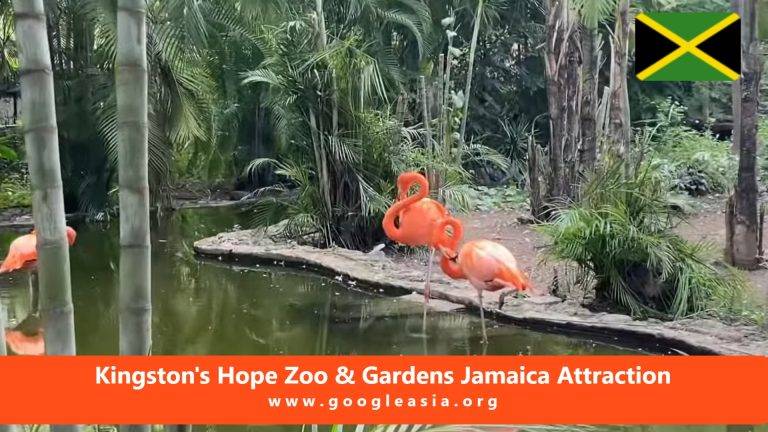
    Foods

    Niagara Falls, New York, is not just a destination for breathtaking views and thrilling experiences; it also offers a diverse array of culinary delights. Whether you’re in the mood for seafood, Italian fare, or a sweet treat, there’s something to satisfy every palate. Here are some of the best foods you can enjoy in Niagara Falls:

    Seafood Delights

    The Seneca Niagara Casino & Hotel

    • Steamed Clams: Fresh and flavorful, these clams are a highlight of the seafood offerings.
    • Alaskan King Crab Legs: Known for their sweet, tender meat, these crab legs are a must-try for seafood enthusiasts.
    • Fish Sandwiches: Made with fresh fish and served on a soft bun, these sandwiches are both delicious and satisfying.
    • Seared Tuna: This dish features perfectly cooked tuna with a flavorful sear, ideal for a refined seafood experience.

    Italian Favorites

    The Brickyard

    • Pizza: Enjoy a variety of Italian-style pizzas with toppings like roasted vegetables, Italian cheeses, and homemade sauces.
    • Pasta Dishes: In addition to pizza, The Brickyard offers a range of classic Italian pasta dishes, perfect for a hearty meal.

    Classic American Eats

    The Silo

    • Burgers: From classic cheeseburgers to unique creations like the Hawaiian Ranch Burger, The Silo is known for its tasty and juicy burgers.
    • Fries: Crispy and golden, the fries at The Silo are the perfect accompaniment to any burger.

    Sweet Treats

    Twisted Ice Cream

    • Maple Bacon: A unique flavor that combines the sweetness of maple with the savory crunch of bacon.
    • Birthday Cake: A festive and fun flavor reminiscent of a birthday celebration in every scoop.
    • Caramel Pretzel: This flavor features a delightful mix of sweet caramel and crunchy pretzels for a satisfying dessert.

    Mexican Cuisine

    Margarita’s

    • Burritos: Generously filled with fresh ingredients and flavorful fillings, these burritos are a Mexican classic.
    • Tacos: Enjoy a variety of tacos with traditional fillings and toppings.
    • Quesadillas: Cheesy and delicious, these quesadillas are perfect for a savory snack or meal.
    • Fajitas: Served sizzling hot, Margarita’s fajitas offer a tasty blend of meats and vegetables with all the traditional fixings.

    Deli Sandwiches

    The Red Coach Inn

    • BLTs: Crispy bacon, fresh lettuce, and juicy tomatoes make this a timeless favorite.
    • Club Sandwiches: Layers of turkey, bacon, lettuce, and tomato on toasted bread provide a hearty and satisfying option.
    • Macaroni and Cheese Sandwiches: For something unique, try this inventive sandwich featuring creamy macaroni and cheese.

    Hotels

    Niagara Falls, New York, offers a range of accommodation options that cater to various preferences, from luxurious escapes to family-friendly stays. Here are some of the best hotels in the area, each offering unique features and amenities:

    Luxury and Iconic Stays

    Marriott Niagara Falls Fallsview Hotel & Spa

    • Description: An iconic hotel with luxurious accommodations and stunning views of Niagara Falls. The hotel features a full-service spa and direct access to the Fallsview Casino.
    • Highlights: Spa services, casino access, and luxurious rooms with spectacular views of the falls.

    Niagara Falls Marriott on the Falls

    • Description: Located close to the falls, this hotel offers spacious guest rooms with modern amenities and breathtaking views of Horseshoe Falls. It also features direct access to a waterpark and an on-site restaurant.
    • Highlights: Waterpark access, on-site dining, and impressive views of Horseshoe Falls.

    Comfortable and Convenient Options

    Four Points by Sheraton

    • Description: Situated in the heart of Niagara Falls, this hotel offers modern guest rooms, great amenities, and stunning views of the falls. It is known for its comfortable accommodations and convenient location.
    • Highlights: Modern amenities, central location, and views of the falls.

    Embassy Suites Niagara Falls

    • Description: This all-suite hotel provides spacious and comfortable accommodations with a complimentary hot cooked-to-order breakfast. The hotel also features an indoor pool and a variety of family-friendly amenities.
    • Highlights: Spacious suites, complimentary breakfast, and an indoor pool.

    Family-Friendly and Budget-Friendly

    Sheraton at the Falls Hotel

    • Description: An all-suite hotel that caters to families with amenities such as an indoor pool with a waterslide. The hotel offers spectacular views of Niagara Falls and is located close to local attractions.
    • Highlights: Family-friendly amenities, indoor pool with waterslide, and great views of the falls.

    Conclusion

    Whether you’re looking for luxury, convenience, or family-friendly amenities, Niagara Falls, New York, has a variety of hotels to suit your needs. From the luxurious Marriott Niagara Falls Fallsview Hotel & Spa and the Niagara Falls Marriott on the Falls to the comfortable Four Points by Sheraton and the family-oriented Sheraton at the Falls Hotel, each option provides a unique experience. Choosing the right hotel can enhance your visit to this iconic destination, offering comfort and stunning views of one of the world’s natural wonders.

    Niagara Falls New York United States of America USA

    Summary

    • Attraction Name: Niagara Falls
    • Country: United States of America (USA)
    • Continent: North America
    • Capital Name: Washington, D.C.
    • Language: English
    • Currency: United States dollar
    • Nationality: U.S. citizen
    • Category: #Destination #NorthAmerica #USA 

    Frequently Asked Questions

    Where is Niagara Falls located?

    Niagara Falls is located on the border between Ontario, Canada, and New York, USA. Here are more specific details about its location:

    • Canadian Side: The falls are primarily located in Niagara Falls, Ontario, Canada. The main waterfall, Horseshoe Falls, is the largest of the three falls and is predominantly on the Canadian side.
    • American Side: A portion of Niagara Falls, including American Falls and Bridal Veil Falls, is located in Niagara Falls, New York, USA.
    • Geographic Coordinates: The approximate coordinates for Niagara Falls are:
      • Latitude: 43.0782° N (for Horseshoe Falls, Canadian side)
      • Longitude: 79.0752° W

    Niagara Falls is situated along the Niagara River, which drains Lake Erie into Lake Ontario. It is approximately:

    • About 27 kilometers (17 miles) north-northwest of Buffalo, New York, USA
    • About 121 kilometers (75 miles) south-southeast of Toronto, Ontario, Canada

    How can one travel to Niagara Falls?

    Niagara Falls is accessible from various locations, including major cities in Canada and the United States. Here are some common ways to travel to Niagara Falls:

    1. By Air:
      • Nearest Airports:
        • Buffalo Niagara International Airport (BUF): Located in Buffalo, New York, approximately 30 minutes from Niagara Falls, USA.
        • Toronto Pearson International Airport (YYZ): Located in Toronto, Ontario, approximately 1.5 hours from Niagara Falls, Canada.
        • Niagara Falls International Airport (IAG): Located in Niagara Falls, New York, with limited commercial flights.
    2. By Car:
      • From Toronto: Take the Queen Elizabeth Way (QEW) highway southbound, which leads directly to Niagara Falls, Ontario, Canada. The drive takes about 1.5 to 2 hours, depending on traffic.
      • From Buffalo: Take Interstate 190 northbound, which leads directly to Niagara Falls, New York, USA. The drive takes about 30 minutes.
    3. By Bus:
      • Coach Bus Services: Several coach bus companies operate between major cities like Toronto, Buffalo, and New York City to Niagara Falls. Examples include Greyhound and Megabus.
    4. By Train:
      • Via Rail (Canada): Offers train service from Toronto Union Station to Niagara Falls, Ontario, with a travel time of approximately 2 hours.
      • Amtrak (USA): Offers train service from New York City (Penn Station) and other major cities to Niagara Falls, New York, with connections at Buffalo.
    5. Local Transportation:
      • Niagara Falls Transit: Provides bus service within Niagara Falls, Ontario, and surrounding areas.
      • Niagara Frontier Transportation Authority (NFTA): Provides bus service within Niagara Falls, New York, and connections to Buffalo.
    6. Tour Packages:
      • Guided Tours: Various companies offer guided tours from Toronto, Buffalo, and other nearby cities to Niagara Falls. These tours often include transportation, attractions, and sometimes accommodations.

    What’s the climate like in Niagara Falls?

    Niagara Falls experiences a temperate climate with four distinct seasons. Here’s an overview of the climate throughout the year:

    1. Spring (March to May):
      • Temperature: Spring begins cool and gradually warms up. Average temperatures range from 40°F (4°C) in March to 65°F (18°C) in May.
      • Weather: Expect variable weather with occasional rain showers. It’s a transitional period when flowers bloom, and the parks begin to green up.
    2. Summer (June to August):
      • Temperature: Summers are warm to hot, with average temperatures ranging from 70°F (21°C) in June to 80°F (27°C) in July and August.
      • Weather: Generally sunny and humid. July and August are the warmest months, ideal for outdoor activities and visiting attractions like boat tours.
    3. Fall (September to November):
      • Temperature: Fall starts warm and gradually cools down. Average temperatures range from 70°F (21°C) in September to 40°F (4°C) in November.
      • Weather: Crisp and cool with colorful foliage in October. It’s a popular time for tourists due to pleasant weather and fewer crowds.
    4. Winter (December to February):
      • Temperature: Winters are cold, with average temperatures ranging from 30°F (-1°C) in December to 20°F (-7°C) in January and February.
      • Weather: Snowfall is common, especially in January and February. It’s a quieter time for tourism, but attractions like the falls’ winter illumination are still popular.

    What are Niagara Falls’s must-visit attractions or landmarks?

    Niagara Falls offers a variety of attractions and landmarks that showcase its natural beauty and provide memorable experiences. Here are the must-visit places when you’re in Niagara Falls:

    1. Niagara Falls State Park (USA) / Niagara Parks (Canada):
      • Description: The oldest state park in the U.S. and a network of parks in Canada offering stunning views of the falls.
      • Highlights: Observation points like Prospect Point and Table Rock, where you can view Horseshoe Falls, American Falls, and Bridal Veil Falls.
    2. Maid of the Mist (USA) / Hornblower Niagara Cruises (Canada):
      • Description: Boat tours that take visitors right to the base of the falls, providing an up-close and exhilarating experience.
      • Highlight: Feeling the mist and hearing the roar of the falls from the water’s edge.
    3. Journey Behind the Falls:
      • Description: Located on the Canadian side, this attraction allows visitors to descend 150 feet through bedrock tunnels to observation decks behind the Horseshoe Falls.
      • Highlight: Seeing and feeling the power of the falls from behind.
    4. Niagara Falls Illumination and Fireworks:
      • Description: Nightly illumination of the falls with colorful lights, and seasonal fireworks displays.
      • Highlight: Watching the falls light up in different colors against the night sky is a mesmerizing experience.
    5. Clifton Hill (Canada):
      • Description: An entertainment district with a carnival-like atmosphere, featuring attractions, restaurants, and themed venues.
      • Highlights: Niagara SkyWheel, Ripley’s Believe It or Not! Museum, and various arcades and mini-golf courses.
    6. Niagara Glen Nature Reserve:
      • Description: A protected area with hiking trails and panoramic views of the Niagara River Gorge.
      • Highlight: Natural rock formations, including the Niagara Whirlpool, formed by the powerful currents of the river.
    7. Niagara Parks Botanical Gardens and Butterfly Conservatory (Canada):
      • Description: Beautiful gardens with themed sections and a tropical rainforest environment filled with thousands of butterflies.
      • Highlight: Walking among colorful butterflies and exploring themed gardens like the Rose Garden and Herb Garden.
    8. Old Fort Niagara (USA):
      • Description: A historic fort dating back to the 18th century, offering guided tours and reenactments.
      • Highlight: Exploring the fort’s architecture, exhibits, and scenic views of Lake Ontario.
    9. Niagara Wine Region (Canada):
      • Description: A renowned wine region with vineyards and wineries producing world-class wines, especially ice wine.
      • Highlight: Wine tours and tastings at wineries along the Niagara Wine Route, with picturesque vineyard views.
    10. Whirlpool Aero Car (Canada):
      • Description: A cable car ride that takes visitors across the Niagara Whirlpool, where the Niagara River makes a sharp turn.
      • Highlight: Seeing the swirling waters of the whirlpool from a unique aerial perspective.

    Is Niagara Falls a suitable travel destination for solo adventurers, honeymooning couples, or those traveling with families?

    Niagara Falls is a versatile destination that caters to a wide range of travelers, including solo adventurers, honeymooning couples, and families. Here’s why it’s suitable for each group:

    For Solo Adventurers:

    • Exploration and Adventure: Solo travelers can explore the various hiking trails, visit observation points, and partake in adventure activities such as the Maid of the Mist boat tour, Cave of the Winds, and ziplining.
    • Flexibility and Independence: Traveling solo allows for a flexible itinerary, enabling you to visit attractions at your own pace and discover hidden gems in the area.
    • Safe Environment: Niagara Falls is generally safe for solo travelers, with plenty of tourist infrastructure and friendly locals to assist if needed.

    For Honeymooning Couples:

    • Romantic Setting: The breathtaking views of the falls, especially at night when they are illuminated, create a perfect romantic backdrop.
    • Intimate Experiences: Couples can enjoy romantic activities like dining with a view of the falls, taking a horse-drawn carriage ride through Niagara-on-the-Lake, or experiencing the Journey Behind the Falls together.
    • Luxurious Accommodations: There are numerous hotels offering honeymoon packages with stunning views, spa services, and romantic amenities.

    For Families:

    • Family-Friendly Attractions: There are plenty of attractions suitable for all ages, such as the Niagara SkyWheel, Butterfly Conservatory, Clifton Hill entertainment district, and Aquarium of Niagara.
    • Educational Opportunities: Families can learn about the natural history and geology of the falls at the Niagara Falls State Park Visitor Center and Niagara Parks Botanical Gardens.
    • Interactive and Fun Activities: Kids and parents alike will enjoy interactive experiences like the Cave of the Winds, where they can feel the mist and power of the falls up close, and boat tours that offer exciting views from the water.

    Why should you visit Niagara Falls?

    Niagara Falls is one of the most spectacular natural wonders in the world, offering a unique and unforgettable experience. Here are several reasons why you should visit Niagara Falls:

    1. Majestic Waterfalls:
      • Spectacular Views: The three waterfalls—Horseshoe Falls, American Falls, and Bridal Veil Falls—offer breathtaking views and photo opportunities.
      • Power and Magnitude: Witnessing the immense power and volume of water cascading over the falls is awe-inspiring.
    2. Exciting Activities:
      • Boat Tours: The iconic Maid of the Mist (USA) and Hornblower Niagara Cruises (Canada) take you up close to the falls, providing an exhilarating experience.
      • Journey Behind the Falls: This attraction allows you to descend behind the Horseshoe Falls and witness the water thundering down from a unique vantage point.
      • Cave of the Winds: Located on the American side, this adventure takes you to the base of Bridal Veil Falls, where you can feel the mist and power of the water.
    3. Scenic Walks and Parks:
      • Niagara Falls State Park: The oldest state park in the U.S. offers scenic trails, observation points, and picnic areas.
      • Queen Victoria Park: Located on the Canadian side, this beautifully landscaped park offers stunning views of the falls and colorful gardens.
    4. Illumination and Fireworks:
      • Nightly Illumination: The falls are lit up every evening with vibrant colors, creating a magical nighttime spectacle.
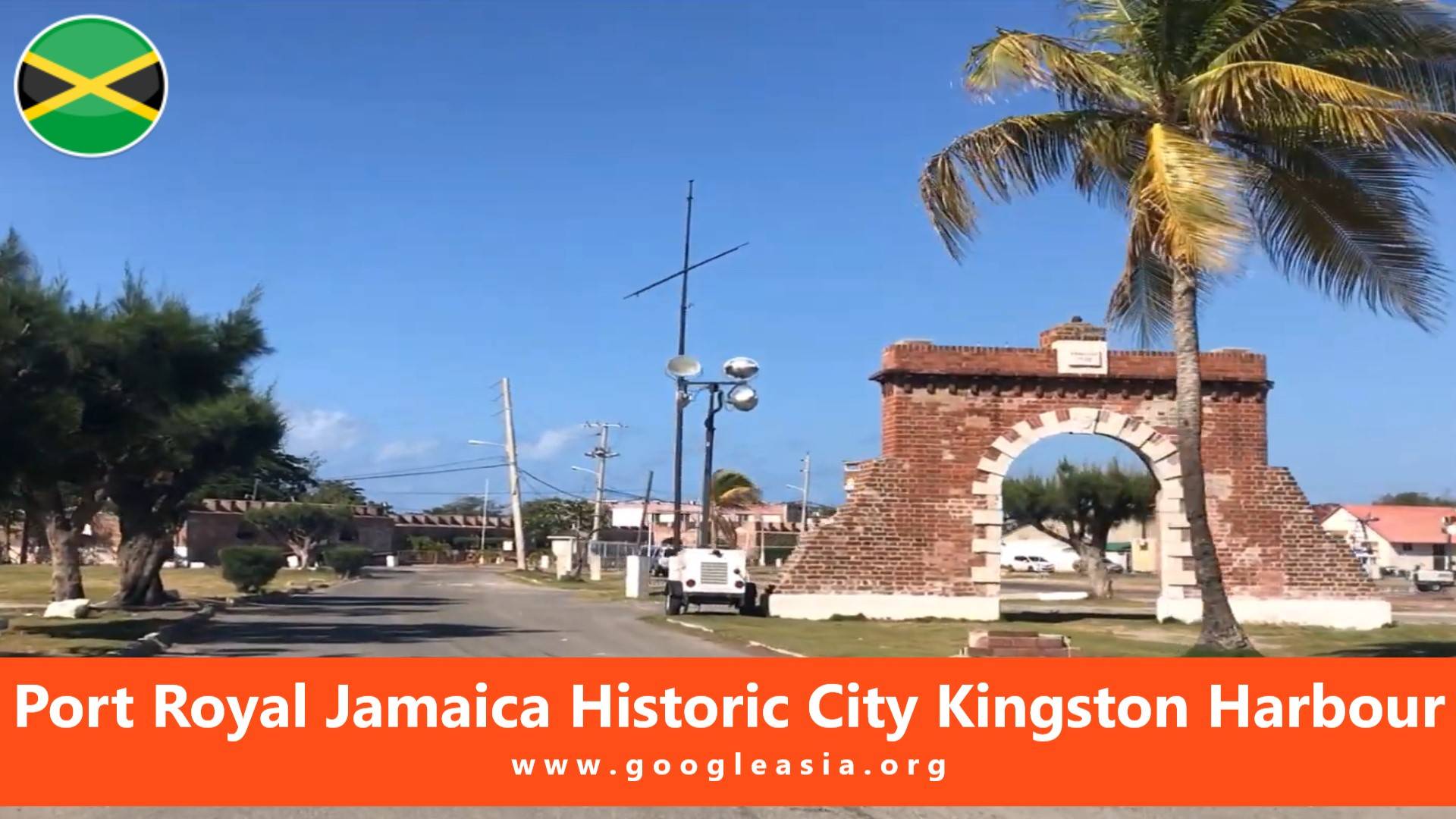
      • Fireworks Shows: During the summer and on special occasions, enjoy fireworks displays that add to the enchantment of the falls.
    5. Niagara Parks Botanical Gardens:
      • Beautiful Gardens: Explore 99 acres of meticulously maintained gardens, including a world-class rose garden.
      • Butterfly Conservatory: Walk through a tropical rainforest environment with over 2,000 colorful butterflies.
    6. Historical and Cultural Attractions:
      • Old Fort Niagara: Discover the history of this 18th-century fort, which played a significant role in the colonial wars.
      • Niagara Falls History Museum: Learn about the history and significance of the falls through interactive exhibits.
    7. Wine and Culinary Experiences:
      • Niagara Wine Region: The nearby wine region in Ontario offers wine tours and tastings at numerous wineries, famous for their ice wine.
      • Dining with a View: Enjoy a meal with a spectacular view of the falls at one of the many restaurants overlooking the water.
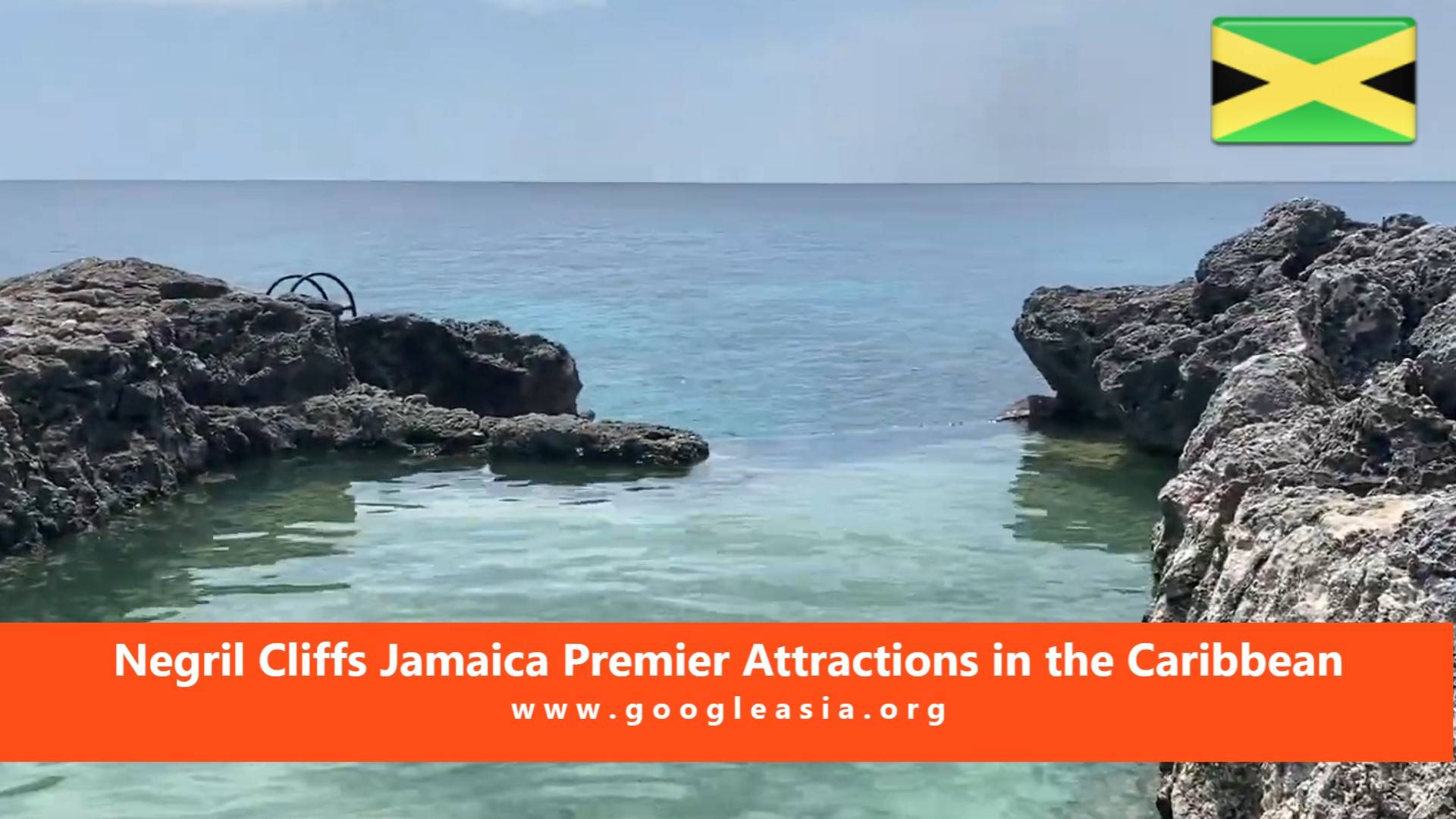
    8. Adventure and Outdoor Activities:
      • Hiking and Biking: The Niagara Gorge and surrounding areas offer excellent trails for hiking and biking.
      • Ziplining: Experience the thrill of ziplining over the Niagara Gorge with incredible views of the falls.
    9. Family-Friendly Attractions:
      • Clifton Hill: This entertainment district on the Canadian side features attractions like the Niagara SkyWheel, Ripley’s Believe It or Not!, and various arcades and museums.
      • Aquarium of Niagara: Located on the American side, this aquarium offers exhibits and shows featuring marine life.
    10. Accessibility:
      • Proximity to Major Cities: Niagara Falls is easily accessible from major cities like Toronto, Buffalo, and New York City, making it a convenient destination for travelers.

    How accessible is halal food in Niagara Falls?

    Halal food is relatively accessible in the Niagara Falls area, especially on the Canadian side, where there is a higher concentration of restaurants catering to diverse dietary preferences. Here are some tips and locations to find halal food:

    On the Canadian Side:

    1. Halal Restaurants:
      • Casablanca Restaurant: Known for its Mediterranean and Middle Eastern cuisine, offering a variety of halal options.
      • The Guru Fine Indian Cuisine: Offers authentic Indian dishes with halal meat options.
      • Pita Pit: This fast-food chain offers halal meat options in some locations; it’s worth checking with the specific outlet.
    2. Ethnic Grocery Stores:
      • There are several grocery stores in Niagara Falls, Ontario, that sell halal products, such as halal meats, snacks, and other food items. Examples include Halal Meats and Grocery and Al Noor Halal Meat & Grocery.
    3. Fast Food Chains:
      • Some fast-food chains, such as Popeyes and Pizza Pizza, offer halal options in their Niagara Falls locations. It’s always best to verify with the specific outlet.
    4. Online Resources:
      • Websites like Zabihah.com provide listings and reviews of halal restaurants in various cities, including Niagara Falls.

    On the American Side:

    1. Halal Restaurants:
      • Zaika Indian Cuisine & Bar: Offers a variety of Indian dishes with halal options.
      • Al Noor Halal Deli: A small deli offering halal meats and prepared foods.
    2. Ethnic Grocery Stores:
      • Some local grocery stores in Niagara Falls, New York, sell halal products. Examples include Halal Meats & Mediterranean Foods and Niagara Halal Market.
    3. Fast Food Chains:
      • Similar to the Canadian side, some fast-food chains on the American side offer halal options. Always confirm with the individual restaurant.
    4. Buffalo, New York:
      • If you’re willing to drive a bit further, Buffalo (about 20 miles from Niagara Falls) has a larger selection of halal restaurants and grocery stores.

    Tips for Finding Halal Food:

    • Check Reviews: Use online reviews and apps like Yelp, Google Maps, or Zabihah.com to find and verify halal food options.
    • Ask Locals: Local residents or hotel staff can often provide recommendations for halal dining options.
    • Call Ahead: When in doubt, call restaurants in advance to inquire about their halal offerings and ensure they meet your dietary needs.
  • National Mall, Washington D.C, USA: Travel Guide

    National Mall, Washington D.C, USA: Travel Guide

    National Mall Washington D.C, USA

    The National Mall in Washington D.C. is a must-visit destination for tourists and locals alike. Whether you’re looking to explore the incredible monuments and memorials, take in the beauty of the National Mall’s open green space, or learn more about the history of the United States, there is something here for everyone. With the many museums, memorials, and monuments in the area, the National Mall is a great place to start to get an overview of the nation’s history and culture. There is something for all ages and interests, making it a must-visit for all in Washington D.C.

    The National Mall in Washington D.C. is a large public park full of iconic monuments, memorials, and Smithsonian museums. This iconic spot is the perfect place to explore the history of the United States, relax and picnic with friends, and take in some of the country’s most beautiful architecture.

    Introduction

    The National Mall in Washington D.C. stands as a testament to American history and culture, stretching over two miles in length and offering visitors a rich tapestry of monuments, memorials, museums, and green spaces. As a central hub for both national celebrations and everyday reflection, the Mall plays a crucial role in the civic life of the nation’s capital.

    Iconic Monuments and Memorials

    Washington Monument

    The towering Washington Monument is one of the most recognizable landmarks on the National Mall. Standing at 555 feet tall, it honors George Washington, the nation’s first president. Completed in 1884, this obelisk is an enduring symbol of leadership and resilience.

    Lincoln Memorial

    The Lincoln Memorial, dedicated in 1922, is another significant structure on the Mall. This grand monument, designed by architect Henry Bacon, features a colossal statue of Abraham Lincoln and serves as a site for numerous historical events and speeches, including Martin Luther King Jr.’s famous “I Have a Dream” speech.

    Vietnam Veterans Memorial

    Unveiled in 1982, the Vietnam Veterans Memorial offers a poignant tribute to those who served in the Vietnam War. Designed by Maya Lin, this black granite wall lists the names of over 58,000 soldiers who died or went missing in action, providing a somber yet powerful experience for visitors.

    Museums and Cultural Institutions

    National Air and Space Museum

    Home to the largest collection of historic aircraft and spacecraft in the world, the National Air and Space Museum provides an immersive experience into the history of aviation and space exploration. Highlights include the Wright Brothers’ original 1903 Flyer and the Apollo 11 command module.

    National Museum of Natural History

    Another gem on the Mall, the National Museum of Natural History boasts extensive collections in fields ranging from paleontology to oceanography. Notable exhibits include the Hope Diamond and the dinosaur fossil hall, which captivate visitors of all ages.

    Annual Events and Festivals

    National Cherry Blossom Festival

    Each spring, the National Cherry Blossom Festival draws thousands of visitors to witness the blooming of cherry trees gifted by Japan in 1912. This event, which includes parades, performances, and cultural exhibits, celebrates the enduring friendship between the U.S. and Japan.

    Fourth of July Fireworks

    The Fourth of July festivities on the National Mall are a highlight of American Independence Day. The Mall becomes a lively gathering place for spectators to enjoy fireworks displays, patriotic concerts, and various family-friendly activities.

    National Book Festival

    Held annually, the National Book Festival attracts book lovers and authors from around the country. Organized by the Library of Congress, this event features book signings, readings, and discussions, celebrating the written word and its role in American culture.

    Things to Do

    The National Mall in Washington D.C. is not just a sprawling green space but a vibrant area packed with activities and landmarks that cater to all interests. Whether you’re a history buff, a nature lover, or just looking to enjoy some time outdoors, the National Mall offers a wealth of experiences. Here are eight must-do activities when visiting this iconic location:

    Visit the Memorials

    Vietnam Veterans Memorial

    The Vietnam Veterans Memorial, designed by Maya Lin, is a powerful tribute to the soldiers who served in the Vietnam War. Its reflective black granite wall lists the names of over 58,000 servicemen and women, offering a place for reflection and remembrance.

    Lincoln Memorial

    The Lincoln Memorial, with its grand steps and the imposing statue of Abraham Lincoln, is a symbol of unity and freedom. It is not only a place to honor the 16th President of the United States but also a historic site for numerous civil rights events and speeches.

    Martin Luther King Jr. Memorial

    The Martin Luther King Jr. Memorial, dedicated in 2011, features a striking statue of Dr. King and quotes from his speeches. The memorial is a tribute to his legacy and a place for visitors to reflect on his contributions to civil rights.

    Take a Stroll Around the Tidal Basin

    Jefferson Memorial

    The Tidal Basin offers a scenic walkway with views of the Jefferson Memorial, a neoclassical structure dedicated to Thomas Jefferson. The reflection of the monument in the basin’s waters creates a picturesque scene, especially during cherry blossom season.

    Washington Memorial Views

    Walking around the Tidal Basin provides unique perspectives of the Washington Monument and the surrounding landscape, making it an ideal spot for photography and leisurely strolls.

    Get a Bird’s Eye View from the Washington Monument

    Observatory Experience

    The Washington Monument’s observation deck provides breathtaking views of Washington D.C. From this vantage point, you can see the city’s landmarks, including the Capitol Building, the White House, and the Lincoln Memorial.

    Enjoy a Picnic

    Scenic Spots

    The National Mall is dotted with grassy areas perfect for picnicking. Choose a spot near the Reflecting Pool or under the shade of trees for a relaxing meal with a view of the monuments and memorials.

    Head to the Smithsonian Museums

    National Air and Space Museum

    Explore the history of aviation and space exploration at the National Air and Space Museum, home to iconic exhibits like the Wright Brothers’ Flyer and the Apollo 11 command module.

    National Museum of Natural History

    The National Museum of Natural History features a vast collection of specimens, including the Hope Diamond and dinosaur fossils. It’s an educational and engaging experience for visitors of all ages.

    Other Smithsonian Museums

    Don’t miss other Smithsonian gems such as the National Museum of American History and the National Gallery of Art, all offering free admission and fascinating exhibits.

    Catch a Glimpse of the White House

    Iconic Photo Opportunity

    Situated at the northern end of the National Mall, the White House is an essential stop for any visitor. Although tours inside require advance arrangements, you can still take memorable photos from the outside and enjoy the surrounding area.

    Hop on a Tour Bus

    Comprehensive Overview

    If you’re looking to see the sights without much walking, consider taking an open-air tour bus. These guided tours provide a convenient way to explore the National Mall and learn about its landmarks from a knowledgeable guide.

    Cross the Memorial Bridge

    Scenic Walk

    The Arlington Memorial Bridge connects the National Mall to Arlington National Cemetery. A walk across the bridge offers stunning views of the Potomac River, Thompson Island, and the Lincoln Memorial, making it a pleasant and scenic experience.

    Foods

    The National Mall in Washington D.C. is not only a cultural and historical hub but also a culinary hotspot, offering a range of food options to satisfy diverse tastes. Whether you’re craving classic American fare, international flavors, or quick snacks, there are plenty of delicious choices. Here’s a guide to some of the best foods you can enjoy while exploring the Mall:

    Classic American Fare

    Shake Shack

    Located in the Court of the National Mall, Shake Shack is a popular destination for delicious, all-American burgers, hot dogs, and shakes. Known for its juicy ShackBurger and crinkle-cut fries, it’s a great spot for a satisfying meal after visiting the nearby monuments and museums.

    GCDC Grilled Cheese Bar

    Just across the street from Shake Shack, GCDC Grilled Cheese Bar is a haven for comfort food lovers. This trendy spot elevates the classic grilled cheese sandwich with gourmet ingredients and creative twists. Options include the “GCDC Classic” and the “Brie & Apple,” making it a must-visit for a nostalgic yet modern twist on a beloved dish.

    Dippin’ Dots

    For a sweet treat, Dippin’ Dots is a popular choice. Known for its “ice cream of the future,” this place offers colorful and fun frozen desserts. You can find Dippin’ Dots stands near Shake Shack or within the Smithsonian museums, perfect for a refreshing snack as you explore.

    International Flavors

    Amorini Panini

    Near the Smithsonian Castle, Amorini Panini serves up a variety of Italian delights in a fast-casual setting. From artisanal pizzas and fresh pastas to flavorful sandwiches and crisp salads, this spot is ideal for a hearty and satisfying meal with an Italian flair.

    Ethiopic

    Washington D.C. has a vibrant Ethiopian community, and Ethiopic is a standout restaurant offering traditional dishes. Enjoy injera (a sourdough flatbread) with various stews like wat (spicy meat or vegetable dishes) and tibs (sautéed meat). It’s a great place to experience authentic Ethiopian cuisine.

    Dukem

    Another excellent option for Ethiopian fare is Dukem. Known for its flavorful and spicy dishes, Dukem offers a wide range of traditional Ethiopian meals, including vegetarian and meat options. Their injera and rich stews are a highlight of the menu.

    On-the-Go Options

    DC Empanadas

    If you’re looking for a quick and tasty bite, DC Empanadas offers Chilean-style empanadas filled with a variety of ingredients, including franks, veggies, and cheese. These portable snacks are perfect for eating while you walk or picnic in the Mall.

    Hot Dog Stands and Food Trucks

    The National Mall is dotted with hot dog stands and food trucks that serve a range of international flavors. Options like Arepa Zone, El Verano Taqueria, and Takorean offer unique takes on traditional street food. Whether you’re craving Venezuelan arepas, Mexican tacos, or Korean BBQ tacos, these food trucks have you covered.

    Hotels

    Staying near the National Mall offers convenient access to Washington D.C.’s iconic landmarks, museums, and memorials. Whether you’re seeking luxury, historic charm, or modern amenities, there are numerous excellent hotels in the vicinity. Here’s a guide to some of the best hotels near the National Mall:

    Luxury Hotels

    The Hay-Adams

    Located just a short walk from the White House and the National Mall, The Hay-Adams is renowned for its elegant accommodations and impeccable service. This historic hotel offers luxurious rooms with stunning views of the White House and the Washington Monument, making it a top choice for travelers seeking a high-end experience.

    The Jefferson

    A boutique gem situated a few blocks from the National Mall, The Jefferson is known for its refined style and personalized service. This luxury hotel features beautifully appointed rooms, a renowned restaurant, and a commitment to offering a distinctive and memorable stay.

    The Watergate Hotel

    Famous for its historical significance and modern luxury, The Watergate Hotel offers chic rooms and an array of upscale amenities. Located along the Potomac River, it’s a short distance from the National Mall and provides stunning views and a relaxing atmosphere.

    The Mandarin Oriental

    Situated on the waterfront and a short distance from the National Mall, The Mandarin Oriental offers a serene escape with world-class amenities. The hotel features a luxurious spa, elegant rooms, and fine dining, making it an excellent choice for both relaxation and convenience.

    Historic and Iconic Hotels

    The Willard InterContinental

    One of Washington D.C.’s most historic hotels, The Willard InterContinental is just a short walk from the National Mall. Known for its opulent decor and storied past, the Willard offers luxurious rooms and suites, fine dining, and a prime location for exploring the city.

    Kimpton Hotel Monaco Washington D.C.

    Located in a historic building, Kimpton Hotel Monaco offers a blend of classic charm and modern comfort. Its central location makes it easy to access the National Mall and other key attractions, while its stylish rooms and complimentary wine hour add to its appeal.

    Modern and Stylish Hotels

    Marriott Marquis Washington, DC

    The Marriott Marquis is a modern hotel located in the heart of downtown D.C., offering spacious rooms and a range of amenities. Its proximity to the National Mall and convention center makes it a convenient option for both tourists and business travelers.

    Kimpton George Hotel

    Situated near Capitol Hill, Kimpton George Hotel provides contemporary accommodations with a touch of local flair. It’s a short distance from the National Mall and offers a stylish and comfortable stay with personalized service.

    Conrad Washington, DC

    Conrad Washington, DC offers modern luxury with sleek design and top-notch amenities. Located near the city’s core, it provides easy access to the National Mall and features spacious rooms, a rooftop bar, and exceptional service.

    Unique and Boutique Hotels

    The Embassy Row Hotel

    Located in the vibrant Dupont Circle neighborhood, The Embassy Row Hotel offers a unique blend of historic charm and modern amenities. It’s a bit farther from the National Mall but provides a lively area with plenty of dining and shopping options.

    Conclusion

    When visiting Washington D.C., staying near the National Mall ensures you’re close to the city’s most significant attractions, from monuments and memorials to world-class museums. Whether you prefer the grandeur of The Hay-Adams, the historic elegance of The Willard InterContinental, or the contemporary comfort of the Marriott Marquis, each hotel offers its own unique experience and convenience. Choose the one that best fits your preferences and enjoy an unforgettable stay in the heart of the nation’s capital.

    National Mall Washington D.C USA

    Summary

    • Attraction Name: National Mall Washington D.C
    • Country: United States of America (USA)
    • Continent: North America
    • Capital Name: Washington, D.C.
    • Language: English
    • Currency: United States dollar
    • Nationality: U.S. citizen
    • Category: #Destination #NorthAmerica #USA 

    Frequently Asked Questions

    Where is National Mall located?

    The National Mall is located in Washington, D.C., the capital city of the United States. Here are more specific details about its location:

    • Geographic Coordinates: The approximate coordinates for the National Mall are:
      • Latitude: 38.8895° N
      • Longitude: 77.0230° W
    • City: Washington, D.C.
    • Description: The National Mall is a landscaped park area stretching approximately 2 miles (3.2 kilometers) from the United States Capitol to the Lincoln Memorial. It is bordered by Constitution Avenue to the north and Independence Avenue to the south, with the Reflecting Pool and the Washington Monument at its center.
    • Nearby Landmarks: The Mall is surrounded by numerous iconic landmarks, including the U.S. Capitol building, Smithsonian museums, memorials (such as the Lincoln Memorial and Vietnam Veterans Memorial), and the White House, located just a short distance north of the National Mall.
    • Accessibility: The National Mall is easily accessible by public transportation (Washington Metro), bike paths, and pedestrian walkways, making it a popular destination for tourists and locals alike to explore American history, culture, and democracy.

    How can one travel to National Mall?

    The National Mall in Washington, D.C. is easily accessible by various modes of transportation due to its central location in the heart of the city. Here’s how you can travel to the National Mall:

    1. By Metro (Subway):
      • The Washington Metro (WMATA) provides convenient access to the National Mall via several stations:
        • Smithsonian Station: Located near the National Museum of Natural History and National Museum of American History.
        • Federal Triangle Station: Close to the National Archives and the National Gallery of Art.
        • L’Enfant Plaza Station: Provides access to the southern end of the Mall and Smithsonian Institution buildings.
      • Check the WMATA website or use their mobile app for schedules, maps, and fares.
    2. By Bus:
      • Metrobus routes serve the National Mall area, providing connections from various neighborhoods in Washington, D.C., and surrounding areas.
      • Use the WMATA website or mobile app to plan your bus route.
    3. By Bicycle:
      • Capital Bikeshare: Rent a bike from one of the many Capital Bikeshare stations throughout the city and ride to the National Mall. Several stations are located near the Mall’s entrances.
      • Bike Trails: Washington, D.C., offers bike-friendly trails, including the Capital Crescent Trail and the Mount Vernon Trail, which provide scenic routes to the Mall.
    4. By Car:
      • Parking: Limited street parking is available around the National Mall, but it can be challenging to find during peak times. Metered parking is enforced in most areas.
      • Parking Garages: Several parking garages and lots are located near the Mall, with fees varying depending on location and duration of stay.
    5. On Foot:
      • The National Mall is a pedestrian-friendly area with wide sidewalks and pathways connecting the monuments, memorials, and museums.
      • Wear comfortable shoes, as exploring the Mall often involves walking considerable distances between attractions.
    6. Tourist Trolleys and Sightseeing Buses:
      • Various tour companies offer trolley and sightseeing bus services that stop at major attractions on the National Mall. These tours provide narrated guides and hop-on-hop-off options for exploring at your own pace.

    What are National Mall’s must-visit attractions or landmarks?

    The National Mall in Washington, D.C., is home to iconic monuments, memorials, museums, and historic landmarks that attract millions of visitors each year. Here are the must-visit attractions and landmarks on the National Mall:

    1. Lincoln Memorial:
      • Description: A neoclassical monument honoring President Abraham Lincoln.
      • Highlights: Statue of Lincoln seated contemplatively, views of the Reflecting Pool and Washington Monument from the steps.
    2. Washington Monument:
      • Description: An iconic obelisk honoring George Washington, the first U.S. President.
      • Highlights: Ascend to the observation deck for panoramic views of the Mall and surrounding areas.
    3. Vietnam Veterans Memorial:
      • Description: A black granite wall inscribed with the names of over 58,000 Americans who died or went missing during the Vietnam War.
      • Highlights: Reflective and emotional experience, especially at the Wall’s apex where visitors can see their own reflections among the engraved names.
    4. World War II Memorial:
      • Description: Commemorates the sacrifices and achievements of Americans during World War II.
      • Highlights: Pillars representing U.S. states and territories, Freedom Wall adorned with gold stars, and fountains.
    5. Thomas Jefferson Memorial:
      • Description: Neoclassical memorial honoring Thomas Jefferson, one of America’s Founding Fathers and the third U.S. President.
      • Highlights: Statue of Jefferson, surrounded by columns, overlooking the Tidal Basin.
    6. National Museum of American History:
      • Description: Part of the Smithsonian Institution, showcasing artifacts and exhibits that tell the story of American history and culture.
      • Highlights: The Star-Spangled Banner (original flag that inspired the national anthem), First Ladies’ inaugural gowns, and exhibits on American innovation.
    7. National Air and Space Museum:
      • Description: Another Smithsonian Museum, featuring the largest collection of historic aircraft and spacecraft in the world.
      • Highlights: Wright Brothers’ 1903 Flyer, Apollo lunar module, and interactive exhibits on space exploration.
    8. National Gallery of Art:
      • Description: One of the nation’s premier art museums, housing a vast collection of paintings, sculptures, and decorative arts.
      • Highlights: Works by Leonardo da Vinci, Rembrandt, Van Gogh, and other renowned artists.
    9. Smithsonian National Museum of Natural History:
      • Description: Exhibits on natural history, including dinosaur fossils, gemstones, minerals, and cultural artifacts.
      • Highlights: Hope Diamond, Hall of Dinosaurs, and interactive exhibits on human origins.
    10. United States Capitol:
      • Description: Iconic seat of the U.S. Congress and symbol of American democracy.
      • Highlights: Capitol Rotunda, Statuary Hall, and guided tours of the legislative chambers (advance reservations required).

    Why should you visit National Mall?

    The National Mall in Washington, D.C. is not just a park but a symbolic and historic center that offers a wealth of experiences. Here are compelling reasons why you should visit:

    1. Iconic Monuments and Memorials:
      • Lincoln Memorial: A monumental tribute to President Abraham Lincoln, offering majestic views of the Reflecting Pool and Washington Monument.
      • Washington Monument: A towering obelisk honoring George Washington, offering panoramic views of the city from its observation deck.
      • Vietnam Veterans Memorial: A somber tribute to those who served and sacrificed in the Vietnam War, featuring the iconic black granite wall inscribed with names.
      • Thomas Jefferson Memorial: A neoclassical memorial to Thomas Jefferson, with stunning views across the Tidal Basin, especially during cherry blossom season.
    2. Museums and Cultural Institutions:
      • Smithsonian Museums: The National Mall is home to several Smithsonian museums, including the National Museum of American History, National Air and Space Museum, and National Museum of Natural History, all offering free admission.
      • National Gallery of Art: Located near the Mall, it houses an extensive collection of art from various periods, including works by renowned artists.
    3. Historical Significance:
      • Reflecting American History: The Mall is a symbol of America’s democratic ideals, hosting events like presidential inaugurations, protests, and rallies.
      • World War II Memorial: Honors the 16 million who served in the American armed forces during World War II, including 400,000 who gave the ultimate sacrifice.
    4. Natural Beauty and Recreation:
      • Open Green Spaces: The Mall itself is a vast green space lined with trees, offering a peaceful retreat amidst the city.
      • Events and Festivals: Throughout the year, the Mall hosts events like the National Cherry Blossom Festival, Fourth of July celebrations, and various cultural festivals.
    5. Educational Opportunities:
      • Learn About American History: Museums on the Mall provide insights into American history, culture, and innovation through interactive exhibits and artifacts.
      • Architecture and Design: The Mall showcases diverse architectural styles, from classical monuments to modern museum buildings.
    6. Accessibility and Location:
      • Central Location: Situated in downtown Washington, D.C., the Mall is easily accessible by public transportation, making it a convenient destination for visitors.

    Are there any halal food options near the National Mall?

    When exploring dining options near the National Mall in Washington, D.C., here are some places where you might find halal food:

    1. Food Trucks: The area around the National Mall often hosts food trucks that offer a variety of cuisines, including halal options. Check local listings or apps like “Roaming Hunger” for food truck locations and menus.
    2. Restaurants and Cafés:
      • Roti Modern Mediterranean: Located at 1747 Pennsylvania Ave NW, Roti offers customizable Mediterranean dishes with options for halal meats.
      • Moby Dick House of Kabob: Situated at 1300 Connecticut Ave NW, this restaurant serves Persian cuisine, including halal kabobs.
      • Chop’t Creative Salad Company: At 618 12th St NW, Chop’t offers customizable salads with options for halal protein toppings.
    3. Nearby Neighborhoods: Consider exploring neighborhoods like Dupont Circle, Foggy Bottom, or Chinatown, which are close to the National Mall and have diverse dining options, including halal restaurants.
    4. Online Reviews and Apps: Websites like Yelp or Google Maps allow you to search for halal restaurants in the area and read reviews from other diners to help you choose.
  • Alcatraz Island: A Historic Landmark in the San Francisco Bay

    Alcatraz Island: A Historic Landmark in the San Francisco Bay

    Alcatraz Island, USA

    Alcatraz Island is a unique spot in San Francisco that offers a unique blend of history and adventure. Visiting Alcatraz Island allows visitors to learn about the former federal prison, which once housed notorious inmates such as Al “Scarface” Capone and George “Machine Gun” Kelly. Tours of the grounds also allows visitors to explore the island and admire its natural beauty.

    Alcatraz Island is a notorious former prison located in San Francisco Bay, USA. It housed notorious criminals like Al Capone and Robert Stroud, and its legacy of mystery and fear has been immortalized in books, movies, and TV shows.

    Introduction

    Alcatraz Island, often referred to simply as “Alcatraz,” is a storied landmark in the San Francisco Bay, renowned for its history as a federal penitentiary and its stunning panoramic views of the Bay Area. Known for its past as a high-security prison, Alcatraz has become one of the most visited and intriguing historical sites in the United States. Here’s a closer look at what makes Alcatraz Island so fascinating.

    The History

    Early Beginnings

    • Pre-Prison Era: Before its use as a federal prison, Alcatraz Island was home to a lighthouse and a military fortification. The lighthouse, built in 1854, was one of the first in the Pacific Coast.
    • Military Prison: In the late 19th and early 20th centuries, Alcatraz was used as a military prison, housing soldiers and civilians who had committed offenses against the military.

    The Federal Penitentiary

    • Opening and Operation: Alcatraz Island officially became a federal penitentiary in 1934, designed to house the most dangerous and high-profile criminals of the time. It operated until 1963, when it was closed due to high maintenance costs and lack of funds.
    • Notorious Inmates: During its time as a federal prison, Alcatraz housed some of America’s most infamous criminals, including gangster Al Capone and the so-called “Birdman of Alcatraz,” Robert Stroud.

    Features

    The Prison Facilities

    • Cellhouse: The central building of the island, known as the Cellhouse, is a stark reminder of the prison’s harsh conditions. The cells, which were often small and grim, housed the inmates and remain a focal point for visitors.
    • Isolation: The island’s location, surrounded by cold, turbulent waters, was chosen specifically for its isolation. It was believed that the location made escape attempts nearly impossible.

    Escape Attempts

    • Infamous Escapes: Despite its reputation for being inescapable, there were numerous escape attempts from Alcatraz. The most famous attempt was in 1962, when inmates Frank Morris, Clarence Anglin, and John Anglin managed to break out, though they were never seen again and their fates remain unknown.
    • The Great Escape: The story of this escape was later dramatized in the film “Escape from Alcatraz,” highlighting the ingenuity and desperation of those who attempted to flee.

    Attractions

    Tours and Exhibits

    • Historical Tours: Today, Alcatraz Island is a popular tourist destination. Guided tours and self-guided audio tours provide insights into the prison’s history, its infamous inmates, and the daily life of those who lived and worked there.
    • Exhibits: The island features exhibits on the prison’s history, including artifacts from the time it was operational and stories of notable escape attempts.

    Scenic Views

    • Panoramic Views: Besides its historical significance, Alcatraz offers breathtaking views of the San Francisco skyline, the Golden Gate Bridge, and the surrounding bay. The island itself is a serene spot, contrasting sharply with its grim past.

    Things to Do

    Alcatraz Island, nestled in the San Francisco Bay, is a captivating destination offering a variety of activities that cater to history buffs, families, and adventure seekers alike. Known for its infamous past as a federal prison, the island today presents a range of engaging experiences. Here’s a guide to some of the top things to do when visiting Alcatraz Island.

    Guided Tours of the Historic Prison

    Audio Tours

    • Self-Guided Exploration: The most popular activity on Alcatraz Island is the audio tour of the historic prison. Using an engaging narrative, the tour allows visitors to explore the prison’s cellhouse, dining hall, and various areas at their own pace.
    • Personal Stories: The audio tour includes personal stories from former inmates and guards, providing a deeper understanding of life on Alcatraz.

    Ranger-Led Tours

    • Expert Insight: For a more in-depth experience, consider joining a guided tour led by a National Park Ranger. Rangers provide additional context and answer questions, enriching the historical narrative.
    • Specialized Tours: Rangers also offer themed tours focusing on specific aspects of Alcatraz’s history, such as notable escape attempts or daily life on the island.

    Family-Friendly Activities

    Alcatraz Education Center

    • Interactive Learning: Families with children can visit the Alcatraz Education Center, which offers interactive exhibits and activities designed to make learning about the island’s history fun and engaging.
    • Kids’ Corner: The Kids’ Corner provides art projects and educational games that are perfect for younger visitors, making history come alive in a hands-on way.

    Junior Ranger Program

    • Educational Adventure: Children can participate in the Junior Ranger Program, where they complete activities and learn about the island’s history, earning a Junior Ranger badge as a reward.

    Unique Events

    Horror Movie Screenings

    • Spooky Entertainment: Alcatraz Island occasionally hosts horror movie screenings, where visitors can enjoy classic films in a unique and eerie setting. Check the schedule for special events and film showings.

    Sunset Bicycle Tours

    • Scenic Ride: For a different perspective of the island, consider joining a sunset bicycle tour. These tours offer breathtaking views of the San Francisco skyline and the bay as the sun sets, creating a memorable experience.

    Live Theatrical Productions

    • Dramatic Performances: Experience live theatrical productions, such as “Escape from Alcatraz,” which dramatizes the famous escape attempts. These performances add an immersive and entertaining element to your visit.

    Leisurely Activities

    Scenic Strolls

    • Picturesque Walks: Enjoy a leisurely stroll around Alcatraz Island’s scenic pathways. The island features beautiful gardens, historical buildings, and stunning views of the bay.
    • Photography Opportunities: With its dramatic landscapes and historic structures, Alcatraz is one of the most photographed spots in San Francisco. Don’t forget your camera to capture the breathtaking scenery.

    Off-Limits Tours

    • Exclusive Access: For the more adventurous, some tours offer access to off-limits areas of the island. These tours provide a behind-the-scenes look at parts of Alcatraz not typically open to the public.

    Dining and Shopping

    Commissary and Dining Options

    • On-Site Dining: Alcatraz Island has a commissary where you can purchase snacks and drinks. There are also dining options available, allowing visitors to enjoy a meal during their visit.
    • Picnic Areas: Enjoy a picnic while taking in the views, or grab a bite at the dining facilities to make a full day of your trip.

    Foods

    When visiting Alcatraz Island, known for its intriguing history and stunning views, you can also enjoy a variety of delicious foods. While the island is primarily a historic site, its dining options are thoughtfully curated to offer visitors a taste of local flavors and comfort food. Here’s a guide to some of the best foods you can enjoy during your visit to Alcatraz Island.

    Seafood Delights

    Freshly Caught Seafood Dishes

    • Bay Shrimp with Kale Pesto and Pappardelle: This dish features tender bay shrimp paired with wide, flat pasta and a vibrant kale pesto. It’s a fresh and flavorful option that highlights the local seafood.
    • Crab Cakes with Fennel and Garlic Potatoes: These crab cakes are seasoned to perfection and served with a side of fennel and garlic-infused potatoes, offering a satisfying and savory bite.
    • Grilled Salmon with Blackberry Sauce: A succulent grilled salmon fillet is topped with a sweet and tangy blackberry sauce, creating a delicious balance of flavors.
    • Seared Scallop Salad: Enjoy perfectly seared scallops on a bed of fresh greens with complementary ingredients that enhance the delicate flavor of the scallops.
    • Lobster Ravioli with Creamy Red Sauce: Indulge in tender lobster-stuffed ravioli smothered in a light, creamy red sauce, a rich and decadent option for seafood lovers.

    Classic Favorites

    • Clam Chowder in a Bread Bowl: A classic San Francisco treat, this hearty clam chowder is served in a freshly baked bread bowl, combining comfort and flavor in every spoonful.

    Comfort Food Classics

    Popular Dishes

    • Fish and Chips: This quintessentially British dish is served with crispy fried fish and golden fries, a favorite for those who love a traditional, satisfying meal.
    • In-N-Out Burgers: Known for its iconic burgers, In-N-Out provides a taste of classic American fast food, featuring juicy burgers and crispy fries.
    • Crab Melts: This dish combines succulent crab meat with melted cheese on toasted bread, offering a deliciously rich and satisfying snack or meal.

    Comforting Treats

    • Mac and Cheese: A creamy and cheesy mac and cheese is a comforting classic that’s perfect for a casual meal.
    • BBQ Pulled Pork Sandwiches: Tender pulled pork smothered in barbecue sauce and served on a bun makes for a hearty and flavorful option.

    Light and Fresh Options

    Soups and Salads

    • Garlic Hummus: A smooth and flavorful garlic hummus served with fresh vegetables or pita bread is a great choice for a light and healthy snack.
    • Balsamic Roasted Veggie Salad: This salad features roasted vegetables drizzled with balsamic glaze, offering a fresh and flavorful side dish.
    • Chilled Avocado Soup: A refreshing and creamy avocado soup that’s perfect for a light and nutritious option.

    Sandwiches

    • Garlic Hummus Sandwich: Enjoy a sandwich filled with creamy garlic hummus and fresh vegetables for a satisfying and healthy meal.
    • Roasted Veggie Sandwich: This sandwich includes balsamic roasted vegetables, providing a flavorful and hearty option.

    Desserts and Drinks

    Specialty Desserts

    • House-Made Cookies: End your meal with a sweet treat like freshly baked cookies, offering a comforting and nostalgic finish to your dining experience.
    • Ice Cream: Enjoy a scoop of creamy ice cream to satisfy your sweet tooth and add a delightful touch to your visit.

    Beverage Selection

    • Craft Beers: Choose from a selection of craft beers on draft or bottled, perfect for those who appreciate a well-crafted brew.
    • Wines and Cocktails: A curated selection of wines and cocktails is available to complement your meal and enhance your dining experience.

    Hotels

    When planning a visit to Alcatraz Island, choosing a comfortable and well-located hotel can enhance your experience in San Francisco. While Alcatraz itself does not offer accommodation, there are several excellent hotels in San Francisco that provide easy access to the island and other attractions. Here’s a look at some of the best hotels near Alcatraz Island:

    Iconic Luxury Hotels

    Fairmont San Francisco

    • Overview: The Fairmont San Francisco is a historic and luxurious hotel located atop Nob Hill, offering stunning views of the city and the Bay.
    • Amenities: Guests can enjoy elegant rooms, a full-service spa, fine dining options, and a classic afternoon tea.
    • Location: Just a short drive or cable car ride from the waterfront, it provides easy access to the Alcatraz ferry terminal.

    The InterContinental San Francisco

    • Overview: This modern and upscale hotel features sleek design and high-end amenities.
    • Amenities: Offers a rooftop bar with panoramic views, a full-service restaurant, and a well-equipped fitness center.
    • Location: Centrally located in the Financial District, it’s a short walk or cab ride from the Alcatraz ferry terminal and other attractions.

    Grand Hyatt San Francisco

    • Overview: A contemporary hotel with a prime location in Union Square.
    • Amenities: Includes spacious rooms, a 24-hour fitness center, and a business center.
    • Location: Conveniently situated near shopping and dining, it’s a short trip to the waterfront for your Alcatraz visit.

    Historic and Unique Hotels

    Stanley Hotel

    • Overview: Known for its historic charm and connection to Stephen King’s “The Shining,” this hotel offers a unique experience.
    • Amenities: Features elegant rooms and suites, a dining room, and a full-service spa.
    • Location: Though slightly farther from the waterfront, it provides a unique and memorable stay with easy access to San Francisco’s attractions.

    Inn At The Presidio

    • Overview: A charming boutique hotel located in the historic Presidio district.
    • Amenities: Offers a cozy atmosphere with modern comforts, including complimentary breakfast and Wi-Fi.
    • Location: Situated within the Presidio, it’s a short drive or public transit ride from the Alcatraz ferry terminal.

    Comfortable and Affordable Options

    Sea Breeze Inn

    • Overview: A budget-friendly option offering comfortable accommodations with a welcoming atmosphere.
    • Amenities: Includes free breakfast and Wi-Fi.
    • Location: Located in a convenient area for accessing public transit to reach the waterfront and other sites.

    Clift San Francisco

    • Overview: A stylish and contemporary hotel known for its vibrant design and excellent service.
    • Amenities: Features a trendy bar, a fitness center, and spacious rooms.
    • Location: Centrally located, it’s an easy trip to the Alcatraz ferry and other San Francisco attractions.

    Hotel Zephyr

    • Overview: A fun and family-friendly hotel with a playful nautical theme.
    • Amenities: Offers a game room, outdoor fire pits, and comfortable rooms.
    • Location: Located near Fisherman’s Wharf, it’s a short walk to the Alcatraz ferry terminal and other popular spots.

    Hotel Vitale

    • Overview: A chic and modern hotel with a focus on comfort and style.
    • Amenities: Features a rooftop terrace with stunning views, a full-service spa, and stylish rooms.
    • Location: Located in the Embarcadero area, it provides easy access to the waterfront and ferry services.

    Harbor Court Hotel

    • Overview: A waterfront hotel offering a blend of comfort and convenience.
    • Amenities: Includes modern rooms, a fitness center, and views of the Bay.
    • Location: Situated near the Embarcadero, it’s ideally positioned for visits to Alcatraz and other waterfront attractions.

    Conclusion

    While Alcatraz Island itself does not offer accommodations, the nearby hotels in San Francisco provide a range of options to suit various preferences and budgets. From luxurious and historic hotels like the Fairmont San Francisco to modern and family-friendly options such as Hotel Zephyr, there’s something for every traveler. Choosing a hotel that suits your needs and is conveniently located will ensure a pleasant and memorable visit to Alcatraz and the vibrant city of San Francisco.

    Alcatraz Island San Francisco USA

    Summary

    • Attraction Name: Alcatraz Island
    • Country: United States of America (USA)
    • Continent: North America
    • Capital Name: Washington, D.C.
    • Language: English
    • Currency: United States dollar
    • Nationality: U.S. citizen
    • Category: #Destination #NorthAmerica #USA 

    Frequently Asked Questions

    Where is Alcatraz Island located?

    Alcatraz Island is located in San Francisco Bay, California, USA. Here are more specific details about its location:

    • Geographic Coordinates:
      • Latitude: 37.8267° N
      • Longitude: 122.4233° W
    • City: San Francisco, California
    • Description: Alcatraz Island is a small island located about 1.25 miles (2 kilometers) offshore from San Francisco. It is known for its historic Alcatraz Federal Penitentiary, which operated from 1934 to 1963 and housed some of America’s most notorious criminals.
    • Landmarks: The island is now part of the Golden Gate National Recreation Area and includes the remains of the prison, as well as a lighthouse, military fortifications, and natural features.
    • Accessibility: Visitors can reach Alcatraz Island via ferry service operated by Alcatraz Cruises, departing from Pier 33 near Fisherman’s Wharf in San Francisco. Advance reservations are recommended due to high demand.

    How to go to Alcatraz Island?

    Visiting Alcatraz Island, located in San Francisco Bay, involves taking a ferry from San Francisco. Here’s how you can plan your trip to Alcatraz Island:

    1. Book Tickets in Advance:
      • Reservations: Visit the official website of Alcatraz Cruises (alcatrazcruises.com) to purchase ferry tickets. Reservations are highly recommended as tickets often sell out several weeks in advance, especially during peak tourist seasons.
    2. Ferry Departure Point:
      • Location: Ferries to Alcatraz depart from Pier 33 Alcatraz Landing, located near Fisherman’s Wharf in San Francisco. The address is Pier 33, San Francisco, CA 94133.
    3. Ferry Schedule:
      • Frequency: Ferries depart throughout the day, typically every half-hour during peak times.
      • Duration: The ferry ride to Alcatraz Island takes about 15 to 20 minutes, providing scenic views of San Francisco and the Golden Gate Bridge.
    4. Tour Options:
      • Audio Tour: Upon arrival on Alcatraz Island, visitors can take a self-guided audio tour of the former prison facilities. The audio tour is available in multiple languages and provides insights into the history and daily life on the island.
      • Ranger-Guided Tours: Occasionally, ranger-guided tours are available, offering additional information and perspectives on the island’s history and natural features.
    5. What to Bring:
      • Comfortable Clothing: Wear layers, as San Francisco weather can be cool and windy, even in summer.
      • Walking Shoes: The island terrain is hilly and uneven, so comfortable walking shoes are recommended.
      • Camera: Capture scenic views of San Francisco skyline and the island itself.
    6. Additional Tips:
      • Arrive Early: Plan to arrive at Pier 33 at least 30 minutes before your scheduled departure to check in and go through security.
      • Plan Ahead: Allow ample time to explore the island and facilities, including the prison buildings, lighthouse, and natural scenery.
      • Accessibility: Alcatraz Island has limited accessibility due to its historic nature and rugged terrain. Check with Alcatraz Cruises for specific accessibility information and accommodations.

    What are Alcatraz Island’s must-visit attractions or landmarks?

    Alcatraz Island, located in San Francisco Bay, California, offers visitors a rich history and several notable landmarks to explore. Here are the must-visit attractions on Alcatraz Island:

    1. Alcatraz Federal Penitentiary:
      • Description: Once a maximum-security prison (1934-1963), housing infamous inmates like Al Capone and “Machine Gun” Kelly.
      • Highlights: Explore the cell blocks, including Block B (where solitary confinement cells are located), the mess hall, library, and the famous “D Block” where the most unruly inmates were held.
    2. Cellhouse Audio Tour:
      • Description: A self-guided audio tour narrated by former correctional officers and inmates.
      • Highlights: Provides insights into daily life in the prison, escape attempts, and famous incidents, enhancing the experience of exploring the cellhouse.
    3. Alcatraz Lighthouse:
      • Description: The oldest operating lighthouse on the U.S. West Coast, first lit in 1854.
      • Highlights: Offers panoramic views of San Francisco Bay and the Golden Gate Bridge from its vantage point on the island.
    4. Natural Features and Gardens:
      • Description: Alcatraz Island is home to gardens maintained by former prison guards and their families.
      • Highlights: Visit the Rose Garden, featuring blooms cultivated by generations of residents, and enjoy the island’s natural beauty and wildlife.
    5. Military History:
      • Description: Explore remnants of the island’s military past, including Civil War-era fortifications and gun batteries.
      • Highlights: See historic cannons and bunkers that once protected San Francisco Bay.
    6. Views of San Francisco Bay:
      • Description: Stunning views of San Francisco skyline, Golden Gate Bridge, and surrounding waters.
      • Highlights: Photograph iconic landmarks from unique perspectives accessible only from Alcatraz Island.
    7. Special Events and Exhibitions:
      • Description: Alcatraz Island hosts occasional special events and exhibitions related to its history and natural environment.
      • Highlights: Check the official Alcatraz Cruises website for updates on events such as nighttime tours or art installations.

    Is Alcatraz Island a suitable travel destination for solo adventurers, honeymooning couples, or those traveling with families?

    Alcatraz Island can be an intriguing destination for various types of travelers, each finding unique aspects to appreciate:

    1. Solo Adventurers:
      • Exploration: Solo travelers can delve into the history of Alcatraz at their own pace, immersing themselves in the narratives of the former prison and its infamous inmates.
      • Photography: Capture stunning views of San Francisco Bay and the iconic prison architecture, ideal for photography enthusiasts.
      • Audio Tour: The self-guided audio tour provides a solitary experience of learning about the island’s past, making it suitable for independent exploration.
    2. Honeymooning Couples:
      • Romantic Setting: Alcatraz Island offers scenic views and a historic atmosphere that can add a unique touch to a honeymoon experience.
      • Night Tours: Consider special nighttime tours for a more intimate and atmospheric visit, exploring the island under the stars.
      • Shared History: Couples interested in history can appreciate the storytelling aspect of Alcatraz’s past together.
    3. Families:
      • Educational Experience: Alcatraz Island provides a rich educational experience for families, offering insights into American history and the justice system.
      • Interactive Learning: Children can engage with the interactive exhibits and audio tour, learning about prison life and famous inmates.
      • Outdoor Activities: Families can enjoy exploring the island’s gardens, wildlife, and historic military installations, combining education with outdoor recreation.

    Considerations:

    • Accessibility: Parts of Alcatraz Island, including the cellhouse and gardens, are accessible, but the terrain may pose challenges for strollers or wheelchairs.
    • Tickets: Purchase tickets in advance, especially during peak seasons, to ensure availability.
    • Timing: Plan your visit according to ferry schedules and tour times to make the most of your experience on the island.

    Why should you visit Alcatraz Island?

    Alcatraz Island, located in San Francisco Bay, California, is a unique and historically significant destination that attracts visitors from around the world. Here are compelling reasons why you should consider visiting Alcatraz Island:

    1. Historical Significance:
      • Alcatraz Federal Penitentiary: Explore the infamous maximum-security prison that housed some of America’s most notorious criminals, such as Al Capone and “Machine Gun” Kelly.
      • Audio Tour: Take a self-guided audio tour narrated by former prison guards and inmates, providing insights into daily life, escape attempts, and the harsh realities of confinement.
    2. Scenic Views:
      • San Francisco Bay: Enjoy panoramic views of the bay, including the San Francisco skyline, Golden Gate Bridge, and surrounding waters. The island’s lighthouse offers particularly stunning vistas.
    3. Educational Experience:
      • Learning Opportunities: Gain a deeper understanding of American history, particularly the justice system and penal practices during the mid-20th century.
      • Natural History: Learn about the island’s natural features, including its flora, fauna, and historic military installations.
    4. Cultural Landmark:
      • Iconic Symbol: Alcatraz Island represents a symbol of justice, incarceration, and the pursuit of freedom, embodying themes of resilience and human spirit.
      • Artistic Exhibitions: Periodically, the island hosts art installations and exhibitions that explore its historical and cultural significance.
    5. Outdoor Activities:
      • Gardens and Wildlife: Explore the gardens maintained by former prison guards and their families, featuring colorful blooms and tranquil settings.
      • Walking Tours: Enjoy guided tours of the island’s gardens, military fortifications, and the Alcatraz Lighthouse, providing a blend of history and natural beauty.
    6. Special Events and Night Tours:
      • Nighttime Visits: Experience the island’s eerie ambiance and haunting stories during special nighttime tours, offering a unique perspective on its history.
      • Seasonal Events: Participate in seasonal events and exhibitions that provide additional insights into Alcatraz’s past and its impact on American culture.

    Is it difficult to find halal food in Alcatraz Island?

    Yes, it is challenging to find halal food on Alcatraz Island. Since the island primarily serves as a historical and tourist destination with limited dining options, specific dietary accommodations such as halal food may not be readily available. Visitors with dietary restrictions or specific food preferences are advised to plan accordingly, possibly by bringing their own food or ensuring they eat beforehand in San Francisco where more diverse dining options are available.

  • Liberty Bell, USA: Your Ultimate Travel Guide & Tips

    Liberty Bell, USA: Your Ultimate Travel Guide & Tips

    Liberty Bell Philadelphia, USA

    The Liberty Bell is a powerful and iconic symbol of freedom in the United States of America. Visiting the Liberty Bell is a great way to learn about the history of freedom and democracy in the USA, to appreciate the sacrifices and struggles that have been made throughout time to secure these liberties, and to reflect on the importance of liberty today. Additionally, visiting the Liberty Bell is a great way to commemorate an American heritage that is shared across the nation and to experience the unique culture of Philadelphia.

    The Liberty Bell is an iconic symbol of American independence, located in Philadelphia, Pennsylvania. It is one of the most recognizable symbols of the United States of America. Originally cast in 1751, the bell was commissioned to mark the 50-year anniversary of William Penn’s Charter of Privileges, the document that founded Pennsylvania.

    Introduction

    The Liberty Bell, a renowned emblem of American freedom and independence, is a must-see historical artifact in Philadelphia, Pennsylvania. Here’s a closer look at this iconic symbol and its significance.

    Historical Background

    Origins and Casting

    • Casting: The Liberty Bell was originally cast in 1751 in Whitechapel Bell Foundry, London, by the firm of Lester and Pack. It was designed to be used in the Pennsylvania State House (now Independence Hall).
    • Inscription: The bell bears the inscription: “Proclaim LIBERTY throughout all the land unto all the inhabitants thereof.” This phrase is a reference to Leviticus 25:10 in the Bible, symbolizing liberty and freedom.

    Arrival and Initial Use

    • Arrival in Philadelphia: The bell arrived in Philadelphia in 1769 and was hung in the steeple of the Pennsylvania State House. It was intended to be a ceremonial bell, used for public announcements and to signal important events.
    • Historical Events: The bell was famously rung on July 4, 1776, to mark the reading of the Declaration of Independence. Though its exact role in this event is debated, it has become associated with this momentous occasion.

    Symbolism and Legacy

    Symbol of Freedom

    • Significance: The Liberty Bell has come to symbolize American independence and the broader ideals of freedom and justice. It is a powerful icon of the American Revolution and the values upon which the United States was founded.
    • Usage in Culture: Over the years, the bell has appeared on various coins, stamps, and memorabilia, reinforcing its status as a symbol of liberty.

    The Crack

    • Notable Crack: The Liberty Bell is most famous for its large crack, which appeared sometime in the early 19th century. The exact cause and timing of the crack remain subjects of historical debate.
    • Symbolic Meaning: The crack has become part of the bell’s enduring legacy, symbolizing the imperfections and struggles associated with the pursuit of freedom and equality.

    Public Display and Preservation

    Liberty Bell Center

    • Relocation: In 1976, the Liberty Bell was moved from Independence Hall to the Liberty Bell Center, which was specifically designed to house and display the bell. This move was made to ensure better preservation and accessibility for visitors.
    • Exhibition: The Liberty Bell Center provides an educational experience, offering historical context and information about the bell’s significance and the broader context of American independence.

    Annual Commemoration

    • July 4th Tradition: Each year on July 4th, the Liberty Bell is rung (or tapped) to commemorate the United States’ independence. This tradition is a solemn reminder of the nation’s founding principles and the ongoing quest for freedom.

    Visiting the Liberty Bell

    Location and Accessibility

    • Independence National Historical Park: The Liberty Bell is located at the Liberty Bell Center, which is part of Independence National Historical Park in Philadelphia. The park also includes other historic sites such as Independence Hall and the National Constitution Center.
    • Admission: The Liberty Bell Center is open to the public, and admission is free. Visitors can view the bell up close and explore exhibits about its history and significance.

    Things to Do

    The Liberty Bell is a centerpiece of American history and a major attraction in Philadelphia. Here are some engaging activities and experiences you can enjoy while visiting this iconic landmark and the surrounding areas:

    Explore the Liberty Bell Center

    View the Liberty Bell Up Close

    • Description: Admire the Liberty Bell in person at the Liberty Bell Center, where you can get a close-up view of this historic symbol of freedom. The bell’s crack and inscription are visible, and the center provides a profound connection to American history.
    • Location: Liberty Bell Center, Independence National Historical Park.

    Interactive Exhibits

    • Description: Explore various permanent and rotating exhibits that delve into the history and significance of the Liberty Bell. The center offers educational displays and artifacts that provide context about the bell’s role in American independence.
    • Features: Touchscreen information panels, historical artifacts, and multimedia presentations.

    Visit Independence Hall

    Tour Independence Hall

    • Description: Just a short walk from the Liberty Bell, Independence Hall is where the Declaration of Independence and the U.S. Constitution were debated and signed. Guided tours provide in-depth insights into the creation of these pivotal documents.
    • Location: 520 Chestnut St, Philadelphia, PA 19106.

    Explore the Historical Rooms

    • Description: Walk through the Assembly Room where the Continental Congress met and the room where the Constitution was signed. The building itself is a UNESCO World Heritage site and a National Historic Landmark.
    • Features: Original furnishings, historical reenactments, and informative displays.

    Discover Philadelphia’s Historic District

    Historical Sites Tour

    • Description: Take a guided tour of Philadelphia’s Historic District to see other important sites, such as the Betsy Ross House, the National Constitution Center, and the President’s House Site. Learn about Revolutionary War heroes and civil rights leaders.
    • Features: Walking tours, bus tours, and audio guides.

    Visit the National Constitution Center

    • Description: Engage with interactive exhibits about the U.S. Constitution and its impact on American life. The center offers a comprehensive look at the Constitution’s history and significance.
    • Location: 525 Arch St, Philadelphia, PA 19106.

    Enjoy Local Attractions

    Tour the Eastern State Penitentiary

    • Description: Explore the historic Eastern State Penitentiary, known for its grand architecture and role in criminal justice history. Guided tours provide fascinating insights into the lives of former inmates and the prison’s history.
    • Location: 2027 Fairmount Ave, Philadelphia, PA 19130.

    Marvel at the Benjamin Franklin Bridge

    • Description: Walk or drive across the Benjamin Franklin Bridge, which connects Philadelphia to Camden, New Jersey. The bridge offers impressive views of the Delaware River and the Philadelphia skyline.
    • Location: Spans the Delaware River between Philadelphia and Camden.

    Experience Philadelphia Culture and Food

    Sample Philly’s Best Food at Reading Terminal Market

    • Description: Visit the Reading Terminal Market to sample Philadelphia’s renowned culinary offerings, including cheesesteaks, Amish baked goods, fresh produce, and international cuisines.
    • Location: 1136 Arch St, Philadelphia, PA 19107.

    Shop Along South Street

    • Description: Explore the eclectic South Street, known for its vibrant atmosphere, unique shops, cafes, bars, and restaurants. South Street is a great place to experience Philadelphia’s lively culture and local flavor.
    • Location: South Street between 2nd and 8th Streets.

    Enjoy Outdoor Activities

    Exercise Along the Schuylkill River Trail

    • Description: Walk, run, or bike along the Schuylkill River Trail, which offers scenic views of the Philadelphia skyline and the river. The trail is popular for outdoor exercise and leisurely strolls.
    • Location: Runs along the Schuylkill River from the Philadelphia Museum of Art to South Street.

    Take a Ferry Ride to New Jersey

    • Description: Enjoy a day trip by taking a ferry from Philadelphia or Camden to New Jersey. The ferry ride offers a different perspective of the city and a chance to explore nearby attractions in New Jersey.
    • Departure Points: Philadelphia’s Penn’s Landing or Camden’s waterfront.

    Conclusion

    A visit to the Liberty Bell provides an opportunity to explore one of America’s most iconic symbols of freedom. By combining your trip to the Liberty Bell with tours of Independence Hall, Philadelphia’s Historic District, and local attractions, you’ll gain a deeper understanding of American history and culture. Enjoy the rich experiences Philadelphia has to offer, from historical sites and interactive museums to local food and scenic outdoor activities.

    Foods

    When visiting the Liberty Bell in Philadelphia, you’re not only stepping into a significant piece of American history but also entering a city renowned for its diverse and delicious food. Philadelphia’s culinary scene offers a range of iconic dishes that are well worth exploring. Here’s a guide to some of the best foods to try in Philadelphia, right near the Liberty Bell.

    Classic Philadelphia Delicacies

    Cheese Steak

    • Description: The Philadelphia Cheese Steak is arguably the city’s most famous culinary export. This sandwich is made with thinly sliced, sautéed steak and melted cheese, usually served on a hoagie roll. It’s a must-try for any visitor.
    • Popular Spots: Pat’s King of Steaks, Geno’s Steaks, and Jim’s Steaks.

    Roast Pork Sandwich

    • Description: Another local favorite, the Roast Pork Sandwich features tender, juicy slices of pork, often accompanied by sharp provolone cheese and broccoli rabe or peppers, all nestled in a freshly baked roll.
    • Popular Spots: DiNic’s Roast Pork, John’s Roast Pork.

    Philly-Style Cheese Steaks

    • Description: A variant of the classic cheese steak, Philly-style cheese steaks come with a variety of toppings such as fried onions, mushrooms, and peppers, all layered with steak and melted cheese.
    • Popular Spots: Steve’s Prince of Steaks, Sonny’s Famous Steaks.

    Iconic Snacks and Sweets

    Soft Pretzel

    • Description: Philadelphia’s soft pretzels are a ubiquitous snack throughout the city. They are typically served warm and salted, making them a perfect quick bite.
    • Popular Spots: Auntie Anne’s Pretzels, local street vendors.

    Water Ice

    • Description: Also known as Italian Ice, Water Ice is a refreshing frozen treat made from sugar, water, and fruit flavors. It’s especially popular on hot days.
    • Popular Spots: Rita’s Italian Ice, Luigi’s Italian Ice.

    Tastykake

    • Description: Tastykake is a beloved brand of baked goods in Philadelphia, offering a variety of treats such as pies, donuts, and cupcakes. These sweet snacks are a staple of local cuisine.
    • Popular Spots: Tastykake products are available at most grocery stores in Philadelphia.

    Cheese Fries

    • Description: A comforting snack, cheese fries are topped with melted cheese and often served with additional condiments like ketchup and ranch dressing.
    • Popular Spots: Local diners and fast-food joints throughout the city.

    Unique and Regional Dishes

    Pierogies

    • Description: These Polish dumplings are filled with ingredients such as potatoes and cheese, then topped with crispy fried onions. They reflect Philadelphia’s rich cultural diversity.
    • Popular Spots: Pierogi Factory, Polish eateries in the city.

    Scrapple

    • Description: Scrapple is a traditional Pennsylvania Dutch dish made from pork scraps, cornmeal, and spices. It’s usually sliced and fried, served alongside eggs for breakfast.
    • Popular Spots: Local diners and traditional breakfast spots.

    Philly Cheesesteak Egg Rolls

    • Description: A modern twist on the classic cheese steak, these deep-fried egg rolls are filled with steak and cheese, offering a crispy, savory snack.
    • Popular Spots: Asian fusion restaurants and bars in Philadelphia.

    Exploring Philadelphia’s Culinary Scene

    Explore Local Markets

    • Description: For a broader taste of Philadelphia’s culinary offerings, visit local markets like Reading Terminal Market, where you can sample various local foods and specialties.
    • Location: 1136 Arch St, Philadelphia, PA 19107.

    Dine at Renowned Restaurants

    • Description: Philadelphia boasts a vibrant dining scene with many acclaimed restaurants that offer both traditional and contemporary takes on local and international cuisine.
    • Popular Spots: Zahav, Amada, and Vetri Cucina.

    Hotels

    When visiting the iconic Liberty Bell in Philadelphia, finding the perfect place to stay can enhance your experience of this historic city. Whether you’re looking for luxury, modern comfort, or unique charm, there are several top-notch hotels near the Liberty Bell that cater to a range of preferences and budgets. Below, we explore some of the best options available in the vicinity.

    The Ritz-Carlton Philadelphia

    Luxurious Accommodations

    The Ritz-Carlton Philadelphia stands out as a premier choice for travelers seeking unparalleled luxury. Situated in the heart of Philadelphia, this hotel offers:

    • Elegantly Decorated Rooms: Each room is spacious and features sophisticated decor, providing a plush retreat after a day of exploring the city.
    • 5-Star Dining: Enjoy exquisite meals at the hotel’s fine dining restaurant, where culinary excellence is a hallmark.
    • Sumptuous Amenities: The Ritz-Carlton boasts an indoor pool, a well-equipped spa, and exceptional service to ensure a memorable stay.

    Central Location

    • Proximity to Liberty Bell: Located within a short distance from the Liberty Bell, it offers convenient access to this historic landmark and other nearby attractions.
    • City Attractions: Being centrally located, guests can easily explore Philadelphia’s vibrant cultural and historical sites.

    Four Seasons Hotel Philadelphia

    Elegant Comfort

    The Four Seasons Hotel Philadelphia is another top choice for those seeking refined luxury. This hotel offers:

    • Luxury Luxuries: From stylishly appointed rooms to world-class service, every aspect of the Four Seasons is designed with elegance in mind.
    • On-Site Restaurant: Dine at the hotel’s restaurant, known for its delectable cuisine and elegant atmosphere.
    • Indoor Pool and Spa: Unwind in the indoor pool or indulge in rejuvenating treatments at the hotel’s spa.

    Proximity and Convenience

    • Near Liberty Bell: Located close to the Liberty Bell, it provides easy access to this significant historical site.
    • Local Attractions: The hotel’s location allows guests to enjoy various other cultural and entertainment options in Philadelphia.

    The Kimmel Center

    Unique Experience

    For a unique stay, The Kimmel Center offers a distinctive blend of modern amenities and historical charm:

    • Modern Rooms and Suites: Enjoy well-appointed accommodations that combine comfort with contemporary design.
    • On-Site Dining: The hotel features a variety of dining options, catering to different tastes and preferences.
    • Event Spaces: Ideal for business travelers, The Kimmel Center includes versatile event spaces for meetings and gatherings.

    Nearby Attractions

    • Liberty Bell Proximity: The hotel is conveniently located near the Liberty Bell, making it a practical choice for visitors.
    • Cultural Hub: As part of a cultural complex, it provides easy access to various performances and events.

    Kimpton Hotel Palomar Philadelphia

    Modern and Vibrant

    The Kimpton Hotel Palomar Philadelphia offers a modern, vibrant stay with a focus on comfort and style:

    • Comfortable Rooms with City Views: Enjoy rooms that offer stunning views of Philadelphia’s skyline.
    • Fitness Center: Stay active with the hotel’s well-equipped fitness center.
    • Rooftop Terrace: Relax and take in panoramic city views from the hotel’s rooftop terrace.

    Close to Key Attractions

    • Near Liberty Bell: The hotel’s close proximity to the Liberty Bell makes it a convenient choice for visitors interested in exploring this historic site.
    • Urban Experience: Located in a lively area, it provides easy access to shopping, dining, and entertainment options.

    Conclusion

    Choosing the right hotel near the Liberty Bell in Philadelphia can significantly enhance your visit. The Ritz-Carlton Philadelphia and Four Seasons Hotel Philadelphia are excellent choices for those seeking luxury and elegant amenities. For a unique experience, The Kimmel Center offers modern accommodations with a cultural twist, while the Kimpton Hotel Palomar Philadelphia combines contemporary comfort with vibrant city views. Each of these hotels provides distinct advantages, ensuring that your stay in Philadelphia will be as memorable and enjoyable as your visit to the historic Liberty Bell itself.

    Liberty Bell Philadelphia United States of America USA

    Summary

    • Attraction Name: Liberty Bell Philadelphia
    • Country: United States of America (USA)
    • Continent: North America
    • Capital Name: Washington, D.C.
    • Language: English
    • Currency: United States dollar
    • Nationality: U.S. citizen
    • Category: #Destination #NorthAmerica #USA 

    Frequently Asked Questions

    Where is Liberty Bell located?

    The Liberty Bell is located in Philadelphia, Pennsylvania, USA. Specifically, it is housed in the Liberty Bell Center at Independence National Historical Park. Here are more details about its location:

    • Address: Liberty Bell Center, 526 Market St, Philadelphia, PA 19106, USA
    • City: Philadelphia
    • Description: The Liberty Bell is an iconic symbol of American independence and freedom. It originally hung in the Pennsylvania State House (now known as Independence Hall), where it cracked during its first use and was subsequently recast. It became famous for its inscription of the words from Leviticus 25:10, “Proclaim Liberty Throughout All the Land Unto All the Inhabitants thereof.”

    How to go to Liberty Bell?

    Visiting the Liberty Bell in Philadelphia, Pennsylvania, is straightforward due to its central location in Independence National Historical Park. Here’s how you can plan your trip:

    1. Address:
      • Liberty Bell Center: 526 Market St, Philadelphia, PA 19106, USA
    2. Public Transportation:
      • SEPTA: Philadelphia’s public transit system, SEPTA, offers several options:
        • Regional Rail: Take SEPTA Regional Rail to Jefferson Station or Suburban Station, both within walking distance to Independence National Historical Park.
        • Market-Frankford Line: Take the Market-Frankford Line (Blue Line) to 5th Street Station, which is near Independence Hall and a short walk to the Liberty Bell.
        • Bus Routes: Various bus routes also serve the area around Independence National Historical Park.
      • Check SEPTA’s website or mobile app for schedules and routes.
    3. Driving:
      • Parking: Limited metered street parking is available near Independence National Historical Park. Several paid parking garages are also located within walking distance.
      • Use GPS or maps to navigate to the Liberty Bell Center. Be mindful of traffic and parking availability, especially during peak times.
    4. Walking:
      • From Nearby Attractions: The Liberty Bell Center is within walking distance from other attractions in the historic district of Philadelphia, such as Independence Hall, the National Constitution Center, and the Museum of the American Revolution.
      • Enjoy a scenic stroll through the cobblestone streets and historic landmarks of Philadelphia’s Old City district.
    5. Tourist Trolleys and Buses:
      • Sightseeing Tours: Various tour operators offer trolley and bus tours that stop at major attractions in Philadelphia, including Independence National Historical Park and the Liberty Bell.
      • These tours often provide narrated guides and hop-on-hop-off options for convenient sightseeing.

    Tips for Visitors:

    • Hours of Operation: Check the Liberty Bell Center’s official website for current hours of operation and any special guidelines for visitors.
    • Security Screening: Be prepared for security screening upon entry to the Liberty Bell Center.
    • Accessibility: The Liberty Bell Center is accessible to visitors with disabilities, with accessible entrances and facilities.

    How can one travel to Liberty Bell?

    To travel to the Liberty Bell in Philadelphia, Pennsylvania, you have several options depending on your starting point and preferences:

    1. By Public Transportation:
      • SEPTA (Southeastern Pennsylvania Transportation Authority): Philadelphia’s public transit system offers convenient options.
        • Regional Rail: Take SEPTA Regional Rail to Jefferson Station or Suburban Station, both within walking distance to Independence National Historical Park.
        • Market-Frankford Line: Ride the Market-Frankford Line (Blue Line) to 5th Street Station, which is near Independence Hall and a short walk to the Liberty Bell.
        • Bus Routes: Various SEPTA bus routes serve the area around Independence National Historical Park.
    2. By Car:
      • Driving Directions: Use GPS or mapping apps to navigate to the Liberty Bell Center. The address is 526 Market St, Philadelphia, PA 19106, USA.
      • Parking: Limited metered street parking is available nearby. Additionally, there are paid parking garages within walking distance of Independence National Historical Park.
    3. Walking:
      • From Nearby Attractions: The Liberty Bell Center is centrally located in Philadelphia’s historic district, near other attractions like Independence Hall, the National Constitution Center, and the Museum of the American Revolution. Walking is a convenient and enjoyable way to explore the area.
    4. Tourist Trolleys and Buses:
      • Sightseeing Tours: Various tour operators offer trolley and bus tours that include stops at major attractions in Philadelphia, including the Liberty Bell and Independence National Historical Park. These tours often provide narrated guides and allow for hop-on-hop-off flexibility.
    5. Biking:
      • Bike Share: Philadelphia has a bike-sharing program called Indego, with stations located throughout the city. Biking is a scenic and active way to travel to the Liberty Bell and explore the surrounding historic district.

    Tips for Visitors:

    • Hours of Operation: Check the Liberty Bell Center’s official website for current hours of operation.
    • Security Screening: Be prepared for security screening upon entry to the Liberty Bell Center.
    • Accessibility: The Liberty Bell Center is accessible to visitors with disabilities, with accessible entrances and facilities.

    What are Liberty Bell’s must-visit attractions or landmarks?

    When visiting the Liberty Bell in Philadelphia, Pennsylvania, there are several nearby attractions and landmarks that complement the experience. Here are some must-visit places:

    1. Independence Hall:
      • Located adjacent to the Liberty Bell Center, Independence Hall is where both the Declaration of Independence and the U.S. Constitution were debated and signed.
      • Visitors can take guided tours to see the Assembly Room and learn about pivotal moments in American history.
    2. National Constitution Center:
      • Situated nearby, the National Constitution Center offers interactive exhibits and educational programs focused on the U.S. Constitution.
      • Highlights include the Signers’ Hall, where life-size statues of the Founding Fathers stand, and special exhibitions on constitutional issues.
    3. Benjamin Franklin Museum:
      • Dedicated to the life and legacy of Benjamin Franklin, this museum explores Franklin’s contributions as a statesman, scientist, inventor, and diplomat.
      • Exhibits include artifacts, interactive displays, and a recreation of Franklin’s printing press.
    4. Museum of the American Revolution:
      • Located a short walk away, this museum tells the story of America’s struggle for independence through immersive exhibits and artifacts.
      • Highlights include George Washington’s War Tent and a full-scale replica privateer ship.
    5. Betsy Ross House:
      • A historic house museum where Betsy Ross is believed to have sewn the first American flag.
      • Visitors can tour the house to learn about Betsy Ross’s life and her role in American history.
    6. Philadelphia’s Historic District:
      • Wander through the cobblestone streets and explore other historic sites, including Christ Church, Elfreth’s Alley (the oldest residential street in America), and Franklin Court.
    7. Penn’s Landing:
      • Located along the Delaware River, Penn’s Landing offers waterfront views, parks, seasonal festivals, and activities like riverboat cruises.

    What are Liberty Bell’s nearby must-visit attractions or landmarks?

    When visiting the Liberty Bell in Philadelphia, Pennsylvania, there are several nearby attractions and landmarks that enrich the historical experience. Here are some must-visit places in the vicinity:

    1. Independence Hall:
      • Located adjacent to the Liberty Bell Center, Independence Hall is where both the Declaration of Independence and the U.S. Constitution were debated and signed.
      • Take a guided tour to see the Assembly Room where these pivotal events occurred.
    2. National Constitution Center:
      • A short walk from the Liberty Bell, this museum explores the U.S. Constitution through interactive exhibits and educational programs.
      • Highlights include the Signers’ Hall with life-size statues of the Founding Fathers.
    3. Independence National Historical Park:
      • Surrounding the Liberty Bell and Independence Hall, this park preserves several historic buildings and sites significant to American history.
      • Explore Congress Hall, Old City Hall, and Franklin’s Print Shop, among others.
    4. Benjamin Franklin Museum:
      • Dedicated to Benjamin Franklin’s life and achievements, this museum features artifacts and interactive exhibits.
      • Learn about Franklin’s roles as a statesman, inventor, and philosopher.
    5. Museum of the American Revolution:
      • A short distance away, this museum offers immersive exhibits detailing America’s fight for independence.
      • Highlights include George Washington’s War Tent and the Liberty Tree.
    6. Betsy Ross House:
      • Visit the historic home where Betsy Ross is said to have sewn the first American flag.
      • Tour the house and learn about Betsy Ross’s role in American history.
    7. Christ Church:
      • One of America’s most historic churches, Christ Church dates back to 1695.
      • Attend a service or take a tour to see its beautiful interior and learn about its notable congregants.
    8. Elfreth’s Alley:
      • The oldest residential street in America, lined with homes dating back to the early 1700s.
      • Walk along the alley to experience colonial-era architecture and history.
    9. Penn’s Landing:
      • Located along the Delaware River, Penn’s Landing offers scenic views, parks, and seasonal events.
      • Enjoy riverfront activities, festivals, and waterfront dining options.

    Why should you visit Liberty Bell?

    The Liberty Bell, an iconic symbol of American independence and freedom, holds historical significance that attracts visitors from around the world. Here are compelling reasons why you should visit the Liberty Bell in Philadelphia, Pennsylvania:

    1. Historical Significance:
      • Symbol of Freedom: The Liberty Bell has become a potent symbol of American ideals, known for its inscription “Proclaim Liberty Throughout All the Land Unto All the Inhabitants Thereof” from Leviticus 25:10.
      • Role in American History: It was originally commissioned in 1752 and later cracked during its first use. It gained fame during the 19th century as a symbol of the abolitionist movement and has since represented freedom and civil rights.
    2. Cultural Experience:
      • Visiting the Bell: Seeing the Liberty Bell up close offers a tangible connection to pivotal moments in American history, such as the signing of the Declaration of Independence and the drafting of the U.S. Constitution at nearby Independence Hall.
      • Exhibits and Interpretive Displays: The Liberty Bell Center adjacent to the bell provides exhibits on its history, symbolism, and cultural impact, enriching the visitor experience.
    3. Educational Value:
      • Interactive Learning: The Liberty Bell Center offers educational programs and exhibits that delve into its historical context, including the American Revolution and the struggle for liberty.
      • Visitors of All Ages: Suitable for families, students, and history enthusiasts alike, the Liberty Bell provides insights into the founding principles of the United States.
    4. Historic District of Philadelphia:
      • Surrounding Attractions: Located within Philadelphia’s historic district, the Liberty Bell is near other significant landmarks such as Independence Hall, the National Constitution Center, and museums dedicated to American history.
      • Rich Heritage: Explore cobblestone streets, historic buildings, and cultural institutions that reflect Philadelphia’s role in shaping American democracy.
    5. Symbol of Unity and Freedom:
      • Global Icon: The Liberty Bell’s message of liberty resonates worldwide, symbolizing aspirations for freedom, equality, and justice.
      • Inspiration: Visitors are inspired by its enduring message and the stories of those who fought for liberty throughout American history.

    How accessible is halal food in Liberty Bell?

    Finding halal food near the Liberty Bell in Philadelphia can be somewhat challenging. The immediate area around Independence National Historical Park, where the Liberty Bell is located, primarily offers American and international cuisine that may not always cater specifically to halal dietary restrictions.

    Tips for Finding Halal Food Near the Liberty Bell:

    1. Explore Nearby Areas: Venture into nearby neighborhoods like University City, South Philadelphia, or West Philadelphia, which have a higher concentration of halal restaurants due to their diverse communities.
    2. Use Food Apps: Utilize food delivery apps like Uber Eats, Grubhub, or Yelp to search for halal options within delivery range of the Liberty Bell area.
    3. Check Local Listings: Look up online directories or local guides that list halal-certified restaurants in Philadelphia. These resources often provide reviews and menu options to help you plan your dining experience.
    4. Ask Locals or Hotel Staff: Seek recommendations from locals or ask staff at your accommodation for nearby halal dining options. They may offer valuable insights or suggest restaurants that meet your dietary preferences.
    5. Plan Ahead: If halal food availability is a priority, consider packing snacks or meals that adhere to your dietary requirements, especially if you anticipate limited options in the immediate vicinity of the Liberty Bell.
  • Golden Gate Bridge, USA: Complete Travel Guide

    Golden Gate Bridge, USA: Complete Travel Guide

    Golden Gate Bridge in San Francisco, USA

    The Golden Gate Bridge in San Francisco is one of the most iconic landmarks in the United States and is a must-visit location for anyone visiting the city. The bridge is a popular tourist attraction, offering sweeping views of the bay and the city skyline, and is an essential part of any American road trip.

    Visitors to the bridge can also take in the unique art deco design of the bridge, learn more about its history, and take advantage of the nearby attractions like Fort Point and the Presidio. A visit to the Golden Gate Bridge also serves as an important reminder of the incredible engineering and construction feats that were achieved in the 1930s.

    The Golden Gate Bridge is an iconic bridge located in San Francisco, CA. Spanning the Golden Gate strait, it links the city to Marin County and serves as a picturesque landmark for visitors and locals alike. The bridge opened in 1937 and is nearly 9,000 feet long, making it one of the longest suspension bridges in the world.

    Introduction

    The Golden Gate Bridge stands as one of the most iconic structures in the world, renowned for its stunning design and significant engineering achievements. Spanning the Golden Gate Strait, this monumental bridge connects San Francisco to Marin County, making it a crucial transportation link and a symbol of innovation and beauty.

    Overview

    The Golden Gate Bridge spans the Golden Gate Strait, a 1.7-mile-wide (2.7 km) channel that connects San Francisco Bay to the Pacific Ocean. The bridge links the city of San Francisco, California, with Marin County, and carries both U.S. Route 101 and California State Route 1. Recognized globally, it is one of the most photographed landmarks and a celebrated emblem of San Francisco and the United States.

    Historical Significance

    • Opening and Construction: The construction of the Golden Gate Bridge began on January 5, 1933. Designed by engineer Joseph Strauss in a striking Art Deco style, the bridge opened to pedestrian traffic on May 27, 1937, and vehicle traffic the following day after a dedication by President Franklin Delano Roosevelt.
    • Engineering Feat: Upon its completion, the bridge boasted the longest suspension span in the world, measuring 4,200 feet (1,280 meters). It held this record until 1964, when the Verrazano Narrows Bridge in New York City surpassed it.

    Design and Construction

    Architectural Style

    • Art Deco Elegance: The Golden Gate Bridge is renowned for its Art Deco design, characterized by its clean lines and decorative elements. The bridge’s towers rise 746 feet (227 meters) above the water, and its striking International Orange color enhances visibility in the often foggy weather of San Francisco.

    Engineering Marvel

    • Innovative Design: The bridge was initially designed by Joseph Strauss, who overcame numerous engineering challenges, including the deep and turbulent waters of the Golden Gate Strait. The bridge features a total length of 1.7 miles (2.7 km) and a main span of 4,200 feet (1,280 meters).
    • Construction Techniques: The construction involved a combination of innovative techniques and traditional methods, including the use of steel cables and concrete. The project faced challenges such as strong ocean currents and high winds but ultimately succeeded through the expertise of the Strauss Group and the dedication of the construction teams.

    Cultural Impact

    Global Recognition

    • Symbol of San Francisco: The Golden Gate Bridge is one of the most recognizable symbols of San Francisco, California, and the United States. It has appeared in countless films, television shows, and photographs, contributing to its global fame.
    • Modern Wonder: The American Society of Civil Engineers has declared the Golden Gate Bridge one of the Wonders of the Modern World, acknowledging its groundbreaking design and enduring significance.

    Visitor Experience

    Scenic Views

    • Observation Points: Visitors can enjoy breathtaking views of the bridge and the surrounding area from various vantage points, including the Golden Gate Bridge Welcome Center, Battery Spencer, and the Marin Headlands.
    • Photography: The bridge is renowned for its picturesque setting and is one of the most photographed landmarks in the world. Its iconic appearance, coupled with the dramatic backdrop of San Francisco Bay and the Pacific Ocean, makes it a favorite subject for photographers.

    Activities

    • Walking and Biking: The bridge features pathways for pedestrians and cyclists, allowing visitors to experience the bridge up close. Walking or biking across the bridge provides a unique perspective and an unforgettable experience.
    • Tours: Guided tours and self-guided audio tours are available, offering insights into the bridge’s history, construction, and significance.

    Things to Do

    The Golden Gate Bridge, one of the most recognizable landmarks in the world, offers a variety of activities for visitors. Whether you’re interested in taking in breathtaking views, exploring the surrounding nature, or learning about its rich history, there’s something for everyone. Here’s a guide to some of the best things to do at and around the Golden Gate Bridge.

    Scenic Viewing and Photography

    South Side Viewing Area

    • Iconic Views: The south side of the Golden Gate Bridge provides some of the best views of the bridge and San Francisco Bay. Popular spots include the Vista Point and the Golden Gate Bridge Welcome Center.
    • Photography: This area is ideal for capturing stunning photographs of the bridge, especially at sunrise or sunset. The panoramic views make for unforgettable shots.

    North Side Viewing Area

    • Battery Spencer: Located on the north side, Battery Spencer offers a unique vantage point with views of the bridge and the bay. This historic site provides excellent photo opportunities and is less crowded than the south side.
    • Marin Headlands: The Marin Headlands, also on the north side, offers sweeping views of the bridge from various hiking trails and lookout points.

    Walking and Biking

    Bridge Pathways

    • Pedestrian Path: The Golden Gate Bridge features dedicated pathways on both sides for pedestrians. You can walk across the bridge and enjoy unobstructed views of the bay and the cityscape.
    • Biking: Cyclists can also take advantage of the bridge’s bike lanes. Riding across the bridge is a popular activity, providing a different perspective of the landmark.

    Hiking Trails

    • Presidio Trails: The Golden Gate Bridge is connected to several hiking trails within the Presidio, such as the Coastal Trail. These trails offer stunning views of the bridge and the Pacific Ocean.
    • Muir Woods and Marin Headlands: For a more extensive hike, explore the trails in Muir Woods National Monument or the Marin Headlands. These areas provide beautiful natural scenery and additional viewpoints of the bridge.

    Guided Tours and Educational Experiences

    Golden Gate Bridge Welcome Center

    • Historical Exhibits: The Welcome Center offers informative exhibits about the bridge’s history, engineering, and construction. Interactive displays and educational materials provide deeper insights into the bridge’s significance.
    • Souvenirs: Visitors can purchase souvenirs such as postcards, T-shirts, and the signature Golden Gate Bridge necklaces.

    Guided Tours

    • Walking Tours: Various companies offer guided walking tours of the Golden Gate Bridge. These tours provide detailed information about the bridge’s history, design, and construction.
    • Bike Tours: Bike tours are also available, combining a ride across the bridge with a guided exploration of the surrounding areas and landmarks.

    Outdoor Activities

    Climbing and Adventure

    • Bridge Climbing: While climbing the actual bridge is not permitted for safety reasons, nearby areas such as the Marin Headlands offer opportunities for rock climbing and adventurous activities with stunning views of the bridge.

    Picnicking

    • Golden Gate National Recreation Area: There are several scenic spots around the Golden Gate Bridge, including parks and picnic areas where you can enjoy a meal with a view. Popular spots include Crissy Field and the Presidio.

    Special Events and Programs

    Annual Events

    • Bridge Anniversary: The Golden Gate Bridge celebrates its anniversary each year with special events, including fireworks and community gatherings.
    • Marathons and Races: The bridge often serves as a scenic route for various marathons and races, providing participants with unique views of the landmark.

    Foods

    While the Golden Gate Bridge itself is a marvel of engineering and beauty, its surrounding area is home to a diverse array of dining options that cater to various tastes and preferences. Here are some of the best foods to enjoy near the Golden Gate Bridge:

    Iconic San Francisco Dishes

    Clam Chowder Soup at Boudin Bakery and Cafe

    • Description: Boudin Bakery, located at Fisherman’s Wharf, is famous for its clam chowder served in a sourdough bread bowl. This creamy and flavorful soup is a local favorite and a quintessential San Francisco experience.
    • Location: Fisherman’s Wharf, 160 Jefferson St, San Francisco, CA 94133.

    Fry Bread Tacos at Native Sons

    • Description: Native Sons offers fry bread tacos, a delicious Native American dish featuring crispy, fluffy fry bread filled with a variety of savory ingredients. This unique treat offers a different take on traditional tacos.
    • Location: Various locations; check local listings.

    Dungeness Crab Cakes at Waterbar

    • Description: Waterbar, located along the Embarcadero, is renowned for its Dungeness crab cakes. Made with fresh local crab, these cakes are a seafood delicacy with a crispy exterior and tender interior.
    • Location: 398 Embarcadero, San Francisco, CA 94105.

    Casual and Comfort Foods

    Sandwiches from Park Chow

    • Description: Park Chow is known for its hearty sandwiches, including options like turkey, roast beef, and vegetarian delights. Their sandwiches are perfect for a casual meal after exploring the Golden Gate Bridge.
    • Location: 1240 9th Ave, San Francisco, CA 94122.

    Grilled Cheese Sandwiches at Gott’s Roadside

    • Description: Gott’s Roadside offers a range of classic American comfort foods, including gourmet grilled cheese sandwiches. Their menu also features delicious milkshakes and burgers.
    • Location: 1645 Fillmore St, San Francisco, CA 94115.

    Burritos at The Taco Shop

    • Description: The Taco Shop is known for its generous burritos filled with fresh ingredients. Popular choices include carne asada and fish burritos, offering a tasty and satisfying meal.
    • Location: Various locations; check local listings.

    Fine Dining and Seafood Specialties

    Seafood Platter at Alioto’s

    • Description: Alioto’s, a historic restaurant at Fisherman’s Wharf, serves an impressive seafood platter featuring fresh local seafood such as shrimp, oysters, and calamari. It’s a great choice for a refined dining experience.
    • Location: 8 Fisherman’s Wharf, San Francisco, CA 94133.

    Sliders at Beetle’s

    • Description: Beetle’s serves a variety of sliders, offering a gourmet twist on this classic American dish. Their sliders come in different flavors, making them perfect for a casual yet flavorful meal.
    • Location: Various locations; check local listings.

    Fried Rice at Station House Cafe

    • Description: Station House Cafe offers a delicious fried rice dish, often featuring a mix of fresh vegetables, eggs, and your choice of protein. It’s a great option for a hearty and satisfying meal.
    • Location: 1001 Bridgeway, Sausalito, CA 94965.

    Hamburger at Burger Bar at Cavallo Point Lodge

    • Description: Burger Bar at Cavallo Point Lodge is known for its high-quality burgers. Their menu includes a variety of gourmet burgers made with premium ingredients and served with a range of toppings.
    • Location: 601 Murray Circle, Sausalito, CA 94965.

    Hotels

    Staying near the Golden Gate Bridge offers not only convenience but also the chance to enjoy some of San Francisco’s finest accommodations. Whether you’re looking for luxury, comfort, or unique experiences, here are some of the best hotels to consider:

    Luxury Hotels

    The Ritz-Carlton, San Francisco

    • Description: This opulent hotel provides a blend of classic elegance and modern luxury. With spacious rooms, top-notch amenities, and stunning city views, it’s an ideal choice for a lavish stay.
    • Location: 600 Stockton St, San Francisco, CA 94108.

    Fairmont San Francisco

    • Description: Known for its historic charm and panoramic views of the city and bay, the Fairmont San Francisco offers luxurious accommodations and exceptional service in a grand setting.
    • Location: 950 Mason St, San Francisco, CA 94108.

    Palace Hotel, a Luxury Collection Hotel

    • Description: This historic hotel boasts elegant rooms and a stunning atrium. Located in the heart of the city, it provides easy access to various attractions, including the Golden Gate Bridge.
    • Location: 2 New Montgomery St, San Francisco, CA 94105.

    The St. Regis San Francisco

    • Description: Featuring sophisticated rooms and unparalleled service, The St. Regis offers a luxurious experience with easy access to downtown San Francisco and nearby attractions.
    • Location: 125 3rd St, San Francisco, CA 94103.

    Unique and Boutique Hotels

    Argonaut Hotel, A Noble House Hotel

    • Description: Located in the historic Cannery Building, the Argonaut Hotel combines nautical charm with modern comfort. It offers views of San Francisco Bay and is conveniently close to the Golden Gate Bridge.
    • Location: 495 Jefferson St, San Francisco, CA 94109.

    Clift San Francisco

    • Description: This boutique hotel is known for its stylish design and vibrant atmosphere. Its central location provides easy access to various city attractions, including the Golden Gate Bridge.
    • Location: 495 Geary St, San Francisco, CA 94102.

    Hotel Zetta San Francisco

    • Description: A trendy, boutique hotel with a contemporary vibe, Hotel Zetta features unique decor and modern amenities. It’s situated near Union Square and offers easy access to key city landmarks.
    • Location: 55 5th St, San Francisco, CA 94103.

    Comfort and Convenience

    InterContinental San Francisco

    • Description: Offering modern amenities and spacious rooms, the InterContinental San Francisco is known for its comfort and convenience. It’s located in the Financial District, close to major attractions.
    • Location: 888 Howard St, San Francisco, CA 94103.

    Marriott Marquis San Francisco

    • Description: This large hotel features comfortable rooms and extensive facilities, including a fitness center and restaurant. It’s situated in the heart of San Francisco, making it a convenient base for exploring the city.
    • Location: 780 Mission St, San Francisco, CA 94103.

    The Marker San Francisco

    • Description: Combining historical charm with modern amenities, The Marker offers a comfortable stay with a unique, stylish atmosphere. It’s centrally located, providing easy access to many city attractions.
    • Location: 501 Geary St, San Francisco, CA 94102.

    Classic San Francisco

    The Ritz-Carlton, San Francisco

    • Description: This luxurious hotel offers timeless elegance and a prime location near Nob Hill. With its refined accommodations and exceptional service, it provides a memorable stay in San Francisco.
    • Location: 600 Stockton St, San Francisco, CA 94108.

    Conclusion

    Staying near the Golden Gate Bridge allows you to enjoy some of the best accommodations San Francisco has to offer. From luxurious hotels with stunning views to unique boutique options and convenient city-center locations, there’s a hotel to suit every preference. Enjoy your stay as you explore the iconic Golden Gate Bridge and the vibrant city of San Francisco.

    Golden Gate Bridge San Francisco USA

    Summary

    • Attraction Name: Golden Gate Bridge San Francisco
    • Country: United States of America (USA)
    • Continent: North America
    • Capital Name: Washington, D.C.
    • Language: English
    • Currency: United States dollar
    • Nationality: U.S. citizen
    • Category: #Destination #NorthAmerica #USA 

    Frequently Asked Questions

    Where is Golden Gate Bridge located?

    The Golden Gate Bridge is located in San Francisco, California, spanning the Golden Gate Strait, which connects San Francisco Bay to the Pacific Ocean. It is situated between the Presidio (a former military base) to the south and the Marin Headlands to the north. The exact coordinates of the Golden Gate Bridge are approximately 37.8199° N latitude and 122.4783° W longitude.

    How to go to Golden Gate Bridge?

    The Golden Gate Bridge in San Francisco, California, is accessible by various means of transportation. Here’s how you can get there:

    1. By Car:
      • From San Francisco: Take Highway 101 north and follow signs for the Golden Gate Bridge. There are multiple parking lots available on both the San Francisco and Marin County sides of the bridge.
      • From Marin County: Take Highway 101 south and follow signs for the Golden Gate Bridge. Parking is available near the bridge entrance.
    2. By Public Transportation:
      • Golden Gate Transit: Bus routes 10, 70, and 80 connect San Francisco and Marin County to locations near the Golden Gate Bridge. Check schedules and routes on the Golden Gate Transit website.
      • San Francisco Muni: Take Muni bus routes such as 28, 29, 30, or 43 to reach areas near the Golden Gate Bridge. From there, you can walk or transfer to Golden Gate Transit buses.
    3. By Bicycle:
      • The Golden Gate Bridge has designated bike lanes and a pedestrian walkway on the eastern side of the bridge.
      • From San Francisco: Cyclists can access the bridge via the Marina Green and Crissy Field.
      • From Marin County: Bike paths lead to the bridge from Sausalito and the Marin Headlands.
    4. Guided Tours:
      • Several tour companies offer guided tours to the Golden Gate Bridge, providing transportation, commentary, and stops at various viewpoints.
      • Tours may include additional attractions like Marin Headlands, Sausalito, or Golden Gate Park.
    5. Walking:
      • It’s possible to walk to the Golden Gate Bridge from nearby neighborhoods like the Marina District or Presidio.
      • Plan your route to access pedestrian paths leading up to the bridge, which offer scenic views and photo opportunities.

    Parking Information:

    • San Francisco Side: Parking lots are available at the Golden Gate Bridge Welcome Center and the Presidio, with additional street parking in nearby neighborhoods.
    • Marin County Side: Parking is available near the entrance to the Golden Gate Bridge and at designated viewpoints in the Marin Headlands.

    Tips:

    • Plan Ahead: Check traffic conditions, especially during peak times, and consider visiting early in the morning or late afternoon for fewer crowds.
    • Weather Conditions: Be prepared for varying weather conditions, as San Francisco’s climate can be foggy and windy near the bridge.

    What are Golden Gate Bridge’s must-visit attractions or landmarks?

    When visiting the Golden Gate Bridge in San Francisco, California, several attractions and landmarks nearby enhance the experience. Here are the must-visit places:

    1. Golden Gate Bridge Welcome Center:
      • Located on the San Francisco side of the bridge, this center offers exhibits on the history and construction of the Golden Gate Bridge.
      • Provides panoramic views of the bridge and the surrounding area.
    2. Fort Point National Historic Site:
      • Situated beneath the southern end of the Golden Gate Bridge, Fort Point is a Civil War-era fort with exhibits about its history and construction.
      • Offers excellent views of the bridge from below.
    3. Vista Points and Viewpoints:
      • Various vista points along Highway 101 and Battery Spencer offer some of the best views of the Golden Gate Bridge and San Francisco skyline.
      • Battery Spencer, located on the Marin County side, provides iconic views of the bridge with the cityscape in the background.
    4. Crissy Field:
      • A waterfront park located near the bridge with scenic views of the bridge, San Francisco Bay, and the city skyline.
      • Ideal for picnics, walking, jogging, and enjoying outdoor activities.
    5. Marin Headlands:
      • North of the Golden Gate Bridge, the Marin Headlands offer hiking trails, scenic overlooks, and historic military fortifications.
      • Provides panoramic views of the bridge and the Pacific Ocean.
    6. Golden Gate Park:
      • A large urban park with diverse attractions including the California Academy of Sciences, Japanese Tea Garden, and Botanical Gardens.
      • Offers recreational activities, cultural experiences, and beautiful landscapes.
    7. Bay Cruises and Boat Tours:
      • Take a cruise under or around the Golden Gate Bridge to experience it from the water and enjoy different perspectives.
      • Boat tours often offer views of Alcatraz Island, Angel Island, and other landmarks in San Francisco Bay.

    What are Golden Gate Bridge’s nearby must-visit attractions or landmarks?

    When visiting the Golden Gate Bridge in San Francisco, California, there are several nearby attractions and landmarks that complement the experience. Here are some must-visit places in the vicinity:

    1. Golden Gate Park:
      • One of the largest urban parks in the world, Golden Gate Park offers diverse attractions including museums, gardens, lakes, and recreational activities.
      • California Academy of Sciences: Explore a natural history museum, planetarium, and aquarium all under one roof.
      • Japanese Tea Garden: Experience tranquility in a traditional Japanese garden featuring pagodas, bridges, and tea houses.
    2. Presidio of San Francisco:
      • A former military base turned national park, the Presidio offers scenic hiking trails, historic buildings, and cultural attractions.
      • Walt Disney Family Museum: Discover the life and legacy of Walt Disney through exhibits, animations, and interactive displays.
    3. Crissy Field:
      • A waterfront park offering scenic views of the Golden Gate Bridge and the San Francisco Bay.
      • Fort Point National Historic Site: Explore this Civil War-era fort located under the southern end of the Golden Gate Bridge, offering history exhibits and views of the bridge from below.
    4. Sausalito:
      • A picturesque town across the bay from San Francisco, known for its Mediterranean-style architecture, art galleries, and waterfront restaurants.
      • Bay Area Discovery Museum: A children’s museum offering interactive exhibits and outdoor play areas with stunning views of the Golden Gate Bridge.
    5. Marin Headlands:
      • Located north of the Golden Gate Bridge, this area offers hiking trails, scenic overlooks, and historic military fortifications.
      • Point Bonita Lighthouse: Visit a historic lighthouse with stunning views of the Pacific Ocean and the entrance to San Francisco Bay.
    6. Fisherman’s Wharf:
      • A lively waterfront district known for its seafood restaurants, souvenir shops, and attractions.
      • Pier 39: Explore this bustling pier featuring shops, restaurants, sea lion sightings, and panoramic views of the bay and Alcatraz Island.

    Why should you visit Golden Gate Bridge?

    The Golden Gate Bridge in San Francisco, California, is not only an iconic landmark but also a symbol of engineering marvel and natural beauty. Here are compelling reasons why you should visit the Golden Gate Bridge:

    1. Architectural Wonder:
      • Engineering Feat: When it opened in 1937, the Golden Gate Bridge was the longest and tallest suspension bridge in the world. It remains an engineering marvel with its distinctive Art Deco design and International Orange color.
    2. Scenic Beauty:
      • Panoramic Views: Enjoy breathtaking views of the San Francisco Bay, the Pacific Ocean, and the city skyline from various vantage points along the bridge.
      • Photography Opportunities: Capture stunning photos of the bridge against the backdrop of fog, sunrise, or sunset, which create dramatic and picturesque scenes.
    3. Historical Significance:
      • Cultural Icon: The Golden Gate Bridge is a cultural icon recognized worldwide and symbolizes San Francisco’s spirit of innovation and progress.
      • Visitor Center: Learn about the bridge’s history, construction challenges, and its role in connecting San Francisco with Marin County at the Bridge Pavilion or the Golden Gate Bridge Welcome Center.
    4. Outdoor Activities:
      • Walking and Biking: Take a leisurely stroll or bike ride across the bridge using the pedestrian walkways, which offer panoramic views and a unique perspective of its structure.
      • Fort Point: Visit Fort Point located beneath the southern end of the bridge, offering historical exhibits and additional views of the bridge and bay.
    5. Cultural Experience:
      • Art and Culture: The bridge has inspired numerous artists, writers, and filmmakers, appearing in films, literature, and art exhibitions globally.
      • Events and Festivals: Occasionally, cultural events and festivals take place around the bridge, celebrating its legacy and significance to San Francisco’s identity.
    6. Symbolism and Inspiration:
      • Symbol of Unity: The Golden Gate Bridge represents a link between communities and serves as a symbol of unity and connection.
      • Inspiration for Visitors: Many visitors find inspiration and awe in the bridge’s grandeur, resilience against the elements, and its timeless appeal.

    Are there any halal food options near the Golden Gate Bridge?

    Finding halal food options near the Golden Gate Bridge in San Francisco can be a bit challenging, as the immediate area around the bridge is primarily focused on scenic viewpoints and recreational activities rather than dining. However, there are some strategies you can consider:

    1. Explore Nearby Neighborhoods: Head to neighborhoods like Inner Sunset, Richmond District, or Downtown San Francisco, where you’re more likely to find restaurants catering to halal dietary restrictions due to their diverse communities.
    2. Use Food Delivery Apps: Utilize popular food delivery apps such as Uber Eats, DoorDash, or Grubhub to search for halal restaurants that deliver to locations near the Golden Gate Bridge.
    3. Check Online Listings: Look up online directories or local guides that list halal-certified restaurants in San Francisco. These resources often provide reviews, menu options, and proximity to landmarks like the Golden Gate Bridge.
    4. Ask Locals or Hotel Staff: Seek recommendations from locals or ask staff at your accommodation for nearby halal dining options. They may offer insights or suggest restaurants that meet your dietary preferences.
    5. Plan Ahead: If halal food availability is essential, consider packing snacks or meals that adhere to your dietary requirements, especially if you anticipate limited options in the immediate vicinity of the Golden Gate Bridge.
  • Empire State Building, USA: Popular Tourist Attraction

    Empire State Building, USA: Popular Tourist Attraction

    Empire State Building

    The Empire State Building is one of the most iconic landmarks in all of the United States and as such is a popular tourist destination for people from all over the world. Its recognizable architecture and historical significance make it a must-see when visiting the Big Apple. Its observation deck offers unparalleled 360-degree views of the city skyline and Hudson River, a truly beautiful and once-in-a-lifetime experience. Additionally, its gorgeous Art Deco lobby has become an iconic piece of American history and is an exciting spot to explore and take photos.

    The Empire State Building is one of the most recognizable symbols of New York City, standing at 443 meters tall. It is located in the heart of Manhattan, between 5th and 34th streets, and is constructed in the Art Deco design style. A visual icon of the United States, it is a popular tourist attraction beloved by locals and visitors alike.

    Introduction

    The Empire State Building stands as an enduring symbol of New York City’s grandeur and innovation. This Art Deco masterpiece, towering in Midtown Manhattan, is not only a testament to architectural excellence but also an iconic cultural landmark. Here’s an in-depth look at what makes the Empire State Building a must-see attraction.

    Historical Significance

    Construction and Design

    Designed by the architectural firm Shreve, Lamb & Harmon, the Empire State Building was built during one of the most ambitious periods of skyscraper construction in the early 20th century. Construction began in 1930 and was completed in 1931, remarkably fast for its time. At its completion, it stood as the tallest building in the world, reaching a height of 1,454 feet (443.2 meters) including its antenna.

    Architectural Style

    The building’s design epitomizes the Art Deco style, characterized by its sleek lines, geometric patterns, and ornate details. Its exterior features a limestone facade and a distinctive terraced crown, which is illuminated in various colors to mark special occasions and holidays, adding to its iconic status.

    Cultural Impact

    Film and Media

    The Empire State Building has made a significant impact on popular culture and has been featured in numerous films, television shows, and photographs. Its most famous appearance is perhaps in the classic film “King Kong” (1933), where the titular character climbs the skyscraper in one of cinema’s most memorable scenes.

    Tourist Attraction

    With over 4 million visitors per year, the Empire State Building is one of the most visited tourist destinations in New York City. Visitors come to marvel at the building’s architectural splendor, experience its observation decks, and enjoy the surrounding city views.

    Modern-Day Relevance

    Sustainability Efforts

    In recent years, the Empire State Building has embraced sustainability, undertaking significant retrofits to improve energy efficiency. These upgrades include advanced lighting systems, enhanced insulation, and energy-efficient windows, aligning the building with modern environmental standards.

    Ongoing Significance

    Despite changes in the skyline and advancements in skyscraper technology, the Empire State Building remains a symbol of American ingenuity and urban development. It continues to attract millions of tourists and stands as a testament to the spirit of New York City.

    Things to Do

    The Empire State Building is not just a landmark; it’s a hub of activities and experiences that showcase its rich history, stunning architecture, and breathtaking views. Whether you’re visiting for the panoramic vistas, historical insights, or unique attractions, there’s plenty to do at this iconic New York City destination.

    Observation Decks

    86th Floor Observation Deck

    The 86th Floor Observation Deck is the main highlight of the Empire State Building experience. It offers:

    • Panoramic Views: Enjoy stunning vistas of up to five states—New York, New Jersey, Connecticut, Pennsylvania, and Massachusetts.
    • Outdoor Deck: An open-air deck allows for unobstructed views and fantastic photo opportunities.
    • Day and Night Views: Visit during the day for a sprawling view of the cityscape or come at night to see the city lights sparkle.

    102nd Floor Observation Deck

    The 102nd Floor Observation Deck is the topmost level of the building and provides:

    • Even Higher Vantage Point: The indoor deck offers a more immersive and expansive view of New York City from 1,250 feet above ground.
    • Glass-enclosed Observation: Enjoy the view from a fully enclosed space with floor-to-ceiling windows for unobstructed sights.

    Museum and Historical Exhibits

    Empire State Building Museum

    • Historical Exhibits: The museum features interactive displays and exhibits about the building’s history, from its construction in the 1930s to its status as a cultural icon.
    • Art Deco Artifacts: Explore exhibits on the Art Deco style, including architectural drawings, models, and historical photographs.

    Interactive Attractions

    SkyRide

    • Virtual Experience: The SkyRide is an indoor virtual simulation ride that gives visitors a bird’s-eye view of New York City as if they were flying above it. It’s an engaging way to experience the city’s landmarks and neighborhoods.

    Audio Tours

    • Guided Information: Audio tours are available in multiple languages, providing detailed information about the Empire State Building’s history, architecture, and significance. These tours help enrich your visit with fascinating facts and stories.

    Art and Architecture

    Art Deco Lobby

    • Lobby Art: The lobby of the Empire State Building features stunning Art Deco murals and sculptures, including a large mural by Allie Townsend that depicts the observatory and surrounding skyline.
    • Architectural Details: Admire the intricate design elements that reflect the building’s grandeur and historical significance.

    Height Marker

    • Historical Marker: Outside the building, visit the height marker on the sidewalk near the 86th floor entrance. This spot marks the original height of the building and is a great photo op for visitors.

    Special Experiences

    Sunrise and Sunset Viewings

    • Romantic and Scenic: For an unforgettable experience, visit the observation decks during sunrise or sunset. The changing light creates dramatic and beautiful views of the city and its surroundings.

    Special Events

    • Seasonal and Special Events: The Empire State Building often hosts special events, including fireworks displays, holiday celebrations, and theatrical performances. Check the building’s event calendar to see if any coincide with your visit.

    Foods

    The Empire State Building isn’t just an architectural marvel; it also boasts a diverse range of dining options that cater to a variety of tastes. Whether you’re in the mood for a gourmet burger, classic New York hotdogs, or international cuisine, there’s something to satisfy every palate. Here’s a guide to the best foods you can enjoy while visiting this iconic skyscraper.

    Gourmet Burgers and Classic Eats

    Burger Joint

    • Gourmet Burgers: Burger Joint is a must-visit for burger enthusiasts. Known for its classic, no-frills burgers, this spot offers a selection of juicy patties with a variety of toppings.
    • Specialty Sandwiches: Try the Georgia Chopped BBQ Sandwich for a tangy and flavorful twist on a classic barbecue sandwich.
    • Fries and Shakes: Don’t miss out on the crispy fries and rich milkshakes that perfectly complement the burgers.

    Big Daddy’s Old-Fashioned Hotdogs

    • Classic Frankfurters: Big Daddy’s Old-Fashioned Hotdogs serves some of the best frankfurters in New York City. Enjoy these quintessential hotdogs with your choice of classic toppings.
    • Taste of NYC: This stand offers a delicious taste of New York’s hotdog culture, making it a great snack while exploring the Empire State Building.

    Sweet Treats and Desserts

    Junior’s Cheesecake

    • New York Cheesecake: Junior’s Cheesecake is renowned for its creamy and rich cheesecakes. Choose from varieties such as raspberry swirl and strawberry shortcake for a classic New York dessert experience.
    • Dessert Delights: Perfect for a sweet finish to your visit, Junior’s cheesecakes are a treat you won’t want to miss.

    International and Specialty Cuisine

    Käthe Wohlfahrt

    • German Fare: Located on the 86th floor, Käthe Wohlfahrt offers a taste of Germany with bratwursts and sausages. This spot is ideal for those craving hearty and flavorful German dishes.
    • Authentic Flavors: Enjoy traditional German flavors in the heart of New York City.

    Café USA

    • American Classics: Café USA provides a range of all-American options, including coffee, donuts, sandwiches, and salads. It’s a great spot for a casual meal or a quick snack.
    • Convenient Choice: With its central location, Café USA is a convenient choice for visitors looking for a simple and satisfying meal.

    Heartland Brewery Midtown

    • Craft Beers and Comfort Food: Heartland Brewery Midtown offers a robust menu that includes burgers, pizzas, salads, and sandwiches. Pair your meal with some of the city’s best craft beers.
    • Relaxed Atmosphere: Enjoy a relaxed dining experience with a variety of hearty options and local brews.

    Diverse Dining Options

    International Cuisine

    • Varied Flavors: For those interested in international cuisine, the Empire State Building features restaurants offering a range of flavors from Italian and Thai to Latin American dishes.
    • Global Palate: Explore diverse culinary options and enjoy a global dining experience within the iconic setting of the Empire State Building.

    Applebee’s

    • Traditional American Fare: Applebee’s provides a familiar menu with apps, entrees, and desserts. It’s a reliable choice for a satisfying meal that caters to a variety of tastes.
    • Comfortable Dining: With a range of options, Applebee’s ensures there’s something for everyone in your party.

    Quick Facts

    AttributeDetails
    NameEmpire State Building
    Address350 Fifth Avenue, New York, NY 10118, USA
    GPS Coordinates40.748817° N, 73.985428° W
    StateNew York
    CityNew York City
    NeighborhoodMidtown Manhattan
    Construction StartMarch 17, 1930
    Completion DateApril 11, 1931
    Opening DateMay 1, 1931
    Height (to tip)1,454 ft (443.2 m)
    Height (roof)1,250 ft (381 m)
    Floors102
    Observation Decks80th, 86th, and 102nd floors
    Architectural StyleArt Deco
    ArchitectShreve, Lamb & Harmon
    DeveloperEmpire State Inc.
    OwnerEmpire State Realty Trust
    ZIP Code10118
    Websiteesbnyc.com
    Empire State Building New York USA Tourist Attraction

    Summary

    • Attraction Name: Empire State Building New York
    • Country: United States of America (USA)
    • Continent: North America
    • Capital Name: Washington, D.C.
    • Language: English
    • Currency: United States dollar
    • Nationality: U.S. citizen
    • Category: #Destination #NorthAmerica #USA 

    Frequently Asked Questions (FAQ)

    Where is Empire State Building located?

    The Empire State Building is situated in the heart of Midtown Manhattan, New York City. Its exact address is 350 Fifth Avenue, New York, NY 10118, at the intersection of Fifth Avenue and West 34th Street. This iconic skyscraper stands as a landmark of New York City’s skyline and is easily recognizable due to its distinctive Art Deco design and towering height. It’s a popular attraction for tourists, offering observation decks with breathtaking views of the city and beyond.

    How can one travel to Empire State Building?

    There are several ways to travel to the Empire State Building:

    1. Subway: You can take the subway to reach the Empire State Building. The nearest subway stations include:
      • 34th Street – Herald Square (B, D, F, M, N, Q, R, W trains)
      • 34th Street – Penn Station (1, 2, 3 trains)
      • 34th Street – Penn Station (A, C, E trains)
    2. Bus: Various bus routes run along or near Fifth Avenue and 34th Street, providing convenient access to the Empire State Building.
    3. Taxi or Ride-Share: Taxis and ride-sharing services are readily available in New York City and can drop you off near the Empire State Building entrance.
    4. Walking: Depending on your location in Midtown Manhattan, walking to the Empire State Building can be a pleasant option, especially if you’re exploring nearby attractions.
    5. Tourist Buses: Many hop-on hop-off tourist buses include stops at the Empire State Building, making it easy to visit as part of a sightseeing tour.
    6. Private Car: If you prefer private transportation, you can arrange for a car service or drive yourself to nearby parking facilities.

    What are Empire State Building’s must-visit attractions or landmarks?

    1. Observation Decks: The Empire State Building offers two main observation decks:
      • 86th Floor Observatory: This is the main observation deck with outdoor and indoor viewing areas offering panoramic views of New York City. It’s renowned for its sweeping vistas, including Central Park, the Hudson River, and iconic skyscrapers.
      • 102nd Floor Observatory: Located higher up, this enclosed deck provides even more expansive views, although it’s often less crowded and requires a separate ticket.
    2. Art Deco Lobby: The building’s stunning lobby features intricate Art Deco details, including a grand staircase, murals, and a beautiful ceiling with celestial motifs. It’s a perfect spot for history and architecture enthusiasts.
    3. Dare to Dream Exhibit: Situated on the 80th floor, this exhibit delves into the construction and engineering marvels of the Empire State Building. It offers insights into its history through interactive displays and historical artifacts.
    4. Historical Exhibits: Throughout the building, various exhibits showcase the Empire State Building’s cultural significance, its impact on pop culture, and notable events that have taken place there.
    5. Night Views: Visiting the Empire State Building at night provides a magical experience with the city illuminated below. The city lights create a spectacular backdrop for photography enthusiasts and romantic outings alike.
    6. Empire State Building Run-Up: For those seeking adventure and fitness challenges, participating in the annual Empire State Building Run-Up race is a thrilling opportunity. Athletes race up the stairs to the 86th floor, testing their endurance and enjoying unique views along the way.

    Is Empire State Building a suitable travel destination for solo adventurers, honeymooning couples, or those traveling with families?

    • Solo Adventurers: The Empire State Building is an excellent destination for solo adventurers. It offers breathtaking views of New York City, historical exhibits, and the opportunity to explore one of the world’s most iconic skyscrapers independently. The observation decks and exhibits provide a rich cultural and architectural experience that solo travelers can enjoy at their own pace.
    • Honeymooning Couples: Visiting the Empire State Building can be a romantic experience for honeymooning couples, especially if they opt for a visit during sunset or at night. The stunning views and the Art Deco ambiance of the lobby create a memorable backdrop for couples looking to celebrate their new union. It’s a popular spot for proposals and romantic gestures due to its iconic status and beautiful views.
    • Families: The Empire State Building is also suitable for families traveling with children. While young children might not appreciate the historical exhibits as much, they can enjoy the excitement of riding elevators to the observation decks and marveling at the city views. The experience can be educational as well, offering insights into architecture and urban planning. Families can visit during daytime hours to avoid crowds and make the most of their visit.

    Why should you visit Empire State Building?

    Visiting the Empire State Building is a must for several compelling reasons:

    1. Iconic Landmark: It’s one of the most recognizable landmarks in the world, symbolizing the ambition and innovation of New York City.
    2. Breathtaking Views: The observation decks on the 86th and 102nd floors offer unparalleled panoramic views of New York City and beyond. You can see landmarks like Central Park, the Statue of Liberty, and the Hudson River.
    3. Art Deco Architecture: The building’s lobby and exterior showcase stunning Art Deco design, with intricate details that reflect the glamour of the 1930s.
    4. Historical Significance: It’s steeped in history, from its construction during the Great Depression to its role in popular culture, movies, and as a beacon of resilience.
    5. Interactive Exhibits: The Dare to Dream exhibit and other displays offer insights into the building’s construction, engineering feats, and its impact on New York City and global architecture.
    6. Romantic Atmosphere: It’s a popular spot for proposals and romantic outings, especially at sunset or during the evening when the city lights up.
    7. Cultural Experience: Visiting the Empire State Building provides a cultural immersion into New York City’s skyline and architectural heritage, making it a memorable experience for travelers of all ages.

    Is there any halal food available in the vicinity of the Empire State Building?

    Yes, there are several halal food options available in the vicinity of the Empire State Building, located in Midtown Manhattan, New York City. Here are a few recommendations:

    1. The Halal Guys: Known for their famous chicken and gyro over rice platters, The Halal Guys have a location near the Empire State Building at 6th Avenue and West 53rd Street. They offer a quick and convenient halal dining experience.
    2. Kabab King: Located on 37th Street between 5th and 6th Avenues, Kabab King offers a variety of Pakistani and Indian halal dishes, including kebabs, biryanis, and curries.
    3. Pita Press: This Mediterranean eatery on 36th Street between 5th and 6th Avenues offers halal options such as falafel, chicken shawarma, and other Middle Eastern delights in a casual setting.
    4. Ali Baba Turkish Cuisine: Situated on 34th Street near Park Avenue, Ali Baba Turkish Cuisine serves authentic Turkish dishes, including kebabs and mezes, with halal-certified options available.

    5. Mamoun’s Falafel: Located on 8th Street near the Empire State Building, Mamoun’s Falafel is a popular spot for Middle Eastern street food, offering falafel sandwiches, shawarma, and other halal options.
  • Discover Yellowstone National Park: America’s First National Park

    Discover Yellowstone National Park: America’s First National Park

    Yellowstone National Park, USA

    Yellowstone National Park is a must-visit destination for anyone exploring the USA. Known for its stunning geothermal features like Old Faithful, vibrant hot springs, and diverse wildlife, Yellowstone offers an unforgettable experience for nature lovers and adventure seekers. From hiking through scenic trails to watching bison roam the valleys, this iconic park is full of natural wonders waiting to be explored.

    In this comprehensive guide, we’ll explore the geothermal wonders, scenic landscapes, wildlife watching, outdoor activities, camping and lodging options, and much more. Ready for your adventure? Let’s dive in!

    Introduction

    Yellowstone National Park is a treasure trove of natural wonders and a must-see destination for anyone with a love for the outdoors. Encompassing over 3,400 square miles, it sprawls across Wyoming, Montana, and Idaho, showcasing an incredible variety of landscapes—from geysers and hot springs to breathtaking mountain ranges and lush forests. As America’s first national park, Yellowstone holds a unique place in history, not only for its beauty but also for its role in conservation.

    Attractions

    From its iconic Old Faithful Geyser to the Grand Prismatic Spring’s vibrant hues, every corner of Yellowstone offers something extraordinary.

    Rich History and Legacy of Yellowstone

    As the first national park in the world, established in 1872, Yellowstone has long been a symbol of environmental preservation. It covers a diverse landscape of geothermal wonders, dense forests, snow-capped mountains, and crystal-clear lakes, offering a natural refuge for over 1,000 species of animals, plants, and fungi.

    Geothermal Wonders of Yellowstone

    Yellowstone is world-renowned for its geothermal features. The park sits on top of a supervolcano, and its geothermal activity is one of the most fascinating aspects of the park’s ecosystem.

    Geysers and Hot Springs

    Yellowstone is home to the largest collection of geysers and hot springs in the world, with over 250 geysers and 10,000 hot springs spread across its vast expanse. These natural wonders, formed by the park’s unique underground geothermal activity, draw millions of visitors each year.

    • Old Faithful: A must-see spectacle, Old Faithful erupts every 45 to 90 minutes, shooting water as high as 130 feet (40 meters).
    • Grand Prismatic Spring: This stunning hot spring is known for its bright, rainbow-colored waters, created by heat-loving microorganisms called thermophiles.
    • Mammoth Hot Springs: Known for its cascading terraces of mineral-rich travertine, the Mammoth Hot Springs offers one of the most visually striking sites in the park.

    Unique Geothermal Attractions

    • Norris Geyser Basin: Home to the Steamboat Geyser, which is the tallest active geyser in the world.
    • Mud Pots and Fumaroles: In addition to geysers and hot springs, Yellowstone’s mud pots and fumaroles provide a fascinating view into the park’s volatile geological processes.

    Scenic Landscapes

    Yellowstone National Park boasts some of the most stunning scenic landscapes in the United States. Whether you’re exploring the park’s towering mountains or tranquil lakes, there’s something for every outdoor enthusiast.

    Mountain Ranges

    The park lies within the heart of the Rocky Mountains, offering panoramic views that will leave you in awe. The Mount Washburn Trail offers a strenuous but rewarding hike, with a summit that provides sweeping views of the entire park.

    • Mount Washburn stands tall at 12,916 feet (3,933 meters), making it the highest peak in the park. Hiking to the summit gives visitors the opportunity to see pristine alpine vistas.

    Lake

    Yellowstone Lake is North America’s largest high-altitude lake, sitting at an elevation of over 7,000 feet (2,134 meters). Covering 136 square miles, it is a popular destination for boating, fishing, and kayaking, offering a peaceful retreat amidst the rugged wilderness.

    Things to Do

    Whether you’re an adventurer or someone looking to relax, Yellowstone offers a wide range of activities to enjoy.

    Hiking Trails for All Levels

    Yellowstone features numerous hiking trails, offering everything from easy strolls to challenging backcountry routes.

    • Uncle Tom’s Trail: This 500-step descent into the Grand Canyon of the Yellowstone provides breathtaking views of the Lower Falls.
    • Mount Washburn Trail: A more challenging hike that rewards trekkers with incredible views of Yellowstone’s diverse landscapes.

    Family-Friendly Activities

    • Junior Ranger Program: Children can complete activities designed to teach them about the park’s natural and cultural history, earning a Junior Ranger badge as a keepsake.
    • Ranger-Led Programs: These programs, including guided walks and talks, provide an excellent way for families to learn about Yellowstone’s geology, wildlife, and history.

    Scenic Drives and Relaxing Experiences

    • Grand Loop Road: Take a scenic drive around the park’s Grand Loop Road to spot wildlife, admire geysers, and explore the park’s major landmarks.
    • Horse-Drawn Wagon Rides: Enjoy a relaxing ride around Yellowstone Lake, taking in the tranquil surroundings of the park.

    Camping and Lodging

    Yellowstone offers a variety of accommodations, from rustic campgrounds to historic lodges. Whether you’re camping under the stars or relaxing in a cozy cabin, you’ll find a place to call home while exploring the park.

    Popular Campgrounds

    • Fishing Bridge RV Park: The only campground with full-hookup sites for RVs, located near Yellowstone Lake.
    • Mammoth Campground: Situated near the North Entrance, this campground is perfect for those looking to explore nearby hiking trails and attractions.

    Historic Lodges and Cabins

    • Old Faithful Inn: One of Yellowstone’s most iconic landmarks, this historic lodge offers a unique architectural style and a central location near Old Faithful Geyser.
    • Lake Hotel: Overlooking Yellowstone Lake, this elegant hotel offers a perfect blend of comfort and classic charm.

    Wildlife Watching

    Yellowstone is not only home to remarkable landscapes but also teeming with wildlife. Whether you’re spotting bison grazing on the plains or catching a glimpse of grizzly bears in the wild, the park offers unparalleled opportunities for wildlife watching.

    Best Wildlife Viewing Spots

    • Lamar Valley: Often referred to as the “Serengeti of North America,” Lamar Valley is the premier spot for spotting wolves, bison, and elk.
    • Hayden Valley: Known for its abundance of wildlife, including grizzly bears, moose, and large herds of bison.

    Famous Wildlife Species in Yellowstone

    Yellowstone is home to some of North America’s most iconic wildlife:

    • Grizzly Bears: The park has one of the largest populations of grizzly bears in the lower 48 states.
    • Wolves: A prime spot for wolf watchers, as Yellowstone’s wolf packs have been studied extensively by researchers.
    • Bison: These majestic creatures roam freely through the park, and the sight of a bison herd crossing the roads is a quintessential Yellowstone experience.

    Conclusion

    Yellowstone National Park is a paradise for nature lovers, adventurers, and those looking for a bit of serenity. With its unique geothermal wonders, abundant wildlife, and breathtaking landscapes, the park promises an unforgettable experience. Whether you’re hiking the trails, relaxing by a hot spring, or watching wildlife roam freely, Yellowstone offers something for everyone.

    Don’t wait—plan your Yellowstone adventure today and immerse yourself in the natural beauty that has captivated visitors for over 150 years.

    Book Your Trip Now!

    Let us help you plan the perfect Yellowstone getaway. Whether you’re looking for camping tips, the best hiking trails, or the top spots for wildlife viewing, our guides and resources can help you make the most of your visit. Start your adventure today!

    Yellowstone National Park Wyoming USA

    Summary

    • Attraction Name: Yellowstone National Park Wyoming
    • Country: United States of America (USA)
    • Continent: North America
    • Capital Name: Washington, D.C.
    • Language: English
    • Currency: United States dollar
    • Nationality: U.S. citizen
    • Category: #Destination #NorthAmerica #USA 

    Frequently Asked Questions

    Where is Yellowstone National Park located?

    Yellowstone National Park is located primarily in the U.S. state of Wyoming, although it also extends into Montana and Idaho. It’s situated in the northwest corner of Wyoming, with entrances to the park accessible from all three states.

    How to go to Yellowstone National Park?

    Getting to Yellowstone National Park typically involves traveling by car, plane, or bus, depending on your starting point:

    1. By Car:
      • From the West (Bozeman, MT): Take US-191 S to the West Entrance of Yellowstone.
      • From the North (Gardiner, MT): Take US-89 S to the North Entrance of Yellowstone.
      • From the East (Cody, WY): Take US-14/16/20 W to the East Entrance of Yellowstone.
      • From the South (Jackson, WY): Take US-89/191 N to the South Entrance of Yellowstone.
    2. By Plane:
      • The closest major airports are:
        • Bozeman Yellowstone International Airport (BZN) in Montana.
        • Jackson Hole Airport (JAC) in Wyoming.
        • Idaho Falls Regional Airport (IDA) in Idaho.
      • From these airports, you can rent a car or take a shuttle service to reach Yellowstone.
    3. By Bus:
      • Various tour companies and shuttle services offer guided tours or transportation to Yellowstone National Park from nearby cities and towns.
      • Greyhound also provides bus service to some nearby towns, such as West Yellowstone, MT.
    4. Inside the Park:
      • Once inside the park, there are roads connecting the major attractions. Note that some areas may be closed in winter due to snow, so check road conditions if traveling during the colder months.

    What are Yellowstone National Park’s must-visit attractions or landmarks?

    Yellowstone National Park offers a wealth of natural wonders and attractions that visitors should not miss:

    1. Old Faithful Geyser: One of the most famous geysers in the world, known for its regular eruptions. The Old Faithful area also features other geysers and hot springs.
    2. Grand Canyon of the Yellowstone: A stunning canyon carved by the Yellowstone River, showcasing waterfalls such as the Lower Falls and impressive geological formations.
    3. Mammoth Hot Springs: Terraces of travertine formed by hot springs, creating intricate and colorful formations that are constantly changing.
    4. Grand Prismatic Spring: Known for its vibrant colors, this is one of the largest hot springs in the park and a must-see for its breathtaking beauty.
    5. Yellowstone Lake: The largest high-elevation lake in North America, offering opportunities for boating, fishing, and enjoying scenic views.
    6. Wildlife Viewing: Yellowstone is home to diverse wildlife, including bison, elk, bears, wolves, and more. Lamar Valley and Hayden Valley are prime spots for wildlife watching.
    7. Norris Geyser Basin: One of the hottest and most dynamic thermal areas in Yellowstone, featuring steam vents, geysers, and colorful hot springs.
    8. Artist Point: Overlooks the Lower Falls in the Grand Canyon of the Yellowstone, providing a classic view of this majestic waterfall.
    9. Lamar Valley: Known as the “Serengeti of North America,” Lamar Valley offers expansive views and excellent opportunities to see wildlife in their natural habitat.
    10. Tower Fall: A picturesque waterfall located near the Tower Junction area, easily accessible by a short hike.

    Is Yellowstone National Park a suitable travel destination for solo adventurers, honeymooning couples, or those traveling with families?

    Yellowstone National Park is a versatile destination that caters well to various types of travelers:

    • Solo Adventurers: Yellowstone offers numerous trails for hiking, wildlife watching opportunities, and the chance to explore the park’s natural wonders independently. It’s ideal for solo adventurers looking to immerse themselves in nature and adventure.
    • Honeymooning Couples: Yellowstone provides a romantic backdrop with its stunning landscapes, secluded spots, and iconic attractions like the Grand Canyon of the Yellowstone and the thermal features. It’s perfect for couples seeking a blend of adventure and romantic experiences.
    • Families: Yellowstone is very family-friendly, offering easy access to attractions, ranger-led programs, and educational opportunities. Families can enjoy activities like wildlife spotting, geysers, hiking trails suitable for all ages, and opportunities to learn about the park’s natural history.

    Why should you visit Yellowstone National Park?

    Visiting Yellowstone National Park offers an array of compelling reasons:

    1. Natural Wonders: Yellowstone is home to stunning geological features such as geysers, hot springs, waterfalls, and the colorful Grand Prismatic Spring, showcasing the Earth’s natural beauty.
    2. Wildlife Viewing: The park is renowned for its diverse wildlife, including bison, elk, bears, wolves, and numerous bird species. Wildlife enthusiasts will find ample opportunities for sightings and photography.
    3. Scenic Landscapes: Yellowstone’s landscapes range from sweeping valleys and towering mountains to serene lakes and rushing rivers, providing breathtaking views at every turn.
    4. Outdoor Activities: Visitors can enjoy a variety of outdoor activities such as hiking, camping, fishing, boating, wildlife watching, and photography, catering to outdoor enthusiasts of all ages.
    5. Historical and Cultural Significance: Yellowstone was the world’s first national park, established in 1872, and is a UNESCO World Heritage site. It holds significant cultural and historical value as a pioneer in conservation efforts.
    6. Educational Opportunities: The park offers educational programs, ranger-led activities, visitor centers, and museums that provide insights into its natural history, geology, and conservation efforts.
    7. Iconic Attractions: Highlights include Old Faithful Geyser, Grand Canyon of the Yellowstone, Yellowstone Lake, Mammoth Hot Springs, and Norris Geyser Basin, each offering unique experiences and photo opportunities.
    8. Adventure and Relaxation: Whether seeking adventure through hiking trails or relaxing amidst natural hot springs, Yellowstone provides a blend of adventurous exploration and rejuvenating experiences.

    Is there any halal food available in the vicinity of the Yellowstone National Park?

    Finding halal food options directly near Yellowstone National Park can be limited due to its primarily natural and less developed surroundings. However, there are some possibilities:

    1. Bozeman, Montana: Bozeman is a city located north of Yellowstone and serves as a gateway to the park. It has a more developed culinary scene and may offer halal dining options. It’s advisable to check local restaurants or online resources for specific halal restaurants in Bozeman.
    2. Jackson, Wyoming: Jackson is another town often used as a base for visiting Yellowstone, located south of the park. It’s known for its tourist-friendly amenities, including dining options. Some restaurants in Jackson may offer halal choices, though availability can vary.
    3. West Yellowstone, Montana: This town is located near the West Entrance of Yellowstone and caters to many park visitors. While options may be limited, some restaurants or grocery stores in West Yellowstone might offer halal products or dishes.
    4. Idaho Falls, Idaho: Idaho Falls is located west of Yellowstone and may also have dining options that include halal choices. It’s a larger city compared to those directly adjacent to the park.
  • Grand Canyon, Must-Visit Natural Wonder in the USA

    Grand Canyon, Must-Visit Natural Wonder in the USA

    Grand Canyon, USA

    The Grand Canyon is one of those places that never fails to amaze. Its immense size, dramatic landscapes, and stunning views make it one of the most unforgettable spots to visit in the United States. Whether you’re exploring the rim on foot, taking in a spectacular sunset, or adventuring down into the canyon itself, there’s something truly magical about this natural wonder. A visit to the Grand Canyon is a must for anyone seeking to experience the raw beauty and grandeur of the American Southwest. Don’t miss out on this iconic destination in the USA!

    Introduction

    Imagine standing at the edge of a canyon so vast that it seems to stretch beyond the horizon. The colors shift with the sunlight—deep reds, golden yellows, and earthy browns, all carved by time itself. That’s the Grand Canyon, one of the most breathtaking landscapes in the world.

    Located in Arizona, USA, this 277-mile-long, 18-mile-wide wonder is more than just a scenic spot—it’s an adventure waiting to happen. Whether you’re an avid hiker, a thrill-seeker, or someone who simply loves nature, the Grand Canyon offers an experience unlike any other.

    Let’s explore the best things to do, the canyon’s geological wonders, and the top foods you must try while visiting!

    A Geological Marvel

    The Power of the Colorado River

    Millions of years ago, the Colorado River began carving through layers of rock, shaping the vast canyon we see today. Over time, wind, water, and geological shifts deepened and widened the canyon, creating the rugged cliffs and mesmerizing rock formations that make it so famous.

    The Canyon’s Rock Layers

    The Grand Canyon isn’t just a pretty view—it’s a living history book of the Earth. The rock layers expose nearly two billion years of history, with each layer revealing a different period of the planet’s evolution. From the oldest Precambrian rocks to the more recent Kaibab Limestone, geologists consider it one of the most complete geological records in the world.

    Things to Do

    There’s no shortage of unforgettable experiences here. Whether you’re looking for an adrenaline rush or a peaceful moment with nature, the Grand Canyon has something for everyone.

    Hike Some of the World’s Most Iconic Trails

    Best Hiking Trails on the South Rim

    • Bright Angel Trail – A challenging but rewarding trail that descends deep into the canyon, offering stunning views along the way.
    • Rim Trail – Perfect for those who want panoramic views without the steep climbs.
    • South Kaibab Trail – Known for its steep but breathtaking views.

    North Rim Trails: A Less Crowded Experience

    • North Kaibab Trail – Leads all the way to the Colorado River, offering spectacular inner-canyon views.
    • Widforss Trail – A scenic forested trail with fewer crowds and peaceful nature views.

    Take a Scenic Mule Ride

    Want to explore the canyon without breaking a sweat? A mule ride is a unique way to take in the scenery. Some of the best routes include:

    • Grand Canyon Village to Plateau Point – Offers incredible river views and a truly memorable experience.
    • Overnight Ride to Phantom Ranch – A once-in-a-lifetime journey into the depths of the canyon.

    Experience the Best Scenic Drives and Viewpoints

    Hermit Road

    • A 23-mile scenic drive with multiple stops at some of the best viewpoints.
    • Ideal for visitors who want a leisurely way to enjoy the sights.

    Desert View Drive

    • Ends at the famous Desert View Watchtower, where you can see sweeping views of the canyon and the Colorado River.

    Go Whitewater Rafting on the Colorado River

    If you’re up for a thrill, rafting through the canyon’s powerful rapids is an unforgettable experience. Choose from:

    • Half-day beginner trips for a taste of adventure.
    • Multi-day expeditions for a deep dive into the heart of the canyon.

    See the Canyon from Above with an Aerial Tour

    For a truly jaw-dropping view, take to the skies:

    • Helicopter Tours – Soar over the canyon’s vast landscapes for a perspective like no other.
    • Airplane Tours – Cover a larger area and witness the Grand Canyon’s full grandeur.

    Final Thoughts

    The Grand Canyon is more than just a place to visit—it’s an experience that stays with you forever. From the towering cliffs and dramatic landscapes to the thrilling adventures and rich cultural history, every moment spent here is truly special.

    So, whether you’re planning to hike its legendary trails, raft its wild rivers, or simply soak in the breathtaking views, one thing is for sure: The Grand Canyon is a journey you’ll never forget. 

    Ready to Explore? Start Planning Your Grand Canyon Trip Today

    Grand Canyon Arizona United States of America USA

    Summary

    • Attraction Name: Grand Canyon, Arizona
    • Country: United States of America (USA)
    • Continent: North America
    • Capital: Washington, D.C.
    • Language: English
    • Currency: United States Dollar (USD)
    • Nationality: U.S. Citizen
    • Category: #Destination #NorthAmerica #USA 

    Frequently Asked Questions

    Where is Grand Canyon located?

    The Grand Canyon is located in the northern part of the state of Arizona, USA. It is primarily situated within Grand Canyon National Park, which covers a vast area of over 1.2 million acres. The canyon itself was carved by the Colorado River over millions of years and is known for its immense size, breathtaking landscapes, and geological significance. The park is divided into the North Rim and South Rim, with the South Rim being the more visited and accessible side for tourists.

    How can one travel to Grand Canyon?

    There are several ways to travel to the Grand Canyon, depending on your starting point and preferred mode of transportation:

    1. By Car:
      • From the South Rim (most visited): If coming from the south, take Interstate 17 north from Phoenix to Flagstaff, then head west on Interstate 40 to Williams, Arizona. From Williams, take Highway 64 north to the park’s South Entrance.
      • From the North Rim: Accessible via Highway 67 south from Jacob Lake, Arizona.
    2. By Plane:
      • The closest major airports are:
        • Flagstaff Pulliam Airport (FLG) in Flagstaff, Arizona, about 80 miles from the South Rim.
        • Phoenix Sky Harbor International Airport (PHX) in Phoenix, Arizona, about 230 miles from the South Rim.
        • Las Vegas McCarran International Airport (LAS) in Las Vegas, Nevada, about 280 miles from the West Rim.
      • From these airports, you can rent a car or arrange for shuttle services to the Grand Canyon.
    3. By Train:
      • Amtrak’s Southwest Chief train stops in Flagstaff, Arizona, from where you can arrange for shuttle services or rent a car to reach the Grand Canyon.
    4. By Bus:
      • Various tour companies and shuttle services offer guided tours or transportation to the Grand Canyon from nearby cities such as Flagstaff, Phoenix, and Las Vegas.
    5. Inside the Park:
      • Once inside the Grand Canyon National Park, shuttle buses operate along the South Rim, offering transportation between various viewpoints, visitor centers, and lodging areas.

    What’s the climate like in Grand Canyon?

    The climate in the Grand Canyon varies depending on the elevation, but generally, it can be described as follows:

    1. South Rim (elevation 7,000 feet):
      • Summer: Pleasant during the day (typically 70-80°F), but temperatures can drop significantly at night (often below freezing).
      • Winter: Cold with temperatures ranging from 20-40°F. Snowfall is common, and the rim may experience occasional closures due to snow and ice.
    2. North Rim (elevation 8,000 feet):
      • Summer: Cooler than the South Rim, with daytime temperatures averaging in the 60s-70s°F. Nighttime temperatures can drop into the 30s-40s°F.
      • Winter: Cold and snowy, with temperatures often below freezing. The North Rim is closed to vehicle traffic during the winter months (typically mid-October to mid-May).
    3. Inner Canyon (Colorado River elevation around 2,500 feet):
      • Summer: Extremely hot, with temperatures exceeding 100°F. Hiking in the inner canyon requires preparation for intense heat and limited shade.
      • Winter: Mild during the day (50-60°F), but temperatures can drop below freezing at night. Snow is rare at river level but can occur on the upper rims.

    What are Grand Canyon’s must-visit attractions or landmarks?

    1. Grand Canyon Village (South Rim): The hub of visitor activity, offering stunning views from Mather Point, Yavapai Observation Station, and the historic El Tovar Hotel.
    2. Hermits Rest (South Rim): A scenic viewpoint accessible by shuttle bus or hike, known for its quiet atmosphere and beautiful canyon views.
    3. Bright Angel Trail: One of the park’s most popular hiking trails, descending from the South Rim towards the Colorado River, offering varied landscapes and historic rest houses.
    4. Grand Canyon Skywalk (West Rim): Located on the Hualapai Reservation, this glass bridge extends over the canyon, providing thrilling views and experiences.
    5. North Rim: Known for its cooler temperatures and more remote feel, offering stunning vistas from viewpoints like Point Imperial and Cape Royal.
    6. Colorado River Rafting: Adventure seekers can explore the canyon’s depths by rafting through the Colorado River, experiencing its rapids and unique geological formations.
    7. Havasu Falls: Located within Havasupai Indian Reservation, this stunning waterfall and turquoise pools are accessible via a hike from Hualapai Hilltop.
    8. Desert View Watchtower: A historic structure designed by Mary Colter, offering panoramic views of the canyon and the Painted Desert.
    9. Grand Canyon Railway: Departing from Williams, AZ, this historic train offers a scenic journey to the South Rim, recreating the early 20th-century travel experience.
    10. Star Gazing: Due to its remote location and lack of light pollution, the Grand Canyon offers incredible opportunities for stargazing and observing celestial events.

    Is Grand Canyon a suitable travel destination for solo adventurers, honeymooning couples, or those traveling with families?

    The Grand Canyon is a versatile destination that caters well to various types of travelers:

    • Solo Adventurers: Solo travelers can enjoy hiking trails, scenic viewpoints, and ranger-led programs at their own pace. It offers opportunities for solitude and self-discovery amidst breathtaking natural beauty.
    • Honeymooning Couples: The Grand Canyon provides a romantic backdrop with its stunning sunsets, scenic overlooks, and unique experiences like the Grand Canyon Skywalk or private tours. It’s ideal for couples seeking adventure and unforgettable moments.
    • Families: The Grand Canyon offers family-friendly activities such as easy-to-access viewpoints, Junior Ranger programs, mule rides, and short hikes suitable for all ages. It’s a great destination for introducing children to nature and exploring together as a family.

    Why should you visit Grand Canyon?

    Visiting the Grand Canyon offers a multitude of reasons to experience this natural wonder:

    1. Natural Beauty: The Grand Canyon is one of the world’s most stunning natural landscapes, carved by the Colorado River over millions of years. Its vast expanses, colorful rock formations, and dramatic vistas create a breathtaking spectacle.
    2. Scenic Views: Numerous viewpoints along the rim provide panoramic vistas of the canyon’s depths and colors, offering unparalleled opportunities for photography and awe-inspiring moments.
    3. Outdoor Activities: The Grand Canyon caters to outdoor enthusiasts with activities such as hiking, backpacking, rafting, and camping. Trails like the Bright Angel Trail and South Kaibab Trail offer diverse experiences for hikers of all levels.
    4. Geological Wonder: It serves as a geological textbook, showcasing rock layers that date back millions of years and offer insights into Earth’s natural history and processes.
    5. Cultural and Historical Significance: The Grand Canyon is rich in Native American history and culture, with connections to tribes like the Havasupai and Hualapai. Historic structures like Desert View Watchtower and ruins further enrich its cultural tapestry.
    6. Adventure Opportunities: Activities such as helicopter tours, mule rides to the canyon floor, and the Grand Canyon Skywalk provide unique ways to experience the canyon’s depth and grandeur.
    7. Educational Value: The Grand Canyon offers educational programs, ranger talks, and exhibits that delve into its geological, biological, and cultural significance, making it a fascinating destination for learning.
    8. Stargazing: Due to its remote location and lack of light pollution, the Grand Canyon provides exceptional opportunities for stargazing and observing the night sky.

    Are there any halal food options near the Grand Canyon?

    As the Grand Canyon itself is primarily a natural reserve area with limited commercial development within its boundaries, finding halal food options directly near the park can be challenging. However, some nearby towns and cities may offer halal dining options, particularly in areas with diverse culinary offerings. Here are a few suggestions for areas relatively close to the Grand Canyon where you might find halal food options:

    1. Flagstaff, Arizona: Flagstaff is a city located about an hour south of the South Rim entrance to the Grand Canyon. It has a more developed culinary scene and may offer halal dining options. It’s advisable to check local directories or online platforms for specific halal restaurants in Flagstaff.
    2. Williams, Arizona: Williams is a town located about an hour south of the South Rim entrance as well. While options may be limited, some restaurants or grocery stores in Williams might offer halal products or dishes.
    3. Tusayan, Arizona: This is a small town located just outside the South Entrance to the Grand Canyon. While primarily catering to tourists, it may have some dining options that could accommodate halal dietary preferences.
  • Monarch Butterfly Biosphere Reserve, Mexico: Travel Guide & Tips

    Monarch Butterfly Biosphere Reserve, Mexico: Travel Guide & Tips

    Monarch Butterfly Biosphere Reserve, Mexico

    Monarch Butterfly Biosphere Reserve Mexico is a must-visit destination for butterfly lovers and nature enthusiasts alike. The Monarch Butterfly Biosphere Reserve is home to the overwintering sites for millions of monarch butterflies and it is a conservation ecosystem for a wide variety of other species. It is also a World Heritage Site by UNESCO and provides a unique opportunity to experience nature in all its glory. Visitors can take part in guided tours that explain the delicate ecology of the biosphere and tour the nature reserve for a unique travel experience.

    The Monarch Butterfly Biosphere Reserve in Mexico is a protected natural sanctuary for millions of migrating monarch butterflies. It spans over a reserve of over 57,000 hectares (140,000 acres) of protected fir forests in the states of Michoacán and México. It serves as a crucial overwintering habitat for monarch butterflies from eastern North America.

    Introduction

    The Monarch Butterfly Biosphere Reserve is a breathtaking natural sanctuary located in the mountainous region of Central Mexico. Established to protect the incredible migration and overwintering of Monarch butterflies, this reserve is a marvel of both ecological significance and natural beauty.

    Overview

    The Monarch Butterfly Biosphere Reserve encompasses approximately 56,000 hectares of pristine fir forests. It serves as the primary overwintering habitat for millions of Monarch butterflies that migrate from North America. The reserve is situated in the high-altitude mountains of Michoacán and Mexico State, providing an ideal environment for the butterflies during the winter months.

    Historical and Environmental Significance

    • Protection Status: The area was designated as a protected reserve in 1987 to safeguard the critical overwintering grounds of the Monarch butterflies. It is part of the Monarch Butterfly Special Biosphere Reserve, which includes nine buffer zones totaling 22,531 hectares, and encompasses nearby pueblos and communities.
    • Conservation Efforts: The reserve is a significant site for both national and international conservation efforts. Funding and support come from various organizations dedicated to preserving the delicate ecosystem and ensuring the survival of the Monarch butterflies.

    Practical Information

    • Access and Tours: The reserve is accessible via guided tours, which provide educational insights and ensure responsible wildlife viewing. Tour operators offer various packages that include transportation, expert guides, and entry fees.
    • Best Time to Visit: The best time to visit the reserve is between November and March, when the Monarch butterflies are present and actively overwintering.

    Attractions

    Monarch Butterfly Migration

    • Phenomenon: Each year, millions of Monarch butterflies travel thousands of miles from their breeding grounds in Canada and the United States to the warm forests of the reserve. This migration is one of nature’s most spectacular and enduring phenomena.
    • Viewing Opportunities: Visitors can witness the breathtaking sight of clusters of butterflies covering trees and foliage, creating a stunning visual display of orange and black.

    Scenic Beauty

    • Forests and Landscapes: The reserve is characterized by its scenic fir forests and mountainous terrain. The lush greenery and serene environment provide a picturesque backdrop for butterfly observation.
    • Hiking and Trails: Several trails and observation points within the reserve offer visitors the chance to explore the diverse landscapes and enjoy panoramic views of the butterfly habitat.

    Educational and Environmental Impact

    • Educational Programs: The reserve serves as a major educational center, providing information about the Monarch butterfly’s life cycle, migration patterns, and the importance of conservation. Guided tours and interpretive centers enhance the visitor experience.
    • Research and Conservation: Ongoing research efforts focus on understanding the butterflies’ migration, habitat needs, and the impacts of environmental changes. The reserve plays a crucial role in conservation and ecological studies.

    Things to Do

    The Monarch Butterfly Biosphere Reserve is a captivating destination renowned for its awe-inspiring Monarch butterfly migration. Covering over 56,000 hectares in the Trans-Mexican Volcanic Belt, this reserve spans parts of Mexico State, Michoacán, and the State of Mexico. It offers a range of activities that let visitors immerse themselves in its natural beauty and rich biodiversity. Here are some of the top things to do in the Monarch Butterfly Biosphere Reserve:

    Explore the Migration

    Guided Hiking and Biking Tours

    • Forest Trails: Traverse well-marked forest paths that wind through the reserve’s pine-oak forests. Guided hikes provide insights into the Monarch butterflies’ migration and the ecosystem that supports them.
    • Scenic Views: Enjoy panoramic views of the reserve’s diverse landscapes, including meadows, lakes, and dense forests, while observing the clusters of butterflies hanging from trees.

    Unique Zipline Adventure

    • Treetop Experience: Feel the adrenaline rush as you soar through the treetops on a zipline tour. The zipline offers several drop points and suspension bridges, providing a bird’s-eye view of the reserve and its butterfly inhabitants.

    Relax and Rejuvenate

    Hot Springs

    • Thermal Baths: Unwind in the natural hot springs scattered throughout the reserve. These thermal baths are perfect for relaxation after a day of exploration, with the added benefit of stunning natural surroundings.

    Cultural and Local Experiences

    Visit the Local Communities

    • Cultural Immersion: Discover the local culture by visiting nearby communities. Enjoy traditional Mexican cuisine, learn about local customs, and explore the vibrant history of the towns surrounding the reserve.

    Butterfly Garden

    • Close Encounters: Visit the butterfly garden to experience the Monarch migration up close. The garden offers educational displays about the butterflies’ life cycle and migration patterns, enhancing your understanding of these magnificent creatures.

    Adventure and Outdoor Activities

    Horseback Riding

    • Equestrian Exploration: Explore the reserve on horseback, a unique way to cover more ground and experience the landscape. Ride through lush vegetation and rugged terrain while spotting Monarch butterflies in their natural habitat.

    Camping

    • Outdoor Experience: Spend a night camping under the stars near the reserve. Several camping sites are available, allowing you to fully immerse yourself in the natural beauty of the reserve and the enchanting presence of the Monarch butterflies.

    Foods

    The Monarch Butterfly Biosphere Reserve in Mexico is not only renowned for its natural beauty but also for its rich and diverse culinary offerings. The region provides a feast for the senses with a variety of traditional Mexican dishes and international flavors. Here’s a guide to some of the best foods to enjoy during your visit:

    Traditional Mexican Delicacies

    Tacos

    • Varieties: Enjoy an array of taco options including beef, pork, and chicken. These are typically served with fresh salsa, cilantro, and lime for a burst of flavor.
    • Specialties: Look out for local variations, such as tacos al pastor or tacos de carnitas, which are particularly popular in the region.

    Tostadas

    • Crispy Delight: These are crisp, fried tortillas topped with a variety of ingredients such as shredded beef, beans, cheese, and guacamole. They offer a crunchy texture and are bursting with flavors.

    Tamales

    • Savory or Sweet: Tamales are made from corn dough stuffed with various fillings like chicken, cheese, or vegetables. They are wrapped in corn husks and steamed to perfection.

    Gorditas

    • Thick Tortillas: Gorditas are thick, stuffed tortillas that can be filled with a range of ingredients including meats, beans, and cheese. They’re often served with fresh salsa and crema.

    Quesadillas

    • Cheesy Goodness: These are soft tortillas filled with melted cheese and optional extras like mushrooms or meat, then grilled until crispy and golden brown.

    Pozole

    • Hearty Soup: This traditional Mexican soup is made from hominy corn and typically includes pork or chicken, garnished with radishes, lettuce, and lime. It’s both comforting and flavorful.

    Tlayudas

    • Oaxacan Specialty: Sometimes called “Mexican pizza,” tlayudas are large, crispy tortillas topped with refried beans, cheese, and various meats or vegetables.

    Local Specialties

    Barbacoa

    • Slow-Cooked Beef: Barbacoa is a flavorful, slow-cooked beef dish seasoned with spices and often served with tortillas and salsa. It’s a local favorite and reflects the region’s rich culinary traditions.

    Birria

    • Spicy Stew: This is a traditional Mexican stew made from goat or beef, flavored with chilies and spices. It’s often enjoyed with a side of warm tortillas.

    Cabrito

    • Young Goat: Cabrito, or young goat, is marinated and slow-cooked to achieve a tender, flavorful meat. It’s a delicacy in the region and offers a unique taste experience.

    Sweet Treats

    Conchas

    • Mexican Pastry: Conchas are sweet bread rolls with a crunchy, sugary topping resembling a shell. They are a popular choice for breakfast or a light snack.

    Pan Dulce

    • Sweet Bread: Pan dulce, or sweet bread, comes in various shapes and flavors. It’s often enjoyed with a hot beverage and makes for a delicious treat.

    Muffins

    • Local Twist: While not traditionally Mexican, muffins with local flavors such as guava or coconut are commonly found in the area and offer a delightful twist on the classic pastry.

    International Flavors

    Mediterranean Dishes

    • Diverse Options: For a change of pace, the region also offers Mediterranean cuisine, including dishes like grilled meats, fresh salads, and seafood. These dishes complement the local Mexican fare and provide a diverse dining experience.

    Fresh Seafood

    • Ocean Delicacies: Given the region’s proximity to the coast, you can enjoy a variety of fresh seafood dishes, including grilled fish and shrimp, often prepared with a smoky, flavorful twist.

    Conclusion

    The Monarch Butterfly Biosphere Reserve offers an impressive array of culinary delights that reflect the rich cultural heritage of the region. From traditional Mexican favorites like tacos, tamales, and pozole to unique local specialties and sweet treats, the dining options cater to diverse tastes and preferences. Whether you’re in the mood for a hearty, traditional meal or a lighter, international dish, the food at the Monarch Butterfly Biosphere Reserve promises to enhance your visit with unforgettable flavors and experiences.

    Hotels

    The Monarch Butterfly Biosphere Reserve offers a range of accommodations to suit various preferences and budgets, from eco-friendly lodgings to luxurious retreats. Here’s a guide to some of the best hotels and unique stays in the area:

    Monarch Butterfly Nature Center

    Overview

    • Location: Located in the heart of the Monarch Butterfly Biosphere Reserve.
    • Features: Every room at the Nature Center boasts spectacular views of the reserve’s landscape.
    • Activities: Guests can enjoy guided walking tours through picturesque trails, educational programs about the Monarchs, and a restaurant serving traditional Mexican dishes.

    Highlights

    • Scenic Views: Enjoy uninterrupted views of the reserve’s stunning landscapes.
    • Educational Opportunities: Participate in informative tours and programs about the butterfly migration.
    • Cuisine: Traditional Mexican dishes available on-site.

    Hotel El Rosario

    Overview

    • Location: Situated in the heart of the Monarch Butterfly Biosphere Reserve.
    • Features: Eco-friendly hotel with comfortable rooms, an outdoor pool, a restaurant serving Mexican cuisine, and free Wi-Fi.
    • Activities: Guests can engage in zip-lining, hiking, and biking in the nearby forests.

    Highlights

    • Eco-Friendly: Environmentally conscious with sustainable practices.
    • Outdoor Pool: Relax in the hotel’s outdoor pool surrounded by tropical gardens.
    • Activities: Enjoy various outdoor activities and nature experiences.

    Butterfly Camping Sites

    Overview

    • Location: Located on the outskirts of the Monarch Butterfly Biosphere Reserve.
    • Features: Campsites offer breathtaking views of the butterfly population and access to nature-based activities.
    • Activities: Ideal for bird watching, nature photography, and immersing in the natural beauty of the reserve.

    Highlights

    • Unique Experience: Enjoy a unique camping experience with spectacular views.
    • Nature-Based Activities: Engage in bird watching and photography.

    Parador de El Rosario

    Overview

    • Location: Set in a tranquil environment surrounded by lush greenery.
    • Features: A five-star hotel offering luxurious accommodations with views of the surrounding forests.
    • Activities: A selection of outdoor activities and fine dining options are available.

    Highlights

    • Luxurious Accommodation: Experience high-end comfort in a serene setting.
    • Fine Dining: Enjoy gourmet dining with exquisite local and international options.
    • Outdoor Activities: Explore the beautiful surroundings with various activities.

    Conclusion

    Whether you’re looking for a rustic camping experience, an eco-friendly retreat, or a luxurious stay, the Monarch Butterfly Biosphere Reserve has accommodations to meet your needs. The Monarch Butterfly Nature Center and Hotel El Rosario offer comfortable and convenient lodging close to the reserve’s attractions, while Butterfly Camping Sites provide a unique, immersive experience. For those seeking luxury, the Parador de El Rosario delivers a high-end experience surrounded by the natural beauty of the reserve. Each option ensures a memorable stay in one of Mexico’s most stunning natural environments.

    Monarch Butterfly Biosphere Reserve Mexico

    Summary

    • Attraction Name: Monarch Butterfly Biosphere Reserve
    • Country: Mexico
    • Continent: North America
    • Capital Name: Mexico City
    • Language: Spanish
    • Currency: Mexican Peso
    • Nationality: Mexican
    • Category: #Destination #NorthAmerica #MEXICO 

    Frequently Asked Questions

    Where is Monarch Butterfly Biosphere Reserve located?

    The Monarch Butterfly Biosphere Reserve is located in the eastern part of the state of Michoacán and the western part of the state of Mexico in central Mexico. It is specifically situated in the highlands of these states, where millions of monarch butterflies migrate each year to hibernate in the oyamel fir forests. This reserve is crucial for the conservation of the monarch butterfly population.

    How to go to Monarch Butterfly Biosphere Reserve?

    Visiting the Monarch Butterfly Biosphere Reserve involves traveling to specific areas in the states of Michoacán and Mexico in central Mexico:

    1. From Mexico City:
      • By Car: Drive west towards Toluca on Highway 15D, then south on Highway 55 towards Zitácuaro. From there, continue to the reserve’s entrances, such as El Rosario or Sierra Chincua.
      • By Bus: Take a bus from Mexico City to Zitácuaro or Angangueo, two nearby towns. From there, you can arrange for local transportation or tours to the reserve.
    2. From Morelia:
      • By Car: Drive east on Highway 15D towards Mexico City, then south on Highway 14 towards Zitácuaro. Follow signs to the reserve’s entrances.
      • By Bus: Take a bus from Morelia to Zitácuaro or Angangueo, then arrange for local transportation or tours to the reserve.
    3. Local Transportation:
      • Once in Zitácuaro or Angangueo, local taxis, vans, or guided tours can take you to the reserve’s specific entrances, such as El Rosario or Sierra Chincua.
      • Entrance fees may apply, and it’s advisable to check with local tourism offices or tour operators for the latest information on access, conditions, and tour availability.

    What are Monarch Butterfly Biosphere Reserve’s must-visit attractions or landmarks?

    1. El Rosario and Sierra Chincua Sanctuaries: These are the primary sanctuaries within the Monarch Butterfly Biosphere Reserve where millions of monarch butterflies gather during their winter hibernation. Visitors can witness clusters of butterflies covering trees and flying around, creating a spectacular natural phenomenon.
    2. Piedra Herrada Sanctuary: Another significant sanctuary within the reserve, known for its accessible trails and breathtaking views of monarch butterflies in their natural habitat.
    3. Visitors Centers: Each sanctuary typically has a visitors center where visitors can learn about the monarch butterfly’s life cycle, migration patterns, and conservation efforts. These centers often provide guided tours and educational programs.
    4. Scenic Hiking Trails: Many sanctuaries offer hiking trails through the mountainous terrain and forests, providing opportunities to observe not only monarch butterflies but also diverse flora and fauna native to the region.
    5. Cultural Experiences: Surrounding towns like Angangueo offer cultural experiences, including local cuisine, crafts, and traditions that reflect the rich heritage of the area and its connection to the monarch butterfly migration.
    6. Viewpoints and Lookouts: Several viewpoints within the sanctuaries provide panoramic views of the surrounding landscapes and the congregation of monarch butterflies, offering excellent photo opportunities.
    7. Conservation Efforts: Learn about the ongoing conservation efforts to protect the monarch butterfly population and their habitats, highlighting the importance of preserving this natural wonder for future generations.

    Why should you visit Monarch Butterfly Biosphere Reserve?

    Visiting the Monarch Butterfly Biosphere Reserve offers compelling reasons to experience this natural wonder:

    1. Natural Phenomenon: Witness millions of monarch butterflies during their winter hibernation, creating breathtaking clusters that cover trees and fill the air with fluttering wings—a spectacle unmatched in the natural world.
    2. Conservation Significance: The reserve plays a crucial role in the conservation of the monarch butterfly population, serving as a protected habitat essential for their survival and annual migration.
    3. Educational Opportunities: Learn about the life cycle of monarch butterflies, their migration from Canada and the United States to Mexico, and the ecological importance of their journey across generations.
    4. Scenic Beauty: Explore the reserve’s diverse landscapes, including pine and oyamel fir forests, mountainous terrain, and scenic viewpoints that offer stunning vistas of butterflies, valleys, and surrounding mountains.
    5. Cultural Experience: Immerse yourself in the local culture of nearby towns like Angangueo, known for their hospitality, traditional cuisine, and cultural traditions linked to the monarch butterfly migration.
    6. Outdoor Activities: Enjoy hiking trails through the forested terrain, guided tours led by knowledgeable local guides, and opportunities for wildlife viewing beyond the monarch butterflies.
    7. Photography: Capture unforgettable moments of monarch butterflies in their natural habitat, along with scenic landscapes and cultural elements that enrich your visit.

    Are there any halal food options near the Monarch Butterfly Biosphere Reserve?

    Finding halal food options near the Monarch Butterfly Biosphere Reserve can be challenging due to its rural and primarily agricultural surroundings. However, nearby towns like Angangueo may offer some limited options. Here are a few considerations:

    1. Angangueo: This town is relatively close to the Monarch Butterfly Biosphere Reserve and may have a small number of local eateries or grocery stores where you could inquire about halal food options.
    2. Zitácuaro: Another nearby town, Zitácuaro, may have more dining options compared to Angangueo. While specific halal options may still be limited, larger grocery stores or markets in Zitácuaro might carry halal-certified products.
    3. Bring Supplies: Given the limited availability of halal food in the immediate vicinity, visitors who follow halal dietary restrictions may consider bringing their own supplies or snacks to ensure dietary needs are met during their visit.
  • Visiting La Bufadora, Mexico: Travel Guide & Tips

    Visiting La Bufadora, Mexico: Travel Guide & Tips

    La Bufadora, Mexico

    La Bufadora Mexico is a unique and picturesque destination located in the bustling port town of Ensenada, about 80 miles south of San Diego. It is one of the largest and most powerful blowholes in the world, shooting large bursts of water from the ocean floor up to the sky. The breathtaking natural phenomenon is a must see for any traveler looking for an unforgettable experience.

    Visitors also get to explore the nearby coastal cliffs, sample fresh seafood from the local market, and take part in nearby activities like zip-lining and horseback riding. La Bufadora Mexico is an amazing vacation spot full of natural beauty and fun attractions.

    La Bufadora is a natural sea geyser in Mexico and is one of the top tourist destinations. Placed in Baja California, the natural landmark offers spectacular views and an unforgettable experience. It produces loud booms and sprays of sea water, making visitors feel as if they are observing a natural spectacle unlike any other.

    Introduction

    Overview

    La Bufadora is a striking natural marine geyser located in Baja California, Mexico, near the fishing village of Ensenada. Renowned as the largest blowhole in the Western Hemisphere, La Bufadora is a must-see attraction for visitors exploring the Baja Peninsula. Positioned approximately 80 miles south of the US border, this natural phenomenon offers a unique and captivating spectacle for tourists.

    Natural Phenomenon

    How It Works

    • Mechanism: La Bufadora operates as a marine geyser where waves entering a small cave force water up through a narrow opening.
    • Eruption: Each eruption occurs as water is expelled upwards, creating a spectacular display. The height of the eruption can range from 30 to 50 feet, depending on the tide and wave conditions.
    • Sound: The eruption is accompanied by a loud, booming noise caused by the compression of air and water.

    Best Viewing Times

    • High Tide: The most impressive eruptions occur during high tide when the waves are stronger and the geyser’s activity is more forceful.
    • Weather Conditions: Clear weather provides the best visibility for observing the geyser’s eruptions and capturing memorable photographs.

    Visitor Experience

    Viewing Spots

    • Cove: Visitors can observe the eruptions from the cove directly adjacent to La Bufadora, where the geyser’s activity is most prominent.
    • Cliff Top: For a different perspective, visitors can take a boat or walk to the top of the cliff, which offers a closer view of the geyser’s opening.

    Visitor Center

    • Amenities: The area features a visitor center with various amenities, including souvenir shops and food stalls.
    • Souvenirs: Local crafts and souvenirs are available for purchase, allowing visitors to take home a memento of their experience.
    • Food Options: The visitor center also offers food and refreshments, making it convenient for visitors to enjoy a meal while taking in the views.

    Things to Do

    La Bufadora, located in Baja California, Mexico, is renowned for its spectacular marine geyser and offers a range of activities for visitors. Whether you’re interested in natural wonders, exploring local culture, or enjoying outdoor adventures, La Bufadora provides a variety of experiences to make your visit memorable. Here’s a guide to the top things to do in La Bufadora:
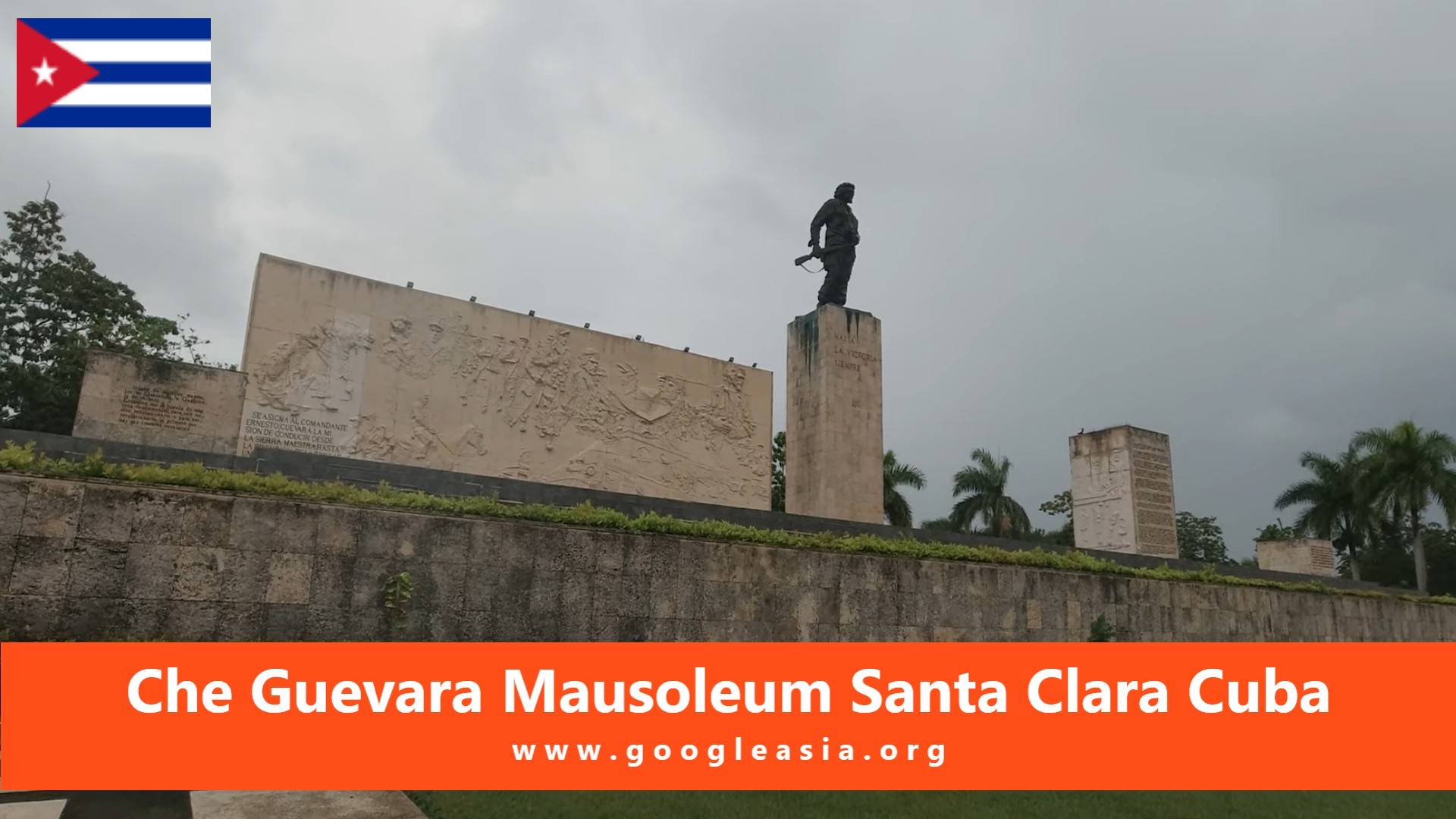
    Explore the Blowhole

    Witness the Eruptions

    • Timing: Visit during high tide for the most impressive eruptions, as the waves will force water higher and with greater force.
    • Viewing Spots: Enjoy the eruptions from the cove near the blowhole or from the top of the cliff for different perspectives.

    Take Photos

    • Photography Tips: Capture the geyser’s dramatic eruptions with a camera or smartphone. Use a fast shutter speed to freeze the action of the water blast.

    Visit the Visitor Center

    Shop for Souvenirs

    • Local Crafts: Browse through the souvenir shops for locally crafted items, including jewelry, art, and traditional Mexican crafts.
    • Memorabilia: Pick up keepsakes such as postcards, magnets, and t-shirts to remember your visit.

    Enjoy Local Food

    • Mexican Cuisine: Sample local food offerings at the visitor center, including traditional Mexican snacks and fresh seafood.
    • Refreshments: Enjoy a variety of beverages, including refreshing drinks and local specialties.

    Discover the Nearby Fishing Village

    Explore the Town

    • Local Attractions: Visit the charming town of Ensenada to experience its vibrant culture, local markets, and picturesque harbor.
    • Dining: Try local restaurants in Ensenada for authentic Mexican cuisine and fresh seafood dishes.

    Cultural Experiences

    • Local Art: Explore local galleries and shops to appreciate the art and crafts of the region.
    • Historical Sites: Learn about the history of the area by visiting museums and historical landmarks in Ensenada.

    Enjoy Outdoor Activities

    Go Whale Watching

    • Seasonal Tours: Join a whale-watching tour during the migration season (typically December to April) to see gray whales, humpback whales, and other marine life.
    • Boat Tours: Several operators offer whale-watching excursions that depart from nearby Ensenada.

    Take a Scenic Hike

    • Coastal Trails: Explore hiking trails around La Bufadora to enjoy stunning coastal views and immerse yourself in the natural beauty of Baja California.
    • Nature Walks: Enjoy a leisurely walk along the coastline, where you might spot local wildlife and plant species.

    Participate in Water-Based Adventures

    Kayaking and Paddleboarding

    • Rentals: Rent a kayak or paddleboard to explore the nearby waters and get a unique view of the coastline.
    • Guided Tours: Consider joining a guided tour to learn more about the local marine environment and enjoy a safe and informative experience.

    Fishing Trips

    • Charter a Boat: Book a fishing charter for a chance to catch various fish species in the rich waters off Baja California.
    • Local Guides: Experienced local guides can provide tips and equipment for a successful fishing experience.

    Relax and Enjoy the Scenery

    Beach Time

    • Nearby Beaches: Spend some time relaxing on nearby beaches, enjoying the sun and the beautiful ocean views.
    • Picnicking: Bring a picnic to enjoy by the shore, soaking in the tranquil atmosphere and scenic surroundings.

    Foods

    La Bufadora is not only known for its stunning marine geyser but also for its delicious and diverse array of local foods. Visitors can enjoy a range of flavorful dishes that showcase the best of Baja California’s culinary traditions. Here’s a guide to some of the best foods to try when visiting La Bufadora:

    Seafood Delights

    Seafood Tostadas

    • Description: Crispy tortillas topped with a variety of seafood fillings, including shrimp, octopus, and fish.
    • Flavor Profile: Fresh and zesty, often garnished with avocado, lime, and spicy salsa.

    Sopa de Mariscos

    • Description: A hearty seafood soup made with a rich broth and loaded with shrimp, fish, clams, and other seafood.
    • Flavor Profile: Savory and flavorful, often with a hint of spice and fresh herbs.

    Ceviches

    • Description: Brightly-flavored dishes made with marinated seafood such as shrimp, scallops, and octopus.
    • Variations: Includes classic ceviche with lime juice, tomatoes, onions, and cilantro.

    Ceviche Estilo La Bufadora

    • Description: A signature dish featuring a mix of marinated shrimp, marlin, sea bass, tomatoes, and chipotle peppers.
    • Flavor Profile: Zesty, spicy, and refreshing, perfect for seafood lovers.

    Filete de Pescado

    • Description: A lightly-fried white fish fillet, often served with a side of vegetables or rice.
    • Flavor Profile: Mild and tender, with a crispy exterior.

    Empanadas de Pescado

    • Description: Savory pastries filled with white fish, typically seasoned with spices and herbs.
    • Flavor Profile: Crispy on the outside and tender on the inside, with a delicious fish filling.

    Tacos de Camaron

    • Description: Spicy tacos filled with shrimp and served with fresh salsa and other traditional toppings.
    • Flavor Profile: Spicy and savory, with a satisfying crunch.

    Traditional Mexican Dishes

    Mole Verde con Camarones

    • Description: A unique green mole sauce paired with succulent shrimp.
    • Flavor Profile: Rich and earthy, with a balance of spices and a hint of sweetness from the mole sauce.

    Mole Poblano

    • Description: A traditional dark chili sauce made with chicken, peanuts, and sesame seeds.
    • Flavor Profile: Complex and deep, combining spicy, sweet, and nutty flavors.

    Pozole Rojo

    • Description: A classic Mexican stew made with pork and hominy, cooked in a red chili broth.
    • Flavor Profile: Hearty and spicy, often topped with shredded cabbage, radishes, and lime.

    Hotels

    La Bufadora is a stunning destination on the Baja California coast, offering visitors a mix of natural wonders and comfortable accommodations. Whether you’re looking for luxury, relaxation, or budget-friendly options, there are several great hotels to choose from. Here’s a guide to some of the best hotels near La Bufadora:

    Luxury and Upscale Accommodations

    Playa La Bufadora Hotel & Spa (4.5/5 stars)

    • Description: Situated close to the famous blowhole, this hotel offers luxurious rooms, a full-service spa, and direct beach access.
    • Amenities: On-site dining, outdoor pool, and wellness treatments.

    Tulemar Bungalows & Villas (4.5/5 stars)

    • Description: Known for its elegant bungalows and villas, Tulemar offers a private and serene environment with spectacular ocean views.
    • Amenities: Private beach area, outdoor pool, and personalized services.

    La Roca Hotel (4.5/5 stars)

    • Description: This hotel features comfortable, modern rooms with stunning views of the Pacific Ocean.
    • Amenities: On-site restaurant, spa services, and easy access to local attractions.

    Marea La Bufadora Hotel (4/5 stars)

    • Description: A well-regarded option with spacious rooms and beautiful views, Marea La Bufadora offers a relaxing stay with easy access to the blowhole.
    • Amenities: Beachfront location, restaurant, and outdoor pool.

    Mid-Range Choices

    Hotel Punta Banda (4/5 stars)

    • Description: Offering a blend of comfort and affordability, this hotel provides cozy accommodations and a convenient location near local attractions.
    • Amenities: Restaurant, outdoor pool, and complimentary breakfast.

    Melia Cabo Real Beach & Golf Resort (4/5 stars)

    • Description: Located a bit further from La Bufadora but offering a luxurious resort experience with golf course access and beautiful beach views.
    • Amenities: Multiple dining options, spa, and golf facilities.

    Budget-Friendly Options

    Las Gaviotas Beach Resort (3.5/5 stars)

    • Description: A budget-friendly choice with comfortable accommodations and a beachfront location.
    • Amenities: On-site restaurant, pool, and direct beach access.

    Hotel la Palapa by Villa Group (3.5/5 stars)

    • Description: Featuring relaxed accommodations with easy access to local dining and attractions.
    • Amenities: Pool, restaurant, and a casual atmosphere.

    Hotel Los Arcos (3/5 stars)

    • Description: A simple, no-frills option that offers basic amenities and a central location.
    • Amenities: Basic rooms, restaurant, and proximity to local shops.

    Quinta Las Lomas B&B (3/5 stars)

    • Description: A charming bed and breakfast offering a more personalized experience with comfortable rooms and a homely atmosphere.
    • Amenities: Breakfast included, garden area, and local advice from hosts.

    Conclusion

    La Bufadora offers a range of accommodation options to suit different budgets and preferences. From luxurious beachside resorts and elegant bungalows to comfortable mid-range hotels and budget-friendly stays, there is something for everyone. Whether you’re seeking a lavish retreat with spa treatments or a cozy spot to relax after exploring the natural wonders of La Bufadora, these hotels provide excellent choices to enhance your visit to this beautiful Baja California destination.

    La Bufadora Mexico Marine Geyser Baja California

    Summary

    • Attraction Name: La Bufadora Mexico
    • Country: Mexico
    • Continent: North America
    • Capital Name: Mexico City
    • Language: Spanish
    • Currency: Mexican Peso
    • Nationality: Mexican
    • Category: #Destination #NorthAmerica #MEXICO 

    Frequently Asked Questions

    Where is La Bufadora located?

    La Bufadora is located near the town of Ensenada in the state of Baja California, Mexico. It is a popular tourist attraction known for its marine geyser, which sprays water high into the air from a sea cave with each incoming ocean wave, creating a natural spectacle.

    How to go to La Bufadora?

    To visit La Bufadora, follow these general directions from Ensenada, Baja California:

    1. From Ensenada:
      • By Car: Drive south on Highway 1 (Carretera Transpeninsular) towards the town of Maneadero.
      • Follow signs for La Bufadora, which is located approximately 24 kilometers (about 15 miles) southwest of Ensenada.
      • The road to La Bufadora is well-marked, and you’ll find parking facilities near the attraction.
    2. By Bus or Taxi:
      • Taxis or local buses may offer transportation from Ensenada to La Bufadora, although schedules and availability may vary.
      • Confirm with local transportation services in Ensenada for specific options and pricing.
    3. Tour Packages:
      • Many tour operators in Ensenada offer guided tours to La Bufadora, often including stops at other nearby attractions and points of interest.
    4. Accessibility:
      • The site is accessible for visitors of all ages, with a short walk from the parking area to view the marine geyser.
      • Note that it can get crowded during peak tourist times, so planning your visit earlier or later in the day may provide a more enjoyable experience.

    What are La Bufadora’s must-visit attractions or landmarks?

    La Bufadora is primarily known for its spectacular marine geyser, but there are several other attractions and landmarks nearby that visitors often explore:

    1. La Bufadora Marine Geyser: The main attraction, where seawater is forced through a sea cave by ocean waves, creating a dramatic spray that can reach heights of up to 30 meters (100 feet).
    2. Shopping and Dining: Along the pathway leading to La Bufadora, there are numerous shops selling souvenirs, crafts, and local goods. Visitors can also find seafood restaurants offering fresh cuisine with ocean views.
    3. Mirador Punta Banda: This scenic overlook provides panoramic views of the Pacific Ocean, coastline, and sometimes glimpses of La Bufadora itself. It’s a great spot for photos and enjoying the coastal scenery.
    4. Local Markets: Nearby markets in Ensenada or Maneadero offer a variety of local products, including seafood, fruits, and crafts. These markets provide a glimpse into local life and culture.
    5. Wine Tasting: Baja California’s wine region, Valle de Guadalupe, is within driving distance from La Bufadora. It’s known for its vineyards, wineries, and wine tastings, making it a popular extension to a visit to La Bufadora.
    6. Beaches and Coastal Views: Explore nearby beaches such as Playa Hermosa or Playa de San Miguel for relaxing walks, swimming, or enjoying the sunset.

    Is La Bufadora a suitable travel destination for solo adventurers, honeymooning couples, or those traveling with families?

    La Bufadora can be a suitable travel destination for various types of travelers:

    1. Solo Adventurers: Solo travelers can enjoy the natural spectacle of La Bufadora and explore the surrounding areas at their own pace. It’s relatively easy to access, and the nearby shops and dining options provide convenience.
    2. Honeymooning Couples: La Bufadora offers a scenic and romantic atmosphere, especially if couples enjoy coastal views and natural wonders. It’s a picturesque spot for couples to visit and enjoy each other’s company.
    3. Families: Families can have a fun and educational experience at La Bufadora. Children can marvel at the marine geyser and enjoy exploring the shops and local markets nearby. The area is generally family-friendly, with accessible pathways and amenities.

    Why should you visit La Bufadora?

    There are several compelling reasons to visit La Bufadora:

    1. Natural Wonder: Witnessing the marine geyser at La Bufadora is a unique experience where seawater is forced through a sea cave by ocean waves, creating a dramatic spray that reaches impressive heights.
    2. Scenic Views: Enjoy breathtaking views of the Pacific Ocean and the rugged coastline from the viewpoints near La Bufadora. It’s a picturesque spot for photography and appreciating coastal landscapes.
    3. Local Culture: Explore the shops and markets along the pathway to La Bufadora, offering a variety of souvenirs, crafts, and local goods. Experience the vibrant atmosphere and interact with local vendors.
    4. Culinary Delights: Sample fresh seafood at nearby restaurants that specialize in dishes like ceviche, fish tacos, and other regional cuisine. Enjoy oceanfront dining with views of the Pacific Ocean.
    5. Accessibility: La Bufadora is easily accessible from Ensenada, making it a convenient day trip for travelers looking to experience nature and local culture without venturing too far from urban areas.
    6. Outdoor Activities: Nearby beaches and coastal areas offer opportunities for swimming, sunbathing, or simply relaxing by the ocean. Visitors can also explore hiking trails and enjoy the natural beauty of the surrounding landscape.

    Is it difficult to find halal food in La Bufadora?

    Finding halal food in La Bufadora can be challenging due to the predominantly seafood-focused restaurants and local cuisine offerings. Here are some considerations:

    1. Limited Options: The restaurants and eateries near La Bufadora typically specialize in seafood dishes, which may not always cater to halal dietary restrictions.
    2. Local Cuisine: Mexican cuisine in the area often includes pork and other non-halal ingredients, making it important for those seeking halal food to inquire about ingredients and preparation methods.
    3. Plan Ahead: Visitors adhering to halal dietary guidelines may find it beneficial to plan ahead by researching nearby restaurants in Ensenada or bringing their own food if options are limited.
    4. Alternative Choices: Some international cuisines or larger cities like Ensenada may offer more diverse dining options, including restaurants that cater to halal dietary requirements. It’s recommended to explore these options beforehand.
    5. Local Advice: Asking locals or checking with tourism offices in Ensenada for recommendations on halal-friendly restaurants or grocery stores may provide additional insights.
  • Holbox Island, Mexico: A Caribbean Paradise

    Holbox Island, Mexico: A Caribbean Paradise

    Holbox Island, Mexico

    Holbox Island Mexico is one of the most beautiful and unique places to visit in the world. The island is located northeast of the Yucatan Peninsula and offers some of the most peaceful and tranquil paradises in the country. Its pristine white-sand beaches are perfect for relaxing and taking in the stunning natural beauty.

    There are a variety of activities to enjoy while on the island, including kayaking and sailing, snorkeling and swimming, deep sea fishing, bird watching, and the plethora of wildlife that can be seen here. The stunning sunsets are truly a must see. Visitors will also appreciate the friendly locals and the slower pace of life that exists here. Holbox Island Mexico is definitely worth a visit for its beauty, relaxation, and adventure.

    Holbox Island Mexico is an exotic paradise off the coast of the Yucatan Peninsula. With white sand beaches, turquoise waters, and an abundance of wildlife, it is one of Mexico’s most enchanting destinations. From lounging and swimming on the island’s tranquil beaches to wildlife spotting, such as pink flamingos, pelicans and dolphins, this Caribbean paradise offers tourists a once-in-a-lifetime adventure.

    Introduction

    Holbox Island is a captivating destination located within the Yum Balam Biosphere Reserve, off the northeast coast of the Yucatán Peninsula in Mexico’s Quintana Roo state. Known for its stunning beaches and tranquil ambiance, Holbox offers a unique blend of natural beauty and relaxed island charm. Here’s what you need to know about this idyllic Caribbean getaway.

    Overview

    Location and Access

    • Geographic Location: Situated in the Caribbean Sea, Holbox Island lies just off the northern coast of the Yucatán Peninsula.
    • Access: The island is accessible via a ferry from the nearby town of Chiquilá. The journey takes about 30 minutes, providing a scenic introduction to the island’s beauty.

    Atmosphere and Accommodations

    Small Fishing Village Charm

    • Relaxed Ambiance: Holbox maintains a small fishing village atmosphere, characterized by its laid-back vibe and friendly locals. It’s an excellent destination for a peaceful and rejuvenating vacation.
    • Accommodations: The island offers a range of accommodations from charming boutique hotels to beachfront resorts, catering to different preferences and budgets.

    Things to Do

    Holbox Island is a tropical paradise offering a diverse array of activities amidst its serene environment and stunning natural beauty. Whether you’re looking to relax on pristine beaches, explore unique wildlife, or dive into local culture, Holbox has something for everyone. Here’s a guide to some of the top things to do on this enchanting island:

    Visit the Whale Shark Nursery

    Encounter the Gentle Giants

    • Best Time to Visit: June to September, when whale sharks migrate to Holbox to feed on plankton.
    • Activity: Join a snorkeling tour with a local operator to experience these majestic creatures up close in their natural habitat.
    • Highlights: Witnessing the largest fish in the ocean while they feed and swim gracefully in the clear waters.

    Take a Walk on the Beach

    Stroll Along Powder-White Sands

    • Experience: Enjoy the soft, powder-white sand and crystal-clear waters of Holbox’s beaches.
    • Activities: Grab a refreshing margarita, slip on your sandals, and take a leisurely walk along the shore.
    • Highlights: The opportunity to see wild flamingos and enjoy breathtaking views of the Caribbean Sea.

    Go Bird Watching

    Explore Avian Diversity

    • Best Spots: Holbox Island is renowned for its bird-watching opportunities.
    • Bird Species: Over 300 species can be observed, including flamingos, herons, and pelicans.
    • Activities: Bring binoculars and a field guide to explore the island’s diverse birdlife, especially in areas like the mangroves and wetlands.

    Explore Yalahau Lagoon

    Navigate Through Lush Mangroves

    • Activities: Use a kayak or canoe to explore the serene waters of Yalahau Lagoon.
    • Wildlife: Spot exotic birds, fish, and other wildlife that inhabit the mangroves and surrounding jungle.
    • Highlights: The tranquil setting and the opportunity to immerse yourself in nature.

    Visit Punta Cocos Lighthouse

    Enjoy Scenic Views and History

    • Landmark: The Punta Cocos lighthouse, built in 1915, is an iconic feature of Holbox Island.
    • Activities: Visit the lighthouse for stunning sunset views and to learn about the island’s maritime history.
    • Highlights: Capture picturesque views of the Caribbean sunset and the island’s rugged coastline.

    Take a Fishing Trip

    Reel in the Big Catch

    • Fishing Options: Charter a boat for deep-sea fishing adventures targeting species like Tarpon, Marlin, Wahoo, and Sailfish.
    • Best Time: Depending on the species, fishing can be enjoyed year-round.
    • Highlights: Experience the thrill of fishing in the rich waters surrounding Holbox and enjoy the rugged beauty of the coastline.

    Enjoy Local Cuisine

    Savor Authentic Flavors

    • Dining Spots: Holbox Island offers a variety of local eateries serving fresh seafood, tacos, and other Mexican favorites.
    • Must-Try Dishes: Sample freshly-caught seafood and traditional Mexican fare.
    • Experience: Pair your meal with an ice-cold cerveza and enjoy the laid-back, beachside dining atmosphere.

    Foods

    Holbox Island is not only known for its stunning beaches and serene atmosphere but also for its vibrant culinary scene. The island offers a range of delicious dishes that showcase the best of Mexican and Caribbean flavors. Here’s a guide to the best foods you should try when visiting Holbox:

    Ceviche

    Fresh and Zesty

    • Description: A refreshing local dish made from fresh fish and shellfish marinated in lime juice.
    • Ingredients: Chili, cilantro, crunchy vegetables.
    • Highlights: The tangy and spicy flavors combined with the freshness of the seafood make this a must-try.

    Tikin-Xic

    Smoky Delicacy

    • Description: A traditional Yucatán dish made from smoked fish.
    • Ingredients: Smothered in a rich tomato sauce with spices.
    • Highlights: The smoky flavor of the fish and the spicy tomato sauce provide a unique and authentic taste.

    Frozen Watermelon Margarita

    Perfect Refresher

    • Description: A cool and fruity cocktail ideal for hot days.
    • Ingredients: Pureed sweet watermelon, tequila, lime juice, and a touch of honey.
    • Highlights: This refreshing drink combines the sweetness of watermelon with the tanginess of lime and the smoothness of tequila.

    Cochinita Pibil

    Traditional Yucatán Flavor

    • Description: Slow-cooked pork marinated in achiote paste.
    • Ingredients: Orange juice, garlic, spices.
    • Highlights: The pork is tender and flavorful, with a deep, smoky taste from the achiote and spices.

    Tostadas

    Crunchy and Versatile

    • Description: Crisp fried tortillas topped with a variety of ingredients.
    • Ingredients: Beans, cheese, chorizo, and other classic Mexican toppings.
    • Highlights: The crunchy texture and diverse toppings make tostadas a popular and satisfying choice.

    Fajitas

    Grilled Perfection

    • Description: Grilled meats served with warm tortillas.
    • Ingredients: Freshly made guacamole, pico de gallo.
    • Highlights: The combination of grilled fajitas with fresh, homemade sides offers a flavorful and filling meal.

    Caribbean Shrimp Ceviche

    Zesty and Fresh

    • Description: A twist on traditional ceviche using shrimp.
    • Ingredients: Shrimp, tomato, cilantro, orange juice.
    • Highlights: The combination of citrusy and zesty flavors with tender shrimp is a delightful treat.

    Octopus Tacos

    Smoky and Savory

    • Description: Tacos featuring tender, smoky octopus.
    • Ingredients: Tangy tortillas with octopus seasoned to perfection.
    • Highlights: The unique texture and flavor of the octopus make these tacos a standout dish.

    Chaya Tamales

    Unique and Flavorful

    • Description: Tamales made with locally grown chaya leaf.
    • Ingredients: Corn dough filled with chaya leaves and other fillings.
    • Highlights: The chaya adds a distinctive flavor and a nutritious twist to traditional tamales.

    Lobster

    Seafood Delight

    • Description: Freshly caught lobster, a local favorite.
    • Ingredients: Simply prepared to highlight the natural sweetness of the lobster.
    • Highlights: Succulent and tender, Holbox’s lobster is a must-try for seafood enthusiasts.

    Hotels

    Holbox Island offers a variety of accommodations that cater to different tastes and preferences, ensuring a comfortable and memorable stay. Whether you’re seeking beachfront luxury, eco-friendly options, or charming boutique hotels, Holbox has something for everyone. Here’s a guide to some of the best hotels on the island:

    Hotel Casa Las Tortugas

    Beachfront Comfort

    • Location: Right by the beach.
    • Features: Stunning ocean views and comfortable service.
    • Highlights: Enjoy direct access to the beach and relaxing in a serene environment with modern amenities.

    Villas Flamingos

    Luxurious Retreat

    • Location: Secluded and tranquil.
    • Features: Luxurious accommodation with excellent amenities.
    • Highlights: Ideal for relaxation with upscale facilities and a picturesque setting.

    Viva La Buena Vida

    Quality and Luxury

    • Location: Beachfront.
    • Features: Pools, restaurants, and endless beach views.
    • Highlights: Offers a combination of comfort and luxury with stunning views of the Caribbean Sea.

    Le Caribe Mexicano

    Comfortable and Lush

    • Location: In the heart of the island.
    • Features: Comfortable guest rooms and lush landscapes.
    • Highlights: A great base for exploring Holbox, with easy access to local attractions.

    Nativus Holbox

    Romantic Setting

    • Location: Scenic and tranquil.
    • Features: Beautiful decor and romantic ambiance.
    • Highlights: Perfect for couples seeking a romantic getaway with charming surroundings.

    Casa Sandra Boutique Hotel

    Modern Style

    • Location: On the east coast of Holbox Island.
    • Features: Modern style and comfort.
    • Highlights: Contemporary design with easy access to the island’s attractions and beaches.

    Hotelito del Mar

    Ocean Views and Tranquility

    • Location: Close to the ocean.
    • Features: Breathtaking ocean views and a tranquil atmosphere.
    • Highlights: Ideal for a romantic holiday with peaceful surroundings and beautiful vistas.

    Eco Palafitos

    Eco-Friendly Experience

    • Location: Oceanfront.
    • Features: Eco-friendly design and unique accommodations.
    • Highlights: Experience sustainable living in a beautifully designed hotel that blends with the natural environment.

    The Coral Reef

    Luxury and Style

    • Location: Bay-view setting.
    • Features: A combination of luxury, style, and comfort.
    • Highlights: Enjoy a stunning bay view in a luxurious and stylish environment.

    Hotelito Los Compadres

    Family-Friendly

    • Location: Centrally located.
    • Features: Outdoor swimming pool and family-friendly amenities.
    • Highlights: A great choice for families looking for comfort and convenience during their stay on Holbox.

    Conclusion

    Holbox Island offers a range of hotels that cater to various preferences, from beachfront luxury and eco-friendly retreats to family-friendly spots and romantic getaways. Whether you’re looking to relax by the ocean, explore the island’s natural beauty, or enjoy top-notch amenities, these hotels provide excellent options for a memorable stay. Choose the one that best fits your needs and enjoy the unique charm and tranquility of Holbox Island.

    Holbox Island Mexico Unspoiled Caribbean Island

    Summary

    • Attraction Name: Holbox Island
    • Country: Mexico
    • Continent: North America
    • Capital Name: Mexico City
    • Language: Spanish
    • Currency: Mexican Peso
    • Nationality: Mexican
    • Category: #Destination #NorthAmerica #MEXICO 

    Frequently Asked Questions

    Where is Holbox Island located?

    Holbox Island, also known as Isla Holbox, is located in the Mexican state of Quintana Roo. It lies on the northern coast of the Yucatán Peninsula, in the Yum Balam Natural Reserve. It is situated northwest of Cancún and northeast of the city of Chetumal. Holbox Island is known for its natural beauty, laid-back atmosphere, and pristine beaches, making it a popular destination for travelers seeking a tranquil escape.

    How to go to Holbox Island?

    To visit Holbox Island, follow these steps from major nearby locations:

    1. From Cancún:
      • By Car or Shuttle: Drive or take a shuttle to the town of Chiquilá, which is approximately a 2-hour drive from Cancún. The route typically involves taking Highway 180D west and then Highway 5 north to Chiquilá.
      • By Bus: ADO and other bus services offer routes from Cancún to Chiquilá. The bus ride takes around 2-3 hours.
    2. From Chiquilá:
      • By Ferry: Ferries run frequently from Chiquilá to Holbox Island. The ferry ride takes about 20-30 minutes. Two main ferry companies operate this route: Holbox Express and 9 Hermanos.
      • By Water Taxi: Alternatively, you can take a private water taxi from Chiquilá to Holbox, which is a faster but more expensive option.
    3. From Playa del Carmen:
      • By Car or Shuttle: Drive or take a shuttle to Chiquilá, which is approximately a 2.5-hour drive. Take Highway 305 north, then join Highway 180D west, and finally Highway 5 north to Chiquilá.
      • By Bus: ADO buses also offer routes from Playa del Carmen to Chiquilá, taking around 2.5-3 hours.
    4. From Mérida:
      • By Car: Drive from Mérida to Chiquilá, which takes around 4 hours. Take Highway 180 east, then Highway 295 south, and finally Highway 5 north to Chiquilá.
      • By Bus: ADO offers bus services from Mérida to Chiquilá, taking approximately 5 hours.
    5. Arriving on Holbox Island:
      • Once you arrive on Holbox Island, transportation around the island is primarily by golf carts, bicycles, or on foot, as there are few cars on the island.

    How can one travel to Holbox Island?

    Traveling to Holbox Island involves a combination of land and sea transport. Here’s a step-by-step guide on how to get there from major nearby locations:

    From Cancún:

    1. By Car or Shuttle:
      • Drive or take a shuttle to the town of Chiquilá, approximately a 2-hour drive from Cancún.
      • Follow Highway 180D west and then Highway 5 north to Chiquilá.
    2. By Bus:
      • ADO and other bus services offer routes from Cancún to Chiquilá.
      • The bus ride takes around 2-3 hours.

    From Chiquilá:

    1. By Ferry:
      • Ferries run frequently from Chiquilá to Holbox Island.
      • The ferry ride takes about 20-30 minutes.
      • Two main ferry companies operate this route: Holbox Express and 9 Hermanos.
    2. By Water Taxi:
      • Alternatively, you can take a private water taxi from Chiquilá to Holbox, which is faster but more expensive.

    From Playa del Carmen:

    1. By Car or Shuttle:
      • Drive or take a shuttle to Chiquilá, approximately a 2.5-hour drive.
      • Take Highway 305 north, then join Highway 180D west, and finally Highway 5 north to Chiquilá.
    2. By Bus:
      • ADO buses offer routes from Playa del Carmen to Chiquilá, taking around 2.5-3 hours.

    From Mérida:

    1. By Car:
      • Drive from Mérida to Chiquilá, which takes around 4 hours.
      • Take Highway 180 east, then Highway 295 south, and finally Highway 5 north to Chiquilá.
    2. By Bus:
      • ADO offers bus services from Mérida to Chiquilá, taking approximately 5 hours.

    Arriving on Holbox Island:

    • Once you arrive on Holbox Island, transportation around the island is primarily by golf carts, bicycles, or on foot, as there are few cars on the island.

    Tips:

    • Plan Ahead: Check schedules for ferries and buses to ensure a smooth journey.
    • Tickets: It’s advisable to purchase ferry or bus tickets in advance, especially during peak travel seasons.
    • Local Transport: Golf cart rentals and bike rentals are readily available on the island for getting around.

    What are Holbox Island’s must-visit attractions or landmarks?

    Holbox Island offers a range of natural and cultural attractions that make it a unique and captivating destination. Here are some must-visit spots on the island:

    1. Punta Coco: This western point of the island is known for its beautiful sunsets and serene atmosphere. It’s a perfect spot for relaxation and birdwatching.
    2. Punta Mosquito: Located on the northeastern side of the island, this area offers stunning views and is a great place to see flamingos and other wildlife. The shallow waters make it ideal for wading.
    3. Holbox Beach: The island’s main beach is famous for its white sands and crystal-clear turquoise waters. It’s perfect for swimming, sunbathing, and beachcombing.
    4. Bioluminescent Beaches: At night, particularly during certain times of the year, parts of Holbox’s beaches light up with bioluminescent plankton, creating a magical, glowing effect in the water.
    5. Holbox Town: The town itself is charming, with colorful murals, quaint streets, and a relaxed vibe. It’s great for exploring local shops, restaurants, and bars.
    6. Whale Shark Tours: From June to September, you can join a tour to swim with the gentle giants of the sea, the whale sharks, in the waters around Holbox.
    7. Kayaking in the Mangroves: Explore the island’s mangrove forests by kayak, where you can see diverse wildlife, including birds, fish, and sometimes even crocodiles.
    8. Three Islands Tour: This popular boat tour takes you to nearby Isla Pájaros (Bird Island), Isla Pasión, and Yalahau Cenote, where you can swim in freshwater, see diverse bird species, and enjoy the natural beauty.
    9. Cabo Catoche: A day trip to this remote spot offers excellent snorkeling and fishing opportunities, as well as a chance to explore Mayan ruins and relax on secluded beaches.
    10. Kiteboarding: Holbox’s consistent winds and shallow waters make it an excellent location for kiteboarding. Several schools offer lessons for beginners and rentals for experienced riders.

    Tips for Visiting:

    • Stay Hydrated and Protected: Bring plenty of water and sunscreen as the island can get very sunny and warm.
    • Explore by Golf Cart or Bike: The best way to get around the island is by renting a golf cart or a bicycle.
    • Respect Wildlife: Always observe wildlife from a distance and follow local guidelines to protect the natural habitat.

    Is Holbox Island a suitable travel destination for solo adventurers, honeymooning couples, or those traveling with families?

    Solo Adventurers:

    1. Exploration Opportunities: Holbox Island is ideal for solo travelers who enjoy exploring new places independently. The island’s small size makes it easy to navigate.
    2. Adventure Activities: Activities like kayaking in the mangroves, kiteboarding, and snorkeling provide plenty of adventure.
    3. Safety: Holbox is generally safe for solo travelers, with a friendly local community and a laid-back atmosphere.

    Honeymooning Couples:

    1. Romantic Settings: With its stunning sunsets, bioluminescent beaches, and tranquil atmosphere, Holbox is perfect for a romantic getaway.
    2. Luxury Accommodations: The island offers several boutique hotels and resorts that cater to couples, providing intimate settings and amenities.
    3. Private Tours: Couples can enjoy private boat tours, secluded beach spots, and romantic dinners by the beach.

    Families:

    1. Family-Friendly Activities: Families can enjoy a variety of activities, such as beach outings, wildlife watching, and boat tours.
    2. Safe Environment: The island’s safe and relaxed environment makes it suitable for families with children.
    3. Educational Experiences: Kids can learn about marine life and ecosystems through activities like swimming with whale sharks (seasonal) and exploring the mangroves.

    General Considerations:

    • Accommodations: A range of accommodation options are available, from budget-friendly hostels to luxurious resorts.
    • Dining: There are numerous restaurants offering a variety of cuisines, though finding specific dietary options (e.g., halal) might require some research.
    • Transportation: The island is car-free, so getting around is typically done by golf cart, bicycle, or on foot, which adds to the relaxed vibe but requires some physical activity.

    Why should you visit Holbox Island?

    1. Natural Beauty:
      • Pristine Beaches: Enjoy the white sandy beaches and crystal-clear turquoise waters, perfect for swimming and relaxation.
      • Sunsets and Bioluminescence: Experience stunning sunsets and, at certain times of the year, witness the magical bioluminescent plankton that lights up the night waters.
    2. Wildlife and Nature:
      • Flamingos and Bird Watching: Visit Punta Mosquito to see flamingos and other exotic birds in their natural habitat.
      • Marine Life: Swim with whale sharks (seasonal) and explore diverse marine life through snorkeling and diving.
    3. Outdoor Activities:
      • Kayaking and Kiteboarding: Explore the island’s mangroves by kayak or enjoy kiteboarding in ideal wind conditions.
      • Fishing and Boat Tours: Engage in fishing trips and take boat tours to nearby islands and cenotes.
    4. Local Culture:
      • Holbox Town: Wander through the charming town with its colorful murals, quaint streets, and friendly locals.
      • Local Cuisine: Savor fresh seafood and local dishes at various restaurants and beachside eateries.
    5. Relaxation and Tranquility:
      • Laid-Back Atmosphere: Holbox Island is known for its relaxed, car-free environment, making it an ideal destination to unwind and disconnect.
      • Intimate Accommodations: Choose from a range of boutique hotels and beachfront accommodations that offer a peaceful retreat.
    6. Adventure and Exploration:
      • Three Islands Tour: Discover nearby Isla Pájaros (Bird Island), Isla Pasión, and Yalahau Cenote on a popular boat tour.
      • Cabo Catoche: Explore remote beaches, snorkel, and visit Mayan ruins on a day trip to Cabo Catoche.

    Tips for Visiting:

    • Plan Ahead: Check the best times to visit for activities like whale shark swimming and bioluminescence.
    • Stay Hydrated: Bring water and sunscreen as the island can get quite sunny.
    • Transportation: Rent a golf cart or bicycle to explore the island conveniently.

    Is there any halal food available in the vicinity of the Holbox Island?

    1. Limited Options: Halal food options on Holbox Island are limited due to its small size and remote location. Most restaurants serve local Mexican cuisine and seafood.
    2. Seafood Choices: While specific halal-certified restaurants may be rare, many seafood dishes can be considered halal as long as they do not contain alcohol or non-halal ingredients. Always confirm with the restaurant about the ingredients and preparation methods.
    3. Self-Catering: Consider bringing your own halal snacks or groceries if you have specific dietary requirements. Some accommodations offer kitchen facilities where you can prepare your own meals.
    4. Nearby Cities: For a wider variety of halal food options, you might need to visit larger nearby cities like Cancún or Playa del Carmen, where you can find international restaurants catering to diverse dietary needs.
    5. Research and Inquiries: Before traveling, research online for any updated information on halal food availability on Holbox Island. You can also contact your accommodation or local tourism offices for recommendations.

    Tips:

    • Communicate Dietary Needs: When dining out, clearly communicate your dietary restrictions to ensure your meals meet halal standards.
    • Pack Essentials: Bringing essential halal food items can ensure you have suitable options during your stay.
error: Content is protected !!