Egypt
Egypt is a country that blends ancient wonders with modern energy, making it a truly unique destination. Whether you’re marveling at the Great Pyramids of Giza, gazing at the Sphinx, or exploring the ancient temples of Luxor, there’s no shortage of incredible historical sites to discover. Don’t miss the chance to cruise down the Nile River, a journey that offers a different perspective of this timeless land. If you’re looking to relax or dive into an underwater adventure, the Red Sea is the perfect place to unwind. With so much to offer, Egypt promises a once-in-a-lifetime experience that will stay with you forever.
Introduction
Egypt is one of the world’s most iconic travel destinations, blending ancient history with modern adventure. From the legendary Pyramids of Giza and the Sphinx to the bustling streets of Cairo and the tranquil waters of the Nile, Egypt offers a journey through time. Visitors can explore temples in Luxor, cruise along the river, or relax on the Red Sea coast. With its unique mix of heritage, culture, and natural beauty, Egypt promises an unforgettable experience for every traveler.
Budget Travel $100
Travelers on a $100 budget can enjoy Egypt by staying in affordable guesthouses or budget hotels, eating at local restaurants or street food stalls to save money, and using public transport such as minibuses or trains for economical travel. Exploring free attractions like local markets, city walks, and riverfront views allows you to experience Egypt’s charm without overspending.
Tips for USA Travellers
Visitors from the USA can make their journey smoother by packing light to simplify connecting flights, carrying cash since smaller shops may not accept cards, and respecting local customs to engage meaningfully with Egyptian communities. It is also wise to download offline maps, as mobile coverage can be patchy in rural or desert areas, ensuring smooth navigation throughout the trip.
Hot & Trending Destination
Click below to start exploring and find your next destination.
-
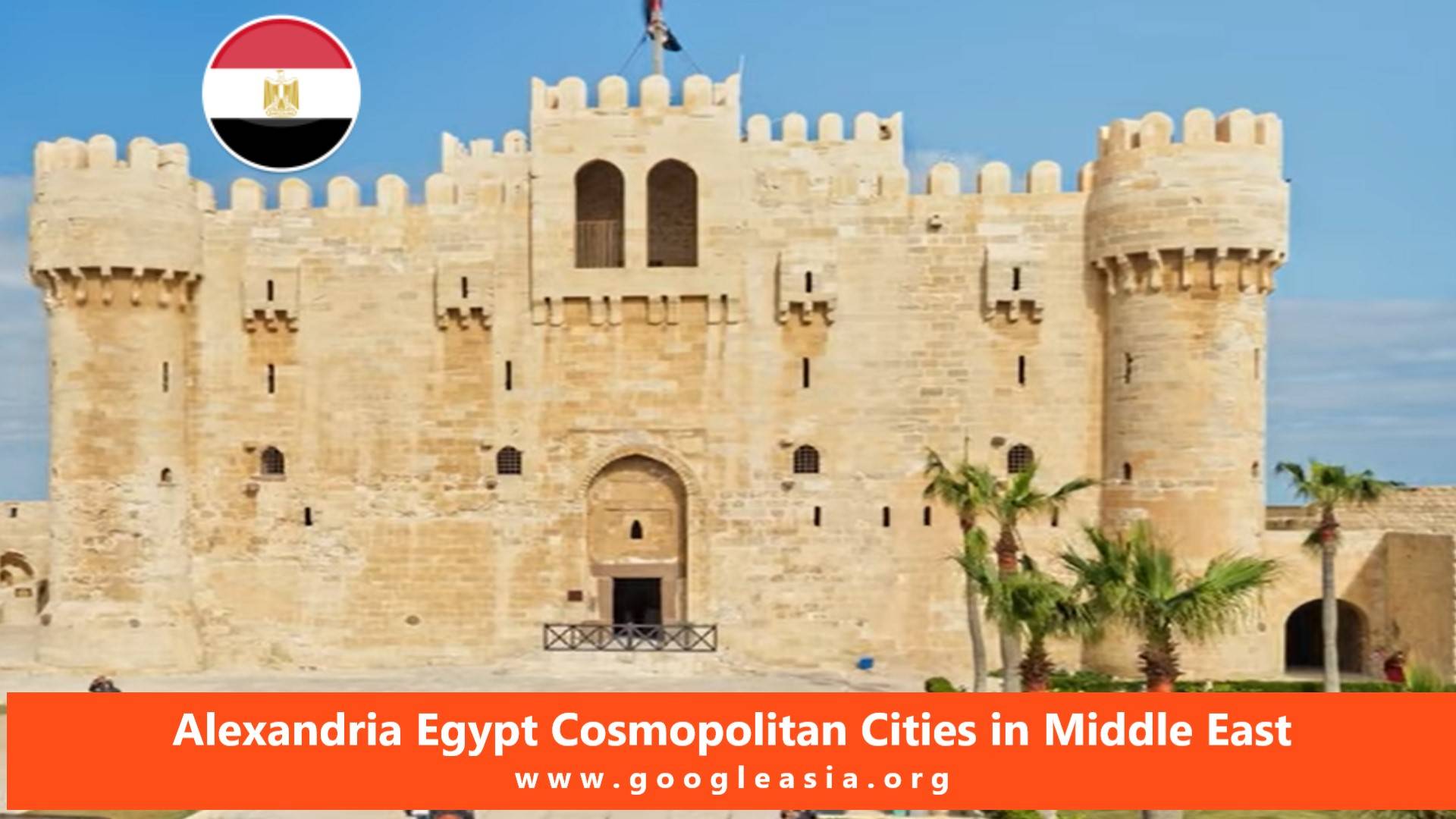
Alexandria, Egypt: Jewel of the Mediterranean
Alexandria, Egypt Explore the allure of Alexandria, Egypt – a city rich in history, from the iconic Library of Alexandria to stunning Mediterranean vistas. Delve…
-
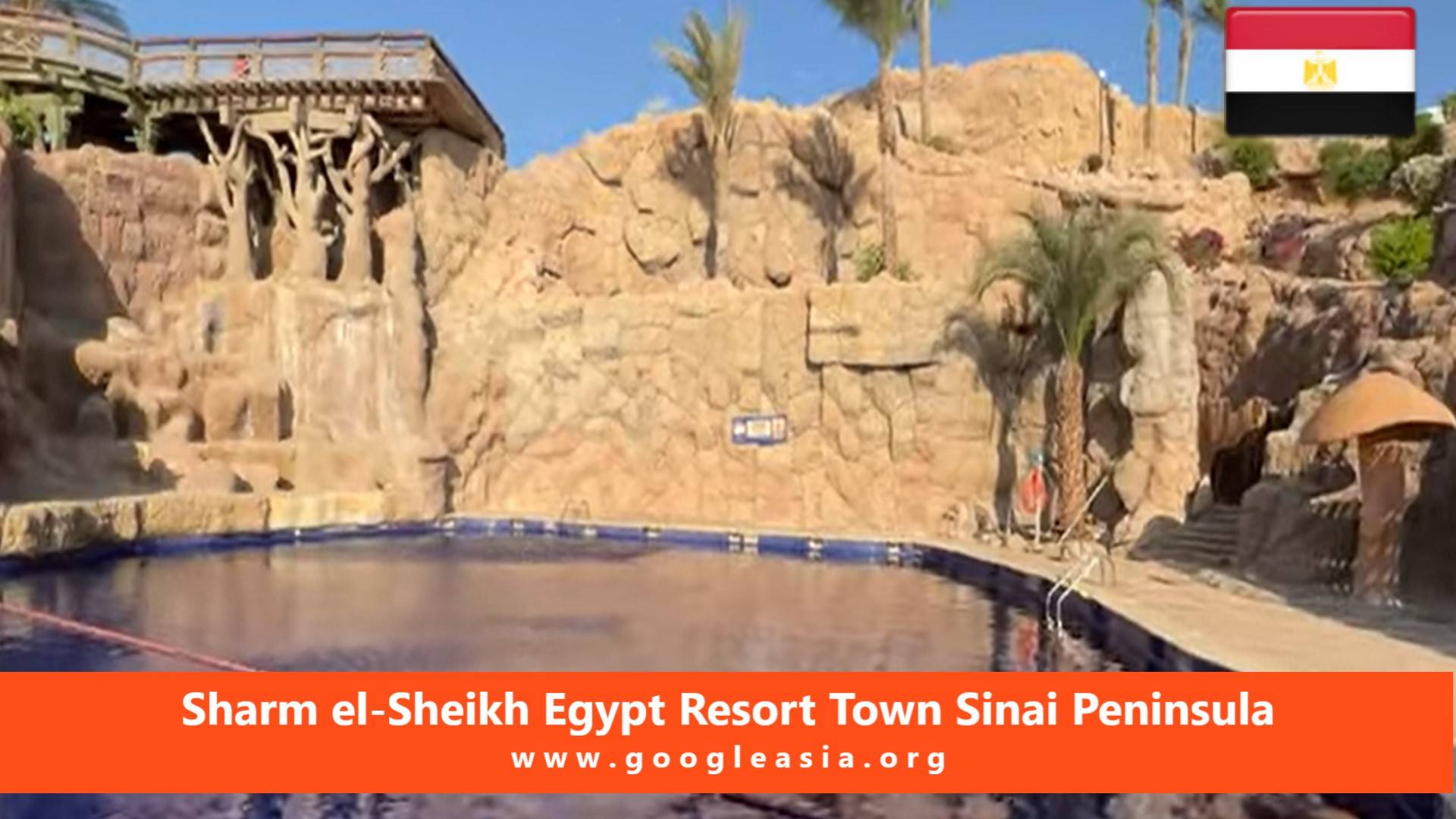
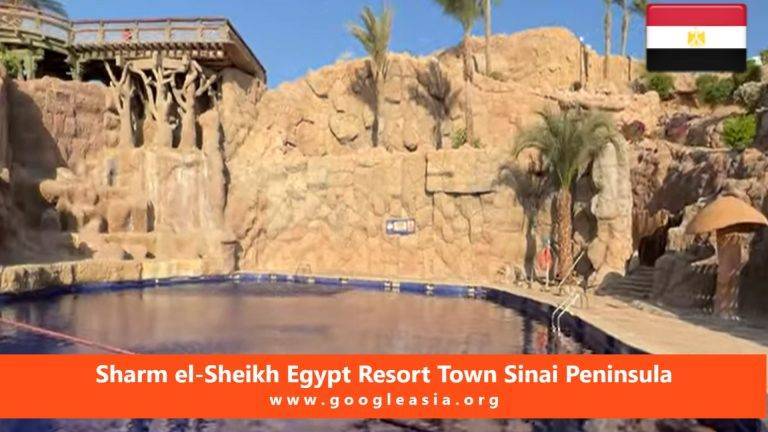
Discover Sharm el-Sheikh, Egypt: An Idyllic Resort Town
Sharm el-Sheikh, Egypt Dive into paradise at Sharm el-Sheikh, Egypt. White-sand beaches, vibrant coral reefs, and thrilling water activities await. Discover the Red Sea’s charm…
-
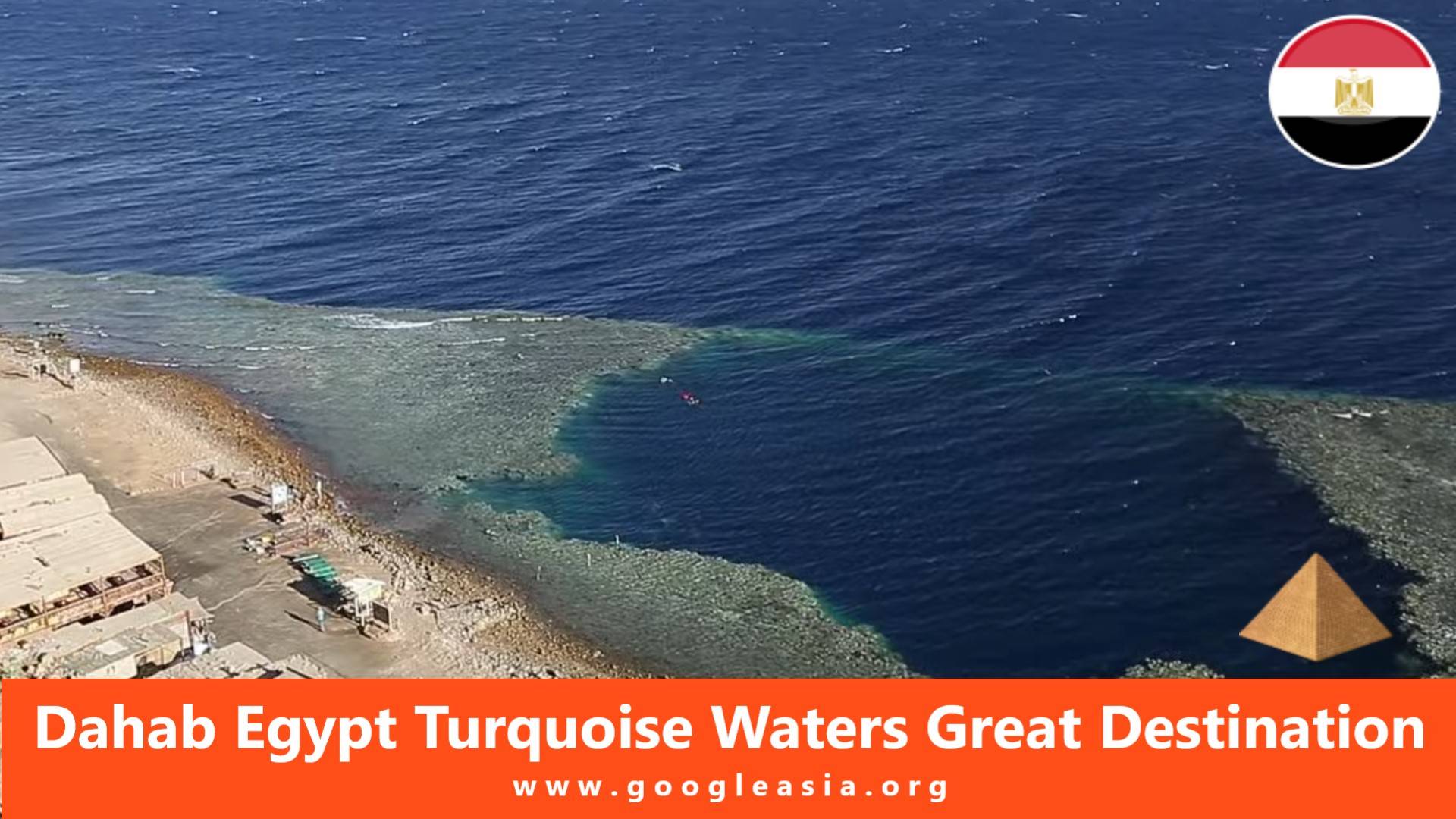
Exploring Dahab, Egypt: A Coastal Gem in the Sinai Peninsula
Dahab, Egypt Discover the charm of Dahab, Egypt – a seaside paradise known for its laid-back atmosphere, vibrant coral reefs, and adventurous spirit. Dive deeper…
-
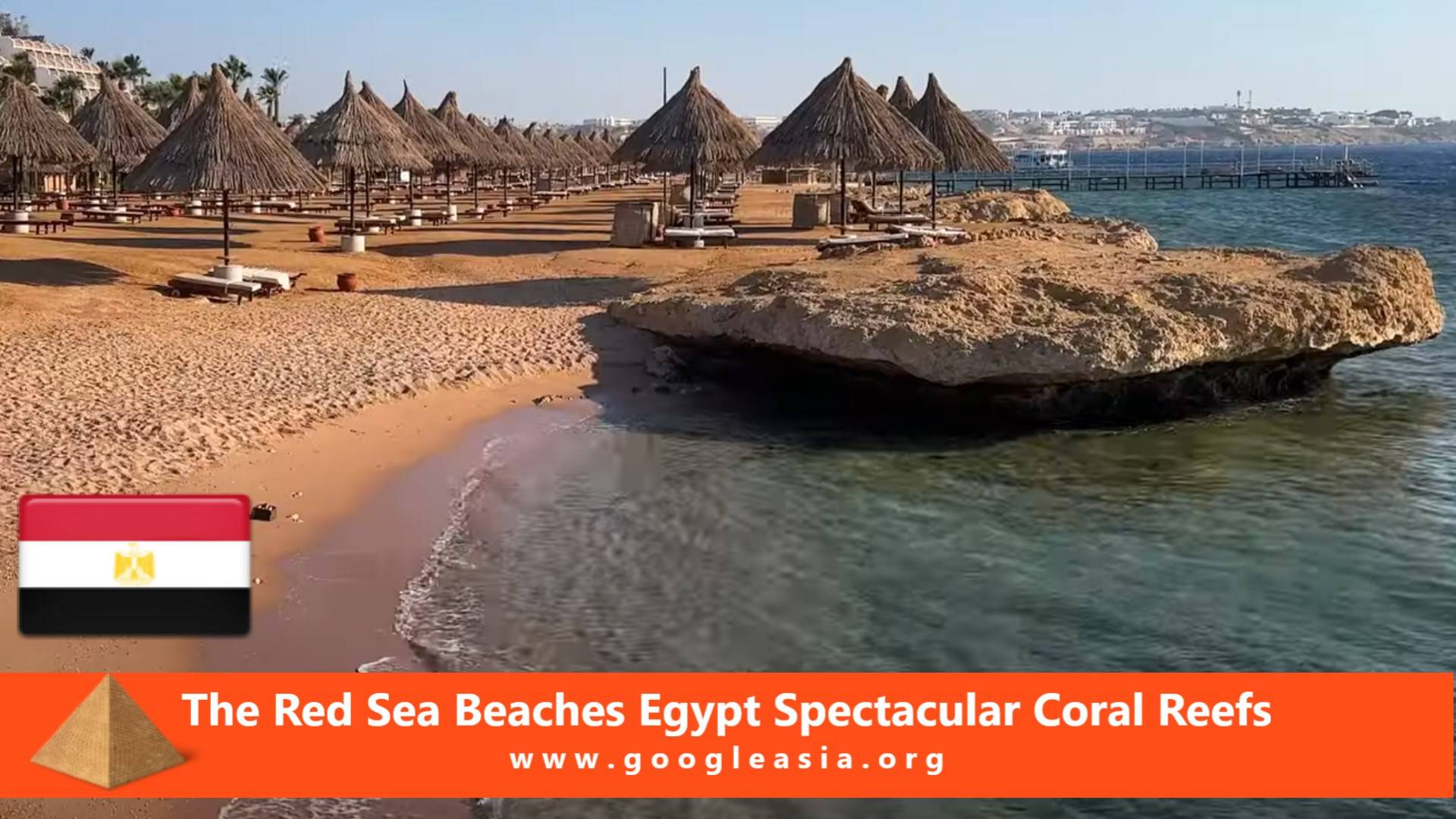
Exploring the Red Sea Beaches of Egypt: Natural Beauty and Activities Await
The Red Sea Beaches, Egypt Escape to the mesmerizing Red Sea beaches – where golden sands meet crystal-clear waters. Explore vibrant coral reefs and unwind…
-
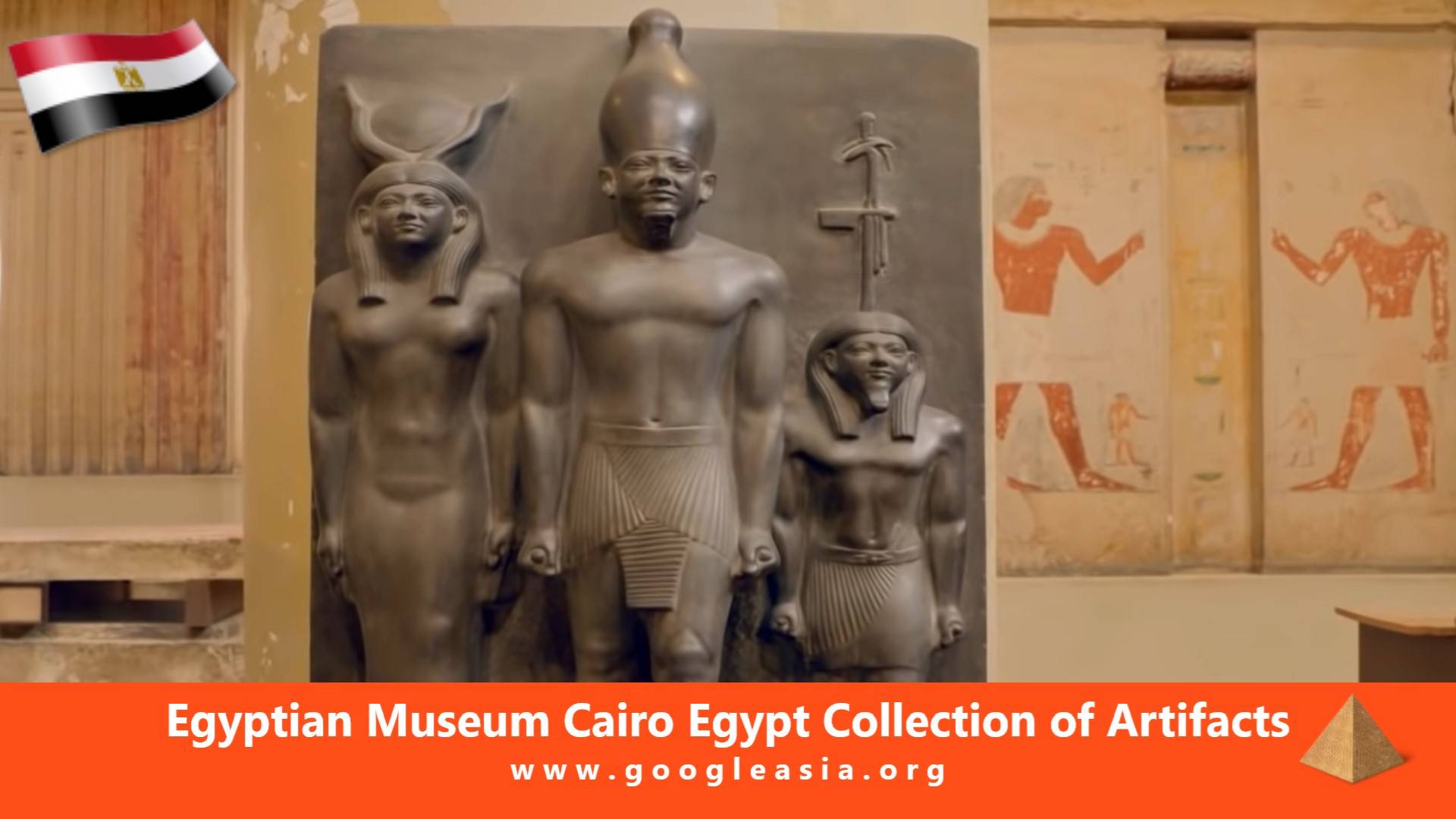
Visiting Egyptian Museum: Your Ultimate Travel Guide & Tips
Egyptian Museum Step into the treasures of Egypt at the Egyptian Museum, Cairo. Explore millennia-old artifacts, mummies, and pharaohs’ legacies. Dive into the past, unraveling…
-
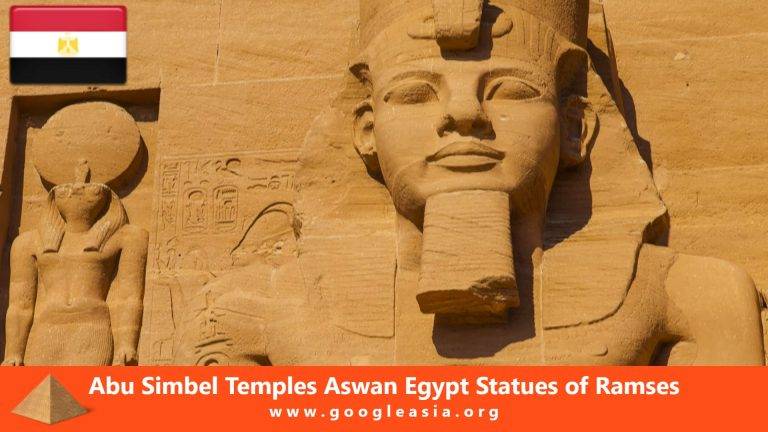
Visiting Abu Simbel Temples, Egypt: Travel Guide
Abu Simbel Temples, Egypt Uncover the majesty of Abu Simbel Temples, Egypt’s ancient wonders. Marvel at colossal statues and intricate carvings that echo tales of…
-
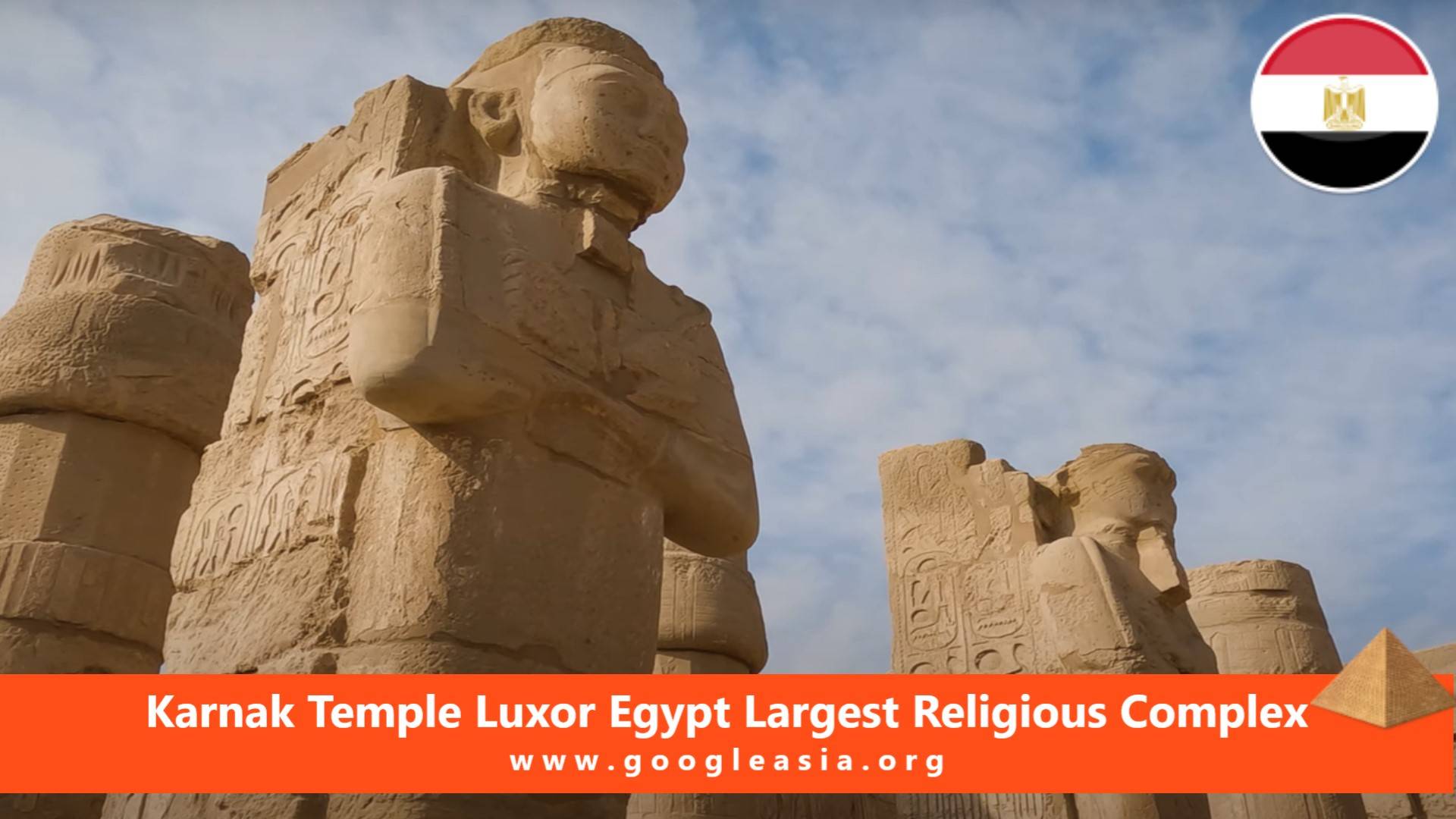
Karnak Temple in Luxor: A Masterpiece of Ancient Egypt
Karnak Temple in Luxor, Egypt Embark on a mesmerizing journey at Karnak Temple, Luxor. Behold colossal columns, intricate hieroglyphs, and ancient mysteries. Uncover the grandeur…
-
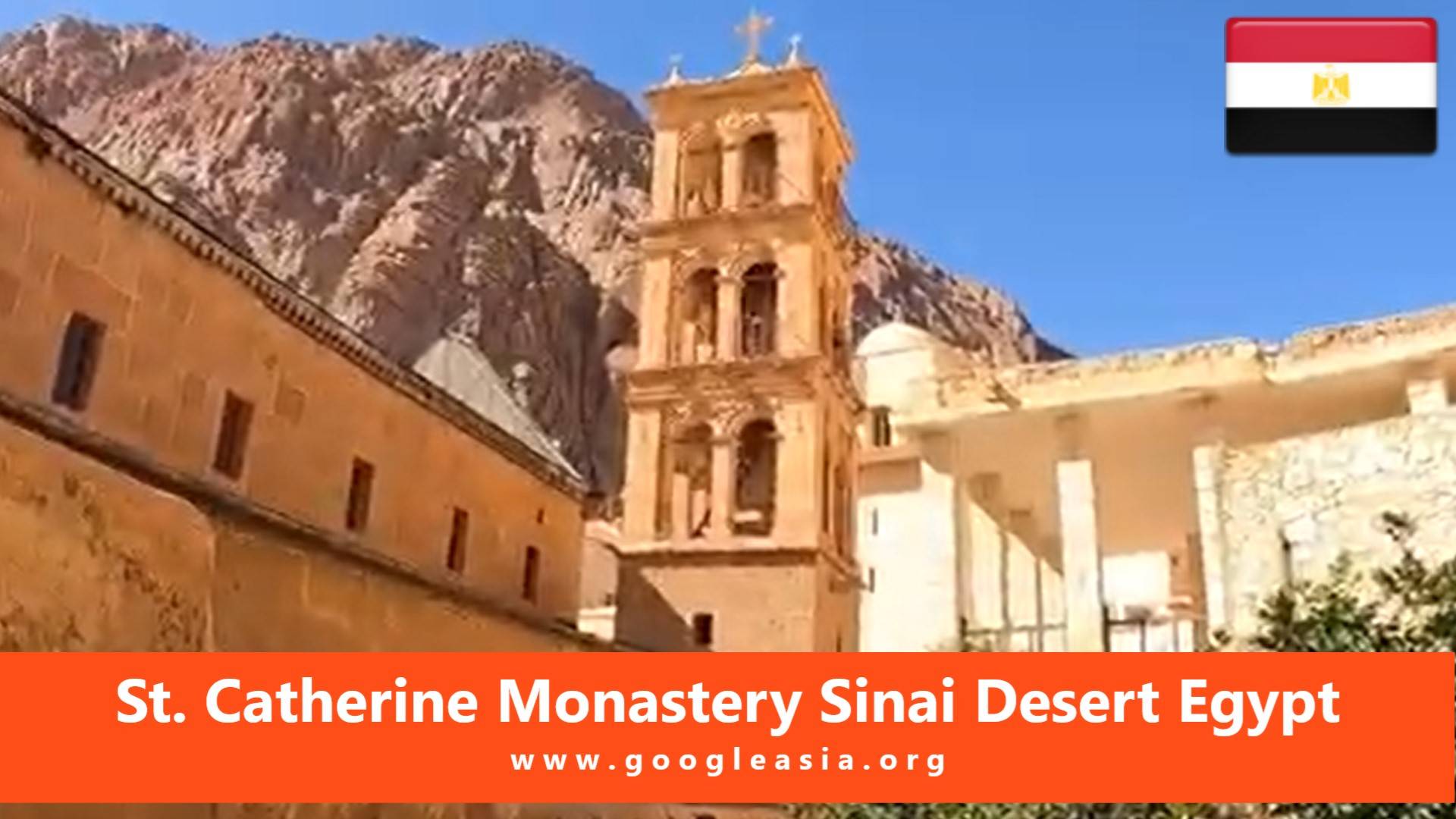
St. Catherine Monastery, Egypt: A Sanctuary of History and Faith
St. Catherine Monastery, Egypt Experience the spiritual aura of St. Catherine’s Monastery. Nestled beneath majestic mountains, it holds centuries of history and religious treasures. Dive…
-
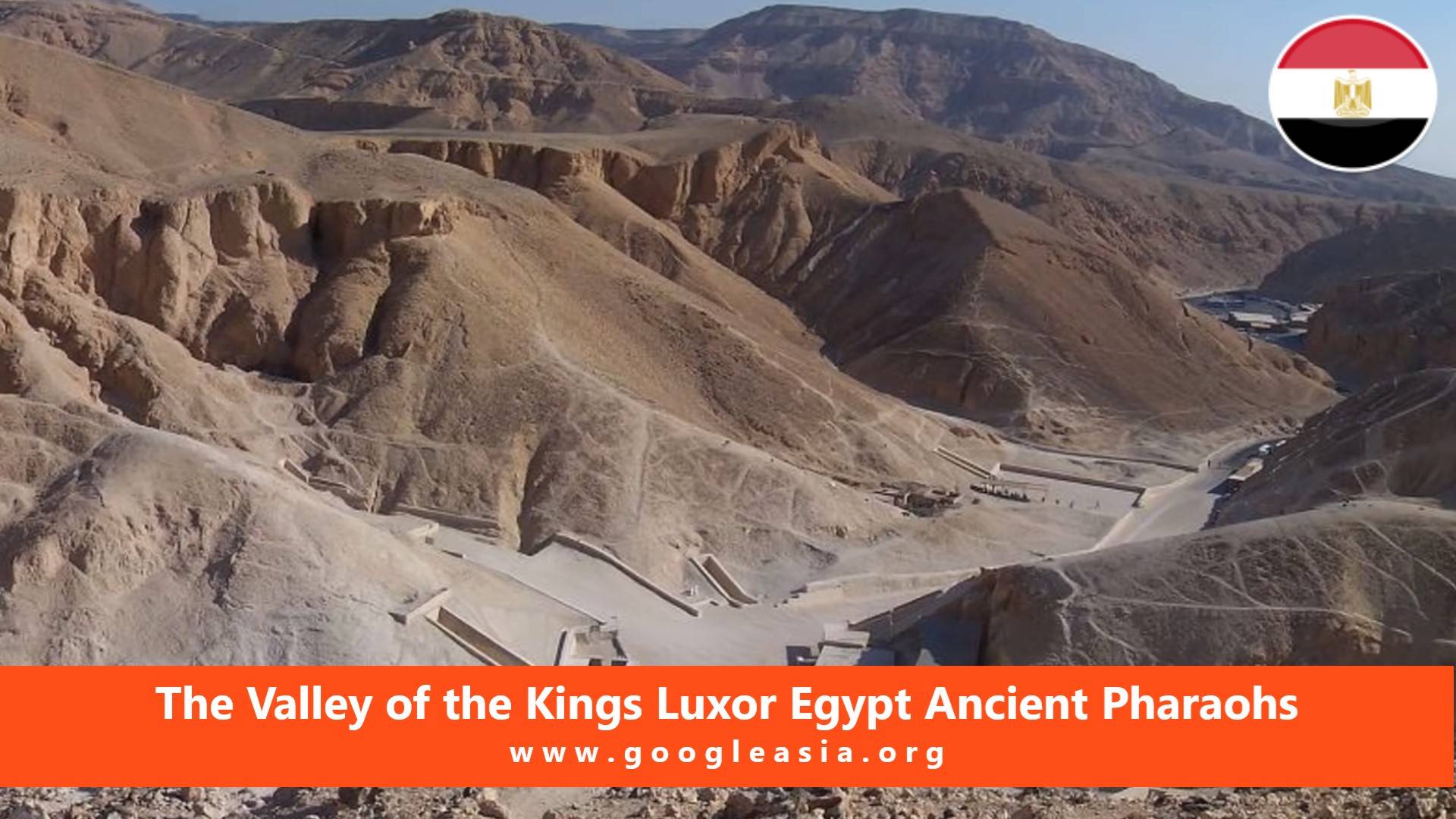
Valley of the Kings: The Eternal Legacy of Ancient Egypt
Valley of the Kings Discover the Valley of the Kings, Egypt’s most iconic archaeological treasure. From hidden tombs of pharaohs to breathtaking hieroglyphs, this guide…

Conclusion
Egypt is more than a destination—it is a living museum of human history and culture. With its monumental pyramids, ancient temples, and vibrant cities, the country offers experiences that are both enriching and affordable. By planning wisely, you can enjoy every moment of your Egyptian adventure without compromise. Start your journey today and let Egypt’s timeless wonders inspire your travels!
Summary
- Country: Egypt
- Continent: Africa
- Capital: Cairo
- Official Language: Arabic
- Currency: Egyptian Pound (EGP)
- Nationality: Egyptian
- Category: #Destination #Africa #EGYPT
Frequently Asked Questions
What are Egypt’s must-visit cities?Egypt is a country rich in history and culture, with cities that showcase its ancient wonders and vibrant modern life. Here are 10 cities in Egypt that you must consider visiting:
- Cairo: The capital and largest city, Cairo is a bustling metropolis that houses iconic landmarks such as the Pyramids of Giza, the Sphinx, and the Egyptian Museum.
- Alexandria: A historic city on the Mediterranean coast, Alexandria boasts ancient wonders like the Catacombs of Kom El Shoqafa, the Citadel of Qaitbay, and the Montaza Palace.
- Luxor: Known as the “World’s Greatest Open-Air Museum,” Luxor is home to the Valley of the Kings, Karnak Temple, and the Luxor Temple, offering a glimpse into ancient Egyptian civilization.
- Aswan: Located along the Nile, Aswan is famous for the High Dam, Philae Temple, and the Nubian villages, providing a tranquil setting and showcasing traditional Nubian culture.
- Sharm El Sheikh: A resort city on the Red Sea, Sharm El Sheikh is renowned for its stunning beaches, coral reefs, and vibrant nightlife.
- Hurghada: Another popular Red Sea destination, Hurghada is a paradise for water sports enthusiasts, offering crystal-clear waters and vibrant marine life.
- Dahab: Known for its laid-back atmosphere, Dahab is a beach town on the Gulf of Aqaba, perfect for diving, snorkeling, and enjoying the desert landscape.
- Asyut: Situated along the Nile, Asyut is known for its historical sites, including the Temple of El-Tabenna and the Coptic Monastery of the Virgin Mary.
- Ismailia: Located on the Suez Canal, Ismailia offers a tranquil setting with parks, gardens, and the Ismailia Museum showcasing the region’s history.
- Port Said: A strategic city at the northern entrance of the Suez Canal, Port Said features historic architecture, the Suez Canal Authority Building, and the Port Said Military Museum.
What are the best attractions in Egypt that you must visit?
Egypt is home to a plethora of historical and cultural attractions that captivate visitors from around the world. Here are 10 must-visit attractions in Egypt:
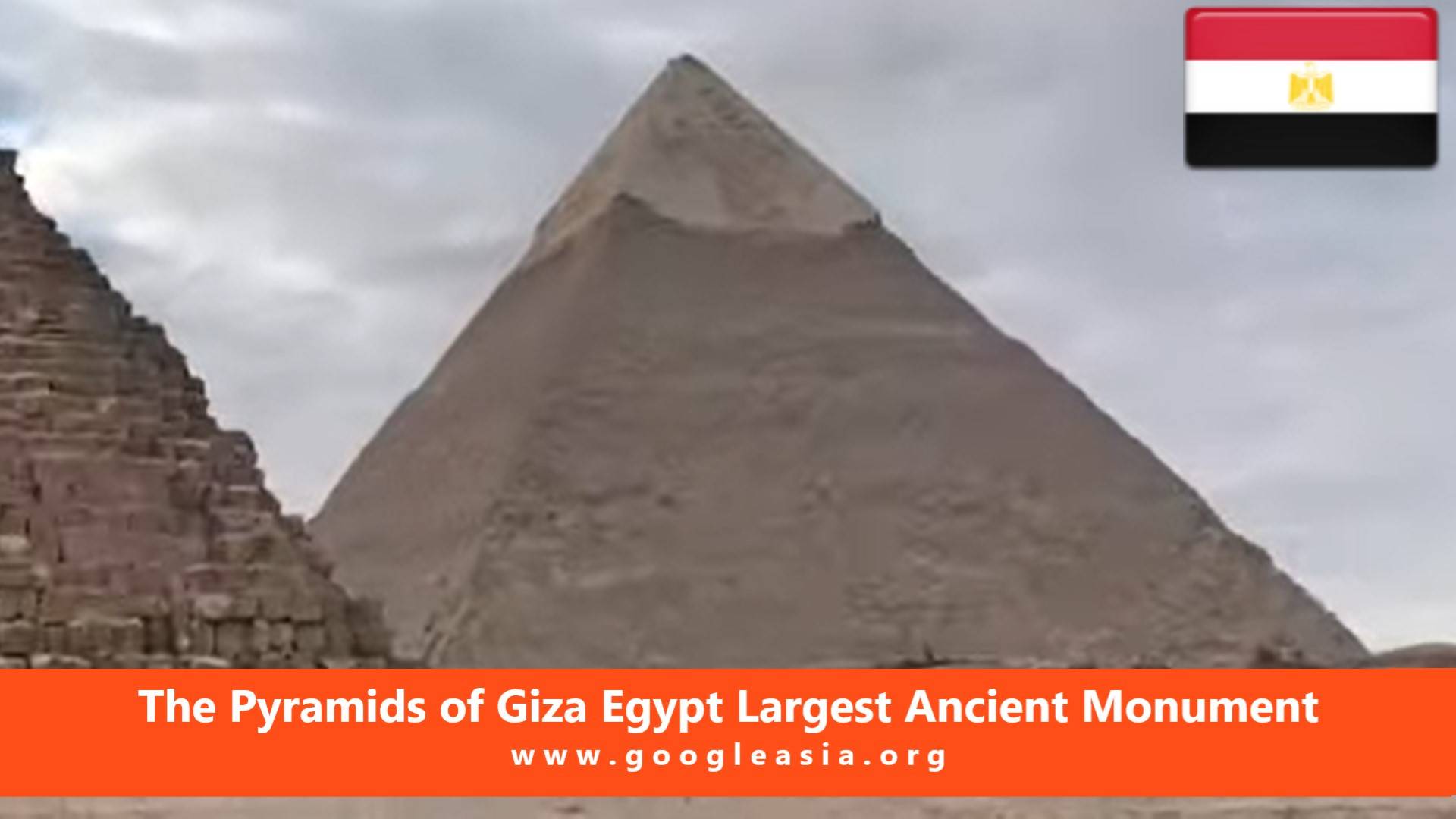
- Pyramids of Giza: Iconic symbols of ancient Egypt, the Pyramids of Giza (including the Great Pyramid of Khufu) and the Sphinx are UNESCO World Heritage Sites and should be at the top of any traveler’s list.
- Karnak Temple Complex: Located in Luxor, Karnak is one of the largest temple complexes in the world, featuring an array of temples, chapels, and obelisks.
- Valley of the Kings: Near Luxor, this burial ground is where pharaohs like Tutankhamun were laid to rest. Explore the elaborately decorated tombs hidden within the Valley’s rocky hills.
- Abu Simbel Temples: Constructed by Ramses II, the temples of Abu Simbel stand as impressive monuments on the shores of Lake Nasser, showcasing colossal statues and intricate carvings.
- Egyptian Museum (Cairo Museum): Located in Cairo, this museum houses an extensive collection of ancient Egyptian artifacts, including the treasures of Tutankhamun.
- Aswan High Dam: An engineering marvel, the Aswan High Dam controls the flow of the Nile River and offers stunning views of Lake Nasser.
- Philae Temple: Rescued from the rising waters of Lake Nasser, Philae Temple is dedicated to the goddess Isis and showcases beautiful reliefs and columns.
- Siwa Oasis: A peaceful retreat in the Western Desert, Siwa Oasis is known for its unique culture, ancient ruins, and the Temple of the Oracle.
- Islamic Cairo (Old Cairo): Explore the historic district of Islamic Cairo, home to medieval mosques, bustling markets like Khan El Khalili, and the Citadel of Saladin.
- White Desert: Located in the Western Desert, the White Desert features surreal landscapes with chalk rock formations, creating an otherworldly experience.
Curious about exploring Egypt’s wonders? Which 10 must-visit destinations, blending ancient history with natural beauty, top your travel list in this captivating country?
Egypt is a destination with a diverse range of attractions, from ancient wonders to natural beauty. Here are 10 must-visit destinations in Egypt:
- Cairo: The bustling capital is a cultural hub, home to the Pyramids of Giza, the Sphinx, and the Egyptian Museum, making it a must-visit destination.
- Luxor: Often referred to as the “world’s greatest open-air museum,” Luxor boasts the Valley of the Kings, Karnak Temple, and Luxor Temple, showcasing ancient Egyptian history.
- Aswan: Located along the Nile, Aswan is known for its High Dam, Philae Temple, and the Nubian villages, providing a serene and picturesque setting.
- Alexandria: A historic coastal city, Alexandria offers landmarks such as the Citadel of Qaitbay, the Catacombs of Kom El Shoqafa, and the Bibliotheca Alexandrina.
- Sharm El Sheikh: A popular resort city on the Red Sea, Sharm El Sheikh is renowned for its coral reefs, vibrant marine life, and luxurious beaches.
- Hurghada: Another Red Sea gem, Hurghada is a paradise for water sports enthusiasts, offering crystal-clear waters and diverse marine ecosystems.
- Dahab: Known for its relaxed atmosphere, Dahab is a beach town on the Gulf of Aqaba, perfect for diving, snorkeling, and enjoying the desert landscape.
- Siwa Oasis: Nestled in the Western Desert, Siwa Oasis is an enchanting destination with unique culture, ancient ruins, and the Temple of the Oracle.
- Marsa Alam: A Red Sea coastal town, Marsa Alam is known for its pristine beaches, vibrant coral reefs, and opportunities for underwater adventures.
- White Desert: Located in the Western Desert, the White Desert features surreal landscapes with chalk rock formations, creating an otherworldly experience.
What is the history of Egypt from the beginning to the present day?
The history of Egypt is an intricate tapestry woven over millennia, shaped by ancient civilizations, conquerors, and cultural influences. Here’s a concise overview of key periods in Egypt’s history:
- Ancient Egypt (c. 3100 BCE – 332 BCE): The ancient Egyptian civilization emerged along the Nile River. Notable periods include the Early Dynastic, Old Kingdom (Pyramids of Giza), Middle Kingdom, and New Kingdom (including the reign of powerful pharaohs like Ramses II).
- Persian, Greek, and Roman Periods (525 BCE – 395 CE): Egypt fell under Persian rule, followed by the conquest of Alexander the Great. Later, it became a Roman province, witnessing the rule of Cleopatra.
- Byzantine Period (395 CE – 641 CE): After the Roman Empire’s division, Egypt became part of the Byzantine Empire. Christianity gained prominence during this era.
- Islamic Conquest (641 CE): Arab-Muslim forces led by Amr ibn al-As conquered Egypt, marking the beginning of Islamic rule. Cairo was founded in 969 CE.
- Fatimid and Ayyubid Dynasties (969 CE – 1250 CE): Cairo flourished under the Fatimids, followed by the Ayyubid rule. Saladin, a prominent figure during the Crusades, ruled during this period.
- Mamluk Sultanate (1250 CE – 1517 CE): The Mamluks, slave soldiers, established their rule, contributing to the development of Cairo’s architecture and culture.
- Ottoman Period (1517 CE – 1882 CE): Egypt became part of the Ottoman Empire. Muhammad Ali Pasha initiated reforms in the 19th century but faced European influence.
- British Occupation (1882 CE – 1952 CE): Following political and economic turmoil, Egypt became a British protectorate. The Suez Canal played a pivotal role during this period.
- Independence and Republic (1952 CE – Present): The 1952 Revolution led to the establishment of the Republic of Egypt. Gamal Abdel Nasser, Anwar Sadat, and Hosni Mubarak played significant roles in the nation’s modern history. The 2011 Egyptian Revolution brought political changes.
Is it difficult to travel to Egypt?
Egypt is generally a popular and accessible travel destination. However, the ease of travel can be influenced by various factors, including your nationality, current travel regulations, and the prevailing global or regional conditions. Here are some considerations:
- Visa Requirements: Check the visa requirements based on your nationality. Some visitors may need a visa to enter Egypt, while others may be eligible for visa-free entry or visas upon arrival.
- Safety and Security: Stay informed about the current safety and security situation in Egypt. While many areas are safe for tourists, it’s advisable to stay updated on any travel advisories issued by your government.
- Health Precautions: Be aware of any health-related guidelines, vaccinations, or health precautions recommended for travelers to Egypt. This may include considerations related to COVID-19 or other health concerns.
- Cultural Sensitivity: Familiarize yourself with the local customs and traditions to ensure a respectful and enjoyable experience. Dress modestly, especially when visiting religious sites, and be mindful of local etiquette.
- Local Transportation: Egypt has a well-developed transportation infrastructure, and major cities have airports, public transportation, and taxis. Plan your transportation options based on your itinerary.
- Language: Arabic is the official language, but English is widely spoken in tourist areas. Learning a few basic Arabic phrases can enhance your experience.
- Currency: The official currency is the Egyptian Pound (EGP). Ensure you have some local currency for small purchases, and major credit cards are commonly accepted.
- Tourist Attractions: Egypt is home to iconic attractions such as the Pyramids of Giza, the Sphinx, Luxor, and the Nile River. Plan your itinerary to explore these historical and cultural treasures.
Is it difficult to find halal food in Egypt?
Egypt, with its predominantly Muslim population, generally offers a good availability of halal food. In larger cities and popular tourist destinations, finding halal options is relatively easy. Here are some considerations:
- Urban Areas: In major cities like Cairo, Alexandria, and Sharm El Sheikh, you’ll find a variety of restaurants offering halal cuisine. International food chains and local eateries often adhere to halal standards.
- Local Cuisine: Egyptian cuisine includes many dishes that are naturally halal, such as falafel, koshari, and various grilled meats. Local markets and street food stalls often offer halal options.
- Halal Restaurants: Look for restaurants that explicitly advertise as halal. These establishments are dedicated to serving halal meals and are commonly found in urban centers.
- Ethnic Restaurants: Restaurants serving Middle Eastern, Egyptian, and other regional cuisines typically offer halal options. Confirm with the staff to ensure that the food meets halal standards.
- Hotels and Accommodations: Hotels, especially those catering to international tourists, usually provide halal options in their dining facilities. It’s advisable to inform your hotel about your dietary preferences in advance.
- Online Resources: Utilize online resources, such as halal restaurant directories or travel forums, to find recommendations and reviews from fellow travelers who have visited Egypt.
- Communication: When dining out, communicate your dietary restrictions clearly with restaurant staff to ensure that your meals align with halal standards.
What’s the climate like in Egypt?
Egypt has a predominantly desert climate, characterized by hot temperatures and low precipitation. Here are the key features of Egypt’s climate:
- Desert Climate:
- The majority of Egypt experiences a desert climate, with hot summers and mild winters.
- Daytime temperatures can soar to over 40°C (104°F) during the summer months, especially in inland areas.
- Seasons:
- Summer (May to September): Hot and dry, with temperatures reaching their peak in July and August.
- Autumn (October to November): Transition to cooler temperatures, with more comfortable weather.
- Winter (December to February): Mild daytime temperatures, cooler nights, and occasional rainfall, especially in northern regions.
- Spring (March to April): Gradual warming, with pleasant temperatures before the onset of summer.
- Regional Variations:
- Coastal Areas: Coastal regions, including cities like Alexandria and Hurghada, experience milder temperatures due to the moderating influence of the Mediterranean or Red Sea.
- Inland Areas: Inland areas, including Cairo and Luxor, tend to have more extreme temperature variations between day and night.
- Sandstorms:
- Egypt can experience sandstorms, especially in the desert regions. These storms can reduce visibility and create challenging travel conditions.
- Rainfall:
- Egypt is generally arid, with very low annual rainfall. Rainfall is infrequent and mostly occurs in the winter months. The Nile Delta and northern coastal areas receive slightly more precipitation than the rest of the country.
- Humidity:
- Humidity levels are typically low, especially in the desert regions. Coastal areas may experience higher humidity, particularly during the summer months.
- Red Sea Resorts:
- Popular Red Sea resorts like Sharm El Sheikh and Hurghada enjoy a subtropical desert climate, with hot temperatures and very low humidity. These areas are popular for sunbathing and water activities.