Tag: VIETNAM

  • Exploring Con Dao Islands in Ba Ria-Vung Tau, Vietnam

    Exploring Con Dao Islands in Ba Ria-Vung Tau, Vietnam

    Con Dao Islands, Vietnam

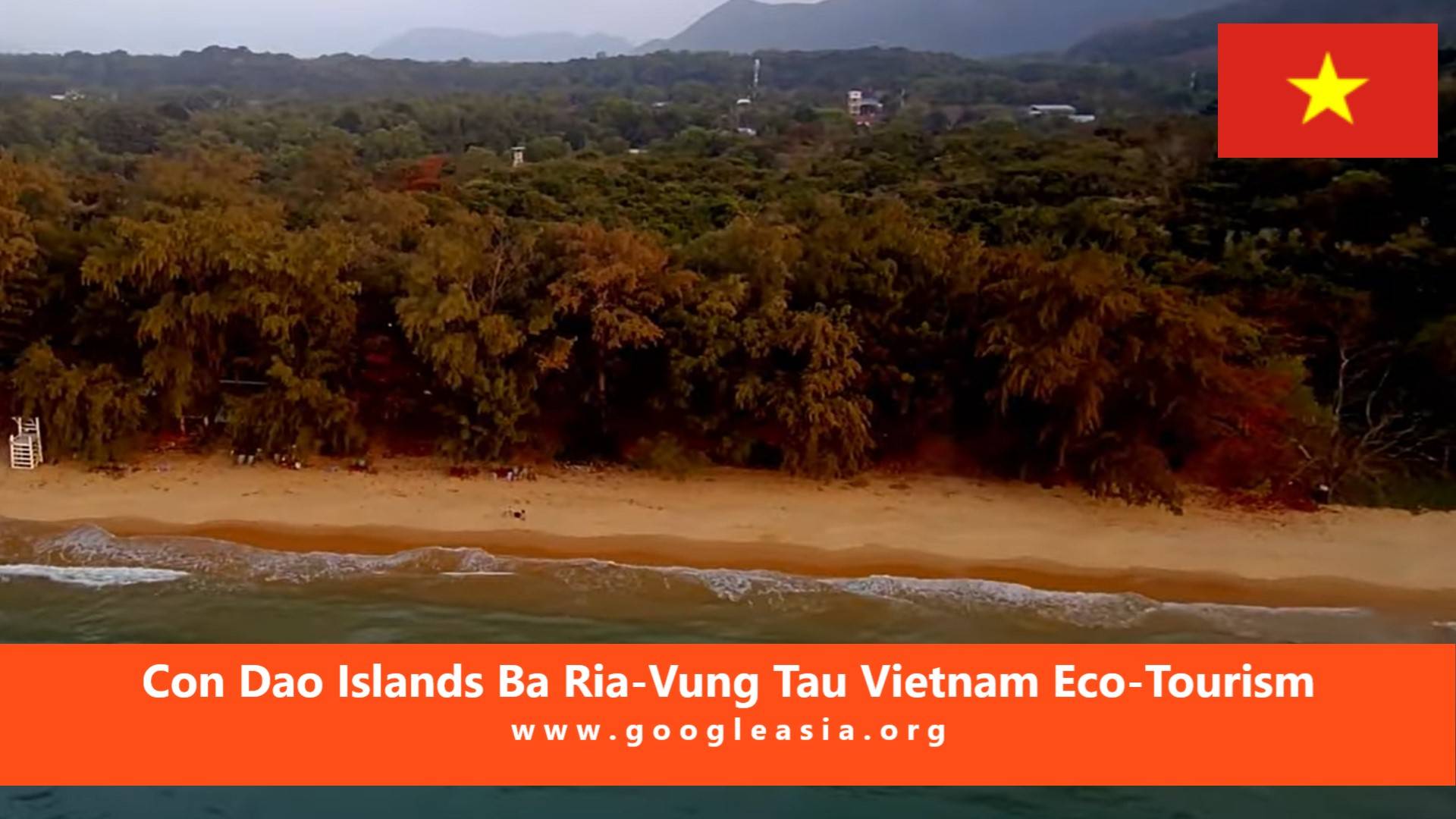
    The Con Dao Islands are an archipelago in southern Vietnam, located in the Ba Ria-Vung Tau Province. With its rugged terrain, pristine beaches, thick mangrove forests, rich marine life, and colorful coral reefs, the islands are emerging as a premier eco-tourism destination. Perfect for nature lovers, the various attractions include fascinating hikes, birdwatching, and scuba diving, as well as cultural experiences such as visiting old prisons, temples and historical sites.

    Introduction

    The Con Dao Islands, situated within Ba Ria-Vung Tau province in Vietnam, form a serene archipelago off the southeastern coast. Renowned for their pristine beauty, these islands attract visitors seeking tranquility amidst stunning landscapes and vibrant marine ecosystems.

    Natural Beauty and Beaches

    Description: Con Dao Islands are celebrated for their untouched natural landscapes, boasting crystal-clear waters and powdery white beaches. Visitors can unwind on secluded shores, such as Dam Trau Beach and Bai Nhat Beach, known for their tranquility and breathtaking vistas.

    Marine Life and Diving

    Description: The islands are a paradise for diving enthusiasts, offering opportunities to explore vibrant coral reefs teeming with marine life. Popular dive sites like Shark Cape and Hang Duong Reef showcase the rich biodiversity beneath Con Dao’s pristine waters.

    Eco-Tourism and Wildlife

    Description: Con Dao Islands are a haven for eco-tourism, with dense forests and diverse wildlife species. Nature enthusiasts can embark on guided hikes to discover rare flora and fauna, including the endemic Con Dao monkeys and nesting sea turtles.

    Historical Significance

    The Con Dao Islands also hold historical significance, notably as a former prison complex during the French colonial era. The “tiger cages,” where political prisoners were held, serve as poignant reminders of the islands’ turbulent past.

    Tiger Cages and Historical Sites

    Description: Explore remnants of the French colonial era at the infamous “tiger cages,” stark prisons that once held Vietnamese revolutionaries. The Con Dao Museum provides further insight into the islands’ history and the struggle for independence.

    Things to Do

    Activities to Explore

    The Con Dao Islands offer a plethora of activities amidst their stunning natural beauty and historical significance, making them an ideal destination for travelers seeking both relaxation and adventure.

    Beach Activities and Water Sports

    Description: The Con Dao Islands boast pristine white sand beaches and clear turquoise waters, perfect for swimming, snorkeling, and sunbathing. Explore vibrant coral reefs teeming with marine life just beneath the surface, making it an ideal spot for underwater photography.

    Cultural Attractions in Con Son

    Description: Con Son, the largest town on the islands, is steeped in history and culture. Visit the Con Dao Museum to learn about the islands’ past, including its time as a political prison during the French colonial era. Explore the infamous prison complex where Vietnamese revolutionaries, including Ho Chi Minh, were once held captive.

    Diving and Snorkeling Adventures

    Description: Dive into the azure waters surrounding the Con Dao Islands to discover a diverse underwater world. Experienced divers can explore remote shipwrecks and colorful coral reefs, home to a variety of aquatic flora and fauna. Snorkeling tours offer a more leisurely glimpse into the vibrant marine ecosystem.

    Water Sports and Adventure Activities

    Description: Engage in thrilling water sports such as fishing, kayaking, stand-up paddleboarding, windsurfing, and kitesurfing, taking advantage of the islands’ favorable wind and wave conditions. Join boat trips for wildlife spotting and scenic cruises around the archipelago.

    Explore Thanh Island

    Description: Thanh Island, renowned for its striking limestone formations and pristine lagoon, invites visitors to hike through its untouched landscapes, observe native bird species, and swim in the crystalline waters of the lagoon.

    Romantic Escapes in Con Son

    Description: The capital city of Con Son offers a romantic ambiance with its secluded beaches, bustling markets, and historic landmarks. It’s an ideal destination for couples seeking a romantic getaway or honeymoon amidst picturesque surroundings.

    Seaplane Adventure

    Description: For a breathtaking aerial view of the Con Dao Islands, take a seaplane ride. Marvel at panoramic vistas of colorful coral reefs beneath and clouds above, offering a unique perspective of the islands’ natural wonders.

    Foods

    Con Dao Islands are not only known for their stunning landscapes and rich history but also for their delectable local cuisine. Here are some must-try dishes to savor during your visit:

    Grilled Squid

    Description: Freshly caught squid grilled to perfection, often served with a zesty dipping sauce. Enjoy the tender texture and smoky flavor of this local favorite, a seafood delight.

    Steamed Mussels

    Description: Plump mussels steamed with aromatic herbs and spices, retaining their natural flavors. Savor the freshness of the sea with every bite, complemented by a squeeze of lime.

    Prawns

    Description: Juicy prawns, either grilled or cooked in various savory sauces. These succulent crustaceans are a highlight of Con Dao’s seafood offerings, perfect for seafood enthusiasts.

    Crispy Coconut Pancakes

    Description: Coconut pancakes fried until crispy on the outside and fluffy on the inside. These sweet treats are often enjoyed as a snack or dessert, showcasing the island’s tropical flavors.

    Con Dao Style Omelette

    Description: A hearty omelette infused with local ingredients such as seafood, herbs, and spices. This savory dish offers a taste of the island’s culinary heritage, enjoyed any time of day.

    Bun Mam

    Description: A traditional Vietnamese noodle soup made with fermented fish broth, served with noodles, fresh herbs, and seafood or meat. Bun Mam reflects the region’s coastal influence and robust flavors.

    Banh Xeo

    Description: Vietnamese sizzling pancakes filled with shrimp, pork, bean sprouts, and herbs, wrapped in rice paper and dipped in a tangy sauce. These savory pancakes are a popular street food choice.

    Empanadas

    Description: A savory pastry filled with a mixture of meat, vegetables, and spices, baked until golden brown. Empanadas offer a flavorful snack or light meal option, perfect for exploring the islands.

    Hotels

    Con Dao Islands offer a range of luxurious accommodations amidst their serene landscapes and pristine beaches. Here are some of the best hotels to consider for your stay:

    Six Senses Con Dao

    Description: Known for its eco-luxury concept, Six Senses Con Dao offers villas with private pools, stunning ocean views, and holistic wellness experiences. Guests can enjoy spa treatments, fine dining, and personalized service in a secluded island setting.

    Paradise Con Dao Resort

    Description: Nestled on the beautiful Bai Dat Doc Beach, Paradise Con Dao Resort features luxurious villas and suites with ocean views. The resort offers a tranquil ambiance, a spa, and a range of outdoor activities such as snorkeling and diving.

    The Anam Con Dao

    Description: The Anam Con Dao combines colonial charm with modern amenities, offering spacious rooms and villas overlooking the sea. Guests can relax by the pool, dine at the resort’s restaurants, or explore nearby attractions.

    Saigon Con Dao Resort & Spa

    Description: Situated on a private beach, Saigon Con Dao Resort & Spa provides comfortable accommodations with sea or garden views. The resort features a spa, outdoor pool, and activities like kayaking and beach volleyball.

    Con Dao Nature Beach Resort & Spa

    Description: Set amidst lush tropical gardens, Con Dao Nature Beach Resort & Spa offers beachfront bungalows and villas. Guests can unwind at the spa, enjoy seafood specialties at the restaurant, and take part in island tours.

    Con Dao Island Resort & Spa

    Description: Located on the picturesque Bai Dat Con Dao Beach, Con Dao Island Resort & Spa offers cozy rooms and beachfront villas. The resort provides a range of amenities including a spa, outdoor pool, and water sports activities.

    Novotel Coralia Con Dao

    Description: Novotel Coralia Con Dao offers modern accommodations with sea or garden views. Guests can relax at the outdoor pool, enjoy international cuisine at the restaurant, and explore nearby hiking trails and beaches.

    Green Bay Resort Con Dao

    Description: Green Bay Resort Con Dao offers beachfront villas and rooms with panoramic ocean views. The resort features a spa, outdoor pool, and activities such as snorkeling and fishing.

    Vinpearl Resort & Spa Con Dao

    Description: Vinpearl Resort & Spa Con Dao provides luxurious accommodations with private balconies overlooking the sea. The resort offers multiple dining options, a large swimming pool, and a range of recreational activities.

    Mango Bay Resort & Spa Con Dao

    Description: Mango Bay Resort & Spa Con Dao offers rustic yet charming bungalows nestled amidst tropical gardens. Guests can enjoy eco-friendly accommodations, delicious meals at the beachfront restaurant, and activities like yoga and kayaking.

    Conclusion

    Con Dao Islands in Ba Ria-Vung Tau, Vietnam, offer a blend of natural beauty, cultural heritage, and adventure. Whether diving into pristine waters, trekking through lush forests, or reflecting on historical landmarks, visitors are immersed in a paradise rich in both natural wonders and poignant history. Discover the allure of Con Dao Islands for an unforgettable journey amidst Vietnam’s coastal treasures.

    Con Dao Islands Ba Ria-Vung Tau Vietnam Eco-Tourism

    Summary

    • Attraction Name: Con Dao Islands
    • Country: Vietnam
    • Continent: Asia
    • Capital Name: Hanoi
    • Language: Vietnamese
    • Currency: Vietnamese dong
    • Nationality: Vietnamese (de facto)
    • Category:  #Destination #Asia #VIETNAM 

    Frequently Asked Questions

    Where is Con Dao Islands located?

    Con Dao Islands, a pristine archipelago in Vietnam, are situated in the South China Sea, approximately 230 kilometers (143 miles) southeast of Ho Chi Minh City (Saigon). The islands belong to Ba Ria-Vung Tau Province and consist of 16 mostly uninhabited islets. Known for their natural beauty and historical significance, the Con Dao Islands are accessible by air or sea from mainland Vietnam, offering visitors a serene escape amidst turquoise waters and lush landscapes.

    How to go to Con Dao Islands?

    Con Dao Islands, an archipelago off the coast of southern Vietnam, can be reached by both air and sea. Here are the primary ways to get there:

    • By Air: The most convenient way to reach Con Dao Islands is by flying from Ho Chi Minh City (Saigon) or Can Tho to Con Dao Airport (Co Ong Airport). Flights are operated by local airlines such as Bamboo Airways and Vasco (Vietnam Air Services Company). The flight duration is approximately 45 minutes to 1 hour, depending on the departure point.
    • By Sea: Another option is to take a ferry from Vung Tau to Con Dao Islands. The ferry service is operated by Phu Quoc Express and takes about 4-5 hours, depending on sea conditions. This route provides a scenic journey across the South China Sea, but departure schedules can vary, so it’s advisable to check in advance.
    • Travel Tips: It’s recommended to book flights or ferry tickets in advance, especially during peak travel seasons (November to April), as Con Dao Islands are a popular destination for both domestic and international tourists seeking pristine beaches, historical sites, and natural beauty.

    What are Con Dao Islands’ must-visit attractions or landmarks?

    Con Dao Islands, located off the southeastern coast of Vietnam, boast pristine beaches, rich marine life, and a poignant history. Here are some must-visit attractions and landmarks on the Con Dao Islands:

    1. Con Dao National Park: Explore the natural beauty of Con Dao Islands at its national park, which features diverse ecosystems, hiking trails, and opportunities to spot endemic wildlife such as the Con Dao monkeys and sea turtles.
    2. Con Dao Museum: Learn about the islands’ history, including its time as a French penal colony and its significance during the Vietnam War, at the Con Dao Museum. The museum houses artifacts, photographs, and exhibits detailing the islands’ past.
    3. Hang Duong Cemetery: Pay respects at Hang Duong Cemetery, where Vietnamese revolutionaries and prisoners were buried during the French colonial era. The cemetery holds historical significance and offers serene surroundings for reflection.
    4. Dam Trau Beach: Relax on the white sandy shores of Dam Trau Beach, known for its clear turquoise waters and tranquil atmosphere. It’s a perfect spot for swimming, sunbathing, and enjoying scenic views.
    5. Bay Canh Island: Take a boat trip to Bay Canh Island, part of Con Dao National Park, known for its pristine coral reefs and diverse marine life. Snorkeling and diving opportunities abound, allowing you to explore vibrant underwater ecosystems.
    6. Con Dao Prison: Gain insights into the islands’ turbulent history by visiting Con Dao Prison (also known as Phu Hai Prison), where political prisoners were held during French and later Vietnamese administrations. The site offers a somber reminder of the island’s past.

    Is Con Dao Islands a suitable travel destination for solo adventurers, honeymooning couples, or those traveling with families?

    Con Dao Islands in Vietnam is a versatile destination that caters to various types of travelers:

    • Solo Adventurers: Solo travelers will find Con Dao Islands ideal for exploration and relaxation. The islands offer opportunities for hiking, diving, and discovering historical sites like prisons from the French colonial era.
    • Honeymooning Couples: Con Dao Islands provide a romantic getaway with pristine beaches, clear waters, and luxurious resorts offering privacy and tranquility. Couples can enjoy sunset cruises, spa treatments, and intimate dining experiences.
    • Families: Families traveling to Con Dao Islands can enjoy bonding activities such as snorkeling, swimming, and exploring nature trails. The islands’ serene environment and family-friendly accommodations ensure a memorable vacation for all ages.

    Why should you visit Con Dao Islands?

    The Con Dao Islands offer travelers a unique experience in Vietnam, as one of the country’s most beautiful and isolated archipelagos. The area’s stunning beaches, crystal clear waters, and varied wildlife make it a popular destination. Home to military and prison history, the beaches have since been transformed into luxury beach resorts and tourist attractions.

    Is it difficult to find halal food in Con Dao Islands?

    Locating halal food options in Con Dao Islands can be challenging due to the island’s limited availability of halal-certified restaurants or eateries specifically catering to halal dietary requirements. The majority of dining establishments on the islands typically serve Vietnamese cuisine, seafood, and international dishes without specific halal certification.

  • Visiting Ninh Binh Province, Vietnam: Travel Guide & Tips

    Visiting Ninh Binh Province, Vietnam: Travel Guide & Tips

    Ninh Binh Province, Vietnam

    Ninh Binh is a province located in the Red River Delta region of northern Vietnam. It is known for its spectacular limestone karst scenery, and its numerous historical and cultural attractions. Visitors to the province can explore ancient temples, go climbing and hiking, visit go caves, and explore mountains and lakes. The province also offers unique cultural and cuisine experiences, from Tam Coc boat trips and visits to traditional villages to visiting local restaurants and marketplaces.

    Introduction

    Ninh Binh Province, located in the Red River Delta of northern Vietnam, is a captivating destination known for its stunning karst landscapes, rich culture, and historical significance. This province offers a blend of natural beauty, cultural heritage, and outdoor activities that attract tourists from around the world.

    Attractions

    Natural Wonders

    Tam Coc

    One of the most famous attractions in Ninh Binh is Tam Coc, often referred to as “Ha Long Bay on land.” This scenic area features limestone mountains, rice paddies, and winding rivers that can be explored by boat. The serene boat ride through caves and along the Ngo Dong River provides breathtaking views and photo opportunities.

    Trang An Scenic Landscape Complex

    The Trang An Scenic Landscape Complex is a UNESCO World Heritage Site known for its karst topography and cultural significance. Visitors can take a boat tour through a network of waterways, caves, and temples, experiencing the harmony of nature and history.

    Cuc Phuong National Park

    Vietnam’s oldest national park, Cuc Phuong National Park, is a haven for nature lovers. The park is home to diverse flora and fauna, including endangered species. Visitors can enjoy hiking, bird watching, and exploring ancient caves and prehistoric sites.

    Cultural and Historical Attractions

    Bai Dinh Temple

    Bai Dinh Temple, one of the largest temple complexes in Vietnam, is a spiritual and architectural marvel. The temple complex includes an ancient pagoda, a new temple area with giant Buddha statues, and a series of halls and courtyards. It is a significant pilgrimage site and offers panoramic views of the surrounding landscape.

    Hoa Lu Ancient Capital

    Hoa Lu was the capital of Vietnam during the Dinh and early Le dynasties. The ancient capital is now an important historical site with temples dedicated to Emperor Dinh Tien Hoang and Emperor Le Dai Hanh. Visitors can explore the remnants of palaces, pagodas, and fortifications while learning about Vietnam’s early history.

    Unique Cultural Experiences

    Pagodas and Shrines

    Ninh Binh is home to numerous pagodas and shrines that reflect the region’s rich spiritual heritage. These religious sites, such as the Bich Dong Pagoda and the Phat Diem Cathedral, offer insight into the local culture and provide serene spots for reflection and meditation.

    Cultural Villages

    Visiting cultural villages in Ninh Binh allows tourists to experience traditional Vietnamese life. These villages, with their charming thatched-roof houses and communal activities, provide a glimpse into the daily lives of the local people. Visitors can engage in activities like rice planting, handicraft making, and traditional cooking.

    Things to Do

    Adventure and Exploration

    Cave Exploration

    Phat Diem Marble Cathedral is a unique cave cathedral known for its intricate architecture. Nearby, Hang Mua Cave offers a challenging climb with picturesque views of the surrounding mountains. The cave covers four levels, each providing different vistas and experiences.

    Thung Nham Bird Park

    Thung Nham Bird Park is a great destination for nature lovers. Visitors can explore ancient villages like Chuong Village, famous for its traditional pottery, and observe a variety of bird species in their natural habitat.

    Water Activities

    Kayaking on Hoang Long River

    Kayaking on the tranquil Hoang Long River allows visitors to experience the natural beauty of Ninh Binh at their own pace. The river’s calm waters and surrounding landscapes make for a relaxing and enjoyable outing.

    Culinary Experiences

    Traditional Hotpot Dinner

    After a day of exploration, unwind with a traditional hotpot dinner. This communal meal features a simmering pot of broth into which diners dip a variety of meats, seafood, and vegetables, creating a flavorful and satisfying experience.

    Local Markets and Street Food

    Ninh Binh’s local markets offer an array of delicious street food. Sample regional specialties like goat meat, crispy rice, and various noodle dishes, immersing yourself in the local culinary culture.

    Foods

    Ninh Binh Province is not only known for its stunning landscapes and historical sites but also for its rich and diverse culinary offerings. Here are some of the best foods to try when visiting this beautiful region:

    Goat Meat Specialties

    Goat Meat Hotpot (Lẩu dê)

    A signature dish of Ninh Binh, goat meat hotpot is a flavorful and hearty meal perfect for sharing. The hotpot includes tender goat meat, various vegetables, and herbs, all simmered in a savory broth. It’s often enjoyed with rice noodles and dipping sauces.

    Goat Meat Rice Noodles (Bún dê)

    This dish features thin rice noodles topped with slices of marinated and grilled goat meat. It’s typically served with fresh herbs, bean sprouts, and a tangy dipping sauce, creating a delicious and satisfying meal.

    Traditional and Unique Dishes

    Boiled-Minced Pig Brain (Gan Bo)

    A unique delicacy, gan bo is made from pig brain that is boiled and minced, then seasoned with various spices. It’s often served as an appetizer or side dish and is appreciated for its rich and creamy texture.

    Che (Vietnamese Sweet Soup)

    Che is a traditional Vietnamese dessert made from various ingredients such as beans, tapioca, fruit, and coconut milk. It’s sweet, refreshing, and comes in many different varieties, making it a perfect treat to cool down on a hot day.

    Fresh and Flavorful Spring Rolls

    Hai Cuon (Seafood Fresh Spring Roll)

    These fresh spring rolls are filled with a variety of seafood, herbs, and vermicelli noodles, all wrapped in rice paper. They are typically served with a dipping sauce made from fish sauce, lime, garlic, and chili, offering a burst of fresh and vibrant flavors.

    Savory Cakes and Crepes

    Banh Cuon (Rice Flour Crepes)

    Banh cuon are delicate rice flour crepes filled with minced pork and wood ear mushrooms. They are steamed and served with fried shallots, fresh herbs, and a side of dipping sauce, creating a light yet flavorful dish.

    Banh Tom (Shrimp Fried Cake)

    These crispy shrimp cakes are made from a batter of rice flour and sweet potato, then deep-fried until golden brown. They are often served with a side of fresh herbs and a sweet and sour dipping sauce.

    Traditional Sticky Rice Dishes

    Doong Ngo Mon (Sticky Rice Cake with Pate and Bean)

    Doong ngo mon is a traditional sticky rice cake filled with savory pate and sweet mung beans. It’s a popular snack or breakfast item that showcases the perfect balance of sweet and savory flavors.

    Hearty Soups and Noodle Dishes

    Ba Ngo Lam (Goat Ribs Soup)

    This comforting soup features tender goat ribs simmered in a flavorful broth with various herbs and spices. It’s often enjoyed with a side of rice or noodles, making it a filling and satisfying meal.

    Pho Ninh Binh (Noodle Soup)

    A regional variation of Vietnam’s famous pho, Pho Ninh Binh features rice noodles in a rich and aromatic broth, often topped with slices of beef or chicken, fresh herbs, and a squeeze of lime. It’s a must-try for any noodle soup enthusiast.

    Hotels

    Ninh Binh Province, known for its breathtaking landscapes and cultural heritage, offers a variety of accommodations ranging from luxurious resorts to charming boutique hotels. Here are some of the best hotels to consider for your stay in Ninh Binh Province:

    Luxurious Hotels and Resorts

    Ninh Binh Legend Hotel

    Located in the heart of Ninh Binh City, Ninh Binh Legend Hotel offers luxurious accommodations with modern amenities. The hotel features spacious rooms, a rooftop pool, a fitness center, and several dining options. It’s an ideal choice for travelers seeking comfort and convenience.

    Syrena Cruise & Luxury Halong Bay

    Although technically located in Halong Bay, Syrena Cruise offers a unique experience for travelers visiting Ninh Binh. This luxury cruise provides elegant cabins, fine dining, and stunning views of Halong Bay’s limestone karsts, making it a perfect extension to your Ninh Binh adventure.

    Evason Ana Mandara

    Evason Ana Mandara provides a blend of luxury and tranquility. Set amidst lush gardens, this resort offers beautifully designed villas, an infinity pool, a spa, and gourmet dining. It’s perfect for those seeking a serene retreat.

    Boutique Hotels and Unique Stays

    River Cove Resort & Spa

    River Cove Resort & Spa is nestled along the river, offering picturesque views and a peaceful atmosphere. The resort features stylish rooms, a relaxing spa, and outdoor activities such as kayaking and cycling, making it a great choice for nature lovers.

    Tien Lu Ancient Village Resort & Spa

    Experience traditional Vietnamese culture at Tien Lu Ancient Village Resort & Spa. This resort combines modern comfort with traditional architecture, offering well-appointed rooms, a spa, and cultural activities such as cooking classes and handicraft workshops.

    Queen Star Hotel

    Queen Star Hotel provides comfortable accommodations with a personal touch. Located near popular attractions, the hotel offers cozy rooms, friendly service, and easy access to the sights of Ninh Binh.

    Eco-Friendly and Nature Resorts

    Bamboo Sapa Hotel & Resort

    While not in Ninh Binh itself, Bamboo Sapa Hotel & Resort offers a wonderful escape into nature. Situated in Sapa, this eco-friendly resort features bamboo structures, stunning views of terraced rice fields, and various outdoor activities.

    Green Fields Spring Resort

    Green Fields Spring Resort is perfect for eco-conscious travelers. Surrounded by lush greenery, the resort offers eco-friendly accommodations, organic meals, and activities such as hiking and bird watching.

    Beach and Riverside Retreats

    Papaya Resort

    Papaya Resort offers a blend of relaxation and adventure. Located near a river, the resort features comfortable rooms, a swimming pool, and activities like river cruises and fishing trips.

    Saraya Resort

    Saraya Resort is a charming riverside retreat offering well-furnished rooms, a riverside restaurant, and opportunities for boating and exploring nearby caves. It’s ideal for travelers looking to unwind by the water.

    Conclusion

    Ninh Binh Province is a destination that combines natural splendor, cultural richness, and historical depth. Whether you’re navigating the tranquil rivers of Tam Coc, exploring the ancient capital of Hoa Lu, or hiking through the lush forests of Cuc Phuong National Park, Ninh Binh offers a diverse range of experiences that cater to all types of travelers. A visit to this enchanting province promises unforgettable memories and a deeper appreciation of Vietnam’s natural and cultural heritage.

    Ninh Binh Province Vietnam Red River Delta Region

    Summary

    • Attraction Name: Ninh Binh Province
    • Country: Vietnam
    • Continent: Asia
    • Capital Name: Hanoi
    • Language: Vietnamese
    • Currency: Vietnamese dong
    • Nationality: Vietnamese (de facto)
    • Category:  #Destination #Asia #VIETNAM 

    Frequently Asked Questions

    Where is Ninh Binh Province located?

    Ninh Bình Province is located in the northern part of Vietnam. It is situated in the Red River Delta region, approximately 100 kilometers (about 62 miles) south of Hanoi, the capital city of Vietnam. Ninh Bình is known for its scenic landscapes, including the Trang An Landscape Complex, which is a UNESCO World Heritage site. The province borders the provinces of Hà Nam to the north, Nam Định to the east, Thanh Hóa to the south, and Hòa Bình to the west.

    How to go to Ninh Binh Province?

    To travel to Ninh Bình Province from various locations, you have several options:

    From Hanoi:

    • By Train: Trains from Hanoi to Ninh Bình are frequent and take around 2-3 hours. Depart from Hanoi Railway Station (Ga Hà Nội) and arrive at Ninh Bình Railway Station.
    • By Bus: Several bus companies operate regular services from Hanoi to Ninh Bình. Buses depart from various bus stations in Hanoi, such as Giáp Bát Bus Station, Mỹ Đình Bus Station, or Nước Ngầm Bus Station. The journey takes approximately 2-2.5 hours.
    • By Private Car or Taxi: You can hire a private car or take a taxi for a more comfortable and direct trip. The drive typically takes around 1.5-2 hours via the Hanoi-Ninh Bình Expressway.
    • By Motorbike: For a more adventurous route, you can ride a motorbike from Hanoi to Ninh Bình. The trip takes around 2-2.5 hours, depending on traffic and your speed.

    From Other Cities and Ho Chi Minh City:

    • By Flight: Fly from Tan Son Nhat International Airport (SGN) in Ho Chi Minh City to Noi Bai International Airport (HAN) in Hanoi, then follow one of the methods above from Hanoi to Ninh Bình.
    • By Train: There are direct trains from Ho Chi Minh City to Ninh Bình, but the journey is long, taking around 30-35 hours.
    • From Other Northern Provinces:
    • By Bus: Many provinces have direct bus services to Ninh Bình. Check local bus schedules for availability.
    • By Train: Some northern provinces have train routes that pass through Ninh Bình.

    From Central and Southern Provinces:

    • By Train: Direct trains from central cities like Da Nang or Hue are available. These journeys can take between 10-15 hours.
    • By Flight: Fly to Hanoi and then travel to Ninh Bình by train, bus, car, or motorbike.

    Local Transportation in Ninh Bình:

    • Once in Ninh Bình, you can use local taxis, motorbike rentals, or bicycle rentals to explore the area and visit popular tourist sites such as the Trang An Landscape Complex, Tam Cốc-Bích Động, and the Bái Đính Pagoda.

    What are Ninh Binh Province’s must-visit destinations?

    Ninh Bình Province is known for its stunning landscapes and rich cultural heritage. Here are some must-visit destinations in Ninh Bình:

    • Trang An Landscape Complex: A UNESCO World Heritage site, this area is renowned for its scenic boat rides through caves, karst mountains, and lush greenery. It’s often referred to as the “Halong Bay on land.”
    • Tam Cốc-Bích Động: This area offers picturesque boat tours along the Ngô Đồng River, passing through three caves and surrounded by towering limestone cliffs and rice paddies. Bích Động Pagoda, a series of temples built into a mountainside, is also worth visiting.
    • Hoa Lư Ancient Capital: The ancient capital of Vietnam during the Dinh and early Le Dynasties. You can explore the temples dedicated to Emperor Đinh Tiên Hoàng and Emperor Lê Đại Hành, as well as other historical sites.
    • Bái Đính Pagoda: The largest complex of Buddhist temples in Vietnam, known for its giant Buddha statues, impressive architecture, and serene atmosphere. It’s a significant pilgrimage site and offers beautiful views of the surrounding area.
    • Mua Cave (Hang Múa): After climbing over 400 steps to the top of Mua Mountain, you’re rewarded with a panoramic view of Tam Cốc and the surrounding landscape. It’s one of the best spots for photography in Ninh Bình.
    • Phát Diệm Cathedral: A unique blend of Vietnamese and European architectural styles, this Catholic cathedral is known for its intricate woodwork and stone carvings. It’s located in Kim Sơn District and is an interesting site for those interested in religious architecture.
    • Cuc Phuong National Park: Vietnam’s oldest national park, offering opportunities for hiking, wildlife spotting, and exploring caves. It’s home to a diverse range of flora and fauna and has a Primate Rescue Center.
    • Van Long Nature Reserve: A quieter alternative to Trang An, Van Long offers serene boat rides through wetlands and karst landscapes. It’s a great spot for bird watching and enjoying nature.
    • Thung Nham Bird Garden: This eco-tourism site offers boat tours, caves, gardens, and a large bird sanctuary. It’s an excellent place to see various bird species, especially during sunset when birds return to roost.
    • Kenh Ga Floating Village: An off-the-beaten-path destination where you can see the daily life of locals living on the water. Boat tours through the village offer a unique glimpse into this way of life.

    What are Ninh Binh Province’s must-visit attractions or landmarks?

    Ninh Bình Province in Vietnam offers a variety of must-visit attractions and landmarks that showcase its natural beauty, cultural heritage, and historical significance. Here are some of the top attractions:

    1. Trang An Landscape Complex: A UNESCO World Heritage site famous for its spectacular karst landscapes, limestone caves, and serene river cruises. It’s often likened to “Halong Bay on land” and offers stunning scenery.
    2. Tam Cốc-Bích Động: Known for its scenic boat tours along the Ngô Đồng River, passing through limestone caves and rice paddies. Bích Động Pagoda, a series of temples built into a mountainside, is part of this complex.
    3. Hoa Lư Ancient Capital: The ancient capital of Vietnam during the Dinh and early Le Dynasties. Visitors can explore historic temples and learn about Vietnam’s early history.
    4. Bái Đính Pagoda: The largest complex of Buddhist temples in Vietnam, featuring impressive architecture, giant Buddha statues, and a peaceful ambiance.
    5. Mua Cave (Hang Múa): A popular spot for panoramic views of Tam Cốc and the surrounding karst landscape after climbing over 400 steps to the peak of Mua Mountain.
    6. Phát Diệm Cathedral: A unique blend of Vietnamese and European architectural styles, this Catholic cathedral is known for its intricate woodwork and stone carvings.
    7. Cuc Phuong National Park: Vietnam’s oldest national park, offering hiking trails, wildlife spotting opportunities, and the Endangered Primate Rescue Center.
    8. Van Long Nature Reserve: A tranquil area ideal for bird watching and boat tours through wetlands and karst landscapes, offering a peaceful alternative to Trang An.
    9. Thung Nham Bird Garden: An eco-tourism site with caves, gardens, and a large bird sanctuary, perfect for bird watching enthusiasts.
    10. Kenh Ga Floating Village: A village where locals live on the water, offering boat tours to explore their daily life and the scenic surroundings.

    Why should you visit Ninh Binh Province?

    There are several compelling reasons to visit Ninh Bình Province in Vietnam:

    1. Spectacular Natural Landscapes: Ninh Bình is renowned for its breathtaking karst landscapes, limestone cliffs, and scenic rivers. The Trang An Landscape Complex and Tam Cốc-Bích Động offer stunning boat rides through caves and lush greenery, often compared to “Halong Bay on land.”
    2. Rich Cultural Heritage: The province is steeped in history, with Hoa Lư Ancient Capital being a significant site from Vietnam’s feudal era. Visitors can explore ancient temples, pagodas, and learn about the region’s historical significance.
    3. Unique Architectural Gems: Bái Đính Pagoda, the largest complex of Buddhist temples in Vietnam, showcases impressive architecture, giant Buddha statues, and a serene atmosphere. Phát Diệm Cathedral combines Vietnamese and European architectural styles, making it a unique cultural attraction.
    4. Outdoor Activities: Ninh Bình offers opportunities for outdoor enthusiasts, such as hiking in Cuc Phuong National Park, exploring caves, bird watching in nature reserves like Van Long, and boat tours through picturesque landscapes.
    5. Cultural Experiences: Visitors can experience local life in villages like Kenh Ga Floating Village, where people live on the water, and visit markets and interact with residents to learn about traditional Vietnamese lifestyle.
    6. Relaxation and Tranquility: Away from the bustling cities, Ninh Bình provides a peaceful retreat with its serene natural surroundings, offering a chance to relax, unwind, and rejuvenate.
    7. Accessibility from Hanoi: Located just a few hours’ drive from Hanoi, Ninh Bình is easily accessible for a day trip or a weekend getaway, making it a convenient destination for travelers looking to explore beyond the capital.
    8. Cultural Festivals: The province hosts various cultural festivals throughout the year, offering opportunities to witness traditional performances, ceremonies, and local customs.

    Is it difficult to find halal food in Ninh Binh Province?

    Finding halal food in Ninh Bình Province may be a bit challenging compared to larger cities like Hanoi or Ho Chi Minh City, where there are more established Muslim communities and halal-certified restaurants. However, it is not impossible to find halal food options in Ninh Bình, especially considering the increasing number of tourists and the diversity of visitors to the area.

    Here are some tips to help you find halal food in Ninh Bình:

    1. Ask Locals or Hotel Staff: Locals or your hotel staff can often provide information about nearby restaurants or eateries that serve halal food or can accommodate dietary preferences.
    2. Look for Vegetarian Restaurants: Many vegetarian restaurants in Vietnam also serve dishes that are suitable for vegetarians and may also be halal. Look for places that offer tofu, vegetables, and rice dishes.
    3. Communicate Dietary Needs: When dining at local restaurants, communicate your dietary needs clearly. Vietnamese cuisine often uses fish sauce (nuoc mam), so clarify that you require dishes without it.
    4. Search Online: Use online resources such as travel forums, websites like TripAdvisor, or apps like Halal Trip to find recommendations from other travelers who have visited Ninh Bình.
    5. Prepare Halal Snacks: Consider bringing along some packaged halal snacks or instant meals that you can easily consume when dining options are limited.
    6. Visit Touristy Areas: In more touristy areas of Ninh Bình, such as around Trang An or Tam Cốc, you may find restaurants catering to international tourists that offer vegetarian or halal options.
    7. Check with Accommodations: If you are staying at a guesthouse or homestay, inquire if they can prepare halal meals or if they have any local recommendations for halal dining.
  • Exploring the Imperial Citadel of Thang Long: Unveiling Vietnam’s Historical Gem

    Exploring the Imperial Citadel of Thang Long: Unveiling Vietnam’s Historical Gem

    Imperial Citadel of Thang Long,Vietnam

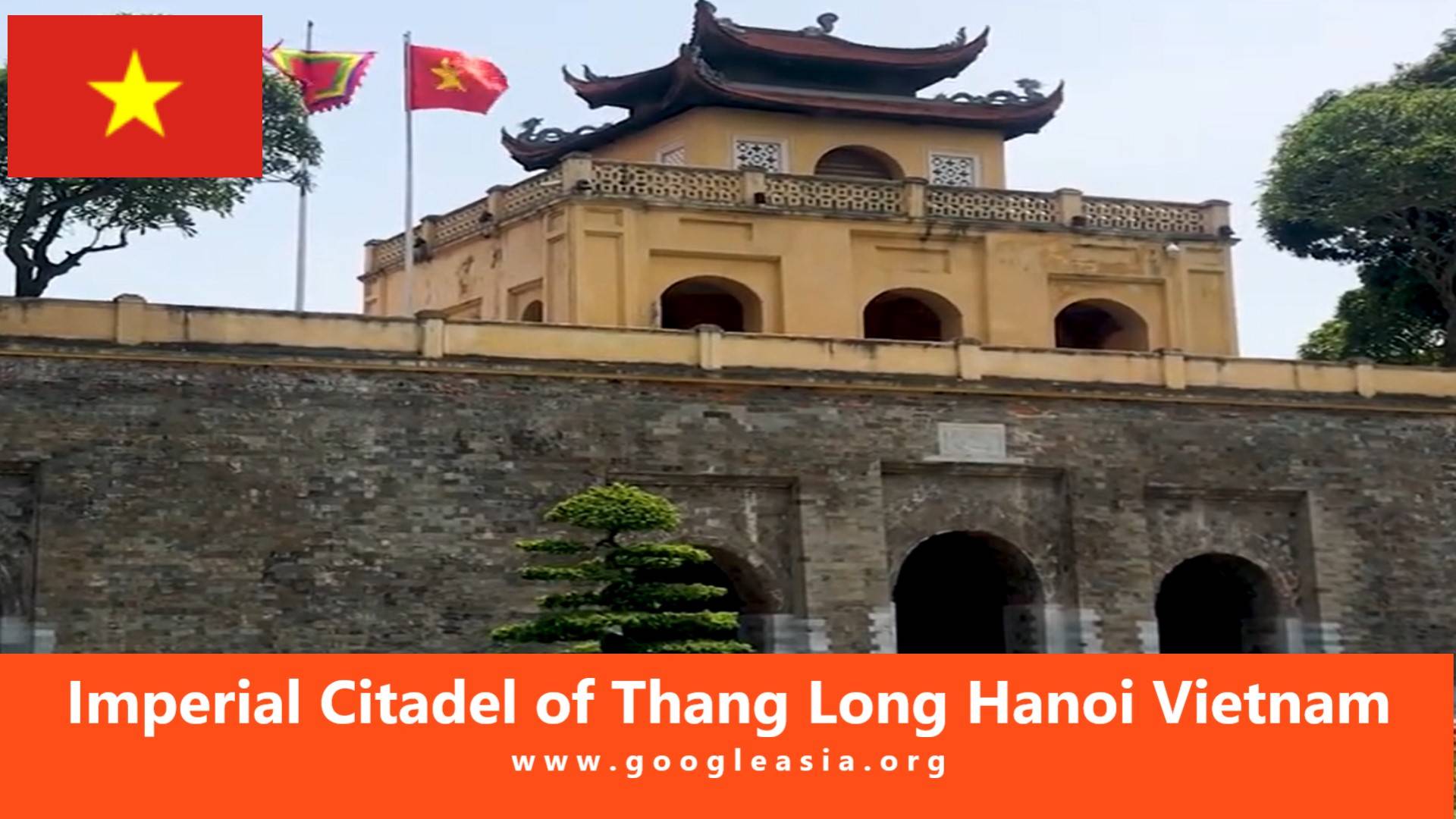
    The Imperial Citadel of Thang Long, located in Hanoi, Vietnam, is a UNESCO World Heritage Site that has been standing for centuries. It consists of monuments and relics from centuries of different dynasties and cultures, indicating the great political, cultural and military importance of the site throughout history. Imperial Citadel of Thang Long Hanoi Vietnam was first constructed in the 11th century and it still remains a major symbol of Vietnamese culture and history today.

    Introduction

    The Imperial Citadel of Thang Long, situated in the heart of Hanoi, stands as a testament to Vietnam’s rich history and cultural heritage. Discover the secrets and significance of this ancient site, which has been pivotal in shaping the country’s past.

    Historical Significance and Architecture

    Constructed in the 11th century during the Ly Dynasty, the Imperial Citadel of Thang Long served as a prominent political and military center for several dynasties, including the Tran Dynasty. Recognized by UNESCO as a World Heritage Site in 2010, it showcases intricate Vietnamese architectural styles blended with influences from Chinese design principles.

    Origins and Evolution

    Believed to be built on the foundations of an earlier Chinese fortress dating back to the Tang Dynasty, the Citadel’s name “Thang Long,” meaning “Rising Dragon” in Vietnamese, symbolizes its historical and cultural importance. The Flag Tower of Hanoi, standing at 29 meters tall and erected in 1812 under Emperor Gia Long, remains a prominent feature within the Citadel complex.

    Notable Features and Attractions

    Visitors to the Imperial Citadel can explore various historical landmarks, including the Mieu Temple and Ngoc Son Temple, each offering insights into Vietnam’s spiritual traditions and imperial rituals. The Citadel also boasts an underground tunnel system used for military defense, showcasing innovative architectural techniques of the time.

    Visitor Experience and Accessibility

    Today, the Imperial Citadel of Thang Long welcomes visitors from around the world, offering guided tours and exhibitions that highlight its archaeological treasures. Tourists can stroll through the expansive grounds, marvel at ancient artifacts, and attend cultural events such as the National Military March, which adds vibrancy to the historical setting.

    Things to Do

    Explore the Historical Significance

    The Imperial Citadel of Thang Long stands as a testament to Vietnam’s rich history and cultural heritage. Built over 2000 years ago and designated a UNESCO World Heritage Site, it offers visitors a glimpse into the imperial past of the region.

    Guided Tours

    One of the best ways to immerse yourself in the history of the Imperial Citadel is through a guided tour. Available in multiple languages including English and Vietnamese, these tours provide insights into the significance of the citadel and its role throughout various dynasties. Visitors can explore ancient ruins, discover artifacts like old cannons, and learn about the architectural marvels that define the citadel’s grandeur.

    Discover Architectural Wonders

    The architecture within the Imperial Citadel of Thang Long reflects the evolution of Vietnamese dynasties. From well-preserved palaces to ceremonial halls and gates, each structure tells a story of the country’s cultural and historical progression.

    Flag Tower of Hanoi

    A prominent feature within the citadel is the Flag Tower of Hanoi. Built in the 19th century, this 12-story tower offers panoramic views of the surrounding area, including the picturesque Red River. Guided tours of the tower provide insights into its historical significance and its role in Vietnamese history and identity.

    Experience Cultural Traditions

    Beyond its historical significance, the Imperial Citadel of Thang Long offers opportunities to engage with Vietnamese culture through traditional activities and performances.

    Traditional Performances

    Visitors can enjoy traditional Vietnamese performances that showcase the country’s rich cultural heritage. These performances often include music, dance, and theatrical displays that bring historical narratives to life.

    Engage in Local Customs

    To fully appreciate the cultural depth of the Imperial Citadel of Thang Long, consider participating in local customs and traditions.

    Temple Visits and Offerings

    Explore the nearby Bach Ma Temple, the oldest in Hanoi, and participate in traditional ceremonies such as offering incense and prayers. These rituals provide a deeper understanding of Vietnam’s spiritual practices and beliefs.

    Explore Surrounding Attractions

    The Imperial Citadel of Thang Long is located in Hanoi’s vibrant city center, offering easy access to other notable landmarks and cultural sites.

    Hoan Kiem Lake

    A short walk from the citadel leads to Hoan Kiem Lake, a tranquil oasis in the bustling city. Surrounding the lake are historic temples and pagodas, providing additional opportunities to explore Vietnamese architecture and traditions.

    Shop and Dine

    Complete your visit by experiencing Hanoi’s local flavors and vibrant market scenes.

    Night Market

    Adjacent to the Imperial Citadel is the Hanoi Night Market, where visitors can shop for souvenirs, sample street food, and immerse themselves in the lively atmosphere of Vietnamese urban life.

    Foods

    The Imperial Citadel of Thang Long in Hanoi, Vietnam, not only offers a rich historical experience but also tantalizes visitors with a variety of delicious local foods. Here’s a guide to some of the must-try dishes within and around this iconic site.

    Banh Cuon (Steamed Rice Rolls)

    Description: Banh cuon are delicate steamed rice rolls filled with minced pork, wood-ear mushrooms, and sometimes prawns, served with nuoc cham (dipping sauce).
    Location: Look for local eateries or street vendors around the Citadel.
    Best Time to Enjoy: Ideal for breakfast or a light lunch.
    Cultural Significance: A staple of Hanoi cuisine, banh cuon reflects the city’s culinary tradition and craftsmanship.

    Cha Ca La Vong (Grilled Fish)

    Description: Cha ca La Vong features marinated fish (often catfish or snakehead fish) grilled with turmeric and dill, served over vermicelli noodles and garnished with peanuts and fresh herbs.
    Location: Traditionally served at Cha Ca La Vong restaurant, not far from the Citadel.
    Best Time to Enjoy: Lunch or dinner, as it’s a hearty dish.
    Cultural Significance: Originating from a single Hanoi restaurant, Cha Ca La Vong has become a famous culinary ambassador for the city.

    Bun Cha (Grilled Pork with Noodles)

    Description: Bun cha consists of grilled fatty pork served with vermicelli noodles, fresh herbs, and a bowl of sweet and sour dipping sauce (nuoc mam cham).
    Location: Available in local eateries and street food stalls around Hanoi, including near the Citadel.
    Best Time to Enjoy: Lunchtime is perfect for enjoying this filling and flavorful dish.
    Cultural Significance: Made famous globally after being enjoyed by President Obama during his visit to Vietnam.

    Banh Tom (Fried Shrimp Cake)

    Description: Banh tom are crispy fried shrimp cakes made from batter-coated whole shrimp and sweet potato, served with nuoc cham (fish sauce-based dipping sauce) and fresh herbs.
    Location: Look for street vendors or specialty shops offering this crispy delight.
    Best Time to Enjoy: A popular snack throughout the day.
    Cultural Significance: A testament to Vietnam’s coastal culinary heritage, showcasing the abundance of fresh seafood.

    Pho in Thang Long (Thang Long-style Noodle Soup)

    Description: Thang Long-style pho features beef broth simmered for hours with spices and herbs, served with flat rice noodles, slices of beef or chicken, and fresh herbs.
    Location: Numerous pho shops around Hanoi, including those near the Citadel.
    Best Time to Enjoy: Breakfast or a light dinner, as it’s a comforting and nourishing dish.
    Cultural Significance: Pho is Vietnam’s national dish, representing the country’s culinary prowess and cultural heritage.

    Cao Lau (Salty and Sweet Noodles)

    Description: Cao Lau consists of thick rice noodles, sliced pork, and greens, topped with crispy croutons and served with a savory broth.
    Location: Found mainly in Hoi An, but some eateries in Hanoi offer this central Vietnamese specialty.
    Best Time to Enjoy: A unique lunchtime treat when exploring Hanoi’s culinary diversity.
    Cultural Significance: Reflects the cross-cultural influences in Vietnamese cuisine, blending Chinese, Japanese, and local flavors.

    Bia Hoi (Fresh Beer)

    Description: Bia hoi is a light, refreshing draft beer brewed daily and served in streetside cafes and bars, enjoyed for its crisp flavor and affordability.
    Location: Look for bia hoi corners or makeshift bars around Hanoi, often near the Citadel.
    Best Time to Enjoy: Early evening when locals gather to unwind after work.
    Cultural Significance: An integral part of Hanoi’s social scene, offering a glimpse into everyday life in the city.

    Hotels

    The Imperial Citadel of Thang Long in Hanoi, Vietnam, is a UNESCO World Heritage site, offering a glimpse into Vietnam’s rich history and cultural heritage. For travelers exploring this historic area, choosing the right accommodation is essential to enhance the experience. Here are some of the best hotels conveniently located near the Imperial Citadel:

    Sofitel Legend Metropole Hanoi

    Overview

    • Location: Strategically located in the heart of Hanoi, close to the Imperial Citadel.
    • Highlights: Offers luxurious accommodations with a blend of French colonial and Vietnamese charm.
    • Amenities: Features multiple dining options, a spa, and impeccable service.
    • Why Stay: Perfect for travelers seeking a historic and luxurious stay near the Imperial Citadel.

    Hanoi La Siesta Diamond Hotel & Spa

    Overview

    • Location: Situated within walking distance to the Imperial Citadel.
    • Highlights: Known for its excellent service and cozy ambiance.
    • Amenities: Offers a spa, restaurant, and comfortable rooms with modern amenities.
    • Why Stay: Ideal for those looking for a boutique hotel experience near historical landmarks.

    Hilton Hanoi Opera

    Overview

    • Location: Offers easy access to the Imperial Citadel and other major attractions.
    • Highlights: Combines modern comfort with Vietnamese hospitality.
    • Amenities: Features spacious rooms, a fitness center, and several dining options.
    • Why Stay: Great for business and leisure travelers seeking convenience and luxury.

    Hotel Nikko Hanoi

    Overview

    • Location: Located in a prime area near the Imperial Citadel.
    • Highlights: Known for its elegant rooms and top-notch service.
    • Amenities: Offers a Japanese restaurant, spa facilities, and a rooftop pool.
    • Why Stay: Recommended for travelers looking for a blend of Japanese hospitality and Vietnamese charm.

    Hanoi Silver Silk Hotel

    Overview

    • Location: Close proximity to the Imperial Citadel and other historic sites.
    • Highlights: Offers comfortable accommodations with a focus on local culture.
    • Amenities: Includes a rooftop bar, restaurant, and well-appointed rooms.
    • Why Stay: Appeals to travelers interested in a contemporary hotel experience with local flavor.

    Apricot Hotel

    Overview

    • Location: Overlooks the Hoan Kiem Lake, a short distance from the Imperial Citadel.
    • Highlights: Features art-inspired interiors and panoramic views.
    • Amenities: Offers a rooftop bar, art gallery, and luxurious rooms.
    • Why Stay: Perfect for art enthusiasts and travelers seeking a stylish stay near cultural landmarks.

    Melia Hanoi Hotel

    Overview

    • Location: Centrally located with easy access to the Imperial Citadel.
    • Highlights: Offers spacious rooms and a range of dining options.
    • Amenities: Includes a spa, fitness center, and outdoor pool.
    • Why Stay: Appeals to both business and leisure travelers looking for comfort and convenience.

    InterContinental Hanoi Landmark72

    Overview

    • Location: Situated in Hanoi’s business district, a short drive from the Imperial Citadel.
    • Highlights: Offers modern luxury with panoramic city views.
    • Amenities: Features multiple restaurants, a spa, and stylishly designed rooms.
    • Why Stay: Ideal for travelers seeking contemporary luxury and excellent service.

    Somerset Grand Hanoi

    Overview

    • Location: Offers spacious serviced apartments near the Imperial Citadel.
    • Highlights: Ideal for extended stays with kitchen facilities and living areas.
    • Amenities: Includes a swimming pool, gym, and children’s playroom.
    • Why Stay: Perfect for families or long-term travelers seeking comfort and convenience.

    Grand Plaza Hanoi Hotel & Spa

    Overview

    • Location: Conveniently located near the Imperial Citadel and Hoan Kiem Lake.
    • Highlights: Known for its serene spa and comfortable accommodations.
    • Amenities: Offers a range of dining options, a fitness center, and meeting facilities.
    • Why Stay: Recommended for travelers looking for a relaxing stay with easy access to cultural attractions.
    Imperial Citadel of Thang Long Hanoi Vietnam

    Summary

    • Attraction Name: Imperial Citadel of Thang Long
    • Country: Vietnam
    • Continent: Asia
    • Capital Name: Hanoi
    • Language: Vietnamese
    • Currency: Vietnamese dong
    • Nationality: Vietnamese (de facto)
    • Category:  #Destination #Asia #VIETNAM 

    Frequently Asked Questions

    Where is Imperial Citadel of Thang Long located?

    The Imperial Citadel of Thang Long, a UNESCO World Heritage site, is located in Hanoi, the capital city of Vietnam. Specifically, it is situated in Ba Dinh District, near the city center and adjacent to the modern-day Vietnam Military History Museum. The citadel’s address is 19C Hoang Dieu Street, Thang Long Imperial Citadel, Quan Thanh Ward, Ba Dinh District, Hanoi, Vietnam.

    How to go to Imperial Citadel of Thang Long?

    The Imperial Citadel of Thang Long is conveniently located in central Hanoi, making it accessible by various modes of transportation. Here’s how you can reach this historical site:

    By Taxi or Ride-Sharing Service

    • From Hanoi Old Quarter: Taxis and ride-sharing services like Grab are readily available throughout Hanoi. A taxi ride from Hanoi Old Quarter to the Imperial Citadel takes approximately 10-15 minutes, depending on traffic conditions.
    • Specify the Destination: Tell the driver “Hoàng Thành Thăng Long” or show them the written Vietnamese name “Hoàng thành Thăng Long” to ensure they understand you’re heading to the Imperial Citadel of Thang Long.

    By Public Bus

    • Bus Routes: Several public buses serve routes that pass near the Imperial Citadel. Buses 22, 34, and 45 are commonly used routes that stop within walking distance of the citadel.
    • Bus Stops: Look for bus stops along routes that pass by or near the citadel. The closest stops are typically within a short walk, but it’s advisable to check a map or ask locals for specific guidance.

    By Walking or Cycling

    • From Nearby Areas: If you’re staying in Hanoi Old Quarter or other central districts, consider walking or cycling to the Imperial Citadel. It’s a pleasant journey through Hanoi’s bustling streets and neighborhoods.
    • Use Maps: Utilize navigation apps like Google Maps or Maps.me to find the best walking or cycling route to the citadel. These apps provide real-time directions and estimated travel times.

    Practical Tips:

    • Opening Hours: Check the citadel’s opening hours before planning your visit, as it may vary depending on the season and special events.
    • Entrance Fee: Be prepared to pay an entrance fee, which is nominal for both Vietnamese citizens and foreigners. Carry local currency (Vietnamese Dong) for convenience.
    • Guided Tours: Consider joining a guided tour of the Imperial Citadel to gain deeper insights into its history and significance. Tours often include knowledgeable guides who provide detailed explanations.
    • Accessibility: The citadel grounds are generally wheelchair and stroller accessible, though some parts may have uneven surfaces.

    What are Imperial Citadel of Thang Long’s nearby must-visit attractions or landmarks?

    Nearby Must-Visit Attractions and Landmarks

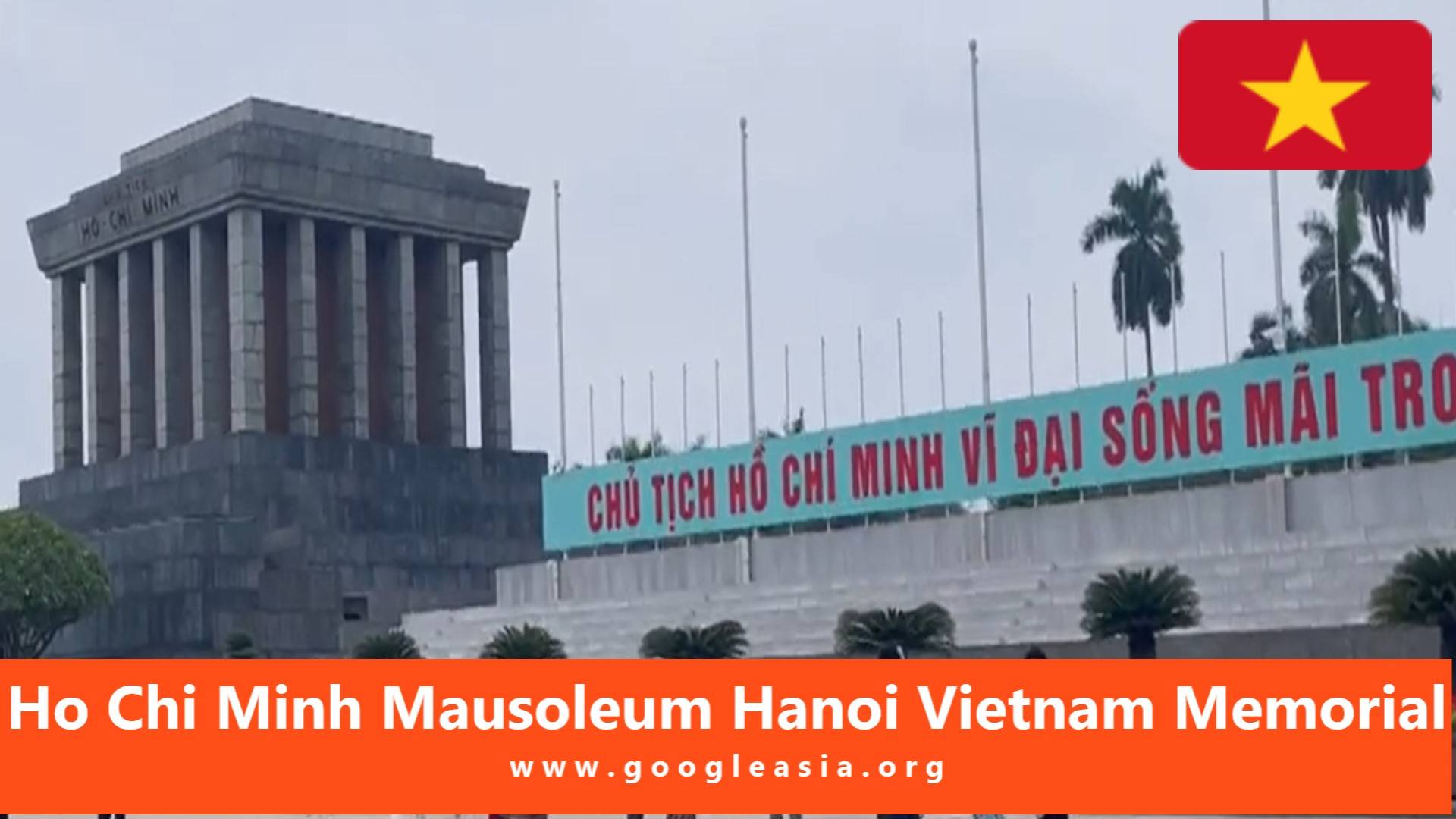
    1. Ho Chi Minh Mausoleum: Located a short distance from the Imperial Citadel, the Ho Chi Minh Mausoleum is a monumental structure where visitors can pay respects to the revered leader of Vietnam, Ho Chi Minh. The complex also includes the Presidential Palace, Ho Chi Minh’s Stilt House, and the One Pillar Pagoda.
    2. Hanoi Old Quarter: Just a short drive or walk from the Imperial Citadel, the Hanoi Old Quarter is a bustling area renowned for its narrow streets, historic architecture, and vibrant atmosphere. Explore traditional markets, temples, and sample local street food in this cultural hub.
    3. Vietnam Museum of Ethnology: This museum offers insights into Vietnam’s diverse ethnic groups through exhibits showcasing traditional artifacts, clothing, and architectural reconstructions. It’s a fascinating place to learn about the cultural diversity of Vietnam.
    4. Temple of Literature (Van Mieu-Quoc Tu Giam): A short distance from the citadel, this ancient temple complex served as Vietnam’s first national university. It honors Confucius and scholars with its peaceful gardens, pavilions, and stone steles.
    5. Hoa Lo Prison Museum: Also known as the “Hanoi Hilton,” this museum exhibits the history of the prison complex used by French colonists and later during the Vietnam War. It provides a somber look at Vietnam’s struggle for independence.
    6. St. Joseph’s Cathedral: Located in the heart of Hanoi, this Gothic-style cathedral dates back to the late 19th century. Its striking architecture and peaceful atmosphere offer a contrast to the bustling streets of the city.

    Why should you visit Imperial Citadel of Thang Long in Vietnam?

    The Imperial Citadel of Thang Long in Hanoi Vietnam is a UNESCO World Heritage Site and one of the nation’s most important cultural and historical attractions. It is also one of the best-preserved citadels in Southeast Asia.

    Visitors can explore the site and learn about the history and legacy of the powerful Ly Dynasty, which ruled from the citadel from the 11th to the 19th century, and discover the unique architecture and structures that have been preserved from this time. The site also offers an insight into the everyday life and culture of the Hanoian people during the Imperial period.

    Is there any halal food available in the vicinity of the Imperial Citadel of Thang Long?

    While the area around the Imperial Citadel of Thang Long in Hanoi, Vietnam, predominantly offers Vietnamese cuisine, including various street food options, finding halal food specifically might require some effort. Hanoi is known for its diverse culinary scene, but halal restaurants are relatively limited in this particular area.

    For those seeking halal options, it’s advisable to explore restaurants located in other parts of Hanoi that cater specifically to halal dietary requirements. Areas like the Old Quarter and Hoan Kiem District have a few halal-certified restaurants serving Vietnamese dishes, Middle Eastern cuisine, or international halal options.

    Additionally, some restaurants in upscale hotels or shopping malls in Hanoi may also offer halal dishes, although they might be a taxi or a ride-sharing service away from the Imperial Citadel of Thang Long.

  • Phong Nha Ke Bang National Park, Vietnam: UNESCO World Heritage Site and Natural Wonder

    Phong Nha Ke Bang National Park, Vietnam: UNESCO World Heritage Site and Natural Wonder

    Phong Nha Ke Bang National Park, Vietnam

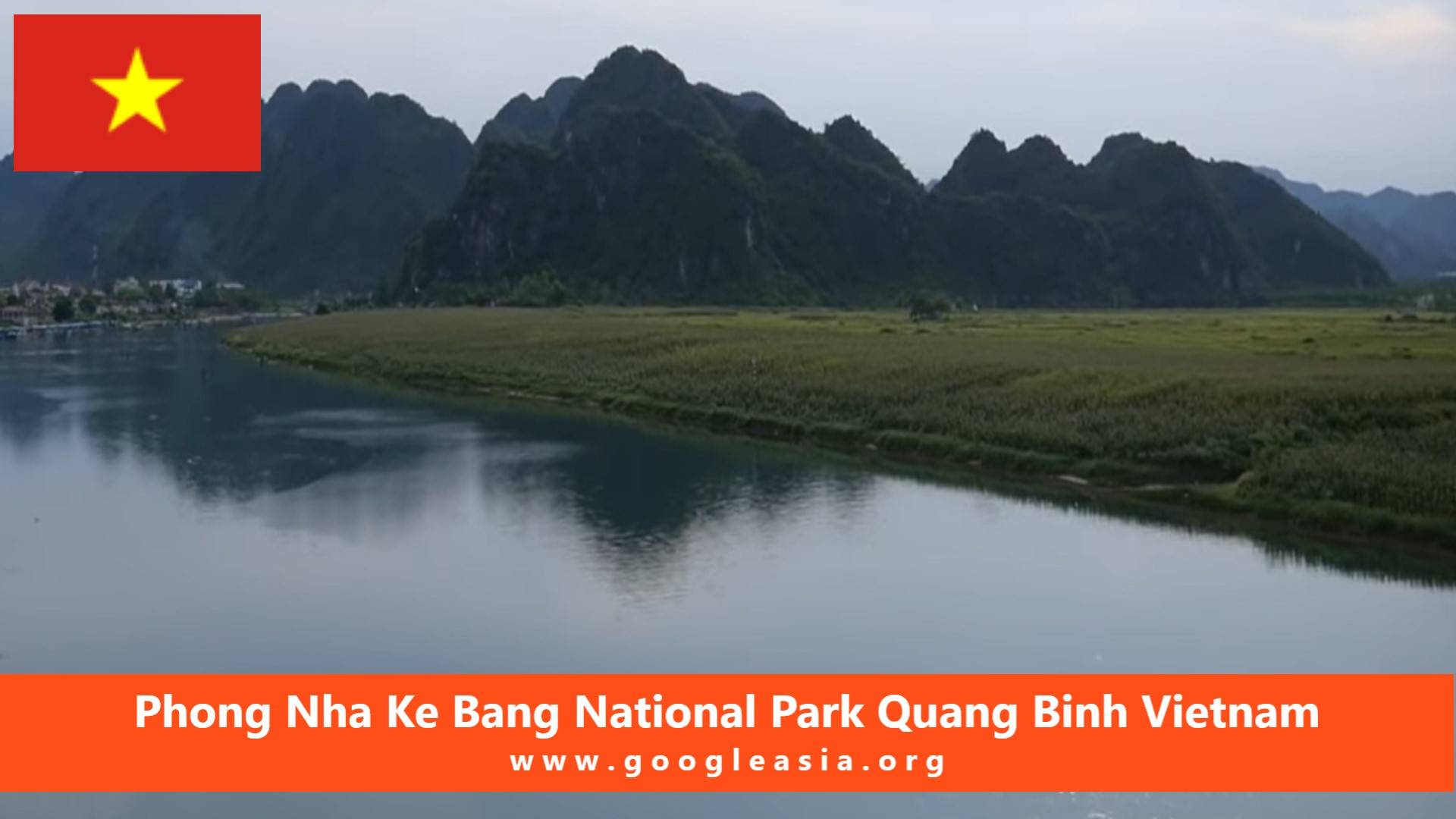
    Phong Nha Ke Bang National Park in Quang Binh Province, Vietnam, is a UNESCO World Heritage Site and a top destination for travelers. With lush green stretches of mountain and forest, mysterious caves and underground rivers, and amazing stalactite and stalagmite formations, this park is truly one of nature’s wonders. Visitors can explore over 300 caves, take a boat ride through winding limestone cliffs, and, of course, take in breathtaking views of the stunning Vietnamese countryside.

    Introduction

    Phong Nha Ke Bang National Park, located in Quang Binh Province, Vietnam, is recognized as a UNESCO World Heritage Site for its outstanding natural values. Spanning a vast limestone landscape, this national park is celebrated for its breathtaking tropical scenery and extensive cave systems that attract adventurers and nature enthusiasts from around the globe.

    Spectacular Landscapes and Cave Systems

    Phong Nha Ke Bang National Park boasts some of the world’s most spectacular tropical landscapes. Towering limestone karsts covered in lush greenery dominate the skyline, creating a dramatic backdrop for exploration. The park is renowned for its numerous caves, some of which are among the largest and most magnificent in the world. Visitors can embark on guided tours to marvel at the awe-inspiring stalactites and stalagmites that adorn these natural wonders.

    Unique Geological and Ecological Diversity

    The geological formations within Phong Nha Ke Bang National Park are a marvel of nature. Over millions of years, the karst landscape has been shaped into intricate formations, creating a maze of caves and underground rivers waiting to be discovered. The park’s ecological diversity is equally impressive, providing habitat to a wide range of flora and fauna. Rare and endangered species, including those endemic to the region, can be found thriving within the park’s protected boundaries.

    Key Attributes

    • Location: Quang Binh Province, Vietnam
    • UNESCO Status: Recognized as a World Heritage Site for its natural values
    • Landscape: Dominated by limestone karsts and tropical forests
    • Cave Systems: Home to some of the largest and most intricate caves in the world
    • Wildlife: Supports diverse ecosystems and rare species, contributing to global biodiversity conservation efforts

    Things to Do

    Phong Nha Ke Bang National Park in Quang Binh, Vietnam, stands as one of the world’s most captivating destinations, offering unrivaled natural wonders, rich cultural heritage, and breathtaking landscapes. Here are some of the incredible activities to experience the park’s unique attractions:

    Tour the World Heritage-listed Phong Nha Cave

    • Description: Discovered in 1909, Phong Nha Cave is renowned for its intricate system of underground caverns, adorned with stalactites and stalagmites. It is recognized as the longest river cave in the world.
    • Highlights: Marvel at the natural light filtering through openings in the cave’s roof, illuminating its mesmerizing formations against the backdrop of limestone mountains.

    Take a Boat Trip Down Son River

    • Description: Enjoy a tranquil boat ride along the Son River, offering panoramic views of Phong Nha Ke Bang National Park’s stunning scenery.
    • Highlights: Discover rock formations, waterfalls, and diverse flora and fauna, including the famous Golden Gibbon, as you cruise through this picturesque landscape.

    Explore the Impressive Paradise Cave

    • Description: Paradise Cave stretches an impressive 31 km and is the largest cave system in Asia. Its chambers are filled with a myriad of stalactites and stalagmites.
    • Highlights: Be awed by the cave’s majestic formations and immerse yourself in its mysterious atmosphere, making it a must-visit attraction.

    Climb to the Top of Tu Lan Cave System

    • Description: The Tu Lan Cave System spans 8 km and features spectacular natural formations illuminated by natural light streaming through openings in the cave ceiling.
    • Highlights: Explore beautiful lakes and witness the remarkable formations and light effects that characterize this captivating cave system.

    Visit the Ancient Bao Ninh Plain

    • Description: Journey to the Bao Ninh Plain, inhabited since the Neolithic Age and known for its historical significance.
    • Highlights: Explore remnants of unique “floating” rice cultivation techniques developed by local communities centuries ago, offering insights into Vietnam’s cultural heritage.

    Relax at Hang En Cave

    • Description: Hang En Cave is renowned as one of the world’s most stunning natural wonders, offering a tranquil setting for meditation and relaxation.
    • Highlights: Admire fascinating rock formations and experience the cave’s incredible acoustics, illuminated by torchlight in its vast chamber.

    Marvel at Son Doong Cave

    • Description: Son Doong Cave is the world’s largest cave, discovered in 2009. It presents visitors with a breathtaking natural phenomenon.
    • Highlights: Explore its immense chambers teeming with exotic life and gaze in awe at its soaring depths, offering an unforgettable adventure.

    Foods

    Vietnamese cuisine is known for its rich flavors and variety, and Phong Nha Ke Bang National Park in Quang Binh offers a delightful array of dishes that should not be missed. Whether you’re exploring caves or hiking through lush landscapes, experiencing the local food is an essential part of your visit.

    BBQ

    One of the most beloved dining experiences in Phong Nha Ke Bang National Park is indulging in local BBQ. Whether it’s pork, beef, chicken, or seafood, these meats are grilled to perfection over charcoal, imparting a smoky flavor that complements the natural surroundings. Don’t miss the opportunity to savor these tender meats served with aromatic herbs and dipping sauces.

    Chao Long

    For a hearty breakfast, Chao Long is a popular choice among locals and visitors alike. This spicy noodle soup features a robust broth, often flavored with pork or beef, and generously garnished with fresh herbs and crunchy bean sprouts. It’s a comforting dish that warms the soul, perfect before a day of exploring the park.

    Banh Mi

    Vietnam’s famous Banh Mi finds its way to Phong Nha Ke Bang National Park in all its delicious glory. This crispy baguette sandwich is stuffed with a variety of fillings such as pork, beef, pâté, and a medley of pickled vegetables and herbs. It’s a portable and satisfying meal, ideal for picnics or a quick bite between adventures.

    Bun Bo Hue

    A regional specialty not to be missed is Bun Bo Hue, a spicy beef noodle soup that originated from the neighboring city of Hue. At Phong Nha Ke Bang, this dish features thick rice noodles in a flavorful, spicy broth, accompanied by tender slices of beef and a variety of Vietnamese herbs. It’s a dish that truly captures the essence of central Vietnamese cuisine.

    Banh Xeo

    Another local favorite is Banh Xeo, a savory pancake made from rice flour and turmeric powder, folded over a filling of pork, shrimp, and bean sprouts. Crispy on the outside and soft on the inside, Banh Xeo is typically enjoyed with fresh greens and a side of dipping sauce. It’s a delightful dish that showcases Vietnam’s expertise in creating textures and flavors.

    Hotels

    Phong Nha Ke Bang National Park in Quang Binh, Vietnam, offers a range of accommodation options to suit various preferences and budgets. Whether you’re seeking luxury, comfort, or a backpacker-friendly stay, there’s something for everyone amidst the natural beauty of this UNESCO World Heritage site.

    Luxury Retreats

    For travelers seeking upscale comfort and amenities amidst the serene surroundings of Phong Nha Ke Bang National Park, these hotels are highly recommended:

    • The Caves Boutique Resort & Spa: Known for its luxurious rooms and suites, this resort offers stunning views of limestone cliffs and lush greenery. Guests can indulge in spa treatments and fine dining experiences.
    • Scent Hotel & Bistro Phong Nha Ke Bang National Park: This boutique hotel combines modern elegance with local charm. It features spacious rooms, a bistro serving gourmet cuisine, and personalized service for a relaxing stay.
    • The Greenhouse Villas: Nestled in a tranquil setting, this eco-friendly resort offers private villas with eco-luxury touches like rain showers and organic toiletries. Guests can unwind in the lush gardens or take a dip in the pool.

    Mid-Range Comfort

    Travelers looking for comfortable accommodations without splurging can consider these options:

    • Phong Nha Farmstay: A popular choice offering cozy rooms and a friendly atmosphere. It’s known for its farm-to-table dining experience and guided tours to nearby attractions.
    • Primitive Lodge & Gallery: Combining rustic charm with modern amenities, this lodge offers comfortable rooms and a gallery showcasing local artwork. It’s ideal for travelers looking to immerse themselves in the cultural aspects of the region.
    • Ecopark Phong Nha Ke Bang National Park Quang Binh: Emphasizing sustainability, this eco-park offers a range of accommodations from bungalows to tents. Guests can enjoy nature walks and outdoor activities while minimizing their ecological footprint.

    Budget-Friendly Stays

    For backpackers and budget-conscious travelers, these options provide affordable lodging with a social atmosphere:

    • Easy Tiger Hostel: A well-known hostel offering dormitory beds and private rooms. It’s a hub for travelers looking to meet like-minded adventurers and explore the park’s attractions together.
    • Beo Tien Hotel: A budget-friendly hotel offering clean and comfortable rooms at affordable rates. It’s conveniently located near local eateries and shops, making it a practical choice for budget travelers.
    • Paradise Bien Thu Hotel: Situated close to the park entrance, this hotel offers simple yet cozy accommodations with essential amenities. It’s a good base for exploring the natural wonders of Phong Nha Ke Bang.

    Conclusion

    Phong Nha Ke Bang National Park offers a unique blend of adventure, natural beauty, and ecological significance. Whether you’re exploring its expansive cave systems, trekking through pristine forests, or simply soaking in the panoramic views, a visit to this extraordinary destination promises an unforgettable experience in the heart of Vietnam’s natural wonders.

    Phong Nha Ke Bang National Park Quang Binh Vietnam

    Summary

    • Attraction Name: Phong Nha Ke Bang National Park
    • Country: Vietnam
    • Continent: Asia
    • Capital Name: Hanoi
    • Language: Vietnamese
    • Currency: Vietnamese dong
    • Nationality: Vietnamese (de facto)
    • Category:  #Destination #Asia #VIETNAM 

    Frequently Asked Questions

    Where is Phong Nha Ke Bang National Park located?

    Phong Nha Ke Bang National Park is located in Quang Binh Province, Central Vietnam. Specifically, it is situated near the town of Phong Nha and Son Trach, approximately 40 kilometers northwest of Dong Hoi city, the provincial capital of Quang Binh Province. The park’s location is characterized by its limestone karst landscapes, caves, and dense tropical forests, making it a renowned UNESCO World Heritage site and a popular destination for nature enthusiasts and adventure seekers alike.

    How to go to Phong Nha Ke Bang National Park?

    Phong Nha Ke Bang National Park is located in Quang Binh Province, Vietnam, and can be accessed by various modes of transportation:

    • From Dong Hoi City: The nearest major city to Phong Nha Ke Bang is Dong Hoi. From Dong Hoi, you can take a taxi, private car, or join a tour to reach the national park. The journey by road typically takes around 45 minutes to 1 hour, depending on traffic and your starting point within Dong Hoi.
    • By Train: There is a train station in Dong Hoi, and trains run from major cities like Hanoi and Ho Chi Minh City. From Dong Hoi Train Station, you can arrange onward transportation to Phong Nha Ke Bang National Park via taxi or local bus services.
    • By Bus: Buses operate daily between major cities and Dong Hoi. Once in Dong Hoi, you can transfer to a local bus or arrange private transportation to reach the national park.
    • From Phu Bai International Airport (Hue): If arriving by air, Phu Bai International Airport in Hue is the closest airport to Phong Nha Ke Bang. From Hue, you can take a taxi, private car, or join a tour that offers transportation to the national park.
    • Practical Tips: It’s advisable to plan your transportation in advance, especially during peak tourist seasons. Consider booking tours or transportation services that include stops at key attractions en route to Phong Nha Ke Bang.

    What are Phong Nha Ke Bang National Park’s must-visit attractions or landmarks?

    Phong Nha Ke Bang National Park in Quang Binh, Vietnam, offers a range of breathtaking attractions that appeal to nature lovers and adventure seekers alike:

    • Phong Nha Cave: One of the largest and most famous caves in the park, known for its impressive stalactite and stalagmite formations.
    • Paradise Cave (Thien Duong Cave): A UNESCO World Heritage site with spectacular limestone formations, crystal-clear pools, and stunning chambers.
    • Dark Cave (Hang Toi): Offers thrilling activities like ziplining, mud baths, and kayaking inside the cave, providing an adventurous experience.
    • Botanical Garden: Ideal for nature enthusiasts, featuring diverse flora and fauna, hiking trails, and scenic views of the park.
    • Son Doong Cave: One of the world’s largest caves, offering multi-day expedition tours for those seeking an unforgettable underground adventure.

    Is Phong Nha Ke Bang National Park a suitable travel destination for solo adventurers, honeymooning couples, or those traveling with families?

    Phong Nha Ke Bang National Park in Quang Binh, Vietnam, caters to a wide range of travelers, making it suitable for solo adventurers, honeymooning couples, and families alike.

    • Solo Adventurers: Solo travelers can explore the park’s stunning caves, lush landscapes, and outdoor activities at their own pace. Guided tours and adventure activities like trekking, caving, and kayaking provide ample opportunities for exploration and discovery.
    • Honeymooning Couples: Phong Nha Ke Bang offers a romantic backdrop with its serene rivers, picturesque landscapes, and secluded accommodations. Couples can enjoy private tours, leisurely boat rides, and intimate dinners amidst nature’s beauty.
    • Families: Families will find plenty to do with kid-friendly activities such as boat tours along Son River, visits to wildlife rescue centers, and easy hikes suitable for all ages. The park’s natural wonders and educational experiences make it an enriching destination for children and adults alike.

    Why should you visit Phong Nha Ke Bang National Park Quang Binh Vietnam?

    Phong Nha Ke Bang National Park Quang Binh Vietnam is an iconic destination full of stunning natural beauty and a rich cultural heritage. Visitors can experience the remarkable landscape of incredible caves and towering limestone formations while surrounded by lush tropical forests. Nature lovers can hike, swim, and explore the caves, while culture enthusiasts can enjoy local customs, take part in traditional village activities, and discover the historical significance of the area.

    Is there any halal food available in the vicinity of the Phong Nha Ke Bang National Park?

    Halal food options near Phong Nha Ke Bang National Park, located in Quang Binh, Vietnam, are limited. The area is known more for its traditional Vietnamese cuisine, which predominantly features pork and seafood. However, with Vietnam’s growing tourism industry, some local restaurants and hotels in nearby towns may offer halal-certified dishes or vegetarian options.

  • Exploring the Cu Chi Tunnels: A Historic Relic of Vietnam’s War Era

    Exploring the Cu Chi Tunnels: A Historic Relic of Vietnam’s War Era

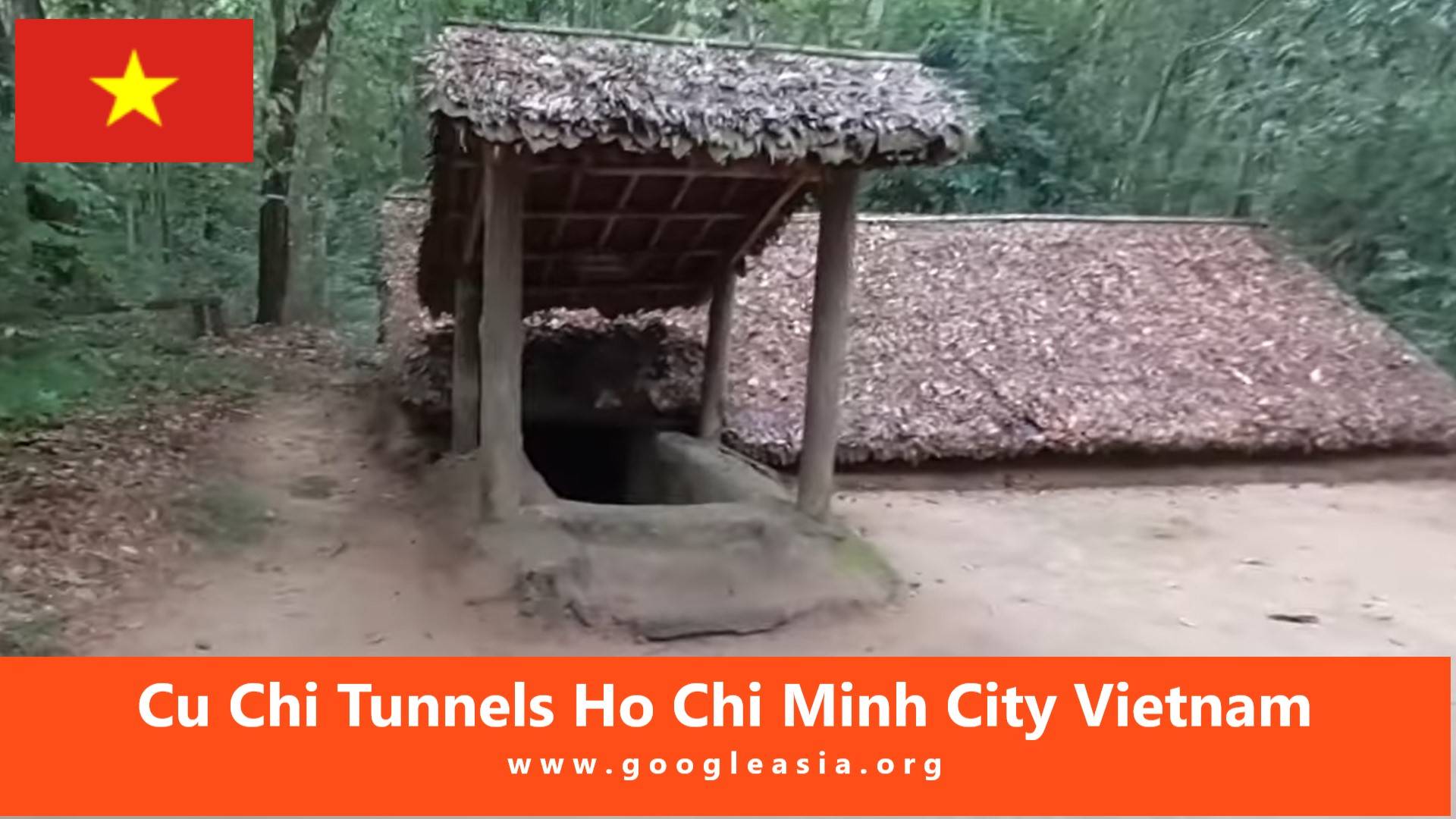
    Cu Chi Tunnels, Vietnam

    The Cu Chi Tunnels in Ho Chi Minh City, Vietnam, are an incredible network of underground tunnels used by the Vietnamese during the Vietnam War. Spanning over 250km, the tunnels were used as a hiding place to escape enemy fire, as well as to house operations and military movement. It’s a fascinating insight into the hardships of war and can be enjoyed by visiting the preserved sites. Visitors can explore the jungle terrain and experience real life during the war.

    Introduction

    The Cu Chi Tunnels in Ho Chi Minh City stand as a testament to Vietnam’s tumultuous past during the Vietnam War. Constructed by the Viet Cong in 1965, these tunnels served as a strategic base against American forces and played a crucial role in the war effort.

    Historical Significance and Construction

    The Cu Chi Tunnels were meticulously built over several years, starting in 1948 during the French colonial period and expanding significantly during the Vietnam War. Stretching over 250 kilometers, these underground passages housed not just soldiers but also served as living quarters, storage facilities, hospitals, and command centers for the Viet Cong.

    Tourist Experience and Activities

    Today, the Cu Chi Tunnels attract numerous visitors keen on exploring this historical site. Located approximately 40 miles from Ho Chi Minh City, the tunnels offer a unique glimpse into Vietnam’s wartime history.

    Visitors can engage in a variety of activities, including shooting firearms used during the war, experiencing target practice, and even crawling through sections of the tunnels themselves. These activities provide a hands-on understanding of the conditions and challenges faced by the Viet Cong fighters.

    Cultural and Culinary Delights

    Apart from its historical significance, the Cu Chi Tunnels site offers cultural experiences and culinary delights. Visitors can enjoy authentic Vietnamese cuisine at onsite restaurants, where local dishes are served amidst a backdrop rich in historical resonance. Additionally, souvenir stalls provide mementos for tourists to commemorate their visit.

    The Cu Chi Tunnels in Ho Chi Minh City, Vietnam, blend history, adventure, and cultural immersion into a single compelling destination. Whether you’re interested in military history, cultural exploration, or simply seeking a memorable experience, a visit to the Cu Chi Tunnels is a must-do when in Vietnam’s bustling southern hub.

    Things to Do

    The Cu Chi Tunnels in Ho Chi Minh City, Vietnam, stand as a testament to the ingenuity and resilience of the Viet Cong during the Vietnam War. This network of tunnels served as a crucial base of operations and living quarters for soldiers, showcasing a pivotal era in Vietnamese history.

    Guided Tours

    Visitors to Cu Chi Tunnels can opt for guided tours to delve deeper into the intricate labyrinth of tunnels. These tours offer insights into the construction techniques, strategic importance, and daily life within the tunnels. Knowledgeable guides provide historical context, making this experience both informative and engaging.

    Shooting Range Experience

    One of the most popular activities is the shooting range, where visitors can fire authentic rifles such as the AK-47. This hands-on experience allows participants to test their marksmanship skills in a controlled environment, offering a glimpse into the wartime conditions faced by soldiers.

    Booby Trap Demonstrations

    Explore the various booby traps meticulously designed by the Viet Cong to thwart enemy forces. Guided demonstrations showcase these traps, highlighting the guerrilla tactics employed during the conflict.

    Video Presentations and Educational Exhibits

    Gain a comprehensive understanding of the Cu Chi Tunnels through video presentations detailing their construction, usage, and historical significance. Exhibits display artifacts and replicas, enhancing the learning experience.

    Off-the-Beaten-Path Adventures

    For those seeking a more immersive journey, specialized tours lead visitors through nearby villages and former rubber plantations. These excursions offer a deeper historical context, illustrating the daily lives and struggles of those who inhabited the tunnels during wartime.

    Nature and Wildlife

    Beyond its historical significance, Cu Chi Tunnels boast serene landscapes and diverse wildlife. Scenic lookout points provide panoramic views of lush green countryside, ideal for photography enthusiasts. Bird-watching trails offer opportunities to spot rare bird species and immerse oneself in the natural beauty of the region.

    Foods

    Visiting the Cu Chi Tunnels near Ho Chi Minh City offers not only a historical journey but also a culinary adventure. The area around the tunnels is rich with traditional Vietnamese foods that showcase the local flavors and culture. Here are some of the must-try dishes when you visit Cu Chi Tunnels.

    Pho Cu Chi

    Description: Pho Cu Chi is a fragrant and flavorful specialty soup featuring beef tendon, brisket, onions, and vegetables in a rich broth.

    Attributes:

    • Ingredients: Beef tendon, brisket, onions, vegetables
    • Flavor Profile: Fragrant, savory, with hints of herbs and spices
    • Best Served: Hot, as a comforting meal after exploring the tunnels

    Nem Nuong Cu Chi

    Description: Nem Nuong Cu Chi consists of grilled pork patties mixed with savory Vietnamese herbs and spices.

    Attributes:

    • Ingredients: Grilled pork patties, Vietnamese herbs, spices
    • Texture: Tender, slightly charred from grilling
    • Serving Style: Often served with rice paper and fresh herbs for wrapping

    Thit Nuong Cu Chi

    Description: Thit Nuong Cu Chi features grilled pork marinated in garlic, fish sauce, and honey.

    Attributes:

    • Marinade: Garlic, fish sauce, honey
    • Cooking Style: Grilled to perfection, offering a sweet and savory flavor
    • Accompaniments: Typically served with rice and fresh vegetables

    Goi Cuon Cu Chi

    Description: Goi Cuon Cu Chi are fresh spring rolls filled with shrimp and pork, wrapped in delicate rice paper.

    Attributes:

    • Fillings: Shrimp, pork, herbs, lettuce, vermicelli noodles
    • Texture: Fresh and crunchy, with a soft rice paper exterior
    • Dipping Sauce: Often accompanied by a peanut or hoisin-based sauce

    Banh Xeo Cu Chi

    Description: Banh Xeo Cu Chi is a traditional Vietnamese crepe stuffed with pork, shrimp, and bean sprouts.

    Attributes:

    • Crepe: Crispy exterior with a soft, flavorful filling
    • Ingredients: Pork, shrimp, bean sprouts, and mung beans
    • Serving Style: Served hot with fresh lettuce and herbs for wrapping

    Banh Beo Cu Chi

    Description: Banh Beo Cu Chi consists of tiny steamed rice cakes served with a fish sauce, chili, and green onions.

    Attributes:

    • Texture: Soft and chewy rice cakes with a savory sauce
    • Condiments: Fish sauce, chili, green onions for added flavor
    • Presentation: Served in small dishes for easy sharing

    Ba Ruou Cu Chi

    Description: Ba Ruou Cu Chi is a hearty beef stew stirred with lemongrass and cilantro, typically served over white rice.

    Attributes:

    • Stew: Rich and flavorful, infused with lemongrass and cilantro
    • Best Paired: Perfect with a side of steamed rice for a complete meal
    • Comfort Food: Often enjoyed during cooler weather

    Xi Quach Cu Chi

    Description: Xi Quach Cu Chi is a Vietnamese-style grilled quail filled with sweet and savory spices.

    Attributes:

    • Flavor: Sweet and savory, with a smoky grilled taste
    • Size: Small, making it ideal for appetizers or as part of a shared meal
    • Accompaniments: Often served with fresh herbs and a lime wedge

    Nom Pa Cu Chi

    Description: Nom Pa Cu Chi consists of fried squid served over glass noodles and bean sprouts with a sweet and spicy chili sauce.

    Attributes:

    • Seafood: Fresh squid, crispy and flavorful
    • Sauce: Sweet and spicy chili sauce enhances the dish
    • Texture: Combination of crispy squid and soft glass noodles

    Bo Luc Lac Cu Chi

    Description: Bo Luc Lac Cu Chi features Vietnamese-style beef cubes stir-fried with vegetables, served over white rice.

    Attributes:

    • Beef: Tender cubes of beef, stir-fried to perfection
    • Vegetables: Typically includes onions, bell peppers, and tomatoes
    • Serving Style: Served hot, with rice as a staple accompaniment

    Hotels

    When planning a visit to the Cu Chi Tunnels near Ho Chi Minh City in Vietnam, choosing the right accommodation can enhance your experience. Here are some of the best hotels in the area that cater to various preferences and budgets:

    The Grand Ho Tram Strip (5-star)

    Located a short drive from Cu Chi Tunnels, The Grand Ho Tram Strip offers luxurious accommodations with spacious rooms overlooking the sea. Guests can enjoy world-class amenities including a casino, multiple dining options, and a golf course.

    Montgomerie Saigon Hotel (4-star)

    Montgomerie Saigon Hotel provides a blend of elegance and comfort, featuring well-appointed rooms and suites. Its location offers easy access to both the Cu Chi Tunnels and the vibrant city of Ho Chi Minh.

    Downtown Saigon Hotel (4-star)

    Situated in the heart of Ho Chi Minh City, Downtown Saigon Hotel provides convenient access to cultural attractions and the Cu Chi Tunnels. The hotel boasts modern rooms, a rooftop pool, and excellent dining options.

    Casa Victoria Boutique Hotel (4-star)

    For travelers seeking boutique charm, Casa Victoria Boutique Hotel offers stylish accommodations and personalized service. Located in District 3, it’s a short drive to the Cu Chi Tunnels and provides a serene retreat after a day of exploration.

    Bamboo Hotel Cu Chi (3-star)

    Bamboo Hotel Cu Chi is ideal for those looking for comfortable lodging at an affordable price. The hotel offers clean rooms, friendly service, and a location close to the Cu Chi Tunnels, making it a practical choice for budget-conscious travelers.

    Nhat Ha Hotel (3-star)

    Nhat Ha Hotel provides a cozy atmosphere and is known for its hospitality. With its strategic location, guests can easily visit the Cu Chi Tunnels and explore nearby attractions in Ho Chi Minh City.

    Saigon Phat Hoi An Hotel (3-star)

    Saigon Phat Hoi An Hotel offers a blend of affordability and convenience. Located within driving distance of the Cu Chi Tunnels, the hotel provides comfortable rooms and essential amenities for a pleasant stay.

    Joy Home Hotel (2-star)

    Joy Home Hotel offers budget-friendly accommodations with basic amenities. It’s a practical choice for travelers looking to explore the Cu Chi Tunnels without compromising on comfort.

    Anh Nguyet Hotel (2-star)

    Anh Nguyet Hotel provides simple and affordable rooms for budget travelers. Its location allows easy access to the Cu Chi Tunnels and other attractions in Ho Chi Minh City.

    My Sen Hotel (2-star)

    My Sen Hotel offers budget-friendly accommodations with straightforward amenities. It caters to travelers seeking a convenient base to explore the Cu Chi Tunnels and nearby areas.

    Conclusion

    A visit to Cu Chi Tunnels in Ho Chi Minh City, Vietnam, promises a multifaceted experience blending history, adventure, and natural beauty. Whether exploring underground passages, participating in interactive activities, or enjoying the tranquil surroundings, there’s something to captivate every visitor. This destination offers a unique glimpse into Vietnam’s past while providing ample opportunities for memorable experiences and discoveries.

    Cu Chi Tunnels Ho Chi Minh City Vietnam Fascinating

    Summary

    • Attraction Name: Cu Chi Tunnels
    • Country: Vietnam
    • Continent: Asia
    • Capital Name: Hanoi
    • Language: Vietnamese
    • Currency: Vietnamese dong
    • Nationality: Vietnamese (de facto)
    • Category:  #Destination #Asia #VIETNAM 

    Frequently Asked Questions

    Where is Cu Chi Tunnels located?

    Cu Chi Tunnels are located in Cu Chi District, approximately 70 kilometers northwest of Ho Chi Minh City (Saigon), Vietnam. The tunnels were used by Viet Cong guerrillas during the Vietnam War as hiding spots, supply routes, hospitals, and living quarters. Today, they serve as a popular historical site and tourist attraction, offering insights into Vietnam’s wartime history and the resilience of its people.

    How to go to Cu Chi Tunnels?

    The Cu Chi Tunnels, a historic site near Ho Chi Minh City in Vietnam, can be reached by several transportation options:

    • By Tour: The most convenient way to visit the Cu Chi Tunnels is by joining a guided tour from Ho Chi Minh City. Many tour operators offer half-day or full-day tours that include transportation, entrance fees, and a knowledgeable guide who provides insights into the tunnels’ history.
    • By Bus: If you prefer independent travel, you can take a public bus from Ho Chi Minh City to Cu Chi. Buses depart from the Ben Thanh Bus Station and take approximately 1.5 to 2 hours to reach Cu Chi. From the Cu Chi bus station, you can hire a motorbike taxi (xe om) or take a short taxi ride to the tunnels.
    • By Car or Taxi: Renting a car or taking a taxi from Ho Chi Minh City is another option. The journey typically takes around 1 to 1.5 hours, depending on traffic conditions. It offers flexibility in terms of timing and allows you to explore nearby attractions at your own pace.
    • Motorbike: For adventurous travelers comfortable with Vietnam’s traffic, renting a motorbike offers flexibility and a more immersive experience. The route to Cu Chi Tunnels is straightforward and well-signposted from Ho Chi Minh City.
    • Practical Tips: Plan your visit during non-peak hours to avoid crowds, especially if visiting independently. Wear comfortable clothing and shoes suitable for walking through tunnels. Bring sufficient water and sunscreen, as much of the site is exposed to the sun.

    What are Cu Chi Tunnels’s nearby must-visit attractions or landmarks?

    While visiting the Cu Chi Tunnels in Vietnam, there are several nearby attractions and landmarks worth exploring:

    • War Remnants Museum: Located in Ho Chi Minh City, this museum offers a comprehensive look at the Vietnam War through exhibits, artifacts, and photographs.
    • Ben Duoc Memorial Temple: Adjacent to the Cu Chi Tunnels, this temple honors fallen soldiers and offers insight into Vietnam’s wartime history.
    • Cao Dai Temple: A short drive from Cu Chi, this colorful temple is the center of the Cao Dai religion and features unique architecture and vibrant ceremonies.
    • Tay Ninh Holy See: Another notable religious site, this temple is the headquarters of the Cao Dai religion and hosts elaborate rituals and ceremonies.

    Why should you visit Cu Chi Tunnels?

    Visiting the Cu Chi Tunnels offers a unique and immersive experience into Vietnam’s wartime history and ingenious guerrilla tactics used during the Vietnam War (1955-1975). Here are compelling reasons to visit:

    • Historical Significance: The Cu Chi Tunnels played a crucial role in the resistance against American forces during the Vietnam War. Exploring these tunnels provides a firsthand understanding of the hardships and resilience of the Vietnamese people.
    • Educational Experience: Visitors can learn about the elaborate tunnel systems, including living quarters, storage facilities, hospitals, and command centers. It’s an opportunity to witness how the Viet Cong guerrillas lived and operated underground.
    • Cultural Insight: Gain insight into Vietnam’s history and cultural heritage through guided tours that explain the strategic importance of the tunnels and the local community’s resilience.
    • Authenticity: The Cu Chi Tunnels preserve authentic remnants of Vietnam’s wartime past, offering a poignant reminder of the country’s struggles and triumphs.
    • Adventure and Exploration: Adventurous travelers can crawl through sections of the tunnels (if permitted), experiencing firsthand the cramped conditions and strategic layout.
    • Memorial Sites: Visit memorial sites within the complex, including displays of weapons, traps, and artifacts used during the war, providing a comprehensive look at the conflict’s impact.

    Is there any halal food available in the vicinity of the Cu Chi Tunnels?

    While the Cu Chi Tunnels area primarily offers Vietnamese cuisine, including various local dishes, finding halal food specifically may require some planning. Halal-certified restaurants are limited in this area, which is more rural and historically significant.

    For visitors seeking halal options, it’s advisable to plan ahead and perhaps bring along snacks or meals that meet dietary requirements. Alternatively, travelers can explore nearby urban areas like Ho Chi Minh City, which offer more diverse dining options, including restaurants that cater to halal diets.

  • Visiting Ho Chi Minh Mausoleum, Vietnam: Travel Guide

    Visiting Ho Chi Minh Mausoleum, Vietnam: Travel Guide

    Ho Chi Minh Mausoleum, Vietnam

    The Ho Chi Minh Mausoleum in Hanoi, Vietnam is a stately memorial to the country’s beloved leader. Built between 1973-1975, the granite and marble structure houses the preserved body of Ho Chi Minh and pays tribute to his life and legacy. Visiting the mausoleum is a humbling experience, with mournful music and poignant placards honoring the late leader.

    Introduction

    The Ho Chi Minh Mausoleum in Hanoi, Vietnam, is a grand edifice and national shrine dedicated to commemorating the life and work of Ho Chi Minh, the revered leader of the Vietnamese independence movement in the 20th century. Located in Ba Dinh Square, the heart of Hanoi, this mausoleum is a symbol of pride and respect for the “Lenin of Vietnam,” who led the country to independence after centuries of colonization.

    Architectural Design and Structure

    Designed by Russian architect Yuri Zholtovskiy and inspired by other Stalinist-era mausoleums, the Ho Chi Minh Mausoleum is characterized by its austere and imposing appearance. The structure stands on a granite foundation with limestone walls and black marble steps, contributing to its solemn and dignified atmosphere.

    Key Features

    • Granite Foundation: Provides a solid and enduring base.
    • Limestone Walls: Adds to the austere aesthetic.
    • Black Marble Steps: Enhances the structure’s imposing nature.

    The Central Chamber

    The centerpiece of the mausoleum houses the embalmed body of Ho Chi Minh, affectionately known as “Uncle Ho.” He is laid out in a glass coffin, dressed in his iconic grey khaki uniform. This central chamber is the focal point of the mausoleum, attracting numerous visitors who come to pay their respects.

    Embalmed Body

    • Glass Coffin: Offers a clear view of Ho Chi Minh.
    • Grey Khaki Uniform: Reflects his simple and humble lifestyle.

    Revolutionary Frescoes

    Flanking the entrance to the mausoleum are large frescoes depicting revolutionary episodes from Ho Chi Minh’s life. These artworks serve to further underscore his revered status in Vietnam’s history and culture.

    Frescoes Details

    • Depictions of Revolutionary Episodes: Illustrates significant moments in Ho Chi Minh’s life.
    • Symbolism: Highlights his leadership and contributions to Vietnamese independence.

    Cultural and Historical Significance

    The Ho Chi Minh Mausoleum is more than just a final resting place for the legendary leader; it is a monument of immense cultural and historical significance. It stands as a testament to Ho Chi Minh’s legacy and the enduring spirit of the Vietnamese people’s struggle for independence and self-determination.

    Visitor Information

    Visitors to the Ho Chi Minh Mausoleum can experience a profound sense of history and reverence. The mausoleum is open to the public, although there are strict guidelines to be followed, such as a dress code and the prohibition of photography inside the central chamber.

    Things to Do

    The Ho Chi Minh Mausoleum in Hanoi, Vietnam, is a spectacular architectural structure dedicated to the famous leader of Vietnam, Ho Chi Minh. As the final resting place and a national symbol, the mausoleum is both a deep tribute to and a proud reminder of Vietnam’s historic moments.

    Pay Respect

    Taking time to pay respect to President Ho Chi Minh is a significant part of visiting the mausoleum. Recognize his honor in Vietnamese history by observing the solemn atmosphere and following the appropriate cultural norms and rules.

    • Cultural Norms: Dress modestly and behave respectfully.
    • Solemn Atmosphere: Quiet and reflective demeanor is encouraged.

    Explore the Exterior and Gardens

    The imposing Korean-style building is surrounded by beautifully landscaped gardens. The grounds offer a great place to explore, take photos, and relax.

    • Landscaped Gardens: Beautifully maintained, ideal for leisurely walks.
    • Architectural Photography: Capture the stunning exterior of the mausoleum.

    Visit the Museum

    The Ho Chi Minh Museum provides deeper insights into the life and legacy of Ho Chi Minh. It houses a variety of educational resources, including film documentaries, photos, paintings, and artifacts.

    • Educational Resources: Film documentaries, photos, paintings, and artifacts.
    • Legacy Exploration: Learn about Ho Chi Minh’s contributions and impact.

    Sign the Guestbook

    Be sure to sign the guestbook to document your visit to the mausoleum. This is also a great way to exchange thoughts and experiences with other visitors.

    • Guestbook Signing: Leave a personal message and read others’ reflections.
    • Visitor Interaction: Share your thoughts and experiences.

    Admire the Stela

    The path leading to the mausoleum is lined with a bronze stela statue, which stands as a proud tribute to President Ho Chi Minh.

    • Bronze Stela: Admire the craftsmanship and symbolic significance.
    • Historical Path: Walk the path lined with tributes to the leader.

    Follow the Changing of the Guard Ceremony

    Arrive early to the mausoleum to witness the changing of the guard ceremony, a sight to behold and a must-do activity.

    • Ceremony Timing: Arrive early to secure a good viewing spot.
    • Dress Appropriately: Wear a nice outfit to honor the occasion.

    Visit the Final Resting Place

    After sightseeing, head to the tombs where you’ll find President Ho Chi Minh’s body preserved in a glass coffin. There are also several other tombs honoring deceased leaders of Vietnam.

    • Glass Coffin: View the preserved body of Ho Chi Minh.
    • Other Tombs: Explore tombs of other significant Vietnamese leaders.

    Join a Tour

    For a more in-depth experience, consider joining a tour. This allows for a comprehensive exploration of the mausoleum and the surrounding area, providing more historical context and significance.

    • Guided Tours: Expert guides offer detailed information and stories.
    • Historical Context: Gain a deeper understanding of the mausoleum’s importance.

    Foods

    Visiting the Ho Chi Minh Mausoleum in Hanoi, Vietnam, offers not only a deep dive into the country’s history but also an opportunity to indulge in some of the best Vietnamese cuisine. Here are some must-try foods that you can find around the area:

    Bún Chả (Grilled Pork and Noodles)

    Bún Chả consists of grilled pork served with a plate of white rice noodles, fresh herbs, and a bowl of dipping sauce. It’s a flavorful and satisfying meal that is a favorite among locals and tourists alike.

    • Grilled Pork: Marinated and grilled to perfection.
    • Rice Noodles: Served cold, providing a refreshing contrast to the warm pork.
    • Dipping Sauce: A sweet and tangy fish sauce with pickled vegetables.

    Phở (Noodle Soup with Beef or Chicken)

    Phở is an iconic Vietnamese noodle soup that is typically made with either beef (Phở Bò) or chicken (Phở Gà). The broth is simmered for hours with bones, creating a rich and aromatic soup.

    • Broth: Rich and flavorful, made by simmering bones.
    • Noodles: Flat rice noodles that are soft and chewy.
    • Toppings: Fresh herbs, bean sprouts, lime, and chili.

    Bánh Mì (Vietnamese Sandwich)

    Bánh Mì is a Vietnamese sandwich that combines French baguette with a variety of fillings, such as meats, pâté, pickled vegetables, and fresh herbs. It’s a perfect grab-and-go option.

    • Baguette: Crispy on the outside and soft inside.
    • Fillings: A mix of meats, pâté, pickled vegetables, and herbs.
    • Condiments: Often includes mayonnaise and chili sauce.

    Gỏi Cuốn (Vietnamese Fresh Roll)

    Gỏi Cuốn, also known as Vietnamese fresh rolls, are made with shrimp, pork, fresh herbs, and vermicelli noodles wrapped in rice paper. They are served with a savory peanut dipping sauce.

    • Rice Paper: Thin and delicate, holding the ingredients together.
    • Fillings: Fresh and healthy ingredients like shrimp, pork, and herbs.
    • Dipping Sauce: A savory peanut sauce that complements the fresh flavors.

    Nem Rán (Fried Spring Roll)

    Nem Rán, or fried spring rolls, are filled with a mixture of pork, mushrooms, and vegetables. They are deep-fried until crispy and golden brown.

    • Crispy Exterior: Deep-fried to a perfect golden brown.
    • Flavorful Filling: A savory mix of pork, mushrooms, and vegetables.
    • Dipping Sauce: Typically served with a fish sauce-based dip.

    Bánh Cuốn (Rolled Pancake with Meat and Herbs)

    Bánh Cuốn is a rolled pancake made from steamed fermented rice batter filled with a mixture of ground pork and mushrooms, topped with fried shallots and fresh herbs.

    • Rice Batter: Steamed to a soft and delicate texture.
    • Filling: Savory ground pork and mushrooms.
    • Toppings: Fried shallots and fresh herbs.

    Bánh Bèo (Steamed Rice Bowl Pancake)

    Bánh Bèo consists of small steamed rice cakes topped with savory ingredients like minced shrimp, scallions, and crispy shallots. It’s a delicacy that is both light and flavorful.

    • Steamed Rice Cakes: Soft and delicate texture.
    • Toppings: Minced shrimp, scallions, and crispy shallots.
    • Fish Sauce: A light fish sauce dressing to enhance the flavors.

    Bánh Xèo (Crispy Sizzling Pancake)

    Bánh Xèo is a crispy pancake made from rice flour, water, and turmeric, filled with shrimp, pork, and bean sprouts. It’s typically wrapped in lettuce and herbs and dipped in a savory sauce.

    • Crispy Pancake: Golden and crunchy on the outside.
    • Fillings: Shrimp, pork, and bean sprouts.
    • Wrapping: Served with lettuce and herbs for wrapping and dipping.

    Chả Giò (Vietnamese Spring Roll)

    Chả Giò, also known as Vietnamese spring rolls, are similar to Nem Rán but can also be served fresh. They are filled with various ingredients and wrapped in rice paper, either fresh or fried.

    • Rice Paper: Used to wrap the rolls, either fresh or fried.
    • Fillings: A mix of meats, vegetables, and noodles.
    • Dipping Sauce: Typically served with a sweet and sour fish sauce dip.

    Bún Thịt Nướng (Grilled Pork and Noodle Salad)

    Bún Thịt Nướng is a grilled pork and noodle salad that combines marinated grilled pork with rice vermicelli, fresh herbs, and a light fish sauce dressing.

    • Grilled Pork: Marinated and grilled for a smoky flavor.
    • Rice Vermicelli: Soft noodles that are a base for the dish.
    • Fresh Herbs: Adds a refreshing contrast to the savory pork.

    Hotels

    When visiting the Ho Chi Minh Mausoleum in Hanoi, Vietnam, selecting the right hotel can greatly enhance your experience. Here are some of the best hotels near the mausoleum, ranging from luxurious to more affordable options:

    Sofitel Legend Metropole Hanoi

    Sofitel Legend Metropole Hanoi is a renowned luxury hotel located in the heart of Hanoi, close to the Ho Chi Minh Mausoleum. It offers an array of world-class amenities and services, ensuring a comfortable and memorable stay.

    • Location: Centrally located near the Ho Chi Minh Mausoleum.
    • Amenities: Award-winning restaurants, spa and wellness center, lush garden with a swimming pool.
    • Features: Historic colonial architecture with modern luxury.

    Hilton Hanoi Opera

    The Hilton Hanoi Opera offers excellent views of the iconic Ho Chi Minh Mausoleum and provides top-notch rooms and amenities. It’s an ideal choice for travelers seeking comfort and convenience.

    • Location: Near the Ho Chi Minh Mausoleum with excellent views.
    • Amenities: Rooftop bar and restaurant, European-style spa, multiple dining options.
    • Features: Modern facilities with classic European charm.

    InterContinental Hanoi Landmark72

    InterContinental Hanoi Landmark72 is situated in Hanoi’s business district, conveniently close to the Ho Chi Minh Mausoleum. This luxurious hotel features state-of-the-art amenities for a sophisticated stay.

    • Location: Business district, close to the Ho Chi Minh Mausoleum.
    • Amenities: Rooftop restaurant, infinity pool, luxurious spa.
    • Features: High-rise with panoramic city views.

    Crowne Plaza West Hanoi

    Crowne Plaza West Hanoi is located in Hanoi’s financial district, offering modern facilities and amenities. It’s a great option for both business and leisure travelers.

    • Location: Financial district, near the Ho Chi Minh Mausoleum.
    • Amenities: Skyline bar and restaurant, outdoor swimming pool, conference facilities.
    • Features: Contemporary design with practical comforts.

    La Siesta Hotel Hanoi

    La Siesta Hotel Hanoi provides a charming stay close to the Ho Chi Minh Mausoleum. This hotel features elegant rooms and a range of modern facilities to ensure a pleasant visit.

    • Location: Close to the Ho Chi Minh Mausoleum.
    • Amenities: Outdoor pool, restaurant, fitness center.
    • Features: Elegant design with a focus on guest comfort.

    Conclusion

    The Ho Chi Minh Mausoleum in Hanoi is a powerful symbol of Vietnam’s national pride and respect for one of its most influential leaders. Its impressive architecture, the preserved body of Ho Chi Minh, and the surrounding revolutionary frescoes all contribute to its status as a significant cultural and historical landmark in Vietnam.

    Ho Chi Minh Mausoleum Hanoi Vietnam Memorial

    Summary

    • Attraction Name: Ho Chi Minh Mausoleum
    • Country: Vietnam
    • Continent: Asia
    • Capital Name: Hanoi
    • Language: Vietnamese
    • Currency: Vietnamese dong
    • Nationality: Vietnamese (de facto)
    • Category:  #Destination #Asia #VIETNAM 

    Frequently Asked Questions

    Where is Ho Chi Minh Mausoleum located?

    The Ho Chi Minh Mausoleum is located in Ba Dinh Square, Ba Dinh District, Hanoi, Vietnam. It stands near the Presidential Palace and the One Pillar Pagoda, forming part of a historical and cultural complex in central Hanoi. Visitors can easily find the mausoleum within walking distance from other prominent landmarks in the area, making it a significant site for those exploring Vietnam’s capital city.

    How to go to Ho Chi Minh Mausoleum?

    To reach the Ho Chi Minh Mausoleum in Hanoi, Vietnam, follow these directions:

    • By Taxi or Ride-Sharing Service: From Hanoi Old Quarter or other central areas, take a taxi or use a ride-sharing service like Grab. It’s a short ride of approximately 10-15 minutes, depending on traffic conditions.
    • Public Bus: Several bus routes pass near the mausoleum. Look for buses numbered 2, 9, 15, 22, or 27, which will drop you off within walking distance of the entrance.
    • Walking: If you’re staying nearby in central Hanoi, consider walking to the mausoleum. It’s a pleasant stroll through the city streets, especially from areas like Ba Dinh Square.
    • Practical Tips: Check the mausoleum’s opening hours and visitor regulations before your visit. Remember to dress respectfully, as the site is a place of reverence.

    What are Ho Chi Minh Mausoleum’s nearby attractions or landmarks?

    While the Ho Chi Minh Mausoleum itself is the central attraction, visitors to this historic site in Hanoi, Vietnam, can also explore several other notable landmarks and points of interest nearby:

    1. Ho Chi Minh’s Stilt House: Located within the Presidential Palace grounds, this traditional Vietnamese wooden house was Ho Chi Minh’s residence from 1958 until his passing in 1969. It offers insights into his simple lifestyle and love for nature.
    2. One Pillar Pagoda (Chua Mot Cot): Adjacent to the mausoleum, this iconic Buddhist temple dates back to the 11th century and is built atop a single stone pillar rising from a lotus pond. It’s a symbol of longevity and good luck.
    3. Presidential Palace: Also known as the Presidential Palace of Vietnam, this grand French colonial-era building served as the official residence of the French Governor-General of Indochina. Today, it houses the offices of the president of Vietnam.
    4. Vietnam Military History Museum: A short distance away, this museum displays a wide array of military artifacts, vehicles, and exhibitions showcasing Vietnam’s military history from ancient times to the present day.
    5. Ba Dinh Square: The square in front of the mausoleum is historically significant as it was here that Ho Chi Minh read the Proclamation of Independence of the Democratic Republic of Vietnam on September 2, 1945.

    Why should you visit Ho Chi Minh Mausoleum Hanoi, Vietnam?

    The Ho Chi Minh Mausoleum in Hanoi, Vietnam is a significant site for both tourists and locals, who come to pay their respects to the former leader of the Vietnamese Communists, Ho Chi Minh. President Ho Chi Minh, who was a major symbol of Vietnamese independence throughout the 20th century, is honored and remembered at the mausoleum as a hero and symbol of the nation’s struggle for freedom.

    The mausoleum itself is an iconic structure, featuring a large granite courtyard with a replica of the president’s cottage in the back. Inside, visitors can pay their respects to the decorated glass coffin that houses Ho Chi Minh’s remains. Visit the Mausoleum to learn more about the Vietnamese hero, who dedicated his life to the freedom of his people.

    Is there any halal food available in the vicinity of the Ho Chi Minh Mausoleum?

    While the area surrounding the Ho Chi Minh Mausoleum in Hanoi, Vietnam, primarily offers Vietnamese cuisine, including various street food options, specifically finding halal-certified restaurants may require some exploration. Hanoi has a limited number of halal-certified establishments, mostly concentrated in areas with larger Muslim populations or tourist hubs.

    Visitors seeking halal food near the mausoleum may need to venture into nearby districts like the Old Quarter or Tay Ho (West Lake), where a few halal restaurants cater to Muslim dietary requirements. It’s advisable to plan ahead or ask locals for recommendations to ensure a satisfying dining experience.

  • Visiting Mekong Delta, Vietnam: Travel Guide & Tips

    Visiting Mekong Delta, Vietnam: Travel Guide & Tips

    Mekong Delta in Ho Chi Minh City, Vietnam

    The Mekong Delta is a vast network of waterways that starts in Ho Chi Minh City and spreads out into the South China Sea. The vibrant wetlands are filled with floating markets, traditional villages, lush jungles and bustling cities. Tourists from around the world come to experience the tropical landscape, colorful culture and endless attractions of the Mekong Delta. From boat rides to bicycling, this vibrant delta is filled with amazing sights that no traveler should miss.

    Introduction

    The Mekong Delta near Ho Chi Minh City (HCMC) is a vibrant and diverse region in the south of Vietnam, renowned for its fertile soil, abundant fish, and agricultural produce. It is a major economic and transportation hub, comprising 24 provinces and cities, and is famous for its stunning scenery, including winding waterways, lush paddy fields, and diverse aquatic life.

    Overview

    Geographical and Economic Importance

    The Mekong Delta is situated near the mouth of the Mekong River and the South China Sea. It is a crucial area for Vietnam’s economy due to its rich agricultural output and significant role in transportation.

    • Fertile Soil: Ideal for rice cultivation and various crops.
    • Aquatic Resources: Abundant fish and seafood.
    • Transportation Hub: Key routes for trade and travel.

    Main Cities

    My Tho

    My Tho is a gateway to the Mekong Delta, known for its vibrant markets, pagodas, and river cruises.

    • Attractions: Vinh Trang Pagoda, My Tho Market.
    • Activities: Boat tours, local cuisine tasting.

    Ben Tre

    Ben Tre is famous for its coconut plantations and scenic canals.

    • Attractions: Coconut candy factories, fruit orchards.
    • Activities: Bicycle tours, river cruises.

    Can Tho

    Can Tho is the largest city in the Mekong Delta, known for its bustling floating markets and beautiful rural landscapes.

    • Attractions: Cai Rang Floating Market, Can Tho Museum.
    • Activities: Market tours, traditional music performances.

    Ho Chi Minh City

    While not technically part of the Mekong Delta, Ho Chi Minh City serves as the main gateway to the region. It’s a bustling metropolis with a mix of modern and historical attractions.

    • Attractions: War Remnants Museum, Notre-Dame Cathedral Basilica of Saigon.
    • Activities: City tours, shopping, dining.

    Cultural Insights

    Riverside Way of Life

    The Mekong Delta offers a unique insight into the riverside way of life, with its floating markets, traditional crafts, and local cuisine.

    • Floating Markets: Cai Rang, Phong Dien, and others.
    • Traditional Crafts: Coconut candy making, rice paper production.
    • Local Cuisine: Fresh seafood, tropical fruits, and regional dishes.

    Attractions

    Cu Chi Tunnels

    The Cu Chi Tunnels are an extensive network of underground tunnels used during the Vietnam War. They offer a fascinating glimpse into the wartime experiences and resilience of the Vietnamese people.

    • Historical Significance: Used by Viet Cong soldiers.
    • Tour Experience: Guided tours, tunnel exploration.

    Vinh Trang Pagoda

    Vinh Trang Pagoda is an impressive Buddhist temple in My Tho, known for its beautiful architecture and serene gardens.

    • Architectural Style: Blend of Vietnamese, Chinese, and Cambodian influences.
    • Features: Large Buddha statues, ornamental gardens.

    Things to Do

    The Mekong Delta near Ho Chi Minh City (HCMC) offers a variety of activities and attractions for travelers. From bustling markets to serene river cruises, there is something for everyone to enjoy.

    Cai Be Floating Market

    A Vibrant Market on Water

    Cai Be Floating Market is a must-visit for those wanting to experience the unique commerce of the Mekong Delta. It is spectacular to observe the merchant boats coming alongside one another and exchanging goods.

    • Location: Along the Mekong River.
    • Experience: Bargaining with local merchants.
    • Tip: Bring your haggling skills!

    Ride a Motorbike Through the Countryside

    Explore Rural Areas on Two Wheels

    Renting a motorbike and taking a tour of the rural areas around Ho Chi Minh City is a fantastic way to experience the unique culture and enjoy the raw beauty of the Mekong Delta.

    • Activity: Motorbike rental and self-guided tours.
    • Highlights: Scenic routes through villages and rice paddies.
    • Safety: Wear a helmet and follow local traffic rules.

    Visit the Mekong Delta Islands

    Discover Island Life

    Take a boat from Ho Chi Minh City to explore the larger Mekong Delta islands. These tours provide insightful views of the history, culture, and local life.

    • Transport: Boats and ferries.
    • Islands: Dragon, Unicorn, Phoenix, and Tortoise Islands.
    • Activities: Cultural shows, fruit orchards, and local crafts.

    Eat Local Dishes

    Savor the Flavors of the Mekong Delta

    Experiencing local cuisine is a great way to connect with the culture of the Mekong Delta. Fresh fish, fruits, vegetables, and sweet desserts are among the region’s specialties.

    • Dishes: Fresh spring rolls, fish hotpot, coconut candy.
    • Dining: Riverside restaurants and local eateries.
    • Tip: Try the seasonal fruits and local seafood.

    Visit Vinh Trang Pagoda

    A Historic and Beautiful Temple

    Vinh Trang Pagoda is one of the oldest temples in Vietnam and offers a stunning sight for visiting tourists. Built in the 17th century, it is a blend of Vietnamese, Chinese, and Khmer architectural styles.

    • Location: My Tho, Tien Giang Province.
    • Architecture: Blend of different cultural influences.
    • Attractions: Large Buddha statues, ornamental gardens.

    Take a Tour of the Rice Fields

    Experience Agricultural Life

    Touring the rice fields of the Mekong Delta allows visitors to witness the beauty of the region and understand local agricultural practices.

    • Activity: Guided tours of rice paddies.
    • Experience: Learn about rice cultivation and harvest.
    • Photography: Scenic landscapes and local farmers at work.

    Visit the Cao Dai Temple

    Explore a Unique Syncretic Religion

    Learn about the history and practices of Cao Dai, one of the most unique syncretic religions in the world, by visiting the Cao Dai Temple.

    • Location: Tay Ninh Province.
    • Architecture: Colorful and symbolic design.
    • Experience: Attend a Cao Dai service to observe rituals.

    Stay at a Local Village

    Immerse in Local Culture

    Staying in one of the village houses in the Mekong Delta offers an authentic experience of the local culture and lifestyle.

    • Accommodation: Homestays and guesthouses.
    • Activities: Participate in daily activities like cooking and farming.
    • Interaction: Engage with local families and learn their traditions.

    Take a Tour of Saigon

    Explore Historical and Cultural Sites

    A tour of Saigon (Ho Chi Minh City) offers a mix of old and new attractions, from colonial architecture to modern skyscrapers.

    • Attractions: War Remnants Museum, Notre-Dame Cathedral Basilica of Saigon.
    • Activities: Guided city tours, shopping, dining.
    • History: Learn about the city’s past and development.

    Visit Long Tan Cross

    Reflect on Vietnam War History

    The Long Tan Cross is a memorial for the Battle of Long Tan, one of the bloodiest battles of the Vietnam War.

    • Location: Long Tan, Ba Ria-Vung Tau Province.
    • Significance: Tribute to soldiers who fought in the battle.
    • Experience: Reflect on the history and pay respects.

    Enjoy a Cruise Down the Mekong Delta

    Scenic and Relaxing River Cruises

    Experience the beauty of the Mekong Delta’s varied landscapes on a river cruise. These cruises offer a peaceful way to explore the delta’s natural and cultural attractions.

    • Duration: Day cruises to multi-day tours.
    • Scenery: Mangrove swamps, hillside villages, backwaters.
    • Amenities: Comfortable cabins, on-board dining.

    Go Kayaking

    Explore the Delta’s Pristine Beauty

    Take in the Mekong Delta’s pristine beauty with a kayaking or canoeing tour. It’s a great way to get close to nature and explore the waterways.

    • Activity: Kayaking tours.
    • Experience: Paddle through tranquil canals and observe wildlife.
    • Tip: Wear sunscreen and a hat for sun protection.

    Explore the Mekong Delta with a Bicycle

    Cycling Through Picturesque Villages

    Cycling is one of the best ways to sightsee the delta’s picturesque villages, beautiful countryside, and stunning vineyards.

    • Routes: Countryside trails and village paths.
    • Highlights: Fruit orchards, local interactions, scenic views.
    • Fitness: Moderate physical activity, suitable for most visitors.

    Foods

    The Mekong Delta and Ho Chi Minh City offer a rich culinary experience, featuring a variety of traditional Vietnamese dishes. Here are some of the best foods you must try in the region:

    Vietnamese-Style Spring Rolls

    Fresh and Fried Variants

    Vietnamese spring rolls, known as “Gỏi cuốn” (fresh) and “Nem rán” (fried), are a must-try delicacy. These rolls are made with fresh ingredients and are often served with a tangy dipping sauce.

    • Ingredients: Fresh vegetables, herbs, shrimp, pork, rice paper.
    • Dipping Sauce: Peanut or fish sauce.

    Banh Mi Sandwiches

    Iconic Vietnamese Street Food

    Banh Mi is a famous Vietnamese sandwich that combines French baguette with Vietnamese ingredients, creating a delicious and flavorful meal.

    • Ingredients: Baguette, pork, pâté, pickled vegetables, cilantro, chili.
    • Variations: Different types of meat fillings like chicken, beef, or tofu.

    Bun Bo Hue

    Hue-Style Vermicelli Soup

    Bun Bo Hue is a spicy and flavorful vermicelli soup that originates from Hue, a city in central Vietnam. It’s known for its rich broth and hearty ingredients.

    • Ingredients: Beef, pork, lemongrass, shrimp paste, rice vermicelli.
    • Garnish: Fresh herbs, lime wedges, chili.

    Cao Lau

    Hoi An-Style Noodles

    Cao Lau is a regional noodle dish from Hoi An, featuring chewy noodles, pork, fresh herbs, and crispy croutons, all served in a savory broth.

    • Ingredients: Thick noodles, pork slices, fresh greens, croutons.
    • Flavor: A unique combination of textures and flavors.

    Banh Xeo

    Vietnamese Crepes

    Banh Xeo are crispy Vietnamese crepes filled with a mix of shrimp, pork, and bean sprouts, served with fresh herbs and a dipping sauce.

    • Ingredients: Rice flour, turmeric, shrimp, pork, bean sprouts.
    • Dipping Sauce: Fish sauce mixed with lime juice and garlic.

    Bo La Lot

    Grilled Meat in Betel Leaves

    Bo La Lot is a popular dish made of seasoned ground beef wrapped in betel leaves and grilled to perfection.

    • Ingredients: Ground beef, garlic, lemongrass, betel leaves.
    • Serving: Often served with rice noodles or vermicelli and fresh herbs.

    Banh Cuon

    Rice Noodle Rolls

    Banh Cuon are delicate steamed rice noodle rolls filled with a mixture of ground pork and mushrooms, topped with fried shallots and served with a dipping sauce.

    • Ingredients: Rice flour batter, ground pork, mushrooms, fried shallots.
    • Dipping Sauce: Nuoc cham (fish sauce-based).

    Banh Khot

    Vietnamese Mini Pancakes

    Banh Khot are small, crispy Vietnamese pancakes made from rice flour and coconut milk, typically topped with shrimp and served with fresh herbs and a dipping sauce.

    • Ingredients: Rice flour, coconut milk, shrimp.
    • Serving: With fresh lettuce, herbs, and fish sauce.

    Com Tam

    Broken Rice Dishes

    Com Tam, or broken rice, is a popular dish in southern Vietnam, typically served with grilled pork, a fried egg, and various sides.

    • Ingredients: Broken rice, grilled pork chop, egg, pickled vegetables.
    • Sauce: Fish sauce dressing.

    Fried Rice with Seafood

    Flavorful and Versatile

    Fried rice with seafood is a staple in Vietnamese cuisine, combining rice with a variety of fresh seafood and vegetables for a delicious and satisfying meal.

    • Ingredients: Rice, shrimp, squid, vegetables, soy sauce.
    • Flavor: Savory with a hint of seafood freshness.

    Hotels

    The Mekong Delta and Ho Chi Minh City offer a range of accommodations to suit different preferences and budgets. Here are some of the best hotels to consider for a comfortable and memorable stay:

    The Great Mekong Hotel & Apartment

    Comfortable and Convenient

    The Great Mekong Hotel & Apartment provides a comfortable stay with modern amenities, making it an excellent choice for travelers looking to explore the Mekong Delta.

    • Location: Conveniently located for exploring the delta.
    • Amenities: Spacious rooms, free Wi-Fi, restaurant, fitness center.
    • Highlight: Proximity to major attractions in the Mekong Delta.

    La Veranda Resort, Phu Quoc – MGallery

    Luxurious Beachfront Resort

    La Veranda Resort in Phu Quoc offers a luxurious beachfront experience with elegant colonial-style architecture and lush tropical gardens.

    • Location: Phu Quoc Island.
    • Amenities: Private beach, spa, gourmet dining, swimming pool.
    • Highlight: Stunning views of the Gulf of Thailand.

    Victoria Mekong Hotel

    Elegant Riverside Retreat

    Victoria Mekong Hotel provides an elegant and serene retreat along the Mekong River, ideal for those looking to relax and enjoy the natural beauty of the delta.

    • Location: Riverside setting.
    • Amenities: River views, outdoor pool, restaurant, bar.
    • Highlight: Scenic river cruises available.

    La Venix Saigon Hotel

    Modern Comfort in the City

    La Venix Saigon Hotel offers modern comfort and convenience in the heart of Ho Chi Minh City, making it a great base for exploring both the city and the Mekong Delta.

    • Location: Central Ho Chi Minh City.
    • Amenities: Stylish rooms, rooftop bar, fitness center.
    • Highlight: Close to major city attractions.

    Blue Beach Resort & Spa

    Relaxing Beachfront Getaway

    Blue Beach Resort & Spa provides a relaxing beachfront getaway with comprehensive facilities and beautiful surroundings.

    • Location: Coastal area near the Mekong Delta.
    • Amenities: Private beach, spa services, outdoor pool, restaurant.
    • Highlight: Tranquil environment for relaxation.

    Grand Saigon Hotel

    Historic Elegance

    Grand Saigon Hotel is a historic hotel offering a blend of classic charm and modern amenities, located in the heart of Ho Chi Minh City.

    • Location: Central district of Ho Chi Minh City.
    • Amenities: Rooftop bar, swimming pool, fine dining, spa.
    • Highlight: Historic architecture and luxurious ambiance.

    Windsor Plaza Hotel Ho Chi Minh City

    Deluxe City Accommodation

    Windsor Plaza Hotel offers deluxe accommodations with extensive facilities, perfect for both business and leisure travelers.

    • Location: District 5, Ho Chi Minh City.
    • Amenities: Rooftop pool, multiple dining options, shopping arcade.
    • Highlight: Panoramic city views.

    Saigon Mekong Hotel & Spa

    Riverside Luxury

    Saigon Mekong Hotel & Spa provides luxury accommodations with a focus on wellness and relaxation, located along the Mekong River.

    • Location: Riverside setting.
    • Amenities: Spa services, swimming pool, fine dining.
    • Highlight: Tranquil riverside views and wellness facilities.

    Romana Resort & Spa Phu Quoc

    Tropical Island Resort

    Romana Resort & Spa on Phu Quoc Island offers a tropical island experience with luxury accommodations and stunning beach views.

    • Location: Phu Quoc Island.
    • Amenities: Private beach, outdoor pool, spa, restaurant.
    • Highlight: Beautiful beach and serene surroundings.

    Liberty Central Saigon Centre Hotel & Spa

    Central City Comfort

    Liberty Central Saigon Centre Hotel & Spa provides modern and comfortable accommodations in a central location, ideal for exploring Ho Chi Minh City and the Mekong Delta.

    • Location: Central Ho Chi Minh City.
    • Amenities: Rooftop pool, spa, restaurant, fitness center.
    • Highlight: Close to shopping, dining, and entertainment options.

    Conclusion

    The Mekong Delta and Ho Chi Minh City offer a variety of excellent accommodations to suit different tastes and budgets. Whether you’re looking for luxurious beachfront resorts, elegant riverside retreats, or modern city hotels, you can find the perfect place to stay and enjoy your visit to this fascinating region.

    Mekong Delta Ho Chi Minh City Vietnam Waterways

    Summary

    • Attraction Name: Mekong Delta
    • Country: Vietnam
    • Continent: Asia
    • Capital Name: Hanoi
    • Language: Vietnamese
    • Currency: Vietnamese dong
    • Nationality: Vietnamese (de facto)
    • Category:  #Destination #Asia #VIETNAM 

    Frequently Asked Questions

    Where is Mekong Delta located?

    The Mekong Delta is located in southern Vietnam, spanning across several provinces including Can Tho, An Giang, Dong Thap, and others. It is formed by the Mekong River as it approaches the South China Sea. The region is known for its intricate network of waterways, fertile rice fields, and vibrant floating markets, making it a significant agricultural and economic hub in Vietnam.

    How to go to Mekong Delta?

    Traveling to the Mekong Delta in Vietnam is relatively straightforward, with several transportation options available depending on your starting point:

    • From Ho Chi Minh City (Saigon): The most common starting point is Ho Chi Minh City (Saigon). You can take a bus, a tour, or a private car to the Mekong Delta. The journey typically takes around 2-3 hours by road, depending on your destination within the delta.
    • By Bus: Several bus companies operate routes from Ho Chi Minh City to various towns in the Mekong Delta such as Can Tho, My Tho, and Ben Tre. Buses are affordable and depart regularly from the city’s bus stations.
    • By Tour: Many tour operators offer day trips or multi-day tours to the Mekong Delta from Ho Chi Minh City. These tours often include transportation, guided visits to local attractions, and sometimes meals. It’s a convenient option for those who prefer a structured itinerary.
    • By Private Car or Taxi: For more flexibility and comfort, you can hire a private car or taxi to take you directly to your preferred destination in the Mekong Delta. This option allows you to customize your travel schedule and stop at attractions along the way.
    • From Can Tho Airport: If you’re flying into Can Tho, the largest city in the Mekong Delta, you can arrange for airport transfers or taxis to take you to your desired location within the delta.
    • Local Ferries and Boats: Once in the Mekong Delta, local ferries and boats are common modes of transportation between islands and across rivers. They offer an authentic experience and access to remote areas not easily reached by road.

    What are Mekong Delta ‘s must-visit attractions or landmarks?

    The Mekong Delta, known for its lush landscapes and vibrant culture, offers several must-visit attractions:

    1. Floating Markets: Experience the bustling markets on the water, such as Cai Rang and Cai Be, where locals sell fresh produce and goods from boats.
    2. Vinh Trang Pagoda: Located in My Tho, this Buddhist pagoda is renowned for its exquisite architecture and serene gardens.
    3. An Giang Province: Visit Chau Doc town and climb Sam Mountain for panoramic views, explore pagodas, and discover local Cham culture.
    4. Tra Su Cajuput Forest: Explore this lush mangrove forest on a boat ride, known for its biodiversity and scenic beauty.
    5. Ben Tre Province: Known as the “Coconut Kingdom,” Ben Tre offers coconut candy workshops, fruit orchards, and tranquil waterways.
    6. Can Tho City: Discover Can Tho’s vibrant city life, visit the Can Tho Museum, and explore nearby rural landscapes and traditional villages.

    Is Mekong Delta a suitable travel destination for solo adventurers, honeymooning couples, or those traveling with families?

    The Mekong Delta offers a diverse range of experiences that cater to different types of travelers:

    • Solo Adventurers: Solo travelers can explore the Mekong Delta’s vibrant culture and natural beauty at their own pace. Activities such as boat trips along the Mekong River, visiting floating markets, and cycling through rural villages provide opportunities for adventure and cultural immersion.
    • Honeymooning Couples: The serene and picturesque landscapes of the Mekong Delta offer a romantic setting for honeymooning couples. Enjoy sunset cruises, private dinners by the river, and luxurious accommodations amidst lush greenery for a memorable romantic getaway.
    • Families: Traveling with families to the Mekong Delta can be enriching, with activities suitable for all ages. Children can enjoy boat rides, visits to fruit orchards, and interactions with local artisans. Family-friendly accommodations and tour options make it convenient to explore together.

    Why should you visit Mekong Delta in Vietnam?

    Mekong Delta Ho Chi Minh City Vietnam is full of culture, history, and beauty. Visitors can explore a range of attractions in the area including bustling floating markets, ancient temples and shrines, lush parks and green spaces, traditional villages and homes, vibrant nightlife, and outstanding local cuisine.

    Is it difficult to find halal food in Mekong Delta?

    Finding halal food in the Mekong Delta can be challenging as the region’s cuisine predominantly features dishes prepared with local ingredients, which may not always adhere to halal dietary requirements. While traditional Vietnamese food often includes pork and non-halal ingredients, some restaurants in larger towns or tourist areas may offer halal options to cater to Muslim travelers.

    Tips for Finding Halal Food:

    • Urban Areas and Tourist Spots: Cities like Can Tho and My Tho, as well as popular tourist destinations in the Mekong Delta, may have restaurants or eateries that serve halal-certified dishes or vegetarian options.
    • Communication: It’s helpful to learn basic Vietnamese phrases or carry a food guide that explains halal dietary restrictions in Vietnamese to communicate your preferences clearly.
    • Local Knowledge: Seek recommendations from locals or your accommodation for restaurants that can accommodate halal requests, as they may know of hidden gems or family-run eateries that offer halal meals.
  • Discovering The Old Quarter: A Glimpse into Hanoi’s Historical Heart

    Discovering The Old Quarter: A Glimpse into Hanoi’s Historical Heart

    The Old Quarter in Hanoi, Vietnam

    The Old Quarter of Hanoi is an enchanting place of ancient markets, traditional street food, ornate temples, and lively locals. Streets are filled with people and workers selling goods, and vibrant street markets captivate visitors with their unique energy. The narrow alleyways, unique shops, and enchanting cafes of the Old Quarter add to the city’s charm, allowing travelers to experience a true taste of Vietnam’s culture and history.

    Introduction

    The Old Quarter of Hanoi stands as a testament to the city’s rich history and vibrant culture, offering visitors an immersive experience in its ancient streets and bustling atmosphere.

    Historical Significance

    The Old Quarter, located in the heart of Hanoi, Vietnam, is renowned for its preservation of ancient architecture and traditional way of life. The area dates back to the 11th century when it was established as a trading hub during the Ly Dynasty.

    Streets and Layout

    The Old Quarter is famously organized into approximately 36 streets, each historically associated with a specific trade or product. Names such as Hang Bac (Silver Street), Hang Ma (Paper Street), and Hang Gai (Silk Street) reflect the goods that were once sold there.

    Cultural Experience

    Visiting the Old Quarter is a journey into Hanoi’s cultural soul. The narrow, winding streets are lined with charming old buildings adorned with wooden shutters and balconies, offering a picturesque backdrop for exploring local shops, eateries, and markets.

    Attractions

    Hoan Kiem Lake

    Located just north of the Old Quarter, this serene lake with its iconic red bridge (The Huc Bridge) is a popular spot for locals and tourists alike.

    Night Markets

    Experience the lively atmosphere of the night markets where you can shop for souvenirs, sample street food, and observe local life after dark.

    Historical Sites

    Visit landmarks such as the ancient Bach Ma Temple and the Dong Xuan Market, the largest covered market in Hanoi, dating back to the French colonial era.

    Local Cuisine

    Indulge in authentic Vietnamese dishes from street food stalls and traditional restaurants scattered throughout the Old Quarter.

    Vibrant Atmosphere

    Throughout the day, the Old Quarter buzzes with activity as locals go about their daily routines and tourists explore the area’s many offerings. From morning until night, the streets are alive with the sights, sounds, and smells of Hanoi.

    Things to Do

    The Old Quarter in Hanoi beckons with its rich history, vibrant culture, and bustling streets. Here’s a guide to the top activities and experiences in this iconic neighborhood:

    Hoan Kiem Lake (The Sword Lake)

    • Stroll and Sightsee: Take a leisurely walk around Hoan Kiem Lake, enjoying views of the famous red bridge leading to Ngoc Son Temple on a small island.
    • Visit Ngoc Son Temple: Explore this 18th-century temple dedicated to Confucian and Taoist philosophers, nestled amidst lush greenery and offering insights into Vietnamese spirituality.

    Nightlife in The Old Quarter

    • Bars and Nightclubs: Experience the lively nightlife with a visit to local bars and nightclubs. Enjoy live music, cocktails, and the vibrant atmosphere that Hanoi’s Old Quarter is famous for.

    Walking Tours

    • Historic Walking Tours: Join a guided walking tour to uncover the Old Quarter’s architectural gems, narrow alleyways, and traditional shops selling everything from silk products to handicrafts.
    • Explore Landmarks: Discover significant landmarks such as the Presidential Palace, Ho Chi Minh Mausoleum, and the Temple of Literature, each offering a glimpse into Vietnam’s storied past.

    Culinary Delights

    • Local Cuisine: Indulge in Vietnamese cuisine at its finest. Sample iconic dishes like pho (noodle soup), cha ca (grilled fish with turmeric and dill), and bun cha (grilled pork with noodles) at traditional eateries and street stalls.
    • Cafés and Snacks: Pause for a coffee break or snack at one of the many charming cafés offering both local brews and international treats.

    Shopping Excursions

    • Souvenir Hunting: Browse through the Old Quarter’s diverse range of shops, from bustling markets to boutique stores. Shop for souvenirs like traditional clothing, lacquerware, handicrafts, and unique local products.

    Foods

    The Old Quarter in Hanoi is renowned for its vibrant culinary scene, offering a variety of traditional Vietnamese dishes. Here are some of the must-try foods that capture the essence of this historic neighborhood:

    Pho Bo (Beef Noodle Soup)

    Pho Bo is a flavorful noodle soup made with tender beef slices, rice noodles, and aromatic broth infused with herbs and spices.

    • Key Ingredients: Beef broth, rice noodles, beef slices, herbs (cilantro, Thai basil), lime, bean sprouts.
    • Condiments: Hoisin sauce, Sriracha, chili paste.

    Bun Cha (Grilled Pork with Noodles)

    Bun Cha features grilled pork patties served with vermicelli noodles, fresh herbs, and a sweet-savory dipping sauce.

    • Components: Grilled pork patties, vermicelli noodles, nuoc cham (fish sauce dip), herbs (lettuce, mint, cilantro).

    Banh Mi (Vietnamese Sandwich)

    Banh Mi is a Vietnamese baguette sandwich filled with various ingredients such as pork, chicken, pate, pickled vegetables, and fresh herbs.

    • Fillings: Pork belly, grilled chicken, fried eggs, pickled carrots and daikon, cucumber, cilantro, chili.

    Banh Cuon (Rice Rolls)

    Banh Cuon are steamed rice rolls filled with a savory mixture of ground pork, minced mushrooms, and wood ear mushrooms, served with dipping sauce.

    • Ingredients: Steamed rice sheets, ground pork, mushrooms, fried shallots, dipping sauce (nuoc cham).

    Goi Cuon (Fresh Spring Rolls)

    Goi Cuon are fresh spring rolls wrapped in rice paper and filled with shrimp, pork slices, herbs, and vermicelli noodles, served with peanut dipping sauce.

    • Components: Rice paper, shrimp, pork, vermicelli noodles, lettuce, herbs (mint, basil), peanut sauce.

    Nem Ran (Fried Spring Rolls)

    Nem Ran are crispy fried spring rolls filled with a mixture of ground pork, shrimp, mushrooms, and glass noodles.

    • Accompaniments: Lettuce leaves, herbs, nuoc cham (dipping sauce).

    Banh Xeo (Savory Crepes)

    Banh Xeo are large, savory Vietnamese crepes made from rice flour, coconut milk, turmeric, filled with shrimp, pork, bean sprouts, and herbs.

    • Ingredients: Rice flour batter, coconut milk, turmeric, shrimp, pork, bean sprouts, lettuce leaves.

    Bun Cha Ca (Fish Cake Noodle Soup)

    Bun Cha Ca features fried fish cakes served in a fragrant and savory broth with rice noodles, fresh herbs, and sometimes tomato slices.

    • Elements: Fish cakes, rice noodles, herbs (coriander, dill), tomatoes, broth.

    Hotels

    The Old Quarter in Hanoi offers a range of accommodations, from luxurious hotels to boutique stays, ensuring a comfortable and memorable visit. Here are some of the best hotels to consider:

    Hanoi La Siesta Hotel & Spa – Trendy

    Hanoi La Siesta Hotel & Spa offers stylish rooms and a central location, perfect for exploring the Old Quarter.

    • Amenities: Spa, rooftop bar, restaurant.
    • Highlight: Trendy atmosphere and personalized service.

    Hotel de l’Opera Hanoi, MGallery Collection

    Hotel de l’Opera Hanoi features French colonial architecture and luxurious amenities, ideal for a refined stay in the heart of Hanoi.

    • Amenities: Opera-inspired decor, rooftop pool, spa.
    • Highlight: Close proximity to cultural attractions and entertainment.

    Old Quarter Hanoi Boutique Hotel & Spa

    Old Quarter Hanoi Boutique Hotel & Spa offers a serene atmosphere amidst the bustling streets of the Old Quarter, with comfortable rooms and spa facilities.

    • Amenities: Spa treatments, cozy rooms, restaurant.
    • Highlight: Peaceful ambiance in a central location.

    Gecko Hotel

    Gecko Hotel provides a cozy retreat with personalized service and a homely atmosphere, perfect for travelers seeking a unique experience.

    • Amenities: Quirky decor, friendly staff, complimentary breakfast.
    • Highlight: Boutique hotel with a local touch.

    The Grand Hanoi Hotel

    The Grand Hanoi Hotel offers classic decor and modern amenities, providing a comfortable stay near the vibrant streets of the Old Quarter.

    • Amenities: Spacious rooms, restaurant, bar.
    • Highlight: Traditional charm with contemporary comforts.

    Hotel Éclat Hanoi, Member of the MGallery Collection

    Hotel Éclat Hanoi combines contemporary design with luxurious amenities, offering a sophisticated stay in a prime location.

    • Amenities: Art-inspired decor, rooftop terrace, spa.
    • Highlight: Exclusive member of the MGallery Collection.

    Silk Path Hotel Hanoi

    Silk Path Hotel Hanoi boasts elegant rooms and excellent service, catering to both business and leisure travelers exploring the Old Quarter.

    • Amenities: Fitness center, rooftop pool, dining options.
    • Highlight: Modern facilities in a historic setting.

    Apricot Hotel Hanoi

    Apricot Hotel Hanoi features art-themed decor and stunning views of Hoan Kiem Lake, offering a luxurious retreat with cultural flair.

    • Amenities: Art gallery, rooftop bar, spa.
    • Highlight: Art-centric experience with panoramic city views.

    Sunway Hotel Hanoi

    Sunway Hotel Hanoi offers contemporary rooms and convenient amenities, suitable for both short stays and extended visits in the Old Quarter.

    • Amenities: Fitness center, restaurant, business facilities.
    • Highlight: Modern comforts in a central location.

    Signature Boutique Hotel Hanoi

    Signature Boutique Hotel Hanoi provides personalized service and intimate accommodations, ensuring a relaxing stay amidst the lively Old Quarter.

    • Amenities: Cozy rooms, breakfast service, tour arrangements.
    • Highlight: Boutique charm with attentive hospitality.

    Conclusion

    The Old Quarter Hanoi encapsulates the essence of the city’s past and present, offering visitors an unforgettable blend of history, culture, cuisine, and lively commerce. Whether you’re exploring its ancient streets, sampling local delicacies, or immersing yourself in its vibrant nightlife, the Old Quarter promises an enriching experience that captures the heart and soul of Hanoi.

    The Old Quarter Hanoi Vietnam Culture and History

    Summary

    • Attraction Name: The Old Quarter
    • Country: Vietnam
    • Continent: Asia
    • Capital Name: Hanoi
    • Language: Vietnamese
    • Currency: Vietnamese dong
    • Nationality: Vietnamese (de facto)
    • Category:  #Destination #Asia #VIETNAM 

    Frequently Asked Questions

    Where is The Old Quarter located?

    The Old Quarter is situated in the heart of Hanoi, Vietnam. Specifically, it occupies the northern and central parts of Hoan Kiem District, bordered by Hoan Kiem Lake to the south, Phan Dinh Phung Street to the west, Hang Dau Street to the north, and Hai Ba Trung Street to the east. This historic area is renowned for its bustling streets, traditional architecture, vibrant markets, and rich cultural heritage, making it a must-visit destination for travelers exploring Hanoi.

    How to go to The Old Quarter of Hanoi?

    To reach the Old Quarter of Hanoi, you can use several transportation options depending on your starting point:

    • By Taxi or Ride-Sharing Service: Taxis and ride-sharing services like Grab are readily available throughout Hanoi. Simply tell the driver “Phố Cổ Hà Nội” (Vietnamese for Old Quarter Hanoi) or show them the written address to ensure you’re heading to the right area.
    • By Public Bus: Several bus routes serve the Old Quarter. Look for buses labeled with numbers like 9, 14, 36, or 38, as these commonly pass through or near the Old Quarter area. Bus stops are located along main roads and streets.
    • By Walking: Depending on your location in central Hanoi, walking to the Old Quarter can be a pleasant experience. Use navigation apps like Google Maps or Maps.me to find the best route from your current location to the heart of the Old Quarter.
    • Practical Tips: The Old Quarter is a bustling area known for its narrow streets and vibrant atmosphere. Be prepared for crowded conditions, especially during peak hours. It’s advisable to carry a map or have your destination clearly marked to aid communication with taxi drivers if needed.

    What are The Old Quarter’s must-visit attractions or landmarks?

    The Old Quarter in Hanoi is a vibrant and historic district known for its narrow streets, bustling markets, and rich cultural heritage. Here are some must-visit attractions and landmarks within the Old Quarter:

    1. Hoan Kiem Lake (Lake of the Restored Sword): A scenic lake located in the heart of the Old Quarter, surrounded by temples, pagodas, and gardens. Don’t miss the iconic red bridge leading to Ngoc Son Temple on a small island in the lake.
    2. Dong Xuan Market: One of Hanoi’s largest and oldest markets, offering a wide range of goods including clothing, textiles, souvenirs, and local street food. It’s a bustling place that provides a glimpse into daily life in Hanoi.
    3. Hanoi Old City Gate (Doan Mon): The ancient gate that once served as the main entrance to the Imperial Citadel of Thang Long. It’s a historical landmark that symbolizes Hanoi’s rich architectural heritage.
    4. Bach Ma Temple: An ancient temple dedicated to a white horse, which, according to legend, guided the founding emperor of Hanoi to the site where he would establish the city. It’s a serene place amidst the bustling streets.
    5. Ta Hien Street (Beer Street): A lively street known for its vibrant nightlife and bustling beer bars. It’s a popular spot among locals and tourists alike for enjoying local beer (bia hoi) and street food in a lively atmosphere.
    6. St. Joseph’s Cathedral: A Gothic-style cathedral located near Hoan Kiem Lake, built in the late 19th century. Its twin spires and stained-glass windows make it a distinctive landmark in the Old Quarter.

    Why should you visit The Old Quarter in Hanoi, Vietnam?

    The Old Quarter of Hanoi Vietnam is filled with unique cultural importance and heritage that gives visitors a real insight into the culture, history, and daily life of the Vietnamese people. It is home to a number of different temples, museums, traditional markets, and architectural sites that will transport you back in time to a bygone era.

    The narrow streets and alleyways are a great place to explore on foot and it is always alive with the hustle and bustle of the locals going about their business. The vibrant night life, delicious street food, and bustling atmosphere make this a must visit destination for anyone looking to experience the essence of Hanoi.

    Is it difficult to find halal food in The Old Quarter in Hanoi, Vietnam?

    Finding halal food in the Old Quarter of Hanoi, Vietnam, can be somewhat challenging but not impossible. The Old Quarter is known for its bustling streets lined with traditional Vietnamese eateries, many of which serve non-halal dishes that may include pork or other non-halal ingredients.

    However, there are several restaurants and food stalls in the Old Quarter that cater specifically to halal dietary requirements. These establishments serve halal-certified Vietnamese dishes, as well as Middle Eastern cuisine and international options.

  • Hoi An, Must-Visit UNESCO World Heritage in Vietnam

    Hoi An, Must-Visit UNESCO World Heritage in Vietnam

    Hoi An, Must-Visit UNESCO World Heritage in Vietnam

    Hoi An is one of those places in Vietnam you simply can’t miss. With its beautiful old streets, colorful lanterns, and delicious food, it’s a town that feels both timeless and welcoming. Whether you’re strolling through the ancient town, sampling local dishes, or enjoying the peaceful beaches, Hoi An offers a little something for everyone.

    Introduction

    Hoi An, nestled in Quang Nam province in central Vietnam, is a town where history, culture, and beauty blend seamlessly. Once a vibrant trading port, it now stands as a UNESCO World Heritage site, drawing travelers from around the globe. In this article, we’ll explore the rich history, cultural delights, must-try activities, and the best foods you can savor in this incredible town.

    Rich History and Architecture

    Hoi An Ancient Town is a living museum of history, where each corner tells a story. The town boasts a fascinating blend of architectural styles, influenced by centuries of cultural exchanges between traders from Japan, China, and Southeast Asia.

    • Iconic Landmarks: One of the most recognizable symbols of Hoi An is the Japanese Covered Bridge, a stunning structure dating back to the 1590s. It serves as a symbol of the cultural harmony that once existed between the town’s diverse communities.
    • Walking Through Time: As you wander the cobblestone streets, you’ll be enchanted by the sight of Chinese-style buildings, traditional wooden houses, and vibrant merchant houses. The architecture here showcases the town’s former glory as a busy trading hub.

    Cultural and Culinary Delights

    Beyond its stunning architecture, Hoi An is a hub of cultural activities that will immerse you in Vietnam’s rich traditions. Whether it’s cooking classes, traditional craft workshops, or simply wandering through local markets, Hoi An offers a deep dive into the country’s heritage.

    • Culinary Scene: Hoi An is famed for its unique and flavorful cuisine. From savory noodle dishes to delectable street food, there’s no shortage of mouth-watering options for food lovers.
    • Cultural Immersion: Dive deeper into the town’s history by visiting ancient temples, learning traditional weaving techniques, or experiencing the vibrant festivals that light up the town year-round.

    Attractions

    My Son Sanctuary

    If you’re looking to explore further, the My Son Sanctuary, located just outside Hoi An, is a must-visit. This UNESCO World Heritage Site features a series of Hindu temples dating back to the Champa civilization and provides insight into the spiritual practices of ancient Vietnam.

    Festivals and Celebrations

    Hoi An’s festivals are as colorful as the town itself. The Hoi An Lantern Festival is a highlight, where the streets come alive with thousands of colorful lanterns, creating a magical atmosphere. The Silk Road Festival, another major event, celebrates the town’s role as a historic trading port, showcasing local crafts, performances, and traditional food.

    Things to Do

    Explore the Charming Streets

    Hoi An’s streets are a visual delight. Bright yellow merchant houses lined with paper lanterns, red Chinese-style roofs, and peaceful canals all contribute to the town’s charm. Take a leisurely stroll to soak up the ambiance and discover local boutiques, tea houses, and art galleries.

    Visit the Iconic Japanese Covered Bridge

    A must-see is the Japanese Covered Bridge, an architectural gem that has stood for centuries. This bridge holds both historical and spiritual significance, connecting different cultural groups that once lived harmoniously in the town.

    Relax at An Bang Beach

    For a more laid-back experience, head to An Bang Beach, just a short distance from the town center. The beach is serene, offering the perfect spot for swimming, sunbathing, or enjoying delicious seafood at the beachfront restaurants.

    Experience the Tranquil Thu Bon River

    A boat ride along the Thu Bon River gives you a peaceful way to enjoy the landscape. Watch local fishermen at work and soak in the views of lush greenery along the riverbanks.

    Discover Vietnamese Cuisine with a Cooking Class

    Food lovers will enjoy the chance to join a local cooking class. Here, you can learn how to prepare traditional Vietnamese dishes using local ingredients. The hands-on experience will give you a deeper appreciation for the region’s flavors.

    Explore the Verdant Rice Paddies

    Venture into the countryside surrounding Hoi An and take a tour of the lush green rice paddies. This trip offers a fascinating glimpse into the agrarian lifestyle of local farmers and some of the most picturesque landscapes in the region.

    Shop for Unique Souvenirs

    Hoi An is a great place to pick up one-of-a-kind souvenirs. From handmade lanterns to embroidered fabrics, the markets in the ancient town offer something special for everyone.

    Visit the Hoi An Museum of Trade Ceramics

    Learn more about the town’s history as a trading port at the Hoi An Museum of Trade Ceramics. The museum displays an impressive collection of ceramics and artifacts that highlight Hoi An’s role in the ancient trading network.

    Learn the Art of Weaving

    One of the traditional crafts you can experience is weaving. Participate in a local class to understand the intricacies of this ancient art, and take home your own handwoven piece as a souvenir.

    Foods

    Hoi An’s food scene is one of the highlights of the town, offering a delightful mix of flavors that reflect its multicultural influences. Here are some must-try dishes that will give you a true taste of the town:

    Cao Lau

    A local noodle dish made with thick noodles, tender pork, and fresh vegetables. The noodles are unique, as they are traditionally made using water from a specific well in Hoi An.

    White Rose

    These delicate steamed dumplings are filled with minced pork, shrimp, and mushrooms, and they are a true Hoi An specialty.

    Banh Mi

    The Hoi An version of this popular Vietnamese sandwich is a must-try. Stuffed with grilled pork, pate, pickled vegetables, and fresh herbs, it’s the perfect combination of crunch and flavor.

    Hoanh Thanh

    These crispy fried wontons are a favorite snack, filled with savory pork and vegetables and served with a dipping sauce.

    Com Ga

    This simple dish of turmeric-infused chicken served over fragrant rice, with fresh herbs and a dipping sauce, is a favorite comfort food.

    Mi Quang

    A noodle dish from Quang Nam province, Mi Quang features thick noodles, shrimp, pork, quail eggs, and herbs, all bathed in a flavorful broth.

    Tam Huu

    Deep-fried spring rolls filled with vegetables, noodles, and shrimp, offering a satisfying crunch.

    Banh Xeo

    A crispy Vietnamese pancake stuffed with shrimp, pork, mushrooms, and bean sprouts, wrapped in lettuce and dipped in sauce.

    Nem Lui

    Lemongrass-infused grilled pork skewers, served with rice paper, herbs, and a dipping sauce.

    Banh Beo

    Small steamed rice cakes topped with savory ingredients like minced pork, shrimp, and scallions, served with fish sauce.

    Conclusion

    Hoi An is not just a destination; it’s an experience. With its stunning architecture, rich history, vibrant culture, and mouth-watering cuisine, Hoi An is a must-visit when exploring Vietnam. Whether you’re wandering its historic streets, savoring local dishes, or immersing yourself in its cultural traditions, Hoi An promises memories that will last a lifetime.

    Ready to experience the magic of Hoi An? Start planning your visit today and discover why this ancient town is considered one of Vietnam’s top travel destinations!

    Hoi An Ancient Town Quang Nam Vietnam

    Summary

    • Attraction Name: Hoi An Ancient Town
    • Country: Vietnam
    • Continent: Asia
    • Capital Name: Hanoi
    • Language: Vietnamese
    • Currency: Vietnamese dong
    • Nationality: Vietnamese (de facto)
    • Category: #Destination #Asia #VIETNAM 

    Frequently Asked Questions

    Where is Hoi An located?

    Hoi An is located in the central region of Vietnam, along the coast of the South China Sea. It is situated in Quang Nam Province, approximately 30 kilometers (about 18 miles) south of Da Nang, one of Vietnam’s major cities. Hoi An is renowned for its well-preserved Ancient Town, a UNESCO World Heritage Site, which reflects its historical importance as a trading port from the 15th to the 19th century.

    How to go to Hoi An?

    To get to Hoi An, you have a few options depending on where you’re starting from:

    1. By Air: The nearest airport is Da Nang International Airport (DAD), which is about 30 km away from Hoi An. From there, you can take a taxi, shuttle bus, or private transfer to Hoi An, which typically takes around 45 minutes to 1 hour.
    2. By Train: While Hoi An itself does not have a train station, you can take a train to Da Nang Railway Station and then proceed to Hoi An by taxi, bus, or private transfer.
    3. By Bus: There are direct buses from various cities in Vietnam to Hoi An. You can check schedules and book tickets through local bus companies or travel agencies.
    4. By Car/Motorbike: Hoi An is accessible by car or motorbike via Vietnam’s road network. The most common route is from Da Nang, which is connected to other major cities in Vietnam.

    What are Hoi An’s must-visit attractions or landmarks?

    Here are some must-visit attractions and landmarks in Hoi An:

    1. Hoi An Ancient Town: Explore the well-preserved historic district with its charming architecture, lantern-lit streets, and old temples.
    2. Japanese Covered Bridge: An iconic symbol of Hoi An, dating back to the 18th century, blending Japanese and Vietnamese architectural styles.
    3. Assembly Halls: Visit the Assembly Halls of the Chinese community, such as the Fujian Assembly Hall and the Cantonese Assembly Hall, known for their intricate design and historical significance.
    4. Tan Ky Old House: A beautifully preserved merchant’s house showcasing traditional Vietnamese architecture and cultural artifacts.
    5. Museum of Trade Ceramics: Learn about Hoi An’s history as a trading port through its collection of ceramics and artifacts.
    6. Cua Dai Beach: Relax on this picturesque beach just a short distance from Hoi An, known for its sandy shores and clear waters.
    7. My Son Sanctuary: Explore the ancient Hindu temples and ruins of the Champa civilization, a UNESCO World Heritage site located near Hoi An.

    What are Hoi An’s nearby must-visit attractions or landmarks?

    Hoi An, a historic city in Vietnam, offers a range of nearby attractions and landmarks that are perfect for visitors. Here are some must-visit spots:

    1. My Son Sanctuary:
      • A UNESCO World Heritage Site, My Son is an ancient Cham temple complex located about 40 kilometers southwest of Hoi An. It’s a great place to explore the rich history and architecture of the Champa civilization.
    2. Marble Mountains:
      • Located approximately 20 kilometers north of Hoi An, these five marble and limestone hills are named after the five elements. The site offers stunning views, caves, and Buddhist pagodas.
    3. Cham Islands:
      • Just 18 kilometers offshore from Hoi An, the Cham Islands are a group of eight small islands known for their beautiful beaches, coral reefs, and diverse marine life. They are perfect for snorkeling, diving, and relaxing by the sea.
    4. An Bang Beach:
      • Only about 4 kilometers from the center of Hoi An, An Bang Beach is a popular spot for sunbathing, swimming, and enjoying fresh seafood at beachfront restaurants.
    5. Tra Que Vegetable Village:
      • Situated 3 kilometers from Hoi An, this charming village is famous for its organic vegetables. Visitors can take a tour, learn about traditional farming techniques, and even participate in farming activities.
    6. Thanh Ha Pottery Village:
      • Located 3 kilometers west of Hoi An, this village has been producing pottery for over 500 years. Visitors can watch artisans at work and even try their hand at making pottery.
    7. Cua Dai Beach:
      • About 5 kilometers from Hoi An, Cua Dai Beach is another beautiful beach destination known for its white sand and clear water. It’s a great spot for relaxation and water activities.
    8. Hoi An Ancient Town:
      • While not a nearby attraction, the Ancient Town itself is a UNESCO World Heritage Site that should not be missed. It features well-preserved architecture, historic houses, and vibrant markets.

    Why should you visit Hoi An?

    Hoi An is a must-visit destination for several reasons:

    1. Historic Charm: Hoi An Ancient Town is a UNESCO World Heritage Site, renowned for its well-preserved architecture, beautiful temples, and vibrant markets. The town offers a glimpse into Vietnam’s rich history and cultural heritage.
    2. Unique Lanterns: Known as the “City of Lanterns,” Hoi An transforms into a magical place at night with its streets adorned with colorful lanterns. The monthly Lantern Festival is a highlight, where the entire town glows with lantern light.
    3. Culinary Delights: Hoi An is a food lover’s paradise. From street food to upscale restaurants, you can savor local delicacies like Cao Lau, White Rose dumplings, and Banh Mi. The town also offers cooking classes for those interested in learning Vietnamese cuisine.
    4. Tailoring Services: Hoi An is famous for its tailoring shops, offering custom-made clothing at affordable prices. Visitors can have suits, dresses, and other garments tailored to their exact specifications in a matter of days.
    5. Beautiful Beaches: Just a short bike ride from the town center are stunning beaches like An Bang and Cua Dai. These beaches offer a relaxing escape with soft sands, clear waters, and plenty of seafood restaurants.
    6. Cultural Experiences: Hoi An offers a range of cultural activities, including traditional boat rides, cycling tours, and visits to local craft villages. You can also witness traditional performances and participate in various local festivals.
    7. Friendly Atmosphere: The locals in Hoi An are known for their friendliness and hospitality. The town has a laid-back vibe, making it a perfect place to relax and explore at your own pace.

    Are there any halal food options near the Hoi An?

    Yes, there are several halal food options near Hoi An. Here are some recommended places:

    1. Namaste Omar’s Indian Restaurant
      • Cuisine: Indian
      • Description: Offers a variety of halal-certified Indian dishes including vegetarian options.
      • Location: 441 Cua Dai Street, Hoi An.
    2. Ganesh Indian Restaurant
      • Cuisine: Indian
      • Description: Known for its extensive menu of halal Indian cuisine, from curries to tandoori dishes.
      • Location: 24 Tran Hung Dao Street, Hoi An.
    3. Babylon Restaurant & Coffee
      • Cuisine: International
      • Description: Serves halal international and Vietnamese dishes, including vegetarian options.
      • Location: 22 Phan Boi Chau, Hoi An.
    4. Halal Food at Hoi An Night Market
      • Cuisine: Various
      • Description: The night market offers various stalls with halal-certified street food and snacks.
      • Location: Nguyen Hoang Street, Hoi An.
    5. Dingo Deli
      • Cuisine: Western
      • Description: Offers a selection of halal sandwiches, salads, and desserts.
  • Ha Long Bay, Must-Visit Natural Wonder in Vietnam

    Ha Long Bay, Must-Visit Natural Wonder in Vietnam

    Ha Long Bay, Vietnam

    Ha Long Bay is one of Vietnam’s most stunning destinations, famous for its crystal-clear waters, towering limestone islands, and breathtaking views. Whether you’re looking to relax on a cruise, explore hidden caves, or simply soak in the serene beauty of this UNESCO World Heritage site, Ha Long Bay offers something for every traveler. It’s truly a must-see spot when visiting Vietnam.

    Introduction

    Ha Long Bay, located in the northeastern part of Quang Ninh Province, Vietnam, is a breathtaking natural wonder that draws visitors from across the globe. With its nearly 2,000 limestone karsts rising from emerald waters, Ha Long Bay is a UNESCO World Heritage Site renowned for its scenic beauty, rich biodiversity, and cultural significance. Whether you’re seeking adventure, relaxation, or cultural immersion, Ha Long Bay offers an unforgettable experience that will stay with you forever.

    Natural Wonders and Scenic Beauty

    Limestone Karst Formations

    The limestone karsts of Ha Long Bay are among the most iconic natural landmarks in Vietnam. Over millions of years, erosion has shaped these towering formations into stunning peaks that rise dramatically from the water, creating a surreal landscape. Each island in Ha Long Bay is unique, with some shaped like animals or objects, adding a touch of whimsy to the bay’s serene atmosphere.

    Coves, Lagoons, and Caves

    Beyond the towering karsts, Ha Long Bay boasts hidden coves, lagoons, and caves. These lesser-known natural wonders offer visitors the opportunity to explore some of the most untouched corners of the bay. Picture yourself gliding through the calm waters in a boat, discovering secluded caves, and marveling at the secret beauty of Ha Long Bay.

    Visitor Information

    When is the Best Time to Visit?

    The best time to visit Ha Long Bay is during the spring (March to May) and autumn (September to November), when the weather is mild and pleasant. Avoid the summer months (June to August), as they tend to be hot and crowded, especially during the peak tourist season.

    How to Get Here

    Ha Long Bay is easily accessible from Hanoi, the capital of Vietnam. The drive takes around 3-4 hours, and visitors can opt for a private car, bus, or even a day tour to the bay. For a more scenic route, consider taking a boat from Hanoi to Ha Long Bay, enjoying the picturesque views along the way.

    Attractions

    Floating Villages

    Ha Long Bay’s floating villages offer a unique insight into the traditional Vietnamese way of life. These villages, built on stilts over the water, are home to local fishing communities. Visitors can interact with the villagers, learn about their daily routines, and purchase handmade crafts or sample local delicacies. It’s a perfect opportunity to immerse yourself in the culture of the region.

    Hotels and Restaurants

    When it comes to accommodation and dining, Ha Long Bay offers something for every type of traveler. From luxury resorts with panoramic views of the bay to cozy guesthouses nestled along the coast, there’s no shortage of options. As for food, you’ll find an abundance of restaurants serving fresh seafood, traditional Vietnamese dishes, and fusion cuisine, making your culinary experience just as memorable as the sights.

    Things to Do

    Cruise Through Ha Long Bay

    A cruise through Ha Long Bay is an absolute must-do. Step aboard a traditional Vietnamese junk boat and embark on a peaceful journey across the emerald waters. Cruise itineraries typically span one to two days, allowing you to take in the majestic limestone karsts, visit hidden caves, and enjoy the tranquil beauty of Ha Long Bay.

    Kayaking Adventure

    For those seeking a bit more adventure, kayaking is one of the best ways to explore Ha Long Bay. Paddle through narrow channels, venture into hidden caves, and navigate around the bay’s stunning limestone islets. It’s an exhilarating way to experience Ha Long Bay from a different perspective.

    Visit Titop Island

    Titop Island is another popular spot in Ha Long Bay, known for its pristine beaches and stunning rock formations. Whether you want to relax on the beach, hike to the summit for panoramic views, or swim in the crystal-clear waters, Titop Island offers something for everyone.

    Cave Exploration

    Ha Long Bay is home to a number of spectacular caves, including Thien Cung Cave, known for its impressive stalactites and stalagmites. Exploring these caves provides a serene escape into nature and a chance to witness the underground beauty of the bay.

    Foods

    Fresh Seafood

    Fresh seafood is one of Ha Long Bay’s star attractions. With its coastal location, the bay offers an array of delicious seafood dishes, including crabs, clams, oysters, prawns, and fish. Local seafood is prepared using traditional Vietnamese cooking methods, and the flavors are unforgettable.

    Nem Chua

    Nem Chua is a popular Vietnamese delicacy, made from fermented pork and seasoned with garlic, chili, and rice. It’s a tangy and savory snack that pairs perfectly with rice wine or local beer, offering a true taste of Vietnamese culinary tradition.

    Banh Mi

    You can’t visit Ha Long Bay without trying a Banh Mi sandwich. This iconic Vietnamese street food consists of a crispy baguette filled with meats, fresh vegetables, herbs, and a savory sauce. It’s a delicious and convenient option for lunch or a quick snack while exploring the bay.

    Pho

    No visit to Vietnam is complete without a bowl of Pho—Vietnam’s famous noodle soup. Whether made with beef or chicken, Pho features tender meat, rice noodles, fresh herbs, and lime, served in a rich, aromatic broth. It’s the ultimate comfort food.

    Goi Cuon (Vietnamese Spring Rolls)

    Goi Cuon, also known as Vietnamese spring rolls, are a light and healthy snack made from rice paper and filled with shrimp, herbs, and vermicelli noodles. These refreshing rolls are often served with peanut or hoisin dipping sauce, making them an excellent appetizer or light meal.

    Conclusion

    Ha Long Bay is truly a breathtaking destination that offers a perfect mix of natural beauty, adventure, culture, and cuisine. Whether you’re hiking the rocky peaks of Titop Island, kayaking through hidden lagoons, or savoring fresh seafood, Ha Long Bay has something for everyone. Its stunning landscapes and rich cultural experiences make it a must-visit destination in Vietnam.

    Book Your Adventure Today!

    Ready to explore the magic of Ha Long Bay? Don’t wait—book your Ha Long Bay cruise or guided tour now and create memories that will last a lifetime! Don’t miss out on this UNESCO World Heritage site—your adventure awaits!

    Ha Long Bay Quang Ninh Vietnam UNESCO Site

    Summary

    • Attraction Name: Ha Long Bay
    • Country: Vietnam
    • Continent: Asia
    • Capital Name: Hanoi
    • Language: Vietnamese
    • Currency: Vietnamese dong
    • Nationality: Vietnamese (de facto)
    • Category: #Destination #Asia #VIETNAM 

    Frequently Asked Questions

    Where is Ha Long Bay located?

    Ha Long Bay is located in northern Vietnam, specifically in Quang Ninh Province. It is situated in the Gulf of Tonkin, east of Hanoi, the capital city of Vietnam. Ha Long Bay covers an area of approximately 1,553 square kilometers and is known for its iconic limestone karst formations, emerald waters, and numerous islands and islets. The nearest major city to Ha Long Bay is Ha Long City, which serves as the primary gateway for tourists visiting the bay.

    How to go to Ha Long Bay?

    Getting to Ha Long Bay typically involves traveling to Ha Long City, the main gateway to the bay. Here are the general steps to reach Ha Long Bay:

    By Air

    1. Fly to Hanoi: Most international travelers arrive in Vietnam via Hanoi, the capital city. Noi Bai International Airport (HAN) in Hanoi is the nearest major airport.
    2. Travel from Hanoi to Ha Long Bay:
      • Shuttle Bus: Many hotels and travel agencies in Hanoi offer shuttle bus services directly to Ha Long City. The journey takes approximately 3.5 to 4 hours depending on traffic.
      • Private Transfer: You can arrange for a private car or van transfer from Hanoi to Ha Long Bay, which offers more flexibility and comfort.

    By Road (from other parts of Vietnam)

    1. From Other Cities: If you’re already in Vietnam, you can travel to Ha Long Bay by road. Buses and private cars/vans operate from cities like Hai Phong, Hanoi, and even from as far as Hue or Hoi An (though these journeys are longer).

    By Sea

    1. Cruise: Many travelers opt to visit Ha Long Bay as part of a cruise itinerary. Cruises depart from Ha Long City or nearby Tuan Chau Island and range from day trips to multi-day excursions.

    Practical Tips

    • Visa Requirements: Make sure you have the appropriate visa to enter Vietnam if required.
    • Accommodation: Book your accommodation in advance, especially during peak seasons.
    • Weather Considerations: Ha Long Bay experiences distinct wet and dry seasons. Plan your visit accordingly to enjoy the best weather conditions.
    • Tour Packages: Consider booking a tour package that includes transportation, accommodation, and activities to simplify your journey and enhance your experience.

    What are Ha Long Bay’s must-visit attractions or landmarks?

    Ha Long Bay is renowned for its natural beauty and unique limestone karst formations. Here are some must-visit attractions and landmarks within Ha Long Bay itself:

    1. Cruising Through the Bay: One of the best ways to experience Ha Long Bay is by taking a cruise. These cruises often include visits to various islands, caves, and floating fishing villages, offering stunning views of the karst landscape.
    2. Halong Bay Islands: There are numerous islands in Ha Long Bay, each with its own charm and attractions. Some notable islands include Ti Top Island, Bo Hon Island (where Sung Sot Cave is located), and Dau Be Island.
    3. Sung Sot Cave (Surprise Cave): Located on Bo Hon Island, Sung Sot Cave is one of the largest and most impressive caves in Ha Long Bay. It features intricate stalactites and stalagmites illuminated by colorful lighting.
    4. Floating Villages: Ha Long Bay is home to several floating fishing villages where locals live on houses built on stilts. Visiting these villages offers a glimpse into traditional Vietnamese maritime culture and daily life.
    5. Titov Island: Titov Island is known for its sandy beach and panoramic viewpoints overlooking Ha Long Bay. It’s a popular stop for swimming, sunbathing, and hiking to the top of the island for breathtaking views.
    6. Lan Ha Bay: Although technically a separate bay adjacent to Ha Long Bay, Lan Ha Bay offers similar stunning scenery with fewer tourists. It’s great for kayaking, snorkeling, and exploring pristine beaches.
    7. Fishing and Kayaking: Many tours and cruises in Ha Long Bay include activities like fishing for squid at night and kayaking through narrow passages and caves, allowing you to get up close to the natural beauty of the bay.

    What are Ha Long Bay’s nearby must-visit attractions or landmarks?

    In addition to exploring Ha Long Bay itself, there are several nearby attractions and landmarks that are worth visiting:

    1. Cat Ba Island: Located southwest of Ha Long Bay, Cat Ba Island is the largest island in the area. It offers beautiful beaches, hiking trails in Cat Ba National Park, and opportunities to explore the island’s caves and fishing villages.
    2. Tuan Chau Island: This is a popular gateway to Ha Long Bay and offers various entertainment options such as a dolphin show, water park, and cultural performances. It’s also a departure point for many cruises into Ha Long Bay.
    3. Bai Tu Long Bay: Situated northeast of Ha Long Bay, Bai Tu Long Bay is known for its quieter and less touristy atmosphere compared to Ha Long Bay. It boasts similar limestone karsts, emerald waters, and opportunities for kayaking and swimming.
    4. Thien Cung Cave (Heavenly Palace Cave): Located on Dau Go Island in Ha Long Bay, Thien Cung Cave is famous for its stunning stalactites and stalagmites formations illuminated by colorful lighting, making it a popular stop on many cruises.
    5. Yen Tu Mountain: A sacred mountain in Quang Ninh Province, Yen Tu is known for its beautiful landscapes, ancient pagodas, and historical significance as a center of Vietnamese Buddhism.
    6. Quang Ninh Museum and Library: Located in Ha Long City, this museum offers insights into the natural and cultural history of the region, including exhibits on Ha Long Bay’s formation and local ethnic cultures.
    7. Sun World Halong Park: A large amusement complex on Bai Chay Beach offering rides, a beach club, and panoramic views of Ha Long Bay from its Sun Wheel.

    Is Ha Long Bay a suitable travel destination for solo adventurers, honeymooning couples, or those traveling with families?

    Ha Long Bay is a versatile travel destination that caters to various types of travelers:

    1. Solo Adventurers: Ha Long Bay can be a great destination for solo adventurers who enjoy exploring natural landscapes and participating in outdoor activities like kayaking, hiking, and cave exploration. Many cruises and tours offer opportunities to meet fellow travelers, and the serene environment can provide a peaceful retreat.
    2. Honeymooning Couples: Ha Long Bay is often considered a romantic destination ideal for honeymooning couples. The stunning scenery, luxurious cruises, and private beach experiences offer a perfect setting for couples looking to relax and create lasting memories together.
    3. Families: Ha Long Bay can also be enjoyable for families traveling with children. Many cruises and resorts offer family-friendly activities such as kayaking, swimming, and visits to cultural sites. The calm waters of the bay and the chance to explore caves and islands can be particularly exciting for children.

    Why should you visit Ha Long Bay?

    There are several compelling reasons to visit Ha Long Bay:

    1. Stunning Scenery: Ha Long Bay is renowned for its breathtaking natural beauty, with thousands of limestone islands and islets topped with lush vegetation rising from emerald waters. The scenery is truly unique and picturesque.
    2. Unforgettable Cruises: Taking a cruise through Ha Long Bay allows you to immerse yourself in its beauty up close. You can explore hidden caves, pristine beaches, and floating fishing villages while enjoying panoramic views from the deck.
    3. Rich Cultural Heritage: The bay is not just about natural beauty but also holds cultural significance with its historical sites, temples, and archaeological remains dating back centuries.
    4. Outdoor Activities: Ha Long Bay offers opportunities for various outdoor activities such as kayaking, swimming, hiking to viewpoints, and even squid fishing at night, providing adventure seekers plenty to do.
    5. World Heritage Site: Recognized as a UNESCO World Heritage Site since 1994, Ha Long Bay is a globally significant destination known for its ecological and geographical value, making it a must-visit for travelers interested in UNESCO sites.
    6. Local Cuisine: Seafood lovers will delight in the fresh and diverse seafood dishes available in the region, alongside Vietnamese cuisine that reflects the local culture and flavors.
    7. Relaxation and Tranquility: Whether you’re looking for a peaceful retreat or an adventurous getaway, Ha Long Bay offers both serenity and excitement amidst its stunning surroundings.

    Is it difficult to find halal food in Ha Long Bay?

    Finding halal food in Ha Long Bay can be challenging but not impossible. Many restaurants in the area cater to tourists from various backgrounds, including those who require halal meals. It’s advisable to plan ahead by researching restaurants that specifically offer halal options or contacting local tour operators who can arrange meals that meet your dietary requirements. Some hotels and resorts in Ha Long Bay also provide halal food upon request, so it’s recommended to inquire about this when booking your accommodation.

  • Vietnam: A Stunning Destination in Asia

    Vietnam: A Stunning Destination in Asia

    Vietnam

    Vietnam is a country full of incredible sights, from the vibrant energy of Ho Chi Minh City to the peaceful beauty of Ha Long Bay. Wander through Hanoi’s charming streets, explore ancient temples in Hue, and marvel at the breathtaking rice terraces in Sapa. Whether you’re into history, culture, or nature, Vietnam has something unforgettable waiting for every traveler.

    Introduction

    Explore the beauty and rich culture of Vietnam, a vibrant country in Southeast Asia known for its stunning landscapes, rich history, and delicious cuisine. Visit Hanoi, the capital city, where traditional architecture meets modern life. Whether you’re traveling for business, leisure, or cultural exploration, Vietnam offers something for everyone.

    Hot & Trending Destination

    Click below to start exploring and find your next destination.

    Vietnam Best Asia Countries to Visit

    Summary

    • Country: Vietnam
    • Continent: Asia
    • Capital: Hanoi
    • Official Language: Vietnamese
    • Currency: Vietnamese Dong (VND)
    • Nationality: Vietnamese (de facto)
    • Categories: #Destination #Asia #Vietnam

    Frequently Asked Questions

    What are Vietnam’s must-visit cities?

    Vietnam is a country with a diverse range of cities, each offering its own unique charm and attractions. Here are some must-visit cities in Vietnam:

    1. Hanoi: The capital city, known for its rich history and French colonial architecture. Explore the Old Quarter, visit the Ho Chi Minh Mausoleum, and enjoy the vibrant street food culture.
    2. Ho Chi Minh City (Saigon): A bustling metropolis in the south, offering a mix of modern skyscrapers and historic French colonial buildings. Don’t miss the War Remnants Museum and the lively Ben Thanh Market.
    3. Hoi An: A charming, well-preserved ancient town with lantern-lit streets, traditional architecture, and a riverside setting. Hoi An is known for its tailor shops and delicious local cuisine.
    4. Da Nang: A coastal city with beautiful beaches, the Marble Mountains, and the Dragon Bridge. It serves as a gateway to attractions like Hoi An and Hue.
    5. Hue: A city with a rich imperial history, featuring the ancient Imperial City and the Perfume River. Explore historic sites like the Citadel and royal tombs.
    6. Nha Trang: A coastal city known for its beautiful beaches and vibrant nightlife. It’s a popular destination for water activities, including snorkeling and diving.
    7. Dalat: Located in the Central Highlands, Dalat is known for its cool climate, French villas, and flower gardens. It’s a romantic destination with picturesque landscapes.
    8. Phong Nha: Famous for the Phong Nha-Ke Bang National Park, home to stunning karst landscapes and extensive cave systems, including the world’s largest cave, Son Doong.
    9. Can Tho: Situated in the Mekong Delta, Can Tho is known for its floating markets, where visitors can experience the unique way of life on the water.
    10. Sapa: Nestled in the northern mountains, Sapa is famous for its terraced rice fields, ethnic minority villages, and trekking opportunities.

    What are Vietnam’s must-visit destinations?

    Vietnam is a country with a wealth of diverse and captivating destinations. Here are some must-visit places in Vietnam:

    1. Halong Bay: A UNESCO World Heritage Site known for its emerald waters and thousands of limestone karsts. Take a cruise to appreciate the stunning landscapes and explore hidden caves.
    2. Hanoi: The capital city offers a blend of ancient traditions and French colonial influence. Explore the Old Quarter, visit the Ho Chi Minh Mausoleum, and enjoy the vibrant street food scene.
    3. Hoi An: A beautifully preserved ancient town with well-preserved architecture, lantern-lit streets, and a picturesque riverside setting. Hoi An is known for its tailor shops and delicious cuisine.
    4. Phong Nha-Ke Bang National Park: Home to stunning karst landscapes and a network of impressive caves, including the world’s largest cave, Son Doong.
    5. Hue: Explore the rich imperial history of Vietnam by visiting the ancient Imperial City, royal tombs, and the Perfume River.
    6. Ho Chi Minh City (Saigon): A dynamic metropolis with a mix of modern skyscrapers and historic French colonial buildings. Don’t miss the War Remnants Museum and the bustling Ben Thanh Market.
    7. Nha Trang: A coastal city famous for its beautiful beaches and vibrant nightlife. It’s a popular destination for water activities like snorkeling and diving.
    8. Dalat: Located in the Central Highlands, Dalat is known for its cool climate, French villas, and flower gardens. It’s a romantic destination with picturesque landscapes.
    9. Sapa: Nestled in the northern mountains, Sapa is renowned for its terraced rice fields, ethnic minority villages, and trekking opportunities.
    10. Mui Ne: Known for its stunning sand dunes, Mui Ne is a coastal destination with unique natural attractions like the Fairy Stream and the Red Sand Dunes.
    11. Con Dao Islands: A group of pristine islands known for their crystal-clear waters, coral reefs, and historical significance as former prisons during the French colonial era and the Vietnam War.
    12. Cu Chi Tunnels: Located near Ho Chi Minh City, these underground tunnels served as an extensive network used by the Viet Cong during the Vietnam War.

    What are Vietnam’s must-visit attractions or landmarks?

    Vietnam is home to numerous must-visit attractions and landmarks that showcase its rich history, culture, and natural beauty. Here are some of the top ones:

    1. Halong Bay: A UNESCO World Heritage Site known for its emerald waters and thousands of limestone karsts jutting out of the sea, creating a breathtaking landscape.
    2. Cu Chi Tunnels: Located near Ho Chi Minh City, these underground tunnels served as a strategic base during the Vietnam War and offer insight into the country’s wartime history.
    3. Hoi An Ancient Town: A UNESCO World Heritage Site famous for its well-preserved architecture, lantern-lit streets, and atmospheric riverside setting.
    4. Imperial Citadel of Thang Long (Hanoi Citadel): A UNESCO World Heritage Site in Hanoi, this ancient citadel showcases Vietnam’s imperial past and is a testament to its architectural and historical significance.
    5. Hoan Kiem Lake and Ngoc Son Temple: Located in the heart of Hanoi, Hoan Kiem Lake is a scenic spot surrounded by parks and historic landmarks. Ngoc Son Temple, situated on a small island in the lake, is a picturesque pagoda dating back to the 18th century.
    6. Ho Chi Minh Mausoleum: Located in Hanoi, this imposing mausoleum is the final resting place of Vietnamese revolutionary leader Ho Chi Minh and is an important site for locals and visitors alike.
    7. The War Remnants Museum (Ho Chi Minh City): A sobering museum that provides insight into the Vietnam War through exhibits featuring photographs, artifacts, and documents.
    8. Imperial City, Hue: A UNESCO World Heritage Site, the Imperial City served as the political, cultural, and religious center of the Nguyen Dynasty. It features impressive palaces, temples, and gates within its fortified walls.
    9. My Son Sanctuary: Another UNESCO World Heritage Site, My Son is a cluster of Hindu temples and towers dating back to the Champa Kingdom, showcasing the region’s rich cultural and architectural heritage.
    10. Phong Nha-Ke Bang National Park: Home to stunning karst landscapes, extensive cave systems, and diverse ecosystems, including the world’s largest cave, Son Doong.

    Is Vietnam a suitable travel destination for solo adventurers, honeymooning couples, or those traveling with families?

    Vietnam is a versatile travel destination that caters to a wide range of travelers, making it suitable for solo adventurers, honeymooning couples, and families. Here’s why:

    1. Solo Adventurers:
      • Cultural Exploration: Vietnam’s rich history and diverse culture provide solo travelers with numerous opportunities for exploration, from bustling city markets to serene rural landscapes.
      • Affordability: This country is often considered a budget-friendly destination, allowing solo travelers to stretch their budgets and experience a variety of activities.
      • Welcoming Locals: Vietnamese people are known for their hospitality, making it easier for solo travelers to navigate the country and connect with locals.
    2. Honeymooning Couples:
      • Romantic Destinations: This country offers romantic settings, such as the picturesque landscapes of Halong Bay, the ancient charm of Hoi An, and the tranquil beaches in places like Nha Trang and Phu Quoc.
      • Luxurious Accommodations: There are many luxurious resorts and boutique hotels that cater specifically to couples looking for a romantic getaway.
    3. Families:
      • Family-Friendly Attractions: This country has a variety of family-friendly attractions, including theme parks, zoos, and interactive museums. Ho Chi Minh City and Hanoi, in particular, have attractions suitable for children.
      • Cultural Learning: Families can expose their children to Vietnam’s rich history and cultural diversity, visiting historical sites, temples, and participating in local activities.
      • Adventure and Nature: From trekking in Sapa to exploring the caves of Phong Nha, this country offers a range of adventurous activities suitable for families.
error: Content is protected !!