Tag: Destination

  • Isla Mujeres, Mexico: A Tropical Paradise

    Isla Mujeres, Mexico: A Tropical Paradise

    Isla Mujeres, Mexico

    Isla Mujeres Mexico is an absolutely stunning Caribbean paradise and one of Mexico’s most popular tourist destinations. It is home to some of the world’s most beautiful white-sand beaches, crystal-clear blue waters, and breathtaking wildlife. As if that weren’t enough, Isla Mujeres’ shopping and nightlife scene offer something for everyone, while the local fishing and diving industries provide ample opportunities to explore the area’s vast coral reefs and memorable shipwrecks.

    From learning to cook like a local at a cooking class to joining a guided snorkeling tour, there is something for each and every traveler who visits here.

    Isla Mujeres is a Mexican Caribbean Island located off the coast of Cancun, known for its powdery white-sand beaches, turquoise waters, lush jungles, and diverse marine life. Visitors to this tropical paradise can enjoy a variety of water sports, ecological tours, and other activities such as hiking and kayaking. With its picturesque views, vibrant culture, and endless activities, Isla Mujeres offers something for everyone!

    Introduction

    Isla Mujeres, a picturesque island located just off the coast of Cancun, Mexico, offers an idyllic escape from the bustling city life. Known for its serene atmosphere and stunning natural beauty, this small island provides a perfect blend of relaxation and adventure. Here’s a closer look at what makes Isla Mujeres a must-visit destination.

    Overview

    Location and Access

    • Proximity to Cancun: Isla Mujeres is situated about 8 miles (13 kilometers) from Cancun, making it easily accessible via a short ferry ride from the mainland.
    • Size: The island spans approximately 4.3 miles (7 kilometers) in length and 0.5 miles (1 kilometer) in width.

    Beaches and Natural Beauty

    White Sandy Beaches

    • Playa Norte: Renowned for its pristine white sand and crystal-clear turquoise waters, Playa Norte is one of the island’s most popular beaches. It’s ideal for sunbathing, swimming, and enjoying breathtaking sunsets.
    • Playa Lancheros: Known for its laid-back vibe and local eateries, this beach is perfect for a more relaxed beach day.

    Coral Reefs

    • Snorkeling and Diving: The island is surrounded by vibrant coral reefs, offering excellent opportunities for snorkeling and diving. Notable spots include:
      • Manchones Reef: A popular site with diverse marine life and colorful coral formations.
      • Museo Subacuático de Arte (MUSA): An underwater museum featuring submerged sculptures that attract both marine life and divers.

    Activities and Adventures

    Water Sports

    • Snorkeling: Explore the underwater world with guided snorkeling tours to see tropical fish, sea turtles, and stunning coral formations.
    • Diving: For a deeper dive, the island offers various dive sites with rich marine biodiversity.
    • Swimming with Whale Sharks: From June to September, visitors can join excursions to swim with these gentle giants in the open sea.

    Kayaking and Fishing

    • Kayaking: Rent a kayak and paddle around the island, discovering secluded coves and enjoying the peaceful waters.
    • Fishing: Embark on a fishing trip to experience the island’s rich marine life. Options include deep-sea fishing or more relaxed shore fishing.

    Dining and Entertainment

    Waterfront Restaurants and Bars

    • Local Cuisine: Enjoy fresh seafood and traditional Mexican dishes at waterfront restaurants. Many establishments offer stunning views of the Caribbean Sea and a relaxed atmosphere.
      • Mango Cafe: A popular spot known for its delicious seafood and casual vibe.
      • Lola Valentina: Offers a blend of Mexican and international cuisine with a great view.

    Nightlife

    • Relaxed Vibe: Isla Mujeres offers a more laid-back nightlife compared to Cancun. Enjoy a drink at a beachside bar or listen to live music at local venues.
      • The Joint: Known for its lively atmosphere and live music performances.
      • Pocna Hostel Bar: A great place to mingle with fellow travelers and enjoy a casual evening.

    Things to Do

    Isla Mujeres, a charming island just off the coast of Cancun, is a paradise for those seeking both relaxation and adventure. With its stunning beaches, rich history, and vibrant marine life, there’s no shortage of activities to enjoy. Here’s a guide to some of the best things to do on this beautiful island.

    Visit Playa Norte

    The Best Beach Experience

    • White Sand and Turquoise Waters: Playa Norte is renowned for its pristine white sand and crystal-clear waters, making it one of Mexico’s top beaches.
    • Relaxation: Unwind under a palm tree or take a refreshing swim in the warm, inviting sea.
    • Snorkeling: Take advantage of the calm waters for a snorkeling adventure, exploring the marine life close to shore.

    Go Swimming in the Sea Caves

    Discover Natural Wonders

    • Cave Exploration: Rent a boat to explore the island’s system of sea caves and underwater formations.
    • Marine Life: Swim among batfish, rays, parrotfish, and sea stars in the serene, clear waters of the caves.

    Swim with Whale Sharks

    An Unforgettable Encounter

    • Snorkeling with Giants: Dive into the Caribbean’s clear waters to snorkel alongside majestic whale sharks.
    • Reef Options: Choose from several nearby reefs for the best chance to see these gentle giants up close in their natural habitat.

    Explore the Ruins of San Miguel

    A Glimpse into the Past

    • Historical Site: Visit the archaeological ruins of San Miguel, which was once a major Mayan settlement.
    • Archaeological Park: Walk through the ruins as part of the Archaeological Park at Isla Mujeres, learning about the island’s ancient history.

    Go on a Dolphin Encounter

    Get Close to Dolphins

    • Wild Dolphin Tours: Take a guided tour to interact with wild dolphins in their natural environment.
    • Unique Experience: Local agencies offer personalized dolphin-watching experiences, providing insights into these incredible animals.

    Sample Local Cuisine

    Taste the Flavors of Isla Mujeres

    • Local Dishes: Enjoy traditional Mexican cuisine, including marinated pork tacos and freshly made ceviche.
    • Fusion Cuisine: Explore modern takes on Mexican flavors at local eateries.

    Take a Cruise to Isla Contoy

    Explore a Nearby Island

    • Wildlife and Scenery: Cruise to Isla Contoy, known for its rich wildlife and beautiful landscapes.
    • Bird Watching: Spot diverse bird species and explore hanging bridges that offer scenic views of the island.

    Check Out the Art Galleries

    Experience Local Art

    • Vibrant Art Scene: Visit Isla Mujeres’ art galleries to admire works by local photographers and sculptors.
    • Mayan-Inspired Art: Get inspired by unique pieces that incorporate traditional Mayan techniques and themes.

    Visit Punta Sur Park

    Enjoy Panoramic Views

    • Stunning Views: Take in breathtaking views of Isla Mujeres from Punta Sur Park.
    • Lighthouse: Stroll to the lighthouse for a romantic evening walk and picturesque sunset views.

    Shop at the Mercado

    Discover Local Goods

    • Bustling Market: Wander through Isla Mujeres’ Mercado to find local crafts, souvenirs, and unique items.
    • Local Products: Purchase handcrafted goods and take home a piece of Isla Mujeres with you.

    Foods

    Isla Mujeres is not only a beautiful island getaway but also a haven for delicious Mexican cuisine. The island’s culinary scene features a mix of traditional and unique dishes that are sure to satisfy any palate. Here are some of the best foods to try during your visit:

    Tostadas

    Classic Delight

    • Description: Tostadas are crispy, deep-fried tortillas topped with a variety of ingredients. Common toppings include shredded beef, beans, cheese, and guacamole.
    • Flavor Profile: Enjoy a crunchy base with a mix of savory and fresh toppings.

    Fish Tacos

    Island Specialty

    • Description: Marinated fish, often deep-fried, is served on a fresh, deep-fried corn tortilla. This dish is a local favorite, highlighting the island’s fresh seafood.
    • Flavor Profile: A perfect blend of crispy fish and tangy, refreshing toppings.

    Marinated Octopus

    Seafood Treat

    • Description: Grilled octopus seasoned with lime juice and spices. It’s a flavorful and tender option for seafood lovers.
    • Flavor Profile: Smoky, tangy, and seasoned to perfection.

    Enchiladas

    Comfort Food

    • Description: Soft tortillas filled with cheese, vegetables, or meat, then rolled and topped with a spicy sauce before being baked.
    • Flavor Profile: A rich and satisfying dish with a spicy kick.

    Tortas

    Mexican Sandwich

    • Description: These hearty sandwiches come with various fillings, including shredded beef, chorizo, or chicken, served in a crusty roll.
    • Flavor Profile: Savory and satisfying, with fillings that range from spicy to mildly seasoned.

    Fajitas

    Grilled Goodness

    • Description: Grilled beef, chicken, shrimp, or vegetables served with warm tortillas and an assortment of salsas and toppings.
    • Flavor Profile: Smoky and flavorful with customizable toppings.

    Flautas

    Crispy Rolls

    • Description: Deep-fried corn tortillas filled with spicy meat, cheese, and vegetables. They are crispy on the outside and deliciously spicy inside.
    • Flavor Profile: Crispy, spicy, and satisfying.

    Huaraches

    Hearty Tortilla

    • Description: Thick, flat, and oval-shaped corn tortillas topped with beans, cheese, chili sauce, and other ingredients.
    • Flavor Profile: A hearty dish with a rich mix of textures and flavors.

    Tamales

    Traditional Treat

    • Description: Corn dough stuffed with chicken, cheese, or vegetables, wrapped in a corn husk, and steamed. Tamales are a staple of Mexican cuisine.
    • Flavor Profile: Soft and savory with a hint of sweetness from the corn dough.

    Quesadillas

    Melty Delight

    • Description: Melted cheese between two flour tortillas, often served with fresh salsa, crema, and other toppings.
    • Flavor Profile: Gooey and cheesy, with a satisfying crunch from the tortillas.

    Hotels

    Isla Mujeres is home to a variety of exceptional hotels that cater to different tastes and preferences. Whether you’re seeking luxury, adventure, or eco-friendly accommodations, the island offers several top-notch options. Here’s a guide to some of the best hotels on Isla Mujeres:

    Hotel Villa Rolandi

    Exclusive Beachfront Luxury

    • Location: Situated on its own private beach, Hotel Villa Rolandi offers stunning views of the Caribbean Sea.
    • Amenities:
      • Private Beach: Enjoy exclusive access to a beautiful stretch of sand.
      • Spa: Relax with a range of luxurious treatments at the on-site spa.
      • Dining: Savor exquisite meals at the hotel’s restaurant, featuring gourmet cuisine.

    Secrets Isla Mujeres

    All-Inclusive Elegance

    • Location: This luxury resort offers a secluded escape with all-inclusive amenities.
    • Amenities:
      • Private Beach: Access to a pristine, private beach area.
      • Spa: Indulge in a full-service spa offering various treatments.
      • Dining and Bars: Multiple on-site restaurants and bars cater to diverse tastes and preferences.

    Villas LaRosa

    Comfort Near Attractions

    • Location: Close to the archaeological site of Punta Sur, ideal for those interested in exploring Isla Mujeres.
    • Amenities:
      • Beachfront Pools: Two beachfront pools and a private beach area.
      • Exploration: Easy access to local attractions and historical sites.
      • Comfort: Spacious villas with modern amenities for a relaxing stay.

    Isla Mujeres Palace

    Convenient Downtown Location

    • Location: Centrally located near downtown Isla Mujeres, making it convenient for exploring local attractions.
    • Amenities:
      • Spa: Enjoy rejuvenating treatments at the on-site spa.
      • Dining: Multiple dining options offer a variety of cuisines.
      • Proximity: Close to shops, restaurants, and cultural sites.

    Hotel Cielo

    Eco-Friendly Retreat

    • Location: A great choice for environmentally-conscious travelers, with eco-friendly amenities and services.
    • Amenities:
      • Rooftop Terrace: Stunning views of the Caribbean Sea from the hotel’s rooftop terrace.
      • Sustainability: Focus on sustainable practices and eco-friendly accommodations.
      • Comfort: Comfortable rooms with modern amenities and a relaxing atmosphere.

    Conclusion

    Isla Mujeres offers a range of accommodation options that cater to various needs and preferences. From the luxurious beachfront escape at Hotel Villa Rolandi and Secrets Isla Mujeres to the eco-conscious comfort of Hotel Cielo, each hotel provides a unique experience. Whether you’re looking for a relaxing retreat, convenient access to local attractions, or an environmentally friendly stay, Isla Mujeres has the perfect hotel for your getaway.
    Isla Mujeres Mexico Idyllic Island Cancun

    Summary

    • Attraction Name: Isla Mujeres
    • Country: Mexico
    • Continent: North America
    • Capital Name: Mexico City
    • Language: Spanish
    • Currency: Mexican Peso
    • Nationality: Mexican
    • Category: #Destination #NorthAmerica #MEXICO 

    Frequently Asked Questions

    Where is Isla Mujeres located?

    Isla Mujeres is a small island located in the Caribbean Sea, just off the coast of the Yucatán Peninsula in the southeastern part of Mexico. Specifically, it is situated in the state of Quintana Roo, approximately 13 kilometers (about 8 miles) northeast of Cancún. The island is part of the Riviera Maya and is known for its beautiful beaches, crystal-clear waters, and vibrant marine life.

    How to go to Isla Mujeres?

    1. From Cancún:By Ferry:
      • Ferry Terminal Locations: You can catch a ferry to Isla Mujeres from several terminals in Cancún, including Puerto Juárez, Playa Tortugas, El Embarcadero, and Playa Caracol.
      • Ferry Companies: The main ferry companies are Ultramar and Jetway, offering frequent departures.
      • Travel Time: The ferry ride takes approximately 15-30 minutes, depending on the departure point.
      • Tickets: You can purchase tickets at the ferry terminals or online in advance.
    2. From Cancún Airport:By Shuttle or Taxi to Ferry Terminal:
      • Shuttle Services: Book a shuttle service that takes you directly from Cancún International Airport to one of the ferry terminals.
      • Taxi: Taxis are available at the airport to take you to the ferry terminal. The ride to Puerto Juárez typically takes about 30 minutes.
    3. From Playa del Carmen:By Bus or Car to Cancún:
      • Bus: Take an ADO bus from Playa del Carmen to Cancún. The bus ride takes about 1-1.5 hours.
      • Car: Drive from Playa del Carmen to Cancún, which takes approximately 1-1.5 hours. You can park at the ferry terminal in Cancún if you have a vehicle.
    4. From Other Locations:By Bus or Car to Cancún:
      • Bus Services: ADO and other bus companies operate routes from various cities in the Yucatán Peninsula to Cancún.
      • Car: Drive to Cancún and park at or near the ferry terminal.

    Arriving on Isla Mujeres:

    • Transportation on the Island: Once you arrive on Isla Mujeres, you can get around by renting a golf cart, bicycle, or scooter, or you can take taxis. The island is small and easy to navigate.

    Tips:

    • Ferry Schedule: Check the ferry schedule ahead of time, as departure times can vary, especially during holidays or peak seasons.
    • Advance Booking: During peak tourist seasons, consider booking ferry tickets in advance to ensure availability.
    • Pack Essentials: Bring sun protection, water, and any other essentials for the short ferry ride and your stay on the island.

    What are Isla Mujeres’s must-visit attractions or landmarks?

    1. Playa Norte (North Beach):
      • Description: Known for its soft white sand and crystal-clear turquoise waters, Playa Norte is one of the most beautiful beaches in the Caribbean.
      • Activities: Ideal for swimming, sunbathing, and beachcombing. The shallow waters are perfect for families with children.
    2. Garrafon Natural Reef Park:
      • Description: A popular eco-park located on the southern tip of the island.
      • Activities: Offers snorkeling, kayaking, zip-lining, and swimming with dolphins. The park also features beautiful gardens and scenic viewpoints.
    3. Punta Sur:
      • Description: The southernmost point of Isla Mujeres, known for its dramatic cliffs and panoramic views of the Caribbean Sea.
      • Activities: Visit the ancient Mayan temple dedicated to the goddess Ixchel, explore the sculpture garden, and enjoy the stunning sunrise views.
    4. Tortugranja (Turtle Farm):
      • Description: A sanctuary dedicated to the conservation and protection of sea turtles.
      • Activities: Learn about different species of sea turtles, observe them in various stages of development, and understand the conservation efforts being made.
    5. El Meco Archaeological Site:
      • Description: An ancient Mayan ruin located on the mainland near the ferry terminal in Puerto Juárez.
      • Activities: Explore the well-preserved structures and enjoy a glimpse into the region’s rich Mayan history.
    6. Hidalgo Street:
      • Description: The main street in downtown Isla Mujeres, bustling with shops, restaurants, and bars.
      • Activities: Perfect for strolling, shopping for souvenirs, and dining at local eateries.
    7. MUSA (Underwater Museum of Art):
      • Description: An underwater museum featuring over 500 life-size sculptures submerged off the coast of Isla Mujeres and Cancún.
      • Activities: Snorkeling and scuba diving tours allow visitors to explore this unique underwater art installation.
    8. Isla Contoy:
      • Description: A small island and national park located about 30 kilometers north of Isla Mujeres.
      • Activities: A day trip destination for birdwatching, snorkeling, and exploring pristine beaches and natural habitats.
    9. The Lighthouse at Ixchel Temple:
      • Description: An old lighthouse near the Mayan temple of Ixchel at Punta Sur.
      • Activities: Offers spectacular views and photo opportunities.

    Tips for Visiting:

    • Early Arrivals: Visit popular attractions like Playa Norte early in the morning to avoid crowds.
    • Snorkeling Gear: Bring or rent snorkeling gear to fully enjoy the underwater beauty around the island.
    • Comfortable Shoes: Wear comfortable shoes for exploring the island’s various sites and attractions.
    • Stay Hydrated: Carry water, especially when visiting outdoor sites like Punta Sur.

    Is Isla Mujeres a suitable travel destination for solo adventurers, honeymooning couples, or those traveling with families?

    1. Solo Adventurers:
      • Exploration Opportunities: Isla Mujeres offers opportunities for solo adventurers to explore its natural beauty and cultural attractions.
      • Activities: Solo travelers can enjoy snorkeling, visiting archaeological sites like El Meco, and exploring the island’s vibrant downtown area.
    2. Honeymooning Couples:
      • Romantic Atmosphere: With its picturesque beaches, stunning sunsets, and intimate settings, Isla Mujeres is perfect for honeymooning couples.
      • Activities: Couples can indulge in romantic dinners by the beach, private boat tours, and relaxing spa experiences.
    3. Families:
      • Family-Friendly Activities: Isla Mujeres caters well to families with activities such as snorkeling, visiting Turtle Farm (Tortugranja), and enjoying Playa Norte’s calm waters.
      • Safety and Accessibility: The island’s safe environment and ease of transportation (golf carts, taxis) make it convenient for families with children.

    General Considerations:

    • Accommodations: Isla Mujeres offers a range of accommodations from beachfront resorts to cozy guesthouses suitable for all types of travelers.
    • Local Cuisine: Enjoy fresh seafood and traditional Mexican dishes at various restaurants across the island.
    • Transportation: Getting around Isla Mujeres is easy, primarily by golf cart, bicycle, or walking, enhancing the relaxed island experience.

    Why should you visit Isla Mujeres?

    1. Breathtaking Beaches: Isla Mujeres is renowned for its stunning beaches, such as Playa Norte, consistently ranked among the world’s best. The soft white sands and turquoise waters offer an idyllic setting for sunbathing, swimming, and snorkeling.
    2. Unique Underwater Experience: Dive or snorkel in the clear waters to explore the MUSA (Museo Subacuático de Arte), an underwater museum featuring over 500 sculptures by various artists. This immersive art installation also serves as an artificial reef, attracting marine life.
    3. Punta Sur: At the southern tip of the island, Punta Sur offers dramatic cliffs overlooking the Caribbean Sea. Visit the historic Mayan temple honoring Ixchel, the goddess of fertility and medicine, and enjoy panoramic views from the cliffside.
    4. Golf Cart Exploration: Rent a golf cart to navigate the island easily. Explore the vibrant streets, colorful houses, and local shops. Don’t miss the opportunity to discover hidden beaches and scenic spots off the beaten path.
    5. Cultural Richness: Experience the rich local culture through traditional music, dance, and cuisine. Try local delicacies like fresh seafood tacos or ceviche. Visit local markets to shop for handicrafts, textiles, and souvenirs.
    6. Whale Shark Tours: From June to September, Isla Mujeres offers guided tours to swim with whale sharks, the largest fish in the world. This eco-friendly adventure allows you to observe these gentle giants in their natural habitat, a bucket-list experience for nature lovers.
    7. Sunset Views: Enjoy breathtaking sunsets over the Caribbean Sea. Whether from a beachfront restaurant or a sailboat cruise, the island offers spectacular views that are perfect for romantic moments or simply unwinding after a day of exploration.
    8. Accessible Location: Located just a short ferry ride from Cancún, Isla Mujeres is easily accessible. Whether you’re visiting for a day trip or staying longer, the island’s proximity to Cancún’s international airport makes it a convenient destination for travelers.

    Is it difficult to find halal food in Isla Mujeres?

    Finding strictly halal food in Isla Mujeres can be challenging because the island predominantly caters to tourists who typically consume non-halal options. However, there are some options to consider:

    1. Seafood and Vegetarian Options: Seafood is widely available on the island, and many restaurants offer vegetarian dishes that can be halal-friendly if prepared without alcohol or non-halal additives.
    2. Communication with Restaurants: Some restaurants may accommodate special dietary requests if you communicate your dietary restrictions clearly. It’s helpful to inquire about ingredients and preparation methods to ensure they align with halal standards.
    3. Self-Catering: If possible, consider staying in accommodations with kitchen facilities. This allows you to prepare your meals using halal ingredients purchased from grocery stores in Cancún or local markets on Isla Mujeres.
    4. Muslim-Friendly Restaurants in Cancún: While not on Isla Mujeres itself, neighboring Cancún has a broader range of dining options, including restaurants that may serve halal-certified or Muslim-friendly dishes. You can explore these options before traveling to Isla Mujeres.
    5. Research and Planning: Before your trip, research potential restaurants or contact local accommodations to inquire about halal options. This preparation can help you identify suitable dining choices during your stay on Isla Mujeres.
  • Xcaret, Mexico: A Unique Eco-Archaeological Adventure

    Xcaret, Mexico: A Unique Eco-Archaeological Adventure

    Xcaret, Mexico

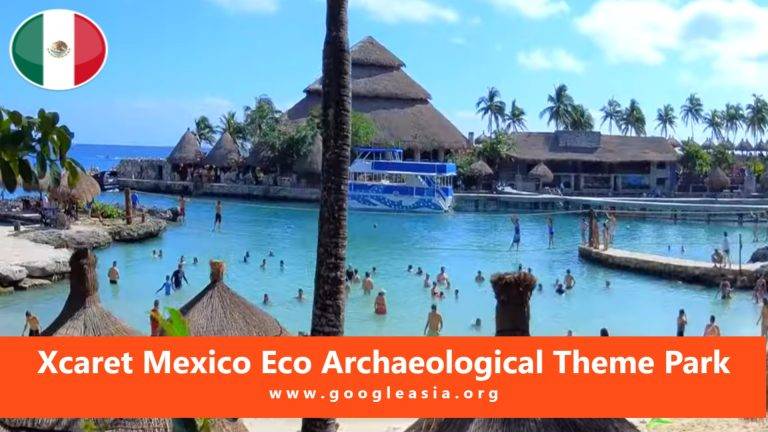
    Xcaret Mexico is an incredible ecological and cultural park located near Cancun, Mexico. It offers visitors the chance to explore and observe the natural wonders of the local landscape, learn about the culture of the region, and take part in unique interactive activities. Highlights of Xcaret Mexico include animal encounters, snorkeling, swimming with dolphins, taking a journey through the underground rivers of the Riviera Maya, visiting the cultural villages, and exploring archaeological sites.

    There are also numerous shows and performances held daily, that celebrate the cultural diversity of the Yucatan Peninsula. With its stunning natural settings, cultural attractions, and exciting activities, this is an unforgettable destination!

    Xcaret is an eco-archaeological Adventure Park in the Riviera Maya, Mexico. It’s a magical place where you can snorkel in the clear waters of spectacular inlets and rivers, discover a magical underground world, swim with dolphins, sea turtles, and manatees, visit a vast variety of ecosystems, admire the culture and traditions of Mexico, and be amazed by the unforgettable Xcaret night shows.

    Introduction

    Xcaret, Mexico, is an enchanting destination that offers visitors a blend of natural beauty, cultural richness, and thrilling activities. Located in the Riviera Maya, just a short drive from Playa del Carmen, this eco-archaeological theme park is a must-visit for anyone looking to immerse themselves in the wonders of the region. Whether you’re interested in exploring ancient Mayan ruins, experiencing underwater adventures, or simply relaxing on the beach, Xcaret has something to offer for everyone.

    Discovering the Natural Wonders

    Snorkeling in Underground Rivers

    One of the highlights of Xcaret is the opportunity to snorkel in its stunning underground rivers. These crystal-clear waterways weave through limestone caves and lush jungle, offering a unique and serene way to explore the park’s natural beauty.

    Exploring the Coral Reef Aquarium

    Xcaret’s Coral Reef Aquarium provides an opportunity to witness vibrant marine life up close. This exhibit showcases the rich biodiversity of the Caribbean Sea, allowing visitors to learn about and appreciate the delicate ecosystems of the region.

    Immersing in Mayan Culture

    Ancient Mayan Ruins

    A visit to Xcaret wouldn’t be complete without exploring its ancient Mayan ruins. The park features reconstructed temples and ceremonial sites, giving visitors a glimpse into the impressive architectural and cultural achievements of the Maya civilization.

    Traditional Mayan Cuisine

    Experience traditional Mayan cuisine at one of Xcaret’s many restaurants. Dishes such as cochinita pibil and tamales are made from authentic recipes, offering a taste of the region’s rich culinary heritage.

    Seasonal Events and Celebrations

    International Mask Festival

    The International Mask Festival is a vibrant event held annually at Xcaret. It celebrates the art of mask-making from various cultures around the world, featuring colorful parades, workshops, and performances.

    Xcaret Christmas Celebration

    During the holiday season, Xcaret transforms into a festive wonderland with its Christmas Celebration. The park is adorned with holiday lights and decorations, and visitors can enjoy special performances, seasonal foods, and a joyful atmosphere.

    Things to Do

    Xcaret Mexico, nestled in the Riviera Maya, is a premier eco-archaeological park offering a rich blend of natural beauty, cultural experiences, and exciting activities. From exploring underground rivers to diving into ancient traditions, Xcaret provides something for every visitor. Here’s a guide to the highlights of what you can experience during your visit.

    Participate in the Espectacular

    A Feast for the Senses

    The Xcaret Mexico Espectacular is a grand celebration of Mexican culture and heritage. Held at the Xcaret Mexico Amphitheater, this vibrant show features a dynamic mix of traditional music and dance, including:

    • Pre-Hispanic Performances: Witness the dramatic re-enactments of ancient Mayan and Aztec rituals.
    • Folklore and Mariachi: Enjoy the lively performances of regional folk dances and mariachi bands.
    • Contemporary Acts: Experience modern interpretations of Mexican cultural expressions.

    Practical Tips for Attending

    • Timing: Check the show schedule in advance to ensure you don’t miss out.
    • Seating: Arrive early to get the best seats, especially if you prefer a view close to the stage.

    Enjoy a Swim in the Underground Rivers

    The Four Major Rivers

    Xcaret boasts four stunning underground rivers, each offering a unique experience:

    • Gran: The longest and most popular, providing a scenic and immersive journey through underground caves.
    • Manata: Known for its clear waters and diverse aquatic life.
    • Cubanita: A more relaxed river, perfect for a leisurely float.
    • Negro: Offers a more adventurous swim with varying depths and rock formations.

    Additional Water Attractions

    • Lazy River: For a more relaxed experience, float along the winding paths of the lazy river.
    • Coral Reef Aquarium: Discover a vibrant underwater world teeming with marine life.
    • Beach Areas: Enjoy a sun-soaked day on the park’s sandy shores.

    Tour the Mayan Village

    Cultural Immersion

    The Mayan Village is a captivating destination within Xcaret, providing insights into ancient Maya civilization:

    • Replicas of Traditional Houses: Explore the meticulously recreated homes that offer a glimpse into Mayan life.
    • Cultural Exhibits: Learn about traditional Maya customs, crafts, and daily life.
    • Temple and Handicrafts Market: Visit the temple and browse the market for handmade crafts and souvenirs.

    Special Events and Rituals

    • Traditional Ceremonies: Experience live demonstrations of Maya rituals and ceremonies.

    Spend Time at the Beach

    Beach Activities

    Xcaret’s beaches and coves are perfect for a day of relaxation or adventure:

    • Snorkeling and Scuba Diving: Explore the vibrant marine life in the clear waters.
    • Boating and Sport Fishing: Enjoy various water sports or a peaceful fishing expedition.
    • Relaxation: Find a quiet spot to sunbathe and take in the breathtaking views.

    Beach Amenities

    • Facilities: Restrooms, changing rooms, and dining options are available for your convenience.
    • Rentals: Equipment for snorkeling and other beach activities can be rented on-site.

    See the Birds and Animals

    Wildlife Encounters

    Xcaret is home to a diverse array of wildlife, offering numerous opportunities for animal encounters:

    • Aviary: Discover hundreds of bird species in this expansive, beautifully landscaped area.
    • Butterfly Pavilion: Wander through a lush habitat filled with colorful butterflies.
    • Jaguar Island: Observe the majestic jaguars and other native big cats in a naturalistic setting.

    Interactive Experiences

    • Guided Tours: Join a guided tour to learn more about the animals and their habitats.
    • Feeding Sessions: Participate in feeding sessions for a more interactive experience.

    Try Snuba

    What is Snuba?

    Snuba is an exciting aquatic activity that combines elements of snorkeling and scuba diving:

    • Equipment: Unlike traditional scuba diving, snuba uses a hose connected to a surface buoy, allowing you to explore underwater without heavy gear.
    • Experience: Enjoy extended underwater exploration with greater freedom and ease.

    Where to Try Snuba

    • Designated Areas: Xcaret offers specific areas and equipment for snuba, ensuring a safe and enjoyable experience.

    Exciting Activities

    Swimming with Dolphins

    Swimming with dolphins is an unforgettable experience that Xcaret offers. This interaction allows visitors to get up close with these intelligent creatures, learning about their behaviors and conservation while enjoying a thrilling and educational activity.

    Zip-Lining Through the Jungle

    For those seeking an adrenaline rush, Xcaret’s zip-line courses provide an exhilarating way to soar above the jungle canopy. The panoramic views and heart-pounding excitement make this a must-do activity for adventure enthusiasts.

    Foods

    Xcaret Mexico, renowned for its breathtaking natural beauty and cultural experiences, also boasts a vibrant culinary scene. The park’s diverse range of dining options ensures that visitors can indulge in both traditional Mexican favorites and unique regional specialties. Here’s a guide to some of the best foods you can savor during your visit to Xcaret.

    Traditional Mexican Favorites

    Tacos

    • Street Tacos: Enjoy classic tacos filled with a variety of meats, including beef, pork, and chicken. Don’t miss out on the flavorful salsas and toppings that enhance the taste.
    • Tacos al Pastor: These are a must-try, featuring marinated pork cooked on a vertical spit, often served with pineapple and fresh herbs.

    Tamales

    • Types: Savor tamales filled with a variety of ingredients such as pork, chicken, or cheese and green chili. Each tamale is wrapped in a corn husk and steamed to perfection.

    Pozole

    • Description: This traditional Mexican stew is made with hominy corn and can be served with pork or chicken. It’s garnished with radishes, lettuce, lime, and chili for added flavor.

    Enchiladas

    • Varieties: Enjoy enchiladas made with corn tortillas rolled around a filling, topped with a rich chili sauce. Options include beef, chicken, or cheese fillings.

    Quesadillas

    • Cheese and More: These grilled tortillas are stuffed with melted cheese and other ingredients like mushrooms or squash blossoms.

    Grilled Seafood

    • Options: Xcaret offers a range of grilled seafood dishes, including fresh fish and shrimp, often seasoned with local spices and served with a side of tropical salsa.

    Regional Specialties and Local Delicacies

    Pibil

    • Description: Cochinita Pibil is a slow-roasted pork dish marinated in achiote paste and citrus, then wrapped in banana leaves. It’s a flavorful highlight of Yucatecan cuisine.

    Salbutes

    • Description: These are puffed, fried tortillas topped with shredded meat, pickled onions, avocado, and salsa. They offer a delightful crunch and a burst of flavor.

    Pipián

    • Description: This is a rich, nutty mole made with a blend of seeds, spices, and sometimes peppers. It’s usually served with chicken or pork.

    Cochinita Pibil Tacos

    • Highlight: These tacos are a specialty of the region, featuring tender, slow-cooked pork marinated in achiote, giving them a distinctive and delicious flavor.

    Xcaret Style Dishes

    Mexican-Style Paella

    • Description: Enjoy a vibrant version of paella, filled with seafood, chicken, and a blend of spices, showcasing the best of Mexican and Spanish influences.

    Fish Soup

    • Description: This hearty soup is made with fresh fish, vegetables, and a savory broth. It’s perfect for a refreshing and satisfying meal.

    Tikin Xik Pork

    • Description: A traditional Yucatecan dish featuring marinated pork cooked with achiote and citrus, offering a smoky and tangy flavor.

    Delicious Desserts

    Flan

    • Description: This creamy caramel custard is a classic Mexican dessert, often served chilled and topped with caramel sauce.

    Tres Leches Cake

    • Description: This indulgent cake is soaked in a mixture of three types of milk, resulting in a moist and rich dessert.

    Churros

    • Description: Enjoy these fried dough pastries rolled in cinnamon sugar and often served with chocolate or caramel dipping sauce.

    Mexican-Style Ice Cream

    • Flavors: Sample unique flavors such as tamarind, cactus, or mango, reflecting the diverse tastes of Mexican cuisine.

    Hotels

    Xcaret Mexico offers a range of exceptional accommodations that cater to different tastes and preferences. Whether you’re seeking luxury, relaxation, or an immersive experience, the area provides several top-notch hotels. Here’s a guide to some of the best hotels in and around Xcaret, Mexico.

    Experiencias Xcaret Hotels

    Hotel Xcaret Mexico

    • Overview: This hotel offers an all-inclusive experience with luxurious accommodations and a wide range of amenities. It provides guests with access to Xcaret Park and other Experiencias Xcaret parks.
    • Amenities:
      • Spas: Relax with a variety of treatments in a serene environment.
      • Dining: Enjoy gourmet dining options, including Mexican and international cuisine.
      • Activities: Participate in eco-tours, water activities, and cultural experiences.
      • Nightlife: Experience vibrant evening entertainment.

    Hotel Xcaret Arte

    • Overview: A sister property to Hotel Xcaret Mexico, Hotel Xcaret Arte focuses on art and culture, blending luxury with artistic experiences.
    • Amenities:
      • Artistic Workshops: Engage in workshops and exhibitions featuring local artists.
      • Dining: A diverse selection of culinary experiences, including themed dining.
      • Eco Tours: Access to the same eco-friendly tours and parks.

    The Royal Playa del Carmen

    Beachfront Luxury

    • Overview: Located in Playa del Carmen, this hotel offers a stunning beachfront location with all the luxury and comfort you could want.
    • Amenities:
      • Private Beach Access: Enjoy direct access to a pristine beach.
      • Dining Options: Multiple on-site restaurants offering various cuisines.
      • Spa and Wellness: Indulge in spa treatments and wellness programs.
      • Activities: Explore local attractions and enjoy on-site entertainment.

    Hard Rock Hotel Riviera Maya

    Exclusive and Relaxing

    • Overview: This hotel provides a luxurious and exclusive atmosphere with a focus on relaxation and entertainment.
    • Amenities:
      • Pools and Beaches: Multiple pools and beach areas for relaxation.
      • Dining and Entertainment: A variety of dining options and live entertainment.
      • Activities: Enjoy a range of activities from rock climbing to water sports.

    Grand Velas Riviera Maya

    Ultra-Luxury Experience

    • Overview: Known for its exceptional service and luxury, Grand Velas Riviera Maya offers an all-inclusive experience with elegant accommodations.
    • Amenities:
      • Spas: World-class spa services and wellness programs.
      • Dining: Gourmet dining experiences with a focus on high-quality ingredients.
      • Family-Friendly: Kid’s club and activities for all ages.
      • Beach Access: Beautiful beach areas and pools.

    Hacienda Petac

    Traditional Charm

    • Overview: Located a bit further from Xcaret, Hacienda Petac offers a more traditional and charming experience with a focus on history and culture.
    • Amenities:
      • Historical Setting: Experience the charm of a historic hacienda.
      • Cultural Tours: Explore local cultural and historical sites.
      • Intimate Atmosphere: Enjoy a more personal and serene environment.

    Conclusion

    Whether you’re seeking a lavish retreat, a beachfront escape, or a culturally immersive experience, the hotels in and around Xcaret, Mexico, cater to a variety of preferences and needs. From the luxurious all-inclusive options at Experiencias Xcaret Hotels and Grand Velas Riviera Maya to the relaxed atmosphere of The Royal Playa del Carmen and Hard Rock Hotel Riviera Maya, each property provides a unique way to experience the beauty and vibrancy of the Riviera Maya. Hacienda Petac adds a touch of historical charm for those interested in exploring the local heritage. No matter your choice, Xcaret Mexico promises an unforgettable stay.

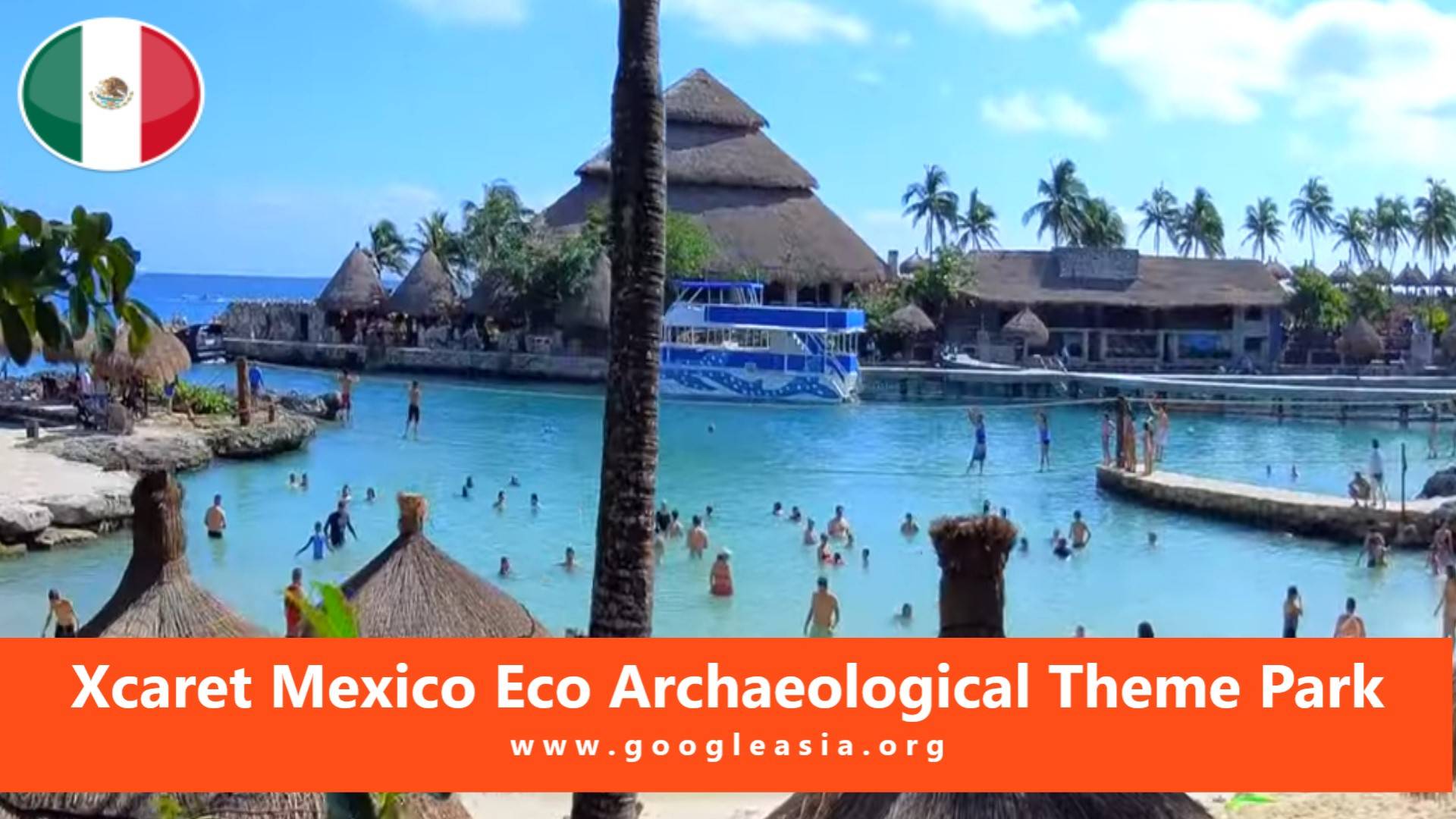
    Xcaret Mexico Eco Archaeological Theme Park Cancun

    Summary

    • Attraction Name: Xcaret Mexico
    • Country: Mexico
    • Continent: North America
    • Capital Name: Mexico City
    • Language: Spanish
    • Currency: Mexican Peso
    • Nationality: Mexican
    • Category: #Destination #NorthAmerica #MEXICO 

    Frequently Asked Questions

    Where is Xcaret located?

    Xcaret is located on the Riviera Maya, along the Caribbean coast of Mexico’s Yucatán Peninsula. Specifically, it is situated in the state of Quintana Roo, about 75 kilometers (47 miles) south of Cancún and approximately 6 kilometers (3.7 miles) south of Playa del Carmen. The exact address is Carretera Chetumal-Puerto Juárez Km. 282, Solidaridad, Quintana Roo, Mexico.

    How to go to Xcaret?

    Here’s how you can go to Xcaret from Cancún or Playa del Carmen:

    From Cancún:

    1. By Car: Drive south on Highway 307 towards Playa del Carmen. Xcaret is located about 75 kilometers (47 miles) south of Cancún. The journey takes approximately 1 to 1.5 hours depending on traffic.
    2. By Shuttle or Tour: Many hotels in Cancún offer shuttle services to Xcaret as part of their packages. You can also book guided tours or transportation services that include admission to Xcaret.
    3. Public Transportation: You can take a colectivo (shared minivan) from Cancún to Playa del Carmen and then transfer to another colectivo or taxi to Xcaret. This option is more budget-friendly but may take longer.

    From Playa del Carmen:

    1. By Car: Drive north on Highway 307 towards Cancún. Xcaret is located about 6 kilometers (3.7 miles) south of Playa del Carmen, and the drive takes approximately 10-15 minutes.
    2. By Shuttle or Tour: Many hotels and tour operators in Playa del Carmen offer transportation services to Xcaret. You can book these in advance or inquire locally.
    3. Public Transportation: Take a colectivo heading south from Playa del Carmen towards Tulum or Cancún. Ask the driver to drop you off at the entrance to Xcaret, which is well-known along the route.

    Additional Tips:

    • Tickets: Purchase your tickets in advance either online or through your hotel/tour operator to avoid lines at the entrance.
    • Schedule: Check the opening hours and schedule of shows and activities at Xcaret to plan your visit accordingly.
    • Comfortable Clothing: Wear comfortable clothing and footwear suitable for walking and outdoor activities, as Xcaret offers a variety of attractions and natural settings to explore.

    By following these tips, you can easily reach Xcaret and enjoy all that this eco-archaeological park has to offer!
    What’s the climate like in Xcaret?The climate in Xcaret, located on the Riviera Maya in Mexico’s Quintana Roo state, is characterized by a tropical savanna climate. Here are some key features of the climate:

    1. Temperature: Xcaret experiences warm to hot temperatures year-round. Average temperatures typically range from around 24°C (75°F) in the cooler months to 28-30°C (82-86°F) in the warmer months.
    2. Humidity: The area can be quite humid, especially during the rainy season (May to October), when humidity levels are higher.
    3. Rainfall: Xcaret receives most of its rainfall during the rainy season. Showers are usually intense but brief, followed by sunny periods. The dry season (November to April) tends to have less rainfall.
    4. Hurricane Season: Like much of the Caribbean coast, Xcaret is within the hurricane belt. The official hurricane season runs from June 1 to November 30, with the highest likelihood of storms occurring from August to October.
    5. Sunshine: Xcaret enjoys abundant sunshine throughout the year, making it ideal for outdoor activities and exploring the park’s natural and cultural attractions.

    Visitors to Xcaret should pack light, breathable clothing suitable for warm weather, along with sunscreen and a hat to protect against the strong sun. Be prepared for occasional rain showers if visiting during the rainy season.

    What are Xcaret’s must-visit attractions or landmarks?

    Xcaret is known for its diverse attractions that blend nature, culture, and adventure. Here are some must-visit attractions and landmarks at Xcaret:

    1. Underground Rivers: Explore the underground rivers that run through caves and cenotes (natural sinkholes). These crystal-clear waters are perfect for swimming and snorkeling in a unique natural setting.
    2. Xcaret Mexico Espectacular: This evening show showcases Mexican history and culture through dance, music, and colorful costumes. It’s a spectacular display of traditional and contemporary performances.
    3. Mayan Village: Visit the Mayan Village to learn about ancient Mayan traditions, crafts, and rituals. Experience demonstrations of traditional ceremonies and craftsmanship.
    4. Butterfly Pavilion: Walk through a large pavilion filled with butterflies native to the region. Learn about their life cycle, behavior, and ecological importance in a controlled environment.
    5. Marine Turtles: Learn about conservation efforts for marine turtles and observe these gentle creatures up close. Xcaret participates in turtle rehabilitation and release programs.
    6. Cultural Exhibits: Explore various cultural exhibits throughout the park, including replicas of Mayan ruins, traditional Mexican haciendas, and a Mexican cemetery with colorful Day of the Dead decorations.
    7. Coral Reef Aquarium: Discover the biodiversity of the Caribbean Sea through interactive exhibits and displays of marine life, including coral reefs and exotic fish species.
    8. Adventure Activities: Participate in adrenaline-pumping activities such as zip-lining, snorkeling in the inlet, swimming with dolphins, or exploring the jungle trails.
    9. Xcaret Aviary: Walk through a large aviary housing a variety of colorful birds native to Mexico. It’s a great opportunity for birdwatching and photography.
    10. Xcaret Beach: Relax on the beautiful beach overlooking the Caribbean Sea. Enjoy the sun, sand, and clear waters for swimming and snorkeling.

    Is Xcaret a suitable travel destination for solo adventurers, honeymooning couples, or those traveling with families?

    Yes, Xcaret is a versatile destination that caters well to different types of travelers:

    1. Solo Adventurers: Solo travelers can enjoy exploring the diverse attractions at Xcaret, from swimming in the underground rivers to participating in adventure activities like zip-lining or snorkeling. The park offers opportunities for cultural immersion and nature exploration, making it an enriching experience for solo adventurers.
    2. Honeymooning Couples: Xcaret provides a romantic setting with its beautiful beaches, serene natural landscapes, and evening shows that showcase Mexican culture. Couples can enjoy intimate moments on the beach, explore the underground rivers together, and experience the Xcaret Mexico Espectacular show, making it a memorable destination for honeymooners.
    3. Families: Xcaret is exceptionally family-friendly, offering activities and attractions suitable for all ages. Families can swim in the underground rivers, visit the butterfly pavilion, learn about marine turtles, and enjoy cultural exhibits together. The park also provides facilities like playgrounds, restaurants with kid-friendly options, and areas for relaxation, ensuring a comfortable and enjoyable experience for families.

    Why should you visit Xcaret?

    Visiting Xcaret offers a blend of unique experiences that appeal to a wide range of interests and preferences. Here are compelling reasons to visit Xcaret:

    1. Natural Beauty: Explore underground rivers, cenotes, and pristine beaches surrounded by lush vegetation. Xcaret showcases the natural wonders of the Riviera Maya, making it perfect for nature lovers.
    2. Cultural Immersion: Immerse yourself in Mexican culture through traditional performances, exhibitions of Mayan heritage, and authentic cuisine. Xcaret offers insights into Mexico’s rich history and traditions.
    3. Adventure Activities: Enjoy thrilling activities such as zip-lining, snorkeling in underground rivers, and swimming with dolphins. The park caters to adventure enthusiasts looking to explore both land and sea.
    4. Family-Friendly: Xcaret provides entertainment and educational experiences suitable for all ages, including interactive exhibits, wildlife encounters, and shows. It’s an ideal destination for families seeking fun and learning.
    5. Evening Entertainment: Don’t miss the Xcaret Mexico Espectacular, an evening show that celebrates Mexican culture through music, dance, and storytelling. It’s a captivating finale to your day at Xcaret.
    6. Conservation Efforts: Learn about environmental conservation and wildlife protection initiatives at Xcaret, including efforts to preserve marine turtles and promote sustainable practices.
    7. Accessibility: Located near popular tourist areas like Cancún and Playa del Carmen, Xcaret is easily accessible for day trips or longer stays, making it convenient for travelers in the Riviera Maya region.

    Is it difficult to find halal food in Xcaret?

    Finding strictly halal food in Xcaret can be challenging because the park primarily caters to a broad international audience with a focus on Mexican cuisine and international dishes. Here are some considerations:

    1. Food Options: Most dining options at Xcaret offer Mexican and international cuisines, which may not always adhere to halal standards. The emphasis is on local flavors and specialties.
    2. Customization: Some restaurants may accommodate dietary preferences or restrictions upon request. It’s advisable to inquire about ingredients and preparation methods to ensure they align with halal requirements.
    3. Outside Food: While bringing outside food into the park may be restricted, visitors with strict dietary needs might consider carrying snacks or meals that meet their halal requirements.
    4. Nearby Options: If halal food within the park is limited, travelers can explore nearby areas like Playa del Carmen or Cancún, where restaurants offering halal-certified or halal-friendly dishes may be more accessible.
    5. Advance Planning: Prior research or communication with Xcaret’s guest services regarding dietary concerns can help clarify options available and ensure a smoother dining experience.
  • Visiting Copper Canyon, Mexico: Travel Guide & Tips

    Visiting Copper Canyon, Mexico: Travel Guide & Tips

    Copper Canyon, Mexico

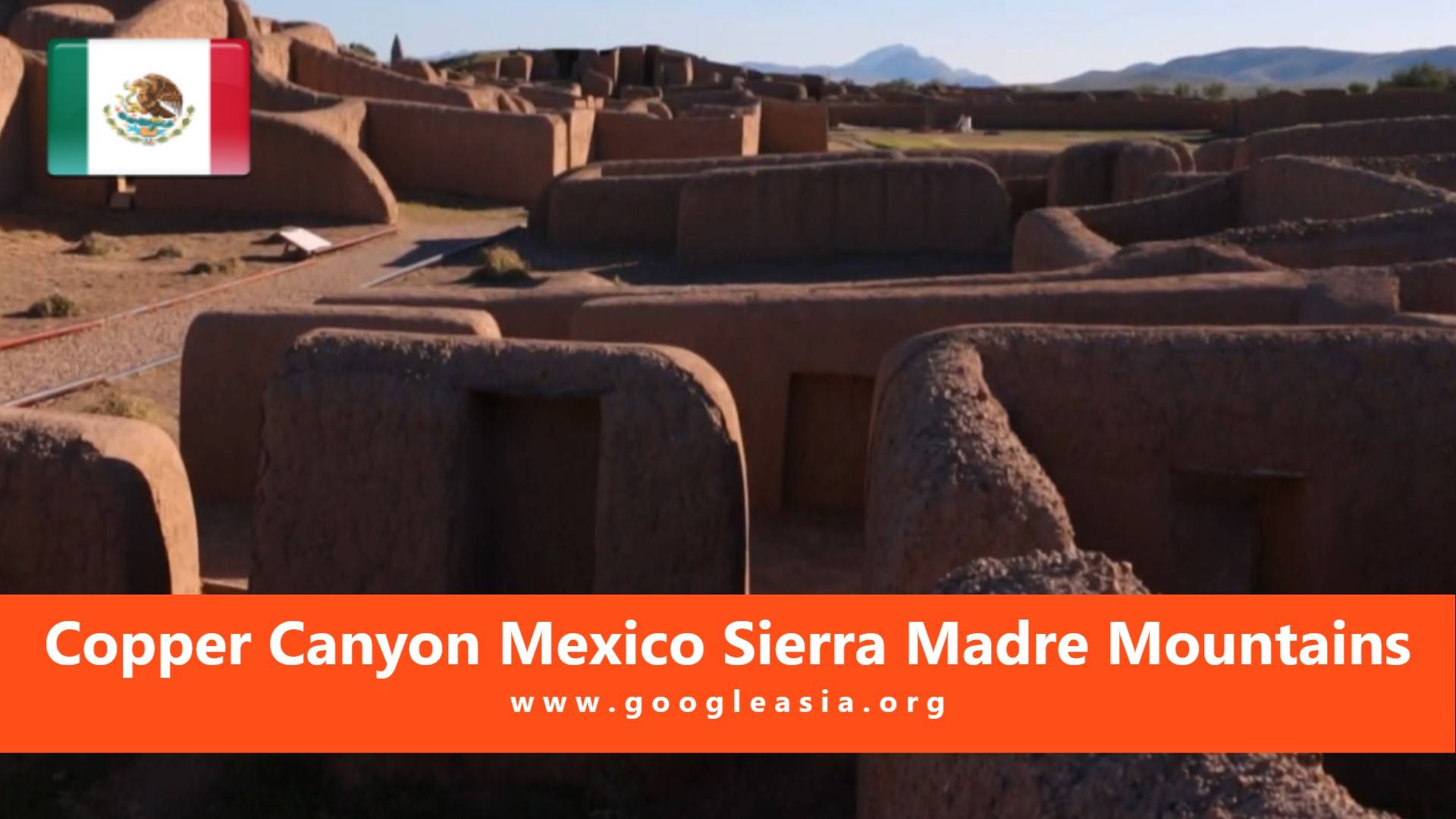
    Copper Canyon Mexico is an incredibly picturesque, yet rugged and untamed area in the northern state of Chihuahua. It is one of Mexico’s most breath-taking natural attractions and features miles and miles of deep canyons and stunning mountain scenery, many of which still remain largely unexplored. Hiking is popular among the winding trails of the canyon, and you can even take a scenic ride on the Chihuahua al Pacífico or ‘Chepe’ train that runs through the amazing landscapes.

    Copper Canyon is also home to several small and friendly indigenous communities, giving visitors the opportunity to learn about their unique culture. Finally, the area’s location close to the U.S.-Mexico border enables easy access from many parts of the U.S. and is the perfect spot for an escape from the hustle and bustle of the city.

    Nestled deep in the Sierra Madre mountain range, Copper Canyon (Barrancas del Cobre) is a stunning region of Mexico famous for its dramatic geography, sacred indigenous culture, and exciting outdoor activities. It is a place of soaring mountains, deep canyons, winding rivers, crystal-clear lakes, and lush forests.

    Introduction

    Copper Canyon, or Barranca del Cobre in Spanish, is one of Mexico’s most breathtaking natural wonders, attracting nature enthusiasts and adventure seekers from around the world. Located in the state of Chihuahua in northern Mexico, this vast network of canyons is deeper and larger than the Grand Canyon, offering dramatic landscapes, rich cultural experiences, and a range of outdoor activities.

    Geography and Landscape

    Expansive Canyon System

    • Description: Copper Canyon is not a single canyon but a complex of six major canyons carved by the rivers of the Sierra Madre Occidental. The largest and deepest of these canyons is the Urique Canyon, which plunges more than 1,800 meters (5,900 feet) to the river below.
    • Highlights: Panoramic views, rugged cliffs, and expansive ravines.

    Diverse Ecosystems

    • Description: The region encompasses a variety of ecosystems, from arid desert landscapes and high desert mesas to lush pine forests and river valleys. This diversity creates a haven for wildlife and plants adapted to different environments.
    • Highlights: Dense pine forests, wild rivers, and varied flora and fauna.

    Cultural and Historical Significance

    Tarahumara Culture

    • Description: The Tarahumara, or Rarámuri, are indigenous people of the region known for their remarkable long-distance running abilities. Visitors can learn about their traditional lifestyles, crafts, and customs.
    • Highlights: Cultural tours, traditional crafts, and insights into Tarahumara life.

    Historical Sites

    • Description: The area around Copper Canyon has several historical sites, including ancient Tarahumara rock art and old mining towns that offer a glimpse into the region’s past.
    • Highlights: Rock art, historic mining sites, and local museums.

    Getting There and Practical Information

    Access and Transportation

    • Description: Copper Canyon is accessible via Chihuahua City, with several options for transportation including scenic train rides on the Chepe Express. The train journey offers spectacular views and is a popular way to enter the canyon.
    • Highlights: Scenic train rides, local buses, and guided tours.

    Best Time to Visit

    • Description: The best time to visit Copper Canyon is during the cooler months from October to April. Summer can be very hot, especially in the lower elevations, while winter temperatures can drop significantly.
    • Highlights: Mild temperatures, fewer crowds, and optimal hiking conditions.

    Things to Do

    Copper Canyon, located in the northern state of Chihuahua, Mexico, is a destination brimming with adventure, natural beauty, and cultural richness. Whether you’re an adrenaline junkie, a history buff, or a nature lover, Copper Canyon offers a diverse range of activities and experiences. Here’s a guide to some of the best things to do in this magnificent region.

    Explore the Canyon

    Take a Guided Tour

    • Description: One of the most comprehensive ways to experience Copper Canyon is through a guided tour. Tour operators offer a variety of packages, including train rides, jeep tours, rafting trips, and horseback riding adventures. A guided tour not only provides convenience but also offers valuable insights into the canyon’s cultural and historical significance.
    • Highlights: Expert guides, cultural insights, and diverse activities.

    Ride the Chihuahua al Pacifico Railway

    • Description: Known as the Chepe Express, this railway is renowned for its scenic route through Copper Canyon. The train journey provides stunning views of the canyon’s dramatic landscapes, including deep ravines and lush forests. Along the way, travelers can enjoy various stops at picturesque locations and traditional Tarahumara villages.
    • Highlights: Scenic train ride, engineering marvel, and cultural stops.

    Activities and Adventures

    Hiking and Trekking

    • Description: Copper Canyon offers numerous hiking trails suitable for all levels of hikers. Popular trails include the descent into Urique Canyon and the trek to the stunning Basaseachic Falls.
    • Highlights: Challenging hikes, scenic vistas, and well-marked trails.

    Horseback Riding

    • Description: Horseback riding is a traditional way to explore the rugged terrain of Copper Canyon. Guided horseback tours are available, providing an immersive experience of the canyon’s beauty and culture.
    • Highlights: Scenic trails, cultural insights, and guided tours.

    White Water Rafting

    • Description: For thrill-seekers, the rivers of Copper Canyon offer some of the best white water rafting in Mexico. The intense rapids provide an adrenaline-pumping adventure amidst stunning canyon views.
    • Highlights: Exciting rapids, professional guides, and scenic rafting routes.

    Camping and Lodging

    • Description: Camping in Copper Canyon allows visitors to immerse themselves in the natural beauty of the area. There are several campgrounds and eco-lodges that offer basic amenities and stunning views.
    • Highlights: Campsites with breathtaking views, eco-lodges with local charm, and opportunities for stargazing.

    Cultural Experiences

    Visit Urique

    • Description: Urique is a remote village nestled within the canyon walls, home to the Tarahumara people, also known as Rarámuri. The village features a market, a cultural center, and a small museum where visitors can learn about the traditional lifestyle and customs of the Tarahumara. Exploring Urique provides a deep dive into the local culture and history.
    • Highlights: Tarahumara culture, local markets, and historical insights.

    Explore Local Villages

    • Description: Aside from Urique, there are other small Tarahumara villages scattered throughout the canyon. Visiting these villages offers a chance to interact with local artisans, learn about traditional crafts, and gain a broader understanding of the indigenous culture.
    • Highlights: Cultural interaction, traditional crafts, and community experiences.

    Additional Activities

    Visit Basaseachic Falls

    • Description: Located near Copper Canyon, Basaseachic Falls is one of Mexico’s highest waterfalls. The falls are surrounded by lush vegetation and offer spectacular views. It’s a great spot for nature lovers and photographers.
    • Highlights: Stunning waterfall, natural beauty, and hiking opportunities.

    Enjoy Local Cuisine

    • Description: While in Copper Canyon, be sure to sample local cuisine, including traditional Tarahumara dishes and regional Mexican fare. Local eateries and markets offer delicious options such as freshly made tortillas, savory stews, and unique regional specialties.
    • Highlights: Authentic flavors, traditional dishes, and local dining experiences.

    Foods

    Copper Canyon, with its rugged landscapes and rich cultural heritage, offers a delightful array of traditional and regional foods. The cuisine in this area is influenced by the indigenous Tarahumara people as well as broader Mexican culinary traditions. Here’s a guide to some of the best foods you can savor in Copper Canyon:

    Traditional Tarahumara Dishes

    Caldo de Olla

    • Description: Caldo de Olla is a hearty and flavorful beef broth-based soup that includes a variety of vegetables and chiles. It’s often considered a comfort food and is especially popular in the cooler months. The soup is typically served with warm tortillas and can be accompanied by fresh lime and chopped onions.
    • Highlights: Rich flavor, nourishing ingredients, and traditional Tarahumara recipe.

    Carne Asada

    • Description: Carne Asada consists of marinated and grilled beef steak, often served with a selection of accompaniments such as grilled onions, peppers, and tortillas. The steak is usually seasoned with a blend of spices, giving it a robust and savory flavor.
    • Highlights: Grilled to perfection, flavorful marinade, and versatile sides.

    Blue Corn Quesadillas

    • Description: Blue corn quesadillas are a local specialty made with blue corn tortillas filled with cheese and sometimes mixed with chiles. The blue corn gives the quesadillas a unique flavor and texture, setting them apart from the more common yellow or white corn varieties.
    • Highlights: Unique blue corn flavor, cheesy filling, and traditional Tarahumara ingredient.

    Chilaquiles

    • Description: Chilaquiles is a popular Mexican breakfast dish made from fried tortilla chips simmered in a sauce of either red or green chiles. It’s often topped with cheese, onions, and eggs. This dish is both hearty and versatile, making it a beloved morning staple.
    • Highlights: Flavorful sauce, customizable toppings, and traditional breakfast fare.

    Regional Delicacies

    Chile Rellenos

    • Description: Chile Rellenos are large chiles stuffed with cheese or meat, then battered and fried. They are typically served in a spicy tomato sauce and are a popular dish throughout Mexico. In Copper Canyon, you might find variations with local ingredients and unique spice blends.
    • Highlights: Spicy and cheesy, versatile stuffing, and delicious sauce.

    Tacos

    • Description: Tacos are a staple of Mexican cuisine and are widely enjoyed in Copper Canyon. They come with a variety of fillings, such as pork cooked with chiles and spices, or grilled chicken with chorizo. Tacos in this region often feature fresh ingredients and traditional flavors.
    • Highlights: Diverse fillings, fresh ingredients, and classic Mexican street food.

    Additional Local Specialties

    Frijoles Charros

    • Description: Frijoles Charros, or “cowboy beans,” are a traditional Mexican dish made with pinto beans, bacon, chorizo, and various spices. The beans are slow-cooked to develop a rich, smoky flavor. It’s often served as a side dish or as a main course with tortillas.
    • Highlights: Smoky flavor, hearty ingredients, and traditional Mexican dish.

    Tamales

    • Description: Tamales are made from masa (corn dough) filled with a variety of ingredients such as meats, cheeses, or vegetables, and wrapped in corn husks. In Copper Canyon, you might find tamales made with local ingredients and traditional methods.
    • Highlights: Versatile fillings, traditional preparation, and flavorful.

    Desserts and Drinks

    Churros

    • Description: Churros are a beloved Mexican dessert made from fried dough and coated in cinnamon sugar. They are often served with a side of chocolate or caramel sauce for dipping. Churros are popular as a snack or dessert and can be found in many local eateries.
    • Highlights: Sweet and crispy, traditional treat, and perfect with dipping sauce.

    Mezcal

    • Description: Mezcal is a traditional Mexican spirit made from the agave plant. It has a distinctive smoky flavor and is often enjoyed straight or used in cocktails. In Copper Canyon, you might find local varieties with unique flavors and characteristics.
    • Highlights: Smoky flavor, artisanal production, and regional specialty.

    Hotels

    Copper Canyon, with its stunning landscapes and rich cultural heritage, offers a variety of accommodations that cater to different preferences and needs. Whether you’re looking for luxurious comfort, rustic charm, or eco-friendly options, there are several excellent hotels in the area. Here are some of the best places to stay in Copper Canyon:

    La Posada Hotel

    Overview

    • Description: Nestled deep within the canyon, La Posada Hotel is a popular choice for travelers who wish to immerse themselves in the beauty of the Copper Canyon. The hotel provides comfortable and spacious rooms with stunning views of the La Paz Canyon.
    • Features:
      • Scenic views
      • Comfortable accommodations
      • Proximity to canyon exploration points

    Highlights

    • Spectacular Views: Enjoy breathtaking vistas of the La Paz Canyon from your room.
    • Convenient Location: Ideal for those wanting to be close to hiking trails and natural attractions.

    Cabañas Barrancas Hotel & Estancia

    Overview

    • Description: This family-owned, mountain-style hotel is situated near La Paz Canyon. It offers a charming, rustic ambiance and provides guests with cultural activities and guided day trips to explore the region.
    • Features:
      • Traditional mountain-style architecture
      • Cultural activities
      • Day trips and excursions

    Highlights

    • Cultural Immersion: Experience local culture and traditions through various activities organized by the hotel.
    • Family-Friendly: A great option for families seeking a blend of adventure and cultural education.

    Divisadero Barrancas Hotel

    Overview

    • Description: Perched on the edge of the Copper Canyon, Divisadero Barrancas Hotel features a detached spa and offers panoramic canyon views. The hotel provides access to hiking trails and stunning sunset views.
    • Features:
      • Panoramic canyon views
      • Detached spa
      • Hiking trails

    Highlights

    • Sunset Views: Enjoy spectacular sunsets from the hotel’s vantage point.
    • Relaxation: Unwind at the spa while soaking in the beautiful surroundings.

    Hotel Mirador Cuencamé

    Overview

    • Description: An environmentally friendly hotel set in the middle of the canyon, Hotel Mirador Cuencamé features a restaurant, open-air terrace, and a spiral staircase leading to the rooftop terrace.
    • Features:
      • Eco-friendly practices
      • Restaurant and terrace
      • Rooftop views

    Highlights

    • Eco-Friendly: Emphasizes sustainability and environmental responsibility.
    • Rooftop Terrace: Offers panoramic views of the canyon and surrounding areas.

    Hotel Real de Minas

    Overview

    • Description: Located near the Divisadero Viewpoint, Hotel Real de Minas boasts an outdoor swimming pool, jacuzzi, and restaurant. The rooms are comfortable and feature large balconies with views of the canyon.
    • Features:
      • Outdoor swimming pool and jacuzzi
      • Restaurant
      • Spacious balconies

    Highlights

    • Comfort and Convenience: Enjoy modern amenities and comfort in a prime location.
    • Large Balconies: Ideal for relaxing while taking in the canyon views.

    Conclusion

    Copper Canyon offers a diverse range of accommodations that cater to various preferences, from eco-friendly lodgings and rustic retreats to luxurious stays with panoramic views. Whether you are seeking a tranquil escape or an adventure-filled experience, these hotels provide excellent options to enhance your visit. From the breathtaking vistas at La Posada Hotel and Divisadero Barrancas Hotel to the cultural experiences at Cabañas Barrancas Hotel & Estancia, each property offers a unique way to enjoy the stunning landscapes and rich heritage of Copper Canyon.

    Copper Canyon Mexico Sierra Madre Mountains

    Summary

    • Attraction Name: Copper Canyon Mexico
    • Country: Mexico
    • Continent: North America
    • Capital Name: Mexico City
    • Language: Spanish
    • Currency: Mexican Peso
    • Nationality: Mexican
    • Category: #Destination #NorthAmerica #MEXICO 

    Frequently Asked Questions

    Where is Copper Canyon located?

    Copper Canyon, known as Barranca del Cobre in Spanish, is located in the northern region of Mexico’s state of Chihuahua. It is part of the Sierra Madre Occidental mountain range, which extends across several states in northwestern Mexico. Specifically, Copper Canyon is situated in the southwestern part of Chihuahua, spanning an area that includes various interconnected canyons, rivers, and scenic landscapes. It is a remote and rugged area known for its stunning natural beauty and cultural significance, drawing travelers seeking outdoor adventures and cultural immersion experiences.

    How to go to Copper Canyon?

    Getting to Copper Canyon (Barranca del Cobre) in Mexico involves several transportation options depending on your starting point and preferred mode of travel. Here are the primary ways to reach Copper Canyon:

    1. By Train (Chihuahua al Pacífico – Chepe):

    • From Chihuahua: The most scenic and popular way to reach Copper Canyon is by taking the Chihuahua al Pacífico (Chepe) train. The journey begins in Chihuahua City and travels through the Sierra Madre Occidental mountains, passing through various stops including Creel, Divisadero, and continuing to the town of Los Mochis on the Pacific coast.
    • From Los Mochis: Alternatively, you can board the Chepe train from Los Mochis, starting your journey on the Pacific coast and traveling eastward through the Copper Canyon region towards Chihuahua.

    2. By Car:

    • From Chihuahua: Drive south on Highway 16 towards Creel, passing through scenic landscapes and small towns. The drive from Chihuahua to Creel takes approximately 4-5 hours, depending on road conditions and stops.
    • From Los Mochis: Drive north on Highway 16 towards El Fuerte and continue east towards Creel and beyond. The drive from Los Mochis to Creel takes approximately 6-7 hours, offering scenic views of the countryside and foothills.

    3. By Bus:

    • From Chihuahua or Los Mochis: Several bus companies operate routes to towns such as Creel and Divisadero, where you can access the Chepe train or explore the Copper Canyon region by bus. Buses provide a more economical option compared to the train and are available from major cities and towns in the region.

    4. By Air:

    • The nearest airports to Copper Canyon are in Chihuahua City (General Roberto Fierro Villalobos International Airport) and Los Mochis (Federal del Valle del Fuerte International Airport). From these airports, you can rent a car, take a bus, or arrange for transportation to Creel or other towns near the canyon.

    Additional Tips:

    • Train Reservations: It’s advisable to book train tickets in advance, especially during peak tourist seasons, to secure your preferred travel dates and class of service (tourist or executive).
    • Accommodations: Plan your accommodations in advance, as options can be limited in smaller towns like Creel or Batopilas, particularly during high season.
    • Local Tours: Consider joining guided tours or hiring local guides to maximize your experience and access remote areas or attractions within Copper Canyon.

    What are Copper Canyon’s must-visit attractions or landmarks?

    Copper Canyon (Barranca del Cobre) offers a range of must-visit attractions and landmarks that showcase its natural beauty, cultural heritage, and adventure opportunities. Here are some highlights:

    1. Chihuahua al Pacífico (Chepe) Train: This iconic train journey is a must-do experience, traversing the rugged terrain of Copper Canyon and offering breathtaking views of the canyons, rivers, and forests along the way. Highlights include scenic bridges and tunnels.
    2. Divisadero: A popular viewpoint located along the Chepe train route, Divisadero offers panoramic views of several canyons and the Urique River below. It’s a great spot for photography and soaking in the vastness of the canyon landscape.
    3. Batopilas: A historic mining town nestled deep within Copper Canyon, Batopilas offers a glimpse into its colonial past with well-preserved architecture, including the Satevó Mission. The journey to Batopilas involves a scenic drive or hike from the Chepe train station.
    4. Tarahumara Villages: Encounter the indigenous Tarahumara (Rarámuri) people who have inhabited the canyon region for centuries. Visit traditional villages such as Creel or San Ignacio where you can learn about their culture, handicrafts, and daily life.
    5. Cascada de Basaseachic National Park: While not within Copper Canyon itself, this nearby national park features Basaseachic Falls, Mexico’s second-highest waterfall. It’s accessible from the town of Creel and offers hiking trails with stunning views.
    6. Adventure Activities: Enjoy outdoor adventures such as hiking, trekking, and zip-lining amidst the canyon landscapes. Adventure enthusiasts can explore the rugged terrain and experience the thrill of activities like rappelling or rock climbing.
    7. Cultural Experiences: Explore local markets, taste traditional cuisine, and learn about the region’s history through visits to museums and archaeological sites. Cultural immersion opportunities abound, providing insights into the diverse heritage of Copper Canyon.
    8. Scenic Drives and Hiking Trails: Whether by car or on foot, explore scenic drives and hiking trails that offer varying perspectives of the canyons, forests, and rivers. Popular routes include drives along the canyon rims and hikes to viewpoints.

    Is Copper Canyon a suitable travel destination for solo adventurers, honeymooning couples, or those traveling with families?

    Copper Canyon (Barranca del Cobre) in Mexico is a versatile destination that can cater to various types of travelers:

    1. Solo Adventurers: Solo travelers can enjoy exploring the rugged terrain, hiking trails, and engaging in outdoor activities such as trekking and birdwatching. The region offers opportunities for solitude and self-discovery amidst breathtaking natural landscapes.
    2. Honeymooning Couples: Copper Canyon provides a romantic setting with its stunning vistas, scenic train rides, and secluded spots for couples to enjoy intimate moments amidst nature’s beauty. It offers a unique and memorable backdrop for a honeymoon experience.
    3. Families: Traveling with families to Copper Canyon can be a rewarding experience, particularly for older children and teenagers interested in outdoor adventures and cultural exploration. Families can enjoy hiking together, learning about the indigenous cultures, and experiencing the scenic train journey as a group.
    4. Accessibility: While Copper Canyon is remote and requires some planning, it offers accommodations ranging from rustic lodges to comfortable hotels, suitable for families and couples alike. The scenic train journey provides a comfortable and memorable way to access and explore the region.
    5. Educational Opportunities: Families with children can learn about the biodiversity of the region, indigenous cultures like the Tarahumara (Rarámuri), and the geological history of the canyons, providing educational experiences that are both enriching and inspiring.

    Why should you visit Copper Canyon?

    Visiting Copper Canyon (Barranca del Cobre) offers a unique and memorable experience due to several compelling reasons:

    1. Natural Beauty: Copper Canyon is a series of six interconnected canyons in the Sierra Madre Occidental mountain range, offering breathtaking landscapes of rugged cliffs, deep valleys, and stunning vistas. The scale and grandeur of the canyons rival that of the Grand Canyon in the United States.
    2. Scenic Train Ride: The Chihuahua al Pacífico (Chepe) train journey is renowned as one of the most spectacular in the world. It traverses the rugged terrain of the Copper Canyon, providing passengers with panoramic views of the canyons, rivers, and forests along the way.
    3. Outdoor Activities: The region offers ample opportunities for outdoor enthusiasts, including hiking, trekking, and birdwatching amidst diverse ecosystems. Trails lead to remote villages inhabited by indigenous communities like the Tarahumara (Rarámuri), known for their long-distance running prowess.
    4. Cultural Immersion: Encounter the rich cultural heritage of the Tarahumara people, who have inhabited the canyon region for centuries. Learn about their traditional lifestyles, handicrafts, and spiritual practices that are deeply connected to the natural environment.
    5. Adventure Tourism: Besides hiking and exploring the canyons, adventurous activities such as zip-lining, rock climbing, and rappelling are available for those seeking an adrenaline rush amidst the canyon landscapes.
    6. Photography Opportunities: Photographers and nature enthusiasts will find ample opportunities to capture stunning landscapes, wildlife, and traditional villages that offer a glimpse into the rugged beauty and cultural richness of Mexico’s wilderness.
    7. Local Cuisine: Enjoy traditional Mexican cuisine infused with local flavors, including dishes made from regional ingredients such as mesquite, pine nuts, and locally grown produce.
    8. Historical and Archaeological Sites: Explore historical sites such as the Jesuit missions and archaeological ruins that dot the region, providing insights into the area’s colonial past and pre-Columbian history.

    Are there any halal food options near the Copper Canyon?

    Finding strictly halal food near the Copper Canyon (Barranca del Cobre) in Mexico can be challenging, as the region is primarily rural with limited facilities catering specifically to halal dietary requirements. Here are some considerations:

    1. Local Cuisine: Traditional Mexican cuisine predominates in the region, focusing on dishes like tacos, tamales, and regional specialties. These may not necessarily adhere to halal standards due to the inclusion of pork or non-halal meat sources.
    2. Accommodation Options: Some hotels or lodges near the Copper Canyon may offer basic dining options that could potentially accommodate dietary preferences with advance notice. It’s recommended to inquire directly with accommodations about their ability to provide halal meals.
    3. Self-Catering: Travelers adhering strictly to halal requirements might consider bringing packaged halal-certified foods or snacks for convenience. This ensures dietary needs are met while exploring remote areas.
    4. Nearest Urban Centers: The nearest major cities or towns with more diverse dining options, including potential halal-friendly restaurants, are likely to be further away from the Copper Canyon. This includes cities like Chihuahua or Los Mochis, which are some distance from the canyon itself.
    5. Local Markets: While local markets and grocery stores in towns near the Copper Canyon may offer basic food items, availability of halal-certified products or ingredients can vary. It’s advisable to check product labels and verify sources if purchasing local meat or food products.
  • Visiting Tulum, Mexico: Your Ultimate Travel Guide & Tips

    Visiting Tulum, Mexico: Your Ultimate Travel Guide & Tips

    Tulum, Mexico

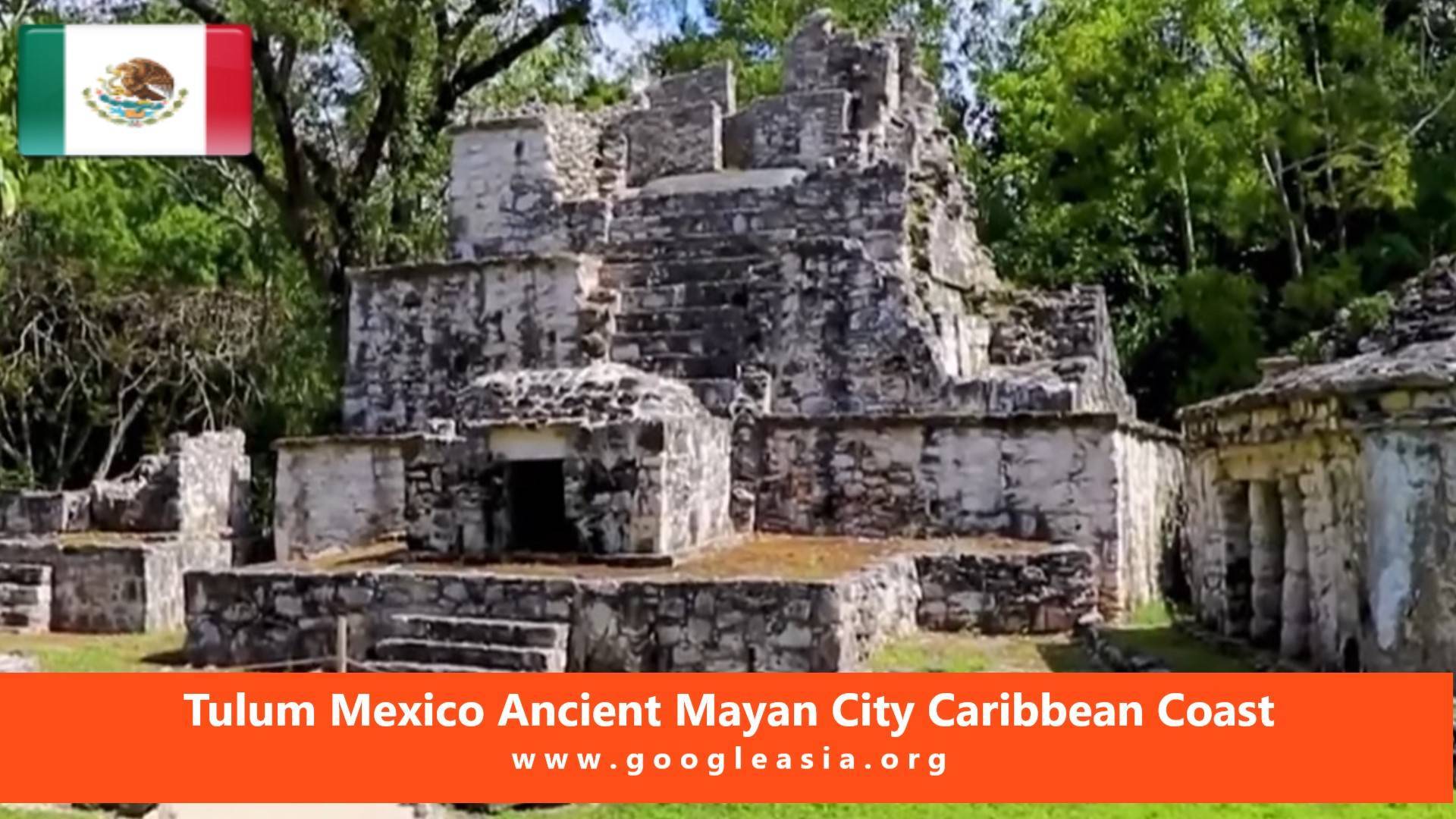
    Tulum Mexico is one of the top world-renowned tourist destinations in Mexico. It is a must-visit destination because of its stunning, unspoiled coastline, breathtaking Mayan archaeological ruins and world-class cenotes and beaches. It offers rich culture, unique natural wonders, and is home to some of the best Mexican cuisine. It’s also a great place for eco-tourism and is known for its sustainable practices. With plenty of activities for couples, families, and adventurers alike, Tulum is a great destination for any traveler.

    Tulum is a coastal town located in Mexico’s Yucatan Peninsula. It’s known for its beachfront Mayan ruins, Cenotes and reefs, making it the perfect destination for beach-goers and history buffs alike! Visitors can explore the colorful underground caves and go for a swim in a turquoise cenote, or explore the ancient Mayan ruins of Tulum, perched atop a cliff overlooking the Caribbean Sea.

    Introduction

    Tulum is a captivating destination located on the eastern coast of the Yucatán Peninsula in Mexico. Known for its stunning beaches, ancient Mayan ruins, and clear turquoise waters, Tulum has evolved from a tranquil fishing village into a bustling hotspot for travelers seeking natural beauty and cultural experiences. This article delves into what makes Tulum a must-visit location, including its attractions, activities, and unique features.

    Things to Do

    The Beaches

    White Sand and Crystal-Clear Waters

    • Description: Tulum’s beaches are renowned for their pristine white sand and crystal-clear turquoise waters.
    • Popular Beaches: Playa Paraiso, Playa Akumal, and Playa Ruinas are among the top spots to relax and enjoy the Caribbean sun.

    Water Activities

    • Snorkeling: The clear waters of Tulum provide excellent conditions for snorkeling, with opportunities to see colorful fish and vibrant coral reefs.
    • Diving: For the more adventurous, diving excursions offer a chance to explore underwater caves and marine life.

    Exploring Ancient Mayan Ruins

    Tulum Ruins

    • Overview: The Tulum Ruins are a set of ancient Mayan ruins perched on a cliff overlooking the Caribbean Sea.
    • Notable Structures: Key attractions include the Temple of the Frescoes, the Castle, and the Temple of the Descending God.

    Coba Ruins

    • Description: A short drive from Tulum, the Coba Ruins offer a more extensive and less crowded experience with the opportunity to climb the Nohoch Mul Pyramid, one of the tallest Mayan pyramids.

    Discovering Cenotes

    Popular Cenotes

    • Gran Cenote: Known for its stunning clear waters and opportunities for snorkeling and diving.
    • Cenote Dos Ojos: Famous for its extensive underwater cave system and crystal-clear water.

    Activities in Cenotes

    • Swimming and Snorkeling: Cenotes are natural sinkholes filled with fresh water, ideal for a refreshing swim or snorkeling adventure.
    • Exploring Caves: Some cenotes feature extensive cave systems for exploration.

    Enjoying Vibrant Nightlife

    Beachfront Bars and Clubs

    • Description: Tulum’s nightlife is characterized by its laid-back beach bars and lively clubs.
    • Popular Spots: Nomade Tulum, Papaya Playa Project, and Rosa Negra are known for their vibrant atmosphere and stunning ocean views.

    Dining and Entertainment

    • Restaurants: Tulum boasts a diverse culinary scene, from casual beachside eateries to high-end restaurants offering gourmet cuisine.
    • Local Events: Keep an eye out for local festivals, live music events, and cultural performances.

    Experiencing Nature and Wildlife

    Sian Ka’an Biosphere Reserve

    • Overview: A UNESCO World Heritage Site, the Sian Ka’an Biosphere Reserve is a vast protected area with diverse ecosystems, including lagoons, coral reefs, and tropical forests.
    • Wildlife: Visitors can spot a variety of wildlife, including over 100 bird species, jaguars, and turtles.

    Tulum’s Natural Attractions

    • Beaches: Tulum’s beaches are ideal for relaxing and enjoying the natural beauty of the Caribbean.
    • Caves and Mangroves: Explore the local mangroves and underground rivers that contribute to Tulum’s unique landscape.

    Foods

    Tulum, Mexico, is not only renowned for its breathtaking beaches and ancient ruins but also for its vibrant and diverse food scene. From traditional Mexican dishes to innovative culinary creations, Tulum offers a delightful array of flavors. Here are some of the best foods to enjoy while visiting this tropical paradise.

    Iconic Mexican Dishes

    Tacos

    • Description: Freshly made tacos are a staple of Mexican cuisine and a must-try in Tulum. They are typically filled with various meats like pork, beef, or chicken, and topped with fresh salsa, onions, and cilantro.
    • Popular Variations: Tacos al Pastor (marinated pork), Tacos de Pescado (fish tacos), and Tacos de Carnitas (slow-cooked pork).

    Chilaquiles

    • Description: A savory breakfast dish made from tortilla chips that are fried and then topped with salsa, cheese, and a variety of condiments.
    • Common Additions: Eggs, chicken, or beef, along with avocado slices and crema.

    Ceviche

    • Description: This refreshing dish features raw fish marinated in lime juice, mixed with tomatoes, onions, and cilantro. It’s light and perfect for a tropical setting.
    • Popular Variations: Ceviche de Pescado (fish ceviche) and Ceviche de Camarón (shrimp ceviche).

    Pozole

    • Description: A traditional Mexican soup made with hominy corn and pork, served with an array of condiments like shredded cabbage, radishes, lime, and chili.
    • Types: Pozole Rojo (red pozole) and Pozole Verde (green pozole).

    Regional Specialties

    Aguachile

    • Description: A spicy and tangy dish made with shrimp, marinated in a mixture of lime juice, chili peppers, and cucumber. It’s similar to ceviche but with a more intense flavor.
    • Typical Accompaniments: Sliced cucumbers and avocado.

    Pibil

    • Description: This slow-cooked pork dish is marinated in achiote paste and citrus juice, then wrapped in banana leaves and slow-cooked to perfection.
    • Serving Suggestions: Often served with pickled red onions and fresh tortillas.

    Yucatecan Tamales

    • Description: Tamales from the Yucatán Peninsula are made with masa (corn dough) and filled with ingredients like black beans, chiles, and jicama.
    • Sweet Variants: Tamales with pineapple or other fruits.

    Delicious Sides and Snacks

    Tortillas

    • Description: Small, round flatbreads made from corn or wheat flour. They are a fundamental part of Mexican cuisine and are used in various dishes.
    • Uses: Served with tacos, quesadillas, and more.

    Quesadillas

    • Description: Grilled tortillas filled with cheese and other ingredients like mushrooms, meats, or spinach. They are simple yet incredibly satisfying.
    • Popular Additions: Mushrooms, spinach, and various types of cheese.

    Tostadas

    • Description: Fried or toasted tortillas topped with various ingredients like refried beans, meats, lettuce, and salsa.
    • Common Toppings: Shredded beef, chicken, or seafood.

    Sweet Treats

    Tres Leches Cake

    • Description: A rich and moist cake soaked in a mixture of three types of milk (condensed milk, evaporated milk, and heavy cream).
    • Topping: Often garnished with whipped cream and fresh fruit.

    Plantains with Chocolate

    • Description: Sweet plantains are fried and served with a rich chocolate sauce.
    • Serving Suggestion: Often topped with a sprinkle of cinnamon or nuts.

    Flan de Coco

    • Description: A creamy coconut-flavored caramel custard dessert.
    • Texture: Smooth and rich with a caramelized sugar topping.

    Hotels

    Tulum, Mexico, is renowned not only for its stunning beaches and rich cultural heritage but also for its exceptional accommodations. From eco-friendly retreats to luxurious beachfront resorts, the area offers a range of lodging options to suit various preferences and budgets. Here are some of the best hotels to consider when visiting Tulum:

    Luxury and Boutique Hotels

    Arca Tulum – Eco Architecture & Wellness Retreat

    • Description: Arca Tulum is known for its eco-friendly design and focus on wellness. The hotel features minimalist architecture with natural materials and offers a range of wellness services, including yoga classes and spa treatments.
    • Highlights: Private villas, wellness programs, and stunning jungle views.

    Coqui Coqui Coba

    • Description: An exclusive and intimate retreat located near the ancient ruins of Coba. Coqui Coqui Coba blends luxurious accommodations with a serene natural setting, perfect for relaxation and exploration.
    • Highlights: Private bungalows, personalized service, and a unique blend of modern luxury and ancient history.

    Mi Amor Boutique Hotel

    • Description: Located on a secluded beach, Mi Amor offers a romantic and tranquil atmosphere. The hotel features stylish design elements and a focus on personalized service.
    • Highlights: Ocean views, an infinity pool, and a highly-rated restaurant.

    Papaya Playa Project

    • Description: Papaya Playa Project is an eco-chic resort that emphasizes sustainability and creativity. The hotel hosts frequent events and festivals, making it a lively choice for visitors looking for a vibrant experience.
    • Highlights: Beachfront location, eco-friendly design, and an active social scene.

    Habitas

    • Description: Habitas combines luxury with sustainability, offering a unique blend of modern comforts and rustic charm. The hotel focuses on creating immersive experiences and connecting guests with nature.
    • Highlights: Stylish tents, wellness activities, and community events.

    Azulik

    • Description: Azulik is an exclusive resort known for its unique architecture and emphasis on reconnecting with nature. The hotel offers a luxurious yet rustic experience with a strong focus on sustainability.
    • Highlights: Treehouse villas, no electricity in rooms (to encourage a digital detox), and stunning ocean views.

    Boutique and Budget-Friendly Options

    Be Tulum

    • Description: Be Tulum offers a blend of luxury and laid-back style, perfect for those looking for a chic yet relaxed atmosphere. The hotel features spacious rooms and a beautiful beachfront setting.
    • Highlights: Beachfront location, stylish design, and an on-site restaurant with local cuisine.

    Villa Pescadores

    • Description: This charming hotel provides a cozy and intimate setting with easy access to Tulum’s beaches. It’s a great option for travelers seeking comfort and value in a prime location.
    • Highlights: Proximity to the beach, personalized service, and a relaxed atmosphere.

    Coconut Tulum Hotel

    • Description: Coconut Tulum Hotel offers a rustic yet comfortable stay with a focus on simplicity and relaxation. Located near the beach, it’s a great option for budget-conscious travelers who want to enjoy Tulum’s natural beauty.
    • Highlights: Affordable rates, beachfront access, and a laid-back vibe.

    La Valise

    • Description: La Valise is a boutique hotel known for its exceptional design and personalized service. Each room is uniquely decorated, providing a luxurious and intimate experience.
    • Highlights: Unique room designs, beachfront location, and top-notch service.

    Conclusion

    Tulum’s diverse range of hotels caters to every type of traveler, from those seeking luxury and exclusivity to those looking for budget-friendly yet charming accommodations. Whether you choose an eco-friendly retreat like Arca Tulum or a boutique gem like La Valise, each hotel offers its own unique charm and experience. With stunning beachfront settings, exceptional service, and a focus on wellness and sustainability, Tulum’s hotels provide the perfect backdrop for a memorable stay in this tropical paradise.

    Tulum Mexico Ancient Mayan City Caribbean Coast

    Summary

    • Attraction Name: Tulum
    • Country: Mexico
    • Continent: North America
    • Capital Name: Mexico City
    • Language: Spanish
    • Currency: Mexican Peso
    • Nationality: Mexican
    • Category: #Destination #NorthAmerica #MEXICO 

    Frequently Asked Questions

    Where is Tulum located?

    Tulum is located on the Caribbean coast of Mexico’s Yucatán Peninsula. Specifically, it is in the state of Quintana Roo, which is in the southeastern part of Mexico. Tulum is situated approximately 130 kilometers (about 80 miles) south of Cancún and about 65 kilometers (40 miles) south of Playa del Carmen. It’s known for its well-preserved ancient Mayan ruins overlooking the turquoise waters of the Caribbean Sea, making it a popular destination for both archaeological exploration and beach relaxation.

    How to go to Tulum?

    Getting to Tulum, Mexico, is straightforward with several transportation options depending on your starting point. Here are the primary ways to reach Tulum:

    1. By Air:

    • To Cancún International Airport (CUN): This is the nearest major airport serving Tulum. From Cancún Airport, you have several options:
      • Private Transfer: Many hotels in Tulum offer private transfer services from Cancún Airport. It’s convenient but can be more expensive.
      • Rental Car: Renting a car allows flexibility to explore the area. The drive from Cancún Airport to Tulum takes about 1.5 to 2 hours via Highway 307.
      • ADO Bus: ADO buses operate from Cancún Airport to Tulum with several departures daily. This is a cost-effective option, though you may need additional transport from the bus station in Tulum to your final destination.

    2. By Car:

    • From Cancún: Drive south on Highway 307 towards Playa del Carmen and continue further south towards Tulum. The drive from Cancún to Tulum takes approximately 1.5 to 2 hours, depending on traffic and road conditions.
    • From Playa del Carmen: Tulum is about 65 kilometers (40 miles) south of Playa del Carmen. Drive south on Highway 307, and you’ll reach Tulum in about 45 minutes to 1 hour.

    3. By Bus:

    • From Cancún: ADO buses operate from the Cancún bus terminal (located near downtown Cancún) to Tulum. The journey takes about 2 to 2.5 hours, depending on traffic and stops.
    • From Playa del Carmen: ADO buses also run frequently from Playa del Carmen to Tulum. The bus journey takes approximately 45 minutes to 1 hour.

    4. Shuttle Services:

    • Various shuttle services operate between Cancún Airport, Playa del Carmen, and Tulum. These can be pre-booked through hotels, tour operators, or transportation companies, offering a convenient and sometimes more direct option than public transport.

    Tips:

    • Travel Planning: Consider booking transportation in advance, especially during peak tourist seasons, to ensure availability and secure preferred departure times.
    • Local Transport: Once in Tulum, bicycles, taxis, and rental scooters are popular for getting around locally, especially if you plan to explore nearby attractions like the Tulum Ruins or cenotes.

    What’s the climate like in Tulum?

    Tulum, located on the Caribbean coast of Mexico’s Yucatán Peninsula, experiences a tropical climate characterized by warm temperatures and distinct wet and dry seasons. Here are the key features of Tulum’s climate:

    1. Temperature: Tulum enjoys warm to hot temperatures throughout the year. Average highs range from about 28°C (82°F) in the winter months (December to February) to around 32-33°C (90-91°F) in the summer months (June to August).
    2. Humidity: The climate in Tulum is typically humid, especially during the wet season. Humidity levels can be high, particularly from June to October.
    3. Rainfall: Tulum has a pronounced wet season from June to October, with September and October typically being the rainiest months. During this period, Tulum receives occasional heavy showers and thunderstorms, often followed by clear skies. The dry season runs from November to May, with significantly less rainfall.
    4. Hurricane Season: Tulum, like much of the Caribbean coast, is susceptible to hurricanes and tropical storms during the official hurricane season, which spans from June 1 to November 30. The peak of hurricane activity typically occurs from August to October.
    5. Sunshine: Tulum enjoys abundant sunshine year-round, making it an ideal destination for beachgoers and outdoor enthusiasts. The sunny weather is a major draw for visitors seeking relaxation and water activities.

    Best Time to Visit: The best time to visit Tulum is during the dry season, from November to April, when the weather is typically sunny and dry with less humidity and lower chances of rainfall. This period offers ideal conditions for exploring the Tulum Ruins, swimming in cenotes, and enjoying the beaches.

    What are Tulum’s must-visit attractions or landmarks?

    Tulum is rich in attractions and landmarks that offer a mix of natural beauty, historical significance, and cultural experiences. Here are some must-visit spots in Tulum:

    1. Tulum Ruins:
      • Description: These well-preserved Mayan ruins are perched on a cliff overlooking the Caribbean Sea, offering stunning views and a glimpse into the region’s ancient history.
      • Highlights: El Castillo (the main pyramid), Temple of the Frescoes, and the Temple of the Descending God.
    2. Cenotes:
      • Description: Natural sinkholes filled with freshwater, cenotes are unique to the Yucatán Peninsula and provide opportunities for swimming, snorkeling, and diving.
      • Popular Cenotes Near Tulum: Gran Cenote, Cenote Dos Ojos, and Cenote Calavera.
    3. Tulum Beach:
      • Description: The beaches in Tulum are renowned for their soft white sand and clear turquoise waters. They are perfect for relaxation, sunbathing, and water activities.
      • Highlights: Playa Paraiso and Playa Ruinas (near the Tulum Ruins).
    4. Sian Ka’an Biosphere Reserve:
      • Description: A UNESCO World Heritage site, this biosphere reserve is home to diverse ecosystems, including wetlands, mangroves, and tropical forests.
      • Activities: Wildlife tours, birdwatching, kayaking, and exploring ancient Mayan canals.
    5. Tulum Pueblo (Town):
      • Description: The town of Tulum offers a variety of shops, restaurants, and markets. It provides a glimpse into local life and culture.
      • Highlights: Explore local eateries, boutique shops, and art galleries.
    6. Tulum National Park:
      • Description: This park encompasses the Tulum Ruins and the surrounding natural area. It offers scenic walking trails and beach access.
      • Activities: Walking, hiking, and beach visits.
    7. Coba Ruins:
      • Description: Located about 45 minutes from Tulum, Coba is another significant Mayan archaeological site known for its large pyramid, Nohoch Mul, which visitors can climb.
      • Highlights: Biking through the ruins, exploring ancient structures, and enjoying panoramic views from the top of Nohoch Mul.
    8. Kaan Luum Lagoon:
      • Description: A beautiful lagoon with a deep cenote in its center, Kaan Luum Lagoon is a great spot for swimming and relaxing in a unique natural setting.
      • Activities: Swimming, picnicking, and enjoying the shallow waters.
    9. Gran Cenote:
      • Description: One of the most popular cenotes in the Tulum area, Gran Cenote offers crystal-clear waters perfect for swimming, snorkeling, and diving.
      • Highlights: Explore underwater caves and observe diverse marine life.
    10. Tulum Art Club and Street Art:
      • Description: Tulum’s vibrant art scene is showcased in its numerous murals and art installations around the town.
      • Highlights: Street art tours, visiting art galleries, and experiencing local creativity.

    Is Tulum a suitable travel destination for solo adventurers, honeymooning couples, or those traveling with families?

    Tulum is a versatile travel destination that caters to various types of travelers, including solo adventurers, honeymooning couples, and families. Here’s why Tulum suits each group:

    Solo Adventurers:

    1. Exploration and Adventure:
      • Activities: Solo travelers can enjoy exploring the Tulum Ruins, swimming in cenotes, snorkeling, diving, and hiking in the Sian Ka’an Biosphere Reserve.
      • Community: Tulum has a friendly and welcoming atmosphere, making it easy for solo travelers to meet new people, join group tours, or engage in community events.
      • Safety: Tulum is generally safe for solo travelers, with a low crime rate in tourist areas. Basic precautions, like not wandering alone at night in unfamiliar places, are advisable.

    Honeymooning Couples:

    1. Romantic Settings:
      • Beaches: Tulum’s beautiful beaches, like Playa Paraiso, provide a perfect backdrop for relaxation and romance.
      • Luxury Accommodations: The town offers many boutique hotels and eco-resorts that cater specifically to couples, providing intimate and luxurious settings.
      • Dining: Enjoy romantic dinners at beachfront restaurants, with fresh seafood and stunning ocean views.
      • Activities: Couples can explore cenotes, take sunset cruises, or indulge in spa treatments at one of the many wellness centers.

    Families:

    1. Family-Friendly Activities:
      • Beaches: Safe and shallow waters at beaches like Playa Ruinas are great for children to play and swim.
      • Educational Experiences: Visiting the Tulum Ruins and the Coba Ruins provides educational opportunities for kids to learn about Mayan history and culture.
      • Nature and Wildlife: Sian Ka’an Biosphere Reserve offers family-friendly tours where children can learn about diverse ecosystems and wildlife.
      • Accommodations: Many hotels and resorts offer family-friendly amenities, such as swimming pools, kid’s clubs, and babysitting services.
      • Safety: Tulum is considered a safe destination for families, with many activities and attractions suitable for children of all ages.

    Additional Considerations:

    • Accessibility: Tulum is easily accessible from Cancún International Airport, with various transportation options, including shuttles, buses, and rental cars.
    • Cuisine: The town offers a wide range of dining options, including international cuisine, which can cater to different dietary preferences and needs.
    • Wellness and Relaxation: Tulum is known for its wellness culture, offering yoga retreats, meditation centers, and holistic healing practices, suitable for all types of travelers seeking relaxation and rejuvenation.

    Why should you visit Tulum?

    1. Ancient Mayan Ruins:

    • Tulum Ruins: Perched on a cliff overlooking the Caribbean Sea, these well-preserved ruins offer a glimpse into the ancient Mayan civilization. The setting provides a unique combination of historical exploration and stunning ocean views.

    2. Beautiful Beaches:

    • Pristine Sands: Tulum is famous for its white sandy beaches and crystal-clear turquoise waters. Beaches like Playa Paraiso and Playa Ruinas are perfect for relaxation, sunbathing, and swimming.
    • Relaxation and Activities: Visitors can enjoy beachside yoga, paddleboarding, snorkeling, and beach bars with a laid-back vibe.

    3. Cenotes:

    • Unique Swimming Experience: Tulum is surrounded by cenotes—natural sinkholes filled with fresh water. Popular cenotes like Gran Cenote, Cenote Dos Ojos, and Cenote Calavera offer opportunities for swimming, snorkeling, and diving in crystal-clear waters.

    4. Sian Ka’an Biosphere Reserve:

    • UNESCO World Heritage Site: This biosphere reserve offers a diverse ecosystem with mangroves, lagoons, and a rich variety of wildlife. Visitors can take guided tours for birdwatching, kayaking, and exploring ancient Mayan canals.

    5. Vibrant Culture and Art:

    • Local Art Scene: Tulum is known for its vibrant art scene, with numerous murals, art galleries, and cultural events. The Tulum Art Club and street art tours are great ways to experience local creativity.
    • Cultural Immersion: Experience the local culture through markets, festivals, and traditional performances.

    6. Wellness and Relaxation:

    • Yoga and Wellness Retreats: Tulum is a hub for wellness, offering numerous yoga retreats, meditation centers, and holistic healing practices. It’s an ideal destination for those looking to relax and rejuvenate.
    • Spas and Eco-Resorts: Many accommodations offer spa services and eco-friendly environments that promote relaxation and well-being.

    7. Culinary Delights:

    • Diverse Cuisine: Tulum boasts a diverse culinary scene with a range of dining options from gourmet restaurants to casual beachside eateries. Fresh seafood, traditional Mexican dishes, and international cuisine are readily available.
    • Farm-to-Table and Organic: Many restaurants focus on organic, locally sourced ingredients and farm-to-table dining experiences.

    8. Adventure and Outdoor Activities:

    • Water Sports: The clear waters are perfect for snorkeling, scuba diving, and kite surfing.
    • Eco-Tours: Explore the natural beauty of the area through eco-tours, jungle hikes, and visits to nearby archaeological sites like Coba.

    9. Sustainable Tourism:

    • Eco-Friendly Practices: Tulum is known for its commitment to sustainability, with many businesses and accommodations promoting eco-friendly practices and supporting local communities.

    10. Scenic Beauty and Natural Attractions:

    • Lush Landscapes: From its pristine beaches and cenotes to the lush jungles and coastal cliffs, Tulum offers diverse natural landscapes that captivate visitors.
    • Sunrise and Sunset: The east-facing beaches provide breathtaking sunrise views, and the town’s various scenic spots offer beautiful sunset vistas.

    How accessible is halal food in Tulum?

    Finding halal food in Tulum can be somewhat challenging due to its relatively small size and the limited presence of specifically halal-certified establishments. However, there are ways to ensure that your dietary needs are met:

    1. Halal Restaurants:

    • Limited Availability: While Tulum doesn’t have a large number of halal-specific restaurants, there are a few places in nearby larger cities like Playa del Carmen and Cancún that offer halal options. These cities are within a reasonable distance and can be visited for a wider range of halal food choices.

    2. Vegetarian and Vegan Options:

    • Plant-Based Cuisine: Tulum has a thriving vegetarian and vegan food scene. Many restaurants offer plant-based dishes that are naturally halal, such as salads, smoothies, and vegan tacos. Popular spots like Raw Love and The Real Coconut focus on organic and plant-based meals.

    3. Seafood:

    • Fresh and Local: Tulum is known for its fresh seafood, which is often prepared simply and can be a good halal option. Dishes like grilled fish, ceviche, and shrimp tacos are widely available. Ensure that no alcohol or non-halal ingredients are used in the preparation.

    4. Custom Orders:

    • Special Requests: Many restaurants in Tulum are accommodating and may be willing to prepare dishes according to halal guidelines if you explain your dietary restrictions. Communicate clearly with the staff about your needs.

    5. Self-Catering:

    • Local Markets: Consider shopping at local markets and grocery stores for fresh produce, seafood, and other ingredients. Renting accommodations with a kitchen allows you to prepare your own meals according to halal standards.
    • International Stores: Look for international or specialty stores that might carry halal-certified products.

    6. Nearby Cities:

    • Playa del Carmen and Cancún: These larger cities have a more diverse culinary scene and may offer more halal dining options. A day trip to these cities can provide more variety and convenience for halal food.

    7. Apps and Online Resources:

    • Halal Food Apps: Use apps and websites like Zabihah, HappyCow, or TripAdvisor to search for halal-friendly restaurants and reviews in Tulum and nearby areas.

    Tips for Finding Halal Food:

    • Research Ahead: Before traveling, research and list down potential halal-friendly restaurants or markets.
    • Communicate: Clearly communicate your dietary requirements to restaurant staff to ensure your meal meets halal standards.
    • Ask Locals: Seek recommendations from locals or other travelers who have similar dietary needs.
  • Visiting Palenque, Mexico: Your Ultimate Travel Guide

    Visiting Palenque, Mexico: Your Ultimate Travel Guide

    Palenque, Mexico

    Palenque Mexico is a fascinating archaeological site that offers insight into the unique culture and history of the ancient Maya civilization. Visitors will have the opportunity to explore the ruins of Palenque, a great city and ceremonial center that dates back to the third century CE.

    The city was home to a large number of temples and pyramids, with the Temple of Inscriptions being the most impressive. Here, visitors can explore the amazing archaeological remains and explore the surrounding jungle and natural environment. Additionally, visitors can take part in guided tours to learn more about the culture, history and importance of this ancient site.

    Palenque is an ancient Maya city located in present-day Mexico. It is known for its impressive architecture, including the Temple of the Inscriptions, the Temple of the Sun, and the Palace of the Cross-Eyed Jaguars. The city was the home of the Maya ruler, Pacal the Great. Today, Palenque is a UNESCO World Heritage Site and a popular destination for visitors interested in exploring the rich history and culture of the Maya civilization.

    Introduction

    Palenque is a captivating ancient Mayan archaeological site located in the lush jungles of Chiapas, Mexico. Known for its impressive ruins and historical significance, Palenque offers a fascinating glimpse into the grandeur of Mayan civilization. Founded in the 7th century AD, Palenque was a key city in the Mayan Empire, renowned for its advanced engineering and intricate artistry. Here’s a deeper look into this remarkable site.

    Historical Significance

    Origins and Development

    • Founding Era: Established in the 7th century AD, Palenque rose to prominence as a major Mayan city-state.
    • Political Influence: The city was a significant power within the Mayan civilization, serving as a capital of the Palenque kingdom and a vassal state to the larger Mayan Empire.

    Architectural Achievements

    • Engineering Marvels: Palenque is renowned for its sophisticated urban planning and architectural innovation, including complex water management systems and grand temple structures.
    • Ritualistic Structures: The city’s pyramids and temples were used for ceremonial and ritual purposes, reflecting the religious and cultural practices of the Maya.

    Visiting Palenque

    Exploring the Ruins

    • Guided Tours: For a comprehensive understanding of the site’s history and significance, guided tours are highly recommended.
    • Self-Guided Exploration: Visitors can also explore the ruins independently, with informational plaques and maps available throughout the site.

    Attractions

    The Palace of Palenque

    • Description: A sprawling complex featuring courtyards, plazas, and an extensive network of rooms and corridors.
    • Notable Features: The Palace is famous for its elaborate hieroglyphic inscriptions, stelae, and sculptures, which provide insights into Maya history and mythology.

    Temple of the Inscriptions

    • Description: A significant pyramid structure that houses the tomb of King Pakal the Great.
    • Notable Features: The temple’s interior features an intricate set of inscriptions and carvings that shed light on the life and reign of King Pakal.

    Temple of the Sun

    • Description: A smaller yet significant pyramid, known for its alignment with celestial events.
    • Notable Features: The Temple of the Sun is celebrated for its architectural precision and its role in astronomical observations.

    Temple of the Cross

    • Description: One of the three cross temples in Palenque, distinguished by its impressive friezes and carvings.
    • Notable Features: The temple features intricate murals and carvings depicting Maya gods and cosmological symbols.

    Nearby Attractions

    • Waterfalls and Nature Trails: The surrounding Chiapas region offers beautiful natural attractions, including waterfalls and hiking trails.
    • Local Villages: Explore nearby Mayan villages to experience local culture and traditions.

    Practical Tips

    Best Time to Visit

    • Seasonal Considerations: The best time to visit Palenque is during the dry season, from November to April, to avoid heavy rainfall and enjoy optimal hiking conditions.

    What to Bring

    • Comfortable Footwear: The site involves a fair amount of walking and climbing, so sturdy and comfortable shoes are essential.
    • Sun Protection: Sunscreen, a hat, and sunglasses are recommended due to the tropical climate.

    Things to Do

    Palenque, a treasure of ancient Maya civilization nestled in the lush jungles of Chiapas, Mexico, offers visitors a rich tapestry of historical, cultural, and natural experiences. From exploring ancient ruins to immersing oneself in the surrounding wilderness, Palenque is a destination that promises a unique adventure. Here’s a comprehensive guide to the top activities you can enjoy while visiting Palenque.

    Explore the Archaeological Site

    Discover Ancient Temples and Palaces

    • Temple of the Inscriptions: Famous for housing the tomb of King Pakal the Great, this temple offers intricate carvings and an insight into Maya funerary practices.
    • Palace of Palenque: A sprawling complex with courtyards, rooms, and corridors, known for its elaborate hieroglyphic inscriptions and stunning architecture.
    • Temple of the Sun: This pyramid offers panoramic views of the surrounding jungle and a fascinating look at Mayan architectural skills.

    Marvel at Sculptures and Stucco Designs

    • Hieroglyphic Inscriptions: Admire the detailed carvings and inscriptions that provide valuable historical and mythological information about the Maya.
    • Stucco Reliefs: The site features beautifully preserved stucco reliefs that illustrate Maya gods and cosmological symbols.

    Climb to Temple Tops

    • Viewpoints: Climb to the tops of the temples and pyramids for breathtaking views of the dense jungle and the ancient city layout.

    Visit the Aqueduct

    Learn About Ancient Hydraulic Engineering

    • Agua Num Ca: Explore the ancient aqueduct system, which includes canals and bridges that once supplied water to Palenque and its surrounding areas.
    • Engineering Techniques: Discover the sophisticated methods used by the Maya to manage and distribute water.

    Enjoy Jungle Views

    • Scenic Walks: Wander along the aqueduct and enjoy the lush, green landscape of the Chiapas jungle.

    Climb to the Palace of the Twelve Suns

    Explore the Ceremonial Building

    • Architecture: The Palace of the Twelve Suns, situated atop a tall pyramid, features intricate Mayan sculptures and was an important ceremonial site.
    • Panoramic Views: From the top, enjoy expansive views of the surrounding jungle and mountains.

    Take a Jungle Tour

    Explore the Rich Biodiversity

    • Guided Hikes: Join a guided tour to explore the dense jungle, spot exotic wildlife, and learn about local flora and fauna.
    • Canopy Tours: Experience the jungle from above with canopy tours and zip-lining adventures.

    Wildlife Spotting

    • Birds and Animals: Look out for colorful birds, butterflies, monkeys, and other wildlife in their natural habitat.

    Visit the Museum of Mayan Architecture

    Learn About Maya History and Culture

    • Exhibits: The museum features a full-scale model of a Mayan pyramid and a detailed recreation of the ancient city of Palenque.
    • Educational Displays: Gain insights into Maya architectural techniques and daily life through informative exhibits.

    Shop for Handicrafts at the Municipal Market

    Find Unique Souvenirs

    • Local Crafts: Browse traditional weavings, pottery, wood carvings, and jewelry.
    • Food Stalls: Sample local dishes and enjoy a vibrant market atmosphere.

    Attend a Music Festival

    Experience Local Culture

    • Palenque Music Festival: Held annually in January, this festival features traditional Mayan music and dance performances.
    • Cultural Celebration: Enjoy live performances and immerse yourself in the local musical traditions.

    Go Bird Watching

    Spot Rare and Exotic Species

    • Bird Species: Look for rare birds such as the Groove-billed Ani and the Collared Aracari.
    • Other Wildlife: The area is also home to monkeys, anteaters, and possibly even jaguars.

    Relax at the Hot Springs

    Enjoy Soothing Waters

    • Agua Azul Hot Springs: Located just outside Palenque, these natural hot springs offer a relaxing retreat after a day of exploration.
    • Scenic Relaxation: Soak in the hot waters while taking in the stunning views of the surrounding jungle.

    Foods

    Palenque, Mexico, is not only renowned for its ancient Maya ruins but also for its vibrant and diverse culinary scene. The region offers a delightful array of traditional and regional dishes that highlight the rich flavors and ingredients of Chiapas. Whether you’re a fan of savory meats, zesty seafood, or indulgent desserts, Palenque has something to tantalize your taste buds. Here’s a guide to some of the best foods you can savor in Palenque.

    Savory Specialties

    Cochinita Pibil

    • Description: A traditional Yucatecan dish featuring slow-roasted pork marinated in achiote paste and citrus juices.
    • Serving Style: Typically served with pickled red onions and warm tortillas.

    Tacos Al Pastor

    • Description: Tacos filled with marinated pork cooked on a vertical spit, often topped with pineapple, cilantro, and onions.
    • Flavor Profile: Sweet, savory, and tangy with a hint of spice.

    Sopa de Tortilla

    • Description: A hearty tortilla soup made with a base of tomatoes and chilies, garnished with fried tortilla strips, avocado, cheese, and sometimes chicken.
    • Taste: Rich and flavorful with a comforting texture.

    Enfrijoladas

    • Description: Corn tortillas smothered in a savory black bean sauce, often topped with cheese, onions, and a sprinkle of cilantro.
    • Experience: A comforting and flavorful dish with a mix of creamy and spicy notes.

    Pollo Asado

    • Description: Grilled chicken marinated with a blend of spices and citrus, offering a smoky and savory flavor.
    • Accompaniments: Often served with rice, beans, and a side of salsa.

    Arroz con Pollo

    • Description: A classic dish featuring chicken cooked with rice, vegetables, and a variety of spices.
    • Taste: A well-balanced combination of savory flavors with a touch of sweetness.

    Delicious Desserts

    Tres Leches Cake

    • Description: A moist sponge cake soaked in a mixture of three types of milk: evaporated, condensed, and whole milk.
    • Texture: Rich, creamy, and indulgent.

    Plantains with Chocolate

    • Description: Sweet plantains cooked with chocolate sauce for a delightful combination of flavors.
    • Serving Style: Often enjoyed as a dessert or sweet snack.

    Flan de Coco

    • Description: A creamy coconut flan, a twist on the traditional caramel custard.
    • Flavor Profile: Smooth, rich, and infused with tropical coconut flavor.

    Seafood Delights

    Fish Veracruz

    • Description: A flavorful fish dish cooked with tomatoes, olives, capers, and a blend of herbs and spices.
    • Taste: Savory and tangy with a fresh, Mediterranean flair.

    Ceviche

    • Description: Fresh seafood marinated in lime juice, mixed with tomatoes, onions, and cilantro.
    • Flavor Profile: Bright, zesty, and refreshing.

    Frijoles Refritos con Camarones

    • Description: Refried beans served with shrimp, often seasoned with garlic and spices.
    • Experience: A satisfying blend of creamy beans and tender shrimp.

    Local Sauces

    Salsa Roja

    • Description: A versatile red salsa made from tomatoes, chili peppers, and various spices.
    • Usage: Perfect for adding a touch of heat and flavor to any dish.

    Habanero Salsa

    • Description: A fiery salsa made with habanero peppers, known for its intense heat and fruity flavor.
    • Ideal For: Spice enthusiasts looking to add a bold kick to their meal.

    Mole

    • Description: A rich and complex sauce made with ingredients like chili peppers, chocolate, and various spices.
    • Serving Style: Often served with chicken or turkey for a deep, savory flavor.

    Hotels

    Palenque, Mexico, known for its stunning Mayan ruins and lush surrounding landscapes, offers a variety of accommodations to suit different preferences and budgets. Whether you’re looking for luxury, comfort, or a unique experience, here are some of the best hotels to consider during your visit to this enchanting destination.

    MarSol Boutique Palenque

    Overview

    • Description: MarSol Boutique Palenque is renowned for its exceptional service and luxurious amenities.
    • Features: Private pool, air-conditioned rooms, and a focus on personalized guest experiences.

    Key Highlights

    • Private Pool: Ideal for relaxing after a day of exploring the ruins.
    • Luxurious Rooms: Equipped with modern comforts and stylish décor.
    • Location: Conveniently located for easy access to the main attractions.

    Hotel Ciudad Real

    Overview

    • Description: A well-rounded hotel offering a mix of modern amenities and traditional charm.
    • Features: Spa, pool, and on-site restaurant.

    Key Highlights

    • Spa: Perfect for unwinding and rejuvenating after a day of sightseeing.
    • Restaurant: Offers a variety of local and international dishes.
    • Location: Centrally located, making it easy to explore Palenque.

    Hotel Villas Lacantún

    Overview

    • Description: This hotel provides a serene and relaxing environment with a range of facilities.
    • Features: Outdoor pool, spa and wellness center, and a terrace lounge.

    Key Highlights

    • Outdoor Pool: Ideal for enjoying the tropical climate.
    • Spa and Wellness Center: Offers treatments to help you relax and unwind.
    • Terrace Lounge: Perfect for enjoying views of the surrounding nature.

    Mayaland Hotel

    Overview

    • Description: Mayaland Hotel offers a comprehensive experience with access to jungle trails and various on-site amenities.
    • Features: Pool, restaurant, and opportunities for exploration.

    Key Highlights

    • Jungle Trails: Explore the exotic surroundings and enjoy guided tours.
    • Pool: A refreshing spot to relax and cool off.
    • Restaurant: Offers a range of dining options for all tastes.

    Del Sol Hotel Palenque

    Overview

    • Description: Known for its exceptional service and comfortable accommodations.
    • Features: Spacious rooms, outdoor pool, and garden.

    Key Highlights

    • Spacious Rooms: Provides a comfortable and relaxing environment.
    • Outdoor Pool: A great place to unwind after exploring the ruins.
    • Garden: Enjoy a tranquil setting in the hotel’s beautiful garden.

    El Panchan

    Overview

    • Description: A charming hotel located near Palenque’s scenic jungle trails and waterfalls.
    • Features: Outdoor pool, bar, and proximity to natural attractions.

    Key Highlights

    • Outdoor Pool: Perfect for cooling off and enjoying the natural surroundings.
    • Bar: Offers a relaxing place to enjoy drinks and socialize.
    • Location: Close to jungle trails and waterfalls for easy exploration.

    Hacienda Puerta Campeche

    Overview

    • Description: A luxurious hotel set in a historic hacienda, combining elegance with modern amenities.
    • Features: Majestic interiors, pool, and beautifully landscaped grounds.

    Key Highlights

    • Historic Hacienda: Experience the charm of a beautifully restored historic property.
    • Pool: A serene spot for relaxation.
    • Landscaped Grounds: Enjoy the beautifully maintained gardens and grounds.

    Conclusion

    Palenque offers a range of accommodations to enhance your visit to this remarkable archaeological site. From luxurious boutique hotels like MarSol Boutique Palenque to charming and scenic options like El Panchan, there’s a perfect place for every traveler. Each hotel provides unique features and amenities, ensuring that your stay in Palenque will be comfortable, enjoyable, and memorable. Whether you seek relaxation, adventure, or a blend of both, these hotels offer the ideal base for exploring the wonders of Palenque and its stunning surroundings.

    Palenque Mexico Maya ruin in Chiapas

    Summary

    • Attraction Name: Palenque
    • Country: Mexico
    • Continent: North America
    • Capital Name: Mexico City
    • Language: Spanish
    • Currency: Mexican Peso
    • Nationality: Mexican
    • Category: #Destination #NorthAmerica #MEXICO 

    Frequently Asked Questions

    Where is Palenque located?

    Palenque is located in the state of Chiapas, in southern Mexico. It sits approximately 150 kilometers (about 93 miles) southeast of Villahermosa, the capital city of the neighboring state of Tabasco. The town of Palenque is situated near the Usumacinta River, amidst the lush jungles of the Chiapas region. This location places Palenque in close proximity to significant Mayan archaeological sites and natural attractions, making it a prominent destination for history enthusiasts and nature lovers alike.
    How to go to Palenque?

    1. By Air:

    • Palenque International Airport (Aeropuerto Internacional de Palenque): The airport is located about 3 kilometers from the town center and offers a convenient option for travelers.
      • Flights: There are direct flights from Mexico City and other major Mexican cities. Check airlines like Aeroméxico, VivaAerobus, and Volaris for schedules and availability.
      • Transport from the Airport: Taxis and shuttle services are available at the airport to take you to your accommodation or the archaeological site.

    2. By Bus:

    • ADO Bus Service: ADO is a major bus company in Mexico that offers comfortable and reliable services to Palenque from various cities.
      • From Mexico City: Buses from Mexico City to Palenque usually take around 13-15 hours.
      • From Villahermosa: The journey from Villahermosa to Palenque takes about 2.5-3 hours.
      • From San Cristóbal de las Casas: The bus ride from San Cristóbal de las Casas to Palenque takes approximately 9 hours.
    • Bus Terminal: The main bus terminal in Palenque is located near the town center, making it convenient to reach your hotel or the archaeological site.

    3. By Car:

    • Driving from Villahermosa: The drive from Villahermosa to Palenque takes around 2.5-3 hours via Federal Highway 186 and then Highway 199. The roads are generally in good condition.
    • Driving from San Cristóbal de las Casas: The drive takes about 5-6 hours via Federal Highway 199. This route passes through scenic mountainous areas but includes some winding roads.
    • Rental Cars: Rental cars are available in larger cities like Villahermosa and San Cristóbal de las Casas. Ensure you have a GPS or map, and be prepared for varying road conditions.

    4. By Tour:

    • Organized Tours: Several travel agencies offer organized tours to Palenque from nearby cities like Villahermosa, San Cristóbal de las Casas, and even as far as Cancún. These tours often include transportation, guided visits to the archaeological site, and sometimes stops at nearby attractions like Agua Azul and Misol-Ha waterfalls.
    • Advantages: This option can be convenient as it covers logistics and provides guided insights into the area’s history and significance.

    5. By Taxi or Private Transfer:

    • Private Transfers: Private transfer services are available from nearby cities and can be arranged through hotels or travel agencies. This option provides comfort and flexibility, especially for families or groups.
    • Taxis: Taxis are available for hire, but they can be more expensive compared to buses or rental cars. Negotiating the fare beforehand is advisable.

    Additional Tips:

    • Plan Ahead: Check schedules and book your transportation in advance, especially during peak tourist seasons.
    • Comfort and Safety: Ensure you have enough water, snacks, and any necessary travel documents. If driving, familiarize yourself with the route and local driving conditions.
    • Local Transportation: Once in Palenque, local taxis and colectivos (shared vans) can be used to get around the town and to the archaeological site.

    What are Palenque’s must-visit attractions or landmarks?

    1. Palenque Archaeological Site:

    • Temple of the Inscriptions: This iconic pyramid houses the tomb of the Mayan ruler Pakal the Great. The intricate carvings and inscriptions provide valuable insights into Mayan history and culture.
    • The Palace: A complex of interconnected buildings, courtyards, and corridors, The Palace is known for its unique tower and well-preserved stucco sculptures and murals.
    • Temple of the Cross Group: This includes the Temple of the Cross, Temple of the Sun, and Temple of the Foliated Cross. Each temple features distinct architectural styles and intricate carvings depicting Mayan mythology.
    • Ball Court: A smaller but significant ball court, where the Mesoamerican ballgame was played, offering insights into Mayan sports and rituals.

    2. Museo de Sitio de Palenque “Alberto Ruz Lhuillier”:

    • Artifacts and Exhibits: This museum displays artifacts discovered at the archaeological site, including pottery, jewelry, and replicas of Pakal’s tomb.
    • Educational Information: Exhibits provide detailed information about the history, culture, and daily life of the ancient Mayans who lived in Palenque.

    3. Agua Azul Waterfalls:

    • Stunning Cascades: Known for its bright blue waters, this series of waterfalls is a beautiful natural attraction perfect for swimming, picnicking, and photography.
    • Hiking and Exploration: Trails around the falls offer opportunities for hiking and exploring the surrounding jungle.

    4. Misol-Ha Waterfall:

    • Spectacular Single Drop: This 35-meter-high waterfall plunges into a large pool, creating a picturesque and refreshing spot for swimming and relaxation.
    • Behind the Falls: A path behind the waterfall allows visitors to walk and view the cascade from a unique perspective.

    5. Aluxes Ecopark:

    • Wildlife Conservation: This eco-park focuses on the conservation and rehabilitation of local wildlife. Visitors can see animals like jaguars, crocodiles, and various bird species.
    • Interactive Experiences: Educational programs and guided tours offer interactive experiences with the park’s flora and fauna.

    6. Roberto Barrios Waterfalls:

    • Lesser-Known Gem: These waterfalls are less crowded than Agua Azul and Misol-Ha, offering a more tranquil experience with multiple cascades and natural pools.
    • Swimming and Relaxation: The pools at the base of the waterfalls are perfect for swimming and cooling off in a beautiful natural setting.

    7. Bonampak and Yaxchilán:

    • Nearby Mayan Ruins: These lesser-known but impressive Mayan ruins are accessible via guided tours from Palenque. Bonampak is famous for its vividly painted murals, while Yaxchilán is known for its stunning riverside setting and well-preserved stelae and lintels.

    8. Temple of the Skull:

    • Unique Architectural Features: Named for a carved skull on one of its pillars, this temple is part of the larger Palenque archaeological site and showcases unique Mayan artistry.

    9. Temple of the Count:

    • Historic Significance: This temple, located within the main archaeological site, is named after the early explorer Jean-Frédéric Waldeck, who claimed to have lived in the ruins in the 19th century.

    Additional Tips:

    • Guided Tours: Consider hiring a knowledgeable guide to enhance your understanding of the archaeological site and its historical context.
    • Early Visits: Arrive early in the morning to avoid crowds and enjoy cooler temperatures while exploring the ruins.
    • Safety and Comfort: Wear comfortable clothing and footwear, bring plenty of water, and use insect repellent to ensure a pleasant visit.

    Is Palenque a suitable travel destination for solo adventurers, honeymooning couples, or those traveling with families?

    1. Solo Adventurers:

    • Exploration and Adventure:
      • Archaeological Site: Solo travelers will enjoy the freedom to explore the extensive Palenque ruins at their own pace. The site offers numerous trails and paths that wind through the jungle, perfect for adventurers.
      • Nature and Wildlife: The surrounding jungle is teeming with wildlife, making it ideal for solo travelers interested in birdwatching, hiking, and photography.
    • Cultural Immersion:
      • Local Interaction: Solo travelers can easily engage with local communities, visit markets, and learn about indigenous cultures.
      • Safe Environment: Palenque is generally safe for solo travelers, with a welcoming atmosphere and friendly locals.

    2. Honeymooning Couples:

    • Romantic Atmosphere:
      • Natural Beauty: The lush jungle setting and serene atmosphere provide a romantic backdrop for couples. The tranquility and beauty of the area create an ideal setting for a honeymoon.
      • Waterfalls and Nature Spots: Nearby attractions like the Agua Azul and Misol-Ha waterfalls offer romantic spots for couples to enjoy together.
    • Luxurious Stays:
      • Boutique Hotels and Eco-Lodges: Palenque has several boutique hotels and eco-lodges that offer romantic and intimate accommodations, perfect for honeymooners seeking privacy and comfort.
    • Activities for Two:
      • Guided Tours: Couples can enjoy guided tours of the ruins, night walks in the jungle, and cultural experiences together, creating shared memories.

    3. Families:

    • Family-Friendly Activities:
      • Educational Experiences: Visiting the Palenque ruins can be both fun and educational for children, providing insights into ancient Mayan civilization.
      • Nature and Wildlife: Exploring the jungle and spotting wildlife can be exciting activities for kids. The waterfalls also offer safe and enjoyable swimming spots.
    • Accommodation Options:
      • Family-Friendly Lodging: There are various accommodation options that cater to families, including hotels with pools, spacious rooms, and family-friendly services.
    • Safe Environment:
      • Safety and Convenience: Palenque is a safe and relatively small town, making it easy for families to navigate and explore the area comfortably.

    Additional Considerations:

    • Accessibility:
      • Transportation: Palenque is accessible by road and has an airport, making it easy to reach from other parts of Mexico. Public transportation and taxis are available for getting around.
    • Culinary Options:
      • Diverse Cuisine: While finding specific halal options might be challenging, the town offers a variety of restaurants serving local and international cuisine, with vegetarian and seafood options available.
    • Cultural Events:
      • Festivals and Markets: Families, couples, and solo travelers can all enjoy local festivals, markets, and cultural events that showcase the region’s heritage and traditions.

    Why should you visit Palenque?

    1. Spectacular Mayan Ruins:

    • Archaeological Site: Palenque is home to one of the most impressive and well-preserved Mayan archaeological sites. The ruins, surrounded by lush jungle, offer a glimpse into the ancient Mayan civilization.
    • Highlights: Key structures include the Temple of the Inscriptions, the Palace, the Temple of the Cross, and the Temple of the Sun. The intricate carvings and architecture provide a deep insight into Mayan history and culture.

    2. Rich Historical and Cultural Significance:

    • Ancient History: Palenque was a significant city-state during the Classic period of Mayan civilization, flourishing between 226 BC and 799 AD.
    • Cultural Insights: The site offers a wealth of knowledge about Mayan politics, religion, and daily life through its inscriptions, sculptures, and artifacts.

    3. Natural Beauty:

    • Jungle Setting: The ruins are set within the dense jungle of Chiapas, creating a picturesque and serene environment. The lush greenery and exotic wildlife add to the mystical atmosphere of the site.
    • Waterfalls and Rivers: Nearby natural attractions such as the Agua Azul and Misol-Ha waterfalls provide opportunities for swimming, hiking, and experiencing the region’s natural beauty.

    4. Eco-Tourism and Adventure:

    • Wildlife Watching: The surrounding jungle is rich in biodiversity, home to howler monkeys, toucans, and a variety of other wildlife. Guided tours offer opportunities for birdwatching and wildlife spotting.
    • Hiking and Exploration: Numerous trails around the ruins and through the jungle offer adventure for hiking enthusiasts. Exploring these trails provides a deeper connection with the natural and historical significance of the area.

    5. Cultural Immersion:

    • Local Communities: Visiting Palenque allows you to interact with local indigenous communities, offering insights into their traditions, crafts, and way of life.
    • Markets and Handicrafts: The local markets are vibrant and offer unique handicrafts, textiles, and souvenirs that reflect the region’s rich cultural heritage.

    6. Tranquility and Off-the-Beaten-Path Experience:

    • Less Crowded: Compared to other major tourist destinations in Mexico, Palenque is relatively less crowded, providing a more peaceful and immersive experience.
    • Authentic Atmosphere: The town of Palenque and its surroundings offer an authentic and laid-back atmosphere, ideal for those seeking a more genuine and tranquil travel experience.

    7. Accessibility and Accommodation:

    • Variety of Lodging: Palenque offers a range of accommodation options, from budget hostels to eco-lodges and boutique hotels, catering to different preferences and budgets.
    • Proximity to Other Attractions: Its location in Chiapas makes Palenque a convenient base for exploring other attractions in the region, such as the Bonampak and Yaxchilán ruins, as well as the Lacandon Jungle.

    8. Educational Experience:

    • Guided Tours and Museums: Knowledgeable guides and informative museums, such as the Palenque Museum, provide educational tours that enhance your understanding of the Mayan civilization and the significance of the ruins.

    Is it difficult to find halal food in Palenque?

    Finding halal food in Palenque, a small town in the Chiapas region of Mexico known for its impressive Mayan ruins, can be challenging due to its limited number of specifically halal-certified restaurants. However, there are ways to manage your dietary needs:

    1. Halal Restaurants:

    • Limited Availability: Palenque does not have a significant number of halal-certified restaurants. Unlike larger cities, the selection is quite limited, if available at all.

    2. Vegetarian and Vegan Options:

    • Plant-Based Cuisine: Opting for vegetarian or vegan dishes can be a practical solution. Many restaurants in Palenque offer plant-based meals that are naturally halal, such as vegetable soups, salads, and bean-based dishes.
    • Local Specialties: Traditional Mexican vegetarian dishes like guacamole, salsa, rice, beans, and tortillas are widely available and safe for halal diets.

    3. Seafood:

    • Fresh and Simple: Seafood can be a good halal option, provided it is prepared without non-halal ingredients. Look for dishes like grilled fish or seafood salads.
    • Clear Communication: Ensure to ask how the seafood is prepared and request it to be cooked without alcohol or other non-halal ingredients.

    4. Custom Orders:

    • Special Requests: Many restaurants are willing to accommodate dietary restrictions if you explain your needs clearly. Custom orders can often be arranged to meet halal requirements.

    5. Self-Catering:

    • Local Markets and Groceries: Consider shopping for fresh produce, seafood, and other ingredients at local markets. This allows you to prepare your own meals according to halal standards if you have access to cooking facilities.
    • Accommodations with Kitchens: Renting a place with a kitchen can provide flexibility to prepare halal meals.

    6. Nearby Cities:

    • Larger Cities: While Palenque itself may have limited options, nearby larger cities like Villahermosa or Tuxtla Gutiérrez may offer more variety, including some halal-friendly restaurants.

    7. Apps and Online Resources:

    • Halal Food Apps: Utilize apps and websites like Zabihah, HappyCow, or TripAdvisor to search for halal-friendly restaurants and reviews in and around Palenque.

    Tips for Finding Halal Food:

    • Research and Plan Ahead: Before traveling, research the availability of halal options and make a list of potential places to eat.
    • Communication: Clearly explain your dietary restrictions to restaurant staff to ensure that your meal meets halal standards.
    • Local Recommendations: Seek advice from locals or fellow travelers who might be familiar with halal-friendly options in the area.
  • Teotihuacan, Must-Visit Iconic Natural Wonder in Mexico

    Teotihuacan, Must-Visit Iconic Natural Wonder in Mexico

    Teotihuacan, Mexico

    Teotihuacan, the ancient “City of the Gods,” is one of Mexico’s most iconic archaeological sites. With its towering pyramids, fascinating temples, and rich cultural history, Teotihuacan offers a captivating journey into Mesoamerica’s past. Plan your visit today and step back in time to explore this ancient wonder of the world!

    Teotihuacan, a fascinating ancient city located just outside Mexico City, holds immense historical significance and cultural value. Renowned for its awe-inspiring pyramids, temples, and unique architecture, this UNESCO World Heritage Site continues to captivate visitors from around the world. Join us on a journey through the ancient streets of Teotihuacan, and explore its secrets, rich history, and awe-inspiring structures.

    Introduction

    Teotihuacan, often referred to as the City of the Gods, flourished during the Mesoamerican Classic period between 200 and 750 CE. This once-thriving metropolis was home to over 100,000 inhabitants and stood as a major cultural, religious, and political center in ancient Mexico. The city’s remains, including grand pyramids and temples, offer visitors an insight into the sophisticated urban planning and advanced society of the Teotihuacans.

    Historical Significance

    Origins and Growth

    Teotihuacan’s origins remain mysterious. Although scholars have debated its founding, it is believed to have been established around 200 BCE. The city experienced rapid growth, becoming one of the largest urban centers of the ancient world by the 6th century CE. Its impressive architecture, advanced urban infrastructure, and strategic location in the Basin of Mexico contributed to its dominance in the region.

    Peak and Decline

    At its peak, Teotihuacan was a metropolis of monumental proportions, with stunning pyramids and elaborate residential and administrative areas. However, by the 8th century CE, the city faced a slow decline, and by the 10th century, it was largely abandoned. The reasons behind its decline are still debated, but factors such as internal conflict, environmental changes, and political instability are commonly cited.

    Cultural Impact

    Teotihuacan’s cultural influence spanned across Mesoamerica, leaving behind a legacy in art, religion, and architecture that can still be seen in the civilizations that followed. The city’s art and architectural styles were widely adopted, shaping future societies in the region, especially the Aztecs.

    Major Structures

    Pyramid of the Sun

    The Pyramid of the Sun is Teotihuacan’s most iconic structure and one of the largest pyramids in the world. Standing at approximately 65 meters tall, it offers stunning panoramic views of the ancient city. The pyramid was constructed in two phases, with the final form completed around 200 CE. Its purpose remains unclear, but it is believed to have been a site of religious ceremonies and astronomical observances.

    Pyramid of the Moon

    Located at the northern end of the Avenue of the Dead, the Pyramid of the Moon is the second-largest pyramid in Teotihuacan. At 43 meters in height, it aligns with the surrounding landscape and is thought to have been the site of significant religious ceremonies, including ritual sacrifices. Visitors can climb to the top for a spectacular view of the city and its other monumental structures.

    Temple of the Feathered Serpent (Quetzalcoatl)

    The Temple of Quetzalcoatl, also known as the Temple of the Feathered Serpent, is a must-see for any visitor. Adorned with intricate carvings of the feathered serpent god Quetzalcoatl, this temple was an important religious site in Teotihuacan. The temple’s decorative sculptures and carvings offer insight into the spiritual beliefs of the Teotihuacans.

    Best Time to Visit

    The ideal time to visit Teotihuacan is during the cooler months, between November and April. The temperature is more pleasant, and the crowds are fewer. This allows for a more comfortable and enjoyable exploration of the site.

    What to Bring for Your Visit

    Since Teotihuacan spans a vast area, be prepared for a day of walking. Wear comfortable shoes, bring sunscreen, a hat, and plenty of water to stay hydrated. If you plan to climb the pyramids, make sure you’re physically prepared for the steep and challenging ascent.

    Things to Do

    Teotihuacan offers more than just an opportunity to explore ancient ruins. Here are some top activities to make your visit even more memorable:

    Climb the Pyramids

    Climbing the Pyramid of the Sun and the Pyramid of the Moon is a must for visitors. These climbs provide stunning views of the city and the surrounding valley. The experience is exhilarating and offers a sense of connection to the ancient builders who once ascended these structures for religious ceremonies.

    Walk the Avenue of the Dead

    The Avenue of the Dead is the main ceremonial route running through Teotihuacan. This 4-kilometer avenue connects major pyramids, temples, and other key structures, making it an essential part of any tour. Walking along the avenue gives you a sense of the city’s grandeur and the ceremonial nature of its layout.

    Visit the Temple of the Feathered Serpent

    Admire the sculpted heads of Quetzalcoatl at the Temple of the Feathered Serpent, and take in the beauty of this intricate temple. The carvings and murals offer a glimpse into the religious practices and iconography of Teotihuacan.

    Foods

    After exploring the ancient city, be sure to indulge in the rich flavors of traditional Mexican cuisine. Here are some delicious treats to try:

    Tacos de Alambre

    Tacos de alambre, made with marinated beef, pork, or chicken, and served with bell peppers, onions, and cheese, are a popular street food in Teotihuacan. Pair them with fresh salsa, cilantro, and a squeeze of lime for an unforgettable taste.

    Quesadillas de Flor de Calabaza

    For a unique and flavorful experience, try quesadillas filled with squash blossoms, a seasonal ingredient that’s both delicate and delicious. These quesadillas are typically served with salsa verde and crema.

    Esquites

    A popular snack in Teotihuacan, esquites is a dish made from sautéed corn kernels, flavored with butter, lime, chili, and cheese. It’s the perfect snack to enjoy while exploring the site.

    Conclusion

    Teotihuacan is more than an archaeological site – it’s a journey through history, culture, and ancient urban planning. With its impressive pyramids, temples, and fascinating historical context, Teotihuacan offers an experience that will stay with you long after your visit. Whether you’re climbing the pyramids, strolling down the Avenue of the Dead, or savoring delicious street food, Teotihuacan provides something for everyone.

    Are you ready to explore the wonders of Teotihuacan? Start planning your trip today and immerse yourself in the awe-inspiring beauty of the City of the Gods!

    Teotihuacan Mexico UNESCO World Heritage Site

    Summary

    • Attraction Name: Teotihuacan
    • Country: Mexico
    • Continent: North America
    • Capital Name: Mexico City
    • Language: Spanish
    • Currency: Mexican Peso
    • Nationality: Mexican
    • Category: #Destination #NorthAmerica #MEXICO 

    Frequently Asked Questions

    Where is Teotihuacan located?

    Teotihuacan is located in the State of Mexico, Mexico, about 40 kilometers (25 miles) northeast of Mexico City. It is situated in the Valley of Mexico, known as the Basin of Mexico, which is surrounded by mountain ranges. Teotihuacan is easily accessible from Mexico City by road and is a popular archaeological site and tourist destination due to its impressive pyramids, temples, and ancient urban planning.

    How to go to Teotihuacan?

    Teotihuacan, located northeast of Mexico City, is easily accessible by several means of transportation:
    1. By Tourist Bus:

    • Organized Tours: Many tour companies in Mexico City offer guided tours to Teotihuacan. These tours often include transportation, guided visits to the archaeological site, and sometimes additional stops at places like the Basilica of Guadalupe.
    • Advantages: Tours can be convenient as they handle transportation logistics and provide insightful commentary from knowledgeable guides.

    2. By Public Transportation:

    • Metro and Bus Combination:
      • Step 1: Take Line 5 (Yellow Line) of the Mexico City Metro to the “Autobuses del Norte” station.
      • Step 2: From Autobuses del Norte, take an Autobuses Teotihuacan bus directly to the archaeological site.
      • Frequency: Buses depart regularly throughout the day, making it a convenient option for independent travelers.
    • Metro and Local Bus:
      • Step 1: Take Line B (Green Line) of the Mexico City Metro to “Buenavista” station.
      • Step 2: From Buenavista, take a local bus (Peseros) to Teotihuacan. This option may involve more transfers and require more time.
    • From Mexico City Center:
      • Step 1: Go to the “Indios Verdes” Metro station (Line 3, Green Line).
      • Step 2: From Indios Verdes, take an Autobuses Teotihuacan bus directly to the archaeological site.

    3. By Car:

    • Driving: Teotihuacan is about a 1-hour drive from Mexico City, depending on traffic. Take the Mexico-Pachuca Highway (Highway 85) northbound towards Pachuca.
    • Parking: There are parking lots available near the archaeological site, where you can park your car for a fee.

    4. By Taxi or Ride-Hailing Services:

    • Taxi: Taxis can be hired from Mexico City to Teotihuacan, but negotiate the fare beforehand.
    • Uber or Similar Services: Ride-hailing apps like Uber are also available in Mexico City and can provide a convenient way to travel to Teotihuacan.

    Additional Tips:

    • Entry Fees: There is an entrance fee to access the archaeological site of Teotihuacan, payable at the entrance gates.
    • Guides: Guides are available for hire at the site entrance, offering informative tours in various languages.
    • Comfortable Attire: Wear comfortable walking shoes and bring water, especially if you plan to climb the pyramids.

    What are Teotihuacan’s must-visit attractions or landmarks?

    Teotihuacan, known for its monumental pyramids and ancient urban planning, offers several key attractions that are must-visits for travelers exploring this UNESCO World Heritage site:

    1. Pyramid of the Sun (Pirámide del Sol):

    • Impressive Structure: The Pyramid of the Sun is one of the largest pyramids in Mesoamerica and dominates the Teotihuacan skyline. It offers panoramic views of the archaeological site from its summit, reached by climbing steep steps.
    • Architectural Significance: Built around 100 AD, it stands as a testament to Teotihuacan’s engineering prowess and religious practices.

    2. Pyramid of the Moon (Pirámide de la Luna):

    • Sacred Structure: Situated at the northern end of the Avenue of the Dead, the Pyramid of the Moon is slightly smaller but equally impressive. It overlooks the plaza and offers views of the surrounding landscape.
    • Ceremonial Importance: It was used for rituals and ceremonies, reflecting the religious significance of the site.

    3. Avenue of the Dead (Calzada de los Muertos):

    • Central Artery: This broad avenue runs through the heart of Teotihuacan, connecting the Pyramid of the Moon with the Pyramid of the Sun. It served as the main ceremonial and commercial thoroughfare of the ancient city.
    • Plazas and Structures: Along the avenue, visitors can explore various plazas, platforms, and residential complexes that once housed Teotihuacan’s population.

    4. Temple of the Feathered Serpent (Templo de Quetzalcóatl):

    • Intricate Carvings: This temple features elaborately carved serpent heads and other symbolic motifs, representing the feathered serpent deity Quetzalcóatl.
    • Recent Discoveries: Archaeological excavations have revealed a richly adorned interior, highlighting its importance in Teotihuacan’s religious practices.

    5. Palace of the Jaguars (Palacio de los Jaguares) and Palace of the Quetzal Butterfly (Palacio de la Mariposa de Obsidiana):

    • Ancient Residences: These palace complexes showcase Teotihuacan’s urban planning and architectural styles, including courtyards, murals, and ceremonial spaces.
    • Artistic Treasures: Visitors can admire intricate frescoes and stucco decorations that adorned these elite residences.

    6. Museums and Interpretive Centers:

    • Teotihuacan Museum: Located near the entrance, this museum houses artifacts recovered from the site, providing insights into daily life, religion, and art of the Teotihuacan people.
    • Other Exhibits: Nearby interpretive centers offer additional information about the site’s history, archaeology, and ongoing research.

    7. Plaza of the Columns (Plaza de las Columnas):

    • Columned Complex: This large plaza features rows of columns that once supported roofed structures, likely used for administrative or ceremonial purposes.
    • Public Gatherings: It served as a gathering place for public events and ceremonies, showcasing Teotihuacan’s civic and social organization.

    Additional Tips:

    • Guided Tours: Consider hiring a guide to gain deeper insights into Teotihuacan’s history and significance.
    • Climbing Pyramids: Climbing pyramids may be physically demanding; wear comfortable shoes and be mindful of altitude and heat.
    • Visitor Facilities: Facilities include restrooms, souvenir shops, and places to eat near the entrance of the archaeological site.

    Is Teotihuacan a suitable travel destination for solo adventurers, honeymooning couples, or those traveling with families?

    1. Solo Adventurers:

    • Exploration and Adventure:
      • Teotihuacan offers extensive archaeological sites to explore, providing solo travelers with the freedom to discover at their own pace.
      • The site’s vastness and historical significance make it ideal for adventurers interested in ancient civilizations and cultural exploration.
    • Safety and Accessibility:
      • The area is well-maintained and frequented by tourists, ensuring a generally safe environment for solo travelers.
      • Guided tours are available for those who prefer structured exploration or want deeper insights into Teotihuacan’s history.

    2. Honeymooning Couples:

    • Romantic Settings:
      • The Pyramid of the Moon and other structures provide stunning backdrops for romantic photos and moments.
      • Sunset visits offer a magical ambiance, perfect for couples seeking memorable experiences.
    • Cultural and Historical Interest:
      • Exploring together allows couples to immerse themselves in the rich history and architectural marvels of Teotihuacan.
      • Nearby dining options and serene spots make for intimate breaks between exploring.

    3. Families:

    • Educational Opportunities:
      • Teotihuacan offers educational experiences for children, allowing them to learn about ancient civilizations firsthand.
      • The Avenue of the Dead and pyramids provide ample space for children to explore and learn.
    • Accessibility and Safety:
      • Facilities cater to families, with amenities such as restrooms and shaded areas for breaks.
      • Activities like climbing pyramids can engage children, although supervision is recommended.

    Why should you visit Teotihuacan?

    Teotihuacan, located just northeast of Mexico City, is a UNESCO World Heritage site and one of the most significant archaeological complexes in Mexico. Here are compelling reasons to visit:

    1. Ancient Pyramids:

    • Pyramid of the Sun: Explore one of the largest pyramids in Mesoamerica, offering panoramic views of the entire site from its summit.
    • Pyramid of the Moon: Admire this ceremonial pyramid at the northern end of the Avenue of the Dead, with its impressive architecture and historical significance.

    2. Historical Significance:

    • Ancient Civilization: Step back in time to the pre-Columbian era and discover the remnants of a once-thriving city that influenced much of Mesoamerican culture.
    • Cultural Insights: Learn about the Teotihuacan people, their architecture, art, and religious practices through archaeological findings and interpretive displays.

    3. Avenue of the Dead:

    • Central Artery: Wander along this ancient thoroughfare, lined with plazas, temples, and residential complexes that once bustled with activity.
    • Urban Planning: Marvel at the city’s well-planned layout, showcasing advanced urban planning and ceremonial spaces.

    4. Art and Architecture:

    • Temple of the Feathered Serpent: Explore intricate carvings and murals that depict the feathered serpent deity, Quetzalcóatl.
    • Palaces and Residential Complexes: Admire the craftsmanship of stucco decorations and frescoes that adorned elite residences and ceremonial centers.

    5. Cultural Experience:

    • Museums and Interpretive Centers: Visit the Teotihuacan Museum to see artifacts and exhibits that contextualize the site’s history and significance.
    • Guided Tours: Enhance your visit with guided tours that provide in-depth explanations of the site’s architecture, art, and cultural practices.

    6. Natural Beauty:

    • Surrounding Landscape: Enjoy the picturesque views of the Valley of Mexico and the nearby mountains, offering a scenic backdrop to the ancient ruins.

    7. Accessibility from Mexico City:

    • Day Trip: Easily accessible from Mexico City, Teotihuacan makes for a perfect day trip, allowing visitors to immerse themselves in history without venturing far from the capital.

    8. Spiritual and Mystical Atmosphere:

    • Sacred Site: Experience the spiritual aura of Teotihuacan, believed to be a place of cosmic significance and ritualistic practices.
    • Energy Lines: Many visitors report feeling the powerful energy of the site’s pyramids and structures, adding to its mystical appeal.

    How accessible is halal food in Teotihuacan?

    Finding halal food specifically in Teotihuacan itself might be challenging, as the area is primarily known for its archaeological site rather than extensive dining options. However, considering its proximity to Mexico City, where more diverse culinary options are available, including halal food, visitors can plan ahead:

    1. Mexico City Options:
      • Restaurants: Look for halal-certified restaurants in Mexico City before heading to Teotihuacan. Areas like Polanco, Condesa, and Centro Histórico offer various international cuisines, including Middle Eastern and halal options.
      • Supermarkets: Some supermarkets in Mexico City also offer halal-certified products, which you can purchase and bring with you on your trip to Teotihuacan.
    2. Nearby Cities:
      • If you’re traveling from other parts of Mexico, such as Pachuca or nearby towns, checking ahead for halal restaurants or options in those cities might be advisable.
    3. Hotel Accommodations:
      • Hotels in Mexico City and nearby areas often offer dining options that can accommodate dietary restrictions. It’s a good idea to contact your hotel in advance to inquire about halal food availability or nearby restaurants that offer it.
    4. Pack Snacks:
      • Consider bringing along snacks or meals that meet your dietary requirements, especially if you plan to spend a full day exploring Teotihuacan and its surroundings.
  • Chichen Itza: Best Destination to Visit in Mexico

    Chichen Itza: Best Destination to Visit in Mexico

    Chichen Itza, Mexico

    If you’re looking for an unforgettable destination in Mexico, Chichen Itza is a must-see. This ancient Mayan city is home to the famous El Castillo pyramid and rich history that will leave you in awe. Whether you’re exploring its fascinating ruins or soaking in its cultural significance, a visit here is an experience you won’t forget.

    Introduction

    Chichen Itza is one of those places that instantly transports you to another time. Nestled in Mexico’s Yucatán Peninsula, this ancient city was once a thriving hub of the Maya civilization and remains one of the most visited archaeological sites in the world.

    Walking through its towering pyramids, intricate stone carvings, and sacred cenotes, it’s easy to see why it’s a UNESCO World Heritage Site and one of the New 7 Wonders of the World. Whether you’re drawn to its fascinating history, architectural brilliance, or just the sheer mystery of the Maya, Chichen Itza is a place that leaves a lasting impression.

    Why You Should Visit

    • Home to the iconic El Castillo pyramid, a masterpiece of Maya engineering
    • A site rich in history, mythology, and astronomical wonders
    • One of the best-preserved and most significant archaeological sites in Mexico
    • A must-see for history lovers, culture enthusiasts, and curious travelers alike

    The History

    The Rise of an Ancient Civilization

    Chichen Itza was founded around 600 AD and quickly became a major political, economic, and religious center. The Maya built a city that not only showcased their architectural genius but also reflected their deep understanding of astronomy and mathematics.

    The city was a hub for trade, connecting different parts of Mesoamerica. Goods like jade, obsidian, and textiles moved through its markets, making Chichen Itza one of the most powerful cities of its time. But its influence wasn’t just economic—the Maya also developed advanced knowledge in science, engineering, and the cosmos, leaving behind structures that still inspire awe today.

    A Place of Mythology and Science

    • Many of Chichen Itza’s buildings align perfectly with celestial events, showcasing the Maya’s deep understanding of astronomy.
    • Rituals and ceremonies played a major role in everyday life, with temples dedicated to the gods.
    • The city’s architecture reflects both mathematical precision and spiritual beliefs, blending science with mythology in a way that still fascinates historians.

    Planning Your Visit

    Best Time to Go

    To make the most of your visit, plan to go early in the morning or late in the afternoon to avoid the heat and crowds.

    • The cooler months from November to March offer the best weather.
    • If you want to witness something truly special, visit during the spring or fall equinox to see the serpent shadow effect on El Castillo.

    Getting There

    • From Cancún – About a 2.5-hour drive
    • From Mérida – About a 1.5-hour drive
    • Many visitors opt for guided tours, which provide in-depth knowledge and take care of transportation.

    Travel Tips

    • Wear comfortable clothes and sturdy shoes – You’ll be walking a lot.
    • Bring water, sunscreen, and a hat – The Yucatán sun is no joke.
    • Hire a guide – Their stories and historical insights will enhance your experience.
    • Respect the site – Climbing on the ruins is prohibited to preserve them for future generations.

    Attractions

    El Castillo (Temple of Kukulcán)

    El Castillo is the crown jewel of Chichen Itza. This massive step pyramid, dedicated to the feathered serpent god Kukulcán, is an architectural marvel.

    • The pyramid has 365 steps—one for each day of the year, showing the Maya’s advanced calendar system.
    • Twice a year, during the spring and fall equinoxes, the setting sun creates the illusion of a serpent slithering down the steps, a spectacular sight that draws thousands of visitors.

    The Temple of the Warriors

    This imposing structure, surrounded by rows of carved stone columns, is believed to have been a gathering place for warriors and leaders.

    • The intricate carvings depict warriors, deities, and mythological creatures.
    • It is thought to have played a role in important rituals and ceremonies, possibly even involving human sacrifice.

    The Great Ball Court

    The largest and best-preserved Mesoamerican ball court ever discovered, this arena was more than just a sports field.

    • It stretches 168 meters long, with stone rings high up on the walls where players aimed a heavy rubber ball.
    • The acoustics are incredible—a whisper at one end can be heard clearly on the other side.
    • The ball game had deep religious and political significance, and some historians believe the losing team—or at least their captain—was sacrificed.

    The Sacred Cenote

    This natural sinkhole was a place of great spiritual importance for the Maya. Archaeologists have found gold, jade, pottery, and even human remains in its depths, indicating that it was used for rituals and sacrifices.

    • The cenote was believed to be a gateway to the underworld, where offerings were made to appease the gods.
    • Its eerie beauty and historical significance make it one of the most fascinating spots in Chichen Itza.

    The Observatory (El Caracol)

    This uniquely round structure is believed to have been an ancient observatory.

    • The Maya used it to track celestial events, aligning its windows with the movements of Venus and other celestial bodies.
    • It’s a testament to their advanced knowledge of astronomy, centuries ahead of many other civilizations.

    Conclusion

    Chichen Itza is a story etched in stone, a glimpse into a civilization that once thrived with extraordinary knowledge and skill. Every step through its pathways, every detail in its carvings, and every shadow cast by its pyramids speaks of a culture that left an undeniable mark on history.

    Visiting Chichen Itza is more than just a sightseeing trip; it’s an experience that deepens your appreciation for the ingenuity of the past. Whether you’re standing in awe beneath El Castillo, picturing the warriors at the Temple of the Warriors, or imagining the sounds of an ancient ball game echoing through the court, the magic of Chichen Itza stays with you long after you leave.

    Plan your visit and see for yourself why this ancient city continues to inspire wonder across the world.

    Chichen Itza Mexico UNESCO World Heritage Site

    Summary

    • Attraction Name: Chichen Itza, Mexico
    • Country: Mexico
    • Continent: North America
    • Capital: Mexico City
    • Language: Spanish
    • Currency: Mexican Peso (MXN)
    • Nationality: Mexican
    • Category: #Destination #NorthAmerica #MEXICO 

    Frequently Asked Questions

    How to go to Chichen Itza?

    To reach Chichen Itza, one of Mexico’s most famous archaeological sites in the Yucatán Peninsula, you have several options depending on your starting point, whether it’s from Cancún, Playa del Carmen, Mérida, or other nearby cities. Here’s how to get there:

    From Cancún:

    1. By Car:

    • Driving Route: Take Highway 180 (Carretera 180) westbound towards Mérida. Follow signs for Chichen Itza once you reach Valladolid. The total drive is approximately 2 to 2.5 hours.
    • Rental Cars: Renting a car in Cancún gives you flexibility and allows you to explore other attractions along the way, such as Valladolid or cenotes (natural sinkholes).

    2. By Bus:

    • ADO Buses: ADO buses operate from Cancún to Valladolid, with frequent departures. From Valladolid, take a local bus or taxi to Chichen Itza, approximately a 45-minute ride.
    • Bus Duration: The journey from Cancún to Valladolid takes about 2.5 to 3 hours, depending on traffic and stops.

    From Playa del Carmen:

    1. By Car:

    • Driving Route: Similar to Cancún, take Highway 307 northbound towards Cancún, then connect to Highway 180 towards Mérida. Continue to Chichen Itza via Valladolid.
    • Rental Cars: Renting a car provides flexibility, with the total drive from Playa del Carmen taking approximately 2 to 2.5 hours.

    2. By Bus:

    • ADO Buses: ADO buses operate between Playa del Carmen and Valladolid. From Valladolid, take local transportation to Chichen Itza.

    From Mérida:

    1. By Car:

    • Driving Route: Take Highway 180 (Carretera 180) eastbound towards Cancún. Signs for Chichen Itza will be well-marked before Valladolid, approximately 1.5 to 2 hours from Mérida.
    • Rental Cars: Renting a car in Mérida allows for a direct drive to Chichen Itza.

    2. By Bus:

    • ADO Buses: ADO buses operate between Mérida and Chichen Itza directly, with a travel time of about 2 hours.

    Additional Tips:

    • Guided Tours: Many tour operators in Cancún, Playa del Carmen, and Mérida offer guided day trips to Chichen Itza, often including transportation, guides, and sometimes meals.
    • Entrance Fees: Remember to budget for entrance fees to Chichen Itza, which are payable at the site.
    • Weather Considerations: Yucatán can be hot and humid, so bring water, sunscreen, and comfortable clothing suitable for walking.

    What are Chichen Itza’s must-visit attractions or landmarks?

    Chichen Itza, a UNESCO World Heritage site in Mexico’s Yucatán Peninsula, boasts several key attractions that showcase its rich history and architectural grandeur:

    1. El Castillo (Temple of Kukulcan):

    • Iconic Pyramid: The towering El Castillo is the centerpiece of Chichen Itza, known for its precise alignment with astronomical phenomena like the equinoxes.
    • Architectural Marvel: Climb the pyramid to appreciate its stepped design, each side representing a different number of days in the Maya calendar.

    2. Temple of the Warriors (Templo de los Guerreros):

    • Sculptural Details: Admire the rows of columns adorned with intricate carvings of warriors and gods, reflecting Maya religious beliefs and military prowess.
    • Chac Mool Statues: Discover the reclining Chac Mool figures positioned within the temple, thought to serve as sacrificial altars.

    3. Great Ball Court (Juego de Pelota):

    • Largest in Mesoamerica: Explore the vast ball court, notable for its size and acoustics. Witness stone rings high on the walls, where players aimed to pass a rubber ball without using hands or feet.
    • Cultural Significance: Learn about the ceremonial and ritualistic importance of the ball game in Maya society, often tied to cosmological beliefs.

    4. Sacred Cenote (Cenote Sagrado):

    • Natural Sinkhole: Visit the cenote, a natural well used for ceremonial offerings and sacrifices. Appreciate its role in Maya religious practices and cultural ceremonies.

    5. Temple of the Jaguars (Templo de los Jaguares) and High Priest’s Grave (Tumba del Gran Sacerdote):

    • Royal Complex: Explore the temple complex featuring jaguar motifs and the burial site believed to hold a high-ranking priest or ruler.
    • Archaeological Finds: View artifacts and remnants that provide insights into Maya elite and their burial rituals.

    6. Observatory (El Caracol):

    • Astronomical Insight: Visit the circular observatory, where Maya astronomers tracked celestial events. Appreciate its advanced design and alignment with celestial bodies.

    7. Plaza of the Thousand Columns (Plaza de las Mil Columnas):

    • Architectural Array: Wander through the plaza lined with columns, once supporting a large roofed structure. Imagine its function as a marketplace or ceremonial space.

    8. Las Monjas Complex:

    • Nunnery Complex: Explore this intricate complex, characterized by its ornate architecture and multiple chambers. Interpret its purpose as a residential or administrative center.

    Additional Tips:

    • Guided Tours: Consider joining a guided tour to gain deeper insights into Chichen Itza’s history, architecture, and cultural significance.
    • Early Arrival: To avoid crowds and experience the site in a quieter atmosphere, plan to arrive early in the morning.
    • Photography: Capture the majesty of Chichen Itza’s structures during optimal lighting conditions, such as early morning or late afternoon.

    Is Chichen Itza a suitable travel destination for solo adventurers, honeymooning couples, or those traveling with families?

    Chichen Itza, one of Mexico’s most renowned archaeological sites, offers diverse experiences suitable for various types of travelers:

    1. Solo Adventurers:

    • Exploration and Discovery: Solo travelers can delve into the history and mysteries of Chichen Itza at their own pace.
    • Educational Opportunities: The site provides ample opportunities to learn about ancient Maya civilization, architecture, and culture through guided tours or self-exploration.
    • Safety: The archaeological site is well-maintained and visited by tourists regularly, ensuring a generally safe environment for solo adventurers.

    2. Honeymooning Couples:

    • Romantic Setting: Chichen Itza’s iconic pyramid, El Castillo, and other structures provide a picturesque backdrop for romantic moments and photography.
    • Cultural and Historical Interest: Couples can immerse themselves in the rich history and architectural marvels of the Maya civilization, enhancing their cultural experience together.
    • Photography: The site offers plenty of opportunities for stunning photos, especially during quieter times early in the morning or late in the afternoon.

    3. Families:

    • Educational Experience: Chichen Itza offers a fascinating educational experience for children, allowing them to explore ancient ruins and learn about Maya history firsthand.
    • Interactive Learning: Kids can engage with the site’s unique features, such as the Great Ball Court and Temple of the Warriors, providing a blend of history and adventure.
    • Facilities: The site provides visitor facilities, including restrooms, shaded areas, and sometimes educational exhibits, catering to families’ needs.

    Accessibility and Tips:

    • Accessibility: Chichen Itza is accessible from major tourist hubs like Cancún and Playa del Carmen, making it a feasible day trip destination.
    • Guided Tours: Consider booking a guided tour to gain deeper insights into the site’s history and significance, especially beneficial for educational purposes and cultural understanding.
    • Weather: Wear comfortable clothing and shoes suitable for walking, as the site covers a large area and can be hot during midday.

    Why should you visit Chichen Itza?

    Chichen Itza, located in the Yucatán Peninsula of Mexico, is one of the most iconic and important archaeological sites in the world. Here are compelling reasons to visit:

    1. Ancient Maya Civilization:

    • Historical Significance: Explore the remnants of an ancient Maya city that flourished between the 7th and 10th centuries AD, showcasing advanced architecture, astronomy, and mathematical prowess.
    • UNESCO World Heritage Site: Chichen Itza’s designation as a UNESCO World Heritage site underscores its global cultural importance.

    2. Majestic Pyramids and Structures:

    • El Castillo (Temple of Kukulcan): Marvel at this iconic pyramid, renowned for its astronomical precision and acoustic phenomena during the equinoxes.
    • Great Ball Court: Witness the largest and most well-preserved ball court in Mesoamerica, where ancient ritualistic games took place.

    3. Architectural Marvels:

    • Temple of the Warriors: Admire the intricate columns and sculptures depicting warriors and gods, reflecting Maya religious practices and societal hierarchy.
    • Sacred Cenote: Visit the natural sinkhole that served as a sacred site for offerings and rituals, providing insights into Maya beliefs and practices.

    4. Cultural Insights:

    • Maya Art and Sculptures: Explore intricate carvings, stucco decorations, and murals that depict mythological scenes, historical events, and daily life.
    • Chac Mool Sculptures: Discover unique sculptures of reclining figures associated with rain and fertility deities, found across the site.

    5. Astronomical Significance:

    • Observatory (El Caracol): Visit this circular building that served as an observatory, demonstrating the Maya’s advanced knowledge of astronomy and celestial events.

    6. Accessibility from Cancún and Riviera Maya:

    • Day Trip Option: Easily accessible from popular tourist destinations like Cancún and Playa del Carmen, making it a convenient day trip for travelers staying in the area.
    • Tourist Facilities: Enjoy amenities such as visitor centers, souvenir shops, and guided tour options to enhance your visit.

    7. Cultural and Spiritual Experience:

    • Energy and Aura: Experience the spiritual energy and historical aura of Chichen Itza, considered a sacred site and a place of pilgrimage for ancient Maya and modern visitors alike.

    Is it difficult to find halal food in Chichen Itza?

    Finding halal food specifically in Chichen Itza itself may be challenging, as the area primarily caters to tourists visiting the archaeological site rather than offering a wide range of dining options. However, travelers can consider the following options and tips:

    1. Before You Go:
      • Research and identify halal-certified restaurants or options in nearby cities or towns where you might stay overnight or pass through on your way to Chichen Itza.
    2. In Nearby Cities or Towns:
      • Valladolid: This town is relatively close to Chichen Itza and offers more dining options. You may find restaurants that can accommodate halal dietary requirements here.
      • Cancun or Playa del Carmen: If you are traveling from the Riviera Maya region, these larger cities offer more diverse dining options, including restaurants that serve halal food.
    3. Hotel Accommodations:
      • Some hotels in the surrounding area may offer halal-friendly meals upon request or may be able to provide information on where to find halal options nearby.
    4. Pack Snacks:
      • Consider bringing snacks or meals that meet your dietary requirements, especially if you plan to spend a full day exploring Chichen Itza and its surroundings.
    5. Communication:
      • If dining at local establishments, communicate your dietary restrictions clearly and inquire about the ingredients used in dishes to ensure they align with halal standards.
  • CLASSIC Vancouver Island, Canada: Ultimate Travel Guide

    CLASSIC Vancouver Island, Canada: Ultimate Travel Guide

    Vancouver Island, Canada

    Vancouver Island is home to some of the most picturesque views in the world, with sandy beaches, lush forests, and majestic mountain peaks. It’s a great place to explore nature, see wildlife, and experience the diverse cultures of Canada’s West Coast. There are top-rated restaurants, charming boutiques, and plenty of activities, from golfing to whale-watching. Visitors can also explore coastal lighthouses and charming towns, like Victoria and Nanaimo, or take part in unique adventure activities such as kite-surfing and kayaking.

    Vancouver Island is Canada’s largest Pacific Island and a richly diverse destination of remarkable natural beauty. From the provincial capital of Victoria to the wilds of Pacific Rim National Park and the northern tip of Cape Scott, Vancouver Island offers endless outdoor recreation, natural wonders, and cultural attractions.

    Introduction

    Vancouver Island is a breathtaking gem located off the southwest coast of British Columbia, Canada. It stands as the largest island off Canada’s coast and the 43rd largest island in the world, offering a diverse array of natural wonders, outdoor activities, and cultural experiences. This island is renowned for its stunning landscapes, charming towns, and a vibrant cultural scene, making it a must-visit destination.

    Natural Beauty

    Spectacular Landscapes

    Vancouver Island boasts a diverse range of landscapes, from rugged coastlines and sandy beaches to lush forests and towering mountains. The island’s varied terrain provides numerous opportunities for outdoor enthusiasts and nature lovers.

    • Beaches and Coastal Areas: The island features beautiful beaches such as Long Beach in Pacific Rim National Park and the serene shores of Tofino.
    • Mountain Ranges: The island’s interior includes the impressive Cascade Mountains and the rugged peaks of Strathcona Provincial Park.

    Vibrant Cultural Scene

    Local Cuisine and Markets

    Vancouver Island’s culinary scene reflects its rich natural resources and multicultural influences.

    • Restaurants and Cafés: From fresh seafood restaurants in Victoria to farm-to-table dining in Duncan, the island offers a diverse range of culinary experiences.
    • Farmers’ Markets: Markets such as the Victoria Public Market showcase local produce, artisanal products, and gourmet foods.

    Museums and Galleries

    The island is home to a variety of museums and galleries that celebrate its history and culture.

    • Royal BC Museum: Located in Victoria, this museum offers exhibits on British Columbia’s natural and cultural history.
    • Art Galleries: Galleries like the Art Gallery of Greater Victoria and the Heather Park Gallery feature local and international artworks.

    Historical and Cultural Influences

    British Colonial Influence

    Vancouver Island’s history is deeply rooted in British colonial heritage.

    • Historic Buildings: Victoria, the island’s capital, is home to historic landmarks such as the Fairmont Empress Hotel and the Parliament Buildings.
    • Cultural Events: Festivals and events throughout the year celebrate the island’s British roots and cultural diversity.

    Indigenous Cultures

    The island is also enriched by the traditions and histories of its Indigenous peoples.

    • First Nations Art: Indigenous art and crafts can be seen in galleries and cultural centers, reflecting the rich heritage of the island’s First Nations communities.
    • Cultural Tours: Guided tours and cultural experiences provide insights into the traditions and history of the Indigenous groups on the island.

    Things to Do

    Vancouver Island, located off the southwest coast of British Columbia, Canada, offers a diverse array of activities for nature enthusiasts, adventure seekers, and culture lovers alike. Whether you’re exploring its stunning landscapes, indulging in its culinary delights, or immersing yourself in its rich history, Vancouver Island promises a memorable experience.

    Enjoy Outdoor Adventures

    Whale Watching

    • Experience Orcas and Humpbacks: Vancouver Island is renowned for its whale-watching opportunities. Tours from Victoria, Tofino, and Ucluelet provide chances to see orcas, humpback whales, and grey whales up close.
    • Boat Tours: Various companies offer guided boat tours that explore the waters surrounding the island, providing insights into marine life and the natural environment.

    Kayaking and Canoeing

    • Scenic Waterways: Paddle through serene bays and waterways, including the Broken Group Islands and the Comox Valley, where you can enjoy peaceful natural surroundings and spot wildlife.
    • Guided Tours: For those less experienced, guided kayaking tours offer safety and local knowledge.

    Rock Climbing and Zip-Lining

    • Adventure Spots: For thrill-seekers, Vancouver Island offers exciting rock climbing locations such as those in the Cowichan Valley and zip-lining adventures near Victoria and Courtenay.
    • Scenic Views: Enjoy breathtaking views and a rush of adrenaline as you explore the island’s diverse terrain.

    Explore National and Provincial Parks

    Strathcona Provincial Park

    • Hiking Trails: This park features stunning trails like the Elk River Trail and the Crest Mountain Trail, offering diverse landscapes and challenging hikes.
    • Waterfalls and Lakes: Discover pristine lakes and impressive waterfalls amidst rugged mountain scenery.

    Pacific Rim National Park Reserve

    • Long Beach Unit: Enjoy long stretches of sandy beaches and coastal rainforests, ideal for surfing, beachcombing, and wildlife watching.
    • West Coast Trail: This renowned trail offers a multi-day hiking experience with dramatic coastal views and challenging terrain.

    Goldstream Provincial Park

    • Wildlife Viewing: Home to old-growth forests and a variety of wildlife, including black bears and salmon, this park is perfect for nature walks and bird watching.

    Visit the Wineries

    Cowichan Valley

    • Wine Tours: Explore the wineries in Cowichan Valley, known for its cool climate wines and picturesque vineyard landscapes.
    • Tastings and Tours: Enjoy wine tastings and tours at local wineries, where you can sample a range of wines and learn about the winemaking process.

    Comox Valley and Nanaimo

    • Local Wineries: Discover more wineries in Comox Valley and Nanaimo, each offering unique wines and scenic vineyard settings.

    Indulge in Great Seafood

    Seafood Delicacies

    • Fresh Catches: Vancouver Island is famous for its seafood, including prawns, oysters, and fish and chips.
    • Local Restaurants: Sample seafood dishes at local restaurants and markets, where you can enjoy the freshest ingredients.

    Visit Historical Sites

    Fort Rodd Hill National Historic Site

    • Historic Fortifications: Explore the historic fortifications and learn about the military history of Vancouver Island.

    Fisgard Lighthouse

    • Scenic Views: Visit this picturesque lighthouse and enjoy the stunning coastal views.

    Hatley Castle

    • Heritage Tours: Discover the grand Hatley Castle and its beautifully landscaped gardens, offering a glimpse into the island’s colonial past.

    Butchart Gardens

    • Floral Displays: Wander through the world-renowned Butchart Gardens, known for its stunning floral displays and meticulously landscaped gardens.

    Enjoy Outdoor Festivals and Performances

    Tumbleweed Festival

    • Music and Arts: Experience the Tumbleweed Festival, featuring a diverse lineup of music and arts performances in a lively outdoor setting.

    Vancouver Island Music Festival

    • Live Performances: Attend this popular festival showcasing a range of musical genres and performances from local and international artists.

    Take a Food Tour

    Culinary Experiences

    • Food Tours: Join a food tour to sample local flavors and culinary delights, from fresh seafood to artisanal products.
    • Local Markets: Explore farmers’ markets and food festivals to experience the island’s vibrant food scene.

    Visit Gorgeous Beaches

    Cobble Hill and Cowichan Bay

    • Relaxing Beaches: Enjoy the sandy shores and scenic views at Cobble Hill and Cowichan Bay, perfect for a day of relaxation.

    Qualicum Beach and Ucluelet

    • Scenic Spots: Visit Qualicum Beach and Ucluelet for stunning coastal views and opportunities for beachcombing and swimming.

    Explore Unspoilt Nature

    Broughton Archipelago

    • Remote Islands: Discover the remote islands of the Broughton Archipelago, ideal for exploring untouched natural landscapes.

    Cathedral Grove

    • Ancient Forests: Wander through Cathedral Grove, home to some of the largest Douglas Fir trees in the world.

    Foods

    Vancouver Island, nestled off the southwest coast of British Columbia, is a culinary haven renowned for its fresh, local, and diverse food offerings. From succulent seafood to delectable meats and artisanal treats, the island provides a rich tapestry of flavors that highlight its unique geography and abundant natural resources. Here’s a guide to some of the best foods to try when visiting Vancouver Island.

    Fresh Seafood Delights

    Wild Smoked Salmon

    • Description: Vancouver Island’s wild smoked salmon is a true delicacy, known for its rich, smoky flavor and tender texture.
    • Where to Try: Local markets and seafood restaurants, such as those in Victoria and Tofino, offer freshly smoked salmon that captures the essence of the Pacific Northwest.

    Local Oysters

    • Description: The island’s coastal waters are home to some of the finest oysters, celebrated for their briny freshness and creamy texture.
    • Popular Varieties: Fanny Bay oysters and Kusshi oysters are highly recommended for their distinct taste and quality.

    Spot Prawns

    • Description: Sweet and succulent, spot prawns are a seasonal treat available in local restaurants and seafood markets.
    • Cooking Styles: Often served grilled, in seafood dishes, or simply steamed to showcase their natural sweetness.

    Harbour House Geoduck

    • Description: This large, clam-like shellfish is known for its tender meat and unique flavor, making it a prized ingredient in local cuisine.
    • Preparation: Geoduck is often served raw, sashimi-style, or lightly cooked in various dishes.

    Fanny Bay Mussels

    • Description: These mussels are celebrated for their sweet, tender meat and are a staple in many seafood dishes on the island.
    • Cooking Methods: Mussels can be enjoyed steamed with garlic and white wine or incorporated into flavorful seafood stews.

    Meat and Poultry Specialties

    Comox Valley Roast Beef

    • Description: Known for its rich flavor and tenderness, Comox Valley roast beef is a highlight for meat lovers.
    • Serving Suggestions: Often served in hearty, traditional dishes or as a prime cut in upscale restaurants.

    Island-Raised Steak

    • Description: Vancouver Island’s grass-fed beef offers a robust, natural flavor, making it a favorite among steak enthusiasts.
    • Popular Cuts: Look for ribeye, sirloin, and tenderloin cuts in local steakhouses and butchers.

    Airinmeir Farm’s Pork

    • Description: This locally-raised pork is known for its quality and flavor, thanks to the island’s ideal farming conditions.
    • Dishes to Try: Pork chops, pulled pork, and artisanal sausages are popular options.

    Artisanal and Specialty Foods

    Mo’s Maple Bacon Jam

    • Description: A unique blend of sweet maple syrup and savory bacon, Mo’s Maple Bacon Jam is a local favorite that adds a gourmet touch to various dishes.
    • Usage: Perfect as a condiment for burgers, sandwiches, or as a flavorful addition to charcuterie boards.

    Garlic and Herb Hand-Crafted Sausages

    • Description: These sausages are made with local ingredients and feature a robust garlic and herb flavor.
    • Serving Ideas: Enjoy grilled or sautéed, served alongside fresh vegetables or in hearty casseroles.

    St. Jean’s Gouda Cheese

    • Description: This artisanal cheese is crafted on Vancouver Island and is known for its creamy texture and rich, nutty flavor.
    • Pairings: Excellent on cheese boards or melted into dishes for added depth of flavor.

    Airinmeir Farm’s Pork

    • Description: Known for its rich flavor and quality, Airinmeir’s pork is a versatile ingredient used in various local recipes.
    • Popular Dishes: Try it in slow-cooked dishes, sausages, or as a gourmet pork chop.

    Local Vegetables and Fruits

    Island-Grown Artichokes

    • Description: These artichokes are grown locally and are known for their fresh taste and tender texture.
    • Preparation: Often enjoyed steamed or grilled, and served with a variety of dips and sauces.

    Locally Foraged Chanterelle Mushrooms

    • Description: These wild mushrooms are a sought-after delicacy with a delicate, nutty flavor.
    • Cooking Methods: Ideal for use in gourmet dishes, such as risottos, pasta, or simply sautéed with herbs.

    Beverages and Sweets

    BC Wine and Craft Beer

    • Description: Vancouver Island boasts a selection of excellent wines from regions like Cowichan Valley and craft beers from local breweries.
    • Tasting Opportunities: Visit local wineries and breweries to sample a range of flavors and styles.

    Artisanal Breads and Pastries

    • Description: The island offers a variety of freshly baked breads and pastries, crafted with high-quality, local ingredients.
    • Popular Spots: Check out bakeries in Victoria, Nanaimo, and other towns for delicious treats.

    Hotels

    Vancouver Island offers a diverse range of accommodations that cater to various preferences and budgets. Whether you’re looking for a luxurious retreat with ocean views, a cozy beachfront escape, or a golf and spa getaway, the island has something to offer. Here’s a guide to some of the best hotels on Vancouver Island that promise a memorable stay.

    Oak Bay Beach Hotel

    Overview

    • Location: Victoria
    • Highlights: Ocean views, spa packages, gourmet dining
    • Description: Oak Bay Beach Hotel is an upscale property situated in the charming neighborhood of Oak Bay in Victoria. Known for its elegant accommodations and exceptional service, the hotel features stunning views of the Pacific Ocean, a full-service spa, and a renowned restaurant offering fine dining. Guests can enjoy luxurious rooms, a heated outdoor pool, and easy access to nearby attractions.

    Features

    • Accommodations: Spacious rooms and suites with ocean views
    • Dining: Gourmet restaurant with locally sourced ingredients
    • Spa: Full-service spa with a range of treatments
    • Amenities: Heated outdoor pool, fitness center, and garden

    Sidney Pier Hotel and Spa

    Overview

    • Location: Sidney
    • Highlights: Panoramic harbor views, spacious rooms, outdoor pool
    • Description: Sidney Pier Hotel and Spa offers a picturesque waterfront location with breathtaking views of the harbor. This elegant hotel provides spacious and well-appointed rooms, an outdoor pool, and a full-service spa. It is an ideal choice for travelers looking to explore the scenic beauty of Sidney and the surrounding area.

    Features

    • Accommodations: Comfortable rooms with harbor views
    • Dining: On-site restaurant and lounge
    • Spa: Full-service spa offering a variety of treatments
    • Amenities: Outdoor pool, fitness center, and business services

    The Westin Bear Mountain Golf Resort & Spa

    Overview

    • Location: Langford
    • Highlights: Championship golf courses, luxurious accommodations, full-service spa
    • Description: Nestled in the hills of Langford, The Westin Bear Mountain Golf Resort & Spa provides a luxurious escape with world-class amenities. The hotel features two championship golf courses, a comprehensive spa, and a variety of dining options. The Westin is perfect for golf enthusiasts and those seeking a relaxing retreat.

    Features

    • Accommodations: Elegant rooms and suites with mountain or golf course views
    • Dining: Multiple dining options including a fine-dining restaurant
    • Spa: Full-service spa with a range of wellness treatments
    • Amenities: Golf courses, fitness center, and outdoor pool

    The Tides by The Sea

    Overview

    • Location: Ucluelet
    • Highlights: Beachfront location, cozy rooms, hot tub with ocean views
    • Description: The Tides by The Sea offers a charming and intimate experience in the coastal village of Ucluelet. With its prime location just steps from the beach, the hotel provides cozy accommodations and easy access to hiking trails. Guests can relax in the hot tub while enjoying stunning views of the Pacific Ocean.

    Features

    • Accommodations: Cozy rooms with beach access
    • Dining: Nearby dining options in Ucluelet
    • Amenities: Hot tub with ocean views, easy access to hiking trails

    The Wickaninnish Inn

    Overview

    • Location: Tofino
    • Highlights: Breathtaking ocean views, beach walks, biking trails
    • Description: The Wickaninnish Inn is a luxury hotel located in Tofino, known for its stunning natural setting and exceptional service. With panoramic ocean views, this hotel offers an array of activities including beach walks, biking trails, and whale watching. The Wickaninnish Inn provides a blend of comfort and adventure, making it a popular choice for visitors to Tofino.

    Features

    • Accommodations: Spacious rooms and suites with ocean views
    • Dining: On-site dining options featuring local cuisine
    • Amenities: Spa services, access to outdoor activities, and beach access

    Conclusion

    Vancouver Island offers a variety of accommodations to suit different tastes and needs. From the luxurious Oak Bay Beach Hotel with its ocean views and spa to the cozy Tides by The Sea in Ucluelet, each hotel provides a unique experience that highlights the island’s natural beauty and charm. Whether you’re seeking a relaxing retreat, an adventurous getaway, or a golf vacation, Vancouver Island’s top hotels promise a memorable stay amidst stunning landscapes and exceptional amenities.

    Vancouver Island Canada Largest Pacific Island

    Summary

    • Attraction: Vancouver Island
    • Country: Canada
    • Continent: North America
    • Capital Name: Ottawa
    • Language: English
    • Currency: The Canadian dollar
    • Nationality: Canadian
    • Category: #Destination #NorthAmerica #CANADA  

    Frequently Asked Questions

    Where is Vancouver Island located?

    Vancouver Island is situated in the Pacific Northwest region of North America. It lies off the southwestern coast of British Columbia, Canada. Geographically, it is bordered by the Pacific Ocean to the west, the Strait of Georgia to the east, and the Juan de Fuca Strait to the south. It is the largest island on the west coast of North America, stretching approximately 460 kilometers (290 miles) in length and 80 kilometers (50 miles) in width at its widest point.

    How can one travel to Vancouver Island?

    There are several ways to travel to Vancouver Island:

    1. Ferry: The most popular and scenic way is by ferry from the mainland of British Columbia. BC Ferries operates routes from Vancouver (Tsawwassen terminal) to Victoria (Swartz Bay terminal) and from West Vancouver (Horseshoe Bay terminal) to Nanaimo (Departure Bay terminal) or Duke Point terminal.
    2. Air: Victoria International Airport (YYJ) near Sidney, British Columbia, and Nanaimo Airport (YCD) offer regular flights from major cities in Canada, including Vancouver, Calgary, and Toronto.
    3. Floatplane: Floatplane services operate from Vancouver Harbour and Vancouver International Airport (YVR) to Victoria Harbour and Nanaimo Harbour, providing a quick and scenic flight option.
    4. Road: Vancouver Island is accessible by road via the BC Ferries terminals or by driving north through Washington state and crossing the international border near Victoria.
    5. Cruise Ship: During the cruise season, some cruise ships include stops at Victoria’s Inner Harbour as part of their itinerary.

    What’s the climate like in Vancouver Island?

    Vancouver Island has a mild coastal climate influenced by the Pacific Ocean and the island’s geography. Here are some key characteristics:

    • Temperate: Vancouver Island experiences relatively mild temperatures year-round compared to much of Canada. Summers are warm but rarely excessively hot, while winters are mild with temperatures rarely dropping below freezing near the coast.
    • Rainfall: The island receives significant precipitation, especially during the fall and winter months. The west coast, including areas like Tofino and Ucluelet, can experience heavy rainfall due to the influence of Pacific storms.
    • Microclimates: Due to its diverse geography, Vancouver Island has varied microclimates. Coastal areas are generally milder and wetter, while inland and higher elevation areas can be drier in the summer and colder in the winter.
    • Fog: Coastal fog is common, particularly in the summer months, affecting visibility along the coastline.

    What are Vancouver Island’s must-visit attractions or landmarks?

    Vancouver Island offers a wealth of natural beauty and cultural attractions. Here are some must-visit places:

    1. Butchart Gardens: Located near Victoria, these stunning gardens are renowned for their floral displays and historic significance.
    2. Pacific Rim National Park Reserve: This park encompasses rugged coastline, rainforests, and beaches, offering excellent hiking, surfing, and wildlife viewing opportunities.
    3. Victoria Inner Harbour: Explore Victoria’s historic harbor area, including the Royal BC Museum and the BC Legislature building.
    4. Tofino and Ucluelet: These coastal towns on the west coast of the island are popular for surfing, whale watching, and exploring the Pacific Rim.
    5. Cathedral Grove: A must-see for nature enthusiasts, this ancient forest in MacMillan Provincial Park features towering Douglas fir and red cedar trees.
    6. Nanaimo: Known for its harbor, historic sites like the Bastion, and nearby outdoor activities like hiking in Newcastle Island Provincial Park.
    7. Cowichan Valley: Visit this region for its wineries, artisanal food scene, and outdoor activities such as hiking, cycling, and kayaking.
    8. Strathcona Provincial Park: Explore Vancouver Island’s oldest provincial park for hiking, camping, and stunning alpine scenery.
    9. Telegraph Cove: A picturesque spot for wildlife watching and access to the Broughton Archipelago.
    10. Comox Valley: Known for Mount Washington Alpine Resort (skiing and snowboarding in winter), Strathcona Provincial Park, and local food and wine experiences.

    Is Vancouver Island a suitable travel destination for solo adventurers, honeymooning couples, or those traveling with families?

    Vancouver Island offers something for everyone:

    • Solo Adventurers: Solo travelers can enjoy outdoor activities such as hiking, surfing, kayaking, and wildlife viewing in places like Pacific Rim National Park and Strathcona Provincial Park. Victoria and Nanaimo offer cultural attractions, dining, and vibrant local scenes.
    • Honeymooning Couples: Vancouver Island’s romantic appeal lies in its beautiful coastal landscapes, secluded beaches, and charming towns like Tofino and Ucluelet. Accommodations range from cozy bed and breakfasts to luxury resorts, offering privacy and scenic views.
    • Families: Families will find plenty to do, from exploring family-friendly attractions like Butchart Gardens, the Royal BC Museum, and Victoria’s Inner Harbour to enjoying outdoor activities such as beachcombing, whale watching tours, and easy hikes suitable for all ages.

    Why should you visit Vancouver Island?

    There are several compelling reasons to visit Vancouver Island:

    1. Natural Beauty: From rugged coastline and lush rainforests to pristine lakes and alpine mountains, Vancouver Island boasts diverse and stunning landscapes.
    2. Outdoor Activities: Whether you enjoy hiking, surfing, kayaking, whale watching, or skiing (in winter), Vancouver Island offers abundant opportunities for outdoor adventure.
    3. Cultural Experiences: Explore vibrant cities like Victoria and Nanaimo, each with its own unique history, arts scene, and culinary delights. Visit historic sites, museums, and local markets to immerse yourself in the island’s culture.
    4. Wildlife Viewing: Vancouver Island is home to diverse wildlife, including orcas, bears, eagles, and seals. You can embark on wildlife tours or simply enjoy spotting wildlife in their natural habitats.
    5. Relaxation and Wellness: With its mild climate and peaceful surroundings, Vancouver Island is a perfect place to unwind. Relax on sandy beaches, soak in hot springs, or indulge in spa treatments.
    6. Food and Drink: Explore the island’s farm-to-table dining scene, seafood markets, and local wineries and breweries, offering delicious options for every palate.
    7. Year-round Destination: Whether you visit in summer to enjoy outdoor activities or in winter for skiing and cozy getaways, Vancouver Island offers attractions and experiences throughout the year.

    Is there any halal food available in the vicinity of the Vancouver Island?

    Finding halal food on Vancouver Island can be a bit challenging due to the predominantly non-Muslim population. However, there are some options available, especially in larger towns and cities like Victoria and Nanaimo. Here are a few tips:

    1. Indian and Middle Eastern Restaurants: Some Indian and Middle Eastern restaurants on the island may offer halal options. It’s advisable to call ahead and inquire about their halal certification or practices.
    2. Grocery Stores: Larger grocery stores in Victoria and Nanaimo may carry halal-certified products or halal sections where you can purchase ingredients to cook your own meals.
    3. Online Resources: Use halal restaurant finder apps or websites like Zabihah.com or HalalTrip to locate any halal-certified restaurants or markets on Vancouver Island.
    4. Local Muslim Community: Reach out to the local Muslim community in Victoria or Nanaimo for recommendations and advice on where to find halal food options.
  • Visiting Hockey Hall of Fame, Canada: Travel Guide & Tips

    Visiting Hockey Hall of Fame, Canada: Travel Guide & Tips

    Hockey Hall of Fame, Canada

    The Hockey Hall of Fame Canada is the ultimate destination for any hockey fan and the best place to immerse oneself in hockey history. It’s a place to learn more about the game, the stories and history behind the sport, and to revel in the greatness of the players, from the legends to the current stars.

    With interactive exhibits, displays, videos and interactive displays, the Hockey Hall of Fame offers a one-of-a-kind experience for fans of all ages, allowing for an appreciation of hockey greats from the past and present. It is also a fantastic place to take family and friends to explore the history of the game and to celebrate the many greats of hockey.

    The Hockey Hall of Fame honors and preserves the history of the great game of ice hockey. Established in 1943, it is located in Toronto and features interactive exhibitions, films, artefacts and rare photographs from the game’s greatest players and teams.

    Introduction

    The Hockey Hall of Fame, located in Toronto, Canada, is a premier destination for hockey enthusiasts and history buffs alike. As a museum dedicated to preserving and celebrating the history of hockey, it offers an immersive experience into the sport’s rich heritage and its most iconic figures. Here’s a detailed look at what makes the Hockey Hall of Fame a must-visit landmark.

    The Purpose and Mission

    Preserving Hockey History

    The Hockey Hall of Fame’s primary mission is to preserve and celebrate the history and heritage of hockey. The museum serves as a shrine to the sport, showcasing the evolution of the game from its origins to the present day.

    Honoring Excellence

    The Hall recognizes individual excellence and achievement in hockey by honoring players, coaches, referees, and other significant contributors to the sport. Inductees are celebrated for their exceptional contributions and impact on the game.

    Exhibits and Artifacts

    Hockey Memorabilia

    The Hockey Hall of Fame boasts an extensive collection of memorabilia, including:

    • Vintage Equipment: From early skates and sticks to modern gear.
    • Historic Jerseys: Worn by legendary players throughout the decades.
    • Puck Collections: Featuring significant game pucks and milestones.

    Interactive Exhibits

    Visitors can engage with a variety of interactive exhibits that bring hockey history to life:

    • Virtual Reality Experiences: Simulate the thrill of being on the ice.
    • Skills Challenge Zones: Test your hockey skills with interactive games and challenges.
    • Historical Highlights: Watch key moments and memorable games from hockey’s past.

    Award-Winning Documentaries

    The Hall features award-winning documentaries that provide deeper insights into the history and evolution of hockey:

    • Documentary Screenings: Watch films that cover significant events, players, and milestones in hockey history.
    • Educational Videos: Learn about the development of the game and its impact on culture.

    Notable Inductees

    Wayne Gretzky

    Known as “The Great One,” Wayne Gretzky is widely regarded as one of the greatest hockey players of all time. His records and contributions to the game are a focal point of the Hall.

    Gordie Howe

    Often referred to as “Mr. Hockey,” Gordie Howe’s legendary career and impact on the sport are prominently featured in the Hall. His achievements and influence continue to be celebrated.

    Mario Lemieux

    Mario Lemieux, another hockey great, is honored for his remarkable career and contributions to the game. His displays highlight his impressive statistics and memorable moments on the ice.

    Visitor Experience

    Touring the Hall

    The Hockey Hall of Fame offers guided tours that provide visitors with a comprehensive overview of the museum’s exhibits and collections:

    • Guided Tours: Explore the Hall with knowledgeable guides who offer insights and stories about the exhibits and inductees.
    • Self-Guided Exploration: Enjoy the freedom to explore the Hall at your own pace with interactive maps and information stations.

    Special Events

    The Hall hosts various special events throughout the year, including:

    • Induction Ceremonies: Celebrate new inductees and their contributions to the sport.
    • Exhibition Games and Tournaments: Watch or participate in special hockey-related events.

    Museum Store

    The Hall features a museum store where visitors can purchase hockey-themed merchandise:

    • Collectibles: Find unique hockey memorabilia and collectibles.
    • Apparel: Choose from a selection of team jerseys, hats, and other hockey gear.
    • Books and Media: Explore books, DVDs, and other media related to hockey history.

    Things to Do

    The Hockey Hall of Fame in Toronto, Canada, stands as a tribute to the rich history and cultural impact of hockey. Spanning over 140,000 square feet, this expansive museum offers a wealth of experiences for hockey enthusiasts and casual visitors alike. Here’s a detailed guide to the top activities and attractions you can enjoy at this iconic venue.

    Explore the Magnificent Galleries

    Legends of Hockey Gallery

    Iconic Exhibits

    • Wayne Gretzky and Gordie Howe: Marvel at displays dedicated to the legendary careers of Wayne Gretzky and Gordie Howe, featuring personal memorabilia, photographs, and video highlights.
    • Bobby Orr: Delve into the storied career of Bobby Orr, including artifacts from his days as one of the most influential defensemen in hockey history.

    Historical Archives

    • Career Achievements: Explore comprehensive exhibits documenting the achievements of hockey’s greatest stars, with a focus on their contributions to the game and its evolution.
    • Memorabilia Collection: Discover rare and significant items, including game-worn jerseys, personal letters, and historic photographs.

    Stanley Cup Display

    Original Stanley Cup

    • Historical Significance: View the original Stanley Cup, a centerpiece of the Hall’s collection, and learn about its storied history and the tradition of awarding it to the NHL champions.
    • Engravings and Stories: Explore the engraved names of past winners and hear stories about the moments that defined each season.

    Historic Equipment

    • Firsts in Hockey Equipment: Examine early hockey equipment such as the first goalie mask and the first hockey stick, providing insight into how the sport’s gear has evolved over the years.
    • Player Memorabilia: See original artifacts related to notable players and events, showcasing the development of the game from its origins to the present day.

    Interactive Games and Simulators

    Hockey Skills Zone

    Interactive Games

    • Goal-Scoring Challenges: Test your shooting skills with interactive games that simulate the excitement of scoring a goal against a virtual goalie.
    • Trivia Contests: Engage in trivia games that challenge your knowledge of hockey history, rules, and famous players.

    3D Indoor Hockey Rink

    • Skating and Shooting Practice: Experience the thrill of skating and shooting on a 3D indoor hockey rink, where you can practice and refine your skills in a simulated environment.
    • Immersive Experience: Enjoy a realistic hockey experience with advanced simulations that mimic real-life gameplay scenarios.

    Shop for Unique Souvenirs

    Hockey Hall of Fame Shop

    Collectibles and Memorabilia

    • Autographed Items: Browse a selection of autographed hockey memorabilia, including signed pucks, jerseys, and photographs.
    • Limited-Edition Artifacts: Find limited-edition collectibles that celebrate hockey’s rich history and iconic moments.

    Apparel and Merchandise

    • Team Jerseys: Purchase jerseys from your favorite teams, along with other clothing items such as hats, scarves, and jackets.
    • Books and Media: Discover books, DVDs, and other media that explore hockey history, famous players, and memorable games.

    Visit the Explorers Room

    Educational Activities

    Interactive Learning

    • Children’s Activities: Engage in interactive activities designed for children, including hands-on exhibits and games that teach about the history and rules of hockey.
    • Live Shows: Enjoy live demonstrations and educational shows that provide insights into the game’s development and cultural impact.

    Family Fun

    • Educational Programs: Participate in programs that offer a deeper understanding of hockey’s history and its significance to Canadian culture.
    • Family-Friendly Exhibits: Explore exhibits that cater to families, with interactive elements that make learning about hockey enjoyable for all ages.

    Additional Experiences

    Special Exhibits and Events

    Rotating Exhibits

    • Themed Exhibits: Check out rotating exhibits that focus on specific aspects of hockey history, from legendary players to milestone events.
    • Seasonal Events: Attend special events and ceremonies that highlight different facets of the sport and its ongoing evolution.

    Induction Ceremonies

    • Hall of Fame Inductions: If you visit during the induction season, witness the ceremony that honors new inductees and celebrates their contributions to the game.

    Foods

    The Hockey Hall of Fame in Toronto isn’t just a mecca for hockey enthusiasts; it also offers a delectable array of food options that cater to a variety of tastes. Whether you’re grabbing a quick bite or sitting down for a hearty meal, the Hall has something to satisfy every craving. Here’s a guide to the best foods you can enjoy during your visit.

    Must-Try Dishes

    Signature Poutine

    Hockey Hall of Fame Signature Poutine

    • Description: This iconic dish features Canadian cheddar curds, McKenzie Meats pulled pork, and a rich signature gravy served over crispy fries.
    • Why You Should Try It: It’s a quintessential Canadian dish that combines savory flavors and comforting textures, making it a must-try for any visitor.

    Classic Poutine

    • Ingredients: Traditional poutine with cheese curds, gravy, and fries.
    • Taste Profile: The classic version delivers a comforting, indulgent flavor experience, perfect for a true taste of Canadian cuisine.

    Hearty Burgers

    The Hall of Fame Burger

    • Ingredients: A juicy beef patty topped with lettuce, tomato, pickles, and your choice of cheese.
    • Serving Suggestion: Pair it with a side of crispy fries for a satisfying meal that hits all the right notes.

    Signature Burger Special

    • Details: Check out weekly specials that offer unique toppings and flavor combinations.
    • Experience: These specials offer a fresh take on the classic burger, adding exciting new elements to the menu.

    Comfort Foods

    Crispy Fried Chicken

    Classic Fried Chicken

    • Description: Tender chicken pieces, seasoned and fried to perfection, served with a side of coleslaw and fries.
    • Why It’s Popular: This dish offers a satisfying crunch and juicy interior, making it a favorite among comfort food lovers.

    Spicy Fried Chicken

    • Ingredients: Fried chicken with a spicy seasoning blend.
    • Serving Suggestion: Enjoy with a side of cooling ranch dressing to balance the heat.

    Delicious Steaks

    The Hall’s Sirloin Steak

    • Description: A succulent sirloin steak cooked to your liking, served with seasonal vegetables and a choice of side.
    • Why You Should Try It: Known for its quality and flavor, this steak is a great choice for a filling and satisfying meal.

    Specialty Steak Cut

    • Details: Look out for weekly specials that feature different cuts of steak or unique seasoning blends.
    • Experience: These specials provide an opportunity to try something new and exciting.

    Juicy Ribs

    BBQ Ribs

    • Description: Tender, slow-cooked ribs coated in a smoky barbecue sauce, served with a side of cornbread and coleslaw.
    • Why It’s a Hit: The fall-off-the-bone texture and rich flavor make this a standout dish.

    Spicy Ribs Special

    • Ingredients: Ribs with a spicy rub and hot barbecue sauce.
    • Serving Suggestion: Pair with a refreshing beer to balance the heat.

    Appetizers and Light Fare

    World-Class Sandwiches

    The Hall Club Sandwich

    • Ingredients: Layers of turkey, bacon, lettuce, tomato, and mayonnaise, served on toasted bread.
    • Why It’s Great: This classic sandwich offers a satisfying and flavorful option for those looking for something lighter.

    Signature Sandwich Special

    • Details: Explore weekly sandwich specials featuring gourmet ingredients and creative combinations.
    • Experience: These specials highlight the creativity of the kitchen and offer a chance to try new flavors.

    Fresh Salads

    Caesar Salad

    • Ingredients: Crisp romaine lettuce, Parmesan cheese, croutons, and Caesar dressing.
    • Why It’s Popular: A classic salad that pairs well with a variety of main dishes.

    Seasonal Salad Special

    • Details: Enjoy salads featuring seasonal ingredients and unique dressings.
    • Serving Suggestion: These specials provide a fresh and flavorful addition to your meal.

    Drinks and Desserts

    Handcrafted Beers and Cocktails

    Local Craft Beers

    • Description: Enjoy a selection of local craft beers that complement the Hall’s food offerings.
    • Why Try It: Sampling local brews enhances your dining experience and supports local breweries.

    Signature Cocktails

    • Ingredients: Classic and innovative cocktails crafted by skilled mixologists.
    • Experience: Perfect for unwinding after exploring the exhibits or enjoying a celebratory drink.

    Popular Desserts

    Classic Cheesecake

    • Description: A rich and creamy cheesecake served with a fruity topping.
    • Why It’s a Favorite: This dessert provides a sweet ending to your meal with its smooth texture and balanced flavors.

    Chocolate Lava Cake

    • Ingredients: A decadent chocolate cake with a gooey molten center.
    • Serving Suggestion: Served warm with a scoop of vanilla ice cream for an indulgent treat.

    Hotels

    When visiting the Hockey Hall of Fame in Toronto, choosing the right accommodation can greatly enhance your experience. Fortunately, there are several excellent hotels within close proximity to the Hall, offering a range of amenities and comfort. Here’s a guide to the best hotels to stay in near the Hockey Hall of Fame.

    Luxury Hotels

    The Ritz-Carlton Toronto

    Overview

    • Location: 181 Wellington Street West
    • Highlights: This five-star hotel is known for its opulence and top-notch service. Enjoy luxurious rooms, a world-class spa, and fine dining options. The hotel’s central location ensures easy access to the Hockey Hall of Fame.

    Why Stay Here:

    • Elegant and spacious rooms
    • Excellent dining at TOCA Restaurant
    • Impeccable service and amenities

    The Hazelton Hotel Toronto

    Overview

    • Location: 118 Yorkville Avenue
    • Highlights: A boutique luxury hotel that offers a blend of comfort and style. Features include spacious rooms, a well-regarded spa, and the exclusive Hazelton Hotel’s restaurant.

    Why Stay Here:

    • High-end design and personalized service
    • Located in the upscale Yorkville area
    • Renowned for its excellent on-site dining and spa

    The Omni King Edward Hotel

    Overview

    • Location: 37 King Street East
    • Highlights: Known for its historic charm and modern amenities, this hotel provides a grand experience with its beautiful architecture and elegant interior.

    Why Stay Here:

    • Rich history with a classic atmosphere
    • Luxurious rooms and top-tier service
    • Central location near key attractions

    Mid-Range Hotels

    The Novotel Toronto Centre

    Overview

    • Location: 45 The Esplanade
    • Highlights: A modern hotel offering comfortable accommodations and a range of amenities, including a fitness center and on-site restaurant. It’s conveniently located for easy access to the Hockey Hall of Fame.

    Why Stay Here:

    • Comfortable and modern rooms
    • On-site dining options
    • Proximity to major attractions

    The Chelsea Hotel Toronto

    Overview

    • Location: 33 Gerrard Street West
    • Highlights: The largest hotel in Toronto, known for its family-friendly atmosphere and comprehensive facilities, including an indoor pool and a kids’ play area.

    Why Stay Here:

    • Family-friendly amenities
    • Central location with easy access to public transit
    • Great for larger groups and families

    The Sheraton Centre Toronto Hotel

    Overview

    • Location: 123 Queen Street West
    • Highlights: Offers spacious rooms, a large outdoor pool, and a range of dining options. Its central location makes it a convenient choice for tourists.

    Why Stay Here:

    • Extensive amenities including a pool and fitness center
    • Prime downtown location
    • Well-regarded for its service and comfort

    Budget-Friendly Hotels

    The Bond Place Hotel

    Overview

    • Location: 65 Dundas Street East
    • Highlights: A straightforward, affordable option with basic amenities and a convenient location. Ideal for travelers looking for comfort without the high price tag.

    Why Stay Here:

    • Affordable rates
    • Clean and functional rooms
    • Close to downtown attractions

    The Parkside Student Residence

    Overview

    • Location: 440 Church Street
    • Highlights: A unique option during the summer months when student accommodations are available to the public. Offers budget-friendly rooms with basic amenities.

    Why Stay Here:

    • Cost-effective rates
    • Simple accommodations
    • Convenient location

    Unique Stays

    Pinnacle Touchdown Toronto Downtown Hotel

    Overview

    • Location: 255 Wellington Street West
    • Highlights: Offers a modern stay with convenient amenities, including a fitness center and rooftop terrace. Its proximity to entertainment and dining options makes it a great choice for visitors.

    Why Stay Here:

    • Modern amenities
    • Rooftop terrace with city views
    • Convenient location near nightlife

    Conclusion

    Staying near the Hockey Hall of Fame in Toronto offers a variety of options to suit different budgets and preferences. From luxurious retreats like The Ritz-Carlton and The Hazelton Hotel to budget-friendly choices like The Bond Place Hotel and The Parkside Student Residence, there’s something for everyone. Each of these hotels provides easy access to the Hockey Hall of Fame and other downtown attractions, ensuring a comfortable and enjoyable stay. Whether you’re looking for high-end amenities or affordable comfort, these hotels will enhance your visit to one of Toronto’s premier destinations.

    Hockey Hall of Fame Toronto Canada

    Summary

    • Attraction: Hockey Hall of Fame
    • Country: Canada
    • Continent: North America
    • Capital Name: Ottawa
    • Language: English
    • Currency: The Canadian dollar
    • Nationality: Canadian
    • Category: #Destination #NorthAmerica #CANADA  

    Frequently Asked Questions

    Where is Hockey Hall of Fame located?

    The Hockey Hall of Fame is located in Toronto, Ontario, Canada. It is situated in the heart of downtown Toronto, at the corner of Yonge Street and Front Street. The Hall of Fame is housed within the historic Bank of Montreal building, which adds to its significance and charm. The location is easily accessible by public transit and is a popular destination for hockey enthusiasts from around the world.

    How to go to Hockey Hall of Fame?

    The Hockey Hall of Fame in Toronto is easily accessible by various modes of transportation:

    1. Public Transit:
      • Subway: Take Line 1 (Yonge-University) or Line 2 (Bloor-Danforth) to Union Station. From Union Station, the Hall of Fame is a short walk west on Front Street.
      • Streetcar: Several streetcar routes operate along nearby streets, including the 504 King, 509 Harbourfront, and 510 Spadina. Union Station is a major hub where you can transfer to the subway or walk to the Hall of Fame.
    2. GO Transit: If coming from the Greater Toronto Area (GTA) or surrounding regions, GO Transit trains and buses also stop at Union Station, making it convenient to reach the Hall of Fame.
    3. Driving:
      • There are several paid parking lots and street parking options available near the Hall of Fame. However, driving in downtown Toronto can be congested, so consider traffic conditions and availability of parking beforehand.
    4. Walking:
      • If you’re staying or visiting nearby attractions downtown, the Hall of Fame is within walking distance from many hotels, restaurants, and other tourist spots along Yonge Street and the waterfront.
    5. Biking:
      • Toronto has bike lanes and bike-sharing programs, making cycling a viable option to reach the Hall of Fame if you prefer a more active transportation method.

    What are Hockey Hall of Fame’s nearby must-visit attractions or landmarks?

    When visiting the Hockey Hall of Fame in Toronto, there are several nearby attractions and landmarks worth exploring:

    1. CN Tower: One of Toronto’s most iconic landmarks, offering panoramic views of the city from its observation deck.
    2. Ripley’s Aquarium of Canada: Located near the CN Tower, this popular aquarium features a variety of marine life and interactive exhibits.
    3. St. Lawrence Market: A historic market with vendors selling fresh produce, meats, seafood, and gourmet food items. It’s a great place to explore Toronto’s food scene.
    4. Distillery District: A pedestrian-only area with cobblestone streets, art galleries, shops, restaurants, and cafes housed in restored Victorian-era buildings.
    5. Royal Ontario Museum (ROM): Canada’s largest museum of world cultures and natural history, featuring extensive collections and exhibitions.
    6. Art Gallery of Ontario (AGO): One of the most distinguished art museums in North America, with a vast collection of artworks spanning from European masters to contemporary artists.
    7. Harbourfront Centre: A cultural hub on the Toronto waterfront offering arts and entertainment events, parks, and waterfront activities.
    8. Yonge-Dundas Square: Toronto’s equivalent of Times Square, known for its vibrant atmosphere, shopping, dining, and events throughout the year.

    Is Hockey Hall of Fame a suitable travel destination for solo adventurers, honeymooning couples, or those traveling with families?

    The Hockey Hall of Fame in Toronto appeals to a variety of travelers:

    • Solo Adventurers: Solo travelers interested in hockey history and sports memorabilia will find plenty to explore at the Hockey Hall of Fame. It offers interactive exhibits, displays of hockey artifacts, and the opportunity to learn about the sport’s legends and milestones.
    • Honeymooning Couples: While primarily a sports museum, couples who share an interest in hockey or sports culture may enjoy visiting the Hockey Hall of Fame together. It can be a fun and educational stop during a visit to Toronto’s downtown area, where couples can also explore nearby attractions like the CN Tower and waterfront.
    • Families: Families with children who are passionate about hockey will find the Hockey Hall of Fame particularly engaging. Kids can enjoy interactive exhibits like shooting against life-sized goalie simulations or viewing the Stanley Cup up close. It’s a family-friendly destination that combines education with entertainment.

    Why should you visit Hockey Hall of Fame?

    Visiting the Hockey Hall of Fame in Toronto offers several compelling reasons:

    1. Rich Hockey History: The Hall of Fame celebrates the rich history and heritage of hockey, showcasing memorabilia, artifacts, and exhibits that highlight the sport’s evolution and its impact on Canadian and international culture.
    2. Interactive Exhibits: Visitors can engage in interactive experiences such as shooting against a life-sized goalie, broadcasting play-by-play calls, and exploring virtual reality exhibits that bring hockey moments to life.
    3. Iconic Trophies: See iconic trophies like the Stanley Cup up close. The Hall of Fame is home to the original Stanley Cup and other prestigious awards that recognize excellence in hockey.
    4. Celebrity Memorabilia: View memorabilia from hockey legends, including jerseys, equipment, and personal items that offer insights into their careers and contributions to the sport.
    5. Educational Experience: Learn about the history of hockey through informative displays, multimedia presentations, and guided tours that cater to both avid fans and newcomers to the sport.
    6. Family-Friendly: The Hall of Fame offers activities and exhibits suitable for visitors of all ages, making it a great destination for families and individuals alike.
    7. Central Location: Located in downtown Toronto, the Hall of Fame is easily accessible and surrounded by other attractions, dining options, and shopping opportunities, allowing visitors to explore more of the city’s vibrant culture.

    Is there any halal food available in the vicinity of the Hockey Hall of Fame?

    Finding halal food near the Hockey Hall of Fame in Toronto may require a bit of exploration, as the area is more known for its diverse dining options but may not specifically cater to halal cuisine. Here are some tips:

    1. Restaurants: Look for Middle Eastern or South Asian restaurants in downtown Toronto, which may offer halal options. Some restaurants near Union Station or along Yonge Street may serve halal dishes.
    2. Halal Grocery Stores: Consider visiting halal grocery stores or markets in Toronto where you can purchase halal-certified ingredients or ready-made meals to enjoy nearby.
    3. Online Resources: Use halal restaurant finder apps or websites like Zabihah.com or HalalTrip to locate halal-certified restaurants or markets within a reasonable distance from the Hockey Hall of Fame.
    4. Local Recommendations: Reach out to the local Muslim community in Toronto or ask at hotels or visitor centers for recommendations on nearby halal dining options.
  • Visiting Pacific Rim National Park, Canada: Travel Guide & Tips

    Visiting Pacific Rim National Park, Canada: Travel Guide & Tips

    Pacific Rim National Park, Canada

    Pacific Rim National Park British Columbia Canada is a beautiful destination to visit. It features magnificent lush rainforests, massive ancient old-growth trees, the rugged beauty of its western coastline, and the stunning beaches along the edge of the Pacific Ocean. The abundance of wildlife in the park, from orcas and humpback whales to bears and bald eagles, make it a nature-lover’s paradise.

    There are fantastic hiking and mountain biking trails for outdoor adventurers and plenty of camping opportunities as well. Visitors can also join guided tours and learn about the thousands of years of fascinating First Nations culture. Whether you’re looking for a relaxing getaway or a thrilling adventure, Pacific Rim National Park has something for everyone!

    Pacific Rim National Park is a beautiful nature reserve located on Vancouver Island in British Columbia, Canada. Boasting rugged coastal shorelines, rainforest trails, secluded beaches, and abundant wildlife, it offers a spectacular exploration of Canada’s wild nature. Visitors can enjoy camping, beachcombing, fishing, surfing, kayaking, and more.

    Introduction

    Pacific Rim National Park Reserve, situated on the west coast of Vancouver Island in British Columbia, Canada, is a diverse and breathtaking destination that encompasses three distinct units: Long Beach, Broken Group Islands, and the West Coast Trail. Each area offers unique experiences and showcases the natural beauty of this coastal wilderness.

    Long Beach Unit

    The Long Beach Unit is the most developed and accessible part of Pacific Rim National Park Reserve. It is renowned for its expansive sandy beaches, lush rainforests, and a variety of recreational activities.

    Broken Group Islands Unit

    The Broken Group Islands Unit is composed of over 100 small islands scattered across Barkley Sound. This unit offers a more remote and rugged experience compared to the Long Beach Unit.

    West Coast Trail Unit

    The West Coast Trail Unit is renowned for its challenging and scenic hiking trail that runs along the southwestern coast of Vancouver Island.

    Things to Do

    Pacific Rim National Park Reserve, located on the west coast of Vancouver Island, offers a wealth of outdoor activities and natural wonders. Whether you’re seeking adventure or relaxation, the park’s diverse landscapes and ecosystems provide plenty of opportunities to explore and enjoy. Here’s a guide to some of the top things to do in Pacific Rim National Park:

    Surfing

    Description: Pacific Rim National Park is renowned for its excellent surfing conditions. The park’s coastline features consistent waves that attract surfers from around the world. The areas around Tofino and Long Beach are particularly popular for surfing.

    Highlights:

    • Long Beach: Known for its broad, sandy shores and reliable waves, ideal for surfers of all levels.
    • Surf Schools: If you’re new to surfing, several local surf schools offer lessons and equipment rentals.

    Kayaking

    Description: The park’s inlets and waterways offer fantastic opportunities for kayaking. The calm waters of many estuaries and bays make it an ideal activity for both beginners and experienced paddlers.

    Highlights:

    • Guided Tours: Join a guided kayaking tour to explore the park’s hidden coves, estuaries, and marine wildlife.
    • Broken Group Islands: A prime location for kayaking adventures with multiple small islands and sheltered waters.

    Hiking

    Description: Pacific Rim National Park features a variety of hiking trails that showcase the park’s stunning landscapes. From easy walks to challenging multi-day hikes, there’s something for everyone.

    Popular Trails:

    • Big Tree Trail: A short, easy trail that leads through an old-growth forest, showcasing some of the park’s impressive trees.
    • Franklin Trail: A moderate trail that offers beautiful views of the coastal rainforest and beaches.
    • Coastal Trail: Part of the West Coast Trail, this challenging hike traverses rugged coastline and dense rainforest, offering breathtaking scenery and wildlife viewing.

    Storm Watching

    Description: The park’s coastal location makes it an ideal spot for storm watching. Pacific Rim National Park is famous for its dramatic ocean storms, particularly in the fall and winter months.

    Popular Spots:

    • Tofino: A great base for storm watching, offering panoramic views of the rugged coastline and powerful ocean storms.
    • Ucluelet: Another excellent location for experiencing the raw power of Pacific storms and rugged coastal scenery.

    Hot Springs

    Description: For a relaxing escape, visit one of the park’s natural hot springs. These geothermal pools provide a soothing contrast to the park’s adventurous activities.

    Popular Hot Springs:

    • Hot Springs Cove: Accessible by boat or floatplane, this remote hot spring offers natural pools nestled in a scenic cove.
    • Maquinna Marine Provincial Park: Home to Hot Springs Cove, where you can enjoy a soak while taking in the surrounding wilderness.

    Fishing

    Description: The waters around Pacific Rim National Park are rich with fish, making it a popular spot for sport fishing. Halibut and salmon are among the most sought-after catches.

    Highlights:

    • Fishing Charters: Several operators offer guided fishing trips to help you find the best spots and techniques for catching local species.

    Camping

    Description: Experience the park’s natural beauty up close by camping. The park offers several campgrounds where you can immerse yourself in the wilderness and enjoy the serene surroundings.

    Popular Campgrounds:

    • Green Point Campground: Located near Long Beach, this campground provides easy access to the beach and hiking trails.
    • Mackenzie Beach Campground: A popular spot for camping with proximity to the beach and excellent opportunities for tide-pooling and beachcombing.

    Foods

    Pacific Rim National Park Reserve, located on the stunning west coast of Vancouver Island, offers a rich culinary experience deeply influenced by its coastal environment and abundant local produce. From fresh seafood to wild game and unique local flavors, there’s something to satisfy every palate. Here’s a guide to some of the best foods to enjoy in and around Pacific Rim National Park:

    Fresh Indigenous Seafood

    Description: The park’s proximity to the Pacific Ocean means that fresh seafood is a highlight of the local cuisine. Here are some top seafood dishes to try:

    • Local Oysters: Freshly shucked oysters from local beds are a must-try, offering briny, oceanic flavors that reflect the pristine waters of the region.
    • Dungeness Crab: Sweet and succulent, Dungeness crab is a popular local delicacy often served steamed or in dishes like crab cakes.
    • Spot Prawns: These large, sweet prawns are a seasonal treat, often enjoyed grilled, sautéed, or in seafood dishes.
    • Salmon: A staple in Pacific Rim cuisine, try it smoked, grilled, or as sashimi. Salmon is celebrated for its rich flavor and versatility.
    • Halibut: Known for its mild taste and firm texture, halibut is often featured in fish and chips or as a grilled entrée.
    • Cod and Rockfish: These are popular choices for those who enjoy a lighter, flaky fish option, often prepared simply to highlight their natural flavors.

    Tacofino

    Description: A local favorite that has gained popularity far beyond the region, Tacofino is known for its delicious and inventive taco offerings.

    • Prawn Burritos: These feature fresh prawns with a flavorful mix of ingredients, wrapped in a soft tortilla for a satisfying meal.
    • Freshly Caught Fish Tacos: Enjoy tacos filled with freshly caught fish, seasoned and fried to perfection, often topped with slaw and a zesty sauce.

    Classic BC Cuisine

    Description: For a taste of traditional British Columbian fare, explore these hearty and flavorful dishes:

    • Wild Game: Sample locally sourced wild game such as elk, bison, and duck. These meats are often prepared in rich, savory dishes that reflect the region’s outdoor heritage.
    • Vegetarian Options: Look for dishes featuring local mushrooms, high-quality produce, and foraged treats. Dishes may include wild mushroom risotto, locally grown salads, and vegetable stews.

    Additional Local Delicacies

    Description: Beyond seafood and wild game, Pacific Rim offers a range of other culinary delights:

    • Artisanal Breads and Pastries: Local bakeries often offer fresh, artisanal breads and pastries that showcase regional ingredients.
    • Craft Beers and Ciders: Pair your meal with a selection of craft beers and ciders from local breweries, reflecting the region’s vibrant brewing scene.

    Hotels

    Pacific Rim National Park Reserve, located on Vancouver Island’s rugged west coast, offers an array of accommodation options that cater to various tastes and preferences. From luxurious resorts to eco-friendly lodges, each option provides a unique way to experience the natural beauty and adventure of this stunning region. Here’s a guide to some of the best hotels to stay in and around Pacific Rim National Park.

    Clayoquot Wilderness Resort

    Description: Clayoquot Wilderness Resort stands out as a top choice for those seeking luxury and adventure in an unparalleled natural setting. Situated between the Clayoquot Sound Biosphere Reserve and Pacific Rim National Park, this resort offers an immersive experience in the heart of nature.

    Accommodation Options

    • Beachfront Tents: Luxurious tents with high-end amenities such as cozy fireplaces and kitchenettes, offering a blend of comfort and wilderness experience.
    • Rustic Cabins: Comfortable and charming cabins that provide a more rustic, yet still luxurious, stay amidst the stunning landscape.

    Attractions and Activities

    • Windsurfing Lessons: Perfect for both beginners and experienced windsurfers looking to explore the waters of Clayoquot Sound.
    • Surfing Trips: Guided surfing tours to experience the best waves of the Pacific Ocean.
    • Whale Watching Tours: Take a boat trip to see majestic whales and other marine wildlife in their natural habitat.
    • Wildlife Safaris: Explore the diverse ecosystems and encounter various wildlife species.
    • Eco Tours and Yacht Charters: Learn about the local environment and enjoy private yacht charters for a more personalized experience.
    • Natural Hot Springs: Located nearby, these wild, natural hot springs provide a unique and refreshing way to relax.

    Nearby Attractions

    • Tofino Botanical Gardens: Explore beautifully landscaped gardens and enjoy the serene environment.
    • LittleWild Pacific Rim Eco-Chalets: Experience eco-friendly accommodations in a scenic setting, perfect for those seeking a sustainable stay.

    Tofino Botanical Gardens

    Description: For a peaceful and nature-focused stay, the Tofino Botanical Gardens offer a tranquil retreat surrounded by lush landscapes and diverse plant life.

    Accommodation Options

    • Eco-Friendly Lodgings: Comfortable and environmentally conscious accommodations that align with the natural surroundings.

    Attractions and Activities

    • Botanical Gardens Exploration: Wander through beautifully maintained gardens and enjoy the peaceful atmosphere.
    • Nature Walks: Guided walks through the gardens and surrounding areas to learn more about the local flora and fauna.

    Little Wild Pacific Rim Eco-Chalets

    Description: Emphasizing sustainability and comfort, Little Wild Pacific Rim Eco-Chalets provide a unique lodging experience that complements the natural beauty of the region.

    Accommodation Options

    • Eco-Chalets: Well-designed chalets that prioritize eco-friendliness while offering modern comforts.

    Attractions and Activities

    • Hiking Trails: Access to nearby trails and natural areas for hiking and exploration.
    • Wildlife Viewing: Opportunities to spot local wildlife in their natural habitats.

    Wickaninnish Inn

    Description: Located in Tofino, Wickaninnish Inn offers luxurious accommodations with spectacular ocean views and exceptional service.

    Accommodation Options

    • Ocean View Rooms: Elegant rooms with breathtaking views of the Pacific Ocean and surrounding coastline.

    Attractions and Activities

    • On-Site Spa Services: Relax and rejuvenate with spa treatments offered at the inn.
    • Gourmet Dining: Enjoy fine dining experiences with locally sourced ingredients.
    • Local Attractions: Easy access to nearby beaches, parks, and outdoor activities.

    Black Rock Oceanfront Resort

    Description: Situated in Ucluelet, Black Rock Oceanfront Resort offers modern accommodations with stunning views of the ocean.

    Accommodation Options

    • Oceanfront Suites: Stylish suites with private balconies and panoramic views of the ocean.

    Attractions and Activities

    • Beach Exploration: Enjoy the nearby beaches and coastal scenery.
    • Local Dining: Access to local restaurants and dining options.

    Rainforest Resort

    Description: Rainforest Resort provides a cozy and immersive experience in the heart of the rainforest near Pacific Rim National Park.

    Accommodation Options

    • Cabins and Lodges: Comfortable lodgings that offer easy access to the surrounding rainforest.

    Attractions and Activities

    • Rainforest Exploration: Explore the lush rainforest environment and enjoy guided tours.
    • Outdoor Adventures: Engage in activities such as hiking and wildlife viewing.

    Conclusion

    Pacific Rim National Park Reserve offers a diverse selection of accommodations that cater to various preferences, from luxurious resorts and eco-friendly chalets to charming inns and rustic lodges. Whether you’re seeking adventure, relaxation, or a unique blend of both, these hotels and resorts provide an excellent base for exploring the natural beauty and outdoor activities of the region. Each option offers its own unique experience, allowing visitors to fully immerse themselves in the stunning landscapes and vibrant ecosystem of Pacific Rim National Park.

    Pacific Rim National Park British Columbia Canada

    Summary

    • Attraction: Pacific Rim National Park British Columbia Canada
    • Country: Canada
    • Continent: North America
    • Capital Name: Ottawa
    • Language: English
    • Currency: The Canadian dollar
    • Nationality: Canadian
    • Category: #Destination #NorthAmerica #CANADA  

    Frequently Asked Questions

    Where is Pacific Rim National Park Reserve located?

    Pacific Rim National Park Reserve is located on the west coast of Vancouver Island in British Columbia, Canada. It encompasses a stretch of coastline along the Pacific Ocean, including Long Beach, the Broken Group Islands, and the West Coast Trail. The park is renowned for its rugged coastline, temperate rainforests, sandy beaches, and diverse marine and terrestrial wildlife. It’s a popular destination for outdoor activities such as hiking, surfing, kayaking, and wildlife viewing.

    How to go to Pacific Rim National Park Reserve?

    Pacific Rim National Park Reserve is located on the west coast of Vancouver Island in British Columbia, Canada. Here are several ways to get there:

    1. By Car:
      • From Vancouver: Drive to Horseshoe Bay Terminal and take a BC Ferries ferry to Nanaimo. From Nanaimo, drive west on Highway 19 to Parksville and then take Highway 4 (Pacific Rim Highway) west to Port Alberni. Continue on Highway 4 west to reach Pacific Rim National Park Reserve.
      • From Victoria: Drive north on Highway 1 to Nanaimo and then follow the route mentioned above.
    2. By Bus:
      • There are bus services that operate from Victoria and Nanaimo to Tofino and Ucluelet, which are the main communities near Pacific Rim National Park Reserve. Check with local bus companies for schedules and availability.
    3. By Air:
      • You can fly to Comox Valley Airport (YQQ) or Nanaimo Airport (YCD) and then rent a car to drive to Pacific Rim National Park Reserve. Alternatively, small charter flights may be available directly to Tofino or Ucluelet.
    4. By Ferry:
      • If traveling from the mainland (e.g., Vancouver), take a BC Ferries ferry from Horseshoe Bay Terminal to Nanaimo. From Nanaimo, follow the driving directions above.
    5. Local Transportation:
      • Once in Tofino or Ucluelet, local transportation options such as taxis, shuttles, or rental cars are available to explore the park and nearby areas.

    What’s the climate like in Pacific Rim National Park Reserve?

    Pacific Rim National Park Reserve has a temperate rainforest climate influenced by its coastal location on Vancouver Island. Here are the key characteristics:

    1. Mild Temperatures: Temperatures are generally mild year-round, with cooler temperatures in the winter and warmer temperatures in the summer compared to inland areas of British Columbia. Daytime highs in summer typically range from 15-20°C (59-68°F), while winter highs range from 5-10°C (41-50°F).
    2. High Precipitation: The park receives significant rainfall throughout the year, particularly during the fall and winter months. The annual precipitation can exceed 3,000 mm (118 inches) in some areas, contributing to the lush and vibrant rainforest ecosystem.
    3. Frequent Fog: Coastal fog is common, especially during the summer months. Fog can affect visibility along the coastline and add to the mystical atmosphere of the rainforest.
    4. Moderate Winds: The park experiences moderate coastal winds, which can be stronger during stormy weather conditions, particularly in the winter.
    5. Microclimates: Due to its diverse landscape, Pacific Rim National Park Reserve exhibits microclimates. Coastal areas may be cooler and wetter, while inland areas and higher elevations may experience slightly different weather patterns.

    What are Pacific Rim National Park Reserve’s must-visit attractions or landmarks?

    Pacific Rim National Park Reserve on Vancouver Island offers a range of stunning natural attractions and activities to explore:

    1. Long Beach: A scenic stretch of sandy coastline ideal for beachcombing, surfing, and leisurely walks. It’s one of the most iconic beaches in Canada.
    2. West Coast Trail: A challenging and renowned hiking trail that stretches for 75 kilometers (47 miles) along the rugged coastline, offering breathtaking views, old-growth rainforests, and historic shipwrecks.
    3. Broken Group Islands: A cluster of over 100 islands and islets, perfect for kayaking, camping, and exploring tidal pools. It’s a UNESCO World Heritage Site known for its biodiversity and cultural significance.
    4. Rainforest Trails: Explore lush temperate rainforests along various hiking trails like the Rainforest Trail near Tofino, featuring boardwalks through towering cedar and spruce trees.
    5. Wildlife Viewing: Pacific Rim is home to diverse wildlife, including gray whales (during migration seasons), sea otters, bald eagles, and black bears. Whale watching tours and wildlife viewing platforms offer opportunities to observe these species in their natural habitat.
    6. Cultural Heritage: Learn about the rich cultural history of the area, including the traditional lands of the Nuu-chah-nulth First Nations people. Cultural programs and interpretive centers provide insights into local Indigenous cultures and histories.
    7. Hot Springs Cove: Accessible by boat or floatplane from Tofino, Hot Springs Cove features natural hot springs cascading into the ocean, creating a unique and relaxing experience.
    8. Surfing and Water Sports: Tofino and Ucluelet are popular for surfing, paddleboarding, and kayaking due to their consistent waves and scenic coastal views.

    Is Pacific Rim National Park Reserve a suitable travel destination for solo adventurers, honeymooning couples, or those traveling with families?

    Pacific Rim National Park Reserve offers something for everyone:

    • Solo Adventurers: Solo travelers can explore the park’s diverse landscapes through hiking trails like the West Coast Trail or Rainforest Trail. There are opportunities for wildlife viewing, surfing, kayaking, and peaceful beachcombing, making it an ideal destination for those seeking adventure and solitude.
    • Honeymooning Couples: Pacific Rim’s stunning beaches, temperate rainforests, and tranquil surroundings provide a romantic backdrop for honeymooners. Enjoy walks on Long Beach, soak in the natural hot springs at Hot Springs Cove, and indulge in local cuisine in nearby Tofino or Ucluelet.
    • Families: Families will find plenty of activities to enjoy together, such as exploring tidal pools, camping in the Broken Group Islands, and participating in guided tours that offer educational insights into the park’s ecosystems and cultural heritage. The safe and family-friendly environment makes it a memorable destination for children and adults alike.

    Why should you visit Pacific Rim National Park Reserve?

    There are several compelling reasons to visit Pacific Rim National Park Reserve:

    1. Natural Beauty: Experience stunning coastal scenery with long sandy beaches, rugged cliffs, temperate rainforests, and vibrant marine ecosystems. The park’s landscapes are diverse and pristine, offering opportunities for outdoor activities and photography.
    2. Outdoor Activities: Pacific Rim is a paradise for outdoor enthusiasts. Enjoy hiking along the West Coast Trail or Rainforest Trail, surfing on world-renowned beaches like Long Beach, kayaking in the Broken Group Islands, and wildlife viewing of whales, sea otters, and bald eagles.
    3. Cultural Heritage: Learn about the rich cultural history of the area, including the traditional lands of the Nuu-chah-nulth First Nations people. Explore cultural programs, interpretive centers, and artifacts that highlight local Indigenous cultures and histories.
    4. Relaxation and Wellness: Unwind in natural hot springs at Hot Springs Cove, accessible by boat or floatplane from Tofino. The serene atmosphere and healing waters provide a unique relaxation experience.
    5. Family-Friendly Environment: Pacific Rim offers activities suitable for families, including camping, guided tours, and educational programs. Children can explore tidal pools, participate in Junior Ranger activities, and learn about coastal ecology.
    6. Wildlife Viewing: The park is home to a variety of wildlife, from gray whales migrating along the coast to black bears foraging in the rainforest. Wildlife viewing opportunities abound, offering unforgettable encounters with nature.
    7. Accessible Adventure: Whether you’re a seasoned adventurer or a first-time visitor, Pacific Rim National Park Reserve provides accessible adventures that cater to different interests and fitness levels. Guided tours and interpretive programs enhance the visitor experience.
    8. Environmental Conservation: By visiting Pacific Rim National Park Reserve, you support conservation efforts to protect its unique ecosystems, biodiversity, and cultural heritage for future generations.

    Is there any halal food available in the vicinity of the Pacific Rim National Park Reserve?

    Finding halal food near Pacific Rim National Park Reserve can be challenging due to its remote location and predominantly non-Muslim population. Here are some suggestions and tips:

    1. Victoria or Nanaimo: If you’re traveling from Vancouver or the mainland, consider stocking up on halal supplies or visiting halal restaurants in Victoria or Nanaimo before heading to Pacific Rim National Park Reserve.
    2. Tofino and Ucluelet: These nearby towns may have limited options for halal food. It’s recommended to check with local restaurants or grocery stores in advance to inquire about halal-certified options or ingredients.
    3. Grocery Stores: Look for larger grocery stores in Tofino and Ucluelet where you may find halal-certified products or ingredients to prepare your own meals.
    4. Online Resources: Use halal restaurant finder apps or websites like Zabihah.com or HalalTrip to locate any halal-certified restaurants or markets within reasonable distance from the park.
    5. Local Muslim Community: Consider reaching out to the local Muslim community in Victoria or Nanaimo for recommendations on where to find halal food or ingredients in the Tofino and Ucluelet area.
  • Lake Louise, Canada: Beautiful and Stunning Places to Visit

    Lake Louise, Canada: Beautiful and Stunning Places to Visit

    Lake Louise, Canada

    Lake Louise Canada is one of the most beautiful and stunning places in the world. It is home to the iconic Lake Louise, which has been ranked as one of the top twenty most beautiful lakes in the world. Surrounded by majestic Rocky Mountains, the stunning lake appears to be painted in a stunning glacial green, which reflects off the snow-covered mountain peaks. Not only is it a stunningly beautiful place, but its a great spot for both summer and winter activities, such as hiking, biking, skiing, canoeing, skiing, and fishing.

    The region is also home to the world-renowned Fairmont Chateau Lake Louise, which offers many activities including horse back riding, ice skating, and sightseeing tours.

    The stunning turquoise waters of Lake Louise, in the heart of the Canadian Rocky Mountains, make it one of the most magnificent views in the world. Its picturesque backdrop of snow-capped mountains, lush evergreen forests, and secluded valleys, is enough to take your breath away. The lake is perfect for a variety of outdoor activities, from hiking and cycling to canoeing and kayaking. Plan to stay awhile and take in the breathtaking beauty of this pristine, unspoiled natural paradise.

    Introduction

    Lake Louise, nestled in the heart of Banff National Park in Alberta, Canada, is a premier destination renowned for its stunning natural beauty. Surrounded by towering snow-capped peaks, lush forests, and crystal-clear waters, Lake Louise offers a picturesque retreat for nature enthusiasts and outdoor adventurers alike. Here’s a closer look at what makes Lake Louise a must-visit location in the Canadian Rockies.

    The Beauty

    Turquoise Waters

    One of Lake Louise’s most striking features is its vibrant turquoise water, which is fed by glacial melt from the surrounding mountains. The unique color of the lake is due to the presence of fine rock flour suspended in the water, which reflects sunlight in a way that gives the lake its characteristic hue.

    Majestic Mountain Backdrop

    The lake is framed by impressive peaks, including the iconic Victoria Glacier. The dramatic mountain scenery creates a breathtaking backdrop, enhancing the lake’s already mesmerizing appearance. The contrast between the turquoise water and the snow-capped mountains is especially stunning during sunrise and sunset.

    Surrounding Coniferous Forests

    Lush coniferous forests encircle the lake, adding to its serene and tranquil atmosphere. These forests offer a habitat for local wildlife and provide shaded spots for visitors to relax and enjoy the natural surroundings.

    Seasonal Highlights

    Winter Activities

    During the winter months, Lake Louise transforms into a snowy wonderland. The area is renowned for its world-class skiing and snowboarding at Lake Louise Ski Resort, one of the largest ski resorts in North America. Additionally, visitors can enjoy snowshoeing, ice skating on the frozen lake, and winter hiking.

    Summer Attractions

    In the summer, the area around Lake Louise becomes a hub of outdoor activities. The warmer weather allows for hiking, biking, and water sports, making it a popular time for visitors to explore the lake and its surroundings.

    Things to Do

    Lake Louise, nestled in the heart of Banff National Park, Alberta, is renowned for its stunning landscapes and wide array of outdoor activities. Whether you’re seeking tranquility or adventure, Lake Louise offers something for everyone. Here’s a guide to the top things to do in this picturesque destination.

    Enjoy the Lake

    Kayaking, Canoeing, and Stand-Up Paddleboarding

    The crystal-clear waters of Lake Louise are perfect for water activities. Renting a canoe or kayak allows you to glide across the lake, taking in the breathtaking views of the surrounding mountains and the pristine scenery. For a fun challenge, try stand-up paddleboarding (SUP) and enjoy the serenity of the lake from a unique vantage point.

    Photography and Scenic Viewing

    Simply taking in the beauty of Lake Louise is an experience in itself. The lake’s striking turquoise color, framed by majestic mountains, creates a perfect setting for photography. Whether at sunrise, sunset, or during the day, the views are consistently awe-inspiring.

    Hiking Adventures

    Moraine Lake Lakeshore Trail

    One of the most popular hiking trails in the area is the Moraine Lake Lakeshore Trail. This moderate 5 km (3 mi) hike offers stunning views of the glacial waters of Moraine Lake and the surrounding peaks. It’s a relatively easy trail that provides plenty of opportunities for picturesque stops.

    Lake Agnes Tea House Trail

    The Lake Agnes Tea House Trail is a moderately challenging hike that leads to the historic Lake Agnes Tea House. Along the way, you’ll enjoy panoramic views of Lake Louise and the surrounding mountains. Once at the tea house, you can enjoy refreshments while taking in the beautiful surroundings.

    Plain of Six Glaciers Trail

    For a more strenuous hike, the Plain of Six Glaciers Trail offers an adventurous route with breathtaking views of six glaciers. This challenging trail rewards hikers with stunning landscapes and the opportunity to visit a historic tea house at the end of the trail.

    Wildlife Watching

    Spot Local Wildlife

    Lake Louise is an excellent spot for wildlife viewing. The area is home to a variety of animals, including black bears, moose, and elk. Early morning or late afternoon are the best times to spot wildlife. Always keep a safe distance and respect the animals’ natural habitats.

    Join a Wildlife Tour

    For a more guided experience, consider joining a wildlife tour. Local guides offer insights into the behavior and habitat of the region’s wildlife, enhancing your chances of spotting these majestic creatures.

    Guided Tours and Activities

    Horseback Riding

    Experience the beauty of Lake Louise from a different perspective with a horseback riding tour. Local outfitters offer guided horseback rides through the scenic trails around Lake Louise, providing an intimate view of the wilderness.

    Snowshoeing and Cross-Country Skiing

    During the winter months, snowshoeing and cross-country skiing are popular activities. Trails around Lake Louise are well-maintained, and you can rent equipment from local providers to explore the snowy landscape.

    Visit Moraine Lake

    Explore Moraine Lake

    Moraine Lake, located just a short drive from Lake Louise, is another must-see destination. Known for its vivid blue waters and stunning mountain backdrop, it’s a perfect spot for a quiet picnic or a leisurely stroll. The lake’s beauty has made it one of the most photographed locations in Canada.

    Winter Sports

    Skiing at Lake Louise Ski Resort

    The Lake Louise Ski Resort is renowned for its world-class skiing and snowboarding. With runs catering to all skill levels, from beginners to experts, it’s a top destination for winter sports enthusiasts. The resort features a variety of terrain, including groomed slopes and challenging backcountry areas.

    Ice Skating and Snowmobiling

    Beyond skiing, Lake Louise offers other winter activities like ice skating on the lake’s frozen surface and snowmobiling through the snowy landscapes. Local businesses provide equipment rentals and guided tours for these winter adventures.

    Foods

    Lake Louise is not only a haven for stunning landscapes and outdoor adventures but also a destination where food lovers can delight in a variety of delicious offerings. From fresh pastries and hearty lunches to gourmet dinners and casual meals, Lake Louise offers a range of culinary experiences. Here’s a guide to some of the best foods and dining spots in the area.

    Breakfast and Pastries

    Wild Flour Bakery

    Location: Lake Louise Village
    Highlights: Wild Flour Bakery is renowned for its delectable pastries and baked goods. Start your day with a freshly baked croissant, scone, or a savory quiche. The bakery also offers a selection of artisanal breads and sweet treats, perfect for a leisurely breakfast or a snack on the go.

    Lake Louise Bakery

    Location: Lake Louise Village
    Highlights: Known for its divine slices of cake and rich pastries, Lake Louise Bakery is a must-visit for anyone with a sweet tooth. The bakery features a variety of cakes, tarts, and cookies, as well as hearty breakfast options like sandwiches and bagels.

    Lunch Options

    Broadview Bistro

    Location: Lake Louise Village
    Highlights: For a satisfying lunch, Broadview Bistro serves up local specialties with a twist. Enjoy comforting Alberta beef stew, flavorful bison burgers, and classic poutine. The bistro’s cozy atmosphere makes it a great spot to refuel after a morning of exploring.

    Hai-pa-Lala Cafe and Restaurant

    Location: Lake Louise Village
    Highlights: Offering a mix of Asian dishes and hearty burgers, Hai-pa-Lala Cafe and Restaurant is perfect for a casual meal. Their menu features a variety of flavorful options, from savory burgers to delicious noodle dishes and stir-fries.

    Dinner Options

    Alpine Social Restaurant

    Location: Lake Louise Ski Resort
    Highlights: Alpine Social Restaurant provides a relaxed dining experience with a range of tasty options. Enjoy wood-fired pizzas, flavorful tacos, and other comfort foods while taking in views of the surrounding mountains. The restaurant’s laid-back ambiance is ideal for a post-adventure meal.

    Lussos Pizza and Steakhouse

    Location: Lake Louise Village
    Highlights: Lussos Pizza and Steakhouse is a newly opened restaurant that has quickly gained popularity for its gourmet pizzas and steak options. The menu features a variety of pizzas with creative toppings, as well as succulent steaks cooked to perfection. It’s a great choice for a satisfying dinner after a day of outdoor activities.

    Casual Dining and Snacks

    Lake Louise Gondola Cafe

    Location: Lake Louise Ski Resort
    Highlights: For a quick and convenient meal on the go, the Lake Louise Gondola Cafe offers a selection of casual dining options, including sandwiches, soups, and hot drinks. It’s a perfect spot to grab a bite before hitting the slopes or after a day of skiing.

    The Station Restaurant

    Location: Lake Louise
    Highlights: The Station Restaurant offers a laid-back atmosphere with a menu featuring classic comfort foods. Enjoy hearty meals such as burgers, sandwiches, and pasta dishes in a cozy setting that’s ideal for unwinding after a day of exploration.

    Drinks and Microbrews

    Local Microbrews

    Throughout Lake Louise, visitors can find a selection of local microbrews and craft beers. Many of the restaurants and pubs offer a variety of local and regional brews, providing an opportunity to sample unique flavors and support local breweries.

    Hotels

    Lake Louise, with its breathtaking scenery and outdoor adventures, is home to a range of exceptional hotels that offer comfort, luxury, and stunning views. Here’s a guide to some of the best accommodations in this picturesque location:

    Fairmont Chateau Lake Louise

    Location: Directly on the shore of Lake Louise
    Highlights: The Fairmont Chateau Lake Louise is a grand, historic hotel offering unparalleled luxury and stunning mountain views. Its elegant rooms, fine dining options, and world-class amenities make it a top choice for visitors seeking a luxurious stay. Guests can enjoy a variety of activities including canoeing on the lake and relaxing at the spa.

    Post Hotel & Spa

    Location: Heart of Lake Louise
    Highlights: Combining rustic charm with modern luxury, the Post Hotel & Spa is known for its elegant timber-style rooms and exceptional service. The hotel features a full-service spa, a gourmet restaurant, and stunning views of Lake Louise. It’s an ideal choice for those looking to immerse themselves in the beauty of the Canadian Rockies while enjoying top-notch amenities.

    Deer Lodge

    Location: Steps away from Lake Louise and Chateau Lake Louise
    Highlights: Deer Lodge offers a cozy, rustic retreat with modern comforts. The lodge’s giant stone fireplace and heated summer pool provide a warm and inviting atmosphere. Its proximity to the lake and charming mountain resort vibe make it a popular choice for visitors seeking a blend of relaxation and adventure.

    Baker Creek Mountain Resort

    Location: Nestled in the Canadian Rockies
    Highlights: Baker Creek Mountain Resort offers a unique blend of rustic luxury and natural beauty. The resort features cozy log cabins equipped with hot tubs and fireplaces, perfect for a cozy retreat in nature. The tranquil setting and upscale amenities ensure a memorable stay for guests looking to enjoy the serenity of the Rockies.

    Pyramid Lake Lodge

    Location: Overlooking Pyramid Lake
    Highlights: Pyramid Lake Lodge provides a peaceful escape with stunning views of the Canadian Rockies. The lodge offers comfortable cabins and cottages, as well as an onsite restaurant and spa. It’s an excellent choice for those seeking a serene environment and easy access to outdoor activities.

    Additional Options

    Lake Louise Inn

    Location: Lake Louise Village
    Highlights: The Lake Louise Inn offers a more affordable yet comfortable option. With a range of room types and amenities including a fitness center and dining options, it’s a practical choice for families and travelers looking for convenience and comfort.

    The Chateau Lake Louise Lakeview Lounge

    Location: Fairmont Chateau Lake Louise
    Highlights: While not a hotel, the Lakeview Lounge at the Fairmont Chateau offers a luxurious setting to enjoy afternoon tea or evening drinks with panoramic views of the lake and surrounding mountains.

    Conclusion

    Lake Louise boasts a variety of accommodations that cater to different tastes and budgets, from luxurious lakeside retreats at the Fairmont Chateau to cozy, rustic stays at Deer Lodge and Baker Creek Mountain Resort. Each of these hotels offers a unique experience, ensuring that visitors can find the perfect place to relax and enjoy the stunning natural beauty of the Canadian Rockies. Whether you’re looking for grand luxury, rustic charm, or a peaceful getaway, Lake Louise has a hotel to make your stay unforgettable.

    Lake Louise Canada Magnificent Views in the World

    Summary

    • Attraction: Lake Louise Canada
    • Country: Canada
    • Continent: North America
    • Capital Name: Ottawa
    • Language: English
    • Currency: The Canadian dollar
    • Nationality: Canadian
    • Category: #Destination #NorthAmerica #CANADA  

    Frequently Asked Questions

    Where is Lake Louise located?

    Lake Louise is located in Banff National Park in the Canadian Rockies of Alberta, Canada. It is situated approximately 184 kilometers (114 miles) west of Calgary and about 58 kilometers (36 miles) northwest of the town of Banff. The lake is nestled at an elevation of about 1,750 meters (5,740 feet) above sea level, surrounded by majestic mountain peaks and glaciers, making it one of the most iconic and picturesque destinations in Canada.
    How to go to Lake Louise?Lake Louise, located in Banff National Park in Alberta, Canada, is accessible by several transportation options:

    1. By Car:
      • From Calgary: Lake Louise is approximately 2 hours and 15 minutes (about 184 km or 114 miles) west of Calgary via the Trans-Canada Highway (Highway 1). The drive offers scenic views of the Canadian Rockies.
      • From Banff: Lake Louise is about a 45-minute drive (approximately 58 km or 36 miles) northwest of Banff. The route takes you through Banff National Park, offering opportunities for wildlife viewing and stops at scenic viewpoints.
    2. By Shuttle or Bus:
      • Several tour operators and shuttle services offer transportation from Calgary, Banff, and other nearby towns to Lake Louise. This option is convenient for travelers who prefer not to drive or want to enjoy the scenery without worrying about parking.
    3. By Train:
      • The Rocky Mountaineer train offers luxury train journeys through the Canadian Rockies, including stops in Banff and Lake Louise. This scenic train route provides an immersive experience with stunning views of the mountains and landscapes.
    4. By Air:
      • The nearest major airport is Calgary International Airport (YYC), approximately 2 hours and 15 minutes by car from Lake Louise. From the airport, you can rent a car or take a shuttle/bus to Lake Louise.
      • Helicopter tours are also available from Calgary or nearby locations, offering aerial views of the Rockies and a unique way to reach Lake Louise.
    5. Public Transportation:
      • Parks Canada operates a seasonal shuttle service called Roam Transit that connects Banff, Lake Louise, and other destinations within Banff National Park. Check schedules and availability, especially during peak tourist seasons.

    What are Lake Louise’s must-visit attractions or landmarks?

    Lake Louise in Banff National Park is surrounded by stunning natural beauty and offers several must-visit attractions and landmarks:

    1. Lake Louise: The iconic turquoise-blue lake itself is the centerpiece attraction, offering breathtaking views of the surrounding mountains, including Mount Victoria and the Victoria Glacier. Visitors can stroll along the lakeshore, rent canoes in summer, or skate on the frozen lake in winter.
    2. Fairmont Chateau Lake Louise: This historic hotel sits on the shores of Lake Louise and offers luxurious accommodations, dining options with lake views, and a variety of activities including guided hikes and spa treatments.
    3. Lake Agnes Tea House Hike: A popular hiking trail that leads to Lake Agnes Tea House, where hikers can enjoy homemade tea and treats while taking in panoramic views of Lake Louise and the surrounding peaks.
    4. Plain of Six Glaciers Trail: Another scenic hiking trail that offers stunning views of glaciers and mountains. The trail begins near Chateau Lake Louise and takes hikers past the Teahouse to viewpoints overlooking the valley and glaciers.
    5. Moraine Lake: A short drive from Lake Louise, Moraine Lake is another iconic turquoise lake surrounded by the Valley of the Ten Peaks. It offers hiking trails, canoeing opportunities, and stunning photographic vistas.
    6. Victoria Glacier: Visible from Lake Louise, Victoria Glacier adds to the dramatic scenery with its icy peaks and hanging glaciers. The glacier feeds into Lake Louise, contributing to its vibrant blue color.
    7. Lake Louise Ski Resort: In winter, the nearby Lake Louise Ski Resort offers world-class skiing and snowboarding opportunities amidst breathtaking mountain scenery.
    8. Wildlife Viewing: Banff National Park, including the Lake Louise area, is home to a variety of wildlife such as elk, deer, and bears. Wildlife viewing opportunities are abundant, especially in early morning or late afternoon.

    Is Lake Louise a suitable travel destination for solo adventurers, honeymooning couples, or those traveling with families?

    Lake Louise in Banff National Park offers something for everyone, making it a versatile destination:

    • Solo Adventurers: Solo travelers can enjoy hiking trails, photography opportunities, and outdoor activities like canoeing or skiing depending on the season. The area’s natural beauty and peaceful surroundings make it a great retreat for those seeking solitude and adventure.
    • Honeymooning Couples: Lake Louise provides a romantic setting with its stunning turquoise waters, majestic mountains, and luxurious accommodations like the Fairmont Chateau Lake Louise. Couples can enjoy activities such as scenic walks, romantic dinners, and spa treatments amidst breathtaking scenery.
    • Families: Families will find plenty of activities to keep everyone entertained, from easy hikes along the lakeshore to more challenging trails suitable for older children and teenagers. Canoeing on the lake, wildlife spotting, and exploring nearby attractions like Moraine Lake offer memorable experiences for all ages.

    Why should you visit Lake Louise?

    Lake Louise, located in Banff National Park in Alberta, Canada, is renowned for its breathtaking natural beauty and offers several compelling reasons to visit:

    1. Scenic Beauty: The lake’s stunning turquoise-blue waters, surrounded by rugged mountains and glaciers, create a picture-perfect setting that attracts visitors from around the world.
    2. Outdoor Activities: Lake Louise is a hub for outdoor adventure enthusiasts. In summer, visitors can enjoy hiking trails with varying difficulty levels, canoeing on the lake, and exploring nearby attractions like Moraine Lake and the Plain of Six Glaciers. In winter, activities include skiing, snowshoeing, and ice skating on the frozen lake.
    3. Hiking Trails: The area offers numerous hiking trails suitable for all skill levels, ranging from easy walks along the lakeshore to challenging hikes to viewpoints offering panoramic views of the lake and surrounding mountains.
    4. Wildlife Viewing: Banff National Park, including the Lake Louise area, is home to a diverse range of wildlife such as grizzly bears, elk, and bighorn sheep. Visitors have the opportunity to observe these animals in their natural habitat.
    5. Historic Fairmont Chateau Lake Louise: The iconic Fairmont Chateau Lake Louise, situated on the shores of the lake, offers luxurious accommodations, dining options, and stunning views of the lake and Victoria Glacier.
    6. Photography Opportunities: Lake Louise is a photographer’s paradise, offering endless opportunities to capture the beauty of the lake, mountains, and changing seasons.
    7. Year-round Destination: Lake Louise is a destination that can be enjoyed year-round. Each season offers unique experiences, from vibrant wildflowers in spring and summer to snowy landscapes and winter sports in the colder months.
    8. Cultural and Natural Heritage: Learn about the cultural and natural history of the area through interpretive programs, guided tours, and visits to historical sites such as the Lake Louise Station.

    Are there any halal food options near the Lake Louise?

    Finding halal food near Lake Louise in Alberta, Canada, can be challenging due to the area’s remote location and limited dining options. However, here are some suggestions and tips:

    1. Banff: Banff, a nearby town approximately 45 minutes from Lake Louise, may have more dining options including restaurants that offer halal dishes or accommodate dietary preferences upon request.
    2. Grocery Stores: Consider visiting grocery stores in Banff where you may find halal-certified products or ingredients to prepare your own meals if dining options are limited.
    3. Online Resources: Use halal restaurant finder apps or websites like Zabihah.com or HalalTrip to locate any halal-certified restaurants or markets in Banff or nearby towns.
    4. Local Recommendations: Reach out to local residents, hotel staff, or visitor centers in Banff for recommendations on restaurants or grocery stores that offer halal options.
  • Butchart Gardens, Canada: Your Ultimate Travel Guide & Tips

    Butchart Gardens, Canada: Your Ultimate Travel Guide & Tips

    Butchart Gardens, Canada

    Butchart Gardens Canada is one of British Columbia’s most popular tourist destination. There are 55 acres of gardens and attractions to explore, featuring spectacular displays of flowers and plants. Visitors can take in the sights and sounds of a Japanese Garden, the grand Ross Fountain, and the Sunken Garden, and enjoy the wonderful tolling of bells from the prized old English carillon. With an impressive schedule of concerts and events throughout the year, Butchart Gardens is a great place to visit any time of year.

    Introduction

    Located in Brentwood Bay near Victoria, British Columbia, Butchart Gardens is a breathtaking 22-hectare (55-acre) floral paradise. This renowned garden showcases an array of stunning floral displays, engaging seasonal events, and unique features, including a year-round skating pond. Founded by Jennie Butchart in 1904, Butchart Gardens has evolved into a celebrated destination, known for its meticulously designed gardens and diverse seasonal attractions.

    The History

    Founding and Development

    Butchart Gardens was established by Jennie Butchart, who began transforming a former limestone quarry into a vibrant garden space. What started as a personal project soon grew into one of Canada’s most famous botanical attractions. The garden’s development has been a labor of love, with each new addition carefully curated to enhance its beauty and appeal.

    Key Features

    Sunken Garden

    One of the most iconic features of Butchart Gardens is the Sunken Garden, designed in the early 20th century. This 19th-century-style garden is renowned for its vibrant floral displays, which change with the seasons. The garden’s dramatic transformation from a quarry to a lush, colorful landscape is a testament to Jennie Butchart’s vision and creativity.

    Italian Garden

    The Italian Garden is inspired by the classic garden designs of Italy. It features formal layouts, elegant fountains, and a variety of Mediterranean plants, creating a sophisticated and serene atmosphere.

    Mediterranean Garden

    Adjacent to the Italian Garden, the Mediterranean Garden showcases plants that thrive in warmer climates. Its design reflects the relaxed, informal style of Mediterranean landscapes, offering a contrasting yet complementary experience to the more formal Italian Garden.

    Rose Garden

    The Rose Garden is a highlight for visitors who appreciate the beauty of roses. Featuring hundreds of varieties, the garden is a riot of color and fragrance during the blooming season, offering a picturesque and sensory experience.

    Japanese Garden

    The Japanese Garden provides a tranquil retreat with its carefully designed landscapes, including serene ponds, traditional Japanese lanterns, and meticulously pruned plants. It embodies the principles of Japanese garden design, emphasizing harmony and natural beauty.

    Seasonal Events and Activities

    Seasonal Floral Displays

    Butchart Gardens is renowned for its seasonal floral displays, which offer new and vibrant experiences throughout the year. From spring’s tulips and daffodils to summer’s roses and dahlias, and autumn’s chrysanthemums and fall foliage, each season brings its own unique charm.

    Year-Round Skating Pond

    One of the garden’s unique features is its year-round skating pond. During winter, the pond transforms into a popular spot for ice skating, providing a picturesque setting for a classic winter activity. In warmer months, the pond serves as a peaceful water feature, enhancing the garden’s overall ambiance.

    Guided Tours and Interactive Demonstrations

    Visitors can enrich their experience with guided tours and interactive demonstrations. These activities provide insights into the garden’s history, horticultural techniques, and seasonal highlights. Whether you’re interested in learning more about plant care or the garden’s design, these tours offer a deeper understanding of what makes Butchart Gardens so special.

    Things to Do

    Butchart Gardens, situated in Brentwood Bay, Victoria, British Columbia, is a stunning 55-acre garden renowned for its breathtaking beauty and historical significance. Owned and maintained by the Butchart family, the gardens are a testament to horticultural artistry and offer a wide range of activities for visitors. Here’s a guide to some of the best things to do while exploring Butchart Gardens.

    Explore the Gardens

    Sunken Garden

    The Sunken Garden is one of Butchart Gardens’ most iconic features. Once a limestone quarry, it has been transformed into a lush, vibrant space with colorful floral displays and tranquil water features. Visitors can enjoy the seasonal blooms and stunning views from various vantage points throughout the garden.

    Italian Garden

    The Italian Garden is inspired by classic Italian garden design, featuring formal layouts, elegant fountains, and Mediterranean plants. It provides a sophisticated and serene environment where visitors can admire the beauty of Italian landscaping traditions.

    Rose Garden

    The Rose Garden is a must-visit for rose enthusiasts. With hundreds of varieties, it offers a riot of color and fragrance during the blooming season. The garden is designed to showcase the beauty of roses in a picturesque and organized setting.

    Japanese Garden

    The Japanese Garden offers a tranquil retreat with its serene ponds, traditional Japanese lanterns, and meticulously pruned plants. It embodies the principles of Japanese garden design, creating a harmonious and peaceful space for relaxation and reflection.

    Take a Guided Tour

    Garden Tours

    Guided tours are an excellent way to explore Butchart Gardens in-depth. These tours provide insights into the history of the gardens, highlight the different garden sections, and explain the design elements and horticultural practices. It’s a great opportunity to learn more about the gardens’ development and appreciate their beauty on a deeper level.

    Seasonal and Themed Tours

    Seasonal tours and themed tours are also available, focusing on specific aspects of the gardens or particular times of the year. These tours can provide additional context and highlight seasonal changes in the gardens’ displays.

    Enjoy Seasonal Events

    Live Music and Entertainment

    Throughout the year, Butchart Gardens hosts various live music performances and entertainment events. These include concerts, theatrical performances, and other live acts that enhance the garden experience with cultural and artistic flair.

    Themed Dinners and Galas

    Special themed dinners and galas, such as romantic candlelight dinners or festive holiday events, are hosted at the gardens. These events offer a unique dining experience amidst the beautiful garden settings, providing a memorable and enchanting atmosphere.

    Christmas Lights and Flower Shows

    During the holiday season, Butchart Gardens is adorned with stunning Christmas lights and festive decorations. The gardens also host flower shows showcasing seasonal blooms and creative floral arrangements, offering a vibrant and festive experience.

    Leisurely Activities

    Walking and Biking Trails

    Butchart Gardens features an extensive network of paths and trails perfect for leisurely walks or bike rides. Visitors can explore the gardens at their own pace, enjoying the serene environment and beautiful landscapes.

    Birdwatching

    The gardens are home to various bird species, making it a great spot for birdwatching. Visitors can observe local and migratory birds in their natural habitat while enjoying the peaceful surroundings.

    Adventure and Dining

    Gardens, Adventure Zone, and Dining Room

    Visitors can purchase a combined ticket for access to the Gardens, Adventure Zone, and Dining Room. This package includes a Mediterranean-style meal, live music, and a ride on the passenger train, offering a complete and enjoyable experience of the gardens.

    Foods

    Butchart Gardens in Brentwood Bay, Victoria, offers not only stunning floral displays but also a delightful culinary experience. The gardens provide a range of dining options, each featuring unique and delicious dishes that complement the garden’s picturesque setting. Here’s a guide to some of the best foods to try while visiting Butchart Gardens.

    Savory Dishes

    Wild Mushroom Tart

    A must-try for mushroom lovers, the wild mushroom tart features a rich and flavorful filling made from a selection of freshly foraged mushrooms. It’s a savory and satisfying dish that captures the essence of local ingredients in a delightful pastry shell.

    Smoked Salmon Salad

    The smoked salmon salad is a fresh and flavorful option, combining high-quality smoked salmon with crisp greens and a tangy vinaigrette. It’s a perfect choice for a light and healthy meal while enjoying the garden’s scenic views.

    Freshly Made Fish Chowder

    The fish chowder is a comforting and hearty dish, made with fresh fish and vegetables. It’s served hot and creamy, ideal for warming up on cooler days or as a satisfying meal after exploring the gardens.

    Roasted Halibut with Asparagus

    Roasted halibut, paired with tender asparagus, is a standout entrée. The halibut is cooked to perfection, with a crispy exterior and moist interior, complemented by the freshness of the asparagus.

    Tandoori Spiced Chicken

    For a bit of spice, the tandoori spiced chicken is a flavorful choice. Marinated in aromatic spices and cooked to a savory perfection, it offers a unique and delicious twist to traditional garden fare.

    Beef Tenderloin with Truffle Sauce

    The beef tenderloin with truffle sauce is a luxurious and indulgent dish. The tenderloin is cooked to your preferred level of doneness and served with a rich truffle sauce that adds an elegant touch to the meal.

    Desserts

    Caramel Apple Cider

    The caramel apple cider is a sweet and comforting beverage, perfect for those who enjoy a warm drink with a touch of caramel flavor. It’s a delightful treat that pairs well with the garden’s seasonal offerings.

    Chocolate Torte

    The chocolate torte is a decadent dessert, featuring rich chocolate layers and a velvety texture. It’s a favorite among visitors and provides a sweet end to a delicious meal.

    Traditional and Snack Options

    British-Inspired Biscuits

    For a taste of traditional British fare, try the British-inspired biscuits. These crumbly and buttery treats are perfect for a light snack or to accompany a cup of tea.

    Nuts and Traditional Teas

    The selection of nuts and traditional teas offers a simple yet satisfying snack. Enjoy a variety of roasted nuts along with classic teas, providing a delightful and refreshing break during your visit.

    Hotels

    Butchart Gardens, located in Brentwood Bay near Victoria, BC, is surrounded by a variety of accommodations that cater to different preferences and budgets. Whether you’re looking for luxury, comfort, or something in between, the area offers several excellent hotels. Here’s a guide to some of the best hotels near Butchart Gardens.

    Luxury Hotels

    The Fairmont Empress

    Location: Victoria, BC
    Highlights: The Fairmont Empress is an iconic luxury hotel located in the heart of Victoria. Known for its stunning architecture, elegant rooms, and world-class service, it’s an ideal choice for those seeking a high-end experience. The hotel also features a renowned afternoon tea service and a full-service spa.

    Hotel Grand Pacific

    Location: Victoria, BC
    Highlights: Overlooking Victoria’s Inner Harbour, Hotel Grand Pacific offers luxurious rooms and suites with beautiful views. The hotel features a full-service spa, an indoor pool, and a fine dining restaurant, making it a great choice for a pampered stay.

    Oak Bay Beach Hotel

    Location: Victoria, BC
    Highlights: This upscale hotel offers stunning ocean views and a tranquil setting. The Oak Bay Beach Hotel features elegant accommodations, a spa, and a range of dining options, including a seafood restaurant with a focus on local ingredients.

    Brentwood Bay Resort and Spa

    Location: Brentwood Bay, BC
    Highlights: Located just minutes from Butchart Gardens, this resort offers luxury accommodations with beautiful water views. The on-site spa and gourmet restaurant enhance the relaxing experience, making it a convenient choice for visitors to the gardens.

    Mid-Range Hotels

    Magnolia Hotel and Spa

    Location: Victoria, BC
    Highlights: This boutique hotel offers a blend of luxury and comfort with personalized service. The Magnolia Hotel and Spa features spacious rooms, a well-regarded spa, and a central location, providing easy access to Victoria’s attractions.

    Delta Hotels Victoria Ocean Pointe Resort

    Location: Victoria, BC
    Highlights: Located along the waterfront, this resort offers modern accommodations with views of the harbor. The Delta Hotels Victoria Ocean Pointe features a full-service restaurant, a fitness center, and a heated outdoor pool.

    Inn at Laurel Point

    Location: Victoria, BC
    Highlights: Offering a serene setting near the Inner Harbour, Inn at Laurel Point provides contemporary rooms and a range of amenities. The hotel’s dining options include a restaurant with waterfront views and a focus on local ingredients.

    The Oswego Hotel

    Location: Victoria, BC
    Highlights: The Oswego Hotel offers a comfortable and stylish stay with modern rooms and suites. Located close to downtown Victoria, it provides convenient access to local attractions and features amenities like a rooftop patio and fitness center.

    Budget-Friendly Hotels

    The Accent Inns Victoria

    Location: Victoria, BC
    Highlights: Known for its value and convenience, The Accent Inns Victoria offers comfortable accommodations at an affordable price. The hotel provides free breakfast, parking, and is located a short drive from Butchart Gardens.

    Quality Inn Waddling Dog

    Location: Victoria, BC
    Highlights: This budget-friendly hotel offers comfortable rooms and a relaxed atmosphere. It’s located a short drive from Butchart Gardens and provides amenities such as free breakfast and Wi-Fi.

    Travelodge by Wyndham Victoria

    Location: Victoria, BC
    Highlights: The Travelodge by Wyndham Victoria offers budget accommodations with basic amenities. The hotel provides free breakfast and is situated conveniently for visiting local attractions, including Butchart Gardens.

    Hotel Zed Victoria

    Location: Victoria, BC
    Highlights: Hotel Zed offers a quirky and fun stay with retro-inspired decor. The hotel features affordable rates, free Wi-Fi, and a unique atmosphere, making it a great choice for travelers looking for something different.

    Unique and Boutique Options

    The Union Club of British Columbia

    Location: Victoria, BC
    Highlights: This historic club offers a unique stay with traditional charm. It’s a great option for those interested in a more classic and refined experience, with access to exclusive facilities and services.

    The Kingfisher Oceanside Resort & Spa

    Location: Courtenay, BC (a bit further from Butchart Gardens)
    Highlights: Although not immediately close to Butchart Gardens, this resort offers a luxurious oceanside experience with a full-service spa, beautiful coastal views, and a range of activities.

    Tyee Village Suites

    Location: Victoria, BC
    Highlights: Offering spacious suites with kitchen facilities, Tyee Village Suites is ideal for longer stays or families. It’s a budget-friendly option that provides comfort and convenience for exploring the area.

    Conclusion

    Whether you’re seeking luxury, mid-range comfort, or budget-friendly accommodations, the area around Butchart Gardens has something for everyone. From iconic hotels like The Fairmont Empress to charming and affordable options like The Accent Inns Victoria, visitors can find a stay that suits their needs while enjoying easy access to the beautiful gardens and other local attractions.

    Butchart Gardens Canada Must Visit Destination

    Summary

    • Attraction: Butchart Gardens
    • Country: Canada
    • Continent: North America
    • Capital Name: Ottawa
    • Language: English
    • Currency: The Canadian dollar
    • Nationality: Canadian
    • Category: #Destination #NorthAmerica #CANADA  

    Frequently Asked Questions

    Where is Butchart Gardens located?

    Butchart Gardens is located near Victoria, British Columbia, Canada. Specifically, it is situated in Brentwood Bay, approximately 23 kilometers (14 miles) north of downtown Victoria on Vancouver Island. Butchart Gardens is internationally renowned for its stunning floral displays, expansive gardens, and meticulous landscaping, attracting visitors from around the world to experience its natural beauty and horticultural excellence.

    How to go to Butchart Gardens?

    Butchart Gardens near Victoria, British Columbia, Canada, can be reached using several transportation options:

    1. From Victoria (Downtown):
      • By Car: Drive north on Highway 17 (Patricia Bay Highway) for approximately 30 minutes. Follow signs for Butchart Gardens/Brentwood Bay.
      • By Bus: BC Transit operates several bus routes from downtown Victoria to Butchart Gardens. Route 75 and Route 81 provide direct service during peak seasons, typically from May to September. Check the BC Transit website or app for schedules and stops.
    2. From Swartz Bay (Ferry Terminal):
      • If arriving by ferry from Tsawwassen (mainland Vancouver), drive south on Highway 17 for about 15 minutes to reach Butchart Gardens.
    3. From Victoria International Airport (YYJ):
      • By car, take the Patricia Bay Highway (Highway 17) southbound for approximately 15 minutes to reach Butchart Gardens.
    4. Organized Tours:
      • Several tour companies offer guided tours from Victoria that include transportation to and from Butchart Gardens. This option is convenient for visitors who prefer a guided experience and may include additional attractions or commentary.
    5. Taxi or Ride-Sharing Services:
      • Taxis and ride-sharing services are available in Victoria and can provide direct transportation to Butchart Gardens.

    What are Butchart Gardens’s must-visit attractions or landmarks?

    Butchart Gardens, located near Victoria on Vancouver Island, British Columbia, is renowned for its spectacular floral displays and beautifully landscaped gardens. Here are some of the must-visit attractions and landmarks within Butchart Gardens:

    1. Sunken Garden: The Sunken Garden is the centerpiece of Butchart Gardens, featuring vibrant flower beds, cascading fountains, and expansive lawns within a former limestone quarry. It’s a stunning example of transformed industrial space into a botanical paradise.
    2. Rose Garden: Known for its impressive collection of roses, the Rose Garden showcases a variety of colors and fragrances. Visitors can admire the meticulously maintained rose beds and pergolas.
    3. Japanese Garden: This tranquil garden features traditional Japanese design elements such as lanterns, bridges, and a serene pond with koi fish. It offers a peaceful retreat surrounded by lush greenery and maple trees.
    4. Italian Garden: Inspired by Italian Renaissance gardens, this formal garden boasts statues, cypress trees, and a central fountain. It provides a European ambiance with symmetrical flower beds and classical sculptures.
    5. The Butchart Residence: Once the private residence of the Butchart family, this historic building now houses a restaurant and showcases original furnishings and architectural features. It offers a glimpse into the history of the gardens and the family’s legacy.
    6. Carousel: A whimsical attraction for families, the Butchart Gardens carousel features hand-carved wooden animals and traditional music, providing a delightful experience for children and adults alike.
    7. Fireworks and Evening Illuminations: During summer evenings, Butchart Gardens hosts fireworks displays and illuminates the gardens with atmospheric lighting, creating a magical atmosphere for visitors.
    8. Seasonal Displays: Throughout the year, Butchart Gardens features seasonal displays such as tulips in spring, dahlias in summer, and festive decorations during the holiday season. These displays showcase the gardens’ versatility and beauty across different times of the year.

    Is Butchart Gardens a suitable travel destination for solo adventurers, honeymooning couples, or those traveling with families?

    Butchart Gardens offers a variety of experiences that cater to different types of travelers:

    1. Solo Adventurers: Solo travelers can enjoy exploring the gardens at their own pace, admiring the beauty of the floral displays, and taking in the peaceful atmosphere. The gardens provide ample opportunities for photography, relaxation, and contemplation amidst natural beauty.
    2. Honeymooning Couples: Butchart Gardens is a romantic destination ideal for honeymooning couples. Stroll hand in hand through the various themed gardens, enjoy a romantic meal at the on-site restaurant, and experience the enchanting evening illuminations or seasonal fireworks together.
    3. Families: Families will find Butchart Gardens to be a family-friendly destination with activities and attractions that appeal to all ages. Children can enjoy riding the carousel, exploring the gardens’ diverse plant life, and participating in educational programs or seasonal events. The gardens also provide plenty of open space for kids to run and play.

    Why should you visit Butchart Gardens?

    There are several compelling reasons to visit Butchart Gardens, making it a world-renowned destination:

    1. Stunning Floral Displays: Butchart Gardens is celebrated for its breathtaking floral displays throughout the year. Each season brings its own beauty, from vibrant spring blooms to colorful summer gardens, and festive decorations in fall and winter. The gardens showcase a wide variety of flowers, plants, and trees meticulously arranged in themed gardens.
    2. Historic Significance: Founded over 100 years ago by Jennie Butchart, Butchart Gardens began as a private garden and has since transformed into a National Historic Site of Canada. The gardens’ rich history and the Butchart family’s legacy are preserved and shared with visitors.
    3. World-Class Garden Design: The gardens feature several distinct areas inspired by different garden styles including Japanese, Italian, and rose gardens. Each garden is meticulously designed and maintained, offering visitors a glimpse into various horticultural traditions and techniques.
    4. Family-Friendly Atmosphere: Butchart Gardens welcomes visitors of all ages and provides family-friendly activities such as the carousel, seasonal events, and educational programs. It’s a place where children can explore nature, learn about plants, and enjoy outdoor play.
    5. Cultural Events and Entertainment: Throughout the year, Butchart Gardens hosts a variety of cultural events, concerts, and seasonal activities. Visitors can enjoy live music performances, evening illuminations, fireworks displays in summer, and themed events during holidays.
    6. Restaurants and Dining Options: The gardens offer several dining options, including a restaurant located in the historic Butchart residence overlooking the gardens. Visitors can enjoy meals featuring locally sourced ingredients and panoramic views of the gardens.
    7. Photography Opportunities: Butchart Gardens is a paradise for photographers, offering endless opportunities to capture the beauty of flowers, landscapes, and seasonal displays. Photographers of all skill levels can find inspiration in the gardens’ stunning scenery.
    8. Environmental Stewardship: As a leader in environmental stewardship, Butchart Gardens is committed to sustainability and conservation practices. The gardens’ efforts to protect and preserve the natural environment enhance the visitor experience and promote awareness of environmental issues.

    Are there any halal food options near the Butchart Gardens?

    Finding halal food near Butchart Gardens in Victoria, British Columbia, can be challenging due to the predominantly non-Muslim population in the area. Here are some suggestions and tips:

    1. Victoria City: Since Butchart Gardens is located near Victoria, the capital city of British Columbia, you may find a few halal-certified restaurants or eateries within the city. It’s recommended to explore dining options in downtown Victoria or nearby neighborhoods.
    2. Local Grocery Stores: Consider visiting larger grocery stores in Victoria where you may find halal-certified products or ingredients to prepare your own meals if dining options are limited.
    3. Online Resources: Use halal restaurant finder apps or websites like Zabihah.com or HalalTrip to search for any halal-certified restaurants or markets in Victoria. These resources can provide updated information on nearby halal food options.
    4. Local Muslim Community: Reach out to the local Muslim community in Victoria for recommendations on restaurants or stores that offer halal food options. They may have insights into where to find halal-certified meals or ingredients in the vicinity of Butchart Gardens.
  • Visiting Jasper National Park, Canada: Travel Guide & Tips

    Visiting Jasper National Park, Canada: Travel Guide & Tips

    Jasper National Park, Canada

    Jasper National Park is one of the most beautiful and awe-inspiring places in Canada. The mountainous park is home to unique wildlife, pristine valleys, hot springs, glacier-fed lakes, thundering waterfalls, iconic wildlife viewing opportunities, and a range of outdoor activities for all ages. Its vast size is home to one of Canada’s most spectacular mountain areas and is the largest national park in the Canadian Rocky Mountains. Visitors to the park can enjoy an unforgettable vacation, with endless opportunities for adventure, exploration, and relaxation.

    Jasper National Park is an unforgettable mountain wilderness experience in the heart of the Canadian Rockies. The park stretches over 11,000 sq. mi, boasting majestic peaks, vibrant glaciers, turquoise lakes, and an abundance of wildlife. Here, you can explore an incredible array of activities, including camping, fishing, backcountry trekking, unguided mountaineering and more.

    Introduction

    Jasper National Park, located in the province of Alberta, Canada, is a vast and diverse natural wonder. As the largest national park in Alberta and the second largest in the Canadian Rockies, Jasper National Park offers an extensive range of landscapes and activities for nature enthusiasts and adventurers alike. Spanning four times the size of Jasper town itself, the park is divided by the Canadian National Railway, and its grandeur is reflected in its breathtaking scenery and abundant wildlife.

    The Natural Beauty

    The Evergreen Rainforest and Rugged Peaks

    Jasper National Park is renowned for its lush evergreen rainforests and the rugged peaks of the Canadian Rockies. The contrast between the dense, green forests and the stark, towering mountain ranges creates a stunning visual spectacle.

    The Columbia Icefield and Snow-Capped Mountains

    The Columbia Icefield, one of the largest icefields in North America, is a major highlight of Jasper National Park. Visitors can marvel at the snow-capped peaks that feed the glaciers of this vast icefield, offering a glimpse into the park’s glacial past and present.

    Wildlife

    Elk and Deer

    The park is home to a variety of wildlife, including elk and deer. These majestic animals can often be seen grazing in the open meadows or wandering through the forested areas.

    Wolves and Grizzly Bears

    Jasper National Park also provides habitat for predators such as wolves and grizzly bears. Spotting these elusive creatures requires patience and a keen eye, but the reward is witnessing the raw beauty of nature in action.

    Bighorn Sheep

    Bighorn sheep are another iconic species of the park. With their impressive curved horns and agile climbing skills, they are a frequent sight on the rugged rock faces and high-altitude slopes.

    Historical and Scenic Sites

    Prehistoric Rock Paintings

    Among the park’s historical treasures are the remains of prehistoric rock paintings. These ancient artworks offer a glimpse into the cultural heritage of the region’s Indigenous peoples.

    Jasper House

    Jasper House, a historic site within the park, was once a fur trading post. It stands as a testament to the area’s rich history and offers insight into the early days of exploration and commerce in the Canadian Rockies.

    Breathtaking Viewpoints

    Jasper National Park is dotted with numerous viewpoints that offer spectacular vistas of the surrounding landscapes. From panoramic mountain views to serene lake scenes, these spots are perfect for capturing the essence of the park’s beauty.

    Things to Do

    Jasper National Park, nestled in the heart of the Canadian Rocky Mountains, is a paradise for outdoor enthusiasts and nature lovers. With its diverse landscapes and abundant wildlife, the park offers a wide array of activities that cater to every interest and skill level. From breathtaking scenic drives to thrilling adventures, here’s a guide to some of the best things to do in Jasper National Park.

    Scenic Drives and Viewpoints

    Icefields Parkway

    One of the most spectacular drives in the world, the Icefields Parkway stretches from Jasper to Banff and provides travelers with stunning views of the Canadian Rockies. This scenic route is lined with glaciers, waterfalls, and pristine lakes, offering numerous opportunities for photos and sightseeing.

    Whistlers Mountain

    For an unforgettable panoramic view, take the Jasper SkyTram to the summit of Whistlers Mountain. At over 8,000 feet, the tramway provides breathtaking vistas of the surrounding mountain peaks, glaciers, and valleys. On a clear day, you can see for miles and enjoy the unparalleled beauty of the park.

    Wildlife Viewing

    Moose and Bighorn Sheep

    Jasper National Park is renowned for its rich wildlife. Keep an eye out for moose and bighorn sheep as you explore the park. These animals can often be spotted grazing in meadows or navigating the rocky terrain.

    Elk, Caribou, Wolves, and Grizzly Bears

    The park is also home to larger mammals such as elk, caribou, wolves, and grizzly bears. While these creatures are more elusive, a bit of patience and a keen eye can reward you with incredible wildlife encounters. Always remember to keep a safe distance and respect their natural habitat.

    Outdoor Adventures

    Hiking

    Jasper National Park offers a diverse range of hiking trails suited to all levels of experience. Whether you prefer a short, scenic stroll or a challenging all-day trek, you’ll find trails that lead you through lush forests, past glaciers, and to stunning viewpoints. Popular hikes include the Valley of the Five Lakes, Maligne Canyon, and the Skyline Trail.

    Skiing and Snowboarding

    In winter, Jasper becomes a snow-covered wonderland perfect for skiing and snowboarding. Marmot Basin is the main ski resort in the park, featuring over 3,000 acres of skiable terrain. With options for beginners and advanced skiers alike, Marmot Basin provides a fantastic winter sports experience.

    Kayaking and Canoeing

    For those who prefer water activities, kayaking and canoeing on the park’s pristine lakes and rivers provide a serene way to experience its natural beauty. The crystal-clear waters reflect the surrounding landscapes, creating picturesque scenes for paddlers.

    Unique Experiences

    Renting a Cottage

    For a peaceful retreat, consider renting a cozy cottage within Jasper National Park. Many cottages are situated in picturesque locations by lakes, rivers, or on ski hills, offering a tranquil escape amidst nature. It’s a perfect option for a relaxing vacation with easy access to the park’s natural beauty.

    Skydiving

    For those seeking an adrenaline rush, skydiving offers a thrilling way to see Jasper National Park from above. A skydiving tour provides a bird’s eye view of the park’s stunning glaciers, mountain ranges, and waters, making for an unforgettable experience.

    Foods

    Jasper National Park is not only a haven for outdoor enthusiasts but also a great destination for food lovers. Nestled in the heart of the Canadian Rockies, the park and its surrounding area offer a rich culinary experience that highlights local ingredients and regional specialties. Whether you’re craving hearty game dishes or fresh vegetarian options, Jasper’s food scene has something to satisfy every palate.

    Local Specialties

    Elk Stew

    A staple of Canadian cuisine, elk stew is a must-try dish when visiting Jasper National Park. This hearty stew is made with tender elk meat, simmered with root vegetables and rich herbs, offering a comforting and flavorful taste of the region.

    Wild Mushroom Risotto

    The abundant forests around Jasper provide a bounty of wild mushrooms, which feature prominently in local dishes. Wild mushroom risotto, with its creamy texture and earthy flavors, is a favorite among both locals and visitors. The mushrooms add a unique touch to this classic Italian dish.

    Smoked Salmon Chowder

    Freshwater lakes and rivers in the Jasper area yield high-quality salmon. Smoked salmon chowder combines this local delicacy with creamy broth and vegetables, creating a rich and satisfying soup that reflects the region’s aquatic bounty.

    Bison Chili

    Bison chili is another popular dish, offering a robust alternative to traditional beef chili. Made with lean bison meat and a mix of spices, this chili is both flavorful and filling, perfect for warming up after a day of outdoor activities.

    Freshly-Caught Trout Dishes

    The lakes and rivers in Jasper National Park are home to some of the freshest trout you can find. Local restaurants often feature trout dishes, prepared in various styles such as grilled, pan-seared, or baked, allowing you to savor the delicate flavors of this local fish.

    Beef Delicacies

    Free-Range Beef Steaks

    The region’s free-range beef is renowned for its quality and flavor. You can enjoy a variety of beef dishes, including succulent steaks, tender roasts, and juicy burgers. Each cut is prepared to highlight the natural taste of the meat, making it a standout choice for meat lovers.

    Vegetarian and Vegan Options

    Fresh Local Produce

    Jasper National Park offers excellent vegetarian and vegan cuisine, utilizing the region’s fresh local produce. From crisp salads and flavorful vegetable dishes to hearty grain bowls, there’s a range of options that cater to plant-based diets.

    Soup and Sandwich Spots

    For a lighter meal, there are several charming soup and sandwich spots throughout the park. These establishments serve up delicious and wholesome soups made from fresh ingredients, as well as a variety of creative sandwiches that cater to both vegetarians and vegans.

    Pizzerias

    Jasper also has a selection of pizzerias that offer a variety of vegetarian and vegan pizzas. These pizzerias often use locally sourced vegetables and artisanal cheeses to create flavorful and satisfying pizza options.

    Sweet Treats

    Delectable Desserts

    For those with a sweet tooth, Jasper National Park does not disappoint. Local bakeries and cafes offer a range of delectable desserts, including cakes, pies, and pastries. These treats often feature local ingredients and flavors, providing a delicious end to your meal.

    Artisanal Ice Cream

    Artisanal ice cream shops in Jasper offer a delightful selection of flavors, made with high-quality ingredients and often featuring local fruits and berries. Sampling the ice cream is a great way to enjoy a refreshing and sweet treat while exploring the park.

    Hotels

    Jasper National Park is not only renowned for its stunning landscapes and outdoor activities but also for its exceptional accommodation options. Whether you’re looking for luxury, convenience, or a unique retreat in nature, Jasper offers a range of hotels and lodges to suit every preference. Here’s a guide to some of the best places to stay in and around Jasper National Park.

    A Bed & Beyond in Jasper

    Location and Views

    A Bed & Beyond in Jasper is situated just south of the town center, providing guests with spectacular views of the surrounding mountains. Its elevated position offers a serene atmosphere and a great vantage point for appreciating the natural beauty of the area.

    Accommodations

    This property features a variety of lodging options, including hotel rooms, suites, and a luxurious vacation home. The accommodations are designed for comfort and relaxation, making it an excellent choice for both short and extended stays.

    Fairmont Jasper Park Lodge

    Upscale Mountain Resort

    Fairmont Jasper Park Lodge is a premier destination within the heart of Jasper National Park. This upscale mountain resort combines luxury with natural beauty, offering guests an exceptional experience in a picturesque setting.

    Cabins and Rooms

    Guests can choose from a range of accommodations, including charming cabins and elegant rooms. The lodge’s beautiful setting and top-notch amenities make it a popular choice for those seeking a high-end retreat.

    Sawridge Inn Jasper

    Central Location and Amenities

    Located close to the center of Jasper, Sawridge Inn Jasper offers convenience and a host of amenities. Its central location allows easy access to town attractions and the park’s outdoor activities.

    Features

    The hotel features an on-site spa, an indoor pool, and a vibrant restaurant, making it a great option for relaxation and dining. The amenities cater to a variety of needs, from wellness to comfort.

    Pocahontas Cabins

    Unique Forest Retreat

    For a distinctive lodging experience, Pocahontas Cabins offers charming cedar cabins nestled in the forested area of Jasper National Park. This unique setting provides a cozy and immersive nature experience.

    Experience

    The cabins are designed to blend seamlessly with their natural surroundings, offering a rustic yet comfortable retreat. It’s an ideal choice for those looking to escape and enjoy the tranquility of the park.

    The Crimson

    Sophisticated and Convenient

    Situated in the heart of Jasper, The Crimson is known for its sophisticated suites and luxurious amenities. Its central location provides convenient access to downtown attractions and local dining options.

    Features

    The Crimson offers modern accommodations with a focus on comfort and style. Its proximity to Jasper’s vibrant town center makes it a great choice for those who want to explore the area while enjoying upscale lodging.

    Conclusion

    Jasper National Park offers a diverse selection of hotels and lodges, each catering to different preferences and needs. From the luxury of Fairmont Jasper Park Lodge to the rustic charm of Pocahontas Cabins, visitors have a variety of options to enhance their stay in this stunning natural paradise. Whether you prefer a centrally located hotel or a secluded cabin in the woods, Jasper’s accommodations provide comfort and convenience while allowing you to fully experience the beauty of the Canadian Rockies.

    Jasper National Park Canada Majestic Mountain

    Summary

    • Attraction: Jasper National Park
    • Country: Canada
    • Continent: North America
    • Capital Name: Ottawa
    • Language: English
    • Currency: The Canadian dollar
    • Nationality: Canadian
    • Category: #Destination #NorthAmerica #CANADA  

    Frequently Asked Questions

    Where is Jasper National Park located?

    Jasper National Park is located in the province of Alberta, Canada. It is situated in the Canadian Rockies, northwest of Banff National Park and approximately 370 kilometers (230 miles) west of Edmonton, the capital city of Alberta. The park spans an area of over 11,000 square kilometers (4,200 square miles) and is renowned for its stunning mountain landscapes, glaciers, lakes, and diverse wildlife.

    How to go to Jasper National Park?

    Jasper National Park, located in Alberta, Canada, can be accessed by several transportation options:

    1. By Car:
      • From Edmonton: Jasper National Park is approximately a 4-hour drive (about 365 km or 227 miles) west of Edmonton. Take Highway 16 (Yellowhead Highway) westbound towards Jasper. The scenic drive offers views of the Canadian Rockies and various stops along the way.
      • From Calgary: If traveling from Calgary, Jasper is about a 5-hour drive (approximately 414 km or 257 miles) north via the Trans-Canada Highway (Highway 1) and then connecting to Highway 93 (Icefields Parkway) at Lake Louise.
    2. By Bus:
      • Several tour companies and bus operators offer transportation from major cities such as Edmonton, Calgary, and Vancouver to Jasper National Park. These services may include guided tours and stops at key attractions along the way.
    3. By Train:
      • The Jasper train station is served by VIA Rail Canada, offering scenic train journeys through the Canadian Rockies. The train route provides panoramic views of the mountains, forests, and wildlife, making it a memorable way to reach Jasper National Park.
    4. By Air:
      • The nearest major airport to Jasper National Park is Edmonton International Airport (YEG), located approximately 4 hours east of the park by car. From the airport, you can rent a car or arrange for shuttle services to Jasper.
    5. Public Transportation:
      • During the summer months, Parks Canada operates a seasonal shuttle service called Roam Transit that connects Jasper with attractions within the park and neighboring areas. Check schedules and availability on the Parks Canada website.

    How can one travel to Jasper National Park?

    To travel to Jasper National Park in Alberta, Canada, you have several transportation options depending on your starting point:

    1. By Car:
      • From Edmonton: Jasper National Park is approximately a 4-hour drive (about 365 km or 227 miles) west of Edmonton. Take Highway 16 (Yellowhead Highway) westbound towards Jasper. This route offers scenic views and opportunities to stop at attractions along the way.
      • From Calgary: If traveling from Calgary, Jasper is about a 5-hour drive (approximately 414 km or 257 miles) north via the Trans-Canada Highway (Highway 1) and then connecting to Highway 93 (Icefields Parkway) at Lake Louise.
    2. By Bus:
      • Several tour companies and bus operators provide transportation from major cities like Edmonton, Calgary, and Vancouver to Jasper National Park. These services often include guided tours and stops at scenic viewpoints and attractions.
    3. By Train:
      • VIA Rail Canada offers train services to Jasper National Park from cities such as Edmonton, Vancouver, and Toronto. The train journey provides stunning views of the Canadian Rockies and is a relaxing way to experience the scenery.
    4. By Air:
      • The closest major airports to Jasper National Park are Edmonton International Airport (YEG) and Calgary International Airport (YYC). From either airport, you can rent a car or take a connecting flight to smaller airports closer to Jasper, such as Edmonton City Centre Airport (YXD) or Calgary Springbank Airport (YBW).
    5. Public Transportation:
      • During the summer season, Parks Canada operates a shuttle service called Roam Transit that connects Jasper with nearby attractions and accommodations within the park. This service is convenient for visitors who prefer not to drive or rent a car.

    What are Jasper National Park’s must-visit attractions or landmarks?

    Jasper National Park, nestled in the Canadian Rockies of Alberta, Canada, offers a plethora of natural wonders and outdoor adventures. Here are some must-visit attractions and landmarks in Jasper National Park:

    1. Athabasca Falls: Known for its powerful cascades and picturesque canyon, Athabasca Falls is easily accessible and offers stunning views. It’s a short drive from Jasper townsite along Highway 93 (Icefields Parkway).
    2. Maligne Lake and Spirit Island: Maligne Lake, the largest glacially-fed lake in Jasper, is famous for its crystal-clear waters and stunning mountain backdrop. Boat tours to Spirit Island, with its iconic lone pine tree, offer some of the most photographed views in the Canadian Rockies.
    3. Columbia Icefield and Athabasca Glacier: Located along the Icefields Parkway, the Columbia Icefield is one of the largest accumulations of ice and snow south of the Arctic Circle. Visitors can take guided tours onto the Athabasca Glacier via specially designed Ice Explorers.
    4. Jasper SkyTram: Ride the Jasper SkyTram for panoramic views of Jasper National Park and the surrounding mountains. At the upper station, visitors can explore hiking trails and learn about the alpine environment at the interpretive center.
    5. Miette Hot Springs: Relax in the natural mineral hot springs of Miette Hot Springs, known for their therapeutic properties and scenic mountain setting. The springs are located in the Fiddle Valley, about an hour’s drive east of Jasper townsite.
    6. Wildlife Viewing: Jasper National Park is home to diverse wildlife, including elk, moose, bighorn sheep, and bears. Wildlife viewing opportunities are abundant, especially along roadways and hiking trails.
    7. Sunwapta Falls and Athabasca Falls: Both waterfalls offer dramatic views and are easily accessible from the Icefields Parkway. Sunwapta Falls features a lower and upper waterfall, while Athabasca Falls impresses with its power and canyon views.
    8. Jasper Townsite: Explore the charming town of Jasper, with its shops, restaurants, and visitor services. The town is a gateway to the park’s attractions and offers a welcoming atmosphere for travelers.
    9. Hiking Trails: Jasper National Park boasts a network of hiking trails suitable for all skill levels. Popular trails include the Valley of the Five Lakes, Bald Hills, and the Skyline Trail, offering diverse landscapes and opportunities for wildlife sightings.
    10. Dark Sky Preserve: Jasper National Park is designated as a Dark Sky Preserve, making it an excellent destination for stargazing. On clear nights, visitors can witness the Milky Way and countless stars above the Rockies.

    Is Jasper National Park a suitable travel destination for solo adventurers, honeymooning couples, or those traveling with families?

    Yes, Jasper National Park is an excellent travel destination for a variety of travelers due to its diverse range of activities and attractions:

    1. Solo Adventurers: Solo travelers will find plenty to explore in Jasper National Park, from hiking trails to wildlife viewing opportunities. The park offers solitude and opportunities for personal reflection amidst stunning natural landscapes.
    2. Honeymooning Couples: Jasper National Park provides a romantic setting for honeymooning couples with its scenic vistas, serene lakes like Maligne Lake and activities such as taking a boat tour to Spirit Island. The Jasper SkyTram offers panoramic views ideal for a memorable experience together.
    3. Families: Families will enjoy the abundance of outdoor activities and attractions in Jasper National Park. From easy hikes suitable for children to wildlife spotting and relaxing at Miette Hot Springs, there’s something for everyone. Jasper townsite also offers family-friendly accommodations and dining options.
    4. Nature Enthusiasts: For those who appreciate nature and outdoor adventures, Jasper National Park offers endless opportunities for hiking, camping, fishing, and exploring the natural beauty of the Canadian Rockies. The park’s Dark Sky Preserve status also makes it an ideal destination for stargazing.
    5. Photographers: Jasper National Park is a paradise for photographers, with its dramatic mountain landscapes, turquoise lakes, waterfalls, and abundant wildlife. Sunrise and sunset photography opportunities are particularly stunning.

    How accessible is halal food in Jasper National Park?

    Finding halal food in Jasper National Park can be challenging due to the remote and nature-focused environment of the park. Here are some considerations:

    1. Limited Options: Jasper National Park is primarily known for its natural attractions and outdoor activities rather than culinary diversity. As a result, there are few establishments that specifically cater to halal dietary requirements within the park itself.
    2. Nearby Towns: Jasper townsite, the main hub within the park, has a limited number of restaurants and grocery stores. While some restaurants may offer vegetarian or seafood options that could potentially align with halal preferences, explicitly halal-certified options may not be readily available.
    3. Grocery Options: Visitors exploring Jasper National Park may find it more practical to purchase groceries from local stores and prepare their own meals if adherence to halal dietary guidelines is essential. This approach allows for greater control over food choices and ingredients.
    4. Alternative Dietary Choices: Some restaurants in Jasper townsite may offer vegetarian, vegan, or seafood dishes that could serve as alternatives for travelers with specific dietary needs. It’s advisable to inquire directly with restaurants about their menu options and preparation methods to ensure they align with halal requirements.
    5. Preparation and Planning: For travelers who strictly follow halal dietary guidelines, planning ahead by researching dining options, packing suitable snacks, and possibly preparing meals in advance can help ensure a comfortable and enjoyable experience in Jasper National Park.
  • Old Quebec, Canada: Oldest Cities in North America

    Old Quebec, Canada: Oldest Cities in North America

    Old Quebec, Canada

    Old Quebec Canada is an historic site, a UNESCO World Heritage Site, and a major tourist destination. Visitors come to experience the unique blend of history and culture, explore the old city’s cobblestone streets and admire the magnificent architecture. The city boasts a vibrant nightlife with cafés, restaurants, boutiques, and live music. Additionally, visitors to Old Quebec can take advantage of the many year-round activities and attractions, such as skiing, cruises, visits to the Citadelle, and Fortifications National Historic Site of Canada.

    Old Quebec is a beautiful city with cobblestone streets and picturesque views. Visit the iconic Château Frontenac, explore the narrow alleyways of the historic Old Town, and admire the grand Pont de Quebec Bridge. Discover the magnificent Place Royale and learn about the city’s fascinating history. Enjoy a stroll in the Quartier Petit Champlain and wander through the centuries-old buildings of one of the oldest cities in North America.

    Introduction

    Old Quebec (Vieux-Québec) stands as a living testament to North America’s rich colonial past, nestled on the banks of the Saint Lawrence River in Quebec City. Recognized as a UNESCO World Heritage site, this historic district captivates visitors with its blend of seventeenth- and eighteenth-century French-Canadian architecture, making it a unique destination filled with historical significance and cultural allure.

    The Historical Significance

    The Origins

    Old Quebec’s history dates back to the early 17th century, when French explorer Samuel de Champlain established a trading post in the area. The district has evolved from a strategic military outpost to a vibrant urban center, all while preserving its historical roots.

    Architectural Heritage

    The architecture of Old Quebec is a charming mix of French colonial and British influences, reflecting the complex history of the region. Key architectural highlights include:

    • The Château Frontenac: This iconic hotel dominates the skyline with its distinctive turreted design and is a symbol of Quebec’s grandeur.
    • Place Royale: Known for its beautifully preserved buildings, this square showcases the essence of early French settlement.

    The Cultural Landscape

    Cafés and Restaurants

    Old Quebec is renowned for its culinary scene. Visitors can savor world-class cuisine in gourmet restaurants or enjoy a casual meal in charming bistros and cafés. Local specialties include poutine, tourtière, and an array of French pastries.

    Festivals and Events

    The district hosts various cultural events and festivals throughout the year, including:

    • Winter Carnival: One of the largest and most famous winter festivals globally, featuring parades, ice sculptures, and outdoor activities.
    • Quebec International Pee-Wee Hockey Tournament: An annual event that draws young hockey talent from around the world.

    Navigating

    Getting Around

    Exploring Old Quebec is best done on foot due to the narrow, cobblestone streets. However, there are also options for guided tours, bicycle rentals, and horse-drawn carriage rides.

    Shopping

    The area offers a range of shopping experiences from boutique shops selling local crafts to high-end stores. Key shopping streets include Rue du Petit-Champlain and Rue Saint-Jean.

    Attractions

    The Walled City

    One of Old Quebec’s defining features is its impressive fortifications. The 17th-century walls encircling the district are among the best-preserved fortifications in North America, offering a glimpse into the city’s military past.

    The Old Port

    The Old Port area is a bustling hub where visitors can explore the vibrant market, stroll along the waterfront, and enjoy views of the Saint Lawrence River. It’s also home to several historical monuments and sites.

    Notre-Dame de Québec Basilica-Cathedral

    This historic cathedral is not only an architectural marvel but also a place of significant religious importance. It houses the tombs of several notable figures and showcases intricate Baroque design elements.

    Things to Do

    Old Quebec, Canada, is a captivating destination rich in history, culture, and scenic beauty. Whether you’re a history buff, an art enthusiast, or simply looking to explore charming streets, Old Quebec offers a variety of activities that cater to all interests. Here are some of the best things to do in this historic district:

    Explore the Citadelle of Quebec

    A Living History Museum

    The Citadelle of Quebec is a must-visit for anyone interested in military history. This massive fortress, perched on Cap Diamant, has been a strategic military stronghold for centuries and continues to serve as a major military garrison. Visitors can explore its historic walls, enjoy guided tours, and gain insight into the region’s fortified past.

    Military Ceremonies and Events

    The Citadelle hosts regular military ceremonies, including the Changing of the Guard. These events offer a unique glimpse into the ceremonial aspects of Canadian military tradition.

    Take a Tour of Château Frontenac

    Architectural Marvel

    The Château Frontenac, with its distinctive turreted design, is one of Quebec City’s most iconic landmarks. Built in the late 19th century, this grand hotel exudes elegance and historical charm.

    Public Tours

    Guests can take guided tours of the Château Frontenac, which provide fascinating insights into its architecture, history, and the role it has played in Quebec City’s cultural heritage. The tours last about 30 minutes and offer a glimpse into the opulent interiors and historical significance of the hotel.

    Visit the Musée de la civilisation

    Interactive Exhibits

    The Musée de la civilisation is a premier civic museum known for its engaging and interactive exhibits. It covers various aspects of Quebec’s history and culture, including Indigenous heritage, colonial history, and contemporary issues.

    Film Screenings and Educational Programs

    The museum also features film screenings and educational programs, making it a dynamic space for learning and cultural immersion.

    Explore the Musée national des beaux-arts du Québec

    A Treasure Trove of Art

    The Musée national des beaux-arts du Québec houses an extensive collection of artworks, ranging from historical to contemporary pieces. Its galleries showcase Canadian art in various forms, including paintings, sculptures, and decorative arts.

    Special Exhibitions

    In addition to its permanent collection, the museum frequently hosts special exhibitions that highlight different artistic movements and periods.

    Wander Through the Historic City Centre

    World Heritage Site

    Old Quebec’s historic city centre, a UNESCO World Heritage site, is a treasure trove of historical architecture and landmarks. Key sites include:

    • The Ramparts: Stroll along the ancient city walls for panoramic views of the city and river.
    • Place d’Armes: This square is surrounded by historical buildings and offers a glimpse into the city’s past.
    • Place Royale: Known for its cobblestone streets and historic buildings, Place Royale is perfect for leisurely exploration.

    Take a Ride on the Funiculaire

    Scenic Journey

    The Funiculaire du Vieux-Québec offers a unique and scenic ride up the cliff from Rue Dalhousie to Terrasse Dufferin. This short but picturesque journey provides stunning views of the Saint Lawrence River and the historic cityscape.

    Visit the Old Port and Place Royale

    Historic Stroll

    The Old Port area, including Place Royale, is renowned for its historic charm. Wander through the quaint streets, explore local shops, and admire some of the oldest buildings in Old Quebec.

    Local Cafés and Shops

    The area is also home to charming cafés and boutiques, making it an ideal spot for a relaxing afternoon.

    Spend the Day at Parc de la Chute-Montmorency

    Natural Beauty

    Located just outside Old Quebec, Parc de la Chute-Montmorency is famous for its stunning waterfall, which is higher than Niagara Falls. The park offers various activities, including hiking trails, zip-lining, and scenic lookout points.

    Family-Friendly Activities

    The park is a great destination for families, providing ample space for picnics and outdoor fun.

    Check Out the Aquarium du Québec

    Aquatic Exhibits

    The Aquarium du Québec features a diverse range of aquatic life, including seals, sea lions, and various marine species. Visitors can explore both indoor and outdoor exhibits, and enjoy interactive experiences.

    Walk Along Les Plaines d’Abraham

    Urban Parkland

    Les Plaines d’Abraham is a beautiful urban park located just outside the historic district. It offers expansive green spaces, walking trails, and historical monuments, making it a perfect spot for a relaxing stroll and enjoying the city’s natural beauty.

    Foods

    Old Quebec, Canada, is a culinary haven where traditional French-Canadian flavors meet innovative gastronomy. The city’s rich cultural heritage is reflected in its diverse and mouthwatering food offerings. Whether you’re indulging in comfort food or savoring gourmet dishes, Old Quebec has something to satisfy every palate. Here’s a guide to some of the best foods you must try while exploring this historic district.

    Poutine

    The Classic Comfort Dish

    Poutine is a quintessential Quebecois dish that combines crispy French fries, cheese curds, and rich gravy. This comfort food is beloved across Canada and is a must-try in Old Quebec. The gravy is often made from beef or chicken stock, adding a savory depth to the dish.

    Variations and Additions

    Many eateries offer variations of poutine, including toppings like pulled pork, mushrooms, or caramelized onions, allowing you to experience different flavors and textures.

    Tourtière

    Traditional French-Canadian Pie

    Tourtière is a savory pie that is a staple in Quebec cuisine. Made with a mixture of ground pork and beef, seasoned with spices and enclosed in a flaky pastry crust, this dish is often enjoyed during the holiday season but can be found year-round in Old Quebec.

    Regional Differences

    While traditional tourtière features a meat mixture, some variations include ingredients like potatoes or mushrooms, reflecting regional preferences and family recipes.

    Cretons

    A Savory Spread

    Cretons is a traditional Quebecois pork spread that’s typically served on toast or crackers. This rich, spiced pork pâté is seasoned with ingredients like onions, cloves, and cinnamon, giving it a distinctive flavor that’s both savory and slightly sweet.

    How to Enjoy

    Cretons is often enjoyed as part of a breakfast or brunch spread, paired with fresh bread or pickles.

    Cipaille

    Hearty Meat Pie

    Cipaille, also known as “sea pie,” is a traditional meat pie that’s a hearty and comforting dish. This dish features layers of different meats—such as pork, beef, and sometimes game—combined with vegetables and seasoned spices, all encased in a robust pie crust.

    Regional Specialty

    Cipaille is a classic dish found in Quebec, particularly during colder months, and is a great way to experience traditional Quebecois cuisine.

    Seafood Delicacies

    Local Fish and Lobster Sauce

    Old Quebec’s location on the Saint Lawrence River means that seafood is a highlight of local cuisine. Fresh fish, such as salmon or trout, is often served over a rich lobster sauce, showcasing the area’s high-quality ingredients and seafood expertise.

    Dining Options

    Many restaurants in Old Quebec feature seafood dishes on their menus, offering everything from simple fish preparations to elaborate lobster dishes.

    Maple-Flavored Products

    Sweet Treats and More

    Quebec is famous for its maple syrup, and Old Quebec is no exception. You can find a variety of maple-flavored products, including:

    • Maple Syrup: Enjoy this classic syrup on pancakes, waffles, or in cooking and baking.
    • Maple Candy: These sweet confections are made from pure maple syrup and are a perfect souvenir.
    • Maple Ice Cream and Bread: Indulge in unique maple-flavored ice cream or try maple bread for a sweet twist on traditional baked goods.

    Where to Find

    Maple products are widely available in local markets, specialty shops, and even some restaurants, giving you plenty of opportunities to sample these sweet treats.

    Local Bistros and Cafés

    Traditional and Modern Fare

    Old Quebec boasts a range of dining options from traditional bistros to modern cafés. Some notable mentions include:

    • Bistros: These establishments often serve classic Quebecois dishes in a cozy, casual setting.
    • Cafés: Enjoy a coffee along with pastries, including those featuring local ingredients like maple syrup or berries.

    Conclusion

    Old Quebec offers a rich tapestry of culinary delights that reflect its French-Canadian heritage and local flavors. From the hearty comfort of poutine and tourtière to the sweet allure of maple products, there’s something to satisfy every taste. Exploring the local food scene is an essential part of experiencing Old Quebec, allowing you to enjoy its unique flavors and culinary traditions.

    Hotels

    Old Quebec offers a range of accommodations that reflect its rich history and charm. From luxurious heritage hotels to modern boutique options, there’s something for every traveler. Here are some of the best hotels to consider when visiting Old Quebec:

    Auberge Saint-Antoine

    Historic Charm

    Auberge Saint-Antoine combines historical charm with modern luxury. Situated in a historic building, this boutique hotel features unique rooms that showcase the area’s history through antiques and artifacts.

    Modern Amenities

    Guests can enjoy contemporary comforts including a full-service spa, a fitness center, and an on-site restaurant serving fine cuisine. The hotel’s location in the heart of Old Quebec makes it convenient for exploring the city’s attractions.

    Château Frontenac

    Iconic Landmark

    The Château Frontenac is arguably the most famous hotel in Quebec City, known for its stunning architecture and historical significance. This luxurious castle-like hotel offers elegant rooms with breathtaking views of the Saint Lawrence River and the city skyline.

    World-Class Services

    Amenities include a full-service spa, indoor pool, and several dining options. The hotel also provides easy access to major attractions such as the Citadelle and Terrasse Dufferin.

    Hôtel Le Germain

    Modern Elegance

    Hôtel Le Germain offers a blend of modern sophistication and warm hospitality. Located close to Old Quebec’s historic sites, this hotel features sleek, contemporary rooms and stylish décor.

    Exceptional Service

    Guests can enjoy amenities such as a fitness center, complimentary breakfast, and a cozy lounge area. The hotel’s central location makes it an excellent choice for those wanting to explore the city.

    Fairmont Le Château Frontenac

    Grandeur and Luxury

    Fairmont Le Château Frontenac is a luxury hotel that exemplifies grandeur and elegance. With its iconic turrets and opulent interiors, it provides a truly regal experience. The hotel offers luxurious rooms, fine dining options, and a renowned spa.

    Prime Location

    Situated atop Cap Diamant, the Fairmont provides stunning views and easy access to Old Quebec’s historic sites and attractions.

    Hôtel Manoir Victoria

    Historic Elegance

    Hôtel Manoir Victoria combines historical charm with modern comfort. This elegant hotel features beautifully appointed rooms and a classic design that reflects the character of Old Quebec.

    Amenities and Services

    Guests can enjoy a full-service restaurant, an indoor pool, and a spa. The hotel’s location is ideal for those wanting to explore nearby attractions and historic landmarks.

    Hôtel Château Laurier

    Classic Comfort

    Hôtel Château Laurier is a classic choice for travelers seeking comfort and convenience. This hotel offers a range of accommodations from standard rooms to luxurious suites.

    On-Site Facilities

    Amenities include a fitness center, an indoor pool, and a restaurant. The hotel’s central location provides easy access to Old Quebec’s historic sites and cultural attractions.

    Hôtel le Clos Saint-Louis

    Cozy and Charming

    Hôtel le Clos Saint-Louis offers a cozy and charming atmosphere in a historic building. The hotel’s rooms feature classic décor and modern amenities, providing a comfortable stay with a touch of historic charm.

    Personalized Service

    Guests appreciate the personalized service and the hotel’s central location, which allows easy access to Old Quebec’s attractions, shops, and dining options.

    Hotel Pur

    Contemporary Style

    Hotel Pur is known for its contemporary design and modern amenities. Located just outside Old Quebec, this hotel offers sleek, stylish rooms and a vibrant atmosphere.

    Amenities

    The hotel features a fitness center, on-site dining, and a trendy bar. Its proximity to Old Quebec makes it a convenient option for exploring the historic district.

    Hilton Quebec

    Reliable Comfort

    Hilton Quebec provides reliable comfort with modern amenities. This hotel offers spacious rooms and a range of facilities including a rooftop pool with panoramic views of the city.

    Convenient Location

    Located near Old Quebec, the Hilton offers easy access to the district’s attractions and dining options. It’s an excellent choice for both leisure and business travelers.

    Hotel Plaza

    Classic Elegance

    Hotel Plaza combines classic elegance with modern conveniences. The hotel features comfortable rooms and a traditional style that complements Old Quebec’s historic charm.

    Services and Amenities

    Guests can enjoy a range of amenities including a restaurant, fitness center, and spa services. Its location offers easy access to the attractions and shopping areas of Old Quebec.

    Conclusion

    Old Quebec is home to a diverse selection of hotels, each offering its unique blend of charm, comfort, and luxury. From the historic grandeur of Château Frontenac to the modern elegance of Hôtel Le Germain, there’s an option for every preference and budget. Choosing the right hotel can enhance your experience in this enchanting city, allowing you to fully immerse yourself in its rich history and vibrant culture.

    Old Quebec Canada Oldest Cities in North America

    Summary

    • Attraction: Old Quebec
    • Country: Canada
    • Continent: North America
    • Capital Name: Ottawa
    • Language: English
    • Currency: The Canadian dollar
    • Nationality: Canadian
    • Category: #Destination #NorthAmerica #CANADA  

    Frequently Asked Questions

    Where is Old Quebec located?

    Old Quebec (Vieux-Québec) is located in Quebec City, Quebec, Canada. It is situated in the eastern part of the province of Quebec, along the northern banks of the St. Lawrence River. Quebec City itself is located in the Capitale-Nationale region of Quebec, approximately 250 kilometers (155 miles) northeast of Montreal. Old Quebec is known for its historic significance, well-preserved architecture, and status as a UNESCO World Heritage site. It is divided into Upper Town (Haute-Ville) and Lower Town (Basse-Ville), each offering unique cultural and historical experiences for visitors.

    How to go to Old Quebec?

    To reach Old Quebec (Vieux-Québec), you have several transportation options depending on your starting point:

    1. By Air:
      • The nearest major airport is Québec City Jean Lesage International Airport (YQB), located approximately 16 kilometers (10 miles) west of Old Quebec. From the airport, you can reach Old Quebec by taxi, shuttle service, or rental car. Some hotels also offer airport transfers.
    2. By Train:
      • Via Rail Canada operates train services to Québec City from various cities, including Montreal and Ottawa. The train station in Quebec City, Gare du Palais, is located near Old Quebec. From the train station, you can take a taxi, bus, or walk to Old Quebec, depending on your accommodation’s proximity.
    3. By Bus:
      • Intercity buses, such as Orléans Express, offer routes to Québec City from Montreal and other cities in Quebec. The main bus terminal, Gare d’Autocars de Québec, is located near Old Quebec. From there, you can take a taxi, bus, or walk to your destination in Old Quebec.
    4. By Car:
      • If you’re driving to Old Quebec, major highways like Autoroute 20 and Autoroute 40 connect Quebec City to Montreal and other parts of Quebec province. Once you arrive in Quebec City, follow signs to Old Quebec. Note that parking within Old Quebec can be limited and may require payment at public lots.
    5. Public Transportation:
      • Réseau de transport de la Capitale (RTC) operates a public bus system in Quebec City, with routes that serve Old Quebec and its surrounding areas. The bus network provides convenient access to various points of interest within the city.
    6. Walking:
      • Once you’re in Quebec City, exploring Old Quebec on foot is highly recommended. The historic district is compact and pedestrian-friendly, allowing you to easily navigate its cobblestone streets, squares, and landmarks.

    What are Old Quebec’s must-visit destinations?

    Old Quebec (Vieux-Québec), a UNESCO World Heritage site, is brimming with historic charm and cultural landmarks. Here are some must-visit destinations within Old Quebec:

    1. Château Frontenac: Iconic and picturesque, Château Frontenac is one of Canada’s most recognizable landmarks. Visitors can admire its grand architecture, stroll along Dufferin Terrace for panoramic views of the St. Lawrence River, and explore the hotel’s historic interiors.
    2. Place Royale: Known as the birthplace of French civilization in North America, Place Royale is a historic square lined with 17th-century buildings, cobblestone streets, and the Notre-Dame-des-Victoires Church. It’s a hub for history enthusiasts and architectural marvels.
    3. Petit Champlain District: This charming neighborhood is one of the oldest commercial districts in North America. It features narrow streets, boutique shops, art galleries, and cozy bistros. It’s ideal for leisurely strolls and shopping for unique souvenirs.
    4. Old Port (Vieux-Port): Located near Place Royale, the Old Port offers scenic views of the St. Lawrence River and is a hub for recreational activities. Visitors can take boat tours, enjoy waterfront dining, or simply relax by the riverside.
    5. Citadelle of Quebec: A star-shaped fortress and an active military base, the Citadelle offers guided tours that delve into its military history and strategic significance. It also provides panoramic views of Old Quebec and the surrounding area.
    6. Parliament Hill (Hôtel du Parlement): Quebec’s Parliament Building is an architectural masterpiece located near Old Quebec. Guided tours offer insights into Quebec’s political history, and visitors can admire its impressive facade and interior chambers.
    7. Fortifications of Quebec: Old Quebec is surrounded by well-preserved city walls and gates, offering a glimpse into its fortified past. Visitors can walk along the walls, explore gates like Porte Saint-Louis and Porte Saint-Jean, and appreciate views of the city and river.
    8. Musée de la civilisation: Located near Old Quebec, this museum explores Quebec’s cultural heritage through interactive exhibits, artifacts, and temporary exhibitions. It’s a great place to learn about Quebecois history, arts, and traditions.
    9. Old Quebec Funicular: Connecting Upper Town and Lower Town, the funicular provides a scenic and convenient way to travel between the two levels of Old Quebec. It offers panoramic views and easy access to attractions such as Petit Champlain District.
    10. Art and Culture: Old Quebec is home to numerous art galleries, theaters, and cultural institutions. Visitors can explore local art at galleries like Galerie d’Art Inuit Brousseau, attend performances at Théâtre Petit Champlain, or experience Quebecois music and festivals throughout the year.

    What are Old Quebec’s nearby must-visit attractions or landmarks?

    Old Quebec (Vieux-Québec), a UNESCO World Heritage site, is rich in history and charm, offering numerous attractions and landmarks to explore. Here are some nearby must-visit attractions in Old Quebec:

    1. Château Frontenac: One of Canada’s most iconic landmarks, Château Frontenac is a grand hotel overlooking the St. Lawrence River. Visitors can admire its architecture and enjoy panoramic views from Dufferin Terrace.
    2. Place Royale: Known as the birthplace of French civilization in North America, Place Royale is a historic square with cobblestone streets, 17th-century architecture, and the Notre-Dame-des-Victoires Church.
    3. Petit Champlain District: This charming area is one of the oldest commercial districts in North America, featuring narrow streets, boutiques, art galleries, and cafés. It’s a picturesque place for shopping and dining.
    4. Fortifications of Quebec: Old Quebec is surrounded by well-preserved city walls and fortifications, offering a glimpse into the city’s military history. Visitors can walk along the walls and gates, such as Porte Saint-Louis and Porte Saint-Jean.
    5. Québec City Citadel (La Citadelle): This star-shaped fortress is an active military base and official residence of the Governor General of Canada in Quebec City. Guided tours provide insight into its history and strategic importance.
    6. Musée de la civilisation: Located near Old Quebec, this museum explores Quebec’s cultural heritage through interactive exhibits, artifacts, and temporary exhibitions. It offers a deeper understanding of Quebec’s history and identity.
    7. Parliament Hill (Hôtel du Parlement): The Quebec Parliament Building, located within walking distance of Old Quebec, features stunning architecture and is open for guided tours. Visitors can learn about Quebec’s legislative process and history.
    8. The Plains of Abraham (Battlefields Park): This historic park, located just outside Old Quebec, is where the famous Battle of Quebec took place in 1759. It’s now a popular green space for picnicking, walking, and enjoying outdoor activities.
    9. Museums and Art Galleries: Old Quebec is home to several museums and art galleries, such as the Musée national des beaux-arts du Québec (MNBAQ) and the Musée de l’Amérique francophone, showcasing Quebecois art and history.
    10. Sainte-Anne-de-Beaupré Shrine: Located a short drive from Old Quebec, this historic Catholic pilgrimage site features a beautiful basilica known for its architecture and religious significance.

    Is Old Quebec a suitable travel destination for solo adventurers, honeymooning couples, or those traveling with families?

    Old Quebec (Vieux-Québec) offers a unique and diverse experience that caters to different types of travelers:

    1. Solo Adventurers: Solo travelers will appreciate exploring the historic streets of Old Quebec, filled with charming shops, cafés, and cultural landmarks. The city’s walkable layout and friendly atmosphere make it easy to navigate and meet fellow travelers along the way.
    2. Honeymooning Couples: Old Quebec’s romantic ambiance, with its cobblestone streets, historic architecture, and panoramic views of the St. Lawrence River, provides an ideal setting for honeymooners. Couples can enjoy intimate dining experiences, leisurely strolls, and visits to iconic landmarks like Château Frontenac.
    3. Families: Families visiting Old Quebec can immerse themselves in its rich history and vibrant culture. Children will enjoy exploring historic sites such as Place Royale, taking horse-drawn carriage rides, and participating in interactive museum exhibits. The city’s parks and green spaces offer opportunities for outdoor activities and picnics.
    4. Culture Enthusiasts: Old Quebec is a UNESCO World Heritage site renowned for its preservation of French colonial architecture and European charm. Cultural enthusiasts can visit museums, attend cultural events, and experience Quebecois cuisine in local restaurants.
    5. Outdoor Enthusiasts: Nearby attractions like the Plains of Abraham and the Quebec Citadel provide opportunities for outdoor activities such as walking, cycling, and exploring historic fortifications. The city’s proximity to natural landscapes along the St. Lawrence River offers scenic views and recreational opportunities.

    Why should you visit Old Quebec?

    There are several compelling reasons to visit Old Quebec, making it a captivating destination for travelers:

    1. Historic Charm: Old Quebec, a UNESCO World Heritage site, is one of North America’s oldest cities with a rich history dating back to the 17th century. Its cobblestone streets, well-preserved architecture, and fortified city walls transport visitors to a bygone era of French colonial rule.
    2. European Ambiance: Known as a piece of Europe in North America, Old Quebec exudes a charming European ambiance. Visitors can wander through narrow streets lined with bistros, boutiques, and art galleries, reminiscent of a French cityscape.
    3. Iconic Landmarks: The iconic Château Frontenac, dominating the skyline, is one of Canada’s most photographed landmarks. Other notable attractions include Place Royale, Notre-Dame-des-Victoires Church, and the historic city gates.
    4. Cultural Experiences: Old Quebec is a cultural hub with museums, theaters, and art galleries showcasing Quebecois art, history, and performing arts. Visitors can explore exhibitions at the Musée de la civilisation or attend live performances at theaters like Théâtre Petit Champlain.
    5. Gastronomic Delights: Quebecois cuisine is renowned for its delicious flavors and French influences. Old Quebec offers a plethora of dining options ranging from cozy bistros serving poutine and maple syrup-infused dishes to fine dining establishments offering gourmet meals.
    6. Scenic Views: The city’s strategic location along the St. Lawrence River provides breathtaking panoramic views. Visitors can enjoy scenic walks along Dufferin Terrace, overlooking the river and Lower Town, or take a ferry ride to Île d’Orléans for vineyards and rural landscapes.
    7. Festivals and Events: Old Quebec hosts numerous festivals and events throughout the year, celebrating Quebecois culture, music, and arts. Highlights include the Winter Carnival (Carnaval de Québec) in February and the New France Festival (Fête de la Nouvelle-France) in August.
    8. Shopping and Souvenirs: The Petit Champlain District offers a unique shopping experience with artisan boutiques, local crafts, and Quebecois specialties like maple products and artisanal cheeses. It’s an ideal place to find souvenirs and gifts.

    How accessible is halal food in Old Quebec?

    Finding halal food in Old Quebec can be challenging due to its predominantly French and European culinary landscape. Here are some considerations:

    1. Limited Options: Old Quebec is known for its traditional French cuisine, which typically includes meat dishes that may not be halal. As a result, dedicated halal restaurants or eateries are limited within the old city walls.
    2. Alternative Options: While specific halal-certified restaurants may be scarce, some establishments in Quebec City may offer vegetarian or seafood dishes that align with halal dietary guidelines. It’s advisable to inquire about ingredients and preparation methods to ensure they meet halal standards.
    3. Grocery Stores: Visitors adhering strictly to halal dietary requirements might consider purchasing groceries from larger supermarkets or specialty stores outside Old Quebec. This allows for greater control over food choices and ingredients.
    4. Nearby Areas: Exploring areas outside the historic district, such as Sainte-Foy or other neighborhoods in Quebec City, may offer more diverse dining options, including restaurants catering to halal preferences.
    5. Preparation and Planning: Travelers adhering to halal dietary restrictions may find it beneficial to plan meals in advance, research dining options, and communicate dietary needs with restaurant staff to ensure a comfortable dining experience.
  • CONTINUE CN Tower Toronto, Canada: Renowned Tourist Attraction

    CONTINUE CN Tower Toronto, Canada: Renowned Tourist Attraction

    CN Tower Toronto, Canada

    CN Tower Toronto Canada is one of the world’s most recognizable landmarks and is a renowned tourist attraction because of its towering height and breathtaking views. The observation deck offers a 360-degree view of Toronto and the surrounding area, and its SkyPod is the highest observation deck in the Western hemisphere.

    Visitors can also dine in one of the restaurants at the tower or take a thrilling walk on the Edge Walk, a hands-free walk on the top of the tower’s main pod. With its unique design, impressive views, and range of activities, this tower is an ideal destination for sightseeing, getting connected with nature, and experiencing some thrills.

    Introduction

    The CN Tower is a 553.3 m-high skyscraper in Toronto, Ontario, Canada. Built in 1976, it has been a renowned tourist attraction for over 40 years, offering observation decks, a revolving restaurant, and a range of amusement rides. Its height makes it one of the world’s tallest structures and the world’s tallest free-standing building.

    The CN Tower is a quintessential symbol of Toronto, standing tall in the city’s skyline with its impressive height and distinctive design. As a prominent landmark and tourist attraction, it offers an array of experiences that highlight both its engineering marvel and its role as a cultural icon. Here’s a comprehensive look at what makes the CN Tower a must-visit destination in Toronto.

    An Iconic Landmark

    History and Construction

    • Completion: The CN Tower was completed in 1976, rapidly establishing itself as a defining feature of Toronto’s skyline.
    • Purpose: Originally built as a telecommunications and broadcasting tower, it also serves as a major tourist attraction.
    • Height: Standing at 553 meters (1,815 feet), it remains the tallest freestanding structure in the Western Hemisphere.

    Architectural and Engineering Marvel

    • Design: The CN Tower was designed by the architectural firm WZMH Architects, with structural engineering by the firm of John Andrews.
    • Materials: The tower is constructed from reinforced concrete, which provides the strength needed to support its height and withstand various weather conditions.
    • Innovations: It features a unique cylindrical design that tapers as it ascends, a design choice that enhances its stability and aesthetic appeal.

    Attractions and Experiences

    Observation Decks

    • SkyPod:
      • Overview: Located at 447 meters (1,470 feet) above ground, the SkyPod is the highest public observation deck in the world.
      • Views: Offers panoramic views of Toronto and beyond, including stunning vistas of Lake Ontario and the surrounding regions.
    • LookOut Level:
      • Overview: Situated just below the SkyPod, the LookOut Level provides equally impressive views from a slightly lower vantage point.
      • Features: Includes glass floors and interactive displays that provide information about the city and the tower’s history.

    Dining and Entertainment

    • 360 Restaurant:
      • Overview: A revolving restaurant located on the LookOut Level, offering a fine dining experience with a 360-degree view of Toronto.
      • Menu: Features a diverse menu with both local and international cuisine, along with a selection of fine wines.
    • Attractions:
      • Glass Floor: Located on the LookOut Level, this feature allows visitors to walk over a section of glass and look straight down to the ground below.
      • EdgeWalk: For the adventurous, the EdgeWalk offers a chance to walk around the outer edge of the tower’s main pod, secured by a harness for safety.

    Broadcasting and Telecommunications

    • Function:
      • Broadcasting: The CN Tower plays a crucial role in telecommunications, housing over 220 antennas that broadcast radio and television signals across North America.
      • Technology: It supports signals from numerous television and radio stations, making it a critical part of Canada’s communications infrastructure.

    Cultural and Media Impact

    Film and Television Appearances

    • Movies: The CN Tower has been featured in various films, including the 1984 movie “Children of the Corn” and “The Sentinel.”
    • Television: It has appeared in numerous TV shows, often used to symbolize Toronto or as part of a dramatic scene.

    Video Games and Music Videos

    • Video Games: The CN Tower has made appearances in video games, where it is often recreated as a landmark.
    • Music Videos: It has also been featured in music videos, further cementing its place in popular culture.

    Visitor Information

    Getting There

    • Location: Situated in downtown Toronto, easily accessible by public transportation, including buses, subways, and streetcars.
    • Parking: Nearby parking options are available for those driving to the tower.

    Hours of Operation and Tickets

    • Hours: The CN Tower operates year-round with varying hours, typically opening in the morning and closing late in the evening.
    • Tickets: Tickets can be purchased online or at the site, with options for standard admission, dining experiences, and special attractions like the EdgeWalk.

    Things to Do

    The CN Tower is a remarkable landmark in Toronto that offers a wide array of attractions and activities. From breathtaking views to exhilarating experiences, here’s a comprehensive guide to the top things to do when visiting this iconic structure.

    Tower EdgeWalk

    Thrilling Adventure

    • Overview: The EdgeWalk is one of the most exhilarating experiences at the CN Tower. It involves walking around the edge of the main pod of the tower, 356 meters (1,168 feet) above ground.
    • Safety: Participants are harnessed and securely attached to a safety rail, allowing for a thrilling yet safe adventure.
    • Experience: The EdgeWalk provides a unique perspective of Toronto’s skyline and is perfect for thrill-seekers looking to push their limits.

    Look-Out Level

    Stunning Panoramic Views

    • Location: The Look-Out Level is situated just below the SkyPod and offers sweeping views of Toronto and its surroundings.
    • Views: Visitors can see landmarks such as Lake Ontario, the Toronto Islands, and the Niagara Escarpment.
    • Features: The level includes observation decks and interactive displays that provide information about the city and the CN Tower’s history.

    Glass Floor

    Unique Perspective

    • Experience: The Glass Floor is located on the Look-Out Level and offers a striking view directly down to the ground below.
    • Design: Made of clear, reinforced glass, it allows visitors to experience a dizzying view of Toronto from above.
    • Activity: It’s a fun and exciting way to see the city from a completely different angle.

    SkyPod

    Highest Public Observation Deck

    • Location: The SkyPod is the highest observation deck in the CN Tower, located at a height of 447 meters (1,470 feet).
    • Views: It provides 360-degree views of the city and beyond, making it an ideal spot for panoramic photography and sightseeing.
    • Accessibility: The SkyPod is accessible by a separate high-speed elevator from the Look-Out Level.

    Dining at 360 Restaurant

    Fine Dining Experience

    • Overview: The 360 Restaurant offers a revolving dining experience with spectacular views of Toronto.
    • Cuisine: The menu features a variety of local and international dishes, along with an extensive wine list.
    • Ambiance: The restaurant’s revolving platform provides diners with changing views of the city while enjoying their meal.

    Shopping

    Souvenirs and Keepsakes

    • Shops: There are several souvenir shops within the CN Tower where visitors can purchase unique gifts and mementos.
    • Items: The shops offer a range of CN Tower-themed merchandise, including postcards, apparel, and other keepsakes.

    Special Events

    Celebrations and More

    • Events: The CN Tower hosts various special events throughout the year, such as Canada Day celebrations and fireworks displays.
    • Occasions: Check the tower’s event calendar for upcoming events and activities that coincide with your visit.

    3D VR Experience

    Virtual Reality Fun

    • Experience: The 3D VR experience provides an immersive way to explore the city and the CN Tower from a virtual perspective.
    • Features: Using virtual reality technology, visitors can experience different angles and simulations of Toronto’s skyline.

    High-Speed Elevator Rides

    Fast and Exciting

    • Overview: The CN Tower’s elevators travel at speeds of up to 22 km/h (14 mph), providing a thrilling ascent to the observation levels.
    • Experience: The ride itself is an exciting part of the visit, giving passengers a rapid climb up the tower’s shaft.

    SkyWalk Experience

    Guided Tour

    • Overview: The SkyWalk Experience is a guided tour that takes visitors around the 360-degree walking paths of the CN Tower.
    • Features: The tour provides additional insights into the tower’s architecture and offers another way to enjoy the panoramic views.

    Foods

    The CN Tower in Toronto is not only a marvel of engineering but also a culinary destination with a range of dining options that cater to various tastes. From fine dining at the iconic 360 Restaurant to casual snacks and seasonal treats, here’s a guide to the best foods you can enjoy while visiting this landmark.

    360 Restaurant

    Exquisite Dining with a View

    • Rosemary Roasted Crispy Half Chicken: Tender chicken with a crispy rosemary coating, served with seasonal vegetables and roasted potatoes.
    • Seafood Risotto: A creamy risotto loaded with fresh seafood, offering a rich and flavorful dish.
    • Seafood Chowder: A hearty and comforting chowder featuring a blend of seafood and vegetables in a creamy base.
    • Prime Rib of Beef: Succulent prime rib cooked to perfection, accompanied by a selection of sides.
    • Grilled Yellowfin Tuna Steak: A beautifully grilled tuna steak with a side of fresh greens and a flavorful sauce.
    • Greek-Style Chicken Souvlaki: Marinated chicken skewers grilled to perfection and served with tzatziki and pita.
    • CN Tower Burger: A signature burger made with high-quality beef, topped with fresh ingredients and served with crispy fries.

    Sides and Desserts

    • Roasted Yukon Gold Potatoes: Perfectly seasoned and roasted potatoes that complement any main dish.
    • Maple-Sea Salt Popcorn: A sweet and salty snack that’s a unique twist on traditional popcorn.
    • Traditional Poutine: A Canadian favorite featuring fries smothered in gravy and cheese curds.
    • Sweet Potato Fries: Crispy and slightly sweet, these fries are a popular choice for a side dish.
    • Triple-Berry Cheesecake: A rich and creamy cheesecake topped with a mix of fresh berries.
    • Nanaimo Bars: A classic Canadian dessert with layers of custard, chocolate, and crumbly base.
    • Maple-Cinnamon Beignets: Light, fluffy doughnuts with a sweet maple-cinnamon coating.
    • Deep Dark Chocossant: A decadent croissant filled with rich chocolate, perfect for dessert.

    Other Food Outlets

    Lescope Lounge

    • Casual Bites: Enjoy a laid-back atmosphere with a menu offering a variety of casual meals and beverages, including sandwiches, salads, and snacks.

    Lobby Bar and Café

    • Variety of Meals: This venue features a selection of delicious meals, pastries, and coffee, making it a great spot for a quick bite or a relaxing drink.

    The Marketplace

    • Snacks and Refreshments: A convenient spot to grab candy, chips, ice cream, soft drinks, and water, ideal for a quick snack or refreshment.

    Special Seasonal Events

    Dine the Heights Dinner

    • Annual Event: The CN Tower hosts special seasonal dining events like the Dine the Heights Dinner, where guests can enjoy a gourmet meal paired with breathtaking views of the city.

    Hotels

    When visiting the CN Tower in Toronto, choosing the right hotel can enhance your experience by offering convenience, comfort, and stunning views. Here’s a guide to some of the best hotels in Toronto that provide excellent accommodations close to the iconic CN Tower.

    Shangri-La Hotel Toronto

    Luxurious Accommodations

    • Features: This five-star hotel offers elegant rooms and suites with city views, a full-service spa, and an indoor pool. It’s known for its sophisticated design and top-notch service.
    • Location: Situated in the Entertainment District, it’s just a short distance from the CN Tower, allowing easy access to major attractions.

    The Ritz-Carlton, Toronto

    Opulent Elegance

    • Features: Enjoy luxurious rooms, a spa, a fine dining restaurant, and an indoor pool with panoramic city views. The Ritz-Carlton is renowned for its exceptional service and comfort.
    • Location: Located in the heart of downtown, it provides a convenient base for exploring nearby landmarks including the CN Tower.

    Fairmont Royal York

    Historic Charm

    • Features: This historic hotel boasts classic elegance with modern amenities, including a fitness center, a pool, and a range of dining options. It’s a Toronto landmark in itself.
    • Location: Centrally located, it’s a short walk to the CN Tower and other popular attractions.

    Radisson Admiral Toronto Harbourfront

    Waterfront Comfort

    • Features: Offering comfortable rooms with waterfront views, this hotel includes an indoor pool and a restaurant with outdoor dining options. It’s ideal for those who enjoy waterfront scenery.
    • Location: Positioned along the Harbourfront, it provides a picturesque setting and is close to the CN Tower.

    InterContinental Toronto Centre

    Modern Convenience

    • Features: This modern hotel features spacious rooms, a health club, an indoor pool, and a business center. It’s well-suited for both leisure and business travelers.
    • Location: Just a few blocks from the CN Tower, it offers easy access to the tower and other downtown attractions.

    The Omni King Edward Hotel

    Classic Luxury

    • Features: Known for its historic charm and luxurious accommodations, this hotel offers a full-service spa, a fitness center, and elegant dining options.
    • Location: Located in the Financial District, it’s a short distance from the CN Tower and other key destinations.

    Chelsea Hotel, Toronto

    Family-Friendly Comfort

    • Features: This hotel is great for families, featuring a kids’ pool, a play area, and spacious rooms. It also offers various dining options and recreational facilities.
    • Location: Positioned in downtown Toronto, it’s conveniently located near many attractions, including the CN Tower.

    Hotel X Toronto

    Contemporary Elegance

    • Features: Featuring modern rooms, an outdoor pool, a rooftop lounge, and a fitness center, Hotel X offers a chic and contemporary stay.
    • Location: Situated near the waterfront, it provides stunning views and is a short drive to the CN Tower.

    Hilton Toronto

    Comfort and Convenience

    • Features: This hotel offers comfortable accommodations, an indoor pool, a fitness center, and multiple dining options. It’s known for its reliable service and amenities.
    • Location: Located in downtown Toronto, it’s easily accessible to the CN Tower and other nearby attractions.

    Delta Hotels by Marriott Toronto

    Modern Amenities

    • Features: Offering stylish rooms, an indoor pool, a fitness center, and a range of dining options, this hotel provides a comfortable and convenient stay.
    • Location: Situated close to the waterfront and downtown, it’s a short walk to the CN Tower and other key sites.

    Conclusion

    Choosing the right hotel in Toronto can greatly enhance your visit to the CN Tower. Whether you’re looking for luxury, historical charm, or family-friendly accommodations, the options listed above provide a range of choices to suit your needs. From the opulent Shangri-La Hotel Toronto and The Ritz-Carlton, Toronto to the modern and convenient Delta Hotels by Marriott Toronto, each hotel offers unique features and proximity to the CN Tower, ensuring a memorable and comfortable stay in the heart of Toronto.

    CN Tower Toronto Canada Renowned Tourist Attraction

    Summary

    • Attraction: CN Tower Toronto
    • Country: Canada
    • Continent: North America
    • Capital Name: Ottawa
    • Language: English
    • Currency: The Canadian dollar
    • Nationality: Canadian
    • Category: #Destination #NorthAmerica #CANADA  

    Frequently Asked Questions

    Where is CN Tower located?

    The CN Tower is located in downtown Toronto, Ontario, Canada. It stands near the shores of Lake Ontario in the city’s Entertainment District. The exact address is 301 Front Street West, Toronto, ON M5V 2T6, Canada. As one of Toronto’s most iconic landmarks, the CN Tower is easily accessible by public transit, car, or on foot from various parts of the city.

    How to go to CN Tower?

    To reach the CN Tower in Toronto, you have several transportation options depending on your starting point:

    1. By Public Transit (Subway and Bus):
      • Subway: Take Line 1 (Yonge-University Line) to Union Station. Union Station is a major transit hub in downtown Toronto and is directly connected to the CN Tower via the PATH underground walkway system.
      • PATH: From Union Station, follow signs to the SkyWalk or PATH that leads directly to the CN Tower. This is especially convenient during inclement weather.
    2. By GO Train:
      • If you are traveling from the Greater Toronto Area (GTA), you can take a GO Train to Union Station and then follow the directions above.
    3. By Streetcar:
      • Several TTC streetcar routes serve Union Station. From Union Station, you can walk or take the PATH to the CN Tower.
    4. By Car:
      • If driving, you can reach the CN Tower via major highways like the Gardiner Expressway or the Don Valley Parkway. Follow signs for downtown Toronto and then for the CN Tower. Parking is available at the CN Tower’s parking garage (located off Bremner Boulevard).
    5. By Walking:
      • If you are already in downtown Toronto, the CN Tower is within walking distance from many hotels, attractions, and neighborhoods. Follow directions to Front Street West and locate the tower’s distinctive structure.
    6. By Bicycle:
      • Toronto has a network of bike lanes and paths that lead into downtown. Bicycle racks are available near the CN Tower for secure parking.
    7. Accessibility:
      • The CN Tower is accessible for individuals with mobility challenges. Elevators and ramps are available throughout the attraction.

    What are CN Tower’s must-visit attractions or landmarks?

    1. Observation Decks:
      • Main Observation Level: Enjoy stunning panoramic views of Toronto and Lake Ontario from the main observation deck, which features floor-to-ceiling windows and outdoor SkyTerrace.
      • SkyPod: For the ultimate view, ascend to the SkyPod, the highest observation deck in the CN Tower offering views up to 447 meters (1,465 feet) above the ground.
    2. Glass Floor and EdgeWalk:
      • Glass Floor: Test your nerve by stepping onto the Glass Floor, where you can look straight down through the tower’s glass panels to the ground 342 meters (1,122 feet) below.
      • EdgeWalk: For thrill-seekers, experience the world’s highest full-circle hands-free walk on a 1.5-meter (5-foot) wide ledge encircling the top of the tower’s main pod.
    3. 360 Restaurant:
      • Dine in style at the revolving 360 Restaurant, located on the tower’s revolving level. Enjoy fine dining with breathtaking views as the restaurant completes a full rotation every 72 minutes.
    4. History and Technology Exhibits:
      • Explore the CN Tower’s history, construction, and its significance as an engineering marvel through interactive exhibits and displays located throughout the tower.
    5. Shopping and Souvenirs:
      • Visit the CN Tower Gift Shop to purchase unique souvenirs, gifts, and memorabilia related to the tower and Toronto.
    6. Light Show:
      • Witness the tower’s iconic light show, where the exterior of the CN Tower is illuminated with dynamic LED lights that change color and patterns throughout the evening.
    7. Skypod LookOut:
      • Experience a bird’s eye view of the Toronto cityscape from the highest observation deck.

    Why should you visit CN Tower?

    Visiting the CN Tower in Toronto offers a range of compelling reasons to experience this iconic landmark:

    1. Panoramic Views: Enjoy breathtaking, 360-degree panoramic views of Toronto and its surroundings from the CN Tower’s observation decks. On a clear day, you can see as far as Niagara Falls and across Lake Ontario.
    2. Engineering Marvel: Explore a world-renowned engineering marvel that held the title of the world’s tallest free-standing structure for over three decades. The tower’s design and construction represent a significant achievement in modern engineering.
    3. Glass Floor Experience: Challenge yourself by walking on the CN Tower’s famous Glass Floor, offering a thrilling perspective straight down to the ground from 342 meters (1,122 feet) above.
    4. SkyPod Adventure: Ascend to the SkyPod, the highest observation deck in the CN Tower at 447 meters (1,465 feet), for an unparalleled view that provides a perspective like no other in Toronto.
    5. 360 Restaurant: Dine in style at the revolving 360 Restaurant, where you can savor delicious meals while enjoying constantly changing views of the city skyline and Lake Ontario.
    6. EdgeWalk Thrill: For the adventurous, experience EdgeWalk, the world’s highest hands-free, full-circle walk on a ledge outside the tower’s main pod, offering adrenaline-pumping views and a unique thrill.
    7. Educational Exhibits: Learn about the CN Tower’s history, construction, and its role as a telecommunications hub through interactive exhibits and displays located throughout the tower.
    8. Iconic Landmark: Take in the beauty and grandeur of one of Canada’s most recognizable landmarks, which has become a symbol of Toronto and a testament to human ingenuity.
    9. Light Show: Witness the CN Tower’s spectacular light show, where the tower’s exterior is illuminated with dynamic LED lights that create mesmerizing colors and patterns after sunset.
    10. Family-Friendly: The CN Tower offers activities and experiences suitable for visitors of all ages, making it a great destination for families, couples, and solo travelers alike.

    Is there any halal food available in the vicinity of the CN Tower Toronto?

    inding halal food near the CN Tower in Toronto is quite feasible due to the city’s diverse culinary offerings. Here are some options:

    1. Local Restaurants: Several restaurants near the CN Tower offer halal options or are entirely halal-certified. It’s advisable to check with specific restaurants beforehand to confirm their halal status.
    2. Food Courts and Markets: Nearby shopping centers like Toronto Eaton Centre or PATH-connected food courts often feature halal food options. These can range from fast-food chains to more specialized eateries.
    3. Muslim-Friendly Establishments: Some restaurants in the vicinity cater specifically to Muslim dietary preferences. These establishments may serve halal dishes alongside a variety of cuisines.
    4. Online Platforms: Utilizing online food delivery services or restaurant review platforms can provide updated information on halal options near the CN Tower.
  • Banff National Park: Rockies, Lakes & Adventure for U.S Tourists

    Banff National Park: Rockies, Lakes & Adventure for U.S Tourists

    Banff National Park, Canada

    Explore the majestic Banff National Park — Canada’s first national park and a UNESCO World Heritage Site. From turquoise lakes and towering peaks to wildlife encounters and hot springs, Banff offers unforgettable adventures year‑round. Plan your Banff escape today and discover the heart of the Canadian Rockies!

    Introduction

    Banff National Park, established in 1885, is Canada’s oldest national park and one of the most visited in the world. Nestled in the Canadian Rockies, it features glaciers, alpine meadows, turquoise lakes, and abundant wildlife. Visitors can hike scenic trails, soak in hot springs, and explore charming Banff town. With over four million visitors annually, Banff remains a symbol of Canada’s natural beauty and conservation legacy.

    Banff is Canada’s first and oldest national park, and trust me, it’s earned its place as one of the most sought-after travel destinations. The park spans over 6,641 square kilometers (that’s over 2,500 square miles!) of pristine wilderness, offering everything from towering mountain peaks to crystal-clear lakes.

    If you’ve ever wondered what it would be like to explore a national park that’s both wild and inviting, Banff will make your dreams come true.

    Budget Travel $100

    Visiting Banff National Park on a $100 budget is challenging because it’s one of Canada’s most expensive destinations, but it can be done with careful planning. The mandatory Park Pass costs about $11 CAD per day, which is the first expense to account for. Public transport options like shuttles or Roam Transit buses are affordable, with day passes around $10–15 CAD. Meals in Banff town are pricey, but budget travelers can find sandwiches or fast food for $8–12 CAD, or buy groceries for self-prepared meals at $20–30 CAD per day. Accommodation is the biggest challenge: hostels start at $40–50 CAD per night, which already takes up half the budget.

    Free activities like hiking trails, lake visits (e.g., Lake Louise and Moraine Lake), and wildlife viewing make it possible to enjoy Banff without spending much beyond food and transport. With careful choices, $100 can cover a single day’s stay, meals, and transport, but not luxury experiences.

    Stretching this budget requires prioritizing free outdoor activities and self-catering. For example, a traveler could spend $11 CAD on the park pass, $15 CAD on bus transport, $20 CAD on groceries, and $50 CAD on a hostel bed, leaving a few dollars for snacks. Hiking trails like Johnston Canyon, Tunnel Mountain, or Lake Agnes are free and provide world-class scenery. Visiting during the shoulder seasons (spring or autumn) reduces accommodation costs and avoids peak crowds.

    Tips for UK and US Travelers

    For both UK travelers and US travelers, Banff is accessible but requires preparation. Documentation is straightforward: US citizens can enter Canada with a valid passport, while UK citizens need a passport and may require an eTA (Electronic Travel Authorization). Currency exchange is important: Canada uses the Canadian dollar, and while cards are widely accepted, carrying cash is useful for small purchases.

    Another consideration is climate and geography. Banff is in the Rocky Mountains, so weather can change quickly—layers, waterproof gear, and sturdy footwear are essential. Health and safety: altitude is moderate but can affect some travelers, and wildlife encounters (elk, bears) require caution. Cultural respect: Canadians value politeness, and tipping is customary at 15–20% in restaurants.

    Finally, travelers should note that Banff is expensive compared to other destinations, so budgeting carefully and embracing free outdoor experiences is the best way to maximize value.

    1‑Day Itinerary (Banff Highlights)

    Morning (8:00 AM – 11:00 AM)

    • Lake Louise: Admire turquoise waters surrounded by mountains.
    • Moraine Lake: Iconic glacier-fed lake with stunning views.

    Midday (11:30 AM – 2:00 PM)

    • Banff Gondola: Ride to Sulphur Mountain for panoramic vistas.
    • Lunch in Banff Town: Enjoy Canadian cuisine with mountain views.

    Afternoon (2:30 PM – 5:00 PM)

    • Cave and Basin National Historic Site: Learn about the birthplace of Canada’s national parks.
    • Banff Upper Hot Springs: Relax in natural thermal waters.

    Evening (5:30 PM – 8:00 PM)

    • Dinner in Banff Avenue: Sample local dishes and craft beer.
    • Wildlife Spotting Drive: Look for elk, deer, and possibly bears at dusk.

    Attractions

    Majestic Mountain Peaks

    Mount Rundle And Cascade Mountain

    Imagine hiking up to a viewpoint and looking out over dramatic mountain ranges—Mount Rundle rises as a distinctive, wedge‑shaped peak overlooking the Banff townsite with a summit elevation of about 2,948 meters (9,672 feet), and its accessible scrambles and visible ridgelines make it one of the most photographed and climbed mountains in the park.

    Sulphur Mountain

    Hop on the Banff Gondola for an incredible view: Sulphur Mountain’s summit sits around 2,451 meters (8,041 feet) and the gondola ride delivers panoramic boardwalk views of six mountain ranges and the Bow Valley in minutes, making it an essential, low‑effort way to experience Banff’s high‑alpine scenery.

    Mount Temple

    For experienced hikers seeking a challenge, Mount Temple towers at approximately 3,544 meters (11,627 feet) and is the highest peak in the Lake Louise area, offering strenuous scrambles and expansive summit vistas for well‑prepared climbers.

    Glaciers and Icefields

    Columbia Icefield and Athabasca Glacier

    You can’t visit Banff without encountering its impressive glaciers: the Columbia Icefield is the largest icefield in the North American Rockies at roughly 325 square kilometres and feeds multiple outlet glaciers, and the Athabasca Glacier—one of the icefield’s most visited toes—is easily accessible but has receded substantially over the past century, losing significant volume and retreating more than a kilometre in recent decades.

    The Lakes

    Lake Louise and Moraine Lake

    Banff’s lakes are unforgettable: Lake Louise and Moraine Lake owe their vivid turquoise and blue hues to glacial “rock flour” — fine sediment ground from bedrock by glaciers that remains suspended in meltwater and scatters sunlight, producing the lakes’ signature colors and making canoeing or shoreline photography especially rewarding on calm, sunny days.

    Things to Do

    Hiking and Day Trails

    Banff National Park offers an extensive trail network ranging from short, accessible walks to strenuous alpine routes, with Johnston Canyon providing a popular, family‑friendly hike to waterfalls via catwalks and bridges and the Plain of Six Glaciers trail delivering high‑alpine views of glaciers and the Valley of the Ten Peaks for experienced hikers; trail conditions, closures, and wildlife advisories change seasonally, so check Parks Canada’s trail reports before setting out.

    Skiing and Snow Sports

    Banff and the surrounding resorts, including Sunshine Village and the ski areas accessed from the Bow Valley corridor, form a major winter sports destination where skiing and snowboarding seasons typically run from late November through May at higher elevations, and resorts offer terrain for beginners through expert skiers plus après‑ski amenities; lift operations, snow conditions, and pass options are managed by individual resorts and seasonal schedules are posted well in advance.

    Hot Springs and Relaxation

    The Banff Upper Hot Springs provides a historic, mineral‑rich soaking experience with panoramic mountain views and regulated water temperatures, operated by Parks Canada as a visitor facility that complements active outdoor days; the springs are a year‑round attraction but can be busiest during peak tourist months.

    Wildlife Viewing and Safety

    Banff supports diverse wildlife including elk, bighorn sheep, black bears, grizzly bears, wolves, and numerous bird species, and early morning or late afternoon are the best times for sightings; maintain safe distances, store food securely, and follow Parks Canada guidelines to reduce human‑wildlife conflicts and protect both visitors and animals.

    Alpine Flora and Scenic Highlights

    Summer meadows and subalpine zones in Banff burst with alpine wildflowers and lichen‑rich rockscapes, while iconic viewpoints such as Moraine Lake and Lake Louise showcase glacially carved valleys and turquoise lakes formed by rock‑flour suspended in meltwater; these scenic features are part of the Canadian Rocky Mountain Parks UNESCO World Heritage Site.

    Foods

    Seafood Specialties

    Grilled Lake Ontario Whitefish

    Grilled Lake Ontario whitefish is prized for its delicate, flaky texture and mild, slightly sweet flavor, often served simply with lemon and herbs to highlight its freshness; this freshwater species has long been an important catch for Great Lakes commercial and Indigenous fisheries and is commonly featured on menus throughout the Niagara and lakeshore region during the local fishing season.

    Fish and Chips

    Fish and chips remain a staple for visitors and locals alike, with restaurants along the falls and waterfronts offering battered, deep‑fried fillets paired with hand‑cut fries and malt vinegar, a high‑value, quick‑service option that appeals to families and tourists seeking a classic North American seaside experience inland.

    Lobster and Scallops

    Lobster and scallops appear on many upscale menus near the falls, where chefs frequently source shellfish from Atlantic Canada and present them in refined preparations—seared scallops with beurre blanc or split lobster tails with drawn butter—paired with seasonal produce and regional wines for a premium dining experience.

    Comfort Foods

    Barbecue Ribs

    Barbecue ribs are a popular comfort choice in the falls corridor, where low‑and‑slow smoking or braising produces fall‑off‑the‑bone tenderness and a caramelized, smoky glaze, typically served with classic sides like coleslaw, baked beans, and cornbread to complete the hearty plate.

    Steak and Burgers

    Steakhouses and gastropubs showcase Ontario beef and locally sourced ingredients, offering chargrilled steaks and gourmet burgers topped with regional cheeses, house pickles, and artisan buns; these dishes are reliable crowd‑pleasers after a day of sightseeing and pair well with local craft beers and wines.

    Sweet Treats

    Butter Tarts

    Butter tarts are a quintessential Canadian pastry consisting of a flaky shell filled with a gooey mixture of butter, brown sugar or syrup, and egg; this iconic dessert is celebrated across Ontario and remains the subject of regional preferences—some people add raisins or nuts while purists prefer the classic, unadorned filling.

    BeaverTails

    BeaverTails are a popular tourist pastry that originated in Ontario and became a widely recognized brand; the treat is hand‑stretched, deep‑fried dough shaped like a beaver’s tail and finished with toppings such as cinnamon sugar, chocolate, or fruit spreads, making it a shareable, on‑the‑go indulgence commonly sold at falls‑side vendors and seasonal kiosks.

    Conclusion

    Banff National Park is a destination that combines natural beauty, adventure, and cultural heritage. Whether you’re hiking alpine trails, soaking in hot springs, or exploring historic sites, Banff offers experiences that inspire awe and connection with nature. Plan your Banff journey today and embrace the spirit of the Canadian Rockies.

    Banff National Park Canada Premier Destination

    Summary

    • Attraction: Banff National Park, Canada
    • Country: Canada
    • Continent: North America
    • Capital Name: Ottawa
    • Language: English
    • Currency: The Canadian Dollar
    • Nationality: Canadian
    • Category: #Destination #NorthAmerica #CANADA

    Visitor Information

    • Address: Alberta, Canada, in the Canadian Rockies
    • Telephone: +1 (country code), local park office numbers vary
    • Website: https://parks.canada.ca/banff
    • E-mail: info@banff.ca
    • Entry Fee: Daily park pass required (fees vary by age/group)
    • Business Hours: Visitor centres generally 9:00 AM – 5:00 PM (seasonal variations)

    Frequently Asked Questions

    Where is Banff National Park located?

    Banff National Park is located in the province of Alberta, Canada, in the Canadian Rockies. It is situated approximately 130 kilometers (80 miles) west of Calgary, Alberta’s largest city. The park is part of the Rocky Mountain Parks World Heritage site, recognized for its stunning mountain scenery, glaciers, lakes, and diverse wildlife. Banff National Park is one of Canada’s oldest national parks and attracts millions of visitors annually for its outdoor recreational activities and natural beauty.

    How to go to Banff National Park?

    To travel to Banff National Park, you have several options depending on your starting point and preferred mode of transportation:

    1. By Air:
      • Calgary International Airport (YYC): If arriving by air, Calgary International Airport is the closest major airport to Banff National Park, located approximately 130 kilometers (80 miles) east of the park. From the airport, you can rent a car, take a shuttle service, or use a private transfer service to reach Banff.
    2. By Car:
      • From Calgary: Banff National Park is accessible via the Trans-Canada Highway (Highway 1) from Calgary. The drive takes approximately 1.5 to 2 hours, depending on traffic and weather conditions. From the east, enter the park through the town of Canmore.
      • From Other Locations: If you are traveling from other parts of Alberta or neighboring provinces, you can reach Banff National Park by driving on major highways that connect to the Trans-Canada Highway.
    3. By Bus or Shuttle:
      • Several companies offer bus and shuttle services from Calgary to Banff National Park. These services may operate directly from the airport or from downtown Calgary. Some options include Brewster Express, Banff Airporter, and On-It Regional Transit.
    4. By Train:
      • VIA Rail Canada operates train services to Banff from various cities, including Vancouver and Jasper. The closest train station to Banff National Park is in the town of Banff itself, where you can arrange transportation into the park.
    5. Local Transportation:
      • Once in Banff National Park, local transportation options include car rentals, shuttle services, and public buses operated by Roam Transit, which serves Banff, Lake Louise, and other areas within the park.
    6. Seasonal Considerations:
      • Note that weather conditions can vary significantly, especially in winter. Plan your travel accordingly and check road conditions if traveling during colder months.

    What are Banff National Park’s must-visit attractions or landmarks?

    1. Lake Louise: Known for its stunning turquoise waters and mountain backdrop, Lake Louise is one of the most iconic destinations in Banff National Park. Visitors can hike around the lake, rent canoes in summer, or skate on the frozen lake in winter.
    2. Moraine Lake: Another famous glacial lake, Moraine Lake offers breathtaking views of the Valley of the Ten Peaks. The vivid blue-green color of the lake and its surrounding mountains make it a photographer’s paradise.
    3. Banff Townsite: Explore the charming town of Banff, nestled in the heart of the national park. Discover boutiques, galleries, restaurants, and historic sites like the Banff Park Museum and Banff Springs Hotel.
    4. Bow Valley Parkway: A scenic drive parallel to the Trans-Canada Highway, offering opportunities for wildlife viewing, hiking trails like Johnston Canyon, and viewpoints like Castle Mountain.
    5. Sulphur Mountain and Banff Gondola: Take the Banff Gondola to the top of Sulphur Mountain for panoramic views of Banff and the surrounding Rockies. There are also hiking trails to explore at the summit.
    6. Columbia Icefield and Athabasca Glacier: Located on the Icefields Parkway (Highway 93), this area features the largest icefield in the Rocky Mountains and the opportunity to walk on the Athabasca Glacier.
    7. Lake Minnewanka: A large glacial lake just outside Banff townsite, popular for boat tours, fishing, and hiking trails along its shores.
    8. Peyto Lake: Known for its vibrant blue color and wolf-shaped appearance from above, Peyto Lake is accessible via a short hike from the Icefields Parkway.
    9. Sunshine Village and Ski Resort: A popular ski resort in winter and a hiking destination in summer, located near Banff with stunning alpine scenery and trails.
    10. Hot Springs: Relax in the natural hot springs at Banff Upper Hot Springs, offering views of Mount Rundle and the Bow Valley.

    Is Banff National Park a suitable travel destination for solo adventurers, honeymooning couples, or those traveling with families?

    Banff National Park is an excellent travel destination for various types of travelers, including solo adventurers, honeymooning couples, and families. Here’s why it’s suitable for each:

    1. Solo Adventurers:
      • Outdoor Activities: Solo travelers can enjoy hiking, biking, and wildlife viewing in the park’s vast wilderness areas.
      • Safety: Banff National Park is well-managed and has well-marked trails, making it safe for solo exploration.
      • Community: Banff townsite offers a vibrant community and opportunities to meet other travelers and outdoor enthusiasts.
    2. Honeymooning Couples:
      • Romantic Settings: The stunning landscapes of Banff, including lakes like Lake Louise and Moraine Lake, provide a perfect backdrop for romantic moments.
      • Luxury Accommodations: Banff offers luxury hotels and lodges with amenities like spas, fine dining, and scenic views.
      • Activities: Couples can enjoy activities such as scenic gondola rides, boat tours on lakes, and relaxing in hot springs.
    3. Families:
      • Outdoor Adventures: Banff offers numerous family-friendly hiking trails, picnic areas, and opportunities for wildlife viewing.
      • Educational Opportunities: Learn about the park’s natural history at interpretive centers and join ranger-led programs suitable for children.
      • Accommodation Options: Family-friendly accommodations are available in Banff townsite and nearby areas, including hotels, lodges, and campgrounds.

    Why should you visit Banff National Park?

    There are several compelling reasons to visit Banff National Park, making it a must-visit destination for nature lovers, outdoor enthusiasts, and travelers seeking stunning landscapes and memorable experiences:

    1. Breathtaking Scenery: Banff National Park is renowned for its awe-inspiring mountain scenery, crystal-clear lakes like Lake Louise and Moraine Lake with turquoise waters, majestic glaciers, and dense forests. The beauty of the Canadian Rockies is truly unparalleled.
    2. Outdoor Activities: The park offers a plethora of outdoor activities year-round, including hiking, mountain biking, canoeing, kayaking, fishing, skiing, snowboarding, and wildlife viewing. There are trails for all levels of experience, from leisurely walks to challenging hikes.
    3. Wildlife Viewing: Banff National Park is home to a diverse range of wildlife, including elk, deer, moose, bears, wolves, mountain goats, and more. Wildlife enthusiasts can spot these animals in their natural habitats throughout the park.
    4. Hot Springs: Relax and rejuvenate in the natural hot springs at Banff Upper Hot Springs, surrounded by panoramic views of the mountains and Bow Valley. It’s a perfect way to unwind after a day of exploring.
    5. Cultural and Historical Sites: Explore the history and culture of the area at sites like the Cave and Basin National Historic Site, which commemorates the birthplace of Canada’s national parks system.
    6. Scenic Drives: The Icefields Parkway (Highway 93) and Bow Valley Parkway offer some of the most scenic drives in the world, with opportunities to stop at viewpoints, hike to waterfalls, and marvel at glaciers.
    7. Photography Opportunities: Banff National Park is a photographer’s paradise, offering countless opportunities to capture stunning landscapes, wildlife, and natural phenomena such as the Northern Lights (Aurora Borealis) in winter.
    8. Luxury Accommodations: Whether you prefer rustic lodges, cozy cabins, or luxury hotels, Banff and the surrounding area offer a range of accommodation options to suit every preference and budget.
    9. Outdoor Events and Festivals: Throughout the year, Banff hosts various events and festivals celebrating nature, culture, and adventure sports, attracting visitors from around the world.
    10. Accessibility: Located just a short drive from Calgary, Banff National Park is easily accessible for day trips or extended stays, making it an ideal destination for travelers seeking both convenience and natural beauty.

    Are there any halal food options near the Banff National Park?

    Finding halal food options near Banff National Park can be a bit challenging due to the park’s remote location and the limited availability of halal-certified restaurants. However, there are a few options to consider:

    1. Calgary: If you’re traveling from Calgary or passing through, you’ll find more halal restaurants and markets. Consider picking up halal food or snacks before heading to Banff National Park.
    2. Grocery Stores: Some grocery stores in Banff and nearby towns may carry halal-certified products, including meats and packaged foods. This can be an option for preparing your meals if you have access to kitchen facilities.
    3. Vegetarian/Vegan Restaurants: While not halal-certified, vegetarian and vegan restaurants may offer dishes that meet halal dietary restrictions. It’s advisable to inquire about ingredients and preparation methods.
    4. Chain Restaurants: Some international chain restaurants in Banff may offer vegetarian options that are suitable for halal diets. Again, it’s essential to confirm with staff regarding ingredients and preparation.
    5. Online Research: Use online platforms and apps to search for halal food options near Banff National Park. Review websites and travel forums may provide updated information and recommendations from other travelers.
  • Jamaica: Reggae, Beaches & Island Adventure for U.S. Visitors

    Jamaica: Reggae, Beaches & Island Adventure for U.S. Visitors

    Jamaica

    Discover the vibrant soul of Jamaica — from reggae rhythms and flavorful cuisine to stunning beaches and lush mountains. Explore Montego Bay, Kingston, and Ocho Rios while immersing yourself in culture and adventure. Plan your Jamaican escape today and embrace the island’s “One Love” spirit!

    Introduction

    Jamaica is a Caribbean island nation famous for its music, culture, and natural beauty. Visitors can relax on white‑sand beaches, hike through the Blue Mountains, and explore waterfalls like Dunn’s River Falls. The island is the birthplace of reggae music and home to legendary artist Bob Marley, whose legacy continues to inspire. With its warm hospitality, vibrant traditions, and diverse landscapes, Jamaica offers travelers a unique blend of relaxation, adventure, and cultural immersion.

    Budget Travel $100

    Visiting Jamaica on a $100 budget is possible if you plan carefully around local costs. Public transport is inexpensive: local minibuses and route taxis cost about $1–3 per ride, while longer intercity trips range from $5–10 depending on distance. Meals in local eateries average $4–7, with traditional dishes like jerk chicken, ackee and saltfish, or curried goat offering hearty portions at low cost. Street food such as patties or fried plantains can be found for $1–2. Entrance fees to cultural sites and attractions vary: the Bob Marley Museum costs around $25, while many beaches are free to access.

    Budget accommodations such as hostels or guesthouses typically cost $20–30 per night, leaving enough for meals, transport, and one or two paid attractions. With careful planning, $100 can cover one or two days of travel, meals, and cultural experiences.

    Stretching this budget requires prioritizing local transport and community-run eateries rather than taxis or resort dining. For example, in Kingston, $100 could cover a night in a hostel, several meals, and entry to cultural sites, while enjoying free attractions like street markets and music events. In Montego Bay, travelers can spend $10 on fresh seafood, $20 on lodging, and $15 on a guided tour, leaving enough for transport and extras. By focusing on public buses, street food, and local tours, travelers can stretch their money while immersing themselves in authentic Jamaican culture.

    Tips for UK and US Travelers

    For both UK travelers and US travelers, Jamaica is a welcoming destination but requires preparation. Documentation is straightforward: UK citizens can enter visa-free for up to 90 days, while US citizens also enjoy visa-free entry for up to 90 days. A valid passport is required, and travelers should ensure it has at least six months’ validity. Currency exchange is another key point: Jamaica uses the Jamaican dollar (JMD), and while cards are accepted in cities and resorts, cash is preferred in rural areas and markets.

    Another important consideration is health and safety. Tap water is safe in some areas but bottled water is recommended for visitors. Mosquitoes are common in tropical regions, so insect repellent is essential. Cultural respect is vital: Jamaicans value friendliness and hospitality, and greetings are important in social interactions. Tipping is customary, usually 10–15% in restaurants.

    Travelers from both the UK and US should also note that Jamaica is diverse, with attractions ranging from Caribbean beaches to mountain landscapes and reggae culture. Planning realistically and embracing flexibility ensures a rewarding experience.

    1‑Day Itinerary (Ocho Rios Highlights)

    Morning (8:00 AM – 11:00 AM)

    • Dunn’s River Falls: Climb the terraced waterfall or enjoy the tropical surroundings.
    • Beach Relaxation: Swim or sunbathe on nearby white‑sand shores.

    Midday (11:30 AM – 2:00 PM)

    • Fern Gully: Drive through a lush rainforest filled with exotic plants.
    • Lunch at a local jerk center: Taste authentic jerk chicken or pork.

    Afternoon (2:30 PM – 5:00 PM)

    • Mystic Mountain: Try zip‑lining, bobsled rides, or enjoy panoramic views.
    • Craft Market Visit: Shop for handmade souvenirs and Jamaican art.

    Evening (5:30 PM – 8:00 PM)

    • Dinner by the sea: Enjoy fresh seafood with Caribbean flavors.
    • Reggae Night: Experience live music and dance to Jamaica’s iconic rhythms.

    Hot & Trending Destination

    Click below to start exploring and find your next destination.

    Jamaica Best North America Countries to Visit

    Summary

    • Country: Jamaica
    • Continent: North America
    • Capital: Kingston
    • Language: English (official)
    • Currency: Jamaican Dollar (JMD)
    • Nationality: Jamaican
    • Popular Hashtags: #Destination #NorthAmerica #Jamaica 

    Visitor Information

    • Address: Caribbean island south of Cuba and west of Haiti
    • Telephone: +1‑876 (country code)
    • Website: https://www.visitjamaica.com
    • E-mail: info@visitjamaica.com

    Frequently Asked Questions

    What are Jamaica’s must-visit cities?

    Jamaica is known for its stunning beaches and natural beauty, and while it’s not characterized by large cities in the traditional sense, there are notable urban areas and towns worth exploring. Here are some must-visit areas in this country:

    1. Kingston: The capital and largest city of Jamaica, Kingston offers a mix of history, culture, and vibrant urban life. Visit the Bob Marley Museum, explore the National Gallery of Jamaica, and experience the local music scene.
    2. Montego Bay: A popular tourist destination with beautiful beaches, Montego Bay is known for its resort areas, water activities, and the lively Hip Strip. Explore the historic Rose Hall Great House and enjoy the vibrant street markets.
    3. Ocho Rios: Located on the north coast, Ocho Rios is famous for Dunn’s River Falls, a stunning cascading waterfall. It’s also a gateway to attractions like Mystic Mountain and Dolphin Cove.
    4. Negril: Known for its long, white sandy beaches and laid-back atmosphere, Negril is a favorite destination for relaxation. The Seven Mile Beach and the Negril Cliffs are major attractions.
    5. Port Antonio: Nestled on northeastern coast, Port Antonio is known for its lush landscapes, including the Blue Lagoon and Reach Falls. It offers a more serene and off-the-beaten-path experience.

    What are Jamaica’s must-visit destinations?

    Jamaica, known for its stunning landscapes and vibrant culture, offers several must-visit destinations. Here are some highlights:

    1. Negril:
      • Seven Mile Beach: Renowned for its pristine white sands and turquoise waters.
      • Negril Cliffs: A picturesque spot for cliff diving and panoramic views.
    2. Montego Bay:
      • Dunn’s River Falls: A natural waterfall attraction offering a unique climb experience.
      • Rose Hall Great House: Explore this historic plantation house with tales of the White Witch.
    3. Ocho Rios:
      • Dolphin Cove: Interact with dolphins and enjoy other marine experiences.
      • Mystic Mountain: Adventure park with zip-lining and a scenic chairlift.
    4. Kingston:
      • Bob Marley Museum: Learn about the life of the reggae legend.
      • Devon House: A historic mansion and National Heritage Site.
    5. Port Antonio:
      • Blue Lagoon: A mesmerizing, deep blue waterhole surrounded by lush vegetation.
      • Reach Falls: Natural cascading waterfalls set in a tropical rainforest.
    6. Falmouth:
      • Falmouth Historic District: Explore the well-preserved Georgian architecture.
      • Good Hope Estate: A plantation with historical tours and outdoor activities.
    7. Mandeville:
      • Manchester Golf Club: Enjoy a round of golf in a scenic setting.
      • Y.S. Falls: A nature-based attraction with waterfalls and lush gardens.
    8. Treasure Beach:
      • Pelican Bar: A rustic bar on a sandbar in Parottee Bay.
      • Lover’s Leap: Cliffs with a romantic legend and panoramic views.

    What are Jamaica’s must-visit attractions or landmarks?

    Jamaica is rich in natural beauty and cultural heritage, offering a variety of must-visit attractions and landmarks. Here are some notable ones:

    1. Dunn’s River Falls (Ocho Rios): A stunning waterfall that cascades over terraced steps, providing a unique and refreshing climb for visitors.
    2. Bob Marley Museum (Kingston): Located in the former home of reggae legend Bob Marley, this museum showcases his life, music, and cultural impact.
    3. Seven Mile Beach (Negril): A world-famous stretch of pristine white sand and crystal-clear waters, perfect for sunbathing and water activities.
    4. Blue Mountains and Blue Mountain Peak: A UNESCO World Heritage site, the Blue Mountains offer hiking trails and the opportunity to reach the island’s highest point, Blue Mountain Peak.
    5. Rose Hall Great House (Montego Bay): A historic plantation house with a captivating history and reputed hauntings, providing insight into Jamaica’s colonial past.
    6. Port Royal: Once known as the “wickedest city on Earth,” Port Royal is a historic pirate haven with archaeological ruins and a museum.
    7. Devon House (Kingston): A beautifully preserved mansion from the 19th century, surrounded by gardens, offering tours and a taste of Jamaican cuisine.
    8. Luminous Lagoon (Falmouth): Witness the natural phenomenon of bioluminescent microorganisms lighting up the water at night in the Luminous Lagoon.
    9. Reach Falls (Portland): A scenic waterfall and natural pool surrounded by lush tropical vegetation, providing a tranquil escape.
    10. Doctor’s Cave Beach (Montego Bay): A popular beach known for its clear turquoise waters and fine white sand, attracting both locals and tourists.
    11. Green Grotto Caves (Discovery Bay): Explore these limestone caves with unique rock formations, underground lakes, and a rich history.
    12. YS Falls (St. Elizabeth): A picturesque seven-tiered waterfall surrounded by gardens, offering swimming and canopy rides.

    Is Jamaica a suitable travel destination for solo adventurers, honeymooning couples, or those traveling with families?

    Jamaica is a versatile travel destination suitable for a variety of travelers:

    1. Solo Adventurers: Solo travelers can find a range of experiences in Jamaica, from exploring the vibrant cities and cultural sites to enjoying the natural beauty and adventure activities. It’s essential to exercise usual travel precautions and be aware of local customs.
    2. Honeymooning Couples: This country is a popular destination for couples seeking a romantic getaway. The island offers picturesque beaches, intimate resorts, and activities that cater to a romantic atmosphere. Destinations like Negril and Ocho Rios are particularly known for their romantic appeal.
    3. Families: Jamaica can be a great destination for families, offering family-friendly resorts, activities suitable for all ages, and the opportunity to explore natural attractions together. Many resorts provide kid-friendly amenities and entertainment options. It’s advisable to check the suitability of accommodations for families and plan activities accordingly.

  • Dominican Republic: Beaches & Adventure for US Visitors

    Dominican Republic: Beaches & Adventure for US Visitors

    Dominican Republic

    Discover the vibrant beauty of the Dominican Republic — from the white‑sand beaches of Punta Cana and the colonial charm of Santo Domingo to lush mountains and lively merengue rhythms. Experience tropical adventures, rich history, and warm hospitality. Plan your Dominican getaway today and embrace the Caribbean’s most diverse destination!

    Introduction

    The Dominican Republic is one of the Caribbean’s most popular destinations, offering a mix of sun‑soaked beaches, historic landmarks, and cultural vibrancy. Visitors can explore Santo Domingo’s Colonial Zone, a UNESCO World Heritage Site, relax on the pristine shores of Punta Cana, or hike through the mountains of Jarabacoa. With its lively music, flavorful cuisine, and welcoming people, the Dominican Republic is a country that blends adventure, relaxation, and heritage in one unforgettable experience.

    Budget Travel $100

    Exploring the Dominican Republic on a $100 budget is very achievable thanks to its affordable food, transport, and attractions. Public transport is inexpensive: local buses (guaguas) cost about $1–2 per ride, and intercity buses range from $5–10 depending on distance. Meals in local eateries average $4–7, with traditional dishes like la bandera (rice, beans, and meat) offering hearty portions at low cost. Street food such as empanadas or fried plantains can be found for $1–2.

    Entrance fees to cultural sites and museums are modest, often $2–5, while beaches are free to access. Budget accommodations such as hostels or guesthouses typically cost $20–30 per night, leaving enough for meals, transport, and sightseeing. With careful planning, $100 can cover one or two days of travel, meals, and cultural experiences.

    Stretching this budget requires prioritizing local transport and community-run eateries rather than taxis or resort dining. For example, in Santo Domingo, $100 could cover a night in a hostel, several meals, and entry to cultural sites like the Zona Colonial, while enjoying free attractions such as historic plazas and seaside walks. In coastal towns like Puerto Plata, travelers can spend $10 on fresh seafood, $20 on lodging, and $15 on a guided tour, leaving enough for transport and extras. By focusing on public buses, street food, and local tours, travelers can stretch their money while immersing themselves in authentic Dominican culture.

    Tips for UK and US Travelers

    For both UK travelers and US travelers, the Dominican Republic is a welcoming destination but requires preparation. Documentation is straightforward: UK citizens can enter visa-free for up to 30 days, while US citizens also enjoy visa-free entry for up to 30 days. A valid passport is required, and travelers should ensure it has at least six months’ validity. Currency exchange is another key point: the Dominican peso (DOP) is the local currency, and while cards are accepted in cities and resorts, cash is preferred in rural areas and markets.

    Another important consideration is health and safety. Tap water is not safe to drink, so bottled water is recommended. Mosquitoes are common in tropical regions, so insect repellent is essential. Cultural respect is vital: Dominicans value friendliness and hospitality, and greetings are important in social interactions. Tipping is customary, usually 10% in restaurants.

    Travelers from both the UK and US should also note that the Dominican Republic is diverse, with attractions ranging from Caribbean beaches to mountain landscapes and colonial cities. Planning realistically and embracing flexibility ensures a rewarding experience.

    1‑Day Itinerary (Santo Domingo Highlights)

    Morning (8:00 AM – 11:00 AM)

    • Colonial Zone: Walk through cobblestone streets and historic buildings.
    • Catedral Primada de América: Visit the oldest cathedral in the Americas.

    Midday (11:30 AM – 2:00 PM)

    • Alcázar de Colón: Explore the former residence of Christopher Columbus’s son.
    • Lunch in Zona Colonial: Taste Dominican dishes like mofongo or sancocho.

    Afternoon (2:30 PM – 5:00 PM)

    • National Pantheon: Learn about Dominican history and heroes.
    • Malecón Seaside Promenade: Enjoy ocean views and local street life.

    Evening (5:30 PM – 8:00 PM)

    • Dinner in Gazcue or Piantini: Experience modern Dominican cuisine.
    • Merengue & Bachata Night: Dance to the country’s famous rhythms.

    Hot & Trending Destination

    Click below to start exploring and find your next destination.

    Dominican Republic Best North America Countries to Visit

    Summary

    • Country: Dominican Republic
    • Continent: North America
    • Capital: Santo Domingo
    • Language: Spanish (official)
    • Currency: Dominican Peso (DOP)
    • Nationality: Dominicans
    • Popular Hashtags: #Destination #NorthAmerica #DominicanRepublic 

    Visitor Information

    • Address: Caribbean, on the island of Hispaniola (shared with Haiti)
    • Telephone: +1‑809, +1‑829, +1‑849 (country codes)
    • Website: https://www.godominicanrepublic.com
    • E-mail: info@godominicanrepublic.com

    Frequently Asked Questions

    What are Dominican Republic’s must-visit cities?

    The Dominican Republic is known for its diverse cities, each offering a unique blend of culture, history, and attractions. Here are some must-visit cities in the Dominican Republic:

    1. Santo Domingo: The capital and the oldest European settlement in the Americas. Explore the Colonial Zone, home to historic sites like the Cathedral of Santa María la Menor and the Alcázar de Colón.
    2. Santiago de los Caballeros: The second-largest city, known for its vibrant culture. Visit the Monumento a los Héroes de la Restauración and enjoy the city’s lively nightlife.
    3. Puerto Plata: A charming city on the northern coast with a mix of historical and modern attractions. Explore the Fort of San Felipe, take a cable car to Mount Isabel de Torres, and stroll along the Malecon.
    4. La Romana: A city in the southeastern part of the country with a mix of history and luxury. Visit Altos de Chavón, a replica of a Mediterranean village, and explore the nearby beaches.
    5. Higuey: Located in the eastern part of the country, it is known for the Basilica of Our Lady of Altagracia, a significant religious site. Experience the local culture and vibrant atmosphere.
    6. San Pedro de Macorís: Famous for its historical architecture and baseball culture. Explore the city’s museums, such as the Museo de San Pedro de Macorís, and enjoy the local cuisine.
    7. Jarabacoa: A mountainous city in the central part of the country, perfect for nature lovers. Experience outdoor activities like hiking, river rafting, and visit waterfalls like Salto de Baiguate.
    8. Concepción de La Vega: Known for its lively Carnival celebrations. Explore the city’s parks, historical sites, and enjoy the vibrant atmosphere during Carnival season.
    9. Barahona: Located on the southwestern coast, Barahona offers stunning natural beauty. Discover the nearby beaches, Bahia de las Aguilas, and the Enriquillo Lake.
    10. San Juan de la Maguana: A city with a mix of history and nature. Visit historical sites like the Cathedral of San Juan Bautista and explore the surrounding landscapes.

    What are Dominican Republic’s must-visit destinations?

    The Dominican Republic offers a variety of must-visit destinations, each with its unique charm and attractions. Here are some notable destinations in the country:

    1. Punta Cana: Famous for its pristine beaches, all-inclusive resorts, and vibrant nightlife. Ideal for those seeking a tropical paradise.
    2. Santo Domingo: The capital city, known for its rich history and cultural heritage. Explore the Colonial Zone, a UNESCO World Heritage site, and visit historic landmarks.
    3. Puerto Plata: Located on the Amber Coast, it offers historical sites like the Fort of San Felipe, cable car rides to Mount Isabel de Torres, and beautiful beaches.
    4. Samana Peninsula: A nature lover’s paradise with El Limón Waterfall, the secluded Playa Rincon, and the annual humpback whale migration.
    5. La Romana: Home to Altos de Chavón, a charming replica of a Mediterranean village. Enjoy pristine beaches and take boat excursions to nearby islands.
    6. Jarabacoa: A mountainous region perfect for outdoor activities such as hiking, river rafting, and exploring waterfalls like Salto de Baiguate.
    7. Los Haitises National Park: Explore the park’s unique landscapes, including mangrove forests, caves with indigenous Taino art, and diverse bird species.
    8. Bavaro: Known for its lively nightlife, beautiful beaches, and attractions like Manati Park and Indigenous Eyes Ecological Park.
    9. Higuey: Visit the Basilica of Our Lady of Altagracia, an important religious site, and experience the vibrant culture of this bustling city.
    10. Cayo Levantado (Bacardi Island): A picturesque island with white sandy beaches and turquoise waters, often featured in Bacardi commercials.
    11. Cabarete: A haven for water sports enthusiasts, particularly known for kiteboarding and windsurfing.

    What are Dominican Republic’s must-visit attractions or landmarks?

    The Dominican Republic offers a diverse array of must-visit attractions and landmarks, showcasing its natural beauty, rich history, and vibrant culture. Here are some notable ones:

    1. Punta Cana: Known for its stunning beaches, Punta Cana is a popular resort destination offering water activities, golf, and luxurious accommodations.
    2. Santo Domingo: The capital city is rich in history with attractions like the Colonial Zone, home to the Cathedral of Santa María la Menor and the Alcázar de Colón.
    3. Puerto Plata: Explore the historic Fort of San Felipe, take a cable car ride to Mount Isabel de Torres, and enjoy the beaches along the Amber Coast.
    4. Samana Peninsula: Experience the beauty of El Limón Waterfall, relax on the secluded Playa Rincon, and witness the spectacular migration of humpback whales.
    5. La Romana: Visit Altos de Chavón, a Mediterranean-style village, and take a boat excursion to the pristine Saona Island.
    6. Jarabacoa: A mountainous region offering outdoor activities such as hiking, waterfalls like Salto de Baiguate, and adventure sports.
    7. Los Haitises National Park: Explore this protected area with mangrove forests, caves, and diverse wildlife, accessible by boat tours.
    8. Bavaro: Enjoy the vibrant nightlife, visit Manati Park, and explore Indigenous Eyes Ecological Park and Reserve.
    9. Higuey: Visit the Basilica of Our Lady of Altagracia, a significant religious site, and experience the local culture in this bustling city.
    10. Cayo Levantado (Bacardi Island): A picturesque island with white sandy beaches, often featured in Bacardi commercials.
    11. Cabarete: A haven for water sports enthusiasts, known for its kiteboarding and windsurfing opportunities.

    Is Dominican Republic a suitable travel destination for solo adventurers, honeymooning couples, or those traveling with families?

    The Dominican Republic is a versatile travel destination suitable for various types of travelers:

    1. Solo Adventurers: Solo travelers can explore the Dominican Republic’s vibrant cities, historical sites, and natural wonders. While exercising standard travel precautions, solo adventurers can enjoy the local culture and engage in various activities.
    2. Honeymooning Couples: The Dominican Republic is a popular choice for honeymooners, offering romantic beach resorts, secluded getaways, and picturesque landscapes. Destinations like Punta Cana and Samaná provide intimate settings for couples.
    3. Families: Families can find family-friendly resorts and activities throughout the Dominican Republic. Many resorts offer amenities for children, and the country’s diverse attractions, including beaches, water parks, and historical sites, cater to family interests.
  • Guatemala: Maya Ruins & Natural Beauty for US Tourists

    Guatemala: Maya Ruins & Natural Beauty for US Tourists

    Guatemala

    Guatemala is a captivating destination filled with rich history, stunning landscapes, and vibrant culture. From ancient Mayan ruins to breathtaking volcanoes and lush rainforests, Guatemala offers a diverse range of experiences for every type of traveler. Whether you’re exploring historic cities, hiking to panoramic views, or immersing yourself in local traditions, the best destinations and must-see attractions in Guatemala will leave you inspired. Discover the magic of Guatemala and start planning your unforgettable adventure today!

    Introduction

    Guatemala is a country rich in history and natural beauty, offering travelers a unique blend of Maya heritage, colonial architecture, and diverse landscapes. Visitors can explore Tikal, one of the most impressive ancient Maya cities, wander through the cobblestone streets of Antigua, and marvel at the volcanic scenery surrounding Lake Atitlán. With its vibrant textiles, lively markets, and warm hospitality, Guatemala provides an unforgettable journey into culture, history, and adventure.

    Budget Travel $100

    Exploring Guatemala on a $100 budget is very achievable thanks to its affordable food, transport, and cultural attractions. Public buses and chicken buses (colorful local buses) are inexpensive, with fares ranging from $1–3 for short rides and $5–10 for longer intercity trips. Meals in local eateries average $3–6, with traditional dishes like pepian (meat stew) or tamales offering hearty portions at low cost. Street food such as tostadas or pupusas can be found for $1–2.

    Entrance fees to major sites like Tikal are around $20, while smaller ruins and museums often cost $2–5. Budget accommodations such as hostels or guesthouses typically cost $15–25 per night, leaving enough for meals, transport, and sightseeing. With careful planning, $100 can cover one or two days of travel, meals, and cultural experiences.

    Stretching this budget requires prioritizing local transport and community-run eateries rather than taxis or upscale restaurants. For example, in Antigua, $100 could cover a night in a hostel, several meals, and entry to cultural sites, while enjoying free attractions like colonial architecture and local markets. In Lake Atitlán, travelers can spend $10 on boat rides between villages, $20 on lodging, and $15 on meals, leaving enough for transport and extras. By focusing on public buses, street food, and local tours, travelers can stretch their money while immersing themselves in authentic Guatemalan culture.

    Tips for UK and US Travelers

    For both UK travelers and US travelers, Guatemala is a welcoming destination but requires preparation. Documentation is straightforward: UK citizens can enter visa-free for up to 90 days, while US citizens also enjoy visa-free entry for up to 90 days. A valid passport is required, and travelers should ensure it has at least six months’ validity. Currency exchange is another key point: Guatemala uses the quetzal (GTQ), and while cards are accepted in cities, cash is preferred in rural areas and markets.

    Another important consideration is health and safety. Tap water is not safe to drink, so bottled water is recommended. Mosquitoes are common in tropical regions, so insect repellent is essential. Cultural respect is vital: Guatemalans value politeness, and indigenous communities around Lake Atitlán and the highlands appreciate respectful engagement. Photography should be done with permission, especially in traditional villages. Tipping is customary but modest, usually 10% in restaurants. Finally, travelers should note that Guatemala is diverse, with attractions ranging from Mayan ruins to volcanic landscapes and colorful markets. Planning realistically and embracing flexibility ensures a rewarding experience.

    1‑Day Itinerary (Antigua Highlights)

    Morning (8:00 AM – 11:00 AM)

    • Central Park: Begin with a stroll through Antigua’s main square.
    • La Merced Church: Admire its baroque architecture and yellow façade.

    Midday (11:30 AM – 2:00 PM)

    • Antigua Market: Shop for colorful textiles and crafts.
    • Lunch at a local restaurant: Try pepián (traditional stew) or tamales.

    Afternoon (2:30 PM – 5:00 PM)

    • Santa Catalina Arch: Iconic landmark perfect for photos.
    • Coffee Tour: Visit a local plantation to learn about Guatemala’s world-famous coffee.

    Evening (5:30 PM – 8:00 PM)

    • Dinner in Antigua: Enjoy Guatemalan fusion cuisine.
    • Cultural Show: Experience traditional music and dance.

    Hot & Trending Destination

    Click below to start exploring and find your next destination.

    Guatemala Best North America Countries to Visit

    Summary

    • Country: Guatemala
    • Continent: North America
    • Capital: Guatemala City
    • Language: Spanish (official)
    • Currency: Guatemalan Quetzal (GTQ)
    • Nationality: Guatemalan
    • Popular Hashtags: #Destination #NorthAmerica #Guatemala 

    Visitor Information

    • Address: Central America, bordered by Mexico, Belize, Honduras, and El Salvador
    • Telephone: +502 (country code)
    • Website: https://www.visitguatemala.com
    • E-mail: info@visitguatemala.com

    Frequently Asked Questions

    What are Guatemala’s must-visit cities?

    Guatemala boasts a variety of cities with unique cultural, historical, and natural attractions. Here are some must-visit cities in Guatemala:

    1. Guatemala City: The capital and largest city, offering a mix of modern amenities, historic sites, and cultural experiences. Explore the National Palace, Metropolitan Cathedral, and museums.
    2. Antigua Guatemala: A UNESCO World Heritage site known for its well-preserved Spanish Baroque-influenced architecture. Visit landmarks like the Santa Catalina Arch, Antigua Cathedral, and enjoy the vibrant local markets.
    3. Quetzaltenango (Xela): Guatemala’s second-largest city, surrounded by mountains and volcanoes. Explore the central park, visit the Quetzaltenango Cathedral, and take part in local cultural events.
    4. Flores: A picturesque island city located on Lake Petén Itzá, near the ancient Mayan city of Tikal. Stroll through cobblestone streets, enjoy lake views, and explore nearby archaeological sites.
    5. Panajachel: Situated on the shores of Lake Atitlán, Panajachel is a gateway to the stunning lake and its surrounding indigenous villages. Explore the local markets and take boat trips to nearby towns.
    6. Livingston: Accessible only by boat, Livingston is known for its Afro-Caribbean culture. Experience Garifuna traditions, explore nearby beaches, and enjoy the unique atmosphere.
    7. Cobán: Surrounded by lush landscapes and coffee plantations, Cobán is a gateway to the Semuc Champey natural pools and the Lanquin Caves.
    8. Retalhuleu: Home to the theme park Xetulul, Retalhuleu offers family-friendly attractions and entertainment.
    9. Chichicastenango: Famous for its vibrant market, this town is an excellent place to experience indigenous culture and shop for traditional handicrafts.
    10. Puerto Barrios: A coastal city with access to the Caribbean Sea, offering beaches, seafood, and a relaxed atmosphere.

    What are Guatemala’s must-visit destinations?

    Guatemala is a country rich in diverse landscapes and cultural treasures. Here are some must-visit destinations in Guatemala:

    1. Tikal National Park: Explore the ancient Mayan ruins of Tikal, one of the most important archaeological sites in Central America, surrounded by lush rainforests.
    2. Lake Atitlán: Nestled between volcanoes, this picturesque lake is surrounded by charming indigenous villages like Panajachel and San Pedro la Laguna.
    3. Antigua Guatemala: A UNESCO World Heritage site with cobblestone streets, colonial architecture, and landmarks such as the Santa Catalina Arch and Antigua Cathedral.
    4. Semuc Champey: Discover the natural limestone pools and turquoise waters in the heart of the Guatemalan jungle, providing a stunning backdrop for adventure seekers.
    5. Chichicastenango: Experience the vibrant market in this indigenous town, known for its traditional crafts, textiles, and the Santo Tomás Church.
    6. Livingston: Accessible only by boat, Livingston offers a unique blend of Afro-Caribbean culture, beautiful beaches, and a relaxed atmosphere.
    7. Quiriguá: Explore the archaeological site featuring ancient Mayan stelae, including the tallest stone monument in the Americas.
    8. Rio Dulce: Journey through the scenic Rio Dulce river, flanked by lush jungles and ending at the Caribbean coast near Livingston.
    9. Iximché: Visit the archaeological site that was once the capital of the Kaqchikel Maya kingdom, featuring well-preserved ruins and ceremonial structures.
    10. Huehuetenango: A region known for its stunning landscapes, including the Todos Santos Cuchumatanes mountain range, providing opportunities for trekking and cultural immersion.
    11. Pacaya Volcano: Hike to the summit of this active volcano for panoramic views and the chance to witness lava flows.
    12. Guatemala City: The capital offers museums, cultural institutions, and the lively Zona Viva district for entertainment and dining.

    What are Guatemala’s must-visit attractions or landmarks?

    Guatemala boasts a wealth of must-visit attractions and landmarks that showcase its rich cultural and natural heritage. Here are some notable ones:

    1. Tikal: Explore the ancient Mayan city of Tikal, known for its impressive pyramids and temples nestled within a lush rainforest.
    2. Antigua Guatemala: A UNESCO World Heritage site with well-preserved Spanish Baroque-influenced architecture, including landmarks like Santa Catalina Arch and Antigua Cathedral.
    3. Lake Atitlán: Admire the beauty of this stunning lake surrounded by volcanoes and indigenous villages, offering breathtaking views and cultural experiences.
    4. Semuc Champey: Discover the natural limestone pools and cascading turquoise water in the heart of the jungle, creating a unique natural wonder.
    5. Chichicastenango Market: Immerse yourself in the vibrant colors and cultural richness of one of Central America’s most famous markets, known for traditional crafts and textiles.
    6. Pacaya Volcano: Hike to the summit for panoramic views and the chance to witness the active volcano’s lava flows.
    7. Iximché: Visit the archaeological site of the ancient Mayan city that served as the capital of the Kaqchikel kingdom, featuring well-preserved ruins.
    8. Quiriguá: Explore the archaeological site known for its intricate Mayan stelae, including the tallest stone monument in the Americas.
    9. Rio Dulce: Journey through the scenic Rio Dulce river, flanked by lush jungles and ending at the Caribbean coast near Livingston.
    10. National Palace of Culture: Located in Guatemala City, this historic building houses museums and cultural exhibits, offering insights into the country’s history.
    11. Livingston: Accessible only by boat, Livingston offers a unique blend of Afro-Caribbean culture, beautiful beaches, and a relaxed atmosphere.
    12. Catedral de Santiago: Located in Antigua Guatemala, this cathedral is an iconic symbol of the city and showcases colonial-era architecture.

    Is Guatemala a suitable travel destination for solo adventurers, honeymooning couples, or those traveling with families?

    Guatemala is a versatile travel destination that caters to a variety of preferences and travel styles, making it suitable for different types of travelers:

    1. Solo Adventurers: This country offers a rich cultural and historical experience for solo travelers. Exploring ancient Mayan ruins, vibrant markets, and natural wonders can be rewarding. While exercising standard travel precautions, solo adventurers can immerse themselves in the diverse landscapes and indigenous cultures.
    2. Honeymooning Couples: Guatemala’s picturesque settings, such as Lake Atitlán and Antigua’s colonial charm, make it an ideal destination for romantic getaways. Charming accommodations, cultural experiences, and beautiful landscapes contribute to a memorable honeymoon.
    3. Families: Families can find a range of activities suitable for all ages in Guatemala. From exploring ancient ruins to enjoying the natural beauty of Semuc Champey or Lake Atitlán, the country provides diverse options for family-friendly adventures. However, it’s essential to plan activities and accommodations that suit the needs of family members.
  • Cuba: Music, History & Caribbean Charm

    Cuba: Music, History & Caribbean Charm

    Cuba

    Cuba is a vibrant island that invites travelers to experience its rich history, lively culture, and breathtaking landscapes. From the colonial streets of Havana and the rhythms of salsa to pristine beaches in Varadero and historic sites in Santiago. Discover rich culture, classic cars, and tropical beauty. Plan your Cuban adventure today and embrace the island’s timeless charm!

    Introduction

    Cuba is the largest island in the Caribbean, renowned for its colonial architecture, lively music, and cultural heritage. Visitors can stroll through Havana’s colorful streets, ride in vintage cars, and enjoy the rhythms of salsa and son. Beyond the cities, Cuba offers white‑sand beaches, lush valleys, and historic landmarks that tell the story of its Indigenous, African, and Spanish influences. With its warm hospitality and unique atmosphere, Cuba is a destination that blends history, culture, and tropical paradise.

    Budget Travel $100

    Visiting Cuba on a $100 budget is very achievable thanks to its affordable food, transport, and cultural attractions. Public transport is inexpensive: local buses cost less than $1, and shared taxis (colectivos) for longer distances range from $5–10. Meals in paladares (small family-run restaurants) average $5–8, while street food such as sandwiches, empanadas, or pizza can be found for $1–3.

    Entrance fees to museums and cultural sites are modest, often $2–5, while iconic attractions like Museo de la Revolución in Havana cost around $8. Budget accommodations such as guesthouses (casas particulares) typically cost $20–30 per night, leaving enough for meals, transport, and sightseeing. With careful planning, $100 can cover one or two days of travel, meals, and cultural experiences.

    Stretching this budget requires prioritizing local transport and family-run eateries rather than tourist-oriented services. For example, in Havana, $100 could cover a night in a casa particular, several meals at local restaurants, and entry to cultural sites, while enjoying free attractions like the Malecón or Old Havana’s colonial streets. In Trinidad, travelers can spend $10 on a guided walking tour, $20 on lodging, and $15 on meals, leaving enough for transport and extras. By focusing on community-led experiences, public buses, and local food, travelers can stretch their money while immersing themselves in authentic Cuban culture.

    Tips for UK and US Travelers

    For both UK travelers and US travelers, Cuba is a fascinating destination but requires preparation. Documentation differs: UK citizens can enter visa-free with a tourist card (usually arranged through airlines or travel agencies), while US citizens face stricter rules due to travel restrictions. Americans must travel under one of the 12 authorized categories (such as cultural exchange or family visits) and cannot visit purely for tourism. Both groups need a valid passport and proof of accommodation.

    Currency exchange is another key point. Cuba uses the Cuban peso (CUP), and while U.S. dollars are technically accepted, exchange rates and restrictions can make them less practical. UK travelers often bring euros or pounds, which are easier to exchange. Cash is essential, as card payments are limited. Health and safety considerations include carrying bottled water, insect repellent, and travel insurance, since medical facilities for foreigners require payment.

    Cultural respect is vital: Cubans value politeness and hospitality, and engaging with locals in Spanish is appreciated. Tipping is customary, usually 10% in restaurants. Finally, travelers should note that internet access is limited and often requires prepaid cards, so planning offline maps and resources is wise.

    1‑Day Itinerary (Havana Highlights)

    Morning (8:00 AM – 11:00 AM)

    • Old Havana: Explore cobblestone streets, plazas, and colonial buildings.
    • Plaza de la Catedral: Admire Havana Cathedral and surrounding architecture.

    Midday (11:30 AM – 2:00 PM)

    • Museum of the Revolution: Learn about Cuba’s modern history.
    • Lunch in a Paladar: Enjoy authentic Cuban dishes like ropa vieja and moros y cristianos.

    Afternoon (2:30 PM – 5:00 PM)

    • Malecón: Walk along Havana’s famous seaside promenade.
    • Classic Car Ride: Tour the city in a vintage American car.

    Evening (5:30 PM – 8:00 PM)

    • Buena Vista Social Club: Experience live Cuban music.
    • Dinner in Vedado: End the day with Cuban fusion cuisine and vibrant nightlife.

    Hot & Trending Destination

    Click below to start exploring and find your next destination.

    Cuba Best North America Countries to Visit

    Summary

    • Country: Cuba
    • Continent: North America
    • Capital: Havana
    • Language: Spanish (official)
    • Currency: Cuban Peso (CUP)
    • Nationality: Cuban
    • Popular Hashtags: #Destination #NorthAmerica #Cuba 

    Visitor Information

    • Address: Caribbean, south of Florida and east of Mexico’s Yucatán Peninsula
    • Telephone: +53 (country code)
    • Website: https://www.cubatravel.cu
    • E-mail: info@cubatravel.cu

    Frequently Asked Questions

    What are Cuba’s must-visit cities?

    Cuba is home to several must-visit cities, each offering a unique blend of history, culture, and architecture. Here are some of Cuba’s must-visit cities:

    1. Havana: The capital and largest city, known for its colorful colonial architecture, lively streets, and rich cultural heritage. Explore Old Havana (Havana Vieja), visit El Capitolio, and enjoy the vibrant nightlife.
    2. Trinidad: A beautifully preserved colonial town with cobblestone streets, pastel-colored buildings, and historic squares. Trinidad is a UNESCO World Heritage site, offering a glimpse into the country’s colonial past.
    3. Cienfuegos: Often referred to as the “Pearl of the South,” Cienfuegos showcases French-influenced architecture, a picturesque waterfront, and well-planned streets. Explore Parque José Martí and the Palacio de Valle.
    4. Camagüey: Cuba’s third-largest city, known for its intricate street layout, plazas, and colonial architecture. Wander through the historic center and visit landmarks like Plaza San Juan de Dios.
    5. Santiago de Cuba: The second-largest city and a cultural hub with a strong Afro-Cuban influence. Visit the Castillo del Morro, Parque Céspedes, and the Moncada Barracks.
    6. Holguín: Known for its parks, plazas, and cultural events. Explore the Plaza Calixto García, visit the San Isidoro Cathedral, and enjoy the local atmosphere.
    7. Santa Clara: A city with historical significance in the Cuban Revolution. Visit the Che Guevara Mausoleum and Memorial, as well as other landmarks like the Monumento a la Toma del Tren Blindado.
    8. Matanzas: Known as the “City of Bridges,” Matanzas is rich in history and cultural heritage. Explore the city’s theaters, museums, and the famous Bellamar Caves.
    9. Holguín: Known for its parks, plazas, and cultural events. Explore the Plaza Calixto García, visit the San Isidoro Cathedral, and enjoy the local atmosphere.
    10. Baracoa: Cuba’s oldest city, nestled between mountains and the sea. Explore the colonial architecture, visit the Catedral de Nuestra Señora de la Asunción, and venture into the nearby El Yunque National Park.

    What are Cuba’s must-visit destinations?

    Cuba offers a diverse range of must-visit destinations, each with its own unique charm and attractions. Here are some notable destinations:

    1. Havana: The capital city, known for its vibrant culture, historic architecture, and lively street scenes. Explore Old Havana (Havana Vieja), the Malecón waterfront, and iconic landmarks like El Capitolio and Revolution Square.
    2. Varadero: Famous for its pristine beaches and resort facilities, Varadero is a popular destination for sun-seekers. Enjoy water activities, golf, and the vibrant nightlife.
    3. Viñales: A picturesque rural area known for its tobacco farms, limestone hills (mogotes), and vibrant landscapes. Explore caves, go horseback riding, and experience the traditional Cuban countryside.
    4. Trinidad: A well-preserved colonial town with cobblestone streets, colorful houses, and historic sites. Visit Plaza Mayor, the Palacio Cantero, and enjoy the lively atmosphere of this UNESCO World Heritage site.
    5. Cienfuegos: Often referred to as the “Pearl of the South,” Cienfuegos features French-influenced architecture, a beautiful waterfront, and attractions like the Palacio de Valle and Parque José Martí.
    6. Santa Clara: Known for its role in the Cuban Revolution, Santa Clara is home to the Che Guevara Mausoleum and Memorial. Explore the history and visit landmarks such as the Monumento a la Toma del Tren Blindado.
    7. Holguín: Discover this city’s rich history, cultural events, and nearby natural attractions. Explore the Plaza Calixto García and enjoy the beaches of Guardalavaca.
    8. Baracoa: The country’s oldest city, nestled between mountains and the sea. Explore the colonial architecture, visit the Catedral de Nuestra Señora de la Asunción, and venture into the nearby El Yunque National Park.
    9. Santiago de Cuba: The second-largest city with a vibrant Afro-Cuban culture. Visit the Castillo del Morro, Parque Céspedes, and the Moncada Barracks.
    10. Camagüey: Known for its maze-like streets and well-preserved colonial architecture. Explore Plaza San Juan de Dios, the Plaza del Carmen, and the Camagüey Cathedral.

    What are Cuba’s must-visit attractions or landmarks?

    Cuba boasts a wealth of must-visit attractions and landmarks that showcase its rich history, vibrant culture, and natural beauty. Here are some notable ones:

    1. Havana Vieja (Old Havana): Explore the historic heart of the Cuban capital, a UNESCO World Heritage site known for its charming colonial architecture, colorful streets, and iconic landmarks like Plaza Vieja and the Malecón waterfront.
    2. Viñales Valley: Discover the picturesque countryside of western Cuba, characterized by dramatic limestone karst formations (mogotes), tobacco farms, and lush landscapes. Viñales is also a UNESCO World Heritage site and offers opportunities for hiking, horseback riding, and exploring cave systems.
    3. Varadero Beach: Relax on the pristine white sands and swim in the turquoise waters of Varadero, one of the country’s most famous and beautiful beaches. This resort town offers a range of water sports, beachfront resorts, and vibrant nightlife.
    4. Trinidad: Step back in time in this well-preserved colonial town, another UNESCO World Heritage site. Wander through cobblestone streets lined with colorful houses, visit Plaza Mayor, and explore landmarks like the Palacio Cantero and the Museo Romántico.
    5. Cienfuegos: Known as the “Pearl of the South,” Cienfuegos is admired for its French-influenced architecture, particularly in the historic center (Punta Gorda). Don’t miss attractions like the Palacio de Valle and the Teatro Tomás Terry.
    6. Santa Clara: Visit the Che Guevara Mausoleum and Memorial, paying homage to the revolutionary leader Ernesto “Che” Guevara. This city played a pivotal role in the Cuban Revolution, and the museum provides insight into his life and legacy.
    7. Bay of Pigs (Playa Girón): Explore this historic site, where the failed invasion by Cuban exiles supported by the CIA occurred in 1961. Learn about Cuba’s revolutionary history at the Museo Giron and enjoy snorkeling in the pristine waters.
    8. Santiago de Cuba: Immerse yourself in Afro-Cuban culture in the country’s second-largest city. Visit landmarks like the Castillo del Morro, the Moncada Barracks, and the vibrant Parque Céspedes.
    9. Baracoa: Explore Cuba’s oldest city, nestled between lush mountains and the Caribbean Sea. Discover its colonial charm, visit the Catedral de Nuestra Señora de la Asunción, and hike in nearby El Yunque National Park.
    10. Havana Malecón: Take a stroll along Havana’s iconic seawall, the Malecón, offering stunning views of the sea, colorful buildings, and a lively atmosphere.

    Is Cuba a suitable travel destination for solo adventurers, honeymooning couples, or those traveling with families?

    Cuba is a diverse and vibrant destination that can cater to different types of travelers. Here’s how it may suit various travel preferences:

    1. Solo Adventurers: Cuba is an excellent destination for solo travelers seeking cultural immersion and unique experiences. The country’s rich history, music, and lively street life provide ample opportunities for solo exploration. However, travelers should be mindful of local customs, language differences, and safety considerations.
    2. Honeymooning Couples: Cuba’s picturesque landscapes, beautiful beaches, and charming colonial cities make it a romantic destination for honeymooners. Varadero’s pristine beaches, Havana’s old-world charm, and the scenic Viñales Valley offer romantic settings. However, it’s essential to plan and research accommodations that align with honeymoon preferences.
    3. Families: The country can be a family-friendly destination, with its warm hospitality and a variety of activities suitable for different age groups. Families can enjoy the beautiful beaches, explore historical sites, and engage in cultural experiences together. However, it’s advisable to plan family-friendly accommodations and activities in advance.
  • Panama: Canal, Culture & Tropical Wonders for American Travelers

    Panama: Canal, Culture & Tropical Wonders for American Travelers

    Panama

    Discover the vibrant spirit of Panama — home to the world‑famous Panama Canal, lush rainforests, Caribbean islands, and cosmopolitan Panama City. Explore ancient ruins, pristine beaches, and rich traditions. Plan your Panama adventure today and experience the crossroads of the Americas!

    Introduction

    Panama is a country that bridges Central and South America, offering travelers a unique blend of modernity and tradition. Famous for the Panama Canal, one of the greatest engineering marvels in history, the nation also boasts tropical rainforests, Indigenous cultures, and stunning coastlines on both the Pacific and Caribbean. From the skyscrapers of Panama City to the laid‑back San Blas Islands, Panama is a destination where history, culture, and nature converge.

    Budget Travel $100

    Visiting Panama on a $100 budget is realistic if you plan carefully around local costs. Public transport is inexpensive: city buses and the metro in Panama City cost about $0.35–0.50 per ride, while intercity buses range from $5–15 depending on distance. Meals in local eateries (fondas) average $4–7 for a full plate of rice, beans, and meat, while street food such as empanadas or tamales can be found for $1–2.

    Entrance fees to attractions vary: the Panama Canal visitor center costs around $10–15, while many beaches and natural reserves are free. Budget accommodations such as hostels or guesthouses typically cost $20–30 per night, leaving enough for meals, transport, and one or two paid attractions. With careful planning, $100 can cover a full day or even two days of travel, meals, and sightseeing.

    Stretching this budget requires prioritizing public transport and local food stalls rather than taxis or upscale restaurants. For example, in Panama City, $100 could cover metro rides, a few inexpensive meals, and entry to the canal museum, while enjoying free attractions like the historic Casco Viejo. In coastal areas, travelers can spend $10 on fresh seafood, $20 on lodging, and $15 on a guided tour, leaving enough for transport and snacks. By focusing on community-led tours, public buses, and local eateries, travelers can stretch their money while experiencing authentic Panamanian culture.

    Tips for UK and US Travelers

    For both UK travelers and US travelers, Panama is a welcoming destination but requires some preparation. Documentation is straightforward: UK citizens can enter visa-free for up to 90 days, while US citizens also enjoy visa-free entry for up to 180 days. A valid passport is required, and travelers should ensure it has at least six months’ validity. Currency exchange is simple, as Panama uses the balboa (PAB), which is pegged to the U.S. dollar at a 1:1 rate, and U.S. dollars are widely accepted everywhere.

    Another important consideration is health and safety. Tap water is generally safe in Panama City but less reliable in rural areas, so bottled water is recommended. Mosquitoes are common in tropical regions, so insect repellent is essential. Cultural respect is vital: Panamanians value politeness, and greetings are important in social interactions. Tipping is customary but modest, usually 10% in restaurants. Travelers from both the UK and US should also note that Panama is small but diverse, with attractions ranging from Caribbean beaches to rainforest reserves and the engineering marvel of the Panama Canal. Planning realistically and embracing flexibility ensures a rewarding experience.

    1‑Day Itinerary (Panama City Highlights)

    Morning (8:00 AM – 11:00 AM)

    • Panama Canal – Miraflores Locks: Watch ships transit the canal and explore the visitor center.
    • Amador Causeway: Enjoy scenic views of the city skyline and Pacific Ocean.

    Midday (11:30 AM – 2:00 PM)

    • Casco Viejo: Wander through colonial streets, churches, and plazas.
    • Lunch in Casco Viejo: Taste Panamanian dishes like sancocho (chicken stew).

    Afternoon (2:30 PM – 5:00 PM)

    • Biomuseo: Explore biodiversity exhibits in a striking Frank Gehry‑designed building.
    • Metropolitan Natural Park: Hike trails and spot sloths, toucans, and monkeys.

    Evening (5:30 PM – 8:00 PM)

    • Dinner at a rooftop restaurant: Enjoy city views and fusion cuisine.
    • Nightlife in Panama City: Experience vibrant bars and live music.

    Hot & Trending Destination

    Click below to start exploring and find your next destination.

    Panama Best North America Countries to Visit

    Summary

    • Country: Panama
    • Continent: North America
    • Capital: Panama City
    • Language: Spanish (official)
    • Currency: United States Dollar (USD)
    • Nationality: Panamanian
    • Popular Hashtags: #Destination #NorthAmerica #Panama 

    Visitor Information

    • Address: Central America, bordered by Costa Rica (west) and Colombia (east), with Pacific and Caribbean coasts
    • Telephone: +507 (country code)
    • Website: https://www.visitpanama.com
    • E-mail: info@visitpanama.com

    Frequently Asked Questions

    What are Panama’s must-visit cities?

    Panama boasts diverse cities, each offering a unique blend of history, culture, and modernity. Here are some must-visit cities in Panama:

    1. Panama City: The capital and largest city, known for its modern skyline, historic Casco Viejo district, and the iconic Panama Canal. Explore museums, shopping, and vibrant nightlife.
    2. Casco Viejo: A historic district within Panama City, known for its well-preserved colonial architecture, charming plazas, and cultural attractions.
    3. David: The second-largest city in Panama, located in the Chiriquí Province. Use it as a gateway to explore the nearby highlands, including Boquete and Volcán.
    4. Colon: Situated near the Caribbean entrance of the Panama Canal, Colon has historical significance and offers access to the Gatun Locks and Fort San Lorenzo.
    5. Bocas del Toro: A group of islands on the Caribbean coast, known for their stunning beaches, water activities, and vibrant nightlife. Bocas Town is the main hub.
    6. Boquete: Nestled in the highlands, Boquete is famous for its coffee plantations, hiking trails, and cool climate. It’s a popular destination for nature lovers and adventure seekers.
    7. Chitré: The capital of the Herrera Province, Chitré offers a mix of history, culture, and regional cuisine. Explore the town’s squares, churches, and museums.
    8. Santiago: A central hub in the Veraguas Province, Santiago provides access to natural attractions like Santa Fé National Park and the beaches of the Pacific coast.
    9. Penonomé: The capital of the Coclé Province, Penonomé is known for its agricultural production and offers a glimpse into the country’s rural life.
    10. Las Tablas: A town in the Azuero Peninsula known for its lively Carnival celebration, traditional festivals, and charming atmosphere.

    What are Panama’s must-visit destinations?

    Panama offers a diverse range of must-visit destinations, showcasing its natural beauty, historical significance, and modern attractions. Here are some notable destinations:

    1. Panama Canal: Witness the engineering marvel of the Panama Canal, a vital waterway connecting the Pacific and Atlantic Oceans. Visit the Miraflores Locks and the Panama Canal Museum.
    2. San Blas Islands: Explore the stunning archipelago of the San Blas Islands, home to the indigenous Guna people. Enjoy pristine beaches, crystal-clear waters, and vibrant coral reefs.
    3. Boquete: Nestled in the highlands, Boquete is a haven for nature lovers. Explore coffee plantations, embark on hiking trails in the cloud forests, and enjoy outdoor adventures.
    4. Bocas del Toro: A tropical paradise on the Caribbean coast, Bocas del Toro offers beautiful islands, diverse marine life, and a laid-back atmosphere. Ideal for water activities and relaxation.
    5. Casco Viejo: The historic district of Panama City, Casco Viejo features colonial architecture, cobblestone streets, and a vibrant cultural scene. Explore historic churches, plazas, and boutique shops.
    6. Pearl Islands: A group of islands in the Gulf of Panama, known for their white-sand beaches and luxurious resorts. Contadora Island is a popular destination for relaxation and water sports.
    7. Chiriquí Highlands: Besides Boquete, this region offers lush landscapes, hiking trails, and the impressive Barú Volcano. Visit the charming town of Volcán and enjoy the cool mountain climate.
    8. Gulf of Chiriquí: Explore this coastal area known for its marine biodiversity. Discover secluded beaches, go snorkeling, and take boat trips to Coiba National Park.
    9. El Valle de Antón: A volcanic crater town surrounded by mountains, offering hot springs, waterfalls, and the El Nispero Zoo. It’s a retreat for nature lovers.
    10. Santa Catalina: A laid-back beach town on the Pacific coast, Santa Catalina is renowned for its surfing opportunities and proximity to Coiba Island, a UNESCO World Heritage site.
    11. Darien National Park: Explore the pristine rainforest of Darien, a UNESCO World Heritage site, known for its biodiversity and indigenous communities.

    What are Panama’s must-visit attractions or landmarks?

    Panama is home to a variety of must-visit attractions and landmarks, ranging from historical sites to natural wonders. Here are some notable ones:

    1. Panama Canal: A marvel of engineering, the Panama Canal is a must-visit. Witness the operations at the Miraflores Locks and learn about the canal’s history at the Panama Canal Museum.
    2. Casco Viejo: The historic district of Panama City, known for its colonial architecture, lively plazas, and historic landmarks. Explore attractions like Plaza de la Independencia and the Metropolitan Cathedral.
    3. San Blas Islands: Discover the beauty of the San Blas archipelago, home to the indigenous Guna people. Enjoy pristine beaches, turquoise waters, and vibrant coral reefs.
    4. Coiba National Park: A UNESCO World Heritage site, Coiba Island is known for its diverse marine life, coral reefs, and white-sand beaches. It’s a paradise for snorkeling and diving enthusiasts.
    5. Pearl Islands: Escape to the Pearl Islands, known for their stunning beaches and luxury resorts. Contadora Island is a popular destination for relaxation and water activities.
    6. Bocas del Toro: This Caribbean paradise offers beautiful islands, mangrove forests, and vibrant marine life. Visit Red Frog Beach, explore Starfish Beach, and enjoy the laid-back atmosphere.
    7. Boquete: Nestled in the Chiriquí Highlands, Boquete is famous for its coffee plantations, hiking trails, and the annual Boquete Flower and Coffee Festival.
    8. Gulf of Chiriquí: A coastal region known for its biodiversity, the Gulf of Chiriquí is ideal for whale watching, snorkeling, and exploring secluded beaches.
    9. El Valle de Antón: A volcanic crater town surrounded by mountains, El Valle de Antón offers hot springs, waterfalls, and the El Nispero Zoo.
    10. Amador Causeway: Enjoy scenic views of Panama City and the Pacific Ocean from this causeway. It connects four small islands and is a popular spot for walking, cycling, and dining.
    11. Barro Colorado Island: Located in Gatun Lake, this island is a nature reserve and research site. Take guided tours to explore the rich biodiversity of the rainforest.

    Is Panama a suitable travel destination for solo adventurers, honeymooning couples, or those traveling with families?

    Panama is a versatile travel destination that caters to various preferences and travel styles, making it suitable for different types of travelers:

    1. Solo Adventurers: The country offers a range of experiences for solo travelers, from exploring the historic streets of Casco Viejo in Panama City to hiking in the highlands of Boquete. The friendly locals, diverse landscapes, and cultural attractions provide ample opportunities for solo adventures.
    2. Honeymooning Couples: Panama provides a romantic setting for honeymooners, especially in places like Bocas del Toro with its pristine beaches and intimate resorts. The charming colonial architecture of Casco Viejo and the natural beauty of destinations like the San Blas Islands offer a romantic backdrop.
    3. Families: The country is family-friendly, offering a mix of activities for all ages. Families can enjoy the beaches of Bocas del Toro, explore the wildlife in national parks, and learn about the Panama Canal’s engineering marvel. Family-friendly resorts and accommodations are available in various regions.
  • Costa Rica: Rainforests, Beaches & Adventure for U.S. Visitors

    Costa Rica: Rainforests, Beaches & Adventure for U.S. Visitors

    Costa Rica

    Ready for your next adventure? Costa Rica is waiting! From lush rainforests and active volcanoes to pristine Pacific and Caribbean beaches. Experience thrilling eco‑adventures, wildlife encounters, and vibrant local culture. Plan your Costa Rican journey today and embrace the pura vida lifestyle!

    Introduction

    Costa Rica is a Central American paradise renowned for its biodiversity, eco‑tourism, and adventure activities. Visitors can hike through cloud forests, spot exotic wildlife, surf world‑class waves, and relax on tropical beaches. With over 25% of its land protected in national parks and reserves, Costa Rica is a global leader in conservation. Its welcoming culture and motto, “pura vida” (pure life), reflect the country’s commitment to living in harmony with nature.

    Budget Travel $100

    Exploring Costa Rica on a $100 budget is very achievable thanks to its affordable transport, food, and natural attractions. Public buses are inexpensive, with local rides costing about $1–2 and intercity trips ranging from $5–10 depending on distance. Meals in sodas (small local restaurants) average $5–8 for a full plate of rice, beans, meat, and salad, while street food such as empanadas or tamales can be found for $2–3. Entrance fees to national parks like Manuel Antonio or Arenal Volcano are typically $10–15, while many beaches and waterfalls are free to access.

    Budget accommodations such as hostels or guesthouses cost $20–30 per night, leaving room in the budget for meals, transport, and one or two paid attractions. With careful planning, $100 can cover a full day or even two days of travel, meals, and sightseeing.

    Stretching this budget requires prioritizing public transport and local eateries rather than taxis or upscale restaurants. For example, in San José, $100 could cover bus rides, a few inexpensive meals, and entry to one museum, while enjoying free attractions like local markets or city parks. In coastal towns, travelers can spend $10 on fresh seafood, $20 on lodging, and $15 on a guided tour, leaving enough for transport and snacks. By focusing on community-led tours, public buses, and local food stalls, travelers can stretch their money while experiencing authentic Costa Rican culture.

    Tips for UK and US Travelers

    For both UK travelers and US travelers, Costa Rica is a welcoming destination but requires some preparation. Documentation is straightforward: UK citizens do not need a visa for stays up to 90 days, while US citizens also enjoy visa-free entry for up to 90 days. A valid passport is required, and travelers should ensure it has at least six months’ validity. Currency exchange is another key point: Costa Rica uses the colón (CRC), though U.S. dollars are widely accepted. Cards are common in cities, but cash is preferred in rural areas and small shops.

    Another important consideration is health and safety. Tap water is generally safe in cities but less reliable in rural areas, so bottled water is recommended. Mosquitoes are common in tropical regions, so insect repellent is essential. Cultural respect is vital: Costa Ricans value politeness, and their national motto “Pura Vida” reflects a relaxed lifestyle, so adopting a friendly attitude is appreciated. Tipping is customary but modest, usually 10% in restaurants. Travelers from both the UK and US should also note that Costa Rica is small but diverse, with attractions ranging from Pacific beaches to cloud forests and volcanoes. Planning realistically and embracing flexibility ensures a rewarding experience.

    1‑Day Itinerary (Arenal Volcano & La Fortuna)

    Morning (8:00 AM – 11:00 AM)

    • Arenal Volcano National Park: Hike trails with views of the volcano and lava fields.
    • Wildlife Spotting: Look for toucans, monkeys, and coatis.

    Midday (11:30 AM – 2:00 PM)

    • La Fortuna Waterfall: Descend to the base for swimming in crystal waters.
    • Lunch in La Fortuna Town: Try gallo pinto (rice and beans) or casado (traditional plate).

    Afternoon (2:30 PM – 5:00 PM)

    • Hot Springs Experience: Relax in natural thermal pools heated by volcanic activity.
    • Adventure Option: Zip‑line through rainforest canopy or go whitewater rafting.

    Evening (5:30 PM – 8:00 PM)

    • Dinner with Volcano View: Enjoy Costa Rican cuisine at a local restaurant.
    • Night Walk Tour: Spot nocturnal wildlife like frogs and bats.

    Hot & Trending Destination

    Click below to start exploring and find your next destination.

    Costa Rica Best North America Countries to Visit

    Summary

    • Country: Costa Rica
    • Continent: North America
    • Capital: San José
    • Language: Spanish (official)
    • Currency: Costa Rican Colón (CRC)
    • Nationality: Costa Rican
    • Popular Hashtags: #Destination #NorthAmerica #CostaRica 

    Visitor Information

    • Address: Central America, bordered by Nicaragua (north) and Panama (south), with Pacific and Caribbean coasts
    • Telephone: +506 (country code)
    • Website: https://www.visitcostarica.com
    • E-mail: info@visitcostarica.com

    Frequently Asked Questions

    What are Costa Rica’s must-visit cities?

    Costa Rica is known for its natural beauty and outdoor attractions, and while it may not have large urban centers comparable to some other countries, there are still cities and towns that serve as gateways to the country’s wonders. Here are some must-visit cities and towns in Costa Rica:

    1. San José: The capital city, offering cultural attractions like the National Theater and the Gold Museum. It serves as a central point for exploring the rest of the country.
    2. Alajuela: Near the Juan Santamaría International Airport, Alajuela provides a convenient starting point for exploring the Central Valley. The town has a charming central park and a coffee museum.
    3. Heredia: Known for its colonial architecture, Heredia is a university town with a lively atmosphere. Explore the central plaza and visit the Café Britt coffee plantation.
    4. Liberia: The gateway to the northwestern region and popular Guanacaste Province. Liberia is known for its proximity to national parks, volcanoes, and Pacific beaches.
    5. Puerto Limón: Located on the Caribbean coast, Puerto Limón is known for its Afro-Caribbean culture. Explore nearby Cahuita National Park and the beaches of the southern Caribbean.
    6. La Fortuna: Situated near the Arenal Volcano, La Fortuna is a hub for ecotourism. Visitors can enjoy hot springs, adventure activities, and stunning views of the volcano.
    7. Monteverde: Famous for its cloud forests and rich biodiversity, Monteverde is a haven for nature lovers. Explore the Monteverde Cloud Forest Reserve and experience canopy tours.
    8. Quepos: Close to Manuel Antonio National Park, Quepos is a popular destination for wildlife enthusiasts and beach lovers. The area is known for its biodiversity and beautiful Pacific beaches.
    9. Golfito: A town on the southern Pacific coast, Golfito provides access to the Osa Peninsula and Corcovado National Park. It’s a gateway for eco-adventures and wildlife exploration.
    10. Puerto Viejo de Talamanca: Located on the southern Caribbean coast, Puerto Viejo offers a laid-back atmosphere, beautiful beaches, and a vibrant Afro-Caribbean culture.

    What are Costa Rica’s must-visit destinations?

    Costa Rica is renowned for its diverse natural landscapes and outdoor adventures. Here are some must-visit destinations that showcase the country’s beauty and biodiversity:

    1. Arenal Volcano: Located near La Fortuna, Arenal is an iconic volcano surrounded by lush rainforests. Visitors can enjoy hot springs, hiking trails, and adventure activities.
    2. Monteverde: Famous for its cloud forests, Monteverde offers a unique ecosystem with a rich variety of flora and fauna. Explore canopy bridges, zip-line through the treetops, and discover the Monteverde Cloud Forest Reserve.
    3. Manuel Antonio National Park: Along the Pacific coast, this park is renowned for its pristine beaches, diverse wildlife, and hiking trails. Capuchin monkeys and three-toed sloths are common sightings.
    4. Tortuguero National Park: Accessible by boat or plane, Tortuguero is a unique destination known for its canals, wildlife, and sea turtle nesting sites. Boat tours offer opportunities for wildlife spotting.
    5. Guanacaste Province: Explore the northwestern region with its beautiful beaches, national parks, and the Rincon de la Vieja Volcano. Guanacaste is a popular destination for sun-seekers and adventure enthusiasts.
    6. Corcovado National Park: Located on the Osa Peninsula, Corcovado is a biodiversity hotspot with dense rainforests, pristine beaches, and diverse wildlife. It’s a paradise for nature lovers.
    7. Puerto Viejo de Talamanca: On the southern Caribbean coast, Puerto Viejo offers a laid-back atmosphere, vibrant Afro-Caribbean culture, and stunning beaches. Cahuita National Park is nearby.
    8. Tamarindo: A beach town on the Pacific coast, Tamarindo is known for its surfing, nightlife, and golden beaches. It’s a popular destination for water sports and relaxation.
    9. Irazú Volcano: Witness breathtaking views from the summit of Irazú, Costa Rica’s highest volcano. The surrounding national park offers hiking trails and opportunities for bird watching.
    10. Santa Teresa: A surfers’ paradise on the Nicoya Peninsula, Santa Teresa boasts pristine beaches, a relaxed vibe, and excellent surfing conditions.
    11. Osa Peninsula: A remote and biodiverse region, the Osa Peninsula is home to Corcovado National Park and Golfo Dulce. Explore tropical rainforests, spot wildlife, and enjoy secluded beaches.

    What are Costa Rica’s must-visit attractions or landmarks?

    Costa Rica’s attractions and landmarks showcase its natural beauty, biodiversity, and cultural heritage. Here are some must-visit attractions in Costa Rica:

    1. Arenal Volcano: An iconic and active volcano surrounded by lush rainforests. Hot springs, hiking trails, and adventure activities make it a popular destination.
    2. Monteverde Cloud Forest Reserve: Explore the misty cloud forests with diverse plant and animal species. Walk on canopy bridges or experience the thrill of zip-lining.
    3. Manuel Antonio National Park: A coastal gem with pristine beaches, abundant wildlife, and hiking trails. Capuchin monkeys and sloths are commonly spotted.
    4. Tortuguero National Park: Known for its intricate canal systems, Tortuguero is a haven for wildlife, especially during sea turtle nesting season.
    5. Corcovado National Park: Located on the Osa Peninsula, Corcovado is a biodiversity hotspot with dense rainforests, diverse wildlife, and secluded beaches.
    6. Poás Volcano National Park: Visit the active Poás Volcano and its crater lake. The park also features cloud forests and hiking trails.
    7. La Fortuna Waterfall: A stunning waterfall near Arenal, surrounded by lush vegetation. Visitors can hike to the base and swim in the pool.
    8. Guanacaste Province: Explore the diverse landscapes of Guanacaste, known for its beautiful beaches, national parks, and the Rincon de la Vieja Volcano.
    9. Jade Museum (Museo del Jade): Located in San José, the museum houses an extensive collection of pre-Columbian jade artifacts, showcasing the country’s ancient cultures.
    10. Irazú Volcano National Park: Climb to the summit for panoramic views of the Central Valley. The park is known for its craters, volcanic landscapes, and birdwatching.
    11. Puerto Viejo de Talamanca: Experience the vibrant Afro-Caribbean culture, relax on beautiful beaches, and explore nearby national parks like Cahuita.
    12. Coffee Plantations: Visit coffee plantations like Doka Estate or Café Britt to learn about Costa Rica’s coffee production and enjoy tastings.
    13. The Hanging Bridges of Arenal: Walk through suspended bridges in the treetops for a unique perspective of the rainforest and its inhabitants.
    14. Santa Elena Butterfly Conservatory: Discover the country’s incredible butterfly species and learn about their life cycles in this educational and immersive experience.

    Is Costa Rica a suitable travel destination for solo adventurers, honeymooning couples, or those traveling with families?

    Costa Rica is a highly versatile travel destination that caters to a wide range of travelers, making it suitable for solo adventurers, honeymooning couples, and families. Here’s why:

    1. Solo Adventurers:
      • Outdoor Adventures: The country is a haven for solo travelers seeking outdoor adventures. Activities like zip-lining, hiking, and wildlife watching provide exciting solo experiences.
      • Safety: Costa Rica is considered one of the safest countries in Central America, making it a comfortable destination for solo travelers.
      • Social Atmosphere: Popular tourist areas offer a social atmosphere where solo travelers can meet fellow adventurers.
    2. Honeymooning Couples:
      • Romantic Settings: With its pristine beaches, lush rainforests, and scenic landscapes, Costa Rica provides a romantic backdrop for honeymooners.
      • Luxury Resorts: There are numerous luxury resorts and boutique accommodations that offer privacy and exclusive amenities for couples.
      • Diverse Experiences: Whether it’s relaxing on a beach, exploring wildlife-rich national parks, or enjoying hot springs, the country provides diverse experiences for couples.
    3. Families:
      • Family-Friendly Activities: The country offers a variety of family-friendly activities, including wildlife tours, canopy adventures, and visits to educational attractions.
      • Nature and Wildlife: Families can explore the country’s rich biodiversity through visits to national parks, wildlife reserves, and butterfly gardens.
      • Safe Environment: Costa Rica is known for its safety, making it an ideal destination for families with children.
  • Belize: Tropical Adventure & Ancient Wonders for U.S. Visitors

    Belize: Tropical Adventure & Ancient Wonders for U.S. Visitors

    Belize

    Dreaming of a tropical getaway? Belize is calling your name! From the world’s second-largest barrier reef and pristine Caribbean beaches to ancient Maya temples and lush rainforests. Dive, hike, and explore vibrant culture in this Central American paradise. Plan your Belize adventure today and experience unforgettable tropical beauty! Start planning your escape and discover why this hidden gem is the ultimate destination!

    Introduction

    Belize is a small but diverse country on the Caribbean coast of Central America. Known for its Belize Barrier Reef, a UNESCO World Heritage Site, it’s a haven for divers and snorkelers. Inland, travelers can explore Maya ruins like Caracol and Altun Ha, trek through rainforests, and encounter exotic wildlife. With English as the official language and a blend of cultures — Creole, Garifuna, Maya, and Mestizo — Belize offers a welcoming and unique travel experience that combines nature, history, and vibrant traditions.

    Budget Travel $100

    Visiting Belize on a $100 budget is very achievable thanks to its affordable food, transport, and attractions. Street food such as tamales, fry jacks, and rice-and-beans plates cost $2–5, while full meals in local restaurants average $8–12. Public transport is inexpensive: local buses cost about $1–3 per ride, and longer intercity trips range from $5–10 depending on distance. Entrance fees to popular sites like Altun Ha or Xunantunich are around $5–10, while many beaches and natural reserves are free to access. Budget accommodations such as hostels or guesthouses typically cost $20–30 per night, leaving room in the budget for meals, transport, and cultural experiences. With careful planning, $100 can cover a full day or even two days of travel, meals, and sightseeing.

    Stretching this budget requires prioritizing local transport and street food rather than taxis or upscale restaurants. For example, in Belize City, $100 could cover bus rides, a few inexpensive meals, and entry to one archaeological site, while enjoying free attractions like the seaside or local markets. In San Ignacio, travelers can spend $10 on a guided tour of Mayan ruins, $20 on lodging, and $15 on meals, leaving enough for transport and extras. By focusing on community-led tours, public buses, and local eateries, travelers can stretch their money while experiencing authentic Belizean culture.

    Tips for UK Travelers

    For UK travelers, visiting Belize is relatively straightforward but requires awareness of local customs and logistics. Documentation is essential: British citizens do not need a visa for stays up to 30 days, but a valid passport is required. Currency exchange is another key point, as Belize uses the Belize dollar (BZD), which is pegged to the U.S. dollar at a fixed rate of 2 BZD = 1 USD. While cards are accepted in cities, cash is preferred in rural areas and markets.

    Another important consideration is health and safety. Tap water is not always safe to drink, so bottled water is recommended. Travelers should also carry insect repellent, as mosquitoes are common in tropical areas. Cultural respect is vital: Belize is highly multicultural, with Creole, Mestizo, Maya, and Garifuna communities, so learning basic greetings and respecting traditions is appreciated. Tipping is customary, usually 10–15% in restaurants. Finally, UK travelers should note that Belize is small but diverse, with attractions ranging from Caribbean beaches to Mayan ruins and rainforest reserves. Planning realistically and embracing flexibility ensures a rewarding experience.

    1‑Day Itinerary (San Ignacio & Surroundings)

    Morning (8:00 AM – 11:00 AM)

    • Xunantunich: Explore ancient Maya ruins and climb El Castillo for panoramic views.
    • River Ferry Crossing: Experience the hand-cranked ferry across the Mopan River.

    Midday (11:30 AM – 2:00 PM)

    • San Ignacio Market: Browse local crafts and taste Belizean street food.
    • Lunch at a local café: Try rice and beans with stewed chicken.

    Afternoon (2:30 PM – 5:00 PM)

    • Cahal Pech: Visit another Maya site with smaller temples and plazas.
    • Rainforest Walk: Guided hike to spot toucans, iguanas, and medicinal plants.

    Evening (5:30 PM – 8:00 PM)

    • Dinner in San Ignacio: Enjoy Belizean fusion cuisine.
    • Cultural Show: Experience Garifuna drumming and dance.

    Hot & Trending Destination

    Click below to start exploring and find your next destination.

    Belize Best North America Countries to Visit

    Summary

    • Country: Belize
    • Continent: North America
    • Capital: Belmopan
    • Language: English (official)
    • Currency: Belize Dollar (BZD)
    • Nationality: Belizean
    • Popular Hashtags: #Destination #NorthAmerica #Belize 

    Visitor Information

    • Address: Central America, bordered by Mexico, Guatemala, and the Caribbean Sea
    • Telephone: +501 (country code)
    • Website: https://www.travelbelize.org
    • E-mail: info@travelbelize.org

    Frequently Asked Questions

    What are Belize’s must-visit cities?

    Belize is known for its natural beauty and diverse landscapes, and while it may not have large cities like some other countries, it does have charming towns and urban centers that are worth exploring. Here are some must-visit places in Belize:

    1. Belize City: The largest city and the country’s commercial hub, Belize City is the gateway to many attractions. Explore historic sites like the Swing Bridge, St. John’s Cathedral, and the Belize Museum.
    2. San Ignacio: Located in the Cayo District, San Ignacio is a lively town near archaeological sites like Xunantunich and Cahal Pech. It’s a hub for adventure activities and a great base for exploring the surrounding rainforests and caves.
    3. Belmopan: The capital city of Belize, Belmopan is known for its government buildings and is surrounded by lush greenery. It offers a quieter atmosphere compared to Belize City.
    4. Placencia: A picturesque coastal village known for its beautiful beaches, Placencia is a popular destination for water activities, including snorkeling, diving, and fishing.
    5. Dangriga: The cultural capital, Dangriga is a vibrant town with a strong Garifuna influence. Explore the local music, dance, and traditions.
    6. Orange Walk Town: Located in the northern part of the country, Orange Walk Town is known for its sugar cane production and is a gateway to the ancient Maya city of Lamanai.
    7. Punta Gorda: Situated in the southern Toledo District, Punta Gorda is a laid-back town with a mix of cultures. It’s a great starting point for exploring the natural wonders of southern Belize.

    What are Belize’s must-visit destinations?

    Belize is a gem in Central America, offering a variety of must-visit destinations that showcase its natural beauty, cultural diversity, and adventure opportunities. Here are some of the country’s must-visit destinations:

    1. Ambergris Caye: The largest island in Belize, known for its stunning beaches and the lively town of San Pedro. It’s a popular base for exploring the Belize Barrier Reef and Great Blue Hole.
    2. Caye Caulker: A laid-back island with a relaxed atmosphere, Caye Caulker is perfect for snorkeling, diving, and enjoying the vibrant marine life of the Caribbean Sea.
    3. Lamanai: Explore the ancient Maya city of Lamanai, situated along the New River. The archaeological site features impressive temples and structures, providing a glimpse into the country’s ancient history.
    4. Placencia Peninsula: Known for its picturesque beaches and a charming village, Placencia is a popular destination for water activities, including snorkeling, fishing, and exploring the nearby Cockscomb Basin Wildlife Sanctuary.
    5. Great Blue Hole: A world-famous diving site, the Great Blue Hole is a massive underwater sinkhole near Ambergris Caye. Divers can explore its unique formations and encounter various marine species.
    6. Actun Tunichil Muknal (ATM) Cave: An archaeological site and cave system, ATM Cave offers a fascinating journey through Mayan history with ancient artifacts and crystal formations.
    7. Caracol: Located in the Cayo District, Caracol is one of the largest Maya archaeological sites in Belize. Climb the Caana pyramid for panoramic views of the surrounding jungle.
    8. Hopkins: A coastal village with a laid-back vibe, Hopkins is known for its Garifuna culture, sandy beaches, and proximity to the Cockscomb Basin Wildlife Sanctuary.
    9. Xunantunich: Visit this ancient Maya city near San Ignacio, featuring El Castillo, a towering pyramid with panoramic views of the Belizean and Guatemalan landscapes.
    10. Glover’s Reef Atoll: A UNESCO World Heritage Site, Glover’s Reef is a marine reserve offering excellent diving and snorkeling opportunities amidst vibrant coral reefs.
    11. Mountain Pine Ridge Forest Reserve: Explore this scenic area with waterfalls, caves, and natural pools. Enjoy outdoor activities like hiking, birdwatching, and swimming in the Rio On Pools.

    What are Belize’s must-visit attractions or landmarks?

    Belize boasts a wealth of must-visit attractions and landmarks that highlight its natural wonders, rich history, and cultural diversity. Here are some noteworthy ones:

    1. Belize Barrier Reef: A UNESCO World Heritage Site, the Belize Barrier Reef is the second-largest coral reef system globally, offering spectacular diving and snorkeling opportunities, with popular spots like Hol Chan Marine Reserve and Shark Ray Alley.
    2. Great Blue Hole: A world-renowned diving site, the Great Blue Hole is a massive underwater sinkhole near Ambergris Caye, known for its unique geological formations and diverse marine life.
    3. Xunantunich: This ancient Maya archaeological site near San Ignacio features the imposing El Castillo pyramid, offering panoramic views of the surrounding landscape.
    4. Actun Tunichil Muknal (ATM) Cave: An archaeological treasure, ATM Cave allows visitors to explore Mayan artifacts and sacrificial offerings within its chambers.
    5. Lamanai: Situated along the New River, Lamanai is an impressive Maya archaeological site with well-preserved temples, including the notable Mask Temple.
    6. Altun Ha: Known for the iconic Temple of the Masonry Altars, Altun Ha is another significant Maya ruin site easily accessible from Belize City.
    7. Cahal Pech: Overlooking the town of San Ignacio, Cahal Pech is a Maya archaeological site with plazas, temples, and palaces, providing insight into ancient Maya civilization.
    8. Hol Chan Marine Reserve: A marine reserve off the coast of Ambergris Caye, Hol Chan is teeming with marine life and offers incredible snorkeling opportunities.
    9. St. John’s Cathedral: Located in Belize City, St. John’s Cathedral is the oldest Anglican church in Central America and a historical landmark with a rich colonial history.
    10. Cockscomb Basin Wildlife Sanctuary: A protected area renowned for its jaguar conservation efforts, Cockscomb Basin offers hiking trails, waterfalls, and a chance to explore the diverse flora and fauna.
    11. Glover’s Reef Atoll: A remote and pristine atoll, Glover’s Reef is a UNESCO World Heritage Site with excellent diving, snorkeling, and kayaking opportunities.
    12. San Ignacio Market: Immerse yourself in local culture at the bustling San Ignacio Market, where you can find fresh produce, handmade crafts, and a vibrant atmosphere.

    Is Belize a suitable travel destination for solo adventurers, honeymooning couples, or those traveling with families?

    Belize is a versatile travel destination that caters to a wide range of travelers, making it suitable for solo adventurers, honeymooning couples, and families. Here’s why:

    1. Solo Adventurers:
      • Adventure Opportunities: Belize offers numerous outdoor adventures, including diving, snorkeling, hiking, and exploring ancient Maya ruins. Solo adventurers can partake in thrilling activities and meet fellow travelers.
      • Safety: Belize is generally considered safe, and many tourists, including solo travelers, explore the country without major concerns.
      • Ecotourism: With its emphasis on conservation and ecotourism, the country provides a sustainable and enriching environment for solo travelers who appreciate nature.
    2. Honeymooning Couples:
      • Romantic Settings: Belize’s pristine beaches, secluded resorts, and intimate settings make it an ideal destination for honeymooning couples seeking a romantic getaway.
      • Diverse Experiences: Whether it’s exploring ancient ruins, enjoying water activities, or relaxing on the beach, the country offers diverse experiences for couples to create lasting memories.
      • Luxury Accommodations: There are luxurious resorts and boutique accommodations that cater to honeymooners, providing privacy and exclusive amenities.
    3. Families:
      • Family-Friendly Activities: Belize offers a variety of family-friendly activities, including wildlife encounters, snorkeling, and exploring national parks.
      • Cultural Experiences: Families can immerse themselves in the country’s diverse culture, from the Garifuna traditions to Maya history, providing educational experiences for children.
      • Safety: Belize is generally safe for families, and the warm and welcoming culture makes it a comfortable destination for children.

  • USA: Iconic Cities & Natural Wonders Await

    USA: Iconic Cities & Natural Wonders Await

    United States of America

    Ready to explore the United States? From the skyscrapers of New York City and the cultural heartbeat of Washington, D.C. to the natural majesty of the Grand Canyon and Yellowstone. Whether you’re seeking adventure, history, or cuisine, the USA has it all. Plan your journey today and unlock unforgettable experiences across this vast nation!

    Introduction

    The United States of America (USA) is a land of contrasts, stretching across 50 states and countless landscapes. Visitors can explore world-famous landmarks like the Statue of Liberty, Golden Gate Bridge, and Mount Rushmore, while also immersing themselves in diverse cultures and cuisines. From national parks such as Yellowstone and Yosemite to vibrant cities like Chicago, Los Angeles, and Miami, the USA offers travelers a unique blend of urban excitement, natural beauty, and historic heritage.

    Budget Travel $100

    Traveling across the United States on a $100 budget is possible for short trips or single-day experiences, though costs are higher compared to many other countries. Public transport in major cities like New York, Chicago, or Los Angeles costs around $2–3 per ride, with day passes averaging $7–12. Affordable meals can be found in diners or fast-food chains for $8–12, while food trucks and ethnic neighborhoods often provide hearty dishes for under $10. Entrance fees to national parks are typically $15–20 per person, but many museums and cultural institutions offer free admission days. Budget accommodations such as hostels or motels start at $30–50 per night, meaning a single day’s expenses can fit within $100 if travelers rely on public transport, modest meals, and free or low-cost attractions.

    Stretching this budget requires prioritizing local transport and free attractions. For example, in Washington, D.C., most Smithsonian museums are free, allowing travelers to spend only on food and transport. In New York City, $100 can cover subway rides, a few inexpensive meals, and entry to one paid attraction, while enjoying free sights like Central Park or Times Square. Road trips can also be budget-friendly if shared among friends, with gas and food costs split. Ultimately, $100 is sufficient for a lean but rewarding single-day experience in the U.S., provided travelers embrace simplicity and focus on experiences rather than luxury.

    Tips for UK Travelers

    For UK travelers heading to the United States, preparation is key to enjoying the trip smoothly. Documentation is the first priority: most British citizens can travel under the Visa Waiver Program (VWP), but they must apply for an ESTA (Electronic System for Travel Authorization) before departure. This online application costs about $21 and should be completed at least 72 hours before flying. Currency exchange is another important factor, as the U.S. dollar is the only accepted currency. While cards are widely used, cash is still necessary for tips, small purchases, and rural areas.

    Another major difference is tipping culture. In the U.S., tipping is expected in restaurants, taxis, and even for hotel staff, usually ranging from 15–20% of the bill. Distances are also vast compared to the UK, so travelers should plan realistically—cross-country trips often require flights rather than trains. Healthcare is another consideration: the U.S. does not provide free medical care to visitors, so comprehensive travel insurance is essential.

    Finally, cultural differences matter: Americans are generally friendly and informal, but laws vary by state, so checking local regulations (such as alcohol purchase age or driving rules) is wise. With these preparations, UK travelers can enjoy the U.S.’s diverse cities, national parks, and cultural experiences without unnecessary stress.

    1‑Day Itinerary

    Morning (8:00 AM – 11:00 AM)

    • National Mall: Stroll past iconic monuments including the Lincoln Memorial and Washington Monument.
    • Smithsonian Museums: Visit the National Museum of American History or Air and Space Museum.

    Midday (11:30 AM – 2:00 PM)

    • U.S. Capitol: Tour the seat of American democracy.
    • Lunch in Eastern Market: Enjoy local food and artisan stalls.

    Afternoon (2:30 PM – 5:00 PM)

    • White House: View the President’s residence from Lafayette Square.
    • National Gallery of Art: Explore masterpieces from Europe and America.

    Evening (5:30 PM – 8:00 PM)

    • Georgetown: Wander cobblestone streets, boutique shops, and waterfront dining.
    • Dinner at a local bistro: End the day with American cuisine and vibrant nightlife.

    Hot & Trending Destination

    Click below to start exploring and find your next destination.

    United States of America Best North America Countries to Visit

    Summary

    • Country: United States of America (USA)
    • Continent: North America
    • Capital: Washington, D.C.
    • Language: English (official)
    • Currency: United States Dollar (USD)
    • Nationality: U.S. citizen
    • Popular Hashtags: #Destination #NorthAmerica #USA 

    Frequently Asked Questions

    What are United States of America’s must-visit cities?

    The United States is vast and diverse, with cities that offer a wide range of experiences. Here are some must-visit cities in the United States:

    1. New York City, New York: The city that never sleeps, known for its iconic skyline, Broadway shows, Central Park, and cultural diversity.
    2. San Francisco, California: Famous for the Golden Gate Bridge, Alcatraz Island, and its historic cable cars, San Francisco has a unique charm.
    3. Los Angeles, California: The entertainment capital of the world, home to Hollywood, stunning beaches, and vibrant neighborhoods like Beverly Hills.
    4. Chicago, Illinois: Known for its architecture, jazz, and deep-dish pizza, Chicago offers a stunning waterfront and cultural attractions.
    5. New Orleans, Louisiana: A city with a rich musical heritage, vibrant street life, and the annual celebration of Mardi Gras.
    6. Las Vegas, Nevada: The ultimate entertainment destination, famous for its casinos, shows, and nightlife on the famous Strip.
    7. Washington, D.C.: The nation’s capital, where you can explore the Smithsonian museums, iconic monuments, and the Capitol.
    8. Miami, Florida: A tropical paradise known for its beautiful beaches, vibrant nightlife, and diverse cultural influences.
    9. Seattle, Washington: Surrounded by mountains and water, Seattle is famous for its coffee culture, the Space Needle, and Pike Place Market.
    10. Austin, Texas: A hub for live music, technology, and outdoor activities, Austin is known for its eclectic culture and the annual South by Southwest (SXSW) festival.
    11. Boston, Massachusetts: Steeped in history, Boston offers historic sites like the Freedom Trail, Fenway Park, and a thriving intellectual and cultural scene.
    12. Orlando, Florida: A family-friendly destination with world-famous theme parks like Walt Disney World and Universal Studios.

    What are United States of America’s must-visit destinations?

    The United States is home to numerous must-visit destinations, ranging from natural wonders to iconic landmarks. Here are some top picks:

    1. Grand Canyon, Arizona: A breathtaking natural wonder, the Grand Canyon offers stunning vistas, hiking trails, and opportunities for outdoor adventure.
    2. Yellowstone National Park, Wyoming: America’s first national park, Yellowstone is known for its geothermal features, including geysers, hot springs, and wildlife like bison and bears.
    3. Yosemite National Park, California: Famous for its granite cliffs, waterfalls, and giant sequoia trees, Yosemite is a haven for outdoor enthusiasts and nature lovers.
    4. Statue of Liberty, New York: An iconic symbol of freedom and democracy, the Statue of Liberty stands tall in New York Harbor, welcoming visitors from around the world.
    5. Niagara Falls, New York/Ontario: One of the world’s most famous waterfalls, Niagara Falls offers boat tours, observation decks, and stunning views of the cascading waters.
    6. Disneyland Resort, California: A magical destination for families, Disneyland Resort features theme parks, entertainment, and beloved Disney characters.
    7. Mount Rushmore, South Dakota: Carved into the granite face of a mountain, Mount Rushmore features the sculpted faces of four U.S. presidents and is a symbol of American democracy.
    8. The White House, Washington, D.C.: The official residence and workplace of the President of the United States, The White House is a historic and iconic landmark in the nation’s capital.
    9. Times Square, New York: A bustling hub of entertainment, shopping, and dining, Times Square is known for its dazzling lights, Broadway theaters, and vibrant atmosphere.
    10. Golden Gate Bridge, California: An engineering marvel and symbol of San Francisco, the Golden Gate Bridge offers stunning views of the city skyline and the bay.
    11. Hawaii Volcanoes National Park, Hawaii: Witness the power of nature at this park, home to active volcanoes, lava fields, and unique ecosystems.
    12. Kennedy Space Center, Florida: Explore the history and future of space exploration at the Kennedy Space Center, where visitors can see spacecraft, meet astronauts, and learn about NASA’s missions.

    What are United States of America’s must-visit attractions or landmarks?

    The United States is rich in iconic landmarks and attractions that showcase its diverse culture, history, and natural beauty. Here are some must-visit attractions and landmarks:

    1. Statue of Liberty, New York City, New York: A symbol of freedom and democracy, this iconic statue welcomes visitors to New York Harbor.
    2. Grand Canyon, Arizona: One of the world’s most famous natural wonders, the Grand Canyon offers breathtaking views and hiking opportunities.
    3. White House, Washington, D.C.: The official residence and workplace of the President of the United States, with historical significance.
    4. Yellowstone National Park, Wyoming/Montana/Idaho: America’s first national park, known for its geothermal features, wildlife, and stunning landscapes.
    5. Niagara Falls, New York/Ontario: A magnificent natural spectacle, Niagara Falls attracts millions with its powerful cascading water.
    6. Mount Rushmore, South Dakota: Carved into the Black Hills, Mount Rushmore features the faces of four U.S. presidents and represents American democracy.
    7. Times Square, New York City, New York: A vibrant commercial and entertainment hub, known for its iconic billboards and Broadway theaters.
    8. Golden Gate Bridge, San Francisco, California: An engineering marvel and symbol of San Francisco, offering breathtaking views of the city and bay.
    9. The National Mall, Washington, D.C.: A historic park home to the Lincoln Memorial, Washington Monument, and the U.S. Capitol, among other landmarks.
    10. Disneyland Resort, California/Florida: The epitome of family entertainment, with theme parks, characters, and magical experiences.
    11. The Alamo, San Antonio, Texas: A historic site representing the struggle for Texas independence, featuring the iconic mission and battleground.
    12. Independence Hall, Philadelphia, Pennsylvania: Where the Declaration of Independence and the United States Constitution were debated and adopted.
    13. Smithsonian Museums, Washington, D.C.: A collection of world-renowned museums, including the National Air and Space Museum and the National Museum of American History.
    14. The Space Needle, Seattle, Washington: A futuristic observation tower offering panoramic views of Seattle and its surroundings.
    15. Central Park, New York City, New York: A sprawling urban oasis in the heart of Manhattan, offering recreational activities, events, and natural beauty.

    Is United States of America a suitable travel destination for solo adventurers, honeymooning couples, or those traveling with families?

    The United States of America is an incredibly diverse destination that caters to a wide range of travelers, making it suitable for solo adventurers, honeymooning couples, and families. Here’s why each group may find the U.S. appealing:

    1. Solo Adventurers:
      • Variety of Experiences: From vibrant cities to vast national parks, solo travelers can explore a diverse range of landscapes, cultures, and activities.
      • Safety: Overall, the U.S. is considered safe for solo travelers, and many areas have well-developed infrastructure for tourism.
    2. Honeymooning Couples:
      • Romantic Settings: Whether it’s the enchanting streets of New Orleans, the scenic beauty of Napa Valley, or the beaches of Hawaii, the U.S. offers numerous romantic destinations.
      • Luxury Accommodations: Upscale resorts, boutique hotels, and charming bed and breakfasts provide options for intimate and luxurious stays.
    3. Families:
      • Family-Friendly Attractions: From iconic theme parks like Disneyland to educational museums and national parks, the U.S. offers a plethora of family-friendly attractions.
      • Diverse Activities: Families can engage in a wide range of activities, from beach vacations in Florida to outdoor adventures in national parks.
    4. All Travelers:
      • Cultural Diversity: The U.S. is a melting pot of cultures, offering a variety of cuisines, festivals, and traditions to explore.
      • Natural Wonders: The country boasts stunning natural landscapes, including the Grand Canyon, Yellowstone, and the Appalachian Mountains.

  • Mexico: Culture, Cuisine & Adventure Awaits for U.S. Travelers

    Mexico: Culture, Cuisine & Adventure Awaits for U.S. Travelers

    Mexico

    Looking for your next unforgettable getaway? Mexico is the perfect destination! From the ancient ruins of Chichen Itzá and Teotihuacán to the beaches of Cancún and the bustling streets of Mexico City. Indulge in world-famous cuisine, colorful festivals, and breathtaking landscapes. Plan your Mexican adventure today and uncover the magic of this diverse country!

    Introduction

    Mexico is a land of contrasts, blending ancient civilizations, colonial heritage, and modern vibrancy. Visitors can explore UNESCO World Heritage sites, enjoy world-class beaches, and immerse themselves in traditions like Día de los Muertos. With its rich cuisine, ranging from tacos al pastor to mole poblano, and its diverse geography — deserts, jungles, and mountains — Mexico offers travelers an unforgettable journey through history, culture, and natural beauty.

    Hot & Trending Destination

    Click below to start exploring and find your next destination.

    Budget Travel $100

    Exploring Mexico on a $100 budget is very achievable thanks to its affordable food, transport, and attractions. Street food is a highlight: tacos, tamales, and tortas often cost $1–2 each, while full meals in local eateries average $5–8. Public transport is inexpensive, with metro tickets in Mexico City priced at about $0.30 per ride, and intercity buses ranging from $10–20 depending on distance. Entrance fees to major archaeological sites like Teotihuacán are around $5, while museums in Mexico City often charge $3–6, with some offering free entry on Sundays. Budget accommodations such as hostels or guesthouses typically cost $15–25 per night, leaving room in the budget for food, transport, and cultural experiences. With careful planning, $100 can cover a full day or even two days of travel, meals, and sightseeing.

    The key to maximizing this budget is focusing on local experiences rather than tourist-heavy resorts. For example, in Oaxaca, travelers can enjoy traditional dishes like mole negro for under $10, visit vibrant markets for free, and explore cultural festivals at no cost. In Mexico City, $100 easily covers metro rides, museum visits, and meals, with enough left for a guided walking tour. In coastal towns, fresh seafood meals cost $6–10, and beaches are free to access. By prioritizing public transport, street food, and community-led tours, travelers can stretch their money while experiencing authentic Mexican culture.

    Tips for American Travelers

    For American travelers, visiting Mexico is straightforward but requires awareness of local customs and logistics. Documentation is essential: a valid passport is required, and while visas are not necessary for short stays, travelers must complete a tourist card (FMM) upon entry. Currency exchange is another key point, as Mexico uses the peso, and while credit cards are widely accepted in cities, cash is preferred in rural areas and markets. Americans should exchange money at banks or official kiosks rather than airports to avoid high fees.

    Another important consideration is health and safety. Tap water is not safe to drink, so bottled water is recommended. Travelers should also be cautious with street food hygiene, though most vendors are safe and popular with locals. Cultural respect is vital: Mexicans value politeness, so greetings and basic Spanish phrases go a long way. Bargaining is common in markets but should be done respectfully. Finally, Americans should note that Mexico is vast and diverse, with climates ranging from tropical beaches to highland cities. Planning realistically and embracing flexibility ensures a rewarding experience.

    1‑Day Itinerary (Mexico City Highlights)

    Morning (8:00 AM – 11:00 AM)

    • Zócalo: Explore the historic main square surrounded by colonial architecture.
    • Metropolitan Cathedral: Admire one of the largest cathedrals in the Americas.

    Midday (11:30 AM – 2:00 PM)

    • National Museum of Anthropology: Discover treasures from Aztec and Maya civilizations.
    • Lunch in Polanco: Enjoy upscale dining with authentic Mexican flavors.

    Afternoon (2:30 PM – 5:00 PM)

    • Chapultepec Castle: Visit the only royal castle in the Americas.
    • Chapultepec Park: Relax in one of the largest urban parks in the world.

    Evening (5:30 PM – 8:00 PM)

    • Coyoacán: Explore charming streets and visit the Frida Kahlo Museum.
    • Dinner in Roma Norte: End the day with modern Mexican cuisine and vibrant nightlife.
    Mexico Best North America Countries to Visit

    Summary

    • Country: Mexico
    • Continent: North America
    • Capital: Mexico City
    • Language: Spanish (official)
    • Currency: Mexican Peso (MXN)
    • Nationality: Mexican
    • Popular Hashtags: #Destination #NorthAmerica #Mexico 

    Visitor Information (General Travel Essentials)

    DetailInformation
    AddressNorth America, south of the United States
    Telephone+52 (country code)
    Websitehttps://www.visitmexico.com
    E-mailinfo@visitmexico.com
    Entry FeeVaries (visa fees depending on nationality)
    Business HoursGenerally 9:00 AM – 6:00 PM (varies by region)

    Frequently Asked Questions

    What are Mexico’s must-visit cities?

    Mexico is home to a diverse range of cities, each offering unique experiences, rich history, and cultural treasures. Here are some must-visit cities in Mexico:

    1. Mexico City, Federal District: The vibrant capital is a bustling metropolis with historical landmarks, museums, and diverse neighborhoods like Condesa and Polanco.
    2. Guadalajara, Jalisco: Known as the birthplace of Mariachi music, Guadalajara boasts colonial architecture, lively plazas, and a thriving arts scene.
    3. Monterrey, Nuevo Leon: A modern city surrounded by mountains, Monterrey is known for its industrial prowess, cultural attractions, and outdoor activities.
    4. Puebla, Puebla: A UNESCO World Heritage city, Puebla is famous for its colonial architecture, vibrant markets, and delicious cuisine.
    5. Oaxaca City, Oaxaca: Rich in indigenous culture, Oaxaca City is known for its historic buildings, traditional crafts, and vibrant festivals.
    6. Merida, Yucatan: A colonial gem, Merida showcases colorful architecture, lively markets, and serves as a gateway to Mayan archaeological sites.
    7. Cancun, Quintana Roo: A world-renowned resort destination, Cancun offers beautiful beaches, water activities, and a vibrant nightlife.
    8. Tijuana, Baja California: A border city with a unique blend of Mexican and American influences, known for its diverse culinary scene and vibrant arts community.
    9. San Miguel de Allende, Guanajuato: A UNESCO World Heritage site, San Miguel de Allende is characterized by cobblestone streets, colonial architecture, and a thriving arts scene.
    10. Puerto Vallarta, Jalisco: Nestled along the Pacific coast, Puerto Vallarta is famous for its picturesque beaches, vibrant Malecon, and cultural attractions.
    11. Queretaro City, Queretaro: A city with a well-preserved historic center, Queretaro is known for its Baroque architecture, beautiful squares, and cultural events.
    12. Leon, Guanajuato: A city with a strong industrial presence, Leon is also known for its leather goods, vibrant festivals, and historic landmarks.

    What are Mexico’s must-visit destinations?

    Mexico boasts a variety of must-visit destinations, each offering unique experiences, whether it’s the historical charm of colonial cities, the stunning beaches along the coast, or the cultural richness found in every corner. Here are some of Mexico’s must-visit destinations:

    1. Mexico City, Federal District: The vibrant capital city is known for its historic landmarks, museums, and lively neighborhoods like Condesa and Roma.
    2. Cancun, Quintana Roo: A world-famous resort destination with beautiful beaches, water activities, and a lively nightlife.
    3. Playa del Carmen, Quintana Roo: A coastal town known for its stunning beaches, shopping on Fifth Avenue, and proximity to archaeological sites like Tulum.
    4. Guadalajara, Jalisco: Mexico’s second-largest city is a cultural hub, famous for its Mariachi music, historic architecture, and vibrant markets.
    5. Oaxaca City, Oaxaca: Rich in indigenous culture, Oaxaca City is known for its colonial architecture, traditional crafts, and delicious cuisine.
    6. Puerto Vallarta, Jalisco: A charming coastal town with picturesque beaches, a lively arts scene, and the iconic Malecon waterfront.
    7. Merida, Yucatan: A colonial city with colorful architecture, Merida is the gateway to exploring the nearby archaeological sites and cenotes.
    8. Tulum, Quintana Roo: A coastal paradise with ancient Mayan ruins overlooking the Caribbean Sea and pristine beaches.
    9. Puebla, Puebla: Famous for its colonial architecture, vibrant Talavera pottery, and delicious cuisine, including the iconic dish, mole poblano.
    10. Acapulco, Guerrero: A classic beach destination known for its stunning bay, vibrant nightlife, and iconic cliff divers.
    11. San Miguel de Allende, Guanajuato: A UNESCO World Heritage site with cobblestone streets, colonial architecture, and a thriving arts community.
    12. Guanajuato City, Guanajuato: A picturesque city with colorful buildings, underground tunnels, and a lively atmosphere, especially during the Cervantino Festival.

    What are Mexico’s must-visit attractions or landmarks?

    Mexico is home to a wealth of must-visit attractions and landmarks that showcase its rich history, vibrant culture, and stunning natural beauty. Here are some of the top ones:

    1. Chichen Itza, Yucatan: An ancient Maya city featuring the iconic El Castillo pyramid, known for its astronomical significance and architectural brilliance.
    2. Teotihuacan, Mexico City: Explore the ancient city with its massive pyramids, including the Pyramid of the Sun and the Pyramid of the Moon.
    3. Tulum, Quintana Roo: A coastal Mayan city with well-preserved ruins overlooking the Caribbean Sea, offering a unique blend of history and scenic beauty.
    4. Palenque, Chiapas: An archaeological site surrounded by lush jungle, known for its intricately carved temples and ancient Mayan structures.
    5. Cancun’s Hotel Zone, Quintana Roo: Famous for its pristine beaches, vibrant nightlife, and luxury resorts, it’s a popular destination for relaxation and entertainment.
    6. Mexico City’s Historic Center: A UNESCO World Heritage Site, featuring landmarks like the Metropolitan Cathedral, National Palace, and the Templo Mayor.
    7. Copper Canyon, Chihuahua: A network of canyons larger and deeper than the Grand Canyon, offering breathtaking landscapes and opportunities for hiking and exploration.
    8. Guadalajara’s Historic District, Jalisco: Explore the birthplace of Mariachi music, visit historic plazas, and immerse yourself in the local culture.
    9. Xcaret Park, Quintana Roo: A natural eco-archaeological park where visitors can experience Mexican history, culture, and wildlife in one place.
    10. Sumidero Canyon, Chiapas: Cruise along the Grijalva River to witness the towering cliffs and diverse wildlife of this stunning canyon.
    11. Oaxaca City, Oaxaca: Known for its colonial architecture, vibrant markets, and rich culinary traditions, Oaxaca is a cultural hub.
    12. Puerto Vallarta’s Malecon, Jalisco: A seaside promenade lined with sculptures, shops, and restaurants, offering stunning views of the Pacific Ocean.

    Is Mexico a suitable travel destination for solo adventurers, honeymooning couples, or those traveling with families?

    Absolutely, Mexico caters to various types of travelers, making it a versatile and appealing destination:

    1. Solo Adventurers:
      • Diverse Experiences: The country offers a wide range of experiences, from exploring historic sites to enjoying vibrant city life or relaxing on beautiful beaches.
      • Affordability: With a range of budget-friendly options, solo travelers can explore Mexico without breaking the bank.
    2. Honeymooning Couples:
      • Romantic Settings: From the pristine beaches of Cancun to the charming streets of Mexico City, there are numerous romantic destinations.
      • Luxurious Resorts: The country boasts upscale resorts and boutique accommodations, providing a perfect backdrop for a romantic getaway.
    3. Families:
      • Family-Friendly Resorts: Many resorts cater specifically to families, offering amenities and activities for all ages.
      • Cultural Experiences: Families can explore ancient Mayan ruins, enjoy water activities, and immerse themselves in Mexican culture.
    4. All Travelers:
      • Cultural Richness: Mexico’s rich history and vibrant traditions are appealing to all types of travelers.
      • Culinary Delights: From street tacos to gourmet cuisine, Mexico is a paradise for food lovers, offering diverse and delicious options.
  • Canada: Explore Nature, Cities & Culture for U.S. Travelers

    Canada: Explore Nature, Cities & Culture for U.S. Travelers

    Canada

    Discover the breathtaking beauty of Canada — from the towering Rockies and Niagara Falls to vibrant cities like Toronto, Vancouver, and Montréal. Experience Indigenous culture, world-class cuisine, and endless outdoor adventures. Plan your Canadian journey today and unlock unforgettable experiences across this vast and diverse country!

    Introduction

    Canada is the second-largest country in the world, stretching from the Atlantic to the Pacific and up into the Arctic. Known for its spectacular landscapes, it offers everything from snow-capped mountains and glacial lakes to cosmopolitan cities and historic sites. Visitors can explore national parks, enjoy cultural festivals, and immerse themselves in Indigenous heritage. Whether you’re chasing adventure in the wilderness or savoring urban delights, Canada delivers a unique blend of nature, culture, and modernity.

    Hot & Trending Destination

    Click below to start exploring and find your next destination.

    Canada Best North America Countries to Visit

    Budget Travel $100

    Traveling across Canada on a $100 budget is challenging is considered one because the country of the more expensive destinations in, short trips or North America. However day excursions can be managed with careful planning. Public transport in major cities like Toronto, Vancouver, or Montreal costs around $3–4 per ride, and day passes average $10–12. Affordable meals can be found in multicultural neighborhoods where street food or small diners offer dishes for $8–12, while grocery stores provide cheaper-prepared meals. options for self Entrance fees to museums or parks vary, but many national parks have day passes are free.

    Hostels around $10–15, and some urban attractions or budget accommodations typically start at $30–40 per night, which means a single day’s expenses can fit within $100 if travelers rely on public transport, modest meals, and free or low-cost attractions.

    Stretching this budget requireslocal transport** prioritizing ** and self-catering in Vancouver, a. For example, traveler could spend $12 on a transit day pass, $20 on groceries, and $15 on a national park entrance fee, leaving enough for a hostel bed and small extras. In Montreal, free walking tours and cultural festivals often provide entertainment without cost. While $100 won’t cover across Canada’s multi-day travel vast distances, it is sufficient for a lean but rewarding single-day experience in a major city or nearby natural attraction. The key is focusing on experiences rather than luxury, using public transit, and embracing Canada’s many free cultural and outdoor offerings.Lonely Planet

    Tips for American Travelers

    For American travelers, visiting Canada is relatively straightforward, but there are important considerations. Documentation is essential: a valid passport is required, and depending on the length of stay, may be necessary additional permits. Currency exchange is another key point, as Canada uses the Canadian dollar, and while credit cards are widely accepted, carrying some cash purchases. Americans is useful for small should also be aware of healthcare differences: Canada’s system does not cover foreign visitors, so travel insurance is strongly recommended. factor is **climate

    Another important and geography. Canada is the second-largest country in the world, and distances between cities are vast. Travelers should plan realistically, as cross-country and time-consuming trips are expensive dramatically: winters. Weather varies are cold and snowy, while summers can be hot, especially in central provinces is also important. **Cultural respect, as Canada is bilingual (English and French) and highly multicultural. In Quebec, French is dominant, so learning basic phrases is appreciated. Finally, Americans Canada is considered should note that are higher than safe, but costs in many destinations, so budgeting carefully is crucial for a rewarding experience.

    1‑Day Itinerary (Toronto Highlights)

    Morning (8:00 AM – 11:00 AM)

    • CN Tower: Take in panoramic views from one of the world’s tallest towers.
    • St. Lawrence Market: Enjoy local delicacies and fresh produce.

    Midday (11:30 AM – 2:00 PM)

    • Royal Ontario Museum: Explore art, culture, and natural history.
    • Lunch in Kensington Market: Taste multicultural cuisine in a vibrant neighborhood.

    Afternoon (2:30 PM – 5:00 PM)

    • Art Gallery of Ontario: Discover Canadian and international masterpieces.
    • Harbourfront Centre: Stroll along Lake Ontario’s waterfront.

    Evening (5:30 PM – 8:00 PM)

    • Distillery District: Explore historic architecture, boutiques, and dining.
    • Dinner at a local bistro: End the day with Canadian fusion cuisine.

    Summary

    • Country: Canada
    • Continent: North America
    • Capital: Ottawa
    • Language: English (official)
    • Currency: Canadian Dollar (CAD)
    • Nationality: Canadian
    • Popular Hashtags: #Destination #NorthAmerica #Canada 

    Visitor Information

    DetailInformation
    AddressNorth America, stretching from Atlantic to Pacific to Arctic
    Telephone+1 (country code)
    Websitehttps://www.destinationcanada.com
    E-mailinfo@destinationcanada.com
    Entry FeeVaries (visa fees depending on nationality)
    Business HoursGenerally 9:00 AM – 5:00 PM (varies by province)

    Frequently Asked Questions

    What are Canada’s must-visit cities?

    Canada is home to diverse and vibrant cities, each offering its own unique charm and attractions. Here are some must-visit cities in Canada:

    1. Vancouver, British Columbia: A coastal city surrounded by mountains and water, Vancouver boasts a mix of outdoor activities, cultural events, and diverse neighborhoods.
    2. Toronto, Ontario: Canada’s largest city, Toronto is a bustling metropolis with iconic landmarks like the CN Tower, world-class museums, and a multicultural atmosphere.
    3. Montreal, Quebec: Known for its rich history, arts scene, and vibrant festivals, Montreal offers a blend of European charm and North American dynamism.
    4. Quebec City, Quebec: A UNESCO World Heritage site, Quebec City is known for its well-preserved Old Town, historic architecture, and French-inspired culture.
    5. Calgary, Alberta: Famous for the Calgary Stampede, this city combines western traditions with modern urban living, and it’s a gateway to the nearby Rockies.
    6. Edmonton, Alberta: The capital of Alberta, Edmonton is known for its cultural attractions, including theaters, museums, and the West Edmonton Mall.
    7. Ottawa, Ontario: Canada’s capital city is home to important national institutions, historic landmarks, and picturesque sites along the Rideau Canal.
    8. Winnipeg, Manitoba: A city with a rich Indigenous heritage, Winnipeg offers cultural experiences, museums, and the historic Forks market.
    9. Halifax, Nova Scotia: A historic port city, Halifax combines maritime history with a lively arts scene, waterfront attractions, and vibrant neighborhoods.
    10. Victoria, British Columbia: Located on Vancouver Island, Victoria is known for its British colonial architecture, beautiful gardens, and a relaxed island atmosphere.
    11. Saskatoon, Saskatchewan: A city along the South Saskatchewan River, Saskatoon offers parks, cultural events, and a growing culinary scene.
    12. St. John’s, Newfoundland and Labrador: The easternmost city in North America, St. John’s is known for its colorful row houses, vibrant music scene, and historic sites.

    What are Canada’s must-visit destinations?

    Canada is a vast and diverse country with a multitude of must-visit destinations, each offering unique experiences. Here are some top destinations that capture the essence of Canada:

    1. Vancouver, British Columbia: A vibrant city nestled between mountains and ocean, offering outdoor adventures, diverse neighborhoods, and a lively arts scene.
    2. Toronto, Ontario: Canada’s largest city is a cultural hub with world-class museums, theaters, and iconic landmarks like the CN Tower.
    3. Banff and Lake Louise, Alberta: Located in the heart of the Canadian Rockies, these destinations offer breathtaking mountain scenery, pristine lakes, and outdoor activities.
    4. Quebec City, Quebec: A charming and historic city with cobblestone streets, Old World architecture, and a distinct French Canadian culture.
    5. Montreal, Quebec: Known for its dynamic arts scene, festivals, and culinary delights, Montreal is a blend of European charm and modern flair.
    6. Niagara Falls, Ontario: Witness the awe-inspiring power of the falls and explore the surrounding attractions, including boat tours and scenic viewpoints.
    7. Jasper National Park, Alberta: A UNESCO World Heritage site, Jasper is renowned for its stunning landscapes, wildlife, and the iconic Icefields Parkway.
    8. Whistler, British Columbia: A world-renowned resort town offering top-notch skiing and snowboarding in winter, as well as outdoor activities and a vibrant village atmosphere year-round.
    9. Ottawa, Ontario: The capital city boasts historic sites, national museums, and the iconic Parliament Hill, making it a cultural and political focal point.
    10. Nova Scotia’s Cabot Trail: Explore the scenic coastal landscapes and charming villages along this iconic driving route on Cape Breton Island.
    11. Yukon Territory: Experience the rugged beauty of the Yukon with its vast wilderness, historic sites like Dawson City, and the mesmerizing Northern Lights.
    12. Gros Morne National Park, Newfoundland and Labrador: A UNESCO World Heritage site, Gros Morne offers striking geological formations, fjords, and diverse ecosystems.

    What are Canada’s must-visit attractions or landmarks?

    Canada boasts a plethora of must-visit attractions and landmarks, showcasing its diverse landscapes, rich history, and vibrant culture. Here are some top picks:

    1. Banff National Park, Alberta: A UNESCO World Heritage site, Banff offers stunning mountain scenery, turquoise lakes, and outdoor activities like hiking and skiing.
    2. Niagara Falls, Ontario: One of the world’s most famous natural wonders, Niagara Falls captivates with its powerful waterfalls, boat tours, and scenic views.
    3. CN Tower, Toronto, Ontario: An iconic symbol of Toronto’s skyline, the CN Tower offers panoramic views of the city and the Lake Ontario waterfront.
    4. Old Quebec City, Quebec: A UNESCO World Heritage site, Old Quebec charms with its cobblestone streets, historic architecture, and European flair.
    5. Jasper National Park, Alberta: Another gem in the Canadian Rockies, Jasper National Park is known for its pristine wilderness, glaciers, and abundant wildlife.
    6. Vancouver Island, British Columbia: Explore the picturesque landscapes, charming towns like Victoria, and experience the island’s diverse flora and fauna.
    7. Parliament Hill, Ottawa, Ontario: The political and cultural heart of Canada, Parliament Hill is home to iconic government buildings and hosts events like the Changing of the Guard.
    8. Whistler Blackcomb, British Columbia: A world-renowned ski resort, Whistler offers not only winter sports but also hiking, mountain biking, and vibrant village life.
    9. Moraine Lake, Alberta: Nestled in the Valley of the Ten Peaks, Moraine Lake is known for its stunning turquoise waters and surrounding mountain scenery.
    10. Royal Ontario Museum (ROM), Toronto, Ontario: Canada’s largest museum features exhibits on natural history, world cultures, and art, offering a diverse learning experience.
    11. Hopewell Rocks, New Brunswick: Witness the dramatic tidal changes and unique rock formations at this Bay of Fundy attraction.
    12. Gros Morne National Park, Newfoundland and Labrador: A UNESCO World Heritage site, Gros Morne is known for its striking fjords, cliffs, and diverse geological features.

    Is Canada a suitable travel destination for solo adventurers, honeymooning couples, or those traveling with families?

    Canada is an incredibly diverse and welcoming destination, catering to a variety of travel preferences. Here’s why it’s suitable for different types of travelers:

    1. Solo Adventurers:
      • Safety: Canada consistently ranks as one of the safest countries globally, making it ideal for solo travelers.
      • Nature Exploration: Vast national parks and wilderness areas provide opportunities for solo adventurers to explore stunning landscapes.
    2. Honeymooning Couples:
      • Romantic Settings: From the charming streets of Quebec City to the breathtaking landscapes of Banff, Canada offers romantic getaways.
      • Luxury Accommodations: Upscale resorts and cozy lodges provide intimate settings for couples.
    3. Families:
      • Family-Friendly Cities: Cities like Vancouver and Toronto offer family-friendly attractions, museums, and activities.
      • Outdoor Adventures: Families can enjoy outdoor adventures, from skiing in Whistler to exploring the maritime beauty of Nova Scotia.
    4. All Travelers:
      • Cultural Diversity: Canada celebrates cultural diversity, offering a rich tapestry of traditions, festivals, and cuisines.
      • Natural Wonders: Explore iconic landmarks like the Niagara Falls, Rocky Mountains, and the Northern Lights.

    Canada’s vastness ensures there’s something for everyone, whether it’s the cosmopolitan vibes of cities or the tranquility of nature. The friendly locals and well-developed infrastructure further enhance the travel experience.

  • Rincón de Chololo: Ancient Paraguay Wonders for US Tourists

    Rincón de Chololo: Ancient Paraguay Wonders for US Tourists

    Rincon de Chololo Archaeological Park, Paraguay

    Step back in time at Rincón de Chololo Archaeological Park, Paraguay’s hidden gem of prehistoric rock art and ancient settlements. Explore petrogeoglyphs, burial sites, and remnants of early villages dating back over 12,000 years. Plan your visit today and uncover the mysteries of South America’s past!

    Introduction

    The Rincon de Chololo Archaeological Park is an important archaeological site in South America that contains evidence of human occupation from the Late Pleistocene–Holocene transition (ca. 12,500 – 4,000 years ago). It is located in southeastern Paraguay, near the city of Villarrica. The park is known for its unique rock art panels, one of the few well-documented petrogeoglyphs in South America. It also offers visitors a glimpse of a regional archaeological landscape that has been occupied since the paleolithic.

    The site’s impressive rock art and the remains of structures such as houses, snags and canals offer visitors a window into the past when people of the region lived in villages, exchanged products and interacted with their environment.

    Situated near the Pilcomayo River, Rincon de Chololo Archaeological Park is a site of great archaeological and cultural importance. Its paleo-Indigenous occupation dates back to the Holocene epoch, with vestiges of habitation by hunter-gatherer groups dating from 10,000 BC. The park is home to a wealth of artifacts, cave art, and burial sites.

    Rincon de Chololo Archaeological Park, situated in Paraguay’s Central department, is a treasure trove of pre-Columbian history and culture. Here’s a detailed look at what this archaeological park has to offer:

    Archaeological Sites

    • Location: Central department, Paraguay
    • Periods: Sites range from the Guarani Period (1400-1600) to the Medieval Period (17th century)
    • Main Complex: Located atop a hill, featuring well-preserved dwellings and sacred spaces

    Dwellings and Structures

    • Architecture: Unique structures showcasing indigenous building techniques
    • Sacred Spaces: Areas believed to have religious significance for ancient inhabitants

    Museum and Interpretation Center

    • Facilities:
      • Museum: Exhibits artifacts excavated from the park’s sites
      • Interpretation Center: Provides historical context and cultural insights

    Exhibits

    • Artifacts: Pottery, tools, ceremonial objects, and more
    • Displays: Information on the daily life, rituals, and beliefs of ancient Paraguayan peoples

    Trails and Viewpoints

    • Nature Trails:
      • Length: Several kilometers of trails for hiking and exploration
      • Scenic Views: Overlooks offering panoramic views of the surrounding landscape

    Exploration

    • Guided Tours: Available for visitors to learn about specific sites and their significance
    • Wildlife: Opportunities to observe local flora and fauna along the trails

    Budget Travel $100

    Exploring Rincon de Chololo Archaeological Park on a $100 budget is realistic if you plan around local costs. The park, located near Villarrica, has low entrance fees, often under $5, making it accessible to budget travelers. Public buses from Asunción to Villarrica cost about $10–15, and local transport to the site adds another $5–10. Meals in the area are inexpensive: traditional Paraguayan dishes such as chipa (cheese bread) or mbejú (cassava pancake) can be found for $2–4, while full meals with meat and sides average $5–7.

    Lodging in Villarrica’s guesthouses or hostels ranges from $20–25 per night, leaving enough for snacks, bottled water, and a guided tour of the archaeological site. With careful spending, $100 covers transport, food, entrance, and one night’s stay, making this a feasible short cultural trip.

    The key to stretching this budget is relying on public transport and local eateries rather than taxis or upscale restaurants. The park is known for its rock art panels and evidence of human occupation dating back 12,500 years, offering a rare glimpse into South America’s prehistoric past. Guided tours, often available for $10–15, provide context about the petrogeoglyphs and ancient village structures.

    Spending wisely means focusing on cultural immersion rather than luxury. For example, enjoying a simple local lunch before walking the archaeological trails allows travelers to experience both Paraguayan hospitality and history without overspending. Ultimately, $100 is sufficient for a lean but enriching visit to Rincon de Chololo, provided travelers embrace simplicity and prioritize cultural experiences.

    Tips for American Travelers

    For American travelers visiting Rincon de Chololo, preparation is essential. Language barriers are common, as Spanish and Guaraní dominate daily communication, so learning basic phrases or using a translation app is highly recommended. Currency exchange is another key factor: the Paraguayan guaraní is the standard, and cash is preferred in rural areas. Americans should exchange money in Asunción before heading to Villarrica, since ATMs are limited outside major cities. Unlike tourist-heavy destinations, Paraguay is less commercialized, meaning fewer English speakers and limited signage, so travelers should expect a more authentic but less convenient experience.

    Another important consideration is health and safety. The southeastern region can be hot and humid, so carrying water, sunscreen, and insect repellent is crucial. Medical facilities are limited, so travel insurance and basic first-aid supplies are recommended. Cultural respect is also vital: the site is of great archaeological importance, and visitors should avoid touching rock art or disturbing artifacts. Photography is usually allowed, but asking permission from guides or local communities shows respect.

    Finally, Americans should be aware that Paraguay is one of South America’s least visited countries, which makes it both affordable and authentic. This means fewer crowds but also fewer conveniences, so flexibility and patience are essential for a rewarding experience.

    1‑Day Itinerary

    Morning (8:00 AM – 11:00 AM)

    • Guided Rock Art Tour: Explore petrogeoglyphs carved into stone panels.
    • Archaeological Walk: Visit remains of ancient houses and canals.

    Midday (11:30 AM – 2:00 PM)

    • Cultural Interpretation Center: Learn about prehistoric life and burial practices.
    • Picnic Lunch: Enjoy local food in shaded rest areas.

    Afternoon (2:30 PM – 5:00 PM)

    • River Excursion: Short walk to the Pilcomayo River for scenic views.
    • Photography Session: Capture landscapes and archaeological features.

    Evening (5:30 PM – 7:00 PM)

    • Sunset Viewing: Relax at a lookout point overlooking the park.
    • Return to Villarrica: Dinner in town with local cuisine.

    Things to Do

    Rincón de Chololó is an archaeological landscape in southeastern Paraguay noted for its long sequence of human occupation and its well‑documented rock art panels; the park preserves settlement remains and symbolic imagery that make it a key site for understanding pre‑Columbian lifeways in the region.

    Historical Ruins

    Delve into an ancient settlement featuring a large plaza, platforms, streets, terraces, and traces of wattle‑and‑daub walls, a complex built environment that local accounts date to 887 AD and that demonstrates sustained, organized occupation rather than ephemeral camps; the site is recognized for preserving settlement features that illuminate pre‑Columbian lifeways.

    Discovering Historical Artifacts

    Visit the park’s modest museum and interpretive displays to see pottery, stone tools, jewelry, and other artifacts recovered from excavations; curated finds at local displays help illustrate craft production, trade networks, and ritual practices across multiple occupational phases.

    Observing Local Wildlife

    Combine cultural exploration with nature observation by birdwatching for raptors and regional avifauna and encountering native mammals such as capybaras and small marsupials along the park’s trails; the mosaic of open areas, wooded patches, and nearby riverine environments supports a diverse assemblage of wildlife that complements archaeological visits.

    Climbing Chololo Hill

    Hike trails that lead to Chololo Hill, a 165‑foot‑tall ancient ceremonial center and fortress described in visitor materials as a strategic hilltop focal point; the summit offers panoramic views that help explain the site’s placement in the landscape and its potential defensive and ritual roles.

    Enjoying Nature Walks

    Wander established paths through the protected area—reported to cover roughly 650 acres—to encounter rock art panels, petrogeoglyphs, and rich botanical diversity; guided walks are recommended to interpret sensitive features, protect fragile rock art, and learn how the archaeological record and natural environment interrelate across the park.

    Unwinding with a Picnic

    Pause for a picnic amid ruins or beneath native trees to savor the setting—a leisurely break lets visitors absorb both the archaeological atmosphere and the park’s scenic qualities—and always follow site rules and guidance from staff or guides to help preserve fragile features for future study and enjoyment.

    Foods

    Visitors to Rincon de Chololo Archaeological Park encounter a culinary tradition rooted in Guarani staples and Spanish influences, where corn and cassava form the backbone of many iconic dishes and communal baking and grilling remain central to social gatherings.

    Chipa

    Chipa is a ring‑shaped or roll‑style cheese bread made from cassava (yuca) starch, grated cheese, eggs, milk or fat, and often anise, eaten hot as a snack or breakfast item; it is especially associated with Holy Week and religious festivals in Paraguay and varies regionally in shape and cheese content.

    Sopa Paraguaya

    Despite its name, Sopa Paraguaya is not a soup but a dense, cheesy cornbread prepared with cornmeal, Paraguayan queso, eggs, and milk, sometimes enriched with sautéed onions; its origin reflects the fusion of indigenous corn‑based techniques with Spanish dairy additions and it is traditionally served alongside grilled meats and stews.

    Mandioca

    Mandioca, also called cassava or yuca, is an indigenous South American root crop that has been a dietary staple for centuries, used boiled, fried, or mashed as a side dish and processed into flours for breads like chipa; its neutral, starchy profile makes it a versatile complement to Paraguay’s savory and saucy preparations.

    Chipa Guazú And Corn Variants

    Paraguayan corn dishes include chipa guazú and other corn‑based casseroles; chipa guazú uses fresh ground corn kernels and yields a moister, creamier texture compared with the drier, cornmeal‑based sopa paraguaya, illustrating how small ingredient changes produce distinct national staples.

    BBQ Specialties

    Paraguayan barbecue culture centers on open‑flame grilling where churrasco (grilled steaks), chorizos (seasoned sausages), and carne asada (marinated grilled beef) are prepared over wood or charcoal, often accompanied by simple sides and chimichurri‑style condiments; beef is a dominant protein in Paraguayan social feasts.

    Arroz Con Leche

    Arroz con leche is a slow‑cooked rice pudding made with milk, sugar, and cinnamon, sometimes finished with raisins, served warm or chilled as a comforting dessert across Paraguay and the wider region; its preparation emphasizes long, gentle simmering to achieve a creamy consistency.

    Dulce De Leche

    Dulce de leche is a caramelized milk spread produced by slowly heating milk and sugar until Maillard reactions create a thick, brown, sweet paste, used as a topping or filling in Paraguayan desserts and shared widely across Latin America for its rich, caramel flavor.

    Hotels

    La Siesta Residence & Hotel

    La Siesta Residence & Hotel sits within easy reach of Rincon de Chololo Archaeological Park and offers comfortable rooms, an onsite restaurant, reliable Wi‑Fi, and parking, making it a practical base for visitors exploring the park; the property highlights a swimming pool, garden area, and conference facilities, and is commonly positioned as a mid‑range four‑star option with moderate to high seasonal rates that reflect its full amenity set.

    Hotel Las Palmas

    Hotel Las Palmas is a neighborhood hotel near Rincon de Chololo Archaeological Park that emphasizes cozy accommodations, an onsite restaurant and bar/lounge, and included breakfast, with free Wi‑Fi and parking to support short stays and day‑trip visitors; its three‑star positioning and mid‑range pricing make it a frequent choice for travelers seeking straightforward comfort close to local attractions.

    Mburuvicha Lodge

    Mburuvicha Lodge offers a rustic, eco‑minded stay close to Rincon de Chololo Archaeological Park with nature‑focused accommodations, guided outdoor activities, and nearby trails, appealing to travelers who prioritize sustainable lodging and immersive natural experiences; the lodge’s three‑star classification and moderate pricing reflect its emphasis on outdoor programming rather than luxury services.

    Rancho Hotel

    Rancho Hotel provides family‑oriented lodging with spacious rooms, an onsite restaurant, a swimming pool, and a children’s playground, positioned for visitors who want convenient access to Rincon de Chololo Archaeological Park and practical facilities for families traveling with children; its budget‑friendly rating and basic service model make it a value option for longer stays.

    Hotel Hum Obereruan Peñi

    Hotel Hum Obereruan Peñi blends scenic surroundings with indigenous‑inspired decor and cultural programming, offering guests opportunities for cultural tours and traditional cuisine that connect lodging to local Guarani heritage; the hotel’s modest pricing and three‑star classification reflect its focus on authentic cultural experiences over upscale amenities.

    Maria Inn Pilar’ta

    Maria Inn Pilar’ta is a small boutique property near Rincon de Chololo Archaeological Park that emphasizes personalized service, a garden setting, breakfast service, and complimentary Wi‑Fi, appealing to travelers who prefer intimate hotels and local hospitality at an economical price point.

    Hotel Sierra Mogote

    Hotel Sierra Mogote is set amid natural scenery close to Rincon de Chololo Archaeological Park and markets tranquil grounds, spacious rooms, an onsite restaurant and bar, and outdoor seating, making it attractive for guests seeking a peaceful retreat with easy access to regional attractions and moderate pricing.

    Hotel Marielil

    Hotel Marielil offers comfortable rooms and a friendly atmosphere within a short drive of Rincon de Chololo Archaeological Park, with included breakfast and parking that cater to budget travelers and short‑stay visitors looking for straightforward, no‑frills accommodation.

    Tushtee Villas

    Tushtee Villas provides villa‑style lodging near Rincon de Chololo Archaeological Park with kitchenettes ideal for families or extended stays, a swimming pool, barbecue facilities, and free Wi‑Fi, combining self‑catering convenience with communal amenities at a mid‑range price point.

    Costa Rica Resort & Spa

    Costa Rica Resort & Spa is the region’s upscale option a short drive from Rincon de Chololo Archaeological Park, featuring luxury resort amenities, spa services, multiple dining venues, a fitness center, and a golf course, and is rated as a five‑star property with premium pricing that targets travelers seeking full‑service leisure and wellness offerings.

    Conclusion

    Rincón de Chololo Archaeological Park is more than a destination — it’s a journey into Paraguay’s deep past. With its extraordinary rock art, ancient settlements, and riverside landscapes, the park offers a rare combination of history and nature. Plan your visit now and experience Paraguay’s cultural heritage firsthand.

    Rincon de Chololo Archaeological Park Paraguay

    Summary

    • Attraction: Rincon de Chololo Archaeological Park
    • Country: Paraguay
    • Continent: South America
    • Capital Name: Asunción
    • Language: Spanish and Guaraní
    • Currency: Paraguayan Guarani PYG
    • Nationality: Paraguayan
    • Category: #Destination #SouthAmerica #PARAGUAY 

    Visitor Information

    DetailInformation
    AddressNear Villarrica, Southeastern Paraguay
    TelephoneLocal tourism office (Villarrica)
    WebsiteParaguay Tourism Board official site
    E-mailinfo@senatur.gov.py (Paraguay Tourism Authority)
    Entry FeeNominal fee (varies by season)
    Business HoursTypically 8:00 AM – 6:00 PM

    Frequently Asked Questions

    Where is Rincon de Chololo Archaeological Park located?

    Rincon de Chololo Archaeological Park is located in the Department of Petén, Guatemala. It lies near the town of Flores, approximately 15 kilometers southwest of the island city. This park is renowned for its well-preserved Mayan ruins and offers visitors a glimpse into ancient Maya civilization amidst the lush landscapes of northern Guatemala.

    How to go to Rincon de Chololo Archaeological Park?

    To reach Rincon de Chololo Archaeological Park in Guatemala, follow these steps:

    1. Fly to Guatemala City: Start by flying into La Aurora International Airport (GUA) in Guatemala City, the capital city of Guatemala.
    2. Travel to Flores: From Guatemala City, take a domestic flight to Mundo Maya International Airport (FRS) near Flores. Alternatively, you can take a long-distance bus or drive from Guatemala City to Flores, which takes approximately 8-10 hours.
    3. From Flores to Rincon de Chololo: Rincon de Chololo Archaeological Park is located southwest of Flores. You can arrange a guided tour or hire a local guide to take you there. The journey typically involves a short drive from Flores followed by a walk or hike through the park to explore the archaeological sites.
    4. Travel Tips:
      • Guided Tours: Consider joining a guided tour from Flores, which includes transportation and a knowledgeable guide.
      • Local Transport: If driving, follow signs from Flores towards the park. Ensure your vehicle is suitable for unpaved roads and remote areas.
    5. Prepare for Your Visit: Wear comfortable walking shoes, bring plenty of water, and consider visiting early in the day to avoid midday heat.

    What are Rincon de Chololo Archaeological Park’s must-visit attractions or landmarks?

    Here are some of the must-visit attractions and landmarks at Rincon de Chololo Archaeological Park:

    1. Mayan Ruins: Explore well-preserved Mayan structures and ruins dating back to ancient times. These include temples, plazas, and residential areas that offer insights into Mayan daily life and religious practices.
    2. Structure 5D-82: This pyramid-like structure is one of the prominent features of the archaeological site, offering panoramic views from the top after a climb.
    3. Stelae and Altars: Discover stelae (carved stone monuments) and altars scattered throughout the park, each with intricate carvings and hieroglyphs that depict historical events and ceremonies.
    4. Plazas and Ball Courts: Walk through ancient plazas where ceremonies and gatherings took place, and see the ball courts where the Mayans played their ritualistic ballgame.
    5. Museum and Interpretive Center: Visit the onsite museum or interpretive center to learn more about the history, culture, and significance of Rincon de Chololo and its archaeological discoveries.
    6. Natural Environment: Enjoy the natural surroundings of the Petén region, which includes lush vegetation, wildlife, and the serene atmosphere that enhances the archaeological experience.

    Is Rincon de Chololo Archaeological Park a suitable travel destination for solo adventurers, honeymooning couples, or those traveling with families?

    Rincon de Chololo Archaeological Park can be a suitable travel destination for various types of travelers, including solo adventurers, honeymooning couples, and families. Here’s why:

    1. Solo Adventurers: Solo travelers interested in archaeology and history will find Rincon de Chololo fascinating. The park offers opportunities for exploration and discovery amidst ancient Mayan ruins. Guided tours can provide insights into the historical significance of the site.
    2. Honeymooning Couples: Couples seeking a blend of adventure and cultural exploration can enjoy visiting Rincon de Chololo. The park’s tranquil environment and archaeological wonders offer a unique backdrop for romantic exploration and photography.
    3. Families: Families with children can benefit from the educational aspect of visiting Rincon de Chololo. Kids can learn about ancient civilizations through hands-on experiences with archaeological artifacts and exploring the ruins. The natural surroundings also provide a safe and enriching environment for family outings.
    4. Accessibility: While the park involves some walking and exploring rugged terrain, it is generally accessible to most visitors. Families with young children may need to take precautions due to uneven ground and potential wildlife encounters.
    5. Local Culture: Visiting Rincon de Chololo allows travelers to engage with local culture and history, providing enriching experiences for all types of travelers.

    Why should you visit Rincon de Chololo Archaeological Park?

    There are several compelling reasons to visit Rincon de Chololo Archaeological Park:

    1. Ancient Maya Ruins: Explore well-preserved ancient Maya ruins, including temples, plazas, and residential areas that offer insights into Maya civilization and architecture.
    2. Historical Significance: Rincon de Chololo is a significant archaeological site where you can see stelae (carved stone monuments) and altars that depict historical events and rituals of the ancient Maya.
    3. Natural Beauty: Enjoy the serene natural environment of the Petén region, characterized by lush vegetation and wildlife, providing a peaceful backdrop to the archaeological wonders.
    4. Educational Experience: Learn about Maya history, culture, and archaeology through guided tours or visits to the onsite museum and interpretive center, which offer detailed information and artifacts.
    5. Cultural Immersion: Immerse yourself in the rich cultural heritage of Guatemala’s Maya civilization, gaining a deeper understanding of their traditions and way of life.
    6. Adventure and Exploration: For adventure enthusiasts, exploring Rincon de Chololo involves hiking through the jungle, climbing ancient structures, and discovering hidden corners of this archaeological gem.
    7. Photography Opportunities: Capture stunning photos of Maya ruins against the backdrop of the tropical landscape, offering unique and memorable shots.

    Is it difficult to find halal food in Rincon de Chololo Archaeological Park?

    Finding halal food specifically within Rincon de Chololo Archaeological Park itself may be challenging, as it is primarily an archaeological site without dedicated dining facilities. Visitors typically arrange meals either before or after their visit in nearby towns or cities such as Flores or Santa Elena.
    In Flores and Santa Elena, you may find a limited selection of restaurants offering vegetarian or seafood options that could be suitable for those seeking halal food. However, it’s advisable to inquire about food preparation methods to ensure they meet halal dietary requirements.

    For Muslim travelers requiring strict adherence to halal guidelines, it’s recommended to plan meals in advance or carry suitable snacks while exploring Rincon de Chololo and surrounding areas in Guatemala.

  • Chaco National Park: Wild Paraguay Adventure

    Chaco National Park: Wild Paraguay Adventure

    Chaco National Park, Paraguay

    Discover the untamed beauty of Chaco National Park, Paraguay’s largest protected area. Home to jaguars, giant armadillos, and rare bird species, this vast wilderness offers adventure for eco‑travelers and nature enthusiasts. Plan your visit today and explore Paraguay’s wild heart—start your adventure now!

    Introduction

    Visiting Chaco National Park in Paraguay is a must for nature lovers and travelers alike looking to explore and soak up some of the countries’ most breathtakingly beautiful landscapes. The park is home to a diverse range of ecosystems, ranging from lush rainforest, to dry grasslands and seasonally dry forests home to hundreds of species of animals and plants. From monkeys and toucans, to red-winged parrots and armadillos, Chaco National Park gives visitors the chance to see some of the most diverse and unique wildlife in the world.

    The park also offers fantastic opportunities for exploring its rich history, with pre-Columbian archeological sites that feature stone monuments, mounds, and cave dwellings. So come and explore Chaco National Park and discover a unique and exciting world unlike any other!

    Chaco National Park is Paraguay’s largest protected area, covering almost 3.2 million hectares. It’s a unique habitat that attracts a variety of wildlife species, such as jaguars, foxes, giant anteaters, armadillos, macaws and rheas. Visitors can explore its diverse landscape of savanna, wetlands and gallery forests, or enjoy activities like fishing, horseback riding and bird watching.

    Chaco National Park in Paraguay stands as a testament to the country’s commitment to conservation and natural heritage. Nestled on the eastern fringes, approximately 180 kilometers from Asuncion, this park spans an impressive 8,400 square kilometers and was established in 1970, making it Paraguay’s first and only national park.

    Ecological Diversity

    • Wildlife: Home to five endangered species, including tapirs, anteaters, jaguars, red-fronted macaws, and white-lipped peccaries.
    • Biodiversity: Diverse habitats include pristine forests, open grasslands, and dry savannahs.
    • Notable Species: Black howler monkeys, ocelots, giant anteaters, and capybaras are among the diverse wildlife.

    Unique Features

    • Rare Species: Hosts the Chacoan peccary, one of the world’s rarest mammals.
    • Conservation: Significant efforts are made to protect and conserve endangered species.

    Buffer Zone and Wetlands

    • Buffer Zone: Surrounding the park, covering 5,400 square kilometers.
    • Wetlands: Lagoons, wetlands, and shallow flooded grasslands known as “cochas” provide vital ecological services.
    • Services: Includes nutrient cycling, water storage, and a sanctuary for migratory birds.

    Tourism and Recreation

    • Tourist Attractions: Draws international and domestic tourists for wildlife viewing, camping, hiking, and fishing.
    • Scenic Beauty: Visitors are enchanted by vibrant ecosystems and stunning landscapes.

    Budget Travel $100

    Visiting Chaco National Park on a tight budget is possible if you plan carefully. With $100, travelers can cover basic expenses for a short trip. Public transport from Asunción to the Chaco region costs around $15–20, depending on bus routes and stops. Entrance fees to protected areas are modest, often under $5, making them accessible for budget explorers.

    Food is inexpensive: hearty Paraguayan meals such as sopa paraguaya or grilled beef can be found for $3–5 at local eateries, while Mennonite communities in Filadelfia offer affordable dairy-based dishes. Lodging in basic guesthouses or hostels averages $20–25 per night, leaving room in the budget for snacks, bottled water, and occasional guided tours. With careful allocation, $100 can cover transport, food, entrance fees, and one night’s stay, making the Chaco a surprisingly affordable destination.

    The key to maximizing this budget is prioritizing public transport and local food stalls rather than private taxis or upscale restaurants. Travelers should expect rustic conditions: roads are dusty, distances are long, and infrastructure is limited. However, this remoteness is part of the park’s charm, offering encounters with wildlife such as armadillos, jaguars, and hundreds of bird species.

    Spending wisely means focusing on experiences rather than luxury. For example, joining a community-led tour for $10–15 provides cultural immersion and nature exploration without straining the budget. Ultimately, $100 in Chaco National Park is enough for a lean but rewarding adventure, provided travelers embrace simplicity and plan ahead.

    Tips for American Travelers

    For American travelers heading to Paraguay’s Chaco, preparation is essential. Language barriers can be significant, as Spanish and Guaraní dominate daily communication, so learning basic phrases or carrying a translation app is highly recommended. Unlike popular South American destinations, Paraguay is less tourist-oriented, meaning fewer English speakers and limited signage.

    Currency exchange is another key point: the Paraguayan guaraní is used everywhere, and cash is preferred over cards in rural areas. Americans should exchange money in Asunción before traveling, as ATMs are scarce in the Chaco.

    Another important consideration is health and safety. The Chaco is hot, dry, and remote, so travelers should carry sufficient water, sunscreen, and insect repellent. Medical facilities are limited, so travel insurance and basic first-aid supplies are crucial. Cultural respect is also vital: Mennonite communities in Filadelfia and indigenous groups value privacy and traditions, so visitors should ask permission before taking photos and dress modestly.

    Finally, Americans should be aware that Paraguay is one of South America’s least visited countries, which makes it both affordable and authentic. This means fewer crowds but also fewer conveniences, so flexibility and patience are essential for a rewarding experience.

    1‑Day Itinerary

    Morning (8:00 AM – 11:00 AM)

    • Wildlife Safari Walk: Begin with a guided trek through rainforest trails to spot monkeys, toucans, and parrots.
    • Photography Stop: Capture sunrise over the grasslands.

    Midday (11:30 AM – 2:00 PM)

    • Archeological Exploration: Visit ancient stone monuments and cave dwellings.
    • Picnic Lunch: Enjoy a packed meal at a designated rest area.

    Afternoon (2:30 PM – 5:00 PM)

    • Birdwatching Tour: Spot red-winged parrots and other rare species.
    • Educational Center: Learn about conservation efforts and indigenous heritage.

    Evening (5:30 PM – 7:00 PM)

    • Sunset Viewing: Relax at a lookout point with panoramic views of the Chaco plains.
    • Return to Lodge: Dinner and rest.

    Things to Do

    Chaco National Park in Paraguay offers a wealth of activities and sights for visitors eager to immerse themselves in its natural beauty and rich cultural history.

    Wildlife and Flora

    The Misiones region surrounding San Ignacio Guazú is part of Paraguay’s Upper Paraná Atlantic Forest, recognized by conservation organizations as one of the most biodiverse areas in South America. Visitors can encounter over 700 bird species, including toucans, parrots, and herons, as well as mammals such as armadillos, tapirs, and occasionally jaguars or pumas in more remote forested zones. The flora is equally rich, with native palms, orchids, hardwoods, and cacti forming a mosaic of vegetation that sustains both wildlife and traditional agriculture. Official Paraguayan environmental reports highlight this area as a priority for biodiversity conservation due to its unique ecosystems.

    Outdoor Activities

    Hiking and Biking

    Trails range from easy loops to multi‑hour routes that traverse the Chaco River corridor, canyons, forests, and open grasslands, offering varied elevation, shade, and viewpoints. Well‑marked trails provide opportunities for wildlife viewing and photography at dawn and dusk, when many mammals and birds are most active.

    Trail Tips

    Bring layered clothing, water, and a map; early morning hikes increase chances of spotting mammals like tapirs and armadillos, which are most active in low light. Tapirs are classified as Vulnerable and are the largest native terrestrial mammals in parts of South America, so sightings are rare and noteworthy.

    Cultural Exploration

    San Ignacio Guazú is home to Jesuit ruins recognized for their historical significance, including the mission church with its original Jesuit altarpiece and statues of San Luis Gonzaga and San Ignacio. The Capilla de Tañarandy, located nearby, is famous for its Holy Week procession, where locals carry religious icons along candlelit paths in a moving cultural ritual. Museums in the town display artifacts and heritage collections, offering deeper insights into Guarani and Jesuit traditions.

    Boating

    Take guided boat tours along the Chaco River to explore riverine wildlife, or rent a boat to leisurely explore lakes and backwaters. River tours are ideal for birdwatching and spotting aquatic reptiles and mammals from a safe distance, and guided trips increase the chance of learning about seasonal migrations and nesting sites.

    Stargazing

    Night Sky

    Experience exceptional stargazing in areas designated for low light pollution; International Dark Sky Reserve guidelines define criteria and lighting management plans used to preserve natural night skies, making certified reserves prime locations for astronomy and Milky Way viewing.

    Astronomy Tips

    Bring a red‑light headlamp, a star chart or app, and a reclining chair; clear, moonless nights reveal constellations and the Milky Way with naked‑eye clarity in well‑protected dark‑sky areas.

    Foods

    Chaco National Park sits in Paraguay’s Gran Chaco region, where the local food scene reflects a blend of Guaraní indigenous ingredients and Spanish colonial influences, with staples like corn, cassava, and beef shaping everyday meals.

    Traditional Dishes

    Visitors to the Chaco encounter hearty, rural dishes designed for long days in the heat: corn- and cassava-based preparations, cheese-rich breads, and slow-cooked meats dominate menus at family homes and market stalls. These foods are both practical and cultural, appearing at festivals, family gatherings, and as everyday sustenance.

    Sancocho

    Sancocho in Paraguay is a rustic, comforting stew typically made with beef or other meats, root vegetables, and aromatics; it’s prized for its rich broth and ability to feed large groups, making it a common choice after long workdays or during communal meals.

    Sopa Paraguaya

    Sopa Paraguaya is not a soup but a dense, savory cornbread made from cornmeal (or fresh corn), cheese, eggs, and onions; it is widely regarded as one of Paraguay’s national dishes and is traditionally served alongside grilled meats and stews.

    Chipa and Cassava Breads

    Chipa is a small, chewy cheese bread made with manioc (cassava) starch and Paraguayan cheese, eaten as a snack or breakfast item across the country; related breads like chipa guasu and mbejú showcase cassava’s central role in Paraguayan diets. Cassava’s versatility and nutritional value make it a daily staple in both urban and rural areas.

    Tamales and Corn Parcels

    Tamales in the Chaco are prepared from corn dough wrapped and steamed in husks, often filled with seasoned beef, pork, or chicken; they are portable, filling, and rooted in pre‑Hispanic and colonial culinary traditions, making them a common street and market food.

    Asados and Braseados

    Grilled meats are central to Paraguayan social life: asado (barbecue) and braseado (braised meats) emphasize high‑quality beef cooked over open flames, producing smoky, charred exteriors and tender interiors that are often shared at communal gatherings. The asado ritual is as important culturally as it is gastronomically.

    Fresh fruits, Vegetables

    The Chaco and surrounding regions supply abundant tropical fruits—papaya, pineapple, passion fruit, bananas, and seasonal plums—and local markets offer freshly baked cassava and corn breads, cheeses, and prepared snacks that give visitors a direct taste of regional agriculture and artisanal baking traditions.

    Hotels

    Visiting Chaco National Park in Paraguay offers a chance to explore its rich biodiversity and natural beauty. Here are some of the top hotels where you can stay to make the most of your experience:

    Plaza Hotel Kungi

    Plaza Hotel Kungi is listed locally as a small urban property near central transit corridors; its appeal is a quiet, convenient base close to city services and local attractions, with typical amenities including free Wi‑Fi, an on‑site restaurant, and standard room types such as singles, doubles, and suites.

    Hotel Itaipú Villeta

    Hotel options in Villeta tend to emphasize proximity to riverside scenery and access to nearby natural sites; properties marketed for Villeta commonly feature outdoor pools, garden areas, and relaxed, small‑town atmospheres, making them suitable for travelers seeking a tranquil stop between Asunción and regional attractions. For current listings and traveler reviews, consult regional hotel aggregators and TripAdvisor summaries.

    Gran Hotel Del Norte (Gran Hotel Del Paraguay), Asunción

    The Gran Hotel Del Paraguay (often promoted as a historic, full‑service city hotel) markets itself on a long local history, on‑site dining, pool and spa facilities, and a central Asunción location that places guests within easy reach of downtown cultural sites; booking platforms and the hotel’s own site highlight its century‑spanning presence and guest amenities.

    Hotel Trisul Chaco, Margarita Belén

    Smaller regional hotels around Margarita Belén and nearby towns typically emphasize personalized service, modest room inventories, and local dining options, appealing to travelers who prioritize a quieter, community‑oriented stay rather than large resort facilities; local map listings and regional travel guides are the best sources for exact addresses and availability.

    Conclusion

    Chaco National Park offers a rare chance to immerse yourself in Paraguay’s wild heart. With its extraordinary wildlife, archeological treasures, and sweeping landscapes, it’s a destination that combines adventure with cultural discovery. Plan your visit today and make memories that last a lifetime.

    Chaco National Park Paraguay

    Summary

    • Attraction: Chaco National Park
    • Country: Paraguay
    • Continent: South America
    • Capital Name: Asunción
    • Language: Spanish and Guaraní
    • Currency: Paraguayan Guarani PYG
    • Nationality: Paraguayan
    • Category: #Destination #SouthAmerica #PARAGUAY 

    Visitor Information

    DetailInformation
    AddressChaco Region, Western Paraguay
    Telephone+595 (Paraguay country code) – local office numbers vary
    WebsiteParaguay Tourism Board official site
    E-mailinfo@senatur.gov.py (Paraguay Tourism Authority)
    Entry FeeNominal fee (varies by season)
    Business HoursTypically 8:00 AM – 6:00 PM

    Frequently Asked Questions

    Where is Chaco National Park located?

    Chaco National Park, officially named Parque Nacional El Impenetrable, is situated in the province of Chaco, Argentina. It covers an area in the northeastern part of the country, characterized by its semi-arid to dry tropical climate and rich biodiversity. The park is known for its unique flora and fauna, including species adapted to the Chacoan environment, such as jaguars, pumas, and capybaras. Chaco National Park also holds cultural significance, as it preserves the heritage of indigenous peoples who have inhabited the region for centuries.

    How to go to Chaco National Park?

    To reach Chaco National Park in Argentina, here are the steps you can follow:

    1. Fly to Resistencia or Buenos Aires: Start by flying to Resistencia, the capital city of Chaco Province, or Buenos Aires, Argentina’s capital city.
    2. Travel to Resistencia: If flying to Buenos Aires, take a connecting flight to Resistencia’s Resistencia International Airport (RES).
    3. From Resistencia to Chaco National Park:
      • By Car: Renting a car in Resistencia and driving is the most flexible option. The park is approximately a 3-4 hour drive from Resistencia.
      • By Bus: Buses operate from Resistencia to towns near the park, such as Castelli or Miraflores. From these towns, you may need to arrange local transport or a guided tour to the park entrance.
    4. Local Transport: Arrange for local transport or a guided tour from nearby towns to Chaco National Park. This ensures you have access to the park’s attractions and facilities.
    5. Prepare for Your Visit: Pack essentials like water, snacks, and appropriate clothing for exploring the park’s diverse landscapes and wildlife.

    What are Chaco National Park’s must-visit attractions or landmarks?

    Here are some of the must-visit attractions and landmarks in Chaco National Park, Argentina:

    1. El Impenetrable: Explore the rugged and diverse landscapes of El Impenetrable, which include dry forests, wetlands, and savannas. This area is known for its biodiversity and is home to many unique species of flora and fauna.
    2. Cultural Interpretation Center: Visit the Cultural Interpretation Center to learn about the history and culture of the indigenous peoples who have inhabited the Chaco region for thousands of years. The center offers exhibits, educational programs, and guided tours.
    3. Wildlife Viewing: Experience wildlife viewing opportunities in their natural habitats. Look out for species such as jaguars, pumas, giant anteaters, and many bird species. Guided tours and hikes are available for visitors interested in exploring the park’s biodiversity.
    4. Quebracho Forests: Explore the ancient quebracho forests, which are a dominant feature of the Chaco landscape. These forests are known for their hardy trees and unique ecosystems that support a variety of wildlife.
    5. Laguna Yacaré: Visit Laguna Yacaré, a scenic lagoon within the park, which is home to caimans, capybaras, and numerous bird species. It’s an excellent spot for birdwatching and enjoying the tranquil natural surroundings.
    6. Hiking Trails: Take advantage of hiking trails that wind through the park, offering opportunities to explore its diverse ecosystems and encounter wildlife up close.
    7. Photography: Capture stunning photographs of the park’s landscapes, wildlife, and cultural sites. Sunrise and sunset are particularly beautiful times for photography in Chaco National Park.

    Why should you visit Chaco National Park?

    There are several compelling reasons to visit Chaco National Park in Argentina:

    1. Biodiversity: Chaco National Park is renowned for its rich biodiversity, housing a wide variety of plant and animal species adapted to the unique Chacoan environment. Visitors can observe wildlife such as jaguars, pumas, tapirs, anteaters, and numerous bird species.
    2. Cultural Heritage: The park preserves the cultural heritage of indigenous peoples who have lived in the Chaco region for centuries. Visitors can learn about their traditions, history, and way of life through interpretive centers, exhibits, and guided tours.
    3. Natural Landscapes: Explore diverse landscapes ranging from semi-arid scrublands to quebracho forests and wetlands. The park’s scenic beauty offers opportunities for hiking, photography, and experiencing the tranquility of nature.
    4. Adventure and Exploration: For adventure enthusiasts, Chaco National Park provides opportunities for hiking, wildlife spotting, birdwatching, and exploring off-the-beaten-path areas. It’s a destination where you can immerse yourself in nature and discover hidden gems.
    5. Conservation Efforts: Visiting Chaco National Park supports conservation efforts aimed at protecting its fragile ecosystems and endangered species. It promotes sustainable tourism practices that help preserve natural and cultural resources for future generations.
    6. Educational Value: The park offers educational programs and guided tours that provide insights into ecology, conservation, and the importance of preserving natural habitats. It’s a great place for families, students, and anyone interested in learning about Argentina’s natural and cultural heritage.
    7. Photography: Capture stunning photographs of wildlife, landscapes, and cultural sites within the park. Sunrise and sunset provide especially beautiful lighting for photography enthusiasts.

    Are there any halal food options near the Chaco National Park?

    Finding specifically halal food options near Chaco National Park in Argentina may be challenging, as the region is not predominantly known for catering to halal dietary preferences. Argentina, in general, has a limited availability of halal-certified establishments, especially in more rural or remote areas like near national parks.
    For travelers requiring halal meals near Chaco National Park, it’s recommended to:

    1. Plan Ahead: Bring along suitable snacks or ready-to-eat meals that comply with halal guidelines, especially if traveling from larger cities where halal options are more accessible.
    2. Local Inquiries: Inquire with local accommodations or tourist information centers in nearby towns like Resistencia for any establishments that may offer vegetarian or seafood options that could align with halal requirements.
    3. Flexibility: While strict adherence to halal standards may be challenging, some restaurants may be willing to accommodate dietary requests if informed in advance. Communication about dietary needs is key.
    4. Self-Catering: Consider staying in accommodations with kitchen facilities to prepare meals according to personal dietary requirements.

  • San Ignacio Guazú: Historic Jesuit Ruins for U.S Travelers

    San Ignacio Guazú: Historic Jesuit Ruins for U.S Travelers

    San Ignacio Guazu Ruins, Paraguay

    Step back in time at the San Ignacio Guazú Ruins, one of Paraguay’s oldest Jesuit missions. Explore centuries‑old architecture, cultural heritage, and serene surroundings. Plan your visit today and uncover the legacy of Paraguay’s Jesuit past—start your adventure now!

    Introduction

    San Ignacio Guazu Ruins in Paraguay are a must-visit destination for travelers who enjoy exploring ancient Mayan culture and archaeology. Located in the Central Paraguay region, San Ignacio is one of the oldest and largest complexes of Mayan ruins in South America. The site features a range of pyramids and temples, which date back to between 300 and 900 CE, as well as a number of plazas, structures, and other archaeological evidence.

    Exploring the ruins offers visitors a unique insight into the religion, culture, and design techniques of the ancient inhabitants of this part of the world. Visitors can also take advantage of guided tours through the ruins, giving them a comprehensive look at the archaeological site, as well as any information about the people who once called this place home.

    San Ignacio Guazu is an archaeological site located in northern Paraguay, near the town of Coronel Oviedo. The ruins are believed to have been constructed by the Toba People in the 15th-16th century and contain a large complex of structures and mounds covering an area of 50 hectares. The site includes two plazas, one large and one small, which are surrounded by low structures. There are also 10 large mounds, believed to have been used for ceremonial purposes.

    Historical Significance

    Foundation and Growth

    San Ignacio Guazú was founded on December 29, 1609 by Jesuit missionaries Marcial de Lorenzana and Francisco de San Martín, with the support of Guarani chief Arapysandú. It became one of the largest Jesuit missions outside Asunción, housing thousands of Guarani people under Jesuit guidance. Letters from 1613 describe the community as docile and deeply engaged in religious life, celebrating feasts such as Easter, Corpus Christi, and St. Ignatius Day with great devotion .

    Cultural Exchange

    The mission served as a hub for cultural exchange between European settlers and the Guarani people, blending European religious practices with indigenous traditions. Jesuits introduced literacy, music, and artisanal crafts, while Guarani artisans contributed their skills in woodcarving, architecture, and agriculture. This fusion created a unique hybrid culture that shaped Paraguay’s colonial identity and remains visible in local traditions today .

    Architecture and Structures

    San Ignacio Guazú retains well‑preserved ruins, including the church, school, and marketplace, which illustrate the mission’s original urban plan. The church, rebuilt in the 1700s after floods destroyed the earlier structure, stands as the centerpiece of the site. Its intricate carvings and religious symbolism reflect the artistry of Guarani craftsmen working under Jesuit influence, blending baroque elements with indigenous motifs .

    UNESCO World Heritage Site

    The Jesuit missions of Paraguay, including San Ignacio Guazú, were collectively recognized as part of the UNESCO World Heritage designation in 1993, highlighting their global importance in history and architecture. This recognition has helped preserve the site and promote cultural tourism in the Misiones region. The ruins provide a living testimony to Jesuit missionary efforts and Guarani resilience, making them a vital part of Paraguay’s heritage .

    Tours and Exploration

    Visitors can explore San Ignacio Guazú through guided tours led by local experts, who explain the mission’s history, architecture, and cultural significance. Walking through the ruins allows travelers to imagine life in the 17th century, while museums and interpretive panels provide deeper context. The site offers educational opportunities for students, history enthusiasts, and cultural explorers, connecting Paraguay’s colonial past with its living traditions today .

    Budget Travel $100

    Visiting the San Ignacio Guazú Jesuit Ruins in Paraguay can be comfortably done on a $100 budget if you plan wisely. The town of San Ignacio Guazú, located in the Misiones department, is accessible by public buses from Asunción or Encarnación, with fares typically under $10–$15. The entrance fee to the ruins is modest, usually just a few dollars, making it one of the most affordable UNESCO‑recognized heritage sites in the region. Meals at local eateries or markets cost around $5–$10, offering traditional Paraguayan dishes such as sopa paraguaya or mbejú, so food expenses remain low. With transport, entrance, and meals combined, a traveler can easily stay under $100 while still enjoying the full experience.

    To maximize your budget, choose public transport over taxis, carry cash in Paraguayan guaraní for small purchases, and consider staying in a simple guesthouse or hostel if you plan an overnight trip. The ruins themselves, dating back to the 17th century Jesuit missions, are well-preserved and can be explored without hiring a guide, though guided tours are available for a small extra fee. This makes the site ideal for budget-conscious travelers who want to experience Paraguay’s colonial and indigenous history without overspending.

    Tips for American Travelers

    For American visitors, it’s important to know that the San Ignacio Guazú ruins are part of Paraguay’s Jesuit mission heritage, established in the early 1600s to evangelize the local Guaraní population. Unlike the more famous San Ignacio Miní ruins in Argentina, the Paraguayan site is quieter and less crowded, offering a more authentic and contemplative experience. Carry valid ID and copies of travel documents, as Paraguay’s rural areas may have limited services, and keep small bills of guaraní since card acceptance is rare in smaller towns.

    The climate in Misiones is subtropical, so expect warm, humid conditions—bring water, sunscreen, and insect repellent. English is not widely spoken, so learning a few Spanish or Guaraní phrases will help with communication. Safety is generally good, but as in any rural area, be cautious with valuables and avoid traveling late at night. Finally, embrace the slower pace of life: the ruins are not just historical monuments but also cultural symbols of Paraguay’s blend of indigenous and colonial heritage, making them a rewarding stop for travelers seeking depth beyond mainstream tourist routes.

    1‑Day Itinerary

    Morning (9:00 AM – 11:00 AM)

    • Begin at the Jesuit Museum of San Ignacio Guazú, which houses artifacts, religious art, and historical documents.
    • Explore the mission ruins, including remnants of chapels and communal buildings.

    Late Morning (11:30 AM – 1:00 PM)

    • Walk through the town’s historic center, admiring colonial‑style architecture.
    • Visit the Parish Church of San Ignacio, which preserves Jesuit influences.

    Lunch (1:00 PM – 2:00 PM)

    • Enjoy traditional Paraguayan dishes at a local restaurant—try mbejú or sopa paraguaya.

    Afternoon (2:30 PM – 4:30 PM)

    • Take a guided tour to learn about Jesuit history and Guaraní culture.
    • Explore nearby artisan shops for handmade crafts and souvenirs.

    Evening (5:00 PM – 6:30 PM)

    • Relax in the town plaza, observing local life.
    • Optional: Attend a cultural performance or religious service if available.

    Things to Do

    San Ignacio Guazu ruins in Paraguay offer a wealth of activities and experiences for visitors eager to delve into the region’s rich history and natural beauty. Here’s a guide to the top things to do at this captivating archaeological site:

    Explore the Ruins

    The San Ignacio Guazú ruins are among the oldest Jesuit missions in Paraguay, founded in 1609. Visitors can walk through well-preserved structures such as the church, school, and marketplace, which reveal how the mission was organized as a religious and social hub. The site is notable for its architectural marvels, where intricate carvings blend European baroque styles with Guarani indigenous motifs, symbolizing cultural fusion during the colonial era.

    Historical Insights

    The Jesuit reductions were established to protect and educate the Guarani people while spreading Christianity. San Ignacio Guazú became a model mission, housing thousands of Guarani under Jesuit guidance. Historical records show that the mission was a center for literacy, music, and artisanal crafts, making it one of the most influential reductions in South America.

    Hike through the Surrounding Nature

    The ruins are surrounded by a picturesque valley that offers scenic beauty and nature trails. Leisurely hikes provide glimpses of Paraguay’s lush landscapes, including rolling hills and fertile plains. Along the way, visitors can enjoy wildlife spotting, with birds, butterflies, and diverse flora enriching the outdoor adventure.

    Immerse in Local Culture

    San Ignacio remains a vibrant cultural hub. Locals often speak Guarani dialects and perform traditional music with flutes and drums, echoing practices from the mission era. At nearby markets, visitors can explore artisanal crafts, including handmade textiles, pottery, and tribal artifacts that preserve indigenous heritage.

    Visit Museums

    Museums in San Ignacio showcase artifact collections from the Jesuit period, including religious relics, tools, and manuscripts. Interactive exhibits provide historical context, offering insights into the daily life and spiritual practices of the Guarani people. These museums complement the ruins by deepening understanding of the mission’s legacy.

    Relax at Spring of Holy Bobadilla

    A short trip from the ruins leads to the Holy Bobadilla spring, a natural retreat ideal for swimming and sunbathing. The spring’s tranquil waters create a refreshing oasis, perfect for unwinding after exploring the historic site.

    Explore San Ignacio City

    The city itself offers rich cultural heritage, with landmarks such as the Church of San Luis Gonzaga and the Mausoleum of San Ignacio de Loayza. Visitors can also enjoy local cuisine, sampling Paraguayan dishes like chipa, sopa paraguaya, and mbejú, which highlight the region’s unique flavors.

    Foods

    San Ignacio Guazu Ruins in Paraguay not only offer rich historical insights but also tantalizing culinary experiences. Here are some of the best foods to savor during your visit:

    Traditional Paraguayan Dishes

    Barbacoa

    Barbacoa in Paraguay is a slow-roasted pork dish marinated with a blend of local spices, producing tender and juicy meat. It reflects centuries-old culinary traditions influenced by Spanish settlers and indigenous Guarani cooking methods. This dish remains a local favorite, often prepared during family gatherings and festivals, showcasing the importance of communal dining in Paraguayan culture.

    Patas Sopa

    Patas Sopa is a savory baguette stuffed with cheese and ham, offering a quick yet satisfying snack. While less internationally known, it is cherished in Paraguay as a street food specialty. Its popularity highlights the Paraguayan love for simple, hearty flavors that combine European bread-making with local dairy traditions.

    Chipa

    Chipa is one of Paraguay’s most iconic foods, a cheesy cornbread made from cornmeal, cheese, and eggs. Its chewy texture and rich flavor make it a staple across the country, especially during religious celebrations like Holy Week. Chipa is considered a cultural icon, symbolizing Paraguayan identity and culinary craftsmanship rooted in indigenous agriculture.

    Sopa Paraguaya

    Despite its name, Sopa Paraguaya is not a soup but a savory cornbread baked with cheese, onions, and milk. It is often served alongside grilled meats and is regarded as Paraguay’s national dish. This nourishing food originated during colonial times when a cooking error led to the creation of this dense, flavorful bread, now a beloved tradition.

    Asado

    Asado is a classic grilled steak prepared with traditional techniques over open flames. It emphasizes the authentic flavors of locally sourced beef, seasoned simply with salt to highlight the meat’s quality. Asado is central to Paraguayan social life, often enjoyed during weekend gatherings and national holidays.

    Mbeju

    Mbeju is a cheese and cornbread delicacy made with cassava starch and cheese, offering a rich taste and wholesome ingredients. It is deeply tied to Paraguay’s agricultural heritage, as cassava is a staple crop. This local delicacy is enjoyed at breakfast or as a snack, reflecting the fusion of indigenous and colonial influences.

    Sweet Treats – Chipa Chepa

    Chipa Chepa is a sweetbread pudding that combines leftover chipa with milk, sugar, and spices, creating a sticky and indulgent dessert. It represents Paraguayan ingenuity in using available ingredients to craft rich desserts, often served at family tables to conclude a hearty meal.

    Hotels

    San Ignacio’s accommodation options range from small family‑run inns to mid‑range hotels and guesthouses that serve visitors to the San Ignacio Guazú Jesuit ruins; major travel platforms list a compact set of locally run properties and note that proximity to the historic center and free parking are common booking priorities.

    Hotel Modelo Irrazabal

    Hotel Modelo Irrazabal is commonly mentioned among local lodging options and is valued for its central location that makes the ruins and town markets easily reachable; travelers typically choose centrally located hotels to minimize transit time when visiting archaeological sites.

    Hotel Casa Grande

    Hotel Casa Grande is presented on regional booking listings as a mid‑range property offering scenic views and modern amenities, making it a practical choice for visitors who want comfortable rooms and straightforward online booking.

    Hotel Makasu Kue

    Hotel Makasu Kue is described in local listings as a quieter, nature‑oriented option where rustic charm and personalized service are emphasized; properties like this are popular with travelers seeking a tranquil base for eco‑tours and hikes.

    Hotel Mokamba

    Hotel Mokamba appears in regional hotel roundups as a conveniently located option close to dining and shopping, favored by visitors who plan to combine cultural sightseeing with easy access to town amenities.

    Hotel Dreams Dream Garden

    Higher‑end properties in the Misiones region market themselves as garden‑surrounded retreats; luxury amenities such as spa services and on‑site fine dining are the distinguishing features for travelers seeking relaxation after archaeological excursions.

    Hotel Paradise

    Family‑oriented hotels in the area often highlight outdoor pools and recreational activities, making them suitable for travelers with children or groups who want leisure facilities in addition to proximity to cultural sites.

    Hotel Doña Lupita

    Smaller historic inns like Hotel Doña Lupita are typically promoted for their traditional decor and personalized hospitality, and they are often chosen by visitors who prefer a more intimate, locally rooted stay near the ruins.

    Hotel San Ignacio Ruins and Hotel San Ignacio Ruins Suite

    A few properties advertise very short drives or walking distance to the San Ignacio Guazú ruins, which is useful for early‑morning visits when the site is cooler and less crowded; confirm walking times and shuttle availability on booking pages before reserving.

    Hotel La Tercia

    Quiet retreats such as Hotel La Tercia emphasize outdoor seating areas and birdwatching opportunities, appealing to travelers who want to combine archaeological visits with nature observation.

    Conclusion

    San Ignacio Guazú Ruins are a living testament to Paraguay’s Jesuit heritage. From its museum and mission remains to its vibrant local culture, the site offers a meaningful journey into history. Plan your trip to San Ignacio Guazú and discover one of Paraguay’s most important cultural treasures.

    San Ignacio Guazu Ruins Paraguay Archaeological Site

    Summary

    • Attraction: San Ignacio Guazu Ruins
    • Country: Paraguay
    • Continent: South America
    • Capital Name: Asunción
    • Language: Spanish and Guaraní
    • Currency: Paraguayan Guarani PYG
    • Nationality: Paraguayan
    • Category: #Destination #SouthAmerica #PARAGUAY 

    Visitor Information

    • Address: San Ignacio Guazú, Misiones Department, Paraguay
    • Telephone: +595 781 200 220 (Local Tourism Office)
    • Website: misiones.gov.py (regional tourism site)
    • Email: turismo@misiones.gov.py
    • Entry Fee: Museum and ruins ~10,000–20,000 PYG per person
    • Business Hours: Typically Tue–Sun, 9:00 AM – 5:00 PM; closed Mondays

    Frequently Asked Questions

    Where is San Ignacio Guazu Ruins located?

    The San Ignacio Guazú Ruins are located in the Misiones province of northeastern Argentina, near the town of San Ignacio. These Jesuit mission ruins are part of the Jesuit Missions of the Guaranis UNESCO World Heritage Site, known for their historical and architectural significance from the 17th and 18th centuries.

    How to go to the San Ignacio Guazu Ruins?

    To visit the San Ignacio Guazú Ruins in Argentina, here’s a guide on how to get there:

    1. Fly to Posadas: Start by flying to Libertador General José de San Martín International Airport (PSS) in Posadas, the capital city of Misiones Province in northeastern Argentina.
    2. Travel to San Ignacio: From Posadas, you can take a bus or drive to San Ignacio. The distance is approximately 60 kilometers, and the journey takes about 1-1.5 hours by car.
    3. Local Transport: Upon reaching San Ignacio, you can arrange local transport, such as taxis or guided tours, to the San Ignacio Guazú Ruins. The ruins are located a short distance from the town center.
    4. Guided Tours: Consider joining a guided tour from San Ignacio to the ruins. Many tours provide historical insights and context about the Jesuit missions and the Guaraní culture.
    5. Prepare for Your Visit: Wear comfortable walking shoes and bring water, as you’ll likely be exploring the ruins on foot. The site can get hot during the day, so it’s advisable to visit early in the morning or later in the afternoon for more comfortable conditions.

    What are the San Ignacio Guazu Ruins’s must-visit attractions or landmarks?

    Here are some of the must-visit attractions and landmarks at the San Ignacio Guazú Ruins in Argentina:

    1. Main Plaza: Explore the central plaza of the mission complex, which was the heart of community life during the Jesuit period. Admire the layout and architectural remnants of buildings that once surrounded the plaza.
    2. Church of San Ignacio Mini: Visit the church, a central feature of the mission complex, known for its Baroque architecture and historical significance. The church served as a place of worship and community gatherings.
    3. Sacristy and Bell Tower: Explore the sacristy, where religious artifacts were kept, and climb the bell tower for panoramic views of the surrounding area. The bell tower offers a unique perspective on the layout and scale of the mission.
    4. Residential Areas: Walk through the remains of residential quarters where indigenous Guarani families lived. These areas provide insights into daily life, housing structures, and community organization during the Jesuit missions.
    5. Cemetery: Visit the mission’s cemetery, where notable figures from the community were laid to rest. The cemetery offers a glimpse into burial customs and traditions of the period.
    6. Visitor Center and Museum: Learn about the history and significance of the Jesuit missions and the Guarani culture at the onsite visitor center and museum. Exhibits include artifacts, models, and interactive displays that enhance understanding of the site’s historical context.
    7. Guided Tours: Consider joining a guided tour of the ruins to gain deeper insights into their architectural features, historical context, and cultural significance. Local guides provide valuable information about the Jesuit missions and their impact on the region.

    Why should you visit San Ignacio Guazu Ruins?

    There are several compelling reasons to visit the San Ignacio Guazú Ruins in Argentina:

    1. Historical Significance: The San Ignacio Guazú Ruins are part of the Jesuit Missions of the Guaranis UNESCO World Heritage Site, recognized for their historical and cultural importance. They represent a significant chapter in the history of the Jesuit missions in South America and their impact on indigenous Guarani communities during the 17th and 18th centuries.
    2. Architectural Beauty: Explore well-preserved examples of Jesuit architecture, including the Church of San Ignacio Mini with its Baroque design elements and intricate carvings. The ruins offer insights into the architectural techniques and artistic styles of the period.
    3. Cultural Insight: Learn about the interaction between the Jesuit missionaries and the Guarani indigenous people, who lived and worked together within the mission complex. The ruins provide a glimpse into their daily life, religious practices, and community dynamics.
    4. Scenic Surroundings: Enjoy the natural beauty of the Misiones Province, where the ruins are located. The lush landscapes and tropical climate add to the charm of exploring this historical site.
    5. Educational Experience: Visit the onsite visitor center and museum to deepen your understanding of the Jesuit missions and the Guarani culture. Exhibits include artifacts, historical information, and multimedia presentations that enhance the educational value of the visit.
    6. Photography Opportunities: Capture stunning photographs of the architectural details, scenic views, and cultural artifacts found throughout the ruins. The site offers plenty of opportunities for photography enthusiasts to capture its beauty and historical significance.
    7. Accessibility: The San Ignacio Guazú Ruins are accessible from nearby towns like Posadas and San Ignacio, making it a feasible day trip or cultural excursion for visitors exploring Misiones Province or nearby attractions.

    Is there any halal food available in the vicinity of the San Ignacio Guazu Ruins?

    Finding specifically halal food options near the San Ignacio Guazú Ruins in Argentina may be challenging, as the region is not known for catering extensively to halal dietary preferences. Argentina, in general, has limited availability of halal-certified establishments, especially in more rural or remote areas like near historical sites.

    For travelers requiring halal meals near the San Ignacio Guazú Ruins, it’s recommended to:

    1. Plan Ahead: Consider bringing along suitable snacks or ready-to-eat meals that comply with halal guidelines, especially if traveling from larger cities where halal options are more accessible.
    2. Local Inquiries: Inquire with local accommodations or tourist information centers in nearby towns like Posadas or San Ignacio for any establishments that may offer vegetarian or seafood options that could align with halal requirements.
    3. Flexibility: While strict adherence to halal standards may be challenging, some restaurants may be willing to accommodate dietary requests if informed in advance. Clear communication about dietary needs is essential.
    4. Self-Catering: If feasible, opt for accommodations with kitchen facilities to prepare meals according to personal dietary requirements.
  • Porto Alegre: Brazil’s Vibrant Southern City

    Porto Alegre: Brazil’s Vibrant Southern City

    Porto Alegre

    Explore the dynamic city of Porto Alegre, Brazil’s southern cultural hub. From lively markets and historic architecture to riverside parks and nightlife, Porto Alegre offers a rich blend of tradition and modernity. Plan your visit today and immerse yourself in authentic Brazilian culture—start your adventure now!

    Introduction

    Porto Alegre is the capital of Rio Grande do Sul, Brazil, and a gateway to the country’s southern traditions. Known for its gaucho culture, diverse cuisine, and scenic location along the Guaíba River, the city is a vibrant mix of history and modern living. Whether you’re strolling through historic neighborhoods, enjoying local churrasco, or exploring art museums, Porto Alegre promises a memorable experience.

    Porto Alegre sits at the northern end of the Patos Lagoon on the Guaíba River, serving as the capital of Rio Grande do Sul and a historic port city that grew where five rivers meet.

    Quick Facts and Numbers

    Founded in 1772, Porto Alegre has a municipality population of roughly 1.38 million people in the mid‑2020s, ranking it among Brazil’s largest urban centers; the city covers about 496.8 km² and lies at low elevation near sea level.

    Culture, Food, and Local Life

    Gaucho Traditions and Cuisine

    Porto Alegre’s culinary identity is anchored in churrasco (Brazilian barbecue) and the ritual of chimarrão (mate tea); the city’s gaucho culture influences, and daily social festivals, music life.

    Festivals and Nightlife

    The city hosts year‑round cultural programming, from book fairs and music festivals to lively football matchdays that reflect a passionate local fan culture and strong community identity.

    Economy, Education, and Innovation

    Economic Profile

    Porto Alegre is a regional industrial with strengths and commercial hub in metallurgy, food processing, and logistics tied to agricultural exports such as soy and beef.

    Universities and Research

    The Federal University of Rio Grande do Sul (UFRGS) anchors the city’s academic and research ecosystem, feeding local innovation, startups, and cultural life.

    Attractions

    Cultural Institutions

    The Iberê Camargo Foundation and the Mario Quintana House of Culture are essential stops for modern art and literary history, while the Gasometer Plant repurposed as a cultural venue and the Minor Basilica of Our’s architectural Lady of Sorrows showcase the city range.

    Parks and Public Spaces

    Farroupilha Park (Red the city’s largestenção) is one of a focal point for green lungs and weekend markets and events; the Monument to the Azoreans and the Statue of Laç the city’s foundingador celebrate communities and gaucho heritage.

    Foods

    Porto Alegre’s culinary identity is rooted in gaucho traditions, where churrasco (Brazilian barbecue) and chimarrão (mate tea) dominate social life and menus across the city.

    Signature Dish: Churrasco

    Churrasco in Porto Alegre is served both as rodízio (all‑you‑can‑serve skewer service) and parrilla‑style cuts, with picanha and other prime cuts grilled over wood or charcoal at neighborhood range from historic churrascarias that houses to modern steakhouses.

    Chimarrão

    Chimarrão is a bitter, hot mate infusion shared from a gourd and bombilla; it’s a cultural ritual as much as a drink, present at family gatherings street corners throughout, workplaces, and Porto Alegre.

    Local Favorites

    Arroz

    Arroz carreteiro, a rice and beef dish born with cattle drivers, and feijão tropeiro, a hearty bean and manioc‑flour mix’s rural trade routes, reflect the city and gaucho foodways and remain staples in traditional restaurants.

    Galeto and Pastel Street Food

    Galeto (young roasted chicken) and pastel de carne (meat pastry) are widely available at casual eateries and markets, offering quick, flavorful bites that locals favor between meals.

    Xis Sandwich and Urban Comfort Food

    The xiseburger variant) (a Brazilian chees is a popular urban comfort food in Porto Alegre, often loaded with local cheeses, sauces or ham, reflecting, and sometimes eggs influences adapted to southern tastes Italian and American.

    Conclusion

    Porto Alegre is a city that blends tradition with modern energy. From its bustling markets and cultural centers to its riverside sunsets, it offers travelers a unique perspective on southern Brazil. Plan your trip to Porto Alegre and discover a city full of culture, flavor, and unforgettable experiences.

    Porto Alegre del Altiplano Paraguay Amazing Scenery

    Summary

    • City name: Porto Alegre
    • Country: Brazil
    • Continent: South America
    • Capital of Brazil: Brasília
    • Official language: Portuguese
    • Currency: Brazilian Real (BRL)
    • Nationality: Brazilian
    • Population: Over 1.4 million residents
    • Founded: 1772 by Portuguese settlers from the Azores
    • Category: #Destination #SouthAmerica #BRAZIL

    Visitor Information

    • Address: Porto Alegre, Rio Grande do Sul, Brazil
    • Telephone: +55 (51) 3289‑0000 (City Tourism Office)
    • Website: turismo.portoalegre.rs.gov.br
    • Email: turismo@portoalegre.rs.gov.br
    • Entry Fee: City attractions vary; many are free, museums ~10–20 BRL
    • Business Hours: Most attractions open daily, 9:00 AM – 6:00 PM
  • Salto del Monday: Paraguay’s Hidden Gem Falls for US Tourists

    Salto del Monday: Paraguay’s Hidden Gem Falls for US Tourists

    Salto del Monday Waterfall, Paraguay

    Discover the breathtaking Salto del Monday Waterfall near Ciudad del Este, Paraguay. A spectacular natural wonder often overshadowed by Iguazu Falls, this hidden gem offers panoramic views, lush trails, and unforgettable photo opportunities. Plan your visit today and experience Paraguay’s best‑kept secret—start your adventure now!

    Introduction

    Visiting Salto del Monday Waterfall offers visitors a unique experience, with spectacular natural scenery, an impressive waterfall, and a myriad of activities to enjoy. The waterfall is over 200 feet tall, and at certain times of the year, its distinctive double arc shape is illuminated by a rainbow which creates an awe-inspiring sight.

    There are several hiking trails in the area, giving visitors the opportunity to explore the surrounding environment, enjoy bird-watching and spot the many species of butterflies and hummingbirds which live here. Visitors can also swim and soak in the natural pools at the base of the waterfall, and take some time to relax and soak in the beauty of this stunning natural wonder.

    Salto del Monday is a beautiful waterfall located in the riverside town of San Pedro de Ycuamandiyu, Paraguay. Its crystal-clear waters cascade down the rocky gorge and cascade over a spectacular 25-meter drop, creating a mesmerizing show of power and beauty. On a bright sunny day, a rainbow appears in the mist, drawing the eyes of visitors to marvel at the majestic spectacle.

    Salto del Monday Waterfall is a natural marvel nestled in the northeastern region of Paraguay, near San Ignacio, Curuguaty, and San Pedro. This majestic waterfall cascades from a height of approximately 100 meters (328 feet), creating a spectacular display of nature’s power and beauty. Here’s everything you need to know about visiting this awe-inspiring attraction:

    Location and Accessibility

    Location

    Salto del Monday is located in the Presidente Franco district of Alto Paraná, northeastern Paraguay, within the Municipal Park Monday just outside Ciudad del Este. The falls occupy a compact protected area of roughly 1.6 hectares and sit at coordinates near 25°33′43″S 54°37′53″W, making them one of the most accessible major cascades in the Alto Paraná region.

    Accessibility

    The park is reachable by paved road from Ciudad del Este and nearby towns, with the falls about 10 kilometers from Ciudad del Este, so most visitors arrive by car or short taxi transfer; parking is available close to the park entrance and designated viewing areas. Expect short, well‑marked walking paths from the car park to the main viewpoints.

    Features and Highlights

    Height and Characteristics

    Salto del Monday is a wide, dramatic cascade rather than a single narrow drop—approximately 45 meters high and about 120 meters wide—formed by several main drops and smaller cataracts as the Monday River approaches the Paraná River. The broad curtain of water and the surrounding gorge create powerful spray and a thunderous sound that define the site’s visual impact.

    Natural Surroundings

    The Municipal Park Monday preserves one of the remaining fragments of the Alto Paraná Atlantic forest, a biodiverse subtropical forest that supports varied flora and fauna and makes the area popular for short nature walks and bird‑watching. Trails through native vegetation lead to multiple viewpoints and reveal interesting rock formations carved by the river over time.

    Visitor Information

    Entrance Fees and Hours

    The site is managed as a municipal park with visitor infrastructure; an entrance fee is commonly charged and can vary by season or special events, and the park is generally open during daylight hours, so confirm current rates and opening times before you travel.

    Facilities

    Facilities at the park include parking near the entrance and designated viewing platforms that provide safe vantage points; the area has been adapted for visitors with marked trails and basic visitor services, though amenities can be limited compared with larger tourist centers. Bring water, sun protection, and sturdy shoes for uneven or wet trail sections.

    Budget Travel $100

    Visiting Salto del Monday can be done on a tight budget if you plan a day trip from Ciudad del Este, since the falls sit just outside the city and are reachable by short local transport; with public bus fares typically under a few dollars, a modest entrance fee and simple street-food or picnic options, a careful traveler can expect to keep total expenses near $100 for transport, food, and small incidentals while still enjoying the main viewpoints and trails.

    To make that budget realistic, prioritize public transport over taxis, buy snacks or a light lunch in town rather than at tourist kiosks, and bring water and sunscreen so you avoid higher on-site prices; the falls themselves are dramatic—about 45 meters high—and the park offers observation decks and short trails that don’t require expensive guides, so most of your spending will be on getting there, a modest park fee, and food.

    Tips for American Travelers

    When traveling from the United States, carry valid photo ID and copies of travel documents, be mindful that Salto del Monday lies in Paraguay’s eastern border region near Ciudad del Este (a busy commercial hub at the triple-border area), and plan extra time for transit and crowds if you combine the visit with shopping or cross‑border errands.

    For safety and comfort, wear sturdy shoes for slippery observation decks, bring a light rain jacket for spray and sudden showers, keep small Paraguayan guaraní or a card for entrance and local purchases, and consider visiting outside peak midday hours to avoid crowds and get better photos—this site offers a raw, less-commercial experience than nearby Iguazú, so expect fewer facilities but a powerful, up-close waterfall encounter.

    1‑Day Itinerary

    Morning (9:00 AM – 11:00 AM)

    • Arrive at Salto del Monday Park entrance.
    • Walk the scenic trails leading to the main viewpoints.
    • Capture photos of the waterfall from observation decks.

    Late Morning (11:00 AM – 12:30 PM)

    • Take a guided boat ride (if available) for closer views.
    • Explore the surrounding forest trails and enjoy birdwatching.

    Lunch (12:30 PM – 1:30 PM)

    • Picnic at designated areas or dine at a nearby restaurant in Ciudad del Este.

    Afternoon (2:00 PM – 4:00 PM)

    • Visit the eco‑park facilities and learn about local flora and fauna.
    • Relax at shaded areas while enjoying the sound of rushing water.

    Evening (4:30 PM – 6:00 PM)

    • Return to Ciudad del Este for shopping or cultural exploration.
    • Optional sunset view from the park before departure.

    Things to Do

    Salto del Monday Waterfall in Paraguay is a natural wonder offering a range of activities and sights for visitors to enjoy. Nestled in the northeastern part of the country near San Ignacio, Curuguaty, and San Pedro, this waterfall stands as a testament to the region’s natural beauty and allure. Here’s a guide to the best things to do when visiting Salto del Monday Waterfall:

    Hiking adventures

    Trails to the waterfall

    From the car park, short, well-marked trails lead down to the base of the falls for a close-up view, while longer scenic routes climb to elevated vantage points that reveal panoramic vistas of the cascade and the river gorge. Trail surfaces vary from packed earth to stone steps; wear sturdy shoes and expect some slippery sections near spray zones.

    Safety and timing tips

    Visit in the morning or late afternoon to avoid the midday heat and to capture softer light for photos, and always stay behind safety barriers at viewing points—river currents and wet rocks can be hazardous. Park rangers and local signage provide guidance on permitted viewpoints and restricted areas.

    Exploring nearby attractions

    Salto Granada and mineral features

    A short drive from Monday Falls, Salto Granada is noted for yellow mineral deposits that color parts of the rock and water, creating striking contrasts with the green forest. These mineral-laden outcrops are a distinctive geological feature worth photographing.

    Flora and fauna on nature walks

    The Municipal Park Monday includes one of the last remaining blocks of Atlantic forest in the area, home to diverse native plants and wildlife, so bring binoculars for birdwatching and expect to see a variety of insects, amphibians, and forest plants along the trails.

    Relaxation and photography

    Viewing points and photo opportunities

    Designated viewing platforms near the car park offer safe, panoramic compositions of the falls; the wide curtain of water and surrounding gorge make for dramatic landscape shots, especially after rains when flow is strongest. Use a polarizing filter to reduce glare and a fast shutter to freeze spray or a slow shutter to create silky water effects.

    Picnic and leisure

    Picnicking at the car park

    There are picnic areas close to the parking zone where visitors can enjoy outdoor dining with family and friends while listening to the falls, but pack out all trash and follow park rules to protect the reserve. Local vendors sometimes sell snacks near the entrance during high season.

    Visit San Bernardino and local culture

    Dining shopping and cultural sights

    After visiting the falls, San Bernardino offers a pleasant complement with lakeside dining, cafes, and local markets where you can sample Paraguayan dishes and buy crafts. Cultural highlights in the region include historic churches and small museums that reflect local history and artisan traditions.

    Additional hiking from San Bernardino

    From San Bernardino and nearby towns, additional trails and natural attractions extend the itinerary for multi-day exploration, allowing visitors to combine waterfall visits with broader Atlantic forest hikes and regional sightseeing.

    Foods

    Salto del Monday Waterfall not only offers breathtaking natural beauty but also a delightful array of local cuisine to savor. Located in the northeastern part of Paraguay near San Ignacio, Curuguaty, and San Pedro, this destination invites visitors to indulge in traditional Paraguayan flavors. Here are some of the best foods to enjoy:

    Chipa bread and its cultural role

    Chipa is a small, dense cheese bread made from cassava starch, corn starch, eggs, milk, and Paraguayan cheese; it is eaten for breakfast and as a ubiquitous street snack. Chipa traces its origins to Guaraní cooking and remains so central that Paraguay celebrates a National Day of Chipa, with Coronel Bogado recognized as a chipa capital.

    Pira caldo fish soup

    Pira caldo is a traditional Paraguayan fish soup whose name comes from the Guaraní word for fish; it typically uses small river fish such as mandi’y and tare’y, cooked with onions, tomatoes, peppers, fat, and seasonings to create a nutrient-dense broth. Historically the soup’s high caloric and protein content helped communities recover from food shortages after the Paraguayan War, making it both a comfort food and a practical staple.

    Cassava mandioca preparations

    Mandioca (cassava) is the cornerstone of Paraguayan meals and appears in many forms—boiled, fried, mashed, and as the base for breads and pancakes like chipa and mbejú. Cassava’s drought resistance and high starch content made it a primary domesticated crop in the region and a defining ingredient of Paraguayan identity.

    Asado and grilled meats

    Asado in Paraguay refers to both the technique and the social ritual of grilling meats over an open fire or parrilla, commonly featuring beef, pork, chicken, chorizo, and morcilla; the asador or parrillero manages slow cooking over charcoal or wood. Asado is a central social meal—Sundays and family gatherings often revolve around the grill, where cuts are cooked slowly to develop smoky flavor and tender texture.

    Sweets and fresh fruits

    Alfajores—two soft biscuits sandwiched with dulce de leche—are a popular confection across Paraguay and the Southern Cone, reflecting Iberian origins adapted with local ingredients. Tropical fruits such as papaya, mango, pineapple, and melon are widely available year-round in Paraguay’s subtropical climate and commonly served fresh as snacks or desserts.

    Cafés and contemporary dining

    Cafés in Paraguayan towns and lakeside resorts serve espresso-based drinks and simple pastries, providing a relaxed complement to heavier traditional dishes; a cappuccino or café con leche is a common pause between meals and a way to sample local hospitality in urban and tourist centers.

    Conclusion

    Salto del Monday Waterfall is more than just a natural wonder—it’s an immersive experience that combines adventure, relaxation, and cultural discovery. Whether you’re visiting as a day trip from Brazil or Argentina, or exploring Paraguay itself, this waterfall promises unforgettable memories. Don’t miss the chance to add Salto del Monday to your travel bucket list!

    Salto del Monday Waterfall Paraguay

    Summary

    • Attraction: Salto del Monday Waterfall
    • Country: Paraguay
    • Continent: South America
    • Capital Name: Asunción
    • Language: Spanish and Guaraní
    • Currency: Paraguayan Guarani PYG
    • Nationality: Paraguayan
    • Category: #Destination #SouthAmerica #PARAGUAY 

    Visitor Information

    • Address: Av. Monday, Ciudad del Este, Paraguay
    • Telephone: +595 61 500 097
    • Website: saltosdelmonday.com.py (bing.com in Bing)
    • Email: info@saltosdelmonday.com.py
    • Entry Fee: Adults – approx. 20,000 PYG; Children – 10,000 PYG
    • Business Hours: Daily, 7:00 AM – 5:00 PM

    Frequently Asked Questions

    Where is Salto del Monday Waterfall located?

    Salto del Monday Waterfall is located in Paraguay, specifically near the city of Presidente Franco in the Alto Paraná Department. It is situated along the Monday River, which flows through the Paraguayan city of Ciudad del Este. The waterfall is known for its natural beauty and is a popular tourist attraction in the region.

    How to go to Salto del Monday Waterfall?

    To reach Salto del Monday Waterfall in Paraguay, here’s a general guide on how to get there:

    1. From Ciudad del Este: Salto del Monday is located near Presidente Franco, which is approximately a 30-minute drive from Ciudad del Este. From Ciudad del Este:
      • By Car: The most convenient way to reach the waterfall is by car or taxi. Follow Route 7 (Ruta 7) towards Presidente Franco. Once in Presidente Franco, follow signs towards Salto del Monday.
      • By Bus: Public buses also operate between Ciudad del Este and Presidente Franco. You can take a bus from Ciudad del Este’s main bus terminal to Presidente Franco and then take a taxi or local transport to the waterfall.
    2. From Asunción: If you are traveling from Asunción, the capital of Paraguay, you can take a bus or fly to Ciudad del Este. From Ciudad del Este, follow the directions mentioned above to reach Salto del Monday.
    3. Tour Packages: Some travel agencies and tour operators in Ciudad del Este and Asunción offer day trips to Salto del Monday, which include transportation and guided tours.
    4. Private Transport: Renting a car or hiring a private taxi from Ciudad del Este gives you flexibility and convenience in exploring the area around Salto del Monday.
    5. Local Advice: Upon arrival in Presidente Franco or Ciudad del Este, inquire about specific directions and transport options to Salto del Monday. Locals and tourist information centers can provide up-to-date information and recommendations for traveling to the waterfall.

    What are Salto del Monday Waterfall’s must-visit attractions or landmarks?

    Salto del Monday Waterfall in Paraguay offers visitors a picturesque natural setting surrounded by lush vegetation and the calming sounds of cascading water. Here are some of the must-visit attractions and features of Salto del Monday:

    1. Waterfall Viewing Platforms: Enjoy stunning views of Salto del Monday from various well-positioned viewing platforms. These platforms allow visitors to appreciate the waterfall from different angles and distances.
    2. Hiking Trails: Explore hiking trails that lead through the surrounding forested area, offering opportunities for nature walks and birdwatching. The trails provide closer views of the waterfall and its natural surroundings.
    3. Picnic Areas: Relax and enjoy a picnic amidst the scenic beauty of Salto del Monday. There are designated picnic areas where visitors can unwind and appreciate the tranquil environment.
    4. Wildlife Viewing: The area around Salto del Monday is rich in biodiversity, making it an ideal spot for observing local flora and fauna. Keep an eye out for various bird species and other wildlife that inhabit the region.
    5. Cultural Center: Visit the nearby Cultural Center (Centro Cultural) which provides information about the history and significance of Salto del Monday. It also offers insights into the indigenous cultures and traditions of the area.
    6. Boat Rides: Some tour operators offer boat rides along the Monday River, providing a unique perspective of the waterfall from the water. These rides often include guided commentary about the ecosystem and history of the region.
    7. Photography Opportunities: Capture stunning photographs of Salto del Monday and its surroundings. The waterfall, with its cascading waters against a backdrop of greenery, provides excellent opportunities for nature photography.
    8. Local Cuisine: Nearby towns like Presidente Franco offer local restaurants and eateries where you can sample traditional Paraguayan cuisine. Enjoy dishes made with fresh ingredients and regional flavors.

    Is Salto del Monday Waterfall a suitable travel destination for solo adventurers, honeymooning couples, or those traveling with families?

    Salto del Monday Waterfall in Paraguay is a versatile travel destination suitable for various types of travelers, including solo adventurers, honeymooning couples, and families. Here’s why it appeals to each group:

    1. Solo Adventurers:
      • Nature Exploration: Solo travelers can explore the hiking trails and enjoy solitude amidst the natural beauty of the waterfall and surrounding forest.
      • Photography: It’s an excellent location for photography enthusiasts to capture the scenic landscapes and wildlife.
      • Adventure Activities: Depending on the season and local offerings, activities like hiking and birdwatching can provide adventurous experiences.
    2. Honeymooning Couples:
      • Romantic Setting: The tranquil atmosphere and picturesque views make Salto del Monday a romantic destination for couples.
      • Private Moments: Couples can enjoy private moments together amidst the natural surroundings and choose secluded spots for picnics or leisurely walks.
      • Local Culture: Nearby cultural centers provide insights into the local culture and history, adding depth to the honeymoon experience.
    3. Families:
      • Nature and Education: Families can enjoy nature walks, wildlife spotting, and learning about the local flora and fauna.
      • Picnicking: Designated picnic areas allow families to relax and enjoy meals together in a scenic environment.
      • Boat Rides: Boat rides along the Monday River are a family-friendly activity, offering a unique perspective of the waterfall.
      • Accessibility: The site is generally accessible with facilities such as viewing platforms and easy trails suitable for children and elderly family members.

    Why should you visit Salto del Monday Waterfall?

    Visiting Salto del Monday Waterfall in Paraguay offers a captivating experience amidst natural beauty and cultural richness. Here are compelling reasons why you should consider visiting this stunning destination:

    1. Natural Splendor: Salto del Monday is renowned for its picturesque waterfall, where water cascades down a series of rocky cliffs amidst lush greenery. The sight and sound of the waterfall create a serene and tranquil atmosphere, perfect for relaxation and contemplation.
    2. Hiking and Exploration: The surrounding area features hiking trails that lead through the forest, allowing visitors to explore the diverse flora and fauna of the region. Nature enthusiasts and adventurers can enjoy walks amidst pristine landscapes and perhaps spot local wildlife.
    3. Photography Opportunities: The waterfall’s scenic beauty provides excellent opportunities for photography. Capture the dynamic flow of water, vibrant vegetation, and natural surroundings, ideal for both amateur and professional photographers.
    4. Cultural Insight: Nearby cultural centers provide insights into the indigenous cultures and traditions of Paraguay. Learn about the historical significance of Salto del Monday and its role in local folklore and heritage.
    5. Outdoor Activities: Apart from hiking, visitors can enjoy boat rides along the Monday River, offering a different perspective of the waterfall and surrounding landscapes. These activities provide a chance to immerse oneself in the natural environment.
    6. Family-Friendly Environment: Salto del Monday is suitable for families, offering picnic areas where you can relax and enjoy meals amidst nature. The accessibility of the site and its amenities make it a comfortable destination for travelers of all ages.
    7. Relaxation and Reflection: Whether you’re seeking adventure or tranquility, Salto del Monday offers a peaceful retreat away from urban hustle. The soothing sounds of rushing water and the beauty of the surroundings make it an ideal place to unwind and recharge.
    8. Accessibility: Located near Ciudad del Este, Salto del Monday is relatively accessible for tourists visiting Paraguay. It’s a perfect day trip destination from major cities like Ciudad del Este and Asunción.

    Are there any halal food options near the Salto del Monday Waterfall?

    Finding halal food options near Salto del Monday Waterfall in Paraguay can be challenging. Paraguay, being a predominantly Christian country, does not have a significant Muslim population, which affects the availability of halal-certified restaurants or specific halal food options in rural areas like this.
    Here are some considerations:

    1. Limited Availability: Halal food options, including halal-certified restaurants, are not common near Salto del Monday or in nearby towns like Presidente Franco or Ciudad del Este. Local cuisine predominantly features meat dishes like beef and pork, which may not adhere to halal dietary guidelines.
    2. Vegetarian Options: Some restaurants may offer vegetarian dishes that could be suitable for individuals adhering to halal dietary restrictions. It’s advisable to inquire about ingredients and preparation methods to ensure compliance with halal standards.
    3. Self-Catering: Travelers adhering strictly to halal requirements may consider self-catering or bringing along suitable snacks and meals. This approach allows for greater control over dietary choices, especially in destinations where halal options are limited.
    4. Communication: If dining out, communicate your dietary preferences clearly to restaurant staff. While they may not have specific halal options, they may be able to suggest dishes that are more likely to meet halal criteria, such as vegetarian or seafood-based meals.
    5. Urban Centers: For more diverse dining options, including potential halal restaurants, travelers may consider visiting larger urban centers like Asunción or Ciudad del Este, where a more cosmopolitan dining scene exists.
  • San Bernardino Paraguay: Lake Retreat & Culture for US Tourists

    San Bernardino Paraguay: Lake Retreat & Culture for US Tourists

    San Bernardino, Paraguay

    Escape to San Bernardino, Paraguay, the country’s premier lakeside retreat on Lake Ypacaraí. Famous for its German heritage, vibrant nightlife, and water sports, this destination blends relaxation with adventure. Plan your visit today and enjoy lake views, taste local cuisine, and experience Paraguay’s favorite holiday town!

    Introduction

    San Bernardino Paraguay is a beautiful and historic city, steeped in culture and tradition. Its colorful streetscape, colorful markets, traditional crafts, and lush green spaces offer plenty of interesting things for visitors to explore. It is also home to some of the country’s most stunning scenery, including limestone canyons, exotic flora and fauna, cascading waterfalls, and miles of pristine beach. Additionally, San Bernardino is considered the gateway to the Gran Chaco region of Paraguay, home to rare wildlife and natural wonders.

    San Bernardino is a small town in the eastern lowlands of Paraguay, known for its lush landscapes, exotic wildlife, tropical climate, and friendly locals. It is a popular destination for birdwatchers, nature lovers and adventurers alike, offering visitors the opportunity to explore unique ecosystems and experience traditional Paraguayan culture.

    San Bernardino, situated in the Central Department of Paraguay, is a vibrant city with a rich cultural and historical heritage. Here’s what you need to know about this charming destination:

    Location and Population

    • Location: Central Department, Paraguay
    • Population: Over 32,000 residents
    • Significance: Important hub for trade, commerce, and tourism in Paraguay

    Cultural and Historical Attractions

    San Bernardino preserves historic cobblestone lanes and colonial architecture that reflect its late 19th‑century founding and European immigrant influence; the town was established in 1881 by German and Swiss settlers and named to honor President Bernardino Caballero, making its streets and plazas a living showcase of layered Paraguayan history.

    Public Parks and Natural Beauty

    San Bernardino sits on the northern shore of Lake Ypacaraí, offering well‑maintained parks, lakeside promenades, and scenic viewpoints that attract weekend visitors from Asunción for birdwatching, picnics, and water‑based leisure; the town’s green spaces are integral to its reputation as a popular holiday resort.

    Music and Entertainment

    The town’s cultural calendar features music festivals and local performances that blend traditional Paraguayan genres with contemporary acts, and its lakeside setting has inspired artistic events and gatherings that draw both residents and tourists seeking live music and cultural programming.

    Budget Travel $100

    Areguá, located about 28 kilometers from Asunción, is the capital of Paraguay’s Central Department and is famously known as the “City of Strawberries.” With a population of around 83,000 residents, it sits on the shores of Lake Ypacaraí and is celebrated for its colonial architecture, cobblestone streets, and artisanal pottery. Traveling here on a $100 budget is very feasible. Meals at local restaurants average $5–10, while street food such as chipa or strawberry-based desserts costs $2–3.

    Public buses from Asunción to Areguá cost about $1–2, making transport affordable. Entrance fees to cultural sites, such as the local art galleries or museums, are usually under $5, and exploring the historic center and lakefront is free. With $100, a traveler could allocate $30 for meals, $10 for transport, $10 for entrance fees, and $10 for snacks, leaving $40 for souvenirs such as pottery or handmade crafts. The highlights—walking through the colonial streets, enjoying strawberry festivals, and visiting artisan markets—are accessible at little cost, making Areguá a budget-friendly cultural escape.

    Tips for American Travelers

    For Americans visiting Areguá, embracing its cultural and artisanal heritage is key. The town is renowned for its pottery workshops and strawberry production, with annual festivals celebrating the harvest. U.S. dollars are accepted in tourist areas, but the Paraguayan guaraní (PYG) is the local currency, and carrying cash is recommended since card facilities may be limited in smaller shops. While English may be spoken in some tourist services, basic Spanish phrases are very helpful when interacting with locals. Safety is generally good, but travelers should be mindful of crowded markets and keep valuables secure.

    The climate is subtropical, with warm temperatures averaging 25–30 °C (77–86 °F), making it pleasant year-round. The best time to visit is during the strawberry season (June–August), when the town hosts vibrant festivals and markets filled with fresh produce and artisanal goods. Finally, Areguá is not only a cultural hub but also a scenic one: its location on Lake Ypacaraí offers opportunities for kayaking, swimming, and lakeside relaxation, blending natural beauty with rich Paraguayan traditions.

    1‑Day Itinerary

    • 8:00 AM – Arrival from Asunción
      • Drive or take a bus in under an hour.
      • Enjoy scenic countryside views along the way.
    • 9:00 AM – Stroll Along Lake Ypacaraí
      • Walk the lakeside promenade and take in panoramic views.
      • Ideal for photography and relaxation.
    • 11:00 AM – Visit Historic Center
      • Explore colonial streets shaded by jacaranda trees.
      • Learn about the town’s German heritage.
    • 12:30 PM – Lunch at Local Restaurant
      • Taste Paraguayan dishes such as sopa paraguaya or mbejú.
      • Try German‑inspired cuisine at traditional eateries.
    • 2:00 PM – Water Sports on Lake Ypacaraí
      • Rent kayaks, paddleboards, or join a sailing excursion.
      • Perfect for adventure seekers.
    • 4:00 PM – Explore Artisan Shops & Cafés
      • Browse local crafts and enjoy coffee at lakeside cafés.
      • Relax before evening activities.
    • 6:00 PM – Sunset by the Lake
      • Watch the sky turn golden over Lake Ypacaraí.
      • A peaceful highlight of the day.
    • 8:00 PM – Dinner & Nightlife
      • Enjoy dining at restaurants with live music.
      • Experience San Bernardino’s vibrant nightlife scene.

    Things to Do

    Visit Yaguaron

    Explore the colonial town of Yaguaron, a short drive from San Bernardino, where the 17th‑century Templo San Buenaventura stands as a premier example of Guaraní Baroque and has been proposed for UNESCO recognition; the church’s carved altarpieces and centuries‑old stonework make it a must‑see for history and architecture enthusiasts.

    Tour Estancia San Alberto

    Spend a day at an estancia to experience authentic Paraguayan ranch life: horseback riding, cattle herding demonstrations, and guided hacienda cart tours introduce visitors to traditional gaucho techniques and the region’s flora and fauna, while many estancias offer farm‑style merienda and hands‑on activities for families.

    Shopping in Villa Elisa

    Head to Villa Elisa for a lively market scene where local artisans sell handicrafts, textiles, and regional foods, and weekend fairs provide the best opportunities to haggle for souvenirs and sample traditional snacks; travel guides and visitor reviews highlight Villa Elisa as a quieter complement to Areguá and San Bernardino for authentic local shopping.

    Visit the Regional Zoo and Wildlife Sites

    For wildlife encounters near the capital region, the Botanical Garden and Zoo of Asunción is the principal facility showcasing dozens of South American species and extensive green space for family visits; while San Bernardino itself is more focused on lakeside leisure, organized excursions can connect you to nearby conservation areas and animal exhibits.

    Relax at Lake Ypacaraí and Embalse Areas

    Make time for Lake Ypacaraí, the scenic centerpiece of San Bernardino, where visitors enjoy lakeside promenades, boat tours, sport fishing, and sunset views that inspired the famous song “Recuerdos de Ypacaraí”; the lake’s shallow basin and accessible shoreline make it ideal for day trips, water activities, and relaxed picnics.

    Foods

    Traditional Paraguayan Dishes

    Chipa

    Chipa is a chewy, cheese‑filled bun made from manioc (cassava) starch, eggs, and local cheeses, and it traces its roots to Guaraní culinary traditions that predate Spanish colonization. This snack is eaten throughout the day in Paraguay, commonly at breakfast or with mate, and its production centers around small family bakeries and market stalls where recipes vary by region.

    Sopa Paraguaya

    Sopa Paraguaya is actually a dense cornbread rather than a liquid soup, traditionally prepared with ground corn or cornmeal, cheese, onions, and sometimes pork or beef fat, giving it a rich, savory profile. The dish emerged from the fusion of indigenous ingredients and European techniques and is a staple at family gatherings and national celebrations.

    Mbejú

    Mbejú is a griddle‑cooked cake made from cassava flour and cheese, prized for its crisp exterior and soft, chewy interior, and it reflects cassava’s central role in Paraguayan diets. Often served warm, mbejú is a traditional comfort food with variations that include added anise or different local cheeses.

    Asado

    Asado in Paraguay centers on beef grilled over open flame, with cuts and techniques influenced by the country’s strong cattle‑ranching culture; whole‑cut grilling and slow roasting are common at social gatherings. Beef is a dietary cornerstone in Paraguay, and asado functions as both a culinary practice and a social ritual at family events and community celebrations.

    Acelga and Suyú

    Acelga (Swiss chard) is commonly braised or sautéed as a nutritious side dish that highlights Paraguay’s agricultural diversity, while suyú refers to hearty corn stews that showcase fresh seasonal corn and local aromatics. Corn and cassava remain foundational staples in Paraguayan cuisine, supplying both daily sustenance and the base for many emblematic dishes.

    Tereré

    Tereré is a cold infusion of yerba mate served with ice or cold water and often flavored with herbs; it is a communal beverage and an essential part of Paraguayan social life, especially in hot weather. Sharing tereré is a ritualized social practice that reinforces community bonds and is recognized as a defining element of Paraguayan cultural identity.

    Hotels

    San Bernardino sits on the shores of Lake Ypacaraí and is a long‑established holiday resort known for its lakeside promenades, weekend influx of visitors from Asunción, and a mix of historic and modern hospitality options, making proximity to the lake and the main plaza a key factor when choosing accommodation.

    Hotel Gabino Canete

    Located in downtown San Bernardino, Hotel Gabino Canete offers guests easy access to the town’s central plaza and lakeside attractions; comfortable rooms and a terrace overlooking the main plaza make it a practical choice for travelers who want to be within walking distance of restaurants and markets, and the hotel’s outdoor pool and complimentary Wi‑Fi support both leisure and connected stays.

    Hotel Los Álamos

    Perched with views toward the Paraguay River area, Hotel Los Álamos is positioned for guests seeking scenic water vistas and convenient service; the property emphasizes river views, a 24‑hour front desk, an outdoor swimming pool, free Wi‑Fi, and private parking, catering to visitors who value round‑the‑clock assistance and on‑site parking.

    Hotel Estancia Casi del Abuelo

    With river views and a ranch‑style ambiance, Hotel Estancia Casi del Abuelo blends estancia hospitality with modern amenities, offering an outdoor pool, bar and lounge, game room, terrace with river views, and private parking—features that appeal to families and guests looking for recreational spaces and relaxed social areas on the property.

    Hotel Grand Aquilon

    Positioned as a luxury option in the region, Hotel Grand Aquilon markets scenic surroundings, a golf course, spa services, and private beach access, alongside standard hotel facilities such as a fitness center, outdoor pool, restaurant, and 24‑hour reception—making it suitable for travelers seeking upscale leisure and wellness amenities.

    Hotel Barcelo San Bernardino

    Hotel Barcelo San Bernardino presents a full‑service resort profile with extensive entertainment and family amenities, including a pool, fitness center, mini‑golf, casino, ping‑pong, bar and restaurant, free Wi‑Fi, and private parking, designed for guests who prioritize on‑site activities and evening entertainment.

    Conclusion

    San Bernardino offers lakefront relaxation, cultural heritage, and lively entertainment. Whether you’re sailing on Lake Ypacaraí, tasting German‑inspired cuisine, or enjoying nightlife, the town provides a unique blend of tradition and modern leisure. Plan your getaway now and experience Paraguay’s most beloved holiday destination.

    San Bernardino Paraguay Popular Destination

    Summary

    • Attraction: San Bernardino
    • Country: Paraguay
    • Continent: South America
    • Capital Name: Asunción
    • Language: Spanish and Guaraní
    • Currency: Paraguayan Guarani PYG
    • Nationality: Paraguayan
    • Category:  #Destination #SouthAmerica #PARAGUAY 

    Contact Information

    • Address: San Bernardino, Cordillera Department, Paraguay
    • Telephone: +595 (21) 494‑110 (Secretaría Nacional de Turismo – SENATUR)
    • Website: http://www.senatur.gov.py
    • E‑mail: info@senatur.gov.py
    • Entry Fee: Free access; costs vary for water sports and events
    • Business Hours: Open year‑round; best visiting hours 8:00 AM – 8:00 PM

    Frequently Asked Questions

    Where is San Bernardino located?

    San Bernardino is located in Paraguay, a country in South America. Specifically:

    • Region: San Bernardino is situated in the Central Department of Paraguay.
    • Proximity to Major Cities: It is approximately 50 kilometers (31 miles) east of Asunción, the capital city of Paraguay.
    • Geographic Coordinates: The town lies near the shores of Lake Ypacaraí, a significant geographical landmark in the region.
    • Accessibility: San Bernardino is easily accessible by road from Asunción and other nearby towns and cities.

    How to go to San Bernardino?

    San Bernardino, Paraguay, is easily accessible from various locations within the country. Here are the common ways to reach San Bernardino:

    1. By Car:

    • From Asunción: San Bernardino is approximately 50 kilometers (31 miles) east of Asunción, the capital city of Paraguay.
      • Route: Take Route 2 (Ruta 2) eastbound from Asunción towards Caacupé. After about 35 kilometers, take the turn towards San Bernardino.
      • Travel Time: The drive takes around 1 hour, depending on traffic conditions.

    2. By Bus:

    • From Asunción: There are several bus companies that operate routes from Asunción to San Bernardino.
      • Bus Terminal: Buses to San Bernardino typically depart from the Terminal de Ómnibus de Asunción.
      • Travel Time: The bus journey usually takes about 1.5 to 2 hours.
      • Tickets: Tickets can be purchased at the bus terminal or through various online platforms.

    3. By Taxi or Ride-Sharing:

    • From Asunción: Taxis and ride-sharing services (such as Uber or Bolt) are available in Asunción and can be hired for a direct trip to San Bernardino.
      • Travel Time: The travel time by taxi or ride-sharing service is similar to traveling by car, around 1 hour.
      • Cost: The cost will be higher than taking a bus but offers the convenience of a direct and private journey.

    4. By Tour Packages:

    • Organized Tours: Some travel agencies in Asunción offer day trips or weekend tours to San Bernardino, which include transportation, guided tours, and sometimes meals.
      • Booking: Tours can be booked through travel agencies in Asunción or online.

    5. By Bicycle:

    • For Cycling Enthusiasts: Cycling from Asunción to San Bernardino is an option for those who enjoy long-distance cycling.
      • Route: Follow the same route as by car, using Route 2 and turning towards San Bernardino.
      • Travel Time: The cycling time will vary based on fitness levels and speed but generally takes around 3-4 hours.

    What are San Bernardino’s must-visit attractions or landmarks?

    San Bernardino, Paraguay, offers several must-visit attractions and landmarks that showcase its natural beauty, cultural heritage, and recreational opportunities. Here are some highlights:

    1. Lake Ypacaraí:
      • Description: The centerpiece of San Bernardino, Lake Ypacaraí is renowned for its serene waters and beautiful scenery.
      • Activities: Enjoy boating, fishing, swimming, and picnicking along the shores. The lake is also a perfect spot for photography, especially during sunrise and sunset.
    2. Avenida del Lago:
      • Description: This scenic avenue runs along the lake and is a popular spot for leisurely strolls.
      • Activities: Visitors can walk, jog, or bike along the avenue, enjoying the views of the lake and the surrounding nature.
    3. Playa Ciclovia:
      • Description: A recreational beach area on the shores of Lake Ypacaraí.
      • Activities: Relax on the sandy beach, swim in the lake, or rent a paddleboat. There are also playgrounds and picnic areas for families.
    4. Iglesia San Bernardino de Siena:
      • Description: A historic church named after the town’s patron saint, offering insight into the local religious heritage.
      • Activities: Visit the church to appreciate its architecture and historical significance.
    5. German Cultural Center:
      • Description: Reflecting the town’s German heritage, this cultural center showcases German-Paraguayan history and traditions.
      • Activities: Explore exhibits, attend cultural events, and learn about the contributions of German immigrants to the region.
    6. San Bernardino Museum:
      • Description: A small museum highlighting the town’s history, including its founding and development.
      • Activities: Discover artifacts, photographs, and stories that provide a deeper understanding of San Bernardino’s past.
    7. Parque Ecológico (Ecological Park):
      • Description: A park dedicated to preserving the local flora and fauna.
      • Activities: Enjoy walking trails, bird watching, and learning about native plant species in a peaceful natural setting.
    8. Mirador (Lookout Point):
      • Description: A viewpoint offering panoramic views of Lake Ypacaraí and the surrounding landscape.
      • Activities: Take in the breathtaking vistas, especially at sunrise or sunset, and capture memorable photographs.

    Is San Bernardino a suitable travel destination for solo adventurers, honeymooning couples, or those traveling with families?

    Yes, San Bernardino is a versatile destination that caters to various types of travelers, including solo adventurers, honeymooning couples, and families. Here’s why it appeals to each group:
    Solo Adventurers:

    • Outdoor Activities: Solo travelers can enjoy hiking, cycling, and horseback riding in the beautiful natural surroundings of San Bernardino.
    • Water Sports: The lake offers opportunities for kayaking, boating, and fishing, perfect for adventurous individuals.
    • Cultural Exploration: Solo adventurers can explore the town’s historical sites, local markets, and festivals, gaining a deeper understanding of Paraguayan culture.

    Honeymooning Couples:

    • Romantic Setting: The picturesque Lake Ypacaraí provides a romantic backdrop for couples to enjoy peaceful walks and sunsets by the water.
    • Cozy Accommodations: San Bernardino has charming hotels and guesthouses ideal for a romantic getaway.
    • Dining and Leisure: Couples can enjoy intimate dining experiences at local restaurants and relax at the town’s spas and wellness centers.

    Families:

    • Family-Friendly Activities: San Bernardino offers a range of activities suitable for families, including picnicking by the lake, swimming, and outdoor games.
    • Safe and Welcoming Environment: The town is known for its friendly community and safe atmosphere, making it a comfortable destination for families with children.
    • Educational Opportunities: Families can learn about the local culture and history through visits to museums, cultural centers, and historical landmarks.

    Why should you visit San Bernardino?

    San Bernardino, Paraguay, is a popular destination known for its scenic beauty, recreational activities, and cultural significance. Here are several reasons why you should consider visiting San Bernardino:

    1. Lake Ypacaraí: San Bernardino is located on the shores of Lake Ypacaraí, one of Paraguay’s most famous lakes. The lake offers beautiful views, opportunities for boating, fishing, and other water sports.
    2. Recreational Activities: The town is a hub for various outdoor activities. Visitors can enjoy hiking, horseback riding, and cycling in the surrounding areas. The mild climate makes it ideal for year-round outdoor adventures.
    3. Rich History and Culture: San Bernardino has a rich history, with influences from German immigrants who settled in the area in the late 19th century. This cultural heritage is reflected in the town’s architecture, festivals, and cuisine.
    4. Festivals and Events: The town hosts numerous cultural events and festivals, especially during the summer months. These events include music festivals, dance performances, and local fairs, providing a glimpse into the vibrant local culture.
    5. Gastronomy: San Bernardino offers a variety of dining options, including traditional Paraguayan cuisine and German-influenced dishes. While halal food might be limited, the town’s culinary offerings are diverse and can cater to different tastes.
    6. Relaxation and Leisure: The tranquil setting of San Bernardino makes it a perfect place for relaxation. Many visitors come to unwind by the lake, enjoy the local spas, and experience the laid-back atmosphere of the town.
    7. Accessibility: San Bernardino is easily accessible from Asunción, the capital of Paraguay. It is just a short drive away, making it a convenient destination for a day trip or a weekend getaway.
    8. Scenic Beauty: The natural landscape around San Bernardino is picturesque, with lush greenery, rolling hills, and the serene waters of Lake Ypacaraí. It’s an excellent place for nature lovers and photographers.
    9. Friendly Community: The local community in San Bernardino is known for its hospitality and friendliness. Visitors often feel welcomed and can experience genuine Paraguayan culture and hospitality.
    10. Historical Sites: The town has several historical landmarks, including old colonial buildings and churches, which offer insights into the area’s history and development.

    Is it difficult to find halal food in San Bernardino?

    Finding halal food in San Bernardino, Paraguay, can be somewhat challenging, given that the country has a predominantly Christian population and a relatively small Muslim community. Here are some points to consider regarding the availability of halal food in San Bernardino:

    1. Limited Halal-Certified Restaurants: Halal-certified restaurants are not common in San Bernardino or in Paraguay in general. Unlike larger cities with more diverse populations, smaller towns may have fewer specialized dining options.
    2. Vegetarian and Seafood Options: Many restaurants offer vegetarian and seafood dishes, which can be a good alternative for those following a halal diet. It’s important to ask about the ingredients and preparation methods to ensure they meet halal standards.
    3. Self-Catering: Self-catering is a practical option. Travelers can buy fresh ingredients from local markets and prepare their own meals to ensure they adhere to halal dietary guidelines.
    4. Communication: If you choose to dine out, it’s helpful to communicate your dietary needs clearly to restaurant staff. They may be able to suggest suitable dishes or modify existing ones to accommodate your requirements.
    5. Larger Cities: For a wider range of dining options, including the potential for halal food, you might consider visiting larger urban centers like Asunción, the capital of Paraguay. These cities may have more diverse culinary offerings and international restaurants.
    6. Online Research and Community: Doing some online research before your trip can help identify any existing halal options. Additionally, connecting with local Muslim communities or organizations can provide valuable information and recommendations.
  • Areguá Paraguay: Art, Strawberries & Lake Views for US Travelers

    Areguá Paraguay: Art, Strawberries & Lake Views for US Travelers

    Areguá, Paraguay

    Discover the charm of Areguá, Paraguay, a lakeside town famous for its strawberry farms, pottery markets, and colonial streets. Nestled on the shores of Lake Ypacaraí, Areguá blends natural beauty with cultural heritage. Plan your trip today and explore artisan shops, taste fresh strawberries, and enjoy stunning lake sunsets!

    Introduction

    Areguá is a picturesque town that offers a unique experience of Paraguayan culture. It is home to stunning colonial architecture, a buzzing traditional market, lively restaurants and bars, wildlife-filled national parks, lovely local handicrafts and many other attractions. Visitors can also enjoy a wide range of activities such as swimming, kayaking and paddle boarding, horseback riding, zip lining, and more. As a conclusion, this place is an excellent destination for those who are looking to explore the culture and beauty of Paraguay.

    Areguá is a small town located in the Central Department of Paraguay. It is famous for its traditional artisanal handicrafts and its historical heritage, which includes colonial-era buildings, churches, and monuments. It is also known for its peaceful and tranquil atmosphere, allowing visitors to enjoy unadulterated local culture.

    Areguá, a city nestled in Central Paraguay, offers a blend of cultural richness and natural beauty just 20 km northwest of the capital, Asunción. It serves as the administrative center of the Cordillera Department, boasting a population of approximately 48,000 residents.

    Historical and Architectural Marvels

    • Colonial Architecture: Explore Areguá’s charming streets lined with colonial-era buildings and cobblestone pathways.
    • Landmarks: Visit the Necropolis and other historical sites reflecting the city’s rich cultural past.

    Budget Travel $100

    Areguá, located about 28 kilometers from Asunción, is the capital of Paraguay’s Central Department and is famously known as the “City of Strawberries.” With a population of around 83,000 residents, it sits on the shores of Lake Ypacaraí and is celebrated for its colonial architecture, cobblestone streets, and artisanal pottery. Traveling here on a $100 budget is very feasible. Meals at local restaurants average $5–10, while street food such as chipa or strawberry-based desserts costs $2–3.

    Public buses from Asunción to Areguá cost about $1–2, making transport affordable. Entrance fees to cultural sites, such as the local art galleries or museums, are usually under $5, and exploring the historic center and lakefront is free. With $100, a traveler could allocate $30 for meals, $10 for transport, $10 for entrance fees, and $10 for snacks, leaving $40 for souvenirs such as pottery or handmade crafts. The highlights—walking through the colonial streets, enjoying strawberry festivals, and visiting artisan markets—are accessible at little cost, making Areguá a budget-friendly cultural escape.

    Tips for American Travelers

    For Americans visiting Areguá, embracing its cultural and artisanal heritage is key. The town is renowned for its pottery workshops and strawberry production, with annual festivals celebrating the harvest. U.S. dollars are accepted in tourist areas, but the Paraguayan guaraní (PYG) is the local currency, and carrying cash is recommended since card facilities may be limited in smaller shops. While English may be spoken in some tourist services, basic Spanish phrases are very helpful when interacting with locals. Safety is generally good, but travelers should be mindful of crowded markets and keep valuables secure.

    The climate is subtropical, with warm temperatures averaging 25–30 °C (77–86 °F), making it pleasant year-round. The best time to visit is during the strawberry season (June–August), when the town hosts vibrant festivals and markets filled with fresh produce and artisanal goods. Finally, Areguá is not only a cultural hub but also a scenic one: its location on Lake Ypacaraí offers opportunities for kayaking, swimming, and lakeside relaxation, blending natural beauty with rich Paraguayan traditions.

    1‑Day Itinerary

    • 8:00 AM – Arrival from Asunción
      • Travel by bus or car in under an hour.
      • Enjoy scenic views of the countryside.
    • 9:00 AM – Explore Colonial Center
      • Walk cobblestone streets lined with historic buildings.
      • Visit local art galleries and pottery shops.
    • 11:00 AM – Visit Lake Ypacaraí
      • Stroll along the lakeshore and enjoy panoramic views.
      • Ideal for photography and relaxation.
    • 12:30 PM – Lunch in Local Restaurant
      • Taste Paraguayan specialties such as sopa paraguaya and mbejú.
      • Pair with fresh strawberry desserts.
    • 2:00 PM – Strawberry Farms Tour
      • Visit local farms during harvest season (June–August).
      • Sample fresh strawberries and artisanal jams.
    • 4:00 PM – Artisan Market Shopping
      • Browse handmade crafts, ceramics, and textiles.
      • Perfect for souvenirs and cultural immersion.
    • 6:00 PM – Sunset at Lake Ypacaraí
      • End the day with a peaceful lakeside view.
      • Return to Asunción in the evening.

    Attractions

    City of Crafts

    Areguá is renowned as the City of Crafts, celebrated for a dense network of artisan workshops where visitors can buy handmade ceramics, textiles, and nativity scenes that reflect Guaraní and colonial influences. The city hosts over 450 pottery workshops and was recognized for its urban cultural heritage, with major craft events like the annual Strawberry Fair and the Nativity Crèche Fair drawing thousands of visitors each year.

    Lake Ypacaraí

    Sitting on the eastern shore of Lake Ypacaraí, Areguá offers scenic lakeside walks and panoramic viewpoints that are popular with photographers and day‑trippers from Asunción. The lakefront supports recreational pursuits such as boat tours, sport fishing, and horseback riding, and the town’s relaxed pace makes it a favored weekend escape for cultural tourism and nature outings.

    Things to Do

    Areguá, located just 20 kilometers from Asunción, offers a glimpse into traditional Paraguayan culture amidst its cobbled streets, colonial buildings, and historic charm. Here are the top activities to enjoy in Areguá:

    Ytororo Hill

    Climb Ytororó Hill for sweeping sunrise and sunset views over Areguá and Lake Ypacarái, a favorite spot for photographers and nature lovers seeking panoramic landscapes and golden‑hour light.

    Colonial Churches

    Wander Areguá’s historic center to explore well‑preserved colonial churches and religious architecture that reveal the town’s colonial past and local religious traditions, offering quiet corners for reflection and photography.

    Parque del Paseo

    Stroll through Parque del Paseo to relax among shaded paths and nearby cafés, where tree‑lined promenades and traditional buildings create a picturesque setting ideal for leisurely walks and people‑watching.

    Shopping and Artisan Fairs

    Browse artisan fairs and markets for handmade ceramics, textiles, and crafts that Areguá is famous for, meeting local artisans and taking home unique souvenirs that reflect Paraguayan craftsmanship.

    Mercado of San Juan

    Visit the Mercado of San Juan to sample authentic Paraguayan street food and regional specialties in a bustling market atmosphere, where vendors sell fresh produce, snacks, and traditional dishes at local prices.

    Malbec Museum

    Learn about Paraguay’s viticulture at the Malbec Museum for insight into local wine history and production, with exhibits that contextualize regional winemaking traditions and cultural ties to the land.

    Horse Riding

    Take a horseback ride from a local riding school to explore Areguá’s countryside and lakeshore trails, enjoying an outdoor perspective that connects you with rural landscapes and traditional equestrian culture.

    Boat Trip on Lake Ypacarái

    Cruise Lake Ypacarái for scenic tours at sunset and calm water excursions, experiencing the lake’s tranquil vistas and watching local fishermen at work on a body of water that anchors Areguá’s lakeside charm.

    Areguá Aquatic Park

    Spend a family day at Areguá Aquatic Park for swimming, picnics, and recreational water activities, a convenient option for visitors seeking leisure and relaxation near the town.

    Guarani Village Visit

    Arrange a visit to a nearby Guaraní village to engage in cultural exchange, learn traditional crafts, and gain firsthand insight into indigenous customs and daily life, supporting community‑based tourism and cultural preservation.

    Foods

    Areguá, Paraguay, is renowned for its rich culinary heritage, offering a variety of traditional dishes that reflect the region’s culture and flavors. Here are some of the best foods to savor in Areguá:

    Corn-Based Specialties

    Traditional Delicacies

    Chipa is a chewy, savory cheese bun made from tapioca (cassava) starch, local Paraguayan cheese, eggs, and sometimes anise, eaten widely at breakfast and as a portable snack; its roots trace to Guaraní culinary traditions and it remains a cultural emblem sold at markets and roadside stalls.

    Sopa Paraguaya

    Sopa Paraguaya is a dense cornbread rather than a liquid soup, traditionally prepared with cornmeal or ground corn, cheese, onions, and often pork or beef fat, and is commonly served at family meals and festivals; the dish’s name and texture reflect a 19th‑century evolution of indigenous and European techniques.

    Mbejú

    Mbejú is a griddle‑cooked or fried pancake made from cassava flour and cheese, prized for its crisp exterior and soft, cheesy interior; its preparation predates colonial times and highlights cassava’s central role in Paraguayan daily diets.

    So’o Yasy

    So’o Yasy is a slow‑cooked corn stew often enriched with tender beef and local aromatics, exemplifying Paraguayan comfort food where riverine and ranching ingredients combine to create hearty, communal meals.

    Sweet Treats

    Merienda Carreteña is a fried pastry commonly filled with guava paste and cream cheese, reflecting Paraguay’s use of native fruits like guava in confections; such merienda items bridge lunch and dinner and are integral to social tea‑time rituals.

    Empanadas

    Empanadas in Paraguay follow a regional pattern of portable pies filled with beef, chicken, cheese, or vegetables, adapted from Iberian influences and widely sold as street food and market fare; their versatility makes them a go‑to option for quick meals and travel.

    Local Favorites

    Pira Caldo is a tomato‑based fish stew that highlights fresh river fish, tomatoes, and local herbs, reflecting Paraguay’s reliance on inland waterways for protein and seasonal produce. Oyga Guasu and Cazuela represent the country’s love of sausage and stews: Oyga Guasu features rustic chorizo or local sausages in traditional preparations, while Cazuela combines beef, yuca, and potatoes into a creamy, filling stew served across households and communal gatherings. These dishes showcase Paraguay’s blend of indigenous staples and European‑style cured meats.

    Hotels

    Areguá sits on the northern shore of Lake Ypacaraí and is celebrated for its colonial architecture, vibrant artisan markets, and pottery tradition, making it a popular weekend escape from Asunción; visitors often combine market visits with lakeside activities like kayaking and birdwatching.

    Santa Mónica Hotel

    Santa Mónica Hotel is located in central Areguá, offering easy walking access to the town’s main plaza and artisan stalls; guests typically find comfortable rooms with modern amenities and a local, family‑run atmosphere that emphasizes personalized service.

    Hotel del Rey

    Hotel del Rey sits in downtown Areguá, close to colonial landmarks and the weekend craft market, making it a convenient base for exploring on foot; the property markets well‑appointed rooms suitable for leisure and business travelers and practical guest facilities.

    Terrazas de Areguá

    Terrazas de Areguá occupies a hillside position overlooking Areguá’s scenic landscapes, prized by travelers seeking panoramic views of the lake and surrounding hills; its rooms focus on comfort and relaxation, and the location places guests near hiking trails and cultural points of interest.

    La Casona

    La Casona is a boutique‑style hotel housed in a restored colonial building in Areguá’s historic district, where architecture and interior details reflect local heritage; guests choose it for unique, cozy rooms that blend historical charm with modern conveniences.

    Hotel Ipiyú

    Hotel Ipiyú’s central location gives quick access to Parque del Paseo and the town’s markets, and it is known locally for offering cozy rooms and a welcoming, personalized service that suits a range of travelers from solo visitors to families.

    Las Termas Suites & Spa

    Las Termas Suites & Spa, located on the outskirts of Areguá, positions itself as a tranquil retreat near Lake Ypacaraí with spa facilities and suite‑style accommodations designed for relaxation and wellness; the property appeals to guests seeking a quieter environment outside the town center.

    Conclusion

    Areguá offers a perfect blend of culture, cuisine, and natural beauty. From strawberry farms and pottery markets to colonial streets and lakeside sunsets, the town provides a unique experience just outside Paraguay’s capital. Plan your visit now and enjoy one of the country’s most charming destinations.

    Areguá Paraguay Famous Handicrafts and Heritage

    Summary

    • Attraction: Areguá Paraguay
    • Country: Paraguay
    • Continent: South America
    • Capital Name: Asunción
    • Language: Spanish and Guaraní
    • Currency: Paraguayan Guarani PYG
    • Nationality: Paraguayan
    • Category: #Destination #SouthAmerica #PARAGUAY 

    Contact Information

    • Address: Areguá, Central Department, Paraguay
    • Telephone: +595 (21) 494‑110 (Secretaría Nacional de Turismo – SENATUR)
    • Website: http://www.senatur.gov.py
    • E‑mail: info@senatur.gov.py
    • Entry Fee: Free access; costs vary for farm tours and local attractions
    • Business Hours: Open year‑round; best visiting hours 8:00 AM – 6:00 PM

    Frequently Asked Questions

    Where is Areguá located?

    Areguá is located in Paraguay, a landlocked country in South America. Specifically:

    • Region: Central Department (Departamento Central)
    • Geographic Coordinates: Approximately 25 kilometers (about 16 miles) southeast of Asunción, the capital city of Paraguay.
    • Nearby Landmark: Areguá is situated near the eastern shore of Lake Ypacaraí, a prominent geographic feature in the region.

    How to go to Areguá?

    Areguá, located in Paraguay, is accessible from various nearby cities. Here are the common ways to reach Areguá:

    1. From Asunción (Capital of Paraguay):

    • By Car: Areguá is approximately 30 kilometers (about 19 miles) southeast of Asunción.
      • Route: Take Route 2 (Ruta 2) southeast from Asunción towards Itauguá and continue towards Areguá.
      • Travel Time: The drive typically takes about 45 minutes to 1 hour, depending on traffic conditions.
    • By Bus: Several bus companies operate routes from Asunción to Areguá.
      • Bus Terminal: Buses depart from the Terminal de Ómnibus de Asunción (Asunción Bus Terminal).
      • Travel Time: Bus travel usually takes around 1 to 1.5 hours, depending on stops and traffic.

    2. From Luque and Surrounding Areas:

    • By Car: If coming from Luque or nearby towns, follow Route 2 towards Itauguá and continue on to Areguá.
      • Travel Time: The travel time will vary based on the starting point but generally takes less than an hour.

    3. By Taxi or Ride-Sharing:

    • Taxi: Taxis are available from Asunción and other nearby cities. It offers a more direct and private option for travel.
    • Ride-Sharing: Services like Uber or local ride-sharing apps can also be used for convenient travel.

    4. By Private Tour or Rental Car:

    • Private Tour: Some travel agencies in Asunción offer day trips or tours to Areguá, providing transportation and guided experiences.
    • Rental Car: Renting a car in Asunción allows for flexibility in exploring Areguá and its surroundings at your own pace.

    5. From Other Major Cities:

    • From Ciudad del Este or Encarnación: Travelers can take intercity buses or drive to Asunción first, then proceed to Areguá using the above methods.

    What’s the climate like in Areguá?

    Areguá, located in Paraguay, experiences a subtropical climate characterized by distinct seasons. Here’s an overview of the climate in Areguá:

    1. Summer (December to February):
      • Temperature: Summers are hot and humid with temperatures often reaching into the mid-30s Celsius (around 90s Fahrenheit).
      • Rainfall: This season typically sees frequent afternoon thunderstorms and heavy rainfall, contributing to the lush greenery around the region.
    2. Autumn (March to May):
      • Temperature: Temperatures begin to moderate during autumn, ranging from comfortable highs in the mid-20s Celsius (mid-70s Fahrenheit) to cooler evenings.
      • Rainfall: Rainfall decreases gradually as the season progresses, leading into a drier period.
    3. Winter (June to August):
      • Temperature: Winter in Areguá is mild, with daytime temperatures averaging in the low 20s Celsius (mid-60s Fahrenheit). Nights can be cooler, sometimes dropping to around 10°C (50°F).
      • Dry Season: This is the driest time of the year, characterized by clear skies and low humidity.
    4. Spring (September to November):
      • Temperature: Temperatures gradually increase during spring, becoming pleasantly warm.
      • Rainfall: Rainfall starts to pick up as spring progresses, marking the transition towards the summer rainy season.

    Is Areguá a suitable travel destination for solo adventurers, honeymooning couples, or those traveling with families?

    Yes, Areguá is a versatile travel destination that can cater to the needs and interests of solo adventurers, honeymooning couples, and families. Here’s why it suits each group:
    For Solo Adventurers:

    • Cultural Exploration: Solo travelers can immerse themselves in Areguá’s rich cultural scene, exploring local crafts, pottery workshops, and art galleries at their own pace.
    • Outdoor Activities: The natural beauty of Lake Ypacaraí and Cerro Koi offers plenty of opportunities for hiking, kayaking, and photography, making it ideal for those who enjoy outdoor adventures.
    • Relaxation: Areguá’s tranquil atmosphere provides a perfect setting for solo travelers looking to unwind and relax away from the hustle and bustle of larger cities.

    For Honeymooning Couples:

    • Romantic Setting: The scenic views of Lake Ypacaraí, combined with the town’s charming colonial architecture, create a romantic ambiance perfect for honeymooners.
    • Intimate Dining: Couples can enjoy intimate meals at local restaurants, particularly during the Strawberry Festival when special menus are offered.
    • Shared Experiences: Activities like visiting art galleries, exploring Cerro Koi, and taking leisurely walks along the lake can create memorable experiences for couples.

    For Families:

    • Family-Friendly Attractions: Areguá offers attractions that appeal to all ages, such as the Playa Ciclovia beach area, which has playgrounds and picnic spots.
    • Educational Experiences: Visiting the craft workshops and art galleries can be an educational and enriching experience for children and adults alike.
    • Safe and Welcoming Environment: The town’s friendly community and safe environment make it a comfortable place for families to explore and enjoy together.

    Summary:

    • Solo Adventurers: Cultural and outdoor activities, relaxation.
    • Honeymooning Couples: Romantic setting, intimate dining, shared experiences.
    • Families: Family-friendly attractions, educational experiences, safe environment.

    Why should you visit Areguá?

    Areguá, Paraguay, is a charming town with much to offer visitors. Here are several reasons why you should consider visiting Areguá:

    1. Cultural and Artistic Hub:

    • Crafts and Pottery: Areguá is renowned for its traditional crafts, particularly ceramics and pottery. Visitors can explore numerous workshops and purchase handmade items.
    • Art Galleries and Studios: The town is home to various art galleries and studios, showcasing the works of local artists.

    2. Strawberry Festival:

    • Annual Event: Areguá is famous for its strawberry production, and the Strawberry Festival is a major attraction, held annually between July and August. It features a wide variety of strawberry-based products, including desserts, jams, and beverages.

    3. Historic Architecture:

    • Colonial Buildings: The town features well-preserved colonial architecture, including charming houses and churches. A stroll through the historic center offers a glimpse into Areguá’s rich past.

    4. Lake Ypacaraí:

    • Scenic Beauty: Located near the picturesque Lake Ypacaraí, Areguá offers stunning views and opportunities for water activities such as kayaking and paddle boating.

    5. Cerro Koi (Koi Hill):

    • Natural Monument: Cerro Koi is known for its unique sandstone formations, resembling giant stone waves. It’s a great spot for hiking and photography.

    6. Tranquil Atmosphere:

    • Relaxation: The town’s serene environment, with its tree-lined streets and calm lakeside setting, makes it a perfect place for relaxation and unwinding from the hustle and bustle of city life.

    7. Culinary Experiences:

    • Local Cuisine: Visitors can enjoy traditional Paraguayan dishes at local restaurants. During the Strawberry Festival, many eateries offer special strawberry-themed menus.

    8. Proximity to Asunción:

    • Easy Access: Areguá is only about 30 kilometers (19 miles) from Asunción, making it a convenient day trip or weekend getaway from the capital.

    9. Festivals and Events:

    • Cultural Events: Besides the Strawberry Festival, Areguá hosts various cultural events and fairs throughout the year, providing a vibrant atmosphere and entertainment for visitors.

    10. Welcoming Community:

    • Friendly Locals: The people of Areguá are known for their hospitality and friendliness, making visitors feel welcome and at home.

    Is it difficult to find halal food in Areguá?

    Yes, finding halal food in Areguá, Paraguay, can be challenging. Here are some points to consider:

    1. Limited Availability:
      • Halal-Certified Restaurants: There are very few, if any, halal-certified restaurants in Areguá. The town does not have a significant Muslim population, which affects the availability of halal dining options.
    2. Alternative Options:
      • Vegetarian and Seafood: Many restaurants offer vegetarian and seafood dishes, which can be suitable for those following a halal diet. Ensure to ask about the ingredients and preparation methods to avoid cross-contamination with non-halal items.
      • Self-Catering: Consider buying fresh ingredients from local markets and preparing your own meals to ensure they meet halal standards. This is a practical approach, especially for longer stays.
    3. Nearby Cities:
      • Asunción: For a broader range of dining options, including potential halal food, you might need to travel to Asunción, the capital city, which is approximately 30 kilometers (about 19 miles) away from Areguá. Larger cities are more likely to have diverse culinary offerings, including international and halal food options.
    4. Communication:
      • Requesting Special Meals: When dining out, communicate your dietary needs to the restaurant staff. They may be able to suggest suitable dishes or modify existing ones to accommodate your requirements.
    5. Online Research and Community Support:
      • Research: Before your trip, researching online for any halal food options or connecting with local Muslim communities or organizations can provide valuable information and recommendations.
  • Pantanal Bajo Chaco Paraguay: Wetlands & Wildlife

    Pantanal Bajo Chaco Paraguay: Wetlands & Wildlife

    Pantanal de Bajo Chaco National Park, Paraguay

    Discover the incredible Pantanal de Bajo Chaco National Park, Paraguay’s hidden natural wonder. Known for its vast wetlands, dense forests, and extraordinary biodiversity, this park is a paradise for birdwatchers, hikers, and eco‑travelers. Spot capybaras, caimans, and even jaguars while exploring untouched landscapes. Plan your visit today and experience Paraguay’s wild side—hike trails, join boat tours, and immerse yourself in pristine nature!

    Introduction

    If you’re someone who loves exploring unspoiled nature, Pantanal de Bajo Chaco National Park is a place you shouldn’t miss. Tucked away in Paraguay’s Chaco region, this national park is a true gem, offering an incredible diversity of wildlife and landscapes. From vast wetlands to dense forests, it’s a haven for birdwatchers, hikers, and anyone seeking peace in nature. You might even spot a jaguar or capybara during your visit! Whether you’re exploring on foot or simply soaking in the serenity, Pantanal de Bajo Chaco is one of Paraguay’s most fascinating and tranquil destinations.

    Pantanal de Bajo Chaco National Park is one of South America’s most biodiverse regions, offering a unique opportunity to experience the untouched wilderness of Paraguay. Spanning over 60,000 hectares, this national park is home to an extraordinary variety of wildlife, plants, and scenic landscapes. Whether you’re an avid birdwatcher, wildlife enthusiast, or nature lover, a visit to Pantanal de Bajo Chaco will be an unforgettable adventure filled with incredible wildlife sightings, educational experiences, and breathtaking natural beauty.

    Nestled in the heart of Paraguay’s northern regions, Pantanal de Bajo Chaco National Park is a hidden gem that offers an authentic experience of nature at its finest. This is the ultimate destination to explore some of South America’s most untouched habitats while encountering a rich mix of wildlife, including giant anteaters, capybaras, and anacondas. Ready to discover the charm of this ecological haven? Here’s a closer look at what makes Pantanal de Bajo Chaco National Park a must-see destination.

    Location and Establishment

    • Pantanal de Bajo Chaco National Park is located in the departments of Concepcion and San Pedro in northern Paraguay.
    • It was declared a national park in 1997, with the primary goal of protecting the lower Chaco region, known for its rich biodiversity.
    • Covering 60,200 hectares (600 sq km), it offers vast wetlands, expansive grasslands, and winding rivers—making it an ideal habitat for a variety of species.

    Best Time to Visit

    The best time to visit Pantanal de Bajo Chaco is during the dry season from May to September when the weather is pleasant, and wildlife sightings are more frequent.

    Getting There

    • By Car: The park can be accessed by driving from Concepcion or Asunción, with a well-connected road network.
    • By Air: Nearby airports, including Concepcion International Airport, provide domestic flights to the park region.

    Budget Travel $100

    Pantanal de Bajo Chaco National Park, located in Paraguay’s Chaco region, is part of one of South America’s most biodiverse wetlands. Covering vast areas of seasonally flooded plains, palm savannas, and forests, it is a haven for birdwatchers and wildlife enthusiasts. Traveling here on a $100 budget is possible once inside the region. Meals in nearby towns average $5–8, while lighter options such as chipa or empanadas cost $2–3. Public buses from Asunción or regional hubs to the Chaco cost about $2–5, though reaching the park itself often requires private transport or organized tours.

    Entrance fees are modest, usually under $5, and guided excursions to spot wildlife such as capybaras, caimans, and even jaguars range from $20–30. With $100, a traveler could allocate $30 for meals, $15 for transport, $10 for entrance fees, and $20 for a guided safari, leaving $25 for snacks or souvenirs. The highlights—wetland birdwatching, panoramic views of the Chaco, and encounters with unique fauna—are included at little or no extra cost, making Pantanal de Bajo Chaco a budget-friendly eco-tourism destination.

    Tips for American Travelers

    For Americans visiting Pantanal de Bajo Chaco National Park, preparation and logistics are essential. The Chaco is remote, sparsely populated, and less developed than Paraguay’s southern regions, so travelers should expect rustic conditions. The local currency is the Paraguayan guaraní (PYG), but U.S. dollars are accepted in tourist services, and carrying cash is strongly recommended since card facilities are limited. While English may be spoken in some organized tours, basic Spanish phrases are very helpful when interacting with locals. Safety is generally good, but visitors should prepare for heat, insects, and limited infrastructure, as the Chaco is known for its challenging environment.

    The climate is tropical with distinct wet and dry seasons; the dry season (May–September) is the best time to visit, offering easier access to trails and clearer wildlife viewing. Finally, Pantanal de Bajo Chaco is not only a natural wonder but also a cultural one: the Chaco region is home to Indigenous communities and Mennonite settlements, whose traditions and lifestyles add depth to the journey, making this destination a blend of ecological exploration and cultural immersion.

    1‑Day Itinerary

    • 7:00 AM – Sunrise Birdwatching
      • Begin the day spotting herons, storks, and colorful macaws.
      • Early hours provide the best chance to see rare species.
    • 9:00 AM – Guided Wetland Hike
      • Explore trails through marshes and forests.
      • Learn about the park’s unique flora and ecosystems.
    • 12:00 PM – Picnic Lunch by the River
      • Enjoy local Paraguayan food in a scenic natural setting.
      • Relax while watching capybaras and caimans nearby.
    • 2:00 PM – Boat Tour of Flooded Plains
      • Navigate waterways to observe aquatic life.
      • Spot giant otters and migratory birds.
    • 4:30 PM – Wildlife Safari Drive
      • Travel deeper into the park with a guide.
      • Possible sightings of jaguars, anteaters, and armadillos.
    • 6:00 PM – Sunset Over the Wetlands
      • Capture panoramic views of the Chaco horizon.
      • Reflect on the day’s encounters with nature.

    Attractions

    Vegetation Types

    The park’s landscape is a mosaic of seasonally flooded wetlands, palm savannas, dry Chaco woodlands, and riparian gallery forests that together support a wide range of plant communities, from tall riverine trees to herbaceous marsh species; this habitat diversity underpins the region’s ecological productivity and its role as part of the larger Gran Chaco–Pantanal complex.

    Grasslands and Riparian Zones

    Extensive grasslands and shrublands provide crucial grazing areas for herbivores, while riparian vegetation along rivers and lakeshores sustains aquatic food webs and nesting sites for birds and reptiles, creating seasonal refuges when flood pulses reshape the landscape.

    Avian Diversity

    The park is a premier birding destination where waterbirds, raptors, and Neotropical forest species concentrate along wetlands and gallery forests, making it an important site for both resident and migratory species and a high‑value area for ornithological observation.

    Mammalian Riches

    Large mammals such as capybaras and marsh deer, along with apex predators like jaguars in the broader Pantanal‑Chaco corridor, illustrate the park’s capacity to support wide‑ranging species, and guided wildlife tours increase the likelihood of responsible sightings while minimizing disturbance.

    Reptiles, Amphibians, and Aquatic Life

    Riparian and wetland habitats harbor diverse herpetofauna including caimans and a variety of frogs, and the seasonal floodplain dynamics sustain rich fish communities that are central to the park’s food webs, linking aquatic and terrestrial biodiversity.

    Things to Do

    Trails and Landscapes

    Wander a network of well‑maintained trails that traverse a mosaic of seasonally flooded wetlands, palm savannas, and dry Chaco woodlands, offering varied scenery and easy access to wildlife‑rich river corridors; these landscapes form part of the larger Gran Chaco‑Pantanal ecological complex recognized for its continental importance.

    Wildlife Viewing and Guided Safaris

    Join guided safaris and river excursions to encounter capybaras, tapirs, caimans, and other emblematic Pantanal species, with local guides maximizing sightings while explaining animal behavior and habitat dynamics; guided outings also reduce disturbance and support conservation goals.

    Birdwatching Hotspots

    Explore prime birding sites along gallery forests and marsh edges where diverse waterbirds and Neotropical species congregate, making the park a top destination for birdwatchers seeking both resident and migratory species across wet and dry seasons.

    Jaguar and Large‑Carnivore Spotting

    Plan early‑morning and dusk excursions to increase chances of spotting large predators; the Pantanal and adjacent Chaco landscapes support significant jaguar populations, and responsible, guide‑led viewing is the safest and most effective way to observe these elusive cats.

    Fishing and Sustainable Angling

    Fish the park’s rivers and oxbow lakes for species such as catfish and dorado, following park regulations and catch‑and‑release practices where required to maintain healthy fish populations and aquatic ecosystems.

    Kayaking, Canoeing, and Water Routes

    Paddle quiet waterways and seasonal channels to access hidden coves and observe wildlife from a low‑impact vantage point; canoe and kayak routes reveal flooded grasslands and bird‑rich lagoons that are otherwise inaccessible by foot.

    Hiking Trails and Nature Walks

    Choose from trails that range from gentle boardwalks through marshes to longer treks across savanna ridges, each offering opportunities for close‑up plant identification, herpetofauna spotting, and panoramic views of the wetland mosaic.

    Camping, Stargazing, and Night Safaris

    Camp at designated sites to experience the park’s pristine night skies and nocturnal wildlife activity; night safaris led by trained guides reveal owls, nocturnal mammals, and the sounds of the Chaco after dark.

    Conservation‑Focused Experiences

    Participate in community‑led conservation activities and interpretive programs that highlight ongoing efforts to protect the Pantanal‑Chaco corridor, engage local stewards, and promote sustainable tourism practices that benefit both biodiversity and nearby communities.

    Foods

    Freshwater Fish Specialties

    Fresh catches such as dorado and piranha are regional highlights, with dorado (Salminus brasiliensis) prized for its firm, flavorful flesh and status as a top sport‑fishing quarry in the Pantanal and adjacent river systems. Dorado is often grilled whole or filleted and pan‑seared, its golden scales and muscular body earning it nicknames like “river tiger,” and local chefs favor simple preparations that showcase the fish’s texture and natural flavor.

    Traditional Preparation and Asado Culture

    Asado remains central to Paraguayan food culture, where beef and pork are slow‑grilled over wood or charcoal on a parrilla and served with mandioca, salads, and chimichurri‑style sauces, reflecting communal cooking traditions tied to estancias and riverside gatherings. Freshwater fish may be incorporated into the same open‑fire repertoire or prepared as stews and fried fillets at riverside eateries, emphasizing local, seasonal catch.

    Tropical Fruit Harvests

    The park region yields abundant tropical fruits—guava, papaya, and oranges among them—that are sold at local markets and served fresh or as juices to accompany meals, prized for their high vitamin content and refreshing acidity in a hot climate. These fruits are commonly harvested year‑round with seasonal peaks that influence local menus and roadside stands frequented by visitors after hikes or boat trips.

    Chipa and Sopa Paraguaya

    Chipa is Paraguay’s iconic cheese bread made from cassava starch, cheese, eggs, and often anise, with origins in Guaraní culinary traditions and widespread presence at bakeries and street stalls; it is typically eaten warm as a snack or breakfast item. Sopa Paraguaya, despite its name, is a dense savory cornbread combining cornmeal or fresh corn, cheese, onions, and eggs, traditionally served alongside grilled meats and stews and reflecting the fusion of Indigenous and colonial ingredients.

    Final Thoughts

    Pantanal de Bajo Chaco National Park offers unparalleled biodiversity, serene wetlands, and authentic eco‑tourism experiences. From birdwatching at sunrise to boat tours across flooded plains, every moment connects visitors to Paraguay’s wild and untouched landscapes. Plan your adventure now and discover one of South America’s most extraordinary natural sanctuaries.

    Pantanal de Bajo Chaco National Park Paraguay

    Summary

    • Attraction Name: Pantanal de Bajo Chaco National Park
    • Country: Paraguay
    • Continent: South America
    • Capital: Asunción
    • Official Languages: Spanish and Guaraní
    • Currency: Paraguayan Guarani (PYG)
    • Nationality: Paraguayan
    • Category: #Destination #SouthAmerica #PARAGUAY

    Contact Information

    • Address: Pantanal de Bajo Chaco National Park, Chaco Region, Paraguay
    • Telephone: +595 (21) 494‑110 (Secretaría del Ambiente – SEAM)
    • Website: http://www.senatur.gov.py
    • E‑mail: info@senatur.gov.py
    • Entry Fee: Approximately 20,000–30,000 PYG (varies by tour operator)
    • Business Hours: Open daily, 7:00 AM – 6:00 PM

    Frequently Asked Questions

    Where is Pantanal de Bajo Chaco National Park located?

    Pantanal de Bajo Chaco National Park is situated in the western part of Paraguay, in the department of Presidente Hayes. It covers an area within the Bajo Chaco region, characterized by its extensive wetlands and diverse wildlife. ThisPantanal de Bajo Chaco National Park is situated in the western part of Paraguay, in the department of Presidente Hayes. It covers an area within the Bajo Chaco region, characterized by its extensive wetlands and diverse wildlife. This national park is part of the larger Pantanal region, known for its rich biodiversity and unique ecosystems, making it a significant area for conservation efforts in Paraguay. national park is part of the larger Pantanal region, known for its rich biodiversity and unique ecosystems, making it a significant area for conservation efforts in Paraguay.

    How to go to Pantanal de Bajo Chaco National Park?

    To reach Pantanal de Bajo Chaco National Park in Paraguay, here are some general guidelines:

    1. By Air:
      • International Flights: Fly into Silvio Pettirossi International Airport (ASU) in Asunción, Paraguay’s capital city.
      • Domestic Flights: From Asunción, you can take a domestic flight to Mariscal Estigarribia Airport (ESG) near Mariscal Estigarribia, the closest major town to Pantanal de Bajo Chaco National Park.
    2. By Road:
      • From Mariscal Estigarribia, you’ll need to travel by road. The journey typically involves hiring a local guide or using a 4WD vehicle, as road conditions can vary.
      • The park is located about 200 kilometers southwest of Mariscal Estigarribia, mostly through unpaved roads and rural areas.
    3. Local Guidance:
      • Due to the remote nature of the park and varying road conditions, it’s advisable to arrange local guidance or tours that specialize in accessing and exploring the Pantanal de Bajo Chaco National Park.
    4. Travel Considerations:
      • Check local travel advisories and road conditions before planning your trip, as conditions can change seasonally, affecting accessibility.

    What are Pantanal de Bajo Chaco National Park’s must-visit attractions or landmarks?

    Pantanal de Bajo Chaco National Park in Paraguay offers a unique experience with its diverse ecosystems and wildlife. Here are some must-visit attractions and landmarks within the park:

    1. Wetland Ecosystems: Explore the extensive wetlands that are characteristic of the Pantanal region. These areas are home to a variety of bird species, mammals, and reptiles adapted to the aquatic environment.
    2. Wildlife Viewing: Take guided tours or explore trails to observe wildlife such as capybaras, caimans, giant otters, and numerous bird species including jabiru storks and macaws.
    3. River and Lagoon Systems: Discover the network of rivers, streams, and lagoons that flow through the park. These water bodies support a rich diversity of aquatic life and are essential habitats for many species.
    4. Conservation Areas: Visit specific conservation areas within the park that are managed to protect endangered species and their habitats. Learn about conservation efforts and the park’s role in preserving biodiversity.
    5. Cultural Interaction: Experience the local culture and traditions of communities living near the park. Some tours may include interactions with indigenous groups who have deep connections to the land.
    6. Night Wildlife Safaris: Participate in night safaris to witness nocturnal wildlife activity, including species that are more active after dusk such as nightjars, owls, and various mammals.
    7. Photography Opportunities: Capture the stunning landscapes, diverse wildlife, and unique flora of the Pantanal de Bajo Chaco National Park. The park offers excellent photography opportunities throughout the day, especially during sunrise and sunset.

    Is Pantanal de Bajo Chaco National Park a suitable travel destination for solo adventurers, honeymooning couples, or those traveling with families?

    Pantanal de Bajo Chaco National Park offers a range of experiences that can appeal to different types of travelers:

    1. Solo Adventurers:
      • It can be a rewarding destination for solo adventurers interested in wildlife photography, nature exploration, and off-the-beaten-path experiences.
      • Ensure you have adequate preparation, including local guidance for navigating the park’s remote areas.
    2. Honeymooning Couples:
      • For couples seeking a unique and romantic nature getaway, the park offers serene landscapes, wildlife viewing opportunities, and the chance to disconnect from busy urban life.
      • Consider booking guided tours that include accommodations and amenities suitable for a romantic retreat.
    3. Families:
      • Families can enjoy educational experiences exploring diverse ecosystems, spotting wildlife, and learning about conservation efforts.
      • Ensure activities are suitable for children and consider guided tours that cater to family dynamics, including safety measures and engaging activities for kids.
    4. Travel Considerations:
      • Due to the park’s remote location and rugged terrain, proper planning, including transportation arrangements and accommodation bookings, is essential.
      • Respect local guidelines and environmental conservation efforts to preserve the park’s natural beauty and wildlife habitats.

    Why should you visit Pantanal de Bajo Chaco National Park?

    There are several compelling reasons to visit Pantanal de Bajo Chaco National Park:

    1. Rich Biodiversity: The park is part of the larger Pantanal region, known for its incredible biodiversity. It offers opportunities to see diverse wildlife, including capybaras, caimans, giant otters, and numerous bird species such as jabiru storks and macaws.
    2. Unique Ecosystems: Explore the park’s extensive wetlands, rivers, and lagoons that support a wide range of aquatic and terrestrial species. The varied landscapes provide habitats for flora and fauna adapted to wetland environments.
    3. Nature and Wildlife Photography: Photographers will find stunning opportunities to capture the park’s landscapes and wildlife, especially during sunrise and sunset or on guided night safaris to observe nocturnal animals.
    4. Conservation and Education: Learn about conservation efforts within the park and its role in preserving endangered species and their habitats. Educational tours can provide insights into environmental stewardship and sustainability.
    5. Cultural Interaction: Experience the local culture and traditions of communities near the park, including interactions with indigenous groups who have a deep connection to the land. This cultural aspect adds depth to your visit.
    6. Adventure and Exploration: For adventurous travelers, the park offers opportunities for hiking, wildlife tracking, and exploring remote areas off the beaten path. It’s a chance to immerse yourself in nature and discover hidden gems.
    7. Remote and Serene Atmosphere: Escape from urban hustle and bustle to enjoy the peace and tranquility of a natural environment. The remote location of the park allows for a genuine wilderness experience.

    Are there any halal food options near the Pantanal de Bajo Chaco National Park?

    Finding halal food options near Pantanal de Bajo Chaco National Park might be challenging due to its remote location and the predominant local cuisine. Paraguay, in general, doesn’t have a large Muslim population, which influences the availability of halal-certified establishments. Here are some considerations:

    1. Preparation: If you follow halal dietary restrictions strictly, it’s advisable to bring along packaged halal food items or ingredients that you can prepare yourself.
    2. Local Markets: While local markets in nearby towns may offer fresh fruits, vegetables, and basic supplies, finding halal-certified meat or prepared halal meals might not be guaranteed.
    3. Customization: Some accommodations or tour operators might accommodate dietary preferences if informed in advance. It’s beneficial to communicate your dietary needs clearly when making arrangements.
    4. Larger Cities: Consider stocking up on halal supplies in larger cities like Asunción before heading to remote areas like Pantanal de Bajo Chaco National Park.
    5. Local Cuisine: Paraguayan cuisine typically includes grilled meats and stews, which may not always align with halal requirements. Vegetarian options might offer more flexibility.

  • Jesús de Tavarangue Paraguay: Historic Ruins Park for US Tourists

    Jesús de Tavarangue Paraguay: Historic Ruins Park for US Tourists

    Jesús de Tavarangue National Park, Paraguay

    Explore the remarkable Jesús de Tavarangue National Park, Paraguay’s UNESCO World Heritage treasure. Featuring the unfinished Jesuit mission church inspired by Loyola in Italy, lush subtropical landscapes, and cultural heritage, this destination offers a unique blend of history and nature. Plan your visit today and experience ancient ruins, hike scenic trails, and immerse yourself in Paraguay’s colonial past!

    Introduction

    For those seeking a mix of history and nature, Jesús de Tavarangue National Park is one of Paraguay’s best-kept secrets. Located in the heart of the country, this park is home to the ruins of a Jesuit mission, offering visitors a unique glimpse into Paraguay’s colonial past. Surrounded by lush greenery and stunning landscapes, the park also provides plenty of opportunities for hiking and wildlife spotting. If you’re interested in history, culture, or just enjoying the tranquility of nature, Jesús de Tavarangue National Park is a remarkable destination that shouldn’t be overlooked.

    Jesús de Tavarangue National Park is a hidden gem nestled in Paraguay, offering a captivating mix of subtropical forests, woodlands, rivers, and marshes. This park is a sanctuary for outdoor enthusiasts, nature lovers, and wildlife photographers, providing a unique opportunity to experience Paraguay’s rich biodiversity. Whether you’re birdwatching, trekking, or simply soaking in the beauty of untouched landscapes, this park promises unforgettable adventures.

    Location and Establishment

    • Situated in Canindeyú Department, this park is one of Paraguay’s most important conservation areas.
    • Established in 2004, it was created to protect the country’s unique wildlife and natural habitats.
    • The park spans a massive 130,000 hectares, which includes a wide range of ecosystems, ensuring it is home to a variety of species not found anywhere else in the world.

    Location and Landscape

    Jesús de Tavarangue National Park sits in eastern Paraguay near the historic Jesuit mission ruins that form part of the UNESCO World Heritage listing for the Jesuit Missions of La Santísima Trinidad de Paraná and Jesús de Tavarangue, and the park’s mosaic of subtropical forests, woodlands, rivers, and marshes reflects both cultural and natural significance.

    Cultural and Natural Integration

    The park uniquely combines natural values with the nearby Jesuit mission ruins, offering an integrated visitor experience where guided nature walks are often paired with interpretive tours of colonial‑era architecture, underscoring the site’s dual cultural‑natural heritage.

    Getting There and Access

    Jesús de Tavarangue is accessible by road from Encarnación and Ciudad del Este, with most visitors arranging day trips or overnight stays from regional hubs; planning ahead is recommended because services near the mission and park are limited and guided options improve wildlife‑spotting and historical interpretation.

    Best Time to Visit

    The dry season from May to October offers more reliable trail conditions and clearer skies for hiking, camping, and stargazing, while the wet season brings lush growth and higher river levels that can limit access to some trails and ruins.

    Conservation Challenges and Community Action

    Despite protection, the park faces threats such as habitat fragmentation and illegal hunting, and conservation efforts increasingly involve local communities and research initiatives aimed at monitoring biodiversity, promoting sustainable tourism, and strengthening enforcement.

    Sustainable Visitor Opportunities

    Visitors can support conservation by choosing guided tours led by local experts, participating in educational programs, and respecting park regulations, which helps fund local stewardship and ensures that both the natural ecosystems and the historic mission sites remain viable for future generations.

    Attractions

    Flora Diversity

    The park supports a rich tapestry of vegetation ranging from dense gallery forests to open savanna patches, with notable native trees such as yerba mate and stands of hardwoods that sustain understory orchids and other specialist plants; these varied habitats create microclimates that favor endemic and regionally important species.

    Fauna Diversity

    Jesús de Tavarangue is home to diverse wildlife including large mammals, primates, and a wide bird assemblage, with documented occurrences of species like the giant anteater and marsh deer in surrounding protected areas, while forest and river corridors support numerous reptiles and amphibians.

    Birdlife Highlights

    The park’s mix of forest and open habitats attracts vibrant bird species and raptors, and visitors often encounter macaws, toucans, and other Neotropical birds along trails and river edges, making the area valuable for birdwatching and avian research.

    Reptiles and Amphibians

    Riparian zones and marshes within the park sustain spectacled caimans, diverse frog assemblages, and other herpetofauna, reflecting the region’s high amphibian and reptile diversity and the importance of freshwater habitats for conservation.

    Things to Do

    Hiking Trails

    Hiking in Jesús de Tavarangue takes you through a mix of subtropical forests, woodlands, rivers, and marshes, with trails that vary from gentle walks to more demanding treks that cross valleys and follow waterways; these routes reveal both natural scenery and access points to the park’s historic Jesuit mission ruins.

    Camping

    Camping in the park lets visitors immerse themselves in a low‑light environment ideal for stargazing, with options ranging from tent sites to basic cabins near the mission area; overnight stays enhance wildlife encounters and provide a quieter way to experience dawn chorus and nocturnal forest sounds.

    Natural Swimming Pools and Waterfalls

    The park’s waterways form scenic natural pools and waterfalls where hikers can cool off after a trek; these freshwater features are part of the park’s mosaic of rivers and marshes that sustain local flora and fauna and create attractive picnic and photo spots.

    Guided Tours

    Guided tours are highly recommended to fully appreciate the park’s dual natural and cultural value: local guides explain the ecology, point out wildlife, and interpret the Jesuit mission ruins, including architectural details and the historical context of the reducción system established by the Jesuits in the 17th and 18th centuries.

    Foods

    Chipa

    Chipa is Paraguay’s iconic cheese bread made from cassava starch, cheese, eggs, and often a hint of anise, producing a chewy, golden roll that is naturally gluten‑free and sold warm at roadside stalls and bakeries. Rooted in Guaraní culinary traditions and refined during the colonial era with the addition of dairy, chipa is eaten year‑round and commonly enjoyed for breakfast or as a portable snack during park visits, making it an ideal energy boost for hikers exploring the mission ruins and surrounding trails.

    Sopa Paraguaya

    Sopa Paraguaya is a dense, savory cornbread—despite its name—that blends cornmeal or fresh corn, cheese, onions, eggs, and milk into a rich, sliceable loaf often served alongside grilled meats and stews. Traditionally prepared at family gatherings and regional festivals, this hearty side pairs well with outdoor picnics in the park and reflects the fusion of Indigenous corn‑based cooking with European dairy ingredients introduced during colonial times.

    Asado

    Asado denotes Paraguay’s social barbecue tradition of slow‑cooking beef, pork, or mixed cuts over wood or charcoal on a parrilla, producing smoky, tender meat typically served with mandioca (boiled or fried cassava), salads, and chimichurri‑style sauces. More than a meal, asado is a communal ritual—often held at estancias and local gatherings near the park—where visitors can sample regional cuts and experience Paraguayan hospitality and outdoor cooking techniques that complement a day of hiking or camping.

    Final Thoughts

    Jesús de Tavarangue National Park offers a rare combination of historical ruins, natural beauty, and cultural heritage. The unfinished Jesuit mission stands as a testament to Paraguay’s colonial past, while the surrounding landscapes provide tranquility and adventure. Plan your journey now and uncover one of Paraguay’s most captivating UNESCO World Heritage sites.

    Jesús de Tavarangue National Park Paraguay

    Summary

    • Attraction: Jesús de Tavarangue National Park
    • Country: Paraguay
    • Continent: South America
    • Capital Name: Asunción
    • Language: Spanish and Guaraní
    • Currency: Paraguayan Guarani (PYG)
    • Nationality: Paraguayan
    • Category: #Destination #SouthAmerica #PARAGUAY

    Contact Information

    • Address: Jesús de Tavarangue National Park, Itapúa Department, Paraguay
    • Telephone: +595 (71) 202‑581 (Tourism Office, Encarnación)
    • Website: http://www.senatur.gov.py
    • E‑mail: info@senatur.gov.py
    • Entry Fee: Approximately 25,000 PYG (adults); discounts for students and children
    • Business Hours: Open daily, 7:00 AM – 7:00 PM

    Frequently Asked Questions

    Where is Jesús de Tavarangue National Park located?

    Jesús de Tavarangue National Park is located in Paraguay, specifically in the department of Itapúa. It is situated near the town of Jesús de Tavarangue, which is known for its Jesuit ruins and historical significance. The park encompasses natural landscapes and biodiversity typical of the region, offering opportunities for ecological exploration and historical appreciation.

    How to go to Jesús de Tavarangue National Park?

    1. By Air:
      • Fly into Silvio Pettirossi International Airport (ASU) in Asunción, Paraguay’s capital city.
      • From Asunción, you can take a domestic flight to Encarnación, which is the closest major city to Jesús de Tavarangue.
    2. By Road:
      • From Encarnación, you’ll need to travel by road to Jesús de Tavarangue. The park is located approximately 20 kilometers northeast of Encarnación.
      • The journey typically takes around 30 minutes to 1 hour, depending on road conditions and traffic.
    3. Local Guidance:
      • Once in Encarnación, consider hiring a local guide or joining a tour that includes transportation to Jesús de Tavarangue National Park.
      • Guides can provide valuable information about the park’s history, wildlife, and points of interest.
    4. Travel Considerations:
      • Check local travel advisories and road conditions before planning your trip.
      • Arrange accommodations and any necessary permits or entrance fees in advance, especially if visiting during peak seasons.

    What are Jesús de Tavarangue National Park’s must-visit attractions or landmarks?

    Jesús de Tavarangue National Park in Paraguay offers several must-visit attractions and landmarks, primarily centered around its historical and natural significance:

    1. Jesuit Ruins of Jesús de Tavarangue: The park is renowned for the Jesuit ruins of Jesús de Tavarangue, a UNESCO World Heritage Site. These ruins include the remains of a Jesuit mission complex dating back to the 17th century, showcasing colonial architecture and religious history.
    2. Natural Landscapes: Explore the park’s natural beauty, which includes lush vegetation, scenic trails, and views of the Paraná River. The landscape offers opportunities for hiking, birdwatching, and photography.
    3. Cultural Interpretation: Learn about the Jesuit missions’ historical and cultural significance in Paraguay and their impact on indigenous communities. Guided tours provide insights into the mission’s architectural design, daily life, and religious practices.
    4. Paraná River Views: Enjoy panoramic views of the Paraná River, one of South America’s major waterways. The river serves as a natural boundary and offers scenic vistas from various points within the park.
    5. Archaeological Sites: Besides the main Jesuit ruins, explore other archaeological sites and remnants of indigenous settlements that reflect the region’s rich cultural heritage.
    6. Visitor Center and Interpretation: Visit the park’s visitor center to access information about the park’s history, conservation efforts, and visitor guidelines. The center may offer exhibits, multimedia presentations, and educational programs.

    Why should you visit Jesús de Tavarangue National Park?

    There are several compelling reasons to visit Jesús de Tavarangue National Park in Paraguay:

    1. Historical Significance: The park is home to the Jesuit ruins of Jesús de Tavarangue, a UNESCO World Heritage Site. These ruins represent a significant part of Paraguay’s colonial history and the Jesuit missions’ cultural impact on indigenous communities.
    2. Architectural Marvel: Explore well-preserved colonial architecture and religious structures dating back to the 17th century. The Jesuit ruins offer insights into the architectural prowess and religious practices of the Jesuits in South America.
    3. Cultural Experience: Learn about the cultural fusion between European Jesuit missionaries and indigenous Guarani communities. Guided tours provide cultural interpretation, highlighting the daily life, traditions, and beliefs of the time.
    4. Natural Beauty: Enjoy the park’s natural landscapes, including lush vegetation, scenic trails, and views of the Paraná River. It’s an ideal destination for nature lovers, offering opportunities for hiking, birdwatching, and photography.
    5. Educational Value: The park’s visitor center and guided tours offer educational programs about the Jesuit missions, archaeology, and conservation efforts. It’s a chance to deepen your understanding of Paraguay’s history and cultural heritage.
    6. Adventure and Exploration: Immerse yourself in an adventure that combines historical exploration with outdoor activities. The park’s tranquil atmosphere and archaeological sites provide a unique setting for exploration and discovery.

    Are there any halal food options near the Jesús de Tavarangue National Park?

    Finding halal food options near Jesús de Tavarangue National Park in Paraguay may be challenging due to the predominantly non-Muslim population and limited availability of halal-certified establishments in the region. Here are some considerations:

    1. Preparation: If you follow halal dietary restrictions strictly, consider bringing packaged halal food items or ingredients that you can prepare yourself during your visit to the park.
    2. Local Markets: While local markets in nearby towns may offer fresh fruits, vegetables, and basic supplies, finding halal-certified meat or prepared halal meals might not be readily available.
    3. Customization: Some accommodations or tour operators might be willing to accommodate dietary preferences if informed in advance. It’s beneficial to communicate your dietary needs clearly when making arrangements.
    4. Larger Cities: Consider stocking up on halal supplies in larger cities like Asunción or Encarnación before heading to remote areas like Jesús de Tavarangue National Park.
    5. Vegetarian Options: If halal meat is not available, vegetarian dishes can often provide a suitable alternative, ensuring you adhere to your dietary requirements.
  • Los Testigos Venezuela: Hidden Island Paradise for U.S. Travelers

    Los Testigos Venezuela: Hidden Island Paradise for U.S. Travelers

    Los Testigos Islands, Venezuela

    Discover the remote beauty of Los Testigos Islands, Venezuela’s untouched Caribbean treasure. With white‑sand beaches, vibrant marine life, and authentic fishing villages, this destination is perfect for travelers seeking tranquility and adventure. Plan your trip today and explore reefs, sail turquoise waters, and immerse yourself in island culture!

    Los Testigos Islands is a beautiful and unique archipelago that offers unique experiences and activities for tourists. Located off the northern coast of Venezuela, the archipelago features pristine white sand beaches, crystal clear waters, untouched coral reefs, and abundant wildlife.

    Introduction

    The islands are home to an array of wildlife including pink flamingos, sea turtles, pelicans, and iguanas, making it a great place for bird watching, snorkeling, and scuba diving. Visitors can also explore the jungle terrain and rainforest, with opportunities for hikes and camping. The cultural heritage of the islands is also unforgettable and includes traditional folkloric events and rituals.

    Los Testigos Islands are small islands in the Caribbean Sea, located off the northern coast of Venezuela. These islands are known for their diverse wildlife and pristine white sand beaches with clear blue waters. The islands also host an abundance of sea turtle nesting sites, making Los Testigos a popular Caribbean vacation destination.

    Biodiversity and Wildlife

    • Endangered Species: Habitat for green turtles, hawksbill turtles, and manatees.
    • Marine Life: Explore coral reefs teeming with fish, rays, and reef sharks.

    Conservation Efforts

    • Eco-tourism: Popular destination for environmentally conscious travelers.
    • Research Initiatives: Contributing to conservation of endangered species.

    Budget Travel $100

    The Los Testigos Islands, located in the southeastern Caribbean Sea about 400 km (250 miles) northeast of Caracas and 80 km (50 miles) northeast of Margarita Island, form part of Venezuela’s Federal Dependencies. This small archipelago covers just 6.53 km² (2.52 mi²) and consists of six main islands and several smaller islets. Known for their pristine white-sand beaches, coral reefs, and abundant wildlife, the islands are a hidden gem for eco-tourism. Traveling here on a $100 budget is possible once inside the islands, though reaching them requires boat transport from Margarita or chartered trips, which are more costly. Within the islands, however, daily expenses are modest.

    Meals at local posadas or small eateries average $6–10, while lighter options such as arepas or fried fish dishes cost $3–5. Boat rides between islands or snorkeling excursions cost around $10–20, and entrance fees are minimal since the islands are largely undeveloped. With $100, a traveler could allocate $30 for meals, $20 for boat excursions, $10 for snacks, and $10 for local transport, leaving $30 for souvenirs or a special seafood dinner. The highlights—crystal-clear waters, birdwatching, and coral reef snorkeling—are included at little or no extra cost, making Los Testigos a surprisingly budget-friendly destination once reached.

    Tips for American Travelers

    For Americans visiting Los Testigos Islands, preparation and logistics are crucial. The archipelago is remote, with no major airports, and access is typically via boat from Margarita Island or organized tours. The islands are sparsely populated, with small fishing communities, so infrastructure is limited—electricity, lodging, and medical facilities are basic. The local currency is the Venezuelan bolívar (VES), but due to inflation, U.S. dollars are widely accepted, and carrying cash is strongly recommended since card payments are not available. While English may be spoken in some tourist services, basic Spanish phrases are very helpful when interacting with locals.

    Safety is generally good on the islands, but travelers should be prepared for rustic conditions, including heat, insects, and limited supplies. The climate is tropical, with average temperatures around 27 °C (81 °F) year-round, and the best time to visit is during the dry season (December–April), when seas are calmer and snorkeling visibility is excellent. Finally, Los Testigos is not only a natural paradise but also a cultural one: visitors can witness traditional fishing practices, folkloric events, and the daily life of small coastal communities, making the experience a blend of ecological beauty and authentic Venezuelan heritage.

    1‑Day Itinerary

    • 7:00 AM – Sunrise at Playa Testigos
      • Begin the day with breathtaking views of the Caribbean horizon.
      • Perfect for photography and quiet reflection.
    • 8:00 AM – Breakfast with Local Fishermen
      • Enjoy freshly caught fish or lobster prepared with local spices.
      • Learn about the traditional fishing lifestyle of the islanders.
    • 9:30 AM – Snorkeling at Coral Reefs
      • Explore reefs teeming with tropical fish, sea turtles, and colorful sponges.
      • Guided tours available through local operators.
    • 12:00 PM – Picnic on Secluded Cove
      • Relax on untouched beaches with crystal‑clear waters.
      • Ideal for swimming and sunbathing.
    • 2:00 PM – Boat Excursion Around the Archipelago
      • Visit smaller islets and hidden lagoons.
      • Spot seabirds such as pelicans and flamingos.
    • 4:30 PM – Hiking and Wildlife Spotting
      • Explore trails with iguanas and diverse flora.
      • Panoramic views of the islands and surrounding sea.
    • 6:00 PM – Sunset at Playa Real
      • End the day with golden Caribbean skies.
      • Reflect on the tranquility of this remote paradise.

    Attractions

    The Los Testigos archipelago covers about 6.53 square kilometers and comprises six main islands plus numerous rock islets, located in the southeastern Caribbean Sea at approximately 11.38306°N, 63.09722°W, lying roughly 80 km northeast of Isla Margarita and about 400 km northeast of Caracas.

    Isla Oeste

    Isla Oeste is the largest island in the group, featuring expansive sandy beaches and pockets of coastal vegetation that provide the primary landing and beach‑recreation areas for visitors and local fishers.

    Isla Alegranza

    Isla Alegranza is noted for its rocky terrain and scenic vantage points, offering short hikes to elevated outlooks where visitors can take in panoramic views of the archipelago and open Caribbean Sea.

    Isla Caracas

    Isla Caracas is renowned for its vibrant nearshore coral reefs and snorkeling opportunities, with fringing reef habitats that support reef fish and typical Caribbean marine life in clear, shallow waters.

    Isla Brava

    Isla Brava features a rugged coastline with tranquil coves and sheltered bays, making it a favored spot for quiet beach time, sheltered anchorage, and short coastal explorations.

    Geological Features

    The archipelago is characterized by pristine white sandy beaches and crystal‑clear Caribbean waters ideal for swimming, snorkeling, and diving, with fringing reefs and seagrass beds that contribute to the islands’ marine biodiversity and scenic underwater visibility.

    Things to Do

    Los Testigos Islands, Venezuela, offer a variety of activities that showcase their natural beauty and cultural richness. Whether you’re into adventurous exploration, water sports, or simply relaxing on pristine beaches, there’s something for everyone on these idyllic islands.

    Island‑Hopping and Beach Exploration

    Los Testigos is a small, remote archipelago in the southeastern Caribbean Sea made up of six main islands and numerous islets, covering roughly 6.5 square kilometers and lying about 80 km northeast of Isla Margarita, making it an ideal destination for secluded beach exploration and short island‑hopping trips.

    Snorkeling and Scuba Diving

    The waters around Los Testigos feature clear visibility and fringing coral communities that support colorful reef fish and sea fans, so guided snorkeling and scuba dives reveal healthy shallow reefs and opportunities to encounter sea turtles and reef fish in relatively undisturbed conditions.

    Hiking, Biking, and Birdwatching

    Trails across the islands’ low, scrubby terrain and coastal paths provide panoramic viewpoints and birdwatching opportunities, where visitors can spot both resident seabirds and seasonal migrants while enjoying short hikes or bike rides between beaches and lookout points.

    Cultural and Historical Exploration

    Scattered archaeological sites and small historical remains on some islets offer insights into pre‑Columbian and colonial use of the islands, and local visitor centers or guides can contextualize these ruins for travelers interested in the human history of the archipelago.

    Traditional Fishing and Local Life

    Joining a traditional fishing trip with local fishers provides hands‑on experience of island livelihoods and techniques, and these excursions often double as cultural exchanges that highlight sustainable practices and the rhythms of life on a lightly populated Caribbean archipelago.

    Windsurfing and Kiteboarding at Playa El Yaque

    Playa El Yaque on Isla Margarita is internationally renowned for consistent trade winds and shallow, warm waters, making it one of the Caribbean’s premier windsurfing and kiteboarding spots with peak wind season from November to May.

    Water Activities and Lessons

    The beach’s broad, shallow bay and steady winds create ideal conditions for beginners and advanced riders alike, and numerous schools and rental shops along the shore offer lessons, equipment rental, and guided sessions that cater to all skill levels.

    Beach Atmosphere and Amenities

    Beyond watersports, Playa El Yaque features a lively beachfront strip of restaurants, bars, and service providers where visitors can relax between sessions, enjoy local seafood, and watch spectacular sunsets over the Caribbean — a combination that keeps the beach popular with both athletes and leisure travelers.

    Excursions to Nearby Cays and Reefs

    From Margarita, day trips to nearby cays and reef systems such as those in the surrounding archipelagos offer snorkeling over coral gardens and encounters with abundant marine life, extending a beach day into a full marine adventure.

    Foods

    The cuisine of Los Testigos Islands, Venezuela, reflects the rich bounty of the Caribbean Sea and offers a delightful array of dishes that capture the essence of island life. Here are some of the best foods to savor when visiting this beautiful archipelago:

    Freshly Caught Seafood

    Fresh seafood such as crab, lobster, red snapper, and reef fish are staples along Venezuela’s Caribbean coast, often grilled or fried to highlight local flavors, and coastal markets supply restaurants and beachside vendors with daily catches that reflect seasonal availability and artisanal fishing traditions.

    Pabellón Criollo

    Pabellón Criollo—shredded stewed beef served with rice, black beans (caraotas), and fried sweet plantains—is widely regarded as Venezuela’s emblematic national plate, combining Indigenous, African, and Spanish culinary influences that define much of the country’s home cooking.

    Pabellón a la Parrilla

    Pabellón a la Parrilla and other grilled takes pair charred plantains or grilled yuca with seasoned beef, reflecting a coastal and parrilla (grill) tradition that adapts the classic plate for open‑fire cooking and seaside menus, often found in beachside restaurants and local parrillas.

    Arepas

    Arepas—made from precooked cornmeal (masarepa)—and empanadas are ubiquitous, served stuffed with cheese, meats, or seafood and sold at street stalls and bakeries across Venezuela, while tequeños (fried cheese sticks) and cachapas (sweet corn pancakes with cheese) are popular accompaniments at social gatherings and seaside eateries.

    Coastal Specialties and Small Plates

    Regional coastal specialties include fried plantain parcels stuffed with fish (bollo de pescado) and light fish soups that showcase shrimp and white fish simmered with local herbs and citrus, emphasizing freshness and simple seasoning to let the seafood shine.

    Refreshing Beverages

    Tropical fruit juices made from mango, guava, passionfruit, and other local fruits are standard accompaniments to seafood meals, prized for their bright acidity and ability to balance rich, fried, or grilled flavors, and are widely available at markets, beach kiosks, and restaurants.

    Hotels

    Aparthotel Archipiélago

    Aparthotel Archipiélago sits within easy reach of the main beaches and offers ocean‑view rooms, air conditioning, and a terrace with panoramic vistas, making it a practical choice for travelers who want self‑contained lodging with direct access to snorkeling and diving trips; the on‑site restaurant serves local cuisine and complimentary Wi‑Fi supports trip planning and excursion bookings.

    Tamanaco Hotel

    Tamanaco Hotel combines spacious sea‑view rooms and an outdoor swimming pool with recreational amenities such as kayaking, paddleboarding, and sunset cruises, positioning it as a balanced option for guests seeking both relaxation and active water sports; the property’s on‑site bar and restaurant simplify dining after a day of island exploration.

    El Relax en Los Testigos

    El Relax en Los Testigos is a small guesthouse focused on personalized hospitality, offering comfortable rooms with private bathrooms, a garden area, and complimentary breakfast, plus bicycle rental for independent exploration and curated birdwatching and cultural experiences led by local hosts.

    Hotel Piedra Granizo

    Hotel Piedra Granizo reflects traditional island charm with cozy ocean‑view rooms, a seafood‑focused restaurant, and a terrace with hammocks, and it commonly arranges fishing excursions and boat tours for guests who want to combine beach picnics with guided marine outings.

    Hotel Winfull

    Hotel Winfull provides family‑friendly accommodations with sea‑view balconies, an outdoor pool, and pet‑friendly rooms, and offers activities such as snorkeling, beach volleyball, and hiking trails that appeal to active couples and families seeking a mix of adventure and comfort.

    Hotel Vista Linda

    Hotel Vista Linda emphasizes a serene atmosphere with rustic‑style rooms, an outdoor dining area, and free breakfast, and it supports outdoor pursuits like jungle treks, birdwatching, and yoga classes for guests who want to pair wellness with nature exploration.

    La Casa de Eva y Gabo

    La Casa de Eva y Gabo operates as a homely bed and breakfast with private balconies, an outdoor terrace, and cultural workshops, offering cooking classes, stargazing sessions, and island‑hopping tours that let visitors experience local life and cuisine in an intimate setting.

    B&B Los Testigos Villa Casino

    B&B Los Testigos Villa Casino blends comfortable lodging with entertainment, featuring modern ocean‑view rooms, an on‑site casino, and a restaurant serving local dishes, plus shuttle service and organized snorkeling expeditions that make it a convenient base for both leisure and nightlife.

    Soft Inn Hotel Apart

    Soft Inn Hotel Apart caters to longer stays with fully equipped kitchens, living areas with sofa beds, and an outdoor pool, and it offers activities such as scuba diving lessons and beachfront picnics that suit families and groups planning extended island adventures.

    Hostal Corral Blanco

    Hostal Corral Blanco is a budget‑minded option offering dormitory‑style rooms, shared bathrooms, and a communal lounge, ideal for backpackers and solo travelers who want affordable access to island tours, sunset watching, and social activities like beach volleyball.

    Conclusion

    Visiting Los Testigos Islands, Venezuela, offers a unique opportunity to explore pristine beaches, vibrant marine life, and untouched natural landscapes. Whether you prefer luxury accommodations or budget-friendly options, the island provides a range of hotels and guesthouses to suit every traveler’s needs. Enjoy your stay amidst the beauty of Los Testigos Islands and immerse yourself in the tranquility of this Caribbean paradise.

    Los Testigos Islands Venezuela Caribbean Sea

    Summary

    • Attraction: Los Testigos Islands
    • Country: Venezuela
    • Continent: South America
    • Capital Name: Caracas
    • Language: Spanish
    • Currency: Venezuelan Bolívares VEF
    • Nationality: Venezuelan
    • Category: #Destination #SouthAmerica #VENEZUELA 

    Contact Information

    • Address: Los Testigos Islands, Caribbean Sea, northeast of Margarita Island, Venezuela
    • Telephone: +58 (212) 408‑5111 (INPARQUES Central Office)
    • Website: http://www.inparques.gob.ve
    • E‑mail: info@inparques.gob.ve
    • Entry Fee: Free access; guided tours and boat transfers may have separate costs
    • Business Hours: Open year‑round; best visiting hours 7:00 AM – 6:00 PM

    Frequently Asked Questions

    Where is Los Testigos Islands located?

    Los Testigos Islands (Islas Los Testigos in Spanish) are located in the Caribbean Sea, specifically northeast of Venezuela. They are part of the Federal Dependencies of Venezuela and lie approximately 120 kilometers (75 miles) northeast of the island of Margarita. These islands are known for their pristine beaches, clear waters, and relatively untouched natural environment, making them a destination popular among adventurers and those seeking secluded getaways.

    How to go to Los Testigos Islands?

    To reach Los Testigos Islands, you typically need to travel from Margarita Island, as it serves as the main departure point. Here’s how you can get there:

    1. From Margarita Island:
      • Boat Trips: Arrange a boat trip from El Tirano or Manzanillo on Margarita Island. These trips are often organized by local fishermen or tour operators.
      • Duration: The boat journey to Los Testigos Islands can take approximately 4 to 6 hours, depending on weather conditions and the type of boat.
    2. Booking and Preparation:
      • Advance Booking: It’s advisable to book your boat trip in advance, as services may be limited and subject to weather conditions.
      • Supplies: Bring sufficient supplies including water, food, sunscreen, and any necessary medications, as amenities on the islands are basic.
    3. Local Guidance:
      • Local Tours: Consider joining a guided tour or charter service from Margarita Island, which may offer a more structured and comfortable journey.
      • Safety: Ensure that the boat you choose meets safety standards and that the crew is experienced in navigating the waters to Los Testigos Islands.
    4. Travel Considerations:
      • Weather: Check weather conditions before departure, as sea conditions can affect travel times and safety.
      • Seasonal Variations: Travel to Los Testigos Islands is more common during the dry season (December to April) when seas are typically calmer.

    What are Los Testigos Islands’s must-visit attractions or landmarks?

    Los Testigos Islands are known for their natural beauty and pristine landscapes. Here are some must-visit attractions and landmarks:

    1. Beaches: Explore the stunning beaches with powdery white sand and crystal-clear waters perfect for swimming and snorkeling.
    2. Cayo Raton: A notable spot for snorkeling and diving, known for its vibrant coral reefs and diverse marine life.
    3. Faro Los Testigos: The lighthouse on the islands offers panoramic views of the surrounding seascape and is a great spot for photography.
    4. Exploration of the Islands: Take time to explore the uninhabited islands, each offering unique geological formations, secluded coves, and untouched natural beauty.
    5. Fishing and Water Activities: Engage in fishing trips or water sports like kayaking and paddleboarding in the calm waters around the islands.
    6. Birdwatching: The islands are home to various seabirds and migratory species, making it a paradise for birdwatchers.
    7. Sunset Views: Enjoy breathtaking sunsets over the Caribbean Sea from the quiet shores of Los Testigos Islands.

    Is Los Testigos Islands a suitable travel destination for solo adventurers, honeymooning couples, or those traveling with families?

    Los Testigos Islands cater to diverse travel preferences:

    • Solo Adventurers: Ideal for those seeking solitude and outdoor adventures such as snorkeling and diving in untouched waters.
    • Honeymooning Couples: Offers a serene and romantic escape with pristine beaches and secluded spots perfect for intimate moments.
    • Families: Provides a safe and natural environment for children to explore marine life and enjoy beach activities, but travelers should come prepared with essential supplies.
    • Logistics: Accessible primarily by boat from Margarita Island; planning transportation ahead is crucial due to limited services and accommodations on the islands.
  • Margarita Island Venezuela: Beaches & Culture

    Margarita Island Venezuela: Beaches & Culture

    Margarita Island, Venezuela

    Escape to Margarita Island, Venezuela’s Caribbean paradise! With white‑sand beaches, vibrant nightlife, and rich history, this destination is perfect for relaxation and adventure. Plan your trip today and book your getaway—swim, sail, shop, and explore the island’s cultural treasures!

    Introduction

    Known as the “Pearl of the Caribbean,” Margarita Island is Venezuela’s most famous island destination. It combines crystal‑clear waters, colonial towns, and lively beach resorts. Whether you’re seeking sun‑soaked relaxation, water sports, or cultural exploration, Margarita Island offers a diverse experience that appeals to every traveler.

    Margarita Island is a beautiful paradise off the coast of Venezuela. Its pristine beaches, lush tropical flora, and vibrant culture make it an ideal destination for those looking for a relaxing and unique vacation. Visitors to Margarita Island can enjoy its white-sand beaches, go snorkeling and scuba diving, take a guided tour of its historical sites, and explore it’s amazing wildlife. This island is also a great place to shop for local arts and crafts, and its many restaurants serve delicious seafood and traditional cuisine. It truly is an island paradise with something for everyone to enjoy.

    Margarita Island, located off the Caribbean coast of Venezuela, is a captivating destination celebrated for its natural beauty, vibrant culture, and lively atmosphere.

    Beaches and Natural Wonders

    Stunning Beaches

    Margarita Island is celebrated for its pristine shores and crystal‑clear waters, making it one of Venezuela’s most visited destinations. Playa El Agua stretches for over 4 kilometers and is lined with palm trees and beachside restaurants, offering a lively atmosphere. Playa Parguito is popular among surfers thanks to its consistent waves, while Playa El Yaque has gained international fame as one of the world’s best spots for windsurfing and kiteboarding competitions.

    Coral Reefs and Marine Life

    The island’s surrounding waters are home to vibrant coral reefs teeming with marine biodiversity, including tropical fish, sea turtles, and colorful sponges. Diving and snorkeling excursions allow visitors to explore this underwater paradise. For adventure seekers, windsurfing and kiteboarding are widely available, with Playa El Yaque hosting international tournaments that attract athletes from across the globe.

    Cultural Heritage

    Historical Sites

    Margarita Island preserves its colonial past through landmarks such as the Fortress of Santa Rosa, built in the 17th century to defend against pirates and offering panoramic views of La Asunción. The capital city, La Asunción, is rich in historical landmarks, including its cathedral and museums that highlight Venezuela’s independence history.

    Art and Craftsmanship

    Local culture thrives in bustling markets where visitors can browse handicrafts, jewelry, and traditional textiles crafted by artisans. The island also hosts festivals showcasing music, dance, and cuisine, reflecting the vibrant traditions of the Nueva Esparta region.

    Cuisine and Dining

    Authentic Flavors

    Food is central to the Margarita experience. Seafood delicacies, freshly caught and prepared with local spices, dominate menus across the island. Street food staples like arepas and empanadas are widely available, offering travelers a taste of authentic Venezuelan flavors.

    Dining Experiences

    Beachfront restaurants provide opportunities to enjoy local specialties with stunning ocean views. The island’s nightlife scene is equally enticing, with bars and clubs offering lively entertainment, music, and dancing well into the night.

    Outdoor Adventures

    Ecotourism

    Margarita Island is home to nature reserves that protect diverse flora and fauna, including bird species unique to the Caribbean. Scenic hiking trails lead to panoramic vistas across mountains and coastal landscapes, making it a paradise for eco‑tourism enthusiasts.

    Water Activities

    The Caribbean waters surrounding Margarita invite exploration through boat tours to nearby islands and secluded coves, offering a chance to discover hidden gems. Deep‑sea fishing trips are also popular, with opportunities to catch marlin, tuna, and other prized species.

    Budget Travel $100

    Margarita Island, located in the Caribbean Sea and part of Venezuela’s Nueva Esparta state, is the country’s largest island at about 1,020 square kilometers (394 square miles). Known as the “Pearl of the Caribbean,” it combines pristine beaches, colonial towns, and duty-free shopping. Traveling here on a $100 budget is very feasible once inside the island. Meals at local restaurants average $6–12, while street food such as arepas or empanadas costs $2–4. Public transport is inexpensive, with buses and shared taxis costing about $1–2 per ride, and short boat trips to nearby islets like Coche Island are available for $10–15.

    Entrance fees to attractions such as Fort La Asunción or San Carlos de Borromeo Castle are usually under $5, while beach access is free. With $100, a traveler could allocate $30 for meals, $10 for transport, $15 for excursions, and $10 for snacks, leaving $35 for souvenirs or a special seafood dinner. The highlights—beaches like Playa El Agua and Playa Parguito, colonial towns like La Asunción, and the bustling Porlamar shopping district—are accessible at little cost, making Margarita Island one of Venezuela’s most budget-friendly Caribbean destinations.

    Tips for American Travelers

    For Americans visiting Margarita Island, understanding its unique blend of Caribbean culture and Venezuelan heritage enriches the experience. The island is duty-free, making it a shopping hub for goods ranging from electronics to local crafts. U.S. dollars are widely accepted, and carrying cash is strongly recommended since card payments can be unreliable. While English may be spoken in tourist areas, basic Spanish phrases are very helpful when interacting with locals. Safety is generally better on Margarita Island compared to mainland Venezuela, but travelers should still exercise caution, especially in crowded markets.

    The climate is tropical, with average temperatures around 27 °C (81 °F) year-round, and the best time to visit is during the dry season (December–April), when skies are clearer and seas calmer. The island also offers cultural attractions such as the Basilica of Our Lady of El Valle, a pilgrimage site, and traditional festivals showcasing music and dance. Finally, Margarita Island is not only a beach paradise but also a cultural hub, where colonial history, Indigenous traditions, and Caribbean rhythms converge, making it a destination that balances relaxation with rich cultural immersion.

    1 Day Itinerary

    • 8:00 AM – Breakfast in Porlamar
      • Enjoy fresh tropical fruit and Venezuelan arepas.
      • Stroll through the city’s bustling streets.
    • 9:30 AM – Playa El Agua
      • Relax on one of the island’s most popular beaches.
      • Swim, sunbathe, or try water sports.
    • 12:00 PM – Lunch at Beachfront Restaurant
      • Taste fresh seafood and traditional Venezuelan dishes.
      • Enjoy ocean views while dining.
    • 2:00 PM – Visit La Asunción
      • Explore the colonial town and its historic cathedral.
      • Learn about the island’s cultural heritage.
    • 4:00 PM – Castillo de San Carlos de Borromeo (Pampatar)
      • Tour the 17th‑century fortress overlooking the sea.
      • Great spot for history lovers and photographers.
    • 6:00 PM – Sunset at Playa Parguito
      • Watch surfers ride waves as the sun sets.
      • Perfect for evening relaxation.
    • 8:00 PM – Dinner & Nightlife in Porlamar
      • Enjoy local cuisine and vibrant nightlife.
      • Bars, clubs, and live music for a lively evening.

    Things to do

    Margarita Island beckons with its stunning beaches, rich history, and diverse outdoor activities, making it an ideal destination for travelers seeking relaxation and adventure alike.

    Beach Hopping

    Playa El Agua is an iconic stretch of white sand and one of the island’s most visited beaches, prized for its long shoreline, beachside restaurants, and lively atmosphere that suits sunbathing and swimming; the island’s coastline offers a range of beach experiences from bustling resort fronts to quieter coves.

    Secluded Beaches and Snorkeling

    Las Duelas Beach and other sheltered coves provide calmer waters ideal for snorkeling and beachcombing, giving visitors a quieter alternative to the busier resort beaches and opportunities to explore nearshore reefs and tidal pools.

    Explore the Island’s History

    Fortin de la Galera is a historic Spanish fortification dating to the colonial era that features star‑shaped bastions and panoramic views over Juan Griego Bay, offering guided tours and interpretive panels that explain the island’s strategic role in Caribbean maritime history.

    Shopping and Local Markets

    Street Arts Market in Porlamar is a vibrant hub for handmade jewelry, local artwork, and souvenirs where visitors can experience street performers and sample regional snacks, while markets like La Hacienda in La Quebrada showcase fresh produce, spices, and artisanal goods that reflect Margarita’s culinary traditions.

    Diving, Snorkeling, and Island Excursions

    Archipiélago de Los Roques is a frequent day‑trip destination from Margarita, offering world‑class snorkeling, turquoise lagoons, and abundant marine life; organized boat excursions allow visitors to swim over coral gardens and observe seabirds and reef fish in protected cays.

    Outdoor Adventures and Nature Activities

    Jungle hiking on the island’s interior trails reveals pockets of lush vegetation and seasonal waterfalls, while ATV adventures and guided off‑road tours provide thrilling access to rugged viewpoints; horseback riding along beaches at sunset is a popular way to combine scenic coastal views with a relaxed outdoor experience.

    Foods

    Margarita Island, nestled in the Caribbean, offers a delightful array of traditional Venezuelan dishes and local specialties that capture the essence of its vibrant culinary scene.

    Arepas

    Arepas are a ubiquitous Venezuelan staple made from precooked cornmeal (masarepa) that forms a versatile flatbread split and stuffed with fillings like cheese, shredded beef, black beans, avocado, or seafood, tracing their origins to pre‑Columbian indigenous maize traditions and remaining central to daily Venezuelan meals.

    Cachitos

    Cachitos are savory pastries commonly eaten for breakfast or as a snack; they are typically filled with ham, cheese, olives, and capers and baked until golden, offering a flaky, slightly sweet dough that complements the salty filling and is widely sold in bakeries across Venezuela.

    Pabellón Criollo

    Pabellón Criollo is widely regarded as Venezuela’s national plate, composed of shredded stewed beef, black beans, white rice, and sweet fried plantains, a combination that reflects Indigenous, Spanish, and African culinary influences and appears in homes and restaurants as a cultural emblem.

    Hallaca

    Hallaca is a traditional holiday specialty prepared at Christmas: cornmeal dough is filled with a rich stew of beef, pork, or chicken plus olives, raisins, and capers, wrapped in plantain leaves and boiled, and its communal, labor‑intensive preparation is a central family ritual across Venezuela.

    Empanadas

    Empanadas are portable turnovers made from corn or wheat dough and fried or baked with fillings such as shredded beef, cheese, chicken, or vegetables, prized for their crisp shell and adaptability as street food, breakfast, or a quick meal.

    Fish Soup

    Fish soup in Venezuelan coastal and riverine regions features aromatic fish stock simmered with local vegetables, herbs, and seafood like shrimp and white fish, often seasoned with citrus and cilantro to highlight fresh catches and regional maritime flavors.

    Merenguitos

    Merenguitos are light, crunchy meringue cookies made from whipped egg whites and sugar, baked at low temperature until crisp, commonly dusted with cinnamon or sugar and enjoyed as a delicate sweet treat across Venezuelan households and bakeries.

    Tequeños

    Tequeños are iconic Venezuelan cheese sticks consisting of white cheese wrapped in wheat dough and fried until golden, served as ubiquitous party appetizers and snacks; they have become a cultural symbol and were declared a national culinary heritage item in recent years.

    Yucca Fritters

    Yucca fritters (bolitas de yuca) are fried cassava balls often stuffed with cheese or seasoned meat, delivering a crispy exterior and chewy interior that showcases cassava’s role as a staple starch in Venezuelan cooking.

    Bollo de Pescado

    Bollo de pescado is a regional favorite where plantain or corn dough is filled with seasoned white fish, wrapped and fried or steamed, reflecting coastal traditions that combine starchy wrappers with fresh, zesty seafood preparations.

    Hotels

    Margarita Island boasts a variety of accommodation options ranging from luxurious beachfront resorts to charming boutique hotels, ensuring a comfortable and memorable stay for every visitor.

    La Samanna Beach Resort & Spa

    Prime beachfront location with direct Caribbean Sea views and a full‑service thalassotherapy spa distinguish this resort; the property markets specialized sea‑water therapies alongside multiple dining venues and pool facilities, making it a notable wellness‑oriented option on the island.

    JW Marriott Hotel Margarita Island

    Upscale international brand standards with spacious rooms and luxury amenities are the hallmarks travelers expect from a JW Marriott property, typically including full spa services, fine‑dining outlets, and recreational programming that cater to both leisure and business guests.

    Pestana Bahia Mar Beach & Spa Resort

    Beachfront resort on Playa El Agua offering tropical gardens, multiple pools, and spa treatments, designed to combine resort‑style leisure with easy access to one of Margarita’s longest and most popular beaches.

    Posada Casablanca Hotel

    Charming boutique hotel with garden‑surrounded pool and personalized service, favored by visitors seeking a quieter base with local hospitality and a short drive to Porlamar’s shops and restaurants.

    Viva Wyndham Tangerine Beach Resort

    All‑inclusive beachfront resort with organized activities, water sports, and nightly entertainment, providing a turnkey family vacation experience with multiple dining options and supervised programs for children.

    Posada Karina

    Quaint guesthouse known for warm hospitality and intimate atmosphere, offering comfortable rooms and a relaxed pace for travelers who prefer small‑scale lodging and close contact with local hosts.

    Costa Linda Beach Resort

    Family‑friendly resort with apartment‑style accommodations and kitchenettes, suited to groups and families who value self‑catering options alongside beachfront pools and on‑site activities.

    Posada Luna del Sur

    Tranquil retreat set in lush gardens with a swimming pool and personalized service, appealing to travelers who want to escape busier tourist zones while remaining within reach of island attractions.

    La Hacienda

    Colonial‑style property reflecting traditional Venezuelan architecture and courtyard living, featuring regional cuisine in its restaurant and an ambiance that emphasizes cultural character and relaxed dining.

    La Casa de Pancho y Lala Boutique Hotel

    Small boutique hotel offering uniquely styled rooms and a cozy atmosphere, with an on‑site restaurant that highlights local flavors and a focus on individualized guest experiences.

    Conclusion

    Margarita Island offers sun, sea, history, and culture all in one destination. From pristine beaches to colonial towns and lively nightlife, it’s a Caribbean gem waiting to be explored. Plan your trip now and experience the Pearl of the Caribbean.

    Margarita Island Venezuela Perfect Vacation Spot

    Summary

    • Attraction: Margarita Island
    • Country: Venezuela
    • Continent: South America
    • Capital Name: Caracas
    • Language: Spanish
    • Currency: Venezuelan Bolívares VEF
    • Nationality: Venezuelan
    • Category: #Destination #SouthAmerica #VENEZUELA 

    Contact Information

    • Address: Margarita Island, Nueva Esparta State, Venezuela
    • Telephone: +58 (295) 263‑1234 (Tourism Office, Porlamar)
    • Website: http://www.inatur.gob.ve
    • E‑mail: info@inatur.gob.ve
    • Entry Fee: Free access to beaches; museums and forts may have small fees
    • Business Hours: Open year‑round; best visiting hours 8:00 AM – 6:00 PM

    Frequently Asked Questions

    Where is Margarita Island located?

    Margarita Island, also known as Isla de Margarita, is located in the Caribbean Sea, off the northeastern coast of Venezuela. It is the largest island in the state of Nueva Esparta, which is one of the 23 states of Venezuela. Margarita Island is situated approximately 40 kilometers (25 miles) north of the mainland coast of Venezuela. The island is known for its beautiful beaches, warm climate, and tourist-friendly infrastructure, making it a popular destination for both Venezuelan and international tourists seeking sun, sand, and relaxation.

    How to go to Margarita Island?

    Here’s how to reach Margarita Island:

    • By Air: Fly into Santiago Mariño Caribbean International Airport (PMV) from major cities in Venezuela or international destinations.
    • By Sea: Ferries and boats operate from mainland Venezuela (e.g., Puerto La Cruz or Cumana) to Margarita Island, offering an alternative travel option.
    • Local Transport: Taxis and rental cars are available on the island for convenient exploration.
    • Travel Tips: Check for flight or ferry availability ahead of time, especially during peak tourist seasons, and plan for weather conditions that may affect sea travel.

    What are Margarita Island’s must-visit attractions or landmarks?

    Margarita Island offers a variety of attractions and landmarks that appeal to visitors seeking beach relaxation, cultural exploration, and outdoor activities. Here are some must-visit places:

    1. Playa El Agua: One of the island’s most famous beaches, known for its long stretch of golden sand and clear waters, ideal for swimming and sunbathing.
    2. Castillo de San Carlos de Borromeo: A historic fort located in Pampatar, offering panoramic views of the coast and housing a museum with artifacts from the island’s colonial past.
    3. La Restinga Lagoon and National Park: A natural reserve featuring mangrove forests, saltwater channels, and diverse bird species. Visitors can take boat tours to explore the lagoon.
    4. Basilica Virgen del Valle: A pilgrimage site and important religious landmark, dedicated to the patron saint of Margarita Island, located in El Valle del Espíritu Santo.
    5. Juan Griego: A picturesque coastal town with a historic fort, Fortín La Galera, offering views of the bay and surrounding areas. It’s a great place to explore local culture and cuisine.
    6. Macanao Peninsula: Known for its rugged landscapes, cacti-filled deserts, and secluded beaches. It’s ideal for nature lovers and those seeking off-the-beaten-path adventures.
    7. Craft Markets: Visit the various craft markets around the island, such as the Mercado de Conejeros, to shop for local handicrafts, souvenirs, and traditional food items.
    8. Water Sports: Enjoy activities like snorkeling, diving, windsurfing, and kiteboarding at beaches like Playa El Yaque, known for its consistent winds and ideal conditions for water sports.
    9. Nightlife: Experience the vibrant nightlife in towns like Porlamar, where you can find bars, clubs, and restaurants offering live music and entertainment.

    Is Margarita Island a suitable travel destination for solo adventurers, honeymooning couples, or those traveling with families?

    Margarita Island offers something for a variety of travelers:

    • Solo Adventurers: It can be suitable, especially for those interested in beach activities, water sports, and exploring the island’s cultural sites. However, solo travelers should be mindful of safety precautions and choose accommodations and activities that cater to solo travelers.
    • Honeymooning Couples: Yes, Margarita Island provides a romantic setting with its beautiful beaches, secluded spots, and charming coastal towns. It’s ideal for couples seeking relaxation, water activities, and cultural exploration in a relatively serene environment.
    • Families: Margarita Island can be family-friendly, offering safe beaches, water sports suitable for children, and cultural attractions like forts and markets. Families should ensure accommodations are suitable and plan activities that cater to different ages and interests.

    Overall, Margarita Island’s mix of natural beauty, cultural attractions, and recreational activities makes it a versatile destination suitable for solo travelers, honeymooners, and families alike.
    Why should you visit Margarita Island?There are several compelling reasons to visit Margarita Island:

    1. Beautiful Beaches: Margarita Island boasts stunning beaches with soft sands and clear waters, perfect for swimming, sunbathing, and water sports like snorkeling and diving.
    2. Cultural Richness: Explore historical sites such as Castillo de San Carlos de Borromeo in Pampatar and the Basilica Virgen del Valle in El Valle del Espíritu Santo, reflecting the island’s rich colonial heritage and religious significance.
    3. Natural Wonders: Discover the diverse landscapes of Margarita Island, from lush mountains and valleys to the desert-like terrain of Macanao Peninsula and the mangrove forests of La Restinga National Park.
    4. Water Activities: Enjoy a variety of water activities, including windsurfing, kiteboarding, fishing trips, and boat tours around the island’s scenic coastline and lagoons.
    5. Local Cuisine: Indulge in delicious local cuisine, including fresh seafood dishes, traditional Venezuelan arepas, and tropical fruits, available at restaurants, beachside kiosks, and markets across the island.
    6. Shopping: Experience vibrant markets like Mercado de Conejeros in Porlamar, where you can browse for handicrafts, souvenirs, clothing, and more.
    7. Nightlife: Enjoy the island’s lively nightlife scene in towns like Porlamar, offering bars, clubs, and live music venues where you can dance the night away.
    8. Relaxation and Serenity: Margarita Island provides a peaceful retreat with its laid-back atmosphere, serene beaches, and opportunities for relaxation and rejuvenation.

    How accessible is halal food in Margarita Island?

    Finding halal food in Margarita Island can be challenging as it is not a destination known for a significant Muslim population or halal-certified restaurants. Here are some considerations:

    1. Limited Availability: Halal food options may be limited on the island. It’s uncommon to find dedicated halal restaurants or establishments that advertise halal menus.
    2. Local Cuisine: While Venezuelan cuisine includes many dishes that are naturally halal (such as vegetarian options or seafood), preparation methods and ingredients may not always align with halal dietary restrictions.
    3. Self-Catering: If halal options are essential, consider self-catering where possible. You can purchase fresh fruits, vegetables, seafood, and other items from local markets and prepare meals yourself.
    4. Communication: Communication can be key. If dining out, it may help to communicate your dietary preferences clearly to restaurant staff, though understanding of halal requirements may vary.
    5. Research and Preparation: Before traveling to Margarita Island, research potential dining options or contact local tourism offices for advice on where to find halal-friendly establishments or suitable dining options.

  • Canaima Lagoon Venezuela: Waterfalls & Adventure

    Canaima Lagoon Venezuela: Waterfalls & Adventure

    Canaima Lagoon, Venezuela

    Discover the stunning Canaima Lagoon, Venezuela’s gateway to Angel Falls and the majestic tepuis. Surrounded by breathtaking waterfalls and lush jungle, this destination offers unforgettable boat rides, hikes, and cultural encounters. Plan your trip today and book your adventure—explore Canaima, swim in natural pools, and witness Venezuela’s natural wonder!

    Introduction

    Canaima Lagoon is a must-see destination in Venezuela. It is a breathtakingly beautiful lagoon located in the heart of the Gran Sabana region of Venezuela. This lagoon is world-famous for its turquoise waters and majestic Angel Falls- one of the world’s highest waterfalls. The surrounding pristine rainforest provides a home to a variety of exotic plants and wildlife, making it a spectacular area for bird-watching, photography, and sight-seeing.

    Canaima Lagoon is also the entrance to the mystical Canaima National Park, where visitors can explore the secrets of this ancient tropical rainforest. Additionally, visitors can take a tour of the lagoon by boat or have an experience of a lifetime by camping beneath the stars. No matter what you choose to do, the unique and beautiful landscape of Canaima Lagoon will leave you spellbound.

    Canaima Lagoon is a serene oasis located in the heart of Venezuela’s Gran Sabana, bordered by majestic tepuis and lush, vibrant jungle. Framed by sweeping waterfalls and flowing rapids, the lagoon is a hidden paradise of crystal-clear waters, vibrant wildlife, and unique natural beauty.

    Canaima Lagoon, nestled in the southeastern part of Venezuela, is a captivating natural wonder within the Canaima National Park.

    Location and Landscape

    Canaima Lagoon sits at the base of Auyán‑tepui, one of the largest tepuis in the Guiana Highlands, and forms part of the dramatic rainforest‑tepui interface that feeds the park’s rivers and lagoons; the surrounding Canaima National Park covers roughly 30,000 km² and is a UNESCO World Heritage Site recognized for its surreal table‑mountains and outstanding natural features.

    Tropical Rainforest Setting

    The lagoon is embedded in dense tropical rainforest that channels water off the tepui plateaus, producing spectacular waterfalls and mist‑filled canyons; Angel Falls, which plunges from Auyán‑tepui, is the world’s tallest uninterrupted waterfall at about 979 meters (3,212 feet) and dominates the hydrology and scenic character of the area.

    Natural Features

    The landscape around the lagoon is defined by towering tepuis—ancient, flat‑topped sandstone mesas whose sheer cliffs rise abruptly from the jungle—creating isolated plateaus, endemic habitats, and the vertical relief that generates the park’s major waterfalls; these Precambrian formations shape local geology, microclimates, and unique ecological niches.

    Wildlife Diversity

    Fauna and Flora

    Canaima and the Gran Sabana support exceptional biodiversity across rainforest, savanna, and tepui summits, with hundreds of plant species including many endemics and specialized tepui flora such as orchids and carnivorous plants adapted to nutrient‑poor sandstone soils.

    Birdwatching

    The lagoon’s riparian corridors and forest edges are prime birding habitat where visitors can encounter toucans, macaws, kingfishers, and specialized tepui endemics, making early‑morning river excursions and forest walks especially rewarding for birdwatchers.

    Mammals

    Terrestrial and riparian mammals inhabit the park’s forests and waterways, and while sightings are often elusive, the region is home to large predators and rare species such as jaguars and pumas, as well as aquatic specialists like the giant otter, all of which reflect the area’s intact riverine and forest ecosystems.

    Reptiles and Amphibians

    The Guiana Shield’s long isolation has produced a rich herpetofauna of lizards, frogs, and riverine reptiles such as caimans, with many species adapted to the mosaic of tepui plateaus, gallery forests, and floodplain habitats that surround the lagoon.

    Budget Travel $100

    Canaima Lagoon, located within Canaima National Park, is one of Venezuela’s most iconic natural attractions, framed by pink-sand beaches and surrounded by waterfalls such as El Sapo and El Hacha. The lagoon itself is fed by the Carrao River and offers surreal views of tepuis rising in the distance. Traveling here on a $100 budget is possible once inside Canaima, though reaching the park requires flights from Ciudad Bolívar or Puerto Ordaz that typically cost several hundred dollars. Within the lagoon area, however, daily expenses are modest. Meals at local lodges average $8–12, while lighter options such as arepas or empanadas cost $2–4. Public transport is limited, but boat rides across the lagoon to waterfalls cost around $10–15.

    Entrance fees to Canaima National Park are usually under $10, and guided excursions to nearby waterfalls or tepuis range from $20–30. With $100, a traveler could allocate $30 for meals, $10 for park fees, $15 for boat rides, and $15 for snacks, leaving $30 for souvenirs or a special dinner. The highlights—swimming near waterfalls, exploring pink-sand beaches, and admiring tepui views—are included at little or no extra cost, making Canaima Lagoon a budget-friendly destination once inside the park.

    Tips for American Travelers

    For Americans visiting Canaima Lagoon, planning logistics carefully is essential. The lagoon is accessible only by small aircraft, with flights from Ciudad Bolívar, Puerto Ordaz, or Caracas, and tours must be booked in advance. Independent travel is limited, as most excursions to waterfalls and tepuis require organized boat rides and guided treks. The local currency is the Venezuelan bolívar (VES), but due to inflation, U.S. dollars are widely accepted, and carrying cash is strongly recommended since card payments are rare in rural areas.

    While English may be spoken in some tourist services, basic Spanish phrases are very helpful when interacting with locals and Indigenous Pemón communities, who view tepuis and waterfalls as sacred. Safety within Canaima is generally good, but travelers should prepare for rustic conditions—limited electricity, basic lodging, and unpredictable weather are part of the experience.

    The best time to visit is during the rainy season (June–November), when waterfalls are at their fullest, though the dry season offers clearer skies and easier access to trails. Finally, Canaima Lagoon is not only a natural wonder but also a cultural one: the Pemón people’s traditions and cosmology add depth to the journey, making this destination a blend of ecological beauty and Indigenous heritage.

    1 Day Itinerary

    • 8:00 AM – Breakfast at Canaima Camp
      • Enjoy traditional Venezuelan arepas and fresh fruit.
      • Prepare for a day of exploration.
    • 9:00 AM – Boat Ride Across Canaima Lagoon
      • Cruise past waterfalls like Hacha and Golondrina.
      • Stunning views of tepuis and jungle surroundings.
    • 11:00 AM – Short Hike to Salto El Sapo
      • Walk behind the curtain of water for an exhilarating experience.
      • Perfect for photography and cooling off.
    • 1:00 PM – Lunch at Local Lodge
      • Taste authentic Venezuelan cuisine prepared by Pemón hosts.
      • Cultural exchange and relaxation.
    • 2:30 PM – Visit Salto Ucaima & Golondrina
      • Explore more waterfalls feeding the lagoon.
      • Swim in natural pools surrounded by rainforest.
    • 4:30 PM – Sunset at Canaima Lagoon
      • Capture panoramic views of tepuis glowing in golden light.
      • Ideal way to end the day immersed in nature.

    Things to Do

    Canaima Lagoon, located in the southeastern Venezuelan Amazon, offers a wealth of natural beauty and adventurous activities for visitors to experience.

    Guided Trekking in Canaima National Park

    Canaima National Park is a vast protected area that serves as the gateway to the Gran Sabana and offers guided trekking routes through rainforest corridors and tepui‑fed ravines, where experienced local guides lead visitors to viewpoints, waterfalls, and indigenous communities; the park’s scale and remoteness mean most multi‑day treks combine river travel and footpaths to reach prime sites.

    Angel Falls Excursions and Scenic Flights

    A signature activity from the Canaima lagoon is the boat approach and short flight to view Angel Falls (Salto Ángel), the world’s highest uninterrupted waterfall at about 979 meters (3,212 feet), with many tours combining a scenic flight over the tepuis and a canoe trip up the Churún River to the base lagoons for close‑up views and photography.

    Kayaking, Paddle Boarding, and Swimming

    The lagoon and surrounding waterways provide calm stretches ideal for kayaking and paddle boarding, plus safe swimming in warm, clear pools near shorelines, allowing visitors to explore hidden inlets, observe aquatic vegetation, and access small cascades that feed the lagoon; operators typically supply equipment and safety briefings as part of guided excursions.

    Boat Tours and Dugout Canoe Trips

    Traditional dugout canoe trips across the lagoon and along feeder rivers are a core experience, with guided boat tours navigating past Hacha Falls and other cascades while offering interpretive commentary on tepui geology, local flora, and Pemon culture; these boat routes are the standard way to reach many waterfall viewpoints in the park.

    Beach Relaxation and Lagoonside Rest

    Shoreline areas around the lagoon provide tranquil spots for hammock lounging, beachside naps on soft sand, and sunset viewing against tepui silhouettes, making it easy to combine active exploration with restful downtime in a dramatic natural setting.

    Fishing Excursions and Local Angling Experiences

    Guided fishing outings on rivers and lagoons can include piranha fishing and other local angling experiences, led by knowledgeable guides who teach safe handling and traditional techniques while emphasizing catch‑and‑release practices and local regulations to protect aquatic ecosystems.

    Wildlife Watching and Birding

    The lagoon’s riparian zones and adjacent forests are rich in wildlife; birdwatchers can expect toucans, kingfishers, and a variety of waterbirds, while riverbanks may reveal caimans, river otters, and other riparian species, with the best sightings occurring on early morning or late‑afternoon excursions.

    Practical Notes for Visitors

    Most activities around the Canaima lagoon are organized from Canaima camp or via charter flights from Ciudad Bolívar or Puerto Ordaz; bookings commonly bundle transfers, guided boat trips, and park permits, and seasonal access varies with the wet and dry cycles that shape river navigability and waterfall volume.

    Foods

    Venezuelan Staples

    Patacones

    Patacones are made from fried green plantains that are smashed and fried twice to achieve a crispy, savory texture, commonly served as a side or snack and often paired with avocado salad or protein toppings to balance starch and freshness.

    Arepas

    Arepas are corn‑dough patties made from precooked cornmeal (masarepa) and form the backbone of Venezuelan daily eating, split and stuffed with fillings ranging from cheese and black beans to shredded meats and avocado; their versatility makes them both a street‑food staple and a home comfort across regions.

    Empanadas and Sauces

    Empanadas

    Empanadas are turnovers typically made from corn dough and fried until golden, filled with meats, cheese, or vegetables, prized for portability and variety and sold widely at markets and breakfast stalls as quick, hearty meals.

    Disfruta Sauce

    Disfruta sauce—based on tomatoes, onions, and garlic—serves as a bright, tangy accompaniment that enhances fried and grilled dishes, adding acidity and aromatic depth to snacks like empanadas and patacones.

    Seafood and National Classics

    Seafood Specialties

    Coastal and riverine regions supply fresh fish and shellfish used in dishes such as fried snapper with onions and coconut‑infused shrimp preparations, reflecting Venezuela’s Caribbean and Amazonian culinary influences and seasonal catches.

    Pabellón Criollo

    Pabellón Criollo—rice, shredded beef, black beans, and sweet plantains—is widely regarded as Venezuela’s national plate and exemplifies the country’s balance of savory, starchy, and sweet flavors, often appearing in homes and restaurants as a cultural culinary emblem.

    Hotels

    Hotel Canaima Savanna

    Scenic savannah setting close to tepui viewpoints makes this property a quiet base for early‑morning wildlife watching and photography, with cozy rooms and straightforward amenities geared toward travelers who prioritize nature access over luxury.

    Posada Orquidea Real

    Near the Canaima lagoon and boat transfer points, this posada emphasizes personalized hospitality and local charm, offering easy staging for excursions to nearby cascades and community visits.

    Hotel El Caracol

    Rustic ambiance with modern conveniences positions El Caracol as a restful stop after hikes; guests typically find a range of room types and a focus on relaxation and immersion in the surrounding forest and savannah.

    Hotel Gran Sabana Canaima Lagoon

    Panoramic lagoon views and family‑friendly rooms make this hotel a practical choice for groups and adventurers planning multi‑day trips, with on‑site arrangements often available for guided boat tours and tepui excursions.

    Hotel Rio Hacha

    Eco‑focused lodging amid lush landscapes that highlights sustainability and low‑impact tourism, with guided nature experiences and interpretive activities that connect guests to local conservation efforts.

    Hotel Canaima Beach

    Beachfront or lagoon‑edge access provides direct boarding for canoe and motorboat tours, combining modern guest services with immediate water access for scenic trips and swimming in calm lagoon pools.

    Hotel Las Casas del Hada

    Picturesque lagoon overlooks and culturally themed lodging offer opportunities to engage with indigenous traditions and local craft demonstrations, enhancing the visitor’s cultural context of the Gran Sabana.

    Hotel Trupial Lodge

    Outdoor‑oriented property with guided excursions for birding, tepui day hikes, and river trips; the lodge caters to travelers seeking active exploration and wildlife observation.

    Hotel El Encanto Canaima Lagoon

    Panoramic vistas and personalized service define this lodging, which commonly assists guests with park permits, boat transfers, and guided visits to waterfalls and tepui viewpoints.

    Hotel Canaima Kavac

    Authentic, indigenous‑style accommodations near Kavac village that emphasize community engagement, traditional architecture, and eco‑tours led by local Pemon guides.

    Conclusion

    Canaima Lagoon in Venezuela is a paradise for nature lovers and adventure seekers alike. Whether you’re hiking through Macuro National Park to discover diverse flora and fauna, engaging in water sports like kayaking and swimming in the lagoon’s pristine waters, or simply relaxing on tranquil beaches, there’s something for everyone to enjoy. Fishing for piranhas provides a unique thrill, while wildlife spotting offers opportunities to witness exotic birds and river dolphins in their natural habitat. Explore Canaima Lagoon for an unforgettable experience surrounded by stunning landscapes and vibrant biodiversity.

    Canaima Lagoon Venezuela Gran Sabana

    Summary

    • Attraction: Canaima Lagoon
    • Country: Venezuela
    • Continent: South America
    • Capital Name: Caracas
    • Language: Spanish
    • Currency: Venezuelan Bolívares VEF
    • Nationality: Venezuelan
    • Category: #Destination #SouthAmerica #VENEZUELA 

    Contact Information

    • Address: Canaima Lagoon, Canaima National Park, Bolívar State, Venezuela
    • Telephone: +58 (212) 408‑5111 (INPARQUES Central Office)
    • Website: http://www.inparques.gob.ve
    • E‑mail: info@inparques.gob.ve
    • Entry Fee: Varies by tour operator; park access fees apply
    • Business Hours: Open year‑round; best visiting hours 7:00 AM – 6:00 PM

    Frequently Asked Questions

    Where is Canaima Lagoon located?

    Canaima Lagoon, also known as Laguna de Canaima, is located within Canaima National Park in southeastern Venezuela. The lagoon is part of the Gran Sabana region, known for its stunning natural landscapes characterized by tabletop mountains (tepuis), waterfalls, and dense rainforests. Canaima Lagoon is particularly famous for its picturesque setting and the surrounding tepuis, such as Mount Roraima. Access to Canaima Lagoon is primarily by air from Ciudad Bolívar or Puerto Ordaz due to the remote and rugged terrain of the area. It’s a popular destination for ecotourism and adventure seekers exploring the natural wonders of Venezuela.

    How to go to Canaima Lagoon?

    To reach Canaima Lagoon, follow these steps:

    1. By Air:
      • From Ciudad Bolívar or Puerto Ordaz: Most travelers fly from either Ciudad Bolívar or Puerto Ordaz to Canaima Airport (CAJ), which is the closest airport to Canaima Lagoon.
      • Airlines: Several local airlines operate flights to Canaima Airport, including Rutaca, Avior Airlines, and others.
      • Flight Duration: Flight times vary but generally range from 1 to 1.5 hours depending on the departure point.
    2. Tour Packages:
      • Organized Tours: Many travelers opt for organized tour packages that include flights, accommodations, and guided tours of Canaima National Park, including the lagoon.
      • Local Operators: Numerous local tour operators in Ciudad Bolívar, Puerto Ordaz, and Canaima offer these packages. It’s advisable to book in advance, especially during peak tourist seasons.
    3. Local Transport:
      • Boat Transfers: Upon arrival at Canaima Airport, most tours include a boat transfer along the Carrao River to reach Canaima Lagoon.
      • Duration: The boat journey can take approximately 20 to 30 minutes, depending on water levels and weather conditions.
    4. Travel Tips:
      • Weather: Be mindful of weather conditions, as they can affect flight schedules and river transport.
      • Pack Essentials: Bring essentials such as insect repellent, sunscreen, comfortable clothing, and sturdy footwear suitable for hiking and outdoor activities.
    5. Guided Tours and Activities:
      • Explore: Once at Canaima Lagoon, you can explore the surrounding area, visit nearby waterfalls like Salto Angel (Angel Falls), and enjoy activities such as canoeing, hiking, and cultural experiences with local indigenous communities.

    What are Canaima Lagoon’s must-visit attractions or landmarks?

    Canaima Lagoon, situated within Canaima National Park in Venezuela, is renowned for its stunning natural beauty and unique attractions. Here are some must-visit landmarks and attractions around Canaima Lagoon:

    1. Salto Angel (Angel Falls): This is the world’s highest uninterrupted waterfall, plunging from the Auyantepui plateau into the Canaima Lagoon. It’s a breathtaking sight and a highlight of any visit to the area.
    2. Sapo Falls (Salto Sapo): Located nearby, Sapo Falls allows visitors to walk behind the waterfall curtain during the dry season, providing a thrilling and unique experience.
    3. Auyantepui: This massive tabletop mountain dominates the landscape around Canaima Lagoon. It’s not only a geological wonder but also a great spot for hiking and enjoying panoramic views of the park.
    4. Hacha Falls (Salto El Hacha): Another impressive waterfall that cascades into the lagoon, offering picturesque views and a serene atmosphere.
    5. Indigenous Villages: Explore the local Pemon indigenous villages near the lagoon to learn about their culture, traditions, and daily life. Many tours offer opportunities to interact with the indigenous communities and learn about their history and crafts.
    6. Canoes and Boat Trips: Take a canoe or boat trip on the lagoon or along the Carrao River to admire the surrounding tepuis (tabletop mountains) and lush rainforest scenery.
    7. Wildlife Viewing: Canaima National Park is home to diverse flora and fauna, including unique bird species and wildlife. Birdwatching and wildlife spotting are popular activities around the lagoon.
    8. Cultural Experiences: Engage in cultural activities such as visiting petroglyph sites, participating in traditional ceremonies, and experiencing the Pemon way of life.

    Is Canaima Lagoon a suitable travel destination for solo adventurers, honeymooning couples, or those traveling with families?

    Canaima Lagoon offers a unique and diverse experience that can appeal to different types of travelers:

    1. Solo Adventurers:
      • Suitability: Canaima Lagoon can be a great destination for solo adventurers seeking outdoor activities, adventure, and cultural immersion.
      • Activities: Solo travelers can enjoy hiking, exploring waterfalls, canoeing, and interacting with indigenous communities.
      • Considerations: It’s essential to plan and book tours in advance, as infrastructure and amenities are limited in this remote area.
    2. Honeymooning Couples:
      • Suitability: Canaima Lagoon is highly suitable for honeymooning couples looking for a romantic and secluded getaway.
      • Romantic Settings: The stunning natural landscapes, including Angel Falls and serene lagoons, provide a picturesque backdrop for romantic moments.
      • Activities: Couples can enjoy private tours, sunset boat rides, and cultural experiences with local communities.
      • Considerations: Ensure accommodations meet your expectations, as options can be limited and rustic.
    3. Families:
      • Suitability: Canaima Lagoon can be suitable for families seeking adventurous and educational experiences in nature.
      • Activities: Families can participate in guided tours, explore waterfalls, take boat rides, and learn about indigenous culture.
      • Considerations: Families should prepare for the remote and rugged environment, pack essentials, and ensure activities are suitable for children.

    Why should you visit Canaima Lagoon?

    Visiting Canaima Lagoon offers a truly unique and unforgettable experience for travelers interested in nature, adventure, and cultural immersion. Here are compelling reasons to visit Canaima Lagoon:

    1. Angel Falls (Salto Angel): Witness the majesty of the world’s highest uninterrupted waterfall, plunging from Auyantepui into the Canaima Lagoon. The sheer size and beauty of Angel Falls alone make Canaima Lagoon a bucket-list destination.
    2. Stunning Natural Beauty: Explore the breathtaking landscapes of Canaima National Park, characterized by towering tepuis (tabletop mountains), lush rainforests, and crystal-clear lagoons. The park’s diverse ecosystems provide a haven for nature lovers and photographers alike.
    3. Adventure Activities: Engage in a variety of outdoor adventures, including hiking to viewpoints overlooking Angel Falls, swimming in natural pools beneath waterfalls like Sapo Falls, and canoeing along the Carrao River amidst stunning scenery.
    4. Cultural Immersion: Interact with the indigenous Pemon communities who call Canaima National Park home. Learn about their traditions, crafts, and way of life, and participate in cultural activities such as visiting petroglyph sites and witnessing traditional ceremonies.
    5. Remote and Serene Environment: Experience the tranquility and serenity of a remote natural paradise. Away from urban hustle and bustle, Canaima Lagoon offers a peaceful retreat where you can disconnect from the world and connect with nature.
    6. Photography Opportunities: Capture stunning images of dramatic landscapes, waterfalls cascading from towering cliffs, vibrant flora and fauna, and the unique geological formations of the tepuis.
    7. Unique Travel Experience: Visiting Canaima Lagoon provides an off-the-beaten-path travel experience that is far removed from conventional tourist destinations. It’s an opportunity to explore one of Venezuela’s most iconic and pristine natural areas.

    Is it difficult to find halal food in Canaima Lagoon?

    Finding halal food in Canaima Lagoon can be extremely challenging due to the remote and isolated nature of the area. Here are some considerations:

    1. Limited Facilities: Canaima Lagoon is primarily a natural and cultural destination with limited infrastructure for food services.
    2. Local Cuisine: The local cuisine typically consists of traditional Venezuelan dishes, which may not always align with halal dietary restrictions, as they often include meats and preparation methods that may not be halal-certified.
    3. Self-Catering: If halal options are essential, consider bringing non-perishable halal food items with you or preparing meals yourself if facilities allow.
    4. Communication: Communicating specific dietary requirements such as halal may be challenging due to language barriers and the remote location.
    5. Plan Ahead: It’s crucial to plan and prepare ahead of time if you have dietary restrictions. Consider bringing snacks, fruits, and other essentials that align with your dietary needs.
  • Gran Sabana Venezuela: Waterfalls & Tepuis

    Gran Sabana Venezuela: Waterfalls & Tepuis

    The Gran Sabana, Venezuela

    Discover the breathtaking Gran Sabana, Venezuela’s land of waterfalls, tepuis, and endless savannah. Explore Angel Falls, trek to majestic plateaus, and immerse yourself in indigenous culture. Plan your journey today and book your adventure—hike, swim, and witness the magic of Venezuela’s natural wonderland!

    Introduction

    The Gran Sabana, Venezuela is an area of incredible natural beauty and a must-visit destination for any outdoor enthusiast. Visitors have the opportunity to immerse themselves in the rich and vibrant culture, surrounded by breathtaking landscapes and with plenty of opportunities for adventure. From exploring the many tepuis–sandstone and quartz mountains that tower hundreds of meters above the jungle–to whitewater rafting, trekking, birdwatching and camping in the wild, this attraction in Venezuela is an unforgettable experience.

    The Gran Sabana and Canaima Lagoon offer visitors spectacular sceneries; the shimmering lagoons formed by the majestic Angel Falls, the tallest waterfall in the world. Explore the dense jungle, wind-carved rocks, and sparkling rivers and immerse yourself in the breathtaking beauty of our natural treasure.

    The Gran Sabana region in Venezuela stands as an adventurer’s haven, offering a diverse landscape and thrilling outdoor activities.

    Natural Wonders

    Lush Tropical Forests

    The Gran Sabana sits within the Guiana Shield and forms part of Canaima National Park, a protected area that supports exceptional biodiversity and ancient tepui ecosystems; researchers have documented thousands of plant species across the plateau, including numerous endemics and carnivorous plants that evolved in isolated tabletop habitats.

    The region’s forests and tepui‑fed ravines host a mosaic of habitats where hiking trails and guided routes lead through cloud‑forest pockets, gallery forests, and riparian corridors rich in orchids, bromeliads, and endemic shrubs, offering close encounters with specialized flora and a variety of bird and amphibian life.

    Expansive Savannah Plains

    La Gran Sabana covers roughly 10,820 square kilometers of elevated savanna within southeastern Bolívar State, characterized by broad grasslands punctuated by dramatic tepui plateaus that create sweeping panoramic views across the landscape.

    These open plains provide prime habitat for terrestrial wildlife and seasonal wetlands, giving visitors excellent opportunities to observe native species such as howler monkeys, toucans, caimans, and a diversity of waterbirds, while the tepuis themselves act as ecological islands that increase the region’s overall endemism and conservation value.

    Attractions

    Waterfalls

    The Gran Sabana is famed for its dramatic waterfalls set against tepui plateaus, with Angel Falls (Salto Ángel) standing as the world’s highest uninterrupted waterfall at approximately 979 meters (3,212 feet) with a longest single plunge of about 807 meters (2,648 feet), plunging from Auyán‑tepui into the rainforest below.

    Visitors typically approach these cascades via Canaima National Park, a vast protected area recognized as a UNESCO World Heritage Site for its exceptional tepui landscapes, endemic biodiversity, and spectacular hydrographic features; guided boat trips, short flights, and multi‑day river excursions are the standard ways to reach the main viewing points.

    Beyond Angel Falls, the region hosts other major drops such as Salto Kukenán and numerous smaller cataracts that carve canyons and feed emerald lagoons, creating seasonal spectacles during the wet months when rivers swell and plunge from table‑mountain rims.

    Mountains

    The Gran Sabana’s skyline is dominated by tepuis—ancient table mountains of Precambrian sandstone whose sheer cliffs and flat summits form isolated ecological islands that harbor high rates of endemism and dramatic scenery; Auyán‑tepui, Roraima, and Kukenán are among the most iconic tepuis visited from the Gran Sabana and Canaima corridors.

    These tepuis offer both panoramic vistas and technical challenges: hiking and guided climbs to tepui plateaus provide unique opportunities for geological study and wildlife observation, though many tepui ascents require experienced guides and careful planning because of steep cliffs, remote access, and protected‑area regulations.

    Budget Travel $100

    The Gran Sabana, located in southeastern Venezuela within Canaima National Park, is a vast plateau of tepuis, waterfalls, and savannas covering more than 10,000 square miles. Traveling here on a $100 budget is possible once inside the region, though reaching Canaima itself usually requires flights from Ciudad Bolívar or Puerto Ordaz that cost several hundred dollars. Within the park, however, daily expenses are modest. Meals at local lodges or roadside eateries average $6–10, while lighter options such as arepas or empanadas cost $2–3. Public transport is limited, but shared jeeps and buses between towns like Santa Elena de Uairén and nearby villages cost about $1–3 per ride.

    Entrance fees to Canaima National Park are usually under $10, and guided excursions to waterfalls or tepuis range from $20–30. With $100, a traveler could allocate $30 for meals, $10 for transport, $10 for park fees, and $20 for a short guided hike, leaving $30 for snacks or souvenirs. The highlights—majestic tepuis like Mount Roraima, lagoons, and waterfalls such as Quebrada de Jaspe—are included at little or no extra cost, making the Gran Sabana surprisingly accessible once inside.

    Tips for American Travelers

    For Americans visiting the Gran Sabana, planning logistics carefully is essential. The region is remote, and most visitors arrive via Santa Elena de Uairén, near the Brazilian border, or through flights into Canaima. Independent travel is limited, so guided tours are often necessary to reach Angel Falls or trek across tepuis. The local currency is the Venezuelan bolívar (VES), but due to inflation, U.S. dollars are widely accepted, and carrying cash is strongly recommended since card payments are rare in rural areas. While English may be spoken in some tourist services, basic Spanish phrases are very helpful when interacting with locals and Indigenous Pemón communities.

    Safety within the Gran Sabana is generally good, but travelers should prepare for rustic conditions—limited infrastructure, basic lodging, and unpredictable weather are part of the experience. The best time to visit is during the rainy season (June–November), when waterfalls are at their fullest, though the dry season offers clearer skies and easier access to trails. Finally, the Gran Sabana is not only a natural wonder but also a cultural one: the Pemón people view tepuis as sacred, and their traditions and cosmology add depth to the journey, making this region a blend of ecological and cultural exploration.

    1 Day Itinerary

    • 7:00 AM – Sunrise at Kukenán Tepui
      • Watch the first light illuminate the tepuis.
      • Perfect for photography and quiet reflection.
    • 8:00 AM – Breakfast in Santa Elena de Uairén
      • Enjoy local dishes like arepas and fresh fruit.
      • Prepare for a day of exploration.
    • 9:30 AM – Visit Jaspe Waterfall (Quebrada de Jaspe)
      • Admire the unique red jasper stone riverbed.
      • Short hike and refreshing swim.
    • 11:30 AM – Salto Kama Meru
      • One of the most accessible waterfalls in the Gran Sabana.
      • Stunning views and picnic opportunities.
    • 1:00 PM – Lunch at Local Camp
      • Traditional Venezuelan cuisine prepared by Pemón hosts.
      • Cultural exchange and storytelling.
    • 2:30 PM – Trek to Salto El Sapo
      • Walk behind the curtain of water for an exhilarating experience.
      • Surrounded by lush vegetation and wildlife.
    • 5:00 PM – Sunset at Salto Kawi
      • Panoramic views of the savannah and tepuis.
      • Ideal way to end the day immersed in nature.

    Things to Do

    Explore Canaima National Park

    Canaima National Park is the gateway to the Gran Sabana and covers roughly 30,000 km², making it one of the largest protected areas in South America, with landscapes that span savannas, tepuis, rivers, and waterfalls; the park lies in Bolívar State near the borders with Brazil and Guyana and was inscribed as a UNESCO World Heritage Site in 1994 for its outstanding natural features.

    Angel Falls Tour

    A visit to the Gran Sabana is incomplete without seeing Angel Falls (Salto Ángel), the world’s highest uninterrupted waterfall at approximately 979 meters (3,212 feet), which plunges from the Auyán‑tepui and creates dramatic mist‑filled canyons and emerald lagoons below; guided boat and flight tours from Canaima camp provide the classic approaches to view the falls and surrounding tepui scenery.

    Sierra de Lema Adventure

    Venture into the Sierra de Lema for highland panoramas and geological wonders where table mountains (tepuis) dominate the skyline and account for a large portion of the park’s unique geology, offering hiking routes, cave systems, and viewpoints that reveal the Gran Sabana’s mosaic of tepui plateaus and forested slopes.

    Wildlife Safari

    The Gran Sabana supports rich biodiversity across its mosaic of habitats, and guided safaris and river excursions increase chances of spotting howler monkeys, toucans, caimans, river otters, and other native species, while experienced local guides can point out seasonal concentrations of waterbirds and the ecological niches tied to tepui‑fed waterways.

    Visit La Gran Sabana Folk Museum

    For cultural context, stop at local museums and community centers to learn about the indigenous Pemon people and regional traditions; folk museums and craft markets showcase artisanal work, oral histories, and exhibits that explain how local communities have long adapted to the tepui landscapes and seasonal flood cycles.

    Boat Tour of Del Gran Rojo Lake

    Take a boat tour on one of the region’s clear lagoons or rivers to experience emerald waters, floating vegetation, and shoreline wildlife, with many excursions combining scenic paddling, birdwatching, and visits to remote camps that highlight the Gran Sabana’s tranquil aquatic environments and photographic opportunities.

    Foods

    Pabellón Criollo

    Pabellón Criollo is the signature Venezuelan plate combining shredded beef, black beans, white rice, and sweet fried plantains, a hearty ensemble that embodies the country’s creole culinary identity and frequently appears both as a home‑cooked staple and a restaurant specialty across the Gran Sabana region.

    Arepa de Choclo

    Arepa de Choclo is a sweet‑corn arepa or corn cake often topped or stuffed with fresh cheese, offering a sweet‑savory profile popular for breakfast and street‑food snacking; its use of fresh corn distinguishes it from the standard masarepa arepa and links it to local corn varieties and breakfast traditions.

    Fried Sea Bass and Shrimp Coconut Curry

    Coastal and riverine influences bring fresh seafood to Gran Sabana menus, where fried sea bass and shrimp in coconut curry showcase regional abundance and Afro‑Indigenous flavor blends, often prepared with coconut milk, local peppers, and citrus notes that highlight Amazonian and Caribbean culinary connections.

    Empanadas

    Empanadas in the Gran Sabana are crispy corn‑dough turnovers filled with shredded meats, cheese, or vegetables, sold widely as portable snacks; their versatility and deep‑fried texture make them a go‑to option for travelers seeking quick, authentic flavors on the road.

    Cachapa

    Cachapa is a thick, sweet corn pancake traditionally filled with soft fresh cheese, celebrated across Venezuela and commonly enjoyed at any time of day; its reliance on fresh ground corn batter gives it a distinctive texture and a strong link to local maize agriculture.

    Bananas con Queso

    Bananas con Queso pairs ripe or cooked bananas with salty fresh cheese, a simple traditional combination that balances sweetness and saltiness and reflects the region’s abundant plantain and dairy ingredients used in everyday home cooking.

    Coconut Flan

    Coconut flan is a creamy custard dessert flavored with coconut and chilled before serving, often appearing on menus as a regional twist on the classic quesillo or flan and leveraging local coconut production for aromatic richness.

    Dulce de Leche

    Dulce de leche is a thick caramel made from slowly reduced sweetened milk used as a spread, filling, or topping, commonly found in pastries and desserts throughout the Gran Sabana and across Venezuelan confectionery traditions.

    Hotels

    Hotel Aventura Paraiso Maya

    Hotel Aventura Paraiso Maya sits in a scenic area of the Gran Sabana and is prized by travelers for panoramic views and proximity to tepui landscapes, offering cozy rooms and a tranquil base for day trips and photography; many visitors choose such lodgings to access nearby trails and river excursions that showcase the region’s tepui‑fed waterways.

    Hotel El Charcón de Auyan Tepui

    Hotel El Charcón de Auyan Tepui markets itself as a gateway for hikers and adventurers heading toward Auyán‑tepui and Angel Falls, combining rustic charm with easy access to trailheads, and reflecting the common pattern in the area where small lodges serve as staging points for guided tepui treks and boat approaches to waterfalls.

    Casa de los Rainbows

    Casa de los Rainbows provides an eco‑oriented retreat amid lush Gran Sabana scenery, emphasizing sustainable practices and personalized hospitality; eco‑lodges and community‑run camps are a frequent accommodation type in the region, offering cultural exchange opportunities with Pemon communities.

    Hotel Alica

    Hotel Alica is described as a centrally located option for exploring local attractions, offering modern rooms and on‑site amenities that suit both leisure and practical needs for travelers organizing excursions into Canaima National Park and surrounding savannas.

    Hotel Drokka

    Hotel Drokka presents a boutique experience with uniquely decorated rooms and a secluded setting, appealing to visitors who want quiet, characterful lodging close to natural attractions; boutique and family‑run properties are common in the Gran Sabana’s hospitality mix.

    Kavac Eco‑Lodge

    Kavac Eco‑Lodge, located near Kavac village, highlights indigenous architecture and community‑based tourism, with excursions led by local guides to caves, viewpoints, and cultural sites; community lodges like this help connect visitors with Pemon traditions and local conservation efforts.

    La Gran Sabana Hotel

    La Gran Sabana Hotel is positioned for travelers who want a comfortable base to explore tepuis, rivers, and waterfalls, offering scenic views and regional cuisine that introduce visitors to local ingredients and culinary traditions after long days of hiking or boat trips.

    TNT Hostel & Pousada

    TNT Hostel & Pousada provides budget‑friendly lodging with shared and private rooms and a social atmosphere, making it a practical choice for backpackers and small groups seeking affordable accommodation and organized tours into the park’s highlights.

    Hotel Ekopakarare

    Hotel Ekopakarare emphasizes sustainability and outdoor activities, offering eco‑conscious design and opportunities for cultural exchange, consistent with the Gran Sabana trend toward low‑impact tourism that supports local livelihoods and conservation.

    Hotel Tamanaco Angel Falls (Canaima National Park)

    Hotel Tamanaco Angel Falls, located within or very near Canaima National Park, provides direct access to Angel Falls excursions and park landscapes; camp‑style lodges and riverside camps are common inside Canaima, and many visitors book guided boat or flight tours from these bases to reach Auyán‑tepui and Salto Ángel.

    Conclusion

    The Gran Sabana offers majestic landscapes, cultural encounters, and unforgettable adventures. From waterfalls and tepuis to indigenous traditions, every moment is a chance to connect with Venezuela’s natural heritage. Plan your trip now and experience the wonder of Canaima’s Gran Sabana.

    The Gran Sabana Venezuela Waterfall Mountain Forest

    Summary

    • Attraction: The Gran Sabana
    • Country: Venezuela
    • Continent: South America
    • Capital Name: Caracas
    • Language: Spanish
    • Currency: Venezuelan Bolívares VEF
    • Nationality: Venezuelan
    • Category: #Destination #SouthAmerica #VENEZUELA 

    Contact Information

    • Address: Gran Sabana, Canaima National Park, Bolívar State, Venezuela
    • Telephone: +58 (212) 408‑5111 (INPARQUES Central Office)
    • Website: http://www.inparques.gob.ve
    • E‑mail: info@inparques.gob.ve
    • Entry Fee: Varies by tour operator; park access fees apply
    • Business Hours: Open year‑round; best visiting hours 7:00 AM – 6:00 PM

    Frequently Asked Questions

    Where is the Gran Sabana located?

    The Gran Sabana, also known as the Guiana Highlands, is a region located in southeastern Venezuela. It encompasses a vast area that includes parts of the states of Bolívar and Amazonas. The Gran Sabana is characterized by its unique landscape of rolling savannas dotted with towering flat-topped mountains known as tepuis. These tepuis are ancient geological formations that rise abruptly from the surrounding plains, creating a dramatic and picturesque scenery.

    The Gran Sabana is part of the larger Guiana Shield, a geological formation that spans several countries in South America, including Venezuela, Guyana, Suriname, French Guiana, and Brazil. This region is renowned for its biodiversity, indigenous cultures, and natural attractions, including Angel Falls (Salto Angel), the world’s highest uninterrupted waterfall, which plunges from Auyantepui, one of the prominent tepuis in the Gran Sabana.
    Visitors to the Gran Sabana can experience its stunning landscapes, explore indigenous villages, discover hidden waterfalls and rivers, and engage in outdoor activities such as hiking, birdwatching, and photography amidst its pristine and unspoiled natural beauty.

    How to go to the Gran Sabana?

    To travel to the Gran Sabana in Venezuela, particularly to areas like Canaima National Park and the surrounding region, follow these steps:

    1. By Air:
      • Flight to Ciudad Bolívar or Puerto Ordaz: Most travelers fly into either Ciudad Bolívar Airport (CBL) or Puerto Ordaz Airport (PZO) from major cities in Venezuela, such as Caracas.
      • Connecting Flight to Canaima: From Ciudad Bolívar or Puerto Ordaz, you can book a connecting flight to Canaima Airport (CAJ) or Puerto Ordaz Airport (PZO). Canaima Airport is the main gateway for accessing the Gran Sabana and Canaima National Park.
    2. Organized Tours:
      • Tour Packages: Many travelers opt for organized tour packages that include flights, accommodations, and guided tours of the Gran Sabana and Canaima National Park.
      • Local Operators: Numerous local tour operators in Ciudad Bolívar, Puerto Ordaz, and Canaima offer these packages. It’s advisable to book in advance, especially during peak tourist seasons.
    3. Land Transport:
      • Road Trip: For those preferring overland travel, you can reach Ciudad Bolívar or Puerto Ordaz by bus or car from other cities in Venezuela. From there, organize tours or hire a local guide for transportation to the Gran Sabana.
      • Travel Considerations: Roads to the Gran Sabana can be rugged and may require a 4×4 vehicle for certain routes, especially during the rainy season.
    4. Boat and River Transport:
      • River Travel: In some cases, travel within Canaima National Park may involve river transport along the Carrao River to reach specific areas like Canaima Lagoon or nearby waterfalls.
    5. Travel Tips:
      • Weather: Be aware of weather conditions, which can affect flight schedules and road conditions, particularly during the rainy season (May to October).
      • Pack Essentials: Bring essentials such as insect repellent, sunscreen, comfortable clothing, and sturdy footwear suitable for hiking and outdoor activities.

    What are the Gran Sabana’s must-visit attractions or landmarks?

    The Gran Sabana in Venezuela offers a wealth of natural and cultural attractions that make it a must-visit destination for travelers seeking adventure, stunning landscapes, and cultural immersion. Here are some of the Gran Sabana’s must-visit attractions and landmarks:

    1. Angel Falls (Salto Angel): Witness the world’s highest uninterrupted waterfall, plunging from Auyantepui at a height of over 3,200 feet (1,000 meters). It’s a breathtaking sight and a highlight of any visit to the Gran Sabana.
    2. Auyantepui: Explore this massive tabletop mountain that dominates the landscape of the Gran Sabana. It’s not only a geological marvel but also offers hiking opportunities and panoramic views of the surrounding savannas.
    3. Kukenan Tepui: Another prominent tepui in the region, known for its distinct shape and challenging hiking trails. It offers stunning views and is popular among adventurous travelers.
    4. Canaima Lagoon (Laguna de Canaima): Located within Canaima National Park, this lagoon is surrounded by tepuis and offers opportunities for boating, swimming, and exploring nearby waterfalls.
    5. Sapo Falls (Salto Sapo): Visit this waterfall where you can walk behind the curtain of water during the dry season, providing a unique and immersive experience.
    6. Indigenous Villages: Encounter the Pemon indigenous communities who call the Gran Sabana home. Learn about their traditions, culture, and daily life, and visit local villages to experience their hospitality and craftsmanship.
    7. Tepui Exploration: Explore the unique flora and fauna found on the tepuis, which are home to endemic species and offer challenging but rewarding hiking experiences.
    8. Wildlife Viewing: Discover the diverse wildlife of the Gran Sabana, including unique bird species, mammals like the giant anteater, and reptiles such as caimans.
    9. Cultural Experiences: Engage in cultural activities such as visiting petroglyph sites, participating in traditional ceremonies, and learning about the Pemon’s spiritual connection to the land.
    10. Photography Opportunities: Capture stunning images of the dramatic landscapes, towering tepuis, waterfalls, and vibrant flora and fauna that characterize the Gran Sabana.

    Why should you visit the Gran Sabana?

    Visiting the Gran Sabana in Venezuela offers a multitude of compelling reasons to explore this unique and breathtaking region:

    1. Natural Wonders: Experience some of the world’s most spectacular natural landscapes, including towering tepuis (tabletop mountains), vast savannas, pristine rivers, and dense rainforests. The Gran Sabana is home to Angel Falls, the highest waterfall on Earth, plunging from Auyantepui into the lush surroundings.
    2. Adventure Activities: Engage in a variety of outdoor adventures such as hiking to the summits of tepuis like Roraima or Kukenan, exploring hidden caves, and swimming in natural pools beneath stunning waterfalls like Sapo Falls. The region offers opportunities for canoeing, rafting, and wildlife viewing amidst its untouched wilderness.
    3. Cultural Immersion: Encounter the indigenous Pemon communities who have inhabited the Gran Sabana for centuries. Learn about their traditions, crafts, and spiritual connection to the land through visits to local villages, participation in cultural ceremonies, and interactions with community members.
    4. Unique Flora and Fauna: Discover the diverse ecosystems of the Gran Sabana, which support a rich variety of endemic plant species and wildlife. Birdwatchers can spot numerous avian species, while nature enthusiasts can marvel at the rare flora adapted to the tepui environments.
    5. Photography Opportunities: Capture breathtaking moments against the backdrop of dramatic landscapes, including sunrise or sunset over the tepuis, misty waterfalls, and the vibrant colors of the savanna. The Gran Sabana offers endless possibilities for photographers seeking to capture its natural beauty.
    6. Remote and Tranquil Environment: Escape the hustle and bustle of modern life and immerse yourself in the serene and tranquil environment of the Gran Sabana. Away from urbanization, the region offers peace and solitude amidst its untouched natural surroundings.
    7. Culinary Delights: Sample traditional Venezuelan cuisine, often featuring fresh local ingredients and flavors unique to the region. Enjoy dishes prepared with indigenous techniques and savor the culinary traditions of the Pemon communities.
    8. Spiritual and Healing Retreat: Many visitors find the Gran Sabana to be a place of spiritual renewal and healing, drawn to its mystical landscapes and the sacred significance attributed to the tepuis by indigenous cultures. It’s a place where one can reconnect with nature and oneself.

    How accessible is halal food in the Gran Sabana?

    Finding halal food in the Gran Sabana can be extremely challenging due to its remote and isolated nature. Here are some considerations:

    1. Limited Facilities: The Gran Sabana is primarily a natural and cultural destination with limited infrastructure for food services.
    2. Local Cuisine: Traditional Venezuelan cuisine is prevalent in the region, often including meats and preparation methods that may not align with halal dietary restrictions.
    3. Self-Catering: If halal options are essential, consider bringing non-perishable halal food items with you or preparing meals yourself if facilities allow.
    4. Communication: Communicating specific dietary requirements such as halal may be challenging due to language barriers and the remote location.
    5. Plan Ahead: It’s crucial to plan and prepare ahead of time if you have dietary restrictions. Consider bringing snacks, fruits, and other essentials that align with your dietary needs.

  • Caracas Venezuela: Culture, Nature & City Life for U.S. Tourists

    Caracas Venezuela: Culture, Nature & City Life for U.S. Tourists

    Caracas, Venezuela

    Explore the vibrant capital of Caracas, Venezuela, where modern city life meets natural escapes. Visit Ávila National Park, ride the famous cable car, and discover historic landmarks like Bolívar Square. Plan your trip today and immerse yourself in culture, adventure, and unforgettable city experiences!

    Introduction

    Caracas is a beautiful and vibrant city, offering many experiences and sites for visitors. It is filled with stunning architecture, colorful culture, and diverse cuisine. The capital of Venezuela is also home to many adventure activities, such as mountain biking, hiking, and river rafting. It is also a great destination for shopping and sight-seeing. The city of Caracas offers a wide variety of attractions, from national parks and beaches to world-class museums and entertainment venues.

    The bustling capital of Venezuela, Caracas contains a unique mix of culture and history. From colonial-style churches to modern skyscrapers, Caracas is home to an array of attractions. Visit Plaza Bolivar to explore the colonial sites or take a ride on the metro to cross the city in minutes. There’s plenty to explore in Caracas, a city full of surprises.

    Caracas, the bustling capital city of Venezuela, offers a blend of cultural vibrancy, economic prowess, and urban charm.

    Economic Powerhouse

    As Venezuela’s political and financial nucleus, Caracas concentrates major commercial centers, corporate headquarters, and banking institutions, with business districts such as the financial corridor around El Rosal and Chacao driving much of the country’s formal economic activity and services.

    Economic Vitality

    Commercial corridors, mixed‑use developments, and conference venues support a service‑oriented urban economy that, despite national economic challenges, continues to position Caracas as the primary center for finance, trade, and professional services in Venezuela.

    Educational Excellence

    Caracas is an academic hub whose campuses and research centers contribute significantly to national intellectual life, producing generations of professionals in law, medicine, engineering, and the arts and serving as centers for scholarly exchange across Latin America.

    Universities and Academia

    The Ciudad Universitaria de Caracas, designed by Carlos Raúl Villanueva and inscribed as a UNESCO World Heritage site, exemplifies integrated modernist planning where architecture and visual arts combine in campus landmarks such as the Aula Magna and its celebrated acoustic “Clouds” by Alexander Calder.

    Dynamic Entertainment

    Caracas’ nightlife and cultural calendar are vibrant and varied, from salsa clubs and live‑music venues in Altamira and Chacao to large theatrical productions at the Teresa Carreño, making the city a regional influencer in music, theatre, and film programming.

    Music, Theatre, and Film

    Performance venues in Caracas regularly host orchestras, opera, and contemporary theater, while independent cinemas and festivals showcase Venezuelan filmmakers and international works, reinforcing the city’s role as a creative incubator and entertainment destination.

    Attractions

    Urban Landscape and Architecture

    Caracas presents a striking contrast between modern high‑rises and preserved colonial structures, with urban development shaped by the city’s valley setting beneath El Ávila (Waraira Repano) and a grid that dates back to Spanish colonial planning; this topography has driven vertical growth in neighborhoods like El Rosal and La Castellana while preserving historic cores near Plaza Bolívar.

    Skyscrapers and Landmarks

    The Parque Central Complex and other towering structures symbolize Caracas’ mid‑20th‑century push toward modernization, while civic monuments such as the Federal Capitol and Paseo Los Próceres anchor national identity with neoclassical and monumental forms that remain focal points for visitors and civic ceremonies.

    Cultural Riches

    Caracas functions as Venezuela’s cultural epicenter, hosting major performing arts venues, contemporary museums, and public art that reflect both national history and modern creative currents; cultural tourism and local audiences converge around institutions that program opera, symphony, and contemporary exhibitions.

    Museums and Galleries

    The Museo de Arte Contemporáneo and the Teresa Carreño Cultural Complex are among the city’s flagship institutions, offering diverse collections and regular international exhibitions and performances that document Venezuelan artistic movements and host touring works from abroad.

    Budget Travel $100

    Caracas, the capital of Venezuela, was founded in 1567 as Santiago de León de Caracas and today is the country’s largest metropolitan area, with over 2 million residents in the city proper and more than 5 million in the wider metropolitan region. Nestled in a valley at about 900 meters (3,000 feet) above sea level, it is bordered by the dramatic El Ávila National Park (Waraira Repano), which dominates the skyline.

    For budget travelers, $100 is more than enough to enjoy two days here. Meals at local restaurants average $6–10, while lighter options such as arepas or empanadas cost $2–4. Public buses and the Caracas Metro cost about $0.50–1 per ride, making transport very affordable.

    Entrance fees to museums, such as the Museo de Arte Contemporáneo de Caracas or the National Pantheon, are typically under $5. Walking through the historic center, including Plaza Bolívar and the Caracas Cathedral, is free. With $100, a traveler could allocate $30 for meals, $10 for transport, $10 for museum entries, and $10 for snacks, leaving $40 for extras such as souvenirs or a special dinner. The city’s highlights—colonial architecture, vibrant street life, and views of El Ávila—are accessible at little cost.

    Tips for American Travelers

    For Americans visiting Caracas, understanding its dual identity as a bustling metropolis and a city framed by nature is key. Caracas is Venezuela’s political, cultural, and economic hub, home to institutions like the Universidad Central de Venezuela, a UNESCO World Heritage Site designed by architect Carlos Raúl Villanueva. The city also preserves history at the Casa Natal de Simón Bolívar, birthplace of the independence leader.

    Dining culture differs from the U.S., with meals often starting later in the evening, so adjusting to this rhythm enhances the experience. While English may be spoken in some tourist services, basic Spanish phrases are very helpful when ordering food or navigating local transport. The local currency is the Venezuelan bolívar (VES), but due to inflation, U.S. dollars are widely accepted, and carrying cash is strongly recommended.

    Safety requires attention. Caracas has faced economic and political challenges, so travelers should stay updated on advisories and rely on reputable accommodations. Tourist areas such as Plaza Bolívar, the Teresa Carreño Cultural Complex, and El Ávila cable car are generally safe, but keeping valuables secure is wise. The climate is tropical, with average temperatures around 24 °C (75 °F) year-round, though evenings can be cooler due to altitude.

    The best time to visit is during the dry season (December–April), when skies are clearer and outdoor activities are more enjoyable. Finally, Caracas is not only a gateway to Venezuela’s natural wonders but also a cultural capital, offering a mix of colonial history, modernist architecture, and vibrant arts.

    1 Day Itinerary

    • 8:00 AM – Breakfast in Plaza Bolívar
      • Enjoy traditional Venezuelan arepas and coffee.
      • Explore the historic square and admire colonial architecture.
    • 9:30 AM – Teleférico de Caracas (Cable Car)
      • Ride up to Ávila National Park.
      • Take in panoramic views of the city and mountains.
    • 11:00 AM – Ávila National Park Hike
      • Walk scenic trails surrounded by lush vegetation.
      • Perfect for nature lovers and photographers.
    • 1:00 PM – Lunch in Galipán Village
      • Taste local dishes and fresh strawberries.
      • Experience authentic Andean hospitality.
    • 3:00 PM – National Pantheon of Venezuela
      • Visit the resting place of Simón Bolívar.
      • Learn about Venezuela’s independence history.
    • 5:00 PM – Contemporary Art Museum
      • Explore Venezuelan and international modern art.
      • A cultural highlight for art enthusiasts.
    • 7:00 PM – Dinner in Altamira District
      • Enjoy fine dining or casual Venezuelan cuisine.
      • End the day with nightlife or a relaxed evening stroll.

    Things to Do

    Caracas, the vibrant capital of Venezuela, beckons visitors with a rich tapestry of culture, cuisine, and activities.

    Explore Colonial Architecture

    Wander through the historic heart of Caracas where Plaza Bolívar anchors the colonial grid and dates back to the city’s 17th‑century origins, offering a concentrated view of Spanish colonial urban planning and nearby civic monuments.

    Downtown Exploration

    Stroll downtown to see Caracas Cathedral and the Federal Capitol with its 19th‑century neoclassical facades, and pause at the Palacio Municipal, a building with roots in the 1690s that now houses municipal and museum spaces.

    Enjoy Vibrant Nightlife

    Experience a nightlife that blends traditional bars in the old city with modern clubs and discos in neighborhoods like Altamira and Chacao, where live music, salsa venues, and late‑night dining create a lively urban after‑hours scene.

    Shop ’til You Drop

    Shop across a range of retail experiences from Plaza Altamira’s boutique shops and artisan markets to Sambil Caracas, one of the largest shopping centers in the country offering international brands and extensive dining options.

    Immerse Yourself in Arts and Culture

    Visit world‑class cultural venues such as the Teresa Carreño Cultural Complex for opera and symphonic performances and the Museo de Arte Contemporáneo for modern collections, while the University City of Caracas remains a UNESCO World Heritage site for its integrated architecture and public art.

    Discover Natural Beauty

    Take a day trip to Waraira Repano (Ávila) National Park via the Teleférico cable car for panoramic city views, or head north toward Henri Pittier National Park for cloud forest hikes and coastal beaches, both offering quick escapes from the urban core into Venezuela’s diverse landscapes.

    Indulge in Local Cuisine

    Savor Caracas’ culinary scene where street food stalls serve arepas and empanadas while traditional restaurants present regional dishes, and markets around the city provide fresh tropical fruits and local ingredients that define Venezuelan flavors.

    Foods

    Caracas offers a delightful array of traditional Venezuelan dishes that cater to every palate.

    Arepa

    The arepa is a versatile, oven‑baked or griddle‑cooked flatbread made from precooked cornmeal (often sold as masarepa) and serves as a daily staple across Venezuela; it is commonly split and stuffed with fillings such as cheese, shredded beef, avocado, black beans, or chicken, and its regional variations reflect local ingredients and eating habits.

    Pabellón Criollo

    Pabellón Criollo combines shredded beef (carne mechada), black beans (caraotas negras), white rice, and fried sweet plantains (tajadas) to create a savory, balanced meal that is widely regarded as Venezuela’s national dish and appears in both home cooking and restaurant menus; it also forms the filling for the popular pabellón arepa fusion.

    Cachapas

    Cachapas are thick, yellow corn pancakes made from fresh ground corn batter and traditionally filled with queso fresco or queso de mano, eaten for breakfast or as a street food snack, especially in western and central regions where fresh corn varieties are abundant.

    Empanadas

    Venezuelan empanadas are typically made from corn dough (though wheat versions exist), fried until crisp and filled with ingredients like shredded beef, cheese, chicken, or black beans; they are a ubiquitous snack sold at street stalls and breakfast counters across the country.

    Tequeños

    Tequeños are deep‑fried dough‑wrapped cheese sticks originally associated with Venezuelan parties and gatherings; they are commonly served with guasacaca (an avocado‑herb sauce) or other dips and are a staple appetizer in both homes and restaurants.

    Asado (Asado Negro)

    Asado, often encountered as Asado Negro in Venezuelan cuisine, refers to slow‑braised beef that is caramelized with sugar and spices to produce a dark, glossy sauce; it is typically served with rice, plantains, or potatoes and showcases the country’s use of sweet‑savory flavor contrasts.

    Hallaca

    Hallaca is a traditional holiday dish made from cornmeal dough filled with a rich stew of beef, pork, chicken, olives, capers, and raisins, wrapped in plantain leaves and boiled; it is central to Venezuelan Christmas celebrations and often prepared communally due to its labor‑intensive process.

    Quesillo

    Quesillo is Venezuela’s version of caramel custard or flan, made from milk, eggs, and sugar with citrus peel for aroma; it is baked or steamed and chilled, producing a silky dessert topped with a layer of caramel.

    Reina Pepiada

    Reina Pepiada is a celebrated arepa filling of shredded chicken mixed with avocado, mayonnaise, and seasonings, prized for its creamy texture and fresh flavors; the name commemorates a mid‑20th‑century beauty queen and the filling remains one of the most popular arepa choices.

    Patacones

    Patacones (also called tostones) are green plantains sliced, smashed, and fried twice to create crunchy, savory patties that serve as side dishes, snack bases, or accompaniments to stews and grilled meats throughout Venezuela and the Caribbean region.

    Hotels

    Lido Hotel & Suites

    Centrally located in Caracas, Lido Hotel & Suites offers convenient access to major business districts and cultural attractions, making it a practical choice for both leisure and corporate travelers; guests typically praise its modern amenities and attentive service, with room types ranging from standard doubles to family suites and on‑site dining options that reflect local flavors.

    Maruma Hotel & Casino

    Perched to capture city and mountain views, Maruma Hotel & Casino combines luxury accommodations with an on‑site casino and entertainment venues, attracting visitors who want nightlife and gaming under the same roof; the property emphasizes spacious rooms, panoramic vistas, and multiple dining outlets that cater to international and Venezuelan tastes.

    El Panama Hotel and Suites

    Positioned for both business and leisure stays, El Panama Hotel and Suites features roomy suites with kitchenettes and living areas, appealing to extended‑stay guests and families; the hotel typically provides business services, meeting rooms, and easy access to nearby corporate offices and shopping centers.

    Hotel Panamericano Venezuela

    Set to offer sweeping views over Caracas, Hotel Panamericano Venezuela is known for elegant rooms and suites designed for comfort and relaxation, with on‑site restaurants that showcase a mix of local and international cuisine and event spaces suited for conferences and social gatherings.

    Doral Suites Centro Financiero

    Located in the financial district, Doral Suites Centro Financiero targets business travelers with fully equipped suites and a dedicated business center, providing meeting facilities, reliable connectivity, and proximity to corporate headquarters and banking institutions.

    Hotel Marqués del Risco

    Housed in a historic building that blends traditional architecture with modern comforts, Hotel Marqués del Risco offers a cozy atmosphere and personalized service, often favored by travelers seeking proximity to cultural attractions, galleries, and boutique dining in older city neighborhoods.

    Hotel Tiara Inn

    Tucked away from the urban bustle, Hotel Tiara Inn functions as an intimate boutique retreat with personalized attention and tranquil ambiance, making it a popular pick for guests who prioritize quiet, curated stays and local hospitality.

    La Rosa Hotel & Suites

    Set in a quieter sector of the city, La Rosa Hotel & Suites provides suite‑style accommodations with kitchenettes and separate living areas, complemented by leisure amenities such as an outdoor pool and fitness center that appeal to families and longer‑term visitors.

    Hotel Caribe

    Situated near shopping and dining hubs, Hotel Caribe is a traditional Caracas property focused on guest comfort and convenience, offering on‑site dining, recreational facilities, and straightforward access to retail centers and local attractions.

    Renaissance Caracas La Castellana Hotel

    Located in the upscale La Castellana neighborhood, Renaissance Caracas La Castellana is an upscale Marriott property with contemporary rooms and panoramic city views, featuring 212 rooms including suites, a rooftop pool, and a fitness center; the hotel sits within easy reach of Altamira’s restaurants, nightlife, and boutiques, and its main restaurant highlights international cuisine with specialty offerings.

    Conclusion

    Caracas offers a dynamic mix of culture, history, and natural beauty. From hiking in Ávila to exploring colonial landmarks and enjoying vibrant nightlife, the city provides an unforgettable experience. Plan your Caracas adventure now and discover Venezuela’s capital at its finest.

    Caracas the Capital City of Venezuela

    Summary

    • Attraction: Caracas
    • Country: Venezuela
    • Continent: South America
    • Capital Name: Caracas
    • Language: Spanish
    • Currency: Venezuelan Bolívares VEF
    • Nationality: Venezuelan
    • Category: #Destination #SouthAmerica #VENEZUELA 

    Contact Information

    • Address: Caracas, Capital District, Venezuela
    • Telephone: +58 (212) 408‑5111 (INPARQUES Central Office)
    • Website: http://www.inparques.gob.ve
    • E‑mail: info@inparques.gob.ve
    • Entry Fee: Varies by attraction (cable car tickets, museums, guided tours)
    • Business Hours: Most attractions open daily, 8:00 AM – 6:00 PM

    Frequently Asked Questions

    Where is Caracas located?

    Caracas is located in northern Venezuela, situated in a valley in the Venezuelan Coastal Range (Cordillera de la Costa). It is the capital city of Venezuela and serves as its largest city and major cultural, administrative, and economic center. Caracas is positioned approximately 15 kilometers (9 miles) from the Caribbean Sea coast, making it a strategic location historically and economically for the country.

    How can one travel to Caracas?

    Traveling to Caracas, Venezuela, typically involves flying into the city due to its location and the country’s infrastructure. Here’s how you can travel to Caracas:

    1. By Air:
      • International Flights: Many travelers fly into Simón Bolívar International Airport (CCS), located near the city center of Caracas. This airport serves as the primary gateway for international flights to Venezuela.
      • Domestic Flights: If you are already in Venezuela, you can also fly domestically to Caracas from other cities such as Maracaibo, Valencia, or Ciudad Guayana.
    2. Visa Requirements:
      • Check Visa Requirements: Ensure you have checked the visa requirements for Venezuela based on your nationality before planning your trip. Visa regulations may vary, so it’s essential to confirm this information beforehand.
    3. Travel Considerations:
      • Safety and Security: Keep informed about safety and security concerns in Venezuela, as the country has experienced socio-political challenges in recent years. Check travel advisories from your country’s foreign office or consulate.
    4. Local Transportation:
      • From the Airport: Upon arrival at Simón Bolívar International Airport, you can take taxis or arrange for hotel shuttles to reach your accommodation in Caracas.
      • Within the City: Getting around Caracas involves using taxis, buses (known as “carritos” or “busetas”), or the Metro de Caracas system, which serves various parts of the city.
    5. Travel Tips:
      • Currency: Bring cash in local currency (bolívars) as credit card acceptance may be limited.
      • Language: Spanish is the official language in Venezuela. It’s helpful to learn some basic phrases or carry a translation guide if you do not speak Spanish.
      • Health and Safety: Be cautious with food and water consumption, and consider travel insurance that covers health and medical emergencies.

    What’s the climate like in Caracas?

    Caracas has a tropical savanna climate (Köppen climate classification Aw), characterized by warm to hot temperatures throughout the year with distinct wet and dry seasons. Here are the key features of the climate in Caracas:

    1. Temperature:
      • Year-round Warmth: Caracas experiences consistently warm temperatures due to its proximity to the equator. Average highs range from 25°C (77°F) to 30°C (86°F) throughout the year.
      • Mild Evenings: Evenings are generally cooler but still pleasant, with temperatures averaging around 18°C (64°F) to 22°C (72°F).
    2. Rainfall:
      • Wet and Dry Seasons: Caracas has a distinct wet season from May to November and a drier season from December to April.
      • Rainfall: Most of the annual precipitation occurs during the wet season, with heavy rain showers and occasional thunderstorms, especially in the afternoons and evenings.
    3. Humidity:
      • Moderate Humidity: Humidity levels vary but are generally moderate, especially during the wet season when humidity can feel higher due to rain and cloud cover.
    4. Climate Variability:
      • El Niño and La Niña: Climate patterns such as El Niño (warmer sea surface temperatures) and La Niña (cooler sea surface temperatures) can influence rainfall patterns and temperature variations in Caracas.
    5. Microclimates:
      • Altitude Influence: Caracas is situated in a valley surrounded by mountains, which can create microclimates with variations in temperature and precipitation depending on altitude and location within the city.

    What are Caracas’s must-visit attractions or landmarks?

    Caracas, the capital city of Venezuela, offers a mix of historical landmarks, cultural attractions, and natural beauty. Here are some must-visit attractions and landmarks in Caracas:

    1. Ávila National Park (Parque Nacional El Ávila): This mountainous park offers stunning views of Caracas and the Caribbean Sea. Visitors can hike trails, ride the Teleférico cable car for panoramic views, or enjoy picnics amidst lush greenery.
    2. Plaza Bolívar: The main square of Caracas, named after Simón Bolívar, features historical buildings such as the Caracas Cathedral and the Capitol. It’s a central hub for cultural events and gatherings.
    3. Museum of Fine Arts (Museo de Bellas Artes): Known for its impressive collection of Venezuelan and international art, including works by artists like Armando Reverón and Francisco Narváez.
    4. National Pantheon (Panteón Nacional): Originally a church, it now serves as a mausoleum for many of Venezuela’s national heroes, including Simón Bolívar. The architecture and historical significance make it a key cultural site.
    5. Teresa Carreño Cultural Complex (Complejo Cultural Teresa Carreño): One of Latin America’s largest and most important cultural centers, hosting concerts, ballets, theater performances, and art exhibitions.
    6. Los Proceres: A boulevard featuring monuments commemorating Venezuela’s independence heroes. It’s a popular spot for jogging, walking, and enjoying outdoor sculptures.
    7. Caracas Museum of Contemporary Art (Museo de Arte Contemporáneo de Caracas): Known for its modern architecture and impressive collection of contemporary art from Venezuela and around the world.
    8. Botanical Garden of Caracas (Jardín Botánico de Caracas): A peaceful retreat with diverse plant species, including tropical and indigenous plants, ideal for nature lovers and botanical enthusiasts.
    9. Altamira Square (Plaza Altamira): A bustling square surrounded by shops, cafes, and restaurants, offering a glimpse into Caracas’s vibrant urban life.
    10. Bulevar de Sabana Grande: A pedestrian-friendly boulevard lined with shops, eateries, and street vendors, perfect for shopping and experiencing local culture.

    Is Caracas a suitable travel destination for solo adventurers, honeymooning couples, or those traveling with families?

    Caracas can be a suitable travel destination depending on your travel preferences and safety considerations:

    1. Solo Adventurers:
      • Adventure Opportunities: There are opportunities for solo adventurers to explore cultural sites, hike in Ávila National Park, and experience local cuisine and nightlife.
      • Safety Concerns: Safety can be a concern due to crime rates in certain areas. It’s essential for solo travelers to research safe neighborhoods, avoid risky areas, and remain vigilant.
    2. Honeymooning Couples:
      • Romantic Settings: Caracas offers romantic spots like Ávila National Park with its scenic views and the Teresa Carreño Cultural Complex for cultural experiences.
      • Safety Considerations: Couples should prioritize safety, choosing accommodations in secure areas and using reliable transportation options.
    3. Families:
      • Family-Friendly Attractions: Families can enjoy visits to Plaza Bolívar, museums like the Museum of Fine Arts, and outdoor spaces such as the Botanical Garden.
      • Safety Awareness: Safety is crucial for families, especially with young children. Sticking to well-traveled areas and planning activities in advance can enhance safety.

    Why should you visit Caracas?

    Visiting Caracas, despite its challenges, offers several compelling reasons to explore Venezuela’s capital city:

    1. Cultural Richness: Caracas is steeped in history and cultural heritage, with landmarks like Plaza Bolívar and the National Pantheon showcasing Venezuela’s independence struggle and rich architectural legacy.
    2. Art and Museums: The city boasts impressive art museums such as the Museum of Fine Arts and the Caracas Museum of Contemporary Art, offering insights into Venezuelan and international art scenes.
    3. Natural Beauty: Nestled in the valley and surrounded by mountains, Caracas offers breathtaking views from Ávila National Park. The Teleférico cable car ride provides panoramic vistas of the city and Caribbean Sea.
    4. Culinary Delights: Experience Venezuelan cuisine, including arepas, empanadas, and traditional dishes, at local eateries and markets like Sabana Grande.
    5. Cultural Events: Enjoy concerts, ballet performances, and theater productions at the Teresa Carreño Cultural Complex, one of Latin America’s largest cultural centers.
    6. Shopping and Nightlife: Explore vibrant neighborhoods like Altamira and Sabana Grande for shopping, dining, and nightlife experiences, offering a blend of local flavors and modern amenities.
    7. Gateway to Adventure: Use Caracas as a base to explore nearby attractions like Colonia Tovar, a German-style town, or the Caribbean coast for beach getaways and outdoor activities.
    8. Local Hospitality: Encounter warm hospitality from locals eager to share their culture and traditions, offering visitors a genuine Venezuelan experience.

    How accessible is halal food in Caracas?

    Finding halal food in Caracas can be quite challenging. Venezuela, including Caracas, does not have a significant Muslim population, which limits the availability of halal-certified restaurants or food establishments. Here are some considerations:

    1. Limited Availability: Halal food options are scarce, as the concept of halal is not widely understood or practiced in Venezuela.
    2. Alternative Options: Some international cuisine restaurants might offer dishes that are naturally halal, such as vegetarian or seafood-based meals. It’s essential to inquire about ingredients and preparation methods.
    3. Self-Catering: Travelers who adhere strictly to halal dietary requirements may find it more convenient to prepare their meals using locally available fruits, vegetables, grains, and seafood.
    4. Communication: Language barriers can complicate communication regarding dietary restrictions. Having a translation or guidebook can help in explaining halal requirements to restaurant staff.
    5. Plan Ahead: If halal food is a priority, research and plan your meals in advance. Consider bringing non-perishable halal food items or snacks to supplement your diet.

  • Los Llanos Venezuela: Wildlife & Adventure Tours for U.S. Tourists

    Los Llanos Venezuela: Wildlife & Adventure Tours for U.S. Tourists

    Los Llanos, Venezuela

    Experience the vast plains of Los Llanos, Venezuela, where endless horizons meet incredible wildlife. Spot anacondas, capybaras, caimans, and exotic birds on guided safaris, and immerse yourself in authentic cowboy culture. Plan your trip today and book your adventure—ride horses, explore wetlands, and witness unforgettable sunsets over the savannah!

    Introduction

    Los Llanos is a beautiful and unique location that is teeming with wildlife and stunning landscapes. Visitors to Los Llanos get the chance to explore vast natural wetlands and dense rainforest, as well as experiencing a unique ecosystem filled with excitable caimans and graceful scarlet ibises. The area also offers excellent birdwatching opportunities, with over 450 reported species. Jungle walks, boat trips, wildlife safaris and nighttime animal spotlights are all popular activities for visitors to get closer to nature.

    Geographic Location

    Eastern Venezuela contains Los Llanos, a vast tropical grassland that stretches across the Orinoco River basin and into neighboring Colombia, covering millions of hectares of seasonally flooded plains and savannas.

    Ecosystem Diversity

    Los Llanos is one of South America’s most diverse ecosystems, where seasonally inundated wetlands, gallery forests, and dry savanna interlock to support aquatic and terrestrial food webs; the wet season typically transforms large areas into marshes and floodplains between May and November.

    Wildlife Diversity

    The region supports exceptional wildlife richness, with more than 450 recorded bird species and a suite of emblematic mammals and reptiles such as capybaras, giant anteaters, jaguars, caimans, and the endangered Orinoco crocodile; this mix of aquatic and terrestrial habitats makes Los Llanos a global hotspot for field research and ecotourism.

    Cultural Richness

    Human culture in Los Llanos is shaped by Llaneros cowboys, famed for horsemanship and cattle ranching traditions that date to colonial cattle economies, alongside scattered indigenous communities and mixed-heritage settlements that preserve local knowledge of seasonal cycles and sustainable resource use.

    Natural Landscapes

    The landscape is defined by expansive open plains and broad wetlands that create dramatic horizons ideal for wildlife observation and photography; rivers and seasonal floodplains carve the terrain into a mosaic of observation corridors and boat-accessible habitats.

    Seasonal Highlights

    One of the region’s most photogenic events is the seasonal congregation and migration of flamingos and other waterbirds, which rely on the nutrient-rich wetlands for feeding and breeding during high-water months, underscoring the critical ecological role of Los Llanos’ floodplain dynamics for migratory bird populations.

    Budget Travel $100

    For budget travelers, $100 is more than enough to enjoy two days here once inside the region. Meals at local eateries average $5–8, while lighter options such as arepas or empanadas cost $2–3. Public buses and shared transport between towns cost about $1–3 per ride. Entrance fees to ranches or eco-lodges offering wildlife tours are modest, often $10–20, and guided excursions to spot animals can be arranged for $20–30. With $100, a traveler could allocate $30 for meals, $10 for transport, $20 for a wildlife tour, and $10 for snacks, leaving $30 for extras such as souvenirs or a special dinner. The real highlights—sunset views over the plains, birdwatching, and immersion in ranch life—are included at little or no extra cost.

    Tips for American Travelers

    For Americans visiting Los Llanos, embracing the rural lifestyle is essential. The region is the cradle of llanero culture, with traditions of cattle herding, horseback riding, and folk music such as joropo, Venezuela’s national dance. Ranches often host visitors, offering experiences like horseback excursions and meals of carne en vara (meat roasted on sticks). While English may be spoken in some tourist services, basic Spanish phrases are very helpful when interacting with locals. The local currency is the Venezuelan bolívar (VES), but due to inflation, U.S. dollars are widely accepted, and carrying cash is strongly recommended.

    Safety within Los Llanos is generally good, but travelers should be prepared for rustic conditions—heat, insects, and limited infrastructure are part of the experience. The climate is tropical, with a distinct wet season (May–November) and dry season (December–April). The best time to visit is during the dry season, when animals congregate around shrinking water sources, making wildlife viewing spectacular.

    1-Day Itinerary

    • 6:00 AM – Sunrise Safari
      • Begin with a guided jeep or boat tour.
      • Spot capybaras, caimans, and early‑morning bird activity.
    • 9:00 AM – Breakfast at Eco‑Lodge
      • Enjoy local dishes like arepas and fresh tropical fruit.
      • Relax before the next excursion.
    • 10:30 AM – Horseback Ride with Llaneros
      • Ride across the savannah with traditional cowboys.
      • Learn about cattle herding and local traditions.
    • 1:00 PM – Lunch & Rest
      • Sample Venezuelan cuisine at the lodge.
      • Take a short siesta in hammocks.
    • 3:00 PM – River Safari
      • Explore wetlands by boat.
      • Spot anacondas, pink river dolphins (seasonal), and diverse birdlife.
    • 6:00 PM – Sunset over the Plains
      • Capture breathtaking views of the horizon.
      • Perfect moment for photography and reflection.
    • 7:30 PM – Dinner & Cultural Evening
      • Enjoy folk music and llanero storytelling.
      • Taste traditional dishes like hallacas or beef stew.

    Things to Do

    Discovering Barinas

    Explore Barinas as the gateway to Los Llanos, where agricultural landscapes, local music traditions, and regional markets set the tone for llanero culture; base yourself in the city to arrange guided safaris, horseback excursions, and day trips into the surrounding ranches and wetlands.

    Outdoor Adventures

    Venture into the plains for horseback riding across vast savannas, guided hikes along gallery forests, and seasonal boat trips that reveal flooded grasslands and concentrated wildlife; local hatos (ranch lodges) organize half‑day and multi‑day itineraries tailored to birders, photographers, and adventure travelers.

    Wildlife and Bird Watching

    Target protected wetlands and hato reserves for exceptional birdwatching—expect to see storks, jabirus, ibis, and a rich assemblage of waterbirds and raptors—while dawn and dusk safaris maximize sightings of capybaras, caimans, and monkeys; hire experienced local guides to locate nesting colonies and seasonal concentrations.

    Thrilling Experiences

    For adrenaline, book adventure tours that include waterfall rappelling, rock‑face climbs, and off‑road exploration of remote plains; operators can customize routes and difficulty levels, combining active pursuits with wildlife viewing and cultural stops.

    Natural Wonders and Water Activities

    Explore river corridors and lagoons by canoe or kayak to access hidden channels and observe aquatic life up close; seasonal flooding transforms the Llanos into a mosaic of waterways that are ideal for kayaking, sport fishing, and photographic safaris—plan around wet‑season dynamics for the best water access.

    Nearby Cultural Gems

    Visit traditional villages such as El Cedral and historic sites near Barinas to experience llanero music, cattle‑ranching traditions, and local cuisine; many hatos combine cultural demonstrations—horse shows, folk music, and regional meals—with wildlife excursions for a fuller sense of Llanos life.

    Foods

    Cachapas

    Cachapas are thick, rustic sweet corn pancakes made from fresh ground corn and traditionally served folded around queso de mano, a soft hand‑pulled Venezuelan cheese that melts into the warm batter; cachapas celebrate local corn harvests and are a common breakfast or roadside snack in Llanos and Andean regions.

    Arepas

    Arepas are the country’s ubiquitous corn cakes made from pre‑cooked cornmeal (harina precocida), grilled or fried and split to be stuffed with fillings ranging from cheese to shredded meats and avocado; their pre‑Columbian origins and daily presence at Venezuelan tables make them a versatile staple eaten at any meal.

    Pabellón

    Pabellón Criollo is widely regarded as Venezuela’s national plate, combining shredded stewed beef, white rice, black beans, and sweet fried plantains to reflect indigenous, African, and Spanish culinary influences; ordering pabellón offers a direct taste of the country’s blended food heritage.

    Stews and Slow‑Cooked Mains

    Hearty stews—beef, chicken, and pork—are central to Llanos home cooking, typically slow‑cooked with local aromatics and served with rice or plantains, producing deeply flavored, comforting meals that sustain ranching and field‑work lifestyles.

    Grilled Pork and Beef

    Grilled meats are prepared in a straightforward, flavor‑forward Llanero style: meats marinated with garlic, citrus, and regional herbs then grilled over open flame, often accompanied by fried plantains, yuca, or cassava to balance the smoky protein.

    Hallaca

    Hallacas are a festive, labor‑intensive dish of corn dough filled with a seasoned guiso of meats, olives, raisins, and capers, wrapped in plantain leaves and boiled, traditionally prepared for holidays and communal celebrations and prized for their complex sweet‑savory profile.

    Patacones

    Patacones use twice‑fried green plantain disks as a crunchy, gluten‑free base for sandwiches or as a side; their versatility lets vendors top them with meats, cheese, or salads, making them a popular, portable Llanos snack.

    Empanadas

    Venezuelan empanadas are distinct for being made from cornmeal dough (often using precooked corn flour) and fried until crisp, with fillings such as cheese, shredded beef, chicken, or regional seafood; they are a ubiquitous street food and a practical on‑the‑go meal.

    Fresh Greens, Soups, and Sides

    Local markets supply fresh greens, tubers, and seasonal produce that appear in brothy soups and vegetable sides—simple, nourishing preparations that reflect the Llanos’ agricultural abundance and complement richer meat‑based dishes.

    Hotels

    Los Llanos, Venezuela, boasts a selection of top-rated hotels offering comfort, convenience, and unique experiences.

    Lina Hotel Mucuchies‑Barinas

    Lina Hotel Mucuchies‑Barinas sits in the highland town of Mucuchíes in the Mérida‑Barinas border region and provides a mountain‑village base for exploring páramo trails and nearby Andean communities; tranquil setting and scenic highland views are the property’s main draws, and guests can expect cozy rooms with heating or extra blankets to handle cool nights at altitude.

    Hotel Suites Llaneras

    Hotel Suites Llaneras focuses on larger accommodations suited to families and longer stays, offering spacious suite layouts and practical in‑room amenities that make it easier to unpack and settle in for multi‑day treks or regional travel; its configuration typically appeals to travelers who value extra living space and simple self‑catering options.

    Hotel Casa Mucuchí

    Hotel Casa Mucuchí reflects local architecture and hospitality traditions, with an emphasis on charming ambiance and personalized service from small, family‑run operations; guests often choose this type of lodging to experience regional décor, home‑style breakfasts, and close contact with local hosts.

    Hotel Mucuchí Grand

    Hotel Mucuchí Grand presents a more upscale option in the Mucuchíes area, combining elegant décor and scenic mountain vistas with amenities aimed at comfort and relaxation, making it suitable for travelers seeking a higher level of service after outdoor activities in the páramo.

    Hotel El Rehazo de Mucuchíes

    Hotel El Rehazo de Mucuchíes blends rustic lodge character with modern conveniences and is prized for its proximity to natural attractions and trails; rustic charm and easy access to local hikes make it a practical choice for nature‑focused itineraries.

    Hotel Mayagüez

    Hotel Mayagüez offers straightforward, comfortable rooms designed for a range of travelers and typically emphasizes accessible amenities and value‑oriented service, making it a sensible option for short stays or transit nights while exploring the region.

    Hotel Suroeste Mucuchí

    Hotel Suroeste Mucuchí provides an intimate atmosphere with a focus on personalized hospitality and local cultural touches, appealing to visitors who prefer small‑scale properties that reflect community character and offer quiet, restorative stays.

    Hotel Añaiquito

    Hotel Añaiquito is a boutique‑style property that highlights unique charm and attentive service, often featuring individually styled rooms and a quieter setting that suits couples and travelers seeking a distinctive lodging experience in the highlands.

    Hotel Paso La Lagunita

    Hotel Paso La Lagunita emphasizes a serene environment and nature‑oriented activities, with serene surroundings and on‑site options for short walks or birdwatching; the property is well suited to guests who want immediate access to outdoor exploration.

    Hotel San Ramón

    Hotel San Ramón offers traditional Venezuelan hospitality with modern conveniences, combining warm, welcoming service and practical facilities that support comfortable stays for visitors exploring nearby trails, markets, and cultural sites.

    Conclusion

    A trip to Los Llanos offers wildlife encounters, cultural immersion, and unforgettable landscapes. From sunrise safaris to horseback rides with llaneros, every moment connects you to Venezuela’s natural and cultural heritage. Plan your adventure now and discover the magic of the plains.

    Los Llanos Venezuela

    Summary

    • Attraction: Los Llanos Venezuela
    • Country: Venezuela
    • Continent: South America
    • Capital Name: Caracas
    • Language: Spanish
    • Currency: Venezuelan Bolívares VEF
    • Nationality: Venezuelan
    • Category: #Destination #SouthAmerica #VENEZUELA 

    Contact Information

    • Address: Los Llanos Region, Apure & Barinas States, Venezuela
    • Telephone: +58 (212) 408‑5111 (INPARQUES Central Office)
    • Website: http://www.inparques.gob.ve
    • E‑mail: info@inparques.gob.ve
    • Entry Fee: Varies by lodge or tour operator (park access often included in guided tours)
    • Business Hours: Open year‑round; best visiting hours 6:00 AM – 6:00 PM

    Frequently Asked Questions

    Where is Los Llanos located?

    Los Llanos is a vast tropical grassland plain located in the northern part of South America, spanning across two countries:

    1. Venezuela:
      • Region: In Venezuela, Los Llanos covers a significant portion of the country, particularly in the states of Apure, Barinas, Cojedes, Guárico, and Portuguesa.
      • Landscape: The region is characterized by its flat plains, extensive wetlands, and seasonal rivers.
    2. Colombia:
      • Region: In Colombia, Los Llanos is found primarily in the departments of Arauca, Casanare, Meta, and Vichada.
      • Landscape: Similar to the Venezuelan part, the Colombian Llanos are known for their expansive grasslands, savannas, and diverse ecosystems.

    Geographical Features:

    • Rivers: The Orinoco River and its tributaries, such as the Apure and Meta rivers, play a crucial role in shaping the landscape and ecology of Los Llanos.
    • Seasons: The region experiences a distinct wet and dry season, which significantly influences its flora and fauna.

    How to go to Los Llanos?

    1. By Air:
      • Fly to Caracas: The most common starting point is Caracas, Venezuela’s capital. Simón Bolívar International Airport (CCS) in Caracas handles international and domestic flights.
      • Domestic Flights: From Caracas, you can take a domestic flight to nearby cities such as Barinas (BNS) or San Fernando de Apure (SFD), which serve as gateways to Los Llanos. Airlines like Conviasa and Avior offer these flights.
    2. By Bus:
      • From Caracas: Long-distance buses from Caracas to cities like Barinas, San Fernando de Apure, or Acarigua are available. Companies like Expresos Occidente and Aeroexpresos Ejecutivos provide these services.
      • Travel Time: Bus journeys can take several hours (10-15 hours depending on the destination and road conditions), so be prepared for a lengthy trip.
    3. By Car:
      • Car Rental: Renting a car in Caracas or a nearby city is an option if you prefer driving. Major rental companies operate in Caracas.
      • Route and Road Conditions: The drive to Los Llanos involves long distances on varied road conditions. Ensure your vehicle is suitable for rural and sometimes rugged terrain. Having a GPS and updated maps is essential.
    4. By Tour Operator:
      • Organized Tours: Many tour operators offer organized trips to Los Llanos, including transportation, accommodation, and guided tours. This is a convenient and hassle-free option, especially for international travelers.
      • Custom Packages: Some operators provide customized packages based on your preferences and interests, such as wildlife safaris, birdwatching tours, and cultural experiences.
    5. Local Transportation:
      • Taxis and Private Transfers: Once you reach a gateway city like Barinas or San Fernando de Apure, you can hire a taxi or arrange a private transfer to your accommodation or tour starting point in Los Llanos.
      • Guided Tours: Many lodges and eco-tourism sites in Los Llanos offer guided tours that include transportation from the nearest city or airport.

    Tips for Traveling to Los Llanos:

    • Plan Ahead: Due to the remote nature of Los Llanos, it’s important to plan your trip in advance, especially concerning accommodation and transportation.
    • Travel Documents: Ensure you have all necessary travel documents, including a valid passport, visa (if required), and any relevant permits.
    • Health Precautions: Consult your healthcare provider for advice on vaccinations and health precautions, such as malaria prevention.
    • Safety: Stay informed about safety conditions and travel advisories for the region. It’s advisable to travel with a reputable tour operator or guide.

    What are Los Llanos’s must-visit attractions or landmarks?

    1. Hato El Cedral:
      • Wildlife Sanctuary: A renowned wildlife sanctuary and working cattle ranch where you can see a wide variety of animals, including capybaras, caimans, anacondas, and over 350 species of birds.
      • Guided Tours: Offers guided tours and safaris that allow you to explore its diverse ecosystems and observe wildlife up close.
    2. Cinaruco-Capanaparo National Park:
      • Biodiversity Hotspot: This national park is a treasure trove of biodiversity, featuring savannas, forests, and rivers teeming with wildlife.
      • Scenic Beauty: Enjoy picturesque landscapes, river excursions, and opportunities for wildlife photography.
    3. Aguaro-Guariquito National Park:
      • Protected Area: A vast protected area known for its wetlands, savannas, and gallery forests.
      • Wildlife Observation: Ideal for birdwatching and spotting species like the Orinoco crocodile and giant otter.
    4. Capanaparo River:
      • Fishing and Boating: A popular spot for fishing and boating, offering a chance to catch piranhas and observe riverine wildlife.
      • Scenic River Tours: Take guided river tours to explore the lush surroundings and wildlife along the riverbanks.
    5. Hato La Fe:
      • Eco-Tourism Ranch: An eco-tourism ranch that combines cattle farming with wildlife conservation.
      • Birdwatching Paradise: Known for its excellent birdwatching opportunities, including sightings of the scarlet ibis and hoatzin.
    6. Hato Piñero:
      • Ecological Reserve: A privately owned ecological reserve offering wildlife safaris, birdwatching, and nature trails.
      • Diverse Habitats: Explore diverse habitats, from savannas to forests, and encounter a wide range of animal species.
    7. Hato Masaguaral:
      • Research and Conservation: A ranch dedicated to research and conservation, providing educational tours about local wildlife and ecosystems.
      • Wildlife Viewing: Opportunities to see capybaras, caimans, and numerous bird species.
    8. Caño Guaritico:
      • River Safari: Experience a river safari along Caño Guaritico, where you can spot aquatic and terrestrial wildlife in their natural habitat.
      • Pristine Environment: Enjoy the pristine and untouched natural environment of the region.

    Is Los Llanos suitable for solo adventurers?

    • Yes, but with Precautions: Los Llanos is ideal for solo adventurers who enjoy wildlife, nature, and adventure activities. However, due to its remote location and limited infrastructure, solo travelers should plan carefully and consider joining guided tours for safety and convenience.
    • Adventure Activities: Solo adventurers can enjoy birdwatching, horseback riding, fishing, and wildlife safaris.
    • Safety: It’s crucial to stay informed about safety conditions and travel with reputable tour operators.

    Is Los Llanos suitable for honeymooning couples?

    • Romantic and Unique Experience: Los Llanos offers a unique and romantic getaway for couples seeking adventure and natural beauty.
    • Secluded Environment: The remote and tranquil environment provides a perfect escape from the hustle and bustle of everyday life.
    • Activities for Couples: Couples can enjoy scenic sunsets, wildlife safaris, and cultural experiences together, creating lasting memories.

    Is Los Llanos suitable for families?

    • Educational and Fun: Los Llanos can be a great destination for families with older children who are interested in wildlife and nature.
    • Family Activities: Families can participate in guided tours, birdwatching, and learn about the local llanero culture.
    • Considerations: Due to the remote and rugged nature of the region, it may not be ideal for families with very young children. Ensuring safety and comfort is key, so it’s advisable to book family-friendly accommodations and tours.

    Overall Suitability:

    • Solo Adventurers: Suitable with proper planning and safety precautions.
    • Honeymooning Couples: Highly suitable for a unique and romantic adventure.
    • Families: Suitable for families with older children; consider safety and comfort for young children.

    Why should you visit Los Llanos?

    1. Wildlife Watching:
      • Diverse Fauna: Los Llanos is one of the best places in South America for wildlife viewing. You can spot capybaras, caimans, anacondas, piranhas, and a variety of bird species, including the scarlet ibis and the hoatzin.
      • Safari Experience: The region offers a safari-like experience, with guided tours to observe animals in their natural habitats.
    2. Birdwatching:
      • Bird Paradise: Home to over 400 bird species, Los Llanos is a haven for birdwatchers. You can see ibises, herons, and raptors, among others.
      • Unique Species: Witness unique and rare birds like the Venezuelan Troupial and the Orinoco Goose.
    3. Adventure Activities:
      • Fishing: Try your hand at piranha fishing in the region’s rivers and lakes.
      • Horseback Riding: Experience the traditional llanero (cowboy) way of life by riding horseback through the plains.
    4. Scenic Landscapes:
      • Beautiful Sunsets: Enjoy spectacular sunsets over the vast, open plains.
      • Flooded Savannas: During the wet season, the landscape transforms into a network of rivers and wetlands, offering picturesque views.
    5. Cultural Experience:
      • Llanero Culture: Immerse yourself in the local llanero culture, known for its music, dance, and cowboy traditions.
      • Local Hospitality: Experience the warm hospitality of the local people, who often welcome visitors with open arms.
    6. Photography Opportunities:
      • Nature Photography: Capture stunning images of wildlife, landscapes, and vibrant sunsets.
      • Unique Scenes: Photograph the unique way of life of the llaneros, including cattle herding and traditional practices.
    7. Peace and Tranquility:
      • Remote and Undisturbed: Los Llanos offers a serene and peaceful escape from the hustle and bustle of city life.
      • Connection with Nature: Reconnect with nature in this unspoiled and tranquil environment.

    How accessible is halal food in Los Llanos?

    Finding halal food in Los Llanos, a vast and remote region in Venezuela known for its wildlife and natural beauty, can be quite challenging. Here’s an overview of what to expect and how to manage:

    1. Limited Availability:
      • Scarcity of Halal Options: Los Llanos does not have a significant Muslim population, which means there are very few, if any, halal-certified restaurants or food establishments.
    2. Self-Catering:
      • Bring Your Own Food: If maintaining a strict halal diet is essential, consider bringing non-perishable halal food items with you. Canned goods, snacks, and other travel-friendly halal items can help ensure you have suitable food options.
      • Prepare Your Meals: If you have access to cooking facilities, buying fresh fruits, vegetables, grains, and seafood locally and preparing your own meals can be a practical solution.
    3. Alternative Food Options:
      • Vegetarian and Seafood: Opt for vegetarian or seafood dishes, which are generally more accessible and can align with halal dietary restrictions. Ensure no alcohol or non-halal animal products are used in the preparation.
      • Local Cuisine: Many traditional dishes in Los Llanos might be meat-based, so it’s important to ask about ingredients and preparation methods to avoid non-halal items.
    4. Language and Communication:
      • Language Barriers: Spanish is the primary language spoken in Los Llanos. Learning basic Spanish phrases related to food and dietary restrictions can be helpful. Carrying a translation guide or using a translation app can assist in communicating your needs.
      • Explanation of Halal: Be prepared to explain what halal means and why certain foods or preparation methods are necessary for you.
    5. Planning and Research:
      • Advance Research: Before traveling, research any potential halal food sources or markets that might offer halal products. Online forums, travel blogs, or local Muslim communities (if any) can provide useful information.
      • Travel Agencies: Some travel agencies specializing in tours to Los Llanos might offer customized packages that include halal food options if requested in advance.

  • Sierra Nevada Venezuela for US Tourists: Explore Natural Wonders

    Sierra Nevada Venezuela for US Tourists: Explore Natural Wonders

    Sierra Nevada National Park, Venezuela

    Discover the breathtaking Sierra Nevada National Park in Venezuela! From towering Andean peaks to lush cloud forests and traditional villages, this guide helps you experience the park’s highlights. Plan your trip today and immerse yourself in nature—book your visit, hike the trails, and enjoy Venezuela’s alpine paradise!

    Introduction

    Sierra Nevada National Park is one of Venezuela’s most spectacular natural treasures. Established in 1952, it spans the Andes mountain range and protects Venezuela’s highest peaks, including Pico Bolívar (4,978 m), Pico Humboldt, and Pico Bonpland. The park is a haven for glaciers, páramo ecosystems, and diverse wildlife, making it a must‑visit destination for adventurers and nature lovers alike.

    Sierra Nevada National Park protects a high Andean massif in western Venezuela and covers approximately 276,446 hectares, making it one of the country’s largest mountain reserves established to conserve páramo, cloud forest, and glaciated peaks.

    Peaks and high‑altitude highlights

    The park contains Venezuela’s highest summits, including Pico Bolívar (about 4,978 meters) and neighboring peaks such as Pico Humboldt and Pico Bonpland, which form the core of the Cordillera de Mérida and attract mountaineers and high‑altitude trekkers.

    Ecosystems and biodiversity

    Across its elevational range the park protects cloud forests, montane woodlands, páramo grasslands, and glacial cirques, supporting a mosaic of plant communities and endemic species adapted to cold, wet highland conditions.

    Wildlife and birding

    Sierra Nevada hosts a diverse fauna including high‑Andean mammals and a rich avifauna; birdwatchers can encounter hummingbirds, tanagers, and other Andean specialists along forest edges and páramo wetlands, while mammals and rare species are best sought with local guides.

    Hiking, mountaineering, and refuges

    Trails range from accessible day hikes to technical mountaineering routes that require ropes and glacier experience; designated refuges and base camps enable multi‑day ascents, but visitors should acclimatize, hire certified guides for technical climbs, and prepare for rapid weather changes.

    Practical visitor information

    The park is administered by INPARQUES (Instituto Nacional de Parques) and visitors should check permit requirements, seasonal access restrictions, and safety advisories before travel; the dry season typically offers the clearest skies for trekking and stargazing, while the wet season brings colder, cloudier conditions at altitude.

    Budget Travel $100

    Sierra Nevada National Park, established in 1952, is one of Venezuela’s oldest national parks and covers about 276,446 hectares (1,067 square miles) in the Andes of Mérida State. It protects some of the country’s highest peaks, including Pico Bolívar (4,978 m / 16,332 ft), Pico Humboldt (4,942 m / 16,214 ft), and Pico Bonpland (4,883 m / 16,020 ft). The park is famous for its páramo ecosystems, glacial lakes, and unique flora such as the frailejón (Espeletia), a plant adapted to high-altitude conditions.

    For budget travelers, $100 is more than enough to enjoy two days here once in Mérida. Park entrance fees are modest, usually under $5. Meals in Mérida average $6–10, while lighter options such as arepas or empanadas cost $2–4. Public buses and shared taxis to trailheads cost about $1–3 per ride. Guided hikes to glacial lakes or viewpoints may cost $20–30, but many trails are free to access. With $100, a traveler could allocate $30 for meals, $10 for transport, $15 for park fees and snacks, and $20 for a guided hike, leaving $25 for souvenirs or a special dinner. The real highlights—mountain vistas, alpine lakes, and the chance to see condors—are included at no extra cost.

    Tips for American Travelers

    For Americans visiting Sierra Nevada National Park, embracing the Andean high-altitude environment is key. The park’s ecosystems range from cloud forests to páramos, so weather can shift quickly—warm days, cold nights, and sudden rain are common. Sturdy shoes, layered clothing, and sun protection are essential. While English may be spoken in some tourist services in Mérida, basic Spanish phrases are very helpful when arranging transport or guides. The local currency is the Venezuelan bolívar (VES), but due to inflation, U.S. dollars are widely accepted, and carrying cash is strongly recommended.

    Safety within the park is generally good, but travelers should be prepared for altitude effects—some trails exceed 4,000 meters (13,000 ft), so pacing and hydration are important. The best time to visit is during the dry season (December–April), when skies are clearer and trails more accessible, though the rainy season brings lush greenery and dramatic cloud formations. Finally, Sierra Nevada is not only a natural wonder but also a cultural one: the surrounding villages preserve Andean traditions, and local cuisine—such as trucha frita (fried trout) from mountain streams—is a highlight for visitors.

    1-Day Itinerary

    • 8:00 AM – Start in Mérida City
      • Enjoy a traditional Andean breakfast.
      • Visit the local market for fresh produce and crafts.
    • 9:30 AM – Cable Car to Pico Espejo
      • Ride the world’s longest and highest cable car.
      • Stunning views of the Sierra Nevada peaks.
    • 11:00 AM – Short Hike in Páramo Ecosystem
      • Explore trails with unique frailejón plants.
      • Spot native birds and enjoy crisp mountain air.
    • 1:00 PM – Lunch in Los Nevados Village
      • Taste authentic Andean cuisine.
      • Experience local culture and hospitality.
    • 3:00 PM – Scenic Drive through Valle de los Nevados
      • Panoramic views of mountains and valleys.
      • Perfect for photography and relaxation.
    • 5:00 PM – Return to Mérida
      • Stroll through the historic center.
      • End the day with hot chocolate or local coffee.

    Things to Do

    Sierra Nevada National Park in Venezuela offers a plethora of activities for nature enthusiasts and adventurers alike. Discover the diverse range of experiences awaiting you amidst its stunning landscapes and cultural heritage.

    Bird Watching

    Explore elevational gradients from montane forest to páramo where rich avian communities include high‑altitude specialists and migratory visitors, making ridge lines, wetlands, and forest edges prime locations for spotting hummingbirds, tanagers, and Andean endemics; bring binoculars and a field guide for the Cordillera de Mérida to maximize sightings.

    Hiking and Camping

    The park offers multi‑day treks and day hikes across trails that traverse cloud forest, páramo, and glacial cirques; camping at designated refuges and base camps lets visitors experience sunrise over the Andes and access summit routes, but hikers should prepare for rapid weather changes and high‑altitude conditions.

    Water Sports and Fishing

    Lakes, highland lagoons, and river corridors within the park provide opportunities for canoeing, kayaking, and regulated freshwater fishing in scenic settings; always confirm permitted zones and seasonal restrictions with park authorities before launching water activities.

    Adventure Sports

    For adrenaline seekers the Sierra Nevada region supports rock climbing, technical mountaineering, and off‑road exploration on rugged Andean terrain; hire certified local guides for technical routes and to ensure safety on steep or glaciated sections.

    Wildlife Observation

    The park is home to a range of Andean fauna, and careful, quiet observation along forest edges and páramo wetlands increases chances of seeing mammals and endemic species; practice low‑impact viewing and follow park guidelines to protect sensitive habitats.

    Cultural Exploration

    Visit traditional highland villages and interpretive centers near park entrances to learn about local farming practices, Andean cultural traditions, and the historical relationship between communities and mountain resources, which enriches any nature‑focused itinerary.

    Stargazing

    High elevation, low light pollution, and clear dry‑season nights make the park an excellent place for stargazing and astrophotography; plan visits during the dry season for the best sky visibility and bring warm layers for cold nights.

    Foods

    Sierra Nevada National Park in Venezuela not only captivates with its natural beauty but also delights visitors with its diverse and flavorful cuisine. Here are some of the best foods to savor while exploring this scenic national park:

    Empanadas

    Empanadas are a ubiquitous Venezuelan street food made from cornmeal dough that is shaped, filled, and fried until crisp, with popular fillings including cheese, shredded beef, chicken, and coastal seafood; they are eaten across the country at any time of day and reflect a blend of indigenous and Spanish culinary traditions.

    Cachapas

    Cachapas are thick sweet corn pancakes made from fresh ground corn and traditionally served with queso de mano, a soft hand‑pulled cheese; they celebrate Venezuela’s corn heritage and are a common roadside breakfast or snack that highlights local agricultural bounty.

    Arepas

    The arepa is a foundational Venezuelan food made from pre‑cooked cornmeal (harina precocida), grilled or fried and split to be stuffed with fillings such as cheese, shredded meats, avocado, or reina pepiada; arepas are eaten daily and vary regionally in size, texture, and fillings.

    Fried Trout and Mountain Proteins

    In Andean regions like Mérida, trout farming supplies local restaurants with fresh trucha frita (fried trout) and grilled trout preparations, making freshwater fish a regional specialty distinct from Venezuela’s coastal seafood traditions.

    Guasacaca

    Guasacaca is a tangy, herb‑forward avocado and cilantro sauce used as a condiment for arepas, empanadas, and grilled meats; its bright, creamy profile—often made with avocado, cilantro, garlic, vinegar, and oil—adds herbal and acidic contrast to fried and starchy dishes.

    Quesillo and Sweet Finishes

    Quesillo is Venezuela’s silky caramel custard made from eggs, sweetened condensed milk, and caramelized sugar, commonly served chilled in cafés and homes; paired with alfajores or fruit‑based pastries, it represents the country’s rich dessert traditions.

    Pabellón Criollo

    Pabellón Criollo—shredded stewed beef, black beans, white rice, and sweet fried plantains—is widely regarded as Venezuela’s national dish and offers a balanced taste of savory, starchy, and sweet elements that showcase the country’s culinary fusion.

    Hotels

    When visiting Sierra Nevada National Park in Venezuela, consider staying at one of these top hotels to enhance your experience amidst the natural beauty and cultural richness of the region:

    Paramo El Tejero Hotel, Caracas

    Paramo El Tejero Hotel provides a peaceful mountain‑style atmosphere on the outskirts of Caracas, appealing to travelers who want a quiet base away from urban noise while remaining within reach of city attractions; guests value the scenic setting and restful rooms that make early starts for nearby parks and viewpoints easy.

    Maruma Hotel & Casino, Maracaibo

    Maruma Hotel & Casino blends upscale accommodations with on‑site gaming and evening entertainment, making it a popular choice for visitors seeking both comfort and nightlife; the property’s modern rooms and leisure facilities suit travelers who want a full‑service stay with dining and entertainment options under one roof.

    El Maital Hotel, San Cristóbal

    El Maital Hotel offers authentic regional hospitality in San Cristóbal, with a location that places guests close to local markets and restaurants; the hotel’s warm service and convenient access to cultural sites make it a practical choice for visitors exploring Táchira’s traditions and cuisine.

    Posada de los Llanos Eco‑Lodge, El Vigía

    Posada de los Llanos Eco‑Lodge emphasizes sustainable practices and nature immersion, providing eco‑minded travelers with a low‑impact stay surrounded by countryside; the lodge’s environmental commitment and nature‑forward programming appeal to guests seeking wildlife viewing and responsible tourism experiences.

    Pico El Aguarao Hotel, Mucuchíes

    Pico El Aguarao Hotel is a mountain lodge-style property that offers panoramic highland views and cozy accommodations, ideal for visitors who want direct access to Andean trails and cool‑climate scenery; the hotel’s scenic vantage points and intimate atmosphere suit hikers and couples seeking a nature retreat.

    Hotel Sierra Nevada, Tovar

    Hotel Sierra Nevada in Tovar presents a blend of regional architecture and comfortable service, appealing to travelers who appreciate hotels that reflect local heritage; the property’s classic décor and personalized hospitality make it a fitting base for exploring nearby valleys and cultural attractions.

    Amazonia Hotel, Parque Nacional Amazonia

    Amazonia Hotel offers guests a gateway to rainforest exploration, with accommodations designed for immersion in the park’s biodiversity; the hotel’s proximity to trails and wildlife observation opportunities makes it a practical choice for nature enthusiasts and researchers visiting the Amazon region.

    Hotel El Pico, Los Roques

    Hotel El Pico in Los Roques provides a beachside escape with easy access to coral keys and water sports, catering to travelers who prioritize snorkeling, kiteboarding, and pristine beaches; the hotel’s seaside location and water‑activity services make it ideal for island‑focused vacations.

    La Reserva Mariposa Hotel, Merecure

    La Reserva Mariposa Hotel is a tranquil retreat set amid natural landscapes, offering quiet rooms and access to nearby nature trails; the property’s focus on relaxation and outdoor exploration appeals to guests seeking a restorative stay away from urban centers.

    Hotel Lo Fagundo, El Churi‑Maracaibo

    Hotel Lo Fagundo provides practical, budget‑minded accommodations in the El Churi area of Maracaibo, delivering comfortable rooms and essential services for travelers who want convenience without excess; the hotel’s value orientation and accessible location make it a sensible option for short stays and business trips.

    Conclusion

    A visit to Sierra Nevada National Park offers majestic landscapes, cultural encounters, and unforgettable adventures. Whether you’re hiking, riding the cable car, or exploring Andean villages, this destination promises a unique blend of nature and tradition. Plan your trip now and experience Venezuela’s alpine wonderland at its finest.

    Sierra Nevada National Park Venezuela

    Summary

    • Attraction: Sierra Nevada National Park
    • Country: Venezuela
    • Continent: South America
    • Capital Name: Caracas
    • Language: Spanish
    • Currency: Venezuelan Bolívares VEF
    • Nationality: Venezuelan
    • Category: #Destination #SouthAmerica #VENEZUELA 

    Contact Information

    • Address: Sierra Nevada National Park, Mérida State, Venezuela
    • Telephone: +58 (274) 252‑7959 (INPARQUES Mérida Office)
    • Website: INPARQUES Official Site
    • E‑mail: info@inparques.gob.ve
    • Entry Fee: Typically free for general access; guided tours may have separate costs
    • Business Hours: Open year‑round; best visiting hours 8:00 AM – 6:00 PM

    Frequently Asked Questions

    Where is Sierra Nevada National Park located?

    Country: Venezuela
    Region:

    • States: Sierra Nevada National Park is situated in the states of Mérida and Barinas in the western part of Venezuela.

    Geographical Features:

    • Mountain Range: The park is part of the Andes mountain range.
    • Elevation: It includes some of the highest peaks in Venezuela, such as Pico Bolívar and Pico Humboldt.
    • Climate: The climate varies with altitude, ranging from tropical at lower elevations to alpine at higher elevations.

    Nearby Cities:

    • Mérida: The city of Mérida serves as the main gateway to the park. It is known for its universities, colonial architecture, and as a hub for adventure tourism.

    Significance:

    • Biodiversity: The park is home to a rich variety of flora and fauna, including endemic and endangered species.
    • Outdoor Activities: It offers numerous outdoor activities such as hiking, mountaineering, birdwatching, and exploring glacial lakes and valleys.

    Sierra Nevada National Park is a prime destination for nature lovers and adventure seekers, offering stunning landscapes and diverse ecosystems.
    How to go to Sierra Nevada National Park?By Air:

    • Fly to Mérida:
      • International: Start by flying into Venezuela. The closest international airport is Simón Bolívar International Airport (CCS) in Caracas.
      • Domestic: From Caracas, take a domestic flight to Alberto Carnevalli Airport (MRD) in Mérida city, the gateway to Sierra Nevada National Park.

    2. By Land:

    • From Mérida City:
      • Public Transportation: From Mérida city, buses and taxis are available to nearby towns like Apartaderos or Mucuchies, which are close to the park’s entrance.
      • Private Car: Renting a car in Mérida city allows for flexibility and easier access to different parts of the park.

    3. Tour Operators:

    • Organized Tours: Many tour operators in Mérida offer guided tours to Sierra Nevada National Park. These tours often include transportation, accommodation, and guided hikes or activities within the park.
    • Custom Packages: Some operators provide customized packages based on your interests, such as birdwatching, hiking to Pico Bolívar, or exploring the páramo landscapes.

    Travel Tips:

    • Seasonal Considerations: Plan your visit according to the weather. The dry season (December to April) is generally more favorable for hiking and outdoor activities.
    • Altitude: Sierra Nevada National Park includes high-altitude areas, so acclimatization is important, especially if you plan to hike to higher elevations like Pico Bolívar.
    • Permits: Check if any permits or entry fees are required for visiting specific areas within the park, and ensure you have them in advance if necessary.

    What are Sierra Nevada National Park’s must-visit attractions or landmarks?

    Sierra Nevada National Park in Venezuela offers several must-visit attractions and landmarks for nature enthusiasts and adventurers. Here are some of the highlights:

    1. Pico Bolívar:

    • Highest Peak: At 4,978 meters (16,332 feet), Pico Bolívar is the highest peak in Venezuela.
    • Hiking: Popular among hikers and mountaineers for its challenging trails and panoramic views of the Andes and surrounding valleys.
    • Glacier: Explore the La Corona Glacier, one of the last glaciers in Venezuela, located near the summit.

    2. Pico Humboldt:

    • Second Highest Peak: At 4,942 meters (16,214 feet), Pico Humboldt offers spectacular views and is a favorite for trekking and mountaineering.
    • Ecological Importance: Known for its diverse flora and fauna, including endemic species adapted to the páramo ecosystem.

    3. Laguna Verde:

    • Glacial Lake: Located at an altitude of over 4,000 meters (13,123 feet), Laguna Verde is known for its stunning turquoise waters.
    • Scenic Beauty: Surrounded by páramo vegetation and rocky peaks, offering serene and picturesque views.

    4. páramo Ecosystem:

    • Unique Environment: Explore the páramo, a high-altitude ecosystem characterized by grasslands, shrubs, and unique plant species adapted to cold and windy conditions.
    • Wildlife: Spot native wildlife such as Andean condors, spectacled bears, and various bird species adapted to the páramo.

    5. Los Nevados:

    • Glacial Valley: Visit the Los Nevados area, known for its glacial valleys, streams, and hanging valleys carved by ancient glaciers.
    • Hiking Trails: Offers diverse hiking trails ranging from easy walks to more challenging routes through rugged terrain and high-altitude landscapes.

    6. Mérida Cable Car (Teleférico de Mérida):

    • Scenic Ride: Take the cable car ride, one of the longest and highest in the world, ascending from Mérida city to Pico Espejo at 4,765 meters (15,633 feet).
    • Panoramic Views: Enjoy breathtaking views of the Andean peaks, Mérida city, and the surrounding countryside during the ascent.

    7. La Mucuy Waterfall:

    • Natural Beauty: Located near Mérida city, La Mucuy Waterfall is a picturesque cascade surrounded by lush cloud forest.
    • Hiking: Accessible via hiking trails, offering a refreshing and tranquil retreat into nature.

    8. Andean Villages and Culture:

    • Local Communities: Visit nearby villages such as Apartaderos and Mucuchies, known for their traditional Andean architecture, handicrafts, and warm hospitality.
    • Cultural Experiences: Experience local festivals, music, and cuisine that reflect the rich cultural heritage of the Andean region.

    Is Sierra Nevada National Park a suitable travel destination for solo adventurers, honeymooning couples, or those traveling with families?

    Sierra Nevada National Park in Venezuela caters to various types of travelers, offering unique experiences that appeal to solo adventurers, honeymooning couples, and families, each with its considerations:

    1. Solo Adventurers:

    • Adventure Opportunities: Ideal for solo adventurers interested in challenging hikes, mountaineering, and exploring remote landscapes.
    • Safety Considerations: Due to the rugged terrain and high-altitude environment, solo travelers should exercise caution, consider guided tours, and inform others of their plans.

    2. Honeymooning Couples:

    • Romantic Setting: Offers a romantic backdrop with stunning mountain vistas, serene glacial lakes like Laguna Verde, and cozy accommodations in nearby towns.
    • Activities: Couples can enjoy scenic cable car rides, leisurely hikes, and cultural experiences in local villages, creating memorable moments together.

    3. Families:

    • Educational Experiences: Provides educational opportunities for families to learn about unique ecosystems like the páramo and observe diverse wildlife.
    • Accessibility: Some areas, like the Mérida cable car, offer family-friendly activities with panoramic views accessible to all ages.
    • Safety: Families should plan for altitude adjustment, choose suitable trails, and ensure accommodations meet their needs.

    Overall Considerations:

    • Infrastructure: While Mérida city offers amenities and accommodations, facilities within the park itself may be limited. Planning and booking in advance are recommended, especially during peak seasons.
    • Seasonal Variations: Weather conditions vary, with dry seasons (December to April) generally being more favorable for outdoor activities. Check weather forecasts and pack accordingly.

    Sierra Nevada National Park provides a mix of adventure, natural beauty, and cultural richness, making it a versatile destination for travelers seeking exploration and relaxation amidst Venezuela’s Andean landscapes.

    Why should you visit Sierra Nevada National Park?

    1. Scenic Beauty:
      • Andean Landscapes: Experience breathtaking vistas of towering peaks, glacial lakes like Laguna Verde, and lush cloud forests.
      • Páramo Ecosystem: Explore unique high-altitude ecosystems with diverse flora adapted to cold and windy conditions.
    2. Outdoor Activities:
      • Hiking and Trekking: Challenge yourself with hikes to Pico Bolívar, Venezuela’s highest peak, or Pico Humboldt, renowned for its biodiversity.
      • Cable Car (Teleférico de Mérida): Enjoy one of the world’s longest cable car rides, offering panoramic views of the Andes and Mérida city.
    3. Wildlife Watching:
      • Birdwatching: Spot endemic bird species such as the Andean condor and numerous hummingbird species.
      • Fauna: Encounter unique wildlife like spectacled bears, pumas, and various species adapted to the páramo.
    4. Cultural Richness:
      • Local Communities: Visit traditional Andean villages, experience local festivals, and appreciate handicrafts and cuisine.
      • History and Heritage: Learn about the indigenous cultures and colonial history that shaped the region.
    5. Adventure and Exploration:
      • Mountaineering: Challenge yourself with mountaineering expeditions to conquer peaks or explore glacial valleys.
      • Photography: Capture stunning landscapes, wildlife, and cultural scenes, offering ample opportunities for photography enthusiasts.
    6. Environmental Significance:
      • Conservation: Support conservation efforts in protecting diverse ecosystems, including fragile glacial habitats and endemic species.
      • Educational Value: Learn about environmental conservation and sustainable tourism practices in sensitive natural areas.

    Are there any halal food options near the Sierra Nevada National Park?

    The region, known for its predominantly non-Muslim population, may not have dedicated halal-certified restaurants or establishments. Travelers adhering to halal dietary restrictions may find it challenging to locate certified halal food options in the immediate vicinity of the park.
    For travelers requiring halal meals, it’s advisable to plan and pack accordingly, considering bringing non-perishable halal food items or snacks. Additionally, communicating dietary preferences clearly to accommodations or local restaurants in advance may help in arranging suitable meal options, such as vegetarian dishes or seafood prepared in a halal manner.
    As the situation regarding dining options can change, especially in tourist hubs like Mérida city nearby, consulting local guides, travel forums, or reaching out to local tourism offices closer to your travel date can provide updated information and assistance in finding halal-compliant food options during your visit to Sierra Nevada National Park.

  • Mérida Venezuela for US Travelers: Andes Adventure & Culture

    Mérida Venezuela for US Travelers: Andes Adventure & Culture

    Mérida, Venezuela

    Discover Mérida, Venezuela’s Andean capital, famous for its towering mountains, cable car rides, colonial charm, and adventure sports. From the world’s longest and highest cable car to vibrant plazas and local cuisine, Mérida is the perfect blend of culture and nature. Plan your trip today and experience Venezuela’s mountain paradise!

    Introduction

    Nestled in the Venezuelan Andes, Mérida is a city that combines colonial heritage with breathtaking natural landscapes. Founded in 1558, it is home to the Mucumbarí Cable Car, the longest and highest in the world, which ascends to Pico Espejo at over 4,700 meters. Mérida is also a hub for adventure tourism, offering hiking, paragliding, rafting, and visits to nearby national parks. Its lively student population from the University of the Andes adds youthful energy, while its plazas, churches, and markets showcase Venezuelan culture and tradition.

    The Mérida Cable Car is an urban cable car public transportation system which spans 3.2 km. It runs high above the city of Mérida, in Mexico, with spectacular views of its colonial heritage and the surrounding verdant valley. The cable car has 8 stations, making it a convenient way to travel to points in and around the city. It runs daily from 7am until 11pm and offers some of the best views of the city and its attractions. With its iconic yellow and blue cars, the Mérida Cable Car is a must-see when visiting this beautiful city.

    Location and Route

    • Geographical Location: Situated at the border of Mérida and Táchira states.
    • Destination: Connects Mérida city to Parque Nacional Ávila in the Venezuelan Andes.

    Dimensions and Capacity

    • Length: Spans 8.7 km (5.4 miles).
    • Cabins: Consists of twelve cabins for passengers.
    • Altitude: Reaches up to 4,765 m (15,635 ft) above sea level.

    Historical Significance

    • Inauguration Year: Established in 1960.
    • Record-breaking Feat: Was the world’s longest cable car system at the time.

    Experience and Views

    • Panoramic Views: Offers stunning vistas of the surrounding landscape and Andean mountains.
    • Wildlife and Nature: Opportunity to observe diverse flora and fauna along the route.

    Budget Travel $100

    Mérida, located in the Venezuelan Andes, is one of the country’s most popular destinations for adventure and eco-tourism. Founded in 1558, the city sits at about 1,600 meters (5,250 feet) above sea level, surrounded by peaks of the Sierra Nevada National Park, including Pico Bolívar, Venezuela’s highest mountain at 4,978 meters (16,332 feet). For budget travelers, $100 is more than enough to enjoy two days here. Meals at local restaurants average $6–10, while lighter options such as arepas or empanadas cost $2–4. Public buses and shared taxis cost about $1–2 per ride, making transport affordable. Entrance fees to museums or cultural sites are typically under $5, and many attractions—such as strolling through Plaza Bolívar or visiting the colonial cathedral—are free.

    One of Mérida’s highlights is the Mérida Cable Car (Teleférico Mukumbarí), the longest and highest cable car in the world, stretching 12.5 km (7.8 miles) and reaching 4,765 meters (15,633 feet) at Pico Espejo. A ticket costs around $10–15, making it accessible even on a tight budget. With $100, a traveler could allocate $30 for meals, $10 for transport, $15 for the cable car, and $10 for snacks, leaving $35 for extras such as souvenirs or a special dinner. The surrounding Andes offer free hiking opportunities, waterfalls, and scenic viewpoints, making Mérida one of Venezuela’s most budget-friendly destinations for nature lovers.

    Tips for American Travelers

    For Americans visiting Mérida, embracing its mountain culture is essential. The city is known for its student population, thanks to the University of the Andes (ULA), which gives it a youthful and vibrant atmosphere. Dining culture differs from the U.S., with meals often starting later in the evening, so adjusting to this rhythm enhances the experience. While English may be spoken in some tourist services, basic Spanish phrases are very helpful when ordering food or navigating local transport. The local currency is the Venezuelan bolívar (VES), but due to inflation, U.S. dollars are widely accepted, and carrying cash is strongly recommended.

    Safety requires attention. Venezuela faces economic and political challenges, so travelers should stay updated on advisories and rely on reputable accommodations. Within Mérida, tourist areas such as the cable car, Plaza Bolívar, and the local markets are generally safe, but keeping valuables secure is wise. Americans should also prepare for the Andean climate: daytime temperatures average around 20 °C (68 °F), but nights can be chilly, dropping below 10 °C (50 °F). The best time to visit is during the dry season (December–April), when skies are clearer and mountain views are spectacular. Finally, Mérida is not only about landscapes—it is also famous for its helados de frutas (fruit ice creams), with shops offering dozens of unique flavors, making it a cultural treat as well as a natural one.

    1‑Day Itinerary

    Morning (8:00 AM – 11:00 AM)

    • Start at Plaza Bolívar, the city’s historic center.
    • Visit the Cathedral of Mérida and nearby colonial streets.
    • Breakfast with traditional Andean arepas and hot chocolate.

    Midday (11:30 AM – 2:00 PM)

    • Ride the Mucumbarí Cable Car to Pico Espejo for panoramic views of the Andes.
    • Explore mountain trails and take photos of snow‑capped peaks.
    • Lunch at a mountaintop restaurant or return to the city for local cuisine.

    Afternoon (2:30 PM – 5:00 PM)

    • Visit the Museo de Arte Colonial or Botanical Garden.
    • Explore artisan shops for handicrafts and wool products.
    • Optional: try paragliding or rafting with local tour operators.

    Evening (6:00 PM – 8:00 PM)

    • Stroll through Plaza Las Heroínas and enjoy street performances.
    • Dinner at a traditional restaurant featuring Andean specialties like trucha (trout).
    • End with a dessert of helados de los Andes, famous for exotic ice cream flavors.

    Highlights:

    • Plaza Bolívar and Cathedral
    • Mucumbarí Cable Car to Pico Espejo
    • Colonial museums and botanical garden
    • Adventure sports (paragliding, rafting)
    • Andean cuisine and exotic ice cream

    Things to Do

    Take a Ride on the Cable Car

    The Mérida Cable Car (Mukumbarí) is a world‑class attraction that rises from about 1,577 meters at its base to Pico Espejo at 4,765 meters, offering one of the steepest and most dramatic aerial ascents in the Andes; the full system spans roughly 12.5 kilometers across four connected sections and was rebuilt and reopened for regular service in the 2010s, making it both an engineering landmark and a prime way to access high‑altitude Andean scenery.

    Visit Pico Espejo

    Pico Espejo is the highest station on the cable car route and provides immediate access to high‑altitude viewpoints above the Mérida valley, where visitors can photograph glaciated ridgelines, páramo landscapes, and sweeping mountain panoramas; because the station sits above 4,700 meters, allow time to acclimatize and expect rapid weather changes when planning photography or short walks.

    Explore Loma Redonda Park

    Loma Redonda serves as an intermediate stop on the cable car route and features scenic viewpoints and family‑friendly attractions that complement the high‑mountain experience; the station area and nearby parklands are popular for short walks, picnic stops, and panoramic photography of the Mérida valley below.

    Discover Mucubají Forest

    The cable car corridor traverses cloud forest and páramo ecosystems—including the Mucubají area—where hikers encounter endemic plants, cushion bogs, and high‑altitude wetlands unique to the Venezuelan Andes; these fragile habitats reward slow, respectful exploration and are excellent for botanical observation and nature photography.

    Climb Cristo Redentor Peak

    For experienced hikers, summiting peaks near the cable car line—such as Cristo Redentor and surrounding high points—offers strenuous treks with panoramic rewards; prepare for thin air, cold winds, and sudden storms, and consider guided ascents to manage altitude and route conditions safely.

    Take Part in Outdoor Adventures and Local Life

    Mérida is a hub for outdoor sports—trekking, horseback riding, bird‑watching, and mountain biking—while the city’s cafés and markets provide Andean culinary specialties and artisan crafts to round out the visit; combine a cable car ascent with nearby day trips to highland lakes, páramo trails, and traditional towns for a full picture of Andean nature and culture.

    Foods

    Mérida, Venezuela, is renowned for its rich culinary heritage, offering a diverse range of flavors and dishes that cater to every palate. Here’s a guide to the best foods to savor while exploring Mérida:

    Famous Ham-and-Cheese Sandwiches

    The Mérida cable car area and nearby kiosks serve simple, beloved ham‑and‑cheese sandwiches made with locally sourced ham and fresh Andean cheeses, prized for their straightforward flavor and portability for high‑altitude excursions. These sandwiches are a staple for visitors riding the cable car and are often prepared to order using regional bread or rolls that hold up well on mountain outings.

    Ham cured or prepared in regional delis and soft white cheeses common to the Venezuelan Andes give these sandwiches a distinct, creamy bite that pairs well with hot beverages sold at mountain stations. Traditional preparation reflects Andean culinary habits, favoring hearty, easy‑to‑eat items for hikers and sightseers.

    Traditional Patacón Sandwiches

    Patacón sandwiches replace bread with twice‑fried green plantain “buns,” creating a crunchy, savory base layered with cheese, meats, and fresh toppings—a specialty especially associated with western Venezuela and Zulia but widely enjoyed across the country. The patacón’s plantain base gives it a uniquely Venezuelan texture and flavor profile that makes it a popular street food choice for both locals and tourists.

    The plantain base is the defining element, and regional variants stack different meats, sauces, and salads between the plantain slices; in Mérida you’ll find versions adapted to Andean tastes, often lighter and paired with local cheeses and avocado.

    Tasty Snacks and Street Classics

    Chachapas

    Cachapas are thick, sweet corn pancakes made from fresh ground corn and traditionally served folded around queso de mano, a soft, hand‑pulled white cheese; they celebrate Venezuela’s corn heritage and are a common roadside breakfast or snack.

    Empanadas

    Chachapas (cachapas) and empanadas are ubiquitous: cachapas offer a sweet‑savory contrast when paired with cheese, while empanadas—made from corn masa and fried—come filled with cheese, shredded meats, or regional seafood and are a go‑to portable meal for hikers and market visitors.

    Hallacas and Holiday Heritage

    Hallacas are a festive, labor‑intensive dish of corn dough filled with a seasoned guiso of meats, raisins, capers, and olives, wrapped in plantain leaves and boiled, traditionally prepared for Christmas and celebrated for its communal preparation and regional variations. Hallacas embody centuries of indigenous and Iberian culinary fusion and remain a cultural touchstone across Venezuela.

    Sweet Finishes

    Quesillo is Venezuela’s silky caramel custard made from eggs, condensed milk, and caramelized sugar; it’s a ubiquitous dessert found in cafés and bakeries and often flavored with a touch of rum or regional variations. Alfajores and other baked sweets appear in Mérida’s patisseries, offering travelers a range of artisanal confections to sample after a day on the trails.

    Hearty Classics

    Pabellón

    Pabellón Criollo, Venezuela’s national dish of shredded stewed beef, black beans, white rice, and sweet fried plantains, is widely available in Mérida and provides a filling, emblematic meal that showcases the country’s blended culinary roots. Ordering pabellón gives visitors a direct taste of Venezuelan comfort food and cultural identity.

    Arepas Rellenas

    Arepas remain the most versatile street staple—grilled corn cakes split and stuffed with fillings like reina pepiada (avocado‑chicken), domino (black beans and cheese), or simple queso; they’re ideal for sampling regional cheeses and fillings unique to the Andean table.

    Hotels

    If you’re planning a visit to Mérida Cable Car in Venezuela, here are some of the best hotels to consider for a comfortable and enjoyable stay:

    Posada La Hacienda Real

    Posada La Hacienda Real sits in a tranquil setting near Mérida’s highland outskirts, offering guests a cozy, family‑run atmosphere and easy access to nearby trails and viewpoints; the property emphasizes personalized service and often features rooms with rustic decor and scenic views that appeal to travelers seeking a quiet base for exploring the Andes.

    Hotel Los Frailes

    Hotel Los Frailes is favored for its central location close to the Mérida cable car and city center, making it a practical choice for visitors who want quick access to Teleférico departures and local restaurants; guests typically find modern, comfortable rooms and straightforward amenities that support early starts for mountain excursions.

    Hotel Oro Negro

    Hotel Oro Negro positions itself as a well‑rounded mid‑range option with on‑site dining and business facilities, catering to both leisure travelers and professionals arranging guided treks; the hotel’s reputation rests on attentive hospitality and practical services that simplify logistics for day trips into the páramo.

    Parador Turístico El Encanto

    Parador Turístico El Encanto offers a nature‑focused retreat atmosphere, set amid scenic highland landscapes and designed for guests who want tranquil surroundings and immersion in nature; the property commonly appeals to hikers and couples seeking restorative stays with easy access to rural trails.

    Hotel La Castellana

    Hotel La Castellana provides a boutique experience with characterful rooms and personalized hospitality, often housed in a building that reflects local architectural touches; travelers choose this type of hotel for its intimate ambiance and proximity to Mérida’s cultural sites and cafés.

    Hotel Kalak

    Hotel Kalak delivers contemporary comfort with clean, modern rooms and practical amenities, positioned for convenience near local attractions and transport links; its contemporary design and efficient service make it a sensible base for visitors exploring the Teleférico and surrounding parks.

    Hotel El Ejecutivo

    Hotel El Ejecutivo caters to both business and leisure guests by offering business‑friendly services, meeting support, and comfortable accommodations, making it a practical option for travelers who need to combine work with outdoor activities in the Mérida region.

    Mayflor Suites Hotel

    Mayflor Suites Hotel specializes in suite‑style lodging with spacious rooms and family‑friendly layouts, providing extra living space and conveniences that suit families or travelers planning extended stays while exploring Andean trails and nearby attractions.

    Hotel Colombia

    Hotel Colombia occupies a historic quarter of Mérida and offers guests a taste of local heritage through its location and traditional décor, making it an attractive choice for visitors who want easy walking access to plazas, museums, and the city’s colonial heart.

    Casa Grande Hotel y Centro de Estética

    Casa Grande Hotel y Centro de Estética combines lodging with wellness offerings, featuring spa and aesthetic services alongside comfortable rooms, ideal for travelers who want to pair high‑altitude adventures with relaxation and rejuvenation after strenuous mountain activities.

    Conclusion

    A visit to Mérida offers travelers the best of Venezuela’s Andes: soaring peaks, cultural landmarks, and thrilling adventures. With its cable car, colonial charm, and youthful energy, Mérida is a destination that blends tradition with excitement. Plan your trip now and discover the magic of Mérida.

    Mérida Venezuela Highest Cable Car in the World

    Summary

    • Attraction: Mérida Cable Car
    • Country: Venezuela
    • Continent: South America
    • Capital Name: Caracas
    • Language: Spanish
    • Currency: Venezuelan Bolívares VEF
    • Nationality: Venezuelan
    • Category: #Destination #SouthAmerica #VENEZUELA 

    Visitor Information

    • Address: Mérida, Mérida State, Venezuela
    • Activities: Cable car rides, hiking, paragliding, rafting, museums, colonial tours, local cuisine
    • Entry Fee: Free access to plazas and public areas; cable car approx. 10–20 USD; adventure tours vary
    • Business Hours:
      • Cable Car: Daily, 9:00 AM – 5:00 PM (weather dependent)
      • Museums: Daily, 10:00 AM – 5:00 PM
      • Restaurants: Lunch 12:00 PM – 3:00 PM; Dinner 7:00 PM – late
    • Contact:
      • Telephone: +58 274 252 1234 (Mérida Tourism Office)
      • Website: https://www.inparques.gob.ve
      • Email: turismo@merida.gob.ve

    Frequently Asked Questions

    Where is Mérida located?

    Mérida is located in the western part of Venezuela, nestled within the Andes Mountains. It serves as the capital city of the Mérida state and is renowned for its colonial architecture, vibrant culture, and proximity to natural attractions like Sierra Nevada National Park.

    How to go to Mérida?

    1. By Air:

    • International Travelers: Fly into Simón Bolívar International Airport (CCS) in Caracas, Venezuela.
    • Domestic Flights: Take a domestic flight from Caracas to Alberto Carnevalli Airport (MRD) in Mérida.

    2. By Land:

    • From Caracas:
      • Bus: Travel by long-distance bus from Caracas to Mérida. Bus companies like Expresos Occidente and Aeroexpresos Ejecutivos operate routes to Mérida.
      • Car: Renting a car in Caracas allows for a scenic drive through the Andes Mountains to Mérida. Ensure to check road conditions and plan for the journey’s duration.

    3. Travel Tips:

    • Safety: Stay informed of travel advisories due to Venezuela’s political and economic situation. Consider traveling during daylight hours and with reputable transportation services.
    • Altitude: Mérida is located at high altitude. Allow time to acclimatize, especially if arriving from lower elevations.
    • Accommodation: Book accommodations in Mérida in advance, especially during peak tourist seasons or festivals.

    What are Mérida’s must-visit attractions or landmarks?

    1. Mérida Cable Car (Teleférico de Mérida):

    • Scenic Ride: Enjoy breathtaking views as you ascend to Pico Espejo, one of the world’s highest and longest cable car rides.
    • Panoramic Views: Capture stunning vistas of the Andes Mountains, Mérida city, and surrounding landscapes.

    2. Plaza Bolívar:

    • Historical Center: Explore Mérida’s main square surrounded by colonial-era buildings, including the Cathedral of Mérida and government offices.
    • Local Culture: Experience local life, street vendors, and occasional cultural events.

    3. Basilica of Our Lady of Monserrat:

    • Religious Site: Visit this historic church known for its architectural beauty and religious significance.
    • Views: Enjoy views of the city from its elevated location.

    4. Mercado Principal de Mérida:

    • Market Experience: Immerse yourself in Mérida’s local culture by exploring this bustling market offering fresh produce, handicrafts, and local cuisine.

    5. Jardín Botánico de Mérida (Botanical Garden):

    • Botanical Delights: Discover a diverse collection of plants native to the Andes region, including rare and endangered species.
    • Educational Opportunities: Learn about local flora and conservation efforts.

    6. Museo de Arte Colonial Juan Felix Sanchez:

    • Colonial Art: Admire colonial-era art and artifacts, showcasing Mérida’s history and cultural heritage.

    7. Parque Nacional Sierra Nevada:

    • Nature Excursions: Explore nearby Sierra Nevada National Park for hiking, wildlife watching, and stunning landscapes.
    • Adventure: Experience high-altitude ecosystems, glacial lakes, and challenging trekking routes.

    8. Los Aleros:

    • Cultural Theme Park: Step back in time at this recreated colonial village, featuring traditional architecture, local crafts, and cultural performances.

    Is Mérida a suitable travel destination for solo adventurers, honeymooning couples, or those traveling with families?

    1. Solo Adventurers:
      • Adventure Opportunities: Ideal for solo adventurers interested in hiking, trekking to Pico Bolívar, or exploring Sierra Nevada National Park.
      • Safety Considerations: Exercise caution, especially in remote areas or when engaging in outdoor activities. Consider guided tours for added safety.
    2. Honeymooning Couples:
      • Romantic Setting: Offers a romantic ambiance with scenic views, cable car rides, and cozy accommodations in Mérida.
      • Activities: Enjoy cultural tours, visits to historical sites like Plaza Bolívar, and exploring local markets together.
    3. Families:
      • Educational Experiences: Provides educational opportunities at botanical gardens, museums, and cultural attractions.
      • Outdoor Activities: Families can enjoy cable car rides, nature walks, and family-friendly excursions to nearby parks and attractions.

    Additional Considerations:

    • Accommodations: Mérida offers a range of accommodations from budget hostels to luxury hotels. Families may prefer self-catering options or hotels with family suites.
    • Safety: Stay informed of local conditions and travel advisories due to Venezuela’s current situation. Choose reputable tour operators and accommodations.
    • Cultural Immersion: Experience local festivals, cuisine, and handicrafts that reflect Mérida’s rich cultural heritage.

    Why should you visit Mérida?

    1. Natural Beauty:
      • Andean Landscapes: Explore the stunning Andes Mountains, with opportunities for hiking, trekking, and enjoying panoramic views.
      • Sierra Nevada National Park: Nearby park offers diverse ecosystems, glacial lakes like Laguna Verde, and unique flora and fauna.
    2. Cultural Heritage:
      • Colonial Architecture: Discover Mérida’s historical center with colonial-era buildings, Plaza Bolívar, and the Basilica of Our Lady of Monserrat.
      • Local Markets: Experience Mérida’s vibrant culture at Mercado Principal, offering local produce, crafts, and authentic cuisine.
    3. Adventure Activities:
      • Mérida Cable Car (Teleférico de Mérida): Ride one of the world’s highest cable cars for breathtaking views of the city and mountains.
      • Outdoor Pursuits: Engage in outdoor adventures like paragliding, mountain biking, and exploring natural reserves.
    4. Educational Opportunities:
      • Botanical Garden: Visit Jardín Botánico de Mérida for a diverse collection of Andean flora and educational exhibits.
      • Museums and Cultural Sites: Explore Museo de Arte Colonial Juan Felix Sanchez and other cultural venues showcasing local history and art.
    5. Local Cuisine and Festivals:
      • Gastronomy: Sample local dishes and traditional Venezuelan cuisine at restaurants and eateries throughout Mérida.
      • Festivals: Participate in local festivals and cultural events that celebrate Mérida’s heritage and traditions.
    6. Accessibility and Hospitality:
      • Travel Convenience: Mérida is accessible by air from Caracas and offers accommodations ranging from budget to luxury options.
      • Warm Hospitality: Experience the friendly and welcoming atmosphere of Mérida’s residents, known for their hospitality and local pride.

    How accessible is halal food in Mérida?

    Currently, information specifically about halal food options in Mérida, Venezuela, is limited. Mérida, like much of Venezuela, does not have a significant Muslim population, which may make finding dedicated halal-certified restaurants challenging.
    For travelers requiring halal meals, consider the following options:

    1. Communication: Communicate your dietary needs clearly to restaurants and accommodations in Mérida. While they may not offer halal-certified options, they might be able to accommodate requests for vegetarian dishes or seafood prepared in a halal manner.
    2. Self-Catering: If possible, consider self-catering options where you can prepare meals according to your dietary restrictions using locally available ingredients.
    3. Research and Preparation: Plan ahead by researching local restaurants and contacting them in advance to inquire about their ability to provide halal meals or suitable alternatives.
    4. International Cuisine: Some larger hotels or restaurants in tourist areas may offer international cuisines that could potentially include halal options. However, it’s advisable to confirm directly with the establishment.
    5. Local Markets: Visit local markets like Mercado Principal where you can find fresh produce, fruits, and other ingredients that can be used to prepare meals according to your dietary preferences.
  • El Ávila National Park: Caracas Mountain Escape

    El Ávila National Park: Caracas Mountain Escape

    El Avila National Park, Venezuela

    Discover El Ávila National Park, the majestic mountain range rising above Caracas. Famous for its hiking trails, cable car rides, and panoramic views of the Caribbean Sea, this park offers adventure and relaxation just minutes from the capital. Plan your trip today and experience Venezuela’s natural wonder!

    Introduction

    El Ávila National Park, officially known as Waraira Repano, is one of Venezuela’s most beloved natural landmarks. Stretching along the northern edge of Caracas, the park covers over 80,000 hectares of lush forests, waterfalls, and mountain peaks. It serves as both a green lung for the city and a gateway to the Caribbean coast. Visitors can hike scenic trails, ride the Caracas cable car (Teleférico) to the summit, and enjoy breathtaking views of both Caracas and the sea. For locals and travelers alike, El Ávila is a symbol of nature, culture, and recreation.

    El Avila National Park is a protected reserve located in Venezuela, spanning over a vast terrain of mountains, valleys, and forests. This mountain range was declared a national park in 1958, and is home to numerous endemic species such as the Venezuela guayabera and the white-tailed deer. Visitors will find a variety of activities to enjoy here, from trekking across the rugged terrain to spotting vibrant endemic wildlife.

    Geographic and Environmental Features

    • Location: Located in northern Venezuela, spanning Miranda and Vargas states.
    • Terrain: The park features diverse terrain, from dense rainforests to rolling hills and cascading waterfalls.
    • Flora: Home to a rich variety of plant species, some of which are endemic to the region.
    • Fauna: Abounds with diverse wildlife, including birds, mammals, and reptiles.

    Cultural Experience with the Warao Tribe

    El Avila National Park offers visitors a unique opportunity to engage with the indigenous Warao tribe, who have inhabited the region for centuries. This cultural immersion allows visitors to learn about the tribe’s traditional lifestyle, crafts, and rituals, enriching the park experience with cultural insights.

    Interaction with the Warao Community

    • Traditional Crafts: Purchase handmade crafts and artwork crafted by the Warao artisans.
    • Cultural Experiences: Participate in cultural demonstrations and learn about the tribe’s customs and beliefs.
    • Historical Significance: Explore historical sites and learn about the tribe’s history within the park.

    Budget Travel $100

    El Ávila National Park, officially called Waraira Repano, rises directly behind Caracas and stretches across 85,000 hectares of mountains, valleys, and cloud forests. Declared a national park in 1958, it serves as both an ecological reserve and a recreational escape for city residents. For budget travelers, $100 is more than enough to enjoy two days here. The park entrance fee is modest, usually under $5, and public buses or shared taxis from Caracas cost about $1–2 per ride. Meals at local eateries near the park average $6–10, while lighter options such as arepas or empanadas can be found for $2–4. Hiking trails are free, and the famous cable car (Teleférico de Caracas) to the top of Ávila costs around $10–15 for a round trip, offering panoramic views of the city and the Caribbean Sea.

    With $100, a traveler could allocate $30 for meals, $10 for transport, $15 for the cable car, and $10 for snacks, leaving $35 for extras such as souvenirs or a special dinner. The park’s highlights—lush forests, waterfalls, and wildlife such as white-tailed deer and endemic bird species—are included in the experience at no extra cost. This makes El Ávila one of the most budget-friendly natural escapes in Venezuela, offering world-class scenery just minutes from downtown Caracas.

    Tips for American Travelers

    For Americans visiting El Ávila National Park, embracing its dual identity as both wilderness and urban escape is key. The park is unique in that it borders Caracas directly, meaning visitors can transition from bustling city streets to cloud forests in under an hour. Hiking trails vary from easy walks to challenging ascents, so sturdy shoes and water are essential. While English may be spoken in some tourist services, basic Spanish phrases are very helpful when interacting with locals. The local currency is the Venezuelan bolívar (VES), but due to inflation, U.S. dollars are widely accepted, and carrying cash is strongly recommended.

    Safety requires attention. While the park itself is generally safe, travelers should check current advisories, as some areas of Caracas have security concerns. Within the park, conditions can be steep and humid, so preparation is important. Americans should also note Venezuela’s strong tradition of mate and coffee drinking, and it’s common to see locals enjoying these even during hikes. The best time to visit is during the dry season (December–April), when trails are more accessible and views are clearer, though the rainy season brings lush greenery and dramatic cloud formations. Finally, El Ávila is not only a natural retreat but also a cultural symbol of Caracas, making it a must-visit for anyone seeking to understand the city’s identity.

    1‑Day Itinerary

    Morning (8:00 AM – 11:00 AM)

    • Start at the Caracas cable car station and ride to the top of El Ávila.
    • Enjoy panoramic views of Caracas and the Caribbean coast.
    • Breakfast at the mountaintop restaurants.

    Midday (11:30 AM – 2:00 PM)

    • Hike one of the popular trails, such as Sabas Nieves or Pico Naiguatá (for experienced hikers).
    • Visit waterfalls and natural viewpoints along the way.
    • Picnic lunch surrounded by nature.

    Afternoon (2:30 PM – 5:00 PM)

    • Explore cultural attractions at the summit, including local artisan shops.
    • Relax with traditional Venezuelan snacks like arepas or cachapas.
    • Return by cable car or hike down to Caracas.

    Evening (6:00 PM – 8:00 PM)

    • Watch the sunset from the mountain ridge.
    • Dinner in Caracas with views of El Ávila illuminated at night.

    Highlights:

    • Caracas cable car (Teleférico)
    • Sabas Nieves and Pico Naiguatá trails
    • Waterfalls and viewpoints
    • Artisan shops and local food
    • Sunset over Caracas and the Caribbean

    Things to Do

    Hiking Trails of El Avila

    The park offers a network of trails that range from short nature walks to strenuous ascents, with routes that traverse humid cloud forest, pine groves, and open ridgelines; trail difficulty varies from beginner-friendly paths to advanced routes requiring good fitness and navigation skills, and many popular day hikes start from urban trailheads that make the mountain unusually accessible for a capital city.

    Climbing El Pico

    Ascend to the Summit

    The highest peaks in the park include Pico Naiguatá at 2,765 meters (9,072 feet) and other summits that reward climbers with sweeping views of Caracas and the Caribbean; ascending to high points requires preparation for rapid weather changes and steep terrain, and climbers often plan early starts to avoid afternoon cloud and rain.

    Tips for Climbers

    For safe ascents bring sturdy footwear, layered clothing, and sufficient water, and check local conditions before departure; guided climbs and organized groups are recommended for unfamiliar routes, and seasonal weather patterns influence trail conditions and visibility.

    Disconnecting in Nature

    El Ávila’s proximity to Caracas makes it an ideal place to unplug and practice mindfulness amid nature; spending a few hours on shaded trails or ridge viewpoints reduces urban noise and offers restorative forest air, a quick nature reset accessible by public transport or short drives.

    Camping Amidst Nature

    Designated camping and refuge areas allow multi‑day itineraries for hikers who want to experience sunrise and starlit skies above the city; obtain any required permits, follow park regulations, and practice Leave No Trace principles to protect fragile high‑elevation habitats.

    Bird Watching

    El Ávila hosts a rich bird community across elevational zones, from lowland species near the foothills to cloud‑forest endemics higher up; birdwatchers can expect to see a variety of passerines, raptors, and hummingbirds, making the park a rewarding destination for both casual and serious birders.

    Riding the Cable Car

    The Waraira Repano cable car provides a rapid ascent from the city to higher viewpoints and is a popular option for visitors who want panoramic vistas without a long hike; check current operating hours and maintenance schedules before planning a trip, as service availability can change.

    Guided Tours and Cultural Encounters

    Guided nature walks and cultural tours connect visitors with the park’s ecology and local history; hiring certified local guides enhances safety, supports community livelihoods, and deepens understanding of the park’s flora, fauna, and cultural landmarks.

    Road to the Clouds

    The mountain road that climbs into the park offers dramatic transitions from urban neighborhoods to misty heights, with multiple pullouts and viewpoints ideal for photography; drive carefully on winding sections and plan stops for sunrise or sunset to capture the most dramatic light.

    Foods

    Hallaca Tradition and Preparation

    Hallaca is Venezuela’s emblematic holiday dish, traditionally prepared in large family gatherings during Christmas and often described as a Venezuelan-style tamale; it consists of a cornmeal dough filled with a savory guiso of beef, pork, and chicken plus raisins, capers, olives, and fresh pepper and onion, wrapped in plantain or banana leaves and boiled until set, a labor-intensive process that varies by region and family recipe.

    Ingredients and Regional Variations

    Regional and family recipes for hallacas differ widely—some use pre-cooked guiso while others assemble with raw marinated meats, and typical garnishes include potato slices, green olives, raisins, and capers that create the sweet‑savory balance the dish is known for; the wrapping in plantain leaves and the communal assembly line are cultural hallmarks that turn preparation into a social event.

    Empanadas and Arepas Street Food Culture

    Empanadas and arepas form the backbone of Venezuelan street food, eaten across the country at any hour; empanadas are usually made from corn dough and fried with fillings such as shredded beef, chicken, cheese, black beans, or seafood on the coast, while arepas are thick corn cakes split and stuffed with fillings like cheese, shredded meat, or avocado—the arepa’s versatility makes it a daily staple from breakfast to dinner.

    Popular Fillings and Serving Styles

    Both empanadas and arepas adapt to local produce and coastal influences—seafood empanadas and fish‑filled arepas appear in coastal towns, while inland versions favor beef, cheese, and plantain combinations, reflecting Venezuela’s regional culinary diversity and the practicality of cornmeal-based doughs for portable, hearty meals.

    Pernil Asado and Coastal Specialties

    Pernil asado, a slow‑roasted marinated pork shoulder, is a festive centerpiece often prepared for holidays and large gatherings; marinades typically combine garlic, citrus, and local herbs, and the long roast yields tender, flavorful meat that pairs with rice, beans, and fried plantains. Coastal and riverine areas complement these meats with fresh seafood specialties such as ceviche and octopus preparations like mojito de pulpo, which highlight locally caught ingredients and citrus‑forward seasonings.

    Mojito de Pulpo and Fresh Seafood

    Mojito de pulpo is a regional octopus dish from the Maracaibo and coastal culinary tradition that uses onions, garlic, cilantro, and citrus to tenderize and flavor octopus, exemplifying how Venezuela’s coastal cuisines transform fresh catches into bright, herbaceous plates that pair well with coconut rice or fried plantains.

    Desserts and Street Sweets

    Venezuelan desserts range from quesillo, a silky caramel custard similar to flan, to alfajores—sandwich cookies filled with dulce de leche—and fried almojábanos served with cheese and honey; these sweets reflect Spanish, indigenous, and African influences and are commonly found in bakeries, markets, and holiday tables across the country.

    Seasonal and Artisanal Variants

    Many desserts and baked goods have local twists—regional fruits, nuts, or spices are often incorporated into quesillo or alfajores, and artisanal bakeries may offer unique fillings or textures, making Venezuelan sweets both a cultural marker and a draw for food‑curious travelers.

    Hotels

    Hotel Pestana Caracas

    Hotel Pestana Caracas sits in a central, upscale district close to El Ávila and Parque del Este, offering a rooftop outdoor pool with panoramic views of Monte Ávila, a fitness center, sauna and jacuzzi, and modern conference facilities that make it popular with both leisure and business travelers; the property is part of the Pestana hotel group and is widely reviewed for its city‑view terrace and convenient access to Caracas’s financial and dining districts.

    Modern Comfort and Practical Tips

    Guests at Pestana typically find well‑appointed rooms with free Wi‑Fi and on‑site dining, and the hotel’s location near Los Palos Grandes and Parque del Este makes it a practical base for morning hikes into El Ávila or evening dining in the city; book a room on a higher floor for the best mountain and city vistas.

    Hotel Stratta

    Hotel Stratta is a common name for mid‑range city hotels in Caracas that emphasize modern rooms and easy access to urban attractions, and properties with this profile usually provide on‑site restaurants and business amenities; choose a room facing the park or mountain for quieter stays and early access to trailheads into El Ávila.

    What to Expect

    Expect air‑conditioned rooms, straightforward service, and proximity to public transport, making such hotels a sensible choice for travelers who want quick access to both the national park and Caracas’s historic and commercial districts.

    Hotel Yaruqui

    Budget hotels near El Ávila typically offer clean, spacious rooms, complimentary Wi‑Fi, and basic leisure facilities such as a small pool or wellness area, catering to travelers who prioritize location and value over luxury; these properties often serve as practical staging points for day trips into the park.

    Practical Advice

    Look for properties that include airport transfer options and tour desk services so you can arrange guided hikes, cable car tickets, or early‑morning departures to avoid afternoon cloud cover on the mountain.

    San Pedro Hotel

    Boutique hotels in the San Pedro style combine intimate service, tasteful décor, and rooftop or terrace views that overlook the historic center or the green slopes of El Ávila; these hotels are ideal for travelers seeking a quieter, more personalized stay close to cultural sites and trailheads.

    Amenities to Seek

    Prioritize hotels that advertise on‑site dining, a small gym or spa, and concierge services to help book guided hikes, bird‑watching tours, or cable car tickets into the park.

    The Ritz Suites Hotel

    A property marketed as a “Ritz Suites”–style hotel near El Ávila would typically offer elegant suites, fine‑dining options, and terraces with sweeping park views, appealing to guests who want luxury accommodations with immediate access to nature and city attractions.

    Booking Recommendations

    For the best experience, request a suite with a terrace or mountain view, confirm on‑site dining hours (useful after late returns from hikes), and check whether the hotel partners with certified local guides for safe, informative excursions into El Ávila.

    Conclusion

    A visit to El Ávila National Park is the perfect escape from city life. With its trails, cable car, and panoramic views, the park offers travelers a chance to connect with nature while staying close to Caracas. Plan your adventure now and discover the beauty of Waraira Repano.

    El Avila National Park Venezuela

    Summary

    • Attraction: El Avila National Park
    • Country: Venezuela
    • Continent: South America
    • Capital Name: Caracas
    • Language: Spanish
    • Currency: Venezuelan Bolívares VEF
    • Nationality: Venezuelan
    • Category: #Destination #SouthAmerica #VENEZUELA 

    Visitor Information

    • Address: El Ávila National Park (Waraira Repano), Caracas, Venezuela
    • Telephone: +58 212 576 4320 (INPARQUES – Venezuelan National Parks Institute)
    • Website: https://www.inparques.gob.ve
    • Email: info@inparques.gob.ve
    • Entry Fee: Free access to trails; cable car rides approx. 5–10 USD
    • Business Hours:
      • Park: Daily, 8:00 AM – 6:00 PM
      • Cable Car: Typically 9:00 AM – 5:00 PM (check seasonal schedules)

    Frequently Asked Questions

    Where is El Avila National Park located?

    El Ávila National Park (Parque Nacional El Ávila) is located in northern Venezuela, near the capital city of Caracas. It stretches along the northern edge of the city and is known for its scenic beauty, diverse ecosystems, and recreational opportunities.

    How to go to El Avila National Park?

    1. From Caracas:

    • Cable Car (Teleférico Warairarepano): Take the cable car from the city to the top of Ávila Mountain (Cerro Ávila). The cable car offers stunning views of Caracas and the surrounding area.
    • Driving: Access the park by car via various routes from Caracas. Ensure to check road conditions and plan for traffic, especially during peak times.

    2. Public Transportation:

    • Bus: Several bus routes in Caracas connect to neighborhoods near El Ávila National Park. From there, travelers can walk or take a taxi to park entrances.
    • Metro: Use the Caracas Metro to reach stations near the park, then continue by taxi or bus to the park entrance.

    3. Hiking Trails:

    • Footpaths: Access the park by hiking trails that start from neighborhoods in Caracas or from specific trailheads near the park’s borders.
    • Guided Tours: Consider joining a guided tour or excursion that includes transportation to and from the park, often departing from central locations in Caracas.

    4. Travel Tips:

    • Park Regulations: Check for any park entry fees or permits required before visiting.
    • Weather: Be prepared for changing weather conditions, as El Ávila National Park’s elevation can result in cooler temperatures and occasional fog or rain.

    What are El Avila National Park’s must-visit attractions or landmarks?

    El Ávila National Park, located near Caracas, Venezuela, offers several must-visit attractions and landmarks for visitors seeking natural beauty and recreational activities:

    1. Teleférico Warairarepano (Ávila Cable Car):

    • Scenic Ride: Enjoy a breathtaking cable car ride from Caracas to the top of Ávila Mountain (Cerro Ávila), offering panoramic views of the city and coastline.
    • Observation Points: Stop at various viewpoints along the cable car route to capture stunning vistas and take in the park’s diverse landscapes.

    2. Hiking Trails:

    • Sabas Nieves Trail: One of the park’s most popular hiking trails, offering a moderate hike through lush forests and leading to panoramic viewpoints.
    • Pico Naiguatá: Challenge yourself with a hike to Pico Naiguatá, the highest peak in the park, known for its rewarding views of the Caribbean Sea and surrounding mountains.

    3. Picnic Areas and Recreational Sites:

    • La Julia: A popular picnic area with facilities for families and groups, surrounded by scenic forested areas and nature trails.
    • Cafe and Restaurants: Enjoy refreshments and local cuisine at cafes and restaurants located within the park, offering a taste of Venezuelan flavors amidst nature.

    4. Wildlife Viewing and Nature Photography:

    • Biodiversity: Explore the park’s diverse ecosystems, including cloud forests and montane habitats, home to a variety of flora and fauna such as birds, butterflies, and small mammals.
    • Photography Opportunities: Capture the natural beauty of El Ávila National Park, from panoramic vistas to close-up shots of unique plant species and wildlife.

    5. Cultural and Historical Sites:

    • Cueva Alfredo Jahn: Visit this historic cave, named after the German explorer Alfredo Jahn, known for its geological formations and cultural significance.
    • Educational Centers: Learn about the park’s history, conservation efforts, and environmental education initiatives at visitor centers and interpretive displays.

    6. Adventure Activities:

    • Paragliding: Experience the thrill of paragliding over the park’s scenic landscapes, with experienced guides offering tandem flights and aerial views.
    • Mountain Biking: Explore designated trails for mountain biking enthusiasts, enjoying the park’s natural terrain and scenic routes.

    Why should you visit El Avila National Park?

    1. Scenic Beauty:
      • Panoramic Views: Enjoy breathtaking vistas of Caracas city, the Caribbean Sea, and lush mountain landscapes from viewpoints along the Ávila Cable Car (Teleférico Warairarepano).
    2. Outdoor Adventures:
      • Hiking Trails: Explore a variety of hiking trails, from leisurely walks to challenging hikes leading to peaks like Pico Naiguatá, offering rewarding views and opportunities for wildlife spotting.
      • Picnic Areas: Relax and enjoy nature at designated picnic spots like La Julia, surrounded by tranquil forested areas ideal for family outings.
    3. Cultural and Historical Sites:
      • Cueva Alfredo Jahn: Visit the historic cave, known for its geological formations and cultural significance, providing insights into the region’s natural history.
      • Visitor Centers: Learn about the park’s biodiversity, conservation efforts, and indigenous cultures through educational exhibits and guided tours.
    4. Recreational Activities:
      • Ávila Cable Car: Experience one of the world’s longest and highest cable car rides, offering a unique perspective of the park’s diverse ecosystems and urban surroundings.
      • Adventure Sports: Engage in activities like paragliding, mountain biking, and birdwatching, taking advantage of the park’s varied terrain and natural beauty.
    5. Environmental Education:
      • Botanical Diversity: Discover a wide range of plant species within the park’s montane and cloud forest habitats, showcasing Venezuela’s rich biodiversity.
      • Conservation Initiatives: Support ongoing conservation efforts and sustainable tourism practices aimed at preserving El Ávila’s natural heritage for future generations.
    6. Accessibility and Amenities:
      • Proximity to Caracas: Easily accessible from the capital city, providing a convenient escape into nature without traveling far.
      • Visitor Services: Enjoy amenities such as cafes, restaurants, and guided tours that enhance the visitor experience while exploring the park’s attractions.

    How accessible is halal food in El Avila National Park?

    Finding halal food specifically within El Ávila National Park itself may be challenging due to the park’s focus on natural attractions and outdoor activities rather than dining facilities. The park primarily offers amenities such as cafes and snack bars that cater to general visitors, but they may not specifically provide halal-certified options.
    For travelers adhering to halal dietary restrictions, consider these tips:

    1. Preparation: Bring along packed meals or snacks that adhere to halal requirements, especially if planning extended visits or hikes within the park.
    2. Communication: If dining at park facilities or nearby restaurants, communicate your dietary needs clearly. While they may not offer halal-certified meals, they might accommodate requests for vegetarian dishes or seafood prepared in a halal manner.
    3. Local Options: Outside the park, in areas like Caracas or nearby neighborhoods, explore restaurants that may offer international cuisines where halal options could be available. However, confirm directly with the restaurant about their preparation methods to ensure compliance with halal standards.
    4. Research: Before visiting, research local dining options and contact establishments in advance to inquire about their ability to provide halal meals or suitable alternatives.

  • Ciudad Bolívar Venezuela: Gateway to Canaima for U.S. Travelers

    Ciudad Bolívar Venezuela: Gateway to Canaima for U.S. Travelers

    Ciudad Bolivar, Venezuela

    Discover Ciudad Bolívar, a historic city on the banks of the Orinoco River. Known for its colonial architecture, vibrant culture, and role as the gateway to Canaima National Park and Angel Falls, this destination blends history with adventure. Plan your trip today and explore Venezuela’s cultural and natural treasures!

    Introduction

    Ciudad Bolivar, Venezuela is the capital of the Bolivar State and is one of the most important cities in the country due to its strategic location bordering the Orinoco and Caura rivers. It is also one of Venezuela’s most historic cities, with many attractions such as its colonial churches, historical buildings, and a range of outdoor activities such as boat rides, hiking, and camping. It also offers a vibrant nightlife and traditional Venezuelan food, making it a great destination for travelers looking to experience the true culture of the country.

    Ciudad Bolivar is a city in Venezuela located at the convergence of the Orinoco and Caroni rivers. The city is surrounded by El Avila National Park, which protects the region’s unique wildlife and vegetation, including endemic species of birds, reptiles, and amphibians. El Avila is a paradise of lush rainforest, towering mountains, and cascading waterfalls.

    Historical Overview

    Foundation and Legacy

    Ciudad Bolívar traces its colonial origins to San Tomás de la Nueva Guayana de la Angostura, founded in 1764, and later became a strategic revolutionary center under Simón Bolívar, who used the city as a headquarters during the independence campaigns; the city was officially renamed Ciudad Bolívar in the 19th century, preserving its legacy as a cradle of Venezuelan republican history.

    Cultural Attractions

    Architectural Marvels

    The historic center retains well‑preserved 18th‑ and 19th‑century architecture, with cobbled streets, plazas, and landmark buildings such as the main cathedral and Plaza Bolívar that reflect the city’s colonial and republican eras; museums in the casco histórico curate artifacts and exhibits that contextualize Ciudad Bolívar’s role in national history.

    Economic Hub

    Industrial Influence

    Ciudad Bolívar functions as a regional commercial and logistical node for southeastern Venezuela, positioned at the confluence of the Orinoco and Caroní river systems, which historically supported trade, transport, and the development of local industry; the city’s economy blends public administration, services, and river‑related commerce that serve Bolívar state and interior regions.

    Vibrant Markets and Cuisine

    Culinary Delights

    The city’s markets and riverside eateries showcase fresh tropical produce, river and coastal fish, and classic Venezuelan staples such as arepas, tequeños, and regional stews; Mercado Bolívar and local food stalls are prime spots to sample authentic flavors and seasonal specialties that reflect Guayana’s agricultural and riverine bounty.

    Tourism and Recreation

    Visitor’s Paradise

    Ciudad Bolívar draws visitors for its historic core, Orinoco riverfront, and access to nearby natural attractions, offering river cruises, guided city tours, and excursions to waterfalls and reserves; the combination of cultural heritage and scenic river landscapes makes it a compelling stop for travelers exploring southeastern Venezuela.

    Budget Travel $100

    Meals at local restaurants average $6–10, while lighter options such as arepas or empanadas cost $2–4. Public buses and shared taxis are inexpensive, about $1–2 per ride, making transport budget-friendly. Entrance fees to cultural sites such as the Jesús Soto Museum of Modern Art or the Casa del Congreso de Angostura are typically under $5, offering affordable access to history and art.

    With $100, a traveler could comfortably spend two days in Ciudad Bolívar. For example, allocating $30 for meals, $10 for transport, $10 for museum entries, and $10 for snacks leaves $40 for extras such as souvenirs or a riverside dinner. The Orinoco River itself is a highlight, with the Angostura Bridge—once the longest suspension bridge in Latin America—providing iconic views. Evening strolls along the riverfront are free and lively, reflecting the city’s resilience despite economic challenges. This makes Ciudad Bolívar one of Venezuela’s most budget-friendly destinations for travelers seeking history and culture.

    Tips for American Travelers

    For Americans visiting Ciudad Bolívar, understanding its historical importance enriches the experience. Dining culture differs from the U.S., with meals often starting later in the evening, so adjusting to this rhythm helps travelers blend in. While English may be spoken in some tourist services, basic Spanish phrases are very helpful when ordering food or navigating local transport. The local currency is the Venezuelan bolívar (VES), but due to inflation, U.S. dollars are widely accepted, and carrying cash is strongly recommended.

    Safety requires attention. Venezuela faces economic and political challenges, so travelers should stay updated on advisories and rely on reputable accommodations. Within Ciudad Bolívar, tourist areas such as Plaza Bolívar and the riverfront are generally safe, but keeping valuables secure is wise. Americans should also prepare for the tropical climate: the city’s average annual temperature is about 29 °C (mid-80s °F), with humid conditions along the Orinoco. Finally, Ciudad Bolívar is not only a destination in itself but also the main departure point for flights into Canaima National Park and Angel Falls, making it an essential stop for those seeking Venezuela’s natural wonders.

    1‑Day Itinerary

    Morning (9:00 AM – 11:30 AM)

    • Begin at Plaza Bolívar, the city’s historic center.
    • Visit the Cathedral of Ciudad Bolívar, dating back to the 18th century.
    • Explore the Casa del Congreso de Angostura, where Simón Bolívar delivered his famous speech.

    Midday (12:00 PM – 2:00 PM)

    • Walk along the Orinoco River promenade for scenic views.
    • Lunch at a local restaurant serving Venezuelan specialties like arepas and cachapas.

    Afternoon (2:30 PM – 5:00 PM)

    • Tour the Jesús Soto Museum of Modern Art, dedicated to the renowned Venezuelan kinetic artist.
    • Explore colonial streets with colorful houses and artisan shops.
    • Optional: boat ride on the Orinoco River.

    Evening (6:00 PM – 8:00 PM)

    • Watch the sunset over the Orinoco River.
    • Dinner at a riverside restaurant with traditional Venezuelan cuisine.

    Highlights:

    • Plaza Bolívar and Cathedral
    • Casa del Congreso de Angostura
    • Orinoco River promenade
    • Jesús Soto Museum of Modern Art
    • Colonial streets and artisan shops

    Things to Do

    Riverboat Tour on Samuel Feo La Cruz

    Board a traditional riverboat for a scenic journey along the Orinoco River, where riverboat tours showcase the region’s riparian flora and birdlife and provide sweeping views of the river cliffs and delta that define Ciudad Bolívar’s landscape.

    Historic Center

    Wander the colonial heart of Ciudad Bolívar, where pastel 19th‑century houses, cobbled streets, and plazas reflect the city’s role in Venezuela’s independence era; key landmarks include the Plaza Bolívar and the neoclassical Catedral de Santo Tomás, both central to the city’s architectural and historical identity.

    Indulging in Local Cuisine

    Sample traditional Venezuelan fare in riverside cafés and market stalls—arepas, tequeños, and fresh tropical fruits are local staples—while riverside dining offers a chance to pair simple, fresh dishes with views of the Orinoco and the city’s colonial skyline.

    Relaxation by the Orinoco River

    Spend time along the Orinoco riverbank promenades and viewpoints, where locals and visitors alike enjoy sunsets, boat traffic, and the calming presence of one of South America’s great rivers; guided boat trips extend the experience into nearby riverine landscapes and natural reserves.

    J.D. Monteverde Zoo

    Visit the J.D. Monteverde Zoo for a family-friendly outing that highlights regional fauna and offers educational exhibits about local wildlife and conservation; the zoo complements other nature‑focused activities in the Guayana region.

    Mercado Bolívar Market

    Explore Mercado Bolívar and nearby markets to browse colorful stalls selling fresh produce, tropical fruits, and handcrafted souvenirs—markets are ideal for tasting local flavors and finding artisanal mementos of the Guayana region.

    Monument to the Liberator

    Pay respects at the Monument to Simón Bolívar and stroll Centro Parque and Bolívar Plaza to connect with the city’s historical narrative; these civic spaces host monuments and museums that contextualize Ciudad Bolívar’s role in Venezuela’s independence.

    Foods

    Seafood Delights

    Fresh Catch

    Ciudad Bolívar’s riverside location on the Orinoco means freshwater and coastal seafood are staples, with local eateries serving fried pargo (pompano) and river fish alongside shrimp and crab preparations that reflect both Amazonian and Caribbean influences. Ordering the catch of the day is the best way to taste regional freshness, and many restaurants source fish from artisanal fishers who work the Orinoco and nearby tributaries.

    Ceviche

    Ceviche remains a popular starter in riverside and coastal towns across Venezuela, typically made with fresh fish or shrimp cured in citrus juices and finished with onion and cilantro; in Ciudad Bolívar you’ll find citrus‑bright versions that pair well with local fruit juices and river views.

    Venezuelan Classics

    Pabellón Criollo

    Pabellón Criollo is Venezuela’s signature national dish, composed of shredded stewed beef (carne mechada), black beans (caraotas negras), white rice, and sweet fried plantains (tajadas). The plate symbolizes the country’s cultural fusion and is widely served in restaurants and homes across Venezuela, including Ciudad Bolívar.

    Patacones

    Patacones are twice‑fried green plantains that become crisp on the outside and tender inside, commonly served as a snack or side dish in markets and casual eateries. In Ciudad Bolívar they appear alongside seafood and stews, often topped with cheese, garlic sauce, or shredded meat.

    Arepa con Queso

    The arepa is a ubiquitous Venezuelan cornbread, split and stuffed with fillings; the simple arepa con queso (arepa filled with cheese) is a quick, satisfying option available from street vendors to sit‑down restaurants and is a reliable way to sample local dairy and cornmeal traditions.

    Modern and Street Food

    Vegan Street Tacos

    Street food in Ciudad Bolívar has diversified to include plant‑based options such as vegan tacos and arepas filled with beans, roasted vegetables, and plant proteins, reflecting broader trends toward vegetarian and vegan adaptations of traditional Venezuelan dishes.

    Quesillo Pan de Jamón and Hallacas

    For dessert and festive specialties, quesillo (a caramel custard similar to flan) is a common sweet finish, while pan de jamón (ham bread) and hallacas (a holiday tamale‑like parcel) represent seasonal and celebratory baking traditions that visitors may encounter in markets and bakeries. These items illustrate Venezuela’s sweet and savory holiday repertoire.

    Hotels

    Hotel Orinoco Plaza

    Hotel Orinoco Plaza sits in the city center within easy walking distance of Paseo Orinoco and municipal offices, offering modern, minimalist rooms with complimentary Wi‑Fi and an on‑site restaurant and bar that cater to business and leisure travelers seeking central convenience.

    Hotel Sintana

    Perched near the historic district, Hotel Sintana provides air‑conditioned rooms with picturesque views of the Orinoco River, making it a popular choice for visitors who want immediate access to the colonial center and riverside promenades.

    Hotel Mariscal Sucre

    Hotel Mariscal Sucre positions itself as a more upscale option in the city, featuring comfortable suites, leisure facilities such as an outdoor pool and private Jacuzzi, and a well‑rated on‑site restaurant that appeals to travelers seeking a touch of luxury while exploring Ciudad Bolívar.

    Hotel San Pedro del Araujo

    Located near City Hall and historic plazas, Hotel San Pedro del Araujo offers rooms with panoramic views over the colonial center and convenient access to museums and the Plaza Bolívar, making it a practical base for cultural sightseeing.

    Hotel Koukari

    Hotel Koukari is a boutique option a short distance from the town center that emphasizes personalized service, elegant rooms, and small‑scale amenities such as a pool and spa treatments, ideal for travelers who prefer intimate, design‑forward lodging close to Ciudad Bolívar’s attractions.

    Conclusion

    A visit to Ciudad Bolívar offers travelers a blend of history, culture, and adventure. With its colonial charm, riverside views, and role as the gateway to Canaima National Park, the city is a perfect starting point for exploring Venezuela’s natural wonders. Plan your trip now and experience the heritage and beauty of Ciudad Bolívar.

    Ciudad Bolivar Venezuela

    Summary

    • Attraction: Ciudad Bolivar
    • Country: Venezuela
    • Continent: South America
    • Capital Name: Caracas
    • Language: Spanish
    • Currency: Venezuelan Bolívares VEF
    • Nationality: Venezuelan
    • Category: #Destination #SouthAmerica #VENEZUELA 

    Visitor Information

    • Address: Ciudad Bolívar, Bolívar State, Venezuela
    • Activities: Historic tours, museums, river walks, cultural experiences, gateway to Canaima National Park
    • Entry Fee: Free access to public areas; museums may charge small fees (approx. 2–5 USD)
    • Business Hours:
      • Museums: Daily, 10:00 AM – 5:00 PM
      • Restaurants: Lunch 12:00 PM – 3:00 PM; Dinner 7:00 PM – late
    • Contact:
      • Telephone: +58 285 632 1234 (Bolívar State Tourism Office)
      • Website: https://www.inparques.gob.ve
      • Email: turismo@bolivar.gob.ve

    Frequently Asked Questions

    Where is Ciudad Bolivar located?

    Ciudad Bolívar is located in eastern Venezuela, along the banks of the Orinoco River. It serves as the capital of the state of Bolívar. The city is an important cultural and historical center, known for its colonial architecture and its role in Venezuela’s independence movement. It is situated at the following geographical coordinates:

    • Latitude: Approximately 8.1292° N
    • Longitude: Approximately 63.5409° W

    How to go to Ciudad Bolivar?

    1. By Air:

    • Ciudad Bolívar Airport (Aeropuerto General Tomás de Heres): The city is served by Ciudad Bolívar Airport, which offers domestic flights from major cities in Venezuela, such as Caracas and Puerto Ordaz.
    • Flights: Check for available flights from your location to Ciudad Bolívar. Domestic airlines such as Conviasa and Avior Airlines often operate flights to this airport.

    2. By Bus:

    • Long-Distance Buses: Ciudad Bolívar is accessible by long-distance bus services from various cities in Venezuela. Major bus companies operate routes connecting Ciudad Bolívar with Caracas, Puerto Ordaz, and other regional cities.
    • Bus Terminals: Buses typically arrive at and depart from the main bus terminal in Ciudad Bolívar. Check schedules and book tickets in advance for long-distance travel.

    3. By Car:

    • Driving: If you prefer to drive, Ciudad Bolívar can be reached by road from major Venezuelan cities. The main highways leading to Ciudad Bolívar are well-connected, though road conditions and safety should be checked beforehand.
    • Car Rentals: Consider renting a car if you plan to explore the surrounding regions independently. Rental agencies are available in major cities and airports.

    4. By River:

    • Orinoco River: Ciudad Bolívar is situated on the Orinoco River, and river transport can be an option for reaching the city, especially from nearby riverine communities. However, this is less common for long-distance travel.

    Travel Tips:

    • Plan Ahead: Given the current situation in Venezuela, it is advisable to plan your trip carefully, considering factors such as safety, transportation availability, and travel advisories.
    • Local Transportation: Once in Ciudad Bolívar, use local taxis, buses, or rental cars to get around the city and visit nearby attractions.
    • Check Conditions: Verify the operational status of transportation options and book tickets in advance where possible to ensure smooth travel.

    What are Ciudad Bolivar’s must-visit attractions or landmarks?

    1. Plaza Bolívar:
      • Historic Square: The heart of the city, this central plaza is surrounded by colonial buildings and is a perfect spot to start exploring.
      • Statue of Simón Bolívar: Admire the statue of Venezuela’s liberator and learn about his role in the country’s independence.
    2. Casa del Congreso de Angostura:
      • Historical Site: This historic building hosted the Angostura Congress in 1819, where Simón Bolívar delivered his famous Angostura Address.
      • Museum: Explore exhibits that showcase Venezuela’s independence movement and Bolívar’s contributions.
    3. Catedral de Ciudad Bolívar (Cathedral of Ciudad Bolívar):
      • Colonial Architecture: Visit this beautiful cathedral, one of the oldest in Venezuela, featuring stunning colonial architecture and religious art.
      • Cultural Significance: Learn about the city’s religious heritage and its role in the community.
    4. Museo de Arte Moderno Jesús Soto:
      • Modern Art Museum: Named after the famous Venezuelan kinetic artist Jesús Soto, this museum houses a collection of contemporary and kinetic art.
      • Interactive Exhibits: Experience interactive and visually engaging exhibits that highlight modern art trends.
    5. Orinoco River:
      • Riverside Views: Enjoy the scenic beauty of the Orinoco River, one of South America’s largest rivers, which runs alongside Ciudad Bolívar.
      • Boat Tours: Take a boat tour to explore the river and its surroundings, offering opportunities for birdwatching and nature photography.
    6. Puente Angostura:
      • Iconic Bridge: This impressive bridge spans the Orinoco River and is one of the longest in South America.
      • Photographic Opportunity: Capture panoramic views of the river and the city from this engineering marvel.
    7. Casa Piar:
      • Historical Residence: Visit the former residence of General Manuel Piar, an important figure in Venezuela’s independence.
      • Exhibits: Learn about Piar’s life and contributions to the country’s history through exhibits and displays.
    8. Historic Center:
      • Colonial Architecture: Wander through the historic center of Ciudad Bolívar, characterized by well-preserved colonial buildings and charming streets.
      • Local Markets: Experience the vibrant local culture by visiting markets, shops, and cafes in the area.
    9. Mirador Angostura:
      • Viewpoint: Enjoy stunning panoramic views of the city and the Orinoco River from this popular viewpoint.
      • Photography Spot: A great place for taking photos and appreciating the natural and urban landscapes of Ciudad Bolívar.

    Is Ciudad Bolivar a suitable travel destination for solo adventurers, honeymooning couples, or those traveling with families?

    1. Solo Adventurers:

    • Exploration: Solo travelers will enjoy exploring the historic sites, colonial architecture, and museums. The city’s compact size makes it easy to navigate on foot.
    • Adventure Activities: The proximity to the Orinoco River offers opportunities for boat tours and outdoor adventures. Solo adventurers can also explore nearby natural attractions like Canaima National Park.
    • Safety: While Ciudad Bolívar can be navigated safely with precautions, solo travelers should stay updated on current travel advisories and local safety recommendations.

    2. Honeymooning Couples:

    • Romantic Spots: The city’s charming colonial streets, scenic plazas, and riverside views provide a romantic setting for couples.
    • Cultural Experiences: Couples can enjoy cultural activities, such as visiting the Jesús Soto Modern Art Museum or attending local festivals and events.
    • Relaxation: Enjoy leisurely walks along the Orinoco River and quiet moments in historical plazas. Some local hotels may offer romantic packages or services for honeymooners.

    3. Families:

    • Educational Attractions: Families can visit educational sites like the Casa del Congreso de Angostura and the city’s museums, which are informative and engaging for all ages.
    • Parks and Open Spaces: The city has several parks and open spaces where families can relax and children can play.
    • Boat Tours: A boat tour on the Orinoco River can be a fun family activity, providing a unique way to see the local wildlife and landscapes.

    General Tips:

    • Accommodation: Choose accommodations that cater to your travel needs, whether you prefer budget-friendly options or more luxurious stays.
    • Local Cuisine: Try local Venezuelan cuisine at restaurants and cafes, keeping in mind dietary restrictions if necessary.
    • Safety Precautions: Always stay aware of your surroundings, keep valuables secure, and follow local advice regarding safe areas to visit.

    Why should you visit Ciudad Bolivar?

    1. Historical Significance:
      • Colonial Heritage: Ciudad Bolívar boasts well-preserved colonial architecture and landmarks, providing a glimpse into Venezuela’s rich history.
      • Congress of Angostura: The city hosted the historic Congress of Angostura in 1819, where Simón Bolívar delivered his famous address, playing a crucial role in Venezuela’s independence movement.
    2. Cultural Attractions:
      • Museo de Arte Moderno Jesús Soto: Named after the renowned kinetic artist, this museum features a remarkable collection of contemporary and kinetic art.
      • Local Festivals: Experience vibrant local culture through festivals and events that showcase traditional music, dance, and crafts.
    3. Scenic Beauty:
      • Orinoco River: Enjoy stunning views and boat tours of the Orinoco River, one of South America’s largest rivers, offering unique wildlife and nature experiences.
      • Mirador Angostura: Capture panoramic views of the city and river from this popular viewpoint.
    4. Outdoor Activities:
      • Hiking and Nature: Proximity to natural attractions like Canaima National Park allows for adventurous activities such as hiking, wildlife viewing, and exploring the famous Angel Falls.
      • Riverside Recreation: Spend time along the riverbanks, enjoying picnics, walks, and leisurely boat rides.
    5. Culinary Delights:
      • Local Cuisine: Sample traditional Venezuelan dishes at local restaurants and markets, experiencing the unique flavors of the region.
      • Fresh Produce: Visit local markets for fresh produce and traditional snacks, immersing yourself in the local food culture.
    6. Architectural Charm:
      • Plaza Bolívar: Explore the heart of the city, surrounded by colonial buildings and the statue of Simón Bolívar, perfect for a leisurely stroll.
      • Cathedral of Ciudad Bolívar: Admire the beautiful colonial architecture and religious art of one of Venezuela’s oldest cathedrals.
    7. Educational Experiences:
      • Casa del Congreso de Angostura: Learn about Venezuela’s independence history through exhibits and guided tours at this significant historical site.
      • Casa Piar: Discover the life and contributions of General Manuel Piar, an important figure in the country’s independence movement.
    8. Warm and Welcoming Atmosphere:
      • Local Hospitality: Experience the warm hospitality of the locals, making your visit memorable and enjoyable.
      • Community Engagement: Participate in local activities and engage with the community to gain a deeper understanding of Venezuelan culture and traditions.

  • Canaima National Park: Venezuela’s Wild Wonder for US Visitors

    Canaima National Park: Venezuela’s Wild Wonder for US Visitors

    Canaima National Park, Venezuela

    Explore Canaima National Park, Venezuela’s UNESCO World Heritage Site. Home to majestic tepui plateaus, the world’s tallest waterfall Angel Falls, and breathtaking lagoons, this vast wilderness offers adventure, culture, and natural beauty. Plan your trip today and experience Venezuela’s most iconic national park!

    Introduction

    Canaima National Park, Venezuela is home to some of the most remarkable natural wonders in the world and should not be missed by any avid traveler or nature lover. It features lush vegetation, towering waterfalls, and some of the world’s most spectacular landscapes, including the Gran Sabana, Angel Falls (the world’s highest waterfall), and the enchanting Canaima Lagoon. Guests can also enjoy activities such as trekking, swimming, canoeing, fishing, and observing the diverse wildlife that inhabits this unique park. It is truly a breathtaking experience.

    Canaima National Park is located in the southeast corner of Venezuela, on the border with Brazil and Guyana. It is home to some of the world’s most spectacular waterfalls, including Angel Falls, the tallest waterfall on Earth. It is also home to rare and exotic plants, animals, and indigenous communities. Canaima also has a rich cultural history, with rock art and petroglyphs dating back thousands of years.

    Location and Size

    Canaima National Park sits in southeastern Venezuela’s Bolívar state, reaching the borders with Brazil and Guyana and encompassing a vast wilderness that covers about 30,000 km² (roughly 3 million hectares).

    One of the World’s Largest Protected Areas

    Established as a national park in 1962, Canaima protects headwaters and extensive upland plateaus and plays a strategic role in regional hydrology, including safeguarding the Caroní River basin that supplies Venezuela’s major hydroelectric infrastructure.

    Natural and Cultural Heritage

    UNESCO World Heritage Recognition

    Canaima was inscribed as a UNESCO World Heritage Site in 1994 for its outstanding geological formations, spectacular waterfalls, and exceptional biodiversity.

    Diverse Ecosystems and Endemism

    The park’s landscape is dominated by tepuis—tabletop sandstone plateaus—that cover roughly 65 percent of the protected area, creating isolated ecological islands that harbor high levels of endemic plants and animals and unique microhabitats found nowhere else on Earth.

    Cultural Immersion

    Indigenous Pemon Communities

    Canaima is home to indigenous Pemon communities whose traditional knowledge, crafts, and place names (including local names for tepuis and waterfalls) are integral to the park’s cultural landscape; guided village visits offer insight into sustainable practices and oral histories tied to the tepuis.

    Living Traditions and Park Stewardship

    Local communities participate in tourism and conservation activities, helping to interpret the park’s natural features while maintaining cultural traditions that enrich visitor experiences and support long‑term stewardship of this globally significant protected area.

    Attractions

    Angel Falls and the Tepui Scenery

    Angel Falls, the world’s highest uninterrupted waterfall at about 979 meters (3,212 feet), plunges from the Auyán-tepui plateau and is the park’s most famous landmark, set within a broader network of cliffs, mesas, and cascading rivers that form a dramatic, otherworldly landscape.

    A Landscape of Waterfalls and Sandstone Mesas

    Beyond Angel Falls, the park contains numerous other waterfalls, deep canyons, and sheer sandstone mesas whose geological and scenic value contributed to the site’s international protection and scientific interest.

    Budget Travel $100

    Canaima National Park, covering over 30,000 square kilometers, is home to dramatic tepuis (table-top mountains), lagoons, and waterfalls—including Angel Falls, the tallest in the world. Traveling here on a strict $100 budget is challenging because access requires flights from Ciudad Bolívar or Puerto Ordaz to Canaima, which typically cost several hundred dollars.

    However, once inside the park, daily expenses can be managed affordably. The park entrance fee is modest, usually under $10, and meals at local lodges or camps average $8–12, with lighter options such as arepas or empanadas available for $3–5. Guided boat trips to waterfalls or hikes around the lagoon often cost $20–30, but many scenic walks and viewpoints are free.

    With $100, a traveler could cover meals, entrance fees, and small excursions for two days once already inside Canaima. For example, allocating $30 for meals, $10 for park fees, $20 for a short boat trip, and $10 for snacks leaves $30 for souvenirs or a special dinner. The real highlight—the landscapes of tepuis, lagoons, and waterfalls—are included in the park experience, making it possible to enjoy world-class scenery at minimal daily cost once the initial transport is covered.

    Tips for American Travelers

    For Americans visiting Canaima National Park, planning logistics carefully is essential. The only way to reach the park is by small aircraft, and tours must be booked in advance. Independent travel is not possible, as most excursions to Angel Falls or other remote sites require organized boat rides and guided treks. The local currency is the Venezuelan bolívar (VES), but due to inflation, U.S. dollars are widely accepted, and carrying cash is strongly recommended since card payments are limited. While English may be spoken in some tour services, basic Spanish phrases are very helpful when interacting with locals.

    Safety within Canaima is generally good, but travelers should be prepared for rustic conditions—limited electricity, basic lodging, and unpredictable weather are part of the experience. Americans should also prepare for the tropical climate by bringing insect repellent, waterproof gear, and sturdy shoes for jungle treks. The best time to visit is during the rainy season (June–November), when waterfalls are at their fullest, though the dry season offers clearer skies and easier access.

    Finally, Canaima is not only about Angel Falls; exploring the lagoon, smaller waterfalls, and the unique tepui landscapes provides a deeper appreciation of Venezuela’s natural heritage.

    1‑Day Itinerary

    Morning (8:00 AM – 11:00 AM)

    • Begin at Canaima Lagoon, surrounded by waterfalls like Hacha and Golondrina.
    • Take a boat ride across the lagoon for stunning views.
    • Breakfast at a local lodge or camp.

    Midday (11:30 AM – 2:00 PM)

    • Guided hike to nearby waterfalls and jungle trails.
    • Visit indigenous Pemón communities and learn about local culture.
    • Picnic lunch by the lagoon.

    Afternoon (2:30 PM – 5:00 PM)

    • Optional excursion by canoe along the Carrao River.
    • Trek to viewpoints overlooking tepuis such as Auyán‑tepui.
    • Relax at the lagoon’s sandy beach.

    Evening (6:00 PM – 8:00 PM)

    • Watch the sunset over the tepuis.
    • Dinner at the lodge with traditional Venezuelan cuisine.

    Highlights:

    • Canaima Lagoon and waterfalls
    • Indigenous Pemón culture
    • Tepui mountain views
    • Jungle hikes and river excursions
    • Sunset over the plateau

    Things to Do

    Trekking to Angel Falls

    Trek to Angel Falls for a once-in-a-lifetime encounter with the world’s highest uninterrupted waterfall, a journey commonly organized as a three-day expedition that combines flights to Canaima village, boat travel along jungle rivers, and guided hikes to the base pools and viewpoints.

    Gazing at Angel Falls by Boat or Plane

    For dramatic perspectives, visitors can view Angel Falls from tour boats that navigate the Carrao and Churún rivers or opt for scenic light-aircraft flights that reveal the scale of the tepuis and the waterfall’s full 979-meter drop from above.

    Hiking the Savannas and Tepui Plateaus

    Explore the park’s mosaic of savannas, tepui plateaus, and sandstone formations on guided hikes that reveal endemic plants, unique rock formations, and sweeping vistas across the Gran Sabana; many short treks are accessible from Canaima camp and nearby airstrips.

    Visiting Kamarata and Indigenous Villages

    Include a cultural visit to Kamarata and other Pemón villages to learn about indigenous traditions, crafts, and local knowledge of the tepuis; guided village visits provide context on how communities interact with the park’s landscapes.

    Kayaking and River Excursions

    Paddle the park’s rivers and lagoons for close-up views of waterfalls and rainforest edges; kayaking and panga boat trips let you approach cascades like Sapo Falls and smaller cataracts that feed the Canaima lagoon system.

    Exploring the Gran Sabana

    Extend your itinerary into the Gran Sabana to traverse vast grasslands, tepui-fringed horizons, and seasonal waterfalls, where day trips from Santa Elena or combined air-and-road routes showcase the region’s geological and cultural highlights.

    Camping and Night Skies

    Opt for overnight camping beside lagoons or in designated wilderness areas to experience the park’s remote night skies and the ambient sounds of the rainforest, often arranged as part of multi-day tours that include meals and local guides.

    Fishing and Wildlife Spotting

    Try freshwater fishing for local species in rivers and lagoons and watch for wildlife along riverbanks and savanna edges; guided excursions increase chances of spotting native birds, reptiles, and amphibians while respecting park regulations.

    Off-the-Beaten-Path Adventures

    For experienced travelers, arrange custom treks, rafting on the Carrao River, or extended tepui explorations with licensed guides to discover lesser-visited waterfalls, hidden pools, and remote viewpoints beyond the standard circuits.

    Foods

    Fresh Tropical Fruits

    Fresh tropical fruits are abundant across Venezuela’s markets and roadside stalls, with mango, papaya, pineapple, and passion fruit among the most common and flavorful choices. These fruits are typically harvested at peak ripeness and sold within hours, giving them intense aroma and sweetness that define the region’s fruit-forward cuisine. Sampling seasonal fruit from local vendors is one of the simplest ways to taste Venezuela’s agricultural diversity and to refresh after outdoor excursions in coastal or lowland areas.

    Arepa

    Arepas are a cornerstone of Venezuelan eating culture, made from pre-cooked cornmeal dough that is grilled, baked, or fried and then split and stuffed with fillings like cheese, shredded beef, black beans, or avocado. Eaten at any time of day, arepas are versatile, portable, and regionally varied, with street vendors and home cooks offering countless local takes that reflect family traditions and ingredient availability.

    Cachapa

    Cachapas are thick, sweet corn pancakes made from fresh ground corn batter and traditionally served folded around soft white cheese or with ham; their texture is tender and slightly grainy, celebrating the natural sweetness of fresh corn. Cachapas are especially popular in western Venezuela and at coastal markets, where fresh corn is plentiful and the dish is often enjoyed for breakfast or as a hearty snack.

    Tequeño

    Tequeños are beloved Venezuelan finger food consisting of sticks of white cheese wrapped in a slightly sweet dough and fried until golden, producing a crisp exterior and molten interior. Common at parties and as bar snacks, tequeños are a ubiquitous appetizer across the country and a reliable comfort food for visitors seeking a simple, cheesy treat.

    Empanadas

    Venezuelan empanadas are made from corn dough (masa) that is filled, folded, and fried, with popular fillings including shredded beef, chicken, cheese, black beans, and seafood near coastal towns. Empanadas are a staple of street food culture, sold at morning markets and roadside stands and prized for their portability and bold, savory flavors.

    Sweet Plantains

    Sweet plantains, served as tajadas or maduros, are ripe plantains sliced and fried until caramelized, offering a soft, sweet counterpoint to savory mains. They commonly accompany rice-and-bean plates and are an essential component of traditional meals, adding texture and natural sweetness that balances salty or spicy elements.

    Fish Dishes

    Coastal regions and islands showcase the freshest seafood, with fried pompano (pargo), grilled snapper, and ceviche-style preparations among the most popular ways to enjoy local catches. Many seaside restaurants and posadas source fish daily from artisanal fishers, so ordering the catch of the day is the best way to experience regional flavors and sustainable small-scale fisheries.

    Pabellón Criollo

    Pabellón Criollo is widely recognized as Venezuela’s national dish, composed of shredded stewed beef (carne mechada), black beans (caraotas negras), white rice, and fried plantains (tajadas). The plate symbolizes the country’s cultural fusion—indigenous, African, and Spanish influences—and is served in homes and restaurants as a hearty, emblematic meal.

    Cassava Yuca

    Cassava, known locally as yuca, is a starchy root used across Venezuelan cuisine and prepared boiled, fried, mashed, or made into casabe flatbreads, offering a gluten-free carbohydrate staple with a dense, slightly nutty texture. Yuca’s versatility makes it a common accompaniment to stews, grilled meats, and fish dishes throughout the country.

    Surumí

    Surumí refers to smoked or dried meats and fish preserved by traditional methods, often used in rural and indigenous culinary practices to extend shelf life and concentrate flavor. These preserved proteins add a smoky, umami depth to soups, stews, and rice dishes and reflect long-standing preservation techniques in Venezuela’s interior regions.

    Vegetarian and Vegan Options

    Venezuelan cuisine includes many plant-forward dishes such as bean stews, grilled or roasted plantains, cassava preparations, and fresh salads using local produce, making it accessible for vegetarian and vegan diets. Street food vendors and restaurants increasingly offer meat-free arepas and empanadas filled with beans, cheese alternatives, or roasted vegetables, ensuring flavorful options for plant-based travelers.

    Tropical Refreshments

    To complement meals, try fresh fruit juices, coconut water, and rum-based cocktails that highlight local ingredients; coastal eateries often serve chilled tropical blends that pair naturally with seafood and fried specialties. Sampling regional beverages alongside dishes like ceviche or cachapa enhances the sensory experience of Venezuelan coastal and market cuisine.

    Hotels

    Posada Yevanys Jarrillo Del Refugio

    Nestled near the lagoon and trails around Canaima, Posada Yevanys offers a tranquil retreat with simple, comfortable rooms and easy access to nearby viewpoints, making it a good base for short hikes and boat excursions to waterfalls. The posada typically emphasizes local hospitality and proximity to natural attractions, and guests often choose it for its serene setting and straightforward amenities that suit travelers seeking relaxation after a day of exploration.

    Hotel El Tutuy

    Located within reach of Canaima village services, Hotel El Tutuy provides well-equipped rooms and practical amenities for visitors who want convenience and comfort while exploring the park, with easy coordination for guided tours and river transfers. Its central location makes it a sensible choice for travelers who prefer quick access to boat departures and local tour operators.

    Pemon Lodge

    Designed to highlight sustainable practices and cultural connection, Pemon Lodge focuses on eco-friendly accommodations and offers guided cultural and nature tours led by local guides, giving guests an immersive experience in Pemón traditions and the park’s biodiversity. Many lodges in the area partner with indigenous communities to provide authentic cultural programming and low-impact tourism options.

    Posh Laime Lodge Kavac

    Set in the Kavac area, Posh Laime Lodge blends rustic wilderness charm with modern comforts, offering guests a remote, adventurous stay close to tepui trails and river routes, ideal for travelers seeking off-the-beaten-path experiences. Lodges in this zone often arrange multi-day treks and river excursions to waterfalls and tepui viewpoints.

    La Hacienda de Canaima

    Reflecting local architecture and hospitality, La Hacienda de Canaima emphasizes cultural ambiance and personalized service, positioning guests near key attractions like the Canaima lagoon and nearby trails, which makes it convenient for cultural visits and short excursions. Properties with this character typically showcase regional decor and local cuisine.

    Canaima Camp

    As an adventure-oriented option, Canaima Camp offers tented or cabin-style accommodations and functions as a hub for guided treks, boat trips, and camping under the stars, appealing to travelers who want a more immersive wilderness experience. Camps in the park commonly include organized excursions to waterfalls and tepui viewpoints.

    Paraiso Canaima Kavac

    Perched to take advantage of sweeping landscapes, Paraiso Canaima provides panoramic views and comfortable lodging with easy access to local trails and river activities, making it a practical choice for visitors who want scenic vistas without sacrificing basic comforts. Such properties often serve as staging points for day trips into the park.

    Eco Hotel Los Caimanes

    Committed to sustainability, Eco Hotel Los Caimanes emphasizes eco-conscious practices and supports educational eco-tourism activities, offering cozy rooms and interpretive experiences that highlight the park’s ecosystems. Eco-focused hotels in Canaima frequently collaborate with guides to promote conservation-minded excursions.

    Auyantepui Hotel

    Situated near riverfront access, Auyantepui Hotel provides river-facing rooms and easy coordination for boat transfers, making it convenient for guests planning early departures to waterfalls and tepui hikes, while offering restful amenities after long days of exploration. Riverfront lodging is popular for its direct access to panga launches and scenic views.

    Ucaima Ecolodge

    Blending cultural immersion with natural harmony, Ucaima Ecolodge offers traditional-style lodges, cultural programming with indigenous hosts, and proximity to key natural sites, appealing to travelers who want both comfort and meaningful engagement with local communities. Ecolodges in the region often prioritize low-impact design and guided cultural experiences.

    Conclusion

    A visit to Canaima National Park is a journey into Venezuela’s natural and cultural heart. With its tepuis, waterfalls, and indigenous heritage, the park offers travelers a rare chance to experience untouched wilderness. Plan your adventure now and discover the magic of Canaima.

    Canaima National Park Venezuela

    Summary

    • Attraction: Canaima National Park
    • Country: Venezuela
    • Continent: South America
    • Capital Name: Caracas
    • Language: Spanish
    • Currency: Venezuelan Bolívares VEF
    • Nationality: Venezuelan
    • Category: #Destination #SouthAmerica #VENEZUELA 

    Visitor Information

    • Address: Canaima National Park, Bolívar State, Venezuela
    • Telephone: +58 212 576 4320 (INPARQUES – Venezuelan National Parks Institute)
    • Website: https://www.inparques.gob.ve
    • Email: info@inparques.gob.ve
    • Entry Fee: Approx. 10–20 USD (park entrance; guided tours additional)
    • Business Hours: Daily, 8:00 AM – 6:00 PM (guided tours vary by operator)

    Frequently Asked Questions

    Where is Canaima National Park located?

    Location:

    • Country: Venezuela
    • State: Bolívar
    • Region: Gran Sabana

    Geographical Coordinates:

    • Latitude: Approximately 6.2359° N
    • Longitude: Approximately 62.8141° W

    Accessibility:

    • Air Travel: The most common way to reach Canaima National Park is by air. Visitors typically fly into Canaima Airport from major Venezuelan cities such as Caracas or Ciudad Bolívar. From Canaima Airport, guided tours and excursions into the park can be arranged.
    • River and Road: Access to the park’s remote areas, including Angel Falls, often involves a combination of boat trips and hiking, typically arranged through guided tours.

    How to go to Canaima National Park?1. By Air:

    • Flights to Canaima: The most efficient and popular way to reach Canaima National Park is by air. Flights to Canaima Airport (CAJ) are available from major Venezuelan cities such as Caracas and Ciudad Bolívar.
    • Airlines: Domestic airlines like Conviasa and Rutaca Airlines often operate flights to Canaima. These flights typically offer stunning aerial views of the park’s unique landscape.
    • Flight Duration: A direct flight from Caracas to Canaima usually takes about 1.5 to 2 hours.

    By Tour Packages:

    • Guided Tours: Many visitors opt for guided tour packages that include flights, accommodation, and guided excursions within the park. These packages can be arranged through travel agencies specializing in Venezuelan tourism.
    • All-Inclusive Options: Some tour operators offer all-inclusive packages that cover meals, guided tours to major attractions like Angel Falls, and other activities within the park.

    By River and Road:

    • Boat Trips: For those who seek adventure, it’s possible to reach parts of the park by boat from Ciudad Bolívar or Puerto Ordaz. This route involves navigating the Carrao River and its tributaries.
    • Hiking: Once within the park, access to remote areas like Angel Falls often requires a combination of boat trips and hiking, which can be physically demanding and time-consuming.
    • Local Guides: It is recommended to hire local guides for these journeys to ensure safety and to navigate the challenging terrain effectively.

    Alternative Routes:

    • From Ciudad Bolívar or Puerto Ordaz: Travel to these cities first, then take a domestic flight to Canaima Airport. Both cities serve as common starting points for trips into the park.

    Travel Tips:

    • Plan Ahead: Due to the remote location and limited access, it is essential to plan your trip in advance. Book flights and accommodations early, especially during peak tourist seasons.
    • Pack Appropriately: Bring necessary gear for outdoor activities, such as comfortable hiking shoes, insect repellent, and waterproof clothing.
    • Health Precautions: Ensure you have necessary vaccinations and take precautions against mosquito-borne diseases like malaria.
    • Local Regulations: Follow park regulations and guidelines to protect the natural environment and ensure a safe visit.

    What are Canaima National Park’s must-visit attractions or landmarks?

    1. Angel Falls (Salto Ángel):
      • World’s Highest Waterfall: Standing at 979 meters (3,212 feet), Angel Falls is the tallest uninterrupted waterfall in the world.
      • Spectacular Views: The falls are best viewed from a boat tour followed by a hike to the base, offering breathtaking views and photo opportunities.
    2. Roraima Tepui:
      • Tabletop Mountain: One of the park’s most iconic tepuis (tabletop mountains), Roraima is known for its unique flat summit.
      • Adventure Trekking: A challenging multi-day trek to the summit rewards hikers with stunning landscapes, unique flora and fauna, and panoramic views.
    3. Laguna de Canaima:
      • Scenic Lagoon: This beautiful lagoon is surrounded by lush vegetation and small waterfalls.
      • Boat Tours and Swimming: Visitors can take boat tours around the lagoon, visit nearby waterfalls such as Salto Hacha and Salto El Sapo, and swim in the refreshing waters.
    4. Kavak Gorge:
      • Stunning Gorge: A narrow gorge featuring crystal-clear water and small waterfalls.
      • Adventure Activities: Visitors can swim, hike, and explore the gorge’s stunning rock formations and natural pools.
    5. Auyán-Tepui:
      • Massive Tepui: One of the largest and most famous tepuis in the park, known for its imposing presence and as the source of Angel Falls.
      • Hiking and Helicopter Tours: While challenging to hike, helicopter tours provide an aerial view of this impressive geological formation.
    6. Canaima Village:
      • Cultural Experience: The village serves as a gateway to the park and offers insights into the indigenous Pemon culture.
      • Local Crafts and Cuisine: Visitors can explore local markets, purchase handmade crafts, and try traditional Venezuelan and indigenous dishes.
    7. Sapo Falls (Salto El Sapo):
      • Unique Waterfall: Known for the thrilling experience of walking behind the curtain of water.
      • Close Encounter: Get up close to the waterfall and feel its powerful spray, an unforgettable experience.
    8. Jasper Creek (Quebrada de Jaspe):
      • Colorful Creek: A small riverbed lined with vibrant red jasper rocks.
      • Natural Beauty: A picturesque spot perfect for photography and appreciating the park’s geological diversity.
    9. Ucaima Port:
      • Starting Point for Tours: Many boat tours to various attractions in the park start from this port.
      • Scenic Views: Enjoy views of the Carrao River and the surrounding tepuis.
    10. Mayupa Rapids:
      • Exciting Rapids: Located along the Carrao River, these rapids offer an exhilarating experience for adventure seekers.
      • Scenic Boat Rides: Boat rides through the rapids provide an exciting way to explore the river’s natural beauty.

    Is Canaima National Park a suitable travel destination for solo adventurers, honeymooning couples, or those traveling with families?

    1. Solo Adventurers:

    • Adventure Opportunities: Canaima National Park is ideal for solo adventurers seeking outdoor activities such as hiking, trekking, and exploring remote wilderness areas.
    • Guided Tours: Joining guided tours allows solo travelers to safely navigate the park’s challenging terrain and discover its natural wonders like Angel Falls and tepuis.

    2. Honeymooning Couples:

    • Romantic Settings: The park’s stunning landscapes, including Angel Falls and scenic lagoons, provide a romantic backdrop for couples.
    • Private Tours: Couples can enjoy private tours and experiences, such as boat rides to secluded spots and sunset views over the tepuis.

    3. Families:

    • Educational Experiences: Canaima National Park offers educational opportunities for families to learn about indigenous cultures, flora, and fauna.
    • Boat Tours: Family-friendly boat tours to attractions like Laguna de Canaima and Sapo Falls allow for enjoyable and safe exploration of the park.

    General Tips:

    • Safety Precautions: Due to the park’s remote location and challenging terrain, travelers should follow safety guidelines and consider hiring local guides for certain activities.
    • Accommodations: Choose accommodations that cater to your travel needs, whether it’s family-friendly lodges or romantic retreats for couples.
    • Weather Considerations: Be prepared for varying weather conditions, as the park experiences tropical climates with rainy seasons.

    Why should you visit Canaima National Park?

    1. Natural Wonders:
      • Angel Falls: Experience the awe-inspiring beauty of Angel Falls, the world’s highest uninterrupted waterfall, plunging from Auyán-Tepui into the dense rainforest below.
      • Tepuis (Tabletop Mountains): Explore the park’s unique landscape dotted with towering tepuis, ancient flat-topped mountains that inspired Sir Arthur Conan Doyle’s “The Lost World.”
    2. Adventure Activities:
      • Trekking and Hiking: Embark on adventurous hikes to viewpoints like Roraima Tepui or along challenging trails that lead to hidden waterfalls and pristine rivers.
      • Boat Tours: Navigate the park’s waterways on boat tours that take you to picturesque lagoons, including Laguna de Canaima and Kavak Gorge.
    3. Cultural Immersion:
      • Indigenous Culture: Interact with the indigenous Pemon communities and learn about their traditions, crafts, and way of life in villages like Canaima.
      • Local Cuisine: Taste traditional Venezuelan dishes and indigenous foods, often prepared with locally sourced ingredients.
    4. Breathtaking Scenery:
      • Scenic Lagoons and Waterfalls: Discover hidden gems such as Sapo Falls, where you can walk behind cascading water curtains, and Jasper Creek with its colorful jasper rocks.
      • Sunset Views: Witness spectacular sunsets over the tepuis and reflect on the natural beauty of this UNESCO World Heritage Site.
    5. Photography Opportunities:
      • Capture Unique Landscapes: Photograph the park’s diverse flora and fauna, from exotic orchids and bromeliads to colorful bird species like macaws and toucans.
      • Aerial Views: Take scenic flights over the park to capture aerial perspectives of Angel Falls and the vast wilderness below.
    6. Conservation and Sustainability:
      • Preservation Efforts: Support conservation initiatives aimed at protecting Canaima’s fragile ecosystems and biodiversity, ensuring its natural beauty for future generations.
      • Environmental Awareness: Gain insights into the importance of sustainable tourism practices that minimize impact on the park’s delicate environment.

    Are there any halal food options near the Canaima National Park?

    As Canaima National Park is located in a remote area of Venezuela, finding dedicated halal food options nearby can be challenging. The park itself is primarily visited for its natural beauty and adventure activities rather than for extensive dining facilities. Here are some considerations:

    1. Local Cuisine: While traditional Venezuelan cuisine may not typically cater specifically to halal dietary requirements, it often includes dishes like arepas (corn cakes), plantains, and fresh seafood that may align with halal principles depending on individual preferences.
    2. Self-Catering: Many accommodations and tours within the park may offer meal options that can be customized or prepared to accommodate dietary preferences if arranged in advance. Bringing along non-perishable halal snacks and foods may also be a practical option.
    3. Preparation and Communication: When visiting local restaurants or accommodations, it’s advisable to communicate dietary restrictions clearly and inquire about ingredients and preparation methods to ensure they meet halal standards as closely as possible.
    4. Alternative Options: If halal food availability is a priority, considering larger cities in Venezuela like Caracas or Puerto Ordaz before or after visiting Canaima National Park may offer more diverse dining options.
  • Los Roques Venezuela: Caribbean Paradise Escape for U.S. Tourists

    Los Roques Venezuela: Caribbean Paradise Escape for U.S. Tourists

    Los Roques Archipelago, Venezuela

    If you’re dreaming of a tropical getaway, Los Roques Archipelago in Venezuela should be at the top of your list. With its powdery white-sand beaches, crystal-clear waters, and vibrant coral reefs, it’s a paradise for beach lovers, water sports enthusiasts, and anyone looking to escape into nature. Whether you’re snorkeling, kite surfing, or simply soaking up the sun, Los Roques offers a peaceful, idyllic atmosphere that’s perfect for relaxation or adventure. Its unique beauty and tranquil charm make it one of the best destinations to visit in Venezuela, offering a true escape from everyday life.

    Introduction

    Los Roques Archipelago National Park is one of Venezuela’s most breathtaking destinations. Located about 160 km north of Caracas, this protected marine reserve covers more than 40 islands and 250 smaller cays. With crystal‑clear waters, coral reefs, and abundant wildlife, Los Roques is a paradise for eco‑tourism and adventure. Whether you’re seeking water sports, fishing, or simply unwinding on pristine beaches, Los Roques offers a unique Caribbean experience far from the crowds.

    A Secluded Oasis of Over 300 Islands

    Los Roques is an extensive coral archipelago made up of approximately 350 islands, cays, and islets, forming one of the Caribbean’s most intact marine systems; the inhabited land area of the keys totals about 40.6 km² (15.7 sq mi) while the protected marine and terrestrial park that surrounds them covers roughly 221,120 hectares, giving the archipelago exceptional ecological breadth and legal protection. Gran Roque is the archipelago’s main and only permanently inhabited island, serving as the logistical and service hub for visitors, researchers, and park management.

    Natural Setting and Conservation Value

    The archipelago sits in the Leeward Antilles and is characterized by shallow turquoise lagoons, extensive coral reefs, seagrass beds, and mangrove fringes that function as nurseries for reef fish and sea turtles; Los Roques National Park was established in 1972 to protect these habitats, and its designation helps maintain high biodiversity and relatively low-impact tourism compared with many Caribbean destinations. The combination of coral atolls, sandbars, and protected waters makes Los Roques a priority area for marine conservation and sustainable tourism.

    Accessible Only by Boat

    Los Roques is often perceived as remote, but access logistics are specific: the most common and reliable way for tourists to reach the archipelago is by small aircraft from Caracas or La Guaira to Gran Roque, with daily or frequent charter flights operating in high season; boat transfers and private yachts also visit the keys, but regular commercial sea services are limited. Because Gran Roque concentrates accommodations and services, most visitors fly in and then take short boat trips to outer cays for day excursions.

    Budget Travel $100

    Los Roques Archipelago is a national park made up of over 300 islands and cays, famous for turquoise waters, coral reefs, and pristine beaches. Traveling here on a strict $100 budget is possible once inside the islands, but reaching them requires a flight from Caracas to Gran Roque, which typically costs several hundred dollars. Once there, daily expenses are manageable. Meals at local posadas (guesthouses) or beachside eateries average $8–12, while lighter options such as arepas or empanadas can be found for $3–5. Boat trips to nearby cays, such as Cayo de Agua or Francisquí, cost around $15–20 per person, and snorkeling gear rental is about $10–15. Public transport is not available, but walking around Gran Roque is free and easy.

    With $100, a traveler could spend two days comfortably once in the archipelago. For example, allocating $30 for meals, $20 for a boat excursion, $15 for snorkeling gear, and $10 for snacks leaves $25 for small extras such as souvenirs or a special seafood dinner. The beaches themselves are the highlight, offering world-class scenery at no cost. This balance makes Los Roques surprisingly accessible for budget travelers who prioritize natural beauty and simple pleasures over luxury accommodations.

    Tips for American Travelers

    For Americans visiting Los Roques, planning logistics carefully is essential. The only way to reach the archipelago is by small aircraft from Caracas, and flights must be booked in advance. Once in Gran Roque, accommodations range from rustic posadas to boutique lodges, with budget options available. The local currency is the Venezuelan bolívar (VES), but due to inflation, U.S. dollars are widely accepted, and carrying cash is strongly recommended since card payments are limited. While English may be spoken in some tourist services, basic Spanish phrases are very helpful when ordering food or arranging boat trips.

    Safety within Los Roques is generally good, but travelers should be prepared for rustic conditions—limited infrastructure, basic lodging, and reliance on local boats are part of the experience. Americans should also prepare for the tropical climate by bringing sun protection, insect repellent, and waterproof gear. The best time to visit is during the dry season (December–April), when seas are calm and skies are clear, though the wet season offers fewer crowds and lush scenery. Finally, Los Roques is a paradise for snorkeling, diving, and kite surfing, so joining in these activities enhances the cultural and natural immersion beyond simply relaxing on the beaches.

    1‑Day Itinerary

    Morning (8:00 AM – 11:00 AM)

    • Arrive by flight from Caracas to Gran Roque, the main island.
    • Explore the village and enjoy breakfast at a local posada (guesthouse).
    • Take a boat trip to nearby cays such as Cayo de Agua or Francisquí.

    Midday (11:30 AM – 2:00 PM)

    • Snorkel among coral reefs and tropical fish.
    • Relax on white‑sand beaches with turquoise waters.
    • Picnic lunch on the beach.

    Afternoon (2:30 PM – 5:00 PM)

    • Try kite‑surfing or paddleboarding (popular in Francisquí).
    • Visit Cayo de Agua for iconic sandbars and photo opportunities.
    • Return to Gran Roque by boat.

    Evening (6:00 PM – 8:00 PM)

    • Watch the sunset from Gran Roque’s lighthouse.
    • Dinner at a local restaurant serving fresh seafood.

    Highlights:

    • Gran Roque village and lighthouse
    • Cayo de Agua sandbars
    • Francisquí snorkeling and kite‑surfing
    • White‑sand beaches and turquoise waters

    Attractions

    Pristine Beaches and Clear Waters

    • White sand beaches and crystal-clear turquoise waters make the beaches of Los Roques some of the most picturesque in the world. Perfect for sunbathing, swimming, and exploring untouched shores.

    Explore Rich Coral Reefs

    • Dive into the vibrant coral reefs surrounding the islands, where colorful marine life thrives, making it a haven for snorkeling and scuba diving enthusiasts.

    Things to Do

    Whether you’re looking for outdoor adventures, relaxation, or a combination of both, Los Roques offers something special for everyone. Here are the top activities to enjoy:

    Relax on Silky Sand Beaches

    Lose yourself on powdery white sand beaches and secluded coves that fringe the turquoise lagoons; many of the cay beaches are shallow and protected by coral reefs, making them ideal for leisurely swims and sunbathing in calm, clear water. Playa Madrisqui and Cayo de Agua are among the most photographed for their long sandbars and glassy shallows.

    Snorkeling and Scuba Diving

    The archipelago’s coral reefs host vibrant reef fish, sea turtles, and healthy coral gardens, and snorkeling from shallow cays often reveals abundant marine life within a few meters of shore. For certified divers, deeper reefs and scattered shipwrecks provide more complex sites and underwater topography to explore. Los Roques is widely regarded as one of Venezuela’s top dive destinations because of its clarity and biodiversity.

    Bird Watching and Wildlife

    The islands are a magnet for seabirds—brown pelicans, frigatebirds, and terns are commonly seen—while mangrove fringes and lagoons support migratory species and juvenile fish nurseries. Gran Roque and the larger keys offer easy access to mangrove channels where birdwatchers can spot both resident and seasonal species.

    Wander through Mangroves and Lagoons

    Exploring the mangrove-lined channels and shallow lagoons by kayak or panga reveals nursery habitats for reef fish and crustaceans and offers close encounters with juvenile marine life; these sheltered waters are also excellent for calm paddling and photography. Conservation measures within the national park help protect these sensitive ecosystems.

    Fishing Excursions

    Los Roques is famed for sport fishing—anglers target species such as tuna, sailfish, and marlin in offshore waters while flats and reef edges yield snapper, grouper, and bonefish. Local guides and charter boats operate from Gran Roque, offering half- and full-day trips that combine fishing with island-hopping. Sustainable practices and park regulations are important to preserve fish stocks.

    Foods

    No trip to Los Roques is complete without tasting the delicious local Venezuelan cuisine. The island’s seafood offerings are a standout, alongside other regional specialties that will delight your taste buds.

    Ceviche

    Ceviche in Venezuela is typically prepared with freshly caught white fish or shrimp cured in citrus juices, often lime, and finished with red onion, cilantro, and sweet or hot peppers for brightness and texture; the acid firms the fish without heat, creating a chilled, refreshing starter that is especially popular along coastal regions and island communities.

    Steamed Shrimp and Fish Empanadas

    Steamed shrimp served with tangy sauces and fish empanadas filled with local catch and sometimes sweet papaya reflect coastal culinary traditions where seafood is integrated into handheld snacks and casual plates; empanadas in Venezuela vary by region and are commonly made from corn dough and fried or baked, with seafood versions prized near fishing villages.

    Pabellón Criollo

    Pabellón Criollo is widely regarded as Venezuela’s national dish, composed of shredded beef (carne mechada), black beans (caraotas negras), white rice, and sweet fried plantains (tajadas); the combination showcases the country’s blend of indigenous, African, and Spanish culinary influences and is served across homes and restaurants as a hearty, emblematic meal.

    Arroz con Coco

    Arroz con coco is coconut rice commonly paired with seafood, especially along Venezuela’s Caribbean coast where coconut milk and fresh fish are staples; the dish is prepared by simmering rice in coconut milk and often includes a touch of sugar or salt depending on regional taste, making it a natural complement to ceviche and grilled fish.

    Ciruelas and Tres Leches

    Ciruelas—rum-soaked cakes—and Tres Leches cake are popular desserts that reflect Venezuela’s love of moist, richly flavored sweets; Tres Leches is a sponge cake soaked in three milks (evaporated, condensed, and whole milk) and is a common finish on restaurant menus, while rum-infused pastries appear frequently in coastal and festive baking.

    Salads and Roasted Plantains

    Venezuelan cuisine offers vibrant salads using local produce and roasted plantains topped with cheese as satisfying vegetarian choices; tajadas or maduros (sweet fried plantains) are versatile, served as sides or mains with cheese like queso blanco or mozzarella for a savory contrast.

    Cocktails and Local Drinks

    Venezuela’s bar scene highlights rum-based cocktails and local beers, with many coastal restaurants and hotels featuring fresh-fruit mixes and classic rum drinks that pair well with seafood; sampling regional rums and simple, citrus-forward cocktails is a reliable way to complement the country’s coastal flavors.

    Hotels

    For an unforgettable experience, staying at the right accommodation can enhance your enjoyment of this Caribbean paradise. Here are some of the top hotels to consider:

    Posada Cayo de Agua

    Secluded Serenity

    Located on Cayo de Agua, one of Los Roques’ most photographed cays, this type of posada offers direct access to immaculate white sandbars and shallow turquoise lagoons that connect the cay’s two sections; Cayo de Agua is famed for its long sandbar and natural freshwater pockets that historically supplied rainwater to islanders, making it a standout destination inside Los Roques National Park.

    What to expect

    Expect rustic, low-density accommodation with beach access and simple local service, often run by families or small operators who arrange day trips to nearby keys; day visitors typically arrive by boat from Gran Roque and posadas emphasize privacy, snorkeling right off the sandbars, and sunset views over the lagoon.

    Villas Los Roques

    Luxury and Comfort

    On Gran Roque and nearby keys, boutique villas and small luxury properties combine modern amenities with Caribbean charm, offering waterfront rooms, private terraces, and on-site dining that highlights freshly caught seafood; properties such as Paradise Gran Roque exemplify the island’s higher-end lodging options.

    Why choose a villa

    Villas often provide greater privacy, personalized excursions, and direct coordination of fishing, diving, and island-hopping tours, making them ideal for families or groups who want a base for exploring the archipelago while enjoying chef-prepared local cuisine and tailored water-sport packages.

    Grand Roques Hotel

    Gran Roque’s top-rated hotels and boutique properties deliver sophisticated service, on-site restaurants, and easy access to water-based activities such as kiteboarding, sport fishing, and guided snorkeling trips; traveler rankings and boutique listings show Gran Roque as the hub for the archipelago’s best hotel experiences.

    Conclusion

    A visit to Los Roques Archipelago is a journey into Venezuela’s Caribbean paradise. With its pristine beaches, vibrant marine life, and eco‑friendly atmosphere, it’s a destination that combines adventure and relaxation. Plan your trip now and immerse yourself in the natural beauty of Los Roques.

    Los Roques Archipelago Venezuela Beautiful Beaches

    Summary

    • Attraction: Los Roques Archipelago
    • Country: Venezuela
    • Continent: South America
    • Capital Name: Caracas
    • Language: Spanish
    • Currency: Venezuelan Bolívares (VEF)
    • Nationality: Venezuelan
    • Category: #Destination #SouthAmerica #VENEZUELA 

    Visitor Information

    • Address: Los Roques Archipelago National Park, Federal Dependencies, Venezuela
    • Telephone: +58 212 576 4320 (INPARQUES – Venezuelan National Parks Institute)
    • Website: https://www.inparques.gob.ve
    • Email: info@inparques.gob.ve
    • Entry Fee: Approx. 10–20 USD (park entrance; boat tours and activities additional)
    • Business Hours: Open daily, 8:00 AM – 6:00 PM (activities vary by operator)

    Frequently Asked Questions

    Where is Los Roques Archipelago located?

    The Los Roques Archipelago is located in the Caribbean Sea, off the northern coast of Venezuela. It is situated approximately 128 kilometers (80 miles) north of the port of La Guaira in Venezuela’s capital city, Caracas. The archipelago is part of the federal dependencies of Venezuela and is known for its stunning coral reefs, white sandy beaches, and diverse marine life, making it a popular destination for tourists and water sports enthusiasts.
    How to go to Los Roques Archipelago?1. By Air:

    • Flights from Caracas: The primary gateway to Los Roques is through flights from Caracas to Aeropuerto Los Roques (Gran Roque Airport).
    • Flight Duration: Direct flights typically take around 35-40 minutes.

    2. Commercial Airlines:

    • Local Airlines: Several Venezuelan airlines operate regular flights between Caracas and Los Roques, including Aerotuy, Conviasa, and LASER Airlines.
    • Booking Flights: Flights can be booked through airline websites, travel agencies, or local tour operators specializing in Los Roques.

    3. Charter Flights:

    • Private Charters: For more flexibility and convenience, consider chartering a private flight from Caracas or other cities in Venezuela directly to Los Roques.

    4. Travel Tips:

    • Travel Documents: Ensure you have valid travel documents, including any required visas or permits for entry into Venezuela and the Los Roques Archipelago.
    • Accommodations: Book accommodations in advance, especially during peak seasons, as options can be limited.
    • Pack Essentials: Pack light, comfortable clothing suitable for warm weather, sunscreen, and necessary beachwear.

    5. Arrival in Los Roques:

    • Gran Roque Island: Flights typically land at Gran Roque Airport on Gran Roque Island, the main inhabited island in the archipelago.
    • Local Transportation: Most accommodations offer transfers from the airport to your lodging, usually by boat or on foot due to the island’s small size.

    What are Los Roques Archipelago’s must-visit attractions or landmarks?

    1. Cayo de Agua:
      • Picturesque Beaches: Known for its stunning white sandy beaches and turquoise waters.
      • Snorkeling: Excellent snorkeling opportunities among coral reefs teeming with marine life.
    2. Crasqui Island:
      • Secluded Beaches: Quieter than some of the other islands, offering peaceful beach experiences.
      • Relaxation: Ideal for sunbathing, swimming, and enjoying the serenity of the archipelago.
    3. Gran Roque Island:
      • Main Hub: The administrative and tourism center of Los Roques Archipelago.
      • Village Life: Explore colorful houses, local restaurants, and shops offering crafts and souvenirs.
      • Lighthouse: Visit the lighthouse for panoramic views of the archipelago and surrounding waters.
    4. Francisqui Island:
      • Family-Friendly: Shallow waters and gentle waves make it suitable for families with children.
      • Picnic Spots: Enjoy picnics on the beach and snorkeling around the coral reefs.
    5. Cayo de Sal:
      • Birdwatching: Home to various bird species, including flamingos and pelicans.
      • Mangrove Exploration: Explore mangrove forests and their unique ecosystems.
    6. Boca de Cote:
      • Fishing: Popular spot for fishing enthusiasts, offering opportunities to catch bonefish and tarpon.
      • Sunset Views: Watch spectacular sunsets over the Caribbean Sea.
    7. Activities:
      • Snorkeling and Diving: Explore vibrant coral reefs, underwater caves, and shipwrecks.
      • Kiteboarding and Windsurfing: Enjoy windy conditions perfect for water sports enthusiasts.
      • Boat Tours: Take guided boat tours to explore the archipelago’s islands, lagoons, and natural pools.
    8. Marine National Park:
      • Conservation: Learn about efforts to protect the archipelago’s marine biodiversity.
      • Environmental Education: Participate in eco-tours and educational programs about local ecosystems.


    Is Los Roques Archipelago a suitable travel destination for solo adventurers, honeymooning couples, or those traveling with families?

    1. Solo Adventurers:

    • Adventure Opportunities: Solo travelers can enjoy exploring secluded beaches, snorkeling in pristine waters, and participating in water sports like kiteboarding and windsurfing.
    • Flexibility: The archipelago offers flexibility in activities and accommodations, allowing solo adventurers to tailor their experience to personal interests.

    2. Honeymooning Couples:

    • Romantic Settings: Los Roques is renowned for its picturesque beaches, ideal for romantic walks and sunset views.
    • Private Escapes: Many lodges and hotels offer private accommodations with stunning ocean views, perfect for honeymooners seeking tranquility and natural beauty.

    3. Families:

    • Family-Friendly Activities: The archipelago provides opportunities for family bonding through beach outings, snorkeling adventures, and nature exploration.
    • Safe Environment: The shallow, calm waters of some islands are suitable for children, and accommodations often cater to family needs with spacious rooms and kid-friendly amenities.

    General Tips:

    • Accommodations: Choose accommodations that match your travel preferences, whether it’s secluded lodges for privacy or family-friendly resorts with activities for children.
    • Weather Considerations: Plan your visit during the dry season (December to April) for optimal weather conditions and fewer chances of rain.

    Why should you visit Los Roques Archipelago?

    1. Natural Beauty:
      • Pristine Beaches: Explore some of the Caribbean’s most beautiful and untouched beaches with powdery white sand and crystal-clear turquoise waters.
      • Marine Life: Snorkel or dive among vibrant coral reefs teeming with colorful fish, sea turtles, and other marine creatures.
    2. Remote and Secluded Atmosphere:
      • Island Escape: Enjoy a tranquil and secluded environment away from the hustle and bustle of urban life.
      • Privacy: Experience the feeling of having pristine beaches almost to yourself, ideal for relaxation and rejuvenation.
    3. Water Sports and Activities:
      • Snorkeling and Diving: Discover underwater caves, shipwrecks, and diverse marine life in protected marine reserves.
      • Kiteboarding and Windsurfing: Take advantage of consistent winds for thrilling water sports experiences.
    4. Ecotourism and Conservation:
      • Marine National Park: Appreciate efforts to preserve the archipelago’s natural beauty and biodiversity, including various bird species and unique ecosystems.
      • Environmental Education: Learn about conservation efforts and participate in eco-tours focused on sustainability and protection of marine habitats.
    5. Local Culture and Cuisine:
      • Pemon Indigenous Influence: Interact with local communities, learn about Pemon indigenous culture, and enjoy traditional Venezuelan cuisine with fresh seafood and local flavors.
    6. Photography Opportunities:
      • Scenic Views: Capture breathtaking sunsets over the Caribbean Sea and stunning vistas from the top of lighthouses or viewpoints on the islands.
      • Wildlife Photography: Photograph diverse bird species, including flamingos and pelicans, in their natural habitats.
    7. Relaxation and Wellness:
      • Beachfront Accommodations: Stay in charming lodges and boutique hotels offering beachfront views and serene environments.
      • Spa and Wellness: Pamper yourself with spa treatments and yoga sessions amidst the tranquil island setting.

    Is there any halal food available in the vicinity of the Los Roques Archipelago?

    s Los Roques Archipelago is a remote destination primarily known for its natural beauty and marine activities, finding dedicated halal food options nearby can be challenging. The archipelago’s infrastructure is focused more on eco-tourism and marine conservation rather than extensive dining facilities. Here are some considerations:

    1. Local Cuisine: Venezuelan cuisine typically includes dishes like arepas (corn cakes), seafood, and tropical fruits, which may align with halal dietary principles depending on individual preferences and interpretations.
    2. Communication and Preparation: When visiting local restaurants or accommodations, it’s advisable to communicate dietary restrictions clearly and inquire about ingredients and preparation methods to ensure they meet halal standards as closely as possible.
    3. Self-Catering Options: Many accommodations in Los Roques offer kitchen facilities or meal options that can be customized or prepared to accommodate dietary needs if arranged in advance.
    4. Alternative Options: If halal food availability is a priority, considering larger cities in Venezuela like Caracas before or after visiting Los Roques Archipelago may offer more diverse dining options catering to specific dietary requirements.
  • Angel Falls Venezuela: World’s Tallest Waterfall

    Angel Falls Venezuela: World’s Tallest Waterfall

    Angel Falls, Venezuela

    If you’re looking for an unforgettable adventure, make sure Angel Falls is on your list. Located in Venezuela’s Canaima National Park, this stunning waterfall is the tallest in the world, with water cascading down nearly 1,000 meters. The journey to see Angel Falls is an adventure in itself—whether you’re hiking through lush jungle paths or taking a boat ride along the river. The view of the falls surrounded by the vast wilderness is something you’ll never forget. For nature lovers and thrill-seekers alike, Angel Falls is truly a must-see destination in Venezuela.

    Introduction

    Angel Falls, located in the Gran Sabana region of Venezuela, holds the title of the highest uninterrupted waterfall on Earth. With an impressive drop of 979 meters (3,212 feet), this natural wonder is a must-see for travelers seeking an awe-inspiring adventure. Whether you’re a nature enthusiast, an avid photographer, or simply someone who appreciates the raw beauty of the world’s landscapes, Angel Falls offers an unforgettable experience.
    Plan your visit to Angel Falls now and immerse yourself in the wonder of Venezuela’s most iconic natural treasure.

    Attractions

    Height and Magnificence of Angel Falls

    Angel Falls is the tallest uninterrupted waterfall on Earth, with a total drop of 979 meters (3,212 feet) and a longest single plunge of 807 meters (2,648 feet), creating a continuous, dramatic descent from the summit of Auyán-tepui into the canyon below.

    World’s Highest Uninterrupted Waterfall

    The falls originate on the tabletop massif Auyán-tepui and feed the Churún River before cascading into Devil’s Canyon, producing a near-constant mist plume that can be seen for miles on clear days. Angel Falls holds the world ranking as the tallest single-drop waterfall, a distinction used by geographers and travel authorities when comparing global cataracts.

    Natural Beauty and Surrounding Jungle

    The surrounding landscape is part of the Guiana Highlands, a region of ancient sandstone plateaus and tepuis that supports high levels of endemism. Canaima National Park, which contains Angel Falls, is recognized for its unique table-top mountains and biodiverse tropical rainforest and is protected as a UNESCO World Heritage Site. Visitors approach the falls by river and small aircraft, passing through dense rainforest that shelters species of orchids, bromeliads, primates, and birds found nowhere else.

    The Waterfall Experience

    The uninterrupted drop and the height of the fall produce powerful air currents and a fine spray that fragments the water into a veil before it reaches the canyon floor, so the visible flow can vary seasonally with rainfall. The visual spectacle combines sheer vertical scale with the remote, mist-shrouded jungle setting, making Angel Falls a signature natural landmark for photographers and adventure travelers.

    Historical Significance and Discovery

    The falls are widely associated with American aviator Jimmie Angel, who first flew over the region in 1933 and whose 1937 forced landing on Auyán-tepui brought international attention to the site. Jimmie Angel’s flights and subsequent publicity helped introduce the falls to the wider world, though indigenous Pemon people had long known the waterfall by the name Körepakupai Vená.

    Legacy and Global Recognition

    Today Angel Falls is an iconic destination within Venezuela’s Bolívar state and a focal point for ecotourism in the Guiana Shield. Its combination of unmatched vertical scale, geological context on a tepui, and location inside a protected national park secures its status as one of the planet’s most remarkable natural wonders and a frequent subject in conservation and travel literature.

    Budget Travel $100

    Angel Falls, the world’s tallest uninterrupted waterfall at 979 meters (3,212 feet), is located deep inside Canaima National Park, a UNESCO World Heritage Site in Venezuela. Visiting on a strict $100 budget is challenging because access requires flights into Canaima and guided tours, which are significantly more expensive than local day trips. The national park entrance fee itself is modest, usually under $10, but the real costs come from transport. A round-trip flight from Ciudad Bolívar or Puerto Ordaz to Canaima typically costs several hundred dollars, and boat rides plus guided treks to the base of the falls are included in tour packages that often start around $250–300 per person. Meals in Canaima lodges average $10–15, while lighter options such as sandwiches or empanadas can be found for $3–5.

    With $100, a traveler could cover meals, park fees, and small extras once already inside Canaima, but reaching Angel Falls itself requires a larger budget. For example, allocating $30 for meals, $10 for park fees, $10 for snacks, and $10 for small purchases leaves $40 for local transport or souvenirs. The falls themselves are the highlight, and the breathtaking views are included in the tour cost. While $100 is not enough for the full journey from major Venezuelan cities, it can sustain a traveler for two days once inside Canaima National Park.

    Tips for American Travelers

    For Americans visiting Angel Falls, planning ahead is essential due to the remote location and limited infrastructure. The only way to reach Canaima is by small aircraft, and tours must be booked in advance. Independent travel is not possible, as the falls are accessible only through organized boat rides and jungle treks. The local currency is the Venezuelan bolívar (VES), but due to inflation, U.S. dollars are widely accepted, and carrying cash is strongly recommended. While English may be spoken in some tour services, basic Spanish phrases are very helpful when interacting with locals.

    Safety considerations are important. Venezuela has political and economic challenges, so travelers should stay updated on advisories and rely on reputable tour operators. Within Canaima, safety is generally good, but conditions are rustic—limited electricity, basic lodging, and unpredictable weather are part of the experience. Americans should also prepare for the tropical climate by bringing insect repellent, waterproof gear, and sturdy shoes for jungle treks. Finally, the best time to visit is during the rainy season (June–November), when water flow is strongest, though the dry season offers clearer skies and easier access.

    1‑Day Itinerary

    Morning (7:00 AM – 11:00 AM)

    • Depart Canaima camp by motorized canoe along the Carrao and Churún Rivers.
    • Navigate through jungle scenery and spot wildlife along the way.
    • Arrive at the base trail leading to Angel Falls.

    Midday (11:30 AM – 2:00 PM)

    • Hike through rainforest paths to reach the Mirador Laime viewpoint, offering panoramic views of Angel Falls.
    • Picnic lunch near the viewpoint.

    Afternoon (2:30 PM – 5:00 PM)

    • Optional swim in natural pools formed by the waterfall’s streams.
    • Return by canoe to Canaima camp.

    Highlights:

    • Jungle river journey
    • Mirador Laime viewpoint
    • Swimming in natural pools
    • Immersive rainforest experience

    Things to Do

    Witness the Majesty of Angel Falls

    Angel Falls is the world’s tallest uninterrupted waterfall, plunging 979 metres (3,212 ft) from the lip of Auyán‑tepui, with a longest single drop of about 807 metres (2,648 ft)—an immense vertical curtain that creates mist plumes and dramatic rainbows on sunny days.

    Best Vantage Points and Photography Tips

    For sweeping panoramas, aim for observation points and viewpoints that frame the full vertical descent; early morning and late afternoon light softens shadows and enhances color, while long lenses capture scale and wide angles convey the full drop—bring waterproof protection for gear because mist and spray are constant near the base.

    Explore Canaima National Park and Tepuis

    Angel Falls sits within Canaima National Park, a UNESCO World Heritage Site celebrated for its ancient tabletop mountains (tepuis), exceptional biodiversity, and unique geology—Auyán‑tepui, the plateau that feeds the falls, shapes local microclimates and supports endemic flora.

    Cultural Encounters and Local Guides

    Engage respectfully with the Pemon indigenous communities who live in the region; local Pemon guides provide cultural context, traditional knowledge, and safe navigation of river and jungle routes, enriching visits while supporting community‑based tourism.

    Active Adventures: Hiking, Kayaking, and River Excursions

    Guided hikes through cloud forest trails and river excursions on the Churún and Carrao let visitors experience the tepui landscapes, lagoons and riverine habitats up close; kayaking and boat trips offer intimate views of the falls’ spray zone and the surrounding canyon, with operators tailoring routes to seasonal conditions.

    Foods

    Chivito Sandwich

    The chivito is widely regarded as Uruguay’s signature sandwich, built on a thin grilled steak and commonly layered with ham, cured bacon, melted cheese, a fried egg, lettuce, tomato, and mayonnaise, often served with a side of fries for a hearty meal.

    Choripán

    Choripán pairs grilled chorizo with crusty bread and is typically finished with chimichurri or salsa criolla, making it a favorite at street stalls, asados, and outdoor gatherings for its smoky, portable flavor.

    Empanadas

    Empanadas are handheld pastries filled with seasoned beef, cheese, ham and cheese, or vegetables, sold in bakeries and markets across Uruguay and prized for their variety and convenience as a snack or light meal.

    Chivirico

    Chivirico is a robust grilled‑steak sandwich often topped with melted cheese, bacon, and a house sauce, reflecting Uruguay’s parrilla culture where quality beef becomes a portable, flavor‑forward offering.

    Milanesa

    Milanesa consists of thin, breaded and fried beef or chicken cutlets, commonly served with salad, fries, or topped “a la napolitana” with tomato and cheese, and is a staple of home cooking and casual restaurants.

    Carne Asada

    Carne asada and related asado preparations showcase Uruguay’s emphasis on high‑quality beef and open‑fire grilling, with cuts cooked slowly over wood or charcoal and served simply to highlight natural flavors.

    Pizza

    Uruguayan pizza often features a different cheese balance and generous vegetable toppings, served in family pizzerias as large, shareable pies that reflect Italian influence adapted to local tastes.

    Churrasco

    Churrasco refers to thin grilled steaks typically seasoned with garlic and parsley and served with chimichurri, embodying the country’s love of quick, flavorful grill preparations.

    Mate

    Mate is the national infusion made from yerba mate leaves, consumed throughout the day and shared socially; it’s a cultural ritual that accompanies breakfasts, work breaks, and gatherings across Uruguay.

    Dulce de Leche

    Dulce de leche is a ubiquitous caramel‑like spread used in alfajores, pastries, and desserts, enjoyed on bread or with ice cream and forming a cornerstone of Uruguayan sweets and confectionery.

    Hotels

    Choosing the right accommodation can elevate your experience of Angel Falls. Here are some of the top hotels near the falls:

    Ara Merú Lodge

    Comfortable cabins and organized excursions make Ara Merú a practical base for Angel Falls visits. The lodge is located in the Canaima area and is frequently recommended by travelers for its guided river and jungle transfers to the falls; expect bungalow‑style rooms, communal dining, and packages that include small‑plane or boat logistics.

    Waku Lodge

    Bungalow accommodation with on‑site guiding and easy access to river approaches. Waku Lodge operates in the Canaima region and is known among visitors for its proximity to river transfer points and for arranging multi‑day trips to Angel Falls; reviews note comfortable grounds but advise confirming prices and included services before booking.

    Posada Turística (Canaima area lodges)

    Posada‑style lodges around Canaima camp provide simple, service‑oriented stays with guided excursions. Several small posadas and jungle lodges near the Canaima airstrip offer cabins, communal meals, and packaged transfers to the Churún and Carrao rivers that lead to Angel Falls; these properties are the usual staging points for most visitor itineraries.

    Community and Pemon Camps

    Community‑run camps and Pemon lodgings offer authentic cultural exchange and direct river access. Simple camps such as community campamentos around Canaima provide rustic cabins, Pemon‑led guiding, and meals prepared locally—choosing community operators helps support local livelihoods and often shortens river transfer times to the falls.

    Conclusion

    A visit to Angel Falls is more than a sightseeing trip—it’s an expedition into Venezuela’s wild heart. With its towering drop, pristine jungle, and adventurous access, Angel Falls offers travelers a once‑in‑a‑lifetime encounter with nature. Plan your journey now and witness the world’s tallest waterfall.

    Angel Falls Venezuela Highest Waterfall in the World

    Summary

    • Attraction: Angel Falls
    • Country: Venezuela
    • Continent: South America
    • Capital Name: Caracas
    • Language: Spanish
    • Currency: Venezuelan Bolívares (VEF)
    • Nationality: Venezuelan
    • Category: #Destination #SouthAmerica #VENEZUELA 

    Visitor Information

    • Address: Canaima National Park, Bolívar State, Venezuela
    • Telephone: +58 212 576 4320 (Venezuelan National Parks Institute – INPARQUES)
    • Website: https://www.inparques.gob.ve
    • Email: info@inparques.gob.ve
    • Entry Fee: Approx. 10–20 USD (park entrance; guided tours additional)
    • Business Hours: Park open daily, 8:00 AM – 5:00 PM (guided tours vary by operator)

    Frequently Asked Questions

    Where is Angel Falls located?

    Angel Falls, also known locally as “Salto Ángel,” is located in Venezuela within the Canaima National Park. It is situated in the Gran Sabana region of southeastern Venezuela, specifically in the Guiana Highlands. Angel Falls is part of the Auyán-Tepui (tabletop mountain) and is the world’s highest uninterrupted waterfall, cascading from a height of about 979 meters (3,212 feet).

    How to go to Angel Falls?

    1. By Air:
      • Flights to Ciudad Bolivar or Canaima: Fly from Caracas to Ciudad Bolivar or Canaima Airport.
      • Local Airlines: Several Venezuelan airlines offer flights to Canaima, the gateway to Angel Falls.
      • Flight Duration: Approximately 1-2 hours from Caracas to Ciudad Bolivar or Canaima.
    2. From Canaima:
      • River Tours: Take a river tour from Canaima to reach the base of Angel Falls.
      • Boat Ride: Travel up the Carrao River and hike through the rainforest to get closer to the falls.
    3. Hiking and Tours:
      • Guided Tours: Join guided tours organized by local tour operators in Canaima.
      • Hiking Trails: Hike through the jungle trails to reach viewpoints offering panoramic views of Angel Falls.
    4. Travel Tips:
      • Seasonal Considerations: Plan your visit during the dry season (December to April) for optimal weather and waterfall visibility.
      • Local Guides: Hire experienced guides familiar with the terrain and safety protocols in the rainforest.
    5. Accommodations:
      • Lodging in Canaima: Stay in lodges or camps in Canaima National Park offering accommodations and tour packages to Angel Falls.
    6. Permits and Regulations:
      • Park Entry: Obtain necessary permits and follow park regulations when visiting Canaima National Park and Angel Falls.
      • Environmental Awareness: Respect the natural environment and support conservation efforts in the area.

    What are Angel Falls’s must-visit attractions or landmarks?

    Angel Falls itself is the primary attraction in its remote and stunning natural setting within Canaima National Park in Venezuela. Here are some key highlights and experiences associated with visiting Angel Falls:

    1. Angel Falls (Salto Ángel):
      • Tallest Waterfall: Marvel at the world’s highest uninterrupted waterfall, plunging approximately 979 meters (3,212 feet) from the top of Auyán-Tepui.
      • Viewpoints: Enjoy breathtaking views from various viewpoints along the trekking routes or from the base of the falls, offering different perspectives of this natural wonder.
    2. Canaima National Park:
      • Biodiversity: Explore the diverse ecosystems of Canaima National Park, including tropical rainforests, savannas, and tepui plateaus.
      • Rivers and Lagoons: Discover the beauty of the Carrao River, the lagoons of Canaima, and other natural formations within the park.
    3. Tepui Plateaus:
      • Auyán-Tepui: Experience the mystical presence of Auyán-Tepui, the tabletop mountain from which Angel Falls cascades.
      • Unique Flora: Encounter unique plant species adapted to the tepui environments, some of which are found nowhere else on Earth.
    4. Local Indigenous Culture:
      • Pemon Community: Learn about the indigenous Pemon culture and their traditional way of life in the region.
      • Local Guides: Engage with knowledgeable local guides who can provide insights into the history, legends, and conservation efforts related to Angel Falls and its surroundings.
    5. Adventure Activities:
      • Hiking and Trekking: Embark on guided hikes through the rainforest and along the Carrao River to reach viewpoints or the base of Angel Falls.
      • Boat Tours: Take boat tours along the rivers and lagoons of Canaima to appreciate the natural beauty and wildlife.
    6. Photography Opportunities:
      • Scenic Views: Capture stunning photographs of Angel Falls, the surrounding landscapes, and the dramatic scenery of the Guiana Highlands.
      • Wildlife: Photograph diverse wildlife, including birds, butterflies, and possibly even larger mammals in their natural habitats.

    Is Angel Falls a suitable travel destination for solo adventurers, honeymooning couples, or those traveling with families?

    1. Solo Adventurers:
      • Adventure Opportunities: Solo travelers can enjoy the thrill of exploring remote rainforest trails and experiencing the world’s highest waterfall.
      • Guided Tours: Joining guided tours ensures safety and provides opportunities to meet other adventurers.
    2. Honeymooning Couples:
      • Romantic Setting: Angel Falls offers a breathtaking backdrop for romantic moments and scenic hikes.
      • Private Tours: Consider private tours or accommodations that cater to couples seeking privacy and tranquility.
    3. Families:
      • Educational Experience: Angel Falls provides a unique educational opportunity for children to learn about biodiversity and indigenous cultures.
      • Safety: Families can enjoy guided tours that prioritize safety and include activities suitable for all ages.

    General Tips:

    • Preparation: Plan ahead for accommodations, tours, and necessary permits, especially when traveling with children.
    • Weather Considerations: Visit during the dry season (December to April) for more predictable weather and better hiking conditions.

    Why should you visit Angel Falls?

    1. Natural Wonder:
      • World’s Tallest Waterfall: Experience the awe-inspiring sight of Angel Falls, cascading approximately 979 meters (3,212 feet) from Auyán-Tepui, making it the highest uninterrupted waterfall on Earth.
      • Scenic Beauty: Marvel at the pristine natural surroundings of Canaima National Park, encompassing tropical rainforests, tepui plateaus, and the Carrao River.
    2. Adventure and Exploration:
      • Hiking and Trekking: Embark on guided hikes through lush rainforest trails to reach viewpoints offering stunning vistas of Angel Falls and the surrounding landscapes.
      • Boat Tours: Navigate along the rivers and lagoons of Canaima, discovering hidden gems and diverse wildlife along the way.
    3. Cultural Experience:
      • Indigenous Heritage: Learn about the indigenous Pemon culture, their traditions, and their connection to the land around Angel Falls.
      • Local Guides: Benefit from the expertise of local guides who provide insights into the history, ecology, and conservation efforts in the region.
    4. Photography Opportunities:
      • Scenic Views: Capture breathtaking photographs of Angel Falls against the backdrop of dramatic cliffs and lush vegetation.
      • Wildlife Photography: Spot a variety of birds, butterflies, and other wildlife species unique to the Guiana Highlands.
    5. Remote and Tranquil Setting:
      • Escape to Nature: Escape the hustle and bustle of urban life and immerse yourself in the tranquility of Venezuela’s natural landscapes.
      • Unique Environment: Explore the unique flora and fauna adapted to the tepui ecosystems, some of which are found nowhere else on Earth.
    6. Conservation and Sustainability:
      • Environmental Awareness: Support efforts to conserve Canaima National Park and its biodiversity, including the protection of Angel Falls and its surrounding habitats.
      • Eco-Tourism: Engage in eco-friendly tourism practices that promote sustainability and respect for the natural environment.

    Are there any halal food options near the Angel Falls?

    As Angel Falls is located within the remote and natural setting of Canaima National Park in Venezuela, finding dedicated halal food options nearby can be quite challenging. The area is primarily focused on eco-tourism and adventure activities rather than extensive dining facilities. Here are some considerations:

    1. Local Cuisine: Venezuelan cuisine typically includes dishes like arepas (corn cakes), seafood, and tropical fruits, which may align with halal dietary principles depending on individual preferences and interpretations.
    2. Communication and Preparation: When visiting local lodges or accommodations, it’s advisable to communicate dietary restrictions clearly and inquire about ingredients and preparation methods to ensure they meet halal standards as closely as possible.
    3. Self-Catering Options: Many accommodations in Canaima offer kitchen facilities or meal options that can be customized or prepared to accommodate dietary needs if arranged in advance.
    4. Alternative Options: Given the remote nature of Angel Falls, considering larger cities in Venezuela like Caracas before or after your visit may offer more diverse dining options catering to specific dietary requirements.
  • La Paloma & Punta del Diablo for US Tourists: Uruguay’s Coastal Gems

    La Paloma & Punta del Diablo for US Tourists: Uruguay’s Coastal Gems

    La Paloma and Punta del Diablo, Uruguay

    Discover La Paloma and Punta del Diablo, two of Uruguay’s most charming seaside towns. From surfing and whale‑watching in La Paloma to rustic fishing village vibes in Punta del Diablo, these destinations offer adventure and relaxation. Plan your trip today and explore Uruguay’s Atlantic coast!

    Introduction

    Uruguay’s Atlantic coast is dotted with picturesque towns, and two of the most beloved are La Paloma and Punta del Diablo. La Paloma, located in Rocha Department, is known for its surfing beaches, whale‑watching, and family‑friendly atmosphere. Punta del Diablo, once a humble fishing village, has become a bohemian retreat with colorful houses, artisanal shops, and pristine beaches. Together, they showcase Uruguay’s coastal diversity—perfect for travelers seeking both adventure and tranquility.

    Beaches of La Paloma

    The beaches of La Paloma are renowned for their pristine sands and clear waters, perfect for sunbathing and swimming.

    • Playa de los Botes: Known for its calm waters, ideal for families.
    • Playa La Balconada: A favorite spot for surfers due to its consistent waves.
    • Playa Anaconda: Secluded and peaceful, perfect for a quiet day by the sea.

    Attractions

    • Cabo Santa Maria: A scenic viewpoint offering panoramic views of the coastline.
    • Lighthouse of La Paloma: Historic landmark providing insight into the maritime heritage of the region.

    Popular Festivals

    • Carnival: Colorful celebrations with traditional dances and parades.
    • Passion-Fruit Liqueurs: Local specialty enjoyed during festivities.

    Natural Beauty

    • National Park Santa Teresa: Nearby park with diverse wildlife and hiking trails.
    • Punta del Diablo Beaches: Untouched stretches of sand ideal for nature lovers.

    Budget Travel $100

    La Paloma and Punta del Diablo are both affordable destinations for travelers seeking Uruguay’s natural beauty and laid-back coastal culture. In La Paloma, meals at casual restaurants or beachside cafés average $8–12, while lighter options such as empanadas or sandwiches can be found for $3–5. Public buses cost about $1–2 per ride, and walking or cycling is the best way to explore the beaches and town center. Most attractions, such as Playa Los Botes or Playa La Balconada, are free, and sunset views over the Atlantic are priceless. In Punta del Diablo, food costs are similar, with seafood dishes available for $10–15 and budget-friendly street food for $3–6. Accommodation options range from hostels to rustic cabins, with budget stays starting around $20–30 per night.

    With $100, a traveler could comfortably spend two days in either town. For example, allocating $30 for meals, $10 for transport, $10 for snacks, and $10 for small extras leaves $40 for accommodation or souvenirs. The beaches themselves are the highlight, offering hours of relaxation, surfing, or people-watching at no cost. This makes both La Paloma and Punta del Diablo surprisingly accessible for budget travelers, even though they are popular tourist destinations.

    Tips for American Travelers

    For Americans visiting La Paloma and Punta del Diablo, embracing the relaxed pace of life is essential. These towns are known for their bohemian atmosphere, where locals and visitors alike enjoy simple pleasures like beach walks, fishing, and late-night gatherings. Dining culture differs from the U.S., with meals often starting later in the evening, so adjusting to this rhythm enhances the experience. While English may be spoken in some tourist areas, basic Spanish phrases are helpful for ordering food or navigating local transport. The local currency is the Uruguayan peso (UYU), and although credit cards are accepted in many places, carrying cash is recommended for small purchases at beach stalls or local shops.

    Safety is generally good, but as in any tourist destination, keeping valuables secure is wise, especially on crowded beaches or during festivals. Americans should also note Uruguay’s strong tradition of mate drinking, and it’s common to see locals carrying thermoses and gourds even on the sand. Joining in this ritual can be a fun way to connect with locals. Finally, the best time to visit is during the summer season (December–February), when both towns are lively and full of energy, though visiting in the shoulder months of March, April, or November offers quieter experiences with pleasant weather and lower costs.

    1‑Day Itinerary

    Morning (9:00 AM – 11:30 AM)

    • Start in La Paloma with a walk along Playa Los Botes.
    • Visit the La Paloma Lighthouse (Faro de La Paloma) for panoramic views.
    • Enjoy breakfast at a seaside café.

    Midday (12:00 PM – 2:00 PM)

    • Head to Playa La Balconada, ideal for swimming and sunbathing.
    • Lunch at a local restaurant with fresh seafood.
    • Optional: whale‑watching tours (seasonal, July–October).

    Afternoon (2:30 PM – 5:00 PM)

    • Travel to Punta del Diablo (approx. 1.5–2 hours by car).
    • Explore the fishing village and browse artisanal shops.
    • Relax at Playa de los Pescadores or Playa Grande.

    Evening (6:00 PM – 9:00 PM)

    • Watch the sunset from Punta del Diablo’s coastline.
    • Dinner at a rustic restaurant serving local fish and Uruguayan wine.
    • Enjoy the laid‑back nightlife with live music.

    Highlights:

    • Sunset views over the Atlantic
    • La Paloma Lighthouse and surfing beaches
    • Whale‑watching (seasonal)
    • Punta del Diablo’s fishing village charm
    • Playa Grande and Playa de los Pescadores

    Things to Do

    Beach Exploration

    One of the region’s main draws is its coastline of wide, often uncrowded beaches that attract surfers, sunbathers, and nature lovers; La Pedrera is a well‑known surf spot with consistent breaks, Los Pinos in Punta del Diablo is prized for dramatic sunsets, and quieter coves such as Playa Chica offer sheltered swimming and a more secluded vibe.

    La Paloma Beaches and Nearby Shores

    La Paloma functions as the largest beach town in Rocha with year‑round services and easy access to multiple shorelines; its beaches and nearby stretches are popular with families and surfers alike, and it serves as a practical base for exploring the Rocha coast.

    Punta del Diablo Beaches and Atmosphere

    Punta del Diablo retains a rustic, fishing‑village character that blends with a lively summer scene; its beaches and headlands are ideal for sunset photography, beachcombing, and low‑key nightlife centered on seafood restaurants and beach bars.

    Water Sports and Activities

    The Rocha coastline offers a wide range of water sports: kayaking and coastal cave paddles reveal hidden rock formations, stand‑up paddleboarding suits calmer bays and estuaries, and seasonal wind conditions make parts of the coast suitable for kite‑surfing and windsurfing—local schools and outfitters in La Paloma and Punta del Diablo run lessons and rentals during the high season.

    Culinary Delights and Markets

    Seafood dominates local menus—fresh fish stews, grilled catches, and simple parrilla plates are staples—and small markets and beachside stalls showcase regional produce and artisanal goods; dining in the evening often pairs local seafood with live music and ocean views.

    Cultural and Historical Exploration

    Explore small local museums and the historic streets of nearby towns to learn about maritime traditions and coastal life; the area’s fishing heritage and artisanal communities are reflected in galleries, craft markets, and seasonal cultural events that run through the summer months.

    Nature and Wildlife

    The coastal wetlands and lagoons near Rocha, including Lago de Rocha, are important birding sites where visitors can spot waterfowl and shorebirds; guided nature walks and boat trips help visitors understand the region’s fragile dune systems and estuarine ecology.

    Foods

    Uruguay, particularly La Paloma and Punta del Diablo, boasts a rich culinary scene that revolves around fresh seafood and hearty meats. Here’s a closer look at some of the best foods you can enjoy in these picturesque beach towns:

    La Paloma

    Seafood Delicacies

    Locro de Cangrejo is a regional crab stew that highlights La Paloma’s access to fresh Atlantic shellfish and coastal produce, making seafood a central part of the town’s culinary identity. Empanadas de Langostinos—shrimp‑filled empanadas—are commonly found in beachside kiosks and family restaurants, offering a portable, flavor‑forward snack for visitors exploring the Rocha coast.

    Local Favorites

    Chicharrón appears on many local menus as a crispy, savory snack that pairs well with cold beers after a day on the beach. Chivitos, Uruguay’s signature steak sandwich layered with ham, bacon, cheese, egg and mayo, are widely available in La Paloma’s cafés and parrillas and are a go‑to meal for hungry travelers. Milanesa, the breaded and fried cutlet of European origin, is a staple comfort dish served across the town’s family restaurants.

    Punta del Diablo

    Grilled Delights

    Provoleta, a grilled slab of provolone with oregano and lemon, is a popular starter at Punta del Diablo parrillas and beachside eateries that emphasize simple, high‑quality ingredients. Asado and Churrasco reflect Uruguay’s deep grill culture—wood‑fired barbecues and thin grilled steaks are central to social dining in this fishing village. Pulpo al Olivo, tender octopus dressed with olives, onions and tomatoes, showcases the area’s seafood focus and appears on many local menus during the high season.

    Hotels

    When planning your stay in La Paloma and Punta del Diablo, Uruguay, consider these top-rated accommodations that cater to various preferences and budgets:

    La Paloma

    Hotel Boutique Las Piedras

    Tranquil boutique setting close to the shore; La Paloma is a coastal town in Rocha known for family‑friendly beaches and a relaxed atmosphere, and boutique hotels here typically emphasize personalized service, gardened grounds, and easy beach access.

    Be Dream Hostel & Suites

    Central, budget‑minded lodging with mixed dorm and private options; hostels and small guesthouses in La Paloma commonly offer communal areas for socializing, bike rentals, and proximity to the town’s main beaches and bus connections, making them popular with backpackers and seasonal visitors.

    Las Terrazas La Pedrera

    Sea‑view apartments and terrace‑style rooms a short drive from La Paloma; La Pedrera’s apart‑hotel complexes provide kitchenette‑equipped units, terraces with ocean views, and year‑round service, appealing to travelers who want self‑catering options near the beach.

    Punta del Diablo

    La Estepa Surf House

    Surf‑oriented, laid‑back accommodation steps from the breaks; Punta del Diablo is a small fishing village turned surf destination where surf houses and cabins cater to wave riders with board storage, communal kitchens, and easy access to popular surf points.

    Hotel La Pedrera

    Cozy coastal hotel with pools and family facilities near the beach; the Hotel La Pedrera complex sits within walking distance of local beaches and offers amenities such as indoor and outdoor pools, terraces for sunset views, and seasonal services that support beachside stays.

    Conclusion

    Visiting La Paloma and Punta del Diablo offers the best of Uruguay’s Atlantic coast. From surfing and whale‑watching to rustic village life and artisanal culture, these destinations provide travelers with unforgettable seaside experiences. Plan your trip now and enjoy Uruguay’s coastal gems.

    La Paloma and Punta del Diablo Uruguay Beach Towns

    Summary

    • Attraction: La Paloma and Punta del Diablo
    • Country: Uruguay
    • Continent: South America
    • Capital Name: Montevideo
    • Language: Spanish
    • Currency: Peso Uruguayo
    • Nationality: Uruguayans
    • Category: #Destination #SouthAmerica #URUGUAY 

    Visitor Information

    • Location: Rocha Department, Uruguay
      • La Paloma: approx. 220 km east of Montevideo
      • Punta del Diablo: approx. 300 km east of Montevideo
    • Activities: Surfing, whale‑watching, lighthouse visits, artisanal shopping, beach walks, dining
    • Entry Fee: Free access to beaches and villages; tours and activities vary in cost
    • Business Hours:
      • Beaches: Open all day
      • Restaurants: Lunch 12:00 PM – 3:00 PM; Dinner 7:00 PM – late
      • Shops: Typically 10:00 AM – 8:00 PM
    • Contact:
      • Telephone: +598 4472 0000 (Rocha Tourism Office)
      • Website: https://www.uruguaynatural.com
      • Email: turismo@rocha.gub.uy

    Frequently Asked Questions

    Where is La Paloma located?

    1. Country:
      • La Paloma is located in Uruguay, a country in South America.
    2. Department:
      • It is situated in the Rocha Department, which is in the southeastern part of Uruguay.
    3. Geographic Coordinates:
      • Latitude: Approximately 34.6569° S
      • Longitude: Approximately 54.1522° W
    4. Proximity to Major Cities:
      • Montevideo: La Paloma is about 230 kilometers (143 miles) east of Montevideo, the capital city of Uruguay.
      • Punta del Este: It is roughly 140 kilometers (87 miles) northeast of Punta del Este, a popular resort city in Uruguay.
    5. Coastal Location:
      • La Paloma is a coastal town on the Atlantic Ocean, known for its beautiful beaches and relaxed atmosphere.

    Where is Punta del Diablo located?

    1. Country:
      • Punta del Diablo is located in Uruguay, a country in South America.
    2. Department:
      • It is situated in the Rocha Department, which is in the southeastern part of Uruguay.
    3. Geographic Coordinates:
      • Latitude: Approximately 34.0469° S
      • Longitude: Approximately 53.5384° W
    4. Proximity to Major Cities:
      • Montevideo: Punta del Diablo is about 300 kilometers (186 miles) east of Montevideo, the capital city of Uruguay.
      • Chuy: It is roughly 43 kilometers (27 miles) south of Chuy, a town on the Uruguay-Brazil border.
    5. Coastal Location:
      • Punta del Diablo is a coastal village on the Atlantic Ocean, known for its picturesque beaches, fishing community, and bohemian vibe.

    How to go to La Paloma?

    1. By Car:
      • From Montevideo:
        • Route: Take Route 1 east from Montevideo until you reach Route 9. Continue on Route 9 towards Rocha. Near Rocha, switch to Route 15 which leads directly to La Paloma.
        • Distance: Approximately 230 kilometers (143 miles).
        • Travel Time: Around 3 to 4 hours.
    2. By Bus:
      • From Montevideo:
        • Bus Companies: COT, Rutas del Sol, and Cynsa offer regular bus services from Montevideo to La Paloma.
        • Departure Points: Buses typically depart from the Tres Cruces Bus Terminal in Montevideo.
        • Travel Time: Approximately 4 to 5 hours.
        • Ticket Booking: Tickets can be booked online or at the bus terminal.
    3. By Air:
      • Nearest Airport: The closest major airport is Carrasco International Airport (MVD) in Montevideo.
      • Ground Transportation: From Carrasco International Airport, you can rent a car, take a bus, or arrange for a private transfer to La Paloma.
    4. By Taxi or Private Transfer:
      • Private Services: Several companies offer private transfer services from Montevideo or other nearby cities to La Paloma. This is a convenient but more expensive option.
      • Booking: Transfers can be booked in advance online or through travel agencies.
    5. From Nearby Towns:
      • From Punta del Este:
        • By Car: Take Route 10 east and then Route 9 northeast until you reach Route 15, which leads to La Paloma. The distance is approximately 140 kilometers (87 miles), with a travel time of around 2 hours.
        • By Bus: Regular buses also connect Punta del Este with La Paloma.
    6. Local Transportation:
      • In La Paloma: Once in La Paloma, local transportation options include taxis, bike rentals, and walking, as the town is relatively small and easy to navigate.

    How to go to Punta del Diablo?

    1. By Car:
      • From Montevideo:
        • Route: Take Route 1 east from Montevideo, then switch to Route 9 east. Follow Route 9 past Rocha and continue until you reach Route 16. Take Route 16 northeast until you reach Route 9 again, and continue until the turnoff to Punta del Diablo.
        • Distance: Approximately 300 kilometers (186 miles).
        • Travel Time: Around 4 to 5 hours.
    2. By Bus:
      • From Montevideo:
        • Bus Companies: COT, Rutas del Sol, and Cynsa offer regular bus services from Montevideo to Punta del Diablo.
        • Departure Points: Buses typically depart from the Tres Cruces Bus Terminal in Montevideo.
        • Travel Time: Approximately 5 to 6 hours.
        • Ticket Booking: Tickets can be booked online or at the bus terminal.
    3. By Air:
      • Nearest Airport: The closest major airport is Carrasco International Airport (MVD) in Montevideo.
      • Ground Transportation: From Carrasco International Airport, you can rent a car, take a bus, or arrange for a private transfer to Punta del Diablo.
    4. By Taxi or Private Transfer:
      • Private Services: Several companies offer private transfer services from Montevideo or other nearby cities to Punta del Diablo. This is a convenient but more expensive option.
      • Booking: Transfers can be booked in advance online or through travel agencies.
    5. From Nearby Towns:
      • From Punta del Este:
        • By Car: Take Route 10 east and then Route 9 northeast, following the same route as from Montevideo. The distance is approximately 230 kilometers (143 miles), with a travel time of around 3 to 4 hours.
        • By Bus: Regular buses also connect Punta del Este with Punta del Diablo.
    6. Local Transportation:
      • In Punta del Diablo: Once in Punta del Diablo, local transportation options include taxis, bike rentals, and walking, as the village is small and easy to navigate.

    What are La Paloma’s must-visit attractions or landmarks?

    La Paloma, Uruguay, offers a blend of natural beauty and cultural attractions. Here are some must-visit places:

    1. La Paloma Beaches:
      • Playa La Balconada: Famous for its surfing and beautiful sunsets.
      • Playa Los Botes: Ideal for families with calm waters and facilities.
      • Playa Anaconda: A quieter beach with scenic views.
    2. Cabo Santa María Lighthouse:
      • Climb the lighthouse for panoramic views of the coastline and surrounding area.
    3. Cabo Polonio National Park:
      • A short drive away, this park offers sand dunes, wildlife viewing (including sea lions), and an off-the-grid experience.
    4. La Paloma’s Historic Center:
      • Explore the town’s quaint streets, local shops, and restaurants offering Uruguayan cuisine.
    5. Bahía Chica and Bahía Grande:
      • Scenic bays ideal for swimming, kayaking, or simply relaxing by the water.
    6. Isla de La Tuna:
      • A small island accessible by boat, perfect for snorkeling and enjoying pristine waters.
    7. Museo Oceanográfico:
      • Learn about the local marine life and history of La Paloma’s fishing community.
    8. Cerro del Buena Vista:
      • Hike to the top for panoramic views of La Paloma and the coast.
    9. Local Festivals:
      • Experience local culture through festivals like Carnival (February/March) and other events celebrating Uruguayan traditions.

    What are Punta del Diablo’s must-visit attractions or landmarks?

    Punta del Diablo, Uruguay, offers a relaxed atmosphere with natural beauty and local charm. Here are some must-visit attractions:

    1. Playa del Rivero: Popular for surfing and sunbathing, with scenic rocky formations.
    2. Cabo Polonio National Park: Nearby park known for its shifting sand dunes, wildlife (including sea lions), and off-the-grid atmosphere.
    3. Playa de la Viuda: Tranquil beach known for its picturesque rock formations and sunsets.
    4. Cerro de la Buena Vista: Hike to the top for panoramic views of Punta del Diablo and the coastline.
    5. Santa Teresa National Park: A short drive away, offering hiking trails, historical sites, and beautiful beaches.
    6. Faro de Santa Teresa: Visit the lighthouse for stunning views of the coast and surrounding area.
    7. Local Markets and Artisan Shops: Explore local markets for handmade crafts and souvenirs.
    8. Cultural Events and Festivals: Experience local culture through events like music festivals and traditional celebrations.
    9. Fishing Village Atmosphere: Wander through the village to experience its laid-back vibe and local eateries offering fresh seafood.
    10. Nature Reserves: Explore nearby nature reserves like Laguna Negra for birdwatching and ecological tours.

    Is La Paloma a suitable travel destination for solo adventurers, honeymooning couples, or those traveling with families?

    Solo Adventurers:

    • Suitability: La Paloma can be enjoyable for solo adventurers looking for a peaceful coastal retreat with opportunities for surfing, hiking, and exploring local culture.
    • Activities: Solo travelers can engage in activities like surfing at Playa La Balconada, hiking to Cerro del Buena Vista for panoramic views, and visiting local markets and cafes.

    Honeymooning Couples:

    • Suitability: La Paloma offers a romantic setting with beautiful beaches, stunning sunsets, and a relaxed atmosphere.
    • Romantic Activities: Couples can enjoy beach walks, sunset views at Playa La Balconada, dining at local seafood restaurants, and exploring Cabo Santa María Lighthouse.

    Families:

    • Suitability: La Paloma is a family-friendly destination with calm beaches, family-oriented accommodations, and activities suitable for all ages.
    • Family Activities: Families can enjoy swimming at Playa Los Botes, visiting the Museo Oceanográfico, exploring nature at Cabo Polonio National Park (a short drive away), and participating in local festivals.

    Why should you visit La Paloma?

    1. Beautiful Beaches: La Paloma boasts stunning beaches like Playa La Balconada and Playa Los Botes, perfect for sunbathing, swimming, and surfing.
    2. Natural Beauty: The area is surrounded by scenic coastal landscapes, sand dunes, and the opportunity to explore nearby natural reserves like Cabo Polonio.
    3. Relaxed Atmosphere: It offers a laid-back vibe ideal for unwinding and enjoying the slower pace of Uruguayan coastal life.
    4. Outdoor Activities: Visitors can engage in various activities such as hiking, fishing, birdwatching, and exploring local marine life at the Museo Oceanográfico.
    5. Cultural Exploration: Explore the town’s historic center, local markets, and experience traditional Uruguayan cuisine in charming restaurants and cafes.
    6. Family-Friendly: La Paloma is suitable for families, with calm beaches, family-oriented accommodations, and activities appealing to all ages.
    7. Surfing Hotspot: Playa La Balconada is renowned for its waves, attracting surfers from around the world.
    8. Local Festivals: Experience Uruguayan culture through festivals like Carnival and other local events celebrating music, dance, and community.

    Why should you visit Punta del Diablo?

    1. Scenic Beaches: Punta del Diablo is renowned for its picturesque beaches such as Playa del Rivero and Playa de la Viuda, ideal for sunbathing, swimming, and surfing.
    2. Natural Beauty: Surrounded by rugged coastline, sand dunes, and nearby natural reserves like Cabo Polonio National Park, offering opportunities for hiking and wildlife viewing.
    3. Relaxed Atmosphere: The village maintains a laid-back vibe with minimal development, providing a serene escape from bustling city life.
    4. Surfing and Outdoor Activities: It’s a hotspot for surfing enthusiasts, with consistent waves attracting surfers of all levels. Visitors can also explore hiking trails, go fishing, or enjoy horseback riding along the beach.
    5. Local Culture: Experience Uruguayan coastal life through its charming local eateries, artisan shops, and occasional festivals that celebrate music, food, and culture.
    6. Romantic Getaway: Perfect for couples seeking a romantic retreat with stunning sunsets, secluded beaches, and a peaceful ambiance.
    7. Family-Friendly: While quieter, Punta del Diablo offers family-friendly activities like beachcombing, swimming, and exploring nature reserves suitable for all ages.
    8. Eco-Tourism: Embrace eco-friendly practices and enjoy a sustainable tourism experience, respecting the natural environment and local community.

    Is there any halal food available in the vicinity of the La Paloma?

    For the most accurate and detailed information, checking with local restaurants directly or using specialized online resources for dietary accommodations would be the best approach. They can provide comprehensive information about where to find halal food options in the area.

  • Laguna Garzón Uruguay: Nature Meets Adventure for U.S. Visitors

    Laguna Garzón Uruguay: Nature Meets Adventure for U.S. Visitors

    Laguna Garzón, Uruguay

    Laguna Garzón, Uruguay is an incredible destination to visit, offering unique and beautiful landscapes, stunning beaches and plenty of outdoor activities. With its laid-back atmosphere, strong Italian influence, amazing views and incredible seafood, Laguna Garzón Uruguay is a great spot for travelers looking for a relaxing and laid-back holiday. Outdoor activities such as fishing, horseback riding, biking and surfing mean that there’s plenty of ways to stay active and make the most of the natural beauty of the area. Laguna Garzón Uruguay is the perfect place for a relaxing vacation, to explore nature and enjoy the laid-back culture.

    Laguna Garzón is a picturesque hamlet situated on the small island of Los Esteros, in the province of Rocha in Uruguay. With its unspoiled white sand beaches, clear waters and lush wetlands-lagoon-Atlantic Ocean border, this rural paradise offers a perfect destination for unforgettable vacations. Hike nearby trails, explore wildlife and relax on the pristine beach. Laguna Garzón ensures that travelers will enjoy a rejuvenating experience!

    Introduction

    Laguna Garzón, located in southern Uruguay, is a captivating natural wonder offering a variety of recreational activities amidst its scenic beauty and diverse wildlife.

    Geographic Overview

    Southern Uruguay

    Laguna Garzón sits on the Atlantic coast at the border between the Maldonado and Rocha departments, where the lagoon and its mouth form a distinctive coastal estuary that draws visitors for shoreline views and wildlife observation.

    Departmental Boundary and Bridge

    A landmark feature is the circular Laguna Garzón Bridge, designed by Uruguayan architect Rafael Viñoly and inaugurated on 22 December 2015, which links Maldonado and Rocha while providing pedestrian walkways and panoramic viewpoints that encourage drivers to pause and take in the landscape.

    Natural Beauty and Wildlife

    Shoreline and Estuary Dynamics

    The lagoon’s connection to the Atlantic is dynamic: a sand bar at the mouth opens and closes seasonally or by management, creating estuarine conditions that support rich intertidal habitats and make the area ecologically distinct from open beaches.

    Birdlife and Wetland Values

    Laguna Garzón’s mix of shallow channels, marshy edges, and adjacent dunes provides important habitat for waterfowl and shorebirds, and the bridge and surrounding viewpoints are commonly used by birdwatchers and photographers to observe the lagoon’s avian life.

    Visitor Experience and Access

    Scenic Views and Activities

    The circular bridge functions as both a transport link and a viewing platform, with pedestrian access that makes it easy to photograph the lagoon, watch tides and bird movements, and plan boat or shoreline excursions from nearby access points.

    Practical Notes for Travelers

    Visitors should check local conditions for sand‑bar openings and boat operations, bring binoculars for wildlife viewing, and use the bridge’s walkways for safe, elevated vantage points that frame Laguna Garzón’s coastal landscape.

    Budget Travel $100

    Laguna Garzón is a coastal lagoon located between Rocha and Maldonado, famous for its circular bridge designed by architect Rafael Viñoly. The area is a paradise for eco-tourism, birdwatching, and water sports. Visiting on a $100 budget is very feasible since many attractions are free. The lagoon itself is open access, and activities such as walking along the bridge, swimming, or birdwatching cost nothing.

    Meals at nearby cafés or roadside eateries average $8–12, while lighter options such as empanadas or sandwiches can be found for $3–5. Public buses connecting José Ignacio, Rocha, and Maldonado cost about $1–2 per ride, making transport affordable. Renting a kayak or paddleboard on the lagoon costs around $10–15 per hour, offering a unique way to explore the waters.

    With $100, a traveler could spend two days comfortably. For example, allocating $30 for meals, $10 for transport, $15 for water sports, and $10 for snacks leaves $35 for extras such as souvenirs or a special seafood dinner. The lagoon’s natural beauty is the highlight, offering free entertainment through sunsets, wildlife spotting, and the architectural marvel of the circular bridge. This balance makes Laguna Garzón one of Uruguay’s most budget-friendly yet distinctive destinations.

    Tips for American Travelers

    For Americans visiting Laguna Garzón, embracing the eco-friendly lifestyle is key. The area is known for its commitment to sustainable tourism, with limited development and a focus on preserving natural habitats. Unlike urban attractions, facilities are basic, so bringing water, snacks, and sun protection is recommended. While English may be spoken in tourist areas, basic Spanish phrases are helpful for ordering food or renting equipment. The local currency is the Uruguayan peso (UYU), and carrying cash is important since rural areas may not always accept cards.

    Safety is generally good, but travelers should be prepared for natural conditions—windy weather, sandy paths, and limited facilities are part of the experience. Americans should also note Uruguay’s strong tradition of mate drinking, and it’s common to see locals enjoying it even by the lagoon. Joining in this ritual can be a fun way to connect with locals. Finally, the best time to visit is during the summer months (December–February), when the lagoon is lively and ideal for water sports, though visiting in spring or autumn offers quieter experiences with pleasant weather.

    1‑Day Itinerary

    Morning (9:00 AM – 11:30 AM)

    • Arrive from José Ignacio or Punta del Este (approx. 30–60 minutes by car).
    • Walk or drive across the Laguna Garzón Bridge, a unique circular structure.
    • Enjoy breakfast at a local eco‑lodge or café.

    Midday (12:00 PM – 2:00 PM)

    • Go kayaking or paddleboarding on the lagoon’s calm waters.
    • Birdwatching: spot herons, flamingos, and migratory species.
    • Lunch at a nearby restaurant specializing in fresh seafood.

    Afternoon (2:30 PM – 5:00 PM)

    • Try kite‑surfing or windsurfing (popular in summer months).
    • Explore the surrounding dunes and beaches for scenic views.
    • Visit eco‑friendly lodges and learn about conservation efforts.

    Evening (6:00 PM – 8:00 PM)

    • Watch the sunset from the bridge or lagoon shore.
    • Dinner in José Ignacio or return to Punta del Este.

    Highlights:

    • Iconic circular Laguna Garzón Bridge
    • Kayaking, paddleboarding, kite‑surfing
    • Birdwatching and eco‑tourism
    • Scenic dunes and beaches
    • Sunset views over the lagoon

    Things to Do

    Laguna Garzón, nestled in Uruguay’s Maldonado Department, offers a serene escape with a blend of natural beauty and cultural charm, perfect for leisure and exploration.

    Leisurely Walks and Birdwatching

    Take gentle walks along Laguna Garzón’s shoreline to enjoy a tranquil atmosphere and varied wetland scenery; the lagoon is part of a larger protected area recognized for its biological diversity and supports more than 220 resident and migratory bird species, including flamingos, black‑necked swans, and coscoroba swans, making early morning and late‑afternoon strolls especially rewarding for birdwatchers.

    Water Activities and Boat Tours

    Sailing, small‑boat excursions, and guided boat tours are popular ways to explore the lagoon’s channels and tidal mouths, where periodic openings to the Atlantic boost biological productivity and create rich fishing and shellfish grounds; local operators and tour providers run short cruises that highlight birdlife, estuarine ecology, and the lagoon’s connection to the sea.

    Laguna Garzón Bridge and Scenic Views

    The circular Laguna Garzón Bridge, designed by Uruguayan architect Rafael Viñoly and opened in December 2015, is both a practical crossing between the Maldonado and Rocha departments and a striking viewpoint for photography and shoreline observation; the bridge’s unusual round layout slows traffic and encourages drivers and pedestrians to pause and take in the lagoon vistas.

    Sand Bar, Dunes, and Coastal Exploration

    The lagoon periodically communicates with the Atlantic Ocean through a sand bar that opens naturally or by management action, a dynamic process that shapes local beaches and dunes and supports high biological productivity in the estuary; nearby coastal stretches and dune systems offer opportunities for beach walks and landscape photography where the lagoon meets the ocean.

    Hiking, Coastal Hills, and Nearby Routes

    Hiking the coastal hills and tracks between La Barra and José Ignacio reveals varied coastal rock formations and ocean outlooks; these routes are best enjoyed with sun protection and binoculars for wildlife viewing, and they pair well with a stop at the bridge or a boat tour to sample different perspectives of the lagoon and shoreline.

    Dining and Local Culture

    Restaurants and cafés around Laguna Garzón and in nearby towns emphasize fresh seafood and regional dishes that reflect the lagoon’s estuarine resources; evenings often feature relaxed dining with lake or ocean views, and local guides can recommend seasonal specialties and the best spots for sunset.

    Foods

    Laguna Garzón, situated in Uruguay’s picturesque Maldonado Department, offers not only stunning natural beauty but also a rich culinary experience. Here are some of the must-try dishes that embody the flavors of this charming region:

    Chivito Sandwich

    The chivito is Uruguay’s emblematic sandwich: a thin churrasco steak piled with ham, bacon, melted cheese, lettuce, tomato, mayonnaise and often a fried egg, typically served with French fries; the sandwich was popularized in Punta del Este in the 1940s by Antonio Carbonaro and today is treated as a national comfort food found from roadside parrillas to city cafés.

    Asado Uruguayan

    Asado is both a cooking method and a social ritual in Uruguay, where cuts of beef, chorizos and offal are slow‑cooked over wood or charcoal on a parrilla; the practice traces to gaucho cattle culture and remains central to family gatherings and public parrillas across the country.

    Milanesa

    Milanesa, a breaded and fried cutlet introduced by Italian immigrants, is a ubiquitous weekday staple in Uruguay and the Río de la Plata region, served plain, topped “a caballo” with a fried egg, or accompanied by fries or salad.

    Empanadas

    Empanadas are handheld pastries filled with seasoned beef, ham and cheese, or vegetables; sold in bakeries, markets and park kiosks, Uruguayan empanadas reflect Spanish and regional traditions and vary by filling and cooking method (baked or fried).

    Choripán

    Choripán—grilled chorizo in crusty bread finished with chimichurri or salsa criolla—is a classic street and picnic food in Uruguay and a common starter at asados and outdoor events, prized for its smoky, portable simplicity.

    Churrasco

    Churrasco in Uruguay refers to thin grilled steaks often served with chimichurri; it highlights the country’s emphasis on high‑quality beef and quick, high‑heat grilling that preserves juiciness and pairs naturally with herb‑based sauces.

    Chivito al Caballo and Chivirico

    Variations such as chivito al caballo (an open‑faced steak with a fried egg) and local grilled steak sandwiches like chivirico show how Uruguayans adapt steak into portable, layered sandwiches that suit both late‑night city dining and rural parrilla culture.

    Puchero and Cazuela

    Hearty stews such as puchero and cazuela reflect Spanish and criollo influences: large pots of simmered meats, root vegetables, corn and legumes are traditional winter comfort foods served in homes and local restaurants across Uruguay.

    Chipá (Chipa)

    Chipá (or chipa) is a cheese‑flavored cassava‑starch bread with Guaraní origins widely eaten across the region; while most strongly associated with Paraguay, chipá and related cheese breads appear in northeastern Uruguay and neighboring provinces as part of shared regional culinary heritage.

    Mate

    Mate, the infusion of yerba mate leaves drunk through a bombilla, is a daily ritual and social practice in Uruguay—consumed at home, at work and in public spaces—and is a defining element of national identity and hospitality.

    Dulce de Leche

    Dulce de leche, a caramelized milk spread used in alfajores, pastries and desserts, is ubiquitous in Uruguayan sweets and confectionery and figures prominently in breakfasts, desserts and artisanal ice creams across the country.

    Hotels

    Laguna Garzón, nestled in the serene Maldonado Department of Uruguay, offers a range of accommodations that cater to different preferences and needs. Whether you seek luxury, adventure, or a tranquil retreat, there’s a hotel in Laguna Garzón to suit your taste.

    Bahía Gardián Lodge & Adventure Center

    Bahía Gardián Lodge & Adventure Center operates as a small lodge concept in the Laguna Garzón corridor that pairs simple, comfortable rooms with on‑site activity programming such as guided birdwatching, kayak outings, and horseback rides, making it a practical base for visitors who want both lodging and organized outdoor experiences.

    Hotel Playa Pan de Azúcar

    Hotel Playa Pan de Azúcar sits near coastal beaches and provides straightforward beachfront accommodation for travelers seeking quiet ocean views and easy access to shoreline walks and local seafood restaurants.

    Schoolhouse Gastrohotel

    Schoolhouse Gastrohotel is a boutique option in the José Ignacio–Laguna Garzón area that emphasizes locally sourced cuisine and intimate service, appealing to travelers who prioritize food‑forward stays and small‑scale design.

    Hotel y Termas de Arapey

    Hotel y Termas de Arapey is a large thermal resort complex in the Salto region known for its extensive thermal pools, spa facilities, and family‑oriented recreation programs; the Arapey thermal complex operates as a full‑service resort with multiple pools, spa treatments, and organized activities for guests.

    Casa Loli

    Casa Loli offers rustic, intimate lodging with personalized hospitality and gardened grounds, suited to travelers seeking a quieter, homelike atmosphere close to Laguna Garzón’s natural attractions.

    Hotel Ideales

    Hotel Ideales provides practical, midrange rooms and basic guest services that suit visitors who want a convenient place to sleep while exploring the lagoon, nearby beaches, and the José Ignacio–La Barra corridor.

    Hotel Olimpo

    Hotel Olimpo positions itself as a family‑friendly property with family rooms and simple amenities, catering to groups traveling to the Laguna Garzón area for beach and nature activities.

    Estancia San Jacinto

    Estancia San Jacinto is an example of the region’s rural estancias that offer guests a traditional ranch experience—horseback riding, asado meals, and immersion in gaucho culture—providing a countryside complement to lagoon visits.

    La Estancia del Pescador

    La Estancia del Pescador markets lakeside or riverside lodging with direct access to fishing and small‑boat activities, appealing to anglers and visitors who want quiet water views and simple, nature‑oriented accommodations.

    Laguna Garzón Lodge (Laguna Garzon Lodge)

    Laguna Garzón Lodge is a distinctive property on the lagoon’s edge that markets itself as a floating lodge experience with cabins and waterfront decks, praised by guests for its location and sunset views; the lodge is located on Ruta 10 near Km. 190.5 and is frequently recommended for its proximity to the Laguna Garzón Bridge and José Ignacio.

    Laguna Garzón Hotel & Spa

    Laguna Garzón Hotel & Spa is presented in local listings as a higher‑end option offering spa treatments and wellness amenities that complement the area’s natural attractions, appealing to travelers seeking relaxation after birdwatching, boating, or coastal hikes.

    Practical Booking Notes

    Properties around Laguna Garzón range from small guesthouses and estancias to boutique lodges and full‑service resorts; the area’s most notable modern infrastructure is the circular Laguna Garzón Bridge, which concentrates visitor access and viewpoints, so check exact locations and transfer options when booking and confirm seasonal opening dates and activity availability with each property.

    Conclusion

    A visit to Laguna Garzón is a perfect mix of adventure and serenity. With its iconic bridge, diverse wildlife, and eco‑friendly atmosphere, it’s a destination that showcases Uruguay’s natural beauty and innovative spirit. Plan your trip now and immerse yourself in the magic of Laguna Garzón.

    Laguna Garzón Uruguay Los Esteros

    Summary

    • Attraction: Laguna Garzón
    • Country: Uruguay
    • Continent: South America
    • Capital Name: Montevideo
    • Language: Spanish
    • Currency: Peso Uruguayo
    • Nationality: Uruguayans
    • Category: #Destination #SouthAmerica #URUGUAY 

    Visitor Information

    • Location: Between Rocha and Maldonado Departments, Uruguay (near José Ignacio)
    • Activities: Kayaking, paddleboarding, kite‑surfing, birdwatching, eco‑tourism, photography
    • Entry Fee: Free access to lagoon and bridge; activities may have rental fees
    • Business Hours: Open all day; best visited during daylight hours
    • Contact:
      • Telephone: +598 4472 0000 (Rocha Tourism Office) / +598 4222 3111 (Maldonado Tourism Office)
      • Website: https://www.uruguaynatural.com
      • Email: turismo@rocha.gub.uy / turismo@maldonado.gub.uy

    Frequently Asked Questions

    Where is Laguna Garzón located?

    Laguna Garzón is located in Uruguay, specifically in the Maldonado Department. It is situated between the cities of Rocha and Maldonado, near the southeastern coast of Uruguay, along Route 10. This coastal lagoon is known for its scenic beauty and is a popular spot for birdwatching and water sports.

    How to go to Laguna Garzón?

    To reach Laguna Garzón in Uruguay, you can follow these general directions:

    1. From Montevideo (Capital City):
      • Start by driving southeast on Route 9 towards Maldonado.
      • Continue on Route 9 until you reach the intersection with Route 10.
      • Turn east onto Route 10 towards José Ignacio and continue for approximately 50 kilometers.
      • Laguna Garzón will be located along Route 10, just before reaching José Ignacio.
    2. From Punta del Este:
      • Head east on Route 10 towards José Ignacio.
      • Follow Route 10 for about 35 kilometers.
      • Laguna Garzón will be on your left before reaching José Ignacio.
    3. Public Transport:
      • Public transportation options to Laguna Garzón may be limited. It’s more common to travel by private car or taxi.
    4. Navigating in the Area:
      • Consider using GPS or a navigation app to find specific access points or viewpoints around Laguna Garzón, especially if you plan to explore the surroundings.

    What are Laguna Garzón’s must-visit attractions or landmarks?

    Laguna Garzón in Uruguay is known for its natural beauty and tranquility. While it’s primarily appreciated for its scenic views and recreational activities, there aren’t specific landmarks or attractions per se. Here are some highlights and activities you can enjoy:

    1. Scenic Views: Enjoy the panoramic views of the lagoon and surrounding wetlands. It’s a great spot for photography enthusiasts.
    2. Birdwatching: Laguna Garzón is a haven for birdwatchers, with a variety of bird species frequenting the area, especially migratory birds.
    3. Water Sports: Popular activities include kayaking, stand-up paddleboarding, and boating. The calm waters of the lagoon make it ideal for these activities.
    4. Fishing: The lagoon is also a favorite among anglers, offering opportunities for freshwater fishing.
    5. Nature Exploration: Explore the surrounding wetlands and observe the diverse flora and fauna that inhabit the area.
    6. Sunset Viewing: Experience breathtaking sunsets over the lagoon, which are particularly stunning from various viewpoints along its shores.

    Is Laguna Garzón a suitable travel destination for solo adventurers, honeymooning couples, or those traveling with families?

    Laguna Garzón in Uruguay offers a serene and natural setting that can appeal to different types of travelers:

    1. Solo Adventurers:
      • Suitability: Solo adventurers looking for tranquility and outdoor activities like birdwatching, kayaking, and exploring nature will find Laguna Garzón a peaceful retreat.
    2. Honeymooning Couples:
      • Suitability: Laguna Garzón can be a romantic destination for couples seeking a quiet and scenic backdrop. Sunset views over the lagoon and activities like kayaking together can enhance the experience.
    3. Families:
      • Suitability: Families can enjoy bonding activities such as boating, fishing, and picnicking by the lagoon. The calm waters and natural surroundings provide a safe and enjoyable environment for children.

    Why should you visit Laguna Garzón?

    1. Natural Beauty: Laguna Garzón offers stunning panoramic views of the lagoon and surrounding wetlands, perfect for nature lovers and photographers.
    2. Tranquility: It’s a peaceful destination away from the bustling city life, ideal for relaxation and rejuvenation.
    3. Outdoor Activities: Enjoy a variety of outdoor activities such as kayaking, stand-up paddleboarding, fishing, and birdwatching.
    4. Scenic Drives: The route to Laguna Garzón along Route 10 from Punta del Este or Montevideo offers scenic coastal views.
    5. Sunset Views: Experience breathtaking sunsets over the lagoon, creating memorable moments for visitors.
    6. Local Culture: Explore the nearby towns and villages to experience Uruguayan coastal life, cuisine, and hospitality.
    7. Family-Friendly: It’s suitable for families with children, offering safe and calm waters for swimming and various activities to keep everyone entertained.

    Is there any halal food available in the vicinity of the Laguna Garzón?

    Laguna Garzón. Uruguay, being predominantly Catholic, may not have a wide range of halal dining options in less urban areas. It’s best to check with local restaurants directly or consult online resources that specialize in dietary preferences to find suitable halal food options in the vicinity of Laguna Garzón.

  • ADSENSE Salto del Penitente: Uruguay’s Hidden Waterfall Gem

    ADSENSE Salto del Penitente: Uruguay’s Hidden Waterfall Gem

    Salto del Penitente, Uruguay

    Discover Salto del Penitente, a breathtaking waterfall nestled in Uruguay’s Lavalleja hills. Surrounded by lush forests and adventure activities, it’s the perfect spot for hiking, swimming, and relaxation. Plan your trip today and experience Uruguay’s natural wonder!

    Introduction

    Salto del Penitente is a spectacular, adrenaline-pumping tourist attraction in Uruguay. It is a naturally formed waterfall with a stunning 130-meter drop, located in the Sierra de los Padres’s rocks. The waterfall is surrounded by lush green vegetation, and it is accessible via a beautiful hiking trail. Visitors are able to take in breathtaking views of the waterfall from different perspectives along the path, or even take a dip in the refreshing pool at the bottom of the waterfall. Salto del Penitente is a unique, must-see destination for those seeking an outdoor adventure and a chance to explore the beauty of nature.

    Salto del Penitente is a beautiful waterfall located in Uruguay. The falls are located near the town of Palmitas and can be admired from several view points, where visitors can take in the tranquil atmosphere and breathtaking scenery.

    Salto del Penitente is a breathtaking tourist destination nestled in the Department of Rivas, Uruguay. This spectacular waterfall stands at a height of 30 meters, making it the tallest waterfall in Uruguay. Surrounded by lush green hills, abundant vegetation, and a serene river, Salto del Penitente offers visitors a perfect blend of natural beauty and outdoor activities.

    Department and setting

    Salto del Penitente lies in the Lavalleja Department of eastern Uruguay, a compact private reserve and waterfall site located a short drive from the city of Minas; the area is set in the Sierras de las Ánimas and is known locally as a managed nature and adventure destination.

    Getting there and access notes

    The reserve is reachable by road from Minas and by organized transfers or private vehicle; visitors enter a small park area with basic facilities and an entrance fee, then follow marked paths and steps down toward the waterfall and viewing platforms—the main access routes are short but can be steep and rocky in places, so good footwear is recommended.

    Budget Travel $100

    Salto del Penitente is a scenic waterfall located near Minas in the Lavalleja department, set within a compact private reserve. The entrance fee is modest, usually just a few dollars, making it accessible for budget travelers. Meals at nearby cafés or picnic areas average $8–12, while lighter options such as empanadas or sandwiches can be found for $3–5.

    Public buses from Minas cost about $1–2 per ride, and organized tours from Montevideo or Punta del Este are available but more expensive. Once inside the park, most activities are free: hiking short trails, swimming in the natural pool, and enjoying the panoramic views from rocky cliffs. The lighthouse-style lookout and birdwatching opportunities add to the experience without extra cost.

    With $100, a traveler could spend two days comfortably. For example, allocating $30 for meals, $10 for transport, $10 for entrance fees and snacks, and $10 for small extras leaves $40 for souvenirs or a special dinner in Minas. The waterfall itself is the highlight, offering natural beauty and tranquility at minimal expense. This makes Salto del Penitente one of Uruguay’s most budget-friendly nature escapes, especially for those seeking a break from the coastal cities.

    Tips for American Travelers

    For Americans visiting Salto del Penitente, embracing the rustic setting is key. The reserve is small but offers a genuine immersion into Uruguay’s countryside, with short trails, rocky cliffs, and a refreshing waterfall pool. Unlike urban attractions, facilities are basic, so bringing water, snacks, and comfortable walking shoes is recommended. While English may be spoken in some tourist services, basic Spanish phrases are helpful for navigating local transport or ordering food. The local currency is the Uruguayan peso (UYU), and carrying cash is important since rural areas may not accept cards.

    Safety is generally good, but travelers should be prepared for natural conditions—slippery rocks, uneven trails, and limited facilities are part of the experience. Americans should also note Uruguay’s strong tradition of mate drinking, and it’s common to see locals enjoying it even in natural parks. Joining in this ritual can be a fun way to connect with locals.

    Finally, the best time to visit is during the spring and summer months (October–March), when the waterfall is at its most impressive and the weather is ideal for hiking and swimming.

    1‑Day Itinerary

    Morning (9:00 AM – 11:30 AM)

    • Arrive at Salto del Penitente from Minas (approx. 15 km drive).
    • Begin with a short hike to the waterfall viewpoint.
    • Take photos and enjoy the peaceful surroundings.

    Midday (12:00 PM – 2:00 PM)

    • Swim or relax at the natural pool beneath the waterfall.
    • Lunch at the on‑site restaurant, which serves local Uruguayan dishes.

    Afternoon (2:30 PM – 5:00 PM)

    • Try adventure activities such as horseback riding, rappelling, or zip‑lining.
    • Explore nearby trails for panoramic views of the Lavalleja hills.
    • Visit the souvenir shop for local crafts.

    Evening (5:30 PM – 7:00 PM)

    • Enjoy a sunset walk around the area.
    • Return to Minas or continue to Montevideo.

    Highlights:

    • 60‑foot waterfall and natural pool
    • Hiking trails and panoramic views
    • Adventure sports (zip‑line, rappelling, horseback riding)
    • On‑site restaurant and souvenir shop

    Attractions

    Waterfall and landscape

    The site’s signature feature is the Salto del Penitente waterfall, which tumbles over rocky escarpments into clear pools and is framed by terraces, cliffs, and scrubby hills; the combination of spray, stone ledges, and surrounding ridgelines creates dramatic photographic vistas and a strong sense of place.

    Flora and fauna

    The reserve’s mosaic of grassland, scrub, and rocky outcrops supports regional birdlife, small reptiles, and riparian plants; early‑morning walks are often the best time to spot birds and to appreciate the quieter natural rhythms of the area.

    Things to Do

    Salto del Penitente, Uruguay, offers a wealth of activities for nature lovers, outdoor adventurers, and families seeking a retreat into untouched landscapes and thrilling experiences.

    Hiking and Viewpoints

    The network of trails around Salto del Penitente climbs through rocky gullies and scrubby hills to viewpoints that frame the waterfall and surrounding ridgelines; routes toward Cerro Doñana reward walkers with sweeping panoramas of Lavalleja’s grasslands and stone outcrops, and trails range from easy promenades to steeper, rocky sections that require sturdy shoes and water.

    Waterfall and Swimming

    The park’s signature waterfall drops roughly 60 metres into clear, mineral‑rich pools and forms a series of terraces and plunge basins where visitors may bathe in designated areas when conditions permit; the spray, ledges, and rock formations create dramatic photo opportunities and natural swimming spots noted in official park descriptions.

    Adventure Activities

    Salto del Penitente operates supervised adventure circuits—zip‑lining, rappelling, canopy courses, and guided climbing—that use the waterfall escarpments and surrounding hills as a dramatic backdrop; equipment, safety briefings, and reservations are provided by the park’s activity operators, and many visitors book these experiences in advance during the busy season.

    River Sports and Fishing

    Calm stretches of the Penitente River and the lagoons fed by the falls offer sheltered spots for paddling and controlled swimming, while nearby clear streams and managed waters in the Lavalleja region support trout fishing—local outfitters can advise on permits, seasonal conditions, and the best runs for anglers.

    Horseback Riding, Biking, and Paragliding

    Marked trails and rural tracks around the reserve are well suited to horseback excursions and mountain‑bike routes that traverse ridgelines and valleys, and when weather permits local operators offer tandem paragliding flights that provide aerial perspectives of the waterfall and surrounding sierras.

    Wildlife, Birdwatching, and Photography

    The park’s mosaic of grassland, scrub, and rocky outcrops supports regional birdlife, small reptiles, and riparian plants; early morning walks are often the most productive for birdwatchers and photographers seeking native species and quiet natural light.

    The reserve covers nearly 60 hectares, charges a modest entrance fee, maintains picnic areas and basic visitor facilities, and runs many adventure activities primarily on weekends and in the southern‑hemisphere summer—arrive prepared with layered clothing, sturdy footwear, insect repellent, and cash, and book guided or adrenaline activities ahead of peak season.

    Foods

    Salto del Penitente, Uruguay, not only captivates with its natural beauty but also delights visitors with its rich and flavorful cuisine. Here are some of the best foods to savor during your visit:

    Chivito Sandwich

    The chivito is Uruguay’s emblematic sandwich: a grilled beef steak layered with ham, cured bacon, melted cheese, lettuce, tomato, mayonnaise, and often a fried egg, served widely in cafés and parrillas across the country as a hearty, portable meal.

    Choripán

    Choripán, a simple grilled chorizo served in crusty bread and commonly finished with chimichurri or salsa criolla, is a ubiquitous street and picnic food in Uruguay and a staple at asados and outdoor gatherings.

    Empanadas

    Empanadas—handheld turnovers filled with seasoned beef, cheese, or vegetables—are a regional favorite throughout Uruguay, appearing in bakeries, markets, and park kiosks with local variations that reflect home‑style recipes.

    Chivirico

    Chivirico, a grilled sirloin sandwich often topped with melted cheese and bacon, exemplifies Uruguay’s grill culture where robust, meat‑forward sandwiches are popular after outdoor activities and at casual parrillas.

    Milanesa

    Milanesa—thin, breaded and fried beef or chicken cutlets—is a classic comfort dish in Uruguay, commonly served with salads, potatoes, or topped with cheese and tomato in family restaurants and inns.

    Carne Asada and Churrasco

    Asado, carne asada, and churrasco reflect Uruguay’s deep cattle‑raising traditions; wood‑ or charcoal‑grilled steaks, mixed grill plates, and chorizos are central to social meals and national culinary identity.

    Pizza Uruguayan Style

    Uruguayan pizza often emphasizes vegetable toppings and a different cheese balance compared with other styles, and it is commonly found in family pizzerias where it serves as a shareable, casual option.

    Mate

    Mate, the national infusion made from yerba mate leaves, is a daily ritual across Uruguay—shared socially or sipped alone—and accompanies breakfasts, work breaks, and social gatherings throughout the country.

    Dulce de Leche

    Dulce de leche is a ubiquitous sweet in Uruguay, used in alfajores, pastries, and desserts or simply spread on bread; its caramel‑like flavor is a defining element of regional sweets and confectionery.

    Hotels

    Salto del Penitente, Uruguay, offers a selection of hotels that cater to travelers seeking comfort, relaxation, and proximity to natural wonders.

    City Hotel Salto

    City Hotel Salto offers centrally located, modern rooms that suit business and leisure travelers seeking easy access to Salto’s downtown amenities and riverfront promenades; many city hotels serve as practical bases for visiting the region’s thermal spas and municipal attractions.

    Hotel La Vela Salto

    Hotel La Vela Salto provides a tranquil setting on the city’s quieter streets, with gardened grounds and straightforward services that appeal to visitors who plan day trips to nearby natural sites such as the Termas thermal complexes.

    Hotel Terminus Salto

    Hotel Terminus Salto blends historic charm and traditional architecture with comfortable guest rooms, placing visitors within walking distance of Salto’s plazas, churches, and local restaurants that showcase regional cuisine.

    Hotel Colón Salto

    Hotel Colón Salto occupies a central location that makes it convenient for travelers to reach municipal landmarks, transport links, and the riverfront; central hotels in Salto are often chosen by guests combining city sightseeing with excursions to nearby natural attractions.

    Hotel Central Salto

    Hotel Central Salto provides budget‑minded travelers with clean, no‑frills rooms and essential amenities, offering a cost‑effective option for visitors who plan to spend most of their time exploring Salto and the surrounding Lavalleja countryside.

    Santamaria Hotel Salto

    Santamaria Hotel Salto positions itself as family‑friendly lodging with larger rooms and practical services, making it a suitable choice for travelers visiting Salto’s thermal baths and cultural sites with children or multi‑generation groups.

    Salto Hotel & Spa

    Salto Hotel & Spa markets wellness and relaxation amenities that complement the region’s reputation for thermal tourism; spa‑oriented hotels in Salto often coordinate visits to nearby hot‑spring complexes and offer on‑site treatments.

    Hotel Salto Grand

    Hotel Salto Grand delivers an upscale experience with refined rooms and personalized service aimed at guests seeking higher‑end accommodations while exploring Salto’s cultural and thermal attractions.

    Garden Resort Salto

    Garden Resort Salto emphasizes landscaped grounds and a tranquil atmosphere, appealing to travelers who prefer green spaces and outdoor relaxation close to the city’s thermal and recreational facilities.

    Plaza Suites Hotel Salto

    Plaza Suites Hotel Salto offers modern suites and contemporary amenities for longer stays or travelers who value extra space and in‑room facilities while visiting Salto’s thermal springs and riverside promenades.

    Conclusion

    A visit to Salto del Penitente is the perfect blend of relaxation and adventure. With its waterfall, outdoor activities, and scenic landscapes, it’s a destination that showcases Uruguay’s natural beauty. Plan your trip now and immerse yourself in the tranquility of Lavalleja.

    Salto del Penitente Uruguay Beautiful Waterfall

    Summary

    • Attraction: Salto del Penitente
    • Country: Uruguay
    • Continent: South America
    • Capital Name: Montevideo
    • Language: Spanish
    • Currency: Peso Uruguayo
    • Nationality: Uruguayans
    • Category: #Destination #SouthAmerica #URUGUAY 

    Visitor Information

    • Location: Lavalleja Department, near Minas, Uruguay (approx. 160 km from Montevideo)
    • Activities: Hiking, swimming, rappelling, zip‑line, horseback riding, dining
    • Entry Fee: Approx. 50–100 UYU per person (varies by activity)
    • Business Hours: Daily, 9:00 AM – 7:00 PM
    • Contact:
      • Telephone: +598 4440 3100 (Salto del Penitente Tourist Complex)
      • Website: https://www.saltodelpenitente.com.uy (saltodelpenitente.com.uy in Bing)
      • Email: info@saltodelpenitente.com.uy

    Frequently Asked Questions

    Where is Salto del Penitente located?

    Salto del Penitente is located in Uruguay, specifically in the department of Lavalleja. It’s approximately 25 kilometers northeast of the city of Minas, which is the capital of Lavalleja Department. The area is known for its natural beauty, including waterfalls and scenic landscapes, making it a popular destination for outdoor activities and nature enthusiasts.

    How to go to Salto del Penitente?

    To reach Salto del Penitente in Uruguay, you can follow these general directions:

    1. From Montevideo (Capital City):
      • Start by driving east on Route 8 towards Minas.
      • Continue on Route 8 until you reach the city of Minas.
      • From Minas, take Route 8 northeast towards Pirarajá.
      • Look for signs or ask locals for directions to Salto del Penitente, which is about 25 kilometers northeast of Minas.
    2. From Punta del Este:
      • Head northwest on Route 10 towards Maldonado.
      • From Maldonado, take Route 39 north towards San Carlos.
      • Continue on Route 39 until you reach Route 8.
      • Take Route 8 northeast towards Minas.
      • From Minas, follow the directions above to reach Salto del Penitente.
    3. Public Transport:
      • Public transportation options to Salto del Penitente may be limited. It’s more common to travel by private car or taxi.
    4. Navigating in the Area:
      • Consider using GPS or a navigation app to find specific access points or viewpoints near Salto del Penitente, especially if you plan to explore the surrounding area.

    What are Salto del Penitente’s must-visit attractions or landmarks?

    Salto del Penitente in Uruguay is renowned for its natural beauty and outdoor activities. While the main attraction is the waterfall itself, here are some highlights and activities you can enjoy:

    1. Waterfall Viewing: The main draw is the Salto del Penitente waterfall, known for its scenic beauty and serene surroundings. It’s a great spot for photography and enjoying the natural ambiance.
    2. Hiking and Nature Trails: Explore the surrounding area with hiking trails that lead to viewpoints offering panoramic views of the waterfall and the lush landscape.
    3. Picnicking: Many visitors enjoy picnicking by the waterfall or along the hiking trails, taking in the tranquil atmosphere.
    4. Birdwatching: The area around Salto del Penitente is rich in birdlife, making it a popular destination for birdwatchers.
    5. Rock Climbing and Rappelling: For adventure enthusiasts, there are opportunities for rock climbing and rappelling in the nearby rocky formations.
    6. Camping: Some visitors opt to camp near Salto del Penitente to fully immerse themselves in the natural surroundings.
    7. Swimming: Depending on the season and water levels, swimming in the pool beneath the waterfall can be a refreshing experience.
    8. Local Culture: Explore the nearby town of Minas and its surroundings to experience Uruguayan rural life and local cuisine.

    Salto del Penitente offers a peaceful retreat in nature with activities suitable for outdoor enthusiasts, families, and those seeking relaxation amidst scenic beauty.

    Is Salto del Penitente a suitable travel destination for solo adventurers, honeymooning couples, or those traveling with families?

    Salto del Penitente in Uruguay offers a range of experiences that can appeal to different types of travelers:

    1. Solo Adventurers:
      • Suitability: Solo adventurers can enjoy hiking, birdwatching, and exploring the natural beauty of Salto del Penitente. It’s a peaceful retreat ideal for those seeking solitude in nature.
    2. Honeymooning Couples:
      • Suitability: Salto del Penitente can be a romantic destination for couples looking to escape into nature. The scenic waterfall and surrounding landscapes provide a serene backdrop for relaxation and outdoor activities.
    3. Families:
      • Suitability: Families can enjoy picnicking, hiking, and swimming (depending on water levels) at Salto del Penitente. It’s a safe and enjoyable environment for children to explore nature and participate in outdoor adventures.

    Why should you visit Salto del Penitente?

    1. Natural Beauty: Experience the stunning Salto del Penitente waterfall, nestled in a picturesque natural setting surrounded by lush greenery and rocky landscapes.
    2. Tranquil Environment: Enjoy a peaceful retreat away from the hustle and bustle of city life, perfect for relaxation and rejuvenation amidst nature.
    3. Outdoor Activities: Engage in a variety of activities such as hiking, birdwatching, picnicking, and possibly swimming (depending on water levels), catering to nature enthusiasts and adventure seekers alike.
    4. Scenic Views: Capture breathtaking views of the waterfall and the scenic landscapes from various viewpoints and hiking trails.
    5. Photography Opportunities: The natural beauty of Salto del Penitente provides excellent photo opportunities for photography enthusiasts.
    6. Local Culture: Explore the nearby town of Minas and immerse yourself in Uruguayan rural life, cuisine, and hospitality.
    7. Accessibility: Located relatively close to cities like Montevideo and Punta del Este, making it accessible for day trips or longer stays.

    Is it difficult to find halal food in Salto del Penitente?

    Finding halal food in Salto del Penitente, like many rural areas in Uruguay, can be challenging due to the country’s predominantly non-Muslim population. It’s advisable for Muslim travelers to plan ahead and perhaps bring suitable provisions or inquire locally about any potential options.

  • Cabo Polonio Uruguay: Wild Coastal Adventure

    Cabo Polonio Uruguay: Wild Coastal Adventure

    Cabo Polonio, Uruguay

    Cabo Polonio is one of the few places in the world where you can still experience a sense of untouched nature. It is a remote fishing village located on a dramatic stretch of the Uruguayan coastline, sitting atop chalk cliffs overlooking a beautiful landscape of dunes and rolling hills.

    It is a truly unique destination with pristine beaches, old-fashioned fishing boats and a sense of community rarely found anywhere else in the world. Visitors to Cabo Polonio can enjoy relaxing on the beaches, swimming in the waves, exploring the dunes, bird watching, and of course, enjoying the great Uruguayan food. It is the perfect destination for nature lovers and those looking for an escape to a beautiful and pristine place.

    Cabo Polonio is a small fishing village located off the coast of Uruguay. It is a quaint and unique vacation spot, known for its rolling sand dunes, pristine beaches, and incredible star-filled night skies. Accessible only by dirt roads, 4x4s, or horses, visitors come to get away from it all and enjoy a peaceful escape to the wild and tranquil area.

    Introduction

    Cabo Polonio is a quaint coastal village situated in Uruguay’s Rocha Department, characterized by its small population of around 300-400 permanent residents and a seasonal influx of up to 3000 visitors during the peak summer months.

    Nestled on a sandbar, Cabo Polonio is surrounded by sandy and rocky beaches, offering breathtaking views of the wild Atlantic Ocean. Its remote location and lack of paved roads contribute to its untouched and serene atmosphere.

    1‑Day Itinerary

    Morning (9:00 AM – 11:30 AM)

    • Arrive via 4×4 transport from the park entrance.
    • Walk through the village and enjoy breakfast at a rustic café.
    • Visit the Cabo Polonio Lighthouse for panoramic views of the Atlantic Ocean.

    Midday (12:00 PM – 2:00 PM)

    • Explore the sea lion colony near the lighthouse.
    • Lunch at a local eatery serving fresh seafood and traditional Uruguayan dishes.

    Afternoon (2:30 PM – 5:00 PM)

    • Relax on the Playa Sur or Playa Norte beaches.
    • Hike the surrounding dunes for breathtaking coastal views.

    Evening (6:00 PM – 9:00 PM)

    • Watch the sunset from the lighthouse or dunes.
    • Enjoy dinner in the village, followed by stargazing in the clear night sky.

    Highlights:

    • Cabo Polonio Lighthouse
    • Sea lion colony
    • Remote beaches and dunes
    • Rustic village life
    • Stargazing without light pollution

    Attractions

    Off‑Grid Living and Limited Infrastructure

    Cabo Polonio has intentionally minimal infrastructure: there are no paved roads into the village, electricity is limited and often supplied by small local grids or generators, and many buildings retain a rustic, low‑impact character. This lack of conventional services is a defining feature that preserves the area’s natural atmosphere.

    Protected Natural Area and Dunes

    The surrounding territory is part of a national park and protected coastal system noted for towering sand dunes, native vegetation, and fragile coastal ecosystems. The dunes and beaches are a major draw for visitors seeking unspoiled landscapes and panoramic ocean views.

    Sea‑Lion Colony and Wildlife

    A large colony of South American sea lions inhabits the rocks and islets near the cape; the colony is one of the area’s principal attractions and has been present since ancient times, making the site important for both tourism and conservation. Guided viewing and respectful distance are recommended to protect the animals and their habitat.

    Things to Do

    Pristine Beaches and Sand Dunes

    Walk the Beaches and Climb the Dunes

    Stroll the expansive beaches such as Laguna Negra and Aguas Negras, climb the wind‑sculpted dunes for panoramic Atlantic views, and explore the rocky headlands that frame the cape. The dunes are a defining landscape feature and provide dramatic photo opportunities at sunrise and sunset.

    Beach Safety and Etiquette

    The coastline is wild and exposed in places; swim only where conditions are safe and follow local signage. Stay on marked paths to protect fragile dune vegetation and avoid accelerating erosion.

    Lighthouse Visit and Wildlife Viewing

    Cabo Polonio Lighthouse Experience

    The historic lighthouse at Cabo Polonio is an iconic landmark and a popular vantage point for sweeping coastal panoramas. Visitors commonly combine a lighthouse visit with walks along the headland for photography and scenic observation.

    Sea Lions and Birdlife

    A large colony of South American sea lions inhabits the islets and rocks near the cape, making wildlife watching one of the area’s top draws. Coastal bird species and occasional marine mammals add to the biodiversity that attracts naturalists and photographers. Maintain respectful distance and follow park rules when observing animals.

    Adventure Activities

    Guided 4×4 Dune Crossings and ATV Options

    The village is reachable only on foot or by authorized 4×4 vehicles that cross the dunes from the parking area; these dune crossings are an experience in themselves and are often offered as part of guided transfers. Renting ATVs is available in nearby areas for supervised dune exploration, but always confirm local regulations and safety requirements.

    Fishing and Boat Excursions

    Local fishermen and small operators run fishing trips and coastal excursions from nearby launch points. Deep‑sea and nearshore fishing target species typical of the Atlantic off Rocha; book with licensed operators and check seasonal availability.

    Cabo Polonio National Park Trails and Eco Tours

    Explore Protected Ecosystems

    The Cabo Polonio natural territory is part of Uruguay’s protected coastal system and features dunes, lagoons, and native vegetation. Guided eco‑walks and ranger‑led tours explain the area’s ecology, conservation efforts, and the cultural history of human use of the cape.

    Birdwatching and Nature Photography

    Early morning and late afternoon are prime times for birdwatching and wildlife photography. Bring binoculars and a telephoto lens to capture distant sea lions and shorebirds without disturbing them.

    Camping Stargazing and Nightlife

    Beach Camping and Night Skies

    Designated camping areas allow visitors to sleep near the dunes and experience the cape’s famously dark night skies. Cabo Polonio’s limited artificial lighting makes it an excellent spot for stargazing and astrophotography.

    Seasonal Rhythm

    Nightlife note: The hamlet’s social life is highly seasonal. During the southern‑hemisphere summer the village becomes lively with pop‑up events and cultural activity; in the off‑season it returns to a quiet, contemplative pace.

    Foods

    Cabo Polonio, Uruguay, is not only a picturesque seaside town but also a haven for delicious cuisine that reflects the region’s flavors and culture. Here are some of the best foods you must try during your visit:

    Chivitos

    The chivito is Uruguay’s emblematic sandwich: a grilled beef steak layered with ham, bacon, cheese, lettuce, tomato, and mayonnaise, often finished with a fried egg and served with fries. In Cabo Polonio you’ll find chivitos offered at family‑run eateries and regional restaurants that balance simple preparation with generous portions—an easy, portable meal after a day on the dunes.

    Milanesas

    Milanesa is a breaded, pan‑fried cutlet—usually beef or chicken—served plain or with toppings such as tomato sauce and melted cheese. Local menus in Cabo Polonio list milanesas alongside seafood and pizza, reflecting the village’s practical, home‑style approach to dining where hearty, familiar plates are common.

    Choripán

    Choripán—grilled chorizo in crusty bread—is a ubiquitous street and beach snack across Uruguay. In Cabo Polonio it appears at casual kiosks and small restaurants as a quick, smoky option for walkers and sunset watchers, often accompanied by chimichurri or simple condiments.

    Sopa Paraguaya

    Sopa paraguaya is a dense cornbread made with cornmeal, cheese, and onions; though its origins are Paraguayan, it is enjoyed across the Río de la Plata region. In Cabo Polonio you may encounter it as a rustic side or homemade offering at family‑style restaurants, where regional recipes are incorporated into daily menus.

    Mate con Hongo and Local Infusions

    Mate is Uruguay’s national infusion, traditionally prepared with yerba mate. In coastal villages like Cabo Polonio, visitors sometimes find local variations and herbal infusions served in cafés or by artisans—blends that may include local herbs, honey, or mushroom‑based tonics offered by small producers. These variations reflect the area’s artisanal and low‑impact lifestyle rather than a standardized local specialty.

    Hotels

    Posada Casa de Faro

    Posada Casa de Faro offers a tranquil, small‑scale stay close to the dunes and village core, with rustic rooms and a quiet courtyard that reflect Cabo Polonio’s off‑grid character; many guesthouses in the hamlet operate seasonally and emphasize proximity to natural attractions rather than full‑service amenities.

    Posada El Peregrino

    Posada El Peregrino is a family‑run style inn typical of Cabo Polonio, where warm, personalized hospitality and a central location make it easy to walk to the lighthouse, beaches, and sea‑lion viewing points; travelers often choose these small posadas for their local knowledge and simple breakfasts.

    Hostal Golfo Humboldt

    Hostal Golfo Humboldt represents the budget end of Cabo Polonio’s lodging spectrum, offering dorms or basic private rooms, communal kitchens, and social common areas that attract backpackers and independent travelers seeking affordable, community‑oriented stays. Booking platforms list multiple hostel options in Cabo Polonio with similar features.

    Posada Faro del Cabo

    Posada Faro del Cabo sits on an elevated site near the headland and provides panoramic coastal views and easy access to beach trails; small inns in this area trade luxury for direct contact with dunes, sea breezes, and sunset vantage points.

    Hotel Sol y Mar

    Hotel Sol y Mar is positioned as a family‑friendly option in the region, typically offering modestly appointed rooms, practical amenities, and assistance arranging local transfers and activities such as guided walks or dune crossings—services that are commonly arranged by local hotels during the high season.

    Hotel Bahia Cabo Polonio — Hostel

    Hotel Bahia and similar hostel‑style lodgings function as backpacker havens with budget rooms, communal kitchens, and local tips for exploring the national park and sea‑lion colony; these properties are useful bases for travelers prioritizing social atmosphere and low cost. Booking and hostel roundups list several such budget stays in Cabo Polonio.

    Café de los Pescadores (Lodging with Dining)

    Café de los Pescadores combines modest lodging with a seaside dining focus, where guests can expect fresh seafood offerings and a relaxed coastal dining experience that mirrors Cabo Polonio’s simple culinary scene; many small guesthouses pair accommodation with on‑site or nearby eateries.

    El Perú Hostel & Suites

    El Perú Hostel & Suites and comparable guesthouses blend updated rooms and occasional cultural programming with the hamlet’s low‑impact lifestyle; verify seasonal openings and services before booking, as many establishments operate primarily in the southern‑hemisphere summer.

    Villa Punta Grande (Villas and Private Rentals)

    Villa Punta Grande represents the type of private villa rental available around Cabo Polonio—secluded cottages or small villas set back from the busiest paths that offer privacy and direct access to dunes and beaches; villa and holiday‑rental listings on major booking sites show a range of private options for groups and families.

    Cabo de Vela Hotel (Eco‑minded Stays)

    Cabo de Vela Hotel exemplifies a growing local trend toward eco‑friendly, low‑impact hospitality in the Cabo Polonio protected area, with some properties promoting sustainability, nature immersion, and guided eco‑tours; travelers seeking conservation‑minded stays should confirm specific green practices with the property.

    Conclusion

    A trip to Cabo Polonio is a journey into Uruguay’s wild side. With its untouched landscapes, thriving wildlife, and off‑grid lifestyle, it offers travelers a rare chance to disconnect and reconnect with nature. Plan your visit now and embrace the adventure of Cabo Polonio.

    Cabo Polonio Uruguay Pristine Beach Fishing Village

    Summary

    • Attraction: Cabo Polonio
    • Country: Uruguay
    • Continent: South America
    • Capital Name: Montevideo
    • Language: Spanish
    • Currency: Peso Uruguayo
    • Nationality: Uruguayans
    • Category: #Destination #SouthAmerica #URUGUAY 

    Visitor Information

    • Location: Cabo Polonio, Rocha Department, Uruguay
    • Access: Only via official 4×4 transport from the park entrance (no private cars allowed)
    • Activities: Lighthouse visit, sea lion watching, beach walks, dune hikes, stargazing
    • Entry Fee: Approx. 150–250 UYU for park entry and transport
    • Business Hours:
      • Lighthouse: Daily, 10:00 AM – 6:00 PM
      • Restaurants: Vary, typically open for lunch and dinner
    • Contact:
      • Telephone: +598 4472 0000 (Rocha Tourism Office)
      • Website: https://www.uruguaynatural.com
      • Email: turismo@rocha.gub.uy

    Frequently Asked Questions

    Where is Cabo Polonio located?

    Cabo Polonio is located in Uruguay, within the Rocha Department along the Atlantic coast. This remote and unique village is situated within the Cabo Polonio National Park, known for its distinctive sand dunes, rugged coastline, and diverse wildlife, including a significant population of sea lions. The area is characterized by its lack of conventional infrastructure, such as paved roads and electricity, making it a popular destination for those seeking a rustic and off-the-grid experience.

    How to go to Cabo Polonio?

    1. By Bus:
      • From Montevideo: Take a bus from Montevideo to the town of Castillos or the nearby village of Valizas. Several bus companies operate this route, with a travel time of approximately 4-5 hours.
      • From Punta del Este: Buses also run from Punta del Este to Castillos or Valizas, taking around 3-4 hours.
    2. From Castillos or Valizas:
      • Transfer to Terminal de Cabo Polonio: Upon arriving in Castillos or Valizas, transfer to the official terminal for access to Cabo Polonio.
      • Park Entrance: Enter Cabo Polonio National Park at the designated entrance, where you’ll find authorized vehicles to take you into the village.
    3. By Authorized 4×4 Vehicles:
      • Purchase Tickets: Buy tickets at the park entrance for the official 4×4 trucks that are authorized to transport visitors to Cabo Polonio. Private vehicles are not allowed beyond the park entrance.
      • Journey Through Dunes: The 4×4 journey takes you through the park’s sand dunes and rugged terrain, offering a unique and adventurous experience. The ride typically takes about 30-40 minutes.
    4. Hiking Option:
      • From Valizas: For the more adventurous, it’s possible to hike from Valizas to Cabo Polonio. The hike is about 8 km (5 miles) and takes around 3-4 hours, offering scenic views of the coastline and dunes. Ensure you are prepared with water, proper footwear, and sun protection.
    5. Travel Tips:
      • Pack Essentials: Cabo Polonio is off the grid with limited amenities. Pack essentials like water, snacks, and any personal items you may need.
      • Cash: Bring cash, as there are no ATMs in Cabo Polonio.
      • Respect the Environment: Follow local guidelines to respect the natural environment and preserve the unique ecosystem of Cabo Polonio National Park.

    What are Cabo Polonio’s must-visit attractions or landmarks?

    1. Cabo Polonio Lighthouse (Faro de Cabo Polonio):
      • Iconic Landmark: Climb to the top of this historic lighthouse for panoramic views of the Atlantic Ocean, sand dunes, and the surrounding village.
      • Guided Tours: Learn about the history and significance of the lighthouse, which has been guiding ships since 1881.
    2. Sea Lion Colony:
      • Wildlife Watching: Observe the large colony of sea lions that inhabit the rocky islets around Cabo Polonio. It’s one of the largest colonies in South America.
      • Photography: Capture stunning photos of these marine mammals in their natural habitat.
    3. Sand Dunes:
      • Adventure and Exploration: Explore the vast and ever-shifting sand dunes that characterize the landscape around Cabo Polonio.
      • Hiking and Sandboarding: Engage in activities like hiking, sandboarding, and enjoying the unique terrain.
    4. Playa Sur and Playa Norte:
      • Beaches: Relax on the pristine beaches of Playa Sur (South Beach) and Playa Norte (North Beach). Enjoy swimming, sunbathing, and beachcombing.
      • Surfing: The beaches offer good conditions for surfing, especially for those looking for less crowded spots.
    5. Cabo Polonio National Park:
      • Biodiversity: Explore the diverse ecosystems of the national park, which include coastal dunes, forests, and wetlands.
      • Guided Tours: Join guided tours to learn about the flora and fauna, as well as conservation efforts in the park.
    6. Stargazing:
      • Clear Skies: With minimal light pollution, Cabo Polonio is an excellent location for stargazing. Enjoy breathtaking views of the night sky and the Milky Way.
      • Night Walks: Take peaceful night walks to experience the tranquility and natural beauty under the stars.
    7. Local Village:
      • Rustic Charm: Wander through the village of Cabo Polonio, characterized by its simple and rustic houses, many of which lack electricity and running water.
      • Local Cuisine: Sample local foods at small eateries, offering fresh seafood and traditional Uruguayan dishes.
    8. Cabo Polonio Hostel and Artisan Shops:
      • Accommodations: Stay at unique hostels that offer a blend of rustic charm and eco-friendly accommodations.
      • Artisan Shops: Visit local artisan shops selling handmade crafts, souvenirs, and artwork.

    Is Cabo Polonio a suitable travel destination for solo adventurers, honeymooning couples, or those traveling with families?
    1. Solo Adventurers:

    • Adventure Opportunities: Cabo Polonio is perfect for solo travelers looking for adventure and solitude. Explore the vast sand dunes, hike along the coast, and enjoy the peaceful, off-the-grid environment.
    • Wildlife Watching: Observe the sea lion colony and enjoy birdwatching and other wildlife activities.
    • Community Feel: The small, close-knit community provides opportunities to meet fellow travelers and locals.

    2. Honeymooning Couples:

    • Romantic Setting: The remote and rustic charm of Cabo Polonio offers a romantic escape for couples. Enjoy quiet beaches, stunning sunsets, and cozy accommodations.
    • Unique Experiences: Climb the lighthouse together, stargaze under clear skies, and take long walks on the deserted beaches.
    • Intimate Atmosphere: The lack of modern infrastructure and the simplicity of life in Cabo Polonio create an intimate and memorable experience.

    3. Families:

    • Educational Opportunities: Cabo Polonio offers a great educational experience for children to learn about wildlife, ecosystems, and sustainable living.
    • Family Activities: Families can enjoy beach activities, exploring the dunes, and observing sea lions. However, the remote nature of Cabo Polonio might be challenging for very young children or those needing more amenities.
    • Basic Facilities: Be prepared for basic facilities and bring essential supplies, as amenities are limited.

    General Tips:

    • Preparation: Pack essentials like water, snacks, and personal items, as shopping options are limited.
    • Cash: Bring cash, as there are no ATMs in Cabo Polonio.
    • Eco-Friendly Practices: Respect the environment and follow local guidelines to preserve the natural beauty of the area.

    Why should you visit Cabo Polonio?

    1. Natural Beauty:
      • Stunning Landscapes: Cabo Polonio is renowned for its dramatic sand dunes, pristine beaches, and rugged coastline, providing breathtaking natural scenery.
      • Unique Ecosystems: Explore the diverse ecosystems within Cabo Polonio National Park, from coastal dunes to wetlands.
    2. Wildlife Watching:
      • Sea Lion Colony: Observe one of the largest sea lion colonies in South America. The rocky islets around Cabo Polonio are home to hundreds of these marine mammals.
      • Birdwatching: Spot a variety of bird species, including pelicans, seagulls, and other coastal birds.
    3. Adventure and Exploration:
      • Hiking and Sandboarding: Enjoy hiking through the expansive sand dunes and try sandboarding for an exhilarating experience.
      • Lighthouse Climb: Climb the historic Cabo Polonio Lighthouse for panoramic views of the Atlantic Ocean and the surrounding landscape.
    4. Off-the-Grid Experience:
      • Rustic Charm: Cabo Polonio is off the grid, with no electricity or running water in most houses, offering a unique opportunity to disconnect and experience a simpler way of life.
      • Tranquility: Enjoy the peace and quiet of a remote village free from the hustle and bustle of modern life.
    5. Stargazing:
      • Clear Night Skies: With minimal light pollution, Cabo Polonio is an ideal place for stargazing. The clear skies offer stunning views of the stars and the Milky Way.
    6. Local Culture:
      • Authentic Experience: Immerse yourself in the local culture and lifestyle. The small community is known for its friendly residents and laid-back atmosphere.
      • Artisan Shops: Visit local artisan shops selling handmade crafts, souvenirs, and artwork.
    7. Romantic Getaway:
      • Secluded Beaches: Cabo Polonio’s secluded beaches and stunning sunsets make it a perfect romantic getaway for couples seeking a unique and intimate destination.
      • Cozy Accommodations: Stay in rustic accommodations that offer a blend of charm and eco-friendliness.
    8. Eco-Tourism:
      • Sustainable Practices: Cabo Polonio promotes eco-friendly tourism, encouraging visitors to respect and preserve the natural environment.
      • Conservation Efforts: Learn about local conservation efforts aimed at protecting the unique ecosystems and wildlife of the area.

    Is there any halal food available in the vicinity of the Cabo Polonio?

    1. Limited Options:
      • Remote Location: Cabo Polonio is a remote and off-the-grid destination with limited dining options. Most of the food available is local cuisine and may not specifically cater to halal dietary requirements.
    2. Local Cuisine:
      • Seafood: Seafood is a common part of the local diet and can be a suitable option for halal eaters. However, it’s important to check how it is prepared.
      • Vegetarian Options: Some local dishes may be vegetarian or can be adapted to meet halal standards. Always ask about the ingredients used.
    3. Self-Catering:
      • Preparation: If you have specific dietary needs, consider bringing your own food supplies or preparing meals yourself. This can ensure that your dietary requirements are met.
      • Cooking Facilities: Many accommodations in Cabo Polonio offer basic cooking facilities where you can prepare your own meals.
    4. Communication:
      • Ask and Inquire: When dining out, clearly communicate your dietary restrictions to the staff. They may be able to accommodate your needs or suggest suitable options.
      • Local Markets: Visit local markets or stores for fresh produce and ingredients that you can use to prepare halal meals.
    5. Nearby Towns:
      • Castillos and Valizas: Larger towns like Castillos and Valizas, which are transit points to Cabo Polonio, might have more diverse dining options. You may find some restaurants or stores offering halal-friendly food.
    6. Preparation and Planning:
      • Advance Planning: Plan ahead and bring essential food items with you, especially if you have strict dietary requirements.
      • Snacks and Essentials: Pack snacks and other essentials that meet your dietary needs for convenience.
  • José Ignacio Uruguay: Chic Coastal Hideaway for American Travelers

    José Ignacio Uruguay: Chic Coastal Hideaway for American Travelers

    José Ignacio, Uruguay

    José Ignacio, Uruguay is an ideal destination for anyone looking for some peace and quiet in a beautiful, natural setting that is steeped in rich cultural heritage. The town of José Ignacio Uruguay has many attractions for visitors, including plenty of outdoor activities such as kayaking, hiking and biking, fishing, and beach activities.

    Introduction

    The area boasts some of the most stunning beaches in the world, with soft, golden sand and calm, blue waters. Furthermore, the area has a thriving culture that includes beautifully preserved colonial buildings and traditional music and dance performances. With its unique combination of natural beauty, cultural charm, and laid-back atmosphere, José Ignacio Uruguay is definitely a must-visit destination.

    José Ignacio was a regionalist, modernista writer and jurist who was born in the city of La Plata. He was a prolific writer of essays and short stories and a major figure of Argentine literature. He helped to define a unique style of Argentine writing in which an andalusian sense of mysticism was mixed with the realism of gaucho tales. He was a vocal advocate of the use of creole and gaucho elements in Argentine literature and culture. He championed the development of a distinctive Argentine identity and helped to define the literary traditions of Argentina.

    Budget Travel $100

    José Ignacio, once a humble fishing village, has transformed into one of Uruguay’s most exclusive coastal destinations, attracting celebrities and international travelers. Despite its reputation for luxury, a budget of $100 can still provide a fulfilling experience. Meals at casual eateries or beachside cafés average $10–15, while lighter options such as empanadas or sandwiches can be found for $3–6.

    Public buses cost about $1 per ride, though many visitors prefer walking or cycling since the village is compact. Beach access is free, and the main attractions—Playa Mansa and Playa Brava—offer hours of relaxation without cost. Visiting the iconic lighthouse is also free, though climbing to the top may involve a small fee of around $2–3.

    With $100, a traveler could spend two days comfortably. For example, allocating $30 for meals, $10 for transport, $10 for snacks, and $10 for small entry fees leaves $40 for extras such as souvenirs or a special seafood dinner. The beaches and sunsets are the highlight, offering world-class scenery at no cost. This balance makes José Ignacio surprisingly accessible for budget travelers who prioritize natural beauty and local culture over luxury dining and resorts.

    Tips for American Travelers

    For Americans visiting José Ignacio, embracing the laid-back lifestyle is essential. Unlike bustling resorts, José Ignacio is known for its barefoot luxury, where locals and visitors alike enjoy a slower pace of life. Dining culture differs from the U.S., with meals often starting later in the evening, so adjusting to this rhythm enhances the experience. While English is spoken in some tourist areas, basic Spanish phrases are helpful when ordering food or navigating local transport. The local currency is the Uruguayan peso (UYU), and although credit cards are widely accepted, carrying cash is recommended for small purchases at beach stalls or local shops.

    Safety is generally good, but as in any tourist destination, keeping valuables secure is wise, especially on crowded beaches. Americans should also note Uruguay’s strong tradition of mate drinking, and it’s common to see locals carrying thermoses and gourds even in José Ignacio. Joining in this ritual can be a fun way to connect with locals. Finally, the best time to visit is during the summer season (December–February), when the village is lively and full of energy, though prices are higher. For a quieter and more affordable experience, visiting in the shoulder months of March, April, or November offers pleasant weather and fewer crowds.

    1‑Day Itinerary

    Morning (9:00 AM – 11:30 AM)

    • Start with a walk along Playa Mansa, known for calm waters and stunning sunrise views.
    • Enjoy breakfast at a beachfront café.

    Midday (12:00 PM – 2:00 PM)

    • Visit the José Ignacio Lighthouse, climb to the top for panoramic coastal views.
    • Lunch at Parador La Huella, one of Uruguay’s most famous seaside restaurants.

    Afternoon (2:30 PM – 5:00 PM)

    • Relax at Playa Brava, popular for surfing and beach walks.
    • Explore boutique shops and art galleries in the village center.

    Evening (6:00 PM – 9:00 PM)

    • Watch the sunset from the lighthouse or Playa Brava.
    • Dinner at a fine‑dining restaurant featuring fresh seafood and local wines.

    Highlights:

    • Playa Mansa and Playa Brava beaches
    • José Ignacio Lighthouse
    • Parador La Huella dining experience
    • Boutique shops and art galleries
    • Sunset views over the Atlantic

    Attractions

    Beaches

    Playa Brava

    Character: Rugged coastline with strong Atlantic swells; a magnet for surfers and photographers who seek dramatic waves and rock‑fringed shorelines. Playa Brava’s exposed orientation to the open ocean produces powerful surf and a raw, windswept landscape that contrasts with the village’s quiet streets.

    Playa Mansa

    Character: Sheltered, gentle waters ideal for swimming, family outings, and calmer water activities. Playa Mansa faces more protected stretches of the coast, offering tranquil conditions that are popular with families and swimmers looking for milder waves and scenic sunsets.

    Dining and Nightlife

    Fresh Seafood Delights

    José Ignacio’s culinary scene shines with its emphasis on fresh, locally sourced seafood. Restaurants such as La Huella offer delectable dishes that highlight Uruguay’s rich maritime heritage, providing visitors with a taste of the region’s culinary prowess.

    Vibrant Nightlife

    As the sun sets, José Ignacio transforms into a vibrant hub of nightlife. Bars and clubs dot the town, offering eclectic cocktails and live music that resonate with both locals and tourists, creating unforgettable evenings under the stars.

    Things to Do

    Beaches and Coastal Activities

    Playa Brava Surf and Photography

    Playa Brava faces the open Atlantic and is prized for powerful swells, dramatic rock‑fringed shoreline views, and surfable waves—ideal for experienced surfers and photographers seeking raw coastal scenery. Visitors often combine a beach session with a walk to the nearby headland and lighthouse for panoramic shots.

    Playa Mansa Swimming and Family Time

    Playa Mansa offers calmer, sheltered waters that are better suited to swimming, families, and gentle water activities—a clear contrast to the exposed surf of Playa Brava. Strolling the shoreline at sunset is a popular low‑effort way to enjoy the coast.

    Iconic Landmark

    Punta José Ignacio Lighthouse History and Visit Tips

    Punta José Ignacio Lighthouse was erected in 1877, stands about 25 metres tall, and remains a focal point for coastal views and navigation along this stretch of Uruguay’s Atlantic coast. The lighthouse headland is one of the most photographed spots in the area.

    Nature and Wildlife

    Laguna José Ignacio Birdwatching and Ecology

    Laguna José Ignacio is an important coastal lagoon of roughly 14 square kilometres and has been designated an Important Bird Area because it supports significant populations of non‑breeding Chilean flamingos, wintering Olrog’s gulls, and several resident species—making the lagoon a top destination for birdwatchers.

    Guided Birdwatching Tours and Wetland Safaris

    Local operators run guided birding excursions and wetland tours that visit the lagoon, marshes, and nearby estuaries; these tours often include an ornithologist guide and are timed for early morning or late afternoon to maximize sightings.

    Active Adventures

    Horseback Riding on the Dunes and Beaches

    Horseback riding is a signature way to explore José Ignacio’s dunes, pine groves, and deserted beaches. Established operators such as Haras Godiva and local tour providers offer guided rides for all levels, including full‑moon beach rides and cross‑country routes that pass lagoons and coastal headlands.

    Surfing and Snorkeling Essentials

    Playa Brava’s surf breaks attract lessons and guided sessions when conditions permit; snorkeling is best in sheltered coves on calm days—always check local conditions and book with a licensed operator for safety.

    Leisure and Culture

    Culinary Scene and Seasonal Rhythm

    José Ignacio blends rustic beach shacks with high‑end seasonal restaurants; the village’s dining scene expands dramatically in the southern‑hemisphere summer (December–February), when many chefs and pop‑up venues operate.

    Nearby Villages and Day Trips

    Short drives connect José Ignacio to La Pedrera, Manantiales, and Punta del Este—each offering different beach atmospheres, markets, and nightlife—making José Ignacio a quiet base for exploring the eastern Maldonado coast.

    Foods

    José Ignacio, Uruguay, is not only renowned for its stunning beaches and vibrant culture but also for its rich and diverse culinary scene. Here’s a guide to some of the best foods you must try when visiting this coastal gem:

    Seafood Extravaganza

    Spanish Style Seafood Paella and Fresh Local Catch

    Restaurants in José Ignacio emphasize fresh, locally sourced seafood prepared with Mediterranean and Spanish techniques, including paella and grilled whole fish. Signature venues: Parador La Huella is widely cited as the town’s most famous beachfront restaurant and a benchmark for seafood and grilled dishes, drawing both local and international diners.

    Local Fish Preparations and Seasonal Catch

    The Atlantic waters off José Ignacio supply a steady rotation of seasonal fish and shellfish; menus change with daily landings and the summer influx of visitors. Expect simple, high‑quality preparations that highlight freshness and the grill.

    Grilled Meats and Traditional Fare

    Uruguayan Style Barbecue Asado and Chivito

    Uruguay’s asado tradition—slow grilling over wood or charcoal—is central to the region’s food identity; many José Ignacio restaurants pair grilled beef cuts with chimichurri and local sides. Chivito: The national sandwich, typically stacked with steak, ham, bacon, cheese, egg, and salad, is widely available across cafés and casual eateries.

    Sweet Treats and Snacks

    Churros and Alfajores with Dulce de Leche

    Street snacks and dessert menus commonly feature churros and alfajores filled with dulce de leche, reflecting Uruguay’s broader confectionery traditions. These treats are easy to find in town bakeries and cafés, and they pair naturally with local coffee or an after‑meal digestif.

    Dulce de Leche Ice Cream

    Artisanal ice‑cream shops often highlight dulce de leche as a house flavor, showcasing Uruguay’s strong dairy tradition and the national fondness for caramelized milk desserts.

    Drinks to Enjoy

    Tannat Wine Pairings

    Tannat is Uruguay’s flagship red grape and the country’s most emblematic varietal; it pairs exceptionally well with grilled meats and hearty seafood preparations because of its full body and robust tannins. Expect local wine lists to feature Tannat from nearby vineyards and boutique producers.

    Hotels

    José Ignacio is a tiny, upscale seaside village on Uruguay’s Atlantic coast in Maldonado Department, famed for its minimalist luxury, iconic beachfront dining, and a dramatic coastline that draws seasonal international visitors. The town’s permanent population is small and the high season (December–February) transforms the village into a busy culinary and social destination.

    La Huella Hotel & Spa

    La Huella Hotel & Spa sits steps from Playa Brava and the celebrated Parador La Huella restaurant, the beachfront venue credited with helping put José Ignacio on the gastronomic map. Parador La Huella is internationally recognized and regularly appears on regional best‑restaurant lists.

    Why stay here

    • Beachfront access to Playa Brava and easy daytime dining at La Huella.
    • Atmosphere: La Huella’s hospitality model blends relaxed beachhouse style with seasonal fine‑dining energy, making the hotel ideal for travelers who want immediate access to José Ignacio’s top restaurant scene.

    La Posada del Faro

    La Posada del Faro is a small boutique inn located near the José Ignacio bay and beach; it is widely recommended in travel guides and is listed in curated hotel collections for the area. The property is known for its intimate scale (roughly a dozen rooms), beach‑house character, and popularity during the summer season.

    Guest experience highlights

    • Personalized service: Guests praise flexible breakfast service and on‑site amenities such as bicycles and club cars for short local trips.
    • Recognition: Travel platforms and curated guides frequently rank La Posada del Faro among the top small inns in José Ignacio.

    Hotel Casa 4 Vientos

    Marketed as a boutique option in the José Ignacio area; verify exact address and seasonal opening before booking.

    La Cuadra Country Hotel (Zorritos)

    The name appears in hospitality listings for rural country‑style hotels in the region; confirm whether the property you find is the local José Ignacio option or a different property with a similar name.

    Booking tip: José Ignacio’s accommodation inventory is heavily seasonal; many boutique hotels and posadas operate primarily in the southern‑hemisphere summer (December–February). Reserve early for peak dates and confirm cancellation and service policies for shoulder‑season stays.

    Conclusion

    A visit to José Ignacio is all about embracing the coastal lifestyle—relaxed yet refined. With its beaches, lighthouse, and world‑class dining, it’s the perfect destination for travelers seeking both serenity and sophistication. Plan your trip now and discover Uruguay’s chic seaside hideaway.

    José Ignacio Uruguay

    Summary

    • Attraction: José Ignacio Uruguay
    • Country: Uruguay
    • Continent: South America
    • Capital Name: Montevideo
    • Language: Spanish
    • Currency: Peso Uruguayo
    • Nationality: Uruguayans
    • Category: #Destination #SouthAmerica #URUGUAY 

    Visitor Information

    • Location: José Ignacio, Maldonado Department, Uruguay (approx. 30 km northeast of Punta del Este)
    • Activities: Beach walks, surfing, lighthouse visit, fine dining, boutique shopping
    • Entry Fee: Free access to beaches and lighthouse area; restaurants and shops vary
    • Business Hours:
      • Beaches: Open all day
      • Lighthouse: Typically open daily, 10:00 AM – 6:00 PM
      • Restaurants: Lunch 12:00 PM – 3:00 PM; Dinner 7:00 PM – late
    • Contact:
      • Telephone: +598 4222 3111 (Maldonado Tourism Office)
      • Website: https://www.uruguaynatural.com
      • Email: turismo@maldonado.gub.uy

    Frequently Asked Questions

    Where is José Ignacio located?

    José Ignacio is located in Uruguay, specifically on the southern coast of the department of Maldonado. It is situated approximately 40 kilometers northeast of the city of Punta del Este, a well-known resort town in Uruguay. José Ignacio is celebrated for its scenic beaches, upscale atmosphere, and relaxed coastal lifestyle, making it a popular destination for tourists seeking a quieter and more exclusive beach experience in Uruguay.

    How to go to José Ignacio?

    José Ignacio is located in Uruguay, near Punta del Este. Here are some general directions:

    1. From Montevideo:
      • Drive east on Route 9 towards Punta del Este.
      • Continue on Route 10 towards La Barra and then José Ignacio.
    2. From Punta del Este:
      • Head northeast on Route 10 towards La Barra.
      • Continue on Route 10 until you reach José Ignacio.
    3. Public Transport:
      • Buses operate from Montevideo to Punta del Este and nearby areas. From Punta del Este, you can take local buses or taxis to José Ignacio.
    4. Travel Tips:
      • It’s advisable to check current road conditions and plan your route ahead of time, especially during peak tourist seasons.
      • Consider renting a car for flexibility in exploring the area around José Ignacio.

    What are José Ignacio’s must-visit attractions or landmarks?

    José Ignacio, Uruguay, is renowned for its scenic beauty and laid-back atmosphere. Here are some must-visit attractions and landmarks in José Ignacio:

    1. José Ignacio Beach: Relax on the pristine sandy beaches and enjoy the clear waters of the Atlantic Ocean.
    2. Faro de José Ignacio: Visit the iconic lighthouse, Faro de José Ignacio, which offers panoramic views of the coastline and surrounding area.
    3. Playa Brava: Explore Playa Brava, known for its rugged beauty and ideal surfing conditions.
    4. Playa Mansa: Enjoy the calm waters of Playa Mansa, perfect for swimming and water sports.
    5. Art Galleries: Discover local art galleries showcasing Uruguayan and international contemporary art.
    6. Gourmet Dining: Experience the culinary delights of José Ignacio’s renowned restaurants, offering fresh seafood and Uruguayan cuisine.
    7. Sunset Views: Witness breathtaking sunsets over the ocean, a highlight of the coastal scenery.
    8. Punta Lighthouse: Visit the nearby Punta Lighthouse for more stunning views and a glimpse into local maritime history.
    9. Water Activities: Engage in activities such as fishing, sailing, and kayaking, taking advantage of José Ignacio’s coastal location.
    10. Local Culture: Explore the charming streets of José Ignacio, dotted with boutique shops, cafes, and art studios, reflecting the town’s unique blend of local and international influences.

    Is José Ignacio a suitable travel destination for solo adventurers, honeymooning couples, or those traveling with families?

    José Ignacio’s suitability for different travelers:

    • Solo Adventurers: José Ignacio can be enjoyable for solo adventurers seeking relaxation and beach activities. It offers serene beaches, opportunities for water sports, and a peaceful atmosphere conducive to solitude.
    • Honeymooning Couples: José Ignacio is ideal for honeymooning couples looking for a romantic getaway. The picturesque beaches, intimate dining options, and stunning sunsets create a romantic ambiance perfect for celebrating a new life together.
    • Families: While José Ignacio is more known for its serene and upscale environment, it can still be a suitable destination for families seeking a quieter beach experience. Families can enjoy beach activities, explore local culture, and unwind in a family-friendly setting.

    Why should you visit José Ignacio?

    1. Scenic Beaches: Experience pristine, sandy beaches along Uruguay’s southern coast, perfect for sunbathing, swimming, and water sports.
    2. Relaxed Atmosphere: Enjoy the laid-back vibe of José Ignacio, known for its tranquil ambiance and escape from bustling city life.
    3. Luxurious Accommodations: Stay in upscale hotels, boutique guesthouses, or luxurious vacation rentals, offering comfort and privacy near the beach.
    4. Gourmet Dining: Indulge in world-class dining experiences featuring fresh seafood and Uruguayan cuisine, often with stunning ocean views.
    5. Natural Beauty: Explore the coastal landscapes, including rocky formations, scenic viewpoints, and the iconic José Ignacio Lighthouse.
    6. Art and Culture: Visit local art galleries showcasing Uruguayan and international contemporary art, reflecting the town’s creative spirit.
    7. Romantic Setting: Ideal for honeymooners and couples seeking a romantic escape with breathtaking sunsets, intimate dining options, and secluded beaches.
    8. Outdoor Activities: Engage in outdoor pursuits such as surfing, fishing, sailing, and horseback riding, taking advantage of the coastal location and natural surroundings.
    9. Nearby Attractions: Explore nearby attractions like Punta del Este for shopping and nightlife, or embark on day trips to nature reserves and wineries in the region.
    10. Exclusive Destination: José Ignacio offers a quieter and more exclusive alternative to larger resort towns, appealing to those seeking privacy, luxury, and natural beauty.

    How accessible is halal food in José Ignacio?

    In José Ignacio, finding halal food can be quite challenging due to the lack of dedicated halal restaurants or establishments that specifically cater to Muslim dietary requirements. The area primarily features local Uruguayan cuisine, which often includes seafood and meats that may not adhere to halal standards.

    For Muslim travelers visiting José Ignacio, it’s recommended to plan ahead and consider bringing along suitable provisions or snacks that align with halal guidelines. Additionally, contacting local accommodations or restaurants in advance to discuss dietary needs might help in finding suitable options or alternatives during your stay.

  • Montevideo Old City: Historic Heart of Uruguay for U.S. Travelers

    Montevideo Old City: Historic Heart of Uruguay for U.S. Travelers

    The Old City of Montevideo, Uruguay

    Explore Ciudad Vieja, Montevideo’s Old City, where colonial architecture, lively plazas, and vibrant markets meet modern culture. Walk through Plaza Independencia, visit the Solís Theatre, and enjoy local cafés. Plan your trip today and discover Uruguay’s historic capital district!

    Introduction

    The Old City of Montevideo, Uruguay is a must-visit destination for travellers seeking to explore Uruguay’s colonial past, its fascinating cultural heritage, and its incredible natural beauty. Visitors can explore charming cobblestone streets, take in picturesque ocean and countryside views, sample delicious traditional dishes, marvel at the grandeur of the 19th century architecture, and even take part in a local artisan workshop or dancing class. A visit to this charming city is sure to be a memorable and unforgettable experience.

    Montevideo is the capital of Uruguay and one of the oldest cities in South America. Its old city features a mix of colonial-era architecture, including houses with beautifully preserved art deco doors and balconies, plus plazas, pedestrian streets and cobbled lanes that lead to hidden courtyards. It’s a fascinating spot to wander around and soak up the local vibes.

    The Old City of Montevideo, Uruguay, situated on the southeastern coast along the Río de la Plata estuary, stands as a testament to the city’s rich history and vibrant culture. This historic center is the beating heart of Montevideo’s tourism, drawing visitors with its blend of colonial architecture, cultural landmarks, and bustling streets.

    Budget Travel $100

    Exploring Montevideo’s Old City, known as Ciudad Vieja, is highly affordable and culturally rich. Meals at casual restaurants or cafés in the area average $8–12, while lighter options such as empanadas or sandwiches can be found for $3–5. Public buses cost about $1 per ride, and walking is the best way to explore since most attractions—like Plaza Independencia, the Solís Theatre, and the Mercado del Puerto—are concentrated in a compact area. Entrance fees to museums, such as the Museo Torres García or the Museo Andes 1972, are typically $2–5, making cultural immersion accessible. Street performances and art displays along the pedestrian streets are free, adding to the vibrant atmosphere.

    With $100, a traveler could comfortably spend two days in Ciudad Vieja. For example, allocating $30 for meals, $10 for transport, $10 for museum entries, and $10 for snacks leaves $40 for extras such as souvenirs or a special dinner at Mercado del Puerto, famous for its parrilladas (grilled meats). The Old City itself is the highlight, offering free entertainment through colonial architecture, lively plazas, and the bustling port market. This balance makes Montevideo’s historic quarter one of the most budget-friendly yet culturally immersive destinations in South America.

    Tips for American Travelers

    For Americans visiting Montevideo’s Old City, embracing local customs is key to enjoying the experience. Uruguayans dine later than in the U.S., with dinner often starting around 9 PM, so adjusting to this rhythm helps travelers blend in. While English is spoken in some tourist areas, basic Spanish phrases are very helpful when ordering food or navigating local transport. The local currency is the Uruguayan peso (UYU), and although credit cards are widely accepted, carrying cash is recommended for small purchases at markets or museums.

    Safety in Ciudad Vieja is generally good, but as in any busy tourist destination, keeping valuables secure is wise, especially in crowded areas like Mercado del Puerto or Plaza Independencia. Americans should also note Uruguay’s strong tradition of mate drinking, and it’s common to see locals carrying thermoses and gourds even in the Old City. Joining in this ritual can be a fun way to connect with locals. Finally, the Old City is best explored on foot, allowing travelers to appreciate its colonial architecture, vibrant street art, and lively atmosphere at a relaxed pace.

    1‑Day Itinerary

    Morning (9:00 AM – 11:30 AM)

    • Begin at Plaza Independencia, Montevideo’s main square.
    • Visit the Puerta de la Ciudadela, the old city gate.
    • Explore the Palacio Salvo, an iconic landmark overlooking the plaza.

    Midday (12:00 PM – 2:00 PM)

    • Tour the Teatro Solís, Uruguay’s oldest and most prestigious theater.
    • Lunch at Mercado del Puerto, famous for Uruguayan parrillas (grilled meats).

    Afternoon (2:30 PM – 5:00 PM)

    • Stroll along Sarandí Street, lined with shops, cafés, and art galleries.
    • Visit the Museo Torres García, dedicated to Uruguay’s renowned modernist artist.
    • End with a walk along the Rambla, enjoying views of the Río de la Plata.

    Highlights:

    • Plaza Independencia and Puerta de la Ciudadela
    • Teatro Solís
    • Mercado del Puerto
    • Museo Torres García
    • Rambla waterfront

    Attractions

    The Old City (Ciudad Vieja) is Montevideo’s historic core and the city’s cultural gateway, where colonial streets meet modern avenues. This compact district traces its origins to the 18th century and functions today as a walkable cluster of museums, galleries, cafés, and civic landmarks that together tell Uruguay’s political and urban story.

    The Old City of Montevideo

    The Old City (Ciudad Vieja) is Montevideo’s historic core where colonial streets meet grand republican institutions. Compact and walkable, this district concentrates the city’s political, cultural, and architectural landmarks within a short radius, making it essential for first‑time visitors and history lovers.

    Why Visit Ciudad Vieja

    Ciudad Vieja offers a layered urban narrative: colonial fortifications, 19th‑century theatres, and 20th‑century government palaces sit side‑by‑side. Strolling its cobbled lanes reveals how Montevideo evolved from a fortified port into Uruguay’s political and cultural capital.

    Palacio Legislativo

    The Palacio Legislativo is Uruguay’s seat of parliament and one of Montevideo’s most monumental civic buildings. Construction began in the early 20th century and the palace was inaugurated on 25 August 1925, a date chosen to coincide with the centenary of Uruguay’s independence. The building is celebrated for its neoclassical design, extensive marble interiors, and a grand central hall often referred to as the Salón de los Pasos Perdidos.

    What to See and Practical Tips

    • Interior highlights: marble staircases, frescoed ceilings, legislative chambers, and a civic art collection.
    • Location: Avenida de las Leyes, within easy reach of downtown hotels and the Rambla.
    • Visitor notes: Guided tours are offered on weekdays; because the palace is an active seat of government, access can vary with parliamentary sessions—book ahead for guaranteed entry.

    Plaza Independencia

    Plaza Independencia is Montevideo’s principal square and the formal boundary between Ciudad Vieja and the modern downtown. The plaza is dominated by the equestrian statue of José Gervasio Artigas, Uruguay’s national hero, and serves as the site of the Mausoleum of Artigas, where the national hero’s remains are honored.

    Surrounding Landmarks and Events

    • Public life: The square hosts civic ceremonies, concerts, and seasonal festivals—check local listings for events during your visit.ia is also a frequent site for public events, demonstrations, and cultural programming.
    • Teatro Solís: Montevideo’s historic opera house sits just off the plaza and offers guided tours and a regular performance calendar.
    • Palacio Salvo and Torre Ejecutiva: These buildings frame the plaza and define the city’s skyline.

    Things to Do

    The Old City of Montevideo, Uruguay, known as Ciudad Vieja, is a captivating district steeped in history and culture. From colonial architecture to vibrant markets and serene parks, there’s plenty to explore and enjoy in this charming part of the city.

    Wander the Cobblestone Streets

    Narrow, winding cobblestone lanes, restored colonial facades, street galleries, and a layout that still reflects the original fortified plan of the city. Mornings are quieter for photography and museum visits; afternoons bring market energy.

    See Palacio Salvo Skyline and Plaza Independencia

    Palacio Salvo is an iconic eclectic skyscraper completed in 1928, with an architectural height of about 95 m, dominating the skyline near Plaza Independencia and linking Ciudad Vieja to Montevideo’s broader urban story.

    Visit the Puerta de la Ciudadela

    The Puerta de la Ciudadela is the surviving gate from Montevideo’s 18th‑century citadel; the drawbridge and gate were originally built in the mid‑1700s and mark the traditional entrance to the Old City. This is a prime spot for photos that frame the transition from modern Plaza Independencia into Ciudad Vieja.

    Cultural and Historical Attractions

    Museo Histórico Cabildo

    The Cabildo building is one of Montevideo’s most important colonial monuments and today operates as the Museo Histórico Cabildo, with collections of documents, iconography, and objects that trace the city’s political and social history. Visiting hours and rotating exhibits make it a compact, informative stop.

    Museo Nacional de Artes Visuales

    The Museo Nacional de Artes Visuales in Parque Rodó holds the largest public collection of Uruguayan visual art, including major works by Joaquín Torres García, Pedro Figari, Juan Manuel Blanes, and others; it was established in 1911 and is essential for understanding Uruguay’s artistic heritage.

    Food, Markets, and Local Flavors

    Mercado del Puerto Gastronomy

    Mercado del Puerto, inaugurated on 10 October 1868, is Ciudad Vieja’s gastronomic hub: covered ironwork architecture houses parrillas serving asado, chivitos, and seafood, plus live music and artisan stalls—an immersive place to taste Uruguayan barbecue culture.

    Rooftop Sunset Views

    Finish a day in the Old City at a rooftop terrace or bar for sunset views over the Río de la Plata; terraces around Plaza Independencia and the port offer skyline panoramas and relaxed evening atmospheres.

    Parks and Recreation

    Parque Rodó Escape

    A short walk from Ciudad Vieja, Parque Rodó offers lakeside paths, paddleboats, the Castillo cultural center, outdoor sculptures, and seasonal events—ideal for a relaxed afternoon after museum visits.

    Foods

    The Old City of Montevideo Uruguay is renowned for its culinary delights, blending traditional Uruguayan flavors with influences from Argentina and beyond. Whether you’re exploring its historic streets or relaxing in a cozy café, here are the must-try foods:

    Chivito

    The Chivito is Uruguay’s iconic sandwich: a soft roll piled with thinly sliced beef steak, ham, bacon, melted cheese, lettuce, tomato, mayonnaise, and often a fried egg; it’s commonly served with french fries. Where to eat it: Found in casual restaurants and bodegones across Ciudad Vieja and near the port. Why it matters: Chivito is treated as a national specialty and a must-try for visitors exploring the Old City.

    Choripán

    A simple grilled chorizo sausage in crusty bread, usually topped with chimichurri or salsa criolla. Street context: Choripán is a staple of Montevideo street food and an easy grab while walking Sarandí or visiting weekend markets. Flavor note: The char from the parrilla and the herbaceous chimichurri define its bright, rustic profile.

    Milanesa

    Thin slices of beef or chicken breaded and fried until golden. Local twists: Try Milanesa a la Napolitana topped with tomato sauce, ham, and melted cheese—an Italian-influenced Uruguayan favorite served in many Ciudad Vieja eateries. Texture tip: Squeeze of lemon brightens the crunchy crust.

    Pancho

    The Uruguayan hot dog—often simply called pancho—served with a variety of sauces and sometimes inside a pastry or roll. On the go: Popular as a portable snack for sightseeing in the Old City and at kiosks near plazas. Local habit: Panchos are a quick, budget-friendly option for late-night strolls.

    Uruguayan Beef Steak and Asado

    Uruguay’s beef culture centers on the parrilla and asado—grilled cuts cooked over wood or charcoal and seasoned simply to showcase the meat. Cultural fact: Montevideo’s dining identity is deeply rooted in European influences and a national tradition of high-quality beef served in parrillas across Ciudad Vieja. Serving: Expect chimichurri, roasted vegetables, and shared plates at traditional grill houses.

    Matambrito

    A slow-cooked beef preparation (often a thin flank or skirt) that can be grilled or stewed with vegetables and spices. Regional note: Variations exist across Uruguay; in Ciudad Vieja you’ll find both parrilla-style and homey bodegón renditions. Eating tip: Pairs well with a glass of local Tannat or a cold beer.

    Obleas con Arequipe

    Thin wafers sandwiched with arequipe (dulce de leche), a beloved Uruguayan sweet treat. Where to find: Confectioneries and street vendors in the Old City sell obleas as an easy dessert while exploring museums and plazas. Texture and taste: Crisp wafer plus creamy caramel creates a light, portable indulgence.

    Hotels

    When visiting The Old City of Montevideo, Uruguay, choosing the right accommodation can enhance your experience of this historic and culturally rich area. Here are some of the top hotels to consider:

    Piedra Alta Boutique Hotel

    Piedra Alta Boutique Hotel markets itself as centrally located in Ciudad Vieja near Plaza Independencia and Montevideo Cathedral. Local hotel listings show many small boutique properties concentrated around Plaza Independencia and the Sarandí pedestrian axis.

    Accommodation

    Rooms at boutique properties in Ciudad Vieja typically combine restored period features with modern amenities; expect fewer than 40 rooms, individualized décor, and quieter courtyard or street views.

    Dining & Facilities

    Boutique hotels in the Old City commonly offer breakfast service and small on‑site dining or partnerships with nearby cafés; many also provide rooftop terraces or courtyard gardens for guests.

    Hotel Nogaró

    Hotel Nogaró occupies a historic building facing Plaza Matriz (Plaza Constitución) in Ciudad Vieja. The original Hotel Nogaró was inaugurated in 1939 and is recorded in Montevideo’s architectural inventory.

    Accommodation

    The building’s design reflects Art Déco influences and originally offered sumptuous rooms organized around an interior patio; modern uses of the structure include government offices and cultural institutions, though the historic hotel name remains part of the site’s heritage record.

    Dining & Facilities

    Properties on Plaza Matriz and adjacent streets typically place guests within steps of traditional bodegones, cafés, and the Teatro Solís cultural district.

    Homestay Boutique & Suites (and similar Ciudad Vieja lodgings)

    Small homestays and boutique suites are common in quiet corners of Ciudad Vieja, often inside restored heritage buildings from the early 20th century. Listings on major booking platforms show many homestay options within walking distance of museums and the port.

    Accommodation & Facilities

    Expect apartment‑style suites, personalized service, rooftop terraces, and communal lounges or small libraries—features that appeal to travelers seeking a residential feel in the Old City.

    Hotel Esplendor Montevideo (Esplendor by Wyndham Cervantes)

    Esplendor by Wyndham Montevideo Cervantes sits in the historic arts district near the city center and is a short walk from the Río de la Plata promenade. The property blends 1920s architecture with contemporary interiors.

    Accommodation & Facilities

    The hotel offers period details, art installations, a terrace breakfast area, spa facilities, and an indoor pool and fitness center according to guest reviews and hotel descriptions.

    The Ritz‑Carlton and Carrasco neighborhood

    The Ritz‑Carlton, Montevideo is associated with the upscale Carrasco neighborhood, an elegant seaside barrio historically developed as a resort and now one of Montevideo’s most exclusive districts. Carrasco provides beachfront access and high‑end lodging distinct from Ciudad Vieja’s compact historic hotels.

    If you want a luxury beachfront stay with resort amenities, Carrasco is the correct area; for walking access to museums, plazas, and Ciudad Vieja’s restaurants, choose a hotel inside the Old City.

    Park Hyatt / Hyatt Centric and waterfront options

    Hyatt properties and other international brands cluster along Montevideo’s rambla and in neighborhoods like Pocitos and Punta Carretas. Hyatt Centric (the Hyatt presence in Montevideo) advertises waterfront or promenade proximity and modern rooms with local design touches. These hotels are ideal for travelers prioritizing river views and beach access.

    Conclusion

    Exploring Montevideo’s Old City is a journey through Uruguay’s past and present. With its colonial streets, cultural landmarks, and lively atmosphere, Ciudad Vieja offers travelers a unique blend of history and modern urban life. Plan your visit now and discover the soul of Montevideo.

    The Old City of Montevideo Uruguay

    Summary

    • Attraction: The Old City of Montevideo
    • Country: Uruguay
    • Continent: South America
    • Capital Name: Montevideo
    • Language: Spanish
    • Currency: Peso Uruguayo
    • Nationality: Uruguayans
    • Category: #Destination #SouthAmerica #URUGUAY 

    Contact Information

    • Location: Ciudad Vieja, Montevideo Department, Uruguay
    • Activities: Historic walking tours, museums, theater, dining, shopping, waterfront strolls
    • Entry Fee: Free access to public areas; museums and attractions may charge small fees (approx. 100–300 UYU)
    • Business Hours:
      • Museums: Daily, 11:00 AM – 5:00 PM
      • Mercado del Puerto: Daily, 10:00 AM – late evening
      • Teatro Solís: Guided tours available most days, check schedule
    • Contact:
      • Telephone: +598 1950 (Montevideo Tourism Office)
      • Website: https://www.descubrimontevideo.uy
      • Email: turismo@imm.gub.uy

    Frequently Asked Questions

    Where is the Old City of Montevideo located?

    The Old City of Montevideo, known locally as “Ciudad Vieja,” is located in the historical center of Montevideo, Uruguay. It occupies the southernmost part of the city and is bordered by the coast of the Rio de la Plata to the south. This area is renowned for its colonial architecture, narrow streets, historic buildings, museums, theaters, and vibrant cultural scene. It’s a popular destination for tourists interested in exploring Montevideo’s rich history and heritage.

    How to go to the Old City of Montevideo?

    1. From Carrasco International Airport:
      • Take a taxi or shuttle service to the Old City, which is approximately a 40-minute drive depending on traffic.
    2. From Tres Cruces Bus Terminal:
      • Catch a bus or taxi to the Old City, which is about a 15-minute drive depending on traffic conditions.
    3. From Downtown Montevideo:
      • Walk or take a short taxi ride to the Old City, as it is centrally located and easily accessible from most parts of the city.
    4. Public Transport:
      • Use local buses that pass through or near the Old City. Routes and schedules can be checked online or at bus terminals.
    5. Driving:
      • If driving, navigate towards the historical center of Montevideo and look for signs indicating the Old City. Parking may be limited, so plan accordingly.

    What are the Old City of Montevideo’s must-visit attractions or landmarks?

    1. Plaza Independencia: A central square marking the boundary between the Old City and downtown Montevideo, featuring the iconic Salvo Palace and Artigas Mausoleum.
    2. Ciudadela Gateway (Puerta de la Ciudadela): Historic gateway and former entrance to the walled city of Montevideo, dating back to the colonial era.
    3. Solís Theatre (Teatro Solís): Uruguay’s oldest theater, offering guided tours and performances in a beautifully restored 19th-century building.
    4. Cabildo: Historic colonial building housing exhibits on Uruguay’s history and independence movement, located near Plaza Matriz.
    5. Mercado del Puerto: Famous for its grilled meat (asado) restaurants and vibrant atmosphere, ideal for sampling Uruguayan cuisine and shopping for local crafts.
    6. Rambla of Montevideo: Scenic waterfront promenade along the Rio de la Plata, offering views of the coastline, historic buildings, and recreational areas.
    7. Montevideo Cathedral (Catedral Metropolitana de Montevideo): Neo-Romanesque cathedral dating back to the 18th century, featuring beautiful stained glass windows and historical significance.
    8. Museo Torres García: Art museum showcasing works by renowned Uruguayan artist Joaquín Torres García, located in a charming historic building.
    9. Calle Sarandí: Pedestrian street lined with shops, cafes, and art galleries, offering a glimpse into Montevideo’s cultural and commercial life.
    10. Fortaleza del Cerro: Historic fortress overlooking Montevideo, offering panoramic views of the city and Rio de la Plata, accessible via a short hike or taxi ride.

    Is the Old City of Montevideo a suitable travel destination for solo adventurers, honeymooning couples, or those traveling with families?

    Yes, the Old City of Montevideo is a suitable travel destination for various types of travelers:

    • Solo Adventurers: Solo travelers can explore the historic streets, museums, and cultural sites at their own pace. The area is relatively safe during the day, with plenty of cafes and restaurants to relax in.
    • Honeymooning Couples: The Old City offers a romantic atmosphere with its charming streets, historic architecture, and scenic views of the Rio de la Plata. Couples can enjoy romantic walks along the waterfront, visit art galleries, and dine at intimate restaurants.
    • Families: Families traveling with children can visit family-friendly attractions such as Mercado del Puerto for delicious food, Plaza Independencia for outdoor activities, and museums like the Cabildo for educational experiences. The area is generally walkable and offers a blend of history and culture that can appeal to all ages.

    Why should you visit the Old City of Montevideo?

    1. Historical Charm: Experience Uruguay’s colonial past through well-preserved architecture, cobblestone streets, and historic landmarks dating back centuries.
    2. Cultural Richness: Explore museums, art galleries, theaters, and cultural centers showcasing Uruguay’s art, history, and vibrant cultural scene.
    3. Culinary Delights: Sample traditional Uruguayan cuisine at Mercado del Puerto, renowned for its grilled meats (asado) and seafood dishes, amidst a lively atmosphere.
    4. Scenic Views: Enjoy panoramic views of the Rio de la Plata from the Rambla and iconic landmarks like Plaza Independencia and Fortaleza del Cerro.
    5. Architectural Marvels: Admire architectural gems such as the Solís Theatre, Montevideo Cathedral, and the Ciudadela Gateway, each reflecting different periods of Montevideo’s history.
    6. Shopping and Souvenirs: Browse through boutique shops, artisan markets, and antique stores along Calle Sarandí for unique gifts and souvenirs.
    7. Local Culture: Immerse yourself in local traditions, festivals, and street performances that often take place in and around the Old City.
    8. Relaxation and Recreation: Stroll along pedestrian-friendly streets, relax in quaint cafes, or take a leisurely walk along the waterfront promenade, enjoying the peaceful ambiance.
    9. Accessibility: Located centrally within Montevideo, the Old City is easily accessible by foot, public transport, or taxi, making it convenient to explore.
    10. Historical Significance: Learn about Uruguay’s independence movements, historical figures like José Artigas, and the city’s evolution through informative museums and guided tours.

    Is it difficult to find halal food in the Old City of Montevideo?

    In the Old City of Montevideo, finding halal food can indeed be quite challenging due to the predominance of traditional Uruguayan cuisine, which typically includes pork and non-halal meats. While there may not be dedicated halal restaurants in this area, Muslim travelers can explore options like vegetarian dishes or seafood, ensuring they inquire about food preparation to adhere to halal standards. It’s recommended to plan ahead, perhaps bringing suitable provisions or checking with local establishments for any potential halal-friendly offerings.

  • Colonia del Sacramento: Uruguay’s Timeless Charm for US Tourists

    Colonia del Sacramento: Uruguay’s Timeless Charm for US Tourists

    Colonia del Sacramento, Uruguay

    Step back in time at Colonia del Sacramento, Uruguay’s UNESCO World Heritage city. Wander cobblestone streets, admire colonial architecture, and enjoy riverside sunsets. Perfect for a day trip from Buenos Aires or a weekend escape. Plan your visit today and discover Uruguay’s most enchanting historic town!

    Introduction

    Founded in 1680 by the Portuguese, Colonia del Sacramento is one of Uruguay’s most picturesque destinations. Its Barrio Histórico (Historic Quarter) is a UNESCO World Heritage Site, showcasing a blend of Portuguese and Spanish colonial architecture. With lantern‑lit streets, riverside views of the Río de la Plata, and charming cafés, Colonia offers travelers a serene yet culturally rich experience.

    Budget Travel $100

    Colonia del Sacramento, a UNESCO World Heritage Site, is one of Uruguay’s most charming destinations, known for its cobblestone streets, colonial architecture, and riverside views. Traveling here on a $100 budget is very feasible. Meals at casual restaurants or cafés average $8–12, while lighter options such as empanadas or sandwiches can be found for $3–5. Public buses within the city cost about $1 per ride, and walking is the best way to explore the historic quarter since most attractions are concentrated in a compact area. Entrance fees to museums, such as the Portuguese Museum or the Municipal Museum, are typically $2–5, making cultural immersion affordable. The ferry from Buenos Aires to Colonia, a popular route, costs more (around $25–30 one way), but once in the city, daily expenses remain low.

    With $100, a traveler could spend two days comfortably. For example, allocating $30 for meals, $10 for transport, $10 for museum entries, and $10 for snacks leaves $40 for extras such as souvenirs or a special riverside dinner. The city’s main attraction—the Barrio Histórico—is free to wander, offering endless photo opportunities and a chance to soak in the blend of Spanish and Portuguese colonial influences. Sunset views over the Río de la Plata are also free and unforgettable, making Colonia a budget-friendly yet culturally rich destination.

    Tips for American Travelers

    For Americans visiting Colonia del Sacramento, embracing the slower pace of life is key. Unlike bustling cities, Colonia is laid-back, and locals value leisure and conversation. Dining culture differs from the U.S., with meals often starting later in the evening, so adjusting to this rhythm enhances the experience. While English is spoken in some tourist areas, basic Spanish phrases are very helpful when ordering food or navigating local transport. The local currency is the Uruguayan peso (UYU), and although credit cards are widely accepted, carrying cash is useful for small purchases at street stalls or museums.

    Safety is generally good, but as in any tourist destination, keeping valuables secure is wise, especially in crowded ferry terminals or busy plazas. Americans should also note Uruguay’s strong tradition of mate drinking, and it’s common to see locals carrying thermoses and gourds even in Colonia’s historic quarter. Joining in this ritual can be a fun way to connect with locals. Finally, Colonia is a popular day trip from Buenos Aires, but staying overnight allows travelers to enjoy the city’s quiet evenings and riverside sunsets, offering a deeper cultural immersion beyond the daytime crowds.

    1‑Day Itinerary

    Morning (9:00 AM – 11:30 AM)

    • Arrive by ferry from Buenos Aires or bus from Montevideo.
    • Begin at Portón de Campo, the old city gate.
    • Stroll along Calle de los Suspiros (Street of Sighs), one of the oldest streets in the city.

    Midday (12:00 PM – 2:00 PM)

    • Visit the Colonia Lighthouse (Faro) for panoramic views.
    • Explore the Basilica del Santísimo Sacramento, dating back to the 17th century.
    • Lunch at a riverside restaurant with local specialties.

    Afternoon (2:30 PM – 5:00 PM)

    • Tour the Museo Portugués and Museo Español for colonial history.
    • Relax at Plaza Mayor, surrounded by historic buildings.
    • End with a sunset walk along the Rambla Costanera, overlooking the Río de la Plata.

    Highlights:

    • Historic Quarter (Barrio Histórico)
    • Calle de los Suspiros
    • Colonia Lighthouse
    • Colonial museums and plazas
    • Riverside sunset views

    Attractions

    Sightseeing and Cultural Attractions Colonia del Sacramento

    Colonia del Sacramento is one of Uruguay’s most evocative historic towns — a compact, walkable UNESCO World Heritage site where Portuguese, Spanish, and post‑colonial layers remain visible in the streetscape. The city was founded in 1680 and its Barrio Histórico preserves cobbled lanes, colonial houses, and fortifications that tell the story of 17th–19th century Atlantic rivalry.

    Archaeological Sites and Early Settlements

    Colonia’s shoreline and nearby islets preserve archaeological traces that illuminate pre‑colonial and early colonial occupation. San Gabriel Island (Isla San Gabriel), named by early explorers and declared a national monument along with nearby Farallón, contains archaeological deposits and historic remains that researchers study to understand the region’s maritime and settlement history. The Paseo de San Gabriel and adjacent headlands also retain colonial-era features that link the town to early navigation and trade on the Río de la Plata.

    Old Town Exploration

    Barrio Histórico Streets and Architecture

    Wandering Colonia’s Old Town means moving through narrow alleys, plazas, and restored colonial façades draped in bougainvillea. The urban fabric shows a distinctive fusion of Portuguese planing and Spanish rebuilding after repeated 17th–18th century conflicts, which is precisely why the historic quarter received UNESCO designation in 1995. Key visual cues include low whitewashed houses, thick stone walls, and irregular street patterns that predate modern urban grids.

    Basilica of the Holy Sacrament Historic Church

    The Basílica del Santísimo Sacramento is one of Uruguay’s oldest parish churches, with origins tied to the town’s founding in 1680 and later reconstructions in the 19th century; the present structure reflects restorations completed in the early 1800s and later 19th‑century repairs. The basilica anchors the Plaza Mayor and is a focal point for both religious history and architectural photography.

    Colonia Lighthouse Faro de Colonia

    Perched on the ruins of an old convent, the Faro de Colonia (Colonia Lighthouse) was first lit in 1857 and stands within the Barrio Histórico as both a navigational aid and a panoramic viewpoint. Visitors can climb the tower area to survey the Río de la Plata, the old town’s rooftops, and the ferry approaches from Buenos Aires. The lighthouse’s placement on convent ruins links maritime safety to the town’s colonial religious institutions.

    Things to Do

    Colonia del Sacramento, nestled in southern Uruguay and across the estuary from Buenos Aires, Argentina, is a quaint fishing village steeped in history and charm. Established in 1680 by Portuguese settlers, this picturesque city boasts cobblestone streets, Baroque-style buildings, and a plethora of historical monuments that showcase its rich past.

    Exploring the Barrio Histórico

    Colonia del Sacramento’s Barrio Histórico is a compact, walkable time capsule where Portuguese and Spanish colonial layers remain visible in cobbled streets, plazas, and low whitewashed houses. The quarter was founded in 1680 and its exceptional state of preservation earned it UNESCO World Heritage status in 1995, making it one of Uruguay’s most visited historic sites.

    Historical Landmarks

    • Portuguese Bastión de San Carlos and Portón de Campo — Begin at the defensive works and the Spanish Gate (Portón de Campo) that once controlled access to the settlement; these fortifications illustrate the town’s strategic role during 17th–18th century Iberian rivalries.
    • Basilica of the Holy Sacrament — The Basílica del Santísimo Sacramento dates to the town’s earliest years (parish established 2 February 1680) and, after several reconstructions, anchors the Plaza Mayor as one of Uruguay’s oldest churches. Its layered architecture reflects the town’s turbulent colonial past.
    • Colonia Lighthouse — The Faro de Colonia stands on the ruins of a convent and was first lit in 1857; the tower now serves as a panoramic viewpoint over the Río de la Plata and the ferry approaches from Buenos Aires.

    Streets, Squares, and Photo Spots

    Calle de los Suspiros and the narrow alleys around the Plaza Mayor are the Barrio’s most photographed lanes; look for bougainvillea‑draped façades, antique doorways, and layered rooflines that reveal Portuguese planning and later Spanish rebuilding. The Paseo de San Gabriel and the waterfront promenade offer sweeping river vistas ideal for sunset photography.

    Outdoor Adventures and River Excursions

    River Excursions and Beaches

    Boat rides on the Río de la Plata provide birdwatching and coastal views; short cruises and private charters depart from Colonia’s port, giving a different perspective on the peninsula and nearby islets. For beach time, small sandy coves and promenades near the historic quarter are pleasant for swimming and sunbathing in summer.

    Countryside Escapes

    Horseback riding and island visits are popular half‑day excursions from Colonia; the surrounding countryside and river islets offer quiet trails and opportunities to see local flora and birdlife. Many local operators combine rural visits with winery or estuary tours.

    Family Activities and Cultural Immersion

    Plaza de Toros and Local Events

    The Plaza de Toros and nearby public spaces host seasonal equestrian displays and cultural events; while traditional bullfighting is not a contemporary staple, equestrian competitions and folkloric demonstrations reflect regional heritage and are family‑friendly highlights during festival periods.

    Museums and Interpretation Centers

    The Centro de Bienvenida, Interpretación y Turismo in the Barrio Histórico provides maps, guided‑tour options, and context on archaeological finds and colonial urbanism; small museums (Portuguese Museum, municipal collections) deepen understanding of the town’s layered past. UNESCO documentation and local tourism offices recommend starting here for a structured visit.

    Culinary and Nightlife Highlights

    Colonia’s restaurants serve asado, empanadas, fresh river fish, and regional wines; dining around the Plaza Mayor and along the rambla combines historic atmosphere with local flavors. Evening strolls reveal cafés and bars that host live music and seasonal cultural programming.

    Practical Visitor Tips

    • Access: Colonia is a short ferry ride from Buenos Aires (about 75 minutes on fast services) and roughly 177 km by road from Montevideo, making it ideal for day trips or overnight stays.
    • Best time to visit: Spring and summer (October–March) for mild weather and longer daylight; mornings are quieter for photography and museum visits.
    • Accessibility: Cobbled streets and uneven surfaces are part of the town’s charm but can limit mobility—wear comfortable shoes and plan routes accordingly.

    Foods

    Colonia del Sacramento, Uruguay, offers a delightful array of local and traditional foods that reflect its rich cultural heritage and culinary diversity. From grilled chorizo sandwiches to indulgent desserts, there’s something to tantalize every palate in this charming coastal town.

    Grilled Chorizo Sandwiches and Street Food of Uruguay

    Choripán

    Choripán is a simple, iconic street food made from grilled chorizo sausage split in a crusty roll and usually finished with chimichurri or salsa criolla. Why it matters: Choripán is a staple at asados, sporting events, and street festivals across Uruguay and the Southern Cone; it’s prized for its smoky, savory flavor and portability.

    Asado and Beef Specialties

    Asado

    Asado refers both to the method of grilling over wood or charcoal and to the communal meal itself. Typical components include ribs, chorizo, morcilla, and cuts like vacío and costilla, cooked slowly on a parrilla. Cultural role: Asado is a central social ritual in Uruguay—family and friends gather for long meals where the grillmaster (asador) controls the fire and timing. Uruguay’s high per‑capita beef consumption underlines the cultural importance of asado.

    Vacio Steaks

    Vacio is a flank/skirt‑type cut prized for its flavor; when grilled slowly over wood it develops a smoky crust while remaining tender. It’s a common highlight on parrillas and a favorite among meat lovers.

    Fresh Seafood and Coastal Specialties

    Chivito and Cazuela

    Chivito (regional variation): While the chivito is best known as Uruguay’s national sandwich (grilled steak with ham, cheese, egg, and more), coastal towns also serve seafood versions and grilled fish that reflect local catches.

    Cazuela (seafood stew): Cazuela refers broadly to hearty stews; coastal variants combine local fish, shrimp, shellfish, and vegetables in a broth—an ideal dish for sampling maritime flavors in port towns.
    Savory Pies and Empanadas

    Empanadas de Carne

    Empanadas filled with seasoned ground beef, onions, olives, and sometimes hard‑boiled egg are ubiquitous at bakeries, kiosks, and festival stalls. They’re a convenient snack for walking through historic quarters or watching street performances.

    Indulgent Desserts and Sweet Street Treats

    Dulce de Leche Creations

    A caramelized milk spread used across Uruguay in cakes, pancakes, and alfajores (two biscuits sandwiched with dulce de leche). \

    Alfajores

    Alfajores are a national favorite and a common souvenir.

    Chajá Cake

    A light dessert of sponge, meringue, cream, and fruit that originated in Paysandú and remains a beloved Uruguayan specialty.

    Tres Leches

    A sponge soaked in three milks and topped with whipped cream; popular across Latin America and commonly found in Uruguayan bakeries.

    Traditional Sausages and Street Snacks

    Calabresa Sausages

    Hearty, smoked sausages often grilled at asados or sold at street stalls

    Churros

    Deep‑fried dough, usually dusted with sugar and often filled with dulce de leche—an essential carnival and street‑food sweet.

    Hotels

    Colonia del Sacramento offers a variety of accommodation options ranging from charming boutique hotels to luxurious resorts. Here are some of the best hotels in the town:

    Hotel Colonia del Sacramento (4 stars)

    Located in the heart of the historic city center, Hotel Colonia del Sacramento is renowned for its elegant exterior design surrounded by beautiful gardens and expansive open spaces. The interior features modern decor with spacious rooms offering great views of the city. Amenities include free WiFi, a fully equipped gym, a relaxing spa, and an exquisite restaurant serving local and international cuisine.

    • Location: Historic city center
    • Features: Free WiFi, gym, spa, restaurant
    • Special Amenities: Beautiful gardens, city views

    Hotel Villarola (3 stars)

    As one of the oldest and most traditional hotels in Colonia del Sacramento, Hotel Villarola exudes a rustic charm combined with modern comforts. The rooms are cozy and well-equipped with essential amenities, and the hotel boasts a delightful outdoor terrace and a refreshing swimming pool. It offers a serene atmosphere ideal for relaxation after exploring the town’s attractions.

    • Historic Charm: Oldest hotel in Colonia
    • Facilities: Outdoor terrace, swimming pool
    • Atmosphere: Rustic and traditional

    Hotel El Mirador (4 stars)

    Conveniently situated in the town center, Hotel El Mirador provides panoramic views of Colonia del Sacramento. The guestrooms are modern and spacious, featuring all necessary amenities for a comfortable stay. Guests can enjoy the outdoor swimming pool, stay connected with free WiFi, and indulge in gourmet meals at the on-site restaurant. The hotel also offers a full-service spa for relaxation.

    • Location: Central Colonia with panoramic views
    • Facilities: Outdoor pool, free WiFi, spa
    • Dining: Gourmet restaurant

    Hotel Boutique Sofitel Colonia del Sacramento (5 stars)

    For those seeking luxury and sophistication, Hotel Boutique Sofitel Colonia del Sacramento offers an unparalleled experience. This exclusive hotel features elegant rooms with luxurious furnishings and stunning views from its terrace. Guests can unwind at the fitness center, take a dip in the outdoor pool, and enjoy complimentary cocktail hours. The hotel’s restaurant serves gourmet cuisine in a refined setting.

    • Luxury Experience: 5-star boutique hotel
    • Luxurious Amenities: Terrace, outdoor pool, fitness center
    • Exclusive Offerings: Complimentary cocktail hour

    Conclusion

    A visit to Colonia del Sacramento is like stepping into a living museum. Its cobblestone streets, colonial architecture, and riverside charm make it one of Uruguay’s most captivating destinations. Plan your trip now and experience the timeless beauty of Colonia.

    The Historic Town of Colonia del Sacramento Uruguay

    Summary

    • Attraction: Town of Colonia del Sacramento
    • Country: Uruguay
    • Continent: South America
    • Capital Name: Montevideo
    • Language: Spanish
    • Currency: Peso Uruguayo
    • Nationality: Uruguayans
    • Category: #Destination #SouthAmerica #URUGUAY 

    Contact Information

    • Location: Colonia del Sacramento, Colonia Department, Uruguay
    • Activities: Historic Quarter tours, museums, lighthouse visit, riverside walks, dining
    • Entry Fee: Free access to the Historic Quarter; museums and lighthouse may charge small fees (approx. 50–100 UYU)
    • Business Hours: Most museums open daily, 11:00 AM – 5:00 PM; restaurants and cafés vary
    • Contact:
      • Telephone: +598 4522 7000 (Colonia Tourism Office)
      • Website: https://www.uruguaynatural.com
      • Email: turismo@colonia.gub.uy

    Frequently Asked Questions

    Where is the Historic Town of Colonia del Sacramento located?

    The Historic Town of Colonia del Sacramento is located in southwestern Uruguay, on the northern shore of the Río de la Plata. It is situated directly across the river from Buenos Aires, Argentina, making it a popular day-trip destination for visitors from Buenos Aires. Colonia del Sacramento is renowned for its well-preserved colonial architecture and cobblestone streets, reflecting its rich history as a former Portuguese and Spanish settlement.

    How to go to the Historic Town of Colonia del Sacramento?

    1. From Montevideo:
      • By Bus: Regular buses depart from Tres Cruces bus terminal in Montevideo to Colonia del Sacramento. The journey takes about 2 to 3 hours.
      • By Car: Driving from Montevideo to Colonia del Sacramento takes approximately 2 hours via Route 1.
    2. From Buenos Aires, Argentina:
      • By Ferry: Ferries operated by companies like Buquebus, Colonia Express, and Seacat run between Buenos Aires and Colonia del Sacramento. The ferry ride takes about 1 to 2 hours, depending on the service.
    3. From Punta del Este:
      • By Bus: Buses from Punta del Este to Colonia del Sacramento are available, but may require a transfer in Montevideo. The total travel time is around 4 to 5 hours.
      • By Car: Driving from Punta del Este to Colonia del Sacramento takes approximately 4 hours.
    4. By Air:
      • By Plane: While there is a small airport in Colonia del Sacramento, it primarily serves private flights and charter services. The nearest major airport is Carrasco International Airport in Montevideo.

    How can one travel to the Historic Town of Colonia del Sacramento?

    From Montevideo:

    1. By Bus:
      • Buses: Depart from Tres Cruces bus terminal.
      • Duration: Approximately 2 to 3 hours.
      • Operators: COT and TURIL.
    2. By Car:
      • Route: Take Route 1.
      • Duration: Around 2 hours.

    From Buenos Aires, Argentina:

    1. By Ferry:
      • Ferry Operators: Buquebus, Colonia Express, Seacat.
      • Departure Points: Puerto Madero or La Boca.
      • Duration: About 1 to 2 hours.
      • Ticket Booking: Recommended to book in advance, especially during peak seasons.

    From Punta del Este:

    1. By Bus:
      • Route: Requires a transfer in Montevideo.
      • Duration: Total travel time is around 4 to 5 hours.
      • Operators: COT and TURIL.
    2. By Car:
      • Route: Take Route 10 and then Route 1 from Montevideo.
      • Duration: Approximately 4 hours.

    By Air:

    • Nearest Major Airport: Carrasco International Airport in Montevideo.
    • Local Airport: Colonia del Sacramento Airport (primarily for private flights and charters).

    From Other Locations:

    • Car Rental: Available in major cities like Montevideo and Buenos Aires.
    • Private Transfers: Can be arranged through travel agencies or online services.

    Local Transportation in Colonia del Sacramento:

    • Walking: The historic town is compact and easily walkable.
    • Bikes and Scooters: Available for rent.
    • Taxis: Readily available for local travel.

    What are the Historic Town of Colonia del Sacramento’s must-visit attractions or landmarks?

    1. Barrio Histórico (Historic Quarter):
      • Description: A UNESCO World Heritage site, this area is known for its cobblestone streets, colonial buildings, and a blend of Portuguese and Spanish architectural styles.
      • Highlights: Calle de los Suspiros (Street of Sighs), historic houses, and charming plazas.
    2. Basilica del Santísimo Sacramento (Basilica of the Holy Sacrament):
      • Description: One of the oldest churches in Uruguay, originally built by the Portuguese in the 17th century and later rebuilt by the Spanish.
      • Highlights: Beautifully preserved interior, religious artifacts, and historical significance.
    3. Faro de Colonia del Sacramento (Colonia del Sacramento Lighthouse):
      • Description: A lighthouse built in 1857, located on the ruins of the San Francisco Convent.
      • Highlights: Climb to the top for panoramic views of the city and the Rio de la Plata.
    4. Portón de Campo (City Gate and Wooden Drawbridge):
      • Description: The original city gate, part of the fortifications built by the Portuguese.
      • Highlights: A historical landmark symbolizing the colonial defenses of the town.
    5. Museo Portugués (Portuguese Museum):
      • Description: A museum showcasing artifacts and exhibits from the Portuguese colonial period.
      • Highlights: Historical artifacts, maps, and colonial-era furniture.
    6. Plaza Mayor 25 de Mayo:
      • Description: The main square in the historic quarter, surrounded by colonial buildings.
      • Highlights: Relaxing ambiance, cafes, and historical sites.
    7. Museo Municipal Dr. Bautista Rebuffo:
      • Description: A museum housed in a historic building, offering exhibits on the town’s history.
      • Highlights: Artifacts from different periods, including indigenous, Portuguese, and Spanish influences.
    8. Puerta de la Ciudadela (City Gate):
      • Description: The old city gate that leads into the historic quarter.
      • Highlights: A great starting point for exploring the historic area.
    9. Plaza de Toros Real de San Carlos:
      • Description: An old bullring that dates back to 1910, reflecting the Spanish influence in Uruguay.
      • Highlights: Historical significance and unique architecture.
    10. Avenida General Flores:
      • Description: The main street of Colonia, lined with shops, restaurants, and historical buildings.
      • Highlights: Vibrant atmosphere, shopping, and dining options.

    Is the Historic Town of Colonia del Sacramento a suitable travel destination for solo adventurers, honeymooning couples, or those traveling with families?

    For Solo Adventurers:

    • Suitability: Yes
    • Why: The town’s compact and walkable layout, rich history, and variety of museums and historic sites make it ideal for solo travelers. Solo adventurers can enjoy exploring the cobblestone streets, visiting landmarks, and soaking in the town’s unique atmosphere.
    • Activities: Walking tours, photography, exploring museums, and relaxing at cafes.

    For Honeymooning Couples:

    • Suitability: Yes
    • Why: Colonia del Sacramento offers a romantic and picturesque setting with its colonial architecture, charming streets, and waterfront views. Couples can enjoy intimate walks, scenic sunsets, and cozy dining experiences.
    • Activities: Romantic strolls, candlelit dinners, sunset views from the lighthouse, and horse-drawn carriage rides.

    For Families:

    • Suitability: Yes
    • Why: The town is family-friendly with its safe environment, educational museums, and outdoor spaces. Families can learn about history together and enjoy leisurely activities suitable for all ages.
    • Activities: Visiting historical sites, picnicking in parks, ferry rides, and family-friendly tours.

    Why should you visit the Historic Town of Colonia del Sacramento?

    1. Rich Historical Significance:
      • UNESCO World Heritage Site: The historic quarter is a UNESCO World Heritage site, showcasing a unique blend of Portuguese and Spanish colonial architecture.
      • Colonial Landmarks: Explore well-preserved colonial buildings, old forts, and historical museums that tell the story of the town’s past.
    2. Charming and Picturesque Atmosphere:
      • Cobbled Streets: Walk through narrow, cobblestone streets lined with colorful houses and blooming bougainvillea.
      • Scenic Views: Enjoy beautiful views of the Rio de la Plata, especially from the top of the Colonia del Sacramento Lighthouse.
    3. Cultural Experiences:
      • Museums and Galleries: Visit various museums such as the Museo Portugués and the Museo Municipal Dr. Bautista Rebuffo to learn about the town’s history and culture.
      • Art and Crafts: Explore local art galleries and shops selling handcrafted items and souvenirs.
    4. Relaxed and Romantic Setting:
      • Romantic Getaway: Ideal for couples looking for a romantic retreat with its quaint streets, historic charm, and cozy cafes.
      • Sunset Views: Experience stunning sunsets over the river, perfect for a memorable evening.
    5. Accessibility:
      • Proximity to Buenos Aires: Easily accessible from Buenos Aires via a short ferry ride, making it a convenient day trip or weekend getaway.
      • Transport Links: Well-connected by bus and car from Montevideo and other parts of Uruguay.
    6. Variety of Activities:
      • Walking Tours: Take guided walking tours to delve deeper into the town’s history and architecture.
      • Biking and Scooters: Rent bikes or scooters to explore the town and its surroundings at your own pace.
      • Dining: Enjoy a variety of dining options, from traditional Uruguayan cuisine to international dishes, in a charming setting.
    7. Family-Friendly Destination:
      • Safe Environment: The town is safe and family-friendly, offering educational experiences for children.
      • Outdoor Activities: Plenty of open spaces and parks for picnics and outdoor activities.
    8. Unique Historical Insights:
      • Calle de los Suspiros: Visit the famous “Street of Sighs,” a well-preserved street that captures the essence of the colonial era.
      • City Gate and Drawbridge: Explore the historic city gate and wooden drawbridge, remnants of the town’s fortifications.

    Is it difficult to find halal food in the Historic Town of Colonia del Sacramento?

    Availability:

    • Limited Options: Halal food options in Colonia del Sacramento are limited compared to larger cities. There are few restaurants specifically catering to halal diets.
    • Vegetarian and Seafood Alternatives: Many restaurants offer vegetarian and seafood dishes that can be suitable for halal diets.

    2. Grocery Stores:

    • Self-Catering: If you have access to a kitchen, buying ingredients from local grocery stores and preparing your own meals is an option. Look for fresh produce, seafood, and vegetarian options.

    3. Research and Planning:

    • Online Resources: Use apps and websites like Zabihah or HappyCow to find halal-friendly restaurants. While listings may be sparse, they can still provide some leads.
    • Contact Restaurants: Call or email restaurants in advance to inquire about halal options or whether they can accommodate special dietary requests.

    4. Nearby Cities:

    • Montevideo: For a wider range of halal options, consider dining in Montevideo, which has a larger selection of international and specialty restaurants. Montevideo is about a 2-hour drive from Colonia del Sacramento.

  • Punta del Este: Uruguay’s Glamorous Beach Escape

    Punta del Este: Uruguay’s Glamorous Beach Escape

    Punta del Este, Uruguay

    Discover Punta del Este, Uruguay’s premier resort city. From the iconic La Mano sculpture on Playa Brava to the serene sands of Playa Mansa, this coastal gem offers luxury, culture, and adventure. Plan your getaway today and experience South America’s St. Tropez!

    Introduction

    Known as the St. Tropez of South America, Punta del Este is Uruguay’s most famous beach destination. Nestled on the Atlantic coast, it blends golden beaches, upscale resorts, vibrant nightlife, and cultural attractions. Whether you’re chasing waves, sunsets, or fine dining, Punta del Este delivers a glamorous yet relaxed escape.

    Practical Tips for Visitors

    Getting Around and Best Times

    • Best season: December through February (Southern Hemisphere summer) for warm weather, beach life, and the full nightlife program.
    • Transport: Punta del Este is walkable within the peninsula; taxis and seasonal shuttle services connect the peninsula to nearby attractions like Casapueblo and inland resorts.

    What to Pack and Expect

    Bring sun protection, light layers for breezy evenings, and comfortable shoes for walking the rocky viewpoints near Playa Brava and Casapueblo. If you plan to visit museums or upscale restaurants, pack a smart‑casual outfit for evening dining.

    Budget Travel $100

    Punta del Este is often called the “St. Tropez of South America,” known for its glamorous beaches, nightlife, and upscale dining. However, with $100, travelers can still enjoy the essentials without overspending. Meals at casual restaurants or local cafés average $8–12, while cheaper options such as empanadas or chivitos sandwiches can be found for $3–6.

    Public buses cost about $1 per ride, making it easy to move between Playa Brava, Playa Mansa, and the famous La Mano sculpture without relying on taxis. Many attractions are free, including beach access, strolling along the marina, or visiting Casapueblo at sunset, though entry to the museum portion costs around $10. Street markets and artisanal fairs also provide affordable entertainment and shopping opportunities.

    With careful planning, $100 can cover two days of exploration. For example, allocating $30 for meals, $10 for transport, $10 for museum entry, and $10 for snacks still leaves $40 for extras such as souvenirs or a special seafood dinner. The beaches themselves are the highlight and cost nothing, offering hours of relaxation and people-watching. This balance makes Punta del Este surprisingly accessible for budget travelers, even though it is often associated with luxury tourism.

    Tips for American Travelers

    For Americans visiting Punta del Este, adapting to local customs enhances the experience. Uruguayans dine later than in the U.S., with dinner often starting around 9 PM, so adjusting to this schedule helps travelers blend in. While English is spoken in tourist areas, basic Spanish phrases are useful for ordering food or navigating local transport. The local currency is the Uruguayan peso (UYU), and although credit cards are widely accepted, carrying cash is recommended for small purchases at markets or beachside stalls. Safety is generally good, but as in any busy tourist destination, keeping valuables secure is wise, especially in crowded nightlife areas.

    Cultural immersion is part of the charm. Punta del Este is not only about beaches but also about art and tradition—visiting Casapueblo, enjoying local seafood, and observing Uruguay’s strong mate culture are all enriching experiences. Americans should also note that Uruguay has a relaxed pace of life, so patience and flexibility go a long way. Finally, while Punta del Este is famous for its luxury resorts, budget-friendly guesthouses and hostels are available, making it possible to enjoy the destination without overspending.

    1‑Day Itinerary

    Morning (8:00 AM – 11:00 AM)

    • Start at Playa Brava to see the iconic La Mano sculpture rising from the sand.
    • Enjoy a seaside breakfast at a café overlooking the waves.

    Midday (11:30 AM – 2:00 PM)

    • Visit Puerto de Punta del Este to watch yachts and fishing boats.
    • Lunch at a local parrilla or seafood restaurant by the harbor.

    Afternoon (2:30 PM – 5:00 PM)

    • Relax at Playa Mansa, known for calm waters perfect for swimming.
    • Explore Casapueblo, the stunning cliffside museum and art gallery built by artist Carlos Páez Vilaró.

    Evening (6:00 PM – 9:00 PM)

    • Stroll along the Rambla for sunset views.
    • Dinner at a fine‑dining restaurant in Punta Ballena or downtown Punta del Este.
    • Optional: enjoy nightlife at a local bar or casino.

    Highlights:

    • La Mano sculpture at Playa Brava
    • Puerto de Punta del Este harbor
    • Playa Mansa for swimming
    • Casapueblo art museum and sunset views

    Attractions

    Punta del Este is Uruguay’s premier seaside resort, famed for its contrasting beaches, upscale nightlife, and striking coastal landmarks. Located on a narrow peninsula where the Río de la Plata meets the Atlantic, the town attracts international visitors each Southern Hemisphere summer with sun, surf, and a compact cultural circuit that’s easy to explore in a few days.

    Beaches of Punta del Este

    Playa Brava

    Playa Brava faces the open Atlantic and is known for stronger surf, dramatic waves, and the iconic sculpture La Mano (Los Dedos) — five fingers emerging from the sand created by Chilean artist Mario Irarrázabal and unveiled in February 1982. The sculpture has become Punta del Este’s most photographed landmark and a symbol of the resort. Surfers and sunset watchers favor Playa Brava for its raw coastal scenery.

    Playa Mansa

    On the opposite side of the peninsula, Playa Mansa faces the Río de la Plata and offers sheltered, calmer waters ideal for families, swimming, and beginner watersports. The gentle surf and broad sand make it a popular choice for daytime relaxation and water activities such as paddleboarding and jet‑skiing.

    Nightlife, Dining, and Avenida Gorlero

    Avenida Gorlero

    Avenida Gorlero runs through the town center and functions as Punta del Este’s main entertainment artery: cafés, parrillas (grill restaurants), boutique shops, and bars line the avenue. After dark the area pulses with seasonal nightlife—restaurants serving Uruguayan grilled meats and seafood sit alongside cocktail bars and clubs that stay open late during the summer high season.

    Resorts and Luxury Amenities

    Punta del Este’s resort scene includes internationally known properties that combine accommodation with casinos, spas, and conference facilities. These venues anchor the town’s luxury tourism market and support year‑round events, from high‑end gastronomy to golf and wellness offerings.

    Things to Do

    Punta del Este, nestled in the department of Maldonado, Uruguay, is a charming seaside resort town celebrated for its natural beauty, vibrant nightlife, and array of activities. Whether you’re a beach lover, a culture enthusiast, or a foodie, Punta del Este offers a diverse range of experiences that cater to every traveler’s preferences.

    Sightseeing and Cultural Attractions

    Punta del Este condenses coastal scenery, modern art, and historic landmarks into a compact, highly visitable area. Below are the must‑see attractions, each described with concrete, verifiable facts and practical context for visitors.

    Casapueblo

    Architectural gem and artist’s home Casapueblo is a whitewashed, sculptural complex designed and built by Carlos Páez Vilaró as his home, studio, hotel, and museum. It sits on the Punta Ballena headland about 13 km (8 mi) from Punta del Este and opened as a public site in the 1960s; the complex houses a museum and gallery displaying Páez Vilaró’s works and hosts a daily sunset ritual that draws visitors.

    La Mano (The Hand) Sculpture

    Iconic beachfront landmark La Mano (also called Los Dedos) is a concrete sculpture by Chilean artist Mario Irarrázabal, installed at Playa Brava and unveiled in February 1982. The five fingers emerging from the sand have become Punta del Este’s most photographed symbol and a widely recognized national landmark.

    Faro de Punta del Este (Punta del Este Lighthouse)

    Historic maritime beacon The Faro de Punta del Este stands on the peninsula’s eastern tip and is one of the town’s oldest navigational aids. The lighthouse was first erected in the 19th century (constructed 1860) and remains an important coastal landmark offering panoramic views of the bay and Atlantic approaches. The tower and its light historically guided ships entering the Río de la Plata and the Maldonado coast.

    Outdoor Activities and Natural Sites

    Beaches: Playa Brava, Playa Mansa, Montoya, El Chorro, Bella Vista

    Contrasting shorelines

    • Playa Brava faces the Atlantic with stronger surf and dramatic waves, popular with surfers and sunset photographers (site of La Mano).
    • Playa Mansa faces the Río de la Plata and offers sheltered, calmer waters suited to families and beginner watersports. Other nearby beaches such as Montoya and El Chorro are known for surf breaks and a more relaxed, local vibe. These beaches form the peninsula’s dual character—exposed Atlantic surf on one side and tranquil river waters on the other.

    Santa Teresa National Park and Fortaleza de Santa Teresa

    Coastal wilderness and colonial fort Parque Nacional Santa Teresa (in Rocha Department, northeast of Punta del Este) protects dunes, forests, and lagoons across roughly 30 square kilometres and includes the Fortaleza de Santa Teresa, a stone fortification first built by the Portuguese in 1762. The park is noted for hiking trails, wildlife (including capybaras and many bird species), and historic military architecture.

    Museums, Art and Nightlife

    Ralli Museum (Museo Ralli)

    Contemporary Latin American art The Ralli Museum in Punta del Este is part of the Ralli network of museums dedicated to contemporary Latin American art and houses a significant collection of modern works in a gardened setting. The museum emphasizes living Latin American artists and often features rotating exhibitions; it is a recommended stop for visitors interested in regional modern art.

    Experience Art Museum and Local Galleries

    Contemporary exhibitions and private collections Punta del Este’s small museum circuit and private galleries complement the Ralli collection, offering rotating contemporary shows and seasonal exhibitions that reflect Uruguay’s active visual‑arts scene.

    Avenida Gorlero and Nightlife

    Main commercial and nightlife artery Avenida Gorlero is the town’s central avenue—lined with shops, cafés, parrillas, and bars—and becomes the focal point of evening dining and nightlife during the high season. The avenue connects the peninsula’s commercial core with beaches and cultural venues, making it the natural starting point for after‑dinner walks and nightlife.

    Foods

    Traditional Uruguayan Dishes

    Uruguayan cuisine is defined by meat‑forward traditions, European immigrant influences, and coastal freshness. Below is a concise, fact‑rich guide to the country’s signature dishes and beverages, written in an article style suitable for SEO and travel readers.

    Chivito

    What It Is

    Chivito is Uruguay’s national sandwich: a large bun filled with thin grilled beef (churrasco), ham, mozzarella, tomato, lettuce, mayonnaise, and often bacon and a fried or hard‑boiled egg. It is commonly served with French fries.

    Origins and Cultural Note

    The chivito was created in Punta del Este in the 1940s when a restaurant improvised a beef version of a requested goat sandwich; the name chivito (diminutive of chivo, “kid”) stuck despite the beef filling. Today it appears on menus from casual cafés to upscale parrillas across Uruguay.

    Where to Try It

    Look for chivito at parrillas and cafés in Montevideo and Punta del Este; Mercado del Puerto in Montevideo is a reliable spot for classic preparations.

    Asado

    What It Is

    Asado refers both to the social barbecue event and to the assortment of grilled meats served from a parrilla (iron grill). Typical cuts include short ribs, flank, chorizo, and morcilla, often accompanied by chimichurri and simple salads.

    Cultural Importance and Consumption Facts

    Asado is a central social ritual in Uruguay—family and friends gather around the parrilla for long, communal meals. Uruguay has one of the highest per‑capita meat consumptions in the region; recent national data show beef remains the most consumed meat, underscoring the cultural centrality of asado.

    Practical Tip

    Attend a local asado or visit a reputable parrilla (look for busy, well‑ventilated places) to experience the full ritual: slow grilling over wood or charcoal and shared plates.

    Fresh Seafood and Seafood Platters

    Coastal Influence

    Uruguay’s Atlantic and Río de la Plata coasts supply fresh fish, calamari, shrimp, and shellfish to restaurants in Montevideo and Punta del Este. Coastal markets and port‑area eateries specialize in grilled fish and fried seafood platters that pair well with light salads and local white wines.

    Recommended Areas

    For a concentrated seafood experience, head to Mercado del Puerto in Montevideo and the restaurants around La Barra and the port area of Punta del Este.

    Empanadas

    What They Are

    Empanadas are handheld pastries filled with seasoned beef, chicken, cheese, or vegetables. They are sold at bakeries, kiosks, and street stalls and are a practical, portable snack during festivals and daily life.

    Regional Variations

    Fillings and cooking methods vary by vendor—look for local touches such as olives, hard‑boiled egg, or regional spice blends.

    Dulce de Leche and Alfajores

    Dulce de Leche Background

    Dulce de leche is a caramelized milk spread made by slowly heating sweetened milk until it browns and thickens. It is ubiquitous across Uruguay and used as a filling or topping in countless desserts.

    Alfajores and Desserts

    Alfajores—two soft biscuits sandwiched with dulce de leche and often coated in chocolate or powdered sugar—are a classic Uruguayan sweet. For a regional specialty, try chajá, a meringue‑and‑cream cake invented in Paysandú in 1927 that remains a national favorite.

    Other Popular Street and Festival Foods

    • Choripán: Grilled chorizo in a roll, commonly topped with chimichurri.
    • Papas Rellenas: Deep‑fried mashed potato croquettes stuffed with seasoned meat.
    • Fried Calamari: A coastal favorite sold near beaches and promenades.

    These items are staples at street stalls, blocos, and market halls during Carnival and summer festivals.

    Local Beverages and Wine Culture

    Tannat Wine

    Tannat is Uruguay’s signature red grape and is widely regarded as the country’s flagship varietal. Introduced from southwest France in the 19th century, Tannat thrives in Uruguayan terroir and is produced in styles ranging from robust, tannic reds to softer, fruitier bottlings. Wine tourism around Montevideo and the Canelones region offers tastings and vineyard tours.

    Craft Beer and Spirits

    A growing craft‑beer scene and small distilleries complement the wine culture, offering local brews and spirits that pair well with grilled meats and seafood.

    Hotels

    Hotel Fasano

    • Luxury Accommodation: Known for its elegant design and impeccable service.
    • Location: Situated in a prime beachfront location offering stunning ocean views.
    • Amenities: Includes a spa, fine dining restaurants, and exclusive guest services.

    Conrad Punta Del Este Resort & Casino

    • Iconic Resort: Features a vibrant casino and entertainment options.
    • Beachfront Setting: Offers direct access to the beach and luxurious accommodations.
    • Facilities: Boasts multiple restaurants, bars, and a wide range of recreational activities.

    Sofitel

    Overview

    • French Elegance: Reflects sophisticated French hospitality.
    • Scenic Views: Offers panoramic views of the Atlantic Ocean.
    • Services: Includes a spa, gourmet dining options, and stylish rooms and suites.

    Design Suites

    • Modern Design: Emphasizes contemporary architecture and decor.
    • Location: Ideally situated for beach access and exploring Punta del Este.
    • Facilities: Spa services, rooftop pool, and trendy lounge areas.

    Mantra Resort Spa & Casino

    • Resort Experience: Combines relaxation with entertainment options.
    • Spa and Wellness: Features extensive spa facilities and wellness programs.
    • Casino: Offers gaming excitement alongside luxurious accommodations.

    Hotel Cocal & Casino

    • Casino and Comfort: Features a lively casino and comfortable rooms.
    • Central Location: Conveniently located near beaches and local attractions.
    • Dining: On-site restaurant offering a variety of cuisine options.

    Sheraton Punta Del Este Resort & Spa

    • Family-Friendly: Provides amenities for both adults and children.
    • Beach Access: Offers direct access to the beach and outdoor pools.
    • Services: Includes a full-service spa, fitness center, and multiple dining options.

    Hotel Boutique La Huella

    • Boutique Charm: Offers intimate and personalized service.
    • Style: Reflects local charm with unique decor and ambiance.
    • Location: Close proximity to beaches and cultural attractions.

    Hotel Casa Pueblo

    • Artistic Setting: Located near the famous Casapueblo art museum.
    • Scenic Views: Offers breathtaking views of the coastline and sunset.
    • Unique Experience: Features artistic influences and cultural significance.

    Awa Hotel Boutique & Spa

    • Boutique Luxury: Focuses on personalized service and relaxation.
    • Spa Retreat: Offers extensive spa treatments and wellness programs.
    • Location: Situated in a tranquil environment for a serene getaway.

    Conclusion

    A trip to Punta del Este is the perfect blend of relaxation and sophistication. With its beaches, art, and lively atmosphere, it’s a destination that captures the essence of Uruguay’s coastal charm. Plan your visit now and indulge in the glamour of Punta del Este.

    Punta del Este Uruguay Beach Lagoon and Island

    Summary

    • Attraction: Punta del Este
    • Country: Uruguay
    • Continent: South America
    • Capital Name: Montevideo
    • Language: Spanish
    • Currency: Peso Uruguayo
    • Nationality: Uruguayans
    • Category: #Destination #SouthAmerica #URUGUAY 

    Contact Information

    • Location: Punta del Este, Maldonado Department, Uruguay
    • Activities: Beaches (Playa Brava, Playa Mansa), harbor visits, art museums, nightlife, dining, shopping
    • Entry Fee: Free access to beaches and public areas; museums and attractions may charge (Casapueblo approx. 300 UYU)
    • Business Hours: Beaches open all day; restaurants and nightlife venues vary (most open late afternoon until midnight or later)
    • Contact:
      • Telephone: +598 4222 3111 (Maldonado Tourism Office)
      • Website: https://www.uruguaynatural.com
      • Email:

    Frequently Asked Questions

    Where is Punta del Este located?

    Punta del Este is a coastal city in Uruguay, situated in the Maldonado Department. It is located on a peninsula that extends into the Atlantic Ocean, making it one of the most famous beach resorts in South America.
    Geographical Coordinates:

    • Latitude: 34.9500° S
    • Longitude: 54.9500° W

    Proximity to Major Cities:

    • Montevideo: Approximately 140 kilometers (87 miles) east of the capital city, Montevideo.
    • Maldonado: Directly adjacent to the city of Maldonado.

    Region:

    • South America
    • Country: Uruguay
    • Department: Maldonado

    How to go to Punta del Este?

    From Montevideo:

    1. By Car:
      • Route: Take Route 1 to Route 93, then continue on Route Interbalnearia (Ruta Interbalnearia) eastward.
      • Duration: Approximately 1.5 to 2 hours.
      • Distance: About 140 kilometers (87 miles).
    2. By Bus:
      • Bus Companies: COT, COPSA, and other local companies offer regular services.
      • Departure: Buses leave from Tres Cruces Terminal in Montevideo.
      • Duration: Approximately 2 hours.
      • Frequency: Buses run frequently throughout the day.
    3. By Plane:
      • Airport: Carrasco International Airport (MVD) in Montevideo.
      • Transfer: From the airport, you can rent a car, take a shuttle, or use a bus service to reach Punta del Este.

    Direct Flights:

    • Capitán de Corbeta Carlos A. Curbelo International Airport (PDP): Located about 20 kilometers (12 miles) from Punta del Este.
    • Flights: Some seasonal and international flights arrive directly at this airport.

    From Buenos Aires:

    1. By Ferry:
      • Route: Take a ferry from Buenos Aires to Montevideo or Colonia del Sacramento, then travel by bus or car to Punta del Este.
      • Ferry Companies: Buquebus, Colonia Express.
      • Duration: Ferry to Montevideo takes about 2-3 hours, then an additional 2 hours by bus or car to Punta del Este.
    2. By Plane:
      • Flights: Direct flights from Buenos Aires to Capitán de Corbeta Carlos A. Curbelo International Airport (PDP).
      • Duration: Approximately 1 hour flight time.

    From Other International Destinations:

    1. Via Montevideo:
      • Fly to Montevideo: International flights land at Carrasco International Airport (MVD).
      • Transfer to Punta del Este: Use car rental, shuttle services, or bus to reach Punta del Este from Montevideo.
    2. Via Buenos Aires:
      • Fly to Buenos Aires: International flights land at Ezeiza International Airport (EZE).
      • Transfer: Use ferry and bus/car as mentioned above.

    What are Punta del Este’s must-visit attractions or landmarks?

    Playa Brava and La Mano (The Hand)

    Famous beach known for its strong waves, ideal for surfing. The Hand, a giant sculpture emerging from the sand, is an iconic symbol of Punta del Este.

    • Activities: Surfing, sunbathing, photo opportunities.

    2. Playa Mansa

    A calm beach perfect for swimming and relaxing, offering a stunning view of the sunset.

    • Activities: Swimming, family-friendly activities, sunset viewing.

    3. Casapueblo

    A museum, art gallery, and hotel created by Uruguayan artist Carlos Páez Vilaró. The structure resembles Mediterranean architecture and offers breathtaking views of the ocean.

    • Activities: Art viewing, staying at the hotel, sunset watching.

    4. Punta del Este Lighthouse (Faro de Punta del Este)

    An old lighthouse built in 1860, offering panoramic views of the city and coastline.

    • Activities: Sightseeing, photography, historical exploration.

    5. Avenida Gorlero

    The main commercial street in Punta del Este, lined with shops, restaurants, cafes, and entertainment venues.

    • Activities: Shopping, dining, nightlife.

    6. Isla de Lobos

    An island home to one of the largest sea lion colonies in the world. Accessible by boat tours.

    • Activities: Boat tours, wildlife watching, photography.

    7. La Barra

    A vibrant neighborhood known for its colorful houses, trendy shops, art galleries, and lively nightlife.

    • Activities: Exploring local culture, shopping, dining, nightlife.

    8. Arboretum Lussich

    A large park and botanical garden with a diverse collection of native and exotic plants.

    • Activities: Nature walks, picnicking, bird watching.

    9. Ralli Museum

    A museum dedicated to contemporary Latin American art, featuring works by Salvador Dalí, among others.

    • Activities: Art viewing, cultural enrichment.

    10. Punta Ballena

    A scenic area known for its stunning viewpoints and nature trails, located near Casapueblo.

    • Activities: Hiking, sightseeing, photography.

    Is Punta del Este a suitable travel destination for solo adventurers, honeymooning couples, or those traveling with families?

    Solo Adventurers:

    • Suitability: Punta del Este can be a great destination for solo adventurers looking to explore beaches, art galleries, and enjoy nightlife. It offers opportunities for surfing, hiking, and cultural exploration.
    • Activities: Surfing at Playa Brava, exploring Casapueblo, and enjoying the vibrant atmosphere of Avenida Gorlero.

    Honeymooning Couples:

    • Suitability: Punta del Este is highly suitable for honeymooning couples seeking romantic beach getaways and luxury accommodations. The scenic views, sunset spots, and fine dining options make it ideal.
    • Activities: Relaxing on Playa Mansa, visiting Casapueblo for sunset views, and exploring secluded spots like Punta Ballena.

    Families:

    • Suitability: Punta del Este can be family-friendly with its calm beaches, family-oriented attractions like Arboretum Lussich, and activities such as boat tours to Isla de Lobos.
    • Activities: Swimming at Playa Mansa, visiting the lighthouse, and enjoying family time at local cafes and parks.

    Why should you visit Punta del Este?

    1. Beautiful Beaches: Punta del Este boasts some of Uruguay’s most stunning beaches, catering to both relaxation and water sports enthusiasts. Playa Brava and Playa Mansa offer contrasting experiences, from surfing to tranquil swimming.
    2. Iconic Landmarks: The Hand (La Mano), a sculpture emerging from the sands of Playa Brava, is an iconic symbol of Punta del Este. The Punta del Este Lighthouse and Casapueblo, an artistic marvel overlooking the ocean, are also must-see attractions.
    3. Art and Culture: Casapueblo, created by artist Carlos Páez Vilaró, doubles as a museum, hotel, and art gallery, showcasing unique architecture and paintings. The Ralli Museum exhibits contemporary Latin American art, including works by Salvador Dalí.
    4. Natural Beauty: Punta del Este’s surroundings include lush landscapes and scenic viewpoints, such as Punta Ballena and Arboretum Lussich, ideal for nature lovers and photographers.
    5. Gastronomy and Nightlife: Avenida Gorlero is the heart of Punta del Este’s dining and entertainment scene, offering a variety of restaurants, cafes, and shops. The area comes alive at night, making it a vibrant destination for nightlife enthusiasts.
    6. Luxury and Relaxation: Known as a playground for the wealthy, Punta del Este offers upscale accommodations, spas, and golf courses, catering to those seeking luxury and relaxation.
    7. Family-Friendly Activities: Families can enjoy activities like visiting Isla de Lobos to see sea lions, exploring the Arboretum Lussich, and relaxing on the family-friendly beaches.

    How accessible is halal food in Punta del Este?

    Finding halal food in Punta del Este might be challenging as Uruguay, in general, does not have a significant Muslim population. However, there are ways to manage:

    1. Vegetarian Options: Many restaurants offer vegetarian dishes that may be suitable for those looking for halal options.
    2. Seafood: Uruguay is known for its seafood, and many restaurants specialize in fresh fish and seafood dishes, which could be a halal-friendly choice for some visitors.
    3. Self-Catering: Consider staying in accommodations with kitchen facilities so you can prepare your own meals using halal ingredients sourced from local supermarkets or specialty stores.
    4. Online Resources: Use online platforms or apps that cater to halal food to locate any specific restaurants or eateries in Punta del Este that may offer halal-certified or halal-friendly meals.

  • Montevideo Carnival: World’s Longest Festive Parade

    Montevideo Carnival: World’s Longest Festive Parade

    Carnival Montevideo, Uruguay

    If you’re planning a trip to Uruguay, Carnival Montevideo should definitely be on your list. This vibrant festival takes over the streets of the capital, offering a feast for the senses with lively parades, colorful costumes, and infectious music. The event is a true reflection of Uruguay’s rich cultural mix, blending African, European, and indigenous influences. Whether you’re drawn to the energetic samba rhythms or the creative performances, Carnival Montevideo promises an unforgettable experience. Don’t miss the chance to be part of one of South America’s most exciting celebrations!

    Introduction

    Carnival Montevideo, Uruguay, is one of the longest-running and most celebrated carnivals in the world. This vibrant festival, celebrated since 1830, attracts thousands of visitors from around the globe. It’s a celebration that blends pageantry, creativity, music, and Uruguayan culture into a spectacular show of elaborate costumes, stunning street parades, and captivating live performances.

    Whether you’re a culture enthusiast, music lover, or someone seeking unforgettable experiences, Carnival Montevideo has something for everyone.

    Historical Roots

    The festival’s core elements—candombe, murga, and tablados—reflect the city’s multicultural history. Candombe drums and rhythms trace back to Afro‑Uruguayan communities; murga combines satirical musical theatre with choral singing; tablados are neighborhood stages where groups perform original sketches and songs. These forms evolved in Montevideo over the 19th and 20th centuries and remain central to Carnival’s identity.

    Duration and Timing

    Carnival in Montevideo typically begins in mid‑January and continues through late February, often peaking in the weeks before Lent. The season can last up to 40 days, with official parades and nightly performances scheduled across the city; exact dates shift year to year, so travelers should check the current year’s program before planning.

    Practical Visitor Guide

    Best Events to See

    • Desfile de las Llamadas in Barrio Sur and Palermo for candombe and street energy.
    • Murga tablados for nightly theatrical competitions and satirical songs.

    Tips for Attending

    • Book early: major parades and popular tablados sell out; reserve tickets and accommodation well in advance.
    • Arrive early for street parades: prime viewing spots fill fast; bring cash for food stalls and artisan vendors.
    • Respect local customs: Carnival is a community celebration — follow crowd guidance, avoid obstructing performers, and support local vendors.

    Community Participation and Cultural Pride

    Neighborhood Investment

    Carnival is intensely community‑driven: neighborhoods spend months preparing costumes, choreography, and music. This grassroots involvement turns Carnival into a living expression of local identity and pride, with entire families and generations participating in comparsas and murga groups.

    Cultural Showcase for Visitors

    For visitors, Carnival offers more than spectacle: it’s an opportunity to experience Uruguay’s layered heritage—Afro‑Uruguayan music, immigrant culinary traditions, and civic satire—all in public spaces from plazas to the Rambla. Official parades, neighborhood tablados, and the Desfile de las Llamadas together provide a comprehensive cultural immersion.

    Budget Travel $100

    Experiencing Montevideo’s Carnival on a $100 budget is achievable with smart planning. The Carnival season runs from late January through early March, making it the world’s longest carnival, with parades, murgas (satirical musical theater groups), and candombe drum performances filling the streets. Many of the events, especially neighborhood tablados (open-air stages), are either free or cost just a few dollars for entry. A ticket to a major parade, such as the Desfile Inaugural on January 22, 2026, or the Desfile de Escuelas de Samba on January 23, typically costs between $5–10, leaving plenty of room in the budget for food and transport.

    Meals at local eateries can be found for $8–12, with cheaper options like empanadas or chivitos sandwiches for $3–5. Public buses cost about $1 per ride, and taxis or ride-hailing apps are affordable for short distances if shared.

    With $100, a traveler could attend two parades ($20), enjoy three hearty meals ($30), cover transport for several days ($10), and still have $40 left for snacks, drinks, or souvenirs. The Carnival atmosphere itself is the main attraction, and much of it is free—walking along Avenida 18 de Julio during parades or joining locals in Barrio Sur and Palermo for candombe drumming sessions costs nothing. This makes Carnival one of the most budget-friendly cultural experiences in South America, offering maximum immersion for minimal expense.

    Tips for American Travelers

    For Americans visiting Montevideo during Carnival, embracing local traditions is essential. Carnival is deeply rooted in Afro-Uruguayan culture, especially through candombe, which features powerful drum lines and vibrant dance. Unlike Rio’s Carnival, Montevideo’s version is more community-oriented, with locals filling the streets and neighborhood stages rather than focusing solely on large-scale tourist spectacles. Travelers should be prepared for late-night events, as parades and performances often begin in the evening and continue past midnight. Adjusting to this rhythm ensures a more authentic experience.

    Practical considerations include currency exchange, since the Uruguayan peso (UYU) is the local currency, and while credit cards are widely accepted, cash is useful for small purchases at street stalls. Safety is generally good, but as with any crowded festival, keeping belongings secure is wise. Americans should also note that Uruguay has a strong tradition of mate drinking, and it’s common to see locals carrying thermoses and gourds even during Carnival. Joining in this ritual can be a fun way to connect with locals.

    Finally, learning a few basic Spanish phrases will make navigating food stalls, transport, and neighborhood stages much easier, as English is not widely spoken outside tourist areas.

    Attractions

    The Grand Parade and Desfile de las Llamadas

    Desfile de las Llamadas and Barrio Celebrations

    The Desfile de las Llamadas (Parade of the Calls) is the Carnival’s most famous event: a night parade of comparsas (drumming troupes) that fills the streets of Barrio Sur and Palermo with thousands of drummers, dancers, and spectators. The parade foregrounds candombe’s powerful drum ensembles and Afro‑Uruguayan cultural expression.

    Floats, Themes, and Comparsas

    During the Grand Parade and other official parades, comparsas and performance groups present elaborate costumes, choreographies, and themed floats. Themes range from historical and mythological narratives to contemporary social commentary; groups compete for prizes and public acclaim, making the parades both artistic showcases and community contests.

    Things to Do

    Historical Roots

    Carnival Montevideo grew from the convergence of Afro‑Uruguayan candombe, European theatrical traditions, and local popular culture. Candombe — the drum‑based music and dance brought by Afro‑Uruguayan communities — sits at the heart of the festival, while murga (satirical musical theatre) and tablados (neighborhood stages) developed as distinct urban expressions during the 19th and 20th centuries. These forms together shaped the Carnival’s sound, choreography, and social meaning.

    Duration and Timing

    The Carnival season typically begins in mid‑January and runs through late February, peaking in the weeks before Lent. The full program can last up to 40 days, with official parades, nightly murga competitions, and neighborhood tablados scheduled across the city; exact dates change each year, so check the current season’s calendar before you travel.

    The Grand Parade and Desfile de las Llamadas

    Desfile de las Llamadas Night Parade

    The Desfile de las Llamadas (Parade of the Calls) is the Carnival’s most internationally famous event. Held in the historic Afro‑Uruguayan neighborhoods of Barrio Sur and Palermo, it features thousands of drummers, dancers, and comparsas (drumming troupes) processing through the streets in a powerful display of candombe rhythm and costume. The parade is both a cultural affirmation and a major public spectacle that draws locals and visitors alike.

    Floats Themes and Comparsa Competition

    While candombe processions emphasize percussion and dance, the Grand Parade and other official desfile events include comparsas and samba schools that present elaborate floats, themed choreography, and competitive staging. Themes range from historical narratives to contemporary social commentary, and groups are judged on music, costume, choreography, and overall presentation.

    Music and Performance Styles

    Candombe Drumming Ensemble

    Candombe’s sound is produced by three principal drums — chico, repique, and piano — whose interlocking patterns create the parade’s driving rhythm. The drum lines march in coordinated formations called llamadas, and the music’s syncopation and call‑and‑response structure are central to the Carnival’s energy.

    Murga and Tablados Nightly Shows

    Murga troupes perform satirical, chorus‑based musical theatre on nightly stages known as tablados. Murga pieces combine choral singing, percussion, painted faces, and topical lyrics that lampoon politics and social life; competitions judge murga groups on musicality, script, and staging. Tablados across Montevideo host dozens of nightly shows during the season.

    Street Parties Blocos and Community Participation

    Blocos Open Air Street Parties

    Blocos are neighborhood street parties where locals and visitors dance, sing, and parade informally through city streets. These open‑air gatherings are highly participatory: anyone can join a bloco, and many end with fireworks and late‑night celebrations. Blocos emphasize communal joy and are a primary way neighborhoods express cultural pride.

    Neighborhood Investment and Cultural Pride

    Carnival is intensely community‑driven: neighborhoods spend months preparing costumes, music, and choreography. Entire families and generations participate in comparsas and murga groups, making Carnival both an artistic competition and a living repository of local identity.

    Foods

    Montevideo’s Carnival is as much a culinary festival as it is a musical and theatrical one. Street stalls, parrillas, and neighborhood blocos serve quick, portable dishes that fuel dancers and spectators through long nights. Below are the essential foods to try during Carnival, each with concise, verifiable facts to help you taste your way through the celebration.

    Signature Carnival Dishes

    Chivito Sandwich

    What it is: A towering, meat‑forward sandwich built around thin grilled beef (churrasco) with ham, mozzarella, tomato, lettuce, mayonnaise, and often bacon and a fried or hard‑boiled egg. Why try it: The chivito is widely regarded as Uruguay’s national sandwich and is a ubiquitous late‑night and festival food across Montevideo.

    Choripán

    What it is: Grilled chorizo sausage split in a crusty roll, typically finished with chimichurri or salsa criolla. Why try it: Choripán is a classic asado‑style street sandwich popular across the Southern Cone and a staple at outdoor gatherings and Carnival street stalls.

    Empanadas

    What it is: Handheld pastries filled with seasoned beef, chicken, cheese, or vegetables; baked or fried. Why try it: Empanadas are portable, widely available from kiosks and food trucks during Carnival, and reflect Spanish and regional filling traditions common in Uruguay.

    Alfajores with Dulce de Leche

    What it is: Two soft biscuits sandwiched with dulce de leche (caramelized milk) and often coated in chocolate or powdered sugar. Why try it: Alfajores are a beloved Uruguayan sweet with Iberian roots; dulce de leche is a national pantry staple and appears in countless Carnival desserts.

    Piri‑Piri Chicken

    What it is: Spicy marinated chicken, often served as wings or pieces with fries. Why try it: While not uniquely Uruguayan, spicy grilled chicken variants are common at Carnival food stalls for visitors seeking bold, portable flavors.

    Other Savory Treats to Sample

    Chajá Cake

    What it is: A light, meringue‑and‑sponge cake layered with cream and fruit, invented in Paysandú in 1927. Why try it: Chajá is a national dessert specialty exported regionally and offers a refreshing contrast to fried and grilled street foods.

    Papas Rellenas

    What it is: Mashed potato croquettes stuffed with seasoned ground meat, shaped and deep‑fried. Why try it: Papas rellenas are a popular festival snack across Latin America and commonly sold at Uruguayan street fairs and Carnival stalls.

    Fried Calamari and Seafood Snacks

    What it is: Lightly battered squid rings and other fried seafood, often sold near coastal promenades and festival zones. Why try it: Montevideo’s coastal location means fresh seafood is readily available; fried options are ideal for walking and watching performances.

    Chajá Sandwich Variation

    What it is: A savory sandwich version inspired by the dessert’s name in some local menus—layers of cold cuts and cheese—found at casual cafés. Why try it: Local cafés and confiterías sometimes adapt classic names into savory offerings during Carnival season.

    Conclusion

    The Montevideo Carnival is a living tradition that blends African rhythms, European theater, and Uruguayan creativity. With its parades, performances, and community spirit, it offers travelers a unique cultural immersion. Plan your visit now and experience the longest carnival in the world.

    Carnival Montevideo Uruguay Street Festival


    Summary

    • Attraction: Carnival Montevideo Uruguay
    • Country: Uruguay
    • Continent: South America
    • Capital Name: Montevideo
    • Language: Spanish
    • Currency: Peso Uruguayo
    • Nationality: Uruguayans
    • Category: #Destination #SouthAmerica #URUGUAY 

    Visitor Information

    • Location: Montevideo, Uruguay (main parades on Avenida 18 de Julio; candombe in Barrio Sur & Palermo)
    • Activities: Parades, murga shows, tablados, candombe drumming, samba performances
    • Entry Fee: Parades are free to watch; tablados shows may charge a small fee (approx. 100–300 UYU)
    • Business Hours: Events typically start in the evening (8:00 PM onward) and run late into the night
    • Contact:
      • Telephone: +598 1950 (Montevideo City Hall – Tourism Office)
      • Website: Montevideo Tourism
      • Email: turismo@imm.gub.uy

    Frequently Asked Questions

    Where is Carnival Montevideo located?

    Carnival in Montevideo, Uruguay, is not located in a specific place but is celebrated throughout the city with various events, parades, and festivities. The main carnival activities, including parades of colorful costumes and music, typically take place in different neighborhoods and streets across Montevideo during the carnival season.

    How to go to Carnival Montevideo?

    To experience Carnival in Montevideo, Uruguay, here are some general tips on how to attend:

    1. Plan Your Visit: Carnival in Montevideo usually takes place in February or March, so check the exact dates and events beforehand.
    2. Arrive in Montevideo: Fly into Carrasco International Airport (MVD) or arrive by bus from other parts of Uruguay.
    3. Accommodations: Book accommodations in Montevideo well in advance, especially if you plan to stay close to the main carnival events.
    4. Attend Carnival Events:
      • Desfile Inaugural (Inaugural Parade): This kicks off the carnival season with a large parade through the city streets.
      • Tablados (Open-Air Stages): These are scattered across Montevideo, where murgas (musical groups) perform carnival songs and dances.
      • Llamadas: Traditional Afro-Uruguayan parade held in the Barrio Sur and Palermo neighborhoods.
    5. Transportation: Get around Montevideo using taxis, buses, or walking, depending on where the carnival events are located.
    6. Safety: Be aware of your surroundings, especially in crowded areas during carnival festivities.
    7. Enjoy the Festivities: Immerse yourself in the vibrant atmosphere, music, and culture of Carnival in Montevideo, known for its lively and colorful celebrations.

    For specific details and schedules, it’s recommended to check closer to the time of Carnival for updates on events and activities.

    What are Carnival Montevideo’s must-visit attractions or landmarks?

    During Carnival in Montevideo, Uruguay, there are several must-visit attractions and landmarks related to the festivities:

    1. Desfile Inaugural (Inaugural Parade): This is the official kickoff parade that marks the beginning of the carnival season in Montevideo. It typically features colorful floats, dancers, and musicians parading through the city streets.
    2. Tablados (Open-Air Stages): These are scattered throughout Montevideo, where murgas (carnival musical groups) perform. Each tablado has its own unique atmosphere and style, offering visitors a chance to experience the vibrant music and dance of Carnival up close.
    3. Llamadas: This is a traditional Afro-Uruguayan parade held in the neighborhoods of Barrio Sur and Palermo. Llamadas feature drumming groups, dancers in colorful costumes (llamadas), and a lively procession that celebrates Uruguay’s African heritage.
    4. Teatro de Verano Ramón Collazo: This is a popular venue where some of the main carnival events take place, including the official competitions of murgas, parodistas, and other carnival groups. It’s a must-visit for those interested in the competitive aspect of Uruguayan Carnival.
    5. Barrio Sur and Palermo: These neighborhoods are significant during Carnival for their cultural and historical importance in Afro-Uruguayan traditions. They host many events and activities during the carnival season, including the Llamadas parade.
    6. Candombe: While not a specific landmark, candombe drumming is a central part of Uruguay’s carnival culture. It’s performed throughout Montevideo during the carnival season and is a must-experience for understanding the rhythm and spirit of Carnival.

    Is Carnival Montevideo a suitable travel destination for solo adventurers, honeymooning couples, or those traveling with families?

    Carnival in Montevideo can be a suitable travel destination for various types of travelers:

    1. Solo Adventurers: Carnival in Montevideo offers a lively and culturally rich experience that solo adventurers can enjoy. It’s an opportunity to immerse oneself in the vibrant atmosphere of carnival parades, music, and cultural events throughout the city.
    2. Honeymooning Couples: For honeymooning couples interested in unique cultural experiences, Montevideo’s Carnival can provide a festive and romantic atmosphere. It’s a chance to celebrate together amidst colorful parades, lively music, and cultural performances.
    3. Families: Families traveling with children can also find enjoyment in Montevideo’s Carnival. While some events may be more suitable for adults, there are family-friendly activities like watching parades, visiting tablados (open-air stages), and experiencing the cultural diversity of Uruguay’s carnival traditions.

    Why should you visit Carnival Montevideo?

    Visiting Carnival in Montevideo, Uruguay, offers several compelling reasons:

    1. Vibrant Cultural Experience: Carnival in Montevideo is deeply rooted in Uruguayan culture and traditions, showcasing vibrant music, dance, and costumes. It’s an opportunity to witness the unique blend of European and African influences in Uruguay’s carnival celebrations.
    2. Colorful Parades and Events: The carnival season in Montevideo features colorful parades, lively music performances, and cultural events spread throughout the city. Highlights include the Desfile Inaugural (Inaugural Parade), Llamadas parade in Barrio Sur and Palermo, and performances at various tablados (open-air stages).
    3. Traditional Afro-Uruguayan Heritage: Carnival in Montevideo includes celebrations of Afro-Uruguayan culture, particularly during the Llamadas parade. This cultural aspect adds depth and meaning to the carnival experience, reflecting Uruguay’s multicultural identity.
    4. Community Spirit: Carnival in Montevideo is a time of community gathering and celebration. It brings together locals and visitors alike to participate in and enjoy the festivities, fostering a sense of camaraderie and shared cultural pride.
    5. Competitions and Performances: Carnival in Montevideo also features competitions among carnival groups such as murgas (musical groups), parodistas (comedic performers), and comparsas (dance groups). These performances showcase local talent and creativity in music, dance, and theatrical arts.
    6. Historical Significance: Montevideo’s Carnival has a long history dating back to the 19th century. It has evolved over time, becoming an integral part of Uruguay’s cultural identity and a significant annual event celebrated by communities across the city.

    Is there any halal food available in the vicinity of the Carnival Montevideo?

    inding halal food in Montevideo, especially near the carnival venues, can be challenging. Uruguay, predominantly a Catholic country, does not have a large Muslim population, which affects the availability of halal options. However, larger cities like Montevideo may have a few restaurants or markets that offer halal-certified or halal-friendly dishes, typically catering to the diverse international community or tourists with specific dietary needs.

    During the Carnival season, it’s advisable to plan ahead and check with local restaurants or hotels in Montevideo that may be able to accommodate halal requests. Some international cuisine restaurants or hotels in tourist areas might offer halal dishes upon request, but availability can vary.

  • La Rambla Montevideo: Scenic Waterfront Escape for US Tourists

    La Rambla Montevideo: Scenic Waterfront Escape for US Tourists

    La Rambla de Montevideo, Uruguay

    If you’re in Montevideo, La Rambla is a place you simply have to experience. This scenic stretch along the coastline offers breathtaking views of the Rio de la Plata and is perfect for a walk, bike ride, or just relaxing by the water. The promenade is a favorite hangout for locals, with its parks, green spaces, and spots to enjoy the sunset. Whether you’re taking in the fresh air, exploring nearby neighborhoods, or just soaking in the views, La Rambla captures the essence of Montevideo and is an essential part of any visit to the city.

    Introduction

    The Rambla de Montevideo is more than a seaside walkway—it’s the soul of Uruguay’s capital. Stretching nearly 22 km along the Río de la Plata, it connects diverse neighborhoods and offers panoramic views, cultural landmarks, and endless opportunities for recreation. Whether at sunrise or sunset, the Rambla is where Montevideo comes alive with joggers, cyclists, families, and friends enjoying the fresh coastal air.

    Budget Travel $100

    Exploring La Rambla de Montevideo on a budget of $100 is not only possible but also rewarding. The promenade stretches for about 22–30 kilometers along the coastline, offering free access to stunning views of the Río de la Plata and plenty of opportunities for walking, jogging, or cycling without spending a dime. For food, visitors can enjoy a hearty local meal at Mercado del Puerto, where a traditional parrillada (grilled meats) can cost around $10–15, while street food options such as chivitos (steak sandwiches) or empanadas are available for $3–5 each.

    Public transport in Montevideo is affordable, with bus fares averaging $1 per ride, making it easy to reach different parts of the Rambla and nearby attractions. Entrance fees to cultural sites like museums or galleries typically range from $2–5, leaving enough room in the budget for coffee breaks at local cafés or even renting a bicycle for about $10 to enjoy the Rambla more actively.

    With careful planning, $100 can cover two days of exploration. For instance, allocating $30 for meals, $10 for transport, $10 for entrance fees, and $10 for bike rental still leaves about $40 for extras such as souvenirs or a special dinner. The Rambla itself is the highlight, offering free entertainment through people-watching, sunset views, and mingling with locals who gather along the promenade. This makes it one of the most cost-effective ways to experience Montevideo’s culture and lifestyle while staying within a modest budget.

    Tips for American Travelers

    When visiting La Rambla de Montevideo, understanding local customs is key to enjoying the experience. Uruguayans are known for their relaxed lifestyle, and the Rambla is a social hub where families, joggers, and friends gather daily. Americans should be aware that dining culture differs from the U.S.—meals are often later in the evening, with dinner commonly starting around 9 PM. Adjusting to this schedule can enhance the cultural immersion. While English is not widely spoken, basic Spanish phrases go a long way in making interactions smoother, especially when ordering food or asking for directions.

    From a practical standpoint, currency exchange is important. The Uruguayan peso (UYU) is the local currency, and while credit cards are accepted in many places, carrying cash is useful for small purchases along the Rambla. Safety is generally good, but like any urban area, keeping valuables secure is wise, particularly in crowded spots. Public transport is reliable, but taxis and ride-hailing apps are also available for convenience.

    Finally, Americans should note that Uruguay has a strong tradition of mate drinking, and it’s common to see locals carrying thermoses and gourds along the Rambla. Joining in this ritual, even as a visitor, can be a memorable cultural experience that connects travelers with the local rhythm of life.

    1‑Day Itinerary

    Morning (8:00 AM – 11:00 AM)

    • Begin at Ciudad Vieja, Montevideo’s historic old town.
    • Walk along the Rambla toward Playa Ramírez, a popular beach for morning strolls.
    • Stop for coffee at a seaside café.

    Midday (11:00 AM – 2:00 PM)

    • Continue toward Parque Rodó, a green oasis with gardens and sculptures.
    • Enjoy lunch at a local restaurant near the park.
    • Relax by the waterfront and watch locals jogging or cycling.

    Afternoon (2:30 PM – 5:00 PM)

    • Head toward Punta Carretas Lighthouse for stunning coastal views.
    • Explore Playa Pocitos, one of Montevideo’s most famous beaches.
    • End your walk with a sunset view along the Rambla.

    Highlights:

    • Scenic coastal promenade
    • Historic Ciudad Vieja
    • Parque Rodó and Punta Carretas Lighthouse
    • Pocitos Beach sunset

    Attractions

    Scenic Views of the Río de la Plata

    The promenade offers panoramic vistas across the Río de la Plata, a broad estuary whose wide horizon often reads like an ocean from the shore. Sunrises and sunsets along the Rambla are local rituals: residents gather to drink mate, exercise, and photograph the changing light over the water. These viewpoints and benches make the Rambla a daily gathering place for Montevideans.

    Public Beaches and Outdoor Life

    Playa Ramírez, Playa Pocitos, and Playa Buceo are among the Rambla’s most frequented beaches. Pocitos is especially known for its active social scene and beach volleyball courts, while Buceo hosts calmer waters and marina facilities. The Rambla supports a wide range of outdoor activities — jogging, cycling, kite‑flying, fishing, skateboarding in designated areas, and family picnics — which together define its role as the city’s principal recreational corridor.

    Ciudad Vieja Historic District

    At the western end of the Rambla lies Ciudad Vieja, Montevideo’s oldest neighbourhood. This district preserves colonial architecture, plazas, and cultural institutions such as the Mercado del Puerto (famous for parrillas and local gastronomy) and museums that chart Uruguay’s artistic and civic history. Ciudad Vieja functions as the historical gateway from the waterfront into the city’s cultural core.

    Botanical Gardens and Green Spaces

    Scattered along and near the Rambla are several green spaces and botanical gardens that provide a quieter contrast to the beachfront. Established public gardens showcase native and exotic plant species and serve as educational and leisure areas for families, students, and plant enthusiasts. These gardens underscore Montevideo’s emphasis on accessible urban nature.

    Culture, Food, and Street Life

    Vibrant Street Performances and Outdoor Art

    The Rambla doubles as an open‑air stage: candombe drummers, tango and folkloric dancers, buskers, and visual artists animate the promenade, especially on weekends and during festivals. Public sculptures and temporary installations turn stretches of the Rambla into a living gallery that reflects Montevideo’s creative life.

    Dining and Artisanal Markets

    Along the promenade and in adjacent neighbourhoods you’ll find parrillas, seafood restaurants, cafés, and artisanal stalls selling handcrafted jewelry, textiles, and artwork. Signature Uruguayan foods commonly enjoyed near the Rambla include milanesa and chivito sandwiches, asados, and dulce de leche desserts, making the waterfront a convenient route for culinary exploration.

    Heritage and Maritime Landmarks

    Fortaleza del Cerro, a 19th‑century fortress, offers panoramic views of the bay and a window into Uruguay’s military past, while Puerto del Buceo functions as a modern marina and yacht hub that highlights Montevideo’s ongoing relationship with the sea. These sites connect the promenade’s recreational use with the city’s strategic coastal history.

    Things to Do

    Public Beaches Along the Rambla

    The promenade is lined with popular beaches such as Playa Ramírez, Playa Pocitos, and Playa Buceo. These sandy stretches are perfect for sunbathing, swimming, and water sports. Pocitos Beach, in particular, is famous for its volleyball courts and vibrant social scene, while Buceo offers calmer waters and yacht clubs. Whether you’re seeking relaxation or activity, La Rambla’s beaches cater to every type of traveler.

    Vibrant Street Performances

    La Rambla is alive with street performers and local artists. Musicians play traditional candombe rhythms, dancers showcase tango and folkloric styles, and painters display their work along the walkway. These performances reflect Uruguay’s rich artistic traditions, turning the promenade into an open-air cultural festival.

    Dining and Shopping Along the Promenade

    Foodies will find La Rambla irresistible. Restaurants and cafés serve both international dishes and classic Uruguayan cuisine, including:

    • Milanesa sandwiches (breaded beef cutlets)
    • Asados (traditional BBQ, a cornerstone of Uruguayan culture)
    • Chivito sandwiches (steak, ham, cheese, and egg stacked in a hearty bun)
    • Churros with dulce de leche (a sweet treat beloved across Uruguay)

    Artisanal stalls along the promenade sell handcrafted jewelry, textiles, and artwork, offering visitors a chance to take home authentic Uruguayan souvenirs.

    Historical Sites Along La Rambla

    • Fortaleza del Cerro: Built in the early 19th century, this fortress offers panoramic views of Montevideo and insight into Uruguay’s military history.
    • Puerto del Buceo: A bustling port area with yacht clubs and maritime activities, reflecting Montevideo’s strong connection to the sea.

    These landmarks highlight the city’s role as both a cultural and maritime hub.

    Stroll the Beachfront Promenade

    A leisurely walk along La Rambla’s five-mile beachfront stretch is a must. Visitors can enjoy views of El Cerro de Montevideo, the city’s iconic hill, and the sparkling waters of the Rio de la Plata. The promenade is popular for cycling, jogging, and evening strolls, offering a serene yet lively atmosphere.

    Visit Cultural Museums

    For deeper cultural exploration, nearby museums such as Casa de Comercio and the Museo del Primer Congreso provide historical context. Exhibits highlight Uruguay’s political, economic, and cultural development, enriching the visitor experience.

    Outdoor Art and Performances

    La Rambla also hosts open-air art displays and live performances. Sculptures, murals, and installations line the promenade, while seasonal festivals bring theater, dance, and music to the waterfront. This blend of art and public space makes La Rambla a living gallery of Montevideo’s creativity.

    Foods

    Uruguay’s cuisine is a reflection of its European influences and coastal heritage, blending hearty flavors with fresh local ingredients. From street food staples to traditional barbecues, Montevideo and its iconic La Rambla promenade offer travelers a chance to savor dishes that define the country’s identity.

    Milanesa Sandwich

    A classic Uruguayan dish, the milanesa sandwich features thin slices of beef, breaded and fried to golden perfection. Served with lettuce, tomato, and mayonnaise, it’s a satisfying snack often enjoyed on the go. The dish traces its roots to Italian immigrants, who introduced the breaded cutlet tradition, later adapted into Uruguay’s own version.

    Asados (Uruguayan BBQ)

    No culinary experience in Uruguay is complete without an asado. This traditional barbecue is a social event as much as a meal, with families and friends gathering around the parrilla (grill). Slow-cooked over wood or charcoal, the asado includes beef ribs, sausages, and sometimes lamb, reflecting Uruguay’s reputation as one of the world’s leading beef producers. It’s a celebration of Uruguayan culture and hospitality.

    Chivito Sandwich

    The chivito is Uruguay’s national sandwich, a hearty combination of steak, ham, bacon, cheese, lettuce, tomato, and mayonnaise. Often served with fries, it’s a filling dish that embodies the country’s love for meat and bold flavors. The chivito is said to have originated in Punta del Este in the 1940s, when a chef improvised a meal for a hungry traveler—creating what would become a national icon.

    Dulce de Leche Cakes

    For dessert, Uruguayans turn to dulce de leche, a caramel-like spread made from sweetened milk. Dulce de leche cakes are rich and creamy, layered with this beloved ingredient. Found in bakeries across Montevideo, they highlight Uruguay’s sweet tooth and the influence of Spanish and Argentine culinary traditions.

    Parmigiano Fish

    Montevideo’s coastal location ensures access to fresh seafood, and Parmigiano fish is a local specialty. Known for its tender texture and delicate flavor, it’s often prepared with herbs, lemon, or light sauces. This dish reflects Uruguay’s maritime heritage, connecting the cuisine to the bounty of the Rio de la Plata and the Atlantic Ocean.

    Conclusion

    Walking along La Rambla de Montevideo is the perfect way to experience the city’s rhythm. From historic neighborhoods to modern beaches, the Rambla offers a blend of culture, recreation, and relaxation. Plan your visit and discover Montevideo’s most beloved gathering place.

    La Rambla de Montevideo Uruguay

    Summary

    • Attraction: La Rambla de Montevideo
    • Country: Uruguay
    • Continent: South America
    • Capital Name: Montevideo
    • Language: Spanish
    • Currency: Peso Uruguayo
    • Nationality: Uruguayans
    • Category: #Destination #SouthAmerica #URUGUAY 

    Contact Information

    • Location: Coastal promenade along Río de la Plata, Montevideo, Uruguay
    • Length: Approx. 22 km (connects multiple neighborhoods)
    • Activities: Walking, jogging, cycling, rollerblading, beach visits, sightseeing
    • Entry Fee: Free (public promenade)
    • Business Hours: Open 24/7 (best enjoyed at sunrise or sunset)
    • Contact: Managed by Montevideo Municipality
      • Telephone: +598 1950 (Montevideo City Hall)
      • Website: Montevideo Tourism
      • Email: turismo@imm.gub.uy

    Frequently Asked Questions

    Where is La Rambla de Montevideo located?

    La Rambla de Montevideo is located along the coastline of Montevideo, Uruguay. It stretches for approximately 22 kilometers (about 14 miles) along the Rio de la Plata riverfront, running from the Ciudad Vieja (Old City) in the south to the neighborhood of Carrasco in the east. This scenic promenade is a popular destination for locals and visitors alike, offering beautiful views of the river, recreational areas, beaches, and various landmarks along its route.

    How to go to La Rambla de Montevideo?

    To reach La Rambla de Montevideo, you can follow these general directions depending on your starting point within the city:

    1. From Ciudad Vieja (Old City):
      • If you’re in Ciudad Vieja, you can walk or take a short taxi ride to the closest access point to La Rambla.
    2. From Downtown Montevideo:
      • If you’re in the downtown area, you can walk towards the coast or take a taxi or public bus towards Ciudad Vieja, which is the southern starting point of La Rambla.
    3. From Other Parts of Montevideo:
      • If you’re located further inland or in another neighborhood, you can take a taxi or public bus towards the coast. Buses in Montevideo are generally reliable and cover most parts of the city.
    4. By Car:
      • If you’re driving, you can follow the main avenues that lead towards the coast and find parking along the Rambla. Parking availability may vary depending on the time of day and location.

    Is La Rambla de Montevideo a suitable travel destination for solo adventurers, honeymooning couples, or those traveling with families?

    La Rambla de Montevideo offers several must-visit attractions and landmarks along its picturesque route:

    1. Playa Ramírez and Playa Pocitos: These are popular urban beaches along La Rambla where locals and tourists gather to sunbathe, swim, and enjoy water sports. Playa Pocitos is particularly vibrant with its sandy shores and nearby restaurants.
    2. Monumento a La Carreta: Located near Playa Ramírez, this monument depicts a large ox cart and commemorates the rural heritage of Uruguay.
    3. Parque Rodó: Situated along La Rambla, Parque Rodó is a large urban park offering green spaces, a lake, botanical garden, and attractions like the Castillo Pittamiglio, an eclectic mansion.
    4. Mercado Agrícola de Montevideo (MAM): While not directly on La Rambla, MAM is a historic market where you can find local produce, food stalls, and cultural events, easily accessible from the Rambla by foot or short taxi ride.
    5. Edificio Mercosur and Punta Carretas Lighthouse: These landmarks are further along the Rambla towards Carrasco. Edificio Mercosur is an iconic building housing the Mercosur headquarters, and Punta Carretas Lighthouse offers panoramic views of the coastline.
    6. Carrasco: The upscale neighborhood of Carrasco, located at the eastern end of La Rambla, features beautiful architecture, luxury hotels, and the Carrasco International Airport.
    7. Rambla O’Higgins: This section of La Rambla is known for its scenic beauty and quieter atmosphere, ideal for leisurely walks or jogging.

    Why should you visit La Rambla de Montevideo?

    Visiting La Rambla de Montevideo offers several compelling reasons:

    1. Scenic Beauty: The Rambla stretches along the picturesque coastline of Montevideo, offering stunning views of the Rio de la Plata. It’s a perfect place for leisurely walks, jogging, or simply enjoying the sunset over the water.
    2. Urban Beaches: La Rambla is lined with several urban beaches, including Playa Ramírez and Playa Pocitos, where you can relax on the sandy shores, swim in the refreshing waters, or engage in water sports like kayaking and windsurfing.
    3. Cultural Landmarks: Along the Rambla, you’ll encounter cultural landmarks like the Monumento a La Carreta, which celebrates Uruguay’s rural heritage, and the Punta Carretas Lighthouse, offering panoramic views of the coastline.
    4. Recreational Activities: The Rambla provides ample space for outdoor activities such as cycling, rollerblading, and picnicking in the adjacent parks like Parque Rodó.
    5. Local Cuisine and Markets: Nearby areas like Pocitos and Punta Carretas offer a variety of dining options ranging from casual beachside cafes to upscale restaurants. You can also visit the Mercado Agrícola de Montevideo (MAM) to sample local produce and cuisine.
    6. Historical and Architectural Interest: Explore the eclectic mix of architectural styles along the Rambla, from historic buildings in Ciudad Vieja to modern developments in Carrasco, reflecting Montevideo’s rich history and cultural diversity.
    7. Community and Leisure: La Rambla is a hub of community activity where locals gather for social events, cultural festivals, and outdoor markets. It’s a vibrant part of Montevideo’s social fabric, offering a glimpse into everyday life in Uruguay’s capital city.

    How accessible is halal food in La Rambla de Montevideo?

    Finding halal food directly along La Rambla de Montevideo might be challenging as it primarily features cafes, restaurants, and food stalls that typically serve local Uruguayan cuisine, which may not always cater specifically to halal dietary restrictions.

    For halal food options in Montevideo, you may need to explore neighborhoods beyond La Rambla, such as:

    1. Centro: The downtown area where you can find international restaurants that may offer halal options.
    2. Pocitos and Punta Carretas: These neighborhoods have a diverse culinary scene with more dining choices, including international cuisines where you might find halal dishes.
    3. Local Markets: Visit local markets like Mercado Agrícola de Montevideo (MAM), where you can find fresh produce and sometimes prepared foods that might meet halal requirements.
    4. Halal Restaurants: While there are not many specifically halal-certified restaurants in Montevideo, some international restaurants or Middle Eastern eateries may offer halal options. It’s advisable to check with individual establishments beforehand.
    5. Accommodation Options: If you’re staying in a hotel or guesthouse, inquire if they can arrange halal meals or provide guidance on nearby halal dining options.
  • Tiwanaku Ruins Bolivia: Ancient Wonders Await

    Tiwanaku Ruins Bolivia: Ancient Wonders Await

    The Ruins of Tiwanaku, Bolivia

    Discover the mystical ruins of Tiwanaku, Bolivia’s UNESCO World Heritage Site near Lake Titicaca. Walk through the Gate of the Sun, explore the Kalasasaya Temple, and uncover the secrets of one of South America’s most influential pre‑Inca civilizations. Plan your visit today and experience history firsthand—book your trip now!

    Introduction

    The Ruins of Tiwanaku Bolivia are some of the best-preserved archaeological sites in the world, dating back to the first millennium BC. They offer visitors an unparalleled insight into the lives and culture of the Tiwanaku people, allowing them to gain a better understanding of their history and art. In addition to the incredible ruins, visitors to Tiwanaku can also explore its pioneering agricultural systems, aqueducts, and its still active “Temple of the Sun”. With its rich culture and history, Tiwanaku is a must-visit destination for any traveler who is interested in exploring the past.

    The ruins of Tiwanaku, nestled in western Bolivia, offer a fascinating glimpse into the ancient civilization that once thrived in the Andean highlands. Spanning nearly 10 square kilometers, this archaeological site stands as one of South America’s most significant pre-Columbian urban and ceremonial centers.

    Historical Significance of Tiwanaku

    Founded around 500 CE, Tiwanaku rose as the epicenter of a powerful Andean civilization. Its influence stretched across the highlands, shaping regional politics, religion, and culture. The city was not just a settlement—it was a religious and political hub, with temples, plazas, and monuments that underscored its central role in the spiritual and administrative life of the region.

    Development and Culture

    Tiwanaku’s society thrived on innovation. Farmers developed raised-field agriculture, allowing them to sustain large populations in the challenging high-altitude environment near Lake Titicaca. The culture was marked by artistic sophistication, evident in ceramics, textiles, and carvings. Tiwanaku also acted as a cultural integrator, influencing neighboring societies through trade networks and shared religious practices.

    Cultural Artifacts and Symbols

    • Symbolism: Elaborate carvings and sculptures reveal cosmological motifs tied to religious rituals.
    • Monoliths: The Ponce Monolith and others depict revered figures, possibly deities or rulers, underscoring spiritual significance.
    • Stelae and Statues: These artifacts embody Tiwanaku’s artistic sophistication and reverence for spiritual entities.

    Decline and Legacy

    By 1000 CE, Tiwanaku experienced a decline, possibly due to environmental changes or socio-political upheaval. Despite its abandonment, the city’s legacy endures—its ruins continue to intrigue archaeologists and inspire visitors, offering a window into the mysteries of pre-Columbian Andean civilization.

    Visiting Tiwanaku Today

    Modern visitors can explore the expansive ruins, walking among pyramids, temples, and monoliths that once defined a thriving civilization. Guided tours provide rich insights into Tiwanaku’s history and culture. Conveniently located near Lake Titicaca and La Paz, Tiwanaku remains a must-see destination for those exploring Bolivia’s cultural heritage.

    Attractions

    Pyramid of Akapana

    • Structure: A stepped pyramid nearly 20 meters tall, built with precision-cut stones and terraced platforms.
    • Purpose: Likely a ceremonial and administrative center, reflecting Tiwanaku’s hierarchical organization.
    • Engineering Feats: Advanced drainage systems and interlocking stonework highlight the ingenuity of Tiwanaku’s builders.

    Other Architectural Marvels

    • Kalasasaya Temple: A vast ceremonial courtyard aligned with astronomical events, showing the culture’s mastery of cosmic observation.
    • Semi-Subterranean Temple: Decorated with carved stone heads, symbolizing diverse cultural influences and spiritual beliefs.

    Things to do

    The Ruins of Tiwanaku, Bolivia, stand as a testament to the ingenuity and cultural richness of one of South America’s most captivating ancient civilizations. Located near Lake Titicaca and recognized as a UNESCO World Heritage Site, this archaeological complex offers visitors a wide range of activities to explore and experience.

    Explore the Akapana Temple

    The Akapana Pyramid is one of Tiwanaku’s most striking monuments, rising nearly 20 meters and composed of 14 stepped terraces. Archaeologists date its construction to between 700 and 800 CE, placing it at the height of Tiwanaku’s influence. The pyramid was built with precision-cut andesite and sandstone blocks, featuring advanced drainage systems and terraced platforms that reveal sophisticated engineering. Scholars believe Akapana served as a ceremonial and administrative center, possibly tied to astronomical observations and agricultural rituals. Today, visitors can climb its terraces to enjoy panoramic views of the Altiplano and Lake Titicaca, experiencing firsthand the grandeur of this ancient structure.

    Witness the Kalasasaya Temple Complex

    The Kalasasaya Temple is a vast ceremonial courtyard aligned with solar events, underscoring Tiwanaku’s mastery of astronomy. Within the complex lies the famous Gateway of the Sun, a monolithic andesite structure carved with intricate motifs. These carvings are thought to depict celestial and mythological themes, offering insight into the spiritual beliefs of the Tiwanaku people. The gateway’s artistry demonstrates their advanced stone-carving techniques and symbolic sophistication. Guided tours often highlight interpretations of the carvings, enriching visitors’ understanding of Tiwanaku’s cosmology and cultural legacy.

    Visit Puma Punku

    The enigmatic Puma Punku site, part of the Tiwanaku complex, is renowned for its precision-cut megalithic blocks. Measuring up to 130 tons, these stones were quarried kilometers away and transported to the site, a feat that continues to puzzle scholars. The blocks include the famous H-shaped andesite stones, cut so precisely that they interlock without mortar. Archaeological evidence shows the use of bronze clamps and lime-based mortar, reflecting advanced construction techniques. Puma Punku’s complexity has fueled debates about ancient technology, making it one of the most mysterious sites in the Andes. Visitors can explore its shattered gateways and massive platforms, guided by experts who explain the engineering marvels behind its construction.

    Explore the Local Museum

    Adjacent to the ruins, the Tiwanaku Museum houses artifacts that illuminate daily life and ritual practices. Exhibits include ceramics, textiles, tools, and ceremonial objects, showcasing the craftsmanship and artistry of the Tiwanaku people. Interactive displays provide context on agricultural innovations, religious symbolism, and social organization. The museum offers a deeper appreciation of Tiwanaku’s cultural achievements, complementing the experience of walking through the ruins.

    Take a Boat Tour on Lake Titicaca

    Just a short distance from Tiwanaku lies Lake Titicaca, the world’s highest navigable lake at 3,812 meters above sea level. Boat tours allow visitors to explore its azure waters and visit the floating islands of the Uru people, who maintain traditional fishing and reed-house lifestyles. The lake offers breathtaking views of snow-capped peaks and serves as a cultural bridge, connecting modern communities with ancient traditions. For travelers, Lake Titicaca provides both scenic beauty and cultural immersion, making it an essential complement to a Tiwanaku visit.

    Foods

    Exploring the culinary delights at The Ruins of Tiwanaku offers a glimpse into the rich tapestry of Bolivian flavors, rooted in ancient Andean traditions and local ingredients. Here are some of the best foods to savor while visiting this historic site:

    Charque (Dried Beef)

    Charque is a traditional Andean delicacy, consisting of salted and air-dried beef. This preservation method dates back centuries, allowing communities around Lake Titicaca and Tiwanaku to store protein-rich food in harsh climates. Its robust flavor and chewy texture made it a staple in Bolivian cuisine, often served with potatoes or maize. Charque reflects the resourcefulness of ancient Andean societies, who relied on drying techniques to ensure sustenance during long winters and food shortages.

    Tunta (Dried Potatoes)

    Tunta, or freeze-dried potatoes, is one of the most iconic foods of the Andes. Prepared by exposing potatoes to freezing nighttime temperatures and then drying them under the sun, tunta can last for years without spoiling. Rich in carbohydrates and minerals, it was vital for survival in high-altitude regions. Today, tunta is often served in stews or as a side dish, offering a unique texture and flavor. Its preparation embodies ancient agricultural practices and showcases the ingenuity of Andean food preservation.

    Ocopa (Sauce)

    Ocopa is a creamy, aromatic sauce blending ají peppers with huacatay (black mint), peanuts, and cheese. Originating from indigenous traditions but influenced by Spanish culinary techniques, ocopa represents Bolivia’s fusion of cultures. It is typically served over potatoes or meats, adding a spicy and herbal depth to meals. Popular across the Andes, ocopa remains a flavorful reminder of Tiwanaku’s enduring culinary heritage.

    Queso de Ch’alla (Cheese)

    Queso de Ch’alla is a distinctive Andean cheese, made from cow or llama milk. Known for its smooth texture and mild spiciness, it is often paired with corn cakes or enjoyed on its own. This cheese reflects the importance of dairy farming in the region and highlights traditional cheese-making practices. Its popularity around Tiwanaku underscores the role of local gastronomy in sustaining communities and delighting visitors.

    Llanp’atas (Corn Cakes)

    Llanp’atas are soft, fluffy corn cakes cherished for their sweet maize flavor. As maize was a cornerstone of Andean agriculture, these cakes symbolize the central role of corn in Andean diets. Served as a side dish or snack, llanp’atas are simple yet satisfying, embodying centuries-old culinary traditions. Their enduring appeal makes them a favorite among both locals and tourists exploring Tiwanaku.

    Ch’arki (Jerky)

    Ch’arki is a type of jerky made from llama or alpaca meat, seasoned and air-dried for preservation. It provided a portable, protein-rich snack for travelers and herders in the Andes. Beyond its nutritional value, ch’arki reflects the ancestral reliance on llamas and alpacas, which were essential for both food and textiles. Today, it remains a popular snack for hikers and visitors exploring Tiwanaku’s archaeological wonders.

    Choclos (Maize)

    Choclos are a native variety of sweet maize, prized for their large kernels and distinctive flavor. They are used in corn cakes, stews, and other traditional dishes, adding sweetness and texture to meals. Cultivated for centuries in the Andean highlands, choclos represent indigenous agricultural knowledge and sustainable farming practices. Their continued cultivation highlights the diversity of maize varieties and their importance in Andean cuisine.

    Hotels

    When visiting the Tiwanaku archaeological complex, one of Bolivia’s most important pre-Columbian sites, accommodation plays a key role in shaping the travel experience. The area offers a variety of hostals and hotels, ranging from budget-friendly stays to eco-conscious retreats. Each option reflects the cultural and natural setting of the Altiplano, giving travelers more than just a place to sleep—it’s a chance to connect with the region’s heritage.

    Hostal Libertador

    Located just minutes from the ruins, Hostal Libertador is a favorite among budget travelers. Rooms are simple but comfortable, equipped with essential amenities. The onsite restaurant serves traditional Bolivian dishes, allowing guests to sample local flavors after a day of exploration. Reviews consistently highlight the friendly service and unbeatable proximity to Tiwanaku’s monuments.

    Hotel La Plazuela

    Hotel La Plazuela blends traditional Andean décor with modern facilities, offering cozy rooms and a peaceful garden area. Its location near Tiwanaku’s main attractions makes it convenient for visitors, while the onsite restaurant provides hearty meals. Guests often praise the quiet ambiance and attentive staff, making it a reliable choice for those seeking comfort and cultural charm.

    Inti Gut’i Tiwanaku

    For travelers who value scenery, Inti Gut’i offers panoramic views of the Altiplano. Spacious rooms with rustic charm create a tranquil retreat, complemented by a terrace and bar. Guests frequently mention the personalized service and serene atmosphere, ideal for unwinding after exploring Tiwanaku’s temples and monoliths.

    Hotel Puma Sierra

    Situated in a calm environment near the ruins, Hotel Puma Sierra features modern furnishings and private bathrooms. The restaurant specializes in Andean cuisine, and guided tours can be arranged directly through the hotel. Reviews highlight its cleanliness and courteous staff, making it a dependable option for travelers who want comfort with cultural immersion.

    Hostal Tiwanaku’s Inn

    Within walking distance of the archaeological site, this hostal offers affordable, cozy rooms. Facilities include a communal lounge, garden, and free breakfast. Guests appreciate the homely atmosphere, making it a welcoming choice for backpackers and budget-conscious visitors.

    Hostal Taypikala

    Hostal Taypikala emphasizes traditional Andean décor, giving guests a sense of cultural immersion. With a restaurant serving regional dishes, Wi-Fi, and 24-hour front desk service, it balances tradition with convenience. Reviews often note its prime location and cleanliness, making it a solid choice for travelers.

    Hostal Gran Shungo

    Set in a peaceful environment, Hostal Gran Shungo offers wooden-furnished rooms with scenic views. Guests can relax on the terrace or in the common lounge. Its tranquil atmosphere and friendly staff make it popular among those seeking a quiet stay near Tiwanaku.

    Eco-Hotel Kalasasaya

    For eco-conscious travelers, Eco-Hotel Kalasasaya provides a sustainable stay experience. Rooms are powered by solar energy, surrounded by organic gardens, and activities like birdwatching connect guests with nature. Reviews commend its commitment to conservation while maintaining comfort, making it a standout choice for environmentally minded visitors.

    Hotel Las Espinas de Tiwanaku

    Located near the archaeological complex, Hotel Las Espinas offers modern rooms with amenities like flat-screen TVs and minibars. Facilities include a restaurant, bar, and free parking. Guests often highlight the attentive service and cleanliness, making it a dependable option for those who prefer modern comforts.

    Hotel Laguna Colorada

    Set near the scenic Laguna Colorada, this hotel provides spacious rooms with rustic décor. Guests enjoy local cuisine at the restaurant, along with Wi-Fi and tour arrangements. Its stunning views and serene atmosphere make it a memorable stay for travelers exploring Tiwanaku and the surrounding landscapes.

    Travel Insight

    Accommodations near Tiwanaku are typically family-run hostals or eco-hotels, reflecting the rural setting and cultural heritage of the Altiplano. They emphasize local cuisine, personalized service, and proximity to the ruins, offering travelers an authentic experience rather than luxury. Staying here allows visitors to immerse themselves not only in the archaeological wonders of Tiwanaku but also in the living traditions of the Andean highlands.

    Conclusion

    A visit to Tiwanaku is more than a sightseeing trip—it’s a journey into the mysteries of an ancient civilization that shaped the Andes long before the Inca Empire. With its monumental architecture, cultural significance, and breathtaking setting, Tiwanaku offers travelers a unique chance to connect with Bolivia’s deep past. Plan your visit now and step into history.

    The Ruins of Tiwanaku Bolivia World Heritage Site

    Summary

    • Attraction: The Ruins of Tiwanaku
    • Country: Bolivia
    • Continent: South America
    • Capital Name: La Paz, Sucre
    • Language: Spanish
    • Currency: Bolivian boliviano (BOB)
    • Nationality: Bolivian
    • Category:  #Destination #SouthAmerica #BOLIVIA 

    Contact Information

    • Address: Tiwanaku Municipality, La Paz Department, Bolivia
    • Telephone: +591 2 289 0016 (local tourism office)
    • Website: Bolivia Tourism – Tiwanaku
    • Email: info@bolivia.travel
    • Entry Fee: Approx. 15–20 BOB (Bolivian Bolivianos) for foreign visitors
    • Business Hours: Daily, 9:00 AM – 5:00 PM

    Frequently Asked Questions

    Where is the Ruins of Tiwanaku located?

    The Ruins of Tiwanaku are located near the southern shores of Lake Titicaca in Bolivia, about 70 kilometers (43 miles) west of La Paz, Bolivia’s capital city. This archaeological site is renowned for its ancient remains of the Tiwanaku civilization, which flourished between 300 AD and 1000 AD.

    How to go to the Ruins of Tiwanaku?

    To travel to the Ruins of Tiwanaku from La Paz, Bolivia, you have a few transportation options:

    1. Private Tour or Guided Tour: Many tour operators in La Paz offer day trips to Tiwanaku, which typically include transportation, a guided tour of the ruins, and sometimes lunch. This is often the most convenient option as it takes care of logistics and provides insights into the site’s history.
    2. Public Bus: You can take a public bus from La Paz to Tiwanaku. Buses depart from the Cementerio General bus terminal in La Paz. The journey takes about 1.5 to 2 hours depending on traffic and road conditions.
    3. Taxi or Private Car: Another option is to hire a taxi or a private car for the day. This gives you flexibility in terms of timing and allows you to explore at your own pace.
    4. Self-Drive: If you have access to a car, you can drive to Tiwanaku. The route is straightforward, and road signage is generally adequate.

    What are the Ruins of Tiwanaku’s must-visit attractions or landmarks?

    The Ruins of Tiwanaku, an ancient archaeological site near Lake Titicaca in Bolivia, feature several must-visit attractions and landmarks that highlight the rich history and culture of the Tiwanaku civilization. Here are some of the key attractions you should explore:

    1. Kalasasaya Temple: This is one of the most prominent structures at Tiwanaku, characterized by its large stone platform and the famous Gateway of the Sun (Puerta del Sol). The Gateway of the Sun is adorned with intricate carvings and is believed to have served a ceremonial or astronomical purpose.
    2. Puerta de la Luna: Also known as the Gateway of the Moon, this structure is another impressive gateway adorned with carvings depicting various mythical and anthropomorphic figures. It is located near the Kalasasaya Temple.
    3. Akapana Pyramid: This is a massive stepped pyramid at Tiwanaku, believed to have served as a ceremonial or administrative center. Its precise function is still debated among archaeologists, but it stands as a testament to the advanced engineering skills of the Tiwanaku people.
    4. Semi-subterranean Temple: This sunken temple complex includes intricate stone carvings and chambers that are thought to have been used for ritualistic purposes. It provides insights into the religious practices of the Tiwanaku culture.
    5. Museum of Tiwanaku: Located near the archaeological site, the museum houses a collection of artifacts unearthed from Tiwanaku, including pottery, tools, and sculptures. It offers a deeper understanding of the daily life, art, and cultural practices of the Tiwanaku civilization.
    6. Puma Punku (optional visit): Although not within the main Tiwanaku site, Puma Punku is an adjacent archaeological complex known for its precisely cut stone blocks and is considered by some researchers to be even older than Tiwanaku itself. It’s located a short distance away and often visited in combination with Tiwanaku tours.

    Why should you visit the Ruins of Tiwanaku?

    Visiting the Ruins of Tiwanaku offers a unique opportunity to delve into the ancient history and cultural heritage of the Tiwanaku civilization, which flourished in the Andean region between 300 AD and 1000 AD. Here are compelling reasons to visit this archaeological site:

    1. Historical Significance: Tiwanaku is one of the most important archaeological sites in South America, showcasing the remains of an advanced pre-Columbian civilization. Exploring its monumental structures and artifacts provides insights into the political, religious, and social organization of the Tiwanaku people.
    2. Architectural Marvels: The site features impressive examples of ancient Andean architecture, including temples, pyramids, and intricate stone carvings. Structures like the Kalasasaya Temple and the Akapana Pyramid highlight the Tiwanaku’s engineering prowess and their mastery of stone masonry.
    3. Cultural Insights: Visiting Tiwanaku allows you to learn about the spiritual beliefs, artistic expressions, and daily life of the Tiwanaku civilization. The site’s art and iconography depict gods, animals, and mythological figures, offering a glimpse into their cosmology and worldview.
    4. Gateway of the Sun: One of Tiwanaku’s most iconic monuments, the Gateway of the Sun (Puerta del Sol), is renowned for its intricate carvings and ceremonial significance. It is believed to have served as a portal for rituals and astronomical observations, making it a highlight for visitors.
    5. Educational Experience: For history enthusiasts, archaeology buffs, and anyone interested in ancient civilizations, Tiwanaku provides a rich educational experience. Guided tours and museum exhibits offer detailed explanations of the site’s history, archaeological findings, and ongoing research.
    6. Scenic Location: Situated in the highlands near Lake Titicaca, Tiwanaku offers stunning views of the Andean landscape. The surrounding area, with its mountains and open plains, adds to the allure of the visit, providing a picturesque backdrop to the ancient ruins.
    7. Cultural Connection: By visiting Tiwanaku, you can connect with the indigenous heritage of the Andean region and gain a deeper appreciation for the cultural diversity and historical legacy of Bolivia and the broader Andean civilizations.

    Is it difficult to find halal food in the Ruins of Tiwanaku?

    Finding halal food specifically in the vicinity of the Ruins of Tiwanaku may be challenging due to the remote location and the predominantly non-Muslim population in the area. The focus of local dining establishments may not typically cater to halal dietary requirements. It’s advisable for Muslim travelers to plan ahead by bringing suitable snacks or meals, or to inquire with local tour guides or accommodations for any potential options available nearby.

  • Kaa-Iya del Gran Chaco National Park, Bolivia: Travel Guide

    Kaa-Iya del Gran Chaco National Park, Bolivia: Travel Guide

    Kaa-Iya del Gran Chaco National Park, Bolivia

    Kaa-Iya del Gran Chaco National Park Bolivia is a stunning, biodiverse wildlife sanctuary that is home to a vast array of wildlife species and ecosystems. The park also serves as a refuge for indigenous cultures and helps to preserve their traditional way of life. Within the park, visitors will find unique landscapes ranging from subtropical rainforests to dry forests, wetlands, steppes and savannas.

    Other features include the world’s second-largest salt flats, the Salar de Uyuni, and the Iguazu Falls. With so much to explore, Kaa-Iya del Gran Chaco National Park is a must-visit for nature enthusiasts, photographers, and adventurers alike.

    The Kaa-Iya del Gran Chaco National Park, in Bolivia, is home to an amazing array of wildlife, including jaguar, giant anteaters, tapir, marsh deer and over 600 species of birds. The park also preserves the cultural heritage of indigenous people, as well as providing a vital environmental contribution to the region. Its lush evergreen and deciduous forest ecosystems provide refuge for threatened species, and the incredible biodiversity of its landscape is truly awe-inspiring.

    Introduction

    Kaa-Iya del Gran Chaco National Park in Bolivia stands as a testament to the region’s vast natural beauty and ecological significance. Covering an expansive 6,200 square kilometers, this national park is not only the largest protected area in Bolivia but also a crucial habitat for diverse flora and fauna.

    Location and Environment

    Location: Kaa-Iya del Gran Chaco National Park is situated in the Gran Chaco region of Bolivia, bordering Paraguay along the southern Andes Mountain range.

    Ecosystem: The park encompasses a variety of ecosystems characteristic of the Gran Chaco, a semi-arid region featuring woodlands, open grasslands, and marshes. These diverse habitats support a rich array of wildlife, including iconic species such as jaguars, maned wolves, pumas, and marsh deer. The presence of the quebracho blanco forest, known for its timber production, adds to the park’s ecological significance.

    Protected Areas and Indigenous Communities

    Protected Areas: Within Kaa-Iya del Gran Chaco National Park are two main protected areas: Awashí and Palmarito. These areas are not only vital for conservation but also home to several indigenous communities. These communities contribute to the park’s cultural richness and play a crucial role in its sustainable management.

    Indigenous Culture: The park is a stronghold of indigenous culture, housing a diverse array of ethnic and linguistic groups. These communities maintain traditional practices and contribute to the park’s conservation efforts while ensuring the preservation of their cultural heritage.

    Biodiversity and Conservation

    Biodiversity: With over 1,000 lakes and wetlands, Kaa-Iya del Gran Chaco National Park serves as a vital water source in South America. Its biodiversity is underscored by its designation as part of the Great Chaco-Bolivian Desert Ramsar Site, highlighting its global importance for wetland conservation.

    Conservation Efforts: The park plays a pivotal role in promoting sustainable development, conservation practices, and eco-tourism. Efforts are focused on preserving the park’s fragile ecosystems while fostering economic opportunities for local communities through responsible tourism initiatives.

    Things to Do

    Kaa-Iya del Gran Chaco National Park in Bolivia is an expansive reserve teeming with biodiversity and cultural richness. Spanning nearly two million hectares, this park offers visitors a range of activities to immerse themselves in its natural wonders and cultural heritage.

    Guided Wildlife Tours

    Wildlife Exploration: Engage in multi-day guided tours led by experienced naturalists and guides. These tours provide insights into the park’s diverse ecosystems and offer opportunities to observe its remarkable wildlife, including the elusive jaguars and over 250 bird species.

    • Location: Kaa-Iya del Gran Chaco National Park, Bolivia
    • Activity Type: Guided Wildlife Tours
    • Duration: Multi-day
    • Experience Level: All levels
    • Equipment Needed: Binoculars, sturdy hiking gear

    Archaeological Sites Exploration

    Historical Discoveries: Explore the park’s intriguing archaeological sites, such as megalithic structures, finely crafted burial urns, and the awe-inspiring “elFraile” rock painting. These sites provide glimpses into the ancient cultures that once thrived in the Chaco region.

    • Location: Kaa-Iya del Gran Chaco National Park, Bolivia
    • Activity Type: Archaeological Exploration
    • Highlights: Megalithic structures, rock paintings
    • Accessibility: Moderate to challenging

    Bird Watching

    Avian Diversity: Discover the park’s rich birdlife with guided bird watching tours. Spot rare and endemic species among the park’s varied habitats, guided by experts who enhance the experience with their knowledge of bird behavior and habitat.

    • Location: Kaa-Iya del Gran Chaco National Park, Bolivia
    • Activity Type: Bird Watching
    • Species: Over 250 bird species
    • Guides: Experienced birding guides
    • Best Time: Early mornings and late afternoons

    Fishing in Creeks and Rivers

    Angler’s Delight: Enjoy tranquil fishing experiences in the park’s numerous water bodies. Fish for native species amidst serene landscapes, offering a peaceful retreat into nature’s bounty.

    • Location: Kaa-Iya del Gran Chaco National Park, Bolivia
    • Activity Type: Fishing
    • Water Bodies: Creeks, streams, rivers
    • Species: Native fish
    • Gear Needed: Fishing rods, tackle

    Nature Trails

    Scenic Hiking: Traverse well-marked nature trails that wind through diverse vegetation and habitats. These trails offer serene walks amidst the park’s unique flora, providing opportunities for photography and wildlife observation.

    • Location: Kaa-Iya del Gran Chaco National Park, Bolivia
    • Activity Type: Nature Trails
    • Difficulty: Easy to moderate
    • Highlights: Flora, fauna, scenic views

    Stargazing

    Night Sky Exploration: Experience the brilliance of Bolivia’s night skies with stargazing sessions in the park. Away from light pollution, marvel at constellations, planets, and celestial phenomena in one of the clearest skies in South America.

    • Location: Kaa-Iya del Gran Chaco National Park, Bolivia
    • Activity Type: Stargazing
    • Best Time: Clear nights
    • Equipment Needed: Telescope (optional), star maps

    Foods

    Visiting Kaa-Iya del Gran Chaco National Park Bolivia offers not only the opportunity to explore its diverse wildlife and vast landscapes but also to indulge in its rich culinary offerings. Here are some of the best foods to savor while experiencing this unique natural environment:

    Quinoa

    Nutritional Powerhouse: Quinoa, revered for its nutritional density, is an ancient Andean grain rich in protein, fiber, and essential vitamins and minerals. It’s a staple that provides sustained energy and nourishment, perfect for adventurers exploring the park.

    • Type: Ancient Grain
    • Nutritional Benefits: High protein, fiber, vitamins, and minerals
    • Recommended Dishes: Quinoa salads, soups, pilafs

    Chicha

    Cultural Refreshment: Chicha is a traditional fermented beverage crafted from maize (corn), infused with fruits and spices for added depth of flavor. It serves as a refreshing and culturally significant drink during your exploration of the park.

    • Type: Beverage
    • Ingredients: Maize (corn), fruits, spices
    • Taste Profile: Fruity, mildly sour, aromatic

    Jaguay

    Hearty Bolivian Dish: Jaguay is a robust dish featuring maize, cheese, and potatoes, offering a satisfying and nutritious option for vegetarians and food enthusiasts alike. It’s known for its hearty flavors and local authenticity.

    • Type: Main Dish
    • Ingredients: Maize, cheese, potatoes
    • Highlights: Vegetarian, hearty, fiber-rich

    Sopa de Maní

    Peanut Power: Sopa de Maní, or peanut soup, is a flavorful and comforting traditional soup. With peanuts as the star ingredient, it provides a hearty meal that warms the body and soul after a day of outdoor activities in the park.

    • Type: Soup
    • Ingredients: Peanuts, vegetables, spices
    • Texture: Creamy, savory, nutty

    Carne Asada

    Grilled Delight: Carne Asada is a beloved Bolivian barbecue dish featuring marinated grilled beef. It’s renowned for its robust flavors and tender texture, making it a top choice for meat lovers seeking a satisfying meal at the park.

    • Type: Main Dish
    • Ingredients: Grilled beef, local spices
    • Serving Style: Tender, flavorful, grilled perfection

    Hotels

    Exploring Kaa-Iya del Gran Chaco National Park, Bolivia promises an immersive experience in one of South America’s largest and most biodiverse protected areas. Here are some of the best accommodation options that offer comfort and convenience for travelers:

    Kaa-Iya Lodge & Tented Camp

    Adjacent to the park, offering proximity to wildlife and natural landscapes. Accommodation Type: Lodge & Tented Camp. Features:

    • Scenic Views: Panoramic views of the Gran Chaco region.
    • Wildlife Viewing: Opportunity to spot wildlife from the comfort of the lodge.
    • Activities: Guided tours, birdwatching, nature walks.

    Amenities

    • Restaurant: Serving local and international cuisine.
    • Bar/Lounge: Relax with drinks after a day of exploration.
    • Guided Tours: Expert guides for wildlife and cultural tours.
    • Comfort: Tented accommodations with modern amenities.

    Suasi Lodge

    Nestled within the park, offering secluded and tranquil surroundings. Accommodation Type: Lodge. Features:

    • Eco-Friendly: Sustainable practices in harmony with the environment.
    • Comfort: Cozy rooms with nature-inspired decor.
    • Activities: Hiking, birdwatching, stargazing.

    Amenities

    • Restaurant: Serving organic and locally sourced meals.
    • Spa Services: Relaxation with natural treatments.
    • Guided Excursions: Explore the park with knowledgeable guides.

    Santa Cruz de la Sierra Plaza Hotel

    Convenient access to amenities and city attractions. Accommodation Type: City Hotel. Features:

    • Comfort: Modern rooms with city views.
    • Dining: On-site restaurant offering a variety of cuisines.
    • Accessibility: Close proximity to transportation hubs.

    Amenities

    • Business Center: Facilities for business travelers.
    • Fitness Center: Stay active during your stay.
    • Concierge Services: Assistance with tours and local attractions.

    Hotel La Casona

    Historic charm in a central location. Accommodation Type: Boutique Hotel. Features:

    • Heritage: Colonial architecture and cultural ambiance.
    • Hospitality: Personalized service and attention to detail.
    • Dining: Restaurant serving traditional and gourmet cuisine.

    Amenities

    • Courtyard: Relax in a tranquil outdoor setting.
    • Library: Quiet space for reading and relaxation.
    • Cultural Tours: Explore nearby historical sites and museums.

    Mbaracayu Lodge

    Bordering the park, offering direct access to nature. Accommodation Type: Lodge. Features:

    • Nature Experience: Eco-friendly lodgings in a pristine environment.
    • Activities: Wildlife watching, hiking trails, educational programs.
    • Community Engagement: Support local conservation efforts.

    Amenities

    • Outdoor Areas: Gardens and natural surroundings.
    • Educational Workshops: Learn about local flora and fauna.
    • Restaurant: Taste regional dishes with fresh ingredients.

    Conclusion

    Choosing the right accommodation in Kaa-Iya del Gran Chaco National Park, Bolivia ensures a memorable stay surrounded by breathtaking landscapes and diverse wildlife. Whether you prefer a rustic lodge experience like Kaa-Iya Lodge & Tented Camp or the comfort of a city hotel like Santa Cruz de la Sierra Plaza Hotel, each option offers unique amenities and opportunities to explore this extraordinary natural environment. Embrace the beauty of the Gran Chaco region and enhance your adventure with comfortable lodging that complements the park’s rugged allure.

    Kaa-Iya del Gran Chaco National Park Bolivia

    Summary

    • Attraction: Kaa-Iya del Gran Chaco National Park
    • Country: Bolivia
    • Continent: South America
    • Capital Name: La Paz, Sucre
    • Language: Spanish
    • Currency: Bolivian boliviano (BOB)
    • Nationality: Bolivian
    • Category: #Destination #SouthAmerica #BOLIVIA 

    Frequently Asked Questions

    Where is Kaa-Iya del Gran Chaco National Park located?

    Kaa-Iya del Gran Chaco National Park is located in the southeastern part of Bolivia, primarily within the Gran Chaco region. It covers a vast area of approximately 34,411 square kilometers (13,300 square miles), making it one of the largest national parks in South America. The park is known for its diverse wildlife, including species such as jaguars, giant anteaters, and a variety of bird species. It’s a significant conservation area, preserving the unique ecosystems found in the Gran Chaco region.

    How can one travel to Kaa-Iya del Gran Chaco National Park?

    Traveling to Kaa-Iya del Gran Chaco National Park in Bolivia typically involves a few logistical steps due to its remote location and the rugged terrain of the Gran Chaco region. Here’s a general guide on how to get there:

    1. By Air: The nearest major airport is Viru Viru International Airport (VVI) in Santa Cruz de la Sierra, Bolivia. From Santa Cruz, you can arrange domestic flights to regional airports closer to the park, such as in the towns of Camiri or Villamontes.
    2. By Road: From Santa Cruz de la Sierra, you can travel by road to reach the vicinity of the national park. The journey involves traveling southwards through the city of Camiri, which serves as a gateway to the Gran Chaco region.
    3. Guided Tours: Due to the park’s remote and challenging environment, it’s advisable to join organized tours or hire a local guide who knows the area well. Many tour operators in Santa Cruz de la Sierra offer packages that include transportation, accommodation, and guided excursions into the national park.
    4. Accommodation: Lodging options near Kaa-Iya del Gran Chaco National Park are limited and mostly basic. It’s recommended to arrange accommodations in advance, either through organized tours or by contacting local lodges or eco-lodges near the park.
    5. Local Guidance: Once in the vicinity of the park, local guides can provide valuable insights into navigating the terrain, accessing key areas within the park, and maximizing your wildlife viewing opportunities.
    6. Permits and Regulations: Ensure you have any required permits or permissions to enter the national park. Conservation regulations may apply to protect the park’s biodiversity and ecosystem.

    What are Kaa-Iya del Gran Chaco National Park’s must-visit attractions or landmarks?

    Kaa-Iya del Gran Chaco National Park in Bolivia is renowned for its expansive wilderness and unique biodiversity, making it a destination rich in natural attractions. Here are some of the must-visit features within the park:

    1. Wildlife Viewing: The park is home to a diverse range of wildlife, including jaguars, giant anteaters, pumas, armadillos, and numerous bird species. Wildlife enthusiasts can explore the park’s varied ecosystems to observe these fascinating creatures in their natural habitats.
    2. Gran Chaco Ecosystem: As one of the largest protected areas in South America, Kaa-Iya del Gran Chaco National Park preserves a significant portion of the Gran Chaco ecosystem. Visitors can experience the vast plains, dry forests, and wetlands that characterize this unique region.
    3. Cerro León: This prominent hill within the park offers panoramic views of the surrounding landscape. It serves as a scenic spot for observing wildlife and enjoying the natural beauty of the Gran Chaco.
    4. Indigenous Communities: The park is also home to indigenous communities such as the Ayoreo people, who have inhabited the region for centuries. Cultural tours and interactions with local communities provide insight into their traditional lifestyles and knowledge of the natural environment.
    5. Birdwatching: With over 300 bird species recorded in the park, including parrots, toucans, and various raptors, Kaa-Iya del Gran Chaco is a paradise for birdwatchers. Birding tours can be organized to explore different habitats and spot endemic and migratory species.
    6. Adventure Activities: For adventurous travelers, the park offers opportunities for hiking, wildlife tracking, and camping in designated areas. Exploring the rugged terrain and diverse ecosystems provides a thrilling experience for outdoor enthusiasts.

    Is Kaa-Iya del Gran Chaco National Park a suitable travel destination for solo adventurers, honeymooning couples, or those traveling with families?

    Kaa-Iya del Gran Chaco National Park in Bolivia caters primarily to adventurous travelers seeking wilderness experiences and wildlife encounters. Here’s how it suits different types of travelers:

    1. Solo Adventurers: Solo adventurers who enjoy exploring remote and rugged landscapes will find Kaa-Iya del Gran Chaco National Park a rewarding destination. The park offers opportunities for hiking, wildlife spotting, and cultural experiences with indigenous communities. However, solo travelers should ensure they have adequate preparation, such as local guides and accommodations, due to the park’s remote nature.
    2. Honeymooning Couples: While Kaa-Iya del Gran Chaco offers unique natural beauty and wildlife, it may not be ideal for honeymooning couples seeking luxury or romantic amenities. Accommodations are basic, and the focus is on nature and adventure rather than luxury and relaxation.
    3. Families: Families traveling with older children who are interested in wildlife and outdoor activities can have a fulfilling experience in Kaa-Iya del Gran Chaco. However, families with young children should consider the remote location, limited amenities, and the rugged terrain of the park, which may pose challenges.

    Overall, Kaa-Iya del Gran Chaco National Park is best suited for adventurous travelers, nature enthusiasts, and those seeking authentic experiences in a pristine natural environment. Families and couples should assess their comfort level with rustic accommodations and outdoor activities before planning a visit.

    Why should you visit Kaa-Iya del Gran Chaco National Park?

    Here are compelling reasons to visit Kaa-Iya del Gran Chaco National Park in Bolivia:

    1. Unique Wildlife: The park is renowned for its rich biodiversity, including elusive species like jaguars, pumas, giant anteaters, and numerous bird species. It offers unparalleled opportunities for wildlife enthusiasts and photographers to observe these creatures in their natural habitats.
    2. Gran Chaco Ecosystem: As one of the largest protected areas in South America, Kaa-Iya del Gran Chaco preserves a significant portion of the Gran Chaco ecosystem. Visitors can explore diverse landscapes ranging from dry forests and savannas to wetlands and rivers, experiencing the unique flora and fauna of this region.
    3. Cultural Experience: The park is home to indigenous communities such as the Ayoreo people, who have maintained their traditional lifestyles and knowledge of the natural environment. Cultural tours offer insights into their customs, crafts, and spiritual connection with the land, providing a rich cultural experience.
    4. Scenic Landscapes: Kaa-Iya del Gran Chaco features scenic vistas, including the iconic Cerro León, which offers panoramic views of the surrounding plains and forests. Hiking and exploring the park’s terrain reveal breathtaking landscapes and geological formations.
    5. Adventure Activities: For adventure seekers, the park offers activities such as hiking, wildlife tracking, birdwatching, and camping. Exploring the rugged terrain and engaging in outdoor pursuits provide thrilling experiences for active travelers.
    6. Conservation and Preservation: Visiting Kaa-Iya del Gran Chaco supports conservation efforts aimed at protecting the Gran Chaco ecosystem and its wildlife. By experiencing the park’s natural beauty firsthand, visitors can appreciate the importance of preserving this biodiverse region.

    Is there any halal food available in the vicinity of the Kaa-Iya del Gran Chaco National Park?

    Finding halal food in the vicinity of Kaa-Iya del Gran Chaco National Park can be challenging due to its remote location and the predominantly non-Muslim population in the area. The park is located in the Gran Chaco region of Bolivia, which is sparsely populated and primarily inhabited by indigenous communities.
    Here are some considerations regarding halal food options:

    1. Limited Availability: Given the remote and rural nature of the area, there may be limited access to halal-certified or halal-prepared food items. Local dining options typically reflect the traditional diets of the indigenous communities, which may not include halal meats or adherence to Islamic dietary guidelines.
    2. Self-Catering: Travelers who follow halal dietary restrictions may find it more convenient to bring their own non-perishable halal food items or snacks when visiting Kaa-Iya del Gran Chaco National Park. This ensures dietary preferences and restrictions are accommodated during their stay.
    3. Urban Centers: For those seeking halal food options, larger urban centers in Bolivia, such as Santa Cruz de la Sierra or La Paz, may offer more diverse dining choices that cater to international and religious dietary needs. However, these cities are located some distance from the national park.
    4. Local Cuisine: Exploring local cuisine can still provide enjoyable dining experiences, even if specific halal options are not available. Traditional meals often feature locally sourced ingredients such as meats, grains, and vegetables, prepared in ways that showcase the flavors of the region.
  • Potosí, Bolivia: The Must-Visit Silver Mines City

    Potosí, Bolivia: The Must-Visit Silver Mines City

    Potosí, Bolivia

    Potosí is a fascinating place to visit because it is a living history museum, boasting Spanish colonial buildings and other monuments which are a reminder of centuries of mining and industrialization. The city has a rich cultural heritage, and it is the highest city in the world.

    The city is also home to Cerro Rico, one of the largest silver mines in the world and is a UNESCO World Heritage Site. Among all of this, the cuisine here is renowned as one of the best in Latin America. It is a destination that offers visitors a unique combination of culture, history, and natural beauty.

    Potosí, Bolivia is a picturesque colonial town situated 4,090 m above sea level in the Andes mountains. Famous for its silver mines, and nicknamed the “The mountain which eats men”, Potosí has a rich history of colonial architecture and is a great spot for exploring.

    Introduction

    Potosí, a historic city nestled in the southern highlands of Bolivia, is renowned for its rich history, cultural heritage, and high-altitude allure. Standing at 4,090 meters (13,420 feet) above sea level, it is one of the highest cities in the world. Known for its significant role in the Spanish colonial era due to its vast silver deposits, Potosí offers visitors a unique glimpse into Bolivia’s past and present.

    Historical Significance

    The Cerro Rico

    Cerro Rico, meaning “Rich Mountain,” is the iconic symbol of Potosí. This mountain was the site of one of the world’s largest silver deposits during the Spanish colonial period. The wealth extracted from Cerro Rico played a crucial role in Spain’s empire, making Potosí one of the richest cities in the world during the 16th and 17th centuries.

    Historical Impact: The silver mined from Cerro Rico contributed to the vast wealth of the Spanish crown and shaped the economic history of the region. However, the extraction methods led to severe exploitation and harsh conditions for the indigenous and enslaved laborers.

    Colonial Architecture

    Potosí’s colonial-era architecture includes numerous churches, mansions, and public buildings that showcase the city’s past grandeur. The city’s historic center is a UNESCO World Heritage Site, recognized for its well-preserved colonial buildings.

    • Key Sites:
      • Casa de la Moneda: A former mint that now serves as a museum showcasing the history of coin production and the impact of silver on the city.
      • Catedral Metropolitana de Potosí: A stunning cathedral that reflects the wealth and influence of the colonial era through its ornate interior and architectural style.

    Cultural and Indigenous Heritage

    Andean Markets

    Potosí’s markets are vibrant and full of life, offering a wide range of traditional Andean products, including textiles, crafts, and local produce.

    Notable Markets:

    • Mercado Central: A bustling market where visitors can experience local flavors, including traditional Bolivian dishes and fresh produce.

    Festivals and Celebrations

    • Carnival: An exuberant celebration with colorful parades, music, and dance, reflecting the city’s blend of indigenous and colonial cultures.
    • Feria de la Virgen El Carmen: Celebrated in honor of the Virgin of Mount Carmel, this festival features traditional dances, religious ceremonies, and local festivities.
    • Fiesta de La Virgen del Socavón: Known as the Festival of the Virgin of the Mine, this event celebrates the patron saint of miners with elaborate processions, traditional music, and vibrant costumes.

    Cultural Attractions

    Churches and Religious Sites

    • Iglesia de San Francisco: A historic church known for its architectural beauty and religious significance.
    • Iglesia de San Lorenzo: Another notable church that highlights the city’s colonial religious heritage.

    Museums and Historical Sites

    • Museo Nacional de la Casa de la Moneda: Offers insight into the history of Potosí’s silver mining and its impact on the Spanish empire.
    • Museo de la Real Casa de Moneda: Provides a detailed account of the minting process and the history of Potosí’s economic significance.

    Things to Do

    Potosí, Bolivia, a city steeped in history and culture, offers a variety of activities that cater to history enthusiasts, culture seekers, and adventurers alike. Nestled high in the Andes, Potosí is renowned for its colonial architecture, rich mining history, and vibrant local culture. Here are some of the top things to do in this historic city:

    Historical and Cultural Exploration

    Visit Casa de la Moneda

    Casa de la Moneda, or the Mint House, is a must-see historical site in Potosí. This 17th-century building, once a mint for the Spanish empire, now serves as a museum showcasing the city’s rich history in silver mining.

    Highlights: The museum exhibits ancient minting tools, historical documents, and artifacts that offer insights into Potosí’s role in the Spanish colonial economy.

    Explore Local Churches

    • Iglesia de San Lorenzo
      • Description: Known for its stunning baroque facade, Iglesia de San Lorenzo is a prime example of colonial architecture in Potosí.
      • Highlights: Admire the intricately carved wood sculptures and ornate interior decorations.
    • Other Notable Churches:
      • Iglesia Concepción: Features beautiful architecture and historical significance.
      • Iglesia San Francisco: Offers a glimpse into the city’s religious past.

    Check Out La Plaza 10 de Noviembre

    La Plaza 10 de Noviembre, also known as Plaza Murillo, is the main square of Potosí. Recently renovated, it’s now a pedestrian-only zone.

    Highlights: The square is surrounded by colorful buildings and is perfect for people-watching, taking photos, and soaking in the local atmosphere.

    Adventurous Activities

    Take a Guided Tour of Cerro Rico

    Cerro Rico, or “Rich Mountain,” was once the world’s largest silver deposit. Join a guided tour to explore its historic mines and learn about the harsh conditions faced by miners.

    Highlights: Discover the historical significance of Cerro Rico and its impact on Potosí’s wealth and development.

    Hike Up Cerro de Potosí

    For panoramic views of the city and its surrounding landscape, hike up Cerro de Potosí. The climb is steep but rewards hikers with stunning vistas.

    Highlights: Enjoy breathtaking views of Potosí and the surrounding Andes mountains.

    Local Markets and Shopping

    Browse the Shops in the Crafts Market

    The three-story Crafts Market in central Potosí is the go-to place for unique souvenirs.

    Highlights: Shop for alpaca wool clothing, silverware, jewelry, and traditional crafts.

    Check Out the Local Markets

    Explore Potosí’s bustling local markets to experience the city’s vibrant culture. From food stalls to artisan goods, these markets offer a variety of local products and a lively atmosphere.

    Highlights: Find unique souvenirs and enjoy local delicacies.

    Museums and Historical Sites

    Learn About Potosí’s Ancient Past in Quillacollo Museum

    The Quillacollo Museum provides insights into Potosí’s pre-Columbian history with exhibits on ancient Tarabuco, Colla, and Ayaviri cultures.

    Highlights: View excavated artifacts and learn about the region’s ancient civilizations.

    Visit Khapi Museum

    The Khapi Museum focuses on the cultural and historical heritage of Potosí. It features exhibits related to the Cerro Rico mines and local traditions.

    Highlights: Explore permanent exhibitions that highlight the city’s mining history and cultural artifacts.

    Cultural Experiences

    Take a Ride on the Historical Silver Route

    Explore the historical routes that were crucial during the silver mining era. Learn about the journey of silver from the mines to the rest of the world.

    Highlights: Gain a deeper understanding of Potosí’s economic history and its global impact.

    Foods

    Potosí, Bolivia, is not only rich in history and culture but also offers a delightful array of traditional foods. The city’s culinary scene reflects its heritage and diverse influences, offering both hearty meals and unique local specialties. Here’s a guide to the best foods you should try when visiting Potosí:

    Traditional Soups and Stews

    Chairo Soup

    Chairo is a robust and spicy stew that embodies the heartiness of Bolivian cuisine. Made with lamb, potatoes, peas, and a variety of local spices, this dish is perfect for warming up in the high-altitude climate of Potosí.

    Highlights: The rich, flavorful broth and tender lamb make Chairo a comforting and satisfying meal.

    Fritanga

    Fritanga is a traditional Bolivian stew made from beef and potatoes. It’s a flavorful dish that’s often enjoyed with a side of rice or bread.

    Highlights: The combination of beef and potatoes simmered in a savory sauce is both hearty and delicious.

    Pastries and Snacks

    Salteñas

    Salteñas are Bolivian pastries filled with a savory mix of beef, potatoes, and vegetables. These are similar to empanadas but with a juicier filling.

    Highlights: The slightly spicy and flavorful filling, combined with the crisp pastry, makes Salteñas a popular and tasty snack.

    Empanadas Potosinas

    These are corn flour empanadas, traditionally filled with cheese, olives, and sometimes other ingredients like eggs or vegetables.

    Highlights: The combination of cheese and olives provides a unique and flavorful twist on the classic empanada.

    Corn-Based Dishes

    Humintas

    Humintas are tamales made from cornmeal, often stuffed with cheese or other fillings. They are wrapped in corn husks and steamed.

    Highlights: The soft, savory texture of Humintas, along with their rich corn flavor, makes them a popular choice.

    Apthapi

    Apthapi is a traditional Bolivian porridge made from buckwheat, served with cheese and butter.

    Highlights: The nutty flavor of buckwheat combined with the creamy cheese and butter creates a comforting and filling dish.

    Cheese and Chocolate

    Queso de Loma

    Queso de Loma is a traditional Bolivian cheese made in the Potosí region. It’s known for its distinctive flavor and texture.

    Highlights: This cheese pairs well with many local dishes and is a must-try for cheese enthusiasts.

    Chocolates Potosinos

    Chocolates Potosinos are local chocolate truffles made with Bolivian ingredients, often including exotic flavors and high-quality cocoa.

    Highlights: These truffles offer a sweet and luxurious taste of Bolivia’s rich cocoa heritage.

    Unique and Regional Specialties

    Pique a lo Macho

    Pique a lo Macho is a hearty dish featuring grilled steak and sausage, served with potatoes, onions, and tomatoes. It’s often enjoyed as a main course.

    Highlights: The combination of grilled meats and fresh vegetables creates a flavorful and satisfying meal.

    Chuno de Mandioca

    Chuno de Mandioca is a cassava cake, sometimes topped with fancy ingredients or decorations.

    Highlights: This dish provides a unique take on cassava, offering a sweet and sometimes savory option.

    Hotels

    Potosí, a city renowned for its rich history and high-altitude charm, offers a range of accommodations that cater to various preferences and budgets. Here are some of the best hotels to stay in Potosí, ensuring a comfortable and memorable experience in this historic city:

    Comfortable and Convenient Accommodations

    Hostal Privado El Almendro

    Hostal Privado El Almendro offers a warm and welcoming environment with cozy rooms and modern amenities. It’s a great choice for travelers seeking a homey feel.

    Highlights: Friendly staff, comfortable beds, and a central location make this a popular option.

    Casa Kallpa

    Casa Kallpa provides a blend of traditional charm and modern comfort. The hotel features well-appointed rooms and personalized service.

    Highlights: Its charming décor and attentive service make it a favorite among guests.

    Hotel La Casona

    Located in a colonial-era building, Hotel La Casona combines historical ambiance with contemporary comforts. The hotel features elegant rooms and a pleasant atmosphere.

    Highlights: Historic architecture and stylish interiors enhance the guest experience.

    Historic and Boutique Hotels

    Hotel Colonial Potosí

    Hotel Colonial Potosí offers a taste of colonial elegance with its beautifully restored building and classic design. It’s a perfect choice for those looking to immerse themselves in Potosí’s rich history.

    Highlights: Elegant rooms and a historical setting provide a unique experience.

    Hostal Dorado

    Hostal Dorado is known for its excellent value and friendly service. It provides comfortable accommodations in a convenient location.

    Highlights: Affordable rates and a central location make it an excellent choice for budget-conscious travelers.

    Ñusta Hotel Boutique & Spa

    Ñusta Hotel Boutique & Spa offers a luxurious stay with a focus on relaxation and wellness. It features elegant rooms, a spa, and high-end amenities.

    Highlights: Spa services and upscale accommodations provide a touch of luxury.

    Relaxing and Modern Options

    Hotel El Descanso

    Hotel El Descanso combines modern amenities with a relaxed atmosphere. It’s ideal for travelers looking for comfort and convenience.

    Highlights: Modern facilities and a relaxed setting ensure a pleasant stay.

    Hotel Europa

    Hotel Europa provides contemporary accommodations with all the necessary amenities for a comfortable stay. It’s a great choice for both business and leisure travelers.

    Highlights: Well-equipped rooms and a professional staff cater to various needs.

    Hostal Urqu

    Hostal Urqu is known for its cozy atmosphere and excellent service. It offers a comfortable stay with a homely feel.

    Highlights: Personalized service and a welcoming environment make it a favorite among guests.

    Charming and Unique Stays

    El Hostal de la Plaza

    El Hostal de la Plaza offers a charming stay right in the heart of Potosí. Its prime location and comfortable rooms make it a great choice for exploring the city.

    Highlights: Central location and comfortable accommodations enhance the visitor experience.

    Conclusion

    Potosí’s hotel scene provides a diverse range of options for travelers, from historic and boutique accommodations to modern and comfortable stays. Whether you’re seeking a luxurious retreat at Ñusta Hotel Boutique & Spa, enjoying the colonial charm of Hotel Colonial Potosí, or looking for a budget-friendly option like Hostal Privado El Almendro, Potosí offers something to suit every traveler’s needs. Each of these hotels offers a unique blend of comfort, service, and local charm, ensuring that your stay in this historic city is as enjoyable as it is memorable.

    Potosí Bolivia The Silver Mines City

    Summary

    • Attraction: Potosí
    • Country: Bolivia
    • Continent: South America
    • Capital Name: La Paz, Sucre
    • Language: Spanish
    • Currency: Bolivian boliviano (BOB)
    • Nationality: Bolivian
    • Category: #Destination #SouthAmerica #BOLIVIA 

    Frequently Asked Questions

    Where is Potosí located?

    Potosí is located in Bolivia, specifically in the southern part of the country. It is situated in the Andes Mountains, at an elevation of approximately 4,090 meters (13,420 feet) above sea level. Potosí is known for its rich history tied to the Spanish colonial era and its once-thriving silver mining industry, which played a significant role in global economics during the 16th and 17th centuries.

    How can one travel to Potosí?

    Traveling to Potosí, Bolivia, typically involves several options depending on your starting point and preferred mode of transportation:

    1. By Air: The nearest major airport to Potosí is the Juana Azurduy de Padilla International Airport (also known as Sucre International Airport) in Sucre, Bolivia. From Sucre, you can travel to Potosí by road, which takes approximately 3-4 hours depending on traffic and road conditions.
    2. By Bus: Buses are a common and economical way to travel between cities in Bolivia. From major cities like La Paz, Cochabamba, or Sucre, there are direct bus services to Potosí. The journey duration varies depending on the starting point, but expect travel times of around 8-12 hours due to Bolivia’s mountainous terrain and road conditions.
    3. By Car: If you prefer driving, you can rent a car and travel to Potosí. The road network in Bolivia connects major cities, but it’s important to be aware of mountainous terrain, winding roads, and potentially challenging driving conditions, especially during rainy seasons.
    4. Tourist Services: Some travel agencies offer guided tours to Potosí from major cities like Sucre or La Paz. These tours often include transportation, guided visits to historical sites, and accommodations, providing a convenient and informative way to explore the city and its surroundings.

    What are Potosí’s must-visit attractions or landmarks?

    Potosí, Bolivia, offers several must-visit attractions and landmarks that showcase its rich history and cultural significance:

    1. Cerro Rico: Known as the “Rich Mountain,” Cerro Rico is a historic silver mining mountain that towers over Potosí. Guided tours are available to explore the mines and learn about the city’s mining history.
    2. Casa Nacional de la Moneda: This colonial-era mint museum is a UNESCO World Heritage site and provides insights into Potosí’s role in the global silver trade. Visitors can see historic minting machinery and exhibits on Bolivia’s numismatic history.
    3. Plaza 10 de Noviembre: Potosí’s central square, surrounded by colonial-era buildings and the iconic Cathedral Basilica of Our Lady of Peace. It’s a hub of local activity and a great place to experience the city’s culture.
    4. San Lorenzo Church: This historic church dates back to the 16th century and features impressive colonial architecture and religious artworks.
    5. Santa Teresa Convent Museum: Located in a former convent, this museum offers a glimpse into the lives of the nuns who lived there and displays religious artifacts and art.
    6. Museum of Santa Teresa: Exhibits artifacts from the colonial era, including religious objects, art, and everyday items from Potosí’s past.
    7. Casa de la Libertad: Although primarily associated with Sucre, this historic house played a crucial role in Bolivia’s independence from Spanish colonial rule.
    8. El Mirador de la Recoleta: A viewpoint that offers panoramic views of Potosí and the surrounding mountains. It’s a great spot for photography and enjoying the cityscape.

    Is Potosí a suitable travel destination for solo adventurers, honeymooning couples, or those traveling with families?

    Potosí can be a suitable travel destination for various types of travelers, but it’s important to consider the following:

    1. Solo Adventurers: Solo travelers interested in history, culture, and adventure will find Potosí intriguing. Exploring the mines of Cerro Rico and visiting historic sites like Casa Nacional de la Moneda can be both educational and adventurous. However, solo travelers should be mindful of safety precautions, especially when exploring the mines or wandering around the city.
    2. Honeymooning Couples: Potosí may not be the typical romantic destination, as it is more known for its historical and cultural attractions rather than luxury resorts or beaches. However, couples interested in history and off-the-beaten-path experiences may find Potosí appealing for a unique honeymoon adventure.
    3. Families: Traveling with children to Potosí can be educational and eye-opening, especially for older children interested in history and culture. However, families should consider the altitude (Potosí is located at over 4,000 meters above sea level) and plan activities accordingly to avoid altitude sickness. Some attractions, such as the mines, may not be suitable for young children due to safety concerns.

    Why should you visit Potosí?

    There are several compelling reasons to visit Potosí, Bolivia:

    1. Historical Significance: Potosí is renowned for its rich history as one of the wealthiest cities in the Americas during the Spanish colonial period. It was fueled by the vast silver mines of Cerro Rico, which attracted settlers and made Potosí a hub of economic activity and cultural exchange.
    2. UNESCO World Heritage Sites: The city boasts several UNESCO World Heritage sites, including the Casa Nacional de la Moneda (National Mint) and the historic center, which preserves colonial architecture and landmarks that reflect its past prosperity.
    3. Mining Heritage: Cerro Rico, the iconic “Rich Mountain,” offers a unique opportunity to explore historic mines and learn about the city’s mining heritage. Tours take visitors into the depths of the mountain, providing insights into the harsh conditions faced by miners past and present.
    4. Cultural Experience: Potosí’s cultural richness is evident in its festivals, local cuisine, and vibrant markets. Visitors can experience traditional Bolivian culture and cuisine, explore local crafts, and interact with friendly locals.
    5. Scenic Beauty: Surrounded by the rugged Andes Mountains, Potosí offers stunning views and opportunities for outdoor activities such as hiking and nature exploration.
    6. Educational Value: For history enthusiasts, Potosí provides a deep dive into Bolivia’s colonial past and its impact on global trade and economics. Museums and historical sites offer valuable insights into the city’s pivotal role in shaping South American history.
    7. Off-the-Beaten-Path Destination: Unlike more touristy cities in Bolivia, Potosí offers a more authentic and less commercialized travel experience. It’s a destination for travelers seeking to delve into Bolivia’s lesser-known historical and cultural treasures.

    Is it difficult to find halal food in Potosí?

    Finding halal food in Potosí, Bolivia, may be challenging due to the city’s predominantly non-Muslim population and lack of dedicated halal restaurants. Here are some considerations:

    1. Limited Availability: Halal food options are generally limited in Potosí, as it is not a destination with a significant Muslim population or infrastructure catering specifically to halal dietary needs.
    2. Local Cuisine: Traditional Bolivian cuisine often includes meat dishes like grilled meats (asado), but these may not necessarily be prepared according to halal standards, which require specific methods of slaughter and preparation.
    3. Adaptability: In larger cities like La Paz or Santa Cruz, some international restaurants or hotels may offer halal options or be willing to accommodate dietary preferences upon request. However, Potosí’s options are likely more limited.
    4. Preparation Considerations: Travelers adhering to halal dietary guidelines may find it helpful to communicate their dietary requirements clearly to restaurant staff and be prepared for simpler meals that avoid non-halal ingredients.
    5. Alternative Dining: As an alternative, vegetarian or seafood options might be more widely available and easier to adapt to dietary preferences compared to meat-based dishes.
  • Yungas Road: The World’s Most Dangerous Road

    Yungas Road: The World’s Most Dangerous Road

    Yungas Road, Bolivia

    Yungas Road Bolivia is an incredibly scenic stretch of road that is known as the “world’s most dangerous road” because of its steep cliffs and hairpin turns. The road is a thrilling ride and provides some of the best views in all of Bolivia. Yungas Road also connects the Amazon rainforest of northern Bolivia to the city of La Paz, also known as “The City of the Sky”. Visitors can take in the stunning vistas, explore old ruins, and even enjoy some extreme mountain biking along this road.

    The Yungas Road in Bolivia is a stretch of road known as one of the most dangerous roads in the world. It is a winding, single lane road carved into the side of a mountain, with no guardrails and countless hairpin turns. It is considered treacherous due to its steep drop-off, unpredictable fog, and tight curves. The road has claimed over 300 lives since it was built in the 1930s, and drivers must stay alert to avoid potential tragedies.

    Introduction

    Yungas Road, infamously known as the “Death Road,” is one of the most perilous roads globally. Nestled in Bolivia, this 67-mile stretch connects the capital city of La Paz to the lush town of Coroico. Despite its daunting reputation, it remains a significant route for locals and a thrilling adventure for daring travelers.

    Geography and Elevation

    The Path of the Road

    Yungas Road begins in La Paz, Bolivia’s bustling administrative capital, and descends to Coroico in the Yungas region. The road meanders through the Andes mountains, presenting travelers with breathtaking views and extreme altitude changes.

    High Altitude Challenges

    At its highest point, Yungas Road reaches an elevation of 15,430 feet (4,700 meters), making it one of the highest roads in the world. The extreme altitude can pose challenges such as altitude sickness and difficulty breathing, adding to the road’s treacherous nature.

    Road Conditions

    Hairpin Turns and Narrow Sections

    The road is notorious for its sharp hairpin turns and extremely narrow sections. In many areas, there is barely enough space for two vehicles to pass each other. The sheer cliffs on one side and the mountain wall on the other create a precarious driving environment.

    Steep Drops and Weather Impact

    Yungas Road features steep drops with sheer cliff faces and limited guardrails. Weather conditions can worsen the situation; frequent rain and fog can make the road slippery and visibility poor, increasing the risk of accidents.

    Traffic and Usage

    Heavy Traffic

    The road is heavily trafficked by trucks and buses transporting goods and passengers between La Paz and the Yungas region. The volume of traffic, combined with the road’s challenging conditions, contributes to its dangerous reputation.

    Mountain Biking Tours

    Despite its hazards, Yungas Road has become a popular destination for adventurous mountain bikers. Tours offer a thrilling ride down the road’s winding paths, but participants are advised to take extreme caution and use professional guides.

    Safety Concerns

    Historical Accidents

    Yungas Road has earned its nickname, “Death Road,” due to its high accident rate. Historically, many accidents have occurred, often involving vehicles losing control and plunging off the edge. The combination of narrow lanes, sharp turns, and unprotected cliffs makes this road particularly deadly.

    Modern Improvements

    In recent years, improvements and alternative routes have been developed to increase safety. A new road has been constructed to divert traffic away from the most dangerous sections of Yungas Road. However, the original road remains a vital route for local communities and a high-risk adventure for thrill-seekers.

    Tourism and Adventure

    Attractions for Adventurers

    For those brave enough to tackle it, Yungas Road offers unparalleled adventure and stunning vistas. The descent provides a unique perspective of Bolivia’s diverse landscapes, from high-altitude tundra to lush rainforest. The thrill of biking down the road attracts thousands of tourists each year, despite the inherent risks.

    Guided Tours and Precautions

    Tour operators offer guided tours that emphasize safety and preparedness. Participants are equipped with safety gear and provided with thorough briefings before embarking on the descent. Following safety protocols is crucial for reducing risks while enjoying the adrenaline-pumping experience.

    Things to Do

    Yungas Road, Bolivia, is famous for its breathtaking scenery and daunting conditions. Despite its reputation as one of the world’s most dangerous roads, it offers a wealth of activities and attractions for the adventurous traveler. From stunning natural views to exciting outdoor adventures, here’s a guide to the best things to do on Yungas Road.

    Scenic Attractions

    Take in the Mesmerizing Views

    Yungas Road offers some of the most awe-inspiring views of the Yungas tropical rainforest. As you traverse this winding route, you’ll be treated to a panorama of vibrant green foliage, steep hills, and dramatic valleys. The changing landscapes provide an ever-evolving backdrop, making the drive itself a visual feast.

    Visit the Coroico Waterfalls

    The Coroico Waterfalls, perched atop a steep hill, are a must-see. These majestic falls cascade into a picturesque lagoon, offering a spectacular natural sight. The journey to the falls also provides stunning views of the surrounding landscape.

    Adventure Activities

    Ride the Highway of Death

    Known locally as El Camino de La Muerte, the Highway of Death is the most famous segment of Yungas Road. The ride along this narrow, switchback road is both exhilarating and nerve-wracking, taking you through fog-shrouded valleys and lush cloud forests. It’s a thrilling experience that should be undertaken with caution.

    Go Whitewater Rafting

    For thrill-seekers, the Las Guatinas and Azangaro rivers offer some of Bolivia’s best whitewater rafting experiences. The rapids vary in intensity, providing an exciting adventure for both beginners and experienced rafters.

    Hiking and Exploration

    Take a Hike on the John Kennedy Trail

    The John Kennedy Trail, stretching from Patacamaya to Tupiza, is a serene hiking route through eucalyptus forests and lush vegetation. It offers a peaceful respite from the adrenaline-pumping activities and allows hikers to connect with the natural beauty of the Yungas region.

    Explore the Ruins of Cobija

    Cobija, an abandoned town that once served as the capital of Yungas province, is now a fascinating historical site. Explore the ruins to discover remnants of old buildings and monuments that tell the story of this once-thriving settlement.

    Visit the Orureña Archaeological Site

    The Orureña site provides insight into the pre-Inca culture of the Yungas region. Archaeological remains and artifacts offer a glimpse into the ancient civilizations that once inhabited the area.

    Local Experiences

    Grab a Bite in Coroico or Alemane

    Both Coroico and Alemane are charming towns along Yungas Road with vibrant dining scenes. Enjoy local delicacies and immerse yourself in the culinary culture of the region. The restaurants offer a unique local flavor and are perfect spots to relax after a day of adventure.

    Get Up Close with Local Wildlife

    The Yungas region is home to a diverse array of wildlife. From spectacled bears and vultures to toucans and monkeys, the area offers numerous opportunities for wildlife spotting. Bring binoculars and a camera to capture the unique fauna.

    Visit the Chapare Cocoa Plantations

    The Chapare region, located along Yungas Road, is renowned for its organic cocoa plantations. Tour these plantations to learn about the cocoa production process and enjoy tastings of some of the world’s finest chocolate.

    Foods

    Yungas Road, Bolivia, is not only a thrilling destination but also a culinary delight. The region offers a variety of traditional Bolivian foods that reflect its rich culture and diverse influences. Here’s a guide to the best foods you can savor along Yungas Road.

    Traditional Bolivian Dishes

    Salteñas

    Salteñas are a Bolivian favorite, often described as the national dish. These savory pastries are filled with a mixture of meat (usually beef or chicken), potatoes, vegetables, and spices. The dough is slightly sweet and baked to a golden crisp, making salteñas a perfect snack or light meal.

    Silpancho

    Silpancho is a classic Bolivian dish featuring a thinly pounded steak that is breaded and fried, then served over a crispy corn-based patty. It’s topped with potatoes, salad, and a fried egg. This hearty meal is a flavorful and satisfying option for those looking to enjoy local cuisine.

    Empanadas

    Empanadas are savory turnovers filled with a variety of ingredients, including beef, chicken, or cheese. These deep-fried pastries are often served with a tangy salsa, making them a popular choice for a quick and delicious bite.

    Snacks and Street Foods

    Chicharrones

    Chicharrones are crispy, fried pork rinds that are a beloved snack staple in Bolivia. They are often enjoyed with a side of pickled vegetables or a spicy sauce, providing a crunchy and flavorful treat.

    Anticuchos

    Anticuchos are skewers of grilled beef heart marinated in vinegar, garlic, and spices. This popular street food is known for its robust flavor and tender texture. Often served with potatoes or corn, anticuchos are a must-try for those seeking authentic Bolivian street food.

    Humitas

    Humitas are steamed cornmeal dumplings spiced with ají (a type of chili pepper). Typically served with llajwa (a spicy tomato-based salsa), humitas are a delicious street vendor favorite that combines the sweetness of corn with savory spices.

    Drinks and Sweets

    Mocochinchi

    Mocochinchi is a traditional Bolivian drink made from dried peaches simmered with spices, creating a sweet and aromatic beverage. This refreshing drink is enjoyed both hot and cold, offering a unique taste of Bolivian flavors.

    Api

    Api is a creamy corn-based drink that can be served hot or cold. It’s often flavored with cinnamon and cloves, providing a sweet and comforting drink that’s popular in Bolivia.

    Singani

    Singani is a Bolivian liquor made from white Muscat of Alexandria grapes. It’s similar to pisco and is often enjoyed as a refreshing cocktail or sipped neat. Singani has a distinctive, smooth flavor that complements many local dishes.

    Condiments and Accompaniments

    Llajwa

    Llajwa is a spicy tomato-based salsa that accompanies many Bolivian dishes. Made with tomatoes, onions, and ají peppers, llajwa adds a flavorful kick to meals, enhancing the overall dining experience.

    Hotels

    Exploring the Yungas Road, Bolivia’s famously perilous yet stunning route, is a thrilling adventure. To make your journey comfortable and memorable, consider staying at one of the top hotels in the area. Whether you’re looking for luxury or a cozy retreat, here are some of the best hotels to stay near Yungas Road.

    Hotels in Luribay

    Casa de Montaña Villa Abstgona

    • Location: Luribay
    • Features: Nestled in the serene mountains, this hotel offers a tranquil retreat with stunning views of the surrounding landscape. It provides comfortable rooms and excellent amenities, ideal for relaxation after a day of exploring.
    • Highlights: Scenic views, spacious rooms, peaceful environment.

    Hotel Valle Hermoso

    • Location: Villa Abstgona
    • Features: Known for its beautiful setting and warm hospitality, Hotel Valle Hermoso offers comfortable accommodations with modern amenities. It’s an excellent choice for travelers seeking a blend of comfort and nature.
    • Highlights: Beautiful surroundings, friendly staff, comfortable rooms.

    Hotels in Cochabamba

    Yungas Hotel

    • Location: Cochabamba
    • Features: A well-regarded hotel that combines convenience with comfort. Yungas Hotel offers modern facilities, making it a great base for exploring the Yungas region.
    • Highlights: Modern amenities, central location, good service.

    Hostal Tupiza

    • Location: Cochabamba
    • Features: A budget-friendly option with clean and simple accommodations. Hostal Tupiza provides a cozy environment and basic amenities for a comfortable stay.
    • Highlights: Affordable rates, clean rooms, friendly atmosphere.

    Hotels in Coroico

    Hotel El Refugio

    • Location: Coroico
    • Features: This charming hotel offers a peaceful retreat with beautiful views of the Yungas rainforest. It provides cozy rooms and excellent service, making it a popular choice among travelers.
    • Highlights: Scenic location, cozy accommodations, great service.

    Hotel La Cumbre

    • Location: Coroico
    • Features: A comfortable hotel with well-appointed rooms and beautiful surroundings. Hotel La Cumbre offers a range of amenities to ensure a pleasant stay.
    • Highlights: Comfortable rooms, lovely views, convenient amenities.

    Hotel Casa Condor

    • Location: Coroico
    • Features: Known for its distinctive architecture and comfortable rooms, Hotel Casa Condor offers a unique lodging experience with excellent service and beautiful views.
    • Highlights: Unique design, great views, attentive service.

    Hotels in Carrasco

    Elite Yungas Lodge

    • Location: Carrasco
    • Features: This eco-friendly lodge provides a unique experience with its focus on sustainability and comfort. It offers cozy accommodations amidst the natural beauty of the Yungas region.
    • Highlights: Eco-friendly, beautiful surroundings, comfortable rooms.

    Hotels in Villa Abstgona

    La Cascada Hotel Boutique

    • Location: Villa Abstgona
    • Features: A boutique hotel offering a blend of luxury and nature. La Cascada provides elegant rooms and stunning views, perfect for those seeking a more upscale experience.
    • Highlights: Elegant rooms, stunning views, luxurious amenities.

    Additional Recommendations

    Hostal Abstgona

    • Location: Luribay
    • Features: A charming guesthouse offering a homely atmosphere and basic amenities. Hostal Abstgona is ideal for travelers looking for a comfortable yet budget-friendly stay.
    • Highlights: Homely feel, budget-friendly, basic amenities.

    Conclusion

    Staying near Yungas Road offers a variety of accommodation options to suit different preferences and budgets. From luxury lodges and boutique hotels to cozy hostels, each option provides unique features and a chance to experience the natural beauty and culture of Bolivia. Whether you’re seeking comfort, adventure, or a blend of both, these top hotels near Yungas Road ensure a memorable stay as you explore one of Bolivia’s most famous routes.

    Yungas Road Bolivia Most Dangerous Roads in the World

    Summary

    • Attraction: Yungas Road
    • Country: Bolivia
    • Continent: South America
    • Capital Name: La Paz, Sucre
    • Language: Spanish
    • Currency: Bolivian boliviano (BOB)
    • Nationality: Bolivian
    • Category: #Destination #SouthAmerica #BOLIVIA 

    Frequently Asked Questions

    Where is Yungas Road located?

    Yungas Road, also known as “Death Road,” is located in Bolivia, South America. It connects the city of La Paz, which is situated in the highlands, to the region of Coroico in the Yungas region. This road is famous for its dangerous conditions and steep drops, making it a popular destination for adrenaline-seeking cyclists and adventurous travelers.

    How to go to Yungas Road?

    To reach Yungas Road, you typically start from La Paz, Bolivia, as it’s the nearest major city. Here are the general steps to get there:

    1. Travel to La Paz: La Paz is accessible by air from major cities in South America, such as Lima, Santiago, Buenos Aires, and São Paulo, among others. El Alto International Airport (IATA: LPB) serves La Paz.
    2. From La Paz to Yungas Road:
      • By Road: The journey from La Paz to Yungas Road involves traveling northeast from the city center. You can hire a private vehicle, take a tour, or rent a car. The road typically passes through the city and descends into the Yungas region.
      • Tour Options: Many tour operators in La Paz offer guided tours to Yungas Road, often including transportation, safety equipment (if cycling), and a guide. This is recommended due to the road’s dangerous reputation.
      • Public Transport: It’s less common to use public buses directly to Yungas Road due to the road’s conditions and the popularity of guided tours for safety reasons.
    3. Safety Considerations: Yungas Road is notorious for its narrow lanes, sharp turns, and steep drops, so it’s crucial to prioritize safety. If cycling or driving, ensure you have the necessary experience and equipment. Tours often provide safety gear and knowledgeable guides who are familiar with the road’s challenges.
    4. Travel Advisory: Check travel advisories and local conditions before embarking on the journey, as road conditions and accessibility can vary, especially during the rainy season (November to March).

    What are Yungas Road’s must-visit attractions or landmarks?

    Yungas Road, also known as “Death Road,” is more renowned for its adventurous and scenic journey rather than specific attractions or landmarks along the road itself. Here are some highlights and experiences that make it a unique destination:

    1. Scenic Views: As you descend from the high-altitude city of La Paz into the Yungas region, you’ll experience breathtaking views of the Andes Mountains and lush, tropical landscapes.
    2. Adventurous Cycling: Yungas Road is famous among thrill-seekers for its downhill cycling tours. These tours start near La Paz and take cyclists through challenging terrain with dramatic drops and stunning scenery.
    3. Cultural Insights: Along the journey, you may encounter local communities and villages in the Yungas region. This offers a glimpse into the culture and daily life of Bolivia’s diverse population.
    4. Historical Significance: Originally constructed by Paraguayan prisoners of war in the 1930s, Yungas Road served as the main route connecting La Paz to the Yungas region before a modern highway was built. Its history and engineering challenges add to its allure.
    5. Adventure Tourism: The road’s reputation as one of the world’s most dangerous highways has made it a magnet for adventure tourists seeking adrenaline-pumping experiences.

    Is Yungas Road a suitable travel destination for solo adventurers, honeymooning couples, or those traveling with families?

    Yungas Road, often referred to as “Death Road,” is primarily known for its adventurous and challenging nature rather than being a traditional tourist destination with family-friendly activities. Here’s how it caters to different types of travelers:

    1. Solo Adventurers: Yungas Road is extremely popular among solo adventurers and thrill-seekers, especially those interested in extreme sports like downhill mountain biking. It offers a unique and adrenaline-filled experience with stunning scenery and challenging terrain.
    2. Honeymooning Couples: While Yungas Road may not be the typical romantic destination, adventurous couples looking for unconventional experiences might find it exhilarating. However, the rugged nature of the road and safety considerations may not align with a traditional honeymoon experience.
    3. Families: Yungas Road is generally not recommended for families with children due to its dangerous reputation and challenging conditions. The road’s narrow paths, steep cliffs, and lack of safety barriers make it risky for young children and families seeking a safe and relaxed vacation.

    Why should you visit Yungas Road?

    Visiting Yungas Road, famously known as “Death Road,” offers a unique and thrilling experience for adventurous travelers. Here are compelling reasons why you might consider exploring this iconic route:

    1. Adrenaline-Pumping Adventure: Yungas Road is renowned for its extreme downhill cycling tours. For adrenaline junkies and adventure enthusiasts, navigating the winding, narrow road with dramatic drops and stunning mountain views provides an exhilarating challenge.
    2. Breathtaking Scenery: The journey from La Paz down to the Yungas region offers breathtaking views of the Andes Mountains and lush, tropical landscapes. The contrast between the high-altitude cityscape of La Paz and the verdant Yungas valleys below makes for a visually stunning experience.
    3. Cultural Interaction: Along the road, you may encounter local communities and villages nestled in the mountains. This presents opportunities to interact with indigenous cultures and learn about their traditional ways of life, adding depth to your travel experience.
    4. Historical Significance: Originally built in the 1930s by Paraguayan prisoners of war, Yungas Road has a rich history. It was the main route connecting La Paz to the Yungas region before a modern highway was constructed, making it an interesting site for history buffs and those interested in Bolivia’s past.
    5. Bucket List Experience: For many travelers, conquering Yungas Road is a bucket list item. Its reputation as one of the world’s most dangerous highways adds an element of challenge and achievement to your journey.

    Are there any halal food options near the Yungas Road?

    Finding halal food options near Yungas Road can be challenging due to its remote and mountainous location, primarily catering to adventurous activities rather than offering extensive dining facilities. The area is more known for its rugged terrain and scenic landscapes rather than culinary diversity. Travelers seeking halal food might need to plan ahead and consider bringing suitable provisions or exploring options in larger cities like La Paz before embarking on the Yungas Road adventure.

  • Sajama National Park, Bolivia: Stunning Volcano and Amazing Culture

    Sajama National Park, Bolivia: Stunning Volcano and Amazing Culture

    Sajama National Park, Bolivia

    Sajama National Park Bolivia is an incredible destination for adventure seekers, conservationists, and travelers looking to reconnect with nature. It is Bolivia’s largest protected area and also part of the largest high-altitude meadows in the world. Visitors can explore an array of natural wonders such as high-mountain glaciers, hot springs, and stunning views of the Andes Mountain range.

    Different ecosystems within the park provide habitats for a variety of wildlife, including the critically endangered Andean fox, the mountain viscacha, and several species of parrots. Those with an interest in indigenous history will appreciate the opportunity to explore Sajama National Park Bolivia’s ancient archeological sites, which afford unique insights into the beliefs and lifestyles of the Aymara people.

    Sajama National Park is Bolivia’s first and oldest national park, established in 1939. Located in the Andean Plateau, the park is home to a spectacular alpine landscape, rare wildlife, and archaeological remains of the Uru, colla and Aymará cultures. It contains diverse ecosystems, including lakes, wetlands, glaciers, and hot springs.

    Introduction

    Geography and Landscape

    Sajama National Park is situated in the Oruro region of southwestern Bolivia, near the Chilean border. It encompasses diverse landscapes ranging from high-altitude volcanoes to oasis-like lagoons and hot springs.

    Wildlife and Biodiversity

    Fauna

    The park is home to a variety of wildlife adapted to the extreme altitudes, including high-altitude birds, vicuñas, pumas, and tapirs. The diverse ecosystem supports unique species that thrive in the harsh conditions.

    Flora

    Vegetation in Sajama National Park varies from barren volcanic slopes to areas of high-altitude grasslands and wetlands. Unique plant species are adapted to the high-altitude environment and contribute to the park’s biodiversity.

    Cultural Heritage

    Indigenous Communities

    Aymara communities inhabit the area, maintaining traditional lifestyles focused on llama herding and preserving ancient cultural practices. Visitors can experience local traditions and customs firsthand.

    Archaeological Sites

    The park contains ancient Inca ruins, petroglyphs, and pre-Columbian tombs, providing insights into the region’s rich archaeological history. These sites offer glimpses into past civilizations that thrived in the area.

    Things to Do

    Sajama National Park is a remarkable destination for outdoor enthusiasts and nature lovers. Nestled in the Andes Mountains, the park offers a diverse range of activities that cater to adventurers, bird watchers, and those seeking tranquility. Here’s a guide to some of the best activities you can enjoy in Sajama National Park:

    Hiking and Trekking

    Explore Remote Trails

    Sajama National Park boasts vast mountainous terrain ideal for hiking. Visitors can explore a variety of trails that offer breathtaking views of the park’s unique landscapes. Whether you’re an experienced trekker or a casual hiker, the park’s trails provide opportunities to experience the natural beauty of the Andes.

    Summit Sajama Volcano

    For those seeking a more challenging adventure, summiting Sajama Volcano is a rewarding endeavor. As Bolivia’s highest peak, it offers stunning vistas and an unforgettable climbing experience for seasoned mountaineers.

    Mountain Biking

    Traverse Scenic Trails

    The park’s rugged terrain is perfect for mountain biking. Cyclists can navigate trails that wind through the Andes, taking in diverse landscapes, from alpine meadows to rocky outcrops. The combination of challenging routes and scenic beauty makes biking in Sajama National Park a thrilling experience.

    Bird Watching

    Spot High-Altitude Species

    Sajama National Park is a paradise for bird watchers. The high-altitude environment is home to numerous bird species, including the Andean condor and various high-altitude passerines. Early mornings and clear days are ideal for spotting these majestic birds in their natural habitat.

    Join Birding Tours

    For a more focused bird-watching experience, consider joining a birding tour. Expert guides can help you identify rare and elusive species while providing insights into the park’s avian diversity.

    Camping

    Camping in Sajama National Park offers a unique way to experience the park’s serene environment. Several campsites are available where you can pitch a tent and spend the night under the stars. The peaceful surroundings and crisp mountain air make for a memorable camping experience.

    Fishing

    Fishing enthusiasts can enjoy a tranquil experience in Sajama National Park’s lakes and rivers. The park offers opportunities for fly fishing and trolling, with a variety of fish species available in its pristine waters.

    Wildlife Viewing

    Spot Diverse Fauna

    In addition to bird watching, Sajama National Park is home to a diverse range of wildlife. Keep an eye out for vicuñas, llamas, foxes, and even elusive pumas as you explore the park. Wildlife viewing is best done during early morning or late afternoon when animals are most active.

    Relax and Reflect

    For those looking to simply relax and enjoy the natural beauty, Sajama National Park offers numerous tranquil spots. Whether you’re enjoying a peaceful moment by a lagoon or taking in the views from a high vantage point, the park provides a perfect setting for reflection and relaxation.

    Foods

    Sajama National Park offers not only breathtaking landscapes but also a variety of delicious foods that reflect the rich culinary traditions of Bolivia. From hearty local dishes to fresh produce, the park provides an array of flavors to satisfy any palate. Here’s a guide to some of the best foods you can enjoy while visiting Sajama National Park.

    Grilled Llama

    Grilled llama is a highlight of Bolivian cuisine, especially in the high-altitude regions like Sajama National Park. The tenderloin, known for its rich flavor and tenderness, is often seasoned and grilled to perfection. This dish showcases the unique taste of llama meat, which is a staple in Andean cuisine.

    Salteñas

    Salteñas are a popular Bolivian snack and a must-try when visiting the park. These pastries are filled with a savory mix of beef or chicken, potatoes, chickpeas, and spices. Their flaky crust and flavorful filling make them a favorite among locals and tourists alike.

    Charque

    Charque is a traditional Bolivian dish made from dried llama or alpaca meat. The meat is typically served with potatoes and accompanied by a spicy chili sauce. This preservation method adds a distinct flavor to the meat, making charque a unique and tasty experience.

    Fresh Fruit

    Sajama National Park offers visitors the chance to enjoy fresh, local fruits. Palta (Hass avocados) and wild bananas are among the popular varieties you can taste straight from the trees. The freshness and flavor of these fruits are a refreshing treat in the park’s pristine environment.

    Sweet Bread

    Local bakeries in the Sajama region produce a variety of sweet breads that are perfect for a snack or dessert. Flavors range from nutella and chocolate to guava, offering a sweet contrast to the savory dishes found in the park.

    Cheese

    Cheese is a staple in Bolivian cuisine, and Sajama National Park is no exception. Try unique varieties such as queso amarillo (yellow cheese), known for its strong flavor. This cheese pairs well with local dishes and adds a distinct taste to your meals.

    Soups

    Bolivian soups are renowned for their rich flavors and hearty ingredients. In Sajama National Park, you can enjoy traditional soups such as locro de zapallo (pumpkin soup) and chairo (a spicy potato stew). These soups are perfect for warming up after a day of outdoor activities.

    Street Food

    Street food in the Sajama area provides an opportunity to sample a variety of local dishes. Expect to find grilled meats, vegetable-based treats, fried pastries, and other regional specialties. Street food is a fun and casual way to experience Bolivian cuisine.

    Hotels

    Sajama National Park offers a range of accommodation options to suit various preferences and budgets. Whether you’re seeking luxury, comfort, or a closer connection to nature, the park’s hotels and lodges provide a unique experience amid Bolivia’s stunning landscapes. Here’s a guide to some of the best places to stay in and around Sajama National Park.

    Hotel Tierra del Sol

    Located in Llallagua, Hotel Tierra del Sol offers a comfortable and welcoming stay with picturesque views of the surrounding highlands. The hotel is known for its excellent service and cozy rooms.

    Features

    • Comfortable Accommodations: Spacious rooms with modern amenities.
    • Dining: On-site restaurant serving local and international cuisine.
    • Activities: Easy access to Sajama National Park for various outdoor adventures.

    Hotel Kallawaya Boutique

    Situated in Sajama, Hotel Kallawaya Boutique provides a charming and intimate atmosphere. This boutique hotel is ideal for travelers looking for a more personalized experience in the heart of the park.

    Features

    • Unique Decor: Boutique-style rooms with traditional Bolivian décor.
    • Personalized Service: Friendly staff offering tailored recommendations.
    • Proximity to Attractions: Close to major park highlights and hiking trails.

    Hotel Sajama Hacienda

    Hotel Sajama Hacienda in Llallagua combines rustic charm with modern comforts. This hacienda-style hotel offers a taste of traditional Bolivian architecture and hospitality.

    Features

    • Traditional Architecture: Classic hacienda design with warm, inviting rooms.
    • Amenities: Includes a restaurant and common areas for relaxation.
    • Local Experience: Provides insight into local culture and traditions.

    Del Sol Sajama Hotel

    Located in Sajama, Del Sol Sajama Hotel offers a blend of comfort and convenience. The hotel is well-suited for those looking to explore the park while enjoying comfortable lodging.

    Features

    • Comfortable Rooms: Well-equipped rooms with essential amenities.
    • On-Site Facilities: Includes dining options and tour arrangements.
    • Accessibility: Easy access to park entrances and key attractions.

    Hotel Cabañas de Sajama

    Hotel Cabañas de Sajama provides a cozy and rustic lodging option in Sajama. The cabañas (cabins) offer a charming and secluded retreat surrounded by natural beauty.

    Features

    • Rustic Charm: Cabins designed to blend with the natural surroundings.
    • Scenic Views: Stunning views of the Sajama Volcano and the park.
    • Outdoor Activities: Ideal base for exploring the park’s trails and landscapes.

    Eco-Lodge Sajama

    Eco-Lodge Sajama focuses on sustainability and environmental conservation while providing a comfortable stay. This eco-friendly lodge is perfect for environmentally conscious travelers.

    Features

    • Sustainable Practices: Built with eco-friendly materials and practices.
    • Comfortable Accommodations: Rooms designed with natural materials.
    • Guided Tours: Offers tours and activities that emphasize conservation.

    Eco Refugio Altiplano

    Eco Refugio Altiplano in Sajama combines eco-friendly lodging with spectacular views. It provides a unique experience for guests looking to immerse themselves in nature.

    Features

    • Eco-Friendly Design: Emphasizes sustainable living and minimal environmental impact.
    • Panoramic Views: Offers breathtaking views of the Altiplano and Sajama Volcano.
    • Local Cuisine: Features local ingredients and traditional dishes.

    Hotel Refugio del Sol

    Hotel Refugio del Sol offers a tranquil and picturesque stay in Sajama. Its comfortable accommodations and scenic surroundings make it a great choice for visitors.

    Features

    • Scenic Location: Beautiful setting with views of the park’s landscapes.
    • Relaxation: Focuses on providing a peaceful retreat.
    • Local Experience: Integrates local culture and traditions into the guest experience.

    Villarica Sajama Adventure Hotel & Spa

    Villarica Sajama Adventure Hotel & Spa provides luxury and relaxation in Sajama. This hotel features a spa and various adventure activities for a comprehensive experience.

    Features

    • Luxury Accommodations: Includes upscale rooms and spa facilities.
    • Adventure and Relaxation: Offers a range of activities from hiking to spa treatments.
    • High-Quality Dining: On-site dining options featuring local and international cuisine.

    Hotel Santa Clara

    Hotel Santa Clara in Sajama is known for its cozy atmosphere and welcoming service. It provides a comfortable and convenient base for exploring the park.

    Features

    • Comfortable Rooms: Offers a range of room options with essential amenities.
    • Friendly Service: Known for attentive and helpful staff.
    • Central Location: Conveniently located for accessing park attractions.

    Conclusion

    Sajama National Park offers a variety of lodging options to suit different tastes and budgets. From luxurious eco-lodges to charming boutique hotels and rustic cabins, each accommodation provides a unique way to experience the park’s stunning natural beauty and rich cultural heritage. Whether you’re seeking a high-end retreat or a cozy base for your outdoor adventures, Sajama National Park has something to offer every traveler.

    Sajama National Park Bolivia Volcano and Culture

    Summary

    • Attraction: Sajama National Park Bolivia
    • Country: Bolivia
    • Continent: South America
    • Capital Name: La Paz, Sucre
    • Language: Spanish
    • Currency: Bolivian boliviano (BOB)
    • Nationality: Bolivian
    • Category: #Destination #SouthAmerica #BOLIVIA 

    Frequently Asked Questions

    Where is Sajama National Park located?

    Sajama National Park is located in Bolivia, near the border with Chile. It is situated in the Oruro Department, specifically in the Sajama Province. The park is known for its diverse landscapes, including the Sajama Volcano, the highest peak in Bolivia, and the surrounding Andean highlands.

    How to go to Sajama National Park?

    To reach Sajama National Park in Bolivia, you typically need to travel from the city of La Paz or from Oruro. Here are the general steps to get there:

    1. From La Paz:
      • By Road: Take a bus or drive from La Paz to the town of Oruro. From Oruro, you can continue by road to Sajama National Park. The journey takes several hours, and it’s recommended to have a reliable vehicle due to the remote and rugged terrain.
    2. From Oruro:
      • By Road: From Oruro, travel towards the southwest towards the town of Sajama. The park is located approximately 3-4 hours by road from Oruro, depending on the conditions.
    3. Public Transportation: Buses or shared taxis (known locally as “colectivos”) might be available from Oruro to Sajama or nearby towns. However, public transportation options can be limited and less frequent in remote areas.
    4. Private Transportation: Consider hiring a private vehicle or joining a guided tour from La Paz or Oruro. Many tour operators offer packages that include transportation, accommodation, and guided activities in Sajama National Park.
    5. Local Advice: It’s advisable to check local conditions and consult with travel agencies or locals in La Paz or Oruro for the most current information on road conditions, transportation options, and any necessary permits for visiting the national park.

    What are Sajama National Park’s must-visit attractions or landmarks?

    Here are some must-visit attractions and landmarks within the park:

    1. Sajama Volcano: The park’s centerpiece, Sajama Volcano, is the highest peak in Bolivia, standing at 6,542 meters (21,463 feet). It’s a popular destination for trekking and mountaineering.
    2. Hot Springs of Polques: Located near the Chilean border, these thermal springs offer a relaxing experience amidst the high-altitude scenery.
    3. Chungara Lake: Although primarily in Chile, the northern shores of Chungara Lake extend into Sajama National Park, offering breathtaking views and opportunities for wildlife spotting.
    4. Geysers of Sol de Mañana: Found in the southwestern part of the park, these geysers and fumaroles emit steam and sulfur gases, creating a surreal landscape.
    5. Lagoons: Various high-altitude lagoons dot the park, such as Huayñacota and Hedionda Lagoons, providing habitat for Andean wildlife like flamingos and vicuñas.
    6. Flora and Fauna: Explore the unique Andean flora and fauna, including high-altitude plants like queñua trees and the iconic wildlife such as vicuñas, Andean foxes, and birds like the Andean condor.
    7. Cultural Heritage: Visit local communities like Sajama village, known for its traditional architecture and cultural practices, offering insights into Andean life.
    8. Astronomy: Due to its high elevation and clear skies, Sajama National Park is an excellent location for stargazing and astronomy enthusiasts.

    Is Sajama National Parka suitable travel destination for solo adventurers, honeymooning couples, or those traveling with families?

    Sajama National Park in Bolivia can be a suitable travel destination for various types of travelers:

    • Solo Adventurers: Solo adventurers can enjoy trekking, mountaineering, and exploring the diverse landscapes and wildlife of the park. It’s a great destination for those seeking outdoor activities and solitude in nature.
    • Honeymooning Couples: For honeymooning couples who appreciate remote and unique landscapes, Sajama National Park offers romantic settings like hot springs, stunning views of volcanoes and lagoons, and opportunities for peaceful moments amidst nature.
    • Families: Families can also enjoy visiting Sajama National Park, especially if they are interested in wildlife spotting, cultural experiences in local communities, and outdoor activities suitable for children, such as easy hikes and exploring the natural beauty of the Andean region.

    Why should you visit Sajama National Park?

    Here are some compelling reasons to visit Sajama National Park:

    1. Stunning Natural Landscapes: Sajama National Park boasts breathtaking landscapes with snow-capped peaks, volcanic scenery, high-altitude lakes, and vast plains. It’s a paradise for nature lovers and photographers.
    2. Diverse Wildlife: The park is home to diverse wildlife, including vicuñas, llamas, alpacas, Andean condors, and flamingos. Wildlife enthusiasts will appreciate the opportunity to observe these species in their natural habitat.
    3. Cultural Experience: The park is located near indigenous Aymara communities, providing visitors with a chance to learn about their traditional way of life, customs, and handicrafts. This cultural immersion adds depth to the travel experience.
    4. Outdoor Activities: Sajama offers a range of outdoor activities such as hiking, trekking, and mountaineering. Adventurers can explore trails that lead to hot springs, geysers, and unique geological formations.
    5. Volcano Climbing: It’s possible to climb Nevado Sajama, the highest peak in Bolivia, offering a challenging but rewarding experience for mountaineers and adventure seekers.
    6. Natural Hot Springs: Relax in natural hot springs surrounded by the stunning scenery of the Andes mountains, providing a therapeutic and soothing experience after a day of exploration.
    7. Astrophotography: Due to its remote location and high altitude, Sajama National Park offers excellent conditions for stargazing and astrophotography. The clear skies and minimal light pollution create an ideal environment for observing the night sky.
    8. Sustainable Tourism: Visiting Sajama National Park supports sustainable tourism practices that benefit local communities and help preserve the park’s natural and cultural heritage.

    Are there any halal food options near the Sajama National Park?

    Finding halal food options near Sajama National Park can be challenging due to its remote location and the predominantly non-Muslim population in the surrounding areas. It’s recommended to bring along non-perishable halal food items if adherence to halal dietary guidelines is crucial during your visit.

    Alternatively, if staying in larger towns or cities before heading to the park, such as La Paz or Oruro, you may find some halal food options in local markets or restaurants catering to international cuisines. However, availability can vary, so planning ahead and confirming with local sources or accommodations is advisable.

  • Valley of the Moon: A Surreal Desert Landscape

    Valley of the Moon: A Surreal Desert Landscape

    Valley of the Moon, Bolivia

    Valley of the Moon, also known as Valley of the Rocks or Valle de la Luna, is a unique geological site located in the Andes of Bolivia. This magical place is home to an array of stunning landscapes, including eroded sandstone formations and monolithic rocks, all bathed in the glow of the moon at night. It’s a great place to explore and take in the spectacular scenery, and visitors can enjoy activities such as hiking, camping, and mountain biking. The valley is also rich in natural resources, so visiting it is a great way to learn about the ecosystem and experience the indigenous culture of the region.

    Surrounded by cacti and soaring volcanoes, the Valley of the Moon in Bolivia is an awe-inspiring landscape. Formed by the weathering of volcanic ash, the valley is home to multiple lagoons, vast salt flats and dramatic red rock formations, all offering a breathtaking backdrop of desert scenery.

    Introduction

    Geological Formation

    The Valley of the Moon, known locally as Valle de la Luna, is renowned for its surreal and moon-like landscape. Located in the Atacama Desert spanning northern Chile and southwest Bolivia, this geological marvel is shaped by sandstone, salt, and various mineral deposits. Over millennia, these elements have been sculpted by the relentless forces of wind, sun, and rain, creating a landscape of otherworldly shapes and textures.

    Natural Beauty and Features

    Spectacular Views

    From its highest peaks, the Valley of the Moon offers breathtaking panoramic views of the surrounding desert expanses and distant Andes Mountains. The terrain is characterized by its vibrant hues of red and ochre, contrasting with the stark white of the salt flats nearby. This color palette, combined with the unique geological formations, contributes to the valley’s ethereal and almost extraterrestrial ambiance.

    Unique Flora

    Despite its harsh desert environment, the Valley of the Moon supports a surprising variety of desert flora. Among its notable inhabitants are unique species of cacti adapted to the arid conditions. These plants not only survive but thrive amidst the extreme temperatures and minimal rainfall, adding to the area’s biological diversity and visual appeal.

    Visitor Experience

    Tourist Facilities

    The valley is accessible via guided tours from nearby towns such as San Pedro de Atacama in Chile and Uyuni in Bolivia. Tour operators provide informative excursions, highlighting the geological processes that shaped the valley and its ecological significance. Basic facilities, including viewpoints and interpretive signs, enhance the visitor experience while preserving the valley’s natural integrity.

    Things to do

    The Valley of the Moon, or Valle de la Luna, in Bolivia is a mesmerizing natural wonder characterized by its surreal landscapes and unique geological formations. Nestled in the Potosí highlands and overlooking Laguna Hedionda, this area offers visitors a range of activities to immerse themselves in the natural beauty and tranquility of the region.

    Horseback Riding Tours

    One of the most enchanting ways to explore the Valley of the Moon is through a horseback riding tour. Guided by local experts, these tours take you through stunning landscapes surrounded by the snowcapped peaks of the Cordillera Real mountain range. It’s an opportunity to connect with nature and witness the valley’s beauty from a unique perspective.

    Cave of Winds Exploration

    Located at an elevation of 3,600 meters, the Cave of Winds is a geological treasure trove offering insights into ancient civilizations and natural formations. Visitors can explore the cave’s depths, marvel at intricate stalactites and stalagmites, and discover ancient cave paintings that depict the cultural significance of this site to the region’s indigenous peoples.

    Mountain Biking Adventures

    For adrenaline seekers, mountain biking in the Valley of the Moon provides an exhilarating experience. Traverse rugged trails that wind through breathtaking scenery, with panoramic views of the surrounding valleys and distant snow-capped mountains. It’s a perfect blend of adventure and natural beauty.

    Thermal Pools Relaxation

    A visit to the thermal pools is a must-do activity in the Valley of the Moon. Nestled amidst towering mountains, these warm, mineral-rich pools offer relaxation and rejuvenation amid serene surroundings. Whether you’re unwinding after a day of exploration or simply taking in the tranquil ambiance, the thermal pools provide a soothing retreat.

    Flora and Fauna Discovery

    The Valley of the Moon is teeming with diverse flora and fauna, showcasing unique species such as the Bolivian national butterfly and the giant hummingbird. Take a leisurely stroll through the area to observe these fascinating plants and animals in their natural habitat, gaining insights into the delicate ecosystem that thrives in this arid environment.

    Valley of Death Exploration

    Explore the Valley of Death, an area within the Valley of the Moon characterized by striking rock formations and an otherworldly atmosphere. The sculpted walls of solid rock and surreal landscapes create a dramatic backdrop, offering visitors a glimpse into geological processes and natural formations rarely seen elsewhere.

    Exploration and Photography

    Visitors to the Valley of the Moon can explore its labyrinthine paths and trails, marveling at the sculpted formations and taking in the stark beauty of the desert landscape. Photographers particularly appreciate the interplay of light and shadow on the valley’s intricate geological features, capturing stunning images of this natural wonder.

    Foods

    When visiting Valley of the Moon, Bolivia, exploring the nearby culinary delights is a must. Here are some of the best foods you can enjoy in the vicinity:

    Grilled Salteña

    A popular Bolivian pastry filled with either savory beef or chicken stew, deep-fried until golden brown.

    Pollo Silpancho

    Thinly-pounded chicken fried in a spicy sauce, served atop french fries for a hearty and flavorful meal.

    Papa Rellena

    A delicious potato ball stuffed with a savory mixture of vegetables, herbs, and spices, fried to perfection.

    Pique Macho

    A traditional Bolivian dish featuring tender steak strips, accompanied by potatoes, onions, and hot peppers.

    Sajra

    A spicy and cheesy Bolivian soup made with potatoes, corn, and cheese, offering warmth and robust flavors.

    Corn Cholopo

    A hearty Bolivian stew made with corn, pepper, cheese, and nuts, providing a rich and satisfying taste.

    Queso K’allani

    A traditional Bolivian cheese dish combining goat and cow’s-milk cheeses, known for its creamy texture and rich flavor.

    Llama Shish Kebab

    A regional specialty featuring marinated llama skewers, grilled to perfection and served with potatoes.

    Trigo Parlante

    A sweet pastry filled with raisins and nuts, dusted with powdered sugar, offering a delightful dessert option.

    A sweet corn-based beverage infused with cinnamon and spices, perfect for refreshing yourself after exploring.

    Hotels

    Refugio del Alto Amazonas Lodge

    Refugio del Alto Amazonas Lodge is located on a remote hilltop in the heart of the Amazon rainforest. It offers guests stunning mountain views and an immersive experience in the Amazonian ecosystem.

    Accommodations

    The lodge provides luxurious accommodations with modern amenities, blending comfort with the natural surroundings. Each room offers breathtaking views of the rainforest and mountains.

    Activities and Experiences

    Exclusive activities include guided nature walks, birdwatching tours, and visits to indigenous communities. Guests can experience the rich biodiversity of the Amazon up close.

    La Estancia Kaata

    La Estancia Kaata is situated near the Ucayali River and the Madre de Dios region, surrounded by lush vegetation and diverse wildlife. It offers a true immersion into the Amazon rainforest.

    Accommodations

    The lodge provides comfortable and rustic accommodations that harmonize with the natural environment. Each room is designed to offer guests a serene retreat amidst the rainforest.

    Activities and Experiences

    Activities include river excursions, jungle hikes, and cultural encounters with local communities. Guests can explore the flora and fauna of the Amazon while enjoying personalized hospitality.

    Casa del Condor

    Casa del Condor is located in the remote Puna of the Yungas, within the Valley of the Moon region. It offers sweeping views of the rugged Andes mountains and serene natural surroundings.

    Accommodations

    The lodge features modern and sustainable accommodations that prioritize comfort and environmental harmony. Guests can enjoy spacious rooms with panoramic views of the valley.

    Activities and Experiences

    Outdoor activities include trekking, mountain biking, and stargazing sessions. Casa del Condor offers guests an opportunity to reconnect with nature while enjoying luxurious amenities.

    Refugio Chilo Chilo

    Refugio Chilo Chilo is a hidden gem nestled in the lush vegetation of the Valley of the Moon in the Andes mountains. It offers a secluded retreat surrounded by unique flora and fauna.

    Accommodations

    The lodge provides cozy accommodations with rustic charm, offering guests a tranquil escape in the heart of nature. Rooms are designed to blend with the natural environment.

    Activities and Experiences

    Guests can engage in guided nature walks, birdwatching, and photography tours. Refugio Chilo Chilo promises an authentic experience of the Andean ecosystem.

    La Roca Ecolodge

    La Roca Ecolodge is tucked away in the Valle de las Yungas, near the Bolivian border. Its seventeenth-century style architecture and serene ambiance offer a historic yet relaxing retreat.

    Accommodations

    The ecolodge features comfortable rooms adorned with traditional décor, providing a unique blend of history and modern comfort. Guests can enjoy panoramic views of the lush valley.

    Activities and Experiences

    Activities include exploring nearby hiking trails, cultural tours, and enjoying local cuisine. La Roca Ecolodge is ideal for travelers seeking tranquility and immersion in nature.

    Conclusion

    Staying near the Valley of the Moon in Bolivia offers a unique opportunity to explore some of the most breathtaking natural landscapes and diverse ecosystems in the world. Whether you choose Refugio del Alto Amazonas Lodge for its luxurious Amazon rainforest experience or La Roca Ecolodge for its historic charm near Valle de las Yungas, each of these lodges promises unforgettable accommodations and immersive activities amidst Bolivia’s stunning natural beauty.

    Valley of the Moon Region of Moquegua Bolivia

    Summary

    • Attraction: Valley of the Moon Bolivia
    • Continent: South America
    • Capital Name: La Paz, Sucre
    • Language: Spanish
    • Currency: Bolivian boliviano (BOB)
    • Nationality: Bolivian
    • Category: #Destination #SouthAmerica #BOLIVIA 

    Frequently Asked Questions

    Where is Valley of the Moon located?

    The Valley of the Moon (Valle de la Luna) is located near La Paz, Bolivia. It’s about 10 kilometers (6.2 miles) south of downtown La Paz, situated in the Pedro Domingo Murillo Province, within the La Paz Department of Bolivia. This unique geological formation is a popular tourist destination known for its otherworldly landscapes resembling the surface of the moon, hence its name.

    How to go to Valley of the Moon?

    To reach the Valley of the Moon (Valle de la Luna) from La Paz, Bolivia, you can follow these directions:

    1. By Taxi or Car: The most convenient way is to take a taxi or drive. It’s about a 30-minute drive from downtown La Paz, heading south towards Mallasa.
    2. Public Transportation:
      • Bus: Take a bus from downtown La Paz heading towards Mallasa. Ask the driver to drop you off at Valle de la Luna. Buses are frequent, but schedules may vary.
      • Minibus: You can also take a minibus (locally known as “micro”) that travels towards Mallasa or Mallasilla. These are smaller vans that can be more crowded but offer a budget-friendly option.
    3. Tour: Many travel agencies in La Paz offer guided tours to the Valley of the Moon, which include transportation and a guide. This option can be convenient if you prefer a structured tour with explanations about the geological formations and history of the area.
    4. Walking: For those who enjoy walking, it’s also possible to hike from certain parts of La Paz, although this can be a longer and more challenging option due to the city’s elevation and distance.

    What are Valley of the Moon’s must-visit attractions or landmarks?

    The Valley of the Moon (Valle de la Luna) near La Paz, Bolivia, is renowned for its unique geological formations and stunning landscapes. Here are some must-visit attractions and landmarks within the Valley of the Moon:

    1. Eroded Sandstone Formations: Explore the intricate and otherworldly sandstone formations that resemble the surface of the moon, giving the valley its name.
    2. Viewpoints: Climb to various viewpoints within the valley to get panoramic views of the surrounding area and appreciate the vastness of the eroded valleys and canyons.
    3. Walking Trails: Take leisurely walks along marked trails that wind through the valley, allowing you to get up close to the unique rock formations and observe the natural beauty of the area.
    4. Cueva del Diablo (Devil’s Cave): Discover the Cueva del Diablo, a small cave within the valley known for its interesting rock formations and local legends.
    5. Sunset Views: Visit during sunset for spectacular views as the sun casts a golden hue over the valley, enhancing the surreal beauty of the landscape.
    6. Photography Opportunities: Capture the dramatic and surreal landscapes through photography, especially during sunrise or sunset when the lighting is most dramatic.
    7. Local Flora and Fauna: Observe the unique plants and wildlife that have adapted to this arid environment, including cacti and various desert birds.
    8. Educational Displays: Learn about the geological processes that have shaped the valley through educational displays and interpretive signs along the trails.

    Is Valley of the Moon a suitable travel destination for solo adventurers, honeymooning couples, or those traveling with families?

    The Valley of the Moon (Valle de la Luna) in Bolivia is a versatile destination suitable for different types of travelers:

    • Solo Adventurers: Solo adventurers will find the Valley of the Moon fascinating for its unique geological formations and the opportunity to explore trails and viewpoints on their own.
    • Honeymooning Couples: Couples seeking a romantic and unique experience can enjoy the surreal landscapes and stunning sunset views together, making it a memorable destination for honeymooners.
    • Families: Families can visit the Valley of the Moon as part of a day trip from La Paz. It offers educational opportunities about geology and natural history, with easy walking trails suitable for children.

    Why should you visit Valley of the Moon?

    The Valley of the Moon (Valle de la Luna) near La Paz, Bolivia, is a unique and captivating destination for several reasons:

    1. Unique Geological Formations: The valley’s landscape resembles the surface of the moon, with bizarre rock formations and eroded hills that create an otherworldly atmosphere.
    2. Scenic Views: Visitors can enjoy panoramic views of the valley and surrounding mountains, especially at sunrise and sunset when the colors of the rocks change dramatically.
    3. Educational Experience: It offers insights into geological processes and the natural history of the area, making it an educational destination suitable for students, families, and anyone interested in earth sciences.
    4. Outdoor Activities: There are opportunities for hiking and exploring the trails that wind through the valley, allowing visitors to immerse themselves in the unique environment.
    5. Cultural Significance: The valley holds cultural significance as it was an important site for the indigenous Aymara people, adding a layer of historical and cultural interest to the visit.
    6. Accessibility: Located just a short drive from La Paz, it’s easily accessible for day trips or as part of a broader exploration of the region.

    How accessible is halal food in Valley of the Moon?

    Halal food options may not be readily available in the Valley of the Moon itself, as it is primarily a natural and geological attraction rather than a developed urban area with restaurants or eateries. Visitors often travel from nearby cities like La Paz to explore the Valley of the Moon, where halal food options might be more accessible due to a diverse culinary scene.

  • Madidi National Park, Bolivia: UNESCO World Heritage Site

    Madidi National Park, Bolivia: UNESCO World Heritage Site

    Madidi National Park, Bolivia

    Madidi National Park in Bolivia is one of the most diverse conservation areas on the planet, with an incredible variety of habitats and plant and animal species. Visitors to the park can experience stunning scenery, incredible wildlife sightings, guided hikes, and relaxing stays in comfortable lodges. With over 20,000 species of plants, more than 500 species of birds, 200 species of mammals, 350 species of fish, and rare species like the titi monkey, Madidi National Park is a must-visit destination for nature lovers and adventure-seekers alike.

    Madidi National Park in Bolivia is one of the most biologically diverse places in the world, with over 1,000 species of birds, 1,000 species of butterflies, 10,000 species of plants, and 120 different mammalian species. It is also home to 25 indigenous communities, including small hunting-and-gathering tribes untouched by modern society.

    Introduction

    Rich Flora

    • Diverse Ecosystems: Madidi National Park is renowned for its vast biodiversity, encompassing nearly 19,000 square kilometers of pristine landscapes.
    • Plant Life: Home to over 11,000 species of plants, ranging from dense lowland jungles to high-altitude mountain flora.
    • Unique Species: Explore unique plants like the rare bromeliads and orchids that thrive in the park’s diverse habitats.

    Diverse Fauna

    • Bird Watching: Discover over 1,000 species of birds, including the iconic Andean condor and vibrant macaws.
    • Mammals: Encounter diverse mammals such as jaguars, pumas, spectacled bears, and the elusive Amazonian manatee.
    • Amphibians and Reptiles: Witness the park’s 560 species of amphibians and reptiles, from colorful frogs to giant anacondas.

    Natural Landscapes

    • Mountainous Regions: Marvel at the majestic peaks, valleys, and rugged terrain that characterize Madidi.
    • Rivers and Wetlands: Experience the adventure of exploring rivers like the Tuichi, known for thrilling rapids ideal for rafting and kayaking.
    • Swamps and Valleys: Discover tranquil wetlands and lush valleys that support diverse ecosystems.

    Cultural and Indigenous Heritage

    • Local Culture: Encounter indigenous groups and communities within the park, preserving traditional lifestyles and knowledge.
    • Villages: Visit remote villages where traditional practices coexist with conservation efforts.
    • Community Tourism: Engage in cultural exchanges, guided hikes, and learning about local customs and traditions.

    Things to Do

    Guided Nature Tours

    • Educational Tours: Join expert-guided tours to learn about the diverse flora and fauna of Madidi National Park.
    • Bird Watching: Spot over 1,500 bird species, including the iconic Andean condors and vibrant tropical birds.

    Adventure Activities

    Outdoor Excursions

    • Hiking and Trekking: Explore the park’s lush landscapes and diverse ecosystems on guided hikes and treks.
    • Camping: Experience the wilderness up close with camping opportunities amidst stunning natural surroundings.

    Thrilling Adventures

    • Fishing Expeditions: Enjoy fishing in the park’s rivers and lakes, known for their trout and other fish species.
    • White-Water Rafting: Brave the rapids on white-water rafting trips along the park’s rivers, offering exhilarating adventures.

    Cultural Immersion

    • Quechua Villages: Visit indigenous Quechua communities to learn about their traditions, including weaving and pottery-making.
    • Kayaking Excursions: Embark on kayaking adventures on the Beni River, exploring historical and cultural sites along the way.

    Serene Retreat

    • Birdwatching: Relax and observe diverse bird species in the tranquil surroundings of Surutato Valley.
    • Nature Photography: Capture the breathtaking landscapes and wildlife of Madidi National Park.

    Foods

    Local Cuisine to Try

    Freshwater Fish Delicacies

    • Locally Caught Fish: Enjoy a variety of fish caught fresh from the rivers and lakes within Madidi National Park. Popular dishes include grilled or fried preparations that highlight the natural flavors of the region’s fish species.

    Traditional Andean Fare

    • Quinoa-Based Dishes: Indulge in hearty meals featuring quinoa, a nutritious Andean staple. Dishes like chairo and qilincho showcase quinoa’s versatility and nutritional benefits, perfect for sustaining energy during explorations.

    Root Vegetables

    • Boiled Yuca: Sample boiled yuca (cassava), a versatile root vegetable served with flavorful sauces. Its mild taste complements many dishes and offers a satisfying culinary experience.

    Unique Culinary Experiences

    Exotic Flavors

    • Starfruit Ceviche: Experience a twist on traditional ceviche with starfruit, known for its tangy and refreshing flavor. This dish combines fresh fish or shrimp marinated in lime juice and spices, offering a delightful taste of the park’s biodiversity.

    Fresh-Caught Trout

    • Lake-Caught Trout: Savor the flavors of trout sourced from the pristine waters of Madidi National Park. Whether grilled or pan-fried, trout dishes highlight the park’s abundant aquatic resources and are a must-try for seafood enthusiasts.

    Hotels

    Lodges and Eco-Lodges

    Tucuma Amazonian Lodge (Rurrenabaque)

    • Location: Nestled in Rurrenabaque, offering convenient access to Madidi National Park.
    • Features: Eco-friendly accommodations with rustic charm, emphasizing immersion in the Amazonian rainforest.

    Eco Amazonia Lodge (Rurrenabaque)

    • Location: Situated in Rurrenabaque, providing a serene setting amidst lush surroundings.
    • Features: Eco-conscious lodging options, guided tours into Madidi National Park, and authentic Amazonian experiences.

    Madidi Eco-Lodge (Carrasco National Park)

    • Location: Located in Carrasco National Park, adjacent to Madidi National Park.
    • Features: Sustainable lodge focusing on biodiversity conservation, ideal for nature enthusiasts seeking immersion in the rainforest.

    Madidi Jungle Ecolodge (Rurrenabaque)

    • Location: Positioned in Rurrenabaque, offering close proximity to Madidi National Park.
    • Features: Ecolodge emphasizing eco-tourism and wildlife observation, providing comfortable accommodations in a natural setting.

    Unique Stay Options

    Madidi Jungle Lodge (Rurrenabaque)

    • Location: Central location in Rurrenabaque, catering to travelers exploring Madidi National Park.
    • Features: Provides a blend of comfort and adventure, with guided tours and wildlife viewing opportunities.

    Mangal Embo Lagoonhouse (San Buenaventura)

    • Location: Set in San Buenaventura, offering a tranquil retreat near Madidi National Park.
    • Features: Lagoonside accommodations, perfect for relaxation and birdwatching amidst the park’s natural beauty.

    Villa Limón (Rurrenabaque)

    • Location: In Rurrenabaque, a convenient base for exploring Madidi National Park.
    • Features: Cozy lodge offering personalized service and local hospitality, ensuring a comfortable stay for guests.

    Hotel Amigo Amazonas (Rurrenabaque)

    • Location: Located in Rurrenabaque, providing easy access to Madidi National Park.
    • Features: Budget-friendly accommodations with essential amenities, suitable for adventurers and nature lovers.

    Hotel Chamana (Rurrenabaque)

    • Location: Situated in Rurrenabaque, ideal for visitors planning excursions into Madidi National Park.
    • Features: Quaint hotel with a focus on affordability and convenience, perfect for exploring the surrounding rainforest.

    Amazon Rainforest Survival Ecolodge (Rurrenabaque)

    • Location: Located in Rurrenabaque, offering immersive experiences in the Amazon rainforest.
    • Features: Unique accommodations focused on eco-tourism and wilderness survival skills, providing an adventurous stay option.

    Conclusion

    Madidi National Park in Bolivia offers a range of accommodations, from eco-lodges immersed in the rainforest to comfortable lodges in Rurrenabaque. Whether you prefer sustainable stays like Tucuma Amazonian Lodge and Madidi Eco-Lodge or cozy options such as Villa Limón and Hotel Amigo Amazonas, there’s a lodging to suit every traveler’s preferences. Enjoy your exploration of Madidi National Park with these top lodging choices, ensuring a memorable and comfortable experience amidst Bolivia’s stunning biodiversity.

    Madidi National Park Bolivia UNESCO World Heritage Site

    Summary

    • Attraction: Madidi National Park Bolivia
    • Continent: South America
    • Capital Name: La Paz, Sucre
    • Language: Spanish
    • Currency: Bolivian boliviano (BOB)
    • Nationality: Bolivian
    • Category:  #Destination #SouthAmerica #BOLIVIA 

    Frequently Asked Questions

    Where is Madidi National Park located?

    Madidi National Park is located in the upper Amazon river basin in the northwestern part of Bolivia, near the borders with Peru and Brazil. It spans across the departments of La Paz, Beni, and Pando in Bolivia.

    How to go to Madidi National Park?

    To reach Madidi National Park in Bolivia, you typically need to travel to the nearest towns or cities that serve as gateways to the park. Here’s a general guide on how to get there:

    1. From La Paz:
      • By Air: Fly from La Paz to Rurrenabaque. Rurrenabaque has an airport with regular flights from La Paz. From Rurrenabaque, you can arrange tours or transportation to Madidi National Park.
      • By Land: You can also take a bus or drive from La Paz to Rurrenabaque. The journey takes approximately 18-20 hours by bus due to the rugged terrain.
    2. From other cities (e.g., Santa Cruz, Cochabamba):
      • You can fly to La Paz and then follow the route mentioned above.
    3. From Rurrenabaque to Madidi National Park:
      • Once in Rurrenabaque, which is a popular starting point for tours to Madidi, you can arrange guided tours or riverboat trips that take you deeper into the park.
    4. Guided Tours:
      • Most visitors to Madidi National Park join guided tours offered by local tour operators in Rurrenabaque. These tours typically include transportation, accommodation (often rustic lodges or camps), meals, and guided hikes or river expeditions.
    5. Travel Considerations:
      • The infrastructure around Madidi National Park is geared towards eco-tourism, so expect basic amenities and prepare for adventure-style travel.
      • It’s advisable to book tours in advance, especially during peak seasons, and ensure that your chosen operator follows responsible tourism practices.

    What are Madidi National Park’s must-visit attractions or landmarks?

    Madidi National Park, located in Bolivia, is renowned for its rich biodiversity and stunning landscapes. Here are some must-visit attractions and landmarks within the park:

    1. Amazon Rainforest Biodiversity:
      • Madidi is one of the most biodiverse places on Earth, home to a vast array of flora and fauna, including many endemic species. Exploring the rainforest here offers a chance to see rare plants, insects, birds, and mammals.
    2. Tambopata River:
      • This river flows through Madidi National Park, offering opportunities for boat trips and wildlife spotting along its banks. It’s a key feature of the park’s ecosystem and provides access to remote areas.
    3. Spectacled Bear Conservation Center:
      • Located within Madidi, this center focuses on the conservation of the Andean spectacled bear (also known as the Andean bear), providing insights into efforts to protect this endangered species.
    4. Pampas del Yacuma:
      • These grasslands are part of the Madidi landscape, known for their biodiversity and as habitat for species like capybaras, caimans, and various bird species. Guided tours often include visits to observe wildlife here.
    5. Chalalán Ecolodge:
      • Although technically outside the park but within the Madidi Biosphere Reserve, Chalalán Ecolodge offers sustainable accommodation and guided tours that provide insights into the rainforest and local indigenous culture.
    6. River Dolphin Watching:
      • In certain parts of Madidi, particularly along rivers like the Beni and Tuichi, visitors can spot Amazon river dolphins, a highlight for many wildlife enthusiasts.
    7. Climbing Opportunities:
      • For those seeking adventure, Madidi National Park offers opportunities for climbing, with some peaks providing stunning panoramic views of the rainforest and surrounding landscapes.
    8. Birdwatching:
      • Madidi is a paradise for birdwatchers, with over 1,000 species recorded. The diversity of habitats—from lowland rainforest to high Andean slopes—supports a wide range of birdlife, including toucans, macaws, and hummingbirds.

    Is Madidi National Park a suitable travel destination for solo adventurers, honeymooning couples, or those traveling with families?

    Madidi National Park offers a diverse range of experiences that can appeal to various types of travelers:

    1. Solo Adventurers: Solo adventurers can find Madidi National Park ideal for exploring its wilderness, participating in eco-tours, birdwatching, and wildlife spotting. However, it’s essential to join guided tours for safety and to navigate the remote areas effectively.
    2. Honeymooning Couples: For couples seeking a unique and adventurous honeymoon experience, Madidi provides opportunities to stay at eco-lodges like Chalalán Ecolodge, offering romantic seclusion amidst the Amazon rainforest. Guided hikes, river excursions, and wildlife encounters can make for memorable experiences.
    3. Families: Families with children can enjoy educational experiences at Madidi, learning about biodiversity, indigenous cultures, and conservation efforts. However, families should plan for guided tours that accommodate children and ensure safety in the jungle environment.

    Why should you visit Madidi National Park?

    Madidi National Park in Bolivia is a remarkable destination for several compelling reasons:

    1. Breathtaking Biodiversity: It boasts one of the planet’s most biologically diverse ecosystems, with thousands of species of plants, mammals, birds, and amphibians. Exploring Madidi offers unparalleled opportunities to witness this rich biodiversity up close.
    2. Cultural Experience: Home to indigenous communities, Madidi provides insights into traditional lifestyles and cultural practices. Visitors can learn about indigenous knowledge of the rainforest and their sustainable use of natural resources.
    3. Unique Wilderness: Madidi encompasses diverse landscapes, from lowland rainforests to high Andean mountains. This diversity supports unique flora and fauna adapted to various altitudes, making it a haven for nature enthusiasts and researchers alike.
    4. Adventure Activities: Visitors can engage in a range of activities such as hiking through pristine rainforests, birdwatching, wildlife spotting (including jaguars and giant otters), and river excursions. These activities offer thrilling experiences in an untouched natural environment.
    5. Conservation and Sustainability: By visiting Madidi, travelers support conservation efforts and sustainable tourism practices that benefit local communities and protect the park’s fragile ecosystems.

    Is there any halal food available in the vicinity of the Madidi National Park?

    here is generally no specific information available regarding halal food options in the vicinity of Madidi National Park. Given its remote and natural setting, the availability of halal food may be limited. It’s advisable for Muslim travelers to plan accordingly and perhaps bring suitable food items or inquire locally if any accommodations can be made.

  • La Paz, Bolivia: World’s Highest Administrative Capital

    La Paz, Bolivia: World’s Highest Administrative Capital

    La Paz, Bolivia

    La Paz is the political capital and largest city of Bolivia, offering visitors a mix of historical, cultural and educational attractions. From the iconic Maid of La Paz monument to the eclectic San Francisco Church and bustling Witches’ Market, La Paz has a wealth of cultural attractions and activities to explore. Adventurous travelers will be delighted to experience outdoor activities such as trekking in the Andean mountains, whitewater rafting, biking through the streets and valleys, and visiting the famous Lake Titicaca. La Paz is also home to a vibrant nightlife with a wide variety of bars, clubs, and restaurants to explore.

    La Paz, Bolivia is an incredibly vibrant and diverse city, surrounded by snow-capped mountains. Tourists can experience a mix of Inca and Spanish colonial architecture, museums with ancient artifacts, and colorful markets selling everything from traditional deities to alpaca sweaters. Adventurous travelers can explore the rugged landscapes of the Altiplano and the breathtaking snow-capped peaks of the Andes mountains. Whether you’re looking for an adventure or a cultural experience, La Paz is a must-see destination.

    Introduction

    Location and Elevation

    • Capital: La Paz, Bolivia
    • Location: Western Bolivia, southern highlands
    • Elevation: 3650 meters (11,975 feet)
    • Nearby: Northeast of Lake Titicaca

    Cultural and Administrative Hub

    Administrative and Cultural Significance

    • Administrative Capital: Highest in the world
    • Cultural Center: Thriving cultural life with markets, clubs, festivals
    • Sports: Home to the San Francisco football team

    Attractions and Activities

    Tourism and Outdoor Adventures

    • Tourist Hotspot: Popular destination for tourists
    • Mountaineering and Trekking: Opportunities in Cordillera Real Mountain range
    • Connectivity: Well-connected by bus, train, and air

    Cultural and Architectural Marvels

    Architectural Highlights

    • Colonial Architecture: Blend of traditional and modern influences
    • Government Palace: Main cultural and administrative center
    • Museums and Galleries: Abound in the city showcasing Bolivian history and art

    Things to Do

    Explore the Indigenous Market

    • Vibrant Atmosphere: Experience the lively ambiance of La Paz’s Indigenous Market, bustling with traditional clothes, crafts, and local cuisine.
    • Local Artisans: Meet local artisans showcasing their craftsmanship in jewelry and other indigenous items.
    • Street Performers: Enjoy the colorful street performers and musicians adding to the market’s lively charm.

    Take a Cable Car Ride

    • Mi Teleférico: Ride the world’s largest and highest cable car system for stunning panoramic views of La Paz.
    • Cityscape: Admire the city from above, gaining convenient access to various parts of La Paz.

    Visit the Witches’ Market

    • Traditional Healing: Explore the Witches’ Market renowned for items used in Bolivian spiritual and healing practices.
    • Good Luck Charms: Discover items believed to bring good fortune, protect against bad luck, and aid in healing.

    Explore Moon Valley

    • Unique Landscape: Witness the moon-like formations of Moon Valley, a breathtaking natural wonder near La Paz.
    • Rock Formations: Wander through unique rock formations, perfect for photography enthusiasts.

    Shop at Sagarnaga Street

    • Main Shopping Area: Visit La Paz’s bustling Sagarnaga Street for local stores, traditional markets, and diverse eateries.
    • Cultural Exploration: Immerse yourself in the blend of modern and traditional Bolivian culture.

    Visit the San Francisco Church

    • Historic Church: Explore the San Francisco Church, renowned for its beautiful artworks and spiritual significance in La Paz.
    • Cultural Heritage: Learn about the church’s historical and cultural importance to the local community.

    Check out the Hanging Graves of Sajama

    • Unique Sight: Visit Sajama National Park to see the hanging graves, intriguing burial sites suspended from towering cliffs.
    • Cultural Significance: Discover the cultural and historical significance of these unique burial practices.

    Visit the Valley of the Moon

    • Symbolic Landscape: Explore the mystical Valley of the Moon, symbolizing indigenous culture and spirituality.
    • Scenic Trails: Hike through the trails for breathtaking views and a deeper connection with nature.

    Hike the Wall

    • Challenging Hike: Challenge yourself with a hike along the iconic Wall, offering spectacular views of La Paz.
    • Fitness and Adventure: Enjoy a rewarding trek amidst stunning natural surroundings.

    Go Sandboarding

    • Sand Dunes: Experience the thrill of sandboarding on the unique sand dunes near La Paz.
    • Adventure Sport: Enjoy sandboarding with incredible panoramic views of the surrounding landscapes.

    Foods

    Salteñas

    • Savory Delight: Enjoy Salteñas, a traditional Bolivian pastry filled with meat, vegetables, and a rich, flavorful broth.
    • Popular Snack: Often enjoyed as a hearty snack or light meal, Salteñas are a staple in Bolivian cuisine.
    • Variety: Find different fillings including chicken, beef, or pork, each with its own unique blend of spices.

    Pastel de Lomo

    • Satisfying Treat: Delight in Pastel de Lomo, an oven-baked pastry filled with diced steak, vegetables, and olives.
    • Rich Flavor: The combination of tender steak and savory fillings makes it a favorite among locals and visitors alike.
    • Perfect Pairing: Enjoy with a side of llajua, a spicy Bolivian sauce, for an extra kick of flavor.

    Papas Rellenas

    • Deep-Fried Goodness: Indulge in Papas Rellenas, deep-fried mashed potato balls filled with seasoned beef, egg, olives, and spices.
    • Street Food Favorite: Often found in local markets and street stalls, perfect for a quick and satisfying snack.
    • Comfort Food: Enjoy the crispy exterior contrasting with the flavorful, savory filling.

    Salchipapas

    • Tasty Combo: Experience Salchipapas, a beloved street snack featuring french fries topped with sliced hot dogs and various sauces.
    • Popular Choice: Enjoyed by locals and tourists alike for its simple yet satisfying flavors and convenient preparation.
    • Variety: Try different sauces ranging from mild to spicy, adding a unique twist to this classic street food.

    Sajta de Pollo

    • Flavorful Preparation: Savor Sajta de Pollo, a traditional Bolivian dish featuring sautéed chicken cooked with onions, tomatoes, and aromatic spices.
    • Hearty Meal: Often served with rice and potatoes, offering a wholesome and filling dining experience.
    • Authentic Taste: Enjoy the blend of fresh ingredients and bold spices, characteristic of Bolivian culinary traditions.

    Carne Asada

    • Grilled Perfection: Taste Carne Asada, grilled steak marinated with local spices, offering a flavorful and tender eating experience.
    • Served with Llajua: Accompanied by llajua, a traditional Bolivian hot sauce made from tomatoes and locoto peppers, enhancing the dish’s flavor.
    • Popular Dish: Enjoyed across Bolivia, especially during festive occasions and family gatherings.

    Silpancho

    • Hearty Dish: Try Silpancho, featuring a base of fried rice topped with breaded and fried beef, accompanied by eggs and potatoes.
    • Texture and Flavor: Experience the combination of crispy beef, fluffy rice, and creamy eggs, creating a satisfying and comforting meal.
    • Local Favorite: Celebrated for its simplicity and robust flavors, making it a staple in Bolivian cuisine.

    Chicharrón

    • Crispy Goodness: Indulge in Chicharrón, a popular dish made from fried pork skin, served with rice and salad for a balanced meal.
    • Textural Contrast: Enjoy the crunchy texture of the chicharrón complemented by the tender meat and fresh salad.
    • Rich Tradition: Appreciate its historical significance in Bolivian gastronomy, often enjoyed during festivals and celebrations.

    Fricase

    • Slow-Simmered Goodness: Delight in Fricase, a savory stew made with tender beef, potatoes, and a blend of aromatic spices.
    • Slow Cooking: Enjoy the rich flavors developed through slow cooking, resulting in a hearty and comforting meal.
    • Family Recipe: Passed down through generations, Fricase reflects Bolivian culinary heritage and regional variations.

    Cuñapé

    • Fried Yucca Dough: Try Cuñapé, small pieces of fried yucca dough mixed with cheese and eggs, offering a savory and satisfying snack.
    • Cheesy Goodness: Experience the combination of crispy exterior and soft, cheesy interior, perfect for any time of the day.
    • Local Flavor: Enjoyed across Bolivia, often served as a quick bite or appetizer during social gatherings and meals.

    Hotels

    Hotel Europa

    • Location: Situated in the heart of La Paz, Hotel Europa offers convenient access to major attractions, shopping areas, and dining options.
    • Amenities: Enjoy well-appointed rooms with modern amenities, including free Wi-Fi, restaurant, and bar.
    • Convenience: Ideal for both business and leisure travelers seeking comfort and accessibility in La Paz.

    Mercure La Paz Bardini

    • Style: Known for its contemporary design and stylish interiors, Mercure La Paz Bardini offers a sophisticated ambiance.
    • Location: Located in a prime area with stunning views of the city, the hotel provides easy access to cultural and business districts.
    • Facilities: Features include spacious rooms, rooftop terrace, restaurant serving local and international cuisine, and fitness center.

    Hotel Mamita

    • Charming Boutique: Hotel Mamita offers a cozy and intimate atmosphere, perfect for travelers seeking personalized service.
    • Unique Experience: Each room is uniquely decorated, reflecting Bolivian culture and artistry.
    • Hospitality: Guests can enjoy a warm welcome, attentive staff, and a tranquil setting in the midst of La Paz.

    Comfort Hotel

    • Modern Design: Comfort Hotel boasts contemporary decor and furnishings, catering to the needs of discerning travelers.
    • Facilities: Offers spacious rooms, business center, fitness facilities, and an on-site restaurant serving local and international cuisine.
    • Accessibility: Located centrally, providing easy access to major landmarks, shopping areas, and transportation hubs.

    Grand Hotel

    • Historical Significance: Grand Hotel combines historic charm with modern comforts, offering a glimpse into La Paz’s rich heritage.
    • Location: Centrally located near cultural sites and government buildings, ideal for history enthusiasts and business travelers.
    • Amenities: Features include elegant rooms, dining options showcasing local flavors, and personalized service.

    Hotel Boutique San Camilo

    • Boutique Experience: Hotel Boutique San Camilo offers an intimate and luxurious stay with personalized service.
    • Character: Known for its unique architecture and attention to detail, showcasing Bolivian craftsmanship.
    • Relaxation: Guests can unwind in stylish rooms, enjoy gourmet dining, and explore nearby cultural attractions.

    Novotel Hotel

    • Upscale Comfort: Novotel Hotel provides a blend of modern luxury and Bolivian hospitality, catering to business and leisure travelers.
    • Facilities: Offers spacious rooms, state-of-the-art meeting facilities, fitness center, and rooftop restaurant with panoramic views.
    • Location: Conveniently situated for exploring La Paz’s attractions and vibrant nightlife.

    Hotel Eureka

    • Charming Setting: Hotel Eureka offers a quaint and peaceful retreat amidst the bustling city of La Paz.
    • Hospitality: Known for its warm hospitality and personalized service, ensuring a comfortable stay for guests.
    • Location: Centrally located with easy access to shopping, dining, and cultural sites, perfect for exploring the city on foot.

    Hotel Urbano

    • Urban Oasis: Hotel Urbano provides a contemporary urban retreat with sleek design and modern amenities.
    • Comfort: Features spacious rooms, rooftop terrace with city views, and an on-site restaurant serving local and international cuisine.
    • Convenience: Located in a vibrant neighborhood, offering proximity to cafes, art galleries, and entertainment venues.

    Las Brisas Hotel

    • Serene Atmosphere: Las Brisas Hotel offers a tranquil escape from the city hustle, surrounded by natural beauty.
    • Scenic Views: Guests can enjoy breathtaking views of La Paz and the surrounding mountains from the hotel’s vantage points.
    • Facilities: Provides comfortable rooms, garden areas, and a restaurant serving regional specialties, perfect for relaxation.

    Conclusion

    La Paz, Bolivia, offers a variety of accommodations ranging from luxurious hotels to charming boutique stays, each providing unique experiences and amenities. Whether you prefer historic charm, modern elegance, or boutique ambiance, these hotels cater to diverse tastes and ensure a memorable stay in one of South America’s most vibrant cities.

    La Paz Bolivia World’s Highest Administrative Capital

    Summary

    • Attraction: La Paz Bolivia
    • Continent: South America
    • Capital Name: La Paz, Sucre
    • Language: Spanish
    • Currency: Bolivian boliviano (BOB)
    • Nationality: Bolivian
    • Category: #Destination #SouthAmerica #BOLIVIA 

    Frequently Asked Questions

    Where is La Paz located?

    La Paz is located in Bolivia, South America. It is situated in the western part of the country, nestled in a valley surrounded by the Andes Mountains.

    How can one travel to La Paz?

    Traveling to La Paz, Bolivia, typically involves flying into El Alto International Airport (IATA: LPB), which serves as the main gateway to the city. Here are common ways to reach La Paz:

    1. By Air: Most international travelers arrive at El Alto International Airport, located about 13 kilometers (8 miles) southwest of La Paz city center. Airlines like Boliviana de Aviación, LATAM Airlines, and others operate flights to and from major cities in South America and beyond.
    2. By Bus: Long-distance buses are available from other cities in Bolivia and neighboring countries like Peru and Chile. Buses are a popular mode of travel within South America, offering various comfort levels from standard to luxury.
    3. By Car: For those traveling within Bolivia or from neighboring countries, driving to La Paz is an option. However, road conditions can vary, so it’s essential to check travel advisories and ensure your vehicle is suitable for mountainous terrain.
    4. By Train: While Bolivia’s train network is limited compared to other modes of transport, there are some routes available. The Ferroviaria Andina runs a scenic route called “Death Road” from La Paz to Coroico, known for its stunning views.

    What’s the climate like in La Paz?

    La Paz, Bolivia, experiences a subtropical highland climate, characterized by distinct dry and wet seasons. Here are some key features of the climate in La Paz:

    1. Dry Season: The dry season typically spans from May to October. During this time, the weather is cooler and drier, with clear skies and sunny days. Nights can be cold, especially at higher elevations.
    2. Wet Season: The wet season occurs from November to April. This period brings more precipitation, primarily in the form of afternoon thunderstorms. Rainfall is more frequent and temperatures can be slightly warmer compared to the dry season.
    3. Temperature: Due to its high elevation (approximately 3,650 meters or 11,975 feet above sea level), La Paz has relatively cool temperatures year-round. Average daily temperatures range from 5°C (41°F) to 15°C (59°F) during the day, and can drop below freezing at night, especially in the dry season.
    4. Altitude Effects: The high altitude of La Paz affects weather conditions significantly. Visitors may experience altitude-related effects such as decreased oxygen levels, cooler temperatures, and intense sunlight due to the thinner atmosphere.
    5. Microclimates: La Paz and its surroundings have varied microclimates due to its diverse geography, from the high plains (altiplano) to valleys and mountains. Temperatures and precipitation levels can vary notably between different areas within and around the city.

    What are La Paz’s must-visit attractions or landmarks?

    La Paz, Bolivia, offers a range of captivating attractions and landmarks that highlight its rich cultural heritage, stunning natural landscapes, and unique urban setting. Here are some must-visit places in La Paz:

    1. Witches’ Market (Mercado de las Brujas): A bustling market where traditional healers sell herbs, potions, and folk remedies. It’s also known for its colorful displays of llama fetuses and other ritual items.
    2. Plaza Murillo: The central square of La Paz, surrounded by important buildings such as the Presidential Palace, the National Congress, and the Cathedral. It’s a hub of political and cultural activity.
    3. Valley of the Moon (Valle de la Luna): A surreal geological formation just outside the city, resembling a lunar landscape with spiky rock formations and canyons. It’s popular for hiking and photography.
    4. Mi Teleférico: The cable car system that connects various parts of La Paz with El Alto. It offers stunning panoramic views of the city and surrounding mountains.
    5. Iglesia de San Francisco: A historic church dating back to the 16th century, known for its ornate Baroque architecture and impressive facade.
    6. Museo Nacional de Arte: The National Art Museum showcasing a rich collection of Bolivian art, including colonial religious art, contemporary paintings, and sculptures.
    7. Mirador Killi Killi: A viewpoint offering panoramic views of La Paz and the surrounding mountains. It’s a great spot for sunset views.
    8. La Paz Metropolitan Cathedral: Located in Plaza Murillo, this cathedral is a prominent example of colonial architecture and houses valuable religious artifacts.
    9. Calle Jaén: A picturesque colonial street lined with brightly colored buildings, housing several museums, including the Museum of Precious Metals and the Museo Costumbrista.
    10. Cholita Wrestling: Experience traditional Bolivian wrestling matches featuring cholitas (indigenous women) in colorful traditional attire. It’s a unique cultural experience.

    Is La Paz a suitable travel destination for solo adventurers, honeymooning couples, or those traveling with families?

    La Paz can be a suitable travel destination for various types of travelers:

    1. Solo Adventurers: La Paz offers plenty of opportunities for solo travelers to explore its unique culture, visit markets, museums, and enjoy outdoor activities like hiking in the nearby Valley of the Moon or taking cable car rides for panoramic views. Safety precautions, like being aware of your surroundings and using reputable transportation options, are advisable.
    2. Honeymooning Couples: For couples looking for a blend of adventure and romance, La Paz provides a vibrant atmosphere with historic sites, charming colonial architecture, and scenic viewpoints. Nearby attractions like Lake Titicaca or the surreal landscapes of Salar de Uyuni offer romantic settings for memorable experiences.
    3. Families: Traveling with families to La Paz can be rewarding, especially with older children who can appreciate cultural experiences and outdoor activities. The city’s markets, museums, and cable cars provide educational opportunities, while nearby natural wonders offer opportunities for family-friendly adventures. Families should be mindful of altitude sickness and take precautions accordingly, especially with young children.

    Why should you visit La Paz?

    There are several compelling reasons to visit La Paz:

    1. Unique Altitude and Landscape: La Paz is one of the highest cities in the world, offering a unique high-altitude experience. Its location amidst the Andes Mountains provides stunning vistas and access to nearby natural wonders like the Valley of the Moon and Lake Titicaca.
    2. Rich Cultural Heritage: The city boasts a vibrant cultural scene, with indigenous influences blending seamlessly with Spanish colonial architecture and traditions. Visitors can explore markets like the Witches’ Market (Mercado de las Brujas), museums, and historical sites that highlight Bolivia’s history and indigenous cultures.
    3. Adventure Opportunities: La Paz serves as a gateway to numerous outdoor adventures. From trekking and mountain biking in the surrounding mountains to exploring ancient ruins and participating in cultural festivals, there’s no shortage of activities for adventure enthusiasts.
    4. Culinary Delights: Bolivian cuisine, influenced by indigenous traditions and Spanish flavors, offers unique culinary experiences. Visitors can sample traditional dishes like salteñas (savory pastries), llama meat, and indigenous ingredients at local markets and restaurants.
    5. Colorful Markets and Festivals: The city’s markets, such as the Mercado Rodríguez and Mercado Lanza, are bustling hubs of activity where you can immerse yourself in local life and shop for artisanal crafts, textiles, and souvenirs. La Paz also hosts vibrant festivals throughout the year, celebrating everything from indigenous culture to religious traditions.

    Is it difficult to find halal food in La Paz?

    Finding halal food in La Paz can be challenging as Bolivia, like many South American countries, has a predominantly non-Muslim population. However, there are a few options available:

    1. International Hotels and Restaurants: Some international hotels in La Paz may offer halal options or can accommodate dietary restrictions upon request. Restaurants catering to a more diverse clientele might also have halal choices.
    2. Middle Eastern Restaurants: There are a few Middle Eastern restaurants in La Paz that may serve halal food. These restaurants typically offer dishes like falafel, hummus, and kebabs.
    3. Vegetarian and Seafood Options: In general, vegetarian dishes and seafood can often be found throughout the city, providing alternatives for those seeking halal-friendly meals.
    4. Local Markets: While not specifically halal-certified, fresh fruits, vegetables, and some grains can be purchased at local markets. It’s advisable to inquire about ingredients and cooking methods to ensure they meet halal standards.
    5. Advance Planning: For travelers adhering strictly to halal dietary guidelines, it’s recommended to research and plan ahead or contact hotels and restaurants directly to inquire about halal options.
  • Lake Titicaca, Must-Visit Natural Beauty in Bolivia

    Lake Titicaca, Must-Visit Natural Beauty in Bolivia

    Lake Titicaca, Bolivia

    Lake Titicaca, one of Bolivia’s most beautiful and unique destinations, offers stunning views and a rich cultural experience. As the highest navigable lake in the world, it’s surrounded by breathtaking mountains and dotted with islands that have a deep cultural history. You can visit traditional villages, learn about ancient customs, and take peaceful boat rides across its clear waters. If you’re looking for something special and unforgettable in Bolivia, Lake Titicaca is definitely a place you won’t want to miss.

    Introduction

    The first thing you’ll notice about Lake Titicaca is its sheer size and beauty. Spanning 3,812 meters (12,507 feet) above sea level, the lake is not only a natural wonder but a place steeped in history. It’s the largest freshwater lake in South America by volume and the second-largest by surface area (after the Amazon River basin). The clear blue waters are a stunning contrast against the backdrop of snow-capped peaks—creating a postcard-worthy scene at every turn.

    Cultural Significance

    But Lake Titicaca is more than just a beautiful body of water; it’s also a place of deep cultural importance. The lake has been central to indigenous communities for thousands of years. The Uros people, for instance, live on floating islands made of totora reeds. These islands, constantly maintained and reconstructed, offer a glimpse into a way of life that has remained largely unchanged for centuries.

    Nearby, you can visit the Uros Islands, where locals practice ancient crafts, fish, and follow age-old traditions. These islands seem like something straight out of a dream, and the people who live there are incredibly welcoming, offering a chance to immerse yourself in the local culture.

    A Window to the Past

    Not far from the lake shores lies Tiwanaku, a fascinating archaeological site that was once the heart of an ancient Andean civilization long before the Inca Empire. The ruins, including massive stone structures and intricate carvings, speak to the engineering genius of its creators and offer a glimpse into the region’s mysterious past.

    Local Life and Economic Impact

    Though remote in many ways, Lake Titicaca supports a thriving local economy. Fishing is a major industry, with native species like trout and the endemic Titicaca Orestias providing sustenance for local communities. Many visitors come to enjoy the lake’s natural beauty, but they also get the chance to support local businesses and experience the warmth of Bolivian culture.

    Protecting the Precious Waters

    Lake Titicaca’s unique ecosystem faces challenges, as pollution and climate change threaten its delicate balance. Efforts are being made by both local communities and conservation organizations to protect the lake’s biodiversity, ensuring that it remains a source of life and inspiration for future generations.

    Foods

    When you visit Lake Titicaca, it’s not just the scenery that will leave an impression—Bolivian cuisine is another highlight. Here are some must-try dishes that capture the essence of this beautiful region:

    • Pique Macho: This hearty dish combines beef, tomatoes, onions, peppers, and crispy French fries for a satisfying meal.
    • Papa Rellena: Mashed potatoes stuffed with seasoned ground beef, onions, and herbs, then fried to perfection.
    • Salteñas: Bolivian-style pastries filled with savory beef, vegetables, and spices—think of them as a South American twist on a savory pastry.
    • Quinoa Soup: A comforting soup packed with quinoa, beans, potatoes, and garlic—perfect for warming up after a day of exploring.
    • Llama Stew: Rich, tender llama meat simmered with spices and potatoes—this dish is a Bolivian classic.

    Things to do

    Lake Titicaca is the perfect destination for water-based activities. You can spend your days kayaking, sailing, or simply lounging by the shores, soaking in the tranquil beauty. One of the most magical moments of your visit will be witnessing the sunrise or sunset over the lake. As the sun dips below the horizon, the sky lights up with vibrant hues, creating a surreal atmosphere perfect for photos.

    Exploring by Foot and Boat

    The region offers more than just scenic views. Hiking around the lake’s shores or even taking a boat ride to visit the floating islands or Isla del Sol (Island of the Sun) allows you to experience the unique landscapes firsthand. Hiking on the island provides stunning views of the lake, and you’ll be walking in the footsteps of ancient civilizations, adding to the historical charm.

    Stargazing in the Clear Mountain Skies

    If you’re a fan of stargazing, the nights here are magical. Due to the lake’s high-altitude location and the absence of light pollution, the sky is a perfect canvas for stargazers. Imagine camping under a sky filled with constellations, far away from city lights—an experience that feels out of this world.

    Conclusion

    With its unique blend of natural beauty, cultural richness, and outdoor adventure, Lake Titicaca is a destination you’ll never forget. Whether you’re exploring its ancient ruins, visiting traditional islands, or simply enjoying the serene waters, there’s something about the place that captivates everyone who steps foot here. Make sure to pack your camera (and your sense of wonder) as you embark on one of the most memorable journeys of your life.

    Ready to discover Lake Titicaca for yourself? Start planning your trip to one of the world’s most stunning and culturally rich destinations today!

    Lake Titicaca a Large Lake on Peru–Bolivia Border

    Summary

    • Attraction: Lake Titicaca, Bolivia
    • Continent: South America
    • Capital City: La Paz, Sucre
    • Official Language: Spanish
    • Currency: Bolivian boliviano (BOB)
    • Nationality: Bolivian
    • Category: #Destination #SouthAmerica #BOLIVIA 

    Frequently Asked Questions

    Where is Lake Titicaca located?

    Lake Titicaca is located in the Andes Mountains on the border between Peru and Bolivia. It is the largest lake in South America by volume of water and surface area, and it is also considered the highest navigable lake in the world, sitting at an elevation of about 3,812 meters (12,507 feet) above sea level. The lake is divided roughly equally between the two countries, with notable cities like Puno in Peru and Copacabana in Bolivia situated along its shores.

    How to go to Lake Titicaca?

    Traveling to Lake Titicaca involves a few steps, depending on whether you are approaching from the Peruvian or Bolivian side.

    From Peru:

    1. Fly to Juliaca:
      • The nearest airport to Lake Titicaca in Peru is Inca Manco Cápac International Airport in Juliaca. You can take a direct flight from Lima, the capital of Peru.
    2. Travel from Juliaca to Puno:
      • From Juliaca, you can take a bus or a taxi to Puno, which is about an hour’s drive away. Puno is a major city located on the shore of Lake Titicaca.

    From Bolivia:

    1. Fly to La Paz:
      • The nearest major airport to Lake Titicaca in Bolivia is El Alto International Airport in La Paz. There are direct flights to La Paz from various international destinations.
    2. Travel from La Paz to Copacabana:
      • From La Paz, you can take a bus to Copacabana, a town located on the Bolivian side of Lake Titicaca. The bus ride typically takes about 3 to 4 hours.
    3. Alternative Route:
      • You can also take a boat trip from Copacabana to Isla del Sol, a popular island on Lake Titicaca.

    General Tips:

    • Tour Packages: Consider booking a tour package that includes transportation, as this can simplify your journey and ensure a smoother travel experience.
    • Accommodations: Book your accommodations in advance, especially during peak travel seasons, to secure a place to stay in either Puno or Copacabana.
    • Travel Insurance: Ensure you have travel insurance that covers high-altitude destinations, as Lake Titicaca is situated at a high elevation.

    What are Lake Titicaca’s must-visit attractions or landmarks?

    Lake Titicaca is rich in history, culture, and natural beauty. Here are some of the must-visit attractions and landmarks around the lake:

    1. Uros Floating Islands (Peru)

    • Description: The Uros Floating Islands are a group of artificial islands made of totora reeds. The Uros people have lived on these islands for centuries.
    • Highlights: Experience the unique way of life of the Uros people, explore the reed islands, and learn about their traditional customs and crafts.

    2. Taquile Island (Peru)

    • Description: Taquile Island is known for its vibrant culture and beautiful textiles.
    • Highlights: Visit the local weaving cooperatives, hike to the top of the island for panoramic views, and enjoy the serene atmosphere.

    3. Amantani Island (Peru)

    • Description: Amantani Island offers an authentic cultural experience with its indigenous Quechua-speaking inhabitants.
    • Highlights: Stay with local families, participate in traditional ceremonies, and explore ancient ruins.

    4. Isla del Sol (Bolivia)

    • Description: Isla del Sol, or “Island of the Sun,” is one of the largest islands on Lake Titicaca and is steeped in Incan mythology.
    • Highlights: Hike the Inca trails, visit the Pilko Kaina ruins, and enjoy breathtaking views of the lake and surrounding mountains.

    5. Isla de la Luna (Bolivia)

    • Description: Isla de la Luna, or “Island of the Moon,” is smaller than Isla del Sol but equally significant in Incan mythology.
    • Highlights: Explore the ruins of the Temple of the Moon, which is believed to have been a religious site for Incan priestesses.

    6. Puno (Peru)

    • Description: Puno is a major city on the Peruvian side of Lake Titicaca and serves as a gateway to the lake’s attractions.
    • Highlights: Visit the Puno Cathedral, explore the Yavari ship museum, and attend the colorful festivals such as the Feast of the Virgen de la Candelaria.

    7. Copacabana (Bolivia)

    • Description: Copacabana is a charming town on the Bolivian side of Lake Titicaca, known for its religious significance and stunning views.
    • Highlights: Visit the Basilica of Our Lady of Copacabana, hike up to the Cerro Calvario for a panoramic view of the town and lake, and take a boat trip to the nearby islands.

    8. Sillustani (Peru)

    • Description: Sillustani is an ancient cemetery site located on the shores of Lake Umayo, near Lake Titicaca.
    • Highlights: Explore the chullpas (funeral towers) built by the pre-Incan Colla people, and enjoy the scenic beauty of the surrounding landscape.

    9. Chucuito (Peru)

    • Description: Chucuito is a small town near Puno, known for its Inca Uyo ruins.
    • Highlights: Visit the Inca Uyo temple, believed to be an ancient fertility site, and explore the town’s colonial architecture.

    Is Lake Titicaca a suitable travel destination for solo adventurers, honeymooning couples, or those traveling with families?

    Yes, Lake Titicaca is a versatile travel destination that caters to various types of travelers:

    1. Solo Adventurers

    • Suitability: Highly suitable
    • Highlights: Solo travelers will find plenty of opportunities for exploration and adventure. The islands, such as Taquile and Amantani, offer rich cultural experiences and beautiful hiking trails. The bustling markets and vibrant festivals in Puno and Copacabana are perfect for those looking to immerse themselves in local life.
    • Activities: Hiking, cultural tours, boat trips, exploring ancient ruins, and interacting with local communities.

    2. Honeymooning Couples

    • Suitability: Highly suitable
    • Highlights: The serene and picturesque landscapes of Lake Titicaca provide a romantic backdrop for honeymooners. Staying on islands like Isla del Sol or Isla de la Luna offers a peaceful retreat with stunning sunset views. The opportunity to stay with local families on Amantani Island adds a unique and intimate touch to the trip.
    • Activities: Romantic boat rides, private tours of the islands, enjoying the tranquil beaches, and experiencing local traditions together.

    3. Families

    • Suitability: Suitable with planning
    • Highlights: Families can enjoy educational and fun activities such as visiting the Uros Floating Islands, where children can learn about the unique way of life of the Uros people. The islands offer safe and engaging environments for children to explore. Family-friendly accommodations and guided tours make it easier to navigate the region.
    • Activities: Family boat tours, visiting educational sites like the Uros islands, interactive cultural experiences, and exploring nature.

    Key Considerations

    • Safety: Lake Titicaca is generally safe for all types of travelers, but as with any travel destination, it’s important to take standard precautions, such as securing valuables and being aware of your surroundings.
    • Accessibility: The region is accessible by bus and boat, and there are numerous guided tours available to help navigate the area.
    • Accommodations: There are a variety of accommodation options ranging from budget-friendly hostels to mid-range hotels and more unique homestays on the islands.

    Why should you visit Lake Titicaca?

    ake Titicaca offers a unique blend of natural beauty, cultural richness, and historical significance, making it a must-visit destination for a variety of reasons:

    1. Stunning Natural Beauty

    • Highlights: As the highest navigable lake in the world, Lake Titicaca boasts breathtaking landscapes, clear blue waters, and stunning sunsets. The serene environment is perfect for relaxation and photography.
    • Unique Features: The lake’s high altitude and vastness create a unique and mesmerizing vista that is unlike any other.

    2. Cultural Richness

    • Highlights: The area is home to indigenous communities with rich traditions and customs. Visitors can experience the unique lifestyle of the Uros people on the floating islands and the Quechua-speaking communities on Taquile and Amantani Islands.
    • Activities: Cultural tours, homestays, and interactions with local artisans provide deep insights into the local way of life.

    3. Historical Significance

    • Highlights: Lake Titicaca is steeped in history, with numerous ancient ruins and archaeological sites. The lake is considered sacred by the Andean people and is linked to many myths and legends.
    • Sites to Visit: The Inca ruins on Isla del Sol, the pre-Inca ruins on Isla de la Luna, and the archaeological sites in Puno.

    4. Adventure and Exploration

    • Highlights: The lake and its surroundings offer numerous opportunities for adventure. From hiking the trails on the islands to exploring the rugged landscapes and visiting remote villages, there’s plenty to satisfy the adventurous spirit.
    • Activities: Boating, hiking, and exploring ancient ruins are popular activities.

    5. Unique Experiences

    • Highlights: Staying with local families on the islands provides an authentic and immersive experience. The traditional reed boats, colorful textiles, and vibrant festivals add to the unique charm of the region.
    • Special Features: The chance to learn traditional crafts, participate in local celebrations, and taste unique Andean cuisine.

    Are there any halal food options near the Lake Titicaca?

    Halal food options near Lake Titicaca can be limited, especially in the smaller towns and villages around the lake. In larger cities like Puno, Peru, which is the main gateway to Lake Titicaca from the Peruvian side, you might find a few restaurants that offer halal options or are willing to accommodate halal dietary requirements upon request. It’s advisable to inquire locally or check with your accommodations for recommendations or options available during your visit.

  • Salar de Uyuni, Must-Visit Nature Wonder in Bolivia

    Salar de Uyuni, Must-Visit Nature Wonder in Bolivia

    Salar de Uyuni, Bolivia

    Salar de Uyuni, Bolivia’s most iconic destination, offers an experience like no other. As the world’s largest salt flat, this vast expanse creates a mirror effect during the rainy season and a stunning white desert landscape during the dry season. Whether you’re capturing breathtaking photos, exploring unique geological features, or stargazing under an endless sky, Salar de Uyuni is an unmissable destination for travelers. If you’re planning a trip to Bolivia, this extraordinary natural wonder should be at the top of your list.

    Introduction

    When you think of Bolivia, one place that will likely come to mind is Salar de Uyuni, the world’s largest salt flat. Nestled in southwest Bolivia, this vast, surreal landscape stretches over 10,000 square kilometers, offering visitors one of the most unique environments on the planet.

    Formed from ancient lakes that evaporated long ago, Salar de Uyuni is mostly salt, with a thin layer of water covering its surface during the rainy season. This creates a mesmerizing mirror effect that reflects the sky perfectly, making it seem like you’re walking on clouds. Whether you’re a photographer, nature lover, or thrill-seeker, there’s something about this place that feels both otherworldly and tranquil at the same time.

    The Unforgettable Landscape

    There’s no denying that the landscape is the star of the show here. With its endless horizon and blinding white salt covering the ground, it almost feels like you’ve entered a completely different dimension. Whether it’s day or night, Salar de Uyuni offers unmatched scenic beauty. During sunrise and sunset, the sky glows with colors so vibrant, it’s hard to believe they’re real.

    Pro Tip: The best time to visit is during the rainy season (December to March) when the salt flats become a giant mirror, reflecting the sky in every direction. But even in the dry season, the salt crystals create an intricate, sparkling texture that’s just as breathtaking.

    Cultural Significance

    Salar de Uyuni isn’t just about jaw-dropping views and activities; it’s also rich in culture. The surrounding indigenous communities have lived here for centuries, adapting to the unique environment. You can learn about their traditions and how they’ve managed to thrive in such an extreme landscape. Don’t forget to check out the local towns, where colorful markets and delicious food await.

    Things to Do

    Sunrise and Sunset Views

    The sunrises and sunsets here are like no other. The way the light dances across the salt creates magical colors that seem too vivid to be real. It’s the perfect time to snap a few photos, but even if you don’t have a camera, the serene atmosphere makes it an unforgettable experience.

    Visit the Uyuni Train Cemetery

    A short trip from Salar de Uyuni is the Uyuni Train Cemetery, where abandoned trains from the 19th century have been left to rust. These ghostly relics make for amazing photos and offer a glimpse into Bolivia’s railroad history.

    Take a Hot-Air Balloon Ride

    For a truly unique perspective of the salt flats, consider flying high in a hot-air balloon. The sweeping views from above provide a sense of just how vast and isolated this place truly is.

    Spot Flamingos at Laguna Colorada

    Head to Laguna Colorada to see wild flamingos thriving in the salt flats’ harsh environment. Their pink hue adds a beautiful contrast to the landscape, and with the Andean mountains as the backdrop, it’s a photographer’s dream.

    Visit the Colored Lakes

    Not far from Salar de Uyuni, you’ll find the Colorada and Verde Lakes, which are famous for their vibrant hues—pink and green. They’re home to unique algae and microorganisms, making them a protected area with environmental importance.

    Adventure Awaits

    While the landscape steals the show, the adventures in and around Salar de Uyuni are equally impressive. From off-roading in 4×4 vehicles to stargazing under the clearest skies, there’s a wide range of activities to enjoy:

    • 4×4 Tours: Hop into a 4×4 for an unforgettable guided tour that takes you across this fascinating terrain, with stops at the nearby Incahuasi Island, the Train Cemetery, and Tunupa Volcano.
    • Stargazing: The lack of light pollution here means that when night falls, you’re treated to a celestial show. Whether you’re a photographer or a casual observer, this is one of the best places in the world to catch a glimpse of the Milky Way.
    • Biking and Hiking: For a more active adventure, grab a bike or lace up your hiking boots and explore the vast salt flats on foot. Trust us, there’s nothing like feeling the crunch of salt beneath your feet.

    Foods

    After a long day exploring, satisfy your cravings with traditional Bolivian dishes that reflect the region’s unique flavors. Here are some top picks:

    • Chicharrón with Llajwa: Crispy fried pork skin served with llajwa, a spicy salsa, makes for a savory treat.
    • Chairo Soup: This comforting soup is made with chicken, potatoes, and spices, perfect for warming up after your adventure.
    • Pique Macho: A hearty dish of beef or llama, served with French fries and spicy sauce—a classic Bolivian comfort food.
    • Llama Stew: Traditional stew made with llama meat that’s rich in flavor and deeply tied to local culinary heritage.
    • Alfajores: Finish off with sweet pastries filled with dulce de leche. These delicate treats are perfect for anyone with a sweet tooth.

    Conclusion

    If you’re looking for an unforgettable adventure, Salar de Uyuni, Bolivia, should definitely be on your bucket list. From its breathtaking landscapes and exciting activities to its rich culture and delicious cuisine, there’s something for every type of traveler here.

    Plan your trip today and get ready for an experience that will leave you in awe and create memories that last a lifetime.

    Ready to experience Salar de Uyuni for yourself? Start planning your adventure today and dive into the wonder of Bolivia’s most iconic natural wonder!

    Salar de Uyuni Bolivia World’s Largest Salt Flat

    Summary

    • Attraction: Salar de Uyuni
    • Country: Bolivia
    • Continent: South America
    • Capital City: La Paz, Sucre
    • Official Language: Spanish
    • Currency: Bolivian boliviano (BOB)
    • Nationality: Bolivian
    • Category: #Destination #SouthAmerica #BOLIVIA 

    Frequently Asked Questions

    Where is Salar de Uyuni located?

    Salar de Uyuni is located in southwest Bolivia, in the Daniel Campos Province of the Potosí Department. It is the world’s largest salt flat, covering an area of over 10,000 square kilometers (about 3,900 square miles).

    How can one travel to Salar de Uyuni?

    Traveling to Salar de Uyuni typically involves the following options:

    1. By Air: The nearest major airport is in Uyuni town itself (Joyce El Alto International Airport), which has flights from La Paz and other major cities in Bolivia. From Uyuni, you can arrange tours or transportation to Salar de Uyuni.
    2. By Bus or Train: You can take a bus or train from major Bolivian cities like La Paz or Oruro to Uyuni. From Uyuni town, tours to Salar de Uyuni are readily available, often as part of multi-day tours that also include other attractions like the Eduardo Avaroa National Park.
    3. Tour Packages: Many travelers opt for organized tours from Uyuni, which include transportation, accommodation, meals, and guided visits to the salt flats and nearby attractions. These tours range from one to several days, allowing you to explore the stunning landscapes and unique features of the area.
    4. Self-Drive: For more adventurous travelers, renting a 4×4 vehicle in Uyuni and driving to Salar de Uyuni and surrounding areas is an option, though the terrain can be challenging and navigation can be tricky due to the vast, flat salt plains.

    What’s the climate like in Salar de Uyuni?

    The climate in Salar de Uyuni can be characterized as cold and dry, with distinct seasonal variations:

    1. Dry Season (May to October): This period is generally cooler and drier, with clear skies and sunny days. Temperatures during the day can range from around 10°C to 20°C (50°F to 68°F), but nighttime temperatures can drop significantly, often below freezing.
    2. Wet Season (November to April): During this time, Salar de Uyuni experiences more precipitation, particularly from December to February. The salt flats may be covered with a thin layer of water, creating a stunning mirror effect. Daytime temperatures are milder, ranging from 15°C to 25°C (59°F to 77°F), but it can still get cold at night.
    3. Altitude and Sun Exposure: Due to its high altitude (around 3,656 meters or 11,995 feet above sea level), UV radiation is stronger. Visitors should use sunscreen and wear protective clothing, even on cooler days.

    What are Salar de Uyuni’s must-visit attractions or landmarks?

    When visiting Salar de Uyuni, there are several must-visit attractions and landmarks that offer unique and breathtaking experiences:

    1. The Salt Flats (Salar de Uyuni): This vast expanse of salt is the largest salt flat in the world, offering surreal landscapes that seem to stretch endlessly into the horizon. The hexagonal patterns formed by the salt crust and the mirror effect during the rainy season are particularly mesmerizing.
    2. Isla Incahuasi (Fish Island): Located within Salar de Uyuni, Isla Incahuasi is an island covered in giant cacti and surrounded by the salt flats. It provides panoramic views of the salt flat and is a popular spot for visitors to explore.
    3. Eduardo Avaroa National Park: This national park, located near Salar de Uyuni, is known for its diverse and stunning landscapes, including colorful lagoons such as Laguna Colorada and Laguna Verde, geothermal features like geysers and hot springs, and unique wildlife such as flamingos.
    4. Train Cemetery (Cementerio de Trenes): Located on the outskirts of Uyuni town, this cemetery is a fascinating collection of old, rusted-out trains and locomotives from the early 20th century. It’s a popular spot for photographers and history enthusiasts.
    5. Laguna Colorada: This red-colored salt lake within Eduardo Avaroa National Park is famous for its striking coloration due to algae and mineral deposits. It is also home to flocks of flamingos, making it a beautiful and unique natural attraction.
    6. Geysers and Hot Springs: Within Eduardo Avaroa National Park, you can visit geothermal areas with active geysers and natural hot springs. The Sol de Mañana geysers are particularly impressive, with steam vents and bubbling mud pools.
    7. Ojos de Sal (Salt Eyes): These small pools of water on the salt flats create perfect reflections, especially during the rainy season, adding to the surreal beauty of Salar de Uyuni.

    Is Salar de Uyuni a suitable travel destination for solo adventurers, honeymooning couples, or those traveling with families?

    Salar de Uyuni can be a suitable travel destination for various types of travelers, including solo adventurers, honeymooning couples, and families, but it’s essential to consider certain factors:

    1. Solo Adventurers: Traveling solo to Salar de Uyuni is common and feasible, especially if you join organized tours from Uyuni town. Tours typically include transportation, accommodation, and guided visits to attractions, which can enhance safety and provide opportunities to meet fellow travelers.
    2. Honeymooning Couples: Salar de Uyuni offers a unique and romantic setting, particularly during the rainy season when the salt flats reflect the sky like a mirror. Staying in a comfortable accommodation and enjoying private tours or romantic walks on the salt flats can make for memorable experiences.
    3. Families: Families can enjoy visiting Salar de Uyuni, but it’s important to plan for the high altitude and fluctuating temperatures, especially if traveling with young children or elderly family members. Many tour operators offer family-friendly options with accommodations and activities suitable for all ages.
    4. Accessibility: The salt flats and surrounding attractions are accessible via tours from Uyuni, which cater to different preferences and travel styles. Private tours can be arranged for more personalized experiences, while group tours offer opportunities for social interaction.
    5. Safety Considerations: Due to the remote location and high altitude, travelers should be prepared for basic amenities and weather changes. It’s advisable to travel with reputable tour operators, carry sufficient supplies like water and sunscreen, and be mindful of altitude sickness.

    Why should you visit Salar de Uyuni?

    There are several compelling reasons why visiting Salar de Uyuni should be on your travel list:

    1. Unique Natural Wonder: Salar de Uyuni is the world’s largest salt flat, offering a surreal and otherworldly landscape that stretches as far as the eye can see. The vast expanse of perfectly flat salt crust, especially during the dry season, creates a mesmerizing and unique experience.
    2. Mirror Effect: During the rainy season (November to March), a thin layer of water transforms the salt flats into a giant mirror, reflecting the sky with stunning clarity. This phenomenon creates incredible photo opportunities and a sense of walking on water.
    3. Breathtaking Landscapes: Beyond the salt flats, Salar de Uyuni is surrounded by diverse landscapes that include volcanoes, colorful lagoons, geysers, and unique rock formations. Eduardo Avaroa National Park nearby is home to these natural wonders, adding to the area’s allure.
    4. Rich Cultural Experience: Visiting Salar de Uyuni allows you to immerse yourself in the local culture of Bolivia, from the nearby towns like Uyuni to the indigenous communities that inhabit the region. You can learn about the traditions, lifestyles, and history of the Andean people.
    5. Photographer’s Paradise: Whether you’re a professional photographer or an amateur enthusiast, Salar de Uyuni offers unparalleled opportunities for capturing stunning landscapes, unique perspectives, and the play of light and reflection on the salt flats.
    6. Adventure and Exploration: For adventure seekers, Salar de Uyuni provides opportunities for off-road excursions, hiking around volcanic landscapes, soaking in hot springs, and witnessing geothermal activity. It’s an ideal destination for those who enjoy outdoor activities and exploration.
    7. Astrological Delights: Due to its high altitude and remote location, Salar de Uyuni offers excellent conditions for stargazing. Clear skies and minimal light pollution make it possible to see the Milky Way and constellations in all their glory.
  • Visiting Ingapirca Ruins, Ecuador: Your Ultimate Travel Guide

    Visiting Ingapirca Ruins, Ecuador: Your Ultimate Travel Guide

    Ingapirca Ruins, Ecuador

    Ingapirca Ruins Ecuador are some of the most important archaeological sites in Latin America. Located in the Ecuadorian province of Cañar, just three hours from Quito, the Ingapirca Ruins are the largest and best-preserved Inca ruin site in Ecuador, and the most important pre-Columbian archaeological site of the country.

    This incredible site gives visitors the opportunity to explore the architectural legacies of the Inca in an idyllic Andean setting whilst learning more about their fascinating history and culture. Additionally, it provides a great chance to take in the scenery of the stunning golden hills of the Cañar province.

    The Ingapirca Ruins are located in the southern highlands of Ecuador, near the town of Cañar. This Incan archaeological site is one of the largest and most important Incan ruins in South America. The site includes the Kancha, or walled palace, as well as stone structures, temples, carvings and other artifacts. It is a must-see for any visitor to Ecuador and a perfect representation of the Incan empire and its cultural legacy.

    Introduction

    The Ingapirca ruins stand as a testament to the rich history of Ecuador’s highlands, showcasing a blend of Incan and Cañari cultures in a mesmerizing archaeological site. Located approximately 80km northeast of Cuenca, this ancient complex is a significant tourist destination and a window into Ecuador’s pre-Columbian past.

    History and Significance

    Construction and Purpose

    • Period: Believed to have been built between the 13th and 15th centuries.
    • Cultural Influence: A fusion of Incan and Cañari architectural styles and religious practices.
    • Purpose: Likely served as a ceremonial and administrative center for the Incan empire in the region.

    Structures at Ingapirca

    Temple of the Sun

    • Key Features: Notable for its elliptical shape and precise Incan stonework.
    • Function: Likely used for astronomical observations and religious ceremonies.

    Temple of the Moon

    • Characteristics: Smaller in scale compared to the Temple of the Sun but equally significant in cultural importance.
    • Purpose: Dedicated to the worship of lunar deities and associated rituals.

    Other Features

    • Caves: Used for ceremonial purposes or as storage areas.
    • Terraces: Agriculture was crucial; terraces demonstrate advanced farming techniques.
    • Incan Trail: Connected Ingapirca with other important Incan sites, showcasing their engineering prowess.

    Visitor Experience

    Tours and Guides

    • Guided Tours: Available to provide historical context and insights into the site’s significance.
    • Interpretive Center: Offers exhibits and educational resources about the Ingapirca ruins and the cultures that inhabited them.

    Cultural Events

    • Festivals: Occasionally hosts local cultural events and festivals celebrating indigenous traditions and heritage.

    Preservation Efforts and UNESCO Recognition

    Conservation Initiatives

    • Restoration Projects: Ongoing efforts to preserve and restore the Ingapirca Ruins and surrounding areas.
    • UNESCO: Ingapirca is part of Ecuador’s cultural heritage and has been proposed for UNESCO World Heritage status.

    Things to do

    The Ingapirca Ruins in Ecuador offer visitors a profound glimpse into the rich cultural history of the region, blending the architectural marvels of the Cañari and Incan civilizations with the stunning natural landscapes of the highlands. Here are some of the best activities to do when visiting Ingapirca:

    Explore the Temple of the Sun

    Architectural Marvel

    • Structure: Built by the Cañari culture, the Temple of the Sun showcases advanced engineering techniques.
    • Design: Notable for its elliptical shape and precise stonework.
    • Significance: Used for astronomical observations and religious ceremonies.

    Learn about the Incan Empire

    Historical Insight

    • Cultural Heritage: Discover the legacy of the Incan Empire, known for its expansive territory and cultural achievements.
    • Structural Influence: See how the Incans integrated with existing Cañari structures at Ingapirca.

    View the Sunset from the Temple of the Sun

    Scenic Experience

    • Natural Beauty: Witness breathtaking sunset views from the vantage point of the Temple of the Sun.
    • Reflection: Contemplate the historical and cultural significance of the site against the backdrop of the setting sun.

    Hike through the Cloud Forest

    Nature Exploration

    • Trails: Explore hiking routes that wind through lush cloud forests.
    • Biodiversity: Encounter exotic flora and fauna, including unique bird species endemic to the Andean highlands.

    Attend a Guided Tour

    Educational Experience

    • Expert Guidance: Engage with knowledgeable guides who provide insights into the archaeological significance and cultural history of Ingapirca.
    • Narrative: Learn fascinating stories and facts about the site’s ancient inhabitants and their way of life.

    Visit the Ingapirca Museum

    Cultural Exploration

    • Artifacts: Explore artifacts and exhibits that elucidate the daily life, rituals, and customs of the Incan and Cañari peoples.
    • Educational Opportunity: Gain deeper insights into the archaeological discoveries and ongoing research at Ingapirca.

    Admire the Inca Wall

    Architectural Wonder

    • Technique: Marvel at the construction prowess displayed in the Inca Wall, crafted with precision and ingenuity.
    • Symbolism: Reflect on the symbolic and practical importance of this monumental structure within the Ingapirca complex.

    Shop for Souvenirs

    Cultural Souvenirs

    • Local Crafts: Browse shops offering textiles, jewelry, and handicrafts crafted by local artisans.
    • Memorabilia: Take home unique mementos that capture the essence of Ecuadorian culture and heritage.

    Visit a Local Farm

    Cultural Immersion

    • Traditional Activities: Experience traditional farming practices and cuisine firsthand.
    • Local Hospitality: Interact with locals to learn about their customs, culinary traditions, and daily life in the highlands.

    Foods

    To best experience the culinary delights near the Ingapirca Ruins in Ecuador, visitors can savor a variety of traditional dishes that highlight local flavors and ingredients. Here are some of the best foods to try while exploring this historic region:

    Traditional Dishes

    Ceviche

    • Description: A refreshing seafood dish marinated in citrus juices, typically lime or lemon, with onions, tomatoes, and cilantro.
    • Ingredients: Freshly caught seafood like shrimp or fish, mixed with lime juice, onions, tomatoes, and cilantro.
    • Taste: Tangy, fresh, and bursting with coastal flavors.

    Locro

    • Description: A hearty potato-based soup that blends potatoes, cheese, avocado, and sometimes corn.
    • Ingredients: Potatoes, cheese, avocados, and corn, simmered with spices and herbs.
    • Taste: Comforting, creamy, and rich with a variety of textures.

    Llapingachos

    • Description: Fried potato cakes stuffed with cheese and served with peanut sauce, often accompanied by sausage or fried eggs.
    • Ingredients: Mashed potatoes, cheese, and a touch of onion, fried until crispy on the outside.
    • Taste: Savory, crispy, and indulgent, enhanced by the creamy peanut sauce.

    Seafood Delicacies

    Encebollado

    • Description: A fish stew made with yuca, tomatoes, onions, cilantro, and a hint of cumin, often served with avocado and plantain chips.
    • Ingredients: Fresh fish, yuca, tomatoes, onions, and cilantro, seasoned with cumin and spices.
    • Taste: Robust, savory, and filling, perfect for seafood enthusiasts.

    Encocado de Camarones

    • Description: Shrimp cooked in a coconut milk sauce, infused with garlic, onions, peppers, and cilantro.
    • Ingredients: Shrimp, coconut milk, garlic, onions, peppers, and cilantro.
    • Taste: Creamy, slightly sweet from the coconut milk, with a hint of spice.

    Sweet Treats

    Chicha

    • Description: A refreshing fermented drink made from a variety of fruits like papayas or mangoes, sweetened with sugar and sometimes spiced with cinnamon.
    • Ingredients: Fresh fruit, sugar, water, and optional spices like cinnamon.
    • Taste: Sweet, fruity, and slightly tangy, with a hint of spice from the cinnamon.

    Hotels

    Here are some of the best hotels to stay in near the Ingapirca Ruins in Ecuador:

    Loja Galería Hotel & Suites

    • Location: Loja
    • Rating: 4 stars
    • Features: Modern amenities, spacious rooms, on-site restaurant, and free Wi-Fi.
    • Description: A comfortable option with a focus on art and local culture, ideal for business and leisure travelers.

    Hostal Loja Gardens

    • Location: Loja
    • Rating: 3 stars
    • Features: Affordable lodging, garden views, breakfast included, and family-friendly atmosphere.
    • Description: A cozy hostel offering a relaxed environment with easy access to local attractions.

    Hotel Las Orquídeas

    • Location: Loja
    • Rating: 3 stars
    • Features: Tranquil setting, garden area, breakfast buffet, and attentive staff.
    • Description: Known for its peaceful ambiance and personalized service, perfect for nature enthusiasts.

    Hotel Gran Kallpa Loja

    • Location: Loja
    • Rating: 4 stars
    • Features: Elegant decor, spa facilities, gourmet dining, and fitness center.
    • Description: Upscale accommodations offering luxury amenities and a serene atmosphere.

    Hotel La Carolina

    • Location: Loja
    • Rating: 3 stars
    • Features: Central location, rooftop terrace, panoramic views, and cozy rooms.
    • Description: A charming hotel with a focus on comfort and convenience, close to shopping and dining options.

    Hotel El Descanso

    • Location: Loja
    • Rating: 3 stars
    • Features: Rustic charm, mountain views, restaurant on-site, and complimentary breakfast.
    • Description: A retreat-style hotel offering a peaceful environment and easy access to local attractions.

    La Ilusión Hotel

    • Location: Loja
    • Rating: 3 stars
    • Features: Boutique style, personalized service, outdoor pool, and lush gardens.
    • Description: A boutique hotel known for its tranquil atmosphere and attention to detail.

    Senderi Verde Hotel

    • Location: Loja
    • Rating: 3 stars
    • Features: Eco-friendly design, surrounded by nature, organic restaurant, and hiking trails.
    • Description: An eco-conscious hotel offering sustainability-focused accommodations amidst natural beauty.

    Hotel La Estrella

    • Location: Loja
    • Rating: 3 stars
    • Features: Budget-friendly, friendly staff, comfortable rooms, and convenient location.
    • Description: A budget-friendly option with basic amenities and a welcoming atmosphere.

    Hostal La Plazuela

    • Location: Loja
    • Rating: 2 stars
    • Features: Affordable rates, central location, clean rooms, and complimentary Wi-Fi.
    • Description: A budget-friendly hostel offering simplicity and convenience for travelers exploring the area.

    Conclusion

    These hotels near the Ingapirca Ruins in Ecuador offer a range of accommodations to suit different preferences and budgets, ensuring a comfortable stay while exploring this historical and cultural site.

    Ingapirca Ruins Ecuador Incan Archaeological Site

    Summary

    • Attraction: Ingapirca Ruins
    • Country: Ecuador
    • Continent: South America
    • Capital Name: Quito
    • Language: Spanish
    • Currency: the US Dollar
    • Nationality: Ecuadorian
    • Category: #Destination #SouthAmerica #ECUADOR 

    Frequently Asked Questions

    Where is Ingapirca Ruins located?

    The Ingapirca Ruins are located in the Cañar Province of Ecuador, about 80 kilometers (50 miles) north of the city of Cuenca. These ancient ruins are the most significant and well-preserved archaeological site in Ecuador, showcasing the architectural prowess of the Inca Empire. The site features the Temple of the Sun, built with intricately carved stones and positioned to align with the sun during the solstices.

    How to go to Ingapirca Ruins?

    • By Bus: Take a bus from the Terminal Terrestre (bus terminal) in Cuenca. Buses to Ingapirca typically take around 2-3 hours and are operated by several companies. The bus will drop you off near the ruins, and from there, it’s a short walk to the site.
    • By Car: Renting a car and driving to Ingapirca is an option. The drive takes about 1.5 to 2 hours, and you can follow the Pan-American Highway (E35) north from Cuenca and then take the E491 towards Ingapirca.
    • By Tour: Joining a guided tour from Cuenca is a convenient option. Many tour operators offer day trips that include transportation, a guided tour of the ruins, and sometimes additional stops at nearby attractions.

    What are Ingapirca Ruins’s must-visit attractions or landmarks?

    The Ingapirca Ruins, Ecuador’s most significant archaeological site, offer several must-visit attractions:

    1. Temple of the Sun: The most iconic structure at Ingapirca, the Temple of the Sun, is an elliptical building constructed with finely carved stones. It is believed to have been used for religious and astronomical purposes, aligned to the sun during the solstices.
    2. Inca and Cañari Ruins: The site features both Inca and pre-Inca (Cañari) structures. You can see the distinct architectural styles and learn about the cultural integration of these two civilizations.
    3. The Pilaloma Site: This area showcases remains of Cañari tombs and burial sites, providing insights into the funerary practices of the pre-Inca Cañari culture.
    4. The Sun and Moon Faces: Stone carvings depicting faces of the sun and moon, believed to have significant cultural and religious meanings, can be found around the site.
    5. Agricultural Terraces: These terraces demonstrate the advanced agricultural techniques used by the Incas to cultivate crops on steep slopes, an example of their ingenuity in land use.
    6. The Inca Trail: A portion of the original Inca trail that connected the empire from north to south runs through the site. Walking along this trail gives a sense of the historical pathways used by the Incas.
    7. The Museum: The onsite museum offers exhibits of artifacts found at the site, including pottery, tools, and other relics, providing additional context and information about the history and significance of Ingapirca.

    Is Ingapirca Ruins a suitable travel destination for solo adventurers, honeymooning couples, or those traveling with families?

    Solo Adventurers

    • Suitability: High
    • Reasons:
      • Ingapirca Ruins offer a rich historical and cultural experience, perfect for solo adventurers who enjoy exploring ancient sites.
      • The area is safe and well-maintained, making it ideal for independent travelers.
      • Opportunities for guided tours provide both education and social interaction.

    Honeymooning Couples

    • Suitability: Moderate
    • Reasons:
      • While not a traditional romantic destination, the ruins offer a unique and memorable experience for couples interested in history and archaeology.
      • The scenic surroundings and historical significance can add a special touch to a honeymoon itinerary.
      • Nearby accommodations often include charming, intimate settings suitable for couples.

    Families

    • Suitability: Moderate to High
    • Reasons:
      • The educational aspect of the ruins makes it a great destination for families with older children who can appreciate the history and culture.
      • The site is accessible and can be enjoyed at a leisurely pace, making it suitable for families.
      • Some areas may not be suitable for very young children due to uneven terrain, but overall it is a family-friendly destination.

    Additional Information

    • Location: Ingapirca Ruins are located in Ecuador, near the town of Ingapirca.
    • Access: The site is accessible by car or bus from major cities like Cuenca.
    • Activities: Guided tours, exploring the ruins, learning about Incan and Cañari cultures.
    • Facilities: Visitor center, restrooms, and nearby dining options.

    Why should you visit Ingapirca Ruins?

    • Historical Significance: Ingapirca Ruins is the largest and best-preserved archaeological site in Ecuador. It offers a unique glimpse into the ancient Incan and Cañari civilizations.
    • Cultural Experience: Visitors can learn about the rich cultural heritage, architectural marvels, and religious practices of the Incan and Cañari people.
    • Scenic Beauty: The ruins are set in a picturesque landscape, providing stunning views of the surrounding countryside.
    • Educational Opportunities: Guided tours are available, offering in-depth knowledge about the history and significance of the site.
    • Adventure: Exploring the ruins and the nearby trails provides an exciting adventure for history buffs and outdoor enthusiasts alike.
    • Accessibility: The site is easily accessible from major cities like Cuenca, making it a convenient day trip or part of a larger travel itinerary in Ecuador.
    • Family-Friendly: The educational aspect and the well-maintained site make it suitable for families with children who can appreciate historical sites.
    • Unique Experience: Unlike more crowded tourist destinations, Ingapirca offers a more intimate and personal experience with fewer crowds.

    Is there any halal food available in the vicinity of the Ingapirca Ruins?

    • Limited Availability: The availability of halal food near Ingapirca Ruins is quite limited due to the remote location and the small size of nearby towns.
    • Nearby Cities: For a wider range of halal food options, it is advisable to explore larger cities such as Cuenca, which is about 1.5 to 2 hours away by car.
    • Self-Catering: Consider bringing your own halal snacks or meals if you have specific dietary requirements.
    • Local Cuisine: While specifically halal-certified restaurants may be scarce, you might find vegetarian or seafood options that align with your dietary needs.
    • Preparation: Ensure that food preparation methods meet halal standards, which might require communicating your requirements to restaurant staff.
  • Visiting Devil’s Nose Train, Ecuador: Travel Guide & Tips

    Visiting Devil’s Nose Train, Ecuador: Travel Guide & Tips

    Devil’s Nose Train, Ecuador

    Devil’s Nose Train Ecuador is an incredible train ride experience through the Andes Mountains – the only one in the world of its kind. This unique train ride takes you through breathtaking scenery and offers amazing views of the surrounding landscape. Along the way, you’ll cross a series of high cliffs, steep canyons and narrow switchbacks, and confront the steepest section of railway on the continent (a 5.5% grade). If you’re looking for a truly unforgettable experience, Devil’s Nose Train Ecuador should definitely be on your bucket list.

    On Ecuador’s Devil’s Nose railway journey you ride through dramatic Andean landscape, with cliffs and roaring waterfalls, between Alausí and Sibambe. You can stop to visit local sights and the ancient Inca ruins of Ingapirca. Board a traditional train, feel the gentle rocking and admire the incredible views!

    Introduction

    History and Construction

    Origins of the Railway

    The Devil’s Nose Train, known locally as “Nariz del Diablo,” has its roots in the early 20th century when it was constructed as part of Ecuador’s ambitious railway system linking the highlands to the coastal regions. The railway was designed to overcome the challenging terrain of the Andes Mountains, providing a crucial transportation route between Quito and Guayaquil.

    Engineering Marvel

    The construction of the Devil’s Nose section was particularly challenging due to its steep gradient and rugged landscape. Engineers devised a unique solution—a series of zigzagging switchbacks—to navigate the nearly vertical descent of the mountain. This engineering feat allows the train to descend gradually while offering passengers breathtaking views of the surrounding valleys and cliffs.

    Route and Scenery

    Starting Point: Alausí

    The journey on the Devil’s Nose Train begins in the quaint town of Alausí, located in the Chimborazo Province of Ecuador. From here, the train embarks on its scenic route through the heart of the Andes, passing through lush green valleys and towering peaks.

    The Devil’s Nose Descent

    The highlight of the journey is the descent down the Devil’s Nose itself. The Devil’s Nose Train maneuvers through a series of switchbacks carved into the mountainside, providing passengers with unparalleled views of the rugged landscape below. This thrilling descent is not only a testament to engineering prowess but also offers a memorable experience of Ecuador’s natural beauty.

    Cultural Insights

    Indigenous Communities

    Throughout the journey, travelers have the opportunity to witness traditional Andean villages and indigenous communities nestled amidst the mountains. These communities have preserved their cultural heritage and offer insights into Ecuador’s rich history and traditions.

    Guides and Narration

    Onboard guides enhance the experience with informative narration about the history of the railway, the surrounding landscape, and the significance of the Devil’s Nose in Ecuadorian culture. Their commentary adds depth to the journey, allowing passengers to appreciate the cultural and historical significance of this iconic railway.

    Practical Information

    Duration and Logistics

    The Devil’s Nose Train journey spans approximately 90 kilometers and can take up to four hours, including stops along the way. Travelers are advised to book tickets in advance, especially during peak tourist seasons, to secure a seat on this popular route.

    What to Expect

    Passengers can expect a scenic ride filled with panoramic views, historical landmarks such as old bridges and tunnels, and encounters with local flora and fauna. The train ride offers a unique perspective of Ecuador’s diverse landscapes and is suitable for travelers of all ages.

    Things to Do

    Historical Exploration

    Ancient Ruins and Colonial Villages

    Embark on a guided tour to explore ancient ruins, colonial Spanish homes, and deserted train tunnels along the Devil’s Nose Train route. These historical sites offer insights into Ecuador’s rich heritage and architectural marvels.

    Cultural Immersion

    Visit local markets and restaurants to experience authentic Ecuadorian cuisine and interact with local artisans. Discover traditional crafts and immerse yourself in the vibrant culture of the Andean region.

    Outdoor Adventures

    Hiking and Nature Walks

    Take a hike along the scenic rivers and lush landscapes surrounding Devil’s Nose. Enjoy breathtaking views of the highlands, rolling hills, and captivating valleys that define Ecuador’s natural beauty.

    Horseback Riding and River Rafting

    Participate in outdoor activities like horseback riding tours or thrilling river rafting adventures on Rio Upano. These excursions offer adrenaline-pumping experiences amidst the stunning backdrop of the Andes.

    Ecotourism and Wildlife

    Bird Watching

    Delight in bird watching opportunities along the Devil’s Nose Train route. Spot a diverse array of avian species endemic to the region, including toucans, hummingbirds, and the elusive Andean condor.

    Wildlife Photography

    Capture stunning photographs of Ecuador’s wildlife, from exotic birds to endemic flora and fauna. The diverse ecosystem of the Andean highlands provides ample opportunities for nature enthusiasts and photographers alike.

    Festivals and Cultural Events

    Seasonal Celebrations

    Participate in local festivals and cultural events that showcase Ecuador’s traditional music, dance, and culinary delights. Experience vibrant celebrations like Carnaval and Bolas festivals that highlight the region’s cultural vibrancy.

    Cultural Workshops

    Attend workshops and demonstrations to learn about traditional crafts, music, and cuisine from local artisans and cultural experts. Engage in hands-on activities that deepen your understanding of Ecuadorian heritage.

    Foods

    Classic Ecuadorian Dishes

    Ceviche

    Enjoy the fresh and tangy flavors of ceviche, a popular seafood dish marinated in lime juice and served with onions, tomatoes, and cilantro. It’s a refreshing choice that highlights Ecuador’s coastal influence.

    Llapingachos

    Indulge in llapingachos, savory potato patties stuffed with cheese and grilled to perfection. These hearty snacks are often served with aji sauce, adding a spicy kick to the dish.

    Fusion Cuisine

    Canelazo

    Warm up with canelazo, a traditional Ecuadorian drink made from aguardiente (sugar cane alcohol), cinnamon, and exotic fruits like naranjilla or pineapple. It’s a comforting beverage enjoyed during chilly Andean evenings.

    Hearty Soups and Stews

    Fanesca

    Savor fanesca, a rich and flavorful soup prepared with a mix of ingredients such as ground corn, lentils, pumpkin, and a variety of beans. It’s traditionally enjoyed during Easter week and showcases Ecuador’s culinary diversity.

    Traditional Delicacies

    Humitas

    Delight in humitas, savory steamed corn cakes wrapped in corn husks. These traditional Ecuadorian treats are filled with cheese, onions, and spices, offering a taste of authentic Andean flavors.

    Tamales

    Try tamales, another Ecuadorian staple made from masa (corn dough) filled with meat, cheese, or vegetables, then wrapped in banana leaves and steamed. They’re perfect for a satisfying meal on the go.

    Hotels

    Hosteria La Compania Hotel Boutique & Spa (Alausí, Ecuador)

    Overview

    • Location: Alausí, Ecuador
    • Type: Boutique Hotel & Spa
    • Highlights: Offers luxurious accommodations with spa facilities, set amidst picturesque surroundings in Alausí.

    Hotel Ferrocarril (Alausí, Ecuador)

    Overview

    • Location: Alausí, Ecuador
    • Type: Hotel
    • Highlights: Located near the train station, providing convenient access to the Devil’s Nose Train experience.

    Casa del Abuelo Guest House (Alausí)

    Overview

    • Location: Alausí, Ecuador
    • Type: Guest House
    • Highlights: A cozy guest house offering a homely atmosphere and personalized service.

    Hostal El Tanque (Alausí)

    Overview

    • Location: Alausí, Ecuador
    • Type: Hostel
    • Highlights: Budget-friendly accommodation with basic amenities, ideal for travelers exploring the Devil’s Nose Train.

    Hotel Ecuador de Alausí (Alausí)

    Overview

    • Location: Alausí, Ecuador
    • Type: Hotel
    • Highlights: Centrally located hotel offering comfortable rooms and easy access to local attractions.

    Hacienda Abraspungo (Riobamba)

    Overview

    • Location: Riobamba, Ecuador
    • Type: Hacienda-style Hotel
    • Highlights: A charming hacienda offering a blend of traditional Ecuadorian architecture and modern comforts.

    Hotel El Mercado (Riobamba)

    Overview

    • Location: Riobamba, Ecuador
    • Type: Hotel
    • Highlights: Known for its vibrant market-themed décor and central location in Riobamba.

    Hotel Inti Punku (Riobamba)

    Overview

    • Location: Riobamba, Ecuador
    • Type: Hotel
    • Highlights: Offers cozy accommodations with a focus on sustainable practices and cultural immersion.

    Hostal San Fernando (Riobamba)

    Overview

    • Location: Riobamba, Ecuador
    • Type: Hostel
    • Highlights: Provides affordable lodging options with a friendly atmosphere and communal spaces.

    Hotel San Andres (San Andres)

    Overview

    • Location: San Andres, Ecuador
    • Type: Hotel
    • Highlights: Offers comfortable rooms and personalized service in a tranquil setting outside of Riobamba.

    Conclusion

    These hotels provide a range of options to suit different preferences and budgets, ensuring a comfortable stay while exploring the attractions around Devil’s Nose Train in Ecuador.

    Devil's Nose Train Ecuador

    Summary

    • Attraction: Devil’s Nose Train
    • Country: Ecuador
    • Continent: South America
    • Capital Name: Quito
    • Language: Spanish
    • Currency: the US Dollar
    • Nationality: Ecuadorian
    • Category: #Destination #SouthAmerica #ECUADOR 

    Frequently Asked Questions

    Where is Devil’s Nose Train located?

    • Country: Ecuador
    • Town: The Devil’s Nose Train departs from the town of Alausí.
    • Region: Alausí is located in the Chimborazo Province, in the central part of Ecuador.
    • Coordinates: Alausí is situated approximately at latitude -2.1995 and longitude -78.8495.

    Additional Information

    • Accessibility: Alausí can be reached by bus or car from major cities like Quito, Guayaquil, and Cuenca. The train station is centrally located in Alausí, making it convenient for travelers.
    • Nearby Attractions: Alausí is a charming town with colorful houses and narrow streets. Besides the train ride, visitors can explore local markets, churches, and other cultural sites.

    How to go to Devil’s Nose Train?

    Solo Adventurers

    • Suitability: High
    • Reasons:
      • Adventure: The challenging terrain and unique switchback design of the train provide an exhilarating experience.
      • Exploration: Solo travelers can enjoy the freedom to explore the historical and cultural aspects of the train journey.
      • Social Opportunities: The guided tours and shared train cars offer opportunities to meet and interact with other travelers.

    Honeymooning Couples

    • Suitability: Moderate to High
    • Reasons:
      • Scenic Views: The breathtaking landscapes and romantic vistas make for a memorable experience.
      • Shared Adventure: Couples can bond over the exciting and unique journey, creating lasting memories.
      • Cultural Enrichment: The cultural presentations and historical significance of the train ride add depth to the experience, making it more than just a scenic tour.

    Families

    • Suitability: High
    • Reasons:
      • Educational: The journey provides educational opportunities for children to learn about Ecuador’s history, engineering marvels, and local cultures.
      • Safe and Comfortable: The train ride is well-organized and safe, making it suitable for families with children.
      • Entertainment: The dramatic scenery and unique train design keep children and adults alike entertained throughout the journey.

    Additional Information

    • Location: The Devil’s Nose Train departs from Alausí, Ecuador.
    • Duration: The train ride typically lasts a few hours, making it a suitable day trip.
    • Facilities: The train is equipped with comfortable seating, restrooms, and sometimes offers onboard refreshments.
    • Booking: It’s advisable to book tickets in advance, especially during peak tourist seasons.

    Is Devil’s Nose Train a suitable travel destination for solo adventurers, honeymooning couples, or those traveling with families?

    Solo Adventurers

    • Suitability: High
    • Reasons:
      • Adventure: The challenging terrain and unique switchback design of the train provide an exhilarating experience.
      • Exploration: Solo travelers can enjoy the freedom to explore the historical and cultural aspects of the train journey.
      • Social Opportunities: The guided tours and shared train cars offer opportunities to meet and interact with other travelers.

    Honeymooning Couples

    • Suitability: Moderate to High
    • Reasons:
      • Scenic Views: The breathtaking landscapes and romantic vistas make for a memorable experience.
      • Shared Adventure: Couples can bond over the exciting and unique journey, creating lasting memories.
      • Cultural Enrichment: The cultural presentations and historical significance of the train ride add depth to the experience, making it more than just a scenic tour.

    Families

    • Suitability: High
    • Reasons:
      • Educational: The journey provides educational opportunities for children to learn about Ecuador’s history, engineering marvels, and local cultures.
      • Safe and Comfortable: The train ride is well-organized and safe, making it suitable for families with children.
      • Entertainment: The dramatic scenery and unique train design keep children and adults alike entertained throughout the journey.

    Additional Information

    • Location: The Devil’s Nose Train departs from Alausí, Ecuador.
    • Duration: The train ride typically lasts a few hours, making it a suitable day trip.
    • Facilities: The train is equipped with comfortable seating, restrooms, and sometimes offers onboard refreshments.
    • Booking: It’s advisable to book tickets in advance, especially during peak tourist seasons.

    Why should you visit Devil’s Nose Train?

    • Spectacular Scenery: The Devil’s Nose Train journey offers breathtaking views of Ecuador’s Andes mountains, valleys, and rivers. The train descends a steep, zigzagging track, providing unique and stunning panoramas.
    • Engineering Marvel: The Devil’s Nose Train is renowned for its impressive engineering. The switchback design, which allows the train to navigate the steep terrain, is considered one of the most challenging and remarkable feats of railroad engineering in the world.
    • Cultural Experience: The train ride often includes cultural presentations, allowing passengers to learn about the history and traditions of the indigenous communities in the region. This enriches the travel experience with a deeper understanding of local culture.
    • Historical Significance: The railway was an essential part of Ecuador’s history, playing a crucial role in connecting the coastal city of Guayaquil with the Andean highlands. Riding the train is like stepping back in time and experiencing a piece of Ecuadorian heritage.
    • Adventure: For thrill-seekers, the steep inclines and sharp curves of the Devil’s Nose Train provide an exhilarating adventure. The train’s nickname, “the most difficult railway in the world,” adds to the sense of adventure.
    • Accessibility: The train ride is accessible to a wide range of travelers, including families, couples, and solo adventurers. The comfortable train cars and organized tours make it easy to enjoy the journey.

    Are there any halal food options near the Devil’s Nose Train?

    • Limited Availability: The availability of halal food near the Devil’s Nose Train, which is located in Alausí, Ecuador, is generally limited due to the small size and remote location of the town.
    • Nearby Cities: Larger cities like Riobamba or Cuenca, which are within a few hours’ drive from Alausí, may offer more options for halal food.
    • Self-Catering: Bringing your own halal snacks or meals is a practical option, especially if you have strict dietary requirements.
    • Local Cuisine: You may find vegetarian or seafood dishes that can accommodate halal dietary restrictions, but ensure to inquire about the ingredients and preparation methods to avoid cross-contamination.
    • Advanced Research: Before your visit, researching and possibly contacting local restaurants in Alausí or nearby cities to inquire about halal options can be helpful.
  • Mindo Cloud Forest, Ecuador

    Mindo Cloud Forest, Ecuador

    Mindo Cloud Forest, Ecuador

    The Mindo Cloud Forest in Ecuador is an incredibly unique and beautiful ecosystem, offering some of the best adventure, wildlife viewing, and beautiful natural scenery that South America has to offer. The area is home to over 500 species of birds, lush lush vegetation and some of the most spectacular waterfalls in the world. Mindo is a great place for bird watching, hiking, photography, horseback riding, canopy tours, and other outdoor adventures. Plus, it’s a great place to relax and enjoy the peace and quiet of the cloud forest.

    Mindo Cloud Forest is an area of stunning biodiversity, with stunning birdlife and stunning views. Located just two hour’s drive from Quito, the capital of Ecuador, this ecological sanctuary is steeped in cloud forest and wildlife, with a diverse selection of butterflies, birds and orchids.Mindo is an unforgettable place, with the unique opportunity to observe the local wildlife in their natural habitat.

    Introduction

    Location and Geography

    Mindo Cloud Forest is situated near Quito in Ecuador’s Pichincha Province, nestled along the western slopes of the Andes Mountains. Characterized by high rainfall, dense vegetation, and frequent cloud cover, this biodiverse ecosystem thrives in a climate ideal for sustaining a vast array of wildlife.

    Climate and Environment

    • High Rainfall: Mindo Cloud Forest receives ample rainfall throughout the year, contributing to its lush greenery and thriving biodiversity.
    • Cloud Cover: Persistent cloud cover blankets the forest, maintaining high humidity levels essential for supporting diverse flora and fauna.
    • Vegetation: The Mindo Cloud Forest boasts a rich diversity of plant species, from towering trees to vibrant orchids and bromeliads.

    Flora and Fauna

    Mindo Cloud Forest is renowned for its exceptional biodiversity, harboring numerous species of birds, mammals, amphibians, and insects.

    Avian Wonders

    • Toucans: Spot colorful toucans with their distinctive bills, adding a splash of vibrant hues to the forest canopy.
    • Tanagers: Encounter a variety of tanagers, showcasing an array of bright colors amidst the green foliage.
    • Hummingbirds: Witness hummingbirds darting among flowers, their iridescent feathers catching the light.
    • Quetzal: Marvel at the elusive Quetzal, a symbol of beauty and conservation, making occasional appearances in this pristine habitat.

    Conservation Efforts

    Mindo Cloud Forest serves as a focal point for conservation efforts aimed at preserving its delicate ecosystem and promoting sustainable tourism practices.

    • Community Initiatives: Local communities actively participate in conservation projects, emphasizing the importance of protecting biodiversity.
    • Environmental Education: Educational programs raise awareness about the forest’s ecological significance, fostering appreciation and stewardship among visitors.

    Visitor Information

    • Accessibility: Mindo Cloud Forest is accessible from Quito, approximately a 2-hour drive, making it convenient for day trips or extended stays.
    • Accommodations: Choose from eco-lodges and guesthouses nestled within the forest, offering comfortable accommodations amidst nature’s tranquility.
    • Guided Tours: Opt for guided tours to maximize your experience, benefiting from expert insights into the forest’s natural history and conservation efforts.

    Things to Do

    Hiking

    Hiking in Mindo Cloud Forest offers visitors a chance to immerse themselves in its lush landscapes and diverse ecosystems.

    Trail Options

    • Short Hikes: Explore easy trails that wind through the Mindo Cloud Forest, perfect for observing wildlife and enjoying the serene surroundings.
    • Longer Treks: Embark on more challenging hikes that lead deeper into the forest, offering panoramic views and opportunities for birdwatching.

    Bird Watching

    Mindo is celebrated as a premier bird watching destination in South America, boasting over 500 bird species.

    Birding Hotspots

    • Angel Paz Reserve: Encounter elusive species like the Andean Cock-of-the-rock and colorful toucans.
    • Mindo Loma Reserve: Observe hummingbirds and tanagers amidst pristine Mindo Cloud Forest habitats.

    Waterfall Rappelling

    Experience the thrill of rappelling down picturesque waterfalls, a unique adventure in the heart of Mindo.

    Adventure Tours

    • Professional Guides: Join guided tours that ensure safety while providing an exhilarating descent down cascading waterfalls.

    Canopy Tour

    Explore Mindo from above with exhilarating canopy tours, featuring zip lines and suspension bridges.

    Eco-friendly Adventures

    • Zip Line Thrills: Soar through the forest canopy, enjoying bird’s-eye views of the lush vegetation and diverse wildlife.

    Rafting

    Raft down gentle rivers surrounded by Mindo’s verdant landscapes, combining adventure with serene natural beauty.

    River Exploration

    • Tranquil Escapes: Float downstream, spotting wildlife along the riverbanks and enjoying the peaceful ambiance of the Mindo Cloud Forest.

    Canyoning

    Embark on an adrenaline-pumping canyoning adventure, navigating through narrow gorges and cascading waterfalls.

    Adventure Seekers

    • Scenic Challenges: Climb, scramble, and rappel through rocky terrain, exploring hidden corners of Mindo’s rugged landscape.

    Fishing

    Relax with a fishing excursion on Mindo’s rivers, casting lines for wild trout amidst tranquil surroundings.

    Angling Escapes

    • Wildlife Encounters: Enjoy peaceful moments by the river, surrounded by pristine forest and abundant birdlife.

    Biking

    Take a biking tour through Mindo’s scenic trails, exploring the Mindo Cloud Forest at your own pace and discovering hidden gems.

    Nature Exploration

    • Guided Tours: Pedal through diverse landscapes, stopping to observe wildlife and learn about the forest’s ecological importance.

    Foods

    Empanadas

    Flavorful Fillings

    Empanadas are popular snacks or appetizers filled with a variety of ingredients such as cheese, meats, or vegetables.

    Yucca Fries

    Traditional Snack

    Yucca fries are deep-fried to perfection, offering a crispy texture and served hot as a side dish or snack.

    Ceviche

    Tangy and Refreshing

    Ceviche features marinated seafood like shrimp or fish, seasoned with lime juice, onions, and cilantro for a refreshing taste.

    Canelazo Cocktail

    Traditional Drink

    Canelazo is a popular Ecuadorian hot cocktail made with aguardiente, agua de panela (unrefined cane sugar water), and spices like cinnamon.

    Tamales

    Savory Treat

    Tamales are corn dough parcels filled with cheese and spices, wrapped in banana leaves, and steamed to perfection.

    Guanabana Ice Cream

    Cool Dessert

    Guanabana ice cream is made from the sweet and tangy pulp of the soursop fruit, offering a delightful tropical flavor.

    Mazamorra

    Traditional Dessert

    Mazamorra is a sweet dessert made from corn pudding, often served with milk and sweet toppings for a comforting treat.

    Chocolate-Covered Fruit

    Rich Indulgence

    Chocolate-covered fruit combines Ecuador’s renowned cocoa with local tropical fruits, offering a deliciously decadent treat.

    Chocolate Tour

    Discovering Ecuadorian Cocoa

    Join a chocolate tour to sample artisanal chocolates made from locally sourced cocoa beans, showcasing the rich flavors of the region.

    Amazon Fruit

    Tropical Exploration

    Explore exotic Amazon fruits like cocona and chonta, known for their unique flavors and nutritional benefits.

    Locally Brewed Coffee

    Authentic Experience

    Enjoy locally brewed coffee, cultivated in the fertile soils of the Ecuadorian cloud forest, offering rich aromas and flavors.

    Crickets and Grubs

    Unique Cuisine

    Experience the adventurous flavors of crickets and grubs, considered delicacies for their crunchy texture and nutritional value.

    Smoked or Dried Trout

    Local Specialty

    Take home smoked or dried trout as a savory souvenir, reflecting the traditional flavors of Mindo Cloud Forest.

    Hotels

    Papallacta Hot Springs & Spa Resort

    Location and Accessibility

    Nestled in the heart of Mindo Cloud Forest, Papallacta Hot Springs & Spa Resort offers luxurious accommodations with easy access to natural hot springs and spa treatments.

    La Casa del Suizo Hotel

    Scenic Views and Ambiance

    Located along the riverbanks, La Casa del Suizo Hotel provides serene views of the Mindo Cloud Forest and comfortable rooms equipped with modern amenities.

    La Cabaña del Bosque

    Rustic Charm

    La Cabaña del Bosque offers a cozy retreat surrounded by lush greenery and forest trails, ideal for nature lovers seeking a peaceful getaway.

    Papallacta Eco Hotel

    Eco-Friendly Accommodation

    Papallacta Eco Hotel combines sustainability with comfort, offering eco-friendly lodgings and stunning views of the cloud forest landscapes.

    Villa Ventanas del Cielo

    Elevated Views

    Villa Ventanas del Cielo provides panoramic views of the Mindo Cloud Forest canopy, along with spacious rooms and personalized service.

    Lodgenauta

    Personalized Hospitality

    Lodgenauta offers a quaint stay with personalized hospitality, allowing guests to immerse themselves in the natural beauty of Mindo Cloud Forest.

    Casa Rosada: Historic

    Cultural Experience

    Casa Rosada boasts historic charm with its colonial architecture and comfortable accommodations, offering a glimpse into Ecuador’s rich cultural heritage.

    Cabañas del Bosque Lodge

    Family-Friendly Amenities

    Cabañas del Bosque Lodge provides family-friendly amenities amidst the tranquil surroundings of Mindo Cloud Forest, perfect for adventurous families.

    Hostel Ecoturistico El Tinkunaco

    Affordable Stay

    Hostel Ecoturistico El Tinkunaco offers budget-friendly accommodations with a focus on ecotourism, ideal for travelers seeking an affordable yet immersive experience.

    Casa Heliconia: Boutique

    Boutique Style

    Casa Heliconia offers boutique elegance with stylish accommodations and personalized service, providing a comfortable and memorable stay in Mindo Cloud Forest.

    Conclusion

    Whether you seek luxurious spa treatments, riverside tranquility, or eco-friendly lodgings, the best hotels in Mindo Cloud Forest Ecuador cater to a variety of preferences and budgets. From the serene ambiance of La Casa del Suizo Hotel to the rustic charm of La Cabaña del Bosque and the sustainable comfort of Papallacta Eco Hotel, each accommodation offers unique experiences amidst the natural beauty of the cloud forest. Whether you’re planning a family retreat, a romantic getaway, or an adventurous solo trip, these hotels provide a perfect base to explore the wonders of Mindo Cloud Forest and immerse yourself in Ecuador’s rich biodiversity and cultural heritage.

    Mindo Cloud Forest Ecuador

    Summary

    • Attraction: Mindo Cloud Forest
    • Country: Ecuador
    • Continent: South America
    • Capital Name: Quito
    • Language: Spanish
    • Currency: the US Dollar
    • Nationality: Ecuadorian
    • Category: #Destination #SouthAmerica #ECUADOR 

    Frequently Asked Questions

    Where is Mindo Cloud Forest located?

    • Country: Ecuador
    • Region: Mindo Cloud Forest is located in the Pichincha Province.
    • Proximity to Major Cities:
      • Quito: Mindo is approximately 80 kilometers (about 50 miles) northwest of Quito, the capital city of Ecuador.
      • Driving Time: The drive from Quito to Mindo typically takes around 2 to 2.5 hours.
    • Coordinates: The coordinates for Mindo are approximately latitude -0.0565 and longitude -78.7783.

    Additional Information

    • Biodiversity: Mindo Cloud Forest is renowned for its rich biodiversity, including numerous species of birds, butterflies, orchids, and other flora and fauna.
    • Activities: Popular activities in Mindo include birdwatching, hiking, zip-lining, tubing, and visiting butterfly and orchid farms.
    • Climate: The climate is typically cool and moist due to the cloud forest environment, making it a lush and vibrant ecosystem.

    How can one travel to Mindo Cloud Forest?

    From Quito

    1. By Bus:
      • Terminal: Buses to Mindo depart from the Terminal de La Ofelia or Terminal Carcelén in the northern part of Quito.
      • Bus Companies: Cooperativa Flor del Valle is a commonly used bus company for this route.
      • Duration: The bus ride takes approximately 2 to 2.5 hours.
      • Frequency: Buses typically run multiple times a day, but it’s good to check the schedule in advance.
    2. By Car:
      • Route: Drive northwest on E28, also known as the Calacali-La Independencia Road, towards Mindo.
      • Duration: The drive takes about 2 hours, depending on traffic and road conditions.
      • Scenic Route: The drive offers scenic views of the Andean highlands and cloud forest.
    3. By Private Transfer:
      • Options: Private transfers or taxis can be arranged from Quito.
      • Duration: Similar to driving by car, taking about 2 hours.
      • Comfort: This option provides more comfort and flexibility compared to public transport.

    Tips for Traveling

    • Weather: The weather in the cloud forest can be unpredictable, so it’s advisable to bring rain gear and wear layers.
    • Cash: Bring cash, as not all establishments in Mindo accept credit cards.
    • Accommodation: Book accommodations in advance, especially during peak tourist seasons.

    What are Mindo Cloud Forest’s must-visit attractions or landmarks?1. Mindo-Nambillo Ecological Reserve

    • Description: A vast area of protected cloud forest that offers a variety of hiking trails.
    • Activities: Hiking, birdwatching, and visiting waterfalls.
    • Highlight: The Nambillo Waterfall, a stunning spot for swimming and photography.

    2. Butterfly Garden (Mariposas de Mindo)

    • Description: A butterfly sanctuary showcasing various species native to the region.
    • Activities: Learning about butterfly life cycles, feeding butterflies, and photography.
    • Highlight: Hundreds of colorful butterflies in a controlled environment.

    3. Mindo Canopy Adventure (Zip-lining)

    • Description: An exhilarating zip-line course through the cloud forest canopy.
    • Activities: Zip-lining across multiple lines of varying lengths and heights.
    • Highlight: Adrenaline-pumping adventure with stunning aerial views of the forest.

    4. El Quetzal de Mindo

    • Description: A chocolate factory that offers tours to learn about chocolate production from bean to bar.
    • Activities: Chocolate tours, tasting sessions, and purchasing handmade chocolates.
    • Highlight: Tasting fresh, locally-produced chocolate and learning about the process.

    5. Birdwatching Tours

    • Description: Mindo is known as one of the top birdwatching destinations in the world.
    • Activities: Guided tours to spot rare and colorful bird species.
    • Highlight: Spotting species like the Andean Cock-of-the-rock, toucans, and hummingbirds.

    6. Mindo River Tubing

    • Description: A fun and adventurous activity involving floating down the river on inflatable tubes.
    • Activities: Tubing, swimming, and enjoying the natural scenery.
    • Highlight: Thrilling rapids combined with peaceful stretches of the river.

    7. Orchid Garden (El Pahuma Orchid Reserve)

    • Description: A botanical garden dedicated to the conservation and display of orchids.
    • Activities: Guided tours, orchid spotting, and photography.
    • Highlight: Viewing a variety of rare and beautiful orchid species in their natural habitat.

    Additional Information

    • Best Time to Visit: Mindo can be visited year-round, but the dry season (June to September) is ideal for outdoor activities.
    • Preparation: Wear comfortable hiking shoes, bring rain gear, and carry binoculars for birdwatching.

    Is Mindo Cloud Forest a suitable travel destination for solo adventurers, honeymooning couples, or those traveling with families?

    Solo Adventurers

    • Suitability: High
    • Reasons:
      • Adventure Opportunities: Solo adventurers can enjoy activities like hiking, zip-lining, and birdwatching in a stunning natural setting.
      • Freedom to Explore: There are plenty of trails and attractions to explore independently, offering a sense of adventure and discovery.
      • Social Interaction: Joining guided tours or visiting popular spots like the butterfly garden provides opportunities to meet other travelers.

    Honeymooning Couples

    • Suitability: High
    • Reasons:
      • Romantic Setting: The lush, green surroundings and peaceful atmosphere make Mindo Cloud Forest ideal for couples seeking a romantic getaway.
      • Unique Experiences: Activities such as chocolate tours, birdwatching, and relaxing in nature provide memorable shared experiences.
      • Privacy: Many lodges and accommodations offer private cabins or rooms, perfect for honeymooners seeking intimacy.

    Families

    • Suitability: High
    • Reasons:
      • Educational Value: Mindo offers educational opportunities for children to learn about nature, wildlife, and conservation.
      • Family-Friendly Activities: From butterfly gardens to river tubing, there are activities suitable for all ages.
      • Safety: The area is generally safe for families, and accommodations often cater to the needs of children.

    Additional Information

    • Accessibility: Mindo is accessible by road from Quito, making it convenient for travelers.
    • Accommodations: There are various lodging options ranging from budget hostels to eco-lodges and luxury resorts.
    • Weather: Mindo has a mild climate, but it can rain frequently due to its cloud forest environment, so packing rain gear is advisable.

    Why should you visit Mindo Cloud Forest?

    • Biodiversity: Mindo Cloud Forest is one of the world’s most biodiverse regions, home to numerous species of birds, butterflies, orchids, and other flora and fauna.
    • Outdoor Activities: Visitors can enjoy a variety of outdoor activities such as hiking, birdwatching, zip-lining, river tubing, and visiting waterfalls.
    • Scenic Beauty: The lush greenery, misty atmosphere, and serene rivers make Mindo a picturesque destination for nature lovers and photographers.
    • Adventure: Thrilling adventures like zip-lining through the canopy and exploring the forest trails provide excitement and adrenaline.
    • Educational Opportunities: Learn about chocolate production at local farms, visit butterfly gardens, and explore ecological reserves to understand the area’s rich natural heritage.
    • Relaxation: Mindo offers peaceful retreats amidst nature, perfect for relaxation and rejuvenation away from city life.

    Visiting Mindo Cloud Forest promises a blend of natural beauty, adventure, education, and relaxation, making it a captivating destination for travelers of all interests.
    How accessible is halal food in Mindo Cloud Forest?

    • Limited Availability: Halal food options in Mindo Cloud Forest are currently limited due to its focus on ecotourism and remote location.
    • Recommended Preparation: Travelers with halal dietary requirements are advised to bring their own snacks or meals to ensure they can adhere to their dietary needs.
    • Local Cuisine: While specific halal-certified restaurants may be scarce, vegetarian or seafood options may be available. It’s recommended to inquire about food preparation methods to ensure they align with halal standards.
    • Advanced Planning: Before visiting, researching nearby cities or towns for potential halal food options or bringing suitable food items is advisable.

  • La Compania Church: A Gem of Quito’s Baroque Architecture

    La Compania Church: A Gem of Quito’s Baroque Architecture

    La Compania Church, Ecuador

    La Compania Church Ecuador is one of the most iconic religious landmarks in the country. This stunning historical building stands as an emblem of the religious and cultural heritage of Ecuador, and is home to one of the most impressive interior religious decorations in the world. This baroque church also houses a library and a museum, giving visitors a look into the past. Visiting La Compania Church Ecuador is an unforgettable experience that no traveler should miss.

    La Compañia Church in Quito, Ecuador, is one of the oldest and most beautiful churches in South America. Constructed during the mid-sixteenth century, the church is a stunning example of colonial architecture, featuring white-washed walls and red-tiled roofs. The interior of the church is filled with baroque-style decorations, elaborately carved wooden chapels, and a vast collection of religious artifacts. Visitors to La Compañia can admire some of the most stunning artworks in Latin America, including a wooden fountain and an organ made of silver and gold.

    Introduction

    La Compania Church, nestled in the heart of Quito, Ecuador, stands as a testament to Latin American Baroque grandeur and religious fervor.

    History and Architecture

    Origins and Construction

    La Compania Church was initially built between 1605 and 1612 by Jesuit priests, intended to serve as the principal church for Quito’s Spanish colonial city. The construction aimed not only to house worship but also to impress and convert new adherents to Roman Catholicism.

    Architectural Style

    The church exemplifies Baroque architecture, renowned for its elaborate details and intricate ornamentation. Its facade is a stunning example of Spanish colonial architecture in Latin America, adorned with intricate carvings and flourishes.

    UNESCO World Heritage Status

    Recognition and Preservation

    In 1978, La Compania Church was inscribed as a UNESCO World Heritage Site, recognizing its significance as a cultural and historical treasure. The designation underscores its exceptional preservation and architectural significance.

    Interior Splendor

    Artistic Treasures

    Stepping inside, visitors are greeted with a profusion of artistic marvels. The interior of La Compania Church is lavishly decorated with intricate wood carvings, golden altars, and a plethora of artworks. Of particular note are the 34 canvases that narrate the life of Saint Ignatius of Loyola, adding a narrative depth to the church’s visual splendor.

    Visitor Experience

    Accessibility and Admission

    La Compania Church welcomes visitors seven days a week, offering free admission to explore its rich history and ornate interiors. Guided tours are available, providing deeper insights into the church’s architectural significance and religious importance.

    Things to Do

    La Compania Church, nestled in the heart of Quito, Ecuador, stands as a testament to Baroque architecture and religious artistry. Designated as a UNESCO World Heritage Site, this stunning edifice offers visitors a glimpse into Quito’s rich cultural and architectural heritage.

    Admire the Facades

    Holy Trinity Facade

    • Intricate Design: Marvel at the original facade, known as the Holy Trinity, adorned with intricate designs and sparkling golden details.
    • Baroque Splendor: Explore the detailed craftsmanship that reflects the pinnacle of Baroque art in Latin America.

    Façade of Jesus

    • 19th Century Addition: Admire the Façade of Jesus, added in the 19th century, which contrasts with the Holy Trinity yet exhibits its own impressive style and decoration.

    Visit the Interior

    Art and Sculptures

    • Artistic Splendor: Step inside to discover a wealth of artwork and sculptures showcasing various styles prevalent across Latin America.
    • Virgin of Belen: Don’t miss the renowned painting of the Virgin of Belen, prominently displayed in the left nave, a significant piece of religious art.

    Check out the Museum

    Museum of Religious Art

    • Adjacent Treasure Trove: Explore the Museum of Religious Art adjacent to La Compania Church, housing exquisite woodcarvings and canvases depicting Biblical narratives.
    • Cultural Insight: Gain deeper insights into Quito’s religious and artistic heritage through these priceless artifacts.

    Climb to the Cupola

    Spectacular Views

    • Panoramic Perspective: Ascend to the cupola for breathtaking views of Quito’s historic center and its surrounding landscapes.
    • Photography Opportunity: Capture stunning images of the cityscape from this vantage point, offering unparalleled views.

    Admire the Clock Tower

    Historic Symbol

    • Architectural Gem: Marvel at the 18th-century clock tower, an iconic symbol of Quito’s historical significance.
    • Photographic Memory: Capture the timeless beauty of this architectural masterpiece through photography.

    Foods

    Traditional Ecuadorian Dishes

    Ecuadorian cuisine reflects a rich blend of indigenous, Spanish, and African influences, making it a culinary delight for visitors exploring La Compania Church in Quito. Here are some of the best dishes to savor:

    Locro de Papa

    Description: A hearty potato soup prepared with cheese, avocado, and often served with toasted corn kernels (maiz tostado).

    Ceviche

    Description: Fresh seafood (typically shrimp or fish) marinated in lime juice, onions, tomatoes, and cilantro, seasoned with salt and pepper.

    Mote Pillo

    Description: Boiled hominy corn mixed with scrambled eggs and served with a side of cheese and avocado.

    Fanesca

    Description: A traditional soup made during Easter festivities, combining various beans, grains, salted codfish, and milk, garnished with hard-boiled eggs and herbs.

    Seco de Chivo

    Description: A hearty stew made with tender goat meat cooked slowly with beer, cilantro, onions, tomatoes, and spices until tender.

    Delectable Desserts

    Ecuadorian desserts are a delightful finale to any meal, offering sweet flavors and unique textures:

    Arroz con Leche

    Description: A creamy rice pudding flavored with cinnamon and sometimes raisins, served cold or warm.

    Pan de Yucca

    Description: Bread made from yucca flour (cassava), typically soft and slightly sweet, often served with cheese or as a snack on its own.

    Hotels

    Luxury Hotels

    Casa Gangotena

    Location: Plaza San Francisco, Quito
    Description: A luxurious boutique hotel housed in a historic mansion, offering elegant rooms, gourmet dining, and stunning views of the city.

    Hotel Plaza Grande

    Location: Plaza de la Independencia, Quito
    Description: A five-star hotel located in Quito’s main square, featuring luxurious rooms, fine dining options, and impeccable service.

    Boutique Hotels

    Hotel Boutique Portal de Cantuña

    Location: Calle Cantuña, Quito
    Description: A charming boutique hotel with cozy rooms, personalized service, and a central location close to La Compania Church.

    Casa San Marcos Hotel Boutique

    Location: Calle San Marcos, Quito
    Description: A boutique hotel in a restored colonial house, offering stylish rooms, a rooftop terrace, and a peaceful atmosphere.

    Mid-Range Hotels

    Hotel Patio Andaluz

    Location: Calle García Moreno, Quito
    Description: A historic hotel with Andalusian-style architecture, featuring comfortable rooms, a courtyard restaurant, and a central location.

    Hotel Boutique La Merced

    Location: Calle Benalcazar, Quito
    Description: A boutique hotel with elegant rooms, a cozy atmosphere, and proximity to Quito’s historic sites including La Compania Church.

    Budget Hotels

    Hostal de La Rabida

    Location: Calle La Rabida, Quito
    Description: A budget-friendly hotel offering simple rooms, friendly service, and a convenient location in Quito’s old town.

    Hotel San Francisco de Quito

    Location: Calle Sucre, Quito
    Description: A budget hotel with basic amenities, clean rooms, and a strategic location near major attractions in Quito.

    Conclusion

    These hotels offer a range of options to suit different preferences and budgets, providing easy access to La Compania Church and other landmarks in Quito’s historic center.

    La Compania Church Ecuador

    Summary

    • Attraction: La Compania Church
    • Country: Ecuador
    • Continent: South America
    • Capital Name: Quito
    • Language: Spanish
    • Currency: the US Dollar
    • Nationality: Ecuadorian
    • Category: #Destination #SouthAmerica #ECUADOR 

    Frequently Asked Questions

    Where is La Compania Church located?

    • City: La Compania Church, or Iglesia de la Compañía de Jesús, is located in the city of Quito.
    • Country: Ecuador
    • Region: Quito is the capital city of Ecuador, situated in the northern part of the country.
    • Historical District: The church is located in Quito’s historic center, which is a UNESCO World Heritage Site.
    • Coordinates: Approximately latitude -0.2213 and longitude -78.5122.

    Additional Information

    • Architecture: La Compania Church is renowned for its stunning Baroque architecture and intricate decorations, making it one of Quito’s most beautiful churches.
    • Accessibility: The historic center of Quito, including La Compania Church, is easily accessible by foot or by taxi from various parts of the city.
    • Visiting Hours: It’s advisable to check the church’s visiting hours, as they may vary depending on religious services and events.

    How to go to La Compania Church?

    To reach La Compania Church in Quito, Ecuador, you can follow these steps:

    1. From Quito’s Historic Center:
      • Walk: If you’re already in Quito’s historic center, La Compania Church is within walking distance from most landmarks in this area.
      • Taxi: You can easily hail a taxi from various points in the city to take you directly to the church. Taxis are readily available and relatively affordable in Quito.
    2. Public Transport:
      • Bus: If you prefer public transport, you can take a bus to the historic center of Quito and then walk to La Compania Church. Buses in Quito are inexpensive and cover most areas of the city.
    3. From Other Parts of Quito:
      • Taxi or Uber: If you are coming from other parts of Quito outside the historic center, taking a taxi or using a ride-sharing service like Uber is convenient and efficient.
      • Public Transport: You can also take a bus that passes through the historic center and then walk to the church.
    4. Navigational Tips:
      • Address: The church is located in the heart of Quito’s historic district. It’s advisable to have the exact address handy or use a GPS-enabled device to navigate to the church.
      • Landmarks: Quito’s historic center is a UNESCO World Heritage Site, with many notable landmarks nearby. La Compania Church is typically marked on tourist maps and easily recognizable due to its stunning architecture.

    Additional Information

    • Visiting Hours: Check the church’s visiting hours, as they may vary depending on religious services and events.
    • Accessibility: The area around La Compania Church is pedestrian-friendly, making it easy to explore on foot.
    • Tourist Information: Local tourism offices or your accommodation can provide maps and additional guidance on visiting La Compania Church.

    What are La Compania Church’s nearby must-visit attractions or landmarks?

    Here are some notable attractions and landmarks near La Compania Church in Quito’s historic center:

    1. Plaza de la Independencia (Independence Square):
      • Located just a short walk from La Compania Church.
      • A historic square surrounded by important buildings such as the Presidential Palace and the Archbishop’s Palace.
    2. Basílica del Voto Nacional (Basilica of the National Vow):
      • One of Quito’s most iconic landmarks.
      • Known for its neo-Gothic architecture and stunning views from the towers.
    3. San Francisco Church and Convent (Iglesia y Convento de San Francisco):
      • Another UNESCO World Heritage Site.
      • Famous for its impressive colonial architecture and a rich history dating back to the 16th century.
    4. Museo de la Ciudad (City Museum):
      • Offers insights into Quito’s history and culture.
      • Located in a beautifully restored colonial building near Independence Square.
    5. TelefériQo (Quito Cable Car):
      • A short drive or taxi ride from the historic center.
      • Offers panoramic views of Quito and the surrounding mountains from Cruz Loma.
    6. El Panecillo:
      • A hill overlooking Quito with the iconic statue of the Virgin of Quito (Virgen del Panecillo).
      • Provides breathtaking views of the cityscape.

    Additional Information

    • Accessibility: Many of these attractions are within walking distance from La Compania Church in Quito’s historic center.
    • Guided Tours: Guided walking tours of the historic center often include these landmarks, providing cultural and historical insights.
    • Cultural Events: Check for local festivals, markets, and events happening near La Compania Church to enhance your visit.

    Why should you visit La Compania Church?

    Architectural Marvel

    • Baroque Splendor: La Compania Church, or Iglesia de la Compañía de Jesús, is renowned for its stunning Baroque architecture.
    • Intricate Details: The church is adorned with intricate designs, gold leaf decorations, and elaborate sculptures, showcasing the craftsmanship of the colonial era.

    Historical Significance

    • Cultural Heritage: Located in Quito’s historic center, a UNESCO World Heritage Site, the church represents Ecuador’s rich cultural and religious history.
    • Colonial Era: Built in the 17th century, La Compania Church reflects the colonial influence on Quito’s architectural and religious landscape.

    Spiritual Experience

    • Religious Significance: As an active church, La Compania offers visitors a glimpse into Ecuadorian religious practices and traditions.
    • Atmosphere: The church’s interior creates a serene atmosphere, ideal for contemplation and spiritual reflection.

    Artistic Beauty

    • Artistic Masterpiece: Considered one of Quito’s most beautiful churches, La Compania is a testament to the artistic achievements of its time.
    • Ceiling Frescoes: Admire the stunning ceiling frescoes and artwork that adorn the interior, depicting religious themes and stories.

    Cultural Exploration

    • Local Heritage: Visiting La Compania Church allows you to immerse yourself in Ecuador’s cultural heritage and explore its colonial past.
    • Educational Value: Learn about the history of Quito and the influence of Spanish colonial architecture on Latin American cities.

    Additional Information

    • Visiting Hours: Check the church’s schedule for visiting hours, as they may vary depending on religious services and events.
    • Guided Tours: Guided tours are available to provide historical context and insights into the church’s architecture and significance.
    • Photography: Capture the intricate details and grandeur of La Compania Church, but be mindful of any restrictions during religious ceremonies.

    Is there any halal food available in the vicinity of the La Compania Church?

    Currently, finding halal food options near La Compania Church in Quito, Ecuador, can be challenging as Ecuador does not have a significant Muslim population, and halal food establishments may be limited. Here are some suggestions to consider:

    1. Local Restaurants: Inquire directly at nearby restaurants if they can accommodate halal dietary requirements. Some restaurants may be willing to prepare dishes without pork or alcohol upon request.
    2. International Hotels: Larger hotels in Quito, especially those catering to international guests, may have more diverse menu options, including halal-certified or halal-friendly dishes.
    3. Specialty Stores: Some international food stores or specialty markets may offer halal-certified products that you can use to prepare meals if you have access to cooking facilities.
    4. Online Research: Conducting online searches or using apps that specialize in halal food can sometimes yield information about nearby options, although availability may vary.
    5. Local Advice: Consider asking locals or hotel staff for recommendations on where to find halal food in the area. They may be aware of specific restaurants or stores that cater to dietary restrictions.

    Additional Tips

    • Communication: Clearly communicate your dietary preferences and restrictions when ordering food to ensure your needs are understood.
    • Flexibility: While options may be limited, some establishments may be willing to customize dishes to meet halal standards upon request.
  • Exploring Otavalo Market: A Cultural Treasure in Ecuador

    Exploring Otavalo Market: A Cultural Treasure in Ecuador

    Otavalo Market, Ecuador

    Otavalo Market in Ecuador is renowned for being one of the most famous markets in South America and one of the most colorful in the world. It’s a great place to find unique souvenirs and handmade crafts, such as traditional clothing, artwork, jewelry, and musical instruments like the Andean flute. You can also find an amazing variety of fresh produce and food, from regional delicacies to fresh-cut flowers. Otavalo Market is also an ideal spot to interact with the local community, learn about their culture and discover the fascinating history of the city’s indigenous people.

    Every Saturday morning in Otavalo, Ecuador, the lively Plaza de los Ponchos market springs to life. Vendors fill the square with colorful blankets, handmade jewelry and crafts, and fresh produce. Here, locals and tourists alike gather to bargain, shop, and enjoy the festive atmosphere.

    Introduction

    The Otavalo Market stands as a testament to Ecuador’s rich artisanal heritage, drawing visitors from around the world to experience its vibrant atmosphere and diverse offerings.

    Market Overview

    Cultural Hub of Artisans

    Located in the picturesque town of Otavalo in the northern Andes Mountains, the Otavalo market springs to life every weekend. It’s renowned as one of Latin America’s largest and most authentic artisan markets, showcasing the talents of local Quechua artisans.

    Shopping Experience

    Handcrafted Treasures

    Visitors can explore a myriad of stalls offering a wide array of handmade goods. Textiles are a highlight, including intricately woven blankets, ponchos, and scarves adorned with traditional Andean designs. Jewelry crafted from silver and semi-precious stones, as well as pottery, paintings, and wood carvings, also fill the bustling Otavalo market.

    Cultural Immersion

    Traditional Attire and Gastronomy

    Immerse yourself in Ecuador’s indigenous cultures as market-goers, often dressed in vibrant traditional attire, engage in lively trade. Sample local delicacies such as llapingachos (potato pancakes), empanadas, and quimbolitos (steamed corn cakes), adding a culinary dimension to your visit.

    Visitor Tips

    Practical Information

    The Otavalo market operates predominantly on Saturdays, though smaller sections are open daily. Bargaining is customary, so embrace the opportunity to negotiate prices while respecting the artisans’ craftsmanship and cultural significance.

    Things to Do

    Otavalo Market in Ecuador offers a vibrant tapestry of cultural experiences and shopping delights, nestled in the heart of the Andean region. Here’s what you can’t miss during your visit:

    Traditional Music and Dancing

    Cultural Performances

    Immerse yourself in the rhythms of Kichwa music and local dances like San Juanito and Pesillo, accompanied by traditional instruments like drums and flutes. Witness cultural heritage come alive through captivating performances throughout the Otavalo market.

    Admire Local Artisans

    Artisanal Crafts

    Explore stalls brimming with handmade treasures—from intricately woven carpets and tapestries to exquisite jewelry, ceramics, and textiles. Engage with local artisans showcasing their craftsmanship, each piece reflecting Ecuador’s rich cultural tapestry.

    Shop for Local Souvenirs

    Unique Finds

    Peruse a myriad of stalls offering local souvenirs, perfect for taking home memories of Ecuador. Discover handmade toys, woven baskets, musical instruments, and small paintings depicting local landscapes and wildlife—a testament to Ecuador’s artistic diversity.

    Try Local Cuisine

    Culinary Delights

    Savor Ecuadorian flavors with street food favorites such as shuco frito (fried pork), hornado (roast pork), and empanadas (stuffed pastries). Indulge in vegetable ceviche and llapingachos (potato pancakes) for a taste of authentic Andean cuisine.

    Take in the Sights and Sounds

    Otavalo Market Atmosphere

    Absorb the lively ambiance of Otavalo Market—street performers enchanting with their talents, bustling stalls adorned with colorful crafts, and the aroma of freshly prepared delicacies filling the air. Immerse yourself in the cultural mosaic that defines this iconic market.

    Foods

    Discovering the vibrant flavors of Otavalo Market in Ecuador unveils a tapestry of traditional dishes and local delicacies, each reflecting the region’s rich cultural heritage.

    Traditional Soups and Stews

    Comforting Classics

    Indulge in hearty soups like Locro de Papa (potato soup), Cazuela de Choclo (corn stew), and Sancocho (meat and vegetable stew), showcasing Ecuador’s culinary prowess in blending fresh ingredients with robust flavors.

    Fresh Fruits and Vegetables

    Farm-to-Table Freshness

    Explore local varieties of tomatoes, avocados, plantains, potatoes, corn, and squash, harvested from nearby farms and highlighting Ecuador’s diverse agricultural bounty.

    Grilled Meats

    Savory Grills

    Savor grilled beef, pork, and chicken, expertly prepared with local spices and herbs, offering a tantalizing taste of Ecuador’s traditional barbecue culture.

    Cheese, Yogurt, and Dairy Products

    Creamy Delights

    Sample artisanal cheeses, creamy yogurts, and other dairy products sourced locally, complementing dishes with their distinctive flavors and textures.

    Local Spices and Herbs

    Flavors of the Andes

    Enhance your culinary adventures with local spices and herbs like Sal de Maíz (corn salt), Miel de Chiva (goat honey), Oregano, and Culantro, adding depth and aroma to Ecuadorian cuisine.

    Street Food

    On-the-Go Delights

    Experience the hustle and bustle of street food culture with Chuzos (grilled skewers), Empanadas (stuffed pastries), Grilled Cheese, and Corn—perfect for a quick bite amidst your market exploration.

    Local Sweets and Treats

    Sweet Indulgences

    Delight in local sweets such as Dulce de Leche (caramel), Bizcochuelas (sponge cake), Helado de Quinoa (quinoa ice cream), and Piloncillos (traditional sugar candies), showcasing Ecuador’s sweet tooth.

    Handcrafted Textiles and Pottery

    Artisanal Creations

    Admire and acquire exquisite Paja Toquilla (straw hats), tapestries, shawls, large ceramic platters, vases, and cups—each a testament to Ecuador’s rich artisanal traditions.

    Local Beverages

    Refreshing Elixirs

    Quench your thirst with local beverages like Sugarcane Juice and Canary Drink, offering refreshing respite amidst your culinary journey through Otavalo Market.

    Hotels

    Explore the best accommodations near Otavalo Market, offering comfort, charm, and scenic surroundings.

    La Mirage Garden Hotel & Spa

    Luxurious Retreat

    A 5-star boutique hotel offering opulent rooms, exquisite gardens, and a spa for ultimate relaxation amidst lush surroundings.

    Casa Lola Santa Fe

    Boutique Elegance

    A charming bed & breakfast featuring cozy rooms, personalized service, and a warm ambiance perfect for a relaxing stay.

    Casa Mojanda Guesthouse

    Quaint Charm

    Located near Otavalo Market, this guesthouse offers rustic charm, breathtaking views, and a serene atmosphere for a peaceful retreat.

    Le Rendez-Vous Otavalo

    Mountain Lodge Serenity

    A quintessential mountain lodge offering cozy accommodations, stunning vistas, and a tranquil ambiance ideal for nature lovers.

    El Olivar Boutique Hotel

    Panoramic Views

    A 4-star hotel boasting stunning views of the surroundings, spacious rooms, and modern amenities for a comfortable stay.

    Condor Huasi Boutique Hotel

    Secluded Retreat

    Nestled in the mountains, this boutique hotel offers seclusion, personalized service, and a connection with nature’s beauty.

    El Peregrino Central Hostel

    Budget-Friendly Comfort

    A budget-friendly hostel offering dormitory-style accommodations, communal spaces, and a convenient location for travelers on a budget.

    Casa Mama Hilda

    Affordable B&B

    An affordable bed & breakfast close to Otavalo Market, offering comfortable rooms, local charm, and a welcoming atmosphere.

    Hotel Hacienda Pinsaquí

    Rustic Elegance

    A rustic country ranch-style inn offering historic charm, spacious grounds, and a glimpse into Ecuador’s rich heritage.

    Santa Lucia Eco Lodge

    Eco-Friendly Haven

    An eco-friendly hotel featuring sustainable practices, breathtaking views, and a serene environment for nature enthusiasts.

    Conclusion

    Whether you seek luxury, rustic charm, or budget-friendly comfort, Otavalo Market in Ecuador offers a range of accommodations to suit every traveler’s preference. From luxurious spa retreats and boutique bed & breakfasts to cozy guesthouses and eco-friendly lodges, these hotels provide a perfect base to explore the cultural richness and natural beauty of Otavalo and its vibrant market scene.

    Otavalo Market Ecuador

    Summary

    • Attraction: Otavalo Market
    • Country: Ecuador
    • Continent: South America
    • Capital Name: Quito
    • Language: Spanish
    • Currency: the US Dollar
    • Nationality: Ecuadorian
    • Category: #Destination #SouthAmerica #ECUADOR 

    Frequently Asked Questions

    Where is Otavalo Market located?

    • Country: Otavalo Market is located in Ecuador.
    • City: The market is situated in the town of Otavalo.
    • Province: Otavalo is in the Imbabura Province.
    • Region: Imbabura Province is in the northern part of Ecuador.
    • Coordinates: Approximately latitude 0.2295 and longitude -78.5248.

    Additional Information

    • Accessibility: Otavalo is accessible by road from Quito and other major cities in Ecuador.
    • Market Days: The market is most vibrant on Saturdays, although smaller markets operate during the week.
    • Local Culture: Otavalo Market is renowned for its indigenous crafts, textiles, and traditional products, making it a significant cultural attraction in Ecuador.

    How to go to Otavalo Market?

    To visit Otavalo Market in Ecuador, follow these travel tips:

    1. From Quito:
      • By Bus: Take a bus from Quito’s northern terminal (Terminal Terrestre Carcelén or Terminal Terrestre Ofelia). Buses to Otavalo are frequent and take approximately 2 to 2.5 hours, depending on traffic and stops.
        • Bus Companies: Several companies operate on this route, including Carcelén, Otavalo, and Norteños.
        • Cost: Bus fares are affordable, and it’s advisable to purchase tickets in advance during peak times.
      • By Car: Renting a car allows for flexibility and scenic views along the Pan-American Highway. The journey typically takes around 1.5 to 2 hours, depending on traffic.
        • Route: Follow the Pan-American Highway north from Quito, passing through valleys and small towns before reaching Otavalo.
    2. Navigational Tips:
      • Landmarks: Otavalo Market is centrally located in Otavalo town. Upon arrival, follow signs or ask locals for directions to Plaza de Ponchos, the main market area.
      • Market Days: The market is most lively on Saturdays, but smaller markets are open throughout the week. Saturdays offer the widest variety of products and cultural experiences.
    3. Public Transport Options:
      • Taxis: Taxis are available in Otavalo town and can take you directly to the market area. Agree on a fare before starting the journey.
      • Walking: If staying near the town center, Otavalo Market is easily accessible on foot, providing an opportunity to explore local shops and cafes along the way.
    4. Accommodation Considerations:
      • Lodging: Consider staying overnight in Otavalo to fully explore the market and nearby attractions. Options range from budget hostels to boutique hotels.

    Additional Information

    • Market Hours: The market typically starts early in the morning and winds down in the afternoon. Arriving early allows for the best selection of goods and cultural experiences.
    • Currency: Have local currency (USD) on hand, as many vendors may not accept credit cards.
    • Local Cuisine: Try traditional Ecuadorian dishes at market stalls or nearby eateries for a taste of local flavors.

    What are Otavalo Market’s must-visit attractions or landmarks?

    Here are some key attractions and landmarks to explore at Otavalo Market in Ecuador:

    1. Plaza de Ponchos:
      • Description: The main square and heart of Otavalo Market.
      • Attractions: Thousands of stalls offering indigenous crafts, textiles, jewelry, and traditional artwork.
      • Highlight: Saturday market days feature the widest variety of products and cultural experiences.
    2. Otavalo Artisan Market:
      • Description: Beyond Plaza de Ponchos, explore adjacent streets and alleys filled with artisanal products.
      • Attractions: Handmade goods such as alpaca wool sweaters, woven blankets, Panama hats, and intricate jewelry.
      • Highlight: Bargaining with local artisans for unique souvenirs and gifts.
    3. Otavalo Animal Market:
      • Description: Held on Saturdays in nearby neighborhoods like nearby neighborhoods like Poncho Plaza, Calderón, and crafts Saturday animal, Highlight: variety livestock poultry,@endforeach

    Why should you visit Otavalo Market?

    Here are compelling reasons to experience Otavalo Market in Ecuador:

    1. Cultural Diversity:
      • Indigenous Heritage: Otavalo Market is a vibrant hub of indigenous culture, showcasing traditional crafts, textiles, and artwork crafted by local artisans.
      • Authenticity: Encounter Ecuador’s rich cultural heritage through the colorful displays of woven goods, intricate jewelry, and handcrafted items unique to the region.
    2. Shopping Experience:
      • Variety of Products: Explore thousands of stalls at Plaza de Ponchos and surrounding areas offering a wide range of goods such as alpaca wool clothing, Panama hats, ceramics, and more.
      • Bargaining: Engage in the local tradition of bargaining to secure unique souvenirs and gifts at competitive prices.
    3. Saturday Market Atmosphere:
      • Bustling Energy: Saturdays are the peak market days, bustling with vendors, locals, and tourists creating a lively atmosphere filled with music, colors, and aromas.
      • Cultural Exchange: Interact with Otavalo’s indigenous community, learn about their customs, and witness traditional music and dance performances.
    4. Scenic Surroundings:
      • Andean Landscape: Immerse yourself in the picturesque surroundings of Otavalo, nestled in the Andean highlands of Ecuador.
      • Nearby Attractions: Explore nearby landmarks like Peguche Waterfall, Cuicocha Crater Lake, and Cotacachi Village, known for its leather goods.
    5. Local Cuisine:
      • Food Stalls: Sample traditional Ecuadorian dishes and snacks sold at the market, providing a taste of local flavors amidst your shopping experience.
      • Coffee: Enjoy Ecuadorian coffee, recognized for its quality and flavor, available at cafes and stalls throughout Otavalo Market.

    Additional Information

    • Market Days: While Saturdays offer the fullest market experience, smaller markets operate during the week, ensuring options for visitors throughout their stay.
    • Accessibility: Otavalo is accessible by road from Quito, making it a feasible day trip or overnight stay option.
    • Cultural Immersion: Engage with local artisans and vendors to gain insight into Ecuador’s indigenous culture and craftsmanship.

    Is it difficult to find halal food in Otavalo Market?

    Finding halal food options at Otavalo Market in Ecuador can be challenging due to the predominance of local and indigenous cuisine that may not typically adhere to halal dietary standards. Here are some considerations:

    1. Local Cuisine: Otavalo Market primarily offers traditional Ecuadorian dishes and snacks, which may include ingredients such as pork and alcohol that are not halal.
    2. Limited Halal Options: There are currently no specific halal-certified or halal-friendly restaurants or stalls reported in Otavalo Market.
    3. Alternative Options:
      • Self-Catering: Consider bringing snacks or meals that adhere to halal guidelines if you prefer to eat within your dietary restrictions.
      • Exploring Nearby Cities: If halal food availability is crucial, consider dining in Quito or larger cities in Ecuador, where there may be restaurants catering to halal preferences due to more diverse culinary offerings.
    4. Communication: When visiting local eateries or stalls, communicate your dietary requirements clearly to ensure that your meal is prepared accordingly.
    5. Online Resources: Utilize apps or websites that specialize in halal food options to search for nearby restaurants or grocery stores that may offer suitable choices.

    Additional Tips:

    • Plan Ahead: Research and plan your meals in advance to ensure a comfortable dining experience while visiting Otavalo Market.
    • Local Advice: Consult with locals or hotel staff for recommendations on where to find halal food or suitable dining options nearby.
  • Discovering Quito, Ecuador: A Jewel of South America

    Discovering Quito, Ecuador: A Jewel of South America

    Quito, Ecuador

    Quito, the capital of Ecuador, is the perfect destination for travelers of all ages. From its stunning natural beauty to its charming colonial centers, bustling nightlife, and affordable prices, Quito offers an irresistible mix of adventure and culture. You can explore the rainforest, admire the snow-capped volcanoes, and even take a cable car ride up to the top of a mountain to take in the city from above. this city is also one of the most affordable cities in South America, with many great deals on its hotels and attractions. Lastly, the city of Quito is known for its vibrant people and unique street culture, making it a great spot for those seeking to experience a truly memorable trip.

    Quito, Ecuador is a vibrant and dynamic city perched high in the Andes Mountains. It is known for its UNESCO-protected historic center, lively festivals and stunning views of the surrounding volcanoes. Quito is a great place to explore, enjoy the stunning scenery and experience the city’s diverse cultures. From delicious street food to quaint cafés, it’s easy to experience the best of Ecuador in Quito.

    Introduction

    Quito, the capital of Ecuador, captivates visitors with its rich cultural tapestry, architectural splendor, and breathtaking natural surroundings.

    Rich Cultural Heritage

    Historical Landmarks

    Quito boasts a wealth of historical landmarks that reflect its colonial past and indigenous roots. Explore the UNESCO World Heritage-listed Old Town, home to stunning churches, convents, and plazas adorned with Baroque architecture.

    Architectural Marvels

    Colonial Charm

    The city’s architecture blends Spanish colonial influence with indigenous aesthetics, evident in landmarks like the Iglesia de la Compañía de Jesús and the Basilica del Voto Nacional. These structures showcase intricate craftsmanship and stunning interiors.

    Natural Beauty

    Andean Panorama

    Surrounded by the majestic Andes Mountains and volcanic peaks, Quito provides ample opportunities for outdoor activities. Explore parks like Parque Metropolitano for hiking and birdwatching, or take a cable car ride up to Cruz Loma for panoramic city views.

    Cultural Attractions

    Museums and Galleries

    Quito’s cultural scene thrives with museums like the Museo de la Ciudad and Centro Cultural Metropolitano, showcasing Ecuadorian art, history, and contemporary exhibitions. Attend cultural performances and festivals that celebrate Quito’s vibrant traditions.

    Things to Do

    Quito, the capital city of Ecuador, beckons travelers with a myriad of cultural, historical, and natural attractions. Here are the top things to do in Quito to make the most of your visit:

    Visit the Historic Centre of Quito

    Colonial Splendor

    Explore the UNESCO World Heritage-listed Historic Centre, one of the largest and best-preserved in Latin America. Wander through grand churches, admire colonial-era architecture, and immerse yourself in Quito’s rich history.

    Watch a Performance at Teatro Sucre

    Cultural Enrichment

    Experience the vibrant arts scene at Teatro Sucre, housed in a stunning neoclassical building. Attend plays, operas, or ballet performances to appreciate Quito’s cultural depth and artistic talent.

    Stroll Through El Panecillo Hill

    Scenic Views

    Climb El Panecillo Hill to see the iconic statue of the Virgin of Quito and enjoy panoramic views of the city. Explore the equatorial line monument and savor traditional street food while taking in the sights.

    Take the Teleférico

    Panoramic Heights

    Ride the Teleférico, Quito’s cable car, to the top of Pichincha volcano. Marvel at breathtaking views of Quito and the surrounding Andean landscape from the gondola.

    Go Shopping at La Mariscal

    Vibrant Atmosphere

    Discover La Mariscal, Quito’s bustling entertainment district. Explore colorful streets adorned with street art, indulge in local cuisine at restaurants, and shop for souvenirs and traditional crafts.

    Visit the Mindo Cloudforest Reserve

    Natural Wonder

    Embark on a day trip to the Mindo Cloudforest Reserve, a haven for biodiversity. Spot diverse bird species, lush vegetation, and cascading waterfalls amidst this ecological paradise.

    Visit the Middle of the World

    Equatorial Experience

    Stand at the Middle of the World, where the Northern and Southern Hemispheres meet. Visit the iconic Equator monument and explore the Intiñan Solar Museum for a scientific perspective on Ecuador’s geoposition.

    Take a Culinary Tour

    Flavorful Journey

    Delve into Ecuador’s culinary delights on a guided tour. Taste traditional dishes like ceviche, grilled beef heart, and guinea pig while learning about the country’s diverse food culture and influences.

    Foods

    Quito, Ecuador, is a haven for food enthusiasts with its diverse and flavorful cuisine. Here are some of the best foods to savor during your visit:

    Ceviche

    Seafood Sensation

    Enjoy ceviche, a refreshing dish of marinated seafood (typically fish or shrimp) in lime juice, garnished with onions, tomatoes, cilantro, and served with crunchy plantain chips.

    Cuy

    Traditional Delicacy

    Try cuy, a traditional Ecuadorian dish of roasted guinea pig, seasoned and served whole with potatoes and aji sauce. It’s a unique culinary experience deeply rooted in Andean culture.

    Mote

    Hearty Staple

    Sample mote, a traditional dish featuring hominy (corn kernels) cooked with beans, served alongside grilled meat (often turkey or pork), avocado, and aji sauce.

    Llapingachos

    Potato Perfection

    Indulge in llapingachos, savory potato pancakes stuffed with cheese, onions, and sometimes eggs. These crispy delights are typically served with a side of sausage, avocado, and tomato salad.

    Hornado

    Roasted Pork Delight

    Savor hornado, a succulent dish of roasted pork loin marinated in beer and spices, served with baked potatoes, salad, and aji sauce. It’s a flavorful centerpiece of Ecuadorian cuisine.

    Mortadella

    Flavorful Omelette

    Treat yourself to mortadella, an Ecuadorian-style omelette made with chorizo, onions, tomatoes, and cheese, creating a savory and hearty breakfast or snack option.

    Hotels

    Here are some of the best hotels to consider when staying in Quito, Ecuador, each offering unique amenities and experiences:

    Hilton Colon Hotel & Casino

    Prime Location and Amenities

    • Location: Conveniently situated near Plaza Grande and major attractions.
    • Amenities: Offers an onsite casino, seven restaurants catering to various cuisines, comfortable accommodations, and excellent service.

    Dann Carlton Quito Hotel

    Central Location with High-End Amenities

    • Location: Located in the heart of the city, close to El Teléférico and other popular sites.
    • Amenities: Features a hot tub, dry sauna, modern gym, and elegant accommodations, making it ideal for both leisure and business travelers.

    InterContinental Quito

    Lavish Comfort and Convenience

    • Location: Strategically positioned near El Quinche and central Quito’s attractions.
    • Amenities: Offers a heated indoor pool, spa services, and luxurious rooms, providing a perfect blend of relaxation and exploration.

    Casa Gangotena

    Historic Charm and Elegance

    • Location: Set in the heart of the old city, offering easy access to historic sites.
    • Amenities: Known for its historic significance and luxury, featuring a gourmet restaurant, wine cellar, and beautifully appointed rooms for a tranquil retreat.

    JW Marriott Hotel Quito

    Scenic Views and Modern Luxury

    • Location: Boasts stunning views of the city and mountains, offering a serene environment.
    • Amenities: Includes a modern gym, sauna, outdoor pool, and sophisticated accommodations, ensuring a luxurious stay with top-notch services.

    Conclusion

    Whether you prefer the convenience of a central location, the historical charm of Casa Gangotena, or the luxurious amenities of JW Marriott, Quito offers a range of excellent hotels to suit every traveler’s preference. Each hotel provides unique experiences and comforts, ensuring a memorable stay in Ecuador’s captivating capital city.

    Quito Ecuador

    Summary

    • Attraction: Quito
    • Country: Ecuador
    • Continent: South America
    • Capital Name: Quito
    • Language: Spanish
    • Currency: the US Dollar
    • Nationality: Ecuadorian
    • Category: #Destination #SouthAmerica #ECUADOR 

    Frequently Asked Questions

    Where is Quito located?

    Quito is the capital city of Ecuador, located in the northwestern part of South America. Here are more specific details:

    1. Country: Ecuador
    2. Province: Pichincha
    3. Region: Andean Highlands
    4. Geographical Coordinates: Approximately latitude 0.1807° S and longitude 78.4678° W

    Additional Information

    • Elevation: Quito is situated at an elevation of about 2,850 meters (9,350 feet) above sea level, making it one of the highest capital cities in the world.
    • Geographic Location: Quito lies just south of the equator, and the city is surrounded by Andean mountains and volcanic peaks, including the notable Pichincha Volcano.

    How can one travel to Quito?

    Traveling to Quito, Ecuador, is convenient with several options available:

    1. By Air:
      • Mariscal Sucre International Airport (UIO): The main gateway to Quito, located about 18 kilometers (11 miles) east of the city center.
      • International Flights: Direct flights to Quito are available from major cities in North America, South America, and Europe. Airlines such as Avianca, LATAM, American Airlines, and Iberia frequently service Quito.
      • Domestic Flights: For those traveling within Ecuador, domestic flights to Quito are available from cities like Guayaquil, Cuenca, and the Galapagos Islands.
    2. By Bus:
      • Intercity Buses: Quito is well-connected by an extensive bus network. You can travel to Quito from other cities in Ecuador, such as Guayaquil, Cuenca, and Baños, using long-distance buses.
      • Bus Terminals: Quito has two main bus terminals, Terminal Quitumbe (serving southern routes) and Terminal Carcelén (serving northern routes).
    3. By Car:
      • Renting a Car: Renting a car is an option for those who prefer to drive. Major international car rental companies operate in Quito.
      • Driving Routes: Quito is accessible via the Pan-American Highway, which connects it to other major cities in Ecuador and neighboring countries.
    4. By Train:
      • Tourist Trains: While not a primary mode of transport, tourist trains like the Tren Crucero offer scenic routes from other parts of Ecuador to Quito. This is more of a leisure option than a regular means of travel.

    Additional Tips:

    • Visas and Entry Requirements: Ensure you have the necessary travel documents and visas required to enter Ecuador.
    • Local Transportation: Once in Quito, use local taxis, buses, or ride-sharing services to navigate the city. The city also has a metro system currently under development, expected to enhance urban transportation.

    What’s the climate like in Quito?

    Quito has a unique climate due to its high altitude and equatorial location. Here’s an overview of what to expect:

    1. Temperature:
      • Mild Year-Round: The temperatures in Quito are relatively mild throughout the year, with average daytime highs ranging from 14°C to 20°C (57°F to 68°F) and nighttime lows from 7°C to 12°C (45°F to 54°F).
      • Little Seasonal Variation: Quito experiences minimal seasonal temperature variation due to its proximity to the equator.
    2. Seasons:
      • Dry Season: June to September is the dry season, characterized by clearer skies and less rainfall. This is generally considered the best time to visit Quito.
      • Rainy Season: October to May is the rainy season, with frequent afternoon showers and occasional thunderstorms. The heaviest rainfall typically occurs from March to May.
    3. Daily Weather:
      • Mornings: Mornings are usually sunny and cool.
      • Afternoons: Clouds often build up in the afternoon, leading to potential rain showers.
      • Evenings: Evenings can be chilly, especially after a rain shower.
    4. Altitude Impact:
      • Thin Air: Quito is situated at an altitude of approximately 2,850 meters (9,350 feet) above sea level. Visitors might experience mild altitude sickness symptoms such as shortness of breath and fatigue upon arrival.
      • UV Radiation: Due to the high altitude, UV radiation is stronger, so wearing sunscreen and protective clothing is important.

    Additional Information:

    • Humidity: The humidity in Quito is relatively moderate throughout the year, averaging around 75-80%.
    • Weather Variability: The weather can change quickly, so it’s advisable to carry a light jacket or raincoat and dress in layers.

    What are Quito’s must-visit attractions or landmarks?

    Quito, Ecuador, is rich in history, culture, and natural beauty. Here are some of the top attractions and landmarks to visit:

    1. La Compañía de Jesús (Church of the Society of Jesus):
      • Description: Known for its stunning Baroque architecture and intricate gold leaf interior.
      • Highlight: The ornate altar and lavishly decorated nave.
    2. Plaza Grande (Independence Square):
      • Description: The central square of Quito, surrounded by important historical buildings.
      • Highlight: The Presidential Palace, Archbishop’s Palace, and the Metropolitan Cathedral.
    3. Basilica del Voto Nacional:
      • Description: A neo-Gothic church offering breathtaking views of Quito from its towers.
      • Highlight: The gargoyles representing Ecuadorian animals and the impressive stained glass windows.
    4. Mitad del Mundo (Middle of the World Monument):
      • Description: A monument marking the equatorial line, located about 26 kilometers (16 miles) north of Quito.
      • Highlight: Stand with one foot in each hemisphere and explore the Intiñan Museum nearby for interactive exhibits about the equator.
    5. TelefériQo:
      • Description: A cable car ride that takes you up the slopes of Volcán Pichincha.
      • Highlight: Panoramic views of Quito and the surrounding Andes Mountains. At the top, there are hiking trails and opportunities for horseback riding.
    6. El Panecillo:
      • Description: A hill topped with a statue of the Virgin of Quito, offering stunning views of the city.
      • Highlight: The panoramic view of Quito’s historic center and the surrounding landscape.
    7. Museo del Banco Central (National Museum of Ecuador):
      • Description: A museum showcasing Ecuador’s rich history and culture.
      • Highlight: Pre-Columbian artifacts, colonial art, and contemporary Ecuadorian art.
    8. Calle La Ronda:
      • Description: A historic street in the Old Town known for its colonial architecture, artisan shops, and vibrant nightlife.
      • Highlight: Evening strolls, local food, and live music.
    9. Parque La Carolina:
      • Description: A large urban park in the modern part of Quito.
      • Highlight: Recreational activities, including paddle boats, a skate park, botanical gardens, and the Vivarium.
    10. Fundación Guayasamín (Guayasamín Museum):
      • Description: A museum dedicated to the works of Oswaldo Guayasamín, one of Ecuador’s most famous artists.
      • Highlight: The Capilla del Hombre (Chapel of Man), an impressive building housing his large-scale works.

    Additional Information

    • Cultural Festivals: If visiting during local festivals like the Fiestas de Quito in December, you can experience vibrant parades, music, and cultural performances.
    • Local Cuisine: Don’t miss trying traditional Ecuadorian dishes at local restaurants and markets, such as ceviche, locro de papa (potato soup), and empanadas.

    Is Quito a suitable travel destination for solo adventurers, honeymooning couples, or those traveling with families?

    Yes, Quito is a versatile travel destination that caters to a wide range of travelers:

    • Solo Adventurers: Quito offers a mix of cultural experiences, historical sites, and outdoor adventures, making it ideal for solo travelers looking to explore independently. The city is generally safe, and there are plenty of opportunities to meet fellow travelers in hostels or on guided tours.
    • Honeymooning Couples: Quito provides a romantic backdrop with its charming colonial architecture, scenic views of the Andes Mountains, and intimate dining options. Couples can enjoy leisurely walks through the historic center, visit museums, and take day trips to nearby natural wonders or hot springs for a relaxing escape.
    • Families: Quito is family-friendly, offering activities that appeal to all ages. Families can explore interactive museums, parks, and cultural attractions in the city. Day trips to nearby natural reserves, like Cotopaxi National Park, or experiences like visiting the equator line can also be exciting for children and educational for everyone.

    Whether you’re traveling solo, as a couple on a honeymoon, or with your family, Quito offers a rich tapestry of experiences that cater to different interests and preferences.

    Why should you visit Quito?There are several compelling reasons to visit Quito:

    1. Historical and Cultural Richness: Quito’s historic center, one of the best-preserved in Latin America, is a UNESCO World Heritage site filled with colonial-era churches, monasteries, and plazas. It offers a glimpse into Ecuador’s rich cultural heritage.
    2. Stunning Scenery: Situated high in the Andes Mountains, Quito boasts breathtaking views of surrounding peaks and valleys. The cityscape itself, nestled in a valley, provides dramatic vistas from various viewpoints.
    3. Gateway to Ecuador’s Natural Wonders: Quito serves as a gateway to Ecuador’s diverse natural attractions. From cloud forests and volcanoes to the Amazon rainforest and the Galápagos Islands (accessible via flights from Quito), there’s no shortage of natural beauty to explore.
    4. Culinary Delights: Quito offers a variety of traditional Ecuadorian dishes and local delicacies. The city’s markets, street food stalls, and restaurants provide a culinary journey through Ecuadorian flavors.
    5. Vibrant Cultural Scene: Beyond its historical sites, Quito has a lively cultural scene with art galleries, theaters, and festivals throughout the year. You can experience traditional music, dance, and local arts and crafts.
    6. Adventure Opportunities: For adventure seekers, Quito offers activities such as hiking, mountain biking, and horseback riding in the surrounding mountains. The nearby Cotopaxi National Park and Pululahua Geobotanical Reserve are popular destinations for outdoor enthusiasts.
    7. Warm Hospitality: Ecuadorians are known for their warmth and hospitality, making visitors feel welcome and comfortable during their stay in Quito.

    Is it difficult to find halal food in Quito?

    Finding halal food in Quito can be a bit challenging compared to larger cities with more diverse culinary options. However, there are some restaurants and establishments in Quito that cater to halal dietary requirements. Here are a few tips to help you find halal food in Quito:

    1. Muslim Communities: Quito does have a small Muslim community, and they often know where to find halal food options. You might want to inquire locally or through online forums for specific recommendations.
    2. Middle Eastern and Indian Restaurants: Some Middle Eastern and Indian restaurants in Quito may offer halal dishes. It’s a good idea to contact them in advance to confirm if they prepare food according to halal standards.
    3. Vegetarian and Seafood Options: If halal-certified meat is not available, you can opt for vegetarian dishes or seafood, which are more readily available in Quito.
    4. Supermarkets and Groceries: Some supermarkets in Quito may carry halal-certified products or ingredients that you can use to prepare meals yourself if you have access to cooking facilities.
    5. Online Apps and Platforms: Using food delivery apps or platforms like Uber Eats or Glovo may also help you locate restaurants that offer halal options or specifically cater to dietary restrictions.
  • Unveiling El Quinche Volcano: Ecuador’s Active Peak

    Unveiling El Quinche Volcano: Ecuador’s Active Peak

    El Quinche Volcano, Ecuador

    El Quinche Volcano Ecuador is an amazing natural wonder located just outside of Quito. The volcano itself is 2,793m (9,154 ft) high and contains spectacular panoramic views of the city of Quito. Visitors can choose from a variety of activities to enjoy during their visit, ranging from hikes to educational programs. In addition, the local culture is a major draw to visitors from around the world. From experiencing traditional Ecuadorian cuisine to learning about the activities of the local indigenous people, El Quinche Volcano is a great way to explore this unique and beautiful corner of the world.

    El Quinche is a volcano in the province of Pichincha, Ecuador. It is composed of several summits and varied shaped crater, some of which are well adapted for a safe ascent. Its principal peak rises to an altitude of 3,976 meters and has an impressive view of Quito and the surrounding Andes mountains. The volcano is well known for its various flora and fauna due to the diverse ecosystems that are located around the volcano’s slopes. It is also popular among hikers and adventure seekers.

    Introduction

    El Quinche Volcano, located in the eastern part of Ecuador’s volcanic arc, is a prominent andesitic stratovolcano that draws adventurers and researchers alike to its dynamic landscape and historical significance.

    Geological and Geographical Context

    Volcanic Features

    El Quinche volcano is characterized by a basaltic-andesite lava dome, a cinder cone, and a lava flow, showcasing its volcanic complexity. Its location on the eastern border of Pichincha and Napo provinces places it approximately 68 km (42 miles) northeast of Quito, Ecuador’s capital.

    Active Nature

    As one of Ecuador’s most active volcanoes, El Quinche has a recorded history of eruptions, with the most recent event occurring in 2002. Its ongoing activity contributes to the region’s geological dynamism and research interest.

    Natural Surroundings

    Scenic Landscape

    Surrounded by a diverse landscape, El Quinche boasts glacial lakes, cascading waterfalls, and tranquil lagoons that enhance its natural allure. These features attract not only adventurers but also scientists studying the volcano’s ecological impact.

    Archaeological Significance

    Cultural Heritage

    El Quinche Volcano is not only a geological wonder but also holds cultural significance. Archaeological sites, including an Incan ceremonial site found on the caldera floor, highlight its historical importance. These discoveries offer insights into the region’s ancient civilizations and their relationship with the volcanic landscape.

    Things to Do

    Hiking to the Summit Crater

    Scenic Trek

    Embark on a hike up El Quinche Volcano to witness its spectacular summit crater. The trail, though steep, offers relatively easy access and rewards climbers with breathtaking views of the surrounding landscape and old lava flows.

    Mountain Biking Adventure

    Explore the Terrain

    Discover the rugged terrain surrounding El Quinche Volcano on a thrilling mountain biking adventure. Navigate through trails while enjoying sightings of native wildlife amidst the picturesque setting.

    Local Market Exploration

    Cultural Discovery

    Visit the vibrant local market in El Quinche to immerse yourself in Ecuadorian culture. Browse through stalls offering fresh produce, crafts, textiles, and traditional items, perfect for finding unique souvenirs.

    White Water Rafting on El Quinche River

    Adrenaline Rush

    Experience the thrill of white water rafting on the El Quinche River’s rapids. Whether you’re a beginner or expert, guided tours offer unforgettable adventures with stunning views of the surrounding landscape.

    Paragliding Over the Volcano

    Aerial Views

    Soar through the skies on a paragliding adventure over El Quinche Volcano. Enjoy guided tours or fly with professional instructors to experience panoramic views and spot native wildlife like eagles and hawks.

    Rock Climbing the Crater Walls

    Scaling Heights

    Challenge yourself with rock climbing on El Quinche’s crater walls. With routes of varying difficulty, climbers can enjoy breathtaking views of the crater lake and surrounding landscapes while testing their skills.

    Guided Horseback Riding

    Scenic Exploration

    Embark on a guided horseback ride through the forests and mountains near El Quinche Volcano. Discover hidden waterfalls, visit local villages, and immerse yourself in the natural beauty and local culture of the area.

    Foods

    El Quinche Volcano in Ecuador not only offers stunning natural beauty but also tantalizes visitors with a rich tapestry of local flavors and traditional dishes.

    Quinchiburo

    Hearty Delight

    Quinchiburo is a famous creamy soup featuring potatoes, cheese, and avocado. It’s a comforting dish that reflects Ecuador’s culinary heritage and is perfect for warming up after exploring the volcano’s surroundings.

    Cuy

    Cultural Delicacy

    Cuy, or guinea pig, holds a significant place in Ecuadorian cuisine. Visitors can enjoy over a dozen variations of this traditional dish, prepared with local spices and roasted to perfection.

    Empanadas

    Flaky Goodness

    Empanadas are savory hand pies filled with meat, cheese, or vegetables. They’re a popular snack in Ecuador and offer a delicious way to experience local flavors while on the go.

    Sopa de Maní

    Nutty Indulgence

    Sopa de maní is a flavorful peanut soup, enriched with vegetables and spices like cumin and oregano. It’s a unique dish that highlights Ecuador’s use of local ingredients in creating delicious culinary experiences.

    Patacón

    Crispy Delight

    Patacón are fried plantain cakes, a beloved side dish or snack in Ecuador. They’re crispy on the outside, soft on the inside, and often served with a variety of toppings or dips for added flavor.

    Fanesca

    Festive Dish

    Fanesca is a traditional soup enjoyed during Easter in Ecuador. It’s made with a rich blend of thirteen ingredients, including grains, beans, and bacalao (salted cod), symbolizing the diversity of Ecuadorian culinary traditions.

    Mote Pillo

    Sweet Indulgence

    Mote pillo is a sweet rice dish flavored with local spices and often served as a dessert or alongside main courses. Its delicate sweetness makes it a perfect ending to a traditional Ecuadorian meal.

    Hotels

    El Quinche Volcano in Ecuador beckons travelers with its natural beauty and adventure opportunities, offering a range of accommodations to suit every visitor’s preferences.

    Hotel Los Arrayanes

    Tranquil Retreat

    Hotel Los Arrayanes provides a serene escape with comfortable accommodations amidst lush surroundings. It’s an ideal base for exploring El Quinche Volcano’s nearby attractions and natural wonders.

    Hotel Bochinche de El Quinche

    Local Charm

    Hotel Bochinche de El Quinche offers a cozy atmosphere and personalized service, making guests feel at home while exploring the volcano’s scenic landscapes and cultural sites.

    Hotel Santa Lucía (Mindo-Nambillo Cloud Forest)

    Nature’s Sanctuary

    Located near the Mindo-Nambillo Cloud Forest, Hotel Santa Lucía offers rustic charm and proximity to diverse wildlife and hiking trails, providing a peaceful retreat for nature enthusiasts.

    Anticucho Lodge (El Quinche Volcano National Park)

    Eco-Friendly Haven

    Anticucho Lodge in El Quinche Volcano National Park focuses on sustainability and offers eco-friendly accommodations amidst breathtaking natural scenery, perfect for eco-conscious travelers.

    Hostería Quinde Mira El Volcán

    Panoramic Views

    Hostería Quinde Mira El Volcán boasts stunning views of El Quinche Volcano, providing comfortable lodgings and a tranquil atmosphere for guests seeking relaxation and natural beauty.

    Hotel Española

    Historic Elegance

    Hotel Española combines historic charm with modern amenities, offering guests a glimpse into Ecuador’s cultural heritage while providing a comfortable stay near El Quinche Volcano.

    Mashpi Lodge (Mindo-Nambillo Cloud Forest)

    Luxury Retreat

    Mashpi Lodge near the Mindo-Nambillo Cloud Forest offers luxury accommodations amidst pristine rainforest surroundings. It’s an ideal choice for travelers seeking a blend of comfort and nature immersion.

    Mariposario Hostal (El Quinche Volcano National Park)

    Budget-Friendly Option

    Mariposario Hostal provides budget-friendly accommodations near El Quinche Volcano National Park, catering to travelers looking for affordability without compromising on location or comfort.

    Hotel La Cienaga

    Countryside Charm

    Hotel La Cienaga offers a peaceful countryside setting with comfortable rooms and personalized service, making it a perfect retreat for relaxation and exploration near El Quinche Volcano.

    Hotel Rey Andino (El Quinche Volcano National Park)

    Adventure Hub

    Hotel Rey Andino serves as a convenient base for adventure seekers exploring El Quinche Volcano National Park. Its comfortable accommodations cater to outdoor enthusiasts and nature lovers.

    Conclusion

    Choosing a hotel near El Quinche Volcano, Ecuador, provides a variety of experiences, from luxury retreats at Mashpi Lodge to eco-friendly stays at Anticucho Lodge. Whether you prefer rustic charm at Mariposario Hostal or historic elegance at Hotel Española, each accommodation offers unique opportunities to explore the volcano’s natural beauty and cultural richness. Whether you’re hiking through lush landscapes or relaxing amidst panoramic views, these hotels ensure a memorable stay amidst Ecuador’s captivating scenery near El Quinche Volcano.

    El Quinche Volcano Ecuador

    Summary

    • Category: #Destination #SouthAmerica #EQUADOR 
    • Attraction: El Quinche Volcano
    • Country: Ecuador
    • Continent: South America
    • Capital Name: Quito
    • Language: Spanish
    • Currency: the US Dollar
    • Nationality: Ecuadorian

    Frequently Asked Questions

    Where is El Quinche Volcano located?

    El Quinche Volcano is located in Ecuador, specifically in the Pichincha Province, northeast of the capital city, Quito. It forms part of the Eastern Cordillera of the Andes Mountains. The volcano is notable for its geological significance and the surrounding area is known for its biodiversity and natural beauty.

    How to go to El Quinche Volcano?

    To visit El Quinche Volcano, here are the general steps you can follow:

    1. Research and Plan: Start by researching information about El Quinche Volcano. This includes its location, accessibility, any permits required, and current conditions.
    2. Travel to the Area: El Quinche Volcano is located in Ecuador. You would typically travel to Quito, the capital city of Ecuador, which is relatively close to the volcano.
    3. Arrange Transportation: From Quito, you would need to arrange transportation to get closer to the volcano. This might involve renting a car, hiring a local guide with transportation, or using public transport options that may get you closer to the base.
    4. Access Points: Identify the nearest accessible point to the volcano. El Quinche is not a highly promoted tourist destination, so access may involve some local knowledge or arrangements.
    5. Guides and Permits: Depending on your plans, you may need a local guide or permits to access certain areas around the volcano. It’s essential to check this in advance to avoid any issues.
    6. Safety and Preparation: Volcanoes can be dangerous, so ensure you are prepared with appropriate gear, clothing, and supplies. It’s also wise to check current volcanic activity and weather conditions before embarking on your journey.
    7. Respect the Environment: When visiting natural areas like El Quinche Volcano, always practice Leave No Trace principles and respect local regulations to preserve the environment.

    If you need specific details like current conditions or the best routes from Quito, it might be helpful to consult with local tourism offices or experienced guides in Ecuador.
    What’s the climate like in El Quinche Volcano?El Quinche Volcano, located in Ecuador, experiences a climate typical of the Andean highlands. Here are some general characteristics of the climate in that region:

    1. Temperature: The temperatures can vary significantly depending on the altitude. At higher elevations where the volcano is located, temperatures can be cooler, especially at night. Daytime temperatures can vary based on the season but generally tend to be mild.
    2. Rainfall: The climate is influenced by the Andean weather patterns, which include a rainy season (typically from November to April) and a drier season (from May to October). The amount of rainfall can vary, but it’s usually more pronounced during the rainy season.
    3. Altitude Effects: As you ascend towards the volcano, the climate may become cooler and more unpredictable. Weather conditions can change rapidly, so it’s essential to be prepared for sudden changes in temperature and weather patterns.
    4. Microclimates: The area around El Quinche Volcano may have diverse microclimates due to variations in altitude, exposure to winds, and local geography. This can result in pockets of different weather conditions even over short distances.
    5. Vegetation and Landscape: The climate supports a range of vegetation types, from lower elevations with more tropical flora to higher elevations where grasslands and sparse shrubbery dominate.

    What are El Quinche Volcano’s nearby must-visit attractions or landmarks?

    El Quinche Volcano, located in Ecuador, experiences a climate typical of the Andean highlands. Here are some general characteristics of the climate in that region:

    1. Temperature: The temperatures can vary significantly depending on the altitude. At higher elevations where the volcano is located, temperatures can be cooler, especially at night. Daytime temperatures can vary based on the season but generally tend to be mild.
    2. Rainfall: The climate is influenced by the Andean weather patterns, which include a rainy season (typically from November to April) and a drier season (from May to October). The amount of rainfall can vary, but it’s usually more pronounced during the rainy season.
    3. Altitude Effects: As you ascend towards the volcano, the climate may become cooler and more unpredictable. Weather conditions can change rapidly, so it’s essential to be prepared for sudden changes in temperature and weather patterns.
    4. Microclimates: The area around El Quinche Volcano may have diverse microclimates due to variations in altitude, exposure to winds, and local geography. This can result in pockets of different weather conditions even over short distances.
    5. Vegetation and Landscape: The climate supports a range of vegetation types, from lower elevations with more tropical flora to higher elevations where grasslands and sparse shrubbery dominate.

    Is El Quinche Volcano a suitable travel destination for solo adventurers, honeymooning couples, or those traveling with families?

    El Quinche Volcano may not be the most common tourist destination compared to other volcanoes in Ecuador like Cotopaxi or Chimborazo. Here’s how it might suit different types of travelers:

    1. Solo Adventurers: For solo adventurers seeking a more off-the-beaten-path experience, El Quinche Volcano could be intriguing. However, due to its less developed tourism infrastructure and potential for rugged terrain, it might be more suitable for experienced hikers or those comfortable exploring independently.
    2. Honeymooning Couples: While Ecuador offers many romantic destinations, El Quinche Volcano might not typically cater to honeymooners looking for luxurious accommodations or easy access to amenities. Couples seeking adventure and a secluded experience might find it appealing if they enjoy hiking and nature.
    3. Families: Traveling with families to El Quinche Volcano could be challenging due to the terrain and potentially limited facilities. Families with older children who are comfortable with outdoor activities like hiking might enjoy exploring the area, but families with younger children might find it less convenient.

    Why should you visit El Quinche Volcano?

    Visiting El Quinche Volcano can be a unique and rewarding experience for several reasons:

    1. Natural Beauty: The volcano and its surrounding area offer stunning natural landscapes, including rugged terrain, volcanic formations, and panoramic views of the Andean highlands.
    2. Secluded Environment: Compared to more popular tourist destinations in Ecuador, El Quinche Volcano is less visited, providing a quieter and more tranquil experience for those seeking solitude in nature.
    3. Hiking and Adventure: The volcano area offers opportunities for hiking and outdoor activities, appealing to adventure enthusiasts who enjoy exploring off-the-beaten-path destinations.
    4. Cultural Exploration: Nearby communities may offer insights into local culture and traditions, providing a chance to interact with indigenous or rural populations and learn about their way of life.
    5. Photography: Photographers can capture unique shots of volcanic landscapes, Andean flora and fauna, and stunning vistas that are less commonly seen in travel photography.
    6. Ecotourism and Conservation: Visiting El Quinche Volcano supports ecotourism efforts in the region, contributing to local conservation efforts and sustainable development initiatives.
    7. Personal Challenge: Climbing or hiking around the volcano can be a personal challenge, offering a sense of achievement and connection with nature.

    Are there any halal food options near the El Quinche Volcano?

    Finding halal food options near El Quinche Volcano might be challenging due to its remote location and the limited infrastructure catering specifically to halal dietary needs. Here are a few considerations:

    1. Quito: Since Quito is the closest major city to El Quinche Volcano, it would likely offer more diverse dining options, including restaurants that might serve halal food. However, availability may still be limited compared to larger cities with larger Muslim populations.
    2. Preparation: If you’re planning to visit the area and require halal food, it’s advisable to prepare in advance. This could involve bringing packaged halal meals, snacks, or ingredients that can be prepared independently if cooking facilities are available.
    3. Local Inquiries: When in Ecuador, particularly in Quito or nearby towns, you can inquire locally at restaurants or accommodations if they can accommodate halal dietary requirements. Some places might be able to prepare meals upon request, though it’s always best to confirm in advance.
    4. Flexibility: While halal-specific options may be limited, you may find vegetarian or seafood dishes that align with dietary preferences. Being flexible and communicating your dietary needs clearly can often lead to suitable meal options.
  • Cotopaxi National Park, Ecuador: Ultimate Travel Guide

    Cotopaxi National Park, Ecuador: Ultimate Travel Guide

    Cotopaxi National Park, Ecuador

    Cotopaxi National Park is an unforgettable experience for adventurers. Located just south of Quito, this majestic national park offers glacier-capped volcanoes, diverse wildlife, and a variety of activities like trekking, horseback riding, and camping. Visitors can also explore its mysterious caves and lagoons, and witness its beautiful glaciers, lakes, and Andean landscape.

    Introduction

    Majestic Cotopaxi Volcano

    Iconic Landmark

    Cotopaxi National Park, nestled in the southern highlands of Ecuador, boasts the impressive Cotopaxi volcano as its centerpiece. Standing tall at 5,897 meters (19,347 feet), Cotopaxi is one of the highest active volcanoes globally, captivating visitors with its snow-capped peak and stunning crater.

    Natural Diversity

    Flora and Fauna

    Encompassing approximately 33,000 hectares, the Cotopaxi National Park is a sanctuary for diverse flora and fauna. It is home to iconic species such as the puma, cougar, spectacled bear, and Andean bear. Bird enthusiasts can delight in spotting over 100 species of birds, adding to the park’s rich biodiversity.

    Things to Do

    Ascend to Cotopaxi Volcano and Explore Surroundings

    Climbing the Majestic Peak

    Ascending Cotopaxi Volcano, towering at 5,897 meters, is a highlight for adventurers. While strenuous, the trek offers panoramic views of the Andean landscape and the chance to conquer one of the world’s highest active volcanoes.

    Hike to Jose Rivas Refuge

    High Altitude Basecamp

    Located at 5,000 meters, Jose Rivas Refuge serves as a crucial stop for climbers. The hike to the refuge is relatively easy, providing stunning vistas and a strategic starting point for summit attempts.

    Visit Limpiopungo Lake

    Tranquil Natural Beauty

    Known as “the Emerald Lake,” Limpiopungo offers a serene setting for camping and wildlife observation. Spot Andean Condors, Spectacled Bears, and other species during quiet moments at sunrise or sunset.

    Horseback Riding Adventure

    Explore on Horseback

    Embark on a guided horseback tour around Limpiopungo Lake, soaking in the park’s diverse landscapes and wildlife encounters. Riders of all levels can enjoy this immersive experience in the heart of nature.

    Take a Safari Tour

    Discover Park Highlights

    Safari tours offer a comprehensive exploration of Cotopaxi National Park’s iconic sites. From guided visits to secluded spots to overnight stays in refuges or campsites, these tours provide insights into the park’s rich biodiversity and cultural heritage.

    Foods

    Traditional Hominy Dishes

    Fanesca: A Lenten Tradition

    Fanesca is a hearty soup made during Lent, featuring a blend of grains, beans, and pumpkin, enriched with bacalao (salted cod) and served with hard-boiled eggs. It’s a flavorful homage to Ecuadorian culinary traditions.

    Local Fruits and Vegetables

    Fresh and Vibrant Produce

    Cotopaxi National Park showcases a variety of local fruits and vegetables. Guava, taxo (banana passionfruit), and tomate de árbol (tree tomato) are popular choices, each offering a burst of tropical flavors.

    Savory Main Dishes

    Hornado: Succulent Roast Pork

    Hornado is a celebrated Ecuadorian dish featuring slow-roasted pork marinated in garlic, cumin, and achiote. Served with potatoes or mote (hominy corn), it’s a savory delight that captures the essence of Ecuadorian cuisine.

    Locro de Papas: Hearty Potato Stew

    Locro de papas is a comforting potato and cheese soup, flavored with onions, garlic, and a hint of cilantro. It’s a staple dish enjoyed throughout Ecuador, perfect for warming up after a day exploring the Cotopaxi National Park.

    Caldo de Gallina: Nourishing Chicken Stew

    Caldo de gallina is a chicken soup known for its rich broth, tender chicken pieces, and hearty portions of potatoes and vegetables. It’s a soul-soothing dish that satisfies both hunger and the senses.

    Delicious Desserts

    Sopa Borracha: Baked Fruit Pudding

    Sopa borracha is a traditional Ecuadorian dessert made with layers of sponge cake soaked in rum and sweetened with raisins, prunes, and figs. It’s a decadent treat enjoyed during festive occasions.

    Cuajada: Evaporated Milk Cake

    Cuajada is a simple yet delightful dessert made from evaporated milk, sugar, and a touch of cinnamon. Its creamy texture and subtle sweetness make it a perfect ending to a traditional Ecuadorian meal.

    Flavorful Snacks

    Yahuarmas: Fried Plantains

    Yahuarmas are crispy fried plantains, served as a savory snack or side dish. Their golden-brown exterior and tender interior offer a delightful contrast in texture and flavor.

    Choclo: Corn Mote

    Choclo refers to corn mote, a popular snack enjoyed throughout Ecuador. It’s boiled or roasted corn kernels, seasoned with salt and often served as a tasty and nutritious treat.

    Longarones: Deep Fried Pork Skins

    Longarones are deep-fried pork skins, crispy and flavorful, making them a savory indulgence that pairs well with local beverages or enjoyed on their own.

    Hotels

    La Cienega Lodge

    Colonial Charm

    La Cienega Lodge offers a glimpse into Ecuador’s colonial history with its elegant architecture and serene surroundings. Guests can enjoy comfortable accommodations and traditional hospitality amidst lush gardens.

    Valle Hermoso Lodge

    Scenic Retreat

    Valle Hermoso Lodge provides a tranquil escape surrounded by picturesque landscapes. Its cozy cabins and personalized service ensure a peaceful stay in the heart of nature.

    Cotopaxi Quito Jungle Lodge

    Jungle Oasis

    Cotopaxi Quito Jungle Lodge combines rustic charm with modern amenities, offering a unique jungle experience. Guests can explore nearby trails and immerse themselves in Ecuador’s natural beauty.

    La Mirage Garden Hotel & Spa

    Luxury and Relaxation

    La Mirage Garden Hotel & Spa indulges guests with luxurious accommodations and rejuvenating spa treatments. Its lush gardens and fine dining options create an oasis of tranquility.

    La Casa del Volcan

    Mountain Views

    La Casa del Volcan provides stunning views of Cotopaxi Volcano, offering cozy rooms and a warm ambiance. It’s an ideal base for exploring the park’s hiking trails and natural attractions.

    Hosteria Quilotoa

    Quaint Mountain Retreat

    Hosteria Quilotoa offers rustic charm with comfortable rooms and scenic views of the surrounding mountains. Guests can enjoy local cuisine and explore nearby Quilotoa Lake.

    Hacienda La Cienega

    Historic Elegance

    Hacienda La Cienega blends history and comfort, featuring colonial architecture and spacious rooms. It offers a glimpse into Ecuador’s past while providing modern amenities for a memorable stay.

    Real Audiencia Hotel

    Urban Comfort

    Real Audiencia Hotel in Quito serves as a convenient base for exploring Cotopaxi National Park. Its central location, comfortable rooms, and friendly service cater to both leisure and business travelers.

    Hotel La Ciénega Ortiz

    Family-Friendly Atmosphere

    Hotel La Ciénega Ortiz offers a welcoming atmosphere with cozy accommodations and personalized service. It’s an excellent choice for families looking to explore the park and its surroundings.

    Quilotoa Lodge

    Eco-Friendly Retreat

    Quilotoa Lodge focuses on sustainability and offers comfortable lodgings near Quilotoa Lake. Guests can enjoy eco-friendly practices and breathtaking views of the Andean landscape.

    Conclusion

    Choosing a hotel in Cotopaxi National Park, Ecuador, offers a range of experiences from luxury and relaxation at La Mirage Garden Hotel & Spa to rustic charm at Hosteria Quilotoa. Whether seeking colonial elegance at La Cienega Lodge or a jungle adventure at Cotopaxi Quito Jungle Lodge, each accommodation provides a unique gateway to explore the park’s natural beauty and cultural heritage. Whether you prefer historic haciendas or eco-friendly lodges, there’s a perfect stay awaiting you in Cotopaxi National Park.

    Cotopaxi National Park Ecuador

    Summary

    • Category: #Destination #SouthAmerica #EQUADOR 
    • Attraction: Cotopaxi National Park Ecuador
    • Country: Ecuador
    • Continent: South America
    • Capital Name: Quito
    • Language: Spanish
    • Currency: the US Dollar
    • Nationality: Ecuadorian

    Frequently Asked Questions

    Where is Cotopaxi National Park located?

    Cotopaxi National Park is located in Ecuador, approximately 50 kilometers (31 miles) south of Quito, the capital city. It is situated in the Andean region of the country, encompassing parts of the Cotopaxi Province and Napo Province. The park is known for its stunning landscapes, including the Cotopaxi volcano, which is one of the highest active volcanoes in the world.

    How to go to Cotopaxi National Park?

    To visit Cotopaxi National Park from Quito, Ecuador, here are the general steps you can follow:

    1. Transportation: Start by traveling from Quito to the entrance of Cotopaxi National Park. You have a few options for transportation:
      • Private Car: Renting a car or hiring a private driver gives you flexibility and allows you to explore the park at your own pace. The journey takes about 1.5 to 2 hours from Quito, depending on traffic and road conditions.
      • Public Bus: Take a bus from Quito to Latacunga, the nearest major town to Cotopaxi National Park. From Latacunga, you can then take another bus or a taxi to the park entrance. Buses from Quito to Latacunga run frequently.
    2. Entrance and Permits: Upon arrival at Cotopaxi National Park, you may need to pay an entrance fee. Check current fees and requirements beforehand. If you plan to hike or explore deeper into the park, inquire about any additional permits needed.
    3. Activities: Inside the park, you can engage in various activities depending on your interests and physical abilities:
      • Hiking: There are trails of varying difficulty levels, including hikes to the Cotopaxi volcano itself or around Limpiopungo Lake.
      • Biking: Mountain biking is popular in the park, and you can rent bikes locally or bring your own.
      • Wildlife Viewing: The park is home to Andean wildlife such as llamas, wild horses, and various bird species. Wildlife viewing can be done from designated viewpoints and trails.
    4. Safety and Preparation: Cotopaxi National Park is at high altitude, so be prepared for cooler temperatures, strong sunlight, and potential altitude effects. Bring appropriate clothing, sunscreen, water, and snacks.
    5. Guided Tours: If you prefer a guided experience, many tour companies offer day trips from Quito to Cotopaxi National Park. This option can provide transportation, a knowledgeable guide, and sometimes additional activities like horseback riding or visits to nearby attractions.

    What are Cotopaxi National Park’s nearby must-visit attractions or landmarks?

    In addition to exploring Cotopaxi National Park itself, there are several nearby attractions and landmarks that visitors often find worth exploring:

    1. Cotopaxi Volcano: The centerpiece of the national park, Cotopaxi Volcano is one of the world’s highest active volcanoes. Visitors can hike around its base, climb to the refuge hut (Refugio José Rivas) at around 4,800 meters (15,748 feet), or even attempt to summit the volcano with proper equipment and guides.
    2. Limpiopungo Lake: Located within Cotopaxi National Park, Limpiopungo Lake is a beautiful spot for wildlife viewing and photography. It’s surrounded by Andean páramo vegetation and offers views of Cotopaxi Volcano on clear days.
    3. Pasochoa Wildlife Refuge: This nearby ecological reserve is known for its diverse flora and fauna, including various bird species. It’s a great place for birdwatching and short hikes.
    4. Latacunga: The nearest major town to Cotopaxi National Park, Latacunga offers a glimpse into Ecuadorian highland culture. It’s known for its colonial architecture, markets, and local cuisine, such as chugchucaras and empanadas de viento.
    5. Quilotoa Crater Lake: While a bit farther (about 2-3 hours from Cotopaxi), Quilotoa Crater Lake is a stunning volcanic crater lake located in the Andes. It offers hiking trails, viewpoints, and the opportunity to see local indigenous communities.
    6. Pujilí: This small town near Cotopaxi is known for its traditional markets, where you can find handicrafts, textiles, and local produce. It’s a good place to experience indigenous culture and shop for souvenirs.

    Is Cotopaxi National Park a suitable travel destination for solo adventurers, honeymooning couples, or those traveling with families?

    Cotopaxi National Park in Ecuador can cater to a variety of travelers, but the suitability depends on what each group is looking for:

    1. Solo Adventurers: Cotopaxi National Park is a great destination for solo adventurers, especially those who enjoy hiking, outdoor activities, and exploring natural landscapes. Hiking trails vary in difficulty, offering options for both beginners and experienced hikers. Solo travelers can also join guided tours for added safety and local insights.
    2. Honeymooning Couples: Cotopaxi National Park can be a romantic destination for honeymooning couples who enjoy nature and adventure. Staying in a cozy lodge near the park and exploring the stunning scenery together, such as hiking to Cotopaxi Volcano or enjoying a peaceful day at Limpiopungo Lake, can create memorable experiences.
    3. Families: Families with children can also enjoy Cotopaxi National Park, although it’s essential to consider the altitude and physical activities involved. Short hikes around Limpiopungo Lake or visits to the visitor centers can be enjoyable for families. Some tour operators offer family-friendly excursions, including horseback riding and educational tours focused on wildlife and conservation.

    Why should you visit Cotopaxi National Park?

    Visiting Cotopaxi National Park in Ecuador offers a range of compelling reasons that make it a worthwhile destination:

    1. Natural Beauty: The park is renowned for its stunning landscapes, dominated by the majestic Cotopaxi Volcano, which stands as one of the highest active volcanoes in the world. The scenery includes Andean páramo grasslands, high-altitude lakes like Limpiopungo, and rugged terrain that attracts nature lovers and photographers alike.
    2. Outdoor Activities: Cotopaxi National Park provides numerous opportunities for outdoor recreation. Hiking trails cater to various skill levels, offering adventurers the chance to explore volcanic terrain and enjoy panoramic views. Activities such as mountain biking, horseback riding, and birdwatching are also popular within the park.
    3. Volcanic Exploration: Cotopaxi Volcano itself is a highlight, offering the possibility to hike to the refuge hut at 4,800 meters (15,748 feet) or even attempt a summit climb with proper preparation. The volcanic landscape and history provide an educational experience for those interested in geology and natural sciences.
    4. Wildlife Viewing: The park is home to diverse wildlife adapted to the high-altitude environment, including Andean condors, wild horses, deer, and various bird species. Observing these animals in their natural habitat adds to the park’s allure.
    5. Cultural Insights: Nearby towns and communities offer opportunities to learn about traditional Andean culture and cuisine. Visitors can experience local markets, sample authentic dishes, and interact with indigenous communities to gain a deeper understanding of Ecuadorian highland culture.
    6. Photography: Whether capturing the dramatic landscapes, wildlife encounters, or cultural scenes, Cotopaxi National Park presents abundant opportunities for photography enthusiasts to capture memorable moments and stunning vistas.
    7. Conservation and Sustainability: Visiting Cotopaxi National Park supports conservation efforts and sustainable tourism practices in the region. By exploring responsibly, visitors contribute to the preservation of this unique natural environment and its cultural heritage.

    Is it difficult to find halal food in Cotopaxi National Park?

    Finding halal food in Cotopaxi National Park itself can be challenging due to its remote location and the limited dining options typically available within or near the park. Here are some considerations:

    1. Preparation: If you follow a halal diet and plan to visit Cotopaxi National Park, it’s advisable to bring your own food or snacks that comply with your dietary requirements. Packaged and non-perishable halal items can be stored easily for day trips or longer stays.
    2. Local Options: Nearby towns like Latacunga, which is a hub for visitors to Cotopaxi, may have more dining options, including restaurants that could potentially offer vegetarian or seafood dishes that align with halal principles. However, specific halal-certified options might still be limited.
    3. Communication: When dining out or arranging meals, communicate your dietary restrictions clearly with restaurant staff or accommodations where you are staying. They may be able to accommodate your needs with advance notice.
    4. Flexibility: While finding strictly halal food can be challenging, staying flexible by opting for vegetarian meals or meals without meat can broaden your dining options in the area.
  • Amazon Basin Rainforest: Best Destination to Visit in Ecuador

    Amazon Basin Rainforest: Best Destination to Visit in Ecuador

    Amazon Basin Rainforest, Ecuador

    The Amazon Basin Rainforest in Ecuador is a must-see for anyone who loves nature and adventure. This incredible part of the world is packed with rich biodiversity, offering a chance to explore lush jungles, encounter fascinating wildlife, and connect with local indigenous cultures. Whether you’re hiking through the dense forest, cruising along winding rivers, or spotting unique species, the Amazon experience is unforgettable. If you’re planning a trip to Ecuador, the Amazon Basin is definitely one destination you won’t want to miss.

    Introduction

    Ecuador’s Amazon Basin Rainforest is a paradise for nature lovers and adventurers alike. This vast and remarkable region is home to an incredible array of species, some of which are found nowhere else on Earth. Spanning much of the eastern part of Ecuador, the Amazon Basin is not just a natural wonder, but a cultural treasure, with indigenous communities that have lived in harmony with the land for centuries.

    Whether you’re an ecotourism enthusiast, a wildlife photographer, or someone in search of adventure, the Amazon Basin offers something extraordinary. From navigating its winding rivers to engaging with its indigenous cultures, the rainforest provides unforgettable experiences that immerse you in the natural world like no other place.

    Biodiversity and Natural Habitat

    Species Diversity: A Living Tapestry of Life

    The Amazon Basin Rainforest is teeming with life, hosting more than 600 mammal species, including elusive jaguars, playful giant otters, and howler monkeys. The region also harbors approximately 2,000 species of birds and reptiles, such as the toucan, macaw, and anaconda.

    • Must-See: Witness rare species like the pink river dolphin and the Amazonian manatee in the wild.

    Ecological Diversity: A Dynamic Rainforest Landscape

    The Amazon Rainforest is a wonder of ecological diversity, with a wide range of habitats created by the intersection of the Amazon Rainforest, the Andes Mountains, and Ecuador’s coastal regions. These habitats include dense wetlands, swamps, and riverbanks, which all support a rich network of plants and animals.

    • Highlight: The region’s waterways, including rivers and streams, are vital for its aquatic ecosystems.

    Human Interaction and Indigenous Communities

    Indigenous Communities: Guardians of the Forest

    Ecuador’s Amazon Basin is home to numerous indigenous tribes such as the Huaorani, Kichwa, and Shuar. These communities rely on the rainforest for subsistence, medicinal plants, and spiritual practices.

    • Cultural Insight: These tribes maintain a unique relationship with the rainforest, ensuring its sustainable use for generations.

    Challenges and Conservation Efforts

    The Amazon Basin Rainforest faces growing threats, such as illegal logging, land speculation, and unsustainable tourism. However, efforts by local communities, NGOs, and governmental organizations are working tirelessly to protect this biodiversity hotspot.

    • Conservation Tip: Support sustainable tourism that helps fund protection efforts for the Amazon Rainforest.

    Things to Do

    River Safaris and Cruises

    Exploring the Amazon Basin by boat is a thrilling way to discover the heart of the rainforest. A river safari allows you to glide through its intricate network of rivers and streams, spotting exotic wildlife like giant otters, pink river dolphins, and even the occasional caiman.

    • Special Tip: Embark on a scenic cruise to enjoy the lush surroundings while spotting wildlife from the comfort of your boat.

    Jungle Trekking and Guided Tours

    Venture deep into the heart of the Amazon Basin on guided jungle treks. Your expert guide will lead you along hidden trails, pointing out indigenous plants and animals, including tapirs, capybaras, and the elusive jaguar.

    • Pro Tip: Bring a camera for once-in-a-lifetime shots of rare species like sloths and anteaters.

    Birdwatching Extravaganza

    The Amazon Rainforest is a paradise for birdwatchers, with over 2,000 species of birds. Whether you’re spotting parrots, toucans, or rare hummingbirds, the variety and vibrancy of these avian creatures will leave you in awe.

    • Birdwatching Tip: Explore from riverbanks to the towering canopy for a full range of bird species.

    Cultural Immersion and Indigenous Encounters

    Engage with indigenous communities to learn about their culture, traditions, and the vital role the forest plays in their lives. Visit ancient Incan ruins and archaeological sites to connect with the rich cultural history of the region.

    • Cultural Insight: Experience traditional crafts, dance, and cooking practices during your visit.

    Foods

    The Amazon Basin is not only rich in biodiversity but also in unique culinary experiences. The rainforest’s natural abundance offers a delightful array of exotic foods and flavors.

    Seafood Extravaganza

    • Grilled Piranhas: Grilled over an open fire, this delicacy brings out the piranha’s tender texture and crispy skin.
    • Boiled Catfish: A simple yet flavorful dish, boiled catfish is a hearty Amazonian favorite.

    Entomophagy

    • Roasted Grubs: These crunchy, nutty creatures are rich in protein and a local treat.
    • Fried Beetle Larvae: A crunchy snack with a mild, buttery flavor that complements the rainforest’s culinary traditions.

    Fruits and Vegetables

    • Guava: Juicy and refreshing, the guava fruit is a natural treat.
    • Chirimoya: This custard-like fruit offers a sweet and creamy texture loved by locals.

    Cacao and Achiote

    • Cacao: The rich, earthy flavor of cacao beans enhances both local dishes and chocolate.
    • Achiote Seeds: Known for their vibrant red color and mild peppery flavor, achiote seeds add color and depth to Amazonian dishes.

    Nuts and Seeds

    • Cashews: These creamy nuts add texture and flavor to both savory and sweet dishes.
    • Brazil Nuts: Rich and buttery, Brazil nuts complement local meals and are a valuable source of nutrients.

    Hearty Soups

    • Caldo de Primavera: This hearty soup, filled with local vegetables and palm hearts, offers warmth and nourishment—perfect after a jungle trek.

    Conclusion

    The Amazon Basin Rainforest in Ecuador is a magical destination, brimming with wildlife, cultural heritage, and ecological wonders. Whether you’re seeking adventure, wildlife encounters, or cultural immersion, this region offers a once-in-a-lifetime experience for travelers looking to explore the heart of the Earth’s most biodiverse ecosystem.

    Ready for the adventure of a lifetime? Book your Amazon Basin Rainforest tour today and discover the wonders of this extraordinary natural world. Embrace the beauty of the rainforest, encounter rare species, and immerse yourself in Ecuador’s rich culture—all while supporting conservation efforts to protect this precious ecosystem!

    Amazon Basin Rainforest Ecuador

    Summary

    • Attraction: Amazon Basin Rainforest
    • Country: Ecuador
    • Continent: South America
    • Capital City: Quito
    • Official Language: Spanish
    • Currency: the US Dollar
    • Nationality: Ecuadorian
    • Category: #Destination #SouthAmerica #EQUADOR 

    Frequently Asked Questions

    Where is Amazon Basin Rainforest located?

    The Amazon Basin Rainforest, often referred to simply as the Amazon Rainforest or Amazonia, is located primarily in South America. It spans across several countries including:

    1. Brazil: The largest portion of the Amazon Rainforest is in Brazil, covering a significant part of the northern region of the country.
    2. Peru: The Amazon Rainforest extends into eastern Peru, encompassing areas along the Amazon River and its tributaries.
    3. Colombia: The southern part of Colombia includes Amazon Rainforest territory, particularly in the Amazonas Department.
    4. Ecuador: The northeastern region of Ecuador borders the Amazon Rainforest, known as the Ecuadorian Amazon.
    5. Venezuela: The southern part of Venezuela includes Amazon Rainforest territory, primarily in the state of Amazonas.
    6. Bolivia: Northern Bolivia contains Amazon Rainforest areas, particularly along the tributaries of the Amazon River.
    7. Guyana, Suriname, French Guiana: These countries in northeastern South America also have parts of the Amazon Rainforest within their borders.

    How can one travel to Amazon Basin Rainforest?

    Traveling to the Amazon Basin Rainforest involves several considerations due to its vast size and diverse accessibility across multiple countries in South America. Here are general steps to travel to the Amazon Basin Rainforest:

    1. Choose a Country: Decide which country’s portion of the Amazon Rainforest you want to explore. Brazil, Peru, Ecuador, and Colombia are popular choices due to their well-established tourism infrastructure and access points.
    2. Select a Gateway City: Each country has gateway cities that provide access to the Amazon Rainforest:
      • Brazil: Manaus and Belém are major entry points to the Brazilian Amazon.
      • Peru: Iquitos and Puerto Maldonado are key cities for accessing the Peruvian Amazon.
      • Ecuador: Coca (Francisco de Orellana) is a common starting point for the Ecuadorian Amazon.
      • Colombia: Leticia, located on the border with Brazil and Peru, is a gateway to the Colombian Amazon.
    3. Choose a Lodge or Tour: Most travelers opt for organized tours or lodge stays within the Amazon Rainforest. Research and choose a lodge or tour operator that suits your interests and budget. Many lodges offer packages that include accommodations, meals, guided excursions, and transportation from the gateway city.
    4. Transportation: Depending on your chosen destination within the Amazon Rainforest:
      • By Air: Fly from major cities like Manaus, Iquitos, Coca, or Leticia to smaller airstrips closer to your lodge or tour starting point.
      • By River: Some lodges and tours involve travel by riverboat along the Amazon River or its tributaries, providing a scenic and adventurous journey deeper into the rainforest.
    5. Prepare for the Environment: The Amazon Rainforest is hot, humid, and can be challenging due to insects, wildlife, and varying weather conditions. Pack appropriate clothing, insect repellent, sunscreen, and any necessary medications.
    6. Respect Local Culture and Environment: Be mindful of local customs, wildlife conservation efforts, and environmental regulations while visiting the Amazon Rainforest. Follow guidelines provided by your lodge or tour operator to minimize impact on the fragile ecosystem.
    7. Safety: Travel with reputable tour operators and follow safety instructions provided by guides. The Amazon Rainforest, while stunningly beautiful, can also present risks such as wildlife encounters and navigation challenges.

    What’s the climate like in Amazon Basin Rainforest?

    The climate in the Amazon Basin Rainforest is characterized by being hot, humid, and generally tropical throughout the year. Here are the main features of the climate:

    1. Temperature: Temperatures in the Amazon Rainforest typically range from warm to hot year-round. Daytime temperatures can vary between 25°C to 35°C (77°F to 95°F), depending on the season and specific location within the rainforest.
    2. Humidity: Humidity levels are very high, often exceeding 80% or even 90% due to the dense vegetation and abundant moisture in the air. This contributes to the rainforest’s lush environment.
    3. Rainfall: The Amazon Rainforest experiences heavy rainfall throughout the year, with no distinct dry season. Annual rainfall can vary widely, but in general, it receives between 1,500 to 3,000 millimeters (59 to 118 inches) of rain annually. Some areas may experience more intense rainfall during certain months.
    4. Seasonal Changes: While there is no pronounced dry season like in some other tropical regions, there may be slight variations in rainfall intensity throughout the year. For example, some regions might experience a slightly drier period typically around July to September.
    5. Microclimates: The rainforest’s dense canopy and topography create microclimates within different areas, influencing factors like temperature, humidity, and precipitation levels over short distances.
    6. Impact on Travel: The climate affects travel and activities in the Amazon Rainforest. Rainfall can lead to muddy trails and increased river levels, impacting accessibility to certain areas. Visitors should be prepared for potential rain showers and plan activities accordingly.

    What are Amazon Basin Rainforest’s must-visit attractions or landmarks?

    Exploring the Amazon Basin Rainforest offers a multitude of incredible attractions and landmarks that showcase its unparalleled biodiversity and natural beauty. Here are some must-visit attractions and landmarks in the Amazon Rainforest:

    1. Amazon River: As the largest river in the world by volume, the Amazon River is a central feature of the rainforest. Boat trips along its vast network of tributaries provide opportunities to witness diverse wildlife and local communities.
    2. Manaus: Located in Brazil, Manaus serves as a gateway to the Amazon Rainforest. Visit the iconic Opera House (Teatro Amazonas), explore the Meeting of Waters (Encontro das Águas) phenomenon, and embark on jungle tours from this vibrant city.
    3. Iquitos: In Peru, Iquitos is another major city offering access to the Amazon Rainforest. Explore the Belén Market, visit nearby wildlife sanctuaries, and take boat excursions along the Amazon River and its oxbow lakes.
    4. Wildlife Viewing: The Amazon Rainforest is home to an incredible array of wildlife, including jaguars, sloths, monkeys, caimans, and thousands of bird species. Wildlife viewing opportunities abound on guided hikes, boat tours, and night excursions.
    5. Canopy Walkways: Experience the rainforest from a different perspective by walking along elevated canopy walkways. These structures provide unique views of the forest canopy, allowing you to observe birds, monkeys, and epiphytes up close.
    6. Indigenous Communities: Many tours offer visits to indigenous communities where you can learn about traditional lifestyles, cultural practices, and medicinal plants. These experiences provide insights into the rich cultural diversity of the Amazon Rainforest.
    7. Amazonian Cuisine: Sample local dishes such as juane (rice and meat wrapped in banana leaves), tacacho (mashed plantains with pork), and various exotic fruits like açaí and camu camu. Local markets offer a taste of Amazonian flavors and ingredients.
    8. Napo Wildlife Center (Ecuador): Located in Ecuador’s Yasuni National Park, this eco-lodge offers sustainable tourism experiences focused on wildlife observation, cultural immersion with indigenous communities, and exploring pristine Amazonian rainforest.
    9. Amazonian Tributaries: Explore the Amazon Rainforest’s diverse landscapes by navigating its tributaries. Visit places like Pacaya-Samiria National Reserve in Peru or Mamirauá Sustainable Development Reserve in Brazil for remote and pristine rainforest experiences.
    10. Conservation Centers: Visit conservation centers and research facilities focused on preserving Amazonian biodiversity. These centers offer educational opportunities and insights into ongoing conservation efforts in the region.

    Is Amazon Basin Rainforest a suitable travel destination for solo adventurers, honeymooning couples, or those traveling with families?

    The Amazon Basin Rainforest can cater to a variety of travelers, each with unique interests and preferences:

    1. Solo Adventurers: The Amazon Rainforest offers a plethora of adventurous activities such as hiking, wildlife spotting, and exploring remote areas. Solo adventurers can join guided tours or stay at eco-lodges that provide opportunities for independent exploration. It’s essential to consider safety precautions and choose reputable operators for a solo journey.
    2. Honeymooning Couples: For couples seeking a blend of adventure and romance, the Amazon Rainforest can be an unforgettable destination. Luxury eco-lodges offer secluded accommodations amidst lush surroundings, with opportunities for private excursions, candlelit dinners, and sunset cruises along serene rivers. It’s a chance to connect with nature and each other in a unique setting.
    3. Families: Traveling with children to the Amazon Rainforest requires planning to ensure safety and comfort. Many eco-lodges and tour operators offer family-friendly activities such as nature walks, canoe trips, and visits to indigenous communities. Educational programs about wildlife and conservation can engage children while providing a memorable and enriching experience for the whole family.

    Why should you visit Amazon Basin Rainforest?

    Visiting the Amazon Basin Rainforest offers a multitude of compelling reasons that make it a captivating and worthwhile destination for travelers:

    1. Breathtaking Biodiversity: The Amazon Rainforest is the most biodiverse place on Earth, home to millions of species of plants, animals, and insects. Exploring this rich ecosystem provides opportunities to encounter unique wildlife, including jaguars, monkeys, sloths, and colorful birds.
    2. Cultural Immersion: The rainforest is also home to numerous indigenous communities with deep-rooted traditions and knowledge of the forest’s resources. Visiting indigenous villages offers insights into their lifestyles, customs, and traditional uses of medicinal plants.
    3. Eco-Tourism Opportunities: Many eco-lodges and tour operators in the Amazon Rainforest focus on sustainable tourism practices, supporting conservation efforts and providing educational experiences about environmental conservation and local cultures.
    4. Adventure and Exploration: The Amazon Rainforest offers endless opportunities for adventure, including hiking through dense jungle trails, boating along winding rivers, fishing for piranhas, and navigating through flooded forests during the rainy season.
    5. Photography: Photographers are drawn to the Amazon Rainforest’s stunning landscapes, vibrant wildlife, and unique flora. Capturing images of exotic birds, towering trees, and breathtaking sunsets provides memorable souvenirs of the journey.
    6. Scientific Research: The rainforest is a vital area for scientific research, contributing to understanding global climate patterns, biodiversity conservation, and discovering potential medical breakthroughs from its diverse plant species.
    7. Natural Wonders: Witnessing natural phenomena such as the meeting of rivers (Encontro das Águas), the expansive Amazon River itself, and the majestic canopy layer of the rainforest provides awe-inspiring experiences.
    8. Environmental Awareness: Visiting the Amazon Rainforest raises awareness about the importance of conservation and sustainable practices. Seeing firsthand the threats facing this ecosystem, such as deforestation and habitat loss, encourages travelers to support efforts to protect it.
    9. Remote and Serene Atmosphere: The vastness of the Amazon Rainforest offers travelers a chance to disconnect from modern life and immerse themselves in the tranquility of nature. Whether relaxing in a hammock on a riverboat or listening to the sounds of the jungle at night, it’s an opportunity to rejuvenate and reconnect with the natural world.

    Are there any halal food options near the Amazon Basin Rainforest?

    Finding halal food options near the Amazon Basin Rainforest can be challenging due to the remote and predominantly non-Muslim population in many areas. Here are some considerations:

    1. Major Cities: Larger cities near the rainforest, such as Manaus in Brazil or Iquitos in Peru, may have more diverse dining options, including restaurants that cater to international cuisines. While specific halal-certified options might be limited, some restaurants may offer vegetarian or seafood dishes that align with halal dietary principles.
    2. Special Requests: When booking accommodations or tours, particularly in larger cities or at eco-lodges, travelers can inquire in advance about dietary needs. Some places may be able to accommodate halal requirements with prior notice, such as preparing meals without pork or alcohol.
    3. Preparation: Travelers following a halal diet may choose to bring packaged halal meals or snacks that can be easily stored and consumed during their stay in the rainforest. This ensures dietary requirements are met, especially in more remote areas where food options may be limited.
    4. Flexibility: While halal-specific options may not always be available, being flexible and opting for vegetarian meals or dishes without meat can widen dining choices in the region.
  • Galápagos Islands, Must-Visit Nature Lover in Ecuador

    Galápagos Islands, Must-Visit Nature Lover in Ecuador

    Galápagos Islands, Ecuador

    The Galápagos Islands are one of Ecuador’s most iconic and unforgettable destinations that you won’t want to miss. Known for their unique wildlife and pristine landscapes, these islands offer a once-in-a-lifetime experience for nature lovers and adventurers. Explore the diverse ecosystems, swim with sea lions, and encounter exotic species found nowhere else on Earth. If you’re looking for an extraordinary getaway, the Galápagos Islands should be at the top of your list when visiting Ecuador.

    Introduction

    The Galápagos Islands, located approximately 926 kilometers west of Ecuador’s coast, are one of the most unique places on Earth. With its breathtaking landscapes and unrivaled biodiversity, this archipelago offers an exceptional experience for travelers. Whether you’re an adventure seeker, a wildlife enthusiast, or a nature lover, the Galápagos Islands are a must-see destination. Here’s a deep dive into everything you need to know to make the most of your trip.

    Geology and Ecology

    Volcanic Origins: A Geological Wonder

    The Galápagos Islands were born from volcanic activity millions of years ago. Each island showcases distinct volcanic features, from hot springs to spatter cones. The archipelago continues to evolve, offering a dynamic and constantly changing landscape.

    Diverse Wildlife: A Nature Lover’s Paradise

    The islands are home to endemic species found nowhere else in the world. These include giant tortoises, flightless cormorants, and Galápagos penguins. The biodiversity here offers a photographer’s paradise and opportunities for research and wildlife observation like no other place on Earth.

    Varied Geological Formations: From Lava to Life

    The islands’ landscapes range from volcanic craters to tuff cones and lava fields. These geological marvels are not only visually stunning but also provide essential insights into the forces of nature at work over millennia.

    Guidelines

    National Parks and Protected Areas

    Most of the Galápagos Islands are protected as national parks to preserve their fragile ecosystems. These conservation efforts are crucial in maintaining the islands’ natural habitats and ensuring that future generations can enjoy their beauty.

    Regulated Tourism: A Responsible Approach

    To safeguard the islands, tourism is strictly regulated. Permits are required for both tourists and researchers. Hunting and fishing are prohibited to protect the diverse and delicate ecosystems.

    Environmental Impact Awareness

    Tourists are encouraged to adopt responsible tourism practices, such as minimizing their ecological footprint and respecting local wildlife. This ensures that future generations can continue to experience the islands’ natural beauty.

    Things to Do

    Wildlife Exploration: Encounter the Unseen

    The Galápagos Islands are a wildlife haven, home to animals that have evolved in isolation over millions of years. Encounter giant tortoises, marine iguanas, and the iconic blue-footed boobies.

    • Special Feature: Snap unforgettable photos of creatures that are found nowhere else on Earth.

    Sea Kayaking and Snorkeling

    The warm waters of the Galápagos offer some of the world’s best snorkeling. Glide over coral reefs, swim alongside sea lions, and marvel at the vibrant marine life.

    • Tip: Sea kayaking offers a more intimate way to explore the coastal ecosystems.

    Visit Pristine Beaches

    The Galápagos is home to some of the most beautiful, secluded beaches. Picture turquoise waters, white sand, and gentle waves perfect for relaxing or watching wildlife.

    • Must-See: Gardner Bay, with its tranquil waters and playful sea lions.

    4. Snorkeling and Diving

    Dive into the deep blue and discover the underwater wonders of the Galápagos Marine Reserve. See hammerhead sharks, sea turtles, and schools of tropical fish.

    • Recommended Activity: Take a guided diving tour to explore the islands’ vibrant reefs.

    Island Cruises

    Embark on a day cruise to explore different islands and their unique ecosystems. Get a glimpse of diverse landscapes and observe endemic flora and fauna.

    • Insider Tip: Consider a multi-day cruise to fully immerse yourself in the islands’ beauty.

    Cooking Classes

    Join a cooking class to learn how to prepare local Ecuadorian dishes. From ceviche to grilled seafood, you’ll learn how to cook with fresh, local ingredients.

    • Bonus: Enjoy delicious tropical fruits and regional specialties.

    Volcanic Exploration

    For those seeking adventure, hiking to the summit of Sierra Negra Volcano on Isabela Island is a thrilling experience. Marvel at the volcanic calderas and spot endemic bird species along the way.

    • Highlight: The breathtaking panoramic views from the top are unforgettable.

    Off-Road Safaris

    Venture into the rugged, untouched parts of the islands on an exciting 4×4 safari tour. Observe giant tortoises and land iguanas up close as you explore areas few tourists visit.

    • Tip: This is the perfect activity for wildlife photography enthusiasts.

    Foods

    The Galápagos Islands not only offer natural wonders but also a delightful culinary experience. Here are some must-try dishes and local treats:

    Fresh Seafood Delights

    1. Red Snapper: Grilled to perfection, often served with lime and local herbs.
    2. Lobster with Garlic Butter: A succulent delicacy best enjoyed with local vegetables.

    Tropical Fruits Galore

    1. Mangoes, papayas, avocados, and star fruit grown on the islands offer fresh, vibrant flavors.

    Local Specialties

    1. Ceviche: Fresh fish marinated in lime, cilantro, and spices, ideal for a warm island day.
    2. Green Banana Soup: A comforting dish made with squash and yuca, offering rich, hearty flavors.

    Island Treats

    1. Grilled Cormorant: A unique local delicacy, perfect when paired with coconut rice.
    2. Plantains: Fried, baked, or mashed, they’re a versatile snack or side dish.

    Refreshing Island Flavors

    1. Coconut Water: Sip fresh coconut water directly from the fruit for a refreshing experience.

    Conclusion

    The Galápagos Islands are a treasure trove of natural wonders, wildlife, and cultural richness. From the striking volcanic landscapes to the one-of-a-kind species, every corner of the islands tells a story of the Earth’s evolution. Whether you’re an explorer, a nature lover, or someone in search of relaxation, the Galápagos Islands offer an experience you will never forget.

    Ready to explore the Galápagos Islands? Book your adventure today and start your unforgettable journey in this one-of-a-kind paradise. Don’t miss the chance to experience the unique beauty of the Galápagos Islands—a place that’s truly unlike anywhere else on Earth!

    Galápagos Islands Ecuador

    Summary

    • Attraction: Torres del Paine National Park
    • Country: Chile
    • Continent: South America
    • Capital City: Santiago
    • Official Language: Spanish
    • Currency: Chilean Peso
    • Nationality: Chilean
    • Category: #Destination #SouthAmerica #CHILE 

    Frequently Asked Questions

    Where is Galápagos Islands located?

    The Galápagos Islands are located in the Pacific Ocean, approximately 1,000 kilometers (620 miles) west of mainland Ecuador, South America. They are situated right on the equator, making them part of Ecuadorian territory. The archipelago consists of 18 main islands, 3 smaller islands, and 107 rocks and islets, all formed by volcanic activity.

    How to go to Galápagos Islands?

    Traveling to the Galápagos Islands typically involves several steps due to their remote location and specific regulations. Here’s a general guide on how to get to the Galápagos Islands from mainland Ecuador:

    1. Fly to Ecuador: Start by flying into Ecuador’s main international airport, which is located in Quito (Mariscal Sucre International Airport UIO) or Guayaquil (José Joaquín de Olmedo International Airport GYE). Most international flights arrive in these cities.
    2. Book a Flight to Galápagos: From Quito or Guayaquil, you’ll need to book a domestic flight to one of the Galápagos Islands’ main airports:
      • Baltra Island (Seymour Airport – GPS): Serves as the main gateway for flights to the central islands, including Santa Cruz.
      • San Cristóbal Island (San Cristóbal Airport – SCY): Offers flights to the eastern islands, including San Cristóbal itself. Flights to the Galápagos Islands are operated by a few Ecuadorian airlines such as LATAM Ecuador, Avianca Ecuador, and TAME. It’s advisable to book these flights well in advance, as they can fill up quickly, especially during peak tourist seasons.
    3. Entry Requirements: Before traveling to the Galápagos Islands, visitors must obtain a Galápagos Transit Control Card (TCT) and pay an entrance fee, which supports conservation efforts on the islands. These documents are usually arranged by your airline or tour operator and can also be paid for at the airport.
    4. Travel Packages and Tours: Many travelers opt to book travel packages or guided tours to the Galápagos Islands through tour operators. These packages often include flights, accommodations, guided tours, and sometimes meals, making it easier to navigate the islands and experience their unique wildlife and landscapes.
    5. Pack Accordingly: The Galápagos Islands have strict biosecurity regulations to protect their fragile ecosystem. Pack appropriate clothing for warm weather, comfortable walking shoes, sunscreen, and insect repellent. Be mindful of weight restrictions on flights to the islands for luggage and gear.
    6. Explore Islands: Once on the islands, you can explore different islands via guided tours, cruises, or by staying in accommodations on various islands. Each island offers unique wildlife and landscapes, so plan your itinerary accordingly to make the most of your visit.

    What are Galápagos Islands’s must-visit attractions or landmarks?

    The Galápagos Islands are renowned for their incredible biodiversity and unique natural landscapes, offering a variety of must-visit attractions and landmarks for travelers:

    1. Charles Darwin Research Station (Santa Cruz Island): This research facility is dedicated to conservation efforts and provides insight into the islands’ unique ecosystems. Visitors can learn about ongoing research and see giant tortoises up close.
    2. Galápagos Giant Tortoises: These iconic creatures are a must-see attraction. Several islands, including Santa Cruz and Isabela, have tortoise breeding centers where visitors can observe and learn about efforts to protect these endangered species.
    3. Snorkeling and Diving: The Galápagos Islands offer world-class snorkeling and diving opportunities. Highlights include swimming with sea lions, sea turtles, colorful fish, and encountering marine iguanas in their underwater feeding grounds.
    4. Volcanic Landscapes: Explore the unique volcanic landscapes of the islands, such as Sierra Negra Volcano on Isabela Island, which has one of the largest volcanic calderas in the world. Other volcanic formations, lava tubes, and craters offer spectacular hiking and sightseeing opportunities.
    5. Punta Espinosa (Fernandina Island): Known for its impressive colonies of marine iguanas, Punta Espinosa is a prime spot for wildlife viewing. Visitors can also see flightless cormorants, Galápagos penguins, and other seabirds along its rugged coastline.
    6. Bartolomé Island: Famous for its stunning viewpoint overlooking Pinnacle Rock, Bartolomé Island offers one of the most photographed landscapes in the Galápagos. Hike to the summit for panoramic views and snorkel in the clear waters around the island.
    7. Devil’s Crown (Floreana Island): This underwater volcanic crater is a popular snorkeling and diving site. It teems with marine life, including colorful fish, rays, and sharks. Snorkelers can explore the rim of the crater and witness the diversity of underwater species.
    8. Lava Tunnels (Santa Cruz Island): Visit Los Gemelos (The Twins), a pair of volcanic sinkholes, and explore lava tunnels formed by ancient volcanic activity. These tunnels provide a fascinating glimpse into the geological history of the islands.
    9. Darwin Bay (Genovesa Island): A birdwatcher’s paradise, Darwin Bay is home to large colonies of seabirds, including red-footed and Nazca boobies, frigatebirds, and swallow-tailed gulls. Hiking trails and breathtaking views await visitors exploring this remote island.
    10. Puerto Ayora (Santa Cruz Island): The largest town in the Galápagos, Puerto Ayora offers opportunities to visit local markets, shops, and restaurants. It’s also a hub for boat tours, day trips to nearby attractions, and excursions to nearby highlands for giant tortoise sightings.

    Is Galápagos Islands a suitable travel destination for solo adventurers, honeymooning couples, or those traveling with families?

    The Galápagos Islands are a versatile travel destination that can cater to a variety of travelers, each with different interests and preferences:

    1. Solo Adventurers: The Galápagos Islands offer numerous opportunities for solo adventurers to explore and experience its unique biodiversity. Joining guided tours, snorkeling excursions, and hiking trails allows solo travelers to immerse themselves in nature while meeting like-minded individuals. Safety and planning are essential, especially for activities like snorkeling and hiking.
    2. Honeymooning Couples: The Galápagos Islands can be an ideal destination for honeymooning couples seeking a blend of adventure, relaxation, and romance. Luxury cruises or stays in upscale eco-lodges provide intimate settings amidst stunning natural landscapes. Couples can enjoy activities like snorkeling with sea lions, sunset cruises, and private beach picnics, creating memorable experiences together.
    3. Families: Traveling with families to the Galápagos Islands offers educational and adventurous opportunities for children and adults alike. Many tours and accommodations cater to families, providing activities suitable for kids such as easy nature walks, snorkeling in shallow waters, and visits to wildlife breeding centers. Learning about conservation efforts and observing unique wildlife species can be enriching experiences for children.

    Why should you visit Galápagos Islands?

    Visiting the Galápagos Islands offers a plethora of compelling reasons that make it a unique and captivating travel destination:

    1. Extraordinary Biodiversity: The Galápagos Islands are renowned for their unparalleled biodiversity, with species found nowhere else on Earth. It’s a living laboratory where visitors can encounter iconic wildlife such as giant tortoises, marine iguanas, blue-footed boobies, and Galápagos penguins.
    2. Unique Wildlife Encounters: The islands offer incredible opportunities for up-close wildlife encounters. Snorkel with playful sea lions, swim alongside sea turtles, and observe marine iguanas feeding underwater. Land excursions allow visitors to witness endemic species in their natural habitats, offering unparalleled photo opportunities.
    3. Natural Landscapes: From volcanic craters and lava tunnels to pristine beaches and lush highlands, the Galápagos Islands boast diverse and dramatic landscapes. Each island offers distinct geological features, providing scenic vistas and opportunities for hiking, photography, and exploration.
    4. Charles Darwin’s Legacy: The Galápagos Islands played a pivotal role in Charles Darwin’s theory of evolution. Visiting the Charles Darwin Research Station provides insights into ongoing conservation efforts and allows visitors to learn about the islands’ unique ecosystems and endemic species.
    5. Sustainable Tourism: The Galápagos Islands prioritize conservation and sustainable tourism practices. Visitors can support local communities and conservation initiatives while experiencing the islands’ natural beauty responsibly.
    6. Adventure Activities: Whether snorkeling in crystal-clear waters, diving among marine life, kayaking along rugged coastlines, or hiking volcanic trails, the Galápagos Islands offer a wide range of adventurous activities for outdoor enthusiasts.
    7. Educational Opportunities: The Galápagos Islands provide educational experiences for all ages. Guided tours, naturalist-led excursions, and interactive exhibits at visitor centers offer insights into the islands’ geology, ecology, and conservation challenges.
    8. Remote and Serene Atmosphere: Despite their popularity, parts of the Galápagos Islands remain remote and pristine. Away from tourist hubs, visitors can experience tranquility and solitude while connecting with nature in its purest form.
    9. Cultural Experiences: Interactions with local communities and visits to small towns provide cultural insights into Galápagos life. Sample local cuisine, visit markets, and learn about the islands’ history and traditions from residents.
    10. Bucket-List Destination: For many travelers, visiting the Galápagos Islands is a once-in-a-lifetime experience. Its unparalleled natural beauty, unique wildlife, and evolutionary significance make it a destination that captivates and inspires visitors from around the globe.

    Is it difficult to find halal food in Galápagos Islands?

    Finding halal food in the Galápagos Islands can be quite challenging due to the remote and predominantly non-Muslim population of the islands. Here are some considerations:

    1. Limited Availability: The Galápagos Islands primarily cater to tourists interested in ecotourism and wildlife, with a focus on local cuisine and seafood. Halal-specific food options are typically not widely available due to the small local population and limited diversity in culinary offerings.
    2. Special Requests: Travelers following a halal diet may consider contacting accommodations or tour operators in advance to inquire about dietary options. Some establishments may be able to accommodate requests for vegetarian meals or dishes without pork or alcohol, although halal-certified options may still be limited.
    3. Packaged Foods: To ensure dietary needs are met, travelers may choose to bring packaged halal foods or snacks from mainland Ecuador. This can be especially important for maintaining dietary requirements during excursions and tours where dining options are limited.
    4. Flexibility: Being flexible with dietary choices, such as opting for vegetarian dishes or seafood, can expand dining options in local restaurants. While not halal-certified, these options may align closer with halal dietary principles.
  • Discovering Pichilemu, Chile: The Surf Capital and More

    Discovering Pichilemu, Chile: The Surf Capital and More

    Pichilemu, Chile

    Pichilemu Chile is a stunning coastal city offering a unique and exciting experience for visitors of all ages. The beautiful beaches of Pichilemu are renowned for their surfing, offering a wide variety of conditions for all levels of surfers. There is also a diverse range of activities for visitors to enjoy, such as horseback riding, whale-watching, hiking through the nearby national parks, and naturally, taking in the spectacular views from the nearby cliffs of La Ligua.

    With its charming cobblestone streets and brightly coloured buildings, this location is an ideal destination for those looking for a cultural holiday, as the city is known for its gastronomy, vibrant nightlife and festivals. With its coastal beauty, diverse activities, mesmerizing beaches and rich culture, Pichilemu is the perfect destination for a Chilean holiday.

    Pichilemu is a city in central Chile known as the “Capital of Surfing in Chile”. With its beautiful beaches, unique culture and vibrant nightlife, this is a must-visit destination for anyone looking for an exciting and unforgettable experience. Its diverse activities, from surfing to paragliding, make this attraction a paradise for outdoor enthusiasts. From the tranquil beauty of its beaches to the lively celebrations of its festivals, Pichilemu has something for everyone!

    Introduction

    Historical Insights

    Pichilemu, nestled on Chile’s southern coast, boasts a rich historical legacy dating back to its days as a bustling colonial trading port.

    • Colonial Heritage: Once a pivotal trading hub, Pichilemu retains colonial architecture and cultural remnants.
    • Cultural Significance: Historical landmarks and local festivals celebrate its vibrant past.

    Notable Historical Landmarks:

    • Iglesia de la Merced: A historic church showcasing colonial architecture and religious significance.
    • La Puntilla: The site of ancient wharves, offering insights into Pichilemu’s maritime history.

    Natural Beauty and Beaches

    Pichilemu’s allure extends beyond its historical and adventure offerings, encompassing pristine beaches and scenic landscapes.

    • Punta de Lobos: Internationally acclaimed surf spot, renowned for its powerful waves.
    • Playa Principal: A central beach offering sunbathing, swimming, and beachfront dining options.
    • Cahuil Salt Flats: Unique natural formations ideal for photography and birdwatching.

    Hidden Gems:

    • Pichilemu Lagoon: A tranquil oasis for birdwatching and peaceful retreats.
    • Cardenal Caro Park: Green spaces ideal for picnics and leisurely strolls.

    Things to Do

    Surfing

    Pichilemu is renowned as Chile’s premier surfing destination, attracting surfers from around the globe.

    • Surfing Spots: Explore world-class waves at beaches like Punta de Lobos and Infiernillo.
    • Surf Schools: Perfect for beginners to learn from experienced instructors in a scenic setting.
    • Surfing Competitions: Witness or participate in local and international surfing events.

    Tips for Surfing in Pichilemu:

    • Best Seasons: Prime surfing conditions typically occur during Chile’s winter months (April to October).
    • Equipment Rental: Rent surfboards and wetsuits conveniently available near popular surf spots.

    Explore Punta de Lobos

    Punta de Lobos offers more than just great waves; it’s a haven for nature enthusiasts and beach lovers.

    • Wildlife Viewing: Spot dolphins, sea lions, and penguins along the coastline.
    • Photography: Capture stunning views of the Pacific Ocean and rugged coastal landscapes.
    • Relaxation: Enjoy the serene atmosphere and gentle sea breeze on this iconic beach.

    Museums

    Discover the cultural heritage of Pichilemu through its diverse museums.

    • Museo de Pichilemu: Learn about the city’s history, from its indigenous roots to its colonial past.
    • José Francisco Vergara Museum: Explore artifacts and exhibits highlighting local history and traditions.
    • Art Museum: Appreciate contemporary and traditional Chilean art exhibitions.

    Must-See Exhibits:

    • Historical Artefacts: Ancient artifacts and documents showcasing Pichilemu’s evolution.
    • Local Artistry: Paintings, sculptures, and crafts depicting regional culture and landscapes.

    Hiking Adventures

    Embark on outdoor adventures amidst Pichilemu’s natural beauty.

    • Cerro Puntano: Hike to the summit for panoramic views of the coast and surrounding hills.
    • Altos del Hurtado: Explore diverse ecosystems and native flora along well-marked trails.
    • Photography Opportunities: Capture breathtaking sunsets and wildlife encounters during hikes.

    Hiking Tips:

    • Trail Difficulty: Choose trails suitable for your fitness level, ranging from leisurely walks to more challenging hikes.
    • Safety Precautions: Wear appropriate footwear, carry water and snacks, and be mindful of weather conditions.

    Festivals and Events

    Experience the vibrant spirit of Pichilemu through its lively festivals and events.

    • Rodeos: Witness traditional Chilean rodeo competitions showcasing horsemanship and local traditions.
    • Music Festivals: Enjoy live music performances featuring traditional and contemporary Chilean artists.
    • Cultural Celebrations: Participate in religious festivals and cultural events throughout the year.

    Festival Highlights:

    • Feasts and Fairs: Sample local cuisine, crafts, and traditional dances during festive celebrations.
    • Community Engagement: Engage with locals and learn about Chilean customs and traditions.

    Foods

    Pichilemu, Chile, offers a rich tapestry of flavors, blending traditional dishes with fresh coastal ingredients.

    Empanadas

    Empanadas are a staple in Pichilemu’s culinary scene, perfect for a quick bite or a leisurely meal.

    • Ingredients: Filled with a savory mixture of potatoes, onions, and seasoned beef or seafood.
    • Preparation: Handcrafted and baked to golden perfection, showcasing local culinary expertise.
    • Varieties: Explore different fillings and regional variations across local bakeries and restaurants.

    Tips for Enjoying Empanadas:

    • Pairing: Enjoy with a glass of Chilean wine or a refreshing local beer for a complete experience.
    • Best Locations: Seek out traditional bakeries and street vendors for authentic empanada experiences.

    Curanto

    Curanto embodies Pichilemu’s coastal heritage, featuring an array of seafood cooked in a unique clay pot.

    • Ingredients: Fresh seafood such as clams, mussels, and fish, combined with potatoes and local herbs.
    • Cooking Method: Slow-cooked underground or in a traditional clay pot, enhancing flavors and textures.
    • Cultural Significance: Often shared during festive gatherings, reflecting community and culinary traditions.

    Pastel de Choclo

    Pastel de Choclo is a beloved Chilean dish, celebrated for its comforting flavors and satisfying texture.

    • Composition: Layers of ground corn, meat (often chicken or beef), onions, and hard-boiled eggs.
    • Baking: Baked until golden brown, imparting a delicious crust and melding flavors together.
    • Accompaniments: Often served with a side of ensalada chilena (Chilean salad) for a balanced meal.

    Serving Suggestions:

    • Seasonal Variations: Enjoy variations featuring local ingredients and seasonal produce.
    • Family Favorites: Often prepared for gatherings and special occasions, offering a taste of home-cooked comfort.

    Caldillo de Congrio

    Caldillo de Congrio highlights Chile’s rich seafood bounty, featuring the conger eel in a hearty stew.

    • Ingredients: Conger eel simmered with tomatoes, onions, potatoes, and seasoned with spices.
    • Broth: Savory and aromatic, perfect for warming up after a day by the sea.
    • Local Flavor: Reflects the coastal traditions and culinary expertise of Pichilemu.

    Torta de Avellanas

    Torta de Avellanas offers a sweet conclusion to a meal, showcasing Chilean flavors with hazelnuts and dulce de leche.

    • Ingredients: Layers of hazelnut cake filled with creamy dulce de leche.
    • Texture: Nutty and rich, complemented by the caramel sweetness of dulce de leche.
    • Popular Choice: Enjoyed during celebrations and as a treat for special occasions.

    Dessert Delights:

    • Local Bakeries: Discover artisanal variations and fresh twists on traditional desserts.
    • Pairings: Enjoy with a cup of Chilean coffee or a dessert wine for a delightful ending to a meal.

    Hotels

    La Casa Verde Hotel and Apartments (Punta de Lobos)

    Located in Punta de Lobos, La Casa Verde Hotel and Apartments offers a tranquil retreat with direct access to one of Pichilemu’s most famous beaches.

    • Accommodation: Comfortable rooms and apartments with ocean views and modern amenities.
    • Location: Ideal for surf enthusiasts and beachgoers seeking a peaceful atmosphere.
    • Facilities: On-site restaurant, outdoor terrace, and personalized guest services.

    Refugio de Piedra Pública (Punta de Lobos)

    Refugio de Piedra Pública provides a unique lodging experience amidst Punta de Lobos’ natural beauty and surfing paradise.

    • Accommodation: Cozy rooms and cottages crafted with local stone and wood, offering a rustic charm.
    • Scenic Views: Spectacular views of the coastline and sunsets over the Pacific Ocean.
    • Activities: Surf lessons, yoga sessions, and guided nature walks available for guests.

    Hostal & Altozano Hotel

    Hostal & Altozano Hotel offers a central location in Pichilemu, perfect for exploring the city’s attractions and beaches.

    • Accommodation: Budget-friendly rooms and suites with essential amenities for a comfortable stay.
    • Convenience: Close proximity to restaurants, shops, and cultural landmarks.
    • Hospitality: Friendly service and local insights from knowledgeable staff.

    Hotel Las Cardas

    Hotel Las Cardas provides a cozy retreat with a focus on comfort and relaxation in the heart of Pichilemu.

    • Accommodation: Spacious rooms and suites designed for leisure travelers and families.
    • Amenities: On-site restaurant serving Chilean cuisine, lounge area, and garden terrace.
    • Location: Easy access to nearby beaches and recreational activities.

    Hotel La Cantuta

    Hotel La Cantuta offers a blend of modern comfort and traditional hospitality in Pichilemu.

    • Accommodation: Stylish rooms and suites with contemporary furnishings and panoramic views.
    • Services: Spa treatments, fitness center, and gourmet dining options available.
    • Ambiance: Tranquil setting amidst lush gardens, perfect for relaxation after a day of exploring.

    Hostal del Cerro de La Virgen

    Hostal del Cerro de La Virgen provides a peaceful retreat with scenic views of Pichilemu’s coastal landscapes.

    • Accommodation: Comfortable rooms and cabins with private balconies or terraces overlooking the ocean.
    • Activities: Hiking trails nearby, birdwatching, and cultural tours arranged by the hostel.
    • Personalized Service: Family-friendly atmosphere with personalized attention to guests’ needs.

    Patrimonio Pelicano Boutique Hotel

    Patrimonio Pelicano Boutique Hotel offers boutique accommodation with a focus on luxury and personalized service.

    • Accommodation: Elegant suites and rooms decorated with local artwork and craftsmanship.
    • Facilities: Rooftop terrace with panoramic views, spa services, and fine dining restaurant.
    • Exclusive Experience: Ideal for couples and honeymooners seeking a romantic getaway.

    Brisas del Mar Bungalows & Suites

    Brisas del Mar Bungalows & Suites provides spacious accommodations with a home-away-from-home feel near Pichilemu’s beaches.

    • Accommodation: Bungalows and suites equipped with kitchenettes, perfect for extended stays.
    • Family-Friendly: Playground area, BBQ facilities, and gardens for outdoor enjoyment.
    • Location: Peaceful setting away from the hustle and bustle, yet close to local amenities.

    Hostel Oceano Azul

    Hostel Oceano Azul offers affordable lodging with a focus on community and outdoor activities in Pichilemu.

    • Accommodation: Dormitory-style rooms and private rooms catering to budget-conscious travelers.
    • Community Vibes: Common areas for socializing, shared kitchen facilities, and organized excursions.
    • Surfing Culture: Embraces Pichilemu’s surf culture with surfboard rentals and lessons available.

    Refugio Aguas Frias

    Refugio Aguas Frias provides a secluded retreat surrounded by nature, perfect for eco-conscious travelers.

    • Accommodation: Eco-friendly cabins and lodges blending into the natural landscape.
    • Activities: Hiking trails, birdwatching, and opportunities for relaxation in natural hot springs.
    • Sustainability: Focuses on sustainable practices and environmental conservation.

    Conclusion

    Choosing one of these hotels ensures a comfortable and memorable stay while exploring the beauty and attractions of Pichilemu, Chile. Whether you seek luxury, convenience, or a connection with nature, these accommodations cater to diverse preferences and ensure a delightful experience on Chile’s central coast.

    Pichilemu the Capital of Surfing in Chile

    Summary

    • Attraction: Pichilemu
    • Country: Chile
    • Continent: South America
    • Capital Name: Santiago
    • Language: Spanish
    • Currency: Chilean Peso
    • Nationality: Chilean
    • Category: #Destination #SouthAmerica #CHILE 

    Frequently Asked Questions

    Where is Pichilemu located?

    Pichilemu is a coastal town located in central Chile. It is situated in the O’Higgins Region, specifically in the Cardenal Caro Province. Pichilemu is about 200 kilometers (approximately 124 miles) southwest of Santiago, the capital of Chile. The town is renowned for its beautiful beaches and is particularly famous for its excellent surfing conditions, attracting surfers from around the world.

    How to go to Pichilemu?

    To travel to Pichilemu from Santiago, you have several options:
    By Car:

    • Route: Drive south on Route 5 (Pan-American Highway) from Santiago.
    • Exit: Take the exit toward San Fernando (Ruta 90) and follow the signs to Pichilemu.
    • Drive Time: The journey is approximately 3-4 hours, depending on traffic and road conditions.

    By Bus:

    • Bus Companies: Several bus companies offer direct services from Santiago to Pichilemu, such as Nilahue and Pullman del Sur.
    • Departure Points: Buses typically depart from Terminal Alameda or Terminal San Borja in Santiago.
    • Travel Time: The bus journey takes approximately 3-4 hours.
    • Tickets: It’s advisable to book tickets in advance, especially during weekends and holidays.

    By Train and Bus:

    • Train: Take a train from Santiago’s Estación Central to San Fernando.
    • Bus: From San Fernando, take a bus to Pichilemu.
    • Travel Time: The combined journey by train and bus can take around 4-5 hours.

    By Private Transfer:

    • Booking: You can book a private transfer or a shuttle service from Santiago to Pichilemu.
    • Comfort: This option provides convenience and comfort, with door-to-door service.
    • Travel Time: The journey by private transfer takes approximately 3 hours.

    What are Pichilemu’s must-visit attractions or landmarks?

    Pichilemu, a charming coastal town in Chile, offers several must-visit attractions and landmarks that highlight its natural beauty, cultural heritage, and vibrant surf culture. Here are some of the key places to explore:

    1. Punta de Lobos:

    • Surfing Paradise: Known internationally for its exceptional waves, Punta de Lobos attracts surfers from around the world.
    • Scenic Views: Offers stunning coastal views and is a great spot for photography and enjoying sunsets.

    2. Playa Principal (Main Beach):

    • Central Beach: The main beach in Pichilemu, perfect for sunbathing, swimming, and beach activities.
    • Surf Schools: Ideal for beginners to take surfing lessons with local instructors.

    3. Pichilemu Plaza de Armas:

    • Central Square: Heart of the town with a mix of colonial and modern architecture.
    • Local Culture: Visit cafes, restaurants, and shops around the square to experience local life.

    4. Pichilemu Municipal Market:

    • Fresh Produce: Explore the market for local fruits, vegetables, seafood, and artisan crafts.
    • Culinary Delights: Try traditional Chilean dishes and seafood delicacies.

    5. Casa de la Cultura de Pichilemu:

    • Cultural Center: Learn about the history and culture of Pichilemu through exhibitions and events.

    6. Mirador Cahuil:

    • Viewpoint: Offers panoramic views of Cahuil Beach and the surrounding coastline.
    • Salt Flats: Nearby, visit the salt flats and learn about the traditional salt production methods.

    7. Pueblo de Cahuil:

    • Traditional Village: Explore this quaint fishing village known for its traditional culture and cuisine.
    • Ostiones (Oyster Farms): Try fresh oysters from the local farms.

    8. Museo del Mar (Sea Museum):

    • Marine Life: Discover exhibits showcasing the region’s marine biodiversity and fishing heritage.

    9. Pichilemu Lighthouse (Faro Punta de Pichilemu):

    • Historic Landmark: Climb the lighthouse for panoramic views of Pichilemu and the Pacific Ocean.

    10. Outdoor Activities:Hiking and Nature: Explore nearby hills and nature reserves for hiking and wildlife spotting. – Water Sports: Besides surfing, enjoy activities like kayaking, paddleboarding, and fishing.

    11. Nightlife and Gastronomy:Restaurants and Bars: Experience local cuisine, seafood, and nightlife options around town.
    Pichilemu’s blend of natural beauty, outdoor activities, cultural richness, and surf culture makes it a delightful destination for travelers seeking relaxation, adventure, and unique experiences along Chile’s Pacific coast.

    Is Pichilemu a suitable travel destination for solo adventurers, honeymooning couples, or those traveling with families?

    Pichilemu offers something for various types of travelers, making it a suitable destination for solo adventurers, honeymooning couples, and families alike:
    Solo Adventurers:

    • Surfing: Punta de Lobos is renowned for its world-class waves, attracting solo surfers seeking adventure and challenge.
    • Outdoor Activities: Solo travelers can enjoy hiking, exploring nature reserves, and engaging in water sports like kayaking and paddleboarding.
    • Local Culture: The town’s vibrant surf culture, local markets, and cultural events provide opportunities to connect with locals and other travelers.

    Honeymooning Couples:

    • Romantic Beaches: Pichilemu’s beautiful beaches, such as Playa Principal, offer a picturesque setting for romantic walks and sunset views.
    • Private Accommodations: Several boutique hotels and lodges provide intimate settings and luxurious amenities for couples.
    • Culinary Experiences: Enjoying fresh seafood and local cuisine at seaside restaurants adds to the romantic ambiance.

    Families:

    • Beach Activities: Playa Principal is ideal for family-friendly activities like swimming, building sandcastles, and beach games.
    • Surf Lessons: Surf schools cater to beginners of all ages, making it a fun family activity.
    • Cultural Exploration: Visiting local markets, museums like Museo del Mar, and the town’s Plaza de Armas offers educational experiences for children.
    • Outdoor Adventures: Families can explore nature reserves, go horseback riding, or visit nearby villages like Cahuil for a taste of rural life.

    Why should you visit Pichilemu?

    You should visit Pichilemu for several compelling reasons that highlight its unique charm and appeal:

    1. Surfing Paradise: Pichilemu is internationally renowned for its exceptional surfing conditions, especially at Punta de Lobos. Surfers from around the world flock here to ride the famous waves, making it a must-visit destination for surf enthusiasts.
    2. Natural Beauty: The town boasts beautiful beaches, dramatic cliffs, and stunning coastal landscapes. Whether you’re relaxing on Playa Principal or exploring the rugged coastline, Pichilemu offers breathtaking scenery.
    3. Vibrant Surf Culture: Embrace the laid-back surf culture that permeates Pichilemu. You’ll find surf schools, local surf shops, and a community of surfers who embody the town’s lively and welcoming spirit.
    4. Outdoor Activities: Beyond surfing, Pichilemu offers a range of outdoor activities such as hiking, horseback riding, kayaking, and paddleboarding. Nature lovers and adventure seekers will find plenty to do amidst the region’s natural beauty.
    5. Cultural Experiences: Explore Pichilemu’s rich cultural heritage through visits to local markets, the Casa de la Cultura, and the Museo del Mar. Learn about the town’s fishing history, marine life, and traditional crafts.
    6. Relaxation and Beach Life: Enjoy laid-back days soaking up the sun on Pichilemu’s beaches, where you can unwind, swim, or simply enjoy the coastal scenery. The town offers a relaxed atmosphere perfect for unwinding and rejuvenating.
    7. Gastronomic Delights: Indulge in fresh seafood, traditional Chilean cuisine, and local delicacies at seaside restaurants and cafes. Pichilemu’s culinary scene reflects its coastal location, offering flavorful dishes that highlight the region’s seafood and produce.
    8. Adventure and Exploration: Whether you’re exploring nearby villages like Cahuil or embarking on scenic hikes, Pichilemu invites you to discover its hidden gems and scenic viewpoints.
    9. Romantic Getaway: For couples, Pichilemu provides a romantic setting with its stunning sunsets, secluded beaches, and intimate accommodations. It’s an ideal destination for a romantic escape along Chile’s Pacific coast.
    10. Stargazing: With its clear skies and limited light pollution, Pichilemu offers excellent opportunities for stargazing. Enjoy the spectacle of the night sky, perfect for astronomy enthusiasts or anyone looking to marvel at the stars.

    Is there any halal food available in the vicinity of the Pichilemu?

    Finding halal food in Pichilemu might be challenging due to its location and the predominant local cuisine, which focuses largely on seafood and traditional Chilean dishes. However, here are some suggestions to manage halal dietary requirements while visiting:

    1. Self-Catering: Consider staying in accommodations with kitchen facilities, such as vacation rentals or apartments. This allows you to prepare your own meals using halal ingredients brought from larger cities or purchased locally.
    2. Vegetarian Options: Many restaurants in Pichilemu offer vegetarian dishes, which can be a good alternative when halal meat is not available. Ensure to inquire about the preparation methods to avoid cross-contamination.
    3. Seafood: Since Pichilemu is known for its fresh seafood, you can opt for seafood dishes such as grilled fish or seafood stew, which are generally easier to find and may align with halal dietary principles.
    4. Local Markets: Explore local markets like the Pichilemu Municipal Market for fresh fruits, vegetables, and other halal-friendly ingredients. This allows you to create meals suited to your dietary needs.
    5. Communication: When dining out, communicate your dietary restrictions clearly to restaurant staff. They may be able to offer customized options or suggest dishes that meet your requirements.
  • Chiloe National Park, Chile: A Natural Wonderland

    Chiloe National Park, Chile: A Natural Wonderland

    Chiloe National Park, Chile

    Chiloe National Park Chile is one of the most stunning natural parks in South America. It is the largest protected area in the country and is home to some of the world’s most spectacular coastal scenery, lush natural forests, spectacular wetlands, and iconic creatures such as the Chucao Tapaculo – Chile’s national bird. Visitors can explore the park’s rugged coastline and pristine wilderness on foot; take up some of the 20 hiking trails; or experience the park’s remote beauty from the air on canoe or boat.

    For those looking for a special experience, an overnight stay in a specially designed eco-lodge gives unique insight into the park’s unique landscape and culture. Chiloe National Park Chile is a perfect place for those seeking adventure, relaxation, nature and cultural discovery.

    Chiloe National Park is a stunning nature reserve in Chile, protecting a unique archipelago of over 40 islands and islets, as well as temperate rainforest and pristine coastal scenery. A true paradise for wildlife, the park offers a range of diverse habitats for its rich biodiversity.

    Introduction

    Chiloe National Park, located in the Los Lagos region of Chile, is a jewel of natural beauty and ecological diversity. It stands as the first national park in Chile to be designated by UNESCO as a World Biosphere Reserve, highlighting its global significance. Covering an area of 86,660 acres, this park is not only the second largest in Chile but also one of the most unique, situated on the eastern coast of Chiloé Island amidst the breathtaking Patagonian fjords.

    Unique Ecosystems and Biodiversity

    Diverse Forests and Ecosystems

    • Temperate and Subpolar Forests: Chiloe National Park is renowned for its rich array of temperate and subpolar forests. These forests are characterized by ancient trees, lush undergrowth, and a complex web of life that supports a diverse range of flora and fauna.
    • Rare Plant Species: The park is home to many rare plant species, including the endemic Chilean cypress and the Andean beech. These plants contribute to the park’s unique ecological balance.

    Bird Watching Paradise

    • Over 200 Bird Species: Bird enthusiasts will find Chiloe National Park a paradise, with over 200 species of birds, some of which are endemic to the region. Notable species include the Magellanic woodpecker, the Andean condor, and the Chilean snipe.
    • Ideal Bird Watching Locations: The park offers several prime locations for bird watching, including the lush forests and wetlands where many species can be observed in their natural habitat.

    Marine Life and Activities

    Marine Animals

    • Sea Lions and Dolphins: The coastal areas of Chiloe National Park are frequented by marine mammals such as sea lions and dolphins. These creatures can often be spotted while exploring the park’s coastal regions.
    • Fishing and Whale Watching: The park’s surrounding waters are known for their rich marine life, making them excellent spots for fishing and whale watching. Visitors can enjoy guided tours to experience these activities up close.

    Practical Information for Visitors

    Access and Facilities

    • Getting There: Chiloe National Park is accessible by road from the city of Ancud on Chiloé Island. Visitors can also reach the park via ferry services that connect Chiloé Island with the mainland.
    • Visitor Centers: The park has visitor centers that provide information, maps, and guidance on trails and activities. They are also useful for learning about the park’s wildlife and conservation efforts.

    Tips for a Great Visit

    • Weather: The weather in Chiloe National Park can be unpredictable, so visitors should come prepared for rain and varying temperatures. Dressing in layers and bringing waterproof gear is recommended.
    • Guided Tours: For an enriching experience, consider joining guided tours that offer insights into the park’s ecology, history, and wildlife.

    Things to Do

    Chiloe National Park, nestled in southern Chile near Chiloe Island, is a haven for nature lovers seeking adventure and serenity amidst stunning landscapes and diverse wildlife.

    Outdoor Adventures and Scenic Trails

    Hiking Trails

    • Scenic Routes: Chiloe National Park offers a range of hiking trails that provide stunning views of the park’s diverse landscapes. Trails vary in difficulty, catering to both casual hikers and experienced trekkers.
    • Popular Trails: Some of the most popular trails include the Cascadas de Río Colaco and the Sendero de los Alerces, which lead to spectacular waterfalls and ancient forests.

    Scenic Views

    • Panoramic Vistas: The park’s hiking trails and viewpoints offer panoramic vistas of the Patagonian fjords and the surrounding island landscapes. These breathtaking views make for memorable experiences and excellent photo opportunities.

    Wildlife Watching

    • Birdwatching: With over 100 bird species, including the Chucao Tapaculo and Magellanic Woodpecker, Chiloe National Park is a paradise for bird enthusiasts. Coastal species like cormorants and gulls abound.
    • Marine Life: Spot dolphins, sea lions, and during migration seasons, the majestic blue whale along the park’s coastal waters.

    Kayaking Adventures

    • Coastal Exploration: Paddle through secluded coves and along rugged coastlines, discovering hidden corners of Chiloe National Park. Guided tours offer insights into marine ecology and opportunities for fishing.

    Swimming

    • Beachside Bliss: Enjoy a refreshing swim in the mild waters of Chiloe’s pristine beaches, perfect for relaxation after a day of exploration amidst nature’s splendor.

    Horseback Riding

    • Scenic Rides: Experience the park’s natural beauty from a unique perspective on horseback. Traverse ancient forests, coastal trails, and panoramic viewpoints for breathtaking vistas.

    Picnicking

    • Savor Nature: Numerous scenic spots beckon for picnics amidst the tranquility of Chiloe National Park. Enjoy local delicacies while soaking in the sights and sounds of the forest.

    Camping

    • Overnight Adventures: Choose from several well-equipped campsites within the park to immerse yourself fully in its serene atmosphere. Wake up to birdsong and the rustling of trees, ready for another day of exploration.

    Foods

    Marinated Mussels

    Marinated mussels are a highlight among the seafood offerings at Chiloé National Park. Known for their tender texture and savory marinade, these mussels are a perfect introduction to the flavors of the Chilean coast.

    • Preparation: The mussels are carefully marinated with a blend of local herbs and spices, enhancing their natural brininess.
    • Recommended Dish: Pair marinated mussels with a crisp white wine for a delightful dining experience.

    Curanto: Traditional Feast from Chiloé

    Curanto is a cherished dish in Chiloé, celebrated for its rich blend of shellfish, seafood, and local potatoes. This hearty meal is traditionally prepared in a hole in the ground, offering a unique culinary experience.

    • Ingredients: Typically includes shellfish like clams, mussels, and seafood such as fish or sausage, all layered with potatoes and wrapped in nalca leaves.
    • Cooking Method: Slow-cooked underground, infusing flavors and creating a tender, aromatic dish.
    • Cultural Significance: Curanto is often shared during celebrations, reflecting Chiloé’s cultural heritage.

    Variations of Curanto:

    • Pulmay: A variant where ingredients are cooked in a pot instead of underground.
    • Chapalele: Dumplings made from potatoes and wheat flour, served alongside curanto.

    Smoked Fish

    Smoked fish is another culinary delight at Chiloé National Park, offering a taste of the region’s artisanal smoking techniques.

    • Selection: Varieties may include salmon, trout, or mackerel, smoked to perfection using traditional methods.
    • Flavor Profile: The smoking process imparts a smoky aroma and a rich, nuanced flavor to the fish.
    • Popular Preparation: Often served as a standalone dish or incorporated into salads or pastries.

    Tips for Enjoying Smoked Fish:

    • Pairing: Enjoy with local bread and a glass of Chilean wine for a complete dining experience.
    • Sourcing: Look for smoked fish at local markets or seafood restaurants within the park.

    Ceviche

    Ceviche offers a refreshing taste experience, combining fresh fish with zesty citrus flavors and local ingredients.

    • Ingredients: Fresh tilapia or similar white fish, marinated in lime or lemon juice with cilantro, onions, and sometimes spicy peppers.
    • Texture: The fish is ‘cooked’ in the acidic marinade, resulting in a tender yet firm texture.
    • Accompaniments: Often served with crunchy cancha corn or sweet potatoes for added texture and flavor contrast.

    Local Twist on Ceviche:

    • Regional Variants: Some versions include local shellfish or additional herbs for a unique Chiloé twist.
    • Serving Style: Enjoy ceviche as a refreshing appetizer or light meal, perfect for warm days in the park.

    Hotels

    Santiago’s House Boutique Hotel & Spa (Castro)

    Located in Castro, Santiago’s House Boutique Hotel & Spa offers a luxurious retreat amidst Chiloé National Park’s stunning landscapes.

    • Accommodation: Elegant rooms with modern amenities and picturesque views of the surrounding countryside.
    • Facilities: Spa services, gourmet restaurant serving local cuisine, and personalized concierge services.
    • Unique Features: Tranquil ambiance ideal for relaxation after exploring the park.

    Explora en Patagonia Lodge (Quellón)

    Situated in Quellón, Explora en Patagonia Lodge provides a premium wilderness experience with access to Chiloé National Park’s pristine natural beauty.

    • Accommodation: Spacious rooms and suites with panoramic views of the fjords and forests.
    • Activities: Guided excursions into the park, including hiking, wildlife viewing, and cultural tours.
    • Amenities: Fine dining restaurant, outdoor hot tubs, and a spa offering rejuvenating treatments.

    Chepu Adventure Eco Lodge (Chile Chico)

    Chepu Adventure Eco Lodge is a sustainable accommodation option near Chiloé National Park, emphasizing eco-friendly practices and immersive nature experiences.

    • Accommodation: Cozy cabins and rooms nestled in a forested setting, offering tranquility and connection with nature.
    • Activities: Kayaking, birdwatching, and guided hikes in the nearby Chepu River and wetlands.
    • Hospitality: Warm hospitality with a focus on environmental conservation and local community engagement.

    Hotel Parque Quelhue Spa & Hosteria (Quellón)

    Located in Quellón, Hotel Parque Quelhue Spa & Hosteria provides a comfortable stay with easy access to Chiloé National Park’s southern entrance.

    • Accommodation: Comfortable rooms with modern amenities, some with views of the surrounding gardens.
    • Services: Spa facilities offering relaxation treatments, restaurant serving regional dishes, and friendly staff.
    • Convenience: Close proximity to hiking trails and attractions within Chiloé National Park.

    Hotel Yobel (Ancud)

    In Ancud, Hotel Yobel offers a convenient base for exploring both Ancud and Chiloé National Park’s northern regions.

    • Accommodation: Well-appointed rooms with essential amenities, suitable for both leisure and business travelers.
    • Location: Central location within Ancud, providing easy access to local attractions and dining options.
    • Value: Affordable rates without compromising on comfort and service quality.

    El Sol del Sur (Mocopulli)

    El Sol del Sur in Mocopulli offers a charming stay in a rustic setting, ideal for travelers seeking a peaceful retreat near Chiloé National Park.

    • Accommodation: Rustic-style rooms with cozy interiors and scenic views of the countryside.
    • Atmosphere: Tranquil ambiance amidst gardens and native vegetation, perfect for relaxation.
    • Local Charm: Experience authentic Chiloé hospitality and local culture in a serene environment.

    Portal Rancho Resort (Castro)

    Portal Rancho Resort, located in Castro, combines modern comforts with traditional Chiloé architecture, offering a unique cultural experience.

    • Accommodation: Stylish rooms and suites with amenities such as free Wi-Fi and comfortable furnishings.
    • Dining: On-site restaurant serving Chiloé specialties and international cuisine.
    • Activities: Horseback riding, nature walks, and cultural tours to nearby attractions.

    Hotel Algarrobo (Chilahué)

    Hotel Algarrobo in Chilahué provides a tranquil retreat with easy access to Chiloé National Park’s southern region and coastal attractions.

    • Accommodation: Simple yet comfortable rooms with basic amenities, suitable for budget-conscious travelers.
    • Location: Scenic location amidst natural surroundings, offering a peaceful atmosphere.
    • Hospitality: Friendly service and local insights from knowledgeable staff.

    Hostería Tres Monjes (Queilén)

    Located in Queilén, Hostería Tres Monjes offers a cozy stay in a quaint village setting, perfect for experiencing the local culture and Chiloé’s natural beauty.

    • Accommodation: Intimate rooms with personalized service and views of the village or surrounding landscapes.
    • Local Cuisine: Enjoy traditional Chiloé dishes at the on-site restaurant, showcasing local flavors and ingredients.
    • Activities: Explore nearby beaches, fishing villages, and hiking trails within Chiloé National Park.

    Conclusion

    Choosing one of these hotels ensures not only a comfortable stay but also an opportunity to immerse yourself in the natural wonders and cultural richness of Chiloé National Park, making your visit truly memorable.

    Chiloe National Park Chile

    Summary

    • Attraction: Chiloe National Park
    • Country: Chile
    • Continent: South America
    • Capital Name: Santiago
    • Language: Spanish
    • Currency: Chilean Peso
    • Nationality: Chilean
    • Category: #Destination #SouthAmerica #CHILE 

    Frequently Asked Questions

    Where is Chiloe National Park located?

    Chiloé National Park is located on Chiloé Island, which is part of the Chiloé Archipelago in southern Chile. The national park spans across the western coast of the island and includes a variety of ecosystems such as temperate rainforests, coastal areas, and a range of native flora and fauna. It’s renowned for its biodiversity and scenic landscapes, attracting visitors interested in nature, hiking, and wildlife observation.

    How to go to Chiloe National Park?

    To reach Chiloé National Park, located on Chiloé Island in southern Chile, you have several travel options depending on your starting point:
    From Santiago (by Air and Ferry):

    1. Fly to Puerto Montt: Take a flight from Santiago to El Tepual International Airport in Puerto Montt.
    2. Travel to Chiloé Island: From Puerto Montt, drive or take a bus to Pargua, a town about 30 minutes away.
    3. Cross the Chacao Channel: Board the Balsa Chacao ferry at Pargua. The ferry ride takes approximately 30 minutes to one hour, depending on weather and schedule.
    4. Drive to Chiloé National Park: Once on Chiloé Island, drive along Route 5 Sur towards the town of Chonchi. Follow signs to Chiloé National Park, located on the island’s western coast.

    From Puerto Montt (by Ferry):

    1. Drive to Pargua: It’s a short drive from Puerto Montt to Pargua.
    2. Take the Ferry: Board the Balsa Chacao ferry at Pargua, which crosses the Chacao Channel to Chiloé Island.
    3. Travel to the National Park: Follow Route 5 Sur from Chiloé Island’s eastern side towards Chonchi. Look for signs directing you to Chiloé National Park, situated on the island’s western coast.

    Local Transportation Options:

    • Buses: Regular buses run from Puerto Montt to various towns on Chiloé Island, like Ancud and Castro. From these towns, you can arrange for local transport or taxis to reach the national park.
    • Taxis and Rental Cars: Taxis and rental cars are available on Chiloé Island, offering flexibility for exploring the park and its surroundings independently.

    Travel Considerations:

    • Accommodations: Book lodging in nearby towns such as Castro, Ancud, or Chonchi if planning an extended stay near Chiloé National Park.
    • Weather and Conditions: Check ferry schedules and road conditions, particularly during peak tourist seasons and adverse weather conditions.

    What are Chiloe National Park’s must-visit attractions or landmarks?

    Chiloé National Park, located on Chiloé Island in southern Chile, offers a variety of natural attractions and landmarks that showcase its unique biodiversity and scenic beauty. Here are some of the must-visit places within the park:

    1. Cucao:
      • Cucao Beach: A stunning beach known for its wide sandy shores and views of the Pacific Ocean.
      • Lake Cucao: Adjacent to the beach, this freshwater lake is ideal for birdwatching and enjoying tranquil surroundings.
    2. Sendero de Chile (Chilean Trail):
      • Hiking Trails: The national park features several hiking trails that lead through lush forests, along coastal cliffs, and to viewpoints offering panoramic vistas.
      • Bosque Encantado (Enchanted Forest): A magical forested area with unique flora and fauna, perfect for nature enthusiasts.
    3. Chiloe Island Penguin Colony (Aguila Islet):
      • Wildlife Viewing: Visit Aguila Islet to observe Magellanic and Humboldt penguins in their natural habitat, as well as other seabirds and marine life.
    4. Ancud Gulf Islands:
      • Islands and Islets: Explore the islands and islets scattered across Ancud Gulf, known for their rugged coastline and diverse marine ecosystems.
    5. Cucao River Mouth:
      • Scenic Spot: Where the Cucao River meets the Pacific Ocean, offering picturesque views and opportunities for birdwatching.
    6. Coastal Lookouts:
      • Miradores: Various miradores (lookout points) throughout the park provide breathtaking views of the coastline, sea cliffs, and surrounding landscapes.
    7. Cultural Heritage Sites:
      • Traditional Churches: Some of Chiloé Island’s iconic wooden churches, designated as UNESCO World Heritage Sites, are located near the national park. These churches reflect the region’s unique architectural style and cultural history.
    8. Local Culture and Traditions:
      • Chilote Traditions: Experience the cultural richness of Chiloé Island through its folklore, artisan crafts, and local cuisine, which often features fresh seafood and traditional dishes like curanto.

    Why should you visit Chiloe National Park?

    Visiting Chiloé National Park offers a compelling experience due to its unique blend of natural beauty, biodiversity, and cultural significance. Here are several reasons why you should consider exploring this national park:

    1. Rich Biodiversity: Chiloé National Park is home to diverse ecosystems, including temperate rainforests, coastal areas, wetlands, and freshwater lakes. It supports a variety of flora and fauna, making it a haven for nature enthusiasts and wildlife watchers.
    2. Scenic Landscapes: The park’s landscapes are breathtaking, featuring pristine beaches like Cucao Beach, rugged coastline, dense forests, and stunning viewpoints overlooking the Pacific Ocean. It’s an ideal destination for photography and outdoor exploration.
    3. Hiking and Outdoor Activities: The park offers numerous hiking trails of varying difficulty levels, allowing visitors to explore its natural wonders on foot. Hikes lead through ancient forests, along coastal cliffs, and to scenic viewpoints, providing opportunities for adventure and discovery.
    4. Birdwatching: Chiloé Island is a paradise for birdwatchers, with numerous bird species inhabiting the park’s forests, wetlands, and coastline. Keep an eye out for seabirds, waterfowl, and migratory species, particularly around Lake Cucao and the Cucao River Mouth.
    5. Chilote Culture and Heritage: The park is located on Chiloé Island, known for its rich cultural heritage and distinctive architecture, including traditional wooden churches recognized as UNESCO World Heritage Sites. Visitors can explore local villages, learn about Chilote traditions, and enjoy authentic cuisine.
    6. Penguin Colonies: Aguila Islet within the park hosts colonies of Magellanic and Humboldt penguins. Observing these charismatic seabirds in their natural habitat is a memorable wildlife experience.
    7. Outdoor Adventure: Beyond hiking, visitors can engage in kayaking, fishing, and horseback riding within the park’s boundaries, providing opportunities for active outdoor recreation amidst stunning natural surroundings.
    8. Relaxation and Tranquility: Chiloé National Park offers peaceful settings where visitors can unwind, connect with nature, and escape the hustle and bustle of urban life. It’s an ideal destination for those seeking relaxation and rejuvenation in a pristine natural environment.

    Are there any halal food options near the Chiloe National Park?

    Finding halal food near Chiloé National Park might be challenging due to the predominantly non-Muslim population and the focus on traditional Chilean cuisine, which often includes seafood and meats that may not meet halal standards. However, here are some tips and alternatives:

    1. Self-Catering: Consider staying in accommodations with kitchen facilities, such as vacation rentals or apartments. This allows you to prepare your own meals using halal ingredients brought from larger cities or purchased locally.
    2. Vegetarian Options: Many restaurants in Chiloé offer vegetarian dishes, which can be a good alternative when halal meat is not available. Ensure to inquire about the preparation methods to avoid cross-contamination.
    3. Seafood: Chiloé is known for its fresh seafood. If you consume seafood, opt for dishes like grilled fish or seafood stew, which are generally easier to find and may align with halal dietary principles.
    4. Communication: When dining out, communicate your dietary restrictions clearly to restaurant staff. They may be able to offer customized options or suggest dishes that meet your requirements.
    5. Local Markets: Explore local markets in towns like Castro or Ancud for fresh fruits, vegetables, and other halal-friendly ingredients. This allows you to create meals suited to your dietary needs.
    6. Advance Planning: Plan your meals and dining options ahead of time, especially if you have specific dietary requirements. Research restaurants that may offer vegetarian or customizable dishes.
  • Visiting Cerro San Cristobal, Chile: Travel Guide & Tips

    Visiting Cerro San Cristobal, Chile: Travel Guide & Tips

    Cerro San Cristobal, Chile

    Cerro San Cristobal is a hill located in the north of Santiago, Chile, right next to the border of the Santiago Metropolitan Park. It provides unbeatable views of Santiago, and you can see the snow-covered Andes mountains in the distance. Additionally, there are some amazing activities to take part in such as taking the cable car up to the top of the hill and exploring the Monastery of San Cristobal.

    From the top, visitors can take pictures of the city or the surrounding mountains. It is also a great place to hike, jog, or bike. For those looking for an even more adventurous experience, Cerro San Cristobal offers a great rappel route that leads down to the bottom of the hill. There are also some incredible parks to check out on the way up, as well as a great restaurant.

    Cerro San Cristobal is a hill in the Chilean capital of Santiago. Located to the east of the city center, it stands 880m (2,890 ft) above sea level and provides excellent views of the city and the majestic Andes Mountains. As the highest natural elevation in Santiago, the hill has become a popular spot for tourists and locals alike to take in the beauty of the city and the surrounding landscape.

    Introduction

    Cerro San Cristóbal is a prominent hill located in the northern part of Santiago, Chile, offering a unique blend of natural beauty and cultural significance. Standing at approximately 880 meters (2,887 feet) above sea level, it is one of the most popular and accessible destinations in Santiago for both locals and tourists. Here’s an in-depth look at what makes Cerro San Cristóbal a must-visit attraction.

    Overview

    Location and Access

    • Location: North of Santiago within the city limits.
    • Access: Easily reachable by public transport, with options including buses and taxis. There is also a cable car and funicular railway that transport visitors from the base to the summit.

    Attractions and Features

    The Virgin Mary Statue

    • Description: At the summit, visitors are greeted by a 22-meter tall statue of the Virgin Mary. This impressive monument, known as the Virgen de la Inmaculada Concepción, overlooks Santiago and is a significant religious symbol.
    • Features: The statue is illuminated at night, making it visible from various points in the city.

    Chapel and Cafeteria

    • Chapel: A small chapel is located near the Virgin Mary statue, providing a place for reflection and prayer.
    • Cafeteria: The summit also hosts a cafeteria where visitors can enjoy refreshments while taking in panoramic views.

    Walking Paths and Recreational Areas

    • Walking Paths: Several well-maintained pathways meander up and around the hill, offering scenic walks through lush vegetation and providing beautiful views of Santiago and the Andes.
    • Recreational Areas: The lower slopes of Cerro San Cristóbal are popular for picnicking, jogging, and relaxing.

    Aerial Gondola

    • Description: The Teleférico (aerial gondola) offers a scenic ride from the base of the hill to the summit. This cable car provides panoramic views of Santiago and the surrounding landscapes.
    • Experience: The ride is a favorite among visitors for its sweeping vistas and unique perspective on the city.

    Monumentos and Sculptures

    • Monumento a los Héroes de la Independencia de Chile: This monument honors the heroes of Chilean independence, providing historical context and tribute to the nation’s past.
    • Additional Sculptures: Various other sculptures and memorials dot the area, adding cultural and historical layers to the visit.

    Scenic Views

    City and Surroundings

    • Views: From the summit, visitors can enjoy breathtaking views of Santiago, with the city’s grid layout visible against the backdrop of the Andes Mountains.
    • Mountains: On clear days, the snow-capped peaks of the Andes are visible to the east, providing a stunning contrast to the cityscape.
    • Pacific Ocean: To the west, the distant shimmer of the Pacific Ocean can be seen, adding to the panoramic experience.

    Things to Do

    Cerro San Cristóbal, situated in the heart of Santiago, Chile, is a must-visit destination that offers a mix of natural beauty, cultural attractions, and recreational activities. Here’s a comprehensive guide to making the most of your visit to this iconic hill.

    Explore the Summit

    Ride the Funicular

    • Experience: The funicular railway provides a convenient and scenic ride to the top of Cerro San Cristóbal. It’s a popular choice for visitors who want to enjoy panoramic views of Santiago and the Andes Mountains.
    • Duration: The ride is short, taking just a few minutes to reach the summit.
    • Tip: For the best experience, try to get a seat on the left side of the funicular for unobstructed views.

    Visit the Virgin Mary Statue

    • Description: At the summit, you’ll find a 22-meter tall statue of the Virgin Mary, known as the Virgen de la Inmaculada Concepción. This statue is a significant religious monument and provides excellent photo opportunities.
    • Features: The statue is illuminated at night, making it a landmark visible from various points in Santiago.

    Enjoy Parque Metropolitano

    Explore the Japanese Garden

    • Description: The Japanese Garden offers a serene escape with its beautifully landscaped gardens, koi ponds, and traditional Japanese architecture.
    • Activities: Stroll through the garden, take photos, or simply enjoy the peaceful environment.

    Visit the Santiago Zoo

    • Description: The Santiago Zoo is located within Parque Metropolitano and houses a variety of animal species, including native Chilean wildlife and exotic animals.
    • Highlights: The zoo is family-friendly and provides educational exhibits about the animals.

    Discover the Old Bishop’s House

    • Description: This historical residence at the top of the mountain offers insights into the area’s history and architecture.
    • Activities: Explore the old architecture and learn about the historical significance of the site.

    Hike and Explore

    San Cristóbal Trail

    • Description: One of the most popular hiking trails, the San Cristóbal Trail offers beautiful views of Santiago and the Andes.
    • Difficulty: The trail is relatively easy and suitable for hikers of all levels.
    • Highlights: Enjoy scenic vistas and the natural beauty of Parque Metropolitano.

    Additional Trails

    • Description: Several other trails in the park cater to various skill levels, from leisurely walks to more challenging hikes.
    • Tip: Bring comfortable hiking shoes, water, and sun protection.

    Cultural and Recreational Activities

    Visit the Museum

    • Location: At the summit of Cerro San Cristóbal.
    • Description: The museum features an interesting collection of local and international art, offering a cultural dimension to your visit.
    • Highlights: Explore exhibits that reflect the artistic heritage of Chile and beyond.

    Explore the Blascon Market

    • Location: At the base of Cerro San Cristóbal.
    • Description: The market offers a range of local Chilean cuisine, including delicious empanadas and other traditional dishes.
    • Highlights: Sample authentic Chilean food and enjoy the vibrant market atmosphere.

    Take a City Tour

    • Description: Discover Santiago’s historical and cultural sites, such as the Palacio de La Moneda, Plaza de Armas, and Cerro Santa Lucía.
    • Activities: Join a guided tour to learn more about Santiago’s rich history and architecture.

    Foods

    Cerro San Cristóbal, nestled in the heart of Santiago, Chile, not only offers breathtaking views and recreational activities but also provides a fantastic opportunity to savor some of Chile’s most beloved culinary delights. Here’s a guide to the best foods you can enjoy during your visit to Cerro San Cristóbal.

    Iconic Chilean Dishes

    Machas a la Parmesana

    • Description: Machas a la Parmesana are razor clams topped with parmesan cheese and baked to perfection. This dish is a popular seafood delicacy in Chile, known for its rich and savory flavor.
    • Where to Try: Look for restaurants or food stalls near the base or summit of Cerro San Cristóbal that serve fresh seafood.

    Centolla

    • Description: Centolla, or king crab, is a prized seafood dish known for its sweet, tender meat. Often prepared with garlic, butter, or a simple seasoning, centolla is a luxurious treat.
    • Where to Try: High-end restaurants or seafood eateries in Santiago might offer centolla as part of their menu.

    Empanadas de Pino

    • Description: Empanadas de Pino are traditional Chilean pastries filled with a mix of minced beef, onions, hard-boiled eggs, olives, and spices. They are a staple of Chilean cuisine and make for a perfect snack or meal.
    • Where to Try: Many local bakeries and food vendors around Cerro San Cristóbal offer these delicious pastries.

    Hearty Chilean Comfort Foods

    Chorrillana

    • Description: Chorrillana is a hearty dish made of thick, fried potatoes topped with sautéed beef, onions, and sometimes fried eggs. It’s typically drizzled with mayonnaise and ketchup, making it a satisfying comfort food.
    • Where to Try: You can find chorrillana in casual dining spots or traditional Chilean restaurants around Santiago.

    Lighter, Fresh Options

    Avocado Toast with Salmon and Eggs

    • Description: For a lighter yet filling option, try avocado toast topped with fresh salmon and eggs. This dish offers a combination of creamy avocado, flavorful salmon, and protein-rich eggs, making it a great choice for breakfast or brunch.
    • Where to Try: Cafés and eateries near Cerro San Cristóbal, especially those catering to a health-conscious crowd, often serve variations of avocado toast.

    Where to Find These Foods

    • Base of Cerro San Cristóbal: Several restaurants and food stalls around the base of the hill offer a variety of traditional Chilean dishes, including empanadas and seafood options.
    • Summit of Cerro San Cristóbal: While dining options at the summit are more limited, you might find some snacks and lighter fare available at the cafetorium.
    • Santiago City: For a wider range of options and more gourmet choices, explore Santiago’s food scene. Many high-quality restaurants and seafood eateries in the city serve these iconic dishes.

    Hotels

    Staying near Cerro San Cristóbal offers visitors a unique opportunity to explore the heart of Santiago while being close to one of the city’s most iconic landmarks. Here’s a curated list of the best hotels in the area, catering to various preferences and budgets.

    Luxury and Comfort

    Patios de Cafayate Hotel & Spa

    • Description: This elegant hotel combines luxury with relaxation, offering a full-service spa, beautifully appointed rooms, and stunning views of the surrounding landscapes.
    • Highlights: Spa services, gourmet dining, and top-notch amenities.

    Hotel Terraplén

    • Description: A sophisticated hotel with a blend of modern and classic design. It provides exceptional service and comfort with panoramic views of Santiago.
    • Highlights: Spacious rooms, upscale amenities, and excellent location.

    Mid-Range Options

    Hostal Tierra Dorada

    • Description: A charming and well-rated hostal that offers a cozy atmosphere and personalized service. It’s a great choice for travelers looking for comfort without breaking the bank.
    • Highlights: Friendly staff, comfortable rooms, and good value for money.

    Hotel La Posada de los Volcanes

    • Description: Located near the city center, this hotel offers comfortable accommodations and easy access to local attractions, including Cerro San Cristóbal.
    • Highlights: Central location, comfortable rooms, and helpful staff.

    Hotel Pension Blest

    • Description: A quaint and affordable option providing essential amenities and a warm, welcoming environment. Ideal for budget-conscious travelers.
    • Highlights: Clean rooms, friendly atmosphere, and good location.

    Budget-Friendly Choices

    Hotel Andalucia de los Andes

    • Description: This budget-friendly hotel offers basic yet comfortable accommodations with easy access to Santiago’s main attractions and Cerro San Cristóbal.
    • Highlights: Affordable rates, convenient location, and simple amenities.

    Hotel Camiobre

    • Description: A no-frills hotel that provides a clean and comfortable stay at a reasonable price. It’s an excellent choice for travelers seeking practicality.
    • Highlights: Budget rates, functional rooms, and accessible location.

    Hotel Linares

    • Description: A small, affordable hotel offering basic amenities and a cozy atmosphere. It’s a suitable option for travelers who prioritize value over luxury.
    • Highlights: Low rates, comfortable accommodations, and a central location.

    Boutique and Unique Stays

    Hotel Casa Los Tilos

    • Description: A boutique hotel that combines charm with modern comforts. It’s known for its personalized service and unique décor.
    • Highlights: Stylish interiors, intimate atmosphere, and personalized service.

    Hotel Cumbres del Volcan

    • Description: A distinctive hotel with a focus on providing a unique stay experience. It features a blend of traditional and contemporary design.
    • Highlights: Unique design, cozy ambiance, and excellent customer service.

    Conclusion

    Staying near Cerro San Cristóbal offers a range of accommodation options to suit various preferences and budgets. From luxurious hotels with top-tier amenities to charming hostals and budget-friendly choices, there is something for every traveler. Whether you’re seeking relaxation, convenience, or a unique experience, these hotels provide excellent options for a memorable stay in Santiago.

    Cerro San Cristobal Chile Hill in Santiago

    Summary

    • Attraction: Cerro San Cristobal Chile
    • Country: Chile
    • Continent: South America
    • Capital Name: Santiago
    • Language: Spanish
    • Currency: Chilean Peso
    • Nationality: Chilean
    • Category: #Destination #SouthAmerica #CHILE 

    Frequently Asked Questions

    Where is Cerro San Cristobal located?

    Cerro San Cristóbal is located in Santiago, the capital city of Chile. It is a prominent hill that rises over the northern edge of Santiago’s city center. The hill is part of the larger Metropolitan Park of Santiago (Parque Metropolitano de Santiago), which is one of the largest urban parks in the world. Cerro San Cristóbal offers panoramic views of Santiago and the surrounding Andes mountains, making it a popular destination for tourists and locals alike.

    How to go to Cerro San Cristobal?

    To reach Cerro San Cristóbal in Santiago, Chile, you can follow these steps:
    By Public Transportation:

    1. Metro and Bus:
      • Take the Santiago Metro to the Baquedano station, which serves both Line 1 (red line) and Line 5 (green line).
      • Exit the station and walk towards Plaza Baquedano (Plaza Italia), a major landmark in Santiago.
      • From Plaza Baquedano, look for buses or colectivos (shared taxis) that are headed towards “Parque Metropolitano” or “Cerro San Cristóbal.” These buses will take you directly to the base of the hill.

    By Car:

    • Drive to the base of Cerro San Cristóbal. The main entrance is well-marked, and there are parking facilities available.

    By Funicular (Cable Car):

    • Upon reaching the base of Cerro San Cristóbal, take the funicular (cable car) up to the summit. The funicular station is located near the entrance and provides a scenic ride to the top.

    Tips:

    • Operating Hours: Check the operating hours of the funicular and any entry requirements before your visit.
    • Hiking Option: If you prefer, you can hike up Cerro San Cristóbal instead of taking the funicular. There are hiking trails that lead to the summit, offering a more active and scenic route.

    What are Cerro San Cristobal’s must-visit attractions or landmarks?

    Cerro San Cristóbal in Santiago, Chile, offers several must-visit attractions and landmarks that make it a popular destination for both locals and tourists:

    1. Virgin Mary Statue (Virgen del Cerro San Cristóbal):
      • At the summit of Cerro San Cristóbal stands a large statue of the Virgin Mary, known as the Virgen del Cerro San Cristóbal or Virgen de la Inmaculada Concepción. This iconic statue is a symbol of faith and offers panoramic views of Santiago and the surrounding mountains.
    2. Teleférico (Funicular):
      • The funicular (cable car) ride up Cerro San Cristóbal is an attraction in itself, providing visitors with scenic views as it ascends to the summit. It’s a convenient and enjoyable way to reach the top of the hill.
    3. Viewpoints:
      • Cerro San Cristóbal boasts several viewpoints that offer stunning panoramic vistas of Santiago, including views of the city skyline, the Mapocho River, and the Andes mountains. Popular viewpoints include Mirador Tupahue and Mirador de Pedro de Valdivia.
    4. Japanese Garden:
      • The Jardín Japonés (Japanese Garden) on Cerro San Cristóbal is a serene oasis featuring traditional Japanese landscaping, including ponds, bridges, and cherry blossom trees. It’s a peaceful retreat within the park.
    5. Zoological Park (Zoológico Nacional):
      • Located on the slopes of Cerro San Cristóbal, the Zoológico Nacional (National Zoo) is home to a variety of native and exotic animals. It offers educational experiences and is popular with families and animal enthusiasts.
    6. Santiago Metropolitan Park (Parque Metropolitano):
      • Cerro San Cristóbal is part of the larger Santiago Metropolitan Park, one of the largest urban parks in the world. The park offers extensive green spaces, walking trails, picnic areas, and recreational facilities.
    7. Chilean National Zoo (Zoológico Nacional de Chile):
      • The zoo within the park showcases a diverse array of Chilean wildlife and is dedicated to conservation and education about native species.
    8. San Cristóbal Hill Observatory:
      • At the summit, there is an observatory where visitors can learn about the history and geography of Santiago, as well as enjoy interactive exhibits about the city and its surroundings.

    Is Cerro San Cristobal a suitable travel destination for solo adventurers, honeymooning couples, or those traveling with families?

    Cerro San Cristóbal in Santiago, Chile, is a versatile travel destination suitable for various types of travelers:

    1. Solo Adventurers:
      • Solo adventurers can enjoy exploring Cerro San Cristóbal at their own pace. Whether hiking the trails, taking the funicular to the summit, or visiting the various attractions within Santiago Metropolitan Park, there’s plenty to do and see alone.
    2. Honeymooning Couples:
      • Cerro San Cristóbal offers romantic vistas and serene spots, such as the Japanese Garden, ideal for couples seeking tranquility and breathtaking views of Santiago. The funicular ride and the Virgin Mary statue provide memorable experiences for couples to enjoy together.
    3. Families:
      • Families will find Cerro San Cristóbal a fantastic destination with activities suitable for all ages. Children will particularly enjoy the Santiago Metropolitan Zoo, where they can see a variety of animals, and the funicular ride is a fun adventure for the whole family. The expansive park also offers picnic areas and playgrounds.
    4. All Visitors:
      • For all visitors, Cerro San Cristóbal provides panoramic views of Santiago and the Andes Mountains, making it a must-visit attraction. The park’s extensive green spaces, walking trails, and cultural landmarks, such as the Virgin Mary statue and observatory, ensure there’s something for everyone to enjoy.

    Overall, Cerro San Cristóbal caters to a wide range of interests and preferences, making it a versatile and enjoyable destination for solo travelers, couples, and families alike.
    Why should you visit Cerro San Cristobal?Visiting Cerro San Cristóbal in Santiago, Chile, offers several compelling reasons that make it a worthwhile destination for travelers:

    1. Panoramic Views: The hill provides stunning panoramic views of Santiago and the surrounding Andes Mountains. From the summit, visitors can see the city skyline, the Mapocho River winding through the urban landscape, and the majestic peaks of the Andes in the distance.
    2. Virgin Mary Statue: At the top of Cerro San Cristóbal stands the iconic statue of the Virgin Mary, known as the Virgen del Cerro San Cristóbal or Virgen de la Inmaculada Concepción. This statue is not only a religious symbol but also a cultural landmark that offers a peaceful and contemplative atmosphere.
    3. Cultural and Natural Attractions: The hill is part of the Santiago Metropolitan Park (Parque Metropolitano), one of the largest urban parks in the world. Within the park, visitors can explore attractions such as the Japanese Garden, the Chilean National Zoo (Zoológico Nacional), and several scenic viewpoints.
    4. Outdoor Activities: Cerro San Cristóbal is ideal for outdoor enthusiasts. Visitors can hike the various trails that wind through the park’s lush vegetation, or take the funicular (cable car) for a scenic ride up to the summit. There are also opportunities for jogging, picnicking, and enjoying nature walks.
    5. Educational Opportunities: The park features an observatory where visitors can learn about the history, geography, and ecology of Santiago and its surroundings. Interactive exhibits and educational programs provide insights into the city’s development and natural environment.
    6. Relaxation and Recreation: Whether you’re looking to unwind amidst nature, have a family outing, or enjoy romantic moments with a loved one, Cerro San Cristóbal offers plenty of green spaces, picnic areas, and recreational facilities for everyone to enjoy.
    7. Cultural Heritage: The hill and its surroundings are rich in cultural heritage, including historical landmarks and architectural sites. It’s a place where visitors can immerse themselves in both natural beauty and cultural history.
    8. Accessibility: Located near the city center of Santiago, Cerro San Cristóbal is easily accessible by public transportation or car, making it convenient for both locals and tourists to visit and explore.

    Is there any halal food available in the vicinity of the Cerro San Cristobal?

    Finding halal food near Cerro San Cristóbal in Santiago, Chile, can be challenging due to the predominantly non-Muslim population and the focus on traditional Chilean cuisine, which often includes seafood and meats that may not meet halal standards. However, here are some suggestions and alternatives:

    1. Self-Catering: Consider staying in accommodations with kitchen facilities, such as vacation rentals or apartments. This allows you to prepare your own meals using halal ingredients brought from larger cities or purchased locally.
    2. Vegetarian Options: Many restaurants in Santiago offer vegetarian dishes, which can be a good alternative when halal meat is not available. Ensure to inquire about the preparation methods to avoid cross-contamination.
    3. Seafood: If you consume seafood, you can find restaurants in Santiago that specialize in fresh seafood dishes. Stick to fish and seafood options, which are generally easier to find and may align with halal dietary principles.
    4. International Cuisine: Explore restaurants offering Middle Eastern, Indian, or other international cuisines that may have halal options on their menu. These establishments are more likely to cater to dietary restrictions.
    5. Communication: When dining out, communicate your dietary restrictions clearly to restaurant staff. They may be able to offer customized options or suggest dishes that meet your halal requirements.
    6. Local Markets: Visit local markets in Santiago where you can find fresh fruits, vegetables, and other halal-friendly ingredients. This allows you to create meals suited to your dietary needs.
  • Visiting Santiago, Chile: Your Ultimate Travel Guide

    Visiting Santiago, Chile: Your Ultimate Travel Guide

    Santiago, Chile

    Santiago Chile is rich with culture, scenic landscapes, and vibrant city life – making it an attractive destination for both tourists and locals alike. With a rich indigenous history, beautiful parks, bustling markets, and a lively nightlife, there is no shortage of reasons to visit Santiago. From the landmark of La Moneda to the beachfront district of Las Condes; the city has a variety of attractions and activities to offer. Whether you are looking for a relaxing vacation or a full-on adventure, this attraction in Chile has something to offer to satisfy your needs.

    Santiago, Chile is a vibrant, modern city nestled in a valley at the base of the majestic Andes mountains. The city is full of life and culture, from the lively music, festivals and pubs to delicious food, world-class galleries, and stunning architectural sights. Experience the good life in Santiago and be charmed by its energy, diversity and hospitality.

    Introduction

    Santiago, the vibrant capital of Chile, is a dynamic city that combines rich history, modern development, and natural beauty. Located in the central valley of Chile, this bustling metropolis is surrounded by the Andes Mountains, providing a stunning backdrop to the city’s urban landscape. With a population of over 6 million people, Santiago is not only the largest city in Chile but also a cultural and economic hub of the country.

    Key Attractions and Neighborhoods

    Cultural Hotspots

    • Lastarria: Known for its bohemian vibe, Lastarria is a cultural enclave filled with art galleries, theaters, and eclectic cafes. The neighborhood is famous for its vibrant cultural scene and historic architecture, making it a must-visit for art enthusiasts and history buffs.
    • Bellavista: This lively district is Santiago’s nightlife center, offering a plethora of bars, clubs, and restaurants. Bellavista is also home to the La Chascona house-museum, which was once the residence of the famous poet Pablo Neruda.
    • Downtown Santiago: The city’s core is bustling with activity, from shopping at local markets and international stores to exploring historical sites. Landmarks such as the Plaza de Armas, the Metropolitan Cathedral, and the Cerro Santa Lucia are central attractions.

    Natural Attractions

    • Cerro San Cristóbal: This hill offers panoramic views of Santiago and the Andes Mountains. Visitors can reach the summit via a funicular ride, hike, or even a cable car, and enjoy the beautiful cityscape and surrounding nature.
    • Cerro Santa Lucía: A historic hill in the heart of Santiago, Cerro Santa Lucía provides a green oasis with gardens, fountains, and walking paths. It also features a castle-like structure with sweeping views of the city.

    Culinary Scene

    Santiago boasts a diverse culinary scene that reflects the city’s cultural melting pot. From street food to fine dining, the city offers an array of dining options:

    • Local Cuisine: Traditional Chilean dishes such as empanadas, pastel de choclo (corn pie), and cazuela (stew) are widely available. Santiago’s markets, such as Mercado Central, offer fresh seafood and local specialties.
    • International Flavors: The city is home to a variety of international restaurants serving cuisine from around the world, including Italian, Asian, and Middle Eastern dishes.

    Public Transportation

    Santiago’s public transportation system is well-developed and efficient, making it easy to explore the city. The Santiago Metro is a reliable and extensive network that connects various neighborhoods and key destinations. Additionally, buses and taxis are widely available.

    Things to Do

    Santiago, Chile’s bustling capital, is a city teeming with diverse activities and attractions. From historical landmarks and cultural experiences to natural wonders and vibrant nightlife, there’s something for everyone in this dynamic metropolis. Here’s a guide to some of the best things to do in Santiago:

    Outdoor Activities

    • Ski Resorts: Just a short drive from Santiago, the Andes Mountains offer some of South America’s best ski resorts, such as Valle Nevado, La Parva, and El Colorado. These resorts provide excellent skiing and snowboarding opportunities during the winter months.
    • Vineyards and Wine Tours: Santiago is surrounded by renowned wine regions like the Maipo Valley, where visitors can tour vineyards and sample some of Chile’s world-famous wines. Wine tours often include tastings and insights into the winemaking process.

    Explore the Central Market

    Discover Santiago’s Culinary Scene

    • Historical Charm: Located in the Lastarria neighborhood, the Central Market is a historic site that dates back to the 19th century. The market’s architecture and ambiance reflect Santiago’s rich history.
    • Local Delicacies: Inside, you’ll find a variety of fresh seafood, meats, fruits, and vegetables, as well as traditional Chilean dishes. It’s a great place to sample local specialties like ceviche and empanadas.

    Take a City Tour

    Hop-On Hop-Off Bus Tour

    • Comprehensive Exploration: These buses offer a convenient way to explore Santiago’s major attractions, including the Plaza de Armas, Barrio Bellavista, and Parque Bicentenario.
    • Sightseeing Stops: Key sites include the National Museum of Fine Arts, the Latin American Memorial, and various historic and cultural landmarks.

    Explore the Metropolitan Park

    Enjoy Outdoor Activities

    • Hiking and Nature: This vast park, one of the largest urban green spaces in Santiago, features hiking trails, botanical gardens, and scenic viewpoints.
    • Attractions: Visit the Santiago Zoo, take a leisurely stroll through the park’s diverse landscapes, or enjoy panoramic views from the park’s hills.

    Visit the National Botanical Garden

    Immerse Yourself in Nature

    • Diverse Flora: Covering 70 acres, the National Botanical Garden is home to a wide array of plant species, including native Chilean flora and a recreated prehistoric forest.
    • Scenic Beauty: The park’s majestic oaks and cedars, along with beautifully landscaped gardens, offer a tranquil retreat from the city’s hustle and bustle.

    Discover La Chascona

    Explore Pablo Neruda’s Home

    • Literary History: La Chascona, the former residence of Nobel laureate Pablo Neruda, is located in the Bellavista neighborhood. The house is filled with eclectic artifacts and artistic decorations.
    • Cultural Insight: Learn about Neruda’s life and work while exploring the house’s colorful and unique interior.

    Climb Cerro San Cristóbal

    Enjoy Stunning Views

    • Green Space: Cerro San Cristóbal is Santiago’s largest green space and offers breathtaking views of the city and the Andes Mountains.
    • Activities: You can hike to the summit or take the cable car for panoramic views. At the top, enjoy a visit to the statue of the Virgin Mary and the surrounding gardens.

    Tour Cultural Sites

    Delve into Santiago’s Rich Culture

    • Museums: Visit the Museum of Memory and Human Rights to learn about Chile’s history, or explore the Museum of Visual Arts for contemporary art.
    • Cultural Centers: The Gabriela Mistral Cultural Center and the GAM (Gabriela Mistral Cultural Center) host a range of cultural events and exhibitions.

    Attend Festivals and Events

    Experience Local Traditions

    • Year-Round Festivities: Santiago hosts a variety of festivals throughout the year, from traditional celebrations like the Day of the Dead to unique local events like the dancing Devil ritual.
    • Cultural Experiences: Engage in local customs and enjoy the vibrant atmosphere of these events.

    Appreciate Chilean Fine Wines

    Explore Nearby Wine Regions

    • Casablanca Valley: Just an hour’s drive from Santiago, the Casablanca Valley is renowned for its vineyards and exceptional wines.
    • Wine Tours: Take a guided tour to explore the vineyards, sample fine wines, and enjoy local culinary delights.

    Enjoy Santiago’s Nightlife

    Discover the City’s Evening Vibe

    • Diverse Options: Santiago offers a range of nightlife options, from trendy jazz clubs to lively discos.
    • Hot Spots: The Bellas Artes district is known for its vibrant nightlife scene, with live music venues and stylish bars.

    Foods

    Santiago, Chile, is a city renowned for its vibrant food scene, reflecting the rich cultural tapestry and culinary traditions of the region. From savory pastries to hearty stews and unique local specialties, Santiago offers a delightful array of dishes that capture the essence of Chilean cuisine. Here’s a guide to some of the best foods you must try when visiting this bustling metropolis.

    Empanadas: A Taste of Tradition

    The Basics

    Empanadas are one of the most iconic snacks in Chile. These delicious stuffed pastries come with a variety of fillings and are enjoyed across the country.

    Popular Fillings

    • Beef Empanadas: Typically filled with minced beef, onions, hard-boiled eggs, olives, and spices.
    • Cheese Empanadas: Often made with a blend of local cheeses for a gooey, savory delight.
    • Seafood Empanadas: Featuring ingredients like shrimp or crab, these are a popular choice near the coast.

    Serving Suggestions

    Empanadas are often enjoyed with a side of pebre salsa or a simple green salad, making them a versatile option for any meal.

    Cazuela: Hearty and Comforting

    Overview

    Cazuela is a traditional Chilean stew that combines meat with a variety of vegetables in a flavorful broth.

    Key Ingredients

    • Meat Choices: Beef, chicken, or pork are commonly used.
    • Vegetables: Potatoes, pumpkin, corn, and squash are essential components.
    • Broth: Rich and savory, often seasoned with herbs and spices.

    How to Enjoy

    Cazuela is typically served hot and is perfect for a comforting lunch or dinner, especially during the colder months.

    Curanto: A Feast of Flavors

    Description

    Curanto is a traditional Chilean seafood dish that showcases the bounty of the sea in a communal, flavor-packed presentation.

    Ingredients

    • Seafood: Mussels, clams, and fish are commonly used.
    • Meats: Steak and sometimes chicken or pork are added for richness.
    • Vegetables: Potatoes are a staple in this dish.

    Cooking Method

    Traditionally, curanto is cooked in a large clay pot over an open fire, which imparts a unique smoky flavor to the dish.

    Anticuchos: A Grilled Delight

    Overview

    Anticuchos are skewers of marinated beef heart that are grilled to perfection, offering a distinctive and flavorful experience.

    Ingredients

    • Beef Heart: Marinated in a mix of spices and herbs.
    • Side Dishes: Often served with fried yucca and a spicy dipping sauce.

    Serving Tips

    Anticuchos are a popular street food and are often enjoyed as a hearty snack or appetizer.

    Pebre Salsa: The Chilean Hot Sauce

    What is Pebre?

    Pebre salsa is a traditional Chilean condiment that adds a burst of flavor to a variety of dishes.

    Key Ingredients

    • Tomatoes
    • Onions
    • Cilantro
    • Garlic
    • Hot Peppers
    • Olive Oil

    Uses

    Pebre is commonly used to enhance the flavor of grilled meats, seafood, or even bread.

    Humitas: A Corn Delight

    Description

    Humitas are steamed corn cakes that are a staple of Chilean breakfast cuisine.

    Ingredients

    • Corn: The primary ingredient, mixed with onions, garlic, and cheese.
    • Seasoning: Spices and herbs are added to enhance flavor.

    Cooking Method

    The mixture is wrapped in corn husks and steamed, resulting in a savory, slightly sweet treat.

    Mote con Huesillos: A Sweet Tradition

    What is Mote con Huesillos?

    Mote con Huesillos is a refreshing Chilean dessert made with dried peaches and green wheat.

    Ingredients

    • Dried Peaches (Huesillos)
    • Green Wheat (Mote)
    • Sweet Syrup: Often flavored with cinnamon and sugar.

    Serving Suggestions

    This dessert is typically served chilled and is a popular choice during the summer months.

    Hotels

    Santiago, the vibrant capital of Chile, offers a wide range of accommodation options that cater to various preferences and budgets. Whether you’re looking for luxury, comfort, or a unique experience, Santiago has a hotel to match your needs. Here are some of the best hotels to consider during your stay in Santiago:

    Luxury Hotels

    Ritz-Carlton Santiago

    • Location: El Golf, a prestigious area in Santiago.
    • Features: Luxurious rooms with stunning views, a full-service spa, fine dining restaurants, and a rooftop pool.
    • Why Stay Here: Ideal for travelers seeking high-end comfort and exceptional service in the heart of Santiago.

    Hotel InterContinental Santiago

    • Location: Situated in the upscale neighborhood of Las Condes.
    • Features: Elegant rooms, a well-regarded restaurant, a spa, and an outdoor pool.
    • Why Stay Here: Perfect for both business and leisure travelers looking for a blend of sophistication and convenience.

    Sheraton Santiago Hotel & Convention Center

    • Location: Near the city center with easy access to major attractions.
    • Features: Spacious rooms, a variety of dining options, a large outdoor pool, and a fitness center.
    • Why Stay Here: A great choice for families and business travelers who need a central location with excellent facilities.

    Boutique Hotels

    Hotel Magnolia

    • Location: In the historic center of Santiago, near Plaza de Armas.
    • Features: Stylishly decorated rooms, a rooftop terrace, and a restaurant with local cuisine.
    • Why Stay Here: Offers a chic, intimate atmosphere with easy access to Santiago’s cultural landmarks.

    Hotel Cumbres Lastarria

    • Location: The vibrant Lastarria neighborhood.
    • Features: Modern rooms, an outdoor pool, a restaurant, and a bar with panoramic city views.
    • Why Stay Here: Ideal for travelers who want to be close to the cultural and artistic heart of Santiago.

    Budget-Friendly Hotels

    Hotel Fundador

    • Location: Close to Santiago’s historic center.
    • Features: Comfortable rooms, a complimentary breakfast, and free Wi-Fi.
    • Why Stay Here: Offers good value for money with basic amenities and a convenient location.

    Hotel Libertador

    • Location: In the Providencia area, known for its shopping and dining options.
    • Features: Cozy rooms, a complimentary breakfast, and friendly service.
    • Why Stay Here: A budget-friendly option with a central location and easy access to public transportation.

    Unique Stays

    Hotel Santiago Park Plaza

    • Location: In the heart of Santiago’s business district.
    • Features: Contemporary design, a large outdoor pool, and a well-equipped fitness center.
    • Why Stay Here: Offers modern amenities and is perfect for travelers who want to stay in a bustling business area.

    Fuyu Yacht Resort

    • Location: Near Santiago, offering a unique stay experience.
    • Features: Yacht-based accommodations with luxury amenities and stunning views.
    • Why Stay Here: For a distinctive and memorable stay that combines elegance with adventure.

    Resort Options

    Punta Arenas Resort

    • Location: Located outside Santiago, ideal for a retreat.
    • Features: Scenic views, recreational activities, and relaxing amenities.
    • Why Stay Here: Perfect for travelers looking to explore the natural beauty of the region.

    Mayor’s Resort

    • Location: Close to Santiago with easy access to outdoor activities.
    • Features: Comfortable lodgings, spa facilities, and various leisure options.
    • Why Stay Here: A good choice for those who want a combination of relaxation and proximity to Santiago’s attractions.

    Conclusion

    Santiago offers a diverse range of accommodations to suit every type of traveler. From luxurious hotels like the Ritz-Carlton and InterContinental to charming boutique hotels such as Magnolia and Cumbres Lastarria, there’s something for everyone. Budget-conscious travelers will find value in options like Fundador and Libertador, while those seeking unique experiences can enjoy stays at places like Fuyu Yacht Resort. Whether you’re visiting for business, leisure, or a mix of both, Santiago’s hotels provide the perfect base for exploring this dynamic city.

    Santiago Chile the Majestic Andes Mountains

    Summary

    • Attraction: Santiago
    • Country: Chile
    • Continent: South America
    • Capital Name: Santiago
    • Language: Spanish
    • Currency: Chilean Peso
    • Nationality: Chilean
    • Category: #Destination #SouthAmerica #CHILE 

    Frequently Asked Questions

    Where is Santiago located?

    Santiago is located in the central part of Chile, South America. It is situated in the Santiago Metropolitan Region, within the Santiago Basin, which is surrounded by the Andes Mountains to the east and the Chilean Coastal Range to the west.
    More specifically, Santiago’s geographical coordinates are approximately:

    • Latitude: 33.4489° S
    • Longitude: 70.6693° W

    This central location makes Santiago not only the capital but also the political, cultural, and economic center of Chile.
    How can one travel to Santiago?Traveling to Santiago, Chile, is convenient and accessible from various parts of the world due to its international airport and well-developed transportation infrastructure. Here are the primary ways to travel to Santiago:

    1. By Air:
      • Arturo Merino Benítez International Airport (SCL): Commonly known as Santiago Airport, it is the main gateway to Chile. Located about 15 kilometers northwest of downtown Santiago, it serves numerous international and domestic flights.
      • International airlines from North America, Europe, Australia, and other parts of Latin America operate regular flights to Santiago. Major carriers include LATAM Airlines, American Airlines, Delta Air Lines, United Airlines, British Airways, Air France, and Iberia, among others.
      • From the airport, you can reach downtown Santiago by taxi, shuttle bus, or private transfer. The journey typically takes around 30 minutes to 1 hour, depending on traffic.
    2. By Land:
      • Bus: Santiago is well-connected by long-distance buses from other cities within Chile and neighboring countries like Argentina, Peru, and Bolivia. The main bus terminal in Santiago is the Terminal Santiago (formerly Terminal Rodoviario), located near the Universidad de Santiago Metro station.
      • Car: If traveling from nearby regions or countries, such as from Argentina via the Los Libertadores border crossing, you can drive into Santiago. Chile has well-maintained highways and roads, making road trips a viable option for travelers.
    3. By Train:
      • While train travel within Chile is limited, there are some routes connecting Santiago with nearby cities like Chillán and Temuco. The train service is operated by Tren Central, and the main station in Santiago is Estación Central.
    4. Cruise:
      • Santiago can also be accessed via cruise ships that dock at the port city of Valparaíso, located about 120 kilometers northwest of Santiago. From Valparaíso, travelers can take a shuttle or taxi to Santiago.

    What’s the climate like in Santiago?

    Santiago, Chile, experiences a Mediterranean climate characterized by distinct seasons and relatively mild temperatures throughout the year. Here’s a breakdown of the climate in Santiago:

    1. Summer (December to February):
      • Summers in Santiago are warm and dry. Average daytime temperatures range from 25°C to 35°C (77°F to 95°F), with occasional heatwaves pushing temperatures higher.
      • Rainfall is minimal during this season, with most days being sunny and clear.
    2. Autumn (March to May):
      • Autumn in Santiago is mild and pleasant. Temperatures gradually decrease from the highs of summer to more moderate levels.
      • Daytime temperatures range from 15°C to 25°C (59°F to 77°F). Nights can be cooler, with temperatures dropping to around 5°C to 10°C (41°F to 50°F).
      • Rainfall begins to increase slightly, particularly towards the end of the season.
    3. Winter (June to August):
      • Winters in Santiago are cool and wet. Daytime temperatures typically range from 10°C to 15°C (50°F to 59°F), with colder days occasionally dipping below 5°C (41°F).
      • Rainfall is more frequent during winter, with occasional showers and overcast days. Snowfall is extremely rare in the city itself but can occur in the surrounding mountains.
      • The humidity levels are higher during winter compared to other seasons.
    4. Spring (September to November):
      • Spring in Santiago is mild and variable. Temperatures gradually increase as the season progresses.
      • Daytime temperatures range from 15°C to 25°C (59°F to 77°F). Nights become milder, with temperatures ranging from 5°C to 15°C (41°F to 59°F).
      • Rainfall decreases towards the end of spring, leading into the dry summer months.

    What are Santiago’s must-visit attractions or landmarks?

    Santiago, Chile, boasts a variety of must-visit attractions and landmarks that showcase its cultural richness, natural beauty, and historical significance. Here are some of the top places to visit in Santiago:

    1. Plaza de Armas: The central square of Santiago’s historic center, Plaza de Armas is surrounded by important buildings such as the Metropolitan Cathedral, the Central Post Office, and the historical City Hall.
    2. Cerro San Cristóbal: A prominent hill within Santiago Metropolitan Park (Parque Metropolitano), offering panoramic views of the city and the Andes Mountains. The hill is topped with the iconic Virgin Mary statue (Virgen del Cerro San Cristóbal).
    3. Museo Chileno de Arte Precolombino: A museum dedicated to pre-Columbian art and artifacts from indigenous cultures in Chile and the rest of South America. It’s located in the heart of Santiago’s historic downtown.
    4. La Moneda Palace: The presidential palace of Chile, known for its neoclassical architecture. It houses the Cultural Center La Moneda, which hosts art exhibitions and cultural events.
    5. Barrio Bellavista: A bohemian neighborhood known for its colorful street art, vibrant nightlife, and eclectic mix of restaurants, bars, and art galleries. It’s also home to Pablo Neruda’s former residence, La Chascona, which is now a museum.
    6. Cerro Santa Lucía: A historic hill and park in downtown Santiago, known for its beautifully landscaped gardens, fountains, and viewpoints overlooking the city.
    7. Mercado Central: Santiago’s central market, famous for its fresh seafood restaurants offering traditional Chilean dishes like ceviche and paila marina. It’s a great place to experience local flavors and bustling market atmosphere.
    8. Parque Forestal: A linear park that runs alongside the Mapocho River, featuring green spaces, sculptures, and cultural institutions like the Museum of Fine Arts (Museo Nacional de Bellas Artes).
    9. Santiago Metropolitan Cathedral: The main cathedral of Santiago, located on Plaza de Armas. It’s an architectural landmark with a rich history dating back to the 18th century.
    10. Bellas Artes Neighborhood: Adjacent to Parque Forestal, this neighborhood is known for its elegant buildings, art deco architecture, and cultural venues like the Museum of Contemporary Art (MAC).
    11. Sky Costanera: The tallest building in Latin America, offering an observation deck with 360-degree views of Santiago and the surrounding mountains. It’s located in the Costanera Center complex in the Providencia district.

    Is Santiago a suitable travel destination for solo adventurers, honeymooning couples, or those traveling with families?

    Santiago is indeed a versatile travel destination suitable for various types of travelers:

    1. Solo Adventurers:
      • Solo adventurers will find plenty to explore in Santiago. From historical landmarks and museums to vibrant neighborhoods and outdoor activities like hiking in the nearby mountains, Santiago offers opportunities for independent exploration and adventure.
    2. Honeymooning Couples:
      • Santiago can be a romantic destination for honeymooning couples. Enjoy scenic views of the city from Cerro San Cristóbal, indulge in gourmet dining experiences, and explore charming neighborhoods like Bellavista or Lastarria known for their romantic ambiance and cultural attractions.
    3. Families:
      • Santiago is family-friendly with a range of activities suitable for all ages. Visit interactive museums such as the Museo Interactivo Mirador (MIM), explore parks and playgrounds, and take day trips to nearby attractions like the Maipo Valley or coastal cities such as Valparaíso and Viña del Mar.
    4. All Visitors:
      • Santiago’s diverse offerings cater to different interests and preferences. Whether you’re interested in cultural experiences, outdoor adventures, culinary delights, or shopping, Santiago provides something for everyone to enjoy.
    5. Safety and Convenience:
      • Santiago is known for its safety, making it a reassuring destination for families and solo travelers alike. The city also has an efficient public transportation system, including the Santiago Metro, which makes it easy to navigate and explore different parts of the city.

    Why should you visit Santiago?

    Visiting Santiago, the vibrant capital city of Chile, offers a rich tapestry of experiences that make it a compelling destination for travelers:

    1. Cultural Heritage: Santiago is a city steeped in history and culture, evident in its colonial architecture, museums, and cultural centers. Explore historic neighborhoods like Barrio Lastarria and Plaza de Armas, where you can visit landmarks such as the Metropolitan Cathedral and the Chilean National History Museum.
    2. Natural Beauty: Nestled in a valley surrounded by the Andes Mountains, Santiago boasts breathtaking scenery. Enjoy panoramic views from Cerro San Cristóbal or take a day trip to nearby vineyards or ski resorts in the mountains.
    3. Culinary Delights: Chilean cuisine is diverse and delicious, with influences from Spanish, indigenous Mapuche, and other cultures. Sample traditional dishes like empanadas, pastel de choclo, and fresh seafood, complemented by world-renowned Chilean wines.
    4. Outdoor Activities: Santiago offers ample opportunities for outdoor activities. Explore parks such as Parque Forestal and Parque Bicentenario, go hiking or picnicking in the Andes, or visit Santiago Metropolitan Park for a mix of nature and urban recreation.
    5. Art and Architecture: Discover Santiago’s vibrant arts scene, from street art in neighborhoods like Bellavista to contemporary art galleries and exhibitions. Admire the modern architecture of the city alongside historic landmarks.
    6. Shopping and Markets: Browse local markets like La Vega Central for fresh produce and handicrafts, or shop for souvenirs and artisanal goods in markets such as Mercado Central and Feria Santa Lucía.
    7. Warm Hospitality: Experience Chilean hospitality firsthand through interactions with locals, whether in bustling markets, cozy cafés, or during cultural events and festivals.
    8. Day Trips: Santiago serves as a gateway to diverse day-trip destinations, including the coastal cities of Valparaíso and Viña del Mar, the wine valleys of Maipo and Casablanca, and the ski resorts of Valle Nevado and Farellones.
    9. Safety and Accessibility: Santiago is known for its safety and efficient public transportation system, making it easy to navigate and explore the city and its surroundings.

    Is there any halal food available in the vicinity of the Santiago?

    Finding halal food in Santiago, Chile, can be a bit challenging due to the small Muslim population and the predominant focus on traditional Chilean cuisine, which often includes non-halal ingredients like pork and alcohol. However, there are a few options and strategies you can consider:

    1. International Cuisine Restaurants:
      • Look for Middle Eastern, Indian, or other international restaurants in Santiago. These restaurants are more likely to offer halal options on their menus. Examples include Lebanese, Turkish, or Pakistani restaurants.
    2. Vegetarian and Seafood Options:
      • Many restaurants in Santiago offer vegetarian dishes or seafood options. These can be suitable alternatives when halal meat is not available. Always inquire about the preparation methods to ensure they align with halal dietary guidelines.
    3. Self-Catering:
      • Consider staying in accommodations with kitchen facilities, such as apartments or vacation rentals. This allows you to prepare your own meals using halal ingredients sourced from local supermarkets or specialized stores.
    4. Online Resources:
      • Use online resources such as halal restaurant directories, travel forums, or apps that list halal-certified or halal-friendly eateries in Santiago. These resources can help you identify suitable dining options in advance.
    5. Local Markets:
      • Visit local markets such as La Vega Central or Mercado Central, where you can find fresh fruits, vegetables, and other halal-friendly ingredients. This allows you to create meals tailored to your dietary needs.
    6. Communication:
      • When dining out, communicate your dietary restrictions clearly to restaurant staff. They may be able to accommodate your request or suggest dishes that meet your halal requirements, even if not explicitly labeled as such.
  • Visiting Lauca National Park, Chile: Travel Guide & Tips

    Visiting Lauca National Park, Chile: Travel Guide & Tips

    Lauca National Park, Chile

    Lauca National Park Chile is home to a vast array of scenery, wildlife, and history that make it the perfect destination for any outdoor enthusiast. From its pristine alpine lakes to its impressive volcanoes, Lauca is one of the most spectacular natural attractions in the Andes.

    The park’s high elevation has created a unique ecosystem, where various species of birds and animals thrive. It is also an excellent place to observe ancient archaeological sites, lush valleys, stunning sunsets, and its numerous snow-capped peaks. With so much to see and do, Lauca National Park guarantees an unforgettable adventure.

    Lauca National Park is located in northern Chile and covers an area of 1,322 km² of mountains, lakes, volcanoes, geysers and flora and fauna typical of the Andean-Altiplano region. It is a World Biosphere Reserve and a bird watcher’s paradise with over 130 species.

    Introduction

    Lauca National Park, situated in the stunning Andes Mountains of northern Chile, offers a breathtaking blend of natural beauty and cultural richness. Established as a National Monument in 1979 and officially declared a National Park in 1981, Lauca covers a diverse range of high-altitude environments and is a key destination for nature enthusiasts and cultural explorers alike.

    Overview

    Location and Geography

    Region: Arica and Parinacota Region, northern Chile
    Elevation: The park reaches elevations of up to 6,342 meters (20,807 feet) at the peak of the Parinacota Volcano.
    Area: Approximately 1,379,000 hectares (3,407,000 acres).

    Lauca National Park is nestled within the Central Volcanic Zone of the Andes and is renowned for its dramatic landscapes, including high-altitude lakes, volcanic peaks, and arid steppe environments. The park’s diverse topography ranges from lush grasslands to stark montane deserts.

    Climate and Seasons

    Climate: The park experiences a range of climatic conditions, influenced by its high altitude. The climate can be quite variable, with cold temperatures and strong winds in the higher elevations, while the lower altitudes may experience milder conditions.

    Best Time to Visit: The optimal time to visit Lauca National Park is during the Chilean summer, from December to March, when the weather is generally more stable and accessible for outdoor activities.

    Cultural Significance

    Indigenous Cultures:

    • Aymara: The Aymara people have lived in the Andes for centuries and their traditional practices and customs are deeply intertwined with the region’s natural environment.
    • Quechua: Another indigenous group whose cultural influence is evident in the park’s historical and archaeological sites.

    Cultural Events:

    • Ultramarathon Race of the Birds: An annual event that celebrates both the natural beauty of the park and the cultural heritage of the local communities.

    Attractions

    Lakes and Volcanos

    Glacial Lakes

    Chungara Lake:

    • Description: Located at an altitude of 4,500 meters (14,764 feet), Chungara Lake is one of the highest lakes in the world. It offers stunning reflections of the surrounding peaks and is a critical habitat for local wildlife.
    • Activities: Ideal for birdwatching and photography.

    Cotacotani Lakes:

    • Description: A series of smaller lakes formed by glacial activity, providing picturesque scenery and diverse birdlife.
    • Activities: Great for hiking and observing the unique aquatic ecosystem.

    Parinacota Volcano

    Elevation: Approximately 6,342 meters (20,807 feet)
    Description: One of the park’s most prominent features, Parinacota Volcano, is a stunning stratovolcano that towers above the landscape. Its snow-capped summit and surrounding volcanic terrain create a dramatic backdrop.

    • Activities: Climbing and trekking opportunities for experienced mountaineers.

    Flora and Fauna

    Wildlife

    Giant Andean Condor:

    • Status: Vulnerable
    • Description: One of the largest flying birds in the world, the Andean condor is a majestic species often spotted soaring over the park’s high peaks and open grasslands.

    Vicuñas and Llamas:

    • Description: These camelids are native to the Andean highlands. Vicuñas are particularly known for their fine wool and are often seen grazing in the park’s grassy areas.

    Flamingos:

    • Description: Several species of flamingos can be seen in the park’s high-altitude lakes, adding vibrant colors to the serene landscapes.

    Vegetation

    High-Altitude Steppe:

    • Description: Dominated by hardy grasses and shrubs adapted to the harsh high-altitude environment.

    Montane Desert:

    • Description: Characterized by sparse vegetation, including various resilient plants that can withstand extreme conditions.

    Glacial Flora:

    • Description: Specialized plant species that thrive in the park’s cooler, glacial environments.

    Practical Information

    Access:

    • Nearest City: Arica, Chile
    • Travel: The park can be reached by road from Arica, with several access points and visitor centers providing information and support.

    Visitor Centers:

    • Information: Centers provide maps, permits, and guidance on park regulations and safety.

    Accommodation:

    • Options: Basic lodges and campsites are available within and around the park. It’s advisable to book in advance during peak tourist seasons.

    Things to Do

    Lauca National Park, located in northern Chile, is a breathtaking destination that offers a range of activities amidst its stunning landscapes of turquoise lakes, snow-capped volcanoes, and rich wildlife. Here’s a guide to some of the best things to do in this remarkable park:

    Hiking

    Trail Options

    1. Chungara Lake Trail:

    • Description: This trail offers spectacular views of Chungara Lake and the surrounding volcanic peaks. It’s a relatively easy hike suitable for most fitness levels.
    • Highlights: Scenic lake reflections and expansive views of the Andean mountains.

    2. Parinacota Volcano Ascent:

    • Description: A more challenging trek that leads to the base of Parinacota Volcano. This hike is recommended for experienced trekkers due to the high altitude and rugged terrain.
    • Highlights: Panoramic views from the volcano base and the chance to experience high-altitude landscapes.

    3. Cotacotani Lakes Loop:

    • Description: A moderate hike around the Cotacotani Lakes, featuring varied terrain and opportunities to observe local flora and fauna.
    • Highlights: Beautiful lake views, diverse ecosystems, and birdwatching opportunities.

    Backcountry Hiking and Camping

    Extended Treks:

    • Description: For those seeking a more immersive experience, backcountry hikes can be combined with camping. These routes require more preparation and experience.
    • Highlights: Solitude in nature, stunning night skies, and uninterrupted natural beauty.

    Wildlife Spotting

    Key Species

    1. Flamingos:

    • Description: Several species of flamingos are often found in the high-altitude lakes of the park, especially at Chungara and Cotacotani Lakes.
    • Best Spotting: Early mornings or late afternoons are the best times to observe these colorful birds.

    2. Vizcachas:

    • Description: These rabbit-like rodents are commonly seen in the park’s rocky areas and grassy plains.
    • Best Spotting: Look for them during the cooler parts of the day.

    3. Andean Condors:

    • Description: The majestic Andean condor can sometimes be seen soaring above the park’s high peaks.
    • Best Spotting: Early morning or late afternoon flights are ideal for spotting these large birds.

    Viewing Tours

    1. Boat Tours:

    • Description: Some operators offer boat tours on the park’s lakes, providing a unique perspective for wildlife viewing and photography.

    2. 4×4 Expeditions:

    • Description: Guided 4×4 trips can cover more ground and reach areas that might be difficult on foot, enhancing wildlife spotting opportunities.

    Horse Riding

    Riding Trails

    1. Lake and Volcano Rides:

    • Description: Explore the park’s scenic trails on horseback, offering routes around beautiful lakes and up towards the snow-capped volcanoes.
    • Highlights: Enjoy the stunning landscapes while riding through diverse terrains.

    2. Lessons and Tours:

    • Description: For beginners or those looking to improve their skills, local operators offer horse-riding lessons and guided tours.
    • Highlights: Professional guidance and the chance to ride in some of the park’s most picturesque locations.

    Camping

    Campsites

    1. Designated Campsites:

    • Description: The park has several designated camping areas equipped for visitors. These sites offer spectacular views of the surrounding volcanoes and lakes.
    • Highlights: Stargazing opportunities, tranquility, and a chance to immerse yourself in the park’s natural beauty.

    2. Camping Tips:

    • Preparation: Due to the high altitude, temperatures can drop significantly at night. Be sure to bring warm clothing and camping gear suitable for cold conditions.
    • Permits: Check for any required permits or regulations before setting up camp.

    Fishing

    Fishing Spots

    1. Chungara Lake:

    • Description: Known for its trout and rainbow trout, Chungara Lake is a popular spot for fishing enthusiasts.
    • Permits: Obtain a valid fishing permit from the park’s administrative office.

    2. Cotacotani Lakes:

    • Description: Another excellent location for fishing, offering opportunities to catch various fish species in a serene setting.
    • Permits: Ensure you have the necessary permits and follow local regulations.

    Tips for Fishing

    1. Gear: Bring appropriate fishing equipment for high-altitude conditions and cold water.

    2. Local Regulations: Familiarize yourself with local fishing rules to ensure a responsible and enjoyable experience.

    Foods

    Lauca National Park in northern Chile is not only renowned for its stunning landscapes and diverse wildlife but also for its unique and flavorful cuisine. The park’s location in the Andes provides a range of traditional Andean dishes that highlight local ingredients and culinary practices. Here’s a guide to some of the best foods to try when visiting Lauca National Park:

    Traditional Andean Delicacies

    Cuy (Guinea Pig)

    • Description: A traditional Andean dish, cuy is often roasted or fried and served with various accompaniments.
    • Highlights: Known for its tender meat and rich flavor, it is a staple in many Andean communities.

    Llama

    • Description: Llama meat is lean and flavorful, commonly used in stews, grilled dishes, or as a filling in various recipes.
    • Popular Dishes: Llama stew and grilled llama skewers.

    Guanaco

    • Description: Similar to llama but wilder, guanaco meat is another regional specialty that is often slow-cooked or used in traditional dishes.
    • Popular Dishes: Guanaco stew or roasted guanaco.

    Alpaca

    • Description: Alpaca meat is tender and less fatty compared to other meats. It is often prepared as a stew or grilled.
    • Popular Dishes: Alpaca stir-fry or alpaca steak.

    Local Ingredients and Dishes

    Potatoes

    • Description: Potatoes are a staple in the Andean diet, and many varieties are grown in the region.
    • Popular Dishes:
      • Papa a la Huancaina: Boiled potatoes served with a spicy, creamy cheese sauce.
      • Papas Rellenas: Stuffed potatoes filled with meat or cheese.

    Quinoa

    • Description: Quinoa is a nutrient-rich grain that is a staple in Andean cuisine.
    • Popular Dishes:
      • Quinoa Salad: Often mixed with vegetables and herbs.
      • Quinoa Soup: A hearty and flavorful soup made with vegetables and quinoa.

    Pilar and Humita

    • Pilar:
      • Description: Made with corn, pilar is often prepared with local herbs and spices.
    • Humita:
      • Description: A traditional dish made from steamed corn pudding, sometimes mixed with cheese or meat.

    Seafood

    Trout

    • Description: Freshwater trout from the lakes in and around the park is a popular dish.
    • Popular Preparations: Grilled or baked trout served with roasted vegetables and herbs.

    Wild Salmon

    • Description: Wild salmon from nearby rivers and lakes can be grilled or smoked.
    • Popular Dishes: Grilled salmon with Andean herbs or salmon ceviche.

    Unique Local Flavors

    Anticuchos

    • Description: Skewers of grilled beef heart marinated in spices and herbs.
    • Highlights: A flavorful and unique dish often enjoyed with a side of potatoes or corn.

    Faina

    • Description: A local twist on pizza, faina is made with a chickpea flour base and topped with a variety of ingredients.
    • Highlights: Often served as a side or snack.

    Vegetarian and Sweet Options

    Quinoa Dishes

    • Description: Beyond traditional preparations, quinoa is used in a variety of vegetarian dishes.
    • Popular Dishes: Quinoa burgers, quinoa and vegetable stir-fry.

    Fruits and Desserts

    • Description: Local fruits like apples and mangos are used in desserts and snacks.
    • Popular Treats: Fresh fruit salads, fruit-infused desserts, and honey-spiced apples.

    Hotels

    Lauca National Park, nestled in the stunning Andes Mountains of northern Chile, offers a range of accommodation options that cater to various preferences and budgets. From cozy lodges to luxurious retreats, here are some of the best hotels and lodges to stay in while exploring this remarkable park:

    Luxury and Boutique Lodges

    Las Cuevas de Mojocoya Hotel & Lodge

    • Description: A luxury lodge offering elegant accommodations with breathtaking views of the Andes.
    • Highlights: Upscale amenities, guided tours, and personalized service.

    Park Adventure Lodge & Spa

    • Description: A high-end lodge providing a mix of adventure and relaxation with spa facilities and organized excursions.
    • Highlights: Spa services, adventure activities, and scenic views.

    Altos de Parinacota

    • Description: A boutique lodge located near the Parinacota Volcano, offering comfort and convenience.
    • Highlights: Stunning views, cozy rooms, and easy access to hiking trails.

    Tambo Arua

    • Description: An upscale lodge featuring traditional Andean architecture and modern comforts.
    • Highlights: Gourmet dining, guided tours, and serene surroundings.

    Mid-Range and Comfortable Stays

    Horcones Paradise Hostería

    • Description: A comfortable hostería offering a rustic charm with convenient access to the park’s attractions.
    • Highlights: Friendly service, traditional Andean cuisine, and a cozy atmosphere.

    La Casa del Desierto Cabanas & Spa

    • Description: A charming property featuring cabanas with a focus on relaxation and natural beauty.
    • Highlights: Spa treatments, spacious cabanas, and picturesque views.

    Lauca National Park Lodge

    • Description: A lodge situated within the park, providing easy access to hiking and wildlife viewing.
    • Highlights: Proximity to park attractions, comfortable accommodations, and knowledgeable staff.

    Budget-Friendly Options

    Hotel Carretera 14

    • Description: A budget-friendly hotel offering basic amenities and a convenient location.
    • Highlights: Affordable rates, essential services, and proximity to local attractions.

    Hotel Illampu

    • Description: A simple yet comfortable hotel ideal for travelers looking for affordable accommodations.
    • Highlights: Clean rooms, basic amenities, and friendly service.

    Tanquetrá Hotel & Spa

    • Description: A hotel providing basic amenities with a focus on relaxation and wellness.
    • Highlights: Spa services, comfortable rooms, and a peaceful setting.

    Remote and Unique Stays

    Hotel Illampu

    • Description: Located further from the central park area, this hotel offers a unique remote experience.
    • Highlights: Unique location, traditional decor, and a tranquil environment.

    Conclusion

    Whether you’re looking for luxury, comfort, or budget-friendly options, Lauca National Park offers a range of accommodations to suit various preferences. From high-end lodges like Las Cuevas de Mojocoya and Park Adventure Lodge & Spa to cozy and practical stays like Hotel Carretera 14 and Hotel Illampu, you can find a place that provides comfort and convenience for your visit. Each of these hotels and lodges offers unique features and amenities that enhance your experience in one of Chile’s most stunning natural landscapes.

    Lauca National Park Chile World Biosphere Reserve

    Summary

    • Attraction: Lauca National Park
    • Country: Chile
    • Continent: South America
    • Capital Name: Santiago
    • Language: Spanish
    • Currency: Chilean Peso
    • Nationality: Chilean
    • Category: #Destination #SouthAmerica #CHILE 

    Frequently Asked Questions

    Where is Lauca National Park located?

    Lauca National Park is located in the far north of Chile, in the Arica y Parinacota Region. The park is situated in the Andean altiplano, close to the border with Bolivia, and it is part of the Lauca Biosphere Reserve.
    More specifically, Lauca National Park’s geographical coordinates are approximately:

    • Latitude: 18.2000° S
    • Longitude: 69.3333° W

    The nearest major city to Lauca National Park is Arica, which is about 145 kilometers (90 miles) to the west. The park is known for its stunning high-altitude landscapes, including snow-capped volcanoes, pristine lakes, and diverse wildlife, making it a popular destination for nature lovers and adventurers.
    How can one travel to Lauca National Park?

    Traveling to Lauca National Park requires some planning due to its remote location in the northern Andes of Chile. Here are the primary ways to reach the park:

    By Air:

    1. Fly to Arica:
      • The nearest major airport is Chacalluta International Airport (ARI) in Arica. Regular flights operate to Arica from Santiago and other cities in Chile, serviced by airlines like LATAM, Sky Airline, and JetSmart.
      • From Arica, Lauca National Park is approximately 145 kilometers (90 miles) to the east.

    By Land: 2. From Arica to Lauca National Park:

    • Rent a Car: Renting a car is a popular option for traveling to Lauca National Park. The drive from Arica to the park takes about 3-4 hours via Route 11 (Ruta 11), which is a paved road that passes through the Andean highlands. Ensure your vehicle is suitable for high-altitude driving.
    • Bus: Buses run from Arica to the town of Putre, which is located near the park. From Putre, you can arrange tours or transportation to Lauca National Park. Bus companies such as Turbus and Andimar offer services to Putre.
    • Private Tours: Several tour operators in Arica offer guided tours to Lauca National Park. These tours often include transportation, a guide, and stops at key attractions within the park, such as Chungará Lake and the Parinacota Volcano.

    By Tour: 3. Guided Tours:

    • Day Tours and Multi-Day Tours: If you prefer an organized trip, consider booking a guided tour from Arica. These tours can range from day trips to multi-day excursions and typically cover major highlights of the park.
    • Adventure Tours: For those interested in hiking, wildlife watching, or photography, specialized adventure tours can be arranged with local operators.

    Preparation and Considerations:

    • Altitude: Lauca National Park is located at high altitudes, with elevations ranging from 3,200 meters (10,500 feet) to over 6,300 meters (20,700 feet). Acclimatize yourself to the altitude before engaging in strenuous activities.
    • Weather: The weather in the high Andes can be unpredictable. Bring appropriate clothing for cold temperatures and strong sun exposure.
    • Permits and Regulations: Check if there are any entry fees or permits required for visiting the park. Follow park regulations to protect the environment and wildlife.

    What are Lauca National Park’s must-visit attractions or landmarks?

    Lauca National Park is renowned for its stunning landscapes, rich biodiversity, and unique cultural heritage. Here are some must-visit attractions and landmarks within the park:

    • Chungará Lake: One of the highest lakes in the world, located at an altitude of about 4,517 meters (14,820 feet). The lake is surrounded by snow-capped volcanoes, including the Parinacota and Pomerape volcanoes. It’s a perfect spot for photography and wildlife observation.
    • Parinacota Volcano: An iconic dormant volcano with a nearly perfect conical shape, rising to 6,342 meters (20,807 feet). The volcano is a popular destination for mountaineers and offers spectacular views of the surrounding altiplano.
    • Sajama National Park: Although technically in Bolivia, this park is adjacent to Lauca and often visited together. It features hot springs, geysers, and the Sajama Volcano, the highest peak in Bolivia.
    • Cotacotani Lagoons: A group of interconnected lagoons located near Chungará Lake. The area is known for its picturesque scenery and diverse birdlife, including flamingos, Andean geese, and giant coots.
    • Las Vicuñas National Reserve: Part of the Lauca Biosphere Reserve, this area is home to large herds of vicuñas, as well as guanacos and other wildlife. It’s an excellent place for wildlife spotting and photography.
    • Putre: A charming Andean village near the park that serves as a gateway for visitors. The town itself is worth exploring for its colonial architecture, local culture, and as a place to acclimatize to the altitude.
    • Surire Salt Flat (Salar de Surire): Located to the south of Lauca National Park, this salt flat is home to various flamingo species and other wildlife. The surrounding landscapes are otherworldly and provide great opportunities for exploration and photography.
    • Parinacota Village: A small traditional Andean village within the park, known for its picturesque church and well-preserved colonial architecture. The village offers a glimpse into the traditional way of life of the Aymara people.
    • Guallatiri Volcano: An active volcano located in the southwestern part of the park, known for its fumaroles and occasional steam eruptions. It’s a more remote destination for those seeking adventure.
    • Bofedales: High-altitude wetlands scattered throughout the park, home to diverse plant and animal species. These areas are particularly important for birdwatching and studying the unique ecology of the altiplano.

    Is Lauca National Park a suitable travel destination for solo adventurers, honeymooning couples, or those traveling with families?

    Lauca National Park is a versatile travel destination that can cater to a variety of travelers, including solo adventurers, honeymooning couples, and families. Here’s how it can be suitable for each type of traveler:
    Solo Adventurers:

    • Lauca National Park offers numerous opportunities for solo adventurers looking for unique and challenging experiences. The park’s remote location and high-altitude environment provide a sense of adventure and discovery. Activities such as hiking, wildlife photography, and exploring volcanic landscapes are perfect for solo travelers. The solitude and tranquility of the park make it an ideal destination for those seeking to connect with nature and embark on personal journeys.

    Honeymooning Couples:

    • For honeymooning couples, Lauca National Park offers breathtaking scenery and romantic settings. The stunning vistas of Chungará Lake and the Parinacota Volcano provide perfect backdrops for memorable moments. Couples can enjoy peaceful walks, picnics by the lake, and stargazing in the clear Andean skies. The serene and remote environment allows couples to escape the hustle and bustle of everyday life and enjoy each other’s company in a unique and picturesque setting.

    Families:

    • Families can also find Lauca National Park an enriching destination. The park offers educational opportunities for children to learn about high-altitude ecosystems, Andean wildlife, and indigenous cultures. The relatively gentle trails around Chungará Lake and the Cotacotani Lagoons are suitable for family walks. However, due to the high altitude, it’s important for families to take necessary precautions, such as allowing time for acclimatization and avoiding strenuous activities initially. The village of Putre can serve as a comfortable base for family trips, offering amenities and easy access to the park.

    Considerations for All Travelers:

    • Altitude: The park is located at high altitudes (around 4,500 meters or 14,800 feet), which can affect travelers differently. It’s important for all visitors to acclimatize properly to avoid altitude sickness. Taking it slow, staying hydrated, and recognizing the symptoms of altitude sickness are crucial.
    • Weather: The weather can be unpredictable, with cold temperatures even during the summer. Travelers should pack appropriate clothing for cold weather and be prepared for sudden weather changes.
    • Accessibility: While the park is relatively remote, it’s accessible via Arica and Putre. Travelers should plan their journey carefully and consider guided tours or renting a vehicle suitable for high-altitude driving.

    Why should you visit Lauca National Park?

    Visiting Lauca National Park offers a unique and enriching experience for a variety of reasons. Here are some compelling reasons to explore this remarkable destination:

    1. Stunning Natural Beauty: The park is renowned for its breathtaking landscapes, including the majestic Parinacota and Pomerape volcanoes, the crystal-clear waters of Chungará Lake, and the expansive Cotacotani Lagoons. These natural wonders provide incredible photo opportunities and a chance to immerse yourself in the beauty of the Andean highlands.
    2. Rich Biodiversity: Lauca National Park is home to a diverse array of wildlife, including vicuñas, llamas, alpacas, Andean foxes, and numerous bird species such as flamingos, Andean geese, and giant coots. The park’s high-altitude wetlands and bofedales are particularly rich in birdlife, making it a paradise for birdwatchers and wildlife enthusiasts.
    3. Cultural Heritage: The park is steeped in indigenous Aymara culture. Visiting traditional villages like Parinacota and Putre allows you to experience local customs, architecture, and way of life. The ancient terraces and agricultural practices provide insight into the region’s history and cultural significance.
    4. Adventure and Outdoor Activities: Lauca National Park offers a range of outdoor activities, including hiking, trekking, and mountaineering. Adventurous travelers can explore the park’s diverse terrain, from volcanic peaks to serene lakes, and enjoy the challenge of high-altitude adventures.
    5. Geological Wonders: The park features fascinating geological formations, including volcanoes, lava fields, and hot springs. Exploring these natural features provides a deeper understanding of the region’s volcanic activity and geological history.
    6. Tranquility and Solitude: The park’s remote location and vast, open landscapes offer a sense of tranquility and solitude that is hard to find in more crowded destinations. It’s an ideal place for those seeking to escape the hustle and bustle of city life and reconnect with nature.
    7. Star Gazing: The high altitude and clear skies of Lauca National Park make it an excellent location for stargazing. With minimal light pollution, the night skies offer stunning views of stars, constellations, and celestial phenomena.
    8. Biosphere Reserve: Lauca National Park is part of the Lauca Biosphere Reserve, recognized by UNESCO for its ecological significance. Visiting the park supports conservation efforts and helps protect this unique environment for future generations.
    9. Accessibility: Despite its remote location, Lauca National Park is relatively accessible from the city of Arica. Well-maintained roads and available tours make it possible to visit the park while ensuring a comfortable and safe journey.
    10. Educational Experience: The park offers educational opportunities for learning about high-altitude ecosystems, Andean wildlife, and indigenous cultures. It’s a great destination for families, students, and anyone interested in expanding their knowledge of this unique region.

    Are there any halal food options near the Lauca National Park?

    Finding halal food options near Lauca National Park can be challenging due to its remote location and the limited availability of specialized dietary options in the region. However, there are a few strategies you can consider:

    1. Bringing Your Own Food: Given the remote nature of the park, it’s a good idea to bring your own halal food supplies. Pack non-perishable items such as canned goods, dried fruits, nuts, and other snacks. If you have access to cooking facilities, you can bring ingredients to prepare simple meals.
    2. Staying in Arica or Putre: Larger towns and cities like Arica or Putre may offer more dining options, including the possibility of finding restaurants that can accommodate halal dietary requirements. While dedicated halal restaurants are rare, you can inquire at local eateries about the use of halal ingredients or request vegetarian meals to ensure no cross-contamination with non-halal items.
    3. Vegetarian and Seafood Options: In areas where halal-specific food is not available, you can opt for vegetarian or seafood dishes. Many traditional Chilean dishes include fish, vegetables, and grains, which can be suitable for halal diets. Make sure to confirm with the restaurant about the preparation methods to avoid any non-halal ingredients.
    4. Communicating Your Needs: When dining out, it’s important to communicate your dietary requirements clearly. Learning a few key phrases in Spanish, such as “comida halal” (halal food) or “soy vegetariano/a” (I am vegetarian), can be helpful in explaining your needs to restaurant staff.
    5. Local Markets: Visiting local markets in Arica or Putre can be a good way to find fresh fruits, vegetables, and other ingredients that you can prepare yourself. Markets often offer a variety of produce and can provide an opportunity to buy ingredients that fit your dietary needs.
  • CONTINUE Visiting Valparaiso, Chile: Your Ultimate Travel Guide & Tips

    CONTINUE Visiting Valparaiso, Chile: Your Ultimate Travel Guide & Tips

    Valparaiso, Chile

    The port of Valparaiso, Chile is a vibrant, chaotic port city located on the Pacific Ocean coast and is known for its colorful buildings and vibrant street life. The locals, who call this place Valpo, are a friendly bunch, who love their traditional culture and will happily tell their tales and share stories about their beloved city. One of the most notable characters of Valpo is Don Juan, a local fisherman who can be found perched atop the old jetties and proudly waving a distinctive red flag up his mast to announce the fresh seafood he has just brought in from the sea.

    Introduction

    The city skyline is filled with the landmark hills, port warehouses, and ivy-covered buildings. A Caleche ride leads visitors around the quaint cobblestone streets, taking them past the delightful small shops and cafes. A breeze off the ocean often carries a refreshing marine scent mixed with the fragrant flower blossoms in the air.

    Valparaiso is a city that never sleeps, and the locals are proud to show off their unique culture and vibrant personalities to tourists. Whether it’s the enthusiastic street performers, fascinating museums, or the world-class restaurants, Valpo definitely lives up to its reputation of being a culturally rich city.

    Things to Do

    Valparaíso, often celebrated as the “Jewel of the Pacific,” is a vibrant city brimming with culture, history, and stunning landscapes. Known for its colorful houses, historic funiculars, and artistic vibe, Valparaíso offers a wealth of experiences for every traveler. Here’s a guide to some of the top things to do in this captivating Chilean city.

    Explore the Historic Quarter

    Walking Tour of the UNESCO Historic Quarter

    Valparaíso’s Historic Quarter is a UNESCO World Heritage Site, recognized for its unique urban layout and architecture. Taking a walking tour is one of the best ways to immerse yourself in the city’s history and charm. Highlights include:

    • Cerro Alegre and Cerro Concepción: These hills are known for their vibrant murals, historic buildings, and bohemian atmosphere.
    • El Plan: The city’s central area, rich in colonial architecture and bustling with local life.

    Ride the Vintage Funiculars

    Valparaíso’s steep hills are served by a series of vintage funiculars, some of which date back to the late 19th century. Riding these funiculars is both a practical and scenic way to navigate the city. Notable funiculars include:

    • Ascensor Artillería: Offering panoramic views of the harbor.
    • Ascensor Concepción: Connecting the city center with Cerro Concepción.

    Visit Key Landmarks

    Plaza Sotomayor

    Located in the heart of Valparaíso, Plaza Sotomayor is a significant square surrounded by impressive architecture and historical monuments. Key features include:

    • Monument to the Heroes of Iquique: A grand monument honoring the Chilean navy’s victory in the War of the Pacific.
    • The National Monument of the Chilean Navy Headquarters: An architectural gem worth admiring.

    La Sebastiana

    La Sebastiana, one of Pablo Neruda’s homes, is now a museum dedicated to the Nobel Prize-winning poet. This modern art museum offers:

    • Pablo Neruda’s Collection: Artifacts and memorabilia from the poet’s life.
    • Stunning Views: Panoramic vistas of the city and the Pacific Ocean from the mansion’s terraces.

    Enjoy Cultural and Artistic Experiences

    Explore Art Galleries

    Valparaíso is a hub of artistic expression with numerous galleries showcasing local and international art. Notable galleries include:

    • Valparaíso School of Art: Offering exhibitions and workshops.
    • Valparaíso Cultural Centre: A vibrant space for visual arts and cultural events.
    • Millar Gallery: Featuring contemporary art from Chile and beyond.

    Experience Local Festivals

    Valparaíso hosts a variety of cultural festivals throughout the year, providing a great opportunity to experience local traditions. Key festivals include:

    • Cueca Festival: Celebrating Chile’s national dance, the Cueca.
    • Festival de Abril: Featuring music, dance, and other cultural activities.

    Stroll and Relax

    Muelle Barón Promenade

    The Muelle Barón promenade is an excellent spot for a leisurely walk, offering:

    • Beautiful Sunset Views: Watch the sun set over the harbor.
    • Fishing and Kayaking: Enjoy waterfront activities.

    Parque Cultural de Valparaíso

    The Parque Cultural de Valparaíso is a former prison turned cultural center offering:

    • Art Exhibitions: Rotating displays of visual and performing arts.
    • Panoramic Views: Stunning views of the city from the park’s elevated areas.

    Explore Nearby Attractions

    Isla Negra Day Trip

    Isla Negra, a picturesque island just a short trip from Valparaíso, is known for:

    • Beaches: Relax on beautiful sandy shores.
    • Pablo Neruda’s House: Another of Neruda’s homes, offering insights into his life and work.

    View Graffiti and Street Art

    Valparaíso is famous for its vibrant street art. Wander through neighborhoods such as:

    • Cerro Alegre and Cerro Concepción: These areas are renowned for their colorful murals and artistic expressions.

    Culinary Delights

    Sample Local Seafood

    Valparaíso’s coastal location makes it an ideal place to enjoy fresh seafood. Must-try dishes include:

    • Curanto: A traditional Chilean dish made with potatoes, seafood, and pork.
    • Crab Soup: A rich and flavorful soup made with fresh crab and local spices.
    • Cheesy Seafood Empanadas: Delicious empanadas filled with a variety of seafood and cheese.

    Enjoy a Drink at Café Turri

    Café Turri offers a picturesque setting with:

    • Amazing Views: Enjoy a drink while overlooking the city and the harbor.
    • Relaxing Atmosphere: A perfect spot to unwind and soak in the local ambiance.

    Foods

    Valparaíso, with its vibrant culinary scene, offers a delightful range of traditional Chilean dishes and local specialties. From savory pastries to hearty stews, the city’s food scene is a reflection of its rich cultural heritage and coastal location. Here’s a guide to some of the best foods you should try when visiting Valparaíso.

    Iconic Chilean Dishes

    Pastel de Choclo

    Description: Pastel de Choclo is a beloved Chilean dish that features a savory corn pie. This hearty and comforting dish combines a layer of sweetcorn pudding with a flavorful filling of minced beef, onions, and raisins.

    Key Ingredients:

    • Sweetcorn: The pie’s top layer is made from blended corn, creating a creamy, sweet topping.
    • Minced Beef: A spiced meat mixture forms the base of the pie.
    • Raisins: Added for a touch of sweetness to balance the savory flavors.

    Serving Suggestion: Enjoy pastel de choclo as a main course, paired with a fresh green salad or a side of pickled vegetables.

    Empanadas

    Description: Empanadas are a popular Chilean turnover that can be filled with a variety of ingredients. These delicious pastries are perfect for a snack or a light meal.

    Common Fillings:

    • Cheese: A gooey, melty filling that’s simple yet satisfying.
    • Shredded Beef: Often seasoned with onions and spices for a hearty option.
    • Seafood: A mix of fresh seafood such as crab or shrimp.
    • Mushrooms: For a vegetarian option with a rich, earthy flavor.

    Serving Suggestion: Enjoy empanadas with a side of pebre (a Chilean salsa made from tomatoes, onions, and cilantro) and a glass of local wine.

    Traditional Chilean Specialties

    Curanto

    Description: Curanto is a traditional dish from the Chiloé Archipelago that has become popular in Valparaíso. This dish is made by layering various ingredients and cooking them together, often in a pit or a large pot.

    Key Ingredients:

    • Vegetables: Includes potatoes, sweet potatoes, and corn.
    • Seafood: Such as clams, mussels, and fish.
    • Meats: Includes pork, chicken, and chorizo.

    Serving Suggestion: Curanto is typically served as a communal dish, perfect for sharing with family and friends. It’s often accompanied by a simple green salad and crusty bread.

    Sopaipillas

    Description: Sopaipillas are deep-fried pastries made from a dough of flour, yeast, and butter. They are crispy on the outside and soft on the inside, and can be enjoyed with a variety of accompaniments.

    Common Accompaniments:

    • Pebre: A Chilean salsa made with tomatoes, onions, and cilantro.
    • Honey or Syrup: For a sweet twist.
    • Meats and Sauces: Often served alongside a variety of meats and savory sauces.

    Serving Suggestion: Sopaipillas can be enjoyed as a snack, a side dish, or a dessert. They are versatile and can be adapted to both sweet and savory preferences.

    Local Delicacies

    Seafood Specialties

    Description: Valparaíso, being a coastal city, boasts an array of fresh seafood dishes. From local fish to exotic shellfish, the seafood here is a must-try.

    Popular Options:

    • Ceviche: Freshly marinated seafood with lime juice, onions, and cilantro.
    • King Crab: Known for its sweet, succulent meat, often served steamed or in soups.

    Serving Suggestion: Pair seafood dishes with a crisp white wine or a local Chilean rosé for a refreshing meal.

    Local Wines

    Description: Valparaíso is surrounded by some of Chile’s renowned wine regions, making local wines a great accompaniment to the city’s cuisine.

    Popular Wines:

    • Carménère: A red wine known for its rich, spicy flavors.
    • Sauvignon Blanc: A crisp white wine with notes of citrus and green apple.

    Serving Suggestion: Enjoy a glass of local wine with your meals to enhance the flavors of the dishes and complement the fresh, local ingredients.

    Hotels

    Valparaíso, a city renowned for its vibrant culture and stunning coastal views, offers a diverse range of accommodation options. Whether you’re looking for luxury, boutique charm, or comfortable convenience, there are several excellent hotels to choose from. Here’s a guide to some of the best hotels in Valparaíso and its nearby area.

    Luxury Hotels

    Hotel Palacio Astoreca

    Overview: Hotel Palacio Astoreca is a luxurious boutique hotel set in a beautifully restored 1920s mansion. Located in the heart of Valparaíso, it combines historic charm with modern amenities.

    Key Features:

    • Accommodations: Elegant rooms and suites with stylish décor and views of the city or the bay.
    • Dining: On-site restaurant offering gourmet Chilean and international cuisine.
    • Amenities: Full-service spa, fitness center, and stunning rooftop terrace with panoramic views.

    Casa Higueras Boutique Hotel

    Overview: Casa Higueras Boutique Hotel is a sophisticated property located in a historic mansion. It provides a blend of luxury and personalized service in a tranquil setting.

    Key Features:

    • Accommodations: Chic rooms and suites with unique design elements and garden or city views.
    • Dining: Restaurant featuring local and seasonal ingredients.
    • Amenities: Outdoor pool, garden, and wellness services.

    Mid-Range Options

    Montemar Hotel

    Overview: Montemar Hotel offers comfortable accommodation with a focus on quality and service. Situated in the center of Valparaíso, it provides easy access to major attractions.

    Key Features:

    • Accommodations: Well-appointed rooms with modern amenities.
    • Dining: On-site dining options and room service.
    • Amenities: Free Wi-Fi, business center, and concierge services.

    Hotel Valle del Mar

    Overview: Hotel Valle del Mar is a welcoming mid-range hotel known for its convenient location and friendly atmosphere. It’s a great choice for both leisure and business travelers.

    Key Features:

    • Accommodations: Comfortable rooms with essential amenities.
    • Dining: Breakfast included, with options for other meals available.
    • Amenities: Free Wi-Fi, meeting rooms, and a 24-hour front desk.

    Boutique and Unique Stays

    Casa Galos Hotel & Lofts

    Overview: Casa Galos Hotel & Lofts offers a unique blend of boutique style and modern comfort. Located in the vibrant Cerro Alegre neighborhood, it’s ideal for those seeking a local, artistic vibe.

    Key Features:

    • Accommodations: Stylish rooms and lofts with contemporary design and city views.
    • Dining: Breakfast served daily with a variety of options.
    • Amenities: Free Wi-Fi, rooftop terrace, and tour assistance.

    Vinamara Hotel & Suites

    Overview: Vinamara Hotel & Suites is a boutique hotel offering a cozy and intimate stay with a focus on personalized service and comfort.

    Key Features:

    • Accommodations: Well-designed rooms and suites with modern furnishings.
    • Dining: Breakfast included, with nearby dining options.
    • Amenities: Free Wi-Fi, parking, and a relaxed atmosphere.

    Hotels in Nearby Viña del Mar

    Enjoy Viña del Mar

    Overview: Enjoy Viña del Mar is a prominent hotel located in the nearby city of Viña del Mar. Known for its excellent service and amenities, it’s a great choice if you prefer staying outside of Valparaíso but still close by.

    Key Features:

    • Accommodations: Spacious rooms with contemporary design and ocean views.
    • Dining: Multiple dining options, including fine dining and casual eateries.
    • Amenities: Casino, spa, outdoor pool, and fitness center.

    Dreams del Mar

    Overview: Dreams del Mar offers a luxurious experience with an array of amenities and beautiful views. Located in Viña del Mar, it provides easy access to the region’s attractions.

    Key Features:

    • Accommodations: Elegant rooms and suites with modern décor and ocean views.
    • Dining: Several dining options, including international cuisine and local specialties.
    • Amenities: Casino, spa, swimming pool, and entertainment options.

    Budget-Friendly Choices

    Hostal Viña del Lago

    Overview: Hostal Viña del Lago offers a budget-friendly option with a comfortable and homely atmosphere. Located in Viña del Mar, it’s a great choice for travelers looking for value and convenience.

    Key Features:

    • Accommodations: Simple, clean rooms with basic amenities.
    • Dining: Breakfast included, with nearby dining options.
    • Amenities: Free Wi-Fi, garden, and friendly service.

    Conclusion

    Valparaíso and its surrounding area offer a variety of accommodation options catering to different tastes and budgets. From luxurious hotels like Hotel Palacio Astoreca and Casa Higueras Boutique Hotel to charming boutique options such as Casa Galos and Vinamara Hotel & Suites, there’s something for everyone. For those who prefer to stay in nearby Viña del Mar, Enjoy Viña del Mar and Dreams del Mar offer excellent amenities and beautiful settings. Whether you’re seeking modern luxury, boutique charm, or budget-friendly comfort, Valparaíso and its surroundings have the perfect place for you to stay while exploring this dynamic and historic city.

    Valparaiso Chile Port City Pacific Ocean Coast

    Summary

    • Attraction: Valparaiso
    • Country: Chile
    • Continent: South America
    • Capital Name: Santiago
    • Language: Spanish
    • Currency: Chilean Peso
    • Nationality: Chilean
    • Category: #Destination #SouthAmerica #CHILE 

    Frequently Asked Questions

    Where is Valparaiso located?

    Valparaíso is a coastal city located in central Chile. It is situated on the Pacific Ocean and serves as the capital of the Valparaíso Region. The city is approximately 120 kilometers (75 miles) northwest of Santiago, the capital of Chile. Valparaíso is known for its steep hills, colorful houses, historic funiculars, and vibrant cultural scene. It is also a major port and an important cultural and educational center in Chile.

    How to go to Valparaiso?

    Traveling to Valparaíso, Chile, is relatively straightforward due to its proximity to Santiago. Here are the main ways to get there:
    By Bus:

    1. Buses from Santiago to Valparaíso are frequent and affordable. Several companies operate this route, including Turbus and Pullman Bus.
    2. Buses depart from major bus terminals in Santiago, such as Terminal Alameda and Terminal Pajaritos.
    3. The journey typically takes around 1.5 to 2 hours, depending on traffic and the time of day.
    4. Once you arrive at the Valparaíso bus terminal, you can take a taxi, bus, or funicular to your final destination within the city.

    By Car:

    1. Driving from Santiago to Valparaíso is a convenient option if you prefer more flexibility.
    2. The route is straightforward: take Route 68 (Ruta 68) west from Santiago, which directly connects to Valparaíso.
    3. The drive usually takes about 1.5 to 2 hours, depending on traffic conditions.
    4. There are several scenic spots along the way where you can stop, including vineyards and the Casablanca Valley.

    By Train:

    1. While there is no direct train service from Santiago to Valparaíso, you can take a train to nearby Viña del Mar and then a short bus or taxi ride to Valparaíso.
    2. The Metro Valparaíso (Merval) commuter train runs between Viña del Mar and Valparaíso, making it easy to travel between the two cities.

    By Private Transfer or Taxi:

    1. Private transfers and taxis offer a more comfortable and direct way to travel from Santiago to Valparaíso.
    2. These services can be arranged through various transportation companies or online platforms.

    By Tour:

    1. Many tour operators offer day trips or multi-day tours from Santiago to Valparaíso, often including stops in Viña del Mar and other nearby attractions.
    2. These tours typically provide transportation, a guide, and an itinerary, making it a hassle-free option for visitors.

    What’s the climate like in Valparaiso?

    Valparaíso enjoys a Mediterranean climate, characterized by mild, wet winters and warm, dry summers. Here’s a detailed breakdown of the climate:
    Summer (December to February):

    • Temperature: Average highs range from 24°C to 27°C (75°F to 81°F), with average lows around 14°C to 17°C (57°F to 63°F).
    • Weather: Summers are generally warm and dry, with plenty of sunshine and minimal rainfall. It is a great time to visit for outdoor activities and exploring the city’s attractions.

    Autumn (March to May):

    • Temperature: Average highs range from 21°C to 24°C (70°F to 75°F), with average lows around 11°C to 14°C (52°F to 57°F).
    • Weather: Autumn sees gradually cooling temperatures and a slight increase in rainfall towards May. It is still a pleasant time to visit, with fewer tourists compared to the summer months.

    Winter (June to August):

    • Temperature: Average highs range from 15°C to 17°C (59°F to 63°F), with average lows around 8°C to 10°C (46°F to 50°F).
    • Weather: Winters are mild and wet, with the highest rainfall occurring during these months. Although it is cooler, the temperatures remain relatively mild compared to other regions, and the city retains its charm with a quieter atmosphere.

    Spring (September to November):

    • Temperature: Average highs range from 17°C to 21°C (63°F to 70°F), with average lows around 10°C to 13°C (50°F to 55°F).
    • Weather: Spring sees warming temperatures and decreasing rainfall. The city begins to bloom with flowers and greenery, making it a beautiful time to visit and explore the outdoor spaces.

    What are Valparaiso’s must-visit attractions or landmarks?

    Valparaíso, Chile, is a vibrant and colorful city known for its steep hillsides, historic architecture, street art, and bustling port. Here are some of the must-visit attractions and landmarks in Valparaíso:

    1. Cerro Concepción and Cerro Alegre: These neighboring hills are iconic for their colorful houses, winding streets, and picturesque viewpoints overlooking the city and the Pacific Ocean. They are UNESCO World Heritage sites and offer a blend of historic architecture, cafes, art galleries, and boutique shops.
    2. Paseo Yugoslavo: Located on Cerro Alegre, this charming promenade is lined with historic buildings, cafes, and offers stunning views of the bay and the city below. It’s a great spot for relaxing and taking in the city’s ambiance.
    3. La Sebastiana: One of the former homes of Nobel Prize-winning poet Pablo Neruda, La Sebastiana is now a museum dedicated to his life and work. It offers panoramic views of the city and Pacific Ocean, along with insight into Neruda’s eclectic collections and artistic inspirations.
    4. Valparaíso Harbor and Port: As a major port city, Valparaíso’s harbor is a bustling area filled with maritime activity. Take a boat tour to see the port’s operations up close or simply enjoy the views from the city’s hillsides.
    5. Cerro Artillería: Another hill with stunning views, Cerro Artillería is known for its naval history and the Paseo 21 de Mayo viewpoint, offering panoramic vistas of the harbor and cityscape.
    6. Plaza Sotomayor: This historic square is surrounded by important buildings such as the Chilean Navy Headquarters, the Monument to the Heroes of Iquique, and the historic Valparaíso Stock Exchange. It’s a central point for exploring the city’s architecture and history.
    7. Street Art and Murals: Valparaíso is famous for its vibrant street art scene, with colorful murals adorning many walls throughout the city. Take a walking tour or explore on your own to discover the diverse styles and messages conveyed by local and international artists.
    8. Ascensores (Funiculars): Valparaíso’s steep hills are navigated by a series of funicular railways known as ascensores. These historic lifts provide both practical transportation and a unique experience, offering scenic views during the ascent and descent.
    9. Mercado El Cardonal: This traditional market offers a glimpse into local life and cuisine. Sample fresh seafood, fruits, and local dishes, or simply stroll through the bustling market stalls to experience the city’s culinary diversity.
    10. Museo a Cielo Abierto: Translating to “Open Sky Museum,” this outdoor art gallery features murals and street art on the walls of houses in the La Cruz and Bellavista neighborhoods. It’s a testament to Valparaíso’s creativity and cultural richness.

    Is Valparaiso a suitable travel destination for solo adventurers, honeymooning couples, or those traveling with families?

    Valparaíso is a versatile travel destination that caters to various types of travelers, including solo adventurers, honeymooning couples, and families. Here’s how it can be suitable for each:
    Solo Adventurers:

    • Exploration: Valparaíso’s winding streets, colorful neighborhoods, and vibrant street art make it an ideal destination for solo travelers who enjoy exploring on foot.
    • Cultural Experience: The city’s rich history, UNESCO-listed sites, and museums offer opportunities for solo adventurers to immerse themselves in local culture and heritage.
    • Safety: While exercising usual caution in any city, Valparaíso is generally considered safe for solo travelers, especially in tourist areas.

    Honeymooning Couples:

    • Romantic Atmosphere: Valparaíso’s picturesque hillsides, panoramic viewpoints, and charming cafes create a romantic ambiance perfect for honeymooning couples.
    • Unique Experiences: Couples can enjoy private tours, sunset boat rides, wine tasting in nearby vineyards, and relaxing walks through the city’s historic neighborhoods.
    • Accommodation: There are several boutique hotels and romantic accommodations offering stunning views of the city and the Pacific Ocean, enhancing the honeymoon experience.

    Families:

    • Educational Opportunities: Valparaíso offers family-friendly attractions such as museums, historic sites, and markets that provide educational experiences for children.
    • Outdoor Activities: Families can explore the city’s hillsides via funiculars, visit nearby beaches, or take boat tours of the harbor, providing diverse activities for all ages.
    • Accommodation and Dining: Many hotels and restaurants in Valparaíso cater to families, offering comfortable stays and a variety of dining options to suit different tastes.

    Considerations for All Travelers:

    • Accessibility: Valparaíso’s hills can be challenging for those with mobility issues, but many areas are accessible via funiculars and taxis.
    • Safety: While generally safe, travelers should be aware of pickpocketing in crowded areas and take usual precautions.

    Overall, Valparaíso offers a blend of cultural richness, scenic beauty, and diverse activities that make it a memorable destination for solo adventurers, honeymooning couples, and families alike.
    Why should you visit Valparaiso?There are several compelling reasons why Valparaíso is a must-visit destination:

    1. Colorful Architecture: Valparaíso is renowned for its vibrant and eclectic architecture, with colorful houses perched on steep hillsides overlooking the Pacific Ocean. Each neighborhood offers a unique blend of historic buildings, street art, and panoramic views that are a delight to explore.
    2. UNESCO World Heritage Site: The historic quarter of Valparaíso is a UNESCO World Heritage site, recognized for its cultural significance and architectural diversity. It’s a living museum of 19th and early 20th-century urban development in Latin America.
    3. Street Art and Murals: Valparaíso is a mecca for street art enthusiasts. The city’s walls and alleyways are adorned with colorful murals, graffiti, and urban art, reflecting local culture, social issues, and artistic expression. The Museo a Cielo Abierto (Open Sky Museum) showcases some of the best street art in the city.
    4. Cultural Heritage: The city has a rich cultural heritage shaped by its history as a major port and commercial hub. Visitors can explore museums, historic buildings like La Sebastiana (one of Pablo Neruda’s houses-turned-museum), and the vibrant local arts scene.
    5. Bohemian Vibe: Valparaíso has long attracted artists, writers, and musicians, contributing to its bohemian atmosphere. The city’s numerous cafes, art galleries, and cultural centers offer a glimpse into its creative spirit and intellectual legacy.
    6. Scenic Views: The city’s hills provide stunning panoramic views of the bay, port, and Pacific Ocean. Paseo Yugoslavo, Cerro Concepción, and Cerro Alegre are popular spots to admire these vistas and capture memorable photographs.
    7. Culinary Delights: Valparaíso boasts a diverse culinary scene influenced by its coastal location and cultural diversity. Visitors can savor fresh seafood dishes, traditional Chilean cuisine, and international flavors in its many restaurants, cafes, and markets.
    8. Harbor and Maritime Heritage: As one of Chile’s most important ports, Valparaíso’s harbor is bustling with maritime activity. Boat tours, visits to the port area, and seafood dining experiences offer insights into the city’s maritime heritage.
    9. Funiculars (Ascensores): Valparaíso is famous for its historic funicular railways that transport residents and visitors up and down its steep hillsides. Riding these ascensores provides a unique and scenic perspective of the city’s layout and architecture.
    10. Festivals and Events: Throughout the year, Valparaíso hosts cultural festivals, art exhibitions, music performances, and celebrations that showcase its vibrant cultural scene and community spirit.

    Are there any halal food options near the Valparaiso?

    Finding halal food options near Valparaíso can be challenging, as Chile does not have a large Muslim population, and halal restaurants are not commonly found. However, you may consider the following options:

    1. Vegetarian and Seafood Dishes: Many Chilean dishes are centered around seafood and vegetables, which can often be suitable for halal diets. Look for restaurants that offer vegetarian or seafood options and confirm with the staff about the ingredients used.
    2. International Cuisine: Some international restaurants in Valparaíso may offer dishes that are halal or can be customized to meet dietary restrictions. Mediterranean, Middle Eastern, or Indian restaurants may have options that are suitable.
    3. Self-Catering: If you have access to cooking facilities, consider preparing your own meals using halal ingredients. Supermarkets in Valparaíso may have a selection of halal-certified products or basic ingredients that you can use to cook meals yourself.
    4. Communication: When dining out, communicate your dietary restrictions clearly to restaurant staff. Learn basic Spanish phrases that can help you convey your needs and ask about food preparation methods to ensure they align with halal requirements.
    5. Online Resources: Use online platforms and apps that specialize in halal dining to search for nearby options or to connect with local Muslim communities who may offer advice or recommendations.
  • CONTINUE Easter Island: A Unique Jewel of the Southern Hemisphere

    CONTINUE Easter Island: A Unique Jewel of the Southern Hemisphere

    Easter Island, Chile

    The Easter Island Chile visit is a must-do for anyone visiting the island. The island is home to some of the most impressive stone formations in the world, as well as some of the most interesting history. The visit also offers a chance to see the amazing road system that is built on the island.

    Easter Island, located in the southeast Pacific Ocean, is renowned for its 900 monumental statues known as Moai. These impressive monoliths were carved from volcanic rock by the island’s ancient inhabitants beginning in A.D. 1250. Today, Easter Island is part of Chile and is a UNESCO World Heritage Site.

    Introduction

    Easter Island, or Rapa Nui, is an extraordinary island located in the southeastern Pacific Ocean, about 3,500 kilometers (2,200 miles) west of Chile. Renowned for its enigmatic Moai statues and remote location, Easter Island is a destination steeped in history and cultural significance. Here’s a closer look at this fascinating island.

    Historical Background

    Early Settlement and Exploration

    Easter Island is believed to have been settled by Polynesian people around 500 AD. These early inhabitants developed a complex society and left behind a legacy of remarkable stone statues, known as Moai, that continue to captivate visitors today. The island was first encountered by Europeans when Spanish sailor Nuño de Cárdenas arrived in 1770. Despite this early encounter, the island remained relatively isolated until the late 19th and early 20th centuries.

    Colonial and Modern History

    In 1866, the island was formally annexed by Chile. The Chilean government aimed to protect the island from external threats and integrate it into Chilean territory. Throughout the 18th and 19th centuries, missionaries arrived on the island, beginning with the first Christian presence in 1778. They constructed wooden churches and houses, marking a significant shift from the islanders’ traditional stone construction.

    By the early 20th century, Easter Island faced challenges related to its administration and the preservation of its cultural heritage. In 1967, the Chilean government took further steps to manage the island’s resources and ensure its preservation. The introduction of new measures, including efforts to control the rat population that threatened local flora and fauna, was part of ongoing efforts to protect the island’s environment and cultural heritage.

    Cultural and Archaeological Significance

    Moai Statues

    One of Easter Island’s most famous features is the Moai statues—monumental stone figures that were carved by the island’s early inhabitants. These statues are primarily located along the island’s coast and were erected to honor important ancestors and leaders. The Moai vary in size and style, but they are all characterized by their oversized heads and distinctive features. The statues are a testament to the islanders’ sophisticated craftsmanship and their significant cultural traditions.

    Rapa Nui Language and Traditions

    The indigenous Rapa Nui people have a rich cultural heritage that includes unique language, dance, and traditional ceremonies. The Rapa Nui language is an integral part of the island’s cultural identity and is spoken by many residents. Traditional practices, including the annual Tapati Festival, showcase the island’s vibrant cultural traditions through music, dance, and art.

    Geography and Climate

    Physical Features

    Easter Island is relatively small, measuring approximately 120 kilometers (75 miles) long and 20 kilometers (12 miles) wide. The island features a rugged landscape with volcanic craters, lush vegetation, and stunning coastal cliffs. The highest point on the island is the volcanic cone of Terevaka, which offers panoramic views of the surrounding ocean and landscape.

    Climate

    Easter Island has a subtropical climate, characterized by mild temperatures and relatively high humidity throughout the year. The island experiences two main seasons: a warm, wet season from November to April and a cooler, drier season from May to October. The climate is generally pleasant, making it a suitable destination for year-round travel.

    Modern Developments and Preservation Efforts

    Tourism and Conservation

    Today, Easter Island attracts tourists from around the globe who come to marvel at its Moai statues and explore its unique cultural heritage. The island’s remote location and UNESCO World Heritage status help protect it from over-tourism and ensure that preservation efforts are prioritized. The Chilean government and local organizations work to balance tourism with conservation, ensuring that the island’s natural and cultural resources are maintained for future generations.

    Environmental and Cultural Initiatives

    Efforts to preserve Easter Island’s environment and cultural heritage include initiatives to control invasive species, protect sacred sites, and promote sustainable tourism practices. The local community, in collaboration with international experts, plays a crucial role in these conservation efforts, ensuring that the island’s rich history and natural beauty are safeguarded.

    Things to Do

    Easter Island, or Rapa Nui, is a mesmerizing destination known for its mysterious moai statues, striking landscapes, and rich cultural history. As one of the most remote inhabited islands in the world, it offers a range of unique experiences that make it a bucket-list destination for many travelers. Here’s a guide to some of the best things to do when visiting Easter Island.

    Visit the Ancient Moai Statues

    Explore the Moai Statues

    The moai statues are the most iconic feature of Easter Island. Carved from volcanic tuff, these colossal figures are scattered across the island. Over 800 moai can be found, with some standing majestically while others are partially buried or in various stages of restoration. Key sites to visit include:

    • Ahu Tongariki: The largest and most impressive moai platform, featuring 15 restored statues.
    • Ahu Akivi: Notable for its seven moai facing the ocean, which are unique in that they face away from the shore.

    Learn the History

    A guided tour can provide fascinating insights into the history and significance of these statues, including their cultural and ceremonial importance to the Rapa Nui people.

    Take a Scenic Flight

    Enjoy Aerial Views

    To truly appreciate the scale and beauty of Easter Island, consider taking a scenic flight. Whether by plane or helicopter, these aerial tours offer stunning views of the island’s volcanic landscape, lush valleys, and scattered moai statues.

    Capture the Landscape

    The bird’s eye perspective allows you to capture breathtaking photographs of the island’s unique geography and the locations of its moai statues, providing a memorable souvenir of your trip.

    Explore Rano Raraku Volcano

    Visit the Moai Quarry

    Rano Raraku is the volcanic quarry where most of the island’s moai were carved. The site features numerous partially finished statues still embedded in the volcanic rock, offering a glimpse into the ancient carving process.

    Hike the Volcano

    The area around Rano Raraku is ideal for hiking. You can explore the volcanic crater and enjoy panoramic views of the surrounding landscape, including the distant ocean and other volcanic formations.

    Enjoy the Amazing Waittara Valley

    Discover Unique Landscapes

    The Waittara Valley is a central region of the island known for its distinctive landscapes and ecosystems. It offers lush vegetation and fascinating geological features, providing a contrast to the arid, volcanic terrain found elsewhere on the island.

    Explore Trails

    Hiking trails in this area offer an opportunity to experience the island’s natural beauty up close and enjoy some peaceful time away from the more frequented tourist sites.

    Go Surfing at Anakena Beach

    Surf the Waves

    Anakena Beach, with its white sand and sheltered location, is the premier spot for surfing on Easter Island. The gentle waves and clear waters make it suitable for both novice and experienced surfers.

    Relax on the Beach

    Even if surfing isn’t your thing, Anakena Beach is a perfect place to relax. Enjoy the pristine sand, crystal-clear waters, and the iconic moai statues that line the beach.

    Explore the Coastline on Foot

    Discover Coastal Trails

    The coastline of Easter Island features several scenic trails that offer spectacular views of the ocean and access to secluded coves. Hiking these trails provides a chance to experience the island’s natural beauty and rugged coastline.

    Find Hidden Coves

    Some trails lead to remote and picturesque coves, ideal for swimming, picnicking, or simply soaking in the natural beauty of the island.

    Visit Orongo Ceremonial Village

    Explore Ancient Ruins

    Orongo is an ancient village perched on the edge of the Rano Kau volcano. It was once the center of the Birdman Cult and is renowned for its ceremonial importance and dramatic cliffside location.

    Learn About the Birdman Cult

    At Orongo, you can learn about the Birdman Cult, an important religious practice that involved competition to obtain the first egg of a seabird from a nearby islet. The site features petroglyphs and ceremonial structures related to this ancient tradition.

    Shop and Eat at Hanga Roa

    Enjoy Local Cuisine

    Hanga Roa, the island’s main town, offers a range of dining options where you can sample local Chilean and Rapa Nui cuisine. Enjoy fresh seafood, traditional dishes, and local specialties.

    Shop for Souvenirs

    The town has several shops where you can purchase souvenirs, including traditional crafts, replica moai statues, and island-themed memorabilia.

    Visit the Vinapu Site

    Explore Inca-Style Masonry

    Vinapu is located on the island’s eastern end and is known for its impressive stone masonry. The site features statues and platforms constructed with precise stonework reminiscent of Inca architecture, showcasing the island’s unique cultural influences.

    Examine the Stone Structures

    Take time to explore the stone structures and understand the architectural techniques used by the Rapa Nui people, which highlight their advanced engineering skills.

    Go Swimming and Snorkeling

    Discover Marine Life

    Easter Island’s clear waters are perfect for snorkeling. Explore the coral reefs and vibrant marine life, including colorful fish and unique underwater ecosystems.

    Enjoy Water Activities

    Apart from snorkeling, the island offers opportunities for swimming and other water-based activities, allowing you to enjoy the island’s natural beauty from a different perspective.

    Foods

    Local Seafood Delicacies

    Reef Fish

    Fresh reef fish is a staple on Easter Island, known for its delicate flavor and tender texture. Local fishermen catch a variety of reef fish, which are often grilled or prepared in traditional recipes. Enjoy it with a side of tropical vegetables or a fresh salad for a light and flavorful meal.

    Octopus

    Octopus is another popular seafood choice on the island. It’s typically prepared by grilling or slow-cooking to achieve a tender and flavorful dish. The octopus is often served with local sauces or alongside vegetables and rice.

    Tuna

    Tuna is widely enjoyed on Easter Island, with dishes ranging from fresh sashimi to grilled steaks. The island’s location in the Pacific ensures a steady supply of high-quality tuna, which is a favorite among locals and visitors alike.

    Traditional Main Dishes

    Quinoa Stir Fry

    Quinoa stir fry is a nutritious and flavorful dish that reflects the island’s fusion of traditional and modern ingredients. The quinoa is often cooked with a variety of vegetables, herbs, and spices, creating a hearty and satisfying meal. This dish is particularly popular among health-conscious travelers.

    Pastel de Choclo

    Pastel de Choclo is a traditional Chilean dish that is also enjoyed on Easter Island. This savory corn pie features a layer of sweetcorn pudding topped with a mixture of meat, cheese, eggs, and olives. It combines sweet and savory flavors in a comforting and hearty dish.

    Soups and Stews

    Root Vegetable and Squash Soups

    Soups made from root vegetables and squash are common on Easter Island. These hearty soups are typically flavored with local herbs and spices, providing a comforting and nutritious meal. They often include ingredients such as potatoes, carrots, and pumpkin.

    Beef and Pork Stews

    Beef and pork stews are traditional comfort foods enjoyed by islanders. These stews are slow-cooked with a variety of vegetables and spices, resulting in a rich and flavorful dish that is perfect for a filling meal.

    Popular Snacks and Sides

    Dry Fruits, Nuts, and Seeds

    Dry fruits, nuts, and seeds are commonly eaten as snacks or included in meals. These items provide a sweet and savory contrast and are often enjoyed during breakfast or lunch. They are also a convenient option for travelers exploring the island.

    Ramen and Loempias

    Ramen and loempias (spring rolls) are popular international dishes that have found their way into the local cuisine. Ramen, a Japanese noodle soup, is often enjoyed with a variety of toppings, while loempias are typically filled with vegetables and meat, then fried to a crispy perfection.

    Delicious Desserts

    Tropical Fruits

    Desserts on Easter Island often feature tropical fruits, which are abundant and flavorful. Common fruits used in desserts include:

    • Passion Fruit: Known for its vibrant flavor and aromatic qualities, passion fruit is often used in mousses, tarts, or simply served fresh.
    • Pineapples: Pineapples are enjoyed fresh or in fruit salads and desserts, offering a sweet and tangy flavor.
    • Guavas: Guavas are used in jams, jellies, and desserts, adding a unique tropical taste.

    Mashed Potatoes

    Mashed potatoes are a common side dish and can be served with various main courses. The creamy texture and mild flavor of mashed potatoes complement many traditional dishes, making them a versatile and popular choice.

    Hotels

    Easter Island offers a range of accommodation options that cater to various tastes and budgets. Whether you’re looking for luxury resorts with stunning ocean views or charming boutique hotels with a cozy atmosphere, the island has something to suit every traveler. Here’s a guide to some of the best hotels on Easter Island, ensuring a comfortable and memorable stay during your visit.

    Luxury Resorts

    Explora Rapa Nui

    Overview: Explora Rapa Nui is a luxury resort known for its exclusive experience and stunning location. Situated near the coastline, this hotel offers breathtaking views of the Pacific Ocean and easy access to the island’s main attractions.

    Key Features:

    • Accommodations: Spacious suites with panoramic ocean views, private terraces, and modern amenities.
    • Dining: Gourmet restaurant featuring local and international cuisine with an emphasis on fresh, local ingredients.
    • Amenities: Full-service spa, guided excursions to explore the island’s historical and natural sites, and an outdoor pool.

    Hangaroa Eco Village & Spa

    Overview: Hangaroa Eco Village & Spa is a unique eco-friendly resort that combines luxury with sustainability. The hotel’s design reflects traditional Rapa Nui culture, and it offers a tranquil retreat amidst the island’s natural beauty.

    Key Features:

    • Accommodations: Stylish rooms and suites with contemporary decor, private balconies, and views of the garden or ocean.
    • Dining: On-site restaurant serving a range of local and international dishes, with a focus on sustainable practices.
    • Amenities: A full-service spa, wellness center, and organized cultural and adventure activities.

    Boutique Hotels

    Hotel Vai Moana

    Overview: Hotel Vai Moana is a charming boutique hotel located close to Hanga Roa, the island’s main town. It offers a blend of comfort and traditional Rapa Nui hospitality, making it an excellent choice for travelers seeking a more intimate experience.

    Key Features:

    • Accommodations: Cozy rooms with island-inspired decor and private patios.
    • Dining: Restaurant offering a mix of local and international cuisine, with an emphasis on fresh seafood.
    • Amenities: Outdoor pool, garden area, and easy access to local shops and attractions.

    Hotel Tea Nui

    Overview: Hotel Tea Nui provides a warm and welcoming atmosphere with a focus on personal service. Located in Hanga Roa, it offers convenient access to the town’s amenities and the island’s key sites.

    Key Features:

    • Accommodations: Comfortable rooms with traditional decor and modern conveniences.
    • Dining: On-site restaurant serving a selection of Chilean and Rapa Nui dishes.
    • Amenities: Free Wi-Fi, tour desk, and a beautiful garden area.

    Mid-Range Options

    Hotel Puku Vai

    Overview: Hotel Puku Vai offers a comfortable and affordable stay with a focus on friendly service and convenience. Situated in Hanga Roa, it provides easy access to the town’s shops, restaurants, and cultural sites.

    Key Features:

    • Accommodations: Simple yet comfortable rooms with basic amenities and garden views.
    • Dining: Breakfast is provided, with options for other meals available at local eateries nearby.
    • Amenities: Free Wi-Fi, tour assistance, and a lovely garden area.

    Hotel Otai

    Overview: Hotel Otai is a well-regarded mid-range hotel that offers a blend of comfort and value. It is centrally located, making it a great base for exploring Easter Island’s attractions.

    Key Features:

    • Accommodations: Rooms with traditional decor, private balconies, and essential amenities.
    • Dining: On-site restaurant offering local and international dishes, with a focus on fresh ingredients.
    • Amenities: Outdoor pool, free Wi-Fi, and a tour desk to help plan your island adventures.

    Conclusion

    Easter Island’s diverse range of hotels ensures that there is something to suit every traveler’s preferences and budget. From luxurious resorts like Explora Rapa Nui and Hangaroa Eco Village & Spa to charming boutique options like Hotel Vai Moana and Hotel Tea Nui, you’re sure to find a comfortable and memorable place to stay. Whether you’re seeking modern luxury, eco-friendly accommodations, or a cozy boutique experience, Easter Island offers a variety of options to enhance your visit to this remote and enchanting destination.

    Easter Island Chile Southeast Pacific Ocean

    Summary

    • Attraction: Easter Island
    • Country: Chile
    • Continent: South America
    • Capital Name: Santiago
    • Language: Spanish
    • Currency: Chilean Peso
    • Nationality: Chilean
    • Category: #Destination #SouthAmerica #CHILE 

    Frequently Asked Questions

    Where is Easter Island located?

    Easter Island, also known as Rapa Nui, is located in the southeastern Pacific Ocean. It is part of Chile and is situated approximately 3,700 kilometers (2,300 miles) west of mainland Chile and about 2,000 kilometers (1,200 miles) east of Pitcairn Island, its nearest inhabited neighbor.
    How can one travel to Easter Island?Traveling to Easter Island involves a few key steps due to its remote location in the Pacific Ocean. Here’s how you can get there:

    1. By Air:
      • From Santiago, Chile: The most common way to reach Easter Island is by flying from Santiago, the capital of Chile. Multiple flights operate weekly between Santiago (SCL) and Mataveri International Airport (IPC) on Easter Island. The flight duration is approximately 5 to 6 hours.
      • From Tahiti: There are also occasional flights from Papeete, Tahiti (PPT) to Easter Island, operated by LATAM Airlines.
    2. Flight Options:
      • LATAM Airlines: This is the main carrier operating flights to Easter Island from Santiago. Flights are generally available a few times per week, so it’s advisable to book in advance, especially during peak tourist seasons.
      • Flight Duration: The flight from Santiago to Easter Island typically takes around 5 to 6 hours, depending on the weather conditions and routing.
    3. Visa Requirements:
      • Chilean Entry Requirements: Make sure to check visa requirements for Chile, as Easter Island is part of Chilean territory. Most travelers from countries that don’t require a visa for Chile can visit Easter Island without additional permits.
    4. Local Transportation:
      • To and from the Airport: Mataveri International Airport is located close to Hanga Roa, the main town on Easter Island. Taxis and shuttle services are available at the airport to transport visitors to their accommodations.
    5. Accommodation and Services:
      • Booking in Advance: Accommodations on Easter Island can be limited, especially during peak tourist seasons. It’s advisable to book your accommodation in advance to ensure availability.
      • Local Tours and Activities: Once on the island, consider booking tours to explore the Moai statues, archaeological sites, and natural attractions. Rental cars, bikes, and guided tours are available for exploring the island’s unique landscapes and cultural sites.

    What are Easter Island’s must-visit attractions or landmarks?

    Easter Island, or Rapa Nui, is renowned for its ancient Moai statues and unique Polynesian culture. Here are some of the must-visit attractions and landmarks on the island:

    1. Moai Statues: These iconic stone statues are scattered across the island, primarily concentrated along the coast. The most famous site is Ahu Tongariki, where 15 restored Moai stand on a ceremonial platform, offering a breathtaking sight against the backdrop of the Pacific Ocean.
    2. Rano Raraku: This volcanic crater is the quarry where most of the Moai were carved. It is a significant archaeological site and offers visitors a chance to see unfinished Moai in various stages of production, as well as the stunning natural surroundings of the crater lake.
    3. Orongo: Located on the rim of the Rano Kau volcano, Orongo is a ceremonial village known for its birdman cult rituals. The site includes stone houses and petroglyphs related to the culture and history of Easter Island.
    4. Anakena Beach: This beautiful white-sand beach is not only a great spot for relaxation and swimming but also features Ahu Nau Nau, a platform with several Moai statues restored with their eyes.
    5. Ahu Akivi: This site is unique as it features seven Moai statues that are inland, facing the ocean. It is believed these statues represent the seven explorers sent to discover Rapa Nui by the Polynesian king Hotu Matu’a.
    6. Puna Pau: This small volcanic crater is where the red scoria rock was quarried to make the topknots, or pukao, that were placed on top of some of the Moai statues.
    7. Ana Kai Tangata: A cave known for its ancient paintings, including birdman motifs, located along the coast and offering insight into the island’s early inhabitants.
    8. Hanga Roa: The main town and capital of Easter Island, where visitors can find accommodations, restaurants, and shops, as well as the island’s museum, which houses artifacts and exhibits related to Rapa Nui culture and history.
    9. Rano Kau: A large volcanic crater located near Orongo, offering panoramic views of the island and the Pacific Ocean. The crater lake inside is an important ecological site and home to diverse bird species.
    10. Tongariki Sunrise: Watching the sunrise behind the towering Moai statues at Ahu Tongariki is a memorable experience and a must-do for visitors to Easter Island.

    Is Easter Island a suitable travel destination for solo adventurers, honeymooning couples, or those traveling with families?

    Easter Island, or Rapa Nui, can be a suitable travel destination for various types of travelers,a each finding something unique and captivating to experience:

    1. Solo Adventurers:
      • Exploration: Solo travelers can immerse themselves in the island’s rich history and culture at their own pace, exploring archaeological sites, hiking trails, and interacting with locals.
      • Photography: The island’s stunning landscapes, including Moai statues against dramatic coastal backdrops, offer plenty of opportunities for photography enthusiasts.
      • Learning Opportunity: Solo adventurers can delve deep into the mysteries of Rapa Nui’s ancient civilization, visiting sites like Rano Raraku and Orongo.
    2. Honeymooning Couples:
      • Romantic Settings: Easter Island’s natural beauty, secluded beaches like Anakena, and breathtaking sunsets create a romantic atmosphere perfect for couples.
      • Luxury and Relaxation: There are luxury accommodations available on the island, offering privacy and comfort for honeymooners seeking a peaceful retreat.
      • Cultural Experience: Couples can explore together, learning about the island’s Polynesian culture, enjoying local cuisine, and experiencing traditional performances.
    3. Families:
      • Educational Value: Easter Island offers educational opportunities for families, with its archaeological sites providing insights into ancient civilizations and cultural practices.
      • Outdoor Activities: Families can enjoy outdoor activities such as hiking, swimming at Anakena Beach, and exploring volcanic landscapes like Rano Kau and Rano Raraku.
      • Cultural Immersion: Children can learn about Polynesian culture through visits to museums, attending traditional dance performances, and interacting with local communities.

    Considerations for All Travelers:

    • Accessibility: While Easter Island is relatively small, some sites may require walking or hiking, so travelers with mobility issues should plan accordingly.
    • Respect for Culture: Visitors should respect local customs and regulations, especially regarding archaeological sites and cultural practices related to the Moai statues.
    • Planning Ahead: Due to its remote location, it’s essential to plan accommodations, flights, and tours in advance, especially during peak tourist seasons.

    Why should you visit Easter Island?

    1. Ancient Moai Statues: The island is home to the iconic Moai statues, massive stone figures carved centuries ago by the Rapa Nui people. These statues, with their distinctive features and mysterious allure, are scattered across the island and offer a glimpse into a fascinating ancient civilization.
    2. Archaeological Marvels: Easter Island is rich in archaeological sites, including the quarry of Rano Raraku where the Moai were carved, ceremonial platforms (ahu) where the statues stand, and petroglyphs that provide insights into Rapa Nui culture and history.
    3. Natural Beauty: Beyond its archaeological treasures, Easter Island boasts stunning natural landscapes. From volcanic craters like Rano Kau and Rano Raraku to beautiful beaches such as Anakena, the island offers diverse and picturesque scenery that appeals to nature enthusiasts and photographers.
    4. Cultural Immersion: Visitors have the opportunity to immerse themselves in the unique Polynesian culture of Rapa Nui. This includes traditional dance performances, local cuisine featuring fresh seafood, and interactions with the island’s welcoming community.
    5. Sunsets and Stargazing: Easter Island offers spectacular sunsets over the Pacific Ocean, particularly memorable when viewed from sites like Ahu Tahai or Ahu Tongariki. Additionally, the island’s remote location makes it an excellent spot for stargazing, with clear night skies and minimal light pollution.
    6. Spiritual and Historical Significance: For many, Easter Island holds a spiritual significance due to its isolation and the enduring mystery surrounding the Moai statues. Exploring these ancient sites and reflecting on their cultural significance can be a profound experience.
    7. Adventure and Outdoor Activities: Whether it’s hiking along coastal trails, snorkeling in crystal-clear waters, or exploring volcanic landscapes, Easter Island offers a range of outdoor activities for adventurous travelers seeking exploration and discovery.
    8. Remote Island Charm: Despite its popularity as a tourist destination, Easter Island maintains a sense of remoteness and tranquility. Visitors can escape the hustle and bustle of modern life, enjoying a slower pace and a peaceful atmosphere.
    9. UNESCO World Heritage: Designated as a UNESCO World Heritage site in 1995, Easter Island’s cultural and natural significance is recognized globally, underscoring its importance as a destination for preserving and celebrating human heritage.
    10. Unique Travel Experience: Visiting Easter Island is a once-in-a-lifetime journey for many travelers. Its combination of ancient history, natural beauty, cultural richness, and remote allure offers a unique and enriching travel experience that is unlike any other in the world.

    Is there any halal food available in the vicinity of the Easter Island?

    Finding halal food options on Easter Island can be quite challenging due to its remote location and small local population, which predominantly follows traditional Polynesian and Chilean cuisine. However, here are a few considerations:

    1. Vegetarian and Seafood Options: Many restaurants on Easter Island offer seafood and vegetarian dishes. These options can often align with halal dietary preferences, as they typically do not include pork or non-halal meat.
    2. Communication: When dining out, communicate your dietary restrictions clearly to restaurant staff. Learn basic Spanish phrases that can help you convey your needs and ask about food preparation methods to ensure they align with halal requirements.
    3. Self-Catering: If you have access to cooking facilities, consider preparing your own meals using halal-certified ingredients. Supermarkets on Easter Island may have basic supplies that you can use to cook meals yourself.
    4. Local Advice: Seek advice from locals or your accommodation provider. They may have recommendations or insights into dining options that can accommodate halal dietary preferences, even if dedicated halal restaurants are not available.
  • CONTINUE The Atacama Desert, Must-Visit UNESCO Site in Chile

    CONTINUE The Atacama Desert, Must-Visit UNESCO Site in Chile

    The Atacama Desert, Chile

    The Atacama Desert in Chile is an extraordinary destination that offers one of the most surreal experiences on the planet. Known for its extreme aridity, vast salt flats, towering volcanoes, and ancient ruins, the Atacama Desert presents a paradise for travelers seeking adventure, natural beauty, and an out-of-this-world landscape.

    Whether you’re an avid stargazer, a nature enthusiast, or someone who loves unique, breathtaking scenery, the Atacama Desert has something to offer everyone. In this guide, we’ll explore the incredible natural attractions, activities, and cultural experiences that make the Atacama Desert a must-visit destination.

    Introduction

    The Unique Geography of the Atacama Desert

    The Atacama Desert is the driest desert in the world, located in northern Chile. This vast desert stretches over 600 miles and is characterized by its stark landscapes, including massive salt flats, towering volcanoes, and colorful mountain ranges. It is often compared to Mars due to its alien-like appearance. Here’s why this desert is a top destination for nature lovers:

    The World’s Driest Place

    The Atacama holds the record for the lowest annual rainfall of any desert on Earth. In some areas, it hasn’t rained for centuries. This extreme dryness contributes to its otherworldly appearance and perfect conditions for stargazing.

    Unique Geological Features

    From the expansive salt flats like the Salar de Atacama to the otherworldly landscapes of Valle de la Luna (Valley of the Moon), the desert’s diverse terrain offers stunning photo opportunities and awe-inspiring views.

    Tips for Visiting the Atacama Desert

    Best Time to Visit

    The best time to visit the Atacama Desert is during the Chilean summer, from December to March. During this time, temperatures are warmer, and the desert’s natural attractions are at their most accessible. However, be prepared for temperature variations, as it can get quite cold at night.

    How to Get Around

    San Pedro de Atacama serves as the main hub for exploring the desert. From there, you can join guided tours to visit key attractions. Renting a car is also an option if you prefer to explore independently, but be aware that some roads may require a 4×4 vehicle.

    Things to Do

    Salar de Atacama

    The Salar de Atacama is one of the largest salt flats in the world, creating a striking white expanse set against the desert’s colorful backdrop. The salt crusts create unique patterns, offering incredible photo opportunities, especially at sunrise or sunset.

    Flamingo Watching

    This vast salt flat is also home to a variety of bird species, including flamingos. The sight of these elegant birds strolling across the salt flats is truly captivating and provides an unforgettable experience.

    El Tatio Geysers

    The El Tatio Geysers is one of the highest geyser fields in the world. Visiting early in the morning, when the geothermal activity is most visible, you’ll witness steam vents, hot springs, and bubbling geysers in an awe-inspiring natural spectacle.

    Take a Dip in the Hot Springs

    After exploring the geysers, relax in the nearby Termas de Puritama, natural hot springs nestled in a scenic canyon. The warm, mineral-rich waters offer a soothing experience in the middle of the harsh desert environment.

    Stargazing

    The Atacama Desert is one of the best places in the world to observe the night sky. With minimal light pollution, it offers exceptional visibility of celestial bodies, including the Southern Cross. You can visit world-class observatories like ALMA and Paranal or join guided stargazing tours to explore the wonders of the cosmos.

    Explore the Valle de la Luna (Valley of the Moon)

    Valle de la Luna is one of the most iconic landscapes in the Atacama Desert. The valley’s otherworldly rock formations and towering dunes are reminiscent of the moon’s surface. Watching the sunset here transforms the landscape into a palette of vibrant colors, making it a photographer’s dream.

    Trekking in Valle de la Muerte (Death Valley)

    For the adventurous, Valle de la Muerte offers a challenging but rewarding hiking experience. Its dramatic canyons and rock formations provide stunning views and an adrenaline rush for those who love to explore rugged terrain.

    Cultural and Historical Significance

    San Pedro de Atacama

    San Pedro de Atacama is the gateway to the desert. This quaint town offers a glimpse into the region’s rich history and cultural heritage. It’s home to colonial-era architecture, local markets selling handmade crafts, and museums dedicated to the region’s past.

    Visit Ancient Ruins

    Explore the Pukara de Quitor, an ancient pre-Columbian fortification built by the Atacameño people, or visit Tulor, an ancient village where the Atacameño people lived for thousands of years. These archaeological sites provide fascinating insights into the desert’s long history.

    Indigenous Culture of the Atacama

    The Atacama Desert has been home to indigenous peoples, particularly the Atacameños, for thousands of years. Their ability to thrive in such a harsh environment is a testament to their resilience. Visitors can learn about their traditions, language, and way of life at various cultural centers and historical sites.

    Foods

    Exploring the Atacama Desert is not just about the scenery—it’s also a chance to enjoy unique and flavorful Chilean cuisine. Here are some dishes you must try during your visit:

    Empanadas

    These savory pastries, filled with beef, cheese, or vegetables, are a staple in Chilean cuisine. In the Atacama Desert, you can find empanadas with local fillings, such as spicy chilies and seasoned beef.

    Cazuela

    Cazuela is a traditional Chilean stew made with beef, chicken, potatoes, corn, and squash. It’s a comforting and hearty dish, perfect for cooler desert nights.

    Carne Mechada

    This slow-cooked shredded beef dish, served with rice or bread and flavorful sauces, is a popular Chilean comfort food, perfect after a long day of exploring the desert.

    Cordero al Palo

    This specialty involves roasting lamb on a spit over an open fire, resulting in a smoky, tender dish that reflects the traditional cooking methods of the region.

    Chorrillana

    A dish of fried potatoes topped with beef strips, onions, and sometimes a fried egg, Chorrillana is a satisfying and indulgent meal often enjoyed in casual settings.

    Conclusion

    The Atacama Desert is an exceptional destination that combines natural beauty, adventure, and rich culture. From its surreal landscapes and geothermal wonders to its ancient ruins and cultural sites, this arid wonderland is perfect for those seeking a unique and unforgettable travel experience. Whether you’re an avid stargazer, photographer, or nature lover, the Atacama Desert offers something for everyone.

    Atacama Desert Chile Lagoons and Salt Mountains

    Summary

    • Attraction: Atacama Desert
    • Country: Chile
    • Continent: South America
    • Capital City: Santiago
    • Official Language: Spanish
    • Currency: Chilean Peso
    • Nationality: Chilean
    • Category: #Destination #SouthAmerica #CHILE 

    Frequently Asked Questions

    Where is Atacama Desert located?

    The Atacama Desert is located in northern Chile, extending from the Pacific Ocean to the Andes Mountains. It is considered one of the driest places on Earth and covers a vast area of approximately 105,000 square kilometers (40,600 square miles).

    How to go to Atacama Desert?

    To visit the Atacama Desert in Chile, you typically start your journey from Santiago, the capital city. Here’s how you can get there:

    1. By Air:
      • Flight to Calama: The nearest major city to the Atacama Desert is Calama. You can fly from Santiago (SCL) to El Loa Airport in Calama (CJC). Several airlines, including LATAM Airlines and Sky Airline, operate daily flights between Santiago and Calama.
      • Flight Duration: The flight from Santiago to Calama takes approximately 2 hours and 15 minutes.
    2. From Calama to San Pedro de Atacama:
      • Transfer: From Calama Airport, you will need to arrange transportation to San Pedro de Atacama, the main tourist town and gateway to the Atacama Desert. This is about a 1.5-hour drive.
      • Options: Taxis, shuttle services, and pre-arranged transfers are available at the airport. Some hotels in San Pedro de Atacama also offer airport pickups.
    3. Alternative Routes:
      • From Arica or Antofagasta: If you are traveling from the north of Chile (e.g., Arica or Antofagasta), you can also reach the Atacama Desert by bus or car, though these routes are longer and less commonly used by tourists arriving from international destinations.
    4. Visa Requirements:
      • Chilean Entry Requirements: Ensure you have checked visa requirements for Chile if necessary. Most travelers from countries that do not require a visa for tourism purposes can enter Chile and visit the Atacama Desert without additional permits.
    5. Local Transportation:
      • Around San Pedro de Atacama: Once in San Pedro de Atacama, you can explore the Atacama Desert and its various attractions through guided tours, rental cars, or bicycles, depending on your preferences and the sites you wish to visit.
    6. Accommodation and Services:
      • Booking in Advance: It is advisable to book your accommodation in San Pedro de Atacama in advance, especially during peak tourist seasons, to ensure availability.
    7. Climate and Preparation:
      • Extreme Conditions: Be prepared for the desert’s extreme conditions, including high altitude, dry air, and strong UV radiation. Pack accordingly with sunscreen, hats, and adequate hydration.

    What’s the climate like in Atacama Desert?

    The climate in the Atacama Desert is extremely arid and is often considered one of the driest places on Earth. Here are some key characteristics of the climate in the Atacama Desert:

    1. Lack of Precipitation: The Atacama Desert receives very little rainfall throughout the year. Some areas of the desert may not experience measurable precipitation for years at a time. This extreme aridity is due to the combination of cold ocean currents, geographic factors, and atmospheric conditions.
    2. Temperature Extremes: The desert experiences significant temperature fluctuations between day and night due to its high altitude and clear skies. Daytime temperatures can reach highs of 25-30°C (77-86°F) in some parts, while nighttime temperatures can drop below freezing, especially in higher elevations.
    3. Strong Solar Radiation: The Atacama Desert is characterized by intense sunlight and strong solar radiation due to its high altitude and clear skies. Visitors are advised to take precautions against sunburn and dehydration, especially during outdoor activities.
    4. Fog and Coastal Influence: Along the coastal areas of the Atacama Desert, such as near cities like Antofagasta and Iquique, occasional fog (locally known as “camanchaca”) can occur. This fog contributes to a slight increase in humidity but does not significantly alleviate the overall aridity of the desert.
    5. Microclimates: Despite its overall arid conditions, the Atacama Desert does exhibit microclimates. For example, the valleys and oases within the desert can support more diverse vegetation and wildlife due to occasional water sources and slightly more favorable conditions.

    What are Atacama Desert’s must-visit attractions or landmarks?

    The Atacama Desert in Chile is known for its stunning landscapes, unique geological formations, and cultural sites. Here are some of the must-visit attractions and landmarks in the Atacama Desert:

    1. Valle de la Luna (Valley of the Moon): A surreal landscape resembling the surface of the moon, with salt formations, dunes, and rugged terrain. Sunset tours are popular here for stunning views.
    2. El Tatio Geysers: Located at over 4,000 meters (13,000 feet) above sea level, El Tatio is one of the highest geyser fields in the world. Visitors can witness impressive geothermal activity, including geysers and hot springs, especially spectacular at sunrise.
    3. Salar de Atacama: The largest salt flat in Chile, Salar de Atacama is a vast expanse of salt crust surrounded by volcanoes. It is home to flamingos and other wildlife and offers serene landscapes perfect for photography.
    4. Lagunas Altiplánicas (High-Altitude Lagoons): These stunning lagoons, including Laguna Miscanti and Laguna Chaxa, are surrounded by volcanoes and offer breathtaking reflections of the surrounding landscapes and wildlife viewing opportunities.
    5. Piedras Rojas (Red Stones): Located near the salt flat, Piedras Rojas is known for its striking red rocks and beautiful scenery, contrasting against the blue waters of nearby lagoons.
    6. Tatio Desert Village: A small village near El Tatio Geysers, offering a glimpse into local life and culture in the harsh desert environment.
    7. San Pedro de Atacama: The main town and gateway to the Atacama Desert, San Pedro de Atacama offers accommodations, restaurants, and access to tour operators for exploring the surrounding attractions.
    8. Pukará de Quitor: An ancient stone fortress built by the Atacama people, offering panoramic views of the surrounding desert landscape and the nearby San Pedro River.
    9. Chilean Astronomical Observatories: Due to its clear skies and minimal light pollution, the Atacama Desert is home to several world-class astronomical observatories, offering tours and opportunities for stargazing and astronomy enthusiasts.
    10. Ojos del Salar: Natural saltwater springs in the middle of the desert, surrounded by white salt flats and unique geological formations.

    Is Atacama Desert a suitable travel destination for solo adventurers, honeymooning couples, or those traveling with families?

    The Atacama Desert in Chile offers a range of experiences that can appeal to different types of travelers:

    1. Solo Adventurers:
      • Exploration: Solo travelers can explore the vast and rugged landscapes of the desert at their own pace, visiting remote attractions like the El Tatio Geysers or Valle de la Luna.
      • Adventure Activities: Activities such as hiking, stargazing, and exploring ancient archaeological sites like Pukará de Quitor can provide enriching experiences for solo adventurers.
    2. Honeymooning Couples:
      • Romantic Settings: The surreal landscapes of the Atacama Desert, especially during sunset or under the starry night sky, can create a romantic atmosphere ideal for couples.
      • Luxury Accommodations: San Pedro de Atacama offers a range of accommodations, including luxury hotels and lodges, providing privacy and comfort for honeymooners.
    3. Families:
      • Educational Opportunities: Families can engage in educational experiences such as visiting geothermal fields like El Tatio Geysers or observing wildlife at the salt flats and lagoons.
      • Outdoor Activities: The desert’s unique terrain and geological formations provide opportunities for family-friendly activities like hiking, photography, and exploring cultural sites.

    Considerations for All Travelers:

    • Climate and Altitude: The Atacama Desert is characterized by extreme aridity and high altitude, which may require acclimatization and preparation, especially for families with children.
    • Accessibility: Many attractions in the Atacama Desert require transportation, either by guided tour or rental car, due to their remote locations and challenging terrain.
    • Cultural Sensitivity: Visitors should respect local customs and environmental regulations while exploring the desert, particularly at archaeological sites and natural reserves.

    Why should you visit Atacama Desert?

    1. Stunning Natural Landscapes: The Atacama Desert is renowned for its otherworldly landscapes, including vast salt flats, towering volcanoes, rugged canyons, and surreal rock formations. These landscapes provide endless opportunities for photography and exploration.
    2. Unique Geological Formations: From the lunar-like Valle de la Luna (Valley of the Moon) to the red rocks of Piedras Rojas (Red Stones), the desert showcases a diversity of geological features that are unlike anywhere else on Earth.
    3. Geothermal Wonders: Visitors can witness the impressive geothermal activity at El Tatio Geysers, one of the highest geyser fields in the world. Watching the geysers erupt against the backdrop of the Andes mountains is a breathtaking sight, especially at sunrise.
    4. Clear Skies and Stargazing: The Atacama Desert is famous for its clear skies and minimal light pollution, making it one of the best places in the world for stargazing. Several world-class astronomical observatories are located here, offering visitors a chance to explore the universe through guided tours and telescope observations.
    5. Cultural Richness: The desert is home to ancient indigenous cultures, including the Atacameño people, whose heritage can be explored through archaeological sites such as Pukará de Quitor and ancient petroglyphs scattered throughout the region.
    6. Wildlife Viewing: Despite its harsh conditions, the Atacama Desert supports unique wildlife adapted to its environment. Visitors can spot flamingos, vicuñas, and other species around the salt flats and lagoons.
    7. Adventure Activities: The desert’s rugged terrain offers opportunities for outdoor adventures such as hiking, mountain biking, sandboarding, and exploring remote areas that feel untouched by modern civilization.
    8. Relaxation and Wellness: San Pedro de Atacama, the main town in the region, offers a tranquil atmosphere where visitors can unwind, enjoy local cuisine, and rejuvenate in natural hot springs.
    9. Spiritual and Reflective Experiences: The stark beauty and solitude of the Atacama Desert provide a unique setting for introspection and spiritual connection, away from the hustle and bustle of urban life.
    10. UNESCO World Heritage Sites: Several sites within the Atacama Desert, including the historic town of San Pedro de Atacama and the Humberstone and Santa Laura Saltpeter Works, are designated UNESCO World Heritage Sites, underscoring their cultural and historical significance.

    Is there any halal food available in the vicinity of the Atacama Desert?

    Finding halal food options near the Atacama Desert, particularly in the town of San Pedro de Atacama and its vicinity, can be quite challenging due to its remote location and predominantly non-Muslim population. Here are some considerations:

    1. Vegetarian Options: Many restaurants in San Pedro de Atacama offer vegetarian dishes, which can often align with halal dietary preferences as they typically do not include pork or non-halal meats.
    2. Seafood and Fish: Given Chile’s extensive coastline, seafood and fish are prominent in local cuisine. These options can be considered halal for some Muslim travelers, depending on personal dietary practices.
    3. Self-Catering: If you have access to cooking facilities, consider preparing your own meals using halal-certified ingredients. Basic supplies can be found in local supermarkets, although options may be limited compared to larger cities.
    4. Communication: When dining out, communicate your dietary restrictions clearly to restaurant staff. Learning basic Spanish phrases can help convey your needs and understand food preparation methods.
    5. Local Advice: Seek advice from locals or your accommodation provider. They may have recommendations or insights into dining options that can accommodate halal dietary preferences, even if dedicated halal restaurants are not available.
  • Explore Torres del Paine for US Travelers: Best Hikes & Views

    Explore Torres del Paine for US Travelers: Best Hikes & Views

    Torres del Paine National Park, Chile

    Explore Torres del Paine National Park in Chile—Patagonia’s icon of granite towers, glaciers, and turquoise lakes. Discover treks, viewpoints, and wildlife with our itinerary. Plan your Torres del Paine adventure today and experience Chile’s natural wonder!

    Introduction

    Torres del Paine National Park is one of Chile’s most spectacular destinations, offering stunning landscapes of towering granite peaks, turquoise lakes, and vast glaciers. Located in Patagonia, this UNESCO Biosphere Reserve is a haven for outdoor enthusiasts, with opportunities for hiking, wildlife spotting, and breathtaking views at every turn. Whether you’re an adventurer or a nature lover, Torres del Paine should be at the top of your list when visiting Chile for an unforgettable experience.

    Torres del Paine National Park, located in the southern region of Chile, is a natural marvel that captivates visitors with its stunning landscapes, abundant wildlife, and exhilarating outdoor activities. This UNESCO Biosphere Reserve offers something for everyone – whether you’re a passionate hiker, wildlife observer, or someone simply seeking to experience breathtaking beauty. From the towering granite peaks of the Torres to the serene, turquoise waters of its glacial lakes, Torres del Paine promises a one-of-a-kind adventure in the heart of Patagonia.

    Let’s dive into why this park should be on your travel radar, from the unforgettable activities to essential tips for your visit.

    Scenic Wonders

    Granite Spires and Towering Peaks

    The Torres del Paine (Paine Towers) are the park’s most iconic landmarks. These three granite monoliths—Torre Central, Torre Monzino, and Torre d’Agostini—rise to about 2,500 meters (8,200 ft) above sea level. Formed by glacial erosion over millions of years, they are among the most photographed natural features in Patagonia and symbolize the rugged beauty of southern Chile.

    The Paine Massif

    The Paine Massif is the centerpiece of the park, featuring the dramatic Cuernos del Paine (“Horns of Paine”). These jagged peaks are distinguished by their dark sedimentary caps resting atop lighter granite bases, creating a striking visual contrast. The massif is part of the Andean mountain system, shaped by tectonic activity and glacial carving, making it a paradise for hikers and photographers.

    Glacial Lakes

    The park is dotted with breathtaking lakes fed by glaciers from the Southern Patagonia Ice Field:

    • Lake Pehoé: Famous for its turquoise waters and reflections of the Paine Massif.
    • Grey Lake: Known for its floating icebergs calved from the massive Grey Glacier.

    These lakes are popular for boat tours, kayaking, and photography, offering serene views of the surrounding mountains and wildlife such as guanacos and condors.

    Best Time to Visit

    The ideal time to visit Torres del Paine National Park is during the austral summer (December to March):

    • Summer Advantages: Mild temperatures (average 11–18°C), long daylight hours (up to 17 hours), and accessible trekking routes such as the famous W Trek and O Circuit.
    • Winter (June to August): Offers snow-capped landscapes and fewer crowds, but trails can be limited due to harsh weather and shorter days.

    Regardless of season, visitors should prepare for unpredictable conditions—Patagonia is known for experiencing four seasons in a single day, with sudden rain, strong winds, and rapid temperature changes.

    Budget Travel $100

    Exploring Torres del Paine National Park on a $100 budget is possible but requires strict planning. The entrance fee for international visitors is about $35–40, which immediately consumes a large portion of the budget. Transport from Puerto Natales to the park costs $15–20 one way, and the Lago Pehoé catamaran ride is about $30 round trip. That means a single day visit could be managed within $100 if you bring your own food. Meals inside the park are expensive, with refugio dinners costing $15–25 per plate, so budget travelers often buy groceries in Puerto Natales where a simple meal costs $5–8.

    By preparing food in advance and limiting paid transport options, you can stretch $100 to cover entrance, bus fare, and basic meals for a day trip.

    Accommodation is where costs rise sharply. Campsites inside the park cost $8–15 per night, while dorm beds in refugios range from $40–60 per night, which quickly exceeds the $100 limit. For budget travelers, the most realistic option is to stay in Puerto Natales and do a day trip, or camp outside the park boundaries.

    With $100, you can enjoy iconic sights such as the Torres del Paine granite towers, Glacier Grey, and Lake Nordenskjöld, provided you focus on day hikes and avoid overnight trekking. Multi-day treks like the W Trek or O Circuit require far more funds, but a carefully planned $100 day trip still allows you to experience the park’s dramatic landscapes and wildlife.

    Tips for American Travelers

    For Americans visiting Torres del Paine, preparation is essential. Cash in Chilean pesos is critical, since services inside the park rarely accept cards and ATMs are only available in Puerto Natales. Weather is notoriously unpredictable, with winds reaching up to 70 mph and temperatures ranging from 30°F to 60°F, even in summer. Packing waterproof layers, sturdy boots, and thermal clothing is non-negotiable. Connectivity is extremely limited, with little to no Wi-Fi or phone service inside the park, so travelers should download offline maps and carry printed itineraries.

    Safety and sustainability are also key considerations. Fires are strictly prohibited due to past wildfires that destroyed thousands of hectares, and fines for violations are severe. Trails are well-marked, but hikers must stay on designated paths to protect fragile ecosystems. Medical facilities inside the park are minimal, so travel insurance covering trekking is strongly recommended.

    Americans should also book campsites or refugios months in advance, especially during peak season (December–February), when demand is highest. By combining careful budgeting, respect for park rules, and realistic expectations, travelers can enjoy Torres del Paine’s glaciers, lakes, and wildlife while minimizing risks and costs.

    1‑Day Itinerary

    • 7:00 AM – Laguna Amarga Entrance Begin with panoramic views of the Paine Massif.
    • 8:30 AM – Hike to Base of the Towers (Mirador Torres) Trek through valleys and forests to reach the iconic granite towers.
    • 12:30 PM – Picnic Lunch on the Trail Enjoy a packed meal surrounded by mountain scenery.
    • 2:00 PM – Lago Nordenskjöld Viewpoint Admire turquoise waters framed by dramatic peaks.
    • 4:00 PM – Wildlife Spotting in the Steppe Look for guanacos, foxes, and condors in open plains.
    • 6:00 PM – Sunset at Lake Pehoé Capture reflections of the Cuernos del Paine at golden hour.
    • 8:00 PM – Dinner & Rest in Puerto Natales Return to town for a hearty Patagonian meal.

    Things to Do

    Hiking & Trekking

    W Circuit

    The W Circuit is one of the most popular treks in Patagonia, covering about 70–80 km (43–50 miles). It usually takes 4–5 days to complete and highlights the park’s most iconic landscapes:

    • Torres del Paine Towers: Granite spires rising to 2,500 m, formed by glacial erosion.
    • French Valley: A glacial valley surrounded by hanging glaciers and dramatic cliffs.
    • Cuernos del Paine: Distinctive peaks with dark sedimentary caps atop lighter granite.

    The W Trek is consistently ranked among the world’s top multi-day hikes, attracting thousands of adventurers annually.

    O Circuit

    The O Circuit is a longer, more challenging trek that encircles the entire Paine Massif. Spanning 93–110 km (58–68 miles), it takes 8–11 days to complete.

    • Remote Trails: Offers solitude and access to less-visited areas.
    • Diverse Ecosystems: From Patagonian steppe to alpine forests.
    • Glacier Views: Panoramas of the Southern Patagonia Ice Field.

    This trek combines the W Trek with remote sections, making it one of the most rewarding long-distance hikes in South America.

    Base of the Towers

    For a shorter but iconic hike, the Base of the Towers trek is a 19 km (12 mile) round trip that takes 7–9 hours.

    • Destination: A glacial lake at the foot of the Torres del Paine towers.
    • Highlight: One of Patagonia’s most photographed viewpoints.

    Kayaking and Water Sports

    Kayaking on Lake Pehoé

    Lake Pehoé is renowned for its turquoise waters and reflections of the Paine Massif. Kayaking here offers:

    • Scenic Views: Surrounded by glaciers and snow-capped peaks.
    • Peaceful Exploration: A tranquil way to experience the park’s beauty.

    Grey Glacier Boat Tours

    Grey Lake provides close-up encounters with the Grey Glacier, part of the Southern Patagonia Ice Field.

    • Icebergs: Towering chunks of ice float across the lake.
    • Adventure: Boat tours allow visitors to witness glacier calving and dramatic ice formations.

    Wildlife Watching

    Pumas and Guanacos

    Torres del Paine is one of the best places in the world to spot wild pumas. The park’s open plains make sightings more common, especially at dawn and dusk. Guanacos, relatives of llamas, are abundant and graze across the steppe.

    Andean Condors and Ñandus

    • Andean Condors: With wingspans up to 3.3 meters (10.8 ft), they soar above the massif.
    • Ñandus: Large, flightless birds similar to ostriches, native to Patagonia’s grasslands.

    These species highlight the park’s rich biodiversity and its designation as a UNESCO Biosphere Reserve.

    Foods

    Traditional Patagonian Dishes

    Curanto

    Curanto is one of southern Chile’s most traditional dishes, originating from the island of Chiloé but also enjoyed in Patagonia.

    • Preparation Method: Traditionally cooked in a pit dug into the ground, lined with hot stones, and covered with large leaves (nalca leaves).
    • Ingredients: A mix of seafood (clams, mussels), meats (chicken, pork, sausages), and potatoes.
    • Cultural Significance: Curanto is more than a meal—it’s a communal event, often prepared for festivals and gatherings, symbolizing hospitality and abundance.

    Pastel de Choclo

    Pastel de Choclo is a beloved Chilean comfort food with indigenous Mapuche roots.

    • Ingredients: A base of ground beef or chicken, onions, olives, and hard-boiled eggs, topped with a sweet corn purée.
    • Cooking Style: Baked until golden, creating a balance of savory and sweet flavors.
    • Regional Note: In Patagonia, it’s often enriched with local spices and served alongside fresh salads.

    Sweet Treats and Refreshments

    Sopaipillas

    Sopaipillas are deep-fried pastries made from wheat flour and pumpkin purée.

    • Serving Style: Eaten plain, sprinkled with sugar, or topped with chancaca syrup (a sweet sauce made from raw sugar, cinnamon, and orange peel).
    • Cultural Role: Commonly enjoyed during rainy days in Chile, symbolizing warmth and comfort.

    Empanadas de Pino and Sweet Variants

    While empanadas de pino (filled with beef, onions, olives, and egg) are the savory classic, Patagonia also offers sweet empanadas:

    • Fillings: Dulce de leche, apples, or seasonal fruits.
    • Occasions: Popular during local festivals and family gatherings.

    Refreshments

    Chilean Wine: Patagonia

    Pisco Sour: Chile’s national cocktail, made with pisco (a grape brandy), lemon juice, sugar, and egg white. It’s a refreshing drink often paired with seafood.

    Conclusion

    With its dramatic landscapes, rich wildlife, and thrilling outdoor activities, Torres del Paine National Park is one of the most spectacular natural destinations in the world. Whether you’re hiking the famous W Circuit, kayaking across turquoise lakes, or simply soaking in the views of towering granite spires, this park offers an unforgettable experience for nature lovers and adventurers alike.

    Don’t wait to experience the wonders of Torres del Paine National Park. Book your adventure now and immerse yourself in the breathtaking beauty of Patagonia. From thrilling hikes to serene landscapes, the adventure of a lifetime is waiting for you!

    Torres del Paine National Park Chile

    Summary

    • Attraction: Torres del Paine National Park
    • Country: Chile
    • Continent: South America
    • Capital City: Santiago
    • Official Language: Spanish
    • Currency: Chilean Peso
    • Nationality: Chilean
    • Category: #Destination #SouthAmerica #CHILE 

    Contact Information

    • Address: Magallanes Region, Chilean Patagonia
    • Telephone: +56 (61) 241 3073
    • Website: www.conaf.cl/parques/torres-del-paine (conaf.cl in Bing)
    • Email: torresdelpaine@conaf.cl
    • Entry Fee: Approx. 25,000–35,000 CLP (adults), discounts for children/nationals
    • Business Hours: Open daily, 7:00 AM – 8:00 PM (seasonal variations apply)

    Frequently Asked Questions

    Where is Torres del Paine National Park located?

    Torres del Paine National Park is located in the southern region of Chilean Patagonia. Specifically, it is situated in the Última Esperanza Province in the Magallanes and Chilean Antarctica Region. The park encompasses an area of approximately 242,242 hectares (598,593 acres) and is renowned for its stunning natural beauty, including towering granite peaks, glaciers, lakes, and rich biodiversity.

    How to go to Torres del Paine National Park?

    To reach Torres del Paine National Park in Chilean Patagonia, here are the typical steps you would follow:

    1. By Air:
      • Flight to Punta Arenas or Puerto Natales: The nearest major airports to Torres del Paine are Punta Arenas (PUQ) and Puerto Natales (PNT). Punta Arenas is a larger city with more flight options, while Puerto Natales is closer to the park but has fewer flight connections.
      • Flight Duration: From Santiago (SCL) to Punta Arenas or Puerto Natales, the flight duration is approximately 3-4 hours.
    2. From Punta Arenas:
      • Bus to Puerto Natales: If arriving in Punta Arenas, take a bus to Puerto Natales, which is the nearest town to Torres del Paine National Park. Buses operate regularly between Punta Arenas and Puerto Natales, with a travel time of approximately 3 hours.
    3. From Puerto Natales to Torres del Paine:
      • Bus or Shuttle: From Puerto Natales, you can take a bus or arrange for a shuttle service to Torres del Paine National Park. The journey takes about 2-3 hours, depending on the specific location within the park you are heading to.
    4. Private Transportation:
      • Rental Car: Another option is to rent a car either in Punta Arenas or Puerto Natales, giving you flexibility to explore the park and its surroundings at your own pace.
    5. Accommodation in Torres del Paine:
      • Lodges and Campsites: Torres del Paine offers a range of accommodation options, including lodges, hotels, and campsites within and around the park. It’s advisable to book accommodation in advance, especially during the peak tourist season (November to March).
    6. Guided Tours:
      • Tour Operators: Many tour operators in Puerto Natales offer guided tours to Torres del Paine, which can include transportation, accommodation, and guided hikes or excursions within the park.
    7. Entrance Fees:
      • Park Entry: Upon entering Torres del Paine National Park, visitors are required to pay an entrance fee. This fee varies depending on nationality and the season.
    8. Climate and Preparation:
      • Weather: Patagonia’s weather is unpredictable, with strong winds and rapid changes in temperature. Pack accordingly with layers, waterproof clothing, sturdy footwear, and essentials for outdoor activities.

    What are Torres del Paine National Park’s must-visit attractions or landmarks?

    Torres del Paine National Park in Chilean Patagonia is renowned for its stunning natural beauty and diverse landscapes. Here are some of the must-visit attractions and landmarks within the park:

    1. Torres del Paine (Towers of Paine): The iconic granite peaks that give the park its name. These three towers, reaching heights of over 2,800 meters (9,200 feet), are a highlight for hikers and photographers, offering breathtaking views especially at sunrise.
    2. Cuernos del Paine (Horns of Paine): Another set of impressive granite peaks with distinctive horn-like shapes, located near Lake Pehoé. They are a prominent feature of the park’s landscape and can be viewed from various viewpoints.
    3. Glacier Grey: A massive glacier that flows from the Southern Patagonian Ice Field into Lake Grey. Visitors can take boat trips to get closer to the glacier or hike to viewpoints overlooking its blue-hued icebergs.
    4. French Valley (Valle Francés): A glacial valley surrounded by steep cliffs and offering spectacular panoramic views of the Paine Massif, including the Cuernos del Paine. Hiking trails lead into the valley, passing through forests and glacial moraines.
    5. Lake Pehoé: A beautiful turquoise-colored lake located in the heart of the park, offering scenic views of the surrounding mountains and the Cuernos del Paine. Boat trips and kayaking are popular activities on the lake.
    6. Salto Grande: A powerful waterfall where the waters of Lake Nordenskjöld plunge into Lake Pehoé. It’s easily accessible from the main road and offers a dramatic sight, especially after periods of heavy rainfall or during snowmelt.
    7. Lago Nordenskjöld: A large glacial lake fed by rivers and melting glaciers, known for its stunning blue-green color. It offers opportunities for photography, hiking along its shores, and enjoying panoramic views of the mountains.
    8. Paine Massif: The central mountain range of the park, characterized by rugged peaks, valleys, and glaciers. It’s a paradise for hikers and mountaineers, with numerous trails ranging from easy walks to challenging treks.
    9. Wildlife Viewing: Torres del Paine is home to a variety of wildlife, including guanacos (wild llamas), foxes, condors, and possibly even pumas (mountain lions). Wildlife spotting is best done early in the morning or late in the afternoon.
    10. Mirador Condor: A viewpoint offering panoramic views of the park’s landscapes, including the Paine Massif, Lake Nordenskjöld, and the surrounding valleys. It’s accessible via a short hike from the main road.

    Is Torres del Paine National Park a suitable travel destination for solo adventurers, honeymooning couples, or those traveling with families?

    Torres del Paine National Park in Chilean Patagonia is a versatile destination that caters to different types of travelers:

    1. Solo Adventurers:
      • Hiking and Exploration: Solo travelers can enjoy hiking trails of varying difficulty levels, from short day hikes to multi-day treks such as the famous W Circuit or the more challenging O Circuit.
      • Photography: The stunning landscapes, including the iconic Torres del Paine and Glacier Grey, provide ample opportunities for photography and solitude.
    2. Honeymooning Couples:
      • Romantic Settings: The park’s breathtaking vistas, turquoise lakes, and majestic peaks create a romantic atmosphere perfect for couples.
      • Luxury Accommodations: Several lodges and hotels within and around the park offer luxurious amenities and private excursions, ideal for honeymooners seeking comfort and relaxation.
    3. Families:
      • Outdoor Activities: Families can enjoy a range of outdoor activities such as hiking, wildlife watching, and boat trips on Lake Pehoé and Lake Grey.
      • Educational Opportunities: The park’s diverse ecosystems provide educational opportunities for children to learn about Patagonian flora, fauna, and geology.

    Considerations for All Travelers:

    • Weather and Climate: Patagonia’s weather can be unpredictable, with strong winds, rain, and rapid temperature changes. Proper clothing and gear are essential for all travelers, especially families with children.
    • Accommodations: While there are accommodations ranging from campsites to luxury lodges, booking in advance is recommended, especially during the peak tourist season (November to March).
    • Physical Fitness: Many activities in Torres del Paine involve hiking and outdoor exploration, which may require a reasonable level of physical fitness. Families and couples should choose activities that suit their fitness levels.

    Why should you visit Torres del Paine National Park?

    Torres del Paine National Park in Chilean Patagonia is a destination that captivates visitors for numerous reasons:

    1. Breathtaking Scenery: The park is renowned for its spectacular landscapes featuring towering granite peaks like the iconic Torres del Paine, rugged mountains, expansive glaciers such as Glacier Grey, turquoise lakes, and cascading waterfalls.
    2. World-Class Hiking Trails: Torres del Paine offers some of the most famous trekking routes in the world, including the W Circuit and the O Circuit. These trails take hikers through diverse terrain, from ancient forests to high mountain passes, offering unforgettable views along the way.
    3. Wildlife Viewing: The park is home to a variety of wildlife, including guanacos (wild llamas), foxes, condors, and possibly even pumas (mountain lions). Wildlife enthusiasts can spot these animals against the backdrop of Patagonia’s rugged landscapes.
    4. Photography Opportunities: The park’s natural beauty and dramatic scenery provide endless opportunities for photographers to capture stunning landscapes, wildlife in their natural habitat, and the changing colors of sunrise and sunset.
    5. Adventure Activities: In addition to hiking, visitors can enjoy activities such as kayaking on Lake Pehoé, taking boat trips to Glacier Grey, horseback riding, and even ice hiking on the glacier.
    6. Cultural and Historical Significance: Torres del Paine has a rich cultural history, with evidence of ancient human settlements and petroglyphs scattered throughout the region, offering insights into the area’s indigenous peoples.
    7. Stargazing: With minimal light pollution, the night skies over Torres del Paine are ideal for stargazing and astrophotography. Visitors can marvel at the Milky Way and constellations visible in the southern hemisphere.
    8. Peace and Serenity: Despite its popularity, Torres del Paine offers vast areas of pristine wilderness where visitors can find solitude and connect with nature, making it a perfect retreat for relaxation and reflection.
    9. Ecotourism and Conservation: The park is committed to sustainable tourism practices and conservation efforts, preserving its natural ecosystems and biodiversity for future generations to enjoy.
    10. UNESCO World Biosphere Reserve: Torres del Paine National Park’s recognition as a UNESCO World Biosphere Reserve underscores its global importance as a protected natural area with exceptional biodiversity and ecological significance.

    Are there any halal food options near the Torres del Paine National Park?

    Finding halal food options near Torres del Paine National Park can be challenging due to its remote location and the predominance of non-Muslim population in the region. Here are some considerations:

    1. Vegetarian Options: Many restaurants in nearby towns like Puerto Natales offer vegetarian dishes, which often do not include pork or non-halal meats. These can be suitable for those adhering to halal dietary restrictions.
    2. Seafood and Fish: Chile’s extensive coastline means that seafood and fish are commonly available in local cuisine. These options may be considered halal by some Muslim travelers, depending on personal dietary practices.
    3. Self-Catering: If possible, consider preparing your own meals using halal-certified ingredients. Basic supplies can be found in supermarkets in Puerto Natales, though options may be limited compared to larger cities.
    4. Communication: When dining out, communicate your dietary restrictions clearly to restaurant staff. Learning basic Spanish phrases can help convey your needs and understand food preparation methods.
    5. Local Advice: Seek advice from locals or your accommodation provider. They may have recommendations or insights into dining options that can accommodate halal dietary preferences, even if dedicated halal restaurants are not available.
  • La Guajira Colombia: Best Places to Visit & Guide for U.S. Visitors

    La Guajira Colombia: Best Places to Visit & Guide for U.S. Visitors

    La Guajira Peninsula, Colombia

    Discover La Guajira Peninsula, Colombia—where desert dunes meet the Caribbean Sea and Wayuu culture thrives. Visit Cabo de la Vela, Punta Gallinas, and Manaure Salt Flats with our curated itinerary. Plan your La Guajira adventure today and explore Colombia’s northern frontier!

    Introduction

    La Guajira is Colombia’s wild northern frontier, a region of desert landscapes, turquoise waters, and rich Wayuu traditions. From the salt flats of Manaure to the remote cliffs of Punta Gallinas, this destination offers raw beauty and cultural depth. Whether you’re seeking adventure or cultural immersion, this guide provides a practical itinerary and essential visitor information to help you explore La Guajira with confidence.

    Economic Significance

    Natural Resources

    La Guajira is one of Colombia’s most resource-rich regions. Its economy is shaped by:

    • Coal Mining: The Cerrejón mine, located in La Guajira, is among the largest open-pit coal mines in the world. It produces tens of millions of tons annually, making Colombia one of the top coal exporters globally.
    • Wind Energy: The peninsula’s strong trade winds have attracted major renewable energy projects. La Guajira is expected to become Colombia’s leading hub for wind power, with large-scale farms under construction.
    • Agriculture: Despite its arid climate, crops such as cassava, maize, and bananas are cultivated, mainly for local consumption.
    • Fishing: Coastal towns like Riohacha and Cabo de la Vela rely on artisanal fishing, providing both food security and income for local communities.

    Economic Challenges

    La Guajira faces significant hurdles:

    • Water Scarcity: The desert climate and limited infrastructure make access to clean water a pressing issue.
    • Indigenous Rights: The Wayuu people, Colombia’s largest indigenous group, often face displacement and resource inequities due to mining and energy projects.
    • Balancing Growth and Conservation: Economic development must be weighed against environmental sustainability and cultural preservation.

    Tourism and Activities

    Cultural Exploration

    La Guajira offers a unique cultural experience rooted in Wayuu traditions:

    • Wayuu Festivals: Visitors can witness traditional dances, music, and rituals.
    • Handicrafts: The Wayuu are renowned for their colorful woven mochilas (bags), hammocks, and hats.
    • Riohacha: The capital city serves as a cultural gateway, with seaside promenades and artisan markets.

    Natural Attractions

    The peninsula’s landscapes are dramatic and diverse:

    • Cabo de la Vela: Famous for kitesurfing, desert landscapes, and sacred Wayuu sites like Pilón de Azúcar.
    • Punta Gallinas: The northernmost point of South America, featuring sand dunes, cliffs, and remote beaches.
    • Los Flamencos Sanctuary: A protected reserve near Camarones where visitors can observe vibrant flocks of flamingos and other bird species.

    Practical Information for Travelers

    Getting There

    • By Air: Flights connect Bogotá and Medellín to Riohacha, the capital of La Guajira.
    • By Road: Long-distance buses and private tours link La Guajira with Santa Marta and other Caribbean destinations.

    Accommodations

    • Eco-Lodges: Cabo de la Vela and Punta Gallinas offer rustic lodges run by Wayuu families, providing authentic cultural immersion.
    • Boutique Hotels: Riohacha features boutique stays with modern amenities.
    • Rustic Options: In remote desert areas, accommodations are basic—often hammocks or simple huts—emphasizing adventure and authenticity.

    Attractions

    A Unique Geographical Landscape

    Desert and Mountains

    The La Guajira Peninsula, stretching across northeastern Colombia and northwestern Venezuela, is the northernmost point of South America. Covering about 25,000 km², it is a land of striking contrasts:

    • Sparsely Populated Desert: Vast arid plains dominate much of the region, with dramatic dunes and unique geological formations shaped by strong winds.
    • Sierra de La Macuira: Rising unexpectedly from the desert, this small mountain range creates a lush microclimate. Its cloud forests harbor tropical species not found elsewhere in the peninsula, making it a biodiversity hotspot.

    Coastal Beauty

    La Guajira’s Caribbean coastline is equally captivating:

    • Pristine Beaches: Remote and less frequented, ideal for travelers seeking tranquility.
    • Cabo de la Vela: A cultural and natural gem, known for its golden sunsets, kitesurfing opportunities, and sacred Wayuu sites such as Pilón de Azúcar.
    • Punta Gallinas: The northernmost tip of South America, offering dramatic cliffs, dunes, and secluded beaches.

    The Wayuu Indigenous People

    Cultural Heritage

    The Wayuu people, numbering over 400,000, are the largest indigenous group in Colombia. Their culture is deeply tied to the land:

    • Traditional Craftsmanship: Wayuu artisans are famous for their vibrant woven mochilas (bags), hammocks, and beadwork, which are sold across Colombia and internationally.
    • Festivals: Events like the Wayuu Carnival showcase traditional dances, music, and rituals, preserving ancestral heritage.

    Wayuu Lifestyle

    • Nomadic Heritage: Historically semi-nomadic, the Wayuu adapted to the harsh desert by herding goats and trading salt and fish.
    • Community-Based Living: Their society is matrilineal, with clans organized around maternal lineage, reflecting strong communal bonds and cultural identity.

    Flora and Fauna

    Unique Ecosystems

    Despite its arid climate, La Guajira hosts diverse ecosystems:

    • Flora: Desert-adapted plants such as cacti and thorny shrubs dominate, while the Sierra de La Macuira supports tropical species like orchids and bromeliads.
    • Fauna: The region is home to the endangered Guajira white-tailed deer, iguanas, and bird species such as the Vermilion cardinal and flamingos found in the Los Flamencos Sanctuary.

    Conservation Efforts

    Protected areas like Macuira National Natural Park and Los Flamencos Sanctuary safeguard fragile ecosystems and endangered species. These reserves also promote eco-tourism, balancing conservation with community development.

    Things to Do

    Take a Trip to Cabo de la Vela

    Cabo de la Vela, located on Colombia’s La Guajira Peninsula, is a remote desert-meets-sea destination cherished for its natural beauty and cultural significance. This sacred site for the Wayuu people offers:

    • Beaches: White sand and turquoise waters, far less crowded than Colombia’s Caribbean hotspots.
    • Sailing and Boat Trips: Explore the coastline and nearby bays, often guided by local Wayuu families.
    • Kitesurfing: Thanks to strong trade winds, Cabo de la Vela is one of South America’s premier kitesurfing destinations.
    • Horseback Riding: Ride through desert dunes and coastal trails, experiencing the landscape in a traditional way.

    Cabo de la Vela is also famous for Pilón de Azúcar, a sacred hill offering panoramic views and unforgettable sunsets.

    Hike Through Macuira National Park

    Macuira National Natural Park is a unique oasis in the desert, where the Sierra de La Macuira mountains rise to 864 meters. This microclimate supports lush cloud forests amid arid surroundings. Visitors can enjoy:

    • Trekking: Trails lead through dry tropical forests, valleys, and rugged peaks.
    • Wildlife Watching: Spot rare species such as the Scarlet Ibis, Vermilion cardinal, and endemic reptiles.
    • Scenic Views: Panoramic vistas showcase the park’s contrast between desert and greenery.

    Macuira is considered one of Colombia’s most ecologically diverse protected areas.

    Enjoy Bird Watching at the Palomino Sanctuary

    The Palomino area, located between La Guajira and Magdalena departments, is a hotspot for birdwatching:

    • Bird Species: Over 40 species, including toucans, parrots, and migratory birds.
    • Mangrove Forests: These ecosystems provide refuge for both birds and aquatic life.
    • Eco-Tours: Guided tours highlight conservation efforts and the importance of mangroves in coastal protection.

    Explore the Beautiful City of Riohacha

    Riohacha, the capital of La Guajira, blends history, culture, and coastal charm:

    • Cathedral of the Immaculate Conception: A colonial-era landmark in the city center.
    • Wayuu Culture: The Haramba-Watri Museum and artisan markets showcase Wayuu traditions.
    • Colonial Fortifications: Remnants of Spanish-era defenses reflect the region’s strategic importance.
    • Shopping and Dining: Colorful shops sell Wayuu mochilas, while restaurants serve fresh seafood and traditional dishes.

    Spend Some Time at Dune Huaraka

    The Huaraka Dune, one of the largest in La Guajira, offers unique desert experiences:

    • Stargazing: With minimal light pollution, it’s a prime location for observing constellations.
    • Sunrise and Sunset Watching: The dune’s summit provides breathtaking views of the desert and Caribbean horizon.
    • Exploration: Ideal for photography, nature walks, and appreciating the vast desert landscape.

    Foods

    Cazuela de Mariscos

    Cazuela de Mariscos is a signature dish of Colombia’s Caribbean and Pacific coasts, especially popular in La Guajira.

    • Fresh Seafood: Traditionally prepared with shrimp, crab, mussels, clams, squid, and firm white fish, reflecting the abundance of the Caribbean Sea.
    • Flavorful Broth: Coconut milk is often used, giving the stew a creamy texture and tropical flavor. Spices like cumin, garlic, and cilantro enhance the natural seafood taste.
    • Cultural Roots: The dish has Spanish origins, influenced by Catalonian seafood stews, but adapted with local Caribbean ingredients such as coconut and tropical herbs.

    Pescaito Frito

    Pescaito Frito is a coastal staple, often served in beach towns like Riohacha and Cabo de la Vela.

    • Fish Selection: Mojarra or red snapper are commonly used, fried whole until crispy.
    • Accompaniments: Served with patacones (fried plantains), coconut rice, and hogao (tomato-onion sauce).
    • Cultural Significance: This dish embodies the simplicity of Caribbean cooking—fresh fish, fried to perfection, enjoyed seaside.

    Sancocho de Pescado

    Sancocho de Pescado is a traditional soup blending indigenous and Spanish culinary traditions.

    • Ingredients: Firm fish, yucca, plantains, corn, tomatoes, and cilantro.
    • Flavor Profile: Earthy cumin and garlic balance the sweetness of plantains and corn.
    • Social Role: Often prepared for family gatherings and festivals, symbolizing community and abundance.

    Patacones

    Patacones are a beloved snack and side dish across Colombia.

    • Preparation: Green plantains are sliced, fried, flattened, and fried again for crispiness.
    • Serving Style: Accompanied by garlic sauce, hogao, or guacamole.
    • Cultural Note: Patacones are a staple in La Guajira, eaten with seafood or as street food.

    Arepas

    Arepas are central to Colombian cuisine, with regional variations.

    • Corn-Based Patties: Made from white or yellow corn flour.
    • Fillings: Cheese, pork, chicken, or beef.
    • Regional Twist: In La Guajira, arepas are often paired with seafood dishes, reflecting coastal influence.

    Churrasco

    Churrasco is a Latin American grilled beef dish, popular in La Guajira as a hearty alternative to seafood.

    • Seasoning: Garlic, vinegar, and spices enhance the beef’s flavor.
    • Sides: Typically served with potatoes, rice, or salad.

    Pabellón Criollo

    Pabellón Criollo highlights cross-border culinary exchange between La Guajira and Venezuela.

    • Shredded Beef: Slow-cooked with spices.
    • Black Beans and Corn: Add protein and texture.
    • Plantains and Rice: Balance sweet and savory flavors.

    Arroz con Coco

    Arroz con Coco is a signature side dish of Colombia’s Caribbean coast.

    • Preparation: Rice cooked with coconut milk and panela (unrefined cane sugar).
    • Flavor Profile: Sweet, creamy, and aromatic.
    • Pairings: Often served with fried fish or seafood stews.

    Rajas con Queso

    Though more common in Mexican cuisine, Rajas con Queso has been adopted in La Guajira’s culinary scene.

    • Poblano Peppers: Stuffed with cheese and lightly fried.
    • Cheese Filling: Melts into the pepper, creating a rich flavor.

    Yuca

    Yuca frita is a popular snack and side dish across Colombia.

    • Preparation: Cassava root is cut into wedges and deep-fried until golden.
    • Serving Style: Accompanied by hogao or garlic sauce.
    • Nutritional Note: Yuca is a staple carbohydrate in La Guajira, valued for its versatility and energy content.

    Hotels

    Alojamiento en Cabo de la Vela

    • Rating: 4.5/5 stars
    • Location: Cabo de la Vela
    • Highlights:
      • Proximity to Beaches: Located near some of the most stunning beaches in the region.
      • Comfortable Accommodations: Offers clean and comfortable rooms with essential amenities.
      • Local Experience: Provides an authentic Wayuu cultural experience, with traditional decorations and local hospitality.

    Posada El Refugio

    • Rating: 4.2/5 stars
    • Location: La Mojana
    • Highlights:
      • Warm Atmosphere: Known for its friendly service and homely feel.
      • Convenient Location: Situated in a strategic spot to explore nearby attractions.
      • Comfortable Rooms: Provides basic yet comfortable accommodations, ideal for relaxing after a day of exploring.

    Hotel Caribe Villamaria

    • Rating: 3.8/5 stars
    • Location: La Guajira Province
    • Highlights:
      • Affordable Rates: Offers good value for money with comfortable rooms.
      • Facilities: Includes essential amenities such as Wi-Fi and dining options.
      • Central Location: Positioned conveniently for access to local sites and services.

    Hotel Estación Lo de Ramos

    • Rating: 3.5/5 stars
    • Location: Lo de Ramos
    • Highlights:
      • Basic Amenities: Provides clean and functional accommodations with essential services.
      • Accessibility: A good choice for travelers needing a straightforward place to stay while exploring the region.
      • Friendly Staff: Known for helpful and accommodating service.

    Hotel Estación Mirtoria

    • Rating: 3.2/5 stars
    • Location: Manaure
    • Highlights:
      • Economical Choice: Ideal for budget-conscious travelers seeking basic comforts.
      • Basic Facilities: Offers the necessary amenities for a comfortable stay.
      • Local Experience: Situated in a less touristy area, providing a more local and authentic experience.

    Conclusion

    La Guajira is a destination of untamed beauty and cultural richness. From the salt flats of Manaure to the remote cliffs of Punta Gallinas, every stop reveals a new facet of Colombia’s northern frontier. Follow this itinerary, immerse yourself in Wayuu traditions, and let La Guajira’s desert‑coast landscapes captivate your spirit.

    La Guajira Peninsula Colombia Caribbean Coast

    Summary

    • Attraction: La Guajira Peninsula
    • Country: Colombia
    • Continent: South America
    • Capital Name: Bogotá
    • Language: Spanish
    • Currency: Colombian Peso
    • Nationality: Colombians (Spanish: Colombianos)
    • Category: #Destination #SouthAmerica #COLOMBIA 

    Contact Tourist Info – Riohacha

    • Address: Carrera 7 #12-45, Riohacha, La Guajira, Colombia
    • Telephone: +57 (605) 728 1234
    • Website: www.laguajiraturismo.com
    • Email: info@laguajiraturismo.com
    • Entry Fee: Varies by attraction (Manaure free, Cabo de la Vela tours ~50,000–100,000 COP)
    • Business Hours: Most attractions open daily, 8:00 AM – 6:00 PM
  • Medellín Colombia: Top Attractions, Tours & Travel Tips for U.S. Travelers

    Medellín Colombia: Top Attractions, Tours & Travel Tips for U.S. Travelers

    Medellín, Colombia

    Discover Medellín, Colombia—the City of Eternal Spring. From cable cars and street art to Botero’s masterpieces, explore top attractions with our curated itinerary. Plan your Medellín adventure today and experience its vibrant culture!

    Introduction

    Medellin is a vibrant and beautiful city with a lot to offer the intrepid traveler. With its thriving art and culture scene, stunning colonial buildings, great cafes and restaurants, bustling nightlife and stunning mountain landscape, Medellín Colombia is a great destination for anyone who enjoys exploring new places and cultures. Moreover, it is one of the safest cities in South America and has been growing in popularity as a tourist destination over the last few years.

    Medellín is a city of contrasts, with its stunning mountain views, bustling downtown, and vibrant nightlife. It is the capital of the Antioquia region, and the second largest city in Colombia. It is known for its beautiful weather, friendly people, and cultural activities. With its modern infrastructure and well-developed economy, Medellín is a great place to visit or live.

    Cultural and Artistic Hub

    Vibrant Cultural Life

    Medellín’s cultural calendar is packed with festivals and traditions. The Feria de las Flores showcases elaborate flower parades and cultural performances, while the Festival Internacional de Poesía attracts poets and literary enthusiasts from around the globe. Street art, particularly in Comuna 13, has become a symbol of resilience and creativity, transforming once-troubled neighborhoods into vibrant cultural spaces.

    Art Galleries and Museums

    Art lovers can explore the Museo de Antioquia, home to an extensive collection of works by Fernando Botero, Colombia’s most celebrated artist. The Museo Casa de la Memoria provides a poignant reflection on Medellín’s turbulent past, honoring victims of violence while promoting dialogue and reconciliation. These institutions highlight the city’s dual identity: a place of artistic brilliance and historical reflection.

    Budget Travel $100

    Traveling Medellín on a $100 budget is surprisingly feasible thanks to the city’s affordable food, transport, and entertainment options. A typical local meal at a neighborhood restaurant costs around $3–5, while a more upscale dinner might reach $10–15. Street food such as empanadas or arepas can be found for less than $2, making it easy to stretch your budget across several meals.

    Public transport is efficient and inexpensive: the Medellín Metro fare is about $0.80 per ride, and buses average $0.70–1.00. With $100, you could comfortably cover three days of meals and transport, leaving room for attractions. Entrance fees to popular sites like the Museo de Antioquia are about $6, while the Comuna 13 graffiti tour costs around $15–20.

    If you plan carefully, $100 can also include cultural experiences and nightlife. A cable car ride to Santo Domingo, part of the metro system, is included in the standard fare, offering panoramic views of the city. Coffee lovers can enjoy a high-quality Colombian brew for $1–2 at local cafés.

    For nightlife, a beer in a bar costs about $2–3, and entry to clubs ranges from $5–10. Budget travelers often stay in hostels, where dorm beds average $10–15 per night, though this would slightly exceed the $100 if accommodation is included. However, if lodging is already covered, $100 can easily cover food, transport, and entertainment for several days, making Medellín one of South America’s most cost-effective urban destinations.

    Tips for American Travelers

    For Americans visiting Medellín, it is important to remember that cash is king, especially small denominations in Colombian pesos, since many local shops and taxis do not accept cards. While ATMs are widely available, withdrawing from machines inside malls or banks is safer than street ATMs. Another key point is safety awareness: Medellín has transformed dramatically in recent decades, but travelers should still avoid flashing valuables and be cautious in crowded areas. Staying in neighborhoods like El Poblado or Laureles offers a balance of safety, accessibility, and vibrant nightlife.

    Language can be a barrier since English is not widely spoken, so learning basic Spanish phrases will make daily interactions smoother. Americans should also note that U.S. dollars are not commonly accepted, so exchanging currency beforehand or upon arrival is essential. Public transport is reliable, but ride-hailing apps like Uber or InDriver are popular alternatives for convenience.

    Finally, Medellín’s altitude and climate mean mild temperatures year-round, so packing light layers is more practical than heavy clothing. By blending cultural respect, cautious planning, and openness to local experiences, American travelers can enjoy Medellín safely and affordably.

    Attractions

    The Cityscape and Climate

    Warm and Welcoming Climate

    Medellín, nestled in the Aburrá Valley of the Colombian Andes, is famously known as the “City of Eternal Spring.” Its average temperature hovers around 22°C (72°F) year-round, offering mild, pleasant weather that makes outdoor exploration enjoyable in every season. This climate not only attracts visitors but also supports lush vegetation, vibrant gardens, and the city’s renowned flower industry, celebrated annually during the Feria de las Flores.

    A City Surrounded by Nature

    The city is encircled by dramatic Andean mountains, providing panoramic views and opportunities for hiking, paragliding, and eco-tourism. Medellín’s urban landscape is interwoven with rivers and green hills, creating a balance between metropolitan life and natural beauty. The innovative Metrocable system connects hillside neighborhoods to the city center, offering breathtaking aerial views while improving accessibility for residents.

    Major Universities

    Medellín is an academic powerhouse, hosting institutions such as the Universidad de Antioquia, one of Colombia’s oldest and most respected universities, and Universidad EAFIT, known for its strong programs in business and engineering. These universities contribute significantly to the city’s intellectual and cultural vitality.

    A Hub of Innovation

    Globally recognized for its urban transformation, Medellín has been awarded titles like “Innovative City of the Year” by the Urban Land Institute. Projects such as the Medellín River Parks and the Library Parks demonstrate how urban planning can foster inclusivity and sustainability. The city’s embrace of technology and social innovation has turned it into a model for Latin American development.

    Historical Significance

    Monuments and Landmarks

    Medellín’s history is etched into its landmarks. The Plaza Botero features dozens of monumental sculptures by Fernando Botero, offering a playful yet profound artistic experience. Meanwhile, Pueblito Paisa, a replica of a traditional Antioquian village, provides visitors with a glimpse into the region’s cultural heritage.

    Legacy and Transformation

    Once infamous for violence in the late 20th century, Medellín has undergone a remarkable metamorphosis. Through investments in education, infrastructure, and community programs, the city has redefined itself as a beacon of resilience and progress. Today, Medellín is celebrated internationally as a symbol of transformation, proving that innovation and social commitment can reshape urban identity.

    Suggested Itinerary

    • 8:00 AM – Breakfast in El Poblado Enjoy fresh Colombian coffee and traditional arepas.
    • 9:00 AM – Comuna 13 Walking Tour Explore vibrant street art, murals, and learn about Medellín’s transformation.
    • 12:00 PM – Lunch at Mercado del Río A modern food hall offering diverse cuisines and local flavors.
    • 1:30 PM – Ride the Metrocable Take in panoramic views of the city and surrounding mountains.
    • 3:00 PM – Visit Museo de Antioquia Admire Fernando Botero’s iconic artworks and Antioquia’s cultural heritage.
    • 5:00 PM – Stroll Plaza Botero See Botero’s famous sculptures and enjoy the lively atmosphere.
    • 7:00 PM – Dinner in Laureles Taste authentic Colombian dishes in a neighborhood known for its nightlife.
    • 9:00 PM – Evening at Parque Lleras Experience Medellín’s social hub with bars, music, and vibrant energy.

    Things to Do

    Medellín, with its blend of natural beauty and cultural richness, offers a wide array of activities for visitors. From scenic hikes and unique transportation experiences to cultural explorations and vibrant nightlife, Medellín provides something for everyone. Here’s a guide to some of the top things to do in this dynamic city:

    Experience Parque Arví

    A Natural Paradise

    Parque Arví, spanning more than 35,000 acres in the eastern hills above Medellín, is one of Colombia’s largest ecological parks. It is a biodiversity hotspot, home to hundreds of bird species, native orchids, and pre-Hispanic archaeological sites. Outdoor enthusiasts can enjoy:

    • Biking: Trails range from gentle paths to challenging mountain routes.
    • Bird Watching: Over 70 bird species, including toucans and tanagers, can be spotted.
    • Nature Hikes: Guided walks reveal both ecological wonders and ancient stone paths.
    • Camping: Designated areas allow visitors to spend the night immersed in nature.
    • Ziplining: Thrill-seekers can glide through the treetops with panoramic views.

    Scenic Viewpoints

    At the park’s summit, visitors are rewarded with sweeping vistas of the Aburrá Valley and the surrounding Andes. These viewpoints are popular for photography and relaxation, offering a tranquil escape from the city’s bustle.

    Ride the Metro Cable

    Medellín pioneered the Metro Cable system in 2004, making it the first city in Latin America to integrate cable cars into public transit. This innovation connects hillside communities to the metro network, reducing travel times and promoting social inclusion. Riders enjoy:

    • Breathtaking Views: Aerial perspectives of Medellín’s skyline and mountains.
    • Convenience: Efficient access to neighborhoods once isolated by steep terrain.
    • Integration: Direct links to the metro system, making commuting seamless.

    Hike Cerro Nutibara

    Cerro Nutibara rises 80 meters above the city, offering a panoramic lookout. Highlights include:

    • Stair Climb: 366 steps lead to the summit, rewarding climbers with citywide views.
    • Sculpture Park: A collection of contemporary sculptures enriches the cultural experience.
    • Pueblito Paisa: A replica Antioquian village sits atop the hill, showcasing traditional architecture and cuisine.

    Explore the City’s Cultural Offerings

    Medellín’s streets and plazas are adorned with sculptures by Fernando Botero, whose oversized figures have become iconic. Cultural institutions include:

    • Museo de Antioquia: Featuring Botero’s works and colonial art.
    • Museo Casa de la Memoria: Documenting the city’s history of conflict and resilience.
    • Comuna 13 Murals: Vibrant street art symbolizing transformation and hope.

    Visit Santa Fe de Antioquia

    Located about 80 kilometers from Medellín, Santa Fe de Antioquia is a preserved colonial town dating back to the 16th century. Visitors can explore:

    • Cobblestone Streets: Lined with whitewashed houses and ornate balconies.
    • Puente de Occidente: A historic suspension bridge over the Cauca River.
    • Outdoor Cafes: Perfect for sampling Antioquian cuisine in picturesque plazas.

    Stop at Pueblito Paisa

    This replica village atop Cerro Nutibara offers:

    • Observation Tower: Panoramic views of Medellín’s skyline.
    • Traditional Architecture: A church, school, and town square reflecting Antioquian heritage.
    • Local Crafts: Shops selling handmade goods and regional delicacies.

    Relax in Parque Explora

    Parque Explora is a modern science and technology center featuring:

    • South America’s Largest Freshwater Aquarium: Showcasing Amazonian species.
    • Interactive Exhibits: Covering physics, biology, and astronomy.
    • Planetarium: Offering immersive journeys through the cosmos.

    Shop on La 70

    La 70, near the Estadio metro station, is a lively avenue known for:

    • Markets: Selling handmade jewelry, woodcarvings, and textiles.
    • Street Performers: Music and dance enliven the atmosphere.
    • Cafes and Bars: Ideal for sampling local flavors.

    Party in El Poblado

    El Poblado is Medellín’s upscale district and nightlife hub. Visitors can enjoy:

    • Bars and Clubs: Ranging from salsa venues to electronic music hotspots.
    • Rooftop Bars: Offering cocktails with panoramic city views.
    • Fine Dining: International and Colombian cuisine in stylish settings.

    Foods

    Medellín is a culinary delight with a rich variety of traditional and unique dishes that showcase Colombian flavors. Whether you’re indulging in hearty stews, savoring street snacks, or enjoying refreshing beverages, the city’s food scene offers something for every palate. Here’s a guide to some of the best foods to try in Medellín:

    Bandeja Paisa

    Bandeja Paisa is perhaps the most iconic dish from the Antioquia region. This hearty platter includes:

    • Beans and Rice: A staple base of the dish.
    • Carne Molida (Ground Beef): Typically seasoned and cooked to perfection.
    • Chorizo: Colombian sausage that adds a robust flavor.
    • Chicharrón (Pork Cracklings): Crispy and savory, offering a satisfying crunch.
    • Fried Egg: Often placed on top of the dish.
    • Arepas: Cornmeal cakes that complement the other ingredients.
    • Avocado: Fresh and creamy, providing a contrasting texture.
    • Plantain: Sweet and fried, balancing the savory elements.

    Ajiaco

    Ajiaco is a comforting stew, especially popular in the colder months. It’s made with:

    • Potatoes and Corn: The base ingredients that give the stew its hearty texture.
    • Chicken: Shredded for a tender addition.
    • Three Types of Ground Peppers: Adding depth and complexity to the flavor.
    • Guascas: A traditional Colombian herb that imparts a unique taste.

    Empanadas de Pipian

    Empanadas de Pipian are a delicious variation of Colombian empanadas. These pastries are filled with:

    • Ground Beef: Spiced and seasoned for a flavorful core.
    • Raisins and Almonds: Adding a sweet and nutty contrast.
    • Spices: Enhancing the overall flavor profile.

    Sancocho de Gallina

    Sancocho de Gallina is a beloved chicken soup that includes:

    • Chicken and Vegetables: Such as potatoes, plantains, and cassava.
    • Guascas: A distinctive herb that’s key to its flavor.
    • Cilantro, Tomatoes, Onion, and Garlic: Creating a rich and aromatic broth.

    Tamales

    Tamales are a traditional Colombian dish made from:

    • Corn Dough: Wrapped around a mixture of meats, vegetables, and sometimes fruits.
    • Meats and Vegetables: Various combinations can be found, each offering a unique taste.

    Churros

    Churros are a delightful pastry typically enjoyed with:

    • Hot Chocolate or Tea: For dipping, enhancing the sweetness of the churros.
    • Cinnamon and Sugar: Often sprinkled on top for extra flavor.

    Arepas

    Arepas are a staple in Colombian cuisine, and they can be enjoyed in various ways:

    • Filled or Topped with Ingredients: Such as cheese, eggs, meats, or vegetables.
    • Versatile: Suitable for any meal of the day.

    Fresco de Lulo

    Fresco de Lulo is a popular Colombian drink made from:

    • Lulo Fruit: A unique fruit native to Colombia, known for its tangy flavor.
    • Cold and Refreshing: Perfect for a hot day.

    Morcilla

    Morcilla is a type of blood sausage made with:

    • Pork: The main ingredient, often seasoned with various spices.
    • Rich Flavor: It adds a distinctive taste to Colombian dishes.

    Postre de Natas

    Postre de Natas is a decadent dessert consisting of:

    • Condensed Milk, Egg Yolk, and Sugar: The base ingredients for a rich and creamy texture.
    • Mango: Often added for a fruity and refreshing contrast.

    Hotels

    Medellín boasts a variety of accommodations ranging from luxury to boutique options, catering to diverse preferences and budgets. Here’s a guide to some of the best hotels in Medellín, each offering unique amenities and experiences to enhance your stay in this vibrant city:

    Hotel Park 10

    Located in the upscale El Poblado district, Hotel Park 10 blends classic elegance with modern comfort. Its spacious suites are designed for both business and leisure travelers, featuring marble bathrooms, plush bedding, and private balconies. The on-site gourmet restaurant offers a mix of Colombian and international cuisine, while the hotel’s wellness center provides spa treatments and fitness facilities. Its proximity to Lleras Park makes it ideal for guests seeking nightlife and fine dining.

    Hotel Veracruz

    Hotel Veracruz is a budget-friendly option in central Medellín, close to major attractions like Plaza Mayor Convention Center and the Museo de Antioquia. Rooms are simple yet comfortable, catering to travelers who prioritize location and affordability. Guests often highlight the warm hospitality and attentive service, making it a reliable choice for those seeking convenience without luxury pricing.

    Hotel Dann Carlton Belfort

    Situated in El Poblado’s Castropol neighborhood, Hotel Dann Carlton Belfort is known for its spacious rooms, outdoor swimming pool, and spa services. Guests enjoy easy access to Poblado Park and shopping centers like Santafé Mall. Reviews consistently praise its professional staff, comfortable beds, and excellent breakfast offerings. The hotel also features a restaurant and bar, making it suitable for both business and leisure stays.

    Enjoy Medellín by American Express

    This premium lodging option emphasizes exclusivity and personalized service. With high-end amenities such as private lounges, concierge services, and luxury suites, Enjoy Medellín caters to travelers seeking a curated experience. Its central location ensures easy access to cultural attractions, shopping districts, and fine dining.

    Hotel Nacional

    Hotel Nacional offers a glimpse into Medellín’s past with its traditional architecture and timeless appeal. Centrally located, it provides easy access to historic landmarks and cultural sites. Rooms combine classic design with modern comforts, appealing to travelers who appreciate heritage hotels with a nostalgic atmosphere.

    Hotel Poblado Plaza

    Hotel Poblado Plaza is a boutique property in El Poblado, known for personalized service and stylish interiors. Guests enjoy amenities such as a fitness center, business facilities, and a restaurant serving Colombian specialties. Its location near El Tesoro Shopping Park and nightlife venues makes it a favorite among visitors seeking both leisure and convenience.

    InterContinental Medellín

    Nestled in a tranquil hillside area, the InterContinental Medellín offers resort-style luxury with expansive gardens, tennis courts, and a large outdoor pool. The hotel features multiple dining options, including fine dining restaurants and casual cafes. Its spa and wellness facilities make it a top choice for travelers seeking relaxation while remaining close to the city’s attractions.

    Hotel Estelar La 70

    Located on the lively La 70 avenue, Hotel Estelar La 70 is perfect for travelers who want to immerse themselves in Medellín’s nightlife and entertainment scene. Rooms are modern and well-equipped, and the hotel offers business services, a restaurant, and fitness facilities. Its location near the Atanasio Girardot Stadium makes it popular among sports fans and event-goers.

    Charlee Hotel

    Charlee Hotel is one of Medellín’s most stylish properties, featuring contemporary design and artistic flair. Located in Parque Lleras, it is surrounded by trendy shops, restaurants, and bars. The hotel’s rooftop bar, Envy, is a city hotspot, offering panoramic views, cocktails, and a lively atmosphere. Its boutique-style rooms emphasize modern luxury with unique décor.

    Marriott Medellín

    The Medellín Marriott Hotel, part of the international Marriott chain, delivers world-class service and modern amenities. Guests enjoy spacious rooms, a fitness center, meeting facilities, and multiple dining options. Its location in El Poblado ensures easy access to shopping malls, business districts, and nightlife, making it a versatile choice for both corporate and leisure travelers.

    Conclusion

    Medellín is a city of innovation, resilience, and beauty. From cable cars soaring over the mountains to vibrant street art and world‑class museums, every corner offers something memorable. Follow this itinerary, explore the highlights, and let Medellín captivate you with its energy and charm.

    Medellín Colombia Stunning Mountain Views

    Summary

    • Attraction: Medellín
    • Country: Colombia
    • Continent: South America
    • Capital Name: Bogotá
    • Language: Spanish
    • Currency: Colombian Peso
    • Nationality: Colombians (Spanish: Colombianos)
    • Category: #Destination #SouthAmerica #COLOMBIA 

    Contact Museo de Antioquia

    • Address: Carrera 52 #52-43, Medellín, Colombia
    • Telephone: +57 (604) 251 3636
    • Website: www.museodeantioquia.co
    • Email: info@museodeantioquia.co
    • Entry Fee: Approx. 18,000 COP (adults), discounts for students/children
    • Business Hours: Monday–Saturday 10:00 AM – 5:30 PM, Sunday 10:00 AM – 4:30 PM

    Frequently Asked Questions

    Where is Medellín located?

    Medellín is located in the northwest region of Colombia, in the Aburrá Valley of the Andes Mountains. Specifically, it is situated in the central part of the department (state) of Antioquia. The city is nestled within a mountainous area, which gives it a unique geography and climate.

    How can one travel to Medellín?

    Traveling to Medellín, Colombia, typically involves a few main transportation options depending on your starting point:

    1. By Air:
      • International Flights: Most travelers arrive at José María Córdova International Airport (MDE), which is located about 45 minutes east of Medellín in the city of Rionegro. This airport serves as the main gateway for international flights.
      • Domestic Flights: Olaya Herrera Airport (EOH), also known as Medellín Airport, handles domestic flights and some regional international flights. It is located within the city limits, making it convenient for travelers from within Colombia.
    2. From José María Córdova International Airport (MDE):
      • Airport Transfers: Several companies offer shuttle services directly from the airport to Medellín. These can be booked in advance or arranged upon arrival.
      • Taxi or Uber: Taxis and Uber are available at the airport for direct transport to Medellín. Make sure to use authorized taxi services from the designated counters.
    3. From Olaya Herrera Airport (EOH):
      • Taxi or Uber: Taxis and Uber are readily available for transfers to various parts of Medellín.
      • Public Transport: Public buses also serve routes to and from Olaya Herrera Airport, providing a budget-friendly option.
    4. By Land:
      • Bus: Medellín is well-connected by long-distance buses from major cities across Colombia. The Terminal del Norte is the main bus terminal in Medellín, serving routes from Bogotá, Cali, Cartagena, and other cities.
      • Car: If traveling from nearby cities or regions, driving to Medellín is possible via well-maintained highways. Rental cars are available at airports and in the city.
    5. Travel Tips:
      • Safety: Follow safety recommendations, especially when using public transportation. Use authorized taxi services and avoid traveling alone at night in unfamiliar areas.
      • Language: Spanish is the official language in Colombia. Basic Spanish phrases can be helpful, although English is spoken in some tourist areas.

    What’s the climate like in Medellín?

    Medellín enjoys a pleasant and moderate climate throughout the year due to its elevation and location in the Aburrá Valley of the Andes Mountains. Here’s an overview of the climate in Medellín:

    1. Temperature: The average annual temperature in Medellín ranges from about 16°C (61°F) to 22°C (72°F). Because of its altitude (around 1,500 meters or 4,900 feet above sea level), temperatures are generally mild and do not experience extreme heat or cold.
    2. Rainfall: Medellín has a tropical rainforest climate with a distinct wet season (April to November) and a drier season (December to March). The heaviest rainfall typically occurs from May to October. Rain showers are frequent but usually short-lived, followed by sunny periods.
    3. Humidity: The city can be humid, especially during the rainy season, but it’s generally comfortable due to its elevation and breezes from surrounding mountains.
    4. Microclimates: Medellín’s topography results in microclimates, with temperatures and weather conditions varying slightly between different neighborhoods and areas of the city. Higher elevations within the city may be cooler than lower areas.
    5. Clothing: Lightweight clothing is suitable for most of the year, with a light jacket or sweater recommended for cooler evenings. During the rainy season, an umbrella or raincoat is useful.

    What are Medellín’s must-visit attractions or landmarks?

    Medellín, Colombia, offers a range of attractions and landmarks that highlight its cultural richness, natural beauty, and vibrant atmosphere. Here are some must-visit places when exploring the city:

    1. Plaza Botero (Botero Square): Located in the heart of Medellín, this plaza features 23 sculptures donated by renowned Colombian artist Fernando Botero. The sculptures, known for their exaggerated proportions, are a popular spot for art enthusiasts and photographers.
    2. Parque Arví: A nature reserve accessible via the Medellín Metrocable system. Parque Arví offers hiking trails, eco-parks, and cultural activities, providing a retreat into nature just a short ride from the city.
    3. Comuna 13: Once known for its troubled past, Comuna 13 has transformed into a vibrant neighborhood adorned with colorful street art and murals. Guided tours offer insight into its history, resilience, and community spirit.
    4. Pueblito Paisa: A replica of a traditional Antioquian village located on Nutibara Hill. It offers panoramic views of Medellín and showcases local architecture, crafts, and culture.
    5. Metrocable and Metro System: Medellín’s innovative Metrocable connects various neighborhoods with the city center and offers stunning views of the city and surrounding mountains. The integrated metro system is clean, efficient, and a point of pride for residents.
    6. Jardín Botánico de Medellín (Botanical Garden): A tranquil oasis in the city featuring a wide variety of native and exotic plants, orchids, a butterfly garden, and educational exhibits.
    7. Catedral Basílica Metropolitana: The largest cathedral in Medellín, known for its Gothic architecture and stunning stained glass windows.
    8. El Castillo Museum (Museo El Castillo): A historic mansion turned museum showcasing European art, sculptures, and gardens with panoramic views of the city.
    9. Parque Explora: An interactive science museum and aquarium that offers hands-on exhibits, a planetarium, and educational experiences for visitors of all ages.
    10. La Candelaria Church (Iglesia de la Candelaria): A beautiful church located in the historic center of Medellín, known for its intricate architecture and religious significance.

    Is Medellín a suitable travel destination for solo adventurers, honeymooning couples, or those traveling with families?

    Medellín is a versatile travel destination that caters to different types of travelers:

    1. Solo Adventurers:
      • Safety: Medellín has made significant strides in improving safety in recent years, making it a more welcoming destination for solo travelers. However, as with any city, it’s important to exercise caution and be aware of your surroundings, especially at night.
      • Activities: Solo adventurers can explore Medellín’s cultural attractions, take guided tours of neighborhoods like Comuna 13, enjoy outdoor activities at Parque Arví, and experience the city’s vibrant nightlife.
    2. Honeymooning Couples:
      • Romantic Settings: Medellín offers romantic settings such as Parque Botero, Parque Explora, and the beautiful gardens at El Castillo Museum. Couples can also enjoy scenic views from Metrocable rides or take day trips to nearby picturesque towns.
      • Luxury Options: There are several upscale hotels and boutique accommodations that cater to couples seeking privacy and comfort.
    3. Families:
      • Family-Friendly Attractions: Medellín has attractions suitable for families, such as Parque Explora, Jardín Botánico, and interactive museums. The Metrocable ride and visits to places like Pueblito Paisa offer educational and cultural experiences.
      • Safety: While Medellín has improved its safety, families should exercise normal precautions and choose accommodations and neighborhoods carefully.

    Considerations for All Travelers:

    • Local Culture: Medellín is known for its warmth and hospitality, providing opportunities to engage with local culture and traditions.
    • Transportation: The city’s efficient metro system and Metrocable make it easy to navigate and explore different areas.
    • Weather: Medellín’s mild climate makes it suitable for year-round travel, but pack accordingly for occasional rain showers.

    Is it difficult to find halal food in Medellín?

    Finding halal food in Medellín can be challenging, as the city does not have a large Muslim population and halal restaurants are not commonly found. Here are some considerations:

    1. Vegetarian Options: Many restaurants offer vegetarian dishes that do not include pork or non-halal meats. These can be suitable for those adhering to halal dietary restrictions.
    2. Seafood and Fish: Colombia’s coastal location means that seafood and fish are commonly available in local cuisine. These options may be considered halal by some Muslim travelers, depending on personal dietary practices.
    3. International Cuisine: Some international restaurants in Medellín, especially those serving Middle Eastern or South Asian cuisine, may offer halal options. It’s recommended to inquire about ingredients and preparation methods.
    4. Self-Catering: If possible, consider preparing your own meals using halal-certified ingredients. Some supermarkets in Medellín offer a variety of imported and local products that may meet halal standards.
    5. Communication: When dining out, communicate your dietary restrictions clearly to restaurant staff. Learning basic Spanish phrases can help convey your needs and understand food preparation methods.
  • Cocora Valley Colombia: Wax Palm Adventure Guide

    Cocora Valley Colombia: Wax Palm Adventure Guide

    Valley of Cocora, Colombia

    Discover the breathtaking Valley of Cocora, home to Colombia’s iconic wax palms soaring up to 60 meters high. Nestled in the lush coffee region near Salento, this destination offers unforgettable hikes, hummingbird sanctuaries, and panoramic viewpoints. Plan your trip with our 1‑day itinerary and insider tips. Don’t just dream it—visit Cocora Valley today!

    Introduction

    Valley of Cocora is considered one of the most beautiful places in Colombia and is a must-visit destination for people visiting the country. Its stunning scenery is characterized by tall wax palms—the tallest palm trees in the world—and rolling green hills, making for some breathtaking views. It’s a great location for hiking, horseback riding, birdwatching, and more. The valley is home to over 140 species of birds and provides a range of activities for outdoor enthusiasts and nature lovers.

    The Valley of Cocora, located in the Quindío department of Colombia, lies within the Los Nevados National Natural Park. It forms part of the Coffee Cultural Landscape, a UNESCO World Heritage site recognized for its sustainable coffee-growing traditions and breathtaking scenery across the Andes.

    Unique Features

    Wax Palms

    The valley is world-famous for its wax palms (Ceroxylon quindiuense), Colombia’s national tree and the tallest palm species on Earth. These slender giants can reach up to 60 meters (197 feet), creating a surreal skyline against the misty backdrop of the Andes. Their presence is so iconic that they are considered a national symbol of Colombia.

    Winding Trails

    Visitors can explore a network of trails winding through lush hillsides and cloud forests. Popular routes include hikes to Acaime Reserve, known for hummingbird sightings, and treks that loop through the palm groves, offering panoramic views of the valley.

    Flora and Fauna

    Biodiversity

    The Cocora Valley’s cloud forest ecosystem supports remarkable biodiversity.

    • Birdlife: Species such as the Andean Cock-of-the-rock and hummingbirds thrive here, making it a paradise for birdwatchers.
    • Endangered Species: The valley is also home to the Spectacled Bear (Andean Bear), South America’s only bear species, which relies on the forest for food and shelter.

    Nearby Attractions

    Cloud Forest

    The surrounding cloud forest is a mist-shrouded wonderland, rich in orchids, bromeliads, and mosses. Hiking here offers a chance to experience the valley’s mystical atmosphere and observe wildlife in its natural habitat.

    Spectacled Bear

    Spotting the elusive Spectacled Bear is rare but unforgettable. Its distinctive facial markings give it its name, and conservation efforts in Los Nevados National Park aim to protect this vulnerable species.

    Cultural Significance

    Guambiano Indigenous Heritage

    The valley holds deep cultural meaning for indigenous communities such as the Guambiano (Misak) people. For them, the wax palms are sacred, symbolizing resilience and continuity. The valley’s landscape is intertwined with spiritual traditions, making it not only a natural wonder but also a cultural sanctuary.

    Visiting the Valley

    Hiking and Tours

    Travelers can explore independently or join guided tours that highlight the valley’s ecology and cultural heritage. Tours often include visits to nearby coffee farms, connecting the valley’s natural beauty with Colombia’s coffee traditions.

    Best Time to Visit

    The ideal time to visit is during the dry season (December to March), when skies are clearer and trails are more accessible. However, the valley’s misty ambiance during the rainy season also adds to its mystical charm.

    1‑Day Itinerary

    • 8:00 AM – Take a traditional Willys Jeep from Salento to Cocora Valley (about 30 minutes).
    • 9:00 AM – Begin the loop hike through cloud forests and rivers.
    • 10:30 AM – Stop at Acaime Hummingbird Sanctuary: enjoy hot chocolate with cheese and watch hummingbirds up close.
    • 12:00 PM – Lunch break: try fresh trout at a local restaurant near the trail.
    • 1:30 PM – Continue to the wax palm forest, marvel at the towering 60‑meter palms.
    • 3:00 PM – Reach the Mirador viewpoints for panoramic valley and mountain views.
    • 4:30 PM – Return to Salento by Jeep; explore Salento’s colorful streets and coffee shops.

    Things to Do

    Explore the Breathtaking Landscape

    Admire the Wax Palms

    The Valley of Cocora is home to the wax palm (Ceroxylon quindiuense), Colombia’s national tree and the tallest palm species in the world. These giants can grow up to 60 meters (200 feet), towering above the misty valley and creating a surreal, dreamlike atmosphere. Walking among them feels like stepping into another world, and they are a major reason the valley is one of Colombia’s most photographed destinations.

    Enjoy the Scenic Trails

    The valley offers several hiking routes that showcase its natural beauty:

    • Cocora Loop Trail: A moderate hike that winds through rolling hills, wax palm groves, and wetlands. It’s perfect for those seeking a balanced mix of scenery and accessibility.
    • Acaime Reserve Trail: A longer trek leading into dense cloud forest, where visitors can spot hummingbirds and orchids. The reserve is a favorite among nature enthusiasts for its biodiversity.

    Horseback Riding

    Experience the Valley on Horseback

    Horseback riding is a traditional way to explore Cocora. Local guides, often from farming families, lead tours that cover more ground than hiking alone. Riders gain unique perspectives of the valley’s terrain while learning about its flora, fauna, and cultural significance.

    Local Culture

    Guided rides often include stories about the valley’s history and traditions, connecting visitors to the Raizal and indigenous communities who regard the wax palms as sacred symbols.

    Adventure Activities

    Rock Climbing and Caving

    For thrill-seekers, Cocora’s rugged terrain offers opportunities for climbing and caving. Guided tours ensure safety while allowing adventurers to explore hidden corners of the valley.

    Zip-Line Tours

    Zip-lining above the treetops provides exhilarating views of the valley’s landscapes. It’s a popular activity for those wanting both adrenaline and panoramic perspectives.

    Bird-Watching and Wildlife Tours

    Discover Native Birds

    Cocora is a paradise for birdwatchers. Species such as the Andean Cock-of-the-rock, Mountain Cuckoo, and numerous hummingbirds thrive in the valley’s cloud forest.

    Wildlife Exploration

    The valley is also home to the Spectacled Bear, South America’s only bear species. Though sightings are rare, guided treks offer insights into its habitat and conservation efforts.

    Trek to Nevado del Cocopán

    Conquer the Stratovolcano

    Adventurers can embark on a challenging trek to Nevado del Cocopán, an Andean stratovolcano within Los Nevados National Natural Park. The all-day hike rewards climbers with sweeping views of Cocora and the surrounding Andes.

    Stunning Views

    At the summit, panoramic vistas stretch across valleys and peaks, offering unforgettable photo opportunities.

    Visit Nearby Waterfalls

    Swim and Explore

    Cocora’s lush environment nurtures several waterfalls, perfect for swimming or relaxation.

    • Cascada de la Hormiga: Surrounded by dense vegetation, ideal for nature lovers.
    • Cascada de la Piña: A tranquil retreat, perfect for a peaceful escape.

    Discover Salento and Local Culture

    Explore Salento

    The nearby town of Salento is the gateway to Cocora. Its colorful colonial architecture, artisanal shops, and vibrant street life make it a cultural highlight.

    Learn About Indigenous Culture

    Salento and its surroundings provide opportunities to engage with indigenous communities, learning about their crafts, traditions, and deep connection to the land.

    Relax in Local Cafés and Restaurants

    Visitors can enjoy regional cuisine such as trout with garlic sauce, patacones (fried plantains), and freshly brewed Colombian coffee. Artisanal shops offer handmade souvenirs, from woven textiles to carved wooden crafts.

    Foods

    The Valley of Cocora, set against the stunning backdrop of Colombia’s Andes, not only offers breathtaking landscapes and outdoor adventures but also a delightful array of traditional Colombian foods. From hearty meals to sweet treats, the local cuisine reflects the rich cultural heritage of the region. Here’s a guide to some of the best foods you should try while exploring this beautiful valley:

    Arepas

    Arepas are a quintessential part of Colombian cuisine and are enjoyed throughout the country. These versatile cornmeal cakes are served with various fillings and toppings, making them a popular choice for any meal.

    Varieties

    • Arepas de Queso: Filled with cheese for a savory flavor.
    • Arepas Rellenas: Stuffed with ingredients like meat, chicken, or vegetables.

    Colombian-Style Fried Rice

    Colombian-style fried rice is a flavorful and aromatic dish, often prepared with a mix of vegetables, coconut, and spices. It’s a delicious way to enjoy the region’s rich agricultural produce.

    Ingredients

    • Rice: Stir-fried with a mix of vegetables.
    • Coconut: Adds a unique, tropical flavor.
    • Spices: Typically seasoned with local spices for extra taste.

    Cheese Empanadas

    Empanadas are popular throughout Colombia, and cheese empanadas are particularly favored for their crispy exterior and gooey, savory filling.

    Filling

    • Cheese: Often mixed with herbs or spices.
    • Vegetables: Sometimes includes vegetables for added flavor.

    Patacones

    Patacones are twice-fried green plantains, resulting in a crispy and crunchy snack or side dish. They are a staple in Colombian cuisine and pair well with various dips and meals.

    Serving Suggestions

    • With Salsa: Often served with a spicy salsa or guacamole.
    • As a Side: A great accompaniment to main dishes like grilled meats.

    Trout

    The rivers in and around the Valley of Cocora are known for their fresh trout. This local delicacy is usually grilled or fried and served with a variety of sides.

    Preparation

    • Grilled Trout: Lightly seasoned and grilled for a flavorful taste.
    • Fried Trout: Crispy and often served with a side of rice and vegetables.

    Raspao

    Raspao is a refreshing Colombian treat, similar to a snow cone, made from crushed ice flavored with fruit syrups. It’s especially popular on warm days.

    Flavors

    • Lulo: A tangy fruit flavor.
    • Passion Fruit: Sweet and aromatic.

    Tamales

    Tamales are a traditional dish made from ground corn or masa, filled with a variety of ingredients. They are wrapped in corn husks and steamed, resulting in a moist and flavorful dish.

    Varieties

    • Vegetable Tamales: Filled with a mix of vegetables and spices.
    • Cheese Tamales: Includes cheese and sometimes other fillings like fruits or meats.

    Ajiaco

    Ajiaco is a hearty Colombian soup that is particularly popular in the Andes region. It features a rich broth made from chicken and three types of potatoes, creating a comforting and satisfying dish.

    Ingredients

    • Chicken: Provides a savory base for the soup.
    • Potatoes: Includes multiple varieties for depth of flavor.
    • Corn: Often added for texture and sweetness.

    Bandeja Paisa

    Bandeja Paisa is a traditional Colombian dish known for its variety and richness. It typically includes a combination of meats, beans, rice, and fried eggs, making it a substantial and flavorful meal.

    Components

    • Meats: Includes pork belly, ground beef, and chorizo.
    • Beans and Rice: Served with red beans and rice.
    • Fried Egg: Topped with a fried egg for extra richness.

    Frijoles

    Frijoles (beans) are a staple in Colombian cuisine and are featured in numerous dishes. They are often prepared with a mix of seasonings and served as a side or main dish.

    Varieties

    • Black Beans: Commonly used in a variety of dishes.
    • Red Beans: Often featured in traditional meals like Bandeja Paisa.

    Hotels

    The Valley of Cocora, nestled in the stunning Colombian Andes, is not only famous for its picturesque landscapes and towering wax palms but also for its range of delightful accommodations. Whether you’re seeking rustic charm, luxurious comfort, or a cozy retreat, the valley offers several excellent options for lodging. Here’s a guide to the best hotels in the Valley of Cocora:

    La Cabaña Hostal & Lodge

    La Cabaña Hostal & Lodge is a charming and rustic property located right in the heart of the Valley of Cocora. This lodge offers a unique blend of comfort and nature, providing guests with an authentic experience in the valley.

    Amenities

    • Comfortable Rooms: Enjoy cozy accommodations with a rustic touch.
    • Breakfast Buffet: Start your day with a delicious buffet breakfast.
    • Spectacular Views: Rooms and common areas offer stunning views of the surrounding landscape.

    Location

    Situated centrally in the Valley of Cocora, La Cabaña Hostal & Lodge provides easy access to the valley’s trails and natural attractions.

    La Casa Verde Cocora

    La Casa Verde Cocora offers a blend of rustic elegance and modern amenities, making it a perfect choice for those seeking a peaceful and picturesque stay.

    Amenities

    • Spacious Rooms: Enjoy luxurious and well-appointed rooms with beautiful views.
    • Restaurant and Bar: On-site dining with a variety of local and international dishes.
    • Outdoor Terrace: Relax on the lovely terrace with panoramic views of the valley.

    Location

    Located within the Valley of Cocora, La Casa Verde Cocora provides a serene setting while keeping you close to the valley’s attractions.

    Hotel el Refugio de Cocora

    Hotel el Refugio de Cocora offers a luxurious boutique experience with individually designed rooms and a commitment to sustainability. It’s an ideal spot for those looking to indulge in comfort and elegance.

    Amenities

    • Individually Designed Rooms: Each room features unique decor and modern comforts.
    • Sunny Terrace: Enjoy the stunning landscapes from the hotel’s sunny terrace.
    • Top-Notch Restaurant: Serves organic, sustainably-sourced meals for a gourmet experience.

    Location

    Positioned to offer breathtaking views of the valley, Hotel el Refugio de Cocora is a premium choice for an immersive and luxurious stay.

    Hosteria Estrella de Cocora

    Hosteria Estrella de Cocora provides a cozy and relaxed atmosphere in a convenient location. It’s a great option for travelers seeking comfort and a touch of local charm.

    Amenities

    • Wooden Interiors: Rooms feature warm wooden interiors for a homely feel.
    • Flat-Screen TVs and Private Bathrooms: Modern conveniences for a comfortable stay.
    • Cozy Atmosphere: Enjoy a relaxed ambiance perfect for unwinding after a day of exploration.

    Location

    Located conveniently within the valley, Hosteria Estrella de Cocora offers easy access to hiking trails and local attractions.

    Finca las Pavas

    Finca las Pavas is a boutique hotel set in the heart of the Valley of Cocora, ideal for nature lovers looking for tranquility and charm.

    Amenities

    • Charming Rooms and Villas: Each room and villa is surrounded by lush gardens, providing a private and serene environment.
    • Relaxation Areas: Enjoy peaceful moments in the garden areas, perfect for relaxation.
    • Nature-Lover’s Paradise: Embrace the natural beauty of the valley with easy access to hiking and exploration.

    Location

    Finca las Pavas offers a tranquil retreat amidst the natural splendor of the Valley of Cocora, making it a perfect choice for those seeking a serene escape.

    Conclusion

    The Valley of Cocora is more than a hike—it’s an immersion into Colombia’s natural heritage. From the wax palms to the hummingbird sanctuary, every step reveals a new wonder. With this itinerary, you’ll maximize your day and leave with unforgettable memories. Plan ahead, pack light, and let Cocora Valley inspire your next adventure.

    Valley of Cocora Colombia Los Nevados National Park

    Contact Information

    • Address: Valle de Cocora, Quindío Department, Colombia (near Salento)
    • Telephone: +57 (6) 749 3152 (Parques Nacionales Naturales de Colombia office)
    • Website: Parques Nacionales Naturales de Colombia (parquesnacionales.gov.co in Bing)
    • E‑mail: info@parquesnacionales.gov.co
    • Entry Fee: Approx. 5,000–10,000 COP (varies by trail access)
    • Business Hours: Open daily, best visited between 7:00 AM – 5:00 PM

    Summary

    • Attraction: Valley of Cocora
    • Country: Colombia
    • Continent: South America
    • Capital Name: Bogotá
    • Language: Spanish
    • Currency: Colombian Peso
    • Nationality: Colombians (Spanish: Colombianos)
    • Category: #Destination #SouthAmerica #COLOMBIA  

    Frequently Asked Questions

    Where is Valley of Cocora located?

    The Valley of Cocora (Valle de Cocora) is located in the department of Quindío, in the Coffee Region (Eje Cafetero) of Colombia. It is situated near the small town of Salento, which serves as a popular base for visitors exploring the valley. The Valley of Cocora is renowned for its towering wax palm trees (Ceroxylon quindiuense), the national tree of Colombia, and its stunning landscapes.

    How to go to Valley of Cocora?

    To reach the Valley of Cocora, you typically start from the nearby town of Salento, which is the main gateway to the valley. Here’s how you can get there:

    1. Travel to Salento:
      • By Air: The nearest major airport is El Edén International Airport (AXM) in Armenia, about 40 km (25 miles) from Salento. You can also fly into Matecaña International Airport (PEI) in Pereira, about 60 km (37 miles) away.
      • From Armenia:
        • Bus: From the bus terminal in Armenia, take a direct bus to Salento. The journey takes about 1 to 1.5 hours.
        • Taxi or Private Transfer: Taxis or private transfers are also available for a more direct route to Salento.
      • From Pereira:
        • Bus: From the bus terminal in Pereira, take a bus to Salento. The journey takes about 1.5 to 2 hours.
        • Taxi or Private Transfer: Taxis or private transfers are available from Pereira to Salento.
    2. Travel to the Valley of Cocora:
      • Willys Jeeps: In Salento, you can catch a Willys Jeep, which is the traditional mode of transport to the Valley of Cocora. These jeeps leave from the main square (Plaza de Bolívar) in Salento. The ride to the valley takes about 30 minutes.
      • Hiking: Some adventurous travelers opt to hike from Salento to the Valley of Cocora, which takes approximately 2 to 3 hours depending on the pace and the chosen route.
    3. Exploring the Valley of Cocora:
      • Hiking Trails: Once in the valley, you can explore various hiking trails, including the popular loop trail that takes you through lush cloud forests, across suspension bridges, and up to viewpoints with panoramic vistas of the valley and wax palms.
      • Horseback Riding: Guided horseback tours are available for those who prefer to explore the valley on horseback.
      • Guided Tours: You can also join guided tours that provide more information about the flora, fauna, and history of the valley.

    What are Valley of Cocora’s must-visit attractions or landmarks?

    The Valley of Cocora, renowned for its breathtaking landscapes and towering wax palm trees, offers several must-visit attractions and landmarks:

    1. Wax Palm Forest (Bosque de Palmas de Cera):
      • The highlight of the Valley of Cocora is the forest of wax palms, the national tree of Colombia. These towering palms can reach heights of up to 60 meters (200 feet) and create a surreal, picturesque landscape.
    2. Mirador (Viewpoint):
      • There are several viewpoints along the hiking trails that offer stunning panoramic views of the valley and its iconic wax palms. The main mirador provides an excellent vantage point for photography and taking in the scenery.
    3. Acaime Nature Reserve:
      • Located within the valley, this reserve is home to a variety of hummingbirds and other wildlife. It’s a popular stop for hikers, offering refreshments and the chance to observe these vibrant birds up close.
    4. Hiking Trails:
      • The loop trail is the most popular route, taking hikers through lush cloud forests, across suspension bridges, and past waterfalls. The full loop takes about 5 to 6 hours to complete, but shorter routes are also available for those with limited time.
    5. La Carbonera:
      • For those looking for a more off-the-beaten-path experience, La Carbonera offers another area with dense forests of wax palms. It’s less visited than the main valley but equally impressive.
    6. Local Farms and Plantations:
      • The surrounding area of the valley includes traditional coffee farms and plantations where visitors can learn about coffee production and enjoy fresh Colombian coffee.
    7. Picnic and Relaxation Spots:
      • Throughout the valley, there are numerous spots perfect for a picnic or simply relaxing amidst the stunning natural beauty.
    8. Horseback Riding Tours:
      • Guided horseback riding tours are available and provide a different perspective of the valley, allowing visitors to cover more ground and enjoy the scenery at a leisurely pace.
    9. Salento Town:
      • While not within the valley itself, the nearby town of Salento is worth a visit. Its colorful colonial architecture, vibrant streets, and local crafts make it a charming destination to explore before or after visiting the valley.

    Is Valley of Cocora a suitable travel destination for solo adventurers, honeymooning couples, or those traveling with families?

    The Valley of Cocora is a versatile destination that caters to a wide range of travelers, including solo adventurers, honeymooning couples, and families. Here’s why it’s suitable for each type of traveler:

    1. Solo Adventurers:
      • Adventure and Exploration: The valley offers a variety of hiking trails, from easy walks to challenging treks, making it an ideal destination for solo travelers seeking adventure and exploration.
      • Safety: While it’s always important to take precautions when traveling alone, the Valley of Cocora is generally safe. The trails are well-marked, and many solo travelers visit the area.
      • Social Opportunities: Staying in nearby Salento provides opportunities to meet other travelers, join group tours, or connect with locals.
    2. Honeymooning Couples:
      • Romantic Scenery: The stunning landscapes, towering wax palms, and serene environment create a romantic setting perfect for couples. Scenic viewpoints and picnic spots offer intimate moments amidst nature.
      • Activities for Two: Couples can enjoy hiking, horseback riding, and exploring the Acaime Nature Reserve together. The tranquility and beauty of the valley provide a memorable backdrop for a honeymoon.
      • Charming Accommodations: Salento offers cozy and charming accommodations, including boutique hotels and romantic guesthouses, ideal for honeymooners.
    3. Families:
      • Family-Friendly Activities: The Valley of Cocora has activities suitable for all ages, such as gentle hikes, bird watching, and guided horseback tours. The area is rich in biodiversity, making it educational and exciting for children.
      • Nature and Learning: The valley offers a chance for families to learn about Colombia’s unique ecosystems, wax palms, and local wildlife, providing a fun and educational experience.
      • Accessible Trails: While some trails are more challenging, there are also easier paths suitable for families with young children or older family members.

    General Considerations:

    • Transportation: The Willys Jeep rides from Salento to the valley are an adventure in themselves and are suitable for all types of travelers.
    • Weather: The climate is generally pleasant, but it’s advisable to bring rain gear and suitable footwear, as the weather can be unpredictable.
    • Local Cuisine: Nearby Salento offers a variety of dining options, including family-friendly restaurants and cozy cafes, enhancing the overall travel experience.

    Why should you visit Valley of Cocora?

    Visiting the Valley of Cocora offers a unique and unforgettable experience due to its stunning natural beauty, biodiversity, and cultural significance. Here are compelling reasons to visit:

    1. Iconic Wax Palms:
      • The Valley of Cocora is home to the world’s tallest palm trees, the Quindío wax palms, which can grow up to 60 meters (200 feet) tall. These majestic trees create a surreal and picturesque landscape that is unlike anywhere else in the world.
    2. Scenic Hiking Trails:
      • The valley offers a variety of hiking trails that cater to different skill levels, from easy walks to challenging treks. The most popular trail is the loop hike, which takes you through lush cloud forests, across suspension bridges, and past waterfalls, offering diverse and breathtaking scenery.
    3. Biodiversity:
      • The Valley of Cocora is part of the Los Nevados National Natural Park and boasts rich biodiversity. Visitors can spot a variety of bird species, including hummingbirds, as well as other wildlife and unique plant species.
    4. Nature and Tranquility:
      • The valley’s serene and tranquil environment provides an ideal escape from the hustle and bustle of city life. It’s a perfect place to relax, enjoy nature, and find peace in the stunning surroundings.
    5. Adventure Activities:
      • In addition to hiking, the valley offers other adventure activities such as horseback riding, which allows you to explore the landscape from a different perspective.
    6. Cultural Experience:
      • Nearby Salento, the gateway to the valley, is a charming town with colorful colonial architecture, vibrant streets, and a rich coffee culture. Visiting Salento provides an opportunity to learn about local traditions, sample Colombian coffee, and interact with friendly locals.
    7. Photography Opportunities:
      • The Valley of Cocora is a photographer’s paradise. The dramatic landscapes, towering palms, and ever-changing light conditions offer endless opportunities for capturing stunning images.
    8. Environmental Awareness:
      • Visiting the valley helps support conservation efforts and promotes awareness of the importance of protecting this unique ecosystem. The Quindío wax palm is a threatened species, and efforts are being made to preserve its natural habitat.
    9. Accessible Adventure:
      • The valley is easily accessible from Salento, with frequent jeep rides making it convenient for visitors to reach this natural wonder. The infrastructure and amenities in the area cater to travelers of all types.
    10. Memorable Experiences:
      • Whether you’re a solo adventurer, a couple seeking a romantic getaway, or a family looking for an educational and fun trip, the Valley of Cocora offers experiences that create lasting memories.

    How accessible is halal food in Valley of Cocora?

    Halal food is not readily accessible in the Valley of Cocora, as it is a rural and primarily tourist area with limited dining options catering specifically to halal dietary requirements. However, there are a few ways to manage your dietary needs:

    1. Vegetarian and Seafood Options:
      • Many restaurants offer vegetarian and seafood dishes that can be suitable for halal diets. You can inquire about the ingredients and preparation methods to ensure they meet your requirements.
    2. Self-Catering:
      • If you have access to cooking facilities, consider buying your own ingredients from local markets or grocery stores in Salento and preparing your meals. Fresh fruits, vegetables, and other staples are readily available.
    3. Salento:
      • Nearby Salento, while not having a wide range of halal-specific restaurants, has a few international cuisine options where you might find halal-friendly dishes. It’s advisable to communicate your dietary needs to the restaurant staff.
    4. Research and Planning:
      • Before your trip, research any possible halal-friendly eateries or stores in the area. While options may be limited, having a plan can help ensure you have suitable food during your stay.
    5. Language Assistance:
      • Learning basic Spanish phrases related to food and dietary restrictions can help you communicate your needs more effectively. Phrases such as “¿Tiene comida halal?” (Do you have halal food?) or “Soy vegetariano/a” (I am vegetarian) can be useful.
    6. Pack Snacks:
      • Consider bringing along non-perishable halal snacks or food items from home, especially if you have specific dietary needs that might be hard to meet locally.

  • Islas del Rosario: Best Beaches & Tips Colombia

    Islas del Rosario: Best Beaches & Tips Colombia

    Islas del Rosario, Colombia

    Discover the Islas del Rosario, Colombia’s Caribbean paradise near Cartagena. Famous for turquoise waters, coral reefs, and pristine beaches, this guide shares highlights, insider tips, and essential info to plan your perfect escape. Ready for adventure? Plan your Rosario Islands journey today!

    Introduction

    The Islas del Rosario are a group of offshore islands located off the coast of Colombia near Cartagena. This archipelago is part of the Port of the Rosario National Natural Park and the World Heritage Site. Visitors come to the Islas del Rosario to enjoy some of the best beaches and lagoons in the Caribbean and explore the diverse natural environment which is home to numerous species of birds, reptiles, and insects. Also popular are the coral reefs, mangroves, and seagrass meadows. The Islas host many family-friendly attractions as well such as boat trips to nearby islands, diving, and snorkeling. Other activities include kayaking, sailing, and swimming in the Caribbean Sea.

    Islas del Rosario, an exquisite archipelago situated approximately 40 kilometers off the coast of Cartagena, Colombia, is a tropical paradise renowned for its pristine beaches, vibrant coral reefs, and rich local culture. Comprising 42 small coral islands, this destination offers a unique blend of natural beauty and historical intrigue, making it a must-visit spot for travelers seeking a Caribbean escape.

    Natural Beauty

    White Sandy Beaches

    The allure of Islas del Rosario begins with its stunning white sandy beaches, which provide the perfect backdrop for relaxation and sunbathing. The soft, powdery sand and crystal-clear waters create an idyllic environment for those looking to unwind in a tropical paradise.

    Vibrant Coral Reefs

    Beneath the surface, the coral reefs of Islas del Rosario are a kaleidoscope of colors and marine life. The reefs are teeming with diverse species of fish, sea turtles, and other marine creatures, making it a prime location for snorkeling and diving. The clear waters allow for excellent visibility, making underwater exploration an unforgettable experience.

    1‑Day Itinerary

    • 8:00 AM – Depart Cartagena from Muelle de la Bodeguita pier → Enjoy a scenic boat ride across turquoise Caribbean waters
    • 9:30 AM – Arrive at Isla Grande → Explore lagoons, mangroves, and eco‑resorts surrounded by lush nature
    • 10:30 AM – Snorkeling at coral reefs → Spot colorful tropical fish, sea turtles, and vibrant marine biodiversity
    • 12:00 PM – Lunch at a local eco‑resort → Taste fresh seafood and authentic Colombian Caribbean flavors
    • 1:30 PM – Visit the Oceanarium (Isla San Martín de Pajarales) → See dolphins, turtles, and conservation exhibits
    • 3:00 PM – Relax at Playa Blanca (Barú) → Swim, sunbathe, and enjoy one of Colombia’s most famous white‑sand beaches
    • 5:00 PM – Return to Cartagena → Watch the sunset over the Caribbean on the boat ride back

    Attractions

    Convent of Nuestra Señora de los Remedios

    One of the historical gems of Islas del Rosario is the Convent of Nuestra Señora de los Remedios, located on Isla de Margarita. This historic site reflects the region’s colonial past and adds a layer of cultural depth to your visit. The convent is a testament to the island’s historical significance and offers a glimpse into its storied past.

    Fernando Botero Statue

    Art enthusiasts will appreciate the Fernando Botero statue, which adds a touch of artistic flair to the islands. Botero, a celebrated Colombian artist known for his distinctive style, has left his mark on the islands, making it an intriguing stop for visitors interested in art and culture.

    Botanical Gardens

    The botanical gardens on the islands showcase the diverse flora of the region. These gardens provide a serene environment where visitors can explore the rich plant life of the Caribbean and learn about the native species that thrive in this tropical setting.

    Beach Resorts

    Popular Resorts

    Islas del Rosario boasts several beach resorts that cater to various preferences and budgets. These resorts offer luxurious accommodations, world-class amenities, and stunning views of the Caribbean Sea. Whether you’re looking for a high-end experience or a cozy, intimate stay, the resorts on the islands provide a range of options to suit your needs.

    Things to Do

    Islas del Rosario, a stunning archipelago off the northern coast of Colombia, is a tropical haven offering a range of activities for every type of traveler. With over 30 islands, each with its own charm and appeal, there’s no shortage of things to do in this Caribbean paradise. Whether you’re seeking relaxation, adventure, or cultural experiences, Islas del Rosario has it all.

    Explore San Bernardo National Natural Park

    Lush Rainforest Adventures

    The Rosario and San Bernardo Corals National Natural Park was established in May 1977 and covers an impressive 1,200 km² (460 sq mi) across the Caribbean coast of Colombia. It lies about 45 km southwest of Cartagena and spans the departments of Bolívar and Sucre. The park protects coral reefs, mangroves, seagrass beds, and tropical forests, making it one of Colombia’s most ecologically diverse regions. In 2009, it was the most visited national park in Colombia, welcoming over 318,000 visitors.

    Wildlife Observation

    The park shelters more than 1,300 marine species, including reef fish, lobsters, rays, and sea turtles. On land, visitors can spot capuchin monkeys, sloths, iguanas, and a wide variety of birds such as frigatebirds, pelicans, and parrots.

    Dive into the Underwater World

    Scuba Diving

    The coral reefs here are among the most biodiverse in the Caribbean. With visibility often exceeding 20 meters, divers can explore vibrant coral gardens teeming with marine life.

    Shipwreck Exploration

    Several shipwrecks lie off the coast, offering adventurous dives into Colombia’s maritime history. These sites combine natural beauty with cultural intrigue.

    Relax on Stunning Beaches

    Isla Grande

    The largest island in the Rosario archipelago, Isla Grande, is famous for its white-sand beaches and calm lagoons. It’s a hub for eco-lodges and snorkeling tours.

    Beach Hopping

    Nearby islands like Tintipán and Múcura in the San Bernardo group are equally stunning, with turquoise waters and tranquil settings perfect for relaxation.

    Discover Historical and Cultural Sites

    Hospital of Jesus

    This colonial-style church offers insight into Spanish religious heritage and architecture.

    Spanish Fort Ruins

    Remnants of colonial fortifications stand as reminders of the region’s strategic importance during the colonial era.

    Engage in Adventure Activities

    Sea Kayaking

    Mangrove channels and lagoons provide serene routes for kayaking, allowing close encounters with marine and bird life.

    Guided Fishing Trips

    Local guides lead fishing excursions targeting species like snapper, barracuda, and grouper.

    Experience Local Crafts and Culture

    Traditional Loom Weaving

    Workshops showcase artisanal textile traditions, giving visitors the chance to create unique souvenirs.

    Santa Cruz del Islote

    This island is famous for being the most densely populated island in the world, with about 1,200 residents living on just 1 hectare of land. Despite its size, the community thrives with vibrant traditions and hospitality.

    Savor Delicious Cuisine

    Fresh Seafood

    Local cuisine emphasizes freshly caught lobster, shrimp, and fish, often prepared with coconut-based recipes.

    Tropical Dishes

    Coconut rice, fried plantains, and exotic fruits like guanábana and lulo highlight the region’s culinary diversity.

    Excursions and Access

    Boating Excursions

    The islands are accessible by boat from Cartagena, with trips taking 45 minutes by speedboat or about 90 minutes by ferry. Many tours include snorkeling stops and traditional lunches.

    Transportation

    Tour operators offer packages that combine transport, guided tours, and activities, making it easy to explore the archipelago.

    Travel Tips

    Best Time to Visit

    The dry season, December to April, offers the best weather for outdoor activities.

    Costs

    Day tours from Cartagena typically range between COP$50,000–70,000, including boat transport and meals.

    Eco-Note

    As a protected park, visitors are encouraged to minimize plastic use, respect wildlife, and support sustainable tourism.

    Foods

    Islas del Rosario, a stunning archipelago off Colombia’s northern coast, offers not only breathtaking landscapes and marine adventures but also a rich and diverse culinary scene. The local cuisine is a delightful reflection of Colombia’s coastal flavors and traditions. Here’s a guide to some of the best foods you must try when visiting Islas del Rosario.

    Ceviche

    Ceviche is a staple of Colombian coastal cuisine, especially popular in Islas del Rosario. This refreshing dish is prepared by marinating fish, shrimp, or crab in lime juice, which naturally “cooks” the seafood. Onions, cilantro, and spices add layers of flavor. Ceviche is not only delicious but also a dish with deep cultural roots across Latin America, with Colombia’s version often featuring sweeter citrus notes compared to Peruvian ceviche.

    Variations of Colombian Ceviche

    • Fish Ceviche: Fresh white fish like sea bass or tilapia, marinated in lime and orange juice.
    • Shrimp Ceviche: Succulent shrimp with a citrusy kick, often served with crackers or plantain chips.
    • Crab Ceviche: A luxurious option, highlighting the Caribbean’s abundance of shellfish.

    Machoíto

    Machoíto is a traditional Colombian dish featuring marinated fish or seafood grilled to perfection. The marinade often includes achiote, garlic, and local herbs, giving it a smoky yet vibrant flavor. This dish reflects the island’s reliance on fresh catches and open‑fire cooking methods.

    Serving Suggestions

    • Accompanied by Coconut Rice: A staple pairing in coastal Colombia.
    • With Fresh Salad: Crisp vegetables balance the richness of the grilled seafood.

    Corviche

    Corviche is a specialty made by mixing fish with yuca (cassava), shaping it into patties, and frying until golden. This dish is popular in Ecuador as well, but in Colombia’s islands, it has a distinct Caribbean flair. The combination of starchy cassava and savory fish creates a unique texture.

    Serving Suggestions

    • With Spicy Salsa: Adds heat and tang to the fried patties.
    • As an Appetizer: Commonly served as a snack before main meals.

    La Bestia de Isla

    La Bestia de Isla is a robust seafood stew, often prepared with a mix of local fish, shrimp, and shellfish simmered in a tomato‑based broth. Peppers, onions, and Caribbean spices enrich the flavor, making it a comforting dish for island evenings.

    Serving Suggestions

    • With Rice: Essential for soaking up the flavorful broth.
    • With Fried Plantains: Adds a crispy, sweet contrast.

    Mojarra Frita

    Mojarra Frita is one of the most iconic coastal dishes in Colombia. The whole fish is seasoned, fried until crispy, and served with lime wedges. It’s a favorite among locals and tourists alike, showcasing the abundance of fresh fish in the Caribbean waters.

    Serving Suggestions

    • With Coconut Rice: A fragrant, creamy complement.
    • With Tostones: Twice‑fried plantains add crunch.

    Patacones

    Patacones are green plantains fried, smashed, and fried again for maximum crispiness. They are versatile, served as snacks, sides, or even topped with seafood.

    Serving Suggestions

    • With Garlic Sauce: A savory dip enhances the flavor.
    • As a Side Dish: Pairs well with stews and grilled meats.

    Coconut Fritters

    Coconut fritters are made from shredded coconut mixed with flour and fried until golden. They embody the island’s love for coconut, offering a sweet yet slightly savory bite.

    Serving Suggestions

    • As Dessert: A perfect ending to a seafood feast.
    • With Colombian Coffee: Balances sweetness with bold flavors.

    Fried Yuca with Pork

    Fried yuca, or cassava, is crispy on the outside and soft inside. When paired with pork, it becomes a filling dish that reflects traditional Colombian comfort food.

    Serving Suggestions

    • With Spicy Salsa: Adds zest to the starchy yuca.
    • As Main or Side: Flexible enough for any meal.

    Fried Fish with Coconut Rice

    This pairing is a classic in Islas del Rosario. The fish is fried until crisp, while the coconut rice provides a creamy, aromatic balance.

    Serving Suggestions

    • With Side Salad: Fresh greens lighten the dish.
    • Topped with Lime: A squeeze of lime enhances flavor.

    Coconut Rice with Tostones

    Coconut rice cooked with coconut milk is a fragrant dish often paired with tostones. This combination is beloved for its balance of creamy and crispy textures.

    Serving Suggestions

    • With Grilled Seafood: Completes a traditional island meal.
    • As a Side Dish: Works with a variety of mains.

    Hotels

    Islas del Rosario, with its pristine beaches and crystal-clear waters, offers a selection of luxurious and comfortable hotels that cater to various preferences. Whether you’re looking for upscale amenities, beachfront views, or a tranquil retreat, there’s a perfect accommodation option for you. Here’s a guide to some of the best hotels in Islas del Rosario:

    Hotel El Pez

    Hotel El Pez is an upscale beachfront property that combines luxury with stunning natural beauty. This hotel is perfect for those seeking a blend of relaxation and adventure in a picturesque setting.

    Amenities

    • Outdoor Pool: A beautiful pool area overlooking the beach, ideal for lounging and swimming.
    • Spa Services: Enjoy a range of relaxing treatments at the on-site spa.
    • Pizza Bar: Casual dining with a focus on delicious pizzas and snacks.
    • Outdoor Activities: Offers a variety of activities including snorkeling, kayaking, and more.

    Location

    Situated directly on the beach, Hotel El Pez provides easy access to the stunning shores of Islas del Rosario and is perfect for guests wanting to immerse themselves in the natural beauty of the archipelago.

    Hotel Islas del Rosario

    Hotel Islas del Rosario is conveniently located close to the main attractions of the archipelago, making it a great choice for those wanting to explore the islands while enjoying comfortable amenities.

    Amenities

    • Outdoor Pool: A refreshing pool area to relax and unwind.
    • Hot Tub: Perfect for a soothing soak after a day of exploration.
    • Restaurant: On-site dining offering a variety of local and international dishes.

    Location

    Located near key attractions, this hotel provides easy access to both the natural wonders and cultural sites of Islas del Rosario, making it a strategic base for your island adventures.

    Hotel Acuario del Rosario

    Overview

    Hotel Acuario del Rosario offers a beachfront location with a range of amenities designed for both relaxation and activity. It’s an excellent choice for those wanting to enjoy water sports and beachfront leisure.

    Amenities

    • Nice Pool: A well-maintained pool area with views of the ocean.
    • Buffet Restaurant: Enjoy a variety of dishes in a buffet-style setting.
    • Water Sports Activities: Opportunities for snorkeling, diving, and other water-based activities.

    Location

    This hotel’s beachfront location ensures that guests are never far from the beautiful waters of Islas del Rosario, with easy access to both relaxation and adventure.

    Hotel Tierra de Sueños

    Overview

    Hotel Tierra de Sueños is a tranquil resort that offers a peaceful escape surrounded by nature. This hotel is ideal for guests looking to engage in outdoor activities and enjoy a serene environment.

    Amenities

    • Outdoor Activities: Offers kayaking, sailing, fishing, and other outdoor adventures.
    • Restaurant: On-site dining with a focus on fresh, local ingredients.
    • Pool: A relaxing pool area to enjoy after a day of activities.

    Location

    Situated in a more secluded area, Hotel Tierra de Sueños provides a serene retreat while still being close enough to enjoy the various attractions of Islas del Rosario.

    Hotel Bahia Azul

    Overview

    Hotel Bahia Azul offers a range of amenities and services, making it a versatile choice for travelers looking for comfort and convenience close to Cartagena.

    Amenities

    • Beach Club: Enjoy access to a private beach club for a more exclusive experience.
    • Pool and Sauna: Features a well-equipped pool and a relaxing sauna.
    • Spa Facilities: On-site spa for indulgent treatments and relaxation.

    Location

    Located within easy reach of Cartagena, Hotel Bahia Azul provides a convenient option for those who want to combine the excitement of the city with the tranquility of the islands.

    Conclusion

    The Islas del Rosario blend nature, adventure, and relaxation in one unforgettable destination. With this itinerary, you’ll enjoy the best of Colombia’s Caribbean coast — from snorkeling among coral reefs to unwinding on pristine beaches. Make the Rosario Islands part of your travel plans for a true tropical escape.

    Islas del Rosario Colombia Stunning Beaches

    Summary

    • Attraction: Islas del Rosario
    • Country: Colombia
    • Continent: South America
    • Capital Name: Bogotá
    • Language: Spanish
    • Currency: Colombian Peso
    • Nationality: Colombians (Spanish: Colombianos)
    • Category: #Destination #SouthAmerica #COLOMBIA 

    Contact Information

    • Address: Islas del Rosario, Bolívar Department, Colombia
    • Telephone: +57 (5) 664 2445 (National Park Office)
    • Website: Parques Nacionales Naturales de Colombia (parquesnacionales.gov.co in Bing) (bing.com in Bing)
    • E‑mail: info@parquesnacionales.gov.co
    • Entry Fee: COP $20,000 (approx. for foreign visitors; tours cost COP $50,000–70,000 including boat + lunch)
    • Business Hours: Daily, 8:00 AM – 5:00 PM

    Frequently Asked Questions

    Where is Islas del Rosario located?

    Islas del Rosario, also known as the Rosario Islands, is an archipelago located off the coast of Colombia in the Caribbean Sea. The islands are situated approximately 100 kilometers (62 miles) southwest of Cartagena, a major coastal city and popular tourist destination in Colombia. The Rosario Islands are part of the Corales del Rosario y San Bernardo National Natural Park, which is known for its coral reefs, clear waters, and abundant marine life.

    How to go to Islas del Rosario?

    To reach the Islas del Rosario, you typically start from Cartagena, Colombia. Here are the steps to get there:

    1. Travel to Cartagena:
      • By Air: Cartagena’s Rafael Núñez International Airport (CTG) is well-connected with flights from major cities in Colombia and international destinations.
      • By Bus: If you’re already in Colombia, you can take a bus to Cartagena from other cities such as Bogotá, Medellín, or Barranquilla.
    2. From Cartagena to Islas del Rosario:
      • Boat Tours: The most common way to reach the Rosario Islands is by boat. Several companies offer day trips and transfers to the islands. These boats typically depart from the Muelle de la Bodeguita dock in Cartagena.
      • Private Boats: You can also hire a private boat or yacht for a more personalized experience. This option is more expensive but offers flexibility in terms of schedule and destinations within the archipelago.
      • Scheduled Ferries: Some companies operate scheduled ferry services to the Rosario Islands, providing a more budget-friendly option for travelers.

    Steps to Book a Boat Trip:

    1. Choose a Tour Company: Research and select a reputable tour company offering trips to the Rosario Islands. Many tours include activities such as snorkeling, diving, and visits to specific islands or attractions within the archipelago.
    2. Book in Advance: Especially during peak tourist seasons, it’s advisable to book your boat trip in advance to secure your spot.
    3. Departure: Arrive at the Muelle de la Bodeguita dock on the day of your trip. It’s usually recommended to arrive early in the morning as most boats depart between 8:00 and 9:00 AM.
    4. Enjoy the Trip: The boat ride to the Rosario Islands takes about 1 to 2 hours, depending on the specific island and weather conditions.

    On the Islands:

    • Activities: Once you reach the Rosario Islands, you can enjoy various activities such as snorkeling, diving, kayaking, and relaxing on the beaches. Some tours also offer lunch and guided tours of the marine park.
    • Accommodation: If you plan to stay overnight, there are several accommodation options on the islands, ranging from luxury resorts to more modest eco-lodges.

    What are Islas del Rosario’s must-visit attractions or landmarks?

    The Islas del Rosario, also known as the Rosario Islands, offer a range of attractions and landmarks that showcase the natural beauty and marine biodiversity of the area. Here are some must-visit spots:

    1. Corales del Rosario y San Bernardo National Natural Park:
      • This marine park is the primary attraction of the Rosario Islands, protecting a significant portion of Colombia’s coral reefs. It’s a haven for snorkeling and diving enthusiasts, offering vibrant coral formations and diverse marine life.
    2. Oceanario (Acuario de Islas del Rosario):
      • This open-air aquarium is a popular attraction where visitors can learn about local marine species. The Oceanario features various tanks and pools with sea turtles, sharks, rays, and other marine creatures. There are also educational presentations and shows.
    3. Isla Grande:
      • The largest island in the archipelago, Isla Grande is known for its beautiful beaches, clear waters, and lush vegetation. It offers various activities such as kayaking, snorkeling, and hiking. The island also has several resorts and accommodations.
    4. Laguna Encantada:
      • Also on Isla Grande, this lagoon is known for its bioluminescent plankton, which create a magical glowing effect in the water at night. A night-time visit to experience the bioluminescence is a unique and unforgettable experience.
    5. Playa Blanca (Barú Island):
      • Although technically part of the Barú Peninsula, Playa Blanca is often included in tours of the Rosario Islands due to its proximity. It’s one of the most beautiful beaches in the area, known for its white sands and crystal-clear waters.
    6. Punta Brava:
      • Located on Isla Grande, Punta Brava offers excellent snorkeling and diving opportunities. The area is known for its rich marine life and coral formations.
    7. Isla del Pirata:
      • A smaller island that is part of the Rosario archipelago, Isla del Pirata is known for its laid-back atmosphere and beautiful beaches. It’s a great spot for relaxation and enjoying the natural surroundings.
    8. Cholon Bay:
      • This bay is famous for its lively atmosphere and is a popular spot for boat parties and social gatherings. It’s a great place to anchor your boat, swim, and enjoy the vibrant local scene.
    9. Sunken Plane Wreck:
      • Near Isla Grande, divers can explore the wreckage of a sunken plane. This underwater attraction has become a habitat for various marine species and is a fascinating dive site.
    10. Local Villages:
      • Visiting the local villages on the islands provides insight into the traditional way of life of the inhabitants. It’s an opportunity to learn about their culture and customs.

    Is Islas del Rosario a suitable travel destination for solo adventurers, honeymooning couples, or those traveling with families?

    The Islas del Rosario, or Rosario Islands, cater to a diverse range of travelers, making it a suitable destination for solo adventurers, honeymooning couples, and families alike:

    1. Solo Adventurers:
      • Adventure Activities: Solo travelers can enjoy activities such as snorkeling, diving, and hiking. The islands offer opportunities for exploration and adventure in a beautiful marine environment.
      • Social Atmosphere: Tours and boat trips provide opportunities to meet other travelers and locals, enhancing the social experience.
    2. Honeymooning Couples:
      • Romantic Setting: The pristine beaches, clear waters, and secluded spots make the Rosario Islands a romantic getaway. Private boat tours and luxury accommodations cater to couples seeking privacy and relaxation.
      • Activities for Two: Couples can enjoy snorkeling together, relaxing on the beach, or taking a romantic sunset cruise.
    3. Families:
      • Family-Friendly Activities: The islands offer activities suitable for all ages, such as swimming, beachcombing, and visiting the Oceanario aquarium. Some resorts and tour operators also provide family-friendly packages.
      • Educational Opportunities: Families can learn about marine life and conservation through guided tours and educational programs offered at the Oceanario.

    General Considerations:

    • Accessibility: The islands are easily accessible from Cartagena, making them convenient for travelers of all types.
    • Accommodations: There are accommodations ranging from luxury resorts to budget-friendly options, catering to different preferences and budgets.
    • Safety: The islands are generally safe, but it’s advisable to follow local guidelines and tour operator recommendations, especially for water activities.

    Why should you visit Islas del Rosario?

    Visiting the Islas del Rosario, or Rosario Islands, offers a variety of compelling reasons that make it a must-visit destination:

    1. Natural Beauty and Marine Life:
      • The islands are part of the Corales del Rosario y San Bernardo National Natural Park, known for its stunning coral reefs, clear waters, and diverse marine biodiversity. Snorkeling and diving enthusiasts can explore vibrant underwater ecosystems teeming with colorful fish, coral formations, and other marine creatures.
    2. Pristine Beaches:
      • The Rosario Islands boast some of the most beautiful beaches in Colombia. With white sandy shores and crystal-clear waters, the beaches offer idyllic spots for swimming, sunbathing, and relaxation.
    3. Adventure Activities:
      • The islands provide ample opportunities for adventure seekers. Activities such as snorkeling, diving, kayaking, and jet skiing allow visitors to immerse themselves in the natural wonders of the Caribbean Sea.
    4. Oceanario (Aquarium):
      • The Oceanario on Isla Grande offers a unique opportunity to learn about the marine life of the region. Visitors can see and interact with various species of fish, sharks, turtles, and rays in a natural environment.
    5. Bioluminescent Phenomenon:
      • Some parts of the Rosario Islands, such as Laguna Encantada on Isla Grande, are known for their bioluminescent plankton. Witnessing the magical glow of the water at night is a memorable and enchanting experience.
    6. Cultural and Historical Sites:
      • In addition to natural attractions, the islands have cultural and historical significance. Local villages provide insights into traditional island life, and visiting these communities offers a glimpse into the region’s rich cultural heritage.
    7. Relaxation and Luxury:
      • Luxury resorts and eco-lodges on the islands offer tranquility and pampering amidst breathtaking surroundings. Whether enjoying a massage by the beach or dining on fresh seafood, visitors can indulge in a serene and luxurious island getaway.
    8. Accessibility from Cartagena:
      • Located just off the coast of Cartagena, the Rosario Islands are easily accessible by boat. Day trips and tours depart regularly from Cartagena’s docks, allowing visitors to escape the city’s hustle and bustle for a day or longer.
    9. Environmental Conservation:
      • Visiting the Rosario Islands supports conservation efforts aimed at protecting the fragile marine ecosystems and endangered species in the area. By promoting sustainable tourism practices, visitors contribute to preserving these natural treasures for future generations.

    Is it difficult to find halal food in Islas del Rosario?

    Finding halal food in the Islas del Rosario can be challenging due to the limited dining options available on the islands. The restaurants and eateries primarily cater to seafood and local cuisine, which may not always adhere to halal dietary requirements. Here are some considerations and tips:

    1. Limited Options: The islands are known for seafood dishes and traditional Colombian cuisine, which may include pork and other non-halal ingredients. Finding restaurants that specifically offer halal-certified meals can be difficult.
    2. Self-Catering: If you follow a strict halal diet, consider bringing along non-perishable halal snacks or ingredients from Cartagena or mainland Colombia. This allows you to prepare your own meals if necessary.
    3. Communication: When dining out, communicate your dietary restrictions clearly to restaurant staff. Use phrases like “comida halal” to inquire about halal food options or ask about specific ingredients used in dishes.
    4. Vegetarian Options: While not halal-certified, vegetarian dishes can sometimes be a safer option as they often avoid meat altogether. Check with restaurants if they can accommodate vegetarian preferences.
    5. Research and Planning: Before your trip, research any potential halal-friendly restaurants or markets in Cartagena or nearby areas. Some tour operators or accommodations may also be able to assist in arranging meals that meet your dietary needs.
    6. Flexibility: Being flexible and open to exploring local fruits, vegetables, and seafood dishes while avoiding non-halal ingredients can enhance your culinary experience on the islands.

  • Salt Cathedral Zipaquirá: Colombia’s Wonder

    Salt Cathedral Zipaquirá: Colombia’s Wonder

    Salt Cathedral of Zipaquira, Colombia

    Step inside the Salt Cathedral of Zipaquirá, Colombia’s “First Wonder” carved 200 meters underground in a salt mine. This guide reveals history, highlights, and visitor tips to plan your unforgettable journey. Ready to explore? Plan your Salt Cathedral visit today!

    Introduction

    The Salt Cathedral of Zipaquira Colombia is an incredible and awe-inspiring site. It is one of the most impressive displays of faith, architecture and history in the country and one of the most popular tourist spots in Colombia. The church was built inside the salt mines, 200 meters underground, making it a unique and memorable experience.

    Not only is the cathedral architecturally stunning, with its impressive stone walls, vaulted ceilings and intricate sculptures, but it also offers a unique spiritual experience to its visitors. Many come to take part in mass, experience the symbolic sculptures, meditate and reflect in the salt chapel, or simply to explore this fascinating piece of history. For these reasons, the Salt Cathedral of Zipaquira Colombia is a must-visit site.

    The Salt Cathedral of Zipaquira is a unique religious site built within a salt mine in Colombia. The cathedral is composed of three levels symbolizing the journey of faith from death to resurrection. Its impressive architecture, featuring underground chambers and stained glass windows, makes it a must-see destination for any visitor to Colombia.

    The Salt Cathedral of Zipaquira is a marvel of both engineering and spirituality, nestled within the heart of a salt mine near Zipaquira, Colombia. This extraordinary site, 200 meters below the earth’s surface, is not only a testament to the ingenuity of its creators but also a profound symbol of faith and culture. Built over several decades, the Salt Cathedral of Zipaquira combines elements of Colombian heritage, from geological wonders to spiritual practices.

    1‑Day Itinerary

    • 8:00 AM – Depart Bogotá (1–1.5 hour drive or bus/train to Zipaquirá)
    • 9:30 AM – Arrive in Zipaquirá; stroll through the colonial town square
    • 10:30 AM – Enter the Salt Cathedral; guided tour through tunnels and chapels
    • 12:00 PM – Visit the main nave and admire sculptures like “La Creación del Hombre”
    • 1:00 PM – Lunch in Zipaquirá (try local dishes such as ajiaco or bandeja paisa)
    • 2:30 PM – Explore Salt Park attractions: miner’s route, climbing wall, replica of St. Peter’s Basilica doors
    • 4:00 PM – Visit the Museo de la Salmuera for cultural and geological insights
    • 5:00 PM

    Attractions

    The Cauldron

    The journey into the Salt Cathedral begins with the Cauldron, a vast and awe-inspiring cavern that serves as the entrance to the cathedral complex. This chamber is where visitors first experience the scale and majesty of the underground space. The Cauldron’s massive dimensions and impressive acoustics make it a fitting prelude to the spiritual journey ahead.

    The Way of the Cross

    The First Station: The Beginning of Sacrifice

    The Way of the Cross is a significant aspect of the Salt Cathedral, depicting the Stations of the Cross—the events leading up to Jesus Christ’s crucifixion. Each station is meticulously carved into the salt, offering a poignant visual representation of Christ’s final journey. The first station sets the stage for the reflection and reverence that permeate the rest of the path.

    The Middle Stations: Moments of Contemplation

    As visitors progress, they encounter several stations that highlight key moments in the crucifixion story. The design and artistry of each station invite contemplation and deepen the spiritual experience, drawing visitors into the narrative through both visual and emotional engagement.

    The Final Station: The Climax of Faith

    The final station of the cross culminates in a dramatic and powerful representation of Christ’s sacrifice. This concluding section of the Way of the Cross serves as a profound moment of spiritual reflection before entering the next phase of the Salt Cathedral of Zipaquira.

    The Crypt

    The Main Chamber: Center of Worship

    The Crypt is one of the most serene and spiritually charged areas of the Salt Cathedral of Zipaquira. This section comprises three separate domed chambers, each serving as a venue for prayers, mass, and quiet contemplation. The intricate salt-carved details and tranquil ambiance create an environment conducive to spiritual reflection and worship.

    The Side Chambers: Personal Reflection

    Each of the side chambers within the Crypt offers a more intimate space for personal reflection and confession. These areas are designed to provide a quiet retreat for individuals seeking solace or spiritual guidance, enhancing the overall spiritual experience of the cathedral.

    The Altar

    The Altar represents the culmination of the descent through the salt mine. This central space is where regular masses are held and serves as the focal point of worship within the Salt Cathedral of Zipaquira. The Altar’s design integrates seamlessly with the surrounding salt formations, symbolizing the unity of faith and nature.

    The Open: A Unique Skylight

    The Structure

    The Open is a distinctive feature of the Salt Cathedral, characterized by its skylight structure. This area is framed by a pattern of salt blocks that create a cross, symbolizing the intersection of the divine and the earthly. The Open allows natural light to filter through, illuminating the cathedral and adding a dynamic element to the spiritual experience.

    The Symbolism

    The skylight’s design not only provides a dramatic visual effect but also symbolizes the light of faith penetrating through the darkness. It serves as a metaphor for spiritual enlightenment and the divine presence in the midst of earthly challenges.

    Things to Do

    The Salt Cathedral of Zipaquira, Colombia, is a captivating site carved from a 200-year-old salt mine. This extraordinary location offers a unique combination of religious significance, historical insights, and cultural experiences. Here’s a comprehensive guide to the various activities and experiences available during your visit.

    Exploring the Mine Tunnels

    The Salt Cathedral of Zipaquirá is carved 200 meters underground in a halite mountain, making its tunnels one of the most striking features of the visit. These passages were originally part of Colombia’s most important salt mines, which have been exploited since pre‑Colombian times (around the 5th century BC). Guided tours reveal how miners extracted salt and later transformed the tunnels into a sacred space, blending engineering with spirituality.

    Old Mine Tunnels

    Visitors walk through the oldest sections of the mine, where salt was once a currency and a vital trade resource. The tunnels now house chapels and sculptures, including works inspired by Michelangelo’s Creation of Adam.

    Historical Context

    The cathedral symbolizes the union of mining and faith. Salt from Zipaquirá financed Colombia’s independence campaigns led by Simón Bolívar and Antonio Nariño, showing how the mine’s economic power intertwined with national and religious history.

    Learning Opportunities

    Museum Exhibits

    The on‑site museum showcases artifacts from centuries of salt mining, religious art, and interactive displays. Exhibits highlight how salt shaped Colombia’s economy and culture, while also explaining the cathedral’s architectural transformation from mine to sacred site.

    Library Resources

    A dedicated library provides books and research materials on mining traditions, geology, and Catholic heritage. This resource allows visitors to deepen their understanding of the cathedral’s dual identity as both a cultural landmark and a place of worship.

    Attending Religious Services

    Mass and Services

    The Salt Cathedral functions as an active Roman Catholic church under the Diocese of Zipaquirá. Regular masses are celebrated in its underground chapels, offering a unique spiritual experience in a setting illuminated by dramatic salt‑rock carvings and colored lighting.

    Special Events

    Major religious celebrations, such as Holy Week, feature elaborate ceremonies that draw thousands of pilgrims. On Sundays, as many as 3,000 visitors attend services, underscoring its importance as both a tourist attraction and a sacred site.

    Music and Dance Performances

    Beyond its religious role, the cathedral occasionally hosts concerts and cultural performances. The acoustics of the salt chambers create a powerful atmosphere for Colombian music and dance, blending heritage with artistry. These events highlight the cathedral’s role as a living cultural hub, not just a historical monument.

    Foods

    The Salt Cathedral of Zipaquira, Colombia, is not only a marvel of architecture but also a great place to explore Colombian cuisine. Nestled in this unique location, you’ll find a variety of traditional dishes that highlight the rich flavors of Colombian food. Here’s a guide to some of the best foods you can enjoy while visiting the cathedral.

    Arepas de Choclo

    Arepas are one of Colombia’s most iconic foods, with over 75 regional varieties. The Arepas de Choclo (sweet corn arepas) are especially popular in central Colombia and at the Salt Cathedral of Zipaquirá. Made from tender white corn, they have a naturally sweet flavor and are traditionally cooked on a griddle. They are often served with queso fresco or quesito, giving a creamy balance to the sweetness. Arepas de choclo are considered a comfort food and are frequently enjoyed at breakfast or as a street snack.

    Serving Suggestions

    • With Butter and Cheese: The classic pairing that enhances their soft texture.
    • With Salsa or Guacamole: Adds tang and freshness.

    Empanadas de Pipian

    Empanadas de Pipian are a specialty from Popayán, Cauca region, recognized by UNESCO as part of Colombia’s Intangible Cultural Heritage. Their filling combines potatoes, peanuts, and spices, creating a unique savory‑nutty flavor. The peanut sauce (pipian) is what sets them apart from other empanadas in Colombia. Traditionally, they are deep‑fried, resulting in a crispy exterior and warm, gooey interior.

    Cooking Method

    • Deep‑Fried: Ensures a crunchy shell with a rich filling.
    • Served with Ají Sauce: A spicy dip that balances the peanut notes.

    Pan de Bono

    Pan de Bono originated in the Valle del Cauca region and is made with yucca starch, cheese, and eggs. Its name is said to come from an Italian baker in Cali who sold “pane del buono” (good bread). This fluffy, cheesy bread is a breakfast staple across Colombia. It is gluten‑free thanks to yucca starch, making it accessible to many.

    Enjoyment Tips

    • Best Fresh from the Oven: Warm, soft, and aromatic.
    • Pairs with Coffee or Hot Chocolate: A classic Colombian breakfast combo.

    Locro de Papas

    Locro de Papas is a comforting Andean soup, popular in Colombia and Ecuador. It features potatoes, cheese, cilantro, and sometimes chorizo. The dish is creamy and filling, often eaten during colder months in the highlands. Its origins trace back to pre‑Hispanic Andean communities, where potatoes were a staple crop.

    Serving Suggestions

    • Garnished with Avocado and Cilantro: Adds freshness.
    • With Crusty Bread: Complements the creamy texture.

    Sancocho de Gallina

    Sancocho de Gallina is one of Colombia’s most beloved stews, often prepared for family gatherings. It includes chicken, yucca, corn, and potatoes simmered in a rich broth. Each region has its own variation, but in the Caribbean coast, it’s often cooked outdoors in large pots during celebrations.

    How to Enjoy

    • Served with Rice and Plantains: A complete, hearty meal.
    • Best Shared: Traditionally eaten in groups, symbolizing community.

    Tamales

    Colombian tamales vary by region, but at Zipaquirá they are typically wrapped in banana leaves, which impart a smoky aroma. Fillings include chicken, pork, vegetables, or beef mixed with corn dough. Tamales are often eaten during holidays and family gatherings, symbolizing festivity.

    Preparation and Serving

    • Steamed in Banana Leaves: Keeps them moist and flavorful.
    • With Salsa or Hot Sauce: Adds zest to the mild corn dough.

    Chicharrón de Cerdo

    Chicharrón is a staple in Colombian cuisine, especially in the Bandeja Paisa, the national dish of Antioquia. Made from pork belly, it is seasoned and deep‑fried until crispy. The contrast between crunchy skin and tender meat makes it irresistible.

    Best Accompaniments

    • With Arepas or Rice: Balances richness.
    • With Salad: Adds freshness to the heavy dish.

    Pastel de Choclo

    Pastel de Choclo is a savory pie made with corn dough, vegetables, cheese, and ground beef. Though more common in Chile, Colombian versions are also enjoyed, especially in regions with strong corn traditions. It is baked until golden, offering a hearty, comforting meal.

    Serving Ideas

    • With Side Salad: Lightens the dish.
    • With Steamed Vegetables: Adds balance to the rich filling.

    Hotels

    The Salt Cathedral of Zipaquirá is one of Colombia’s most stunning landmarks, offering a unique experience with its underground cathedral carved from salt. If you’re planning a visit to this architectural marvel, choosing the right accommodation can significantly enhance your trip. Here’s a guide to the best hotels in Zipaquirá, ensuring you have a comfortable and memorable stay.

    Hotel del Bosque Real Zipaquirá

    Hotel del Bosque Real Zipaquirá offers a blend of modern comfort and natural beauty. Located a short drive from the Salt Cathedral, this hotel is ideal for those seeking tranquility and convenience.

    Amenities

    • Spacious Rooms: Enjoy large, well-appointed rooms with scenic views.
    • On-Site Restaurant: Dine on local and international cuisine.
    • Free Wi-Fi: Stay connected with complimentary high-speed internet.

    Location

    Nestled in a lush forested area, the hotel provides a peaceful retreat while being close to the main attractions.

    Hotel Salinas de Zipaquirá

    Hotel Salinas de Zipaquirá is renowned for its proximity to the Salt Cathedral and its unique architectural style that reflects the region’s heritage.

    Amenities

    • Historical Architecture: Experience a blend of traditional and modern design.
    • Spa Services: Relax and rejuvenate with various spa treatments.
    • Restaurant: Offers a diverse menu featuring local specialties.

    Location

    Situated within walking distance of the Salt Cathedral, this hotel is perfect for those who want to explore the site with ease.

    Hostal del Remanso Zipaquirá

    Hostal del Remanso is a charming and affordable option for budget-conscious travelers. It provides a cozy and intimate atmosphere with personalized service.

    Amenities

    • Comfortable Rooms: Simple yet comfortable accommodations.
    • Shared Spaces: Enjoy common areas including a lounge and garden.
    • Breakfast Included: Start your day with a complimentary breakfast.

    Location

    Located in the heart of Zipaquirá, the hostal offers easy access to local shops and restaurants as well as the Salt Cathedral.

    Hotel Villas de Zipaquirá

    Hotel Villas de Zipaquirá offers a blend of traditional Colombian charm with modern amenities, making it a great choice for families and groups.

    Amenities

    • Family-Friendly Rooms: Spacious rooms suitable for families.
    • On-Site Dining: Enjoy meals at the hotel’s restaurant.
    • Event Facilities: Perfect for hosting events and gatherings.

    Location

    A short distance from the Salt Cathedral, the hotel provides a comfortable base for exploring Zipaquirá.

    Hotel Senda del Bosque

    Hotel Senda del Bosque is known for its serene environment and exceptional service. It’s a great choice for those seeking a quiet retreat with easy access to the main attractions.

    Amenities

    • Nature Trails: Explore nearby trails and enjoy the natural surroundings.
    • Restaurant and Bar: Offers a variety of dining options and a relaxing bar.
    • Wi-Fi Access: Free internet is available throughout the hotel.

    Location

    Situated on the outskirts of Zipaquirá, the hotel offers a peaceful setting while remaining conveniently close to the Salt Cathedral.

    Central Hotel Zipaquirá

    Central Hotel Zipaquirá provides a central location with modern amenities, making it a practical choice for both business and leisure travelers.

    Amenities

    • Modern Rooms: Equipped with contemporary furnishings and conveniences.
    • Business Center: Ideal for business travelers needing office facilities.
    • Breakfast Buffet: Enjoy a varied breakfast buffet each morning.

    Location

    Centrally located, the hotel is just a short drive from the Salt Cathedral and other local attractions.

    Hotel Salt Palace

    Hotel Salt Palace stands out for its luxurious accommodations and exceptional service, offering a premium experience near the Salt Cathedral.

    Amenities

    • Luxury Rooms: Elegant rooms with high-end amenities.
    • Gourmet Restaurant: Fine dining with a focus on local ingredients.
    • Wellness Center: Includes a gym, spa, and wellness services.

    Location

    Located close to the Salt Cathedral, the hotel provides easy access while offering a high level of comfort and luxury.

    Hosteria Solar Del Sal

    Hosteria Solar Del Sal is a quaint and charming accommodation that offers a homely atmosphere and personalized service.

    Amenities

    • Comfortable Accommodations: Cozy rooms with unique decor.
    • Local Cuisine: Enjoy homemade meals and local dishes.
    • Friendly Staff: Known for attentive and welcoming service.

    Location

    Situated in a picturesque area, the hosteria offers a serene setting while still being conveniently close to the Salt Cathedral.

    Hotel Zipaquirá A.T.

    Hotel Zipaquirá A.T. is an excellent option for those seeking comfort and value for money. The hotel provides a pleasant stay with essential amenities.

    Amenities

    • Affordable Rates: Offers competitive pricing for budget-conscious travelers.
    • Basic Amenities: Includes essential facilities and services.
    • Convenient Location: Close to the Salt Cathedral and other local sites.

    Location

    Located within easy reach of the main attractions, this hotel provides a practical and budget-friendly option.

    Salzburg Suites Hotel

    Salzburg Suites Hotel combines modern comforts with stylish design, offering a sophisticated stay in Zipaquirá.

    Amenities

    • Stylish Suites: Modern suites with upscale amenities.
    • On-Site Restaurant: Offers a variety of dining options.
    • Event Facilities: Suitable for hosting business meetings and social events.

    Location

    Positioned conveniently for visitors to the Salt Cathedral, the hotel provides a comfortable and stylish retreat.

    Conclusion

    The Salt Cathedral of Zipaquirá is more than a church — it is a masterpiece of faith, history, and engineering. With its underground chapels, symbolic architecture, and surrounding attractions, it offers visitors a spiritual and cultural journey unlike any other. Plan your visit to experience Colombia’s First Wonder.

    Salt Cathedral of Zipaquira Colombia

    Summary

    • Attraction: Salt Cathedral of Zipaquira
    • Country: Colombia
    • Continent: South America
    • Capital Name: Bogotá
    • Language: Spanish
    • Currency: Colombian Peso
    • Nationality: Colombians (Spanish: Colombianos)
    • Category: #Destination #SouthAmerica #COLOMBIA 

    Contact Information

    • Address: Carrera 6 Calle 1, Zipaquirá, Cundinamarca, Colombia
    • Telephone: +57 (601) 745 0111
    • Website: Catedral de Sal Zipaquirá (official site)
    • E‑mail: info@catedraldesal.gov.co
    • Entry Fee: Approx. COP $60,000 for foreign adults (includes guided tour and attractions)
    • Business Hours: Daily, 9:00 AM – 5:40 PM

    Frequently Asked Questions

    Where is Salt Cathedral of Zipaquira located?

    The Salt Cathedral of Zipaquirá is located in the town of Zipaquirá, which is approximately 48 kilometers (30 miles) north of Bogotá, the capital city of Colombia. Zipaquirá is situated in the department of Cundinamarca, in the central part of the country.
    How to go to Salt Cathedral of Zipaquira?To travel to the Salt Cathedral of Zipaquirá from Bogotá, you have several options:

    1. By Bus:
      • Take a bus from Bogotá to Zipaquirá. Buses depart from the Portal del Norte station in Bogotá, which is accessible via TransMilenio, the city’s rapid transit system. The journey takes approximately 1 to 1.5 hours, depending on traffic.
    2. By Train:
      • Alternatively, you can take a train operated by the Empresa de Transporte Ferroviario Nacional de Colombia (Ferrovías) from Bogotá to Zipaquirá. The train departs from the Sabana station in Bogotá and offers a scenic journey through the countryside. Check the schedule in advance as train services may vary.
    3. Private Transportation:
      • Arrange for a private car or taxi from Bogotá to Zipaquirá. This option provides flexibility and convenience, especially if you prefer direct transportation.

    Once you arrive in Zipaquirá, the Salt Cathedral is located in the historic center of the town, known as Parque De La Sal. From the town center, you can walk to the entrance of the Salt Cathedral or take a short taxi ride if needed.
    Tips:

    • Tickets: Purchase your entrance ticket to the Salt Cathedral upon arrival. It’s recommended to check the opening hours and any visitor restrictions in advance.
    • Guided Tours: Consider joining a guided tour from Bogotá, which often includes transportation, entrance fees, and a guided visit to the Salt Cathedral and other attractions in Zipaquirá.
    • Timing: Plan your visit during the day to fully experience the impressive architecture and cultural significance of the Salt Cathedral.

    What are Salt Cathedral of Zipaquira’s nearby must-visit attractions or landmarks?

    Near the Salt Cathedral of Zipaquirá, there are several notable attractions and landmarks that visitors can explore:

    1. Parque De La Sal (Salt Park):
      • The area around the Salt Cathedral is known as Salt Park, featuring sculptures, artwork, and viewpoints that highlight the region’s cultural and geological significance.
    2. Historic Center of Zipaquirá:
      • Explore the charming streets and colonial architecture of Zipaquirá’s historic center. You can visit local markets, shops selling handicrafts, and traditional Colombian cuisine.
    3. Mina de Sal de Nemocon:
      • Located nearby, about 14 kilometers from Zipaquirá, the Nemocon Salt Mine offers another fascinating underground experience. It features salt formations, tunnels, and chambers, along with a museum showcasing the history of salt mining in Colombia.
    4. Parque Jaime Duque:
      • Approximately 18 kilometers from Zipaquirá, Parque Jaime Duque is a theme park and zoo that features replicas of famous landmarks from around the world. It’s a popular destination for families and offers cultural and recreational activities.
    5. Guatavita Lake (Laguna de Guatavita):
      • About 30 kilometers northeast of Zipaquirá, Guatavita Lake is famous for its association with the legend of El Dorado. Visitors can hike around the lake, learn about indigenous history, and enjoy the scenic views.
    6. Chia and Cajicá:
      • These nearby towns offer additional opportunities for exploring Colombian culture, traditional cuisine, and local markets. Chia is known for its scenic landscapes and Cajicá for its historic center and colonial architecture.
    7. Bogotá:
      • While not immediately adjacent, Bogotá is within easy reach by bus or train and offers a wealth of attractions, including museums, historic sites such as La Candelaria, and culinary experiences in the capital city.

    Why should you visit Salt Cathedral of Zipaquira?

    The Salt Cathedral of Zipaquirá is a unique and compelling destination for several reasons:

    1. Architectural Wonder: Built within the tunnels of an active salt mine, the Salt Cathedral showcases impressive architecture and engineering. The cathedral features vaulted ceilings, sculptures, and crosses carved from salt, creating a stunning underground environment.
    2. Cultural and Religious Significance: The cathedral is a significant religious site for Catholics in Colombia and a symbol of faith and spirituality. Visitors can explore the chambers and learn about the religious art and symbolism associated with the salt mine’s history.
    3. Historical Insight: The Salt Cathedral offers insights into Colombia’s history of salt mining, which dates back centuries. Exhibits and displays within the cathedral and surrounding areas provide a glimpse into the labor and traditions of salt extraction.
    4. Natural Beauty: The natural formations within the salt mine, including salt crystals and underground lakes, add to the cathedral’s allure. The contrast between the industrial setting of a mine and the spiritual atmosphere of a cathedral creates a memorable experience.
    5. Educational Experience: Visitors can learn about geology, mining techniques, and the cultural heritage of salt mining in Colombia. Guided tours and educational exhibits enhance understanding of the region’s geological and cultural significance.
    6. Scenic Surroundings: Zipaquirá and its surroundings offer picturesque landscapes and cultural attractions. Visitors can explore the town’s historic center, enjoy local cuisine, and visit nearby attractions such as Nemocon Salt Mine and Guatavita Lake.
    7. Accessibility: Located just a short distance from Bogotá, the Salt Cathedral is easily accessible for day trips or longer visits. It’s a convenient and enriching destination for travelers exploring the capital city and its surroundings.

    Are there any halal food options near the Salt Cathedral of Zipaquira?

    Finding halal food options near the Salt Cathedral of Zipaquirá can be challenging as the area primarily caters to local Colombian cuisine, which may not always adhere to halal dietary requirements. Here are some considerations and tips if you have specific dietary needs:

    1. Self-Catering: Consider bringing along non-perishable halal snacks or ingredients from Bogotá or a larger city where halal options are more readily available. This allows you to prepare your own meals if necessary.
    2. Communication: When dining out, communicate your dietary restrictions clearly to restaurant staff. Use phrases like “comida halal” to inquire about halal food options or ask about specific ingredients used in dishes.
    3. Vegetarian Options: While not halal-certified, vegetarian dishes can sometimes be a safer option as they often avoid meat altogether. Check with restaurants if they can accommodate vegetarian preferences.
    4. Research and Planning: Before your trip, research any potential halal-friendly restaurants or markets in Bogotá or larger cities nearby. Some tour operators or accommodations may also be able to assist in arranging meals that meet your dietary needs.
    5. Flexibility: Be flexible and open to exploring local fruits, vegetables, and seafood dishes while avoiding non-halal ingredients. Some international cuisine restaurants in larger cities like Bogotá may also offer halal-certified options.
  • San Andrés & Providencia: Colombia’s Paradise

    San Andrés & Providencia: Colombia’s Paradise

    San Andrés and Providencia Islands, Colombia

    Escape to the San Andrés and Providencia Islands, Colombia’s Caribbean jewels known for the Sea of Seven Colors, coral reefs, and pristine beaches. This guide shares highlights, insider tips, and practical info to plan your perfect island getaway. Ready for paradise? Plan your San Andrés & Providencia adventure today!

    Introduction

    San Andrés and Providencia form part of the Archipelago of San Andrés, Providencia, and Santa Catalina, located in the Caribbean Sea about 750 km northwest of mainland Colombia and only 220 km east of Nicaragua. The islands are famous for the “Sea of Seven Colors”, a nickname for the striking turquoise waters that shift in shades due to coral reefs, white sand, and varying depths. The archipelago became Colombia’s 19th department in 1991, with San Andrés City (North End) as its capital.

    • Area: 52.5 km²
    • Population: ~61,000 (2018 census)
    • Languages: Spanish, English, and Creole (Raizal English)
    • Culture: Strong Afro‑Caribbean and indigenous influences, reflected in music, cuisine, and festivals.

    San Andrés Island

    Attractions and Activities

    • White Sand Beaches: Playa Spratt Bight and Johnny Cay are among the most visited, offering postcard‑perfect scenery.
    • Duty‑Free Shopping: San Andrés is a duty‑free zone, attracting visitors for affordable luxury goods and electronics.
    • Luxury Resorts: The island hosts high‑end accommodations, catering to honeymooners and international tourists.

    Language and Culture

    • English & Spanish: English remains widely spoken due to historical ties with the British Caribbean, while Spanish reflects Colombian governance.
    • Cultural Blend: Festivals like the Green Moon Festival showcase reggae, calypso, and traditional Raizal dances.

    Providencia Island

    Unique Features and Activities

    Providencia is smaller and less developed than San Andrés, offering a tranquil escape. It is home to the Raizal people, an Afro‑Caribbean community recognized for preserving their traditions, language, and identity.

    • Raizal Culture: Visitors can experience traditional music, crafts, and cuisine rooted in African and indigenous heritage.
    • Cayman English: A local variation of English influenced by Caribbean history.

    Natural Beauty

    • Coral Reefs: Providencia is surrounded by one of the largest barrier reefs in the Americas, making it a prime diving and snorkeling destination.
    • Endemic Species: The island hosts unique flora and fauna, with protected areas ideal for eco‑tourism.

    Best Time to Visit

    Dry Season

    • December to May: The most favorable period, with sunny skies and calm seas.
    • Year‑Round Climate: Hot and humid, averaging 27–29°C. Light clothing is recommended.

    Things to Do

    San Andrés and Providencia Islands, nestled in the Caribbean Sea, offer a spectacular array of activities for travelers seeking both adventure and relaxation. With their pristine beaches, vibrant coral reefs, and rich cultural heritage, these islands provide a unique and memorable experience. Here’s a guide to the top things you can do on these enchanting islands.

    Explore Beaches of Coral Sand

    San Andrés Beaches

    • Spratt Bight Beach: Located on the northern coast of San Andrés, Spratt Bight is one of the island’s busiest beaches, stretching over 1 km. Its coral sand is naturally formed from broken-down reef fragments, giving it a soft, powdery texture. The beach is lined with hotels, restaurants, and shops, making it a hub for both tourists and locals. The turquoise waters here are part of the famous “Sea of Seven Colors,” a nickname for the archipelago’s waters due to their varying shades of blue and green.
    • Sandy Cay: A small, idyllic islet off San Andrés, Sandy Cay is accessible by boat and offers a quieter alternative. Its white sands and shallow waters make it ideal for swimming and relaxation. The cay is part of the archipelago’s protected marine area, ensuring its pristine condition.

    Providencia Beaches

    • Johnny Cay: Just a short boat ride from Providencia, Johnny Cay is famous for its palm-fringed beaches and vibrant coral reefs. It is part of the UNESCO Seaflower Biosphere Reserve, which protects marine biodiversity across 300,000 km² of the Caribbean. Snorkelers here often spot parrotfish, angelfish, and sea turtles.
    • Manzanillo Beach: Located on the southwest coast of Providencia, Manzanillo is known for its calm waters and family-friendly atmosphere. The beach is less commercialized, offering a more authentic Caribbean experience with local food stalls and reggae music.

    Explore the Mangroves and Coral Reefs

    Coral Reefs and Diving

    • Snorkeling: Providencia’s reefs are among the largest barrier reefs in the Western Hemisphere, stretching nearly 32 km. They host over 400 species of fish and 200 species of coral. Snorkeling tours often highlight shallow reef areas where colorful corals and sponges thrive.
    • Scuba Diving: Diving excursions allow visitors to explore deeper reef walls and caves. Providencia’s reefs are notable for their high coral cover compared to other Caribbean sites, making them a hotspot for marine conservation and eco-tourism.

    Mangrove Exploration

    • Mangrove Channels: Providencia’s mangrove ecosystems are crucial for coastal protection and biodiversity. Kayak tours through these channels reveal red, black, and white mangrove species, along with herons, iguanas, and crabs adapted to brackish waters.

    Hiking Trails

    Scenic Trails on San Andrés

    • Paseo de los Corales: This coastal trail offers panoramic views of the Caribbean and is popular for sunset walks. It highlights the island’s volcanic origins, with rocky outcrops and coral formations visible along the path.
    • The Hill of the Seven Colors: Rising 75 meters above sea level, this viewpoint showcases the famous “Sea of Seven Colors.” The hike is short but steep, rewarding visitors with sweeping vistas perfect for photography.

    Hiking in Providencia

    • Balcón de los Pescadores: A viewpoint offering dramatic coastal scenery, often used by local fishermen as a resting spot. It’s a serene place to appreciate the island’s rugged beauty.
    • La Piscinita: A natural pool formed by volcanic rock, La Piscinita is ideal for both hiking and swimming. Its clear waters are frequented by tropical fish, making it a natural aquarium.

    Explore the Culture

    San Andrés Cultural Activities

    • City Exploration: The capital city showcases traditional Caribbean architecture with colorful wooden houses and lively street markets. San Andrés has a unique cultural blend influenced by African, European, and Caribbean heritage.
    • Festival Folclórico: Held annually in June, this festival celebrates Raizal traditions with music, dance, and cuisine. It is one of the island’s most vibrant cultural events, attracting visitors from across Colombia.

    Providencia Cultural Experiences

    • Raizal Culture: The Raizal people, descendants of African slaves and English settlers, maintain distinct traditions, including the Cayman English dialect. Their culture emphasizes community, fishing, and respect for nature.
    • Local Cuisine: Providencia and San Andrés cuisine features coconut rice, fried fish, and rondón—a traditional seafood stew made with coconut milk, plantains, and yams. These dishes reflect the islands’ Afro-Caribbean roots.

    Foods

    San Andrés and Providencia Islands, located in the Caribbean Sea, offer a delightful array of culinary experiences that reflect their vibrant culture and tropical environment. The cuisine on these islands is a rich blend of local ingredients and Caribbean flavors. Here’s a guide to some of the best foods you can enjoy during your visit to San Andrés and Providencia.

    Langosta (Spiny Lobster)

    Langosta, or spiny lobster, is one of the most prized delicacies of the San Andrés and Providencia Islands. Unlike the clawed lobsters of North America, spiny lobsters are distinguished by their long antennae and lack of claws. Their meat is sweet, tender, and highly valued across the Caribbean.

    Traditional preparations often involve garlic and tomato sauce, a style influenced by Spanish and Afro-Caribbean cooking. Grilling and steaming are also popular, especially when paired with coconut-based sauces. Lobster fishing is regulated in the archipelago to protect marine biodiversity, as the islands are part of the UNESCO Seaflower Biosphere Reserve.

    Where to Try It

    Beachside restaurants and local eateries serve freshly caught langosta, often accompanied by coconut rice and fried plantains. For the most authentic experience, visitors are encouraged to try family-run establishments where recipes have been passed down through generations.

    Caribbean Stew

    Ingredients and Flavor

    Caribbean stew, locally known as rondón, is the signature dish of San Andrés and Providencia. It is a hearty seafood stew made with fish (such as grouper, barracuda, or snapper), root vegetables like cassava and yam, and flavored with coconut milk and spices. Breadfruit, a staple crop introduced during colonial times, is often included, giving the dish a starchy, slightly sweet balance.

    Cooking Style

    Traditionally, rondón is slow-cooked in large pots, allowing the flavors of the seafood and vegetables to meld together. The dish reflects the Raizal community’s Afro-Caribbean heritage and is considered a cultural symbol of the islands.

    Where to Try It

    Local restaurants and food markets frequently serve rondón, especially during festivals or family gatherings. It is often enjoyed communally, reinforcing its role as a dish of cultural identity.

    Fish Cakes

    Fish cakes are a beloved street food made from fresh fish mixed with mashed yucca (cassava). The mixture is shaped into patties and fried until golden brown, creating a crispy exterior with a soft, savory interior.

    Serving Style

    They are typically served with dipping sauces made from coconut milk, lime, and cilantro, adding a tangy freshness that complements the richness of the fish.

    Where to Try It

    Street vendors and small restaurants across San Andrés and Providencia offer fish cakes, making them an accessible snack for both locals and visitors.

    Coconut Rice

    Coconut rice is a staple side dish in island cuisine. Long-grain rice is cooked in coconut milk, sometimes sweetened with tropical fruits like pineapple or mango. The result is a creamy, fragrant dish that pairs perfectly with seafood and meat.

    Flavor Profile

    Its subtle sweetness and rich texture balance the savory flavors of dishes like fried snapper or lobster. Coconut rice is so iconic that it is often considered inseparable from the island’s culinary identity.

    Where to Try It

    Nearly every restaurant on the islands serves coconut rice, often as part of a traditional platter with fish, plantains, and breadfruit.

    Plantain Chips

    Plantain chips are a ubiquitous Caribbean snack made from green plantains sliced thin, boiled briefly, and fried until crisp. They are a versatile side dish and snack, enjoyed across the islands.

    Topping Options

    Seasonings range from simple salt and garlic to more adventurous toppings like chili, mango, or onion. Their crunchy texture makes them a perfect accompaniment to seafood dishes.

    Where to Try It

    Markets, street vendors, and snack bars across San Andrés and Providencia sell plantain chips, often in paper cones or small bags for easy snacking.

    Hotels

    San Andrés and Providencia Islands are renowned for their stunning natural beauty, crystal-clear waters, and luxurious accommodations. Whether you’re seeking a serene beachfront escape or a resort with top-notch amenities, these islands offer a range of exceptional hotels. Here’s a detailed guide to the best places to stay on San Andrés and Providencia Islands.

    San Andrés Island Hotels

    Decameron Aquarium

    Decameron Aquarium is one of the most iconic resorts on San Andrés, located at Punta Hansa on the northern tip of the island. Its unique circular towers extend directly over the Caribbean Sea, giving guests the sensation of staying above the water. The property is just minutes away from Johnny Cay, a small islet famous for its coral reefs and turquoise waters.

    Features and Amenities

    • Rooms: All rooms feature private balconies with sea views, allowing guests to enjoy the “Sea of Seven Colors” right from their accommodation.
    • Dining: The resort has six on-site restaurants offering both local Caribbean specialties and international cuisine.
    • Activities: Guests can enjoy snorkeling, diving excursions, and organized water sports. The swimming pool is located just 100 meters from the beach.
    • Atmosphere: With its all-inclusive format, Decameron Aquarium is popular among families and groups looking for convenience and variety.

    Sonesta Hotel Ocean Point Resort

    Sonesta Hotel Ocean Point Resort offers a luxurious beachfront experience with panoramic views of the Caribbean. Its location provides direct access to sandy beaches and calm waters, ideal for swimming and relaxation.

    Features and Amenities

    • Accommodation: Spacious suites with private terraces, designed for comfort and elegance.
    • Spa: A full-service spa offering massages, facials, and wellness treatments.
    • Pool: A large infinity-style pool overlooking the ocean, perfect for unwinding.
    • Terraces: Each room includes a private terrace, ideal for enjoying sunsets over the Caribbean horizon.

    Casablanca Resort & Spa

    Casablanca Resort & Spa is a beachside retreat located near the island’s main attractions. Its prime location offers easy access to both the beach and San Andrés town center.

    Features and Amenities

    • Luxury Accommodations: Elegantly designed rooms with modern amenities.
    • Spa & Dining: Full-service spa and fine dining options featuring Caribbean and international cuisine.
    • Beach Access: Direct access to the beach, making it convenient for guests to enjoy water activities and coastal views.

    Providencia Island Hotels

    El Almirante Hotel

    El Almirante Hotel sits directly on Providencia’s oceanfront, offering guests uninterrupted views of the Caribbean Sea. Its location makes it ideal for travelers seeking tranquility and proximity to nature.

    Features and Amenities

    • Swimming Pool: A pool for cooling off under the tropical sun.
    • Docks: Facilities for fishing, boating, and exploring the surrounding waters.
    • Rooms: Comfortable accommodations designed for relaxation after a day of adventure.

    El Milenio Hotel

    El Milenio Hotel is located just steps from Providencia’s beaches, offering easy access to sand and surf. Its oceanfront setting provides spectacular views of the Caribbean.

    Features and Amenities

    • Luxury Rooms: High-quality furnishings and modern amenities.
    • Ocean Views: Rooms and common areas overlook the sea, perfect for enjoying the island’s natural beauty.
    • Beach Proximity: Guests can walk directly to the beach for swimming, snorkeling, or sunbathing.

    Conclusion

    The San Andrés and Providencia Islands are Colombia’s ultimate Caribbean escape, offering turquoise waters, vibrant reefs, and cultural richness. Whether you seek adventure in Providencia’s reefs or relaxation on San Andrés’ beaches, these islands deliver an unforgettable experience. Plan your visit to discover Colombia’s paradise in the Sea of Seven Colors.

    San Andrés and Providencia Islands Colombia

    Summary

    • Attraction: San Andrés and Providencia Islands
    • Country: Colombia
    • Continent: South America
    • Capital Name: Bogotá
    • Language: Spanish
    • Currency: Colombian Peso
    • Nationality: Colombians (Spanish: Colombianos)
    • Category: #Destination #SouthAmerica #COLOMBIA 

    Contact Information

    • Address: Archipelago of San Andrés, Providencia and Santa Catalina, Colombia
    • Telephone: +57 (8) 512 6262 (Tourism Office, San Andrés)
    • Website: Colombia Travel – San Andrés & Providencia (colombia.travel)
    • E‑mail: info@colombia.travel
    • Entry Fee: COP $124,000 (approx. USD $30) for foreign visitors (tourist card required upon arrival)
    • Business Hours: Daily, 8:00 AM – 6:00 PM (tourist office); beaches and attractions vary

    Frequently Asked Questions

    Where is San Andrés and Providencia Islands located?

    San Andrés and Providencia Islands are located in the Caribbean Sea, off the eastern coast of Nicaragua and northwest of mainland Colombia. They are part of the department of San Andrés, Providencia and Santa Catalina, which is a Colombian territory. The islands are known for their white sandy beaches, crystal-clear waters, and vibrant coral reefs, making them popular destinations for diving, snorkeling, and beach vacations.

    How to go to San Andrés and Providencia Islands?

    To travel to San Andrés and Providencia Islands:

    By Air:

    • The most common way to reach San Andrés is by flying from major Colombian cities like Bogotá or Medellín. Direct flights are available to San Andrés International Airport.
    • International flights from cities like Panama City, Miami, and San José (Costa Rica) also serve San Andrés.

    By Sea:

    • There is a ferry service from Bluefields, Nicaragua, to Providencia Island, though this option is less common and has limited schedules.

    Considerations:

    • Book flights in advance, especially during peak travel times.
    • Ensure you have a valid passport and any required visas for Colombia.
    • Local transport on the islands includes taxis, scooters, golf carts, and public buses.

    What are San Andrés and Providencia Islands’s must-visit attractions or landmarks?

    San Andrés and Providencia Islands offer a variety of attractions and landmarks that showcase their natural beauty and cultural heritage. Here are some must-visit places:

    1. San Andrés Island:
      • San Andrés Archipelago: A group of small islands surrounding San Andrés, perfect for exploring by boat or snorkeling.
      • Spratt Bight Beach: One of the most popular beaches on the island, known for its white sand and clear turquoise waters.
      • Johnny Cay: A small coral island near San Andrés, famous for its beaches and snorkeling opportunities.
      • Hoyo Soplador: A natural blowhole where water shoots up through a hole in the coral reef, creating a spectacular sight.
    2. Providencia Island:
      • McBean Lagoon National Natural Park: A protected area with diverse marine life, mangroves, and hiking trails.
      • South West Bay: A beautiful beach with calm waters, ideal for swimming and snorkeling.
      • Catalina Island (Isla Catalina): Known for its white sand beach and coral reefs, offering excellent snorkeling and diving spots.
      • The Peak (El Pico): Providencia’s highest point, offering panoramic views of the island and surrounding sea.
    3. General Attractions:
      • Snorkeling and Diving: Explore vibrant coral reefs and marine life, including shipwrecks and underwater caves.
      • Local Cuisine: Sample traditional dishes like Rondón (a seafood stew) and coconut-infused treats.
      • Culture and History: Visit local museums and learn about the islands’ Afro-Caribbean culture and historical significance.

    Is San Andrés and Providencia Islands a suitable travel destination for solo adventurers, honeymooning couples, or those traveling with families?

    San Andrés and Providencia Islands cater well to a variety of travelers, making them suitable for solo adventurers, honeymooning couples, and families alike. Here’s why each group might find these islands appealing:

    1. Solo Adventurers:
      • Activities: Solo travelers can enjoy a range of activities such as snorkeling, diving, hiking, and exploring the islands’ natural attractions.
      • Social Atmosphere: The islands have a friendly and laid-back atmosphere, making it easy to meet other travelers and locals.
    2. Honeymooning Couples:
      • Romantic Settings: Pristine beaches, secluded coves, and breathtaking sunsets provide a romantic backdrop for couples.
      • Privacy: There are quieter spots and boutique accommodations perfect for couples seeking privacy and relaxation.
    3. Families:
      • Family-Friendly Activities: Snorkeling, beachcombing, and exploring nature parks like McBean Lagoon offer enjoyable experiences for all ages.
      • Safety: The islands are generally safe, with family-oriented accommodations and activities available.
    4. General Appeal:
      • Natural Beauty: The islands boast stunning beaches, clear waters, and vibrant marine life, appealing to nature enthusiasts and photographers.
      • Cultural Experience: Families and couples alike can explore local culture, cuisine, and historical sites, enhancing their travel experience.

    Why should you visit San Andrés and Providencia Islands?

    San Andrés and Providencia Islands offer compelling reasons to visit, making them a sought-after destination in the Caribbean:

    1. Natural Beauty: The islands boast pristine white-sand beaches, crystal-clear turquoise waters, and vibrant coral reefs. These natural wonders create stunning landscapes ideal for relaxation and water activities such as snorkeling and diving.
    2. Diverse Marine Life: The surrounding waters are home to diverse marine species, including colorful fish, sea turtles, and coral formations. Snorkeling and diving enthusiasts can explore underwater ecosystems with excellent visibility and unique marine biodiversity.
    3. Cultural Heritage: Both islands have a rich cultural heritage influenced by Afro-Caribbean roots. Visitors can experience local traditions, cuisine, and music, providing insight into the islands’ unique cultural blend.
    4. Outdoor Adventures: Beyond water activities, San Andrés and Providencia offer opportunities for hiking, exploring nature reserves like McBean Lagoon, and enjoying panoramic views from The Peak on Providencia.
    5. Relaxed Atmosphere: The islands offer a laid-back atmosphere ideal for unwinding and escaping the hustle and bustle of daily life. Visitors can enjoy leisurely walks along scenic beaches, savor local seafood dishes, and immerse themselves in the island’s tranquil ambiance.
    6. Accessibility: With direct flights from major Colombian cities and some international locations, San Andrés is relatively accessible. Providencia, while requiring additional travel from San Andrés or Nicaragua, offers a more secluded and authentic Caribbean experience.
    7. Adventure and Water Sports: Whether you’re into windsurfing, kitesurfing, or deep-sea fishing, San Andrés provides a wide range of adventurous activities for thrill-seekers.

    Is there any halal food available in the vicinity of the San Andrés and Providencia Islands?

    Finding halal food options in San Andrés and Providencia Islands can be challenging, as the local cuisine predominantly features seafood and traditional Colombian dishes that may not adhere to halal dietary guidelines. Here are some considerations and tips if you have specific dietary needs:

    1. Self-Catering: Consider bringing non-perishable halal snacks or ingredients from mainland Colombia or another location where halal options are more readily available. This allows you to prepare your own meals if necessary.
    2. Communication: When dining out, communicate your dietary restrictions clearly to restaurant staff. Use phrases like “comida halal” to inquire about halal food options or ask about specific ingredients used in dishes.
    3. Vegetarian Options: While not halal-certified, vegetarian dishes can sometimes be a safer option as they often avoid meat altogether. Check with restaurants if they can accommodate vegetarian preferences.
    4. Research and Planning: Before your trip, research any potential halal-friendly restaurants or markets in larger cities like Bogotá or Medellín. Some tour operators or accommodations may also be able to assist in arranging meals that meet your dietary needs.
    5. Flexibility: Be open to exploring local fruits, vegetables, and seafood dishes while avoiding non-halal ingredients. Some international cuisine restaurants in larger cities like San Andrés might offer halal-certified options.
  • Amazon Colombia: Jungle Rivers & Wildlife Wonders for US Tourists

    Amazon Colombia: Jungle Rivers & Wildlife Wonders for US Tourists

    The Amazon Rainforest, Colombia

    Journey into Colombia’s Amazon Rainforest, where mighty rivers, lush jungle, and rare wildlife await. From Leticia to Indigenous villages, this guide highlights the best experiences and essential visitor information. Plan your Amazon adventure today and explore nature’s greatest frontier!

    Introduction

    The Amazon Rainforest Colombia is an incredibly diverse, bio-diverse and ecologically diverse environment, home to some of the most amazing wildlife and plant species on Earth. It is home to some of the world’s last remaining uncontacted tribes, a rich cultural heritage, and is a stunningly beautiful landscape.

    The Amazon Rainforest of Colombia is an ecological wonder that represents the third largest tropical rainforest globally. Stretching across 267 million hectares, this vast expanse of biodiversity is often celebrated as a critical component of the planet’s environmental health and cultural heritage. The Amazon Rainforest, located in the western part of Colombia, begins near the Andean mountains and extends to the border with Venezuela. Here, we delve into the remarkable features that define this crucial ecosystem.

    Geographic Extent and Importance

    The Size and Scope

    The Colombian Amazon covers approximately 42% of Colombia’s national territory, making it one of the largest continuous rainforest regions outside Brazil. This vast area represents about 5.5% of the entire Amazon Basin, which itself spans over 7 million km² across South America. Within Colombia, the Department of Amazonas alone covers 109,665 km², with its capital in Leticia, a key gateway to the rainforest. The region is often referred to as Colombia’s “green lung”, underscoring its role in global climate regulation and biodiversity conservation.

    The Role of the Andean Mountains

    The Colombian Amazon lies at the meeting point of the Andes Mountains and the Amazon Basin. The Andes create an orographic effect, where moist air rises and cools, producing high rainfall. This contributes to the rainforest’s extraordinary biodiversity and supports ecosystems ranging from dense jungle interiors to flooded forests. The transition zone between the Andes and the Amazon is considered one of the most biologically diverse regions on Earth.

    Unique Ecosystems

    River Systems and Their Impact

    The Colombian Amazon is nourished by major rivers such as the Caquetá, Putumayo, and Vaupés, which flow into the Amazon River system. These waterways shape the landscape, create floodplains, and sustain aquatic habitats. The region is home to the largest variety of freshwater fish in the world, including species like the arapaimas and the pink river dolphin (Inia geoffrensis).

    Diverse Habitats and Flora

    The rainforest features ecosystems such as dense terra firme forests, igapó (blackwater-flooded forests), várzea (whitewater-flooded forests), and savanna-like grasslands. Each supports unique plant and animal communities. Iconic flora includes towering kapok trees, medicinal plants used by indigenous communities, and countless orchid species.

    Flora and Fauna

    Wildlife of the Amazon Rainforest

    The Colombian Amazon is a biodiversity hotspot, home to thousands of species:

    • Jaguars: Apex predators that regulate prey populations.
    • Howler Monkeys: Famous for their loud vocalizations, heard up to 5 km away.
    • Sloths: Arboreal mammals adapted to slow movement and camouflage.
    • Giant Otters: Endangered species found in river systems.
    • Pink River Dolphins: Unique freshwater cetaceans, culturally significant to indigenous groups.

    Avian and Aquatic Species

    Birdlife is equally diverse, with over 200 species recorded, including macaws, toucans, and the Santa Marta parakeet (endemic to Colombia). The rivers and wetlands host countless amphibians and fish, making the region one of the richest aquatic ecosystems globally.

    Cultural and Historical Significance

    Indigenous Cultures

    The rainforest is home to several indigenous communities who have lived in harmony with its ecosystems for centuries. These cultures possess deep knowledge of the rainforest’s resources and play a crucial role in its preservation.

    Archaeological Sites

    Numerous archaeological sites within the rainforest provide insight into ancient civilizations that once thrived in this region. These sites are invaluable for understanding the historical and cultural context of the Amazon.

    Budget Travel $100

    The Colombian Amazon is centered around Leticia, the border town where most travelers begin their journey. Meals in Leticia average COP 15,000–25,000 ($3.50–$6) for a restaurant lunch, while street food like empanadas or fried fish is often COP 5,000–8,000 ($1–$2). Supermarket basics such as rice, fruit, and bottled water are also inexpensive, with weekly groceries costing COP 180,000–280,000 ($47–$72) depending on quality.

    Transport within town is cheap: moto-taxis cost about COP 4,000–8,000 ($1–$2) per ride, and buses are even less. Boat trips along the Amazon River to nearby villages or Isla de los Micos typically cost COP 40,000–80,000 ($10–$20), while guided day tours range from COP 100,000–160,000 ($25–$40).

    Entrance fees are modest: small reserves and cultural centers charge COP 8,000–20,000 ($2–$5), while Parque Santander’s famous parrot spectacle is free. With $100, a traveler could cover two days of meals, local transport, and short excursions, or one day of a guided jungle tour (which averages $70–$100 per day including food and lodging). Careful budgeting—such as eating at local almuerzo ejecutivo spots and choosing community-run tours—makes it possible to enjoy the Amazon’s biodiversity without overspending.

    Tips for American Travelers

    For American travelers, visiting the Amazon requires key considerations. The local currency is the Colombian peso (COP), and while U.S. dollars are accepted in Leticia, pesos are essential for buses, markets, and small shops. Safety is generally good in tourist areas, but travelers should book tours with reputable operators to ensure reliable guides and secure logistics. Health precautions are critical: vaccinations for yellow fever and typhoid are recommended, and insect repellent is essential due to mosquitoes.

    Language is another factor: Spanish dominates, and English is limited outside tourist hubs, so learning basic phrases is helpful. The climate is hot and humid year-round, with average temperatures around 27–30°C and frequent rainfall, so packing light clothing, waterproof gear, and sturdy shoes is important.

    Free activities like walking tours of Leticia, visiting the Mercado Central, or watching the parrot spectacle at Parque Santander help balance costs. By blending cultural respect, health preparation, and practical planning, Americans can experience the Amazon’s extraordinary wildlife, river landscapes, and indigenous heritage while staying mindful of their $100 budget.

    1‑Day Itinerary

    • 8:00 AM – Breakfast in Leticia (try tropical fruits like camu camu or açaí)
    • 9:00 AM – Boat ride along the Amazon River (spot monkeys, birds, and dolphins)
    • 11:00 AM – Visit Isla de los Micos (Monkey Island) for wildlife encounters
    • 1:00 PM – Lunch in a riverside lodge (fresh fish and jungle‑inspired dishes)
    • 2:30 PM – Explore Indigenous villages (learn traditions and crafts)
    • 4:00 PM – Walk through Amacayacu National Park (guided jungle trek)
    • 6:00 PM – Sunset on the Amazon River (spectacular views over the water)
    • 7:30 PM – Dinner in Leticia (taste local Amazonian cuisine)

    Things to Do

    The Amazon Rainforest in Colombia is a destination brimming with adventure and discovery. With its unparalleled biodiversity and rich cultural heritage, the rainforest offers a multitude of activities for travelers seeking both natural beauty and cultural experiences. Here are some of the top things to do in this remarkable region.

    Explore the Town of Leticia

    Walking Tours of Leticia

    Leticia, the capital of the Department of Amazonas, sits at the tri-border of Colombia, Brazil, and Peru, making it a unique cultural crossroads. Founded in 1867, it has grown into the gateway to Colombia’s Amazon Rainforest. Walking tours reveal colonial-era architecture, lively plazas, and murals reflecting indigenous and mestizo heritage. The town’s atmosphere blends Colombian, Brazilian, and Peruvian influences, visible in its language, cuisine, and daily life.

    Local Markets and Cuisine

    Leticia’s Mercado de Leticia is a vibrant hub where visitors can sample Amazonian delicacies. Local dishes often feature pirarucú (arapaima), one of the world’s largest freshwater fish, as well as exotic fruits like copoazú, camu camu, and açaí. Street vendors sell chicha de maíz (fermented corn drink) and juices from guanábana and lulo, offering a taste of indigenous culinary traditions.

    Tour Dos Gobernadores Islands

    Boat Tours of the Archipelago

    The Islas de los Gobernadores, located in the Amazon River near Leticia, are accessible by boat and offer serene landscapes of flooded forests and lush vegetation. These islands are part of the Amazon River archipelago, where seasonal flooding creates dynamic habitats.

    Wildlife and Bird Watching

    Visitors often spot the pink river dolphin (Inia geoffrensis), a species unique to the Amazon Basin and considered sacred by indigenous groups. Birdwatchers can see species like jacamars, kingfishers, and toucans, while the islands’ shores bloom with wild orchids and heliconias.

    Witness Traditional Indigenous Cultures

    Guided Tours by Indigenous People

    The Colombian Amazon is home to over 70 indigenous groups, including the Ticuna, Bora, and Yagua. Guided tours led by community members provide insight into traditional practices such as maloca ceremonies (communal rituals), shamanic healing, and artisanal crafts.

    Festivals and Cuisine

    Visitors may participate in cultural festivals featuring traditional dances, music with drums and flutes, and body painting with natural dyes. Indigenous cuisine highlights cassava-based dishes, smoked fish, and fruits harvested from the forest, reflecting sustainable living practices.

    Spot Colorful Wildlife

    Wildlife Safari Tours

    The Colombian Amazon is a biodiversity hotspot, with over 212 mammal species and 800 bird species recorded. Safari tours allow visitors to encounter:

    • Toucan and Macaws: Vibrant canopy dwellers.
    • Sloths and Monkeys: Arboreal mammals like howler and capuchin monkeys.
    • Tree Frogs and Reptiles: Including poison dart frogs and anacondas.
    • Jaguars: Rarely seen but present as apex predators.

    Bird Watching and Reptile Spotting

    Bring binoculars to catch glimpses of rare birds such as the hoatzin or harpy eagle, and explore riverbanks for caimans and iguanas.

    Visit the Amazon International Biological Reserve

    Ecological Tours of the Reserve

    The Amazon International Biological Reserve (Reserva Natural Internacional de la Amazonía) is a protected area spanning parts of Colombia, Brazil, and Peru. Established in the 1970s, it safeguards endangered species and fragile ecosystems.

    Conservation and Observation

    Tours highlight conservation efforts to protect species like the giant river otter and black caiman, while educating visitors on sustainable practices. Observing wildlife from a distance emphasizes the delicate balance required to maintain the rainforest’s health.

    Foods

    The Amazon Rainforest in Colombia is not just a haven for biodiversity; it’s also a treasure trove of unique and flavorful foods. The local cuisine reflects the rich natural resources of the region and offers a variety of tastes that are both exotic and integral to daily life. Here’s a look at some of the best foods you can enjoy in this lush and vibrant part of the world.

    Cacao

    Cacao (Theobroma cacao) has been cultivated in the Amazon for thousands of years. Archaeological evidence shows cacao use in Colombia dating back to around 5,000 years ago, making it one of the earliest domesticated crops in the region.

    • Cultural Significance: Indigenous groups such as the Tikuna and Huitoto use cacao in rituals and communal gatherings, often preparing it as a bitter drink mixed with spices.
    • Uses and Products: Today, cacao is processed into artisan chocolates, exported globally, and enjoyed locally in traditional beverages. Colombian cacao is prized for its fine flavor, with regions like Arauca and Santander recognized internationally.

    Plantains

    Plantains are a cornerstone of Colombian cuisine, especially in the Amazon, where they grow abundantly.

    • Fried Plantains: Patacones (twice-fried slices) are crispy and savory, while tajadas are sweet fried slices.
    • Other Preparations: Grilled or boiled plantains provide softer textures and are often paired with fish or stews.
    • Nutritional Value: Rich in carbohydrates, potassium, and fiber, plantains are an essential energy source for rainforest communities.

    Cassava

    Cassava (yuca) is fundamental to Amazonian diets and has deep cultural importance. Indigenous groups process cassava into cassava flour (harina de yuca), used to make flatbreads and porridges.

    • Preparation Methods: Cassava can be boiled, baked, fried, or grated into flour.
    • Traditional Dishes: Casabe bread, a thin, crisp flatbread made from cassava flour, is a staple across the Amazon. Sweet cassava cakes are also popular desserts.
    • Nutritional Value: Cassava is high in carbohydrates and provides dietary fiber, though it must be carefully prepared to remove natural toxins (cyanogenic compounds).

    Fish

    The Amazon’s rivers provide a rich variety of fish, forming the backbone of local diets.

    • Palometa: A regional favorite, grilled or fried, known for its tender flesh.
    • Other Species: Pirarucú (arapaima), one of the world’s largest freshwater fish, is a delicacy often smoked or grilled. Tilapia and catfish are also widely consumed.
    • Health Benefits: Amazonian fish are rich in protein and omega-3 fatty acids, supporting heart health and nutrition.

    Açaí Berries

    Açaí (Euterpe oleracea) grows on palm trees along the Amazon River. Traditionally consumed by indigenous communities, it has become a global “superfood.”

    • Health Benefits: Açaí is packed with antioxidants, vitamins, and minerals, believed to boost immune function and vitality.
    • Culinary Uses: Locally, açaí is consumed as a pulp or drink. Internationally, it is popular in smoothies and açaí bowls, often topped with granola, fruit, and seeds.
    • Cultural Note: In the Amazon, açaí is often mixed with cassava flour to create a filling porridge, reflecting the integration of local staples.

    Hotels

    When planning a stay in the Amazon Rainforest in Colombia, choosing the right accommodation can significantly enhance your experience. The following hotels and lodges offer unique ways to immerse yourself in the lush surroundings of the rainforest while providing comfort and exceptional service.

    El Lodge Natural Amazonia (Leticia, Colombia)

    Located in Leticia, the capital of Colombia’s Amazonas Department, El Lodge Natural Amazonia offers travelers direct access to the rainforest while maintaining modern comforts. Leticia itself sits at the tri-border of Colombia, Brazil, and Peru, making it a cultural and ecological crossroads.

    • Accommodation: Bungalows designed to blend with the jungle environment, featuring terraces and kitchen facilities.
    • Amenities: Swimming pool, Amazonian spa treatments using natural ingredients, and guided jungle excursions.
    • Unique Experiences: Birdwatching tours (the region hosts over 800 bird species) and cultural activities with indigenous communities such as the Ticuna and Yagua.

    Ariau Amazon Towers (Manaus, Brazil)

    Located near Manaus, Ariau Amazon Towers was one of the world’s most famous treetop hotels. Built in the 1980s by Dr. Francisco Ritta Bernardino, it featured elevated walkways stretching over 6 miles (10 km) and suites perched above the canopy. Although the original hotel closed in 2015, it remains legendary in Amazon tourism history.

    • Accommodation: Tree-top suites with panoramic rainforest views.
    • Amenities: Walking trails, cable cars, butterfly gardens, and jungle restaurants.
    • Unique Experiences: Canopy tours and river exploration, offering guests a bird’s-eye perspective of the Amazon.

    Blue Morpho Lodge (Alto Jibob, Peru)

    Accessible from Iquitos, Blue Morpho Lodge is known for its architectural design that integrates with the rainforest. Iquitos itself is the largest city in the world unreachable by road, emphasizing the lodge’s remote and immersive setting.

    • Accommodation: Architecturally striking lodges with comfortable interiors.
    • Amenities: Trail systems for exploring diverse flora and fauna, and guided nighttime safaris.
    • Unique Experiences: Wildlife observation of nocturnal species such as owls, caimans, and night monkeys, combined with high-end comfort.

    Uakari Lodges (Mamirauá, Brazil)

    Located in the Mamirauá Sustainable Development Reserve, Uakari Lodges are built on floating structures along the Amazon’s flooded forests. The reserve, established in 1996, is Brazil’s first sustainable development reserve and protects endangered species like the white uakari monkey.

    • Accommodation: 11 floating bungalows powered by solar energy, designed for minimal environmental impact.
    • Amenities: Guided exploration programs including kayaking, boating, and hiking.
    • Unique Experiences: Flooded forest tours led by naturalist guides, offering insights into one of the Amazon’s most unique ecosystems.

    Conclusion

    Staying at one of these exceptional lodges in the Amazon Rainforest, Colombia offers an unparalleled opportunity to experience the natural beauty and cultural richness of the region. Whether you choose the immersive jungle experience of El Lodge Natural Amazonia, the canopy adventure of Ariau Amazon Towers, the luxurious comfort of Blue Morpho Lodge, or the unique flooded forest exploration at Uakari Lodges, each accommodation provides a distinctive way to connect with the Amazon Rainforest. From guided excursions and wildlife safaris to cultural activities and luxurious amenities, these hotels ensure a memorable and enriching stay in one of the world’s most fascinating ecosystems.

    The Amazon Rainforest Colombia

    Summary

    • Attraction: The Amazon Rainforest
    • Country: Colombia
    • Continent: South America
    • Capital Name: Bogotá
    • Language: Spanish
    • Currency: Colombian Peso
    • Nationality: Colombians (Spanish: Colombianos)
    • Category: #Destination #SouthAmerica #COLOMBIA 

    Contact Leticia Tourism Office

    • Address: Leticia Tourist Information Center, Amazonas Department, Colombia
    • Telephone: +57 8 592 7743
    • Website: colombia.travel
    • E-mail: info@colombia.travel
    • Entry Fee: Free access to Leticia; guided tours and park entry approx. $10–$50 depending on activity
    • Business Hours: Daily, 8:00 AM – 6:00 PM

    Frequently Asked Questions

    Where is the Amazon Rainforest located?

    The Amazon Rainforest, often referred to simply as the Amazon, is located primarily in South America. It spans across several countries, including:

    • Brazil
    • Peru
    • Colombia
    • Venezuela
    • Ecuador
    • Bolivia
    • Guyana
    • Suriname
    • French Guiana

    The Amazon Rainforest covers approximately 5.5 million square kilometers (2.1 million square miles) and is the largest tropical rainforest in the world. It is renowned for its biodiversity, dense vegetation, and critical role in regulating the Earth’s climate and oxygen levels.

    How can one travel to the Amazon Rainforest?

    Traveling to the Amazon Rainforest can be an adventure, and the approach depends largely on which country or region within the rainforest you plan to visit. Here are some general ways to travel to the Amazon Rainforest:

    1. Brazil:
      • Manaus: Many travelers fly into Manaus, a city in the heart of the Brazilian Amazon. From there, you can arrange tours or river cruises into the rainforest.
      • Flights: Fly into Manaus International Airport (MAO) from major Brazilian cities like São Paulo or Rio de Janeiro.
    2. Peru:
      • Iquitos: This city in northern Peru is a gateway to the Peruvian Amazon. You can fly into Coronel FAP Francisco Secada Vignetta International Airport (IQT) and take boat tours into the rainforest.
      • Puerto Maldonado: In southern Peru, Puerto Maldonado is another entry point to the Amazon Rainforest, accessible by flights from Lima.
    3. Ecuador:
      • Tena: Located in the Ecuadorian Amazon, Tena is a popular starting point for rainforest tours. You can fly into the nearby airports or travel overland from Quito.
    4. Colombia:
      • Leticia: Leticia is a city in southern Colombia, near the borders with Brazil and Peru. It serves as a gateway to the Colombian Amazon. Flights from Bogotá or Medellín can take you there.
    5. Bolivia:
      • Rurrenabaque: Situated in the Bolivian Amazon, Rurrenabaque is accessible by flights from La Paz. It offers tours into Madidi National Park and the surrounding rainforest.
    6. Guided Tours:
      • Many travelers opt for guided tours or river cruises organized by tour operators. These tours typically include transportation, accommodation, meals, and guided excursions into the rainforest.
    7. River Cruises:
      • River cruises along the Amazon River and its tributaries offer a unique way to explore the rainforest, with opportunities to spot wildlife and visit indigenous communities.
    8. Lodges and Eco-Lodges:
      • Eco-lodges and jungle lodges are scattered throughout the Amazon Rainforest, providing accommodations and guided activities tailored to exploring the surrounding wilderness.

    What’s the climate like in the Amazon Rainforest?

    The climate in the Amazon Rainforest is characterized by its equatorial and tropical nature, marked by high humidity and consistent temperatures throughout the year. Here are the key features of the climate:

    1. Temperature:
      • Generally warm and humid year-round.
      • Average temperatures range between 25°C to 30°C (77°F to 86°F) during the day.
      • Nighttime temperatures typically drop slightly but remain relatively warm.
    2. Humidity:
      • High humidity levels are prevalent, often exceeding 80% due to the dense vegetation and abundant rainfall.
      • Humid conditions contribute to the lush growth of flora and fauna in the region.
    3. Rainfall:
      • The Amazon Rainforest receives significant rainfall throughout the year.
      • Rainfall varies depending on the specific location within the rainforest, but annual precipitation can range from 1,500 to 3,000 millimeters (59 to 118 inches).
      • Rainfall is more intense during the wet season, which varies by region but generally occurs from December to May.
    4. Seasonal Variation:
      • The Amazon experiences a wet season and a dry season, though the distinction between the two can vary.
      • During the wet season, rivers swell and flood, creating dynamic ecosystems and influencing wildlife behavior.
      • The dry season sees reduced rainfall, with some areas experiencing drought conditions.
    5. Biodiversity Influence:
      • The climate plays a crucial role in sustaining the Amazon Rainforest’s unparalleled biodiversity.
      • Rainfall and temperature patterns influence plant growth cycles, which in turn support diverse animal species adapted to specific ecological niches.

    What are the Amazon Rainforest’s must-visit attractions or landmarks?

    The Amazon Rainforest is vast and teeming with biodiversity, offering numerous must-visit attractions and landmarks that showcase its natural beauty and ecological significance. Here are some notable highlights:

    1. Amazon River:
      • The Amazon River is the largest river by discharge volume of water in the world. It stretches over 4,345 miles (7,062 kilometers) and is a vital lifeline for the surrounding rainforest and its inhabitants.
      • Attractions: River cruises, wildlife spotting (such as pink river dolphins), and fishing excursions.
    2. Manaus (Brazilian Amazon):
      • Manaus serves as a gateway to the Brazilian Amazon and offers access to various tours and expeditions into the rainforest.
      • Attractions: The iconic Amazon Theatre (Teatro Amazonas), Meeting of the Waters (where the Rio Negro and Solimões rivers converge), and local markets.
    3. Iquitos (Peruvian Amazon):
      • Iquitos is the largest city in the Peruvian Amazon and a hub for rainforest adventures and eco-tourism.
      • Attractions: Exploring the Pacaya-Samiria National Reserve, visits to indigenous communities, and jungle lodges.
    4. Leticia (Colombian Amazon):
      • Leticia is a gateway to the Colombian Amazon and shares borders with Brazil and Peru. It offers a blend of Amazonian culture and wildlife experiences.
      • Attractions: Parque Nacional Natural Amacayacu, Amazonian river tours, and canopy walks.
    5. Ecuadorian Amazon:
      • Tena and Coca are key entry points to the Ecuadorian Amazon, known for their biodiversity and indigenous cultures.
      • Attractions: Yasuní National Park, Napo River cruises, and traditional Kichwa communities.
    6. Wildlife Reserves and National Parks:
      • Various protected areas within the Amazon Rainforest offer opportunities to observe diverse wildlife and flora.
      • Attractions: Madidi National Park (Bolivia), Tambopata National Reserve (Peru), and Cuyabeno Wildlife Reserve (Ecuador).
    7. Canopy Walkways and Wildlife Watching:
      • Experience the rainforest from above with canopy walkways that provide unique perspectives on the forest canopy and wildlife.
      • Attractions: Sacha Lodge (Ecuador), Cristalino Lodge (Brazil), and Kapawi Ecolodge (Ecuador).
    8. Indigenous Communities and Cultural Experiences:
      • Engage with indigenous communities to learn about traditional lifestyles, customs, and sustainable practices.
      • Attractions: Community-led tours, craft markets, and cultural demonstrations.

    Is the Amazon Rainforest a suitable travel destination for solo adventurers, honeymooning couples, or those traveling with families?

    The Amazon Rainforest offers something for everyone, making it a suitable travel destination for various types of travelers:

    1. Solo Adventurers:
      • Adventure Opportunities: Solo travelers can embark on adventurous activities such as jungle trekking, wildlife spotting, and river cruises.
      • Personal Growth: Exploring the vast rainforest alone can be a transformative experience, fostering independence and self-discovery.
      • Community Engagement: Engaging with indigenous communities and local guides provides cultural insights and meaningful interactions.
    2. Honeymooning Couples:
      • Romantic Settings: Secluded lodges and eco-resorts offer privacy amidst stunning natural surroundings, perfect for romantic getaways.
      • Unique Experiences: Couples can enjoy activities like sunset river cruises, canopy walks, and stargazing in pristine night skies.
      • Relaxation and Rejuvenation: The tranquil ambiance of the rainforest provides an ideal setting for relaxation and reconnecting with nature.
    3. Families:
      • Educational Opportunities: The Amazon Rainforest offers educational experiences for children, teaching them about biodiversity, conservation, and indigenous cultures.
      • Activities for All Ages: Families can enjoy guided nature walks, wildlife watching, and interactive experiences in nature reserves.
      • Safety Considerations: While the rainforest can be adventurous, families should plan with reputable tour operators and accommodations that cater to children’s needs.

    Why should you visit the Amazon Rainforest?

    Visiting the Amazon Rainforest offers a multitude of compelling reasons that appeal to nature lovers, adventurers, cultural enthusiasts, and anyone seeking a unique and transformative travel experience. Here are several key reasons why you should consider visiting the Amazon Rainforest:

    1. Breathtaking Biodiversity: The Amazon Rainforest is the most biodiverse region on Earth, home to millions of species of plants, animals, and insects. It offers unparalleled opportunities to witness wildlife in its natural habitat, including iconic species like jaguars, sloths, macaws, and anacondas.
    2. Unique Ecosystems: Explore diverse ecosystems within the rainforest, from dense jungles to flooded forests (known as varzea and igapó), and discover how each supports distinct wildlife and plant species.
    3. Cultural Immersion: Engage with indigenous communities and learn about their traditional lifestyles, customs, and knowledge of the rainforest. These interactions provide valuable insights into sustainable living practices and cultural heritage.
    4. Adventure Activities: Embark on thrilling adventures such as jungle trekking, wildlife safaris, canoeing or kayaking along Amazonian rivers, and nighttime expeditions to observe nocturnal creatures.
    5. Natural Wonders: Witness spectacular natural phenomena such as the Meeting of the Waters, where the dark Rio Negro and the sandy-colored Solimões River flow side by side without mixing for several kilometers near Manaus, Brazil.
    6. Environmental Conservation: Understand the critical role the Amazon Rainforest plays in regulating global climate patterns, carbon sequestration, and biodiversity conservation. Visiting can foster awareness and support for rainforest preservation efforts.
    7. Photographic Opportunities: Capture stunning photographs of lush landscapes, colorful birds, unique plants like giant water lilies, and rare wildlife that exist only in the Amazon Rainforest.
    8. Spiritual and Wellness Retreats: Many eco-lodges and retreat centers in the Amazon Rainforest offer serene settings for yoga, meditation, and wellness retreats, allowing visitors to rejuvenate amidst nature.
    9. Educational Value: Gain firsthand knowledge about tropical ecosystems, ecological interactions, and the importance of rainforest conservation through guided tours and educational programs.
    10. Sustainability and Responsible Tourism: By visiting the Amazon Rainforest responsibly, you can contribute to sustainable tourism practices that benefit local communities and support conservation initiatives.

    How accessible is halal food in the Amazon Rainforest?

    Finding halal food in the Amazon Rainforest can be quite challenging due to several factors:

    1. Remote Locations: Many parts of the Amazon Rainforest are remote and isolated, with limited infrastructure and access to imported goods. Local cuisine typically revolves around fresh produce, fish, and meat that may not adhere to halal dietary guidelines.
    2. Cultural and Culinary Practices: Indigenous communities and local residents may not be familiar with halal food requirements, as their diets traditionally include a variety of meats and fish prepared in local styles.
    3. Limited Dietary Options: Eco-lodges and accommodations in the rainforest often provide set meals that are pre-planned and may not cater specifically to halal dietary needs.
    4. Self-Catering Challenges: Bringing halal food supplies from urban centers may be impractical due to limited transportation options and the perishable nature of certain foods in the rainforest’s humid environment.
    5. Communication Barriers: Language barriers and cultural differences can make it difficult to communicate specific dietary preferences, such as halal requirements, to local chefs or cooks.

    Given these challenges, travelers with halal dietary restrictions should plan accordingly by:

    • Researching Options: Identify accommodations or eco-lodges that may be able to accommodate special dietary needs with advance notice.
    • Bringing Supplies: Consider bringing non-perishable halal food items or snacks from urban centers to supplement meals.
    • Flexible Eating: Be open to vegetarian options or dishes that do not include non-halal meats if specific halal options are unavailable.
  • Cartagena Colombia: Fortresses & Island Life for US Tourists

    Cartagena Colombia: Fortresses & Island Life for US Tourists

    Cartagena de Indias, Colombia

    Explore Cartagena de Indias, Colombia’s Caribbean jewel of cobblestone streets, colorful balconies, and lively plazas. From historic fortresses to island escapes, this guide highlights the city’s best attractions and essential visitor information. Plan your Cartagena adventure today and step into a world of history and sunshine!

    Introduction

    Cartagena de Indias Colombia is a beautiful and historic port city that has a wealth of historic sites, natural wonders and vibrant colors of Caribbean culture. Due to its walled colonial center and stunning Caribbean beaches, Cartagena is a prime destination for travelers from all over the world.

    Aside from its captivating history, visitors to the city can explore its cobblestoned streets, take a stroll along its waterfront, see the colorful Barrio Getsemani district and learn about Colombian culture through its many interesting museums. From its seafood-filled marketplaces to its wonderful shopping opportunities, Cartagena de Indias Colombia is definitely a must-visit destination.

    Cartagena de Indias is a beautiful walled city on the Caribbean coast of Colombia. It is known for its colorful colonial-era buildings, cobblestone streets, and stunning beaches. It is one of the most popular tourist destinations in the country, offering a wide range of activities, including sightseeing, shopping, and delicious Caribbean cuisine.

    Cartagena de Indias, often simply called Cartagena, is a vibrant city located on the northern coast of Colombia, along the Caribbean Sea. Renowned for its colorful colonial architecture, rich history, and lively cultural scene, Cartagena is one of Colombia’s most celebrated tourist destinations. Here’s an in-depth look at what makes Cartagena de Indias a must-visit location:

    Historical Charm and Colonial Architecture

    The Walled City

    Cartagena’s Walled City (Ciudad Amurallada) is a UNESCO World Heritage site, recognized for having the most extensive and best-preserved fortifications in South America. Built beginning in the 16th century, the walls and bastions were designed to protect the city from pirate raids and colonial conflicts. The city is divided into three historic neighborhoods:

    • San Pedro: Home to the cathedral and Andalusian-style palaces.
    • San Diego: Traditionally inhabited by merchants and the middle class.
    • Getsemaní: The “popular quarter,” known for its vibrant street life and cultural heritage.

    Walking through the cobblestone streets, visitors encounter colorful colonial houses, flower-filled balconies, and lively plazas that reflect Cartagena’s blend of Spanish and Caribbean influences.

    Budget Travel $100

    Cartagena is one of Colombia’s most vibrant destinations, blending colonial architecture with Caribbean beaches. It is more expensive than cities like Medellín, but still manageable for budget travelers. According to recent travel cost data, daily budgets range from $43 to $60 per person for food, transport, and basic lodging, meaning $100 can cover about two days of travel if managed carefully. Food varies widely: street vendors sell arepas, empanadas, and fresh juices for $2–$4, while local restaurants offer set lunches for $5–$7.

    Dining in the historic Walled City is pricier, with meals averaging $15–$25, but the Getsemaní neighborhood provides cheaper, authentic options. Public transport is affordable, with local buses costing less than $1 per ride, and taxis averaging $2–$5 for short trips.

    For entrance fees and tickets, many attractions are free, such as exploring the colonial streets, plazas, and waterfront. Paid sites include Castillo San Felipe de Barajas, with an entrance fee of about $5–$7, and museums charging $2–$4. Island excursions to places like Islas del Rosario require boat transport and dock taxes, often costing $25–$40, which would exceed a $100 budget if combined with meals and lodging. With careful planning—choosing budget food options, hostels, and free attractions—$100 can comfortably cover two days in Cartagena.

    Tips for American Travelers

    For American travelers, Cartagena is welcoming but requires some key considerations. The local currency is the Colombian peso (COP), and while U.S. dollars are accepted in some tourist areas, pesos are essential for buses, markets, and small shops. Safety is generally good in tourist zones, but practicing common-sense precautions—such as avoiding isolated streets at night and being cautious with valuables—is important. The city is divided into distinct areas: the historic Walled City (expensive but iconic), Bocagrande (modern and resort-like), and Getsemaní (cheaper, more local, and popular with backpackers).

    Language is another factor: Spanish dominates daily life, though English is spoken in tourist hubs. Public transport is reliable but crowded, so taxis or ride-hailing apps are often more convenient. Cartagena’s climate is hot and humid year-round, with average temperatures around 30°C, so sunscreen, light clothing, and hydration are essential. Travelers should also be aware of seasonal price changes, as costs rise during holidays and festivals.

    By blending cultural awareness with practical planning, Americans can enjoy Cartagena’s colonial charm, Caribbean beaches, and lively culture while staying within a $100 budget.

    1‑Day Itinerary

    • 8:00 AM – Breakfast in Getsemaní (try fresh tropical fruit and Colombian coffee)
    • 9:00 AM – Walk through the Old Town (visit Plaza Santo Domingo, Cathedral of Cartagena)
    • 11:00 AM – Explore Castillo San Felipe de Barajas (massive fortress with panoramic views)
    • 1:00 PM – Lunch at a local restaurant (taste arepas de huevo or seafood stew)
    • 2:30 PM – Stroll along the city walls and admire colorful colonial houses
    • 4:00 PM – Visit Bocagrande beach (relax or enjoy water sports)
    • 6:00 PM – Sunset at Café del Mar (iconic spot overlooking the Caribbean)
    • 8:00 PM – Dinner and salsa dancing in Getsemaní (Cartagena’s bohemian district)

    Attractions

    Castillo San Felipe de Barajas

    The Castillo San Felipe de Barajas, built between 1639 and 1767, is the largest fortress constructed by the Spanish on mainland South America. Strategically located on the Hill of San Lázaro, it dominated approaches to the city by land and sea. The fortress played a crucial role in defending Cartagena during the Battle of Cartagena de Indias in 1741, when Spanish forces repelled a massive British attack. Today, visitors can explore its tunnels, ramparts, and enjoy panoramic views of the city.

    Palacio de la Inquisición

    Located in Plaza de Bolívar, the Palacio de la Inquisición is one of Cartagena’s most striking colonial buildings. Constructed in the 18th century, it housed the tribunal of the Spanish Inquisition, which operated in Cartagena from 1610 until the early 19th century. Today, it functions as a museum, showcasing artifacts from colonial times and offering insights into the city’s complex past, including its role in religious persecution and colonial governance.

    Things to Do

    Cartagena de Indias is a vibrant city that offers a rich blend of history, culture, and natural beauty. Whether you’re wandering through its historical sites, enjoying its lively nightlife, or relaxing on its beautiful beaches, there’s something for everyone in this Caribbean gem. Here’s a comprehensive guide to the top things to do in Cartagena de Indias:

    Visit the Walled City

    Cartagena’s Walled City (Ciudad Amurallada) is a UNESCO World Heritage site, recognized for its remarkably preserved colonial architecture. Built beginning in the 16th century, the walls and bastions were designed to defend against pirate raids and foreign invasions. The cobblestone streets are lined with colorful colonial buildings, flower-filled balconies, and lively plazas.

    Visitors can explore charming boutiques, artisan shops, and enjoy local cuisine at restaurants and cafés. The historic center is divided into neighborhoods such as San Pedro, with its cathedral and palaces, and Getsemaní, known for vibrant street life and murals.

    Visit the Palace of the Inquisition

    Located in Plaza de Bolívar, the Palacio de la Inquisición is one of Cartagena’s most striking colonial buildings. Constructed in the 18th century, it housed the tribunal of the Spanish Inquisition, which operated in Cartagena from 1610 until the early 19th century. Today, it functions as a museum, displaying artifacts from colonial times and offering insights into religious persecution and governance. Its beautiful courtyard provides a serene space amidst the historical exhibits.

    Walk Along Las Bóvedas

    Built in the late 18th century, Las Bóvedas are a series of vaults integrated into the city’s fortifications. Originally used as storage and later as prisons, they now house artisan shops selling local crafts and souvenirs. Walking along Las Bóvedas offers panoramic views of the Caribbean coastline and the city’s historic skyline.

    Take a Boat Tour

    Cartagena’s location on the Caribbean Sea makes boat tours a popular way to experience the city. Scenic cruises provide views of the colonial skyline and modern districts like Bocagrande. Many tours include excursions to the Rosario Islands, a protected marine park known for coral reefs, snorkeling, and diving.

    Visit Castillo San Felipe de Barajas

    The Castillo San Felipe de Barajas, built between 1639 and 1767, is the largest fortress constructed by the Spanish in South America. Strategically located on the Hill of San Lázaro, it played a crucial role in defending Cartagena during the Battle of Cartagena de Indias in 1741, when Spanish forces repelled a massive British attack. Visitors can explore its tunnels, ramparts, and enjoy panoramic views of the city.

    Explore the Street Art

    In the neighborhood of Getsemaní, vibrant murals and graffiti showcase Cartagena’s dynamic street art scene. These works reflect cultural identity, social issues, and community pride. The area has transformed from a working-class district into a hub of creativity, offering countless photography opportunities.

    Enjoy a Sunset Cruise

    Cartagena’s bay is the perfect setting for a sunset cruise. As the sun dips below the horizon, the colonial skyline glows against the Caribbean waters. Many cruises offer cocktails and music, creating a romantic and scenic experience.

    Sample Local Food

    Cartagena’s cuisine blends Caribbean and Colombian flavors. Traditional dishes include:

    • Sancocho: A hearty stew of meat, yuca, and plantains.
    • Arepas: Corn cakes stuffed with cheese or meat.
    • Fresh Seafood: Snapper, shrimp, and ceviche are staples along the coast.

    Food tours provide opportunities to sample street food and learn about culinary traditions.

    Enjoy the Nightlife

    Cartagena’s nightlife is vibrant, with salsa clubs, rooftop bars, and live music venues. The Centro Histórico and Getsemaní are popular areas for evening entertainment, offering everything from reggaeton beats to traditional vallenato.

    Visit the Gold Museum

    The Museo del Oro Zenú showcases pre-Columbian gold artifacts and shipwreck treasures. Exhibits highlight the role of gold in indigenous cultures and colonial trade. Interactive displays bring Cartagena’s history to life.

    Stunning Caribbean Coastline

    • Bocagrande: A bustling beach district with high-rise hotels, shopping, and dining.
    • Playa Blanca (Isla Barú): Famous for its white sand and turquoise waters, ideal for swimming and relaxation.
    • Rosario Islands: A marine park with coral reefs, mangroves, and diverse marine life, perfect for snorkeling and eco-tours.

    Foods

    Cartagena de Indias is a culinary paradise with a rich blend of Caribbean and Colombian flavors. From fresh seafood to traditional stews, the city offers a variety of delectable dishes that reflect its vibrant culture and coastal location. Here’s a guide to some of the best foods you should try when visiting Cartagena:

    Fried Fish

    Cartagena’s coastal location makes fried fish one of its most iconic dishes. Whole red snapper (pargo rojo) is often served crispy on the outside and tender inside, accompanied by patacones (fried plantains), coconut rice, and salad. This preparation reflects Afro-Caribbean influences and is a staple at beachside restaurants.

    • Fish Empanadas: A popular street food, empanadas are filled with seasoned white fish, fried until golden, and served with ají (spicy salsa). They are a quick snack that highlights Cartagena’s seafood abundance.

    Ceviche

    Cartagena’s hot climate makes ceviche a perfect dish. Traditionally, it is prepared with fresh fish marinated in lime juice, mixed with onions, tomatoes, and cilantro.

    • Variations: Shrimp ceviche and mixed seafood ceviche are also common, often served with crispy corn chips or plantain slices. Cartagena’s ceviche tradition is influenced by Peruvian styles but adapted with Caribbean flavors, making it distinctively local.

    Sancocho

    Sancocho is a rich stew considered a national dish of Colombia. In Cartagena, seafood versions are popular, though chicken and beef are also used. The stew includes yuca (cassava), plantains, corn on the cob, and potatoes, simmered together to create a comforting, flavorful broth.

    It is often served with arepas and coconut rice, making it a filling meal that reflects both indigenous and Afro-Caribbean culinary traditions.

    Caribbean Rice

    Arroz con coco (coconut rice) is a hallmark of Cartagena’s cuisine. Cooked with coconut milk, it has a creamy texture and slightly sweet flavor. Traditionally, it is paired with fried fish or salted beef, creating a balance of savory and sweet. This dish is a staple at coastal gatherings and is deeply tied to Afro-Caribbean heritage.

    Arepas

    Arepas are cornmeal cakes dating back to pre-Columbian times. In Cartagena, they are often stuffed with cheese, eggs, or meats.

    • Breakfast or Lunch: Arepas de huevo (egg-filled arepas) are especially popular in the Caribbean region, fried until crispy with a whole egg inside. They are a beloved street food and a must-try for visitors.

    Seafood

    Cartagena’s seafood offerings are diverse and abundant:

    • Grilled Shrimp: Often served with garlic sauce, reflecting Caribbean spice traditions.
    • Seafood Soup (Sopa de Mariscos): A rich soup made with shrimp, clams, squid, and fish, simmered with vegetables and spices.
    • Seafood Tacos: Fried fish or shrimp tacos are popular for a quick, flavorful meal, often paired with tropical salsas.

    Exotic Fruits & Juices – Tropical Delights

    Cartagena’s tropical climate produces an array of exotic fruits:

    • Lulo: A tart fruit used to make refreshing juice.
    • Maracuyá (Passion Fruit): Popular in juices and desserts.
    • Mango: Enjoyed fresh or as mango biche (green mango with lime and salt), a traditional coastal snack.

    Fresh juices are widely available at street stalls, offering hydration and flavor during Cartagena’s warm days.

    Hotels

    Cartagena de Indias offers a range of accommodations that cater to different tastes and preferences. From luxurious beachfront resorts to charming boutique hotels in the historic center, here are some of the best hotels to stay in Cartagena de Indias:

    Hotel Casa del Coliseo

    Housed in a restored 17th-century colonial mansion, Hotel Casa del Coliseo sits in the heart of Cartagena’s historic center. Its architecture preserves original stone walls and wooden balconies, while interiors blend colonial elegance with modern amenities.

    • Amenities: Swimming pool, spa, restaurant, and free Wi-Fi.
    • Unique Features: Authentic colonial design, with courtyards and arches that reflect Cartagena’s heritage. Guests are steps away from landmarks like Plaza Santo Domingo and the Cathedral of Cartagena.

    Hotel Tequendama Cartagena

    Located in Getsemaní, once a working-class district and now Cartagena’s cultural hub, Hotel Tequendama offers a stylish stay surrounded by vibrant street art and nightlife. Getsemaní is historically significant as the neighborhood where independence movements gained momentum in the 19th century.

    • Amenities: Pool, restaurant, and free Wi-Fi.
    • Unique Features: Modern eclectic design paired with proximity to Calle del Arsenal, a hotspot for live music and salsa clubs.

    Movich Hotel Cartagena de Indias

    The Movich Hotel, a 10-story property near the Walled City, is known for its rooftop pool and terrace, offering panoramic views of the colonial skyline, Bocagrande’s modern towers, and the Caribbean Sea.

    • Amenities: Rooftop swimming pool, 24-hour fitness center, restaurant, and free Wi-Fi.
    • Unique Features: The rooftop terrace is considered one of Cartagena’s premier sunset spots, often featured in travel magazines. Its central location makes it ideal for exploring both the historic center and modern districts.

    Hotel Casa San Agustin

    Casa San Agustin is a boutique hotel formed from three restored colonial houses within the Walled City. It incorporates original features such as a 300-year-old aqueduct arch spanning its courtyard, handpicked Colombian antiques, and frescoes.

    • Amenities: Outdoor pool, spa (Aurum Spa), restaurant (Alma), and free Wi-Fi.
    • Unique Features: With only 20 rooms and 11 suites, it offers intimate luxury. Alma Restaurant is renowned for coastal Colombian flavors like octopus carpaccio and coconut rice. Casa San Agustin is a member of The Leading Hotels of the World and in 2025 received a Michelin Key award for excellence.

    Hilton Cartagena

    The Hilton Cartagena is located on the El Laguito Peninsula, offering direct beach access and panoramic Caribbean views. Unlike boutique hotels in the Walled City, the Hilton provides a full resort-style experience.

    • Amenities: Spa, multiple swimming pools, rooftop bars, gym, and several restaurants.
    • Unique Features: Its location on a private peninsula makes it one of Cartagena’s most expansive properties. It is a popular choice for conferences and family vacations, combining resort facilities with proximity to Bocagrande’s shopping and nightlife.

    Conclusion

    Cartagena is more than a city—it’s a living canvas of history, culture, and Caribbean energy. From its colonial streets to its island escapes, every moment is unforgettable. Start planning your Cartagena journey today and let Colombia’s coastal charm inspire you.

    Cartagena de Indias Colombia Carribean Coast

    Summary

    • Attraction: Cartagena de Indias
    • Country: Colombia
    • Continent: South America
    • Capital Name: Bogotá
    • Language: Spanish
    • Currency: Colombian Peso
    • Nationality: Colombians (Spanish: Colombianos)
    • Category: #Destination #SouthAmerica #COLOMBIA 

    Contact Cartagena Tourist Information Center

    • Address: Plaza de la Aduana, Cartagena de Indias, Colombia
    • Telephone: +57 5 664 7600
    • Website: colombia.travel
    • E-mail: info@colombia.travel
    • Entry Fee: Free access to tourist information services; site entry fees vary (e.g., Castillo San Felipe approx. $5–$10)
    • Business Hours: Monday–Saturday, 9:00 AM – 6:00 PM

    Frequently Asked Questions

    Where is Cartagena de Indias located?

    Cartagena de Indias is located on the northern coast of Colombia, along the Caribbean Sea. It is situated in the Bolívar Department of Colombia and is one of the country’s most popular tourist destinations due to its rich history, well-preserved colonial architecture, and vibrant culture.

    How to go to Cartagena de Indias?

    To travel to Cartagena de Indias, you have several options depending on your starting point:

    1. By Air:
      • International Flights: Cartagena’s Rafael Núñez International Airport (CTG) receives flights from major cities in North America, Central America, South America, and Europe.
      • Domestic Flights: If you’re already in Colombia, you can take domestic flights to Cartagena from cities like Bogotá, Medellín, Cali, and others.
    2. By Land:
      • Bus: Cartagena is well-connected by bus to major cities in Colombia. Buses are available from cities like Bogotá, Medellín, Barranquilla, and Santa Marta. The journey durations vary depending on the starting point.
      • Car: You can drive to Cartagena from nearby cities and regions. The main highways leading to Cartagena are well-maintained and provide scenic views of the Colombian countryside.
    3. By Sea:
      • Cruise Ships: Cartagena is a popular port of call for many Caribbean cruises. Cruise ships dock at the port, allowing passengers to explore the city and its attractions.

    What are Cartagena de Indias’s must-visit attractions or landmarks?

    Cartagena de Indias, with its rich history and stunning colonial architecture, offers a variety of must-visit attractions and landmarks that showcase its cultural heritage and natural beauty. Here are some of the top highlights:

    1. Walled City (Ciudad Amurallada):
      • The historic center of Cartagena is a UNESCO World Heritage site, known for its well-preserved colonial architecture, colorful buildings, and charming cobblestone streets.
      • Attractions: Plaza de Bolívar, Cathedral of Cartagena, Palace of the Inquisition, and numerous colonial-era churches.
    2. San Felipe de Barajas Castle (Castillo San Felipe de Barajas):
      • This impressive fortress is one of the largest Spanish colonial fortresses in the Americas, strategically located on a hill overlooking the city and the Caribbean Sea.
      • Attractions: Explore the tunnels, battlements, and panoramic views of Cartagena from the castle’s ramparts.
    3. Getsemaní Neighborhood:
      • Located just outside the walled city, Getsemaní is a vibrant neighborhood known for its street art, lively atmosphere, and local culture.
      • Attractions: Plaza de la Trinidad, vibrant street murals, and local cafes and restaurants.
    4. Rosario Islands (Islas del Rosario):
      • A short boat ride from Cartagena takes you to the Rosario Islands, a group of picturesque islands known for their coral reefs, white-sand beaches, and crystal-clear waters.
      • Attractions: Snorkeling, diving, and relaxing on beaches such as Playa Blanca.
    5. Cartagena Gold Museum (Museo de Oro y Arqueología de Cartagena):
      • Located in the walled city, this museum houses a collection of pre-Columbian gold artifacts and archaeological finds from indigenous cultures of Colombia’s Caribbean coast.
      • Attractions: Gold jewelry, pottery, and artifacts that provide insights into ancient indigenous civilizations.
    6. Las Bóvedas:
      • Originally a series of dungeons and storage vaults within the city walls, Las Bóvedas is now a marketplace selling local handicrafts, art, and souvenirs.
      • Attractions: Browse and shop for traditional Colombian crafts and artwork.
    7. Palace of the Inquisition (Palacio de la Inquisición):
      • Located in the walled city, this historic building once served as the headquarters for the Spanish Inquisition in Cartagena. It now houses a museum showcasing colonial-era artifacts and history.
      • Attractions: Displays on the Inquisition’s history, torture devices, and exhibitions on colonial life.
    8. La Popa Monastery (Convento de la Popa):
      • Perched atop a hill overlooking Cartagena, La Popa Monastery offers panoramic views of the city and the Caribbean Sea. It is still an active monastery.
      • Attractions: Courtyard garden, chapel, and stunning vistas of Cartagena’s skyline.

    Is Cartagena de Indias a suitable travel destination for solo adventurers, honeymooning couples, or those traveling with families?

    Cartagena de Indias is a highly versatile travel destination that caters well to different types of travelers:

    1. Solo Adventurers:
      • Exploration: The city’s historic center and surrounding neighborhoods like Getsemaní offer plenty of opportunities for solo exploration, from wandering through colorful streets to discovering hidden gems.
      • Safety: Cartagena is generally considered safe for solo travelers, especially within the tourist areas. As with any destination, exercising basic precautions is advisable.
    2. Honeymooning Couples:
      • Romantic Atmosphere: Cartagena’s picturesque colonial architecture, sunset views over the Caribbean Sea, and romantic ambiance make it an ideal destination for couples seeking a romantic getaway.
      • Luxury Accommodations: There are numerous boutique hotels and luxury resorts offering intimate settings, spas, and fine dining experiences.
    3. Families:
      • Cultural Exploration: Families can explore Cartagena’s rich history together, visiting attractions like the Castillo San Felipe de Barajas, museums, and historic squares.
      • Outdoor Activities: Day trips to nearby beaches and the Rosario Islands provide opportunities for family-friendly activities such as snorkeling, swimming, and boat rides.
      • Accommodations: Family-friendly hotels and vacation rentals are available, offering amenities like swimming pools and proximity to attractions suitable for children.

    Why should you visit Cartagena de Indias?

    There are several compelling reasons to visit Cartagena de Indias, making it a standout destination in Colombia and the Caribbean region:

    1. Rich History and Culture:
      • Cartagena de Indias boasts a fascinating history as a major port city during the Spanish colonial era. Its well-preserved colonial architecture, fortified walls, and historic landmarks offer a glimpse into its storied past.
      • The city’s UNESCO World Heritage-listed walled city (Ciudad Amurallada) is a treasure trove of colonial architecture, cobblestone streets, and colorful buildings that evoke the charm of bygone eras.
    2. Stunning Architecture and Landmarks:
      • Explore iconic landmarks such as the Castillo San Felipe de Barajas, a massive fortress offering panoramic views of the city and Caribbean Sea. The Palace of the Inquisition and the Cathedral of Cartagena are also notable historical sites.
    3. Vibrant Culture and Atmosphere:
      • Cartagena exudes a lively Caribbean vibe with music, dance, and street performances adding to its festive atmosphere. The nearby Getsemaní neighborhood is known for its street art, local markets, and nightlife, offering a glimpse into contemporary Colombian culture.
    4. Caribbean Beaches and Islands:
      • Just off the coast of Cartagena lie the beautiful Rosario Islands (Islas del Rosario), a popular destination for beach lovers and snorkelers. These islands boast white-sand beaches, crystal-clear waters, and vibrant coral reefs.
    5. Culinary Delights:
      • Sample delicious Colombian and Caribbean cuisine in Cartagena, from seafood dishes like ceviche and fried fish to local specialties such as arepas and empanadas. The city’s culinary scene includes upscale restaurants, casual eateries, and street food stalls.
    6. Colorful Festivals and Events:
      • Experience vibrant festivals such as the Cartagena International Film Festival (FICCI), the Hay Festival (literature and arts), and the Independence Day celebrations in November, featuring parades, music, and traditional dances.
    7. Shopping and Handicrafts:
      • Browse local markets and boutiques in Cartagena for handmade crafts, jewelry, and artwork. Las Bóvedas, originally dungeons in the historic walls, now house shops selling artisanal goods and souvenirs.
    8. Hospitality and Luxury:
      • Cartagena offers a range of accommodations, from boutique hotels in colonial mansions to luxury resorts with spa facilities. Many properties provide stunning views of the Caribbean Sea or the historic city center.

    How accessible is halal food in Cartagena de Indias?

    Finding halal food in Cartagena de Indias can be challenging as the city primarily caters to traditional Colombian and Caribbean cuisine, which often includes non-halal meats and ingredients. Here are some considerations:

    1. Limited Availability: Halal food options are not widely available in Cartagena, especially in local restaurants and eateries. Most establishments serve typical Colombian dishes, which may include pork and other non-halal ingredients.
    2. International Hotels and Restaurants: Some upscale hotels and international restaurants in Cartagena may offer halal food options upon request, especially if they cater to a diverse clientele or have Muslim-friendly services.
    3. Self-Catering Options: Travelers adhering to halal dietary restrictions may consider self-catering or preparing their meals if staying in accommodations with kitchen facilities. This allows greater control over ingredients and food preparation methods.
    4. Communication Challenges: Communicating specific dietary requirements, such as halal food preferences, may be challenging due to language barriers and cultural differences. It’s helpful to learn basic Spanish phrases related to dietary needs or to carry a translation card explaining halal requirements.
    5. Urban Centers and Diverse Areas: In larger cities like Bogotá or Medellín, there are more options for halal food due to a more diverse population and international culinary influences. Travelers may find it easier to locate halal restaurants or specialty stores in these urban centers compared to Cartagena.
  • Tayrona Park Colombia: Jungle Trails & Caribbean Paradise for US Travelers

    Tayrona Park Colombia: Jungle Trails & Caribbean Paradise for US Travelers

    Tayrona National Natural Park, Colombia

    Discover Tayrona National Natural Park, Colombia’s coastal jewel where lush rainforest meets turquoise Caribbean waters. From jungle hikes to hidden beaches, this guide highlights the park’s best experiences and essential visitor information. Plan your Tayrona adventure today and explore paradise at the edge of the Sierra Nevada!

    Introduction

    Tayrona National Natural Park is one of Colombia’s most iconic and breathtaking landmarks, offering a perfect blend of lush jungles, pristine beaches, and rich biodiversity. Situated on the Caribbean coast near Santa Marta, the park is home to a stunning array of ecosystems, including tropical forests, mangroves, and coral reefs. It also holds cultural significance, with ancient ruins from the Tayrona civilization scattered throughout the park. Whether you’re hiking through its scenic trails, relaxing on its secluded beaches, or discovering its wildlife, Tayrona National Natural Park is a must-visit destination for nature lovers and adventure enthusiasts alike.

    Unmatched Biodiversity and Stunning Landscapes

    Tayrona National Natural Park spans over 13,000 hectares and features a vast range of ecosystems, from tropical rainforests to coral reefs. With more than 300 species of wildlife, including monkeys, parrots, anteaters, and jaguars, this park offers one of the richest wildlife experiences in Colombia. The biodiversity is complemented by awe-inspiring landscapes, such as white-sand beaches, mountainous terrain, and lush rainforests, making it a paradise for explorers.

    • Diverse Wildlife: Over 200 species of birds and a variety of land and sea creatures.
    • Natural Beauty: A mix of jungles, mountains, and beaches with breathtaking views.

    The Best Time to Visit

    While Tayrona National Natural Park is open year-round, the best time to visit is during the dry season (from December to April), as the trails and beaches are more accessible. During the rainy season (from May to November), some areas of the park may be closed for safety reasons due to mudslides and floods.

    • Peak Season: December to April offers ideal weather for hiking and beach activities.
    • Rainy Season: May to November may see trail closures due to heavy rains.

    Budget Travel $100

    Tayrona National Natural Park is one of Colombia’s most iconic destinations, combining jungle trails with Caribbean beaches. For budget travelers, $100 can cover a short stay if managed carefully. The entrance fee for foreign visitors is currently COP 77,500–92,000 (about $20–$24 depending on season), while Colombian nationals pay less . Transportation from Santa Marta to the park entrance costs about $2–$3 by bus or $10–$15 by taxi. Inside the park, hiking is the main way to reach beaches like Cabo San Juan, though horseback rentals are available for about $15.

    Food inside the park is more expensive than in Santa Marta, with meals averaging $8–$12, but budget travelers often bring snacks or buy simple meals at local kiosks for $3–$5. Accommodation ranges from hammocks at $10–$15 per night to eco-lodges costing $40–$100, so staying in hammocks or camping is the most budget-friendly option. With $100, a traveler could cover entrance fees, transport, simple meals, and one or two nights in hammocks, making it possible to enjoy Tayrona’s beaches and jungle trails without overspending.

    Tips for American Travelers

    For American travelers, Tayrona requires some key considerations. The park has strict rules: visitors cannot bring alcohol, plastic bags, or loudspeakers, and must respect indigenous communities living within the park. The local currency is the Colombian peso (COP), and while U.S. dollars are accepted in Santa Marta, pesos are essential for buses, kiosks, and park services. Safety is generally good, but travelers should be prepared for challenging hikes and carry sufficient water, as trails can be hot and humid.

    Things to Do

    Tayrona National Natural Park is a playground for outdoor enthusiasts, offering something for everyone. Whether you’re an adventure junkie or simply want to unwind in nature, here’s a breakdown of the best activities the park has to offer.

    Hiking Trails for All Levels

    Tayrona National Natural Park, located about 30 km from Santa Marta on Colombia’s Caribbean coast, is renowned for its diverse hiking trails that cater to all skill levels. The park stretches across 150 km², where the lush jungle meets the turquoise Caribbean Sea.

    • Pueblito Trail: This beginner-friendly hike leads to Pueblito Chairama, an ancient Tayrona settlement with stone monoliths, terraces, and pathways. It offers a glimpse into the daily life of the Tayrona people, who inhabited the area until the 16th century.
    • Ciudad Perdida Trail: For seasoned trekkers, the multi-day hike to Ciudad Perdida (The Lost City) is one of Colombia’s most challenging adventures. Spanning about 44 km (27 miles), the trek winds through dense jungle, rivers, and indigenous villages before reaching the archaeological site founded around 800 CE, centuries before Machu Picchu.

    Along these trails, hikers often spot wildlife such as howler monkeys, capuchin monkeys, sloths, and tropical birds, making the journey as rewarding as the destination.

    Beach Time at Secluded Shores

    Tayrona is home to some of Colombia’s most stunning beaches, framed by jungle and mountains.

    • Cabo San Juan: The park’s most iconic beach, known for its clear turquoise waters and fine sand. It’s accessible by a scenic hike and offers camping facilities, hammocks, and yoga classes.
    • Secluded Beaches: Other beaches, such as Playa Cristal and La Piscina, provide quieter escapes. Playa Cristal is famous for snorkeling due to its coral reefs, while La Piscina offers calm waters ideal for swimming.

    Note: Swimming is prohibited at certain beaches like Arrecifes due to strong currents, highlighting the park’s emphasis on visitor safety.

    Adventure Activities

    Beyond hiking and beaches, Tayrona offers adrenaline-filled experiences:

    • Kayaking: Paddle along the Caribbean coast to explore hidden coves and mangroves.
    • Rappelling: Descend waterfalls and steep rock faces within the park’s jungle interior.
    • Camping: Spend the night under the stars at designated campsites, fully immersed in nature.

    The park closes several times a year to allow ecosystems to recover from tourism, reflecting Colombia’s commitment to conservation.

    Wildlife Spotting

    Tayrona is a biodiversity hotspot, thanks to its location at the meeting point of the Sierra Nevada de Santa Marta mountains and the Caribbean Sea.

    • Monkeys: Howler monkeys, capuchins, and tamarins are commonly seen swinging through the canopy.
    • Birdwatching: With over 200 bird species, Tayrona is a paradise for birdwatchers. Rare sightings include the scarlet macaw and endemic species like the Santa Marta parakeet.
    • Other Wildlife: Iguanas, agoutis, and countless butterfly species add to the park’s vibrant ecosystem.

    Foods

    Tayrona National Natural Park is not only about exploring the great outdoors—it’s also about indulging in the flavors of Colombia’s Caribbean coast. Here are some of the best dishes to try during your visit:

    Fresh Seafood

    Tayrona’s location along Colombia’s Caribbean coast makes fresh seafood a highlight of any visit. Local fishing communities such as Taganga and La Piscina supply the beachfront restaurants with daily catches, ensuring dishes are as fresh as they come.

    • Fried Fish & Shrimp: Red snapper and sea bass are commonly served whole, fried to perfection, and accompanied by coconut rice and patacones (fried plantains). Coconut-encrusted shrimp, seasoned with Caribbean spices, is another regional specialty that reflects the coastal influence.
    • Crab Dishes: Fresh crab is a delicacy in the region, often prepared in stews or sautéed with garlic butter. These dishes showcase the rich flavors of the Caribbean and the importance of seafood to local livelihoods.

    Traditional Colombian Staples

    Beyond seafood, Tayrona offers classic Colombian dishes that connect visitors to the country’s culinary heritage.

    • Empanadas: Savory pastries filled with beef, chicken, or vegetables, fried until golden and served with ají (spicy salsa). They are a popular snack across Colombia and a must-try in Tayrona.
    • Arepas: Cornmeal flatbreads dating back to pre-Columbian times. In the Caribbean region, arepas are often stuffed with cheese or eggs, making them a hearty accompaniment to any meal.
    • Plantains: A versatile staple influenced by Afro-Caribbean cuisine. Plantains can be fried into crispy patacones, baked, or boiled, and are served alongside nearly every dish.

    Refreshing Tropical Fruits

    The Colombian Caribbean is abundant in tropical fruits, offering both refreshment and cultural flavor.

    Other Fruits: Guanábana (soursop), lulo (a tart citrus-like fruit), and maracuyá (passion fruit) are widely available, often used in juices that provide hydration and energy after hikes.

    Papaya, Mango, and Pineapple: These fruits are enjoyed fresh, blended into juices, or served as desserts. Mango season (April–June) is especially celebrated, with locals preparing mango biche—green mango sprinkled with salt and lime—as a refreshing snack.

    Conclusion

    Tayrona National Natural Park is a paradise that seamlessly combines adventure, relaxation, and nature exploration. Whether you are seeking an adrenaline-pumping hike through the jungle, a relaxing day on a pristine beach, or a cultural immersion in Colombia’s rich wildlife, Tayrona has something for everyone. With its breathtaking scenery and incredible biodiversity, it’s no surprise that Tayrona is one of Colombia’s most visited and beloved destinations.

    Plan your adventure today! Discover the beauty of Tayrona National Natural Park, experience the diverse wildlife, hike the scenic trails, and relax on the Caribbean beaches. Book your guided tour now and embark on an unforgettable journey through one of Colombia’s most stunning natural wonders!

    Tayrona National Natural Park Colombia Los Nevados

    Summary

    • Attraction: Tayrona National Natural Park Los Nevados
    • Country: Colombia
    • Continent: South America
    • Capital City: Bogotá
    • Official Language: Spanish
    • Currency: Colombian Peso
    • Nationality: Colombians (Spanish: Colombianos)
    • Category: #Destination #SouthAmerica #COLOMBIA 

    Contact Information

    • Address: El Zaino Entrance, Km 34 Santa Marta – Riohacha Road, Magdalena, Colombia
    • Telephone: +57 605 421 7940
    • Website: parquesnacionales.gov.co (parquesnacionales.gov.co in Bing)
    • E-mail: info@parquesnacionales.gov.co
    • Entry Fee: Approx. $5–$15 USD depending on nationality and season
    • Business Hours: Daily, 8:00 AM – 5:00 PM

    Frequently Asked Questions

    Where is Tayrona National Natural Park located?

    Tayrona National Natural Park (Parque Nacional Natural Tayrona) is located on the northern coast of Colombia, along the Caribbean Sea. Specifically, it is situated in the Magdalena Department, approximately 34 kilometers (21 miles) from the city of Santa Marta. The park is known for its stunning coastal landscapes, including white sandy beaches, turquoise waters, and dense tropical rainforests.

    How to go to Tayrona National Natural Park?

    To reach Tayrona National Natural Park, here are the general steps and options you can consider:

    1. By Air:
      • International Flights: If arriving from abroad, fly into Simon Bolivar International Airport (SMR) in Santa Marta, Colombia.
      • Domestic Flights: From major Colombian cities like Bogotá or Medellín, you can also fly directly to Santa Marta.
    2. From Santa Marta to Tayrona National Park:
      • Public Transportation: From Santa Marta, you can take a bus or taxi to the main entrance of Tayrona National Park. Buses depart from the Santa Marta market area (Mercado Publico) or from designated bus terminals.
      • Private Transportation: Taxis or private cars can also take you directly to the park entrance. Many hotels in Santa Marta also offer transportation services to Tayrona.
    3. Entering Tayrona National Park:
      • Once you arrive at the park entrance (such as Canaveral or El Zaino entrance), you need to pay an entrance fee. The park authorities might also provide you with an orientation regarding park rules and regulations.
    4. Inside the Park:
      • Depending on where you plan to stay (camping or eco-lodges), you may need to hike or take a shuttle to reach your accommodation. The park has various trails leading to different beaches and natural attractions.
    5. Important Considerations:
      • Park Regulations: Tayrona National Park has regulations in place to protect its natural beauty and cultural heritage. It’s important to follow these regulations, such as not bringing plastic bottles, maintaining cleanliness, and respecting wildlife.
      • Accommodations: There are options for camping and eco-lodges within the park, but they often require advance booking, especially during peak seasons.
      • Hiking Trails: Some trails within the park can be challenging, so it’s advisable to wear appropriate footwear and bring essentials like water, sunscreen, and insect repellent.

    What are Tayrona National Natural Park’s must-visit attractions or landmarks?

    Tayrona National Natural Park (Parque Nacional Natural Tayrona) is renowned for its breathtaking natural beauty and diverse ecosystems along Colombia’s Caribbean coast. Here are some of the must-visit attractions and landmarks within the park:

    1. Cabo San Juan Beach (Playa Cabo San Juan):
      • One of the most iconic beaches in Tayrona, known for its picturesque setting with turquoise waters, white sand, and palm trees.
      • Facilities include camping areas, hammocks, and eco-lodges overlooking the beach.
    2. Pueblito Chairama (El Pueblito):
      • An archaeological site nestled in the foothills of the Sierra Nevada de Santa Marta.
      • Features ancient terraces, stone paths, and ruins of the Tayrona civilization, offering insights into the region’s indigenous history and culture.
    3. Arrecifes Beach (Playa Arrecifes):
      • A scenic beach with coral reefs offshore, making it ideal for snorkeling and diving (with proper equipment and guides).
      • Camping facilities are available nearby, surrounded by lush tropical vegetation.
    4. La Piscina Beach (Playa La Piscina):
      • Known for its calm, shallow waters, perfect for swimming and snorkeling.
      • Offers a more relaxed and family-friendly atmosphere compared to other beaches in Tayrona.
    5. Cabo San Juan Lookout (Mirador Cabo San Juan):
      • Hike up to this lookout point for panoramic views of Cabo San Juan Beach and the surrounding coastline.
      • A great spot for photography and enjoying sunset views over the Caribbean Sea.
    6. Zaino Beach (Playa El Zaino):
      • Located near the park’s main entrance (El Zaino entrance).
      • Offers beautiful stretches of beach and is a starting point for many hiking trails leading deeper into the park.
    7. Cascades (Quebradas):
      • Natural freshwater pools and small waterfalls found along hiking trails within the park.
      • Ideal for refreshing dips and surrounded by lush jungle vegetation.
    8. Bahía Concha:
      • Located just outside the main boundaries of Tayrona Park, this bay offers tranquil waters and a beautiful beach.
      • Often visited on boat tours or as a day trip from Santa Marta.

    Is Tayrona National Natural Park a suitable travel destination for solo adventurers, honeymooning couples, or those traveling with families?

    Tayrona National Natural Park caters to various types of travelers, offering something for solo adventurers, honeymooning couples, and families:

    1. Solo Adventurers:
      • Adventure and Nature: Solo travelers can explore the park’s hiking trails, beaches, and archaeological sites at their own pace.
      • Camping and Eco-Lodges: Accommodation options like camping or eco-lodges provide opportunities to meet other travelers and immerse oneself in nature.
    2. Honeymooning Couples:
      • Romantic Setting: Tayrona’s stunning beaches, clear waters, and secluded eco-lodges offer a romantic backdrop for couples.
      • Privacy and Relaxation: Many lodges and camping areas provide privacy amidst beautiful natural surroundings, perfect for a romantic getaway.
    3. Families:
      • Nature and Education: Families can enjoy nature walks, swimming in calm waters, and exploring archaeological sites like Pueblito Chairama.
      • Accommodation Options: Some areas offer family-friendly accommodations with facilities like restaurants and shops, ensuring comfort during the stay.

    However, there are considerations for each type of traveler:

    • Accessibility: Some hiking trails may be challenging for young children or those with mobility issues. Families should plan their activities accordingly.
    • Safety: While Tayrona is generally safe, families and solo travelers should adhere to park rules, especially regarding swimming and wildlife interaction.

    Why should you visit Tayrona National Natural Park?

    Visiting Tayrona National Natural Park offers a multitude of compelling reasons, making it a must-visit destination for nature lovers, adventure seekers, and those looking to experience Colombia’s rich biodiversity and cultural heritage:

    1. Stunning Natural Beauty:
      • Tayrona is renowned for its picturesque landscapes, including pristine white sandy beaches, turquoise waters, lush rainforests, and dramatic coastal cliffs.
    2. Diverse Ecosystems:
      • The park is home to a wide range of ecosystems, from coral reefs and coastal lagoons to tropical dry forests and cloud forests, providing a habitat for a variety of flora and fauna.
    3. Rich Biodiversity:
      • Tayrona hosts a diverse array of wildlife, including howler monkeys, capuchin monkeys, agoutis, and over 300 species of birds. The park’s marine areas are also rich in marine life, making it a great spot for snorkeling and diving.
    4. Beautiful Beaches:
      • The park features some of Colombia’s most beautiful beaches, such as Cabo San Juan, Arrecifes, and La Piscina. These beaches offer crystal-clear waters, ideal for swimming, snorkeling, and sunbathing.
    5. Cultural Heritage:
      • The park is a significant site for the indigenous Tayrona people. Visitors can explore Pueblito Chairama, an ancient archaeological site that offers insights into the Tayrona civilization and their way of life.
    6. Outdoor Activities:
      • Tayrona offers a variety of outdoor activities, including hiking, bird watching, snorkeling, scuba diving, and horseback riding. The park’s trails provide scenic views and access to secluded beaches and natural pools.
    7. Eco-Friendly Tourism:
      • Tayrona National Natural Park is dedicated to sustainable tourism and conservation, making it an ideal destination for eco-conscious travelers. The park’s regulations help preserve its natural beauty and protect its ecosystems.
    8. Relaxation and Adventure:
      • Whether you’re looking to relax on serene beaches or embark on adventurous hikes, Tayrona caters to both. The park offers opportunities for both relaxation and exploration in a tranquil, natural setting.
    9. Accessibility:
      • Located near the city of Santa Marta, Tayrona is relatively easy to access by bus, taxi, or private transportation. Its proximity to other attractions in the region makes it a convenient addition to any travel itinerary in Colombia.
    10. Unique Experiences:
      • Staying in eco-lodges, camping by the beach, experiencing indigenous culture, and enjoying the park’s unspoiled natural environment create unique and memorable experiences for visitors.

    Are there any halal food options near the Tayrona National Natural Park?

    Finding halal food options near Tayrona National Natural Park can be challenging, as the region primarily caters to traditional Colombian and Caribbean cuisine. Here are some considerations and tips for finding halal food:

    1. Limited Availability:
      • Halal food options are not widely available in the immediate vicinity of Tayrona National Natural Park. The majority of restaurants and food vendors serve traditional Colombian dishes that may not meet halal dietary requirements.
    2. Santa Marta:
      • The nearest city to Tayrona National Natural Park is Santa Marta, located about 34 kilometers (21 miles) away. While halal food is still not common, larger cities like Santa Marta are more likely to have a few international restaurants or options that can cater to specific dietary needs.
    3. Self-Catering:
      • Consider self-catering as an option. You can purchase halal ingredients from supermarkets or local markets in Santa Marta and prepare your meals if you have access to a kitchen in your accommodation.
    4. Hotel and Lodge Requests:
      • Some eco-lodges and hotels in and around Tayrona National Natural Park may accommodate special dietary requests, including halal food, if informed in advance. It’s advisable to contact your accommodation ahead of time to inquire about this possibility.
    5. Vegetarian and Seafood Options:
      • If halal meat is not available, you can opt for vegetarian or seafood dishes, which are commonly available in the region. Ensure that these dishes are prepared in a way that aligns with halal guidelines.
    6. Language Assistance:
      • Learning some basic Spanish phrases or carrying a translation card explaining your dietary requirements can help communicate your needs to restaurant staff and food vendors.

  • Huacachina Oasis Peru: Desert Dunes & Hidden Paradise

    Huacachina Oasis Peru: Desert Dunes & Hidden Paradise

    Huacachina Oasis, Peru

    Discover Huacachina, Peru’s desert oasis surrounded by towering sand dunes. From thrilling dune buggy rides to sunset views over the lagoon, this guide highlights the best experiences and essential visitor information. Plan your Huacachina adventure today and uncover Peru’s desert paradise!

    Introduction

    Huacachina Oasis Peru is a desert oasis located near the Pacific Coast of Peru, surrounded by the desert and sand dunes. It is a popular destination for travelers interested in experiencing nature, adventure and relaxation. Visitors to Huacachina come to dune buggy, sandboard, explore the cactuses and soak in the relaxing atmosphere of a desert paradise. It is considered one of the most beautiful places in Peru and a must visit for anyone traveling to the area.

    Huacachina is an incredible oasis in Peru, located in the Ica desert. It’s a magical spot surrounded by towering sand dunes and a lagoon, making it a popular destination for adventure seekers and nature lovers alike. Visitors can explore the dunes on a sandboard or dune buggy, take a dip in the lagoon, and enjoy spectacular views of the stunning desert landscape.

    Huacachina Oasis, nestled in the arid desert plains of Peru, is a mesmerizing natural wonder that draws visitors with its unique combination of a lush lagoon and towering sand dunes. Located near the city of Ica and between the larger cities of Lima and Nazca, this oasis offers a picturesque escape from the hustle and bustle of urban life. Here’s an in-depth look at what makes Huacachina Oasis a must-visit destination.

    The Enchanting Landscape

    The Lagoon

    Located in Ica Province, Peru, Huacachina is the country’s only natural desert oasis and has become one of its most iconic destinations. The emerald-green lagoon, surrounded by palm trees and carob trees, has been a retreat since the early 20th century, when it was believed to have therapeutic properties. Today, it remains the centerpiece of the oasis, offering a serene environment for relaxation, photography, and leisurely strolls.

    Local legend tells of a beautiful Inca princess who was bathing when she was discovered by a warrior. She fled, leaving behind her mirror, which became the lagoon. This myth adds a layer of mystique to the oasis, making it not just a natural wonder but also a place of folklore.

    The Sand Dunes

    Encircling Huacachina are towering sand dunes that rise over 100 meters high, some among the tallest in South America. These dunes create a dramatic backdrop and serve as a playground for adventure seekers. Popular activities include sandboarding, where visitors slide down the dunes on boards, and dune buggy rides, which offer thrilling journeys across the shifting sands.

    The dunes also provide spectacular sunset views, with golden light casting shadows across the desert landscape. This combination of adrenaline and natural beauty has made Huacachina a must-visit destination for both adventurers and photographers. the thrill of sandboarding or take an exhilarating dune buggy ride.

    1‑Day Itinerary

    • 9:00 AM – Arrive in Huacachina from Ica (short taxi or bus ride)
    • 9:30 AM – Breakfast by the lagoon (fresh fruit juice & Peruvian coffee)
    • 10:30 AM – Explore the oasis village (walk around the lagoon, visit artisan shops)
    • 12:00 PM – Lunch at a local restaurant (try pollo a la brasa)
    • 2:00 PM – Dune buggy ride across the desert (thrilling adventure with panoramic views)
    • 3:30 PM – Sandboarding down the dunes (beginner or advanced slopes available)
    • 5:30 PM – Watch sunset from the top of the dunes (spectacular desert colors)
    • 7:00 PM – Dinner by the lagoon (enjoy traditional Peruvian dishes under the stars)

    Things to Do

    Sandboarding Adventures

    Sandboarding is the signature thrill of Huacachina, drawing travelers from around the world to its towering dunes. Some dunes rise over 100 meters high, making them among the tallest in South America. Beginners can start on gentler slopes, while experienced sandboarders tackle steep descents, mastering techniques similar to snowboarding but adapted to the desert terrain. The sport became popular in Huacachina in the late 20th century, transforming the oasis into Peru’s adventure capital.

    Sunset Hot Air Balloon Ride

    For a more serene experience, hot air balloon rides over Huacachina offer breathtaking views of the oasis and the surrounding desert. Floating above the dunes at sunset provides a magical perspective, with golden light casting dramatic shadows across the sand. This activity highlights the contrast between the lush oasis lagoon and the vast arid landscape of the Ica Desert, making it a favorite for photographers and romantics alike.

    Dune Buggy Rides

    Jeep Safari

    Dune buggy rides are another adrenaline-pumping highlight. Drivers navigate sharp turns, steep inclines, and shifting sands at high speeds, creating a rollercoaster-like experience across the desert. These tours often combine dune buggy rides with sandboarding stops, offering a full day of adventure.

    Nighttime Dune Riding

    At night, the desert transforms under the moonlight. Nighttime dune buggy rides provide a quieter, more intimate experience, with cooler temperatures and a sense of mystery as the dunes glow under starlight.

    Historical Exploration

    Although Huacachina is primarily known for its natural beauty and adventure sports, the region around Ica has deep historical roots. Archaeological sites nearby date back hundreds of years, and the oasis itself was a popular retreat for Peruvian elites in the 1940s and 1950s, when it was believed the lagoon’s waters had healing properties. Local legends, such as the tale of the Inca princess whose mirror became the lagoon, add cultural depth to the experience.

    Lagoon Activities

    Swimming and Relaxation

    The emerald-green lagoon at Huacachina is the centerpiece of the oasis. While swimming is less common today due to conservation efforts, visitors can relax along its shores, enjoying the tranquil environment and lush vegetation that contrasts with the desert.

    Paddle Boarding and Kayaking

    For those seeking activity, paddle boarding and kayaking offer a way to explore the lagoon at a leisurely pace. These activities provide unique perspectives of the oasis, framed by towering dunes.

    Local Cuisine and Nightlife

    Savor Fresh Ceviche

    Huacachina’s restaurants highlight Peruvian coastal cuisine, with fresh ceviche—a dish of marinated fish or seafood in lime juice—being a must-try. The region’s proximity to the Pacific ensures high-quality seafood, often paired with local drinks like pisco sour.

    Enjoy the Nightlife

    As the sun sets, Huacachina transforms into a lively hub for backpackers and travelers. Bars and clubs around the lagoon offer music, dancing, and social gatherings, while quieter venues provide relaxed evenings with live music. The nightlife scene reflects Huacachina’s evolution from a quiet retreat into a vibrant adventure destination.

    Foods

    Huacachina Oasis, located in the heart of the Peruvian desert, is not only known for its breathtaking landscapes but also for its delectable culinary offerings. The proximity to the Pacific Ocean and the rich cultural heritage of Peru ensure that visitors can enjoy a diverse array of flavors and traditional dishes. Here’s a guide to some of the best foods you should sample when visiting Huacachina.

    Fresh Seafood Delights

    Ceviche

    Ceviche is a must-try dish in Huacachina and throughout Peru. This iconic Peruvian dish features fresh raw fish and seafood marinated in tangy lime juice, mixed with onions, cilantro, and chili peppers. The acidity of the lime “cooks” the fish, creating a refreshing and zesty flavor that’s perfect for a warm day by the lagoon.

    Grilled Seafood

    Given Huacachina’s proximity to the coast, the seafood here is exceptionally fresh. Try grilled fish or seafood skewers, which are often seasoned with local herbs and spices. The simplicity of the preparation highlights the natural flavors of the ocean, making it a delightful experience for seafood lovers.

    Traditional Peruvian Favorites

    Pollo a la Brasa

    Pollo a la Brasa, or Peruvian roasted chicken, is a popular and beloved dish. The chicken is marinated in a blend of spices, then roasted to perfection, resulting in a crispy skin and juicy meat. It’s typically served with sides like white rice, fried potatoes, and a tangy chili sauce.

    Cuy

    For those adventurous with their palate, Cuy (roasted guinea pig) is a traditional Peruvian delicacy. This dish is often prepared with spices and herbs, then roasted until crispy. It’s a unique culinary experience that offers a taste of Peruvian tradition.

    Quinoa Stew

    Quinoa, an ancient grain with roots in the Andes, is often used in hearty stews. Quinoa stew is typically rich with vegetables, sometimes featuring meat, and offers a nutritious and satisfying meal. The grain’s slightly nutty flavor pairs well with the savory broth.

    Popular Snacks and Street Foods

    Chicharrón

    Chicharrón refers to crispy fried pork rinds, a popular street food in Peru. These crunchy treats are seasoned to perfection and often enjoyed as a snack or served with a variety of dips and sauces.

    Churros

    Churros are a traditional fried-dough pastry that is enjoyed in Peru and beyond. In Huacachina, churros are often served warm and dusted with sugar, accompanied by a choice of chocolate or caramel dipping sauce. They make for a delightful sweet treat after a day of adventure.

    Refreshing Beverages

    Inka Kola

    Inka Kola is a beloved Peruvian soda known for its vibrant yellow color and unique flavor, which combines lime and a hint of quinine. It’s a refreshing choice to accompany any meal and offers a taste of Peruvian culture.

    Pisco Sour

    The Pisco Sour is Peru’s national cocktail, made with pisco (a type of brandy), fresh lime juice, simple syrup, and egg white. It’s shaken to create a frothy top and garnished with a few dashes of bitters. This cocktail is a must-try for those wanting to experience a classic Peruvian drink.

    Sweet Treats

    Crema de Turrón

    Crema de Turrón is a rich and creamy dessert made from peanuts, egg yolks, sugar, and eggs. Its smooth texture and sweet flavor make it a decadent ending to any meal.

    Hotels

    Huacachina Oasis is not only a picturesque destination but also offers a range of accommodation options to suit various tastes and budgets. From luxury resorts to charming boutique hotels, here’s a guide to the best places to stay in this unique oasis.

    Luxury and Upscale Resorts

    Paracas Resort

    Located about 75 km from Huacachina, Paracas is a coastal town famous for the Paracas National Reserve and the Ballestas Islands, often called the “Poor Man’s Galápagos” for their abundant wildlife. Resorts such as the Hotel Paracas, a Luxury Collection Resort offer oceanfront views, full-service spas, and gourmet dining. Guests can enjoy boat tours to see sea lions, Humboldt penguins, and cormorants, or excursions into the desert. Staying in Paracas combines luxury with access to both Huacachina and Peru’s rich coastal biodiversity.

    Grand Hotel Huacachina

    Set directly at the oasis, the Grand Hotel Huacachina is one of the most established accommodations in the area. It offers elegant rooms overlooking the lagoon and dunes, a swimming pool, fitness center, and fine dining. Its prime location makes it ideal for travelers who want to wake up surrounded by the desert landscape and have immediate access to sandboarding and dune buggy tours.

    Boutique and Charming Hotels

    La Hacienda y Oasis

    This boutique property emphasizes intimacy and charm, with beautifully decorated rooms and personalized service. Guests enjoy lush gardens, a pool, and a restaurant serving both Peruvian and international cuisine. It’s perfect for those seeking a peaceful retreat while remaining close to Huacachina’s main attractions.

    La Posada del Oasis

    Known for its cozy ambiance, La Posada del Oasis offers well-appointed rooms and a friendly atmosphere. The outdoor pool and greenery provide a relaxing environment, while its central location ensures easy access to the lagoon and dunes.

    Casa del Sol Huacachina

    A welcoming boutique hotel, Casa del Sol features comfortable rooms, a pool, and a restaurant offering local dishes. Its location near the lagoon makes it convenient for exploring Huacachina’s natural and adventure activities.

    Eco-Friendly and Unique Stays

    Dunas Blancas EcoLodge

    For eco-conscious travelers, Dunas Blancas EcoLodge emphasizes sustainability, using natural materials and offering panoramic views of the surrounding dunes. Guests can participate in nature-based activities and guided tours, making it a unique way to experience Huacachina’s desert environment responsibly.

    IntiHuacachina

    This boutique lodge blends luxury with ecological awareness. Rooms are designed to maximize views of the oasis and dunes, while activities include cultural experiences and guided excursions. It’s ideal for travelers seeking serenity and immersion in the desert landscape.

    Family-Friendly and Mid-Range Hotels

    Turismo Lagoa Huacachina

    A family-friendly option, Turismo Lagoa Huacachina offers spacious rooms, a pool, and a restaurant. Its location near the lagoon ensures guests are close to Huacachina’s main attractions, making it convenient for families and groups.

    El Huacacho Beach Resort

    Although not directly in Huacachina, this resort provides a beachside experience within driving distance of the oasis. Guests enjoy comfortable accommodations and amenities while combining desert exploration with coastal relaxation.

    Hotel El Huacachena

    A blend of comfort and convenience, Hotel El Huacachena offers a variety of room options, a pool, and a restaurant. Its central location makes it easy to explore Huacachina while enjoying a pleasant stay in a well-maintained setting.

    Conclusion

    Huacachina is more than an oasis—it’s a desert playground and natural wonder. From adrenaline sports to serene sunsets, every moment captures the magic of Peru’s Ica desert. Start planning your Huacachina journey today and let adventure meet paradise.

    Huacachina Oasis Peru Incredible Oasis Ica Desert

    Summary

    • Attraction: Huacachina Oasis
    • Country: Peru
    • Continent: South America
    • Capital Name: Lima
    • Language: Spanish (official), English
    • Currency: The Sol
    • Nationality: Peruvian
    • Category: #Destination #SouthAmerica #COLOMBIA 

    Contact Huacachina Tourist Information

    • Address: Huacachina Oasis, Ica, Peru
    • Telephone: +51 56 211 100 (Ica Tourism Office)
    • Website: peru.travel
    • E-mail: info@peru.travel
    • Entry Fee: Free access to the oasis; dune buggy & sandboarding tours approx. $15–$40
    • Business Hours: Tours operate daily, 9:00 AM – 6:00 PM

    Frequently Asked Questions

    Where is Huacachina Oasis located?

    Huacachina Oasis is located in southwestern Peru, near the city of Ica. It is situated approximately 5 kilometers (about 3 miles) west of Ica and around 300 kilometers (about 186 miles) south of Lima, the capital city of Peru. The oasis is a small, natural desert lagoon surrounded by sand dunes and palm trees, making it a popular destination for tourists seeking adventure activities like sandboarding and dune buggy rides, as well as a picturesque spot for relaxation.

    How to go to Huacachina Oasis?

    Traveling to Huacachina Oasis involves a few steps, starting from your location in Peru. Here’s how you can get there:

    1. From Lima:
      • Bus: Take a bus from Lima to Ica. Several bus companies operate daily services, such as Cruz del Sur, Oltursa, and Soyuz. The journey takes about 4-5 hours.
      • Car: If you prefer driving, you can rent a car and drive from Lima to Ica. The drive along the Pan-American Highway takes approximately 4-5 hours.
    2. From Ica:
      • Taxi: Once you arrive in Ica, you can take a taxi to Huacachina. The oasis is only about 5 kilometers (3 miles) from the city center of Ica, and the taxi ride takes around 10-15 minutes.
      • Mototaxi: Alternatively, you can use a mototaxi (a three-wheeled vehicle) for a more economical option, which is also widely available in Ica.
    3. Tours:
      • Day Tours: Many travel agencies in Lima, Paracas, or Ica offer day tours to Huacachina. These tours often include transportation, sandboarding, and dune buggy rides, providing a convenient way to visit the oasis without worrying about logistics.
    4. From Other Locations in Peru:
      • Paracas: If you are coming from Paracas, you can take a bus to Ica, which takes about 1-1.5 hours, and then follow the same steps from Ica to Huacachina.
      • Cusco or Arequipa: If you are traveling from Cusco or Arequipa, you can take a bus or flight to Lima or Nazca and then proceed to Ica by bus. From Ica, follow the steps to reach Huacachina.

    What are Huacachina Oasis’s must-visit attractions or landmarks?

    Huacachina Oasis, known for its picturesque desert scenery and adventurous activities, offers several must-visit attractions and landmarks:

    1. The Oasis Lagoon:
      • The central feature of Huacachina is its natural lagoon, surrounded by palm trees and sand dunes. It’s a great place for a relaxing walk, paddle boating, or simply enjoying the tranquil views.
    2. Sandboarding and Dune Buggy Rides:
      • One of the main attractions in Huacachina is the thrill of sandboarding down the massive sand dunes. Dune buggy rides provide an exhilarating way to explore the desert landscape and are a must-do activity for adventure seekers.
    3. The Sand Dunes:
      • Climbing the sand dunes offers spectacular panoramic views of the oasis and the surrounding desert. Watching the sunset from the top of the dunes is a memorable experience.
    4. El Catador Winery:
      • Located in nearby Ica, El Catador is a popular winery where visitors can learn about the traditional methods of pisco and wine production, and enjoy tastings of these local beverages.
    5. Museum of Contemporary Art in Ica (Museo de Arte Contemporáneo de Ica):
      • This museum in Ica offers a collection of contemporary Peruvian art and provides insights into the cultural scene of the region.
    6. Ica Regional Museum (Museo Regional de Ica):
      • The museum showcases artifacts from the Paracas, Nazca, and Inca cultures, including pottery, textiles, and mummies, offering a glimpse into the rich history of the area.
    7. Tacama Winery:
      • Another notable winery near Ica, Tacama is the oldest vineyard in South America. Visitors can tour the vineyards, learn about wine production, and sample a variety of wines.
    8. Paracas National Reserve:
      • A bit further afield but worth the trip, this reserve along the coast is known for its stunning landscapes and diverse wildlife, including sea lions, flamingos, and pelicans. It’s about a 1.5-hour drive from Huacachina.

    Is Huacachina Oasis a suitable travel destination for solo adventurers, honeymooning couples, or those traveling with families?

    Huacachina Oasis is a versatile travel destination that caters to solo adventurers, honeymooning couples, and families.

    1. For solo adventurers, Huacachina is a great destination for those seeking adventure and unique experiences. The oasis offers various activities such as sandboarding, dune buggy rides, and hiking the sand dunes, which can be thrilling and provide opportunities to meet other travelers. Solo adventurers can enjoy the freedom to explore the area at their own pace and take in the stunning desert landscapes. The small size of the oasis makes it easy to navigate and relatively safe for solo travel.
    2. For honeymooning couples, Huacachina offers a romantic and picturesque setting. The serene lagoon, surrounded by palm trees and sand dunes, creates a beautiful backdrop for a romantic getaway. Couples can enjoy leisurely walks around the oasis, watch the sunset from the top of the dunes, and share adventurous experiences like sandboarding or a thrilling dune buggy ride. Many accommodations in the area offer cozy and intimate settings perfect for a romantic stay.
    3. For families, Huacachina is also suitable, particularly those with older children who can participate in the adventurous activities. Sandboarding and dune buggy rides are fun for the whole family and provide a unique way to experience the desert environment. Families can also enjoy paddle boating on the lagoon and exploring nearby attractions in Ica, such as the museums and wineries. It’s important for families with younger children to take precautions, such as ensuring children are supervised during activities and staying hydrated in the desert heat.

    Why should you visit Huacachina Oasis?

    Huacachina Oasis offers a unique blend of adventure, natural beauty, and tranquility, making it a compelling destination for various types of travelers.

    1. The oasis is renowned for its stunning desert scenery, with massive sand dunes surrounding a picturesque lagoon. The contrast between the lush oasis and the arid desert creates a striking and memorable landscape.
    2. Adventure seekers will find plenty of activities to enjoy. Sandboarding down the dunes and taking thrilling dune buggy rides are among the most popular attractions, offering adrenaline-pumping experiences that are hard to find elsewhere.
    3. Huacachina is a great place to unwind and relax. The tranquil lagoon, lined with palm trees and surrounded by desert, provides a peaceful setting for leisurely walks, paddle boating, or simply enjoying the serene environment.
    4. The sunsets at Huacachina are spectacular. Watching the sun set over the sand dunes, painting the sky with hues of orange and pink, is a breathtaking experience and a perfect way to end the day.
    5. Huacachina’s location near Ica makes it convenient to explore other attractions in the region. Nearby vineyards and wineries offer tours and tastings, while cultural sites in Ica provide insights into the area’s rich history.
    6. The oasis is accessible from Lima and other major cities in Peru, making it a convenient addition to any travel itinerary. Its proximity to Ica means that travelers can easily combine their visit with other nearby attractions.
    7. Huacachina’s unique desert environment and activities offer excellent opportunities for photography. The contrasting landscapes, vibrant sunsets, and exciting activities provide numerous chances to capture memorable photos.

    Is it difficult to find halal food in Huacachina Oasis?

    Finding halal food in Huacachina Oasis can be challenging, as it is a small tourist destination with limited dining options primarily catering to mainstream preferences. However, there are ways to manage this dietary need:

    1. Ica City: Since Huacachina is close to Ica, you can explore Ica for more diverse dining options. While halal-specific restaurants might still be rare, you might find some Middle Eastern or international restaurants that offer halal dishes or can accommodate special dietary requests.
    2. Vegetarian/Vegan Options: Many restaurants offer vegetarian or vegan dishes, which can be a suitable alternative for those seeking halal options. This includes salads, vegetable stir-fries, and pasta dishes.
    3. Self-Catering: Consider staying in accommodation with kitchen facilities so you can prepare your own meals. You can buy ingredients from local markets or supermarkets in Ica and cook your own halal meals.
    4. Research and Inquire: Before your trip, research restaurants in Ica and Huacachina, and call ahead to inquire about halal options. Some restaurants might be willing to prepare halal meals upon request if informed in advance.
    5. Travel with Halal Snacks: Bring along some halal snacks and non-perishable food items to ensure you have something to eat in case halal options are not readily available.

  • Ciudad Perdida: Trek to the Lost City’s Secrets for US Tourists

    Ciudad Perdida: Trek to the Lost City’s Secrets for US Tourists

    Ciudad Perdida, Colombia

    Embark on the epic trek to Ciudad Perdida, Colombia’s Lost City hidden deep in the Sierra Nevada mountains. From jungle trails to ancient terraces, this guide highlights the best experiences and essential visitor information. Plan your Ciudad Perdida adventure today and uncover Colombia’s hidden past!

    Introduction

    Ciudad Perdida, or the Lost City, is one of Colombia’s most stunning and underrated destinations. Hidden deep in the Sierra Nevada mountains, this ancient archaeological site offers a unique trek through lush jungles and breathtaking scenery. The journey to Ciudad Perdida is a one-of-a-kind adventure for anyone looking to explore history and nature up close. If you’re seeking an unforgettable experience in Colombia, this incredible destination should be on your list.

    Ciudad Perdida, or “The Lost City,” is one of Colombia’s most incredible historical treasures. Nestled in the Sierra Nevada de Santa Marta mountains, this ancient city was built around 800 AD by the Tayrona civilization. For centuries, it stayed hidden beneath dense jungle until it was rediscovered in the 1970s, offering a unique journey back in time. Today, Ciudad Perdida is a must-visit, hidden gem destination that draws adventurers, history enthusiasts, and nature lovers seeking an unforgettable experience.

    The Allure of an Ancient Civilization

    Hidden deep in the Sierra Nevada de Santa Marta mountains, Ciudad Perdida—also known as Teyuna or Buritaca-200—was founded around 800 CE, making it over six centuries older than Machu Picchu. The site consists of 169 stone terraces, interconnected tiled roads, and circular plazas carved into the mountainside. It was once a thriving center of the Tayrona civilization, whose people were renowned for their advanced agricultural techniques, hydraulic engineering, and stone architecture.

    The Tayrona built Ciudad Perdida as a political and spiritual hub, with pyramids and terraces serving both ceremonial and residential purposes. Today, the ruins stand as a testament to their ingenuity and provide a rare glimpse into pre-Columbian history.

    A Challenging But Rewarding Adventure

    Reaching Ciudad Perdida is no simple feat—it requires a multi-day trek of 44 kilometers (27 miles) through dense jungle, rivers, and steep ascents. Most itineraries span 4–6 days, depending on the tour operator. The trek is physically demanding, with humid conditions and rugged terrain, but the reward is immense: breathtaking views of the Colombian highlands and the chance to stand among the ancient terraces of the Tayrona.

    Along the way, trekkers encounter indigenous villages inhabited by the Kogi, Arhuaco, and Wiwa peoples, descendants of the Tayrona. These communities maintain traditional lifestyles and spiritual practices, offering visitors a chance to witness living Andean-Caribbean culture.

    Key Features of the Trek

    Trekking Duration

    The trek typically lasts 4–6 days, with daily hikes ranging from 6 to 8 hours. Campsites along the route provide rustic accommodations, and guides share insights into the history and ecology of the region.

    Wildlife Spotting

    The Sierra Nevada is one of the world’s most biodiverse regions. Trekkers may spot howler monkeys, toucans, butterflies, and exotic reptiles, alongside lush tropical flora.

    Cultural Interaction

    Passing through indigenous villages allows travelers to engage respectfully with local communities. Many tours include opportunities to learn about traditional farming, weaving, and spiritual practices, deepening the cultural immersion.

    Budget Travel $100

    Ciudad Perdida (“The Lost City”) is one of Colombia’s most extraordinary archaeological sites, but reaching it is very different from visiting places like Machu Picchu. The site is only accessible via a multi-day jungle trek lasting 4–6 days, and the cost is significantly higher than $100. Guided tours are mandatory, with prices averaging $350–$450 per person, covering food, accommodation in jungle camps, entrance fees, and indigenous community contributions. Because of this, $100 alone cannot cover the full trek. However, within the broader Colombia travel context, $100 can stretch far: average daily expenses in Colombia are about $56 per person, including meals, transport, and basic lodging.

    In Santa Marta (the starting point for Ciudad Perdida treks), $100 could cover two days of food, local transport, and hostel stays before or after the trek.

    Food during the trek is included in the package, typically consisting of simple Colombian meals like rice, beans, plantains, and chicken. Transport to the trailhead is also bundled into the tour cost. Entrance fees to Ciudad Perdida are part of the guided trek price, and independent entry is not possible. So, while $100 is insufficient for the trek itself, it can comfortably support pre- or post-trek travel in Colombia, including meals, local buses, and sightseeing in Santa Marta or Tayrona National Park.

    Tips for American Travelers

    For American travelers, visiting Ciudad Perdida requires careful preparation. The trek is physically demanding, covering 40–50 kilometers through humid jungle terrain, steep climbs, and river crossings. Travelers should be prepared for challenging conditions, including heat, humidity, and basic sleeping arrangements in hammocks or bunk beds. Safety is generally good with licensed tour operators, but it is essential to book with reputable companies that work closely with local indigenous communities.

    The local currency is the Colombian peso (COP), and while U.S. dollars are not widely accepted in rural areas, pesos are necessary for small purchases in Santa Marta and surrounding towns. Spanish is the dominant language, and English is limited outside tourist hubs, so learning basic phrases is helpful. Travelers should also be aware of health considerations: vaccinations for yellow fever and typhoid are recommended, and insect repellent is essential.

    By blending cultural respect, physical preparation, and practical planning, Americans can experience Ciudad Perdida’s breathtaking ruins and indigenous heritage as part of a once-in-a-lifetime adventure.

    Attractions

    Terraces of Ciudad Perdida

    The most striking features of Ciudad Perdida (The Lost City) are its vast stone terraces, nearly 200 in total, carved into the slopes of the Sierra Nevada de Santa Marta. Built by the Tayrona civilization around 800 CE, these terraces served multiple purposes: agriculture, housing, and ceremonial platforms. Archaeologists have noted that the terraces were ingeniously adapted to the steep terrain, creating microclimates that allowed the Tayrona to cultivate diverse crops such as maize, beans, and yucca.

    Walking through these terraces today offers a glimpse into the Tayrona’s advanced agricultural methods and their ability to thrive in one of Colombia’s most challenging landscapes. The terraces also highlight the community’s social organization, with larger platforms likely reserved for elite residences and ceremonial activities.

    Iconic Structures

    Pyramids and Burial Chambers

    Ciudad Perdida contains pyramidal structures and burial chambers, underscoring its role as a ceremonial and spiritual hub. Excavations have revealed tombs with offerings such as gold ornaments, ceramics, and carved stone artifacts, reflecting the Tayrona’s religious beliefs and their reverence for ancestors. These burial chambers suggest that Ciudad Perdida was not only a political center but also a sacred site where rituals connected the living with the spiritual world.

    Stone Pathways

    An intricate network of stone pathways and staircases links the terraces, plazas, and ceremonial areas. These paths demonstrate the Tayrona’s sophisticated urban planning and provide clues about daily life in the city. The pathways allowed for efficient movement across the settlement and symbolized the interconnectedness of its social and spiritual spaces. Walking these ancient routes today brings the history of Ciudad Perdida vividly to life, offering travelers a tangible connection to Colombia’s pre-Columbian heritage.

    Things to Do

    Discover the Terraces and Structures

    The most striking features of Ciudad Perdida are its stone terraces, numbering 169 in total and spread across approximately 12.5 hectares of the Sierra Nevada de Santa Marta mountains. Built around 800 CE, these terraces predate Machu Picchu by more than six centuries. Archaeologists believe they were used for agriculture, housing, and ceremonial purposes. Their design demonstrates the Tayrona civilization’s advanced engineering, with terraces adapted to steep terrain and microclimates that allowed diverse crops to flourish.

    The terraces also reflect social organization: larger platforms likely housed elite families or served as ceremonial spaces, while smaller ones supported everyday agricultural activity. Wooden structures once stood atop many of these terraces, though only the stone foundations remain today.

    Take in the Scenic Views

    Ciudad Perdida sits at an altitude of about 1,200 meters (3,900 feet), hidden deep within the jungle. From its highest points, visitors are rewarded with panoramic views of the Sierra Nevada mountains and the dense tropical forest below. These vistas highlight the isolation that protected the city for centuries, only rediscovered in the 1970s after being hidden by vegetation and known mainly to local indigenous groups.

    Understanding the Tayrona Civilization

    The Tayrona civilization thrived in northern Colombia between the 8th and 14th centuries CE, long before the rise of the Inca Empire. They were skilled engineers, constructing terraces, aqueducts, and stone pathways that remain intact today. Ciudad Perdida was likely a political and spiritual hub, with plazas and pyramidal structures used for ceremonies and ancestor worship.

    Artifacts recovered from the site—including gold ornaments, ceramics, and carved stones—reveal the Tayrona’s artistry and religious devotion. Descendants of the Tayrona, including the Kogi, Arhuaco, and Wiwa peoples, still inhabit the Sierra Nevada and maintain many of their ancestral traditions, offering a living link to this ancient culture.

    Foods

    No visit to Ciudad Perdida is complete without experiencing the local cuisine. After a day of trekking, treat yourself to traditional Colombian dishes like Sancocho, Mondongo, and Arepas. The hearty stews and flavorful meals will provide the perfect energy boost.

    Sancocho

    Sancocho is one of Colombia’s most beloved traditional dishes, with roots across Latin America. In Colombia, it is considered a national dish, prepared differently depending on the region. The stew typically includes chicken, beef, or pork ribs, combined with starchy vegetables such as yuca (cassava), potatoes, plantains, and corn on the cob. Flavored with scallions, cilantro, and garlic, it is slow-cooked to create a rich, comforting broth.

    Historically, sancocho was a communal dish, often prepared for family gatherings and festivals. Its versatility reflects Colombia’s diverse geography: coastal versions may include fish, while highland regions favor beef or chicken. Today, sancocho remains a symbol of Colombian hospitality and is often served with rice and avocado.

    Arepas

    Arepas are corn-based flatbreads that date back to pre-Columbian times, when Indigenous communities cultivated maize as a staple crop. In Colombia, arepas are eaten daily and vary by region. In Antioquia, they are thin and lightly salted, while in the Caribbean coast they are thicker and often stuffed with cheese or eggs.

    They can be grilled, baked, or fried, and are commonly filled with meats, cheeses, or vegetables. Arepas are not just food—they are part of Colombia’s cultural identity, representing the enduring importance of maize in Andean and Caribbean diets.

    Aguapanela

    Aguapanela is a refreshing drink made from panela, an unrefined cane sugar product rich in minerals. Panela is dissolved in hot or cold water, sometimes flavored with lime or lemon. In rural Colombia, aguapanela has long been valued as an affordable source of energy and hydration, especially for farmers and laborers.

    It is often served hot as a comforting beverage in the Andean highlands, while in warmer regions it is enjoyed cold with ice. Aguapanela is also used as a base for other drinks, such as canelazo, a spiced alcoholic beverage popular during festivals.

    Conclusion

    Ciudad Perdida is a true hidden gem in Colombia. With its mysterious ruins, challenging trek, and stunning natural landscapes, it offers an experience unlike any other. Whether you’re an adventure seeker, history buff, or nature lover, this ancient city in the heart of the Sierra Nevada mountains will captivate your imagination and leave you with memories to last a lifetime.

    Ciudad Perdida “The Lost City” Colombia

    Summary

    • Attraction: Ciudad Perdida “The Lost City”
    • Country: Colombia
    • Continent: South America
    • Capital City: Bogotá
    • Official Language: Spanish
    • Currency: Colombian Peso
    • Nationality: Colombians (Spanish: Colombianos)
    • Category: #Destination #SouthAmerica #COLOMBIA 

    Contact Official Tourism

    • Address: Instituto Colombiano de Antropología e Historia (ICANH), Bogotá, Colombia
    • Telephone: +57 1 350 6060
    • Website: colombia.travel
    • E-mail: info@colombia.travel
    • Entry Fee: Included in guided trek packages (permits required; approx. $300–$400 USD for full trek)
    • Business Hours: Guided treks operate daily; tours must be booked through authorized agencies

    Frequently Asked Questions

    Where is Ciudad Perdida located?

    Ciudad Perdida, also known as the “Lost City,” is located in the Sierra Nevada de Santa Marta mountain range in northern Colombia. Specifically, it is situated in the dense jungle of the Magdalena Department, near the Caribbean coast. The city is believed to have been founded around 800 CE by the Tayrona civilization, making it older than Machu Picchu in Peru.

    Access to Ciudad Perdida typically involves a multi-day trek through the jungle, starting from the town of Santa Marta or the nearby village of Machete Pelao. The trek covers rugged terrain, including rivers, mountains, and dense forests, and usually takes about 4 to 6 days round trip.

    How to go to Ciudad Perdida?

    To reach Ciudad Perdida, also known as the Lost City, you typically need to embark on a multi-day trek through the dense jungles of the Sierra Nevada de Santa Marta in Colombia. Here’s how you can go about it:

    1. Choose a Tour Operator: The trek to Ciudad Perdida must be done with an authorized tour operator. Several tour companies in Santa Marta and nearby towns offer guided tours to Ciudad Perdida. It’s important to choose a reputable operator with experienced guides who are familiar with the area.
    2. Book in Advance: Tours to Ciudad Perdida often require advance booking, especially during high season (December to March and July to August). It’s advisable to book your tour ahead of time to secure your spot.
    3. Meet in Santa Marta: Most tours depart from Santa Marta. You’ll need to arrive in Santa Marta a day or two before your trek begins to attend a briefing, prepare your gear, and meet your guide and fellow trekkers.
    4. Trek Duration: The trek to Ciudad Perdida typically takes 4 to 6 days round trip, depending on the tour operator and the itinerary chosen. It involves hiking through challenging terrain, crossing rivers, and ascending steep paths, so it’s important to be physically prepared.
    5. Guided Trek: You’ll be accompanied by local guides who are knowledgeable about the area’s history, flora, and fauna. They will lead you through the jungle, pointing out landmarks and providing information about the Tayrona civilization that once inhabited Ciudad Perdida.
    6. Accommodation: Accommodation during the trek is basic and usually consists of rustic jungle lodges or campsites with hammocks or bunk beds. Some tours include meals, while others may require you to bring your own food or purchase it along the way.
    7. Prepare Essentials: Pack light but essential items such as insect repellent, sunscreen, comfortable hiking shoes, rain gear, a headlamp or flashlight, and any personal medications or toiletries you may need.
    8. Respect the Environment: Ciudad Perdida is a UNESCO World Heritage site, and it’s important to respect the natural environment and cultural heritage during your visit. Follow the guidance of your guides regarding responsible trekking practices.

    What are Ciudad Perdida’s must-visit attractions or landmarks?

    Ciudad Perdida, or the Lost City, is itself the primary attraction, offering a fascinating glimpse into the ancient Tayrona civilization. Here are some of the must-visit landmarks and highlights within Ciudad Perdida:

    1. Terraces and Plazas: The city is characterized by its terraced platforms and plazas, which were once used for ceremonial and administrative purposes. These terraces provide panoramic views of the surrounding jungle and mountains.
    2. Circular Platforms (or “Sierras”): These circular stone structures served as the foundations for the Tayrona’s round houses. They are scattered throughout the site and offer insights into the architectural techniques of the ancient civilization.
    3. Staircases and Pathways: The city is connected by a network of stone staircases and pathways that wind through the jungle. These pathways lead to different sectors of the city and are part of the trekking experience to reach Ciudad Perdida.
    4. Burial Sites: Within the complex, you may encounter burial sites where the Tayrona people buried their dead. These sites are marked by stone structures and are considered sacred by indigenous communities in the region.
    5. Water Channels and Aqueducts: The Tayrona engineered sophisticated water management systems, including aqueducts and channels, to bring water into the city from nearby streams and rivers. These systems reflect the advanced engineering skills of the civilization.
    6. Natural Surroundings: Apart from the archaeological sites, Ciudad Perdida is located in a breathtaking natural setting within the Sierra Nevada de Santa Marta. The lush jungle, diverse flora and fauna, and scenic views make the trek to and around Ciudad Perdida a memorable experience.
    7. Indigenous Communities: Along the trek to Ciudad Perdida, you may encounter indigenous communities such as the Kogi and Wiwa, who still inhabit the Sierra Nevada de Santa Marta. These communities have preserved their traditional way of life and maintain a spiritual connection to the land.

    Is Ciudad Perdida a suitable travel destination for solo adventurers, honeymooning couples, or those traveling with families?

    Ciudad Perdida, or the Lost City, offers a unique travel experience that can be suitable for different types of travelers, depending on their preferences and readiness for adventure:

    1. Solo Adventurers: Ciudad Perdida is a great destination for solo adventurers who enjoy trekking and exploring ancient ruins. The trek itself is challenging and requires a moderate level of fitness, making it ideal for solo travelers who are comfortable with hiking through dense jungle terrain. Joining a guided tour also provides an opportunity to meet like-minded travelers and learn from local guides about the history and culture of the region.
    2. Honeymooning Couples: While Ciudad Perdida may not be a traditional honeymoon destination, adventurous couples looking for a unique and memorable experience may find it appealing. The trek offers opportunities for bonding over shared challenges and breathtaking landscapes. Couples can enjoy the secluded nature of the trek and the chance to disconnect from everyday life while exploring ancient ruins together.
    3. Families: Traveling to Ciudad Perdida with children can be more challenging due to the demanding nature of the trek and the remote location. The trek involves hiking long distances over several days, crossing rivers, and staying in basic accommodations. Families with older children who are experienced hikers and interested in archaeology and nature may consider it, but it’s essential to choose a tour operator that can accommodate family needs and preferences.

    Why should you visit Ciudad Perdida?

    Visiting Ciudad Perdida, or the Lost City, offers several compelling reasons that make it a worthwhile destination for travelers seeking adventure, history, and cultural immersion:

    1. Ancient Archaeological Site: Ciudad Perdida is an ancient city built by the Tayrona civilization around 800 CE, making it older than Machu Picchu. Exploring the ruins gives visitors a glimpse into the sophisticated architecture, terraced landscapes, and ceremonial structures of this pre-Columbian culture.
    2. Remote and Untouched Environment: Located deep within the Sierra Nevada de Santa Marta, Ciudad Perdida is surrounded by lush jungle and dramatic mountain landscapes. The trek to reach the city takes visitors through diverse ecosystems, offering opportunities to see rare flora and fauna endemic to the region.
    3. Cultural Immersion: Along the trek, travelers have the chance to interact with indigenous communities such as the Kogi and Wiwa, who have inhabited the Sierra Nevada de Santa Marta for centuries. Learning about their traditions, beliefs, and sustainable way of life adds depth to the cultural experience.
    4. Challenging Trekking Adventure: The journey to Ciudad Perdida involves a multi-day trek through rugged terrain, including river crossings, steep ascents, and dense jungle paths. This challenging adventure appeals to outdoor enthusiasts and those seeking physical challenges.
    5. Spiritual and Historical Significance: The Sierra Nevada de Santa Marta is considered sacred by indigenous communities, who view it as the heart of the world. Ciudad Perdida, as a ceremonial center, holds spiritual importance, making it a place of reverence and reflection.
    6. Scenic Beauty and Photography: The natural beauty of the Sierra Nevada de Santa Marta, combined with the ancient ruins of Ciudad Perdida, provides stunning vistas and photo opportunities. Sunrise and sunset views from the terraces offer unforgettable moments amidst the jungle setting.
    7. Escape from Modernity: The remote location of Ciudad Perdida allows visitors to disconnect from modern life and immerse themselves in nature and history. Limited connectivity and basic accommodations encourage a focus on the journey and surroundings.
    8. Unique Cultural Heritage: As a UNESCO World Heritage site, Ciudad Perdida represents a unique cultural heritage that deserves preservation and exploration. By visiting, travelers contribute to the conservation efforts and appreciation of Colombia’s rich history.

    Is it difficult to find halal food in Ciudad Perdida?

    Yes, it is very challenging to find halal food in Ciudad Perdida. The trek to Ciudad Perdida involves hiking through remote and rugged terrain in the Sierra Nevada de Santa Marta, where facilities and amenities are extremely limited. The accommodations along the trek are basic jungle lodges or campsites that provide simple meals typically consisting of local cuisine, which may not cater to specific dietary restrictions such as halal.

    For Muslim travelers who adhere to halal dietary guidelines, it is recommended to plan and prepare accordingly before embarking on the trek. This may include bringing non-perishable halal food items such as nuts, dried fruits, canned goods, and snacks that can sustain you throughout the journey. Additionally, consulting with your tour operator beforehand to discuss dietary needs and options is advisable to ensure a comfortable trekking experience.

  • Moray Peru for U.S. Tourists: Inca Agricultural Circles & Andean Mystery

    Moray Peru for U.S. Tourists: Inca Agricultural Circles & Andean Mystery

    Moray, Peru

    Step into Moray, Peru’s fascinating Inca site of concentric terraces once used for agricultural experiments. Surrounded by Andean peaks, this guide highlights the best experiences and essential visitor information. Plan your Moray adventure today and uncover the ingenuity of the Incas!

    Introduction

    Moray Peru is a spectacular archaeological site with well-preserved Incan agricultural terraces, which is believed to date back to between 500 and 1000 AD. The site offers some of the best preserved and most impressive Incan ruins in Peru, and its unique circular terraces make it a must-see for any traveler. Its rocky landscape and stunning views of the Sacred Valley make it the perfect place to take photographs. Moray also provides insight into the ancient Incan technologies of crop rotation, irrigation, and soil analysis. A visit to Moray offers a unique and unforgettable experience that cannot be duplicated elsewhere.

    Moray, located near the town of Maras in Peru’s Cuzco Region, is an intriguing archaeological site renowned for its unique ancient terraces. While the exact purpose of Moray remains a subject of scholarly debate, it is widely believed to have served as an experimental agricultural center for the Inca Empire. This fascinating site provides valuable insights into Incan ingenuity and their advanced understanding of agriculture and environmental adaptation.

    UNESCO World Heritage Site

    Moray is part of the larger Cuzco Region, which is a designated UNESCO World Heritage Site. The recognition underscores the global significance of the Incan archaeological sites in this region, including Moray, Machu Picchu, and others. The designation highlights the exceptional cultural and historical value of these ancient ruins.

    The Mysteries

    Unusual Circular Terraces

    The most striking feature of Moray is its series of concentric circular terraces. These terraces are arranged in a deep, bowl-shaped depression, creating an impressive multi-level agricultural complex. The design is characterized by several circular terraces, each with distinct micro-climates and temperature variations. This design allowed the Incas to conduct experiments with various crops, assessing how different plant species thrived under varying conditions.

    Purpose and Function

    Although the exact purpose of Moray is not definitively known, it is widely believed to have been a center for agricultural experimentation. The Incas used the different terraces to test and optimize crop growth. Each terrace mimics a different altitude and climate, creating a variety of micro-environments. This allowed the Incas to cultivate a wide range of crops and find the best conditions for their growth, ultimately improving agricultural productivity and food security.

    Budget Travel $100

    Moray, located about 50 kilometers northwest of Cusco, is one of the Sacred Valley’s most fascinating archaeological sites, known for its concentric circular terraces that the Incas used as an agricultural laboratory. Visiting Moray is relatively affordable compared to Machu Picchu. The entrance fee is included in the Boleto Turístico del Cusco, which costs about $20–$25 for the partial pass (covering Moray, Pisac, Ollantaytambo, and Chinchero) or $45 for the full pass that grants access to 16 sites.

    Transportation from Cusco to Moray typically involves taking a colectivo or bus to Maras (about $3–$5), followed by a short taxi ride to the site (around $5–$8). Travelers who prefer private tours can expect to pay $20–$30 per person in a group setting.

    Food in nearby towns like Maras or Urubamba is inexpensive, with local set lunches costing $3–$5 and restaurant meals averaging $8–$12. Street snacks such as choclo con queso (corn with cheese) or empanadas are under $2. With $100, a traveler could cover transport, entrance fees, and meals for two days, while still having enough left for small souvenirs or additional site visits. Moray is often combined with the Maras salt mines, which have a separate entrance fee of about $2–$3, making it possible to see both iconic sites in one day without overspending.

    Tips for American Travelers

    For American travelers, visiting Moray requires some key considerations. The local currency is the Peruvian sol (PEN), though U.S. dollars are accepted in tourist hubs. Carrying soles in small denominations is essential for colectivos, taxis, and market purchases. Safety is generally good, but practicing common-sense precautions—such as keeping valuables secure and avoiding isolated areas at night—is wise.

    Moray sits at about 3,500 meters (11,500 feet), slightly higher than Cusco, so altitude acclimatization is important. Spending a day or two in Cusco or the Sacred Valley before visiting helps reduce the risk of altitude sickness.

    Language is another factor: Spanish dominates daily life, and while English is spoken in tourist centers, learning basic phrases enhances interactions. Public transport is reliable but can be crowded, so patience and flexibility help. The climate is variable, with warm days and cool nights, so packing layers is recommended. Travelers should also start early to avoid crowds and enjoy the site’s unique atmosphere in relative quiet. By blending cultural awareness with practical planning, Americans can experience Moray’s remarkable Inca engineering and combine it with nearby attractions while staying well within a $100 budget.

    Attractions

    Architectural and Engineering

    Central Staircase and Connectivity

    The terraces at Moray are interconnected by a central staircase and several smaller staircases. This architectural feature not only facilitated access to the different levels but also demonstrated the Incas’ advanced engineering skills. The staircases and the precise alignment of the terraces reflect a sophisticated understanding of both construction and environmental management.

    Hydraulic Engineering

    The site’s irrigation system is another marvel of Incan engineering. Water was meticulously channeled through a series of channels and aqueducts to ensure that each terrace received the necessary moisture. This hydraulic system was crucial for maintaining the terraces and supporting the agricultural experiments conducted at Moray.

    Nearby Attractions

    Salineras de Maras

    A short drive from Moray, the Salineras de Maras (Maras Salt Mines) is another remarkable site worth visiting. The salt mines consist of thousands of terraced salt ponds that have been used since Inca times to harvest salt from the mineral-rich spring waters. The striking sight of the white salt crystals against the earthy terraced landscape creates a unique and captivating experience.

    Cuzco and Sacred Valley

    Moray is also conveniently located for exploring the broader Cuzco Region, including the Sacred Valley of the Incas. The Sacred Valley is home to other significant archaeological sites, traditional villages, and stunning landscapes. A visit to Cuzco, the former capital of the Inca Empire, offers additional opportunities to delve into Incan history and culture.

    Things to Do

    Moray, a charming village in the Cusco Region of Peru, is renowned for its stunning ancient terraced ruins and breathtaking natural scenery. While the primary attraction is the impressive archaeological site of Moray, there are several other activities and nearby destinations that make this region a fascinating and enriching visit. Here’s a guide to the best things to do in and around Moray:

    Visit Incan Ruins at Moray

    Explore the Concentric Terraces

    The main attraction at Moray is its extraordinary set of concentric circular terraces, cut deep into the earth. Archaeologists believe these terraces functioned as an Incan agricultural laboratory, where different microclimates were created by varying depths and orientations. Temperature differences of up to 15°C (27°F) have been recorded between the top and bottom levels, allowing the Incas to experiment with crops from diverse ecological zones.

    Discover the Irrigation Systems

    Moray’s terraces are supported by an intricate hydraulic engineering system. Channels and aqueducts distributed water evenly across the terraces, demonstrating the Incas’ advanced knowledge of irrigation. This system ensured that crops could thrive in the high-altitude environment of the Sacred Valley.

    View the Astronomical Features

    Some scholars suggest that Moray may also have served as an astronomical observatory, with alignments used to track solstices and seasonal changes. This reflects the Incas’ integration of astronomy into agriculture, ensuring planting cycles matched celestial events.

    Explore the Sacred Valley

    Scenic Day Trips

    The Sacred Valley of the Incas, stretching along the Urubamba River, is renowned for its fertile lands and dramatic Andean landscapes. Once the breadbasket of the Inca Empire, it remains dotted with archaeological sites, traditional villages, and vibrant markets.

    Cultural Experiences

    The valley is home to communities that preserve Quechua traditions, from weaving textiles with natural dyes to celebrating festivals like Inti Raymi (Festival of the Sun). Visitors can enjoy traditional cuisine, interact with artisans, and witness the living heritage of the Andes.

    Hike to the Archaeological Site of Chinchero

    Explore Incan Terraces

    Chinchero, known as the “birthplace of the rainbow” in local lore, features beautifully restored Incan terraces and remnants of a temple dedicated to the sun. The site offers panoramic views of the Sacred Valley and snow-capped peaks such as Salkantay.

    Visit the Chinchero Market

    The Chinchero market is famous for its handwoven textiles, crafted using techniques passed down for generations. Artisans demonstrate natural dyeing methods using plants and minerals, making it an ideal place to purchase authentic souvenirs.

    Visit the Salt Pans of Maras

    Discover Natural Phenomena

    Near Moray, the Maras Salt Pans consist of over 3,000 terraced pools fed by a subterranean saltwater spring. These pans have been in continuous use since Inca times, producing pink-hued salt prized for its mineral content.

    Photography Opportunities

    The geometric patterns of the salt pans, especially at sunset, create stunning photographic opportunities.

    Spend Time at Lake Piuray

    Outdoor Activities

    Located near Pisaq, Lake Piuray is a tranquil spot for hiking, camping, and fishing. Its serene waters reflect the surrounding mountains, offering a peaceful retreat from the bustling Sacred Valley.

    Bird Watching

    The lake is home to native bird species such as the Andean duck and grebes, making it a prime location for birdwatching.

    Explore Ollantaytambo

    Visit the Ruins

    Ollantaytambo is one of the most impressive Incan sites, featuring massive terraces, temples, and fortifications. It was the site of a rare Incan victory against Spanish conquistadors in 1536.

    Wander the Historic Town

    The town itself is a living museum, with cobblestone streets and houses built on Incan foundations. Ollantaytambo remains one of the best-preserved examples of Incan urban planning.

    View the Intihuatana Sun Clock at Machu Picchu

    Solar Clock

    The Intihuatana stone at Machu Picchu is believed to have functioned as a solar clock, marking solstices and equinoxes. It reflects the Incas’ deep connection between astronomy and spirituality.

    Explore the Lost City

    Machu Picchu, rediscovered in 1911 by Hiram Bingham, is Peru’s most iconic archaeological site. Its temples, palaces, and terraces showcase the architectural genius of the Incas.

    Trek the Inca Trail

    The Inca Trail, a multi-day trek through diverse landscapes and archaeological sites, culminates at Machu Picchu’s Sun Gate. It remains one of the world’s most celebrated hiking experiences.

    Visit the Tipón Ruins

    Explore the Complex

    Tipón, located near Cusco, is an archaeological site showcasing the Incas’ mastery of hydraulic engineering. Its terraces, canals, and fountains are still functional today, highlighting sustainable water management practices.

    Enjoy Nature

    Surrounded by lush landscapes, Tipón offers a blend of history and natural beauty, making it a favorite destination for both archaeologists and nature lovers.

    Foods

    Moray, while primarily known for its stunning Incan terraces and archaeological significance, also offers visitors a delightful array of traditional Peruvian foods. The local cuisine reflects the rich culinary heritage of the region, combining fresh ingredients and bold flavors. Here’s a guide to some of the best foods to enjoy while visiting Moray:

    Iconic Peruvian Dishes

    Ceviche

    Ceviche is one of Peru’s most iconic dishes and a must-try for anyone visiting the region. It consists of raw fish, usually fresh from Lake Titicaca or nearby rivers, marinated in zesty lime juice. The dish is typically mixed with onions, cilantro, garlic, and chili peppers, adding layers of flavor and a kick of heat. It’s often served with side dishes like sweet potatoes or corn on the cob.

    Lomo Saltado

    Lomo Saltado is a beloved Peruvian stir-fry that showcases the fusion of indigenous and Asian flavors. This dish features tender strips of beef sautéed with onions, tomatoes, and bell peppers. The addition of soy sauce and vinegar creates a savory and tangy taste, while the dish is usually served over a bed of crispy French fries and accompanied by rice. It’s a flavorful representation of Peru’s diverse culinary influences.

    Aji de Gallina

    Aji de Gallina is a comforting and flavorful stew made from shredded chicken cooked in a creamy sauce of aji amarillo peppers, cheese, and peanuts. This rich, golden-hued dish is often served with rice and garnished with black olives and hard-boiled eggs. The sauce is creamy with a mild heat, offering a delightful taste of traditional Peruvian comfort food.

    Anticuchos

    Anticuchos are a popular street food throughout Peru, including the Moray region. These skewered and grilled meats, often made from beef heart, are marinated in a spicy, flavorful sauce before being cooked over an open flame. They are usually served with a variety of dipping sauces, including aji pepper sauce, and often accompanied by potatoes or corn. The smoky, charred flavors make them a delicious and savory snack.

    Papa a la Huancaina

    Papa a la Huancaina is a classic Peruvian dish from the Huancayo region but enjoyed throughout the country. It features boiled potatoes covered in a creamy, cheese-based sauce made with aji amarillo peppers. The dish is typically garnished with slices of hard-boiled eggs and black olives. The sauce has a slightly spicy and tangy flavor, complementing the tender potatoes perfectly.

    Regional Specialties

    Chicha Morada

    Chicha Morada is a traditional Peruvian drink made from purple corn. The corn is boiled with pineapple, cinnamon, cloves, and sugar to create a refreshing, naturally sweet beverage with a deep purple color. This drink is not only delicious but also offers a unique taste of Peruvian ingredients and culture.

    Tamales

    Tamales are a popular snack or meal in Peru, made from a mixture of corn dough filled with meats, vegetables, or cheese. The dough is wrapped in corn husks and steamed to create a soft, flavorful treat. In Moray, you might find tamales with local fillings and variations, reflecting regional culinary traditions.

    Quinoa Dishes

    Quinoa, a staple grain in the Andean diet, is featured in various dishes around Moray. You can enjoy quinoa prepared in soups, salads, or as a side dish. Its nutty flavor and nutritional benefits make it a popular choice in local cuisine.

    Sweet Treats

    Picarones

    Picarones are a delightful Peruvian dessert similar to doughnuts but made from a mixture of sweet potato and pumpkin. The dough is shaped into rings and deep-fried until golden brown, then drizzled with a sweet syrup made from chancaca (unrefined cane sugar). These sweet treats are perfect for ending a meal on a high note.

    Mazamorra Morada

    Mazamorra Morada is a traditional Peruvian dessert made from purple corn, which is cooked with fruits, spices, and sweeteners to create a thick, pudding-like dish. It has a rich, sweet flavor with hints of cinnamon and clove, and it’s often enjoyed as a comforting treat.

    Hotels

    Moray, known for its stunning Incan terraces and rich cultural history, is surrounded by several excellent accommodations that offer comfort, luxury, and convenience. Whether you’re looking for a luxurious retreat, a cozy lodge, or a charming boutique hotel, the region provides a range of options to suit various preferences and budgets. Here’s a guide to some of the best hotels to stay in while exploring Moray and its surrounding areas.

    Top Accommodations Near Moray

    Sol y Luna Lodge & Spa, Urubamba

    Nestled in the heart of the Sacred Valley, Sol y Luna Lodge & Spa is renowned for its blend of luxury and cultural immersion. The lodge is surrounded by lush gardens filled with native flora, creating a tranquil retreat. Guests can enjoy horseback riding, hiking, and guided tours to nearby archaeological sites, including Moray and Maras. The on-site restaurant serves gourmet Peruvian cuisine, while the spa offers treatments inspired by Andean traditions.

    Belmond Hotel Rio Sagrado, Urubamba

    Located along the banks of the Urubamba River, the Belmond Hotel Rio Sagrado offers elegant rooms and suites with panoramic views of the valley. Its heated outdoor pool and extensive gardens provide a serene escape. The hotel is part of the globally recognized Belmond group, known for luxury hospitality, and offers easy access to Moray, Ollantaytambo, and Machu Picchu. Guests can indulge in fine dining that combines local ingredients with international flavors.

    Hostal Kusicancha, Ollantaytambo

    For travelers seeking charm and affordability, Hostal Kusicancha in Ollantaytambo provides cozy rooms decorated with traditional Andean motifs. Its location near the Ollantaytambo ruins and train station makes it a convenient base for exploring both Moray and Machu Picchu. The hostal’s welcoming atmosphere and proximity to local eateries make it popular among budget-conscious visitors.

    Top Accommodations in Cusco

    Inkaterra La Casona, Cusco

    Housed in a colonial-era mansion, Inkaterra La Casona is one of Cusco’s most exclusive boutique hotels. It combines historical architecture with modern luxury, offering suites decorated with antique furnishings and contemporary comforts. The property is part of Inkaterra, a Peruvian company recognized for sustainable tourism. Guests enjoy gourmet dining, a spa, and private gardens, making it an elegant retreat after exploring Moray or Machu Picchu.

    Royal Inka II, Cusco

    Located in Cusco’s historic center, Royal Inka II offers comfortable rooms with traditional Peruvian design. Its central location provides easy access to the Plaza de Armas, museums, and transportation hubs for trips to the Sacred Valley. With affordable rates and reliable amenities, it’s a practical choice for travelers seeking convenience without sacrificing comfort.

    Top Accommodations in Aguas Calientes

    Tierra Viva Machu Picchu, Aguas Calientes

    Tierra Viva Machu Picchu is a mid-range hotel known for its modern rooms and excellent service. Its location near the train station and bus stop makes it ideal for visitors heading to Machu Picchu. Breakfast is included, and guests can explore nearby dining options in Aguas Calientes. The Tierra Viva chain is recognized across Peru for offering consistent quality at reasonable prices.

    Agua Calientes Hotel, Aguas Calientes

    For a more luxurious stay, Agua Calientes Hotel offers upscale rooms with panoramic views of the surrounding mountains. Amenities include a spa, fitness center, and fine dining restaurant. Its prime location ensures easy access to Machu Picchu while providing a high level of comfort and relaxation.

    Top Accommodations in Chivay (Colca Canyon Region)

    Jhazaluna, Chivay

    Located in the gateway town to Colca Canyon, Jhazaluna offers comfortable rooms decorated with Andean motifs. Guests can enjoy local and international cuisine at the restaurant, and the hotel provides tour services for exploring the canyon and nearby hot springs. Its affordability and welcoming atmosphere make it a popular choice among travelers.

    Natura Vida Hotel, Chivay

    An eco-friendly option, Natura Vida Hotel emphasizes sustainability and local traditions. Rooms are built with natural materials, and the restaurant uses locally sourced ingredients. Guests can participate in guided nature tours and cultural activities, making it an ideal choice for eco-conscious travelers exploring Colca Canyon.travelers interested in environmentally friendly practices and nature experiences.

    Conclusion

    Moray is more than terraces—it’s a living symbol of Inca innovation and harmony with nature. From its circular design to its scientific purpose, Moray offers a unique glimpse into the ingenuity of the ancient Andean world. Start planning your Moray journey today and let history and landscape inspire you.

    Moray Peru Archaeological Site

    Summary

    • Attraction: Moray Peru
    • Country: Peru
    • Continent: South America
    • Capital Name: Lima
    • Language: Spanish (official), English
    • Currency: The Sol
    • Nationality: Peruvian
    • Category: #Destination #SouthAmerica #COLOMBIA  

    Contact Peru Ministry of Culture

    • Address: Dirección Desconcentrada de Cultura de Cusco, Av. de la Cultura 2380, Cusco, Peru
    • Telephone: +51 84 582030
    • Website: machupicchu.gob.pe (machupicchu.gob.pe in Bing)
    • E-mail: info@machupicchu.gob.pe
    • Entry Fee: Included in the Sacred Valley tourist ticket (Boleto Turístico) approx. $20–$25
    • Business Hours: Daily, 7:00 AM – 6:00 PM

    Frequently Asked Questions

    Where is Moray located?

    Moray is located in Peru, specifically in the Sacred Valley of the Incas, near the town of Maras. It is approximately 50 kilometers (31 miles) northwest of Cusco, the historic capital of the Inca Empire.

    How to go to Moray?

    To reach Moray, you typically need to travel from Cusco, Peru. Here’s how you can get there:

    1. From Cusco: Moray is located about 50 kilometers (31 miles) northwest of Cusco. The most common way to get there is by road.
    2. By Tour: Many travelers visit Moray as part of a guided tour that includes other sites in the Sacred Valley. You can book tours in Cusco that provide transportation to Moray along with a guide who explains the history and significance of the site.
    3. By Bus or Private Transport: If you prefer to travel independently, you can take a bus or hire a taxi or private car from Cusco to Moray. The journey takes about 1.5 to 2 hours depending on traffic and road conditions.
    4. Trekking or Cycling: For more adventurous travelers, there are options to hike or bike to Moray. However, these options require good physical condition and proper planning, as the altitude and terrain can be challenging.
    5. Entrance Fee: Upon arrival at Moray, you will need to pay an entrance fee to access the archaeological site. This fee helps support the maintenance and conservation efforts of the site.

    What are Moray’s must-visit attractions or landmarks?

    1. Circular Terraces: The most distinctive feature of Moray is its concentric circular terraces, which descend into the ground in a series of concentric rings. These terraces were constructed with retaining walls and filled with fertile soil, creating microclimates that allowed the Incas to grow a variety of crops at different temperatures.
    2. Agricultural Experimentation: Archaeologists believe that Moray served as an agricultural laboratory where the Incas experimented with various crops. Each terrace represents a different microclimate, with temperature differences of up to 15°C (27°F) between the top and bottom terraces. This experimentation helped the Incas understand which crops could thrive in different environmental conditions.
    3. Viewpoints: Visitors can walk around the terraces and observe the site from different viewpoints. The panoramic views from the top terraces offer stunning vistas of the surrounding Sacred Valley and mountains.
    4. Historical Significance: Moray provides insight into the advanced agricultural techniques and engineering prowess of the Inca civilization. It demonstrates their ability to adapt to and manipulate environmental conditions for agricultural purposes.
    5. Cultural and Spiritual Context: Like many Inca sites, Moray is believed to have had spiritual significance, possibly associated with agricultural rituals and ceremonies. The layout and design of the terraces reflect the Inca’s reverence for nature and their deep understanding of ecological systems.
    6. Guided Tours and Interpretation: Guided tours are available at Moray, offering detailed explanations of the site’s history, architecture, and cultural significance. Local guides provide insights into the Inca civilization and the importance of Moray within the broader context of the Sacred Valley.

    Is Moray a suitable travel destination for solo adventurers, honeymooning couples, or those traveling with families?

    Moray can be a suitable travel destination for different types of travelers, depending on their interests and preferences:

    1. Solo Adventurers: Moray offers a unique archaeological site with fascinating circular terraces that solo adventurers interested in history, archaeology, and culture will appreciate. Exploring the site and learning about the Inca’s agricultural experimentation can be a rewarding experience for solo travelers.
    2. Honeymooning Couples: While Moray may not be a traditional honeymoon destination, couples interested in history and cultural exploration can enjoy visiting the site together. The picturesque setting and panoramic views from the terraces provide a romantic backdrop for exploring Inca ruins and learning about ancient agricultural practices.
    3. Families: Moray can be educational and engaging for families traveling with children who are curious about history and archaeology. However, the site involves walking and exploring outdoor terrain, so families should consider the physical abilities and interests of their children before visiting. Guided tours can help make the experience more informative and enjoyable for all family members.
    4. Accessibility: The site is accessible by road from Cusco or the Sacred Valley, making it relatively easy to reach with various transportation options available. However, visitors should be prepared for the high altitude (around 3,500 meters or 11,500 feet) and consider acclimatization if coming directly from lower altitudes.

    Why should you visit Moray?

    There are several compelling reasons to visit Moray, making it a unique and fascinating destination in Peru’s Sacred Valley:

    1. Archaeological Wonder: Moray is renowned for its concentric circular terraces, which archaeologists believe were used by the Incas for agricultural experimentation. The site showcases the ingenuity and advanced engineering skills of the Inca civilization.
    2. Historical Significance: Visiting Moray provides insight into the Inca’s sophisticated understanding of agriculture and ecology. The terraces were designed to create different microclimates, allowing the Incas to cultivate a variety of crops at varying altitudes and temperatures.
    3. Natural Beauty: The setting of Moray within the Sacred Valley offers stunning panoramic views of the surrounding mountains and landscapes. Walking around the terraces provides opportunities for scenic photography and appreciation of Peru’s natural beauty.
    4. Cultural Experience: Exploring Moray allows visitors to learn about the cultural and spiritual significance of the site for the Inca civilization. It offers a glimpse into ancient agricultural practices and rituals, providing a deeper understanding of Inca culture and history.
    5. Educational Value: For travelers interested in archaeology, history, and anthropology, Moray offers a rich educational experience. Guided tours provide informative insights into the site’s construction, purpose, and significance within the broader context of the Inca Empire.
    6. Off-the-Beaten-Path: While Machu Picchu is the most famous Inca site in Peru, Moray offers a quieter and less crowded alternative for those seeking a more intimate exploration of Inca ruins and culture.
    7. Adventure and Exploration: The journey to Moray involves traveling through the Sacred Valley, passing picturesque villages and agricultural landscapes. It can be combined with visits to other nearby attractions such as Maras Salt Mines or Ollantaytambo, enriching the travel experience.
    8. Photography Opportunities: The circular terraces of Moray and the surrounding scenery provide excellent opportunities for photography, especially during sunrise or sunset when the light enhances the beauty of the site.

    Is it difficult to find halal food in Moray?

    Yes, it can be quite difficult to find halal food in Moray. Moray is primarily an archaeological site in the Sacred Valley of Peru, and facilities catering specifically to halal dietary requirements are limited in the surrounding areas. Most dining options near Moray and in nearby towns typically offer Peruvian cuisine, which includes meat dishes that may not adhere to halal standards.w

    For Muslim travelers adhering to halal dietary guidelines, it is recommended to plan ahead and consider bringing along suitable food options. Packing non-perishable items such as nuts, dried fruits, canned goods, and snacks can help ensure you have suitable food during your visit to Moray and the Sacred Valley. Additionally, discussing dietary needs with tour operators or accommodations in Cusco or other larger towns before traveling to Moray can help make necessary arrangements.

  • Lake Titicaca Peru: Islands, Culture & Andean Spirit

    Lake Titicaca Peru: Islands, Culture & Andean Spirit

    Lake Titicaca, Peru

    Sail across Lake Titicaca, the world’s highest navigable lake, and discover floating islands, vibrant traditions, and breathtaking Andean views. From Puno to Taquile, this guide highlights the best experiences and essential visitor information. Plan your Lake Titicaca adventure today and connect with Peru’s living heritage!

    Introduction

    Lake Titicaca is the highest navigable lake in the world and is an iconic landscape of Peru. It is also home to the Uros, Peru’s ancient inhabitants who live on islands in Lake Titicaca. It is one of the most beautiful and peaceful places in the country and makes for a truly unique and spectacular sightseeing experience. Admire the snow-capped peaks of the Andes rising in the background, the two large islands in the lake called Taquile and Amantani that are home to small villages, the abundance of plants and animals, and the beautiful and colorful sunsets. Take a boat tour of the lake and its islands and explore the ancient culture of Peru.

    Lake Titicaca is the largest lake in South America and is located on the border between Peru and Bolivia. It is also the highest navigable lake in the world, with an elevation of 12,507 feet (3,812 meters). It is an important source of fresh water for the surrounding area and is known for its many islands, including the floating Uros islands and the ancient Incan ruins of Isla del Sol.

    Geographic and Scenic Beauty

    The Grandeur of Lake Titicaca

    Lake Titicaca spans an impressive 8,372 square kilometers (3,232 square miles), making it not only the largest lake in South America but also one of the most significant bodies of freshwater globally. Nestled high in the Andes Mountains at an altitude of approximately 3,812 meters (12,507 feet) above sea level, the lake’s vast expanse is framed by breathtaking mountain vistas and rolling hills.

    Crystal-Clear Waters and Spectacular Sunsets

    One of the lake’s most enchanting features is its crystal-clear waters, which reflect the surrounding snow-capped peaks and dramatic sky. Visitors can experience mesmerizing sunsets that cast a golden hue over the tranquil lake, providing a perfect setting for photography and peaceful contemplation.

    Floating Islands and Cultural Heritage

    The Uros Floating Islands

    Lake Titicaca is home to the Uros people, who have created a unique way of life on floating islands made from totora reeds. These islands are a marvel of engineering and craftsmanship, built by layering reed roots to create a buoyant platform. The Uros people have maintained their traditional way of life for centuries, relying on fishing and reed-based crafts for their livelihood.

    Traditional Andean Culture

    The cultural significance of Lake Titicaca extends beyond the Uros. The region is rich in Andean traditions and folklore, with various indigenous communities residing along its shores. Visitors can explore local customs, traditional dress, and festivals that celebrate the heritage and spirituality of the people living around the lake.

    Wildlife and Natural Wonders

    Diverse Wildlife

    Lake Titicaca is a haven for wildlife enthusiasts. The lake’s ecosystem supports a variety of species, including rare animals like the Andean flamingo and the giant Titicaca water frog. Birdwatchers can enjoy spotting vibrant avian species in their natural habitat, while nature lovers can appreciate the unique flora and fauna of the region.

    Remarkable Landscapes

    The surrounding landscapes of Lake Titicaca are equally captivating. The rugged Andean mountains, terraced fields, and scenic valleys create a picturesque backdrop for outdoor activities. Trekking, boat tours, and exploration of nearby islands offer opportunities to experience the natural beauty of the area.

    Climate and Travel Considerations

    Pleasant Year-Round Climate

    Lake Titicaca enjoys a pleasant climate throughout the year, characterized by mild temperatures and relatively low humidity. The region experiences a dry season from May to October and a wet season from November to April. Visitors can enjoy comfortable weather conditions for outdoor activities and exploration.

    Ideal for All Types of Travelers

    Whether you are an adventure seeker, a cultural enthusiast, or someone looking for tranquility, Lake Titicaca offers a variety of experiences to suit different interests. The combination of stunning landscapes, rich cultural heritage, and unique local traditions makes it an ideal destination for all types of travelers.

    1‑Day Itinerary

    • 7:00 AM – Depart from Puno port by boat
    • 8:00 AM – Visit Uros floating islands (learn about reed‑built homes and traditions)
    • 10:30 AM – Continue to Taquile Island (famous for UNESCO‑recognized textile art)
    • 12:30 PM – Lunch on Taquile (enjoy fresh trout from the lake)
    • 2:00 PM – Explore island paths and panoramic viewpoints
    • 3:30 PM – Return boat ride to Puno
    • 5:00 PM – Stroll through Puno’s Plaza de Armas (colonial architecture & local shops)
    • 7:00 PM – Dinner in Puno (taste quinoa soup or ají de gallina)

    Things to Do

    Lake Titicaca, nestled high in the Andes between Peru and Bolivia, is a treasure trove of experiences for visitors. From exploring ancient ruins to immersing in local cultures and natural wonders, there’s no shortage of activities to enjoy in this stunning region. Here’s a guide to some of the top things to do around Lake Titicaca:

    Sail Across Lake Titicaca

    Traditional Reed Boats

    Lake Titicaca, the world’s highest navigable lake at 3,812 meters (12,507 feet) above sea level, is home to the Uros people, who have lived on its waters for centuries. Their balsas, boats made from totora reeds, are not only functional but also symbolic of resilience and ingenuity. These reeds grow abundantly in the lake and are used to build boats, homes, and even the floating islands themselves. Sailing on a reed boat offers travelers a direct connection to this ancient tradition.

    Speedboats and Catamarans

    Modern speedboats and catamarans provide faster, more comfortable journeys across the lake’s 8,372 km² surface area, allowing visitors to explore multiple islands in a single day. Guides often share stories of Inca mythology, which ties Lake Titicaca to the origin of the sun god and the founding of the Inca dynasty.

    Luxury Yachts

    For those seeking exclusivity, luxury yachts offer private tours with gourmet meals and panoramic decks. This option combines modern comfort with the lake’s dramatic scenery, from snow-capped peaks to terraced shorelines.

    Hike the Isla del Sol

    Scenic Trails

    On the Bolivian side of the lake lies Isla del Sol (Island of the Sun), revered in Inca mythology as the birthplace of the sun. Its rugged trails lead to viewpoints overlooking the Cordillera Real and the shimmering waters of Titicaca.

    Ancient Inca Ruins

    The island hosts archaeological sites such as the Temple of the Sun and the Sacred Rock, central to Inca creation myths. These ruins highlight the island’s spiritual significance and its role in pilgrimage routes.

    Bird Watching

    Isla del Sol’s diverse habitats attract species like the Andean gull and giant coot, making it a rewarding destination for bird watchers.

    Explore the Uros Floating Islands

    Cultural Experience

    The Uros Floating Islands, near Puno, are entirely constructed from totora reeds. The Uros people maintain a lifestyle centered on fishing, reed harvesting, and artisanal crafts. While tourism has influenced daily life, the islands remain a living example of adaptation to the high-altitude environment.

    Handcrafted Reed Boats

    Visitors can observe the construction of reed boats and homes, a tradition passed down through generations. Some tours allow participation, offering hands-on insight into this ancient craft.

    Visit the Sillustani Ruins

    Chullpas Exploration

    Near Lake Umayo, the Sillustani ruins feature towering cylindrical tombs called chullpas, built by the Colla people before the Inca Empire. Dating back to the 13th century, these funerary towers reflect advanced stonework and beliefs about the afterlife.

    Peaceful Excursion

    Unlike heavily visited sites, Sillustani offers a tranquil atmosphere, ideal for reflection and photography.

    Take a Biking Tour in the Puno Region

    Scenic Routes

    Villages such as Llachón and Chucuito provide spectacular biking trails, with terraced fields and adobe homes lining the paths. Cyclists enjoy sweeping views of the lake and encounters with local communities.

    Cultural Interaction

    Tours often include stops in villages, allowing travelers to meet residents, learn about farming practices, and experience Andean hospitality.

    Participate in a Cultural Dance Performance in Puno

    Traditional Performances

    Puno is known as the folklore capital of Peru, hosting vibrant dance performances such as the Diablada and Wititi, both recognized by UNESCO as intangible cultural heritage.

    Authentic Experience

    Attending these performances offers an immersive glimpse into the region’s cultural identity, with colorful costumes, live music, and storytelling rooted in Andean traditions.

    Explore the Taquile and Amantani Islands

    Taquile Island

    Taquile is renowned for its textile artistry, with weaving traditions passed down for generations. UNESCO has recognized Taquile’s textiles as part of the world’s intangible cultural heritage.

    Amantani Island

    Amantani offers tranquility and cultural immersion through homestays with local families. Guests participate in community activities, share traditional meals, and hike to temples dedicated to Pachamama (Mother Earth) and Pachatata (Father Earth).

    Shop for Handicrafts

    Local Souvenirs

    Markets in Puno showcase traditional textiles, musical instruments like the charango, and handcrafted dolls. These items reflect the artistry and cultural pride of local communities.

    Authentic Mementos

    Purchasing handicrafts supports artisans and provides travelers with meaningful souvenirs that embody the spirit of Lake Titicaca.

    Activities and Experiences

    Boating and Island Exploration

    Guided boat tours allow visitors to explore floating islands and remote communities. Each island has distinct traditions, offering a mosaic of cultural experiences across the lake.

    Fishing and Local Crafts

    Fishing remains a livelihood for many residents, with techniques passed down through generations. Crafts made from totora reeds—such as baskets and boats—highlight the ingenuity of the Uros people.

    Foods

    Lake Titicaca, straddling the border between Peru and Bolivia, is not only renowned for its stunning natural beauty and unique cultural heritage but also for its rich and diverse culinary offerings. The region’s cuisine reflects a blend of traditional Andean flavors and ingredients, with a focus on local produce and fish from the lake. Here’s a guide to some of the best foods you can enjoy while visiting Lake Titicaca:

    Traditional Andean Delights

    Trucha a la Parrilla (Grilled Trout)

    Trucha, or trout, is a staple of Lake Titicaca’s cuisine. Freshly caught from the lake, this dish is typically grilled and seasoned with local herbs and spices. The result is a flavorful and delicate fish that’s often served with potatoes and vegetables.

    Ceviche de Trucha (Trout Ceviche)

    Ceviche de trucha is a refreshing variation of the classic Peruvian ceviche, using trout instead of the more common sea fish. The trout is marinated in lime juice, mixed with onions, cilantro, and chili peppers, offering a zesty and tangy flavor that perfectly complements the fresh fish.

    Adobo de Trucha (Trout Stew)

    This hearty stew is made with trout and a variety of spices, including cumin, paprika, and garlic. It’s often prepared with potatoes and vegetables, creating a comforting and flavorful dish ideal for the cooler high-altitude climate.

    Local Andean Ingredients

    Quinoa Dishes

    Quinoa is a nutritional powerhouse and a staple in Andean cuisine. At Lake Titicaca, you can enjoy quinoa prepared in various ways, from soups and salads to main courses. The grain’s nutty flavor and versatility make it a popular choice for both traditional and modern dishes.

    Papas Andinas (Andean Potatoes)

    The Andean region is known for its diverse varieties of potatoes. You might encounter dishes featuring papas andinas, which are often boiled or fried and served with a variety of local sauces. These potatoes come in different colors and sizes, adding unique textures and flavors to your meal.

    Corn-Based Dishes

    Corn is another staple in the Andean diet. Traditional dishes include tamales, which are steamed corn dough stuffed with meats or vegetables, and humitas, a type of savory corn pudding wrapped in corn husks.

    Unique Local Flavors

    Pachamanca

    Pachamanca is a traditional Andean dish prepared by cooking meats and vegetables in an underground oven. The ingredients are seasoned with a variety of spices and cooked using hot stones. This dish is often enjoyed during festive occasions and gatherings.

    Caldo de Gallina (Chicken Soup)

    Caldo de gallina is a comforting chicken soup that’s popular in the region. Made with hen, potatoes, and vegetables, it’s often served with a side of rice and a spicy ají (chili pepper) sauce. This hearty soup is ideal for warming up after a day of exploring the high-altitude region.

    Delicious Snacks and Desserts

    Empanadas

    Empanadas are a popular snack throughout Peru, and the Lake Titicaca region is no exception. These savory pastries are typically filled with ingredients such as cheese, meat, or vegetables and are often enjoyed with a side of ají sauce.

    Picarones

    Picarones are a type of Peruvian doughnut made from a mixture of pumpkin and sweet potato. They are fried until golden brown and then drizzled with a sweet syrup made from chancaca (unrefined cane sugar). These treats are a delicious way to end a meal or enjoy as a sweet snack.

    Beverages

    Chicha de Jora

    Chicha de jora is a traditional Andean beverage made from fermented corn. This drink has a slightly sour taste and is often enjoyed during cultural festivals and celebrations.

    Mate de Coca

    Mate de coca is a herbal tea made from coca leaves. It is commonly consumed in the Andean region for its purported benefits in alleviating altitude sickness and providing a mild stimulant effect.

    Conclusion

    Lake Titicaca is more than a lake—it’s a living cultural landscape where ancient traditions thrive alongside natural wonders. From reed islands to artisan villages, every visit offers a glimpse into Peru’s Andean spirit. Start planning your Lake Titicaca journey today and let culture and nature inspire you.

    Lake Titicaca Peru Largest Lake in South America

    Summary

    • Attraction: Lake Titicaca Peru
    • Country: Peru
    • Continent: South America
    • Capital Name: Lima
    • Language: Spanish (official), English
    • Currency: The Sol
    • Nationality: Peruvian
    • Category: #Destination #SouthAmerica #PERU 

    Contact Puno Tourist Information Center

    • Address: Jr. Deustua 356, Puno, Peru
    • Telephone: +51 51 365300
    • Website: peru.travel
    • E-mail: info@peru.travel
    • Entry Fee: Boat tours approx. $10–$30 depending on islands visited
    • Business Hours: Monday–Saturday, 9:00 AM – 6:00 PM

    Frequently Asked Questions

    Where is Lake Titicaca located?

    Lake Titicaca is located in the Andes on the border between Peru and Bolivia. It is one of the largest lakes in South America and the highest navigable lake in the world, situated at an elevation of about 3,812 meters (12,507 feet) above sea level. The lake is divided between the southeastern region of Peru (Puno Region) and the western part of Bolivia (La Paz Department).

    How to go to Lake Titicaca?

    To visit Lake Titicaca, you can travel froam both Peru and Bolivia. Here are the common routes:
    From Peru:

    • From Cusco to Puno: Several bus companies operate daily services between Cusco and Puno, with travel times ranging from 6 to 8 hours. The PeruRail Titicaca Train offers a luxurious and scenic route between Cusco and Puno, taking approximately 10 hours. You can also fly from Cusco to Juliaca, the nearest airport to Puno, and then take a taxi or bus to Puno, which is about an hour’s drive away.
    • From Lima to Puno: Direct flights from Lima to Juliaca are available. From Juliaca, you can take a taxi or bus to Puno. Long-distance buses operate between Lima and Puno, but the journey can take around 20 to 24 hours.

    From Bolivia:

    • From La Paz to Copacabana: Buses from La Paz to Copacabana take approximately 3.5 to 4 hours. Copacabana is a town on the Bolivian side of Lake Titicaca.
    • From Copacabana to Isla del Sol: From Copacabana, you can take a boat to Isla del Sol, one of the most popular destinations on Lake Titicaca.

    Key Points:

    • Puno is the main Peruvian town to access Lake Titicaca and its islands, such as Uros, Taquile, and Amantani.
    • Copacabana is the main Bolivian town for accessing Lake Titicaca and Isla del Sol.

    What are Lake Titicaca’s must-visit attractions or landmarks?

    Lake Titicaca has several must-visit attractions and landmarks that showcase its cultural, historical, and natural beauty:

    • Uros Floating Islands: These man-made islands are constructed from totora reeds by the Uros people. Visiting these islands provides insight into the unique lifestyle and traditions of the Uros community.
    • Taquile Island: Known for its rich cultural heritage, Taquile Island is famous for its textile art, which is recognized by UNESCO. The island offers stunning views of the lake and an opportunity to experience traditional Quechua culture.
    • Amantani Island: This island is known for its terraced hills and pre-Inca ruins. Visitors can stay with local families in traditional homestays, allowing for an immersive cultural experience.
    • Isla del Sol: Located on the Bolivian side of the lake, Isla del Sol is considered the birthplace of the Inca sun god. The island features ancient ruins, scenic trails, and breathtaking views.
    • Isla de la Luna: Also on the Bolivian side, Isla de la Luna is linked to Inca mythology and is home to the ruins of the Temple of the Moon. It offers a quieter and more serene experience compared to Isla del Sol.
    • Sillustani: A pre-Inca burial ground located near Puno, Sillustani is famous for its chullpas, large stone funerary towers. The site is set on a hilltop overlooking Lake Umayo, providing stunning panoramic views.
    • Puno Cathedral: Located in the main square of Puno, this cathedral is an important religious and historical site, blending Spanish colonial architecture with Andean baroque elements.
    • Yavari Ship Museum: This historic steamship, built in 1862, is now a museum anchored in Puno Bay. Visitors can explore the ship and learn about its fascinating history.
    • Titicaca National Reserve: This protected area aims to preserve the unique flora and fauna of the lake region. It’s a great spot for birdwatching and experiencing the natural beauty of the lake.

    Is Lake Titicaca a suitable travel destination for solo adventurers, honeymooning couples, or those traveling with families?

    Lake Titicaca is a versatile travel destination suitable for solo adventurers, honeymooning couples, and families.
    Solo Adventurers:

    • Lake Titicaca offers numerous opportunities for exploration and adventure. Solo travelers can enjoy hiking, boating, and cultural experiences on the various islands.
    • The region is generally safe and has a well-established tourism infrastructure, making it easy for solo travelers to navigate and meet fellow adventurers.
    • Hostels and budget accommodations are widely available, catering to the needs of solo travelers.

    Honeymooning Couples:

    • The serene and picturesque landscape of Lake Titicaca provides a romantic backdrop for honeymooning couples.
    • Couples can enjoy private boat tours, quiet strolls on the islands, and intimate stays in boutique hotels or traditional homestays.
    • The unique cultural experiences, such as visiting the Uros Floating Islands or Isla del Sol, add a special touch to the honeymoon experience.

    Families:

    • Lake Titicaca is family-friendly, offering activities that are suitable for all ages. Families can explore the islands, learn about local cultures, and engage in educational tours.
    • The region provides a range of accommodations, from family-friendly hotels to homestays that offer a more immersive cultural experience.
    • The natural beauty and calm waters of the lake make it a relaxing destination for families to enjoy together.

    Why should you visit Lake Titicaca?

    Visiting Lake Titicaca offers a unique blend of natural beauty, cultural richness, and historical significance. Here are several compelling reasons to visit:

    • Cultural Immersion: Lake Titicaca is home to indigenous communities, such as the Uros, Quechua, and Aymara people, who maintain their traditional way of life. Visiting their islands, like the Uros Floating Islands and Taquile Island, allows you to experience their customs, crafts, and daily routines firsthand.
    • Historical Significance: The lake is steeped in history and mythology, particularly within the Inca civilization. Sites like Isla del Sol are believed to be the birthplace of the Inca sun god, Inti. Exploring ancient ruins and learning about the region’s historical context offers a deep dive into South America’s pre-Columbian past.
    • Natural Beauty: At 3,812 meters (12,507 feet) above sea level, Lake Titicaca is the world’s highest navigable lake. Its clear, deep blue waters and surrounding Andean mountains provide stunning landscapes and photo opportunities.
    • Adventure and Exploration: The lake and its surroundings offer various outdoor activities, including hiking, boating, birdwatching, and exploring archaeological sites. Adventurous travelers can enjoy the diverse terrain and scenic trails on islands like Isla del Sol and Amantani.
    • Unique Accommodations: Staying in traditional homestays on islands like Amantani or in unique accommodations like the Yavari Ship Museum provides an authentic experience and a chance to connect with local families.
    • Biodiversity: Lake Titicaca is part of the Titicaca National Reserve, which aims to protect the unique flora and fauna of the region. Birdwatchers and nature enthusiasts can enjoy spotting various species in their natural habitat.
    • Culinary Experience: While finding halal food might be challenging, the local cuisine offers a variety of unique dishes made from local ingredients, such as quinoa, potatoes, and fresh fish from the lake. For those who adhere to halal dietary requirements, planning ahead and bringing suitable food options can ensure a comfortable visit.
    • Tranquility and Serenity: The peaceful atmosphere of Lake Titicaca, coupled with its breathtaking views, makes it an ideal destination for relaxation and reflection.

    Are there any halal food options near the Lake Titicaca?

    Finding halal food near Lake Titicaca can be challenging due to the limited availability of such options in the region. However, here are some tips to help you manage your dietary needs:

    1. Puno: As the main gateway to Lake Titicaca on the Peruvian side, Puno has a variety of restaurants, though halal options are not widely advertised. You may find some vegetarian or seafood dishes that suit your needs. Communicate your dietary restrictions clearly to the restaurant staff.
    2. Self-Catering: Consider staying in accommodations with kitchen facilities where you can prepare your own meals. Local markets in Puno offer fresh vegetables, fruits, grains, and fish, which you can use to prepare halal meals.
    3. Bring Your Own Food: If you have specific halal requirements, bringing packaged halal food from larger cities like Lima or La Paz might be a good option. Pack items like canned goods, instant meals, or snacks that meet halal standards.
    4. Vegetarian and Vegan Options: Many local dishes can be made vegetarian or vegan, which can be a suitable alternative. Traditional Peruvian dishes like quinoa soup, vegetable stews, and rice with vegetables are commonly available.
    5. Research and Plan Ahead: Before traveling, research potential dining options and contact restaurants to inquire about their ability to accommodate halal dietary needs. Online travel forums and social media groups may also provide recommendations from fellow travelers.

error: Content is protected !!