Tag: Europe

  • Visiting Myvatn Nature Baths, Iceland: Travel Guide & Tips

    Visiting Myvatn Nature Baths, Iceland: Travel Guide & Tips

    Myvatn Nature Baths, Iceland: Must-Visit Destination

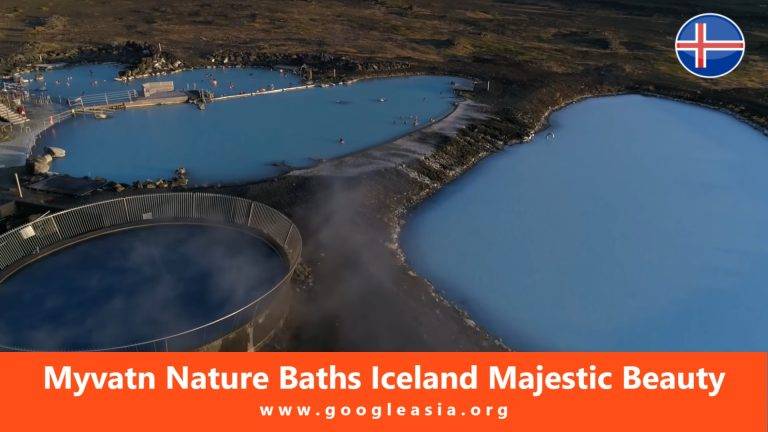
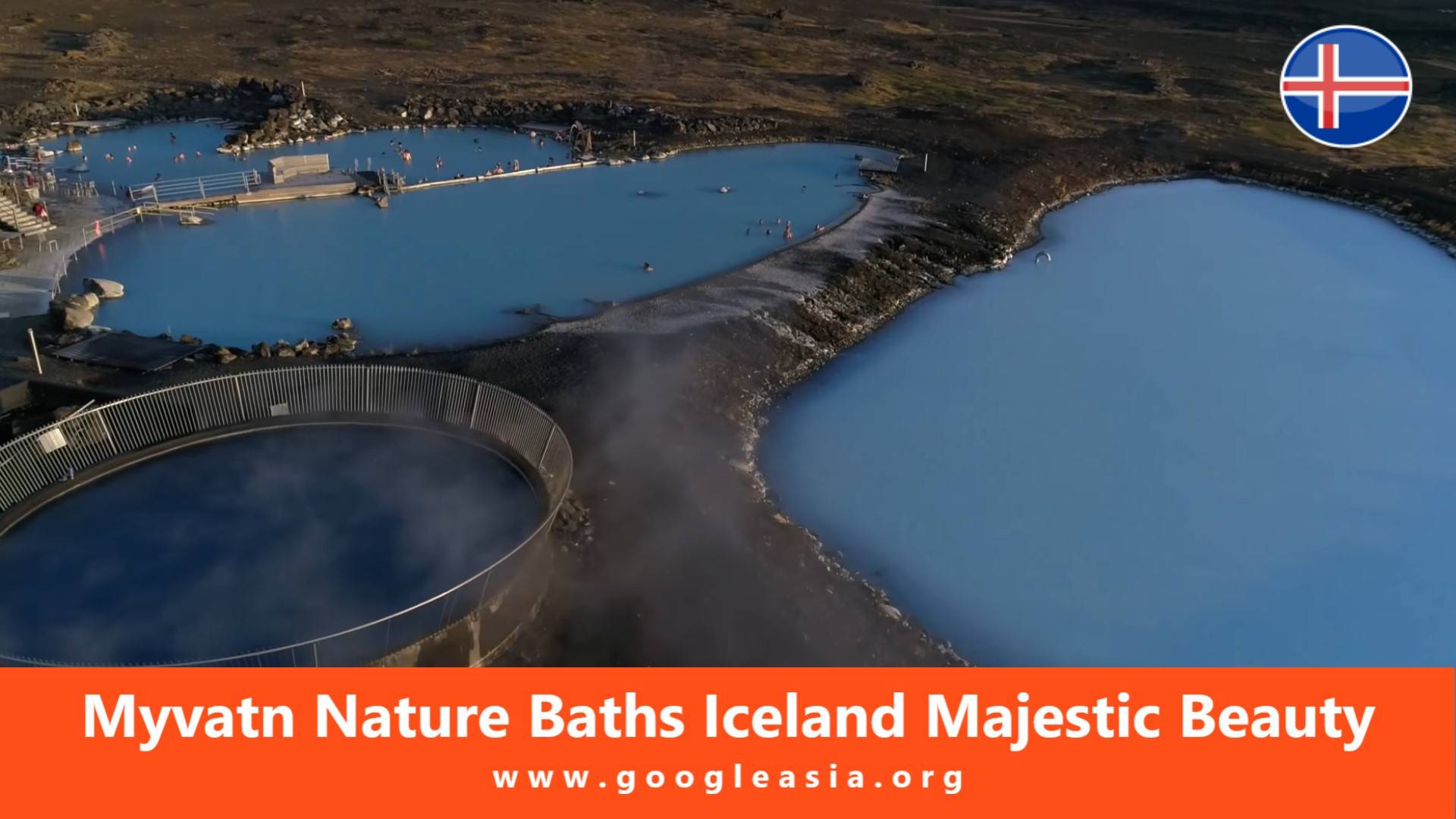
    Myvatn Nature Baths are a collection of geothermal lagoons located in Northern Iceland. Boasting breath-taking views of the surrounding volcanic landscape, the warm mineral-rich waters provide a perfect place to relax and enjoy the natural surroundings. With facilities ranging from mud baths to saunas, Myvatn Nature Baths offer a great way to relax, unwind and take in the majestic beauty of Iceland’s natural wonders.


    Myvatn Nature Baths Iceland Majestic Beauty Summary

    Myvatn Nature Baths, Iceland: The Summary

    • Attraction: Myvatn Nature Baths
    • Country: Iceland 
    • Continent: Europe
    • Capital Name: Reykjavík
    • Language: Icelandic
    • Currency: Icelandic Króna
    • Nationality: Icelandic
    • Category: #Destination #Europe #ICELAND 


    Exploring Myvatn Nature Baths, Iceland

    Myvatn Nature Baths in Iceland offers a serene retreat amidst the stunning landscapes of north-central Iceland. Nestled near the edge of Mývatn Lake, this geothermal oasis is renowned for its therapeutic hot springs and breathtaking natural surroundings.

    Location and Overview

    Location:

    • Myvatn Nature Baths is located in north-central Iceland, near the Mývatn Lake.

    Overview:

    • Geothermal Waters: The baths feature hot, mineral-rich geothermal waters with temperatures ranging from 104-115°F (40-46°C). These soothing waters are sourced from deep beneath the Earth’s surface, enriched with beneficial minerals, ideal for relaxation and rejuvenation.

    • Natural Surroundings: Surrounding the baths are otherworldly landscapes characterized by moss-draped lava formations, bubbling mud pots, and volcanic craters. The area’s unique geological features create a surreal backdrop that enhances the bathing experience.

    Activities and Attractions

    Relaxing Soak in Geothermal Pools:

    • Visitors can unwind in the inviting geothermal pools, enjoying the therapeutic benefits of the warm waters. The pools offer stunning views of the surrounding volcanic landscape, providing a tranquil environment to relax and recharge.

    Natural Steam Rooms:

    • The nature baths also feature natural steam rooms, where guests can experience the cleansing effects of geothermal steam. These steam rooms utilize the natural heat from the Earth, promoting relaxation and detoxification.

    Northern Lights Viewing:

    • Myvatn Nature Baths provide an excellent vantage point for viewing the mesmerizing Northern Lights (Aurora Borealis) during the winter months. The dark, unpolluted skies of north-central Iceland offer optimal conditions to witness this celestial phenomenon.

    Visitor Information

    Facilities:

    • The facility includes changing rooms, showers, and amenities for guests’ convenience. Bathing suits and towels are available for rent, ensuring a comfortable experience for all visitors.

    Accessibility:

    • Myvatn Nature Baths are easily accessible by car, located near the Ring Road (Route 1) in Iceland’s north-central region. The baths are approximately a 1.5-hour drive from Akureyri, making them a popular stop for travelers exploring the area.

    Conclusion

    Myvatn Nature Baths in Iceland offers a unique opportunity to immerse yourself in the healing powers of geothermal waters amidst stunning natural beauty. Whether you’re seeking relaxation, natural wonders, or a chance to witness the Northern Lights, the baths provide an unforgettable experience. Plan your visit to Myvatn Nature Baths to unwind in soothing waters and marvel at Iceland’s captivating landscapes.


    Exploring Myvatn Nature Baths, Iceland

    Introduction

    Myvatn Nature Baths in Iceland offers a unique and rejuvenating experience amidst the stunning landscapes of the northeast region. Known for its hot geothermal waters rich in minerals, the baths attract visitors seeking relaxation and natural therapy.

    Activities at Myvatn Nature Baths

    Explore Viti Crater

    • Location: Situated within the nature reserve, Viti Crater is a serene lake formed from an ancient volcanic crater.
    • Experience: Enjoy breathtaking views and serene surroundings ideal for relaxation and contemplation of Icelandic nature’s beauty.

    Take a Dip in Geothermal Pools

    • Description: Immerse yourself in the mineral-rich waters of Myvatn Nature Baths, where pools are replenished every two days for cleanliness.
    • Features: The baths cover 18,000 square meters with temperatures ranging from 30°C to 40°C, perfect for a refreshing swim.

    Visit the Mud Pools

    • Location: Adjacent to the thermal baths, explore serene landscapes with bubbling mud pools rich in unique aquatic life.
    • Activity: Wander around and observe the fascinating geothermal features that make this area exceptional.

    Take a Hike

    • Adventure: Explore surrounding trails for breathtaking landscapes, geothermal activities, and diverse flora and fauna.
    • Highlights: Discover hidden gems while enjoying the natural beauty and volcanic terrain of Myvatn Nature Baths.

    Go Bird-Watching

    • Attraction: Myvatn Nature Baths is a haven for birdwatchers, surrounded by lakes, shrubs, and meadows.
    • Species: Spot native birds and European Ringed Seabirds in their natural habitat, adding to the scenic charm of the baths.

    Relax by the Lake Shore

    • Scenic Spot: Take a tranquil break by the shores of Lake Myvatn, surrounded by majestic mountains.
    • Activities: Enjoy peaceful moments with a snack, book, or simply soaking in the serene atmosphere of the baths.

    Shop at Local Stores

    • Local Culture: Explore nearby settlements offering souvenirs, Icelandic delicacies, and unique products.
    • Experience: Engage with the local community and discover authentic Icelandic craftsmanship and cuisine.

    Explore Geothermal Caves

    • Adventure: Discover hidden geothermal caves with warm water pools and natural hot springs.
    • Experience: While not always easily accessible, these caves offer a unique retreat into the Earth’s geothermal wonders.

    Take an Art Class

    • Creative Pursuit: Visit Skógar village known for its artist community and studios offering art classes.
    • Opportunity: Learn painting or sculpting amidst inspiring Icelandic landscapes, enhancing your cultural experience.

    Spend a Night Under the Stars

    • Night Sky: Camp under the starry skies of Myvatn Nature Baths for an unforgettable evening.
    • Experience: Enjoy the natural beauty and celestial spectacle, making it a perfect end to a day filled with exploration.

    Conclusion

    Myvatn Nature Baths in Iceland offers a diverse range of activities, from relaxation in geothermal waters to exploration of volcanic landscapes and cultural immersion. Whether you seek tranquility, adventure, or artistic inspiration, a visit to Myvatn Nature Baths promises a memorable experience in the heart of Iceland’s natural wonders.

    Culinary Delights at Myvatn Nature Baths, Iceland

    Myvatn Nature Baths in Iceland not only offer a serene geothermal retreat but also tantalize visitors with a taste of authentic Icelandic cuisine. From hearty soups to iconic snacks, here’s a guide to the best foods you can savor amidst the natural beauty of Myvatn:

    Fish Soup: A Taste of Tradition

    • Description: A beloved Icelandic delicacy featuring haddock, potatoes, and aromatic herbs.
    • Flavor Profile: Hearty, savory, with a hint of herbs and spices.
    • Best Enjoyed: Ideal for warming up on cool days, complemented by the serene ambiance of Myvatn Nature Baths.

    Attributes of Fish Soup:

    • Ingredients: Haddock, potatoes, herbs, spices.
    • Preparation: Slow-cooked to meld flavors, ensuring a rich broth.
    • Accompaniments: Often served with freshly baked rye bread for a complete meal experience.
    • Cultural Significance: Reflects Iceland’s reliance on seafood and its rich culinary heritage.

    Icelandic Hotdog: A National Treasure

    • Description: An iconic dish featuring a lamb-based hotdog with sweet mustard, crispy onions, and special sauces.
    • Flavor Profile: Savory, with a touch of sweetness from the mustard and onions.
    • Best Enjoyed: A quick, flavorful bite between dips in the geothermal pools, offering a taste of Icelandic street food culture.

    Attributes of Icelandic Hotdog:

    • Ingredients: Lamb sausage, sweet mustard, crispy onions, special sauces.
    • Preparation: Grilled to perfection, ensuring a juicy and flavorful sausage.
    • Serving Style: Served in a soft bun, topped with a unique blend of condiments.
    • Cultural Significance: Considered a must-try for visitors, showcasing Iceland’s culinary innovation and love for hotdogs.

    Rye Bread: Baked Goodness

    • Description: Dense and flavorful traditional Icelandic rye bread, known for its rich taste and texture.
    • Flavor Profile: Nutty, slightly sweet, with a hearty grainy texture.
    • Best Enjoyed: Perfect alongside fish soup or as a standalone snack, providing a taste of Icelandic baking traditions.

    Attributes of Rye Bread:

    • Ingredients: Rye flour, sugar, yeast, water.
    • Baking Process: Slow-baked underground using geothermal heat for a distinctive flavor.
    • Accompaniments: Often served with butter or smoked fish for a balanced meal.
    • Cultural Significance: Showcases Iceland’s use of local resources and traditional baking methods.

    Lamb Soup: Flavorful Comfort

    • Description: A nourishing dish featuring tender lamb, potatoes, carrots, and herbs.
    • Flavor Profile: Rich, savory, with a comforting warmth.
    • Best Enjoyed: Provides sustenance after a day of exploring, offering a taste of Icelandic farm-to-table cuisine.

    Attributes of Lamb Soup:

    • Ingredients: Lamb, potatoes, carrots, herbs.
    • Cooking Method: Slow-simmered to enhance flavors and tenderize the lamb.
    • Garnishes: Often served with Icelandic flatbread for a complete meal experience.
    • Cultural Significance: Represents Iceland’s pastoral heritage and sustainable farming practices.

    Flatbread: Versatile Snack

    • Description: Light and thin flatbread, popular as a snack with various sweet or savory toppings.
    • Flavor Profile: Neutral, crisp, with a hint of grainy goodness.
    • Best Enjoyed: Perfect for on-the-go snacking or as a complement to soups and stews.

    Attributes of Flatbread:

    • Ingredients: Wheat flour, water, salt.
    • Preparation: Rolled thin and baked until crisp, offering a satisfying crunch.
    • Toppings: Can be enjoyed with butter, cheese, smoked fish, or sweet jams.
    • Cultural Significance: Reflects Iceland’s practical approach to sustenance and versatile use in everyday cuisine.

    Dairy Products: Icelandic Richness

    • Description: Iceland is famed for its dairy products like Skyr (a yogurt-like dairy), Icelandic yogurt, and creamy cheeses.
    • Flavor Profile: Creamy, tangy, with a hint of sweetness.
    • Best Enjoyed: As a refreshing treat or a healthy snack, showcasing Iceland’s pure and high-quality dairy traditions.

    Attributes of Dairy Products:

    • Varieties: Skyr, Icelandic yogurt, cream cheese.
    • Nutritional Benefits: High in protein, calcium, and probiotics.
    • Culinary Uses: Enjoyed plain, with berries, or as an ingredient in desserts and sauces.
    • Cultural Significance: Integral to Icelandic cuisine, reflecting the country’s pastoral heritage and commitment to sustainable farming.

    Conclusion

    Myvatn Nature Baths in Iceland not only offers a rejuvenating soak in geothermal waters but also a culinary journey through Icelandic flavors. From the comforting warmth of lamb soup to the iconic taste of Icelandic hotdogs, each dish provides a taste of tradition amidst the breathtaking natural beauty of Myvatn. Whether you’re indulging in fish soup to warm up or savoring rye bread with local dairy products, the food at Myvatn Nature Baths enriches the experience, making it an unforgettable part of your Icelandic adventure.

    Best Hotels to Stay in Myvatn Nature Baths, Iceland

    Hotel Reykjahlíð (Myvatn)

    Located in the heart of Myvatn, Hotel Reykjahlíð offers comfortable accommodations with stunning views of the surrounding landscape.

    Attributes:

    • Location: Central location in Reykjahlíð, close to Myvatn Nature Baths and other attractions.
    • Amenities: Comfortable rooms, on-site dining options, and easy access to local amenities.
    • Scenic Views: Provides picturesque views of the Myvatn area and its volcanic features.

    Fosshótel Myvatn

    A modern hotel offering a blend of comfort and convenience, situated near the shores of Lake Myvatn.

    Attributes:

    • Modern Facilities: Contemporary rooms with amenities such as free Wi-Fi and flat-screen TVs.
    • Location: Close proximity to Myvatn Nature Baths, ideal for visitors seeking relaxation and exploration.
    • Dining Options: On-site restaurant serving local cuisine, emphasizing fresh ingredients.

    Hótel Víti

    Nestled amidst the serene surroundings of Myvatn, Hótel Víti provides a tranquil retreat with access to natural hot springs.

    Attributes:

    • Natural Hot Springs: Offers access to geothermal baths, enhancing the relaxation experience.
    • Secluded Location: Perfect for travelers looking to immerse themselves in nature and enjoy the quiet ambiance.
    • Cozy Accommodations: Comfortable rooms with amenities to ensure a relaxing stay.

    Kvosin Hotel

    A boutique hotel offering personalized service and a cozy atmosphere, ideal for travelers seeking a unique Icelandic experience.

    Attributes:

    • Boutique Setting: Intimate atmosphere with personalized service and attention to detail.
    • Central Location: Conveniently located for exploring Myvatn Nature Baths and nearby attractions.
    • Quaint Ambiance: Combines modern amenities with Icelandic charm, providing a warm and inviting stay.

    Goðafoss Hotel

    Situated near the picturesque Goðafoss waterfall, Goðafoss Hotel offers comfortable accommodations with scenic views.

    Attributes:

    • Scenic Location: Close proximity to Goðafoss waterfall and Myvatn Nature Baths, offering breathtaking views.
    • Comfortable Rooms: Well-appointed rooms with amenities designed for relaxation and comfort.
    • Nature Experience: Provides easy access to outdoor activities and exploration of Iceland’s natural wonders.

    Berg Hostel & Guesthouse

    A budget-friendly option offering dormitory-style rooms and private accommodations, suitable for solo travelers and families alike.

    Attributes:

    • Affordable Stay: Budget-friendly accommodations without compromising on comfort.
    • Shared Facilities: Dormitory rooms and private rooms available, catering to different traveler preferences.
    • Community Atmosphere: Opportunities to meet fellow travelers and share experiences in a communal setting.

    Gistiheimilið Grafarvogur

    A guesthouse providing cozy accommodations with a focus on warm hospitality and personalized service.

    Attributes:

    • Welcoming Atmosphere: Emphasis on hospitality and creating a home-away-from-home experience.
    • Local Insight: Hosts with knowledge of the area, offering tips and recommendations for exploring Myvatn.
    • Family-Friendly: Suitable for families and small groups, providing comfort and convenience during the stay.

    Vogafjos Cottages

    Charming cottages offering a rustic Icelandic experience with modern amenities, situated amidst the scenic beauty of Myvatn.

    Attributes:

    • Rustic Charm: Authentic Icelandic cottages with traditional architecture and cozy interiors.
    • Tranquil Setting: Peaceful location surrounded by nature, ideal for relaxation and unwinding.
    • Self-Catering Options: Cottages equipped with kitchen facilities, allowing guests to prepare their meals.

    Myvatnssveit Cottages

    Cosy cottages offering a secluded retreat with proximity to Myvatn Nature Baths and other attractions in the region.

    Attributes:

    • Secluded Retreat: Private cottages set in tranquil surroundings, perfect for a quiet getaway.
    • Outdoor Access: Easy access to hiking trails and outdoor activities, enhancing the nature experience.
    • Comfortable Accommodations: Well-equipped cottages with amenities to ensure a comfortable stay.

    Myvatn Guesthouse

    A guesthouse providing affordable accommodations with a focus on simplicity and comfort, ideal for budget-conscious travelers.

    Attributes:

    • Affordable Stay: Budget-friendly options without compromising on basic comforts.
    • Convenient Location: Close proximity to Myvatn Nature Baths and nearby attractions.
    • Friendly Atmosphere: Welcoming hosts and a relaxed atmosphere, ensuring a pleasant stay for guests.

    Conclusion

    Whether you prefer luxury accommodations or budget-friendly options, the hotels and guesthouses near Myvatn Nature Baths offer something for every traveler. From stunning views and modern amenities to cozy cottages and personalized service, these accommodations ensure a comfortable and memorable stay while exploring the natural wonders of Myvatn, Iceland.

    Frequently Asked Questions About Myvatn Nature Baths, Iceland: Your Ultimate Guide

    Explore the latest destination attraction with ease through our comprehensive Frequently Asked Questions guide. Discover insightful answers to common queries, providing a seamless experience. Your journey begins with clarity and confidence as we address uncertainties and offer essential information. Let this guide enhance your adventure, ensuring you make the most of the latest destination attraction, leaving no question unanswered.

    What are Myvatn Nature Baths’s nearby must-visit attractions or landmarks?

    The Myvatn region in northeastern Iceland is known for its diverse and captivating landscapes. Besides the Myvatn Nature Baths, there are several must-visit attractions and landmarks in the vicinity. Here are some notable ones:

    1. Lake Myvatn: The lake itself is a stunning attraction, surrounded by diverse geological features. You can explore the pseudocraters at Skutustadir, take a boat trip on the lake, or enjoy birdwatching in the area.
    2. Húsavík: A short drive from Myvatn, Húsavík is known as the whale watching capital of Iceland. You can embark on a whale-watching tour from the town’s harbor to witness these magnificent marine mammals.
    3. Dettifoss: Known as Europe’s most powerful waterfall, Dettifoss is located in Vatnajökull National Park. It’s an awe-inspiring sight with water thundering over the cliffs, and it’s accessible by car from the Myvatn area.
    4. Hverfjall (Hverfell): This is a massive volcanic crater near Lake Myvatn. You can hike to the top for panoramic views of the surrounding landscapes. The trail provides an opportunity to witness the stark beauty of the volcanic terrain.
    5. Dimmuborgir: A unique and otherworldly lava field near Lake Myvatn, Dimmuborgir is famous for its unusual rock formations, lava pillars, and caves. It’s often referred to as “The Dark Fortress” and is an excellent place for hiking.
    6. Krafla: A volcanic system that includes the Krafla Caldera and Leirhnjúkur lava field. There are walking trails around the area, and you can explore the geothermal features, including hot springs and fumaroles.
    7. Grjótagjá Cave: Featured in Game of Thrones, this lava cave houses a geothermal spring. While bathing is no longer allowed due to fluctuating temperatures, the cave itself is an interesting site to visit.
    8. Namaskard Geothermal Area: Known for its colorful and alien-like landscapes, Namaskard features bubbling mud pots, hissing steam vents, and vibrant mineral deposits. It’s a geothermal area located near Lake Myvatn.
    9. Akureyri: Often referred to as the “Capital of the North,” Akureyri is the second-largest city in Iceland. It offers cultural attractions, botanical gardens, and is a gateway to the scenic Eyjafjörður fjord.

    Exploring these nearby attractions will provide you with a comprehensive and enriching experience of the Myvatn region, showcasing the diversity of Iceland’s natural wonders.

    Why should you visit Myvatn Nature Baths?

    Myvatn Nature Baths, located in northeastern Iceland, is a geothermal spa and a popular destination for several reasons:

    1. Stunning Surroundings: The Myvatn region is known for its breathtaking landscapes, featuring volcanic craters, lava fields, and the picturesque Lake Myvatn. The surroundings of the Nature Baths offer a unique and tranquil setting for relaxation.
    2. Geothermal Water: The baths are filled with natural geothermal water sourced from depths of up to 2,500 meters. This water is rich in minerals, particularly sulfur, which is believed to have various health benefits, such as improving skin conditions and promoting relaxation.
    3. Thermal Pools: Myvatn Nature Baths consists of a series of interconnected pools with varying temperatures, allowing visitors to choose their preferred level of warmth. This provides a soothing experience, especially in the colder Icelandic climate.
    4. Northern Lights Viewing: The Myvatn region is known for its clear and dark skies, making it an excellent location for observing the Northern Lights (Aurora Borealis). If you visit the Nature Baths during the winter months, you may have the chance to witness this stunning natural light display.
    5. Eco-Friendly Design: The facility is designed with sustainability in mind. It utilizes renewable energy sources and is committed to minimizing its environmental impact. The baths are surrounded by native vegetation, creating a harmonious blend with the natural environment.
    6. Less Crowded than the Blue Lagoon: While the Blue Lagoon is a more famous geothermal spa in Iceland, Myvatn Nature Baths tends to be less crowded, offering a more intimate and peaceful experience. This can be particularly appealing for those looking to escape the tourist crowds.
    7. Local Culture: Myvatn Nature Baths provides an opportunity to experience Icelandic culture and hospitality. The staff often shares local stories and traditions, enhancing the overall cultural experience for visitors.

    In summary, Myvatn Nature Baths is a unique and tranquil geothermal spa with stunning surroundings, natural mineral-rich water, and a focus on sustainability. Whether you’re seeking relaxation, health benefits, or a connection with Iceland’s natural beauty, a visit to Myvatn Nature Baths can offer a memorable and rejuvenating experience.

    How to go to Myvatn Nature Baths?

    To reach Myvatn Nature Baths, you can follow these general guidelines. Please note that transportation options may vary, so it’s always a good idea to check for the latest information based on your travel dates.

    1. By Car:
      • Myvatn Nature Baths are located near Lake Myvatn in northern Iceland. If you’re driving, you can use a GPS or navigation app to reach the destination.
      • The baths are approximately 65 kilometers (40 miles) east of Akureyri, the largest town in northern Iceland, and about 485 kilometers (300 miles) north of Reykjavik.
      • The address for Myvatn Nature Baths is Jardbadsholar, 660 Myvatn.
    2. By Bus:
      • Some tour operators or public transportation services may offer bus trips to Myvatn Nature Baths from nearby towns or cities. Check with local tour companies or the official transportation services for schedules and availability.
    3. Guided Tours:
      • Joining a guided tour is another option. Many tour companies operate tours to the Myvatn area, including visits to the Nature Baths. They often provide transportation and a guide.
    4. Flights:
      • If you’re arriving from other parts of Iceland, you can consider domestic flights to Akureyri or nearby airports, and then proceed to Myvatn Nature Baths by car or bus.

    Before planning your trip, check for any updates on transportation options, road conditions, and any other relevant information. Keep in mind that conditions can change, especially in winter, so it’s essential to be prepared and informed before your journey.

    Are there any halal food options around the Myvatn Nature Baths?

    It’s possible that there may be restaurants or eateries in the surrounding area that offer halal options. I recommend reaching out to local restaurants or checking online platforms for up-to-date information on halal dining options near Myvatn Nature Baths. Additionally, you may want to consider bringing your own halal snacks or meals if you’re unsure about the availability of halal food in the area.

    How can one travel to Myvatn Nature Baths?

    To travel to Myvatn Nature Baths in Iceland, here are the general steps and options:

    1. Flying to Iceland: Most international travelers arrive at Keflavík International Airport (KEF), which is located near Reykjavík, the capital city of Iceland.
    2. Internal Flight or Drive: From Reykjavík, you have a couple of options:
      • Internal Flight: You can take a domestic flight from Reykjavík to Akureyri, the largest town in northern Iceland, which is relatively close to Lake Myvatn.
      • Driving: Renting a car and driving from Reykjavík to Lake Myvatn is also a popular option. The drive takes about 6-7 hours depending on road conditions and stops.
    3. Driving Route: If driving, you would typically take the Ring Road (Route 1) eastward from Reykjavík. At some point, you’ll turn north on Route 85 towards Lake Myvatn. The nature baths are located near the town of Reykjahlíð, which is along Route 1 near the lake.
    4. Public Transportation: Limited public transportation options exist in this remote area of Iceland. Buses do operate between Reykjavík and Akureyri, but schedules may be limited. It’s advisable to check current schedules and availability if opting for this mode of transport.
    5. Accommodation: Consider staying overnight near Lake Myvatn to fully enjoy the natural surroundings and facilities like the Myvatn Nature Baths.
    6. Planning Ahead: Since Iceland’s weather can be unpredictable, especially in winter, it’s crucial to check road conditions, weather forecasts, and availability of accommodations before starting your journey.

    By following these steps, you can reach Myvatn Nature Baths and enjoy the beautiful natural geothermal baths amidst Iceland’s stunning landscapes.

    Is it difficult to find halal food in Myvatn Nature Baths?

    Finding halal food in the vicinity of Myvatn Nature Baths in Iceland can be challenging due to the remote location and limited dining options. Here are some considerations:

    1. Limited Dining Options: Myvatn Nature Baths are located in a rural area of northern Iceland, where dining establishments may be sparse. The closest town with more amenities is Reykjahlíð, but it’s relatively small.
    2. Halal-Friendly Restaurants: There are no specific halal restaurants in the immediate vicinity of Myvatn. Most dining options in rural Iceland focus on local cuisine and seafood.
    3. Self-Catering Options: Consider bringing your own halal food supplies or snacks if you have dietary restrictions. Some accommodations may have kitchen facilities where you can prepare your meals.
    4. Vegetarian/Vegan Options: While finding halal-certified meat may be difficult, vegetarian and vegan options might be available at some cafes or restaurants.
    5. Plan Ahead: If halal food availability is crucial for your trip, plan ahead by researching dining options in Reykjahlíð or nearby towns. You can also contact accommodations in advance to inquire about dietary preferences.

    Why should you visit Myvatn Nature Baths?

    Myvatn Nature Baths in Iceland offers a unique and rejuvenating experience for visitors. Here are several reasons why you should consider visiting:

    1. Natural Geothermal Baths: Myvatn Nature Baths feature natural geothermal pools filled with mineral-rich water heated by underground volcanic activity. The soothing waters are known for their therapeutic properties, offering relaxation and rejuvenation amidst Iceland’s stunning natural landscapes.
    2. Scenic Surroundings: Located near Lake Myvatn in northern Iceland, the nature baths offer breathtaking views of volcanic craters, lava formations, and rugged landscapes. The area is known for its unique geological features and abundant birdlife, providing a serene and picturesque backdrop for relaxation.
    3. Less Crowded Alternative: Compared to the more famous Blue Lagoon near Reykjavik, Myvatn Nature Baths offer a quieter and more tranquil atmosphere. Visitors can enjoy a more intimate experience with fewer crowds, making it ideal for relaxation and unwinding.
    4. Health Benefits: The mineral-rich waters of the baths are believed to have therapeutic benefits for skin conditions, joint pain, and stress relief. Many visitors come to Myvatn to experience the healing properties of the geothermal waters.
    5. Cultural Experience: Visiting Myvatn Nature Baths provides insight into Iceland’s geothermal culture and its traditional use of natural hot springs for bathing and relaxation. It’s an opportunity to immerse yourself in Icelandic wellness practices and traditions.
    6. Outdoor Activities: In addition to the baths, the Myvatn area offers opportunities for outdoor activities such as hiking, birdwatching, and exploring volcanic landscapes. Visitors can combine their visit to the baths with exploring nearby natural attractions.
    7. Photography: The unique landscapes around Myvatn Nature Baths, including volcanic craters, steaming vents, and the lake itself, provide excellent opportunities for photography enthusiasts.

    Overall, Myvatn Nature Baths is a must-visit destination in Iceland for those seeking relaxation, natural beauty, and a unique geothermal experience amidst Iceland’s captivating landscapes.

  • Visiting Dettifoss, Iceland: Your Ultimate Travel Guide & Tips

    Visiting Dettifoss, Iceland: Your Ultimate Travel Guide & Tips

    Dettifoss, Iceland: Must-Visit Destination

    Dettifoss Waterfall is located in Iceland’s Jökulsárgljúfur National Park. It is renowned for being the most powerful waterfall in Europe, with an average flow of 193 cubic meters per second. Nearly 44 meters wide and 100 meters tall, the thunderous roar of the waterfall is sure to leave visitors in awe.


    Dettifoss Iceland Most Powerful Waterfall in Europe

    Dettifoss, Iceland: The Summary

    • Attraction: Dettifoss Waterfall
    • Country: Iceland 
    • Continent: Europe
    • Capital Name: Reykjavík
    • Language: Icelandic
    • Currency: Icelandic Króna
    • Nationality: Icelandic
    • Category: #Destination #Europe #ICELAND 


    Dettifoss Waterfall, Iceland: A Natural Marvel

    Dettifoss waterfall stands as one of Iceland’s most awe-inspiring natural wonders, located in the northeastern region near Jökulsárgljúfur National Park. With its colossal dimensions and powerful rush, Dettifoss captivates visitors with its sheer force and breathtaking scenery.

    The Magnificent Power of Dettifoss

    Dimensions and Geography

    • Width and Height: Dettifoss spans an impressive 145 meters wide and plunges 44 meters down into its rugged gorge.
    • Water Flow: Over 500 cubic meters of water cascade over the edge every second, making Dettifoss one of the most powerful waterfalls in Europe.
    • Location: Situated on the Jökulsá á Fjöllum river, Dettifoss is surrounded by dramatic cliffs and canyons carved by ancient glacial movements.

    Natural Phenomena and Surroundings

    Atmospheric Phenomena

    • Roar and Mist: The thunderous roar of the plummeting water can be heard and felt from afar, adding to the waterfall’s grandeur.
    • Mist: The immense force generates a dense mist that rises high into the air, visible from several kilometers away, creating a mystical atmosphere around the falls.

    Visitor Experience and Accessibility

    Viewing Points and Access

    • Viewpoints: Visitors can witness Dettifoss from several viewpoints on both sides of the river, each offering unique perspectives of the cascading water and surrounding landscapes.
    • Trails and Facilities: Accessible via well-maintained hiking trails, Dettifoss is part of a larger network of natural attractions within the national park, providing opportunities for exploration and discovery.

    Conclusion

    Dettifoss waterfall in Iceland exemplifies the raw power and natural beauty of the country’s landscape. Its massive dimensions and thundering waters create an unforgettable experience for visitors, offering a glimpse into the geological forces that have shaped Iceland’s dramatic scenery over millennia. Whether you’re drawn by its sheer magnitude or the mesmerizing mist that surrounds it, Dettifoss promises an awe-inspiring encounter with nature that is both humbling and exhilarating.


    Things to Do in Dettifoss Waterfall, Iceland

    Dettifoss Waterfall in Iceland offers a captivating experience with its raw power and stunning natural surroundings. Situated in the northeastern part of the country near Jökulsárgljúfur National Park, Dettifoss beckons visitors with its majestic cascade and breathtaking scenery.

    Embrace the Natural Wonder

    Photography Opportunities

    • Capture the Majesty: Dettifoss presents an incredible backdrop for photographers, with its thunderous waters crashing down amidst billowing mist and imposing rock formations. The ever-changing play of light and shadow makes every shot unique.

    Experience the Power

    • Feel the Force: As Europe’s most powerful waterfall, Dettifoss delivers an awe-inspiring display of nature’s might. Stand close to feel the ground tremble beneath your feet as over 500 cubic meters of water per second plunge into the Jökulsá á Fjöllum River below.

    Explore the Surroundings

    Myvatn Region Exploration

    • Discover Diverse Landscapes: Surrounding Dettifoss is the Myvatn region, characterized by volcanic landscapes, boreal forests, and geothermal features like hot springs and fumaroles. Keep an eye out for local wildlife such as swans, ducks, and seagulls.

    Hiking Adventures

    • Trail Exploration: Embark on hikes through the rugged terrain of the Myvatn area, offering both leisurely walks along scenic shorelines and more challenging treks that reveal hidden natural gems and panoramic views.

    Venture Further

    Visit Jökulsárgljúfur National Park

    • Natural Splendor: Extend your journey to Jökulsárgljúfur National Park, where you can explore diverse ecosystems, observe wildlife like the Arctic Fox, and marvel at other renowned waterfalls such as Asbyrgi and Hengifoss.

    Water Activities

    • River Adventures: For an adrenaline rush, kayak or raft down the Jökulsá á Fjöllum River, getting closer to the sheer rock walls and feeling the river’s fierce current firsthand.

    Learn and Appreciate

    Environmental and Cultural Insights

    • Educational Opportunities: Dive into the area’s ecological and geological significance, understanding its impact on the local ecosystem and the region’s cultural heritage. Learn about the diverse bird species and local fish populations that call this area home.

    Conclusion

    A visit to Dettifoss Waterfall promises an unforgettable journey into Iceland’s natural beauty and power. Whether you’re captivated by its immense force, exploring the surrounding landscapes, or learning about its ecological significance, Dettifoss offers a profound experience that leaves lasting impressions. Prepare to be enchanted by nature at its most stunning and immerse yourself in the wonder of Dettifoss Waterfall.

    Best Foods to Try at Dettifoss Waterfall, Iceland

    Dettifoss Waterfall in Iceland offers not only breathtaking natural beauty but also a chance to savor traditional Icelandic cuisine. Here are some of the best foods to enjoy while visiting this stunning natural wonder:

    Traditional Icelandic Dishes

    Sour Rye Pancake (Súr Hrúgur)

    • Description: A unique pancake made with sour rye flour, traditionally served with butter and Icelandic jam.
    • Attributes: Sour, hearty, and rich in flavor, offering a taste of authentic Icelandic baking.

    Fish Soup (Fisksúpa)

    • Description: A comforting soup made with fresh Icelandic fish, potatoes, onions, and herbs.
    • Attributes: Warm and hearty, perfect for chilly days exploring the waterfall and its surroundings.

    Smoked Lamb (Reykt Lambi)

    • Description: Lamb that has been smoked over traditional Icelandic methods, offering a unique smoky flavor.
    • Attributes: Tender and flavorful, a delicacy that reflects Iceland’s cultural heritage.

    Icelandic Breads

    Rye Bread (Rúgbrauð)

    • Description: Dense and dark bread made with rye flour, traditionally baked in a pot or underground in geothermal areas.
    • Attributes: Sweet and earthy, best enjoyed with butter and Icelandic toppings.

    Barley Bread (Kornbrauð)

    • Description: Bread made from barley flour, known for its hearty texture and nutty flavor.
    • Attributes: Nutritious and filling, a staple of Icelandic cuisine dating back centuries.

    Local Seafood and Dairy

    Icelandic Salmon (Íslenskur Lax)

    • Description: Fresh salmon sourced from Icelandic waters, known for its quality and flavor.
    • Attributes: Rich in omega-3 fatty acids, offering a taste of Iceland’s pristine waters.

    Skyr

    • Description: A thick, creamy dairy product similar to yogurt but with higher protein content.
    • Attributes: Tangy and satisfying, often enjoyed with berries or honey as a dessert or snack.

    Hearty Icelandic Soups and Stews

    Icelandic Fishcakes (Fiskibollur)

    • Description: Fishcakes made with locally caught fish, potatoes, and herbs, often served with a creamy sauce.
    • Attributes: Comforting and flavorful, a classic Icelandic dish.

    Icelandic Lamb Stew (Lambakjöt)

    • Description: Slow-cooked lamb stew with root vegetables, herbs, and sometimes barley.
    • Attributes: Hearty and warming, perfect after a day of exploring Dettifoss Waterfall and its surroundings.

    Conclusion

    Exploring Dettifoss Waterfall is an adventure for the senses, and enjoying these traditional Icelandic foods enhances the experience. From hearty soups and stews to unique breads and fresh seafood, these dishes offer a taste of Iceland’s rich culinary heritage amidst the awe-inspiring natural beauty of Dettifoss. Whether you’re warming up with a bowl of fish soup or savoring a slice of rye bread, each bite adds to the memorable journey at Dettifoss Waterfall, Iceland.

    Best Hotels to Stay in Dettifoss Waterfall, Iceland

    Dettifoss Waterfall in Iceland offers spectacular natural beauty and serene surroundings, making it an ideal destination for travelers seeking both adventure and tranquility. Here are some of the best hotels to consider for your stay near Dettifoss:

    Hotels Near Dettifoss Waterfall

    1. Hotel Dettifoss

    • Location: Dettifoss, Iceland
    • Description: Located close to the waterfall, this hotel offers convenient access to one of Iceland’s most iconic natural attractions.
    • Attributes: Scenic views, comfortable accommodations, and proximity to hiking trails.

    2. White Mountain Hotel & Cottages

    • Location: Dettifoss, Iceland
    • Description: Offers cozy cottages and rooms surrounded by serene landscapes, providing a peaceful retreat.
    • Attributes: Tranquil setting, ideal for nature lovers and those seeking relaxation.

    Hotels Near Húsavík (Approximately 1.5 hours drive from Dettifoss)

    3. Guesthouse Móa

    • Location: Húsavík, Iceland
    • Description: A charming guesthouse in the picturesque town of Húsavík, known for its whale watching tours and scenic beauty.
    • Attributes: Personalized service, homely atmosphere, and proximity to Húsavík’s attractions.

    4. Fosshotel Húsavík

    • Location: Húsavík, Iceland
    • Description: Offers modern amenities and stunning views of the bay, with easy access to whale watching tours and local dining.
    • Attributes: Comfortable accommodations, convenient location, and excellent hospitality.

    Other Noteworthy Hotels Nearby

    5. Kirkjubaejarklaustur Hotel

    • Location: Klaustur, Iceland
    • Description: Situated amidst scenic landscapes, this hotel offers a tranquil setting and proximity to southern Iceland’s natural wonders.
    • Attributes: Peaceful environment, comfortable rooms, and access to nearby attractions.

    6. Fosshotel Jökulsárlon

    • Location: Höfn, Iceland
    • Description: Located near the famous Jökulsárlon Glacier Lagoon, this hotel offers breathtaking views and modern amenities.
    • Attributes: Stunning location, glacier views, and a relaxing atmosphere.

    Conclusion

    Choosing the right hotel near Dettifoss Waterfall depends on your preferences for location, amenities, and the type of experience you seek. Whether you prefer a hotel close to the waterfall itself or one that offers easy access to other nearby attractions like Húsavík or Jökulsárlon, these accommodations provide comfort and convenience amidst Iceland’s natural beauty. Enjoy your stay and explore the wonders of Dettifoss and its surroundings with ease from these recommended hotels.

    Frequently Asked Questions About Dettifoss Majesty, Iceland: Your Ultimate Guide

    Explore the latest destination attraction with ease through our comprehensive Frequently Asked Questions guide. Discover insightful answers to common queries, providing a seamless experience. Your journey begins with clarity and confidence as we address uncertainties and offer essential information. Let this guide enhance your adventure, ensuring you make the most of the latest destination attraction, leaving no question unanswered.

    What are Dettifoss Waterfall’s nearby must-visit attractions or landmarks?

    The area around Dettifoss Waterfall in northeastern Iceland is rich in natural wonders and attractions. Here are some nearby must-visit landmarks and attractions:

    1. Selfoss: Located upstream from Dettifoss, Selfoss is another striking waterfall worth exploring. It features a series of cascades and offers a different perspective on the power of water in the region. There are hiking trails that lead to viewpoints overlooking Selfoss.
    2. Hafragilsfoss: Not far from Dettifoss, Hafragilsfoss is another impressive waterfall on the Jökulsá á Fjöllum river. It is smaller than Dettifoss but equally picturesque. The surrounding canyon adds to the scenic beauty of the area.
    3. Ásbyrgi Canyon: A unique and horseshoe-shaped canyon located to the north of Dettifoss. The canyon is surrounded by towering cliffs and lush vegetation, creating a serene and picturesque landscape. There are hiking trails within Ásbyrgi, allowing visitors to explore the area.
    4. Húsavík: While a bit farther away, Húsavík is a charming coastal town known as the whale-watching capital of Iceland. Considered one of the best places in the world for whale watching, Húsavík offers boat tours to observe various species of whales in the nearby waters.
    5. Krafla Volcanic Area: Explore the Krafla volcanic area, which includes the Krafla caldera and Leirhnjúkur lava fields. The landscape is dotted with geothermal features such as fumaroles and hot springs. The Víti crater is also part of this volcanic system.
    6. Myvatn Nature Baths: Relax in the geothermal waters of Myvatn Nature Baths, located near Lake Myvatn. The baths offer a unique and soothing experience in a stunning natural setting, surrounded by volcanic landscapes.
    7. Dimmuborgir: A fascinating lava field near Lake Myvatn, Dimmuborgir is known for its distinctive rock formations, caves, and towers. It is often referred to as “The Dark Fortress” and provides excellent hiking opportunities.
    8. Namaskard Geothermal Area: Witness the otherworldly landscapes of Namaskard, characterized by bubbling mud pots, hissing steam vents, and colorful mineral deposits. The geothermal activity in this area is a testament to Iceland’s volcanic nature.
    9. Vatnajökull National Park: Dettifoss is located within Vatnajökull National Park, which is the largest national park in Europe. The park encompasses diverse landscapes, including glaciers, mountains, and waterfalls. There are various hiking trails and opportunities for exploring the unique ecosystems.

    Exploring these nearby attractions will provide a comprehensive and enriching experience of the natural wonders and geological diversity that characterizes the northeastern part of Iceland.

    Why should you visit Dettifoss Waterfall?

    Dettifoss Waterfall is one of Iceland’s most spectacular natural wonders, and there are several compelling reasons to visit this awe-inspiring site:

    1. Power and Magnitude: Dettifoss is renowned for being Europe’s most powerful waterfall. Witnessing the sheer force and magnitude of the cascading water is a mesmerizing experience. The falls drop approximately 45 meters (150 feet) over a width of about 100 meters (330 feet), creating a thunderous display of nature’s power.

    2. Natural Beauty: The surrounding landscape is strikingly beautiful, with the waterfall set against a backdrop of rugged cliffs, volcanic rocks, and dramatic canyons. The stark and unspoiled environment adds to the allure of Dettifoss, making it a visually stunning destination.

    3. Unique Geology: Dettifoss is located in Vatnajökull National Park, an area known for its diverse geological features. The rocks around the waterfall are a mix of basalt and other volcanic formations, providing insight into Iceland’s geological history.

    4. Access to Hiking Trails: There are hiking trails around Dettifoss that allow visitors to explore the surrounding area and view the waterfall from different perspectives. One popular trail leads to Selfoss, another impressive waterfall located upstream.

    5. Photography Opportunities: The powerful and dynamic nature of Dettifoss makes it a prime location for photographers. Whether you’re capturing the falls from a distance or focusing on the intricate details of the water’s movement, the site offers numerous opportunities for stunning photographs.

    6. Remote and Unspoiled Setting: Dettifoss is situated in a relatively remote part of Iceland, contributing to its unspoiled and pristine atmosphere. Visitors can enjoy a sense of isolation and tranquility, surrounded by the untouched beauty of nature.

    7. Unique Climate Experience: Depending on the time of year, visitors can witness Dettifoss in different states. In winter, the falls may be surrounded by ice and snow, creating a magical winter wonderland. In contrast, the summer months showcase the waterfall with lush greenery.

    8. Film Location: Dettifoss has been featured in various films, adding to its cultural and cinematic significance. Notably, it appeared in the opening scenes of the science fiction movie “Prometheus,” directed by Ridley Scott.

    In summary, a visit to Dettifoss offers a chance to marvel at the power of nature, immerse yourself in Iceland’s unique geological features, and experience the beauty of one of Europe’s most impressive waterfalls. It’s a must-see destination for those seeking the wonders of the natural world.

    How to go to Dettifoss Waterfall?

    Dettifoss Waterfall is located in Vatnajökull National Park in northeastern Iceland. Getting there involves traveling by road, and the most common way is by car. Here are the general steps to reach Dettifoss:

    1. Starting Point: Choose Your Base
      • Most travelers use either Akureyri or Myvatn as their base when visiting Dettifoss. Akureyri is a larger town, while Myvatn offers proximity to other attractions like Lake Myvatn.
    2. Rent a Car:
      • Renting a car is the most convenient way to reach Dettifoss as public transportation is limited in this area. You can rent a car in larger towns or cities like Akureyri or even in Reykjavik.
    3. Choose Your Route:
      • There are two main routes to Dettifoss from Myvatn, and both are accessible by regular cars (not necessarily 4×4). The two routes are:
        • Route 862: A shorter, paved road on the west side of the river. This road is usually open during the summer months and is more suitable for smaller vehicles.
        • Route 864: A longer, gravel road on the east side of the river. This route is open during the summer but may be accessible later into the fall. It’s generally more challenging for smaller cars, so a 4×4 might be preferred.
    4. Drive to Dettifoss:
      • Follow the road signs and GPS directions to reach Dettifoss. The drive will take you through Iceland’s unique landscapes, including lava fields and volcanic formations.
    5. Parking and Walk to the Waterfall:
      • Once you reach the parking area, you’ll need to walk a short distance to the viewpoint overlooking Dettifoss. The walk is well-marked, and there are signs to guide you.
    6. Hiking Trails:
      • Depending on your preferences and time, you can explore additional hiking trails in the area, such as the one to Selfoss, another beautiful waterfall nearby.
    7. Weather and Road Conditions:
      • Check the weather and road conditions before your trip, especially if you plan to visit during the colder months. Some roads may be impassable in winter.

    Remember to plan your visit according to the weather, as conditions can change rapidly, and road closures may occur. Always prioritize safety and be prepared for the unique challenges of Icelandic roads, especially if you’re visiting during the winter.

    Are there any halal food options around the Dettifoss Waterfall?

    Finding halal food options in the vicinity of Dettifoss Waterfall can be challenging, as the area is primarily known for its natural attractions rather than a wide range of dining establishments. However, you may consider the following options:

    1. Bring Your Own Food: If you have specific dietary requirements, including halal preferences, it might be a good idea to bring your own food. You can pack a picnic or carry pre-prepared halal meals, snacks, and beverages to ensure you have suitable options during your visit.
    2. Local Grocery Stores: Before heading to Dettifoss, you can stop by larger towns or villages such as Akureyri, Myvatn, or Húsavík, where you may find grocery stores. Purchase halal-friendly items or ingredients to prepare your own meals.
    3. Ask Locals: While the area around Dettifoss may not have dedicated halal restaurants, you can inquire with locals or staff at accommodations about any nearby places that may cater to specific dietary needs. They might be able to provide information on suitable options.
    4. Restaurants in Nearby Towns: If you are willing to travel a bit, larger towns like Akureyri may have a more diverse range of dining options. Inquire at restaurants in these towns if they can accommodate halal dietary preferences or modify dishes accordingly.

    It’s important to note that Iceland, in general, has a limited halal food scene, especially in remote or less populated areas. Planning ahead, bringing your own food, or exploring larger towns for dining options may be your best approach to ensure you have suitable halal meals during your visit to Dettifoss Waterfall.

    How can one travel to Dettifoss Majesty?

    To travel to Dettifoss, often referred to as “Dettifoss Majesty” due to its impressive size and power, you’ll need to plan your journey to northeastern Iceland. Here’s how you can get there:

    1. Flying to Iceland: Start by flying into Keflavík International Airport (KEF) near Reykjavík, Iceland’s capital.
    2. Internal Flight or Drive:
      • Internal Flight: Consider flying from Reykjavík to Akureyri Airport (AEY), which is the closest major airport to Dettifoss. From there, you can rent a car or join a tour to reach Dettifoss.
      • Driving: If driving from Reykjavík, it’s a journey of approximately 6-7 hours depending on road conditions. Take Route 1 (Ring Road) eastward towards Akureyri, and then head north on Route 85 towards Dettifoss.
    3. Driving Route from Akureyri:
      • From Akureyri, drive east on Route 1 (Ring Road) until you reach the junction with Route 85 (also known as Öxi Road).
      • Follow Route 85 northbound towards Ásbyrgi and then turn east onto Route 862.
      • Route 862 will lead you to Dettifoss, where you can park at designated areas and access viewpoints.
    4. Road Conditions and Safety: Iceland’s weather can be unpredictable, especially in winter. Check road conditions and weather forecasts before traveling. Some roads may be closed during winter months or require a 4WD vehicle.
    5. Tours and Guided Trips: If you prefer not to drive yourself, consider joining a guided tour from Akureyri or other nearby towns. Tours often include transportation, guiding, and sometimes meals or additional activities.
    6. Accommodation: While Dettifoss itself is a natural landmark without direct accommodation, nearby towns like Akureyri, Húsavík, or Myvatn offer lodging options where you can stay overnight before or after visiting Dettifoss.
    7. Safety and Respect: When visiting Dettifoss, follow designated paths and viewpoints for safety and to protect the natural environment. Be prepared for varying weather conditions and wear appropriate clothing and footwear.

    Visiting Dettifoss Majesty (Dettifoss) offers an opportunity to witness one of Europe’s most powerful waterfalls in a spectacular natural setting.

    Why should you visit Dettifoss Majesty?

    Visiting Dettifoss, often referred to as “Dettifoss Majesty” due to its sheer size and power, is a compelling experience for several reasons:

    1. Impressive Size and Power: Dettifoss is Europe’s most powerful waterfall, known for its massive volume of water cascading over its edge. The sight and sound of the roaring waterfall are awe-inspiring and offer a sense of nature’s raw power.
    2. Natural Beauty: Set in Iceland’s rugged and volcanic landscape, Dettifoss is surrounded by dramatic cliffs and basalt formations. The contrast between the powerful waterfall and the stark, otherworldly surroundings creates a visually stunning scene.
    3. Geological Significance: The area around Dettifoss is part of Vatnajökull National Park, known for its geological diversity and volcanic history. Visitors can explore the unique geological features, including lava fields and canyon formations.
    4. Photography Opportunities: Dettifoss offers photographers a chance to capture breathtaking images of nature in its purest form. The waterfall’s size and surroundings provide endless opportunities for capturing stunning landscapes and dramatic water effects.
    5. Accessibility: While reaching Dettifoss requires some travel within Iceland, it is accessible by car during the summer months. The journey to Dettifoss also allows visitors to explore other natural wonders and attractions in northeastern Iceland.
    6. Outdoor Adventure: Visiting Dettifoss can be combined with hiking and exploring nearby areas such as Ásbyrgi Canyon or Myvatn Lake. Outdoor enthusiasts will appreciate the opportunity to immerse themselves in Iceland’s unique natural environment.
    7. Cultural and Historical Context: Iceland’s folklore and history often intertwine with its natural landmarks. Dettifoss, surrounded by stories of Icelandic mythology and ancient settlements, offers visitors a glimpse into the cultural heritage of the region.
    8. Serene Environment: Despite its popularity, Dettifoss and the surrounding area maintain a sense of tranquility and remoteness. Visitors can enjoy the serene atmosphere and connect with nature in a peaceful setting.

    Overall, visiting Dettifoss Majesty provides an unforgettable encounter with one of nature’s most impressive displays of power and beauty, making it a must-see destination for travelers seeking natural wonders and adventure in Iceland.

    Is it difficult to find halal food near Dettifoss Majesty?

    Finding halal food specifically near Dettifoss itself may be challenging, as Dettifoss is located in a remote and natural area of Iceland without nearby restaurants or food vendors. Visitors typically travel to Dettifoss from larger towns or cities such as Akureyri or Myvatn, where more dining options, including international cuisine, can be found.
    In general, Iceland does not have a large Muslim population, and halal food options may be limited outside of major urban centers. It’s advisable for Muslim travelers to plan ahead and consider bringing suitable food options or exploring larger towns for dining choices that meet their dietary requirements.

  • Visiting Skaftafell National Park, Iceland: Travel Guide & Tips

    Visiting Skaftafell National Park, Iceland: Travel Guide & Tips

    Skaftafell National Park, Iceland: Must-Visit Destination

    Skaftafell is a wilderness area within Vatnajökull National Park in southeast Iceland. It’s famed for its majestic glacial landscapes, lush alpine meadows and glacier hiking opportunities. The area provides a haven for hikers and is home to numerous waterfalls, glaciated valleys and rivers bordered by rocky outcrops.


    Skaftafell National Park Iceland

    Skaftafell National Park, Iceland: The Summary

    • Attraction: Skaftafell National Park
    • Country: Iceland 
    • Continent: Europe
    • Capital Name: Reykjavík
    • Language: Icelandic
    • Currency: Icelandic Króna
    • Nationality: Icelandic
    • Category: #Destination #Europe #ICELAND 


    Discovering Skaftafell National Park, Iceland

    Skaftafell National Park in southeast Iceland is a captivating wilderness area renowned for its stunning landscapes, glaciers, and diverse natural attractions.

    Park Overview

    Location and Size

    • Location: Southeast Iceland, near Vatnajökull
    • Size: Covers an expansive area of 7,300 square kilometers

    Natural Wonders

    Glaciers and Mountains

    • Glaciers: Impressive glaciers like Svínafellsjökull and Vatnajökull
    • Mountains: Spectacular mountain scenery throughout the park

    Waterfalls and Lagoons

    • Waterfalls: Svartifoss waterfall, renowned for its basalt columns
    • Lagoons: Explore the crystal-clear waters of Jökulsárlón Glacier Lagoon

    Activities to Enjoy

    Hiking Adventures

    • Trails: Varied hiking trails catering to all levels
    • Svartifoss Hike: Trek to Svartifoss waterfall for stunning views

    Glacier Activities

    • Glacier-Hiking: Experience the thrill of hiking on glaciers
    • Svínafellsjökull Glacier: Discover the beauty and majesty of this glacier

    Camping and Outdoor Exploration

    • Camping: Ideal spots for camping amidst scenic landscapes
    • Wildlife Watching: Opportunities to spot reindeer, arctic foxes, and various bird species

    Visitor Experiences

    Unique Attractions

    • Jökulsárlón Glacier Lagoon: Marvel at floating icebergs and stunning vistas
    • Volcanic Landscape: Learn about the park’s volcanic origins and geological formations

    Conclusion

    Skaftafell National Park offers an unparalleled experience for nature enthusiasts and adventurers alike. Whether you’re hiking to picturesque waterfalls, exploring majestic glaciers, or camping under Iceland’s clear skies, the park promises unforgettable moments. With its rich biodiversity and breathtaking vistas, Skaftafell invites visitors to immerse themselves in the natural beauty of southeast Iceland’s wilderness.


    Exploring Skaftafell National Park, Iceland

    Skaftafell National Park in southeast Iceland is a haven for nature lovers and adventurers, offering a diverse range of activities amidst stunning landscapes.

    Park Overview

    Location and Accessibility

    • Location: Eastern region of Vatnajökull National Park
    • Accessibility: Accessible by road from various points in Iceland

    Activities to Enjoy

    Glacier Exploration

    • Sólheimajökull Glacier: Hike along trails to explore this dynamic glacier
    • Hoffellsjökull Glacier: Witness the glacier’s beauty and take a guided tour of the ice cave

    Waterfalls and Natural Wonders

    • Svartifoss Falls: Admire the basalt column-framed waterfall, a highlight of the park
    • Skógafoss Waterfall: Visit this majestic waterfall with the option to walk behind it

    Wildlife Watching

    • Wildlife Observation: Spot Icelandic horses, reindeer, snowy owls, and ptarmigans in their natural habitat
    • Wildlife Cruise: Take a cruise on Jökulsárlón Glacier Lagoon to observe seals, whales, and seabirds up close

    Outdoor Adventures

    • Hiking: Explore various trails offering panoramic views and diverse terrains
    • Climbing: Scale peaks or rock climb in designated areas for thrilling experiences
    • Kayaking: Navigate waters amidst icebergs for a unique perspective of the park

    Cultural and Geological Exploration

    • Cave Exploration: Discover intriguing caves like Svartifoss Cave with unique mineral formations
    • Geological Landmarks: Learn about the volcanic landscape and geological formations

    Unique Experiences

    Relaxation and Scenic Views

    • Black Sand Beaches: Relax on the dramatic black sand beaches and explore coastal cliffs
    • Morsárdalur Valley: Take a leisurely stroll through this picturesque valley abundant with greenery

    Conclusion

    Skaftafell National Park is a paradise for outdoor enthusiasts and nature aficionados, offering a blend of stunning landscapes, thrilling adventures, and cultural experiences. Whether you’re hiking to glaciers, marveling at waterfalls, or observing wildlife, the park promises unforgettable moments in Iceland’s breathtaking wilderness. Plan your visit to Skaftafell National Park for an enriching journey through one of Iceland’s most captivating natural wonders.

    Savory Delights at Skaftafell National Park, Iceland

    Skaftafell National Park, nestled in the scenic landscapes of southeast Iceland, not only offers breathtaking views of glaciers and diverse wildlife but also boasts a rich culinary tradition rooted in Icelandic flavors. Whether you’re hiking its trails or exploring its natural wonders, here are some of the best foods to savor during your visit:

    Traditional Icelandic Cuisine

    Reykjavík Fish Stew (Plokkfiskur)

    • Description: Hearty stew made with cod, potatoes, butter, onions, garlic, and bay leaves
    • Accompaniments: Typically served with white bread and creamed herring

    Grilled Trout (Örvartröll)

    • Description: Freshwater trout grilled to perfection, often accompanied by boiled potatoes, peas, and parsley sauce
    • Seasoning: Lightly brushed with margarine or butter and sprinkled with lemon juice

    Icelandic Lamb Soup (Kjötsúpa)

    • Description: Slow-cooked lamb soup with potatoes, carrots, onions, and aromatic herbs
    • Served with: Warm rye bread, a staple of Icelandic cuisine

    Smoked Trout (Þorbúr)

    • Description: Fresh trout smoked with oak chips, bay leaves, and onions
    • Accompaniments: Served with boiled potatoes, a boiled egg, and horseradish cream

    Roasted Puffin (Fysa)

    • Description: Local delicacy featuring roasted puffin meat, often served with boiled potatoes, a boiled egg, and horseradish cream

    Icelandic Delicacies

    Dark Rye Bread (Laufabrauð)

    • Description: Dense, dark rye bread made with rye flour, salt, sugar, and baker’s yeast
    • Serving: Typically enjoyed with jam, cheese, or butter

    Iceberg Salad (Jökulsálata)

    • Description: Refreshing salad comprising iceberg lettuce, tomatoes, cucumbers, onions, and a creamy yogurt-based dressing

    Icelandic Hot Dog (Pylsa)

    • Description: Unique blend of beef and pork hot dog served with mustard, remoulade, fried onions, raw onions, and cheese

    Sweet Treats

    Skyr

    • Description: Creamy, yogurt-like dairy product enjoyed with berries, sugar, or honey

    Skonsur

    • Description: Traditional Icelandic cakes made with flour, sugar, and butter, often filled with currants and served with vanilla sauce or cream

    Skaftafell National Park offers a tantalizing array of traditional Icelandic dishes, reflecting the region’s natural beauty and cultural heritage. Whether you’re indulging in savory stews, fresh seafood, or delightful desserts, each bite promises to be a culinary adventure. Embrace the flavors of Iceland as you explore this captivating national park, making your visit a truly memorable experience of taste and nature combined.

    Best Hotels to Stay in Skaftafell National Park, Iceland

    Skaftafell National Park, located in southeast Iceland, is a haven for nature enthusiasts seeking stunning landscapes and outdoor adventures. Whether you’re hiking its trails or marveling at its glaciers, here are some of the best hotels to consider for your stay:

    Comfort and Convenience

    Fosshotel Vatnajökull

    • Location: Ideally situated for exploring Skaftafell National Park and nearby attractions
    • Amenities: Offers comfortable rooms with modern facilities, restaurant serving local cuisine, and stunning views of the surrounding landscapes

    Hótel Skaftafell

    • Location: Close proximity to the park’s main attractions, including hiking trails and glacier tours
    • Features: Cozy accommodations, on-site dining options, and knowledgeable staff to assist with excursion planning

    Tranquil Retreats

    Svinafell Country Hotel

    • Setting: Nestled in a serene countryside setting near Skaftafell, offering peace and tranquility
    • Highlights: Comfortable rooms, personalized service, and easy access to hiking trails and natural wonders

    Hotel Breiðbólstaður

    • Charm: A charming countryside hotel with a focus on relaxation and enjoying the natural beauty of Iceland
    • Facilities: Cozy rooms, friendly atmosphere, and proximity to Skaftafell’s hiking trails and scenic viewpoints

    Eco-Friendly Options

    Breidavik Eco Lodge

    • Ethos: Dedicated to sustainable practices, providing an eco-friendly stay amidst Iceland’s natural beauty
    • Experience: Rustic yet comfortable accommodations, organic meals, and a commitment to preserving the environment

    Unique Experiences

    The Namaskard Perfect Nest

    • Uniqueness: Offers a unique lodging experience with cozy accommodations and personalized service
    • Location: Close to Skaftafell National Park’s attractions, making it an ideal base for exploring the region

    Budget-Friendly Choices

    Camp Aurora

    • Ideal for: Budget-conscious travelers seeking a unique camping experience in the heart of nature
    • Facilities: Provides basic amenities for camping enthusiasts, with easy access to hiking trails and scenic viewpoints

    Hotel Nupur

    • Value: Affordable accommodations with essential amenities and a welcoming atmosphere
    • Convenience: Located within driving distance to Skaftafell National Park, offering a comfortable base for exploring the area

    Remote and Serene

    Hotel Skálafell

    • Remote: Set in a tranquil location with breathtaking views of Iceland’s rugged landscapes
    • Facilities: Comfortable rooms, friendly service, and a peaceful atmosphere for a relaxing stay

    Conclusion

    Whether you prefer luxury accommodations, eco-friendly lodges, or budget-friendly options, Skaftafell National Park offers a range of hotels to suit every traveler’s preferences. Enjoy your stay amidst Iceland’s natural wonders and make the most of your adventure in this captivating national park.

    Frequently Asked Questions About Skaftafell National Park, Iceland: Your Ultimate Guide

    Explore the latest destination attraction with ease through our comprehensive Frequently Asked Questions guide. Discover insightful answers to common queries, providing a seamless experience. Your journey begins with clarity and confidence as we address uncertainties and offer essential information. Let this guide enhance your adventure, ensuring you make the most of the latest destination attraction, leaving no question unanswered.

    What are Skaftafell National Park’s nearby must-visit attractions or landmarks?

    Skaftafell National Park is surrounded by breathtaking landscapes and attractions in southeastern Iceland. Here are some nearby must-visit landmarks and attractions:

    1. Svartifoss: Located within Skaftafell National Park, Svartifoss is a stunning waterfall surrounded by hexagonal basalt columns. The unique geological features make it one of the park’s highlights and a must-visit destination.
    2. Morsárdalur Valley: This picturesque valley lies to the west of Skaftafell and is known for its lush greenery, glacial rivers, and scenic beauty. Hiking trails in the valley offer panoramic views of the surrounding landscapes.
    3. Kristínartindar: For more experienced hikers, Kristínartindar is a mountain peak in the Skaftafell area, offering breathtaking views of the glaciers and surrounding mountains. The hike to Kristínartindar provides a challenging but rewarding adventure.
    4. Svínafellsjökull Glacier: Located nearby, Svínafellsjökull is a glacier tongue of the Vatnajökull ice cap. Guided glacier tours are available for those who want to explore the ice formations and crevasses with the guidance of experienced guides.
    5. Jökulsárlón Glacier Lagoon: A bit farther southeast, Jökulsárlón is a famous glacial lagoon filled with floating icebergs. The contrasting colors of the ice against the dark waters create a surreal and picturesque scene. Boat tours are available for a closer look at the ice formations.
    6. Diamond Beach: Adjacent to Jökulsárlón, Diamond Beach features black volcanic sand dotted with glistening icebergs that have washed ashore from the lagoon. The juxtaposition of the ice against the dark sand is visually striking.
    7. Fjallsárlón Glacier Lagoon: Another glacier lagoon located southeast of Skaftafell, Fjallsárlón is a quieter alternative to Jökulsárlón. Visitors can enjoy views of the glacier and icebergs in a serene setting.
    8. Ingólfshöfði: To the south of Skaftafell, Ingólfshöfði is a cape known for its birdlife, including puffins. Guided tours take visitors across the black sand beach and up to the cape, providing an opportunity for birdwatching.
    9. Hofskirkja: A charming turf church located in the small town of Hof, not far from Skaftafell. Hofskirkja is one of the few remaining turf churches in Iceland, known for its traditional architectural style.
    10. Kirkjubæjarklaustur: A historic village with unique rock formations, Kirkjubæjarklaustur is surrounded by scenic landscapes. Nearby attractions include the Fjaðrárgljúfur canyon and the Systrafoss waterfall.

    Exploring these nearby attractions will provide a comprehensive and enriching experience of the diverse natural wonders that characterize the southeastern part of Iceland.

    Why should you visit Skaftafell National Park?

    Skaftafell National Park, situated within the larger Vatnajökull National Park in southeastern Iceland, is a captivating destination known for its stunning landscapes, diverse ecosystems, and a variety of outdoor activities. Here are several compelling reasons to visit Skaftafell:

    1. Diverse Landscapes: Skaftafell showcases a diverse range of landscapes, including glaciers, glacial rivers, lush forests, and rugged mountains. The contrast of these elements creates a visually striking and dynamic environment.
    2. Hiking Trails: The park offers a network of well-maintained hiking trails suitable for various skill levels. Whether you’re looking for an easy stroll or a more challenging hike, Skaftafell has options, including trails leading to viewpoints, waterfalls, and glaciers.
    3. Svartifoss Waterfall: One of the park’s highlights is Svartifoss, a stunning waterfall surrounded by basalt columns. The unique geological features make Svartifoss a picturesque and iconic destination within Skaftafell.
    4. Glacier Views: Skaftafell provides opportunities to experience the vastness of glaciers. Guided glacier hiking tours are available for those wanting to explore these icy landscapes with the guidance of experienced professionals.
    5. Scenic Viewpoints: The park offers several scenic viewpoints, including those overlooking glaciers such as Vatnajökull, Europe’s largest ice cap. These viewpoints provide panoramic vistas of the surrounding mountains and glaciers.
    6. Wildlife Watching: Skaftafell is home to a variety of wildlife, including birds and Arctic foxes. Birdwatchers can enjoy spotting various species, and with luck, you might encounter other native animals during your visit.
    7. Camping and Accommodations: Skaftafell has camping facilities and nearby accommodations, making it possible for visitors to stay overnight and immerse themselves in the tranquility of the park. Camping allows for a unique experience of being surrounded by nature.
    8. Educational Visitor Center: The Skaftafell Visitor Center provides information about the park’s natural and cultural history. Visitors can learn about the geology, flora, and fauna of the region, enhancing their understanding and appreciation of the surroundings.
    9. Accessible from the Ring Road: Skaftafell is conveniently located along the Ring Road (Route 1), making it accessible for travelers exploring the entire country. It’s a popular stop for those journeying through southeastern Iceland.
    10. Gateway to Vatnajökull National Park: Skaftafell is part of the larger Vatnajökull National Park, which encompasses diverse landscapes, including glaciers, volcanoes, and highland plateaus. Exploring Skaftafell provides a glimpse into the broader wonders of this national park.

    In summary, Skaftafell National Park is a haven for nature lovers, hikers, and those seeking to experience the beauty of Iceland’s diverse landscapes. Whether you’re interested in waterfalls, glaciers, hiking trails, or simply enjoying the serenity of nature, Skaftafell offers a memorable and enriching experience.

    How to go to Skaftafell National Park?

    Skaftafell National Park is located in southeastern Iceland, within Vatnajökull National Park. The park is accessible by road, and the most common way to reach Skaftafell is by car. Here are the general steps to get to Skaftafell:

    1. Starting Point: Choose Your Base
      • Most travelers use larger towns or cities like Reykjavik or Hofn as their base when visiting Skaftafell. Reykjavik is the capital city and offers various services, while Hofn is a smaller town closer to Skaftafell.
    2. Rent a Car:
      • Renting a car is the most convenient way to reach Skaftafell, as public transportation is limited in this area. You can rent a car in larger towns or cities like Reykjavik or Hofn.
    3. Choose Your Route:
      • Skaftafell is located along the Ring Road (Route 1), which is the main highway in Iceland. If you’re coming from Reykjavik, you’ll typically follow the Ring Road eastward. If you’re coming from Hofn or other eastern locations, you’ll be heading west on the Ring Road.
    4. Drive to Skaftafell:
      • Follow the Ring Road until you reach the turnoff for Skaftafell. The park is well-signposted, and there are clear directions indicating the entrance. The drive to Skaftafell from Reykjavik takes several hours, depending on weather conditions and stops along the way.
    5. Parking and Visitor Center:
      • Once you arrive at Skaftafell, there is a designated parking area near the visitor center. The visitor center provides information about the park, including trails, activities, and facilities.
    6. Explore the Park:
      • Skaftafell National Park offers various hiking trails, ranging from easy walks to more challenging hikes. Popular destinations within the park include Svartifoss waterfall, which is known for its basalt columns, and the scenic viewpoints offering panoramic views of the surrounding glaciers.
    7. Weather Considerations:
      • Iceland’s weather can be unpredictable, so it’s essential to check road and weather conditions before your trip. In winter, some roads may be closed or challenging to navigate, and in summer, certain areas may be more accessible.
    8. Guided Tours:
      • If you prefer not to drive or want a guided experience, some tour operators offer guided tours to Skaftafell from various starting points.

    Remember to plan your visit according to the weather, as conditions can change rapidly, and road closures may occur. Always prioritize safety, and be prepared for the unique challenges of Icelandic roads, especially if you’re visiting during the winter.

    Are there any halal food options around the Skaftafell National Park?

    Finding halal food options around Skaftafell National Park, which is located in southeastern Iceland, can be challenging due to the remote and less populated nature of the region. However, you may consider the following options:

    1. Bring Your Own Food:
      • If you have specific dietary requirements, including halal preferences, it’s advisable to bring your own food. You can pack a picnic or carry pre-prepared halal meals, snacks, and beverages to ensure you have suitable options during your visit.
    2. Local Grocery Stores:
      • Before heading to Skaftafell, you can check for grocery stores in nearby towns or larger cities like Hofn. Purchasing halal-friendly items or ingredients from a grocery store allows you to prepare your own meals.
    3. Ask Locals:
      • While the immediate vicinity of Skaftafell may not have dedicated halal restaurants, you can inquire with locals or staff at accommodations about any nearby places that may cater to specific dietary needs. They might provide information on suitable options.
    4. Restaurants in Nearby Towns:
      • If you are willing to travel a bit, larger towns like Hofn may have a more diverse range of dining options. Inquire at restaurants in these towns if they can accommodate halal dietary preferences or modify dishes accordingly.
    5. Halal Options in Reykjavik:
      • If you’re starting your journey in Reykjavik, consider purchasing halal provisions and snacks in the capital city before traveling to more remote areas. Reykjavik is likely to have a wider variety of halal options.

    It’s important to note that Iceland, in general, has a limited halal food scene, especially in remote or less populated areas. Planning ahead, bringing your own food, or exploring larger towns for dining options may be your best approach to ensure you have suitable halal meals during your visit to Skaftafell National Park.

  • Reykjavík: Best Destination to Visit in Iceland

    Reykjavík: Best Destination to Visit in Iceland


    Reykjavík, Must-Visit City in Iceland

    Reykjavík, the capital of Iceland, is a vibrant and unique destination that offers something for every traveler. From its stunning natural landscapes, including geysers and hot springs, to its lively cultural scene with museums, galleries, and a bustling nightlife, Reykjavík is the perfect base for exploring Iceland’s beauty. Whether you’re soaking in the Blue Lagoon or strolling through charming streets, Reykjavík provides an unforgettable experience. If you’re planning a trip to Iceland, make sure Reykjavík is at the top of your list!

    Discover Reykjavík: Where City Life Meets Stunning Nature

    If you’re looking for a city that combines rich culture, unique history, and breathtaking landscapes, Reykjavík is the place to be. Iceland’s capital might be small in size, but it offers a huge range of experiences, from lively music festivals to serene hot springs. Whether you’re a culture lover, nature enthusiast, or foodie, Reykjavík will impress you.

    The Geography and Climate: A City Like No Other

    The Northernmost Capital in the World

    Did you know Reykjavík is the world’s northernmost capital? Situated on the southwestern coast of Iceland, this city offers a special charm you won’t find anywhere else. From the rugged volcanic landscapes to the northern lights that light up the sky, Reykjavík is a place where nature and city life coexist in harmony.

    What’s the weather like? Well, it’s Iceland, so the weather can be unpredictable! Winters are cold with some snow, but the summer months? They’re surprisingly mild, with long days thanks to Reykjavík’s high latitude. It’s a place where you can enjoy both chilly winter vibes and mild, sunny summer days.

    Reykjavík’s Vibrant Culture and Artistic Scene

    Nightlife and Music Festivals: Reykjavík After Dark

    Reykjavík comes alive when the sun sets, offering a diverse range of nightlife options. Whether you’re into laid-back pubs or energetic nightclubs, you’ll find plenty of spots to enjoy. Live music is huge in Reykjavík, and you’ll often find local bands playing in cozy venues across the city.

    Iceland Airwaves Festival in November is one you can’t miss if you’re a music lover. This festival attracts artists from all over the world and features an eclectic mix of performances. And let’s not forget the Reykjavík Arts Festival, which celebrates art in all its forms—from theater and dance to visual art.

    Museums and Galleries: A Peek Into Iceland’s Past

    Reykjavík has a rich cultural heritage, and you can dive deep into it by visiting its many museums and galleries. The National Museum of Iceland is perfect for history buffs—it takes you from Iceland’s Viking roots to modern-day life.

    For art lovers, the Reykjavík Art Museum is a must-visit. The exhibits are constantly changing, so there’s always something fresh to discover.

    Top Reykjavík Attractions: The Must-See Spots

    The Sun Voyager: A Nod to Iceland’s Viking History

    One of Reykjavík’s most iconic landmarks is the Sun Voyager, a striking sculpture that resembles a Viking ship. Positioned along the harborfront, it’s not just an artistic piece but also a tribute to Iceland’s seafaring heritage. Plus, it offers some amazing views of the surrounding waters and mountains.

    The Harborfront: Where Iceland Meets the Sea

    The harborfront area is a buzzing spot, filled with restaurants, quirky shops, and cultural venues. It’s a great place to stroll, enjoy some fresh seafood, and soak up the maritime atmosphere of Reykjavík.

    Natural Wonders: Reykjavík’s Beauty Beyond the City

    Geothermal Delights and Outdoor Adventures

    One thing you’ll notice about Reykjavík is its geothermal activity. There’s no shortage of natural hot springs, and the famous Blue Lagoon is just a short drive from the city. The milky blue waters are not only relaxing but also rich in minerals, making it a great spot to unwind.

    For those who love exploring nature, nearby Þingvellir National Park offers stunning views of Iceland’s volcanic landscape, along with fascinating historical significance.

    Whale Watching: A Marine Adventure You’ll Never Forget

    Reykjavík is also one of the best places in the world to go whale watching. Hop on a boat from the Old Harbor and head out into the North Atlantic to see majestic whales and playful dolphins. The summer months are the prime time for spotting these amazing creatures.

    Food in Reykjavík: A Delicious Mix of Tradition and Innovation

    Icelandic cuisine may be different from what you’re used to, but it’s definitely worth trying. Reykjavík’s food scene blends traditional dishes with modern culinary creations.

    Try the Icelandic lamb soup (Kjötsúpa) for a warm and comforting meal. Made with tender lamb, root vegetables, and herbs, it’s the ultimate dish to try on a chilly day.

    If you’re feeling adventurous, give hákarl (fermented shark) a go. It’s definitely an acquired taste, but it’s one of Iceland’s oldest delicacies, and many visitors find it fun to try.

    But if seafood is more your style, Reykjavík’s fresh catches will leave you wanting more. From Arctic char to lobster, the city offers some of the best seafood you’ll ever have.

    International Flavors: Reykjavík’s Fusion Dining Scene

    You don’t have to stick to traditional Icelandic fare. Reykjavík has a vibrant international food scene, with Italian, Asian, and European cuisine scattered across the city. Grab a bite of wood-fired pizza or dig into a plate of fresh pasta after a day of sightseeing.

    And if you’re in the mood for a sweet treat, stop by one of the local bakeries for a delicious pastry. Icelandic bakeries offer croissants, tarts, and cakes that pair perfectly with a hot cup of coffee.

    Things to Do in Reykjavík: More Than Just the Basics

    Hallgrímskirkja Church: A City Icon

    No visit to Reykjavík is complete without seeing Hallgrímskirkja, the towering church that’s visible from almost anywhere in the city. Its unique design, inspired by Iceland’s volcanic formations, is truly one of a kind. Don’t forget to go up to the observation tower for stunning panoramic views.

    Perlan Observatory: View Reykjavík Like Never Before

    Want to see Reykjavík from above? Perlan has a fantastic observation deck that offers 360-degree views of the city and its surrounding landscapes. Plus, the building houses interactive exhibits that explore Iceland’s natural wonders—think glaciers, volcanoes, and geothermal activity.

    Whale Watching Tours: Get Up Close to Nature

    For nature lovers, Reykjavík is a perfect base for whale watching. Tours depart from the Old Harbor, where you can board a boat and head out to see these magnificent creatures in their natural habitat. It’s an experience you’ll never forget.

    Reykjavik’s Unique Parks and Outdoor Spaces

    If you’re looking to escape the hustle and bustle, Reykjavík’s parks offer a peaceful retreat. Laugardalur Park is a great spot to relax, with botanical gardens and a swimming pool. For a more scenic walk, head to Elliðaárdalur Valley, where you can enjoy birdwatching and explore the valley’s winding trails.

    Reykjavík Awaits You!

    Reykjavík is the kind of place you’ll fall in love with. With its mix of natural beauty, vibrant culture, and rich history, it’s a city that’s perfect for every kind of traveler. Whether you’re exploring the streets, tasting local dishes, or soaking in the Blue Lagoon, you’re sure to create memories that will last a lifetime.

    Ready to Experience Reykjavík?

    Why wait? Reykjavík is calling your name! With so much to see and do, there’s no better time than now to plan your visit to Iceland’s stunning capital. Book your trip today, and get ready for an adventure of a lifetime.


    Reykjavík Iceland Beautiful Countryside

    Reykjavík: Summary

    • Attraction: Reykjavík
    • Country: Iceland
    • Continent: Europe
    • Capital: Reykjavík
    • Language: Icelandic
    • Currency: Icelandic Króna (ISK)
    • Nationality: Icelandic
    • Category: #Destination #Europe #ICELAND 

    Frequently Asked Questions About Reykjavík: Your Ultimate Travel Guide

    Planning a trip to Reykjavík? Our FAQ guide has you covered with all the answers to your most common questions. From essential travel tips to the best things to do, we’ll help you get ready for your adventure. Get the info you need to explore Reykjavík with confidence and make the most of your visit.

    What are Reykjavík’s nearby must-visit attractions or landmarks?

    Reykjavík and its surrounding areas offer a variety of must-visit attractions and landmarks, showcasing the natural beauty, history, and culture of Iceland. Here are some nearby places worth exploring:

    1. Hallgrímskirkja: This iconic church is one of Reykjavík’s most recognizable landmarks. The architecture is inspired by Icelandic nature, resembling basalt columns. Visitors can also take an elevator to the top for panoramic views of the city.
    2. Harpa Concert Hall: Located by the Old Harbor, Harpa is a stunning modern concert hall and conference center. Its distinctive glass façade reflects the surrounding landscape, and it often hosts cultural events and performances.
    3. Perlan (The Pearl): Situated on Öskjuhlíð hill, Perlan is a unique glass dome building offering panoramic views of Reykjavík and beyond. It houses a revolving restaurant, a cafe, and an exhibition on Iceland’s natural wonders.
    4. Old Harbor (Gamla Hafnarinn): This charming area features colorful buildings, shops, and restaurants. It’s a great place to stroll along the waterfront, book a whale-watching tour, or enjoy fresh seafood.
    5. National Museum of Iceland: Located in central Reykjavík, the National Museum showcases Iceland’s cultural history from the settlement era to the present. It provides insights into the country’s heritage, including artifacts and exhibits.
    6. Reykjavík City Hall (Ráðhús Reykjavíkur): Situated by the Tjörnin pond, the City Hall is known for its modern design. It often hosts exhibitions, and the surrounding area is a popular spot for feeding ducks and swans.
    7. Tjörnin: This picturesque pond is located in the heart of Reykjavík and is surrounded by walking paths. It’s a peaceful spot for birdwatching and enjoying the city’s scenic views.
    8. Laugardalur Valley: A recreational area with a botanical garden, swimming pool (Laugardalslaug), and sports facilities. It’s a great place for outdoor activities and relaxation.
    9. Árbæjarsafn Open-Air Museum: Located on the outskirts of Reykjavík, this museum provides a glimpse into Icelandic rural life with historic buildings, artifacts, and demonstrations of traditional crafts.
    10. Viking World (Víkingaheimar): Located in the nearby town of Hafnarfjörður, Viking World is a museum that showcases Viking history and culture. It includes a full-scale Viking ship and interactive exhibits.
    11. Nauthólsvík Geothermal Beach: A man-made beach with golden sand and a geothermally heated seawater lagoon. It’s a unique place to relax and swim, even in cooler temperatures.

    These attractions offer a mix of cultural, historical, and natural experiences, providing visitors with a well-rounded exploration of Reykjavík and its surroundings.

    Why should you visit Reykjavík?

    Reykjavík, the capital and largest city of Iceland, is a unique and charming destination that attracts visitors for various reasons. Here are some compelling reasons to visit Reykjavík:

    1. Cultural Hub: Reykjavík is a vibrant cultural center with a thriving arts and music scene. The city hosts numerous festivals, concerts, and events throughout the year, showcasing Icelandic and international talent.
    2. Icelandic Architecture: The city boasts a blend of modern and traditional Icelandic architecture. Notable landmarks include the striking Hallgrímskirkja church, Harpa Concert Hall, and the Perlan glass dome.
    3. Geothermal Pools: Reykjavík is known for its geothermal pools, providing a unique opportunity to relax in naturally heated waters. The most famous is the Blue Lagoon, a short drive from the city, but there are also local pools like Laugardalslaug and Sundhöll Reykjavíkur.
    4. Culinary Scene: Reykjavík has a diverse culinary scene with restaurants serving traditional Icelandic dishes and international cuisine. From seafood to lamb dishes, you can explore the unique flavors of Icelandic food.
    5. Lively Nightlife: The city has a lively nightlife with numerous bars, clubs, and pubs. Reykjavík’s nightlife is known for its friendly atmosphere, live music, and a variety of entertainment options.
    6. Harbor and Waterfront: The picturesque Old Harbor area offers a charming waterfront with colorful buildings, shops, and restaurants. It’s a great place for a leisurely stroll and to enjoy views of the sea and surrounding mountains.
    7. Museums and Galleries: Reykjavík is home to several museums and galleries, including the National Museum of Iceland, the Reykjavík Art Museum, and the Saga Museum, providing insights into the country’s history, art, and culture.
    8. Aurora Borealis (Northern Lights): While Reykjavík is not always the best place to see the Northern Lights due to city lights, it can serve as a base for excursions to darker areas with better visibility.
    9. Proximity to Natural Wonders: Reykjavík serves as a convenient starting point for exploring Iceland’s breathtaking natural landscapes, including the Golden Circle, waterfalls, geysers, and glaciers.
    10. Friendly Atmosphere: Icelanders are known for their friendliness and hospitality, making visitors feel welcome and at ease in Reykjavík.

    Whether you’re interested in exploring cultural offerings, enjoying natural wonders, or experiencing the warmth of Icelandic hospitality, Reykjavík has something to offer for a diverse range of travelers.

    How to go to Reykjavík?

    Reykjavík, the capital of Iceland, is accessible by air and sea. Here are the primary ways to travel to Reykjavík:

    1. By Air:
      • Keflavík International Airport (KEF): This is the main international airport serving Reykjavík. It is located about 50 kilometers southwest of the city. Most international flights to Iceland land at Keflavík Airport. From the airport, you can reach Reykjavík by various transportation options:
        • Flybus or Airport Shuttle: Several shuttle services, such as Flybus and Airport Express, operate between Keflavík Airport and Reykjavík. These services provide transportation to major hotels and bus stops in the city.
        • Car Rental: You can rent a car from the airport and drive to Reykjavík. The drive takes approximately 45 minutes.
    2. By Sea:
      • Ferry from Denmark: You can take a ferry from Denmark to Iceland. The ferry typically arrives at Seyðisfjörður in the eastern part of Iceland. From there, you can drive or take a domestic flight to Reykjavík.
    3. Local Transportation within Reykjavík:
      • Once you’re in Reykjavík, the city is relatively small, and you can explore it on foot or by using public transportation, taxis, or rental cars.

    It’s important to note that Iceland’s weather conditions can vary, especially during the winter months, and it’s advisable to check for any travel advisories or weather-related updates before your journey.

    For the latest and most accurate travel information, including flight schedules, transportation options, and any travel restrictions, it’s recommended to check with airlines, transportation providers, and official Icelandic tourism websites closer to your travel date.

    Are there any halal food options around the Reykjavík?

    Reykjavík, the capital of Iceland, may not have a large variety of halal food options compared to more culturally diverse cities, but there are still some establishments that offer halal choices. Keep in mind that the availability of halal options may vary, and it’s a good idea to confirm with the restaurant or eatery beforehand. Here are a few places where you might find halal food in Reykjavík:

    1. Ali Baba:
      • Address: Tryggvagata 8, 101 Reykjavík, Iceland
      • Ali Baba is a Middle Eastern restaurant that offers halal options. It’s known for its kebabs, falafel, and other Middle Eastern dishes.
    2. Shalimar Indian Restaurant:
      • Address: Laugavegur 22, 101 Reykjavík, Iceland
      • Shalimar is an Indian restaurant that serves a variety of Indian dishes, and they may have halal options on their menu. It’s advisable to inquire about halal choices when placing your order.
    3. Aktu Taktu:
      • Various locations in Reykjavík
      • Aktu Taktu is a fast-food chain in Iceland, and some of their locations offer halal chicken options. Check with the specific branch to confirm the availability of halal choices.
    4. Reykjavík Kabob:
      • Address: Laugavegur 74, 101 Reykjavík, Iceland
      • Reykjavík Kabob is a Turkish restaurant that serves kebabs, falafel, and other Turkish dishes. They may offer halal options, so it’s advisable to inquire when ordering.
    5. Garðurinn:
      • Address: Klapparstígur 37, 101 Reykjavík, Iceland
      • Garðurinn is a vegetarian and vegan restaurant that also offers some halal options. They focus on organic and locally sourced ingredients.

    It’s recommended to check with the restaurant staff about their halal offerings and to specify any dietary restrictions or preferences when placing an order.

    Where is Reykjavík located?

    Reykjavík is located on the southwest coast of Iceland, along the Faxaflói Bay. It is the capital and largest city of Iceland, situated approximately 45 kilometers (28 miles) southwest of Keflavík International Airport, which is the country’s main international gateway. Reykjavík is the northernmost capital city in the world and serves as the cultural, economic, and governmental center of Iceland. It is known for its vibrant arts and music scene, geothermal hot springs, and proximity to stunning natural landscapes.

  • The Blue Lagoon: Best Destination to Visit in Iceland

    The Blue Lagoon: Best Destination to Visit in Iceland


    The Blue Lagoon: Must-Visit Geothermal Oasis in Iceland

    Discover the healing powers of The Blue Lagoon in Iceland. From mineral-rich waters to luxurious spa treatments, find out why this geothermal spa is a must-visit destination near Reykjavik.

    If you’ve ever dreamed of soaking in warm, mineral-rich waters while surrounded by stunning lava fields and snow-capped mountains, The Blue Lagoon in Iceland should be at the top of your travel bucket list. Located just outside Reykjavik, this iconic geothermal spa attracts visitors from all over the world, eager to experience its therapeutic waters, luxurious treatments, and unique Icelandic atmosphere. Let’s dive into everything you need to know about visiting The Blue Lagoon.

    The Unique Features of The Blue Lagoon

    The Geothermal Origins: A Natural Wonder

    The waters of The Blue Lagoon come from a 2,000-year-old lava field, where geothermal energy heats the water naturally. This mineral-rich water is rich in silica, sulfur, and other minerals, providing not only a relaxing soak but also therapeutic benefits that help soothe skin conditions like psoriasis and eczema.

    Water Temperature: The lagoon maintains a comfortable temperature between 98–104 °F (36.6–40 °C), making it perfect for relaxing year-round. Whether you’re visiting in the depths of winter or the heat of summer, the warm waters provide an unforgettable experience.

    Healing Waters: The Therapeutic Benefits

    Beyond its stunning beauty, the lagoon’s mineral-rich waters are famous for their healing properties. The silica mud found at the bottom of the lagoon is especially effective in exfoliating and moisturizing your skin. It’s no wonder people travel from across the globe to experience the skin-soothing benefits!

    The Lagoon Experience: A Relaxing Escape

    Floating in Serenity

    The main attraction of The Blue Lagoon is the opportunity to float in its calming waters, surrounded by dramatic lava fields. The buoyancy of the water makes it easy to relax and unwind, allowing you to fully immerse yourself in the serenity of this natural wonder. Whether you’re taking a dip or simply floating with your eyes closed, the experience is nothing short of blissful.

    Silica Mud Masks: A Skin Care Ritual

    One of the best experiences at The Blue Lagoon is the chance to slather your face in its famous silica mud. Visitors can scoop some mud from the bottom of the lagoon and apply it as a natural face mask. This refreshing skincare ritual exfoliates and rejuvenates your skin, leaving you with a fresh, glowing complexion.

    Outdoor Hot Tubs: Unwind and Enjoy the View

    For those who prefer a quieter, more private soaking experience, The Blue Lagoon offers several outdoor hot tubs. These are perfect for soaking while taking in the mesmerizing view of the surrounding lava fields and Icelandic landscapes. It’s a tranquil retreat where you can clear your mind and enjoy the beauty of nature.

    Additional Luxurious Facilities at The Blue Lagoon

    Sauna and Steam Room: Relax and Detoxify

    For a complete wellness experience, head to the sauna or steam room at The Blue Lagoon. The sauna offers a peaceful retreat with panoramic views of the surrounding lava fields, perfect for detoxifying and relaxing your muscles. Alternatively, the steam room provides an immersive experience where you can enjoy the soothing steam while surrounded by the serene environment.

    In-Water Bar: Relax and Sip While Soaking

    What could be better than relaxing in warm water while sipping on a refreshing drink? The in-water bar at The Blue Lagoon allows you to enjoy a drink without ever having to leave the lagoon. It’s the perfect way to enhance your relaxation experience while soaking in the beauty of Iceland.

    Icy-Cold Plunge Pool: Invigorate Your Senses

    After basking in the warm waters, why not take a plunge into the icy-cold plunge pool? The cool dip stimulates your circulation and leaves you feeling invigorated, making it the perfect way to refresh after your hot soak.

    Practical Information for Visitors

    Booking Your Visit: Plan Ahead

    Due to its popularity, it’s highly recommended to book your tickets in advance. The Blue Lagoon offers various packages, including entry tickets, treatments, and dining options. Booking early ensures you get the most out of your visit.

    Opening Hours: The Blue Lagoon is open year-round, but hours can vary depending on the season. Make sure to check the official website for the current schedule and special events.

    What to Bring: Prepare for Your Visit

    Swimwear: Be sure to pack your own swimwear, although towels, robes, and slippers are available for rent at the spa.

    Footwear: Comfortable shoes are essential, especially if you plan to walk between different areas of the lagoon.

    Lockers: The Blue Lagoon provides lockers to store your personal belongings, though you might want to bring your own padlock for extra security.

    Must-Do Experiences at The Blue Lagoon

    Soak in the Geothermal Pools

    No visit to The Blue Lagoon would be complete without soaking in the milky-blue geothermal pools. The warm waters are perfect for relaxing while surrounded by the rugged lava landscape. It’s the ultimate way to unwind and disconnect from the stresses of everyday life.

    Rejuvenate Your Skin with Silica Mud Masks

    The Blue Lagoon’s silica mud has become famous for its skin-healing properties. Apply a layer of this nutrient-rich mud to your skin for a revitalizing and rejuvenating experience. Your skin will feel softer, smoother, and glowing after this natural treatment.

    Enjoy a Luxurious Massage

    If you’re looking for an extra level of relaxation, treat yourself to a luxurious massage at The Blue Lagoon. The spa offers various massage services, including in-water massages, where you can enjoy therapeutic treatment while floating in the warm lagoon waters.

    Indulge in Gourmet Dining at Lava Restaurant

    After a long day of relaxing, enjoy a delicious meal at Lava Restaurant. Located on the premises, this restaurant offers a gourmet 3-course meal made from fresh, local Icelandic ingredients. With spectacular views of the lagoon, it’s an unforgettable dining experience.

    Explore the Geothermal Region

    Beyond the lagoon itself, the surrounding area is a geothermal paradise. Visit nearby geothermal fields and take in the fascinating landscape shaped by volcanic activity. It’s a unique opportunity to experience Iceland’s natural beauty in all its glory.

    Icelandic Culinary Delights at The Blue Lagoon

    While you’re visiting The Blue Lagoon, be sure to sample some of the country’s unique cuisine. Here are some must-try dishes during your stay:

    Lobster Soup: A Local Favorite

    Lobster Soup is a rich, creamy dish featuring tender chunks of Icelandic lobster. It’s a comforting, flavorful choice, especially after a relaxing dip in the lagoon.

    Seafood Platter: Fresh Icelandic Delicacies

    If you’re a fan of seafood, don’t miss the Seafood Platter. It offers a selection of fresh Icelandic fish and shellfish, showcasing the best of the country’s maritime produce.

    Halibut: Fresh and Flavorful

    Enjoy Halibut, a delicate white fish that’s tender and flavorful, often served with local vegetables and seasonings. It’s a healthy and delicious option for lunch or dinner.

    Why The Blue Lagoon Should Be on Your Bucket List

    The Blue Lagoon is not just a destination; it’s an experience. Whether you’re floating in the warm, mineral-rich waters, pampering yourself with a luxurious treatment, or savoring Icelandic cuisine, this geothermal spa offers something for everyone. It’s a perfect blend of relaxation, wellness, and natural beauty. Make sure to include it in your itinerary during your visit to Iceland.

    Ready to Experience the Blue Lagoon?

    Book your visit to The Blue Lagoon today and enjoy an unforgettable experience in one of the world’s most unique and relaxing destinations. Whether you’re looking to unwind, explore, or indulge, The Blue Lagoon offers everything you need for the perfect Icelandic getaway.


    The Blue Lagoon Iceland Iconic Attraction

    The Blue Lagoon: Summary

    • Attraction: The Blue Lagoon
    • Country: Iceland
    • Continent: Europe
    • Capital: Reykjavík
    • Language: Icelandic
    • Currency: Icelandic Króna (ISK)
    • Nationality: Icelandic
    • Category: #Destination #Europe #ICELAND 

    Discover the Top 10 Must-See Destinations in Iceland

    Discover the rich culture, breathtaking landscapes, and vibrant cities of Iceland. Explore its must-see destinations, each offering unique experiences that will make your Iceland adventure truly special.


    Iceland

    Web Directories

    Explore a wide range of information and resources tailored to your interests. Whether you’re looking for travel inspiration, financial tips, hobby ideas, product reviews, or more, our carefully selected links have something for everyone. Click the links above to start your journey toward discovering new experiences and expanding your horizons. Your next adventure is just a click away!

    1. https://asiaworldtour.com: “Asia World Tour: Your Gateway to Asian and World Adventures”
    2. https://personalfinancingloan.com: “Personal Financing Loan: Your Path to Financial Freedom”
    3. https://hobbyforte.com: “HobbyForte: Discover Your Car Passion, Explore Your Interests”
    4. https://reviewsanything.com: “ReviewsAnything: Your Trusted Source for Honest Gadget Reviews”
    5. https://rumahmampumilik.com: “Rumah Mampu Milik: Your Affordable Homeownership Journey Begins Here”
    6. https://malaysiadigit.com: “MalaysiaDigit: Your Digital Destination for News and Insights”
    7. https://vipmalaysia.com: “VIP Malaysia: Elevate Your Experience in Malaysia”
    8. https://nordiyana.com: “Indulge in Elegance at Nordiyana: Latest Recipe and Culinary Inspirations”
    9. https://e-penyatagaji.com: “E-Penyata Gaji: Simplifying Payroll Management for You”
    10. https://googleasia.org: “Google Asia: Explore the World and Asia’s Wonders with Google Asia”
    11. https://malaysiafit.com: “Malaysia Fit: Your Partner in Health and Wellness”
    12. https://koperasi.info: “Koperasi: Building Communities, Empowering Lives”
    13. https://recipeinside.com: “RecipeInside: Unveiling Culinary Creations, Your Guide to Delicious Dishes”
    14. https://asiahealthcenter.com: “Asia Health Center: Your Source for Holistic Wellness Solutions”
    15. https://nationalhealthcenters.com: “National Health Centers: Your Source for Vital Health Information and Community Care”
    16. https://malaysiabit.com: “MalaysiaBit: Stay Informed, Stay Connected”
    17. https://epenyatagaji.com: “E-Penyata Gaji: Your Digital Payslip Solution”
    18. https://koperasi.work: “Koperasi Work: Collaborate, Innovate, Succeed”
    19. https://koperasi.business: “Koperasi Business: Driving Entrepreneurship, Fostering Growth

    Frequently Asked Questions About The Blue Lagoon: Your Ultimate Travel Guide

    Planning a trip to The Blue Lagoon? Our FAQ guide has you covered with all the answers to your most common questions. From essential travel tips to the best things to do, we’ll help you get ready for your adventure. Get the info you need to explore The Blue Lagoon with confidence and make the most of your visit.

    What are The Blue Lagoon’s nearby must-visit attractions or landmarks?

    The Blue Lagoon, located in Grindavík on the Reykjanes Peninsula in Iceland, is surrounded by a unique and otherworldly landscape. While the Blue Lagoon itself is a popular attraction, there are several nearby must-visit landmarks and attractions to explore in the Reykjanes Peninsula area:

    1. Bridge Between Continents (Brú Milli Heimsálfa): Located near Sandvík, this bridge symbolizes the connection between the North American and Eurasian tectonic plates. It’s a unique spot where you can walk between two continents.

    2. Gunnuhver Hot Springs: A geothermal area near the southwestern tip of the Reykjanes Peninsula, Gunnuhver features boiling mud pools and steam vents. It’s named after a ghost named Gunna from Icelandic folklore.

    3. Reykjanesviti Lighthouse: This iconic lighthouse is located on the southwestern tip of the peninsula and offers panoramic views of the rugged coastline. It’s one of the oldest lighthouses in Iceland.

    4. Krýsuvík Geothermal Area: Known for its colorful hot springs, mud pots, and fumaroles, Krýsuvík is an active geothermal area with unique geological features. The walking trails provide an up-close experience of the vibrant landscape.

    5. Seltún: Part of the Krýsuvík geothermal area, Seltún is known for its bubbling mud pots and steaming hot springs. Wooden pathways allow visitors to explore the area safely.

    6. Grindavík: A charming fishing town near the Blue Lagoon, Grindavík offers a glimpse into local Icelandic life. The town is known for its harbor and traditional fishing industry.

    7. Reykjanesvirkjun Power Plant: A geothermal power plant that harnesses energy from the Earth’s heat. It’s an interesting stop to learn about Iceland’s renewable energy initiatives.

    8. Hafnarberg Cliffs: Located near Hafnir, these cliffs offer stunning views of the Atlantic Ocean and are known for their birdlife. It’s a great spot for birdwatching, especially during the nesting season.

    9. Reykjanes Geopark Visitor Center: Situated in Keflavík, the Reykjanes Geopark Visitor Center provides information about the geology, culture, and history of the Reykjanes Peninsula.

    10. Kleifarvatn Lake: The largest lake on the Reykjanes Peninsula, Kleifarvatn is surrounded by volcanic landscapes. Hiking trails around the lake offer opportunities for exploration.

    When visiting the Blue Lagoon, consider exploring the surrounding Reykjanes Peninsula to experience the diverse geological wonders and cultural attractions that make the region unique.

    Why should you visit The Blue Lagoon?

    The Blue Lagoon is one of Iceland’s most famous and iconic attractions, drawing visitors from around the world. Here are several reasons why you might consider visiting the Blue Lagoon:

    1. Unique Geothermal Spa Experience: The Blue Lagoon is a geothermal spa known for its milky blue, mineral-rich waters. The warm waters are rich in silica, algae, and minerals, creating a unique and rejuvenating bathing experience.

    2. Healing Properties: The geothermal seawater of the Blue Lagoon is believed to have various healing properties for the skin. The silica mud found at the bottom of the lagoon is often used as a natural skin treatment.

    3. Stunning Natural Setting: The Blue Lagoon is set amidst a dramatic lava field, creating a surreal and otherworldly landscape. The contrast between the vibrant blue water and the dark lava rocks is visually striking.

    4. Relaxation and Wellness: Visitors come to the Blue Lagoon to unwind and relax in the warm, soothing waters. The spa-like atmosphere, with steam rising from the water and the surrounding lava fields, adds to the overall sense of tranquility.

    5. All-Year Accessibility: The Blue Lagoon is open year-round, allowing visitors to experience it in different seasons. Whether you visit in the winter surrounded by snow or during the summer when the days are longer, the Blue Lagoon offers a unique experience in any season.

    6. In-Water Massages and Spa Treatments: The Blue Lagoon offers a range of in-water massages and spa treatments, allowing visitors to further enhance their relaxation experience while immersed in the geothermal waters.

    7. Modern Facilities: The Blue Lagoon features modern facilities, including changing rooms, showers, and a cafe. The amenities contribute to a comfortable and enjoyable visit.

    8. Convenient Location: The Blue Lagoon is located near Keflavík International Airport, making it a convenient stop for those arriving or departing from Iceland. It’s also accessible from Reykjavík for day trips.

    9. Natural Beauty and Photography: The ethereal beauty of the Blue Lagoon and its surroundings make it a popular destination for photographers. The contrast of the vibrant blue water against the lava formations creates stunning visuals.

    10. Part of the Golden Circle Route: The Blue Lagoon is often included in the popular Golden Circle tourist route, making it easily accessible for those exploring other attractions in southwestern Iceland.

    While the Blue Lagoon is a well-known destination, it’s essential to plan ahead and make reservations, as it can get crowded, especially during peak tourist seasons. Additionally, the Blue Lagoon offers a variety of experiences, including different ticket tiers and optional spa packages, allowing visitors to tailor their visit to their preferences.

    How to go to The Blue Lagoon?

    To visit the Blue Lagoon in Iceland, you can follow these general steps:

    1. Arrival in Iceland:
      • Most international flights to Iceland land at Keflavík International Airport (KEF), located approximately 50 kilometers (31 miles) southwest of Reykjavík, the capital city.
    2. Transportation Options:
      • From Keflavík International Airport:
        • Airport Transfer/Shuttle: Many companies provide airport transfer services to the Blue Lagoon. These shuttles can be booked in advance or at the airport. They often operate on a schedule that aligns with flight arrivals and departures.
        • Rental Car: You can rent a car at the airport and drive to the Blue Lagoon. The journey takes around 20-30 minutes. Make sure to check road conditions, especially in winter.
      • From Reykjavík:
        • Tour Packages: Numerous tour operators in Reykjavík offer guided tours to the Blue Lagoon, often as part of a larger itinerary that may include other attractions like the Golden Circle.
        • Bus Services: Scheduled bus services run from Reykjavík to the Blue Lagoon. These can be more economical than private transfers or rental cars.
    3. Admission and Reservation:
      • It is highly recommended to book your admission tickets and make a reservation for a specific time slot in advance. The Blue Lagoon has a controlled entry system to manage the number of visitors, and walk-ins may not be accommodated.
    4. Blue Lagoon Facilities:
      • The Blue Lagoon complex has modern facilities, including changing rooms, showers, and a cafe. You will be provided with a wristband that serves as your electronic locker key and can be used for purchases within the Blue Lagoon.
    5. Enjoying the Blue Lagoon:
      • Once you arrive at the Blue Lagoon, you can change into your swimsuit in the designated changing rooms and then proceed to the lagoon itself. The warm, mineral-rich waters are suitable for bathing and relaxation.
    6. Optional Extras:
      • The Blue Lagoon offers optional extras such as in-water massages and spa treatments. If you’re interested in these services, it’s advisable to book them in advance.
    7. Return Transportation:
      • Ensure that you have arranged your return transportation to either the airport or Reykjavík. If you are on a guided tour, the return transportation will be included.

    Remember to check the Blue Lagoon’s official website or contact them directly for the latest information on admission fees, reservation policies, and any additional guidelines for visitors. It’s also crucial to consider the weather conditions, especially if you plan to drive or use public transportation.

    Are there any halal food options around the Blue Lagoon?

    The Blue Lagoon area in Iceland may not have a wide range of halal food options, as the country’s cuisine is predominantly non-halal due to its cultural and historical context. However, it’s always a good idea to check for updates or changes, as services and offerings can evolve over time.

    Here are some general suggestions to consider:

    1. Contact the Blue Lagoon: Reach out to the Blue Lagoon directly to inquire about their current dining options and whether they offer any halal choices. Restaurant offerings can vary, and they may have updated their menus to accommodate diverse dietary preferences.
    2. Bring Your Own Food: If you have specific dietary restrictions, consider bringing your own halal snacks or a packed meal. This ensures that you have suitable food options that meet your dietary requirements.
    3. Explore Nearby Towns or Reykjavík: If you have the flexibility to travel, you might find more dining options in larger towns or cities like Reykjavík. Reykjavík, being the capital, has a more diverse culinary scene and may have restaurants offering halal choices. Plan your dining options before or after your visit to the Blue Lagoon.
    4. Ask Locals: When in Iceland, don’t hesitate to ask locals or staff at your accommodation for recommendations on nearby places that may offer halal food. They might provide valuable insights or point you to suitable dining options.

    Remember that conditions can change, and it’s advisable to verify the current situation closer to your travel date. Checking online reviews, contacting restaurants directly, or seeking recommendations from fellow travelers who have visited more recently can be helpful in finding halal food options in the Blue Lagoon area.

    Where is the Blue Lagoon located?

    The Blue Lagoon is located in southwestern Iceland, close to the town of Grindavík and approximately 50 kilometers (31 miles) southwest of Reykjavík, Iceland’s capital. It is situated in the middle of a vast lava field in the Reykjanes Peninsula, near Keflavík International Airport.
    The Blue Lagoon is a geothermal spa renowned for its milky-blue, mineral-rich waters, which are heated by underground volcanic activity. The spa is one of Iceland’s most popular attractions, offering visitors a unique and relaxing experience in the midst of Iceland’s dramatic natural landscapes.

  • EDIT Visiting Lisbon Oceanarium, Portugal: Travel Guide & Tips

    EDIT Visiting Lisbon Oceanarium, Portugal: Travel Guide & Tips

    Lisbon Oceanarium, Portugal: Must-Visit Destination

    The Lisbon Oceanarium is the one of the largest aquariums in Europe, with over 8,000 fish of 400 species representing the Atlantic, Pacific, and Indian Oceans. Located along the stunning Tagus River estuary on Lisbon’s waterfront, visitors can explore the world underwater and experience the wonders of the ocean up close.


    Lisbon Oceanarium Portugal Largest Aquariums in Europe

    Lisbon Oceanarium, Portugal: The Summary

    • Attraction: Lisbon Oceanarium
    • Country: Portugal
    • Continent: Europe
    • Capital Name: Lisbon
    • Language: Portuguese (official)
    • Currency: the EURO
    • Nationality: Portuguese
    • Category: #Destination #Europe #PORTUGAL 

    Exploring the Lisbon Oceanarium in Portugal

    An Icon of Marine Exploration

    The Lisbon Oceanarium, situated in the Parque das Nações of Lisbon, Portugal, stands as a testament to the city’s dedication to marine conservation and education.

    Architectural Marvel

    Inauguration: Opened in 1998
    Size: Largest indoor aquarium in Europe, spanning 8,000 square meters
    Capacity: Holds 6 million liters of saltwater

    Immersive Experience

    Visitors to the Lisbon Oceanarium are treated to a journey through various marine habitats across four expansive floors.

    Species Diversity
    • Animal Count: Over 16,000 animals
    • Species Variety: 450 different species

    Highlighted Exhibits

    • Sharks and Rays: Magnificent predators glide through vast tanks.
    • Clownfish and Sea Turtles: Colorful reefs host a variety of smaller marine life.
    • Octopuses and Sea Lions: Curious creatures interact in their specially designed habitats.

    Educational Opportunities

    The Lisbon Oceanarium caters not only to admiration but also to understanding through interactive exhibits and educational programs.

    • Touch Pools: Children and adults alike can engage with marine life in a safe, hands-on environment.
    • Underwater Projections: A viewing wall provides insights into the hidden worlds of ocean ecosystems.

    Conclusion

    The Lisbon Oceanarium offers a captivating blend of marine biodiversity, architectural ingenuity, and educational engagement. Whether marveling at sharks gliding through immense tanks or interacting with creatures in touch pools, visitors are immersed in the wonders of the ocean. As a landmark in Lisbon’s Parque das Nações, the oceanarium stands as a beacon of conservation efforts and a hub for fostering appreciation and understanding of marine life.

    Experiencing Lisbon Oceanarium, Portugal: Activities and Attractions

    Dive into Marine Diversity

    Explore an expansive collection of marine habitats and species at the Lisbon Oceanarium, offering an immersive experience for visitors of all ages.

    Encounter Marine Life

    • Sharks and Rays: Witness majestic predators and graceful rays as they glide through expansive tanks.
    • Penguins and Seahorses: Admire the antics of playful penguins and the delicate beauty of seahorses in their habitats.
    • Octopuses and Jellyfish: Marvel at the fascinating movements of octopuses and the ethereal beauty of jellyfish.

    Highlights of Marine Habitats

    • Colorful Coral Reefs: Tour vibrant coral reef displays showcasing a diverse array of tropical fish.
    • Tropical Tank: Journey through a tropical paradise teeming with exotic marine life.

    Unique Perspectives

    • Underwater Views: Experience the open ocean tank from a different perspective beneath the surface, providing a closer look at marine ecosystems.

    Conservation and Education

    • Atlantic Monk Seals: Meet resident seals and learn about ongoing conservation efforts and rehabilitation programs.
    • Children’s Lagoon: Engage children in interactive, educational activities at the dedicated Children’s Lagoon.

    Engaging Activities

    • Daily Events: Attend captivating shows such as 4D cinema experiences, mesmerizing 3D holograms, and insightful animal feedings.
    • Miradouro Café: Enjoy a meal with a view at the onsite Miradouro Café, overlooking the oceanarium’s artificial beach.

    Educational Workshops

    • Renewable Energy Workshops: Participate in educational workshops focused on renewable energy sources and sustainable practices.

    Beyond the Oceanarium

    • Guided Day Trips: Enhance your visit with a guided day trip exploring Portugal’s stunning coastline and marine reserves.

    Conclusion

    The Lisbon Oceanarium offers a dynamic blend of exploration, education, and entertainment, making it an ideal destination for families, marine enthusiasts, and curious visitors alike. From encountering sharks and penguins to engaging in educational workshops and enjoying panoramic views from the Miradouro Café, there’s something for everyone to enjoy at this iconic marine center in Portugal’s Parque das Nações.

    Culinary Delights at Lisbon Oceanarium, Portugal

    Discovering Delicious Cuisine

    While exploring the Lisbon Oceanarium, indulge in a variety of flavorful dishes that showcase Portugal’s rich culinary heritage.

    Grilled Sardines: A Coastal Delicacy

    Description: Freshly grilled sardines, seasoned and served with a squeeze of lemon, capturing the essence of Portuguese seaside dining.

    Portuguese Stew with Seafood: Hearty and Flavorful

    Description: A robust stew featuring a variety of fresh seafood, simmered with tomatoes, onions, and aromatic herbs.

    Traditional Octopus Salad: Fresh and Tangy

    Description: Tender octopus marinated in olive oil, vinegar, and herbs, served with crisp vegetables for a refreshing appetizer.

    Salt Cod Booklets: Classic and Satisfying

    Description: Salted cod prepared in traditional Portuguese style, paired with potatoes and olives, offering a taste of authentic Portuguese cuisine.

    Grilled Squid: Tender and Succulent

    Description: Fresh squid grilled to perfection, drizzled with olive oil and served with a side of garlic and herbs.

    Seafood Rice: Rich and Comforting

    Description: A flavorful rice dish cooked with a medley of seafood, including shrimp, mussels, and clams, infused with aromatic spices.

    Clam and Mussel Soup: Savory and Nourishing

    Description: A comforting soup made with clams and mussels in a flavorful broth, perfect for cooler days.

    Porto-Style Cod with Soy-Garlic Sauce: Fusion of Flavors

    Description: Cod fillets prepared in Porto-style cuisine, enhanced with a savory soy-garlic sauce for a unique taste experience.

    Grilled Fish: Simple and Fresh

    Description: Fresh fish grilled to perfection, seasoned with herbs and lemon, embodying the essence of Portuguese coastal dining.

    Fish and Chips: Portuguese Style

    Description: A local twist on a classic dish, featuring crispy fish fillets served with golden fries, accompanied by traditional sauces.

    Conclusion

    The Lisbon Oceanarium not only offers a captivating marine experience but also tantalizes visitors’ taste buds with a variety of delicious Portuguese dishes. From fresh seafood delights like grilled sardines and seafood rice to comforting soups and flavorful grilled fish, each culinary offering reflects Portugal’s coastal charm and culinary excellence. Whether you’re exploring marine life or enjoying a meal with a view, savoring these dishes adds a delightful dimension to your visit to this iconic destination in Lisbon, Portugal.

    Premier Accommodations Near Lisbon Oceanarium, Portugal

    Luxurious Stay Options

    Experience comfort and convenience at these top-rated hotels near the Lisbon Oceanarium, offering a range of amenities and proximity to key attractions.

    Myriad By Sana Hotels: Contemporary Elegance

    Features: Modern design, stunning river views, luxurious amenities including a spa and rooftop bar.

    Hotel Olissippo Castelo: Historic Charm

    Features: Located in the historic Castelo district, offering panoramic views of Lisbon and sophisticated accommodations.

    Sheraton Lisboa Hotel & Spa: Urban Retreat

    Features: Five-star luxury, spacious rooms, spa facilities, and multiple dining options within easy reach of Lisbon’s attractions.

    The Oitavos: Tranquil Seclusion

    Features: Located in Cascais, offering a serene environment with golf courses, spa, and fine dining options.

    Altis Belém Hotel & Spa: Riverside Sophistication

    Features: Close proximity to Jerónimos Monastery, panoramic river views, and luxurious spa treatments.

    Hotel VIP Executive Entrecampos: Modern Comfort

    Features: Located near Entrecampos train station, offering convenient access to both Lisbon Oceanarium and city center attractions.

    Crowne Plaza Lisbon: Business and Leisure Blend

    Features: Modern amenities, business facilities, and comfortable accommodations, ideal for both business and leisure travelers.

    Hotel Pestana CR7 Lisboa: Contemporary Style

    Features: Modern decor, signature restaurant, bar, spa, and fitness center, conveniently located next to the Lisbon Oceanarium.

    Martinhal Lisbon Chiado: Family-Friendly Luxury

    Features: Located in Chiado district, family-friendly accommodations, contemporary design, and easy access to Lisbon Oceanarium.

    Tivoli Oriente Hotel: Modern Elegance

    Features: Five-star hotel with direct access to Oriente station, featuring a garden, swimming pool, and stylish bars.

    Altis Grand Hotel: Elegance and Modernity

    Features: Walking distance to Lisbon Oceanarium, luxurious amenities including restaurant, pool, spa, and fitness center.

    Vincci Liberdade: Boutique Luxury

    Features: Boutique-style hotel near Lisbon Oceanarium, offering superior comfort and top-notch facilities.

    Conclusion

    Whether you prefer the contemporary elegance of Myriad By Sana Hotels, the historic charm of Hotel Olissippo Castelo, or the urban retreat offered by Sheraton Lisboa Hotel & Spa, each hotel near Lisbon Oceanarium promises a memorable stay. From luxurious amenities to convenient access to Lisbon’s attractions, these accommodations cater to diverse preferences, ensuring a comfortable and enjoyable experience during your visit to this vibrant city in Portugal.

    Frequently Asked Questions About Lisbon Oceanarium, Portugal: Your Ultimate Guide

    Explore the latest destination attraction with ease through our comprehensive Frequently Asked Questions guide. Discover insightful answers to common queries, providing a seamless experience. Your journey begins with clarity and confidence as we address uncertainties and offer essential information. Let this guide enhance your adventure, ensuring you make the most of the latest destination attraction, leaving no question unanswered.

    What are Lisbon Oceanarium’s nearby must-visit attractions or landmarks?

    The Lisbon Oceanarium is located in Parque das Nações, a modern district in Lisbon, Portugal. In addition to the oceanarium, there are several nearby attractions and landmarks worth exploring. Here are some must-visit places in the vicinity:

    1. Vasco da Gama Tower (Torre Vasco da Gama): A modern tower offering panoramic views of the city and the Tagus River. It’s located near the Oceanarium and is a prominent landmark in Parque das Nações.
    2. Pavilhão do Conhecimento – Ciência Viva: A science and technology museum that provides interactive exhibits and educational experiences for visitors of all ages. It’s adjacent to the Oceanarium.
    3. Telecabine Lisboa (Lisbon Cable Car): Enjoy a scenic ride in cable cars that offer stunning views of the waterfront, Vasco da Gama Bridge, and the surrounding area.
    4. MEO Arena (Altice Arena): A multipurpose indoor arena hosting concerts, sports events, and exhibitions. It’s a distinctive venue known for its architecture.
    5. Passeio das Tágides: A riverside promenade along the Tagus River with beautiful views, green spaces, and outdoor seating areas. It’s a pleasant place for a leisurely stroll.
    6. Camões Theater (Teatro Camões): Located near the Oceanarium, this modern theater hosts various performances, including plays, concerts, and dance productions.
    7. Parque Tejo: A park with gardens, water features, and walking paths, providing a relaxing outdoor space for visitors to unwind.
    8. Atlantic Pavilion (Pavilhão Atlântico): An indoor arena hosting concerts, events, and exhibitions. It’s part of the Parque das Nações complex.
    9. Jardins da Água (Water Gardens): Beautiful gardens featuring water elements, sculptures, and greenery. It’s a serene spot for nature enthusiasts.
    10. Dona Carlota Joaquina Garden: A charming garden with fountains, sculptures, and shaded areas, offering a tranquil escape within Parque das Nações.
    11. River Promenade: Explore the riverside promenade with cafes, restaurants, and shops, providing a lively atmosphere along the waterfront.

    These attractions complement the Lisbon Oceanarium, making Parque das Nações a well-rounded destination for visitors interested in a mix of cultural, recreational, and natural experiences.

    Is Lisbon Oceanarium a suitable travel destination for solo adventurers, honeymooning couples, or those traveling with families?

    Yes, the Lisbon Oceanarium is a versatile travel destination that caters to a wide range of visitors, making it suitable for solo adventurers, honeymooning couples, and families. Here’s why:

    1. Solo Adventurers:
      • Educational Experience: Solo travelers can immerse themselves in the educational exhibits, learning about diverse marine life and ecosystems.
      • Serene Atmosphere: The tranquil environment within the Oceanarium provides a peaceful setting for solo exploration and contemplation.
      • Accessibility: Located in Parque das Nações, the Oceanarium is easily accessible, making it convenient for solo travelers to include in their itinerary.
    2. Honeymooning Couples:
      • Romantic Setting: The breathtaking architecture and the immersive underwater world create a romantic and enchanting atmosphere.
      • Unique Experience: Couples can enjoy a unique and memorable experience, especially with the mesmerizing views of marine life in the main tank.
      • Picturesque Location: The surrounding area, including the riverside and nearby gardens, offers scenic spots for couples to enjoy a romantic stroll.
    3. Families:
      • Family-Friendly Environment: The Lisbon Oceanarium is designed to be family-friendly, with engaging exhibits suitable for children and adults.
      • Educational Opportunities: Families can share and learn together, fostering an appreciation for marine conservation and biodiversity.
      • Interactive Displays: Interactive displays and touch pools provide hands-on experiences for children, making the visit both entertaining and educational.
    4. All Visitors:
      • Convenient Location: Situated in Parque das Nações, the Oceanarium is easily accessible, whether you’re staying in Lisbon or exploring the surrounding areas.
      • Accessibility Features: The facility is designed to be accessible for visitors with different mobility levels, ensuring a comfortable experience for all.
      • Conservation Awareness: The Oceanarium promotes environmental awareness and conservation, appealing to visitors with an interest in sustainable practices.

    Whether you’re seeking a solo adventure, a romantic getaway, or a family excursion, the Lisbon Oceanarium offers a diverse and captivating experience for various types of travelers.

    Why should you visit Lisbon Oceanarium?

    Visiting the Lisbon Oceanarium offers a unique and enriching experience, and there are several reasons why you might consider including it in your itinerary:

    1. Breathtaking Architecture: The Lisbon Oceanarium is housed in a distinctive building designed by American architect Peter Chermayeff. Its innovative and modern architecture is a visual delight.
    2. Diverse Marine Life: The oceanarium is home to a vast array of marine species, including fish, sharks, rays, sea otters, and more. The main tank, which represents the global ocean, provides a mesmerizing and immersive experience.
    3. Educational Value: The Oceanarium focuses on education and conservation. Visitors have the opportunity to learn about various ecosystems, marine life, and the importance of preserving the world’s oceans through interactive exhibits.
    4. Ocean Tank Experience: The central tank, holding around 5 million liters of seawater, offers a 180-degree view of marine life. Visitors can walk through a tunnel surrounded by sharks, rays, and other sea creatures, creating a truly immersive experience.
    5. Family-Friendly: The Lisbon Oceanarium is a family-friendly attraction, engaging visitors of all ages. Children, in particular, often find the colorful marine life and interactive displays captivating.
    6. Unique Exhibits: In addition to the main tank, the Oceanarium features themed exhibits, such as the North Atlantic Rocky Coast and the Antarctic. Each exhibit provides a unique perspective on different marine environments.
    7. Conservation Initiatives: The Oceanarium actively participates in and promotes various conservation initiatives. Visitors can gain insights into the challenges facing marine life and the importance of sustainable practices.
    8. Accessibility: Located in Parque das Nações, the Lisbon Oceanarium is easily accessible by public transportation, making it a convenient destination for tourists exploring the city.
    9. Ocean Conservation Awareness: The Oceanarium serves as a platform for raising awareness about the importance of ocean conservation. It encourages visitors to think about their impact on the environment and the role they can play in preserving marine ecosystems.
    10. Relaxing Environment: The serene atmosphere within the Oceanarium, with its calming blue hues and gentle lighting, provides a peaceful escape. It’s an ideal place for contemplation and appreciation of the wonders of the underwater world.

    Whether you are a nature enthusiast, a family with children, or someone seeking a peaceful and educational experience, the Lisbon Oceanarium offers a memorable visit filled with marine wonders and a deeper understanding of ocean life.

    How can one travel to Lisbon Oceanarium?

    To travel to the Lisbon Oceanarium, you can use various modes of transportation, and the specific method may depend on your starting point in Lisbon. Here are some general guidelines:

    By Metro:

    1. Metro Station: The Lisbon Oceanarium is located in Parque das Nações, and the nearest metro station is “Oriente” (Red Line – Linha Vermelha).
    2. From City Center: If you are in the city center, take the Red Line towards “Aeroporto” and get off at the “Oriente” station. The Lisbon Oceanarium is within walking distance from the station.

    By Train:

    1. Oriente Train Station: The Lisbon Oriente Train Station is adjacent to the metro station. Various train services, including suburban, regional, and long-distance trains, operate from Oriente.

    By Bus:

    1. Bus Services: Several bus lines connect different parts of Lisbon to Parque das Nações. Check local bus schedules and routes to find the most convenient option.

    By Car:

    1. Driving: If you prefer to drive, you can use a taxi, ride-sharing services, or rental cars to reach Parque das Nações. There are parking facilities near the Lisbon Oceanarium.

    By Tram:

    1. Tram: Depending on your location, you may find trams that connect to Parque das Nações.

    By Foot:

    1. Walking: If you are in the nearby area, walking to the Lisbon Oceanarium is a viable option. Parque das Nações is designed to be pedestrian-friendly.

    By Bicycle:

    1. Biking: Lisbon has implemented bicycle-sharing systems, and you may find bike rental services. Parque das Nações often has bike lanes.

    River Ferry:

    1. Ferry: Parque das Nações is situated along the Tagus River. Depending on the location, you may find river ferry services.

    Combination:

    1. Combination: You can combine different modes of transportation, such as taking the metro to a certain point and then walking or using a taxi for the last stretch.

    Always check for the latest information on schedules and routes, especially considering potential changes or updates. Public transportation is often a convenient and eco-friendly option in Lisbon.

    Are there any halal food options around the Lisbon Oceanarium?

    Finding halal food options around the Lisbon Oceanarium might be a bit challenging, as the area may not have a wide variety of halal dining establishments. However, it’s always advisable to check for the latest information, as new restaurants or services may have opened since then.

    Here are a few general suggestions:

    1. Contact Local Restaurants: Reach out to restaurants near the Lisbon Oceanarium and inquire about their menu options. Some places may offer halal dishes or be willing to accommodate dietary preferences if you inform them in advance.
    2. Explore the City Center: Lisbon’s city center, which is not far from the Oceanarium, may have a more diverse range of dining options, including international cuisine. You can explore areas like Baixa or Alfama for restaurants that cater to different dietary requirements.
    3. Check Online Reviews: Look for recent online reviews or travel forums where visitors share their dining experiences around the Lisbon Oceanarium. This can provide insights into any new halal options that may have become available.
    4. Halal Grocery Stores: Consider checking if there are any halal grocery stores or markets in the vicinity. You can purchase ingredients and prepare your own meals or snacks.
    5. Pack Snacks: If you’re unable to find suitable halal options nearby, consider bringing some snacks or light meals with you, especially if you have dietary restrictions.

    Always confirm the halal status directly with the restaurant, as information may change, and it’s essential to ensure that your dietary preferences are accommodated. Additionally, local residents or hotel staff may provide helpful recommendations for halal dining options in the area.

  • Visiting Jerónimos Monastery, Portugal: Travel Guide & Tips

    Visiting Jerónimos Monastery, Portugal: Travel Guide & Tips

    Jerónimos Monastery, Portugal: Most Iconic Landmarks

    Jerónimos Monastery, also known as Mosteiro dos Jerónimos, is a stunning UNESCO World Heritage Site in Lisbon, Portugal. Built in the early 1500s in a beautiful Manueline Gothic style, it is one of Portugal’s most iconic landmarks and a stunning example of the country’s stunning architecture.


    Jerónimos Monastery Portugal Most Iconic Landmarks

    Jerónimos Monastery, Portugal: The Summary

    • Attraction: Jerónimos Monastery
    • Country: Portugal
    • Continent: Europe
    • Capital Name: Lisbon
    • Language: Portuguese (official)
    • Currency: the EURO
    • Nationality: Portuguese
    • Category: #Destination #Europe #PORTUGAL 


    Exploring Jerónimos Monastery, Portugal

    Overview of Jerónimos Monastery

    Jerónimos Monastery (Mosteiro dos Jerónimos) stands as an iconic symbol of Portugal’s rich history and architectural prowess. Situated in the heart of Lisbon, this UNESCO World Heritage Site is a testament to the country’s golden age of exploration and artistic achievement. Built in the 16th century, the monastery showcases a captivating blend of late Gothic, Manueline, and Spanish Renaissance architectural styles.

    Historical Significance

    The monastery was commissioned by King Manuel I of Portugal in 1501, marking the pinnacle of Portugal’s maritime discoveries. It served not only as a religious center but also as a commemoration of the prosperous era of Portuguese exploration. The monastery’s architecture and interiors reflect the grandeur and ambition of Portugal during this period.

    Architectural Marvels

    One of the monastery’s most striking features is its intricate Manueline-style decorations. The central cloister, adorned with delicate stonework and ornate carvings, stands as a masterpiece of Portuguese architecture. The royal chapel, with its imposing structure and lavish decorations, houses the tombs of King Manuel I and his family, adding a regal touch to the monastery’s ambiance.

    Cultural and Artistic Treasures

    Within Jerónimos Monastery lies a treasure trove of religious art and historical artifacts. The Archaeological and Ethnographic Museum offers insights into Portugal’s cultural heritage, showcasing artifacts from various periods of the country’s history. The monastery also houses a collection of exquisite tapestries that depict Portugal’s voyages of exploration, providing a visual narrative of the nation’s maritime achievements.

    Visitor Amenities

    Today, Jerónimos Monastery not only serves as a cultural landmark but also caters to modern visitors with amenities such as a gift shop, restaurant, and café. Tourists can explore the monastery at their own pace or opt for guided tours that delve into the cloister’s intricate details and the crypt’s historical significance.

    Conclusion

    Jerónimos Monastery is a must-visit destination for travelers interested in history, architecture, and art. Its significance in Portugal’s cultural heritage, coupled with its stunning architectural design and rich artistic treasures, makes it a compelling attraction in Lisbon. Whether you are exploring the cloister’s ornate beauty or immersing yourself in the monastery’s historical artifacts, Jerónimos Monastery offers a glimpse into Portugal’s illustrious past and enduring cultural legacy.

    Discovering Jerónimos Monastery in Portugal

    Introduction to Jerónimos Monastery

    Jerónimos Monastery (Mosteiro dos Jerónimos), located in Lisbon, Portugal, is a captivating testament to Portugal’s rich architectural heritage. Built in the 16th century during the Manueline era, it stands as a UNESCO World Heritage Site and a symbol of Portugal’s Age of Discovery.

    Exploring the Monastery’s Architecture

    The monastery is renowned for its intricate Manueline style, blending late Gothic, Renaissance, and Moorish influences. The highlight is its ornate cloister, adorned with delicate carvings depicting maritime motifs and biblical scenes.

    Highlights of Jerónimos Monastery

    The Cloister and Chapel

    Step into the monastery’s central cloister, a masterpiece of Manueline architecture, and visit the stunning royal chapel, adorned with elaborate stonework and stained glass windows.

    Tombs of Portuguese Royalty

    Pay homage at the tombs of prominent figures like King Manuel I and Vasco da Gama, whose explorations shaped Portugal’s history.

    Cultural and Historical Significance

    Museum of Archaeology and Ethnography

    Discover Portugal’s seafaring history and cultural artifacts in the monastery’s museum, offering insights into the country’s global influence during the Age of Exploration.

    Maritime Discoveries

    Learn about Portugal’s maritime expeditions and their impact on global history through exhibitions and displays.

    Experiencing Belém District

    Belém Tower

    Adjacent to the monastery, Belém Tower offers panoramic views of the Tagus River and serves as a testament to Portugal’s naval power during the Age of Discovery.

    Taste Portugal’s Culinary Delights

    Indulge in traditional Pasteis de Belém, delectable custard tarts originating from a nearby bakery, a treat not to be missed.

    Conclusion

    Jerónimos Monastery stands as a quintessential landmark of Lisbon, celebrating Portugal’s golden age of exploration and architectural prowess. Whether exploring its intricate cloisters, delving into maritime history, or savoring local delicacies, a visit to Jerónimos Monastery promises an enriching cultural experience steeped in history and beauty.

    Exploring the Culinary Delights Near Jerónimos Monastery in Portugal

    Portuguese Gastronomic Heritage

    Located in the heart of Lisbon, the Jerónimos Monastery not only boasts stunning architecture but also offers a rich array of traditional Portuguese foods that every visitor should savor. From iconic pastries to hearty soups and savory snacks, the monastery area is a haven for food enthusiasts seeking authentic local flavors.

    Pasteis de Belém: A Culinary Icon

    Origin: Lisbon, Portugal
    Description: Portuguese custard tarts filled with a creamy egg custard, dusted with cinnamon and powdered sugar.

    Caldo Verde Soup: A Hearty Tradition

    Origin: Northern Portugal
    Ingredients: Potatoes, kale, chorizo sausage
    Description: A comforting soup known for its simplicity and robust flavors.

    Bifana: Portugal’s Irresistible Sandwich

    Origin: Lisbon, Portugal
    Ingredients: Thinly-sliced pork tenderloin, garlic, mustard
    Description: A flavorful sandwich served on a crusty bun, perfect for a quick, satisfying bite.

    Bacalhau (Cod): Portugal’s Culinary Heritage

    Origin: Throughout Portugal
    Preparation: Dried and salted cod
    Description: A versatile ingredient used in numerous Portuguese dishes, prized for its salty flavor and historical significance.

    Lesser-Known Delights

    While the famous items capture attention, lesser-known dishes also contribute to the culinary experience near the Jerónimos Monastery.

    Caracois: A Unique Delicacy

    Origin: Portugal
    Preparation: Edible snails
    Description: Often served on toast, these snails are a delicacy appreciated by locals and adventurous tourists alike.

    Castanhas: Quintessential Portuguese Snack

    Origin: Portugal
    Preparation: Roasted chestnuts
    Description: A seasonal treat enjoyed during cooler months, often found roasting nearby the monastery.

    Caldo Verde with Sausage: Adding Flavor to Tradition

    Origin: Portugal
    Ingredients: Potatoes, kale, sausage
    Description: A variation of the classic Caldo Verde soup, enriched with the savory goodness of Portuguese sausage.

    Peixe Frito: Seafood Delight

    Origin: Portugal
    Preparation: Fried fish in olive oil
    Description: A crispy and flavorful dish served with garlic and lemon, showcasing Portugal’s coastal culinary expertise.

    Sweet Endings

    No exploration of Portuguese cuisine near the Jerónimos Monastery is complete without indulging in some delightful desserts and pastries.

    Migas: A Traditional Sweet Treat

    Origin: Portugal
    Ingredients: Bread, eggs, butter, garlic, sugar
    Description: A bread pudding with a unique blend of sweet and savory flavors, representing Portuguese culinary heritage.

    Azeitão: A Nutty Confection

    Origin: Portugal
    Ingredients: Almonds, hazelnuts, eggs
    Description: A sweet pastry offering a delightful blend of nutty flavors and textures, perfect with a cup of coffee or tea.

    Conclusion

    The culinary offerings near Jerónimos Monastery in Portugal provide a delightful blend of traditional flavors and unique delicacies. From the famous Pasteis de Belém to the hearty Caldo Verde and savory Bacalhau, each dish tells a story of Portugal’s rich gastronomic heritage. Whether you’re exploring iconic landmarks or simply savoring local cuisine, the monastery area promises an unforgettable culinary journey for every visitor.

    Exploring Accommodations Near Jerónimos Monastery, Portugal

    Luxurious Stays

    For travelers seeking comfort and convenience near Jerónimos Monastery, these hotels offer exceptional experiences.

    Altis Belém Hotel & Spa: Luxury on the Riverside

    Location: Steps from Jerónimos Monastery
    Features: Five-star rating, Tagus River views, pool, spa, multiple dining options
    Description: Combines elegant interiors with stunning river views, ideal for travelers seeking luxury and relaxation.

    Contemporary Comfort

    These hotels blend modern amenities with proximity to Jerónimos Monastery and cultural attractions.

    Lisboa Belém Hotel: Modern Elegance

    Location: Minutes from Jerónimos Monastery and Belém Cultural Centre
    Features: Outdoor pool, wellness area, sleek design
    Description: Offers a contemporary retreat with easy access to historical sites and leisure facilities.

    Hotel Vila Galé Ópera: Comfort and Convenience

    Location: Near Jerónimos Monastery
    Features: Four-star accommodations, pool, fitness center, international cuisine
    Description: Perfect for guests looking for a comfortable stay with a range of amenities and dining options.

    Charming Boutique Stays

    Experience local charm and history with these unique accommodations.

    Hospedaria do Restelo: Classic Portuguese Hospitality

    Location: Adjacent to Jerónimos Monastery
    Features: Classic Portuguese décor, proximity to Lisbon attractions
    Description: Known for its traditional ambiance and close proximity to major landmarks, offering a quaint retreat.

    M’AR de AR Muralhas: Historical Boutique Experience

    Location: Historic building near Jerónimos Monastery
    Features: Boutique hotel, modern amenities, pool, bar
    Description: A blend of historic architecture with contemporary comforts, ensuring a memorable stay.

    Conclusion

    Choosing the right accommodation near Jerónimos Monastery ensures not only comfort but also easy access to Lisbon’s rich cultural heritage. Whether opting for luxury at Altis Belém Hotel & Spa, modern elegance at Lisboa Belém Hotel, convenience at Hotel Vila Galé Ópera, classic charm at Hospedaria do Restelo, or a unique boutique experience at M’AR de AR Muralhas, each hotel offers its own distinct appeal, promising a delightful stay for every traveler exploring this historic area of Portugal.

    Frequently Asked Questions About Jerónimos Monastery, Portugal: Your Ultimate Guide

    Explore the latest destination attraction with ease through our comprehensive Frequently Asked Questions guide. Discover insightful answers to common queries, providing a seamless experience. Your journey begins with clarity and confidence as we address uncertainties and offer essential information. Let this guide enhance your adventure, ensuring you make the most of the latest destination attraction, leaving no question unanswered.

    What are Jerónimos Monastery’s nearby must-visit attractions or landmarks?

    The Jerónimos Monastery is located in the Belém district of Lisbon, Portugal, which is rich in historical and cultural landmarks. Here are some nearby must-visit attractions:

    1. Belém Tower (Torre de Belém): A UNESCO World Heritage Site, Belém Tower is an iconic fortress and maritime symbol. It’s known for its Manueline architecture and offers panoramic views of the Tagus River.
    2. Monument to the Discoveries (Padrão dos Descobrimentos): Located along the riverfront, this monumental structure celebrates Portugal’s Age of Discoveries. Visitors can climb to the top for panoramic views.
    3. Belém Cultural Center (Centro Cultural de Belém): A contemporary cultural complex that houses art exhibitions, performances, and events. It includes the Berardo Collection Museum, featuring a diverse range of modern and contemporary art.
    4. National Coach Museum (Museu Nacional dos Coches): Home to one of the finest collections of historic carriages and coaches, this museum provides a glimpse into royal transportation from the 17th to the 19th centuries.
    5. Belém Palace (Palácio de Belém): The official residence of the President of Portugal, the Belém Palace is an elegant building surrounded by beautiful gardens. While the palace itself is not open to the public, the gardens are accessible.
    6. Pastéis de Belém: Indulge in Portugal’s famous custard tarts, known as pastéis de nata, at the historic Pastéis de Belém bakery. These delicious pastries are a must-try when visiting the area.
    7. Ajuda National Palace (Palácio Nacional da Ajuda): Located a bit farther from Belém, this neoclassical palace offers a glimpse into Portuguese royal history with its opulent rooms and collections.
    8. Belém Cultural Tour: Explore the streets of Belém, taking in the historic architecture, charming squares, and riverside promenade. The area is rich in cultural heritage and offers a pleasant atmosphere for leisurely walks.
    9. Berardo Collection Museum (Museu Coleção Berardo): Situated within the Belém Cultural Center, this modern art museum showcases an extensive collection of contemporary art, including works by renowned artists.
    10. Navy Museum (Museu de Marinha): Located near the Jerónimos Monastery, this museum focuses on Portugal’s maritime history, displaying ship models, navigational instruments, and naval artifacts.

    Exploring these nearby attractions in Belém provides a comprehensive and enriching experience, allowing visitors to delve into Portugal’s history, culture, and art.

    Why should you visit Jerónimos Monastery?

    Visiting the Jerónimos Monastery in Lisbon, Portugal, is a captivating experience with several compelling reasons to explore this historic site:

    1. Architectural Marvel: The Jerónimos Monastery is a masterpiece of Manueline architecture, known for its intricate and ornate design. The monastery’s façade is adorned with intricate carvings, including maritime motifs, reflecting Portugal’s Age of Discoveries.
    2. Historical Significance: Constructed in the 16th century, the monastery holds great historical importance. It was commissioned by King Manuel I and served as a symbol of Portugal’s wealth and power during the Age of Discoveries.
    3. Gothic and Manueline Style: The monastery features a blend of Gothic and Manueline architectural styles. The ornate detailing and craftsmanship showcase the unique blend of influences from the late Gothic and early Renaissance periods.
    4. Church of Santa Maria de Belém: The monastery includes the Church of Santa Maria de Belém, where notable historical figures, such as Vasco da Gama, are entombed. The church’s interior is equally impressive with its grandeur and artistic elements.
    5. World Heritage Site: The Jerónimos Monastery is a UNESCO World Heritage Site, recognized for its cultural and historical significance. It stands as a testament to Portugal’s maritime achievements and cultural richness.
    6. Cloister of the Monastery: The cloister is a peaceful and contemplative space adorned with beautiful arches and columns. It is a serene area to explore, providing a sense of tranquility amid the historical surroundings.
    7. Belém Tower and Monument to the Discoveries: The Jerónimos Monastery is located in the Belém district, near iconic landmarks like Belém Tower and the Monument to the Discoveries, allowing visitors to explore multiple historical sites in one visit.
    8. Cultural Events and Exhibitions: The monastery often hosts cultural events, exhibitions, and concerts, providing additional reasons to visit and experience the vibrant cultural scene.
    9. Proximity to the Tagus River: Enjoy the scenic location of the monastery near the Tagus River. The riverside area offers pleasant walks and views, creating a picturesque setting.
    10. Cultural and Educational Experience: The Jerónimos Monastery provides a rich cultural and educational experience, offering insights into Portugal’s history, art, and maritime achievements.

    Whether you are interested in history, architecture, or simply seeking a serene and culturally enriching experience, the Jerónimos Monastery stands as a remarkable testament to Portugal’s past and is a must-visit destination in Lisbon.

    How can one travel to Jerónimos Monastery?

    To travel to the Jerónimos Monastery in Lisbon, Portugal, you can use various modes of transportation, depending on your starting point and preferences. Here are some common options:

    By Public Transportation:

    1. Metro: Take the Lisbon Metro to the “Belém” station on the Cascais Line (Linha de Cascais). From there, it’s about a 15-20 minute walk to the Jerónimos Monastery.
    2. Tram: Tram 15E also goes to Belém from central Lisbon. This tram route passes by several landmarks, including the Jerónimos Monastery.
    3. Bus: Several bus lines connect different parts of Lisbon to Belém, where the Jerónimos Monastery is located. Check local bus schedules and routes for the most convenient option.

    By Car:

    1. Driving: If you prefer to drive, you can use a taxi, ride-sharing services, or rental cars to reach the Jerónimos Monastery. There are parking facilities nearby, but parking may be limited during peak hours.

    By Bicycle:

    1. Biking: Lisbon has implemented bicycle-sharing systems, and you may find bike rental services. Cycling can be a scenic and eco-friendly way to explore the city, including the route to the Jerónimos Monastery.

    By Foot:

    1. Walking: Depending on your location in Lisbon, you may choose to walk to the Jerónimos Monastery, especially if you’re staying nearby or exploring the Belém area on foot.

    Combination:

    1. Combination: You can combine different modes of transportation, such as taking the metro or tram to a certain point and then walking for the last stretch to the Jerónimos Monastery.

    The Jerónimos Monastery is a popular tourist attraction, and various transportation options are available to reach it from different parts of Lisbon. Consider factors such as convenience, cost, and the overall experience when choosing your preferred mode of transportation.

    Are there any halal food options around the Jerónimos Monastery?

    Finding specifically halal food options around the Jerónimos Monastery in Lisbon, Portugal, might be challenging, as the immediate area doesn’t typically have a significant concentration of halal restaurants. However, it’s always recommended to check for updates, as new establishments may have opened since then.

    Here are some general suggestions:

    1. Check with Local Restaurants: Inquire with restaurants in the vicinity of the Jerónimos Monastery to see if they offer halal options. Some restaurants may be willing to accommodate dietary preferences if you inform them in advance.
    2. Explore the City Center: Lisbon’s city center, which is not far from the Jerónimos Monastery, may have a more diverse range of dining options, including international cuisine. You can explore areas like Belém or take a short trip to central Lisbon.
    3. Halal Grocery Stores: Check if there are any halal grocery stores or markets in the broader area. You can purchase halal ingredients and prepare your own meals or snacks.
    4. Online Apps and Reviews: Utilize online apps and review websites to find updated information on halal dining options near the Jerónimos Monastery. Travelers often share their experiences and recommendations on such platforms.
    5. Ask Locals: When in doubt, inquire with locals or staff at your accommodation. They may have insights into nearby places that offer halal food or can provide recommendations based on your dietary preferences.

    Remember that culinary offerings can change, and it’s essential to verify the current status of halal options in the area closer to your travel date. While Portugal, in general, may not have a wide variety of halal food, larger cities like Lisbon often have diverse dining scenes that can cater to different dietary needs.

  • Visiting Porto Old Town, Portugal: Travel Guide & Tips

    Visiting Porto Old Town, Portugal: Travel Guide & Tips

    Porto Old Town, Portugal: Must-Visit Destination

    Porto Old Town is one of Portugal’s most beautiful and fascinating districts. Explore the narrow cobbled streets and picturesque squares, featuring colorful houses and Baroque churches. Be sure to visit the 12th century Cathedral, Clérigos Tower, and traditional cafés and shops. Enjoy breathtaking views of the Douro River and a cruise along the River. Porto Old Town is sure to leave you with lasting memories.


    Porto Old Town Portugal

    Porto Old Town, Portugal: The Summary

    • Attraction: Porto Old Town
    • Country: Portugal
    • Continent: Europe
    • Capital Name: Lisbon
    • Language: Portuguese (official)
    • Currency: the EURO
    • Nationality: Portuguese
    • Category: #Destination #Europe #PORTUGAL 

    Discovering Porto Old Town, Portugal

    A Glimpse into History and Culture

    Porto Old Town, nestled along the banks of the River Douro, beckons visitors with its charming streets and rich cultural tapestry.

    Architectural Charm

    Characteristics: Narrow cobbled streets, colorful painted houses, vibrant cafes, and quaint shops
    Highlights: Churches, museums, and monuments showcasing Porto’s heritage

    Exploring the Sights

    • River Douro Waterfront: Stroll along the picturesque riverfront, lined with cafes and restaurants offering views of Porto’s iconic bridges.

    • Elevador da Santa Justa: A neo-Gothic lift connecting the lower and upper towns, providing panoramic views of Porto’s skyline and river.

    Cultural and Historical Attractions

    Museums and Monuments

    • Casa do Infante: Birthplace of Prince Henry the Navigator, offering insights into Porto’s maritime history.

    • São Bento Railway Station: Admire its ornate tile panels depicting Portugal’s history and daily life scenes.

    Festivals and Events

    • São João Festival: Celebrated in June with street parties, music, and fireworks honoring Saint John the Baptist.

    • Porto Wine Fest: A celebration of Port wine with tastings, workshops, and cultural events along the riverfront.

    Culinary Delights

    Gastronomic Experiences

    • Francesinha: Porto’s famous sandwich with layers of meats, melted cheese, and a spicy sauce.

    • Pastéis de Nata: Enjoy these custard tarts with a rich history and delicious flavor.

    Conclusion

    Porto Old Town captivates with its blend of historic charm, cultural richness, and culinary delights. Whether wandering through its colorful streets, exploring museums and monuments, or savoring local delicacies, visitors are immersed in Porto’s vibrant heritage. From festivals that enliven the streets to the serene beauty of the River Douro, Porto Old Town offers an unforgettable experience for travelers seeking history, culture, and culinary adventures in Portugal.

    Experiencing Porto Old Town, Portugal

    A Journey Through History and Culture

    Porto Old Town, steeped in history and adorned with architectural marvels, invites exploration and discovery.

    Architectural Gems

    • Clerigos Tower: Ascend this baroque belltower for panoramic views of Porto’s skyline, an iconic symbol of the city’s architectural heritage.
    • São Bento Train Station: Marvel at its Gothic façade adorned with intricate azulejo tiles depicting Portugal’s history, a testament to Porto’s artistic prowess.

    Cultural Delights

    • Lello Bookshop: Wander through Europe’s third most beautiful bookstore, famed for its Neo-Gothic architecture and enchanting atmosphere.
    • Palácio da Bolsa: Explore this Moorish-inspired palace-turned-exhibition space, showcasing Porto’s cultural and historical narrative.

    Riverside Adventures

    • Douro River Cruise: Embark on a scenic cruise along the Douro River, capturing breathtaking views of Porto’s bridges, monuments, and riverside palaces.

    Leisure and Entertainment

    • Majestic Café: Indulge in the opulent ambiance of this historic café, where art-deco elegance meets live piano music, perfect for a leisurely afternoon.
    • Jardim do Morro: Relax in the serene gardens filled with vibrant flowers, tranquil water features, and scenic vistas overlooking the Douro River.

    Shopping and Exploration

    • Aliados Avenue: Discover Porto’s shopping districts like Rua da Matinha and Rua Fernandes Tomás, bustling with local boutiques and international brands.

    Historical Discovery

    • Guided Tours: Immerse yourself in Porto’s historic neighborhoods, from the winding streets to hidden cafés and bars, capturing the essence of old-world charm.
    • Sé do Porto: Admire the grandeur of Porto’s Gothic cathedral, Sé do Porto, dating back to the 12th century, featuring ornate architecture and religious artifacts.

    Conclusion

    Porto Old Town offers a wealth of experiences for travelers seeking history, culture, and relaxation. Whether exploring architectural landmarks like Clerigos Tower and São Bento Train Station, enjoying a river cruise on the Douro, or browsing the elegant shelves of Lello Bookshop, every corner of Porto Old Town reveals a story waiting to be discovered. From scenic gardens to vibrant shopping districts, the old town invites visitors to immerse themselves in its rich heritage and vibrant atmosphere, ensuring a memorable journey through Portugal’s past and present.

    Culinary Delights of Porto Old Town, Portugal

    Exploring Authentic Portuguese Cuisine

    Porto Old Town is a gastronomic haven, offering a variety of traditional dishes that reflect Portugal’s rich culinary heritage.

    Sardinhas Assadas (Grilled Sardines)

    Description: Fresh sardines seasoned and grilled to perfection, a staple of Portuguese seaside dining.

    Caldeirada de Peixe (Fish Stew)

    Description: A hearty fish stew simmered with potatoes, tomatoes, and aromatic herbs, showcasing the flavors of the sea.

    Bife à Portuguesa (Portuguese Steak)

    Description: Tender steak topped with a fried egg and served with fries and rice, a satisfying dish loved by locals and visitors alike.

    Pasteis de Bacalhau (Codfish Cakes)

    Description: Golden-fried codfish cakes made with potatoes and parsley, a delicious snack or appetizer.

    Francesinhas

    Description: Porto’s famous sandwich layered with cured meats, covered in melted cheese, and smothered in a spicy tomato and beer sauce.

    Carne de Porco à Alentejana (Alentejo-style Pork)

    Description: Succulent pork marinated in garlic and spices, cooked with clams, and served with fried potatoes, a flavorful combination of land and sea.

    Cozido à Portuguesa (Portuguese Stew)

    Description: A comforting stew featuring a variety of meats, sausages, and vegetables, simmered to perfection.

    Bacalhau com Natas (Codfish with Cream Sauce)

    Description: Salted cod baked with potatoes in a creamy sauce, a creamy and indulgent dish.

    Tripas à Moda do Porto (Tripe according to Porto Style)

    Description: Porto’s signature dish, tripe stewed with white beans, sausage, and herbs, a testament to the city’s culinary traditions.

    Arroz de Pato (Duck Rice)

    Description: Tender duck cooked with rice and flavored with herbs and spices, offering a comforting and aromatic meal.

    Conclusion

    Porto Old Town’s culinary scene offers a delightful array of dishes that highlight the best of Portuguese flavors and traditions. Whether savoring grilled sardines by the riverside or indulging in the hearty cozido à portuguesa, each dish tells a story of local ingredients and culinary expertise. For visitors exploring Porto’s historic streets and vibrant atmosphere, sampling these authentic dishes is an essential part of experiencing the city’s rich cultural heritage and gastronomic delights.

    Premier Hotels in Porto Old Town, Portugal

    Luxurious Stays

    Discover exquisite accommodations that blend comfort, elegance, and convenience in Porto Old Town.

    Yeatman Hotel: Wine and Wellness Retreat

    Features: Luxurious five-star hotel, outdoor pool overlooking Porto, wine spa offering exclusive treatments.

    Casa da Música Luxury Guest House: Historic Charm

    Features: Restored 18th-century guest house, picturesque garden and terrace, ideal for a tranquil retreat.

    Modern Comfort

    Experience contemporary amenities and stylish accommodations in Porto’s vibrant city center.

    Hotel Infante Sagres: Central Elegance

    Features: Modern four-star hotel, centrally located near Ribeira district, combining comfort with sophistication.

    Pestana Porto Hotel & World Heritage Site: Antique Grandeur

    Features: Unique five-star property, showcasing classic antique décor amidst modern amenities, a UNESCO World Heritage site.

    Boutique Elegance

    Enjoy personalized service and a boutique atmosphere within walking distance of Porto’s cultural attractions.

    The Gallery Guest House: Contemporary Boutique

    Features: Modern boutique hotel, close to railway station, art galleries, and local markets, offering a blend of comfort and style.

    Conclusion

    Porto Old Town offers a diverse selection of accommodations catering to every traveler’s preference, from luxurious five-star retreats like Yeatman Hotel and Pestana Porto Hotel & World Heritage Site to charming boutique options such as Casa da Música Luxury Guest House and The Gallery Guest House. Whether seeking historic charm, modern amenities, or personalized service, these hotels ensure a memorable stay in the heart of Porto’s cultural and architectural splendor. Each property provides a unique opportunity to immerse yourself in Porto’s rich history while enjoying the comforts of luxury and convenience.

    Frequently Asked Questions About Porto Old Town, Portugal: Your Ultimate Guide

    Explore the latest destination attraction with ease through our comprehensive Frequently Asked Questions guide. Discover insightful answers to common queries, providing a seamless experience. Your journey begins with clarity and confidence as we address uncertainties and offer essential information. Let this guide enhance your adventure, ensuring you make the most of the latest destination attraction, leaving no question unanswered.

    What are Porto Old Town’s nearby must-visit attractions or landmarks?

    Porto Old Town, also known as Ribeira, is a charming district with a rich cultural and historical heritage. In addition to its own unique charm, there are several nearby must-visit attractions and landmarks. Here are some notable places to explore in the vicinity:

    1. Dom Luís I Bridge (Ponte Dom Luís I): This iconic double-deck iron bridge spans the Douro River and connects Porto to Vila Nova de Gaia. Walk across the upper level for panoramic views or take a boat cruise beneath it.
    2. Ribeira Square (Praça da Ribeira): The heart of Porto Old Town, Ribeira Square is a lively area with colorful buildings, outdoor cafes, and a bustling atmosphere. It’s a great place to soak in the local culture.
    3. São Bento Train Station (Estação de São Bento): Known for its stunning azulejo tilework, São Bento Train Station is a historic railway station featuring intricate blue and white tiles depicting Portuguese scenes.
    4. Porto Cathedral (Sé do Porto): This medieval cathedral offers panoramic views of Porto from its terrace. The cathedral combines various architectural styles, including Romanesque and Gothic.
    5. Church of São Francisco (Igreja de São Francisco): A Gothic church known for its Baroque interior, including ornate woodwork and golden decorations. The catacombs beneath the church are also worth exploring.
    6. Palácio da Bolsa (Stock Exchange Palace): A neoclassical building with impressive halls and chambers, including the Arabian Hall. Guided tours provide insights into Porto’s economic history.
    7. Lello Bookstore (Livraria Lello): Often considered one of the most beautiful bookstores in the world, Lello Bookstore is renowned for its stunning architecture, wooden staircase, and vibrant ambiance.
    8. Clerigos Tower (Torre dos Clérigos): Climb to the top of this iconic tower for panoramic views of Porto. The adjacent Clerigos Church is another architectural gem.
    9. Port Wine Cellars in Vila Nova de Gaia: Cross the river to Vila Nova de Gaia, where you can visit famous port wine cellars such as Sandeman, Graham’s, and Taylor’s for tastings and tours.
    10. Cais da Ribeira: The riverside promenade along the Douro River offers picturesque views, outdoor dining options, and a chance to relax by the water.
    11. Mercado do Bolhão: While a bit farther from Ribeira, this traditional market is worth a visit. Experience the vibrant atmosphere and explore fresh produce, local crafts, and more.
    12. Portuguese Centre of Photography (Centro Português de Fotografia): Housed in a former prison, this center showcases photography exhibitions and provides insight into Portugal’s photographic history.

    Exploring these nearby attractions allows visitors to immerse themselves in Porto’s history, culture, and architectural wonders, creating a comprehensive experience of this vibrant city.

    Is Porto Old Town a suitable travel destination for solo adventurers, honeymooning couples, or those traveling with families?

    Porto Old Town is a versatile travel destination that caters to a diverse range of travelers, making it suitable for solo adventurers, honeymooning couples, and families. Here’s why it can be a great choice for each group:

    Solo Adventurers:

    1. Historical Exploration: Solo adventurers can immerse themselves in the rich history of Porto Old Town, exploring historic landmarks, narrow streets, and cultural sites at their own pace.
    2. Social Atmosphere: The lively ambiance of Ribeira Square and the waterfront offers opportunities for solo travelers to socialize, meet locals, and enjoy the vibrant atmosphere of the district.
    3. Walking Tours: Joining walking tours allows solo travelers to discover hidden gems, learn about the city’s history, and meet fellow travelers in a group setting.

    Honeymooning Couples:

    1. Romantic Setting: The picturesque views of the Douro River, charming streets, and historic architecture create a romantic ambiance, making it an ideal setting for couples.
    2. Wine Tasting: Honeymooners can indulge in wine tasting at the nearby wine cellars in Vila Nova de Gaia, enjoying the famous Port wine in a scenic riverside setting.
    3. Boat Cruises: Take a romantic boat cruise along the Douro River, providing a unique perspective of Porto Old Town and its beautiful surroundings.

    Families:

    1. Cultural Exploration: Families can explore Porto Old Town’s historical landmarks, such as the Porto Cathedral and São Bento Train Station, offering both educational and entertaining experiences.
    2. Riverside Activities: Enjoy family-friendly activities along the riverside, including boat rides, picnics, and walks, with stunning views of the iconic Dom Luís I Bridge.
    3. Gastronomic Delights: Porto Old Town has a variety of restaurants catering to different tastes, allowing families to enjoy traditional Portuguese cuisine together.
    4. Livramento Market: Families can visit the Mercado do Bolhão and experience the lively market atmosphere, where kids can explore fresh produce, local products, and unique crafts.

    All Visitors:

    1. Accessibility: Porto Old Town is easily accessible by various modes of transportation, making it convenient for all types of travelers to reach and explore.
    2. Diverse Activities: The district offers a mix of cultural experiences, historical exploration, culinary delights, and scenic walks, catering to the diverse interests of different travelers.

    Whether you’re seeking a solo adventure, a romantic getaway, or a family-friendly vacation, Porto Old Town provides a captivating and welcoming environment for all types of travelers.

    Why should you visit Porto Old Town?

    Porto Old Town, also known as Ribeira, is a captivating district in Porto, Portugal, with numerous reasons to visit. Here are some compelling reasons to explore Porto Old Town:

    1. Historic Charm: Porto Old Town is a UNESCO World Heritage Site known for its historic architecture, narrow cobblestone streets, and colorful buildings. It offers a glimpse into the city’s rich history and traditions.
    2. Ribeira Square: At the heart of Porto Old Town, Ribeira Square is a vibrant and bustling area surrounded by restaurants, cafes, and shops. It’s a perfect place to soak in the local atmosphere and enjoy outdoor dining.
    3. Douro River Views: The district is situated along the Douro River, providing stunning waterfront views. You can stroll along the riverbanks, take a boat cruise, or simply relax by the water.
    4. Historic Landmarks: Explore landmarks such as São Bento Train Station, known for its intricate tilework, and the Porto Cathedral (Sé do Porto), a medieval masterpiece with panoramic views of the city.
    5. Bridge Views: Admire the iconic Dom Luís I Bridge, a double-deck iron bridge that connects Porto to Vila Nova de Gaia. You can walk across the bridge for panoramic views of both sides of the river.
    6. Gastronomic Delights: Porto Old Town is home to traditional Portuguese restaurants, offering authentic dishes and local specialties. Enjoy a meal while savoring the picturesque surroundings.
    7. Wine Cellars: Venture into the wine cellars of Vila Nova de Gaia, located across the river. This is where the famous Port wine is produced. Take a guided tour and enjoy tastings in the historic cellars.
    8. Art and Culture: Discover art galleries, street art, and cultural spaces throughout Porto Old Town. The district is a blend of old-world charm and contemporary creativity.
    9. Livramento Market: Visit the Mercado do Bolhão, a traditional market known for its fresh produce, seafood, and local products. It’s a lively place to experience the city’s daily life.
    10. Festivals and Events: Porto Old Town hosts various festivals and events throughout the year, adding to the lively atmosphere. Check the local calendar for any cultural celebrations or performances.
    11. Azulejo-Tiled Buildings: Admire the façades adorned with colorful azulejo tiles, depicting intricate patterns and historical scenes. These decorative tiles are a distinctive feature of Portuguese architecture.
    12. Walking Tours: Join walking tours to explore the hidden gems, hear fascinating stories from local guides, and gain insights into Porto’s past and present.

    Porto Old Town offers a delightful blend of history, culture, and scenic beauty, making it a must-visit destination for travelers seeking an authentic Portuguese experience.

    How can one travel to Porto Old Town?

    Porto Old Town, also known as Ribeira, is a charming and historic district in Porto, Portugal. Traveling to Porto Old Town is convenient, and you can use various modes of transportation depending on your starting point. Here are some common options:

    By Plane:

    1. Porto Airport (Francisco Sá Carneiro Airport):
      • Arrive at Porto Airport, which is located about 17 kilometers north of Porto.
      • From the airport, you can take a taxi, airport shuttle, or use ride-sharing services to reach Porto Old Town. The journey takes approximately 20-30 minutes, depending on traffic.

    By Train:

    1. São Bento Train Station:
      • If arriving by train, São Bento Train Station is centrally located in Porto.
      • From São Bento, you can walk to Porto Old Town or take a short taxi ride.

    By Metro:

    1. Trindade Metro Station:
      • Trindade is a major metro station in Porto. From there, you can take the D Line (Yellow Line) towards D. João II and get off at São Bento Station.
      • São Bento Station is close to Porto Old Town.

    By Bus:

    1. Bus Services:
      • Porto has an extensive bus network. Depending on your location, you can find bus routes that pass through or near Porto Old Town.

    By Car:

    1. Driving or Taxi:
      • If you prefer to drive or take a taxi, Porto Old Town is easily accessible by car. Use a navigation app to guide you.

    By Foot:

    1. Walking:
      • If you are staying in the city center or near the riverfront, Porto Old Town is often within walking distance. Enjoy a leisurely stroll through the charming streets.

    By Boat:

    1. Boat Tours:
      • You can also reach Porto Old Town by taking a boat tour along the Douro River. This provides a scenic and unique perspective of the city.

    Combination:

    1. Combination:
      • You can combine different modes of transportation based on your convenience. For example, you might take a metro or bus to a central location and then walk the rest of the way.

    Porto Old Town is a popular destination, and its central location makes it easily accessible from various parts of the city. Consider factors such as convenience, cost, and your preferred mode of transportation when planning your journey.

    Is it difficult to find halal food in Porto Old Town?

    Finding halal food in Porto Old Town might be a bit challenging compared to more cosmopolitan cities with diverse culinary offerings. Portugal, in general, is known for its traditional cuisine, and halal options may be limited.

    However, it’s essential to note that the culinary landscape in cities can change, and new establishments may have opened since my last update. Here are some tips to help you find halal food in Porto Old Town:

    1. Check with Local Restaurants: Inquire with local restaurants in Porto Old Town to see if they offer halal options. Some restaurants may be willing to accommodate dietary preferences if you inform them in advance.
    2. Explore the City Center: Porto’s city center may have a more diverse range of dining options, including international cuisine. You can explore areas like Ribeira or Baixa for restaurants that may offer halal choices.
    3. Halal Grocery Stores: Check if there are any halal grocery stores or markets in the broader area. You can purchase halal ingredients and prepare your own meals or snacks.
    4. Online Apps and Reviews: Utilize online apps and review websites to find updated information on halal dining options in Porto. Travelers often share their experiences and recommendations on such platforms.
    5. Ask Locals: When in doubt, ask locals or staff at your accommodation. They may have insights into nearby places that offer halal food or can provide recommendations based on your dietary preferences.

    It’s always advisable to check for the latest information closer to your travel date, as the culinary scene can evolve. Additionally, consider reaching out to local mosques or Islamic centers, as they may provide guidance on halal dining options in the area.

  • Visiting Mafra National Palace, Portugal: Travel Guide & Tips

    Visiting Mafra National Palace, Portugal: Travel Guide & Tips

    Mafra National Palace, Portugal: Must-Visit Destination

    The majestic Mafra National Palace in Portugal is must-see. Located in the small town of Mafra, the palace is a magnificent Baroque and Italianate building, built by order of King John V in the 18th century. It is one of the largest palaces in Europe, covering 40,000m2 with 540 rooms, 4 cloisters, basilica and many other buildings. Its beautiful gardens and terraces are the perfect place to explore and admire the stunning architecture.


    Mafra National Palace Portugal

    Mafra National Palace, Portugal: The Summary

    • Attraction: Mafra National Palace
    • Country: Portugal
    • Continent: Europe
    • Capital Name: Lisbon
    • Language: Portuguese (official)
    • Currency: the EURO
    • Nationality: Portuguese
    • Category: #Destination #Europe #PORTUGAL 


    Exploring Mafra National Palace, Portugal

    A Grand Baroque Masterpiece

    Mafra National Palace, a stunning Baroque marvel located in Mafra, Portugal, stands as a testament to royal opulence and architectural grandeur.

    Historical Significance

    • Construction: Built in the early 18th century under King João V, fulfilling a promise made upon the birth of his son and heir.
    • Architecture: Designed by Italian architect Niccolo Pucci, featuring a symmetrical stone facade, iconic double-towered entrance, and a central dome.

    Palace Complex

    Components of Magnificence

    • Palace: Lavishly adorned with gilded stucco decorations, paintings, tapestries, and royal furniture, evoking the splendor of Portuguese royalty.
    • Chapel: A place of worship within the palace, showcasing ornate Baroque architecture and religious artworks.
    • Library: Home to a significant collection of manuscripts, reflecting Portugal’s intellectual heritage.

    Royal Gardens and Menagerie

    • Gardens: Extensive royal gardens behind the palace, designed in formal Baroque style, offering a serene retreat for visitors.
    • Menagerie: Historic housing for exotic animals, providing insight into royal interests and conservation efforts of the era.

    Mafra National Palace Museum

    Cultural Heritage

    • Collections: Displays of royal wardrobes, golden crystal chandeliers, and artifacts that offer a glimpse into courtly life during the Baroque period.
    • Visitors: Open to the public, inviting visitors to explore its rich history and artistic treasures preserved within its walls.

    Conclusion

    Mafra National Palace stands as a remarkable example of Baroque architecture and royal patronage in Portugal. From its majestic facade and opulent interiors to its tranquil gardens and historical significance, the palace offers a captivating journey through Portuguese history and culture. Whether admiring its architectural splendor, exploring its museum exhibits, or strolling through its lush gardens, a visit to Mafra National Palace promises an enriching experience for history enthusiasts and travelers alike.


    Experiencing Mafra National Palace, Portugal

    Discovering Royal Splendor and Cultural Heritage

    Explore the magnificent Mafra National Palace, a testament to Baroque grandeur and Portuguese history.

    Tour the Mafra National Palace

    • Description: Step into the lavish world of King John V, marveling at the palace’s opulent interiors and grand exteriors.

    Enjoy the Tapada Garden

    • Description: Wander through lush green gardens and serene lakes surrounding the palace, perfect for a leisurely stroll or peaceful contemplation.

    Witness the Carriage Museum

    • Description: Explore an extraordinary collection of carriages, including those used by historic French kings and European royalty, offering a glimpse into transportation history.

    Visit the Stables

    • Description: Gain a unique perspective of the palace and its surroundings from the stables, an integral part of royal life in Mafra.

    Have a Picnic

    • Description: Relax and enjoy a picnic amidst the beauty of Tapada or in designated picnic areas near the palace, ideal for a scenic outdoor meal.

    Explore the Palace Library

    • Description: Discover the Art Gallery and Library, housing over 360,000 volumes and offering insights into Portuguese intellectual heritage.

    Climb the Clock Tower

    • Description: Ascend the Clock Tower for breathtaking views of the palace and its surroundings, capturing the essence of Mafra’s architectural splendor.

    Attend Summer Concerts

    • Description: Experience musical performances in the palace courtyard during warmer months, immersing yourself in cultural events amid historic surroundings.

    See the Convent

    • Description: Explore the monastery connected to the palace, adorned with intricate baroque bas-reliefs and offering a glimpse into religious life.

    Experience a Sightseeing Tour

    • Description: Take a guided tour for a comprehensive exploration of the palace complex and its historical significance, enriching your visit with detailed insights.

    Conclusion

    Mafra National Palace offers a wealth of activities and experiences for visitors eager to delve into Portugal’s royal history and cultural heritage. From exploring opulent interiors to strolling through tranquil gardens, each aspect of the palace complex invites you to immerse yourself in its grandeur and charm. Whether attending concerts, admiring historic carriages, or enjoying a picnic amidst lush greenery, Mafra National Palace promises a memorable journey through centuries of Portuguese art, architecture, and royal life.

    Culinary Delights at Mafra National Palace, Portugal

    Indulge in Regional Flavors

    Discover the delectable dishes that showcase the culinary heritage of Mafra National Palace and its surroundings.

    Sericaia

    Description: A sweet and creamy egg-based pastry, originating from the Mafra region, perfect for dessert lovers.

    Pastéis de Santa Clara

    Description: Large egg tart pastries, a specialty served at Mafra National Palace, hailing from the town of Santa Maria.

    Roast Piglet with Potato Filling

    Description: A traditional dish highlighting tender roast piglet with a hearty potato filling, offering a savory delight.

    Filhós de Almôndega

    Description: Fried dough dumplings filled with a delightful almond filling, a flavorful treat for those with a sweet tooth.

    Espalhe de Cabra

    Description: A starter dish featuring cheese made from goat’s milk, served to tantalize the taste buds.

    Grilled Sardines

    Description: Classic grilled sardines, served with a light lemon and garlic sauce, capturing the essence of Portuguese seaside dining.

    Stewed Rabbit with Spices

    Description: Tender rabbit stewed with aromatic spices, complemented by a garlicky mustard sauce, offering a savory and satisfying dish.

    Rice with Duck

    Description: A comforting combination of rice, duck, and mushrooms, cooked in a flavorful paprika and butter sauce.

    Mafra-style Escargots

    Description: Escargots cooked in a rich sauce of garlic, parsley, and white wine, showcasing local flavors and culinary expertise.

    Travesseiro de Santa Clara

    Description: A decadent dessert pastry filled with almonds and wrapped in puff pastry dough, a delightful conclusion to a meal.

    Conclusion

    The culinary offerings at Mafra National Palace reflect the rich traditions and flavors of the region, from sweet pastries like Sericaia and Travesseiro de Santa Clara to savory delights such as Roast Piglet with Potato Filling and Stewed Rabbit with Spices. Whether savoring grilled sardines by the palace gardens or indulging in Mafra-style Escargots, each dish invites you to experience the cultural and gastronomic heritage of Portugal. Enjoying these specialties amidst the historical splendor of Mafra National Palace enhances the overall experience, combining culinary delight with a journey through royal history and local traditions.

    Top Hotels Near Mafra National Palace, Portugal

    Mafra and Nearby

    • Quinta dos Machados – Country House, Spa & Events: Located close to Mafra, offering a tranquil retreat with spa facilities and picturesque surroundings.
    • Villa Ana Margarida Residencial: A charming guesthouse in Mafra town center, known for its cozy ambiance and friendly service.

    Lisbon

    • EPIC SANA Lisboa Hotel: A luxurious hotel in Lisbon, featuring modern design, a rooftop infinity pool, and a spa for relaxation.
    • Hotel Pestana Palace Lisboa: A 5-star hotel in a restored 19th-century palace, offering elegant rooms, gardens, and fine dining.
    • Memmo Príncipe Real: Boutique hotel in Lisbon’s Príncipe Real district, known for its contemporary design and panoramic city views.

    Porto

    • InterContinental Porto – Palácio das Cardosas: Housed in a renovated 18th-century palace in Porto’s historic center, offering luxury accommodations and a prime location.
    • The Yeatman: A wine-themed luxury hotel in Vila Nova de Gaia, featuring panoramic views of Porto, Michelin-starred dining, and a wine cellar.

    Estoril

    • Hotel Palácio Estoril: A historic hotel in Estoril, famous for its luxury and old-world charm, set in beautiful gardens near the beach.

    Ericeira

    • Vila Gale Ericeira: A modern hotel overlooking the Atlantic Ocean in Ericeira, offering comfortable rooms, spa facilities, and direct access to the beach.

    Espinho

    • Hotel Solverde Spa & Wellness Center: A beachfront hotel in Espinho, featuring a spa, wellness center, and proximity to the Espinho Casino.

    Additional Options

    • Quinta da Marinha Resort: Located in Cascais, offering golf courses, a spa, and luxury accommodations in a natural setting near Mafra.

    These hotels provide a range of options from historic palaces to modern luxury, ensuring a comfortable and memorable stay while exploring Mafra National Palace and the surrounding region.

    Frequently Asked Questions About Mafra National Palace, Portugal: Your Ultimate Guide

    Explore the latest destination attraction with ease through our comprehensive Frequently Asked Questions guide. Discover insightful answers to common queries, providing a seamless experience. Your journey begins with clarity and confidence as we address uncertainties and offer essential information. Let this guide enhance your adventure, ensuring you make the most of the latest destination attraction, leaving no question unanswered.

    What are Mafra National Palace’s nearby must-visit attractions or landmarks?

    While Mafra National Palace is a significant landmark in its own right, the town of Mafra and its surrounding areas offer additional attractions and landmarks worth exploring. Here are some nearby must-visit attractions:

    1. Tapada Nacional de Mafra: Located near Mafra National Palace, Tapada Nacional de Mafra is a vast nature reserve and park. It offers walking trails, wildlife observation, and a chance to experience the natural beauty of the region.
    2. Ericeira: A charming coastal town located a short distance from Mafra. Ericeira is known for its beautiful beaches, surf culture, and historic center. It’s a great place to enjoy seaside activities and fresh seafood.
    3. São Lourenço Beach: This beach is part of the Ericeira World Surfing Reserve and is known for its excellent surfing conditions. The coastal landscape is stunning, and it’s a popular spot for both surfers and beachgoers.
    4. Aldeia Típica José Franco: Located in Sobreiro, this traditional village was created by artist José Franco and represents a snapshot of rural life in the region. Visitors can explore the miniature houses and workshops.
    5. Convento de Mafra Garden: The gardens surrounding Mafra National Palace are extensive and well-maintained. Take a leisurely stroll through the gardens and enjoy the tranquil atmosphere.
    6. Foz do Lizandro Beach: Another beautiful beach near Mafra, Foz do Lizandro offers a more relaxed atmosphere. It’s suitable for both surfing and family outings.
    7. Malveira Market: A traditional market in the nearby town of Malveira. It’s known for its vibrant atmosphere and offers a variety of fresh produce, local crafts, and traditional Portuguese products.
    8. Azenhas do Mar: A picturesque coastal village with stunning cliffside views. The whitewashed houses perched on the cliffs create a postcard-worthy scene.
    9. Palácio Nacional de Sintra: While not as close as other attractions, Sintra is a short drive away. The National Palace of Sintra, with its distinctive twin chimneys, is a UNESCO World Heritage Site and a notable landmark.
    10. Cabo da Roca: If you enjoy scenic landscapes, Cabo da Roca is the westernmost point of mainland Europe. The rugged cliffs and panoramic views make it a captivating destination.

    These attractions complement the historical and cultural experience of Mafra National Palace, offering visitors a diverse range of experiences, from nature exploration to coastal relaxation and traditional Portuguese charm.

    Why should you visit Mafra National Palace?

    Mafra National Palace, also known as the Palace of Mafra or Palácio Nacional de Mafra, is a magnificent Baroque palace located in Mafra, Portugal. Visiting Mafra National Palace offers a unique and enriching experience for several compelling reasons:

    1. Architectural Grandeur: The palace is a masterpiece of Baroque architecture and one of the most significant buildings in Portugal. It showcases the grandeur and opulence associated with the Baroque style, featuring intricate detailing, majestic facades, and impressive interiors.
    2. Royal Residence: Originally commissioned by King João V in the 18th century, Mafra National Palace served as a royal residence. The scale of the palace reflects the wealth and power of the Portuguese monarchy during the Baroque period.
    3. Basilica de Nossa Senhora e São Vicente de Fora: The palace complex includes a basilica with two impressive bell towers. The basilica is dedicated to Our Lady and Saint Vincent and is adorned with beautiful sculptures and religious art.
    4. Library of Mafra: Mafra National Palace is renowned for its library, which houses a vast collection of rare books, manuscripts, and historic documents. The library is one of the most significant Baroque libraries in Europe.
    5. Carrillons and Bells: The palace features a famous carillon with 98 bells, making it one of the largest in the world. Visitors can witness the mechanical musical instruments in action during designated times.
    6. Conventual Area: Explore the conventual area of the palace, which includes the monks’ cells, kitchens, and other functional spaces. It provides insight into the daily life of the Franciscan monks who once resided there.
    7. Beautiful Gardens: The palace is surrounded by extensive gardens and a hunting park, offering a serene and picturesque setting. The well-maintained grounds provide a peaceful retreat for visitors.
    8. Cultural Events and Exhibitions: Mafra National Palace often hosts cultural events, exhibitions, and concerts, adding to the cultural vibrancy of the site. Check the schedule for any special events during your visit.
    9. Historical Significance: The palace has played a role in Portuguese history, and its construction was tied to a vow made by King João V. The palace complex symbolizes the wealth and influence of Portugal during the Age of Absolutism.
    10. Day Trip from Lisbon: Mafra is conveniently located for a day trip from Lisbon, making it an accessible destination for those staying in the Portuguese capital.

    Visiting Mafra National Palace allows travelers to step back in time, admire exceptional architecture, and appreciate the cultural and historical significance of this remarkable Baroque palace.

    How can one travel to Mafra National Palace?

    Mafra National Palace is located in Mafra, Portugal, and it is easily accessible by various modes of transportation. Here are some common ways to travel to Mafra National Palace:

    By Car:

    1. Driving: If you have access to a car, driving is a convenient option. Mafra is well-connected by road, and the palace has parking facilities. Use a navigation app or GPS to guide you.

    By Public Transportation:

    1. Bus: Mafra is served by bus services from nearby towns and cities. You can check the bus schedules and routes to plan your journey. The bus station in Mafra is relatively close to the palace.

    2. Train: While Mafra doesn’t have its own train station, you can take a train to nearby destinations like Sintra or Lisbon and then use bus services to reach Mafra.

    By Tour:

    1. Guided Tours: Consider joining a guided tour that includes transportation to Mafra National Palace. Tour operators in nearby cities often offer day trips that include visits to historical sites like Mafra.

    By Combination:

    1. Combination: You can combine different modes of transportation. For example, take a train or bus to a nearby city and then use local bus services or taxis to reach Mafra.

    From Lisbon:

    1. Lisbon to Mafra: If you are in Lisbon, you can take a direct bus from Campo Grande or Sete Rios to Mafra. The journey takes approximately one hour.

    2. Car Rental from Lisbon: Renting a car in Lisbon gives you flexibility. You can drive to Mafra, and the journey takes about 40 minutes.

    From Sintra:

    1. Sintra to Mafra: If you are in Sintra, you can take a train to Lisbon and then a bus to Mafra. Alternatively, consider a car rental for a more direct route.

    By Foot:

    1. Walking: If you are staying in Mafra or nearby, and the weather is suitable, you can walk to Mafra National Palace. The palace is located near the town center.

    Accessibility Note:

    Before planning your visit, especially if you have specific transportation needs, it’s advisable to check for the latest information, schedules, and any accessibility options that may be available. Additionally, confirm the opening hours of Mafra National Palace and any COVID-19 related guidelines that may be in place.

    Are there any halal food options around the Mafra National Palace?

    Finding specific halal food options around Mafra National Palace might be challenging, as the immediate area may not have a significant concentration of halal restaurants. Mafra is a smaller town, and Portugal, in general, may not have a wide variety of halal dining options compared to more cosmopolitan cities.

    However, it’s essential to note that the culinary landscape can change, and new establishments may have opened since my last update. Here are some general tips to help you find halal food or suitable dining options:

    1. Check with Local Restaurants: Inquire with local restaurants in Mafra to see if they offer halal options or if they can accommodate dietary preferences. Some restaurants may be willing to modify dishes based on your requirements.
    2. Explore Nearby Cities: If you are willing to travel a bit, you might find more diverse dining options in larger cities nearby, such as Lisbon. You can check for halal restaurants in Lisbon, which is approximately 40 kilometers from Mafra.
    3. Halal Grocery Stores: Look for halal grocery stores or markets where you can purchase halal ingredients and prepare your own meals. This option is especially useful if you have access to kitchen facilities.
    4. Online Apps and Reviews: Utilize online apps and review websites to find updated information on halal dining options. Travelers often share their experiences and recommendations on platforms like TripAdvisor or Yelp.
    5. Ask Locals or Accommodation Staff: Local residents or staff at your accommodation may have insights into nearby places that offer halal food or vegetarian options.

    It’s advisable to check for the latest information closer to your travel date and to communicate directly with restaurants regarding your dietary requirements. Additionally, reaching out to local mosques or Islamic centers may provide additional guidance on halal dining options in the area.

  • Visiting Convent of Christ, Portugal: Ultimate Travel Guide

    Visiting Convent of Christ, Portugal: Ultimate Travel Guide

    Convent of Christ, Portugal: Must-Visit Destination

    The Convent of Christ in Tomar, Portugal, is a UNESCO World Heritage site. Built in the 12th century, it was originally a Templar stronghold before becoming a convent. Over the centuries, it has been modified and expanded and now stands as a monument to Portugal’s fascinating and turbulent history. Its ornate Manueline architecture and ornamental sculpture are a sight to behold, and it’s a must-see for anyone visiting the region.


    Convent of Christ in Tomar Portugal

    Convent of Christ in Tomar, Portugal: The Summary

    • Attraction: Convent of Christ in Tomar
    • Country: Portugal
    • Continent: Europe
    • Capital Name: Lisbon
    • Language: Portuguese (official)
    • Currency: the EURO
    • Nationality: Portuguese
    • Category: #Destination #Europe #PORTUGAL 


    Exploring the Convent of Christ, Portugal

    A Testament of Manueline Architecture

    Discover the rich history and architectural marvels of the Convent of Christ in Tomar, Portugal.

    Historical Significance

    • Foundation: Established in the 12th century as a Templar stronghold, later transformed by the Jesuits in the 16th century.

    • Architecture: Exemplifies the Manueline style, characterized by intricate stone carvings, ornate decorations, and grandeur.

    Monastery Complex

    Architectural Gems

    • Chapels: Explore various chapels within the complex, each adorned with religious artworks and historical significance.

    • Dormitory and Refectory: Witness the communal spaces where monks lived and dined, reflecting daily life within the monastery.

    • Abbot’s Quarters: Visit the residence of the monastery’s superior, featuring period furnishings and historical artifacts.

    Tower and Cloister

    Iconic Structures

    • Clock Tower: Ascend the six-storey tower for panoramic views and admire its architectural splendor, a symbol of the monastery’s prominence.

    • Cloister: Wander through the cloister adorned with intricately carved stone figures, showcasing exquisite craftsmanship.

    Art and Artifacts

    Cultural Treasures

    • Artworks and Sculptures: Discover a wealth of religious art, sculptures, and artifacts spanning centuries of history and artistic expression.

    Visitor Experience

    Tourist Attractions

    • Guided Tours: Engage in guided tours to delve deeper into the monastery’s history and architectural significance.

    • Educational Exhibits: Learn about the monastery’s evolution through interactive exhibits and displays.

    Conclusion

    The Convent of Christ in Tomar stands as a UNESCO World Heritage Site and a testament to Portugal’s rich cultural and architectural heritage. From its origins as a Templar stronghold to its transformation under the Jesuits, the monastery offers visitors a journey through time. Whether admiring Manueline architecture, exploring chapels and cloisters, or appreciating religious art and artifacts, a visit to the Convent of Christ promises an enriching experience steeped in history and artistic beauty.

    Experiencing the Convent of Christ in Tomar, Portugal

    Explore the diverse attractions and historical landmarks within the Convent of Christ, offering a glimpse into centuries of religious and architectural significance.

    Discover Historical Marvels

    Tour the Monastery of the Knights Templar

    • Description: Delve into the rich history of the Monastery, founded in 1160, and learn about its evolution through interactive guided tours.

    Admire the Aqueduct of Pegões

    • Description: Marvel at the impressive 16th-century aqueduct, a symbol of engineering prowess spanning approximately 2 km, showcasing exquisite masonry and historical significance.

    Explore Cultural Treasures

    Visit the Synagogue of Tomar

    • Description: Explore one of Portugal’s best-preserved synagogues, dating back to the 15th century, now a museum offering insights into local Jewish heritage and history.

    Tour the Charola

    • Description: Enter the Charola, a 12-sided rotunda at the heart of the Templar complex, adorned with stained glass windows and intricate architectural details.

    Enjoy Scenic Views

    Climb the Tower of the 30

    • Description: Ascend the tower’s spiral staircase for panoramic views of Tomar and its lush surroundings, once used for military and astronomical observations.

    Relax in Tranquil Settings

    Stroll Through Gardens

    • Description: Wander through serene gardens within the Convent, adorned with sculptures, fountains, and diverse flora, offering a peaceful retreat.

    Experience Architectural Gems

    Visit the Churches

    • Description: Explore the Church of the Holy Trinity and the Church of the Convent, marveling at their historical significance, impressive architecture, and priceless artworks.

    Conclusion

    The Convent of Christ in Tomar, Portugal, invites visitors to explore its rich heritage through a variety of cultural, historical, and scenic experiences. Whether you’re fascinated by Templar history, intrigued by religious architecture, or simply seeking serene natural surroundings, the Convent offers a captivating journey through time. From guided tours of ancient monastic life to panoramic views from historical towers, each visit promises to deepen your understanding of Portugal’s cultural legacy and architectural splendor.

    Culinary Delights Near Convent of Christ, Tomar

    In Tomar, Portugal, near the Convent of Christ, you can savor a variety of traditional dishes that reflect the rich culinary heritage of the region. Here are some of the best foods to try:

    Local Specialties

    Torta de Laranja

    • Description: Indulge in an orange cake filled with almond cream, offering a delightful blend of citrus and nutty flavors.

    Santiago Frito

    • Description: Enjoy a fried pastry made with eggs, codfish, garlic, and spices, providing a savory and aromatic experience.

    Carne de Porco à Alentejana

    • Description: Delight in this traditional stew featuring tender pork and clams, cooked to perfection with herbs and spices.

    Açorda Alentejana

    • Description: Taste a hearty soup made from bread, garlic, cilantro, and sometimes poached eggs, offering a comforting and flavorful dish.

    Caldeirada de Peixe

    • Description: Experience a fish stew enriched with potatoes, onions, and tomatoes, capturing the essence of coastal Portuguese cuisine.

    Bifana de Porco

    • Description: Savor pork steaks marinated in beer, served between bread, showcasing simple yet robust flavors.

    Arroz de Pato

    • Description: Enjoy a satisfying dish of duck and rice, cooked with aromatic spices and herbs, offering a hearty and fulfilling meal.

    Toucinho-do-Céu

    • Description: Conclude your meal with this traditional dessert made from egg yolks, sugar, and almonds, delivering a sweet and nutty delight.

    Conclusion

    Exploring the culinary delights near the Convent of Christ in Tomar, Portugal, offers a journey through flavors deeply rooted in local traditions. Whether you indulge in savory stews, flavorful soups, or delightful desserts, each dish promises to enrich your visit with a taste of authentic Portuguese cuisine. Enjoying these specialties enhances your experience, complementing the cultural and historical richness of the region.

    Best Hotels Near Convent of Christ in Tomar, Portugal

    Quinta da Ermida Country Hotel & SPA

    Overview

    • Location: Tranquil countryside setting near Tomar.
    • Features: Spa facilities, outdoor activities.
    • Attractions: Proximity to nature trails and scenic views.

    The Passarola Boutique Hotel

    Overview

    • Location: Charming boutique hotel in Tomar.
    • Features: Unique decor, personalized service.
    • Attractions: Close to historic sites and local attractions.

    Solar do Templo

    Overview

    • Location: Historic building with modern amenities.
    • Features: Traditional architecture, comfortable accommodations.
    • Attractions: Walking distance to Convent of Christ and city center.

    Hotel Rural Convento do Espinheiro

    Overview

    • Location: Renovated convent setting.
    • Features: Historical charm, luxury accommodations.
    • Attractions: Cultural tours and local gastronomy.

    Parador de Tomar

    Overview

    • Location: Parador-style hotel offering scenic views.
    • Features: Elegant rooms, restaurant with local cuisine.
    • Attractions: Historical tours and nearby landmarks.

    Dolce Campo Real Tomar

    Overview

    • Location: Luxury resort with golf and spa.
    • Features: Golf courses, wellness center.
    • Attractions: Relaxation and outdoor activities.

    Quinta do Convento

    Overview

    • Location: Rustic charm in a former convent.
    • Features: Tranquil setting, historical ambiance.
    • Attractions: Peaceful retreat and cultural immersion.

    The Vintage House – Monument Hotel

    Overview

    • Location: Historic building in Tomar.
    • Features: Elegant accommodations, central location.
    • Attractions: Close proximity to Convent of Christ and local restaurants.

    Vila Galé Santa Iria

    Overview

    • Location: Modern hotel with comfortable amenities.
    • Features: Family-friendly, swimming pool.
    • Attractions: Easy access to Convent of Christ and city attractions.

    Hotel Do Templo

    Overview

    • Location: Convenient hotel near historic sites.
    • Features: Comfortable rooms, restaurant.
    • Attractions: Walking distance to Convent of Christ and local markets.

    Conclusion

    Choosing the right hotel near the Convent of Christ in Tomar, Portugal, enhances your experience of exploring this historic site and its surroundings. Whether you prefer a serene countryside retreat or a centrally located boutique hotel, each accommodation offers unique features that cater to different preferences and needs. From luxury resorts with spa facilities to charming boutique hotels with personalized service, these hotels provide comfortable stays and convenient access to Tomar’s cultural attractions. Selecting one of these hotels ensures a memorable visit to the Convent of Christ, blending historical exploration with modern comfort.

    Frequently Asked Questions About Convent of Christ, Portugal: Your Ultimate Guide

    Explore the latest destination attraction with ease through our comprehensive Frequently Asked Questions guide. Discover insightful answers to common queries, providing a seamless experience. Your journey begins with clarity and confidence as we address uncertainties and offer essential information. Let this guide enhance your adventure, ensuring you make the most of the latest destination attraction, leaving no question unanswered.

    What are Convent of Christ’s nearby must-visit attractions or landmarks?

    The Convent of Christ and its surroundings in Tomar, Portugal, are rich in historical and cultural attractions. Here are some nearby must-visit landmarks and attractions:

    1. Tomar Castle (Castelo de Tomar): Integrated with the Convent of Christ, Tomar Castle offers panoramic views of the town and surrounding landscapes. Explore its towers and walls for a historical journey.
    2. Church of Santa Maria do Olival: A significant medieval church located near the Convent of Christ. It served as the burial place for the Knights Templar in the past and features notable Gothic architecture.
    3. Aqueduct of Pegões: The Aqueduct of Pegões is part of the Convent of Christ ensemble. It is a remarkable 16th-century water supply system with impressive arches stretching across the landscape.
    4. Praca da Republica: The main square in Tomar, Praca da Republica, is a lively gathering place surrounded by historic buildings, cafes, and shops. It’s a great spot to soak in the local atmosphere.
    5. Mouchão Park: A picturesque park located on an island in the Nabão River. Mouchão Park is a peaceful place for a stroll, featuring greenery, walking paths, and a lovely setting.
    6. Synagogue of Tomar (Synagogue of São João Batista): This medieval synagogue is one of the best-preserved in Portugal. It provides insights into the Jewish heritage of the region.
    7. Nabão River: The Nabão River flows through Tomar, adding to the town’s charm. Stroll along the riverbanks, enjoy the views, and perhaps find a riverside cafe to relax.
    8. Pegões Bridge (Ponte Velha): An old bridge crossing the Nabão River, offering a scenic view of Tomar. The bridge has historical significance and adds to the town’s character.
    9. Capela de São Gregório: A small chapel with a Gothic-Manueline style, located near the Convent of Christ. It is known for its beautiful architecture and historical importance.
    10. Convento de São Francisco: Explore this convent, which has a Gothic church and a cloister. It provides further insights into the religious and architectural history of Tomar.
    11. Almourol Castle: Located a bit farther from Tomar, Almourol Castle is situated on a small island in the Tagus River. It’s an impressive medieval castle and a unique historical site.

    These nearby attractions complement the Convent of Christ, offering a comprehensive experience of Tomar’s rich history, architecture, and cultural heritage.

    Why should you visit Convent of Christ?

    The Convent of Christ (Convento de Cristo) in Tomar, Portugal, is a UNESCO World Heritage Site and a remarkable historical and architectural complex. There are several compelling reasons to visit the Convent of Christ:

    1. Historical Significance: The Convent of Christ holds great historical significance, having been founded in the 12th century by the Knights Templar. It later became the headquarters of the Order of Christ, a successor to the Knights Templar.
    2. Architectural Marvel: The complex is a stunning example of medieval and Renaissance architecture. It features a unique blend of styles, including Romanesque, Gothic, Manueline, and Renaissance, reflecting the long period of construction spanning several centuries.
    3. Tomar Castle: The Convent is integrated with the Tomar Castle, providing a fortified and commanding presence. The castle offers panoramic views of the surrounding landscape.
    4. Charola (Rotunda): The centerpiece of the Convent is the Charola, a round Templar church. It is an extraordinary example of Romanesque architecture and features intricate detailing, including stunning frescoes and a central altar.
    5. Manueline Window: The Convent boasts a famous Manueline-style window in the Chapter House, known as the “Window of the Chapter House” (Janela do Capítulo). It is an exquisite example of Manueline ornamentation.
    6. Cloisters and Courtyards: Explore the various cloisters and courtyards within the complex, each with its own unique architectural features and historical significance.
    7. Aqueduct of Pegões: The Aqueduct of Pegões, a massive water supply system, is part of the Convent’s ensemble. It is an impressive structure with arches that stretch across the landscape.
    8. Historic Tomar: The Convent is situated in the town of Tomar, a charming and historically rich destination. Visitors can explore the narrow streets, squares, and other historic sites in the town.
    9. UNESCO World Heritage Site: The Convent of Christ, along with the Templar Castle and the Church of Santa Maria do Olival, is recognized as a UNESCO World Heritage Site, acknowledging its cultural and historical importance.
    10. Museum of the Convent of Christ: The museum within the Convent houses a collection of artifacts, manuscripts, and art that provide insights into the history and cultural heritage of the region.
    11. Gardens and Surroundings: Enjoy the gardens and surroundings of the Convent, offering peaceful and scenic areas for leisure and contemplation.
    12. Cultural Events: The Convent of Christ occasionally hosts cultural events, exhibitions, and performances, providing additional reasons to visit and experience the vibrant cultural scene.

    Visiting the Convent of Christ allows travelers to step back in time, appreciate architectural masterpieces, and immerse themselves in the rich history and heritage of Portugal.

    How can one travel to Convent of Christ?

    The Convent of Christ, located in Tomar, Portugal, is a UNESCO World Heritage Site and a significant historical and architectural landmark. Traveling to the Convent of Christ can be done through various means, and here are some common options:

    By Car:

    1. Driving: If you have access to a car, driving is a convenient option. Tomar is well-connected by road, and there are parking facilities available near the Convent of Christ. Use a navigation app or GPS to guide you.

    By Public Transportation:

    1. Train: Tomar has a train station, and you can take a train from major cities like Lisbon. The train station is located about 1.5 kilometers from the Convent of Christ, and you can either walk or take a taxi or local transportation to reach the site.
    2. Bus: Tomar is served by bus services, and you can check the schedules and routes to plan your journey. The bus station is closer to the Convent of Christ than the train station.

    By Combination:

    1. Combination: You can combine different modes of transportation. For example, take a train or bus to Tomar and then use local transportation or walk to reach the Convent of Christ.

    From Lisbon:

    1. Lisbon to Tomar: If you are in Lisbon, you can take a train from Lisbon’s Oriente Station to Tomar. The train journey takes approximately 2 hours. From Tomar’s train station, you can reach the Convent of Christ by walking or taking local transportation.
    2. Car Rental from Lisbon: Renting a car in Lisbon gives you flexibility. You can drive to Tomar, and the journey takes about 1.5 to 2 hours.

    On Foot:

    1. Walking: If you are staying in Tomar, especially in the town center, the Convent of Christ is within walking distance. Tomar is a pedestrian-friendly town, and you can enjoy a stroll to the historical site.

    Are there any halal food options around the Convent of Christ?

    Finding specific halal food options around the Convent of Christ in Tomar, Portugal, might be a bit challenging. Tomar is a smaller town, and the availability of halal dining establishments may be limited compared to larger cities.

    However, the culinary landscape can change, and new establishments may have opened since my last update. Here are some general tips to help you find halal food or suitable dining options:

    1. Check with Local Restaurants: Inquire with local restaurants in Tomar to see if they offer halal options or if they can accommodate dietary preferences. Some restaurants may be willing to modify dishes based on your requirements.
    2. Explore Nearby Cities: If you are willing to travel a bit, you might find more diverse dining options, including halal restaurants, in larger cities nearby.
    3. Halal Grocery Stores: Look for halal grocery stores or markets where you can purchase halal ingredients and prepare your own meals. This option is especially useful if you have access to kitchen facilities.
    4. Online Apps and Reviews: Utilize online apps and review websites to find updated information on halal dining options. Travelers often share their experiences and recommendations on platforms like TripAdvisor or Yelp.
    5. Ask Locals or Accommodation Staff: Local residents or staff at your accommodation may have insights into nearby places that offer halal food or vegetarian options.

    It’s advisable to check for the latest information closer to your travel date and to communicate directly with restaurants regarding your dietary requirements. Additionally, reaching out to local mosques or Islamic centers may provide additional guidance on halal dining options in the area.

  • Visiting Algarve Coast, Portugal: Travel Guide & Tips

    Visiting Algarve Coast, Portugal: Travel Guide & Tips

    Algarve Coast, Portugal: Must-Visit Destination

    The beautiful Algarve Coast of Portugal has something for everyone. From stunning beaches to vibrant historic villages, to breathtaking mountain scenery, you’ll find all this and more in this captivating destination. Enjoy lively nightlife, delicious cuisine and ever-lasting memories of your trip here.


    Algarve Coast Portugal Stunning Beaches and Village

    Algarve Coast, Portugal: The Summary

    • Attraction: Algarve Coast
    • Country: Portugal
    • Continent: Europe
    • Capital Name: Lisbon
    • Language: Portuguese (official)
    • Currency: the EURO
    • Nationality: Portuguese
    • Category: #Destination #Europe #PORTUGAL 


    Discovering the Algarve Coast, Portugal

    Introduction to the Algarve Coast

    Nestled in the southernmost part of Portugal, the Algarve Coast spans from the eastern border with Spain to the western shores of the Atlantic Ocean. Renowned for its natural beauty and diverse activities, this region is a coveted destination for travelers seeking sun, sea, and adventure.

    Location and Geography

    • Location: Southern Portugal, bordering Spain to the east and the Atlantic Ocean to the west.
    • Geography: Varied coastline with sandy beaches, rugged cliffs, and picturesque coves.

    Natural Attractions

    Stunning Coastline

    • Beaches: Numerous sandy beaches offering relaxation and water sports.
    • Cliffs and Coves: Dramatic cliffs and hidden coves perfect for exploration.

    Outdoor Activities

    • Fishing: Abundant marine life attracts fishing enthusiasts.
    • Sailing and Boating: Ideal conditions for sailing and boating adventures.
    • Kayaking and Windsurfing: Popular water sports activities along the coast.
    • Golf: World-class golf courses set against stunning coastal backdrops.

    Wildlife and Nature

    Birdwatching

    • Habitats: Diverse ecosystems from sand dunes to wetlands.
    • Bird Species: Rich birdlife including migratory birds and rare species.

    Cultural and Gastronomic Delights

    Seaside Resorts

    • Accommodation: Range of seaside resorts catering to all preferences.
    • Entertainment: Vibrant nightlife and cultural events.

    Cuisine

    • Seafood: Fresh local catches featured in traditional Mediterranean dishes.
    • Local Cuisine: Regional specialties like cataplana and grilled sardines.
    • Vineyards: Abundance of vineyards producing quality wines.

    Conclusion

    The Algarve Coast of Portugal captivates with its natural beauty, outdoor activities, rich wildlife, and culinary delights. Whether you’re lounging on golden sands, exploring rugged cliffs, or indulging in fresh seafood by the sea, the Algarve offers a diverse and memorable experience. Its blend of relaxation and adventure makes it a perennial favorite among European travelers seeking the perfect coastal getaway. Discover the allure of the Algarve Coast and create lasting memories in this enchanting corner of Portugal.

    10 Things to Do in Algarve Coast, Portugal

    The Algarve Coast in Portugal is a sun-kissed region known for its stunning beaches, crystal-clear waters, and vibrant culture. Here are 10 unforgettable experiences to enjoy during your visit:

    1. Witness a Breathtaking Sunset at Cape Saint Vincent

    Location: Cape Saint Vincent

    Cape Saint Vincent, also known as Cabo de São Vicente, is the southwesternmost point of Portugal and mainland Europe. It offers spectacular panoramic views of the Atlantic Ocean and is renowned for its stunning sunsets. Grab a spot and watch as the sun dips below the horizon, painting the sky in vibrant hues of orange and pink.

    2. Explore Some of Europe’s Best Beaches

    Location: Various beaches along the Algarve Coast

    The Algarve is famous for its pristine beaches with golden sands and clear waters. Whether you prefer bustling beaches with water sports and amenities or secluded coves for a peaceful retreat, you’ll find a beach to suit your preference. Some popular choices include Praia da Marinha, Praia de Benagil, and Praia da Rocha.

    3. Sail or Fish in the Atlantic Ocean

    Location: Algarve Coast

    The Algarve’s coastline is perfect for maritime adventures. Charter a boat and sail along the coast, exploring hidden caves and grottos along the way. Alternatively, indulge in deep-sea fishing and try your luck catching local species like tuna and sea bream in the crystal-clear waters of the Atlantic.

    4. Discover the Coastal Caves and Grottos

    Location: Various locations along the Algarve Coast

    Embark on a boat tour to explore the mesmerizing coastal caves and grottos carved by the relentless sea. Marvel at the natural rock formations, including the famous Benagil Cave with its iconic opening in the ceiling, allowing sunlight to flood its golden sands.

    5. Tour Whitewashed Fishing Villages

    Location: Tavira, Alvor, Olhão, among others

    The Algarve is dotted with charming whitewashed villages steeped in history and tradition. Join a guided tour to visit villages like Tavira, Alvor, and Olhão. Wander through narrow cobblestone streets lined with colorful houses, visit local markets, and immerse yourself in the authentic Algarvian culture.

    6. Swim in the Lagoons of Ria Formosa Natural Park

    Location: Ria Formosa Natural Park

    Ria Formosa is a protected coastal lagoon system known for its diverse ecosystems and stunning scenery. Take a refreshing dip in its tranquil lagoons surrounded by marshlands, sand dunes, and barrier islands. Explore the park’s rich biodiversity, including bird species and marine life.

    7. Experience a Hot Air Balloon Ride

    Location: Algarve countryside

    For a unique perspective of the Algarve, embark on a hot air balloon ride over its picturesque countryside. Drift peacefully above vineyards, orchards, and rolling hills as the landscape unfolds beneath you. Capture breathtaking aerial views of the coast and inland Algarve.

    8. Kayak Along the Scenic Coastline

    Location: Various launching points along the Algarve Coast

    Rent a kayak or join a guided tour for an adventurous paddle along the Algarve’s scenic coastline. Navigate through sea caves, arches, and rock formations inaccessible by larger vessels. Discover secluded beaches and marine life as you explore the clear waters of the Atlantic.

    9. Visit Local Vineyards and Go Wine Tasting

    Location: Various vineyards in the Algarve

    The Algarve boasts a burgeoning wine industry, producing excellent wines from local grape varieties. Visit vineyards in regions like Lagoa and Lagos for wine tours and tastings. Sample distinctive Algarvian wines, from crisp whites to full-bodied reds, and learn about the region’s winemaking traditions.

    10. Dine on Traditional Portuguese Cuisine

    Location: Waterfront restaurants throughout the Algarve

    Indulge in authentic Portuguese gastronomy at waterfront restaurants overlooking the Atlantic Ocean or charming village harbors. Savor fresh seafood dishes like grilled sardines, seafood cataplana, and octopus salad. Pair your meal with local wines for a complete culinary experience.

    Conclusion

    The Algarve Coast in Portugal offers a wealth of experiences for every traveler, from breathtaking natural beauty to thrilling outdoor activities and rich cultural heritage. Whether you’re seeking relaxation on sun-drenched beaches, exploring coastal caves, or savoring local flavors, the Algarve promises an unforgettable journey. Embrace the allure of this enchanting region and create lasting memories amid its stunning landscapes and vibrant coastal communities.

    Best Foods at Algarve Coast, Portugal

    Cataplana

    Origin: Algarve

    Cataplana is a traditional Portuguese seafood stew that originated in the Algarve region. It’s named after the clam-shaped copper pot in which it is cooked. The stew typically includes a variety of seafood such as clams, prawns, and fish, cooked with tomatoes, onions, garlic, and herbs.

    Caracois

    Origin: Portugal

    Caracois are edible snails commonly used in traditional Portuguese dishes. In the Algarve, they are often prepared as a flavorful snack or appetizer, cooked with garlic, herbs, and sometimes a touch of spicy piri-piri sauce.

    Caldeirada

    Origin: Portugal

    Caldeirada is Portugal’s version of a fish stew, rich in flavor and a staple along the Algarve Coast. It typically includes a mix of fresh fish such as monkfish, sea bass, and hake, along with potatoes, tomatoes, peppers, and onions, all simmered together in a fragrant broth.

    Espetada

    Origin: Portugal

    Espetada is a classic Portuguese dish consisting of marinated meat (usually beef or pork) skewered onto a large metal or wooden stick and grilled over charcoal or wood. It’s often seasoned with garlic, bay leaves, and salt, served with sides like salad and potatoes.

    Sardines

    Origin: Portugal

    Sardines are small, oily fish that are a popular delicacy in Portugal, especially when grilled over hot coals. In the Algarve, they are typically served simply with a drizzle of olive oil, a squeeze of lemon, and accompanied by crusty bread.

    Pasteis de Nata

    Origin: Portugal

    Pasteis de Nata are iconic Portuguese custard tarts with a flaky pastry crust and a rich, creamy custard filling. They are a must-try dessert or snack at any time of day, often enjoyed with a sprinkle of cinnamon or powdered sugar.

    Bolo de Laranja

    Origin: Portugal

    Bolo de Laranja is an orange and almond cake that is moist, flavorful, and a delightful treat originating from Portuguese cuisine. The use of fresh orange zest and juice gives it a citrusy aroma and taste, perfect for tea time or dessert.

    Bacalhau

    Origin: Portugal

    Bacalhau, or salt cod, is a beloved ingredient in Portuguese cuisine prepared in numerous ways. Along the Algarve Coast, you might find it in dishes like Bacalhau à Lagareiro (oven-baked with potatoes and olive oil) or Bacalhau à Brás (shredded with onions, potatoes, and eggs).

    Amêijoas à Bulhão Pato

    Origin: Portugal

    Amêijoas à Bulhão Pato is a traditional Portuguese dish featuring clams cooked in a flavorful sauce made with garlic, onions, cilantro, and white wine. It’s a delicious and aromatic seafood dish that pairs perfectly with crusty bread to soak up the juices.

    Caldo Verde

    Origin: Portugal

    Caldo Verde is a hearty Portuguese soup originating from the northern regions but enjoyed throughout the country, including the Algarve. It is made with thinly sliced potatoes, shredded kale, onions, garlic, chorizo sausage, and olive oil, creating a comforting and nutritious meal.
    Enjoying these traditional dishes will not only give you a taste of the Algarve Coast’s culinary heritage but also enrich your experience of this beautiful region in Portugal.

    Best Hotels to Stay in Algarve Coast, Portugal

    Martinhal Beach Resort & Hotel (Sagres)

    Location: Sagres

    Martinhal Beach Resort & Hotel in Sagres offers luxurious accommodations with stunning views of the Atlantic Ocean. It’s renowned for its family-friendly amenities, including spacious villas and suites, multiple swimming pools, a kids’ club, and direct access to beautiful beaches. The resort also features excellent dining options and a range of outdoor activities.

    Villa Vita Parc Resort & Spa (Albufeira)

    Location: Albufeira

    Villa Vita Parc Resort & Spa is a luxurious retreat nestled in Albufeira, offering breathtaking ocean views and extensive wellness facilities. The resort boasts beautifully appointed rooms, private villas, gourmet restaurants, a spa with various treatments, and direct access to secluded beaches. It’s ideal for both relaxation and active vacations.

    Pine Cliffs Resort (Albufeira)

    Location: Albufeira

    Pine Cliffs Resort is a renowned destination for its cliff-top setting overlooking the Atlantic Ocean. It features a range of accommodations including suites and villas, each elegantly designed. Guests can enjoy numerous amenities such as golf courses, tennis courts, a spa, multiple swimming pools, and access to a private beach via a scenic elevator.

    Monte da Quinta Resort (Quinta do Lago)

    Location: Quinta do Lago

    Monte da Quinta Resort offers a tranquil stay in Quinta do Lago, surrounded by lush gardens and close to championship golf courses. The resort provides spacious apartments and townhouses with modern amenities, along with a spa, fitness center, restaurants serving local and international cuisine, and activities for families and couples alike.

    Conrad Algarve (Quinta do Lago)

    Location: Quinta do Lago

    Conrad Algarve is a luxurious hotel known for its sophisticated design and impeccable service in Quinta do Lago. Guests can indulge in stylish rooms and suites, fine dining experiences, a luxurious spa, and access to exclusive golf courses. The hotel offers a serene environment with beautiful landscapes and personalized hospitality.

    Vila Vita Parc Resort & Spa (Porches)

    Location: Porches

    Vila Vita Parc Resort & Spa is an elegant retreat set amidst lush gardens overlooking the Atlantic Ocean. The resort features luxurious rooms, suites, and villas, several gourmet restaurants, a spa with holistic treatments, and multiple swimming pools. Guests can also enjoy water sports, tennis, and golf, making it an ideal choice for a luxurious getaway.

    Tivoli Carvoeiro Algarve Resort (Carvoeiro)

    Location: Carvoeiro

    Tivoli Carvoeiro Algarve Resort offers contemporary accommodations with panoramic views of the ocean from its cliff-top location in Carvoeiro. The resort provides stylish rooms and suites, diverse dining options, a spa, outdoor pools, and direct access to the beach. It’s perfect for travelers seeking relaxation and exploration of the Algarve Coast.

    Hotel Vila Galé Albacora (Portimão)

    Location: Portimão

    Hotel Vila Galé Albacora is a unique hotel located in a former tuna fishing camp near Portimão. It offers comfortable rooms with a rustic charm, surrounded by the natural beauty of the Ria Formosa Natural Park. Guests can enjoy outdoor activities, spa treatments, and dining experiences showcasing local cuisine.

    Kempinski Hotel and Spa (Almancil)

    Location: Almancil

    Kempinski Hotel and Spa is a luxurious retreat in Almancil, offering elegant accommodations and exceptional amenities. The hotel features spacious rooms and suites, a world-class spa, fine dining restaurants, and access to renowned golf courses. It provides a tranquil setting for relaxation and exploration of the Algarve region.

    Vidamar Resorts Madeira (Vale do Lobo)

    Location: Vale do Lobo

    Vidamar Resorts Madeira offers a luxurious experience in Vale do Lobo, with modern accommodations and stunning ocean views. The resort provides spacious rooms and suites, multiple swimming pools, a spa, gourmet restaurants, and direct access to the beach. It’s an ideal choice for a relaxing stay on the Algarve Coast.


    These hotels offer a range of luxurious accommodations and amenities, ensuring a memorable stay while exploring the beautiful Algarve Coast in Portugal.

    Frequently Asked Questions About Algarve Coast, Portugal: Your Ultimate Guide

    Explore the latest destination attraction with ease through our comprehensive Frequently Asked Questions guide. Discover insightful answers to common queries, providing a seamless experience. Your journey begins with clarity and confidence as we address uncertainties and offer essential information. Let this guide enhance your adventure, ensuring you make the most of the latest destination attraction, leaving no question unanswered.

    What are Algarve Coast’s nearby must-visit attractions or landmarks?

    The Algarve Coast is dotted with a plethora of must-visit attractions and landmarks, offering a diverse range of experiences. Here are some nearby highlights that travelers should consider exploring:

    1. Ponta da Piedade: Known for its stunning cliffs, sea arches, and grottoes, Ponta da Piedade near Lagos is a breathtaking natural attraction. Visitors can take boat tours to explore the unique rock formations.
    2. Ria Formosa Natural Park: A coastal lagoon system stretching across the eastern Algarve, Ria Formosa Natural Park is a haven for birdwatching and nature lovers. Boat tours are available to explore its diverse ecosystems.
    3. Faro Old Town and Faro Cathedral: The capital of the Algarve, Faro, features a charming old town enclosed by medieval walls. The Faro Cathedral (Catedral de Faro) is a historic landmark worth visiting.
    4. Cape St. Vincent (Cabo de São Vicente): The southwestern tip of Europe, Cape St. Vincent offers dramatic cliffs and panoramic views of the Atlantic Ocean. The Cape St. Vincent Lighthouse is a prominent landmark.
    5. Albufeira Old Town: Albufeira’s old town is characterized by cobbled streets, whitewashed buildings, and a lively atmosphere. The town square and Fisherman’s Beach are popular attractions.
    6. Sagres Fortress (Fortaleza de Sagres): Sagres is linked to Portugal’s maritime history, and the fortress offers views of the surrounding cliffs and ocean. The Cape Sagres Compass Rose is a notable feature.
    7. Lagos Old Town and Walls: Lagos boasts a historic old town with narrow streets, squares, and historic buildings. The town walls provide scenic views of the harbor.
    8. Tavira Island (Ilha de Tavira): Accessible by boat, Tavira Island is part of Ria Formosa and features pristine beaches, dunes, and a laid-back atmosphere.
    9. Zoomarine Algarve: A marine-themed park located near Albufeira, Zoomarine offers entertainment, animal shows, and educational exhibits.
    10. Praia da Marinha: Considered one of the most beautiful beaches globally, Praia da Marinha is known for its limestone cliffs, turquoise waters, and golden sands.
    11. Benagil Sea Cave: The Benagil Cave is an iconic sea cave with a natural skylight. Boat tours depart from Benagil Beach to explore the cave’s interior.
    12. Silves Castle (Castelo de Silves): Silves, with its Moorish heritage, features a well-preserved castle offering panoramic views of the town and surrounding landscape.
    13. Cork Oak Forests: Explore the Algarve’s countryside, including cork oak forests. Some tours provide insights into cork harvesting and the production of cork products.
    14. Slide & Splash: Located near Lagoa, Slide & Splash is a popular water park with thrilling slides and attractions for families and water enthusiasts.

    These attractions showcase the diverse offerings of the Algarve Coast, combining natural beauty, cultural heritage, and recreational opportunities. Whether you prefer historical sites, outdoor adventures, or relaxing on pristine beaches, the Algarve has something for every traveler.

    Is Algarve Coast a suitable travel destination for solo adventurers, honeymooning couples, or those traveling with families?

    The Algarve Coast is a versatile travel destination suitable for a wide range of travelers, including solo adventurers, honeymooning couples, and families. Here’s why the Algarve appeals to different types of travelers:

    1. Solo Adventurers:
      • Diverse Activities: Solo travelers can enjoy a variety of activities, from exploring historic towns and hiking coastal trails to engaging in water sports like surfing and kayaking.
      • Social Atmosphere: The vibrant nightlife, beach clubs, and communal spaces in towns like Lagos and Albufeira provide opportunities for solo travelers to socialize and meet other like-minded individuals.
    2. Honeymooning Couples:
      • Romantic Settings: The Algarve’s picturesque beaches, cliffs, and sunset views create a romantic atmosphere for couples.
      • Luxurious Accommodations: The region offers a range of luxury resorts, boutique hotels, and intimate accommodations, providing a perfect setting for a honeymoon.
    3. Families:
      • Family-Friendly Beaches: Many beaches along the Algarve Coast are family-friendly, with calm waters and facilities suitable for children.
      • Water Activities: Families can enjoy various water activities, including boat tours, dolphin watching, and snorkeling.
      • Theme Parks: The Algarve features family-friendly attractions such as Zoomarine, an ocean-themed park, and Slide & Splash, a water park.
    4. Outdoor Enthusiasts:
      • Hiking and Nature: Outdoor enthusiasts can explore the region’s natural beauty by hiking along coastal trails, exploring natural parks, and discovering hidden caves and grottoes.
      • Golfing: The Algarve is a popular destination for golf enthusiasts, with numerous world-class golf courses offering stunning views.
    5. Cultural Explorers:
      • Historical Towns: Those interested in history and culture can explore the historic towns of Faro, Lagos, and Tavira, each with its own unique charm and architectural heritage.
      • Cultural Events: The Algarve hosts cultural events and festivals throughout the year, providing opportunities to immerse in local arts and traditions.
    6. Relaxation Seekers:
      • Beach Retreats: Travelers seeking relaxation can unwind on the region’s beautiful beaches, enjoy spa facilities at resorts, and soak in the tranquil atmosphere.
      • Wellness Retreats: The Algarve offers wellness retreats with yoga, meditation, and holistic treatments.
    7. Adventure Seekers:
      • Water Sports: Adventure seekers can indulge in water sports such as surfing, windsurfing, and jet-skiing along the Algarve’s coastline.
      • Cave Exploration: Coastal cruises and boat tours provide opportunities for adventurous exploration of sea caves and grottoes.

    Overall, the Algarve Coast caters to a diverse range of interests and preferences, making it a suitable destination for various types of travelers. Whether you’re looking for relaxation, adventure, romance, or family-friendly activities, the Algarve has something to offer.

    Why should you visit Algarve Coast?

    The Algarve Coast in southern Portugal is a popular destination known for its stunning landscapes, beautiful beaches, historic towns, and a diverse range of attractions. Here are compelling reasons to visit the Algarve Coast:

    1. Gorgeous Beaches: The Algarve is famous for its golden sandy beaches and crystal-clear waters. From secluded coves to expansive sandy stretches, the coastline offers a variety of options for beach lovers.
    2. Pristine Natural Beauty: Explore the natural wonders of the Algarve, including dramatic cliffs, limestone caves, and scenic landscapes. The region’s beauty is showcased in places like Ponta da Piedade and Praia da Marinha.
    3. Cultural Heritage: Discover the rich cultural heritage of the Algarve through its historic towns, charming villages, and Moorish-influenced architecture. Towns like Lagos and Tavira are known for their historical significance.
    4. Water Activities: The Algarve offers excellent opportunities for water sports and activities, including surfing, sailing, kayaking, and snorkeling. The warm climate and clear waters make it an ideal destination for aquatic adventures.
    5. Golfing Paradise: Golf enthusiasts will appreciate the numerous golf courses scattered across the region, offering picturesque views and challenging play.
    6. Fresh Seafood and Cuisine: Enjoy the delicious cuisine of the Algarve, featuring fresh seafood, traditional Portuguese dishes, and regional specialties. Waterfront restaurants provide a perfect setting for dining with ocean views.
    7. Faro Old Town: Explore the historic old town of Faro, the capital of the Algarve. The town is surrounded by medieval walls, and attractions include the Faro Cathedral and Arco da Vila.
    8. Charming Villages: Visit picturesque villages like Alvor and Carvoeiro, where you can experience the authentic Algarve lifestyle, stroll through narrow streets, and enjoy local hospitality.
    9. Natural Parks: Discover the beauty of the Ria Formosa Natural Park, an extensive coastal lagoon system rich in biodiversity. It’s a paradise for birdwatchers and nature enthusiasts.
    10. Vibrant Nightlife: Algarve’s nightlife is diverse, with beach clubs, bars, and entertainment options. Albufeira and Lagos are known for their vibrant nightlife scenes.
    11. Cultural Events: The Algarve hosts various cultural events, festivals, and exhibitions throughout the year, providing opportunities to engage with local arts and traditions.
    12. Warm Climate: The Algarve boasts a Mediterranean climate with long, sunny days, making it an attractive destination for those seeking sun and warmth.
    13. Boat Tours and Coastal Cruises: Explore the coastline from the water with boat tours and coastal cruises. Discover hidden caves, grottoes, and rock formations.
    14. Wellness and Spas: Many resorts and wellness retreats in the Algarve offer spa and wellness facilities, providing relaxation and rejuvenation against the backdrop of beautiful landscapes.

    Whether you’re seeking relaxation on the beach, outdoor adventures, or cultural exploration, the Algarve Coast offers a diverse range of experiences, making it a captivating destination for travelers.

    How can one travel to Algarve Coast?

    Traveling to the Algarve Coast, located in the southern part of Portugal, can be done through various means, depending on your starting point. Here are common transportation options:

    By Air:

    1. Flights to Faro Airport (FAO): Faro is the main airport serving the Algarve region. You can book flights to Faro from major cities in Europe and beyond. Upon arrival, you can use local transportation or rent a car to explore the Algarve Coast.

    2. Regional Airports: Some travelers may choose to fly into smaller regional airports in the Algarve, such as Portimão Airport (PRM) or Lagos Airport (LGS), depending on flight availability.

    By Train:

    1. Train to Faro: Portugal’s railway system connects Faro with major cities, including Lisbon and Porto. You can take a train to Faro and then use local transportation or rent a car to reach different areas along the Algarve Coast.

    By Bus:

    1. Long-Distance Buses: Bus companies operate long-distance routes connecting major cities in Portugal to Faro and other towns in the Algarve. You can check bus schedules and routes for a cost-effective mode of transportation.

    2. Local Buses: Once in the Algarve, local bus services connect various towns and cities along the coast. This option is suitable for short-distance travel between destinations.

    By Car:

    1. Rental Cars: Renting a car is a convenient way to explore the Algarve Coast at your own pace. You can pick up a rental car at the airport or other major transportation hubs.

    2. Driving: If you are already in Portugal or a nearby country, you can drive to the Algarve. The region is well-connected by highways and roads, and the journey can be scenic.

    By Boat:

    1. Ferry: Depending on your starting point, you might have the option to take a ferry to certain locations along the Algarve Coast. Some routes connect neighboring countries or nearby islands.

    Combination:

    1. Combining Modes of Transportation: Travelers often opt for a combination of transportation modes. For example, you might take a flight to Faro, then use local buses or rent a car to explore different areas along the coast.

    Are there any halal food options around the Algarve Coast?

    The Algarve is a stunning region located in the southernmost part of Portugal, renowned for its picturesque coastline, golden beaches, and charming towns. Exploring the Algarve Coast provides visitors with a diverse range of experiences. Here are some highlights and must-visit places along the Algarve Coast:

    1. Praia da Marinha: Considered one of the most beautiful beaches in the world, Praia da Marinha is known for its limestone cliffs, crystal-clear waters, and golden sand. The beach is ideal for sunbathing and swimming.
    2. Benagil Sea Cave: Explore the iconic Benagil Cave, a sea cave with a hole in its ceiling that allows sunlight to illuminate the interior. Boat tours are available for a close-up view of this natural wonder.
    3. Lagos: A historic town with a charming old town, Lagos is known for its cobbled streets, historic architecture, and vibrant nightlife. The Ponta da Piedade cliffs nearby offer breathtaking views.
    4. Albufeira: A popular resort town with beautiful beaches, a lively nightlife, and a mix of traditional and modern elements. The Old Town and Fisherman’s Beach are notable attractions.
    5. Cape St. Vincent (Cabo de São Vicente): The southwestern tip of Europe, Cape St. Vincent offers dramatic cliffs and panoramic views of the Atlantic Ocean. The Cape St. Vincent Lighthouse is a prominent landmark.
    6. Faro: The capital of the Algarve, Faro has a historic old town enclosed by medieval walls. The Faro Cathedral and the Archaeological Museum are notable attractions.
    7. Ria Formosa Natural Park: This coastal lagoon system is home to diverse ecosystems, including marshes, sandbars, and barrier islands. It’s a haven for birdwatching, and boat trips are available to explore its beauty.
    8. Tavira: A charming town with a historic center, Tavira is known for its Roman bridge, historic churches, and the Tavira Island with its pristine beaches.
    9. Sagres: A coastal town known for its connection to Portugal’s maritime history. Visit the Sagres Fortress, which offers stunning views of the surrounding cliffs and ocean.
    10. Vilamoura: A modern resort area known for its marina, golf courses, and luxury hotels. Vilamoura offers a mix of leisure activities, including water sports and fine dining.
    11. Silves: A town with a rich Moorish history, Silves is known for its medieval castle, the Cathedral of Silves, and orange orchards.
    12. Praia da Rocha: Famous for its expansive sandy beach and vibrant nightlife, Praia da Rocha is a popular destination for beachgoers and those seeking entertainment.

    Whether you’re looking for relaxing beach days, historical exploration, or outdoor adventures, the Algarve Coast has something to offer for every traveler. The region’s natural beauty, cultural richness, and diverse attractions make it a captivating destination in Portugal.

  • Visiting Douro Valley, Portugal: Travel Guide & Tips

    Visiting Douro Valley, Portugal: Travel Guide & Tips

    Douro Valley, Portugal: Must-Visit Destination

    The Douro Valley in Portugal offers spectacular views, flavorful wines, and a variety of activities. Tour the UNESCO World-Heritage Site ‘Douro Valley’, with its rolling hills, terraced vineyards and old villages along the River Douro. Sample the local wines and explore some of Portugal’s most memorable landscapes. Embark on a river cruise and visit the traditional wineries to finish with a delicious dinner with the finest wines in the Douro!


    Douro Valley Portugal UNESCO World-Heritage Site

    Douro Valley, Portugal: The Summary

    • Attraction: Douro Valley
    • Country: Portugal
    • Continent: Europe
    • Capital Name: Lisbon
    • Language: Portuguese (official)
    • Currency: the EURO
    • Nationality: Portuguese
    • Category: #Destination #Europe #PORTUGAL 


    Exploring Douro Valley, Portugal: Wine, Landscapes, and Culture

    Introduction to Douro Valley

    Douro Valley, nestled in the northeast of Portugal, stands as a historic and picturesque wine region renowned for its terraced vineyards and exceptional wine production. Recognized by UNESCO as a World Heritage Site, this region boasts stunning landscapes and a rich cultural heritage.

    History and UNESCO Recognition

    Douro Valley’s history dates back centuries, making it one of the oldest wine-producing regions globally. UNESCO’s designation underscores its cultural significance and the importance of preserving its landscapes and traditions.

    Vineyards and Wine Tastings

    Quintas: Traditional Wine Estates

    Explore Douro Valley’s quintas, traditional wine estates where visitors can delve into the art of winemaking. Guided tours offer insights into grape cultivation, wine production techniques, and the opportunity to taste renowned port wines and Douro DOC wines.

    Wine Tasting Experiences

    Experience the flavors of Douro Valley wines through structured tastings, often accompanied by knowledgeable sommeliers who guide visitors through the nuances of each varietal and vintage.

    Outdoor Activities in Douro Valley

    Exploring the Landscape

    Douro Valley’s scenic beauty invites exploration through various outdoor activities.

    Walking and Biking Trails

    Discover the region’s natural beauty along winding paths and trails that traverse vineyards, olive groves, and riverbanks, offering panoramic views of the valley.

    Sailing and Kayaking on the Douro River

    Embark on leisurely cruises or adventurous kayaking trips along the Douro River, providing unique perspectives of the valley’s terraced slopes and quaint villages.

    Cultural and Culinary Delights

    Regional Cuisine

    Sample Douro Valley’s diverse culinary offerings, featuring fresh local ingredients and traditional dishes that complement its wines.

    Dining Experiences

    Enjoy meals at local restaurants that specialize in Douro cuisine, offering dishes such as hearty stews, fresh river fish, and artisanal cheeses paired with local wines.

    Cultural Sites and Attractions

    Explore Douro Valley’s cultural heritage through visits to historic landmarks and archaeological sites.

    Mateus Palace

    Visit the iconic Mateus Palace, renowned for its stunning architecture and expansive gardens, providing insights into the region’s aristocratic history.

    Peneda-Geres National Park

    Discover the natural wonders of Peneda-Geres National Park, where rugged landscapes and diverse wildlife offer opportunities for hiking, wildlife watching, and exploring ancient settlements.

    Conclusion

    Douro Valley in Portugal offers visitors a captivating blend of natural beauty, rich history, and exceptional wine culture. Whether exploring its terraced vineyards, indulging in wine tastings at quintas, or discovering its cultural landmarks and outdoor adventures, Douro Valley promises an unforgettable experience steeped in tradition and scenic splendor.

    Things to Do in Douro Valley: A Haven for Wine Enthusiasts

    Discover Vineyards with Rich History

    Embark on a journey through Douro Valley’s vineyards, some of the oldest in Europe, and delve into the traditional winemaking techniques that produce renowned port and other wines.

    Vineyard Tours and Wine Tastings

    Join guided tours of historic estates, where you can taste Portugal’s finest wines amidst breathtaking landscapes and learn about the region’s viticulture.

    Visit Régua’s Historic Old Town

    Experience the charm of Régua’s historic old town, perched along the Douro River, and soak in panoramic river views from its picturesque streets and viewpoints.

    Douro River Vistas

    Capture dramatic vistas of terraced vineyards and winding Douro River bends from viewpoints like Mirando do Douro, offering expansive panoramas of the valley.

    Wine Tasting in Pinhão

    Indulge in wine tastings at Pinhão, a hub of Douro Valley’s wine culture, where local wineries invite visitors to sample a diverse array of wines paired with regional delicacies.

    Douro River Cruises

    Embark on a leisurely boat cruise along the Douro River, relishing in serene waters and stunning landscapes that define this UNESCO-listed World Heritage site.

    Scenic Hiking Trails

    Explore Douro Valley’s natural beauty through scenic hiking trails, winding through lush countryside and rural villages, offering opportunities to immerse in the region’s serene ambiance.

    Pocinho and Clérigos Church’s Tower

    Discover nearby attractions like Pocinho and Clérigos Church’s Tower in Porto through day trips, exploring architectural marvels and historical landmarks.

    Historic Town of Peso da Régua

    Stroll through Peso da Régua’s historic streets, adorned with archaeological remnants and rich cultural heritage, offering insights into the region’s past.

    Culinary Delights at Solar Do Vinho do Porto

    Savor traditional cuisine at Solar Do Vinho do Porto in Vila Nova de Gaia, renowned for its rustic charm and delectable dishes that complement Douro Valley wines.

    Train Journey to Porto

    Embark on a scenic train ride to Porto, a romantic city renowned for its historic architecture and vibrant seafood scene, offering a perfect blend of cultural exploration and gastronomic delights.

    Conclusion

    Douro Valley captivates with its rich tapestry of vineyards, historic towns, and scenic landscapes, offering a myriad of experiences from wine tastings amidst ancient estates to leisurely cruises along the Douro River. Whether hiking through picturesque trails or exploring Porto’s cultural treasures, Douro Valley promises an unforgettable journey through Portugal’s renowned wine region.

    Culinary Delights of Douro Valley, Portugal

    Roasted Piri Piri Chicken

    Flavorful and Spicy

    Roasted Piri Piri Chicken is a staple dish in Douro Valley, known for its juicy texture and mildly spicy flavors that tantalize the taste buds.

    Bacalhau

    Iconic Portuguese Dish

    Bacalhau, crafted from salted cod, is a must-try in Douro Valley, offering a taste of Portugal’s rich culinary heritage with its versatile preparations.

    Olive Oil

    Exceptional Quality

    Douro Valley’s Olive Oil is renowned worldwide for its superior quality, ideal for enhancing the flavors of fresh bread and vegetables with its robust taste.

    Tencin Goats Cheese

    Creamy and Local

    Tencin Goats Cheese is a creamy delight that perfectly complements the region’s wines, showcasing Douro Valley’s expertise in artisanal cheese-making.

    Pork and Beans Stew

    Hearty and Traditional

    Pork and Beans Stew is a classic Portuguese dish beloved for its hearty flavors, reflecting the rustic culinary traditions of Douro Valley.

    Douro Valley Wines

    Diverse Varieties

    Explore the diverse array of Douro Valley Wines, from crisp whites to full-bodied reds, each showcasing the region’s terroir and winemaking prowess.

    Port Wine

    Historic and Distinctive

    Port Wine, a signature of Douro Valley, is celebrated for its rich flavors and fortified character, making it a must-have for wine enthusiasts.

    Preserved Fruits

    Artisanal Delicacy

    Preserved Fruits from Douro Valley offer a unique taste experience, highlighting the region’s agricultural heritage and traditional preservation techniques.

    Chouriço

    Smoky and Savory

    Chouriço, a smoked sausage infused with garlic and paprika, adds depth and complexity to Douro Valley’s culinary offerings.

    Alheira

    Traditional Sausage

    Alheira, a traditional Portuguese sausage made with assorted meats and spices, embodies the authentic flavors of Douro Valley’s gastronomy.

    Conclusion

    Douro Valley in Portugal beckons with its rich culinary offerings, from the flavorful Roasted Piri Piri Chicken to the iconic Bacalhau and artisanal Tencin Goats Cheese. Olive Oil of exceptional quality, hearty Pork and Beans Stew, and the diverse wines ranging from Douro Valley Wines to the renowned Port Wine, showcase the region’s culinary prowess. Don’t miss out on the preserved fruits, savory Chouriço, and traditional Alheira sausage, all contributing to Douro Valley’s reputation as a destination where food lovers can indulge in authentic Portuguese flavors amidst breathtaking landscapes and centuries-old vineyards.

    Best Hotels to Stay in Douro Valley, Portugal

    The Yeatman Hotel

    Luxurious Accommodation

    The Yeatman Hotel offers luxurious accommodations with panoramic views of Porto and the Douro River, featuring spacious rooms and a Michelin-starred restaurant.

    Six Senses Douro Valley

    Wellness Retreat

    Six Senses Douro Valley provides a wellness retreat amidst vineyards, offering holistic spa treatments and organic cuisine, complemented by elegant suites and villas.

    Hotel D. Luiz

    Riverside Charm

    Hotel D. Luiz boasts riverside charm with comfortable rooms overlooking the Douro River, perfect for relaxing getaways and exploring nearby wineries.

    Pensão do Aqueduto

    Historic Ambiance

    Pensão do Aqueduto exudes historic ambiance with its location near the iconic aqueduct in the heart of Douro Valley, offering cozy rooms and traditional Portuguese hospitality.

    The Wine House Hotel

    Quinta Experience

    The Wine House Hotel provides a quintessential Douro Valley experience within a vineyard estate, featuring rustic-chic accommodations and personalized wine tastings.

    Quinta Nova de Nossa Senhora do Carmo

    Wine Estate Charm

    Quinta Nova de Nossa Senhora do Carmo offers wine estate charm with boutique accommodations and vineyard views, showcasing award-winning wines and gourmet dining.

    Douro Valley Hotel & Spa

    Relaxation Oasis

    Douro Valley Hotel & Spa is a relaxation oasis amidst nature, offering spa treatments, outdoor pools, and comfortable rooms with panoramic valley views.

    Solar de Mateus Hotel & Spa

    Historical Elegance

    Solar de Mateus Hotel & Spa combines historical elegance with modern amenities, set in a charming manor house surrounded by gardens and vineyards.

    Solar das Amendoeiras

    Tranquil Retreat

    Solar das Amendoeiras provides a tranquil retreat with cozy rooms, panoramic views, and personalized service, ideal for exploring Douro Valley’s natural beauty.

    The Vintage House Hotel

    Riverside Comfort

    The Vintage House Hotel offers riverside comfort and stunning views of the Douro River, featuring elegant rooms, a riverside terrace, and proximity to local wineries.

    Conclusion

    Douro Valley in Portugal offers a range of exquisite hotels, each providing unique experiences amidst the region’s vineyards and scenic landscapes. Whether you prefer luxury at The Yeatman Hotel or wellness at Six Senses Douro Valley, riverside charm at Hotel D. Luiz, or historic ambiance at Pensão do Aqueduto, there’s a perfect accommodation option to suit every traveler. Enjoy the quintessential Douro Valley experience at The Wine House Hotel, Quinta Nova de Nossa Senhora do Carmo, or Solar de Mateus Hotel & Spa, or opt for tranquility at Douro Valley Hotel & Spa, Solar das Amendoeiras, or The Vintage House Hotel. Whichever hotel you choose, Douro Valley promises a memorable stay filled with luxury, relaxation, and breathtaking views.

    Frequently Asked Questions About Douro Valley, Portugal: Your Ultimate Guide

    Explore the latest destination attraction with ease through our comprehensive Frequently Asked Questions guide. Discover insightful answers to common queries, providing a seamless experience. Your journey begins with clarity and confidence as we address uncertainties and offer essential information. Let this guide enhance your adventure, ensuring you make the most of the latest destination attraction, leaving no question unanswered.

    What are Douro Valley’s nearby must-visit attractions or landmarks?

    The Douro Valley in Portugal is a beautiful and picturesque region known for its vineyards, wine production, and stunning landscapes. While the primary attraction is undoubtedly the vineyards and wineries, there are several other nearby attractions and landmarks worth visiting. Here are some must-visit places in and around the Douro Valley:

    1. Porto: Start your journey in Porto, the second-largest city in Portugal. Explore the historic Ribeira district, visit the Livraria Lello bookstore, and enjoy a stroll along the Douro River. Don’t forget to try the famous Port wine in the cellars of Vila Nova de Gaia.
    2. Lamego: This charming town is known for the Sanctuary of Nossa Senhora dos Remédios, a baroque pilgrimage church with a grand staircase and beautiful gardens. The views from the top are breathtaking.
    3. Pinhão: A small town in the heart of the Douro Valley, Pinhão is surrounded by vineyards and offers a relaxed atmosphere. Visit the beautiful Azulejos (traditional Portuguese tiles) at the train station and take a boat cruise along the Douro River.
    4. Mateus Palace (Vila Real): Located near Vila Real, Mateus Palace is an 18th-century baroque mansion surrounded by stunning gardens. The palace is known for its distinctive architecture and is open to visitors.
    5. Douro Museum (Peso da Régua): Learn more about the history and culture of the Douro Valley, particularly its wine production, at the Douro Museum in Peso da Régua. The museum provides insights into the region’s viticulture and winemaking traditions.
    6. Douro International Natural Park: If you enjoy nature and outdoor activities, consider exploring the Douro International Natural Park. This protected area along the Douro River offers hiking trails, bird watching, and scenic landscapes.
    7. Foz Côa Archaeological Park: Known for its prehistoric rock engravings, Foz Côa Archaeological Park is a UNESCO World Heritage site. Take a guided tour to see the ancient rock art and learn about the region’s rich history.
    8. São Leonardo da Galafura Viewpoint: For panoramic views of the Douro Valley, visit this viewpoint near São Leonardo da Galafura. It’s a popular spot to capture the beauty of the landscape, especially during sunset.

    Exploring these attractions will complement your Douro Valley experience, providing a well-rounded cultural, historical, and natural adventure.

    Why should you visit Douro Valley?

    Visiting the Douro Valley in Portugal is a captivating experience that offers a blend of stunning landscapes, rich cultural heritage, and world-class wine. Here are compelling reasons to explore the Douro Valley:

    1. Breathtaking Scenery: The Douro Valley is renowned for its breathtaking landscapes characterized by terraced vineyards, rolling hills, and the meandering Douro River. The scenery is particularly enchanting during the grape harvest season.
    2. World’s Oldest Demarcated Wine Region: Douro Valley is the world’s oldest demarcated wine region, recognized as a UNESCO World Heritage site. The region’s vineyards produce the renowned Port wine, known for its quality and complexity.
    3. Wine Tasting and Tours: Enjoy wine tastings at quintas (wine estates) nestled among the vineyards. Guided tours offer insights into the winemaking process, from grape cultivation to the aging of wines in cellars.
    4. Historical Quintas and Estates: Explore historic wine estates and quintas, many of which have centuries-old traditions. Some quintas also offer accommodations, providing a unique opportunity to stay in a wine-producing estate.
    5. Douro River Cruises: Embark on a relaxing river cruise along the Douro River. Cruises offer stunning views of the terraced hillsides, vineyards, and charming villages, providing a unique perspective of the valley.
    6. Traditional Rabelo Boat Rides: Experience a traditional rabelo boat ride on the Douro River. These flat-bottomed boats were historically used to transport barrels of wine from the vineyards to the cellars in Porto.
    7. Vibrant Vineyard Towns: Visit picturesque towns such as Peso da Régua, Pinhão, and Lamego, where you can explore historic architecture, enjoy local cuisine, and immerse yourself in the local lifestyle.
    8. Cultural Heritage: Discover the cultural heritage of the Douro Valley, including historic landmarks, churches, and bridges. The region has a rich history, influenced by Roman, Moorish, and medieval periods.
    9. Gastronomy: Indulge in the regional cuisine, which complements the wines of the Douro Valley. Sample local specialties such as smoked sausages, cheeses, and hearty Portuguese dishes.
    10. Harvest Festivals: Experience the lively harvest festivals that take place in the fall. These celebrations include grape stomping, traditional music, and a festive atmosphere in the vineyards.
    11. Outdoor Activities: Engage in outdoor activities such as hiking and cycling to explore the scenic trails that wind through the vineyards and along the Douro River.
    12. Heritage Train Journeys: Take a heritage train journey through the Douro Valley, offering spectacular views of the landscapes. The vintage trains provide a nostalgic and charming way to travel.
    13. Quaint Accommodations: Stay in charming accommodations, including wine estates, boutique hotels, and rural guesthouses. Many accommodations offer panoramic views of the vineyards and the river.

    Whether you’re a wine enthusiast, a nature lover, or someone seeking cultural richness, the Douro Valley offers a delightful and immersive experience that celebrates the unique terroir and heritage of this iconic wine region.

    How can one travel to Douro Valley?

    Traveling to the Douro Valley, a picturesque wine region in Portugal, can be an enchanting experience. Here are several ways to reach the Douro Valley:

    By Air:

    1. Fly to Porto Airport (OPO):

      • The most common entry point to the Douro Valley is through Porto. Francisco Sá Carneiro Airport (OPO) in Porto is well-connected to major European cities.

      • From Porto, you can proceed to the Douro Valley by train, car, or organized tours.

    By Train:

    1. Train from Porto to Douro Valley:

      • The train journey from Porto to the Douro Valley is scenic and offers beautiful views of the countryside and the Douro River.

      • Trains operate from São Bento Station in Porto to Peso da Régua or Tua in the Douro Valley.

      • The train ride provides an opportunity to enjoy the landscapes along the river.

    By Car:

    1. Rental Car from Porto:

      • Renting a car allows you to explore the Douro Valley at your own pace and visit remote vineyards and viewpoints.

      • The drive from Porto to the Douro Valley takes around 1.5 to 2 hours, depending on the specific location.

    By Boat:

    1. River Cruises:

      • Consider taking a river cruise on the Douro River. Several cruise companies offer multi-day cruises that showcase the beauty of the valley, passing through vineyards and picturesque landscapes.

    By Bus:

    1. Bus from Porto:

      • Bus services connect Porto to towns in the Douro Valley, such as Peso da Régua. Bus travel is economical but may take longer compared to other modes of transportation.

    Organized Tours:

    1. Guided Tours:

      • Joining an organized tour is a convenient way to explore the Douro Valley. Tours may include transportation, wine tastings, and visits to vineyards.

      • Tour options range from day trips to multi-day excursions.

    By Helicopter:

    1. Helicopter Tours:

      • For a unique and scenic arrival, some tour operators offer helicopter transfers to the Douro Valley, providing breathtaking aerial views.

    Accommodations in the Douro Valley:

    1. Staying in the Valley:

      • Consider staying in accommodations within the Douro Valley itself, whether in a traditional quinta (wine estate) or a riverside hotel.

    Note:

    • Travel Planning: The mode of transportation you choose may depend on your preferences, budget, and available time. Plan your travel based on the specific locations you want to visit within the Douro Valley.

    • Seasonal Considerations: The Douro Valley is beautiful year-round, but the scenery can vary by season. Harvest season (September to October) is particularly popular.

    Before planning your trip, check transportation schedules, availability, and any travel restrictions or guidelines. Additionally, it’s advisable to confirm specific routes and connections based on your chosen mode of transportation.

    Is it difficult to find halal food in Douro Valley?

    Finding halal food in Douro Valley may be a bit challenging as the region is known more for its wine production, stunning landscapes, and traditional Portuguese cuisine, which may not always include halal options. However, larger towns or cities in and around the Douro Valley may offer more diverse culinary options, including restaurants that cater to specific dietary requirements.

    If you strictly adhere to halal dietary practices, consider the following tips:

    1. Larger Towns and Cities: Towns or cities like Porto, which is often used as a gateway to the Douro Valley, may have a more diverse food scene, including restaurants that offer halal options.
    2. Communicate Dietary Restrictions: When dining at local restaurants, communicate your dietary restrictions clearly. It’s helpful to mention that you follow halal dietary practices and inquire about the ingredients used in the dishes.
    3. Specialty Restaurants: Look for international or specialty restaurants that serve Middle Eastern, Mediterranean, or halal cuisine. These establishments are more likely to offer halal options.
    4. Accommodations: If you’re staying at hotels or guesthouses, inform the staff in advance about your dietary preferences. Some accommodations may be able to arrange halal meals upon request.
    5. Local Markets: Explore local markets for fresh fruits, vegetables, and other halal-friendly ingredients. You may also find pre-packaged halal products in some larger grocery stores.
    6. Online Resources: Utilize online platforms and travel forums to connect with other travelers who may have explored halal dining options in the Douro Valley. Recommendations from fellow travelers can be valuable.
    7. Self-Catering: Consider self-catering options where you have more control over your meals. Purchase halal ingredients and prepare your own meals if kitchen facilities are available.

    It’s important to note that while the Douro Valley may not be known for a wide range of halal dining options, larger urban centers nearby may offer more choices. Additionally, the availability of halal food can vary, and it’s recommended to plan accordingly and inquire locally for the most up-to-date information.

  • Visiting Óbidos Castle, Portugal: Your Ultimate Travel Guide

    Visiting Óbidos Castle, Portugal: Your Ultimate Travel Guide

    Obidos Castle, Portugal: Popular Tourist Attraction

    Obidos Castle is a unique medieval castle situated in the picturesque town of Obidos, Portugal. Constructed in the 13th century by King Dinis I and built on the east bank of the Obidos Lagoon, this magnificent fortress is a living testimony to Portugal’s historical past, with its crenelated walls and tall narrow towers offering magnificent views of the countryside below. Ascend the castle’s tower and you’ll be welcomed by an impressive panoramic view of the surrounding countryside and coast. Inside, the castle walls still tell of times past with its vast array of Roman and Moorish artifacts.


    Obidos Castle Portugal Magnificent Views

    Obidos Castle, Portugal: The Summary

    • Attraction: Obidos Castle
    • Country: Portugal
    • Continent: Europe
    • Capital Name: Lisbon
    • Language: Portuguese (official)
    • Currency: the EURO
    • Nationality: Portuguese
    • Category: #Destination #Europe #PORTUGAL 


    Tell us about Obidos Castle, Portugal

    History of Obidos Castle

    Medieval Construction

    Obidos Castle, built in 1282 by King Dinis I, stands as a testament to medieval Portuguese architecture, featuring sturdy walls, imposing towers, and fortified gates that have withstood centuries.

    Architecture and Features

    Fortified Structures

    The castle’s architecture includes a castle keep, a barbican, and a palace, showcasing the strategic and defensive elements typical of medieval fortifications.

    Location and Surroundings

    Overlooking Obidos

    Perched high above the town of Obidos, the castle offers stunning panoramic views of the surrounding countryside and nearby landscapes.

    Activities and Attractions

    Explore the Castle Grounds

    Visitors can explore the castle grounds, wander through its historical structures, and admire the ancient fountain that still graces the courtyard.

    Cultural Significance

    Tourist Attraction

    Today, Obidos Castle serves as a popular tourist destination, drawing visitors from around the world to experience its rich history and architectural marvels.

    Conclusion

    Obidos Castle in Portugal stands as a remarkable example of medieval fortification, showcasing its robust walls, strategic towers, and well-preserved architecture. Built by King Dinis I in 1282, the castle offers visitors a glimpse into Portugal’s medieval past, with its castle keep, barbican, and palace providing insights into defensive architecture of the time. Overlooking the town of Obidos, the castle not only offers breathtaking views but also serves as a gateway to exploring the cobblestone streets, historic churches, and fortified townhouses of this charming Portuguese town. Whether admiring its architectural grandeur or delving into its historical significance, Obidos Castle remains an essential destination for those exploring Portugal’s cultural heritage.

    What to do in Obidos Castle, Portugal?

    Explore the Ramparts

    The ramparts of Obidos Castle are an exceptional example of medieval fortifications in Portugal. These walls offer panoramic views of Obidos town and its picturesque countryside. Stroll along the ramparts to appreciate the strategic layout and historical significance of this fortress.

    Experience:

    • Location: Obidos Castle, Obidos, Portugal
    • Details: Walk along the well-preserved medieval walls for stunning views.
    • Activities: Sightseeing, photography, historical exploration.

    Attend a Festival

    Obidos Castle hosts vibrant festivals that bring its medieval heritage to life. The annual medieval market in July and the enchanting Christmas bazaar in December are highlights. These events feature period costumes, crafts, music, and food, offering a lively immersion into medieval culture.

    Experience:

    • Location: Obidos Castle, Obidos, Portugal
    • Details: Annual festivals celebrating medieval culture.
    • Activities: Shopping, dining, cultural performances.

    Participate in a Joust

    During the medieval market in July, Obidos Castle hosts jousting tournaments that recreate medieval chivalry. Knights in armor engage in thrilling contests of skill and courage, drawing spectators from near and far to witness this historic spectacle.

    Experience:

    • Location: Obidos Castle, Obidos, Portugal
    • Details: Jousting tournaments during the medieval market.
    • Activities: Spectating, medieval reenactments.

    Sample Some of Obidos’ Famous Ginja Liqueur

    Obidos is renowned for producing Ginja, a cherry liqueur enjoyed throughout Portugal. Taste this sweet and flavorful beverage within the castle walls or at local establishments in Obidos town, experiencing a true taste of Portuguese tradition.

    Experience:

    • Location: Obidos Castle, Obidos, Portugal
    • Details: Sampling Ginja liqueur, a local specialty.
    • Activities: Tasting, cultural immersion.

    Tour the Castle’s Gothic Interior

    Inside Obidos Castle, explore its Gothic architecture and historical chambers. Marvel at the whitewashed wooden galleries, intricate keeps, and atmospheric dungeons that reveal the castle’s medieval past and architectural splendor.

    Experience:

    • Location: Obidos Castle, Obidos, Portugal
    • Details: Gothic-style interior tours.
    • Activities: Historical exploration, architecture appreciation.

    Conclusion

    Obidos Castle in Portugal offers visitors a captivating journey through medieval history and culture with its well-preserved ramparts, lively festivals, thrilling jousting tournaments, iconic Ginja liqueur, and Gothic architectural wonders. Whether walking the ramparts for panoramic views, attending vibrant medieval festivals, witnessing jousting tournaments, savoring Ginja liqueur, or exploring the castle’s Gothic interior, Obidos Castle promises an enriching experience for history enthusiasts and travelers seeking a glimpse into Portugal’s medieval heritage.

    What are the Best Foods at Obidos Castle, Portugal?

    Traditional Portuguese Delicacies to Try

    Octopus Stew

    • Description: A hearty stew made with tender octopus, potatoes, onions, and seasoned with herbs.
    • Best Place to Try: Local taverns and traditional Portuguese restaurants in Obidos.

    Bacalhau com Broa (Codfish with Cornbread)

    • Description: Salted codfish baked with cornbread crust, garlic, and olive oil.
    • Best Place to Try: Restaurants specializing in Portuguese cuisine in Obidos.

    Sardinha Assada (Grilled Sardines)

    • Description: Fresh sardines grilled with sea salt and served with roasted peppers and potatoes.
    • Best Place to Try: Seafood restaurants along the coast near Obidos.

    Regional Specialties

    Ginjinha

    • Description: A sweet cherry liqueur that is a specialty of the Obidos region.
    • Best Place to Try: Ginja shops and local taverns within Obidos Castle.

    Queijadas de Obidos

    • Description: Small, sweet pastries made with cheese, sugar, eggs, and cinnamon.
    • Best Place to Try: Local bakeries and pastry shops in Obidos.

    Caldo Verde

    • Description: A hearty soup made with potatoes, kale, sausage, and olive oil.
    • Best Place to Try: Traditional taverns and restaurants serving Portuguese cuisine in Obidos.

    Desserts and Sweets

    Pastel de Nata

    • Description: Creamy custard tarts with a flaky pastry crust, dusted with cinnamon.
    • Best Place to Try: Cafes and bakeries in Obidos.

    Travesseiro de Sintra

    • Description: Almond-filled pastries with a flaky pastry crust, typically served with powdered sugar.
    • Best Place to Try: Confectioneries and bakeries in Obidos.

    Local Wines

    Obidos DOC Wines

    • Description: Dry white wines produced in the Obidos region, known for their crispness and fruity notes.
    • Best Place to Try: Wineries and wine bars in Obidos offering local wine tastings.

    Conclusion

    Obidos Castle and its surrounding town offer a delightful array of traditional Portuguese foods and regional specialties. From savory dishes like Bacalhau com Broa and Sardinha Assada to sweet treats such as Queijadas de Obidos and Pastel de Nata, visitors can indulge in a culinary journey that reflects the rich flavors of Portugal. Don’t miss the opportunity to savor local wines and the famous Ginjinha liqueur while exploring the historic castle and its charming streets in Obidos.

    Best Hotels Near Obidos Castle, Portugal

    Upscale Hotels

    Pousada Castelo de Obidos

    • Location: Inside the walls of Obidos Castle
    • Description: A historic hotel offering luxurious rooms with views of the castle and surrounding countryside.
    • Amenities: Fine dining restaurant, bar, outdoor pool, and spa services.

    The Literary Man Obidos Hotel

    • Location: Located in the town of Obidos, close to the castle
    • Description: A unique hotel with a literary theme, featuring a vast collection of books and comfortable accommodations.
    • Amenities: Restaurant, bar, library, and garden area.

    Boutique Hotels

    Casa d’Obidos

    • Location: In the heart of Obidos, within walking distance to the castle
    • Description: A charming boutique hotel with individually decorated rooms showcasing traditional Portuguese decor.
    • Amenities: Breakfast service, terrace with panoramic views, and personalized service.

    The Beachfront Praia D’El Rey Marriott Golf & Beach Resort

    • Location: Near the beach in Obidos, a short drive from the castle
    • Description: A luxury resort offering spacious rooms and villas with ocean or golf course views.
    • Amenities: Golf course, multiple restaurants, spa, outdoor pools, and beach access.

    Budget-Friendly Options

    Hotel Real D’Obidos

    • Location: Centrally located in Obidos, within walking distance to the castle
    • Description: A cozy hotel offering comfortable rooms at affordable prices.
    • Amenities: Breakfast service, bar, and friendly staff.

    Casa de Sao Thiago d’Obidos

    • Location: Near the entrance of Obidos, with easy access to the castle
    • Description: A charming guesthouse housed in a traditional Portuguese building.
    • Amenities: Garden area, terrace, and complimentary breakfast.

    Conclusion

    While there are no hotels directly within Obidos Castle itself, the town of Obidos offers a variety of accommodations that cater to different preferences and budgets. Whether you prefer a luxurious stay with views of the castle, a unique boutique hotel experience, or a cozy budget-friendly option, Obidos has something to offer every traveler looking to explore this historic and picturesque region of Portugal.

    Frequently Asked Questions About Óbidos Castle, Portugal: Your Ultimate Guide

    Explore the latest destination attraction with ease through our comprehensive Frequently Asked Questions guide. Discover insightful answers to common queries, providing a seamless experience. Your journey begins with clarity and confidence as we address uncertainties and offer essential information. Let this guide enhance your adventure, ensuring you make the most of the latest destination attraction, leaving no question unanswered.

    What are Óbidos Castle’s nearby must-visit attractions or landmarks?

    Óbidos and its surrounding region offer several must-visit attractions and landmarks that complement the charm of Óbidos Castle. Here are some nearby highlights:

    1. Óbidos Town Walls: The medieval town of Óbidos is encircled by well-preserved walls that offer a pleasant walk with panoramic views of the town and surrounding landscapes. The walls provide an excellent vantage point to appreciate the historic architecture of Óbidos.
    2. Santa Maria Church: Located within the castle walls, the Church of Santa Maria is a notable religious landmark with a beautiful interior featuring intricate tiles and religious artifacts. The church is a fine example of Portuguese religious architecture.
    3. José Saramago Foundation: For literature enthusiasts, the José Saramago Foundation, dedicated to the Nobel Prize-winning Portuguese author, is located in Óbidos. The foundation often hosts cultural events and exhibitions related to literature and the arts.
    4. Peniche: Just a short drive from Óbidos, Peniche is a coastal town known for its beautiful beaches and as a popular surfing destination. The historic Fort of Peniche, situated on a rocky peninsula, is worth exploring.
    5. Batalha Monastery (Mosteiro da Batalha): Approximately an hour’s drive from Óbidos, the Batalha Monastery is a UNESCO World Heritage site and an outstanding example of Gothic and Manueline architecture. It holds historical significance as a memorial to the Battle of Aljubarrota.
    6. Alcobaça Monastery (Mosteiro de Alcobaça): Another UNESCO World Heritage site, the Alcobaça Monastery is known for its impressive medieval architecture and as the burial site of Pedro I and his mistress Inês de Castro.
    7. Nazaré: A scenic coastal town known for its stunning beaches and gigantic waves, Nazaré is a popular destination for surfers and beachgoers. The town also has a charming historic center and a famous cliffside viewpoint called Sitio.
    8. Caldas da Rainha: This spa town is known for its thermal waters and traditional ceramics. Visitors can explore the Parque Dom Carlos I and discover the artistic and cultural heritage of the city.

    These nearby attractions complement the historical and cultural experience of Óbidos Castle, offering a diverse range of activities and sites for visitors to explore in the region.

    Why should you visit Óbidos Castle?

    Óbidos Castle, located in the picturesque town of Óbidos in Portugal, is a charming and historically significant destination that attracts visitors for several compelling reasons:

    1. Historical Significance: Óbidos Castle has a rich history dating back to the Moorish occupation of Portugal. The castle was later conquered by the first king of Portugal, Afonso Henriques, in the 12th century. Walking through the castle grounds allows visitors to immerse themselves in centuries of history.
    2. Well-Preserved Architecture: The castle has been well-preserved over the years, maintaining its medieval charm. The impressive walls, towers, and other architectural elements provide a glimpse into the past, allowing visitors to appreciate the craftsmanship and design of the period.
    3. Scenic Views: Climb the castle walls and towers for breathtaking panoramic views of Óbidos and the surrounding countryside. The elevated position of the castle offers a unique perspective, making it an excellent spot for photography enthusiasts.
    4. Charming Town: Óbidos itself is a delightful medieval town with narrow cobblestone streets, whitewashed houses, and vibrant flowers. The castle is situated within the town walls, and exploring both the castle and the town creates a magical and immersive experience.
    5. Cultural Events: Throughout the year, Óbidos Castle hosts various cultural events and festivals. One of the most famous is the Medieval Market, where the town transforms into a medieval fair with costumed characters, traditional food, and entertainment, providing a unique and lively atmosphere.
    6. Book Town: Óbidos is also known as the “Town of Books” due to its literary connections. The castle itself hosts an annual international literary festival, attracting authors, readers, and literary enthusiasts from around the world.
    7. Quaint Shops and Cafés: Inside the castle walls and throughout the town, you’ll find charming shops, galleries, and cafés. These establishments offer local crafts, souvenirs, and traditional Portuguese treats, providing a delightful shopping and dining experience.

    Overall, visiting Óbidos Castle offers a perfect blend of history, architecture, culture, and natural beauty, making it a must-see destination for travelers exploring Portugal.

    How can one travel to Óbidos Castle?

    Traveling to Óbidos Castle can be an exciting adventure. Here are some general guidelines on how to reach Óbidos:

    1. By Air:
      • The nearest major airport is Lisbon Humberto Delgado Airport (LIS).
      • From Lisbon, you can either rent a car or take public transportation to reach Óbidos.
    2. By Car:
      • Renting a car is a convenient option, allowing you to explore the region at your own pace.
      • Óbidos is approximately a one-hour drive from Lisbon via the A8 motorway.
      • Follow signs for Óbidos, and the castle is located in the heart of the town.
    3. By Public Transportation:
      • From Lisbon, you can take a train or bus to Óbidos.
      • Trains depart from Lisbon’s main train station (Lisboa-Oriente) to Óbidos. The journey takes around one to two hours, depending on the type of train.
      • Buses are also available from Lisbon’s Sete Rios bus station to Óbidos.
    4. By Tour:
      • Consider joining a guided tour that includes transportation to Óbidos. Many tours depart from Lisbon and provide a hassle-free way to explore the castle and surrounding areas.
    5. Taxi or Transfer:
      • Taxis or private transfers are another option, especially if you prefer a more comfortable and direct journey.
    6. Walking:
      • If you’re already in the town of Óbidos, reaching the castle is typically a short walk as the castle is located in the central part of the town.

    Always check the latest transportation schedules and availability, especially if you’re relying on public transportation. Additionally, confirm the opening hours of Óbidos Castle, as they may vary depending on the season. It’s a good idea to plan your visit to the castle, taking into account its historical significance and the charming surroundings of the medieval town.

    Are there any halal food options around the Óbidos Castle?

    Óbidos, a charming medieval town in Portugal known for its well-preserved castle, may not have an abundance of specifically halal restaurants, but you can still find suitable options. Portuguese cuisine often includes seafood and a variety of meats, but there are vegetarian and halal-friendly choices available. Here are some suggestions:

    1. Vegetarian and Seafood Options: While not strictly halal, you can find vegetarian and seafood dishes in many restaurants. Confirm with the staff that no pork or alcohol is used in the preparation of your meal.
    2. Local Markets: Explore local markets to find fresh fruits, vegetables, nuts, and other vegetarian or halal-friendly snacks. This allows you to create your own meals or picnics.
    3. Middle Eastern or Mediterranean Restaurants: Some towns in Portugal have Middle Eastern or Mediterranean restaurants that may offer halal options. Check if there are any such establishments in Óbidos or nearby towns.
    4. Customizing Orders: When dining at restaurants, you can inquire if they can customize dishes to meet halal requirements. Chefs may be willing to accommodate specific requests.
    5. Local Cuisine Exploration: Explore traditional Portuguese dishes and find ones that are naturally halal. Dishes like vegetable stews, grilled vegetables, and rice-based dishes might be suitable.
    6. Communication with Restaurants: Before visiting a restaurant, consider calling ahead and explaining your dietary preferences. Some establishments may be able to suggest or prepare halal-friendly options.

    Remember that Portugal, in general, may not have a large number of halal-certified restaurants, so being flexible and open to exploration can enhance your dining experience. Always communicate your dietary preferences clearly with the restaurant staff to ensure that your meal aligns with your halal requirements

  • Belém Tower: Best Destination to Visit in Portugal

    Belém Tower: Best Destination to Visit in Portugal


    Belém Tower: A Must-Visit Landmark in Lisbon

    If you’re planning a trip to Lisbon, Belém Tower should be high on your list. This stunning 16th-century fortification sits on the banks of the Tagus River and is a UNESCO World Heritage site. A symbol of Portugal’s Age of Discovery, Belém Tower is not only one of Lisbon’s most iconic landmarks but also a window into the rich maritime history of the country. Let’s explore why this tower is a must-see.

    Why Belém Tower Is a Symbol of Portugal’s Age of Discovery

    A Look Back in History: Belém Tower’s Purpose and Origins

    Belém Tower was built between 1515 and 1521, during the reign of King Manuel I, as part of a project to protect the city of Lisbon. It stands proudly on a small artificial island in the Tagus River and was designed in the striking Manueline style—a blend of Gothic and Renaissance influences with maritime motifs, making it a true architectural gem.

    This tower also marks a key moment in the history of exploration. It’s the spot where ships left on their historic voyages to the New World, with famous explorers like Vasco da Gama and Magellan passing through it. Talk about a piece of history!

    Exploring Belém Tower’s Unique Architecture

    Standing at 23.6 meters tall, Belém Tower’s fortress-like structure has a fascinating blend of military and decorative features. The tower was built to withstand enemy attacks while still showing off Portugal’s wealth and prestige. The intricate maritime carvings—think ropes, anchors, and sails—are beautiful and symbolize the country’s maritime legacy.

    From the tower’s top, you can take in breathtaking views of Lisbon and the river, making it an even more rewarding experience.

    Things to Do Around Belém Tower

    Take a Guided Tour: Get to Know the History

    A visit to Belém Tower isn’t complete without a guided tour. These tours dive into the tower’s history, revealing why it played such an important role during the Age of Discovery. You’ll learn about its strategic significance, its military history, and the explorers who set sail from this spot. Plus, the panoramic views from the top are absolutely worth the climb!

    Visit Jerónimos Monastery: Another Architectural Marvel

    Not far from Belém Tower is the Jerónimos Monastery, another magnificent example of Manueline architecture. The monastery is rich in history and is a symbol of Portugal’s golden era of exploration. The intricate carvings on the facade and the impressive cloisters make it a must-see.

    Take a Stroll Along the Belém Waterfront

    If you want to relax and enjoy the river views, a leisurely stroll along the Belém waterfront is a great way to soak up the atmosphere. The area around Belém Tower is peaceful and picturesque, offering the perfect chance to take in the sights while reflecting on the history of the region.

    Try the Famous Pasteis de Belém

    You can’t visit Belém without trying the legendary Pasteis de Belém. These custard tarts are a local delicacy that’s been perfected for centuries. The crisp pastry and rich, creamy filling make for the ultimate Portuguese treat. Trust me, they’re the perfect snack after exploring the tower!

    Dive Into the History of Portugal at the Maritime Museum

    If you’re a history buff, make sure to visit the Maritime Museum nearby. It’s dedicated to Portugal’s incredible seafaring history, showcasing artifacts and exhibits from the Age of Exploration. You’ll get to explore the maritime traditions that shaped the country’s culture and its role in the world during the 15th and 16th centuries.

    What to Eat Near Belém Tower: Culinary Delights

    Visiting Belém Tower also means diving into some of the best Portuguese dishes. Here are a few you must try:

    Pasteis de Belém: Iconic Portuguese Custard Tarts

    If you’re in Belém, you can’t leave without trying Pasteis de Belém. These famous custard tarts are beloved around the world and are a must-try treat. Freshly baked and filled with creamy custard, they’re perfect when paired with a cup of coffee.

    Bacalhau à Brás: A Portuguese Classic

    Another must-try is Bacalhau à Brás, a dish made from shredded salted cod, scrambled eggs, and crispy potatoes. This is a hearty and flavorful meal that perfectly captures the essence of Portuguese comfort food.

    Galinha à Belém: A Taste of Traditional Chicken

    For something savory, try Galinha à Belém, a chicken dish cooked in a flavorful sauce made with wine, garlic, and spices. It’s perfect when served with potatoes and vegetables.

    Francesinha: A Hearty Portuguese Sandwich

    If you’re feeling hungry, you’ll love Francesinha, a Portuguese sandwich stuffed with layers of meats, melted cheese, and covered in a rich, spicy sauce. It’s a filling and satisfying meal, especially with some crispy fries on the side.

    Caldeirada de Peixe: Traditional Portuguese Fish Stew

    For seafood lovers, Caldeirada de Peixe is a traditional Portuguese fish stew made with a variety of fresh fish and served with potatoes and herbs. It’s a comforting dish that’s perfect for a cool day by the river.

    Toucinho do Céu: A Sweet Finish

    To end your meal on a sweet note, try Toucinho do Céu, a rich and moist almond cake that’s popular in Portugal. It’s a delicious dessert to savor after a meal in Belém.

    Why Belém Tower Should Be on Your Lisbon Itinerary

    Belém Tower is not just a historic monument; it’s a piece of Portugal’s soul. Its unique architecture, fascinating history, and maritime significance make it a must-visit for anyone exploring Lisbon. Whether you’re admiring the view from the tower’s top or enjoying a delicious custard tart nearby, Belém Tower offers something for everyone.

    Ready to Explore Belém Tower?

    If you’re planning your trip to Lisbon, don’t miss the opportunity to visit Belém Tower and dive into Portugal’s rich maritime history. Plan your visit today and immerse yourself in the story of the Age of Discovery!


    Belém Tower Portugal UNESCO World Heritage Site

    Belém Tower: Summary

    • Attraction: Belém Tower
    • Country: Portugal
    • Continent: Europe
    • Capital: Lisbon
    • Language: Portuguese (official)
    • Currency: Euro (EUR)
    • Nationality: Portuguese
    • Category: #Destination #Europe #PORTUGAL 

    Frequently Asked Questions About Belém Tower: Your Ultimate Travel Guide

    Planning a trip to Belém Tower? Our FAQ guide has you covered with all the answers to your most common questions. From essential travel tips to the best things to do, we’ll help you get ready for your adventure. Get the info you need to explore Belém Tower with confidence and make the most of your visit.

    What are Belém Tower’s nearby must-visit attractions or landmarks?

    Belém is a district in Lisbon with a wealth of historical and cultural attractions. In addition to Belém Tower, there are several nearby must-visit landmarks and attractions. Here are some highlights:

    1. Jerónimos Monastery (Mosteiro dos Jerónimos): Located close to Belém Tower, the Jerónimos Monastery is another masterpiece of Manueline architecture. It is a UNESCO World Heritage site and houses the tombs of significant historical figures, including Vasco da Gama.
    2. Monument to the Discoveries (Padrão dos Descobrimentos): A short walk from Belém Tower, this iconic monument pays tribute to Portugal’s Age of Discoveries. The monument features statues of key figures from that era and offers panoramic views from its terrace.
    3. Belém Cultural Center (Centro Cultural de Belém): Situated near the tower, this cultural center hosts various events, including concerts, exhibitions, and theater performances. It is a hub for contemporary arts and culture.
    4. National Coach Museum (Museu Nacional dos Coches): Housed in a beautiful building near the Jerónimos Monastery, this museum showcases an impressive collection of royal carriages, providing a unique glimpse into the history of transportation in Portugal.
    5. Belém Palace (Palácio de Belém): The official residence of the President of Portugal, Belém Palace is an elegant building with beautiful gardens. While the interior is not open to the public, the exterior and surrounding areas are worth a visit.
    6. Ajuda National Palace (Palácio Nacional da Ajuda): A short distance from Belém, this neoclassical palace offers insights into Portuguese royal history and features opulent rooms, art collections, and beautiful gardens.
    7. Pastéis de Belém: While not a historical landmark, Pastéis de Belém is a renowned bakery near the tower famous for its custard tarts known as pastéis de nata. It’s a must-visit for those looking to enjoy a delicious Portuguese pastry.
    8. Ajuda Botanical Garden (Jardim Botânico da Ajuda): This botanical garden, located near Belém, provides a peaceful retreat with a diverse collection of plants. It’s an ideal place for a leisurely stroll or a family outing.

    These nearby attractions complement the historical and cultural experience of Belém Tower, creating a well-rounded itinerary for visitors interested in exploring Lisbon’s rich heritage.

    Is Belém Tower a suitable travel destination for solo adventurers, honeymooning couples, or those traveling with families?

    Belém Tower is a versatile travel destination that can cater to various types of travelers, making it suitable for solo adventurers, honeymooning couples, and families. Here’s why each group might find Belém Tower appealing:

    1. Solo Adventurers:
      • Historical and Cultural Exploration: Solo travelers interested in history and culture will appreciate the rich heritage and architectural significance of Belém Tower. Exploring the tower and its surroundings allows for a solitary journey through Portugal’s maritime past.
      • Scenic Views: The tower offers stunning panoramic views of the Tagus River and Lisbon, making it a great spot for solo adventurers who enjoy taking in picturesque landscapes.
      • Solo-Friendly Activities: The area around Belém Tower has solo-friendly activities, including walking along the riverfront, visiting nearby landmarks like the Jerónimos Monastery, and trying local pastries at the famous Pastéis de Belém bakery.
    2. Honeymooning Couples:
      • Romantic Setting: The Manueline architecture and riverside location create a romantic ambiance, making Belém Tower an ideal spot for couples. The picturesque views and historical charm provide a unique setting for memorable moments.
      • Adjacent Romantic Sites: Belém Tower is situated near other romantic landmarks, such as the Monument to the Discoveries. Couples can explore the area together and enjoy the cultural richness of the district.
      • Scenic Boat Rides: Couples can enhance their experience by taking a romantic boat ride on the Tagus River, offering a different perspective of Belém Tower.
    3. Families:
      • Educational Experience: Belém Tower’s historical significance can make it an educational experience for families. Children can learn about Portugal’s maritime history in an engaging and interactive way.
      • Outdoor Space: The surrounding area provides open spaces for families to enjoy picnics or leisurely walks. The nearby gardens and parks offer a pleasant environment for family outings.
      • Accessibility: Belém Tower is easily accessible, making it convenient for families with children. Public transportation options, such as trams and buses, provide a hassle-free way to reach the site.

    Regardless of the type of traveler, Belém Tower’s cultural, historical, and scenic aspects make it a versatile destination suitable for a range of preferences and interests. Whether you’re seeking solitude, romance, or family-friendly activities, Belém Tower and its surroundings offer a memorable experience.

    Why should you visit Belém Tower?

    Belém Tower is a UNESCO World Heritage site and a historic fortress located in Lisbon, Portugal, along the picturesque Tagus River. Visiting Belém Tower is a must for several reasons:

    1. Architectural Marvel: Belém Tower is an iconic example of Manueline architecture, a Portuguese style that flourished during the Age of Discoveries in the 15th and 16th centuries. The intricate details, decorative elements, and maritime motifs make it a masterpiece of this architectural style.
    2. Historical Significance: Built in the early 16th century, Belém Tower played a crucial role in Portugal’s maritime history. It served both as a defensive fortress to protect the city from sea invasions and as a ceremonial gateway for explorers departing on voyages of discovery during the Age of Exploration.
    3. Symbol of Portugal’s Maritime Heritage: Belém Tower stands as a symbol of Portugal’s maritime heritage and the country’s significant role in global exploration and trade during the Age of Discoveries. It’s closely linked to the voyages of explorers like Vasco da Gama and Ferdinand Magellan.
    4. Stunning Location: Situated at the mouth of the Tagus River, Belém Tower offers breathtaking views of the river and the surrounding area. Its strategic position provides a fantastic vantage point to appreciate Lisbon’s waterfront and the 25 de Abril Bridge.
    5. Unesco World Heritage Site: Belém Tower, along with the nearby Jerónimos Monastery, is designated as a UNESCO World Heritage site. This recognition underscores its cultural and historical significance, making it a must-visit destination for travelers interested in world heritage.
    6. Climbing Opportunities: Visitors can explore the various levels of the tower, including the terrace, which allows for a climb to the top. The climb provides panoramic views of the river and the city, offering a unique perspective of Lisbon.
    7. Adjacent Cultural and Historical Sites: Belém is a district rich in historical and cultural attractions. Near the tower, you’ll find the Jerónimos Monastery, the Monument to the Discoveries, and the Belém Cultural Center, enhancing the overall experience for history and art enthusiasts.
    8. Accessibility: Belém Tower is easily accessible from central Lisbon, making it a convenient destination for both tourists and locals. Whether you choose to take public transport, a tram, or even a scenic boat ride, reaching Belém is relatively straightforward.

    In summary, Belém Tower is not just a fortress; it’s a symbol of Portugal’s maritime glory, a masterpiece of architecture, and a captivating historical site that offers visitors a glimpse into the country’s rich past.

    How can one travel to Belém Tower?

    Belém Tower is a popular historic landmark in Lisbon, Portugal, and it is easily accessible by various means of transportation. Here are the primary ways to travel to Belém Tower:

    1. Public Transport:
      • Tram: Tram 15E is a scenic and historic way to reach Belém. The tram departs from Praça da Figueira in downtown Lisbon and passes through several notable locations before reaching Belém. Be aware that trams can get crowded, especially during peak hours.
      • Bus: Several bus lines connect different parts of Lisbon to Belém. Buses 727, 28, and 729 are among those that serve the Belém area. Check the current schedules and routes for the most up-to-date information.
    2. Train:
      • Belém Train Station: The Belém Train Station is located near Belém Tower. Trains departing from Lisbon’s Cais do Sodré station stop at Belém. It’s a convenient option for those staying in central Lisbon.
    3. Taxi or Ride-Sharing:
      • Taxis and ride-sharing services are readily available in Lisbon. You can use apps like Uber or hail a taxi to take you directly to Belém Tower. This option is more comfortable and faster, especially if you’re traveling with luggage.
    4. Walking or Cycling:
      • Depending on your location in Lisbon, walking or cycling to Belém Tower may be an option. The city has pedestrian-friendly areas, and there are bike paths along the riverfront. It’s a pleasant way to explore the surroundings.
    5. River Cruise:
      • Consider taking a scenic river cruise on the Tagus River to reach Belém. Several tour operators offer boat trips that provide beautiful views of Lisbon’s waterfront and a unique perspective of Belém Tower.
    6. Car:
      • If you have a rental car or prefer driving, you can easily reach Belém by car. There are parking facilities available in the area. Keep in mind that traffic and parking conditions can vary, so plan accordingly.

    Remember to check the latest schedules, routes, and transportation options based on your starting point in Lisbon. Additionally, consider the time of day and any events that might affect transportation in the area.

    Are there any halal food options around the Belém Tower?

    Belém Tower, located in Lisbon, Portugal, is a historic landmark situated along the Tagus River. While Portugal, in general, may not have a significant Muslim population, you can still find halal food options, especially in larger cities with diverse culinary offerings. In Lisbon, including the area around Belém Tower, you may find restaurants or eateries that offer halal or vegetarian options. Here are some tips:

    1. International Cuisine Restaurants: Look for restaurants that serve international cuisine, as they may offer dishes that adhere to halal dietary requirements. Mediterranean, Middle Eastern, or Indian restaurants are good places to start your search.
    2. Vegetarian and Seafood Options: Portuguese cuisine often includes a variety of seafood dishes. You can explore seafood restaurants and request dishes that are free from non-halal meats. Additionally, vegetarian restaurants or dishes may also be suitable.
    3. Ask Locals or Staff: Don’t hesitate to ask locals or restaurant staff about halal options. They can provide information on suitable places or guide you to establishments that are accommodating to dietary preferences.
    4. Use Halal Food Apps: Consider using mobile apps or websites dedicated to halal food options. These platforms often provide information about halal restaurants, markets, or specific dishes available in a given area.
    5. Check Online Reviews: Explore online reviews and forums where travelers share their experiences. This can help you discover halal-friendly places recommended by other visitors or residents.

    It’s important to note that while you may find halal options, the availability can vary, and it’s always a good idea to communicate your dietary preferences directly with the restaurant staff. Additionally, the culinary scene in Lisbon is diverse, offering a range of dining experiences beyond traditional Portuguese cuisine

  • Sintra National Palace: Best Destination in Portugal

    Sintra National Palace: Best Destination in Portugal


    Sintra National Palace: A Must-Visit Jewel in Portugal

    Located in the picturesque town of Sintra, Portugal, the Sintra National Palace is a must-visit destination for history and architecture lovers alike. This stunning landmark, built in the 15th century, is a perfect blend of Manueline and Moorish architectural styles. With its intricate carvings, gilded chambers, and grand arcades, this palace offers a glimpse into Portugal’s royal past, leaving every visitor in awe of its beauty and cultural significance.

    Discovering Sintra National Palace: A Glimpse into Portugal’s Royal History

    The Sintra National Palace holds immense historical significance, showcasing centuries of Portuguese monarchy and the architectural evolution that occurred over time. Let’s explore why this palace remains a cultural gem and why it’s one of the most well-preserved royal residences in Portugal.

    Historical Significance: Medieval Origins

    Dating back to the mid-14th century, the Sintra National Palace served as the residence of many Portuguese monarchs, making it a vital piece of the country’s royal history. Over the centuries, the palace has undergone numerous renovations and expansions, making it a true testament to Portugal’s past.

    Architectural Marvels: A Blend of Styles

    • Manueline and Moorish Influences: The palace is a stunning example of Moorish and Manueline architecture, with intricate tile work and decorative gargoyles adorning its exterior. These features offer a glimpse into the artistic and cultural influences that shaped the palace’s design.
    • Unique Square Chimneys: One of the most iconic features of Sintra National Palace is its two towering square chimneys that stand proudly against the skyline. These chimneys have become synonymous with the palace’s distinctive silhouette and are a hallmark of Sintra’s romantic era.

    Interior Splendor: A Peek Inside Royal Life

    The interior of the palace is just as awe-inspiring as its exterior. Visitors can wander through lavish hallways, ornate ceilings, and elegant courtyards. These grand spaces offer a glimpse into the opulent lifestyle of Portuguese royalty.

    • Historical Relevance: The halls of Sintra National Palace have hosted royal gatherings and legendary parties, including extravagant celebrations during the reign of King John II. Famous figures like Lord Byron and D.H. Lawrence have also walked through these majestic halls, leaving their mark on the palace’s rich history.

    Visitor Experience: Sintra National Palace

    Today, Sintra National Palace stands as a beacon of Portugal’s royal past, attracting visitors from around the world. Here are a few ways you can make the most of your visit:

    Explore the Royal Apartments and Decorations

    • Historical Insight: As you walk through the royal apartments, take in the intricate decorations that reflect the grandeur of the palace’s history. The furnishings and wall paintings transport you to a time when the palace was alive with the sights and sounds of royalty.

    Tour the Grounds, Gardens, and Terraces

    • Scenic Views: The gardens and terraces surrounding Sintra National Palace offer panoramic views of the charming town of Sintra and the breathtaking landscape of the surrounding Sintra mountains. Take a leisurely stroll and absorb the beauty of these tranquil spaces.

    Explore Hilltop Towers and Dungeons

    • Architectural Exploration: For a more adventurous experience, explore the hilltop towers and dungeons. These areas provide insight into the palace’s defensive architecture and strategic importance in the medieval era.

    Learn About Myths and Legends

    • Cultural Tales: The palace is steeped in myths and legends. Discover fascinating stories that add an enchanting layer to your visit, shedding light on the historical context and the cultural significance of Sintra National Palace.

    Visit the Romantic Museum

    • 19th-Century Romanticism: Within the palace grounds lies the Romantic Museum, where you can immerse yourself in the artistic movement of Romanticism. Explore the rich 19th-century art and cultural artifacts that capture the essence of the Romantic era.

    Discover Fountain Sculptures and Architectural Highlights

    • Artistic Features: Don’t miss the fountain sculptures scattered throughout the palace grounds. These stunning pieces of art highlight the architectural achievements of the time and are perfect for those with an eye for design.

    Wander Courtyards and Chapel

    • Tranquil Spaces: For a more peaceful experience, take a moment to wander through the palace’s serene courtyards or visit the chapel. These quiet spaces allow you to reflect and soak in the calm ambiance that the palace offers.

    Marvel at 18th-Century Tiles

    • Decorative Artistry: The 18th-century tiles that decorate the interiors are a true marvel. Admire the intricate designs and vibrant colors that have stood the test of time, showcasing the decorative artistry that has defined Portuguese culture.

    Hike to the Cross of Jardim da Trindade

    • Scenic Exploration: For those who love nature and history, take a hike to the Cross of Jardim da Trindade, where you’ll enjoy stunning views of Sintra National Palace and the surrounding landscape. This walk is perfect for capturing beautiful photographs and immersing yourself in Sintra’s natural beauty.

    Delicious Foods to Try Near Sintra National Palace

    After your royal exploration, make sure to indulge in the delicious Portuguese cuisine that Sintra has to offer. Here are some local delicacies you simply can’t miss:

    Pastel de Belém

    • Traditional Egg Tart Pastry: A crisp pastry filled with rich egg custard. This classic Portuguese treat is a must-try for any food lover.

    Queijada de Sintra

    • Local Sweet Pastry: This sweet pastry made with fresh cheese and cinnamon is unique to the region and is the perfect sweet treat to enjoy after a day of sightseeing.

    Bifanas

    • Marinated Pork Sandwich: A flavor-packed pork sandwich that’s a favorite street food in Sintra. It’s savory, satisfying, and full of Portuguese flavor.

    Travesseiro de Sintra

    • Sweet Pillow Pastry: Filled with creamy almond paste, this pastry is a delicious way to round off your Sintra experience.

    Leitão Assado

    • Roast Suckling Pig: Known for its tender meat and crispy skin, this dish is a true delight for meat lovers.

    Why Sintra National Palace is a Must-Visit in Portugal

    Sintra National Palace offers an unforgettable experience for anyone passionate about history, art, and architecture. From its royal heritage to its architectural splendor, this palace is a true cultural treasure. Whether you’re exploring its lavish interiors, strolling through its beautiful gardens, or enjoying the local cuisine, Sintra National Palace is a place where history and beauty come alive.

    Ready to Discover Sintra’s Royal Charm?

    Experience Portugal’s royal past at Sintra National Palace! Plan your visit and explore the beauty and history of this UNESCO World Heritage Site today!


    Sintra National Palace Portugal

    Sintra National Palace: Summary

      • Attraction: Sintra National Palace
      • Country: Portugal
      • Continent: Europe
      • Capital: Lisbon
      • Language: Portuguese (official)
      • Currency: Euro (EUR)
      • Nationality: Portuguese
      • Category: #Destination #Europe #PORTUGAL 

    Frequently Asked Questions About Sintra National Palace: Your Ultimate Travel Guide

    Planning a trip to Sintra National Palace? Our FAQ guide has you covered with all the answers to your most common questions. From essential travel tips to the best things to do, we’ll help you get ready for your adventure. Get the info you need to explore Sintra National Palace with confidence and make the most of your visit.

    What are Sintra National Palace’s nearby must-visit attractions or landmarks?

    Sintra is a town in Portugal known for its enchanting landscapes and a concentration of historic palaces and landmarks. In addition to the Sintra National Palace, there are several nearby must-visit attractions and landmarks that contribute to the town’s allure:

    1. Pena Palace (Palácio Nacional da Pena): Perched atop the Sintra Mountains, Pena Palace is a colorful and fairy-tale-like castle that offers panoramic views of the surrounding landscape. It is one of the most iconic landmarks in Sintra and a UNESCO World Heritage site.

    2. Quinta da Regaleira: A unique and mystical estate, Quinta da Regaleira is known for its elaborate gardens, underground tunnels, and the iconic initiation well. The property is a fascinating blend of Gothic, Renaissance, and Manueline architectural styles.

    3. Moorish Castle (Castelo dos Mouros): This ancient castle sits on a hill overlooking Sintra and offers not only historical significance but also stunning views of the town and surrounding countryside. The castle dates back to the 8th and 9th centuries.

    4. Sintra-Cascais Natural Park: The natural park surrounding Sintra is characterized by lush forests, hiking trails, and scenic viewpoints. It’s an ideal area for nature lovers, offering opportunities for outdoor activities and exploration.

    5. Monserate Palace (Palácio de Monserrate): Nestled in a botanical garden, Monserrate Palace is an exotic and picturesque estate with influences from various architectural styles. The palace and its gardens provide a tranquil and scenic retreat.

    6. Cabo da Roca: Known as the westernmost point of continental Europe, Cabo da Roca offers breathtaking views of the Atlantic Ocean and the rugged coastline. A visit here provides an opportunity to witness the power and beauty of the sea.

    7. Azenhas do Mar: This coastal village is known for its stunning cliffside location, picturesque whitewashed houses, and a natural seawater pool. It’s a charming spot to explore along the Atlantic coast.

    8. National Palace of Sintra (Palácio Nacional de Sintra): While often referred to as the Sintra National Palace, this palace is distinct from the National Palace discussed earlier. It features two conical chimneys and offers a different architectural style, providing additional insights into Portugal’s history.

    9. Sintra Historical Center: The town’s historic center is characterized by narrow cobblestone streets, colorful buildings, and charming shops and cafes. It’s a delightful area to wander, with opportunities to explore local crafts and enjoy Portuguese cuisine.

    10. Museum of Modern Art (Centro de Arte Moderna): Located in the Cultural Center of Cascais, this museum showcases a collection of modern and contemporary art. It provides a contrast to the historical palaces and adds a contemporary touch to the cultural scene.

    These nearby attractions complement each other, creating a diverse and enriching experience for visitors exploring the magical town of Sintra

    Why should you visit Sintra National Palace?

    Sintra National Palace, also known as Palácio Nacional de Sintra, is a must-visit destination for several compelling reasons:

    1. Historical Significance: The Sintra National Palace has a rich history dating back to the Moorish period in the 8th century. It served as a royal residence for various Portuguese monarchs over the centuries, making it one of the oldest continuously inhabited palaces in Europe.
    2. Architectural Diversity: The palace displays a unique blend of architectural styles, including Moorish, Gothic, Manueline, and Renaissance elements. The different architectural influences reflect the diverse cultural and historical periods of Portugal.
    3. Distinctive Chimneys: One of the most iconic features of the Sintra National Palace is its pair of massive conical chimneys rising above the kitchen. These chimneys are an architectural marvel and have become symbolic of the palace.
    4. Interior Decor: Visitors can explore the lavishly decorated rooms and halls inside the palace, each showcasing intricate tilework, colorful azulejos, ornate ceilings, and period furniture. The rooms provide insight into the lifestyle of Portuguese royalty.
    5. Historical Collections: The palace houses a remarkable collection of decorative arts, including furniture, ceramics, textiles, and other artifacts. The various rooms, such as the Swan Room and the Magpie Room, feature stunning displays of craftsmanship.
    6. Beautiful Gardens: The palace is surrounded by charming gardens that offer a peaceful retreat. Visitors can stroll through the well-maintained greenery, enjoy the views of the town and surrounding landscape, and discover hidden corners within the palace grounds.
    7. Central Location in Sintra: The Sintra National Palace is conveniently located in the heart of Sintra, making it easily accessible for tourists exploring the town. Its proximity to other attractions, shops, and restaurants adds to the overall appeal.
    8. Cultural Heritage: The palace is a UNESCO World Heritage site and contributes to Sintra’s recognition as a cultural landscape. Its historical and architectural significance has made it a symbol of Portugal’s cultural heritage.
    9. Breathtaking Views: From certain vantage points within the palace, visitors can enjoy panoramic views of the surrounding hills, forests, and even glimpses of the Atlantic Ocean. The elevated position of the palace provides picturesque vistas of the Sintra region.
    10. Day Trip Destination: Sintra National Palace is often included in day trips from Lisbon due to its proximity and the allure of Sintra as a whole. Visitors can explore multiple attractions in Sintra, such as the Pena Palace and Quinta da Regaleira, creating a memorable and varied itinerary.

    In summary, a visit to the Sintra National Palace offers a fascinating journey through Portuguese history, art, and architecture in a stunning setting. It is a must-see destination for history enthusiasts, architecture lovers, and anyone seeking a unique cultural experience in Portugal.

    How can one travel to Sintra National Palace?

    Sintra National Palace, also known as the Palácio Nacional de Sintra, is a historic palace located in the town of Sintra, Portugal. Sintra is easily accessible from Lisbon, and there are several transportation options to reach the palace:

    1. Train:
      • From Lisbon: The most common way to reach Sintra from Lisbon is by train. Trains run regularly from Lisbon’s Rossio Station to Sintra, and the journey takes approximately 40 minutes. The Sintra train station is located within walking distance of the town center and the National Palace.
    2. Car:
      • Driving: If you prefer the flexibility of driving, you can take a car to Sintra. The journey from Lisbon to Sintra by car typically takes around 30 minutes, depending on traffic. There are parking areas available in Sintra, but it’s advisable to check for parking options in advance, especially during peak tourist seasons.
    3. Bus:
      • Scotturb Bus: There are also bus services connecting Lisbon and Sintra. The Scotturb bus company operates routes from Lisbon to Sintra, and the journey takes approximately 45 minutes. Buses arrive at the Sintra bus station, which is a short walk from the town center.
    4. Guided Tours:
      • Tour Operators: Many tour operators offer guided day trips to Sintra from Lisbon. These tours often include transportation, a guide, and visits to multiple attractions, including the Sintra National Palace. It’s a convenient option for those who prefer a structured itinerary.
    5. Taxi or Ride-Sharing:
      • Taxis and Uber: Taxis and ride-sharing services like Uber are available for a more convenient and direct journey. While it may be a bit more expensive than public transportation, it provides door-to-door service.

    Once you arrive in Sintra, getting to the National Palace is straightforward as it is centrally located in the town. The palace is situated near the main square, and you can easily walk to it from the train station or the bus station.

    It’s important to check the latest schedules and transportation options based on your starting point in Lisbon, as they may vary. Additionally, consider the time of day and any specific events or road conditions that might affect your journey.

    Are there any halal food options around the Sintra National Palace?

    Sintra, Portugal, is known for its enchanting landscapes and historic sites, including the iconic Sintra National Palace. While Portugal, in general, may not have a significant Muslim population, and halal options may be limited, you can still find suitable dining choices with a bit of exploration. Here are some tips for finding halal food options around the Sintra National Palace:

    1. International Cuisine Restaurants: Look for restaurants that serve international cuisine, as they may offer halal options. Mediterranean, Middle Eastern, or Asian restaurants are more likely to have dishes that adhere to halal dietary requirements.

    2. Vegetarian and Seafood Options: Portuguese cuisine often includes a variety of seafood dishes. You can explore seafood restaurants and request dishes that are free from non-halal meats. Additionally, vegetarian restaurants or dishes may also be suitable.

    3. Ask Locals or Staff: Don’t hesitate to ask locals or restaurant staff about halal options. They can provide information on suitable places or guide you to establishments that are accommodating to dietary preferences.

    4. Use Halal Food Apps: Consider using mobile apps or websites dedicated to halal food options. These platforms often provide information about halal restaurants, markets, or specific dishes available in a given area.

    5. Check Online Reviews: Explore online reviews and forums where travelers share their experiences. This can help you discover halal-friendly places recommended by other visitors or residents.

    6. Pack Snacks: If you have specific dietary requirements, consider packing some halal snacks or meal options for times when you might not find suitable choices nearby.

    It’s important to note that while the availability of halal options may be limited in certain areas, larger cities and tourist destinations may offer more diverse dining choices. Sintra is a popular tourist destination, and you may find restaurants that cater to various dietary preferences. Always communicate your dietary preferences directly with the restaurant staff to ensure that your needs are accommodated

  • Portugal: Best Destinations and Must-See Attractions

    Portugal: Best Destinations and Must-See Attractions


    Explore the Best Locations in Portugal

    Portugal is a country filled with rich history, stunning coastlines, and charming cities. From the vibrant streets of Lisbon to the picturesque beaches of the Algarve, there’s so much to explore. Whether you’re wandering through scenic vineyards, enjoying the historic architecture, or relaxing by the ocean, Portugal offers unforgettable experiences for every type of traveler. Dive into our guide to uncover the best destinations and must-see attractions that will make your trip to Portugal truly special.

    Explore Portugal: A Stunning European Escape

    Portugal is a captivating country filled with rich history, vibrant culture, and breathtaking landscapes. Lisbon, the capital, is a city where old-world charm meets modern energy, from the historic streets of Alfama to the scenic views from Belém Tower. Whether you’re relaxing on the stunning beaches of the Algarve, sampling delicious pastries like pastéis de nata, or exploring the Douro Valley’s scenic wine regions, Portugal offers a diverse and unforgettable experience. It’s a place where every corner has a story to tell and every meal is a celebration of life.


    Portugal Best European Countries to Visit

    Uncover Portugal’s Iconic Castles and Palaces

    Portugal is home to a variety of castles and palaces, offering a glimpse into the country’s royal past. These historic landmarks are perfect for exploring the architecture and history of Portugal. Check out our list of must-visit castles and palaces!

    Frequently Asked Questions About Portugal: Your Ultimate Guide

    Explore the latest destination attraction with ease through our comprehensive Frequently Asked Questions guide. Discover insightful answers to common queries, providing a seamless experience. Your journey begins with clarity and confidence as we address uncertainties and offer essential information. Let this guide enhance your adventure, ensuring you make the most of the latest destination attraction, leaving no question unanswered.

    What are Portugal’s must-visit cities?

    Portugal has a rich history, diverse culture, and stunning landscapes, making it a great destination for travelers. Some of the must-visit cities in Portugal include:

    1. Lisbon: The capital city, known for its historic neighborhoods, vibrant nightlife, and beautiful viewpoints. Explore districts like Alfama, Bairro Alto, and Baixa, visit the iconic Belém Tower, and take a tram ride through the narrow streets.
    2. Porto: Famous for its port wine, Porto is a picturesque city along the Douro River. Visit the historic Ribeira district, cross the Dom Luís I Bridge, and explore the numerous wine cellars in Vila Nova de Gaia.
    3. Sintra: A fairytale-like town with colorful palaces, castles, and lush gardens. The Pena Palace and the Moorish Castle are must-visit attractions. The town is a UNESCO World Heritage site and is easily accessible from Lisbon.
    4. Coimbra: Home to one of the world’s oldest universities, Coimbra is a city with a rich academic and cultural atmosphere. Explore the university’s Joanina Library, visit the Conímbriga Roman ruins, and enjoy the charm of the Old Town.
    5. Faro: The gateway to the Algarve region, Faro offers a mix of history and natural beauty. Explore the medieval Old Town, visit the Faro Cathedral, and take a boat trip to the Ria Formosa Natural Park.
    6. Évora: Located in the Alentejo region, Évora is known for its well-preserved medieval architecture. The Temple of Diana, Évora Cathedral, and the Chapel of Bones are notable landmarks in this UNESCO-listed city.
    7. Aveiro: Often referred to as the “Venice of Portugal,” Aveiro is known for its charming canals, colorful moliceiro boats, and Art Nouveau architecture. Don’t miss the traditional Portuguese tiles (azulejos) adorning many buildings.
    8. Guimarães: Considered the birthplace of Portugal, Guimarães is rich in history and medieval architecture. The Guimarães Castle and the Palace of the Dukes of Braganza are key attractions.

    Each city in Portugal has its own unique charm and attractions, offering a diverse range of experiences for visitors.

    What are Portugal’s must-visit destinations?

    In addition to its cities, Portugal boasts several must-visit destinations that showcase the country’s natural beauty, cultural heritage, and diverse landscapes. Here are some top destinations:

    1. Douro Valley: Known for its terraced vineyards along the Douro River, the Douro Valley is a UNESCO World Heritage site and a major wine-producing region. Visitors can enjoy scenic boat cruises, explore wine estates, and take in breathtaking views of the valley.
    2. Algarve: Portugal’s southernmost region, the Algarve is famous for its stunning beaches, dramatic cliffs, and charming fishing villages. Lagos, Albufeira, and Faro are popular destinations in this sun-soaked coastal area.
    3. Madeira: A picturesque archipelago in the Atlantic Ocean, Madeira is known for its lush landscapes, botanical gardens, and hiking trails. Funchal, the capital, offers a mix of history, culture, and natural beauty.
    4. Azores: A group of volcanic islands in the middle of the Atlantic Ocean, the Azores are a haven for nature lovers. São Miguel, Terceira, and Pico are among the islands known for their landscapes, hot springs, and whale watching opportunities.
    5. Ria Formosa Natural Park: Located in the Algarve, Ria Formosa is a protected area known for its diverse ecosystems, including lagoons, marshes, and barrier islands. It’s a haven for birdwatching, and boat tours are a great way to explore the park.
    6. Serra da Estrela: The highest mountain range in Portugal, Serra da Estrela offers stunning landscapes, including valleys, rivers, and the iconic Torre, the highest point in mainland Portugal. In winter, it’s a popular destination for skiing.
    7. Costa Vicentina: A less crowded and more rugged stretch of coastline on the western side of the Algarve, Costa Vicentina is known for its pristine beaches, cliffs, and natural beauty. It’s a great area for hiking and exploring off-the-beaten-path locations.
    8. Monsanto: Considered one of the most Portuguese villages in Portugal, Monsanto is known for its unique houses built into giant boulders. The village offers a glimpse into traditional Portuguese rural life.

    These destinations showcase the diversity of Portugal, from its coastal gems to its mountainous interiors, providing a well-rounded experience for travelers with varying interests.

    What are Portugal’s must-visit attractions or landmarks?

    Portugal is home to a variety of must-visit attractions and landmarks that reflect its rich history, culture, and natural beauty. Here are some notable ones:

    1. Belém Tower (Torre de Belém): Located in Lisbon, this iconic fortress was built in the 16th century and is a UNESCO World Heritage site. It stands at the entrance of the city’s harbor and is a symbol of Portugal’s Age of Discovery.
    2. Pena Palace (Palácio da Pena): Perched on a hilltop in Sintra, the Pena Palace is a colorful and romantic 19th-century castle. Its eclectic architecture and vibrant colors make it one of Portugal’s most famous landmarks.
    3. Jerónimos Monastery (Mosteiro dos Jerónimos): Also in Belém, this monastery is an outstanding example of Manueline architecture and is another UNESCO World Heritage site. It houses the tomb of explorer Vasco da Gama.
    4. Quinta da Regaleira: Located in Sintra, this estate is known for its stunning gardens, mysterious wells, and a palace with intricate symbolism. It provides a unique and enchanting experience for visitors.
    5. Douro Valley Vineyards: The terraced vineyards along the Douro River are not only scenic but also integral to the production of Portugal’s famous port wine. Wine tours in the Douro Valley offer a chance to explore the vineyards and taste local wines.
    6. Alcobaça Monastery (Mosteiro de Alcobaça): This medieval monastery in central Portugal is known for its Gothic architecture and is a UNESCO World Heritage site. It contains the tombs of King Pedro I and Inês de Castro.
    7. Évora’s Roman Temple (Templo Romano): In the city of Évora, this well-preserved Roman temple is a testament to Portugal’s ancient history and is one of the city’s most recognizable landmarks.
    8. Porto’s Ribeira District: The historic Ribeira district, with its colorful buildings, narrow streets, and waterfront views, is a UNESCO World Heritage site. It’s a vibrant area with traditional shops, restaurants, and the iconic Dom Luís I Bridge.
    9. Cabo da Roca: As the westernmost point of mainland Europe, Cabo da Roca offers stunning cliffs and views of the Atlantic Ocean. A monument marks the location, making it a popular stop for visitors.
    10. Amarante’s São Gonçalo Bridge: This picturesque bridge in Amarante spans the Tâmega River and is flanked by charming houses. It’s a great spot for a leisurely stroll and enjoying the scenic surroundings.

    These attractions and landmarks provide a glimpse into Portugal’s history, architecture, and natural wonders, making them essential stops for any traveler exploring the country

    Is Portugal a suitable travel destination for solo adventurers, honeymooning couples, or those traveling with families?

    Absolutely, Portugal is a versatile destination that caters to various types of travelers, making it suitable for solo adventurers, honeymooning couples, and families. Here’s why:

    1. Solo Travelers:
      • Safety: Portugal is generally considered a safe destination for solo travelers. Crime rates are low, and locals are known for their friendliness.
      • Ease of Navigation: Cities like Lisbon and Porto are easy to navigate, and public transportation is efficient. Solo travelers can explore historic neighborhoods, visit attractions, and enjoy the vibrant culture.
    2. Honeymooning Couples:
      • Romantic Settings: The country offers romantic settings such as the picturesque Douro Valley, the fairytale-like town of Sintra, and the coastal cliffs of the Algarve.
      • Charming Accommodations: There are numerous boutique hotels, historic manors, and cozy bed and breakfasts that provide intimate and romantic stays.
    3. Families:
      • Family-Friendly Attractions: The country has a variety of family-friendly attractions, including theme parks like Zoomarine, the Oceanário de Lisboa (Lisbon Oceanarium), and the Portugal dos Pequenitos in Coimbra.
      • Beaches: The Algarve’s beautiful beaches are perfect for families. The calm waters and sandy shores make for enjoyable days by the sea.
    4. Cultural Enthusiasts:
      • Rich History and Culture: Portugal has a rich history, evident in its castles, monasteries, and historic districts. Museums, like the National Tile Museum in Lisbon or the Maritime Museum in Belem, offer insights into the country’s heritage.
      • Traditional Cuisine: Food plays a significant role in Portuguese culture. Families and couples can enjoy trying local dishes, including pastéis de nata, bacalhau (salted cod), and regional wines.
    5. Nature and Adventure Seekers:
      • Diverse Landscapes: Portugal’s diverse landscapes cater to outdoor enthusiasts. From the lush forests of the Azores to the rugged coastline of the Algarve, there are opportunities for hiking, surfing, and other outdoor activities.
      • National Parks: Natural parks like Peneda-Gerês National Park provide opportunities for nature lovers and adventure seekers to explore the great outdoors.

    Whether you’re seeking cultural experiences, outdoor adventures, or simply a romantic getaway, Portugal has something to offer for every type of traveler, making it a versatile and appealing destination.

    Is Portugal a suitable travel destination for solo adventurers, honeymooning couples, or those traveling with families?

    Yes, Portugal is a versatile travel destination that caters to a wide range of travelers, making it suitable for solo adventurers, honeymooning couples, and families. Here’s why each group may find Portugal appealing:

    1. Solo Adventurers:

      • Safety: Portugal is generally considered a safe destination, making it ideal for solo travelers. The locals are friendly, and the country has a reputation for hospitality.
      • Diverse Experiences: Solo adventurers can explore the diverse landscapes of Portugal, from historic cities like Lisbon and Porto to scenic coastal areas and picturesque countryside. There are ample opportunities for hiking, cultural exploration, and trying local cuisine.
      • Affordability: Portugal is often more budget-friendly compared to some other Western European destinations, making it a great choice for solo travelers seeking value for money.
    2. Honeymooning Couples:

      • Romantic Settings: Portugal offers romantic settings with its historic cities, charming coastal towns, and picturesque landscapes. Locations like Sintra, with its fairy-tale palaces, or the Douro Valley, known for its vineyards, provide ideal backdrops for a romantic getaway.
      • Wine and Cuisine: Portugal is famous for its wine, and couples can enjoy wine tasting experiences in regions like the Douro Valley or Alentejo. The country’s diverse cuisine, including fresh seafood and pastries, adds to the romantic dining experiences.
    3. Families:

      • Family-Friendly Attractions: Portugal has a range of family-friendly attractions, including historic sites, theme parks, and beautiful beaches. Cities like Lisbon and Porto have interactive museums, while places like the Algarve offer family-friendly resorts and water activities.
      • Warm Climate: Portugal enjoys a Mediterranean climate, with mild winters and warm summers. The weather is often favorable for outdoor activities, making it suitable for family vacations.
      • Cultural Experiences: Families can immerse themselves in Portugal’s rich history and culture by exploring castles, palaces, and charming villages. The country’s festivals and events can also provide memorable cultural experiences for families.

    Overall, Portugal’s diverse offerings, from cultural richness to scenic beauty, make it an attractive destination for a variety of travelers. Whether you’re seeking adventure, romance, or family-friendly activities, Portugal has something to offer for every type of traveler.

    What’s the climate like in Portugal?

    Portugal has a Mediterranean climate, characterized by mild, wet winters and hot, dry summers. The climate can vary slightly depending on the region, with coastal areas experiencing milder temperatures compared to inland areas. Here’s an overview of the climate in Portugal:

    1. Summers (June to September):
      • Temperature: Summers in Portugal are typically hot, especially in inland areas. Coastal regions, including Lisbon and Porto, enjoy slightly milder temperatures due to the influence of the Atlantic Ocean.
      • Average Temperature: Coastal areas may have average daytime temperatures ranging from 25 to 30 degrees Celsius (77 to 86 degrees Fahrenheit), while inland areas can experience higher temperatures exceeding 35 degrees Celsius (95 degrees Fahrenheit).
      • Sunshine: Portugal enjoys a high number of sunshine hours during the summer, making it a popular destination for beachgoers and outdoor activities.
    2. Autumn (October to November):
      • Temperature: Autumn sees a gradual cooling of temperatures, and rain becomes more frequent, especially in northern and central regions.
      • Average Temperature: Daytime temperatures in coastal areas range from 15 to 25 degrees Celsius (59 to 77 degrees Fahrenheit). Inland areas may experience slightly cooler temperatures.
    3. Winter (December to February):
      • Temperature: Winters are mild along the coast but can be cooler inland. Snow is rare in coastal areas but more common in the interior mountainous regions.
      • Average Temperature: Coastal areas typically have daytime temperatures ranging from 10 to 15 degrees Celsius (50 to 59 degrees Fahrenheit), while inland areas may experience cooler temperatures.
    4. Spring (March to May):
      • Temperature: Spring brings milder temperatures, and the weather becomes more pleasant. Flowers bloom, and the countryside becomes vibrant with color.
      • Average Temperature: Coastal areas may have daytime temperatures ranging from 15 to 20 degrees Celsius (59 to 68 degrees Fahrenheit). Inland areas gradually warm up as spring progresses.
    5. Rainfall:
      • Wet Season: The wettest months are typically from November to February, with increased rainfall across the country. The southern regions, including the Algarve, tend to be drier compared to the northern and central regions.
    6. Coastal vs. Inland:
      • Coastal Areas: Coastal regions benefit from the moderating influence of the Atlantic Ocean, leading to milder temperatures and more moderate weather conditions.
      • Inland Areas: Inland areas, especially in the central and eastern parts of Portugal, can experience hotter temperatures in summer and colder temperatures in winter.

    Overall, Portugal’s climate makes it an attractive destination year-round, with the coastal areas offering pleasant conditions even during the winter months. Travelers can choose the best time to visit based on their preferences for weather and activities.

    Is it difficult to find halal food in Portugal?

    Finding halal food in Portugal may require some effort, especially in areas with a limited Muslim population. While Portugal, in general, is not known for having a large Muslim community, larger cities and tourist destinations may offer more diverse dining options, including halal choices. Here are some tips for finding halal food in Portugal:

    1. Urban Centers: In major cities like Lisbon and Porto, you are more likely to find restaurants and eateries offering halal options. These cities have diverse culinary scenes, and some establishments cater to specific dietary preferences.
    2. International Cuisine: Look for restaurants that serve international cuisine, such as Middle Eastern, Mediterranean, or Asian restaurants. These establishments may offer halal dishes, and it’s worth inquiring about their menu options.
    3. Halal Food Apps and Websites: Utilize halal food apps or websites that provide information about halal restaurants, markets, or specific dishes available in Portugal. These platforms can help you identify halal-friendly options in different locations.
    4. Vegetarian and Seafood Options: Portuguese cuisine often includes a variety of seafood dishes. In areas where finding halal meat might be challenging, consider exploring seafood restaurants or vegetarian options.
    5. Ask Locals: Don’t hesitate to ask locals or restaurant staff about halal options. They can provide information on suitable places or guide you to establishments that are accommodating to dietary preferences.
    6. Check Online Reviews: Explore online reviews and forums where travelers share their experiences. Other visitors or residents may recommend specific halal-friendly places they have discovered.
    7. Halal Grocery Stores: In some cities, you may find halal grocery stores or markets that offer halal meat and other products. This can be an option if you prefer to prepare your own meals.
    8. Communication: When dining out, communicate your dietary preferences clearly with the restaurant staff. They may be able to customize dishes to meet halal requirements or provide information about halal options on their menu.

    While it may take some effort to find halal food, particularly in more remote areas, the increasing awareness of diverse dietary preferences has led to a growing availability of halal options in certain parts of Portugal. Keep in mind that the culinary scene in larger cities is more diverse and accommodating to various dietary needs.

    Portugal: Summary

    • Country: Portugal
    • Continent: Europe
    • Capital: Lisbon
    • Official Language: Portuguese
    • Currency: Euro (EUR)
    • Nationality: Portuguese
    • Categories: #Destination #Europe #Portugal 
  • Efteling Theme Park, Portugal: Your Ultimate Travel Guide & Tips

    Efteling Theme Park, Portugal: Your Ultimate Travel Guide & Tips

    Efteling Theme Park, Netherlands: Must-Visit Destination

    Efteling is a fairytale-themed theme park located in the Netherlands. Visitors explore a world of magical adventures, with 6,000 acres of fairytale forests and 12 unique themed areas full of amazement, enchantment, and fantasy. From white-knuckle rollercoasters to interactive shows, Efteling has something for everyone. Whether you are visiting with friends, family, or alone, you are sure to have an unforgettable experience.


    Efteling Theme Park Netherlands

    Efteling Theme Park, Netherlands: The Summary

    • Attraction: Efteling Theme Park
    • Country: Netherlands
    • Continent: Europe
    • Capital Name: Amsterdam
    • Language: Dutch (official)
    • Currency: Euro
    • Nationality: Dutch
    • Category: #Destination #Europe #NETHERLANDS 


    Exploring Efteling Theme Park, Netherlands

    History and Location

    Origins in Kaatsheuvel

    Efteling Theme Park, located in Kaatsheuvel, Netherlands, first opened its doors in 1952. It has since grown into one of Europe’s premier theme park destinations, captivating visitors with its enchanting attractions.

    Attractions and Entertainment

    Diverse Amusement Offerings

    Efteling boasts a wide array of attractions, including thrilling rollercoasters, immersive water rides, and captivating show performances. Visitors can also explore themed shops, dine at various restaurants, and enjoy live entertainment throughout the park.

    Park-Wide Activities

    Engaging Experiences for All

    Beyond its main attractions, Efteling offers a range of park-wide activities to delight guests of all ages. These include outdoor concerts, spectacular fireworks displays, lively parades, and enchanting theatrical performances that enhance the magical atmosphere of the park.

    Themed Accommodations

    Stay in the Magic

    Efteling provides guests with the opportunity to extend their stay in themed hotels and holiday resorts located within or near the park. These accommodations offer unique theming, comfortable lodgings, and convenient access to all of Efteling’s attractions and amenities.

    Dining and Shopping

    Culinary Delights and Souvenirs

    Guests can indulge in a variety of dining options, from casual eateries to themed restaurants serving delicious cuisine. Additionally, Efteling’s themed shops offer a wide selection of souvenirs, gifts, and memorabilia inspired by the park’s enchanting themes.

    Conclusion

    Efteling Theme Park in the Netherlands stands as a testament to creativity, imagination, and entertainment. From its humble beginnings in 1952 to its status as a beloved European destination today, Efteling continues to enchant millions of visitors annually with its diverse attractions, engaging activities, themed accommodations, and delightful dining and shopping options. Whether you’re seeking thrills on rollercoasters, enjoying family-friendly entertainment, or simply immersing yourself in the park’s magical atmosphere, Efteling offers an unforgettable experience for all who visit.

    Exploring Efteling Theme Park, Netherlands

    Thrilling Attractions

    Baron 1898 Rollercoaster

    Experience the exhilarating Baron 1898 rollercoaster, plunging into a thrilling mining adventure with steep drops and immersive storytelling.

    Enchanting Rides

    Fairy-Tale Boat Ride

    Embark on a magical boat ride through the enchanting fairy-tale world of Efteling, encountering whimsical characters and picturesque scenes.

    Majestic Adventures

    Palace of the Fairy Godmother

    Visit the majestic Palace of the Fairy Godmother, where enchantment and wonder await with interactive exhibits and magical surprises.

    Dark Ride Adventures

    De Vliegende Hollander

    Explore the mysterious De Vliegende Hollander dark ride, combining water coaster thrills with a haunting tale of the Flying Dutchman.

    Live Entertainment

    Raveleijn Arena Show

    Immerse yourself in the epic tale of ‘Raveleijn’ at the live arena show, featuring daring knights, mystical creatures, and spectacular special effects.

    Nature Escapes

    Fabel Forest Picnic

    Enjoy a leisurely picnic surrounded by the enchanting ambiance of Fabel Forest, a tranquil woodland area dotted with fairy-tale sculptures.

    Charming Villages

    Efteling Villages

    Stroll through picturesque Efteling villages, each with its own unique charm, architecture, and delightful attractions.

    Virtual Reality Fun

    Virtual Reality Experience

    Step into virtual worlds and enjoy immersive adventures with cutting-edge virtual reality experiences available at select attractions.

    Musical Delights

    Lakeside Pavilion Concerts

    Relax and enjoy live concerts at the Lakeside Pavilion, featuring a variety of musical performances in a serene lakeside setting.

    Theatrical Fun

    Carrousel Theater

    Catch entertaining shows and performances at the Carrousel theater, showcasing a diverse lineup of theatrical productions and musical acts.

    Family Fun

    Kabouter Plopland Sensory Playground

    Let the little ones explore and play at Kabouter Plopland, a sensory playground filled with interactive installations and playful activities.

    Conclusion

    Efteling Theme Park in the Netherlands offers a wealth of experiences for visitors of all ages, from thrilling rollercoasters and enchanting boat rides to captivating shows and serene nature escapes. Whether you’re seeking adrenaline-pumping adventures or magical encounters with fairy-tale characters, Efteling promises an unforgettable day filled with wonder, excitement, and cherished memories. Discover the magic of Efteling and embark on a journey through its whimsical realms, where fantasy and reality blend seamlessly to create a truly immersive experience.

    Best Foods at Efteling Theme Park, Netherlands

    When visiting Efteling Theme Park in the Netherlands, be sure to indulge in these delicious culinary delights:

    Dutch Delights

    Stroopwafels

    Enjoy freshly made stroopwafels, a Dutch classic consisting of two thin waffles filled with caramel syrup. They’re sweet, chewy, and perfect for a quick snack.

    Frites

    Savor crispy frites (fries), served hot and deliciously seasoned. Pair them with a variety of sauces for a satisfying treat.

    Dutch Pancakes

    Try traditional Dutch pancakes, thin and large, topped with powdered sugar, syrup, or fresh fruit. They’re a delightful blend of sweet and savory flavors.

    Comforting Eats

    Goulash Soup

    Warm up with a hearty bowl of goulash soup, rich with tender meat, vegetables, and savory spices. It’s a comforting choice during cooler days.

    Efteling Burgers

    Sink your teeth into flavorful Efteling burgers, crafted with quality meat and topped with fresh ingredients. They’re a tasty option for a satisfying meal.

    Curly Fries

    Indulge in curly fries, crispy and seasoned to perfection. They’re a fun twist on traditional fries, perfect for sharing or enjoying on your own.

    Sweet Treats

    Appeltaart (Apple Pie)

    Delight in appeltaart, a Dutch-style apple pie known for its buttery crust and sweet, cinnamon-spiced apple filling. It pairs wonderfully with a warm beverage.

    Oliebollen

    Treat yourself to oliebollen, traditional Dutch deep-fried doughnuts dusted with powdered sugar. They’re a festive and indulgent snack.

    Stroopwafel Ice Cream

    Experience stroopwafel ice cream, blending the irresistible flavors of stroopwafels into a creamy frozen treat. It’s a must-try for dessert lovers.

    Warm Beverages

    Hot Chocolate

    Sip on rich and creamy hot chocolate, topped with whipped cream or marshmallows. It’s the perfect beverage to enjoy while exploring the park.

    Conclusion

    Exploring Efteling Theme Park in the Netherlands isn’t just about thrilling rides and enchanting attractions—it’s also a journey through delicious Dutch cuisine. Whether you’re craving sweet stroopwafels, savory frites, or comforting goulash soup, Efteling offers a variety of culinary delights to satisfy every palate. Treat yourself to these iconic foods and beverages during your visit, enhancing your experience with the flavors of the Netherlands amidst the park’s magical atmosphere.

    Best Hotels Near Efteling Theme Park, Netherlands

    When planning your stay near Efteling Theme Park in the Netherlands, consider these top-rated accommodations that offer comfort, convenience, and a range of amenities:

    Bosrijk

    Luxurious Theme Park Experience

    Bosrijk is a luxurious 4-star hotel situated within Efteling theme park. It features comfortable rooms, wellness and spa facilities, multiple dining options, and an inviting outdoor pool.

    Landal Efteling Village Bosrijk

    Private Villas with Comfort

    Located within the theme park grounds, Landal Efteling Village Bosrijk offers luxurious villas equipped with private saunas. Guests enjoy access to various recreational activities alongside Efteling attractions.

    Beekse Bergen Safari Resort

    Family-Friendly Retreat

    Just a short distance from Efteling, Beekse Bergen Safari Resort provides comfortable rooms and family suites. The resort boasts amenities such as a spa, golf course, and a thrilling water park.

    Het Vrijthof

    Convenient and Comfortable

    Het Vrijthof is a 3-star hotel conveniently located near Efteling attractions. It offers soundproofed rooms, a small spa for relaxation, and a shuttle service to and from the theme park.

    Stayokay Efteling

    Budget-Friendly Stay

    Stayokay Efteling is a hostel close to the theme park, offering simple rooms and family accommodations. Guests can enjoy meals at the on-site restaurant and participate in various recreational activities.

    Conclusion

    Choosing the right accommodation near Efteling Theme Park enhances your visit by providing comfort and convenience. Whether you prefer the luxury of Bosrijk, the private villas at Landal Efteling Village Bosrijk, the family-friendly amenities of Beekse Bergen Safari Resort, the convenience of Het Vrijthof, or the budget-friendly option at Stayokay Efteling, each hotel offers a unique experience to complement your exploration of Efteling’s magical attractions. Enjoy your stay in comfort and style while immersing yourself in the enchanting atmosphere of Efteling Theme Park.

    Frequently Asked Questions About Efteling Theme Park, Portugal: Your Ultimate Guide

    Explore the latest destination attraction with ease through our comprehensive Frequently Asked Questions guide. Discover insightful answers to common queries, providing a seamless experience. Your journey begins with clarity and confidence as we address uncertainties and offer essential information. Let this guide enhance your adventure, ensuring you make the most of the latest destination attraction, leaving no question unanswered.

    What are Efteling Theme Park’s nearby must-visit attractions or landmarks?

    While Efteling Theme Park is a major attraction in itself, there are several nearby places and attractions worth exploring in the surrounding area. Here are some suggestions:

    1. Loonse en Drunense Duinen National Park: This national park, often referred to as the “Brabant Sahara,” is known for its vast sand dunes and beautiful landscapes. It’s a great place for hiking and nature walks.
    2. De Pont Museum of Contemporary Art: Located in Tilburg, this museum showcases a diverse collection of contemporary art by both Dutch and international artists.
    3. City of ‘s-Hertogenbosch (Den Bosch): A charming Dutch city with a historic center featuring medieval architecture, canals, and the iconic St. John’s Cathedral. Don’t miss the picturesque Binnendieze boat tour.
    4. Biesbosch National Park: Known for its unique freshwater tidal ecosystem, this national park is great for boat tours, birdwatching, and exploring the intricate network of waterways.
    5. De Efteling Golf Park: If you enjoy golf, this 18-hole golf course is situated close to Efteling and offers a scenic and relaxing experience.
    6. Kaatsheuvel Village: The village where Efteling is located has its own charm with local shops, cafes, and restaurants. It’s a pleasant place to explore on foot.
    7. Tilburg: A vibrant city with cultural attractions, parks, and a lively atmosphere. Visit the Tilburg Textile Museum or take a stroll in the city’s parks.

    Remember to check the latest information and opening hours for these attractions before planning your visit, as details may change. Each destination offers a unique experience, providing a good balance between cultural exploration and natural beauty in the vicinity of Efteling.

    Why should you visit Efteling Theme Park?

    There are several compelling reasons to visit Efteling Theme Park:

    1. Fairytale Atmosphere: Efteling is known for its enchanting and magical atmosphere. The park is inspired by fairytales and folklore, creating a unique and immersive experience for visitors of all ages.
    2. Diverse Attractions: Efteling offers a wide range of attractions, including thrilling rides, charming shows, and interactive experiences. Whether you’re an adrenaline junkie or prefer more relaxed activities, there’s something for everyone.
    3. Beautiful Gardens and Landscapes: The park features well-maintained gardens, scenic landscapes, and impressive architecture. It’s a visually stunning destination with attention to detail in every corner.
    4. Cultural and Historical Elements: Efteling incorporates Dutch culture and history into its attractions, providing a mix of entertainment and educational experiences. The park’s fairytale forest, for example, brings classic stories to life.
    5. Family-Friendly Atmosphere: Efteling is designed to be family-friendly, with attractions suitable for both young children and adults. It’s a great destination for families to enjoy together.
    6. Innovative and Unique Rides: Efteling is known for its innovative and unique rides. From the flying Dutchman to the symbolic Symbolica attraction, the park continually introduces new and exciting experiences.
    7. Seasonal Events: Efteling hosts special events throughout the year, such as winter and summer festivals, adding variety to your visit and providing different experiences based on the season.
    8. Hospitality and Customer Service: The park is known for its hospitality and customer service. Visitors often praise the friendly staff and the overall positive experience they have at Efteling.

    Before planning your visit, it’s advisable to check the official Efteling website for the latest information on attractions, events, and any changes in operating hours.

    How to go to Efteling Theme Park?

    Efteling Theme Park is located in Kaatsheuvel, in the Netherlands. The exact transportation details can depend on your starting point, but I can provide a general overview:

    1. By Car:
      • Efteling is easily accessible by car. The park has ample parking facilities. If you’re using a navigation system or GPS, you can set it to Efteling, Europalaan 1, 5171 KW Kaatsheuvel, Netherlands.
    2. By Public Transportation:
      • Train: You can take a train to either Tilburg or ‘s-Hertogenbosch. From there, you can take a bus to Efteling. The park operates a shuttle bus service from Tilburg station.
      • Bus: There are bus services that connect nearby cities and towns to Efteling. You can check the local public transportation website or use apps for schedules and routes.
    3. By Air:
      • If you’re flying into the Netherlands, the nearest major airports are Amsterdam Airport Schiphol or Eindhoven Airport. From there, you can take a train or bus to get closer to Efteling.
    4. Organized Tours:
      • Some travel agencies or tour operators may offer organized tours to Efteling, including transportation.

    Always check the latest transportation options and schedules, as they may change. It’s a good idea to visit the official Efteling website or contact their customer service for the most up-to-date information and any special arrangements they may have.

    Is it difficult to find halal food in Efteling Theme Park?

    Efteling Theme Park in the Netherlands offers a variety of dining options, including those that cater to dietary restrictions such as halal food. However, specific availability may vary, and it’s always a good idea to check with the park directly or their website for the most up-to-date information on dining options, including halal choices. Additionally, many theme parks globally have been increasingly catering to diverse dietary needs, so it’s possible that Efteling may have options available.

  • The Royal Palace of Amsterdam, Netherlands: Travel Guide

    The Royal Palace of Amsterdam, Netherlands: Travel Guide

    The Royal Palace of Amsterdam, Netherlands: Popular Tourist Attraction

    The Royal Palace of Amsterdam is an iconic landmark in the city. The 17th century palace is a beautiful and grand structure situated on the Dam Square in the heart of the city. It serves as a national monument and a home to many state receptions and events. Inside, visitors can admire the rich and impressive interior, including massive oil paintings, tapestries and marble halls. Strolling through the stunning gardens and grounds, visitors can enjoy stunning views of Amsterdam, Netherlands.


    The Royal Palace of Amsterdam Netherlands

    The Royal Palace of Amsterdam, Netherlands: The Summary

    • Attraction: The Royal Palace of Amsterdam
    • Country: Netherlands
    • Continent: Europe
    • Capital Name: Amsterdam
    • Language: Dutch (official)
    • Currency: Euro
    • Nationality: Dutch
    • Category: #Destination #Europe #NETHERLANDS 


    Exploring the Royal Palace of Amsterdam, Netherlands

    Historical Significance

    Origin and Evolution

    The Royal Palace of Amsterdam, known locally as Paleis op de Dam, is situated on Dam Square in the heart of Amsterdam. Originally built as the town hall in the 17th century, it underwent significant redesign in the 19th century to transform into a royal palace.

    Architectural Marvel

    Design and Style

    The palace showcases a blend of architectural styles, including Baroque, Rococo, and neo-classical elements. Its grandeur and opulence reflect its transformation from a civic building to a royal residence.

    Interior Splendor

    State Rooms and Royal Apartments

    Visitors to the palace can explore its lavish state rooms adorned with intricate Baroque and Rococo decorations. The royal apartments, furnished in 18th-century Empire style, offer a glimpse into the regal lifestyle of the Dutch monarchy.

    Cultural Icon

    Role in Dutch Society

    Today, the Royal Palace of Amsterdam serves as an iconic landmark and a symbol of Dutch heritage. It hosts official functions, state receptions, and is open to the public, attracting tourists from around the world.

    Visitor Experience

    Touring the Palace

    Guests can take guided tours to delve into the palace’s history and architectural significance. Highlights include the grand halls, the throne room, and the stunning views from the palace balcony.

    Art and Artifacts

    Collections and Exhibitions

    The palace houses a collection of art and historical artifacts that offer insights into Dutch history, culture, and monarchy. Exhibitions showcase treasures acquired over centuries of royal patronage.

    Accessibility and Amenities

    Visitor Facilities

    Facilities at the Royal Palace include visitor information centers, gift shops offering Dutch souvenirs, and cafes where visitors can relax and enjoy refreshments.

    Conclusion

    The Royal Palace of Amsterdam stands as a testament to Dutch history, architecture, and monarchy. From its origins as Amsterdam’s town hall to its current role as a royal residence and cultural icon, the palace offers visitors a rich tapestry of Baroque and Rococo splendor, coupled with insights into Dutch royal life. Whether exploring its opulent state rooms, admiring its architectural grandeur, or experiencing its cultural significance firsthand, a visit to the Royal Palace of Amsterdam is a journey into the heart of Dutch heritage and royal tradition.

    Exploring The Royal Palace of Amsterdam, Netherlands

    Here are ten exciting things to do when visiting The Royal Palace of Amsterdam, Netherlands:

    Royal Residence Experience

    Visit the Dutch Royal Family’s Official Residence

    Explore the official residence of the Dutch Royal Family and witness where royal ceremonies and state functions take place.

    Guided Tours

    Take a Guided Tour of the Palace

    Embark on a guided tour to discover the rich history and architectural splendor of The Royal Palace of Amsterdam.

    Grandeur of Public Areas

    Admire the Grandeur of Public Areas

    Marvel at the opulence of the Palace’s public areas, including the Hall of Kings and the elegant Marble Hall.

    Art and Culture

    Explore the Royal Picture Gallery

    Immerse yourself in the Royal Picture Gallery, featuring a stunning collection of paintings and artworks that reflect Dutch heritage.

    Historical Artifacts

    Visit the Black Cabinet

    Delve into history at the Black Cabinet, which houses a fascinating display of artifacts from the royal Dutch monarchy.

    Rare Books and Manuscripts

    Explore the Royal Library

    Visit the Royal Library, the oldest in the Netherlands, housing rare books, manuscripts, and historical documents.

    Palace Gardens

    Explore the Palace Gardens

    Stroll through the Palace Gardens, open to the public, and enjoy the serene atmosphere amidst historic surroundings.

    Cultural Events

    Attend Concerts and Events

    Experience the grand Prinsengracht concert hall within the palace grounds, hosting a variety of concerts and cultural events.

    Gourmet Dining

    Enjoy Lunch or Dinner

    Indulge in gourmet cuisine at one of the fine restaurants located on the palace grounds, offering a taste of Dutch culinary delights.

    Souvenir Shopping

    Visit the Royal Palace Store

    Shop for souvenirs and gifts at the Royal Palace Store, where you can find unique items to commemorate your visit.

    Conclusion

    Visiting The Royal Palace of Amsterdam offers a captivating journey through Dutch history, art, and culture. Whether exploring its majestic public areas, admiring its priceless artworks, or attending cultural events in its grand concert hall, the palace provides a rich tapestry of experiences. From guided tours to serene walks in the palace gardens, there’s something for every visitor to enjoy. Don’t miss the opportunity to delve into Dutch royal life and heritage at this iconic landmark in the heart of Amsterdam.

    Best Foods at The Royal Palace of Amsterdam, Netherlands

    When visiting The Royal Palace of Amsterdam in the Netherlands, here are some of the best foods to try:

    Dutch Delights

    Dutch Apple Pancakes

    Enjoy fluffy pancakes filled with slices of sweet, caramelized apples, often topped with powdered sugar and a drizzle of syrup.

    Boerenkoolstamppot (Mashed Potatoes and Kale)

    Savor this hearty Dutch dish made with mashed potatoes mixed with finely chopped kale, served with a savory gravy and a smoked sausage.

    Stamppot Andijvie (Mashed Potato and Endive)

    Indulge in mashed potatoes combined with finely chopped endive (a type of chicory), typically served with a generous dollop of butter.

    Savory Treats

    Uitsmijter (Omelet with Bacon and Tomato)

    Try a traditional Dutch omelet topped with slices of crispy bacon and fresh tomato, served open-faced on thick slices of bread.

    Bitterballen (Deep-Fried Meatball)

    Sample these savory Dutch meatballs, typically filled with a creamy beef ragout, coated in breadcrumbs, and deep-fried until golden and crispy.

    Rookworst (Dutch Smoked Sausage)

    Delight in this Dutch specialty sausage, made with coarsely ground pork and beef, flavored with spices, and smoked to perfection.

    Dutch Classics

    Poffertjes (Mini Pancakes)

    Indulge in these small, fluffy pancakes dusted with powdered sugar and served with a generous knob of butter, a favorite Dutch treat.

    Cheese Platter

    Experience a selection of Dutch cheeses, ranging from creamy Gouda to tangy Edam, served with crackers or bread and perhaps paired with a glass of wine.

    Hollandse Nieuwe (Raw Herring)

    For the adventurous foodie, try raw herring served with onions and pickles, a traditional Dutch delicacy often enjoyed with a dash of salt.

    Gourmet Option

    Dutch Gourmet Burgers

    Treat yourself to a gourmet Dutch burger, made with high-quality beef or other meats, topped with cheese, fresh vegetables, and savory sauces.

    Conclusion

    Exploring The Royal Palace of Amsterdam isn’t just about history and architecture—it’s also a journey through Dutch culinary delights. Whether you’re enjoying traditional dishes like boerenkoolstamppot and bitterballen, indulging in sweet treats like poffertjes and Dutch apple pancakes, or savoring a gourmet burger, the palace offers a taste of Dutch gastronomy amidst its grandeur. Enhance your visit with these delicious foods, celebrating the rich flavors and cultural heritage of the Netherlands.

    Best Hotels Near The Royal Palace of Amsterdam, Netherlands

    When planning your stay near The Royal Palace of Amsterdam in the Netherlands, consider these top-rated hotels that offer luxury, comfort, and convenience:

    Hotel Pulitzer Amsterdam (5 Stars)

    Historic Charm and Luxury

    Located along the picturesque canals, Hotel Pulitzer Amsterdam offers luxurious accommodations with unique charm, combining historic architecture with modern amenities.

    Andaz Amsterdam Prinsengracht (5 Stars)

    Contemporary Design and Elegance

    Andaz Amsterdam Prinsengracht boasts stylish rooms and suites overlooking the iconic Prinsengracht canal, offering a blend of contemporary design and local artistry.

    Park Plaza Victoria Amsterdam (4 Stars)

    Central Location and Comfort

    Situated near Amsterdam’s bustling Dam Square, Park Plaza Victoria Amsterdam provides comfortable rooms and suites, along with excellent dining and wellness facilities.

    Conservatorium Hotel (5 Stars)

    Grandeur and Sophistication

    Set in a former music conservatory, Conservatorium Hotel offers luxurious accommodations, a renowned spa, and gourmet dining options in the heart of Amsterdam’s museum district.

    Mövenpick Hotel Amsterdam City Centre (4 Stars)

    Riverside Retreat

    Located on the banks of the IJ River, Mövenpick Hotel Amsterdam City Centre offers modern rooms with stunning views, along with a wellness center and easy access to city attractions.

    Hilton Amsterdam (4 Stars)

    Elegant Comfort

    Hilton Amsterdam combines elegant accommodations with impeccable service, featuring spacious rooms, a tranquil garden terrace, and a superb restaurant overlooking the canal.

    Amsterdam Hilton Airport Hotel (4 Stars)

    Convenience and Comfort

    Ideal for travelers, Amsterdam Hilton Airport Hotel provides convenient accommodations within Schiphol Airport, offering modern rooms, dining options, and fitness facilities.

    New West Inn Hotel (3 Stars)

    Budget-Friendly Comfort

    New West Inn Hotel offers affordable accommodations with comfortable rooms, located a short distance from Amsterdam’s city center and easily accessible by public transport.

    Okura Hotel Amsterdam (5 Stars)

    Japanese Elegance

    Okura Hotel Amsterdam provides luxurious rooms with panoramic city views, fine dining options including Michelin-starred restaurants, and an extensive wellness center.

    Volkshotel (4 Stars)

    Trendy and Vibrant

    Volkshotel offers trendy accommodations with a vibrant atmosphere, featuring unique rooms, a rooftop bar with panoramic views, and a relaxing spa and sauna.

    Conclusion

    Choosing the right hotel near The Royal Palace of Amsterdam ensures a memorable stay amidst the city’s cultural richness and historic charm. Whether you opt for the luxury of Hotel Pulitzer or Okura Hotel, the contemporary elegance of Andaz Amsterdam or Park Plaza Victoria, or the convenience of Mövenpick or Hilton Amsterdam Airport, each hotel offers unique experiences and amenities to complement your visit to this iconic Dutch landmark. Enjoy your stay in Amsterdam with comfort, style, and easy access to the city’s attractions and cultural treasures.

    Frequently Asked Questions About The Royal Palace of Amsterdam, Netherlands: Your Ultimate Guide

    Explore the latest destination attraction with ease through our comprehensive Frequently Asked Questions guide. Discover insightful answers to common queries, providing a seamless experience. Your journey begins with clarity and confidence as we address uncertainties and offer essential information. Let this guide enhance your adventure, ensuring you make the most of the latest destination attraction, leaving no question unanswered.

    What are The Royal Palace of Amsterdam’s nearby must-visit attractions or landmarks?

    The Royal Palace of Amsterdam is located in the heart of the city, making it easy to explore other nearby attractions and landmarks. Here are some must-visit places near The Royal Palace:

    1. Dam Square: The Royal Palace is situated on Dam Square, which is a central hub in Amsterdam. The square itself is surrounded by historical buildings, shops, and cafes, making it a vibrant place to explore.
    2. Nieuwe Kerk (New Church): Located next to the Royal Palace, Nieuwe Kerk is a historic church with impressive architecture. It often hosts cultural events and exhibitions.
    3. Madame Tussauds Amsterdam: Just a short walk from Dam Square, Madame Tussauds offers a fun and interactive experience with lifelike wax figures of celebrities and historical figures.
    4. Anne Frank House: A short walk from Dam Square, the Anne Frank House is a museum dedicated to the Jewish wartime diarist Anne Frank. It provides a moving and insightful look into her life during World War II.
    5. Canal Belt: Amsterdam’s famous canal belt is a UNESCO World Heritage site, and exploring the picturesque canals and historic buildings is a must. You can take a canal cruise or simply stroll along the waterways.
    6. Rijksmuseum: Located a bit further away, the Rijksmuseum is one of the most renowned art museums in the world. It houses an extensive collection of Dutch masterpieces, including works by Rembrandt and Vermeer.
    7. Van Gogh Museum: Also a short distance from Dam Square, the Van Gogh Museum is dedicated to the life and works of the famous Dutch painter Vincent van Gogh.
    8. Rembrandt House Museum: For art enthusiasts, the Rembrandt House Museum provides insights into the life and works of the renowned Dutch painter Rembrandt.

    These attractions are within walking distance or a short tram ride from The Royal Palace, allowing you to explore Amsterdam’s rich history, art, and culture in a relatively compact area

    Why should you visit The Royal Palace of Amsterdam?

    Visiting The Royal Palace of Amsterdam can be a fascinating experience due to several reasons:

    1. Historical Significance: The Royal Palace, originally built as the city hall during the Dutch Golden Age, has a rich history dating back to the 17th century. It stands as a symbol of the city’s historical and political importance.
    2. Architectural Grandeur: Designed by architect Jacob van Campen, the palace showcases classic Dutch architectural style. The impressive exterior and opulent interior, including the Citizens’ Hall, reflect the grandeur of the Dutch Republic.
    3. Art and Decor: The Royal Palace houses an extensive collection of artwork and decorative elements. Visitors can admire paintings, sculptures, and period furniture, providing insights into the artistic and cultural heritage of the Netherlands.
    4. Official Ceremonies: The palace is still used for official state functions and royal ceremonies. When not in use, it is open to the public, offering a unique opportunity to explore the same spaces where significant events take place.
    5. Dam Square Location: The palace is situated on Dam Square, one of Amsterdam’s central and bustling locations. Its proximity to other attractions, shops, and restaurants makes it convenient for visitors to explore the surrounding area.
    6. Guided Tours: Guided tours are available, providing in-depth information about the history, architecture, and significance of the palace. Knowledgeable guides can enhance your understanding of the various rooms and their historical context.
    7. Temporary Exhibitions: The Royal Palace occasionally hosts temporary exhibitions, offering visitors the chance to explore additional aspects of Dutch culture, history, or art.
    8. City Views: From certain points within the palace, you can enjoy panoramic views of Amsterdam. This adds an extra layer to the visit, providing a unique perspective of the city.

    When planning your visit, it’s advisable to check the official Royal Palace website for any updates on opening hours, guided tours, and possible closures due to official functions.

    How to go to The Royal Palace of Amsterdam?

    The Royal Palace of Amsterdam, also known as Koninklijk Paleis Amsterdam, is located in the heart of Amsterdam, Netherlands. Here are various ways to reach the Royal Palace:

    1. By Tram:
      • Several tram lines operate in Amsterdam, and some of them pass near Dam Square where the Royal Palace is located. Tram lines 1, 2, 4, 5, 9, 13, 14, 16, 17, and 24 are commonly used. Get off at the “Dam/Raadhuisstraat” tram stop, which is close to the palace.
    2. By Train:
      • If you’re arriving by train, Amsterdam Central Station is the main railway station in the city. The Royal Palace is about a 15-minute walk from the station. Alternatively, you can take a tram or bus from the station to Dam Square.
    3. By Metro:
      • The nearest metro station is Nieuwmarkt. From there, you can walk to Dam Square, which is approximately a 10 to 15-minute walk from the Royal Palace.
    4. By Bus:
      • Buses also operate in Amsterdam. The bus stop at Dam Square is close to the Royal Palace. You can check local bus routes that pass through the city center.
    5. By Car:
      • If you’re driving, you can navigate to Dam Square in the city center. However, parking in the city center can be challenging, and it’s recommended to use public transportation.
    6. On Foot:
      • Depending on where you are in Amsterdam, it might be convenient to explore the city on foot. Dam Square is centrally located, and you can enjoy the walk through the historic city center.

    Remember to check the latest transportation options and schedules, as they may change. The Royal Palace of Amsterdam is a prominent landmark in the city, and various modes of transportation make it easily accessible.

    Are there any halal food options around The Royal Palace of Amsterdam?

    To find halal food options near The Royal Palace of Amsterdam, you can consider the following:

    1. Search Online: Use online restaurant directories, review websites, or food apps that allow you to filter for halal options. Websites like Zabihah, HalalTrip, or Yelp often provide information on halal restaurants.
    2. Ask Locals: Once you’re in the vicinity of The Royal Palace, consider asking locals or staff at nearby hotels for recommendations on halal dining options. They may have valuable insights.
    3. Visit Halal-Certified Establishments: Look for restaurants or eateries in the area that are explicitly halal-certified. This certification ensures that the food preparation and ingredients comply with Islamic dietary requirements.
    4. Explore Muslim Neighborhoods: Some neighborhoods in Amsterdam have a higher concentration of halal restaurants due to the local Muslim community. Areas like De Baarsjes or Oud-West may have options.

    Keep in mind that the availability of halal options can change, so it’s a good idea to check recent reviews and contact the restaurants directly to confirm their halal offerings. Additionally, local mosques or Islamic community centers might provide information on halal dining options in the area.

  • Visiting Kapelbrug Windmills, Netherlands: Travel Guide & Tips

    Visiting Kapelbrug Windmills, Netherlands: Travel Guide & Tips

    Kapelbrug Windmills, Netherlands: Must-Visit Destination

    The Kapelbrug Windmills stand on the edge of the small Dutch village of Hoogvliet, near Rotterdam, Netherlands. Built during the 17th century, they are an iconic part of the region’s past. In their heyday, the picturesque windmills powered the mills of a local paper factory. Today, they act as a reminder of a more peaceful and simpler time.


    Kapelbrug Windmills Rotterdam Netherlands

    Kapelbrug Windmills in Rotterdam, Netherlands: The Summary

    • Attraction: Kapelbrug Windmills Rotterdam
    • Country: Netherlands
    • Continent: Europe
    • Capital Name: Amsterdam
    • Language: Dutch (official)
    • Currency: Euro
    • Nationality: Dutch
    • Category: #Destination #Europe #NETHERLANDS 


    Discovering Kapelbrug Windmills in Rotterdam, Netherlands

    The Kapelbrug Windmills, originally constructed in 1878 near the Groot Handelsgebouw in Rotterdam, Netherlands, have left an indelible mark on the city’s industrial history and skyline.

    Historical Significance

    Construction and Purpose

    • Built: 1878
    • Location: Near Groot Handelsgebouw, Rotterdam
    • Function: Provided continuous power supply to various factories

    Demolition and Replacement

    • Demolished: 1963
    • Replacement: Replaced by a modern coal-powered power plant

    Modern Era Revival

    Reconstruction and Technology

    • Reconstruction: New replica built in 2019 as part of Groot Handelsgebouw redevelopment
    • Technology: Utilized special 3D scanning technology to replicate every detail of the original windmills

    Specifications

    • Height: 48 meters tall
    • Capacity: Capable of generating electricity for 1,000 homes and businesses

    Redevelopment Project

    Urban Renewal

    • Purpose: Transforming Groot Handelsgebouw into a vibrant urban center
    • Impact: Enhancing the cityscape and historical heritage of Rotterdam

    Community Integration

    • Public Access: Open for public viewing and educational tours
    • Cultural Value: Symbolizes Rotterdam’s commitment to preserving its industrial past while embracing sustainable energy solutions

    Conclusion

    The Kapelbrug Windmills in Rotterdam represent a blend of historical preservation and modern innovation. From their origins as vital industrial assets to their demolition and eventual revival, these windmills now stand as a symbol of Rotterdam’s cultural heritage and commitment to sustainable energy. As part of the Groot Handelsgebouw redevelopment, they continue to play a significant role in shaping the city’s landscape and community identity.

    Exploring Activities: Kapelbrug Windmills in Rotterdam, Netherlands

    The Kapelbrug Windmills in Rotterdam offer visitors a range of activities, blending historical exploration with scenic beauty and outdoor adventures.

    Visit the Historic Windmills

    Cultural Insight

    • Experience: Tour the historic windmills to delve into Dutch industrial history.
    • Guided Tours: Available for in-depth exploration of windmill operations and historical context.

    Admire the Views

    Scenic Delights

    • Location: Situated waterside, providing breathtaking views of Rotterdam’s skyline.
    • Photography: Capture stunning vistas of the windmills against the backdrop of the cityscape.

    Bike Ride

    Cycling Adventure

    • Activity: Explore the picturesque countryside surrounding the windmills on bike.
    • Trails: Cycle through designated paths offering varying perspectives of the iconic structures.

    Picnic

    Outdoor Dining

    • Activity: Pack a picnic lunch and enjoy a leisurely meal amidst tranquil park settings.
    • Parks: Nearby green spaces offer perfect spots for a relaxing picnic with views of the windmills.

    Boating

    Water Excursions

    • Activity: Rent a boat for a unique waterborne perspective of the Kapelbrug Windmills.
    • Boat Tours: Guided tours available to navigate around the windmills and learn their history.

    Dining

    Culinary Experience

    • Restaurant Options: Indulge in traditional Dutch cuisine at nearby restaurants.
    • Local Flavors: Sample local specialties while enjoying scenic views of the windmills and waterfront.

    Shopping

    Souvenir Hunt

    • Market Visits: Explore local Dutch markets and outlets for unique souvenirs.
    • Artisan Crafts: Discover handmade crafts and traditional items to commemorate your visit.

    Visiting the Kapelbrug Windmills in Rotterdam promises a blend of cultural discovery, outdoor activities, and opportunities to relax amidst scenic beauty. Whether you’re exploring the windmills’ history, enjoying outdoor pursuits, savoring local cuisine, or hunting for souvenirs, there’s something for everyone to experience and enjoy at this iconic Dutch landmark.

    Best Foods at Kapelbrug Windmills, Netherlands

    When visiting the Kapelbrug Windmills in Rotterdam, Netherlands, make sure to indulge in these delicious Dutch culinary delights:

    Zaanse Koek (Zaanse Cookies)

    Description:

    • Origin: Traditional Dutch cookies from Zaanse Schans.
    • Ingredients: Made from flour, butter, and eggs.
    • Taste: Rich and buttery with a hint of sweetness.

    Kibbeling

    Description:

    • Dish Type: Dutch fast-food consisting of deep-fried fish (typically cod).
    • Served With: Often accompanied by garlic or tartar sauce.
    • Characteristic: Crispy exterior with tender, flaky fish inside.

    Bossche Bol

    Description:

    • Origin: Den Bosch specialty pastry.
    • Composition: Puff pastry filled with creamy custard and coated in chocolate.
    • Flavor: Decadent and sweet, perfect for dessert lovers.

    Poffertjes

    Description:

    • Type: Mini Dutch pancakes made with buckwheat flour and yeast.
    • Toppings: Served with melted butter and dusted with powdered sugar.
    • Texture: Light and fluffy, a delightful treat any time of day.

    Oliebollen

    Description:

    • Type: Traditional Dutch doughnuts.
    • Ingredients: Dough mixed with raisins, spices, and dusted with powdered sugar.
    • Occasion: Typically enjoyed during festive seasons like New Year’s Eve.

    Kluvina

    Description:

    • Dish Type: Dutch mashed potato dish.
    • Ingredients: Potatoes mashed with bacon, onions, and herbs.
    • Serving: Hearty and flavorful, perfect comfort food.

    Stamppot

    Description:

    • Type: Popular Dutch mashed potato dish.
    • Ingredients: Potatoes mixed with greens (e.g., kale, sauerkraut) and sometimes sausage.
    • Flavor Profile: Savory and satisfying, a staple of Dutch cuisine.

    Kroketten

    Description:

    • Type: Deep-fried Dutch snack.
    • Ingredients: Mashed potatoes, pork, and spices.
    • Texture: Crispy on the outside, creamy and savory inside.

    Stroopwafel

    Description:

    • Type: Dutch waffle-like biscuit.
    • Ingredients: Two thin layers of baked dough with caramel syrup filling.
    • Serving: Enjoyed warm, with the caramel melting slightly.

    Pancake

    Description:

    • Type: Dutch-style pancake.
    • Varieties: Topped with fruits, cheese, syrup, or other savory options.
    • Characteristic: Larger and thinner than American pancakes, offering a variety of flavors.

    These delicious Dutch foods are perfect for enjoying during your visit to the Kapelbrug Windmills in Rotterdam, offering a taste of traditional flavors in a picturesque setting.

    Best Hotels to Stay in Kapelbrug Windmills, Netherlands

    NH Amsterdam Schiphol Airport

    Overview:

    NH Amsterdam Schiphol Airport is highly rated for its comfortable accommodations and convenient location near the airport and local attractions.

    Amenities:

    • Comfortable rooms
    • Proximity to airport
    • Nearby attractions

    Services:

    • Room service
    • Airport shuttle
    • Concierge

    Little Hotel

    Overview:

    Little Hotel is a charming boutique hotel located in Rotterdam’s city center, known for its comfortable rooms and excellent amenities.

    Amenities:

    • Boutique atmosphere
    • Comfortable rooms
    • Central location

    Services:

    • Breakfast service
    • Free Wi-Fi
    • Tourist information

    Hotel Wilhelmina

    Overview:

    Hotel Wilhelmina is a 4-star hotel renowned for its exceptional service and prime location near Rotterdam’s city center.

    Amenities:

    • 4-star accommodations
    • Top-notch service
    • City center proximity

    Services:

    • Restaurant
    • Bar
    • Conference facilities

    Times Hotel Rotterdam City Center

    Overview:

    Times Hotel Rotterdam City Center offers budget-friendly accommodations with clean and comfortable rooms situated in the heart of Rotterdam.

    Amenities:

    • Budget-friendly
    • Clean rooms
    • Central location

    Services:

    • 24-hour reception
    • Wi-Fi
    • Parking facilities

    Rotterdam Hostel

    Overview:

    Rotterdam Hostel caters to budget travelers seeking affordable and comfortable lodging in a friendly atmosphere.

    Amenities:

    • Budget-friendly options
    • Hostel community
    • Convenient location

    Services:

    • Shared kitchen
    • Common area
    • Laundry facilities

    Conclusion

    Choosing the best hotel in Kapelbrug Windmills, Netherlands, depends on your preferences and budget. Whether you’re looking for luxury accommodations or budget-friendly options, there are several excellent choices to consider. NH Amsterdam Schiphol Airport and Hotel Wilhelmina offer upscale amenities and convenient locations, while Little Hotel and Times Hotel Rotterdam City Center provide comfortable stays in central Rotterdam. For budget travelers, Rotterdam Hostel offers affordable lodging without compromising on comfort. Consider these options based on your travel needs to make the most of your stay near Kapelbrug Windmills.

    Frequently Asked Questions About Kapelbrug Windmills, Netherlands: Your Ultimate Guide

    Explore the latest destination attraction with ease through our comprehensive Frequently Asked Questions guide. Discover insightful answers to common queries, providing a seamless experience. Your journey begins with clarity and confidence as we address uncertainties and offer essential information. Let this guide enhance your adventure, ensuring you make the most of the latest destination attraction, leaving no question unanswered.

    What are Kapelbrug Windmills’s must-visit attractions or landmarks?

    Kapelbrug Windmills are part of the larger Kinderdijk Windmills complex, a UNESCO World Heritage Site in the Netherlands. While Kapelbrug itself is a bridge connecting two windmills, the entire Kinderdijk area is known for its iconic windmills. Here are some must-visit attractions and landmarks in the Kinderdijk area:

    1. Kapelbrug Windmills: The two windmills connected by the Kapelbrug bridge are picturesque and represent the historic Dutch windmill architecture. They are a central part of the Kinderdijk landscape.
    2. Visitor Center and Museum: The Kinderdijk Visitor Center provides an introduction to the history of the windmills and their role in water management. The museum exhibits artifacts and information about the daily life of millers.
    3. Boat Tours: Boat tours are available, offering a unique perspective of the windmills from the water. These tours provide a different angle for photography and a relaxing way to enjoy the surroundings.
    4. Walking and Biking Paths: Explore the area on foot or by bike along well-maintained paths. The paths take you through the polders, offering scenic views of the windmills and the Dutch countryside.
    5. Nederwaard Mills: The Nederwaard windmill complex includes several well-preserved windmills. Visitors can get a closer look at the interior of some of these mills, providing insight into their mechanics.
    6. Overwaard Mills: The Overwaard windmills are another set of impressive structures. Together with the Nederwaard mills, they form the larger Kinderdijk windmill complex.
    7. Bicycle Rental: Renting a bike is a popular activity in Kinderdijk. It allows visitors to cover more ground and explore the expansive landscape at their own pace.
    8. Nature Reserve: Kinderdijk is situated in a natural reserve, and the area is home to various bird species. Birdwatching is a common activity for nature enthusiasts.
    9. Photography Spots: Kinderdijk offers numerous spots for photography, especially during sunrise or sunset when the windmills are beautifully illuminated.

    When visiting Kinderdijk, consider taking your time to explore the entire windmill complex, appreciate the cultural and historical significance, and enjoy the peaceful atmosphere of this UNESCO World Heritage Site.

    Is Kapelbrug Windmills a suitable travel destination for solo adventurers, honeymooning couples, or those traveling with families?

    Kapelbrug Windmills in Kinderdijk is a versatile destination suitable for various types of travelers, including solo adventurers, honeymooning couples, and families. Here’s why it caters to different preferences:

    1. Solo Adventurers:
      • Scenic Exploration: Solo travelers can enjoy the picturesque landscapes and serene environment of Kinderdijk. Exploring the windmills, walking or biking along the paths, and taking in the Dutch countryside make for a peaceful and reflective experience.
      • Educational Opportunities: For those interested in history and engineering, the educational aspect of the windmills and the visitor center provides a solo traveler with a fascinating journey into Dutch water management.
    2. Honeymooning Couples:
      • Romantic Atmosphere: Kinderdijk, with its iconic windmills and charming countryside, creates a romantic and idyllic setting. Couples can take leisurely walks, enjoy a boat tour, and savor the tranquility of the surroundings.
      • Photo Opportunities: The scenic beauty of Kinderdijk offers couples the chance to capture memorable moments against the backdrop of the windmills, creating beautiful and romantic photographs.
    3. Families:
      • Educational and Family-Friendly: The historical and educational aspects of Kinderdijk make it a family-friendly destination. Children can learn about Dutch history, explore the pathways, and appreciate the importance of windmills in water management.
      • Outdoor Activities: Families can engage in outdoor activities such as biking or walking together, enjoying the fresh air and green landscapes. Many children find the sight of the windmills intriguing and captivating.

    Kapelbrug Windmills and Kinderdijk, in general, cater to a wide range of interests, making it an excellent destination for diverse types of travelers. Whether seeking solitude, a romantic getaway, or a family-friendly adventure, the cultural, historical, and natural elements of Kinderdijk provide a memorable experience for all.

    Why should you visit Kapelbrug Windmills?

    Visiting Kapelbrug Windmills in Kinderdijk offers a unique and enriching experience for several reasons:

    1. UNESCO World Heritage Site: Kinderdijk, including the Kapelbrug Windmills, is a UNESCO World Heritage Site. The windmills represent a remarkable example of Dutch water management and technology, showcasing the country’s historical struggle against flooding.
    2. Iconic Dutch Landscape: The windmills set against the Dutch polder landscape create an iconic and picturesque scene. It’s a quintessential Dutch image that attracts visitors seeking to immerse themselves in the country’s cultural and natural beauty.
    3. Historical Significance: The windmills at Kinderdijk were built in the 18th century and served as a crucial part of the Netherlands’ system of water management. They played a vital role in draining excess water from the low-lying polders, helping to reclaim land from the sea.
    4. Educational Experience: A visit to Kapelbrug Windmills provides an educational experience about the history of Dutch water management and the engineering ingenuity behind the windmills. Visitors can learn about the challenges the Netherlands faced with water control and how these structures contributed to solving those challenges.
    5. Scenic Walks and Cycling: The area around Kinderdijk offers scenic walking and cycling paths, allowing visitors to explore the windmills and enjoy the serene countryside. Biking is a popular activity, and there are bike rentals available.
    6. Visitor Center and Museum: Kinderdijk has a visitor center and a museum where visitors can delve deeper into the history of the windmills and the people who operated them. The museum provides additional insights into the daily life of millers and the significance of the windmills.
    7. Photography Opportunities: The windmills against the backdrop of the Dutch landscape provide excellent photo opportunities. Whether you’re an amateur or professional photographer, Kinderdijk offers stunning views that capture the essence of the Netherlands.
    8. Peaceful Atmosphere: Kinderdijk is known for its tranquil and peaceful atmosphere. It’s a great escape from the bustling city life, allowing visitors to relax and enjoy the beauty of the countryside.

    Visiting Kapelbrug Windmills is not just a sightseeing experience; it’s a journey into Dutch history, culture, and engineering excellence, making it a must-visit destination for travelers interested in exploring the Netherlands’ heritage.

    How to go to Kapelbrug Windmills?

    Kapelbrug Windmills are located in Kinderdijk, Netherlands. Here are the general directions to reach Kinderdijk and the Kapelbrug Windmills:

    1. By Public Transportation:
      • Train: The nearest major train station is Rotterdam Centraal. From Rotterdam, you can take a train to the nearby town of Dordrecht.
      • Bus: From Dordrecht, you can take a bus to Kinderdijk. Bus services may vary, so it’s advisable to check the latest schedules.
    2. By Car:
      • If you prefer driving, you can rent a car or use your own vehicle. Navigate to Kinderdijk, and there are parking facilities available. The address for navigation systems is Kinderdijk, 2961 AS Kinderdijk, Netherlands.
    3. By Bike:
      • Kinderdijk is a bike-friendly area. You can rent a bike and enjoy a scenic ride to the windmills. Biking is a popular way to explore the picturesque landscape.
    4. By Boat (Seasonal):
      • During certain times of the year, boat tours are available that take you to Kinderdijk from nearby cities. This option provides a unique perspective of the windmills from the water.
    5. Guided Tours:
      • There are organized tours available from cities like Rotterdam, offering transportation and guided visits to Kinderdijk and its windmills.

    Remember to check the latest transportation options and schedules, especially if you plan to use public transportation. Kinderdijk is known for its UNESCO-listed windmills, and exploring the area allows you to experience the Dutch countryside and learn about the historical significance of these iconic structures.

    Are there any halal food options around the Kapelbrug Windmills?

    Kapelbrug Windmills are located in Kinderdijk, Netherlands, known for its iconic windmills. The area is not densely populated, and there may be limited dining options directly around the windmills. However, you can find restaurants or eateries that offer halal food in nearby towns or cities.

    When exploring dining options around Kapelbrug Windmills, consider visiting larger towns or cities in the vicinity, such as Rotterdam or Dordrecht. These areas may have a more diverse range of restaurants, including those that serve halal cuisine.

    To find halal food options, you can:

    1. Use Online Resources: Check online restaurant directories, review websites, or food apps that allow you to filter for halal options. Websites like Zabihah, HalalTrip, or Yelp often provide information on halal restaurants.
    2. Ask Locals: If you are in a nearby town or city, consider asking locals or staff at hotels for recommendations on halal dining options. They may have knowledge of eateries that cater to halal preferences.
    3. Visit Muslim Neighborhoods: Larger cities often have neighborhoods with a higher concentration of halal restaurants due to the local Muslim community. Exploring such areas may lead you to halal dining options.
    4. Contact Restaurants Directly: Once you identify potential restaurants, it’s a good idea to contact them directly to confirm their halal offerings and ensure they meet your dietary requirements.

    Always check the latest information and reviews, as the availability of halal options can change. Additionally, local mosques or Islamic community centers may provide guidance on halal dining options in the area.

  • Visiting Vondelpark, Netherlands: Travel Guide & Tips

    Visiting Vondelpark, Netherlands: Travel Guide & Tips

    Vondelpark, Netherlands: Must-Visit Destination

    The Vondelpark in Amsterdam Netherlands is a beautiful urban oasis – a wide open space bustling with locals and tourists alike enjoying a stroll in nature, playing sports, picnicking and more. It spans almost 50 hectares, and abounds with cultural monuments, sculpture gardens, ponds and meadows. Here you’ll find one of the best cycling routes in the city, not to mention a great spot for a summer afternoon.


    Vondelpark Amsterdam Netherlands

    Vondelpark in Amsterdam, Netherlands: The Summary

    • Attraction: Vondelpark Amsterdam
    • Country: Netherlands
    • Continent: Europe
    • Capital Name: Amsterdam
    • Language: Dutch (official)
    • Currency: Euro
    • Nationality: Dutch
    • Category: #Destination #Europe #NETHERLANDS 


    Exploring Vondelpark Amsterdam, Netherlands

    Vondelpark, located in the borough of Amsterdam-Zuid, is a sprawling urban park that serves as a cultural haven and recreational retreat for both locals and tourists. Spanning an expansive 470,000 square meters, it stands as one of the largest and most cherished parks in the Netherlands.

    Park Overview

    Location and Size

    • Location: Amsterdam-Zuid, Amsterdam, Netherlands
    • Size: 470,000 square meters

    Historical Background

    • Establishment: Founded as a city garden in [1865]
    • Transformation: Evolved into a significant cultural and recreational site

    Natural Beauty and Biodiversity

    • Flora: Over [100 species of plants]
    • Trees: [400 different tree varieties]
    • Fauna: Home to more than [100 bird species]

    Monuments and Landmarks

    • Vondel Monument: Dedicated to Dutch playwright and poet Joost van den Vondel
    • The Dice Man: Notable sculpture within the park
    • Stalin: Prominent sculpture installation
    • Sandberg Pavilion: Architectural landmark within the park

    Recreational Activities and Attractions

    • Playground: Ideal for families with children
    • Outdoor Theater: Hosts free performances and concerts during the summer
    • Skating Rink: Seasonal attraction for ice skating enthusiasts
    • Cafes and Restaurants: Numerous options offering refreshments and meals amidst scenic surroundings

    Cultural Significance

    • Local and Tourist Attraction: Popular destination for both Amsterdam residents and visitors
    • Events: Regularly hosts cultural events, festivals, and community gatherings
    • Art and Sculpture: Features various artworks and installations throughout the park

    Visitor Experience

    • Open Spaces: Ample green areas for picnics, relaxation, and outdoor activities
    • Nature Trails: Trails for walking, jogging, and cycling
    • Serene Atmosphere: Escape the city hustle and bustle in a tranquil natural setting

    Accessibility and Amenities

    • Accessibility: Easily reachable by foot, bicycle, or public transport
    • Facilities: Restrooms, seating areas, and bike rentals available

    Conclusion

    Vondelpark in Amsterdam stands as a testament to the city’s dedication to green spaces and cultural heritage. Its vast expanse, rich biodiversity, and array of attractions make it a beloved destination for all ages. Whether you’re looking to enjoy a leisurely stroll, attend a cultural event, or simply unwind amidst nature, Vondelpark offers an unforgettable experience in the heart of Amsterdam.

    Things to Do in Vondelpark, Amsterdam, Netherlands

    Vondelpark in Amsterdam offers a wealth of activities and attractions for visitors to enjoy amidst its lush greenery and scenic surroundings.

    Explore Vondelpark’s Natural Beauty

    • Description: Wander through picturesque pathways, serene ponds, and expansive green spaces.
    • Experience: Take in the park’s tranquility and natural landscapes, perfect for a leisurely stroll or a peaceful moment away from the city bustle.

    Location and Accessibility

    • Location: Central Amsterdam, accessible by foot or bicycle
    • Accessibility: Open to the public year-round, ideal for all ages
    • Recommendation: Visit during early morning or late afternoon for quieter moments in nature.

    Take a Boat Ride on Vondelpark’s Canals

    • Description: Rent a boat by the hour to explore Vondelpark’s tranquil canals and waterways.
    • Experience: Enjoy a unique perspective of the park’s beauty from the water, ideal for couples or families seeking a relaxing excursion.

    Rental Information

    • Availability: Boat rentals available seasonally, weather permitting
    • Booking: Rent from designated rental points within the park
    • Tip: Pack a picnic for a memorable on-the-water dining experience.

    Relax Among the Park’s Historic Monuments

    • Description: Discover several monuments and sculptures, including the iconic Rietveld Schröder House and the English Water Mill.
    • Experience: Immerse yourself in the park’s cultural heritage and architectural landmarks.

    Monument Highlights

    • Rietveld Schröder House: Guided tours available; book in advance for an insightful visit.
    • English Water Mill: Learn about its historical significance within the park’s landscape.

    Enjoy Live Performances at the Open-Air Theatre

    • Description: Every Sunday in summer, Vondelpark hosts a free open-air theatre with a diverse lineup of performances.
    • Experience: Attend concerts, plays, dance performances, and more in a vibrant outdoor setting.

    Event Schedule

    • Season: Summer months, typically June to August
    • Program: Check local listings for specific performances and schedules
    • Tip: Arrive early to secure a good spot; bring a blanket or portable chair for comfort.

    Watch a Movie at the Open-Air Cinema

    • Description: During summer, Vondelpark hosts an open-air cinema showcasing recent releases and classic films.
    • Experience: Purchase tickets for an evening under the stars, combining cinema with the park’s serene ambiance.

    Cinema Details

    • Screenings: Schedule varies; check program announcements for film listings
    • Tickets: Available online or at the venue; early booking recommended
    • Comfort: Bring warm clothing for cooler evenings; blankets and refreshments available onsite.

    Refresh at the Park’s Fountains

    • Description: Cool off in summer months at various fountains scattered throughout Vondelpark.
    • Experience: Relax by the water’s edge or enjoy a playful splash with family and friends.

    Fountain Locations

    • Availability: Operational during warmer seasons
    • Child-Friendly: Supervised areas for safe water play
    • Tip: Pack sunscreen and hats for sun protection while enjoying outdoor activities.

    Explore the Park’s Attractions and Facilities

    • Description: Discover additional features such as a butterfly house, petting zoo, cafes, and restaurants within Vondelpark.
    • Experience: Engage in educational experiences, savor local cuisine, and interact with wildlife in a natural setting.

    Additional Facilities

    • Butterfly House: Educational exhibits on local flora and fauna
    • Petting Zoo: Interact with farm animals; ideal for families with children
    • Dining Options: Choose from a variety of cafes and restaurants offering local and international cuisines.

    Vondelpark invites visitors to immerse themselves in its natural beauty, cultural landmarks, and diverse range of activities, providing an enriching experience for all who explore its grounds.

    Best Foods to Enjoy at Vondelpark, Netherlands

    Vondelpark in Amsterdam offers a delightful array of foods to satisfy every craving, whether you’re exploring the park’s beauty or relaxing with friends.

    Dutch Pancakes (Pannenkoeken)

    • Description: Thin pancakes filled with various toppings like cheese, bacon, syrup, or apple.
    • Experience: Enjoy the savory or sweet flavors of traditional Dutch pancakes from stalls scattered across the park.

    Where to Find Dutch Pancakes

    • Location: Various stalls throughout Vondelpark
    • Availability: Typically available during park hours
    • Recommendation: Try the classic syrup or apple versions for a satisfying snack.

    Stroopwaffles

    • Description: Waffle cookies filled with caramel syrup, known for their chewy texture and sweet taste.
    • Experience: Indulge in freshly made stroopwaffles, a beloved Dutch treat, perfect with a cup of coffee or tea.

    Where to Find Stroopwaffles

    • Location: Stands and vendors around Vondelpark
    • Availability: Freshly baked throughout the day
    • Recommendation: Pair with a hot beverage for a delightful park break.

    Ice Cream

    • Description: Cool down with creamy ice cream available in various flavors and styles.
    • Experience: Treat yourself to a cone or cup of refreshing ice cream while enjoying the park’s ambiance.

    Where to Find Ice Cream

    • Location: Multiple ice cream stands within Vondelpark
    • Availability: Seasonal varieties and classic favorites
    • Recommendation: Opt for a local favorite or try a new flavor combination.

    Fries (Patat)

    • Description: Crispy fries served hot with a choice of sauces such as mayonnaise, curry, or ketchup.
    • Experience: Sample classic Dutch fries, a satisfying snack to enjoy on the go or during a picnic in the park.

    Where to Find Fries

    • Location: Food stands and carts throughout Vondelpark
    • Availability: Throughout the day, especially popular during lunchtime
    • Recommendation: Customize with your preferred sauce for a tasty treat.

    Thai Food

    • Description: Flavorful Thai dishes served from mobile carts, offering a taste of international cuisine.
    • Experience: Delight in authentic Thai flavors amidst Vondelpark’s natural beauty.

    Where to Find Thai Food

    • Location: Mobile carts and vendors in Vondelpark
    • Availability: Varied menu options depending on the vendor
    • Recommendation: Try popular dishes like pad Thai or green curry for a satisfying meal.

    Sandwiches

    • Description: Freshly made sandwiches with a variety of fillings, ideal for a quick and convenient meal.
    • Experience: Grab a sandwich to-go from one of the park’s food stalls, perfect for a picnic or outdoor lunch.

    Where to Find Sandwiches

    • Location: Numerous food stalls offering sandwiches in Vondelpark
    • Availability: Options range from classic ham and cheese to gourmet varieties
    • Recommendation: Pair with a drink for a simple and satisfying meal option.

    Pizza

    • Description: Slices of pizza available from small vendors within Vondelpark, offering a quick and flavorful bite.
    • Experience: Enjoy a slice of pizza while exploring the park, ideal for a casual meal or snack.

    Where to Find Pizza

    • Location: Small pizza vendors throughout Vondelpark
    • Availability: Typically available during peak hours
    • Recommendation: Try local toppings or classic flavors for a taste of Italian cuisine.

    Soup

    • Description: Hot soup served from mobile vendors, perfect for warming up on cooler days.
    • Experience: Enjoy a comforting cup of soup while relaxing in Vondelpark, offering a comforting option.

    Where to Find Soup

    • Location: Mobile vendors and food stands across Vondelpark
    • Availability: Popular during colder seasons or evenings
    • Recommendation: Choose from hearty options like tomato soup or traditional Dutch pea soup (erwtensoep).

    Burgers

    • Description: Grilled burgers available from individual food stands, offering a hearty and satisfying meal option.
    • Experience: Taste a juicy burger prepared fresh, ideal for a quick meal while exploring Vondelpark.

    Where to Find Burgers

    • Location: Food stands specializing in grilled burgers within Vondelpark
    • Availability: Lunch and early evening hours
    • Recommendation: Customize with toppings for a personalized dining experience.

    Chocolate

    • Description: Delicious Dutch chocolate treats available from various stands in Vondelpark, offering a sweet indulgence.
    • Experience: Indulge in high-quality chocolates, perfect for a dessert or snack during your park visit.

    Where to Find Chocolate

    • Location: Chocolate vendors and stands across Vondelpark
    • Availability: Throughout the day, with seasonal specialties
    • Recommendation: Try local favorites or unique chocolate creations for a memorable treat.

    Enjoy the culinary delights of Vondelpark as you explore its natural beauty and cultural attractions. Whether you prefer savory Dutch pancakes, sweet stroopwaffles, or international flavors like Thai food, Vondelpark offers a diverse range of foods to enhance your park experience.

    Best Hotels Near Vondelpark, Amsterdam, Netherlands

    Vondelpark in Amsterdam is a picturesque area known for its green spaces and cultural attractions. Here are some recommended hotels that offer comfortable stays near this iconic park.

    Radisson Blu Hotel, Amsterdam

    • Location: Overlooking the picturesque canal district, close to Vondelpark
    • Rating: 4-star luxury
    • Amenities: Modern rooms, fitness center, on-site dining options
    • Experience: Enjoy a blend of comfort and convenience with easy access to Vondelpark and other major attractions.

    Conservatorium Hotel

    • Location: Adjacent to Vondelpark, in the Museum Quarter
    • Rating: 5-star luxury
    • Amenities: Historic building, spa and wellness center, fine dining restaurants
    • Experience: Indulge in luxury and cultural immersion with elegant accommodations and proximity to museums and green spaces.

    The Dylan Amsterdam

    • Location: Nestled in the heart of Amsterdam’s historic center, near Vondelpark
    • Rating: 5-star boutique
    • Amenities: Stylish rooms, Michelin-starred dining, courtyard garden
    • Experience: Experience personalized service and charm in a boutique hotel setting, ideal for a romantic getaway near Vondelpark.

    Hotel V Danielle

    • Location: Located in a historic building near Vondelpark
    • Rating: 3-star boutique
    • Amenities: Unique decor, comfortable rooms
    • Experience: Enjoy a cozy and intimate stay with personalized service and a homely atmosphere.

    Hampshire Hotel – Eden Amsterdam

    • Location: Central location near Vondelpark and Leidseplein
    • Rating: 4-star comfort
    • Amenities: Modern rooms, bar/lounge, bike rental
    • Experience: Stay in a comfortable hotel with easy access to Vondelpark, ideal for exploring Amsterdam’s cultural and nightlife scenes.

    Amsterdam Marriott Hotel

    • Location: Near Leidseplein, within walking distance to Vondelpark
    • Rating: 5-star comfort
    • Amenities: Spacious rooms, fitness center, on-site dining options
    • Experience: Enjoy Marriott’s renowned hospitality with a convenient location for exploring Vondelpark and Amsterdam’s attractions.

    The Hoxton, Amsterdam

    • Location: Trendy neighborhood near Vondelpark
    • Rating: Boutique
    • Amenities: Stylish rooms, vibrant atmosphere, on-site dining and cocktail bar
    • Experience: Immerse yourself in Amsterdam’s lively culture with a stay in this trendy boutique hotel near Vondelpark.

    NH Collection Amsterdam Barbizon Palace

    • Location: Centrally located near Vondelpark and Amsterdam Central Station
    • Rating: 5-star luxury
    • Amenities: Elegant rooms, spa and wellness center, fine dining options
    • Experience: Experience luxury and convenience with excellent transport links and proximity to cultural landmarks.

    Zoku Amsterdam

    • Location: Innovative concept hotel in the Eastern Canal District, a short distance from Vondelpark
    • Rating: Extended stay comfort
    • Amenities: Loft-style rooms, communal areas, rooftop terrace
    • Experience: Enjoy a unique blend of comfort and community in this innovative hotel near Vondelpark, ideal for longer stays.

    Ibis Styles Amsterdam Amstel

    • Location: Overlooking the Amstel River, near Vondelpark
    • Rating: Budget-friendly
    • Amenities: Comfortable rooms, breakfast included
    • Experience: Enjoy affordable accommodations with easy access to Vondelpark and Amsterdam’s attractions.

    Whether you’re looking for luxury, boutique charm, or budget-friendly options, these hotels near Vondelpark provide a range of choices to suit every traveler’s needs while ensuring a memorable stay in Amsterdam.

    Frequently Asked Questions About Vondelpark, Netherlands: Your Ultimate Guide

    Explore the latest destination attraction with ease through our comprehensive Frequently Asked Questions guide. Discover insightful answers to common queries, providing a seamless experience. Your journey begins with clarity and confidence as we address uncertainties and offer essential information. Let this guide enhance your adventure, ensuring you make the most of the latest destination attraction, leaving no question unanswered.

    What are Vondelpark’s must-visit attractions or landmarks?

    Here are some highlights within Vondelpark:

    1. Vondelpark Openluchttheater (Open-Air Theater): The open-air theater hosts free performances, concerts, and plays during the summer months. Check the schedule for cultural events that might coincide with your visit.
    2. Picasso Sculpture: “The Fish,” a sculpture by Pablo Picasso, is located near the central entrance of the park. It’s a notable artistic feature and a popular spot for visitors.
    3. Groot Melkhuis: Groot Melkhuis is a charming café located on the water’s edge in Vondelpark. It’s a popular spot to relax, enjoy a meal, or have a drink with a view of the park.
    4. Vondelpark Pavilion: The Vondelpark Pavilion is a historic building with a café and terrace. It provides a picturesque setting for visitors looking to enjoy refreshments amid the greenery.
    5. Vondelbunker: The Vondelbunker is an underground cultural space located in the park. While not a mainstream attraction, it occasionally hosts events, exhibitions, and performances.
    6. Vondeltuin: Vondeltuin is a café and restaurant with a terrace in Vondelpark. It’s a pleasant place to stop for a meal or a drink while exploring the park.
    7. Rose Garden: The rose garden in Vondelpark is a lovely area with a variety of rose species. It’s a serene spot that adds to the park’s natural beauty.
    8. Statues and Sculptures: Throughout the park, you’ll find various statues and sculptures, contributing to the artistic ambiance of Vondelpark.
    9. Playgrounds: Vondelpark features multiple playgrounds, making it a family-friendly destination. The playgrounds offer recreational spaces for children to enjoy.

    While Vondelpark may not have traditional landmarks, its attractions are more about the overall experience—lush greenery, peaceful surroundings, cultural events, and artistic features. Visitors can explore the park’s pathways, relax by the ponds, and discover the charm of this iconic Amsterdam green space.

    What are Vondelpark’s nearby must-visit attractions or landmarks?

    Vondelpark is located in the city of Amsterdam, and its central location provides easy access to various must-visit attractions and landmarks. Here are some nearby places that you may want to explore:

    1. Rijksmuseum: The Rijksmuseum is one of the most renowned art museums in the world, housing an extensive collection of Dutch masterpieces, including works by Rembrandt and Vermeer. It’s located a short distance from Vondelpark.
    2. Van Gogh Museum: Dedicated to the life and works of the famous Dutch painter Vincent van Gogh, the Van Gogh Museum is situated near Vondelpark. It features a vast collection of Van Gogh’s paintings and drawings.
    3. Leidseplein: Leidseplein is a lively square with numerous bars, restaurants, and entertainment venues. It’s a hub for nightlife and cultural events and is within walking distance of Vondelpark.
    4. Museumplein: Museumplein is a public square surrounded by major museums, including the Rijksmuseum, Van Gogh Museum, and Stedelijk Museum. It’s a cultural hub and a great area for art enthusiasts.
    5. Stedelijk Museum: The Stedelijk Museum is Amsterdam’s museum of modern and contemporary art. It features a diverse collection of artworks, including paintings, sculptures, and design pieces.
    6. Concertgebouw: The Concertgebouw is a renowned concert hall known for its exceptional acoustics. If you enjoy classical music, consider attending a concert at this iconic venue.
    7. Heineken Experience: Beer enthusiasts may want to visit the Heineken Experience, a museum and interactive tour that explores the history of the famous Dutch brewery. It’s a short distance from Vondelpark.
    8. Anne Frank House: The Anne Frank House is a museum dedicated to the Jewish wartime diarist Anne Frank. It provides a powerful and moving experience, offering insights into the history of the Holocaust.
    9. Canal Belt (Grachtengordel): Explore Amsterdam’s picturesque canal belt, a UNESCO World Heritage site. Take a stroll along the canals, enjoy the historic architecture, and experience the charming atmosphere of this iconic area.
    10. Dam Square: Dam Square is the central square of Amsterdam and a historic hub surrounded by important landmarks such as the Royal Palace, Nieuwe Kerk, and the National Monument.

    These attractions are within a reasonable distance from Vondelpark, and you can easily combine your visit to the park with exploring the cultural, historical, and entertainment offerings in the surrounding areas.

    Is Vondelpark a suitable travel destination for solo adventurers, honeymooning couples, or those traveling with families?

    Vondelpark in Amsterdam is a versatile destination suitable for various types of travelers, including solo adventurers, honeymooning couples, and families. Here’s why it caters to different preferences:

    1. Solo Adventurers:
      • Tranquil Exploration: Solo travelers can enjoy the peaceful and tranquil environment of Vondelpark. It’s an ideal place for a leisurely stroll, reading a book, or simply taking in the natural beauty.
      • Cultural Events: Solo adventurers can explore cultural events, open-air performances, and concerts that often take place in the park, providing opportunities for social engagement.
    2. Honeymooning Couples:
      • Romantic Setting: Vondelpark’s picturesque landscapes and serene atmosphere create a romantic setting for couples. It’s a perfect place for a leisurely walk, a picnic, or simply enjoying each other’s company.
      • Cafés and Restaurants: Couples can relax in one of the park’s cafés or restaurants, enjoying a romantic meal surrounded by nature.
    3. Families:
      • Playgrounds and Facilities: Vondelpark is family-friendly with several playgrounds, making it a great destination for families with children. The open spaces allow for outdoor activities and games.
      • Picnics: Families can enjoy picnics on the grassy lawns, and the park’s central location makes it convenient for families to access.
    4. Outdoor Enthusiasts:
      • Biking and Jogging: Outdoor enthusiasts can take advantage of the park’s biking and jogging paths. Bike rentals are available, providing an opportunity to explore the park’s extensive grounds.
      • Sports Facilities: The park offers sports fields for activities such as soccer and volleyball, catering to those who enjoy active pursuits.
    5. Art and Culture Enthusiasts:
      • Sculptures and Monuments: Art and culture enthusiasts can appreciate the various sculptures and monuments scattered throughout the park, including the notable Picasso sculpture.
      • Open-Air Theater: The Vondelpark Openluchttheater hosts free cultural performances, providing an artistic experience in an outdoor setting.
    6. Central Location for All:
      • Accessibility: Vondelpark’s central location in Amsterdam makes it easily accessible for all types of travelers. Its proximity to other attractions and neighborhoods enhances its appeal.

    Whether you seek a peaceful retreat, a romantic escape, family-friendly activities, or outdoor adventures, Vondelpark offers a diverse and welcoming environment for travelers of all kinds.

    Why should you visit Vondelpark?

    Vondelpark in Amsterdam is a popular and iconic destination, offering visitors a range of experiences and attractions. Here are several reasons why you should consider visiting Vondelpark:

    1. Natural Beauty: Vondelpark is a beautifully landscaped park with lush greenery, ponds, and meandering pathways. It provides a serene escape from the hustle and bustle of city life.
    2. Relaxation and Recreation: The park offers a peaceful environment for relaxation, picnics, and leisurely strolls. Visitors can unwind on the grass, read a book, or simply enjoy the tranquility of nature.
    3. Cultural and Artistic Events: Vondelpark often hosts cultural events, open-air concerts, and performances during the warmer months. Check the park’s schedule for any events or performances taking place during your visit.
    4. Outdoor Activities: The park has various facilities for outdoor activities, including jogging paths, bike rentals, and sports fields. It’s a great place for cycling, running, or playing sports with friends and family.
    5. Sculptures and Monuments: Vondelpark features several sculptures and monuments, including the famous “The Fish” statue by Pablo Picasso. Exploring these art installations adds an artistic touch to your visit.
    6. Open-Air Theater: The Vondelpark Openluchttheater (Open-Air Theater) hosts free performances, concerts, and plays during the summer months. It’s a unique opportunity to enjoy cultural events in an outdoor setting.
    7. Family-Friendly Atmosphere: The park is family-friendly with playgrounds, duck ponds, and open spaces for children to play. It’s a great spot for a family outing or a picnic.
    8. Historical Significance: Vondelpark, inaugurated in 1865, has a rich history and is named after the Dutch poet and playwright Joost van den Vondel. Exploring the park allows you to appreciate its historical significance.
    9. Cafés and Restaurants: The park has several cafés and restaurants where you can enjoy a meal or a drink. Sitting in one of these establishments and watching the world go by is a popular pastime.
    10. Central Location: Vondelpark is centrally located in Amsterdam, making it easily accessible. It’s a great starting or stopping point for exploring the city.

    Whether you’re seeking a peaceful retreat, engaging in outdoor activities, or enjoying cultural events, Vondelpark offers a versatile and inviting space for locals and visitors alike.

    How to go to Vondelpark?

    Vondelpark is located in the city of Amsterdam, Netherlands, and it is easily accessible by various modes of transportation. Here are some common ways to reach Vondelpark:

    1. By Tram:
      • Several tram lines in Amsterdam pass by or near Vondelpark. Trams 1, 2, 3, 5, 6, 7, 10, and 12 are commonly used. The tram stops closest to Vondelpark are Leidseplein and Overtoom.
    2. By Bike:
      • Amsterdam is a very bike-friendly city, and biking to Vondelpark is a popular option. The park has bike racks where you can securely park your bike while exploring.
    3. On Foot:
      • If you’re in the central area of Amsterdam, Vondelpark might be within walking distance, depending on your location. It is centrally located and easily accessible on foot from various parts of the city.
    4. By Bus:
      • There are several bus lines that serve the vicinity of Vondelpark. You can check the Amsterdam public transportation website or use a transportation app to find the most convenient bus route.
    5. By Car:
      • While Vondelpark itself is not a suitable location for parking, there are parking facilities available in the surrounding areas. Be aware that parking in central Amsterdam can be challenging, and it’s often more convenient to use public transportation or other means.
    6. By Canal Boat:
      • Amsterdam has an extensive canal system, and some boat tours may include stops near Vondelpark. While this is not a direct method, it can provide a scenic approach to the park.
    7. Taxi or Ride-Sharing:
      • Taxis and ride-sharing services are available in Amsterdam and can drop you off near Vondelpark. Specify the entrance or area you want to reach within the park.

    Remember to check the latest transportation options and schedules, and consider using transportation apps for real-time information. Vondelpark is a central and well-known location in Amsterdam, making it easily accessible by various means of transportation.

    Is it difficult to find halal food in Vondelpark?

    Vondelpark in Amsterdam is a large public park known for its green spaces, walking paths, and recreational areas. While Vondelpark itself is not typically associated with a concentration of dining options, the surrounding areas may have restaurants or food vendors that cater to various dietary preferences, including halal options.

    It’s important to note that Vondelpark is located in a cosmopolitan city like Amsterdam, which offers a diverse culinary scene. However, the availability of halal food directly within Vondelpark may be limited.

    To find halal food options near Vondelpark, you can consider the following:

    1. Explore Surrounding Neighborhoods: Check out nearby neighborhoods like Oud-West or De Pijp, which are known for their diverse culinary offerings. You may find restaurants serving halal dishes in these areas.
    2. Use Online Platforms: Utilize online restaurant directories, review websites, or food apps that allow you to filter for halal options. Websites like Zabihah, HalalTrip, or Yelp often provide information on halal restaurants.
    3. Ask Locals or Staff: If you’re in the vicinity of Vondelpark, consider asking locals or staff at nearby establishments for recommendations on halal dining options. They may have insights into nearby restaurants that cater to halal preferences.
    4. Visit Muslim Neighborhoods: Larger cities often have neighborhoods with a higher concentration of halal restaurants due to the local Muslim community. Exploring such areas may lead you to halal dining options.
    5. Check Menus: Once you identify potential restaurants, review their menus or contact them directly to confirm their halal offerings and ensure they meet your dietary requirements.

    Always check the latest information and reviews, as the availability of halal options can change. While you may not find specific halal food vendors within Vondelpark, the surrounding neighborhoods in Amsterdam are likely to offer diverse dining experiences, including halal cuisine.

  • CLASSIC EDITOR Visiting Kinderdijk, Netherlands: Travel Guide & Tips

    CLASSIC EDITOR Visiting Kinderdijk, Netherlands: Travel Guide & Tips

    Kinderdijk, Netherlands: Must-Visit Destination

    Kinderdijk is a village in the Netherlands, near the city of Rotterdam. It is known for its 19 windmills, which make it a popular tourist attraction, and a UNESCO World Heritage Site. The windmills date back to the 18th century and are still in full working order, grinding polder water and draining the surrounding land.


    Kinderdijk Netherlands UNESCO World Heritage Site

    Kinderdijk, Netherlands: The Summary

    • Attraction: Kinderdijk
    • Country: Netherlands
    • Continent: Europe
    • Capital Name: Amsterdam
    • Language: Dutch (official)
    • Currency: Euro
    • Nationality: Dutch
    • Category: #Destination #Europe #NETHERLANDS 


    Discovering Kinderdijk, Netherlands

    Location and Overview

    Kinderdijk Village

    Kinderdijk is a picturesque village nestled in the South Holland province of the Netherlands, close to Rotterdam. It is renowned worldwide for its stunning windmills and is designated as a UNESCO World Heritage site due to its historical significance in water management.

    Cultural and Historical Significance

    UNESCO World Heritage Site

    Kinderdijk is part of the “Alblasserwaard polder area,” recognized by UNESCO for its remarkable concentration of 19 working windmills, which have played a crucial role in managing water levels in the region for centuries.

    Attractions in Kinderdijk

    Museummolen

    The Museummolen (Museum Mill) offers visitors a glimpse into the history and operation of windmills in Kinderdijk. It serves as an educational center and provides insights into traditional Dutch engineering.

    Iconic Windmills

    The village boasts 19 well-preserved windmills, each with its unique design and purpose. These windmills are strategically positioned along canals, showcasing an ingenious system of water management that dates back to the 18th century.

    Windmill Kinderdijk

    Among the notable windmills is the Windmill Kinderdijk, which stands as a symbol of Dutch innovation and craftsmanship. Visitors can explore its interior and learn about its role in controlling water levels in the region.

    Experiencing Kinderdijk

    Canal Exploration

    Visitors can take leisurely walks or boat tours along the village’s serene canals, offering panoramic views of the windmills and the surrounding landscape. It’s a perfect way to immerse oneself in the tranquility and beauty of rural Netherlands.

    Traditional Architecture

    Kinderdijk also features traditional wooden buildings that have been preserved and converted into museums, showcasing local customs, crafts, and daily life from centuries past.

    Conclusion

    Kinderdijk, with its enchanting windmills and rich cultural heritage, offers a captivating journey into the Netherlands’ history and ingenuity. Whether exploring the iconic windmills, visiting the Museummolen, or cruising the canals, Kinderdijk promises a memorable experience that highlights the country’s mastery of water management and its timeless beauty.

    Discovering Kinderdijk, Netherlands: A Guide to Activities

    Exploring the Windmills

    Boat Tours

    Embark on a guided boat tour to explore the world’s largest concentration of traditional Dutch windmills. Learn about their historical significance and marvel at their iconic design.

    Attributes:
    • Guided tours available
    • Scenic views from the water
    • Educational insights provided by guides

    Enjoying the Peace and Quiet

    Tranquil Walks

    Stroll through the serene streets of Kinderdijk to soak in the tranquil atmosphere and admire the picturesque views of the windmills against the Dutch countryside.

    Attributes:
    • Serene ambiance
    • Scenic views
    • Perfect for relaxation and photography

    Visiting the Museum

    Kinderdijk Windmill Museum

    Delve into the history and functionality of the windmills at the Kinderdijk Windmill Museum. Discover artifacts and exhibits that showcase the engineering marvels and cultural heritage of Kinderdijk.

    Attributes:
    • Historical insights
    • Interactive exhibits
    • Educational for all ages

    Outdoor Activities

    Cycling Tours

    Explore Kinderdijk’s flat landscapes and cycling paths on a bike tour. Enjoy the freedom to discover the countryside and windmills at your own pace.

    Attributes:
    • Cycling routes available
    • Suitable for all skill levels
    • Scenic views along the way

    Water Tours

    Canal Cruises

    Experience panoramic views of the windmills from the water with a relaxing canal cruise. Capture stunning photographs and learn about the region’s water management systems.

    Attributes:
    • Boat tours offered
    • Informative commentary
    • Photo opportunities

    Exploring the Heritage

    Dyke Walks

    Walk along the dykes of the Kinderdijk-Elshout UNESCO World Heritage Site to appreciate its natural beauty and historical significance. Enjoy panoramic views of the windmills and surrounding landscapes.

    Attributes:
    • UNESCO World Heritage site
    • Scenic viewpoints
    • Educational signage

    Culinary Experiences

    Brunch with Views

    Indulge in a delicious brunch at a local cafe with stunning views of the windmills. Enjoy traditional Dutch dishes while soaking in the ambiance of Kinderdijk.

    Attributes:
    • Cafe options available
    • Scenic dining locations
    • Local cuisine specialties

    Cooking Classes

    Immerse yourself in Dutch culture by taking a cooking class. Learn to prepare traditional dishes using local ingredients and techniques, providing a hands-on culinary experience.

    Attributes:
    • Hands-on cooking experience
    • Local chef instruction
    • Authentic Dutch recipes

    Conclusion

    Kinderdijk, Netherlands, offers a plethora of activities that cater to diverse interests, from exploring iconic windmills to enjoying peaceful walks and engaging in cultural experiences like cooking classes. Whether you’re interested in history, outdoor adventures, or culinary delights, Kinderdijk promises a memorable journey filled with rich heritage and natural beauty. Plan your visit to Kinderdijk to discover why it’s a beloved destination that showcases the best of Dutch traditions and landscapes.

    Best Foods at Kinderdijk, Netherlands

    When visiting Kinderdijk, Netherlands, exploring its culinary delights is a must to complement the cultural and scenic experiences. Here are some of the best foods to try:

    Dutch Pancakes (Pannenkoeken)

    Overview:

    Dutch pancakes, or Pannenkoeken, are a beloved specialty known for their large, thin size and versatility in toppings. Traditionally served with butter and syrup, they can also be enjoyed with savory toppings like bacon and apple slices.

    Attributes:
    • Thin and large pancakes
    • Sweet or savory toppings
    • Traditional Dutch comfort food

    Stroopwafels

    Overview:

    Stroopwafels are iconic Dutch treats consisting of two thin waffle cookies filled with caramel syrup. They are best enjoyed warm, often placed atop a hot beverage to soften the caramel filling.

    Attributes:
    • Waffle-like cookies
    • Caramel syrup filling
    • Popular snack or dessert

    Stamppot Potatoes and Sausage

    Overview:

    Stamppot is a hearty Dutch dish featuring mashed potatoes combined with vegetables such as kale, carrots, or sauerkraut, served alongside smoked sausage. It’s a comforting meal perfect for colder days.

    Attributes:
    • Mashed potatoes with vegetables
    • Smoked sausage
    • Hearty Dutch cuisine

    Kibbeling

    Overview:

    Kibbeling is a popular Dutch snack made from bite-sized pieces of white fish, typically cod, battered and deep-fried until golden brown. It’s commonly served with a garlic mayonnaise dip.

    Attributes:
    • Battered and fried white fish
    • Crispy texture
    • Served with dipping sauce

    Dutch Cheese

    Overview:

    Dutch cheeses, such as Gouda and Edam, are renowned globally for their firm texture and mild flavors. They are often enjoyed on their own as snacks, paired with bread, or incorporated into sandwiches.

    Attributes:
    • Gouda and Edam cheeses
    • Firm texture
    • Mild and versatile in dishes

    Conclusion

    Exploring the culinary delights of Kinderdijk, Netherlands, offers a delightful glimpse into Dutch cuisine and culture. Whether savoring traditional Dutch pancakes or indulging in crispy Kibbeling by the canal, each dish provides a unique taste of local flavors and traditions. Don’t miss the opportunity to enjoy Stroopwafels fresh from a local bakery or sample Dutch cheeses known for their quality and versatility. Your visit to Kinderdijk is sure to be enhanced by these delicious and iconic Dutch foods.

    Best Hotels to Stay in Kinderdijk, Netherlands

    Hotel Restaurant Horn by Riadtea

    Overview:

    Hotel Restaurant Horn by Riadtea offers comfortable accommodations with a focus on hospitality and local cuisine, making it a convenient choice for visitors exploring Kinderdijk.

    Attributes:
    • Comfortable accommodations
    • Restaurant with local cuisine
    • Hospitality-focused service

    3 Sterren Hotel Wetering

    Overview:

    3 Sterren Hotel Wetering provides cozy rooms and modern amenities, ensuring a pleasant stay near Kinderdijk’s attractions and natural surroundings.

    Attributes:
    • Cozy rooms
    • Modern amenities
    • Proximity to local attractions

    Royal Guesthouse

    Overview:

    Royal Guesthouse offers a boutique experience with personalized service and elegant rooms, ideal for travelers seeking comfort and style during their visit to Kinderdijk.

    Attributes:
    • Boutique hotel experience
    • Elegant rooms
    • Personalized service

    Hostellerie De Betuwe

    Overview:

    Hostellerie De Betuwe is known for its charming atmosphere and excellent hospitality, providing a peaceful retreat near Kinderdijk’s cultural and natural landmarks.

    Attributes:
    • Charming atmosphere
    • Excellent hospitality
    • Peaceful location

    Duinblik

    Overview:

    Duinblik offers modern accommodations with scenic views, perfect for travelers looking to relax and unwind after exploring Kinderdijk’s windmills and countryside.

    Attributes:
    • Modern accommodations
    • Scenic views
    • Relaxing ambiance

    Hotel de Watertoren

    Overview:

    Hotel de Watertoren features unique rooms set within a historic water tower, offering guests a memorable stay with panoramic views and distinctive architecture.

    Attributes:
    • Unique accommodations in a water tower
    • Panoramic views
    • Historic setting

    Hotel Molenwaard

    Overview:

    Hotel Molenwaard provides comfortable rooms and friendly service, situated conveniently for exploring Kinderdijk and its surrounding attractions.

    Attributes:
    • Comfortable rooms
    • Friendly service
    • Convenient location

    Fletcher Hotel – Restaurant De Hamert, Krimpen aan den IJssel

    Overview:

    Fletcher Hotel – Restaurant De Hamert offers a combination of comfortable accommodations and dining options, ensuring a pleasant stay near Kinderdijk.

    Attributes:
    • Comfortable accommodations
    • Restaurant onsite
    • Nearby dining options

    Bed & Breakfast Bovenkamer, Rotterdam

    Overview:

    Bed & Breakfast Bovenkamer offers cozy rooms and a welcoming atmosphere, located within a short distance from Kinderdijk for convenient access.

    Attributes:
    • Cozy rooms
    • Welcoming atmosphere
    • Convenient location

    Anno 1476, Klaaswaal

    Overview:

    Anno 1476 provides historic charm with modern comforts, offering guests a unique experience amidst the picturesque landscapes near Kinderdijk.

    Attributes:
    • Historic charm
    • Modern comforts
    • Picturesque surroundings

    Conclusion

    Choosing the best hotel in Kinderdijk, Netherlands, depends on your preferences for comfort, location, and amenities. Whether you prefer a boutique hotel experience like Royal Guesthouse or the unique setting of Hotel de Watertoren, each accommodation option offers something special for travelers exploring the charming windmill village of Kinderdijk. Plan your stay accordingly to make the most of your visit to this UNESCO World Heritage site and its surrounding attractions.

    Frequently Asked Questions About Kinderdijk, Netherlands: Your Ultimate Guide

    Explore the latest destination attraction with ease through our comprehensive Frequently Asked Questions guide. Discover insightful answers to common queries, providing a seamless experience. Your journey begins with clarity and confidence as we address uncertainties and offer essential information. Let this guide enhance your adventure, ensuring you make the most of the latest destination attraction, leaving no question unanswered.

    What are Kinderdijk’s must-visit attractions or landmarks?

    Kinderdijk, a UNESCO World Heritage Site in the Netherlands, is known for its iconic windmills and picturesque landscapes. While the main attraction is the impressive network of windmills, there are other points of interest in the area. Here are some must-visit attractions and landmarks in Kinderdijk:

    1. Windmill Complex: Explore the network of 19 historic windmills, each with its own unique design and purpose. Some windmills are open to the public, allowing visitors to see the interiors and learn about their functions.
    2. Visitor Center and Museum: The Kinderdijk Visitor Center provides information about the history of the windmills and water management in the region. The museum showcases exhibits related to the daily life of millers and the technology behind the windmills.
    3. Boat Tours: Take a boat tour along the canals to get a different perspective of the windmills. Boat tours offer a unique and scenic way to experience Kinderdijk.
    4. Walking and Biking Paths: Wander through the walking and biking paths that crisscross the area. These paths provide opportunities for a leisurely stroll or a bike ride, allowing visitors to enjoy the scenic beauty of the landscape.
    5. Nederwaard Mills: Visit the Nederwaard windmill complex, which includes several well-preserved windmills. Some of these windmills are open to the public, providing insights into their inner workings.
    6. Overwaard Mills: Explore the Overwaard windmills, which, along with the Nederwaard mills, contribute to the overall charm of Kinderdijk.
    7. Nature Reserve: Kinderdijk is situated in a natural reserve with diverse flora and fauna. Nature enthusiasts can enjoy birdwatching and appreciate the serene surroundings.
    8. Photography Spots: Capture stunning photographs of the windmills against the backdrop of the Dutch landscape. Sunrise and sunset are particularly picturesque times for photography.
    9. Bicycle Rental: Rent a bike to explore the area at your own pace. Biking is a popular activity, and rental services are available.
    10. Cafés and Shops: Visit the cafés and shops in Kinderdijk to enjoy local snacks, refreshments, and souvenirs.

    Kinderdijk offers a unique blend of history, engineering, and natural beauty. Exploring the windmills and the surrounding landscape provides a glimpse into the Netherlands’ rich cultural heritage and its ongoing battle against water.

    What are Kinderdijk’s nearby must-visit attractions or landmarks?

    Kinderdijk, a UNESCO World Heritage Site in the Netherlands, is known for its iconic windmills and picturesque landscapes. While the main attraction is the impressive network of windmills, there are other points of interest in the area. Here are some must-visit attractions and landmarks in Kinderdijk:

    1. Windmill Complex: Explore the network of 19 historic windmills, each with its own unique design and purpose. Some windmills are open to the public, allowing visitors to see the interiors and learn about their functions.
    2. Visitor Center and Museum: The Kinderdijk Visitor Center provides information about the history of the windmills and water management in the region. The museum showcases exhibits related to the daily life of millers and the technology behind the windmills.
    3. Boat Tours: Take a boat tour along the canals to get a different perspective of the windmills. Boat tours offer a unique and scenic way to experience Kinderdijk.
    4. Walking and Biking Paths: Wander through the walking and biking paths that crisscross the area. These paths provide opportunities for a leisurely stroll or a bike ride, allowing visitors to enjoy the scenic beauty of the landscape.
    5. Nederwaard Mills: Visit the Nederwaard windmill complex, which includes several well-preserved windmills. Some of these windmills are open to the public, providing insights into their inner workings.
    6. Overwaard Mills: Explore the Overwaard windmills, which, along with the Nederwaard mills, contribute to the overall charm of Kinderdijk.
    7. Nature Reserve: Kinderdijk is situated in a natural reserve with diverse flora and fauna. Nature enthusiasts can enjoy birdwatching and appreciate the serene surroundings.
    8. Photography Spots: Capture stunning photographs of the windmills against the backdrop of the Dutch landscape. Sunrise and sunset are particularly picturesque times for photography.
    9. Bicycle Rental: Rent a bike to explore the area at your own pace. Biking is a popular activity, and rental services are available.
    10. Cafés and Shops: Visit the cafés and shops in Kinderdijk to enjoy local snacks, refreshments, and souvenirs.

    Kinderdijk offers a unique blend of history, engineering, and natural beauty. Exploring the windmills and the surrounding landscape provides a glimpse into the Netherlands’ rich cultural heritage and its ongoing battle against water.

    Why should you visit Kinderdijk?

    Visiting Kinderdijk offers a unique and enriching experience for several reasons:

    1. Iconic Windmills: Kinderdijk is renowned for its impressive collection of 19 traditional Dutch windmills, which are UNESCO World Heritage Sites. These windmills stand as a symbol of Dutch water management and engineering.

    2. Historical Significance: The windmills at Kinderdijk were constructed in the 18th century to manage water levels in the low-lying polders. They represent a crucial aspect of Dutch history and efforts to control water in a land below sea level.

    3. UNESCO World Heritage Site: Kinderdijk is recognized as a UNESCO World Heritage Site, acknowledging its cultural and historical importance. It attracts visitors from around the world interested in exploring this unique piece of Dutch heritage.

    4. Engineering Marvels: The windmills at Kinderdijk showcase traditional Dutch water management techniques. Visitors can learn about the ingenious systems used to pump water from lower to higher levels, preventing flooding in the surrounding areas.

    5. Scenic Landscapes: The picturesque landscapes surrounding Kinderdijk, with windmills set against the backdrop of polders and canals, provide excellent photo opportunities. The area offers a serene and tranquil environment for visitors to enjoy.

    6. Bike and Walking Paths: Kinderdijk features well-maintained bike and walking paths, allowing visitors to explore the windmill complex and the scenic countryside at their own pace. Renting a bike is a popular way to navigate the area.

    7. Visitor Center and Museum: The Kinderdijk Visitor Center provides valuable information about the history of the windmills and water management. The on-site museum offers insights into the daily lives of millers and the technological advancements of the time.

    8. Boat Tours: Boat tours along the canals provide an alternative perspective of the windmills and the landscape. It’s a relaxing way to appreciate the engineering marvels and natural beauty of Kinderdijk.

    9. Cultural Heritage: Visiting Kinderdijk allows travelers to immerse themselves in Dutch culture and gain an understanding of the importance of water management in shaping the country’s identity.

    10. Family-Friendly Activities: Kinderdijk is family-friendly, with open spaces for picnics, playgrounds for children, and the opportunity for families to explore together. It offers a peaceful and educational outing for all ages.

    Overall, a visit to Kinderdijk offers a blend of history, engineering, natural beauty, and cultural significance, making it a must-see destination for those interested in exploring the unique aspects of Dutch heritage and landscape.

    How to go to Kinderdijk?

    To reach Kinderdijk, you can follow these transportation options based on your starting location:

    1. From Amsterdam:
      • Train and Bus: Take a train from Amsterdam Central Station to Rotterdam. From Rotterdam, take a train to the nearby town of Alblasserdam. Once in Alblasserdam, you can take a bus or a waterbus to Kinderdijk.
    2. From Rotterdam:
      • Waterbus: The Waterbus is a scenic and direct way to reach Kinderdijk from Rotterdam. Take the Waterbus from Rotterdam Erasmusbrug or Rotterdam Krimpenveer to Kinderdijk. The journey offers beautiful views of the river and windmills.
      • Bus: Alternatively, you can take a bus from Rotterdam Central Station to Kinderdijk. Buses operate regularly between these locations.
    3. From Utrecht:
      • Train and Bus: Take a train from Utrecht Central Station to Rotterdam. Transfer to a train bound for Alblasserdam and then take a bus or waterbus to Kinderdijk.
    4. From The Hague:
      • Train and Bus: Travel by train from The Hague Central Station to Rotterdam. From Rotterdam, take a train to Alblasserdam and then a bus or waterbus to Kinderdijk.
    5. By Car:
      • If you prefer driving, you can rent a car and follow the road signs to Kinderdijk. The drive from major cities like Amsterdam, Rotterdam, Utrecht, or The Hague is approximately 1-1.5 hours, depending on traffic.
    6. Guided Tours:
      • Joining a guided tour is a convenient option. Many tour operators offer day trips to Kinderdijk from major cities, providing transportation and guided tours of the windmill complex.

    Note:

    • If you plan to use public transportation, consider checking the current schedules and routes, as they may vary. The Waterbus, buses, and trains have regular services, but it’s advisable to check the latest information.
    • Kinderdijk has various entrances, and you can choose to start your exploration from different points within the area.
    • Be aware that weather conditions may affect transportation, especially during the winter months.

    Always check the latest transportation schedules and routes and consider purchasing tickets in advance if required.

    Is it difficult to find halal food in Kinderdijk?

    Kinderdijk is a relatively small and rural area known for its historic windmills and picturesque landscapes. While it may not have a wide range of dining options compared to larger cities, finding halal food can still be possible, but it might require some planning. Here are some suggestions:

    1. Local Restaurants:
      • Check with local restaurants or cafes in Kinderdijk to inquire about halal options. Some establishments may offer vegetarian or fish-based dishes that align with halal dietary requirements.
    2. Nearby Towns:
      • Explore nearby towns like Alblasserdam, which is close to Kinderdijk. Larger towns or cities often have more diverse dining options, including restaurants that cater to specific dietary preferences, such as halal.
    3. Bring Your Own:
      • Consider bringing your own halal snacks or meals, especially if you anticipate limited halal options in the immediate vicinity. This is particularly relevant for visitors who follow specific dietary restrictions.
    4. Research in Advance:
      • Before your visit, conduct online research or contact local establishments to inquire about halal food options. Some restaurants may be willing to accommodate dietary preferences if they are informed in advance.
    5. Guided Tours:
      • If you are joining a guided tour to Kinderdijk, check with the tour operator regarding meal options. They may be able to provide information on halal-friendly restaurants or make arrangements for your dietary needs.

    While Kinderdijk may not have an abundance of halal-specific restaurants, neighboring towns and cities may offer more diverse culinary choices. It’s always a good idea to plan ahead, communicate your dietary preferences with restaurant staff, and explore options in the surrounding areas

  • Anne Frank House, Netherlands: Popular Tourist Attraction

    Anne Frank House, Netherlands: Popular Tourist Attraction

    Anne Frank House, Netherlands

    The Anne Frank House is an iconic Amsterdam museum and memorial dedicated to Anne Frank, a Jewish girl whose diary chronicled her life during the Holocaust. The museum is located in a house where she and her family hid for two years during the Nazi occupation. Visitors can see the secret annex and explore exhibition rooms that document her life, Auschwitz, and other related topics.

    Introduction

    Historical Background

    Museum Foundation

    The Anne Frank House, situated in Amsterdam, Netherlands, commemorates the life of Anne Frank, a young Jewish girl who hid with her family during the Nazi occupation of the Netherlands in World War II. The museum was established on May 3, 1957, and opened its doors to the public in 1960.

    • Founded in 1957
    • Opened to the public in 1960
    • Dedicated to Anne Frank’s life and legacy

    Museum Exhibitions

    Permanent Exhibitions

    The Anne Frank House features permanent exhibits detailing Anne Frank’s life, the “Secret Annex” where her family hid from 1942 to 1944, and the broader context of Jewish life in wartime Amsterdam.

    • Exhibits on Anne Frank’s life
    • “Secret Annex” replica
    • Historical context of Jewish life during WWII

    Temporary Exhibitions

    In addition to its permanent displays, the museum hosts temporary exhibitions that explore themes of discrimination, prejudice, and human rights relevant to Anne Frank’s experiences.

    • Rotating exhibitions
    • Themes of discrimination and human rights
    • Contemporary relevance

    Educational Activities

    Tours and Activities

    The Anne Frank House offers educational tours, lectures, and workshops designed to deepen visitors’ understanding of Anne Frank’s diary, the Holocaust, and the importance of tolerance in today’s world.

    • Educational tours
    • Lectures and workshops
    • Focus on tolerance and human rights

    Visitor Experience

    Annual Attendance

    With over one million visitors annually, the Anne Frank House is among the most visited museums in the Netherlands, reflecting its significance in commemorating the Holocaust and promoting awareness of its lessons.

    • Over one million annual visitors
    • Popular tourist destination
    • Cultural and historical importance

    Things to Do

    Visiting the Anne Frank House in Amsterdam offers a profound journey into history and human resilience, focusing on the life and legacy of Anne Frank during World War II.

    Tour the Anne Frank House

    Self-Guided Audio Tour

    Explore the historic site where Anne Frank and her family hid from Nazi persecution. The self-guided audio tour provides insights into their daily lives and the significance of their hiding place.

    • Audio tour available
    • Historical insights
    • Personalized exploration

    Take a Pullitzer Tour

    Explore Amsterdam’s Jewish Quarter

    Discover Amsterdam’s Jewish history with a guided tour that includes visits to the Anne Frank House and other landmarks like the Rembrandt House Museum. Gain a deeper understanding of the cultural and historical context of Anne Frank’s life.

    • Guided tour
    • Jewish history exploration
    • Local landmark visits

    Enjoy Anne Frank Sculptures and Parks

    Anne Frankplantsoen and Anne Frankplein

    Stroll through Amsterdam’s Anne Frankplantsoen and Anne Frankplein parks, adorned with artistic sculptures and memorials dedicated to Anne Frank. Experience a tranquil atmosphere while reflecting on her legacy.

    • Sculptures and memorials
    • Tranquil park settings
    • Artistic representations

    Visit the Anne Frank Museum

    Museum Dedicated to Anne Frank

    Explore the Anne Frank Museum to delve deeper into her life through photographs, films, and handwritten documents. Gain a comprehensive understanding of the challenges faced by Anne Frank and her family during their time in hiding.

    • Historical museum
    • Multimedia exhibits
    • Life of Anne Frank depicted

    Soak Up the Culture

    Canal Cruise and Westerkerk Visit

    Take a canal cruise to appreciate Amsterdam’s art, culture, and architecture from a unique perspective. Visit the historic Westerkerk, where Anne Frank and her family attended services while in hiding.

    • Canal cruise experience
    • Architectural and cultural insights
    • Historical site visitation

    Foods

    Pea Soup

    Overview:

    Pea soup, a classic Dutch dish, is hearty and typically served with smoked bacon, butter, and rye bread, making it a comforting choice.

    • Hearty Dutch cuisine
    • Served with smoked bacon
    • Accompanied by butter and rye bread

    Stroopwafel

    Overview:

    Stroopwafels are iconic Dutch pastries filled with caramel syrup. They are enjoyed best warm, with the caramel inside slightly melted.

    • Iconic Dutch treat
    • Filled with caramel syrup
    • Best served warm

    Krokets

    Overview:

    Krokets are crispy croquettes filled with mashed potatoes, beef, pork, cheese, or vegetables. They are popular as snacks or appetizers.

    • Crispy croquettes
    • Variety of fillings available
    • Served as snacks or appetizers

    Dutch Salmon

    Overview:

    Dutch salmon is smoked and served with a creamy sauce, accompanied by small boiled potatoes. It offers a delicate flavor and is perfect as a light meal.

    • Smoked salmon dish
    • Creamy sauce
    • Served with boiled potatoes

    Dutch Cheese

    Overview:

    Dutch cheese, like Gouda, is famous for its firm texture and sweet, nutty flavor. It’s enjoyed as a snack or incorporated into various dishes.

    • Firm texture
    • Sweet and nutty flavor
    • Versatile in culinary uses

    Dutch Licorice

    Overview:

    Dutch licorice is a confection made from sugar beets, available in various shapes and flavors. It’s a unique treat for those with a sweet tooth.

    • Made from sugar beets
    • Diverse shapes and flavors
    • Popular Dutch candy

    Bitterballen

    Overview:

    Bitterballen are bite-sized balls filled with a mixture of beef and gravy, then deep-fried until crispy. They are a favorite Dutch snack.

    • Bite-sized snack
    • Filled with beef and gravy
    • Deep-fried for crispiness

    Poffertjes

    Overview:

    Poffertjes are mini-Dutch pancakes made from buckwheat and yeast, served with butter and powdered sugar. They are a delightful dessert or snack.

    • Mini pancakes
    • Made with buckwheat and yeast
    • Served with butter and powdered sugar

    Hotels

    Amsterdam Canal Residence

    Overview:

    Amsterdam Canal Residence offers elegant accommodations with canal views, providing a luxurious stay in proximity to Anne Frank House.

    • Elegant accommodations
    • Canal views
    • Luxurious amenities

    Renaissance Amsterdam Hotel

    Overview:

    Renaissance Amsterdam Hotel features modern rooms and suites, ideal for travelers seeking comfort and convenience near Anne Frank House.

    • Modern rooms and suites
    • Central location
    • Business and leisure amenities

    NH Collection Amsterdam Grand Hotel Krasnapolsky

    Overview:

    NH Collection Amsterdam Grand Hotel Krasnapolsky offers historic charm combined with modern luxury, making it a popular choice near Anne Frank House.

    • Historic charm
    • Modern luxury
    • Prime location

    Grand Hotel Amrâth Amsterdam

    Overview:

    Grand Hotel Amrâth Amsterdam boasts a stunning Art Nouveau interior and upscale accommodations, offering a unique stay experience near Anne Frank House.

    • Art Nouveau interior
    • Upscale accommodations
    • Exceptional service

    Max Brown Hotel Canal District

    Overview:

    Max Brown Hotel Canal District provides stylish rooms and a vibrant atmosphere, perfect for travelers looking to explore Anne Frank House and the city center.

    • Stylish accommodations
    • Vibrant atmosphere
    • Close to city center attractions

    Canal Boutique Rooms & Apartments

    Overview:

    Canal Boutique Rooms & Apartments offers cozy rooms and self-catering apartments along Amsterdam’s picturesque canals, ideal for longer stays near Anne Frank House.

    • Cozy rooms and apartments
    • Self-catering options
    • Picturesque canal views

    Inntel Hotels Amsterdam Centre

    Overview:

    Inntel Hotels Amsterdam Centre provides modern amenities and a central location, ensuring a comfortable stay near Anne Frank House and other attractions.

    • Modern amenities
    • Central location
    • Business and leisure facilities

    Amstel Botel

    Overview:

    Amstel Botel offers unique accommodations aboard a floating hotel, providing panoramic views of Amsterdam’s waterfront and convenient access to Anne Frank House.

    • Floating hotel experience
    • Panoramic waterfront views
    • Unique accommodation option

    Hotel Ernst Sillem Hoeve

    Overview:

    Hotel Ernst Sillem Hoeve offers a peaceful retreat with spacious rooms and conference facilities, perfect for business travelers near Anne Frank House.

    • Peaceful retreat
    • Spacious rooms
    • Conference facilities

    Grand Hotel Wientjes

    Overview:

    Grand Hotel Wientjes provides classic accommodations and personalized service, offering a comfortable stay with easy access to Anne Frank House and city attractions.

    • Classic accommodations
    • Personalized service
    • Convenient location

    Conclusion

    Choosing the best hotel near Anne Frank House in the Netherlands depends on your preferences for style, location, and amenities. Whether you prefer the elegance of Amsterdam Canal Residence, the historic charm of NH Collection Amsterdam Grand Hotel Krasnapolsky, or the unique experience aboard Amstel Botel, each accommodation option ensures a memorable stay while exploring the cultural and historical landmarks around Anne Frank House. Plan your visit to Amsterdam with comfort and convenience in mind, ensuring a delightful experience near this iconic attraction.

    Anne Frank House Iconic Museum Amsterdam Netherlands

    Summary

    • Attraction: Anne Frank House Iconic Museum Amsterdam
    • Country: Netherlands
    • Continent: Europe
    • Capital Name: Amsterdam
    • Language: Dutch (official)
    • Currency: Euro
    • Nationality: Dutch
    • Category: #Destination #Europe #NETHERLANDS 

    Frequently Asked Questions

    What are Anne Frank House’s nearby must-visit attractions or landmarks?

    While visiting the Anne Frank House in Amsterdam, you’ll find several nearby attractions and landmarks that are worth exploring. Here are some must-visit places in the vicinity:

    1. Westerkerk (Western Church): Located near the Anne Frank House, Westerkerk is one of Amsterdam’s most prominent churches. Anne Frank mentioned the church’s clock in her diary, and it’s possible to see the church from the Secret Annex.
    2. Jordaan District: This charming and historic neighborhood is known for its narrow streets, picturesque canals, and vibrant atmosphere. Stroll through Jordaan to experience local cafes, boutiques, and art galleries.
    3. Prinsengracht Canal: The Anne Frank House is situated along the Prinsengracht canal. Take a leisurely walk along the canal to enjoy the scenic views and explore the surrounding areas.
    4. Dam Square: One of the main squares in Amsterdam, Dam Square is a hub of activity. It’s home to the Royal Palace, the National Monument, and the Nieuwe Kerk (New Church). The square often hosts events and festivals.
    5. Rijksmuseum: While a bit farther away, the Rijksmuseum is one of the most famous museums in Amsterdam, showcasing a vast collection of Dutch art and history. It’s a must-visit for art enthusiasts.
    6. Van Gogh Museum: Dedicated to the life and works of Vincent van Gogh, this museum is another cultural gem in Amsterdam. It’s located not far from the Anne Frank House and offers a comprehensive collection of the artist’s paintings.
    7. The Houseboat Museum: For a unique experience, visit the Houseboat Museum, located on a real houseboat. It provides insights into life on the city’s canals and is an interesting stop for those curious about Amsterdam’s houseboat culture.
    8. Anne Frank Statue: Just outside the Westerkerk, you’ll find a bronze statue of Anne Frank. It serves as a memorial and is a poignant reminder of her legacy.

    These attractions, along with the Anne Frank House, offer a well-rounded experience of Amsterdam’s history, culture, and art. Additionally, the city’s charming canals and historic architecture make exploring the surrounding areas a delightful experience.

    Why should you visit Anne Frank House?

    The Anne Frank House, located in Amsterdam, Netherlands, is a significant historical site and museum that preserves the hiding place of Anne Frank during World War II. There are several reasons why visiting the Anne Frank House is considered a meaningful and educational experience:

    1. Historical Significance: The Anne Frank House is where Anne Frank, a Jewish girl, and her family went into hiding during the Nazi occupation of the Netherlands. Anne documented her experiences in a diary, providing a firsthand account of life in hiding and the challenges faced by Jewish families during the Holocaust.
    2. Educational Value: The museum offers valuable insights into the history of the Holocaust, providing a sobering reminder of the atrocities committed during World War II. It serves as an educational resource to increase awareness and understanding of the consequences of discrimination and persecution.
    3. Preservation of History: The Anne Frank House has been preserved to maintain the authenticity of the Secret Annex where Anne and her family hid for over two years. Visitors can see the original rooms, hidden behind a bookcase, and gain a better understanding of the confined and challenging conditions the occupants faced.
    4. Anne Frank’s Diary: Anne Frank’s diary, known as “The Diary of a Young Girl,” is one of the most widely read books in the world. Visiting the Anne Frank House allows you to connect with the events described in the diary and provides context to the powerful and personal narrative.
    5. Reflection and Remembrance: The Anne Frank House serves as a place for reflection and remembrance. It allows visitors to contemplate the impact of prejudice, discrimination, and human rights violations, encouraging them to consider the importance of tolerance and understanding in today’s world.
    6. Promotion of Human Rights: The museum promotes the importance of protecting human rights and fostering a sense of responsibility to prevent history from repeating itself. It encourages visitors to actively engage in the promotion of a more just and inclusive society.

    Visiting the Anne Frank House is a poignant and somber experience that can leave a lasting impression, fostering a deeper understanding of the consequences of intolerance and the importance of safeguarding human rights. It serves as a memorial to Anne Frank and the millions of others who suffered during the Holocaust.

    How to go to Anne Frank House?

    The Anne Frank House is located in the city center of Amsterdam. Depending on your starting point, you can reach the Anne Frank House using various modes of transportation. Here are some general directions:

    1. From Amsterdam Central Station:
      • The Anne Frank House is approximately a 20-minute walk from Amsterdam Central Station.
      • Head southwest from the station, following the signs to Dam Square.
      • Continue towards Dam Square, and from there, follow the signs to the Anne Frank House.
    2. By Tram:
      • Trams are a convenient mode of transportation in Amsterdam. Tram lines that pass near the Anne Frank House include tram numbers 13, 14, and 17.
      • Depending on your location, you can take a tram to the Westermarkt stop, which is close to the Anne Frank House.
    3. By Bus:
      • Several bus lines serve the city center of Amsterdam. You can check the local bus routes to see if there is a convenient stop near the Anne Frank House.
    4. By Bicycle:
      • Amsterdam is a bike-friendly city, and cycling is a popular means of transportation. You can rent a bicycle and explore the city, reaching the Anne Frank House easily.
    5. By Taxi or Ride-Sharing:
      • Taxis and ride-sharing services are available in Amsterdam. You can use these services to reach the Anne Frank House from various locations in the city.
    6. By Boat:
      • Amsterdam has canals, and some boat tours may include stops near the Anne Frank House. Check if there are boat tour options that align with your preferences.
    7. Guided Tours:
      • Joining a guided tour is another option. Many guided tours include a visit to the Anne Frank House, providing transportation and valuable insights into the historical significance of the site.

    Ensure to check the latest transportation schedules and routes, especially if you are using public transportation. The Anne Frank House is a popular attraction, so it’s advisable to plan your visit and check for any updates on opening hours or ticket requirements.

    Are there any halal food options around the Anne Frank House?

    The Anne Frank House is located in the heart of Amsterdam, and the surrounding area offers a variety of dining options, including some that may cater to halal dietary preferences. While the immediate vicinity of the Anne Frank House may not have exclusively halal restaurants, you can explore nearby areas in Amsterdam for halal-friendly dining options. Here are some general tips:

    1. Central Amsterdam: Explore the central areas of Amsterdam, such as Dam Square or the Jordaan district, where you’ll find a diverse range of restaurants, including those serving halal cuisine.
    2. Leidseplein and Rembrandtplein: These popular squares in Amsterdam are known for their vibrant atmosphere and numerous dining establishments. Check for restaurants that offer halal options in these areas.
    3. De Pijp District: De Pijp is a multicultural neighborhood with a variety of international cuisines. You may find halal-friendly options in this district.
    4. Halal Restaurants: Look for specifically halal-certified or halal-friendly restaurants in Amsterdam. There are establishments that cater to various dietary preferences, including halal.
    5. Vegetarian and Seafood Options: Many restaurants in Amsterdam offer vegetarian and seafood dishes. If halal meat is not available, you can explore these options that align with certain dietary preferences.
    6. Communication with Restaurants: When dining out, it’s advisable to communicate with restaurant staff about your dietary preferences, including the request for halal preparation.
    7. Online Platforms: Use online platforms and apps to search for halal restaurants in Amsterdam. Websites like Zabihah or HalalTrip may provide information on halal dining options in the city. Keep in mind that the availability of halal options can vary, and it’s recommended to check with specific restaurants regarding their menu and halal practices. Additionally, exploring different neighborhoods in Amsterdam will likely increase your chances of finding diverse dining choices, including those that cater to halal dietary requirements.

  • Visiting The Canal Ring, Netherlands: Travel Guide & Tips

    Visiting The Canal Ring, Netherlands: Travel Guide & Tips

    The Canal Ring, Netherlands

    The Canal Ring is a ring of canals and adjacent streets and walkways in Amsterdam, Netherlands. It’s historically significant due to the fact that these canals have been used since the 17th century as a primary element in the city’s defences. The Canal Ring is also known for its impressive view of the Amsterdam skyline, its well-preserved architecture, and the lively atmosphere of its canal-side cafes. A great way to experience the Canal Ring is by taking a leisurely cruise on one of the many boats that ply the canals.

    Introduction

    Historical Background

    UNESCO World Heritage Site

    The Canal Ring of Amsterdam is a UNESCO World Heritage Site renowned for its historical significance and architectural beauty, dating back to the Dutch Golden Age in the 17th century.

    • Designated UNESCO World Heritage Site
    • Built during the Dutch Golden Age
    • Preservation of historical integrity

    Architectural Marvels

    Singelgracht Canal

    The Singelgracht forms the outermost ring of the Amsterdam Canal Ring, offering scenic views and historical landmarks along its path.

    • Scenic canal views
    • Historical landmarks
    • Outermost ring of the Canal Ring

    Herengracht Canal

    The Herengracht Canal is known for its elegant mansions and stately homes, reflecting the wealth and influence of Amsterdam’s elite during the Golden Age.

    • Elegant mansions
    • Stately homes
    • Symbol of wealth and influence

    Keizersgracht Canal

    The Keizersgracht Canal is lined with impressive merchant houses and cultural institutions, showcasing the prosperity and cultural richness of Amsterdam’s past.

    • Merchant houses
    • Cultural institutions
    • Prosperity and cultural richness

    Prinsengracht Canal

    The Prinsengracht Canal is famous for its picturesque bridges, tree-lined quays, and lively atmosphere, making it a favorite among locals and visitors alike.

    • Picturesque bridges
    • Tree-lined quays
    • Lively atmosphere

    Cultural Experiences

    Museums and Galleries

    The Canal Ring hosts a variety of museums and galleries, offering diverse cultural experiences ranging from art exhibitions to historical collections.

    • Diverse cultural experiences
    • Museums and galleries
    • Art exhibitions and historical collections

    Dining and Entertainment

    Explore the Canal Ring’s vibrant dining scene, offering a mix of traditional Dutch cuisine and international flavors, alongside lively cafes and bars.

    • Vibrant dining scene
    • Traditional Dutch cuisine
    • International flavors

    Visitor Experience

    Canal Cruises

    Experience the Canal Ring from the water with canal cruises, providing panoramic views of Amsterdam’s architectural marvels and historical landmarks.

    • Panoramic canal views
    • Architectural marvels
    • Historical landmarks

    Walking Tours

    Embark on walking tours to explore the Canal Ring’s winding streets, hidden courtyards, and charming bridges, uncovering its rich history and unique charm.

    • Guided walking tours
    • Winding streets and courtyards
    • Historical insights

    Things to Do

    When visiting the Canal Ring in Amsterdam, Netherlands, there are plenty of activities and attractions to indulge in:

    Canal Cruises

    Overview:

    Embark on a leisurely canal cruise to explore Amsterdam’s waterways, offering unique perspectives of the city’s architecture and houseboats.

    • Unique city perspective
    • Scenic canal views
    • Relaxing boat tours

    Visit the Anne Frank House

    Overview:

    Pay homage at the Anne Frank House, a poignant museum chronicling the life of Anne Frank during WWII and her hidden attic diary.

    • Historical museum
    • WWII history
    • Anne Frank’s legacy

    Walking Tours

    Overview:

    Discover Amsterdam’s history, art, and culture on guided walking tours through the Canal Ring’s charming streets and hidden courtyards.

    • Guided tours available
    • Local insights
    • Historical and cultural exploration

    Shop in Nine Little Streets

    Overview:

    Explore the picturesque Nine Little Streets, renowned for independent boutiques, stylish clothes, art galleries, and cozy cafes.

    • Independent boutiques
    • Art galleries
    • Cozy cafes

    Admire the Rijksmuseum

    Overview:

    Visit the iconic Rijksmuseum, home to masterpieces by Rembrandt and Vermeer, showcasing Dutch art and history.

    • Masterpiece artworks
    • Dutch art and history
    • Renowned museum

    Sunday Market at Nieuwmarkt Square

    Overview:

    Experience the bustling Sunday market at Nieuwmarkt Square, offering fresh produce, flowers, clothes, leather goods, and vintage items.

    • Fresh produce and goods
    • Sunday market atmosphere
    • Vibrant shopping experience

    Concert at Concertgebouw

    Overview:

    Attend a classical music performance at the renowned Concertgebouw, known for its exceptional acoustics and world-class orchestras.

    • Classical music performances
    • Acoustically-perfect hall
    • Cultural experience

    Anne Frank Statue

    Overview:

    Pay respects at the Anne Frank Statue near the Jewish Historic Museum, commemorating Anne Frank’s enduring legacy.

    • Memorial statue
    • Anne Frank’s legacy
    • Historical significance

    SkyLounge at Doubletree Hilton Amsterdam

    Overview:

    Savor cocktails and panoramic city views at the SkyLounge, located on the rooftop of Doubletree Hilton Amsterdam.

    • Rooftop views
    • Cityscape vistas
    • Cocktails and ambiance

    Rembrandt House Museum

    Overview:

    Tour Rembrandt’s former home and studio at the Rembrandt House Museum, featuring his artworks and personal artifacts.

    • Artist’s former residence
    • Artworks and artifacts
    • Historical insights

    Foods

    Stroopwafel

    Overview:

    Stroopwafel is a thin, buttery caramel-filled waffle cookie, a quintessential Dutch treat enjoyed at cafes and street markets.

    • Butter caramel filling
    • Traditional Dutch treat
    • Popular at cafes and markets

    Kibbeling

    Overview:

    Kibbeling consists of lightly battered and deep-fried chunks of white fish, typically served with tartar sauce for a flavorful snack.

    • Lightly battered white fish
    • Deep-fried snack
    • Served with tartar sauce

    Dutch Bitterballen

    Overview:

    Dutch bitterballen are savory, deep-fried snack balls filled with a creamy mixture of minced beef or veal, often enjoyed with mustard.

    • Savory snack balls
    • Creamy beef or veal filling
    • Paired with mustard

    Poffertjes

    Overview:

    Poffertjes are miniature fluffy pancakes made from buckwheat and yeast, served hot with butter and dusted with powdered sugar.

    • Miniature fluffy pancakes
    • Buckwheat and yeast batter
    • Butter and powdered sugar topping

    Appeltaart

    Overview:

    Appeltaart is a traditional Dutch apple pie with a crumbly topping, often served warm and accompanied by whipped cream.

    • Traditional Dutch apple pie
    • Crumbly topping
    • Served with whipped cream

    Bittergarnituur

    Overview:

    Bittergarnituur is a plate of small snacks including boiled eggs, olives, pickles, and smoked herring, perfect for sharing at bars and pubs.

    • Assortment of small snacks
    • Includes eggs, olives, pickles, and herring
    • Ideal for bar snacks

    Raw Herring (Hollandse Nieuwe)

    Overview:

    Raw herring, known as Hollandse Nieuwe, is a traditional Dutch dish served with diced onions and gherkins, enjoyed fresh from street vendors.

    • Traditional Dutch delicacy
    • Served with onions and gherkins
    • Popular street food

    Kapsalon

    Overview:

    Kapsalon is a layered dish of fries topped with cheese, grilled meat or chicken, and fresh salad, creating a hearty and indulgent meal.

    • Layered dish with fries
    • Topped with cheese and grilled meat/chicken
    • Includes fresh salad

    Frikandel

    Overview:

    Frikandel is a popular deep-fried Dutch sausage made from minced meat, spices, and herbs, often served with a variety of sauces.

    • Deep-fried Dutch sausage
    • Made from minced meat and spices
    • Served with sauces

    Stamppot

    Overview:

    Stamppot is a comforting Dutch dish consisting of mashed potatoes mixed with vegetables like kale or sauerkraut, often served with bacon.

    • Comforting mashed potatoes dish
    • Mixed with vegetables and bacon
    • Hearty Dutch cuisine

    Hotels

    When planning your stay in The Canal Ring of Amsterdam, consider these top-rated hotels for a memorable experience:

    Renaissance Amsterdam Hotel

    Overview:

    The Renaissance Amsterdam Hotel offers modern accommodations and convenient access to Amsterdam’s cultural attractions and shopping districts.

    • Modern accommodations
    • Central location
    • Cultural attractions nearby

    Ambassade Hotel

    Overview:

    Ambassade Hotel features elegant rooms with canal views, providing a charming and luxurious stay in the heart of Amsterdam’s Canal Ring.

    • Elegant rooms with canal views
    • Charming atmosphere
    • Luxurious amenities

    Park Plaza Victoria Amsterdam

    Overview:

    Park Plaza Victoria Amsterdam combines historic architecture with contemporary comfort, offering spacious rooms and a prime location near Dam Square.

    • Historic architecture
    • Spacious rooms
    • Near Dam Square

    Max Brown Hotel Canal District

    Overview:

    Max Brown Hotel Canal District provides boutique-style accommodations with a cozy atmosphere, perfect for travelers seeking a unique stay experience.

    • Boutique-style accommodations
    • Cozy atmosphere
    • Unique stay experience

    The Toren

    Overview:

    The Toren offers luxurious rooms and personalized service, nestled along the picturesque Keizersgracht canal, ensuring a tranquil and romantic stay.

    • Luxurious rooms
    • Personalized service
    • Romantic ambiance

    Conservatorium Hotel

    Overview:

    Conservatorium Hotel blends contemporary design with historical architecture, featuring spacious rooms and a wellness center in a former music conservatory.

    • Contemporary design
    • Historical architecture
    • Wellness center

    Hotel Pulitzer Amsterdam

    Overview:

    Hotel Pulitzer Amsterdam boasts stylish rooms spread across 25 historic canal houses, offering a unique blend of luxury and heritage.

    • Stylish rooms
    • Historic canal houses
    • Luxury and heritage blend

    De L’Europe Amsterdam

    Overview:

    De L’Europe Amsterdam provides elegant accommodations with river views, fine dining options, and a central location near Amsterdam’s cultural landmarks.

    • Elegant accommodations
    • River views
    • Fine dining options

    Hampshire Hotel – Rembrandt Square

    Overview:

    Hampshire Hotel – Rembrandt Square offers comfortable rooms and a vibrant location near Rembrandt Square, ideal for nightlife and cultural exploration.

    • Comfortable rooms
    • Vibrant location
    • Near Rembrandt Square

    WestCord Fashion Hotel Amsterdam

    Overview:

    WestCord Fashion Hotel Amsterdam features contemporary design and spacious rooms, offering a stylish and comfortable stay near Vondelpark.

    • Contemporary design
    • Spacious rooms
    • Near Vondelpark

    Conclusion

    Choosing the best hotel in The Canal Ring of Amsterdam depends on your preferences for location, style, and amenities. Whether you prefer the historic charm of Ambassade Hotel, the contemporary luxury of Conservatorium Hotel, or the boutique atmosphere of Max Brown Hotel Canal District, each accommodation option promises a memorable stay in one of Amsterdam’s most iconic neighborhoods. Explore the rich history, picturesque canals, and vibrant culture of The Canal Ring while enjoying comfort and convenience at these top-rated hotels.

    The Canal Ring Amsterdam Netherlands

    Summary

    • Attraction: The Canal Ring Amsterdam Netherlands
    • Country: Netherlands
    • Continent: Europe
    • Capital Name: Amsterdam
    • Language: Dutch (official)
    • Currency: Euro
    • Nationality: Dutch
    • Category: #Destination #Europe #NETHERLANDS 

    Frequently Asked Questions

    What are The Canal Ring’s nearby must-visit attractions or landmarks?

    The Canal Ring in Amsterdam is surrounded by several must-visit attractions and landmarks, offering a diverse range of experiences. Here are some notable places to explore near the Canal Ring:

    1. Anne Frank House: Located along the Prinsengracht canal, the Anne Frank House is a museum dedicated to the Jewish wartime diarist Anne Frank. It preserves the hiding place where Anne, her family, and others lived during World War II.
    2. Rijksmuseum: One of the most renowned museums in the world, the Rijksmuseum is home to an extensive collection of Dutch art and history. Visitors can admire works by famous artists such as Rembrandt and Vermeer.
    3. Van Gogh Museum: This museum houses the largest collection of artworks by Vincent van Gogh, including paintings, drawings, and letters. It provides a comprehensive overview of the life and work of the Dutch post-impressionist artist.
    4. Westerkerk (Western Church): A prominent church located near the Anne Frank House, Westerkerk is known for its tall tower. Anne Frank mentioned the tower in her diary, and visitors can climb to the top for panoramic views of the city.
    5. Jordaan District: Adjacent to the Canal Ring, Jordaan is a lively and trendy neighborhood known for its narrow streets, boutique shops, art galleries, and cafes. It’s a great place to explore local culture and enjoy a leisurely stroll.
    6. Dam Square: A bustling and historic square in the heart of Amsterdam, Dam Square is surrounded by important landmarks, including the Royal Palace, the National Monument, and the Nieuwe Kerk (New Church).
    7. Rembrandt House Museum: Located a bit east of the Canal Ring, this museum is situated in the house where Rembrandt lived and worked during the peak of his career. It provides insights into the life and art of the famous Dutch painter.
    8. Hermitage Amsterdam: A branch of the State Hermitage Museum in St. Petersburg, Russia, this museum showcases rotating exhibitions of art and artifacts from the Hermitage’s vast collection.
    9. Hortus Botanicus: One of the oldest botanical gardens in the world, Hortus Botanicus features a diverse collection of plants from around the globe. It’s a peaceful oasis near the Canal Ring.
    10. Amsterdam Museum: Offering a comprehensive overview of the city’s history, culture, and development, the Amsterdam Museum provides an engaging and interactive experience.

    These attractions, along with the charming canals and historic architecture of the Canal Ring, provide a well-rounded and enriching experience for visitors exploring this vibrant part of Amsterdam

    Why should you visit The Canal Ring?

    The Canal Ring in Amsterdam, a UNESCO World Heritage site, is a picturesque and historic area that offers visitors a unique and charming experience. There are several compelling reasons to visit the Canal Ring:

    1. Historical Significance: The Canal Ring is a product of the Dutch Golden Age in the 17th century when Amsterdam experienced economic prosperity. The concentric rings of canals were designed for urban expansion, and they reflect the city’s rich history and architectural heritage.
    2. Architectural Beauty: The Canal Ring is renowned for its elegant and well-preserved architecture. The historic canal houses feature narrow facades, gabled roofs, and decorative details. The architecture provides a visual feast for those interested in design and history.
    3. Scenic Canals: The canals themselves are a defining feature of Amsterdam. Take a leisurely stroll along the waterways, cross picturesque bridges, and enjoy the charming views. Canal cruises are also popular, allowing you to see the city from a unique perspective.
    4. Cultural Experience: The Canal Ring is home to various cultural institutions, including museums, galleries, and theaters. The Anne Frank House, Rijksmuseum, and Van Gogh Museum are just a few of the cultural attractions you can explore in the area.
    5. Charming Neighborhoods: The neighborhoods surrounding the canals, such as Jordaan and De Pijp, offer a mix of boutique shops, cafes, and local markets. Exploring these areas provides a glimpse into the daily life of Amsterdam residents.
    6. Culinary Delights: The Canal Ring boasts a diverse culinary scene. From traditional Dutch cuisine to international fare, you’ll find a wide range of restaurants and cafes to satisfy your taste buds. Dining along the canals adds an extra layer of charm to the experience.
    7. Shopping Opportunities: The Canal Ring is dotted with unique shops, boutiques, and markets. Whether you’re interested in fashion, antiques, or quirky souvenirs, you’ll find a variety of shopping options.
    8. Relaxing Atmosphere: The peaceful ambiance of the canals provides a welcome respite from the hustle and bustle of the city. It’s a great place to unwind, enjoy a coffee or a picnic, and appreciate the scenic surroundings.
    9. Festivals and Events: Throughout the year, the Canal Ring hosts various festivals, events, and parades. These celebrations showcase the vibrant and dynamic culture of Amsterdam and offer visitors a chance to participate in local festivities.
    10. Romantic Setting: The Canal Ring’s romantic atmosphere, especially in the evening when the canal houses are illuminated, makes it a popular destination for couples. The charming bridges and canalside cafes contribute to the area’s romantic allure.

    Visiting the Canal Ring allows you to immerse yourself in the rich tapestry of Amsterdam’s history, culture, and beauty. Whether you’re interested in architecture, art, or simply enjoying the scenic surroundings, the Canal Ring offers a memorable and enriching experience.

    How to go to The Canal Ring?

    The Canal Ring is a central and historic district in Amsterdam, and there are various ways to reach this area depending on your starting point. Here are some general guidelines:

    By Public Transport:

    1. Train: If you’re arriving in Amsterdam by train, you can use the city’s main train station, Amsterdam Centraal. From there, you can take trams or buses to different parts of the city, including the Canal Ring.
    2. Tram: Amsterdam has an extensive tram network. Several tram lines pass through or near the Canal Ring. Trams are a convenient way to navigate the city, and you can check the specific tram lines that connect to your desired destination within the Canal Ring.
    3. Bus: Amsterdam has a well-connected bus system. Depending on your location, you can use buses to get close to the Canal Ring. Bus stops are typically located throughout the city.

    By Bike:

    1. Bicycle: Amsterdam is a bike-friendly city, and cycling is a popular mode of transportation. You can rent a bike from various rental shops across the city and explore the Canal Ring at your own pace.

    By Foot:

    1. Walking: The Canal Ring is a picturesque area with narrow streets and beautiful canals, making it ideal for exploring on foot. If you are in the city center, it’s likely that you can walk to the Canal Ring.

    By Taxi or Ride-Sharing:

    1. Taxi or Ride-Share: Taxis are available in Amsterdam, and you can also use ride-sharing services like Uber to reach the Canal Ring conveniently.

    By Boat:

    1. Canal Cruise: Amsterdam’s canals are a defining feature of the city. Consider taking a canal cruise, which provides a unique and scenic way to arrive in the Canal Ring. Many boat tours operate in the city, offering guided experiences along the canals.

    Before your journey, it’s advisable to use online maps or public transportation apps to plan your route and check for any service updates or changes. Additionally, if you’re staying at a hotel, the staff can provide specific directions and transportation recommendations based on your location.

    Is it difficult to find halal food in The Canal Ring?

    The Canal Ring in Amsterdam, including the area around the Anne Frank House, is known for its diverse culinary scene, offering a wide range of dining options. While the city is not traditionally known for being a hub of halal cuisine, you can still find halal-friendly food in and around the Canal Ring. Here are some tips to help you find halal options:

    1. International Cuisine: The Canal Ring is home to various international restaurants, including Middle Eastern, Mediterranean, and Asian establishments. Many of these restaurants may offer halal options or be willing to accommodate dietary preferences. Check their menus or inquire with the staff about halal choices.
    2. Halal Restaurants: Some restaurants in Amsterdam specifically cater to halal dietary requirements. Look for halal-certified restaurants or those that advertise halal options on their menus. Online review platforms or halal restaurant directories can be helpful in identifying suitable places.
    3. Vegetarian and Seafood Options: In non-specialized halal restaurants, you can often find vegetarian or seafood dishes that adhere to halal dietary restrictions. Confirm with the restaurant staff about their preparation methods to ensure compliance with halal standards.
    4. Local Markets: Amsterdam has vibrant markets where you can find fresh produce, fruits, and snacks. You might come across stalls or vendors offering halal items. The Albert Cuyp Market and Ten Katemarkt are popular markets in the city.
    5. Use Food Apps: Consider using food delivery apps that allow you to filter for halal options. Apps like Zomato, Yelp, or Halal Trip may provide information about halal-friendly restaurants in the Canal Ring.
    6. Ask Locals: Don’t hesitate to ask locals or hotel staff for recommendations. They may be aware of halal-friendly establishments or have suggestions based on their own experiences.

    It’s worth noting that the availability of halal options can vary, and it’s always a good idea to communicate your dietary preferences with restaurant staff to ensure your needs are met. As the culinary scene in Amsterdam continues to evolve, more halal-friendly options may become available.

  • Van Gogh Museum in Amsterdam, Netherlands: Popular Tourist Attraction

    Van Gogh Museum in Amsterdam, Netherlands: Popular Tourist Attraction

    Van Gogh Museum, Netherlands

    Welcome to the Van Gogh Museum in Amsterdam, where you can explore the life and works of one of the world’s most famous artists. Enjoy the world-famous masterpieces, discover the fascinating artist behind them, and be inspired by his unique vision. Learn about Vincent van Gogh’s creative process, his letters and the art of his time, and the legacy he left behind. Come explore, discover, and be amazed.

    Introduction

    The Van Gogh Museum in Amsterdam offers a profound insight into the life and works of Vincent Van Gogh, one of the most celebrated Dutch post-impressionist painters.

    Museum Overview

    Location:

    Situated in the heart of Amsterdam, Netherlands, the Van Gogh Museum is centrally located for easy access by visitors.

    Attributes:

    • Central Amsterdam location
    • Accessibility for visitors
    • Cultural landmark

    Collection Highlights

    Overview:

    The museum houses the largest collection of Van Gogh’s artworks in the world, comprising over 200 paintings, 500 drawings, and 700 letters.

    Attributes:

    • Extensive collection of artworks
    • Paintings, drawings, and letters
    • Largest collection worldwide

    Themes and Exhibitions

    Overview:

    Van Gogh’s works are categorized into various themes including studies of nature, portraiture, symbolism, and everyday life, offering a comprehensive exploration of his artistic evolution.

    Attributes:

    • Categorized themes of artworks
    • Artistic evolution
    • Symbolism and nature studies

    Family-Owned Works

    Overview:

    Approximately 70% of the museum’s collection consists of works acquired from Van Gogh’s family members, particularly his brother Theo, providing a personal and intimate perspective on the artist’s life.

    Attributes:

    • Family-owned artworks
    • Contributions from Theo Van Gogh
    • Personal insights into Van Gogh’s life

    Exhibitions and Educational Programs

    Overview:

    In addition to its permanent collection, the museum hosts regular exhibitions and educational programs aimed at promoting Van Gogh’s art and Dutch culture to visitors.

    Attributes:

    • Temporary exhibitions
    • Educational programs
    • Cultural promotion

    Library and Research Center

    Overview:

    The Van Gogh Museum houses a library accessible to the public, serving as a research center for in-depth studies and scholarly inquiries into Van Gogh’s life and works.

    Attributes:

    • Public access library
    • Research center
    • Scholarly inquiries

    Visitor Attractions

    Overview:

    With over 2 million visitors annually, the Van Gogh Museum is a popular cultural destination, attracting art enthusiasts and tourists from around the globe.

    Attributes:

    • High visitor volume
    • Cultural destination
    • Global attraction

    Things to Do

    Visiting the Van Gogh Museum in Amsterdam offers a variety of enriching experiences that celebrate the life and works of Vincent van Gogh, the renowned Dutch artist.

    Explore the Permanent Collection

    Overview:

    Immerse yourself in Van Gogh’s inspiring artworks including paintings, drawings, and letters, housed in the museum’s comprehensive permanent collection.

    Attributes:

    • Inspiring artworks
    • Paintings, drawings, and letters
    • Comprehensive collection

    Take a Guided Tour

    Overview:

    Discover the museum’s rooms, galleries, and exhibits through informative guided tours led by knowledgeable experts, offering insights into Van Gogh’s artistic journey.

    Attributes:

    • Informative guided tours
    • Expert insights
    • Artistic journey exploration

    Attend Events

    Overview:

    Participate in a range of live events, lectures, workshops, and more that provide deeper immersion into Van Gogh’s art and broader artistic themes.

    Attributes:

    • Live events
    • Lectures and workshops
    • Artistic immersion

    Snap a Selfie with a Masterpiece

    Overview:

    Capture a memorable selfie with iconic Van Gogh masterpieces such as The Potato Eaters, The Bedroom, or Sunflowers, creating a personal connection with his celebrated works.

    Attributes:

    • Selfie opportunities
    • Iconic masterpieces
    • Personal connection

    Admire the View

    Overview:

    Experience a unique perspective of Amsterdam’s canals from the museum’s terrace, offering a picturesque backdrop while enjoying the city’s scenic beauty.

    Attributes:

    • Unique canal view
    • Scenic terrace
    • Amsterdam’s beauty

    Sip Coffee in the Café

    Overview:

    Relax and unwind in the museum’s café, savoring a selection of snacks and beverages amidst the tranquil ambiance of the inner courtyard.

    Attributes:

    • Café experience
    • Snacks and beverages
    • Tranquil courtyard ambiance

    Visit the Museum Shop

    Overview:

    Browse through the museum shop for special keepsakes including postcards, prints, and unique memorabilia inspired by Van Gogh’s artworks and legacy.

    Attributes:

    • Special keepsakes
    • Postcards and prints
    • Art-inspired memorabilia

    Special Exhibitions

    Overview:

    Explore seasonal exhibitions that showcase artists in dialogue with Van Gogh’s masterpieces, offering new perspectives and artistic insights.

    Attributes:

    • Seasonal exhibitions
    • Artists in dialogue
    • Artistic insights

    Foods

    When visiting the Van Gogh Museum in Amsterdam, indulge in these delightful culinary offerings that complement your art appreciation experience.

    Tomato and Mozzarella Sandwich

    Overview:

    Enjoy a classic combination of fresh tomatoes, creamy mozzarella, and basil on a toasted sandwich, perfect for a light and flavorful meal.

    Attributes:

    • Fresh ingredients
    • Light and flavorful
    • Classic combination

    Hummus and Pita Platter

    Overview:

    Savor smooth and creamy hummus served with warm, soft pita bread, accompanied by fresh vegetables for a wholesome and satisfying dish.

    Attributes:

    • Smooth and creamy hummus
    • Soft pita bread
    • Wholesome and satisfying

    Croque Monsieur Sandwich

    Overview:

    Delight in a French classic featuring ham and Gruyère cheese grilled to perfection on crusty bread, offering a savory and indulgent experience.

    Attributes:

    • French classic
    • Ham and Gruyère cheese
    • Savory and indulgent

    Salami and Cheese Panini

    Overview:

    Experience the robust flavors of Italian salami paired with melted cheese on a crisp panini, ideal for a quick and delicious bite.

    Attributes:

    • Robust Italian salami
    • Melted cheese
    • Crisp panini

    Greek Vegetables and Feta Cheese Platter

    Overview:

    Enjoy a refreshing platter of crisp Greek vegetables and tangy feta cheese, offering a healthy and flavorful option.

    Attributes:

    • Crisp Greek vegetables
    • Tangy feta cheese
    • Healthy and flavorful

    Chicken Caesar Salad

    Overview:

    Indulge in a classic Caesar salad featuring tender grilled chicken, crisp romaine lettuce, Parmesan cheese, and Caesar dressing, for a satisfying and wholesome meal.

    Attributes:

    • Tender grilled chicken
    • Crisp romaine lettuce
    • Parmesan cheese and Caesar dressing

    Dutch Kibbeling Classic Fish Fritters

    Overview:

    Treat yourself to traditional Dutch kibbeling—lightly battered and fried fish fritters served with a tangy garlic mayonnaise dip, a beloved local favorite.

    Attributes:

    • Lightly battered fish fritters
    • Tangy garlic mayonnaise dip
    • Local favorite

    Dutch Stamppot Traditional Mashed Potatoes and Vegetables

    Overview:

    Savor Dutch comfort food with stamppot—a hearty dish of mashed potatoes mixed with vegetables, often served with savory sausages or bacon.

    Attributes:

    • Hearty mashed potatoes
    • Mixed vegetables
    • Comforting Dutch dish

    Roast Beef Baguette

    Overview:

    Enjoy thinly sliced roast beef layered on a fresh baguette with flavorful condiments, providing a satisfying and savory sandwich option.

    Attributes:

    • Thinly sliced roast beef
    • Fresh baguette
    • Savory condiments

    Dutch Apple Pie

    Overview:

    Complete your museum visit with a slice of traditional Dutch apple pie—sweet apples baked in a buttery crust, served warm with whipped cream or ice cream.

    Attributes:

    • Traditional Dutch dessert
    • Sweet apples and buttery crust
    • Warm with whipped cream or ice cream

    Hotels

    Visiting the Van Gogh Museum in Amsterdam offers a cultural journey through the life and works of the renowned Dutch painter. To enhance your experience, staying in a comfortable and well-located hotel can make all the difference. Here’s a curated list of some of the best hotels near the Van Gogh Museum:

    The Hoxton, Amsterdam

    Location and Amenities

    Situated in the heart of Amsterdam’s canal district, The Hoxton offers stylish rooms with a blend of modern decor and historical charm. Amenities include complimentary Wi-Fi, a trendy restaurant and bar, and easy access to local attractions including the Van Gogh Museum.

    Waldorf Astoria Amsterdam

    Luxury and Convenience

    The Waldorf Astoria Amsterdam exudes luxury with its elegant rooms overlooking the canal. Guests enjoy world-class service, a Michelin-starred restaurant, a serene spa, and proximity to both the museum and other major landmarks.

    St Nicolas Hotel

    Cozy and Central

    Located within walking distance from the Van Gogh Museum, St Nicolas Hotel provides cozy rooms with modern amenities. It’s perfect for travelers looking for comfort and convenience without compromising on location.

    DoubleTree by Hilton Amsterdam

    Comfort and Accessibility

    DoubleTree by Hilton Amsterdam offers spacious rooms with contemporary design and essential amenities. It’s conveniently located near transportation hubs and a short distance from the Van Gogh Museum.

    Hyatt Place Amsterdam Airport

    Modern Comfort

    Although a bit further away, Hyatt Place Amsterdam Airport offers modern rooms with shuttle services to the city center. It’s ideal for those seeking proximity to the airport and easy access to the museum via public transport.

    Hampton by Hilton Amsterdam Centre East

    Value and Quality

    Hampton by Hilton Amsterdam Centre East provides comfortable rooms with complimentary breakfast and Wi-Fi. It’s a great option for budget-conscious travelers looking for a reliable stay near the museum.

    Holiday Inn Express Amsterdam – Sloterdijk Station

    Convenient and Affordable

    Holiday Inn Express Amsterdam – Sloterdijk Station offers affordable rooms with convenient access to public transport. It’s a practical choice for travelers preferring easy transportation options to the museum.

    NH Collection Amsterdam Grand Hotel Krasnapolsky

    Historic Elegance

    NH Collection Amsterdam Grand Hotel Krasnapolsky blends historic charm with modern amenities. It’s centrally located, offering luxurious rooms and a range of dining options within walking distance of the museum.

    Conservatorium Hotel

    Artistic Ambiance

    Conservatorium Hotel boasts a prime location near the museum and features contemporary design and top-notch amenities. It’s favored by art enthusiasts and luxury travelers alike.

    NH Amsterdam Schiller

    Classic Dutch Hospitality

    NH Amsterdam Schiller offers a historic setting with comfortable rooms and a charming Art Deco atmosphere. It’s conveniently close to the museum and other cultural attractions.

    Conclusion

    Choosing the right hotel near the Van Gogh Museum in Amsterdam depends on your preferences for location, budget, and amenities. Whether you opt for luxury at the Waldorf Astoria or historic charm at NH Amsterdam Schiller, each hotel on this list provides a unique experience to complement your visit to the museum. Consider your priorities—whether it’s proximity to the museum, luxury accommodations, or budget-friendly options—and select the hotel that best suits your needs for an unforgettable stay in Amsterdam.

    Van Gogh Museum Amsterdam Netherlands

    Summary

    • Attraction: Van Gogh Museum
    • Country: Netherlands
    • Continent: Europe
    • Capital Name: Amsterdam
    • Language: Dutch (official)
    • Currency: Euro
    • Nationality: Dutch
    • Category: #Destination #Europe #NETHERLANDS 

    Frequently Asked Questions

    What are Van Gogh Museum’s nearby must-visit attractions or landmarks?

    The Van Gogh Museum is located in the Museumplein area of Amsterdam, which is surrounded by several other notable attractions and landmarks. Here are some must-visit places near the Van Gogh Museum:

    1. Rijksmuseum: One of the most renowned museums in the world, the Rijksmuseum is just a short walk from the Van Gogh Museum. It houses an extensive collection of Dutch art and history, including masterpieces by Rembrandt and Vermeer.
    2. Stedelijk Museum: Situated adjacent to the Van Gogh Museum, the Stedelijk Museum is Amsterdam’s museum of modern and contemporary art. It features an impressive collection of paintings, sculptures, and design objects.
    3. Museumplein (Museum Square): The square itself is a hub of cultural activity, surrounded by the Van Gogh Museum, Rijksmuseum, and Stedelijk Museum. It’s a popular spot for relaxation, picnics, and cultural events.
    4. Concertgebouw (Concert Hall): Located nearby, the Concertgebouw is one of the world’s leading concert halls. It is renowned for its exceptional acoustics and hosts a variety of classical concerts and performances.
    5. Vondelpark: A short walk from Museumplein, Vondelpark is Amsterdam’s largest and most famous park. It’s an ideal place for a leisurely stroll, a bike ride, or a relaxing picnic. The park often hosts cultural events and performances.
    6. Diamond Museum Amsterdam: For those interested in gemstones and diamonds, the Diamond Museum is located near Museumplein. It provides insights into the history and craftsmanship of diamonds in Amsterdam.
    7. Moco Museum: This modern and contemporary art museum is known for its exhibitions featuring works by street artists and contemporary artists. It’s situated not far from the Van Gogh Museum.
    8. House of Bols Cocktail & Genever Experience: A unique experience for cocktail enthusiasts, the House of Bols offers an interactive tour where visitors can explore the world of cocktails and learn about the history of Bols genever.
    9. Heineken Experience: For beer enthusiasts, the Heineken Experience is a short distance away. It’s an interactive museum offering a behind-the-scenes look at the brewing process and the history of Heineken beer.
    10. Leidseplein: A lively square known for its entertainment, nightlife, and theaters, Leidseplein is within walking distance of Museumplein. It’s a great area to explore in the evening with numerous restaurants, bars, and clubs.

    Exploring these nearby attractions complements a visit to the Van Gogh Museum, providing a diverse and enriching experience in the cultural heart of Amsterdam.

    Why should you visit Van Gogh Museum?

    The Van Gogh Museum in Amsterdam is a renowned cultural institution that attracts art enthusiasts and visitors from around the world. There are several compelling reasons to visit the Van Gogh Museum:

    1. World’s Largest Collection of Van Gogh’s Works: The museum houses the largest collection of artworks by Vincent van Gogh, one of the most influential and celebrated artists in the history of Western art. The extensive collection includes paintings, drawings, and personal letters, providing a comprehensive overview of his artistic journey.
    2. Iconic Masterpieces: The Van Gogh Museum is home to some of Vincent van Gogh’s most iconic and famous masterpieces, including “Sunflowers,” “The Bedroom,” “Irises,” and “Almond Blossom.” Viewing these works in person offers a unique and immersive experience.
    3. Chronological Display: The museum arranges Van Gogh’s works chronologically, allowing visitors to witness the evolution of his style and techniques over the course of his career. This layout provides insight into the artist’s development and creative process.
    4. Personal History of Vincent van Gogh: Alongside the artworks, the museum also delves into the personal history of Vincent van Gogh. Exhibits include letters he wrote to his family and friends, shedding light on his thoughts, struggles, and relationships.
    5. Educational Experience: The Van Gogh Museum provides a rich educational experience, offering information about the artist’s life, the historical context of his work, and the impact of his contributions to art. It is an excellent place for art history enthusiasts, students, and those curious about the creative process.
    6. Temporary Exhibitions: In addition to the permanent collection, the museum hosts temporary exhibitions that explore various aspects of Van Gogh’s life, art movements of his time, and the influence he had on subsequent generations of artists.
    7. Architectural Design: The museum’s building itself is a work of art, designed by architect Gerrit Rietveld. The modern and spacious layout enhances the overall museum experience, providing a fitting environment to appreciate Van Gogh’s masterpieces.
    8. Museum Square (Museumplein): The Van Gogh Museum is located in Museumplein, a cultural hub in Amsterdam that also features other major institutions such as the Rijksmuseum and the Stedelijk Museum. The square is a vibrant public space with green lawns, and it’s a popular spot for relaxation and cultural activities.
    9. Gift Shop and Cafe: The museum offers a well-curated gift shop where visitors can purchase art-related items, books, and souvenirs. There’s also a café where you can relax and enjoy a meal or a cup of coffee.

    Visiting the Van Gogh Museum provides a unique opportunity to immerse yourself in the artistic brilliance of Vincent van Gogh and gain a deeper understanding of his contributions to the world of art.

    How to go to Van Gogh Museum?

    The Van Gogh Museum is located in Amsterdam, and there are several ways to reach it depending on your starting point. Here are some general guidelines:

    By Public Transport:

    1. Tram: Amsterdam has an extensive tram network, and several tram lines pass near the Van Gogh Museum. Trams 2 and 5, in particular, have stops close to the museum. Check the tram map and schedule to plan your route.
    2. Bus: Various bus lines connect different parts of Amsterdam, and some buses stop near the Van Gogh Museum. Bus 170 and Bus 172 are examples of buses that serve the museum area. Verify the specific routes and schedules.
    3. Metro: While there is no metro station immediately next to the Van Gogh Museum, you can take the metro to a station like Weesperplein or Rokin and then transfer to a tram or bus to reach the museum.

    By Bike:

    1. Bicycle: Amsterdam is a bike-friendly city, and cycling is a popular mode of transportation. You can rent a bike from various rental shops across the city and cycle to the Van Gogh Museum. There are bike racks available near the museum for parking.

    By Foot:

    1. Walking: Depending on your location in Amsterdam, walking to the Van Gogh Museum may be an option, especially if you’re staying in the city center. The museum is situated in Museumplein (Museum Square), which is a well-known area.

    By Taxi or Ride-Sharing:

    1. Taxi or Ride-Share: Taxis are available in Amsterdam, and you can also use ride-sharing services like Uber to reach the Van Gogh Museum conveniently. Simply input the museum’s address into the app for precise navigation.

    By Car:

    1. Car: If you prefer to drive, you can use a car or taxi to reach the Van Gogh Museum. However, keep in mind that parking in Amsterdam can be challenging, and it’s often more convenient to use public transport.

    Note: The Van Gogh Museum is located at Museumplein 6, 1071 DJ Amsterdam, Netherlands. Before your visit, consider using online maps or public transportation apps to plan your route and check for any service updates or changes. Additionally, consider the most suitable mode of transportation based on your location in Amsterdam.

    Are there any halal food options around the Van Gogh Museum?

    Here are some general tips to find halal food options near the Van Gogh Museum:

    1. Local Restaurants: Explore the nearby streets and neighborhoods for restaurants that serve international cuisine, as they may offer halal options. Middle Eastern, Mediterranean, and Asian restaurants are often good places to find halal dishes.
    2. Online Review Platforms: Websites and apps like Yelp, TripAdvisor, or Zomato can provide reviews and information about restaurants in the vicinity of the Van Gogh Museum. Users often mention whether halal options are available in their reviews.
    3. Halal-Specific Apps: Consider using halal-specific apps or websites that list halal restaurants and eateries in different cities. These platforms can help you locate halal food options near your location.
    4. Ask Locals: If you’re in the area, don’t hesitate to ask locals or museum staff for recommendations. They may be aware of nearby restaurants that offer halal dishes.
    5. Check Menus: Once you identify potential restaurants, check their menus online or contact them directly to inquire about their halal offerings. Some restaurants may label halal items on their menus.
    6. Food Delivery Apps: Food delivery platforms like Uber Eats, Deliveroo, or Thuisbezorgd often have a variety of restaurants listed. You can filter your search for halal options and have the food delivered to your location.

    Remember that the availability of halal options can change, and new establishments may open. It’s always a good idea to verify the current status with local sources for the most up-to-date information. Additionally, consider checking for any dietary preferences or restrictions with the restaurant staff when placing an order.

  • The Rijksmuseum: Must-Visit Art and History in Amsterdam

    The Rijksmuseum: Must-Visit Art and History in Amsterdam

    The Rijksmuseum

    Discover the Rijksmuseum in Amsterdam, a must-visit destination for art lovers. Explore Dutch masterpieces by Rembrandt, Vermeer, and other artists. Plan your visit to experience the rich history and culture of the Netherlands!

    The Rijksmuseum, nestled in the heart of Amsterdam, isn’t just any museum. It’s a cultural journey that spans centuries, showcasing the rich heritage of the Netherlands. Whether you’re an art enthusiast or someone who just enjoys strolling through a city’s treasures, this museum offers a little something for everyone.

    Introduction

    As one of the most famous cultural institutions in the world, the Rijksmuseum stands proudly as a keeper of Dutch art, history, and heritage. It’s a place where you can truly immerse yourself in the evolution of European art, especially through the lens of the Dutch Golden Age.

    Location and Establishment

    • Location: Amsterdam, Netherlands
    • Established: 1885
    • Architectural Style: Neo-Gothic and Renaissance Revival
    • Architect: Pierre Cuypers

    The museum is situated in Amsterdam’s vibrant Museumplein, a stone’s throw from the bustling city life but still offering a peaceful and reflective environment for visitors. Designed by Pierre Cuypers, its architecture alone is worth the visit, featuring intricate neo-Gothic designs and grandiosity.

    Art Collection and Highlights

    The Rijksmuseum houses an extraordinary collection of over 8,000 artworks, but what really sets it apart are its pieces from the Dutch Golden Age. These masterpieces have the power to transport you to a time of wealth, culture, and innovation in Dutch history.

    Notable Artists and Masterpieces

    • Rembrandt van Rijn: The powerful “Night Watch” is more than just a painting—it’s a dynamic snapshot of a moment in history.
    • Johannes Vermeer: “The Milkmaid” speaks to the quiet elegance of everyday life in the 17th century.
    • Frans Hals: His “Laughing Cavalier” is perhaps one of the most charming portraits ever created.

    These pieces, among others, are timeless, offering not just art, but a window into the past.

    Historical Artifacts and Collections

    As you walk through the museum, you’ll also find a stunning array of historical artifacts that tell the story of Dutch culture and society, like:

    • Delftware ceramics, showing the world-renowned artistry of the Netherlands.
    • Asian sculptures, reflecting the fascinating cultural exchanges that have taken place over the centuries.
    • Weaponry, bringing a piece of military history into the spotlight.

    Visitor Experience

    A trip to the Rijksmuseum isn’t just about admiring art. It’s an opportunity to engage with Dutch culture and history in meaningful ways.

    Tours and Activities

    • Guided Tours: These are perfect for diving deeper into the stories behind the masterpieces, with experienced guides offering fascinating insights.
    • Audio Guides: For those who prefer to explore at their own pace, these guides provide in-depth commentary on select pieces.

    Specialized Activities for Families

    • Children’s Museum: Kids can engage with art through interactive activities that make learning fun and memorable.
    • Bike Tours of Amsterdam: For a true cultural adventure, combine art with sightseeing as you bike through the city’s most iconic landmarks.

    Temporary Exhibitions and Educational Programs

    The museum hosts temporary exhibitions that delve into specific themes or artists. If you’re lucky enough to visit during one of these, you’ll get to experience the museum from a fresh perspective. Additionally, the museum offers educational programs for school groups and the public, ensuring that everyone—from the youngest to the most seasoned art lover—can learn something new.

    Things to Do

    The Rijksmuseum is full of must-see moments. Here’s how you can make the most of your visit:

    Explore the Dutch Masters in the Philips Wing

    • Highlight: Spend time with Rembrandt’s “The Night Watch,” a painting so dramatic it feels like it’s alive.
    • Experience: Step back into the Golden Age of the Netherlands through these masterpieces and imagine life as it once was.

    Discover Dutch Applied and Decorative Arts

    • Highlight: See the stunning Kasteel Gouda porcelain peacock, an intricate symbol of Dutch craftsmanship.
    • Experience: Marvel at the beauty of ceramics, furniture, and textiles that define Dutch aesthetic.

    Tour the Asian Pavilion

    • Highlight: Explore the Buddhist sculptures that highlight the Netherlands’ global connections.
    • Experience: Learn about the cultural influences that shaped both Asia and the Netherlands over the years.

    Visit the Gallery of Photographs

    • Highlight: Admire photographs by Vivian Maier and Bill Brandt, whose works reveal the power of photography in capturing human stories.
    • Experience: Get lost in the emotions these photographs evoke, from quiet portraits to powerful urban scenes.

    Children’s Museum: Art and History Through Play

    • Highlight: The Children’s Museum brings art to life in a way kids can really interact with.
    • Experience: Whether your kids are creating their own art or learning about history through play, it’s a great way to make learning fun.

    Explore Rare Rodin Sculptures

    • Highlight: Discover Rodin’s sculptures—each piece is packed with emotion and depth.
    • Experience: See how Rodin’s work transcends time and space, moving beyond just stone and metal to touch the soul.

    Signpost Trail: Tracing Immigrant History

    • Highlight: Follow a trail that tells the stories of immigrants and their experiences in the Netherlands.
    • Experience: Reflect on the ways people have shaped and enriched Dutch society throughout history.

    Library and Archives

    • Highlight: Access the museum’s archives for a deeper dive into the history of Dutch art.
    • Experience: Perfect for anyone eager to learn more about the context of the art and its creators.

    Live Programming: Engage with Art Experts

    • Highlight: Join a workshop or lecture and have a meaningful conversation with art professionals.
    • Experience: These live programs let you connect with the world of art beyond the walls of the museum.

    Foods

    While soaking in all the art and history, don’t miss out on tasting some of the best Dutch treats the museum has to offer.

    • Dutch Bitterballen: A crispy, savory snack that’s perfect for a quick bite.
    • Frites (French Fries): Serve them with Dutch mayo for a snack that’s both simple and irresistible.
    • Dutch Pancakes (Pannenkoeken): A beloved Dutch dish, sweet or savory, that’s a must-try.
    • Stamppot: This hearty mash-up of potatoes and vegetables will leave you feeling satisfied.
    • Indonesian Rijsttafel: Enjoy a taste of the Netherlands’ colonial past with this flavorful spread.

    Conclusion

    A visit to the Rijksmuseum is much more than just looking at art. It’s about stepping into the world of Dutch history, appreciating masterpieces, and learning about the culture that has shaped the Netherlands over the centuries. With its vast collections and engaging activities, this museum is a must-see for anyone visiting Amsterdam.

    Ready to experience the art and history of the Netherlands? Purchase your tickets for the Rijksmuseum and get lost in the beauty of Dutch heritage!

    The Rijksmuseum Amsterdam Netherlands

    Summary

    • Attraction: The Rijksmuseum Amsterdam
    • Country: Netherlands
    • Continent: Europe
    • Capital: Amsterdam
    • Language: Dutch (official)
    • Currency: Euro (EUR)
    • Nationality: Dutch
    • Category: #Destination #Europe #NETHERLANDS 

    Frequently Asked Questions

    What are the Rijksmuseum’s must-visit attractions or landmarks?

    The Rijksmuseum in Amsterdam is home to a vast and impressive collection of Dutch art and history. Here are some must-visit attractions and landmarks within the Rijksmuseum:

    1. “The Night Watch” by Rembrandt: One of the most iconic and celebrated paintings in the museum, “The Night Watch” (De Nachtwacht) is Rembrandt’s masterpiece. The painting depicts a group of civic guards and is renowned for its dynamic composition and use of light.
    2. Gallery of Honour: This central gallery features masterpieces from the Dutch Golden Age, including works by Vermeer, Frans Hals, and Jan Steen. The layout allows visitors to admire a collection of remarkable paintings in a single, grand space.
    3. “Doll’s House” by Petronella Oortman: A remarkable miniature house created by Petronella Oortman in the late 17th century, the doll’s house is an exquisite example of Dutch craftsmanship and provides insights into the daily life of the period.
    4. “The Milkmaid” by Johannes Vermeer: This famous painting by Vermeer captures a domestic scene of a woman pouring milk. It is admired for its meticulous details and the use of light.
    5. Asian Pavilion: The Rijksmuseum’s Asian Pavilion showcases a diverse collection of art and artifacts from Asia, including ceramics, sculptures, and textiles. It provides a comprehensive overview of Asian art history.
    6. “The Threatened Swan” by Jan Asselijn: This painting depicts a swan defending its nest against a dog, symbolizing the defense of the Dutch Republic. It’s a notable work within the museum’s collection.
    7. Library: The Rijksmuseum Library is an architectural gem with a stunning reading room. While it’s primarily a research library, visitors can appreciate the beauty of the space during guided tours.
    8. Dutch Golden Age Ship Models: The museum features a remarkable collection of ship models from the Dutch Golden Age, showcasing the country’s maritime history and achievements.
    9. “The Jewish Bride” by Rembrandt: This intimate portrait by Rembrandt is known for its emotional depth and the portrayal of the tender relationship between the couple depicted.
    10. Decorative Arts and Applied Arts: Explore the museum’s collection of decorative arts, including furniture, silverware, ceramics, and textiles, providing insights into Dutch craftsmanship and design over the centuries.
    11. Cuypers Library: Located in the Philips Wing, the Cuypers Library is one of the oldest and most beautiful art historical libraries in the world. It houses a vast collection of books on art history.

    These highlights represent just a fraction of the extensive collection at the Rijksmuseum. The museum’s diverse offerings make it a treasure trove for art enthusiasts and those interested in Dutch history and culture.

    What are the Rijksmuseum’s nearby must-visit attractions or landmarks?

    The Rijksmuseum is situated in the Museumplein area of Amsterdam, surrounded by other notable attractions and landmarks. Here are some must-visit places near the Rijksmuseum:

    1. Van Gogh Museum: Located adjacent to the Rijksmuseum, the Van Gogh Museum is dedicated to the life and works of Vincent van Gogh. It houses the largest collection of Van Gogh’s paintings, drawings, and letters.
    2. Stedelijk Museum: Situated next to the Van Gogh Museum, the Stedelijk Museum is Amsterdam’s museum of modern and contemporary art. It features a diverse collection of visual arts, design, and applied arts.
    3. Museumplein (Museum Square): The square itself is a cultural hub surrounded by the Rijksmuseum, Van Gogh Museum, and Stedelijk Museum. It’s a popular spot for relaxation, cultural events, and picnics.
    4. Concertgebouw (Concert Hall): A short walk from the Rijksmuseum, the Concertgebouw is one of the world’s leading concert halls known for its exceptional acoustics. It hosts classical concerts and performances.
    5. Vondelpark: Amsterdam’s largest and most famous park, Vondelpark, is a short distance from the Rijksmuseum. It’s a popular place for walking, cycling, picnicking, and enjoying outdoor activities.
    6. Diamond Museum Amsterdam: Located nearby, the Diamond Museum offers insights into the history and craftsmanship of diamonds in Amsterdam. It’s an interesting visit for those curious about gemstones.
    7. House of Bols Cocktail & Genever Experience: A unique experience for cocktail enthusiasts, the House of Bols is within walking distance. It offers an interactive tour where visitors can explore the world of cocktails and learn about the history of Bols genever.
    8. Leidseplein: A vibrant square known for its entertainment, nightlife, and theaters, Leidseplein is within walking distance of the Rijksmuseum. It’s a great area to explore in the evening with numerous restaurants, bars, and clubs.
    9. Heineken Experience: For beer enthusiasts, the Heineken Experience is not far from the Rijksmuseum. It’s an interactive museum offering a behind-the-scenes look at the brewing process and the history of Heineken beer.
    10. Moco Museum: Situated nearby, the Moco Museum focuses on modern and contemporary art, featuring works by street artists and other influential artists.

    Exploring these attractions in the vicinity of the Rijksmuseum allows visitors to have a comprehensive and enriching cultural experience in the heart of Amsterdam.

    Why should you visit the Rijksmuseum?

    The Rijksmuseum in Amsterdam is a world-renowned cultural institution, and there are several compelling reasons to visit:

    1. Masterpieces of Dutch Art: The Rijksmuseum is home to an extensive collection of Dutch art, featuring masterpieces from the Middle Ages to the contemporary era. It includes works by renowned artists such as Rembrandt, Vermeer, and Frans Hals.
    2. “The Night Watch” by Rembrandt: One of the most famous paintings in the world, “The Night Watch” by Rembrandt is a monumental piece that attracts art enthusiasts from around the globe. The painting is celebrated for its dynamic composition and use of light.
    3. Dutch Golden Age Collection: The museum’s collection from the Dutch Golden Age showcases the prosperity and cultural achievements of the 17th century in the Netherlands. Visitors can appreciate the art and history of this influential period.
    4. Varied Artistic Mediums: The Rijksmuseum’s collection is not limited to paintings. It includes a wide range of artistic mediums, including sculpture, decorative arts, applied arts, historical artifacts, and more.
    5. Asian Pavilion: The museum’s Asian Pavilion presents an impressive collection of Asian art and artifacts, offering a glimpse into the diverse cultures and artistic traditions of Asia.
    6. Library and Archives: The Rijksmuseum houses a renowned library and archives, making it a valuable resource for researchers and art historians interested in Dutch art and history.
    7. Cuypers Library: The historic Cuypers Library within the Rijksmuseum is one of the oldest and most beautiful art historical libraries globally. It contains a vast collection of art-related literature.
    8. Architectural Marvel: The Rijksmuseum itself is a masterpiece of architecture. The building, designed by Pierre Cuypers, is a blend of Neo-Gothic and Renaissance styles. The recently renovated Atrium and Asian Pavilion add modern elements to the museum.
    9. Educational Opportunities: The museum offers educational programs, guided tours, and lectures, providing visitors with the opportunity to deepen their understanding of art, history, and culture.
    10. Temporary Exhibitions: In addition to its permanent collection, the Rijksmuseum hosts temporary exhibitions that explore various themes, artists, and periods. These exhibitions provide fresh perspectives and introduce visitors to new aspects of art and history.
    11. Museumplein Location: Situated in the Museumplein area, the Rijksmuseum is surrounded by other cultural institutions such as the Van Gogh Museum and the Stedelijk Museum. The Museumplein square itself is a popular gathering spot and hosts events throughout the year.

    Visiting the Rijksmuseum offers a comprehensive journey through the art, history, and culture of the Netherlands. Whether you’re an art enthusiast, a history buff, or someone seeking a cultural experience, the Rijksmuseum has something to offer for a wide range of interests.

    How to go to the Rijksmuseum?

    The Rijksmuseum is located in the Museumplein area of Amsterdam, and there are several ways to reach it depending on your starting point. Here are some general guidelines:

    By Public Transport:

    1. Tram: Amsterdam has an extensive tram network, and several tram lines pass near the Rijksmuseum. Trams 2 and 5, in particular, have stops close to the museum. Check the tram map and schedule to plan your route.
    2. Bus: Various bus lines connect different parts of Amsterdam, and some buses stop near the Rijksmuseum. Bus 170 and Bus 172 are examples of buses that serve the museum area. Verify the specific routes and schedules.
    3. Metro: While there is no metro station immediately next to the Rijksmuseum, you can take the metro to a station like Weesperplein or Rokin and then transfer to a tram or bus to reach the museum.

    By Bike:

    1. Bicycle: Amsterdam is a bike-friendly city, and cycling is a popular mode of transportation. You can rent a bike from various rental shops across the city and cycle to the Rijksmuseum. There are bike racks available near the museum for parking.

    By Foot:

    1. Walking: Depending on your location in Amsterdam, walking to the Rijksmuseum may be an option, especially if you’re staying in the city center. The museum is situated in Museumplein (Museum Square), which is a well-known area.

    By Taxi or Ride-Sharing:

    1. Taxi or Ride-Share: Taxis are available in Amsterdam, and you can also use ride-sharing services like Uber to reach the Rijksmuseum conveniently. Simply input the museum’s address into the app for precise navigation.

    By Car:

    1. Car: If you prefer to drive, you can use a car or taxi to reach the Rijksmuseum. However, keep in mind that parking in Amsterdam can be challenging, and it’s often more convenient to use public transport.

    Note: The Rijksmuseum is located at Museumstraat 1, 1071 XX Amsterdam, Netherlands. Before your visit, consider using online maps or public transportation apps to plan your route and check for any service updates or changes. Additionally, consider the most suitable mode of transportation based on your location in Amsterdam.

    Are there any halal food options around the Rijksmuseum?

    The availability of halal food options around the Rijksmuseum in Amsterdam can vary. Amsterdam is a diverse and multicultural city, and you can find restaurants offering halal options in different neighborhoods. Here are some general tips to find halal food near the Rijksmuseum:

    1. Explore the Surrounding Area: Walk around the Museumplein area and explore nearby streets. You may find restaurants, cafes, or eateries that offer halal food options. The Museumplein area is popular and often has diverse dining choices.
    2. Use Online Platforms: Check online review platforms and food apps to discover halal restaurants near the Rijksmuseum. Websites like Yelp, TripAdvisor, or Zomato often include information about dietary preferences, including halal options.
    3. Halal-Specific Apps: Consider using halal-specific apps or websites that list halal restaurants in Amsterdam. These platforms can help you locate halal food options, read reviews, and check menus.
    4. Ask Locals or Staff: If you’re in the area, don’t hesitate to ask locals or the staff at the Rijksmuseum for recommendations. They may be aware of nearby restaurants that offer halal dishes.
    5. Check Menus: Once you identify potential restaurants, check their menus online or at the venue to confirm the availability of halal options. Some restaurants may explicitly label halal items on their menus.
    6. Food Delivery Services: If you prefer dining at your accommodation or a specific location, you can use food delivery services like Uber Eats, Deliveroo, or Thuisbezorgd. These platforms often provide a range of cuisines, including halal options.

    Keep in mind that the dining scene in Amsterdam can change, and new restaurants may open while others close. It’s always a good idea to check recent reviews and information for the most up-to-date details regarding halal food options in the vicinity of the Rijksmuseum. Additionally, consider reaching out to local residents or online communities for personalized recommendations based on your preferences.

  • Keukenhof Gardens: Must-Visit Floral Wonderland in the Netherlands

    Keukenhof Gardens: Must-Visit Floral Wonderland in the Netherlands

    Keukenhof Gardens

    Keukenhof Gardens, located in Lisse, the Netherlands, is renowned as the “Garden of Europe.” Spanning 80 acres, it showcases over 7 million vibrant flowers, including tulips, daffodils, hyacinths, and many others. From mid-March to mid-May, visitors from across the globe come to explore the colorful spectacle, featuring a series of flower shows and captivating sculptures. This stunning garden is a true paradise for nature lovers and those looking for an unforgettable springtime experience.

    Introduction

    Keukenhof Gardens is not just a place; it’s an experience. Nestled in South Holland, this world-famous botanical park is famed for its magnificent display of flowers. It’s the perfect escape for anyone wanting to immerse themselves in the beauty of nature.

    Historical Significance

    Origin and Establishment

    Keukenhof Gardens was founded in 1857, originally serving as a private herb and vegetable garden for the nearby Keukenhof Castle. Over the years, the park has transformed into a sprawling landscape showcasing the Netherlands’ rich horticultural history.

    Evolution Over Time

    From its humble beginnings as a garden for the local castle, Keukenhof has grown into one of the world’s most visited flower gardens. With its expansion, Keukenhof introduced thematic gardens, larger exhibitions, and stunning sculptures, adding layers of charm to the already picturesque landscape.

    Floral Splendor

    Spectacular Blooms Await You

    Every spring, Keukenhof bursts into a kaleidoscope of colors. With over 7 million flower bulbs planted annually, the garden becomes a living masterpiece. The most prominent flowers on display are the iconic tulips, alongside other stunning spring blooms like hyacinths, daffodils, and lilies.

    Flower Shows and Exhibitions

    Keukenhof hosts over 50 flower shows during its open season, showcasing incredible floral arrangements and creative displays. These events attract professional florists, gardeners, and flower enthusiasts from around the world.

    Activities and Attractions

    Engaging Experiences for All Ages

    At Keukenhof, visitors can experience more than just a walk through a beautiful garden. The park offers guided tours, educational workshops, and engaging activities for all ages.

    • Tulip Fields Tour: One of the best ways to experience the tulips is through a Tulip Fields Tour. This guided tour takes you through the surrounding flower fields, giving you insight into the cultivation of tulips in the Netherlands.
    • Windmill Tour: Keukenhof also offers a Windmill Tour, where you can explore traditional Dutch windmills, offering a unique glimpse into Dutch history and culture.

    Strolling Amidst Natural Beauty

    The winding pathways of Keukenhof invite you to leisurely stroll through beautifully landscaped gardens. Every corner presents a new vista of floral artistry, sculptures, and serene ponds.

    Events and Festivities

    Keukenhof is more than just a garden; it’s a celebration of Dutch culture and floral artistry. The garden hosts a variety of events, including flower arrangement competitions, live music performances, and cultural exhibitions, making every visit unique.

    Things to Do

    Keukenhof offers a variety of activities to make your visit memorable. From taking in the floral wonders to learning new gardening techniques, there’s something for everyone.

    Admire the Colorful Tulips and Spring Flowers

    Keukenhof is home to more than 7 million flower bulbs, offering a dazzling array of tulips, hyacinths, and daffodils. Wander through the vibrant gardens and breathe in the fresh spring air while admiring the array of colors.

    • Location: Keukenhof Gardens, Lisse, Netherlands
    • Duration: 1-2 hours for a relaxing visit

    Attend a Flower Show

    If you visit during the open season, don’t miss one of the many flower shows held at Keukenhof. The Dutch Summer Flower Show is one of the highlights, featuring elaborate floral arrangements that showcase the best of Dutch horticulture.

    • Schedule: Check Keukenhof’s official website for up-to-date event dates
    • Accessibility: Open to all visitors with admission tickets

    Participate in Workshops

    Keukenhof offers an excellent opportunity to deepen your knowledge of horticulture through flower care and gardening workshops. Learn from experts about planting bulbs, caring for flowers, and maintaining a thriving garden.

    • Dates: Available in the spring season (March to May)
    • Registration: Pre-registration may be required; check details on the website

    Discover Sculptures and Mazes

    Explore the art and creativity embedded in Keukenhof’s sculptures and maze-like paths. These interactive installations offer a playful experience while enhancing the natural beauty of the gardens.

    • Attractions: Various sculptures, thematic mazes
    • Exploration: Available for self-guided tours with a map provided at the entrance

    Take a Scenic Boat Tour

    A boat tour along Keukenhof’s serene waterways provides a unique perspective of the blooming flowers. Opt for a daytime or evening boat tour to enjoy the picturesque landscape.

    • Tour Options: Daytime and evening boat tours
    • Reservations: Recommended during peak seasons

    Visit the Liberty Sprinkler Sculpture

    One must-see attraction is the Liberty Sprinkler, a symbolic bronze sculpture located near the garden’s central area. This piece represents artistic freedom and creativity, key themes of Keukenhof Gardens.

    Foods

    No visit to Keukenhof is complete without sampling some of the best traditional Dutch foods available in the park.

    • Traditional Dutch Pancakes: Thin, crepe-like pancakes served with various sweet or savory fillings.
    • Wildflower Honey: A sweet souvenir reflecting the local flora, perfect for taking home.
    • Frites (Fries): Crispy potato fries served with a selection of sauces like mayonnaise or curry.
    • Waffles: Belgian waffles topped with fresh fruit and powdered sugar.
    • Apple Pie: A warm, spiced Dutch apple pie, often served with whipped cream.
    • Dutch Cheese: Gouda, Edam, and other cheeses served with bread and pickles.
    • Poffertjes: Mini pancakes served hot with butter and syrup.
    • Stroopwafel: Thin waffle cookies filled with caramel syrup, ideal with tea or coffee.
    • Kibbeling: Fried cod pieces served with spicy mayonnaise.
    • Herring: A Dutch delicacy, often enjoyed in a sandwich with onions and pickles.

    Conclusion

    Keukenhof Gardens is more than just a flower garden; it’s a celebration of nature, art, and Dutch culture. Whether you’re a flower enthusiast or simply looking for a peaceful escape, this stunning location offers a memorable experience for all visitors. With its breathtaking blooms, engaging activities, and unique cultural events, Keukenhof Gardens promises an unforgettable experience.

    Don’t miss the opportunity to explore one of the most beautiful gardens in the world. Plan your visit now and immerse yourself in the vibrant beauty of Keukenhof!

    Keukenhof Gardens of Europe Netherlands

    Summary

      • Attraction: Keukenhof Gardens
      • Country: Netherlands
      • Continent: Europe
      • Capital: Amsterdam
      • Language: Dutch (official)
      • Currency: Euro (EUR)
      • Nationality: Dutch
      • Category: #Destination #Europe #NETHERLANDS 

    Frequently Asked Questions

    What are Keukenhof Gardens’s must-visit attractions or landmarks?

    Keukenhof Gardens, often referred to as the “Garden of Europe,” is known for its stunning displays of tulips and other spring flowers. While the entire garden is a must-visit attraction, there are specific landmarks and features within Keukenhof that you shouldn’t miss:

    1. Floral Gardens and Fields: Wander through the meticulously landscaped gardens, each with its own theme, showcasing a breathtaking variety of tulips, daffodils, hyacinths, and other spring flowers.
    2. Mill Garden (Molenpad): The Mill Garden features a traditional Dutch windmill, providing a picturesque backdrop for the colorful flower displays. Climb to the top of the windmill for panoramic views of the surrounding tulip fields.
    3. Historical Gardens: Explore the Historical Gardens, designed to represent various garden styles from different periods in Dutch history. These gardens showcase the evolution of garden design over the centuries.
    4. Keukenhof Castle: Adjacent to Keukenhof Gardens, the Keukenhof Castle (Kasteel Keukenhof) is a historic castle with beautiful gardens. Explore the castle grounds and enjoy the tranquil surroundings.
    5. Japanese Garden (Japanse Tuin): The Japanese Garden is a serene and contemplative space within Keukenhof, featuring traditional Japanese elements such as bridges, lanterns, and water features.
    6. Historical Garden Walls: Admire the historical garden walls, some of which date back to the 17th century. These walls add a sense of heritage to the landscape.
    7. Nature Garden (Natuurtuin): The Nature Garden allows visitors to experience a more natural and wild setting, featuring a variety of plants and habitats that attract birds and butterflies.
    8. Sculpture Garden (Beeldentuin): Keukenhof hosts a Sculpture Garden with contemporary art installations and sculptures placed strategically amidst the flowers, adding an artistic dimension to the landscape.
    9. Petting Zoo and Playground: If visiting with children, don’t miss the petting zoo and playground, providing entertainment for younger visitors.
    10. Keukenhof Castle Tea Pavilion: Enjoy a break at the Tea Pavilion near Keukenhof Castle. It offers a peaceful setting to relax and savor refreshments.
    11. Flower Shows and Events: Attend flower shows and events that take place throughout the season. These shows may include floral arrangements, demonstrations, and exhibitions, enhancing the overall experience.

    Remember that Keukenhof Gardens is expansive, and part of the charm lies in exploring its diverse gardens and landscapes. Take your time to stroll through the different areas, capture the vibrant colors, and appreciate the beauty of spring flowers in full bloom.

    Why should you visit Keukenhof Gardens?

    Visiting Keukenhof Gardens in the Netherlands offers a unique and enchanting experience, particularly during the spring season. Here are compelling reasons to visit Keukenhof Gardens:

    1. Spectacular Tulip Displays: Keukenhof is renowned for its breathtaking displays of tulips. With millions of tulips in various colors and varieties, the gardens create a stunning and vibrant visual spectacle, showcasing the beauty of these iconic flowers.
    2. World’s Largest Flower Garden: Keukenhof is often referred to as the “Garden of Europe” and holds the title of the world’s largest flower garden. Its vast expanses of meticulously landscaped gardens feature not only tulips but also a wide array of other spring flowers, including daffodils, hyacinths, and more.
    3. Seasonal Beauty: The gardens are open only during the spring season, typically from mid-March to mid-May. This limited timeframe ensures that visitors experience the peak bloom of the flowers, making it a truly seasonal and magical attraction.
    4. Diverse Gardens and Landscapes: Keukenhof Gardens are divided into different themed gardens, each designed with unique landscapes and floral arrangements. From traditional Dutch gardens to historical gardens, there’s a diverse range of environments to explore.
    5. Tulip Varieties and Breeding: Keukenhof is not just a showcase of tulips but also a center for tulip breeding and research. Visitors can learn about the cultivation and development of new tulip varieties, adding an educational element to the experience.
    6. Photography Opportunities: The vibrant colors and picturesque landscapes make Keukenhof Gardens a paradise for photographers. Capture the beauty of the flowers, explore unique angles, and create lasting memories of the spring blooms.
    7. Family-Friendly Activities: Keukenhof offers various family-friendly activities, including playgrounds, a petting zoo, and a maze. It’s an ideal destination for families with children, providing entertainment and educational experiences.
    8. Cultural and Art Exhibitions: The gardens often host cultural and art exhibitions, adding an extra layer of enrichment to the visit. These exhibitions may include sculptures, installations, and other artistic displays amidst the flowers.
    9. Keukenhof Castle: The gardens are located near Keukenhof Castle, a historic castle with beautiful gardens of its own. Visitors can explore the castle and its surroundings, adding a touch of history to their visit.
    10. Guided Tours and Events: Keukenhof offers guided tours and events, providing visitors with insights into the history of the gardens, horticulture, and the art of flower arranging. These tours enhance the overall experience and offer a deeper understanding of the floral wonders.

    Whether you’re a nature enthusiast, a flower lover, or someone seeking a picturesque and memorable experience, a visit to Keukenhof Gardens promises a delightful and sensory-rich adventure during the spring season.

    How to go to Keukenhof Gardens?

    Keukenhof Gardens, located in Lisse, Netherlands, is famous for its vibrant tulip displays during the spring season. Here are several ways to reach Keukenhof Gardens:

    By Public Transport:

    1. From Amsterdam:
      • Take a train from Amsterdam Centraal Station to Haarlem or Leiden.
      • From Haarlem or Leiden, transfer to bus 50 (direction Leiden or Haarlem) or bus 51 (direction Leiden).
      • Both bus 50 and bus 51 stop at Keukenhof Gardens.
    2. From Schiphol Airport:
      • Take a direct bus (bus 858) from Schiphol Airport to Keukenhof Gardens.
    3. From Leiden:
      • You can take bus 854 from Leiden Central Station to Keukenhof Gardens.

    By Car:

    1. From Amsterdam:
      • Keukenhof Gardens is about a 40-minute drive from Amsterdam.
      • Take the A4 motorway towards The Hague and Rotterdam.
      • Follow the signs for Keukenhof/Lisse, and you will find parking areas near the gardens.
    2. From Schiphol Airport:
      • Keukenhof is approximately a 20-minute drive from Schiphol Airport.
      • Take the A4 motorway towards The Hague and Rotterdam.
      • Follow the signs for Keukenhof/Lisse.
    3. From The Hague or Rotterdam:
      • Take the A4 motorway towards Amsterdam.
      • Follow the signs for Keukenhof/Lisse.

    By Bicycle:

    1. Rent a Bike:
      • Many rental shops in Amsterdam, Haarlem, and surrounding areas offer bicycles for rent.
      • You can cycle to Keukenhof Gardens, enjoying the scenic landscapes along the way.

    By Organized Tours:

    1. Guided Tours:
      • Several tour operators offer guided tours to Keukenhof Gardens, often including transportation from Amsterdam or other nearby cities.
      • These tours may provide additional insights and a hassle-free way to visit the gardens.

    Tips:

    • Check Opening Dates: Keukenhof Gardens is seasonal and typically opens during the spring, from mid-March to mid-May. Check the official website for the exact opening dates.
    • Public Transport Cards: If you plan to use public transport, consider purchasing an OV-chipkaart, a smart card that can be used on trains, buses, and trams in the Netherlands.

    Before your visit, it’s recommended to check for any updates in transportation schedules and confirm the opening hours of Keukenhof Gardens.

    Are there any halal food options around the Keukenhof Gardens?

    There are limited food options available within the gardens, and it’s advisable to check for halal offerings. Here are some general tips to find halal food options around Keukenhof Gardens:

    1. Within Keukenhof: Keukenhof has on-site restaurants and cafes where you can find a variety of food options. While the availability of halal food may be limited, it’s a good idea to inquire at the dining establishments within the gardens.
    2. Local Restaurants: Explore the nearby town of Lisse or surrounding areas for local restaurants that may offer halal options. Lisse is a charming town, and you may find dining establishments with diverse culinary offerings.
    3. Online Platforms: Utilize online review platforms and food delivery apps to search for halal restaurants in the vicinity. Websites like Yelp, TripAdvisor, or Zomato often provide information about dietary preferences and reviews from other visitors.
    4. Halal-Specific Apps: Consider using halal-specific apps or websites that list halal restaurants in the Netherlands. These platforms can help you locate halal food options and read reviews from the Muslim community.
    5. Ask Locals or Staff: If you’re in Lisse or at Keukenhof, consider asking locals or the staff at Keukenhof for recommendations. They may be aware of nearby restaurants or eateries that offer halal dishes.
    6. Check Menus: Once you identify potential restaurants, check their menus online or at the venue to confirm the availability of halal options. Some restaurants may explicitly label halal items on their menus.
    7. Food Delivery Services: If you prefer dining at your accommodation or a specific location, you can use food delivery services like Uber Eats, Deliveroo, or Thuisbezorgd. These platforms often provide a range of cuisines, including halal options.

    Keep in mind that dining options around Keukenhof Gardens may be more limited compared to larger urban areas. It’s recommended to plan ahead, inquire locally, and use online resources for the most up-to-date information regarding halal food options in the vicinity of Keukenhof Gardens

  • Netherlands: A Beautiful European Adventure

    Netherlands: A Beautiful European Adventure

    Netherlands

    The Netherlands is a country known for its picturesque canals, vibrant cities, and iconic windmills. From the tulip fields in full bloom to the bustling streets of Amsterdam, there’s no shortage of things to see and do. Whether you’re exploring historic sites, enjoying a bike ride through charming villages, or relaxing by the canals, the Netherlands offers something for every traveler. Check out our guide to discover the best destinations and must-see attractions that will make your visit unforgettable.

    Introduction

    The Netherlands is a country that captivates with its unique blend of culture, history, and natural beauty. Amsterdam, the vibrant capital, welcomes visitors with its charming canals, fascinating museums, and lively neighborhoods. You can spend your days strolling along picturesque streets, cycling through fields of colorful tulips, or discovering the country’s rich heritage at places like the Van Gogh Museum or the Anne Frank House. Whether you’re drawn to its scenic landscapes or its rich cultural experiences, the Netherlands offers something special for every traveler.

    Hot & Trending Destination

    Click below to start exploring and find your next destination.

    Netherlands Best European Countries to Visit

    Summary

    • Country: Netherlands
    • Continent: Europe
    • Capital: Amsterdam
    • Official Language: Dutch
    • Currency: Euro (EUR)
    • Nationality: Dutch
    • Categories: #Destination #Europe #Netherlands 

    Frequently Asked Questions

    What are Netherlands’s must-visit cities?

    The Netherlands is home to several must-visit cities, each offering its own unique charm and attractions. Here are some of the must-visit cities in the country:

    1. Amsterdam: The capital city is renowned for its picturesque canals, historic architecture, world-class museums (Rijksmuseum, Van Gogh Museum), vibrant neighborhoods like Jordaan, and lively nightlife.
    2. Rotterdam: Known for its modern architecture, Rotterdam is a dynamic city with iconic landmarks such as the Cube Houses and the Erasmus Bridge. The city also has a thriving arts and cultural scene.
    3. Utrecht: This historic city boasts charming canals, a well-preserved medieval city center, and the iconic Dom Tower. Utrecht is known for its relaxed atmosphere and vibrant cultural events.
    4. The Hague (Den Haag): As the political center of the country, The Hague combines government institutions with cultural richness. Visitors can explore the Binnenhof, visit museums like Mauritshuis, and enjoy the beaches of Scheveningen.
    5. Maastricht: Located in the southern part of the Netherlands, Maastricht is known for its medieval architecture, lively squares like Vrijthof, and rich cultural offerings. It has a unique blend of Dutch and Belgian influences.
    6. Groningen: A lively student city, Groningen features historic buildings, the Martini Tower, and the Groninger Museum. The Noorderplantsoen park and vibrant nightlife add to its appeal.
    7. Haarlem: A short distance from Amsterdam, Haarlem offers a more relaxed atmosphere. Visitors can explore the historic Grote Markt, visit the Frans Hals Museum, and stroll through charming streets.
    8. Delft: Famous for its Delftware pottery, Delft is a picturesque city with a rich history. Highlights include the Royal Delft factory, the Old Town, and the Nieuwe Kerk.
    9. Leiden: Known for its prestigious university, Leiden has a beautiful canal network, historic architecture, and museums such as the Rijksmuseum van Oudheden.
    10. Arnhem: Situated along the Rhine River, Arnhem offers parks, historic sites like the Arnhem Bridge, and the open-air museum showcasing Dutch life through the ages.
    11. Eindhoven: Known for its design and technology focus, Eindhoven features modern architecture, museums like the Van Abbemuseum, and a vibrant cultural scene.
    12. Zwolle: A charming city in the northern part of the country, Zwolle has a well-preserved medieval center, the Museum de Fundatie, and a lively market square.

    Each of these cities has its own unique character, making them worth exploring to get a diverse and comprehensive experience of the Netherlands.

    What are Netherlands’s must-visit destinations?

    The Netherlands offers a variety of must-visit destinations, each with its own unique charm. Here are some top destinations to explore:

    1. Amsterdam: The capital city is known for its picturesque canals, historic architecture, world-class museums (such as the Rijksmuseum and Van Gogh Museum), vibrant neighborhoods like Jordaan, and a lively cultural scene.
    2. Rotterdam: A modern and dynamic city with innovative architecture, Rotterdam is home to iconic structures like the Cube Houses and the Erasmus Bridge. The city’s maritime history is reflected in attractions like the Maritime Museum.
    3. Utrecht: With its charming canals, historic city center, and the iconic Dom Tower, Utrecht is a delightful city to explore. Visit the medieval Dom Square and enjoy the vibrant cafe culture.
    4. The Hague (Den Haag): As the seat of the Dutch government, The Hague combines political importance with cultural richness. Explore the Binnenhof, visit the Mauritshuis museum, and relax on the sandy beaches of Scheveningen.
    5. Giethoorn: Often referred to as the “Venice of the North,” Giethoorn is a picturesque village with canals instead of streets. Explore by boat and admire the thatched-roof houses.
    6. Keukenhof: Known as the “Garden of Europe,” Keukenhof is the world’s largest flower garden. Visit during spring to see vibrant displays of tulips and other flowers.
    7. Kinderdijk: A UNESCO World Heritage site, Kinderdijk is famous for its traditional windmills. Explore the area by walking or cycling along the scenic canals.
    8. Maastricht: Located in the southern part of the Netherlands, Maastricht is known for its medieval architecture, charming squares, and vibrant cultural scene. Visit the Basilica of Saint Servatius and the Vrijthof Square.
    9. Groningen: A student city with a lively atmosphere, Groningen boasts historic buildings, the Martini Tower, and the Groninger Museum. Explore the Noorderplantsoen park and enjoy the local cafes.
    10. Haarlem: Just a short train ride from Amsterdam, Haarlem offers a more relaxed atmosphere. Explore the historic Grote Markt, visit the Frans Hals Museum, and stroll through the charming streets.
    11. Delft: Famous for its blue and white pottery, Delft is a city with a rich history. Visit the Royal Delft factory, explore the Old Town, and see the Nieuwe Kerk.
    12. Arnhem: Nestled on the banks of the Rhine River, Arnhem is known for its beautiful parks, historic sites like the Arnhem Bridge, and the open-air museum showcasing Dutch life through the centuries.

    These destinations provide a diverse range of experiences, from vibrant city life to serene countryside, making the Netherlands an appealing and multifaceted travel destination.

    What are Netherlands’s must-visit attractions or landmarks?

    The Netherlands is rich in cultural heritage, historic landmarks, and scenic attractions. Here are some must-visit places in the country:

    1. Amsterdam Canals: Explore the picturesque canals of Amsterdam, a UNESCO World Heritage site. Take a canal cruise to admire the historic architecture and charming neighborhoods.
    2. Rijksmuseum: Located in Amsterdam, the Rijksmuseum is home to an extensive collection of Dutch art and history. Highlights include works by Rembrandt and Vermeer.
    3. Van Gogh Museum: Dedicated to the works of Vincent van Gogh, this museum in Amsterdam showcases a remarkable collection of the artist’s paintings and drawings.
    4. Keukenhof Gardens: Known as the “Garden of Europe,” Keukenhof is one of the world’s largest flower gardens. It’s famous for its stunning displays of tulips and other spring flowers.
    5. Anne Frank House: Visit the Anne Frank House in Amsterdam, where Anne Frank and her family hid during World War II. The museum provides a poignant look at this historical period.
    6. Zaanse Schans: Experience Dutch traditions at Zaanse Schans, an open-air museum near Amsterdam. Explore historic windmills, traditional houses, and artisan workshops.
    7. Kinderdijk Windmills: A UNESCO World Heritage site, Kinderdijk is home to a network of well-preserved windmills. It offers a glimpse into the country’s history of water management.
    8. Utrecht Dom Tower: Climb the Dom Tower in Utrecht for panoramic views of the city. The tower is part of the Dom Church and is the tallest church tower in the Netherlands.
    9. Hoge Veluwe National Park: This national park offers diverse landscapes, including woodlands, heathlands, and sand dunes. It’s an excellent destination for hiking and cycling.
    10. Giethoorn: Known as the “Venice of the North,” Giethoorn is a charming village with picturesque canals and thatched-roof houses. Explore the village by boat or on foot.
    11. Euromast: In Rotterdam, the Euromast is an iconic observation tower offering stunning views of the city and its modern architecture.
    12. Madurodam: Located in The Hague, Madurodam is a miniature park featuring scaled-down replicas of famous Dutch landmarks. It’s a fun and educational experience for visitors of all ages.

    These attractions showcase the rich history, cultural heritage, and natural beauty of the Netherlands, providing a diverse range of experiences for travelers.

    Is Netherlands a suitable travel destination for solo adventurers, honeymooning couples, or those traveling with families?

    Absolutely, the Netherlands is a versatile travel destination that caters to various types of travelers:

    1. Solo Adventurers:
      • Safe and Friendly: The Netherlands is known for its safety, making it an excellent destination for solo travelers. The locals are generally friendly and helpful.
      • Easy Transportation: Efficient public transportation and well-connected cities like Amsterdam and Rotterdam make it easy for solo adventurers to explore.
    2. Honeymooning Couples:
      • Romantic Canals: The charming canals of Amsterdam, Utrecht, and other cities create a romantic atmosphere. Boat rides and walks along the picturesque streets add to the allure.
      • Historic Cities: Couples can explore historic sites, visit museums, and enjoy intimate dinners in the cozy atmosphere of Dutch cities.
    3. Families:
      • Family-Friendly Attractions: The Netherlands offers family-friendly attractions such as theme parks like Efteling, interactive museums like NEMO Science Museum, and the Kinderdijk windmills.
      • Bike-Friendly: With flat terrain and extensive cycling paths, the Netherlands is ideal for family bike rides, allowing exploration at a leisurely pace.
    4. Cultural Enthusiasts:
      • Art and Museums: The country has a rich cultural scene with world-renowned art museums, including the Rijksmuseum and Van Gogh Museum in Amsterdam.
      • Historic Architecture: The country boasts historic architecture, including castles, windmills, and traditional Dutch houses.
    5. Nature and Adventure Seekers:
      • Keukenhof Gardens: Nature lovers can explore the vibrant Keukenhof Gardens, known for its stunning tulip displays.
      • National Parks: The Hoge Veluwe National Park offers opportunities for outdoor activities, including hiking and cycling.
    6. Food Enthusiasts:
      • Diverse Culinary Scene: The Netherlands has a diverse culinary scene. Food enthusiasts can savor Dutch cheeses, stroopwafels, and indulge in multicultural dining options.

    Whether you’re seeking cultural experiences, romantic getaways, family adventures, or solo exploration, the Netherlands offers a variety of attractions and activities to suit different travel preferences.

    Is Netherlands a suitable travel destination for solo adventurers, honeymooning couples, or those traveling with families?

    Yes, the Netherlands is a versatile travel destination that caters to a variety of travelers, including solo adventurers, honeymooning couples, and families. Here’s why each group might find the Netherlands appealing:

    1. Solo Adventurers:
      • Safe and Welcoming: The Netherlands is known for being a safe and welcoming destination. Solo travelers can explore cities like Amsterdam, Utrecht, and Rotterdam comfortably, taking advantage of well-developed public transportation and English-speaking locals.
      • Cultural Exploration: The country offers a rich cultural experience with its world-class museums, historic sites, and vibrant neighborhoods. Solo adventurers can immerse themselves in Dutch art, history, and architecture.
    2. Honeymooning Couples:
      • Romantic Canals and Cities: The picturesque canals and historic architecture of cities like Amsterdam and Utrecht create a romantic atmosphere, making the Netherlands an ideal destination for honeymooning couples.
      • Charming Countryside: Beyond the cities, couples can explore charming countryside locations, such as Giethoorn with its canals or the tulip fields in Lisse. The Dutch countryside provides a tranquil and romantic setting.
    3. Families:
      • Family-Friendly Attractions: The Netherlands offers a range of family-friendly attractions, including theme parks like Efteling and family-oriented museums such as NEMO Science Museum in Amsterdam.
      • Cycling and Outdoor Activities: Families can enjoy the Dutch tradition of cycling, exploring scenic routes through cities and countryside. The flat landscape makes it accessible for all ages. Additionally, outdoor activities like walking in national parks or visiting beaches provide family-friendly fun.
    4. Tulip Season: For families, visiting during the tulip season (usually from late March to early May) can be a colorful and memorable experience. The Keukenhof Gardens and the Flower Parade in April showcase the beauty of Dutch tulips.
    5. Historical and Cultural Learning: Families can visit historical sites like Anne Frank House, Rijksmuseum, and Van Gogh Museum in Amsterdam, providing educational and cultural experiences for children and adults alike.
    6. English Proficiency: The widespread use of English in the Netherlands makes it convenient for travelers, especially families, to navigate and communicate in most places.

    In summary, the Netherlands offers a diverse range of experiences, from the romantic ambiance of its cities to family-friendly attractions and outdoor activities. The country’s efficient infrastructure, friendly atmosphere, and cultural richness make it a suitable destination for a variety of travel preferences.

    What’s the climate like in Netherlands?

    The Netherlands has a temperate maritime climate influenced by the North Sea and the Atlantic Ocean. The climate is characterized by mild temperatures, moderate rainfall, and relatively small temperature variations between seasons. Here’s an overview of the climate in the Netherlands:

    1. Summers (June to August):
      • Temperature: Summers are typically mild and pleasant, with average daytime temperatures ranging from 17 to 25 degrees Celsius (63 to 77 degrees Fahrenheit).
      • Sunshine: Summer days offer a good amount of sunshine, making it an enjoyable time for outdoor activities. However, brief rain showers are not uncommon.
    2. Autumn (September to November):
      • Temperature: Autumn sees a gradual decrease in temperatures, with average daytime temperatures ranging from 10 to 18 degrees Celsius (50 to 64 degrees Fahrenheit).
      • Rainfall: Rainfall becomes more frequent, and the weather can be characterized by overcast skies.
    3. Winter (December to February):
      • Temperature: Winters are relatively mild, with average daytime temperatures ranging from 2 to 6 degrees Celsius (36 to 43 degrees Fahrenheit). Nighttime temperatures can drop to around freezing.
      • Snowfall: Snowfall is possible but not guaranteed. When it does snow, it often leads to a picturesque winter landscape.
    4. Spring (March to May):
      • Temperature: Spring brings milder temperatures, and the weather becomes more pleasant. Daytime temperatures range from 8 to 15 degrees Celsius (46 to 59 degrees Fahrenheit).
      • Flowering Season: Spring is marked by the blooming of flowers, including tulips, making it a visually appealing time to visit.
    5. Rainfall:
      • Even Distribution: Rainfall is relatively evenly distributed throughout the year. The wettest months are usually August and October.
    6. Wind:
      • Wind Influence: The Netherlands can be windy, especially in the coastal areas. The prevailing westerly winds contribute to the maritime climate.
    7. Moderate Climate:
      • Temperature Extremes: The Netherlands experiences moderate temperature variations, and extreme heat or cold is uncommon. The maritime influence helps regulate temperatures.
    8. Coastal vs. Inland:
      • Maritime Influence: Coastal areas benefit from the moderating effect of the North Sea, leading to milder temperatures. Inland areas may experience slightly more temperature variation.

    Overall, the Netherlands has a climate that is conducive to year-round travel. The best time to visit depends on personal preferences, with spring and summer being popular for outdoor activities and flower viewing, while winter can provide a unique experience with the possibility of snowfall.

    Is it difficult to find halal food in Netherlands?

    Finding halal food in the Netherlands is generally easier compared to some other European countries, as the Netherlands has a multicultural society with a diverse population, including a significant number of Muslims. Larger cities, in particular, offer a variety of halal dining options. Here are some tips to find halal food in the Netherlands:

    1. Major Cities: In cities like Amsterdam, Rotterdam, The Hague, and Utrecht, you will find a wide range of restaurants offering halal options. These cities have diverse culinary scenes that cater to different dietary preferences, including halal.
    2. International Cuisine: Look for restaurants serving Middle Eastern, Mediterranean, or Asian cuisine, as they often provide halal dishes. Many restaurants in the Netherlands are conscious of dietary needs and may specify if they offer halal options.
    3. Halal Food Apps and Websites: Utilize halal food apps or websites that provide information about halal restaurants, markets, or specific dishes available in the Netherlands. These platforms can help you identify halal-friendly options in various locations.
    4. Halal Certification: Some restaurants and food establishments may display halal certification. Look for symbols or signs indicating that the food served meets halal standards.
    5. Ask Locals: Don’t hesitate to ask locals or hotel staff for recommendations on halal dining options. They can provide insights into popular halal restaurants in the area.
    6. Online Reviews: Explore online reviews and forums where travelers share their dining experiences. Other visitors or residents may recommend specific halal-friendly places they have discovered.
    7. Vegetarian Options: If finding halal meat is challenging, consider exploring vegetarian options. Many restaurants offer vegetarian dishes, and you can inquire about the preparation methods to ensure they meet halal requirements.
    8. Halal Grocery Stores: Some cities in the Netherlands have halal grocery stores or markets that offer halal meat and other products. These stores can be a convenient option if you prefer to cook your own meals.

    Overall, due to the multicultural nature of Dutch society, you can find halal food options in various parts of the Netherlands, especially in urban areas. As with any destination, it’s advisable to plan ahead, use available resources, and communicate your dietary preferences with restaurant staff to ensure a halal dining experience that meets your requirements.

  • Berlin Wall Memorial, Germany: Travel Guide & Tips

    Berlin Wall Memorial, Germany: Travel Guide & Tips

    Berlin Wall Memorial, Germany

    The Berlin Wall Memorial is a memorial and museum complex in Germany that traces the history of the Berlin Wall. It includes the last remaining pieces of the wall, a documentation center, a visitors’ center, an exhibition, and a memorial to those who died trying to cross the wall.

    Introduction

    The Berlin Wall Memorial stands as a poignant reminder of one of the most significant historical divisions of the 20th century. Located in the heart of Berlin on Bernauer Straße, this memorial site commemorates the Cold War era division of the city and the profound impact it had on its residents.

    History and Significance

    Establishment and Layout

    The Berlin Wall Memorial was officially opened on August 13, 2005, to honor the victims of the Berlin Wall and to educate visitors about the stark realities of division. Spanning approximately 1.4 kilometers from Mauerpark to Nordbahnhof, the memorial site includes various elements that illustrate the Wall’s impact.

    Features of the Memorial

    Central Memorial Wall

    At the heart of the memorial stands a 19.3-meter tall memorial wall, serving as a solemn tribute to those affected by the Wall’s presence. This central structure is a focal point for reflection and remembrance.

    Information Plates and Plaques

    Throughout the memorial area, visitors encounter informative plates and plaques that provide historical context and personal stories, offering a deeper understanding of the Wall’s construction and its consequences.

    Visitor’s Centre and Documentation Centre

    Adjacent to the memorial wall, the visitor’s centre and documentation centre offer comprehensive exhibitions and educational resources. These facilities delve into the history of the Berlin Wall, its impact on Berliners, and the broader geopolitical implications of the Cold War.

    Chapel and Symbolic Sculpture

    Within the memorial complex, there is a chapel for quiet contemplation and a symbolic sculpture representing the reunification of Germany. These elements add spiritual and artistic dimensions to the site’s commemorative purpose.

    Remaining Wall Segment and “Death Strip”

    A preserved segment of the Berlin Wall remains at the site, providing a tangible connection to history. Nearby, the “death strip” serves as a stark reminder of the dangers and hardships faced by those attempting to cross the Wall.

    Visitor Experience

    Remembrance and Education

    The Berlin Wall Memorial serves as a crucial educational tool, reminding visitors of the importance of freedom and the devastating impact of political division. It stands as a testament to the resilience of Berliners and their journey towards reunification.

    Accessibility and Public Engagement

    Open 24 hours a day, the memorial welcomes thousands of visitors annually, offering guided tours and educational programs to deepen understanding of this critical period in history. Its central location makes it easily accessible for tourists and locals alike.

    Things to Do

    Visiting the Berlin Wall Memorial offers a profound journey through history, commemorating the division of Berlin during the Cold War. Here are 10 essential activities to experience at the memorial:

    Visit the German Historical Museum

    Explore Cold War History

    Located near the Berlin Wall Memorial, the German Historical Museum provides comprehensive insights into the history of the Berlin Wall and the Cold War era. Discover artifacts and exhibits that illuminate the political and social contexts of this pivotal period.

    Take a Tour of the East Side Gallery

    Artistic Expression on the Wall

    The East Side Gallery is a must-see section of the Berlin Wall adorned with murals by artists from around the world. Stretching 1.3 kilometers, it serves as an outdoor art gallery that documents the Wall’s rise and fall through vibrant and thought-provoking artwork.

    Visit Checkpoint Charlie

    Iconic Cold War Landmark

    Explore Checkpoint Charlie, the famous border crossing point between East and West Berlin during the Cold War. Visit the museum nearby to learn about the history of Checkpoint Charlie and its role as a symbol of the divided city.

    Explore the Berlin Wall Memorial Park

    Reflect at the Memorial Site

    Wander through the Berlin Wall Memorial Park, which includes an information center, the Chapel of Reconciliation, and a preserved section of the Berlin Wall. Take a guided tour to delve into personal stories and historical events that shaped the Wall’s legacy.

    See Bernauer Straße

    Historical Milestone

    Bernauer Straße was once a prominent street divided by the Berlin Wall. Today, it serves as a poignant memorial site with preserved sections of the Wall and informative displays. Walk along its footpaths and watch historical film clips documenting key moments in the Wall’s history.

    Visit the Topography of Terror

    Understand Third Reich History

    Located on the former site of the Gestapo headquarters, the Topography of Terror museum offers insights into the Nazi regime’s terror apparatus. Explore exhibits detailing the repression, persecution, and resistance during the Third Reich.

    Visit Potsdamer Platz

    Symbol of Reunification

    Potsdamer Platz, once a desolate no-man’s land divided by the Berlin Wall, is now a vibrant public square symbolizing Berlin’s reunification. Explore its modern architecture, cultural attractions, and historical exhibitions that highlight its transformation.

    Attend a Show at the East Side Gallery

    Cultural Performances

    Experience the dynamic cultural scene at the East Side Gallery’s open-air theater. Attend theatrical performances, film screenings, and talks that explore themes related to the Berlin Wall’s history, art, and impact on society.

    Stop by the White Cross Memorial

    Tribute to the Fallen

    Pay homage at the White Cross Memorial, a poignant tribute to the individuals who lost their lives while attempting to cross the Berlin Wall in search of freedom. Reflect on the personal sacrifices and the enduring quest for liberty.

    Check Out the Chapel of Reconciliation

    Symbol of Peace and Reflection

    Visit the Chapel of Reconciliation, built on the site of a former border guard tower. This serene chapel serves as a symbol of repentance and reconciliation, offering a tranquil space for contemplation amidst the memorial’s grounds.

    Foods

    When visiting the Berlin Wall Memorial in Germany, exploring its historical significance can work up an appetite. Luckily, Berlin offers a variety of delicious foods that reflect its vibrant culinary scene. Here are some must-try dishes:

    Currywurst

    Description:

    Currywurst is a beloved German street food consisting of a grilled or fried sausage, typically pork, cut into slices and seasoned with curry ketchup. It’s often served with a sprinkling of curry powder and can be enjoyed with a side of fries.

    Where to Find:

    Look for food stalls or small eateries near the Berlin Wall Memorial for an authentic taste of this local favorite.

    Doner Kebab

    Description:

    Originating from Turkey but immensely popular in Berlin, doner kebab features slices of meat, usually lamb, chicken, or beef, roasted on a vertical rotisserie. The meat is then wrapped in a flatbread or pita and garnished with fresh vegetables and sauces like tzatziki or garlic sauce.

    Where to Find:

    Numerous kebab stands are scattered around Berlin, providing a quick and satisfying meal for visitors exploring the city.

    Bratwurst

    Description:

    Bratwurst is a classic German sausage made from pork, beef, or veal. It’s seasoned with a blend of spices like marjoram, nutmeg, and white pepper, then grilled or pan-fried. Typically served with mustard and a crusty bread roll, it’s a staple street food.

    Where to Find:

    Look for food vendors or traditional German pubs (‘Biergarten’) near the memorial offering this hearty snack.

    Schnitzel

    Description:

    Schnitzel consists of thinly pounded meat (usually pork or veal) coated with flour, beaten eggs, and breadcrumbs, then fried until golden brown. It’s often served with lemon wedges and potato salad or fries.

    Where to Find:

    Many restaurants in Berlin feature schnitzel on their menus, providing a substantial meal option after a day of sightseeing.

    Kartoffelpuffer

    Description:

    Kartoffelpuffer, also known as potato pancakes, are made from grated potatoes mixed with flour, eggs, onions, and seasoning. They’re fried until crispy and served with applesauce or sour cream.

    Where to Find:

    Look for vendors at food markets or stalls offering these savory pancakes as a delightful snack.

    Käsespätzle

    Description:

    Käsespätzle is a comforting dish of soft egg noodles mixed with grated cheese, often Emmental or Gruyère. The mixture is layered and baked until the cheese melts and forms a golden crust.

    Where to Find:

    Seek out traditional German restaurants (‘Gasthaus’) for an authentic taste of this hearty dish.

    Spätzle

    Description:

    Spätzle are soft egg noodles similar to dumplings, typically served as a side dish or main course. They’re boiled and then pan-fried with butter and topped with grated cheese.

    Where to Find:

    Look for eateries specializing in Swabian or Bavarian cuisine, where spätzle is a regional specialty.

    Berliner

    Description:

    A Berliner is a round, yeast-raised doughnut filled with sweet jam or custard, and sometimes topped with powdered sugar. It’s a popular treat in Berlin, especially for those with a sweet tooth.

    Where to Find:

    Bakeries and pastry shops throughout Berlin offer Berliners, making them a delightful dessert option after exploring the Berlin Wall Memorial.

    Hotels

    Visiting the Berlin Wall Memorial in Germany presents an opportunity not only to explore history but also to experience comfortable accommodations nearby. Here are some recommended hotels in the vicinity:

    Weinmeister – Mitte & Suites Hotel

    Overview:

    Located in Berlin’s Mitte district, Weinmeister – Mitte & Suites Hotel offers stylish and contemporary accommodations. It’s known for its modern design and convenient access to cultural attractions.

    Features:

    • Modern rooms with sleek decor
    • Rooftop terrace with city views
    • Fitness center
    • Bar and lounge area

    Hotel Augusta

    Overview:

    Hotel Augusta provides cozy and welcoming rooms near the Berlin Wall Memorial. It’s appreciated for its homely atmosphere and proximity to public transportation.

    Features:

    • Comfortable rooms with classic furnishings
    • Buffet breakfast included
    • Courtyard garden
    • Bicycle rental available

    MEININGER Hotel Berlin Mitte

    Overview:

    MEININGER Hotel Berlin Mitte offers budget-friendly options including private rooms and dormitories. It’s ideal for travelers seeking affordability without compromising on comfort.

    Features:

    • Various room types available
    • Game zone and lounge area
    • Guest kitchen for self-catering
    • Bicycle rental and tours offered

    Hotel Adlon Kempinski

    Overview:

    Hotel Adlon Kempinski is a luxurious choice near the Brandenburg Gate and a short distance from the Berlin Wall Memorial. It’s renowned for its opulent accommodations and impeccable service.

    Features:

    • Elegant rooms and suites with luxurious amenities
    • Michelin-starred restaurant
    • Spa and wellness facilities
    • Indoor pool and fitness center

    Hotel Concorde Berlin

    Overview:

    Hotel Concorde Berlin offers modern accommodations in a prime location, close to major landmarks including the Berlin Wall Memorial. It’s known for its contemporary design and excellent service.

    Features:

    • Stylish rooms with modern amenities
    • Fitness center and sauna
    • Restaurant serving international cuisine
    • Business center and meeting facilities

    NH Collection Berlin Mitte am Checkpoint Charlie

    Overview:

    NH Collection Berlin Mitte am Checkpoint Charlie provides comfortable rooms in a central location, near Checkpoint Charlie and within reach of the Berlin Wall Memorial. It caters well to both leisure and business travelers.

    Features:

    • Stylish rooms with modern amenities
    • Wellness area with sauna and fitness room
    • Restaurant and bar serving local and international dishes
    • Meeting rooms and conference facilities

    The Student Hotel Berlin Mitte

    Overview:

    The Student Hotel Berlin Mitte offers vibrant and youthful accommodations suitable for short-term and long-term stays. It’s designed to provide a dynamic living experience in a central location.

    Features:

    • Colorful and contemporary rooms with workspace
    • Gym and fitness facilities
    • Social spaces and communal areas
    • On-site restaurant and bar

    Contel Hotel

    Overview:

    Contel Hotel offers practical accommodations with easy access to public transportation, making it convenient for exploring the Berlin Wall Memorial and other attractions in the city.

    Features:

    • Cozy rooms with modern furnishings
    • Breakfast buffet available
    • Garden terrace
    • Bicycle rental and ticket service

    Novotel Berlin Mitte

    Overview:

    Novotel Berlin Mitte provides family-friendly accommodations with spacious rooms and convenient amenities. It’s centrally located, offering easy access to the Berlin Wall Memorial and nearby sights.

    Features:

    • Family rooms available
    • Fitness center and sauna
    • On-site restaurant and bar
    • Business center and meeting rooms

    CityApartments at Checkpoint Charlie

    Overview:

    CityApartments at Checkpoint Charlie offers self-catering apartments near Checkpoint Charlie and the Berlin Wall Memorial. It’s ideal for travelers seeking independence and flexibility during their stay.

    Features:

    • Fully equipped apartments with kitchenette
    • Concierge service
    • Wi-Fi access
    • Close proximity to public transportation

    Conclusion

    Choosing the right hotel near the Berlin Wall Memorial can greatly enhance your experience of exploring this historic site and the vibrant city of Berlin. Whether you prefer luxury accommodations with top-notch amenities or budget-friendly options that provide comfort and convenience, these recommended hotels offer a range of choices to suit different preferences and needs. Plan your stay accordingly to make the most of your visit to this iconic landmark in Germany’s capital.

    Berlin Wall Memorial Germany Premier Monument

    Summary

    • Attraction: Berlin Wall Memorial
    • Country: Germany
    • Continent: Europe
    • Capital Name: Berlin
    • Language: German (official), English
    • Currency: Euro
    • Nationality: Germans (German: Deutsche)
    • Category: #Destination #Europe #GERMANY 

    Frequently Asked Questions

    What are Berlin Wall Memorial’s nearby must-visit attractions or landmarks?

    The Berlin Wall Memorial is located in the central part of Berlin, and there are several must-visit attractions and landmarks nearby. Here are some notable places to explore in the vicinity:

    1. Mauerpark: Mauerpark is a vibrant public park known for its Sunday flea market and open-air karaoke sessions. It’s a short walk from the Berlin Wall Memorial and offers a lively atmosphere.
    2. Bernauer Strasse: The street where the Berlin Wall Memorial is located, Bernauer Strasse, itself has historical significance. Explore the outdoor exhibition along the street that provides additional insights into the history of the wall.
    3. Berlin Wall Documentation Center: Located near the Nordbahnhof station, the Berlin Wall Documentation Center (Gedenkstätte Berliner Mauer Dokumentationszentrum) provides further information about the history of the wall and its impact.
    4. Nordbahnhof (North Station): This historic train station, Nordbahnhof, played a role in the division of Berlin during the Cold War. The station area includes information panels detailing its history.
    5. Chapel of Reconciliation: Situated within the Berlin Wall Memorial grounds, the Chapel of Reconciliation is a modern church with a unique design. It’s worth a visit for its architectural significance.
    6. St. Marien Church: St. Marien Church, also known as Marienkirche, is one of the oldest churches in Berlin. It’s located in the Alexanderplatz area and is known for its medieval architecture.
    7. Alexanderplatz: Alexanderplatz is a central square with a mix of modern and historic buildings. It’s a bustling area with shops, restaurants, and the iconic TV Tower (Fernsehturm), offering panoramic views of the city.
    8. Brandenburg Gate: While a bit farther away, the Brandenburg Gate is an iconic symbol of Berlin and a must-visit landmark. It’s a historical gate that once marked the entrance to the city.
    9. Reichstag Building: The Reichstag Building is the seat of the German parliament and is known for its glass dome, offering panoramic views of Berlin. Advanced booking is recommended for visits.
    10. Holocaust Memorial: The Memorial to the Murdered Jews of Europe, also known as the Holocaust Memorial, is located near the Brandenburg Gate. It consists of a field of concrete slabs commemorating the victims of the Holocaust.

    These attractions provide a mix of historical, cultural, and recreational experiences, allowing you to explore the diverse facets of Berlin’s history and contemporary life.

    Why should you visit Berlin Wall Memorial?

    Visiting the Berlin Wall Memorial is a powerful and educational experience that provides insight into a crucial period of German and Cold War history. Here are several reasons why you should consider visiting the Berlin Wall Memorial:

    1. Historical Significance: The Berlin Wall was a physical manifestation of the division between East and West Germany during the Cold War. Visiting the memorial allows you to understand the historical context of this division and the impact it had on individuals and communities.
    2. Educational Exhibits: The memorial features informative exhibits, documentation, and multimedia presentations that detail the history of the Berlin Wall, escape attempts, and the lives of those affected by the division.
    3. Remains of the Wall: The Berlin Wall Memorial includes preserved sections of the original wall, watchtowers, and other elements that visually represent the physical barrier that once separated East and West Berlin.
    4. Documentation Center: The Documentation Center on-site provides a comprehensive overview of the political and social aspects of the Berlin Wall. It includes personal stories, photographs, and artifacts.
    5. Chapel of Reconciliation: The Chapel of Reconciliation, located within the memorial grounds, serves as a place for contemplation and reflection. It symbolizes hope and reconciliation after the reunification of Germany.
    6. Memorial Grounds: The memorial encompasses a large area that includes open spaces, pathways, and greenery. It offers visitors a peaceful environment for contemplation and remembrance.
    7. Free Admission: The Berlin Wall Memorial is open to the public, and admission is generally free of charge. This makes it an accessible destination for both tourists and locals.
    8. Cultural and Emotional Impact: The memorial serves as a poignant reminder of the human cost of division and the struggle for freedom. It evokes a range of emotions and encourages visitors to reflect on the importance of unity and peace.
    9. Location in the City: The memorial is conveniently located in central Berlin, making it easy to include in your itinerary alongside other significant landmarks and attractions in the city.

    Visiting the Berlin Wall Memorial provides an opportunity to engage with history, gain a deeper understanding of the consequences of political division, and reflect on the resilience and hope that led to the eventual reunification of Germany

    How to go to Berlin Wall Memorial?

    The Berlin Wall Memorial, also known as Gedenkstätte Berliner Mauer in German, is located in the central part of Berlin. Here are general directions on how to get to the Berlin Wall Memorial:

    Address: Bernauer Str. 111, 13355 Berlin, Germany

    By Public Transportation:

    1. S-Bahn (Suburban Train): Take the S-Bahn to the Nordbahnhof station (S1, S2, or S25 lines). From there, it’s about a 10 to 15-minute walk to the Berlin Wall Memorial.
    2. U-Bahn (Subway): The closest U-Bahn station is Bernauer Str. (U8 line). From the station, it’s approximately a 5 to 10-minute walk to the memorial.
    3. Tram: Tram lines M10 and M8 also have stops near the Berlin Wall Memorial.

    By Bus:

    Bus lines 245 and 147 have stops in the vicinity of the memorial.

    By Car:

    If you’re driving, you can use GPS or maps to navigate to the Berlin Wall Memorial. There is limited on-street parking available in the area.

    Tourist Buses:

    Many guided tours and hop-on-hop-off buses in Berlin include the Berlin Wall Memorial in their routes. Check with local tour operators or use tourist bus services if you prefer a guided experience.

    It’s always a good idea to check for any changes in public transportation schedules, road closures, or other relevant information before you travel. The Berlin Wall Memorial is an important historical site, and signs and information boards are available on-site to guide visitors through its various exhibits and areas.

    Are there any halal food options near the Berlin Wall Memorial?

    The Berlin Wall Memorial itself may not have dedicated dining facilities, but in the surrounding areas of Berlin, especially in urban neighborhoods, you can likely find various dining options, including those offering halal food. I recommend exploring nearby streets or using online resources to locate restaurants that cater to halal dietary preferences. Additionally, you may inquire with locals or staff at your accommodation for specific recommendations on halal dining options near the Berlin Wall Memorial.

    How accessible is halal food in Berlin Wall Memorial?

    The Berlin Wall Memorial itself is primarily a historical site and open-air museum that commemorates the division of Berlin by the Berlin Wall during the Cold War. It doesn’t typically have restaurants or dining facilities on-site. However, the surrounding area in Berlin may have various dining options, including those serving halal food.

    If you’re looking for halal food near the Berlin Wall Memorial, you might need to explore the nearby neighborhoods or visit restaurants and eateries in the broader city of Berlin. Urban areas, especially those with diverse populations, are more likely to offer a range of dining choices, including halal options.

    Consider checking online platforms, such as restaurant review websites or mobile apps, to find halal restaurants near the Berlin Wall Memorial or in the city. Additionally, you can ask locals or staff at your accommodation for recommendations on halal dining options in the vicinity.

  • Visiting River Rhine Cruise, Germany: Travel Guide & Tips

    Visiting River Rhine Cruise, Germany: Travel Guide & Tips

    River Rhine Cruise, Germany

    Experience River Rhine Cruise like no other. Explore ancient castles, riverside towns, quintessential vineyards, and take in the amazing landscapes. From Cologne to Koblenz and Rudesheim, you’ll be sure to have a wonderful time. The tour includes visits to stunning landmarks, delicious food and wine, and plenty of time to relax while sailing the Rhine. Enjoy the unique history and incredible beauty of Germany on a River Rhine Cruise!

    Introduction

    A River Rhine cruise in Germany offers an unparalleled way to experience the rich tapestry of German cities, monuments, and culture. Flowing through picturesque landscapes and historic towns, the Rhine presents travelers with a journey filled with natural beauty, iconic landmarks, and cultural treasures.

    Cruising Along the Rhine

    Overview:

    A River Rhine cruise immerses travelers in the breathtaking scenery and cultural heritage of Germany. The river winds its way through charming towns, majestic castles, and serene vineyards, offering a glimpse into the country’s diverse landscapes and history.

    Highlights:

    • Natural Wonders: Experience stunning natural landscapes, including lush vineyards and picturesque valleys that line the Rhine.
    • Historic Castles: Encounter fairytale-like castles perched atop hills, such as the iconic Marksburg Castle and the romantic Burg Eltz.
    • Cultural Gems: Explore vibrant cities like Cologne with its impressive cathedral and Koblenz with its historic Old Town.
    • Wine Villages: Visit quaint villages renowned for their winemaking traditions, such as Rüdesheim and Bacharach.
    • Palaces and Fortresses: Discover magnificent palaces like Schloss Johannisburg and medieval fortresses guarding the riverbanks.

    Experiencing Local Flavors and Traditions

    Activities:

    • Beer-Tasting Classes: Participate in local beer-tasting sessions to savor the flavors of traditional German brews.
    • Scenic Excursions: Take guided tours through vineyards and along scenic trails offering panoramic views of the Rhine Valley.
    • Culinary Delights: Indulge in exquisite local cuisine during onboard dinners and enjoy themed dining experiences.
    • Historical Tours: Join expert-led excursions to delve into the history of the Rhine’s ancient castles and medieval towns.

    Cultural Enrichment:

    • Local Festivals: Experience regional festivals and events celebrating German culture, music, and traditions.
    • Art and Architecture: Appreciate Gothic cathedrals, Baroque palaces, and half-timbered houses that dot the riverside towns.
    • Shopping: Explore markets and boutiques in charming towns to find unique souvenirs and local crafts.

    Things to Do

    A River Rhine cruise in Germany offers a wealth of experiences, from exploring historic castles to savoring local cuisine and soaking in breathtaking scenery. Here’s a guide to the must-do activities along the way:

    Visit the Loreley Rock

    Overview:

    The Loreley Rock is a legendary steep slate rock formation overlooking the Rhine Gorge. According to folklore, a siren once enchanted sailors here. It offers panoramic views of the river, cliffs, castles, and vineyards.

    Activities:

    • Scenic Views: Enjoy stunning vistas of the Rhine Valley from atop the Loreley Rock.
    • Photo Opportunities: Capture memorable photos of the picturesque landscape.
    • Historical Context: Learn about the rock’s cultural significance and folklore.

    Explore Marksburg Castle

    Overview:

    Marksburg Castle is a well-preserved medieval fortress perched on a hilltop overlooking the Rhine. It offers insights into medieval defensive architecture and provides panoramic views of the river valley.

    Activities:

    • Guided Tours: Take a tour of the castle to learn about its history and architecture.
    • Castle Grounds: Explore the courtyard, towers, and living quarters within the castle.
    • Panoramic Views: Marvel at the scenic views of the Rhine River and surrounding countryside.

    Rhine Gorge

    Overview:

    The Rhine Gorge, a UNESCO World Heritage Site, is a picturesque 13-mile stretch of the river characterized by steep vineyards, quaint villages, and medieval castles.

    Activities:

    • Cruise Excursions: Take a leisurely boat ride through the gorge to admire its natural beauty.
    • Wine Tasting: Visit local wineries along the Rhine to sample regional wines and learn about viticulture.
    • Hiking Trails: Explore hiking trails that offer scenic overlooks of the gorge and river.

    Local Wineries & Vineyards

    Overview:

    The Rhine region is renowned for its vineyards and wine production. A visit to local wineries offers a chance to taste award-winning wines and experience the viticulture traditions of the area.

    Activities:

    • Wine Tasting: Participate in guided tastings to sample Rieslings and other regional wines.
    • Vineyard Tours: Take guided tours through vineyards to learn about grape cultivation.
    • Culinary Experiences: Pair wines with local specialties such as cheese and charcuterie.

    Sample Local Food & Cuisine

    Overview:

    German cuisine along the Rhine reflects its rich culinary heritage, featuring hearty dishes and local specialties.

    Activities:

    • Dining Experiences: Enjoy onboard dinners featuring regional dishes like schnitzel, sausages, and pretzels.
    • Market Visits: Explore local markets in towns along the Rhine to taste street food and buy artisanal products.
    • Cooking Classes: Take cooking classes to learn how to prepare traditional German dishes.

    Shopping

    Overview:

    Towns along the Rhine offer opportunities to shop for souvenirs, local crafts, and gourmet products.

    Activities:

    • Market Exploration: Browse markets for handcrafted goods, pottery, and local delicacies.
    • Boutique Visits: Visit boutique shops in towns like Rüdesheim and Bacharach for unique gifts.
    • Bartering: Engage in friendly bartering with vendors for a fun shopping experience.

    Foods

    Exploring the culinary landscape during a River Rhine cruise in Germany offers a delightful journey through traditional dishes and regional specialties. Here’s a guide to some of the must-try foods along the way:

    Spätzle

    Description:

    Spätzle is a beloved German noodle dish made from wheat flour, eggs, salt, and water. It’s known for its hearty texture and is often served with cheese and crispy fried onions.

    Where to Enjoy:

    Look for traditional German restaurants or onboard dining options that feature local cuisine.

    Bratwurst

    Description:

    Bratwurst is a flavorful sausage made from pork or beef, seasoned with herbs and spices. It’s traditionally grilled and served with sauerkraut or sautéed onions, accompanied by creamy mashed potatoes.

    Where to Enjoy:

    Visit local markets or specialty sausage vendors along the Rhine’s riverside towns.

    Knödel

    Description:

    Knödel are savory dumplings made from potatoes or bread, filled with ingredients like meat or fruit. They are often served with rich sauces, adding depth to the dish.

    Where to Enjoy:

    Look for Bavarian-style restaurants or join culinary excursions during your cruise.

    Germanswein

    Description:

    Germanswein refers to German white wines, particularly Riesling, which are renowned for their quality and variety. They are a perfect complement to the local cuisine and are widely enjoyed onboard river cruises.

    Where to Enjoy:

    Savor wines during onboard tastings or visit wineries along the Rhine for a more immersive experience.

    Flammkuchen

    Description:

    Flammkuchen is a crispy, thin-crust pizza-like dish topped with crème fraîche, bacon, and onions. It offers a savory and satisfying combination of flavors.

    Where to Enjoy:

    Look for traditional Alsatian bistros or specialty restaurants in towns like Rüdesheim and Bacharach.

    Hamburgers

    Description:

    German-style hamburgers feature a juicy patty topped with sauerkraut and mustard, offering a unique twist on this classic fast-food favorite.

    Where to Enjoy:

    Casual eateries and bistros along the riverbanks often feature specialty burgers on their menus.

    Schnitzel

    Description:

    Schnitzel consists of thinly sliced pork or veal, breaded and fried until golden brown. It’s served with lingonberry jam sauce or a creamy mushroom sauce for added flavor.

    Where to Enjoy:

    Onboard dining options or traditional German taverns offer excellent schnitzel dishes.

    Himmel un Ääd

    Description:

    Himmel un Ääd translates to “Heaven and Earth,” a traditional dish featuring mashed potatoes, apples, and onions, often accompanied by bacon or smoked sausage.

    Where to Enjoy:

    Visit Cologne and surrounding regions to savor this comforting and flavorful dish.

    Indian Curry

    Description:

    German restaurants offer their take on curries, typically featuring potatoes and chili peppers, adding a spicy kick to the culinary journey.

    Where to Enjoy:

    Explore multicultural dining options in cities along the Rhine for a taste of global flavors.

    Local Fish and Seafood

    Description:

    Fresh catches of local fish and seafood highlight the river’s bounty, offering seasonal delights prepared in various traditional styles.

    Where to Enjoy:

    Seafood restaurants along the Rhine serve up fresh catches, providing a taste of the region’s maritime heritage.

    Hotels

    Exploring the River Rhine via cruise offers a unique way to experience Germany’s historic landscapes and charming towns. Here are some of the best hotels to consider for your stay along the route:

    Rheinterrassen Hotel

    Overview:

    Rheinterrassen Hotel is known for its stunning views of the Rhine River and the surrounding vineyards. It offers comfortable accommodations and is conveniently located for exploring nearby attractions.

    Features:

    • Scenic Views: Rooms with balconies overlooking the Rhine.
    • Restaurant: Onsite dining offering local cuisine.
    • Wellness Facilities: Spa and wellness center for relaxation.

    Mercure Hotel Koblenz

    Overview:

    Mercure Hotel Koblenz is centrally located in Koblenz, making it an ideal base for exploring the city and nearby sights along the Rhine.

    Features:

    • Modern Rooms: Comfortable accommodations with contemporary amenities.
    • Restaurant and Bar: Onsite dining options serving international and regional dishes.
    • Fitness Center: Facilities for staying active during your stay.

    Rome Hotel Rheinpanorama

    Overview:

    Rome Hotel Rheinpanorama offers panoramic views of the Rhine River and is known for its tranquil atmosphere and friendly service.

    Features:

    • Panoramic Views: Rooms with views of the river and the surrounding countryside.
    • Family-Owned: Personalized service and attention to detail.
    • Outdoor Terrace: Relaxation areas to enjoy the views.

    Holiday Inn Koblenz

    Overview:

    Holiday Inn Koblenz provides modern accommodations with a focus on comfort and convenience, suitable for both business and leisure travelers.

    Features:

    • Business Facilities: Meeting rooms and business services available.
    • Fitness Center: Onsite gym facilities for guests.
    • Restaurant: Dining options offering a range of international cuisines.

    Europa Hotel

    Overview:

    Europa Hotel is a boutique-style accommodation offering a cozy atmosphere and personalized service, located in a charming Rhine town.

    Features:

    • Boutique Ambiance: Unique decor and attention to detail in room design.
    • Garden Terrace: Outdoor spaces for relaxation.
    • Local Experience: Proximity to local attractions and cultural sites.

    Rheinhotel Dreesen

    Overview:

    Rheinhotel Dreesen is a historic hotel with a rich tradition of hospitality, offering elegant accommodations along the Rhine River.

    Features:

    • Historic Charm: Classic architecture and period furnishings.
    • Fine Dining: Gourmet restaurant serving regional specialties.
    • Private Gardens: Tranquil outdoor areas for guests to enjoy.

    Hampton by Hilton Boppard

    Overview:

    Hampton by Hilton Boppard offers modern amenities and comfortable accommodations in the picturesque town of Boppard, known for its vineyards and medieval architecture.

    Features:

    • Contemporary Rooms: Spacious and well-equipped guest rooms.
    • Complimentary Breakfast: Daily breakfast included with the stay.
    • Fitness Center: Facilities for guests to maintain their fitness routine.

    Hotel Rhein Jacoby

    Overview:

    Hotel Rhein Jacoby is a family-run establishment known for its warm hospitality and convenient location along the Rhine River.

    Features:

    • Family Atmosphere: Personalized service and attention to guest needs.
    • River Views: Rooms with views of the Rhine River.
    • Onsite Restaurant: Dining options featuring local and international dishes.

    Hotel Moselstern

    Overview:

    Hotel Moselstern offers comfortable accommodations in a scenic setting along the Moselle River, a tributary of the Rhine, known for its vineyards and picturesque towns.

    Features:

    • Riverfront Location: Direct access to the Moselle River.
    • Spa and Wellness: Facilities for relaxation and rejuvenation.
    • Gourmet Dining: Restaurant offering regional cuisine and wines.

    Hotel Rheinlust

    Overview:

    Hotel Rheinlust is a historic hotel located in the heart of the Rhine Valley, offering classic charm and modern comforts.

    Features:

    • Riverside Location: Views of the Rhine River from rooms and public areas.
    • Traditional Style: Elegant decor and period furnishings.
    • Event Facilities: Spaces for weddings, conferences, and special events.
    River Rhine Cruise Germany

    Summary

    • Attraction: River Rhine Cruise
    • Country: Germany
    • Continent: Europe
    • Capital Name: Berlin
    • Language: German (official), English
    • Currency: Euro
    • Nationality: Germans (German: Deutsche)
    • Category: #Destination #Europe #GERMANY 

    Conclusion

    Choosing the right hotel along your River Rhine cruise route can enhance your experience of exploring this beautiful region of Germany. Whether you prefer modern amenities, historic charm, or scenic views, these hotels offer a range of options to suit different preferences and ensure a memorable stay.

    Frequently Asked Questions

    What are River Rhine Cruise’s must-visit attractions or landmarks?

    A River Rhine Cruise offers the opportunity to explore a variety of must-visit attractions and landmarks along the river. Here are some notable stops and points of interest that you may encounter on a Rhine River Cruise:

    1. Cologne Cathedral (Kölner Dom):
      • One of Germany’s most iconic landmarks, the Cologne Cathedral is a Gothic masterpiece with stunning architecture and houses the Shrine of the Three Kings.
    2. Marksburg Castle:
      • Perched on a hill overlooking the Rhine, Marksburg Castle is one of the few medieval hilltop castles that has never been destroyed. It offers a glimpse into medieval life and has panoramic views.
    3. Lorelei Rock:
      • A legendary rock formation on the Rhine, Lorelei is associated with folklore and myths. The steep cliffs create a picturesque setting, and the area is known for its scenic beauty.
    4. Rhine Gorge:
      • The Rhine Gorge is a UNESCO World Heritage Site known for its stunning landscapes, vineyards, and numerous castles along the riverbanks.
    5. Rüdesheim:
      • This charming town in the Rhine Valley is famous for its wine and the Drosselgasse, a narrow alley with lively restaurants and wine taverns.
    6. Heidelberg Castle:
      • Although situated a bit farther from the river, Heidelberg Castle is a historic landmark with a rich history and offers panoramic views of the city and the Neckar River.
    7. Strasbourg Cathedral (Cathédrale Notre-Dame de Strasbourg):
      • Located in Strasbourg, France, this Gothic cathedral is known for its impressive facade and intricate carvings. The city itself is a blend of French and German influences.
    8. Ehrenbreitstein Fortress:
      • Overlooking the confluence of the Rhine and Moselle rivers in Koblenz, Ehrenbreitstein Fortress is one of Europe’s largest and best-preserved fortresses.
    9. Basel Minster (Basler Münster):
      • The Basel Minster is a Gothic cathedral in Switzerland, situated on a hill overlooking the Rhine. It features stunning architecture and provides panoramic views of the city.
    10. Worms Cathedral (Wormser Dom):
      • A significant Romanesque cathedral in the city of Worms, Germany, the Worms Cathedral has a rich history and architectural beauty.

    These are just a few examples, and the specific landmarks you encounter can vary depending on your chosen cruise itinerary. The Rhine River is known for its cultural richness, historical significance, and scenic beauty, making each stop along the cruise an opportunity to explore and appreciate the diversity of the region.

    Is River Rhine Cruise a suitable travel destination for solo adventurers, honeymooning couples, or those traveling with families?

    A River Rhine Cruise is a versatile travel option that can cater to various types of travelers, making it suitable for solo adventurers, honeymooning couples, and families. Here’s why it can be a good fit for each group:

    1. Solo Adventurers:
      • Scenic Exploration: Solo travelers can enjoy the breathtaking landscapes along the Rhine River and take in the historical and cultural sights.
      • Guided Excursions: River cruises often include guided excursions to towns and cities, providing an opportunity for solo travelers to explore with the assistance of knowledgeable guides.
      • Onboard Socializing: Many river cruise ships offer communal areas and activities, allowing solo adventurers to meet fellow travelers and make new connections.
    2. Honeymooning Couples:
      • Romantic Atmosphere: The picturesque views, charming riverside towns, and vineyards create a romantic setting, making a Rhine River Cruise an ideal choice for couples.
      • Wine Tasting: The Rhine Valley is known for its vineyards, providing opportunities for couples to indulge in wine tastings and enjoy romantic moments together.
    3. Families:
      • Educational Opportunities: Families can benefit from the historical and cultural aspects of the cruise, with guided tours and excursions providing educational experiences for children.
      • Comfort and Convenience: River cruises offer a comfortable and convenient way for families to explore multiple destinations without the hassle of frequent hotel changes.
      • Onboard Amenities: Cruise ships often have amenities suitable for families, including family-friendly cabins, dining options, and entertainment.

    While a River Rhine Cruise can accommodate different types of travelers, it’s essential to consider the specific cruise company, ship amenities, and itinerary when planning your trip. Some cruise lines may cater more explicitly to certain demographics or offer themed cruises that align with specific interests. Researching and choosing a cruise that matches your preferences will enhance the overall experience, regardless of whether you are traveling solo, as a couple, or with a family.

    Why should you visit River Rhine Cruise?

    A River Rhine Cruise offers a unique and picturesque way to explore one of Europe’s most iconic rivers. Here are compelling reasons why you should consider experiencing a Rhine River Cruise:

    1. Scenic Beauty: The Rhine River is renowned for its stunning landscapes, including vineyards, medieval castles, and charming villages. A cruise allows you to enjoy these scenic views from the comfort of your ship.
    2. Historical Castles and Fortresses: The Rhine is dotted with numerous castles and fortresses that showcase the region’s rich history. Cruising along the river provides an opportunity to see and learn about these historic landmarks.
    3. Cultural Exploration: The Rhine River flows through regions with diverse cultures, including Germany, France, and Switzerland. A cruise allows you to explore the cultural richness of these areas through visits to charming towns and cities.
    4. Vineyards and Wine Tasting: The Rhine Valley is a famous wine-producing region. Cruise itineraries often include stops at vineyards where you can enjoy wine tastings and learn about the local winemaking traditions.
    5. Relaxation and Comfort: River cruises are known for their comfortable and leisurely pace. Enjoy the amenities on board, including lounges, dining options, and entertainment, while taking in the scenic beauty of the Rhine.
    6. Easy Exploration of Cities: Many Rhine River Cruises stop at key cities along the route, such as Cologne, Strasbourg, and Basel. This allows you to explore these urban centers with guided tours or at your own pace.
    7. Convenience and Unpack Once: With a river cruise, you only need to unpack once, making it a convenient way to explore multiple destinations along the Rhine without the hassle of frequent hotel changes.
    8. Guided Excursions: Cruise packages often include guided excursions to historical sites, landmarks, and cultural attractions. This enhances your understanding of the regions you visit.
    9. Romantic Atmosphere: The Rhine’s scenic beauty and the charm of its riverside towns create a romantic atmosphere, making a river cruise a popular choice for couples and honeymooners.
    10. Flexibility in Itineraries: Various cruise lengths and itineraries are available, allowing you to choose the one that best fits your preferences and time constraints. A River Rhine Cruise combines relaxation, cultural exploration, and breathtaking scenery, providing a memorable and enriching travel experience. Whether you’re interested in history, wine, or simply enjoying the tranquil beauty of the river, a Rhine River Cruise offers something for every traveler.

    How to go to River Rhine Cruise?

    The River Rhine spans several countries, and there are various locations along the river where you can embark on a Rhine River Cruise. The most popular starting points are often in Germany, particularly in cities like Cologne, Mainz, and Koblenz. Here’s a general guide on how to go to a River Rhine Cruise:

    1. Choose Your Departure Point:

    • Decide on the city or location where you want to start your Rhine River Cruise. Common departure points in Germany include Cologne, Mainz, Koblenz, and Basel in Switzerland.

    2. Book Your Cruise:

    • Select a Rhine River Cruise that suits your preferences in terms of duration, itinerary, and cruise company. You can book directly through the cruise company’s website or use travel agencies that specialize in river cruises.

    3. Arrive at the Departure City:

    • Plan your journey to the city where your cruise departs. You can typically reach these cities by train, car, or sometimes by air, depending on your location.

    4. By Train:

    • Many Rhine River Cruise departure cities are well-connected by train. Major train stations in Germany, such as Cologne Hauptbahnhof (Cologne Central Station) and Mainz Hauptbahnhof, are convenient for travelers.

    5. By Car:

    • If you’re driving, you can reach the departure cities by car. Check the availability of parking facilities near the cruise terminal or inquire if your cruise company offers parking options.

    6. By Air:

    • If your departure city has an airport, you can consider flying there. However, for many Rhine River Cruise embarkation points, train or car travel may be more practical.

    7. Arrive Early:

    • Plan to arrive in the departure city a day or two before your cruise to allow for any unexpected travel delays and to explore the city.

    8. Cruise Terminal:

    • On the day of departure, make your way to the designated cruise terminal or embarkation point. Cruise companies usually provide information about the boarding process and terminal location.

    9. Enjoy Your Cruise:

    • Once on board, you can relax and enjoy the scenic beauty of the River Rhine as you cruise along its historic and picturesque route.

    Keep in mind that specific details may vary depending on the cruise company and your chosen departure city, so it’s recommended to check with your cruise provider for precise embarkation instructions.

    How accessible is halal food in River Rhine Cruise?

    The accessibility of halal food during a River Rhine Cruise can vary depending on the cruise company and the specific cruise route. River cruises typically offer onboard dining options, and some cruise companies may accommodate special dietary needs, including halal food. Here are some tips to consider:

    1. Contact the Cruise Company:
      • Reach out to the cruise company in advance to inquire about their dining options and whether they can provide halal meals. Some companies may be willing to accommodate dietary preferences with prior notice.
    2. Special Requests:
      • During the booking process, make a special request for halal meals. Most cruise companies appreciate advance notice to make necessary arrangements.
    3. Research Itinerary Stops:
      • If the cruise includes stops at towns or cities along the River Rhine, you can explore local dining options during shore excursions. In larger towns or cities, you may have a better chance of finding restaurants offering halal cuisine.
    4. Pack Snacks:
      • Consider bringing some halal snacks or packaged meals with you, especially if you have specific dietary requirements. This can be helpful during times when halal options may be limited.
    5. Ask Onboard Staff:
      • Once onboard, communicate with the cruise staff or dining personnel about your dietary preferences. They may provide information about available options or assist in making suitable arrangements.

    It’s important to note that the availability of halal food during a River Rhine Cruise can vary, and the level of accommodation may differ between cruise companies. Being proactive by contacting the cruise company, making special requests, and exploring local options during stops can enhance the likelihood of finding suitable halal food options during your cruise.

  • Zugspitze: Germany’s Highest Peak

    Zugspitze: Germany’s Highest Peak

    Zugspitze Bavaria, Germany

    The Zugspitze is Germany’s highest mountain, standing at 9,717 feet above sea level. Located in Bavaria in the far southeastern corner of the country, this iconic landmark has been drawing adventurers since the 19th century. From the top of the mountain, one can experience stunning views of the surrounding Alpine landscapes and nearby countries, including Austria and Switzerland.

    Introduction

    Overview

    Located in the Bavarian Alps, Zugspitze stands as the tallest mountain in Germany, soaring close to 10,000 feet above sea level. Its prominence not only makes it a significant natural landmark but also a premier destination for adventurers and nature enthusiasts alike.

    Geographical Attributes

    Zugspitze’s geographical location and attributes play a pivotal role in its allure. Situated in the Bavarian Alps, it offers panoramic views of the surrounding alpine landscape, showcasing some of the most breathtaking vistas in Europe.

    • Elevation: Nearly 10,000 feet, making it the highest point in Germany.
    • Topography: Steep slopes and rocky terrain, ideal for hiking and climbing.
    • Climate: Alpine climate with cold winters and mild summers, affecting accessibility and activities.

    Attractions

    Visitors to Zugspitze can partake in a diverse range of activities, ensuring there’s something for every type of traveler.

    Outdoor Adventures

    The mountain provides various opportunities for outdoor exploration and adventure sports.

    • Hiking: Extensive trails catering to different skill levels, offering scenic routes through alpine meadows and rocky paths.
    • Climbing: Challenging ascents for mountaineers, with routes that vary in difficulty.
    • Skiing: Winter sports enthusiasts can enjoy skiing and snowboarding during the snowy months.

    Tourist Attractions

    Beyond its natural beauty, Zugspitze boasts cultural and historical points of interest.

    • Cable Car: Accessible via cable car, providing a thrilling journey with panoramic views of the Alps.
    • Historical Site: Features a World War I bunker, offering insights into the region’s history and strategic importance.

    Visitor Information

    Planning a trip to Zugspitze involves considering various logistical aspects to ensure an enjoyable experience.

    Accessibility and Transportation

    • Access Routes: Options include cable cars and hiking trails, each offering unique perspectives of the mountain.
    • Transportation: Convenient access from nearby towns and cities, enhancing accessibility for tourists.

    Accommodation and Facilities

    • Lodging: Nearby accommodations ranging from hotels to mountain huts, catering to different preferences and budgets.
    • Facilities: Visitor centers, restaurants, and souvenir shops available on the mountain, ensuring comfort and convenience for visitors.

    Things to Do

    Gondola Ride to the Top

    Embark on a breathtaking gondola ride to the summit of Zugspitze, offering panoramic views of the majestic Alps.

    • Duration: Approximately 10 minutes
    • Scenic Views: Capture stunning aerial perspectives
    • Accessibility: Suitable for all visitors, including families and elderly

    Zugspitze Glacier Ski Area

    Experience world-class skiing amidst the stunning backdrop of the Zugspitze Glacier Ski Area.

    • Skiing Season: From October to May (depending on snow conditions)
    • Facilities: Ski rentals, lessons, and après-ski options available
    • Slope Varieties: Catering to both beginners and experienced skiers

    King’s Chair Chairlift

    Ascend to Zugspitze’s summit via the King’s Chair Chairlift, offering unparalleled views of the Bavarian countryside.

    • Chairlift Experience: Scenic ride lasting approximately 30 minutes
    • Panoramic Vistas: Ideal for photography enthusiasts
    • Comfort: Seats designed for optimal viewing and comfort

    Cable Cars Down the Alps

    Descend from Zugspitze’s heights with a serene cable car journey, showcasing the natural beauty of the Alpine landscape.

    • Scenic Descent: Enjoy panoramic windows for uninterrupted views
    • Convenience: Multiple departures throughout the day
    • Accessibility: Wheelchair accessible options available

    Hiking Adventures

    Explore Zugspitze’s diverse trails on foot, immersing yourself in the region’s flora, fauna, and natural splendor.

    • Trail Options: Ranging from leisurely strolls to challenging hikes
    • Guided Tours: Available for historical and ecological insights
    • Safety Tips: Prepare with appropriate footwear and weather gear

    King’s Chair Restaurant

    Indulge in Bavarian culinary delights at the King’s Chair Restaurant, nestled in the summit area of Zugspitze.

    • Menu Highlights: Traditional Bavarian dishes and locally sourced ingredients
    • Ambiance: Spectacular views complement dining experience
    • Reservations: Recommended during peak seasons

    Zugspitze Museum

    Delve into Zugspitze’s history and folklore at the Zugspitze Museum, offering a glimpse into the mountain’s cultural significance.

    • Exhibits: Interactive displays and artifacts
    • Educational Value: Learn about geology, mountaineering, and local legends
    • Opening Hours: Check for seasonal variations

    Cliff Walk

    Embark on an exhilarating Cliff Walk along the rocky edges of Zugspitze, providing a thrilling perspective of the Alpine heights.

    • Adventure Experience: Secure pathways for safe exploration
    • Scenic Thrills: Admire panoramic views from elevated viewpoints
    • Safety Measures: Follow guidelines for a memorable but safe adventure

    Shopping in Nearby Towns

    Explore charming towns like Grainau, Garmisch-Partenkirchen, and Leutasch for unique souvenirs and cultural treasures.

    • Local Markets: Browse handmade crafts and traditional memorabilia
    • Cultural Insights: Discover Bavarian customs and local artisans
    • Transportation: Convenient access from Zugspitze by car or public transit

    Zugspitze Ice Palace

    Visit the Zugspitze Ice Palace, a frozen wonderland sculpted by ice artist Max Mauro, showcasing intricate ice formations.

    • Artistic Creations: Ice sculptures depicting local fauna and Alpine scenes
    • Temperature: Maintained at freezing levels year-round
    • Visitor Experience: Dress warmly for an immersive icy adventure

    Foods

    Schnitzel

    Savor the classic German schnitzel, a breaded and fried cutlet of meat that epitomizes traditional German comfort food.

    • Ingredients: Typically pork, chicken, or veal
    • Preparation: Thinly pounded, coated in breadcrumbs, and fried until golden
    • Accompaniments: Often served with lemon wedges, potato salad, or fries

    Knödel

    Enjoy Knödel, hearty dumplings made from a mixture of flour, potato, and breadcrumbs, served in various regional styles.

    • Varieties: Potato knödel (Kartoffelknödel) or bread knödel (Semmelknödel)
    • Sauces: Served with rich sauces such as mushroom gravy or butter

    Kaiserschmarrn

    Indulge in Kaiserschmarrn, a beloved Austrian dessert or hearty breakfast dish known for its fluffy texture and sweet toppings.

    • Ingredients: Made with eggs, flour, sugar, and milk
    • Toppings: Served with powdered sugar, berry compote, and sometimes raisins

    Käsespätzle

    Try Käsespätzle, a Bavarian specialty featuring small, soft egg noodles mixed with melted cheese and topped with crispy onions.

    • Ingredients: Egg noodles (spätzle) and Emmental or Gruyère cheese
    • Texture: Comforting and creamy with a crispy topping of fried onions

    Leberkäse

    Taste Leberkäse, a grilled Bavarian-style meatloaf made from finely ground pork and beef, typically served warm.

    • Preparation: Baked or grilled until crispy on the outside
    • Serving: Sliced thick and often served in a bread roll with mustard

    Kasespatzle Gröstl

    Experience Kasespatzle Gröstl, a hearty dish of fried onions and boiled potatoes topped with cheese-filled dumplings.

    • Combination: Perfect blend of crispy onions, soft potatoes, and savory cheese-filled dumplings

    Raclette

    Enjoy Raclette, a Swiss and French dish that involves melting cheese and serving it over potatoes, pickles, and cured meats.

    • Cheese: Traditionally Raclette cheese melted and scraped onto plates
    • Accompaniments: Served with potatoes, gherkins, and onions

    Brezn

    Satisfy your cravings with Brezn, traditional Bavarian pretzels known for their chewy texture and distinctive knot shape.

    • Serving: Typically served with butter or alongside various types of mustard
    • Pairing: Perfect accompaniment to beer or enjoyed as a snack on its own

    Rösti

    Experience Rösti, Swiss-style grated and fried potatoes served as a side dish or main course with a variety of toppings.

    • Toppings: Can include cheese, bacon, or fried egg
    • Crispness: Outer layer crispy while remaining soft inside

    Apfelstrudel

    Indulge in Apfelstrudel, a delicate pastry filled with apples, raisins, and cinnamon, often served warm with vanilla sauce.

    • Pastry: Thin layers of flaky dough filled with a sweet and aromatic apple mixture
    • Tradition: Enjoyed as a dessert or a comforting treat throughout the day

    Hotels

    Planning a visit to Zugspitze, Germany’s highest peak, warrants careful consideration of where to stay to make the most of your experience. Whether you prefer luxurious accommodations or cozy alpine retreats, Zugspitze offers a range of hotels that cater to various tastes and needs.

    Garmisch-Partenkirchen Parkhotel

    Overview

    Located in the heart of Garmisch-Partenkirchen, this hotel blends traditional Bavarian charm with modern amenities. It’s renowned for its panoramic views of Zugspitze and excellent service.

    Facilities

    • Rooms: Luxurious suites with mountain views.
    • Dining: Fine dining restaurant serving Bavarian specialties.
    • Spa: Wellness center with sauna and massage services.

    Activities

    • Skiing: Close proximity to ski slopes.
    • Hiking: Access to scenic trails.

    Hotel Alpenhotel Eck

    Overview

    A family-run hotel known for its hospitality and picturesque setting. It offers a cozy atmosphere perfect for relaxation after a day of exploring.

    Facilities

    • Rooms: Comfortable rooms with alpine decor.
    • Dining: On-site restaurant serving regional cuisine.
    • Garden: Tranquil garden area with mountain views.

    Activities

    • Cycling: Rental bikes available.
    • Sightseeing: Close to local attractions.

    Reindl’s Partenkirchner Hof

    Overview

    An elegant hotel with a long history of hosting guests in style. It combines classic elegance with modern comforts, appealing to discerning travelers.

    Facilities

    • Rooms: Stylish rooms with luxurious amenities.
    • Dining: Michelin-starred restaurant.
    • Wellness: Spa and fitness facilities.

    Activities

    • Culture: Near museums and historic sites.
    • Shopping: Boutique shops within walking distance.

    Hotel Jagdhof

    Overview

    Situated in a peaceful location, Hotel Jagdhof offers a tranquil retreat with stunning mountain views. It’s known for its personalized service and attention to detail.

    Facilities

    • Rooms: Spacious rooms with balcony options.
    • Dining: Gourmet restaurant with terrace.
    • Pool: Indoor swimming pool.

    Activities

    • Golf: Nearby golf courses.
    • Nature: Hiking and nature walks.

    Hotel Walzmühle

    Overview

    A boutique hotel with a focus on sustainability and organic living. It’s a haven for eco-conscious travelers seeking a peaceful stay amidst nature.

    Facilities

    • Rooms: Eco-friendly rooms with natural materials.
    • Dining: Organic cuisine served in a cozy atmosphere.
    • Garden: Permaculture garden on-site.

    Activities

    • Workshops: Eco-awareness workshops.
    • Farm Visits: Visits to local organic farms.

    Hotel-Pension Alphorn

    Overview

    A charming guesthouse offering a warm welcome to visitors. It provides comfortable lodging and personal service at an affordable price.

    Facilities

    • Rooms: Cozy rooms with traditional decor.
    • Dining: Homely breakfast served daily.
    • Lounge: Relaxing lounge area.

    Activities

    • Skiing: Access to nearby ski areas.
    • Cultural Tours: Organized tours to local attractions.

    Hotel Zugspitze

    Overview

    As its name suggests, this hotel offers proximity to Zugspitze, making it an ideal base for outdoor enthusiasts. It combines convenience with comfort.

    Facilities

    • Rooms: Modern rooms with mountain views.
    • Dining: Casual dining options.
    • Location: Close to cable car stations.

    Activities

    • Skiing: Direct access to slopes.
    • Adventure Sports: Paragliding and mountaineering.

    Sporthotel Grainau

    Overview

    Nestled in the picturesque village of Grainau, this hotel caters to sports enthusiasts and families alike. It’s known for its comprehensive sports facilities.

    Facilities

    • Rooms: Family-friendly accommodations.
    • Sports: Tennis courts and fitness center.
    • Pool: Indoor and outdoor pools.

    Activities

    • Sports: Skiing, snowboarding, and hiking.
    • Family Fun: Kids’ club and playground.

    Hotel Schachenhof

    Overview

    A cozy retreat offering personalized service in a serene setting. It’s perfect for those seeking tranquility away from the hustle and bustle of city life.

    Facilities

    • Rooms: Comfortable rooms with mountain views.
    • Dining: Regional cuisine served in a rustic dining room.
    • Library: Quiet reading area.

    Activities

    • Wellness: Sauna and relaxation treatments.
    • Nature Trails: Access to scenic walking paths.

    Alpenhotel Fischer

    Overview

    Located in the charming village of Grainau, Alpenhotel Fischer is known for its warm hospitality and breathtaking views of Zugspitze.

    Facilities

    • Rooms: Elegant rooms with balcony options.
    • Dining: Fine dining restaurant with panoramic terrace.
    • Wellness: Spa and wellness center.

    Activities

    • Nature: Guided hikes and mountain excursions.
    • Culture: Excursions to local attractions.

    Conclusion

    Choosing the best hotel in Zugspitze depends largely on your preferences and the purpose of your visit. Whether you prioritize proximity to ski slopes, luxurious amenities, or eco-friendly practices, there’s a hotel that fits your needs. From the historic elegance of Reindl’s Partenkirchner Hof to the sustainable ethos of Hotel Walzmühle, each accommodation offers a unique experience amidst the stunning landscapes of Zugspitze, ensuring a memorable stay for every traveler.

    Zugspitze Bavaria Highest Mountain in Germany

    Summary

    • Attraction: Zugspitze Bavaria Highest Mountain in Germany
    • Country: Germany
    • Continent: Europe
    • Capital Name: Berlin
    • Language: German (official), English
    • Currency: Euro
    • Nationality: Germans (German: Deutsche)
    • Category: #Destination #Europe #GERMANY 

    Frequently Asked Questions

    What are Zugspitze’s must-visit attractions or landmarks?

    Zugspitze itself is the main attraction, standing as the highest peak in Germany and offering breathtaking panoramic views. However, there are specific features and attractions on Zugspitze that visitors often find compelling:

    1. Zugspitze Summit: The summit itself is the primary attraction, providing stunning views of the surrounding Alpine landscape. The 360-degree panorama encompasses snow-capped peaks, deep valleys, and on clear days, views extending to neighboring countries.
    2. Zugspitzplatt: Zugspitzplatt is a high plateau just below the summit, accessible by the Zugspitze Glacier Cable Car. It offers a unique vantage point and serves as a starting point for various activities, including skiing in the winter.
    3. Zugspitze Glacier Cable Car: This cable car takes visitors from the Eibsee valley to Zugspitzplatt, offering a scenic journey with stunning views of the surrounding mountains and glaciers.
    4. Eibsee Cable Car: Providing access to the summit from the German side, the Eibsee Cable Car offers breathtaking views of the Eibsee Lake and the surrounding Alpine scenery.
    5. Zugspitzbahn Railway: The Zugspitzbahn is a cogwheel railway that takes visitors on a historic and scenic journey to Zugspitze. The railway has been in operation since 1930, and the ride provides excellent views.
    6. Ice Palace: Located on Zugspitzplatt, the Ice Palace is an underground cave with intricate ice formations, sculptures, and tunnels. It offers a unique and otherworldly experience.
    7. Meteorological Observatory: The summit of Zugspitze is home to a meteorological observatory, providing valuable weather data. Visitors can learn about the scientific aspects of monitoring weather conditions at such high altitudes.
    8. Climbing Zugspitze: For more adventurous visitors, climbing Zugspitze is an option, although it requires mountaineering skills and proper equipment. The Höllental and Reintal routes are among the challenging ascent options.

    While Zugspitze itself is the primary attraction, the journey to the summit via cable cars and railways, coupled with the unique features like the Ice Palace, adds to the overall experience. The surrounding landscapes, including Eibsee Lake and the Alpine scenery, contribute to Zugspitze’s allure as a must-visit destination for nature and adventure enthusiasts.

    What are Zugspitze’s nearby must-visit attractions or landmarks?

    Zugspitze is surrounded by stunning landscapes and picturesque towns in the Bavarian and Tyrolean Alps. While the primary attraction is the summit itself, there are several nearby must-visit attractions and landmarks that enhance the overall experience. Here are some notable places to explore near Zugspitze:

    1. Eibsee Lake: Located at the base of Zugspitze, Eibsee is a crystal-clear alpine lake surrounded by lush forests. Visitors can enjoy boat rides, hiking trails around the lake, and breathtaking views of Zugspitze’s reflection in the water.
    2. Garmisch-Partenkirchen: This charming town at the foot of Zugspitze offers traditional Bavarian architecture, vibrant markets, and cultural events. Explore the historic Ludwigstrasse, visit local museums, and experience the town’s Alpine flair.
    3. Partnach Gorge (Partnachklamm): A dramatic gorge near Garmisch-Partenkirchen, Partnach Gorge features a narrow passage with towering rock walls and a rushing river. Hiking trails lead visitors through this natural wonder.
    4. Linderhof Palace: One of King Ludwig II’s fairy-tale castles, Linderhof Palace is surrounded by beautifully landscaped gardens. The palace is known for its opulent interiors and stunning grounds.
    5. Neuschwanstein Castle: While a bit farther away, Neuschwanstein Castle is an iconic Bavarian castle and a symbol of romantic architecture. It’s worth a visit for its fairy-tale-like appearance and scenic surroundings.
    6. Zwieselalm: A popular hiking destination, Zwieselalm offers breathtaking views of the surrounding mountains. Hikers can explore trails leading to alpine meadows and enjoy the serene natural beauty.
    7. Mittenwald: A picturesque town known for its colorful houses and violin-making tradition. Mittenwald is surrounded by mountains and is a great place for leisurely strolls and exploring local craftsmanship.
    8. Ettal Abbey (Kloster Ettal): A Benedictine monastery with a stunning baroque church and beautiful grounds. Visitors can tour the abbey, visit the church, and explore the nearby Ettal village.
    9. Grainau: A lovely village located near Zugspitze, Grainau offers traditional Bavarian charm and serves as a gateway to outdoor activities. It’s a starting point for hikes and has its own lake, the Eibsee.
    10. Murnau am Staffelsee: Known for its lakeside setting and artistic heritage, Murnau am Staffelsee offers a peaceful retreat with scenic landscapes. The town has connections to the art movement known as the “Blue Rider.” These nearby attractions complement the Zugspitze experience, providing a mix of natural beauty, cultural richness, and historical landmarks. Whether you’re interested in outdoor activities, charming towns, or exploring Bavaria’s cultural heritage, the Zugspitze region has much to offer.

    Is Zugspitze a suitable travel destination for solo adventurers, honeymooning couples, or those traveling with families?

    Zugspitze can be a suitable travel destination for a variety of travelers, including solo adventurers, honeymooning couples, and families. Here’s how Zugspitze caters to different types of travelers:

    1. Solo Adventurers:
      • Outdoor Activities: Solo adventurers can explore the numerous hiking trails, especially during the summer months. Zugspitze offers solo travelers the opportunity to immerse themselves in nature and enjoy outdoor activities.
      • Winter Sports: In the winter, solo travelers can engage in skiing, snowboarding, and other winter sports. The region’s snowy landscapes provide a picturesque setting for solo exploration.
    2. Honeymooning Couples:
      • Romantic Views: Zugspitze’s panoramic views and romantic alpine landscapes make it a charming destination for honeymooning couples. The breathtaking scenery and the serene atmosphere create a romantic ambiance.
      • Culinary Experiences: Couples can enjoy intimate dining experiences at mountain huts and restaurants, savoring local Bavarian and Tyrolean cuisine.
    3. Families:
      • Outdoor Adventures: Zugspitze offers a range of family-friendly outdoor activities, including hiking trails suitable for various skill levels. Families can explore the region together and enjoy the natural beauty.
      • Winter Fun: During the winter, families can partake in winter sports, and the surrounding areas provide opportunities for snowball fights and building snowmen.
    4. General Considerations:
      • Cross-Border Exploration: The location of Zugspitze, straddling the border between Germany and Austria, offers a unique cross-border adventure for all types of travelers.
      • Historical and Cultural Interest: Zugspitze’s historical significance, including its role during World War II, can interest travelers with a curiosity about history and culture.

    It’s important to note that Zugspitze’s appeal lies in its natural beauty and outdoor activities. While it may not be a bustling city destination, it provides a tranquil and scenic retreat for those seeking a mountainous escape. Travelers should consider the seasonal variations, with summer offering hiking opportunities and winter providing a snowy wonderland for winter sports enthusiasts. Additionally, families and couples can find enjoyment in the various attractions and activities Zugspitze has to offer.

    Why should you visit Zugspitze?

    Zugspitze, the highest peak in Germany, offers a spectacular destination for nature enthusiasts, adventure seekers, and those seeking breathtaking alpine views. Here are compelling reasons why you should visit Zugspitze:

    1. Panoramic Views: Enjoy unparalleled panoramic views from the summit, providing sweeping vistas of the Bavarian and Tyrolean Alps. On clear days, you can see as far as four countries: Germany, Austria, Switzerland, and Italy.
    2. Outdoor Activities: Zugspitze is a haven for outdoor activities, including hiking in the summer and skiing or snowboarding in the winter. The surrounding landscapes offer a diverse range of trails for all levels of hikers and skiers.
    3. Zugspitzbahn Railway: Experience the historic Zugspitzbahn, a cogwheel railway that takes you on a scenic journey to the summit. The railway has been in operation since 1930 and provides stunning views during the ascent.
    4. Eibsee Cable Car: Take the Eibsee Cable Car for a unique and breathtaking ride to Zugspitze. The cable car offers stunning views of the Eibsee Lake and the surrounding mountains.
    5. Ice Palace: Explore the fascinating Ice Palace, an underground cave with ice formations, sculptures, and tunnels. It provides a unique and otherworldly experience.
    6. Cross-Border Adventure: Zugspitze straddles the border between Germany and Austria, offering a cross-border adventure. You can enjoy the cultural diversity of both regions.
    7. Winter Wonderland: In the winter, Zugspitze transforms into a winter wonderland with opportunities for skiing, snowboarding, and other winter sports. The snow-covered landscapes add a magical touch to the surroundings.
    8. Historical Significance: Learn about the historical significance of Zugspitze, including its use as a strategic observation point during World War II. The summit has witnessed various historical events over the years.
    9. Eibsee Lake: Visit the picturesque Eibsee Lake, located at the base of Zugspitze. The crystal-clear waters and the reflection of the surrounding mountains create a stunning backdrop.
    10. Culinary Delights: Enjoy local Bavarian and Tyrolean cuisine at mountain huts and restaurants on the Zugspitze. Savor traditional dishes while taking in the stunning alpine scenery.

    Whether you’re a nature lover, adventure enthusiast, or someone seeking a serene escape, Zugspitze offers a diverse range of experiences throughout the year. From outdoor activities to cultural exploration and awe-inspiring views, Zugspitze is a destination that caters to a wide range of interests.

    How to go to Zugspitze?

    Reaching Zugspitze, the highest peak in Germany, involves a combination of transportation modes. Zugspitze can be accessed from the German side (Bavaria) or the Austrian side (Tyrol). Here’s a general guide on how to go to Zugspitze:

    From the German Side (Garmisch-Partenkirchen):

    **1. By Air:

    • The nearest major airport is Munich Airport (Flughafen München), located approximately 120 kilometers from Garmisch-Partenkirchen. From the airport, you can take a train or bus to Garmisch-Partenkirchen.

    2. By Train:

    • Garmisch-Partenkirchen has a train station with good rail connections. You can take a train from Munich or other major cities to Garmisch-Partenkirchen.

    3. By Car:

    • If driving, you can reach Garmisch-Partenkirchen by car. The town is well-connected by roads, and parking facilities are available.

    4. From Garmisch-Partenkirchen to Zugspitze:

    • From Garmisch-Partenkirchen, you can take the Zugspitze Railway (Zugspitzbahn) or the Eibsee Cable Car (Eibseeseilbahn) to reach the Zugspitze summit. Both options provide stunning views of the surrounding landscapes.

    From the Austrian Side (Ehrwald or Lermoos):

    1. By Air:

    • Innsbruck Airport (Flughafen Innsbruck) is the nearest major airport on the Austrian side. From Innsbruck, you can take a train or bus to Ehrwald or Lermoos.

    2. By Train or Bus:

    • From Innsbruck, you can take a train or bus to Ehrwald or Lermoos, both of which are Austrian towns near Zugspitze.

    3. By Car:

    • If driving, you can reach Ehrwald or Lermoos by car. Parking facilities are available in these towns.

    4. From Ehrwald or Lermoos to Zugspitze:

    • From Ehrwald, you can take the Ehrwalder Almbahn cable car to the Zugspitze. Alternatively, from Lermoos, the Grubigsteinbahn cable car provides access to the Zugspitze.

    On the Zugspitze:

    Once you arrive at the Zugspitze summit, you can enjoy panoramic views, engage in winter sports (if applicable), and explore the surrounding areas.

    It’s important to check the current transportation options, schedules, and any specific requirements based on the season and weather conditions, as Zugspitze is a popular destination for both winter and summer activities.

    How accessible is halal food in Zugspitze?

    Zugspitze, the highest peak in Germany, is a popular destination for skiing, hiking, and enjoying panoramic views. While Zugspitze is primarily known for its outdoor activities, finding halal food options in the area may require some consideration. Here are a few tips:

    1. Mountain Huts and Restaurants:
      • Zugspitze has mountain huts and restaurants around the summit and nearby areas. While they may not explicitly offer halal menus, some places might have vegetarian or seafood options that adhere to certain dietary restrictions.
    2. Communicate Dietary Preferences:
      • When dining in restaurants or mountain huts, it’s advisable to communicate your dietary preferences, including halal requirements, to the staff. They may be able to provide information about suitable menu choices or make adjustments to accommodate your needs.
    3. Bring Your Own Snacks:
      • To ensure you have halal options, consider bringing some pre-packaged halal snacks or meals with you. This can be particularly helpful during outdoor activities when dining choices may be limited.
    4. Check with Accommodations:
      • If you are staying in accommodations around Zugspitze, such as hotels or lodges, inquire with the staff about the availability of halal options or if they can guide you to nearby restaurants that cater to specific dietary requirements.
    5. Explore Nearby Towns:
      • Zugspitze is surrounded by towns and villages in the Bavarian Alps. Consider exploring nearby towns where you may find a more diverse range of dining options, including those that offer halal cuisine.

    It’s important to note that Zugspitze is primarily known for its outdoor and adventure activities, and the dining options on the mountain itself may be limited compared to larger towns or cities. Planning ahead, bringing snacks, and communicating with local establishments can contribute to a more comfortable dining experience for those seeking halal food options.

  • Heidelberg Castle, Germany: Ultimate Travel Guide & Tips

    Heidelberg Castle, Germany: Ultimate Travel Guide & Tips

    Heidelberg Castle, Germany

    Heidelberg Castle is one of the most iconic landmarks in Germany, perched high on a hill overlooking the city. Built in the early 1400s, it has been home to many aristocrats, suffered several fires and wars, and was eventually abandoned. Today, visitors can explore the ruins, take in the beautiful view, and enjoy a traditional meal at one of the on-site restaurants.

    Introduction

    Heidelberg Castle, nestled in the charming city of Heidelberg, Germany, stands as a testament to centuries of history and architectural splendor. This iconic landmark has captured the imaginations of visitors worldwide, offering a glimpse into the region’s rich past and enduring cultural significance.

    History and Architecture

    Origins and Construction

    Heidelberg Castle’s origins trace back to the 13th century when construction began under the rule of the Counts Palatine of the Rhine. Over the centuries, it underwent numerous reconstructions and expansions, blending Gothic and Renaissance styles. Despite facing destruction from wars, earthquakes, and fires, each setback was met with resilient restoration efforts, preserving its grandeur.

    Architectural Highlights

    • Gothic Influence: Initial structures reflected Gothic architecture, characterized by pointed arches and intricate stonework.
    • Renaissance Additions: Later expansions introduced Renaissance elements, such as symmetrical designs and classical motifs.
    • Palatinate and Free Imperial Palace: The castle comprises two major complexes, each serving distinct administrative and residential functions.

    Features and Attractions

    Cultural Significance

    Heidelberg Castle is revered not only for its architectural beauty but also as a symbol of Heidelberg’s cultural heritage. It has inspired artists, poets, and scholars throughout history, contributing to its status as a cultural icon in Germany.

    Visitor Experience

    • Public Access: Visitors can explore the castle grounds, including the ruins of the German Youth Hostel and a restaurant offering panoramic views.
    • Terrace: The castle boasts a terrace accessible to the public, providing stunning vistas of Heidelberg and the Neckar River valley.

    Tourism and Legacy

    Heidelberg Castle is among the most visited castles in Germany, attracting tourists from around the globe. Its majestic presence atop the Königstuhl hill offers a picturesque backdrop to the cityscape below, making it a favorite among history enthusiasts and sightseers alike.

    Conservation Efforts and Future Prospects

    Preservation Efforts

    • Restoration Projects: Ongoing conservation initiatives ensure the castle’s structural integrity and historical authenticity.
    • Educational Programs: The castle serves as an educational site, offering insights into medieval architecture and historical preservation.

    Future Outlook

    As a symbol of resilience and cultural pride, Heidelberg Castle continues to evolve, adapting to modern tourism while honoring its storied past. Its role as a cultural beacon in Heidelberg remains steadfast, promising future generations an enriching glimpse into Europe’s architectural and historical tapestry.

    Things to Do

    Heidelberg Castle, perched majestically above the Neckar River, offers visitors a wealth of historical intrigue and scenic beauty. Whether you’re a history buff, a culture enthusiast, or simply seeking breathtaking views, the castle promises a memorable experience.

    Visit the Historic Great Hall and Heidelberg Tun

    Overview

    The Historic Great Hall within Heidelberg Castle is a testament to medieval grandeur. Here, visitors can marvel at the architecture and historical artifacts, including the famed Heidelberg Tun, one of the world’s largest wine barrels.

    Features

    • Great Hall: Admire the medieval architecture and intricate details.
    • Heidelberg Tun: View the colossal wine barrel, steeped in local folklore and history.

    Tour the Palace and Gardens

    Overview

    Explore the expansive palace grounds and meticulously maintained gardens, offering a glimpse into centuries of aristocratic life and Renaissance aesthetics.

    Features

    • Palace Tour: Wander through the opulent chambers and romantic courtyards.
    • Gardens: Stroll through the colorful court garden, complete with fountains and pavilions.

    Climb the Spiral Staircase or Take the Cable Car

    Overview

    Ascend to the castle’s summit for panoramic views of Heidelberg and the Neckar River valley, either via the historic spiral staircase or the modern cable car.

    Features

    • Spiral Staircase: Experience the medieval charm of the castle’s original stairway.
    • Cable Car: Enjoy a scenic ride offering aerial perspectives of the castle and surrounding landscape.

    Attend Guided Tours and Cultural Events

    Overview

    Immerse yourself in the castle’s rich history and cultural offerings through guided tours and seasonal events that celebrate Heidelberg’s vibrant heritage.

    Features

    • Night Watchman Tour: Join an engaging tour to discover tales of medieval life and folklore.
    • Museum Visit: Explore the castle’s museum, showcasing artifacts and narratives of its storied past.
    • Events: Participate in festivals like the Christmas Market, Medieval Festival, and Wine Festival for a taste of local traditions and flavors.

    Enjoy Views from the Castle’s Terrace

    Overview

    Unwind on the castle’s terrace, offering unparalleled views of Heidelberg’s skyline, the Neckar River, and the sprawling palace grounds.

    Features

    • Panoramic Views: Capture memorable photos of Heidelberg’s iconic landmarks from a vantage point atop the castle.
    • Relaxation: Take a moment to savor the serene atmosphere and scenic beauty surrounding the castle.

    Foods

    Heidelberg Castle not only offers a rich historical experience but also tantalizes visitors with a variety of delicious German dishes. From hearty meats to delectable desserts, the castle’s culinary offerings are sure to satisfy every palate.

    Schäufele: Smoked Pork Shoulder

    Overview

    Schäufele is a traditional German dish featuring smoked pork shoulder, typically served with savory dumplings and tangy potato salad. It’s a hearty meal that reflects the region’s love for robust flavors and comforting fare.

    Attributes

    • Ingredients: Smoked pork shoulder, dumplings, potato salad.
    • Flavors: Rich, smoky, savory.

    Spätzle: German Egg Noodles

    Overview

    Spätzle are soft egg noodles, often paired with cheese, onions, and bacon. This beloved dish showcases the simplicity and heartiness of German cuisine, perfect for soaking up flavorful sauces.

    Attributes

    • Ingredients: Egg noodles, cheese, onions, bacon.
    • Preparation: Boiled and often pan-fried for a crispy texture.
    • Serving Style: Accompaniment to meats or served as a main dish.

    Wine-Sausage: Regional Delicacy

    Overview

    Wine-sausage is a premium pork sausage infused with the flavors of regional white wine. It’s a savory treat that highlights the culinary craftsmanship and local ingredients of the Heidelberg area.

    Attributes

    • Ingredients: Pork, regional white wine.
    • Texture: Juicy and flavorful.
    • Pairing: Perfect with mustard and freshly baked bread.

    Sauerbraten: Marinated Roast

    Overview

    Sauerbraten is a marinated beef or pork roast, slow-cooked to tender perfection and served with a rich, tangy gravy. It’s a classic German dish that embodies the tradition of hearty, satisfying meals.

    Attributes

    • Marination: Vinegar-based marinade for tenderizing.
    • Flavors: Tangy, savory, robust.
    • Accompaniments: Often served with red cabbage and potato dumplings.

    Zigeunerschnitzel: Crispy Pork Cutlets

    Overview

    Zigeunerschnitzel consists of crispy pork cutlets topped with a spicy tomato and pepper sauce. It’s a flavorful dish that combines the crispiness of the schnitzel with the zesty tang of the sauce.

    Attributes

    • Ingredients: Pork cutlets, tomato, peppers.
    • Preparation: Breaded and fried until golden.
    • Sauce: Spiced tomato and pepper sauce.

    Schweriner Wurst: Hunter’s Sausage

    Overview

    Schweriner Wurst is a Hunter’s Sausage made from ground pork, spices, and pieces of liver. It’s a savory delight often enjoyed as part of a charcuterie platter or as a standalone snack.

    Attributes

    • Ingredients: Ground pork, spices, liver.
    • Texture: Firm and flavorful.
    • Pairing: Ideal with mustard and fresh bread.

    Käsekuchen: German Cheesecake

    Overview

    Käsekuchen is a creamy German cheesecake known for its rich texture and delightful blend of cheese, eggs, and sugar. It’s a decadent dessert that satisfies sweet cravings.

    Attributes

    • Ingredients: Cheese, eggs, sugar.
    • Texture: Creamy and smooth.
    • Flavors: Mildly sweet with a hint of tanginess.

    Tarte Flambée: Alsatian Specialty

    Overview

    Tarte Flambée is a traditional dish from Alsace, featuring thinly sliced onions, bacon, and crème fraîche atop a thin, crispy crust. It’s a savory treat that pairs well with local wines.

    Attributes

    • Ingredients: Onions, bacon, crème fraîche.
    • Preparation: Baked until crust is crispy.
    • Serving Style: Cut into squares for sharing.

    Metzgerplatte: Charcuterie Platter

    Overview

    Metzgerplatte is a cold dish consisting of a variety of charcuterie items such as sausages, salamis, and cured ham. It’s perfect for sharing and sampling different flavors of the region.

    Attributes

    • Selection: Assorted sausages, salamis, cured ham.
    • Presentation: Arranged on a platter with pickles and mustard.
    • Accompaniments: Bread or pretzels.

    Lebkuchen: Traditional German Cookies

    Overview

    Lebkuchen are traditional German cookies flavored with almonds and spices like cinnamon and cloves. They’re a beloved holiday treat that complements a cup of coffee or tea.

    Attributes

    • Ingredients: Almonds, spices (cinnamon, cloves).
    • Texture: Soft and chewy.
    • Seasonality: Often enjoyed during Christmas markets.

    Hotels

    Heidelberg Castle, a symbol of historical grandeur, attracts visitors from around the world. Choosing the right accommodation near the castle ensures a memorable stay amidst the charm of this picturesque city.

    Schlosshotel Heidelberg

    Overview

    Schlosshotel Heidelberg offers a luxurious retreat in close proximity to Heidelberg Castle. Nestled amidst scenic hills, this hotel provides elegant rooms with breathtaking views of the castle. Guests can unwind at the on-site spa or relax on the rooftop terrace featuring a hot tub.

    Attributes

    • Location: Heart of Heidelberg, near the castle.
    • Rooms: Stunning views, luxurious amenities.
    • Facilities: Spa, rooftop terrace with hot tub.

    Hotel Augustinenhof

    Overview

    Located near Heidelberg Castle, Hotel Augustinenhof charms guests with its elegant rooms offering panoramic views of the city. The hotel features an indoor pool, fitness center, and sauna, providing relaxation after exploring the castle and surrounding attractions.

    Attributes

    • Location: Near Heidelberg Castle, panoramic city views.
    • Rooms: Elegant décor, modern amenities.
    • Facilities: Indoor pool, fitness center, sauna.

    Holiday Inn Heidelberg-Handschuhsheim

    Overview

    Situated in the leafy Handschuhsheim neighborhood, Holiday Inn Heidelberg-Handschuhsheim offers modern comfort just minutes from the Old Town and Heidelberg Castle. Guests enjoy amenities such as free Wi-Fi, a heated indoor pool, and easy access to local attractions.

    Attributes

    • Location: Handschuhsheim neighborhood, near Old Town.
    • Rooms: Modern design, comfortable accommodations.
    • Facilities: Free Wi-Fi, heated indoor pool.

    Leonardo Hotel Heidelberg

    Overview

    Leonardo Hotel Heidelberg provides a rustic charm in a 19th-century villa setting, offering a peaceful environment near the Old Town and Heidelberg Castle. Guests appreciate the delightful breakfast, free parking, and spa area with a sauna.

    Attributes

    • Location: Peaceful setting, 10-minute walk to Old Town.
    • Rooms: Rustic décor, comfortable amenities.
    • Facilities: Breakfast, free parking, spa area with sauna.

    Crowne Plaza Heidelberg City Centre

    Overview

    Located just minutes away from the Old Town and Heidelberg Castle, Crowne Plaza Heidelberg City Centre offers chic accommodations with modern suites boasting city views. Guests enjoy the on-site spa, fitness center, and convenient access to local attractions.

    Attributes

    • Location: Near Old Town and Heidelberg Castle.
    • Rooms: Modern suites, city views.
    • Facilities: On-site spa, fitness center.

    Conclusion

    Choosing the best hotel near Heidelberg Castle ensures both convenience and comfort during your visit to this historic city. Whether you prefer the luxurious amenities of Schlosshotel Heidelberg, the elegant charm of Hotel Augustinenhof, the modern comforts of Holiday Inn Heidelberg-Handschuhsheim, the rustic ambiance of Leonardo Hotel Heidelberg, or the chic accommodations of Crowne Plaza Heidelberg City Centre, each hotel offers a unique experience that complements the beauty and allure of Heidelberg Castle. Enjoy your stay amidst the historic charm and modern conveniences of these exceptional accommodations.

    Heidelberg Castle Most Iconic Landmarks in Germany

    Summary

    • Attraction: Heidelberg Castle Most Iconic Landmarks
    • Country: Germany
    • Continent: Europe
    • Capital Name: Berlin
    • Language: German (official), English
    • Currency: Euro
    • Nationality: Germans (German: Deutsche)
    • Category: #Destination #Europe #GERMANY 

    Frequently Asked Questions

    What are Heidelberg Castle’s must-visit attractions or landmarks?

    Heidelberg Castle boasts several must-visit attractions and landmarks within its historic grounds:

    1. Great Heidelberg Tun: Marvel at the Great Heidelberg Tun, one of the largest wine barrels in the world. This enormous barrel has a capacity of approximately 219,000 liters and is an iconic feature within the castle.
    2. Ottheinrich Building: Explore the Ottheinrich Building, a Renaissance-style structure that served as the residence of Elector Ottheinrich. It features impressive architecture and houses the German Pharmacy Museum.
    3. Friedrich Building: Visit the Friedrich Building, another section of the castle complex, which includes the Elizabeth Gate and the Hortus Palatinus, a terraced garden that was part of a Renaissance landscaping project.
    4. Heidelberg Castle Gardens: Enjoy the picturesque castle gardens, offering beautiful green spaces, terraces, and scenic views of the Neckar Valley. The gardens provide a peaceful retreat within the castle grounds.
    5. Heidelberg Tun Antechamber: Step into the antechamber adjacent to the Great Heidelberg Tun, featuring intricate woodwork and decorative elements. It serves as an impressive entrance to the barrel room.
    6. Ottheinrichsbau Kitchen: Visit the Ottheinrichsbau Kitchen, an area that once housed the castle’s kitchen facilities. The kitchen exhibits historical culinary tools and provides insights into medieval cooking practices.
    7. Heidelberg Castle Terrace: Take in panoramic views from the Heidelberg Castle Terrace, offering a stunning vantage point overlooking the city of Heidelberg and the Neckar River.
    8. St. George’s Fountain: Admire St. George’s Fountain, a Renaissance-style fountain located in the courtyard. The fountain features a statue of St. George slaying the dragon.
    9. Frederick V Building: Explore the Frederick V Building, a section of the castle complex named after Elector Frederick V. This building includes the English Building and the Winter Building.
    10. Casemates (Souterrains): Venture into the castle’s casemates, underground passages and vaults that served various purposes, including storage and defense. The casemates provide a glimpse into the castle’s military history.
    11. Elizabeth Gate: Pass through the Elizabeth Gate, an ornate entrance to the castle complex. It is part of the Friedrich Building and showcases intricate Renaissance architecture.

    These attractions collectively offer a comprehensive experience of Heidelberg Castle’s history, architecture, and cultural significance. Visitors can immerse themselves in the rich heritage of this iconic landmark.

    What are Heidelberg Castle’s nearby must-visit attractions or landmarks?

    Heidelberg Castle is situated in a picturesque setting, and there are several nearby must-visit attractions and landmarks in the charming city of Heidelberg:

    1. Old Town (Altstadt): Explore the historic Old Town, with its cobblestone streets, charming squares, and well-preserved medieval architecture. The Old Town is home to the Karl Theodor Bridge, also known as the Old Bridge, offering scenic views of the castle.
    2. Karl Theodor Bridge (Alte Brücke): Stroll across the Karl Theodor Bridge, a beautiful and iconic pedestrian bridge spanning the Neckar River. It provides an excellent vantage point for capturing panoramic views of Heidelberg Castle.
    3. Philosophers’ Walk (Philosophenweg): Take a leisurely walk along the Philosophers’ Walk, a scenic path on the opposite side of the Neckar River. It offers panoramic views of the city, the castle, and the surrounding landscape.
    4. Heidelberg University: Visit Heidelberg University, one of the oldest universities in Germany, founded in 1386. The university’s campus includes the historic Old University building and the Studentenkarzer, a former student prison with graffiti-covered walls.
    5. Heiliggeistkirche (Church of the Holy Spirit): Explore the Heiliggeistkirche, a Gothic church located in the heart of the Old Town. The church features impressive architecture and houses the tombs of past Palatinate electors.
    6. Hauptstraße (Main Street): Wander along Hauptstraße, Heidelberg’s main street, lined with shops, cafes, and historical buildings. It’s a vibrant area for shopping, dining, and soaking in the city’s atmosphere.
    7. Studentenkarzer (Student Prison): Visit the Studentenkarzer, a historic student prison where mischievous students were once confined. The walls are adorned with humorous and artistic student graffiti.
    8. Marktplatz (Market Square): Experience the lively atmosphere of Marktplatz, the central market square in the Old Town. The square is surrounded by colorful buildings and often hosts events and markets.
    9. Church of the Holy Ghost (Heiliggeistkirche): Explore the Church of the Holy Ghost, a beautiful medieval church with a rich history. The church’s tower provides panoramic views of the city.
    10. Heidelberg Zoo: For those interested in wildlife, Heidelberg Zoo is located on the opposite side of the Neckar River. It’s a family-friendly attraction with a variety of animals and exhibits.

    These nearby attractions complement the visit to Heidelberg Castle, creating a well-rounded experience of the city’s history, culture, and natural beauty.

    Why should you visit Heidelberg Castle?

    Heidelberg Castle, with its rich history and stunning architecture, is a must-visit destination for several compelling reasons:

    1. Historical Significance: Heidelberg Castle is a symbol of German Romanticism and boasts a history dating back to the 13th century. It has played a pivotal role in German history and witnessed various cultural and political changes.
    2. Architectural Marvel: The castle showcases a blend of architectural styles, including Gothic, Renaissance, and Baroque. Its impressive structure and detailed design make it a captivating sight for architecture enthusiasts.
    3. Panoramic Views: Perched on the Königstuhl hill, the castle offers breathtaking panoramic views of the city of Heidelberg, the Neckar River, and the surrounding hills. The scenery from the castle grounds is particularly picturesque.
    4. Great Heidelberg Tun: Within the castle, visitors can marvel at the “Great Heidelberg Tun,” one of the largest wine barrels in the world. This enormous barrel has become a famous attraction within the castle walls.
    5. Historical Collections: The castle houses the German Pharmacy Museum, showcasing the history of pharmacy and medicine. Additionally, the castle’s interiors feature collections of art, furniture, and artifacts, providing insights into different periods.
    6. Gardens and Courtyards: Explore the castle’s beautiful gardens and courtyards, offering peaceful settings and charming green spaces. The gardens provide a serene escape with lovely views of the surrounding landscape.
    7. Cultural Events: Heidelberg Castle hosts various cultural events, concerts, and performances throughout the year. The castle’s courtyard serves as a unique venue for these events, adding a cultural touch to your visit.
    8. Walking Trails and Funicular Ride: Enjoy scenic walks around the castle grounds and nearby trails. You can also take the Bergbahn funicular railway for a delightful ride up to the castle, providing additional views of Heidelberg.
    9. Old Town Connection: The castle is closely linked to Heidelberg’s charming Old Town (Altstadt). Visitors can stroll through the historic streets, visit the Karl Theodor Bridge, and explore the town’s cultural and culinary offerings.
    10. Photographic Opportunities: Heidelberg Castle offers numerous photo opportunities, capturing the majestic architecture, beautiful surroundings, and the romantic ambiance that characterizes the region.

    Whether you’re interested in history, architecture, or simply seeking a picturesque and cultural experience, Heidelberg Castle provides a compelling destination with a unique blend of charm and significance.

    How to go to Heidelberg Castle?

    To reach Heidelberg Castle, you can follow these general directions. Keep in mind that transportation options may vary, and it’s recommended to check for the latest information based on your starting location and the current local conditions:

    By Car:

    1. From Heidelberg City Center:
      • Navigate towards the Old Town (Altstadt) of Heidelberg.
      • Follow signs to the castle or use GPS navigation to reach the castle’s parking area.
      • There is a parking lot near the castle, from where you can walk to the entrance.

    By Public Transportation:

    1. From Heidelberg Main Station:
      • Take a bus or tram from the Heidelberg Hauptbahnhof (main station) to the “Bismarckplatz” station.
      • From Bismarckplatz, you can transfer to Bus 33 or 34, which takes you directly to Heidelberg Castle.
    2. By Funicular Railway:
      • You can take the Bergbahn funicular railway, also known as the Heidelberger Bergbahnen, from Kornmarkt in the Old Town.
      • The funicular will take you up to the castle, offering scenic views along the way.

    On Foot:

    1. From Heidelberg Old Town:
      • You can enjoy a scenic walk from the Old Town to Heidelberg Castle.
      • Follow the signs or ask locals for directions to the castle. The walk provides picturesque views of the city and the Neckar River.

    Guided Tours:

    1. Organized Tours:
      • Consider joining a guided tour that includes transportation to Heidelberg Castle. Many tour operators offer comprehensive packages.

    Important Tips:

    • Check Local Transportation:
      • Verify the current bus or tram schedules if you plan to use public transportation.
    • Parking Information:
      • If driving, check the availability of parking near the castle and any associated fees.
    • Opening Hours:
      • Confirm the opening hours of Heidelberg Castle before planning your visit.
    • Weather Conditions:
      • Be prepared for varying weather conditions, especially if walking or taking outdoor transportation.

    Always check for the most up-to-date information, as transportation options and schedules may change. Additionally, consider any COVID-19-related guidelines or restrictions that may affect your travel plans.

    Are there any halal food options near the Heidelberg Castle?

    Heidelberg Castle is located in the historic city of Heidelberg, Germany. While the availability of halal food options can vary, especially in a predominantly non-Muslim area, it’s possible to find restaurants or eateries offering halal choices near the Heidelberg Castle. Here are a few suggestions:

    1. Explore the Old Town (Altstadt):
      • The Old Town of Heidelberg, where the castle is situated, has a variety of restaurants and cafes. Some establishments may offer halal options or vegetarian choices that align with dietary preferences.
    2. Ask Locals or Restaurant Staff:
      • Inquire with locals or the staff at nearby restaurants about halal food options. They can provide recommendations or guide you to places that accommodate halal dietary requirements.
    3. International Cuisine Restaurants:
      • Restaurants serving international cuisine, such as Middle Eastern, Mediterranean, or Asian, may offer halal options. Check with the restaurant staff or review their menu to identify suitable choices.
    4. Use Online Platforms:
      • Utilize online platforms and review websites to find restaurants in the vicinity of Heidelberg Castle. Look for reviews or information specifically mentioning halal options.
    5. Halal Food Apps:
      • Consider using halal food apps or websites that provide information about halal restaurants and eateries. These platforms can be helpful in identifying suitable dining options. Remember to communicate your dietary preferences clearly with the restaurant staff to ensure that your food meets halal standards. Additionally, the availability of halal options may change, so it’s advisable to check recent reviews or contact the establishments directly for the latest information
  • Miniatur Wunderland, Germany: Travel Guide & Tips

    Miniatur Wunderland, Germany: Travel Guide & Tips

    Miniatur Wunderland, Germany

    Miniatur Wunderland in Hamburg is home to the world’s largest model railway, encompassing more than 16,000 metres of track. The model railway is populated with over 9,000 tiny locomotives, buildings and landscapes, giving visitors an exciting and entertaining tour through various sections of the world.

    Introduction

    Miniatur Wunderland in Hamburg, Germany, stands as a marvel of miniature engineering and immersive storytelling. This iconic attraction offers visitors a chance to explore detailed replicas of German cities and landscapes, complete with interactive elements that bring the miniature world to life.

    Concept and Layout

    Miniatur Wunderland is a vast complex featuring meticulously crafted miniature replicas of Germany’s streets, cities, and landmarks. The attraction boasts intricate model railway layouts, a simulated airport, and dynamic landscapes that capture the essence of each region.

    Features

    • Miniature Replicas: Detailed models of German cities and landmarks.
    • Interactive Elements: Soundscapes, light shows, and motion simulation rides.
    • Railway Systems: Real trains running through the model layouts.

    Immersive Mini-Germany

    Miniatur Wunderland offers a sensory journey through miniaturized Germany, where visitors can experience the sights, sounds, and even smells of iconic German locales.

    • Sights: Authentic miniature German landmarks and architecture.
    • Sounds: Ambient soundscapes that enhance the realism.
    • Smells: Simulated scents to evoke a sense of place.

    Interactive Railway Systems

    One of the highlights of Miniatur Wunderland is its interactive railway systems, where visitors can watch real trains traverse the intricate model landscapes.

    • Realism: Precision-engineered railway layouts.
    • Movement: Trains running on schedules, mimicking real-world operations.
    • Engagement: Opportunities for hands-on interaction with railway controls.

    Simulated Airport Experience

    The simulated airport within Miniatur Wunderland offers a unique glimpse into aviation operations, complete with miniature planes, terminals, and bustling airport activities.

    • Detail: Authentically recreated airport environments.
    • Activity: Miniature planes taxiing, taking off, and landing.
    • Atmosphere: Busy airport ambiance with ground crews and passenger activities.

    Popularity and Visitor Experience

    Miniatur Wunderland is renowned as one of the most popular tourist attractions in northern Germany, drawing visitors from around the world to marvel at its miniature wonders.

    • Appeal: All-ages attraction with something for everyone.
    • Accessibility: Easily accessible location in Hamburg.
    • Entertainment Value: Engaging exhibits and activities for hours of exploration.

    Things to Do

    Miniatur Wunderland in Hamburg, Germany, is a captivating destination that offers visitors a chance to immerse themselves in intricate miniature worlds. From expansive model railway systems to detailed replicas of international landmarks, the attraction promises an unforgettable experience.

    Guided Tours of Model Worlds

    Overview

    Embark on a guided tour through Miniatur Wunderland’s intricate model worlds, where knowledgeable guides provide insights into the craftsmanship and stories behind each miniature scene.

    Attributes

    • Expertise: Guided tours led by knowledgeable guides.
    • Education: Learn about the artistry and engineering behind the miniatures.
    • Engagement: Interactive explanations and behind-the-scenes details.

    Explore the Model Railway System

    Overview

    Miniatur Wunderland boasts a spectacular model railway system spanning over 11,000 meters of track, showcasing diverse landscapes and operational trains that mimic real-world railways.

    Attributes

    • Scale: Intricate details of miniature cities, countryside, and industrial areas.
    • Movement: Trains running on schedules, crossing bridges, and passing through tunnels.
    • Variety: Different regions and themes represented through railway layouts.

    Northern German Elbe Valley

    Overview

    Witness the Northern German Elbe Valley, covering an expansive area of 10,000 square meters within Miniatur Wunderland. Experience the charm of northern German landscapes and architecture in miniature form.

    Attributes

    • Scale: Detailed replication of northern German cities and countryside.
    • Scenery: Rivers, forests, and urban developments authentically recreated.
    • Accuracy: Architectural landmarks and cultural nuances captured in miniature.

    Venice Canals and Hamburg Harbour

    Overview

    Admire the intricate details of the Venice Canals, where miniature gondolas glide through waterways lined with iconic Venetian architecture. Experience the bustling life of Hamburg Harbour with miniature ships and waterfront activities.

    Attributes

    • Detail: Miniature replicas of Venetian buildings, bridges, and gondolas.
    • Activity: Animated scenes of ships, cranes, and harbor life in Hamburg.
    • Atmosphere: Captures the essence of both Venice and Hamburg waterfronts.

    Simulated Airport Experience

    Overview

    Get a glimpse into the daily operations of a large airport within Miniatur Wunderland. Marvel at miniature planes taxiing, taking off, and landing at a bustling airport terminal.

    Attributes

    • Realism: Miniature airport infrastructure and aircraft.
    • Activity: Dynamic scenes of airport operations, including ground crews and passenger activity.
    • Technology: Automated movements and realistic sound effects.

    Albula Railway in Switzerland and American Landscapes

    Overview

    Explore Switzerland’s scenic Albula Railway, featuring miniature trains traversing mountainous landscapes and iconic Swiss villages. Experience the grandeur of American landscapes with replicas of Las Vegas and the Grand Canyon.

    Attributes

    • Scenery: Swiss Alps, charming villages, and American natural wonders.
    • Culture: Miniature replicas capturing local architecture and landmarks.
    • Imagination: Transported to different continents through detailed miniature scenes.

    4D Movie Experience: “A Day in Miniatur Wunderland”

    Overview

    Enjoy a multisensory adventure with the 4D movie experience, “A Day in Miniatur Wunderland,” combining 3D visuals with special effects like wind, water sprays, and seat movements to enhance the cinematic journey.

    Attributes

    • Engagement: Immersive storytelling through multimedia technology.
    • Experience: Interactive elements that synchronize with the film’s narrative.
    • Entertainment: Delightful experience for all ages, adding depth to the Miniatur Wunderland visit.

    Foods

    Miniatur Wunderland in Hamburg, Germany, not only offers captivating miniature worlds but also tantalizes visitors with a selection of delicious German foods. Here are some of the best food items to savor during your visit:

    Currywurst with French Fries

    Overview

    Currywurst is a quintessential German street food featuring grilled or fried pork sausage, sliced and smothered in curry ketchup. Served alongside crispy French fries, it’s a hearty and flavorful treat.

    Attributes

    • Ingredients: Pork sausage, curry ketchup, French fries.
    • Flavors: Savory, slightly spicy from the curry.
    • Traditional Snack: Popular across Germany for its satisfying flavors.

    German Pretzel

    Overview

    The German Pretzel, or “Brezel,” is a classic baked pastry known for its distinctive knot-like shape and crispy exterior. Enjoyed with mustard or butter, it’s a delightful snack or accompaniment to beer.

    Attributes

    • Texture: Crispy on the outside, soft and chewy inside.
    • Flavor: Salty with a hint of sweetness from the dough.
    • Cultural Significance: Symbolic in German cuisine and culture.

    Bavarian Bratwurst

    Overview

    Bavarian Bratwurst is a savory sausage made from finely minced pork or veal, seasoned with spices like marjoram, nutmeg, and white pepper. Grilled to perfection, it’s a staple at German festivals and markets.

    Attributes

    • Ingredients: Pork or veal, spices.
    • Preparation: Grilled or pan-fried.
    • Flavor Profile: Juicy and flavorful with hints of spice.

    Kartoffelpuffer

    Overview

    Kartoffelpuffer, also known as potato pancakes, are crispy fried pancakes made from grated potatoes mixed with eggs, flour, and onions. Served with applesauce or sour cream, they’re a savory delight.

    Attributes

    • Ingredients: Potatoes, eggs, flour, onions.
    • Texture: Crispy exterior, tender inside.
    • Serving: Often enjoyed as a side dish or snack.

    Rote Grütze

    Overview

    Rote Grütze is a traditional German dessert made from a variety of red berries, such as strawberries, raspberries, and red currants, cooked with sugar and thickened with starch. Served cold with vanilla sauce or whipped cream, it’s a refreshing sweet treat.

    Attributes

    • Ingredients: Red berries, sugar, starch.
    • Flavor: Sweet-tart from the berries, enhanced by creamy accompaniments.
    • Seasonality: Popular in summer when berries are in season.

    Sausage and Potato Salad

    Overview

    Sausage and Potato Salad, or “Wurstsalat,” is a hearty dish featuring slices of German sausage tossed with potatoes, onions, and a tangy vinegar-based dressing. It’s a satisfying meal or appetizer.

    Attributes

    • Ingredients: Sausage, potatoes, onions, vinegar dressing.
    • Flavor Profile: Tangy from the dressing, savory from the sausage.
    • Traditional Dish: Enjoyed across Germany with regional variations.

    Potato Soup

    Overview

    Potato Soup, or “Kartoffelsuppe,” is a comforting dish made from potatoes simmered with vegetables, herbs, and sometimes bacon or sausage. Served hot, it’s a warming option on chilly days.

    Attributes

    • Ingredients: Potatoes, vegetables, herbs, optional bacon or sausage.
    • Texture: Creamy and hearty.
    • Flavor: Savory with hints of herbs and smokiness.

    Dampfnudeln

    Overview

    Dampfnudeln are steamed German dumplings made from yeast dough, often served with vanilla sauce or fruit compote. They’re soft, fluffy, and perfect for satisfying a sweet tooth.

    Attributes

    • Ingredients: Yeast dough, served with vanilla sauce or fruit compote.
    • Texture: Soft and airy.
    • Flavor: Mildly sweet with a hint of yeastiness.

    Sweet Apple Fritters

    Overview

    Sweet Apple Fritters, or “Apfelküchle,” are slices of apple dipped in batter and fried until golden and crispy. Served dusted with powdered sugar, they’re a delightful dessert or snack.

    Attributes

    • Ingredients: Apple slices, batter, powdered sugar.
    • Preparation: Fried until crispy.
    • Flavor: Sweet and fruity.

    Lebkuchen (Gingerbread)

    Overview

    Lebkuchen is traditional German gingerbread flavored with honey, almonds, and spices such as cinnamon, cloves, and nutmeg. It’s often decorated with icing and enjoyed during festive seasons.

    Attributes

    • Ingredients: Honey, almonds, spices.
    • Texture: Soft and chewy.
    • Flavor: Rich with warm spices and sweetness from honey.

    Hotels

    Miniatur Wunderland in Hamburg, Germany, is a captivating attraction that draws visitors from around the world. Choosing the right accommodation nearby ensures convenience and comfort during your visit. Here are some of the best hotels to consider:

    Slavery City Hotel – Hamburg

    Overview

    Located in the heart of Hamburg, Slavery City Hotel offers modern accommodations with stylish décor and amenities. It’s conveniently situated for exploring Miniatur Wunderland and other attractions in the city.

    Attributes

    • Location: Central Hamburg, near Miniatur Wunderland.
    • Rooms: Contemporary design, comfortable furnishings.
    • Facilities: Restaurant, bar, fitness center.

    Park Hyatt Hamburg

    Overview

    Park Hyatt Hamburg is a luxurious hotel offering elegant rooms and suites overlooking the city or inner courtyard. It provides a tranquil retreat with spa services and gourmet dining options.

    Attributes

    • Location: Central Hamburg, short distance to Miniatur Wunderland.
    • Rooms: Spacious and luxurious, city views.
    • Facilities: Spa, restaurant, rooftop terrace.

    Hotel Atlantic Kempinski

    Overview

    Hotel Atlantic Kempinski is an iconic hotel with a rich history and classic charm. Located near the Alster Lake, it offers grand rooms and suites, fine dining, and impeccable service.

    Attributes

    • Location: Near Alster Lake, accessible to Miniatur Wunderland.
    • Rooms: Elegant décor, luxurious amenities.
    • Facilities: Michelin-starred restaurant, spa, fitness center.

    Grand Elysée Hamburg

    Overview

    Grand Elysée Hamburg is a sophisticated hotel with spacious rooms and suites, complemented by extensive wellness facilities including a pool and sauna. It’s ideal for both leisure and business travelers.

    Attributes

    • Location: Close to Miniatur Wunderland, in central Hamburg.
    • Rooms: Modern and comfortable accommodations.
    • Facilities: Wellness area, multiple dining options.

    Hotel Hafen Hamburg

    Overview

    Hotel Hafen Hamburg offers a unique maritime experience with rooms overlooking the harbor or the city. It combines nautical charm with modern comforts and is conveniently located near Miniatur Wunderland.

    Attributes

    • Location: Overlooking Hamburg harbor, near Miniatur Wunderland.
    • Rooms: Nautical-themed décor, harbor views.
    • Facilities: Restaurant with panoramic views, bar.

    The George Hotel Hamburg

    Overview

    The George Hotel Hamburg exudes boutique elegance with individually designed rooms and a rooftop terrace offering views of the city. It’s known for its stylish ambiance and personalized service.

    Attributes

    • Location: Central Hamburg, close to Miniatur Wunderland.
    • Rooms: Unique and stylish interiors.
    • Facilities: Rooftop terrace, restaurant, bar.

    Motel One Hamburg-Alster

    Overview

    Motel One Hamburg-Alster offers affordable yet stylish accommodations with a focus on modern design and comfort. It’s a convenient choice for budget-conscious travelers exploring Miniatur Wunderland.

    Attributes

    • Location: Near Alster Lake, short distance to Miniatur Wunderland.
    • Rooms: Contemporary design, comfortable beds.
    • Facilities: Bar, lounge area.

    Radisson Blu Hotel, Hamburg Airport

    Overview

    Radisson Blu Hotel, Hamburg Airport, provides convenient accommodations for travelers flying into Hamburg. It offers modern rooms, a fitness center, and easy access to Miniatur Wunderland via public transport.

    Attributes

    • Location: Near Hamburg Airport, with easy access to Miniatur Wunderland.
    • Rooms: Comfortable and well-equipped.
    • Facilities: Fitness center, restaurant.

    Le Méridien Hamburg

    Overview

    Le Méridien Hamburg is a contemporary hotel with sleek rooms and suites overlooking the Alster Lake. It features a spa, fitness center, and innovative dining options, making it a luxurious choice near Miniatur Wunderland.

    Attributes

    • Location: Overlooking Alster Lake, close to Miniatur Wunderland.
    • Rooms: Modern design, lake views.
    • Facilities: Spa, fitness center, restaurant.

    Hotel Continental Hamburg

    Overview

    Hotel Continental Hamburg offers a blend of traditional elegance and modern comfort. Located centrally, it provides cozy rooms and a welcoming atmosphere for guests exploring Miniatur Wunderland.

    Attributes

    • Location: Central Hamburg, near Miniatur Wunderland.
    • Rooms: Comfortable furnishings, classic décor.
    • Facilities: Restaurant, bar, lounge.

    Conclusion

    Choosing the best hotel near Miniatur Wunderland ensures a pleasant and convenient stay while exploring this fascinating attraction in Hamburg, Germany. Whether you prefer the luxury of Park Hyatt Hamburg or the nautical charm of Hotel Hafen Hamburg, each hotel offers unique features and amenities to enhance your visit. From central locations to stylish accommodations, these hotels cater to a range of preferences and budgets, making them ideal choices for your stay near Miniatur Wunderland. Enjoy the convenience and comfort as you explore the miniature wonders of Hamburg’s famous attraction.

    Miniatur Wunderland Hamburg Germany Model Railway

    Summary

    • Attraction: Miniatur Wunderland Hamburg Model Railway
    • Country: Germany
    • Continent: Europe
    • Capital Name: Berlin
    • Language: German (official), English
    • Currency: Euro
    • Nationality: Germans (German: Deutsche)
    • Category: #Destination #Europe #GERMANY 

    Frequently Asked Questions

    What are Miniatur Wunderland’s must-visit attractions or landmarks?

    Within Miniatur Wunderland itself, there are several must-visit attractions and landmarks, as the exhibition is divided into various themed sections. Some of the highlights include:

    1. Miniature Replicas of Famous Cities and Landmarks: Explore the detailed miniature replicas of iconic cities and landmarks from around the world. Each section is meticulously crafted to represent the architecture and atmosphere of the respective locations.
    2. Airport Knuffingen: Witness the bustling activity at the intricately designed airport, complete with miniature planes taking off and landing. The attention to detail, including moving vehicles and animated scenes, adds to the realism.
    3. Grand Canyon and Rocky Mountains: Experience the beauty of the American West with a miniature representation of the Grand Canyon and Rocky Mountains. The landscapes, canyons, and rock formations are brought to life in stunning detail.
    4. Scandinavia: Discover the charm of Scandinavian countries with miniature replicas of cities, landscapes, and structures. The Nordic-themed section showcases the unique architecture and natural beauty of the region.
    5. Switzerland: Marvel at the Alpine landscapes, complete with miniature trains winding through mountainous terrain. The Swiss section captures the essence of Switzerland, known for its picturesque villages and scenic vistas.
    6. Italy and Venice: Enjoy the romantic atmosphere of Italy with miniature replicas of famous landmarks such as the Colosseum and the Leaning Tower of Pisa. The Venice section features canals, gondolas, and iconic architecture.
    7. Harz Mountains: Experience the charm of the Harz region in Germany, known for its picturesque landscapes and historic villages. The miniature representation includes mountains, forests, and quaint villages.
    8. Knuffingen Fire Department: Witness the firefighting action in the Knuffingen Fire Department section, where miniature firefighters and vehicles respond to emergencies with realistic animations.
    9. Hamburg: Explore a detailed miniature version of the city of Hamburg itself. Recognize landmarks like the Elbphilharmonie, St. Michael’s Church, and other iconic structures that are part of the city’s skyline.
    10. Day and Night Transitions: Appreciate the dynamic nature of Miniatur Wunderland, as the exhibits transition from day to night. The lighting effects create a magical atmosphere, and the scenes take on a different character as darkness falls.

    These are just a few highlights within Miniatur Wunderland, and the exhibition continually evolves with new additions and updates. The combination of craftsmanship, technology, and creativity makes each section a must-see for visitors of all ages.

    What are Miniatur Wunderland’s nearby must-visit attractions or landmarks?

    Hamburg, where Miniatur Wunderland is located, is a city with a rich cultural and historical heritage. There are several must-visit attractions and landmarks near Miniatur Wunderland. Here are some notable ones:

    1. Speicherstadt: Miniatur Wunderland is situated in the Speicherstadt district, known for its historic warehouses and beautiful architecture. Take a stroll through the area to appreciate the red-brick buildings and enjoy the canals.
    2. Elbphilharmonie: A modern architectural marvel, the Elbphilharmonie is a concert hall situated on the banks of the Elbe River. Even if you don’t attend a concert, you can explore the plaza for panoramic views of the city.
    3. HafenCity: This urban development project is adjacent to the Speicherstadt and is home to modern architecture, shops, restaurants, and cultural spaces. It’s a vibrant area to explore.
    4. St. Michael’s Church (St. Michaelis Kirche): One of Hamburg’s most iconic landmarks, St. Michael’s Church features impressive Baroque architecture and offers panoramic views of the city from its tower.
    5. Hamburg Dungeon: If you’re interested in a unique and interactive journey through Hamburg’s dark and mysterious history, the Hamburg Dungeon is a captivating attraction located nearby.
    6. Rickmer Rickmers: A historic three-masted sailing ship permanently moored as a museum ship, offering insights into maritime history.
    7. Planten un Blomen: A beautiful park in the heart of the city, known for its botanical gardens, water features, and recreational areas. It’s a peaceful escape from the urban hustle.
    8. Hamburg City Hall (Hamburger Rathaus): A stunning neo-Renaissance building, the city hall is an architectural gem located in the heart of Hamburg’s Altstadt (Old Town).
    9. Alster Lakes: The Alster lakes, particularly the Binnenalster (Inner Alster) and Außenalster (Outer Alster), offer scenic landscapes and opportunities for boat trips or leisurely walks.
    10. Hamburg Kunsthalle: Art enthusiasts may enjoy visiting the Hamburg Kunsthalle, one of the largest art museums in Germany, featuring an extensive collection of paintings, sculptures, and more.

    These attractions, along with Miniatur Wunderland, provide a diverse range of experiences, from historical landmarks to modern developments, making Hamburg a city with something for every visitor.

    Why should you visit Miniatur Wunderland?

    Visiting Miniatur Wunderland offers a unique and captivating experience for several reasons:

    1. World’s Largest Miniature Model Railway: Miniatur Wunderland holds the title of being the largest miniature model railway in the world. The level of detail and intricacy in the miniature landscapes is unparalleled, making it a fascinating attraction for both adults and children.
    2. Diverse Themes and Regions: The exhibition features miniature replicas of various regions and themes, including iconic landmarks, cities, and landscapes from around the world. You can explore different countries and scenarios, each meticulously crafted with attention to detail.
    3. Interactive Elements: Miniatur Wunderland goes beyond static displays. There are interactive elements and scenes that change dynamically, adding an extra layer of engagement. Visitors can participate in certain aspects of the exhibits, enhancing the overall experience.
    4. Day-to-Night Transitions: One remarkable feature is the day-to-night transitions. The lighting changes to simulate different times of the day, creating a realistic and immersive atmosphere. It adds a dynamic element to the models, making them come alive.
    5. Attention to Detail: The level of craftsmanship and attention to detail in the miniature models is extraordinary. From tiny people and vehicles to realistic landscapes, every element is carefully crafted to provide an authentic and captivating experience.
    6. Educational Value: Miniatur Wunderland isn’t just entertaining; it also offers educational value. Visitors can learn about geography, history, and different cultures as they explore the diverse exhibits.
    7. Innovative Technology: The exhibition incorporates innovative technology to enhance the visitor experience. Modern features like computer-controlled animations, sound effects, and interactive elements contribute to the overall allure.
    8. Appeal to All Ages: Miniatur Wunderland is suitable for visitors of all ages. Whether you’re a model train enthusiast, a history buff, or just looking for a unique and enjoyable outing, the exhibition caters to a wide range of interests.
    9. Immersive and Enchanting Atmosphere: Walking through the miniature landscapes creates a magical and enchanting atmosphere. The combination of visual and auditory elements contributes to an immersive experience that transports visitors to different parts of the world.
    10. Award-Winning Attraction: Miniatur Wunderland has received numerous awards and accolades, further attesting to its exceptional quality and popularity among visitors.

    Overall, Miniatur Wunderland offers a one-of-a-kind experience that combines artistry, technology, and education in a way that appeals to a diverse audience.

    How to go to Miniatur Wunderland?

    To visit Miniatur Wunderland in Hamburg, Germany, follow these steps:

    1. Arrival in Hamburg: If traveling internationally, arrive in Hamburg by air, train, or other means.
    2. Transportation within Hamburg: Use public transportation like buses or trains to reach the Speicherstadt district.
    3. Address: Miniatur Wunderland is at Kehrwieder 2-4, Block D, 20457 Hamburg, Germany.
    4. Public Transport: The nearest S-Bahn station is Stadthausbrücke. It’s a short walk to Miniatur Wunderland.
    5. By Car: Use GPS to navigate. Check for parking options and availability.
    6. Opening Hours: Confirm on the official website or contact Miniatur Wunderland for current hours.
    7. Tickets: Purchase tickets online or at the entrance to avoid queues.
    8. Enjoy Your Visit: Explore the intricate miniature models and displays across different themed sections.

    For the latest information, check Miniatur Wunderland’s official website or contact them directly.

    How accessible is halal food in Miniatur Wunderland?

    Miniatur Wunderland, located in Hamburg, Germany, is a miniature model railway exhibition and one of the world’s largest of its kind. While it primarily focuses on showcasing intricate model landscapes and scenarios, it may not have specific dining facilities like a traditional restaurant.

    The Miniatur Wunderland might not offer halal food within its premises. Visitors to Miniatur Wunderland are advised to check the latest information on the official website or contact the venue directly to inquire about any changes in services, including the availability of halal food options.

    If you have specific dietary requirements, including a preference for halal food, you may also consider exploring nearby restaurants or eateries in Hamburg that cater to halal cuisine. Hamburg is a diverse city, and you may find various dining options that meet your dietary preferences in the surrounding areas.

    Always verify the current information and check with the venue or relevant authorities for the most up-to-date details regarding food options and services.

  • Museum Island Berlin: A UNESCO World Heritage Site

    Museum Island Berlin: A UNESCO World Heritage Site

    Museum Island in Berlin, Germany

    Museum Island in Berlin, Germany is a must-see destination featuring five world-renowned museums including the Pergamon Museum, Altes Museum, Neues Museum, Alte Nationalgalerie, and the Bode Museum. This UNESCO World Heritage Site offers a unique cultural experience and incredible insight into Berlin’s rich history and vibrant art scene. Whether you’re an art enthusiast or simply looking for something special to do in Berlin, Museum Island is a must-visit.

    Introduction

    Overview

    Located in the heart of Berlin, Germany, Museum Island is a UNESCO World Heritage Site renowned for its rich cultural and historical significance. Comprising five distinct museums, it offers visitors a comprehensive journey through art, archaeology, and cultural artifacts from various epochs.

    Key Highlights

    1. Pergamon Museum
      • Location: Museum Island, Berlin, Germany
      • Specializations: Ancient Greek, Middle Eastern, and Islamic art
      • Notable Exhibits:
        • Ishtar Gate of Babylon
        • Market Gate of Miletus
        • Altar of Zeus from Pergamon Acropolis
    2. Old National Gallery
      • Location: Museum Island, Berlin, Germany
      • Focus: 19th and 20th-century art
      • Highlight Sections:
        • German expressionism
        • Pre-World War I avant-garde
    3. Bode Museum
      • Location: Museum Island, Berlin, Germany
      • Collections:
        • Sculptures from the Middle Ages
        • Byzantine and Baroque art
    4. Altes Museum
      • Location: Museum Island, Berlin, Germany
      • Artifacts:
        • Greek and Roman sculpture
        • 19th-century art
        • Coin Cabinet (one of the world’s oldest coin collections)
    5. New Museum
      • Location: Museum Island, Berlin, Germany
      • Exhibitions:
        • 19th-century artwork
        • Contemporary exhibitions

    Historical and Cultural Significance

    Museum Island Berlin stands as a testament to the intellectual and artistic achievements of humanity across centuries. It symbolizes Germany’s dedication to preserving and presenting its cultural heritage to both domestic and international audiences.

    UNESCO World Heritage Status

    • Designation: UNESCO World Heritage Site
    • Criteria: Outstanding universal value in terms of cultural significance and historical depth
    • Impact: Draws scholars, historians, and art enthusiasts from around the globe

    Visitor Experience and Accessibility

    Visiting Museum Island Berlin offers a unique opportunity to delve into diverse collections housed within a compact and picturesque setting. Its centralized location allows for convenient exploration on foot, ensuring an immersive experience for all visitors.

    Accessibility Information

    • Location: Central Berlin, easily reachable by public transportation
    • Facilities: Visitor amenities including cafes, gift shops, and guided tours
    • Accessibility: Accommodations for individuals with disabilities

    Things to Do

    Visit the Pergamon Museum

    • Location: Museum Island, Berlin, Germany
    • Collections: Greek and Roman antiquities, Islamic art, Assyrian art
    • Highlights: Ishtar Gate of Babylon, Market Gate of Miletus, Altar of Zeus

    See the Neues Museum

    • Location: Museum Island, Berlin, Germany
    • Artifacts: Ancient Egyptian treasures
    • Must-See: Single-Head Colossal Statue, Bust of Queen Nefertiti

    Tour the Altes Museum

    • Location: Museum Island, Berlin, Germany
    • Artifacts: Roman, Greek, and Etruscan artifacts
    • Architecture: Neoclassical style, impressive rotunda

    Check out the Berlin Cathedral

    • Location: Museum Island, Berlin, Germany
    • Architecture: Neo-Renaissance style, intricate mosaic dome
    • Feature: Climb to the dome for panoramic views

    Explore the Bode Museum

    • Location: Museum Island, Berlin, Germany
    • Art: Sculpture, prints, paintings, coins
    • Special: Byzantine art collection, Renaissance masterpieces

    Visit the Museum Island

    • Location: Museum Island, Berlin, Germany
    • Attraction: UNESCO World Heritage Site
    • Details: Five museums, historical significance

    Discover the Hamburger Bahnhof Museum

    • Location: Invalidenstraße 50-51, 10557 Berlin, Germany
    • Focus: Modern art, eclectic collection
    • Unique: Largest collection of contemporary art in Berlin

    Visit the Jewish Museum

    • Location: Lindenstraße 9-14, 10969 Berlin, Germany
    • Exhibit: History and culture of Jewish people in Germany
    • Architecture: Daniel Libeskind’s modern design

    Be Inspired by the Alte Nationalgalerie

    • Location: Bodestraße 1-3, 10178 Berlin, Germany
    • Artwork: 19th-century paintings, prints, sculptures
    • Highlight: Romanticism and German realism

    Experience the Garden Square at the Kulturforum

    • Location: Matthäikirchplatz, 10785 Berlin, Germany
    • Area: 20,000 square meters
    • Feature: Ideal for leisurely walks and relaxation

    Foods

    Spätzle and Currywurst at Imbißbude

    Description:

    Imbißbude offers a delightful combination of Spätzle, a traditional German pasta dish, and Currywurst, a popular Berlin street food.

    Location:

    Imbißbude, Museum Island, Berlin, Germany

    Curry Miese at CurryM

    Description:

    Curry Miese is a unique currywurst dish known for its distinctive sauce and spice blend, offering a memorable taste of Berlin’s culinary scene.

    Location:

    CurryM, Museum Island, Berlin, Germany

    Apfelkuchen at Café im Bode-Museum

    Description:

    Apfelkuchen, or German apple cake, served at Café im Bode-Museum is a must-try dessert offering a perfect blend of sweetness and texture.

    Location:

    Café im Bode-Museum, Museum Island, Berlin, Germany

    Bergsalat from Aroma

    Description:

    Bergsalat, a refreshing mountain salad featuring fresh ingredients and a tangy dressing, provides a light and flavorful dining option.

    Location:

    Aroma, Museum Island, Berlin, Germany

    Hähnchenwurst at Café im Berliner Dom

    Description:

    Café im Berliner Dom serves Hähnchenwurst, a delicious chicken sausage that reflects both German and local flavors.

    Location:

    Café im Berliner Dom, Museum Island, Berlin, Germany

    Cheese Platter at The Cafe

    Description:

    The Cafe at Museum Island offers a delightful cheese platter showcasing a variety of cheeses, perfect for cheese enthusiasts.

    Location:

    The Cafe, Museum Island, Berlin, Germany

    Riesling Tiramisu at Der Jägerhof

    Description:

    Der Jägerhof’s Riesling Tiramisu combines the flavors of traditional tiramisu with the subtle sweetness of Riesling wine.

    Location:

    Der Jägerhof, Museum Island, Berlin, Germany

    Wiener Schnitzel at Trautmann’s Eismanufaktur

    Description:

    Trautmann’s Eismanufaktur serves a classic Wiener Schnitzel, a breaded and fried veal or pork cutlet, offering a taste of Austrian-German cuisine.

    Location:

    Trautmann’s Eismanufaktur, Museum Island, Berlin, Germany

    Sushi at Genusswandel

    Description:

    Genusswandel offers a selection of fresh and flavorful sushi, providing a unique dining experience amidst Museum Island’s cultural attractions.

    Location:

    Genusswandel, Museum Island, Berlin, Germany

    Turkish Pizza at The Palmengarten Cafe

    Description:

    The Palmengarten Cafe serves Turkish Pizza, a savory flatbread topped with flavorful ingredients, providing a taste of Turkish cuisine in Berlin.

    Location:

    The Palmengarten Cafe, Museum Island, Berlin, Germany

    Hotels

    InterContinental Berlin

    Description:

    InterContinental Berlin is a luxurious five-star hotel situated at the heart of Museum Island. It offers top-notch amenities, including spacious rooms, fine dining options, and stunning views of the city.

    Location:

    InterContinental Berlin, Museum Island, Berlin, Germany

    The Ritz-Carlton, Berlin

    Description:

    The Ritz-Carlton, Berlin, located near Museum Island, offers deluxe amenities and unparalleled service. It is renowned for its elegant accommodations, fine dining restaurants, and excellent hospitality.

    Location:

    The Ritz-Carlton, Berlin, Museum Island, Berlin, Germany

    Grand Hyatt Berlin

    Description:

    Grand Hyatt Berlin is a five-star hotel within walking distance to Museum Island. It features luxurious facilities, including a spa, multiple dining options, and stylishly appointed rooms.

    Location:

    Grand Hyatt Berlin, Museum Island, Berlin, Germany

    Hotel am Steinplatz

    Description:

    Hotel am Steinplatz offers luxury accommodations just a few minutes’ walk from Museum Island. It boasts an indoor pool, free Wi-Fi, and a delightful restaurant serving gourmet cuisine.

    Location:

    Hotel am Steinplatz, Museum Island, Berlin, Germany

    Novotel Berlin City Hauptbahnhof

    Description:

    Novotel Berlin City Hauptbahnhof is a family-friendly hotel conveniently located near Museum Island. It provides comfortable rooms, family amenities, and is a great choice for budget-conscious travelers.

    Location:

    Novotel Berlin City Hauptbahnhof, Museum Island, Berlin, Germany

    Conclusion

    Choosing the right hotel while visiting Museum Island in Berlin, Germany, ensures a comfortable and enjoyable stay amidst the city’s cultural treasures. Whether opting for the luxury of InterContinental Berlin or The Ritz-Carlton, Berlin, with their opulent amenities and proximity to Museum Island, or the convenience and affordability of Grand Hyatt Berlin, Hotel am Steinplatz, or Novotel Berlin City Hauptbahnhof, each option offers unique advantages to suit different preferences and budgets. Staying in these recommended hotels not only provides easy access to Museum Island’s attractions but also enhances the overall experience with their excellent services and facilities.

    Museum Island Berlin Germany

    Summary

    • Attraction: Museum Island Berlin
    • Country: Germany
    • Continent: Europe
    • Capital Name: Berlin
    • Language: German (official), English
    • Currency: Euro
    • Nationality: Germans (German: Deutsche)
    • Category: #Destination #Europe #GERMANY 

    Frequently Asked Questions

    What are Museum Island Berlin’s must-visit attractions or landmarks?

    Museum Island (Museumsinsel) in Berlin is home to several world-renowned museums and cultural institutions. Each museum is a must-visit attraction in its own right. Here are the key museums on Museum Island:

    1. Pergamon Museum: Known for its impressive collection of ancient artifacts and monumental architectural reconstructions, including the Pergamon Altar, the Ishtar Gate, and the Market Gate of Miletus.
    2. Neues Museum (New Museum): Houses artifacts from prehistoric times to the early 20th century, including the iconic bust of Nefertiti and other Egyptian, prehistoric, and classical antiquities.
    3. Altes Museum (Old Museum): Features a comprehensive collection of classical antiquities, including Greek, Roman, and Etruscan artifacts. The building itself is an architectural gem.
    4. Bode Museum: Known for its extensive sculpture collection, including medieval sculptures, Byzantine art, and the Numismatic Cabinet, which houses a vast collection of coins and medals.
    5. Alte Nationalgalerie (Old National Gallery): Showcases a superb collection of 19th-century European paintings and sculptures, including works by Caspar David Friedrich, Karl Friedrich Schinkel, and Auguste Rodin.

    These museums collectively offer a rich and diverse array of art, artifacts, and historical treasures. When visiting Museum Island, you can purchase a combined ticket that provides access to all the museums, allowing you to explore the full breadth of the island’s cultural offerings. Additionally, the architecture of the museums and the setting along the River Spree contribute to the overall charm of Museum Island.

    What are Museum Island Berlin’s nearby must-visit attractions or landmarks?

    Museum Island is situated in the heart of Berlin, surrounded by several must-visit attractions and landmarks. Here are some notable places near Museum Island:

    1. Berlin Cathedral (Berliner Dom): Located just north of Museum Island, the Berlin Cathedral is a stunning example of Baroque architecture. Visitors can explore the cathedral’s interior and climb to the dome for panoramic views of the city.
    2. Alexanderplatz: A large public square and transportation hub, Alexanderplatz is known for its iconic TV tower (Fernsehturm) and offers shopping, dining, and entertainment options.
    3. Brandenburg Gate (Brandenburger Tor): A symbol of German unity, the Brandenburg Gate is an iconic neoclassical monument located west of Museum Island. It’s a historic and photogenic landmark.
    4. Reichstag Building: The seat of the German parliament, the Reichstag Building, is known for its glass dome offering views of the city. Advance registration is required to visit the dome.
    5. Tiergarten Park: A sprawling park located southwest of Museum Island, Tiergarten offers green spaces, walking paths, and attractions like the Victory Column (Siegessäule).
    6. Checkpoint Charlie: Visit the historic Checkpoint Charlie, a former border crossing point between East and West Berlin during the Cold War. The site includes a museum detailing the history of the Berlin Wall.
    7. Holocaust Memorial (Memorial to the Murdered Jews of Europe): Located near Brandenburg Gate, this poignant memorial consists of concrete slabs of varying heights, creating a thought-provoking and somber atmosphere.
    8. Potsdamer Platz: Once a no-man’s-land during the Cold War, Potsdamer Platz is now a vibrant area with modern architecture, shopping centers, theaters, and restaurants.
    9. Gendarmenmarkt: A picturesque square surrounded by the Konzerthaus, the French Cathedral, and the German Cathedral. It’s a great place for a leisurely stroll and enjoying the architecture.
    10. Topography of Terror Documentation Center: Situated near Checkpoint Charlie, this center provides historical insights into the Nazi regime and the SS headquarters during World War II.
    11. DDR Museum: Explore the interactive DDR Museum to learn about life in East Germany during the division of the city.

    These nearby attractions complement the cultural richness of Museum Island and provide a diverse range of experiences, from historical sites to modern urban spaces.

    Why should you visit Museum Island Berlin?

    Museum Island (Museumsinsel) in Berlin is a UNESCO World Heritage site and one of the most significant cultural and historical complexes in the world. Here are several compelling reasons to visit Museum Island:

    1. Architectural Marvels: Museum Island is home to a collection of impressive museums, each housed in architecturally significant buildings. The structures themselves are works of art, contributing to the overall aesthetic appeal of the island.
    2. UNESCO World Heritage Site: The entire Museum Island complex is designated as a UNESCO World Heritage site, recognized for its outstanding universal value in terms of art, history, and culture.
    3. Diverse Collections: The museums on Museum Island house diverse and extensive collections of art, artifacts, and historical treasures. The Pergamon Museum, the Altes Museum, the Neues Museum, the Bode Museum, and the Alte Nationalgalerie collectively offer a rich tapestry of human history and creativity.
    4. Ancient Art and Artifacts: Explore ancient civilizations through exhibits featuring Greek, Roman, and Egyptian art and artifacts. The Pergamon Museum, for example, showcases monumental structures such as the Pergamon Altar and the Ishtar Gate.
    5. Nefertiti Bust: Marvel at the iconic Nefertiti Bust in the Neues Museum. This masterpiece of ancient Egyptian art is renowned for its beauty and historical significance.
    6. European Paintings and Sculptures: The Alte Nationalgalerie features a superb collection of European paintings and sculptures from the 19th century, including works by artists like Caspar David Friedrich and Auguste Rodin.
    7. Cultural and Historical Exhibits: Museum Island provides a comprehensive overview of world cultures and history, allowing visitors to explore different periods and regions through the exhibits and displays.
    8. Island Location: Situated in the heart of Berlin, Museum Island is conveniently located, making it easy to incorporate into a broader exploration of the city. The island is also surrounded by the River Spree, adding to its scenic appeal.
    9. Educational Experience: Whether you’re an art enthusiast, a history buff, or simply curious about different cultures, Museum Island offers a rich educational experience with its well-curated exhibitions and displays.
    10. Central Cultural Hub: Museum Island serves as a central hub for culture and the arts in Berlin. It reflects the city’s commitment to preserving and showcasing its cultural heritage.

    Visiting Museum Island is not just a trip to individual museums but an immersion into the collective cultural and historical narrative that these institutions convey. It’s a must-visit destination for anyone interested in art, history, and the shared heritage of humanity.

    How to go to Museum Island Berlin?

    Museum Island (Museumsinsel) is located in the heart of Berlin, Germany. It is easily accessible by public transportation, and you can follow these general steps to reach Museum Island:

    By Public Transport:

    1. Arrive in Berlin: If you are coming from outside Berlin, arrive in the city by train, bus, or plane.
    2. Use Public Transportation:
      • S-Bahn (Suburban Train): The closest S-Bahn station to Museum Island is Hackescher Markt. From there, it’s a short walk to the museums.
      • U-Bahn (Underground): The U-Bahn station closest to Museum Island is U-Bahn station Friedrichstraße. It’s also within walking distance.
      • Tram: Tram lines M1, M2, and M4 stop at the Lustgarten, which is near Museum Island.
    3. Walk or Transfer: Depending on where you arrive in Berlin, you may need to transfer from one mode of public transportation to another or simply walk to Museum Island.

    By Car:

    1. Navigate to the Island:
      • Use GPS or a navigation app to reach Museum Island. The address for the Lustgarten area is Am Lustgarten, 10178 Berlin, Germany.
    2. Parking:
      • There are parking facilities available in the area, but parking spaces might be limited. Consider using public transport if you want to avoid parking challenges.

    By Foot:

    1. Explore Berlin on Foot:
      • If you are already in central Berlin, you can explore Museum Island on foot. It’s located in the Mitte district, and you can easily walk to the island from nearby attractions.

    General Tips:

    • Plan Ahead: Check the opening hours of the specific museum(s) you want to visit on Museum Island, as they may vary.
    • Public Transportation Tickets: If using public transportation, make sure you have a valid ticket. Berlin has an integrated public transportation system, and tickets are generally valid for buses, trams, U-Bahn, and S-Bahn within certain zones.

    Always check for any updates or changes in public transportation schedules or routes, especially if you’re visiting during holidays or special events.

    Are there any halal food options near the Museum Island Berlin?

    There were halal food options available near Museum Island in Berlin. However, keep in mind that the restaurant scene can change, and it’s advisable to check for the latest information. Here are some general tips to find halal food near Museum Island:

    1. Ask Locals or Staff: Locals or staff members at hotels, museums, or information centers can often provide recommendations for halal dining options in the vicinity.
    2. Use Online Platforms: Utilize online platforms and apps such as Google Maps, Yelp, or HalalTrip to search for halal restaurants near Museum Island. These platforms often include reviews and ratings from other visitors.
    3. Explore the Surrounding Areas: Check the nearby districts, such as Mitte, for diverse dining options. Larger cities like Berlin typically have a variety of international cuisines, including halal choices.
    4. Visit Turkish or Middle Eastern Restaurants: Turkish and Middle Eastern restaurants often offer halal options. Check for establishments serving cuisine from regions with halal culinary traditions.
    5. Contact Restaurants Directly: If you find a restaurant that seems promising but you’re unsure about their halal options, consider calling them directly to inquire.
    6. Check Online Halal Directories: There are online directories specifically focused on halal dining options. These directories can provide information on halal restaurants in various cities, including Berlin.

    Always verify the halal status of a restaurant, as definitions of “halal” may vary, and establishments may change their offerings.

  • Visiting Cologne Cathedral, Germany: Your Ultimate Travel Guide

    Visiting Cologne Cathedral, Germany: Your Ultimate Travel Guide

    Cologne Cathedral, Germany

    Cologne Cathedral is a renowned landmark of the city of Cologne, Germany. It is an immense Gothic cathedral, constructed over a period of 632 years, and stands as the largest Gothic church in Northern Europe. It is a popular tourist attraction, and its renowned towers, spires and sculptures attract visitors from all around the world.

    Introduction

    Historical Significance

    Description:

    Cologne Cathedral, a Catholic church located in central Cologne, Germany, serves as the seat of the Archbishop of Cologne. It is recognized for its Gothic architecture and stands as the largest Gothic church in Northern Europe.

    Location:

    Cologne Cathedral, Cologne, Germany

    UNESCO World Heritage Site

    Description:

    Designated as a UNESCO World Heritage Site, Cologne Cathedral is a testament to the medieval history of Cologne and remains one of Germany’s most important cultural landmarks.

    UNESCO Designation:

    World Heritage Site

    Architectural Marvel

    Description:

    Constructed in the Gothic style, Cologne Cathedral’s architectural grandeur includes two towering spires, reaching nearly 150 meters high, defining the city’s skyline.

    Architectural Style:

    Gothic

    Cultural and Religious Significance

    Description:

    Beyond its architectural prowess, Cologne Cathedral holds immense cultural and religious significance, housing numerous artworks and priceless relics.

    Religious Affiliation:

    Catholic Church

    Things to Do

    Climbing the South Tower

    Description:

    Climb the famous South Tower of Cologne Cathedral for stunning panoramic views of the city and its surroundings.

    Location:

    South Tower, Cologne Cathedral, Cologne, Germany

    Visiting the Relic Chamber

    Description:

    Explore the world-famous relic chamber at Cologne Cathedral, housing an extensive collection of Christian relics, including Saint Paul’s and the Three Magi’s remains.

    Location:

    Relic Chamber, Cologne Cathedral, Cologne, Germany

    Exploring the Treasure Chamber

    Description:

    Discover one of Germany’s most important art collections at the Treasure Chamber, featuring ancient sculptures, and gold and silver artifacts dating back to the 10th century.

    Location:

    Treasure Chamber, Cologne Cathedral, Cologne, Germany

    Touring the Cathedral Crypt

    Description:

    Take a guided tour of the Cathedral Crypt, home to the tombs of 12 medieval archbishops.

    Location:

    Cathedral Crypt, Cologne Cathedral, Cologne, Germany

    Attending a Service

    Description:

    Participate in a religious service at Cologne Cathedral, offering a variety of services including Catholic Mass, Taizé prayer services, and occasionally Jewish services.

    Location:

    Cologne Cathedral, Cologne, Germany

    Relaxing in the Medieval Cathedral Garden

    Description:

    Enjoy some peaceful moments in the serene Medieval Cathedral Garden, located within the cathedral precincts.

    Location:

    Medieval Cathedral Garden, Cologne Cathedral, Cologne, Germany

    Taking a Guided Tour

    Description:

    Embark on a guided tour of Cologne Cathedral to delve deeper into its history, architecture, and artistic significance.

    Location:

    Cologne Cathedral, Cologne, Germany

    Climbing the North Tower

    Description:

    Ascend the North Tower of Cologne Cathedral for impressive views of the cityscape, offering a different perspective from the South Tower.

    Location:

    North Tower, Cologne Cathedral, Cologne, Germany

    Exploring Art at the Museum of the Diocese of Cologne

    Description:

    Visit the Museum of the Diocese of Cologne, housed within the cathedral, to admire its collection of artworks and artifacts.

    Location:

    Museum of the Diocese of Cologne, Cologne Cathedral, Cologne, Germany

    Enjoying Views from the South Tower

    Description:

    Take a ride in the Cathedral’s lift to the top of the South Tower and savor breathtaking views of Cologne and the Rhine River.

    Location:

    South Tower, Cologne Cathedral, Cologne, Germany

    Foods

    Kartoffelpuffer (German Potato Pancakes)

    Description:

    Kartoffelpuffer are classic German potato pancakes, crispy and golden-brown, made from grated potatoes and onions, served as a delightful snack.

    Where to Enjoy:

    Near Cologne Cathedral, various local eateries offer this traditional treat.

    Kölsch Beer

    Description:

    Kölsch beer is Cologne’s famous local brew, served in a small, cylindrical glass called a “Stange”. It’s best enjoyed in a lively beer garden atmosphere.

    Where to Enjoy:

    Local beer gardens and pubs around Cologne Cathedral offer authentic Kölsch beer experiences.

    Bratwurst

    Description:

    Bratwurst, a traditional German sausage, is served with a Brötchen (small roll) and spicy mustard, making it a perfect snack while admiring the Cathedral’s architecture.

    Where to Enjoy:

    Look for food stalls and restaurants near Cologne Cathedral serving this savory delight.

    Kranzkuchen

    Description:

    Kranzkuchen is a delightful pastry filled with butter and cinnamon, traditionally enjoyed during Christmastime in Germany.

    Where to Enjoy:

    Bakeries and cafes around Cologne offer this seasonal treat, adding a sweet touch to your visit near the Cathedral.

    Rheinische Sauerbraten

    Description:

    Rheinische Sauerbraten is a marinated beef dish with a sweet-and-sour flavor profile, served with wine gravy, sauerkraut, and mashed potatoes.

    Where to Enjoy:

    Local restaurants in Cologne offer this hearty dish, providing a taste of traditional Rhineland cuisine.

    Hotels

    Victor’s Residenz-Hotel Köln

    Description:

    Victor’s Residenz-Hotel Köln offers modern accommodations with a focus on comfort and convenience, located near Cologne Cathedral.

    Rating:

    4 stars

    Hotel-Pension Autentico

    Description:

    Hotel-Pension Autentico provides cozy rooms and personalized service, ideal for budget-conscious travelers near Cologne Cathedral.

    Rating:

    3 stars

    Dionysos Hotel

    Description:

    Dionysos Hotel offers comfortable lodging with a welcoming atmosphere, perfect for travelers seeking a relaxed stay near Cologne Cathedral.

    Rating:

    3 stars

    The New Yorker Hotel

    Description:

    The New Yorker Hotel features contemporary rooms and excellent amenities, providing a stylish option near Cologne Cathedral.

    Rating:

    4 stars

    Hotel im Wasserturm

    Description:

    Hotel im Wasserturm offers luxurious accommodations in a historic water tower setting, providing a unique and upscale experience near Cologne Cathedral.

    Rating:

    5 stars

    Hotel Pullman Cologne

    Description:

    Hotel Pullman Cologne combines modern elegance with exceptional service, catering to both business and leisure travelers near Cologne Cathedral.

    Rating:

    5 stars

    Maritim Hotel Köln

    Description:

    Maritim Hotel Köln offers spacious rooms and extensive facilities, including a spa and multiple dining options, conveniently located near Cologne Cathedral.

    Rating:

    4 stars

    Radisson Blu Hotel, Köln

    Description:

    Radisson Blu Hotel, Köln boasts stylish accommodations with panoramic city views, offering a luxurious stay near Cologne Cathedral.

    Rating:

    4 stars

    Friesenstrasse Loft Hotel

    Description:

    Friesenstrasse Loft Hotel provides boutique-style rooms with a focus on comfort and design, offering a unique lodging experience near Cologne Cathedral.

    Rating:

    4 stars

    Grand Elysée Hotel Köln

    Description:

    Grand Elysée Hotel Köln offers upscale amenities and elegant accommodations, ideal for travelers seeking luxury near Cologne Cathedral.

    Rating:

    4 stars

    Conclusion

    Selecting the perfect hotel near Cologne Cathedral ensures a memorable stay in Cologne, Germany. Whether you opt for the modern comforts of Victor’s Residenz-Hotel Köln, the cozy ambiance of Hotel-Pension Autentico or Dionysos Hotel, or the luxurious settings of Hotel im Wasserturm or Hotel Pullman Cologne, each offers unique amenities tailored to enhance your experience. From budget-friendly options to luxurious stays, these hotels not only provide convenient access to Cologne Cathedral but also ensure a comfortable and enjoyable visit to this historic city.

    Cologne Cathedral Germany Largest Gothic Church

    Summary

    • Attraction: Cologne Cathedral
    • Country: Germany
    • Continent: Europe
    • Capital Name: Berlin
    • Language: German (official), English
    • Currency: Euro
    • Nationality: Germans (German: Deutsche)
    • Category: #Destination #Europe #GERMANY 

    Frequently Asked Questions

    What are Cologne Cathedral’s nearby must-visit attractions or landmarks?

    Cologne offers a variety of attractions and landmarks in the vicinity of the Cologne Cathedral. Here are some must-visit places nearby:

    1. Hohenzollern Bridge: This iconic bridge spans the Rhine River and is known for its love locks. It offers a great view of the Cologne Cathedral and the cityscape. Visitors often enjoy walking across the bridge and taking in the scenic surroundings.
    2. Cologne Old Town (Altstadt): The historic Old Town is a charming area with narrow cobblestone streets, colorful houses, and a vibrant atmosphere. You can explore the historic architecture, visit local shops, and try traditional German cuisine in one of the many restaurants.
    3. Great St. Martin Church: Located near the Rhine River, this Romanesque church is another architectural gem in Cologne. Its distinctive architecture and historical significance make it a worthwhile stop.
    4. Ludwig Museum: Art enthusiasts will appreciate the Ludwig Museum, which houses an impressive collection of modern and contemporary art. The museum is known for its extensive Pop Art collection, including works by artists like Andy Warhol.
    5. Roman-Germanic Museum (Römisch-Germanisches Museum): This museum is dedicated to the Roman history of Cologne. It features artifacts from the Roman period, including mosaics, sculptures, and everyday items, providing insights into the city’s ancient past.
    6. Cologne Chocolate Museum (Imhoff-Schokoladenmuseum): Located on the Rheinauhafen peninsula, this museum is a treat for chocolate lovers. It explores the history of chocolate and offers interactive exhibits, along with delicious tastings.
    7. Cologne Cable Car (Kölner Seilbahn): For a unique perspective of the city, take a ride on the Cologne Cable Car. It crosses the Rhine River, providing panoramic views of the cathedral and the cityscape.
    8. Cologne Zoo (Kölner Zoo): If you’re traveling with family or enjoy wildlife, the Cologne Zoo is a popular destination. It features a diverse range of animals and habitats in a beautifully landscaped setting.
    9. Cologne City Hall (Kölner Rathaus): The City Hall is a Gothic-style building located in the Old Town. Its architecture is impressive, and you can explore its historical chambers and the tower for a panoramic view of the city.

    These attractions, combined with the Cologne Cathedral, offer a rich and varied experience for visitors exploring the city.

    Why should you visit Cologne Cathedral?

    Cologne Cathedral, also known as Kölner Dom, is a magnificent Gothic cathedral located in Cologne, Germany. There are several compelling reasons to visit this iconic landmark:

    1. Architectural Marvel: The Cologne Cathedral is a stunning example of Gothic architecture. Its intricate details, soaring spires, and impressive facade make it a masterpiece that took centuries to complete. The cathedral’s design and construction are awe-inspiring, showcasing the skill and artistry of the craftsmen who built it.
    2. Cultural and Historical Significance: The cathedral is not just a beautiful structure; it also holds significant cultural and historical importance. Construction began in 1248 and was only completed in 1880, making it one of the most ambitious building projects of the Middle Ages. It has survived centuries, witnessing various historical events and serving as a symbol of resilience.
    3. Religious Significance: Cologne Cathedral is a major pilgrimage site and an important religious center. It houses the Shrine of the Three Kings, which is believed to contain the relics of the Magi, or the Three Wise Men, making it an important destination for Christians.
    4. Panoramic Views: Visitors can climb to the top of the cathedral towers for breathtaking panoramic views of the city and the Rhine River. The climb is rewarded with a unique perspective on Cologne, and on clear days, you can see as far as the Siebengebirge hills.
    5. World Heritage Site: The Cologne Cathedral is a UNESCO World Heritage Site, recognized for its cultural and architectural significance. It attracts millions of visitors each year from around the world.
    6. Cultural Events: The cathedral hosts various cultural events, concerts, and exhibitions throughout the year. This adds a dynamic aspect to the visitor experience and provides an opportunity to appreciate the cathedral in different contexts.
    7. Location: Situated on the banks of the Rhine River, the Cologne Cathedral is centrally located, making it easily accessible for tourists. It’s also surrounded by other attractions, including museums, shops, and restaurants.

    Whether you are interested in history, architecture, religion, or simply enjoy breathtaking views, Cologne Cathedral offers a rich and rewarding experience for visitors.

    How to go to Cologne Cathedral?

    Cologne Cathedral (Kölner Dom) is located in the heart of Cologne, Germany, and is easily accessible by various modes of transportation. Here’s how you can reach Cologne Cathedral:

    By Public Transport:

    1. Arrive in Cologne:
      • If you are traveling internationally, arrive in Cologne by train, bus, or plane.
    2. Use Public Transportation:
      • From the central train station (Köln Hauptbahnhof), which is well-connected to regional and national transportation networks, you can reach the Cologne Cathedral by foot or by using public transportation.
      • The Cologne Cathedral is a short walk from the central station, and you can follow signs or ask for directions.
    3. By Tram or Bus:
      • The cathedral is also served by various tram and bus lines. Check the local transportation system for the most convenient options.

    By Car:

    1. Navigate to the Cathedral:
      • If you are driving, use GPS or a navigation app to reach the Cologne Cathedral. The address is Domkloster 4, 50667 Köln, Germany.
    2. Parking:
      • There are parking facilities in the vicinity, but parking in the city center can be challenging. Consider using public transport if you want to avoid parking hassles.

    By Foot:

    1. Explore Cologne on Foot:
      • If you are already in the city center, it’s easy to explore Cologne on foot. The cathedral is a prominent landmark and should be visible from various points in the city.

    Cycling:

    1. Use Bike Paths:
      • Cologne has bike-friendly paths, and you can reach the cathedral by bicycle if you prefer cycling.

    General Tips:

    • Visitor Information Center: If you have any questions or need assistance upon arrival, you can visit the Cologne Tourist Information Center, which is located near the cathedral.
    • Check Opening Hours: Confirm the opening hours of the Cologne Cathedral, especially if you plan to visit the interior or climb to the top of the towers.

    Cologne Cathedral is one of the most iconic landmarks in the city, and its central location makes it easily accessible for visitors using various modes of transportation.

    Are there any halal food options near the Cologne Cathedral?

    Cologne Cathedral (Kölner Dom) is located in the heart of Cologne, Germany, and the surrounding area offers a variety of dining options, including some with halal food. While specific restaurants may change, here are general tips to find halal food near the Cologne Cathedral:

    1. Check Online Platforms:
      • Utilize online platforms and apps such as Google Maps, Yelp, or HalalTrip to search for halal restaurants near the Cologne Cathedral. These platforms often include reviews and ratings from other visitors.
    2. Ask Locals or Staff:
      • Locals or staff members at hotels, information centers, or shops in the area can provide recommendations for halal dining options.
    3. Explore Nearby Districts:
      • Check the nearby districts, such as the Altstadt (Old Town) or the area around the central station, for diverse dining options. Larger cities like Cologne typically have a variety of international cuisines, including halal choices.
    4. Visit Turkish or Middle Eastern Restaurants:
      • Turkish and Middle Eastern restaurants often offer halal options. Check for establishments serving cuisine from regions with halal culinary traditions.
    5. Contact Restaurants Directly:
      • If you find a restaurant that seems promising but you’re unsure about their halal options, consider calling them directly to inquire.
    6. Check Online Halal Directories:
      • There are online directories specifically focused on halal dining options. These directories can provide information on halal restaurants in various cities, including Cologne.

    Always verify the halal status of a restaurant, as definitions of “halal” may vary, and establishments may change their offerings.

  • Visiting Black Forest, Germany: Ultimate Travel Guide & Tips

    Visiting Black Forest, Germany: Ultimate Travel Guide & Tips

    The Black Forest, Germany

    The Black Forest is a large, lush forest in southwestern Germany, renowned for its beauty and wild game, including the cuckoo clock-making region of Triberg. With its dense canopy of fir, pine and spruce trees, this forest stands as a testament to nature’s beauty.

    Introduction

    Overview

    Description:

    The Black Forest is a densely wooded mountain range located south of Freiburg, Germany, celebrated for its picturesque landscapes, charming villages, and outdoor activities.

    Location:

    South of Freiburg, Germany

    Attractions

    Explore the stunning scenery, hiking trails, cycling routes, and skiing opportunities that draw tourists to the Black Forest year-round.

    Popular Activities

    Hiking, cycling, skiing

    Culinary Delights

    Indulge in the famous Black Forest Cake, a traditional dessert featuring layers of chocolate cake with cherries and cream, originating from this region.

    Signature Dish: Black Forest Cake

    Wellness and Relaxation

    Enjoy the spas and thermal baths nestled within the Black Forest, offering relaxation amidst the area’s natural beauty.

    Notable Features: Spas, thermal baths

    Natural Beauty

    Experience the rolling hills, crystal-clear streams, snow-capped peaks, and dense forests that define the breathtaking landscapes of the Black Forest.

    Landscapes: Rolling hills, forests, streams, peaks

    Things to Do

    Visit the Feldberg

    Description:

    Feldberg, the highest peak in the Black Forest at 1,493 meters (4,898 feet), offers breathtaking panoramic views of the surrounding mountainous landscape.

    Location:

    Feldberg, Black Forest, Germany

    Ride the Schwarzwaldbahn

    Description:

    Experience the scenic beauty of the Black Forest aboard the Schwarzwaldbahn (Black Forest Railway), one of Europe’s oldest mountain railways, connecting Hausach to Triberg and Horb to Schiltach.

    Location:

    Schwarzwaldbahn, Black Forest, Germany

    Tour the Cuckoo Clock Museum

    Description:

    Explore the world’s largest collection of cuckoo clocks at the Black Forest Cuckoo Clock Museum, offering a fascinating glimpse into the history and craftsmanship of these iconic timepieces.

    Location:

    Cuckoo Clock Museum, Black Forest, Germany

    Hike the Wutach Gorge

    Description:

    Discover the stunning Wutach Gorge, a picturesque canyon in the southwestern Black Forest National Park, offering hiking trails for all skill levels amidst breathtaking natural scenery.

    Location:

    Wutach Gorge, Black Forest, Germany

    Enjoy a Spa Day

    Description:

    Indulge in relaxation at renowned spas in Baden-Baden, Bad Liebenzell, or St. Blasien, known for their therapeutic massages, rejuvenating treatments, and soothing thermal baths.

    Locations:

    Baden-Baden, Bad Liebenzell, St. Blasien, Black Forest, Germany

    Visit Schlösser und Gärten

    Description:

    Explore the enchanting castles and gardens of the Black Forest, such as Baden-Baden’s Residenzschloss and Siebenburgen’s Neuschwanstein Castle, offering a glimpse into Germany’s regal past.

    Locations:

    Various locations in Black Forest, Germany

    Sample the Schnapps

    Description:

    Taste the famous schnapps of the Black Forest, including popular flavors like peppermint and plum, to savor a traditional local beverage.

    Locations:

    Local distilleries, Black Forest, Germany

    Wine Tasting

    Description:

    Embark on a wine tour to sample the finest wines of the Black Forest, known for its rich winemaking history and picturesque vineyards.

    Locations:

    Vineyards in Black Forest, Germany

    Enjoy the Festivals

    Description:

    Participate in local festivals such as the Carnival of Cultures in Triberg or Jugendfest in Dornstetten, celebrating German culture with music, food, and traditional festivities.

    Locations:

    Triberg, Dornstetten, Black Forest, Germany

    Explore the Beautiful Lakes

    Description:

    Relax and unwind at stunning lakes like Lake Titisee and Lake Schluchsee, offering opportunities for swimming, watersports, and picturesque views amidst the tranquil Black Forest scenery.

    Locations:

    Lake Titisee, Lake Schluchsee, Black Forest, Germany

    Foods

    Flammkuchen

    Description:

    Flammkuchen is a traditional flatbread topped with creamy cheese, onions, bacon, and various toppings, beloved in the Black Forest region.

    Where to Enjoy:

    Local restaurants and taverns in the Black Forest, Germany

    Schwarzwälder Schinken

    Description:

    Schwarzwälder Schinken is a smoked ham hock served with potatoes and cabbage, renowned as a specialty of the Black Forest area.

    Where to Enjoy:

    Local eateries and traditional German pubs in the Black Forest, Germany

    Spätzle

    Description:

    Spätzle are egg noodles typically served with cheese and onions, offering a comforting and hearty dish in the Black Forest cuisine.

    Where to Enjoy:

    Restaurants and gastropubs throughout the Black Forest, Germany

    Käsespätzle

    Description:

    Käsespätzle combines spätzle with melted cheese and fried onions, a favorite comfort food dish in the Black Forest region.

    Where to Enjoy:

    Local taverns and traditional German restaurants in the Black Forest, Germany

    Maultaschen

    Description:

    Maultaschen are German ravioli filled with various ingredients, often served with a side salad, showcasing regional flavors in the Black Forest.

    Where to Enjoy:

    Dining establishments and gasthofs across the Black Forest, Germany

    Schwarzwälder Kirschtorte

    Description:

    Schwarzwälder Kirschtorte is a famous dessert consisting of layers of cherries, cream, and chocolate, originating from and beloved in the Black Forest region.

    Where to Enjoy:

    Bakeries, cafes, and pastry shops specializing in traditional desserts in the Black Forest, Germany

    Zwiebelkuchen

    Description:

    Zwiebelkuchen is a savory tart made with onions and bacon, often served as an appetizer or light meal in the Black Forest area.

    Where to Enjoy:

    Local pubs, wine taverns, and restaurants in the Black Forest, Germany

    Federweisser

    Description:

    Federweisser is a popular sparkling wine made from grape must, enjoyed during the harvest season in the Black Forest region.

    Where to Enjoy:

    Wine festivals, local vineyards, and wine bars in the Black Forest, Germany

    Kuchen

    Description:

    Kuchen refers to various types of sweet cakes served with cream and fresh fruit, a delightful treat found in the Black Forest region.

    Where to Enjoy:

    Bakeries, cafes, and tea rooms offering homemade cakes in the Black Forest, Germany

    Sauerkraut

    Description:

    Sauerkraut, a fermented cabbage dish, is commonly served with sausage or pork dishes, showcasing traditional flavors in the Black Forest cuisine.

    Where to Enjoy:

    Traditional German taverns, breweries, and local restaurants in the Black Forest, Germany

    Hotels

    Hotel Restaurant Richter’s zur Tanne, St. Märgen

    Description:

    Hotel Restaurant Richter’s zur Tanne offers cozy accommodations and excellent dining options in the picturesque town of St. Märgen.

    Location:

    St. Märgen, Black Forest, Germany

    Hotel Restaurant Mooshof, Schluchsee

    Description:

    Hotel Restaurant Mooshof provides comfortable rooms and is ideally situated near Lake Schluchsee, offering a tranquil retreat in the heart of the Black Forest.

    Location:

    Schluchsee, Black Forest, Germany

    Hotel Burg Heinfels, Biberach

    Description:

    Hotel Burg Heinfels offers historic charm with modern amenities, set in the quaint village of Biberach amidst the scenic landscapes of the Black Forest.

    Location:

    Biberach, Black Forest, Germany

    Hotel Panorama am Feldberg, Feldberg

    Description:

    Hotel Panorama am Feldberg boasts stunning views of the Feldberg mountain, offering luxurious accommodations and a peaceful ambiance in the Black Forest.

    Location:

    Feldberg, Black Forest, Germany

    Freizeit- und Erlebnishotel Schluchsee, Schluchsee

    Description:

    Freizeit- und Erlebnishotel Schluchsee provides family-friendly accommodations with leisure facilities and is located near Lake Schluchsee, ideal for outdoor enthusiasts.

    Location:

    Schluchsee, Black Forest, Germany

    Hotel Reichskuechenmeister, Bad Peterstal-Griesbach

    Description:

    Hotel Reichskuechenmeister offers traditional German hospitality and modern comforts in the charming town of Bad Peterstal-Griesbach, nestled in the Black Forest.

    Location:

    Bad Peterstal-Griesbach, Black Forest, Germany

    Der Breitmatt, Baiersbronn

    Description:

    Der Breitmatt features stylish rooms and gourmet dining options in Baiersbronn, known for its Michelin-starred restaurants and scenic surroundings in the Black Forest.

    Location:

    Baiersbronn, Black Forest, Germany

    Hotel Adler, Furtwangen im Schwarzwald

    Description:

    Hotel Adler provides comfortable accommodations in Furtwangen im Schwarzwald, offering a blend of modern amenities and traditional Black Forest hospitality.

    Location:

    Furtwangen im Schwarzwald, Black Forest, Germany

    Hotel Forellenhof, Feldberg

    Description:

    Hotel Forellenhof offers a serene lakeside retreat near Lake Feldberg, featuring cozy rooms and a peaceful atmosphere amidst the natural beauty of the Black Forest.

    Location:

    Feldberg, Black Forest, Germany

    Hotel Restaurant Kreuz, Schonach

    Description:

    Hotel Restaurant Kreuz provides charming accommodations and is centrally located in Schonach, offering easy access to local attractions and activities in the Black Forest.

    Location:

    Schonach, Black Forest, Germany

    Conclusion

    Choosing to stay in one of these excellent hotels in the Black Forest, Germany, ensures a delightful and memorable experience surrounded by the region’s natural beauty and cultural charm. Whether you prefer the lakeside tranquility of Hotel Restaurant Mooshof and Hotel Forellenhof, the historic ambiance of Hotel Burg Heinfels and Hotel Reichskuechenmeister, or the panoramic views offered by Hotel Panorama am Feldberg, each hotel offers unique amenities and a warm hospitality that enhances your visit to this stunning region of Germany. Enjoy your stay amidst the lush landscapes, quaint villages, and rich heritage of the Black Forest.

    The Black Forest Germany

    Summary

    • Attraction: The Black Forest
    • Country: Germany
    • Continent: Europe
    • Capital Name: Berlin
    • Language: German (official), English
    • Currency: Euro
    • Nationality: Germans (German: Deutsche)
    • Category: #Destination #Europe #GERMANY 

    Frequently Asked Questions

    What are the Black Forest’s must-visit attractions or landmarks?

    The Black Forest, located in southwestern Germany, is a region rich in natural beauty, cultural heritage, and unique attractions. Here are some must-visit landmarks and attractions in the Black Forest:

    1. Triberg Waterfalls: Among the highest waterfalls in Germany, Triberg Waterfalls are a spectacular natural attraction. The falls cascade through the dense forest, and there are walking trails that offer stunning views.
    2. Lake Titisee: A serene and picturesque lake, Lake Titisee is surrounded by the Black Forest’s beauty. Visitors can enjoy boat rides, lakeside strolls, and water activities while taking in the scenic landscapes.
    3. Hohenzollern Castle: Although not directly in the Black Forest, Hohenzollern Castle is a majestic fortress on Mount Hohenzollern. It provides panoramic views of the surrounding countryside and is a captivating historical site.
    4. Freiburg Minster (Freiburger Münster): Located in the charming city of Freiburg, the Freiburg Minster is a stunning Gothic cathedral. Climb to the top for panoramic views of the city and the surrounding region.
    5. Vogtsbauernhof Open-Air Museum: Situated in Gutach, this open-air museum showcases traditional Black Forest farm life. Visitors can explore well-preserved farmhouses, mills, and workshops, gaining insight into the region’s history.
    6. Mummelsee: Nestled in the northern Black Forest, Mummelsee is a picturesque glacial cirque lake. Surrounded by legends and myths, it provides a tranquil setting for visitors.
    7. Baden-Baden: Known for its luxurious spas, Baden-Baden is a spa town with elegant architecture, beautiful parks, and cultural attractions like the Festspielhaus.
    8. Schwarzwälder Freilichtmuseum Vogtsbauernhof: This open-air museum in Gutach offers a glimpse into the Black Forest’s rural life with historic farmhouses, workshops, and exhibits.
    9. Schluchsee: A large reservoir surrounded by forests, Schluchsee is a popular destination for outdoor activities such as hiking, cycling, and water sports.
    10. Ravenna Gorge (Ravennaschlucht) and Höllentalbahn Railway: The Ravenna Gorge is a narrow and scenic gorge, and the Höllentalbahn is a historic railway line offering breathtaking views.
    11. Alpirsbach Abbey (Kloster Alpirsbach): A medieval monastery in Alpirsbach, known for its impressive architecture and a museum showcasing regional history and art.
    12. Triberg: In addition to its waterfalls, Triberg is famous for being the cuckoo clock capital of the world. Visitors can explore clock shops and museums dedicated to this traditional craft.

    Exploring these attractions allows visitors to appreciate the natural beauty, cultural heritage, and unique experiences that the Black Forest has to offer.

    What are the Black Forest’s nearby must-visit attractions or landmarks?

    The Black Forest region in Germany is surrounded by various must-visit attractions and landmarks that complement the natural beauty and cultural richness of the area. Here are some nearby highlights:

    1. Triberg Waterfalls: Located in the town of Triberg, these waterfalls are among the highest in Germany. The falls cascade through the lush forest, creating a spectacular natural display. Visitors can explore hiking trails and enjoy the scenic beauty.

    2. Lake Titisee: A picturesque lake situated in the heart of the Black Forest, Lake Titisee is known for its clear waters and scenic surroundings. Visitors can engage in water activities, take boat rides, or simply relax by the lakeside.

    3. Baden-Baden: Famous for its luxurious spas, Baden-Baden is a spa town that exudes elegance. Visitors can indulge in spa treatments at the Caracalla Baths or Friedrichsbad, stroll through the beautiful parks, and explore the town’s cultural attractions.

    4. Freiburg im Breisgau: A vibrant university town, Freiburg offers a charming old town with medieval architecture, including the Freiburg Minster. The city is known for its lively atmosphere, cafes, and cultural events.

    5. Vogtsbauernhof Open-Air Museum: Located in Gutach, this museum showcases traditional Black Forest farm life and historic buildings. Visitors can explore farmhouses, mills, and workshops, gaining insight into the region’s rural heritage.

    6. Schluchsee: This large reservoir is surrounded by forests and offers opportunities for water activities, hiking, and cycling. It’s a serene destination for those seeking outdoor adventures.

    7. Mummelsee: Situated in the northern Black Forest, Mummelsee is a picturesque glacial cirque lake. It is surrounded by myths and legends and provides a tranquil setting for visitors to enjoy nature.

    8. Hohenzollern Castle: While not directly in the Black Forest, Hohenzollern Castle is a stunning fortress located on Mount Hohenzollern. It offers panoramic views of the surrounding countryside and is a worthwhile day trip from the Black Forest.

    9. Ravenna Gorge and Devil’s Bridge (Teufelsbrücke): The Ravenna Gorge is a narrow, picturesque gorge with hiking trails, and the Devil’s Bridge spans the gorge. The area is known for its natural beauty and the challenging Höllentalbahn railway line.

    10. Alpirsbach Abbey: This medieval monastery in Alpirsbach is known for its impressive architecture and houses a museum showcasing regional history and art.

    Exploring these nearby attractions allows visitors to experience the diversity of the Black Forest region, from natural wonders and cultural landmarks to charming towns and historical sites.

    Is the Black Forest a suitable travel destination for solo adventurers, honeymooning couples, or those traveling with families?

    Absolutely! The Black Forest caters to various types of travelers, making it a versatile destination suitable for solo adventurers, honeymooning couples, and families. Here’s why it’s a great fit for each group:

    Solo Adventurers:

    1. Outdoor Activities: The Black Forest offers an abundance of solo-friendly outdoor activities, such as hiking, cycling, and exploring nature. Solo travelers can embark on trails, discover charming villages, and enjoy the solitude of the forest.
    2. Cultural Exploration: Solo adventurers can immerse themselves in the local culture, visit historical sites, and interact with friendly locals. The region’s folklore, traditional crafts, and cuisine provide a rich cultural experience.
    3. Flexibility: Solo travelers have the flexibility to set their own pace, explore hidden gems, and take spontaneous detours. The well-marked trails and reliable public transportation make it easy for solo exploration.

    Honeymooning Couples:

    1. Romantic Settings: The Black Forest’s picturesque landscapes, charming villages, and cozy accommodations create a romantic atmosphere. Honeymooners can enjoy intimate moments in scenic locations.
    2. Spa Towns: The luxurious spa town of Baden-Baden, nestled in the Black Forest, provides a perfect setting for couples to relax and indulge in spa treatments, thermal baths, and romantic walks.
    3. Candlelit Dinners: Many hotels and restaurants in the Black Forest offer romantic candlelit dinners featuring local cuisine. Couples can savor delicious meals in a charming, intimate setting.

    Families:

    1. Family-Friendly Activities: The Black Forest offers a variety of family-friendly activities, including hiking trails suitable for all ages, wildlife parks, and adventure parks.
    2. Cuckoo Clock Workshops: Families can explore workshops where traditional cuckoo clocks are made. It’s an engaging and educational experience for children and adults alike.
    3. Lake Titisee: Families can enjoy the tranquil shores of Lake Titisee, where kids can play, and parents can relax. Boat rides and lakeside strolls make it a family-friendly destination.
    4. Open-Air Museums: Open-air museums like the Vogtsbauernhof provide an interactive and educational experience, showcasing traditional Black Forest farm life. It’s a great way for families to learn about the region’s history.

    Overall, the Black Forest’s diverse offerings make it a suitable destination for a wide range of travelers, ensuring that solo adventurers, honeymooning couples, and families can all find activities and experiences tailored to their preferences.

    Why should you visit the Black Forest?

    The Black Forest, located in southwestern Germany, is a captivating and diverse destination with numerous reasons to visit:

    1. Scenic Beauty: The Black Forest is renowned for its stunning landscapes, characterized by dense forests, rolling hills, charming villages, and picturesque valleys. Visitors can enjoy breathtaking views and tranquil surroundings.
    2. Outdoor Activities: The region offers a plethora of outdoor activities, including hiking, cycling, and skiing. There are well-marked trails and routes suitable for all levels, allowing visitors to explore the natural beauty at their own pace.
    3. Cultural Heritage: Rich in cultural history, the Black Forest is home to traditional half-timbered houses, historic castles, and charming villages. Visitors can immerse themselves in the local culture, folklore, and craftsmanship.
    4. Cuckoo Clocks and Craftsmanship: The Black Forest is famous for its traditional cuckoo clocks. Visitors can witness the craftsmanship involved in making these iconic timepieces and explore local workshops to purchase authentic handmade souvenirs.
    5. Triberg Waterfalls: One of the highest waterfalls in Germany, the Triberg Waterfalls, is a must-visit attraction. The cascading water in a lush forest setting provides a mesmerizing natural spectacle.
    6. Lake Titisee: This beautiful lake is surrounded by forests and offers a peaceful setting for relaxation and water activities. Visitors can take boat rides, stroll along the shores, or enjoy the local cafes and shops.
    7. Baden-Baden Spa Town: The Black Forest is home to the luxurious spa town of Baden-Baden. Visitors can indulge in spa treatments, explore the historic Friedrichsbad and Caracalla Baths, and enjoy the town’s elegant ambiance.
    8. Gastronomy: The region boasts delicious cuisine, including Black Forest ham, cherry-based dishes, and traditional Black Forest cake (Schwarzwälder Kirschtorte). Visitors can savor authentic local flavors in charming restaurants.
    9. Cycling Routes: The Black Forest is a haven for cyclists with well-developed cycling routes, both on and off-road. Cyclists can explore the diverse landscapes while enjoying the fresh air and scenic views.
    10. Open-Air Museums: Open-air museums like the Vogtsbauernhof showcase the region’s rural heritage. Visitors can step back in time to experience traditional Black Forest farm life and architecture.

    Whether you’re seeking outdoor adventures, cultural exploration, or simply a tranquil retreat surrounded by nature, the Black Forest offers a wide range of experiences for all types of travelers.

    How to go to the Black Forest?

    Getting to the Black Forest in Germany largely depends on your starting point, but here’s a general guide:

    By Air:

    1. Nearest Airports:

      • The closest major airport is usually EuroAirport Basel-Mulhouse-Freiburg (BSL/MLH/BSL) in Switzerland/France.

      • Alternatively, you can fly into airports in Stuttgart (STR) or Zurich (ZRH), depending on your final destination within the Black Forest.

    By Train:

    1. Train Travel:

      • Germany has an extensive and efficient train system. You can take a train to cities like Freiburg, Karlsruhe, or Offenburg, which are gateway cities to the Black Forest.

      • From these cities, you can then take regional trains or buses to reach specific towns or areas within the Black Forest.

    By Car:

    1. Driving:

      • Renting a car provides flexibility, especially for exploring the more remote areas of the Black Forest.

      • Major highways connect cities like Frankfurt, Stuttgart, or Zurich to the Black Forest region.

    Specific Directions:

    1. Freiburg:

      • If you’re heading to the southern part of the Black Forest, Freiburg is a common entry point. You can take a train to Freiburg Hauptbahnhof (main station) or drive there from major cities.

    2. Triberg:

      • If you’re interested in the waterfalls and picturesque scenery around Triberg, you can take a train to Triberg station or drive.

    3. Titisee-Neustadt:

      • For the scenic Titisee area, consider taking a train to Titisee station or driving.

    Tips:

    • Public Transportation: The Black Forest has a well-developed public transportation system, including buses and trains. Check local schedules and routes for the specific area you plan to visit.

    • Accommodation: Consider staying in larger towns like Freiburg, Baden-Baden, or smaller charming villages within the Black Forest. This allows you to explore the region easily.

    • Tourist Information: Utilize local tourist information centers for maps, transportation advice, and recommendations on places to visit.

    Remember to check the latest travel information, schedules, and any travel restrictions or requirements, especially if you are traveling internationally.

    Are there any halal food options near the the Black Forest?

    The Black Forest region, known for its picturesque landscapes in southwestern Germany, may not be specifically known for a high concentration of halal food options. However, larger towns and cities in and around the Black Forest may offer some halal dining choices. Here are some general tips:

    1. Larger Cities: If you are visiting larger cities near the Black Forest, such as Freiburg, Karlsruhe, or Stuttgart, you are more likely to find a variety of restaurants, including those offering halal options. Look for Middle Eastern, Mediterranean, or Asian restaurants that may serve halal dishes.
    2. Online Directories and Apps: Utilize online resources and food-related apps that specialize in listing halal restaurants. These platforms often provide user reviews and ratings, helping you find suitable dining options in the vicinity.
    3. Local Recommendations: Consult with locals, hotel staff, or residents in the area. They may be able to guide you to restaurants or eateries that cater to halal dietary preferences.
    4. International Cuisine: Seek out restaurants that serve international cuisine, as they may offer halal choices. Mediterranean, Turkish, and Middle Eastern restaurants are more likely to have halal options on their menus.
    5. Communication: If you’re uncertain about the halal status of a particular dish, don’t hesitate to ask the restaurant staff about their preparation methods and ingredient sourcing.

    Remember that the availability of halal food can vary, and it’s advisable to plan ahead or inquire locally to ensure you have suitable dining options during your visit to the Black Forest region.

  • Brandenburg Gate: Best Destination to Visit in Germany

    Brandenburg Gate: Best Destination to Visit in Germany

    Brandenburg Gate, Germany

    The Brandenburg Gate is undoubtedly one of Berlin’s most iconic landmarks. It’s not just a beautiful piece of architecture; it’s a monument rich in history and meaning. This stunning gate has stood at the heart of Berlin for centuries and continues to be a symbol of unity and peace in Germany. If you’re planning a trip to Berlin, this landmark should definitely be on your list.

    Introduction

    Located at Pariser Platz, the Brandenburg Gate is more than just an impressive archway. It has witnessed some of the most pivotal moments in Germany’s history, making it an essential stop for anyone visiting Berlin. Let’s take a deeper dive into what makes this monument so special.

    The Historical Significance

    A Monument with a Rich History

    The Brandenburg Gate was designed by architect Carl Gotthard von Langhans and completed in 1791. Initially built as a symbol of peace, it has since become a powerful symbol of both German unity and European reconciliation.

    Witness to Major Events

    Throughout history, the Brandenburg Gate has played a central role in some of Berlin’s most important moments. It stood as a symbol during the division of East and West Berlin and became even more significant after the fall of the Berlin Wall in 1989. Its reunification with the city marked a new era of unity.

    Architectural Beauty

    A Stunning Neoclassical Design

    This monumental gate is a prime example of neoclassical architecture. With its 12 towering Doric columns and grand design, it’s not just a gateway but an extraordinary piece of art in its own right. The gate’s grandeur is enhanced by its symmetrical shape, evoking a sense of strength and balance.

    The Iconic Quadriga

    Atop the Brandenburg Gate is the Quadriga, a statue of the Goddess of Victory riding a chariot drawn by four horses. This stunning sculpture represents peace and triumph, making it a standout feature of the monument.

    Politically and Culturally Important

    A Symbol of German Unity

    During the Cold War, the Brandenburg Gate stood at the dividing line between East and West Berlin. Today, it serves as a potent reminder of the country’s resilience and the triumph of unity over division. It embodies Germany’s struggles and achievements, making it a must-see for anyone interested in the nation’s history.

    An Integral Part of Berlin’s Political Life

    The Brandenburg Gate has hosted countless important events, from royal processions to protests and celebrations. It continues to be a center of political and cultural activity, reflecting Berlin’s ever-evolving identity.

    Things to Do

    Visiting the Brandenburg Gate offers more than just a photo opportunity. There’s so much to experience around this iconic landmark, and it’s all within reach when you visit Berlin.

    Take in the Views at the Brandenburg Gate

    It’s impossible to visit Berlin without seeing the Brandenburg Gate. Take some time to admire its stunning architecture and snap a few pictures. Whether you’re visiting during the day or night, the gate looks impressive from every angle.

    Where to Go:
    Brandenburg Gate, Pariser Platz, Berlin, Germany

    Watch the Changing of the Guard

    One of the most fascinating experiences at the Brandenburg Gate is witnessing the Changing of the Guard ceremony. It’s a glimpse into Berlin’s military traditions, and the ceremony itself is both elegant and moving.

    When to See It:
    Hourly, check the local schedule for precise times.

    Pay a Visit to the Holocaust Memorial

    Not far from the Brandenburg Gate is the Holocaust Memorial, a solemn and poignant tribute to the millions of lives lost during the Holocaust. Take a moment to reflect at this powerful site.

    Where to Find It:
    Holocaust Memorial, Berlin, Germany

    Attend a Concert or Cultural Event

    Throughout the year, the Brandenburg Gate is a venue for various cultural events, including outdoor concerts and performances. Check local event schedules to see if there’s anything happening during your visit.

    What’s On:
    Visit local listings for upcoming events.

    Take a Historic Tour of Berlin

    To truly understand Berlin’s rich history, consider taking a guided tour of the city. The Brandenburg Gate is often the focal point, and you’ll hear fascinating stories about its role in shaping Berlin’s past.

    Where to Start:
    Guided tours available locally. Ask around for more details.

    Shop for Souvenirs

    Don’t forget to pick up a keepsake from your visit! The Brandenburg Gate gift shop offers a range of souvenirs, from postcards to keychains and toys, so you can take a piece of Berlin home.

    Where to Go:
    Touri-Shop, Pariser Platz, Berlin, Germany

    Taste the Local Cuisine

    Berlin’s culinary scene is as vibrant as its history. Near the Brandenburg Gate, you’ll find a variety of local dishes like currywurst and traditional German pastries. It’s a great way to fuel up after your sightseeing adventure.

    Where to Eat:
    Cafes and food stalls near the Brandenburg Gate, Berlin, Germany

    Check Out Museum Island

    Just a short distance away from the Brandenburg Gate, Museum Island is home to some of Berlin’s most famous museums, including the Pergamon Museum and the Altes Museum. If you’re into art and history, it’s a must-visit.

    Where to Go:
    Museum Island, Berlin, Germany

    Explore Berlin by Bus

    For a convenient way to see all of Berlin’s major attractions, hop on the Berlin City Tour Bus. The Brandenburg Gate is a key stop on the route, giving you a great view of the city.

    Where to Catch It:
    Available at major tourist hubs throughout Berlin.

    Foods

    Berlin is known for its hearty food, and there’s no better place to try local dishes than near the Brandenburg Gate. Here are a few must-try options:

    Currywurst

    This beloved street food features a bratwurst sausage slathered in a spicy curry ketchup sauce. It’s a true Berlin classic and a tasty snack while you explore the city.

    Where to Find It:
    Street vendors and eateries near the Brandenburg Gate

    Spätzle

    Spätzle is a traditional German dish made of egg noodles. It’s often served with cheese and vegetables, offering a satisfying meal that’s perfect for any time of day.

    Where to Try It:
    Traditional German taverns and restaurants near the Brandenburg Gate

    Berliner Doughnut

    No visit to Berlin would be complete without tasting a Berliner doughnut, filled with jam or custard. This sweet treat is a local favorite and a perfect dessert.

    Where to Enjoy It:
    Bakeries around Berlin, especially near the Brandenburg Gate

    Rostbratwurst

    Rostbratwurst is a grilled sausage served with mustard and a bread roll. It’s a simple but delicious meal that’s perfect for a quick bite.

    Where to Find It:
    Street food vendors and eateries around the Brandenburg Gate

    Berliner Weisse

    This unique Berliner Weisse is a sour wheat beer that’s traditionally served with woodruff or raspberry syrup. It’s refreshing and adds a local twist to your beverage options.

    Where to Try It:
    Bars and beer gardens around the Brandenburg Gate

    Conclusion

    Visiting the Brandenburg Gate isn’t just about admiring its beauty; it’s about stepping into the heart of Berlin’s history and culture. From its iconic architecture to its significant role in Germany’s reunification, this monument is a must-see for anyone traveling to Berlin.

    Don’t Wait! Plan Your Trip Today
    If you’re ready to immerse yourself in Berlin’s rich history and vibrant culture, make sure to add the Brandenburg Gate to your itinerary. It’s a place where history comes alive and where you can create lasting memories.

    Book Your Visit to Berlin Today!
    Don’t miss the chance to explore one of Europe’s most iconic landmarks. The Brandenburg Gate awaits you!

    The Brandenburg Gate Berlin Germany

    Summary

    • Attraction: The Brandenburg Gate
    • Country: Germany
    • Continent: Europe
    • Capital: Berlin
    • Language: German (official), English
    • Currency: Euro (EUR)
    • Nationality: German (in German: Deutsche)
    • Category: #Destination #Europe #GERMANY 

    Frequently Asked Questions

    What are the Brandenburg Gate’s nearby must-visit attractions or landmarks?

    The Brandenburg Gate is located in the heart of Berlin, and its surroundings are rich with other must-visit attractions and landmarks. Here are some nearby points of interest:

    1. Reichstag Building: Just a short walk from the Brandenburg Gate, the Reichstag is the seat of the German Parliament. Visitors can take a guided tour to explore the historic building and enjoy panoramic views from the glass dome.
    2. Holocaust Memorial (Memorial to the Murdered Jews of Europe): Adjacent to the Brandenburg Gate, this powerful and thought-provoking memorial consists of concrete slabs of varying heights and is dedicated to the victims of the Holocaust.
    3. Tiergarten Park: Berlin’s largest and most famous park, Tiergarten, is located west of the Brandenburg Gate. It’s a beautiful green space with walking paths, sculptures, and the iconic Victory Column.
    4. Pariser Platz: The square surrounding the Brandenburg Gate, Pariser Platz, is a hub of activity. It features historic buildings, embassies, and is a central point for events, festivals, and gatherings.
    5. Berlin Wall Memorial: Explore the remnants of the Berlin Wall at the Berlin Wall Memorial, a short distance north of the Brandenburg Gate. The memorial includes a documentation center and a preserved section of the wall.
    6. Checkpoint Charlie: A historic checkpoint during the Cold War, Checkpoint Charlie is a symbolic site marking the former border crossing between East and West Berlin. The Checkpoint Charlie Museum provides insights into this period.
    7. Unter den Linden Boulevard: This grand boulevard stretches from the Brandenburg Gate to Alexanderplatz. Lined with trees and historical buildings, it’s a pleasant avenue for a stroll, featuring shops, cafes, and cultural institutions.
    8. Gendarmenmarkt: A beautiful square with architectural gems like the German and French Cathedrals and the Konzerthaus (Concert Hall). Gendarmenmarkt is known for its classical beauty and hosts events and markets.
    9. Potsdamer Platz: A major public square and entertainment district, Potsdamer Platz features modern architecture, shopping centers, restaurants, and is a lively area for entertainment and nightlife.
    10. Topography of Terror Documentation Center: Located near the site of the former Gestapo and SS headquarters, this center provides information about the Nazi regime and its crimes.
    11. DDR Museum: Explore life in East Germany at the DDR Museum, an interactive museum showcasing the everyday life and history of the German Democratic Republic.

    These attractions, combined with the Brandenburg Gate, offer a comprehensive experience of Berlin’s history, culture, and architectural beauty.

    Why should you visit the Brandenburg Gate?

    The Brandenburg Gate is a historic and iconic landmark in Berlin, Germany, and there are several compelling reasons to visit:

    1. Historical Significance: The Brandenburg Gate is a symbol of German unity and an important historical site. It has witnessed significant events throughout Germany’s history, including the fall of the Berlin Wall and the reunification of East and West Germany.
    2. Architectural Grandeur: Built in the 18th century, the gate is a masterpiece of neoclassical architecture. Its design, inspired by the Acropolis in Athens, features iconic columns, a chariot on top, and intricate reliefs.
    3. Pariser Platz: The gate stands at the heart of Pariser Platz, a vibrant square surrounded by important buildings and embassies. It’s a central point for various cultural, political, and social events.
    4. Symbol of Peace: The Brandenburg Gate has come to symbolize peace and unity. It was originally commissioned as a sign of peace, and today, it represents the reunification of Germany and the end of the Cold War.
    5. Strategic Location: Situated at the end of Unter den Linden Boulevard and near the Tiergarten park, the gate is a focal point for exploring Berlin’s major attractions. It marks the entrance to the historic center of the city.
    6. Memorial Plaques: The gate features memorial plaques commemorating important historical events. Visitors can learn about the gate’s role in various periods, including World War II and the division of Berlin.
    7. Cultural Events: Pariser Platz and the Brandenburg Gate serve as venues for cultural events, festivals, and celebrations. It’s a dynamic and lively area that attracts both locals and tourists.
    8. Photographic Opportunities: The gate is a popular subject for photographers. Its striking architecture, especially when illuminated at night, provides excellent photo opportunities.
    9. Proximity to Other Landmarks: The Brandenburg Gate is near other significant landmarks, such as the Reichstag building and the Holocaust Memorial. Exploring the area allows visitors to appreciate the historical and cultural richness of Berlin.
    10. Symbol of Freedom: During the Cold War, the Brandenburg Gate became a powerful symbol of division and, eventually, reunification. It represents the triumph of freedom and the end of the ideological divide in Europe.

    Visiting the Brandenburg Gate offers a chance to delve into German history, appreciate architectural beauty, and experience the symbolic significance of this iconic structure in the heart of Berlin.

    How to go to the Brandenburg Gate?

    The Brandenburg Gate is a prominent landmark located in the heart of Berlin, Germany. Here are various ways to reach the Brandenburg Gate

    By Public Transportation:

    1. S-Bahn (Suburban Train): The Brandenburger Tor S-Bahn station (S1, S2, S25 lines) is near the gate. Exit the station and walk a short distance to reach the Brandenburg Gate.
    2. U-Bahn (Subway): The Brandenburger Tor U-Bahn station (U55 line) is also close to the gate. Follow the signs from the station to reach the Brandenburg Gate.
    3. Bus: Several bus lines, including 100 and 200, have stops near the Brandenburg Gate. Check the local bus network for the most convenient route.

    By Train:

    1. Berlin Hauptbahnhof (Central Station): From the central station, you can take the S-Bahn (S5, S7, S75 lines) directly to the Brandenburger Tor station.
    2. Ostbahnhof (East Station) or Zoo Station: Take the S-Bahn (S5, S7, S75 lines) to Brandenburger Tor from either Ostbahnhof or Zoo Station.

    By Tram:

    1. Tram Lines M1, 12, or M4: Some tram lines pass near the Brandenburg Gate. Check the tram network and disembark at the Unter den Linden/Friedrichstraße stop.

    By Car:

    1. Driving: If you are driving, you can use GPS navigation to reach Pariser Platz, where the Brandenburg Gate is located. Parking may be limited, so it’s advisable to use public transportation if possible.

    By Bike or On Foot:

    1. Walking or Cycling: Berlin is a pedestrian-friendly city, and walking or cycling is a great way to explore. Many major attractions, including the Brandenburg Gate, are located in close proximity to each other.

    Tourist Buses:

    1. Hop-On Hop-Off Buses: Many hop-on-hop-off bus tours include stops at the Brandenburg Gate. These tours provide an overview of the city’s main attractions.

    Ensure you check current transportation schedules, especially if there are any changes or disruptions. The Brandenburg Gate is situated in a central and easily accessible part of Berlin, making it convenient for visitors to reach by various means of transportation.

    Is it difficult to find halal food near the Brandenburg Gate?

    Finding halal food near the Brandenburg Gate in Berlin should not be overly challenging, as the city is known for its diverse culinary scene. Berlin, being a multicultural metropolis, offers a range of dining options, including halal establishments. Here are some tips to find halal food near the Brandenburg Gate:

    1. Muslim-Friendly Restaurants: Look for restaurants that explicitly advertise as halal or Muslim-friendly. Berlin has neighborhoods with a significant Muslim population, and you can find halal options serving various cuisines.

    2. Middle Eastern Cuisine: Explore Middle Eastern restaurants, as they often provide halal dishes. These establishments might serve Lebanese, Turkish, or Persian cuisine, and some are located within a reasonable distance from the Brandenburg Gate.

    3. Online Platforms: Use online restaurant platforms, review websites, or apps that specify halal options. Websites like Zabihah or HalalTrip often provide information on halal restaurants worldwide, including Berlin.

    4. Local Recommendations: If you’re comfortable, ask locals or hotel staff for recommendations. They may be aware of nearby halal restaurants and can provide insights into the local dining scene.

    5. Vegetarian or Seafood Options: In non-halal-specific restaurants, consider exploring vegetarian or seafood dishes. These options are more likely to adhere to halal dietary preferences, but it’s always advisable to confirm with the restaurant staff.

    6. Check Menus and Labels: Once at a restaurant, carefully review the menu and ask about the preparation methods. Some places may not explicitly state halal but can accommodate specific dietary requests.

    7. Ethnic Neighborhoods: Explore neighborhoods with diverse communities, as they often have a higher likelihood of hosting halal eateries. Kreuzberg and Neukölln are areas in Berlin known for their multicultural vibe and diverse food offerings.

  • Neuschwanstein Castle: A Must-Visit Landmark in Germany

    Neuschwanstein Castle: A Must-Visit Landmark in Germany

    Neuschwanstein Castle, Germany

    Neuschwanstein Castle is Germany’s most iconic and enchanting destination, attracting millions of visitors each year. Nestled in the Bavarian Alps, this fairy-tale castle offers breathtaking views, stunning architecture, and a rich history that makes it a must-see for anyone traveling to Germany. Whether you’re exploring its ornate interiors or admiring the picturesque surroundings, Neuschwanstein Castle promises an unforgettable experience. Discover why it’s the best destination in Germany and plan your visit to this magical landmark today!

    Neuschwanstein Castle stands as one of Germany’s most breathtaking and iconic landmarks. Nestled amidst the towering Bavarian Alps, this enchanting castle draws visitors worldwide with its fairy-tale charm and historical grandeur. Built in the 19th century by King Ludwig II, it remains an epitome of grandeur, with its striking Romanesque and Gothic architecture. This article takes you through its rich history, magnificent architecture, cultural impact, and the numerous attractions awaiting you during your visit.

    Introduction

    Located in the heart of Bavaria, Neuschwanstein Castle is a stunning blend of architectural splendor and historical significance. With its towering turrets, picturesque surroundings, and opulent interiors, it has long captivated visitors, making it a must-see destination for any traveler to Germany.

    History and Construction

    Construction Period

    Neuschwanstein Castle was constructed over 17 years, from 1869 to 1886, under the direction of King Ludwig II of Bavaria. This extraordinary project was never fully completed, but what was built is nothing short of a masterpiece.

    Architectural Style

    The castle combines Romanesque Revival and Gothic architectural elements, with its tall turrets and grand towers resembling something straight out of a medieval fairy tale. The exquisite design reflects King Ludwig’s deep admiration for the romanticized medieval past, blending historical influences with his personal aesthetic.

    Design and Architecture

    Exterior Features

    As you approach the castle, you’ll be greeted by its grand exterior. The intricate towers, decorative balconies, and Romanesque-style windows create a fairy-tale-like appearance. It is surrounded by lush greenery and offers some of the most picturesque views of the Bavarian Alps.

    Interior Features

    Inside the castle, you’ll find a rich display of late medieval motifs, ornate wood carvings, and frescoes that highlight the grandeur of the 19th-century royal life. Marble floors, intricate woodwork, and a captivating collection of artifacts add to the castle’s allure, creating a royal ambiance throughout.

    Cultural Significance

    Patronage of Richard Wagner

    Neuschwanstein Castle was designed as a tribute to the works of composer Richard Wagner, whom King Ludwig II admired deeply. The architecture and interior designs of the castle reflect themes and imagery from Wagner’s operas, making the castle a homage to both the king’s musical tastes and his love for the arts.

    Pop Culture Impact

    Over the years, Neuschwanstein Castle has made its way into popular culture, appearing in films, television series, and even on the German 10 Euro cent coin. It is widely recognized as the inspiration behind Disney’s Sleeping Beauty Castle, further solidifying its place in popular culture.

    Visitor Information

    Whether you’re here for the rich history, the stunning views, or the fairy-tale charm, there are plenty of activities to enjoy during your visit to Neuschwanstein Castle.

    Guided Tours of Neuschwanstein Castle

    One of the best ways to explore the castle is by joining a guided tour. Knowledgeable guides will share the fascinating history of King Ludwig II and the castle itself, ensuring a deeper understanding of this historical marvel.

    Where to Experience:
    Guided tours are available daily from the castle’s visitor center, offering insights into the royal history and cultural significance of the site.

    Open-Air Concerts and Events

    Imagine enjoying a musical performance while surrounded by the stunning landscape of the Bavarian Alps. Neuschwanstein Castle hosts open-air concerts during the summer months, allowing visitors to indulge in the beautiful soundscapes in the heart of nature.

    Where to Experience:
    Check the event calendar at Neuschwanstein Castle for available dates and times to attend these unique performances.

    Castle Accommodation

    For an unforgettable experience, you can stay overnight in the castle’s luxurious accommodations. Feel like royalty as you enjoy a unique night in a historic castle surrounded by the beauty of the Alps.

    Where to Experience:
    Reservations for castle accommodations can be made in advance through the castle’s official channels.

    Marienbrücke (Mary’s Bridge)

    A short hike from the castle leads you to Marienbrücke, a bridge offering the most stunning panoramic views of the castle, nestled perfectly in the landscape. It’s an ideal spot for photography enthusiasts!

    Where to Experience:
    Accessible by foot from the castle, this bridge provides some of the best photo opportunities for visitors.

    Hiking Trails: Embrace Nature

    The surrounding Bavarian Alps offer a variety of hiking trails that provide not only physical exercise but breathtaking views of the castle. Whether you’re a casual walker or an experienced hiker, there’s a trail for every level.

    Where to Experience:
    Trails start from the castle grounds, offering various difficulty levels and scenic routes through the surrounding forested area.

    Souvenir Shopping in Hohenschwangau

    Don’t forget to bring home a piece of Bavaria! You’ll find charming shops selling everything from handcrafted Bavarian souvenirs to delicious local treats.

    Where to Experience:
    Explore the village of Hohenschwangau, where a variety of shops offer a wide selection of Bavarian-themed items.

    Foods

    After exploring the castle and its grounds, it’s time to indulge in some traditional Bavarian cuisine. Neuschwanstein Castle’s dining halls serve a variety of dishes that are as rich in flavor as the history of the castle itself.

    Bavarian Potato Dumplings

    These hearty, rich dumplings are a staple of Bavarian cuisine. Served with gravy, they’re the perfect comfort food to enjoy after a long day of sightseeing.

    Where to Enjoy:
    Available in the castle’s dining halls, Bavarian Potato Dumplings are a delicious and filling dish.

    Dungeons and Dragons Soup

    For something unique, try the Dungeons and Dragons Soup—a flavorful concoction of smoked ham, vegetables, and soft-boiled eggs. It’s a medieval-inspired dish that adds a little bit of the past to your culinary experience.

    Where to Enjoy:
    Available in the castle’s dining rooms, this hearty dish is sure to warm you up.

    Schweinebraten (Roast Pork)

    No trip to Bavaria would be complete without tasting Schweinebraten, a savory roast pork dish served with classic sides. It’s a quintessential meal for any visitor.

    Where to Enjoy:
    Indulge in Schweinebraten in the castle’s dining halls, prepared with authentic Bavarian flavors.

    Conclusion

    Neuschwanstein Castle is more than just an architectural wonder; it’s a journey into the past, filled with royal intrigue, artistic passion, and breathtaking views. From its fairytale exterior to its luxurious interior and rich history, the castle promises an unforgettable experience for every traveler.

    Plan Your Visit Now!
    Don’t miss out on the chance to explore one of the most iconic castles in the world. Book your tickets today and prepare to be amazed by Neuschwanstein Castle’s timeless beauty.

    Explore Bavaria’s Best Kept Secret!
    Ready to immerse yourself in history, culture, and breathtaking landscapes? Neuschwanstein Castle is waiting for you.

    Neuschwanstein Castle Bavarian Alps Germany

    Summary

    • Attraction: Neuschwanstein Castle
    • Country: Germany
    • Continent: Europe
    • Capital: Berlin
    • Language: German (official), English
    • Currency: Euro (EUR)
    • Nationality: German (in German: Deutsche)
    • Category: #Destination #Europe #GERMANY 

    Frequently Asked Questions

    What are Neuschwanstein Castle’s must-visit attractions or landmarks?

    Neuschwanstein Castle itself is the main attraction in the area, known for its fairytale-like architecture and rich history. While the castle itself is the primary focus, here are some specific features and points of interest within and around Neuschwanstein Castle that visitors should explore:

    1. Neuschwanstein Castle Interior: Take a guided tour to explore the opulent and elaborately decorated rooms inside the castle, including the Throne Hall, King’s Bedroom, and the Singer’s Hall. The intricate craftsmanship and artistic details are remarkable.
    2. Mary’s Bridge (Marienbrücke): This bridge, also known as Queen Mary’s Bridge, provides stunning panoramic views of Neuschwanstein Castle from a higher vantage point. It’s a popular spot for photography and offers a unique perspective of the castle.
    3. Hohenschwangau Castle: Visit the nearby Hohenschwangau Castle, the childhood residence of King Ludwig II. Explore the furnished rooms and enjoy views of the Alpsee lake.
    4. Alpsee Lake: Situated at the foot of both Neuschwanstein and Hohenschwangau castles, Alpsee Lake offers a scenic setting for a leisurely stroll, boat rides, and relaxation.
    5. Fairy-Tale Trail: Walk or hike through the scenic surroundings of Neuschwanstein Castle. The Fairy-Tale Trail offers picturesque views of the castle and the surrounding mountains.
    6. Tegelberg Mountain: Take a cable car to Tegelberg Mountain for breathtaking views of the Alps. The mountain offers opportunities for hiking and paragliding.
    7. Pöllat Gorge: A natural attraction near Neuschwanstein, Pöllat Gorge is a narrow ravine with a walking trail that provides another perspective of the castle.
    8. Bavarian Alps: The castle is surrounded by the majestic Bavarian Alps, offering stunning vistas. The natural beauty of the region provides ample opportunities for outdoor activities, including hiking and photography.
    9. Schwangau: Explore the nearby village of Schwangau, where you can find shops, cafes, and a charming atmosphere. It serves as a gateway to both Neuschwanstein and Hohenschwangau castles.

    While Neuschwanstein Castle itself is the main draw, exploring the surrounding areas allows visitors to fully appreciate the natural beauty and cultural richness of the Bavarian region. The combination of the castle, surrounding landscapes, and nearby attractions creates a memorable and enchanting experience.

    What are Neuschwanstein Castle’s nearby must-visit attractions or landmarks?

    The Neuschwanstein Castle is surrounded by a picturesque region in Bavaria, Germany, offering a range of nearby attractions and landmarks. Here are some must-visit places in the vicinity of Neuschwanstein Castle:

    1. Hohenschwangau Castle: Located just a short distance from Neuschwanstein, Hohenschwangau Castle is the childhood residence of King Ludwig II. Visitors can explore its beautifully furnished rooms and enjoy panoramic views of the Alpsee lake.

    2. Alpsee Lake: This stunning lake is situated at the foot of both Neuschwanstein and Hohenschwangau castles. It’s an ideal spot for a leisurely stroll, boat rides, or enjoying the scenery.

    3. Marienbrücke (Mary’s Bridge): A bridge that offers breathtaking views of Neuschwanstein Castle from a higher vantage point. It’s a popular spot for photography and enjoying the surrounding landscape.

    4. Tegelberg Mountain: Adventure enthusiasts can take a cable car to Tegelberg Mountain for panoramic views of the Alps. The area offers opportunities for hiking and paragliding.

    5. Füssen: A charming town near Neuschwanstein, Füssen boasts colorful medieval buildings, cobblestone streets, and the St. Mang’s Basilica. It’s a delightful place to explore with a rich history.

    6. Wieskirche (Pilgrimage Church of Wies): A UNESCO World Heritage site, Wieskirche is a stunning Rococo church known for its ornate interior and picturesque setting.

    7. Schwangau: The village of Schwangau is the gateway to both Neuschwanstein and Hohenschwangau castles. It offers shops, cafes, and a pleasant atmosphere for visitors.

    8. Falkenstein Castle Ruins: Explore the ruins of Falkenstein Castle, perched on a hill overlooking the Pöllat Gorge. The hike to the castle provides scenic views of the surrounding landscape.

    9. Forggensee Lake: A large reservoir near Füssen, Forggensee Lake is known for its water-based activities, including boat trips and water sports, with the Alps in the background.

    10. Oberammergau: Famous for its Passion Play, Oberammergau is a picturesque village known for its painted houses, woodcarving tradition, and the Pilatushaus Museum.

    11. Linderhof Palace: Another of King Ludwig II’s castles, Linderhof Palace is known for its opulent interiors and beautifully landscaped gardens. It’s a short drive from Neuschwanstein.

    12. Ehrenberg Castle Ensemble: Located near the town of Reutte in Austria, the Ehrenberg Castle Ensemble includes multiple castles and fortifications. It’s an intriguing historical site with panoramic views.

    Exploring these nearby attractions allows visitors to immerse themselves in the cultural, historical, and natural beauty of the Bavarian region surrounding Neuschwanstein Castle.

    Why should you visit Neuschwanstein Castle?

    Visiting Neuschwanstein Castle is a captivating experience, and there are several compelling reasons why this fairytale-like castle is a must-visit destination:

    1. Architectural Marvel: Neuschwanstein Castle is an architectural masterpiece, characterized by its fairy-tale appearance, towers, and intricate details. It embodies Romanticism and was commissioned by King Ludwig II of Bavaria in the 19th century.
    2. Scenic Location: Nestled in the Bavarian Alps near the town of Füssen, the castle is situated in a picturesque landscape. The surrounding mountains, lakes, and forests add to the enchanting atmosphere.
    3. Inspiration for Disney: Neuschwanstein Castle served as an inspiration for Disney’s Sleeping Beauty Castle. Its iconic silhouette and dreamlike setting evoke a sense of wonder and magic.
    4. History and Culture: The castle is rich in history, reflecting the eccentric tastes and aspirations of King Ludwig II. Visitors can learn about the Bavarian monarchy, the life of King Ludwig II, and the architectural influences of the time.
    5. Panoramic Views: The castle offers stunning panoramic views of the Bavarian countryside. From certain viewpoints, you can see Hohenschwangau Castle, the Alpsee lake, and the scenic landscape that inspired Ludwig II.
    6. Interior Beauty: While the exterior is enchanting, the castle’s interior is equally impressive. Guided tours allow visitors to explore the lavishly decorated rooms, including the Throne Hall, King’s Bedroom, and the Singer’s Hall.
    7. Hohenschwangau Castle: Neuschwanstein is located near Hohenschwangau Castle, the childhood residence of King Ludwig II. Visitors often explore both castles, gaining insights into the king’s life and the historical context.
    8. Natural Surroundings: The castle is surrounded by the Ammergebirge and Tannheimer Mountains, providing opportunities for outdoor activities such as hiking and photography.
    9. Photographic Opportunities: Neuschwanstein Castle is one of the most photographed landmarks in the world. The castle’s romantic silhouette against the backdrop of the Bavarian Alps offers countless photo opportunities.
    10. Cultural Events: The castle occasionally hosts cultural events, concerts, and performances, adding a dynamic and artistic dimension to the visitor experience.
    11. Accessibility: Located not far from major cities like Munich, Neuschwanstein Castle is accessible for day trips or as part of a broader exploration of Bavaria.

    Whether you are interested in history, architecture, nature, or simply appreciate the allure of fairy tales, Neuschwanstein Castle provides a magical and unforgettable experience.

    How to go to Neuschwanstein Castle?

    Neuschwanstein Castle, located in the Bavarian Alps near the town of Füssen in Germany, is a popular tourist destination. Here are various ways to reach Neuschwanstein Castle:

    By Train and Bus:

    1. Train to Füssen:

      • Take a train to Füssen, the nearest town to Neuschwanstein Castle. Trains run from major cities like Munich and Augsburg.

    2. Bus to Hohenschwangau:

      • From Füssen, you can take a bus to Hohenschwangau, the village at the base of the castle hill. The bus ride is short, and Hohenschwangau is the starting point for the uphill journey to Neuschwanstein.

    By Car:

    1. Driving:

      • If you prefer to drive, you can rent a car and take the A7 Autobahn. Exit at Füssen, and follow the signs to Hohenschwangau. Parking is available near the castle.

    On Foot:

    1. Walking:

      • If you are in Füssen, you can also choose to walk to Hohenschwangau. The distance is approximately 4 kilometers, and it’s a scenic route.

    Shuttle Services:

    1. Shuttle Buses:

      • During the tourist season, there are shuttle buses available from the village of Hohenschwangau to Neuschwanstein Castle. These buses run regularly and can save you from the uphill walk.

    Practical Tips:

    • Ticket Information: Neuschwanstein Castle is a popular attraction, and tickets can be purchased at the Ticket Center in Hohenschwangau. It’s advisable to book tickets in advance, especially during peak tourist seasons.

    • Guided Tours: Guided tours of the castle are available, and it’s the only way to access the interior. Be sure to join a tour to explore the beautiful rooms and learn about the history of the castle.

    • Hiking Trails: If you enjoy hiking, there are trails leading up to Neuschwanstein Castle. The most common trail is from Hohenschwangau, and it offers panoramic views of the surrounding landscape.

    • Weather Considerations: Check the weather conditions before planning your visit. The castle can look even more enchanting in the snow, but adverse weather might affect transportation options.

    • Comfortable Shoes: Wear comfortable shoes, especially if you plan to explore the surrounding areas or hike to viewpoints.

    Remember to check current transportation schedules and any special arrangements, especially during holidays or events. Neuschwanstein Castle is a stunning destination, and the journey to reach it is part of the experience, offering breathtaking views of the Bavarian landscape.

    Are there any halal food options near the Neuschwanstein Castle?

    Neuschwanstein Castle, located in Bavaria, Germany, is in a picturesque but relatively rural area. Finding halal food options directly near the castle might be more challenging compared to urban areas. However, there are some general suggestions you can consider:

    1. Bring Your Own: Given the limited dining options near Neuschwanstein Castle, you might consider bringing your own halal snacks or a packed meal.
    2. Nearby Towns or Villages: Explore nearby towns or villages, such as Hohenschwangau or Füssen, for dining options. Larger towns tend to have more diverse culinary offerings, including international cuisines.
    3. Ask Locals: Inquire with locals, especially hotel staff or residents, for recommendations on halal-friendly eateries. They may be aware of nearby restaurants or cafes that can accommodate dietary preferences.
    4. Vegetarian Options: Even if a restaurant is not explicitly halal, vegetarian options are often available and can be a safer choice for those with specific dietary restrictions.
    5. Online Maps and Apps: Use online maps or food-related apps to search for restaurants or eateries that offer halal options. Some apps specialize in listing halal-friendly establishments.
    6. Local Markets: Explore local markets or grocery stores for fresh produce, snacks, and other halal-friendly items.

    It’s important to note that the availability of halal food can vary in different regions, especially in rural or tourist-centric areas. Planning ahead, checking online resources, and being flexible with food choices can enhance your experience near Neuschwanstein Castle. Additionally, contacting local establishments directly to inquire about their menu options and food preparation methods is advisable.

  • Germany: Best Destinations and Must-See Attractions

    Germany: Best Destinations and Must-See Attractions

    Germany

    Germany is a country full of fascinating history, stunning landscapes, and vibrant cities. From the fairy-tale castles along the Romantic Road to the cultural hubs of Berlin and Munich, there’s something for every traveler. Whether you’re exploring ancient castles, hiking in the Bavarian Alps, or experiencing world-class art and history, Germany offers endless opportunities for adventure. Dive into our guide to discover the best destinations and must-see attractions that will make your trip to Germany unforgettable.

    Introduction

    Discover Germany, a country known for its impressive history, modern cities, and rich cultural heritage. Berlin, the capital, is a vibrant city filled with iconic landmarks like the Brandenburg Gate, the Berlin Wall, and world-class museums. From the medieval charm of Bavaria to the dynamic urban life in cities like Munich and Hamburg, Germany offers diverse experiences, making it a top destination in Europe.

    Hot & Trending Destination

    Click below to start exploring and find your next destination.

    Germany Best European Countries to Visit

    Frequently Asked Questions

    What are Germany’s must-visit cities?

    Germany boasts numerous cities, each with its own unique charm, history, and attractions. Here are some must-visit cities in Germany:

    1. Berlin: The capital city is a vibrant cultural hub with a rich history. Explore landmarks like the Brandenburg Gate, Berlin Wall, and Museum Island. Enjoy its diverse neighborhoods, art scene, and nightlife.
    2. Munich (München): Famous for Oktoberfest, Munich offers a mix of tradition and modernity. Visit Marienplatz, Nymphenburg Palace, and the English Garden. Experience Bavarian culture in beer gardens and historic sites.
    3. Hamburg: A major port city, Hamburg features the historic Speicherstadt, HafenCity, and the iconic Elbphilharmonie. Enjoy its maritime atmosphere, cultural events, and lively neighborhoods.
    4. Cologne (Köln): Home to the impressive Cologne Cathedral, this city along the Rhine River boasts historic architecture, vibrant neighborhoods, and cultural events.
    5. Frankfurt: A financial and business hub, Frankfurt is known for its modern skyline and cultural attractions. Explore the historic Römer, St. Bartholomew’s Cathedral, and the Palmengarten.
    6. Heidelberg: Famous for its romantic castle and picturesque Old Town, Heidelberg is a charming city along the Neckar River. Visit Heidelberg Castle and the oldest university in Germany.
    7. Dresden: Often called “Florence on the Elbe,” Dresden features Baroque architecture, the Zwinger Palace, and the Frauenkirche. The city offers a rich cultural experience.
    8. Nuremberg (Nürnberg): Steeped in history, Nuremberg has a well-preserved medieval Old Town, the Nuremberg Castle, and the Documentation Center Nazi Party Rally Grounds.
    9. Leipzig: Known for its cultural scene, Leipzig is associated with Johann Sebastian Bach and the peaceful revolution of 1989. Explore the Old Town, St. Thomas Church, and the Bach Museum.
    10. Bremen: A maritime city with a rich history, Bremen is famous for the Bremen Town Musicians. Visit the historic market square, the Roland statue, and the Schnoor district.
    11. Düsseldorf: A city along the Rhine River, Düsseldorf is known for its fashion, arts, and modern architecture. Explore the Altstadt, the Rhine promenade, and the Königsallee shopping street.
    12. Aachen: Steeped in history, Aachen is known for its cathedral, Charlemagne’s Palatine Chapel, and the Aachener Printen (gingerbread cookies). The city has a charming Old Town.

    These cities showcase the diversity of Germany, offering a mix of historical landmarks, cultural experiences, and modern attractions. Depending on your interests, each city provides a unique and memorable experience.

    What are Germany’s must-visit destinations?

    Germany offers a diverse range of must-visit destinations, from vibrant cities to charming countryside. Here are some top destinations to explore:

    1. Berlin: The capital city is a hub of history, culture, and modernity. Visit iconic landmarks like the Brandenburg Gate, explore world-class museums, and experience the city’s dynamic atmosphere.
    2. Munich: Known for its cultural events, beer gardens, and historic architecture, Munich is a blend of tradition and modernity. Don’t miss the Marienplatz, Nymphenburg Palace, and the famous Oktoberfest.
    3. Cologne: Home to the stunning Cologne Cathedral, this city along the Rhine River offers a vibrant arts scene, historic neighborhoods, and a lively atmosphere.
    4. Hamburg: A bustling port city with a rich maritime history, Hamburg features the historic Speicherstadt, the modern HafenCity, and a vibrant nightlife along the Reeperbahn.
    5. Heidelberg: Famous for its romantic castle, charming Old Town, and the oldest university in Germany, Heidelberg is a picturesque destination along the Neckar River.
    6. Rothenburg ob der Tauber: A beautifully preserved medieval town on the Romantic Road, Rothenburg is known for its half-timbered houses, cobblestone streets, and the charming Market Square.
    7. Dresden: The “Florence on the Elbe” boasts Baroque architecture, the Zwinger Palace, the Frauenkirche, and a scenic riverside setting.
    8. The Romantic Road (Romantische Straße): A scenic route through picturesque villages and historic towns, including Würzburg, Augsburg, and Dinkelsbühl.
    9. Neuschwanstein Castle: Located in the Bavarian Alps, this fairytale castle is one of the most iconic symbols of Germany.
    10. The Black Forest (Schwarzwald): Known for its dense forests, charming villages, cuckoo clocks, and the beautiful Lake Titisee, the Black Forest offers a tranquil retreat.
    11. Nuremberg: Rich in history, Nuremberg features a well-preserved medieval Old Town, the Nuremberg Castle, and the historic Nazi Party Rally Grounds.
    12. The Rhine Valley: A UNESCO World Heritage site, the Rhine River Valley is famous for its scenic landscapes, vineyards, and historic castles.
    13. Potsdam: Explore the beautiful Sanssouci Palace, gardens, and parks in this city near Berlin, known for its historical significance and UNESCO-listed sites.
    14. Bavarian Alps: Outdoor enthusiasts can enjoy the breathtaking landscapes of the Bavarian Alps, including the Zugspitze, Germany’s highest peak.

    These destinations offer a mix of history, culture, natural beauty, and unique experiences, making Germany a captivating and diverse travel destination.

    What are Germany’s must-visit attractions or landmarks?

    Germany is home to a wealth of must-visit attractions and landmarks that showcase its rich history, culture, and natural beauty. Here are some notable ones:

    1. Neuschwanstein Castle: A fairytale castle nestled in the Bavarian Alps, Neuschwanstein is one of the most iconic and photographed castles in the world.
    2. Brandenburg Gate (Brandenburger Tor): Located in Berlin, this neoclassical gate is a symbol of German reunification and a key landmark in the capital city.
    3. Cologne Cathedral (Kölner Dom): A stunning Gothic cathedral in Cologne, it is one of the largest cathedrals in Europe, with impressive architecture and panoramic views from its towers.
    4. The Berlin Wall and East Side Gallery: Explore remnants of the Berlin Wall, a symbol of the Cold War, and visit the East Side Gallery, an outdoor art gallery featuring murals on the remaining wall sections.
    5. The Black Forest (Schwarzwald): A picturesque region known for its dense forests, charming villages, cuckoo clocks, and the beautiful Lake Titisee.
    6. Reichstag Building: In Berlin, the Reichstag is the German Parliament building. Visitors can take a guided tour and enjoy panoramic views from the glass dome.
    7. Heidelberg Castle: Perched on a hill overlooking the city of Heidelberg, this castle is a blend of Renaissance and Gothic architecture, offering stunning views of the Neckar River.
    8. Dachau Concentration Camp Memorial Site: A sobering and important historical site near Munich, Dachau was the first Nazi concentration camp opened in Germany.
    9. The Romantic Road (Romantische Straße): A scenic route through picturesque villages and medieval towns, including Rothenburg ob der Tauber and Würzburg.
    10. Sanssouci Palace: Located in Potsdam, Sanssouci is a UNESCO World Heritage site with a beautiful palace and stunning gardens built during the reign of Frederick the Great.
    11. Nuremberg Castle: A medieval castle complex overlooking the city of Nuremberg, featuring historical buildings and impressive views.
    12. The Rhine River Valley: Known for its scenic landscapes, vineyards, and charming castles along the Rhine, a boat cruise or a drive through the valley is a delightful experience.

    These attractions offer a diverse range of experiences, from historical landmarks and cultural sites to natural wonders, making Germany a captivating destination for travelers.

    Is Germany a suitable travel destination for solo adventurers, honeymooning couples, or those traveling with families?

    Absolutely, Germany is a versatile travel destination that caters to various types of travelers:

    1. Solo Adventurers:
      • Safe and Efficient: Germany is known for its safety, efficient public transportation, and well-maintained infrastructure, making it ideal for solo travelers.
      • Diverse Experiences: Solo adventurers can explore historic cities, hike in the beautiful countryside, and immerse themselves in the country’s rich cultural scene.
    2. Honeymooning Couples:
      • Romantic Settings: The country offers romantic settings like the fairytale Neuschwanstein Castle, the scenic Rhine River, and charming villages like Rothenburg ob der Tauber.
      • Luxurious Accommodations: There are many romantic hotels and cozy bed-and-breakfasts across the country.
    3. Families:
      • Family-Friendly Attractions: The country has a range of family-friendly attractions, including theme parks like Europa-Park, the Black Forest, and the enchanting Harz Mountains.
      • Educational Experiences: Museums, castles, and interactive exhibits provide educational and entertaining experiences for families.
    4. Cultural Enthusiasts:
      • Historic Cities: Cities like Berlin, Munich, and Heidelberg are rich in history, boasting museums, historical sites, and architectural wonders.
      • Music and Arts: Germany’s cultural scene includes world-class orchestras, opera houses, and museums showcasing renowned artworks.
    5. Nature and Adventure Seekers:
      • Scenic Landscapes: From the Bavarian Alps to the Rhine Valley, Germany offers diverse landscapes for outdoor activities like hiking, cycling, and skiing.
      • National Parks: Explore national parks such as the Bavarian Forest or the Saxon Switzerland National Park.
    6. Food Enthusiasts:
      • Culinary Delights: German cuisine is diverse, with specialties like sausages, pretzels, and schnitzels. Culinary enthusiasts can explore regional dishes and indulge in fine dining.
    7. Christmas Market Enthusiasts:
      • Magical Markets: During the holiday season, Germany’s Christmas markets are famous worldwide. Cities like Nuremberg and Cologne offer enchanting festive atmospheres.

    Whether you’re seeking cultural experiences, outdoor adventures, romantic getaways, or family-friendly activities, Germany has a lot to offer, making it a suitable destination for a wide range of travelers.

    Is Germany a suitable travel destination for solo adventurers, honeymooning couples, or those traveling with families?

    Germany is a versatile travel destination that caters to a variety of interests, making it suitable for different types of travelers. Here’s a breakdown for solo adventurers, honeymooning couples, and families:

    1. Solo Adventurers:
      • Germany is a safe destination with efficient public transportation, making it easy for solo travelers to explore cities and countryside.
      • There are numerous cultural attractions, historic sites, and vibrant cities offering a range of activities for solo adventurers.
      • The country has a well-developed network of hostels, making it affordable for solo travelers to find accommodation and connect with fellow travelers.
    2. Honeymooning Couples:
      • Germany has picturesque landscapes, charming villages, and romantic cities like Heidelberg and Rothenburg ob der Tauber, making it an ideal destination for couples.
      • There are many luxurious hotels, spas, and gourmet restaurants, particularly in cities like Munich and Berlin, providing a romantic setting for honeymooners.
      • The country’s rich cultural heritage, including castles and historic sites, adds a touch of charm to a honeymoon itinerary.
    3. Families:
      • Germany is family-friendly, with numerous attractions suitable for all ages. Cities like Berlin and Munich offer interactive museums and parks for children.
      • The country has a well-maintained transportation system, making it easy for families to travel between cities and explore different regions.
      • Germany’s diverse cuisine caters to various tastes, and there are plenty of outdoor activities, such as hiking in the Black Forest or exploring the Bavarian Alps.

    In summary, Germany can be a suitable travel destination for solo adventurers, honeymooning couples, and families, thanks to its diverse offerings and infrastructure. However, personal preferences, interests, and the specific locations within Germany should be considered when planning a trip.

    What’s the climate like in Germany?

    Germany experiences a temperate seasonal climate with moderate temperatures throughout the year. The climate is influenced by its location in Central Europe and the North Atlantic Drift. Here’s a general overview of the climate in Germany:

    1. Spring (March to May):
      • Spring brings milder temperatures, with daytime highs ranging from 10 to 20 degrees Celsius (50 to 68 degrees Fahrenheit).
      • Blooming flowers and blossoming trees make this a visually appealing time to visit.
    2. Summer (June to August):
      • Summers are generally warm, with temperatures ranging from 20 to 30 degrees Celsius (68 to 86 degrees Fahrenheit).
      • July and August are the warmest months, and it’s a popular time for outdoor activities and festivals.
      • Rainfall is relatively evenly distributed throughout the summer.
    3. Autumn (September to November):
      • Autumn sees a gradual cooling, with temperatures ranging from 10 to 20 degrees Celsius (50 to 68 degrees Fahrenheit).
      • The fall foliage is stunning, particularly in wooded areas like the Black Forest.
    4. Winter (December to February):
      • Winters can be cold, especially in the eastern and southern regions. Average temperatures range from 0 to 5 degrees Celsius (32 to 41 degrees Fahrenheit).
      • The southern part of Germany, including the Bavarian Alps, may experience snowfall, making it a popular destination for winter sports enthusiasts.
    5. Overall:
      • Rainfall is spread fairly evenly throughout the year, but there might be slightly more precipitation in the summer months.
      • Germany can experience occasional extreme weather events, such as heatwaves in summer or cold snaps in winter.

    Keep in mind that these are general patterns, and regional variations can occur. Northern areas, including cities like Hamburg, generally have milder winters compared to the southern regions, such as Munich and the Bavarian Alps, where winters can be colder with more snowfall. It’s advisable to check the specific weather conditions for the region you plan to visit and pack accordingly.

    Why should you visit Germany?

    Germany is a diverse and culturally rich country that offers a wide range of attractions and experiences for travelers. Here are several reasons why you might consider visiting Germany:

    1. Rich History and Culture:
      • Germany boasts a rich history, with numerous castles, historic sites, and well-preserved medieval towns. Cities like Berlin, Munich, and Nuremberg showcase a blend of historical and modern architecture.
    2. World-Class Cities:
      • Berlin, the capital, is known for its vibrant arts scene, historical significance, and eclectic neighborhoods.
      • Munich offers a mix of tradition and modernity, with its historic architecture, beer gardens, and cultural events.
      • Hamburg is a bustling port city with a maritime flair, while Frankfurt is a financial hub with a modern skyline.
    3. Picturesque Landscapes:
      • Germany is home to diverse landscapes, including the Bavarian Alps, the Black Forest, the Rhine River Valley, and the Baltic Sea coastline.
      • Outdoor enthusiasts can enjoy hiking, skiing, and water activities in various regions.
    4. Culinary Delights:
      • German cuisine is diverse, with specialties such as sausages, pretzels, schnitzel, and regional dishes like currywurst and Sauerbraten.
      • The country is also famous for its beer culture, hosting Oktoberfest in Munich, one of the world’s largest beer festivals.
    5. Efficient Transportation:
      • Germany has an excellent and efficient public transportation system, making it easy to explore the country by train or bus.
      • The Autobahn, Germany’s highway system, allows for convenient road travel.
    6. Cultural Events and Festivals:
      • Germany hosts numerous cultural events and festivals throughout the year, celebrating music, art, literature, and film.
      • Oktoberfest in Munich, the Berlin International Film Festival, and the Cologne Carnival are just a few examples.
    7. Innovative Technology and Engineering:
      • Germany is known for its contributions to science, technology, and engineering. Visitors interested in these fields can explore museums and exhibitions dedicated to advancements in these areas.
    8. Warm Hospitality:
      • Germans are known for their warm hospitality and friendliness, making visitors feel welcome.

    Whether you’re interested in history, culture, outdoor activities, or culinary experiences, Germany has something to offer for a wide range of interests and preferences.

    How can one travel to Germany?

    Traveling to Germany can be done by various means, depending on your location and preferences. Here are common ways to travel to Germany:

    1. By Air:
      • Flying is one of the most common and efficient ways to travel to Germany. Major international airports in cities like Frankfurt, Munich, Berlin, and Düsseldorf serve as gateways to the country.
      • Numerous airlines operate flights to and from Germany, offering a range of options for international travelers.
    2. By Train:
      • If you’re in a neighboring European country, high-speed and regional trains connect Germany with its neighboring nations through an extensive rail network.
      • The Deutsche Bahn (German Railway) operates both domestic and international train services.
    3. By Car:
      • Germany has an extensive and well-maintained road network, and traveling by car is a popular option. The Autobahn, famous for sections without speed limits, is the country’s highway system.
      • If you’re traveling from neighboring European countries, you can easily drive into Germany.
    4. By Bus:
      • Long-distance buses are another affordable option for traveling to Germany, especially if you’re coming from nearby European countries.
      • Several companies provide international bus services to major German cities.
    5. By Sea:
      • If you’re arriving from Scandinavia or the UK, ferry services operate to ports in northern Germany, such as Kiel and Hamburg.
    6. Visa Requirements:
      • Check the visa requirements for your nationality before planning your trip. Most non-European Union citizens need a visa to enter Germany for tourism or business purposes.
    7. Travel Insurance:
      • It’s advisable to have travel insurance that covers health emergencies and unexpected events during your trip.

    Always check the latest travel advisories and entry requirements, as they can change, especially considering global events and health situations. Additionally, make sure your passport is valid for the duration of your stay and meets any entry requirements.

    Is it difficult to find halal food in Germany?

    Finding halal food in Germany is generally not difficult, especially in larger cities with diverse populations. Germany is home to a significant number of Muslims, and many restaurants, particularly in urban areas, cater to halal dietary restrictions. Here are some tips to help you find halal food in Germany:

    1. Urban Centers:

      • Larger cities, such as Berlin, Frankfurt, Munich, and Hamburg, have a more diverse range of restaurants and eateries, including those that serve halal food. You are likely to find a variety of options in these areas.
    2. Turkish and Middle Eastern Restaurants:

      • Turkish and Middle Eastern cuisines often include halal options, and Germany has a substantial Turkish population. Look for restaurants that specialize in kebabs, shawarma, and other dishes from these regions.
    3. Halal Certification:

      • Some restaurants display halal certification or explicitly mention that they serve halal food. This information is typically visible on menus, signage, or websites.
    4. Online Resources:

      • Use online resources and apps that specialize in finding halal restaurants. Websites like Zabihah and HalalTrip provide information on halal options in various countries, including Germany.
    5. Ask Locals or Hotel Staff:

      • If you’re unsure, don’t hesitate to ask locals or hotel staff for recommendations. They might be able to direct you to nearby halal options.
    6. International Chains:

      • International fast-food chains often have halal options in their menus in areas with a significant Muslim population. Check with the specific restaurant or chain to confirm.
    7. Visit Muslim Neighborhoods:

      • Explore neighborhoods with a higher concentration of Muslim residents. You are likely to find halal grocery stores, bakeries, and restaurants in these areas.
    8. Plan Ahead:

      • If halal options are essential for your dietary preferences, consider planning your meals in advance. Research and identify halal restaurants or grocery stores near your accommodation.

    While it may be easier to find halal options in urban areas, the availability of halal food has been expanding across the country. As always, it’s a good idea to communicate your dietary preferences clearly when ordering food, even in restaurants that are likely to offer halal options.

    How accessible is halal food in Germany?

    Halal food is generally accessible in Germany, especially in larger cities and areas with diverse populations. In urban centers like Berlin, Frankfurt, Munich, and Hamburg, you can find a variety of restaurants catering to halal dietary restrictions. Turkish and Middle Eastern cuisines are often available, and some establishments display halal certification. Online resources, such as specialized apps and websites, can help you locate halal options. Additionally, asking locals, exploring neighborhoods with a higher Muslim population, and planning your meals in advance can enhance your experience in finding halal food in Germany.

    Summary

    • Country: Germany
    • Continent: Europe
    • Capital: Berlin
    • Official Language: German (official), English
    • Currency: Euro (EUR)
    • Nationality: Germans (German: Deutsche)
    • Categories: #Destination #Europe #Germany 

  • Visiting Connemara National Park, Ireland: Travel Guide

    Visiting Connemara National Park, Ireland: Travel Guide

    Connemara National Park, Ireland

    Connemara National Park is a stunning landscape of mountains, bogs, heaths, grasslands and woodlands in the west of Ireland. It is home to native wildlife, such as the red deer, otter, and various bird species, as well as a variety of rare plants. Activities such as walking, cycling, and pony trekking can be enjoyed within the park, while its historical sites provide visitors with an immersive cultural experience.

    Introduction

    Park Overview

    Connemara National Park, nestled in County Galway, Ireland, stands as a testament to the region’s natural beauty and biodiversity.

    Location:

    • County: Galway
    • Province: Connacht
    • Established: 1980
    • Size: 2,957 hectares

    Flora and Fauna

    The park boasts a rich diversity of plant and animal life, offering a glimpse into Ireland’s natural habitats.

    Wildlife:

    • Red Deer: Majestic creatures roaming freely within the park.
    • Bird Species: Various avian species, enriching the park’s ecosystem.
    • Horses and Ponies: Indigenous breeds adding to the park’s charm.

    Flora:

    • Native Plants: Diverse flora species, enhancing the park’s picturesque landscapes.

    Activities and Attractions

    Visitors to Connemara National Park can engage in a plethora of activities, ensuring an immersive experience in nature.

    Hiking Trails:

    • Length: Miles of trails catering to hikers of all levels.
    • Scenic Views: Stunning vistas of Connemara’s rugged terrain and coastal panoramas.

    Outdoor Pursuits:

    • Fishing: Enjoy angling in the park’s pristine waters.
    • Cycling: Explore the park’s trails on two wheels, soaking in the serene surroundings.
    • Orienteering: Engage in navigational challenges amidst Connemara’s diverse landscapes.
    • Horse Riding: Experience Connemara’s beauty from horseback, guided by local experts.

    Guided Tours and Nature Trails:

    • Educational Tours: Learn about the park’s history, wildlife, and conservation efforts.
    • Nature Trails: Wander through designated paths, discovering hidden gems of flora and fauna.

    Park Accessibility

    Connemara National Park welcomes visitors year-round, offering free admission to all.

    Opening Hours:

    • Year-Round Access: Explore the park’s wonders at any time of the year.

    Admission:

    • Free Entry: Enjoy the park’s amenities without any entrance fees.

    Things to Do

    Embracing Nature’s Bounty

    Connemara National Park, nestled in County Galway, Ireland, invites you to immerse yourself in its natural wonders.

    Location:

    • County: Galway
    • Province: Connacht
    • Established: 1980
    • Size: 2,957 hectares

    Engaging Activities

    Discover a wealth of activities that showcase Connemara National Park’s diverse landscapes and cultural attractions.

    Explore Kylemore Abbey and Gardens

    • Attraction: Discover the iconic Kylemore Abbey and its meticulously maintained gardens.
    • Highlights: Wander through the walled garden, explore interactive exhibitions, and enjoy refreshments at the café.

    Hillwalking Adventures

    • Trails: Choose from numerous routes catering to all levels of hikers.
    • Popular Trails: Diamond Hill for shorter hikes, Benbaun and Errisbeg for more extensive explorations.
    • Scenic Views: Marvel at panoramic vistas of Connemara’s rugged terrain and coastal splendor.

    Cruise on Killary Fjord

    • Experience: Embark on a scenic cruise along Ireland’s only fjord, Killary Fjord.
    • Highlights: Pass by salmon farms and behold the majestic Srahwee Mountains in the distance.

    Golfing Excursions

    • Activity: Tee off at Connemara Golf Club, offering scenic courses amidst breathtaking landscapes.
    • Recommendation: Combine golf with local sightseeing for a well-rounded experience.

    Visit Derrigimlagh Bog

    • Nature Exploration: Explore Ireland’s largest bog within Connemara National Park.
    • Biodiversity: Encounter diverse flora and fauna unique to this raised bog complex.

    Guided Tours

    • Options: Join informative guided tours tailored to various interests and timeframes.
    • Tour Types: Choose from leisurely scenic walks to comprehensive coach excursions.

    Foods

    Discover the culinary delights that Connemara National Park has to offer, showcasing the best of Irish flavors and local specialties.

    Seafood Extravaganza

    Connemara National Park is famed for its coastal bounty, offering an array of seafood delicacies.

    Fresh Catch from the Sea

    • Salmon: Indulge in succulent fresh salmon, a staple of Connemara’s seafood offerings.
    • Mackerel: Enjoy the rich flavor of locally caught mackerel, prepared in various traditional styles.
    • Oysters and Lobster: Delight in the briny freshness of oysters and the luxurious taste of lobster.

    Farm-Fresh Produce

    Experience the richness of local agriculture with fresh produce grown in Connemara’s fertile lands.

    Local Specialties

    • Potatoes: Savor the earthy goodness of locally grown potatoes, a staple in Irish cuisine.
    • Fruit and Dairy: Enjoy farm-fresh fruits and creamy dairy products, showcasing Connemara’s agricultural diversity.
    • Meats: Taste the quality of locally sourced meats, including beef and lamb, prepared in hearty Irish dishes.

    Traditional Irish Cuisine

    Immerse yourself in the flavors of authentic Irish dishes that reflect the region’s culinary heritage.

    Classic Comfort Foods

    • Colcannon: Try this comforting blend of mashed potatoes with cabbage or kale, often enriched with butter and cream.
    • Irish Stew: Delight in a hearty stew made with tender lamb or beef, potatoes, onions, and carrots, slow-cooked to perfection.
    • Lamb Shanks: Enjoy tender lamb shanks, braised until meltingly tender and served with flavorful gravy.

    Bakery Delights

    Indulge your sweet tooth with a variety of freshly baked goods from local bakeries.

    Sweet Temptations

    • Freshly Baked Bread: Enjoy crusty loaves of freshly baked bread, perfect with a generous spread of butter.
    • Pies and Pastries: Treat yourself to savory pies filled with meats and vegetables, or indulge in sweet pastries and cakes.
    • Scones: Pair a cup of tea with warm, freshly baked scones, served with jam and cream for a delightful afternoon treat.

    Pub Fare

    Experience the warmth of Irish hospitality at local pubs, offering hearty meals and casual dining options.

    Pub Favorites

    • Guinness Stew: Dive into a rich stew made with tender beef, onions, carrots, and potatoes, infused with the flavors of Guinness beer.
    • Shepherd’s Pie: Enjoy this classic comfort food featuring minced meat topped with creamy mashed potatoes, baked to golden perfection.

    Hotels

    Explore the top accommodations in and around Connemara National Park, offering comfort, charm, and proximity to Ireland’s stunning landscapes.

    Ballynahinch Castle Hotel, Recess

    Location and Overview

    • Location: Recess, Connemara
    • Rating: 5 stars
    • Highlights: Nestled amidst woodlands and overlooking the Owenmore River, this luxurious castle hotel offers elegant rooms, fine dining, and outdoor activities such as fishing and hiking.

    Delphi Resort, Leenane

    Location and Overview

    • Location: Leenane, Connemara
    • Rating: 4 stars
    • Highlights: Surrounded by mountains and forests, Delphi Resort provides a range of adventure activities like zip-lining, kayaking, and hiking. It features comfortable rooms, a spa, and multiple dining options.

    Kylemore Abbey & Victorian Walled Garden, Connemara

    Location and Overview

    • Location: Connemara
    • Rating: 4 stars
    • Highlights: Stay in the historical setting of Kylemore Abbey with breathtaking views of the lake and mountains. Explore the Victorian Walled Garden, enjoy guided tours, and relax in serene surroundings.

    Killary Adventure Centre and Hostel, Leenane

    Location and Overview

    • Location: Leenane, Connemara
    • Rating: 3 stars
    • Highlights: Ideal for adventure enthusiasts, this hostel offers budget-friendly accommodation with easy access to outdoor activities like kayaking, hillwalking, and boat trips on Killary Fjord.

    Sky Road Hideaway & Apartment, Clifden

    Location and Overview

    • Location: Clifden, Connemara
    • Rating: 4 stars
    • Highlights: Located near the famous Sky Road drive, this apartment offers stunning views of Clifden Bay. It provides comfortable self-catering accommodation with modern amenities.

    Connemara Sands Hotel, Clifden

    Location and Overview

    • Location: Clifden, Connemara
    • Rating: 3 stars
    • Highlights: Situated on a Blue Flag beach, Connemara Sands Hotel offers contemporary rooms with sea views. Guests can enjoy beach walks, local seafood dishes, and hospitality.

    Coolin View Self Catering, Killary

    Location and Overview

    • Location: Killary, Connemara
    • Rating: 3 stars
    • Highlights: These self-catering cottages provide a peaceful retreat near Killary Fjord. Perfect for families or groups, they offer scenic views and access to outdoor activities.

    The Twelve Hotel, Barna

    Location and Overview

    • Location: Barna, near Connemara
    • Rating: 4 stars
    • Highlights: A boutique hotel known for its stylish rooms, gourmet dining, and lively atmosphere. It offers easy access to Connemara’s attractions and Galway City.

    Brook Street Apartment, Clifden

    Location and Overview

    • Location: Clifden, Connemara
    • Rating: 3 stars
    • Highlights: A comfortable apartment in the heart of Clifden, close to shops, restaurants, and pubs. It provides a convenient base for exploring Connemara’s natural beauty.

    Smugglers Creek Inn, Clifden

    Location and Overview

    • Location: Clifden, Connemara
    • Rating: 3 stars
    • Highlights: A traditional inn offering cozy rooms and a welcoming atmosphere. Located near Clifden, it provides easy access to Connemara National Park and local attractions.

    Conclusion

    Connemara National Park in Ireland offers a variety of accommodations to suit every traveler’s preference and budget. Whether you prefer the historic elegance of Ballynahinch Castle Hotel, the adventurous spirit of Delphi Resort, or the scenic tranquility of Kylemore Abbey, there’s a hotel or hostel to enhance your experience of this breathtaking region. Enjoy comfortable stays, picturesque surroundings, and easy access to outdoor activities while exploring the beauty of Connemara National Park.

    Connemara National Park West of Ireland

    Summary

    Category: #Destination #Europe #IRELAND 

    Attraction: Connemara National Park

    Country: Ireland

    Continent: Europe

    Capital Name: Dublin

    Language: English and Irish (Gaelic)

    Frequently Asked Questions

    What are Connemara National Park’s must-visit attractions or landmarks?

    Connemara National Park, situated in County Galway, Ireland, is known for its stunning landscapes, diverse ecosystems, and outdoor activities. While the park itself is a major attraction, here are some specific must-visit attractions within Connemara National Park:

    1. Diamond Hill: Diamond Hill is the highest peak in the park, offering panoramic views of the surrounding landscape, including the Twelve Bens mountain range and the Atlantic coastline. Hiking to the summit is a popular activity.
    2. Visitor Center: The Visitor Center provides valuable information about Connemara’s flora, fauna, and geology. It’s an excellent starting point for visitors, offering educational exhibits and resources.
    3. Kylemore Abbey: Located adjacent to the park, Kylemore Abbey is a historic castle set against the backdrop of mountains and lakes. Explore the abbey, the Victorian Walled Garden, and the Gothic church. The stunning surroundings make it a must-visit landmark.
    4. Connemara Loop Drive: The Connemara Loop is a scenic drive that takes you through picturesque landscapes, charming villages, and coastal areas. It provides an opportunity to explore the diverse beauty of the Connemara region.
    5. Inagh Valley: The Inagh Valley is known for its serene lakes, rolling hills, and peaceful surroundings. It’s a great spot for scenic drives, walks, and enjoying the tranquility of the Irish countryside.
    6. Letterfrack Village: The nearby village of Letterfrack is a quaint settlement with local shops, cafes, and traditional Irish charm. It often serves as a base for exploring Connemara National Park.
    7. Connemara Ponies: Connemara Ponies, a native Irish breed, can be spotted grazing in certain areas of the park. These hardy and versatile ponies are an iconic part of the Connemara landscape.
    8. Gurteen Bay Beach: Located near Roundstone, Gurteen Bay Beach is a picturesque stretch of coastline with golden sands and clear waters. It’s a lovely spot for a leisurely stroll or to enjoy the seaside.
    9. Derrygimlagh Bog: Visit Derrygimlagh Bog to see the site of the Marconi Wireless Station and the Alcock and Brown landing site. The bog has walking trails and provides insights into historical events.
    10. Sky Road: The Sky Road near Clifden offers stunning views of the Atlantic Ocean, Clifden Bay, and the surrounding landscape. It’s a scenic route with viewpoints that make it a popular drive.

    These attractions, combined with the natural beauty of Connemara National Park itself, offer a comprehensive experience of the region’s landscapes, history, and cultural heritage.

    What are Connemara National Park’s nearby must-visit attractions or landmarks?

    Connemara National Park is surrounded by a region rich in natural beauty and cultural landmarks. Here are some must-visit attractions and landmarks near Connemara National Park:

    1. Diamond Hill: Located within Connemara National Park, Diamond Hill offers panoramic views of the surrounding landscape. Hiking to the summit is a popular activity, and the trails are well-marked.
    2. Kylemore Abbey: A short drive from Connemara National Park, Kylemore Abbey is an iconic Victorian estate set against the backdrop of a lake and mountains. Explore the castle, Gothic church, and the enchanting Victorian Walled Garden.
    3. Letterfrack Village: The nearby village of Letterfrack is a charming spot with local shops, cafes, and a relaxed atmosphere. It’s often considered the gateway to Connemara National Park.
    4. Connemara Loop Drive: Explore the scenic Connemara Loop Drive, a circular route that takes you through picturesque villages, along the coastline, and provides opportunities to admire the Connemara landscape.
    5. Inagh Valley: A picturesque valley with serene lakes and rolling hills, Inagh Valley offers a peaceful retreat. It’s a great spot for scenic drives, walks, and enjoying the tranquility of the Irish countryside.
    6. Roundstone: A coastal village known for its traditional thatched cottages, Roundstone is a charming stop for those exploring the Connemara region. It also has beautiful beaches and a harbor.
    7. Omey Island: Accessible by a tidal causeway, Omey Island is a unique destination with ancient ruins, sandy beaches, and a sense of tranquility. Be sure to check the tidal schedule before visiting.
    8. Sky Road: The Sky Road near Clifden offers breathtaking views of Clifden Bay, the Atlantic Ocean, and the surrounding landscape. It’s a popular driving route with scenic viewpoints.
    9. Derrygimlagh Bog: Visit Derrygimlagh Bog, where you can see the site of the Marconi Wireless Station and the Alcock and Brown landing site. It’s a historic area with scenic walking trails.
    10. Alcock and Brown Landing Site: Commemorating the first non-stop transatlantic flight in 1919, the Alcock and Brown Landing Site has a memorial and information about this historic event.
    11. Cleggan: A picturesque fishing village near Connemara National Park, Cleggan is known for its harbor, traditional pubs, and ferry connections to Inishbofin Island.

    Exploring these nearby attractions allows visitors to immerse themselves in the natural and cultural richness of the Connemara region, complementing the experience of Connemara National Park itself.

    Is Connemara National Park a suitable travel destination for solo adventurers, honeymooning couples, or those traveling with families?

    Connemara National Park is a versatile destination suitable for various types of travelers, making it an ideal choice for solo adventurers, honeymooning couples, and families. Here’s why:

    1. Solo Adventurers:
      • Hiking Opportunities: Solo travelers who enjoy hiking and exploring nature will find a variety of trails at different difficulty levels. Diamond Hill, in particular, offers stunning panoramic views and is accessible to solo hikers.
      • Peaceful Retreat: For those seeking solitude and tranquility, Connemara National Park provides a peaceful retreat surrounded by nature. It’s an excellent place for self-reflection and solo exploration.
    2. Honeymooning Couples:
      • Romantic Landscapes: The spectacular scenery, including rugged mountains, lakes, and the picturesque Kylemore Abbey, creates a romantic backdrop for couples.
      • Kylemore Abbey Visit: Honeymooning couples can visit Kylemore Abbey, explore the Victorian Walled Garden, and enjoy the enchanting surroundings together.
    3. Families:
      • Educational Opportunities: Families traveling with children can take advantage of the educational aspects of Connemara National Park. The Visitor Center provides information about the park’s flora, fauna, and cultural heritage.
      • Outdoor Activities: The park offers family-friendly trails suitable for children, making it a great destination for nature walks and picnics.
      • Kylemore Abbey Gardens: Families can visit Kylemore Abbey and its gardens, providing both educational and recreational activities.
    4. General Considerations:
      • Variety of Activities: Connemara National Park caters to a variety of interests, including hiking, bird watching, photography, and cultural exploration, ensuring there’s something for everyone.
      • Accessibility: The park is easily accessible by car, making it convenient for families with children. Trails are well-marked and suitable for different fitness levels.
    5. Stargazers:
      • Stargazing Opportunities: Connemara National Park’s location away from urban lights offers an excellent opportunity for stargazing, appealing to those interested in astronomy.

    Whether you’re seeking solitude, a romantic getaway, or a family-friendly adventure, Connemara National Park provides a diverse range of experiences. It’s important to consider individual preferences and interests when planning the visit, but overall, the park’s beauty and offerings make it suitable for various types of travelers.

    Why should you visit Connemara National Park?

    Connemara National Park, located in County Galway, Ireland, is a captivating destination with its unique blend of natural beauty, diverse landscapes, and cultural richness. Here are compelling reasons to visit Connemara National Park:

    1. Spectacular Scenery: Connemara is renowned for its breathtaking landscapes, including rugged mountains, pristine lakes, expansive moorlands, and the dramatic coastline. The park showcases the raw beauty of Ireland’s west coast.
    2. Diverse Habitats: Explore diverse ecosystems, from blanket bogs to heathlands and woodlands. The park is home to a variety of flora and fauna, making it an excellent destination for nature enthusiasts and wildlife photographers.
    3. Diamond Hill: Climb Diamond Hill for panoramic views of Connemara and the Twelve Bens mountain range. The hiking trails cater to different fitness levels, providing an opportunity for both leisurely walks and more challenging hikes.
    4. Kylemore Abbey and Victorian Walled Garden: Adjacent to the park, Kylemore Abbey is a stunning Victorian estate with a picturesque castle, a Gothic church, and enchanting gardens. The Walled Garden is a highlight, featuring colorful blooms and serene surroundings.
    5. Cultural Heritage: Connemara has a rich cultural heritage, and the park often hosts events and exhibitions related to traditional Irish culture. The Visitor Center provides insights into the history and natural features of the region.
    6. Outdoor Activities: The park offers various outdoor activities, including hiking, bird watching, and photography. The well-marked trails provide an opportunity to explore the landscape at your own pace.
    7. Letterfrack Village: Visit the nearby village of Letterfrack for its charming atmosphere, local crafts, and traditional Irish hospitality. The village serves as a gateway to Connemara National Park.
    8. Connemara Ponies: Encounter the iconic Connemara Ponies, a native Irish breed known for their hardiness and versatility. These ponies can often be seen grazing in the park.
    9. Trails and Walks: Connemara National Park features a network of well-maintained trails suitable for different fitness levels. Whether you prefer a leisurely stroll or a challenging hike, there’s a trail for you.
    10. Stargazing Opportunities: With limited light pollution, Connemara National Park offers excellent stargazing opportunities. Clear nights reveal a breathtaking display of stars in the dark sky.
    11. Peaceful Retreat: Connemara National Park provides a peaceful and tranquil setting, allowing visitors to escape the hustle and bustle of urban life and connect with nature.

    Whether you are an avid hiker, a nature lover, or someone seeking a peaceful retreat, Connemara National Park offers a diverse and enriching experience, showcasing the natural wonders of Ireland’s west coast.

    How to go to Connemara National Park?

    Connemara National Park is located in County Galway, Ireland. To reach Connemara National Park, you can follow these general guidelines:

    By Car:

    1. From Galway City:

      • Connemara National Park is approximately a 2-hour drive from Galway City. Take the N59 road northwest towards Clifden. Follow the signs for Connemara National Park once you approach the region.

    2. From Clifden:

      • If you are already in Clifden, the largest town in the Connemara region, the park is about a 15-minute drive southeast. Follow the signs for Connemara National Park.

    By Public Transportation:

    1. Bus:

      • Buses from Galway City operate to Clifden, which is a central point for accessing Connemara National Park. Check bus schedules and routes to plan your journey.

    2. Tourist Buses:

      • Consider joining a guided tour or a tourist bus service that includes Connemara National Park as part of its itinerary. These tours often provide transportation and guided commentary.

    By Bicycle:

    1. Cycling:

      • If you enjoy cycling, Connemara offers scenic routes. You can cycle from Clifden or nearby areas to reach the park. Be sure to check local cycling regulations and road safety.

    Practical Tips:

    • GPS/Navigation:

      • Use GPS or navigation apps to guide you to Connemara National Park. The park’s visitor center is located near the village of Letterfrack.

    • Visitor Center:

      • The park’s Visitor Center, located in Letterfrack, is a good starting point. It provides information about the park, trails, and exhibitions.

    • Check Opening Hours:

      • Confirm the opening hours of Connemara National Park, especially if you plan to visit the Visitor Center or participate in guided activities.

    • Hiking Trails:

      • The park offers various hiking trails, and some trailheads are accessible from different points. Choose a trail based on your preferences and fitness level.

    Before you embark on your journey, it’s advisable to check for any travel updates, road conditions, or park information. Ensure you have enough time to explore the park, as it offers diverse landscapes, hiking opportunities, and a chance to immerse yourself in the natural beauty of Connemara.

    How accessible is halal food in Connemara National Park?

    Connemara National Park, located in County Galway, Ireland, is a stunning and relatively remote natural area known for its scenic landscapes. Finding halal food options directly within the national park may be challenging, as the park is more focused on nature conservation and outdoor activities. However, you can explore nearby towns and villages for dining options that cater to halal preferences. Clifden, the largest town in the Connemara region, may offer more diverse dining choices.

    Here are some tips to consider for halal food in and around Connemara National Park:

    1. Local Restaurants and Cafes: Explore restaurants and cafes in Clifden and other nearby towns. Some establishments may offer vegetarian or seafood options that align with halal preferences. Communicate your dietary restrictions with the restaurant staff for assistance.
    2. Local Grocery Stores: Purchase halal-friendly snacks or ingredients from local grocery stores. This can be particularly helpful if you plan to have picnics or prepare your meals.
    3. Contact Accommodation Providers: If you are staying in accommodation within the Connemara region, inquire with your hotel, guesthouse, or bed and breakfast about halal dining options or nearby restaurants that can accommodate dietary preferences.
    4. Dine in Larger Towns: Consider traveling to larger towns or cities in Ireland where you may find a broader range of dining options, including those catering to halal dietary requirements.
    5. Check Online Platforms: Utilize online platforms, apps, or websites that provide information about halal-friendly restaurants. Some platforms specialize in listing such establishments.

    While Connemara National Park may not have dedicated halal food options within the park itself, exploring nearby areas like Clifden or larger towns in Galway may offer more choices. It’s advisable to plan ahead, communicate dietary preferences with restaurant staff, and be flexible in your dining options to make the most of your visit to this beautiful natural park.

  • Kilkenny Castle, Ireland: A Historic Gem

    Kilkenny Castle, Ireland: A Historic Gem

    Kilkenny Castle, Ireland

    The Kilkenny Castle is located in Ireland. It is a well-preserved example of a 12th century Scotch-Irish MANOR castle. The castle was originally built as a “fortress” by the Archbishops of Canterbury in the 12th century. It served as a royal residence for many centuries until it was taken over by the Irish crown in the 15th century. The current form of the castle was built in the late 18th century by Archbishop of Flymor, Daniel Moran. It is now used as a royal palace.

    The castle is well worth exploring. It is a very large, important and recently restored building. It is well worth findingiculars about the castle, such as the defence system, the palace contents and the Knights of the Garter.

    Introduction

    History

    Construction and Early History

    Kilkenny Castle, situated in the heart of Kilkenny City, County Kilkenny, Ireland, stands as a testament to medieval grandeur and resilience. Originally constructed in 1195 by William Marshall, the 4th Earl of Pembroke, it was built upon an earlier stone fortress. The castle served not only as a strategic stronghold but also as a symbol of power during tumultuous times in Ireland’s history.

    Evolution and Expansion

    Over the centuries, Kilkenny Castle underwent several expansions and renovations, reflecting the architectural tastes and needs of different eras. Notably, it was remodeled during the Victorian period, transforming its medieval form into a more modernized residence while preserving its historic character.

    Features

    Architecture and Design

    The castle boasts a mix of medieval and Victorian architecture, characterized by imposing stone walls, towers, and grand interiors. Its strategic location by the River Nore adds to its defensive charm, making it a picturesque landmark.

    State Rooms and Interior

    Visitors to Kilkenny Castle can explore its well-preserved state rooms, which showcase elegant furnishings, intricate tapestries, and historical artifacts. The Long Gallery and the Drawing Room are particularly notable for their ornate décor and historical significance.

    Visiting

    Touring the Grounds and Gardens

    One of the highlights of visiting Kilkenny Castle is strolling through its meticulously maintained gardens. The castle grounds feature lush greenery, serene pathways, and vibrant floral displays, offering visitors a tranquil retreat amidst the bustling city.

    Guided Tours and Educational Programs

    Guided tours of Kilkenny Castle provide in-depth insights into its rich history, including its role as a fortress, a royal residence, and a cultural hub. Educational programs cater to both adults and children, making the castle a captivating destination for learning about Ireland’s past.

    Things to Do

    Tour Kilkenny Castle

    Guided Castle Tour

    Kilkenny Castle, dating back to 1195, is not only one of Ireland’s oldest castles but also a quintessential example of medieval architecture. A guided tour of the castle offers visitors a captivating journey through its storied past and grand interiors. Learn about its construction by William Marshall, the 4th Earl of Pembroke, and its subsequent transformations over the centuries.

    Explore the State Rooms

    During the guided tour, explore the opulent State Rooms of Kilkenny Castle. Admire the ornate furnishings, historical artifacts, and elaborate tapestries that adorn rooms like the Long Gallery and the Drawing Room. These rooms offer a glimpse into the castle’s role as a royal residence and its architectural evolution through the ages.

    Enjoy the Castle Park

    Stroll Through the Gardens

    After touring the castle, take a leisurely stroll through the picturesque Castle Park. The park surrounds the castle with lush greenery, serene pathways, and vibrant floral displays, providing a tranquil escape amidst the bustling city of Kilkenny. Don’t miss the river walk and the playground, ideal for families with children.

    Visit the Smithwick’s Experience

    Interactive Brewery Exhibition

    Experience the unique Smithwick’s Experience, an interactive exhibition that immerses visitors in the ancient craft of ale brewing. Learn about the history of Smithwick’s, Ireland’s oldest ale brand, and discover the brewing process through multimedia displays and guided tours. It’s a perfect complement to your visit to Kilkenny Castle.

    Attend Events at the Castle

    Cultural Events and Festivals

    Throughout the year, Kilkenny Castle hosts a variety of cultural events and festivals that celebrate music, theatre, comedy, and more. During the summer months, enjoy open-air concerts and movies amidst the castle’s historic surroundings. Annual events like the Kilkenny Arts Festival and Kilkenomics Festival of Economics offer unique insights into Irish culture and arts.

    Explore Kilkenny City

    Discover Historic Sites

    Extend your visit beyond Kilkenny Castle and explore Kilkenny City itself. Wander through the Medieval Mile, a stretch of historic landmarks including St. Canice’s Cathedral and Round Tower. Explore the city’s vibrant streets lined with charming pubs, shops, and cafes, reflecting its rich medieval heritage and modern-day charm.

    Foods

    Traditional Irish Stew

    Description:

    Traditional Irish stew is a hearty dish featuring tender lamb, potatoes, carrots, and onions simmered in a rich and flavorful broth.

    Where to Enjoy:

    • Kyteler’s Inn: Known for its authentic Irish stew, Kyteler’s Inn offers a cozy atmosphere and traditional Irish hospitality.

    Irish Brown Bread

    Description:

    Irish brown bread is a dense sourdough loaf made from a mixture of wheat, barley, and oatmeal, known for its slightly sweet flavor and hearty texture.

    Where to Enjoy:

    • Mullins Mill: This local bakery is renowned for its freshly baked Irish brown bread, perfect for pairing with a variety of dishes.

    Smoked Salmon

    Description:

    Smoked salmon is a local delicacy in Ireland, prized for its rich, smoky flavor achieved through traditional smoking methods.

    Where to Enjoy:

    • Goat’s Bridge Smoked Salmon: Located near Kilkenny, this smokehouse offers premium smoked salmon products, perfect for a gourmet picnic.

    Fish and Chips

    Description:

    Fish and chips is a beloved classic consisting of crispy fried fish served with chunky fries and often accompanied by malt vinegar.

    Where to Enjoy:

    • Shenanigans: A local favorite for fish and chips, Shenanigans ensures a hearty and satisfying meal with generous portions.

    Irish Stew Pie

    Description:

    Irish stew pie is a savory dish featuring layers of mashed potato, tender lamb, onions, and root vegetables, baked to perfection.

    Where to Enjoy:

    • Paris Texas Bar & Restaurant: Known for its creative take on traditional Irish dishes, including Irish stew pie, served in a warm and inviting atmosphere.

    Bangers and Mash

    Description:

    Bangers and mash is a classic Irish dish featuring grilled sausages served with creamy mashed potatoes and onion gravy.

    Where to Enjoy:

    • Langton’s House Hotel: Langton’s offers a refined dining experience with their rendition of bangers and mash, showcasing locally sourced ingredients.

    Shepherd’s Pie

    Description:

    Shepherd’s pie is a comforting casserole made with ground lamb and vegetables, topped with a layer of fluffy mashed potatoes.

    Where to Enjoy:

    • Billy Byrne’s Bar: Enjoy a hearty portion of shepherd’s pie at Billy Byrne’s Bar, known for its cozy pub atmosphere and friendly service.

    Colcannon

    Description:

    Colcannon is a simple yet flavorful dish of mashed potatoes blended with cooked cabbage, bacon, and butter, offering a taste of traditional Irish comfort food.

    Where to Enjoy:

    • Rinuccini: This renowned restaurant offers a refined version of colcannon, prepared with fresh, locally sourced ingredients.

    Irish Coddle

    Description:

    Irish coddle is a comforting stew made with potatoes, bacon, and sausages, simmered together to create a hearty and flavorful dish.

    Where to Enjoy:

    • Matt the Miller’s: Known for its hearty Irish dishes, Matt the Miller’s serves a delicious Irish coddle in a welcoming pub setting.

    Dublin Coddle

    Description:

    Dublin coddle is a variation of Irish coddle, featuring thick slices of bacon, onions, and potatoes, creating a rich and satisfying stew.

    Where to Enjoy:

    • Kilkenny Design Centre Restaurant: This restaurant offers a taste of Dublin coddle along with picturesque views of Kilkenny Castle.

    Hotels

    Kilkenny River Court Hotel

    Overview:

    • Location: Just a 3-minute walk from Kilkenny Castle.
    • Description: Modern hotel offering comfortable accommodations with views of the River Nore.
    • Features: Free Wi-Fi, on-site restaurant serving Irish cuisine, fitness center, and meeting facilities.

    Hotel Kilkenny

    Overview:

    • Location: Located in the heart of Kilkenny city.
    • Description: A 4-star hotel known for its spacious and modern rooms.
    • Features: On-site spa offering a range of treatments, indoor pool, fitness center, restaurant serving locally sourced food, and free parking.

    Club House Hotel and Suites

    Overview:

    • Location: Centrally situated in Kilkenny city.
    • Description: Offers cozy guest rooms with traditional décor.
    • Features: Restaurant serving Irish and international cuisine, bar, free Wi-Fi, and on-site parking.

    Pembroke Hotel

    Overview:

    • Location: Housed in a restored 18th-century building, close to Kilkenny Castle.
    • Description: Luxurious accommodations with contemporary décor.
    • Features: On-site Stathams Bar & Restaurant serving breakfast, lunch, and dinner, fitness room, and free Wi-Fi.

    Kilkenny Ormonde Hotel

    Overview:

    • Location: Just a 5-minute walk from Kilkenny Castle.
    • Description: Stylish rooms with modern amenities.
    • Features: Smithwick’s Experience Kilkenny pub, on-site restaurant offering local cuisine, leisure club with gym, pool, sauna, and jacuzzi.

    Conclusion

    Choosing to stay near Kilkenny Castle offers not only proximity to one of Ireland’s most iconic landmarks but also access to comfortable and luxurious accommodations. Whether you prefer modern amenities, historic charm, or a blend of both, the hotels near Kilkenny Castle provide a range of options to suit different preferences and budgets. Enjoy your stay in Kilkenny and explore the rich history and vibrant culture this charming city has to offer.

    Kilkenny Castle Ireland Archbishops of Canterbury

    Summary

    • Attraction: Kilkenny Castle Ireland
    • Country: Ireland
    • Continent: Europe
    • Capital Name: Dublin
    • Language: English and Irish (Gaelic)
    • Category: #Destination #Europe #IRELAND 

    Frequently Asked Questions

    Explore the latest destination attraction with ease through our comprehensive Frequently Asked Questions guide. Discover insightful answers to common queries, providing a seamless experience. Your journey begins with clarity and confidence as we address uncertainties and offer essential information. Let this guide enhance your adventure, ensuring you make the most of the latest destination attraction, leaving no question unanswered.

    What are Kilkenny Castle’s must-visit attractions or landmarks?

    Kilkenny Castle itself is a major attraction with its rich history and stunning architecture, but within the castle grounds and the surrounding area, there are several features and landmarks worth exploring. Here are some must-visit attractions and landmarks in and around Kilkenny Castle:

    1. Kilkenny Castle Gardens: The formal gardens surrounding the castle are beautifully landscaped, featuring terraced lawns, flower beds, and a rose garden. The gardens provide a tranquil space to relax and enjoy nature.
    2. The Long Gallery: This is an impressive gallery within the castle that houses a collection of paintings and artifacts. It offers a glimpse into the history and lifestyle of the castle’s former residents.
    3. The Parade Tower: Explore the Parade Tower, which is part of the castle complex. It often hosts exhibitions and events, showcasing aspects of Kilkenny’s history and culture.
    4. Rose Garden: Located within the castle grounds, the rose garden is a delightful spot with a variety of roses in bloom. It’s a picturesque area for a leisurely stroll.
    5. The Butler Gallery: Situated in the basement of Kilkenny Castle, the Butler Gallery exhibits contemporary art and frequently features works by Irish and international artists.
    6. The Castle Yard: Just across the street from Kilkenny Castle, the Castle Yard is a historic site with a range of artisan shops, craft studios, and a design center. It’s a great place to explore local craftsmanship.
    7. St. Canice’s Cathedral and Round Tower: While not within the castle grounds, this medieval cathedral and its round tower are nearby. The tower offers panoramic views of Kilkenny, and the cathedral has stunning architecture and historical significance.
    8. Rothe House and Garden: A short walk from Kilkenny Castle, Rothe House is a well-preserved 17th-century merchant’s townhouse with an interesting museum and beautiful gardens.
    9. Kilkenny Medieval Mile: This is a walking trail through the medieval heart of the city, passing by landmarks such as St. Mary’s Cathedral and the Black Abbey.
    10. Dunmore Cave: Located a short drive from Kilkenny, Dunmore Cave is a limestone cave system with historical and geological significance.

    These attractions, combined with the charm of Kilkenny itself, make for a memorable visit that encompasses history, culture, and natural beauty.

    What are Kilkenny Castle’s nearby must-visit attractions or landmarks?

    must-visit attractions and landmarks in the area. Here are some notable ones:

    1. Saint Canice’s Cathedral and Round Tower: This medieval cathedral is known for its impressive architecture and houses a round tower that offers panoramic views of Kilkenny.
    2. Rothe House and Garden: A well-preserved 17th-century merchant’s townhouse with a fascinating museum and beautiful gardens.
    3. Smithwick’s Experience Kilkenny: Learn about the history of brewing in Kilkenny and explore the Smithwick’s Brewery.
    4. Kilkenny Design Centre: Located in a historic building, the center showcases and sells a variety of Irish crafts, jewelry, and design products.
    5. Butler Gallery: An art gallery situated in the heart of Kilkenny, featuring contemporary and traditional Irish art.
    6. Kilkenny Medieval Mile: A walking trail that takes you through the medieval heart of the city, passing by landmarks like St. Mary’s Cathedral and the Black Abbey.
    7. Dunmore Cave: Located a short drive from Kilkenny, Dunmore Cave is a limestone cave system with historical and geological significance.
    8. Jerpoint Abbey: A well-preserved Cistercian abbey with intricate stone carvings and a serene atmosphere, located a bit outside Kilkenny.
    9. Kilkenny Arts Festival: If you visit during August, consider exploring the Kilkenny Arts Festival, a cultural event featuring a variety of performances, exhibitions, and activities.
    10. Canice’s Tower: A medieval tower near the cathedral, offering a challenging but rewarding climb for panoramic views.

    These attractions provide a mix of history, culture, and natural beauty, allowing you to explore different facets of Kilkenny’s heritage. Before visiting, it’s a good idea to check for any updates or changes in opening hours and access due to local conditions or events.

    Why should you visit Kilkenny Castle?

    Kilkenny Castle is a renowned historical landmark in Ireland and offers visitors a compelling experience for several reasons:

    1. Rich History: Kilkenny Castle has a history dating back to the 12th century. It has witnessed centuries of Irish history, including Norman occupation, medieval life, and various renovations. Exploring the castle provides insight into Ireland’s past.
    2. Architectural Splendor: The castle is a stunning example of Norman architecture and has undergone various architectural transformations over the centuries. Visitors can appreciate the grandeur of the castle’s design, including its towers, courtyards, and interiors.
    3. Beautiful Gardens: Kilkenny Castle is surrounded by extensive and well-maintained gardens. The formal gardens, rose garden, and wooded areas offer a peaceful retreat for visitors to enjoy a leisurely stroll and appreciate the natural beauty.
    4. Cultural Events: The castle often hosts cultural events, exhibitions, and performances, providing visitors with opportunities to engage with Irish art, history, and traditions. Check the events calendar to see if any special activities align with your visit.
    5. Location in Kilkenny: The castle is centrally located in the charming city of Kilkenny, making it easily accessible. Exploring the castle can be part of a broader visit to the city, which is known for its medieval charm, vibrant arts scene, and friendly atmosphere.
    6. Educational Experience: Kilkenny Castle offers educational programs and guided tours, providing visitors with the chance to learn about the castle’s history, architecture, and the people who lived there. This makes it an enriching experience for both adults and children.
    7. Scenic Views: Climb to the top of the castle for panoramic views of Kilkenny and the surrounding countryside. The elevated vantage point provides a unique perspective on the city and its surroundings.
    8. Family-Friendly: Kilkenny Castle welcomes families, and the extensive grounds provide space for children to explore. The castle often hosts family-friendly events, making it a suitable destination for visitors of all ages.

    Overall, Kilkenny Castle combines historical significance, architectural beauty, and cultural richness, making it a must-visit destination for those interested in Irish history and heritage.

    How to go to Kilkenny Castle?

    Kilkenny Castle is a popular tourist attraction located in the city of Kilkenny, Ireland. The castle is centrally located in the city, making it accessible by various modes of transportation. Here are general directions for getting to Kilkenny Castle:

    By Car:

    1. From Dublin:
      • Take the M7 motorway southbound.
      • Continue onto the M9 towards Waterford.
      • Follow signs for Kilkenny, and the N10 will lead you to the city center.
    2. From Cork:
      • Take the N8 northbound.
      • Merge onto the M8 and continue towards the N10 for Kilkenny.
    3. Parking:
      • There are parking facilities available in Kilkenny. You can use public parking spaces or parking lots near the castle.

    By Train:

    1. Irish Rail:
      • Kilkenny has a train station, and Irish Rail operates services to and from the city.
      • The train station is approximately a 15-20 minute walk from Kilkenny Castle.

    By Bus:

    1. Bus Eireann:
      • Bus services connect Kilkenny to various cities in Ireland.
      • The bus station is located in the city center, and Kilkenny Castle is within walking distance.

    On Foot:

    1. City Center:
      • If you are already in Kilkenny’s city center, the castle is likely within walking distance.
      • Navigate using local street signs or maps to reach the castle.

    Local Transportation Apps:

    1. Taxi or Rideshare:
      • You can use local taxi services or rideshare apps to reach Kilkenny Castle conveniently.
    2. Walking Directions:
      • Utilize navigation apps like Google Maps for real-time walking directions to Kilkenny Castle.

    Always check for the latest transportation options and routes, as they may change over time. If you’re staying in Kilkenny, the locals or your accommodation staff can provide additional guidance on the best way to reach Kilkenny Castle based on your starting point.

    Are there any halal food options near the Kilkenny Castle?

    There are a few steps you can take to find halal food options in the area:

    1. Online Search: Use search engines like Google Maps or Yelp to look for halal restaurants near Kilkenny Castle. You can enter “halal food near Kilkenny Castle” as your search query to find relevant results.
    2. Halal Food Apps: There are several apps dedicated to helping people find halal food options in various areas. Apps like Zabihah, HalalTrip, and HalalGuide can be helpful in finding halal restaurants near you.
    3. Local Recommendations: You can also ask locals or hotel staff for recommendations on halal food options nearby. They may be able to provide insights into nearby restaurants or places that serve halal food.
    4. Check Menus: If you find restaurants nearby but are unsure if they serve halal food, you can check their menus online or call them directly to inquire about their halal options.

    Keep in mind that the availability of halal food options may vary, so it’s a good idea to explore multiple sources and verify the information before making any decisions.

  • National Gallery of Ireland: Popular Tourist Attraction

    National Gallery of Ireland: Popular Tourist Attraction

    National Gallery of Ireland

    The National Gallery of Ireland is a national art museum located in Dublin. It holds Ireland’s rich collection of art including works from the Middle Ages to the 20th century. With over 15,000 works from many of the world’s great masters, the gallery offers exhibitions, educational programs and opportunities for exploration and enrichment for all ages.

    Introduction

    History

    Foundation and Establishment:

    • Established: Founded in 1854.
    • Location: Situated in Dublin, Ireland.
    • Purpose: Initially established to house and exhibit Irish and European art collections.

    Collections

    Permanent Collection:

    • Artworks: Approximately 14,000 paintings, sculptures, and prints.
    • Notable Artists: Includes works by Jack Butler Yeats, Walter Osborne, and Paul Henry.

    Visitor Experience

    Museum Facilities:

    • Amenities: Facilities include cafe, gift shop, and visitor information services.
    • Accessibility: Provides facilities for visitors with disabilities, including wheelchair accessibility and guided tours.

    Things to Do

    Tour the Collections

    Main Collection Exploration:

    • Art Periods: Covers art from Medieval to modern periods.
    • Highlight: Includes prominent works by Irish and European artists.

    Engage with Programs

    Fringe Programme Participation:

    • Daily Events: Attend talks, guided tours, and interactive sessions.
    • Diverse Offerings: Explore diverse aspects of the gallery’s collections and exhibitions.

    Workshops and Talks

    • Interactive Workshops: Participate in workshops offering hands-on experiences.
    • Insights: Gain insights into artworks and exhibitions through expert-led talks.

    Attend Special Events

    Event Attendance

    • Gallery Launches: Attend openings of new exhibitions and collections.
    • Activities: Participate in hands-on activities and interactive events.

    Explore the Surroundings

    Grounds and Gardens

    • Historic Buildings: Discover historic architecture within the gallery’s grounds.
    • Gardens: Enjoy serene gardens and outdoor sculptures.

    Indulge in Culinary Delights

    Café Experience

    • Café Ambiance: Relax in the café or courtyard atmosphere.
    • Menu: Sample from a variety of refreshments and light meals.

    Foods

    The Coffee Dock

    Freshly Ground Coffee

    • Description: Enjoy freshly-ground coffee and a variety of tea options.
    • Location: Inside the National Gallery, ideal for a quick caffeine fix.

    Pastries

    • Selection: Choose from a range of freshly baked pastries.
    • Variety: Includes croissants, muffins, and Danish pastries.

    The Galleries Restaurant and Bar

    Fresh Sandwiches

    • Options: A selection of freshly made sandwiches.
    • Ingredients: Includes gourmet fillings like Irish smoked salmon and roast beef.

    Salads

    • Freshness: Enjoy crisp and vibrant salads.
    • Varieties: Includes classic Caesar and seasonal mixed salads.

    Desserts

    • Selection: Indulge in delicious desserts.
    • Choices: Includes cakes, tarts, and artisanal ice creams.

    Takeaway Vendors

    Snacks

    • Convenience: Several takeaway options within the gallery premises.
    • Choices: Includes snacks like crisps, fruit, and beverages.

    Merrion Square

    Cafes and Restaurants

    • Atmosphere: Enjoy dining in the picturesque surroundings of Merrion Square.
    • Options: Offers a range of cafes and restaurants catering to different tastes.

    Grafton Street

    Dining Variety

    • Main Street: Explore Dublin’s main shopping street.
    • Cuisines: Find diverse options from casual eateries to fine dining establishments.

    Temple Bar

    Vibrant Dining Scene

    • Diverse Choices: Explore pubs, cultural spaces, and restaurants.
    • Ambiance: Vibrant atmosphere popular among locals and tourists alike.

    Dawson Street

    Lively Atmosphere

    • Mix of Venues: Find a mix of lively pubs, trendy cafes, and upscale restaurants.
    • Convenience: Located near the gallery, ideal for dining before or after your visit.

    Georgian Dublin

    Hidden Gems

    • Charming Setting: Discover traditional Irish pubs and quaint cafes.
    • Exploration: Wander through the historic streets surrounding the gallery.

    Dublin City Centre

    Culinary Exploration

    • Central Location: Wide array of dining options within easy reach.
    • Versatility: Choose from traditional Irish fare to international cuisines.

    Hotels

    The Westbury Dublin

    Location

    • Address: Located on Balfe Street, Dublin 2.
    • Proximity: Close to the National Gallery, within walking distance.
    • Features: Offers luxury accommodations with modern amenities.

    The Clarence

    Boutique Style

    • Type: Boutique hotel with a historic charm.
    • Features: Known for its stylish interiors and vibrant atmosphere.
    • Location: Situated on Wellington Quay, Dublin 2.

    The Merrion

    Luxury Experience

    • Highlights: Offers luxury rooms and suites.
    • Dining: Michelin-starred restaurant on-site.
    • Location: Located on Upper Merrion Street, Dublin 2.

    The Shelbourne

    Iconic Dublin Hotel

    • Historic Charm: A landmark hotel with a rich history.
    • Location: Overlooking St. Stephen’s Green.
    • Features: Elegant rooms and renowned dining options.

    The Marker

    Contemporary Design

    • Style: Modern hotel with sleek interiors.
    • Facilities: Rooftop bar and terrace with panoramic views.
    • Address: Located in Grand Canal Square, Docklands.

    The Morgan

    Boutique Elegance

    • Character: Chic boutique hotel with a trendy vibe.
    • Location: In the heart of Temple Bar.
    • Attractions: Close to Dublin Castle and Grafton Street.

    The Fitzwilliam Hotel

    City Center Comfort

    • Central Location: Situated near St. Stephen’s Green.
    • Luxury: Offers luxurious accommodations.
    • Facilities: Includes a fine dining restaurant and spa.

    The Dylan

    Stylish Retreat

    • Ambiance: Stylish and contemporary hotel.
    • Features: Known for its personalized service and design.
    • Location: On Eastmoreland Place, Dublin 4.

    The Morrison

    Riverside Setting

    • Scenic Location: Overlooks the River Liffey.
    • Modern Style: Contemporary rooms and suites.
    • Address: Located on Ormond Quay, Dublin 1.

    The Gibson Hotel

    Modern Comfort

    • Contemporary: Offers modern accommodations.
    • Amenities: Includes a restaurant and bar.
    • Location: In Point Village, North Dock.

    Conclusion

    Choosing a hotel near the National Gallery of Ireland ensures convenience and comfort during your visit to Dublin. Whether you prefer the historic charm of hotels like The Shelbourne and The Clarence, or the modern luxury of The Marker and The Merrion, each option offers unique experiences to complement your exploration of the gallery and Dublin’s cultural treasures. With a range of styles and locations to choose from, these hotels provide excellent bases for exploring both the gallery and the vibrant city of Dublin.

    National Gallery of Ireland Art Museum in Dublin

    Summary

    • Attraction: National Gallery
    • Country: Ireland
    • Continent: Europe
    • Capital Name: Dublin
    • Language: English and Irish (Gaelic)
    • Category: #Destination #Europe #IRELAND 

    Frequently Asked Questions

    What are National Gallery of Ireland’s must-visit attractions?

    The National Gallery of Ireland in Dublin is home to an impressive collection of artworks spanning centuries. While personal preferences may vary, here are some must-visit attractions within the National Gallery:

    1. The Shaw Room (Portrait of G.B. Shaw by Augustus John): This room features a striking portrait of George Bernard Shaw by artist Augustus John.
    2. The Yeats Museum: Devoted to the works of the Yeats family, including paintings by Jack B. Yeats, one of Ireland’s most celebrated artists.
    3. Vermeer’s “Lady Writing a Letter with her Maid”: A masterpiece by Johannes Vermeer, showcasing the Dutch Golden Age artist’s exquisite use of light and detail.
    4. Caravaggio’s “The Taking of Christ”: An iconic Baroque painting by Caravaggio, depicting the biblical scene of the betrayal of Jesus.
    5. Rembrandt’s “Portrait of a Man in a Black Cap”: A captivating portrait by Rembrandt van Rijn, showcasing the artist’s mastery in capturing the personality of his subjects.
    6. Sorolla’s “Strolling along the Seashore”: A vibrant and sunlit painting by Joaquín Sorolla, a Spanish master known for his luminous outdoor scenes.
    7. Turner’s “A Disaster at Sea”: J.M.W. Turner’s dramatic seascape, reflecting the artist’s skill in capturing the power and beauty of nature.
    8. Caravaggio’s “The Supper at Emmaus”: Another masterpiece by Caravaggio, known for its emotional intensity and skillful use of chiaroscuro.
    9. Édouard Manet’s “Music in the Tuileries Gardens”: A notable work by the French Impressionist depicting a lively scene in a Parisian park.
    10. The Grand Gallery: Home to a diverse collection of European paintings, including works by Titian, Velázquez, and Goya.
    11. The Beit Wing: This modern extension to the gallery hosts temporary exhibitions, providing a dynamic and ever-changing experience for visitors.
    12. Claude Monet’s “Argenteuil Basin with a Single Sailboat”: A serene and iconic work by Monet, showcasing his mastery in depicting light and atmosphere.

    These artworks represent just a fraction of the extensive collection at the National Gallery of Ireland. Whether you’re interested in classical masterpieces, Impressionist works, or more contemporary pieces, the gallery offers a rich and diverse art experience.

    What are National Gallery of Ireland’s nearby must-visit attractions or landmarks?

    The National Gallery of Ireland is located in the heart of Dublin, and its central location makes it easy to explore other nearby attractions and landmarks. Here are some must-visit places near the National Gallery of Ireland:

    1. Merrion Square: A picturesque Georgian square known for its beautiful gardens and statues, including the famous Oscar Wilde statue.

    2. Leinster House (Irish Parliament): Located nearby, Leinster House is the seat of the Oireachtas (Irish Parliament) and is an architectural and historical landmark.

    3. National Museum of Ireland – Archaeology: Just a short walk away, this museum houses an extensive collection of artifacts, including the Ardagh Chalice and the Tara Brooch.

    4. Trinity College Dublin: Ireland’s oldest university, Trinity College, is home to the Book of Kells and the Long Room Library, both of which are major attractions.

    5. St. Stephen’s Green: A beautiful public park that provides a tranquil escape from the city buzz. Enjoy a leisurely stroll around the lake and explore the various sculptures and gardens.

    6. Dublin Castle: A historic castle complex with a mix of medieval, Georgian, and modern architecture. It often hosts events and exhibitions.

    7. Christ Church Cathedral: A stunning cathedral with a rich history, featuring medieval architecture, crypts, and impressive stained glass windows.

    8. Temple Bar: Dublin’s cultural quarter, known for its vibrant atmosphere, narrow cobbled streets, and a variety of pubs, galleries, and shops.

    9. Grafton Street: One of Dublin’s main shopping streets, lined with shops, cafes, and street performers. It’s a lively area for shopping and entertainment.

    10. The Little Museum of Dublin: Located in a Georgian townhouse, this museum tells the story of Dublin in the 20th century through exhibits and multimedia presentations.

    11. Dublin City Hall: A historic building with stunning architecture, City Hall often hosts exhibitions and events.

    12. Chester Beatty Library: Situated within Dublin Castle, this library houses an impressive collection of manuscripts, rare books, and artifacts from around the world.

    These nearby attractions complement the cultural experience of visiting the National Gallery of Ireland, offering a diverse range of historical, artistic, and recreational experiences.

    Why should you visit National Gallery of Ireland?

    The National Gallery of Ireland is a cultural gem located in Dublin, and there are several compelling reasons to visit:

    1. World-Class Art Collection: The National Gallery houses an extensive and impressive collection of artworks, spanning from the Middle Ages to the contemporary period. Visitors can admire masterpieces by renowned artists such as Caravaggio, Vermeer, Rembrandt, Turner, and many more.
    2. Diverse Artistic Styles: The gallery’s collection encompasses a wide range of artistic styles, including Renaissance, Baroque, Rococo, Romanticism, and modern and contemporary art. It offers a comprehensive overview of the evolution of Western art.
    3. Irish Art: The National Gallery is a significant repository of Irish art, featuring works by prominent Irish artists. It provides insight into the country’s cultural and artistic heritage.
    4. Free Admission: Entry to the National Gallery of Ireland is free of charge for the permanent collection. This makes it an accessible cultural destination for both locals and tourists.
    5. Architectural Beauty: The building itself is an architectural gem, with elements dating back to the 19th century. The architecture enhances the overall experience of exploring the artworks.
    6. Special Exhibitions: In addition to its permanent collection, the gallery hosts temporary exhibitions and special events. These exhibitions often focus on specific artists, themes, or periods, providing fresh and engaging experiences for repeat visitors.
    7. Educational Programs: The National Gallery offers educational programs, guided tours, and workshops for visitors of all ages. It provides opportunities for learning and engagement with art in a dynamic and interactive way.
    8. Cafes and Shops: The gallery has on-site cafes and shops, allowing visitors to relax, grab a refreshment, or purchase art-related souvenirs. It’s a conducive environment for leisure and cultural exploration.
    9. Central Location: Situated in the heart of Dublin, the National Gallery is conveniently located and can be easily combined with visits to other nearby attractions, making it a great addition to a day of exploration in the city.
    10. Cultural Hub: The gallery serves as a cultural hub, contributing to Dublin’s vibrant arts scene. It hosts events, lectures, and collaborations with other cultural institutions, enriching the cultural life of the city.

    Whether you’re an art enthusiast, a history buff, or someone looking for a culturally enriching experience, the National Gallery of Ireland offers a diverse and inspiring collection in a welcoming setting.

    How can one travel to National Gallery of Ireland?

    The National Gallery of Ireland is located in the heart of Dublin, making it easily accessible by various modes of transportation. Here are some common ways to travel to the National Gallery of Ireland:

    By Public Transportation:

    1. Dublin Bus: Dublin Bus serves various routes in the city. Check the Dublin Bus website or use a transportation app to find the most convenient bus route to the National Gallery.
    2. Luas (Tram): The Luas Green Line has a stop near the National Gallery. The closest Luas stop is St. Stephen’s Green. From there, it’s a short walk to the gallery.
    3. DART (Train): If you’re traveling from coastal areas, the DART train system is another option. The nearest DART station is Pearse Station, and you can walk or take a short bus ride from there.

    By Bike:

    Dublin has a bike-sharing scheme called Dublinbikes. If you’re in the city, you can rent a bike and cycle to the National Gallery. There are also bike racks available near the museum for personal bicycles.

    By Car:

    If you prefer to drive, you can use a car to reach the National Gallery. However, parking in the city center can be limited and may involve paid parking. The gallery itself does not have on-site parking.

    On Foot:

    The National Gallery of Ireland is centrally located in Dublin, and if you are already in the city center, it’s likely within walking distance. Follow local street signs or use a navigation app to guide you.

    Tourist Shuttles:

    Some city tour operators and tourist shuttle services may have stops near the National Gallery as part of their routes. Check with local tour companies for options.

    Accessibility:

    Before planning your visit, consider checking the National Gallery’s official website for any updates on transportation, accessibility, and parking options.

    Dublin’s public transportation network is well-developed, and the city is pedestrian-friendly, making it convenient for visitors to reach cultural attractions such as the National Gallery of Ireland

    How accessible is halal food in National Gallery of Ireland?

    The National Gallery is primarily an art museum, and while it may have a cafe or restaurant on-site, the specific food offerings, including halal options, can change.

    To find the most accurate and up-to-date information on halal food accessibility at the National Gallery of Ireland, consider the following steps:

    1. Check the Website: Visit the official website of the National Gallery of Ireland. Many cultural institutions provide details about on-site facilities, including dining options.
    2. Contact the Gallery: Reach out to the National Gallery directly through their contact information, which is usually available on their website. You can inquire about the availability of halal food options in their cafes or restaurants.
    3. Online Reviews and Forums: Check online reviews or forums where visitors share their experiences. Sometimes, other visitors may provide insights into the availability of halal food at the National Gallery.
    4. Explore Nearby Restaurants: If the National Gallery doesn’t offer halal options, you can explore nearby restaurants or eateries outside the museum that cater to halal dietary requirements.
    5. Social Media: Check the National Gallery’s social media profiles for announcements or updates regarding their on-site dining options and any accommodations for specific dietary needs.

    Remember that situations can change, and it’s advisable to confirm the information closer to your visit date. If halal options are not available on-site, Dublin typically has diverse dining options, and you may find halal restaurants in the surrounding area to meet your preferences.

  • Dublin Castle, Ireland: A Historical Icon

    Dublin Castle, Ireland: A Historical Icon

    Dublin Castle, Ireland

    Dublin Castle is a major Irish government complex, conference center, and tourist attraction. It was until 1922 the seat of British rule in Ireland. The castle has played a pivotal role in Irish history and boasts a 1000-year history, having been reduced and renovated over the course of time. Today, the castle houses the State Apartments, the Chester Beatty Library, the Chapel Royal of St. Patrick, the Garda Síochána Museum, and Café Rialto.

    Introduction

    History and Architecture

    Foundation

    • Establishment: Built in the 13th century.
    • Purpose: Originally built as a defensive fortification.

    British Rule

    • Colonial Symbol: Signified British authority in Ireland until 1922.
    • Government Functions: Used as a seat of power and governance.

    Cultural Significance

    Chester Beatty Library

    • Collection: Houses manuscripts, rare books, prints, and drawings.
    • Legacy: A renowned cultural institution within Dublin Castle.

    National Monument Status

    • Recognition: Declared a National Monument in 1987.
    • Preservation: Ensures the castle’s historical integrity is maintained.

    Visitor Experience

    Tours and Exhibitions

    • Guided Tours: Offered to explore the castle’s history and architecture.
    • Exhibitions: Showcase the cultural and political significance of the castle.

    Gardens

    • Scenic Beauty: Includes two well-maintained gardens for visitors to enjoy.
    • Features: Offers a tranquil retreat within the bustling city center.

    Events and Functions

    State Receptions

    • Usage: Hosts state functions and visiting dignitaries.
    • Events: Venue for ceremonies, conferences, and cultural events.

    Accessibility

    • Visiting Hours: Open to the public for tours and special events.
    • Location: Centrally located in Dublin, easily accessible to tourists.

    Things to Do

    Dublin Castle presents a blend of historical exploration, cultural immersion, and entertainment options.

    Guided Tours

    • Insightful Exploration: Take a guided tour to uncover the castle’s fascinating history and architectural evolution.
    • Expert Guidance: Learn about the pivotal events that shaped Dublin Castle over the centuries.

    State Apartments

    • Regal Splendor: Visit the State Apartments, adorned with opulent furnishings and historical artifacts.
    • Vice-Regal Courts: Imagine the grandeur of Ireland’s vice-regal courts that once operated within these walls.

    Cafés and Pubs

    • Local Flavor: Experience the charm of Dublin Castle’s oldest cafés and pubs, such as The Brazen Head and The Palace Bar.
    • Historic Atmosphere: Enjoy a beverage in settings that have witnessed centuries of Dublin’s social life.

    Chester Beatty Library

    • Cultural Gem: Explore the Chester Beatty Library, housing rare manuscripts, books, and artworks from diverse cultures.
    • Award-Winning Collections: Marvel at treasures that span millennia of human creativity and knowledge.

    Special Events

    Dublin Castle hosts events throughout the year that showcase its cultural vibrancy and historical significance.

    Changing of the Guard

    • Ceremonial Tradition: Witness the pomp and precision of the Changing of the Guard ceremony, held hourly.

    Dubh Linn Gardens

    • Serene Retreat: Stroll through the Dubh Linn Gardens, enjoying tranquil green spaces and historic monuments.

    National Concert Hall

    • Artistic Performances: Attend a concert or performance at the National Concert Hall, renowned for its acoustics and diverse program.

    Dublin Ghost Tour

    • Eerie Excursion: Embark on a Dublin Ghost Tour to uncover the castle’s mysterious and supernatural tales.

    St. Patrick’s Festival

    • Cultural Celebration: Join the festivities during the annual St. Patrick’s Festival, celebrating Ireland’s patron saint with music, parades, and cultural events.

    Foods

    Dublin Castle, nestled in the heart of Dublin city center, offers visitors not only a glimpse into history but also a gateway to a vibrant culinary scene. Here’s a guide to some of the best foods to savor near Dublin Castle:

    Irish Stew

    • Description: A comforting stew made with tender lamb or beef, potatoes, carrots, and onions.
    • Characteristics: Hearty, flavorful, and perfect for warming up on cooler days.

    Fish and Chips

    • Description: Iconic dish featuring deep-fried fish fillets paired with crispy chips (French fries).
    • Characteristics: Crunchy exterior, tender fish inside, served with tartar sauce for a traditional touch.

    Dublin Coddle

    • Description: Traditional Irish stew with sausages, bacon, onions, and potatoes.
    • Characteristics: Rich flavors from slow-cooked ingredients, a hearty meal favored by Dubliners.

    Boxty

    • Description: Irish potato pancakes that can be served with various toppings like smoked salmon or bacon.
    • Characteristics: Versatile and delicious, offering a taste of Irish culinary creativity.

    Guinness Pie

    • Description: Savory pie filled with Guinness-infused meat, such as beef or chicken.
    • Characteristics: Rich, hearty gravy wrapped in flaky pastry, a must-try for Guinness lovers.

    Seafood Chowder

    • Description: Creamy soup loaded with a variety of fresh seafood, showcasing Dublin’s coastal bounty.
    • Characteristics: Velvety texture, bursting with seafood flavors, ideal for seafood enthusiasts.

    Irish Breakfast

    • Description: Hearty morning meal with bacon, sausage, black and white pudding, eggs, and baked beans.
    • Characteristics: Filling and satisfying, a traditional start to the day in Ireland.

    Irish Coffee

    • Description: Warm beverage made with coffee, Irish whiskey, sugar, and topped with cream.
    • Characteristics: A delightful blend of flavors, perfect for a pick-me-up or after-dinner treat.

    Barmbrack

    • Description: Traditional Irish fruitcake often enjoyed with tea.
    • Characteristics: Sweet and spiced, containing dried fruits, a staple in Irish homes during festivities.

    Cabbage and Bacon

    • Description: Simple yet delicious dish featuring boiled cabbage and bacon.
    • Characteristics: Comforting flavors, showcasing Ireland’s culinary roots.

    Hotels

    When visiting Dublin Castle in Ireland, staying at a nearby hotel can enhance your experience with comfort and convenience. Here are some of the best hotels recommended for their proximity and quality:

    The Westbury

    • Location: Central Dublin, near Grafton Street.
    • Highlights: Elegant rooms, renowned dining options, and attentive service.
    • Amenities: Spa, fitness center, and luxurious accommodations.

    Grafton Capital Hotel

    • Location: Prime location near Grafton Street and Trinity College.
    • Highlights: Affordable luxury, modern amenities, and friendly atmosphere.
    • Amenities: Free Wi-Fi, breakfast options, and comfortable rooms.

    The Marker Hotel

    • Location: Docklands area, overlooking Grand Canal Square.
    • Highlights: Contemporary design, rooftop bar, and stunning views.
    • Amenities: Spa, fitness center, and gourmet dining.

    The Shelbourne Dublin, A Renaissance Hotel

    • Location: Historic setting on St. Stephen’s Green.
    • Highlights: Iconic luxury, historic charm, and renowned afternoon tea.
    • Amenities: Spa, fitness center, and elegant rooms with plush furnishings.

    The Morgan Hotel

    • Location: Temple Bar district, vibrant cultural area.
    • Highlights: Boutique style, trendy ambiance, and close to Dublin Castle.
    • Amenities: Stylish bar, restaurant, and comfortable accommodations.

    Trinity City Hotel

    • Location: Near Trinity College and Grafton Street.
    • Highlights: Classic Georgian architecture, modern comforts, and friendly service.
    • Amenities: Restaurant, bar, and well-appointed rooms.

    The Radisson Blu Royal Hotel Dublin

    • Location: Golden Lane, city center location.
    • Highlights: Contemporary rooms, business-friendly amenities, and good value.
    • Amenities: Fitness center, restaurant, and spacious accommodations.

    The Merrion Hotel

    • Location: Georgian quarter, close to Merrion Square.
    • Highlights: Historic charm, luxurious rooms, and Michelin-starred dining.
    • Amenities: Spa, fitness center, and impeccable service.

    The Dylan Hotel

    • Location: Elegant neighborhood near Ballsbridge.
    • Highlights: Boutique luxury, stylish decor, and intimate atmosphere.
    • Amenities: Restaurant, bar, and personalized service.

    The Fitzwilliam Hotel

    • Location: St. Stephen’s Green, overlooking the park.
    • Highlights: Contemporary design, gourmet dining, and central location.
    • Amenities: Spa, fitness center, and spacious rooms with modern amenities.

    Conclusion

    Choosing a hotel near Dublin Castle ensures you’re close to Dublin’s historical attractions while enjoying comfortable accommodations and excellent service. Whether you prefer luxury at The Shelbourne or boutique charm at The Morgan Hotel, these establishments offer a range of amenities to enhance your stay in this vibrant city. Plan your visit to Dublin Castle and surrounding areas with confidence, knowing you have a cozy retreat awaiting you after a day of exploration.

    Dublin Castle Tourist Attraction in Ireland

    Summary

    Category: #Destination #Europe #IRELAND 

    Attraction: Dublin Castle

    Country: Ireland

    Continent: Europe

    Capital Name: Dublin

    Language: English and Irish (Gaelic)

    Frequently Asked Questions

    What are Dublin Castle’s must-visit attractions?

    Dublin Castle, a historic landmark in the heart of Dublin, offers a range of fascinating attractions and points of interest for visitors. Here are some must-visit attractions within Dublin Castle:

    1. State Apartments: Explore the opulent State Apartments, including the Throne Room and St. Patrick’s Hall. These rooms are often used for state ceremonies and events.
    2. Chapel Royal: A beautifully restored chapel featuring stunning stained glass windows and intricate woodwork. The chapel has historical significance and adds to the castle’s architectural charm.
    3. Dubhlinn Gardens: The castle is surrounded by Dubhlinn Gardens, a peaceful and well-maintained public park. It’s a great place to relax and enjoy greenery in the city center.
    4. Undercroft: The medieval Undercroft provides a glimpse into the castle’s early history and serves as an atmospheric space for events and exhibitions.
    5. Bedchamber of the Viceroy: Part of the State Apartments, this room showcases 18th-century interiors and furnishings, giving visitors a sense of the castle’s former use as a residence.
    6. Coach House Gallery: Located in the courtyard, the Coach House Gallery hosts temporary exhibitions, showcasing a variety of art and cultural displays.
    7. Record Tower: The last surviving tower of the medieval castle, the Record Tower houses the Garda Museum, which explores the history of policing in Ireland.
    8. Chester Beatty Library: While technically part of Dublin Castle, the Chester Beatty Library deserves special mention. It houses a remarkable collection of manuscripts, rare books, and artifacts from various cultures.
    9. The Revenue Museum: Explore the history of taxation in Ireland at the Revenue Museum, located in the crypt of the Chapel Royal.
    10. State Coach: The impressive State Coach, housed in the courtyard, is used for ceremonial occasions and provides a glimpse into Ireland’s regal history.
    11. Heritage Center: The Dublin Castle Heritage Center offers visitors information about the castle’s history, architecture, and its role in Irish political life.
    12. Viking Excavation Site: Discover the Viking Excavation Site within the castle complex, providing insights into Dublin’s early medieval history.

    When visiting Dublin Castle, it’s a good idea to join a guided tour to gain a deeper understanding of the historical and cultural significance of each attraction. The castle’s diverse features showcase Ireland’s political, cultural, and architectural heritage over the centuries.

    What are Dublin Castle’s nearby must-visit attractions or landmarks?

    Dublin Castle is located in the heart of Dublin, and its central location makes it convenient to explore other nearby attractions and landmarks. Here are some must-visit places near Dublin Castle:

    1. Christ Church Cathedral: A stunning medieval cathedral with rich history and beautiful architecture. Don’t miss the chance to explore the crypt and enjoy panoramic views from the tower.
    2. St. Patrick’s Cathedral: Another iconic cathedral in Dublin, known for its grandeur and historical significance. Jonathan Swift, the author of “Gulliver’s Travels,” is buried here.
    3. Dubhlinn Gardens: The gardens surrounding Dublin Castle are a peaceful oasis in the city center. Take a leisurely stroll and enjoy the greenery.
    4. Chester Beatty Library: Located within Dublin Castle, this library houses a remarkable collection of manuscripts, rare books, and artifacts from around the world.
    5. City Hall: A historic building with impressive architecture, City Hall often hosts exhibitions and events. Check for any ongoing activities during your visit.
    6. Temple Bar: Dublin’s cultural quarter, known for its vibrant atmosphere, narrow cobbled streets, and a variety of pubs, galleries, and shops.
    7. Trinity College Dublin: Ireland’s oldest university, Trinity College is home to the Book of Kells and the Long Room Library, both major attractions.
    8. Grafton Street: A bustling shopping street with a mix of high-end and boutique shops, cafes, and street performers. It’s a vibrant area for shopping and entertainment.
    9. Dublinia: Located near Christ Church Cathedral, Dublinia is an interactive museum that explores Dublin’s Viking and medieval history.
    10. Molly Malone Statue: An iconic statue of Molly Malone, a character from an old Irish song. It’s located on Grafton Street and is a popular photo spot.
    11. National Museum of Ireland – Archaeology: Home to a diverse range of artifacts, including the Ardagh Chalice and the Tara Brooch. It’s a short walk from Dublin Castle.
    12. The Little Museum of Dublin: Situated in a Georgian townhouse, this museum tells the story of Dublin in the 20th century through exhibits and multimedia presentations.

    These attractions, combined with Dublin Castle, offer a rich tapestry of history, culture, and entertainment, providing visitors with a well-rounded experience in the heart of Dublin.

    Why should you visit Dublin Castle?

    Dublin Castle is a historical and cultural landmark with a rich history that spans over 800 years. Here are compelling reasons why you should visit Dublin Castle:

    1. Historical Significance: Dublin Castle has played a central role in Ireland’s history. Originally built as a defensive fortress, it evolved into a royal residence, administrative center, and symbol of British rule. Exploring the castle provides insights into Ireland’s complex past.
    2. Architectural Beauty: The castle features a blend of architectural styles, including medieval, Georgian, and modern elements. Visitors can admire the impressive State Apartments, the Chapel Royal, and the medieval Undercroft.
    3. State Apartments: The State Apartments at Dublin Castle showcase grandeur and opulence. Highlights include the Throne Room and the St. Patrick’s Hall, where significant state events and ceremonies take place.
    4. Chapel Royal: A beautifully restored chapel with stunning stained glass windows and intricate woodwork. It provides a glimpse into the religious and cultural history of the castle.
    5. Dubhlinn Gardens: The castle is surrounded by Dubhlinn Gardens, a peaceful and well-maintained public park. It’s a delightful place for a leisurely stroll and offers a contrast to the historic interiors of the castle.
    6. Exhibitions and Events: Dublin Castle hosts various exhibitions, cultural events, and conferences throughout the year. Check the schedule for any special events or temporary exhibitions during your visit.
    7. State Ceremonies: Witnessing a state ceremony or event at Dublin Castle can provide a unique and memorable experience, especially if there’s a state visit or official celebration taking place.
    8. Location in the City Center: Dublin Castle is centrally located in the heart of Dublin, making it easily accessible. Its proximity to other attractions, shops, and restaurants allows for a comprehensive city exploration.
    9. Guided Tours: Knowledgeable guides lead tours of Dublin Castle, providing historical context, interesting anecdotes, and behind-the-scenes information about the castle’s various rooms and features.
    10. Cultural Hub: Dublin Castle serves as a cultural hub, hosting art exhibitions, performances, and cultural events. It reflects Ireland’s commitment to preserving and celebrating its heritage.
    11. Educational Experience: The castle offers educational programs for schools and groups, making it an enriching destination for students and learners interested in Irish history and culture.

    Whether you’re interested in history, architecture, or cultural events, Dublin Castle offers a multifaceted experience that captures the essence of Ireland’s past and present.

    How to go to Dublin Castle?

    Dublin Castle is centrally located in the heart of Dublin, making it easily accessible by various modes of transportation. Here are several ways to get to Dublin Castle:

    By Public Transportation:

    1. Bus: Dublin Bus services connect various parts of the city, and there may be bus stops near Dublin Castle. Check the Dublin Bus website or use a transportation app for routes and schedules.
    2. Luas (Tram): The Luas Green Line has a stop near Dublin Castle called “Dawson Street.” From there, it’s a short walk to the castle.
    3. DART (Train): The DART train system connects suburban areas to the city center. The nearest DART station to Dublin Castle is Pearse Station. It’s about a 15-minute walk from Pearse Station to the castle.

    By Bike:

    Dublin is a bike-friendly city, and you can use Dublinbikes, the city’s bike-sharing scheme. There are bike stations throughout the city, including some near Dublin Castle.

    By Car:

    If you prefer to drive, you can use a car to reach Dublin Castle. However, parking in the city center can be limited, and Dublin Castle itself does not have on-site parking.

    On Foot:

    If you’re already in the city center, Dublin Castle is within walking distance from many popular areas. Navigate using local street signs or a navigation app to guide you.

    Tourist Shuttles:

    Some city tour operators and tourist shuttle services may have stops near Dublin Castle as part of their routes. Check with local tour companies for options.

    Accessibility:

    Before planning your visit, consider checking Dublin Castle’s official website for any updates on transportation, accessibility, and parking options. Additionally, online maps and navigation apps can provide real-time directions to help you reach Dublin Castle from your specific location.

    Is there any halal food available near Dublin Castle?

    To find halal food near Dublin Castle, consider the following steps:

    1. Online Search: Use search engines like Google Maps or Yelp to look for halal restaurants or eateries near Dublin Castle. You can enter “halal food near Dublin Castle” as your search query for specific results.
    2. Halal Food Apps: Utilize halal-specific apps such as Zabihah or HalalTrip. These apps often provide information about halal restaurants, their menus, and user reviews.
    3. Local Recommendations: Ask locals or the staff at Dublin Castle for recommendations. They may be aware of nearby halal dining options and can provide insights based on their knowledge.
    4. Check Menus: Once you identify potential restaurants, check their menus online to ensure they offer halal options. You can also call the restaurants directly to inquire about their halal offerings.
    5. Social Media: Explore social media platforms for reviews, recommendations, or posts from individuals who have dined at halal establishments near Dublin Castle.

    Remember to verify the current information, as the restaurant scene can change. Additionally, if you’re staying in a hotel, the hotel staff might be able to assist you in finding halal dining options in the vicinity.

    Always confirm the halal status of the restaurant and the specific dishes before making any dining decisions.

  • The Rock of Cashel: A Historic Gem in Munster

    The Rock of Cashel: A Historic Gem in Munster

    The Ancient Rock of Cashel in Ireland

    Located in Cashel, Ireland is the ancient Rock of Cashel. Originally a fortress for the King of Munster, it is composed of an extensive complex of monastic buildings, including a 12th century round tower, Cormac’s Chapel, several High Crosses, and an impressive collection of other ecclesiastical structures.

    Introduction

    History and Architecture

    The Rock of Cashel, nestled in the province of Munster, Ireland, boasts a rich tapestry of historical significance and architectural splendor.

    Origins and Evolution

    • Foundation: Established as a fortress on a limestone outcrop.
    • Structures: Features include a 12th-century round tower, well-preserved walls, a 13th-century castle, Cormac’s Chapel from the 13th century, and a 15th-century cathedral.
    • Architectural Styles: Romanesque and Gothic influences evident in its structures.

    Cultural Significance

    The Rock of Cashel holds deep roots in Irish Christianity and heritage, playing pivotal roles in both secular and religious contexts.

    Capital of Munster Kings

    • Historical Role: Likely served as the capital of ancient Munster kings.
    • Ceremonial Site: Venue for coronations of kings and consecrations of bishops.

    Religious Center

    • Bishopric: Became an important ecclesiastical center and pilgrimage site.
    • Cormac’s Chapel: Renowned for its unique architecture and historical importance.

    Preservation and Tourism

    Since its protection by the state in 1868, the Rock of Cashel has remained a cornerstone of Ireland’s cultural legacy and a magnet for visitors.

    State Protection

    • Conservation Efforts: Ensured the preservation of its medieval structures and artifacts.
    • Accessibility: Open to the public, welcoming tourists from around the world.

    Visitor Experience

    • Tourism: Draws hundreds of thousands annually, offering guided tours and cultural insights.
    • Impact: A significant contributor to local tourism and Ireland’s historical narrative.

    Things to Do

    Visiting the Rock of Cashel in Ireland promises a captivating exploration of medieval ruins and cultural heritage. Here’s what you can experience during your visit:

    Tour the Historic Ruins

    • Guided Tour: Explore the impressive ruins including St. Patrick’s Chapel, Cormac’s Chapel, the Round Tower, and the Hall of the Vicars Choral.
    • Insights: Learn about the rich history and architectural significance of each structure from knowledgeable guides.

    St. Patrick’s Chapel

    • Description: A historic chapel on the Rock of Cashel, showcasing medieval architecture.
    • Features: Intricate stone carvings and remnants of its religious importance.

    Cormac’s Chapel

    • Description: A well-preserved Romanesque chapel, notable for its frescoes and ancient artifacts.
    • Highlights: Architectural details and historical context of its construction.

    Round Tower

    • Description: The oldest surviving structure on the Rock of Cashel, offering panoramic views.
    • Activity: Climb to the top for breathtaking vistas of the Tipperary countryside.

    Visit Hoare’s Castle

    • Location: Adjacent to the Rock of Cashel, dating back to the 15th century.
    • History: Explore the castle once inhabited by William Hoare, known for its historical significance and unique architecture.

    Explore Local Crafts

    • Irish Knitwear: Browse local craft shops for traditional Irish knitwear and handmade goods.
    • Artisans: Support local artisans and discover unique souvenirs to commemorate your visit.

    Discover County Tipperary

    • Countryside Exploration: Take a scenic drive through County Tipperary, enjoying picturesque green hills and historic landmarks.
    • Historic Sites: Visit nearby attractions to delve deeper into the region’s rich history and natural beauty.

    Attend the Cashel Folk Festival

    • Annual Event: Experience Irish culture at the Cashel Folk Festival, featuring live music, traditional dancing, storytelling, and cultural performances.
    • Summer Celebration: Celebrate the vibrant traditions and community spirit of Cashel in a festive atmosphere.

    Foods

    Exploring the Gastronomy

    When visiting the Rock of Cashel in Ireland, exploring the local culinary offerings is a must. Here’s a guide to some of the best foods you can enjoy during your visit:

    Irish Stew

    • Description: A traditional stew made with lamb or mutton, potatoes, carrots, onions, and herbs.
    • Characteristics: Hearty, flavorful, and comforting, perfect for chilly days.

    Irish Browns

    • Description: A regional specialty featuring fried potatoes, onions, and bacon.
    • Characteristics: Crispy exterior with tender potatoes inside, served with various sauces for added flavor.

    Guinness and Oysters

    • Description: A classic pairing of Guinness stout and fresh oysters.
    • Characteristics: Briny oysters complemented by the rich, malty flavor of Guinness, enjoyed as an appetizer or part of a meal.

    Traditional Breads

    Soda Bread

    • Description: A staple of Irish cuisine, soda bread is made with baking soda instead of yeast.
    • Characteristics: Dense yet tender, often served with butter or other accompaniments.

    Hearty Stews and Comfort Foods

    Coddle

    • Description: A Dublin favorite stew made with layers of potatoes, sausage, bacon, and onions.
    • Characteristics: Filling and satisfying, reflecting the warmth of Irish home cooking.

    Unique Potato Dishes

    Bangors and Boxty

    • Description: Bangors are mashed potatoes and onions, often topped with tomatoes, herbs, and bacon.
    • Characteristics: A flavorful combination showcasing the versatility of potatoes in Irish cuisine.

    Local Favorites

    Fish and Chips

    • Description: Deep-fried fish fillets served with crispy fries (chips) and malt vinegar.
    • Characteristics: Crispy, golden exterior with tender fish inside, a beloved dish enjoyed throughout Ireland.

    Hotels

    When visiting the historic and picturesque Rock of Cashel in Ireland, choosing the right accommodation enhances your experience. Here are some of the top hotels and B&Bs recommended for their comfort, hospitality, and proximity:

    Fairfield House by the Bridge

    • Location: Near the scenic views of Rock of Cashel.
    • Highlights: Elegant rooms, peaceful surroundings, and personalized service.
    • Amenities: Free Wi-Fi, breakfast options, and cozy accommodations.

    Room Options

    • Single Room: Comfortable stay with a view of the countryside.
    • Double Room: Spacious accommodations ideal for couples or solo travelers.

    Rockview Bed and Breakfast

    • Location: Close proximity to the Rock of Cashel.
    • Highlights: Warm hospitality, homely atmosphere, and local charm.
    • Amenities: Homemade breakfast, comfortable rooms, and family-friendly environment.

    Services Offered

    • Breakfast: Traditional Irish breakfast served with local ingredients.
    • Tourist Information: Assistance with local sightseeing and travel tips.

    Cashel Palace Hotel

    • Location: Historic setting with views of the Rock of Cashel.
    • Highlights: Luxury accommodations, fine dining, and historic ambiance.
    • Amenities: Spa, gourmet restaurant, and elegant rooms with modern conveniences.

    Dining Experience

    • Restaurant: Offers a blend of Irish and international cuisine.
    • Bar: Cozy atmosphere to unwind with a drink after a day of exploring.

    Knockanore Farmhouse

    • Location: Rural setting, providing a peaceful retreat.
    • Highlights: Farmhouse charm, homemade meals, and friendly hosts.
    • Amenities: Farm tours, pet-friendly accommodations, and spacious rooms.

    Farm Activities

    • Animal Feeding: Opportunity to interact with farm animals.
    • Organic Produce: Fresh farm-to-table dining experience for guests.

    The Rock B&B

    • Location: Proximity to the Rock of Cashel for convenient sightseeing.
    • Highlights: Affordable rates, comfortable lodging, and welcoming atmosphere.
    • Amenities: Free parking, Wi-Fi, and hearty Irish breakfasts.

    Guest Reviews

    • Customer Feedback: Positive reviews for hospitality and cleanliness.
    • Local Recommendations: Guidance on nearby attractions and dining options.

    Cashel Townhouse

    • Location: Central location in Cashel town, close to amenities.
    • Highlights: Modern accommodations, attentive service, and convenience.
    • Amenities: En-suite bathrooms, flat-screen TVs, and complimentary breakfast.

    Accessibility

    • Transport Links: Easy access to public transportation and major highways.
    • Local Attractions: Nearby pubs, restaurants, and cultural sites within walking distance.

    Cashel Barn Bed & Breakfast

    • Location: Tranquil setting amidst countryside views.
    • Highlights: Rustic charm, home-cooked meals, and peaceful ambiance.
    • Amenities: Garden, patio area, and comfortable rooms with scenic views.

    Outdoor Activities

    • Walking Trails: Access to scenic trails for hiking and nature walks.
    • Gardening Workshops: Participate in gardening activities and learn about local flora.

    Culzean House

    • Location: Scenic location overlooking the Rock of Cashel.
    • Highlights: Boutique accommodations, personalized service, and luxury amenities.
    • Amenities: Spa treatments, gourmet dining, and spacious suites with panoramic views.

    Wellness Services

    • Spa: Relaxation treatments and therapeutic massages.
    • Fitness Center: Exercise facilities for guests looking to stay active.

    Cashel Holiday Hostel

    • Location: Budget-friendly option for travelers exploring Cashel.
    • Highlights: Hostel atmosphere, communal spaces, and social activities.
    • Amenities: Shared dorms, kitchen facilities, and group accommodations.

    Traveler Community

    • Social Events: Organized events and activities for guests to mingle.
    • Local Insights: Recommendations for budget dining and sightseeing options.

    Rockview Cottage B&B

    • Location: Quaint cottage setting with scenic surroundings.
    • Highlights: Cozy accommodations, homemade breakfast, and rural tranquility.
    • Amenities: Garden area, pet-friendly policy, and personalized hospitality.

    Conclusion

    Choosing the best accommodation near the Rock of Cashel ensures a memorable stay surrounded by Ireland’s rich history and natural beauty. Whether you prefer the luxury of Cashel Palace Hotel, the charm of Knockanore Farmhouse, or the comfort of Rockview Bed and Breakfast, each option offers unique experiences and amenities to complement your visit. Plan your stay wisely to maximize your exploration of the Rock of Cashel and its enchanting surroundings, ensuring a delightful journey through Ireland’s cultural heartland.

    The Ancient Rock of Cashel Ireland King of Munster

    Summary

    • Attraction: Rock of Cashel
    • Country: Ireland
    • Continent: Europe
    • Capital Name: Dublin
    • Language: English and Irish (Gaelic)
    • Category: #Destination #Europe #IRELAND 

    Frequently Asked Questions

    What are the Rock of Cashel’s nearby must-visit attractions or landmarks?

    The Rock of Cashel, also known as St. Patrick’s Rock, is a historic site in County Tipperary, Ireland, and it stands on a limestone hill overlooking the town of Cashel. While the Rock of Cashel itself is a prominent attraction, there are several other nearby must-visit attractions and landmarks in the region. Here are some notable places to explore:

    1. Hore Abbey: Located just a short walk from the Rock of Cashel, Hore Abbey is a well-preserved Cistercian monastery with a tranquil setting. The abbey offers picturesque views of the Rock of Cashel.
    2. Cashel Folk Village: This living history village in Cashel provides insights into rural life in Ireland during the 19th and early 20th centuries. It features traditional thatched cottages and exhibits.
    3. Bru Boru Cultural Centre: Situated near the Rock of Cashel, this cultural center hosts traditional Irish music, dance, and cultural performances. It provides a deeper understanding of Irish heritage.
    4. Dominic’s Abbey: Explore the ruins of Dominic’s Abbey, an ancient Dominican friary located in Cashel. The site has a peaceful atmosphere and historical significance.
    5. Cashel Heritage Centre: Learn more about the history and heritage of Cashel at the local heritage center. It often provides additional information about the Rock of Cashel and the surrounding area.
    6. Holy Cross Abbey: Located a bit farther from Cashel, Holy Cross Abbey is a medieval Cistercian monastery with a rich history and impressive architecture.
    7. Swiss Cottage: A charming cottage built in the early 19th century, known for its distinctive thatched roof and picturesque surroundings. It’s located a bit south of Cashel.
    8. Mitchelstown Cave: If you’re interested in exploring caves, Mitchelstown Cave is a short drive from Cashel. It’s one of Ireland’s most spectacular caves with stunning formations.
    9. Glen of Aherlow: A scenic valley located not far from Cashel, the Glen of Aherlow offers beautiful landscapes, walking trails, and panoramic views of the Galtee Mountains.
    10. Cahir Castle: While a bit farther away, Cahir Castle is a well-preserved medieval castle situated on an island in the River Suir. It’s worth a visit if you have time.

    Exploring these nearby attractions will provide a well-rounded experience of the historical, cultural, and natural wonders in the vicinity of the Rock of Cashel.

    Why should you visit the Rock of Cashel?

    The Rock of Cashel is one of Ireland’s most iconic and historic sites, attracting visitors from around the world. Here are compelling reasons to visit the Rock of Cashel:

    1. Historical Significance: The Rock of Cashel has a rich history dating back to the 4th century. It served as a fortress, royal residence, and religious center, making it a key site in Ireland’s historical narrative.
    2. Architectural Marvel: The site features a stunning collection of medieval buildings, including a round tower, Cormac’s Chapel, the Cathedral, and the High Cross. The architecture showcases various styles and periods.
    3. Cormac’s Chapel: A remarkable example of Romanesque architecture, Cormac’s Chapel is known for its intricate carvings and historical importance. It is one of the earliest and most well-preserved Irish Romanesque structures.
    4. High Crosses: The Rock of Cashel is home to several high crosses, including the famous Cross of St. Patrick and the North Cross. These crosses are adorned with detailed carvings depicting biblical scenes.
    5. Panoramic Views: Perched on a limestone hill, the Rock of Cashel offers breathtaking panoramic views of the surrounding countryside, providing a picturesque backdrop for your visit.
    6. Religious Significance: The site has strong ties to Irish Christianity and is often associated with St. Patrick, who is said to have converted the King of Munster on this hill. The Rock of Cashel has been a symbol of ecclesiastical power in Ireland.
    7. Cultural Heritage: Exploring the Rock of Cashel allows you to immerse yourself in Ireland’s cultural and artistic heritage. The site reflects the country’s medieval art, architecture, and craftsmanship.
    8. Visitor Center: The modern visitor center provides informative exhibits, audiovisual presentations, and guided tours, enhancing your understanding of the site’s historical and cultural context.
    9. Photographic Opportunities: The Rock of Cashel’s dramatic setting and impressive structures make it a fantastic location for photography. Capture the medieval charm against the backdrop of the Irish landscape.
    10. Surrounding Attractions: The Rock of Cashel is surrounded by other notable attractions such as Hore Abbey, Cashel Folk Village, and the town of Cashel itself, offering additional opportunities for exploration.

    Visiting the Rock of Cashel allows you to step back in time and experience the layers of Irish history and culture that have shaped this iconic site. Whether you’re interested in architecture, history, or the sheer beauty of the landscape, the Rock of Cashel offers a memorable and enriching experience.

    How to go to the Rock of Cashel?

    The Rock of Cashel is located in County Tipperary, Ireland, near the town of Cashel. It is easily accessible by various modes of transportation. Here are several ways to reach the Rock of Cashel:

    By Car:

    1. From Dublin: Take the M7 motorway southbound toward Limerick/Cork. After passing through the town of Cashel, follow the signs to the Rock of Cashel. The site is well-signposted.
    2. From Cork: Take the M8 motorway northbound toward Dublin. Exit at the Cashel junction, and follow the signs to the Rock of Cashel.
    3. From Limerick: Take the M7 motorway eastbound toward Dublin. Exit at the Cashel junction and follow the signs to the Rock of Cashel.

    By Bus:

    1. From Dublin: Bus Eireann operates services from Dublin’s Busáras (central bus station) to Cashel. Once in Cashel, the Rock of Cashel is within walking distance.
    2. From Cork: Bus Eireann also provides bus services from Cork to Cashel. From the bus stop in Cashel, you can walk to the Rock of Cashel.

    By Train:

    The nearest train station to Cashel is Thurles Railway Station. From Thurles, you can take a taxi or a Bus Eireann service to reach Cashel. Once in Cashel, the Rock of Cashel is accessible on foot.

    By Tour:

    Joining a guided tour or hiring a private tour is another convenient option. Many tour operators offer day trips to the Rock of Cashel from major cities like Dublin, Cork, and Limerick.

    On Foot:

    If you are staying in Cashel, the Rock of Cashel is often within walking distance from the town center. Follow local signage or ask locals for directions.

    GPS Coordinates:

    If you’re using a GPS device or navigation app, the coordinates for the Rock of Cashel are approximately 52.5173° N latitude and 7.8896° W longitude.

    Before planning your visit, it’s advisable to check for any updated information on transportation options and routes. Additionally, consider the opening hours of the Rock of Cashel and any entrance fees that may apply.

    Are there any halal food options near the Rock of Cashel?

    The availability of halal food options near the Rock of Cashel may be limited due to the predominantly rural nature of the area. In rural locations, finding specific halal restaurants or establishments can be challenging.

    However, you may explore the following options to find halal food or suitable alternatives:

    1. Local Restaurants and Cafes: Inquire at local restaurants and cafes in Cashel, the town nearest to the Rock of Cashel. While they may not be explicitly labeled as halal, some establishments might offer vegetarian or seafood options that adhere to halal dietary guidelines.
    2. Grocery Stores: Check local grocery stores for halal products or ingredients that you can use to prepare your own meals. Some grocery stores may carry a selection of halal items.
    3. Online Halal Food Directories: Utilize online halal food directories or apps that can help you locate halal restaurants or grocery stores in nearby towns or cities.
    4. Contact Local Muslim Communities: If there is a local Muslim community in the area, they may be able to provide information about halal food options or offer suggestions for suitable dining.
    5. Bring Your Own Food: Consider bringing your own halal snacks or meals, especially if you plan to spend an extended period in the area. This ensures that you have suitable options that align with your dietary preferences.

    It’s important to note that the availability of halal options in rural areas can vary, and the situation may have changed since my last update. To get the most current and accurate information, I recommend checking with locals, contacting nearby mosques or Islamic centers, or using online resources closer to your travel date.

  • The Dingle Peninsula: Ireland’s Coastal Gem

    The Dingle Peninsula: Ireland’s Coastal Gem

    The Dingle Peninsula, Ireland

    The Dingle Peninsula is situated in Ireland on the stunningly beautiful Wild Atlantic Way. Unspoiled and breathtaking, the majestic views along the peninsula can rival those of anywhere in the world. Rolling green fields, dramatic coastline, dramatic cliff faces, colorful fishing villages and a wealth of cultural attractions combine to make it one of Irelands most sought-after tourist destinations.

    Take time to savour the traditional music, visit ancient sites, breathe in the freshness of the ocean air, hear a fairytale story, and enjoy fabulous seafood from the many local eateries. The Dingle Peninsula is a place you won’t forget.

    Introduction

    The Dingle Peninsula, located in southwestern County Kerry, Ireland, is renowned for its stunning landscapes, rich cultural heritage, and diverse range of activities. This article explores the natural beauty, historical significance, and unique attractions that make the Dingle Peninsula a must-visit destination.

    Breathtaking Landscapes

    The Dingle Peninsula offers some of the most picturesque scenery in Ireland, with its rugged coastline, sandy beaches, and crystal-clear waters.

    Rugged Coastline

    • Description: Dramatic cliffs and rocky shores provide a stunning contrast to the expansive ocean views.
    • Highlights: The Slea Head Drive is particularly renowned for its spectacular coastal views.

    Sandy Beaches

    • Description: The peninsula boasts several beautiful sandy beaches ideal for relaxation and exploration.
    • Notable Beaches: Inch Beach and Banna Strand are popular spots for sunbathing and water sports.

    Hills and Mountains

    • Description: The area features a range of hills and mountains, offering fantastic hiking and panoramic views.
    • Popular Peaks: Mount Brandon is the highest peak on the peninsula and provides breathtaking vistas.

    Cultural Heritage

    The Dingle Peninsula is deeply rooted in traditional Irish culture, art, and music.

    Traditional Irish Music

    • Description: The region is renowned for its vibrant music scene, with numerous pubs offering live traditional Irish music.
    • Popular Venues: The pubs in Dingle town, such as O’Sullivan’s Courthouse Pub, are famous for their live sessions.

    Irish Language

    • Description: Irish (Gaeilge) is widely spoken on the peninsula, and many signs and conversations are in the Irish language.
    • Cultural Immersion: Visitors have the opportunity to experience and learn about the Irish language and its role in local culture.

    Historical and Archaeological Sites

    The Dingle Peninsula is rich in history, with numerous archaeological sites that offer a glimpse into Ireland’s ancient past.

    Megalithic Tombs

    • Description: The peninsula is home to several ancient megalithic tombs, which are significant historical and archaeological sites.
    • Notable Sites: The Gallarus Oratory is a well-preserved early Christian church known for its unique stone construction.

    Ancient Settlements

    • Description: Scattered throughout the peninsula are remnants of ancient settlements and stone structures.
    • Highlights: The Beehive Huts, stone huts used by early settlers, can be found in the western part of the peninsula.

    Attractions

    The Dingle Peninsula offers a range of attractions that cater to different interests, from outdoor adventures to historical exploration.

    Skellig Michael

    • Description: A UNESCO World Heritage site located offshore, known for its ancient monastic settlement and dramatic landscapes.
    • Access: Accessible by boat, with tours available to explore its rugged terrain and historical significance.

    The Blasket Islands

    • Description: A group of remote islands known for their natural beauty and historical importance.
    • Activities: Boat trips are available, providing opportunities for wildlife spotting and exploring the islands’ history.

    Inch Beach

    • Description: A long, sandy beach popular for surfing, swimming, and leisurely walks.
    • Features: Ideal for a day of relaxation and enjoying the scenic views.

    Things to Do

    The Dingle Peninsula, situated in southwestern Ireland, offers a wealth of activities and experiences that cater to various interests. From breathtaking scenic drives to outdoor adventures and cultural explorations, here’s a guide to the best things to do in this picturesque region.

    Scenic Drives and Views

    Slea Head Drive

    • Description: A circular drive around the western tip of the Dingle Peninsula, offering stunning coastal views.
    • Highlights: Dramatic cliffs, ancient ruins, and picturesque villages.
    • Best Time to Visit: Early morning or late afternoon for the best light and fewer crowds.

    Water Activities

    Kayaking on Dingle Bay

    • Description: Explore the serene waters of Dingle Bay by kayak.
    • Highlights: Opportunity to see marine wildlife, including seals and sea birds.
    • Tour Options: Guided tours available for all skill levels.

    Hiking and Outdoor Adventures

    Climb Mt. Brandon

    • Description: Ascend one of Ireland’s highest peaks, offering panoramic views of the surrounding landscapes.
    • Trail Details: Various routes are available, ranging from moderate to challenging.
    • Preparation: Wear appropriate hiking gear and check weather conditions before embarking.

    Relax at Inch Beach

    • Description: A long, sandy beach perfect for relaxation, swimming, and surfing.
    • Features: Stunning views of the surrounding coastline and rolling surf.
    • Facilities: Amenities include a café and parking.

    Historical and Cultural Sites

    Gallarus Oratory

    • Description: An ancient beehive-shaped stone church, dating back to early Christian times.
    • Highlights: Remarkably well-preserved and showcasing unique early Irish architecture.
    • Visiting Tips: Consider a guided tour to learn about its historical significance.

    Blasket Island Centre

    • Description: A visitor center dedicated to the history and culture of the Blasket Islands.
    • Exhibits: Displays include artifacts, photographs, and stories of the islanders.
    • Location: Situated in Dunquin, offering insights into the life of the islanders who once lived on the Great Blasket Island.

    Local Culture and Villages

    Explore Charming Villages

    • Description: Discover the quaint villages dotted around the peninsula.
    • Highlights: Traditional Irish architecture, local crafts, and friendly atmospheres.
    • Popular Villages: Dingle, Dunquin, and Ballyferriter.

    Wildlife Viewing

    Blasket Islands Wildlife

    • Description: Observe diverse marine wildlife around the Blasket Islands.
    • Highlights: Dolphins, whales, and various seabird species.
    • Tour Options: Boat trips and wildlife tours are available from Dingle and Dunquin.

    Culinary Delights

    Sample Local Seafood

    • Description: Enjoy fresh seafood in traditional pubs and restaurants.
    • Specialties: Dishes such as seafood chowder, fish and chips, and shellfish.
    • Recommended Spots: The town of Dingle is known for its excellent seafood eateries.

    Hiking Trails

    Follow the Old Kerry Way

    • Description: A 165km walking trail that traverses the beautiful landscapes of County Kerry.
    • Highlights: Scenic views, traditional Irish villages, and historical sites.
    • Sections: The trail can be walked in segments, offering flexibility for different fitness levels.

    Foods

    The Dingle Peninsula is not only renowned for its stunning landscapes and rich cultural heritage but also for its exceptional food offerings. The region boasts a variety of culinary delights that reflect its coastal location and traditional Irish cuisine. Here’s a guide to the must-try foods when visiting the Dingle Peninsula.

    Fresh Seafood

    Mussels

    • Description: Mussels harvested from Dingle Bay are celebrated for their sweet flavor and tender texture.
    • Preparation: Often served steamed with garlic, white wine, and herbs, or incorporated into a rich seafood chowder.
    • Local Favorites: Try them at a local seafood restaurant or pub for the freshest experience.

    Seafood Platter

    • Description: A generous assortment of the day’s catch, including haddock, cod, crab, and more.
    • Highlights: Typically includes a mix of grilled, fried, and cold seafood, showcasing the variety of the region’s fresh catches.
    • Best Spots: Dingle town is known for its excellent seafood restaurants offering diverse seafood platters.

    Breads and Baked Goods

    Waterford Blaa

    • Description: A traditional soft white bread roll unique to Waterford County but enjoyed throughout the Dingle Peninsula.
    • Usage: Perfect with a bowl of creamy seafood chowder or as part of a hearty sandwich, including the full Irish breakfast.
    • Where to Find: Often featured in local bakeries and restaurants.

    Brown Bread

    • Description: A staple in Irish cuisine, Dingle’s brown bread is renowned for its dense, wholesome texture and nutty flavor.
    • Ingredients: Typically made with wholemeal flour, giving it a rich, earthy taste.
    • Serving Suggestion: Enjoy it with butter or alongside a traditional Irish stew.

    Dairy Delights

    Local Cheese

    • Description: The mild climate of the Dingle Peninsula contributes to the unique flavors and textures of its cheeses.
    • Varieties: Includes a range of artisanal cheeses from creamy soft cheeses to sharp aged varieties.
    • Best Experience: Sample various cheeses at local cheese shops or as part of a cheese board in restaurants.

    Smoked Salmon

    • Description: Dingle is known for its high-quality smoked salmon, which is a regional specialty.
    • Serving Suggestions: Enjoy it on fresh bread with a squeeze of lemon, or as part of a gourmet starter in local eateries.
    • Where to Buy: Available at many delis and seafood shops around Dingle.

    Hearty Dishes

    Dingle Fish Pie

    • Description: A classic local dish featuring a mix of cod, smoked haddock, salmon, and prawns, baked in a creamy sauce and topped with mashed potatoes.
    • Highlights: Combines rich, creamy flavors with a satisfying texture.
    • Best Spots: Find this comfort food in many local pubs and restaurants.

    Local Specialties

    Irish Breakfast

    • Description: A traditional Irish breakfast typically includes bacon, sausage, black and white pudding, eggs, and baked beans.
    • Regional Twist: In Dingle, it might come with locally sourced ingredients, including fresh seafood or homemade bread.
    • Best Venues: Enjoy a full Irish breakfast at local cafés and B&Bs for an authentic start to your day.

    Hotels

    The Dingle Peninsula offers a range of accommodation options that cater to various tastes and budgets. From luxurious hotels with stunning views to cozy guesthouses with a homely touch, here’s a guide to some of the best places to stay while exploring this enchanting region of Ireland.

    Luxurious Stays

    Dingle Skellig Hotel

    • Description: A premier hotel offering luxurious accommodations with breathtaking views of Dingle Bay.
    • Amenities: Features include a full-service spa, indoor pool, and fine dining restaurant.
    • Highlights: Known for its excellent service and beautiful location, ideal for relaxation and indulgence.

    Hayfield Manor

    • Description: While not directly on the Dingle Peninsula, this luxurious hotel in nearby Cork provides a lavish experience with easy access to the peninsula.
    • Amenities: Includes a spa, gourmet restaurant, and elegantly appointed rooms.
    • Highlights: Offers a classic Irish luxury experience with exceptional service and facilities.

    Charming Guesthouses

    Greenmount House

    • Description: A cozy guesthouse offering comfortable accommodations with a warm, welcoming atmosphere.
    • Amenities: Includes home-cooked breakfast and beautifully decorated rooms with scenic views.
    • Highlights: Known for its hospitality and convenient location near Dingle town.

    Ashville House

    • Description: A charming guesthouse providing comfortable rooms and a friendly atmosphere.
    • Amenities: Offers hearty breakfasts and easy access to local attractions.
    • Highlights: Popular for its relaxed setting and personalized service.

    Boutique Hotels

    The Boat Yard

    • Description: A stylish boutique hotel located in the heart of Dingle.
    • Amenities: Features modern design, comfortable rooms, and a vibrant on-site restaurant.
    • Highlights: Ideal for those seeking a contemporary experience with close proximity to local shops and restaurants.

    The Duke

    • Description: A boutique hotel offering a blend of modern comfort and traditional charm.
    • Amenities: Includes stylish rooms, a bar, and a convenient location in Dingle town.
    • Highlights: Known for its friendly atmosphere and excellent location.

    Scenic Stays

    Marine Hotel

    • Description: A hotel offering spectacular views of the surrounding coastline and easy access to outdoor activities.
    • Amenities: Includes comfortable rooms, a restaurant, and stunning sea views.
    • Highlights: Perfect for those wanting to enjoy the natural beauty of the Dingle Peninsula.

    Sea View House

    • Description: As the name suggests, this guesthouse provides fantastic views of the sea and offers a tranquil retreat.
    • Amenities: Features include cozy accommodations and a lovely breakfast.
    • Highlights: Known for its serene setting and beautiful views.

    Budget-Friendly Options

    Dunaneeny House

    • Description: A budget-friendly guesthouse offering comfort and convenience without breaking the bank.
    • Amenities: Includes well-maintained rooms and a hearty breakfast.
    • Highlights: Offers good value for money with a welcoming atmosphere.

    Dingle Haven Hotel & Holiday Homes

    • Description: Provides both hotel rooms and self-catering holiday homes, catering to different preferences and group sizes.
    • Amenities: Includes comfortable accommodations and family-friendly options.
    • Highlights: Great for families or groups needing more space and flexibility.

    Unique Experiences

    The Fitzwilton Hotel

    • Description: While not located directly on the Dingle Peninsula, this hotel in nearby Waterford offers a unique blend of modern comfort and historical charm.
    • Amenities: Includes contemporary rooms, a bar, and dining options.
    • Highlights: A good choice if you’re exploring other parts of Ireland as well as the Dingle Peninsula.

    Conclusion

    The Dingle Peninsula provides a diverse range of accommodation options that cater to different needs and preferences. Whether you’re looking for a luxurious retreat at the Dingle Skellig Hotel, a cozy guesthouse like Greenmount House, or a stylish boutique experience at The Boat Yard, there’s a place to suit every traveler’s taste. For those on a budget, options like Dunaneeny House and Dingle Haven Hotel offer comfort and value. No matter where you choose to stay, you’ll be well-positioned to explore the breathtaking landscapes, vibrant local culture, and rich history of the Dingle Peninsula.

    Dingle Peninsula Ireland Wild Atlantic Way

    Summary

    • Attraction: Dingle Peninsula Ireland Wild Atlantic Way
    • Country: Ireland
    • Continent: Europe
    • Capital Name: Dublin
    • Language: English and Irish (Gaelic)
    • Category: #Destination #Europe #IRELAND 

    Frequently Asked Questions

    What are Dingle Peninsula’s must-visit attractions or landmarks?

    Dingle Peninsula is renowned for its stunning landscapes, historic sites, and vibrant culture. Here are some must-visit attractions and landmarks on the Dingle Peninsula:

    1. Slea Head Drive: A scenic coastal route offering breathtaking views of the Atlantic Ocean, the Blasket Islands, and the rugged coastline. It’s considered one of Ireland’s most picturesque drives.
    2. Dingle Town: A charming fishing town with colorful houses, lively pubs, and a bustling harbor. Explore the town’s shops, galleries, and enjoy traditional Irish music in the local pubs.
    3. Gallarus Oratory: An ancient dry-stone church dating back to the 7th or 8th century. Its well-preserved architecture and unique design make it a significant historical site.
    4. Connor Pass: One of Ireland’s highest mountain passes, providing stunning views of the Dingle Peninsula. It’s a scenic drive with opportunities for hiking and photography.
    5. Fungie the Dolphin: Take a boat tour from Dingle Harbor to meet Fungie, a friendly wild dolphin that has been a resident in the area for many years.
    6. Gallarus Castle: Explore the ruins of this 15th-century tower house located near the village of Castlegregory. The castle offers insights into medieval architecture.
    7. Blasket Islands: While not directly on the peninsula, the Blasket Islands are visible from Slea Head. The islands have a rich cultural history and are known for their literary heritage.
    8. Inch Beach: A picturesque stretch of sandy beach that attracts visitors for its natural beauty and recreational activities, including walking and water sports.
    9. Dunquin Pier: A scenic spot with panoramic views of the Blasket Islands and a departure point for boat trips to the islands.
    10. Dingle Peninsula Loop Walks: The peninsula offers a variety of walking trails with different levels of difficulty, allowing visitors to explore the stunning landscapes on foot.
    11. Gallarus Cairn: An ancient burial site with a wedge tomb, providing a glimpse into the prehistoric history of the region.
    12. Dingle Oceanworld Aquarium: Ideal for families, this aquarium showcases marine life from the Atlantic Ocean, including sharks, rays, and a penguin habitat.

    These attractions highlight the diverse offerings of the Dingle Peninsula, combining natural beauty, historical sites, and cultural experiences for visitors to enjoy.

    What are Dingle Peninsula’s nearby must-visit attractions or landmarks?

    Dingle Peninsula is home to numerous must-visit attractions and landmarks, each offering a unique perspective on the region’s natural beauty, history, and culture. Here are some nearby attractions to explore:

    1. Slea Head Drive: This scenic coastal drive takes you along the rugged cliffs of the Dingle Peninsula, offering breathtaking views of the Atlantic Ocean, Blasket Islands, and the surrounding landscapes.
    2. Dingle Town: A charming fishing town with colorful buildings, lively pubs, and a bustling harbor. Stroll through the streets, enjoy traditional music in the pubs, and experience the town’s vibrant atmosphere.
    3. Gallarus Oratory: A well-preserved ancient stone church dating back to the 7th or 8th century. The dry-stone construction and unique architecture make it a fascinating historical site.
    4. Fungie the Dolphin: Take a boat tour from Dingle Harbor to encounter Fungie, a friendly resident dolphin known for entertaining visitors with playful antics.
    5. Gallarus Castle: Explore the ruins of this medieval castle, which was built in the 15th century. The castle offers insights into the region’s historical architecture and strategic locations.
    6. Dunbeg Fort: An ancient promontory fort overlooking Dingle Bay. The site includes stone structures and defensive walls, providing a glimpse into Ireland’s ancient past.
    7. Blasket Islands: While not directly on the peninsula, the Blasket Islands are visible from Slea Head. These islands have a rich cultural history and are known for their literary heritage.
    8. Dingle Oceanworld Aquarium: Perfect for families, this aquarium showcases a variety of marine life, including sharks, turtles, and penguins. Educational and entertaining exhibits make it an engaging experience.
    9. Inch Beach: A beautiful sandy beach that stretches for miles along the peninsula. It’s a popular spot for walking, water activities, and enjoying the scenic surroundings.
    10. Conor Pass: One of Ireland’s highest mountain passes, offering stunning views of the Dingle Peninsula. Drive or hike to the summit for panoramic vistas.
    11. Brandon Creek: Known for its association with St. Brendan the Navigator, this area offers picturesque views and a sense of tranquility.
    12. The Three Sisters: A group of three peaks (Cnoc na dTobar, Beenbo, and Ballysitteragh) that provide excellent hiking opportunities and panoramic views.

    Exploring these attractions will provide a comprehensive experience of the Dingle Peninsula, from its natural wonders to its rich cultural and historical heritage.

    Is Dingle Peninsula a suitable travel destination for solo adventurers, honeymooning couples, or those traveling with families?

    Dingle Peninsula is a versatile travel destination suitable for various types of travelers, including solo adventurers, honeymooning couples, and families. Here’s why it appeals to each group:

    1. Solo Adventurers:
      • Scenic Exploration: Solo adventurers can explore the stunning landscapes and coastal beauty at their own pace, taking in the breathtaking views along Slea Head Drive and enjoying the solitude of the region.
      • Outdoor Activities: The peninsula offers opportunities for solo hiking, cycling, and water sports, providing a chance to immerse oneself in nature and adventure.
      • Cultural Engagement: Solo travelers can engage with the local culture, attend traditional music sessions in Dingle Town’s pubs, and connect with the friendly locals.
    2. Honeymooning Couples:
      • Romantic Seclusion: Dingle Peninsula’s picturesque landscapes and tranquil spots provide a romantic backdrop for honeymooning couples seeking privacy and intimacy.
      • Cozy Accommodations: Dingle Town and surrounding areas offer charming bed and breakfasts, boutique hotels, and cozy cottages, creating a romantic atmosphere for couples.
      • Gourmet Experiences: Enjoy intimate dining experiences with fresh seafood and traditional Irish cuisine in the town’s restaurants.
    3. Families:
      • Family-Friendly Attractions: Families can explore archaeological sites, visit the Gallarus Oratory, and engage in outdoor activities suitable for all ages.
      • Dolphin Watching: Children and adults alike will enjoy boat tours to spot Fungie the Dolphin in Dingle Harbor.
      • Cultural Learning: Dingle’s cultural heritage, language, and traditions offer educational and enriching experiences for families.

    Dingle Peninsula caters to a diverse range of interests and preferences, making it an excellent choice for travelers with different priorities. The region’s warm hospitality and variety of activities make it an appealing destination for those seeking relaxation, adventure, cultural immersion, or a combination of these elements. Before traveling, it’s advisable to check for any specific requirements or considerations based on the season and the preferences of each type of traveler.

    Why should you visit Dingle Peninsula?

    Dingle Peninsula, located in County Kerry, Ireland, is a captivating destination known for its stunning landscapes, charming towns, and rich cultural heritage. Here are compelling reasons to visit Dingle Peninsula:

    1. Scenic Beauty: Dingle Peninsula is renowned for its breathtaking scenery. Explore dramatic coastal cliffs, pristine beaches, and picturesque landscapes that showcase the natural beauty of Ireland.
    2. Slea Head Drive: Embark on the Slea Head Drive, a scenic coastal route that offers panoramic views of the Atlantic Ocean, rugged cliffs, and the Blasket Islands. It’s considered one of the most scenic drives in Ireland.
    3. Dingle Town: Experience the welcoming atmosphere of Dingle Town, a charming coastal village with colorful buildings, lively pubs, and a bustling harbor. It’s a hub for traditional Irish music and culture.
    4. Wildlife Watching: The peninsula is a haven for wildlife enthusiasts. Keep an eye out for dolphins, seals, and various seabirds. Boat tours are available for those interested in whale watching.
    5. Archaeological Sites: Discover ancient ruins and historical sites, including beehive huts, forts, and monastic settlements that reflect the region’s rich history.
    6. Gallarus Oratory: Visit the Gallarus Oratory, an ancient stone church dating back to the 7th or 8th century. Its well-preserved dry-stone construction is an architectural marvel.
    7. Cultural Heritage: Immerse yourself in Irish culture by exploring local museums, galleries, and craft shops. Dingle Peninsula has a strong cultural identity with a rich tradition of storytelling and music.
    8. Fungie the Dolphin: Encounter Fungie, a friendly resident dolphin in Dingle Harbor. Boat tours offer the chance to see and interact with this playful marine mammal.
    9. Gaeltacht Region: Experience the Gaeltacht, where the Irish language (Gaeilge) is spoken and celebrated. Engage with locals and learn about the region’s linguistic and cultural heritage.
    10. Outdoor Activities: Dingle Peninsula offers outdoor enthusiasts a range of activities, including hiking, cycling, and water sports. Explore scenic trails, coastal paths, and enjoy the fresh air.
    11. Local Cuisine: Indulge in the local culinary scene with fresh seafood, traditional Irish dishes, and artisanal products. Dingle is known for its quality dining experiences.
    12. Film Locations: The peninsula has been featured in several films and TV series, adding to its allure. Visit locations from movies like “Ryan’s Daughter” and “Far and Away.”

    Dingle Peninsula’s combination of natural beauty, cultural richness, and welcoming communities make it a must-visit destination for those seeking an authentic Irish experience. Whether you’re interested in history, outdoor adventures, or simply enjoying the scenic landscapes, Dingle Peninsula has something to offer every traveler.

    Is it difficult to find halal food in Dingle Peninsula?

    Finding specific halal food options in Dingle Peninsula might be challenging due to its rural nature and the limited availability of halal-specific establishments. Dingle Peninsula, located in County Kerry, Ireland, is known for its scenic landscapes and traditional Irish charm rather than a diverse culinary scene.

    Here are some suggestions to consider if you are looking for halal food in the Dingle Peninsula:

    1. Vegetarian Options: While finding explicitly halal restaurants may be difficult, many places offer vegetarian dishes. You can inquire at local restaurants and cafes about vegetarian or seafood options that adhere to halal dietary guidelines.
    2. Local Grocery Stores: Check local grocery stores for halal products or ingredients that you can use to prepare your own meals. Some grocery stores may carry a selection of halal items.
    3. Contact Local Communities: If there is a local Muslim community or mosque in the area, consider reaching out to them for information about halal food options or guidance on where to find suitable dining.
    4. BYO (Bring Your Own): Consider bringing your own halal snacks or meals, especially if you plan to spend an extended period in the area. This ensures that you have suitable options that align with your dietary preferences.
    5. Explore Seafood Options: Dingle is known for its fresh seafood. While not halal, some visitors with dietary preferences may find seafood options appealing.

    It’s important to note that the availability of halal options in rural areas can vary, and the situation may have changed since my last update. For the most accurate and up-to-date information, consider contacting local businesses directly or using online resources closer to your travel date. Additionally, local residents or tourism information centers may be able to provide insights into dining options that suit your dietary preferences.

  • Blarney Castle: History and Legends

    Blarney Castle: History and Legends

    Blarney Castle, Ireland

    Blarney Castle is a medieval castle located in the village of Blarney, about 5 km northwest of Cork in Ireland. It is known for its Blarney Stone, a block of bluestone built into the battlements of the castle. According to legend, kissing the stone endows the kisser with the gift of eloquence. The castle dates from at least the 13th century and was the seat of the MacCarthy clan. The castle was sacked by Oliver Cromwell in 1646. In 1690, the castle was almost destroyed by fire and remained uninhabitable until it was restored in 1824 by the 3rd Baron of Blarney.

    Introduction

    Blarney Castle, an iconic landmark in County Cork, Ireland, is steeped in history and legend. From its origins as a wooden fort to its role in Ireland’s turbulent past, the castle has evolved into one of the country’s most famous tourist destinations. Here’s an in-depth look at Blarney Castle and its intriguing features.

    History of Blarney Castle

    Early Beginnings

    • 13th Century Origins: The story of Blarney Castle begins in the 13th century when local chieftain Cormac MacCarthy constructed a wooden fort on the site. This initial structure was a modest fortification designed to provide defense and display power.
    • Transition to Stone: The exact date is not well-documented, but MacCarthy later replaced the wooden fort with a large stone castle. This stone fortification became known as Blarney Castle and set the stage for its historical significance.

    The MacCarthy Clan

    • 15th to 17th Century: During this period, the MacCarthy clan controlled the castle, using it as their principal seat. The most notable figure from this era was Sir Roger MacCarthy of Blarney, who was made Lord of Muskerry in the late 16th century.
    • Architectural Enhancements: Under the MacCarthy clan, the castle underwent various renovations and expansions, strengthening its role as a significant regional stronghold.

    Siege and Restoration

    • 1646 Siege: The castle faced significant damage during the Irish Confederate Wars when Oliver Cromwell’s forces sacked it as part of their broader campaign against Irish Catholic landowners.
    • 1690 Fire: A major fire in 1690 nearly destroyed the castle, leaving it in ruins for many years.
    • Restoration in 1824: The castle remained uninhabitable until it was restored in 1824 by the 3rd Baron of Blarney, who took on the task of preserving this historic site.

    The Blarney Stone

    Origins and Legends

    • 15th Century Beliefs: The Blarney Stone, a block of bluestone embedded in the castle’s battlements, is shrouded in legend. It was believed to possess magical properties that bestowed the “gift of the gab”—the ability to speak eloquently and persuasively.
    • Legendary Practices: According to tradition, anyone who kisses the stone will gain this remarkable gift. This legend has contributed significantly to the stone’s fame and the castle’s enduring allure.

    Visitor Experience

    • Kissing the Stone: To kiss the Blarney Stone, visitors must climb to the top of the castle. They then lean backward over the battlements while holding onto iron railings, placing their lips on the stone. This experience, while daring, is a highlight for many tourists.
    • Popularity: Since the 19th century, kissing the Blarney Stone has been a popular tourist activity. The castle’s stunning views and rich history also attract thousands of visitors each year.

    Exploring the Castle Grounds

    Architectural Features

    • Castle Structure: The castle’s architecture reflects its historical evolution, with various elements from different periods of its history. Key features include its imposing battlements and well-preserved stonework.
    • Gardens and Grounds: The surrounding gardens of Blarney Castle are renowned for their beauty and include a wide array of flora. Visitors can explore the lush landscapes and enjoy scenic walks through the extensive grounds.

    Nearby Attractions

    • Blarney House: Located nearby, this 19th-century mansion offers a glimpse into the lifestyle of the 19th-century aristocracy and complements the castle visit.
    • Blarney Woolen Mills: A short distance from the castle, this famous shop offers traditional Irish crafts, including woolen goods and souvenirs.

    Things to Do

    Blarney Castle, located in County Cork, is one of Ireland’s most iconic landmarks, offering a wealth of activities and experiences for visitors. From the legendary Blarney Stone to picturesque gardens and historical tours, there’s something for everyone. Here’s a guide to the top things to do when visiting Blarney Castle.

    Kiss the Blarney Stone

    Experience the Legend

    • Description: The Blarney Stone is perhaps the most famous feature of Blarney Castle. Legend has it that kissing the stone grants you the “gift of the gab”—the ability to speak with eloquence and charm.
    • How to Kiss the Stone: To kiss the stone, visitors must climb to the top of the castle and lean backward over the battlements while holding onto iron railings. This unique experience is both thrilling and memorable.

    Tips for Visitors

    • Safety: Ensure you’re comfortable with the heights and have assistance available if needed.
    • Timing: Early morning or late afternoon visits are often less crowded.

    Explore the Blarney Castle

    Historical Tour

    • Description: Discover the rich history of Blarney Castle through a guided or self-guided tour. The castle dates back to the 15th century and has been a focal point of Irish history and legend.
    • Highlights: Explore the castle’s various rooms, battlements, and panoramic views of the surrounding countryside.

    Architectural Features

    • Castle Structure: Marvel at the castle’s impressive architecture and the historical renovations it has undergone over the centuries.

    Visit Blarney House

    Architectural Tour

    • Description: Blarney House is the ancestral home of the McCarthy family, located on the castle grounds. This 19th-century mansion offers a glimpse into the life of the Irish aristocracy.
    • Amenities: Take a tour to see the elegant rooms and the beautiful gardens surrounding the house.

    Enjoy a Picnic

    Scenic Spots

    • Description: The castle grounds offer ample space for a picnic. Choose a spot in the beautifully maintained parkland to enjoy a meal amidst nature.
    • Picnic Areas: Find designated picnic areas or simply spread out a blanket in a scenic spot around the castle.

    Explore the Walled Gardens

    Discover Hidden Gems

    • Description: The Walled Gardens are a stunning part of the Blarney Castle estate, featuring landscaped gardens, vibrant flower beds, and peaceful pathways.
    • Secret Grottos: Explore the hidden grottos and discover the charming nooks of the gardens.

    Stroll Through Rock Close

    Mystical Walks

    • Description: Rock Close is a mystical woodland area with ancient Druid stones, a witch’s kitchen, and other intriguing features.
    • Highlights: Walk through the enchanting landscape and experience the folklore and myths associated with this area.

    Visit Blarney Woollen Mills

    Shop for Irish Goods

    • Description: Blarney Woollen Mills is a famous retail destination offering a range of traditional Irish products, including woolen goods, crafts, and souvenirs.
    • What to Buy: Look for high-quality wool sweaters, scarves, and other Irish-themed gifts.

    Take in the Views

    Scenic Walks

    • Description: Enjoy picturesque views while walking along the River Lee or other scenic spots on the castle grounds.
    • Photographic Opportunities: Capture the stunning landscapes and historical features with your camera.

    Climb Mahon Falls

    Panoramic Views

    • Description: Located a bit further afield, Mahon Falls offers a stunning panoramic view from the top. The hike to the falls is rewarding and provides breathtaking vistas of the Irish countryside.
    • Hiking Tips: Wear appropriate footwear and prepare for a moderately challenging climb.

    Visit Blarney Tour Park

    Learn the History

    • Description: Blarney Tour Park offers educational experiences about the local history and mythology of the Blarney area.
    • Educational Exhibits: Explore exhibits and displays that delve into the rich cultural heritage of the region. 

    Foods

    Blarney Castle, while primarily known for its historical and cultural significance, also offers a taste of traditional Irish cuisine. Whether you’re exploring the castle grounds or nearby eateries, there are several must-try dishes that capture the essence of Irish culinary heritage. Here’s a guide to some of the best foods to savor in and around Blarney Castle.

    Traditional Irish Delicacies

    Spiced Beef

    • Description: Spiced beef is a traditional Irish dish made from salted beef that has been spiced and cured. It is typically served with cabbage and potatoes.
    • Flavor Profile: The dish is known for its rich, savory flavors and the aromatic spices that enhance the beef.

    Irish Stew

    • Description: A hearty stew made with lamb or beef, potatoes, and a variety of vegetables such as carrots and onions. This classic dish is a staple of Irish cuisine.
    • Flavor Profile: The stew is comforting and flavorful, with tender meat and vegetables simmered together in a savory broth.

    Cullen Skink

    • Description: Cullen Skink is a traditional Scottish soup, often enjoyed in Ireland as well. It is made with smoked haddock, potatoes, and onions.
    • Flavor Profile: This creamy soup has a rich, smoky flavor from the haddock, combined with the hearty texture of potatoes and onions.

    Soda Bread

    • Description: Soda bread is a classic Irish bread made with buttermilk, which gives it a slightly tangy flavor. It’s often enjoyed with butter or as an accompaniment to soups and stews.
    • Flavor Profile: The bread is slightly sweet and salty with a dense, hearty texture.

    Savory Pies and Dishes

    Irish Cheese and Onion Pie

    • Description: This pie features layers of pastry filled with sharp cheddar cheese and finely chopped onions, creating a flavorful and comforting dish.
    • Flavor Profile: The combination of melted cheese and caramelized onions provides a rich, savory taste.

    Seafood Chowder

    • Description: A creamy and thick soup made with a variety of fish and shellfish, often including mussels, clams, and shrimp.
    • Flavor Profile: The chowder is rich and satisfying, with a creamy base and fresh seafood flavors.

    Steak and Kidney Pie

    • Description: A savory pie filled with tender steak and kidney cooked in a flavorful gravy, encased in a flaky pastry crust.
    • Flavor Profile: The pie has a hearty and robust flavor, with a savory filling that pairs perfectly with the crisp pastry.

    Shepherd’s Pie

    • Description: Shepherd’s Pie is a traditional Irish dish made from minced meat (often lamb) and vegetables, topped with creamy mashed potatoes and baked until golden.
    • Flavor Profile: The dish combines the savory flavor of the meat with the creamy texture of the mashed potatoes.

    Breakfast and Light Bites

    Traditional Irish Breakfast

    • Description: A full Irish breakfast typically includes bacon, eggs, sausage, black pudding, white pudding, baked beans, and toast.
    • Flavor Profile: This hearty breakfast is flavorful and filling, providing a robust start to the day with a variety of textures and tastes.

    Smoked Salmon

    • Description: Irish smoked salmon is a delicacy often served with brown bread and butter.
    • Flavor Profile: The salmon has a rich, smoky flavor with a delicate texture, complemented by the rustic brown bread and creamy butter.

    Hotels

    When visiting Blarney Castle, choosing the right accommodation can enhance your experience. Whether you’re seeking luxury, convenience, or a cozy retreat, there are several excellent hotels in and around Cork that cater to various preferences and budgets. Here’s a guide to some of the best hotels near Blarney Castle, Cork.

    Luxury Hotels

    Hayfield Manor

    • Location: Approximately 8 km from Blarney Castle.
    • Description: A five-star hotel renowned for its luxurious accommodations and exceptional service. Set in beautiful gardens, it offers a full-service spa, gourmet dining, and elegantly appointed rooms.
    • Amenities: Spa, fine dining, indoor pool, fitness center, and beautiful gardens.

    The Kingsley Hotel Cork

    • Location: About 7 km from Blarney Castle.
    • Description: A contemporary five-star hotel with stylish rooms and a relaxing ambiance. It features a modern spa, a well-equipped fitness center, and an excellent restaurant.
    • Amenities: Spa, gym, restaurant, and complimentary parking.

    Mid-Range Hotels

    Blarney Castle Hotel, Cork

    • Location: Just a short walk from Blarney Castle.
    • Description: A charming hotel located very close to the castle, offering comfortable rooms and traditional Irish hospitality. Ideal for visitors who want to stay in close proximity to the main attraction.
    • Amenities: Restaurant, bar, and comfortable rooms.

    Cork International Hotel

    • Location: Approximately 15 km from Blarney Castle.
    • Description: Conveniently located near Cork Airport, this modern hotel offers comfortable rooms, a restaurant, and excellent transport links to Blarney Castle and Cork city.
    • Amenities: Airport shuttle, restaurant, fitness center, and free Wi-Fi.

    The Metropole Hotel

    • Location: About 10 km from Blarney Castle.
    • Description: A historic hotel in the heart of Cork city, offering elegant rooms and a range of dining options. Its central location makes it easy to explore both Cork and the surrounding areas.
    • Amenities: Restaurant, bar, indoor pool, and fitness center.

    Budget-Friendly Options

    The Ambassador Hotel Cork

    • Location: Roughly 10 km from Blarney Castle.
    • Description: A comfortable and affordable option with a blend of traditional charm and modern amenities. The hotel provides good value with its cozy rooms and convenient location.
    • Amenities: Restaurant, bar, and free Wi-Fi.

    Ashley Park House

    • Location: About 14 km from Blarney Castle.
    • Description: A welcoming and picturesque guesthouse set in lush gardens. Known for its warm hospitality and homely atmosphere, it offers a serene retreat away from the city bustle.
    • Amenities: Breakfast, garden access, and comfortable rooms.

    Unique Stays

    Rochestown Park Hotel

    • Location: Approximately 12 km from Blarney Castle.
    • Description: A contemporary hotel with a reputation for excellent service and a range of amenities. It offers a mix of modern comfort and traditional hospitality.
    • Amenities: Spa, pool, restaurant, and conference facilities.

    Blarney Woollen Mills Hotel

    • Location: Very close to Blarney Castle.
    • Description: Situated adjacent to the famous Blarney Woollen Mills, this hotel offers convenience and comfort. Ideal for shopping enthusiasts and those wanting easy access to Blarney Castle.
    • Amenities: Restaurant, bar, and proximity to shopping.

    Noel Arms Hotel

    • Location: Around 18 km from Blarney Castle.
    • Description: A quaint hotel offering a blend of traditional charm and modern amenities. It provides a cozy stay with easy access to local attractions and dining options.
    • Amenities: Restaurant, bar, and free Wi-Fi.

    Conclusion

    Staying near Blarney Castle provides a fantastic opportunity to explore the rich history and beauty of County Cork. From luxurious retreats like Hayfield Manor to convenient options such as the Blarney Castle Hotel, there are accommodations to suit every preference and budget. Whether you’re looking for elegance, convenience, or a charming local experience, these hotels offer a range of choices to enhance your visit to one of Ireland’s most iconic landmarks.

    Blarney Castle Cork Ireland

    Summary

    • Attraction: Blarney Castle Cork
    • Country: Ireland
    • Continent: Europe
    • Capital Name: Dublin
    • Language: English and Irish (Gaelic)
    • Category: #Destination #Europe #IRELAND 

    Frequently Asked Questions

    What are Blarney Castle’s must-visit attractions?

    Blarney Castle offers a range of attractions within its historic grounds, combining natural beauty, medieval architecture, and legendary folklore. Here are some must-visit attractions within Blarney Castle:

    1. Blarney Stone: The most iconic feature of the castle, the Blarney Stone is believed to grant the gift of eloquence to those who kiss it. Visitors can climb to the top of the castle and lean backward to kiss the stone.
    2. Castle Keep: Explore the medieval architecture of Blarney Castle, including its keep, towers, and battlements. The castle dates back to the 13th century and provides a glimpse into Ireland’s historical past.
    3. Castle Gardens: Wander through the beautifully landscaped gardens surrounding the castle. Highlights include the Poison Garden, the Fern Garden, and the Herbaceous Border.
    4. Rock Close: A mystical and enchanting area within the gardens, the Rock Close features ancient rock formations, a dolmen, and atmospheric woodlands. It adds a touch of magic to the overall experience.
    5. Wishing Steps: Legend has it that if you can walk down and back up the Wishing Steps with your eyes closed while focusing on a wish, it may come true. It’s a whimsical and fun tradition within the castle grounds.
    6. Badger’s Cave: A hidden cave within the Rock Close, the Badger’s Cave adds an element of mystery to the visit. The cave has a small waterfall and contributes to the enchanting atmosphere.
    7. Dungeons: Explore the dungeons of Blarney Castle to get a sense of the castle’s historical uses and learn about the challenging conditions faced by prisoners in medieval times.
    8. Battlements View: Climb to the top of the castle’s battlements for panoramic views of the surrounding countryside, the River Martin, and the lush greenery of County Cork.
    9. Blarney House and Gardens: While not always open to the public, the nearby Blarney House is an elegant mansion surrounded by well-maintained gardens. Check for availability during your visit.
    10. Badger’s Cave: Hidden within the Rock Close, the Badger’s Cave adds an element of mystery and magic to the castle grounds. It features a small waterfall and contributes to the enchanting atmosphere.
    11. The Muskerry Tram: An antique tram that once ran between Blarney and Cork City is displayed near the castle. It provides a glimpse into the transportation history of the region.

    Exploring these attractions allows visitors to immerse themselves in the history, folklore, and natural beauty that define Blarney Castle and its surroundings.

    What are Blarney Castle’s nearby must-visit attractions or landmarks?

    While Blarney Castle itself is a significant attraction, the surrounding area offers additional points of interest and landmarks. Here are some must-visit attractions near Blarney Castle:

    1. Blarney House and Gardens: Located on the same estate as Blarney Castle, Blarney House is an elegant mansion surrounded by beautiful gardens. The house is not always open to the public, but the gardens are often accessible.
    2. Blarney Woolen Mills: Situated in the nearby village of Blarney, the Blarney Woolen Mills is a historic woolen mill turned shopping destination. It offers a wide range of Irish products, including clothing, gifts, and souvenirs.
    3. Blarney Stone Crafts: Explore the craft shops in the village of Blarney for authentic Irish crafts, including handcrafted jewelry, pottery, and traditional Irish goods.
    4. Cork City: Just a short drive from Blarney, Cork City is a vibrant urban center with a mix of historic and modern attractions. Visit the English Market, St. Fin Barre’s Cathedral, and the Crawford Art Gallery.
    5. Cork City Gaol: Experience a fascinating journey through Cork’s penal history by visiting the Cork City Gaol, a former prison turned museum.
    6. Fota Wildlife Park: Located a bit farther away, Fota Wildlife Park offers a family-friendly experience with a diverse range of animals and beautiful parkland.
    7. Cork Harbour: Explore the scenic Cork Harbour, one of the largest natural harbors in the world. Take a boat tour or enjoy a leisurely walk along the waterfront.
    8. Jameson Distillery Midleton: If you’re interested in Irish whiskey, consider a visit to the Jameson Distillery in Midleton. Learn about the whiskey-making process and enjoy tastings.
    9. Gougane Barra Forest Park: A serene and picturesque forest park with a beautiful lake and the remains of St. Finbarr’s Oratory on an island.
    10. Charles Fort: Located in Kinsale, Charles Fort is a well-preserved star-shaped fort with a rich history. Explore the grounds and enjoy views of Kinsale Harbor.
    11. Kinsale: A charming seaside town known for its colorful buildings, narrow streets, and excellent dining options. Kinsale is also a hub for water activities and water-based excursions.

    These attractions provide a diverse range of experiences, from historical sites and cultural landmarks to natural beauty and shopping opportunities, making the area around Blarney Castle an enriching destination to explore.

    Why should you visit Blarney Castle?

    Blarney Castle, located near Cork in Ireland, is a renowned historic landmark with a rich history and cultural significance. Here are compelling reasons why you should visit Blarney Castle:

    1. The Blarney Stone: The castle is home to the famous Blarney Stone, also known as the Stone of Eloquence. Legend has it that kissing the stone endows the kisser with the gift of persuasive eloquence.
    2. Historical Significance: Blarney Castle has a history dating back to the 13th century, with various structures and renovations over the centuries. Exploring the castle allows visitors to step back in time and witness medieval architecture.
    3. Picturesque Gardens: The castle is surrounded by beautiful gardens, including the Rock Close, which features mystical rock formations and charming woodlands. The Poison Garden is another intriguing section with a collection of toxic plants.
    4. Breathtaking Views: Climb to the top of the castle to enjoy panoramic views of the surrounding countryside, including the River Martin and the lush Irish landscape.
    5. Architectural Marvels: Discover the architecture of Blarney Castle, including its towers, battlements, and the impressive keep. The structure reflects the history and evolution of Irish castles.
    6. Surrounding Woodlands: The castle is set within a picturesque landscape with walking trails through woodlands, providing a peaceful and scenic environment for visitors.
    7. Cultural Heritage: Blarney Castle is a symbol of Irish heritage and history. Exploring the castle and its grounds allows visitors to connect with the country’s past and appreciate its cultural richness.
    8. Medieval Dungeon: Visit the dungeon to get a sense of the castle’s historical uses and learn about the harsh conditions faced by prisoners in medieval times.
    9. Educational Experience: The castle offers an educational experience for visitors of all ages. Informational displays and guided tours provide insights into the castle’s history, architecture, and folklore.
    10. Gifting of Gab: Embrace the tradition of acquiring the “gift of gab” by kissing the Blarney Stone. It’s a unique and iconic experience that adds a touch of whimsy to the visit.
    11. Family-Friendly: Blarney Castle and its grounds cater to families, offering a blend of history, nature, and entertainment. Children can explore the gardens and enjoy the castle’s enchanting surroundings.
    12. Local Craft Shops: The nearby village of Blarney has charming craft shops where you can find Irish souvenirs, traditional crafts, and locally made products.

    Whether you’re drawn to the legendary Blarney Stone, the historical architecture, or the tranquil gardens, a visit to Blarney Castle provides a memorable and multifaceted experience for all types of travelers.

    How to go to Blarney Castle?

    Blarney Castle is located near the town of Blarney, approximately 8 kilometers (5 miles) northwest of Cork City in Ireland. Here are several transportation options to reach Blarney Castle:

    By Car:

    • From Cork City: Take the N20 northbound towards Mallow/Limerick. Follow the signs for Blarney. The castle is well signposted, and the journey takes about 20 minutes.

    By Bus:

    • From Cork City: Bus Eireann operates services from Parnell Place Bus Station in Cork to Blarney Village. The journey takes around 30 minutes. From the village, it’s a short walk to the castle.

    By Tour:

    • Joining a guided tour is a convenient option. Many tour operators offer day trips from Cork City that include a visit to Blarney Castle, often with additional stops at nearby attractions.

    By Taxi:

    • Taxis are available in Cork City, and you can arrange for a taxi to take you directly to Blarney Castle.

    By Bicycle:

    • For those who enjoy cycling, renting a bicycle in Cork City and cycling to Blarney Castle is a viable option. The route is relatively straightforward, and cycling provides a scenic way to explore the countryside.

    GPS Coordinates:

    • If you’re using GPS or navigation apps, the approximate coordinates for Blarney Castle are 51.9291° N latitude and 8.5662° W longitude.

    Parking:

    • Blarney Castle has a parking area for visitors. If you’re driving, you can park your vehicle on-site.

    Before planning your visit, it’s advisable to check for any updated information on transportation options and routes. Additionally, consider the opening hours of Blarney Castle and any entrance fees that may apply. Enjoy your visit to this historic Irish landmark

    How accessible is halal food in Blarney Castle?

    Blarney Castle, located near Cork in Ireland, is primarily a historic site and tourist attraction. The availability of halal food options within the immediate vicinity of Blarney Castle might be limited. The area is known for its scenic beauty and historical significance rather than a diverse culinary scene.

    However, you may consider the following options:

    1. Local Restaurants and Cafes: Explore nearby towns, such as Blarney or Cork, for restaurants and cafes that may offer halal options or vegetarian choices that align with halal dietary guidelines.
    2. Contacting Local Establishments: Before your visit, you can contact local restaurants, cafes, or grocery stores to inquire about their menu options and whether they cater to halal dietary requirements.
    3. Bringing Your Own Food: Consider bringing your own halal snacks or meals, especially if you have specific dietary preferences. This ensures that you have suitable options during your visit to Blarney Castle.
    4. Online Halal Food Directories or Apps: Utilize online resources or apps that list halal restaurants and eateries. Check if there are any options in the nearby towns or cities.

    It’s important to note that the availability of halal food in the area may have changed, and new establishments may have opened since my last update. Checking recent online reviews, contacting local businesses directly, or reaching out to the local Muslim community for recommendations can provide more up-to-date information.

    Additionally, please be aware that Blarney Castle itself may not have on-site dining facilities, so exploring nearby towns for food options is a practical approach.

  • Visiting The Ring of Kerry, Ireland: Travel Guide

    Visiting The Ring of Kerry, Ireland: Travel Guide

    The Ring of Kerry, Ireland

    The Ring of Kerry is a 179km (111 miles) long circular road and scenic tourist trail located in the southwest of Ireland. It passes through the Iveragh Peninsula and around the Mac Gillycuddy’s Reeks Mountain range, making it one of the most popular tourist destinations in the country. It includes some of Ireland’s most spectacular views and picturesque villages.

    Visitors can experience views across the Atlantic Ocean, lakes, valleys, and plenty of archaeological sites. Along the route you can also find plenty of different wildlife, including peregrine falcons and Irish hares. There are many sites of historical and cultural interest dotted along the route, making it a great way to explore Ireland’s culture and natural beauty.

    The Ring of Kerry Ireland

    Summary

    • Attraction: The Ring of Kerry
    • Country: Ireland
    • Continent: Europe
    • Capital Name: Dublin
    • Language: English and Irish (Gaelic)
    • Category: #Destination #Europe #IRELAND 

    Introduction

    The Ring of Kerry is one of Ireland’s most breathtaking scenic drives, stretching approximately 179 kilometers around the Iveragh Peninsula in County Kerry. This picturesque route showcases some of Ireland’s most spectacular landscapes, from rugged coastlines and rolling hills to charming villages and ancient landmarks. Here’s a comprehensive guide to what makes the Ring of Kerry a must-visit destination.

    History and Overview

    The Scenic Route

    • Length: 179 kilometers (111 miles)
    • Starting Point: Killarney
    • Ending Point: Killarney (looped route)

    The Ring of Kerry is celebrated for its diverse and dramatic scenery, including verdant valleys, pristine lakes, and dramatic coastlines. The route loops from Killarney through to Kenmare, encompassing some of Ireland’s most iconic views and charming villages. As one of Ireland’s most popular tourist attractions, it’s renowned for offering a quintessential Irish experience.

    Historical Significance

    • Romanesque Ross Castle: Located on the edge of Lough Leane, this 15th-century castle offers a glimpse into Ireland’s medieval past and the architectural style of the era.
    • Ancient Monuments: The area is dotted with historical sites, including prehistoric stone forts, early Christian monuments, and ancient ring forts.

    Scenic Highlights

    Killarney National Park

    • Description: Starting from Killarney, the Ring of Kerry offers access to the stunning Killarney National Park, known for its lakes, mountains, and wildlife.
    • Attractions: Muckross House and Gardens, Torc Waterfall, and the Lakes of Killarney.

    Lakes of Killarney

    • Description: A group of three lakes—Lough Leane, Muckross Lake, and Upper Lake—provide picturesque views and opportunities for boating and photography.
    • Highlights: Scenic boat tours and panoramic viewpoints.

    Gap of Dunloe

    • Description: A narrow mountain pass offering spectacular views and a glimpse into Ireland’s rugged interior.
    • Activities: Hiking, pony trekking, and photography.

    Ring of Kerry Villages

    • Sneem
      • Description: Known for its colorful houses and scenic surroundings. A charming village with local craft shops and traditional pubs.
      • Highlights: The Sneem Sculpture Park and local artisan shops.
    • Waterville
      • Description: A coastal village renowned for its beautiful beaches and as a popular destination for anglers and golfers.
      • Highlights: The stunning Ballinskelligs Beach and the Waterville Golf Links.
    • Caherdaniel
      • Description: A small village with a picturesque setting and historical significance.
      • Highlights: The nearby Derrynane House, home to Daniel O’Connell, a significant figure in Irish history.

    Activities and Attractions

    Explore Ancient Castles

    • Ross Castle
      • Description: A well-preserved 15th-century castle with guided tours available. It provides insight into medieval Irish life and offers beautiful views of the surrounding lakes.
    • Staigue Fort
      • Description: A large, stone ring fort dating back to the Iron Age, offering a fascinating look at ancient defensive structures.

    Enjoy Outdoor Activities

    • Hiking and Walking: The Ring of Kerry offers numerous trails with varying difficulties, including sections of the Kerry Way, a long-distance hiking route.
    • Cycling: A popular way to explore the route, with various bike rental options available.

    Experience Local Culture

    • Traditional Music and Dance: Many of the local pubs and cultural centers offer live Irish music and dance performances.
    • Local Festivals: Depending on the time of year, visitors can enjoy local festivals and cultural events celebrating Irish traditions and heritage.

    Things to Do

    The Ring of Kerry is renowned for its spectacular landscapes, charming villages, and rich cultural heritage. This 179-kilometer loop offers a diverse range of activities and attractions that cater to all interests. Whether you’re an adventurer, a history buff, or simply looking to relax and take in the natural beauty, the Ring of Kerry has something to offer. Here’s a guide to some of the top things to do in this picturesque region.

    Explore Iconic Attractions

    Visit Skellig Michael

    • Description: Skellig Michael is a dramatic island located in the Atlantic Ocean, famous for its early Christian monastic settlement. A UNESCO World Heritage Site, it features breathtaking rock formations and panoramic ocean views.
    • Activities: Boat trips to the island, hiking up the steep steps to the monastery, and exploring the ancient beehive huts.

    Take in the Scenery on the Ring of Kerry

    • Description: Driving the Ring of Kerry itself is an experience not to be missed. The route provides stunning views of mountains, lakes, and coastline.
    • Highlights: Scenic viewpoints like Ladies View, the Molls Gap, and the Gap of Dunloe offer excellent photo opportunities.

    Visit Denney Falls

    • Description: Nestled near the town of Killorglin, Denney Falls is a serene and less-visited waterfall that showcases the natural beauty of Kerry’s landscape.
    • Activities: Hiking to the falls, enjoying a peaceful picnic, and photographing the picturesque surroundings.

    Discover Historical and Cultural Sites

    Stop at Muckross House

    • Description: This 19th-century Victorian mansion is set within Killarney National Park. It includes beautifully landscaped gardens, a traditional farmyard, and extensive parkland.
    • Activities: Touring the house and gardens, exploring the parkland trails, and visiting the adjacent Muckross Traditional Farms.

    Explore the Stunning Lakes of Killarney

    • Description: Killarney National Park is renowned for its three lakes: Lough Leane, Muckross Lake, and Upper Lake. The area is celebrated for its breathtaking natural beauty and diverse wildlife.
    • Activities: Boating on the lakes, hiking trails such as the Old Kenmare Road, and visiting the picturesque Torc Waterfall.

    Enjoy Outdoor Activities

    Enjoy the Sandy Beaches

    • Description: The Ring of Kerry is home to several beautiful sandy beaches, perfect for a relaxing day by the sea.
    • Top Beaches:
      • Rossbeigh Beach: Known for its long sandy stretch and excellent surfing conditions.
      • Derrymore Beach: A quieter beach ideal for a peaceful stroll.
      • Ventry Bay: Offers stunning views and is great for a beachside picnic.

    Try Some Local Delicacies

    • Description: The Ring of Kerry is known for its delicious local cuisine, including fresh seafood and hearty Irish fare.
    • Must-Try Foods:
      • Irish Beef: Enjoy a traditional Irish steak or beef stew at local pubs and restaurants.
      • Seafood: Sample fresh catches like mussels, crab, and salmon.
      • Local Pubs: Savor a pint of ale or Guinness in one of the charming pubs scattered along the route.

    Immerse Yourself in Local Culture

    Experience Traditional Music and Festivals

    • Description: The Ring of Kerry is vibrant with cultural events and traditional Irish music sessions.
    • Activities: Attend local festivals, listen to live traditional music in pubs, and participate in community events.

    Foods

    The Ring of Kerry is not only renowned for its stunning landscapes but also for its delectable culinary offerings. This picturesque region of Ireland boasts a variety of local delicacies, especially fresh seafood and traditional Irish dishes. Here’s a guide to some of the best foods you should savor while exploring the Ring of Kerry.

    Seafood Delights

    Blasket Island Dingle Bay Salmon

    • Description: Known for its rich flavor and delicate texture, Dingle Bay salmon is celebrated for being sustainably sourced and freshly prepared.
    • How to Enjoy: Typically served grilled or smoked, often accompanied by seasonal vegetables or a light salad.

    Rock Crab from Cromane

    • Description: Cromane is famous for its sweet and succulent rock crab, caught fresh from the waters of Dingle Bay.
    • How to Enjoy: Enjoy it steamed or in a crab salad, or try it in a local seafood restaurant for a taste of authentic Irish coastal cuisine.

    Lobster from Kells Bay

    • Description: Kells Bay lobster is prized for its tender, flavorful meat. The lobsters are harvested from the clear waters off the Kerry coast.
    • How to Enjoy: Often served grilled or boiled, and can be found in many seafood restaurants around the Ring of Kerry.

    Glenbeigh Shellfish

    • Description: The shellfish from Glenbeigh, including mussels and oysters, are renowned for their freshness and taste.
    • How to Enjoy: Enjoy these shellfish in a variety of preparations such as steamed mussels, or in a rich seafood chowder.

    Caragh Lake Trout

    • Description: Caragh Lake is known for its high-quality trout, which are a local delicacy in the Ring of Kerry.
    • How to Enjoy: Often served pan-fried or grilled, Caragh Lake trout pairs beautifully with fresh greens or a simple lemon butter sauce.

    Peat Smoked Salmon from Sneem

    • Description: This traditional Irish delicacy involves smoking salmon over peat fires, giving it a distinct and aromatic flavor.
    • How to Enjoy: Typically served thinly sliced on brown bread or as part of a seafood platter.

    Traditional Irish Fare

    Colcannon

    • Description: A hearty and traditional Irish dish made from mashed potatoes mixed with kale or cabbage.
    • How to Enjoy: Often served as a side dish with main courses like Irish stew or sausages, colcannon is a comforting and flavorful choice.

    Irish Stew

    • Description: A classic Irish stew made with tender chunks of lamb or beef, potatoes, carrots, and onions.
    • How to Enjoy: Enjoy it in a cozy pub or restaurant, where it’s typically served with a slice of soda bread.

    Soda Bread

    • Description: A staple of Irish cuisine, soda bread is a simple, yet delicious bread made with baking soda as a leavening agent.
    • How to Enjoy: Often served warm with butter, it pairs well with soups and stews or as a standalone treat.

    Seafood Specialties

    Seafood Chowder

    • Description: A creamy and rich soup made with a variety of fresh seafood, including fish, shellfish, and sometimes a touch of smoked salmon.
    • How to Enjoy: Often enjoyed as a starter or light main course, seafood chowder is a comforting dish that showcases the freshest catches of the region.

    Seafood Pasta

    • Description: A delightful dish combining pasta with an assortment of local seafood, such as shrimp, mussels, and clams.
    • How to Enjoy: Typically served with a light tomato or cream sauce, seafood pasta is a great way to enjoy the diverse flavors of the Ring of Kerry’s seafood.

    Local Seafood Platters

    • Description: These platters showcase an array of local seafood, including oysters, crab, and smoked fish.
    • How to Enjoy: Perfect for sharing, these platters often come with various accompaniments like brown bread, lemon wedges, and dipping sauces.

    Hotels

    The Ring of Kerry, with its breathtaking landscapes and rich cultural heritage, is a must-visit destination in Ireland. To make the most of your stay in this stunning region, choosing the right accommodation is essential. Whether you’re seeking luxury, comfort, or a cozy retreat, here are some of the best hotels in the Ring of Kerry:

    Luxury and Relaxation

    Dingle Skellig Hotel & Peninsula Spa

    • Location: Dingle
    • Description: Nestled on the edge of Dingle Bay, this hotel offers luxury accommodations with stunning sea views. The Peninsula Spa provides a range of rejuvenating treatments, making it a perfect spot for relaxation.
    • Features: Spa and wellness center, fine dining restaurant, indoor pool, and direct access to Dingle’s scenic attractions.

    The Europe Hotel & Resort

    • Location: Killarney
    • Description: This five-star hotel is renowned for its exceptional service and panoramic views of the Lakes of Killarney. It combines elegant rooms with a world-class spa and leisure facilities.
    • Features: Spa and wellness center, golf course, indoor pool, and multiple dining options.

    The Brehon Hotel and Angsana Spa

    • Location: Killarney
    • Description: Situated close to Killarney National Park, The Brehon offers luxurious rooms and the Angsana Spa, known for its therapeutic treatments. It’s an excellent choice for those looking to unwind after exploring the Ring of Kerry.
    • Features: Spa and wellness center, fitness center, and award-winning dining.

    Inchydoney Island Lodge & Spa

    • Location: Clonakilty (near the Ring of Kerry)
    • Description: A stunning seaside hotel offering luxurious accommodations and an exceptional spa experience. Its location provides beautiful coastal views and direct access to Inchydoney Beach.
    • Features: Spa, beach access, and gourmet dining.

    Sheen Falls Lodge

    • Location: Kenmare
    • Description: A luxury country house hotel set in beautiful gardens and overlooking the Sheen Falls. It offers a blend of traditional Irish hospitality and modern comfort.
    • Features: Spa, fine dining, and beautiful natural surroundings.

    Comfortable and Cozy Stays

    Killeen House Hotel

    • Location: Killeen
    • Description: A charming, family-run hotel known for its warm hospitality and comfortable accommodations. It’s a great base for exploring the Ring of Kerry and surrounding areas.
    • Features: Cozy rooms, traditional Irish dining, and a relaxed atmosphere.

    The Randles Court Hotel and Leisure Centre

    • Location: Killarney
    • Description: This hotel combines comfort with excellent leisure facilities, including a health and fitness center. Its location in Killarney makes it a convenient option for exploring the Ring of Kerry.
    • Features: Leisure center, indoor pool, and dining options.

    The Ard na Sidhe Country House

    • Location: Caragh Lake
    • Description: A historic country house offering a tranquil retreat with elegant rooms and picturesque views. It’s ideal for those seeking a serene environment.
    • Features: Scenic location, fine dining, and a cozy ambiance.

    The Towers Country House Hotel

    • Location: Kenmare
    • Description: A delightful country house hotel offering comfortable accommodations and a friendly atmosphere. It’s a charming choice for travelers exploring the Ring of Kerry.
    • Features: Beautiful gardens, traditional Irish breakfast, and personalized service.

    Seafield Arms Hotel

    • Location: Cahersiveen
    • Description: Located in the heart of Cahersiveen, this hotel offers comfortable rooms and easy access to local attractions. It’s a good option for those exploring the western part of the Ring of Kerry.
    • Features: Local cuisine, cozy accommodations, and friendly service.
    The Ring of Kerry Ireland

    Summary

    • Attraction: The Ring of Kerry
    • Country: Ireland
    • Continent: Europe
    • Capital Name: Dublin
    • Language: English and Irish (Gaelic)
    • Category: #Destination #Europe #IRELAND 

    Conclusion

    Choosing the right hotel in the Ring of Kerry can greatly enhance your experience of this beautiful region. From luxurious resorts with stunning views and comprehensive spa services to cozy country houses with traditional charm, the Ring of Kerry offers a variety of accommodations to suit all preferences. Whether you’re looking for a relaxing retreat or a base to explore the dramatic landscapes and vibrant towns, these hotels provide a range of options to make your stay memorable.

    Frequently Asked Questions

    What are the Ring of Kerry’s must-visit attractions or landmarks?

    The Ring of Kerry in Ireland is surrounded by several must-visit attractions and landmarks that showcase the region’s natural beauty, history, and culture. Here are some highlights:

    1. Gap of Dunloe: A scenic mountain pass in the MacGillycuddy’s Reeks range, offering breathtaking views of the surrounding landscapes. Visitors can explore the area by walking, cycling, or taking a traditional horse-drawn carriage ride.
    2. Killarney National Park: A stunning national park known for its lakes, mountains, and woodlands. Muckross House and Gardens, located within the park, provide a glimpse into Victorian-era life.
    3. Torc Waterfall: A picturesque waterfall located in Killarney National Park, easily accessible by a short walk. The area also offers scenic walking trails with panoramic views.
    4. Ross Castle: Situated on the shores of Lough Leane in Killarney, Ross Castle is a well-preserved medieval fortress. Visitors can explore the castle and enjoy boat trips on the lake.
    5. Skellig Islands: While not directly on the Ring of Kerry, the Skellig Islands, especially Skellig Michael, are a UNESCO World Heritage site known for their ancient monastic settlement and unique seabird colonies. Boat tours are available from nearby ports.
    6. Staigue Fort: An ancient stone fort located near Sneem, dating back to the Iron Age. Staigue Fort is one of the best-preserved forts of its kind in Ireland.
    7. Derrynane House and National Historic Park: The former home of Daniel O’Connell, a political leader in the 19th century. The estate includes a museum and beautiful gardens, providing insights into Irish history.
    8. Molls Gap: A scenic mountain pass offering panoramic views of the MacGillycuddy’s Reeks and the Lakes of Killarney.
    9. Valentia Island: Accessible by a bridge, Valentia Island offers stunning coastal views and attractions such as the Skellig Experience Visitor Centre, providing information about the Skellig Islands.
    10. Kenmare: A charming town located on the Ring of Kerry, known for its colorful streets, artisan shops, and vibrant atmosphere. It’s a great place to explore and enjoy local cuisine.

    These attractions contribute to the allure of the Ring of Kerry, making it a comprehensive destination for those seeking a blend of natural beauty, history, and cultural experiences.

    What are the Ring of Kerry’s nearby must-visit attractions or landmarks?

    The Ring of Kerry is surrounded by several must-visit attractions and landmarks, offering a diverse range of experiences. Here are some nearby highlights:

    1. Killarney National Park: A vast and beautiful national park known for its lakes, mountains, and woodlands. Muckross House and Gardens are located within the park, providing a glimpse into Victorian-era life.
    2. Gap of Dunloe: A scenic mountain pass in the MacGillycuddy’s Reeks range, offering stunning views of rugged landscapes. Visitors can explore the area by walking, cycling, or taking a traditional horse-drawn carriage ride.
    3. Skellig Islands: While not directly on the Ring of Kerry, the Skellig Islands, especially Skellig Michael, are a UNESCO World Heritage site known for their ancient monastic settlement and unique seabird colonies. Boat tours are available from nearby ports.
    4. Torc Waterfall: A picturesque waterfall located in Killarney National Park, easily accessible by a short walk from the N71 road. The surrounding area offers scenic walking trails.
    5. Ross Castle: Situated on the shores of Lough Leane in Killarney, Ross Castle is a well-preserved medieval fortress. Visitors can explore the castle, enjoy boat trips on the lake, and appreciate the surrounding scenery.
    6. Staigue Fort: An ancient stone fort located near Sneem, dating back to the Iron Age. Staigue Fort is one of the best-preserved forts of its kind in Ireland.
    7. Derrynane House and National Historic Park: The former home of Daniel O’Connell, a political leader in the 19th century. The estate includes a museum and beautiful gardens, providing insights into Irish history.
    8. Valentia Island: Accessible by a bridge, Valentia Island offers scenic views and attractions such as the Skellig Experience Visitor Centre, which provides information about the Skellig Islands.
    9. Glenbeigh and the Beaches of Rossbeigh and Dooks: Glenbeigh is a picturesque village with proximity to the beautiful Rossbeigh Beach and Dooks Beach, both offering opportunities for relaxation and scenic walks.
    10. Kenmare: A charming town located on the Ring of Kerry, known for its colorful streets, artisan shops, and vibrant atmosphere. It’s a great place to explore and enjoy local cuisine.

    Why should you visit the Ring of Kerry?

    The Ring of Kerry is a popular tourist destination in Ireland, and there are several compelling reasons why you should consider visiting:

    1. Scenic Beauty: The Ring of Kerry is renowned for its breathtaking landscapes, including lush greenery, mountains, coastal cliffs, and stunning views of the Atlantic Ocean.
    2. Cultural and Historical Sites: The region boasts ancient forts, monasteries, and castles like Staigue Fort, Muckross House, and Ross Castle.
    3. Traditional Irish Villages: Charming villages with colorful houses, local pubs, and friendly residents offer a glimpse into traditional Irish life.
    4. Wildlife and Nature Reserves: Diverse wildlife such as seals, dolphins, and various bird species can be spotted, with nature reserves like Killarney National Park to explore.
    5. Outdoor Activities: The Ring of Kerry is a paradise for outdoor enthusiasts with activities like hiking, cycling, fishing, and golfing against a stunning backdrop.
    6. Celtic and Gaelic Heritage: Visitors can experience traditional music, dance, and folklore celebrating Ireland’s rich Celtic and Gaelic heritage.
    7. The Skellig Islands: Nearby Skellig Islands, especially Skellig Michael, are a UNESCO World Heritage site known for their ancient monastic settlement and natural beauty.
    8. Friendly Locals: Kerry’s people are known for warm hospitality, offering visitors engaging experiences in village pubs, markets, and historical sites.
    9. Part of the Wild Atlantic Way: As part of the Wild Atlantic Way, the Ring of Kerry is a great starting point for exploring Ireland’s west coast.

    Whether you’re interested in history, nature, outdoor activities, or simply soaking in the beauty of the Irish countryside, the Ring of Kerry offers a well-rounded and captivating travel experience.

    How can one travel to the Ring of Kerry?

    Traveling to the Ring of Kerry in Ireland can be an enjoyable experience, and there are several transportation options depending on your preferences. Here are some common ways to travel to the Ring of Kerry:

    1. By Car:
      • Renting a car is a popular choice for exploring the Ring of Kerry, as it provides flexibility and allows you to stop at various scenic points along the route.
      • The Ring of Kerry is part of the Wild Atlantic Way, and the N70 road forms a circular route around the Iveragh Peninsula.
    2. By Bus:
      • There are bus tours available that cover the Ring of Kerry, departing from major cities and tourist hubs like Killarney.
      • Public bus services also connect towns and villages in the region. Check with local bus companies for schedules and routes.
    3. Guided Tours:
      • Many tour operators offer guided tours of the Ring of Kerry, providing transportation, commentary, and the opportunity to learn about the region’s history and culture.
    4. Cycling:
      • Cycling is a popular way to explore the Ring of Kerry for those who enjoy an active adventure. There are bike rental services available in some towns.
    5. Walking/Hiking:
      • If you’re an avid hiker, you can explore parts of the Ring of Kerry on foot. There are walking trails and hiking routes with stunning views.
    6. Train:
      • While there isn’t a direct train route to the Ring of Kerry, you can take a train to Killarney, which is a gateway to the region. From there, you can explore the Ring of Kerry by bus or other transportation options.
    7. Flying:
      • The nearest airports to the Ring of Kerry are Kerry Airport (Farranfore) and Cork Airport. After arriving, you can use other transportation options to reach the Ring of Kerry.

    When planning your trip, consider the mode of transportation that aligns with your preferences, schedule, and the experience you want to have while exploring the scenic landscapes of the Ring of Kerry.

    Is it difficult to find halal food near the Ring of Kerry?

    Finding halal food near the Ring of Kerry in Ireland may be a bit challenging, as the region is known for its picturesque landscapes and traditional Irish cuisine, which may not always cater specifically to halal dietary requirements.

    In more touristy areas or larger towns, you might find some international restaurants or grocery stores offering halal options. However, it’s advisable to plan ahead and check online resources, such as travel forums, restaurant review websites, or halal food apps, to identify potential halal-friendly establishments in the vicinity.

    You can also inquire with locals or hotel staff for recommendations, as they may be aware of any nearby places that offer halal options or can accommodate specific dietary needs. Keep in mind that while it may not be as readily available as in more diverse urban areas, you can often find accommodating options with a bit of research and planning.

  • Giant’s Causeway: Best Destination to Visit in Ireland

    Giant’s Causeway: Best Destination to Visit in Ireland

    Giant’s Causeway

    The Giant’s Causeway is one of Ireland’s most amazing sights. Known for its unique hexagonal rock formations, this stunning natural wonder offers incredible views and a chance to explore a truly magical landscape. Whether you’re into nature, history, or just love a good adventure, the Giant’s Causeway is a must-see spot in Ireland.

    Introduction

    Giant’s Causeway, located on the rugged coastline of Northern Ireland, is a place of breathtaking beauty and extraordinary geological wonder. Comprising 40,000 interlocking basalt columns, it draws visitors from around the world who come to marvel at its awe-inspiring landscape and rich cultural history.

    The Geology

    Formation and Unique Features of the Columns

    The Giant’s Causeway is renowned for its hexagonal basalt columns, formed by molten lava cooling and contracting over 50 million years ago. These columns are not only striking but also a geological marvel showcasing columnar jointing – a natural phenomenon where lava cracks into uniform polygonal shapes.

    Erosion and Weathering Effects on the Columns

    Over millennia, the weathering and erosion of these volcanic rocks have enhanced the distinct appearance of the columns. Their unique honeycomb structure attracts both scientists and tourists, offering a perfect blend of natural beauty and geological intrigue.

    The Myth and Legend

    Local Legends Surrounding the Causeway

    One of the most captivating aspects of Giant’s Causeway is its mythological significance. According to local Irish legend, the Giant’s Causeway was built by the giant Fionn mac Cumhaill as a bridge to Scotland. It is said that Fionn challenged the Scottish giant Benandonner to a battle, constructing the pathway as a way to cross the sea and meet his rival. This timeless story has permeated local folklore and continues to be shared with each generation.

    Historical Significance

    The Causeway wasn’t widely recognized until the late 17th century when it was first documented by English antiquarian Sir Richard Bulkeley. Since then, the site has gained international recognition, being designated a UNESCO World Heritage Site in 1986.

    Conservation and Preservation

    National Trust and Management

    The Giant’s Causeway is carefully managed by the National Trust for Northern Ireland. Efforts are made to preserve the unique geological features while accommodating the millions of visitors who come to witness its wonder each year. From maintenance to public education, the National Trust plays a crucial role in protecting this natural treasure.

    Visitor Centre

    The Giant’s Causeway Visitor Centre, opened in 1978, offers an educational experience for all visitors. Interactive displays and a short film highlight the history, conservation efforts, and geological significance of the site, making it a perfect starting point for anyone visiting.

    Things to Do

    Explore the Iconic Columns and Natural Beauty

    Walk Among the Columns

    The Giant’s Causeway’s famous hexagonal basalt columns are perfect for walking. Take a leisurely stroll along designated pathways and admire the geological formations up close. The area is easily accessible for visitors of all ages, and the views are nothing short of spectacular.

    Discover the Giant’s Boot and the Organ

    Don’t miss the Giant’s Boot, a large boot-shaped rock, and the Organ, a formation resembling organ pipes. These features have become iconic, contributing to the enchanting atmosphere of the Causeway.

    Take a Guided Tour for a Richer Experience

    A guided tour provides insightful commentary on the history, geology, and folklore of the site. Experts can provide fascinating details about the formation of the columns, the myth of Finn McCool, and more.

    Themed Tours for Specific Interests

    For those interested in geology, mythology, or local wildlife, themed tours are available. These tours focus on different aspects of the Causeway’s environment, allowing you to connect on a deeper level with this remarkable place.

    Explore the Surrounding Attractions

    Dunluce Castle: A Journey into History

    Just a short distance from the Giant’s Causeway, Dunluce Castle offers a glimpse into Ireland’s medieval past. The castle sits atop a cliff, offering dramatic views over the North Atlantic.

    Carrick-a-Rede Rope Bridge: A Thrill for Adventure Seekers

    For those looking for a bit of excitement, visit the Carrick-a-Rede Rope Bridge. Suspended high above the sea, this bridge provides a thrilling experience and offers stunning views of the coastline.

    Scenic Walks and Coastal Views

    Wild Atlantic Way: A Scenic Drive

    The Wild Atlantic Way offers travelers a stunning route along Ireland’s western coastline, passing through some of the most scenic landscapes in the world. Take your time to appreciate the breathtaking vistas.

    Explore the Glens of Antrim

    The Glens of Antrim are beautiful valleys offering lush greenery, waterfalls, and peaceful villages. Perfect for hiking and exploring, the Glens are an extension of the natural beauty found at the Giant’s Causeway.

    Enjoy Local Cuisine

    Traditional Irish Dishes

    While in the area, be sure to sample some of the traditional Irish dishes, including Irish lamb stew, Guinness lamb stew, and shepherd’s pie. The rich flavors of Irish comfort food will warm you up after a day of exploration.

    Fresh Seafood

    Being close to the coast, the Giant’s Causeway area boasts a variety of fresh seafood, including smoked salmon and seafood chowder. These dishes highlight the bountiful maritime resources of the region.

    Conclusion

    In conclusion, the Giant’s Causeway is a must-visit destination for anyone with an interest in natural beauty, geology, and Irish folklore. Its dramatic landscape, fascinating history, and breathtaking views make it a top attraction in Northern Ireland. Whether you’re taking a guided tour, exploring the geological formations, or simply soaking in the majestic coastal scenery, the Giant’s Causeway promises a memorable and enriching experience.

    Book your trip to the Giant’s Causeway today! Whether you’re a nature lover, a history enthusiast, or simply someone seeking adventure, the Giant’s Causeway offers something unforgettable. Don’t wait—start your journey now!

    Giant's Causeway National Nature Reserve Ireland

    Summary

    • Attraction: Giant’s Causeway
    • Country: Ireland
    • Continent: Europe
    • Capital: Dublin
    • Language: English and Irish (Gaelic)
    • Currency: Euro (EUR)
    • Nationality: Irish
    • Category: #Destination #Europe #Ireland 

    Frequently Asked Questions

    Planning a trip to Giant’s Causeway? Our FAQ guide has you covered with all the answers to your most common questions. From essential travel tips to the best things to do, we’ll help you get ready for your adventure. Get the info you need to explore Giant’s Causeway with confidence and make the most of your visit.

    What are Giant’s Causeway’s must-visit attractions or landmarks?

    The Giant’s Causeway itself is the primary attraction, known for its unique and stunning natural formation of hexagonal basalt columns. However, within the Giant’s Causeway site, there are specific features and areas that visitors may find particularly interesting:

    1. The Grand Causeway: This is the main area where the hexagonal basalt columns are most concentrated, creating a fascinating and surreal landscape. Take a stroll along the columns and marvel at the natural wonder.
    2. The Giant’s Boot: One of the basalt columns resembles a giant’s boot, adding a touch of whimsy to the geological formations. It’s a fun spot for photos and speculation about the mythical giants.
    3. The Amphitheatre: A semicircular formation of columns, known as the Amphitheatre, offers a unique perspective of the natural symmetry and beauty of the causeway.
    4. The Organ: A set of columns that resembles organ pipes, the Organ is another intriguing feature within the Giant’s Causeway. It’s an example of the diverse shapes created by the volcanic activity.
    5. The Camel’s Hump: This is a larger, dome-shaped formation of basalt columns, and its unique appearance makes it stand out among the other geological features.
    6. The Wishing Chair: A large basalt throne-like structure, the Wishing Chair is a popular spot for visitors to sit and take in the surroundings. According to local legend, wishes made while sitting on the chair will come true.
    7. Port Noffer: This is the site where visitors can see the Causeway stones from a higher vantage point, offering breathtaking views of the columns and the coastline.
    8. Giant’s Causeway Visitor Centre: While not a natural feature, the visitor center provides valuable information about the geological history of the site. It’s a good starting point for understanding the formation of the Giant’s Causeway.

    Beyond the Giant’s Causeway site, the Causeway Coast offers additional attractions and landmarks, as mentioned in a previous response. Exploring the surrounding areas provides a comprehensive experience of the natural beauty and cultural richness of Northern Ireland’s Causeway Coast.

    What are Giant’s Causeway’s nearby must-visit attractions or landmarks?

    The Giant’s Causeway is located along the stunning Causeway Coast in Northern Ireland, and there are several nearby must-visit attractions and landmarks that enhance the overall experience. Here are some notable places to explore in the vicinity:

    1. Carrick-a-Rede Rope Bridge: A short drive from the Giant’s Causeway, Carrick-a-Rede Rope Bridge offers a thrilling experience. The rope bridge spans a 30-meter-wide chasm, providing stunning views of the surrounding coastline.
    2. Bushmills Distillery: Located in the nearby town of Bushmills, the Old Bushmills Distillery is one of the oldest licensed distilleries in the world. Take a guided tour to learn about the whiskey-making process and sample some of their renowned products.
    3. Dunluce Castle: Perched on the edge of a cliff overlooking the Atlantic Ocean, Dunluce Castle is a medieval ruin with a fascinating history. Explore the castle’s grounds and enjoy panoramic views of the coastline.
    4. Ballintoy Harbor: This picturesque harbor is known for its charming setting and was featured in the television series “Game of Thrones.” The rugged coastline and small fishing harbor make it a delightful stop for visitors.
    5. White Park Bay: A beautiful sandy beach nestled between limestone cliffs, White Park Bay offers a serene setting for a relaxing stroll or a picnic. It’s a short drive from the Giant’s Causeway.
    6. Dark Hedges: Famous for its avenue of beech trees, the Dark Hedges is an atmospheric location that gained popularity through its appearance in “Game of Thrones.” The tree-lined road creates a unique and enchanting atmosphere.
    7. Portrush: A vibrant coastal town, Portrush offers a lively atmosphere with its shops, restaurants, and attractions. It’s a great place to unwind after exploring the natural wonders of the Causeway Coast.
    8. Mussenden Temple: Located in the grounds of Downhill Demesne, Mussenden Temple is a neoclassical structure perched on the edge of a cliff. The temple offers stunning views of the Atlantic Ocean and the coastline.
    9. Ballycastle: A charming seaside town, Ballycastle is a gateway to Rathlin Island and an ideal starting point for exploring the Causeway Coast. Enjoy the local atmosphere and explore nearby attractions.
    10. Rathlin Island: Accessible by ferry from Ballycastle, Rathlin Island is a tranquil escape with scenic landscapes, wildlife, and historic sites, including the West Light Seabird Centre.

    Exploring these nearby attractions alongside the Giant’s Causeway provides a well-rounded experience, showcasing the natural beauty, history, and cultural richness of the Causeway Coast in Northern Ireland.

    Why should you visit Giant’s Causeway?

    The Giant’s Causeway is a unique and breathtaking natural wonder, making it a compelling destination for visitors. Here are several reasons why you should consider visiting the Giant’s Causeway:

    1. Natural Beauty: The Giant’s Causeway is renowned for its stunning and otherworldly landscapes. The hexagonal basalt columns create a dramatic and picturesque setting along the Northern Ireland coastline.
    2. UNESCO World Heritage Site: The site holds the prestigious designation of being a UNESCO World Heritage Site, recognizing its outstanding geological and natural significance.
    3. Geological Wonder: The Giant’s Causeway is a geological marvel formed by volcanic activity around 50 to 60 million years ago. The result is a fascinating display of perfectly formed hexagonal basalt columns.
    4. Legend of Finn McCool: The site is steeped in mythology and folklore, particularly the legend of Finn McCool, an Irish giant. According to legend, the Giant’s Causeway was built by Finn McCool as a causeway to Scotland.
    5. Unique Photo Opportunities: The distinctive and symmetrical columns provide a fantastic backdrop for photography enthusiasts. The interlocking hexagons create a visually striking and memorable scene.
    6. Coastal Walks: The Giant’s Causeway is part of the Causeway Coast and Glens, offering opportunities for scenic coastal walks. Explore the cliffs and enjoy panoramic views of the North Atlantic Ocean.
    7. Visitor Center: The site is equipped with a modern visitor center providing informative exhibits, audio guides, and facilities. It’s a great starting point for understanding the geological history of the area.
    8. Educational Experience: The Giant’s Causeway offers a unique learning experience about geology and the forces of nature. The site is an excellent destination for those interested in earth sciences.
    9. Northern Ireland’s Causeway Coast: The Giant’s Causeway is situated along the Causeway Coast, which boasts additional attractions such as Carrick-a-Rede Rope Bridge and Dunluce Castle, making it a comprehensive and captivating travel destination.
    10. Cultural and Historical Significance: Beyond its geological importance, the Giant’s Causeway is a symbol of Northern Ireland’s rich cultural and historical heritage, making it a must-visit destination for those interested in Irish history and folklore.

    Whether you’re a nature lover, history enthusiast, or simply seeking a unique travel experience, the Giant’s Causeway offers a combination of natural beauty, cultural significance, and geological wonders that make it a compelling destination.

    How to go to Giant’s Causeway?

    Getting to the Giant’s Causeway, a UNESCO World Heritage Site in Northern Ireland, can be done by various means. Here’s a general guide on how to reach the Giant’s Causeway:

    By Car:

    1. From Belfast:
      • Take the M2 northbound, and then the A26 towards Ballymena.
      • Continue on the A26 and then take the A44 towards Ballycastle.
      • Follow the signs for the Giant’s Causeway.
    2. From Derry/Londonderry:
      • Take the A2 towards Coleraine.
      • At Coleraine, take the A29 and then the B146 towards Bushmills.
      • Follow the signs for the Giant’s Causeway.

    By Public Transport:

    1. By Bus:
      • Bus services operate from Belfast and other major cities to towns like Coleraine or Ballycastle.
      • From Coleraine or Ballycastle, you can then take a local bus or taxi to the Giant’s Causeway.
    2. By Train:
      • There is no direct train to the Giant’s Causeway, but you can take a train to Coleraine.
      • From Coleraine, you can take a bus or taxi to the Giant’s Causeway.

    Guided Tours:

    1. Organized Tours:
      • Various tour companies offer guided tours to the Giant’s Causeway from cities like Belfast or Dublin.
      • These tours often include transportation, a guide, and sometimes stops at other nearby attractions.

    Practical Tips:

    • Parking: There is a visitor center at the Giant’s Causeway with parking facilities.
    • Visitor Center: The visitor center provides information, facilities, and a shuttle bus to the Causeway stones.
    • Shuttle Bus: A shuttle bus service runs between the visitor center and the Causeway stones, especially during peak times.

    Before planning your trip, it’s advisable to check for any updates or changes in transportation options, and consider factors like weather conditions and the time of year. Always verify the latest information to ensure a smooth journey to the Giant’s Causeway.

    Are there any halal food options near the Giant’s Causeway?

    The Giant’s Causeway, located in Northern Ireland, is a popular tourist destination known for its unique hexagonal basalt columns. While the area around the Giant’s Causeway may not have a wide variety of specifically halal food options, you can find some suitable alternatives. Here are a few suggestions:

    Bring Your Own: Consider bringing your own halal snacks or meals if possible. This ensures that you have food that adheres to your dietary requirements.

    Local Grocery Stores: Check for local grocery stores or supermarkets in nearby towns where you may find halal products, fresh fruits, and other suitable options.

    Vegetarian or Seafood Options: Look for vegetarian or seafood options on the menu at local restaurants. Vegetarian dishes are often easier to find, and seafood is a common feature in many coastal areas.

    Communication with Restaurants: Communicate with local restaurants and eateries to inquire about their menu options and whether they can accommodate halal dietary needs. Some places may be willing to customize dishes.

    Larger Towns or Cities: If you are willing to travel a bit, consider visiting larger towns or cities in Northern Ireland where you may find a more diverse range of dining options, including those offering halal choices.

    It’s always a good idea to plan ahead, do some research, and communicate with locals or restaurant staff to find the most suitable options for your dietary preferences near the Giant’s Causeway. Additionally, online resources such as travel forums or apps can provide insights into dining options that cater to specific dietary requirements.

  • Ireland: A Beautiful Destination in Europe

    Ireland: A Beautiful Destination in Europe

    Ireland

    Ireland is a land of breathtaking landscapes, rich culture, and timeless charm. From the rolling green hills and dramatic cliffs of the Wild Atlantic Way to the lively streets of Dublin, there’s so much to explore. Whether you’re visiting ancient castles, enjoying a pint at a traditional pub, or taking in the beauty of the countryside, Ireland offers something for every traveler. Check out our guide to discover the best destinations and must-see attractions that will make your visit to Ireland truly unforgettable.

    Introduction

    Explore the charm of Ireland, a country known for its breathtaking landscapes, rich culture, and friendly people. Dublin, the capital, is filled with history, from the Dublin Castle to the lively Temple Bar district. Whether you’re exploring the scenic Cliffs of Moher, enjoying the bustling streets of Galway, or soaking in the tranquility of the countryside, Ireland offers a warm welcome and unforgettable experiences.

    Hot & Trending Destination

    Click below to start exploring and find your next destination.

    Ireland Best European Countries to Visit

    Frequently Asked Questions

    What are Ireland’s must-visit cities?

    Ireland is home to several vibrant cities, each with its own unique charm and cultural offerings. Here are some must-visit cities in Ireland:

    1. Dublin: The capital city, known for its literary heritage, historic landmarks like Trinity College and Dublin Castle, vibrant neighborhoods, and lively pub culture.
    2. Galway: A charming city on the west coast, Galway is renowned for its arts scene, lively street performances, medieval architecture, and the annual Galway International Arts Festival.
    3. Cork: Ireland’s second-largest city, Cork offers a blend of historic sites, such as St. Fin Barre’s Cathedral, a lively food scene, and proximity to the picturesque Blarney Castle.
    4. Belfast: The capital of Northern Ireland, Belfast is steeped in history. Explore the Titanic Quarter, visit the Ulster Museum, and take a Black Taxi Tour to learn about the city’s past.
    5. Limerick: Located on the River Shannon, Limerick boasts medieval architecture, including King John’s Castle. The city hosts cultural events and is known for its vibrant arts scene.
    6. Waterford: Ireland’s oldest city, Waterford is famous for its crystal production. Explore the Viking Triangle, visit the Waterford Museum of Treasures, and enjoy the city’s maritime atmosphere.
    7. Kilkenny: A medieval city with a well-preserved castle, Kilkenny offers a rich cultural experience. Stroll through Kilkenny Castle Park, visit the Medieval Mile Museum, and enjoy the lively pubs.
    8. Killarney: Nestled in County Kerry, Killarney is a gateway to the stunning Killarney National Park. Explore Muckross House, take a jaunting car ride, and experience the beauty of the Lakes of Killarney.
    9. Derry/Londonderry: A city with a complex history, Derry/Londonderry features historic walls, the Guildhall, and the Peace Bridge. The city hosts various festivals and cultural events.
    10. Westport: A picturesque town on the west coast, Westport offers charming streets, scenic surroundings, and access to the stunning Connemara region and Croagh Patrick mountain.

    Each city in Ireland has its own unique character, history, and attractions, making it worthwhile for travelers to explore the diverse offerings across the country.

    What are Ireland’s must-visit destinations?

    Ireland is known for its stunning landscapes, historic sites, and vibrant cities. Here are some must-visit destinations in Ireland:

    1. Cliffs of Moher: Towering sea cliffs on the west coast offering breathtaking views of the Atlantic Ocean and the Aran Islands.
    2. Ring of Kerry: A scenic drive through County Kerry, showcasing picturesque landscapes, historic sites, and charming villages.
    3. Giant’s Causeway: A UNESCO World Heritage site in Northern Ireland, featuring unique hexagonal basalt columns formed by volcanic activity.
    4. Dublin: The capital city, known for its literary heritage, iconic landmarks like Trinity College and Dublin Castle, and vibrant cultural scene.
    5. Killarney National Park: A stunning national park in County Kerry with lakes, mountains, and the historic Muckross House.
    6. Blarney Castle: Famous for the Blarney Stone, this castle near Cork is a popular attraction with beautiful gardens.
    7. Galway: A lively city on the west coast known for its vibrant arts scene, historic architecture, and friendly atmosphere.
    8. The Burren: A unique limestone landscape in County Clare, home to rare flora and ancient archaeological sites.
    9. Dingle Peninsula: A scenic peninsula in County Kerry with picturesque coastal villages, sandy beaches, and stunning views.
    10. Connemara National Park: Located in County Galway, it offers rugged landscapes, hiking trails, and the iconic Kylemore Abbey.
    11. Newgrange: A prehistoric monument in County Meath, older than Stonehenge and the Egyptian pyramids, showcasing ancient Irish engineering.
    12. Kinsale: A colorful coastal town in County Cork known for its historic architecture, seafood, and lively pubs.
    13. Aran Islands: A group of three islands off the west coast, known for their rugged landscapes, ancient ruins, and traditional Irish culture.
    14. Derry/Londonderry: A city with a rich history in Northern Ireland, featuring well-preserved walls, the Peace Bridge, and Guildhall.
    15. Rock of Cashel: A historic site in County Tipperary with a collection of medieval buildings on a limestone hill.

    These destinations offer a diverse range of experiences, from natural wonders and historic landmarks to cultural hubs, making Ireland a captivating and well-rounded travel destination.

    What are Ireland’s must-visit attractions or landmarks?

    Ireland is filled with must-visit attractions and landmarks that showcase its rich history, stunning landscapes, and cultural heritage. Here are some of the top ones:

    1. Cliffs of Moher: Towering sea cliffs along the Atlantic coast, offering panoramic views of the ocean and the Aran Islands.
    2. Giant’s Causeway: A UNESCO World Heritage site in Northern Ireland, known for its unique hexagonal basalt columns formed by volcanic activity.
    3. Blarney Castle: Home to the famous Blarney Stone, visitors come to kiss the stone to gain the gift of eloquence.
    4. Trinity College and the Book of Kells (Dublin): Explore the historic Trinity College in Dublin and view the beautifully illuminated Book of Kells in the library.
    5. Ring of Kerry: A scenic driving route in County Kerry, taking travelers through picturesque landscapes, coastal views, and charming villages.
    6. Dublin Castle: A historic castle in the heart of Dublin, featuring medieval and Georgian architecture with beautiful gardens.
    7. Newgrange: A prehistoric monument in County Meath, older than Stonehenge and the Egyptian pyramids, known for its Neolithic passage tomb.
    8. Kylemore Abbey: A stunning castle and Victorian walled garden in Connemara, County Galway.
    9. Kilmainham Gaol (Dublin): A former prison turned museum, offering insight into Ireland’s complex political history.
    10. Rock of Cashel: A medieval fortress in County Tipperary, known for its historic buildings on a limestone hill.
    11. Muckross House and Gardens: Situated in Killarney National Park, this Victorian mansion and its gardens offer a glimpse into Ireland’s history.
    12. The Burren: A unique limestone landscape in County Clare, known for its rare flora, ancient archaeological sites, and cave systems.
    13. Skellig Michael: A UNESCO World Heritage site, featuring a monastic settlement on a rugged island off the coast of County Kerry.
    14. St. Patrick’s Cathedral (Dublin): A Gothic-style cathedral in Dublin, dedicated to the country’s patron saint.
    15. National Museum of Ireland (Dublin): Explore the museum’s branches, including the Archaeology Museum, Natural History Museum, and Decorative Arts & History Museum.

    These attractions and landmarks offer a diverse range of experiences, from natural wonders to historical and cultural sites, making Ireland a captivating destination for travelers.

    Is Ireland a suitable travel destination for solo adventurers, honeymooning couples, or those traveling with families?

    Absolutely, Ireland is a versatile travel destination that caters to various types of travelers, making it suitable for solo adventurers, honeymooning couples, and families. Here’s why:

    1. Solo Adventurers:
      • Safe and Friendly: Ireland is known for its safety and the friendliness of its people, making it an excellent destination for solo travelers.
      • Scenic Landscapes: Solo adventurers can explore the stunning landscapes, from the Cliffs of Moher to the Ring of Kerry, and enjoy outdoor activities like hiking and cycling.
    2. Honeymooning Couples:
      • Romantic Settings: Ireland offers romantic settings such as historic castles, cozy bed and breakfasts, and breathtaking landscapes like the Giant’s Causeway and the Dingle Peninsula.
      • Intimate Experiences: Couples can enjoy intimate moments exploring charming villages, dining in traditional pubs, and taking scenic drives along the coast.
    3. Families:
      • Family-Friendly Attractions: The country has a range of family-friendly attractions, including historic castles, interactive museums, and outdoor activities such as hiking and exploring national parks.
      • Friendly Locals: Irish people are known for their friendliness and warmth, making families feel welcome and at ease.
    4. Cultural Enthusiasts:
      • Rich History: Ireland has a rich history, evident in its castles, ancient monastic sites, and museums. Cultural enthusiasts can explore Dublin’s historic sites, including Trinity College and Kilmainham Gaol.
      • Traditional Music and Dance: Families, couples, or solo travelers can immerse themselves in the country’s traditional music and dance scenes, especially in lively cities like Galway.
    5. Nature and Adventure Seekers:
      • Scenic Beauty: Nature lovers can explore Ireland’s diverse landscapes, including the Cliffs of Moher, the Burren, and the Wild Atlantic Way.
      • Outdoor Activities: Adventure seekers can engage in activities like hiking, kayaking, and exploring the numerous national parks.
    6. Food Enthusiasts:
      • Irish Cuisine: Ireland’s food scene has evolved, offering a mix of traditional and contemporary dishes. Families, couples, or solo travelers can savor local specialties in charming pubs and restaurants.

    Whether you’re seeking adventure, romance, or family-friendly experiences, Ireland’s welcoming atmosphere, diverse landscapes, and rich cultural heritage make it an ideal destination for a variety of travelers.

    Summary

    • Country: Ireland
    • Continent: Europe
    • Capital: Dublin
    • Official Languages: English and Irish (Gaelic)
    • Currency: Euro (EUR)
    • Nationality: Irish
    • Categories: #Destination #Europe #Ireland 
  • Cliffs of Moher: Best Destination to Visit in Ireland

    Cliffs of Moher: Best Destination to Visit in Ireland

    Cliffs of Moher, Ireland

    The Cliffs of Moher are one of Ireland’s most beautiful and iconic spots. With dramatic views over the Atlantic Ocean, these cliffs offer a truly unforgettable experience. Whether you’re enjoying the scenery, watching the wildlife, or simply taking in the fresh air, the Cliffs of Moher are a must-see destination on any trip to Ireland.

    Introduction

    The Cliffs of Moher are a must-visit destination in Ireland, offering breathtaking views, fascinating wildlife, and a rich history. Whether you’re taking in the stunning vistas, embarking on a guided tour, or enjoying a boat trip along the coast, the Cliffs of Moher are sure to leave you in awe. With nearby attractions, charming towns, and delicious Irish cuisine, your trip to the Cliffs will be one to remember for years to come.

    Ready to Experience the Cliffs of Moher?

    Don’t miss the chance to witness this magnificent natural wonder for yourself. Plan your visit to the Cliffs of Moher today and immerse yourself in the beauty, history, and wildlife of one of Ireland’s most iconic landmarks.

    3-Day, 2-Night Adventure

    The Cliffs of Moher are one of Ireland’s most iconic natural landmarks, offering an unforgettable experience for nature lovers, photographers, and history enthusiasts alike. Located on the west coast in County Clare, these towering cliffs rise 214 meters above the Atlantic Ocean, creating dramatic landscapes that draw visitors from all over the world. Whether you’re there for a short getaway or a deep dive into Ireland’s natural beauty, a 3-day, 2-night trip to the Cliffs of Moher promises breathtaking views, outdoor adventures, and a true sense of tranquility.

    Day 1: Arrival and Exploring the Cliffs’ Stunning Views

    Morning: Arrival and First Impressions

    Arriving at the Cliffs of Moher is an experience in itself. As you approach, the cliffs gradually emerge, towering against the vast backdrop of the Atlantic Ocean. The cool breeze, combined with the rugged beauty of the cliffs, instantly sets the tone for an unforgettable experience.

    Upon arrival, head to the Cliffs of Moher Visitor Centre where you’ll find plenty of information to kick off your visit. You can grab a map of the site, check out nearby attractions, and start planning your activities.

    Afternoon: A Walk Among Giants

    Your first adventure is to take a leisurely walk along the Cliff Walk, which offers some of the most jaw-dropping views of the coastline. The cliffs stretch for about 8 kilometers, with varying heights along the way. At O’Brien’s Tower, located at the highest point of the cliffs, you’ll get a 360-degree view of the surrounding landscape, including Galway Bay and the Aran Islands. The tower is an iconic landmark and a fantastic place for a photo op!

    Take your time to wander and enjoy the surroundings. The weather conditions here often change rapidly, creating different perspectives of the cliffs, from misty mornings to clear, sunny afternoons.

    Key Highlights:

    • O’Brien’s Tower: Panoramic views that stretch across the Atlantic.
    • Cliff Walks: A peaceful way to explore the dramatic coastline.

    Evening: Local Flavors and Music

    After a day of exploration, head into the nearby village of Doolin to immerse yourself in traditional Irish culture. Doolin is renowned for its live music scene and vibrant pubs. Enjoy a comforting bowl of seafood chowder, a hearty Irish stew, or a succulent serving of grilled lobster while listening to local musicians.

    Must-Try Dish:

    • Seafood Chowder: A rich, creamy soup that’s a perfect match for the chilly weather by the cliffs.

    Night: Unwind with a Sunset Stroll

    As the evening approaches, return to the cliffs for a sunset walk. The golden light makes the cliffs even more majestic, and there’s a certain magic in the air as the day fades into twilight. It’s the perfect way to unwind and appreciate the natural beauty of the area.

    Day 2: Active Exploration and Immersive Experiences

    Morning: Boat Tour of the Cliffs

    Start your second day with an exciting boat tour. This excursion allows you to see the cliffs from a completely different perspective—right from the water. You’ll float along the base of the cliffs, passing towering rock formations and seabird colonies. The boat tour is also a great chance to spot marine life, like seals and dolphins, that inhabit the waters surrounding the cliffs.

    Tip:

    • Make sure to bring your camera as the boat gives you a new angle for capturing the cliffs’ grandeur!

    Afternoon: Hiking and Wildlife Watching

    Once you’ve experienced the cliffs from the water, head back to the mainland for some hiking. The Cliffs of Moher Coastal Walk is one of the most scenic routes in Ireland, offering amazing views of the cliffs, wildlife, and the Atlantic Ocean. As you hike, you’ll likely spot seabirds like puffins, guillemots, and razorbills nesting on the cliffs.

    If you’re feeling more adventurous, take the trail leading to Hag’s Head, another dramatic part of the cliffs, known for its stunning rock formations.

    Key Hiking Spots:

    • Cliffs of Moher Coastal Walk: A longer hike with stunning views.
    • Birdwatching: Perfect for spotting puffins and other seabirds.

    Evening: Relax and Recharge

    After an action-packed day, head back to your accommodation to relax. Whether you’re staying in Doolin or nearby towns like Lisdoonvarna, enjoy a peaceful evening meal. Local restaurants serve up traditional Irish breakfasts, grilled meats, and fresh seafood that will fill you up for another day of exploration.

    Day 3: Cultural Exploration and Departure

    Morning: Discover Doolin and the Burren

    On your last day, take some time to explore Doolin. This charming village is perfect for a morning stroll. You can enjoy the local shops, explore its historic buildings, or head to Doolin Cave to see the largest stalactite in Ireland. If you’re feeling adventurous, a trip to the Burren is highly recommended—this unique landscape offers limestone pavements and diverse flora and fauna.

    Afternoon: Explore More Scenic Views

    If you have time, consider a trip to the Aran Islands, which can be reached by ferry from Doolin. These islands are rich in history and natural beauty, offering an authentic Irish experience with stunning views of the cliffs and the rugged landscape.


    Cliffs of Moher Ireland

    Summary

    • Attraction: Cliffs of Moher, Ireland
    • Country: Ireland
    • Continent: Europe
    • Capital: Dublin
    • Language: English and Irish (Gaelic)
    • Currency: Euro (EUR)
    • Nationality: Irish
    • Category: #Destination #Europe #Ireland 

    Frequently Asked Questions

    What are Cliffs of Moher’s must-visit attractions or landmarks?

    The Cliffs of Moher themselves are the primary attraction, offering breathtaking views of the Atlantic Ocean and dramatic cliffs that soar to heights of over 700 feet (214 meters). However, within the Cliffs of Moher site, there are specific features and areas that visitors should explore:

    1. O’Brien’s Tower: Located on the highest point of the cliffs, O’Brien’s Tower provides panoramic views of the cliffs and the surrounding coastline. It’s a popular spot for taking in the scenery and capturing photographs.
    2. Cliff Walks and Viewing Platforms: The cliffs offer well-maintained walking paths along the edge, providing various viewpoints and perspectives of the cliffs and the ocean. Be sure to explore different sections for diverse views.
    3. Visitor Center: The Cliffs of Moher Visitor Experience includes a modern visitor center that provides information about the geological formation of the cliffs, local flora and fauna, and the history of the site.
    4. Exhibition: The visitor center features an interactive exhibition that delves into the natural and cultural aspects of the cliffs, including the wildlife that inhabits the area.
    5. Atlantic Edge Exhibition: Within the visitor center, the Atlantic Edge Exhibition offers immersive displays, video presentations, and exhibits about the natural forces that shaped the cliffs.
    6. Audiovisual Room: The audiovisual room provides a captivating audiovisual presentation that enhances the understanding of the geological processes and cultural significance of the Cliffs of Moher.
    7. The Puffins: The cliffs are home to a variety of seabirds, and during certain times of the year, particularly spring and early summer, visitors can spot puffins nesting on the cliffs.
    8. Cliffs of Moher Coastal Walk: For those interested in hiking, the coastal walk extends beyond the main viewing area, offering opportunities to explore the cliffs along a marked trail.

    While the primary attraction is the natural wonder of the cliffs, the visitor experience is enhanced by the visitor center’s educational offerings and the opportunity to take in the breathtaking views from different vantage points. Additionally, the surrounding region offers further attractions and landmarks, as mentioned in previous responses.

    What are Cliffs of Moher’s nearby must-visit attractions or landmarks?

    The Cliffs of Moher are situated along the rugged west coast of Ireland, and the surrounding area offers several must-visit attractions and landmarks. Here are some notable places near the Cliffs of Moher:

    1. Doolin:
      • A charming village known for its traditional Irish music and cozy pubs.
      • Doolin is a popular starting point for boat trips to the nearby Aran Islands.
    2. The Burren:
      • A unique limestone landscape known for its fascinating karst formations and diverse flora.
      • Explore walking trails and visit ancient archaeological sites in this distinctive region.
    3. Aran Islands (Inisheer, Inishmaan, Inishmore):
      • Located off the coast, these islands provide a glimpse into traditional Irish culture and offer scenic landscapes.
      • Explore ancient forts, enjoy scenic bike rides, and experience the unique island way of life.
    4. Liscannor:
      • A nearby coastal village with a picturesque harbor.
      • Visit the Liscannor Stone, a large rock formation with carvings and inscriptions.
    5. Poulnabrone Dolmen:
      • A prehistoric portal tomb dating back to the Neolithic period.
      • Located in the Burren, this ancient monument is a significant archaeological site.
    6. Dunguaire Castle:
      • Situated near the town of Kinvara, this 16th-century tower house offers historical significance and scenic views of Galway Bay.
    7. Loop Head Peninsula:
      • A scenic drive along the Loop Head Peninsula offers stunning coastal views and the chance to explore the Loop Head Lighthouse.
    8. Bunratty Castle and Folk Park:
      • Located a bit further south, Bunratty Castle is a well-preserved medieval fortress with adjoining folk park showcasing Irish village life.
    9. Doonagore Castle:
      • Perched on a hill overlooking Doolin and the Atlantic Ocean, this 16th-century tower house provides panoramic views.
    10. Spanish Point:
      • A coastal area with a sandy beach, Spanish Point is known for its natural beauty and is a relaxing spot for a seaside stroll.
    11. Kilfenora:
      • Known for its high crosses and medieval cathedral ruins, Kilfenora is a small village with historical significance.

    Exploring these nearby attractions allows visitors to immerse themselves in the natural beauty, history, and culture of the Cliffs of Moher region. Whether it’s ancient monuments, picturesque villages, or coastal landscapes, there’s plenty to discover in this part of Ireland.

    Is Cliffs of Moher a suitable travel destination for solo adventurers, honeymooning couples, or those traveling with families?

    The Cliffs of Moher can be a suitable travel destination for a variety of travelers, including solo adventurers, honeymooning couples, and families. Here’s why:

    1. Solo Adventurers:
      • Scenic Exploration: Solo travelers can enjoy the breathtaking views and natural beauty of the cliffs at their own pace, taking in the solitude and tranquility of the surroundings.
      • Hiking Opportunities: There are walking trails along the cliffs, providing opportunities for solo hikers to explore the area independently.
    2. Honeymooning Couples:
      • Romantic Setting: The dramatic and picturesque cliffs provide a romantic setting, making it a memorable destination for honeymooning couples.
      • Sunset Views: Watching the sunset over the Atlantic Ocean from the cliffs can be a romantic and unforgettable experience.
    3. Families:
      • Educational Experience: Families can appreciate the educational aspect of the Cliffs of Moher, learning about the geological formations and the diverse flora and fauna in the visitor center.
      • Outdoor Activities: Children and parents alike can enjoy the outdoor activities, including walking along the cliffs and exploring the surrounding natural landscapes.
    4. All Travelers:
      • Visitor Center: The Cliffs of Moher Visitor Center provides facilities, exhibits, and information suitable for all types of travelers. It offers an informative and enjoyable experience for individuals, couples, and families.
      • Photography Opportunities: The stunning scenery offers great photo opportunities for travelers of all kinds.

    Tips for Travelers:

    • Weather Considerations: Be aware that the weather at the cliffs can be unpredictable, so it’s advisable to dress appropriately and check the weather forecast before visiting.
    • Safety Measures: Adhere to safety guidelines and stay within designated areas, especially when traveling with children.
    • Crowd Considerations: The cliffs can be a popular tourist destination, so consider the time of day or year to avoid peak crowds if you prefer a quieter experience.

    Overall, the Cliffs of Moher cater to a diverse range of travelers, offering a mix of natural beauty, cultural richness, and outdoor activities for those seeking solitude, romance, or family-friendly adventures.

    Why should you visit Cliffs of Moher?

    The Cliffs of Moher, located on the west coast of Ireland, are a captivating and iconic natural wonder that attracts visitors from around the world. Here are several reasons why you should consider visiting the Cliffs of Moher:

    1. Breathtaking Views: The cliffs offer stunning panoramic views of the Atlantic Ocean and the rugged Irish coastline. The sheer height and beauty of the cliffs create a breathtaking and memorable experience.
    2. Natural Wonder: The Cliffs of Moher are a geological masterpiece, formed by millions of years of erosion and volcanic activity. The towering cliffs and unique rock formations showcase the power of nature.
    3. O’Brien’s Tower: Positioned at the highest point of the cliffs, O’Brien’s Tower provides a fantastic vantage point to admire the surrounding landscapes. It offers unparalleled views and is a popular spot for photography.
    4. Wildlife Observation: The cliffs are home to various seabirds, including puffins, razorbills, and guillemots. Birdwatchers and nature enthusiasts can enjoy observing these species in their natural habitat.
    5. Coastal Walks: Well-maintained walking paths along the cliffs allow visitors to explore the area on foot. The coastal walks provide not only stunning views of the cliffs but also opportunities for hiking and outdoor activities.
    6. Educational Experience: The Cliffs of Moher Visitor Center offers informative exhibits, displays, and audiovisual presentations that delve into the geological history, flora, and fauna of the cliffs. It’s an educational experience for all ages.
    7. Atlantic Edge Exhibition: The visitor center features the Atlantic Edge Exhibition, providing insights into the natural forces that shaped the cliffs and the cultural significance of the site.
    8. Cultural Significance: The Cliffs of Moher hold cultural significance in Irish history and folklore. The landscape has inspired myths and legends, adding an extra layer of fascination to the visit.
    9. Sunset Views: The cliffs offer spectacular sunset views over the Atlantic Ocean. The changing colors of the sky and the reflection on the water create a magical and romantic atmosphere.
    10. Photography Opportunities: The dramatic and photogenic scenery makes the Cliffs of Moher a paradise for photographers. Capture the unique rock formations, the vast ocean, and the wildlife that inhabits the area.
    11. Relaxing Atmosphere: The serene and peaceful ambiance of the cliffs provides an opportunity for relaxation and contemplation, away from the hustle and bustle of everyday life.

    The Cliffs of Moher offer a one-of-a-kind natural experience that combines awe-inspiring landscapes, educational opportunities, and a sense of wonder in the face of nature’s beauty. Whether you are a nature lover, adventurer, or someone seeking a tranquil escape, the Cliffs of Moher have something to offer.

    How can one travel to Cliffs of Moher?

    The Cliffs of Moher, located on the west coast of Ireland, are a popular tourist destination. Here are various ways to travel to the Cliffs of Moher:

    By Car:

    1. From Dublin:
      • Take the M7/N7 motorway heading west towards Limerick.
      • Continue onto the M18 and then onto the N85, following signs for Ennis.
      • From Ennis, take the N85 towards Ennistymon and then follow signs for the Cliffs of Moher.
    2. From Galway:
      • Take the N18 southbound towards Ennis.
      • From Ennis, follow the N85 towards Ennistymon and then continue to the Cliffs of Moher.

    By Bus:

    1. From Dublin:
      • Bus services operate from Dublin to Ennis or Galway.
      • From Ennis or Galway, you can then take a bus to the Cliffs of Moher.
    2. From Galway:
      • Direct bus services run from Galway to the Cliffs of Moher during the tourist season.

    Guided Tours:

    1. Organized Tours:
      • Many tour operators offer guided day trips to the Cliffs of Moher from cities like Dublin, Galway, and Limerick.
      • These tours often include transportation, a guide, and sometimes visits to other nearby attractions.

    By Train:

    1. From Dublin:
      • Take a train from Dublin to Galway or Ennis.
      • From Galway or Ennis, you can then take a bus or taxi to the Cliffs of Moher.

    Practical Tips:

    • Visitor Center: There is a visitor center at the Cliffs of Moher with facilities, information, and exhibits.
    • Weather Conditions: Check the weather conditions before your visit, as the cliffs can be misty or windy, and visibility may vary.
    • Comfortable Shoes: Wear comfortable shoes suitable for walking, as there are walking paths along the cliffs.

    Before planning your trip, it’s advisable to check for any updates or changes in transportation options, and consider factors like weather conditions and the time of year. Always verify the latest information to ensure a smooth journey to the Cliffs of Moher.

    Is there any halal food available in Cliffs of Moher?

    The availability of halal food near the Cliffs of Moher in Ireland may be limited. The Cliffs of Moher are located in a remote area, and the nearby villages may not have a wide variety of dining options, including those specifically offering halal food.

    To find the most up-to-date information on halal food options near the Cliffs of Moher, consider the following:

    1. Local Inquiries: Check with locals or staff at accommodations near the Cliffs of Moher for information on nearby restaurants or grocery stores that may offer halal food.
    2. Online Resources: Utilize travel forums, social media groups, or food-related apps where travelers share their experiences. Websites like TripAdvisor or Yelp may have reviews and information about halal food options in the area.
    3. Contacting Restaurants: If there are restaurants or eateries in nearby towns or villages, consider reaching out directly to inquire about their menu options and whether they can accommodate halal dietary needs.
    4. Bringing Your Own: If options are limited, you may consider bringing your own halal snacks or meals to ensure you have food that adheres to your dietary requirements.

    It’s important to note that the availability of halal food can vary, and it’s advisable to plan ahead, do some research, and be prepared for the possibility of limited options in remote areas. Additionally, contacting local establishments directly can provide the most accurate and current information regarding halal food availability near the Cliffs of Moher.

  • Isles of Scilly, United Kingdom: Ultimate Travel Guide

    Isles of Scilly, United Kingdom: Ultimate Travel Guide

    The Isles of Scilly, United Kingdom

    Let’s journey to The Isles of Scilly in Southwest England. This is a tropical island you must visit. Read here for more info about the best destinations in United Kingdom. 

    Introduction

    The Isles of Scilly, an enchanting archipelago off the southwestern coast of England, beckon travelers with their serene beauty and diverse attractions. Comprising over 100 islands, of which only five are inhabited, this remote paradise is celebrated for its stunning landscapes, mild climate, and rich marine life. Here’s a detailed look into what makes The Isles of Scilly a must-visit destination.

    Natural Beauty and Scenery

    Rugged Cliffs and Stunning Beaches

    • Rugged Cliffs: The Isles of Scilly are renowned for their dramatic cliffs, which offer breathtaking views of the Atlantic Ocean. These rugged formations create picturesque panoramas that are perfect for photography and sightseeing.
    • Beautiful Beaches: The islands boast some of the most beautiful beaches in the UK, with pristine white sand and crystal-clear waters. Popular spots include Pentle Bay on Tresco and Hugh Town Beach on St. Mary’s.

    Mild Climate

    • Year-Round Temperatures: The Isles of Scilly enjoy a temperate maritime climate, with mild winters and warm summers. This makes it an ideal destination for outdoor activities and relaxation throughout the year.
    • Unique Flora: The mild climate supports a variety of plant life, including subtropical species that are rare in the UK, contributing to the islands’ lush and vibrant landscapes.

    Attractions and Activities

    Historical and Cultural Sites

    • The World’s Smallest Cathedral: St. Martin’s Church, located on St. Martin’s, holds the title of the world’s smallest cathedral. Its quaint charm and historical significance make it a unique attraction.
    • Local History Museum: The Isles of Scilly Museum on St. Mary’s offers insights into the local history and maritime heritage of the archipelago, featuring exhibits on shipwrecks, archaeology, and island life.

    Gardens and Natural Reserves

    • Tresco Abbey Gardens: This subtropical garden on Tresco is a must-visit for plant enthusiasts. It features over 20,000 species from around the world, thriving in the islands’ mild climate.
    • Nature Reserves: The islands are home to several nature reserves, including the Gugh and St. Agnes, where visitors can explore diverse habitats and observe local wildlife.

    Marine Life and Outdoor Adventures

    Marine Wildlife

    • Boat Trips: Explore the surrounding waters with boat trips that offer opportunities to spot dolphins, whales, and seals. The clear waters and abundant marine life make these excursions particularly rewarding.
    • Snorkeling and Diving: The Isles of Scilly are renowned for their excellent snorkeling and diving spots, where you can encounter a variety of sea creatures and explore underwater landscapes.

    Outdoor Activities

    • Walking and Hiking: The islands offer numerous walking and hiking trails, allowing visitors to traverse scenic coastal paths and enjoy panoramic views. Popular routes include the walk from Hugh Town to the Coastal Path on St. Mary’s.
    • Cycling: Rent a bike and explore the islands at your own pace. The flat terrain and scenic routes make cycling a pleasant way to experience the natural beauty of the Isles of Scilly.
    • Bird Watching: The islands are a haven for birdwatchers, with a variety of species such as puffins, gannets, and oystercatchers found in their natural habitats.

    Things to Do

    The Isles of Scilly, a stunning archipelago off the southwestern coast of England, offer an array of activities and experiences for every type of traveler. With its pristine beaches, historical sites, and diverse wildlife, the islands provide a unique escape from the everyday. Here’s a guide to the best things to do in The Isles of Scilly:

    Beach and Coastal Activities

    Visit the Beaches

    • Golden Sands and Turquoise Waters: The Isles of Scilly are renowned for their beautiful beaches. Spend your day on the golden sands of beaches like Pentle Bay on Tresco or Hugh Town Beach on St. Mary’s. Enjoy swimming in the crystal-clear waters or simply relax and sunbathe.
    • Secluded Spots: Discover more secluded beaches such as those on St. Agnes and Bryher, ideal for a peaceful retreat and some solitude.

    Go Kayaking

    • Explore by Sea: Rent a kayak and explore the scenic coastline from the water. Paddle through hidden coves, discover secret beaches, and enjoy the tranquility of the surrounding nature.
    • Guided Kayak Tours: For a more comprehensive experience, join a guided kayak tour to gain insights into the local marine life and geography.

    Coasteering

    • Adventurous Exploration: For those seeking thrills, coasteering offers a unique way to explore the rugged coastline. This adventure sport combines climbing, swimming, and jumping into the sea from dramatic rock formations.
    • Safety and Guides: Join a professional coasteering guide to ensure a safe and exhilarating experience.

    Historical and Cultural Sites

    Visit Tresco Abbey Garden

    • Sub-Tropical Paradise: Tresco Abbey Garden is a must-see, featuring over 20,000 plant species from around the world. Wander through the lush gardens and marvel at the diverse flora thriving in the mild climate.
    • Historical Ruins: Explore the ruins of the 12th-century Abbey, which add a historical element to the garden’s natural beauty.

    Visit the Star Castle

    • Historic Castle and Luxury Accommodation: Originally built in the 16th century as a defense fort, the Star Castle now serves as a luxury hotel and restaurant. While here, you can admire its historical architecture and enjoy fine dining.
    • Historic Atmosphere: Experience the castle’s historic charm and learn about its role in the region’s history.

    Explore the Isles of Scilly Museum

    • Local History: Dive into the rich history of the Isles of Scilly at the Isles of Scilly Museum on St. Mary’s. Exhibits cover shipwrecks, local heritage, and the islands’ maritime history.
    • Interactive Displays: Engage with interactive displays and artifacts to gain a deeper understanding of island life through the ages.

    Nature and Wildlife

    Explore Bird Sanctuaries

    • Bird Watching: The Isles of Scilly are home to diverse bird species. Visit bird sanctuaries such as those on St. Agnes and St. Martin’s for a chance to observe seabirds, including puffins and gannets, in their natural habitats.
    • Guided Bird Tours: Join a bird-watching tour for expert guidance and insights into the best spots and times for bird sightings.

    Scenic Tours and Boat Trips

    Take a Boat Trip

    • Island Hopping: Embark on a boat trip to explore the various islands, each with its own charm and attractions. Discover hidden coves, white sand beaches, and stunning coastal views.
    • Marine Life Spotting: During your boat trip, keep an eye out for marine life such as dolphins and seals, which are often seen around the islands.

    Take a Guided Tour

    • Island Tours: Take a guided tour to learn more about the islands’ history, culture, and natural features. Local guides offer valuable insights and ensure you don’t miss any hidden gems.
    • Customized Tours: Choose from various tour options tailored to your interests, whether you’re focused on history, nature, or local culture.

    Culinary Delights

    Enjoy Some Delicious Local Seafood

    • Fresh Catches: The Isles of Scilly are known for their fresh seafood. Sample dishes featuring locally caught crab, lobster, and fish at the islands’ pubs and restaurants.
    • Seafood Restaurants: Try renowned seafood restaurants on St. Mary’s and the other islands for a true taste of the region’s culinary delights.

    Foods

    The Isles of Scilly, with their stunning coastal views and fresh marine air, offer a delightful range of local foods that reflect the islands’ rich maritime heritage. From classic British fare to unique regional delicacies, here’s a guide to the best foods you should try during your visit:

    Seafood Delights

    Fish and Chips

    • Classic British Dish: Enjoy this quintessential British seaside meal with freshly caught fish from the surrounding waters. The crispy batter and tender fish, served with golden fries, make for an irresistible combination.
    • Local Twist: Many local establishments serve fish and chips with a touch of Scillonian flair, adding a unique local flavor to this classic dish.

    Lobster

    • Scillonian Style: The Isles of Scilly are renowned for their delectable lobster. Often prepared in the “Scillonian” style, the lobster is served with garlic butter, enhancing its natural sweetness and flavor.
    • Fresh and Local: Enjoy lobster caught directly from the surrounding waters, ensuring freshness and a taste of the local marine environment.

    Crab Cakes

    • Tender and Succulent: Crab cakes are a popular choice, made from the freshest local crab meat. These cakes are tender, flavorful, and often served with a tangy dipping sauce or on a bed of salad.
    • Seafood Experience: Savoring crab cakes provides a true taste of the Isles’ bountiful seafood offerings.

    Fresh Oysters

    • Plump and Fresh: The Isles of Scilly offer some of the best oysters in the UK. Served fresh with a variety of dressings, these oysters are a must-try for seafood lovers.
    • Varied Dressings: Enjoy oysters with different dressings such as lemon, vinegar, or mignonette, to enhance their briny flavor.

    Traditional and Unique Dishes

    Kedgeree

    • Traditional British Dish: Kedgeree is a classic British dish that combines rice, smoked fish, hard-boiled eggs, and parsley. It’s perfect for a light yet satisfying lunch or breakfast.
    • Comfort Food: This dish provides a comforting, hearty meal that reflects the Isles’ traditional cuisine.

    Seaweed Bread

    • Local Delicacy: Seaweed bread is a unique local specialty made with seaweed harvested from the surrounding waters. Its savory, slightly salty flavor makes it a delicious snack or accompaniment to other meals.
    • Distinctive Flavor: The use of seaweed adds a distinct and regional twist to this otherwise traditional bread.

    Sweet Treats and Snacks

    Cream Teas

    • Classic Treat: A quintessential British experience, cream teas consist of freshly baked scones served with clotted cream and jam, accompanied by a hot cup of tea or coffee. Enjoy this treat in one of the charming tea rooms on the islands.
    • Relaxing Experience: Cream teas offer a delightful way to relax and enjoy the scenic views of the Isles.

    Sea Salt Caramels

    • Sweet and Savory: Sea salt caramels are a popular souvenir from the Isles of Scilly. Made with local sea salt, these sweet treats combine rich caramel with a hint of saltiness for a perfect balance of flavors.
    • Local Flavor: These caramels capture the essence of the Isles and make for a memorable gift or indulgent treat.

    Hotels

    The Isles of Scilly offer a charming escape with their picturesque landscapes and serene atmosphere. Choosing the right accommodation can enhance your experience, providing comfort and easy access to the islands’ attractions. Here are some of the best hotels to consider during your stay:

    Star Castle Hotel & Restaurant

    Historic Charm

    • Description: Situated on St. Mary’s Island, the Star Castle Hotel is a unique accommodation housed in a 16th-century castle. It combines historical elegance with modern comforts.
    • Features: Enjoy luxurious rooms, fine dining at the restaurant, and stunning views of the surrounding area. The hotel also boasts beautifully landscaped gardens and an on-site spa.

    Dining and Facilities

    • Restaurant: The hotel’s restaurant offers a range of gourmet dishes, featuring fresh local seafood and other regional specialties.
    • Amenities: Includes a fitness center, a games room, and guided tours to explore the island.

    Hell Bay Hotel

    Secluded Retreat

    • Description: Located on Bryher Island, Hell Bay Hotel provides a tranquil retreat with breathtaking views of the Atlantic Ocean. The hotel is known for its intimate and relaxing atmosphere.
    • Features: The hotel offers comfortable rooms with sea views, an acclaimed restaurant, and direct access to beautiful beaches.

    Dining and Facilities

    • Restaurant: The hotel’s dining options include dishes made with locally sourced ingredients, including fresh seafood.
    • Amenities: Features include a spa, outdoor activities, and boat trips.

    The Island Hotel

    Coastal Elegance

    • Description: Situated on Tresco Island, The Island Hotel offers a blend of contemporary luxury and traditional charm. It’s ideal for those looking to explore the island’s renowned gardens and coastal beauty.
    • Features: Stylish rooms and suites, an outdoor pool, and easy access to Tresco Abbey Garden.

    Dining and Facilities

    • Restaurant: The hotel’s restaurant serves a variety of dishes, focusing on fresh, local produce.
    • Amenities: Includes a spa, bike rentals, and guided tours of the island.

    The Atlantic Hotel

    Island Serenity

    • Description: Located on St. Mary’s Island, The Atlantic Hotel is known for its welcoming atmosphere and stunning ocean views. It’s a perfect base for exploring the island and its surroundings.
    • Features: Offers comfortable rooms, a restaurant with a focus on local ingredients, and proximity to key attractions.

    Dining and Facilities

    • Restaurant: Serves a selection of fresh seafood and other regional dishes.
    • Amenities: Features include an on-site bar, garden area, and organized excursions.

    The Tresco Hotel

    Luxury and Comfort

    • Description: Also on Tresco Island, The Tresco Hotel provides a high standard of luxury with breathtaking views and excellent service.
    • Features: Enjoy spacious rooms, beautiful gardens, and proximity to the island’s attractions.

    Dining and Facilities

    • Restaurant: Offers an elegant dining experience with a focus on local seafood and fresh produce.
    • Amenities: Includes a leisure center, outdoor pool, and spa services.

    The Old Town Inn

    Traditional Hospitality

    • Description: Located on St. Mary’s Island, The Old Town Inn offers a cozy and traditional stay with a friendly atmosphere.
    • Features: Comfortable rooms and a traditional pub setting provide a welcoming retreat.

    Dining and Facilities

    • Restaurant: The pub serves classic British fare with a focus on local ingredients.
    • Amenities: Features include a garden area and easy access to local attractions.

    St Mary’s Hall Hotel

    Central Location

    • Description: Situated in the heart of St. Mary’s Island, St Mary’s Hall Hotel provides convenient access to local shops, restaurants, and the harbor.
    • Features: The hotel offers comfortable rooms and a relaxed ambiance.

    Dining and Facilities

    • Restaurant: Serves a range of traditional and contemporary dishes.
    • Amenities: Includes a bar, lounge areas, and proximity to island tours.

    The St Martins Hotel

    Island Retreat

    • Description: On St. Martin’s Island, The St Martins Hotel offers a peaceful retreat with beautiful coastal views and direct access to the island’s beaches.
    • Features: Enjoy comfortable accommodations and a welcoming atmosphere.

    Dining and Facilities

    • Restaurant: Offers a variety of dishes made from local ingredients.
    • Amenities: Includes outdoor activities and scenic walking paths.

    The Seaview Hotel

    Scenic Views

    • Description: Located on St. Mary’s Island, The Seaview Hotel is known for its spectacular sea views and comfortable accommodations.
    • Features: The hotel provides a relaxing atmosphere with easy access to local attractions.

    Dining and Facilities

    • Restaurant: Focuses on fresh seafood and regional specialties.
    • Amenities: Features include a garden area and organized excursions.

    The Seven Stones Inn

    Quaint and Cozy

    • Description: Situated on St. Mary’s Island, The Seven Stones Inn offers a charming and informal setting with excellent service.
    • Features: Known for its cozy rooms and friendly atmosphere.

    Dining and Facilities

    • Restaurant: Serves hearty, traditional fare and local seafood.
    • Amenities: Includes a pub area and easy access to island exploration.

    Conclusion

    The Isles of Scilly offer a range of accommodation options to suit different preferences and budgets. From historic castles and luxurious retreats to cozy inns and serene seaside hotels, these options ensure a memorable stay on this enchanting archipelago. Each hotel provides a unique experience, allowing visitors to immerse themselves in the beauty and tranquility of the Isles of Scilly.

    The Isles of Scilly England United Kingdom

    Summary

    • Attraction: The Isles of Scilly England United Kingdom
    • Country: United Kingdom
    • Continent: Europe
    • Capital Name: London
    • Language: English, Irish, Scots, Welsh, Scotties Gaelic, Cornish
    • Category: #Destination #Europe #UK 

    Frequently Asked Questions

    What are the Isles of Scilly’s must-visit attractions or landmarks?

    The Isles of Scilly, known for their natural beauty and unique charm, offer several must-visit attractions and landmarks. Here are some highlights:

    1. Tresco Abbey Garden: Explore the world-renowned Tresco Abbey Garden on the island of Tresco. This subtropical garden features exotic plants from around the world, set against the backdrop of the ruins of an ancient abbey.
    2. St. Mary’s: The largest island in the archipelago, St. Mary’s is home to various attractions, including the Garrison Walls, the Old Town Church, and the Star Castle, a fortress with panoramic views.
    3. St. Martin’s: Known for its stunning white sandy beaches, St. Martin’s is a picturesque island with a relaxed atmosphere. Visit the Daymark, a navigational marker offering excellent views.
    4. St. Agnes: The southernmost inhabited island, St. Agnes, offers rugged landscapes and scenic coastal walks. Be sure to explore the lighthouse and enjoy the tranquility of this remote island.
    5. Bryher: This island provides a peaceful retreat with beautiful beaches like Rushy Bay and Great Porth. Visit Hell Bay for dramatic coastal scenery and the Fraggle Rock Bar for refreshments.
    6. Ancient Burial Chambers: Discover ancient burial chambers and standing stones scattered across the islands, providing insights into the archipelago’s rich history and prehistoric heritage.
    7. Isles of Scilly Museum: Located on St. Mary’s, the museum showcases the islands’ history, culture, and maritime heritage. It’s a great place to learn more about the local way of life.
    8. Wildlife Watching: The Isles of Scilly are a haven for birdwatchers. Visit the uninhabited island of Annet to observe seabird colonies, and enjoy seal and dolphin watching excursions.
    9. Cromwell’s Castle and King Charles’s Castle: Explore historic castles on Tresco and Bryher. Cromwell’s Castle and King Charles’s Castle are remnants of the islands’ strategic importance during the English Civil War.
    10. The Turk’s Head: Visit the Turk’s Head on St. Agnes, which claims to be the smallest pub in the world. It’s a charming and quirky spot for a drink.
    11. Gugh: Accessible by a sandbar from St. Agnes at low tide, Gugh offers peaceful walks and the opportunity to see the Bronze Age entrance grave, Obadiah’s Barrow.
    12. Round Island Lighthouse: Located on Round Island, this lighthouse provides stunning views and is a prominent landmark in the archipelago.

    These attractions showcase the Isles of Scilly’s diverse offerings, from natural wonders and historical sites to unique cultural experiences. Whether you’re interested in gardens, beaches, or island exploration, the Isles of Scilly have something to offer every traveler.

    What are the Isles of Scilly’s nearby must-visit attractions or landmarks?

    While the Isles of Scilly themselves offer a range of attractions, the nearby mainland and surrounding areas also have noteworthy landmarks. Here are some must-visit attractions and landmarks in the vicinity of the Isles of Scilly:

    1. Tresco Abbey Garden:
      • Located on the island of Tresco, this world-renowned garden features a stunning collection of subtropical plants. It’s a botanical paradise with colorful blooms and exotic species.
    2. St. Michael’s Mount:
      • A tidal island located in Mount’s Bay, Cornwall, St. Michael’s Mount is crowned by a medieval castle and chapel. Accessible by causeway during low tide or by boat, it offers a rich history and breathtaking views.
    3. Land’s End:
      • As the westernmost point of mainland Cornwall, Land’s End is known for its rugged cliffs and panoramic views. The area offers coastal walks, a visitor center, and the famous “End to End” signpost.
    4. Porthcurno and the Minack Theatre:
      • Porthcurno is a beautiful beach known for its turquoise waters, and nearby, the Minack Theatre is an open-air amphitheater carved into the cliffs, providing a unique setting for performances.
    5. St. Ives:
      • A picturesque town with narrow streets, art galleries, and sandy beaches, St. Ives is a popular destination. The Tate St. Ives showcases modern and contemporary art.
    6. Penzance:
      • This historic port town offers a mix of maritime history, shopping, and dining. The Penlee House Gallery & Museum and the Jubilee Pool are notable attractions.
    7. Geevor Tin Mine:
      • Located near Pendeen, Geevor Tin Mine is a museum and heritage center showcasing the history of tin mining in Cornwall. Visitors can explore underground tunnels and learn about the industry.
    8. St. Agnes:
      • One of the inhabited islands of the Isles of Scilly, St. Agnes is known for its rugged coastline and picturesque landscapes. It’s a great place for walking and birdwatching.
    9. St. Mary’s:
      • The largest island in the Isles of Scilly, St. Mary’s has historical sites, including the Garrison Walls, the Old Town Church, and the Star Castle. The island also offers beautiful beaches.
    10. St. Martin’s:
      • Known for its stunning sandy beaches, St. Martin’s is another of the inhabited islands. It’s a peaceful retreat with opportunities for walking and enjoying the natural surroundings. Exploring these nearby attractions provides a broader perspective on the rich history, natural beauty, and cultural heritage of the Isles of Scilly and the surrounding region.

    Is the Isles of Scilly a suitable travel destination for solo adventurers, honeymooning couples, or those traveling with families?

    Yes, the Isles of Scilly are suitable for various types of travelers, including solo adventurers, honeymooning couples, and families. Here’s why:

    1. Solo Adventurers: Solo travelers can enjoy exploring the islands at their own pace, embarking on scenic walks, trying water sports, and immersing themselves in the peaceful ambiance. The islands offer opportunities for introspection and relaxation, making it an ideal destination for solo adventurers seeking tranquility.
    2. Honeymooning Couples: The romantic and picturesque setting of the Isles of Scilly makes it a perfect destination for honeymooning couples. Couples can enjoy romantic walks on secluded beaches, sunset cruises, and intimate dining experiences. The islands’ serene atmosphere provides an ideal backdrop for celebrating love and creating lasting memories.
    3. Families: Families traveling with children can appreciate the safe and family-friendly environment of the Isles of Scilly. The islands offer activities suitable for all ages, including beachcombing, wildlife spotting, and exploring historical sites. Families can enjoy quality time together amidst the natural beauty of the islands, creating unforgettable experiences.
    4. Activities for Everyone: Whether it’s hiking along scenic coastal trails, snorkeling in crystal-clear waters, or visiting cultural attractions, the Isles of Scilly offer activities that cater to diverse interests and preferences. Families can engage in outdoor adventures, while couples can enjoy romantic strolls and private moments.
    5. Accommodation Options: The Isles of Scilly provide a range of accommodation options to suit different needs and budgets. From cozy guesthouses and self-catering cottages to luxury hotels and beachfront resorts, there are accommodations suitable for solo travelers, couples, and families.
    6. Safety and Accessibility: The Isles of Scilly are known for their safety and accessibility, making them ideal for travelers of all ages. The islands have a welcoming and supportive community, and amenities such as medical facilities and transportation services are readily available.

    Overall, whether you’re seeking solitude, romance, or family fun, the Isles of Scilly offer a versatile and welcoming destination that caters to a diverse range of travelers.

    Why should you visit the Isles of Scilly?

    The Isles of Scilly, a group of islands located off the southwestern coast of Cornwall, England, offer a unique and picturesque destination. Here are some compelling reasons to visit the Isles of Scilly:

    1. Natural Beauty: The Isles of Scilly boast stunning landscapes with crystal-clear turquoise waters, white sandy beaches, and lush greenery. The natural beauty of the islands is truly captivating.

    2. Peace and Tranquility: Known for their peaceful and tranquil ambiance, the Isles of Scilly provide a perfect escape from the hustle and bustle of everyday life. Visitors can enjoy a serene environment surrounded by nature.

    3. Island Hopping: With multiple islands to explore, each with its own charm, visitors can enjoy island hopping. St. Mary’s, Tresco, Bryher, and St. Martin’s are among the inhabited islands, each offering unique experiences.

    4. Flora and Fauna: The Isles of Scilly are home to a rich diversity of flora and fauna. The islands are a haven for birdwatchers, and the Tresco Abbey Garden is renowned for its exotic plants from around the world.

    5. Historical Sites: Explore historical sites such as ancient burial chambers, standing stones, and medieval castles. The islands have a rich history, and remnants of past civilizations add to the intrigue.

    6. Water Activities: The clear waters surrounding the islands provide opportunities for various water activities, including snorkeling, kayaking, and boat trips. Scuba diving enthusiasts can explore the underwater marine life.

    7. Cultural Events: Experience the unique cultural events and traditions of the Isles of Scilly, including the annual Lowender Peran festival, which celebrates the islands’ Celtic heritage.

    8. Art and Crafts: The Isles of Scilly have a vibrant arts and crafts community. Visitors can explore local galleries and studios showcasing the work of talented artists inspired by the islands’ beauty.

    9. Local Cuisine: Enjoy fresh seafood and local produce in the island’s restaurants and cafes. The culinary scene reflects the maritime influence, with delicious seafood dishes.

    10. Scenic Walks: The islands offer picturesque walking trails with breathtaking views. Whether exploring coastal paths or inland routes, visitors can discover the diverse landscapes of the Isles of Scilly.

    11. Relaxation and Wellness: The peaceful atmosphere makes the Isles of Scilly an ideal destination for relaxation and wellness retreats. Visitors can indulge in spa treatments and enjoy the therapeutic benefits of nature.

    Whether you’re seeking a tranquil retreat, an outdoor adventure, or a cultural experience, the Isles of Scilly offer a unique blend of natural beauty and historical richness. It’s a destination that appeals to nature lovers, history enthusiasts, and those seeking a peaceful escape.

    How to go to the Isles of Scilly?

    The Isles of Scilly are a group of islands located off the southwestern tip of Cornwall, England. To reach the Isles of Scilly, you can use a combination of transportation modes. Here are the common methods:

    By Air:

    1. Flights from Exeter, Newquay, or Land’s End:

      • Book a flight from Exeter International Airport (EXT), Cornwall Airport Newquay (NQY), or Land’s End Airport (LEQ) to St. Mary’s Airport on the Isles of Scilly.

      • Airlines such as Skybus operate regular flights.

    2. Helicopter Service:

      • There was a helicopter service, but it might be worth checking the current status, as services can change.

    By Sea:

    1. Ferry from Penzance:

      • The most common ferry route is from Penzance to St. Mary’s, the largest island.

      • The Scillonian III passenger ferry operates the route and offers a scenic journey. The ferry typically runs from spring to autumn.

      • The ferry journey takes around 2.5 to 3 hours.

    2. Boat from other Cornish locations:

      • Depending on the time of year, there might be other boat services from locations such as Falmouth or Penzance.

    Practical Tips:

    • Weather Considerations: Weather conditions can impact transportation to the Isles of Scilly, especially by air or sea. Check the weather forecast and any travel advisories before planning your trip.

    • Booking in Advance: It’s advisable to book your flights or ferry tickets in advance, especially during peak travel times.

    • Accommodations: Ensure you have accommodations booked on the Isles of Scilly, as they can fill up quickly during busy seasons.

    • Transportation on the Islands: Once on the Isles of Scilly, local transportation includes boats between islands and local taxis.

    For the most current and specific information, it’s recommended to check with transportation providers or the official Isles of Scilly tourism website. Travel services and schedules may change, so it’s important to verify details closer to your planned travel date.

    Is there any halal food available in the vicinity of the Isles of Scilly?

    The availability of halal food in the Isles of Scilly may be limited due to the relatively small size and remote nature of the islands. The Isles of Scilly are known for their natural beauty and tranquility, but they may not have a wide variety of dining options, including those specifically offering halal food.
    To find the most up-to-date information on halal food options in the Isles of Scilly, I recommend checking with local residents, accommodations, or contacting restaurants directly. Additionally, online travel forums or apps can sometimes provide insights and recommendations from fellow travelers who have visited the area more recently.

  • Visiting The Peak District National Park, United Kingdom: Your Ultimate Travel Guide

    Visiting The Peak District National Park, United Kingdom: Your Ultimate Travel Guide

    The Peak District National Park, United Kingdom

    The Peak District National Park is located at central England, United Kingdom. What things to do? Activity and why must you visit this place? Everything is answered here. Read here for more information about the best destinations in Europe.

    Introduction

    The Peak District National Park, located in the north of England, is renowned for its breathtaking landscapes and diverse outdoor activities. As the first national park established in the UK, it offers a rich tapestry of natural beauty and cultural heritage. Spanning four counties—Cheshire, Derbyshire, Yorkshire, and Staffordshire—the park covers an impressive 555 square miles (1,440 square kilometers) of varied terrain.

    Geography and Landscape

    Diverse Terrain

    • High Peaks: The Peak District is known for its high moorlands and rugged hills, with notable peaks such as Kinder Scout and Mam Tor.
    • Valleys and Dales: Explore picturesque valleys like the Hope Valley and the Dovedale, characterized by charming limestone scenery and meandering rivers.
    • Gritstone Edges: The park features dramatic gritstone edges like Stanage Edge and Froggatt Edge, which provide stunning viewpoints and excellent climbing opportunities.

    Scenic Beauty

    • Panoramic Views: From the rolling hills to the expansive moors, the park offers numerous vantage points for panoramic views. The scenery varies from lush green fields to stark, windswept highlands.
    • Caves and Gorges: Discover natural wonders such as Peak Cavern and the dramatic limestone gorge of Dovedale, known for its picturesque stepping stones.

    Outdoor Activities

    Walking and Hiking

    • Popular Trails: There are numerous trails for all levels of walkers, including the challenging Kinder Scout Circular and the more leisurely Millers Dale.
    • Long-Distance Paths: Walkers can enjoy long-distance routes like the Pennine Way, which traverses the northern part of the park.

    Cycling and Horse Riding

    • Cycling Routes: The park features a range of cycling routes, including dedicated trails like the Tissington Trail and the High Peak Trail.
    • Horse Riding: Explore the park’s scenic beauty on horseback, with many bridleways and riding centers available for enthusiasts.

    Climbing and Caving

    • Rock Climbing: The gritstone edges are a favorite among climbers, offering routes for both beginners and advanced climbers.
    • Caving Adventures: Venture underground to explore the park’s extensive cave systems, with opportunities for guided tours and adventurous caving experiences.

    Wildlife and Nature

    Flora and Fauna

    • Wildlife: The park is home to a variety of wildlife, including red deer, badgers, foxes, and otters. Birdwatchers can spot peregrine falcons, red grouse, and a range of other bird species.
    • Flora: Enjoy diverse plant life, from heather-covered moors to lush woodlands and wildflower meadows.

    Conservation Efforts

    • Protected Areas: Efforts are made to conserve the park’s natural habitats and wildlife. Many areas are designated as Sites of Special Scientific Interest (SSSIs) to protect their ecological value.
    • Sustainable Tourism: The park promotes sustainable tourism practices to ensure that its natural beauty and wildlife are preserved for future generations.

    Cultural Heritage

    Historical Sites

    • Ancient Monuments: Explore prehistoric sites such as the stone circles at Arbor Low and the Bronze Age burial mounds on the moors.
    • Historic Villages: Discover charming villages like Castleton and Bakewell, which are rich in history and offer a glimpse into traditional Peak District life.

    Local Attractions

    • Chatsworth House: Visit this grand stately home, known for its magnificent architecture and extensive gardens.
    • Haddon Hall: Explore this historic manor house, renowned for its medieval architecture and picturesque setting.

    Things to Do

    The Peak District National Park, with its stunning landscapes and diverse activities, offers an array of experiences for visitors. Whether you’re an adventure seeker, history buff, or nature lover, there’s something for everyone. Here’s a guide to the top activities and attractions in this picturesque park:

    Hiking the Trails

    Long-Distance Walks

    • Pennine Way: This renowned long-distance trail stretches through the northern part of the park, offering challenging terrain and breathtaking views.
    • Derbyshire Dales Walk: A scenic route through the beautiful Derbyshire countryside, perfect for those looking to explore the park’s diverse landscapes.

    Short Circular Routes

    • Mam Tor Circular Walk: A popular route that provides panoramic views of the surrounding peaks and valleys.
    • Dovedale Walk: A more leisurely walk through the charming Dovedale valley, known for its stepping stones and picturesque scenery.

    Visit Castleton

    Blue John Caverns

    • Cave Tours: Explore the unique Blue John Caverns, famous for their rare Blue John stone. Guided tours offer fascinating insights into the geology and history of these caverns.

    Peveril Castle

    • Historic Site: Discover the ruins of Peveril Castle, a 12th-century fortress with panoramic views of the surrounding area.

    Go Cycling

    Quiet Country Lanes

    • Monsal Trail: A traffic-free cycle route through stunning countryside and former railway tunnels.
    • Tissington Trail: Another traffic-free route that takes cyclists through picturesque villages and scenic landscapes.

    Bridleways

    • High Peak Trail: Explore this scenic trail that offers varied terrain and beautiful vistas, ideal for mountain biking.

    Go Rock Climbing

    Premier Climbing Venues

    • Stanage Edge: One of the most famous climbing spots in the UK, offering numerous routes and stunning views.
    • Froggatt Edge: Known for its diverse climbing routes and picturesque setting, perfect for climbers of all levels.

    Visit Chatsworth House

    Stately Home

    • House Tours: Explore the grand interiors of Chatsworth House, renowned for its art collection, historical significance, and stunning architecture.
    • Gardens: Wander through the beautifully landscaped gardens, featuring fountains, sculptures, and a maze.

    Explore Ancient Monuments

    Stone Circles

    • Arbor Low: Visit this prehistoric stone circle, often referred to as the “Stonehenge of the Peak District,” with its mysterious and ancient ambiance.
    • Nine Ladies Stone Circle: A smaller, yet equally intriguing stone circle located in the heart of the moors.

    Hill Forts

    • Mam Tor: Explore the Iron Age hill fort located on Mam Tor, offering a glimpse into the region’s ancient past and spectacular views of the surrounding landscape.

    Go Bird Watching

    Bird Watching Spots

    • Padley Gorge: Known for its diverse birdlife, including peregrine falcons and red grouse.
    • Upper Derwent Valley: A prime location for spotting a range of bird species in their natural habitat.

    Visit the Markets

    Traditional Markets

    • Bakewell Market: Discover local produce, crafts, and the famous Bakewell pudding in this charming market town.
    • Ashbourne Market: Explore another traditional market offering a variety of goods, from fresh produce to handmade crafts.

    Go Caving

    Caving Adventures

    • Peak Cavern: Known as the “Devil’s Arse,” this impressive cave system offers guided tours and underground exploration.
    • Speedwell Cavern: Take a boat trip through underground waterways and explore fascinating cave formations.

    Have a Picnic

    Beautiful Parks and Gardens

    • Hathersage Park: Enjoy a relaxing picnic in this scenic park, with views of the surrounding hills and a tranquil setting.
    • Bakewell Recreation Ground: A lovely spot for a picnic with ample green space and picturesque surroundings.

    Foods

    The Peak District National Park, with its stunning landscapes and rich history, is also a haven for food enthusiasts. The region boasts a range of traditional dishes and local specialties that reflect its culinary heritage. Here’s a guide to some of the best foods you can enjoy while exploring this picturesque area:

    Traditional Fish and Chips

    Classic Dish

    • Description: A quintessential British meal, fish and chips consist of battered and fried fish served with chunky fries. Often accompanied by mushy peas and tartar sauce, this dish is perfect for enjoying after a day of outdoor activities.
    • Where to Try: Look for local pubs or fish and chip shops in towns like Bakewell and Castleton.

    Bakewell Tart

    Iconic Dessert

    • Description: This famous tart features a shortcrust pastry base filled with a layer of almond frangipane and a hint of jam. Topped with flaked almonds and a dusting of icing sugar, it’s a sweet treat you can’t miss.
    • Where to Try: Bakewell is renowned for its tart, and you can find it in many local bakeries and tea rooms.

    Cheese and Onion Pie

    Hearty Meal

    • Description: A savory pie filled with a rich mixture of cheese and onions encased in a flaky pastry. It’s a comforting dish that’s especially popular in the colder months.
    • Where to Try: Many local pubs and cafés in the Peak District serve this traditional dish.

    The Peak District Sausage

    Local Specialty

    • Description: Known for its distinctive taste and quality, the Peak District sausage is often made with locally sourced meat and seasoned to perfection. It’s a great way to sample regional flavors.
    • Where to Try: Available at local butchers and as part of traditional meals in many pubs.

    Derbyshire Oatcakes

    Regional Delicacy

    • Description: These are savory oat-based cakes that are slightly chewy and can be enjoyed with a variety of fillings, such as cheese, ham, or even as part of a hearty breakfast.
    • Where to Try: Look for them in bakeries and delis around Derbyshire and the Peak District.

    Derbyshire Curd Tart

    Traditional Treat

    • Description: A delightful tart made with curd cheese, sugar, and spices, often topped with a layer of pastry. It’s a sweet and tangy dessert with a unique flavor.
    • Where to Try: Found in local bakeries and tea rooms across the region.

    Roast Beef and Yorkshire Pudding

    Classic British Dish

    • Description: A traditional Sunday roast featuring succulent roast beef served with Yorkshire pudding, roast potatoes, and seasonal vegetables. It’s a hearty meal that reflects British culinary traditions.
    • Where to Try: Many pubs and restaurants in the Peak District offer this classic dish.

    Pork Pies

    Savory Snack

    • Description: These pies are filled with seasoned pork and encased in a crisp pastry shell. Often served cold, they make a great snack or picnic food.
    • Where to Try: Available at local bakeries and as part of traditional pub fare.

    Game Pie

    Rustic Dish

    • Description: A hearty pie filled with a mix of game meats, such as venison, pheasant, and rabbit, cooked in a rich gravy and topped with a golden pastry crust.
    • Where to Try: Look for it in local pubs and restaurants specializing in traditional British fare.

    Parkin Cake

    Spicy Gingerbread

    • Description: A moist and sticky cake made with oatmeal, ginger, and treacle, often enjoyed with a cup of tea. It’s a comforting treat that’s particularly popular in the region.
    • Where to Try: Available in local bakeries and as part of traditional afternoon teas.

    Hotels

    The Peak District National Park, with its rolling hills and picturesque landscapes, offers a variety of accommodations that cater to different preferences and budgets. Whether you’re looking for luxury, traditional charm, or a cozy retreat, the area has something to offer. Here’s a guide to some of the best hotels in this stunning region:

    The Peacock at Rowsley

    Overview

    Situated in the quaint village of Rowsley, The Peacock at Rowsley stands out for its luxurious offerings and breathtaking views.

    Rooms and Amenities

    • Private Balconies: Many rooms feature private balconies overlooking the scenic countryside.
    • Wellness Center: Guests can indulge in relaxation and rejuvenation with top-notch wellness facilities.
    • Fine Dining: The hotel’s restaurant is renowned for its gourmet cuisine, serving both local and international dishes.

    Location

    The hotel is ideally located for exploring the Peak District’s attractions and enjoys proximity to beautiful walking trails and historic sites.

    The Cavendish Hotel

    Overview

    The Cavendish Hotel is nestled amidst stunning scenery, providing a serene environment for relaxation and exploration.

    Rooms and Amenities

    • Comfortable Accommodations: The rooms are well-appointed with modern amenities ensuring a comfortable stay.
    • Local Attractions: The hotel offers easy access to nearby attractions, making it a convenient base for sightseeing.

    Location

    The hotel’s setting in the heart of the Peak District allows guests to immerse themselves in the natural beauty of the area.

    The George Hotel

    Overview

    A traditional hotel that balances comfort and convenience, The George Hotel offers a welcoming atmosphere for visitors.

    Rooms and Amenities

    • Comfortable Rooms and Suites: Guests can enjoy spacious and well-furnished rooms and suites.
    • Restaurant and Bar: The hotel features a restaurant and bar, providing a cozy place to relax after a day of exploring.

    Location

    The George Hotel is strategically located to facilitate easy access to local attractions and scenic spots.

    The Royal Oak Inn

    Overview

    Located in the charming village of Chelmorton, The Royal Oak Inn is a historic 17th-century establishment with a cozy, inviting ambiance.

    Rooms and Amenities

    • Charming Rooms: The inn offers characterful rooms that reflect its historical charm.
    • Restaurant: The on-site restaurant serves hearty meals and local specialties.
    • Lovely Grounds: Guests can enjoy the beautiful grounds surrounding the inn.

    Location

    The Royal Oak Inn is perfectly situated for those looking to explore the natural beauty and historic sites of the Peak District.

    The Lion Hotel

    Overview

    The Lion Hotel, located in the heart of the Peak District National Park, combines luxurious accommodations with stunning views.

    Rooms and Amenities

    • Rooms and Suites: Each room and suite offers panoramic views of the surrounding landscape.
    • Restaurant and Bar: The hotel’s dining options include a restaurant and bar, catering to various tastes.
    • Spa and Wellness Center: Guests can unwind in the spa and wellness center, adding to the luxurious experience.

    Location

    The Lion Hotel’s central location makes it an excellent choice for exploring both the park and nearby attractions.

    Conclusion

    The Peak District National Park offers a range of accommodation options that cater to different preferences, from luxury retreats to charming historic inns. Whether you choose The Peacock at Rowsley for its upscale amenities, The Cavendish Hotel for its stunning scenery, The George Hotel for its traditional comfort, The Royal Oak Inn for its historical charm, or The Lion Hotel for its luxurious experience, each of these hotels provides a unique way to experience the natural beauty and cultural richness of the Peak District.

    The Peak District National Park United Kingdom

    Summary

    • Attraction: The Peak District National Park United Kingdom
    • Country: United Kingdom
    • Continent: Europe
    • Capital Name: London
    • Language: English, Irish, Scots, Welsh, Scotties Gaelic, Cornish
    • Category: #Destination #Europe #UK 

    Frequently Asked Questions

    What are the Peak District National Park’s must-visit attractions or landmarks?

    The Peak District National Park is a stunning area with a variety of must-visit attractions and landmarks showcasing its natural beauty and cultural heritage. Here are some highlights:

    1. Stanage Edge: A popular gritstone escarpment for rock climbers and hikers, offering breathtaking views of the surrounding landscapes.
    2. Mam Tor: Known as the “Shivering Mountain,” Mam Tor provides panoramic views of the Peak District and is a popular spot for walking and photography.
    3. Chatsworth House: One of England’s most famous stately homes, Chatsworth House features magnificent gardens, sculptures, and a rich collection of art and artifacts.
    4. Hathersage Outdoor Swimming Pool: England’s oldest heated outdoor swimming pool, set in a picturesque location with stunning views.
    5. Derwent Dam: The site of the famous Dambusters training during World War II, surrounded by scenic landscapes and walking trails.
    6. Dovedale: A picturesque limestone valley with the iconic stepping stones across the River Dove, offering scenic walks and beautiful views.
    7. Castleton: A charming village surrounded by hills and caverns. Explore Peveril Castle, Blue John Cavern, and Speedwell Cavern.
    8. Bakewell: Known for the delicious Bakewell Pudding, this market town is a lovely place to explore with historic architecture and a scenic riverside.
    9. Lyme Park: A grand estate with a mansion, gardens, and a deer park. Lyme Park is known for its opulent interiors and expansive grounds.
    10. Treak Cliff Cavern: A show cave famous for its Blue John stone, offering guided tours through underground chambers and unique rock formations.
    11. Losehill House Hotel & Spa: A luxurious spa hotel nestled in the heart of the Peak District, providing a relaxing retreat with stunning views.
    12. Eyam: The historic “Plague Village” known for its self-imposed quarantine during the 1665 bubonic plague outbreak. Explore Eyam Museum and St. Lawrence’s Church.
    13. Buxton Opera House: A beautiful Edwardian opera house in the spa town of Buxton, hosting a variety of performances and events.
    14. Matlock Bath: A unique riverside town with Victorian charm, known for its cable car to the Heights of Abraham and Gulliver’s Kingdom theme park.
    15. Peak District National Park Visitor Centers: Visit the visitor centers such as Bakewell Visitor Center and Castleton Visitor Center for information, maps, and exhibits about the park. These attractions showcase the diversity of experiences the Peak District has to offer, from natural wonders and outdoor activities to historic sites and cultural gems.

    What are the Peak District National Park’s nearby must-visit attractions or landmarks?

    While the Peak District National Park itself is a destination filled with natural beauty and attractions, there are also several nearby must-visit attractions and landmarks worth exploring. Here are some notable places in the vicinity of the Peak District:

    1. Chatsworth House: Located near Bakewell, Chatsworth House is one of England’s most renowned stately homes. The estate includes beautiful gardens, a sculpture gallery, and a historic house with impressive art collections.
    2. Haddon Hall: Situated close to Bakewell, Haddon Hall is a medieval and Tudor-style manor house. It is known for its well-preserved architecture, charming gardens, and historical significance.
    3. Bakewell: The picturesque market town of Bakewell is famous for its Bakewell Pudding. Stroll through its charming streets, explore the market, and enjoy the historic architecture.
    4. Matlock Bath: Nestled along the River Derwent, Matlock Bath is a spa town known for its Victorian charm. Visit the Heights of Abraham, a hilltop park accessible by cable car, offering panoramic views.
    5. Crich Tramway Village: Experience a journey back in time at Crich Tramway Village, an open-air museum dedicated to the history of trams. Ride vintage trams and explore the period street settings.
    6. Mam Tor: Known as the “Shivering Mountain,” Mam Tor offers stunning panoramic views of the surrounding countryside. It’s a popular spot for hiking and enjoying the natural beauty.
    7. Castleton: This charming village is surrounded by limestone hills and is known for its show caves, including Blue John Cavern and Speedwell Cavern. Peveril Castle overlooks the village.
    8. Derwent Valley Mills: A UNESCO World Heritage Site, the Derwent Valley Mills includes historic industrial sites along the River Derwent. Explore mills, factories, and other structures that played a crucial role in the Industrial Revolution.
    9. Buxton: Buxton is a spa town with elegant Georgian and Victorian architecture. Visit the Buxton Opera House, the Pavilion Gardens, and the historic Buxton Crescent.
    10. Eyam: Known as the “Plague Village,” Eyam has a unique history related to the bubonic plague. Explore the Eyam Museum and learn about the village’s self-imposed quarantine during the 1665 plague.
    11. Dovedale: Located in the southern part of the Peak District, Dovedale is a stunning valley with limestone rock formations, scenic walking trails, and the iconic stepping stones across the River Dove. These nearby attractions complement the natural beauty of the Peak District National Park, offering a mix of history, culture, and outdoor experiences for visitors to enjoy.

    Why should you visit the Peak District National Park?

    Visiting the Peak District National Park offers a diverse range of experiences and attractions, making it a popular destination for nature lovers, outdoor enthusiasts, and those seeking picturesque landscapes. Here are compelling reasons to visit the Peak District:

    1. Stunning Landscapes: The Peak District is renowned for its breathtaking landscapes, including rolling hills, limestone dales, rugged moorlands, and picturesque villages. The diverse scenery provides a rich tapestry for exploration.
    2. Outdoor Activities: Abundant outdoor activities await, such as hiking, cycling, rock climbing, and horseback riding. The park offers a network of trails, including the Pennine Way and the Monsal Trail.
    3. Chatsworth House: Explore the magnificent Chatsworth House, one of the UK’s most iconic stately homes. The estate includes beautiful gardens, a sculpture gallery, and a historic house filled with art and artifacts.
    4. Historic Villages and Market Towns: Discover charming villages and market towns, each with its own character and history. Bakewell, Castleton, and Ashbourne are among the delightful places to explore.
    5. Castles and Historic Sites: Visit historic castles such as Peveril Castle and Haddon Hall. These landmarks offer a glimpse into the region’s medieval past.
    6. Mam Tor: Mam Tor, meaning “Mother Hill,” is a prominent hill with stunning panoramic views of the surrounding countryside. It’s a popular spot for walking and enjoying the scenery.
    7. Caverns and Caves: Explore the underground world of caverns and caves, including the famous Blue John Cavern and Speedwell Cavern, known for their unique geological formations.
    8. Derwent Valley Mills: A UNESCO World Heritage Site, the Derwent Valley Mills in the southern part of the park showcases the industrial heritage of the area, including historic mills and factories.
    9. Wildlife Watching: The Peak District is home to diverse wildlife. Birdwatchers can spot various species, and the park is also inhabited by red deer, hares, and other fauna.
    10. Dark Sky Discovery Sites: Several locations within the park are designated as Dark Sky Discovery Sites, providing excellent opportunities for stargazing and enjoying the night sky.
    11. Local Cuisine: Savor local cuisine in traditional pubs and restaurants. Try Derbyshire oatcakes, Bakewell pudding, and other regional specialties.
    12. Tranquility and Relaxation: The peaceful and serene atmosphere of the Peak District offers a retreat from city life, providing tranquility and relaxation in a beautiful natural setting. Whether you’re seeking outdoor adventures, cultural exploration, or simply a peaceful escape, the Peak District National Park offers a diverse range of experiences for visitors of all interests.

    How to go to the Peak District National Park?

    Getting to the Peak District National Park depends on your starting location and preferred mode of transportation. The Peak District is located in central England and is easily accessible by car, train, or bus. Here are general guidelines for different transportation methods:

    By Car:

    1. From London (Approximately 3-4 hours):
      • Take the M1 motorway northbound.
      • Exit onto the A616 towards Chesterfield.
      • Follow signs for the Peak District.
    2. From Manchester (Approximately 1-2 hours):
      • Take the M56 motorway and then the A6 or A623 towards the Peak District.
    3. From Birmingham (Approximately 2 hours):
      • Take the M6 motorway, then the A53 or A515 towards the Peak District.

    By Train:

    1. From London:
      • Trains run regularly from London St Pancras International to Sheffield or Derby.
      • From Sheffield or Derby, you can take local trains or buses to various towns within the Peak District.
    2. From Manchester:
      • Trains run from Manchester Piccadilly to various towns in the Peak District, including Buxton and Sheffield.

    By Bus:

    1. National Express:
      • National Express operates coach services to various towns in the Peak District, including Buxton and Matlock.
    2. Local Bus Services:
      • Local bus services connect towns and villages within the Peak District. Check with local bus providers for routes and schedules.

    By Air:

    1. Airports:
      • The nearest major airports are Manchester Airport and East Midlands Airport.
      • From the airports, you can use train or bus services to reach the Peak District.

    Practical Tips:

    • Car Rental: If you plan to explore different areas within the Peak District, renting a car can provide flexibility and easier access to more remote locations.
    • Train Tickets: Consider booking train tickets in advance for potential cost savings.
    • Public Transportation: Check local bus services for routes and schedules within the Peak District.
    • Accommodations: Plan your accommodations in advance, especially during peak tourist seasons.

    Before traveling, it’s recommended to check for any travel restrictions or disruptions and verify transportation options based on your specific starting location within the UK.

    Is there any halal food available in the vicinity of the Peak District National Park?

    The availability of halal food in the vicinity of the Peak District National Park can vary depending on the specific areas and towns you visit. The Peak District is known for its picturesque landscapes, villages, and outdoor activities, but it may not have a wide variety of halal dining options.

    To find halal food near the Peak District National Park, consider the following suggestions:

    1. Urban Areas: Explore larger towns or cities near the Peak District, where you may find a more diverse range of restaurants offering halal options.
    2. Online Resources: Use online platforms such as restaurant review websites, travel forums, or halal dining apps. These resources often provide insights and recommendations from other travelers or locals.
    3. Local Grocery Stores: Check for local grocery stores or supermarkets where you can purchase halal ingredients and prepare your own meals if dining options are limited.
    4. Communication with Restaurants: Contact local restaurants directly to inquire about their menu options and whether they can accommodate halal dietary needs. Some places may be willing to customize dishes.
    5. Accommodations: If you’re staying at accommodations like hotels or bed and breakfasts, inquire with the staff about nearby halal dining options.

    It’s advisable to plan ahead, do some research, and, if possible, reach out to locals or online communities for updated and specific information about halal food options in the areas surrounding the Peak District National Park. Keep in mind that the availability of halal food can change, so checking closer to your travel date is recommended.

  • The Roman Baths: A Historical Gem in the United Kingdom

    The Roman Baths: A Historical Gem in the United Kingdom

    The Roman Baths, United Kingdom

    The Roman Baths United Kingdom is a place to relaxing and bathing and some say may cure from illness. Read here for more information about the best destinations to visit in Europe.

    Introduction

    The Roman Baths, nestled in the picturesque city of Bath in the United Kingdom, offer a fascinating glimpse into the grandeur of Roman engineering and daily life. Dating back to around 70 AD, this remarkably well-preserved site once served as a central public bathing complex for the ancient city of Aquae Sulis. Today, it stands as a testament to Roman architectural prowess and cultural sophistication.

    The Historical Significance of the Roman Baths

    Origins and Construction

    The Roman Baths were constructed during the Roman occupation of Britain, a period marked by extensive infrastructure development. Built around 70 AD, the baths were an integral part of Aquae Sulis, a city famous for its natural hot springs. The complex was designed to cater to the social and hygienic needs of its citizens, reflecting the advanced engineering skills of the Romans.

    The Role of the Baths in Roman Society

    Bathing was more than just a daily routine for Romans; it was a social activity that brought people together. The Roman Baths in Bath were no exception, serving as a hub for socializing, relaxation, and even business dealings. They were not just a place for cleansing but a venue for communal interaction and cultural exchange.

    Architectural Features

    The Great Bath

    One of the most impressive elements of the Roman Baths is the Great Bath, a large rectangular pool fed by the natural hot springs. This expansive bathing area was central to the complex, with its warm waters offering relaxation and therapeutic benefits to its visitors. The Great Bath remains a striking feature, showcasing the sophistication of Roman engineering.

    The Temple to Sulis Minerva

    Adjacent to the bathing complex lies the ancient temple dedicated to Sulis Minerva, a deity worshipped in Roman Britain. The temple’s ruins, although partially reconstructed, offer valuable insights into the religious practices of the time. The integration of the temple within the baths complex underscores the Romans’ emphasis on religious and communal activities.

    Changing Rooms and Water Channels

    The Roman Baths also include well-designed changing rooms and an intricate system of water channels. These features illustrate the Romans’ attention to detail in managing water flow and maintaining hygiene. The sophisticated drainage system ensured that the baths remained clean and functional, demonstrating advanced engineering techniques.

    The Roman Baths Today

    Preservation and Public Access

    Since the 16th century, the Roman Baths have been open to the public, allowing visitors to explore this ancient site. Preservation efforts have maintained many of the original features, enabling an authentic experience of Roman history. Today, the site is a popular tourist attraction, drawing history enthusiasts and casual visitors alike.

    Educational and Cultural Impact

    The Roman Baths not only offer a window into Roman life but also serve as an educational resource. Exhibits and guided tours provide insights into the history of Aquae Sulis, Roman engineering, and daily life in ancient times. The site also hosts cultural events and exhibitions, enhancing its role as a vibrant historical venue.

    Things to Do

    Visiting the Roman Baths in Bath, UK, offers a rich tapestry of activities that blend historical exploration with contemporary relaxation. Here’s a guide to make the most of your visit:

    Explore the Historic Baths

    Take a Guided Tour

    A guided tour of the Roman Baths is an excellent way to gain a deeper understanding of the site’s history and significance. Expert guides provide fascinating insights into Roman engineering, daily life, and the complex’s role in ancient society. Tours often include detailed explanations of the baths’ architectural features and the surrounding ruins.

    Discover the Great Bath

    The Great Bath is the centerpiece of the Roman Baths and a must-see for any visitor. As the largest surviving Roman Bath in the UK, it offers a stunning example of Roman engineering and design. You can walk around the bath, admire the ancient marble and stonework, and imagine the bustling activity that once filled this grand space.

    Explore the Temple of Sulis Minerva

    Adjacent to the baths is the Temple of Sulis Minerva, where visitors can explore the remains of this once-grand religious site. Although only portions of the temple are preserved, it offers a glimpse into the religious practices of Roman Britain and the integration of religion and daily life.

    Relax and Unwind

    Enjoy a Spa Day at Thermae Bath Spa

    For a modern twist on Roman relaxation, visit the Thermae Bath Spa, located nearby. This contemporary spa utilizes the same natural hot springs that fed the Roman Baths. Enjoy the rooftop pool with panoramic views of Bath, or indulge in a range of spa treatments designed for ultimate relaxation.

    Visit the Pump Room

    The Pump Room is both a historic and a modern attraction. Once the place where Bath’s visitors would come to drink the mineral-rich spa water, it now functions as a restaurant and bar. Sample the spa water, enjoy a meal, or simply relax with a drink in the elegant surroundings.

    Engage in Cultural Activities

    Take Part in a Roman-Themed Workshop

    Get hands-on with Roman history by participating in a Roman-themed workshop. These interactive sessions often include activities like coin minting, pottery making, or Roman cooking, offering a fun and educational experience for all ages.

    Attend a Performance at the Pump Room

    During the summer months, the Pump Room hosts performances ranging from classical music to local acts. Enjoy a live performance in a beautiful, historic setting while savoring fine dining and the ambiance of one of Bath’s most iconic venues.

    Enjoy Scenic Views

    Climb the Abbey Church Tower

    For breathtaking views of Bath, climb the tower of the Abbey Church. The panoramic vistas provide a unique perspective of the city and its surrounding landscape, complementing your visit to the Roman Baths with a scenic overview.

    Enjoy a Candlelit Dinner at the Pump Room

    For a memorable dining experience, consider enjoying a candlelit dinner at the Pump Room. The setting is both historic and elegant, making it the perfect backdrop for a romantic evening or a special celebration. The views and atmosphere enhance the dining experience, making it a highlight of your visit.

    Visit the Museum

    Learn About the History of the Baths

    The Roman Baths Museum provides an in-depth look into the history of the site and the city of Aquae Sulis. Exhibits include artifacts, historical reconstructions, and informative displays that bring the ancient past to life. It’s a great way to deepen your understanding of the Roman Baths and their significance in Roman Britain.

    Foods

    While the Roman Baths in Bath, UK, are renowned primarily for their historical and architectural significance, they also offer a delightful array of culinary options that reflect both Roman and British influences. Here’s a guide to the best foods you can enjoy at this historic site:

    Roman-Inspired Dishes

    Roman-Style Pizzas

    One of the standout options at the Roman Baths is the Roman-style pizza. These pizzas are crafted using traditional methods, featuring thin, crisp bases and a variety of toppings that pay homage to ancient Roman ingredients. Expect to find classic combinations such as fresh tomatoes, olives, and herbs, as well as more inventive toppings inspired by historical recipes.

    Calzones

    Calzones, or folded pizzas, are another Roman-inspired delight available at the Roman Baths. Filled with a variety of ingredients such as cheese, meats, and vegetables, these savory pastries offer a hearty and satisfying meal. They are ideal for a quick bite while exploring the site.

    Roman-Style Pasta Dishes

    Roman-style pasta dishes offer a taste of ancient Rome with a modern twist. Look for pasta dishes featuring ingredients like olive oil, garlic, and fresh herbs, reminiscent of traditional Roman recipes. These dishes are often prepared with fresh, high-quality ingredients and offer a delicious way to enjoy a slice of Roman culinary history.

    British Classics

    Fish and Chips

    A quintessential British favorite, fish and chips are a must-try. At the Roman Baths, this classic dish is served with crispy, golden-battered fish and thick-cut fries, accompanied by mushy peas and tartar sauce. It’s a hearty and comforting option that reflects the best of British pub fare.

    Bangers and Mash

    Bangers and mash is another traditional British dish featured at the Roman Baths. This comforting meal consists of sausages (bangers) served with creamy mashed potatoes and often accompanied by rich gravy. It’s a satisfying choice for those looking to enjoy a classic British meal.

    Light Bites and Snacks

    Salads

    For a lighter option, try one of the fresh salads available. These salads often include a variety of crisp vegetables, mixed greens, and flavorful dressings. They are a great choice for a refreshing and healthy meal or side dish.

    Sandwiches

    The Roman Baths offer a selection of sandwiches, perfect for a quick and tasty meal. Options may include classic fillings such as ham, cheese, and salad, as well as more inventive combinations. These sandwiches are typically made with fresh, high-quality ingredients and are ideal for a casual lunch.

    Desserts and Beverages

    Roman-Style Ice Cream

    For dessert, Roman-style ice cream is a delightful treat. This ice cream often features flavors inspired by ancient Roman recipes and ingredients. Think rich, creamy textures with unique flavors that offer a sweet end to your meal.

    Cakes and Pastries

    Roman-style cakes and pastries are also available, featuring traditional recipes and flavors. These might include cakes with fruit, nuts, or spices, providing a delicious and historical touch to your dessert.

    Local Ales and Ciders

    To complement your meal, consider sampling some local ales and ciders. Bath and the surrounding area are known for their excellent craft beverages, and enjoying a pint of local ale or a refreshing cider can enhance your dining experience.

    Hotels

    When visiting the Roman Baths in Bath, UK, staying in a nearby hotel can enhance your experience with comfort and convenience. Here are some of the best hotels to consider, each offering unique amenities and a prime location:

    Luxury Accommodations

    The Gainsborough Bath Spa

    Rating: 5-star

    Overview: The Gainsborough Bath Spa is a luxurious 5-star hotel situated just steps away from the Roman Baths. This elegantly restored hotel combines modern comforts with historic charm. Guests can enjoy access to the hotel’s exclusive thermal spa, which utilizes the natural hot springs that the Romans once revered. The on-site restaurant offers fine dining, and the rooms are designed for ultimate relaxation and luxury.

    Location: The Gainsborough Bath Spa is centrally located, making it an ideal base for exploring the Roman Baths and other local attractions.

    The Royal Crescent Hotel & Spa

    Rating: 5-star

    Overview: Located in one of Bath’s most iconic 18th-century buildings, The Royal Crescent Hotel & Spa offers an opulent stay with stunning architecture. The hotel features a world-class spa, a heated indoor pool, and elegant dining options. The historic ambiance, combined with modern amenities, provides a truly indulgent experience.

    Location: Positioned on the famed Royal Crescent, this hotel offers picturesque views and is a short distance from the Roman Baths.

    Stylish and Contemporary Options

    The Halcyon Hotel

    Rating: 4-star

    Overview: Housed in a beautifully restored Victorian building, The Halcyon Hotel offers a blend of traditional charm and modern luxury. The rooms and suites provide stunning views of the city, and the hotel’s interior design reflects elegance and comfort. This hotel also features a delightful restaurant serving contemporary cuisine.

    Location: The Halcyon Hotel is conveniently located within walking distance of the Roman Baths, making it easy to explore the city’s historical sites.

    The Francis Hotel

    Rating: 4-star

    Overview: The Francis Hotel, a member of the MGallery Collection, combines contemporary design with historic elements. Its stylish rooms and sophisticated atmosphere make it a popular choice for visitors seeking modern comfort in a historical setting. The hotel also offers excellent dining options and is known for its exceptional service.

    Location: Situated close to the Roman Baths, The Francis Hotel provides easy access to the city’s key attractions.

    Traditional and Comfortable Stays

    The Abbey Hotel

    Rating: 4-star

    Overview: The Abbey Hotel is located in a beautiful Grade II listed building and offers traditional hospitality with a touch of modern comfort. Its classic design, combined with friendly service and well-appointed rooms, makes it a welcoming choice for visitors. The hotel’s restaurant provides a range of delicious dishes, and the location is ideal for exploring Bath’s historic sites.

    Location: Positioned near the Roman Baths, The Abbey Hotel is a great option for those looking to stay in a historically rich environment while being close to major attractions.

    Conclusion

    Staying near the Roman Baths in Bath allows you to fully immerse yourself in the city’s rich history and vibrant culture. Whether you prefer the opulence of The Gainsborough Bath Spa and The Royal Crescent Hotel & Spa, or the contemporary style of The Halcyon Hotel and The Francis Hotel, there’s a range of luxurious and comfortable options to suit your preferences. For a more traditional experience, The Abbey Hotel offers classic charm and convenience. Each of these hotels provides an excellent base from which to explore the Roman Baths and enjoy all that Bath has to offer.

    The Roman Baths United Kingdom

    Summary

    • Attraction: The Roman Baths United Kingdom
    • Country: United Kingdom
    • Continent: Europe
    • Capital Name: London
    • Language: English, Irish, Scots, Welsh, Scotties Gaelic, Cornish
    • Category: #Destination #Europe #UK 

    Frequently Asked Questions

    What are the Roman Baths’s nearby must-visit attractions or landmarks?

    The Roman Baths are situated in the historic city of Bath, which is rich in cultural and architectural treasures. Here are some nearby must-visit attractions and landmarks:

    1. Bath Abbey: Adjacent to the Roman Baths, Bath Abbey is a stunning Gothic cathedral with intricate architecture and a fascinating history. Visitors can explore the interior and climb the tower for panoramic views of the city.
    2. Pulteney Bridge: A picturesque and iconic bridge spanning the River Avon, lined with shops on both sides. It is one of only a few historic bridges in the world with shops built into it.
    3. Royal Crescent: A famous example of Georgian architecture, the Royal Crescent is a row of 30 terraced houses, forming a sweeping crescent overlooking Royal Victoria Park.
    4. The Circus: Another example of Georgian architecture, The Circus is a circular space surrounded by townhouses with classical facades. It’s a unique and harmonious architectural ensemble.
    5. Thermae Bath Spa: Located nearby, Thermae Bath Spa offers a modern spa experience with access to thermal baths. Visitors can relax in the rooftop pool while enjoying views of the city.
    6. Victoria Art Gallery: A public art gallery that houses a collection of paintings, sculptures, and decorative arts. It provides insight into the history of art in Bath.
    7. Jane Austen Centre: Situated in a Georgian townhouse, this museum is dedicated to the life and works of the famous English novelist, Jane Austen, who lived in Bath.
    8. Sally Lunn’s Historic Eating House: One of the oldest houses in Bath, Sally Lunn’s is a historic eating house known for its buns. Visitors can explore the atmospheric tearoom and sample the famous Sally Lunn bun.
    9. Holburne Museum: Located in Sydney Gardens, the Holburne Museum displays a diverse collection of fine and decorative arts, including paintings, sculptures, and decorative items.
    10. Bath Assembly Rooms: Elegant Georgian rooms that were the heart of fashionable society in the 18th century. The Assembly Rooms host various events and exhibitions.
    11. No. 1 Royal Crescent: A restored Georgian townhouse that provides a glimpse into the life of the upper class during the 18th century. These attractions complement the historical significance of the Roman Baths and contribute to Bath’s status as a UNESCO World Heritage site. Visitors can easily explore these landmarks on foot, enjoying the city’s unique blend of history, architecture, and culture.

    Is the Roman Baths a suitable travel destination for solo adventurers, honeymooning couples, or those traveling with families?

    The Roman Baths in Bath, UK, are a versatile travel destination suitable for a variety of visitors, including solo adventurers, honeymooning couples, and families. Here’s why:

    1. Solo Adventurers: Solo travelers can immerse themselves in the historical and cultural richness of the Roman Baths. The site offers a unique opportunity for self-guided exploration, allowing solo adventurers to set their own pace and delve into the fascinating history.
    2. Honeymooning Couples: For couples on a honeymoon, the Roman Baths provide a romantic and atmospheric setting. The picturesque surroundings, the historic architecture, and the option to enjoy a sophisticated dining experience in the adjacent Pump Room create a memorable experience for newlyweds.
    3. Families: Families traveling with children can turn the visit into an educational and interactive experience. The museum exhibits, guided tours, and special family-friendly events make the Roman Baths an engaging destination for all ages. Learning about Roman history becomes an enjoyable family activity.
    4. Educational Value: The site offers educational value for both children and adults. Families can learn about Roman life, architecture, and the significance of the hot springs in a way that is both entertaining and informative.
    5. Cultural Enrichment: The Roman Baths provide an enriching cultural experience for all types of travelers. Whether exploring the ancient ruins, appreciating the architecture, or participating in cultural events, visitors can gain a deeper understanding of the historical and cultural heritage of the site.
    6. Photographic Opportunities: The picturesque setting of the Roman Baths, including the Great Bath, the surrounding architecture, and the adjacent Abbey, offers excellent opportunities for photography. Families, couples, and solo travelers can capture memorable moments in this iconic location.
    7. Diverse Activities: The site caters to a variety of interests. While history enthusiasts can delve into the archaeological aspects, those seeking relaxation can enjoy the thermal waters at the Thermae Bath Spa nearby.
    8. Accessibility: The Roman Baths are centrally located in Bath, making them easily accessible for travelers. The city itself offers a range of accommodations, dining options, and additional attractions suitable for various preferences.

    In summary, the Roman Baths are a versatile destination that accommodates the interests and preferences of different types of travelers. Whether seeking history, romance, family-friendly activities, or a combination of these, visitors can find a rewarding experience at this iconic archaeological site.

    Why should you visit the Roman Baths?

    Visiting the Roman Baths in Bath, UK, is a captivating experience with historical, architectural, and cultural significance. Here are compelling reasons to explore this iconic site:

    1. Historical Significance: The Roman Baths date back to the Roman period, around 70 AD, making them one of the best-preserved ancient bathing and socializing complexes in the world. Visitors can immerse themselves in the rich history of Roman Britain.
    2. Architectural Marvel: The architecture of the Roman Baths is awe-inspiring, showcasing Roman engineering and design. The Great Bath, the Sacred Spring, and various chambers with intricate mosaics provide a glimpse into the grandeur of Roman construction.
    3. Hot Springs and Sacred Spring: The Baths are built around the only hot springs in the UK. The Sacred Spring, from which the thermal waters emerge, has been revered for its supposed healing properties for centuries.
    4. Interactive Exhibits: The museum at the Roman Baths offers interactive exhibits and displays, providing insights into the daily life of the Romans, their bathing rituals, and the history of the site.
    5. Pump Room Experience: Adjacent to the Roman Baths, the Pump Room offers a unique dining experience. Visitors can sample the mineral-rich spa water, enjoy afternoon tea, and soak in the elegant Regency surroundings.
    6. Roman Bath House Ruins: Explore the well-preserved ruins of the bathhouses, including the changing rooms, heated rooms, and plunge pools. The site offers a vivid representation of Roman leisure and communal activities.
    7. Roman Baths at Night: Experience the Roman Baths in a different light during special evening events. The site is beautifully illuminated, creating a magical atmosphere.
    8. City of Bath: Bath itself is a UNESCO World Heritage city known for its Georgian architecture, charming streets, and cultural attractions. The Roman Baths are a key element of Bath’s historical tapestry.
    9. Educational Experience: The Roman Baths provide an educational experience for visitors of all ages. School groups, families, and history enthusiasts can learn about the Roman occupation and its impact on Britain.
    10. Cultural Events: The Roman Baths host cultural events, including live performances, workshops, and special exhibitions, adding a dynamic and engaging element to the visit.
    11. Beautiful Surroundings: The site is set against the backdrop of Bath’s picturesque surroundings, including the Abbey and Pulteney Bridge, offering excellent photo opportunities.

    Visiting the Roman Baths is a journey back in time, allowing visitors to connect with the Roman era and uncover the layers of history embedded in this remarkable archaeological site.

    How to go to the Roman Baths?

    The Roman Baths are located in the city of Bath, Somerset, UK. Bath is well-connected, and you can reach the Roman Baths using various transportation methods:

    By Train:

    • Bath Spa Railway Station is the main train station in Bath, and it is well-connected to major cities, including London, Bristol, and Cardiff. From Bath Spa Station, it’s a short walk to the Roman Baths.

    By Bus:

    • Bath is served by local bus services, and the bus station is situated in the city center. You can check local bus routes and schedules to reach Bath and then walk to the Roman Baths.

    By Car:

    • If you’re driving, Bath is accessible by car. The city has several car parks, and you can use navigation apps to find the one closest to the Roman Baths.

    By Air:

    • The nearest major airport is Bristol Airport (BRS). From the airport, you can take a train or bus to Bath.

    Practical Tips:

    1. Walking: Once you are in the city center of Bath, the Roman Baths are conveniently located and can be easily reached on foot. Follow signs or use navigation apps for guidance.
    2. Public Transportation: Bath has an efficient public transportation system. You can check bus routes and train schedules for the most convenient options.
    3. Tourist Information Centers: Visit the Bath Tourist Information Center for maps, guidance, and additional information on reaching the Roman Baths.
    4. Guided Tours: Consider joining a guided tour of Bath, which may include a visit to the Roman Baths. Tour operators often provide transportation and insights into the city’s history.

    Before traveling, it’s advisable to check transportation schedules and any travel restrictions that may be in place. Additionally, consider purchasing tickets to the Roman Baths in advance to ensure availability, especially during peak tourist seasons.

    Is it difficult to find halal food in the vicinity of the Roman Baths?

    Finding halal food in the vicinity of the Roman Baths in Bath, UK, may depend on the specific restaurants and eateries available in the area. Bath is a popular tourist destination, and while it may not have a wide variety of dedicated halal establishments, you can explore various options:

    1. Vegetarian Options: Look for restaurants that offer vegetarian dishes, as these are often more widely available and may align with halal dietary preferences.
    2. Seafood Options: Some restaurants may have seafood options, which can be another suitable choice for those looking for halal alternatives.
    3. Communication with Restaurants: Consider communicating with local restaurants and eateries in advance to inquire about their menu options and whether they can accommodate halal dietary needs. Some places may be willing to customize dishes to meet your preferences.
    4. Larger Cities: If you are open to traveling a bit, larger cities nearby may offer a more diverse range of dining options, including those with halal choices.

    It’s always a good idea to plan ahead, check online reviews, and reach out to locals or restaurant staff for updated information on halal food options in the vicinity of the Roman Baths. Additionally, using online resources such as travel forums or apps can provide insights and recommendations from other visitors who may have specific dietary requirements.

  • The Cotswolds: A Quintessential English Countryside Experience

    The Cotswolds: A Quintessential English Countryside Experience

    The Cotswolds, United Kingdom

    The Cotswolds is one of your favorite destinations in the United Kingdom because it is the most beautiful villages in England. Read here to find more information about the best destinations in Europe.

    Introduction

    The Cotswolds, nestled in the heart of southern England, is a region celebrated for its serene landscapes, historic charm, and picturesque villages. Spanning parts of Gloucestershire, Oxfordshire, and Wiltshire, this Area of Outstanding Natural Beauty (AONB) attracts visitors with its rolling hills, charming architecture, and rich history. Here’s a closer look at what makes the Cotswolds a must-visit destination.

    The Scenic Beauty of the Cotswolds

    Rolling Hills and Picturesque Landscapes

    The Cotswolds are renowned for their quintessential English countryside scenery. Rolling hills, lush meadows, and serene woodlands create a peaceful and inviting atmosphere. The landscape is characterized by its distinctive Cotswold stone cottages, which blend harmoniously with the natural surroundings.

    Charming Villages and Towns

    The region is dotted with charming villages and towns, each with its own unique character and appeal. The honey-colored Cotswold stone used in many of the buildings adds to the area’s picturesque quality. Notable villages include:

    • Stow-on-the-Wold: Known for its historic market square and antique shops, this village offers a delightful glimpse into traditional Cotswold life.

    • Bourton-on-the-Water: Often referred to as the “Venice of the Cotswolds,” this village is famous for its charming bridges and tranquil riverside setting.

    • Moreton-in-Marsh: A historic town with a lively market, Moreton-in-Marsh is a great base for exploring the surrounding countryside.

    Attractions

    Ancient Sites and Historic Buildings

    The Cotswolds boast a rich history that stretches back to the Neolithic period. Visitors can explore numerous historic sites, including:

    • Castles: The region is home to several impressive castles, such as Sudeley Castle and Berkeley Castle, each offering a window into England’s medieval past.

    • Abbeys: Beautiful abbeys like Hailes Abbey and Slimbridge’s Abbey provide insight into the area’s religious history and architectural heritage.

    • Churches: Many Cotswold villages feature ancient churches with stunning architecture and historical significance, including the Church of St. Edward in Stow-on-the-Wold.

    Museums and Historical Exhibits

    For those interested in learning more about the region’s history, several museums and historical exhibits are worth visiting. The Cotswold Motoring Museum in Bourton-on-the-Water and the Broadway Museum & Art Gallery offer engaging displays on local history and culture.

    Outdoor Activities

    Walking Trails and Cycle Routes

    The Cotswolds is a paradise for outdoor enthusiasts, offering an array of walking trails and cycle routes. Notable trails include:

    • The Cotswold Way: A 102-mile long-distance trail that stretches from Chipping Campden to Bath, providing stunning views of the Cotswold countryside.

    • The Winchcombe Way: A circular walk around the town of Winchcombe, taking in beautiful landscapes and historic sites.

    • Cycle Routes: There are numerous cycling routes throughout the region, catering to all levels of experience and offering scenic routes through picturesque villages and rolling hills.

    National Trust Properties

    The National Trust manages several properties in the Cotswolds, preserving the region’s natural beauty and historical heritage. Key properties include:

    • Snowshill Manor and Garden: A unique manor house with eclectic collections and beautiful gardens.

    • Broadway Tower: An iconic landmark offering panoramic views of the surrounding countryside.

    • Chastleton House: A well-preserved 17th-century house with gardens that reflect its historical significance.

    Things to Do

    The Cotswolds, with its charming villages, scenic landscapes, and historic sites, offers a diverse range of activities for visitors. Whether you’re interested in exploring picturesque towns, enjoying outdoor adventures, or sampling local cuisine, the Cotswolds has something for everyone. Here’s a guide to the best things to do in this delightful region:

    Explore Charming Villages

    Visit Castle Combe

    Castle Combe is often regarded as one of England’s prettiest villages. With its timeless architecture, honey-colored stone cottages, and tranquil setting, it provides a quintessential Cotswold experience. Wander through the village, enjoy a meal at the local pub, and take in the serene surroundings.

    Discover Bibury

    Bibury, described by William Morris as the “most beautiful village in England,” is renowned for its charming Arlington Row cottages. This picturesque village offers a perfect backdrop for photography and a peaceful stroll along the River Coln.

    Explore Burford

    Burford, often called the “Gateway to the Cotswolds,” features a historic high street lined with delightful shops, cafes, and traditional pubs. The town is known for its medieval architecture and the beautiful Burford Church, which adds to its historic charm.

    Enjoy the Countryside

    Stroll Through Rolling Hills and Fields

    The Cotswolds are famous for their rolling hills, fields, and quaint stone walls. Take a leisurely walk to fully appreciate the natural beauty of the region. Popular walking routes include the Cotswold Way and local trails that offer stunning views of the countryside.

    Visit Beautiful Gardens

    • Hidcote Manor Garden: This renowned garden is known for its stunning design, featuring a series of outdoor “rooms” filled with lush plants and intricate landscaping.

    • Kiftsgate Court Gardens: Another must-visit garden, Kiftsgate offers a blend of formal and informal gardens with beautiful views and vibrant plantings.

    Experience Local Culture and Cuisine

    Shop in Historic Market Towns

    • Stow-on-the-Wold: Known for its antique shops and market square, Stow-on-the-Wold is a great place for unique finds and local crafts.

    • Cirencester: As one of the largest towns in the Cotswolds, Cirencester boasts a variety of shops, including local markets and boutiques, as well as historical sites like the Corinium Museum.

    Sample Local Produce

    The Cotswolds is home to many traditional pubs and restaurants offering delicious local produce. Enjoy hearty fare such as Cotswold lamb, artisanal cheeses, and traditional pies, often made with ingredients sourced from nearby farms.

    Enjoy Outdoor Activities

    Boat Trips on the River Windrush and River Thames

    Experience the Cotswolds from a different perspective by taking a boat trip along the River Windrush or River Thames. These serene waterways offer a relaxing way to appreciate the natural beauty of the region.

    Go Walking, Cycling, or Horse Riding

    • Walking: In addition to the Cotswold Way, numerous walking trails cater to various fitness levels and interests.

    • Cycling: The Cotswolds offer a range of cycling routes through scenic landscapes and charming villages.

    • Horse Riding: For a unique way to explore the countryside, consider a guided horse riding tour.

    Play Golf

    The Cotswolds feature several picturesque golf courses, including Broadway Golf Club and Minchinhampton Golf Club, which offer beautiful settings and challenging play.

    Explore Historic Houses and Castles

    Guided Tours of Grand Houses

    • Sudeley Castle: This historic castle boasts beautiful gardens and rich history, including connections to Queen Catherine Parr.

    • Berkeley Castle: Known for its medieval architecture and historical significance, Berkeley Castle offers fascinating tours and stunning views.

    Enjoy Live Music and Cultural Events

    Throughout the year, the Cotswolds hosts various cultural events and live music performances. Check local listings for festivals, concerts, and community events that showcase local talent and provide a taste of regional culture.

    Foods

    The Cotswolds, with its charming countryside and rich culinary traditions, offers a delightful array of regional foods and beverages. From hearty pies to creamy cheeses and traditional desserts, here’s a guide to some of the best foods you should try while visiting this picturesque region.

    Traditional Cotswold Dishes

    Cotswold Pie

    Description: The Cotswold Pie is a quintessential British dish, featuring a hearty mix of minced beef, pork, or lamb combined with onions, potatoes, and herbs, all encased in a golden pastry crust. This comforting dish is perfect for a hearty meal, reflecting the traditional flavors and rustic charm of the Cotswolds.

    Cotswold Pudding

    Description: Cotswold Pudding is a traditional suet pudding, rich with dried fruit and spices. This classic dessert is steamed to create a warm, moist treat that’s often enjoyed with a dollop of custard or cream. It’s a comforting end to any meal, especially in the cooler months.

    Cheeses and Dairy Products

    Cotswold Cheese

    Description: Cotswold Cheese is a hard cheese made from ewes’ milk, known for its nutty and slightly sweet flavor. This artisanal cheese is often enjoyed on its own or paired with crackers and chutneys. It’s a great representation of the region’s rich dairy heritage.

    Stilton Cheese

    Description: Although traditionally associated with the area around Stilton in Cambridgeshire, Stilton Cheese is also made in the Cotswolds. This unique blue cheese is known for its strong, tangy flavor and creamy texture. It’s a must-try for cheese lovers visiting the region.

    Classic British Fare

    Fish and Chips

    Description: A staple of British cuisine, Fish and Chips is served with crispy battered fish, golden fries, and typically accompanied by mushy peas and a splash of malt vinegar. This classic dish is available in many local pubs and eateries across the Cotswolds.

    Sweet Treats and Desserts

    Cotswold Cream Tea

    Description: Cotswold Cream Tea is a delightful afternoon treat featuring freshly baked scones served with clotted cream and jam, accompanied by a pot of traditional English tea. This quintessentially British experience is perfect for a relaxing afternoon break.

    Cotswold Ice Cream

    Description: Cotswold Ice Cream is made with locally-sourced ingredients, resulting in a rich and creamy treat. With a variety of flavors to choose from, this ice cream is a refreshing way to enjoy the region’s local produce.

    Beverages

    Cotswold Ale

    Description: Cotswold Ale is a traditional English ale brewed with local hops and malts. Known for its distinctive flavor and quality, it’s a great way to sample local brewing traditions. Many pubs and breweries in the Cotswolds offer a range of locally brewed ales.

    Cotswold Cider

    Description: Made from locally-grown apples, Cotswold Cider is a sparkling beverage that captures the essence of the region’s apple orchards. It’s a refreshing alternative to traditional beers and is often enjoyed chilled on a warm day.

    Hotels

    The Cotswolds offer a range of charming and luxurious accommodations, each providing a unique experience that complements the region’s picturesque beauty and historical charm. Here’s a guide to some of the best hotels in the Cotswolds, perfect for a memorable stay in this scenic area.

    Luxury and Boutique Hotels

    Barnsley House Hotel (Cirencester)

    Overview: Barnsley House Hotel, located near Cirencester, is a luxurious retreat set within beautiful gardens. Known for its elegant interiors and top-notch service, the hotel features spacious rooms, a renowned spa, and a gourmet restaurant. It’s an ideal choice for those seeking a relaxing and upscale experience.

    Location: Barnsley House is situated in a charming village, offering a peaceful setting with easy access to nearby attractions.

    The Fish Hotel (Bibury)

    Overview: The Fish Hotel in Bibury offers a stylish and contemporary stay with a touch of rustic charm. Set within a 400-acre estate, it provides a range of accommodations including rooms, suites, and treehouses. Guests can enjoy a relaxed atmosphere, stunning views, and excellent dining options.

    Location: Located in the picturesque village of Bibury, the hotel provides easy access to the scenic beauty of the Cotswolds.

    Cowley Manor (Cowley)

    Overview: Cowley Manor is a chic, modern hotel housed in a Victorian mansion, set within beautiful grounds. The hotel features luxurious rooms, a world-class spa, and a vibrant dining scene. Its unique design and serene environment make it a top choice for relaxation and indulgence.

    Location: Nestled in Cowley, this hotel offers a tranquil retreat with convenient access to Cotswold attractions.

    Historic and Traditional Hotels

    The Slaughters Manor House (Upper Slaughter)

    Overview: The Slaughters Manor House is a quintessential Cotswold hotel with classic charm and elegance. This historic manor offers beautifully decorated rooms, gourmet dining, and a tranquil garden setting. It combines historic character with modern comforts.

    Location: Situated in Upper Slaughter, it provides a picturesque and peaceful environment for a memorable stay.

    The Lygon Arms (Broadway)

    Overview: The Lygon Arms is a historic coaching inn dating back to the 14th century, offering a blend of traditional charm and modern luxury. With its well-appointed rooms, excellent dining options, and a lovely spa, it’s a great choice for both relaxation and exploration.

    Location: Located in Broadway, the hotel is perfectly positioned for exploring the surrounding Cotswold countryside.

    The King’s Head Hotel (Moreton-in-Marsh)

    Overview: The King’s Head Hotel is a traditional Cotswold inn with a rich history and contemporary updates. The hotel features comfortable rooms, a welcoming atmosphere, and a well-regarded restaurant. It’s an ideal base for exploring Moreton-in-Marsh and the surrounding area.

    Location: Positioned in the heart of Moreton-in-Marsh, the hotel offers easy access to local shops, restaurants, and attractions.

    Cozy Inns and Country Retreats

    The Wheatsheaf Inn (Northleach)

    Overview: The Wheatsheaf Inn combines rustic charm with modern comforts. This cozy inn offers a range of well-furnished rooms and a pub serving delicious local cuisine. The warm and inviting atmosphere makes it a great place to unwind after a day of exploring.

    Location: Located in Northleach, it provides a convenient base for discovering the northern Cotswolds.

    The Withy Arms (Broadway)

    Overview: The Withy Arms is a charming country inn with a relaxed atmosphere and comfortable accommodations. Known for its friendly service and excellent food, it’s a great option for those seeking a homely retreat in the Cotswolds.

    Location: Situated in Broadway, the inn is well-placed for exploring the local area and enjoying the scenic countryside.

    Unique and Historical Stays

    Sudeley Castle & Gardens (Winchcombe)

    Overview: Sudeley Castle offers a unique experience with its historic setting and beautiful gardens. Guests can stay in one of the castle’s luxury rooms, enjoying a blend of historical ambiance and modern amenities. The castle grounds and gardens add an extra dimension to the stay.

    Location: Located in Winchcombe, it provides a historical and picturesque backdrop for a memorable stay.

    Conclusion

    The Cotswolds offer a diverse range of accommodations that cater to different tastes and preferences, from luxurious retreats and historic inns to cozy country lodgings. Whether you’re seeking a high-end experience at Barnsley House Hotel or a charming stay at The Wheatsheaf Inn, each hotel provides a unique way to enjoy the region’s stunning landscapes and rich heritage. With these options, you’re sure to find the perfect base for exploring the beauty and charm of the Cotswolds.

    The Cotswolds United Kingdom

    Summary

    • Attraction: The Cotswolds United Kingdom
    • Country: United Kingdom
    • Continent: Europe
    • Capital Name: London
    • Language: English, Irish, Scots, Welsh, Scotties Gaelic, Cornish
    • Category: #Destination #Europe #UK 

    Frequently Asked Questions

    What are the Cotswolds’ must-visit attractions or landmarks?

    The Cotswolds, located in south-central England, is known for its picturesque villages, rolling hills, and charming countryside. There are several must-visit attractions and landmarks in the Cotswolds. Here are some notable ones:

    1. Bourton-on-the-Water: Often referred to as the “Venice of the Cotswolds,” this village is famous for its low bridges and attractive riverside setting.
    2. Bibury: Known for its quaint Arlington Row cottages, Bibury is one of the most photographed villages in the Cotswolds.
    3. Stow-on-the-Wold: This market town is known for its historic market square, antique shops, and medieval buildings.
    4. Broadway Tower: Located near the village of Broadway, Broadway Tower offers panoramic views of the surrounding countryside. It’s also a great spot for a hike.
    5. Chipping Campden: This historic market town is renowned for its well-preserved medieval architecture, including the Market Hall.
    6. Hidcote Manor Garden: One of England’s most famous gardens, Hidcote Manor features intricately designed outdoor rooms and stunning plant collections.
    7. Sudeley Castle: Located near Winchcombe, Sudeley Castle is a historic castle with beautiful gardens and a fascinating history.
    8. Snowshill Manor: This National Trust property is known for its unique collection of eclectic treasures gathered by Charles Paget Wade.
    9. Cotswold Wildlife Park and Gardens: Located in Burford, this wildlife park is home to a variety of exotic animals and beautiful gardens.
    10. Cotswold Lavender: Visit the lavender fields during the summer months for a stunning display of color and fragrance.
    11. Cotswold Water Park: A network of lakes with opportunities for water activities, bird watching, and leisurely walks.
    12. Burford: A charming market town with a medieval bridge, historic church, and traditional pubs.

    Exploring these attractions will give you a taste of the Cotswolds’ natural beauty, charming villages, and historical sites. Keep in mind that the Cotswolds cover a large area, so it’s worth planning your visit based on your interests and the specific areas you’d like to explore.

    What are the Cotswolds’s nearby must-visit attractions or landmarks?

    The Cotswolds are surrounded by diverse attractions and landmarks in nearby regions. Here are some notable places to visit near the Cotswolds:

    1. Stratford-upon-Avon: Birthplace of William Shakespeare, this charming town offers historical sites such as Shakespeare’s Birthplace, Anne Hathaway’s Cottage, and the Royal Shakespeare Theatre.
    2. Oxford: Known for its prestigious university, Oxford boasts stunning architecture, museums like the Ashmolean, Bodleian Library, and beautiful college buildings.
    3. Warwick Castle: A medieval castle with well-preserved architecture, interactive exhibits, and stunning views, located in the town of Warwick.
    4. Blenheim Palace: A UNESCO World Heritage Site and the birthplace of Winston Churchill, Blenheim Palace features magnificent architecture, gardens, and a vast parkland.
    5. Bristol: A vibrant city with a rich maritime history, Bristol offers attractions like the SS Great Britain, Clifton Suspension Bridge, and the Bristol Museum and Art Gallery.
    6. Bath: Famous for its Roman Baths and Georgian architecture, Bath is a UNESCO World Heritage city with the stunning Bath Abbey, Royal Crescent, and the Thermae Bath Spa.
    7. Cheltenham: Known for its Regency architecture, Cheltenham is famous for the Cheltenham Literature Festival, Pittville Park, and the Cheltenham Racecourse.
    8. The Malverns: A range of hills offering panoramic views and outdoor activities, including hiking and exploring the charming towns of Great Malvern and Malvern Wells.
    9. Cotswold Way: A long-distance walking trail that stretches through the Cotswolds, offering scenic views and a chance to explore charming villages along the way.
    10. Worcester: Home to Worcester Cathedral and the historic Worcester Porcelain Museum, this city has a rich history and beautiful riverside setting.
    11. Sudeley Castle: Located near Winchcombe, Sudeley Castle is known for its beautiful gardens and historical significance.
    12. Gloucester: Explore Gloucester Cathedral, the historic Gloucester Docks, and the Gloucester Folk Museum in this city with a rich maritime history.

    These nearby attractions complement the Cotswolds experience and provide a variety of historical, cultural, and natural experiences for visitors to enjoy.

    Is the Cotswolds a suitable travel destination for solo adventurers, honeymooning couples, or those traveling with families?

    The Cotswolds is a versatile destination that can cater to various types of travelers, including solo adventurers, honeymooning couples, and families. Here’s why it can be suitable for each group:

    1. Solo Adventurers:
      • Hiking and Walking Trails: Solo travelers can explore the numerous hiking and walking trails that meander through the picturesque countryside. The Cotswold Way, in particular, offers a great solo hiking experience.
      • Quaint Villages: The charming villages provide a peaceful and welcoming atmosphere, making it enjoyable for solo exploration.
      • Cultural and Historic Sites: Solo adventurers interested in history and culture can visit historic sites, museums, and landmarks.
    2. Honeymooning Couples:
      • Romantic Atmosphere: The Cotswolds is known for its romantic and idyllic setting, with picturesque villages, rolling hills, and charming accommodations.
      • Luxury Accommodations: There are many luxurious hotels, inns, and bed and breakfasts that provide a romantic ambiance for honeymooning couples.
      • Fine Dining: The region offers excellent dining options, including traditional pubs and fine dining restaurants, where couples can enjoy intimate meals.
    3. Families:
      • Outdoor Activities: Families can enjoy outdoor activities such as hiking, cycling, and picnics in the scenic countryside.
      • Family-Friendly Attractions: There are family-friendly attractions like the Cotswold Wildlife Park, Cotswold Farm Park, and Cotswold Water Park that cater to children’s interests.
      • Historical Exploration: Families can explore historic villages, castles, and museums to learn about the rich history of the region.

    Regardless of the type of traveler, the Cotswolds offers a serene and visually appealing environment, making it suitable for those seeking a peaceful retreat. The variety of activities, accommodations, and attractions make it an excellent destination for solo travelers, honeymooners, and families alike. It’s important to plan the itinerary based on individual interests and preferences to make the most of the Cotswolds experience.

    Why should you visit the Cotswolds?

    Visiting the Cotswolds offers a unique and charming experience, making it a popular destination for a variety of reasons:

    1. Picturesque Villages: The Cotswolds is renowned for its picturesque villages with honey-colored stone cottages, charming gardens, and narrow winding streets. Exploring villages like Bibury, Bourton-on-the-Water, and Castle Combe is like stepping back in time.
    2. Stunning Countryside: The rolling hills, meadows, and valleys of the Cotswolds provide a stunning backdrop for outdoor activities. Hiking, walking, and cycling enthusiasts can explore the Cotswold Way or enjoy the beauty of the countryside.
    3. Historic Architecture: The region is rich in historic architecture, including medieval churches, market towns, and manor houses. Notable landmarks like Sudeley Castle, Hidcote Manor Garden, and Blenheim Palace showcase the area’s architectural heritage.
    4. Cultural and Arts Scene: The Cotswolds has a thriving arts and cultural scene with galleries, theaters, and festivals. Chipping Campden and Broadway, for example, host annual arts festivals.
    5. Cotswold Gardens: The region is home to some spectacular gardens, such as Hidcote Manor Garden and Kiftsgate Court Gardens. These well-maintained and beautifully designed spaces are a delight for garden enthusiasts.
    6. Quaint Tea Rooms and Pubs: Traditional tea rooms and cozy pubs are scattered throughout the Cotswolds, offering a chance to savor local delicacies and experience the warmth of the region’s hospitality.
    7. Outdoor Activities: Whether it’s boating in the River Avon, exploring nature reserves, or enjoying water sports in the Cotswold Water Park, there are plenty of outdoor activities for adventure seekers.
    8. Shopping: The Cotswolds is known for its unique shopping experiences. Explore antique shops, local markets, and boutique stores for handmade crafts, artwork, and other distinctive items.
    9. Local Festivals and Events: Throughout the year, the Cotswolds hosts various festivals and events celebrating local culture, food, and traditions. These events offer a chance to immerse yourself in the community.
    10. Relaxing Retreat: The tranquil atmosphere and scenic beauty make the Cotswolds an ideal destination for a relaxing retreat. Visitors can unwind in luxury accommodations, spas, and enjoy the peace of the countryside.

    Whether you’re interested in history, outdoor activities, cultural events, or simply want to experience the charm of traditional English villages, the Cotswolds has something to offer for a wide range of preferences.

    How to go to the Cotswolds?

    Getting to the Cotswolds can depend on your starting point and mode of transportation. Here are some general guidelines:

    By Car:

    1. From London:
      • The Cotswolds are approximately 2-3 hours by car from London, depending on your specific destination within the region.
      • Take the M40 motorway westbound or the M4 motorway westbound, and then follow signs for the Cotswolds.
    2. From Birmingham:
      • If you’re coming from the north, Birmingham is a major city near the Cotswolds.
      • Take the M5 southbound and exit onto roads leading to your specific destination in the Cotswolds.

    By Train:

    1. From London:
      • Trains from London Paddington to towns like Moreton-in-Marsh, Cheltenham, and Stroud provide a convenient way to reach the Cotswolds.
      • Journey times can range from 1.5 to 2 hours.
    2. From Birmingham:
      • Trains from Birmingham New Street to various Cotswold towns, such as Chipping Campden and Evesham, are available.
      • Journey times vary but are generally around 1 to 1.5 hours.

    By Bus:

    1. National Express:
      • National Express operates long-distance coach services connecting major cities with towns in the Cotswolds. Check the National Express website for routes and schedules.
    2. Local Bus Services:
      • There are also local bus services connecting towns and villages within the Cotswolds. However, these services may have limited frequency, so it’s advisable to check schedules in advance.

    By Air:

    1. Closest Airports:
      • Birmingham Airport and Bristol Airport are the closest major airports to the Cotswolds. From these airports, you can continue your journey by train or car.
    2. Private Aviation:
      • For those with access to private aviation, there are small airports and airstrips in the region.

    Tour Companies:

    1. Guided Tours:
      • There are guided tours available that take visitors to key attractions in the Cotswolds. These tours may depart from major cities like London or Birmingham.

    How accessible is halal food in the Cotswolds?

    Finding halal food in the Cotswolds may require a bit of planning, as the region is known for its traditional English cuisine, which may not always cater specifically to halal dietary preferences. However, there are options available, and you can explore various strategies to ensure you have access to halal food:

    1. Major Towns and Cities: In larger towns within the Cotswolds, such as Cheltenham, Gloucester, or Oxford (which is just outside the Cotswolds), you are more likely to find a variety of restaurants offering halal options. Check online reviews or ask locals for recommendations.
    2. International Cuisine Restaurants: Restaurants that serve international cuisines, such as Middle Eastern, Indian, or Mediterranean, may have halal options. Look for restaurants offering dishes like vegetarian or seafood options, as these are more likely to be halal.
    3. Accommodations: If you are staying in hotels or guesthouses, inquire with the staff about their ability to provide halal meals or guide you to nearby restaurants that offer halal options.
    4. Self-Catering: Consider staying in accommodations with kitchen facilities, such as cottages or apartments. This way, you can prepare your own meals using halal ingredients purchased from local supermarkets.
    5. Online Resources: Utilize online resources and apps that specialize in halal dining recommendations. Websites like Zabihah and HalalTrip provide user reviews and information about halal restaurants in various locations.
    6. Local Markets: Explore local markets and specialty food stores for fresh produce and halal-friendly ingredients. This can be an opportunity to create your own meals.
    7. Communication: When dining out, don’t hesitate to communicate your dietary preferences with the restaurant staff. They may be able to accommodate your request or suggest suitable menu options.

    It’s important to note that the availability of halal options may vary depending on the specific town or village within the Cotswolds. Planning ahead, researching local dining options, and being open to exploring various culinary experiences will enhance your ability to find halal food during your visit.

  • Windsor Castle: A Royal Heritage in the United Kingdom

    Windsor Castle: A Royal Heritage in the United Kingdom

    Windsor Castle, United Kingdom

    Windsor Castle located in the United Kingdom is the best tourist attraction you must visit. It is founded in the 11th century by William the Conqueror. Read here for more info about all destinations in Europe.

    Introduction

    Windsor Castle, situated in Windsor, Berkshire, England, stands as a majestic symbol of British history and monarchy. As the oldest and largest inhabited castle in the world, Windsor Castle has served as a royal residence for over 900 years. It remains a prominent residence for British monarchs, including Queen Elizabeth II and the Duke of Edinburgh. This iconic castle is not only a World Heritage Site but also a major tourist attraction, offering a glimpse into the grandeur of the British royal family. Here’s an in-depth look at what makes Windsor Castle a must-visit destination.

    Historical Significance

    Origins and Development

    Foundation: Windsor Castle was founded by William the Conqueror in 1066, shortly after the Norman Conquest of England. Initially built as a defensive fortress, the castle has evolved into a lavish royal residence over the centuries.

    Evolution: The castle has undergone numerous transformations, reflecting architectural styles from different periods. The medieval structure was expanded and renovated by various monarchs, including Henry III, Edward III, and George IV, each adding their own touches to the castle’s design and functionality.

    Role in British Monarchy

    Royal Residence: Windsor Castle has served as a home for British kings and queens for nearly a millennium. It continues to be a private residence of the current monarch and is often used for official functions and events.

    Significant Events: The castle has hosted numerous historical events, including royal weddings, state banquets, and ceremonial occasions. Notable events include Prince Harry and Meghan Markle’s wedding and various state visits by foreign dignitaries.

    Attractions

    State Apartments

    Overview: The State Apartments are a series of opulent rooms used for official ceremonies and events. These rooms are adorned with exquisite furnishings, stunning artwork, and intricate decorations.

    Key Rooms:

    • The Grand Reception Room: Known for its magnificent tapestries and grand decor, this room is often used for hosting important guests.
    • The Waterloo Chamber: This room celebrates the Duke of Wellington’s victory at the Battle of Waterloo and is adorned with portraits and artifacts related to this historic event.

    St George’s Chapel

    Historical and Architectural Significance: St George’s Chapel, located within the castle grounds, is a masterpiece of Gothic architecture. Built during the 15th century, it is renowned for its stunning stained glass windows and intricate stonework.

    Royal Burials: The chapel is the final resting place of many British monarchs, including Henry VIII and his third wife, Jane Seymour. It also hosts significant royal ceremonies, such as weddings and funerals.

    Notable Features:

    • The Choir: The chapel’s choir stalls and organ are key features of its rich musical heritage.
    • The Round Tower: This tower offers panoramic views of the castle grounds and surrounding areas.

    Gardens and Grounds

    Castle Grounds: Windsor Castle’s extensive grounds include beautifully landscaped gardens, historic walls, and scenic views. The castle’s gardens are carefully maintained and offer a peaceful retreat from the bustle of daily life.

    The Long Walk: This grand avenue extends from the castle to the Copper Horse statue and provides a picturesque route through the castle grounds. It is popular with visitors for its stunning vistas and tranquil atmosphere.

    Visitor Experience

    Guided Tours

    Tour Options: Visitors can choose from a variety of guided tours that offer in-depth insights into the castle’s history, architecture, and royal significance. Expert guides provide fascinating details about the castle’s past and present.

    Special Tours: The castle occasionally offers themed tours and special access to areas that are usually closed to the public, providing a unique and exclusive experience.

    Practical Information

    Opening Hours: Windsor Castle is open to visitors throughout the year, although certain areas may be closed during official functions or state events. It is advisable to check the official website for the latest opening hours and ticket information.

    Accessibility: The castle is accessible to visitors with disabilities, with ramps, elevators, and other facilities available to ensure a comfortable experience.

    Ticket Information: Tickets can be purchased online or at the castle entrance. Various ticket options are available, including standard admission, family tickets, and annual passes.

    Things to Do

    Windsor Castle, an iconic symbol of British royalty, offers a range of activities and experiences for visitors. From exploring historic rooms and stunning gardens to attending traditional ceremonies and enjoying leisurely pursuits, there is something for everyone at this magnificent castle. Here’s a guide to the best things to do at Windsor Castle.

    Guided Tours

    Castle Tour

    Overview: A guided tour of Windsor Castle provides a comprehensive insight into its rich history, architectural evolution, and royal significance. Expert guides lead visitors through the castle’s most important rooms, including the grand State Apartments and St George’s Chapel.

    Highlights:

    • State Apartments: Marvel at the opulent décor, royal portraits, and historic artifacts.
    • St George’s Chapel: Discover the Gothic architecture and the final resting places of many British monarchs.

    Special Interest Tours

    Overview: Special interest tours focus on specific aspects of the castle’s history or architecture. These may include themes such as the castle’s role in royal ceremonies or its architectural development.

    Highlights:

    • Royal Ceremonies: Learn about the various ceremonies held at the castle, including weddings and state banquets.
    • Architectural Evolution: Explore how the castle’s design has changed over the centuries.

    Gardens and Grounds

    Explore the Gardens

    Overview: Windsor Castle’s grounds feature beautifully landscaped gardens that offer a peaceful retreat and stunning views. Key areas include the Long Walk, Edward III Garden, and Rose Garden.

    Highlights:

    • The Long Walk: A majestic avenue that extends from the castle to the Copper Horse statue, providing picturesque views and a tranquil setting.
    • Edward III Garden: A formal garden with intricate designs and seasonal blooms.
    • Rose Garden: A charming garden showcasing a variety of roses in a serene environment.

    Home Park and Great Park

    Overview: The expansive Home Park and Great Park surrounding Windsor Castle offer scenic spots for relaxation and outdoor activities. Enjoy a leisurely stroll or a picnic amidst the natural beauty of these parks.

    Highlights:

    • Home Park: Explore the lush landscapes and historical features of this expansive parkland.
    • Great Park: Known for its grandeur and scenic beauty, it provides a picturesque backdrop for outdoor leisure.

    Unique Attractions

    The Queen’s Dolls’ House

    Overview: The Queen’s Dolls’ House is a remarkable miniature palace located within the castle grounds. It showcases an exquisite collection of dollhouse rooms, meticulously crafted with attention to detail.

    Highlights:

    • Detailed Interiors: Admire the intricately designed rooms, including the library, dining room, and bedrooms.
    • Miniature Treasures: Discover the tiny furniture, decorations, and even miniature food items.

    Changing of the Guard

    Overview: The Changing of the Guard ceremony is a traditional event where the Queen’s Guard is exchanged with the Grenadier Guards. This colorful and historic ceremony takes place regularly and is a must-see for visitors.

    Highlights:

    • Ceremonial Procession: Watch the ceremonial march and the intricate guard-changing ritual.
    • Military Precision: Observe the precision and pageantry of this time-honored tradition.

    Leisure and Recreation

    Horse-Drawn Carriage Ride

    Overview: Enjoy a leisurely horse-drawn carriage ride around the castle grounds and along the Long Walk. This traditional mode of transport offers a charming and relaxing way to take in the scenic beauty of the area.

    Highlights:

    • Scenic Views: Experience the castle grounds from a unique perspective.
    • Historic Ambiance: Relish the nostalgic feel of a classic carriage ride.

    Picnic in the Park

    Overview: Have a delightful picnic in the picturesque parks surrounding Windsor Castle. Bring your own picnic or purchase refreshments from nearby vendors.

    Highlights:

    • Scenic Settings: Choose a spot with a beautiful view for a relaxing outdoor meal.
    • Leisurely Experience: Enjoy a peaceful meal in the tranquil surroundings of Home Park or Great Park.

    Cultural and Shopping Experiences

    Royal Library

    Overview: The Royal Library at Windsor Castle houses an impressive collection of rare books and manuscripts. Visitors with special access can explore this treasure trove of literary and historical significance.

    Highlights:

    • Rare Collections: View important historical texts and manuscripts.
    • Literary History: Learn about the royal family’s literary interests and contributions.

    Royal Gift Shop

    Overview: The Royal Gift Shop offers a range of souvenirs and memorabilia related to Windsor Castle and the British monarchy. It’s the perfect place to find a memento of your visit.

    Highlights:

    • Souvenirs: Purchase unique gifts, including royal-themed items, books, and collectibles.
    • Memorabilia: Find exclusive items that commemorate your visit to the castle.

    River Thames Boat Trip

    Boat Trip Overview

    Overview: A boat trip on the River Thames provides a scenic view of Windsor Castle from the water. This relaxing cruise offers a different perspective of the castle and its surroundings.

    Highlights:

    • Castle Views: Enjoy panoramic views of Windsor Castle and its grounds.
    • Scenic Cruise: Experience the beauty of the Thames and its picturesque landscapes.

    Foods

    Windsor Castle is not only a historical and architectural marvel but also a venue where visitors can indulge in some of the finest traditional British cuisine. Whether you’re enjoying a leisurely afternoon tea or savoring a classic roast dinner, the culinary offerings at Windsor Castle reflect the rich heritage and elegance of this iconic landmark. Here’s a guide to some of the best foods you can enjoy during your visit.

    Afternoon Tea

    Overview

    Description: Afternoon tea at Windsor Castle is a celebrated tradition, offering a quintessential British experience. This elegant tea service includes a selection of finely crafted finger sandwiches, freshly baked scones, clotted cream, and a variety of delicate pastries.

    Highlights:

    • Finger Sandwiches: Enjoy an assortment of sandwiches filled with cucumber, smoked salmon, and egg mayonnaise.
    • Scones: Relish warm, fluffy scones served with rich clotted cream and strawberry jam.
    • Pastries: Delight in an array of sweet pastries, including tarts, cakes, and other confections.

    Experience

    Setting: Afternoon tea is typically served in the castle’s dining rooms or exclusive tea rooms, offering a refined atmosphere with stunning views of the castle grounds.

    Roast Beef and Yorkshire Pudding

    Overview

    Description: Roast Beef and Yorkshire Pudding is a traditional British dish, known for its hearty and comforting flavors. The meal features tender roast beef, served with crispy Yorkshire pudding and accompanied by vegetables and gravy.

    Highlights:

    • Roast Beef: Succulent slices of beef, perfectly roasted to retain flavor and tenderness.
    • Yorkshire Pudding: A light, airy pudding made from batter, often served alongside the beef.
    • Accompaniments: The dish is typically served with roasted vegetables, potatoes, and rich gravy.

    Experience

    Setting: This classic dish is often featured in formal dining settings within the castle, reflecting the grand tradition of British Sunday roasts.

    Shepherd’s Pie

    Overview

    Description: Shepherd’s Pie is a comforting, savory dish made with ground beef (or lamb), carrots, peas, and onions, topped with creamy mashed potatoes. It’s a popular choice for a hearty, traditional meal.

    Highlights:

    • Ground Beef Filling: Savory mixture of beef with vegetables and seasonings.
    • Mashed Potato Topping: Smooth, creamy mashed potatoes baked to a golden finish.

    Experience

    Setting: Shepherd’s Pie is typically served in casual dining areas within the castle, offering a warm and satisfying meal for visitors.

    Fish and Chips

    Overview

    Description: Fish and Chips is a staple of British cuisine, featuring battered and fried fish served with golden, crispy chips. This beloved dish is a popular option for a classic British meal.

    Highlights:

    • Battered Fish: Crispy, golden batter encasing tender, flaky fish fillets.
    • Chips: Thick-cut, crispy potato chips often served with malt vinegar or tartar sauce.

    Experience

    Setting: Fish and Chips are often served in informal dining settings within the castle, offering a relaxed and enjoyable dining experience.

    Eton Mess

    Overview

    Description: Eton Mess is a quintessential English dessert made from crushed meringue, whipped cream, and fresh strawberries. This simple yet delicious dessert is a delightful way to end a meal.

    Highlights:

    • Crushed Meringue: Light and crispy meringue pieces mixed with creamy elements.
    • Fresh Strawberries: Sweet, juicy strawberries adding a fruity burst to the dessert.
    • Whipped Cream: Rich and smooth cream to complement the meringue and strawberries.

    Experience

    Setting: Eton Mess is often featured as a dessert option in the castle’s dining establishments, providing a refreshing and indulgent finish to your meal.

    Hotels

    Windsor Castle, with its rich history and stunning architecture, attracts visitors from around the world. To fully enjoy your visit, choosing the right accommodation can enhance your experience. Here’s a guide to the best hotels near Windsor Castle, offering comfort, convenience, and a touch of luxury.

    Luxury and Historic Hotels

    The Oakley Court Hotel

    Overview: The Oakley Court is a historic hotel set within 35 acres of beautifully landscaped gardens. Known for its Gothic architecture and luxurious amenities, it offers a grand setting just a short drive from Windsor Castle.

    Highlights:

    • Historic Charm: The hotel’s distinctive architecture and elegant interiors reflect its rich history.
    • Amenities: Features include a spa, indoor pool, and fine dining restaurant.

    The Runnymede Hotel & Spa

    Overview: The Runnymede Hotel & Spa is a modern, luxury hotel located on the banks of the River Thames. It provides a relaxing retreat with a full-service spa and excellent dining options.

    Highlights:

    • Spa Facilities: Enjoy a range of treatments and therapies at the on-site spa.
    • Riverside Location: Scenic views and access to riverside walks.

    The Savill Court Hotel & Spa

    Overview: Nestled in 22 acres of gardens, The Savill Court Hotel & Spa offers a tranquil escape with luxurious accommodations and a full-service spa.

    Highlights:

    • Spacious Grounds: Explore the beautiful gardens and parkland surrounding the hotel.
    • Spa Services: Relax with a range of treatments at the hotel’s spa.

    Comfort and Convenience

    Macdonald Berystede Hotel & Spa

    Overview: Located in the heart of Ascot, this hotel offers a blend of contemporary style and comfort. It’s a short drive from Windsor Castle and provides excellent facilities for both leisure and business travelers.

    Highlights:

    • Spa and Leisure: Enjoy the hotel’s spa, gym, and indoor pool.
    • Dining Options: On-site restaurant and bar.

    The Royal Adelaide Hotel

    Overview: The Royal Adelaide Hotel is a charming, classic hotel offering a comfortable stay with easy access to Windsor Castle. Its central location makes it a convenient choice for visitors.

    Highlights:

    • Historic Ambiance: The hotel’s traditional décor and warm atmosphere.
    • Location: Close proximity to Windsor Castle and other local attractions.

    The Christopher Hotel

    Overview: Situated in the center of Windsor, The Christopher Hotel provides a cozy and traditional British hotel experience with modern comforts.

    Highlights:

    • Historic Setting: Located in a historic building with a welcoming ambiance.
    • Central Location: Walking distance to Windsor Castle and local shops.

    Elegant and Boutique Options

    The George Hotel

    Overview: A classic, family-run hotel located near Windsor’s town center. The George Hotel combines historical charm with modern amenities.

    Highlights:

    • Traditional Style: Elegant interiors and personalized service.
    • Convenient Location: Easy access to Windsor Castle and local attractions.

    The Castle Hotel Windsor

    Overview: The Castle Hotel Windsor offers a blend of traditional elegance and modern comfort. Located just a short distance from the castle, it provides a luxurious stay with excellent service.

    Highlights:

    • Historic Charm: The hotel’s classic design and comfortable accommodations.
    • Proximity to Attractions: Conveniently located near Windsor Castle.

    The Grosvenor Hotel

    Overview: The Grosvenor Hotel is a stylish, boutique hotel that provides a chic and comfortable stay in Windsor. It is known for its attention to detail and personalized service.

    Highlights:

    • Boutique Elegance: Modern, stylish rooms and a sophisticated atmosphere.
    • Local Attractions: Close to Windsor Castle and the town center.

    The Harte & Garter Hotel & Spa

    Overview: The Harte & Garter Hotel & Spa combines historic charm with modern luxury. Located near Windsor Castle, it offers a blend of traditional and contemporary comforts.

    Highlights:

    • Spa Services: Enjoy relaxation and wellness treatments at the hotel’s spa.
    • Prime Location: Directly opposite Windsor Castle, offering stunning views.

    Conclusion

    Staying near Windsor Castle provides a range of accommodation options, from historic hotels to modern retreats, each offering unique amenities and experiences. Whether you’re seeking luxury, comfort, or boutique charm, these hotels ensure a memorable stay while allowing easy access to the castle and its surrounding attractions. Choose the one that best fits your preferences and enjoy your royal visit to Windsor.

    Windsor Castle United Kingdom

    Summary

    • Attraction: Windsor Castle United Kingdom
    • Country: United Kingdom
    • Continent: Europe
    • Capital Name: London
    • Language: English, Irish, Scots, Welsh, Scotties Gaelic, Cornish
    • Category: #Destination #Europe #UK 

    Frequently Asked Questions

    Where is Windsor Castle located?

    Windsor Castle is located in the county of Berkshire, near the town of Windsor, in the United Kingdom

    What are Windsor Castle’s must-visit attractions or landmarks?

    Windsor Castle, one of the oldest and largest inhabited castles in the world, offers a wealth of attractions and landmarks for visitors. Some must-visit features include:

    1. State Apartments: Explore the opulent State Apartments, including the grand rooms used for official functions and ceremonies. Marvel at the exquisite furnishings and artwork.
    2. St. George’s Chapel: Admire the stunning architecture of St. George’s Chapel, the final resting place of numerous monarchs and the venue for royal weddings, including that of Prince Harry and Meghan Markle.
    3. Queen Mary’s Dolls’ House: Discover the intricately detailed Queen Mary’s Dolls’ House, a miniature masterpiece that replicates a luxurious aristocratic home.
    4. Changing of the Guard: Witness the Changing of the Guard ceremony outside the castle. Check the schedule, as this traditional display is a popular attraction.
    5. The Round Tower: Climb the Round Tower for panoramic views of the castle grounds and the surrounding area. Note that access to the tower is subject to specific opening times.
    6. Windsor Castle Gardens: Stroll through the beautiful gardens surrounding the castle, including the East Terrace Garden with its seasonal flower displays.
    7. Albert Memorial Chapel: Visit the Albert Memorial Chapel, a small chapel within the castle that commemorates Prince Albert, the husband of Queen Victoria.
    8. Moat Room: Explore the Moat Room, which houses the Changing of the Guard exhibition, providing insights into this historic tradition.
    9. Waterloo Chamber: Marvel at the Waterloo Chamber, adorned with portraits of military leaders and dignitaries associated with the Napoleonic Wars.
    10. Semi-State Rooms: Discover the Semi-State Rooms, used for official entertaining, and view the impressive collection of artworks and furniture.

    These attractions showcase the rich history, architectural beauty, and cultural significance of Windsor Castle. Keep in mind that opening times and specific features may be subject to change, so it’s advisable to check the official website or local information before planning your visit

    What are Windsor Castle’s nearby must-visit attractions or landmarks?

    Windsor Castle is situated in a historic and picturesque area, and there are several must-visit attractions and landmarks nearby. Here are some notable ones:

    1. Eton College: Just across the River Thames from Windsor, Eton College is one of the most prestigious boys’ schools in the world. Visitors can explore its historic buildings, including the Chapel and College Chapel.
    2. Windsor Great Park: This expansive royal park surrounds Windsor Castle and offers beautiful landscapes, walking trails, and the stunning Long Walk. The Savill Garden within the park is known for its diverse plant collections.
    3. The Long Walk: Enjoy a leisurely walk along The Long Walk, a tree-lined avenue leading from Windsor Castle to the Copper Horse statue of King George III at the top of Snow Hill.
    4. Frogmore House and Gardens: Located within the Home Park of Windsor Castle, Frogmore House and its gardens are occasionally open to the public. The mausoleum here is the final resting place of Queen Victoria and Prince Albert.
    5. Windsor and Eton Riverside: Take a stroll along the Thames Path on the Windsor side or visit Eton Riverside, offering picturesque views of the river and Windsor Castle.
    6. Legoland Windsor Resort: A family-friendly attraction, Legoland Windsor Resort is a short drive from the castle and features themed rides, attractions, and impressive Lego constructions.
    7. Runnymede: Located a bit farther away, Runnymede is known for its historical significance as the site where the Magna Carta was sealed in 1215. The area offers walking trails and memorials.
    8. Ascot Racecourse: Famous for horse racing events, Ascot Racecourse is a short drive from Windsor and hosts prestigious race meetings throughout the year.
    9. Windsor and Royal Borough Museum: Explore the local history and culture at the Windsor and Royal Borough Museum, located in the Guildhall.
    10. Windsor Bridge: The Windsor Bridge connects Windsor and Eton, providing scenic views of the river and surrounding area. It’s a pleasant spot for a walk.

    These nearby attractions complement a visit to Windsor Castle, offering a mix of history, nature, and family-friendly activities. Depending on your interests, you can plan a diverse itinerary to make the most of your time in the area.

    Is Windsor Castle a suitable travel destination for solo adventurers, honeymooning couples, or those traveling with families?

    Windsor Castle is a versatile destination that can cater to different types of travelers, including solo adventurers, honeymooning couples, and families. Here’s why it can be suitable for each group:

    1. Solo Adventurers:
      • Rich History and Culture: Solo travelers interested in history and culture will find plenty to explore within the castle’s State Apartments, St. George’s Chapel, and various exhibitions.
      • Changing of the Guard: Witnessing the Changing of the Guard ceremony is a popular and traditional display that solo adventurers can enjoy.
    2. Honeymooning Couples:
      • Romantic Setting: Windsor Castle’s enchanting architecture, historic chapel, and scenic surroundings provide a romantic atmosphere for couples.
      • St. George’s Chapel: Couples can visit St. George’s Chapel, where royal weddings have taken place, adding a touch of romance to their visit.
    3. Families:
      • Educational Opportunities: Windsor Castle offers educational opportunities for families, providing insights into British history, royalty, and traditions.
      • Changing of the Guard: Families with children may enjoy the spectacle of the Changing of the Guard ceremony.
      • Adjacent Attractions: The nearby Windsor Great Park and Legoland Windsor Resort make it convenient for families to explore additional attractions.
    4. All Visitors:
      • Stunning Grounds: The castle is surrounded by beautiful gardens and the expansive Windsor Great Park, offering pleasant outdoor spaces for all visitors.
      • Local Exploration: The town of Windsor and the River Thames provide additional attractions, shops, and restaurants for visitors to explore.
      • Convenient Location: Its proximity to London, Eton College, and other nearby attractions makes Windsor Castle an accessible destination.

    While Windsor Castle is suitable for various types of travelers, preferences may vary. Solo adventurers can delve into history, couples can enjoy the romantic atmosphere, and families can explore educational and family-friendly activities in and around the castle. It’s advisable to plan the visit based on individual interests and needs to make the most of the experience.

    Why should you visit Windsor Castle?

    Visiting Windsor Castle offers a unique and enriching experience for various reasons:

    1. Historical Significance: Windsor Castle is one of the oldest and largest inhabited castles in the world, with a history dating back over 1,000 years. Exploring its rooms, halls, and chapels provides a fascinating glimpse into British history.
    2. Architectural Beauty: The castle boasts impressive architecture, including the grand State Apartments, St. George’s Chapel, and the iconic Round Tower. The diverse architectural styles reflect centuries of royal influence.
    3. St. George’s Chapel: This beautiful chapel is not only a masterpiece of Gothic architecture but also the final resting place of numerous monarchs, including Henry VIII and Queen Elizabeth The Queen Mother. It’s also the venue for royal weddings.
    4. Changing of the Guard: Witnessing the Changing of the Guard ceremony is a traditional and colorful display of military precision that takes place outside the castle. It’s a popular attraction for visitors.
    5. Queen Mary’s Dolls’ House: Marvel at the exquisite Queen Mary’s Dolls’ House, a miniature masterpiece that replicates an aristocratic home, complete with functioning utilities.
    6. Royal Collections: The State Apartments showcase an extensive collection of art, furniture, and decor, providing a glimpse into the lavish lifestyle of the British monarchy.
    7. Stunning Gardens: Explore the beautifully landscaped gardens surrounding the castle, including the East Terrace Garden, offering stunning views of the surrounding countryside.
    8. The Long Walk: Take a stroll along The Long Walk, a tree-lined avenue leading from the castle to the Copper Horse statue, providing scenic views of the castle and its surroundings.
    9. Educational Opportunities: The castle offers educational opportunities for all ages, with informative exhibits, guided tours, and interactive displays.
    10. Royal Events: Depending on the timing of your visit, you may have the chance to witness special events, exhibitions, or even attend a service at St. George’s Chapel.
    11. Windsor Town: The charming town of Windsor, with its cobbled streets, shops, and restaurants, provides additional opportunities for exploration and relaxation.
    12. Proximity to Other Attractions: Windsor Castle’s location makes it convenient to explore nearby attractions, including Eton College, Windsor Great Park, and Legoland Windsor Resort.

    Whether you’re interested in history, architecture, royal traditions, or simply enjoying beautiful surroundings, Windsor Castle offers a multifaceted experience that appeals to a wide range of interests.

    How to go to Windsor Castle?

    Getting to Windsor Castle depends on your starting point, and here are several ways to reach this iconic destination:

    By Train:

    1. From London:
      • The most common and convenient way is to take a train from London Paddington or London Waterloo to Windsor & Eton Central Station. The journey takes around 30-60 minutes.
      • From the station, it’s a short walk to Windsor Castle.

    By Car:

    1. From London:
      • Take the M4 motorway and follow signs for Windsor.
      • The journey takes about 30-40 minutes, depending on traffic.
      • There are car parks available in Windsor, and you can use the Castle Hotel Car Park if needed.
    2. From Heathrow Airport:
      • Windsor is about a 20-minute drive from Heathrow Airport.
      • Follow signs for the M4 motorway and then take the exit for Windsor.

    By Bus:

    1. From London:
      • National Express operates direct coaches from London Victoria Coach Station to Windsor.
      • The journey takes approximately 1-1.5 hours.
    2. Local Buses:
      • There are also local bus services connecting Windsor with nearby towns. Check local bus schedules for specific routes.

    By River:

    1. From London:
      • You can take a boat cruise from Westminster Pier in London to Windsor. This scenic option provides a unique perspective as you travel along the River Thames.

    Guided Tours:

    1. Organized Tours:
      • Many tour companies offer day trips to Windsor Castle from London, providing transportation, guided tours, and sometimes additional visits to nearby attractions.

    Cycling/Walking:

    1. Cycling:
      • If you enjoy cycling, you can bike to Windsor from nearby areas. Check local cycling routes and road conditions.
    2. Walking:
      • Windsor is accessible for those who enjoy walking. If you’re staying nearby, you may choose to explore the town and castle on foot.

    Always check for any service updates or changes in schedules before planning your journey. Additionally, consider the time of day and any events that may affect traffic or transportation services.

    How accessible is halal food in the vicinity of the Windsor Castle?

    n the vicinity of Windsor Castle, you can find some restaurants and eateries offering halal options, but the availability may not be as extensive as in more urban and diverse areas. Here are a few suggestions to find halal food near Windsor Castle:

    1. International Cuisine Restaurants:
      • Look for restaurants that serve international cuisines, such as Middle Eastern, Indian, or Mediterranean. These establishments often include halal options on their menus.
    2. Online Restaurant Directories:
      • Utilize online restaurant directories or apps that specialize in halal dining recommendations. Websites like Zabihah or HalalTrip allow users to search for halal-friendly restaurants in specific areas.
    3. Ask Locals or Staff:
      • Inquire with locals or the staff at your accommodation. They may be able to recommend nearby restaurants or provide information about halal options.
    4. Explore Windsor Town:
      • Windsor has a variety of restaurants, including international and specialty cuisines. Explore the town and check menus for halal options.
    5. Contact Restaurants in Advance:
      • Consider calling restaurants in advance to inquire about their menu options and whether they offer halal dishes.
    6. Review Websites:
      • Check online review websites like TripAdvisor or Yelp, where users often mention whether a restaurant provides halal options.
    7. Supermarkets and Local Markets:
      • Some supermarkets and local markets in Windsor may offer halal products. You can purchase these items for self-catering or picnic options.

    While halal options may not be as prevalent as in larger cities, it’s possible to find suitable dining choices with a bit of exploration and planning. Keep in mind that restaurant offerings and availability may change, so it’s a good idea to verify information and preferences with each establishment.

  • Giant’s Causeway: A Popular Tourist Destination in the UK

    Giant’s Causeway: A Popular Tourist Destination in the UK

    Giant’s Causeway

    Heading to Giant’s Causeway to see a unique scenery of a volcanic activity in Northern Ireland. Read more here about the best destinations in United Kingdom you must visit.

    Introduction

    The Giant’s Causeway is a remarkable natural wonder located on the northeast coast of Northern Ireland, renowned for its striking geological formations and captivating legends. This UNESCO World Heritage Site is a must-visit destination, drawing tourists from around the globe to marvel at its unique basalt columns and scenic beauty. Here’s an in-depth look at what makes the Giant’s Causeway a spectacular site.

    Geology and Formation

    Ancient Volcanic Eruption

    Overview: The Giant’s Causeway is composed of approximately 40,000 interlocking basalt columns formed by a volcanic eruption around 60 million years ago. The eruption caused lava to cool and contract rapidly, creating the distinctive columnar jointing.

    Highlights:

    • Basalt Columns: The columns vary in shape and size, with the majority being hexagonal. Some have four, five, seven, or eight sides.
    • Column Heights: The tallest columns rise up to 39 feet (12 meters) high, while the lava flow is up to 28 feet (8.5 meters) thick in places.

    Geological Features

    Overview: The Causeway features several notable geological formations and landscapes. These formations provide insights into volcanic activity and the cooling processes of lava.

    Highlights:

    • Stepping Stones: The tops of the columns form natural stepping stones that lead from the base of the cliffs and extend into the sea.
    • Geological Layers: Various layers of solidified lava are visible, showcasing the different phases of volcanic activity.

    Legends and Mythology

    The Legend of Fionn mac Cumhaill

    Overview: The Giant’s Causeway is steeped in legend, with the most famous story involving the Irish giant Fionn mac Cumhaill (Finn MacCool). According to folklore, Fionn built the causeway to cross to Scotland and challenge his rival, the giant Benandonner.

    Highlights:

    • The Challenge: Fionn constructed the causeway as a pathway to Scotland to confront Benandonner in a battle.
    • The Retreat: When Fionn saw the enormous size of Benandonner, he retreated and disguised himself as a baby, tricking Benandonner into thinking Fionn was much larger and stronger than he was.

    Other Mythological Stories

    Overview: Various myths and legends surround the Giant’s Causeway, adding to its mystique and cultural significance.

    Highlights:

    • The Giant’s Boots: Some stories claim that the causeway was a giant’s walking path or that the formations are the remains of the giant’s boots.
    • The Cursed Stones: There are also tales of the stones being cursed, which adds a layer of intrigue to the site’s history.

    Attractions

    Tourist Attractions

    Overview: The Giant’s Causeway is a popular tourist destination with several attractions and activities that allow visitors to fully experience its beauty and significance.

    Highlights:

    • Visitor Centre: The modern visitor center provides exhibits on the geology, mythology, and history of the Giant’s Causeway.
    • Guided Tours: Explore the site with knowledgeable guides who offer insights into its geological and cultural significance.

    Outdoor Activities

    Overview: The Giant’s Causeway offers a range of outdoor activities, including scenic walks and nature trails.

    Highlights:

    • Coastal Walks: Enjoy breathtaking views along the Causeway Coast, including trails that lead to nearby landmarks like the Carrick-a-Rede Rope Bridge and Dunluce Castle.
    • Photography: Capture stunning photographs of the unique basalt formations and dramatic coastal scenery.

    Conservation and Protection

    UNESCO World Heritage Site

    Overview: The Giant’s Causeway was designated a UNESCO World Heritage Site in 1986 in recognition of its outstanding natural beauty and geological significance.

    Highlights:

    • Global Recognition: The designation helps to protect and preserve the site for future generations.
    • Conservation Efforts: Ongoing efforts are made to maintain the site’s natural and cultural heritage.

    National Nature Reserve

    Overview: In 1987, the Giant’s Causeway was also declared a National Nature Reserve, highlighting its importance as a protected natural area.

    Highlights:

    • Environmental Protection: The designation ensures that the site’s unique ecosystems and geological features are safeguarded.
    • Visitor Management: Measures are in place to manage visitor impact and preserve the site’s integrity.

    Things to Do

    Giant’s Causeway is a captivating destination that offers a wide range of activities for visitors, from exploring its natural wonders to engaging in adventurous pursuits. Here’s a comprehensive guide to the best things to do when visiting this iconic site in Northern Ireland.

    Explore the Giant’s Causeway Visitor Centre

    Learn About the History

    Overview: The Giant’s Causeway Visitor Centre provides a comprehensive introduction to the geological and cultural significance of the site.

    Highlights:

    • Interactive Exhibits: Engage with hands-on displays that explain the formation of the basalt columns and the myths associated with them.
    • Multimedia Presentations: Watch informative videos and presentations that delve into the history and science behind the Causeway.

    Discover Local Culture

    Overview: The Visitor Centre also offers insights into the local culture and folklore of the region.

    Highlights:

    • Cultural Displays: Explore exhibits on the legends, traditions, and history of Northern Ireland.
    • Gift Shop: Browse through a selection of local crafts, souvenirs, and books about the Causeway.

    Marvel at the Basalt Columns

    Scenic Viewing

    Overview: The hexagonal basalt columns are the star attraction of Giant’s Causeway. Their unique formation makes them a breathtaking sight.

    Highlights:

    • Main Area: Walk among the most famous formations and capture stunning photographs.
    • Rock Formations: Observe the different shapes and sizes of the columns, including some with four, five, seven, or eight sides.

    Photography Opportunities

    Overview: The natural beauty of the basalt columns and surrounding landscapes provides excellent photo opportunities.

    Highlights:

    • Golden Hour: Visit during sunrise or sunset for dramatic lighting and picturesque views.
    • Unique Angles: Experiment with different perspectives to capture the Causeway’s unique features.

    Climb the Shepherd’s Steps

    Scenic Climb

    Overview: The Shepherd’s Steps offer a challenging but rewarding climb that provides panoramic views of the Causeway and the coastline.

    Highlights:

    • Views from the Top: Enjoy sweeping vistas of the Causeway, the Atlantic Ocean, and the rugged coastline.
    • Physical Challenge: The steep ascent is invigorating and provides a different perspective of the Causeway’s landscape.

    Visit the Carrick-a-Rede Rope Bridge

    Cross the Bridge

    Overview: The Carrick-a-Rede Rope Bridge is a thrilling attraction located a short drive from Giant’s Causeway. It spans a 20-meter chasm between the mainland and Carrick Island.

    Highlights:

    • Spectacular Views: Admire views of Rathlin Island and Scotland from the bridge.
    • Adventurous Experience: The swaying bridge provides a sense of excitement and adventure.

    Play a Round of Golf

    Royal Portrush Golf Course

    Overview: For golf enthusiasts, the Royal Portrush Golf Course offers a world-class golfing experience not far from Giant’s Causeway.

    Highlights:

    • Renowned Course: Play on one of the top-ranked golf courses in the world.
    • Scenic Greens: Enjoy breathtaking views of the North Antrim Coast while playing.

    Go Whale Watching

    Boat Tours

    Overview: Take a boat tour from nearby ports to explore the marine wildlife of the area.

    Highlights:

    • Wildlife Spotting: Look out for dolphins, whales, and other marine species.
    • Scenic Cruise: Enjoy the stunning coastal scenery while on the water.

    Visit Dunluce Castle

    Explore the Ruins

    Overview: Dunluce Castle is a dramatic and historic castle situated on a cliff overlooking the Atlantic Ocean.

    Highlights:

    • Castle Ruins: Wander through the evocative remains of the castle and imagine its medieval past.
    • Panoramic Views: Take in the breathtaking views of the North Antrim Coast from the castle’s vantage points.

    Take a Photoshoot

    Capture the Landscape

    Overview: The Giant’s Causeway and its surrounding landscapes are ideal for photography enthusiasts.

    Highlights:

    • Iconic Shots: Photograph the distinctive basalt columns and the rugged coastline.
    • Scenic Backgrounds: Utilize the natural beauty of the area for stunning photo compositions.

    Go Hiking

    Coastal and Countryside Trails

    Overview: Explore the diverse landscapes of the Causeway Coast through various hiking trails.

    Highlights:

    • Coastal Walks: Hike along the coast to enjoy dramatic sea views and natural rock formations.
    • Countryside Trails: Discover the beauty of the surrounding countryside and local flora.

    Game of Thrones Tour

    Explore Filming Locations

    Overview: Northern Ireland is known for being a filming location for the hit TV show “Game of Thrones.” Join a tour to visit some of the iconic locations featured in the series.

    Highlights:

    • Filming Locations: Explore various sites used in the show, including those that represent Westeros and beyond.
    • Behind-the-Scenes: Learn about the filming process and the impact of the series on the local area.

    Foods

    When visiting the Giant’s Causeway, you’ll find that Northern Ireland’s cuisine offers a delightful array of traditional dishes that reflect the region’s rich culinary heritage. Whether you’re enjoying a hearty meal after exploring te basalt columns or seeking a taste of local flavors, here are some of the best foods to try in and around the Giant’s Causeway area.

    Traditional Irish Stew

    Hearty and Comforting

    Overview: Traditional Irish stew is a staple of Irish cuisine, known for its hearty and comforting qualities. It’s typically made with lamb or beef, and is perfect for warming up after a day of sightseeing.

    Highlights:

    • Ingredients: Lamb or beef, potatoes, carrots, onions, and sometimes parsnips.
    • Flavor Profile: Rich and savory, with tender meat and flavorful vegetables.

    Ulster Fry

    Classic Irish Breakfast

    Overview: The Ulster Fry is a quintessential Irish breakfast that offers a substantial and satisfying start to your day. It’s a great way to fuel up before exploring the Causeway.

    Highlights:

    • Components: Sausage, bacon, eggs, beans, black pudding, mushrooms, and fried bread.
    • Serving: Often served with tea or coffee, and sometimes accompanied by potato bread or soda bread.

    Soda Bread

    Traditional Irish Bread

    Overview: Soda bread is a staple in Irish cuisine, known for its simple ingredients and distinctive flavor. It’s made using baking soda as a leavening agent instead of yeast.

    Highlights:

    • Ingredients: Baking soda, buttermilk, and flour.
    • Texture: Dense and slightly crumbly, with a slightly tangy flavor from the buttermilk.

    Boxty

    Irish Potato Pancake

    Overview: Boxty is a traditional Irish potato pancake that offers a unique take on potato dishes. It’s made with grated potatoes and has a crispy exterior and soft interior.

    Highlights:

    • Ingredients: Grated potatoes, flour, and butter.
    • Serving Suggestions: Often served with a variety of toppings, such as sour cream or smoked salmon.

    Guinness Stew

    Rich and Flavorful

    Overview: Guinness stew is a popular dish that incorporates the famous Irish stout to add depth and richness to the stew.

    Highlights:

    • Ingredients: Beef, Guinness beer, carrots, potatoes, onions.
    • Flavor Profile: Deep, rich flavor with a hint of the stout’s bitterness.

    Irish Lamb Stew

    Hearty and Nutritious

    Overview: Similar to traditional Irish stew, Irish lamb stew is made with tender lamb and is a hearty choice for a satisfying meal.

    Highlights:

    • Ingredients: Lamb, potatoes, carrots, onions.
    • Flavor Profile: Tender lamb cooked with vegetables in a flavorful broth.

    Colcannon

    Traditional Irish Dish

    Overview: Colcannon is a classic Irish dish made with mashed potatoes combined with cabbage and sometimes bacon.

    Highlights:

    • Ingredients: Mashed potatoes, cabbage, bacon.
    • Texture: Creamy mashed potatoes mixed with tender cabbage and crispy bacon pieces.

    Irish Potato Cakes

    Savory and Delicious

    Overview: Irish potato cakes are savory cakes made from mashed potatoes, flour, and herbs, often served as a side dish.

    Highlights:

    • Ingredients: Mashed potatoes, flour, herbs.
    • Texture: Crisp on the outside with a soft, fluffy interior.

    Barmbrack

    Traditional Irish Fruitcake

    Overview: Barmbrack is a traditional Irish fruitcake, typically enjoyed around Halloween but available year-round.

    Highlights:

    • Ingredients: Yeast, sultanas, currants, spices.
    • Flavor Profile: Sweet and fruity with a light, moist texture.

    Irish Coffee

    Creamy and Sweet

    Overview: Irish coffee is a beloved beverage made with hot coffee, sugar, and Irish whiskey, topped with a layer of cream.

    Highlights:

    • Ingredients: Hot coffee, sugar, Irish whiskey, cream.
    • Serving Suggestion: Serve warm with a layer of cream on top, allowing it to float and blend as you sip.

    Hotels

    When visiting the breathtaking Giant’s Causeway, you’ll want a comfortable place to stay that allows you to fully enjoy the natural wonders and attractions of Northern Ireland. Here’s a list of some of the best hotels and accommodations near Giant’s Causeway, offering a range of options from historic inns to modern apartments.

    The Bushmills Inn Hotel and Restaurant

    Historic Charm

    Overview: Located in the heart of Bushmills, just a short drive from Giant’s Causeway, The Bushmills Inn Hotel combines historic charm with modern comforts.

    Highlights:

    • Historic Setting: Housed in a building dating back to the 1600s.
    • Dining: Enjoy traditional Irish cuisine at the on-site restaurant.
    • Proximity: Close to Bushmills Distillery and a short drive to the Causeway.

    Causeway Coast Apartments

    Modern Comfort

    Overview: For a more independent stay, Causeway Coast Apartments offer modern self-catering accommodations near the Causeway.

    Highlights:

    • Facilities: Fully equipped kitchens and spacious living areas.
    • Location: Close to local attractions and restaurants.
    • Flexibility: Ideal for families or groups needing more space.

    Ballygally Castle Hotel

    Unique Experience

    Overview: Stay in a 17th-century castle with stunning coastal views at Ballygally Castle Hotel, located about 30 minutes from the Giant’s Causeway.

    Highlights:

    • Historic Castle: Enjoy the unique experience of staying in a restored castle.
    • Dining: On-site restaurant serving locally sourced dishes.
    • Amenities: Beautiful gardens and picturesque views.

    The Fullerton Arms Hotel

    Cozy and Convenient

    Overview: Located in Ballintoy, The Fullerton Arms Hotel is a cozy and convenient choice for those visiting the Giant’s Causeway.

    Highlights:

    • Local Pub: Enjoy a meal or a drink in the traditional pub setting.
    • Scenic Location: Close to the rugged coastline and Ballintoy Harbor.
    • Comfortable Rooms: Offers a range of comfortable accommodation options.

    The Lodge at White Park Bay

    Tranquil Retreat

    Overview: For a peaceful stay, The Lodge at White Park Bay offers a tranquil retreat with beautiful views and modern amenities.

    Highlights:

    • Scenic Views: Overlooks the stunning White Park Bay.
    • Amenities: Includes comfortable rooms and a welcoming atmosphere.
    • Location: A short drive to Giant’s Causeway and other coastal attractions.

    The Causeway Hotel

    Classic Elegance

    Overview: Located near the Giant’s Causeway, The Causeway Hotel offers classic elegance and easy access to the site.

    Highlights:

    • Historical Building: Traditional hotel with a classic feel.
    • Dining: Enjoy meals in the on-site restaurant with views of the Causeway.
    • Location: Ideal base for exploring the Causeway and surrounding area.

    Causeway Coast Holiday Park

    Family-Friendly

    Overview: Causeway Coast Holiday Park provides a range of family-friendly accommodations including caravans and lodges.

    Highlights:

    • Family Accommodation: Options suitable for families and groups.
    • Facilities: On-site amenities include a play area and convenience store.
    • Location: Close to local attractions and the Causeway.

    The Old Inn, Crawfordsburn

    Historic Inn

    Overview: About 45 minutes from Giant’s Causeway, The Old Inn in Crawfordsburn offers a historic and charming stay.

    Highlights:

    • Historic Building: Dates back to the 17th century with original features.
    • Dining: On-site restaurant serving locally sourced ingredients.
    • Charm: Quaint village setting with a cozy atmosphere.

    Causeway Hotel and Apartments

    Versatile Options

    Overview: This accommodation option provides both hotel rooms and self-catering apartments near the Causeway.

    Highlights:

    • Choice of Accommodation: Select between hotel rooms or fully equipped apartments.
    • Convenient Location: Easy access to Giant’s Causeway and local attractions.
    • Amenities: Modern comforts and flexible options.

    The Giant’s Causeway Hotel

    Close Proximity

    Overview: The Giant’s Causeway Hotel offers direct access to the iconic site, making it a prime choice for visitors.

    Highlights:

    • Proximity: Located right at the Giant’s Causeway Visitor Centre.
    • Comfort: Offers comfortable rooms with views of the Causeway.
    • Dining: On-site restaurant with a focus on local cuisine.

    Conclusion

    Choosing the right accommodation near Giant’s Causeway enhances your visit to this natural wonder. Whether you prefer a historic castle, a modern apartment, or a cozy inn, there are options to suit every taste and budget. From the unique experience of staying in Ballygally Castle to the convenience of The Giant’s Causeway Hotel, these accommodations provide a great base to explore the stunning landscapes and attractions of Northern Ireland.

    Giant's Causeway Northern Ireland United Kingdom

    Summary

    • Attraction: Giant’s Causeway Northern Ireland, UK
    • Country: United Kingdom
    • Continent: Europe
    • Capital Name: London
    • Language: English, Irish, Scots, Welsh, Scotties Gaelic, Cornish
    • Category: #Destination #Europe #UK 

    Frequently Asked Questions

    What are Giant’s Causeway’s must-visit attractions or landmarks?

    The Giant’s Causeway, located in County Antrim, Northern Ireland, is known for its unique and stunning geological formations. Must-visit attractions and landmarks at the Giant’s Causeway include:

    1. Hexagonal Basalt Columns: The highlight of the Giant’s Causeway is the natural wonder of hexagonal basalt columns formed by volcanic activity. Walk along the columns and marvel at their symmetrical shapes.

    2. The Giant’s Boot: A single basalt column resembling a giant’s boot is a notable feature on the site. It’s part of the folklore surrounding the causeway’s creation by the giant Finn McCool.

    3. Wishing Chair: A distinctive rock formation known as the Wishing Chair is said to grant wishes to those who sit on it. It’s a popular spot for visitors to take photographs.

    4. The Organ: A collection of basalt columns that resembles the pipes of an organ. This natural feature adds to the geological diversity of the site.

    5. The Camel’s Hump: Another interesting formation resembling the hump of a camel. Explore the area to discover these unique and imaginative shapes.

    6. Giant’s Causeway Visitor Centre: Learn about the geological processes and the legends associated with the site at the Giant’s Causeway Visitor Centre. It provides valuable information for a deeper understanding of the area.

    7. Shepherd’s Steps: Walk down the Shepherd’s Steps for panoramic views of the coastline and the Giant’s Causeway. It’s a picturesque trail leading to the site.

    8. Ranger-Led Tours: Join a ranger-led tour to gain insights into the geological history, flora, and fauna of the area. Rangers provide informative and engaging experiences for visitors.

    9. The Causeway Coast: Explore the stunning Causeway Coast, known for its dramatic cliffs, scenic views, and picturesque landscapes. The Causeway Coastal Route is a designated scenic drive that extends beyond the Giant’s Causeway.

    10. Dunluce Castle: While not directly part of the Giant’s Causeway, Dunluce Castle is a nearby historic landmark perched on cliffs overlooking the sea. It’s worth a visit for its dramatic setting and medieval ruins.

    Remember to check for any visitor guidelines and conditions before planning your visit to ensure a safe and enjoyable experience at the Giant’s Causeway.

    What are Giant’s Causeway’s nearby must-visit attractions or landmarks?

    The Giant’s Causeway is located in a region known for its scenic beauty and historic sites. Here are some nearby must-visit attractions and landmarks:

    1. Carrick-a-Rede Rope Bridge: A short drive from the Giant’s Causeway, Carrick-a-Rede Rope Bridge offers an exhilarating crossing over the Atlantic Ocean to a small island. The bridge provides stunning views of the coastline.
    2. Bushmills Distillery: Visit the Old Bushmills Distillery, one of the oldest licensed distilleries in the world. Take a guided tour to learn about the whiskey-making process and sample some of the renowned Bushmills Irish whiskey.
    3. Ballintoy Harbour: A picturesque harbor located near Carrick-a-Rede, Ballintoy is known for its charming setting and was featured in the television series “Game of Thrones.”
    4. Dark Hedges: A captivating avenue of beech trees known as the Dark Hedges is a short drive from the Giant’s Causeway. It gained fame as a filming location for “Game of Thrones.”
    5. Dunluce Castle: Perched dramatically on the cliffs overlooking the sea, Dunluce Castle is a medieval castle with a rich history. Explore the ruins and enjoy panoramic views of the coastline.
    6. White Park Bay: A beautiful sandy beach with views of limestone cliffs and dunes. It’s an excellent place for a leisurely stroll and to enjoy the natural surroundings.
    7. Portrush: A seaside resort town with a lively atmosphere, Portrush offers sandy beaches, a scenic harbor, and attractions like Barry’s Amusements.
    8. Glenariff Forest Park: Known as the “Queen of the Glens,” Glenariff Forest Park features waterfalls, lush woodlands, and walking trails. It’s part of the larger Glens of Antrim.
    9. Rathlin Island: Take a ferry to Rathlin Island, located off the coast of County Antrim. The island is known for its birdwatching opportunities, especially puffins, and its rugged coastal scenery.
    10. Ballycastle: A charming town situated at the northernmost tip of County Antrim, Ballycastle offers a traditional market square, scenic walks, and access to the coastal route.

    These nearby attractions complement the visit to the Giant’s Causeway, providing a diverse range of experiences, from natural wonders to historical sites and charming coastal towns.

    Is Giant’s Causeway a suitable travel destination for solo adventurers, honeymooning couples, or those traveling with families?

    The Giant’s Causeway is a versatile destination that can cater to different types of travelers, making it suitable for solo adventurers, honeymooning couples, and families. Here’s why it can be a great choice for each group:

    1. Solo Adventurers:
      • Scenic Exploration: Solo travelers can enjoy the stunning natural beauty of the Giant’s Causeway and the surrounding coastal landscapes at their own pace.
      • Geological Interest: If interested in geology and nature, the unique hexagonal basalt columns provide a fascinating and solitary experience.
    2. Honeymooning Couples:
      • Romantic Setting: The dramatic scenery and coastal views of the Giant’s Causeway create a romantic atmosphere, making it an ideal destination for honeymooning couples.
      • Nearby Attractions: The proximity to romantic sites like Carrick-a-Rede Rope Bridge and scenic drives along the Causeway Coast adds to the appeal for couples.
    3. Families:
      • Educational Opportunities: The Giant’s Causeway offers educational opportunities for families, providing insights into geology, nature, and local legends.
      • Outdoor Activities: Families can enjoy walking trails, explore nearby attractions like Dunluce Castle, and engage in outdoor activities along the Causeway Coast.
    4. All Visitors:
      • Photography: The stunning landscapes and unique geological formations make the Giant’s Causeway a fantastic destination for photography enthusiasts of all ages.
      • Local Culture: Explore nearby towns, visit historic sites like Bushmills Distillery, and immerse yourself in the local culture of Northern Ireland.

    While the Giant’s Causeway itself is a relatively compact site, the surrounding Causeway Coast offers a range of activities and attractions that cater to different interests. Whether you’re seeking solitude, romance, or family-friendly experiences, the diverse offerings in the area make it a suitable destination for various types of travelers. It’s advisable to plan your visit based on individual preferences and interests to make the most of the experience.

    Why should you visit Giant’s Causeway?

    Visiting the Giant’s Causeway offers a unique and captivating experience due to several compelling reasons:

    1. Natural Wonder: The Giant’s Causeway is renowned for its extraordinary natural beauty, featuring around 40,000 interlocking hexagonal basalt columns formed by volcanic activity. This geological wonder is a UNESCO World Heritage Site.
    2. Unique Geological Formation: The hexagonal columns, often referred to as “Nature’s Stepping Stones,” are a rare and fascinating example of geological symmetry, making the site one of the most iconic natural formations in the world.
    3. Mythical Legends: According to Irish mythology, the causeway was built by the giant Finn McCool. The folklore adds a layer of enchantment to the site, and visitors can discover the legend while exploring.
    4. Stunning Coastal Views: The Giant’s Causeway is set against the backdrop of the dramatic Antrim Coast, offering breathtaking views of the North Atlantic Ocean. The coastal scenery adds to the allure of the site.
    5. Photographic Opportunities: The unique rock formations and picturesque landscapes provide excellent opportunities for photography. Capture the beauty of the basalt columns, the sea, and the surrounding cliffs.
    6. Educational Experience: The Giant’s Causeway Visitor Centre provides educational resources and exhibits, offering insights into the geological processes that led to the formation of the columns.
    7. Outdoor Exploration: Enjoy walking trails along the causeway, exploring the unique formations and taking in the fresh sea air. The site offers both easy and challenging trails, catering to various fitness levels.
    8. Cultural Significance: The Giant’s Causeway is deeply rooted in Irish folklore and history, providing visitors with a sense of the cultural and mythical heritage of the region.
    9. Nearby Attractions: The Causeway Coast is home to additional attractions, including Carrick-a-Rede Rope Bridge, Dunluce Castle, and scenic coastal drives, offering a variety of experiences in close proximity.
    10. UNESCO Recognition: As a UNESCO World Heritage Site, the Giant’s Causeway is internationally recognized for its outstanding universal value, contributing to the global appreciation of natural and cultural heritage.
    11. Tranquil Environment: Despite its popularity, the Giant’s Causeway provides a serene and tranquil environment, allowing visitors to connect with nature and experience a sense of awe.

    Whether you are interested in geology, legends, photography, or simply soaking in the beauty of nature, the Giant’s Causeway offers a multifaceted experience that appeals to a wide range of interests.

    How to go to Giant’s Causeway?

    Getting to the Giant’s Causeway, located in County Antrim, Northern Ireland, involves traveling to the nearby town of Bushmills. Here are several ways to reach the Giant’s Causeway:

    By Car:

    1. From Belfast:
      • Take the M2 motorway north toward Ballymena.
      • From Ballymena, follow signs for the A26 toward Coleraine.
      • Continue on the A26, and then follow signs for the A44 toward Bushmills.
      • Once in Bushmills, follow the signs for the Giant’s Causeway.
    2. From Derry/Londonderry:
      • Take the A2 road east toward Coleraine.
      • In Coleraine, follow signs for the A29 toward Bushmills.
      • Upon reaching Bushmills, follow signs for the Giant’s Causeway.

    By Public Transportation:

    1. By Train:
      • There is no direct train service to the Giant’s Causeway, but you can take a train to Coleraine.
      • From Coleraine, bus services or tours are available to take you to the Giant’s Causeway.
    2. By Bus:
      • Bus services operate from various locations, including Belfast and Coleraine, to the Giant’s Causeway. Translink is the main bus service provider in Northern Ireland.

    By Guided Tours:

    1. Organized Tours:
      • Consider joining a guided tour from Belfast or other nearby cities. These tours often include transportation, a guide, and visits to other attractions along the Causeway Coast.

    By Air:

    1. From Belfast International Airport:
      • Rent a car at the airport and drive to the Giant’s Causeway following the directions mentioned above.

    By Bicycle/Walking:

    1. Cycling/Walking:
      • For the more adventurous, cycling or walking to the Giant’s Causeway is an option, especially if you’re staying in the nearby area.

    Additional Tips:

    • Visitor Center Location: The Giant’s Causeway Visitor Centre is located near the site and provides information, exhibits, and facilities.
    • Parking: There is a dedicated parking area for visitors near the Giant’s Causeway. Shuttle buses are available to take visitors to and from the site.

    Before planning your trip, check for any travel restrictions, road conditions, or updates, as they may vary. It’s advisable to plan ahead and confirm transportation options based on your starting point and preferences.

    Where is Giant’s Causeway located?

    The Giant’s Causeway is located on the northeast coast of Northern Ireland, near the town of Bushmills in County Antrim. It is situated about 3 miles (4.8 kilometers) northeast of Bushmills and approximately 10 miles (16 kilometers) north of the town of Coleraine.

    The specific coordinates for the Giant’s Causeway are approximately 55.2406° N latitude and 6.5110° W longitude. The site is known for its unique geological formations, including hexagonal basalt columns, created by volcanic activity. The Giant’s Causeway is a UNESCO World Heritage Site and a popular tourist destination, drawing visitors from around the world to marvel at its natural wonders and scenic beauty along the Causeway Coast. 

    How accessible is halal food in Giant’s Causeway?

    Finding halal food near the Giant’s Causeway may require some planning, as the area is known for its natural beauty rather than a wide range of dining options. However, there are strategies you can use to ensure access to halal food:

    1. Bushmills Town: The town of Bushmills, located near the Giant’s Causeway, may have a few dining options where you can inquire about halal choices. Check with local restaurants and cafes to see if they can accommodate halal dietary preferences.
    2. Pack Your Own: Consider bringing your own halal snacks or meals, especially if you plan to spend an extended period exploring the Giant’s Causeway and its surroundings. This ensures you have suitable food options while enjoying the scenic landscapes.
    3. Check with Accommodations: If you are staying in a hotel or guesthouse in the nearby towns, inquire with the accommodation staff about their ability to provide halal meals or recommend nearby restaurants that offer halal options.
    4. Travel to Larger Towns: If you have access to transportation, you can travel to larger towns such as Coleraine or Belfast, where you are more likely to find a variety of restaurants offering halal options.
    5. Online Resources: Utilize online resources and apps that specialize in halal dining recommendations. Websites like Zabihah or HalalTrip provide user reviews and information about halal restaurants in various locations.
    6. Supermarkets and Local Markets: Explore local supermarkets or markets for fresh produce and halal-friendly ingredients. This can be an option if you prefer to prepare your own meals or snacks.

    It’s important to note that the availability of halal food in the Giant’s Causeway area may be limited compared to more urban areas. Planning ahead, being flexible with your dining options, and exploring different culinary experiences will enhance your ability to find suitable food during your visit.

  • Edinburgh Castle: A Historic Fortress Overlooking Scotland’s Capital

    Edinburgh Castle: A Historic Fortress Overlooking Scotland’s Capital

    Edinburgh Castle, United Kingdom

    Edinburgh Castle located in Scotland is one of the historic structures you must visit in United Kingdom. It was built since the Iron Age and has UNESCO World Heritage Site. Read here for more information about the best destinations in Europe and all continents in the world.

    Introduction

    Edinburgh Castle, perched atop Castle Rock, is one of Scotland’s most iconic landmarks. Dominating the skyline of Edinburgh, this historic fortress has served many roles throughout its storied past, from a royal residence to a military stronghold. With its rich history and stunning views, it is no wonder that Edinburgh Castle attracts over 2 million visitors each year, making it Scotland’s most popular paid attraction.

    A Brief History of Edinburgh Castle

    Origins and Early Years

    The 12th Century Foundation:

    • Initial Construction: Edinburgh Castle was originally established in the 12th century under King David I of Scotland.
    • Early Uses: Initially, it served as a royal residence and a key military stronghold.

    Medieval Significance:

    • Royal Residence: The castle has been home to many Scottish monarchs.
    • Military Base: Throughout the medieval period, it was fortified and expanded to serve as a military base.

    Attractions

    The Great Hall

    Architectural Marvel:

    • Construction: Built in the 16th century by James IV, the Great Hall is an impressive example of Renaissance architecture.
    • Usage: Once used for state banquets and ceremonies, it now displays a range of historical artifacts.

    Features:

    • Ornamental Fireplaces: Beautifully crafted with intricate designs.
    • Historic Weapons: Includes an extensive collection of medieval weaponry.

    St. Margaret’s Chapel

    Historical Significance:

    • Oldest Building: St. Margaret’s Chapel is the oldest surviving structure within the castle, dating back to the early 12th century.
    • Royal Connection: Dedicated to St. Margaret, the chapel was built by her son, King David I.

    Features:

    • Romanesque Architecture: Notable for its simple yet elegant design.
    • Atmospheric Setting: A serene space with a poignant history.

    The Half Moon Battery

    Defensive Structure:

    • Construction: This artillery fortification was constructed in the late 16th century to protect the castle from artillery attacks.
    • Design: Features a distinctive half-moon shape.

    Features:

    • Canon Displays: Houses several historical cannons.
    • Panoramic Views: Offers stunning views of Edinburgh and beyond.

    The National War Museum

    Extensive Collection:

    • Artifacts: The museum boasts a vast collection of military artifacts, including uniforms, medals, and weaponry.
    • Historical Context: Provides insights into Scotland’s military history from the medieval period to the present day.

    Exhibitions:

    • Themed Displays: Includes thematic exhibitions on different aspects of Scottish military history.
    • Interactive Features: Offers interactive displays for a more engaging experience.

    Notable Experiences

    The One O’Clock Gun

    Daily Tradition:

    • Ceremony: The One O’Clock Gun is fired daily at 1 PM, a tradition that dates back to 1861.
    • Purpose: Originally used to set the time for ships’ chronometers.

    Experience:

    • Sound: The loud bang can be heard across the city, and it’s a must-see for visitors.
    • History: Learn about the history and significance of this unique tradition.

    The Royal Palace

    Historic Residence:

    • Royal Rooms: The Royal Palace includes the Crown Jewels of Scotland and the Stone of Destiny.
    • Exhibitions: Displays of royal regalia and historical artifacts.

    Features:

    • Crown Jewels: The Scottish Crown Jewels are among the oldest regalia in Europe.
    • Stone of Destiny: Traditionally used in the coronation of Scottish kings and queens.

    Events and Functions

    Concerts and Festivals

    Versatile Venue:

    • Performances: Edinburgh Castle hosts a variety of events including concerts and festivals.
    • Spectacular Setting: The castle’s dramatic backdrop enhances the experience of live performances.

    Types of Events:

    • Music Concerts: Featuring both classical and contemporary artists.
    • Cultural Festivals: Including events celebrating Scottish culture and heritage.

    Weddings

    Unique Location:

    • Ceremonial Venue: The castle offers a stunning setting for weddings.
    • Historical Ambiance: The combination of history and grandeur makes for a memorable experience.

    Packages:

    • Exclusive Use: Various wedding packages are available for exclusive use of certain areas within the castle.
    • Customizable Options: Tailored to meet individual preferences and requirements.

    Things to Do

    Edinburgh Castle, perched atop Castle Rock, is a historical treasure trove with a wealth of activities and sights to explore. From royal history to stunning views, there’s no shortage of things to do at Scotland’s most iconic fortress. Here’s a guide to some of the top experiences you can enjoy during your visit to Edinburgh Castle.

    Visit the Royal Palace

    Historical Significance

    Overview: The Royal Palace, located within Edinburgh Castle, is a key highlight of the fortress. It has served as the residence of Scottish monarchs and contains important historical artifacts.

    Features:

    • Crown Jewels of Scotland: View the stunning regalia that has been used in the coronation of Scottish kings and queens.
    • Stone of Destiny: See the ancient stone traditionally used in the coronation ceremonies of Scottish rulers.

    Royal Rooms

    The Crown Room:

    • Display: Home to the Crown Jewels and the Stone of Destiny.
    • Historical Importance: The Stone of Destiny was used in the coronation of Scottish monarchs for centuries.

    The Queen’s Apartments:

    • Restored Rooms: These rooms offer insight into the royal life within the castle walls.
    • Decor: See how the rooms were used by various Scottish monarchs.

    Explore the Great Hall and St. Margaret’s Chapel

    The Great Hall

    Architectural Beauty:

    • Construction: Built in the early 16th century by James IV.
    • Design: Features a magnificent hammerbeam roof and grand fireplace.

    Exhibits:

    • Medieval Weaponry: Displays of historical armor and weaponry.
    • Ornamental Fireplaces: Intricately designed, adding to the hall’s grandeur.

    St. Margaret’s Chapel

    Historical and Architectural Significance:

    • Oldest Structure: Dating back to the early 12th century, it’s the oldest surviving building within the castle.
    • Romanesque Architecture: Known for its simple yet elegant design.

    Religious Importance:

    • Royal Connection: Dedicated to St. Margaret, the chapel was built by her son, King David I.
    • Atmospheric Setting: A serene and historical site within the castle.

    Discover the Stone of Destiny

    Historical Context

    Background:

    • Ancient Relic: The Stone of Destiny, also known as the Stone of Scone, has been used in the coronation of Scottish kings.
    • Symbolic Significance: Represents Scottish royal tradition and history.

    Current Display:

    • Location: The stone is housed within the Crown Room of the Royal Palace.
    • Public Interest: View this important historical artifact and learn about its significance.

    Take a Guided Tour of the Castle

    Educational Experience

    Tour Options:

    • Expert Guides: Enjoy tours led by knowledgeable guides who provide detailed information about the castle’s history and features.
    • Thematic Tours: Choose from general tours or those focusing on specific aspects of the castle’s history.

    Benefits:

    • In-depth Knowledge: Gain deeper insights into the castle’s rich history and significance.
    • Interactive Learning: Engage with interactive exhibits and storytelling.

    Take in the Sweeping Views from the Top of the Castle

    Panoramic Scenery

    Views:

    • Cityscape: Enjoy breathtaking views of Edinburgh’s cityscape, including landmarks such as Arthur’s Seat and the Old Town.
    • Landscape: Admire the surrounding landscape of hills and coastline.

    Photo Opportunities:

    • Photography: Capture stunning photos of Edinburgh and the castle’s dramatic setting.

    See the One o’clock Gun Firing

    Historic Tradition

    Ceremony:

    • Daily Event: The One o’clock Gun is fired every day at 1 PM.
    • Purpose: Originally used to set the time for ships’ chronometers.

    Experience:

    • Sound: Hear the distinctive bang echo across the city.
    • Historical Significance: Learn about the origins and tradition of this unique practice.

    Visit the National War Museum

    Military Heritage

    Exhibits:

    • Artifacts: View an extensive collection of military artifacts, including uniforms, medals, and weaponry.
    • Historical Context: Learn about Scotland’s military history from medieval times to the present day.

    Interactive Features:

    • Displays: Engaging exhibits provide insights into various aspects of Scottish military history.

    Explore the Scottish National War Memorial

    Commemorative Site

    Purpose:

    • Dedication: The memorial is dedicated to the Scottish soldiers who died in World War I and subsequent conflicts.
    • Design: Features poignant inscriptions and ceremonial spaces.

    Experience:

    • Reflection: A place for reflection and respect for those who served and sacrificed.

    Enjoy the Changing of the Guard Ceremony

    Traditional Ceremony

    Event:

    • Timing: Witness the ceremonial changing of the guard, a tradition that reflects military precision and pomp.
    • Spectacle: Enjoy the colorful uniforms and formal procedures of the ceremonial guards.

    Experience:

    • Engagement: Learn about the roles and responsibilities of the ceremonial guards.

    Take in the Annual Military Tattoo

    Prestigious Event

    Overview:

    • Annual Festival: The Edinburgh Military Tattoo is a world-famous event held every August.
    • Performances: Features performances by military bands, pipe and drum corps, and dancers.

    Experience:

    • Spectacular Performances: Enjoy a visually stunning and musically rich experience set against the backdrop of Edinburgh Castle.
    • Cultural Showcase: Experience a celebration of Scottish and military culture.

    Foods

    Edinburgh Castle not only offers a wealth of history and stunning views but also provides a taste of traditional Scottish cuisine. Whether you’re exploring the fortress or simply enjoying a meal, the castle’s dining options reflect Scotland’s rich culinary heritage. Here’s a guide to some of the best foods you can enjoy at Edinburgh Castle.

    Traditional Haggis with Neeps & Tatties

    Classic Scottish Dish

    Description:

    • Haggis: A traditional Scottish dish made from sheep’s offal (heart, liver, and lungs) mixed with onions, oatmeal, suet, and spices, encased in a sheep’s stomach.
    • Neeps & Tatties: Turnips (neeps) and potatoes (tatties) served alongside haggis, often mashed and seasoned.

    Experience:

    • Flavor Profile: Haggis has a rich, savory flavor with a slightly spicy kick, complemented by the mild, comforting taste of neeps and tatties.

    Scottish Shortbread

    Traditional Sweet Treat

    Description:

    • Ingredients: Made from butter, sugar, and flour, Scottish shortbread is a buttery, crumbly biscuit that is a staple in Scottish baking.

    Experience:

    • Texture: Known for its rich, crumbly texture and sweet, buttery flavor.
    • Serving: Often enjoyed with tea or coffee.

    Scotch Egg

    Savory Snack

    Description:

    • Composition: A Scotch egg consists of a hard or soft-boiled egg wrapped in seasoned sausage meat, then breaded and deep-fried or baked.

    Experience:

    • Texture: The contrast between the crispy coating and the soft egg inside makes for a satisfying snack or appetizer.
    • Serving: Typically served with a side of salad or as part of a traditional Scottish platter.

    Cullen Skink

    Hearty Soup

    Description:

    • Ingredients: A traditional Scottish soup made from smoked haddock, potatoes, onions, and milk.
    • Flavor: Rich and creamy with a smoky, savory flavor from the haddock.

    Experience:

    • Serving: Often served with crusty bread for a comforting, warming meal.

    Venison Burger

    Scottish Twist on a Classic

    Description:

    • Ingredients: A burger made from venison, which is leaner and has a deeper flavor compared to beef.
    • Accompaniments: Usually served with traditional burger toppings such as lettuce, tomato, and cheese.

    Experience:

    • Flavor: Venison has a robust, slightly gamey flavor that pairs well with a variety of toppings and sauces.

    Scottish Smoked Salmon

    Delicacy

    Description:

    • Ingredients: Scottish smoked salmon is renowned for its quality and flavor, often cured and smoked over wood chips.

    Experience:

    • Flavor: Smooth, rich, and slightly salty with a delicate smokiness.
    • Serving: Typically served with traditional accompaniments like brown bread and cream cheese.

    Stovies

    Traditional Scottish Dish

    Description:

    • Ingredients: A hearty dish made from leftover meat (usually beef), potatoes, and onions, all cooked together in a savory stew.

    Experience:

    • Flavor: Comforting and flavorful, with the meat and potatoes absorbing the savory juices and spices.

    Clootie Dumpling

    Traditional Dessert

    Description:

    • Ingredients: A type of steamed pudding made with dried fruits, spices, and suet, wrapped in a cloth (cloot) and boiled.

    Experience:

    • Texture: Dense and moist, with a rich flavor from the dried fruits and spices.
    • Serving: Often served warm with a dollop of cream or custard.

    Raspberry Cranachan

    Scottish Dessert

    Description:

    • Ingredients: A layered dessert made with raspberries, whipped cream, honey, and toasted oats.

    Experience:

    • Flavor: Light and refreshing, with the sweetness of the raspberries and honey balanced by the creaminess and crunch of the oats.

    Scottish Tablet

    Sweet Confectionery

    Description:

    • Ingredients: A crumbly, sugary confection made from sugar, butter, and condensed milk, boiled to a firm, yet crumbly consistency.

    Experience:

    • Texture: Sweet and crumbly with a rich, buttery flavor.

    Hotels

    Edinburgh Castle, a historic gem perched atop Castle Rock, is a major attraction in Scotland’s capital. To fully enjoy your visit to this iconic site, staying in a nearby hotel can enhance your experience. Here’s a guide to some of the best hotels close to Edinburgh Castle, ensuring comfort and convenience during your stay.

    The Witchery by the Castle

    Luxurious and Historic

    Overview:

    • Location: Just a stone’s throw from Edinburgh Castle.
    • Style: A blend of Gothic and Baroque with lavish interiors.

    Features:

    • Accommodations: Elegant rooms and suites with antique furnishings and opulent decor.
    • Dining: On-site restaurant offering fine dining with a historic atmosphere.
    • Unique Selling Point: Known for its romantic and luxurious setting, ideal for a special stay.

    The Glasshouse

    Modern Comfort with Historical Charm

    Overview:

    • Location: Situated a short walk from Edinburgh Castle, offering convenient access to the castle and city center.
    • Style: Contemporary design with historical elements.

    Features:

    • Accommodations: Stylish rooms and suites with modern amenities and large windows.
    • Dining: Rooftop garden with stunning views and a bar offering a relaxed dining experience.
    • Unique Selling Point: Combines modern luxury with a touch of history.

    The Principal Edinburgh George Street

    Elegant and Central

    Overview:

    • Location: Located on George Street, close to Edinburgh Castle and major attractions.
    • Style: Classical elegance with modern comforts.

    Features:

    • Accommodations: Spacious rooms with high ceilings and sophisticated decor.
    • Dining: On-site restaurant serving a variety of Scottish and international dishes.
    • Unique Selling Point: Ideal for exploring Edinburgh’s historical sites and shopping districts.

    Waldorf Astoria Edinburgh – The Caledonian

    Luxury and Tradition

    Overview:

    • Location: Situated near Princes Street with views of Edinburgh Castle.
    • Style: Historic grandeur with luxurious modern amenities.

    Features:

    • Accommodations: Luxurious rooms and suites with stunning views of the castle and city.
    • Dining: Offers fine dining at its restaurant and a luxurious afternoon tea experience.
    • Unique Selling Point: Combines historic charm with top-tier luxury and service.

    The Oxford Inn

    Comfortable and Convenient

    Overview:

    • Location: A short distance from Edinburgh Castle, providing easy access to the fortress.
    • Style: Classic comfort with a welcoming atmosphere.

    Features:

    • Accommodations: Comfortable rooms with modern amenities.
    • Dining: Offers a relaxed dining experience with a focus on local cuisine.
    • Unique Selling Point: Provides good value for a comfortable stay close to major attractions.

    Apex City of Edinburgh Hotel

    Contemporary and Central

    Overview:

    • Location: Centrally located, offering easy access to Edinburgh Castle and the Royal Mile.
    • Style: Modern with a focus on comfort and convenience.

    Features:

    • Accommodations: Well-appointed rooms with contemporary design.
    • Dining: On-site restaurant and bar offering a variety of dining options.
    • Unique Selling Point: A modern, stylish choice with easy access to Edinburgh’s highlights.

    The Principal Edinburgh Charlotte Square

    Elegant and Historic

    Overview:

    • Location: Located on Charlotte Square, not far from Edinburgh Castle.
    • Style: Georgian elegance with modern amenities.

    Features:

    • Accommodations: Elegant rooms and suites with classical decor and modern comforts.
    • Dining: Offers fine dining and a stylish lounge bar.
    • Unique Selling Point: Combines historical charm with modern luxury and central location.

    The Scotsman Hotel

    Classic and Historic

    Overview:

    • Location: Situated in the heart of Edinburgh, with a short walk to Edinburgh Castle.
    • Style: Classic hotel with a rich history.

    Features:

    • Accommodations: Rooms with period features and modern amenities.
    • Dining: On-site restaurant and bar with traditional Scottish fare.
    • Unique Selling Point: Historic hotel with a classic charm and excellent city-center location.

    The Dunstane Houses

    Boutique and Charming

    Overview:

    • Location: Located a bit further from the castle but still easily accessible.
    • Style: Boutique charm with a focus on personalized service.

    Features:

    • Accommodations: Stylish rooms with a unique, homely atmosphere.
    • Dining: Offers a refined dining experience with Scottish influences.
    • Unique Selling Point: Personalized service in a charming, boutique setting.

    The Balmoral Hotel

    Iconic Luxury

    Overview:

    • Location: Situated on Princes Street with a view of Edinburgh Castle.
    • Style: Luxury with a classic Scottish elegance.

    Features:

    • Accommodations: Luxurious rooms and suites with elegant decor and modern amenities.
    • Dining: Multiple dining options, including Michelin-starred restaurant.
    • Unique Selling Point: Iconic luxury hotel known for its exceptional service and location.

    Conclusion

    Staying at one of these top hotels near Edinburgh Castle ensures a memorable visit to Scotland’s historic fortress. Whether you prefer the luxurious charm of The Witchery by the Castle or the modern comfort of The Glasshouse, each hotel offers a unique experience with convenient access to the castle and other attractions. From historical elegance to contemporary style, these accommodations provide a range of options to suit various tastes and preferences, making your stay in Edinburgh as enjoyable and enriching as possible.

    Edinburgh Castle United Kingdom

    Summary

    • Attraction: Edinburgh Castle United Kingdom
    • Country: United Kingdom
    • Continent: Europe
    • Capital Name: London
    • Language: English, Irish, Scots, Welsh, Scotties Gaelic, Cornish
    • Category: #Destination #Europe #UK 

    Frequently Asked Questions

    Where is Edinburgh Castle located?

    Edinburgh Castle is located on Castle Rock, a volcanic rock formation in the heart of Edinburgh, the capital city of Scotland. The castle is situated at the western end of the Royal Mile, which is the historic and cultural thoroughfare that runs through the heart of Edinburgh’s Old Town.

    The exact address of Edinburgh Castle is:

    Edinburgh Castle Castlehill, Edinburgh EH1 2NG United Kingdom

    The prominent position of Edinburgh Castle on Castle Rock provides not only historical significance but also stunning panoramic views of the city and its surroundings. The castle is easily accessible on foot from various parts of Edinburgh, and its location makes it a central and iconic landmark in the cityscape.

    What are Edinburgh Castle’s must-visit attractions or landmarks?

    Edinburgh Castle, situated on Castle Rock in the heart of Scotland’s capital city, is a historic fortress with a rich heritage. Some of the must-visit attractions and landmarks within Edinburgh Castle include:

    1. Crown Jewels and Stone of Destiny: Explore the Crown Room, where the Crown Jewels of Scotland, including the Crown, Sceptre, and Sword of State, are displayed. The Stone of Destiny, a symbol of Scottish monarchy, is also housed here.
    2. Great Hall: The Great Hall is a grand medieval hall adorned with impressive weapons and armor. It provides a glimpse into the castle’s history and the life of its residents.
    3. Royal Palace: Visit the Royal Palace to see the opulent rooms, including the Crown Room and the Royal Apartments. The rooms showcase fine décor and are steeped in royal history.
    4. National War Museum: Located within the castle grounds, the National War Museum of Scotland exhibits military artifacts, memorabilia, and interactive displays, offering insights into Scotland’s military history.
    5. St. Margaret’s Chapel: As the oldest surviving building in Edinburgh, St. Margaret’s Chapel is a small and charming chapel dedicated to Queen Margaret, known for its simplicity and historical significance.
    6. One O’Clock Gun: Experience the firing of the One O’Clock Gun, a tradition dating back to 1861, signaling the time to ships in the Firth of Forth and helping navigators set their maritime clocks.
    7. Mons Meg: This medieval cannon, known as Mons Meg, is displayed in the Half Moon Battery and is one of the most famous siege guns in the world.
    8. Scottish National War Memorial: Pay your respects at the Scottish National War Memorial, which honors Scottish soldiers who sacrificed their lives in conflicts from World War I to the present day.
    9. David’s Tower: Though now mostly in ruins, David’s Tower offers panoramic views of Edinburgh and provides a sense of the castle’s medieval architecture.
    10. Prisons of War Exhibition: Explore the Prisons of War Exhibition to learn about the experiences of prisoners held in the castle during various conflicts.

    These attractions collectively showcase the historical, cultural, and military significance of Edinburgh Castle, making it a must-visit destination for those interested in Scotland’s rich heritage. Keep in mind that the castle offers stunning views of Edinburgh and hosts various events and exhibitions throughout the year.

    What are Edinburgh Castle’s nearby must-visit attractions or landmarks?

    Edinburgh Castle is situated in the heart of Edinburgh, and its location offers proximity to various other attractions and landmarks within the city. Here are some must-visit attractions near Edinburgh Castle:

    1. Royal Mile: The Royal Mile is the historic and cultural heart of Edinburgh, running from the castle down to the Palace of Holyroodhouse. It is lined with shops, restaurants, and numerous points of interest, including St. Giles’ Cathedral.
    2. Palace of Holyroodhouse: At the opposite end of the Royal Mile, the Palace of Holyroodhouse is the official residence of the British monarch in Scotland. Explore the palace, its gardens, and the surrounding Holyrood Park.
    3. St. Giles’ Cathedral: Located on the Royal Mile, St. Giles’ Cathedral is a historic church with intricate stained glass windows and a striking crown spire. It serves as the principal place of worship in Edinburgh.
    4. Scott Monument: Dedicated to Sir Walter Scott, the Scott Monument is a Gothic spire located in Princes Street Gardens. Visitors can climb the monument for panoramic views of the city.
    5. National Museum of Scotland: A short walk from the castle, the National Museum of Scotland features a diverse range of exhibits, including art, science, technology, and Scottish history.
    6. Edinburgh Dungeon: For those interested in a blend of history and entertainment, the Edinburgh Dungeon provides interactive, theatrical experiences that bring dark chapters of Scottish history to life.
    7. Greyfriars Kirk and Cemetery: Explore Greyfriars Kirk, a historic church, and the adjacent Greyfriars Kirkyard, a cemetery with notable graves, including that of Greyfriars Bobby, a famous loyal dog.
    8. Princes Street Gardens: Adjacent to Princes Street and the New Town, the Princes Street Gardens offer a peaceful retreat with beautifully landscaped greenery and scenic views of the castle.
    9. Scottish National Gallery: Located on The Mound, the Scottish National Gallery houses an impressive collection of European paintings and sculptures, including works by renowned artists.
    10. Calton Hill: For panoramic views of Edinburgh, visit Calton Hill. This iconic hill is home to several monuments, including the National Monument, Nelson Monument, and Dugald Stewart Monument.

    These attractions complement a visit to Edinburgh Castle, creating a rich tapestry of history, culture, and natural beauty within walking distance of each other. Exploring the Royal Mile and its surroundings provides a comprehensive experience of Edinburgh’s historic charm.

    Is Edinburgh Castle a suitable travel destination for solo adventurers, honeymooning couples, or those traveling with families?

    Edinburgh Castle is situated in the heart of Edinburgh, and its location offers proximity to various other attractions and landmarks within the city. Here are some must-visit attractions near Edinburgh Castle:

    1. Royal Mile: The Royal Mile is the historic and cultural heart of Edinburgh, running from the castle down to the Palace of Holyroodhouse. It is lined with shops, restaurants, and numerous points of interest, including St. Giles’ Cathedral.
    2. Palace of Holyroodhouse: At the opposite end of the Royal Mile, the Palace of Holyroodhouse is the official residence of the British monarch in Scotland. Explore the palace, its gardens, and the surrounding Holyrood Park.
    3. St. Giles’ Cathedral: Located on the Royal Mile, St. Giles’ Cathedral is a historic church with intricate stained glass windows and a striking crown spire. It serves as the principal place of worship in Edinburgh.
    4. Scott Monument: Dedicated to Sir Walter Scott, the Scott Monument is a Gothic spire located in Princes Street Gardens. Visitors can climb the monument for panoramic views of the city.
    5. National Museum of Scotland: A short walk from the castle, the National Museum of Scotland features a diverse range of exhibits, including art, science, technology, and Scottish history.
    6. Edinburgh Dungeon: For those interested in a blend of history and entertainment, the Edinburgh Dungeon provides interactive, theatrical experiences that bring dark chapters of Scottish history to life.
    7. Greyfriars Kirk and Cemetery: Explore Greyfriars Kirk, a historic church, and the adjacent Greyfriars Kirkyard, a cemetery with notable graves, including that of Greyfriars Bobby, a famous loyal dog.
    8. Princes Street Gardens: Adjacent to Princes Street and the New Town, the Princes Street Gardens offer a peaceful retreat with beautifully landscaped greenery and scenic views of the castle.
    9. Scottish National Gallery: Located on The Mound, the Scottish National Gallery houses an impressive collection of European paintings and sculptures, including works by renowned artists.
    10. Calton Hill: For panoramic views of Edinburgh, visit Calton Hill. This iconic hill is home to several monuments, including the National Monument, Nelson Monument, and Dugald Stewart Monument.

    These attractions complement a visit to Edinburgh Castle, creating a rich tapestry of history, culture, and natural beauty within walking distance of each other. Exploring the Royal Mile and its surroundings provides a comprehensive experience of Edinburgh’s historic charm.

    Why should you visit Edinburgh Castle?

    Visiting Edinburgh Castle offers a myriad of reasons due to its rich history, cultural significance, and breathtaking views. Here are compelling reasons why you should consider visiting Edinburgh Castle:

    1. Historical Significance: Edinburgh Castle has played a central role in Scotland’s history for over a thousand years. Its walls have witnessed royal events, military conflicts, and cultural transformations, making it a living testament to the nation’s past.
    2. Iconic Architecture: The castle’s impressive architecture, including the Crown Square, Great Hall, and the Half Moon Battery, showcases a blend of medieval and Renaissance styles. The structures within the castle represent different periods in Scottish history.
    3. Crown Jewels and Stone of Destiny: Explore the Crown Room to witness the Crown Jewels of Scotland, including the Crown, Sceptre, and Sword of State. Additionally, see the Stone of Destiny, a symbol of Scottish monarchy.
    4. Royal Palace: Visit the Royal Palace within the castle complex to discover opulent rooms, royal apartments, and the intriguing history of the Scottish monarchy.
    5. Panoramic Views: The castle is perched on Castle Rock, providing stunning panoramic views of Edinburgh and its surroundings. The vantage points within the castle offer breathtaking perspectives of the city.
    6. One O’Clock Gun: Experience the firing of the One O’Clock Gun, a tradition dating back to 1861, signaling the time to ships in the Firth of Forth and providing a unique spectacle for visitors.
    7. Scottish National War Memorial: Pay respects to fallen soldiers at the Scottish National War Memorial, honoring those who sacrificed their lives in various conflicts.
    8. Educational Exhibits: The castle features educational exhibits and displays that provide insights into Scottish history, military strategies, and the daily life of castle inhabitants.
    9. St. Margaret’s Chapel: Visit the oldest surviving building in Edinburgh, St. Margaret’s Chapel, a charming chapel with historical significance.
    10. National War Museum of Scotland: Located within the castle grounds, the museum exhibits a vast collection of military artifacts, uniforms, and memorabilia, offering a comprehensive overview of Scotland’s military history.
    11. Events and Festivals: Edinburgh Castle hosts various events and festivals throughout the year, including the Royal Edinburgh Military Tattoo, adding a cultural and entertainment dimension to your visit.
    12. UNESCO World Heritage Site: Edinburgh Castle is part of the Old and New Towns of Edinburgh, a UNESCO World Heritage Site, recognizing its cultural and historical importance.

    Whether you are interested in history, architecture, cultural heritage, or simply enjoying breathtaking views, a visit to Edinburgh Castle promises a captivating and enriching experience.

    How to go to Edinburgh Castle?

    Edinburgh Castle is centrally located in the city of Edinburgh, making it easily accessible by various modes of transportation. Here are different ways to reach Edinburgh Castle:

    By Foot:

    1. Royal Mile: The most common way to approach Edinburgh Castle is by walking up the Royal Mile from the city center. The Royal Mile is a historic street that runs from the Palace of Holyroodhouse at the bottom to Edinburgh Castle at the top.

    By Public Transportation:

    1. Bus: Edinburgh has an extensive bus network, and many buses stop near or around the Royal Mile. You can take a bus to Princes Street or other nearby stops and then walk to the castle.
    2. Tram: If you are coming from the west side of the city, the Edinburgh Trams run from Edinburgh Airport to the city center, and you can alight at Princes Street or St. Andrew Square and walk to the castle.
    3. Train: If arriving by train, Waverley Railway Station is located near the castle. You can walk up Market Street and then onto the Mound to reach the castle.

    By Car:

    1. Driving: While driving to Edinburgh Castle is possible, it’s important to note that the castle is located in the city center, and parking can be limited. There are several parking facilities nearby, including the NCP Castle Terrace Car Park.

    By Taxi or Ride-Sharing:

    1. Taxi or Ride-Share: Taxis and ride-sharing services are available in Edinburgh and can drop you off near the entrance to Edinburgh Castle.

    Guided Tours:

    1. Organized Tours: Many guided tours of Edinburgh, including hop-on-hop-off bus tours, include Edinburgh Castle as a key attraction. These tours often provide transportation to and from the castle.

    Important Tips:

    • Wear Comfortable Shoes: If you’re walking, wear comfortable shoes, especially if you plan to explore the castle and its surroundings.
    • Check Opening Hours: Confirm the opening hours of Edinburgh Castle, as they may vary throughout the year.
    • Purchase Tickets in Advance: Consider purchasing tickets in advance, especially during peak tourist seasons, to avoid long lines.

    The central location of Edinburgh Castle makes it accessible to visitors from different parts of the city. Depending on your starting point, you can choose the transportation option that best suits your preferences and convenience.

    Is there any halal food available in the vicinity of the Edinburgh Castle?

    In the vicinity of Edinburgh Castle, you can find some restaurants and eateries offering halal options, but the availability may not be as extensive as in more diverse and urban areas. Here are some suggestions to find halal food near Edinburgh Castle:

    1. Royal Mile and Grassmarket Area: Explore the Royal Mile and Grassmarket, which are in close proximity to Edinburgh Castle. These areas have various restaurants, and some may offer halal options. It’s a good idea to check menus or inquire with the staff.
    2. Princes Street and Surrounding Streets: Princes Street, a major shopping street in Edinburgh, and the nearby streets also have dining establishments. Look for international or Middle Eastern restaurants, as they are more likely to offer halal choices.
    3. Use Online Restaurant Directories: Utilize online restaurant directories or apps that specialize in halal dining recommendations. Websites like Zabihah or HalalTrip allow users to search for halal-friendly restaurants in specific areas.
    4. Ask Locals or Hotel Staff: Inquire with locals or the staff at your accommodation. They may be able to recommend nearby restaurants or provide information about halal options in the area.
    5. Review Websites: Check online review websites like TripAdvisor or Yelp, where users often mention whether a restaurant provides halal options. Reading reviews can give you insights into the dining experience.
    6. Supermarkets and Convenience Stores: Some supermarkets or convenience stores in the city may offer halal products that you can purchase for self-catering or picnicking.

    While Edinburgh may not have as many dedicated halal restaurants as some larger cities, you can often find suitable dining choices by exploring different neighborhoods and cuisines. Keep in mind that restaurant offerings and availability may change, so it’s advisable to verify information with each establishment and plan accordingly.

  • Lake District: Northwest England’s Natural Gem

    Lake District: Northwest England’s Natural Gem

    The Lake District, United Kingdom

    The Lake District is located at the Northwest England and one of the best tourist attractions in United Kingdom. A truly breathing spaces. Read here for more info about the best destinations you can visit in Europe.

    Introduction

    The Lake District, located in northwest England, stands as a testament to the region’s natural beauty and cultural heritage. As the largest National Park in England and the second largest in the United Kingdom, it offers an array of stunning landscapes and outdoor activities. In 2017, the Lake District was designated a UNESCO World Heritage Site, recognizing its exceptional natural beauty and rich cultural history.

    Attractions

    Scenic Beauty of the Lake District

    Rolling Hills and Lush Valleys

    Overview:

    • Landscape: The Lake District features a diverse landscape characterized by rolling hills, verdant valleys, and serene lakes. This natural scenery provides a picturesque backdrop for a range of outdoor activities.

    Highlights:

    • Rolling Hills: The region’s hills offer breathtaking views and are ideal for hiking and nature walks.
    • Lush Valleys: The valleys are dotted with charming villages and provide tranquil spots for relaxation.

    Glittering Lakes

    Overview:

    • Lakes: The Lake District is home to numerous lakes, each with its own unique charm and beauty. These lakes are perfect for various water-based activities and offer scenic views.

    Highlights:

    • Lake Windermere: The largest lake in England, popular for sailing and boating.
    • Derwentwater: Known for its stunning views and proximity to the town of Keswick.
    • Ullswater: Often regarded as the most beautiful lake, with opportunities for paddleboarding and kayaking.

    Outdoor Activities in the Lake District

    Hiking and Climbing

    Overview:

    • Trails: The Lake District offers a vast network of walking and hiking trails suitable for all levels of experience.

    Popular Trails:

    • Scafell Pike: The highest mountain in England, providing challenging climbs and rewarding views.
    • Helvellyn: Known for its dramatic ridges and beautiful scenery.
    • Catbells: A popular walk with stunning views of Derwentwater.

    Climbing:

    • Langdale Pikes: A range of peaks ideal for rock climbing and scrambling.
    • Raven Crag: Offers excellent climbing routes with breathtaking views.

    Mountain Biking and Cycling

    Overview:

    • Trails: The region features numerous mountain biking trails and cycling routes that cater to both beginners and advanced riders.

    Popular Routes:

    • Whinlatter Forest: Offers a range of trails through scenic forest landscapes.
    • Grizedale Forest: Known for its challenging trails and bike park facilities.

    Sailing and Kayaking

    Overview:

    • Lakes: The lakes provide ample opportunities for sailing, kayaking, and other water-based activities.

    Popular Spots:

    • Lake Windermere: Ideal for sailing and motor boating, with various rental options available.
    • Derwentwater: Great for kayaking and paddleboarding, with stunning views of the surrounding peaks.

    Vibrant Towns and Charming Villages

    Keswick

    Overview:

    • Town Features: A vibrant town located near Derwentwater, known for its lively atmosphere and outdoor activities.

    Highlights:

    • Markets: Regular markets offering local produce and crafts.
    • Attractions: The Keswick Museum and Art Gallery, and the Theatre by the Lake.

    Ambleside

    Overview:

    • Town Features: A bustling town at the northern tip of Lake Windermere, popular with visitors for its shops, cafes, and scenic walks.

    Highlights:

    • Attractions: The Armitt Museum and the picturesque Bridge House.

    Grasmere

    Overview:

    • Village Features: A quaint village known for its literary connections and beautiful surroundings.

    Highlights:

    • Attractions: Dove Cottage, the former home of William Wordsworth, and the famous Grasmere Gingerbread.

    Cultural Heritage

    UNESCO World Heritage Status

    Overview:

    • Recognition: The Lake District was awarded UNESCO World Heritage Status in 2017 for its natural beauty and cultural significance.

    Significance:

    • Cultural Impact: The designation highlights the region’s importance in preserving natural landscapes and cultural heritage, including its historic literary connections and traditional rural practices.

    Things to Do

    The Lake District, a picturesque region in northwest England, offers a plethora of activities for nature enthusiasts, history buffs, and adventure seekers alike. From serene boat trips on shimmering lakes to challenging hikes up England’s highest peaks, the Lake District provides something for everyone. Here’s a guide to some of the best things to do in this stunning national park.

    Outdoor Adventures

    Boat Trip on Lake Windermere

    Overview:

    • Experience: Lake Windermere, the largest lake in England, is ideal for a scenic boat trip.
    • Options: Enjoy a leisurely cruise or hire a rowboat for a more intimate experience.

    Highlights:

    • Views: Take in panoramic views of the surrounding hills and charming lakeside villages.
    • Activities: Opt for a guided tour or explore the lake at your own pace.

    Climb Scafell Pike

    Overview:

    • Challenge: Scafell Pike is the highest peak in England, offering a rewarding climb.
    • Difficulty: Suitable for experienced hikers and those prepared for challenging terrain.

    Highlights:

    • Views: Enjoy breathtaking vistas of the Lake District from the summit.
    • Routes: Several routes are available, with the most popular starting from Wasdale Head.

    Cycling Tour of the National Park

    Overview:

    • Trails: The Lake District boasts numerous cycling routes suitable for all skill levels.
    • Rental: Bike rental options are available throughout the park.

    Highlights:

    • Scenery: Cycle through picturesque villages, rolling hills, and along scenic lakesides.
    • Routes: Popular routes include the Coniston Loop and the Grizedale Forest Trails.

    Historical and Cultural Sites

    Castlerigg Stone Circle

    Overview:

    • History: This prehistoric stone circle near Keswick dates back to around 3000 BC.
    • Significance: One of the most impressive and ancient stone circles in the UK.

    Highlights:

    • Mystique: Marvel at the arrangement of stones and enjoy views of the surrounding mountains.
    • Atmosphere: Experience the historical ambiance of this ancient site.

    Beatrix Potter Museum in Bowness-on-Windermere

    Overview:

    • Attraction: This museum celebrates the life and work of Beatrix Potter, author of the beloved Peter Rabbit series.
    • Exhibits: Features original illustrations, personal memorabilia, and interactive displays.

    Highlights:

    • Insight: Learn about Potter’s life, her connections to the Lake District, and the creation of her famous characters.
    • Activities: Participate in themed workshops and explore the beautiful gardens.

    Wordsworth House and Garden in Grasmere

    Overview:

    • History: The childhood home of poet William Wordsworth, located in the village of Grasmere.
    • Experience: Explore the house and gardens where Wordsworth wrote some of his most famous poems.

    Highlights:

    • Tour: Discover the 18th-century home and the scenic gardens that inspired Wordsworth.
    • Events: Attend poetry readings and special events related to Wordsworth’s legacy.

    Unique Experiences

    Steam Train Ride on the Lakeside and Haverthwaite Railway

    Overview:

    • Journey: Enjoy a nostalgic steam train ride through the scenic landscape of the Lake District.
    • Route: The railway runs between Lakeside on Lake Windermere and Haverthwaite.

    Highlights:

    • Experience: Relive the charm of vintage train travel and enjoy views of the countryside.
    • Family-Friendly: A great activity for all ages, offering a unique perspective on the landscape.

    Rheged Centre in Penrith

    Overview:

    • Attraction: A cultural and visitor center offering exhibitions, workshops, and an immersive 3D cinema.
    • Features: Includes a range of interactive displays and local crafts.

    Highlights:

    • Exhibits: Explore exhibits on local history, art, and culture.
    • Activities: Participate in workshops and enjoy local food at the center’s café.

    Explore the Towns

    Keswick

    Overview:

    • Town Features: A vibrant market town located near Derwentwater, known for its outdoor activities and cultural events.
    • Attractions: Includes the Keswick Museum and Art Gallery, and Theatre by the Lake.

    Highlights:

    • Shopping: Browse local shops and markets for unique gifts and local produce.
    • Dining: Enjoy a range of dining options from traditional pubs to fine dining restaurants.

    Foods

    The Lake District, renowned for its stunning landscapes and outdoor activities, is also a culinary treasure trove. Its local cuisine reflects the rich heritage and natural resources of the region. From hearty traditional dishes to unique local specialties, here’s a guide to some of the best foods to savor in this beautiful part of northwest England.

    Local Specialties

    Herdwick Lamb

    Overview:

    • Description: Herdwick lamb is a prized local delicacy known for its rich flavor and tenderness.
    • Preparation: Often slow-roasted or used in traditional stews.

    Highlights:

    • Where to Try: Found in many pubs and restaurants throughout the Lake District.
    • Taste: Distinctively savory, with a unique taste attributed to the sheep’s diet of heather and other local flora.

    Cumberland Sausage

    Overview:

    • Description: A traditional sausage originating from Cumberland, characterized by its coarsely ground meat and distinctive spicing.
    • Ingredients: Includes spices, herbs, and red onions.

    Highlights:

    • Where to Try: Available in local markets and eateries, often served grilled or in a hearty breakfast.
    • Taste: Flavorful and spicy, with a satisfying texture.

    Iconic Snacks and Sweets

    Grasmere Gingerbread

    Overview:

    • Description: This famous gingerbread has been a regional favorite since 1854.
    • Ingredients: Made with a unique blend of ginger and spices.

    Highlights:

    • Where to Try: Available from the Grasmere Gingerbread Shop and local bakeries.
    • Taste: A distinctive, sweet-spicy flavor with a slightly crumbly texture.

    Kendal Mint Cake

    Overview:

    • Description: A unique confectionery made with sugar, glucose, peppermint essence, and other ingredients.
    • Uses: Often used by hikers for its energy-boosting properties.

    Highlights:

    • Where to Try: Sold in shops throughout the Lake District.
    • Taste: Sweet and minty, with a refreshing peppermint flavor.

    Sticky Toffee Pudding

    Overview:

    • Description: A rich dessert made with dates, syrup, and brown sugar, served with custard or ice cream.
    • Preparation: Typically steamed and served warm.

    Highlights:

    • Where to Try: Commonly found in local restaurants and pubs.
    • Taste: Decadent and sweet, with a gooey toffee sauce that complements the sponge perfectly.

    Cheeses and Meats

    Cheese

    Overview:

    • Description: The Lake District is known for its award-winning cheeses, including the famous Kirkby Malham blue cheese.
    • Varieties: Includes both hard and soft cheeses, often made from locally sourced milk.

    Highlights:

    • Where to Try: Available at local cheese shops and farmers’ markets.
    • Taste: Rich and varied, reflecting the diverse flavors of the region’s dairy products.

    Roast Beef

    Overview:

    • Description: A classic British dish, often served with Yorkshire pudding and a variety of accompaniments.
    • Preparation: Typically roasted to perfection.

    Highlights:

    • Where to Try: Found in many traditional pubs and restaurants.
    • Taste: Juicy and tender, with a savory flavor and crispy exterior.

    Classic British Fare

    Fish and Chips

    Overview:

    • Description: A quintessential British dish featuring battered and fried fish served with chips (fries).
    • Accompaniments: Often served with mushy peas and a splash of malt vinegar.

    Highlights:

    • Where to Try: Popular in local fish and chip shops and pubs.
    • Taste: Crispy and golden, with tender fish and hearty chips.

    Hotels

    The Lake District, renowned for its breathtaking scenery and outdoor activities, also offers a range of luxurious and charming accommodations. Whether you’re looking for a romantic getaway, a family-friendly retreat, or a relaxing spa experience, here are some of the best hotels to stay in the Lake District, United Kingdom.

    Luxury Hotels

    The Waterhead Hotel & Spa, Ambleside

    Overview:

    • Description: A luxurious hotel situated on the edge of Lake Windermere, offering stunning lake views and elegant rooms.
    • Facilities: Includes a spa, fine dining restaurant, and beautifully landscaped gardens.

    Highlights:

    • Location: Central location in Ambleside with easy access to local attractions.
    • Experience: Ideal for relaxation with top-notch spa services and picturesque lake views.

    The Samling Hotel, Windermere

    Overview:

    • Description: A boutique hotel set in a grand country house, renowned for its exceptional service and fine dining.
    • Facilities: Features include a gourmet restaurant, luxurious rooms, and expansive grounds.

    Highlights:

    • Location: Overlooks Lake Windermere, providing panoramic views.
    • Experience: Perfect for a high-end, secluded retreat with a focus on gourmet cuisine.

    Gilpin Hotel & Lake House, Windermere

    Overview:

    • Description: A family-owned boutique hotel offering a combination of luxury and homely comfort.
    • Facilities: Includes a spa, private lake house, and fine dining options.

    Highlights:

    • Location: Set amidst beautiful gardens with access to a private lake.
    • Experience: Offers a blend of modern luxury and traditional charm, ideal for both relaxation and adventure.

    Boutique Hotels

    The Wild Boar, Windermere

    Overview:

    • Description: A cozy boutique hotel known for its rustic charm and welcoming atmosphere.
    • Facilities: Features a pub-style restaurant, comfortable rooms, and a lovely garden.

    Highlights:

    • Location: Nestled in the heart of the Lake District with access to nearby walking trails.
    • Experience: Offers a warm, traditional pub experience with modern amenities.

    The Pheasant Inn, Bassenthwaite

    Overview:

    • Description: A charming inn located in a picturesque village setting, offering a blend of traditional and contemporary comforts.
    • Facilities: Includes a restaurant, bar, and comfortable accommodations.

    Highlights:

    • Location: Close to Bassenthwaite Lake and surrounded by scenic countryside.
    • Experience: Ideal for a cozy, countryside stay with excellent local cuisine.

    Spa Hotels

    Langdale Hotel & Spa, Ambleside

    Overview:

    • Description: A renowned spa hotel set in a stunning location, offering extensive wellness facilities.
    • Facilities: Features a spa, indoor pool, and multiple dining options.

    Highlights:

    • Location: Located in the Langdale Valley, providing easy access to outdoor activities.
    • Experience: Perfect for a rejuvenating spa retreat with beautiful natural surroundings.

    Low Wood Bay Resort & Spa, Windermere

    Overview:

    • Description: A luxurious resort offering a comprehensive range of spa treatments and leisure facilities.
    • Facilities: Includes a spa, indoor pool, and waterfront dining.

    Highlights:

    • Location: Situated on the shores of Lake Windermere.
    • Experience: Ideal for combining relaxation with a variety of leisure activities, including water sports.

    Historic Hotels

    The Wordsworth Hotel & Spa, Grasmere

    Overview:

    • Description: A historic hotel named after the poet William Wordsworth, offering a blend of traditional elegance and modern comfort.
    • Facilities: Includes a spa, restaurant, and beautifully maintained gardens.

    Highlights:

    • Location: Located in the heart of Grasmere, close to key attractions.
    • Experience: Combines historic charm with contemporary amenities in a picturesque setting.

    The Trout Hotel, Cockermouth

    Overview:

    • Description: A historic hotel offering comfortable accommodations and a traditional atmosphere.
    • Facilities: Features a restaurant, bar, and lovely gardens.

    Highlights:

    • Location: Situated in Cockermouth, providing easy access to the northern Lake District.
    • Experience: Offers a classic British hotel experience with a focus on comfort and service.

    Conclusion

    The Lake District provides a diverse range of accommodations, from luxurious spa retreats to charming boutique inns and historic hotels. Whether you’re looking for breathtaking views, relaxing spa treatments, or a cozy, traditional stay, these top hotels offer something for every traveler. Immerse yourself in the natural beauty and rich heritage of the Lake District while enjoying exceptional hospitality and comfort.

    The Lake District Northwest England United Kingdom

    Summary

    • Attraction: The Lake District Northwest England United Kingdom
    • Country: United Kingdom
    • Continent: Europe
    • Capital Name: London
    • Language: English, Irish, Scots, Welsh, Scotties Gaelic, Cornish
    • Category: #Destination #Europe #UK 

    Frequently Asked Questions

    Where is the Lake District located?

    The Lake District, also known as The Lakes or Lakeland, is a picturesque region in Northwest England, United Kingdom. It is primarily located within the county of Cumbria and includes some parts of Lancashire. The Lake District is renowned for its stunning landscapes, mountains, lakes, and charming villages.

    Some of the major lakes within the Lake District include Windermere, Ullswater, Derwentwater, and Coniston Water. The region attracts visitors for its outdoor activities, hiking trails, and the tranquil beauty of its natural surroundings. The Lake District is a popular destination for those seeking a retreat in the midst of scenic and serene landscapes.

    What are the Lake District’s must-visit attractions or landmarks?

    The Lake District in England is a region known for its stunning landscapes, lakes, mountains, and charming towns. Here are some must-visit attractions and landmarks in the Lake District:

    1. Windermere: England’s largest lake, Windermere offers opportunities for boat cruises, watersports, and lakeside walks. The town of Bowness-on-Windermere is a popular starting point for exploring the lake.
    2. Derwentwater: Nestled in the northern part of the Lake District, Derwentwater is surrounded by picturesque fells and woodlands. The nearby town of Keswick serves as a hub for exploring the lake and its surroundings.
    3. Ullswater: Known for its serenity and beauty, Ullswater is the second-largest lake in the Lake District. The Ullswater Steamers offer boat cruises with breathtaking views of the surrounding mountains.
    4. Grasmere: A charming village with a tranquil lake, Grasmere is famous for its connections to the poet William Wordsworth. Visit Wordsworth’s former home, Dove Cottage, and explore the beautiful countryside.
    5. Helvellyn: As the third-highest peak in England, Helvellyn attracts hikers and climbers. Striding Edge and Swirral Edge are popular routes to the summit, offering spectacular views.
    6. Coniston Water: Surrounded by hills and woodlands, Coniston Water is a serene lake known for its beauty. Take a boat trip on the lake or explore the village of Coniston.
    7. Hill Top: The former home of Beatrix Potter, Hill Top is a historic farmhouse filled with the author’s original furnishings and artwork. It provides a glimpse into the life and works of the beloved children’s author.
    8. Castlerigg Stone Circle: Located near Keswick, Castlerigg Stone Circle is one of the oldest stone circles in Britain, offering a mystical and atmospheric setting with panoramic views of the surrounding mountains.
    9. Tarn Hows: A stunning, man-made lake surrounded by woodlands and hills, Tarn Hows is a popular spot for a leisurely walk and picnics.
    10. Ambleside: A charming town situated at the head of Windermere, Ambleside is known for its historic buildings, shops, and access to nearby walking trails.
    11. Wrynose Pass and Hardknott Pass: Scenic mountain passes with winding roads and breathtaking views, these routes offer a picturesque drive through the Lake District.
    12. Rydal Mount and Gardens: Another home of William Wordsworth, Rydal Mount features beautiful gardens and panoramic views of the surrounding countryside.

    These attractions showcase the diverse natural beauty and cultural heritage of the Lake District, providing visitors with a range of experiences, from outdoor adventures to literary and historical exploration.

    What are the Lake District’s nearby must-visit attractions or landmarks?

    The Lake District is surrounded by diverse attractions and landmarks that complement its natural beauty. Here are some nearby must-visit attractions:

    1. Hadrian’s Wall: Located to the north of the Lake District, Hadrian’s Wall is a UNESCO World Heritage Site. This ancient Roman wall stretches across Northern England and offers a glimpse into Roman history and frontier life.
    2. York: While not extremely close, York is a historic city worth considering. Explore the medieval architecture, visit York Minster, walk along the city walls, and experience the charm of the Shambles, a narrow, medieval street.
    3. Manchester: To the southeast of the Lake District, Manchester is a vibrant city known for its cultural attractions, museums, and shopping. Visit the Museum of Science and Industry, explore the Manchester Art Gallery, or enjoy the lively atmosphere of the city.
    4. Lancaster: South of the Lake District, Lancaster boasts a historic castle, charming streets, and the Lancaster Maritime Museum. The city is steeped in history and offers a pleasant day-trip option.
    5. Sizergh Castle: Located near Kendal, Sizergh Castle is a historic home surrounded by beautiful gardens. Explore the medieval castle, stroll through the grounds, and enjoy the tranquility of the surroundings.
    6. Levens Hall: Close to Kendal, Levens Hall is renowned for its topiary gardens, featuring intricate and well-maintained hedge sculptures. The historic house is also open for tours.
    7. Ravenglass and Eskdale Railway: Head southwest to Ravenglass to embark on the Ravenglass and Eskdale Railway, a miniature steam railway that takes you through picturesque landscapes, including the Eskdale Valley.
    8. Bowness-on-Solway: Located to the northwest, Bowness-on-Solway is the starting point of the Hadrian’s Wall Path. The village offers views of the Solway Firth and is a peaceful destination.
    9. Hawkshead: Nestled to the east of Lake Windermere, Hawkshead is a charming village with cobbled streets, historic buildings, and connections to William Wordsworth. Visit the Beatrix Potter Gallery or explore the medieval Hawkshead Grammar School.
    10. Keswick: While already within the Lake District, Keswick itself is a must-visit town. Explore Derwentwater, visit the Keswick Museum, and enjoy the vibrant atmosphere of this popular Lakeland destination.

    These nearby attractions provide a diverse range of experiences, from historical exploration to scenic train rides and charming villages. Depending on your interests, you can extend your journey to explore the cultural richness and natural beauty of the surrounding areas.

    Is the Lake District a suitable travel destination for solo adventurers, honeymooning couples, or those traveling with families?

    The Lake District is a versatile travel destination that caters to various types of travelers, making it suitable for solo adventurers, honeymooning couples, and families. Here’s why:

    1. Solo Adventurers:
      • Outdoor Activities: Solo adventurers can explore the vast landscapes, embark on hiking trails, and engage in water activities. The Lake District offers a plethora of solo-friendly activities for those seeking adventure.
      • Tranquil Retreat: The peaceful surroundings provide a serene backdrop for solo travelers looking for relaxation and self-reflection.
      • Literary Inspiration: Literature enthusiasts can follow in the footsteps of poets like William Wordsworth, finding inspiration in the same landscapes that captivated these writers.
    2. Honeymooning Couples:
      • Romantic Settings: The picturesque lakes, charming villages, and romantic landscapes make the Lake District an ideal destination for honeymooning couples.
      • Luxurious Accommodations: The region offers a range of accommodations, from cozy bed and breakfasts to luxury hotels, providing options for a romantic getaway.
      • Private Retreats: Couples can enjoy private boat cruises, secluded walks, and intimate moments in the midst of stunning natural beauty.
    3. Families:
      • Outdoor Adventures: The Lake District is a paradise for families who enjoy outdoor activities. Hiking, boating, and exploring nature provide memorable experiences for all ages.
      • Family-Friendly Attractions: Visit family-friendly attractions such as Beatrix Potter’s Hill Top, where children can explore the world of Peter Rabbit, or take a scenic steam train ride on the Lakeside and Haverthwaite Railway.
      • Educational Opportunities: Families can engage in educational activities, learning about the region’s history, wildlife, and cultural heritage through visits to museums and historic sites.
      • Parks and Playgrounds: Many towns in the Lake District have parks and playgrounds where children can play and families can enjoy picnics.

    The Lake District’s diverse offerings make it suitable for a range of travelers with different interests and preferences. Whether you seek adventure, romance, or family-friendly activities, the Lake District provides a harmonious blend of natural beauty and cultural experiences for a memorable and fulfilling vacation.

    Why should you visit the Lake District?

    Visiting the Lake District offers a multitude of reasons, combining natural beauty, outdoor activities, and cultural experiences. Here are compelling reasons to explore the Lake District:

    1. Stunning Landscapes: The Lake District is renowned for its breathtaking landscapes, including shimmering lakes, rolling hills, and picturesque valleys. The scenery inspired poets and writers such as William Wordsworth and Beatrix Potter.

    2. Outdoor Activities: Whether you enjoy hiking, boating, cycling, or simply walking along scenic trails, the Lake District provides numerous opportunities for outdoor adventures. Explore the fells, mountains, and lakeshores for a diverse range of activities.

    3. Quaint Villages and Towns: Discover charming villages and towns with character-filled streets, historic buildings, and local shops. Places like Ambleside, Keswick, and Windermere offer a blend of cultural and natural attractions.

    4. Historic Sites: Explore historic landmarks, including ancient stone circles like Castlerigg, historic houses like Hill Top (Beatrix Potter’s former home), and medieval structures like Wray Castle.

    5. Lake Cruises: Experience the beauty of the lakes by taking a leisurely cruise. Windermere, Derwentwater, and Ullswater offer boat trips with stunning views of the surrounding landscapes.

    6. Literary Connections: Immerse yourself in the literary history of the Lake District, which inspired poets and authors. Visit Dove Cottage (William Wordsworth’s home) and other locations associated with literary greats.

    7. Wildlife Watching: The Lake District is home to diverse wildlife. Keep an eye out for red squirrels, birds, and, if you’re lucky, you might spot deer or other creatures in their natural habitats.

    8. Panoramic Views: Climb to the top of hills or mountains such as Cat Bells or Helvellyn for panoramic views of the surrounding landscapes and lakes.

    9. Waterfalls and Gardens: Discover enchanting waterfalls like Aira Force and explore well-maintained gardens such as Holker Hall Gardens for a serene and relaxing experience.

    10. Cultural Events: The Lake District hosts various cultural events, festivals, and art exhibitions throughout the year, providing an opportunity to engage with the local arts scene.

    11. Peaceful Retreat: Enjoy the tranquility of the countryside. The Lake District offers a peaceful retreat, allowing visitors to escape from the hustle and bustle of city life.

    12. Delicious Local Cuisine: Indulge in local food and beverages. Try traditional dishes in cozy pubs or sample regional produce in farmers’ markets.

    Whether you seek adventure, cultural exploration, or simply a peaceful getaway, the Lake District has something to offer for every type of traveler, making it a timeless and captivating destination.

    How to go to the Lake District?

    Getting to the Lake District depends on your starting point, but here are general guidelines on how to reach this picturesque region in Northwest England:

    By Train:

    • Main Train Station: The West Coast Main Line connects major cities like London, Manchester, and Glasgow to Oxenholme, which is the main train station serving the Lake District.
    • Branch Line to Windermere: From Oxenholme, there is a branch line that takes you to Windermere, one of the popular towns in the Lake District. From Windermere, you can explore other parts of the region.

    By Car:

    • From the South: If driving from the south, take the M6 motorway and exit at junctions 36, 37, or 38, depending on your destination within the Lake District.
    • From the North: If coming from the north, also use the M6 and exit at the appropriate junction based on your destination.

    By Bus:

    • National Express: National Express operates long-distance coach services that connect major cities with Kendal and other towns in the Lake District.
    • Local Bus Services: Once in the region, local bus services can take you to various towns and attractions.

    By Air:

    • Airports: The Lake District does not have its own airport, but you can fly into airports like Manchester Airport or Liverpool John Lennon Airport and then use train or bus services to reach the Lake District.

    Guided Tours:

    • Organized Tours: Consider joining guided tours that depart from major cities. These tours often include transportation and provide a convenient way to explore the Lake District.

    Important Tips:

    • Accommodation Location: Choose accommodation based on your planned activities. Towns like Windermere, Ambleside, and Keswick are popular bases.
    • Travel Planning: Check train and bus schedules, and book tickets in advance if possible.
    • Driving Considerations: If driving, be prepared for narrow roads and limited parking in some areas.
    • Outdoor Gear: If planning outdoor activities, pack appropriate clothing and gear, especially if hiking or participating in water sports.

    Keep in mind that the Lake District is a vast area with various towns and attractions, so your mode of transportation may depend on your specific destination within the region. It’s advisable to plan your journey based on your starting point, preferences, and the activities you intend to enjoy in the Lake District.

    Is it difficult to find halal food in the vicinity of the Lake District??

    Finding halal food in the Lake District might be a bit challenging compared to more urban areas, as the region is known for its natural landscapes and smaller towns. However, there are still some options available, and you can try the following:

    1. Larger Towns: Larger towns in or near the Lake District, such as Kendal, Windermere, or Keswick, may have restaurants or takeaways offering halal options. Explore the dining options in these towns.
    2. International Cuisine: Look for restaurants offering international cuisines, such as Indian, Middle Eastern, or Mediterranean, as they are more likely to serve halal dishes. Some establishments may also offer halal meat upon request.
    3. Online Reviews: Check online review platforms or travel forums for recommendations from other visitors who follow halal dietary restrictions. They may share their experiences and suggest halal-friendly places.
    4. Supermarkets: Some supermarkets in the larger towns may offer halal products that you can purchase for self-catering or picnicking.
    5. Contact Accommodations: If you’re staying in a hotel, guesthouse, or vacation rental, inquire with the staff about nearby restaurants that offer halal options. They may be able to provide recommendations.
    6. Halal Apps: Utilize apps and websites dedicated to halal dining, such as Zabihah or HalalTrip. These platforms provide information about halal-friendly restaurants in various locations.

    While the Lake District may not have a wide variety of halal dining options, you can still find suitable choices with a bit of exploration and planning. It’s advisable to check with local residents, accommodations, or online resources to discover the available halal food options in the specific areas you plan to visit within the Lake District.

  • Tower of London: Best Destination to Visit in United Kingdom

    Tower of London: Best Destination to Visit in United Kingdom

    Tower of London

    Looking to experience a piece of England’s history? The Tower of London is one of the country’s most iconic landmarks. From its centuries-old history to the incredible Crown Jewels, it offers a fascinating look at royal life and England’s past. Whether you’re a history buff or just exploring, a visit to the Tower of London is sure to be a memorable part of your UK trip.

    Introduction

    Nestled along the banks of the River Thames in central London, the Tower of London is a treasure trove of history. Whether you’re captivated by royal stories, medieval fortifications, or the legacy of Britain’s monarchy, this remarkable site offers something for everyone. Dating back to 1066, the Tower has witnessed centuries of royal intrigue, scandal, and military evolution, making it one of the most iconic landmarks in England. If you’re planning to visit London, the Tower of London is an absolute must-see.

    The Tower’s Beginnings: A Symbol of Power

    From Fortress to Royal Residence

    Originally built by William the Conqueror after the Norman invasion, the Tower of London started its life as a fortress. Over the years, it evolved into a royal residence, a prison, and even a mint. The central structure, the White Tower, remains the oldest and most recognizable part of the castle.

    Evolution Over Time

    As different monarchs took their turn overseeing the Tower, it underwent expansions and renovations. Each addition reflected the changing needs of the time, from military defense to royal ceremonies and treasures.

    The Tower of London’s Multifaceted History

    Royal Palace and Fortress

    Although many know the Tower of London as a place of incarceration, it has also served as a royal residence for kings and queens, including Henry III and Edward I. During the height of its use as a royal palace, it was a symbol of power and luxury.

    A Place of Incarceration and Execution

    It’s also infamous for its use as a prison and execution site. Figures like Anne Boleyn and Lady Jane Grey met their tragic ends here, and their stories are woven into the Tower’s dark, yet captivating, history.

    The Crown Jewels: A Royal Treasure Trove

    The Crown Jewels are housed within the Tower of London, making it a prime destination for anyone interested in the British monarchy. These precious jewels have been used in coronations for centuries, including the iconic Imperial State Crown and Sovereign’s Sceptre.

    Attractions

    The White Tower: A Journey Through Time

    Discover the Oldest Structure

    The White Tower, built as part of William the Conqueror’s original design, is the heart of the entire Tower of London. With its medieval design and architectural magnificence, the White Tower stands as a reminder of the Tower’s military origins.

    Exhibits Within the White Tower

    Inside the White Tower, you can explore a fascinating collection of historical armour and weaponry, including the Line of Kings exhibition, which displays royal armor worn by British monarchs throughout history.

    The Crown Jewels: Symbols of Royalty

    A Glimpse at the Nation’s Treasures

    The Crown Jewels are displayed in the Jewel House, and they remain some of the most significant and cherished items in the history of the British monarchy. Visitors will get an up-close look at iconic artifacts like the Sovereign’s Sceptre and the famous Imperial State Crown.

    Cultural and Historical Significance

    The Crown Jewels represent centuries of royal traditions and ceremonies, playing a central role in coronations and other royal rites of passage.

    Yeoman Warders (Beefeaters): Guardians of the Tower

    Meet the Beefeaters

    The Yeoman Warders, better known as Beefeaters, are responsible for guarding the Tower and its valuable treasures. Dressed in their distinctive red and black uniforms, these guardians also serve as expert tour guides, offering in-depth insights into the history and significance of the Tower.

    Things to Do

    Must-Do Activities

    Experience the Ceremony of the Keys

    One of the most popular and historically significant events at the Tower is the Ceremony of the Keys. This centuries-old tradition occurs each evening, marking the locking of the Tower gates. Tickets are limited, so it’s best to book in advance for a chance to witness this symbolic and ceremonial event.

    Explore the Bloody Tower

    The Bloody Tower is notorious for its dark history, including the imprisonment of the young Princes in the Tower, whose mysterious disappearance has fueled countless theories. Visiting this part of the Tower allows you to walk in the footsteps of some of history’s most intriguing figures.

    Visit the Tower’s Ravens

    Ravens are an integral part of the Tower’s lore. According to legend, the Tower of London will fall if the ravens ever leave. Fortunately, the Tower keeps a flock of ravens who are cared for and protected, and they play a central role in the Tower’s cultural and historical identity.

    Explore the Area

    Take a Thames River Cruise

    A Thames River Cruise provides a unique perspective on the Tower. View the Tower from the water, capturing stunning photographs as you cruise past other famous landmarks in London. It’s a peaceful way to take in the sights and sounds of the city.

    Enjoy Traditional British Cuisine

    The Tower’s surroundings are home to some of the best British pubs and restaurants. After your visit, indulge in classic dishes like fish and chips, roast beef with Yorkshire pudding, or a hearty shepherd’s pie at nearby eateries. These meals will provide the perfect end to a day of exploration.

    Conclusion

    With its rich history, legendary stories, and iconic attractions, the Tower of London is one of the most immersive and captivating sites in London. From the Crown Jewels to the Beefeaters, there’s so much to see and learn. Whether you’re a history enthusiast, a lover of architecture, or just someone looking to experience a piece of British heritage, the Tower of London will leave you with lasting memories.

    Ready to Explore the Tower of London?

    Book your tickets now and immerse yourself in the rich history of one of the world’s most famous landmarks. From its royal history to its mysterious legends, the Tower of London promises to leave you with unforgettable memories. Don’t miss out on this iconic site during your next visit to London!

    Tower of London United Kingdom

    Summary

    • Attraction: Tower of London
    • Country: United Kingdom
    • Continent: Europe
    • Capital: London
    • Language: English, Welsh, Scots Gaelic, Irish, Cornish
    • Currency: British Pound (GBP)
    • Nationality: British
    • Category: #Destination #Europe #UK 

    Frequently Asked Questions

    What are Tower of London’s nearby must-visit attractions or landmarks?

    The Tower of London is surrounded by several must-visit attractions and landmarks in the heart of London. Here are some notable places to explore in the vicinity:

    1. Tower Bridge: Adjacent to the Tower of London, Tower Bridge is an iconic symbol of London. Walk across the bridge or visit the Tower Bridge Exhibition for panoramic views of the city.

    2. The Shard: One of London’s modern landmarks, The Shard is a skyscraper offering breathtaking views of the city. Visit the Shard’s viewing platform for a unique perspective of London’s skyline.

    3. St. Katharine Docks: A short walk from the Tower, St. Katharine Docks is a picturesque marina with restaurants, shops, and a relaxing waterfront atmosphere.

    4. HMS Belfast: Moored on the River Thames near the Tower Bridge, HMS Belfast is a historic warship that is now a museum. Explore the ship and learn about its naval history.

    5. City Hall: Designed by architect Norman Foster, City Hall is the headquarters of the Greater London Authority. Its distinctive shape and modern architecture make it a notable landmark.

    6. The Clink Prison Museum: Located near the Southwark Cathedral, The Clink is a museum that showcases the history of the notorious Clink Prison, providing insights into London’s criminal past.

    7. Southwark Cathedral: A short distance from the Tower, Southwark Cathedral is a historic church with beautiful architecture and a tranquil atmosphere. Explore its interior and surroundings.

    8. The Globe Theatre: A reconstructed version of the famous Shakespearean Globe Theatre stands on the South Bank of the Thames. Attend a play or take a guided tour to learn about the history of this iconic venue.

    9. Borough Market: One of London’s oldest markets, Borough Market is a food lover’s paradise. Explore a variety of fresh produce, gourmet foods, and international cuisine.

    10. Tate Modern: Located on the South Bank, Tate Modern is a contemporary art museum housed in a former power station. Explore its extensive collection of modern and contemporary artworks.

    11. The Millennium Bridge: Connecting St. Paul’s Cathedral with Tate Modern and Globe Theatre, the Millennium Bridge is a pedestrian suspension bridge offering scenic views of the River Thames.

    12. St. Paul’s Cathedral: Cross the River Thames via the Millennium Bridge to reach St. Paul’s Cathedral. Explore the iconic church, climb to the dome, and enjoy panoramic views of London.

    These attractions, along with the Tower of London, create a rich tapestry of history, culture, and modernity along the River Thames and the surrounding areas in central London.

    Is Tower of London a suitable travel destination for solo adventurers, honeymooning couples, or those traveling with families?

    The Tower of London is a versatile travel destination suitable for various types of travelers, including solo adventurers, honeymooning couples, and families. Here’s why it caters to different interests:

    1. Solo Adventurers:
      • Historical Exploration: Solo adventurers can delve into the rich history of the Tower, exploring its medieval architecture, royal stories, and the Crown Jewels.
      • Guided Tours: Joining guided tours or audio guides allows solo travelers to learn about the Tower’s history and significance in an engaging way.
      • Panoramic Views: The Tower provides panoramic views of the surrounding area, offering solo visitors an opportunity to enjoy the cityscape.
    2. Honeymooning Couples:
      • Romantic Setting: The historic and romantic ambiance of the Tower makes it a unique destination for couples, especially those interested in British history.
      • Waterfront Atmosphere: The Tower’s location along the River Thames and its proximity to Tower Bridge contribute to a picturesque setting.
      • Private Tours: Consider private tours for a more intimate experience and the chance to explore specific areas of interest.
    3. Families:
      • Educational Opportunities: Families can engage in educational experiences, learning about medieval history, royal ceremonies, and the castle’s role in British heritage.
      • Interactive Exhibits: The Tower features interactive exhibits, live historical reenactments, and family-friendly activities, making it engaging for children.
      • River Cruises: Combine a visit to the Tower with a family-friendly River Thames cruise for a scenic and enjoyable outing.
    4. All Visitors:
      • Crown Jewels: The Tower houses the Crown Jewels, a highlight for visitors of all ages. The stunning collection includes crowns, scepters, and other regalia.
      • Yeoman Warder Tours: The Yeoman Warders (Beefeaters) conduct entertaining and informative tours, sharing intriguing stories and anecdotes about the Tower’s history.
      • Ravens: The famous resident ravens add a touch of folklore, and visitors can witness their daily feeding and learn about their role in the tower’s legend.

    While the Tower of London is steeped in history and may be more appreciated by adults and older children, its diverse attractions and engaging presentations make it suitable for a wide range of visitors. Whether you’re seeking a romantic experience, a family outing, or a solo exploration of history, the Tower of London has something to offer.

    Why should you visit Tower of London?

    Visiting the Tower of London is a captivating experience that offers a blend of history, architecture, and cultural significance. Here are compelling reasons to explore the Tower of London:

    1. Historical Significance:
      • The Tower of London boasts a history spanning over 1,000 years, with origins as a Norman fortress and subsequent roles as a royal palace, prison, and treasury.
      • Explore the White Tower, a symbol of Norman military architecture, and discover its historical exhibits, showcasing armor, weapons, and royal artifacts.
    2. Crown Jewels:
      • Witness the dazzling Crown Jewels, including crowns, orbs, and scepters, displayed in the Jewel House. The collection represents centuries of monarchy and royal ceremonies.
    3. Yeoman Warder Tours:
      • Join a Yeoman Warder (Beefeater) tour for a lively and entertaining exploration of the Tower’s history. Warders share intriguing stories, legends, and anecdotes about the fortress.
    4. Medieval Architecture:
      • Marvel at the medieval architecture of the Tower, exemplified by the White Tower and its formidable presence. The complex includes various towers, walls, and structures with unique historical significance.
    5. Royal Palace and Prison:
      • The Tower has served as both a royal residence and a prison throughout its history. Visit the Medieval Palace to see recreated royal chambers and the infamous Traitors’ Gate.
    6. Ravens and Legend:
      • Encounter the resident ravens, known as the guardians of the Tower. According to legend, if the ravens ever leave, the Tower and the monarchy will fall.
    7. Interactive Exhibits:
      • Engage with interactive exhibits and displays that bring the history of the Tower to life. Multimedia presentations, touchscreens, and immersive experiences cater to modern visitors.
    8. Waterfront Location:
      • Enjoy the scenic location along the River Thames, with views of Tower Bridge. The waterfront setting adds to the overall charm and photo-worthy moments.
    9. Special Events and Ceremonies:
      • Attend special events, ceremonies, or reenactments that take place within the Tower’s grounds, providing a deeper understanding of its historical context.
    10. World Heritage Site:
      • The Tower of London is a UNESCO World Heritage Site, recognized for its architectural and historical significance, making it a must-visit destination for history enthusiasts.
    11. Educational Opportunities:
      • Ideal for students and history enthusiasts, the Tower provides educational programs and resources, allowing visitors to delve into England’s medieval and Tudor periods.
    12. Panoramic Views:
      • Climb the walls of the Tower for panoramic views of the city, offering a unique perspective on London’s skyline.

    Whether you are drawn to medieval history, fascinated by royal artifacts, or simply seeking a unique cultural experience, the Tower of London stands as a symbol of England’s rich heritage and offers an immersive journey through the centuries.

    How to go to the Tower of London?

    The Tower of London is located in the heart of London, and you can reach it easily using various modes of transportation. Here’s how to get to the Tower of London:

    By Tube (Subway):

    • Nearest Tube Station: Tower Hill Station (Circle and District lines).
      • Exit the station and follow the signs for the Tower of London. The entrance is a short walk from the station.

    By Train:

    • Nearest Overground Station: London Fenchurch Street.
      • From Fenchurch Street, the Tower is a 15-minute walk. Follow signs to Tower Bridge and the Tower of London.

    By Bus:

    • Bus Routes: Several bus routes serve the Tower Hill area. Buses 15, 42, 78, 100, and RV1 are among those that stop near the Tower of London.

    By River Boat:

    • Thames Clippers: Enjoy a scenic boat ride along the River Thames with Thames Clippers services. Alight at Tower Pier, and the Tower of London is within walking distance.

    By Car:

    • Parking: If driving, there is limited parking available near the Tower. It’s advisable to use public transportation due to traffic and parking constraints.

    By Bicycle:

    • Cycle Hire: London has a bicycle hire scheme, and there are docking stations near the Tower of London. Consider cycling along the designated routes.

    Walking:

    • River Walks: The Tower of London is easily accessible by walking along the River Thames. Enjoy a stroll along the riverbanks and follow signs to the Tower.

    Guided Tours:

    • Organized Tours: Many guided tours of London include a visit to the Tower of London. Check for tours that match your preferences.

    Important Tips:

    • Public Transportation Cards: Consider using an Oyster card or contactless payment card for seamless travel on public transportation.
    • Check Operating Hours: Confirm the opening hours of the Tower of London before planning your visit.
    • Online Tickets: Purchase tickets online in advance to avoid queues at the ticket counter.

    The Tower of London is conveniently located in central London, making it accessible to visitors using various modes of transportation. Choose the option that best suits your preferences and proximity to your starting point.

    Is there any halal food available in the vicinity of Tower of London?

    Yes, the vicinity of the Tower of London offers a variety of dining options, including some that cater to halal dietary preferences. Here are a few recommendations for finding halal food near the Tower of London:

    1. Restaurants and Cafes: Explore the nearby areas such as St. Katharine Docks, where you can find restaurants and cafes offering diverse cuisines, including those that serve halal options. Check with individual establishments or look for signage indicating halal menus.
    2. Local Markets: Borough Market, located a bit farther from the Tower, is known for its diverse food offerings. Some stalls may offer halal options, so it’s worth exploring and inquiring about specific dietary requirements.
    3. Halal-Friendly Chains: Look for well-known restaurant chains or fast-food outlets that offer halal choices. Some international and British chains may have halal-certified options on their menus.
    4. Online Platforms: Utilize online platforms and apps that specialize in locating halal dining options. Apps like Zabihah or HalalTrip provide information about halal-friendly restaurants in specific areas.
    5. Ask Locals or Staff: Inquire with locals or the staff at your accommodation about nearby halal dining options. They can provide recommendations based on your preferences and dietary needs.
    6. Street Food Markets: London is home to various street food markets, and some stalls may offer halal choices. Check the market’s website or ask vendors about halal options.
    7. Hotel Restaurants: If you’re staying at a hotel near the Tower of London, check if the hotel’s restaurant offers halal meals or if they can accommodate specific dietary requests.

    Remember to check with each establishment about their halal options, as not all restaurants may have halal-certified menus. Additionally, the availability of halal food options can vary, so it’s a good idea to plan ahead and explore the surrounding areas to find the dining experience that suits your preferences.

  • Stonehenge: Best Destination to Visit in United Kingdom

    Stonehenge: Best Destination to Visit in United Kingdom

    Stonehenge

    Stonehenge is one of those spots that really stays with you. Its ancient mystery and striking presence make it a must-see when you’re in the UK. Whether you’re curious about its history or just want to check out one of the world’s most iconic landmarks, a visit to Stonehenge is something you’ll never forget.

    Introduction

    If you’ve ever dreamt of stepping back in time and experiencing something truly ancient, Stonehenge in Wiltshire, England, should be on your bucket list. This mysterious prehistoric monument, with its towering stones and rich history, remains a captivating enigma for visitors from around the world. Whether you’re a history lover, an architecture enthusiast, or simply looking for something out of the ordinary, Stonehenge offers a truly unforgettable experience.

    The Origins of Stonehenge

    When and How Was It Built?

    Stonehenge wasn’t built in a single day. It took place over several phases, spanning from around 3000 BC to 2000 BC, during both the Neolithic and Bronze Ages. It started as a simple circular ditch and embankment before evolving into the iconic stone structure we know today. Imagine the effort and skill required to create something so grand without modern tools—truly impressive!

    Early Beginnings

    In its earliest phase, wooden posts were erected inside the circle. Later, those posts were replaced with the massive stones that are so iconic today. It’s incredible to think about how this ancient site was built and what it must have meant to the people who created it.

    Why Was Stonehenge Built?

    While the exact purpose remains a bit of a mystery, Stonehenge is widely believed to have been used for religious ceremonies, possibly marking significant celestial events. It’s aligned with the solstices, suggesting that it may have functioned as an astronomical observatory, helping people track the sun and the changing seasons.

    A Sacred Burial Ground

    Interestingly, Stonehenge was also used as a burial site. Human remains found in the area suggest that it held significant spiritual and cultural meaning, possibly connected to the ancient beliefs of the people who used it.

    Architecture

    The Magnificent Standing Stones

    The stones at Stonehenge are absolutely awe-inspiring. Some stand as high as 13 feet (4 meters), with each stone weighing up to 30 tons. These monumental blocks were no easy feat to transport and place in position, but they were carefully arranged to create the breathtaking structure that has stood the test of time.

    The Two Types of Stones

    There are two distinct types of stone at Stonehenge: the massive sarsen stones that form the outer circle, and the bluestones which were transported all the way from the Preseli Hills in Wales, some 150 miles away! This took impressive engineering skills and dedication, given that these stones were not easy to move or shape.

    How the Stones Are Arranged

    The Sarsen Circle

    The largest sarsen stones form the outer circle and are topped by horizontal lintels, creating a continuous ring that can be admired from all angles. It’s a feat of ancient engineering that has endured for millennia.

    The Bluestone Horseshoe

    Inside the outer ring, the smaller bluestones form a horseshoe-shaped arrangement. This inner structure adds an extra layer of complexity to the design, and it’s clear that the layout wasn’t random. The fact that these stones were transported so far only adds to the mystery.

    Still a Mystery

    Did Stonehenge Track the Sun?

    One of the most intriguing theories is that Stonehenge was used as a type of astronomical observatory. The stones align with the solstices, meaning they were likely used to mark key moments in the solar year—like the longest and shortest days. This idea suggests that Stonehenge wasn’t just a monument but also an essential tool for ancient people to track time.

    Was It a Lunar Calendar?

    Some researchers believe that Stonehenge may have also been used to observe the lunar cycles, helping people track the movements of the moon. It’s fascinating to think that such an ancient site could have been a sophisticated tool for managing time and marking significant events.

    Build

    Transporting the Stones

    The methods used to transport the heavy stones to Stonehenge are still debated. Some theories suggest the use of wooden sledges and rollers, while others believe that the stones may have been moved by water transport. Regardless of the method, the sheer scale of the undertaking is mind-blowing.

    Erecting the Stones

    Raising the massive stones required ingenuity and hard work. Levers, wooden frames, and skilled laborers were likely key components in the construction. Even today, it’s hard to believe that such an intricate structure could be built without the technology we have now.

    Things to Do

    Tours and Guides

    Visiting Stonehenge is an experience you won’t forget. You can take a guided tour to dive deeper into the history and significance of the site. A knowledgeable guide can give you fascinating insights into the mysteries of the monument, which will make your visit all the more meaningful.

    Alternatively, if you prefer a more independent experience, you can use an audio guide to explore the site at your own pace. The beauty of Stonehenge is that there’s so much to learn, whether you’re with a guide or exploring on your own.

    The Visitor Centre

    The modern Visitor Centre provides interactive exhibits, historical displays, and models of the monument. It’s the perfect place to learn more about Stonehenge’s history before heading out to the site itself. The Centre also offers a café and gift shop, so you can grab a bite to eat and take home a memento of your visit.

    Attractions

    Salisbury Plain and Avebury

    While you’re in the area, don’t miss Avebury, another stunning stone circle nearby. Avebury is less crowded than Stonehenge, offering a more tranquil experience, but it’s just as fascinating.

    The Salisbury Plain itself is a beautiful place to explore, with scenic walking routes and other prehistoric sites that make this region a must-visit for history lovers.

    Historic Salisbury

    If you’re in the mood for some urban exploration, take a short trip to Salisbury, home to the stunning Salisbury Cathedral, which boasts the tallest spire in the UK. Salisbury is full of history and charm, with plenty of museums, galleries, and local dining options.

    Activities and Food

    Local Delicacies to Try

    After a day of exploring, why not treat yourself to some local food? Wiltshire is known for dishes like the Devizes Pie—a delicious savory pie made with pork, apples, and cider. Another favorite is Salisbury Steak and Ale Pie, which is as hearty and comforting as it sounds.

    Don’t forget to try a glass of Wiltshire cider—it’s crisp, refreshing, and full of flavor, perfect for a relaxing end to your day.

    Outdoor Adventures

    If you enjoy outdoor activities, the Cotswolds are nearby, offering stunning walks through rolling hills and picturesque villages. You can also visit Longleat Safari Park, where you can see exotic animals in a naturalistic setting.

    Conclusion

    Stonehenge is more than just an ancient monument—it’s a place that holds centuries of history and mystery. From its grand stone circle to its astronomical significance, there’s so much to explore and learn. Whether you’re captivated by its history, fascinated by its architecture, or simply in awe of its beauty, Stonehenge is a place you’ll never forget.

    Ready to Experience Stonehenge?

    There’s no better time than now to visit Stonehenge. Book your trip today and dive into the wonders of one of the world’s most iconic landmarks. You’ll leave with memories that will last a lifetime.

    Stonehenge Wiltshire United Kingdom

    Summary

    • Attraction: Stonehenge
    • Country: United Kingdom
    • Continent: Europe
    • Capital: London
    • Language: English, Welsh, Scots Gaelic, Irish, Cornish
    • Currency: British Pound (GBP)
    • Nationality: British
    • Category: #Destination #Europe #UK 

    Frequently Asked Questions

    What are Stonehenge Wiltshire’s nearby must-visit attractions or landmarks?

    While Stonehenge is undoubtedly the main attraction in Wiltshire, the surrounding area offers additional points of interest and landmarks to explore. Here are some must-visit attractions near Stonehenge:

    1. Avebury Stone Circle and Henge: Avebury is a larger Neolithic stone circle and henge, located about 25 miles north of Stonehenge. It is one of the largest prehistoric stone circles in the world and also a UNESCO World Heritage Site.
    2. Salisbury Cathedral: Located in the nearby city of Salisbury, Salisbury Cathedral is known for its stunning architecture and houses the Magna Carta. The cathedral’s spire is the tallest in the United Kingdom.
    3. Old Sarum: Old Sarum is an ancient hillfort and settlement located on the outskirts of Salisbury. It has a rich history dating back to Roman times and offers panoramic views of the surrounding countryside.
    4. Woodhenge: Situated just a short distance from Stonehenge, Woodhenge is another Neolithic henge and timber circle. It provides insights into the ceremonial and ritual activities of ancient communities.
    5. Silbury Hill: Silbury Hill is an ancient artificial chalk mound, located near Avebury. It is the largest prehistoric mound in Europe and remains a mystery in terms of its purpose and construction.
    6. West Kennet Long Barrow: This Neolithic tomb is one of the best-preserved burial chambers in Britain. It is located near Avebury and offers a glimpse into ancient burial practices.
    7. Mompesson House: Located in Salisbury, Mompesson House is an elegant Georgian townhouse with a beautiful garden. It provides a glimpse into 18th-century domestic life.
    8. The Chalke Valley History Festival: If visiting during the festival (usually held in June), it’s a great opportunity to immerse yourself in historical reenactments, lectures, and activities related to British history.
    9. Stonehenge Landscape: Explore the wider Stonehenge landscape, which includes various burial mounds, barrows, and ancient pathways. Walking trails provide opportunities to discover these features.
    10. Durrington Walls: Near Stonehenge, Durrington Walls is a large henge and settlement site. It is thought to have been an important ceremonial and ritual center during the Neolithic period.

    Exploring these nearby attractions provides a more comprehensive understanding of the prehistoric and historic landscape in the vicinity of Stonehenge. Whether you’re interested in ancient monuments, historic architecture, or cultural experiences, Wiltshire offers a rich tapestry of landmarks to discover.

    Why should you visit Stonehenge Wiltshire?

    Stonehenge, located in Wiltshire, England, is a UNESCO World Heritage Site and one of the most iconic and mysterious landmarks in the world. Here are several compelling reasons why you should visit Stonehenge:

    1. Historical Significance: Stonehenge is a prehistoric monument dating back over 4,000 years. Its construction remains a remarkable feat of ancient engineering, and its purpose continues to intrigue historians and archaeologists.
    2. Mystery and Legends: Stonehenge is shrouded in mystery, and various theories exist about its original purpose. Legends and myths surrounding the monument add to its allure, including tales of magic and ancient rituals.
    3. Architectural Marvel: The arrangement of massive standing stones in a circular pattern is an architectural marvel. The precision with which the stones were placed and aligned with celestial events showcases the ingenuity of the ancient builders.
    4. Unique Design: Stonehenge’s iconic circular arrangement of large, standing stones, some weighing several tons, and the lintels atop them create a unique and instantly recognizable design.
    5. Astronomical Significance: The alignment of Stonehenge with celestial events, such as the summer and winter solstices, suggests that it may have served as an astronomical observatory or a ceremonial site linked to the calendar.
    6. Visitor Center and Exhibitions: Stonehenge has a modern visitor center that offers informative exhibitions, interactive displays, and artifacts, providing visitors with insights into the history, construction, and significance of the monument.
    7. Educational Experience: A visit to Stonehenge provides an educational experience about the Neolithic and Bronze Age cultures that built the monument. The site offers a glimpse into ancient life and rituals.
    8. Visitor Access: While visitors are not allowed to touch the stones, they can get close to the monument and walk around the perimeter. The Stonehenge landscape and its surroundings contribute to the overall experience.
    9. Cultural Heritage: Stonehenge is a symbol of Britain’s cultural heritage and a testament to the achievements of ancient civilizations. It represents a connection to the past and the enduring legacy of human ingenuity.
    10. Photography Opportunities: The striking and enigmatic appearance of Stonehenge makes it a fantastic subject for photography. Capture the monument against different lighting conditions or during special events like solstices.
    11. Surrounding Landscape: The Salisbury Plain, where Stonehenge is located, offers a picturesque landscape. Explore the area, and you may come across other ancient sites and landmarks.

    Whether you’re interested in archaeology, astronomy, history, or simply enjoy exploring unique and enigmatic sites, a visit to Stonehenge provides a memorable and enriching experience.

    How to go to Stonehenge Wiltshire?

    Stonehenge, located in Wiltshire, England, is a world-renowned prehistoric monument. Here are various ways to travel to Stonehenge:

    By Car:

    • From London:

      1. Take the M3 motorway southwest.

      2. Merge onto the M25 motorway southbound toward Heathrow Airport.

      3. Continue on the M3 and then onto the A303.

      4. Follow the A303 westbound until you reach the exit for Stonehenge.

    • From Salisbury:

      1. Take the A360 northbound from Salisbury.

      2. Follow the signs for Stonehenge.

    By Train:

    • From London:

      1. Take a train from London Waterloo to Salisbury.

      2. From Salisbury, you can take a bus or taxi to Stonehenge.

      Note: There is no direct train station at Stonehenge.

    By Bus:

    • From Salisbury:

      • Several bus services operate between Salisbury and Stonehenge.

      • Bus tours to Stonehenge may also be available.

    Guided Tours:

    • Various tour companies offer guided day trips to Stonehenge from London or other nearby cities.

    • These tours often include transportation, a guide, and sometimes visits to other nearby attractions.

    Practical Tips:

    • Visitor Center: Stonehenge has a visitor center with facilities, exhibitions, and a shuttle service to the monument.

    • Shuttle Bus: From the visitor center, a shuttle bus takes visitors to the Stonehenge site, as private vehicles are not allowed to approach the stones.

    Accessibility:

    • Check the official Stonehenge website or contact the visitor center for the latest information on accessibility, ticket prices, and opening hours.

    Considerations:

    • Plan your visit ahead, especially during peak tourist seasons.

    • Check for any travel restrictions or guidelines, and make reservations if necessary.

    Always verify the latest information and consider factors like weather conditions and time of year when planning your visit to Stonehenge.

    Is there any halal food available near Stonehenge Wiltshire?

    Stonehenge is situated in the English countryside, and the immediate vicinity may not have a wide range of dining options, including those specifically offering halal food.

    However, it’s worth noting that services and amenities around popular tourist attractions can change, and new establishments may have opened since my last update. Here are some general suggestions to find halal food options near Stonehenge:

    1. Local Inquiries: Check with locals or staff at accommodations near Stonehenge for information on nearby restaurants or grocery stores that may offer halal food.
    2. Online Resources: Utilize travel forums, social media groups, or food-related apps where travelers share their experiences. Websites like TripAdvisor or Yelp may have reviews and information about halal food options in the area.
    3. Contacting Restaurants: If there are restaurants or eateries in nearby towns or villages, consider reaching out directly to inquire about their menu options and whether they can accommodate halal dietary needs.
    4. Bringing Your Own: If options are limited, you may consider bringing your own halal snacks or meals to ensure you have food that adheres to your dietary requirements.

    Before your visit, it’s advisable to check for the most up-to-date information on halal food options near Stonehenge. Additionally, consider contacting local establishments directly for accurate and current information regarding halal food availability in the area.

  • United Kingdom: A Historic Destination in Europe

    United Kingdom: A Historic Destination in Europe

    United Kingdom

    The United Kingdom is a captivating blend of history, culture, and natural beauty, offering something for every traveler. From the iconic landmarks of London, like the Tower of Big Ben and Buckingham Palace, to the serene landscapes of the Scottish Highlands, the UK has it all. Explore ancient castles in Wales, stroll through the charming streets of Edinburgh, or visit the picturesque lakes of England’s Lake District. Whether you’re interested in history, culture, or outdoor adventures, the United Kingdom promises an unforgettable experience. Start your UK journey today!

    Hot & Trending Destination

    Click below to start exploring and find your next destination.

    Frequently Asked Questions

    What are United Kingdom’s must-visit cities?

    The United Kingdom boasts a variety of must-visit cities, each offering unique cultural, historical, and modern attractions. Here are some top cities to explore:

    1. London: The capital city is a global metropolis with iconic landmarks such as the Tower of London, Buckingham Palace, and the British Museum.
    2. Edinburgh: Scotland’s capital is known for its historic charm, including the Edinburgh Castle, the Royal Mile, and the annual Edinburgh Festival.
    3. Manchester: A vibrant city with a rich industrial heritage, featuring cultural venues, the Manchester Museum, and Old Trafford, home of Manchester United.
    4. Belfast: The capital of Northern Ireland, offering historic sites like the Titanic Belfast, the Giant’s Causeway, and vibrant neighborhoods.
    5. Glasgow: Scotland’s largest city, known for its arts scene, architecture, and museums, including the Kelvingrove Art Gallery and Museum.
    6. Oxford: Famous for its prestigious university, Oxford features historic colleges, the Bodleian Library, and beautiful gardens.
    7. Cambridge: Another renowned university city, Cambridge is known for its picturesque colleges along the River Cam and the historic King’s College Chapel.
    8. Liverpool: Birthplace of The Beatles, Liverpool is a cultural hub with attractions like the Albert Dock, the Cavern Club, and the Liverpool Museum.
    9. Bristol: A vibrant city with a maritime history, Bristol offers attractions such as the Clifton Suspension Bridge, SS Great Britain, and vibrant street art.
    10. York: Known for its medieval architecture, York features the York Minster, the Shambles, and the National Railway Museum.
    11. Cardiff: The capital of Wales, Cardiff boasts the Cardiff Castle, the Millennium Stadium, and the revitalized Cardiff Bay area.
    12. Newcastle upon Tyne: A lively city with a rich history, including the Newcastle Castle, the Quayside, and the Millennium Bridge.

    Each of these cities has its own unique character, attractions, and cultural offerings, making the United Kingdom a diverse and interesting destination for travelers.

    What are United Kingdom’s must-visit destinations?

    The United Kingdom is home to a multitude of must-visit destinations, offering a diverse range of cultural, historical, and natural attractions. Here are some top destinations to explore:

    1. London: The vibrant capital city with iconic landmarks like the Tower of London, Buckingham Palace, the British Museum, and the West End theaters.
    2. Edinburgh: Scotland’s historic capital, featuring the Edinburgh Castle, the Royal Mile, Arthur’s Seat, and the annual Edinburgh Festival.
    3. Stonehenge: A UNESCO World Heritage site, the mysterious prehistoric stone circle is located on Salisbury Plain in Wiltshire.
    4. Bath: Known for its Roman-built baths, Georgian architecture, and the stunning Bath Abbey, this city offers a unique blend of history and elegance.
    5. Oxford and Cambridge: Home to two prestigious universities, these cities boast historic colleges, libraries, and charming riverside settings.
    6. Giant’s Causeway: A natural wonder in Northern Ireland, featuring hexagonal basalt columns formed by volcanic activity.
    7. Lake District: A picturesque region in northwest England with serene lakes, charming villages, and scenic hiking trails.
    8. Stratford-upon-Avon: The birthplace of William Shakespeare, this town showcases Tudor-style architecture and the Royal Shakespeare Theatre.
    9. York: A medieval city with the York Minster, the Shambles (a historic street), and the National Railway Museum.
    10. Liverpool: The birthplace of The Beatles, Liverpool offers cultural attractions like the Albert Dock, the Cavern Club, and the Tate Liverpool.
    11. Belfast: The capital of Northern Ireland, featuring the Titanic Belfast museum, the Giant’s Causeway, and vibrant neighborhoods.
    12. Cambridge: Renowned for its prestigious university, Cambridge boasts historic colleges, the River Cam, and beautiful gardens.
    13. Scottish Highlands: A vast and rugged landscape with mountains, lochs, and castles, providing opportunities for outdoor activities and scenic drives.
    14. Windsor: Home to Windsor Castle, the oldest and largest occupied castle in the world, as well as the picturesque Windsor Great Park.
    15. Cardiff: The capital of Wales, offering attractions like Cardiff Castle, the Millennium Stadium, and the revitalized Cardiff Bay area.

    These destinations showcase the rich cultural heritage, stunning landscapes, and historical significance of the United Kingdom. Whether you’re interested in history, nature, or vibrant city life, the UK has something to offer for every traveler.

    What are United Kingdom’s must-visit attractions or landmarks?

    The United Kingdom is home to numerous must-visit attractions and landmarks that showcase its rich history, culture, and natural beauty. Here are some of the top ones:

    1. Tower of London (London): A historic castle on the River Thames, known for the Crown Jewels and its role in British history.
    2. Buckingham Palace (London): The official residence of the British monarch, featuring the Changing of the Guard ceremony.
    3. Stonehenge (Wiltshire): A prehistoric monument with massive standing stones, shrouded in mystery and UNESCO World Heritage-listed.
    4. Edinburgh Castle (Edinburgh): A historic fortress on Castle Rock, offering panoramic views of the city and housing the Crown Jewels of Scotland.
    5. Westminster Abbey (London): An iconic Gothic church with a rich history, known for coronations, weddings, and burials of British monarchs.
    6. Big Ben and the Houses of Parliament (London): The iconic clock tower and the seat of the UK government along the River Thames.
    7. The British Museum (London): A world-renowned museum with a vast collection of art and artifacts spanning centuries and civilizations.
    8. The Shard (London): The tallest building in the UK, offering panoramic views of London from its observation deck.
    9. The Roman Baths (Bath): Ancient bathing and socializing complex showcasing Roman engineering in the heart of Bath.
    10. Giant’s Causeway (Northern Ireland): A UNESCO-listed natural wonder with hexagonal basalt columns along the Northern Ireland coast.
    11. Windsor Castle (Windsor): The oldest and largest occupied castle in the world, a residence of the Queen and a historic fortress.
    12. Tate Modern (London): A contemporary art museum housed in a former power station, featuring modern and contemporary artworks.
    13. National Gallery (London): An art museum housing an extensive collection of European paintings from the 13th to the 19th centuries.
    14. St. Paul’s Cathedral (London): A magnificent Anglican cathedral with a iconic dome, offering impressive views from the top.
    15. The Eden Project (Cornwall): A unique ecological park with giant biomes containing diverse plant species from around the world.

    These attractions represent a mix of historical landmarks, cultural institutions, and natural wonders, providing visitors with a rich and varied experience of the United Kingdom’s heritage and creativity.

    Is United Kingdom a suitable travel destination for solo adventurers, honeymooning couples, or those traveling with families?

    The United Kingdom is a versatile travel destination that caters to a wide range of travelers, making it suitable for solo adventurers, honeymooning couples, and families. Here’s how the UK can be appealing to each group:

    1. Solo Adventurers:
      • Diverse Experiences: Solo travelers can explore the vibrant cities, historical sites, and natural landscapes. Cities like London offer rich cultural experiences, while the countryside provides opportunities for peaceful exploration.
      • Safe and Well-Connected: The UK is generally considered safe, and its well-developed transportation system makes it easy for solo adventurers to navigate and explore.
    2. Honeymooning Couples:
      • Romantic Settings: The UK boasts romantic settings such as historic castles, charming villages, and scenic landscapes. Places like the Lake District and Scottish Highlands provide a romantic backdrop for couples.
      • Cultural Experiences: Museums, theaters, and cultural events in cities like London and Edinburgh offer diverse activities for couples.
    3. Families:
      • Family-Friendly Attractions: The UK has numerous family-friendly attractions, including museums, theme parks, and historical sites. Examples include the Tower of London, the British Museum, and family-friendly theaters.
      • Educational Opportunities: Families can engage in educational experiences, exploring historical landmarks, museums, and interactive exhibits.
    4. Cultural Enthusiasts:
      • Rich History: The UK is steeped in history, with landmarks like Westminster Abbey, the Tower of London, and Stonehenge. Cultural enthusiasts can immerse themselves in centuries of British history.
      • Arts and Entertainment: London, in particular, offers world-class theaters, art galleries, and cultural events, appealing to those with a passion for the arts.
    5. Nature and Adventure Seekers:
      • Scenic Landscapes: The UK features diverse landscapes, from the dramatic coastlines of Cornwall to the rolling hills of the Cotswolds. Outdoor enthusiasts can explore national parks like the Lake District or Snowdonia.
      • Outdoor Activities: Hiking, cycling, and water sports are available in various regions, providing opportunities for adventure.
    6. Food Enthusiasts:
      • Culinary Delights: The UK offers a rich culinary scene. From traditional pub fare to fine dining experiences, food enthusiasts can savor a variety of dishes influenced by diverse cultures.

    Whether you’re seeking cultural immersion, outdoor adventures, romantic getaways, or family-friendly activities, the United Kingdom has something to offer for every type of traveler.

    Where is United Kingdom located?

    The United Kingdom (UK) is located on the northwestern coast of mainland Europe. It consists of four constituent countries: England, Scotland, Wales, and Northern Ireland. The UK is surrounded by the Atlantic Ocean, the North Sea, the English Channel, and the Irish Sea. It shares land borders with the Republic of Ireland to the west and northwest, and it is nearby the countries of France, Belgium, the Netherlands, Germany, and Denmark. The capital of the United Kingdom is London, which is situated in England.

    How can one travel to United Kingdom?

    Traveling to the United Kingdom (UK) can be done through various means, including by air, train, ferry, or car. Here are the primary methods of traveling to the UK:

    By Air:

    1. International Flights: The most common and convenient way to travel to the UK from abroad is by air. Major airports in the UK, such as London Heathrow, London Gatwick, London Stansted, Manchester, and Edinburgh, are well-connected to international destinations.
    2. Airlines: Numerous international airlines operate flights to the UK. Direct flights are available from major cities around the world, providing efficient and relatively quick access.

    By Train:

    1. Eurostar: If traveling from continental Europe, you can use the Eurostar train service. The Eurostar connects cities like Paris and Brussels to London via the Channel Tunnel, providing a high-speed and scenic journey.

    By Ferry:

    1. Ferry Services: Ferries operate between the UK and neighboring countries, such as France, Ireland, the Channel Islands, and the Isle of Man. Popular ferry routes include those between Dover and Calais.

    By Car:

    1. Eurotunnel: The Eurotunnel (Channel Tunnel) provides a car-carrying shuttle service between Folkestone in the UK and Calais in France. This is a convenient option for travelers with their vehicles.
    2. Driving: If arriving from continental Europe, you can drive through countries with road connections to the UK. Ensure you have the necessary documentation, such as a valid driver’s license and insurance.

    Important Tips:

    • Visa Requirements: Check the visa requirements for your nationality before traveling to the UK. Some visitors may need a visa, while others may be eligible for visa-free entry.
    • Customs and Immigration: Be prepared to go through customs and immigration control upon arrival. Have your passport, visa (if required), and any supporting documents ready for inspection.
    • Transportation within the UK: Once in the UK, you can use domestic flights, trains, buses, and taxis to travel between cities and regions.

    Ensure you have the necessary travel documents, plan your itinerary, and stay informed about any travel advisories or restrictions before embarking on your journey to the United Kingdom.

    What’s the climate like in the United Kingdom?

    The climate in the United Kingdom (UK) is generally temperate and characterized by mild temperatures, moderate rainfall, and relatively small temperature variations throughout the year. The UK’s climate is influenced by its proximity to the Atlantic Ocean and the prevailing westerly winds.

    Here are some key features of the UK climate:

    1. Mild Winters: Winters are generally mild, with temperatures rarely dropping below freezing in many parts of the country. Snowfall is common in winter, especially in higher elevations and northern regions, but it tends to be relatively moderate.
    2. Cool Summers: Summers are cool compared to many other regions with similar latitudes. Average summer temperatures typically range from 15 to 25 degrees Celsius (59 to 77 degrees Fahrenheit).
    3. Rainfall: The UK is known for its frequent and often unpredictable rainfall. Rainfall is spread fairly evenly throughout the year, with no distinct dry season. The western parts of the UK, particularly areas like Wales and the western Highlands of Scotland, tend to receive more rainfall than the eastern parts.
    4. Wind: The country is often subject to westerly winds from the Atlantic, which can bring both mild and wet weather. Storms are not uncommon, especially during the autumn and winter months.
    5. Microclimates: The UK exhibits some regional variations in climate. For example, southern and eastern parts of the country tend to be drier than the western and northern regions. Coastal areas generally experience milder temperatures compared to inland areas.

    It’s important to note that the UK’s climate can vary from year to year, and extreme weather events can occur, including occasional heatwaves in summer or severe cold spells in winter. Climate change is also a factor influencing weather patterns worldwide, including those in the UK.

    Is the UK a suitable travel destination for solo adventurers, honeymooning couples, or those traveling with families?

    Yes, the United Kingdom (UK) is a versatile travel destination that caters to a wide range of preferences and interests, making it suitable for solo adventurers, honeymooning couples, and families. Here are some reasons why each group might find the UK appealing:

    1. Solo Adventurers:
      • Cultural Exploration: The UK is rich in history, culture, and diverse landscapes. Solo travelers can explore iconic landmarks, museums, and historical sites in cities like London, Edinburgh, and Bath.
      • Ease of Travel: English is widely spoken, and public transportation is well-developed, making it convenient for solo travelers to navigate and explore the country.
    2. Honeymooning Couples:
      • Romantic Destinations: The UK offers romantic settings, from the picturesque landscapes of the Scottish Highlands to the charming villages in the Cotswolds. Cities like London and Edinburgh also provide a mix of cultural experiences and intimate moments.
      • Luxurious Accommodations: There are numerous upscale hotels, boutique inns, and cozy bed and breakfasts that cater to couples seeking a romantic and comfortable stay.
    3. Families:
      • Family-Friendly Attractions: The UK has a plethora of family-friendly attractions, including theme parks (such as Alton Towers and Legoland), museums, and historical sites. Many cities have interactive exhibits and activities suitable for children.
      • Countryside and Outdoor Activities: Families can explore the scenic countryside, national parks, and coastal areas, engaging in outdoor activities like hiking, cycling, and wildlife spotting.
    4. Diverse Experiences:
      • Culinary Delights: Food enthusiasts can savor diverse culinary experiences, from traditional British fare to international cuisine in cosmopolitan cities.
      • Festivals and Events: The UK hosts various festivals, events, and cultural celebrations throughout the year, offering unique experiences for travelers of all types.

    While the UK is generally safe for travelers, it’s essential to plan according to individual preferences and interests. The diverse offerings, historical significance, and natural beauty make the UK an attractive destination for a wide range of travelers.

    Why should you visit the UK?

    Visiting the United Kingdom (UK) can be a rewarding experience for various reasons, as the country offers a diverse range of attractions and experiences. Here are some compelling reasons to consider visiting the UK:

    1. Rich History and Culture: The UK is steeped in history, with ancient castles, historic landmarks, and UNESCO World Heritage Sites. Explore iconic sites like the Tower of London, Stonehenge, and Edinburgh Castle.

    2. World-Class Cities: London, the capital of the UK, is a vibrant and cosmopolitan city known for its cultural diversity, museums, theaters, and shopping. Other cities like Edinburgh, Manchester, and Liverpool also offer unique attractions and experiences.

    3. Scenic Landscapes: From the picturesque English countryside and the rugged Scottish Highlands to the stunning coastlines of Wales and Northern Ireland, the UK boasts a diverse range of landscapes that appeal to nature lovers and outdoor enthusiasts.

    4. Cultural Events and Festivals: The UK hosts a multitude of cultural events, festivals, and celebrations throughout the year, showcasing music, literature, film, and art. Notable events include the Edinburgh Festival Fringe, Glastonbury Festival, and the Notting Hill Carnival.

    5. Museums and Galleries: The UK is home to world-renowned museums and galleries, such as the British Museum, the National Gallery, and the Victoria and Albert Museum. These institutions house extensive collections spanning centuries of human history and artistic achievement.

    6. Royal Residences: Visit royal palaces like Buckingham Palace in London, Windsor Castle, and the Palace of Holyroodhouse in Edinburgh. Witness the Changing of the Guard ceremony and explore the opulent interiors of these historic residences.

    7. Diverse Culinary Scene: Enjoy a diverse culinary experience with traditional British dishes, international cuisine, and Michelin-starred restaurants. Explore local markets and try classic treats like fish and chips, afternoon tea, and Yorkshire pudding.

    8. Literary Heritage: The UK has a rich literary heritage with famous authors like William Shakespeare, Jane Austen, and J.K. Rowling. Visit literary landmarks, bookshops, and attend literary festivals to immerse yourself in the world of literature.

    9. Warm Hospitality: Experience the warm hospitality of the British people, known for their politeness and friendliness. Engage in conversations with locals and get a taste of British culture beyond the tourist attractions.

    10. Easy Accessibility: The UK has well-developed transportation infrastructure, making it easy to travel between cities and explore different regions. Efficient public transportation, including trains and buses, facilitates convenient travel.

    Is it difficult to find halal food in the UK?

    Finding halal food in the UK is generally not difficult, especially in larger cities with diverse populations. The United Kingdom has a significant Muslim community, and as a result, there are numerous halal food options available, including restaurants, cafes, and grocery stores. Here are some points to consider:

    1. Urban Areas: In major cities like London, Birmingham, Manchester, and Leicester, you will find a wide range of halal restaurants offering various cuisines. These areas often have neighborhoods with a concentration of halal eateries.
    2. Diverse Cuisine: The UK is known for its multicultural culinary scene, and many restaurants serving cuisines from around the world, including Indian, Middle Eastern, Malaysian, and others, often offer halal options.
    3. Halal Certification: Some restaurants and food establishments proudly display halal certification, making it easy for Muslim visitors to identify suitable dining options.
    4. Supermarkets: In most supermarkets, you can find a selection of halal products, including meat, poultry, and other food items. Check for halal labels on packaged goods.
    5. Local Advice: If you’re unsure about halal options in a particular area, you can ask locals or check online platforms and apps that provide information about halal-friendly establishments.

    It’s essential to note that the availability of halal food may vary depending on the specific location and the size of the Muslim community in that area. In general, however, the UK is considered accommodating to dietary preferences, including halal, and you should be able to find suitable options with relative ease.

    United Kingdom Best European Countries to Visit

    Summary

    • Country: United Kingdom
    • Continent: Europe
    • Capital: London
    • Official Languages: English, Irish, Scots, Welsh, Scottish Gaelic, Cornish
    • Currency: British Pound (GBP)
    • Nationality: British
    • Categories: #Destination #Europe #UK 
  • Puente Nuevo Bridge: A Marvel of 18th Century Engineering

    Puente Nuevo Bridge: A Marvel of 18th Century Engineering

    Puente Nuevo Bridge, Spain

    Puente Nuevo Bridge was built in year 1751 and took 40 years to complete. It is located in Ronda Spain and this location attract millions of tourist. Read here for more info about destination in Europe.

    Introduction

    The Historical Significance of Puente Nuevo Bridge

    Origins and Construction

    The Puente Nuevo Bridge, located in Ronda, Spain, is an architectural and engineering marvel that has captivated visitors for centuries. Its construction began in 1751 and was completed in 1793, taking an impressive 42 years to finish. This monumental project was spearheaded by the architects Juan Antonio Díaz and his son, Francisco Díaz, with the help of an unnamed master mason from Seville. The bridge was designed to connect the two parts of Ronda, which are divided by the dramatic El Tajo Gorge.

    Engineering Feats

    The Puente Nuevo Bridge stands as a testament to the engineering prowess of the 18th century. Its three imposing arches, with the central arch reaching a height of 110 meters (360 feet) and spanning 96 meters (315 feet), were revolutionary for their time. The bridge was constructed using local limestone, and its design incorporates elements of both Baroque and Neoclassical styles, reflecting the architectural trends of the era.

    Architectural Design and Aesthetic Appeal

    The Bridge’s Design

    The Puente Nuevo Bridge is characterized by its grand arches, which are not only functional but also add to the aesthetic appeal of the structure. The central arch, being the largest, was a significant engineering challenge and remains the most striking feature of the bridge. The use of local materials and the careful design of the arches ensure that the bridge blends seamlessly with the surrounding landscape.

    The View and Surroundings

    The location of the Puente Nuevo Bridge offers some of the most breathtaking views in Spain. From its vantage point, visitors can see the lush valley below and the rugged mountain terrain surrounding Ronda. The bridge serves as a natural observation point, offering panoramic vistas that enhance its overall charm and allure.

    The Cultural Impact and Modern Significance

    A Symbol of Ronda

    The Puente Nuevo Bridge has become an iconic symbol of Ronda, representing the city’s rich history and architectural heritage. It is one of the most photographed landmarks in Spain and attracts thousands of tourists each year. Its dramatic presence and historical significance make it a focal point of Ronda’s cultural identity.

    Preservation and Tourism

    Efforts to preserve the Puente Nuevo Bridge have been ongoing since its completion. The bridge is maintained as a historical monument, ensuring that future generations can continue to appreciate its beauty and historical importance. It also plays a significant role in Ronda’s tourism industry, drawing visitors from around the globe who come to marvel at its grandeur and learn about its history.

    Things to Do

    Capture the Perfect Photo

    Iconic Views

    Puente Nuevo Bridge offers some of the most stunning vistas in Spain. Whether you’re a professional photographer or just an enthusiastic traveler, the bridge’s dramatic setting provides a perfect backdrop. Capture the grand arches, the deep El Tajo Gorge below, and the sweeping views of Ronda’s rugged landscape.

    Sunset Photography

    For a truly magical experience, visit the bridge at sunset. The golden hour light casts a warm glow over the stone arches and the surrounding landscape, creating a captivating photo opportunity. The changing colors of the sky and the reflection of the bridge in the gorge add a dramatic flair to your photos.

    Enjoy a Leisurely Walk

    Cross the Bridge

    Walking across Puente Nuevo Bridge allows you to appreciate its architectural magnificence up close. As you cross, take in the impressive scale of the arches and the intricate stonework. The breeze and views make for a pleasant and reflective walk.

    Explore the Surrounding Pathways

    On the other side of the bridge, you can explore scenic pathways that offer additional perspectives of the bridge and the surrounding countryside. These trails are ideal for a peaceful stroll while soaking in the beauty of Ronda’s natural landscape.

    Visit Castillo de Aguila

    Discover the Historic Fortress

    Located a short distance from Puente Nuevo Bridge, Castillo de Aguila (Eagle’s Castle) is a historic fortress that provides another layer of Ronda’s rich history. Explore the castle’s ruins and enjoy the panoramic views of Ronda and the surrounding mountains from its vantage points.

    Learn About the History

    The castle dates back to the Moorish period and played a significant role in Ronda’s defense. A visit to Castillo de Aguila not only offers spectacular views but also provides historical insights into the region’s past.

    Taste Local Cuisine

    Sample Regional Delicacies

    Ronda’s local cuisine is a highlight of any visit. Nearby tapas bars and restaurants offer a variety of traditional Spanish dishes. Try local specialties such as ham croquetas, spicy chorizo, and marinated olives.

    Enjoy a Scenic Meal

    Consider dining at a restaurant with a view of Puente Nuevo Bridge. Enjoy your meal while gazing at the bridge and the picturesque gorge. Many eateries offer outdoor seating, allowing you to fully immerse yourself in the scenic beauty of Ronda.

    Watch a Flamenco Show

    Experience Traditional Dance

    Ronda is renowned for its vibrant flamenco scene. Head to a local bar or café to enjoy a live flamenco performance. This traditional Spanish dance, characterized by its passionate movements and soulful music, offers a cultural experience that complements your visit to the bridge.

    Engage with the Local Culture

    Flamenco shows often feature local performers and offer an authentic glimpse into Spanish culture. Engage with the energetic atmosphere and enjoy the expressive artistry that defines this beloved Spanish tradition.

    Foods

    Gazpacho

    Refreshing Cold Soup

    Gazpacho is a quintessential Spanish dish, particularly popular in Andalusia. This cold tomato-based soup is made with fresh ingredients like tomatoes, garlic, onions, cucumbers, and bell peppers. It’s perfect for a refreshing meal, especially on a warm day while exploring Ronda.

    Variations and Local Twists

    While the classic version is always a hit, some local establishments may offer their unique twist on gazpacho, incorporating additional herbs or vegetables to enhance the flavor.

    Salmorejo

    Creamy Tomato Delight

    Salmorejo is a richer, thicker version of gazpacho. This creamy cold soup is made from tomatoes, bread, olive oil, and vinegar, then topped with Spanish cured ham, hard-boiled eggs, and sometimes garnished with chopped vegetables. Its smooth texture and robust flavor make it a satisfying dish.

    Perfect for a Light Meal

    Salmorejo is often enjoyed as a light lunch or starter, making it an excellent choice for a mid-day break while sightseeing.

    Carcamusa

    Hearty Local Stew

    Carcamusa is a traditional Ronda dish that combines cured ham, beans, sausage, and potatoes in a slow-cooked stew. This rich and flavorful dish is perfect for a hearty meal and offers a comforting taste of local cuisine.

    Ideal for a Cozy Meal

    If you’re looking for something filling and warming, carcamusa is an excellent choice, especially during cooler months or after a day of exploration.

    Huevos a la Flamenca

    Flavorful Egg Dish

    Huevos a la flamenca is a traditional Spanish dish featuring eggs cooked in a tomato-based sauce with garlic, onions, and peppers. This dish is often baked and can be served with additional ingredients like chorizo or ham.

    A Flavorful Twist on Breakfast

    Though typically enjoyed as a main course, huevos a la flamenca can also be a hearty brunch option, offering a delightful mix of textures and flavors.

    Jamón Serrano

    Cured Ham Delight

    Jamón serrano is a type of Spanish cured ham known for its delicate flavor and fine texture. Often served in thin slices as a tapa or appetizer, it pairs wonderfully with a glass of Spanish wine or a fresh baguette.

    A Must-Try Tapa

    No visit to Spain is complete without sampling jamón serrano. Enjoy it as part of a charcuterie platter or on its own to appreciate its rich, savory taste.

    Gazpachos de Naranja

    Sweet Orange Soup

    Gazpachos de naranja is a unique dessert version of gazpacho, made with fresh oranges, sugar, orange liqueur, and crushed almond flakes. This sweet and refreshing treat is perfect for ending a meal on a light note.

    A Delightful Dessert

    If you’re in the mood for something sweet after your meal, this orange gazpacho provides a light and flavorful finish, offering a twist on traditional Spanish desserts.

    Espinacas con Garbanzos

    Nutritious Spinach and Chickpeas

    Espinacas con garbanzos is a nutritious dish featuring spinach and chickpeas, often seasoned with olive oil and garlic. This vegetarian dish is both hearty and flavorful, making it a great option for those seeking a lighter yet satisfying meal.

    A Healthy Choice

    This dish is not only delicious but also packed with nutrients, making it an excellent choice for health-conscious diners.

    Ajo Blanco

    Almond and Garlic Soup

    Ajo blanco is a traditional Andalusian cold soup made from almonds, garlic, and bread, served chilled and often garnished with grapes. Its creamy texture and nutty flavor make it a distinctive and refreshing choice.

    A Unique Taste Experience

    If you’re looking to try something different, ajo blanco offers a unique taste of Spanish culinary traditions with its combination of almonds and garlic.

    Hotels

    AC Hotel Ronda by Marriott

    Modern Comfort and Convenience

    The AC Hotel Ronda by Marriott is renowned for its contemporary design and excellent amenities. Located within easy reach of Puente Nuevo Bridge, this hotel offers stylish rooms with modern furnishings, a fitness center, and a restaurant serving both local and international cuisine. Its central location makes it a convenient choice for exploring Ronda.

    Key Features:

    • Location: Close to the city center and major attractions.
    • Amenities: Fitness center, free Wi-Fi, on-site restaurant.
    • Best For: Travelers seeking modern accommodations with excellent amenities.

    Eurostars Hotel Rio Verde

    Elegant and Welcoming

    Eurostars Hotel Rio Verde combines elegance with a welcoming atmosphere. Situated a short distance from Puente Nuevo, this hotel offers comfortable rooms, a well-equipped gym, and an outdoor pool. The on-site restaurant serves a variety of dishes, enhancing the overall guest experience.

    Key Features:

    • Location: Close to the scenic Rio Verde and central Ronda.
    • Amenities: Outdoor pool, gym, restaurant, free Wi-Fi.
    • Best For: Guests looking for a blend of luxury and relaxation.

    Hotel Fuerte Ronda

    Charming Andalusian Style

    Hotel Fuerte Ronda offers a charming Andalusian ambiance and is ideally located near Puente Nuevo. The hotel features traditional decor, spacious rooms, and a lovely terrace with views of the surrounding mountains. Guests can enjoy a meal at the hotel’s restaurant or take advantage of the outdoor pool.

    Key Features:

    • Location: Near Ronda’s historical center and Puente Nuevo.
    • Amenities: Outdoor pool, restaurant, spacious rooms.
    • Best For: Travelers who appreciate traditional Spanish style and ambiance.

    Hotel Cuevas San Miguel

    Unique Cave Hotel Experience

    Hotel Cuevas San Miguel provides a unique lodging experience with its cave-style rooms carved into the mountainside. Located a short drive from Puente Nuevo, this hotel offers a distinctive stay with modern comforts and stunning views of the surrounding landscape.

    Key Features:

    • Location: A short drive from Puente Nuevo, nestled in a unique cave setting.
    • Amenities: Unique cave rooms, scenic views, free Wi-Fi.
    • Best For: Guests seeking a distinctive and memorable stay.

    Hotel El Reino

    Cozy and Comfortable

    Hotel El Reino offers a cozy and comfortable stay with friendly service. Situated within a short distance from Puente Nuevo, this hotel features well-furnished rooms and a relaxed atmosphere. It’s a great option for travelers looking for a more intimate and personal lodging experience.

    Key Features:

    • Location: Conveniently located near central attractions.
    • Amenities: Comfortable rooms, personalized service.
    • Best For: Travelers looking for a cozy, homely atmosphere.

    Hotel El Reino del Abuelo

    Family-Friendly Atmosphere

    Hotel El Reino del Abuelo is perfect for families or groups seeking a comfortable stay near Puente Nuevo. With spacious rooms and a family-friendly environment, this hotel offers a pleasant and relaxed experience. It’s a great choice for those traveling with children or looking for a more laid-back lodging option.

    Key Features:

    • Location: Close to central Ronda and attractions.
    • Amenities: Spacious rooms, family-friendly facilities.
    • Best For: Families and groups seeking a comfortable stay.

    Hotel El Reino de Las Tortugas

    Charming and Quaint

    Hotel El Reino de Las Tortugas offers a charming and quaint atmosphere with personalized service. Located not too far from Puente Nuevo, this hotel features unique decor and a welcoming environment. Guests can enjoy a cozy stay with a touch of local character.

    Key Features:

    • Location: Short distance from Puente Nuevo and local attractions.
    • Amenities: Unique decor, personalized service.
    • Best For: Travelers looking for a charming and unique stay.

    Hotel Puente Nuevo

    Prime Location and Scenic Views

    Hotel Puente Nuevo is ideally situated with stunning views of the famous bridge itself. This hotel offers comfortable accommodations with direct views of Puente Nuevo and easy access to Ronda’s attractions. It’s an excellent choice for those who want to stay close to the iconic landmark.

    Key Features:

    • Location: Direct views of Puente Nuevo, close to major attractions.
    • Amenities: Scenic views, comfortable rooms.
    • Best For: Guests wanting to stay directly near the iconic Puente Nuevo.

    La Casa del Lechero

    Traditional and Homely

    La Casa del Lechero provides a traditional Spanish lodging experience with a homely feel. Located a short distance from Puente Nuevo, this guesthouse offers comfortable rooms and a warm atmosphere. It’s ideal for those looking for a more personalized and intimate stay.

    Key Features:

    • Location: Conveniently close to Puente Nuevo.
    • Amenities: Comfortable rooms, traditional decor.
    • Best For: Travelers seeking a homely and traditional stay.

    La Paloma Ronda Hotel Boutique & Spa

    Luxurious and Relaxing

    La Paloma Ronda Hotel Boutique & Spa offers a luxurious stay with high-end amenities and a relaxing spa. Located a short distance from Puente Nuevo, this boutique hotel provides elegant accommodations, a wellness center, and a stylish atmosphere.

    Key Features:

    • Location: Close to Puente Nuevo with a luxurious atmosphere.
    • Amenities: Spa, boutique-style rooms, wellness center.
    • Best For: Guests seeking luxury and relaxation in a boutique setting.

    Conclusion

    Whether you’re seeking modern comfort, a unique lodging experience, or a luxurious retreat, the hotels near Puente Nuevo Bridge in Ronda offer a variety of options to suit different preferences and needs. From contemporary amenities and charming traditional settings to unique cave rooms and luxurious spas, each hotel provides its own distinctive charm and convenience for exploring the iconic Puente Nuevo and the beautiful city of Ronda.

    Puente Nuevo Bridge Ronda Spain

    Summary

    • Attraction: Puente Nuevo Bridge
    • Country: Spain
    • Continent: Europe
    • Capital Name: Madrid
    • Language: Spanish
    • Category: #Destination #Europe #SPAIN 

    Frequently Asked Questions

    Where is Puente Nuevo Bridge located?

    The Puente Nuevo Bridge is located in the town of Ronda, which is situated in the province of Málaga, Andalusia, southern Spain. Ronda is known for its stunning gorge, El Tajo, and the Puente Nuevo Bridge is a notable landmark that spans the gorge, connecting the old and new parts of the town. The bridge offers breathtaking views of the surrounding landscape and is one of the iconic attractions in Ronda.

    How to go to Puente Nuevo Bridge?

    To reach the Puente Nuevo Bridge in Ronda, Spain, you can follow these general guidelines:

    By Air:

    1. Nearest Airport:
      • The closest major airport is Malaga-Costa del Sol Airport (AGP), which is approximately 100 kilometers away from Ronda.
      • From the airport, you can hire a car, take a taxi, or use public transportation to reach Ronda.

    By Car:

    1. Renting a Car:
      • Renting a car is a convenient option for traveling to Ronda and exploring the surrounding areas. Major car rental companies operate at Malaga Airport.
      • Follow the A-7 and AP-46 highways from Malaga to Ronda.

    By Train:

    1. Train from Malaga:
      • Ronda is connected by train, and you can take a train from Malaga to Ronda. The train journey offers scenic views of the Andalusian countryside.
      • Once you arrive at the Ronda train station, you can take a taxi or walk to the Puente Nuevo Bridge. The bridge is approximately a 15-20 minute walk from the station.

    By Bus:

    1. Bus from Malaga:
      • Buses also connect Malaga to Ronda. The journey takes a couple of hours.
      • After arriving at the Ronda bus station, you can either walk or take a taxi to the Puente Nuevo Bridge.

    On Foot:

    1. Exploring Ronda on Foot:
      • Ronda is a relatively small town, and many of its attractions, including the Puente Nuevo Bridge, can be explored on foot.
      • The bridge is located in the heart of Ronda, connecting the historic old town with the newer part of the town.

    Local Transportation:

    1. Taxis:
      • Taxis are available in Ronda and can take you to the Puente Nuevo Bridge from various points in the town.
    2. Walking:
      • Ronda is a picturesque town with narrow streets, and walking is a pleasant way to explore its beauty. The Puente Nuevo Bridge is a central landmark and can be reached by walking from various parts of the town.

    Before planning your trip, it’s advisable to check the current transportation options and schedules, as they may be subject to changes. Additionally, consider the time of year and local events that may impact travel arrangements.

    What are Puente Nuevo Bridge’s must-visit attractions or landmarks?

    Ronda, where the Puente Nuevo Bridge is located, is a town with rich historical and cultural significance. In addition to the iconic bridge, there are several must-visit attractions and landmarks in Ronda. Here are some notable ones:

    1. Puente Nuevo Bridge: As the focal point of Ronda, the Puente Nuevo Bridge is a must-visit. Take in the breathtaking views of the El Tajo gorge and surrounding landscapes from this impressive bridge.
    2. El Tajo Gorge: Explore the stunning El Tajo gorge itself, which the Puente Nuevo Bridge spans. The gorge offers dramatic cliffs and scenic viewpoints.
    3. Alameda del Tajo: A beautiful park located on the edge of the gorge, offering panoramic views of the countryside. It’s a peaceful place to relax and enjoy the surroundings.
    4. Plaza de Toros (Ronda Bullring): Ronda is known for its historic bullring, one of the oldest and most picturesque in Spain. The bullring also houses the Ronda Bullfighting Museum.
    5. Palacio de Mondragón: A palace with beautiful gardens, now serving as the Ronda Museum. The museum exhibits artifacts from Ronda’s history, including Roman and Moorish periods.
    6. Arab Baths (Baños Árabes): Explore the well-preserved Arab Baths dating back to the 13th century, showcasing the Moorish influence in the region.
    7. Church of Santa María la Mayor: Visit this church, a mix of Gothic, Renaissance, and Baroque styles. It houses religious art and offers a glimpse into Ronda’s architectural history.
    8. Jardines de Cuenca: Terraced gardens providing another vantage point to enjoy the views of the surrounding landscapes.
    9. Old Town (La Ciudad): Wander through Ronda’s charming old town with its narrow streets, white-washed buildings, and historic architecture.
    10. Casa del Rey Moro: Explore this historic mansion with beautiful gardens and an ancient well. It provides insights into Ronda’s Moorish past.
    11. Mirador de Aldehuela: A viewpoint that offers spectacular views of the Puente Nuevo Bridge and the El Tajo gorge.
    12. Convento de Santo Domingo: A former convent with a beautiful courtyard, now housing the Municipal Historical Museum.

    These attractions collectively provide a comprehensive experience of Ronda’s history, culture, and natural beauty. The town’s unique location on the edge of the gorge adds to its charm, making it a memorable destination for visitors.

    What are Puente Nuevo Bridge’s nearby must-visit attractions or landmarks?

    Ronda, where the Puente Nuevo Bridge is located, is surrounded by beautiful landscapes and has several nearby attractions and landmarks worth exploring. Here are some must-visit places near the Puente Nuevo Bridge:

    1. Puente Viejo (Old Bridge): While not as famous as the Puente Nuevo, the Puente Viejo is another historic bridge in Ronda. It’s a charming structure dating back to the 17th century and offers its own unique views of the gorge.
    2. Mirador de Ronda: This viewpoint, also known as the Balcony of Ronda, provides stunning panoramic views of the town, the Puente Nuevo Bridge, and the surrounding countryside. It’s a short walk from the bridge.
    3. Jardines de Cuenca: These terraced gardens offer a peaceful retreat with beautiful greenery and additional viewpoints to admire the scenery.
    4. Arco de Felipe V: Located near the Puente Nuevo, this arch commemorates the visit of King Felipe V to Ronda. It’s part of the historical architecture in the vicinity.
    5. Casa del Gigante: A historic mansion with an interesting architectural facade. It’s situated near the Puente Nuevo and provides a glimpse into Ronda’s historical buildings.
    6. Paseo de Blas Infante: This promenade along the edge of the gorge offers a pleasant stroll with fantastic views. It’s a great place to enjoy the scenery and take photos of the Puente Nuevo Bridge.
    7. Church of Padre Jesús: A charming church with a distinctive tower, located near the Puente Nuevo. It’s part of the picturesque landscape of Ronda.
    8. Cueva del Gato: A natural cave located about 10 kilometers from Ronda. It’s known for its clear waters and is a popular spot for swimming and exploring.
    9. Sierra de las Nieves Natural Park: This nearby natural park offers opportunities for hiking and enjoying nature. It’s known for its diverse flora and fauna.
    10. Acinipo (Ronda la Vieja): The ruins of a Roman city located a short drive from Ronda. Explore the ancient theater and archaeological remains that date back to the Roman period.

    These nearby attractions complement the beauty of the Puente Nuevo Bridge and offer visitors a chance to explore the rich cultural and natural heritage of the Ronda region.

    Why should you visit Puente Nuevo Bridge?

    Visiting the Puente Nuevo Bridge in Ronda, Spain, is a captivating experience, and there are several compelling reasons to explore this iconic landmark:

    1. Spectacular Views: The Puente Nuevo Bridge spans the breathtaking El Tajo gorge, offering spectacular panoramic views of the surrounding landscapes. The vantage points from the bridge provide some of the most picturesque scenes in Ronda.
    2. Architectural Marvel: The bridge itself is a remarkable feat of engineering and architecture. Completed in 1793, it took over four decades to construct. The bridge’s grandeur and the sheer depth of the gorge below contribute to its status as a marvel of Spanish bridge design.
    3. Historical Significance: The Puente Nuevo has historical significance as one of the most famous and recognizable landmarks in Spain. It is an integral part of Ronda’s history, connecting the old Moorish town with the newer part of the city.
    4. Symbol of Ronda: The bridge is an iconic symbol of Ronda and is featured prominently in photographs, postcards, and artwork representing the town. Its image is synonymous with the charm and beauty of Ronda.
    5. Photography Opportunities: The Puente Nuevo Bridge provides excellent opportunities for photography. Whether capturing the bridge from afar, walking along its pathways, or taking shots of the El Tajo gorge, photographers will find plenty of inspiration.
    6. Cultural Exploration: Visiting the bridge is an opportunity to immerse yourself in the cultural and historical heritage of Ronda. Learn about the town’s Moorish past and the architectural influences that shaped this iconic structure.
    7. Scenic Walks: The bridge is part of a network of scenic pathways and viewpoints in Ronda. Walking across the bridge and exploring the surrounding areas allows visitors to appreciate the natural beauty and historical charm of the region.
    8. Nearby Landmarks: The Puente Nuevo is situated near other notable landmarks, such as the Puente Viejo, Mirador de Ronda, and Jardines de Cuenca. Exploring these nearby attractions enhances the overall experience of the visit.
    9. Cultural Events: The bridge is occasionally used as a venue for cultural events and festivities, providing a unique setting for concerts, performances, and celebrations.
    10. Local Atmosphere: The area around the Puente Nuevo Bridge is vibrant, with lively streets, charming cafes, and shops. Exploring this part of Ronda allows visitors to soak in the local atmosphere and hospitality.

    Whether you’re interested in history, architecture, photography, or simply enjoying breathtaking views, a visit to the Puente Nuevo Bridge in Ronda promises a memorable and enriching experience.

    Is there any halal food available in the vicinity of the Puente Nuevo Bridge?

    While Ronda may not have a significant Muslim population compared to larger cities, there are still some options for halal food in the vicinity of the Puente Nuevo Bridge. Here are some general suggestions:

    1. International Cuisine Restaurants: Look for restaurants offering international cuisines such as Middle Eastern, Mediterranean, or South Asian. Some of these establishments may serve halal food or be willing to accommodate halal requests.

    2. Seafood and Vegetarian Options: Ronda, being a tourist destination, often has restaurants that specialize in seafood and vegetarian dishes. These establishments may have halal-friendly options, such as vegetable-based dishes or seafood.

    3. Communication with Restaurants: Consider communicating with the local restaurants directly to inquire about their menu and whether they can provide halal meals. Some chefs and restaurant staff may be willing to accommodate specific dietary requests.

    4. Local Markets and Grocery Stores: Explore local markets and grocery stores to find fresh produce, fruits, and snacks that are halal. You can assemble your own meals or find ready-made items that meet halal dietary requirements.

    5. Halal Certification: Inquire with restaurants about halal certification. Some establishments may display signs indicating that they offer halal food, making it easier for Muslim travelers to identify suitable dining options.

    It’s essential to note that the availability of halal food in Ronda, especially in the vicinity of the Puente Nuevo Bridge, may be more limited compared to larger cities with a higher Muslim population. As dietary preferences and restaurant offerings can change, it’s recommended to check with locals, use online resources, or consult travel apps for the latest information on halal dining options in the area.

  • Prado Museum: Spain’s Artistic Treasure

    Prado Museum: Spain’s Artistic Treasure

    Prado Museum, Spain

    Prado Museum or known as Museo Nacional del Prado is one of the largest and premier art centers in the world. It is located in Madrid, Spain. Read here for more information about the best destinations in Europe you must visit.

    Introduction

    The Prado Museum, or Museo del Prado, stands as a testament to Spain’s rich cultural heritage and artistic prowess. Located in the heart of Madrid, this iconic institution is not only one of the largest art museums globally but also a cornerstone of European art history. With over 8,600 paintings, the Prado Museum boasts the most extensive collection of Spanish art spanning from the 12th century to the early 19th century. Let’s delve into what makes this museum a must-visit for art enthusiasts and history buffs alike.

    Historical Background

    Origins and Founding

    The Prado Museum was inaugurated in 1819 under the reign of King Ferdinand VII. Initially named the Royal Museum of Painting and Sculpture, it was established to showcase the Spanish royal family’s art collection. Over the years, the museum expanded its collection and transformed into a global art institution.

    Architectural Evolution

    Designed by architect Juan de Villanueva, the museum’s original neoclassical facade is a prime example of 18th-century architecture. In the 19th and 20th centuries, various extensions and renovations were carried out to accommodate the growing collection, including works by architects like Rafael Moneo and Antonio Fernández Alba.

    Masterpieces of Spanish Art

    Diego Velázquez

    Velázquez, one of Spain’s most celebrated artists, is prominently featured in the Prado Museum. His masterpieces, including Las Meninas and The Triumph of Bacchus, offer a glimpse into his innovative approach to composition and perspective.

    Francisco de Goya

    Goya’s works are central to the Prado Museum’s collection. His powerful paintings and etchings, such as The Third of May 1808 and The Black Paintings, reflect the tumultuous history of Spain during his time and showcase his dramatic style.

    El Greco

    El Greco, a Greek painter who settled in Spain, is known for his unique style blending Byzantine and Renaissance influences. The Prado Museum features several of his significant works, including The Burial of the Count of Orgaz and View of Toledo.

    Other Notable Artists

    José de Ribera

    Ribera, known for his dramatic use of light and shadow, has several notable works in the Prado Museum. His paintings, such as The Clubfooted Boy and Saint Jerome, highlight his mastery of tenebrism and his focus on realism.

    Zurbarán

    Francisco de Zurbarán’s serene and contemplative works are also well-represented at the Prado. His paintings, like The Apotheosis of Saint Thomas Aquinas and Saint Serapion, are admired for their simplicity and spiritual depth.

    Classical Sculpture and Decorative Arts

    Roman and Greek Sculptures

    In addition to its extensive painting collection, the Prado Museum also houses remarkable classical sculptures. These include Roman copies of Greek masterpieces, offering visitors a broader view of classical art.

    Decorative Arts

    The museum’s collection of decorative arts features exquisite examples of Spanish craftsmanship. From ornate furniture to intricate ceramics, these items reflect the artistic skills of various periods and regions.

    Visitor Experience

    Guided Tours and Educational Programs

    The Prado Museum offers various guided tours and educational programs, catering to different age groups and interests. These programs provide deeper insights into the museum’s extensive collection and the historical context of the artworks.

    Special Exhibitions

    The Prado frequently hosts temporary exhibitions that highlight specific themes or artists. These exhibitions provide fresh perspectives and allow visitors to explore lesser-known aspects of art history.

    Things to Do

    The Prado Museum, an artistic jewel nestled in Madrid, offers visitors a wealth of activities beyond simply viewing its renowned artworks. Whether you’re an art aficionado, a history enthusiast, or simply looking to spend a memorable day in Madrid, the Prado Museum has something for everyone. Here’s a guide to making the most of your visit.

    Visit the Masterpieces

    Admire Iconic Paintings

    The Prado Museum is renowned for its extraordinary collection of paintings. Take time to marvel at works by Diego Velázquez, including his seminal piece Las Meninas, and delve into the dramatic narratives of Francisco de Goya’s The Third of May 1808. Don’t miss El Greco’s ethereal The Burial of the Count of Orgaz and Titian’s vibrant The Bacchus and Ariadne. Each artwork provides a unique glimpse into the artistic genius of these masters.

    Explore Sculptures and Tapestries

    In addition to paintings, the Prado’s collection includes classical sculptures and intricate tapestries. Examine Roman and Greek sculptures that highlight the museum’s commitment to preserving classical art, and appreciate the rich textures and historical significance of the tapestries that once adorned royal palaces.

    Take in the Decorative Arts

    Discover Elegant Artifacts

    The Prado Museum’s decorative arts collection is a treasure trove of historical craftsmanship. Wander through exhibits showcasing perfume bottles, exquisite furniture, ornate jewelry, and intricate silverware. These artifacts, spanning from the Middle Ages to the 19th century, reflect the artistic and cultural evolution of Spain and Europe.

    Get Lost in the Prints

    Explore the World’s Largest Print Collection

    The Prado Museum houses the largest collection of prints globally, offering an extensive look into the history of printmaking. Dive into works by influential printmakers such as Albrecht Dürer and Rembrandt. The collection provides a fascinating insight into the evolution of print techniques and the impact of printmaking on art history.

    Go Café-Hopping

    Relax at Café de Prado

    After immersing yourself in art and history, take a break at Café de Prado. Located within the museum, this café offers a relaxing environment with a view of the Zocodover Plaza. Enjoy a selection of drinks or light snacks while reflecting on your visit or simply taking in the ambiance.

    Learn Something New

    Engage in Educational Programs

    The Prado Museum provides a range of educational programs and lectures that cater to diverse interests. Attend guided tours that delve into specific themes or exhibitions, or participate in workshops designed to enhance your understanding of art techniques and history.

    Catch a Performance

    Experience “Clásica al Museo”

    For a unique cultural experience, check out the museum’s “Clásica al Museo” performances. These concerts, featuring both classical and modern musicians, are held throughout the year in the Prado’s historic courtyards and galleries. The combination of live music and art creates a memorable and immersive experience.

    Foods

    While visiting the Prado Museum, indulging in some delectable Spanish cuisine is a must. The museum itself offers a selection of food options that showcase traditional Madrid and Spanish dishes. Here’s a guide to the best foods you can enjoy during your visit.

    Cocido Madrileño

    Traditional Madrid Stew

    Cocido madrileño is a hearty and flavorful stew that is quintessentially Madrid. This traditional dish typically features a mix of meats, including beef, pork, and chorizo, slow-cooked with chickpeas and vegetables. The result is a rich and satisfying meal that embodies the essence of Madrid’s culinary heritage.

    Cazuela de Acelgas

    Swiss Chard in Savory Egg-and-Sherry Sauce

    Cazuela de acelgas is a delightful dish featuring Swiss chard cooked in a savory egg-and-sherry sauce. The Swiss chard is tender and flavorful, complemented by the creamy, rich sauce. This dish is a perfect example of how Spanish cuisine often combines simple ingredients to create something truly delicious.

    Salted Cod Omelette

    A Madrid Classic

    The salted cod omelette, or tortilla de bacalao, is a classic Madrid dish. This omelette combines salted cod with eggs to create a fluffy, savory dish. It’s a great way to enjoy the unique flavors of cod in a traditional Spanish preparation.

    Seafood Paella

    Saffron Rice with a Variety of Seafood

    Paella is one of Spain’s most famous dishes, and the seafood version is particularly popular. At the Prado Museum, you can savor a plate of seafood paella, featuring saffron-infused rice topped with a variety of fresh seafood like shrimp, mussels, and clams. It’s a vibrant and flavorful dish that captures the essence of Spanish coastal cuisine.

    Tortilla Española

    The Spanish Omelet

    Tortilla española, also known as the Spanish omelet, is a simple yet delicious dish made with eggs, potatoes, and onions. The Prado Museum offers this classic Spanish favorite, which is served in a variety of ways—from a small tapa to a hearty meal. It’s a must-try for anyone looking to experience traditional Spanish flavors.

    Pan con Tomate

    Grilled Bread with Garlic and Tomato

    Pan con tomate is a simple but delectable Spanish tapa. This dish consists of grilled bread rubbed with garlic and ripe tomatoes, then drizzled with olive oil. It’s a perfect snack or appetizer, offering a taste of traditional Spanish flavors in every bite.

    Pulpo a la Gallega

    Galician-Style Octopus

    Pulpo a la gallega is a beloved dish from Galicia, showcasing octopus seasoned with paprika and served with a drizzle of olive oil. The tender octopus is typically served on slices of boiled potatoes, making it a flavorful and satisfying option for seafood lovers.

    Jamón Serrano

    Cured, Salty Ham

    Jamón serrano is a type of dry-cured Spanish ham that is a staple of Spanish cuisine. The Prado Museum’s food options often feature this delicacy, which is aged to perfection and sliced thinly. It’s an excellent choice for a quick snack or as part of a larger meal.

    Patatas Bravas

    Fried Potatoes with Spicy Tomato Sauce

    Patatas bravas are a popular Spanish tapa consisting of fried potatoes served with a spicy tomato sauce. The crispy exterior and soft interior of the potatoes, combined with the tangy sauce, make for a delightful and addictive snack.

    Gazpacho

    Cold Tomato and Vegetable Soup

    Gazpacho is a refreshing cold soup made from tomatoes and a variety of vegetables. It’s particularly enjoyable during warmer months, offering a light and cooling option. This classic Andalusian dish is a great way to enjoy the vibrant flavors of fresh vegetables.

    Hotels

    Staying near the Prado Museum allows you to fully immerse yourself in Madrid’s rich cultural scene while enjoying convenient access to one of the world’s premier art institutions. Here’s a guide to some of the best hotels in the vicinity of the Prado Museum, ensuring a comfortable and memorable stay.

    Hotel Atlantico Madrid

    Elegant and Central

    Hotel Atlantico Madrid is renowned for its elegant decor and prime location. Situated on Gran Vía, it’s just a short walk from the Prado Museum. The hotel offers comfortable rooms with classic furnishings, modern amenities, and stunning views of the city. Its central location makes it easy to explore Madrid’s vibrant nightlife and other cultural landmarks.

    Hotel Cortes

    Historic Charm

    Hotel Cortes combines historic charm with modern comforts. Located in the heart of Madrid, close to the Prado Museum, this hotel offers a blend of traditional Spanish architecture and contemporary amenities. It’s an excellent choice for those who appreciate a touch of old-world elegance while being conveniently located for museum visits.

    Hesperia Madrid

    Luxury and Sophistication

    Hesperia Madrid is a luxurious option offering sophisticated accommodations and high-end amenities. Located slightly farther from the Prado Museum but still within easy reach, this hotel features stylish rooms, an on-site restaurant, and a wellness center. It’s perfect for travelers seeking a refined and comfortable stay.

    Hotel Miguel Angel by Bluebay

    Opulent Retreat

    Hotel Miguel Angel by Bluebay is an opulent retreat with a focus on luxury and service. Situated in the upscale Salamanca district, it’s a bit further from the Prado Museum but offers spacious rooms, beautiful decor, and a range of facilities, including a spa and gourmet dining. It’s an ideal choice for those seeking a high-end experience.

    Barceló Emperatriz

    Contemporary Elegance

    Barceló Emperatriz provides a blend of contemporary elegance and comfort. Located in the Salamanca district, it’s a short distance from the Prado Museum. The hotel features modern rooms, a chic design, and an on-site restaurant. Its stylish ambiance and attentive service make it a great choice for travelers looking for a luxurious stay.

    Hotel Urban

    Modern and Chic

    Hotel Urban is known for its modern and chic design, combining sleek architecture with a stylish interior. Situated within walking distance of the Prado Museum, it offers comfortable rooms, a rooftop terrace, and an excellent restaurant. The hotel’s contemporary vibe and central location make it a popular choice for art lovers.

    Hospes Madrid

    Boutique Luxury

    Hospes Madrid offers boutique luxury with a focus on personalized service. Located near the Prado Museum, this hotel features beautifully designed rooms, a serene atmosphere, and a spa. Its blend of modern comfort and elegant decor makes it a perfect retreat after a day of exploring Madrid’s cultural treasures.

    Hotel Ritz Madrid

    Classic Elegance

    Hotel Ritz Madrid, a historic luxury hotel, is known for its classic elegance and impeccable service. Located a short walk from the Prado Museum, it offers opulent rooms, exquisite dining options, and a traditional afternoon tea service. Its historic charm and central location make it a distinguished choice for a luxurious stay.

    AC Hotel Recoletos

    Comfortable and Convenient

    AC Hotel Recoletos is a comfortable and convenient option for visitors. Located in the Recoletos area, it’s within walking distance of the Prado Museum. The hotel offers modern rooms, a fitness center, and a business center. Its practical amenities and central location make it a solid choice for travelers seeking comfort and accessibility.

    Meliá Madrid Princesa

    Stylish and Central

    Meliá Madrid Princesa offers stylish accommodations and a central location. Situated in the heart of Madrid, it’s a short distance from the Prado Museum. The hotel features contemporary rooms, a rooftop pool, and several dining options. Its modern amenities and prime location make it a popular choice for visitors to the city.

    Conclusion

    Whether you prefer historic charm, modern luxury, or boutique elegance, there is a range of excellent hotels near the Prado Museum in Madrid to suit every preference. Staying at any of these hotels not only provides convenient access to one of the world’s finest art museums but also ensures a comfortable and memorable experience in the heart of Madrid.

    Prado Museum Madrid Spain

    Summary

    • Attraction: Prado Museum
    • Country: Spain
    • Continent: Europe
    • Capital Name: Madrid
    • Language: Spanish
    • Category: #Destination #Europe #SPAIN 

    Frequently Asked Questions

    Where is Prado Museum located?

    The Prado Museum, officially known as the Museo Nacional del Prado, is located in Madrid, the capital city of Spain. The museum is situated in the Paseo del Prado neighborhood, close to the city center. The exact address of the Prado Museum is:

    Museo Nacional del Prado Paseo del Prado, s/n, 28014 Madrid, Spain

    The museum is renowned for its extensive collection of European art, particularly Spanish art, and is one of the most important cultural institutions in the world. Visitors to Madrid often include the Prado Museum in their itineraries to explore its impressive collection of paintings, sculptures, and other works of art.

    How to go to Prado Museum?

    Getting to the Prado Museum in Madrid is relatively easy due to the city’s well-developed transportation infrastructure. Here are several transportation options:

    By Metro:

    1. Nearest Metro Station: Atocha:
      • The closest metro station to the Prado Museum is Atocha, served by Line 1 (light blue). Once you arrive at Atocha, it’s approximately a 15-minute walk to the museum.
    2. Alternate Metro Stations: Banco de España and Antón Martín:
      • Banco de España (Line 2 – red) and Antón Martín (Line 1 – light blue) are also relatively close metro stations to the Prado Museum. From these stations, it’s about a 10-15 minute walk to the museum.

    By Bus:

    1. Bus Lines to Nearby Stops:
      • Several bus lines have stops near the Prado Museum. Bus numbers 9, 10, 14, 19, 27, 34, and 37 are some of the options. Check the specific routes and stops based on your starting location.

    By Train:

    1. Arriving at Atocha Train Station:
      • If you’re arriving at the Atocha train station, you can take a short walk (about 15 minutes) to reach the Prado Museum.

    By Taxi or Ride-Sharing:

    1. Taxis and Ride-Sharing Services:
      • Taxis and ride-sharing services are widely available in Madrid. You can request a taxi or use a ride-sharing app to get dropped off directly at the museum.

    On Foot:

    1. Walking:
      • If you’re in the city center, walking to the Prado Museum is a pleasant option. The museum is located near several major landmarks, and you can enjoy the surroundings as you make your way there.

    Important Tips:

    • Navigation Apps: Use navigation apps such as Google Maps or Madrid’s public transportation app (EMT Madrid) to plan your route and get real-time information on metro and bus schedules.
    • Tickets and Timings: Check the Prado Museum’s official website for information on tickets, opening hours, and any special exhibitions or events.
    • Local Advice: If unsure about the best route, feel free to ask locals for directions. Madrid is a tourist-friendly city, and many people will be happy to help.

    The Prado Museum is a centrally located cultural attraction, and you can choose the transportation option that best suits your preferences and starting point in the city.

    What are Prado Museum’s must-visit attractions?

    The Prado Museum in Madrid, Spain, is renowned for its extensive collection of European art, particularly Spanish masterpieces. Here are some must-visit attractions within the Prado Museum:

    1. Las Meninas by Diego Velázquez: One of the most famous paintings in Western art, this masterpiece by Velázquez is a complex and intriguing depiction of the Spanish royal family.
    2. The Garden of Earthly Delights by Hieronymus Bosch: Bosch’s triptych is a surreal and imaginative work that has captivated viewers for centuries. The detailed and fantastical scenes are open to various interpretations.
    3. The Annunciation by Fra Angelico: This early Renaissance painting is a serene and beautiful representation of the Annunciation, featuring the angel Gabriel and the Virgin Mary.
    4. The Third of May 1808 by Francisco Goya: Goya’s powerful and emotive depiction of the Spanish resistance against Napoleon’s troops is a poignant representation of the horrors of war.
    5. The Adoration of the Shepherds by El Greco: El Greco’s unique style is on display in this religious painting, featuring elongated figures and vibrant colors.
    6. The Triumph of Death by Pieter Bruegel the Elder: This 16th-century masterpiece is a detailed and thought-provoking portrayal of death’s inevitability, set against a backdrop of a medieval landscape.
    7. Self-Portrait by Albrecht Dürer: A remarkable self-portrait by the German Renaissance artist, showcasing his skill and attention to detail.
    8. The Cardinal by Raphael: This portrait by the Italian Renaissance master Raphael is a fine example of his ability to capture the personality and dignity of his subjects.
    9. The Descent from the Cross by Rogier van der Weyden: A gripping depiction of the grief-stricken moment when Christ is taken down from the cross, displaying Van der Weyden’s emotional intensity.
    10. Saturn Devouring His Son by Francisco Goya: This disturbing and powerful painting is part of Goya’s series of “Black Paintings” and is a gripping representation of the darker aspects of human nature.

    These are just a few highlights, and the Prado Museum has a vast collection spanning centuries and styles. Be sure to explore different sections of the museum to discover works by a wide range of artists and periods.

    What are Prado Museum’s nearby must-visit attractions or landmarks?

    The Prado Museum is located in the cultural heart of Madrid, and there are several must-visit attractions and landmarks nearby. Here are some recommendations:

    1. Retiro Park (Parque del Retiro): One of Madrid’s most famous parks, located just east of the Prado Museum. It’s a beautiful and expansive green space with gardens, a lake, and various sculptures. You can enjoy a leisurely stroll, rent a rowboat on the lake, or relax in the shade.
    2. Thyssen-Bornemisza Museum: A short walk from the Prado, this museum houses an impressive collection of European art, including works by artists such as Van Gogh, Picasso, and Dali. It provides a comprehensive overview of art from the 13th to the late 20th century.
    3. Reina Sofia Museum: Another world-class museum in close proximity, the Reina Sofia focuses on contemporary and modern art. It is particularly famous for hosting Picasso’s iconic painting, “Guernica.”
    4. Puerta del Sol: One of Madrid’s central squares, Puerta del Sol is a lively area with shops, restaurants, and historical landmarks. It’s also known for the iconic clock on the Casa de Correos building and the symbolic Kilometer Zero marker.
    5. Plaza Mayor: A historic square surrounded by picturesque buildings with arcades, Plaza Mayor is a great place to soak up the atmosphere. It often hosts events, and its surrounding cafes are perfect for people-watching.
    6. Royal Botanical Garden of Madrid (Real Jardín Botánico): Situated near the Prado Museum, this botanical garden is a peaceful oasis with a diverse collection of plants from around the world.
    7. Cibeles Palace (Palacio de Cibeles): Formerly the City Hall, this stunning building now serves as a cultural center. The rooftop terrace offers panoramic views of the city.
    8. Puerta de Alcalá: An iconic neoclassical triumphal arch located in Plaza de la Independencia, near Retiro Park. It’s a symbol of Madrid and a popular spot for photos.
    9. Lope de Vega Theatre (Teatro Lope de Vega): If you’re interested in the performing arts, consider catching a play or musical at this historic theater, located not far from the Prado.
    10. San Jerónimo el Real: A beautiful church with a Gothic and Renaissance facade, situated close to the Prado. It’s worth a visit for its architectural and historical significance.

    Exploring these nearby attractions will give you a well-rounded experience of Madrid’s cultural richness and historical charm.

    Why should you visit Prado Museum?

    Visiting the Prado Museum in Madrid is a highly enriching experience for several reasons:

    1. World-Class Art Collection: The Prado Museum boasts an outstanding collection of European art, particularly emphasizing Spanish artists like Velázquez, Goya, and El Greco. It also features works by renowned international artists such as Raphael, Titian, Bosch, and Rembrandt.
    2. Masters of Spanish Art: The museum is a treasure trove of Spanish art, showcasing masterpieces that span various periods, from the medieval to the modern. Iconic works like Velázquez’s “Las Meninas” and Goya’s “The Third of May 1808” are must-see pieces.
    3. Historical Significance: The Prado Museum is housed in a neoclassical building designed by the architect Juan de Villanueva. The building itself has historical significance, having served various purposes before becoming a museum in the early 19th century.
    4. Diverse Artistic Styles: The collection at the Prado spans different artistic movements, including Renaissance, Baroque, Rococo, and Romanticism. This diversity allows visitors to appreciate the evolution of art over the centuries.
    5. Cultural Heritage: The museum plays a crucial role in preserving and promoting Spain’s cultural heritage. It provides insight into the country’s rich history, traditions, and artistic achievements.
    6. Educational Value: The Prado Museum offers a valuable educational experience for art enthusiasts, students, and tourists alike. Guided tours, educational programs, and informative exhibits enhance the understanding of the artworks and their cultural context.
    7. Temporary Exhibitions: In addition to its permanent collection, the museum regularly hosts temporary exhibitions, allowing visitors to explore specific themes, artists, or periods in greater detail.
    8. Beautiful Setting: The museum is located in the heart of Madrid, making it easily accessible. Its surroundings, including the adjacent Retiro Park and other nearby landmarks, contribute to a pleasant and culturally rich atmosphere.
    9. Architectural Beauty: The Prado’s architecture is a work of art in itself. The elegant design of the building enhances the overall experience, providing a fitting backdrop to the masterpieces housed within.
    10. International Recognition: The Prado Museum is internationally acclaimed and recognized as one of the greatest art museums globally. Its reputation draws art lovers and scholars from around the world.

    In summary, the Prado Museum is a must-visit destination for those who appreciate art, culture, and history. It offers a unique opportunity to immerse yourself in the world of masterful artworks and gain a deeper understanding of the artistic and cultural heritage of Spain and Europe.

    Is there any halal food available in the vicinity of the Prado Museum?

    Yes, there are several halal food options available in the vicinity of the Prado Museum in Madrid. As the city is diverse and welcoming to various cultures, you can find restaurants and eateries offering halal dishes. Here are a few recommendations:

    1. Al-Mounia: Located near the Prado Museum, Al-Mounia is a Moroccan restaurant that serves halal dishes. It offers a variety of traditional Moroccan and Middle Eastern cuisine in a cozy atmosphere.
    2. El Sur: This restaurant, situated not far from the Prado, specializes in Spanish and Andalusian cuisine. While it is not exclusively halal, they do offer some halal options, and the staff is usually accommodating to dietary preferences.
    3. Al Andalus: This restaurant is known for its halal Spanish and Andalusian dishes. It’s located within a reasonable distance from the Prado Museum and provides a warm and welcoming ambiance.
    4. Casa Mono: A restaurant offering a mix of Mediterranean and Middle Eastern flavors, Casa Mono is known for its halal-friendly options. It’s within walking distance from the Prado and provides a stylish setting.
    5. Restaurante Aynaelda: Situated near the Prado Museum, this restaurant offers halal options and specializes in Spanish and Mediterranean cuisine. The menu includes a variety of dishes suitable for different dietary preferences.
    6. El Jardín del Mesonero: This restaurant is known for its Spanish and Mediterranean cuisine and is located in the vicinity of the Prado Museum. While it may not be exclusively halal, they often have options that cater to various dietary requirements.

    It’s always a good idea to confirm the halal status with the restaurant staff, as culinary offerings and policies may change. Additionally, exploring the streets around the museum may reveal more dining options that suit your preferences.

  • Park Güell: Antoni Gaudí’s Enchanting Masterpiece in Barcelona

    Park Güell: Antoni Gaudí’s Enchanting Masterpiece in Barcelona

    Park Guell, Spain

    Park Guell in one the best public park located in Barcelona Spain. This beautiful garden is designed by renowned Antoni Gaudi. Read here to find more info about more interesting places in Europe.

    Introduction

    Park Güell, one of Barcelona’s most iconic landmarks, is a dazzling testament to the creativity and genius of Antoni Gaudí. This sprawling public park, designed by the celebrated Catalan architect, is a UNESCO World Heritage Site and a symbol of modernist architecture. Located on Carmel Hill, Park Güell offers a unique blend of artistic vision and natural beauty, making it a must-visit destination in the Catalan capital.

    The Vision Behind Park Güell

    Antoni Gaudí’s Design Philosophy

    Antoni Gaudí, a leading figure of the Catalan modernist movement, envisioned Park Güell as a residential garden city. Commissioned by Eusebi Güell, a wealthy industrialist and patron of Gaudí, the project began in 1900. Although the residential aspect of the project was never realized, Gaudí’s design transformed the area into a public park that reflects his innovative approach to architecture and design. The park integrates whimsical forms, organic shapes, and vibrant mosaics, all characteristic of Gaudí’s distinctive style.

    Modernist Architecture

    Park Güell is a quintessential example of Catalan modernism, characterized by its imaginative use of materials and forms. Gaudí’s design incorporates natural elements and integrates them seamlessly with architectural features. The park’s intricate mosaic tile work, flowing lines, and fantastical structures create an otherworldly atmosphere that continues to captivate visitors.

    Highlights of Park Güell

    The Serpentine Bench

    One of the most iconic features of Park Güell is the serpentine bench that encircles the main terrace. This undulating bench is adorned with colorful mosaic tiles, known as trencadís. The bench not only serves as a functional seating area but also as a vibrant piece of public art, offering panoramic views of Barcelona.

    The Dragon Staircase

    The Dragon Staircase, or “El Drac,” is a striking entrance feature at Park Güell. This colorful dragon-like sculpture, covered in mosaic tiles, stands guard at the base of the staircase. The dragon is one of Gaudí’s most famous creations and a popular photo spot for visitors. Its vibrant colors and intricate design exemplify Gaudí’s imaginative approach to art.

    The Hypostyle Room

    The Hypostyle Room, also known as the “Columns Hall,” is a grand space supported by 86 columns that resemble tree trunks. The ceiling of the Hypostyle Room is decorated with colorful mosaics, adding to the room’s grandeur. Originally intended as a marketplace, the space is now a central feature of the park, showcasing Gaudí’s architectural ingenuity.

    The Monumental Zone

    The Monumental Zone is the heart of Park Güell, featuring the park’s most iconic structures and artistic elements. This area includes the main terrace, the Dragon Staircase, and other notable features. Access to the Monumental Zone requires an entrance fee, and it is the most visited part of the park.

    The Austrian Gardens

    The Austrian Gardens, located on the eastern side of the park, offer a more tranquil and natural environment. These gardens feature winding paths, lush greenery, and charming pavilions, providing a serene escape from the more crowded areas of the park.

    Art Installations and Sculptures

    Gaudí’s Artistic Touch

    Park Güell is adorned with various sculptures and art installations by Antoni Gaudí. These include animal figures, abstract forms, and other artistic elements that enhance the park’s whimsical and fantastical atmosphere. Gaudí’s ability to blend art with architecture is evident throughout the park, creating a cohesive and immersive experience.

    Visitor Experience

    Ticketing and Access

    Park Güell is open daily, with varying hours depending on the season. The Monumental Zone, where the main attractions are located, requires a ticket for entry. It is advisable to purchase tickets in advance, especially during peak tourist seasons, to avoid long wait times.

    Tips for a Great Visit

    • Wear Comfortable Shoes: The park’s terrain includes uneven paths and steep inclines, so comfortable footwear is essential.
    • Bring Water and Snacks: While there are food vendors near the park, bringing your own refreshments can be convenient.
    • Explore the Entire Park: Allow time to wander through both the Monumental Zone and the Austrian Gardens to fully appreciate the park’s diverse features.

    Things to Do

    Park Güell, a masterpiece by Antoni Gaudí, offers a wealth of activities and experiences for visitors. From leisurely strolls through its whimsical gardens to immersive tours and unique shopping opportunities, there’s something for everyone in this enchanting park. Here’s a guide to making the most of your visit to Park Güell.

    Explore the Gardens and Walkways

    Take a Leisurely Stroll

    Wander through the winding garden paths of Park Güell to fully appreciate its unique blend of nature and architecture. The park’s serpentine paths offer picturesque views and opportunities to discover hidden corners adorned with Gaudí’s distinctive designs.

    Discover the Mosaic-Covered Structures

    Marvel at the intricately designed mosaic-covered structures that define the park’s landscape. Key highlights include the colorful Dragon Staircase and the serpentine bench. These vibrant mosaics, crafted using trencadís (broken ceramic tiles), showcase Gaudí’s innovative approach to decorative art.

    Enjoy the Panoramic Views

    Climb to the Monumental Area

    Ascend to the Monumental Area, the heart of Park Güell, to be rewarded with breathtaking views of Barcelona. From this vantage point, you can see the Mediterranean Sea in the distance and enjoy a sweeping panorama of the city’s skyline.

    Relax on the Terrace

    The main terrace offers a spacious area to sit back and take in the stunning views of Barcelona. The terrace is surrounded by the famous serpentine bench, providing both comfort and a great vantage point for viewing the cityscape.

    Engage in Recreational Activities

    Enjoy a Picnic

    Pack a picnic and enjoy a meal in one of the park’s various gardens. The serene and picturesque settings make it an ideal spot for a relaxing lunch or snack amidst Gaudí’s architectural wonders.

    Take a Yoga Class or Meditation Session

    Participate in a yoga class or meditation session in the tranquil surroundings of Park Güell. These activities offer a unique way to connect with the park’s peaceful atmosphere and enhance your overall experience.

    Learn and Explore

    Join a Gaudí Walking Tour

    Embark on a Gaudí walking tour to gain a deeper understanding of the park’s history and architectural significance. Expert guides provide insights into Gaudí’s creative process and the cultural context of Catalonia, enriching your visit with informative commentary.

    Visit the Greek Theater

    Check out the Greek Theater area of Park Güell for performances of traditional flamenco and other live entertainment. The theater’s picturesque setting adds a special touch to cultural performances and local artistic expressions.

    Shop and Dine

    Browse the Gift Shops

    Explore the park’s gift shops and souvenir stands to find unique mementos of your visit. Items often feature Gaudí-inspired designs and motifs, making them perfect keepsakes or gifts for loved ones.

    Check Out the Chocolate Shop

    Visit the chocolate shop that incorporates Park Güell’s famous tile motifs into their treats. This whimsical shop offers delicious chocolates adorned with the park’s iconic designs, combining a sweet experience with artistic flair.

    Foods

    Park Güell is not only a marvel of Antoni Gaudí’s design but also a delightful destination for sampling some of Barcelona’s most beloved foods. Whether you’re looking for a casual snack or a satisfying meal, the park’s surrounding areas offer a range of delicious Spanish dishes. Here’s a guide to some of the best foods to try while visiting Park Güell.

    Traditional Spanish Favorites

    Pan con Tomate

    Pan con tomate (or pa amb tomàquet) is a quintessential Catalan dish. This simple yet flavorful bread is rubbed with ripe tomatoes, garlic, and drizzled with olive oil. Often topped with anchovies or a sprinkle of salt, it’s a perfect snack to enjoy while exploring the park.

    Patatas Bravas

    Patatas bravas are a popular Spanish tapa consisting of crispy fried potatoes served with a spicy garlic aioli. The combination of crunchy potatoes and tangy sauce makes this dish a favorite among locals and visitors alike.

    Tortilla Española

    Spain’s famous tortilla española, or Spanish omelet, is made with eggs, potatoes, and sometimes onions. This hearty and delicious omelet is a staple of Spanish cuisine and is perfect for a satisfying meal at the park.

    Jamón

    Jamón (cured ham) is a must-try Spanish delicacy. Typically served in thin slices, it’s a flavorful and savory option that pairs wonderfully with a glass of Spanish wine. Look for jamón ibérico or jamón serrano for an authentic taste.

    Seafood Delights

    Calamari

    Calamari can be enjoyed fried or grilled and is often served with a zesty garlic aioli. This popular seafood dish offers a taste of the Mediterranean and makes for a light and flavorful meal option.

    Refreshing Soups

    Gazpacho

    Gazpacho is a refreshing cold soup made from tomatoes, cucumbers, bell peppers, and other fresh vegetables. It’s especially delightful on a warm day and offers a light, healthy option while exploring the park.

    Sweet Treats

    Crema Catalana

    Crema catalana is a traditional Catalan dessert similar to crème brûlée. This silky custard is flavored with cinnamon and lemon, then topped with a caramelized sugar crust. It’s a sweet and satisfying way to end your meal.

    Cheese and Snacks

    Cheese Platter

    A cheese platter featuring a variety of Spanish cheeses, such as Manchego, is an excellent choice for a light snack or appetizer. Served with traditional accompaniments like nuts and dried fruits, it’s perfect for sampling a range of flavors.

    Pintxos

    Pintxos are bite-sized tapas that feature seasonal ingredients and creative toppings. These small, skewered snacks are ideal for trying a variety of flavors in one sitting, offering a taste of local culinary creativity.

    Hotels

    Staying near Park Güell offers a unique opportunity to experience one of Barcelona’s most iconic landmarks while enjoying convenient access to the city’s vibrant culture and attractions. Here’s a guide to some of the best hotels in and around the Park Güell area, providing comfort, style, and proximity to this architectural marvel.

    Luxury and Elegant Accommodations

    Hotel Casa Fuster

    Hotel Casa Fuster is a luxurious 5-star hotel located on Passeig de Gràcia, a short distance from Park Güell. Housed in a modernist building designed by renowned architect Lluís Domènech i Montaner, the hotel offers elegant rooms, a rooftop terrace with stunning city views, and exceptional service. Its central location provides easy access to both Park Güell and other key attractions.

    Hotel Miramar Barcelona

    Hotel Miramar Barcelona is situated on Montjuïc Hill, offering spectacular views of Barcelona and the Mediterranean Sea. Although not directly adjacent to Park Güell, this 5-star hotel provides a luxurious experience with its modern amenities, beautiful gardens, and an outdoor pool. Its location offers easy access to the city center and various attractions.

    Boutique and Stylish Options

    Ohla Hotel

    Ohla Hotel is a chic boutique hotel located in the heart of Barcelona. Known for its contemporary design and artistic touches, it offers a unique blend of style and comfort. While it’s not immediately next to Park Güell, its central location makes it a convenient choice for exploring various parts of the city, including Park Güell.

    Hotel Praktik Garden

    Hotel Praktik Garden provides a stylish and affordable stay with a focus on modern design and comfort. Located in the Eixample district, it offers easy access to public transportation, making it simple to reach Park Güell and other notable attractions in Barcelona.

    Mid-Range and Convenient Stays

    Hotel Europark

    Hotel Europark is a well-rated mid-range hotel located in the Eixample district. It offers comfortable rooms, modern amenities, and a convenient location with easy access to public transportation. It’s a practical choice for visitors who want to explore both Park Güell and other parts of the city.

    Exe Laietana Palace

    Exe Laietana Palace is a comfortable and stylish hotel situated in the Gothic Quarter, not far from Park Güell. This hotel combines modern amenities with classic architecture, offering a pleasant stay with easy access to various attractions in Barcelona.

    Affordable and Practical Choices

    Hotel Bonavista

    Hotel Bonavista is a charming and affordable hotel located in the Gràcia neighborhood, close to Park Güell. It offers a cozy atmosphere and practical amenities, making it a great choice for travelers looking for a budget-friendly option within walking distance of the park.

    Park Güell Hotel

    Park Güell Hotel is a straightforward and budget-friendly option located close to the park itself. It offers simple accommodations with essential amenities, providing a convenient stay for those who want to be near Park Güell without spending too much.

    Hotel Smel Ivotel

    Hotel Smel Ivotel is a practical choice for travelers looking for comfort and convenience. Located in the nearby area of Gràcia, it provides easy access to Park Güell and other attractions. Its affordable rates and functional amenities make it a solid option for budget-conscious visitors.

    Conclusion

    Choosing the right hotel near Park Güell can enhance your visit to Barcelona, offering both comfort and convenience. Whether you’re seeking luxury at Hotel Casa Fuster and Hotel Miramar Barcelona, a boutique experience at Ohla Hotel and Hotel Praktik Garden, or a practical stay at Hotel Europark and Park Güell Hotel, there are various options to suit every preference and budget. Enjoy the unique opportunity to explore Gaudí’s masterpiece while staying in stylish and well-located accommodations.

    Park Guell Barcelona Spain

    Summary

    • Attraction: Park Guell
    • Country: Spain
    • Continent: Europe
    • Capital Name: Madrid
    • Language: Spanish
    • Category: #Destination #Europe #SPAIN 

    Frequently Asked Questions

    Where is Park Guell located?

    Park Güell is located in Barcelona, Catalonia, Spain. Specifically, it is situated on Carmel Hill in the Gràcia district of Barcelona. The park is about 4 kilometers (2.5 miles) north of the city center. The address of the main entrance to Park Güell is Carrer d’Olot, s/n, 08024 Barcelona, Spain. Designed by the renowned architect Antoni Gaudí, Park Güell is known for its colorful mosaic architecture, unique sculptures, and panoramic views of Barcelona. It is a UNESCO World Heritage Site and a popular tourist attraction in the city.

    How to go to Park Guell?

    Getting to Park Güell in Barcelona is relatively easy, and you can use public transportation or private means to reach the park. Here are the common methods:

    1. By Metro:

    • Take the metro (L3, the Green Line) to the “Vallcarca” or “Lesseps” station.
    • From either of these stations, it’s about a 15 to 20-minute walk to the entrance of Park Güell. Be aware that there is an uphill walk to reach the park.

    2. By Bus:

    • Bus lines H6, D40, and V17 stop near the main entrance of Park Güell.
    • You can also take the “Hop-On Hop-Off” tourist bus, which has a stop at Park Güell.

    3. By Taxi:

    • Taxis are readily available throughout Barcelona. You can simply tell the taxi driver to take you to Park Güell. The journey time will depend on your starting location.

    4. Walking:

    • If you are staying in the vicinity, walking to Park Güell can be an option. However, keep in mind that the park is situated on Carmel Hill, and there is an uphill climb to reach the entrance.

    5. By Car:

    • If you prefer to drive, you can reach Park Güell by car. However, note that parking in the area might be challenging, and it’s recommended to use public transportation.

    Important Tips:

    • Tickets: Park Güell has an entrance fee, and it’s advisable to purchase tickets in advance, especially during peak tourist seasons.
    • Timings: Check the opening hours of the park, as they may vary depending on the season.
    • Footwear: Wear comfortable shoes, especially if you plan to explore the entire park. The terrain includes stairs and pathways.
    • Sun Protection: Bring sunscreen, a hat, and water, as the park has open spaces, and Barcelona can be sunny.

    Remember to check for any updates or changes in transportation options and park regulations, especially during special events or maintenance periods.

    What are Park Guell’s must-visit attractions or landmarks?

    Park Güell, designed by the renowned architect Antoni Gaudí, is a UNESCO World Heritage Site and one of Barcelona’s most iconic landmarks. Here are some must-visit attractions within Park Güell:

    1. The Dragon Stairway: The entrance to Park Güell is marked by the famous Dragon Stairway, decorated with a colorful mosaic dragon, also known as “El Drac” or “The Salamander.”
    2. The Hypostyle Room: Located at the top of the stairs, the Hypostyle Room is a large terrace surrounded by a serpentine bench adorned with vibrant mosaics. It offers panoramic views of the city.
    3. The Nature Square: This open space features a large terrace with undulating mosaic patterns, providing a unique and artistic environment for visitors to enjoy.
    4. The Serpentine Bench: Gaudí designed a long, winding bench that curves around the Nature Square. The bench is decorated with colorful ceramic tiles and offers a comfortable place to sit and take in the surroundings.
    5. The Gaudí House Museum: Located within the park, the Gaudí House Museum was once Gaudí’s residence. It now showcases furniture and objects designed by the architect, providing insights into his life and work.
    6. The Austria Gardens: These gardens feature lush greenery and provide a peaceful retreat within the park. They offer a contrast to the vibrant and intricate mosaic designs seen in other areas.
    7. The Greek Theatre: Originally designed as a performance space, the Greek Theatre is a semi-circular area surrounded by a Doric colonnade. It offers breathtaking views of Barcelona.
    8. The Porter’s Lodge Pavilion: This building at the entrance of the park, also known as the Porter’s Lodge, is topped with a unique mushroom-shaped dome and showcases Gaudí’s playful and imaginative architectural style.
    9. The Viaducts: Gaudí designed a series of viaducts and walkways within the park, creating a harmonious blend of nature and architecture.
    10. The Casa Trias: Also known as the Pink House, this building features a distinctive pink hue and is located at the entrance of the park.

    Tips:

    • Purchase tickets in advance, especially during peak tourist seasons.
    • Wear comfortable shoes, as there are inclined paths and stairways.
    • Visit early in the day to avoid crowds and enjoy a more peaceful experience.

    Exploring these attractions will give you a profound appreciation for Gaudí’s creativity and his ability to integrate art and nature seamlessly.

    What are Park Guell’s nearby must-visit attractions or landmarks?

    Park Güell is located in the Gràcia district of Barcelona, and there are several other attractions and landmarks in the vicinity that you may find interesting. Here are some must-visit places near Park Güell:

    1. Tibidabo: This mountain offers stunning panoramic views of Barcelona. You can also visit Tibidabo Amusement Park, which is one of the oldest amusement parks in Europe.
    2. Bunkers del Carmel: For another breathtaking panoramic view of the city, visit the Bunkers del Carmel. It’s a bit of a climb, but the scenery is worth it, especially during sunset.
    3. Güell Pavilions: These pavilions were designed by Antoni Gaudí and are located in the Pedralbes neighborhood. While not as famous as Park Güell, they showcase Gaudí’s unique architectural style.
    4. Casa Vicens: Another architectural gem by Gaudí, Casa Vicens is a modernist house with intricate designs and vibrant colors. It’s a short distance from Park Güell.
    5. Gràcia District: Explore the charming streets of the Gràcia neighborhood, known for its bohemian atmosphere, local shops, and lively squares.
    6. Laberint d’Horta: This historical garden is home to a beautiful labyrinth, fountains, and neoclassical statues. It’s a serene and lesser-known spot.
    7. Sagrada Família: While a bit further away, the Sagrada Família is a must-visit landmark in Barcelona. Gaudí’s masterpiece is an iconic symbol of the city.
    8. Casa Batlló and La Pedrera: These two modernist buildings, also designed by Gaudí, are located along the famous Passeig de Gràcia. They are remarkable examples of Catalan Modernism.
    9. Palau de la Música Catalana: A UNESCO World Heritage Site, this concert hall is a masterpiece of Catalan modernism. Take a guided tour to appreciate its architectural and artistic details.
    10. Barri Gòtic (Gothic Quarter): Explore the historic Gothic Quarter with its narrow medieval streets, Gothic architecture, and lively squares. Don’t miss the Barcelona Cathedral and Plaça Reial.

    These attractions offer a diverse range of experiences, from architectural marvels to scenic viewpoints and historic neighborhoods, complementing your visit to Park Güell and providing a well-rounded exploration of Barcelona.

    Is Park Guell a suitable travel destination for solo adventurers, honeymooning couples, or those traveling with families?

    Park Güell in Barcelona is a versatile destination suitable for various types of travelers:

    Solo Adventurers: Park Güell is an excellent destination for solo travelers who enjoy art, architecture, and scenic landscapes. The vibrant colors, unique structures, and panoramic views offer a captivating experience for those exploring on their own.

    Honeymooning Couples: For couples seeking a romantic and picturesque setting, Park Güell provides a whimsical and enchanting atmosphere. The beautiful mosaics, lush gardens, and stunning views make it a lovely spot for a leisurely stroll or a romantic picnic.

    Families: Families can also enjoy Park Güell, especially if traveling with children. The open spaces, interesting architecture, and the playful design of Gaudí’s creations can engage and entertain kids. The park offers a relaxed environment for families to spend quality time together.

    Photography Enthusiasts: Photographers will find Park Güell to be a treasure trove of captivating subjects. The colorful mosaic structures, architectural details, and panoramic vistas provide ample opportunities for capturing stunning images.

    Art and History Enthusiasts: Individuals interested in art and history, particularly the works of Antoni Gaudí, will find Park Güell to be a must-visit destination. It offers insight into Gaudí’s unique architectural style and his integration of natural elements into his designs.

    Nature Lovers: Park Güell’s location on Carmel Hill provides a natural escape within the city. Nature lovers can appreciate the lush greenery, well-maintained gardens, and the overall tranquility of the surroundings.

    Cultural Travelers: Travelers interested in Catalan Modernism and the cultural heritage of Barcelona will appreciate the significance of Park Güell as a UNESCO World Heritage Site. It reflects the cultural and artistic movements of the early 20th century.

    While Park Güell is versatile and welcoming to different types of travelers, it’s essential to consider factors like the time of day, weather, and crowd levels to optimize the experience. Whether you’re seeking a peaceful solo exploration, a romantic escape, or a family-friendly outing, Park Güell offers a unique and memorable experience for all.

    Why should you visit Park Guell?

    Visiting Park Güell in Barcelona is a unique and enriching experience for several reasons:

    1. Architectural Marvel: Park Güell was designed by the renowned Catalan architect Antoni Gaudí. His distinctive and imaginative architectural style is on full display, featuring colorful mosaic sculptures, undulating forms, and organic shapes that seamlessly blend with nature.
    2. Gaudí’s Creativity: The park showcases Antoni Gaudí’s creative genius and his ability to merge art and architecture. The structures, pathways, and details reflect his passion for natural forms, creating a whimsical and enchanting environment.
    3. Vibrant Mosaics: The park is adorned with vibrant and intricate mosaic work, creating a visual feast for visitors. The use of colorful tiles in various patterns adds a playful and dynamic element to the surroundings.
    4. Panoramic Views: Situated on Carmel Hill, Park Güell offers panoramic views of Barcelona and the Mediterranean Sea. The elevated location provides a serene and picturesque backdrop for exploring Gaudí’s masterpieces.
    5. Historical Significance: Park Güell holds historical significance as one of Gaudí’s major works and is recognized as a UNESCO World Heritage Site. It reflects the cultural and artistic movements of the Catalan Modernism period in the early 20th century.
    6. Unique Architectural Elements: Visitors can marvel at unique architectural elements such as the colorful lizard sculpture at the entrance, the serpentine bench adorned with mosaic tiles, the Hypostyle Room, and the gingerbread house-like structures.
    7. Cultural Experience: Exploring Park Güell provides insight into Catalan culture, history, and artistic expression. It offers a glimpse into the rich artistic heritage of Barcelona and Catalonia.
    8. Relaxing Atmosphere: The park’s expansive green spaces, well-maintained gardens, and walking paths create a tranquil and relaxing atmosphere. It’s an ideal place for a leisurely stroll, picnics, or simply enjoying the natural surroundings.
    9. Photography Opportunities: Park Güell is a paradise for photography enthusiasts. The combination of Gaudí’s architecture, vibrant colors, and scenic views provides endless opportunities for capturing memorable moments.
    10. Cultural Events and Performances: The park occasionally hosts cultural events, performances, and exhibitions, adding to the overall experience and providing additional reasons to visit.

    Whether you’re interested in architecture, art, nature, or simply seeking a peaceful and visually captivating space, Park Güell offers a multifaceted and memorable experience that makes it a must-visit destination in Barcelona.

    Are there any halal food options in the vicinity of the Park Guell?

    While Park Güell itself doesn’t have specific dining facilities, there are several halal food options available in the vicinity of Park Güell in Barcelona. Here are some suggestions:

    1. Restaurant Salterio:
      • Address: Carrer de Lluís Antúnez, 3, 08006 Barcelona, Spain
      • Cuisine: Mediterranean, Middle Eastern, Halal
    2. El Meson del Principe:
      • Address: Carrer de Roger de Llúria, 117, 08037 Barcelona, Spain
      • Cuisine: Lebanese, Mediterranean, Halal
    3. Restaurante Aladino:
      • Address: Carrer del Consell de Cent, 377, 08009 Barcelona, Spain
      • Cuisine: Lebanese, Mediterranean, Halal
    4. Aladdin Gracia:
      • Address: Carrer de Francisco Giner, 4, 08012 Barcelona, Spain
      • Cuisine: Middle Eastern, Lebanese, Halal
    5. La Casbah – Restaurant Halal:
      • Address: Carrer de Pau Claris, 19, 08010 Barcelona, Spain
      • Cuisine: Moroccan, Middle Eastern, Halal

    Before visiting any restaurant, it’s advisable to check with the establishment to confirm their halal certification and ensure that they meet your dietary preferences. Additionally, Barcelona is a diverse city, and you may find other restaurants and eateries with halal options as well, especially in areas with a significant Muslim population.

  • El Escorial: A Gem of History and Natural Beauty

    El Escorial: A Gem of History and Natural Beauty

    El Escorial, Spain: Must-Visit Destination

    El Escorial is located 45km from Madrid is a municipality in Spain. The architecture is mesmerizing and was conceived by King Philip II. Read here for more information about the best destinations in Europe.

    El Escorial Madrid Municipality in Spain

    Summary

    • Attraction: El Escorial
    • Country: Spain
    • Continent: Europe
    • Capital Name: Madrid
    • Language: Spanish
    • Category: #Destination #Europe #SPAIN 

    Introduction

    El Escorial, a picturesque municipality located in the Province of Madrid, Spain, offers a rich blend of historical grandeur and natural splendor. Situated in the Sierra de Guadarrama mountains, just northwest of Madrid, El Escorial is renowned for its monumental architecture, cultural significance, and stunning landscapes. Here’s an in-depth look at what makes El Escorial a captivating destination.

    The Monastery of El Escorial

    Historical Significance

    The Monastery of El Escorial stands as the crown jewel of El Escorial and is a testament to 16th-century Spanish power and architectural innovation. Commissioned by King Philip II of Spain, this grand complex was built between 1563 and 1584. It served as a royal palace, monastery, and burial place, symbolizing both the king’s authority and the might of the Spanish Empire.

    Architectural Masterpiece

    Designed by the architect Juan Bautista de Toledo and later completed by his successor, Juan de Herrera, the Monastery of El Escorial is one of Europe’s most important Renaissance monuments. Its austere, rectangular layout is characterized by a striking symmetry and a monumental façade. The building features a vast central courtyard, an impressive basilica, and an extensive library, reflecting both its religious and intellectual purposes.

    UNESCO World Heritage Site

    In recognition of its historical and architectural significance, the Monastery of El Escorial was designated a UNESCO World Heritage Site in 1984. Its inclusion in this prestigious list underscores its importance as a symbol of Renaissance art and Spanish history.

    The Village of El Escorial

    Charming Atmosphere

    Nestled at the foot of the monastery, the village of El Escorial exudes charm and tranquility. With a population of around 4,919 residents, the town offers a quaint and welcoming atmosphere. Its narrow streets, traditional Spanish architecture, and picturesque squares make it a delightful place to explore.

    Natural Beauty and Outdoor Activities

    El Escorial is surrounded by the breathtaking landscapes of the Sierra de Guadarrama, offering a wealth of outdoor activities. Visitors can enjoy:

    • Hiking: Explore the numerous trails that wind through the mountains and forests, providing stunning views and opportunities to connect with nature.
    • Horse Riding: Experience the beauty of the region on horseback, with several local stables offering guided tours and riding lessons.
    • Hang Gliding: For the adventurous, the area provides opportunities for hang gliding, offering spectacular aerial views of the surrounding landscape.
    • Golf: Play a round of golf at nearby courses, which benefit from the beautiful backdrop of the mountains.
    • Mountain Biking: Tackle the rugged terrain with mountain biking trails that cater to various skill levels.

    Cultural Activities

    In addition to its natural attractions, El Escorial hosts a range of cultural activities:

    • Annual Cultural Festival: The town’s annual cultural festival features live music, dance performances, and theater, celebrating local talent and cultural heritage.
    • Monastery Visits: Tours of the Monastery of El Escorial provide insights into its historical and architectural significance, with guided options available to enrich the experience.

    Notable Landmarks

    Royal Basilica of San Lorenzo

    The Royal Basilica of San Lorenzo is the centerpiece of the monastery, showcasing a magnificent Baroque altar and an impressive dome. Its opulent design contrasts with the more austere façade of the monastery, highlighting the architectural diversity within the complex.

    Library of El Escorial

    The Library of El Escorial is one of the most important in Spain, housing an extensive collection of manuscripts, books, and historical documents. Its elegant reading room is adorned with intricate frescoes and provides a glimpse into the intellectual pursuits of the Spanish Renaissance.

    Pantheon of the Kings

    The Pantheon of the Kings is the royal burial site located within the monastery. It houses the remains of many Spanish monarchs, including King Philip II himself. The tombs are elegantly decorated, reflecting the grandeur and solemnity of the site.

    Things to Do

    El Escorial, located in the scenic Sierra de Guadarrama mountains, offers a rich tapestry of historical, cultural, and natural attractions. From exploring monumental architecture to enjoying outdoor activities, there’s a diverse range of experiences to be had in and around this charming town. Here’s a guide to some of the top things to do when visiting El Escorial.

    Explore Historical and Architectural Marvels

    Visit the Royal Monastery of San Lorenzo de El Escorial

    The Royal Monastery of San Lorenzo de El Escorial is the centerpiece of El Escorial. This vast complex includes a palace, church, and monastery, all built by King Philip II. The monastery is renowned for its Renaissance architecture, and it also serves as the final resting place for many Spanish monarchs. A guided tour will reveal its richly decorated interiors, including the grand basilica and the opulent Royal Pantheon.

    Tour the Museo-Biblioteca of El Escorial

    The Museo-Biblioteca of El Escorial houses one of the most important collections of books and art in the world. This historical library is famous for its extensive collection of manuscripts, books, and maps, many of which date back to the 16th century. The museum also features valuable artworks and offers insights into Spain’s intellectual and cultural heritage.

    See the Valley of the Fallen (Valle de los Caídos)

    The Valley of the Fallen is a monumental mausoleum built in honor of those who died during the Spanish Civil War. This site features a massive basilica and an impressive cross perched on a hill, offering panoramic views of the surrounding landscape. The site has historical significance and provides a solemn reminder of Spain’s turbulent past.

    Explore the Palacio de La Granja de San Ildefonso

    A short drive from El Escorial, the Palacio de La Granja de San Ildefonso is a stunning summer palace known for its elaborate Baroque and neoclassical architecture. The palace is surrounded by magnificent gardens, including fountains, trails, and reflecting pools. It’s a beautiful place to explore and enjoy a leisurely walk through its grandiose gardens.

    Enjoy Natural Beauty and Outdoor Activities

    See the Silla de Felipe

    The Silla de Felipe (Felipe’s Chair) is a natural rock formation resembling a throne, situated on a steep mountain. It’s a historical spot that was favored by King Philip II for its panoramic views. A hike to this location offers stunning vistas of the surrounding Sierra de Guadarrama and is a rewarding experience for nature enthusiasts.

    Visit El Escorial Town Square

    The El Escorial Town Square (Plaza de la Villa) is the heart of the town, featuring historical architecture and a lively atmosphere. Surrounded by restaurants, cafes, and shops, it’s a great place to relax, enjoy local cuisine, and soak in the charming ambiance of the town.

    Enjoy La Herradura

    La Herradura is a picturesque lake located in the Sierra de Guadarrama. The area around the lake offers scenic views and a tranquil environment for relaxation. It’s a perfect spot for a leisurely walk or a picnic, surrounded by natural beauty.

    Explore the House of the Infante Don Luis de Borbón (Casa del Infante)

    The House of the Infante Don Luis de Borbón is a historical residence that now hosts art exhibitions. This residence was once home to a member of the Spanish royal family and provides an opportunity to view art in a historic setting.

    Discover Nearby Historical Sites

    Discover the Aqueduct of Segovia

    Although not in El Escorial, the Aqueduct of Segovia is a must-visit nearby landmark. This nearly 2,000-year-old engineering marvel features an elegant arch stone bridge that stands as a testament to ancient Roman engineering. It’s located about an hour’s drive from El Escorial and is well worth a visit.

    Take a Hike Along King Philip II’s Way

    King Philip II’s Way is a scenic hiking trail that allows visitors to explore the beautiful nature of the Sierra de Guadarrama while passing by historical monuments associated with King Philip II. The trail offers an immersive experience of the region’s natural beauty and historical significance.

    Foods

    El Escorial, with its rich cultural heritage and scenic beauty, is also a great destination for indulging in traditional Spanish cuisine. The region offers a variety of delectable dishes that showcase the flavors of Madrid and the broader Spanish culinary tradition. Here’s a guide to some of the best foods to try while visiting El Escorial.

    Traditional Spanish Dishes

    Tortilla de Patatas

    Tortilla de patatas, or Spanish potato omelet, is a classic Spanish dish made with eggs, potatoes, and sometimes onions. This hearty and flavorful omelet is a staple of Spanish cuisine and can be enjoyed at any time of the day. It’s often served as a tapa or light meal, and you’ll find it on the menu at many local restaurants in El Escorial.

    Paella Valenciana

    Paella Valenciana is a renowned Spanish dish originating from Valencia but enjoyed throughout Spain. It features saffron-infused rice cooked with a mix of seafood, vegetables, and sometimes chicken or rabbit. In El Escorial, you can enjoy a variety of paellas, including seafood and mixed versions, showcasing the region’s fresh ingredients.

    Cocido Madrileño

    Cocido Madrileño is a traditional Madrid-style chickpea stew. This hearty dish is made with a variety of meats (such as beef, pork, and chorizo), vegetables, and chickpeas. It’s typically served in multiple courses, beginning with a rich broth followed by the chickpeas and meats.

    Callos a la Madrileña

    Callos a la Madrileña is a flavorful tripe stew that’s a local favorite in Madrid. It consists of beef tripe cooked with chorizo, blood sausage, and spices, resulting in a rich and hearty dish. It’s a comforting option, especially during the colder months.

    Popular Tapas and Appetizers

    Croquetas

    Croquetas are fried béchamel balls filled with various ingredients, with jamón (Iberian ham) being a popular choice. These crispy and creamy bites are a common tapa in Spain and offer a delicious way to start your meal or enjoy as a snack.

    Gazpacho

    Gazpacho is a refreshing cold tomato soup that’s perfect for warm days. Made with tomatoes, cucumbers, bell peppers, onions, and garlic, this chilled soup is both light and flavorful. It’s a great way to enjoy fresh, seasonal vegetables.

    Jamón Ibérico

    Jamón Ibérico is a premium cured ham from Spain, known for its rich flavor and delicate texture. Often served in thin slices, it’s a must-try for any visitor to Spain. Enjoy it on its own or with a slice of crusty bread.

    Patatas Bravas

    Patatas Bravas are fried potatoes served with a spicy tomato sauce and sometimes a garlic aioli. This popular tapa is perfect for sharing and offers a delightful combination of crispy and tangy flavors.

    Comfort Foods and Desserts

    Huevos a la Flamenca

    Huevos a la Flamenca is a traditional Spanish dish featuring scrambled eggs cooked with tomatoes, onions, and paprika. It’s often served with chorizo or other meats and offers a flavorful and comforting meal.

    Churros con Chocolate

    Churros con chocolate is a beloved Spanish dessert consisting of fried dough pastries served with a rich, thick hot chocolate for dipping. This sweet treat is perfect for breakfast or a snack and is sure to satisfy your sweet tooth.

    Hotels

    El Escorial, located in the scenic Sierra de Guadarrama mountains, offers a range of accommodation options for visitors seeking to explore its rich historical and natural attractions. From luxurious stays to charming rural hotels, here’s a guide to some of the best hotels in and around El Escorial.

    Luxury and Upscale Accommodations

    Parador de El Escorial

    Parador de El Escorial is a prestigious hotel located near the Royal Monastery of San Lorenzo de El Escorial. This upscale establishment combines historical charm with modern amenities. Guests can enjoy elegant rooms, beautiful views of the surrounding mountains, and easy access to the monastery and town center. The hotel also features a restaurant serving local cuisine, making it a top choice for luxury travelers.

    Hotel San Francisco El Grande

    Hotel San Francisco El Grande is another excellent option, offering a blend of modern comfort and traditional style. Located close to El Escorial, this hotel provides spacious rooms, a well-regarded restaurant, and stunning views of the surrounding landscape. Its convenient location makes it a great base for exploring both the town and the nearby attractions.

    Boutique and Stylish Hotels

    Hotel Monteprincipe

    Hotel Monteprincipe is a stylish boutique hotel situated a short drive from El Escorial. Known for its contemporary design and comfortable accommodations, it offers a peaceful retreat with modern amenities. The hotel’s location provides easy access to both El Escorial and the natural beauty of the Sierra de Guadarrama.

    Hotel Antonio Casona Real del Monasterio

    Hotel Antonio Casona Real del Monasterio combines historical charm with modern comfort. Located in a historic building, this boutique hotel features beautifully decorated rooms and personalized service. It’s a great choice for those seeking a unique and intimate stay with close proximity to El Escorial.

    Rural and Charming Hotels

    Hotel Rural Nueve Islas

    Hotel Rural Nueve Islas offers a charming rural experience in the countryside near El Escorial. This hotel features traditional Spanish décor, cozy rooms, and a tranquil setting, ideal for a relaxing getaway. The hotel’s location provides easy access to outdoor activities and the natural beauty of the Sierra de Guadarrama.

    Hotel El Bosque

    Hotel El Bosque is a quaint rural hotel nestled in the forested surroundings of El Escorial. It offers comfortable accommodations with a rustic charm, as well as beautiful views of the mountains and forest. The hotel is perfect for nature lovers and those seeking a peaceful retreat.

    Hotel El Manzano

    Hotel El Manzano is another excellent choice for a rural stay. Located in a serene area near El Escorial, this hotel provides a homely atmosphere with well-appointed rooms and personalized service. It’s a great option for travelers looking to enjoy the natural beauty and tranquility of the region.

    Mid-Range and Practical Options

    Manzanares El Real Hotel

    Manzanares El Real Hotel offers comfortable and practical accommodations a short drive from El Escorial. This hotel features modern rooms, a restaurant, and easy access to the nearby attractions and natural areas. It’s a good choice for those looking for convenience and value.

    Hotel Real Palacio

    Hotel Real Palacio provides comfortable and stylish accommodations with a blend of modern amenities and historical charm. Located in a convenient area, this hotel offers a pleasant stay with easy access to El Escorial and the surrounding region.

    Hotel El Molino

    Hotel El Molino offers a cozy and welcoming atmosphere in a rural setting. It features comfortable rooms and traditional décor, providing a charming and relaxed stay for visitors to El Escorial. Its location makes it a convenient choice for exploring the area.

    Conclusion

    El Escorial offers a variety of accommodation options to suit different preferences and budgets. From luxurious stays at the Parador de El Escorial and Hotel San Francisco El Grande to charming rural retreats like Hotel Rural Nueve Islas and Hotel El Bosque, there is something for everyone. Whether you’re looking for a stylish boutique hotel or a cozy rural escape, these options provide excellent choices for enjoying the historical and natural beauty of El Escorial.

    Frequently Asked Questions

    Where is El Escorial located?

    El Escorial is a historical residence, monastery, and royal palace complex located in the town of San Lorenzo de El Escorial, in the autonomous community of Madrid, Spain. It is situated about 45 kilometers (28 miles) northwest of the city of Madrid. San Lorenzo de El Escorial is known for its royal monastery, which was commissioned by King Philip II of Spain and completed in the late 16th century. The complex is a UNESCO World Heritage Site and is significant for its architectural, historical, and cultural importance.

    How to go to El Escorial?

    To travel to El Escorial from Madrid, you can use various transportation options, including train, bus, or car. Here are the common methods:

    By Train:

    1. From Madrid:
      • Take a Cercanías train (C-3 line) from Atocha or Chamartín train stations to El Escorial. The journey takes approximately 1 hour.
    2. From El Escorial Train Station to the Monastery:
      • Once you arrive at the El Escorial train station, the monastery is about a 15-20 minute walk. Alternatively, you can take a local bus or a taxi.

    By Bus:

    1. From Madrid:
      • You can take a direct bus from Madrid to El Escorial. The journey typically takes around 45 minutes to 1 hour.
    2. Bus Companies:
      • Check with bus companies like ALSA or Socibus for schedules and routes.

    By Car:

    1. From Madrid:
      • Take the A-6 highway northwest towards La Coruña.
      • Exit onto the M-600 towards Guadarrama/El Escorial.
      • Follow the signs to El Escorial.

    Tips:

    • Train Tickets: You can purchase train tickets at the station or online through Renfe, the Spanish railway company.
    • Bus Tickets: Bus tickets can be purchased at the bus station or online through the respective bus company’s website.
    • Car Rental: If you choose to drive, rental car options are available in Madrid. Make sure to check parking options in El Escorial.
    • Tour Packages: Some tour operators offer guided tours to El Escorial, providing transportation and a guide.
    • Check Schedules: Verify the train or bus schedules before your journey, as they may vary based on the day and time.

    Before planning your trip, it’s advisable to check for any updates or changes in transportation options and schedules. Additionally, consider the most convenient mode of transportation based on your preferences and schedule.

    What are El Escorial’s must-visit attractions or landmarks?

    El Escorial, a historical residence, monastery, and royal palace complex located in San Lorenzo de El Escorial, Spain, is rich in architectural and historical significance. Here are some must-visit attractions within El Escorial:

    1. Royal Monastery of San Lorenzo de El Escorial: The centerpiece of El Escorial, this massive complex includes a basilica, a monastery, a royal palace, and a library. Explore the ornate chambers, the Pantheon of the Kings, and the beautiful courtyard.

    2. The Basilica: The Basilica of San Lorenzo El Real is an integral part of the monastery. It features impressive architecture, religious art, and the high altar.

    3. Pantheon of the Kings: This underground chamber houses the marble tombs of Spanish kings and queens, including Philip II, Philip III, and Isabella of Bourbon.

    4. The Library: The Royal Library contains a valuable collection of manuscripts and documents. The frescoed ceiling and antique books make it a fascinating space.

    5. The Palace of Philip II: Explore the living quarters of King Philip II, including his bedroom, office, and the beautiful Patio de los Evangelistas.

    6. The Gardens: The gardens surrounding El Escorial offer a peaceful retreat with fountains, sculptures, and well-maintained greenery.

    7. The Casita del Príncipe and the Casita del Infante: These smaller palaces located in the vicinity of El Escorial provide insight into the royal life during the 18th century.

    8. Valley of the Fallen (Valle de los Caídos): While not part of El Escorial itself, this monumental complex, including a basilica and a giant cross, is nearby. It was commissioned by Francisco Franco and is a controversial historical site.

    9. The Royal Colosseum of Carlos III (Real Coliseo de Carlos III): This well-preserved 18th-century theater is located in the town of San Lorenzo de El Escorial.

    10. La Granjilla de La Fresneda: A country estate located a short distance from El Escorial, known for its gardens, fountains, and historical significance.

    Tips:

    • Guided Tours: Consider taking a guided tour to get in-depth information about the history and architecture of El Escorial.
    • Opening Hours: Check the opening hours and any special events or closures before your visit.
    • Respectful Attire: As a religious and historical site, it’s advisable to dress modestly and respectfully.

    Exploring these attractions will provide you with a comprehensive understanding of the historical, cultural, and architectural importance of El Escorial.

    What are El Escorial’s nearby must-visit attractions or landmarks?

    El Escorial and its surrounding area offer several additional attractions and landmarks to explore. Here are some must-visit places near El Escorial:

    1. Valley of the Fallen (Valle de los Caídos): A monumental complex with a basilica and a giant cross, built by Francisco Franco. It’s located close to El Escorial and offers historical and architectural significance.
    2. La Granjilla de La Fresneda: A country estate with beautiful gardens, fountains, and historic buildings. It’s a serene and picturesque spot.
    3. La Silla de Felipe II: A viewpoint named after Philip II, offering panoramic views of the surrounding landscape. It’s a popular spot for hiking and enjoying nature.
    4. The Royal Colosseum of Carlos III (Real Coliseo de Carlos III): Located in the town of San Lorenzo de El Escorial, this 18th-century theater is well-preserved and showcases historical architecture.
    5. Monastery of Santa María de El Paular: Situated in the nearby town of Rascafría, this monastery is known for its Gothic architecture, beautiful cloisters, and serene surroundings.
    6. Navacerrada Pass (Puerto de Navacerrada): A mountain pass offering stunning views and opportunities for hiking. It’s located in the Sierra de Guadarrama National Park.
    7. The Royal Seat of San Lorenzo de El Escorial (Casita del Príncipe): A smaller palace located near El Escorial, it provides insight into the royal life during the 18th century.
    8. Cuelgamuros Cemetery: Adjacent to the Valley of the Fallen, this cemetery has historical significance and is the resting place of some individuals associated with the Spanish Civil War.
    9. Abantos Forest: A forested area near El Escorial, offering walking and hiking trails amid nature.
    10. Sanctuary of El Cristo de El Pardo: Located in the El Pardo neighborhood of Madrid, this sanctuary is known for its religious significance and historical architecture.

    Tips:

    • Transportation: Consider renting a car or using public transportation to explore these nearby attractions.
    • Opening Hours: Check the opening hours of specific attractions, as they may vary.
    • Natural Parks: If you enjoy nature, explore the nearby natural parks and hiking trails for a more outdoor experience.

    These attractions complement the historical and cultural richness of El Escorial, offering a diverse range of experiences for visitors.

    Why should you visit El Escorial?

    Visiting El Escorial provides a unique and enriching experience due to its historical, architectural, and cultural significance. Here are compelling reasons why you should consider visiting El Escorial:

    1. Royal Monastery of San Lorenzo de El Escorial: The centerpiece of El Escorial, this grand complex serves as a monastery, royal palace, basilica, and library. It’s a UNESCO World Heritage Site and showcases remarkable architecture and historical importance.
    2. Architectural Marvel: El Escorial is a masterpiece of Renaissance and Spanish Baroque architecture. The complex was commissioned by King Philip II, and its design reflects a harmonious blend of religious and royal elements.
    3. Pantheon of the Kings: Explore the underground Pantheon, where the marble tombs of Spanish monarchs, including Philip II, are located. The site holds historical and cultural significance.
    4. Basilica of San Lorenzo El Real: The basilica within the complex is a stunning example of religious architecture. It houses impressive artwork and religious artifacts.
    5. Royal Library: The Royal Library at El Escorial boasts a valuable collection of manuscripts and documents. The library’s beautiful interior adds to the cultural richness of the site.
    6. Historical Significance: El Escorial played a central role in Spanish history and culture during the reign of Philip II. It was intended to be a symbol of the defense of Catholicism and the Spanish Crown.
    7. Gardens and Surroundings: The gardens surrounding El Escorial provide a tranquil and scenic environment. Take a leisurely stroll through well-maintained greenery and enjoy the peaceful ambiance.
    8. La Granjilla de La Fresneda: Explore the nearby country estate known for its gardens, fountains, and historic structures, adding another layer to the cultural experience.
    9. Cultural Exhibitions and Events: El Escorial often hosts cultural events, exhibitions, and concerts, providing visitors with opportunities to engage with Spanish arts and culture.
    10. Valley of the Fallen (Valle de los Caídos): While controversial, the nearby Valley of the Fallen offers an impressive sight with a monumental basilica and a massive cross.

    Tips:

    • Guided Tours: Consider taking a guided tour to gain in-depth insights into the history and significance of El Escorial.
    • Respectful Attire: As a religious and historical site, it’s advisable to dress modestly and respectfully.

    Visiting El Escorial is a journey through Spanish history, art, and architecture, offering a rich and immersive experience for those interested in cultural exploration.

    How accessible is halal food in the vicinity of the El Escorial?

    Finding halal food in the vicinity of El Escorial may be more challenging compared to larger urban areas, as it is a smaller town. However, you can explore various options to meet your dietary preferences:

    1. Local Restaurants: Inquire at local restaurants about their menu options. Some places may offer vegetarian or seafood dishes that align with halal dietary requirements.
    2. International Cuisine: Look for restaurants serving international cuisines, such as Mediterranean or Middle Eastern, as they may have halal options. Always check with the staff about their food preparation methods.
    3. Online Resources: Use online platforms or apps that specialize in halal restaurant recommendations. These resources often provide user reviews and ratings to help you make informed decisions.
    4. Local Markets: Visit local markets or grocery stores to purchase halal ingredients and prepare your own meals if you have access to a kitchen.
    5. Communication: When dining out, communicate your dietary restrictions with restaurant staff. They may be able to accommodate your needs or suggest suitable dishes.
    6. Nearby Cities: If you have the flexibility to travel, consider exploring larger nearby cities where you are more likely to find a diverse range of halal dining options.

    While El Escorial itself may have limited halal food options, being proactive and exploring various avenues can enhance your chances of finding suitable choices that align with your dietary preferences.

  • Visiting La Concha Beach, Spain: Travel Guide & Tips

    Visiting La Concha Beach, Spain: Travel Guide & Tips

    La Concha Beach, Spain

    La Concha Beach is one of the best urban beaches in Spain. Located in San Sebastián, this must visit places offer wonderful views of the bay with great water activities and atmosphere. Read here for more info.

    Introduction

    La Concha Beach, or Playa de La Concha, is one of Spain’s most celebrated urban beaches, located in the picturesque city of San Sebastián in the Basque Country. Known for its stunning natural beauty and vibrant atmosphere, La Concha Beach offers a perfect blend of relaxation and recreation, making it a must-visit destination for travelers.

    A Picturesque Setting

    Iconic Horseshoe-Shaped Bay

    La Concha Beach is nestled within a charming horseshoe-shaped bay, which provides it with a distinctive and breathtaking backdrop. This unique shape not only enhances the scenic beauty but also ensures calm waters, making it an ideal spot for swimming and various water activities. The bay is framed by rolling hills and offers panoramic views of the surrounding landscape.

    Pristine Sands and Clear Waters

    The beach is renowned for its high-quality, golden sands that invite visitors to lounge and soak up the sun. The waters are remarkably clear and clean, providing an excellent environment for swimming and other water sports. The beach’s well-maintained cleanliness and beautiful setting contribute to its reputation as one of Spain’s most beautiful urban beaches.

    Activities and Amenities

    Water Sports and Recreational Activities

    La Concha Beach offers a range of activities to cater to different interests:

    • Surfing: While the bay’s calm waters are generally more suited for relaxed swimming, it occasionally offers good conditions for beginner surfers.
    • Windsurfing: The beach is also a popular spot for windsurfing, especially when the wind conditions are favorable.
    • Volleyball and Football: The beach features areas designated for volleyball and football, providing opportunities for some fun, active play.
    • Kayaking and Paddleboarding: Rent a kayak or paddleboard to explore the beautiful bay and enjoy the stunning views from the water.

    Family-Friendly Facilities

    La Concha Beach is well-equipped for families, with numerous amenities designed to enhance the visitor experience:

    • Kid’s Park: A dedicated play area for children ensures that younger visitors have a great time, with safe and engaging equipment.
    • Beach Clubs and Bars: Relax at one of the many beach clubs or bars that line the beach, offering refreshments, snacks, and a vibrant atmosphere.
    • Restaurants: Enjoy a meal with a view at one of the beachside restaurants, which serve a variety of local and international dishes.

    Scenic Beauty and Atmosphere

    Stunning Sunsets

    One of the highlights of La Concha Beach is its spectacular sunsets. The beach provides a perfect vantage point to watch the sun dip below the horizon, casting a golden glow over the bay and creating a romantic and serene atmosphere. It’s an ideal spot for an evening stroll or a sunset picnic.

    Romantic and Relaxing Ambiance

    The tranquil and scenic environment of La Concha Beach makes it a popular destination for couples looking to enjoy a romantic day out. The combination of beautiful views, soft sands, and the gentle sound of the waves creates a relaxing ambiance perfect for unwinding.

    Nearby Attractions

    Monte Igueldo

    Overlooking La Concha Beach is Monte Igueldo, a hill offering panoramic views of the bay and the city. A funicular railway takes visitors to the top, where they can enjoy the scenic vistas and explore the historic amusement park.

    Old Town (Parte Vieja)

    Just a short walk from the beach, the Old Town of San Sebastián is a bustling area known for its narrow streets, vibrant tapas bars, and historic architecture. It’s a great place to explore after a day at the beach, offering a taste of local culture and cuisine.

    San Telmo Museoa

    For those interested in history and culture, the San Telmo Museoa is located nearby. This museum offers insights into Basque history and culture, housed in a beautifully restored convent.

    Things to Do

    La Concha Beach, nestled in the picturesque city of San Sebastián, offers a variety of activities and experiences that cater to both relaxation and adventure. Here’s a guide to some of the best things to do at this stunning beach:

    Relax and Unwind

    Lounge and Sunbathe

    La Concha Beach’s golden sands and gentle waves provide the perfect setting for lounging and sunbathing. Settle into your beach towel or rent a sunbed and soak up the sun while enjoying the breathtaking views of the bay.

    Enjoy Drinks and Tapas

    The beachfront is lined with charming restaurants and bars where you can enjoy refreshing drinks and delicious tapas. Relax with a glass of wine or a cocktail while sampling local delicacies like pintxos, and take in the scenic views.

    Water Activities

    Swimming, Snorkeling, and Kayaking

    La Concha Beach’s clear, clean waters are ideal for swimming. For those interested in exploring underwater, snorkeling can reveal vibrant marine life. Kayaking is also a popular activity, allowing you to paddle around the bay and take in its natural beauty from a different perspective.

    Paddle Surfing and Windsurfing

    If you’re looking for a bit more excitement, try paddle surfing or windsurfing. These activities are popular at La Concha Beach, especially when the conditions are right. Rental services are available on-site for both.

    Rent a Paddle Boat

    Paddle boats are available for rent, offering a fun and leisurely way to explore the bay. Enjoy a peaceful ride while taking in the panoramic views of the beach and the surrounding landscape.

    Sports and Recreation

    Beach Volleyball

    La Concha Beach features designated areas for beach volleyball, where you can join a game or participate in friendly tournaments. The soft sand and beautiful surroundings make for a fantastic sports experience.

    Scenic Exploration

    Walk Up the Nearby Steps

    For spectacular views of La Concha Beach and San Sebastián, take a scenic walk up the steps to the Monte Igueldo area. From the top, you’ll be rewarded with breathtaking panoramic vistas of the bay and the city.

    Explore the Pristine Sand Dunes

    Discover the natural beauty of La Concha Beach by exploring its pristine sand dunes. These dunes add to the beach’s charm and provide a serene environment for a leisurely stroll.

    Cultural and Historical Experiences

    Take Photographs of the Stunning Landscape

    La Concha Beach is renowned for its picturesque beauty, making it a fantastic spot for photography. Capture the stunning landscape with the turquoise waters, golden sands, and dramatic coastal scenery.

    Explore the Nearby Ruins of the Roman Theatre

    While not directly on the beach, the nearby ruins of the Roman theatre offer a glimpse into the area’s historical past. Located a short distance away, these ruins provide a cultural contrast to the natural beauty of the beach.

    Foods

    La Concha Beach in San Sebastián is not only famous for its stunning beauty but also for its excellent food offerings. The beachside area is home to a variety of restaurants and bars where you can savor traditional Spanish cuisine. Here’s a guide to some of the best foods to try while visiting La Concha Beach:

    Classic Spanish Dishes

    Tortilla de Patatas

    Tortilla de Patatas, or Spanish omelet, is a must-try dish. This traditional tapa consists of eggs, potatoes, and onions, seasoned to perfection and cooked into a thick, hearty omelet. It’s typically served with a side of crusty bread and a fresh salad, making it a satisfying and quintessential Spanish meal.

    Paella

    Paella is a renowned Spanish dish originating from Valencia, and it’s perfect for sharing with friends and family. At La Concha Beach, you can enjoy a classic seafood paella, or try a mixed version that includes chicken, seafood, and vegetables. The vibrant flavors and colorful presentation make paella a standout choice for a beachside meal.

    Sweet and Savory Snacks

    Churros

    For a delightful beachside snack, try churros. These crispy, fried pastries are typically enjoyed with a side of thick, rich hot chocolate for dipping. They’re a sweet treat that’s perfect for indulging while taking in the beach views.

    Tostada de Jamón

    Tostada de Jamón is a simple yet delicious Spanish dish consisting of toasted bread topped with jamón ibérico, Spain’s famous cured ham. This savory snack is often served with a drizzle of olive oil and is ideal for a light meal or snack by the beach.

    Hearty and Flavorful

    Caldo Gallego

    Caldo Gallego is a traditional Galician soup made with potatoes, cabbage, chorizo, and sometimes other meats. It’s a hearty, warming dish that can be a comforting option, especially on cooler days at the beach.

    Pulpo a la Gallega

    For a taste of Galician cuisine, try pulpo a la gallega. This dish features tender octopus cooked with olive oil, garlic, paprika, and salt, served alongside boiled potatoes. It’s a flavorful and authentic Spanish seafood dish that’s both satisfying and delicious.

    Fried Delicacies

    Pescaito Frito

    Pescaito frito is a popular dish of assorted fried fish, often served with a side of lemon. This dish is great for sharing and provides a crispy, flavorful taste of Spain’s coastal cuisine.

    Calamares a la Andaluza

    Calamares a la Andaluza consists of deep-fried squid rings, typically served with a side of lemon and a dipping sauce, often aioli. This classic tapa is crispy, tender, and perfect for enjoying with a cold drink while relaxing on the beach.

    Hotels

    La Concha Beach in San Sebastián is not only renowned for its stunning views and vibrant atmosphere but also for its excellent selection of hotels. Here are some of the best accommodations to consider when visiting this picturesque beach:

    Luxury Accommodations

    NH Collection San Sebastián Aranzazu

    NH Collection San Sebastián Aranzazu is a contemporary hotel located a short walk from La Concha Beach. It offers modern amenities, stylish rooms, and excellent service. The hotel’s location makes it convenient for exploring both the beach and the city.

    Gran Hotel María Cristina, a Luxury Collection Hotel

    Gran Hotel María Cristina is a historic and luxurious hotel that epitomizes elegance and sophistication. Located a bit farther from the beach but still within the city center, it offers opulent rooms, fine dining, and exceptional service. It’s ideal for those seeking a high-end experience.

    Hotel de Londres y de Inglaterra

    Hotel de Londres y de Inglaterra is a grand, classic hotel right on La Concha Beach. With its prime location and beautiful sea views, this hotel offers elegant rooms, a stylish restaurant, and a charming atmosphere that perfectly complements a beachside stay.

    Mid-Range Options

    Hotel La Perla

    Hotel La Perla is a boutique hotel located directly on La Concha Beach. It offers comfortable rooms with stunning sea views and is known for its personalized service. The hotel’s location allows for easy access to the beach and surrounding attractions.

    Hotel Niza

    Hotel Niza is another great option situated on the beachfront. This charming hotel provides a relaxed atmosphere, comfortable accommodations, and fantastic views of the bay. Its proximity to La Concha Beach makes it a popular choice among visitors.

    Silken Amara Plaza San Sebastián

    Silken Amara Plaza offers modern and comfortable accommodations with easy access to La Concha Beach. The hotel features a range of amenities, including a fitness center and restaurant, making it a practical choice for travelers.

    Budget-Friendly Choices

    Hotel San Sebastián

    Hotel San Sebastián provides a budget-friendly option close to the beach. It offers basic amenities and comfortable rooms in a convenient location for exploring La Concha Beach and the city.

    Hotel La Pension

    Hotel La Pension is a more economical choice, providing clean and simple accommodations. It is located a bit further from the beach but offers good value for those seeking affordable lodging in San Sebastián.

    Unique Stays

    Hotel de la Concha

    Hotel de la Concha offers a unique stay with its location directly on the beachfront. The hotel provides charming, sea-view rooms and is perfect for those who want to be just steps away from the sand and surf.

    Conclusion

    Whether you’re looking for luxury, mid-range comfort, or a budget-friendly option, there are several great hotels near La Concha Beach to suit your needs. From historic elegance and modern amenities to stunning sea views and convenient locations, these hotels provide a range of options to ensure a memorable stay in San Sebastián. Enjoy the beautiful beach and vibrant city while staying at one of these top accommodations.

    La Concha Beach in Spain

    Summary

    • Attraction: La Concha Beach
    • Country: Spain
    • Continent: Europe
    • Capital Name: Madrid
    • Language: Spanish
    • Category: #Destination #Europe #SPAIN 

    Frequently Asked Questions

    Where is La Concha Beach located?

    La Concha Beach is located in the city of San Sebastián (Donostia in Basque), which is situated in the Basque Country, northern Spain. San Sebastián is known for its picturesque bay and beautiful beaches, and La Concha Beach is one of its most famous and central beaches. The beach is characterized by its crescent shape and fine golden sand, offering stunning views of the bay and the surrounding hills. San Sebastián is a popular destination for its beachfront, culinary scene, and cultural attractions.

    How to go to La Concha Beach?

    To reach La Concha Beach in San Sebastián, you can use various transportation methods depending on your starting point. Here are some general guidelines:

    By Air:

    1. Fly to San Sebastián Airport (EAS):
      • Book a flight to San Sebastián Airport, which is the nearest airport to the city.
    2. From the Airport to La Concha Beach:
      • Use airport transfer services, taxis, or public transportation to reach the city center where La Concha Beach is located.

    By Train:

    1. Arrive at San Sebastián Train Station:
      • If you are traveling by train, arrive at San Sebastián Train Station.
    2. From the Train Station to La Concha Beach:
      • Take a taxi, bus, or walk to the city center where La Concha Beach is situated.

    By Bus:

    1. Bus Services:
      • Depending on your location, you can use intercity buses to reach San Sebastián. The city has a central bus station.
    2. From the Bus Station to La Concha Beach:
      • Use local buses, taxis, or walk to La Concha Beach from the bus station.

    By Car:

    1. Driving:
      • If you are driving, use GPS or maps to navigate to San Sebastián.
    2. Parking:
      • Park your vehicle in one of the city’s parking areas. Note that parking spaces near popular attractions, including La Concha Beach, can be limited.

    On Foot:

    1. Exploring the City Center:
      • If you are already in San Sebastián’s city center, you can easily walk to La Concha Beach. The beach is centrally located, making it accessible on foot.

    Tips:

    • Public Transportation: San Sebastián has an efficient public transportation system, including buses, making it easy to navigate the city.
    • Walking and Cycling: San Sebastián is a walkable and bike-friendly city, so consider exploring the area on foot or by bicycle.
    • Seasonal Variations: Check for any transportation or route adjustments based on the season, as tourist activity may influence accessibility.

    Before your trip, check for the most convenient transportation option based on your location and preferences. Always consider factors such as travel time, convenience, and the specific location of your accommodation in San Sebastián.

    What are La Concha Beach’s must-visit attractions or landmarks?

    La Concha Beach in San Sebastián, Spain, is known for its stunning coastline and vibrant atmosphere. While the beach itself is the main attraction, the surrounding area offers various landmarks and attractions worth exploring. Here are some must-visit places near La Concha Beach:

    1. Mount Urgull: Located at one end of La Concha Bay, Mount Urgull offers panoramic views of the bay and the city. The summit features a historic castle, sculptures, and walking trails.
    2. Mount Igueldo (Monte Igueldo): Situated at the western end of La Concha Beach, Mount Igueldo provides breathtaking views. It also has an old amusement park with a vintage carousel and other attractions.
    3. San Telmo Museoa (San Telmo Museum): A cultural institution showcasing Basque history, art, and culture. The museum is housed in a former Dominican convent and features exhibitions, artwork, and artifacts.
    4. Constitution Square (Plaza de la Constitución): A historic square surrounded by colorful buildings, cafes, and restaurants. It was formerly a bullring and is now a popular gathering place.
    5. Alderdi Eder Gardens: Beautiful gardens located near La Concha Beach, offering a peaceful retreat with sculptures, flowerbeds, and a central fountain.
    6. Kursaal Congress Centre and Auditorium: A modern architectural complex hosting cultural events, conferences, and performances. It is located near the mouth of the Urumea River.
    7. Victoria Eugenia Theatre: A historic theater with a beautiful façade, hosting a variety of performances including plays, concerts, and dance productions.
    8. Old Town (Parte Vieja): Explore the narrow streets of the Old Town, filled with pintxos bars, shops, and vibrant energy. Visit the Basilica of Saint Mary of the Chorus and the Santiago Cathedral.
    9. Urumea River Promenade: Enjoy a leisurely stroll along the promenade beside the Urumea River, offering picturesque views and a relaxing atmosphere.
    10. Aquarium of San Sebastián: Located at the end of La Concha Beach, the aquarium features marine life from the Bay of Biscay and offers an underwater tunnel experience.

    Tips:

    • Climb Mount Urgull and Mount Igueldo early in the day for spectacular sunrise views.
    • Explore the Old Town in the evening to experience the vibrant nightlife and local cuisine.
    • Check for cultural events and performances at the Kursaal Congress Centre and Auditorium.

    These attractions complement the beauty of La Concha Beach and provide a diverse range of experiences for visitors exploring San Sebastián.

    What are La Concha Beach’s nearby must-visit attractions or landmarks?

    La Concha Beach in San Sebastián is surrounded by several must-visit attractions and landmarks. Here are some notable places near La Concha Beach:

    1. Mount Urgull: Located at the eastern end of La Concha Bay, Mount Urgull offers panoramic views of the beach and the city. It has a historic castle, the Castillo de la Mota, and is a great spot for hiking.
    2. Mount Igueldo (Monte Igueldo): Situated at the western end of La Concha Beach, Mount Igueldo provides stunning views of the bay. It features an old amusement park, the Parque de Atracciones Monte Igueldo, and a lighthouse.
    3. San Telmo Museoa (San Telmo Museum): A cultural institution housed in a former Dominican convent. The museum showcases Basque history, art, and ethnography.
    4. Constitution Square (Plaza de la Constitución): A historic square in the heart of the Old Town with colorful buildings, cafes, and a lively atmosphere. It was once a bullring and is now a popular meeting place.
    5. Alderdi Eder Gardens: Beautiful gardens located between La Concha Beach and City Hall. The gardens feature sculptures, flowerbeds, and a central fountain.
    6. Kursaal Congress Centre and Auditorium: A modern architectural complex hosting cultural events, conferences, and performances. It is situated near the mouth of the Urumea River.
    7. Victoria Eugenia Theatre: A historic theater with a stunning façade, hosting various performances including plays, concerts, and dance productions.
    8. Old Town (Parte Vieja): Explore the charming streets of the Old Town with narrow alleys, pintxos bars, and local shops. Visit landmarks like the Basilica of Saint Mary of the Chorus and the Santiago Cathedral.
    9. Urumea River Promenade: Enjoy a leisurely walk along the Urumea River Promenade, offering picturesque views and a relaxing ambiance.
    10. Aquarium of San Sebastián: Located at the eastern end of La Concha Beach, the aquarium showcases marine life from the Bay of Biscay. It features interactive exhibits and a transparent tunnel.

    Tips:

    • Pintxos Tasting: Explore the Old Town for a delightful pintxos (small tapas) experience in its numerous bars.
    • Sunset Views: Watch the sunset from Mount Igueldo or Mount Urgull for a spectacular view of La Concha Bay.
    • Cultural Events: Check for cultural events and performances at the Kursaal Congress Centre and Auditorium.

    These nearby attractions enhance the overall experience of visiting La Concha Beach, providing a mix of natural beauty, cultural richness, and recreational activities.

    Is La Concha Beach a suitable travel destination for solo adventurers, honeymooning couples, or those traveling with families?

    La Concha Beach is a versatile destination that caters to various types of travelers, making it suitable for solo adventurers, honeymooning couples, and families. Here’s how La Concha Beach can be an appealing destination for each group:

    Solo Adventurers:

    • Scenic Beauty: Solo travelers can enjoy the stunning views of La Concha Bay and its surrounding landscape. The beach, with its crescent shape and clear waters, provides a picturesque setting for relaxation and exploration.
    • Outdoor Activities: Solo adventurers can engage in outdoor activities such as swimming, paddleboarding, or simply taking a stroll along the beach. Hiking opportunities on nearby Mount Urgull also offer a chance for solo exploration.
    • Cultural Exploration: The proximity of La Concha Beach to San Sebastián’s Old Town allows solo travelers to immerse themselves in the local culture, try pintxos in the vibrant bars, and explore historic landmarks.

    Honeymooning Couples:

    • Romantic Setting: La Concha Beach offers a romantic setting with its golden sands and the gentle curve of the bay. It’s an ideal spot for couples to enjoy intimate moments while taking in the beautiful views.
    • Mount Igueldo Sunset: Couples can take a romantic journey to Mount Igueldo to witness a breathtaking sunset over La Concha Bay, creating unforgettable memories.
    • Fine Dining: San Sebastián’s culinary scene, including the Old Town’s pintxos bars, provides an opportunity for couples to savor delicious meals together.

    Families:

    • Safe Environment: La Concha Beach is known for its calm and safe waters, making it suitable for families with children. The gradual slope of the seabed ensures a gentle entry into the water.
    • Ample Recreational Space: The expansive sandy beach provides enough space for families to set up beach activities, play games, and enjoy a day of relaxation.
    • Aquarium of San Sebastián: Families can visit the Aquarium of San Sebastián, located near La Concha Beach, to explore marine life and engage in educational experiences.
    • Nearby Attractions: Families can easily access nearby attractions, such as Mount Igueldo’s amusement park and the cultural offerings in the city center.

    General Tips:

    • Accommodation Options: San Sebastián offers a variety of accommodation options, ranging from beachfront hotels to family-friendly apartments.
    • Diverse Activities: The destination provides a balance of relaxation, outdoor activities, cultural experiences, and family-friendly attractions.

    La Concha Beach’s versatility makes it suitable for a range of travelers, ensuring that each group can find activities and experiences tailored to their preferences.

    Why should you visit La Concha Beach?

    Visiting La Concha Beach in San Sebastián is a captivating experience due to its unique blend of natural beauty, cultural richness, and recreational opportunities. Here are compelling reasons why you should consider visiting La Concha Beach:

    1. Breathtaking Scenery: La Concha Beach is renowned for its stunning scenery with a crescent-shaped bay, golden sands, and clear waters. The picturesque landscape creates a perfect backdrop for relaxation and enjoyment.
    2. Swimming and Water Activities: The calm and gentle waters of La Concha make it an ideal spot for swimming and water activities. Whether you prefer a leisurely swim or engaging in paddleboarding, the beach provides a refreshing aquatic experience.
    3. Mount Igueldo Views: Climb Mount Igueldo for panoramic views of La Concha Bay. The vantage point offers breathtaking perspectives of the beach, the city, and the surrounding landscape, making it a must-visit spot.
    4. Sunset Spectacle: Witnessing the sunset at La Concha Beach is a magical experience. The sun setting over the bay paints the sky with vibrant hues, creating a romantic and unforgettable atmosphere.
    5. Outdoor Recreation: The expansive sandy beach allows for various outdoor activities, including beach volleyball, sandcastle building, or simply relaxing under the sun. The beach provides ample space for both recreation and tranquility.
    6. Cultural Exploration: La Concha Beach is conveniently located near San Sebastián’s Old Town, offering opportunities for cultural exploration. Immerse yourself in the local culture, try traditional pintxos in the charming bars, and visit historic landmarks.
    7. Mount Urgull Hiking: Embark on a hike up Mount Urgull for a rewarding experience. The trail provides not only exercise but also a chance to explore historical sites, such as the Castillo de la Mota, along the way.
    8. Aquarium of San Sebastián: Located near La Concha Beach, the Aquarium of San Sebastián offers a fascinating underwater world to explore. It’s a family-friendly attraction showcasing marine life from the Bay of Biscay.
    9. Culinary Delights: San Sebastián is renowned for its culinary scene, and La Concha Beach is surrounded by eateries and bars. Enjoy delicious seafood, pintxos, and other local delights with a view of the bay.
    10. Relaxation and Tranquility: Whether you seek an active day by the water or a peaceful retreat, La Concha Beach caters to both. The soothing sound of the waves and the serene atmosphere create a perfect setting for relaxation.

    Visiting La Concha Beach offers a multifaceted experience, combining natural beauty, recreational opportunities, cultural exploration, and a sense of tranquility that makes it a destination worth exploring.

    Is there any halal food available in the vicinity of the La Concha Beach?

    Finding halal food near La Concha Beach in San Sebastián may require some exploration, as the availability of halal options can vary. While the city itself may have limited halal-specific establishments, there are general tips to help you find suitable dining options:

    1. International Cuisine: Look for restaurants offering international cuisine, such as Middle Eastern, Mediterranean, or Asian. These establishments may have halal options on their menu.
    2. Seafood Restaurants: San Sebastián is known for its seafood, and many seafood restaurants may offer dishes that align with halal dietary requirements. Confirm with the staff regarding the preparation methods.
    3. Communication: When dining out, communicate your dietary restrictions with the restaurant staff. They may be able to accommodate your needs or suggest suitable dishes.
    4. Online Resources: Use online platforms or apps that specialize in halal restaurant recommendations. These resources often provide user reviews and ratings to help you make informed decisions.
    5. Local Markets: Visit local markets or grocery stores to purchase halal ingredients and prepare your own meals if you have access to a kitchen.
    6. Ask Locals: Inquire with locals or at your accommodation about nearby restaurants or eateries that may offer halal options. They may provide valuable recommendations.

    While there might not be dedicated halal restaurants right next to La Concha Beach, the city’s diverse culinary scene may offer alternatives that meet your dietary preferences. Remember to plan ahead, explore different areas of San Sebastián, and communicate your dietary needs when dining out.

  • Visiting Plaza Mayor, Spain: Your Ultimate Travel Guide

    Visiting Plaza Mayor, Spain: Your Ultimate Travel Guide

    Plaza Mayor in Madrid, Spain

    Plaza Mayor is a popular square located in Puerta del Sol and the Royal Palace, Madrid. This building and architecture is a must-see attraction in Spain. Read here for more info.

    Introduction

    Plaza Mayor stands as one of Madrid’s most historic and vibrant landmarks. Nestled in the heart of Spain’s capital, this grand square boasts a rich history, stunning architecture, and a lively atmosphere that draws both locals and visitors alike.

    Historical Significance

    Origins and Development

    Plaza Mayor’s origins trace back to the 16th century during the reign of King Philip II. Initially conceived as a marketplace, it quickly evolved into a central hub for various public events. The square was designed by the architect Juan de Herrera, known for his role in the construction of the Escorial Monastery, and later renovated by various architects over the centuries, leading to its eclectic architectural style.

    Architectural Evolution

    The square showcases a blend of architectural styles, with the predominant influence being Baroque. Notable architects such as Francisco de Mora and Juan Gómez de Mora contributed to its current appearance. The buildings around Plaza Mayor exhibit a cohesive design with their uniform façades and intricate ironwork balconies, while the square itself is characterized by its large, rectangular shape surrounded by arcaded walkways.

    Architectural Highlights

    The Porticos and Arcades

    The square is encircled by a series of arcades and porticos that offer shelter and create a unique shopping and dining experience. These covered walkways provide a charming setting for exploring the numerous cafés, bars, and shops that line the square.

    The Equestrian Statue of Philip III

    At the center of Plaza Mayor stands the equestrian statue of Philip III, sculpted by Giambologna and cast by his student, Pietro Tacca. The statue, erected in 1616, commemorates the monarch who played a crucial role in the square’s development.

    The Main Building

    The Casa de la Panadería (Bakery House) is the main building of Plaza Mayor and one of its most recognizable features. It houses the Madrid Tourism Office and is notable for its grand façade adorned with frescoes and a clock tower.

    Things to Do Around Plaza Mayor

    Dining and Shopping

    Plaza Mayor is surrounded by a plethora of restaurants, cafés, and bars where you can enjoy traditional Spanish cuisine or a refreshing drink. The square is particularly famous for its historic Sobrino de Botín, reputedly the oldest restaurant in the world, known for its roast suckling pig.

    Museums and Historical Sites

    Several museums and historical landmarks are within walking distance of Plaza Mayor:

    • The Royal Palace of Madrid: A short stroll from the square, this opulent palace offers guided tours of its lavish interiors and beautiful gardens.
    • The Prado Museum: Renowned for its extensive collection of European art, including works by Velázquez and Goya.
    • The Almudena Cathedral: Adjacent to the Royal Palace, this cathedral combines modern and traditional architectural elements.

    Special Events and Festivals

    Plaza Mayor hosts a variety of events throughout the year:

    • Christmas Festivities: The square transforms into a magical Christmas market, with festive decorations, lights, and seasonal stalls selling holiday treats and gifts.
    • San Isidro Fair: Celebrating Madrid’s patron saint, this festival features parades, traditional music, and dance performances.
    • Noche en Blanco: An annual cultural event where museums and galleries open their doors for nighttime exhibitions, performances, and activities.

    Exploring Plaza Mayor

    Scenic Walks

    Take a leisurely stroll around the square and admire its stunning architecture and vibrant atmosphere. The surrounding streets are also lined with charming shops and additional cafés where you can experience the local flavor.

    Photography

    Plaza Mayor provides excellent opportunities for photography, capturing its grand architecture, bustling ambiance, and the lively interactions of both locals and tourists.

    Things to Do

    Plaza Mayor is a vibrant heart of Madrid, offering visitors a wealth of activities and experiences. Here’s a guide to making the most out of your visit to this iconic square:

    Visit Palacio Real de Madrid

    Palacio Real de Madrid, the Royal Palace, is a short walk from Plaza Mayor. This majestic building, the official residence of the Spanish monarchs for over 200 years, is renowned for its opulent interiors and rich history. Explore its grand halls, ornate rooms, and beautiful gardens to get a glimpse of Spain’s regal past.

    Stroll Through Plaza Mayor Square

    Take a leisurely stroll around Plaza Mayor and admire the impressive architecture of this historic square. The grand arcades, uniform façades, and the central equestrian statue of Philip III make it a picturesque spot for a relaxed walk and plenty of photo opportunities.

    Enjoy a Meal at a Café

    The square is surrounded by a variety of restaurants and cafés, offering everything from traditional Spanish tapas to gourmet dining. Enjoy a meal or a drink while taking in the bustling atmosphere of the square. Don’t miss trying local specialties such as tortilla de patatas or churros at one of the charming establishments.

    Shop at the Local Stores

    Plaza Mayor features several boutiques and stores where you can browse for souvenirs, local crafts, and unique Madrid-themed items. Whether you’re looking for traditional Spanish ceramics or fashionable accessories, the local shops provide a diverse shopping experience.

    Attend a Performance at Casa de la Panadería

    Casa de la Panadería, the historic Bakery House in the center of the square, often hosts cultural events and performances. Check out the schedule to see if there are any flamenco shows, classical concerts, or other cultural events taking place during your visit.

    People Watch

    Find a comfortable spot in one of the many outdoor café terraces and indulge in some people-watching. Plaza Mayor is a vibrant hub of activity, and observing the interactions of locals and tourists alike can be a fascinating experience.

    Hear Street Performers

    Throughout the year, Plaza Mayor becomes a stage for various street performers. From talented musicians to entertaining jugglers and magicians, the performances add a lively and dynamic element to the square. Take some time to enjoy these impromptu shows and the colorful atmosphere they create.

    Foods

    Plaza Mayor, with its historic charm and lively atmosphere, is also a great place to savor some of Madrid’s finest culinary offerings. Here are some of the best foods to try while you’re exploring this iconic square:

    Paella

    Paella is a quintessential Spanish dish, known for its saffron-flavored rice and a delightful mix of vegetables, meat, and seafood. Although traditionally associated with Valencia, Madrid offers excellent paella, and you can find it in several restaurants around Plaza Mayor. Be sure to try both the seafood and the mixed varieties.

    Jamón Ibérico

    Jamón Ibérico is Spain’s prized cured ham, renowned for its rich flavor and melt-in-your-mouth texture. It’s often enjoyed as a tapa, served thinly sliced with a glass of Spanish wine or cava. Many cafés and bars around Plaza Mayor offer this delicious treat, making it a perfect snack to enjoy while soaking in the square’s atmosphere.

    Churros

    Churros are a must-try Spanish sweet, especially when paired with a cup of thick, hot chocolate for dipping. The combination of crispy, fried dough and creamy chocolate is a beloved treat in Madrid. Visit one of the many cafés around Plaza Mayor to enjoy this classic Spanish snack.

    Patatas Bravas

    Patatas Bravas are a popular tapa made of crispy fried potatoes served with a spicy tomato sauce and aioli (garlic mayonnaise). This dish is a staple in Madrid and pairs wonderfully with a variety of beverages, making it a great choice for a casual meal or snack at one of Plaza Mayor’s bustling bars.

    Albondigas

    Albondigas are Spanish meatballs served in a rich, flavorful tomato sauce. They are a delicious tapa that complements a cold beer or a glass of wine. Many restaurants and tapas bars around Plaza Mayor serve these savory meatballs, which are perfect for sharing or enjoying as a satisfying snack.

    Seafood

    Despite Madrid’s inland location, the city boasts some exceptional seafood. Dishes like gambas al ajillo (garlic prawns) are popular and offer a taste of Spain’s coastal flavors. Look for seafood specialties at various restaurants and tapas bars around the square to enjoy a fresh and flavorful dining experience.

    Hotels

    Staying near Plaza Mayor offers you the opportunity to immerse yourself in Madrid’s vibrant cultural and historical scene. Here are some of the best hotels in and around Plaza Mayor:

    Room Mate Oscar

    Room Mate Oscar is a stylish, modern hotel located a short distance from Plaza Mayor. Known for its contemporary design and vibrant atmosphere, it offers comfortable rooms, a chic rooftop bar, and personalized service. It’s ideal for those seeking a trendy and comfortable stay in Madrid’s heart.

    Hotel Emperador

    Hotel Emperador is a luxurious hotel situated near Plaza Mayor. It boasts elegant rooms, a rooftop pool with stunning city views, and a fitness center. The hotel’s classic decor and prime location make it a great choice for both leisure and business travelers.

    Hotel Hostal España

    Hotel Hostal España offers a more budget-friendly option while maintaining a high level of comfort and convenience. Located close to Plaza Mayor, it features well-appointed rooms and a friendly atmosphere, making it a solid choice for travelers looking for value in the city center.

    Abalú Hotel Boutique

    Abalú Hotel Boutique is a charming and intimate hotel located not far from Plaza Mayor. Known for its unique design and personalized service, it provides a cozy and stylish environment. The hotel’s boutique nature ensures a distinct and memorable stay.

    Apartosuites Jardines de Sabatini

    Apartosuites Jardines de Sabatini offers a mix of hotel and apartment-style accommodations, making it ideal for longer stays or families. Located close to Plaza Mayor, it features spacious rooms with kitchenettes, a garden area, and easy access to major attractions.

    Cosmopolitan Hotel

    Cosmopolitan Hotel is a modern and elegant hotel within walking distance of Plaza Mayor. It provides comfortable rooms, a fitness center, and a restaurant. Its location makes it a convenient choice for exploring Madrid’s historic and cultural landmarks.

    Hotel Preciados

    Hotel Preciados is situated near Plaza Mayor and offers a central location with comfortable rooms and a range of amenities. Guests appreciate its modern design, attentive service, and proximity to shopping and dining options.

    The Principal Madrid Hotel

    The Principal Madrid Hotel offers a blend of luxury and sophistication. Located a short distance from Plaza Mayor, it features elegantly designed rooms, a rooftop terrace with panoramic views, and a high-end restaurant. It’s perfect for those looking for a premium experience.

    Vincci Centrum

    Vincci Centrum is a stylish and contemporary hotel located close to Plaza Mayor. It offers modern rooms, a buffet breakfast, and a central location that provides easy access to the city’s attractions. Its chic decor and comfortable accommodations make it a popular choice.

    Only You Boutique Hotel Madrid

    Only You Boutique Hotel Madrid combines luxury with a unique design. Situated a short walk from Plaza Mayor, it features individually styled rooms, a vibrant atmosphere, and a trendy restaurant. It’s well-suited for travelers seeking a distinctive and upscale experience.

    Conclusion

    Staying near Plaza Mayor in Madrid offers a range of accommodation options that cater to different tastes and budgets. Whether you’re looking for luxury, boutique charm, or budget-friendly comfort, the hotels in this area provide convenient access to Madrid’s historic sites, vibrant dining scene, and cultural landmarks. Each hotel offers its own unique features and amenities, ensuring a pleasant and memorable stay in Spain’s captivating capital.

    Plaza Mayor in Madrid Spain

    Summary

    • Attraction: Plaza Mayor
    • Country: Spain
    • Continent: Europe
    • Capital Name: Madrid
    • Language: Spanish
    • Category: #Destination #Europe #SPAIN 

    Frequently Asked Questions

    Where is Plaza Mayor located?

    Plaza Mayor is a central square located in the heart of Madrid, the capital city of Spain. Specifically, it is situated in the city’s historic center, known as Madrid de los Austrias (Madrid of the Austrians), and is surrounded by vibrant streets and landmarks. The exact address of Plaza Mayor is Plaza Mayor, 28012 Madrid, Spain. It is a significant and iconic public space, attracting both locals and tourists for its historical, architectural, and cultural significance.

    How to go to Plaza Mayor?

    To reach Plaza Mayor in Madrid, Spain, you can use various modes of transportation depending on your starting point. Here are general guidelines:

    By Metro:

    1. Identify the Nearest Metro Station:
      • Determine the nearest metro station to your location. Madrid’s metro system is extensive, and there are several stations throughout the city.
    2. Choose a Metro Line:
      • Depending on your starting point, choose the metro line that connects to the station nearest to Plaza Mayor.
    3. Arrive at Sol Metro Station:
      • Sol Metro Station is one of the central metro stations in Madrid, and it is a short walk from Plaza Mayor.
    4. Walk to Plaza Mayor:
      • Exit the metro station and follow the signs or directions to Plaza Mayor. The square is within walking distance from Sol Metro Station.

    By Bus:

    1. Identify Nearby Bus Stops:
      • Determine the bus stops closest to your location. Madrid has an extensive bus network.
    2. Select the Appropriate Bus Route:
      • Choose a bus route that passes through or near Plaza Mayor.
    3. Arrive at Plaza Mayor:
      • Once you’ve reached the vicinity of Plaza Mayor, disembark at the nearest bus stop and walk to the square.

    By Taxi or Ride-Sharing:

    1. Hail a Taxi or Use a Ride-Sharing App:
      • Hail a taxi on the street or use a ride-sharing app if available.
    2. Provide Plaza Mayor as the Destination:
      • Instruct the driver to take you to Plaza Mayor.

    On Foot:

    1. Navigate on Foot:
      • If you are already in the city center, Plaza Mayor is easily accessible on foot. Follow signs or maps directing you to the square.

    Tips:

    • Use Navigation Apps: Utilize navigation apps on your smartphone to find the most efficient route to Plaza Mayor based on your starting point.
    • Check Transportation Options: Madrid’s transportation system is well-connected, and there are multiple options for reaching Plaza Mayor. Choose the one that suits your preferences and location.

    Always consider your starting point, the most convenient mode of transportation, and the specific location of Plaza Mayor when planning your journey.

    What are Plaza Mayor’s must-visit attractions or landmarks?

    Plaza Mayor in Madrid is a historic and vibrant square surrounded by notable landmarks and attractions. Here are some must-visit places within or near Plaza Mayor:

    1. Plaza Mayor itself: Explore the square’s grand architecture, including its characteristic red-brick facades, arcades, and the central statue of King Philip III.
    2. Casa de la Panadería: Admire the Casa de la Panadería, a prominent building on the Plaza Mayor’s north side known for its frescoes and impressive architecture.
    3. Statue of King Philip III: The equestrian statue of King Philip III in the center of the square is a focal point and a popular meeting spot.
    4. Mercado de San Miguel: Head to Mercado de San Miguel, a lively food market located near Plaza Mayor. Enjoy a variety of Spanish tapas, fresh produce, and local specialties.
    5. Puerta del Sol: Walk to Puerta del Sol, another iconic square in Madrid, known for its bustling atmosphere and landmarks like the Tío Pepe sign and the Kilometer Zero plaque.
    6. Plaza de la Villa: Visit Plaza de la Villa, a nearby square with historic buildings such as the Casa de la Villa, which served as Madrid’s city hall for centuries.
    7. Royal Palace of Madrid: Take a short walk to the Royal Palace of Madrid (Palacio Real), the official residence of the Spanish Royal Family. Explore the palace and its beautiful surroundings.
    8. Almudena Cathedral: Adjacent to the Royal Palace, visit Almudena Cathedral, a stunning neo-Gothic cathedral with a mix of traditional and modern architectural elements.
    9. San Isidro Church: Discover the San Isidro Church, located near Plaza Mayor, known for its Baroque style and connections to Madrid’s patron saint, San Isidro.
    10. Cava Baja and Cava Alta: Explore the nearby streets of Cava Baja and Cava Alta in the La Latina neighborhood. These streets are famous for their traditional taverns, restaurants, and nightlife.

    Tips:

    • Historical Walk: Take a historical walk around Plaza Mayor and its surroundings to soak in the rich cultural and architectural heritage.
    • Evening Atmosphere: Plaza Mayor comes alive in the evenings. Enjoy the vibrant atmosphere, street performances, and outdoor dining.
    • Cultural Events: Check for cultural events, markets, or festivals that may take place in or around Plaza Mayor during your visit.

    Exploring Plaza Mayor and its vicinity provides a glimpse into Madrid’s history, culture, and vibrant city life.

    What are Plaza Mayor’s nearby must-visit attractions or landmarks?

    Plaza Mayor in Madrid is surrounded by several must-visit attractions and landmarks. Here are some notable places near Plaza Mayor:

    1. Puerta del Sol: Located a short walk from Plaza Mayor, Puerta del Sol is one of Madrid’s most famous squares. It features the iconic Tío Pepe sign, the Kilometer Zero marker, and the symbolic Bear and Strawberry Tree statue.
    2. Royal Palace of Madrid (Palacio Real): Situated west of Plaza Mayor, the Royal Palace is the official residence of the Spanish Royal Family. Explore the opulent rooms, the Royal Armory, and the beautiful Sabatini Gardens.
    3. Almudena Cathedral (Catedral de la Almudena): Adjacent to the Royal Palace, Almudena Cathedral is a stunning neo-Gothic cathedral. Visit the interior, which combines traditional and modern architectural elements.
    4. San Isidro Church (Iglesia de San Isidro): Located near Plaza Mayor, this Baroque-style church is dedicated to Madrid’s patron saint, San Isidro Labrador. It houses the remains of the saint and offers a glimpse into Madrid’s religious history.
    5. Mercado de San Miguel: Just a short walk from Plaza Mayor, Mercado de San Miguel is a lively food market where you can sample a variety of Spanish delicacies, tapas, and fresh produce.
    6. Cava Baja and Cava Alta: Explore the charming streets of Cava Baja and Cava Alta in the La Latina neighborhood. These streets are known for their traditional taverns, restaurants, and nightlife.
    7. Plaza de la Villa: Visit Plaza de la Villa, a historic square with well-preserved medieval buildings, including the Casa de la Villa, which served as Madrid’s city hall for centuries.
    8. Teatro Real (Royal Theatre): South of Plaza Mayor, the Teatro Real is Madrid’s opera house. Admire its neoclassical architecture and check for performances or guided tours.
    9. Puerta Cerrada: A street near Plaza Mayor with historical significance. Explore its narrow alleys and discover traditional shops, cafes, and cultural gems.
    10. San Miguel Basilica (Basílica de San Miguel): Located on Calle San Justo, this basilica is known for its Romanesque and Gothic architecture. It’s a historical site worth visiting.

    Tips:

    • Walking Tour: Consider taking a walking tour to explore the historic sites around Plaza Mayor and gain insights into the city’s rich heritage.
    • Evening Stroll: Many of these attractions, including Plaza Mayor, have a vibrant atmosphere in the evenings. Enjoy a leisurely stroll and experience the lively ambiance.

    Exploring these nearby attractions enhances the overall experience of visiting Plaza Mayor, providing a mix of history, culture, and culinary delights.

    Why should you visit Plaza Mayor?

    Visiting Plaza Mayor in Madrid offers a unique and immersive experience, providing a blend of historical significance, architectural beauty, cultural richness, and a vibrant atmosphere. Here are compelling reasons to visit Plaza Mayor:

    1. Historical Significance: Plaza Mayor has a rich history dating back to the 17th century when it was commissioned by King Philip III. It has witnessed numerous events, celebrations, and even bullfights over the centuries, making it a historical centerpiece of Madrid.
    2. Architectural Beauty: The square showcases impressive architectural elements, including its iconic red-brick facades, elegant arcades, and the central statue of King Philip III on horseback. The uniformity of the buildings adds to the square’s visual appeal.
    3. Central Statue of King Philip III: The equestrian statue of King Philip III at the center of Plaza Mayor serves as a focal point. It is a popular meeting spot and a symbol of the square’s historical significance.
    4. Lively Atmosphere: Plaza Mayor buzzes with energy, especially in the evenings. The square is surrounded by cafes, restaurants, and shops, creating a lively atmosphere where visitors can enjoy outdoor dining, street performances, and local festivities.
    5. Cultural Events and Festivals: Plaza Mayor hosts various cultural events, concerts, and festivals throughout the year. From traditional celebrations to contemporary performances, the square is a hub of cultural activity.
    6. Mercado de San Miguel: Adjacent to Plaza Mayor, Mercado de San Miguel is a bustling food market where visitors can indulge in Spanish delicacies, tapas, and fresh produce. It’s a gastronomic delight located just a short walk away.
    7. Proximity to Key Landmarks: Plaza Mayor is conveniently located near other significant landmarks, such as Puerta del Sol, the Royal Palace, Almudena Cathedral, and the vibrant La Latina neighborhood. This central location makes it an ideal starting point for exploring Madrid.
    8. Street Performers and Artists: Street performers and artists often showcase their talents in and around Plaza Mayor. From musicians to mime artists, these performances add to the dynamic and entertaining atmosphere.
    9. Shopping Opportunities: The surrounding streets offer a mix of traditional and modern shops, allowing visitors to shop for souvenirs, local crafts, and unique items.
    10. Architectural Harmony: Plaza Mayor’s architectural harmony, with its symmetrical design and well-preserved structures, provides a visually captivating setting for photography and appreciation of Spanish Baroque style.

    Whether you’re interested in history, architecture, cultural events, or simply soaking in the lively atmosphere, Plaza Mayor offers a multifaceted experience that makes it a must-visit destination in Madrid.

    Are there any halal food options near the Plaza Mayor?

    Finding specifically halal food options near Plaza Mayor may require some exploration, as the area is known for its diverse culinary offerings. While Madrid may not have a large number of halal-specific restaurants, there are general tips to help you find suitable dining options:

    1. International Cuisine: Look for restaurants offering international cuisine, such as Middle Eastern, Mediterranean, or South Asian. These establishments may have halal options on their menu.
    2. Communication: When dining out, communicate your dietary preferences with the restaurant staff. They may be able to accommodate your needs or suggest suitable dishes.
    3. Online Resources: Utilize online platforms or apps that specialize in halal restaurant recommendations. These resources often provide user reviews and ratings to help you make informed decisions.
    4. Local Markets: Visit local markets or grocery stores to purchase halal ingredients and prepare your own meals if you have access to a kitchen.
    5. Ask Locals: Inquire with locals or at your accommodation about nearby restaurants or eateries that may offer halal options. They may provide valuable recommendations based on their knowledge of the area.
    6. Explore La Latina: The La Latina neighborhood, near Plaza Mayor, is known for its vibrant atmosphere and diverse dining options. Explore the streets of La Latina to discover restaurants that may cater to halal dietary requirements.

    Remember that while Plaza Mayor itself may not have many halal-specific options, exploring the nearby neighborhoods and communicating your dietary needs can enhance your chances of finding suitable halal dining options in Madrid.

  • Visiting La Sagrada Familia Cathedral, Spain: Travel Guide

    Visiting La Sagrada Familia Cathedral, Spain: Travel Guide

    La Sagrada Familia Cathedral, Spain: Must-Visit Destination

    Did you know that La Sagrada Familia is unfinished cathedral in Barcelona and designed by Antoni Gaudi? Get a complete guide about the best attractions in Spain. Read here for more info.

    Introduction

    La Sagrada Familia is an architectural marvel and a spiritual beacon located in Barcelona, Spain. Designed by the renowned Catalan architect Antoni Gaudí, this basilica is one of the most iconic landmarks in the world and a UNESCO World Heritage Site. Here’s an in-depth look at this extraordinary monument:

    History and Significance

    La Sagrada Familia has been under construction since 1882, and its development reflects a blend of intricate craftsmanship and visionary design. Gaudí, who dedicated the last years of his life to the project, envisioned the church as a grand representation of his artistic and religious beliefs. The church is expected to be completed in 2026, marking the centennial of Gaudí’s death. Once completed, it will stand as the world’s tallest church, with its highest spire reaching 170 meters (564 feet).

    Architectural Design

    La Sagrada Familia’s design is a unique fusion of Gothic and Art Nouveau (Modernisme) styles, showcasing Gaudí’s innovative approach to architecture. The basilica features:

    • Spire Towers: The basilica will eventually have 18 spires, each representing different religious figures. The tallest spire, dedicated to Jesus Christ, will be the highest in the world.
    • Nativity Facade: This facade is richly adorned with intricate sculptures depicting scenes from the birth of Christ. It exemplifies Gaudí’s attention to detail and his ability to convey religious narratives through architecture.
    • Passion Facade: This facade contrasts with the Nativity Facade, featuring stark and dramatic representations of Christ’s suffering. It reflects Gaudí’s vision of portraying both joy and sorrow through architectural expression.
    • Glory Facade: The final facade, still under construction, will be the grandest of all, representing the celestial glory of Christ and the final destination of the Christian journey.
    • Central Dome: The central dome will feature a bronze mosaic, symbolizing the divine light of Christ.

    Gaudí’s Vision

    Gaudí’s approach to the construction of La Sagrada Familia was unconventional. He envisioned a church that would rise organically from its base, a concept that integrated nature’s forms into its structure. Gaudí used models and intricate plans to design the basilica, many of which are still followed by the current architects working on the project.

    Visitor Experience

    • Interior: The interior of La Sagrada Familia is as breathtaking as its exterior. Visitors are greeted by a forest-like ambiance created by the basilica’s soaring columns and stained glass windows, which fill the space with vibrant colors.
    • Towers: Visitors can ascend some of the completed towers via elevators and stairs to enjoy panoramic views of Barcelona.
    • Museum: On-site exhibitions and a museum provide insights into Gaudí’s design process, the construction techniques used, and the history of the basilica.

    Future and Impact

    La Sagrada Familia is not only a place of worship but also a symbol of modern architectural innovation. The ongoing construction involves advanced techniques and materials, reflecting the evolution of building technology since Gaudí’s time. Its completion will be a significant milestone in architectural history, celebrating a century of Gaudí’s legacy.

    Things to Do

    La Sagrada Familia in Barcelona is one of the most iconic landmarks in Spain, known for its stunning architecture and spiritual significance. Whether you’re an architecture enthusiast, a history buff, or a spiritual seeker, there’s something for everyone at this masterpiece designed by Antoni Gaudí. Here’s a guide to the top activities you can enjoy during your visit to La Sagrada Familia.

    Explore the Guided Tours

    La Sagrada Familia offers a range of guided tour options that cater to different interests and schedules.

    Audio Guides

    • Self-Paced Exploration: Audio guides allow you to explore the basilica at your own pace while providing detailed commentary on its history, design, and significance.
    • Multiple Languages: Available in several languages, making it accessible for international visitors.

    In-Person Guided Tours

    • Expert Insights: Led by knowledgeable guides, these tours provide deeper insights into Gaudí’s vision and the basilica’s construction process.
    • Interactive Experience: Opportunity to ask questions and gain a more nuanced understanding of the basilica’s architectural and religious elements.

    Visit Gaudí’s Museum

    Antoni Gaudí’s contributions to La Sagrada Familia are celebrated in the Gaudí Museum, located within the basilica.

    Exhibition Highlights

    • Architectural Models: View original models and blueprints used by Gaudí to design the basilica.
    • Personal Artifacts: Explore personal items and sketches that offer a glimpse into Gaudí’s creative process.
    • Educational Displays: Learn about Gaudí’s life, his architectural innovations, and the evolution of La Sagrada Familia.

    Climb Up the Towers

    One of the most exhilarating experiences at La Sagrada Familia is to climb the towers.

    Tower Visits

    • Elevator Ride: Take an elevator up to one of the completed towers, where you can then climb a spiral staircase for a closer view of the basilica’s architectural details.
    • Panoramic Views: Enjoy breathtaking views of Barcelona from the top, providing a unique perspective on the city’s layout and surrounding landscape.

    Attend a Mass

    For a profound spiritual experience, attend a Mass at La Sagrada Familia.

    Sunday Services

    • Catholic Service: Held every Sunday at 10 am, the Mass offers a chance to participate in worship within this remarkable setting.
    • Special Ceremonies: Check the schedule for additional religious events or special services that might coincide with your visit.

    Admire the Sculptures and Architecture

    Even if you’re not religious, the sculptures and architecture at La Sagrada Familia are worth admiring.

    Facade Exploration

    • Nativity Facade: Admire the detailed sculptures depicting the birth of Christ.
    • Passion Facade: Observe the dramatic representations of Christ’s suffering.
    • Glory Facade: The future facade will celebrate Christ’s celestial glory upon completion.

    Interior Design

    • Forest-like Columns: Marvel at the basilica’s interior columns, which resemble trees and create a forest-like ambiance.
    • Stained Glass Windows: Appreciate the colorful stained glass windows that fill the interior with vibrant light.

    Witness the Light Show

    At sundown, La Sagrada Familia transforms into a magical spectacle.

    Illumination

    • Evening Lighting: The towers and exterior are illuminated, showcasing beautiful light effects that highlight the basilica’s intricate details.
    • Photography Opportunity: Capture stunning images of the basilica’s illuminated facades and the interplay of light and shadow.

    Foods

    While La Sagrada Familia Cathedral is primarily known for its architectural magnificence, Barcelona is also renowned for its rich culinary heritage. Whether you’re exploring the area around the cathedral or looking for a delicious meal nearby, Barcelona offers a plethora of traditional Spanish and Catalan dishes. Here’s a guide to some of the best foods you can enjoy while visiting La Sagrada Familia.

    Traditional Spanish Dishes

    Paella Valenciana

    • Description: A classic Spanish dish made with saffron-infused rice, and typically includes a mix of seafood, poultry, and vegetables.
    • Where to Try: Many local restaurants and tapas bars in Barcelona serve authentic paella, often featuring fresh seafood.

    Spanish Tortilla

    • Description: Also known as a Spanish omelet, this dish is made with eggs, potatoes, and onions, and is a staple of Spanish cuisine.
    • Where to Try: Found in most tapas bars and local eateries, Spanish tortilla is often served as a tapa or a main dish.

    Catalan Specialties

    Gazpacho

    • Description: A refreshing cold soup made from tomatoes, cucumbers, bell peppers, onions, and garlic, typically seasoned with olive oil, vinegar, and salt.
    • Where to Try: Ideal for a light lunch, many restaurants around La Sagrada Familia offer this chilled delight, especially in the warmer months.

    Butifarra con Judías Blancas

    • Description: A traditional Catalan stew made with white beans, garlic, and pork sausage, offering a hearty and flavorful experience.
    • Where to Try: Look for Catalan restaurants or local bistros that specialize in traditional Catalan cuisine.

    Delicious Tapas

    Fresh Seafood Tapas

    • Boquerones: Marinated anchovies that offer a tangy flavor.

    • Gambas a la Plancha: Grilled prawns seasoned with sea salt.

    • Mejillones: Mussels prepared in various styles, often with a white wine or tomato sauce.

    • Calamares: Deep-fried squid rings, typically served with lemon aioli.

    • Where to Try: Tapas bars and seafood restaurants near the cathedral or in the Gothic Quarter.

    Patatas Bravas

    • Description: Crispy fried potatoes served with a spicy tomato sauce and sometimes accompanied by garlic aioli.
    • Where to Try: Popular in tapas bars throughout Barcelona, and a must-try for any visitor.

    Sweet Treats

    Crema Catalana

    • Description: A creamy Catalan custard similar to crème brûlée, flavored with orange zest and cinnamon, and topped with a caramelized sugar crust.
    • Where to Try: Desserts like crema catalana can be found in many Catalan and Spanish restaurants, often as a featured dessert.

    Churros

    • Description: Deep-fried dough pastries, often served with a thick hot chocolate for dipping.
    • Where to Try: Look for churrerías or cafés in the area around La Sagrada Familia for this sweet treat.

    Unique Dishes

    Arroz Negro

    • Description: A type of paella made with squid ink, giving the rice a distinctive black color and rich, seafood flavor.
    • Where to Try: Seafood restaurants and traditional Catalan eateries offer this unique dish, providing an authentic taste of Catalonia.

    Hotels

    When visiting the magnificent La Sagrada Familia Cathedral in Barcelona, finding a comfortable and conveniently located hotel can enhance your experience. Whether you prefer modern amenities, historic charm, or proximity to major attractions, there are several excellent hotels near this iconic landmark. Here’s a list of some of the best hotels in and around the La Sagrada Familia area.

    Luxury and Mid-Range Options

    Catalonia Ramblas

    • Description: Situated on the vibrant Ramblas street, this hotel offers a blend of luxury and convenience. It features elegant rooms, a rooftop terrace with a pool, and a stylish restaurant.
    • Proximity: About 1.5 km from La Sagrada Familia, easily accessible by public transportation or a short taxi ride.
    • Highlights: Central location, rooftop pool, and close to shopping and dining options.

    Novotel Barcelona City

    • Description: A contemporary hotel with modern amenities, Novotel Barcelona City offers spacious rooms, a rooftop pool with panoramic city views, and an on-site restaurant.
    • Proximity: Approximately 1 km from La Sagrada Familia, making it a convenient choice for visitors.
    • Highlights: Rooftop terrace, family-friendly, and close to the metro for easy access to major attractions.

    Classic Choices

    Hotel Arc La Rambla

    • Description: Located along the famous La Rambla street, this hotel combines classic comfort with a central location. It provides a range of amenities including free Wi-Fi and a buffet breakfast.
    • Proximity: Around 1.5 km from La Sagrada Familia, accessible by a short metro ride.
    • Highlights: Central location on La Rambla, comfortable rooms, and easy access to Barcelona’s vibrant nightlife.

    Hotel Front Maritim

    • Description: Positioned closer to the beach, Hotel Front Maritim offers a different perspective on Barcelona, combining seaside charm with modern comforts. It features well-appointed rooms, a gym, and a restaurant.
    • Proximity: About 4 km from La Sagrada Familia, ideal for those who prefer a seaside stay while still being within reach of the cathedral.
    • Highlights: Seaside location, modern facilities, and easy access to beach and promenade.

    Convenient Options

    Salles Hotel Ciutat del Prat

    • Description: Located near the Barcelona-El Prat Airport, this hotel provides easy access for travelers and offers modern amenities including a spa, gym, and restaurant.
    • Proximity: Approximately 15 km from La Sagrada Familia, making it a good choice for those with early flights or who prefer to stay near the airport.
    • Highlights: Airport proximity, spa facilities, and shuttle service to the city center.

    Conclusion

    Staying near La Sagrada Familia provides not only the convenience of being close to one of Barcelona’s most iconic landmarks but also the opportunity to enjoy a variety of accommodations suited to different preferences and budgets. Whether you’re looking for luxury, modern amenities, or a charming historic stay, these hotels offer a range of options to ensure a comfortable and memorable visit to Barcelona. Enjoy your stay and the beautiful blend of culture, architecture, and gastronomy that this vibrant city has to offer!

    La Sagrada Familia Cathedral in Barcelona Spain

    Summary

    • Attraction: La Sagrada Familia Cathedral
    • Country: Spain
    • Continent: Europe
    • Capital Name: Madrid
    • Language: Spanish
    • Category: #Destination #Europe #SPAIN 

    Frequently Asked Questions

    Where is La Sagrada Familia Cathedral located?

    La Sagrada Familia Cathedral, officially known as the Basilica de la Sagrada Família, is located in Barcelona, Catalonia, Spain. Specifically, it is situated in the Eixample district of Barcelona. The address of La Sagrada Familia is Carrer de Mallorca, 401, 08013 Barcelona, Spain.

    Designed by the renowned architect Antoni Gaudí, construction of the basilica began in 1882, and it is still ongoing. La Sagrada Familia is one of Barcelona’s most iconic landmarks and a UNESCO World Heritage Site, attracting millions of visitors each year. The basilica is known for its unique and intricate architectural design, blending Gothic and Art Nouveau elements, and it serves as a significant symbol of Catalan culture and religious identity.

    How to go to La Sagrada Familia Cathedral?

    La Sagrada Familia Cathedral is located in the Eixample district of Barcelona, and you can reach it by various modes of transportation. Here are some common ways to get to La Sagrada Familia:

    1. Public Transportation:
      • Metro: The L2 (Purple Line) and L5 (Blue Line) metro lines both have stations near La Sagrada Familia. The station names are Sagrada Familia (L2) and Sant Pau | Dos de Maig (L5).
      • Bus: Several bus lines also stop near La Sagrada Familia. Check local bus routes for options that bring you close to the basilica.
    2. Taxi or Ride-Sharing:
      • Taxis are readily available in Barcelona. You can easily hail one or find taxi stands throughout the city.
      • Ride-sharing services like Uber or local alternatives are also available in Barcelona.
    3. Bicycle:
      • Barcelona is a bike-friendly city, and you can use the city’s bicycle-sharing system or rent a bike from various providers. There are dedicated bike lanes in many areas.
    4. Walking:
      • Depending on your location in Barcelona, La Sagrada Familia might be within walking distance. Enjoy the city’s architecture and streets as you make your way to the basilica.
    5. Hop-On Hop-Off Bus Tours:
      • Barcelona offers hop-on hop-off bus tours that include stops at major attractions, including La Sagrada Familia. This can be a convenient option for sightseeing.
    6. Car:
      • If you’re driving, you can use a GPS device or a navigation app to reach La Sagrada Familia. However, parking can be challenging in the area, so consider using public transportation if possible.
    7. Guided Tours:
      • Consider joining a guided tour that includes transportation. Many tours offer convenient pick-up and drop-off points, allowing you to explore La Sagrada Familia with the guidance of a knowledgeable tour guide.

    Before you travel, check the local transportation schedules and routes to plan your journey effectively. La Sagrada Familia is a popular attraction, so it’s a good idea to arrive early to avoid long queues for tickets.

    What are La Sagrada Familia Cathedral’s must-visit attractions or landmarks?

    La Sagrada Familia is a masterpiece of architecture, and there are several must-visit attractions within the basilica complex:

    1. Nave and Aisles: The interior of La Sagrada Familia is characterized by its vast nave and aisles. The columns inside resemble a forest, and the play of light creates a surreal and enchanting atmosphere.
    2. Nativity Facade: One of the three facades of La Sagrada Familia, the Nativity Facade, depicts scenes from the birth of Jesus. It is adorned with intricate sculptures and details, showcasing Gaudí’s unique style.
    3. Passion Facade: Another facade, the Passion Facade, represents the suffering and death of Jesus. The stark and angular sculptures convey a dramatic interpretation of the Passion of Christ.
    4. Glory Facade (Under Construction): The third facade, the Glory Facade, is still under construction. It is expected to depict the road to God, the Last Judgment, and the Glory of Heaven.
    5. Sagrada Familia Museum: Located within the basilica complex, the museum provides insights into the history and development of La Sagrada Familia. It showcases Gaudí’s models, sketches, and other artifacts.
    6. Crypt: The crypt of La Sagrada Familia contains the tomb of Antoni Gaudí. Visitors can pay their respects to the renowned architect who dedicated much of his life to the basilica.
    7. Tower of the Passion Facade: For panoramic views of Barcelona, you can take an elevator or climb the stairs to the top of the Tower of the Passion Facade. This offers a unique perspective on the city and the basilica’s architecture.
    8. Sacristy and Choir: The sacristy and choir areas of La Sagrada Familia feature beautiful decorations and details. The sacristy is where liturgical items are stored, and the choir is a space for musicians during religious ceremonies.
    9. School Building: Near the basilica, you’ll find the old school building designed by Gaudí. It’s a lesser-known gem that complements the architectural ensemble.
    10. Gaudi Exhibition Center: Located in the basement of the Sagrada Familia, this exhibition center provides additional information about Antoni Gaudí and his innovative architectural vision.

    Each aspect of La Sagrada Familia offers a unique experience, combining religious symbolism, artistic expression, and architectural innovation. As the basilica continues construction, new elements are added, making each visit an evolving exploration of Gaudí’s vision and the ongoing work of architects and craftsmen.

    What are La Sagrada Familia Cathedral’s nearby must-visit attractions or landmarks?

    Barcelona is a city with a rich cultural and architectural heritage, and there are several must-visit attractions and landmarks near La Sagrada Familia. Here are some notable places to explore in the vicinity:

    1. Hospital de Sant Pau: Located a short distance from La Sagrada Familia, the Hospital de Sant Pau is a modernist complex designed by Lluís Domènech i Montaner. It features beautiful buildings and gardens.
    2. Parc Güell: Another masterpiece designed by Antoni Gaudí, Parc Güell is a public park with colorful mosaics, unique sculptures, and panoramic views of Barcelona. It’s a UNESCO World Heritage Site.
    3. Casa Batlló: This iconic modernist building, also designed by Gaudí, is known for its unique architecture and vibrant colors. Guided tours allow visitors to explore the interior and rooftop terrace.
    4. Casa Milà (La Pedrera): Designed by Antoni Gaudí, Casa Milà is a famous modernist building with undulating stone facades. It hosts exhibitions and cultural events.
    5. Plaça de Catalunya: Barcelona’s central square, Plaça de Catalunya, is a hub for shopping, dining, and cultural events. It serves as a central point for exploring the city.
    6. Barri Gòtic (Gothic Quarter): This historic neighborhood is known for its narrow streets, medieval architecture, and landmarks like the Barcelona Cathedral. It’s a great area for wandering and discovering hidden gems.
    7. Palau de la Música Catalana: A stunning concert hall designed by Lluís Domènech i Montaner, known for its intricate stained glass, sculptures, and modernist architecture.
    8. Arc de Triomf: This triumphal arch was built as the main access gate for the 1888 Barcelona World Fair. It is a picturesque landmark located in a pleasant promenade area.
    9. Mercat de la Sagrada Família: A vibrant local market where you can explore a variety of fresh produce, seafood, and traditional Catalan products. It’s a great place to experience the local atmosphere.
    10. Torre Glòries (Agbar Tower): An innovative skyscraper designed by architect Jean Nouvel, offering a modern contrast to the historic surroundings.

    These nearby attractions complement the visit to La Sagrada Familia, providing a diverse range of experiences from modernist architecture and historic neighborhoods to cultural venues and picturesque squares.

    Why should you visit La Sagrada Familia Cathedral?

    Visiting La Sagrada Familia Cathedral in Barcelona is a highly recommended experience for several compelling reasons:

    1. Architectural Masterpiece: La Sagrada Familia is an extraordinary example of architectural innovation. Designed by the renowned Catalan architect Antoni Gaudí, the basilica features a unique blend of Gothic and Art Nouveau elements, creating a one-of-a-kind masterpiece.

    2. Gaudí’s Legacy: La Sagrada Familia is Antoni Gaudí’s magnum opus, representing his vision and dedication to art and architecture. Exploring the basilica provides insight into Gaudí’s genius and his ability to integrate nature, symbolism, and spirituality into his designs.

    3. Sculptural Details: The exterior of La Sagrada Familia is adorned with intricate sculptures and carvings that depict biblical scenes, religious motifs, and natural elements. Each facade tells a different part of the story, making it a visual feast for visitors.

    4. Symbolism and Religious Significance: La Sagrada Familia is a Catholic basilica, and its architecture is rich in religious symbolism. The basilica tells the story of the life of Jesus Christ through its sculptures, stained glass windows, and various architectural elements.

    5. Stunning Interior: The interior of La Sagrada Familia is equally impressive, with a vast, light-filled nave supported by columns designed to resemble a forest. The play of light through the stained glass windows creates a surreal and spiritual atmosphere.

    6. Ongoing Construction: La Sagrada Familia is a dynamic and evolving work of art. Construction began in 1882, and it is still ongoing. Visitors can witness the craftsmanship and dedication of architects, sculptors, and builders as they contribute to the completion of Gaudí’s vision.

    7. Panoramic Views: Climbing to the top of the towers, such as those on the Nativity or Passion facades, offers breathtaking panoramic views of Barcelona. It’s a unique opportunity to appreciate the cityscape from a different perspective.

    8. Cultural Heritage: La Sagrada Familia is a UNESCO World Heritage Site, recognized for its cultural and historical significance. It is a symbol of Barcelona and Catalonia and attracts millions of visitors from around the world.

    9. Educational Value: The basilica includes a museum that provides additional information about Gaudí, the history of La Sagrada Familia, and the architectural and sculptural elements of the basilica. It offers a deeper understanding of the cultural context and artistic processes involved.

    10. Spiritual Experience: Many visitors find La Sagrada Familia to be a place of spiritual contemplation and reflection, regardless of their religious beliefs. The combination of architectural beauty, natural light, and symbolic elements creates a serene and introspective environment.

    Visiting La Sagrada Familia is not just a touristic experience; it’s an immersion into art, history, and spirituality, making it a must-visit destination in Barcelona.

    Is there any halal food available in the vicinity of the La Sagrada Familia Cathedral?

    Yes, Barcelona, including the vicinity of La Sagrada Familia, offers various halal dining options to cater to diverse dietary preferences. Here are some tips to find halal food in the vicinity:

    1. Local Restaurants: Explore the area around La Sagrada Familia for local restaurants that serve halal cuisine. Many restaurants in Barcelona, especially in areas with a diverse population, offer a range of halal dishes.
    2. Middle Eastern or North African Restaurants: Look for Middle Eastern or North African restaurants, as they often provide halal options. These establishments may serve dishes influenced by Islamic culinary traditions.
    3. Use Online Resources: Utilize online resources such as restaurant review websites, travel forums, or specialized apps that focus on halal dining. Travelers often share their experiences and recommendations, helping you find suitable options.
    4. Ask Locals or Hotel Staff: Don’t hesitate to ask locals or the staff at your accommodation for recommendations. They may provide information about nearby halal restaurants or places that offer halal choices.
    5. Check Restaurant Menus: Before entering a restaurant, check the menu or inquire with the staff about their offerings to ensure they provide halal options. Some restaurants may specifically label their halal dishes.
    6. Halal Certification: Some restaurants display halal certification, making it easier for you to identify suitable dining options. Look for certification or inquire with the restaurant staff about their menu choices.

    Keep in mind that the availability of halal food may vary, and it’s advisable to plan ahead by researching potential dining options or seeking recommendations. Barcelona is a diverse and cosmopolitan city, and you should be able to find restaurants that cater to halal dietary preferences in the vicinity of La Sagrada Familia.

  • Mezquita-Catedral de Córdoba: Best Destination in Spain

    Mezquita-Catedral de Córdoba: Best Destination in Spain

    Mezquita-Catedral de Córdoba: A Must-Visit UNESCO World Heritage Site

    The Mezquita-Catedral de Córdoba is one of Spain’s most remarkable landmarks. A unique blend of Islamic and Christian architecture, it offers a fascinating glimpse into the country’s history. Whether you’re interested in its stunning design or rich cultural heritage, this site in Córdoba is a must-see for anyone visiting Spain.

    Introduction

    The Mezquita-Catedral de Córdoba is one of Spain’s most captivating landmarks, offering a unique blend of history, culture, and stunning architecture. Located in Córdoba, this UNESCO World Heritage Site draws millions of visitors each year who are eager to experience the beauty of a place where two different cultures have shaped the city’s identity for centuries.

    A Look Back

    The story of this incredible building dates back to 784 AD when it was originally constructed as the Great Mosque of Córdoba during the reign of the Umayyad Caliphate. Built on the ruins of an earlier Christian church, this mosque quickly became one of the most impressive religious structures in the Muslim world. The mosque was famed for its vast prayer hall and distinctive horseshoe arches—a key feature of Moorish architecture.

    In 1236, following the Christian Reconquista, the mosque was converted into a cathedral. Rather than demolishing the mosque’s features, the Christians simply added to and expanded it, creating a striking contrast between the Islamic and Christian elements that coexist within the building today.

    Architectural Features

    One of the first things that will strike you as you enter the Mezquita-Catedral is the forest of columns and arches that fill the prayer hall. Over 1,000 of these horseshoe arches, with their red-and-white striped design, create a mesmerizing effect, making this one of the most unique religious buildings in the world.

    As you explore further, you’ll see how the cathedral’s Christian additions blend seamlessly with the original structure. The cathedral nave in the center is an obvious contrast to the mosque’s design, with its Renaissance and Baroque elements. It’s fascinating to see how different architectural styles coexist within the same building, each contributing its own charm to the space.

    Significant

    The Mezquita-Catedral isn’t just an architectural marvel; it also tells the story of Spain’s complex history. In 1984, the building was designated a UNESCO World Heritage Site, which recognized its outstanding universal value. The site is a symbol of the religious and cultural fusion that has defined the Iberian Peninsula for centuries.

    Walking through the Mezquita-Catedral, you get a sense of the diverse cultures that have influenced the region—Islamic, Christian, and even Roman. This makes it an essential stop for anyone interested in the rich history of Spain.

    Things to Do

    When you visit, there are a few highlights you shouldn’t miss.

    • Admire the Horseshoe Arches: These arches are the centerpiece of the building’s design. The effect of standing in a hall filled with these beautiful arches is simply breathtaking.
    • Explore the Cathedral Nave: It’s fascinating to see the contrast between the Islamic elements of the mosque and the Christian features added later. The cathedral’s grand nave and chapels are a perfect example of this architectural fusion.
    • Climb the Bell Tower: For an incredible view of the city, don’t miss the chance to climb the bell tower. From the top, you’ll have panoramic views of Córdoba and beyond, including the Guadalquivir River and the Sierra Morena mountains.

    Immerse Yourself in Córdoba’s Culture

    • Experience Flamenco: When in Córdoba, flamenco is a must-see. It’s an integral part of Andalusian culture, and there are plenty of places nearby where you can catch an authentic performance.
    • Walk Across the Roman Bridge: This historic bridge connects the Mezquita-Catedral with Córdoba’s old Jewish Quarter. It offers lovely views of the river and is a perfect spot for a leisurely stroll after your visit to the cathedral.

    Foods

    When you visit Córdoba, make sure to try some of the local specialties. Salmorejo, a cold tomato soup, is perfect for a refreshing snack. If you’re in the mood for something hearty, try flamenquín—a breaded and fried pork cutlet that’s a local favorite. And if you’re a fan of cured meats, don’t miss out on jamón serrano, a delicacy that pairs perfectly with local wines.

    Conclusion

    There’s a reason the Mezquita-Catedral de Córdoba is one of Spain’s top tourist destinations. It’s not just about the stunning architecture (though that’s a big part of it); it’s also about the history that’s embedded in its walls. The way it blends Islamic and Christian elements tells the story of Spain’s past and showcases the beauty that comes from cultural exchange.

    Whether you’re standing beneath the arches, exploring the chapels, or taking in the view from the bell tower, the Mezquita-Catedral will leave you in awe. So if you’re planning a trip to Spain, make sure you add this incredible site to your itinerary.

    Visit the Mezquita-Catedral today and step into a world where history and architecture come to life!

    Mezquita-Catedral de Córdoba Mosque in Spain

    Summary

    • Attraction: Mezquita-Catedral de Córdoba
    • Continent: Europe
    • Capital: Madrid
    • Language: Spanish
    • Currency: Euro (EUR)
    • Nationality: Spanish
    • Category: #Destination #Europe #SPAIN 

    Frequently Asked Questions

    Where is Mezquita-Catedral de Córdoba located?

    The Mezquita-Catedral de Córdoba is located in the city of Córdoba, in the region of Andalusia, southern Spain. Specifically, it is situated in the historic center of Córdoba. The address is Calle Cardenal Herrero, s/n, 14003 Córdoba, Spain. The Mosque-Cathedral is one of the most iconic and historically significant landmarks in Spain, known for its architectural blend of Islamic and Christian elements.

    How to go to Mezquita-Catedral de Córdoba?

    If you are in Córdoba and want to visit the Mezquita-Catedral, here are some general directions:

    1. By Foot: If you are in the city center, especially around the historic area, you can easily walk to the Mezquita-Catedral. Follow the signs directing you to the historic district, and you’ll likely find your way.
    2. By Public Transportation: Córdoba has a public transportation system that includes buses. You can check the local bus routes and schedules to see if there’s a convenient stop near the Mezquita-Catedral. The main bus station in Córdoba is also relatively close to the city center.
    3. By Taxi or Ride-sharing: Taxis are available in Córdoba, and you can also use ride-sharing services if they operate in the area. Simply provide the address or name of the Mezquita-Catedral, and the driver will take you there.
    4. By Car: If you have a car, you can drive to the Mezquita-Catedral. Keep in mind that parking in the historic area might be limited, so it’s advisable to use public transportation or park in designated areas.
    5. Guided Tours: Many tourists prefer joining guided tours that include transportation. These tours often provide additional insights into the history and architecture of the Mezquita-Catedral.

    Remember to check the current local conditions and any travel restrictions that may be in place. It’s also a good idea to consult a map or navigation app to ensure you find the most convenient route from your starting point to the Mezquita-Catedral.

    What are Mezquita-Catedral de Córdoba’s must-visit attractions or landmarks?

    The Mezquita-Catedral de Córdoba is a remarkable monument with numerous attractions and landmarks within its complex. Some of the must-visit features include:

    1. Mihrab: The Mihrab is a stunning prayer niche located in the heart of the mosque section. It is intricately decorated with colorful tiles, mosaics, and Quranic inscriptions.
    2. Horseshoe Archways: The mosque’s interior is characterized by a forest of horseshoe arches, creating a mesmerizing visual effect. The arches are supported by columns, many of which were taken from earlier Roman and Visigothic buildings.
    3. Court of Oranges (Patio de los Naranjos): This beautiful courtyard features orange trees, fountains, and a serene atmosphere. It serves as an entrance to the mosque and provides a peaceful space for visitors.
    4. Christian Altar and Nave: The construction of a Christian cathedral within the mosque resulted in the addition of a Renaissance-style nave and a high altar. The Christian elements, including chapels and the choir, are noteworthy.
    5. The Alminar (Bell Tower): Originally built as a minaret, the Alminar was converted into a Christian bell tower. Climbing to the top offers panoramic views of Córdoba.
    6. Capilla de Villaviciosa: This chapel is an example of Mudéjar architecture and features beautiful decorations and artwork.
    7. Mausoleum of Abd al-Rahman III: The founder of the original mosque, Abd al-Rahman III, is buried in this mausoleum. It’s a significant historical site within the complex.
    8. El Patio de los Reyes: Translated as the Court of the Kings, this area features a large reflecting pool and is surrounded by rooms with vaulted ceilings. It was used for ablutions and ceremonial purposes.

    When visiting the Mezquita-Catedral de Córdoba, take the time to explore both the mosque and cathedral sections, as each offers a unique perspective on the monument’s rich history and cultural significance.

    What are Mezquita-Catedral de Córdoba’s nearby must-visit attractions or landmarks?

    Córdoba is a city rich in history and culture, and besides the Mezquita-Catedral, there are several nearby attractions and landmarks worth visiting. Here are some must-visit places in the vicinity:

    1. Alcázar de los Reyes Cristianos: Located near the Mezquita-Catedral, this medieval fortress and palace complex was once a residence of the Christian monarchs. It features beautiful gardens, impressive towers, and historic rooms.
    2. Roman Bridge (Puente Romano): Spanning the Guadalquivir River, the Roman Bridge is a picturesque structure with 16 arches. It offers great views of the Mezquita-Catedral and the city.
    3. Jewish Quarter (Judería): Explore the charming streets and alleys of the Jewish Quarter, known for its historic synagogues, the medieval synagogue of Córdoba (Synagogue of Rabbi Shlomo ben Aderet), and the Casa de Sefarad, a museum dedicated to Sephardic culture.
    4. Calleja de las Flores: This narrow alley is famous for its picturesque charm, adorned with colorful flowers and traditional Andalusian architecture. It’s a delightful spot for a leisurely stroll.
    5. Palacio de Viana: A Renaissance palace with 12 beautiful patios and gardens. Each patio has its own unique design and features a variety of plants, flowers, and fountains.
    6. Plaza del Potro: A lively square with a fountain featuring a statue of a young boy riding a horse. The square is surrounded by historic buildings and is a pleasant place to relax.
    7. Archaeological Museum of Córdoba (Museo Arqueológico de Córdoba): This museum houses a rich collection of artifacts from different historical periods, including Roman, Islamic, and medieval periods.
    8. Córdoba Synagogue: Dating back to the 14th century, this synagogue is one of the few remaining medieval synagogues in Spain. It provides insight into the city’s Jewish history.

    Exploring these nearby attractions will give you a comprehensive understanding of Córdoba’s diverse history and architectural heritage.

    Why should you visit Mezquita-Catedral de Córdoba?

    Visiting the Mezquita-Catedral de Córdoba is a captivating experience for several compelling reasons:

    1. Architectural Marvel: The Mezquita-Catedral is a masterpiece of Moorish and Gothic architecture, showcasing the cultural and religious transitions that occurred in Córdoba over the centuries. The unique blend of Islamic and Christian elements is visually stunning.
    2. Historical Significance: The building has a rich history, starting as a mosque during the Islamic rule of Spain in the 8th century. After the Reconquista, it was converted into a Christian cathedral in the 13th century. Exploring the Mezquita-Catedral allows you to witness this historical evolution.
    3. Horseshoe Arches and Columns: The interior of the mosque is characterized by a mesmerizing forest of horseshoe arches supported by columns. Many of these columns were recycled from ancient Roman and Visigothic buildings, adding to the historical layers of the structure.
    4. Mihrab and Islamic Art: The Mihrab, a beautifully decorated prayer niche, is a masterpiece of Islamic art within the mosque. The intricate geometric patterns, colorful tiles, and Quranic inscriptions showcase the craftsmanship of the Islamic period.
    5. Christian Additions: The incorporation of a Christian cathedral within the mosque resulted in the addition of Renaissance-style elements, including a nave, chapels, and the choir. The fusion of Islamic and Christian architecture makes the Mezquita-Catedral a unique cultural symbol.
    6. Court of Oranges: The peaceful courtyard, known as the Patio de los Naranjos, with its orange trees and fountains, provides a serene entrance to the complex and offers a moment of tranquility.
    7. Alminar (Bell Tower): Climbing the former minaret, now a Christian bell tower, provides panoramic views of Córdoba and the surrounding areas, offering a unique perspective on the city.
    8. Cultural Symbol: The Mezquita-Catedral is a symbol of religious tolerance and coexistence, representing the shared history of Muslims and Christians in Spain.
    9. World Heritage Site: Designated as a UNESCO World Heritage Site, the Mezquita-Catedral is recognized for its outstanding cultural and architectural significance on a global scale.

    Visiting the Mezquita-Catedral de Córdoba allows you to immerse yourself in the layers of history, art, and architecture, making it an enriching and memorable experience.

    Is it difficult to find halal food in the vicinity of the Mezquita-Catedral de Córdoba?

    Finding halal food in the vicinity of the Mezquita-Catedral de Córdoba should not be too difficult, considering the cultural diversity and the presence of Muslim communities in the city. Here are a few tips to help you find halal food:

    1. Local Restaurants: Look for local restaurants, especially those in the historic area or near the Mezquita-Catedral. Many restaurants in Córdoba offer a variety of dishes, including halal options.

    2. Middle Eastern or North African Cuisine: Explore Middle Eastern or North African restaurants, as they often serve halal food. These establishments may offer a range of dishes influenced by Islamic culinary traditions.

    3. Ask Locals or Staff: Don’t hesitate to ask locals or the staff at your accommodation for recommendations. They may be able to direct you to nearby restaurants or eateries that serve halal food.

    4. Online Resources: Use online resources such as restaurant review websites, travel forums, or apps that specialize in finding halal dining options. Travelers often share their experiences and recommendations online.

    5. Halal Certification: Some restaurants display halal certification, making it easier for you to identify suitable dining options. Look for certification or inquire with the restaurant staff about their menu offerings.

    6. Hotel or Accommodation Services: If you’re staying in a hotel, ask the staff for assistance in finding halal food. They may provide recommendations or even offer in-house dining options that cater to halal dietary preferences.

    While Córdoba may not have as many halal-specific options as larger cities with significant Muslim populations, you should still be able to find suitable choices, especially in areas with diverse culinary offerings. As dietary preferences and availability may vary, it’s advisable to plan ahead and do some research based on your specific requirements.

  • Alhambra: Best Destination to Visit in Spain

    Alhambra: Best Destination to Visit in Spain

    Alhambra, Must-Visit Iconic Landmarks in Spain

    The Alhambra, located in the heart of Granada, Spain, is one of the most important and iconic landmarks in the world. A stunning symbol of Islamic architecture, this palace and fortress complex stands as a UNESCO World Heritage Site, attracting millions of visitors every year. Let’s dive into the Alhambra’s rich history, its breathtaking design, and why it’s a must-see on your travel list!

    Introduction

    The Alhambra is not just a palace—it’s a masterpiece of Islamic art, combining intricate architectural brilliance with lush gardens and serene courtyards. Originally constructed as a fortress in 1238, it transformed into an extravagant palace complex by the Nasrid Dynasty, ultimately becoming the epicenter of Islamic Spain. Visiting the Alhambra is like stepping back in time, where history and culture seamlessly blend into one extraordinary experience.

    The History Behind the Alhambra

    Origins and Construction: A Glimpse into the Past

    Construction of the Alhambra began under Sultan Muhammad I in 1238 and spanned over two centuries. What started as a modest fortress evolved into a grand palace complex. The name “Alhambra” is derived from the Arabic term “al-ḵamra,” meaning “the red one”, referring to the distinct reddish hue of its walls, particularly stunning at sunset.

    The Cultural Shift: After the Reconquista

    After the Reconquista in 1492, the Alhambra underwent significant modifications. The Catholic Monarchs, Ferdinand and Isabella, added the Renaissance-style Charles V Palace, which provides a sharp contrast to the intricate Islamic designs of the Alhambra.

    Architectural Highlights of the Alhambra

    The Alhambra boasts a variety of architectural marvels, each telling a unique story of the Nasrid Dynasty and its rulers.

    The Nasrid Palaces

    • The Mexuar Hall: This was the room for important meetings and audiences. With its elaborate stucco work and stunning tile mosaics, the Mexuar Hall is a true testament to Islamic craftsmanship.
    • The Comares Palace: Known for its magnificent Court of the Myrtles and Hall of the Ambassadors, the Comares Palace was the center of royal life. It represents the height of Islamic artistry and grandeur.
    • The Partal Palace: This palace is famous for its serene environment and reflecting pools, offering a tranquil escape from the grandeur of the rest of the Alhambra.

    The Alhambra Gardens

    • Generalife Gardens: The Generalife, originally a summer palace, features lush gardens and fountains. Designed as a peaceful retreat for the Nasrid rulers, it offers stunning views of the Sierra Nevada mountains.
    • Court of the Lions: This iconic courtyard is home to a central fountain supported by twelve marble lions. It’s a prime example of advanced water management and the aesthetic principles of the Nasrid architects.

    The Charles V Palace: A Renaissance Touch

    The Charles V Palace stands as a Renaissance addition to the Alhambra, adding a circle-shaped courtyard that contrasts with the Moorish design. Today, it houses the Alhambra Museum, showcasing historical artifacts from the site’s storied past.

    Visitor’s Guide

    Tips for Visitors

    Tickets and Booking

    To make the most of your visit, it’s highly recommended to book tickets in advance. The Alhambra operates on a timed-entry system, and tickets can sell out quickly, especially during peak seasons.

    Guided Tours: The Best Way to Experience the Alhambra

    Consider joining a guided tour to enrich your understanding of the Alhambra’s historical and architectural significance. With expert guides, you’ll uncover fascinating stories and hidden details that you might otherwise miss.

    Best Time to Visit

    For the most enjoyable experience, visit the Alhambra either in the early morning or late afternoon. This allows you to avoid the crowds and witness the site in the soft light of dawn or dusk.

    Things to Do

    Explore the Nasrid Palaces

    Wander through the Mexuar Hall, Comares Palace, and Partal Palace, marveling at the stunning Islamic art and intricate tile mosaics that adorn the walls. Don’t miss the elegant arches and intricate stucco work—each space tells a story of the region’s rich history.

    Stroll Through the Generalife Gardens

    Take a leisurely walk through the Generalife, where the lush greenery, fountains, and reflecting pools create a serene atmosphere. It’s the perfect place for those seeking peace and beauty amidst the Alhambra’s grandiosity.

    Enjoy the Court of the Lions

    Don’t forget to visit the Court of the Lions, a symbol of the Alhambra’s engineering prowess. The central fountain surrounded by marble lions is not only an architectural wonder but also a cultural masterpiece.

    Capture the Panoramic Views

    Climb to the top of the Alcazaba fortress for breathtaking views of the city of Granada and the Sierra Nevada mountains. The vantage points from this military fortress offer some of the best photo opportunities in all of Spain.

    Foods

    While exploring the Alhambra and its surroundings, don’t miss the chance to try some traditional Andalusian delicacies.

    Traditional Andalusian Dishes

    • Gazpacho: A refreshing cold soup made with tomatoes, cucumbers, garlic, and olive oil—perfect for warm days.
    • Salmorejo: A thicker version of gazpacho, this tomato-based soup is rich and creamy, often served with hard-boiled eggs and jamón ibérico.
    • Espeto de Sardinas: Grilled sardine skewers, typically served with a squeeze of lemon—a must-try for seafood lovers.

    Sweet Treats

    • Chocolate con Churros: A classic Spanish treat, churros are served with thick hot chocolate for dipping.
    • Borrachitos: A sweet pastry flavored with anisette, often enjoyed with a hot drink.

    Conclusion

    The Alhambra is an architectural gem, an enduring symbol of Moorish culture, and a must-visit destination for anyone in Granada. Its breathtaking palaces, tranquil gardens, and stunning views offer an unforgettable experience that combines history, culture, and beauty. Whether you’re an architecture enthusiast, a history buff, or simply someone who appreciates natural beauty, the Alhambra will leave you in awe.

    Ready to explore the Alhambra? Book your timed tickets in advance and start planning your journey to one of Spain’s most iconic landmarks. Don’t miss the opportunity to witness the magnificence of this world-renowned site for yourself!

    Alhambra in Granada Andalusia Spain

    Summary

    • Attraction: Alhambra, Spain
    • Continent: Europe
    • Capital: Madrid
    • Language: Spanish
    • Currency: Euro (EUR)
    • Nationality: Spanish
    • Category: #Destination #Europe #SPAIN 

    Frequently Asked Questions

    Where is Alhambra located?

    The Alhambra is located in Granada, Andalusia, Spain. It is a palace and fortress complex that dates back to the mid-13th century. The Alhambra is renowned for its stunning Islamic architecture, intricate decorations, beautiful gardens, and historical significance. It attracts visitors from around the world and is a UNESCO World Heritage Site.

    How to go to Alhambra?

    Getting to the Alhambra in Granada, Spain, involves various transportation options, depending on your starting point. Here are some general guidelines:

    1. By Air:
      • The nearest major airport is Federico García Lorca Granada-Jaén Airport (GRX), which is about 15 kilometers from Granada. From the airport, you can take a taxi, bus, or arrange for private transportation to reach the Alhambra.
    2. By Train:
      • Granada has a train station, and you can reach it by train from various cities in Spain. From the train station, you can take a taxi or use public transportation to get to the Alhambra.
    3. By Bus:
      • Granada is well-connected by bus services from different parts of Spain. The main bus station is Estación de Autobuses de Granada. From there, you can take a local bus or a taxi to the Alhambra.
    4. By Car:
      • If you’re driving, Granada is accessible by road. The Alhambra is located on a hill overlooking the city. You can use GPS navigation to reach the designated parking areas near the Alhambra complex.
    5. On Foot:
      • If you are already in the city of Granada, you can reach the Alhambra on foot. It’s about a 30 to 45-minute walk from the city center, and you can enjoy the scenic views along the way.
    6. Public Transportation:
      • Granada has a public bus system that connects various parts of the city, including stops near the Alhambra. Look for bus lines that mention the Alhambra or ask locals for guidance.
    7. Guided Tours:
      • Many organized tours include transportation to the Alhambra. This can be a convenient option if you prefer a guided experience with transportation provided.

    It’s important to note that access to the Nasrid Palaces within the Alhambra is limited, and tickets often need to be purchased in advance. Plan your visit accordingly, and consider checking the official website or contacting the ticket office for up-to-date information on ticket availability and entrance times.

    What are Alhambra’s must-visit attractions or landmarks?

    The Alhambra in Granada, Spain, is a UNESCO World Heritage Site and a stunning example of Moorish architecture and Islamic art. The complex is rich with historical and cultural significance. Here are some must-visit attractions within the Alhambra:

    1. Nasrid Palaces: The Nasrid Palaces are the highlight of the Alhambra, featuring intricate Islamic architecture, beautiful courtyards, and delicate tilework. The Palacios Nazaríes include the famous Court of the Lions and the Hall of the Abencerrajes.
    2. Generalife Gardens: The Generalife Gardens are a series of beautifully landscaped gardens and courtyards adjacent to the Nasrid Palaces. They offer stunning views of the Alhambra and the surrounding landscape.
    3. Alcazaba Fortress: The Alcazaba is the oldest part of the Alhambra, serving as a fortress. It offers panoramic views of Granada and the Sierra Nevada mountains.
    4. Palace of Charles V: This Renaissance palace is located within the Alhambra complex and contrasts with the Moorish architecture. It houses two museums: the Museum of Fine Arts and the Museum of the Alhambra.
    5. Court of the Myrtles (Patio de los Arrayanes): This large courtyard is surrounded by myrtle bushes and features a central reflecting pool. It is part of the Nasrid Palaces and is known for its serene beauty.
    6. Hall of the Ambassadors (Salón de los Embajadores): A majestic hall within the Nasrid Palaces, famous for its intricate stalactite ceiling and its historical significance as a reception hall.
    7. Court of the Lions (Patio de los Leones): Perhaps the most famous courtyard in the Nasrid Palaces, known for its fountain adorned with lion sculptures. The courtyard is surrounded by rooms with stunning architectural details.
    8. Mexuar Palace: The Mexuar Palace is the oldest part of the Alhambra and includes the Hall of Mexuar. It showcases Nasrid architecture and was used for administrative and public functions.
    9. Puerta de la Justicia (Gate of Justice): This massive gate serves as the main entrance to the Alhambra and leads to the Alcazaba. It features a wooden ceiling with an inscription praising the sultan.
    10. Torre de Comares (Comares Tower): A prominent tower within the Nasrid Palaces, offering panoramic views and showcasing architectural elements typical of Islamic design.

    When visiting the Alhambra, it’s advisable to purchase tickets in advance, as the number of visitors is restricted to preserve the site. Additionally, guided tours are available, providing insightful information about the history and significance of each area within the complex.

    What are Alhambra’s nearby must-visit attractions or landmarks?

    In addition to the Alhambra itself, the city of Granada and its surroundings offer several other must-visit attractions and landmarks. Here are some notable places to explore near the Alhambra:

    1. Generalife Palace and Gardens: Adjacent to the Alhambra, the Generalife is a palace and a set of gardens. It’s a beautiful and tranquil area with well-manicured gardens, water features, and stunning views of the Alhambra.
    2. Granada Cathedral (Cathedral of the Incarnation): Located in the city center of Granada, the cathedral is a masterpiece of Spanish Renaissance architecture. It houses numerous chapels, tombs, and religious artifacts.
    3. Royal Chapel of Granada (Capilla Real): Situated next to the Granada Cathedral, the Royal Chapel is the final resting place of Catholic Monarchs Ferdinand and Isabella. The chapel houses their tombs and a museum with royal artifacts.
    4. Albaicín District: This historic Moorish quarter is characterized by narrow winding streets, whitewashed houses, and traditional architecture. It offers fantastic views of the Alhambra and has a vibrant atmosphere with shops and cafes.
    5. Sacromonte: Known for its cave houses and flamenco shows, Sacromonte is a distinctive neighborhood in Granada. It’s a unique area with a rich cultural and artistic scene.
    6. Science Park (Parque de las Ciencias): Located a bit farther from the city center, this interactive science museum offers engaging exhibits on a variety of topics, making it a great destination for families.
    7. Mirador de San Nicolás: This viewpoint in the Albaicín district provides one of the most iconic views of the Alhambra. It’s a popular spot to capture photographs and enjoy the scenic beauty of Granada.
    8. Corral del Carbón: This well-preserved medieval Moorish building served as a caravanserai and is the only remaining Nasrid-era courtyard in Granada. It’s a unique historical site worth exploring.
    9. Monastery of Saint Jerome (Monasterio de San Jerónimo): This monastery, located near the Alhambra, features Gothic and Renaissance architecture. The church and the monastery are open to visitors.
    10. Alhambra Forest (Bosque de la Alhambra): Explore the beautiful forested areas surrounding the Alhambra, offering walking paths and a peaceful environment.

    These attractions, combined with the Alhambra, provide a well-rounded experience of Granada’s rich history, culture, and natural beauty. Whether you’re interested in historical landmarks, scenic viewpoints, or cultural districts, Granada has much to offer.

    Is Alhambra a suitable travel destination for solo adventurers, honeymooning couples, or those traveling with families?

    The Alhambra in Granada, Spain, is a versatile destination suitable for a variety of travelers, including solo adventurers, honeymooning couples, and families. Here’s why it can be a great fit for each type of traveler:

    1. Solo Adventurers:
      • Solo travelers can thoroughly enjoy exploring the Alhambra, immersing themselves in the rich history, and appreciating the architectural marvels.
      • The serene gardens and courtyards provide a peaceful environment for solo reflection and relaxation.
      • Granada’s vibrant atmosphere, historic neighborhoods like Albaicín, and the local cuisine offer opportunities for solo exploration and cultural experiences.
    2. Honeymooning Couples:
      • The romantic ambiance of the Alhambra, with its beautiful gardens, intricate architecture, and stunning views, makes it an excellent destination for honeymooning couples.
      • The Generalife Gardens, in particular, offer a tranquil setting for romantic strolls.
      • Granada itself is a romantic city with charming streets, intimate cafes, and picturesque viewpoints, providing a perfect backdrop for a romantic getaway.
    3. Families:
      • Families can enjoy exploring the Alhambra together, providing a unique educational and cultural experience for children.
      • The spacious gardens and open courtyards offer areas for kids to play and explore.
      • Granada has family-friendly attractions, such as the Science Park (Parque de las Ciencias) and the historic neighborhoods, providing a mix of educational and entertaining activities for all ages.
    4. History and Culture Enthusiasts:
      • Travelers with an interest in history and culture will find the Alhambra to be a captivating destination, with its Moorish architecture, Nasrid Palaces, and historical significance.
      • The nearby Royal Chapel of Granada and the city’s medieval quarters contribute to a rich cultural experience.
    5. Nature and Scenery Lovers:
      • Nature enthusiasts will appreciate the Generalife Gardens and the scenic views from various points within the Alhambra.
      • The surrounding landscapes, including the Sierra Nevada mountains, provide opportunities for outdoor activities and exploration.

    It’s important to note that the Alhambra is a popular destination, and visitors are encouraged to plan and book tickets in advance, especially during peak seasons. Additionally, the city of Granada offers a diverse range of attractions and activities that cater to different interests, making it a well-rounded destination for various types of travelers.

    Why should you visit Alhambra?

    The Alhambra is a stunning historical and architectural marvel located in Granada, Spain, and it attracts visitors for several compelling reasons:

    1. Architectural Beauty: The Alhambra is renowned for its exquisite Islamic architecture, intricate geometric patterns, and ornate decorations. The intricate details, such as the stucco work, wooden ceilings, and colorful tiles, showcase the artistic achievements of Muslim Spain.
    2. Nasrid Palaces: The Nasrid Palaces within the Alhambra complex are a highlight. These palaces, including the famous Court of the Lions, feature breathtaking courtyards, gardens, and rooms that offer a glimpse into the opulent lifestyle of the Nasrid dynasty.
    3. Generalife Gardens: The Generalife Gardens, adjacent to the Nasrid Palaces, are a series of beautifully landscaped gardens with fountains, pools, and scenic views of the surrounding area. The gardens provide a tranquil and refreshing experience.
    4. Historical Significance: The Alhambra has a rich history, spanning various civilizations, including the Nasrid dynasty, the Catholic Monarchs, and later modifications by Charles V. It serves as a tangible representation of the cultural exchange and coexistence of different civilizations in Spain.
    5. Scenic Location: Perched atop a hill overlooking Granada, the Alhambra offers stunning panoramic views of the city and the Sierra Nevada mountains. The picturesque setting enhances the overall experience for visitors.
    6. World Heritage Site: The Alhambra has been designated as a UNESCO World Heritage Site since 1984, acknowledging its cultural and historical significance. It is considered one of the most important examples of Islamic architecture in the world.
    7. Alcazaba Fortress: The Alcazaba is the oldest part of the Alhambra and served as a military fortress. Visitors can explore its towers and walls, enjoying both historical insights and panoramic views of the surroundings.
    8. Cultural Events: The Alhambra often hosts cultural events, concerts, and festivals that add to the overall allure of the site. These events allow visitors to experience the beauty of the Alhambra in a different context.

    In summary, the Alhambra is a must-visit destination for those interested in history, architecture, and culture. Its unique blend of Islamic and Spanish influences, along with its breathtaking surroundings, make it a truly enchanting place to explore.

    Is there any halal food available in the vicinity of the Alhambra?

    Yes, there are several halal food options available in the vicinity of the Alhambra in Granada, Spain. Given the diverse cultural and historical background of the city, you can find restaurants and eateries that cater to various dietary preferences, including halal.

    When exploring the area around the Alhambra, particularly in the city of Granada, you can look for Middle Eastern, North African, or Spanish restaurants that offer halal dishes. Additionally, some local establishments may specifically label or advertise their offerings as halal.

    To ensure you find suitable halal options, consider using online restaurant review platforms, travel guides, or asking locals for recommendations. Many restaurants in tourist-friendly areas are accustomed to catering to diverse dietary needs, and staff may be able to provide information about halal choices on their menu.

    It’s always a good idea to communicate your dietary preferences clearly with restaurant staff to ensure that your meal adheres to halal standards. Granada’s culinary scene is diverse, and you should be able to find satisfying halal options to complement your visit to the Alhambra.

  • Visiting Pont du Gard, France: Your Ultimate Travel Guide

    Visiting Pont du Gard, France: Your Ultimate Travel Guide

    Pont du Gard, France: Must-Visit Destination

    Pont du Gard is a bridge in France you must visit because it was built by an ancient Roman. Read here for more info about the best destinations in Europe. 

    Introduction

    The Pont du Gard is an extraordinary example of ancient Roman engineering and a stunning architectural marvel. Located in the Gard département of southern France, this Roman aqueduct bridge is a testament to the ingenuity of Roman civil engineering. Here’s an in-depth look at this remarkable historical site.

    Historical Significance

    Roman Engineering Mastery

    The Pont du Gard was built during the 1st century AD by the Roman Empire to transport water from the spring at Uzès to the Roman colony of Nemausus (modern-day Nîmes). Spanning the Gardon River, this aqueduct is not just a bridge but a vital piece of infrastructure that supported the thriving city of Nemausus.

    UNESCO World Heritage Status

    In 1985, the Pont du Gard was designated a UNESCO World Heritage Site, recognizing its outstanding universal value and its significance in the history of engineering and architecture. This status underscores the bridge’s importance as a symbol of Roman technological prowess and historical influence.

    Architectural Highlights

    The Structure of the Aqueduct

    The Pont du Gard stands at an impressive height of nearly 50 meters (160 feet) and stretches over 270 meters (885 feet) in length. Its three tiers of arches showcase Roman architectural ingenuity and mastery. The structure is built from local limestone and has been remarkably well-preserved over the centuries.

    The Three Tiers of Arches

    • First Tier: The bottom tier consists of six large arches, which support the entire weight of the aqueduct and distribute the load across the structure. These arches were essential for bridging the Gardon River and ensuring stability.
    • Second Tier: The middle tier features eleven arches, which allowed the aqueduct to rise above the river and maintain its gradient for transporting water. This tier also helped in maintaining the aqueduct’s structural integrity.
    • Third Tier: The top tier, with its thirty-five smaller arches, housed the channel through which the water flowed. This design ensured that the water could be transported efficiently across the bridge.

    Visitor Experience

    Exploring the Pont du Gard

    Visitors to the Pont du Gard can enjoy walking along the bridge, exploring its impressive arches, and learning about its history through informative displays and exhibitions. The site offers various viewpoints for capturing photographs of the aqueduct against the backdrop of the surrounding landscape.

    The Museum and Interpretive Center

    The nearby museum provides detailed insights into the history and construction of the Pont du Gard. Exhibits include artifacts, models, and interactive displays that illustrate the engineering techniques used by the Romans and the significance of the aqueduct in ancient times.

    Outdoor Activities

    The area around the Pont du Gard is perfect for outdoor activities. Visitors can enjoy picnicking by the river, swimming, or taking scenic walks along the surrounding trails. The natural beauty of the region complements the historical grandeur of the aqueduct, offering a well-rounded experience.

    Practical Information

    Getting There

    The Pont du Gard is easily accessible from the town of Vers-Pont-du-Gard. It is well-connected by road, and there are ample parking facilities for visitors. The site is also reachable by public transport, including buses that run from Nîmes and Avignon.

    Opening Hours and Tickets

    The Pont du Gard is open year-round, with extended hours during the peak tourist season. It is advisable to check the official website for up-to-date information on opening hours, ticket prices, and any special events or closures.

    Accessibility

    The site is generally accessible to visitors with mobility issues, with pathways and ramps designed to accommodate wheelchair users and those with limited mobility. There are also accessible restrooms and facilities available.

    Things to Do

    The Pont du Gard is not only a marvel of ancient Roman engineering but also a beautiful destination offering a variety of activities for visitors. Whether you’re interested in history, outdoor adventures, or simply enjoying the natural beauty of the area, there’s something for everyone. Here’s a guide to making the most of your visit to this iconic site.

    Enjoy a Boat Ride

    Scenic River Cruise

    Take a leisurely boat ride along the Gardon River for a unique perspective of the Pont du Gard. This relaxing cruise allows you to appreciate the grandeur of the Roman aqueduct and the stunning natural landscape surrounding it.

    Guided Boat Tours

    Consider joining a guided boat tour to gain deeper insights into the history of the Pont du Gard and its significance. Guides often provide interesting commentary and historical context, enhancing your experience.

    Visit the Museum

    Exhibits on Roman Engineering

    The Pont du Gard Museum offers a wealth of information about the construction and history of the aqueduct. Exhibits include models, artifacts, and interactive displays that detail the engineering marvels of ancient Rome.

    Educational Workshops

    Participate in educational workshops and demonstrations at the museum. These sessions provide hands-on learning opportunities about Roman construction techniques and the historical importance of the aqueduct.

    Go Swimming

    River Swimming

    The Gardon River, with its clear and inviting waters, is perfect for a refreshing swim. The river’s shallow areas are ideal for families and those looking for a leisurely dip.

    Safety and Regulations

    Be sure to follow local guidelines and safety regulations while swimming. The river can have varying depths and currents, so it’s important to stay informed and swim in designated areas.

    Walk Across the Bridge

    Leisurely Stroll

    Walking across the Pont du Gard is a must-do activity. Enjoy the breathtaking views of the river and the surrounding countryside as you stroll along the ancient structure.

    Photography Opportunities

    Don’t forget your camera! The bridge and its surroundings offer fantastic photo opportunities, capturing the elegance of Roman architecture against the backdrop of nature.

    Have a Picnic

    Picnic Spots

    Bring a picnic and find a scenic spot by the river or in the designated picnic areas around the site. Enjoy your meal with a view of the majestic Pont du Gard and the tranquil waters of the Gardon River.

    Local Cuisine

    Consider packing local French delicacies such as cheese, baguettes, and pâtés for a truly authentic picnic experience. There are also nearby cafes and eateries where you can pick up food and drinks.

    Go Kayaking

    Explore by Kayak

    Rent a kayak or canoe and explore the Gardon River. Kayaking provides a fun and active way to take in the natural beauty of the area and get up close to the Pont du Gard from the water.

    Guided Kayak Tours

    For a more informative experience, join a guided kayak tour. Guides can offer insights into the river’s ecology and the historical significance of the Pont du Gard.

    Enjoy a Wine Tasting

    Local Wineries

    The region around the Pont du Gard is renowned for its vineyards and wines. Visit local wineries to sample some of the finest wines from the area.

    Wine Tours

    Many wineries offer guided tours and tastings, providing a chance to learn about the winemaking process and the characteristics of regional wines.

    Take a Hike

    Hiking Trails

    Explore the picturesque countryside surrounding the Pont du Gard with a hike. There are several trails of varying difficulty levels, offering stunning views of the aqueduct and the natural landscape.

    Scenic Views

    Hiking trails provide excellent vantage points for observing the Pont du Gard from different perspectives and enjoying the beauty of the Gardon River and its surroundings.

    Foods

    The Pont du Gard, an ancient Roman aqueduct located in the South of France, is not only a marvel of engineering but also a gateway to some of the region’s most delightful culinary experiences. The area surrounding this historical site boasts a rich and varied food scene that showcases the best of Provencal cuisine. Whether you’re looking to savor hearty stews, light salads, or savory pastries, there is something to please every palate. Here’s a guide to some of the best foods you can enjoy near Pont du Gard.

    Bouillabaisse: A Classic Seafood Delight

    Origin and Ingredients

    Bouillabaisse is a traditional seafood stew that hails from Marseille. This dish combines various types of fish, shellfish, and aromatic herbs to create a complex and flavorful broth.

    Serving Suggestions

    Typically served with a side of rouille (a garlicky, saffron-infused mayonnaise) and crusty bread, Bouillabaisse is a comforting and satisfying meal that perfectly represents the coastal flavors of the region.

    Ratatouille: A Flavorful Provencal Stew

    Ingredients and Preparation

    Ratatouille is a vegetable stew made from a mix of eggplant, zucchini, bell peppers, tomatoes, and herbs. It is a quintessential Provencal dish that highlights the fresh produce of the region.

    Best Pairings

    Enjoy Ratatouille with a side of crusty bread or as a topping for grilled meats. Its rich and aromatic flavors make it a versatile dish that pairs well with many other Provencal specialties.

    Lamb Navarin: Hearty and Savory

    What is Lamb Navarin?

    Lamb Navarin is a traditional French stew made with lamb and seasonal vegetables. This dish is particularly popular during the colder months due to its rich and hearty nature.

    Ideal Accompaniments

    This stew is best served with potatoes or a rustic loaf of bread to soak up the delicious sauce.

    Poulet Basquaise: A Regional Favorite

    Ingredients and Cooking Method

    Poulet Basquaise is a Basque-inspired chicken stew featuring bell peppers, tomatoes, and a blend of aromatic spices. This dish is known for its vibrant flavors and tender chicken.

    Serving Tips

    Serve Poulet Basquaise with rice or pasta to complement the rich, tomato-based sauce.

    Daube Provencal: A Slow-Cooked Delight

    The Essence of Daube Provencal

    Daube Provencal is a slow-cooked beef stew that simmers with red wine, vegetables, and herbs. This dish is a staple in Provencal cuisine and is known for its deep, robust flavors.

    Best Side Dishes

    Enjoy Daube Provencal with polenta or mashed potatoes to fully appreciate its rich, meaty sauce.

    Socca: A Savory Chickpea Pancake

    What Makes Socca Special?

    Socca is a thin, crispy pancake made from chickpea flour and olive oil. It is a popular street food in the Provence region and is enjoyed for its nutty flavor and crispy texture.

    How to Serve

    Socca is often served as an appetizer or snack, and it pairs well with a glass of local rosé wine.

    Fougasse: Provencal Flatbread

    Ingredients and Variations

    Fougasse is a type of flatbread that is often seasoned with olive oil, herbs, and sometimes olives or cheese. It is similar to Italian focaccia but with a Provencal twist.

    Ideal Accompaniments

    Fougasse is perfect on its own or with a simple salad. It also makes a great accompaniment to soups and stews.

    Tapenade: An Olive Lover’s Spread

    What is Tapenade?

    Tapenade is a savory spread made from olives, capers, and anchovies. This flavorful paste is commonly served with crusty bread or used as a dip for vegetables.

    How to Enjoy Tapenade

    Spread Tapenade on slices of baguette or use it as a topping for grilled meats and vegetables.

    Soupe au Pistou: A Classic Vegetable Soup

    Key Ingredients

    Soupe au Pistou is a vegetable soup enriched with a pistou sauce made from basil, garlic, and olive oil. This refreshing soup is a great way to enjoy the fresh vegetables of the season.

    Best Ways to Serve

    Soupe au Pistou is typically served with a generous dollop of pistou stirred in just before eating. Pair it with a side of crusty bread for a complete meal.

    Salade Nicoise: A Light and Refreshing Salad

    Composition and Ingredients

    Salade Nicoise is a classic French salad featuring tuna, hard-boiled eggs, olives, and green beans, all dressed in a light vinaigrette. This salad is a staple in Provencal cuisine and is perfect for a light lunch or dinner.

    How to Serve

    Serve Salade Nicoise chilled or at room temperature. It pairs well with a glass of chilled white wine or rosé.

    Hotels

    The Pont du Gard, a stunning Roman aqueduct and a UNESCO World Heritage site, is a prime destination in the South of France. To fully enjoy your visit to this historic landmark, it’s essential to find comfortable and convenient accommodations. Here’s a guide to some of the best hotels in and around the Pont du Gard area, each offering unique amenities and a welcoming atmosphere.

    Hotel Le Mas Des Oliviers, Uzès

    Overview

    Located in the charming town of Uzès, Hotel Le Mas Des Oliviers offers a serene retreat surrounded by olive groves and lush gardens. The hotel provides a blend of rustic charm and modern comfort.

    Key Features

    • Comfortable Rooms: Stylishly decorated with traditional Provencal touches.
    • On-site Amenities: Outdoor pool, free Wi-Fi, and a complimentary breakfast.
    • Proximity: Approximately 20 minutes from Pont du Gard.

    Le Mas des Carassins, Remoulins

    Overview

    Le Mas des Carassins is a beautiful boutique hotel situated in Remoulins, a short drive from Pont du Gard. The hotel is known for its elegant decor and relaxing ambiance.

    Key Features

    • Luxurious Rooms: Spacious and well-appointed with modern amenities.
    • On-site Amenities: Outdoor pool, gardens, and a gourmet restaurant.
    • Proximity: Just a 10-minute drive to Pont du Gard.

    Le Moulin de la Roque, Remoulins

    Overview

    Le Moulin de la Roque is a charming hotel housed in a converted mill, offering a unique stay with historical character. Its location in Remoulins makes it a convenient base for exploring the region.

    Key Features

    • Historical Charm: Rooms with exposed stone walls and rustic decor.
    • On-site Amenities: Outdoor pool, restaurant, and beautiful garden.
    • Proximity: Approximately 10 minutes from Pont du Gard.

    Le Mas de La Roque, Remoulins

    Overview

    Another excellent option in Remoulins, Le Mas de La Roque, provides a cozy and intimate setting for guests. It combines traditional Provencal architecture with modern comforts.

    Key Features

    • Comfortable Rooms: Warm and inviting with contemporary furnishings.
    • On-site Amenities: Pool, free Wi-Fi, and a delightful breakfast.
    • Proximity: A short 10-minute drive to Pont du Gard.

    Holiday Inn Express Avignon Sud – Pont Du Gard, Avignon

    Overview

    Holiday Inn Express Avignon Sud offers a modern and convenient stay with easy access to Pont du Gard. Located in Avignon, this hotel provides a more contemporary option with ample amenities.

    Key Features

    • Modern Rooms: Equipped with all essential amenities.
    • On-site Amenities: Free breakfast, fitness center, and business services.
    • Proximity: About a 15-minute drive from Pont du Gard.

    Grand Hotel de Nîmes, Nîmes

    Overview

    Situated in Nîmes, this grand hotel provides a luxurious experience with top-notch facilities. Its location allows easy access to both Pont du Gard and the historic city of Nîmes.

    Key Features

    • Elegant Rooms: Stylish and spacious with high-end furnishings.
    • On-site Amenities: Outdoor pool, restaurant, and extensive conference facilities.
    • Proximity: Roughly 30 minutes from Pont du Gard.

    Hotel Archange, Uzès

    Overview

    Hotel Archange is a boutique hotel located in Uzès, offering a blend of classic and contemporary design. It provides a charming and relaxing stay with easy access to the surrounding attractions.

    Key Features

    • Sophisticated Rooms: Elegant decor with modern amenities.
    • On-site Amenities: Garden, free Wi-Fi, and a delicious breakfast.
    • Proximity: Approximately 20 minutes from Pont du Gard.

    La Bastide de Boulbonne, Boulbonne

    Overview

    La Bastide de Boulbonne is a quaint and picturesque hotel located in Boulbonne. This charming establishment offers a peaceful escape in a beautiful setting.

    Key Features

    • Cozy Rooms: Traditional decor with comfortable furnishings.
    • On-site Amenities: Outdoor pool, garden, and a restaurant.
    • Proximity: About 20 minutes from Pont du Gard.

    Hotel La Cachette, Remoulins

    Overview

    Hotel La Cachette is a welcoming and affordable option in Remoulins. It offers a comfortable stay with convenient access to local attractions, including Pont du Gard.

    Key Features

    • Simple Rooms: Functional and well-maintained.
    • On-site Amenities: Free Wi-Fi, restaurant, and outdoor seating.
    • Proximity: Just a short drive from Pont du Gard.

    Mas D’Artigny, Remoulins

    Overview

    Mas D’Artigny provides a rustic and charming stay with a focus on traditional Provencal hospitality. Located in Remoulins, it offers a relaxed environment close to the famous aqueduct.

    Key Features

    • Traditional Rooms: Featuring rustic decor and modern comforts.
    • On-site Amenities: Garden, outdoor pool, and free Wi-Fi.
    • Proximity: Approximately 10 minutes from Pont du Gard.

    Conclusion

    Finding the right accommodation near Pont du Gard can significantly enhance your visit to this historic site. Whether you prefer the rustic charm of Le Moulin de la Roque, the modern convenience of Holiday Inn Express Avignon Sud, or the elegance of Grand Hotel de Nîmes, each of these hotels offers a unique experience. Consider your preferences for proximity, amenities, and atmosphere to choose the best option for your stay. Enjoy your visit to the Pont du Gard and the beautiful surroundings of Southern France!

    Pont du Gard Bridge in France

    Summary

    • Attraction: Pont du Gard
    • Country: Paris
    • Continent: Europe
    • Capital Name: Paris
    • Language: French
    • Category: #Destination #Europe #FRANCE 

    Frequently Asked Questions

    Where is Pont du Gard located?

    The Pont du Gard is located in the southern part of France, in the region of Occitanie. Specifically, it is situated near the town of Vers-Pont-du-Gard, which is approximately 13 kilometers (about 8 miles) northeast of the city of Nîmes. The Pont du Gard is a well-preserved ancient Roman aqueduct bridge that spans the Gardon River and is renowned for its architectural and historical significance. It is a UNESCO World Heritage Site and a popular tourist attraction in the region.

    How to go to Pont du Gard?

    To visit the Pont du Gard, you can use various modes of transportation depending on your starting point. Here are some general guidelines:

    1. By Car:
      • If you have access to a car, driving is one of the most convenient ways to reach Pont du Gard. The site is well-connected by roads, and there is a dedicated parking area.
    2. Public Transportation:
      • Train: You can take a train to the Nîmes or Avignon railway stations, both of which are relatively close to Pont du Gard. From there, you can use local buses, taxis, or organized tours to reach the site.
      • Bus: Regional buses may have routes that stop near Pont du Gard. Check the local bus schedule and routes for options.
      • Organized Tours: Many tour operators offer day trips to Pont du Gard from nearby cities. These tours often include transportation, a guide, and sometimes additional stops at other attractions.
    3. Bicycle:
      • If you enjoy cycling, some visitors choose to bike to Pont du Gard. There are bike rental options, and the region may have dedicated bike paths.
    4. Guided Tours:
      • Joining a guided tour is a convenient option, especially if you prefer not to navigate transportation on your own. Many tours depart from nearby cities and include transportation to and from Pont du Gard.
    5. Walking:
      • If you are staying in the vicinity or in a nearby town, and you enjoy walking, it might be possible to hike to Pont du Gard, depending on the distance.

    Before your visit, check the local transportation schedules, especially if you plan to rely on buses or trains. Additionally, confirm the opening hours and any entrance fees for Pont du Gard. Planning ahead will help ensure a smooth and enjoyable trip to this historical and architectural landmark.

    What are Pont du Gard’s must-visit attractions or landmarks?

    Pont du Gard itself is the primary attraction, and its architectural and historical significance makes it a must-visit destination. However, in the surrounding area, there are additional attractions and landmarks that complement the visit to Pont du Gard:

    1. Pont du Gard Visitor Center: Learn more about the history and engineering of the aqueduct at the visitor center, which features exhibitions, displays, and multimedia presentations.
    2. La Bégude: Museum of the Roman Camps: Located near Pont du Gard, this museum provides insights into the daily life of Roman soldiers who guarded the aqueduct.
    3. The Pont du Gard Site: Explore the bridge itself, marveling at the three tiers of arches and the Roman engineering that allowed the aqueduct to span the Gardon River. The surroundings, including the river and the natural landscape, add to the beauty of the site.
    4. Aqueduct of Nîmes: While not as famous as Pont du Gard, the Aqueduct of Nîmes is another Roman aqueduct worth exploring. It supplied water to the city of Nîmes.
    5. Maison Carrée: Located in Nîmes, this exceptionally well-preserved Roman temple is a prime example of classical Roman architecture.
    6. Arena of Nîmes (Les Arènes): An ancient Roman amphitheater in Nîmes, it is well-preserved and still used for events today.
    7. Uzès: A picturesque town with a medieval character, Uzès is known for its charming streets, the Duchy of Uzès, and the Uzès Market.
    8. Avignon: While a bit farther away, the city of Avignon is rich in history and culture. The Palais des Papes (Palace of the Popes) and the Pont Saint-Bénézet are notable attractions.
    9. Haribo Museum: Located in Uzès, this museum offers a fun experience, especially for families. It showcases the history and production of Haribo candies.
    10. Nature Activities: Enjoy the natural beauty of the area by exploring walking trails, kayaking on the Gardon River, or simply relaxing in the scenic surroundings.

    Exploring these attractions alongside Pont du Gard provides a well-rounded experience, combining ancient history, architectural marvels, and the charm of the Provence region in southern France.

    What are Pont du Gard’s nearby must-visit attractions or landmarks?

    While Pont du Gard itself is the main attraction in the region, there are several nearby places worth exploring. Here are some must-visit attractions and landmarks near Pont du Gard:

    1. Pont du Gard Visitor Center: Learn more about the history and engineering behind the aqueduct at the visitor center. The center offers educational exhibits and multimedia presentations.
    2. La Bégude de Poulenc: This archaeological site near Pont du Gard features remains of a Roman settlement and an ancient olive oil mill. It provides insights into daily life during Roman times.
    3. Museum of the Roman Camps (La Bégude): Located near Pont du Gard, this museum explores the life of Roman soldiers who guarded the aqueduct and includes artifacts from the Roman era.
    4. Uzès: A charming medieval town not far from Pont du Gard, Uzès is known for its historic architecture, cobbled streets, and the Place aux Herbes, a picturesque square with a lively market.
    5. Gorges du Gardon: Explore the natural beauty of the Gorges du Gardon, a scenic area with hiking trails and opportunities for kayaking or canoeing on the Gardon River.
    6. Saint-Quentin-la-Poterie: This nearby village is famous for its pottery and ceramics. Visit local workshops and studios to see traditional craftsmanship.
    7. Château de la Bastide: A historic castle located near Pont du Gard, offering panoramic views of the surrounding countryside.
    8. Nîmes: While a bit farther away, the city of Nîmes is known for its well-preserved Roman monuments, including the Arena of Nîmes and the Maison Carrée.
    9. Avignon: Another historical city with notable landmarks like the Palais des Papes (Palace of the Popes) and the Pont Saint-Bénézet. Avignon is known for its rich history and cultural heritage.
    10. Haribo Museum: Located in Uzès, this museum showcases the history and production of Haribo candies. It’s a fun and family-friendly attraction.

    Exploring these nearby attractions will provide a comprehensive experience of the region surrounding Pont du Gard, blending ancient history, natural beauty, and the cultural richness of Provence in southern France.

    Why should you visit Pont du Gard?

    Visiting Pont du Gard is a captivating experience for several compelling reasons:

    1. Architectural Marvel: Pont du Gard is an extraordinary example of ancient Roman engineering and architecture. The well-preserved three-tiered aqueduct bridge is not only functional but also aesthetically stunning, showcasing the ingenuity of Roman builders.
    2. Historical Significance: As a UNESCO World Heritage Site, Pont du Gard holds immense historical importance. Built in the 1st century AD, the aqueduct served to supply water from the Eure spring to the city of Nemausus (Nîmes) over a distance of about 50 kilometers (31 miles).
    3. Engineering Feat: The construction of Pont du Gard demonstrates the advanced engineering skills of the ancient Romans. The precision in the design, the use of natural materials, and the ability to create a structure that has withstood the test of time are all remarkable aspects of this aqueduct.
    4. Natural Setting: The bridge is situated in a picturesque natural setting along the Gardon River. The surrounding landscape, with its gorges, cliffs, and greenery, adds to the beauty of the site.
    5. Scenic Views: Visitors can enjoy panoramic views of the surrounding countryside from the top of the bridge. The viewpoints offer a unique perspective on the Roman aqueduct and the picturesque scenery.
    6. Educational Experience: Pont du Gard provides an educational experience for visitors interested in Roman history and architecture. The site offers information panels, exhibits, and a visitor center that enhance the understanding of the aqueduct’s purpose and construction.
    7. Outdoor Activities: The area around Pont du Gard offers opportunities for outdoor activities such as hiking, walking, and picnicking. The Gardon River is also popular for activities like kayaking and canoeing.
    8. Cultural Events: Pont du Gard serves as a venue for various cultural events, including concerts, theatrical performances, and festivals. The historical site becomes a unique backdrop for artistic and cultural celebrations.
    9. Photography Opportunities: The iconic silhouette of Pont du Gard against the natural backdrop makes it a fantastic subject for photography. The play of light and shadows during different times of the day adds to the visual appeal.
    10. Family-Friendly: Pont du Gard is a family-friendly destination. Children and adults alike can appreciate the grandeur of the aqueduct, explore the visitor center, and enjoy the outdoor spaces.

    Visiting Pont du Gard provides a multi-faceted experience, combining history, architecture, natural beauty, and recreational activities. Whether you’re interested in ancient civilizations, outdoor adventures, or simply appreciating breathtaking landmarks, Pont du Gard offers a unique and enriching destination.

    Is there any halal food available in the vicinity of the Pont du Gard?

    Finding halal food in the immediate vicinity of Pont du Gard might be challenging, as the area is more known for its historical and natural attractions rather than a wide range of dining options. However, you can explore nearby towns or cities for halal food. Here are some tips:

    1. Uzès: Uzès is a charming medieval town close to Pont du Gard. While it may not have numerous halal-specific options, you might find restaurants or cafes that offer halal dishes or vegetarian options. It’s always a good idea to inquire with the staff about their menu.
    2. Nîmes: Nîmes is a larger city located nearby, and it may have a more diverse culinary scene. Check for Middle Eastern or North African restaurants, as they often serve halal food. Additionally, international cuisine restaurants may have vegetarian or halal options.
    3. Avignon: Avignon is a bit farther but still within reasonable distance. As a larger city, Avignon is likely to offer a broader range of dining choices, including those that cater to specific dietary preferences.
    4. Online Resources: Utilize online resources such as restaurant review websites, travel forums, or apps that focus on halal dining. Travelers often share their experiences and recommendations, helping you find suitable options.
    5. Ask Locals or Accommodation Staff: If you’re staying in the area, don’t hesitate to ask locals or the staff at your accommodation for recommendations. They may be aware of nearby places that offer halal food.

    Remember that the availability of halal food can vary, and it’s a good idea to plan ahead by researching potential dining options or seeking recommendations. While the focus of Pont du Gard is primarily on its historical and natural attractions, nearby towns and cities may provide a more diverse culinary experience.

  • Visiting French Riviera, France: Your Ultimate Travel Guide

    Visiting French Riviera, France: Your Ultimate Travel Guide

    French Riviera, France

    French Riviera also known as Côte d’Azur located at Monaco France and rated as the best beach in Europe. Read here for more information about the best destinations around the world.

    Introduction

    The French Riviera, also known as the Côte d’Azur, is an enchanting stretch of coastline in southeastern France that boasts a unique blend of natural beauty, luxury, and cultural richness. From the opulent city-state of Monaco to the vibrant city of Nice, the Riviera offers a diverse array of experiences that captivate visitors from around the globe.

    The Glamour of Monaco

    Monaco’s Exclusive Appeal

    Monaco is a tiny yet extraordinarily glamorous sovereign city-state. Known for its upscale lifestyle and exclusive events, this tiny principality is renowned for its lavish casinos, luxury yachts, and high-end shopping. The Casino de Monte-Carlo, with its ornate architecture and opulent interiors, is a symbol of Monaco’s affluence and elegance.

    Architectural Marvels

    Monaco’s architectural landscape features a blend of historic charm and modern sophistication. The Prince’s Palace, perched on a cliff, offers panoramic views of the Mediterranean and a glimpse into the royal history of the principality. The modernist design of the Grimaldi Forum complements the classic beauty of the palace, showcasing Monaco’s diverse architectural influences.

    The Cultural Hub of Nice

    Vibrant Art and Culture

    Nice, the largest city on the French Riviera, is a cultural and artistic hub. Its renowned Promenade des Anglais offers breathtaking views of the azure waters of the Mediterranean and is a focal point for leisurely strolls. The city’s numerous museums and galleries, including the Musée Marc Chagall and the Musée Matisse, celebrate its rich artistic heritage.

    Culinary Delights

    Nice’s culinary scene is as diverse as its culture. The city’s markets, such as the Cours Saleya, are famous for their fresh produce and vibrant atmosphere. Local specialties, including the classic Niçoise salad and socca, a savory chickpea pancake, offer a taste of the region’s rich gastronomic traditions.

    The Mediterranean Climate

    Year-Round Sunshine

    The Mediterranean climate of the French Riviera ensures that it remains a desirable destination throughout the year. With its mild winters and hot summers, the region’s weather is perfect for enjoying outdoor activities, from beach outings to exploring charming coastal villages.

    Seasonal Festivals

    The French Riviera hosts a variety of festivals throughout the year, each celebrating different aspects of the region’s culture and lifestyle. The Cannes Film Festival, held annually, attracts celebrities and filmmakers from around the world, while the Nice Carnival showcases vibrant parades and local traditions.

    The Allure of the Riviera’s Beaches

    Exclusive Beach Resorts

    The French Riviera is home to some of the world’s most exclusive beach resorts. From the private sands of the Hôtel Negresco in Nice to the luxurious beach clubs of Cannes, the Riviera’s beaches offer an unparalleled level of comfort and sophistication.

    Natural Beauty

    Beyond the luxury resorts, the Riviera’s natural beauty is equally captivating. The clear, turquoise waters and stunning coastal landscapes provide a picturesque backdrop for relaxation and recreation. Beaches like Pampelonne near Saint-Tropez are renowned for their pristine sands and crystal-clear waters.

    Things to Do

    The French Riviera, or Côte d’Azur, is renowned for its stunning landscapes, luxurious lifestyle, and vibrant cultural experiences. Whether you’re drawn to historical sites, natural beauty, or glamorous events, this glamorous Mediterranean coastline offers something for everyone. Here’s a guide to some of the best things to do in this exquisite region:

    Visit the Prince’s Palace of Monaco

    Explore Royal History

    The Prince’s Palace of Monaco is a must-see for anyone visiting the Riviera. Situated on a rocky outcrop overlooking the Mediterranean, this historic palace offers a glimpse into Monaco’s royal heritage. Tour the opulent state rooms, marvel at the stunning architecture, and explore the collection of historic artifacts that tell the story of the Grimaldi family.

    Witness the Changing of the Guard

    Don’t miss the Changing of the Guard ceremony, which takes place daily at 11:55 AM. This colorful event showcases traditional military uniforms and provides a unique insight into Monaco’s royal traditions.

    Enjoy the Beaches

    Relax on Iconic Beaches

    The French Riviera boasts some of the most beautiful beaches in the world. Whether you prefer the luxurious private beaches of Cannes and Nice or the more rugged, natural shores of Villefranche-sur-Mer, there’s a perfect spot for every beach lover.

    Try Water Sports

    For the adventurous, many of the Riviera’s beaches offer opportunities for water sports such as jet skiing, paddleboarding, and snorkeling. The clear blue waters and stunning coastal views make these activities even more enjoyable.

    Explore Nice

    Stroll Through the Old Town

    Nice’s Old Town, or Vieux Nice, is a charming maze of narrow streets, colorful buildings, and bustling markets. Explore the local shops, cafes, and historical landmarks, and be sure to visit the famous Cours Saleya Flower Market.

    Enjoy the Promenade des Anglais

    Take a leisurely stroll along the Promenade des Anglais, a beautiful boulevard that runs along the seafront. It’s an ideal place for people-watching, cycling, or simply soaking in the Mediterranean atmosphere.

    Experience the Nightlife

    Nice offers a vibrant nightlife scene, with numerous bars, clubs, and entertainment venues. Whether you’re looking for a chic cocktail bar or a lively nightclub, there’s something for every taste.

    Visit Cannes

    Wander the Croisette

    Cannes is famous for its glamorous Croisette Boulevard, lined with luxury hotels, boutiques, and cafes. Enjoy a leisurely walk and take in the upscale atmosphere of this iconic seaside resort.

    Indulge in Shopping

    Cannes is a shopper’s paradise. Explore the high-end shops and designer boutiques along Rue d’Antibes and enjoy a shopping spree in one of the most stylish cities on the Riviera.

    Visit Monaco’s Oceanographic Museum

    Discover Marine Life

    Monaco’s Oceanographic Museum, perched on a cliff overlooking the sea, is one of the oldest aquariums in the world. Explore its impressive collection of marine species, including sharks, sea turtles, and colorful fish, and learn about marine conservation efforts.

    Enjoy Interactive Exhibits

    The museum also features interactive exhibits and educational displays about oceanography and marine ecosystems, making it a great destination for families and marine enthusiasts.

    Take a Boat Trip

    Cruise the Coastline

    Embark on a boat trip to fully appreciate the French Riviera’s stunning coastline. Enjoy breathtaking views of the cliffside villages, hidden coves, and luxurious yachts. Many tours offer opportunities for swimming, snorkeling, and enjoying a gourmet meal on board.

    Explore Nearby Islands

    Consider visiting nearby islands such as Île Sainte-Marguerite or Île Saint-Honorat, where you can explore beautiful landscapes, historic sites, and tranquil beaches.

    Go Skiing

    Hit the French Alps

    While the French Riviera is known for its sunny beaches, it’s also a gateway to the French Alps. During the winter months, you can enjoy skiing and snowboarding in renowned resorts such as Val d’Isère and Courchevel, which are just a few hours’ drive from the Riviera.

    Visit the Villages of St-Paul-de-Vence and Èze

    Discover Charming Villages

    St-Paul-de-Vence and Èze are two of the Riviera’s most picturesque villages. Wander through their cobbled streets, visit local artisan shops, and enjoy breathtaking views of the surrounding countryside and coastline.

    Explore Art and History

    St-Paul-de-Vence is known for its vibrant arts scene, with numerous galleries and artist studios. Èze offers stunning panoramic views and the exotic Jardin Exotique, a beautiful garden filled with cacti and succulents.

    Experience the Monaco Grand Prix

    Watch the F1 Race

    The Monaco Grand Prix is one of the most prestigious events in the world of motorsports. Held annually in May, this Formula 1 race takes place on the narrow and challenging streets of Monaco. Experience the excitement of high-speed racing and the glamour of one of the Riviera’s most celebrated events.

    Explore the Great Esterel Massif Natural Park

    Hike Through Stunning Landscapes

    The Great Esterel Massif Natural Park offers some of the most beautiful hiking trails in the French Riviera. Explore rugged red-rock landscapes, lush forests, and panoramic viewpoints that showcase the region’s natural beauty.

    Enjoy Outdoor Activities

    In addition to hiking, the park offers opportunities for mountain biking, rock climbing, and bird watching. It’s a paradise for outdoor enthusiasts looking to connect with nature.

    Foods

    The French Riviera, or Côte d’Azur, is not only famous for its stunning landscapes and glamorous lifestyle but also for its delectable cuisine. This Mediterranean region boasts a rich culinary tradition that reflects its diverse cultural influences and abundant local produce. Here are some of the best foods to try when visiting this picturesque part of France:

    Bouillabaisse

    A Classic Fish Stew

    Bouillabaisse is a quintessential dish of the French Riviera, particularly associated with the city of Marseille. This rich and flavorful fish stew combines various local fish and seafood, such as red rascasse, conger eel, and mussels, with tomatoes, leeks, and aromatic herbs. The stew is typically served with a side of rouille sauce—a garlicky, saffron-infused mayonnaise—and crusty bread.

    Enjoy the Local Twist

    Each chef may put their unique spin on bouillabaisse, so don’t hesitate to sample different versions. The best ones often feature a harmonious balance of flavors and a variety of fish and shellfish.

    Socca

    A Savory Chickpea Flatbread

    Socca is a popular street food and snack throughout the French Riviera, particularly in Nice. This thin, crispy flatbread is made from chickpea flour, olive oil, and seasoning. It’s typically cooked in a wood-fired oven and served warm, often sprinkled with black pepper.

    Perfect for Snacking

    Socca is often enjoyed as a quick snack or appetizer. Its savory and nutty flavor pairs well with a glass of local rosé wine or as part of a casual meal with fresh vegetables.

    Salade Niçoise

    A Hearty Mediterranean Salad

    Salade Niçoise is a vibrant salad originating from Nice. This classic dish includes fresh ingredients such as tomatoes, green beans, boiled eggs, tuna, olives, and sometimes anchovies. The salad is typically dressed with a simple vinaigrette made from olive oil and vinegar.

    A Refreshing Meal

    Salade Niçoise is perfect for a light yet satisfying meal. Its combination of fresh vegetables and protein makes it both nutritious and delicious, especially when enjoyed on a sunny terrace overlooking the Mediterranean.

    Ratatouille

    A Provençal Vegetable Stew

    Ratatouille is a traditional Provençal dish that features a medley of seasonal vegetables such as eggplant, zucchini, bell peppers, tomatoes, and onions. Cooked slowly with herbs and olive oil, this vegetable stew is a comforting and flavorful dish.

    Versatile and Delicious

    Ratatouille can be served as a main course or as a side dish. It’s often enjoyed with a slice of crusty bread or as an accompaniment to grilled meats and fish.

    Pissaladière

    A Savory Onion Tart

    Pissaladière is a type of pizza-like dish from Nice that features a topping of caramelized onions, anchovies, and olives on a crisp pastry base. This savory tart is typically enjoyed as a snack or light lunch.

    A Flavorful Snack

    The combination of sweet onions, salty anchovies, and briny olives makes pissaladière a unique and flavorful treat. It’s a great way to experience the traditional flavors of the French Riviera in a convenient and delicious form.

    Fougasse

    A Sweet and Savory Pastry

    Fougasse is a versatile Provençal bread that can be either sweet or savory. It’s often enjoyed for breakfast or as a snack and can be flavored with ingredients like olives, herbs, or cheese. Sweet versions might include ingredients like raisins or figs.

    Start Your Day Right

    The crispy, golden crust and soft, flavorful interior make fougasse a delightful way to start your day. Pair it with a café au lait or a glass of fresh orange juice for a true Provençal breakfast experience.

    Daube Provençale

    A Rich Beef Stew

    Daube Provençale is a slow-cooked beef stew that embodies the heartiness of Provençal cuisine. Made with beef, red wine, tomatoes, and a variety of vegetables, this dish is slowly braised to achieve tender, flavorful meat.

    Perfect for Dinner

    Daube Provençale is ideal for a satisfying dinner. The rich and robust flavors make it a comforting choice, especially when served with creamy mashed potatoes or crusty bread.

    Tarte Tropézienne

    A Classic French Dessert

    Tarte Tropézienne is a delicious dessert that hails from Saint-Tropez. This sweet pastry features a soft, brioche-like dough filled with a creamy mixture of pastry cream and whipped cream. The cake is often dusted with sugar and has a light, airy texture.

    An Irresistible Treat

    This dessert is perfect for indulging after a meal or as a sweet treat with coffee. Its combination of fluffy brioche and rich cream makes it a memorable and delectable experience.

    Farçou

    A Provençal Vegetable Pie

    Farçou is a traditional Provençal vegetable pie that features a savory filling made from a mix of seasonal vegetables and herbs encased in a flaky pastry crust. It’s a great option for vegetarians and is often served as a light lunch or appetizer.

    A Flavorful Vegetarian Option

    Farçou’s blend of fresh vegetables and herbs provides a delightful burst of flavors. Enjoy it warm or at room temperature for a tasty and satisfying meal.

    Anchoïade

    A Flavorful Anchovy Dip

    Anchoïade is a savory dip made from anchovies, garlic, and olive oil, often served with fresh vegetables or crusty bread. This flavorful spread is a staple in Provençal cuisine and offers a taste of the region’s love for anchovies.

    Perfect for Sharing

    Anchoïade is ideal for sharing with friends and family. Serve it as part of a charcuterie board or as an appetizer to enjoy the unique and salty flavors of the French Riviera.

    Hotels

    The French Riviera, renowned for its luxury and glamour, offers some of the world’s most exclusive and beautiful hotels. Whether you’re looking for opulent accommodations in Monaco or a serene retreat by the sea, the Côte d’Azur has a range of options to suit every taste. Here’s a guide to some of the best hotels in this stunning region:

    Monaco

    Hotel Metropole Monte-Carlo

    Location: Monte-Carlo, Monaco

    Highlights:

    • Luxurious Accommodations: Features elegant rooms and suites with stunning views of the Mediterranean or Monte-Carlo.
    • Gourmet Dining: Home to the Michelin-starred restaurant, Odyssey, led by renowned chef Christophe Cussac.
    • Exceptional Amenities: Includes a lavish spa, a chic pool area, and personalized service.

    Why Stay Here: This hotel offers a blend of classic luxury and contemporary style, making it a favorite among those seeking a glamorous stay in Monaco.

    Fairmont Monte Carlo

    Location: Monte-Carlo, Monaco

    Highlights:

    • Prime Location: Situated right on the Mediterranean Sea, offering panoramic views.
    • Dining Options: Features several dining venues including the renowned Nobu, known for its exquisite Japanese cuisine.
    • Wellness Facilities: Includes a full-service spa, a fitness center, and a rooftop pool.

    Why Stay Here: The Fairmont Monte Carlo combines luxury with a vibrant atmosphere and excellent dining options, perfect for those who want to experience Monaco’s nightlife and elegance.

    Hotel de Paris Monte-Carlo

    Location: Monte-Carlo, Monaco

    Highlights:

    • Historic Charm: A historic hotel with stunning Belle Époque architecture and luxurious interiors.
    • Casino Access: Directly linked to the Monte-Carlo Casino, offering easy access to one of Monaco’s most famous landmarks.
    • High-End Amenities: Includes a spa, fine dining options, and beautiful views of the Mediterranean.

    Why Stay Here: For those who appreciate historic luxury and want to be at the heart of Monte-Carlo’s entertainment scene, Hotel de Paris offers an unmatched experience.

    Hôtel Hermitage Monte-Carlo

    Location: Monte-Carlo, Monaco

    Highlights:

    • Elegance and Sophistication: Features a classic Belle Époque design with modern comforts.
    • Exclusive Service: Offers personalized service and exclusive access to the Monte-Carlo Casino.
    • Luxury Spa: Includes a luxurious spa with a range of treatments and wellness services.

    Why Stay Here: This hotel provides a serene, opulent retreat in the heart of Monte-Carlo, ideal for those seeking elegance and tranquility.

    Côte d’Azur

    Grand-Hôtel du Cap-Ferrat, A Four Seasons Hotel

    Location: Saint-Jean-Cap-Ferrat, France

    Highlights:

    • Secluded Elegance: Set on a private peninsula with stunning sea views.
    • Luxurious Facilities: Includes a renowned spa, a Michelin-starred restaurant, and an iconic pool area.
    • Beautiful Gardens: Surrounded by lush gardens and a private beach.

    Why Stay Here: This hotel offers unparalleled luxury and privacy, making it a top choice for those seeking a secluded and glamorous getaway on the French Riviera.

    La Réserve de Beaulieu

    Location: Beaulieu-sur-Mer, France

    Highlights:

    • Classic Luxury: A timeless hotel with elegant interiors and a rich history.
    • Exceptional Service: Renowned for its impeccable service and personalized attention.
    • Seaside Location: Located directly on the Mediterranean, with stunning views and easy beach access.

    Why Stay Here: La Réserve de Beaulieu offers a blend of classic luxury and exceptional service in a beautiful seaside setting.

    Hotel du Cap-Eden-Roc

    Location: Antibes, France

    Highlights:

    • Legendary Prestige: Known for its historical significance and celebrity guests.
    • Spectacular Views: Located on a cliff with panoramic views of the Mediterranean Sea.
    • Top-Notch Facilities: Includes a famous seaside restaurant, a beautiful pool area, and a private beach.

    Why Stay Here: This iconic hotel is perfect for those seeking a legendary experience with breathtaking views and exceptional service.

    Hotel La Pérouse Nice

    Location: Nice, France

    Highlights:

    • Charming Location: Situated on the Promenade des Anglais with stunning views of the Bay of Angels.
    • Stylish Rooms: Features beautifully decorated rooms and suites with modern amenities.
    • Rooftop Terrace: Includes a panoramic rooftop terrace and a seasonal outdoor pool.

    Why Stay Here: Hotel La Pérouse offers a perfect blend of charm and modernity with spectacular views and a central location in Nice.

    La Villa Mauresque

    Location: Saint-Raphaël, France

    Highlights:

    • Boutique Charm: A small, intimate hotel with a unique Mediterranean style.
    • Personalized Service: Known for its warm, personalized service and tranquil atmosphere.
    • Beautiful Gardens: Features lush gardens and a private pool area.

    Why Stay Here: For those seeking a cozy, boutique experience with a personal touch and beautiful surroundings, La Villa Mauresque is an excellent choice.

    Conclusion

    The French Riviera offers a range of luxurious and charming hotels that cater to every type of traveler. Whether you’re looking for the historical grandeur of Monaco’s finest establishments or the serene elegance of a seaside retreat, the Côte d’Azur promises an unforgettable stay. Each of these hotels provides a unique experience, combining stunning locations, exceptional service, and luxurious amenities to ensure a memorable visit to this glamorous region.

    French Riviera Côte d'Azur Monaco France

    Summary

    • Attraction: French Riviera
    • Country: Paris
    • Continent: Europe
    • Capital Name: Paris
    • Language: French
    • Category: #Destination #Europe #FRANCE 

    Frequently Asked Questions

    Where is French Riviera located?

    The French Riviera, also known as the Côte d’Azur, is a glamorous and picturesque coastline located in the southeastern corner of France. It stretches along the Mediterranean Sea and encompasses the southeastern part of the country. The French Riviera begins around the city of Cassis, east of Marseille, and extends all the way to the border with Italy.

    Major cities and destinations along the French Riviera include Nice, Cannes, Saint-Tropez, Monaco, Antibes, and Menton, among others. This region is renowned for its stunning beaches, luxurious resorts, vibrant nightlife, and cultural attractions. The French Riviera is a popular destination for tourists seeking a combination of sun, sea, and sophisticated Mediterranean lifestyle.

    How to go to the French Riviera aka Côte d’Azur?

    Getting to the French Riviera, also known as the Côte d’Azur, is relatively easy as the region is well-connected by various modes of transportation. The specific transportation method may depend on your starting point, but here are general guidelines:

    1. By Air:
      • Airport: The region has several airports, with Nice Côte d’Azur Airport being a major international gateway. Other airports include Marseille Provence Airport and Toulon-Hyères Airport.
      • Flights: Book a flight to one of the major airports on the French Riviera. Direct flights or connecting flights from major cities around the world are available.
    2. By Train:
      • TGV (High-Speed Train): The French Riviera is well-connected by train. The TGV offers high-speed train services from major cities like Paris to destinations such as Nice, Cannes, and Marseille.
    3. By Car:
      • Driving: If you prefer flexibility and want to explore the region at your own pace, renting a car is an option. The French Riviera is accessible by well-maintained highways and roads.
    4. By Bus:
      • Long-Distance Buses: Some companies operate long-distance buses that connect various cities in France, including the French Riviera. Check schedules and routes for options that suit your travel plans.
    5. By Boat:
      • Cruise Ships: Cruise ships often make stops along the French Riviera, especially in popular ports like Nice and Cannes.
    6. By Coach or Shuttle:
      • Shuttle Services: Some shuttle services operate between major airports and cities on the French Riviera. Check for airport transfers or shared shuttle services.
    7. Car Rental:
      • Car Hire: If you fly into an airport, you can easily rent a car at the airport to explore the region. Many rental companies have offices at major airports.

    Once you arrive on the French Riviera, you can use local transportation, such as buses and trains, to explore different towns and attractions along the coast. Additionally, taxis and ride-sharing services may be available for shorter distances.

    Consider your preferences, travel itinerary, and starting location when choosing the most suitable mode of transportation to the French Riviera.

    What are French Riviera aka Côte d’Azur’s must-visit attractions or landmarks?

    The French Riviera, also known as the Côte d’Azur, is renowned for its stunning landscapes, glamorous resorts, and cultural attractions. Here are some must-visit attractions and landmarks on the French Riviera:

    1. Promenade des Anglais (Nice): A famous boulevard along the Mediterranean in Nice, offering beautiful sea views, beaches, and vibrant promenades.
    2. Monte Carlo Casino (Monaco): An iconic casino in the heart of Monaco, known for its luxurious setting and glamorous atmosphere.
    3. Palais des Festivals et des Congrès (Cannes): The venue for the Cannes Film Festival, this iconic building is situated on the famous Boulevard de la Croisette.
    4. Old Town (Vieille Ville) – Nice: Explore the charming narrow streets, historic architecture, and lively markets in Nice’s Old Town.
    5. Musée Matisse (Nice): Dedicated to the works of artist Henri Matisse, this museum showcases a significant collection of his paintings and sculptures.
    6. Saint-Paul de Vence: A picturesque medieval village known for its art galleries, charming streets, and the historic Fondation Maeght art museum.
    7. Château de la Napoule (Mandelieu-la-Napoule): A beautiful castle with gardens located near Cannes, offering stunning views of the Mediterranean.
    8. Cap Ferrat: A scenic peninsula known for its luxurious villas, gardens, and the historic Villa Ephrussi de Rothschild.
    9. Eze Village: Perched high above the Mediterranean, Eze Village is famous for its medieval charm and stunning views.
    10. Antibes Old Town: Wander through the historic Old Town of Antibes, featuring narrow streets, a market, and the iconic Picasso Museum.
    11. Corniche Roads: Drive or take a scenic route along the Corniche roads, offering breathtaking views of the coastline and landscapes.
    12. Villa Kerylos (Beaulieu-sur-Mer): A Greek-inspired villa built in the early 20th century, showcasing the elegance of ancient Greek architecture.
    13. Musée Marc Chagall (Nice): Dedicated to the works of artist Marc Chagall, this museum houses a collection of his paintings, stained glass, and sculptures.
    14. Grasse: Known as the perfume capital, Grasse offers the opportunity to explore perfume factories and learn about the art of fragrance.
    15. Monastery of Cimiez (Nice): Visit this historic monastery with beautiful gardens, a church, and the Matisse Museum.

    These attractions represent just a fraction of the diverse and culturally rich experiences that the French Riviera has to offer. Whether you’re interested in art, history, or simply enjoying the Mediterranean lifestyle, the Côte d’Azur has something for everyone.

    What are French Riviera aka Côte d’Azur’s nearby must-visit attractions or landmarks?

    The French Riviera, or Côte d’Azur, is surrounded by numerous attractions and landmarks that offer diverse experiences. Here are some nearby must-visit places:

    1. Verdon Gorge: Located a bit inland, the Verdon Gorge is often considered one of the most beautiful canyons in Europe. The turquoise waters of the Verdon River flow through the dramatic limestone cliffs.
    2. Saint-Tropez: Famous for its glamorous beaches, luxury yachts, and vibrant nightlife, Saint-Tropez is a renowned destination on the French Riviera.
    3. Porquerolles Island: A short ferry ride from Hyères, Porquerolles is the largest of the Golden Islands. It boasts pristine beaches, hiking trails, and a charming village.
    4. Esterel Massif: A stunning coastal mountain range with red volcanic rocks, the Esterel Massif offers scenic drives, hiking trails, and panoramic views of the Mediterranean.
    5. Île Sainte-Marguerite: Located just off the coast of Cannes, this island is known for its natural beauty, historic Fort Royal, and the infamous Man in the Iron Mask mystery.
    6. Villa Ephrussi de Rothschild (Cap Ferrat): A palatial villa surrounded by beautiful gardens, Villa Ephrussi de Rothschild offers a glimpse into the opulent lifestyle of the early 20th century.
    7. Menton: Known for its picturesque Old Town, gardens, and the annual Lemon Festival, Menton is a charming town on the French-Italian border.
    8. Palais Princier de Monaco (Monaco Palace): Explore the official residence of the Prince of Monaco, located on the rock of Monaco overlooking the Mediterranean.
    9. Gorges du Loup: A scenic canyon with waterfalls, hiking trails, and opportunities for rock climbing, Gorges du Loup is a nature lover’s paradise.
    10. Villa Kerylos (Beaulieu-sur-Mer): A reconstructed Greek villa inspired by ancient Greek architecture, Villa Kerylos offers a unique cultural experience.
    11. Cassis: A picturesque fishing port, Cassis is known for its calanques (inlets), charming harbor, and vibrant markets.
    12. Lérins Islands: Just off the coast of Cannes, the Lérins Islands include Île Saint-Honorat and Île Sainte-Marguerite, known for their natural beauty and historic sites.
    13. Glamorous Beach Clubs: Experience the luxurious beach clubs along the French Riviera, such as Club 55 in Saint-Tropez or Plage Beau Rivage in Nice.
    14. Chapelle du Rosaire (Vence): Designed by Henri Matisse, this chapel in Vence is a unique example of modernist religious art.
    15. Naval Museum of Ollioules: Explore maritime history in this museum located in the medieval village of Ollioules.

    These nearby attractions complement the allure of the French Riviera, offering a mix of natural beauty, cultural richness, and glamorous destinations.

    Is the French Riviera aka Côte d’Azur a suitable travel destination for solo adventurers, honeymooning couples, or those traveling with families?

    The French Riviera, or Côte d’Azur, is a versatile travel destination that caters to a wide range of travelers, making it suitable for solo adventurers, honeymooning couples, and families. Here’s why:

    1. Solo Adventurers:
      • Culture and Exploration: Solo travelers can immerse themselves in the rich cultural experiences, explore charming towns, visit museums, and indulge in the vibrant atmosphere of cities like Nice and Cannes.
      • Outdoor Activities: The region offers various outdoor activities, such as hiking in the Esterel Massif, water sports along the coastline, and exploring natural wonders like the Verdon Gorge.
    2. Honeymooning Couples:
      • Romantic Settings: The French Riviera is synonymous with romance, offering picturesque landscapes, glamorous beaches, and charming villages that create a perfect setting for honeymooning couples.
      • Luxury and Elegance: Upscale resorts, Michelin-starred restaurants, and luxurious accommodations are abundant, providing couples with a romantic and sophisticated experience.
    3. Families:
      • Beaches and Water Activities: The family-friendly beaches, especially in places like Nice and Antibes, offer a safe and enjoyable environment for families to relax and play. Water activities like kayaking and paddleboarding are also popular.
      • Historical and Cultural Attractions: Families can explore historical sites, such as the Old Towns in Nice and Antibes, and engage in cultural activities like visiting museums and art galleries.
    4. Diverse Attractions:
      • Entertainment and Nightlife: The French Riviera offers a lively nightlife scene, making it suitable for those seeking entertainment and socializing, especially in cities like Cannes and Saint-Tropez.
      • Family-Friendly Events: Various family-friendly events, festivals, and markets take place throughout the year, providing entertainment for visitors of all ages.
    5. Nature and Adventure Enthusiasts:
      • Scenic Landscapes: Nature enthusiasts can explore the stunning landscapes of the Esterel Massif, the Verdon Gorge, and the Calanques, providing opportunities for hiking, biking, and outdoor adventures.
      • Gardens and Parks: Beautiful gardens, such as the one surrounding Villa Ephrussi de Rothschild, offer serene escapes for those who appreciate nature.

    While the French Riviera offers a luxurious and glamorous experience, it is also diverse enough to accommodate different travel preferences. Whether you’re seeking relaxation, adventure, romance, or family-friendly activities, the Côte d’Azur has something to offer for every type of traveler.

    Why should you visit the French Riviera aka Côte d’Azur?

    Visiting the French Riviera, also known as the Côte d’Azur, offers a multitude of compelling reasons that make it a highly sought-after travel destination. Here are some key reasons why you should consider visiting the French Riviera:

    1. Stunning Beaches: The French Riviera is renowned for its beautiful sandy beaches and crystal-clear Mediterranean waters. Relax on the glamorous beaches of Nice, Cannes, or Saint-Tropez.
    2. Glamorous Resorts and Lifestyle: Experience the opulence and luxury associated with the French Riviera. The region is famous for its upscale resorts, Michelin-starred restaurants, and glamorous nightlife, attracting celebrities and jet-setters from around the world.
    3. Cultural Richness: Explore charming old towns, historic sites, and cultural attractions. Places like Nice, Antibes, and Eze offer a blend of history, art, and architecture.
    4. Iconic Events: Attend world-famous events and festivals, such as the Cannes Film Festival, Monaco Grand Prix, and the Nice Carnival. These events add an extra layer of excitement and glamour to your visit.
    5. Majestic Landscapes: Enjoy the breathtaking scenery of the French Riviera, including the rugged cliffs of the Esterel Massif, the stunning views from medieval villages like Saint-Paul de Vence, and the picturesque calanques near Cassis.
    6. Art and Museums: Immerse yourself in the art scene of the region. Visit museums like the Musée Matisse in Nice, the Picasso Museum in Antibes, and the Fondation Maeght in Saint-Paul de Vence.
    7. Charming Villages: Explore the quaint and charming villages that dot the coastline and the inland areas. Each village has its unique character, offering a glimpse into traditional Provençal life.
    8. Gardens and Parks: Experience the beauty of carefully manicured gardens, such as those surrounding Villa Ephrussi de Rothschild or the Jardin Exotique in Monaco.
    9. Outdoor Activities: Engage in a variety of outdoor activities, including hiking in the Esterel Massif, water sports along the coast, and exploring the Verdon Gorge for adventure enthusiasts.
    10. Mild Mediterranean Climate: Enjoy a pleasant Mediterranean climate with mild winters and warm summers, making it an attractive destination year-round.
    11. Culinary Delights: Indulge in the delicious Provençal cuisine, featuring fresh seafood, Mediterranean flavors, and local specialties. The region’s restaurants and markets offer a gastronomic delight.
    12. Historical Landmarks: Visit historical landmarks such as the Palais des Papes in Avignon, the Roman amphitheater in Nîmes, and the Chapelle du Rosaire in Vence.
    13. Luxury Shopping: Shop in the exclusive boutiques and designer stores that line the streets of cities like Cannes and Saint-Tropez.
    14. Cultural Events: Experience cultural events and performances, including classical concerts, art exhibitions, and theater productions.
    15. Relaxation and Wellness: Unwind at luxurious spas and wellness retreats, taking advantage of the region’s focus on relaxation and well-being.

    The French Riviera offers a perfect blend of natural beauty, cultural richness, and sophistication, making it an alluring destination for a diverse range of travelers. Whether you seek relaxation, adventure, or cultural immersion, the Côte d’Azur has something to offer for every traveler’s preference.

    Is there any halal food available in the vicinity of the French Riviera aka Côte d’Azur?

    While the French Riviera is known for its diverse culinary scene, including many seafood and Mediterranean specialties, finding specifically halal food may be a bit challenging. However, larger cities and areas with diverse populations often have restaurants or eateries that cater to various dietary preferences, including halal options. Here are some tips:

    1. Urban Centers: In cities like Nice, Cannes, and Marseille, you may find restaurants with halal options, particularly in neighborhoods with a diverse population.
    2. Mediterranean Cuisine: Many traditional Mediterranean dishes are naturally halal, such as vegetarian mezze, falafel, hummus, and certain seafood dishes. Mediterranean-style restaurants might offer halal-friendly choices.
    3. Local Markets: Explore local markets where you might find fresh produce, fruits, and ingredients to prepare your own halal meals if you have access to a kitchen.
    4. Online Resources: Utilize online resources, travel forums, or apps that focus on halal dining. Travelers often share their experiences and recommendations.
    5. Ask Locals or Accommodation Staff: If you’re staying in the area, don’t hesitate to ask locals or the staff at your accommodation for recommendations. They may be aware of nearby places that offer halal food.
    6. International Cuisine: Restaurants serving Middle Eastern, North African, or South Asian cuisine are more likely to have halal options. Check menus or inquire with staff about their preparation methods.

    While halal options may not be as prevalent as in regions with larger Muslim populations, you can still enjoy a variety of delicious and culturally diverse meals in the French Riviera. It’s advisable to plan ahead, research potential dining options, and inquire about halal choices when visiting restaurants.

  • Visiting Chamonix, France: Your Ultimate Travel Guide & Tips

    Visiting Chamonix, France: Your Ultimate Travel Guide & Tips

    Chamonix, France: Must-Visit Destination

    Did you know that Chamonix Mont Blanc in France was held the first Winter Olympic year 1924? Read here for more information about the best destinations in Europe.

    Introduction

    Chamonix, a picturesque commune nestled in the Haute-Savoie department of the Auvergne-Rhône-Alpes region, is one of France’s premier destinations for both winter sports enthusiasts and outdoor adventurers. Located at the foot of Mont Blanc, the highest peak in the Alps, Chamonix offers breathtaking landscapes, world-class skiing, and a wealth of year-round activities.

    The Majestic Mont Blanc

    Europe’s Highest Peak

    Mont Blanc, standing at 4,810 meters (15,780 feet), is the crowning glory of the French Alps. This towering peak, often referred to as the “Roof of Europe,” dominates the Chamonix skyline and is a major draw for mountaineers and trekkers from around the world.

    Mont Blanc in Winter

    During the winter months, Mont Blanc transforms into a snowy wonderland, drawing skiers and snowboarders to its pristine slopes. The surrounding mountains offer a variety of snow-covered trails, ranging from beginner to expert levels, making it a haven for winter sports enthusiasts.

    Skiing and Snowboarding

    Premier Ski Resorts

    Chamonix is renowned for its exceptional ski resorts, which cater to a wide range of skill levels. The area features numerous ski zones, including the famous Granges d’en Haut, Les Houches, and the more challenging off-piste terrains like the Vallée Blanche.

    Snowboarding Thrills

    For snowboarders, Chamonix provides diverse terrain parks and backcountry options. The resort’s varied slopes ensure that both freestylers and powder hounds will find ample opportunities to enjoy their favorite activities.

    Hiking and Climbing

    Scenic Hiking Trails

    Beyond winter sports, Chamonix is a paradise for hikers. The town offers an extensive network of trails that cater to all levels of hikers, from leisurely walks to challenging mountain treks. Popular trails include the Tour du Mont Blanc, a multi-day trek that circles the iconic peak, and the Aiguille du Midi, which provides stunning views from its summit.

    Climbing Adventures

    Chamonix is also a world-renowned destination for climbing. The area provides numerous climbing routes, from classic alpine climbs to challenging rock faces. The famous Mont Blanc massif offers some of the most iconic climbing experiences in Europe.

    Vibrant Nightlife and Dining

    Après-Ski Scene

    Chamonix’s lively après-ski scene is a key part of its charm. The town is home to a variety of bars and pubs where visitors can unwind after a day on the slopes. From cozy, traditional pubs to trendy cocktail bars, there’s something for everyone.

    Gastronomic Delights

    The dining scene in Chamonix is equally impressive, featuring a range of restaurants that cater to diverse tastes. Whether you’re looking for gourmet French cuisine, hearty alpine fare, or international dishes, the town’s eateries provide delicious options. Notable spots include La Calèche, known for its traditional Savoyard dishes, and Albert 1er, which offers refined, contemporary French cuisine.

    Exploring the Town

    Charming Streets

    Chamonix itself is a charming town with a blend of traditional alpine architecture and modern amenities. Wander through its picturesque streets, enjoy the local boutiques, and take in the beautiful mountain scenery.

    Cultural Attractions

    In addition to its natural beauty, Chamonix offers cultural attractions such as the Musée Alpin, which showcases the history and culture of the region, and the historic church of Saint-Michel, adding a touch of historical interest to your visit.

    Year-Round Activities

    Summer Fun

    In the warmer months, Chamonix continues to offer a wealth of activities. Besides hiking and climbing, visitors can enjoy mountain biking, paragliding, and scenic cable car rides. The area’s lush landscapes and clear alpine air make it a refreshing summer destination.

    Winter Wonderland

    During the winter, Chamonix’s extensive ski areas and snow-covered trails ensure that it remains a top destination for winter sports. The town’s well-equipped facilities and vibrant winter atmosphere make it a favorite among snow enthusiasts.

    Things to Do

    Chamonix, situated in the heart of the French Alps, is a paradise for outdoor enthusiasts and adventure seekers. With its stunning landscapes and varied terrain, this iconic destination offers an extensive array of activities throughout the year. Here’s a comprehensive guide to some of the best things to do in Chamonix:

    Ski or Snowboard

    Explore World-Class Slopes

    Chamonix is renowned for its exceptional skiing and snowboarding opportunities. With over 600 km of slopes catering to all skill levels, it’s a dream destination for winter sports enthusiasts. From gentle beginner runs to challenging off-piste areas, there’s something for every type of skier and snowboarder.

    Notable Ski Areas

    • Les Granges d’en Haut: Ideal for families and beginners, with gentle slopes and excellent facilities.
    • Les Houches: Known for its diverse terrain and beautiful views.
    • Vallée Blanche: A famous off-piste route offering breathtaking scenery and challenging conditions for advanced skiers.

    Hike or Climb

    Discover Alpine Beauty

    The Mont Blanc massif provides some of the most spectacular hiking and climbing opportunities in the Alps. Trails range from easy walks to challenging climbs, offering stunning views of glaciers, waterfalls, and panoramic alpine vistas.

    Popular Hikes and Climbs

    • Tour du Mont Blanc: A multi-day trek that circles Mont Blanc, providing unparalleled views of the surrounding mountains.
    • Aiguille du Midi: A challenging climb for experienced mountaineers, offering dramatic views and technical routes.

    Take a Cable Car

    Ascend to New Heights

    The Aiguille du Midi cable car is a must-do experience in Chamonix. It takes you to the highest cable car station in Europe at 3,842 meters, where you can enjoy stunning views of Mont Blanc and the surrounding peaks.

    Additional Cable Car Rides

    • Panoramic Mont-Blanc: Offers incredible views of the Mont Blanc range and the French, Swiss, and Italian Alps.
    • Brévent-Flégère: Provides panoramic views of Chamonix and the surrounding areas.

    Paraglide

    Soar Above Chamonix

    For a thrilling experience, consider a tandem paragliding flight. Soar high above Chamonix and take in breathtaking views of the valley and Mont Blanc from the sky.

    Tandem Paragliding Flights

    • Take-off Points: Various locations around Chamonix, including Planpraz and the Aiguille du Midi.
    • Flight Duration: Ranges from 15 to 30 minutes, depending on the package.

    Visit Mer de Glace

    Explore France’s Largest Glacier

    Take the Montenvers Train to the Mer de Glace, a massive glacier located at 1,913 meters. The glacier is home to ice caves and crevasses that you can explore, offering a unique glimpse into the icy world of the Alps.

    Notable Attractions

    • Ice Caves: Carved into the glacier, these caves provide an intriguing view of the ice formations.
    • Glacier Museum: Learn about the history and science of glaciers and the local environment.

    Go Dog Sledding

    Experience a Unique Adventure

    Dog sledding is a fantastic way to explore the snowy landscapes of Chamonix. Glide through the valley on a sled pulled by a team of huskies and enjoy the thrill of this traditional winter sport.

    Dog Sledding Tours

    • Tours Duration: Typically last between 1 to 2 hours.
    • Tour Locations: Various locations around Chamonix, including the Argentière glacier area.

    Take a Mountain Bike Ride

    Conquer Alpine Trails

    Mountain biking in Chamonix offers a variety of trails suited for all levels of riders. Whether you’re looking for a scenic ride or a technical downhill experience, the mountain bike trails in Chamonix deliver.

    Notable Trails

    • Les Houches Bike Park: Offers trails for different skill levels, including technical descents and flowy single tracks.
    • Tour du Mont Blanc: A scenic trail that can be enjoyed on a mountain bike, offering spectacular views and varied terrain.

    Go Ice Climbing

    Challenge Yourself

    Ice climbing on the frozen walls of the Mont Blanc massif provides an exhilarating experience for climbers. With routes of varying difficulty, it’s a perfect activity for both beginners and experienced ice climbers.

    Ice Climbing Spots

    • Glacier du Tour: Offers a range of ice climbing routes.
    • Le Mer de Glace: Known for its challenging ice formations.

    Visit the Alpine Museums

    Learn About Local Culture

    Chamonix’s alpine museums offer insights into the history and culture of the Mont Blanc area. These museums are ideal for those interested in learning more about the region’s heritage.

    Recommended Museums

    • Musée Alpin: Showcases the history of Chamonix and its development as a mountaineering destination.
    • Musée de la Montagne: Focuses on alpine culture and mountain life.

    Go Heli-Skiing

    Experience Unmatched Adventure

    For an extraordinary skiing adventure, consider heli-skiing. Take a helicopter to access some of the most remote and untouched ski runs in the Alps, offering a thrilling experience with fresh, powdery slopes.

    Heli-Skiing Details

    • Location: Various locations around Chamonix.
    • Experience Level: Typically suitable for advanced skiers.

    Foods

    Chamonix, nestled in the heart of the French Alps, is not only renowned for its stunning landscapes and outdoor activities but also for its hearty, flavorful alpine cuisine. The region’s culinary offerings are a delightful mix of traditional Savoyard dishes and classic French favorites. Here are some of the best foods to try when visiting Chamonix:

    Fondue Savoyarde

    A Classic Alpine Delight

    Description: Fondue Savoyarde is a quintessential dish of the French Alps. It consists of melted cheese, typically Gruyère and Comté, combined with white wine and a touch of garlic. The gooey cheese mixture is served in a communal pot where diners dip cubes of crusty bread.

    Why Try It: This dish is perfect for warming up after a day on the slopes and provides a cozy, communal dining experience that’s emblematic of the region’s culinary tradition.

    Raclette

    Melty Cheese Goodness

    Description: Raclette is a traditional Swiss dish that has become a staple in the French Alps. It involves melting Raclette cheese and scraping it over boiled potatoes, charcuterie (such as ham and salami), and pickles.

    Why Try It: This dish offers a rich, comforting experience with its combination of creamy melted cheese and savory accompaniments. It’s an excellent choice for a hearty meal.

    Croziflette

    A Hearty Alpine Pasta Bake

    Description: Croziflette is a spicier variation of the traditional fondue, made using crozets (small pasta from the Savoy region), cheese, and bacon. This dish is baked until bubbly and golden.

    Why Try It: Combining the flavors of fondue with the satisfying texture of pasta, Croziflette offers a unique and comforting dish that’s perfect for cold Alpine evenings.

    Tartiflette

    Comfort in a Dish

    Description: Tartiflette is a classic dish from the Savoy region, featuring layers of potatoes, Reblochon cheese, bacon, and onions. The ingredients are baked together to create a rich, creamy, and flavorful casserole.

    Why Try It: This dish is a great way to enjoy the rich, comforting flavors of alpine cuisine and is especially satisfying after a day of outdoor activities.

    Rösti

    A Swiss Potato Classic

    Description: Rösti is a traditional Swiss dish made from grated potatoes that are pan-fried until crispy and golden. Often served with a fried egg on top, it’s a hearty and delicious option for breakfast or brunch.

    Why Try It: Rösti is a versatile and satisfying dish that showcases the simplicity and deliciousness of Alpine cooking.

    Croque Monsieur

    A French Classic

    Description: The Croque Monsieur is a grilled ham and cheese sandwich, typically made with Gruyère or Emmental cheese and béchamel sauce. It’s a delicious and indulgent treat.

    Why Try It: This French classic is a great option for a quick, satisfying meal. Its rich flavors and crispy texture make it a popular choice.

    Fondue Bourguignonne

    A French Twist on Fondue

    Description: Fondue Bourguignonne involves dipping pieces of beef into hot oil. It’s often accompanied by a variety of dipping sauces and served with vegetables and potatoes.

    Why Try It: This dish offers a fun and interactive dining experience, perfect for meat lovers and those looking to enjoy a social meal with friends or family.

    Fondue Chinoise

    A Savory Hotpot

    Description: Fondue Chinoise is a hotpot-style dish where diners cook thin slices of meat and vegetables in a simmering broth. It’s typically served with a selection of dipping sauces.

    Why Try It: This dish provides a lighter alternative to cheese-based fondues and offers a flavorful and customizable dining experience.

    Croissants

    A French Pastry Classic

    Description: Croissants are buttery, flaky pastries that are a staple of French bakeries. They are best enjoyed fresh and warm, often with a bit of jam or butter.

    Why Try It: A warm, freshly baked croissant is the perfect way to start your day in Chamonix. Its light, flaky texture and rich, buttery flavor are quintessentially French.

    Crêpes

    Thin and Delicious

    Description: Crêpes are thin pancakes that can be filled with a variety of sweet or savory ingredients. Popular fillings include Nutella, fresh fruit, ham, cheese, and more.

    Why Try It: Crêpes are incredibly versatile and can be enjoyed as a sweet treat or a savory meal, making them a delightful choice for breakfast, lunch, or dessert.

    Hotels

    Chamonix, with its breathtaking alpine scenery and vibrant mountain town atmosphere, offers a range of accommodation options to suit various tastes and budgets. Whether you’re seeking luxury, comfort, or a cozy retreat, here’s a guide to some of the best hotels in Chamonix:

    Hotel Mont Blanc

    Luxury and Elegance

    Location: Central Chamonix
    Highlights:

    • Five-Star Comfort: This luxury hotel provides elegant rooms and suites with stunning views of Mont Blanc.
    • Gourmet Dining: Features a Michelin-starred restaurant, Le Matafan, offering refined French cuisine.
    • Exceptional Amenities: Includes a full-service spa, indoor pool, and beautiful gardens.

    Why Stay Here: Hotel Mont Blanc is ideal for those seeking a high-end experience with top-notch amenities and an unbeatable location in the heart of Chamonix.

    Mercure Chamonix Centre

    Convenient and Comfortable

    Location: Chamonix Town Center
    Highlights:

    • Central Location: Perfectly situated for easy access to the town’s shops, restaurants, and ski lifts.
    • Modern Comforts: Offers comfortable rooms with contemporary decor and amenities.
    • Amenities: Features a restaurant, bar, and a wellness center with a sauna and fitness room.

    Why Stay Here: This hotel provides a great balance of comfort and convenience, making it a solid choice for both skiers and explorers.

    Hotel Beau Site

    Charming and Cozy

    Location: Near Chamonix Town Center
    Highlights:

    • Traditional Alpine Style: Offers charming, rustic rooms with a warm, cozy atmosphere.
    • Stunning Views: Rooms feature beautiful views of Mont Blanc and the surrounding mountains.
    • Personalized Service: Known for its friendly and attentive service.

    Why Stay Here: Hotel Beau Site is perfect for those looking for a charming, traditional alpine experience with personal touches and fantastic views.

    Hotel Aiguille du Midi

    Classic Alpine Ambiance

    Location: Chamonix Town Center
    Highlights:

    • Classic Decor: Features classic Alpine decor and a relaxed atmosphere.
    • Great Location: Conveniently located near the Aiguille du Midi cable car station and central Chamonix.
    • Amenities: Offers a restaurant, bar, and comfortable rooms.

    Why Stay Here: Ideal for those wanting to be close to the cable car and central Chamonix, with a classic Alpine feel.

    Hotel Le Morgane

    Stylish and Modern

    Location: Central Chamonix
    Highlights:

    • Contemporary Design: Offers modern, stylish rooms with contemporary amenities.
    • Spa Facilities: Includes a spa, sauna, and indoor pool.
    • Dining Options: Features a gourmet restaurant and bar.

    Why Stay Here: Hotel Le Morgane is great for those who appreciate modern design and a relaxing spa experience, with easy access to the town.

    Hotel Les Aiglons

    Relaxing Retreat

    Location: A short walk from Chamonix Town Center
    Highlights:

    • Comfortable Rooms: Provides spacious and well-appointed rooms with modern amenities.
    • Spa and Wellness: Features a spa, sauna, and indoor pool.
    • Restaurant and Bar: Offers a restaurant and a lounge bar with a cozy atmosphere.

    Why Stay Here: Perfect for those looking for a relaxing retreat with excellent wellness facilities and a short walk to the town center.

    Hotel Les Grands Montets

    Ideal for Ski Enthusiasts

    Location: Argentiere, Chamonix
    Highlights:

    • Ski-In/Ski-Out: Located close to the Granges d’en Haut ski area, offering convenient access to the slopes.
    • Comfortable Rooms: Features comfortable rooms with views of the surrounding mountains.
    • Amenities: Includes a restaurant, bar, and wellness area with a sauna.

    Why Stay Here: This hotel is perfect for avid skiers who want to be close to the slopes and enjoy a range of amenities.

    Hotel Altitude

    Cozy and Affordable

    Location: Chamonix Town Center
    Highlights:

    • Charming Rooms: Offers cozy, well-maintained rooms at a more affordable price.
    • Great Location: Centrally located, making it easy to explore Chamonix.
    • Friendly Service: Known for its warm hospitality and personal service.

    Why Stay Here: Hotel Altitude is an excellent choice for budget-conscious travelers who still want to enjoy a central location and a cozy atmosphere.

    Hotel Heliopic

    Modern and Family-Friendly

    Location: Near Chamonix Town Center
    Highlights:

    • Family-Friendly: Provides a range of family-oriented amenities, including a kids’ area.
    • Spa Facilities: Features a large wellness center with a spa, sauna, and hot tubs.
    • Dining: Includes a restaurant serving French cuisine and a relaxed bar area.

    Why Stay Here: Ideal for families or groups looking for modern accommodations with comprehensive wellness facilities.

    Hotel Le Hameau Albert 1er

    Historic and Luxurious

    Location: Chamonix Town Center
    Highlights:

    • Historical Charm: This historic hotel offers luxurious rooms with traditional alpine decor.
    • Gourmet Dining: Features a Michelin-starred restaurant and a bistro with a focus on local cuisine.
    • Wellness: Includes a beautiful spa, sauna, and a heated indoor pool.

    Why Stay Here: For a blend of historic charm and luxury, Hotel Le Hameau Albert 1er provides an exceptional experience with fine dining and top-notch amenities.

    Conclusion

    Chamonix offers a diverse range of accommodations, from luxurious five-star hotels to cozy, budget-friendly options. Whether you’re looking for proximity to the slopes, modern amenities, or a charming alpine atmosphere, Chamonix has something to suit every traveler’s needs. Each of these hotels provides a unique experience, ensuring a comfortable and memorable stay in one of the most beautiful regions of the French Alps.

    Chamonix Mont Blanc France

    Summary

    • Attraction: Chamonix Mont Blanc France
    • Country: Paris
    • Continent: Europe
    • Capital Name: Paris
    • Language: French
    • Category: #Destination #Europe #FRANCE 

    Frequently Asked Questions

    Where is Chamonix Mont Blanc located?

    Chamonix Mont Blanc, commonly known as Chamonix, is a town situated in the Haute-Savoie department in the Auvergne-Rhône-Alpes region in southeastern France. It is located near the borders of Switzerland and Italy, in the French Alps. Chamonix is renowned for its picturesque mountain scenery and is a popular destination for outdoor activities, particularly skiing and mountaineering.

    How to go to Chamonix Mont Blanc?

    Getting to Chamonix Mont Blanc can depend on your starting location, but here are some general guidelines:

    1. By Air:
      • The nearest major airport is Geneva Airport (GVA) in Switzerland, which is approximately 88 kilometers (55 miles) from Chamonix.
      • Lyon-Saint Exupéry Airport (LYS) is another option, located about 220 kilometers (137 miles) away.
    2. By Train:
      • Chamonix has a train station, and you can take a train from major cities like Geneva, Lyon, or Paris to get there. The journey offers scenic views of the Alps.
    3. By Car:
      • If you prefer driving, Chamonix is accessible by road. The town is about 15 kilometers from the junction of the A40 motorway.
    4. Shuttle Services:
      • There are shuttle services available from Geneva Airport to Chamonix. These can be more convenient if you don’t want to drive or take the train.
    5. Bus Services:
      • There are also bus services connecting Chamonix with nearby cities. This can be a cost-effective option.
    6. Taxi or Car Rental:
      • Taxis and car rental services are available at airports and train stations if you prefer private transportation.

    Before planning your trip, it’s advisable to check the current transportation options, schedules, and any travel restrictions that may be in place. Additionally, weather conditions, especially in winter, can affect travel plans, so it’s essential to stay informed about road and weather conditions.

    What are Chamonix Mont Blanc’s must-visit attractions or landmarks?

    Chamonix Mont Blanc offers a stunning natural setting with numerous attractions and landmarks for visitors to enjoy. Here are some must-visit places in and around Chamonix:

    1. Aiguille du Midi: Take a cable car to Aiguille du Midi for breathtaking panoramic views of the Mont Blanc massif and surrounding Alps. You can also access the Valley Blanche ski run from here.
    2. Montenvers Mer de Glace: Reachable by the historic Montenvers Railway, this site offers a view of the Mer de Glace glacier. A gondola and ice cave provide a unique experience.
    3. Chamonix-Mont-Blanc Town Centre: Explore the charming town center with its pedestrianized streets, shops, cafes, and restaurants. The Aiguille du Midi cable car station is also located here.
    4. Brevent-Flegere Ski Area: Enjoy skiing or take the cable car to Brévent for stunning views of Mont Blanc. The area is popular for both winter and summer activities.
    5. Les Houches Ski Resort: Located just outside Chamonix, Les Houches offers excellent skiing and snowboarding opportunities, as well as hiking and mountain biking in the summer.
    6. Lac Blanc: Hike to Lac Blanc for a stunning alpine lake surrounded by glaciers and mountain peaks. The hike offers breathtaking views and a serene natural environment.
    7. Chamonix Alpine Museum: Learn about the history of Chamonix, mountaineering, and the development of winter sports at this interesting museum.
    8. Aiguille du Plan: Another peak in the Mont Blanc massif, accessible by cable car, offering awe-inspiring views and opportunities for mountaineering.
    9. Gorges de la Diosaz: Explore the Gorges de la Diosaz, a beautiful natural canyon with waterfalls and pathways, accessible through a guided tour.
    10. Saint Michel’s Church: Visit the Church of Saint Michel, an iconic church in the town center with a unique alpine architectural style.

    Remember that Chamonix is not just a winter destination; it offers outdoor activities and stunning landscapes throughout the year. Whether you’re into skiing, hiking, or simply enjoying the mountain scenery, Chamonix has something to offer for every visitor.

    What are Chamonix Mont Blanc’s nearby must-visit attractions or landmarks?

    Chamonix Mont Blanc is surrounded by beautiful alpine landscapes and is in close proximity to several must-visit attractions and landmarks. Here are some nearby places worth exploring:

    1. Courmayeur (Italy): Cross the border into Italy and visit Courmayeur, a charming Italian town located at the foot of Mont Blanc. Enjoy the Italian Alpine atmosphere, shops, and restaurants.
    2. Annecy: Approximately 100 kilometers away, the town of Annecy is known as the “Venice of the Alps” due to its picturesque canals and medieval architecture. The stunning Lake Annecy adds to its allure.
    3. Megève: A picturesque ski resort town located about 30 kilometers from Chamonix, Megève offers charming cobblestone streets, a medieval church, and excellent skiing.
    4. Les Contamines-Montjoie: This charming village is about 30 kilometers from Chamonix and is surrounded by beautiful mountains. It’s a great destination for hiking and enjoying the natural beauty.
    5. Merano (Italy): A bit farther away, but worth considering, Merano is an attractive spa town in the Italian Alps, known for its thermal baths, botanical gardens, and scenic surroundings.
    6. Sixt-Fer-à-Cheval: Explore the Cirque du Fer-à-Cheval, a stunning glacial cirque with waterfalls and high limestone cliffs. It’s a great destination for hiking and nature enthusiasts.
    7. Les Bossons Glacier: Witness the Les Bossons Glacier, which is easily accessible from Chamonix. You can take a short hike or drive to viewpoints for a closer look at the glacier.
    8. Argentière: This charming village is located just north of Chamonix and offers access to the Grands Montets ski area. It’s a quieter alternative to Chamonix with excellent skiing opportunities.
    9. Sallanches: Visit the nearby town of Sallanches, located in the Arve Valley, for its historic architecture, including the Saint-Jacques Church.
    10. Tré-le-Champ: A small hamlet in the Chamonix Valley, Tré-le-Champ is a starting point for various hiking trails, including those leading to Lac Blanc.

    Whether you’re interested in exploring nearby towns, enjoying outdoor activities, or marveling at natural wonders, the Chamonix Mont Blanc region provides a diverse range of options for all kinds of travelers.

    Is Chamonix Mont Blanc a suitable travel destination for solo adventurers, honeymooning couples, or those traveling with families?

    Chamonix Mont Blanc is a versatile travel destination that caters to various types of travelers, making it suitable for solo adventurers, honeymooning couples, and families. Here’s why:

    1. Solo Adventurers:
      • Chamonix is a haven for solo adventurers, especially those interested in outdoor activities such as hiking, mountaineering, skiing, and paragliding.
      • The town offers a vibrant atmosphere with numerous shops, restaurants, and bars, providing opportunities to meet like-minded individuals.
      • Solo travelers can explore the stunning natural landscapes, take part in guided tours, and challenge themselves with various outdoor pursuits.
    2. Honeymooning Couples:
      • Chamonix Mont Blanc’s romantic alpine setting makes it an ideal destination for honeymooning couples.
      • Scenic cable car rides, picturesque hikes, and charming town streets create a romantic atmosphere.
      • Luxury accommodations and fine dining options are available, allowing couples to enjoy a romantic getaway surrounded by breathtaking mountain views.
    3. Families:
      • Families will find plenty of activities to suit all ages, both in winter and summer.
      • The region offers family-friendly skiing and snowboarding opportunities during the winter months, with ski schools for children.
      • In the summer, families can enjoy hiking, sightseeing, and exploring nearby attractions like the Mer de Glace glacier and Aiguille du Midi.
      • The town has parks, playgrounds, and easy walking paths suitable for families with young children.
    4. Adventure Enthusiasts:
      • Chamonix is renowned for its adventurous spirit, attracting those who seek excitement and outdoor challenges.
      • Mountaineers, climbers, and extreme sports enthusiasts can find world-class opportunities, including access to iconic peaks like Mont Blanc.
    5. Nature and Wellness Seekers:
      • Chamonix provides a peaceful and rejuvenating environment for those seeking a break in nature.
      • Hiking trails, alpine lakes, and scenic viewpoints offer opportunities for relaxation and tranquility.
      • Spa facilities and wellness options are available for those looking to unwind and pamper themselves.

    Whether you’re an adrenaline junkie, a couple seeking a romantic escape, or a family looking for outdoor adventures, Chamonix Mont Blanc offers a diverse range of experiences to cater to different preferences and interests.

    Why should you visit Chamonix Mont Blanc?

    Visiting Chamonix Mont Blanc offers a unique and compelling experience due to several reasons:

    1. Breathtaking Alpine Scenery: Chamonix is nestled in the French Alps, surrounded by towering peaks, glaciers, and picturesque valleys. The stunning natural beauty, including the iconic Mont Blanc, provides a breathtaking backdrop for any visit.
    2. World-Class Skiing and Snowboarding: Chamonix is a renowned winter sports destination, offering some of the best skiing and snowboarding opportunities in the world. The diverse range of slopes caters to all skill levels, from beginners to expert skiers and snowboarders.
    3. Outdoor Adventure: Whether you’re into hiking, mountaineering, paragliding, or ice climbing, Chamonix is an adventure enthusiast’s paradise. The region provides a playground for a variety of outdoor activities, making it an ideal destination for those seeking excitement and challenges.
    4. Aiguille du Midi: The cable car to Aiguille du Midi is a must-visit attraction, offering unparalleled panoramic views of the Alps, including Mont Blanc. It’s a thrilling experience that provides a unique perspective of the surrounding mountainous landscapes.
    5. Historic Charm: Chamonix retains its historic charm with alpine architecture, cobblestone streets, and a welcoming town center. Explore the local shops, cafes, and restaurants while enjoying the relaxed mountain atmosphere.
    6. Montenvers Mer de Glace: Take the scenic Montenvers Railway to witness the impressive Mer de Glace glacier. The journey offers stunning views, and you can explore the ice cave for a unique experience.
    7. Diverse Seasons: Chamonix is a year-round destination. In winter, it’s a winter sports paradise, while in summer, the region transforms into a hiking and outdoor recreation haven. Each season brings its own set of activities and breathtaking landscapes.
    8. Adventure Capital of Europe: Chamonix is often referred to as the “Adventure Capital of Europe” due to its reputation for extreme sports and mountaineering. It attracts adrenaline junkies from around the world looking to conquer challenging peaks and slopes.
    9. Cultural and Culinary Delights: The town offers a mix of cultural experiences, including museums and events, allowing visitors to learn about the region’s mountaineering history. Additionally, Chamonix boasts a diverse culinary scene with a range of restaurants serving both local and international cuisine.
    10. Accessible from Major Cities: Chamonix is easily accessible from major European cities, particularly Geneva. The convenience of transportation options, including trains and buses, makes it a feasible destination for a short or extended stay.

    In summary, Chamonix Mont Blanc is a destination that appeals to nature lovers, adventure seekers, winter sports enthusiasts, and those looking for a unique and unforgettable experience in the heart of the French Alps.

    Is there any halal food available in the vicinity of the Chamonix Mont Blanc?

    Chamonix Mont Blanc, being a popular international destination, does offer some options for halal food, but the choices might be more limited compared to larger urban areas. Here are a few suggestions to find halal food in the vicinity:

    1. Local Restaurants and Cafes: Some restaurants in Chamonix may offer halal options or be willing to accommodate dietary preferences. It’s a good idea to check with the staff or look at the menu to identify suitable choices.
    2. International Cuisine: Restaurants that serve international cuisine, such as Middle Eastern, Indian, or Turkish, may have halal options on their menus. Look for establishments that specialize in these types of cuisine.
    3. Grocery Stores: You can also visit local grocery stores or markets to purchase halal ingredients and prepare your own meals if you have access to a kitchen.
    4. Check with Accommodations: If you’re staying in a hotel or vacation rental, inquire with the staff about halal dining options. Some accommodations may be able to provide information on nearby restaurants or offer in-house dining options.
    5. Online Resources: Utilize online platforms, such as travel forums, review websites, or apps like Yelp or TripAdvisor, to find recommendations from other travelers regarding halal dining options in Chamonix.

    It’s advisable to plan ahead and do some research before your trip to identify specific places that cater to halal dietary preferences. Additionally, consider contacting restaurants directly to confirm their menu offerings and preparation methods. Keep in mind that the availability of halal food may vary, so flexibility in dining choices can be helpful during your visit to Chamonix Mont Blanc.

  • Visiting Loire Valley, France: Your Ultimate Travel Guide

    Visiting Loire Valley, France: Your Ultimate Travel Guide

    Loire Valley, France: Must-Visit Destination

    Discover the enchanting Loire Valley Castles, must-see marvels in France. From medieval fortresses to Renaissance palaces, explore the rich history, stunning architecture, and picturesque landscapes. Your gateway to the best destinations in Europe awaits!

    Introduction

    The Loire Valley, often referred to as the “Garden of France,” is a picturesque region renowned for its stunning châteaux (castles) that grace the banks of the Loire River. Stretching through central France, this area boasts a rich historical and architectural heritage, with many of its castles built by French royalty from the 10th to the 17th centuries. Each château tells a story of France’s regal past and showcases a variety of architectural styles, from fortified towers to opulent palaces. Here’s an overview of what makes the Loire Valley an extraordinary destination.

    Historical Significance

    Royal Residences

    Era: The Loire Valley castles were primarily constructed between the 10th and 17th centuries. They served as royal residences, hunting lodges, and administrative centers, reflecting the grandeur and power of French royalty and nobility.

    Architectural Evolution: The region’s châteaux exhibit a range of architectural styles, from medieval fortifications to Renaissance palaces, illustrating the evolving tastes and advancements in French architecture over the centuries.

    Notable Châteaux

    Château de Chambord

    Location: Chambord, Loir-et-Cher

    Highlights:

    • Architectural Marvel: Built by King François I, Chambord is renowned for its distinctive French Renaissance architecture, featuring a complex layout, ornate façades, and an impressive double-helix staircase.
    • Extensive Grounds: The château is surrounded by a vast forested parkland, ideal for leisurely strolls and wildlife viewing.
    • Cultural Significance: Chambord is a UNESCO World Heritage site and stands as one of the most recognizable symbols of French architecture.

    Why Visit: Chambord’s striking design and expansive grounds make it a must-see for anyone interested in Renaissance architecture and royal history.

    Château de Chenonceau

    Location: Chenonceaux, Indre-et-Loire

    Highlights:

    • Architectural Gem: Often referred to as the “Château des Dames,” Chenonceau is celebrated for its elegant Renaissance and Gothic architecture. It spans the Cher River, giving it a unique and picturesque setting.
    • Gardens and Interiors: The château features beautifully landscaped gardens and lavishly decorated interiors that reflect its history as a residence for notable women, including Diane de Poitiers and Catherine de Médici.
    • Historic Influence: Chenonceau played a significant role in French history, particularly during the Renaissance period.

    Why Visit: Chenonceau’s combination of stunning architecture, beautiful gardens, and historical significance makes it a highlight of the Loire Valley.

    Château de Cheverny

    Location: Cheverny, Loir-et-Cher

    Highlights:

    • Classic Design: Known for its classic French classical architecture, Cheverny is one of the best-preserved châteaux in the Loire Valley. It boasts a harmonious design and meticulous interiors.
    • Hunting Lodge: The château has been used as a hunting lodge since its construction in the early 17th century and continues to host hunting events.
    • Inspirational Setting: Cheverny served as inspiration for the Tintin comic series, particularly the fictional Château de Moulinsart.

    Why Visit: Cheverny offers a glimpse into the daily life of French nobility with its well-preserved interiors and historical relevance.

    Activities and Experiences

    Exploring the Grounds

    Gardens and Parks: Many châteaux in the Loire Valley are surrounded by beautifully landscaped gardens and expansive parks. Visitors can enjoy leisurely walks, picnics, and even guided tours to learn more about the historical significance and botanical features of the gardens.

    Scenic Views: The elevated towers and terraces of the châteaux provide breathtaking views of the Loire River and the surrounding countryside. These vantage points are perfect for photography and appreciating the natural beauty of the region.

    Cultural and Historical Tours

    Guided Tours: Most châteaux offer guided tours that delve into their history, architecture, and the lives of their former inhabitants. These tours provide a deeper understanding of the significance and stories behind each château.

    Themed Events: Throughout the year, many châteaux host special events, including historical reenactments, cultural festivals, and art exhibitions. These events offer unique opportunities to experience the grandeur of the Loire Valley in a dynamic and engaging way.

    Things to Do

    The Loire Valley, renowned for its picturesque landscapes, stunning châteaux, and rich cultural heritage, offers a wide range of activities that cater to history buffs, nature lovers, and adventure seekers alike. Here’s a guide to the best things to do when exploring this enchanting region:

    Tour the Châteaux of the Loire Valley

    Discover Architectural Marvels

    Château de Chambord:

    • Highlights: This iconic Renaissance castle is famous for its elaborate architecture, including the double-helix staircase and intricate façade.
    • Experience: Explore its grand halls, expansive grounds, and enjoy scenic views from its towers.

    Château d’Amboise:

    • Highlights: Known for its historical significance and connection to Leonardo da Vinci, this château features a blend of Gothic and Renaissance styles.
    • Experience: Visit Leonardo da Vinci’s final resting place and enjoy panoramic views of the Loire River.

    Château de Cheverny:

    • Highlights: Renowned for its classic French architecture and well-preserved interiors, Cheverny also served as inspiration for the Tintin series.
    • Experience: Tour the opulent rooms and explore the surrounding grounds.

    Château de Villandry:

    • Highlights: Famous for its exquisite formal gardens, including ornamental, vegetable, and water gardens.
    • Experience: Wander through the meticulously designed gardens and enjoy the floral displays.

    Enjoy the Gardens

    Stroll Through Beautiful Landscapes

    Château de Villandry Gardens:

    • Highlights: Known for its impressive Renaissance-style gardens, featuring geometric patterns and vibrant flowerbeds.
    • Experience: Take a leisurely walk through the different garden areas, including the ornamental garden, water garden, and vegetable garden.

    Château de Chenonceau Gardens:

    • Highlights: The château’s gardens are renowned for their elegance, including the Diane de Poitiers garden and Catherine de Médici garden.
    • Experience: Enjoy a stroll through these beautifully landscaped gardens, with their seasonal blooms and classic design.

    Take a Bike Tour

    Explore the Countryside on Two Wheels

    Bike Tours of the Loire Valley:

    • Highlights: Cycling tours offer a fantastic way to explore the valley’s rolling hills, vineyards, and châteaux.
    • Experience: Rent a bike or join a guided tour to traverse scenic routes, visit charming villages, and take in the beautiful landscapes.

    Taste the Local Wines

    Savor Regional Delights

    Loire Valley Wines:

    • Highlights: The region is famous for its diverse wine production, including Sauvignon Blanc, Chenin Blanc, and Cabernet Franc.
    • Experience: Visit local wineries and vineyards for tastings, tours, and to learn about the wine-making process.

    Visit the Local Villages

    Discover Quaint Charm

    Local Villages:

    • Highlights: The Loire Valley is dotted with charming villages like Amboise, Blois, and Chinon, each offering unique character and local flavor.
    • Experience: Explore quaint streets, visit local markets, enjoy café culture, and soak in the regional ambiance.

    Attend a Festival

    Immerse Yourself in Local Culture

    Touraine Festival:

    • Highlights: A cultural festival celebrating the art and history of the Touraine region with music, performances, and local cuisine.
    • Experience: Participate in various cultural events and explore local traditions.

    Festival of the Loire:

    • Highlights: Held in Orléans, this festival celebrates the Loire River with historical reenactments, music, and local food.
    • Experience: Enjoy festivities along the river, including boat parades and medieval-themed events.

    Jazz Festival:

    • Highlights: The Loire Valley hosts jazz festivals featuring performances from international and local jazz musicians.
    • Experience: Attend concerts and enjoy live jazz in a scenic setting.

    Go Hiking

    Explore the Natural Beauty

    Guided Hiking Tours:

    • Highlights: Hiking tours provide a chance to explore the valley’s natural beauty, including forests, hills, and riverbanks.
    • Experience: Join a guided tour or hike independently to discover hidden trails and scenic views.

    Take a Boat Tour

    Cruise the Loire River

    River Cruises:

    • Highlights: Boat tours offer a unique perspective of the Loire Valley, showcasing the châteaux and picturesque landscapes along the river.
    • Experience: Relax on a river cruise, enjoy guided commentary, and take in the stunning views of the valley’s historic sites and natural beauty.

    Foods

    The Loire Valley is not only renowned for its majestic châteaux and picturesque landscapes but also for its rich culinary heritage. The region’s cuisine is deeply rooted in traditional French cooking, featuring hearty, flavorful dishes that highlight local ingredients. Here’s a guide to some of the best foods you should try when visiting the Loire Valley:

    Rillettes de Tours

    A Savory Pork Pâté

    Description:

    • Ingredients: Made from pork belly that is slow-cooked for several hours in its own fat until tender and then shredded. The mixture is seasoned with spices and often served with a layer of fat on top.
    • Serving Suggestion: Typically spread on toasted bread or served with pickles and butter.

    Why Try It: Rillettes de Tours offers a rich and indulgent taste of local pork specialties, embodying the essence of traditional Loire Valley charcuterie.

    Tourteau Fromagé

    A Unique Cheese Cake

    Description:

    • Ingredients: A choux pastry base filled with a creamy cheese mixture, often made with local cheeses. The cake is typically characterized by its distinctive cracked top and rich, creamy interior.
    • Serving Suggestion: Enjoy as a dessert or as a delightful afternoon snack with a cup of tea or coffee.

    Why Try It: Tourteau Fromagé is a local delicacy that showcases the region’s love for cheese in a unique and delicious form.

    Quiche Lorraine

    A Classic French Tart

    Description:

    • Ingredients: A savory tart with a pastry crust filled with a mixture of eggs, cream, bacon, and cheese, often seasoned with onions and nutmeg.
    • Serving Suggestion: Served warm or cold, often as a light lunch or starter.

    Why Try It: This classic quiche offers a taste of traditional French cuisine and is a staple in the region’s culinary repertoire.

    Poulet de Bresse

    Renowned French Chicken

    Description:

    • Ingredients: Poulet de Bresse is a highly regarded chicken from the Bresse region, known for its tender, flavorful meat. It is often cooked in a creamy sauce or roasted to perfection.
    • Serving Suggestion: Enjoy it roasted, braised, or in a rich sauce, highlighting its delicate flavor.

    Why Try It: Poulet de Bresse is celebrated for its exceptional taste and is a prime example of high-quality French poultry.

    Andouillettes

    A Distinctive Sausage

    Description:

    • Ingredients: Made from pork intestines, this sausage is seasoned with spices and smoked for a unique flavor. It has a distinctive, robust taste that can be an acquired preference.
    • Serving Suggestion: Usually grilled or fried, and often accompanied by mustard or a simple sauce.

    Why Try It: Andouillettes offer a distinctive taste of French charcuterie and are a traditional part of regional cuisine.

    Rillons de Tours

    Savory Pork Belly

    Description:

    • Ingredients: Rillons de Tours are cubes of pork belly that are slow-cooked in fat until tender, then crisped up for texture. They are often served with a creamy sauce.
    • Serving Suggestion: Typically enjoyed as a hearty snack or appetizer, often paired with bread or pickles.

    Why Try It: This dish provides a rich, flavorful experience of local pork preparations, offering a taste of traditional Loire Valley cuisine.

    Salade Lyonnaise

    A Classic French Salad

    Description:

    • Ingredients: Made with fresh lettuce, bacon lardons, croutons, and a tangy vinaigrette dressing. It often includes a poached egg on top.
    • Serving Suggestion: Served as a refreshing starter or light main course.

    Why Try It: Salade Lyonnaise is a great way to enjoy the flavors of France in a light, satisfying dish that highlights the use of quality ingredients.

    Gâteau de Foie

    A Rich Duck Liver Cake

    Description:

    • Ingredients: This cake is made with duck liver, butter, and spices, creating a rich and flavorful dish. It often has a smooth, pâté-like texture.
    • Serving Suggestion: Typically served as a luxurious appetizer or a decadent dessert.

    Why Try It: Gâteau de Foie provides an opportunity to experience the rich flavors of duck liver in a unique and elegant presentation.

    Hotels

    The Loire Valley, renowned for its stunning châteaux and picturesque landscapes, offers a range of exceptional accommodations that allow visitors to experience the region’s grandeur and charm. Here are some of the best hotels to consider for a memorable stay in the Loire Valley:

    Château de la Bussière

    A Historic Château Stay

    Location: La Bussière, Loiret

    Highlights:

    • Historic Ambiance: This 17th-century château features elegant rooms and a grand setting amidst beautiful gardens and parkland.
    • Amenities: Enjoy luxurious accommodations, gourmet dining, and scenic walks through the château’s extensive grounds.
    • Experience: Immerse yourself in the historic atmosphere and enjoy the serene surroundings.

    Château de la Chatonnière

    A Charming Retreat

    Location: Noyers-sur-Cher, Loir-et-Cher

    Highlights:

    • Architectural Beauty: This château offers a blend of classic charm and modern comfort, with beautifully decorated rooms and stylish interiors.
    • Amenities: Features include a gourmet restaurant, lush gardens, and comfortable rooms with historic touches.
    • Experience: Relax in a peaceful setting while exploring the nearby vineyards and historic sites.

    Château de Noirieux

    Elegant and Idyllic

    Location: Briollay, Maine-et-Loire

    Highlights:

    • Refined Atmosphere: Set in a beautiful park, this château offers a serene escape with elegantly furnished rooms and sophisticated décor.
    • Amenities: Includes a restaurant serving local cuisine, well-maintained gardens, and a peaceful ambiance.
    • Experience: Enjoy a tranquil stay with easy access to nearby historic attractions and scenic landscapes.

    Château de Selles

    A Regal Experience

    Location: Selles-sur-Cher, Loir-et-Cher

    Highlights:

    • Historic Setting: This château provides an authentic experience with its period furnishings and grand architecture.
    • Amenities: Offers comfortable rooms, charming interiors, and access to beautiful gardens.
    • Experience: Revel in the historical elegance of this château while exploring the surrounding countryside.

    Château de Beaulieu

    A Majestic Stay

    Location: Tours, Indre-et-Loire

    Highlights:

    • Luxurious Accommodations: The château features refined rooms and suites with elegant décor and modern amenities.
    • Amenities: Includes gourmet dining, extensive grounds, and a serene atmosphere.
    • Experience: Experience the luxury and grandeur of staying in a historic château while exploring the nearby city of Tours.

    Château de Chambord

    Iconic Luxury

    Location: Chambord, Loir-et-Cher

    Highlights:

    • World-Famous Château: Known for its stunning Renaissance architecture, Chambord offers an exclusive experience within its historic walls.
    • Amenities: Includes luxurious rooms with views of the château grounds, gourmet dining options, and access to the extensive parkland.
    • Experience: Stay in a historic setting with direct access to one of the most iconic châteaux in the Loire Valley.

    Château de Chenonceau

    A Fairytale Setting

    Location: Chenonceaux, Indre-et-Loire

    Highlights:

    • Enchanting Atmosphere: This château, spanning the Cher River, offers a unique stay with stunning views and elegant interiors.
    • Amenities: Enjoy luxury accommodations, beautiful gardens, and gourmet dining.
    • Experience: Immerse yourself in the romantic ambiance and history of this iconic château.

    Château de Villandry

    A Garden Paradise

    Location: Villandry, Indre-et-Loire

    Highlights:

    • Gardens and Elegance: Famous for its beautiful formal gardens, this château offers elegant accommodations and a picturesque setting.
    • Amenities: Features include comfortable rooms, access to the gardens, and fine dining options.
    • Experience: Enjoy the charm of Villandry’s gardens and the luxurious atmosphere of the château.

    Château de Chaumont-sur-Loire

    Artistic Retreat

    Location: Chaumont-sur-Loire, Loir-et-Cher

    Highlights:

    • Artistic Flair: Known for its annual International Garden Festival, this château offers a blend of historic charm and artistic inspiration.
    • Amenities: Includes stylish rooms, access to the festival gardens, and fine dining.
    • Experience: Stay in a château with a rich artistic heritage and enjoy the unique garden designs and exhibitions.

    Hotel Château de l’Epinay

    Classic French Elegance

    Location: Saint-Georges-sur-Loire, Maine-et-Loire

    Highlights:

    • Traditional Elegance: This classic French château offers comfortable rooms and charming décor.
    • Amenities: Features include beautiful gardens, a restaurant with regional cuisine, and a peaceful setting.
    • Experience: Enjoy a relaxing stay with a blend of historic charm and modern comforts.

    Conclusion

    The Loire Valley offers an array of exceptional accommodations that allow visitors to experience the region’s rich history and stunning landscapes. Whether you choose to stay in a grand historic château like Château de Chambord or enjoy the elegant surroundings of Château de Chenonceau, each property provides a unique and memorable experience. From luxurious amenities to charming historic settings, these hotels offer the perfect base for exploring the enchanting Loire Valley.

    Loire Valley Castles City in France

    Summary

    • Attraction: Loire Valley Castles
    • Country: France
    • Continent: Europe
    • Capital Name: Paris
    • Language: French
    • Category: #Destination #Europe #FRANCE 

    Frequently Asked Questions

    Where is the Loire Valley Castles located?

    The Loire Valley Castles, also known as the Châteaux de la Loire, are located in the Loire Valley, a region in central France. The Loire Valley is renowned for its picturesque landscapes, vineyards, and a concentration of magnificent castles that showcase various architectural styles. The region is situated along the Loire River, and the castles are scattered across the valley.

    Some of the most famous Loire Valley Castles include:

    1. Château de Chambord
    2. Château de Chenonceau
    3. Château de Cheverny
    4. Château de Villandry
    5. Château d’Amboise
    6. Château de Azay-le-Rideau
    7. Château de Usse
    8. Château de Saumur
    9. Château de Chinon
    10. Château de Blois

    These castles are known for their architectural grandeur, historical significance, and beautiful surroundings. The Loire Valley, often referred to as the “Garden of France,” is a UNESCO World Heritage site and attracts visitors from around the world for its cultural and historical treasures. The central location of the Loire Valley makes it easily accessible from cities like Tours and Orleans.

    How to go to Loire Valley Castles?

    Getting to the Loire Valley Castles is relatively easy, and there are several transportation options depending on your starting point and preferences. Here are common ways to reach the Loire Valley:

    1. By Train:
      • TGV (High-Speed Train): The TGV offers high-speed train services from major cities like Paris to cities in the Loire Valley, such as Tours and Blois. The journey from Paris to Tours, for example, takes around one hour.
    2. By Car:
      • Rental Car: Renting a car provides flexibility and allows you to explore the Loire Valley at your own pace. The region is well-connected by highways, and driving gives you access to more remote castles and scenic routes.
    3. Guided Tours:
      • Organized Tours: Numerous tour companies offer guided tours to the Loire Valley from Paris or other nearby cities. These tours often include transportation, guided visits to several castles, and additional insights from knowledgeable guides.
    4. Bus Services:
      • Intercity Buses: Some bus companies provide services to cities in the Loire Valley. However, public transportation options might be limited compared to trains or organized tours.
    5. River Cruises:
      • Loire River Cruises: Some companies offer river cruises along the Loire River, providing a unique perspective on the castles. This option is more leisurely and may include stops at various castles.
    6. Domestic Flights:
      • Flights to Nearby Airports: While there are no major airports directly in the Loire Valley, you can fly to nearby cities like Tours or Nantes and then use local transportation to reach the castles.
    7. Bicycle Tours:
      • Cycling Tours: The Loire Valley is known for its scenic cycling routes. Some travelers opt for cycling tours that allow them to explore the castles and countryside by bike.

    Tips:

    • Choose a Central Base: Consider staying in a centrally located city like Tours, Blois, or Amboise, which provides easy access to multiple castles.
    • Plan Your Itinerary: Research the castles you want to visit and plan your itinerary accordingly. Some castles may require advance reservations for tours.
    • Check Opening Hours: Castles may have varying opening hours and days of operation, so check in advance.
    • Seasonal Considerations: Some castles may be more crowded during peak tourist seasons, so consider visiting during the shoulder seasons for a more relaxed experience.

    Whether you prefer the convenience of a guided tour, the flexibility of driving, or the scenic views from a train, there are various options to suit different preferences and travel styles.

    What are Loire Valley Castles’s must-visit attractions or landmarks?

    The Loire Valley, known for its stunning châteaux (castles), boasts a wealth of architectural treasures and historical landmarks. Here are some must-visit attractions and landmarks among the Loire Valley Castles:

    1. Château de Chambord: One of the most iconic châteaux, Chambord is known for its distinctive French Renaissance architecture and a double helix staircase attributed to Leonardo da Vinci.
    2. Château de Chenonceau: Spanning the River Cher, Chenonceau is celebrated for its elegant design, beautiful gardens, and its history involving influential women throughout the centuries.
    3. Château de Cheverny: This well-preserved castle features impressive interiors, a Tintin exhibition, and daily dog feedings by the famous pack of hunting hounds.
    4. Château de Villandry: Renowned for its remarkable Renaissance gardens, Villandry’s terraced, ornamental, and vegetable gardens are a highlight.
    5. Château d’Amboise: Perched overlooking the Loire River, Amboise is famous for its role in French history and as the final resting place of Leonardo da Vinci.
    6. Château de Azay-le-Rideau: Reflecting in the Indre River, Azay-le-Rideau is admired for its fairytale-like appearance and Renaissance architecture.
    7. Château de Usse: Often associated with the Sleeping Beauty fairy tale, Usse is an enchanting castle with turreted towers and lovely surroundings.
    8. Château de Saumur: Overlooking the Loire River, Saumur Castle houses the Museum of Decorative Arts, showcasing art and furnishings from the 15th to 19th centuries.
    9. Château de Chinon: Rich in history, Chinon Castle was a residence of Henry II of England and features panoramic views of the Vienne River.
    10. Château de Blois: With its distinct architecture representing four different periods, Blois Castle offers a fascinating journey through French history.
    11. Château de Langeais: Known for its medieval fortress architecture, Langeais is famous for hosting the marriage of Charles VIII and Anne of Brittany.
    12. Château de Clos Lucé: Leonardo da Vinci spent the last years of his life in this manor, and it now serves as a museum showcasing his inventions and artworks.
    13. Château de Valençay: Combining Renaissance and classical styles, Valençay features beautiful gardens, a hedge maze, and an intriguing mix of architectural elements.
    14. Château de Sully-sur-Loire: This medieval fortress on the banks of the Loire River boasts impressive towers, a moat, and beautiful gardens.
    15. Château de Villesavin: A charming château with a farm, chapel, and gardens, Villesavin offers a glimpse into rural life during the Renaissance.

    These châteaux represent just a selection of the many treasures the Loire Valley has to offer, providing a captivating blend of architectural marvels, historical significance, and picturesque landscapes.

    What are Loire Valley Castles’s nearby must-visit attractions or landmarks?

    In addition to the stunning Loire Valley Castles, the region offers several nearby attractions and landmarks that contribute to the overall charm and cultural richness. Here are some must-visit attractions near the Loire Valley Castles:

    1. Puy du Fou: While not directly in the Loire Valley, Puy du Fou is a historical theme park located to the west. It features spectacular live shows and reconstructions of historical events, making it a unique and entertaining experience.
    2. Tours: The city of Tours is a hub in the region, known for its historic Old Town, lively markets, and the Basilica of Saint Martin. Stroll through Place Plumereau and explore the vibrant atmosphere of this charming city.
    3. Villandry Gardens: While Château de Villandry is famous for its gardens, a specific visit to the Villandry Gardens is worthwhile. Explore the meticulously designed ornamental, water, and vegetable gardens.
    4. Caves of Cinq-Mars-la-Pile: Discover the troglodyte dwellings and cave systems in the village of Cinq-Mars-la-Pile. These underground spaces showcase the historical use of caves in the Loire Valley.
    5. Chinon: The town of Chinon, located near Chinon Castle, is known for its medieval architecture, cobbled streets, and wine. Visit the medieval fortress and enjoy the picturesque setting along the Vienne River.
    6. Château de Langeais: Explore the charming town of Langeais, which is home to the medieval Langeais Castle. The town’s market square and historic streets add to its allure.
    7. Fontevraud Abbey: Just outside the Loire Valley, Fontevraud Abbey is a UNESCO World Heritage site. This historic abbey complex includes the burial site of Eleanor of Aquitaine, Richard the Lionheart, and King Henry II.
    8. Château de Cheverny: While the castle itself is a major attraction, the nearby Tintin exhibition at Château de Cheverny adds a unique and cultural dimension to the visit.
    9. Château de Chaumont-sur-Loire: Explore the castle itself and the International Garden Festival held annually in the castle’s grounds. The festival showcases innovative garden designs from artists worldwide.
    10. Le Cadre Noir de Saumur: Visit the National School of Equitation in Saumur to witness the traditional horsemanship of the Cadre Noir, one of the most prestigious equestrian institutions.
    11. Château de Sully-sur-Loire: Besides the castle, enjoy a stroll through the charming village of Sully-sur-Loire and along the banks of the Loire River.
    12. Angers: Explore the city of Angers, known for its medieval fortress (Château d’Angers) housing the Apocalypse Tapestry, and its beautiful parks, including the Terra Botanica theme park.
    13. Clos Lucé: Visit the nearby town of Amboise and explore Clos Lucé, where Leonardo da Vinci spent the last years of his life. The estate offers insights into the life and works of the famous artist.

    These nearby attractions complement the castle experience, providing a diverse range of cultural, historical, and scenic encounters in the Loire Valley region.

    Why should you visit Loire Valley Castles?

    Visiting the Loire Valley Castles offers a captivating journey into the heart of French history, architecture, and culture. Here are compelling reasons why you should explore the Loire Valley Castles:

    1. Architectural Marvels: The Loire Valley is home to an extraordinary collection of châteaux, each showcasing distinctive architectural styles spanning medieval fortresses to Renaissance palaces. The diversity in design and construction is a visual delight.
    2. Historical Significance: Many of the castles played crucial roles in French history, from serving as royal residences to witnessing key events. Exploring these historic landmarks provides insights into the country’s past.
    3. Cultural Heritage: The Loire Valley is recognized as a UNESCO World Heritage site, acknowledging its cultural significance. The châteaux represent the epitome of French Renaissance and medieval architecture.
    4. Gardens and Landscapes: Beyond the castles, the meticulously landscaped gardens surrounding them are a feast for the senses. From formal French gardens to picturesque natural landscapes, the greenery enhances the overall experience.
    5. Wine and Gastronomy: The Loire Valley is renowned for its vineyards and wine production. The region’s gastronomy, including local cheeses and fresh produce, complements the castle visits, offering a complete sensory experience.
    6. Scenic Countryside: The Loire Valley’s picturesque countryside, with its vineyards, rolling hills, and charming villages, adds to the allure. Driving or cycling through the region provides a scenic backdrop to your castle exploration.
    7. Romantic Atmosphere: The fairytale-like appearance of many castles creates a romantic ambiance. Couples often find the Loire Valley an ideal destination for a romantic getaway or even a wedding.
    8. Art and Culture Exhibitions: Some castles host art exhibitions, cultural events, and performances, providing additional reasons to visit. These events offer a contemporary perspective within the historical settings.
    9. Accessibility: The Loire Valley is easily accessible from major French cities, such as Paris, making it a convenient destination for both domestic and international travelers.
    10. Outdoor Activities: The region offers opportunities for outdoor activities, including hiking, cycling, and hot air balloon rides, allowing visitors to appreciate the landscape from different perspectives.
    11. Local Markets and Festivals: Experience the vibrant local culture by visiting markets and participating in festivals. These events showcase regional products, crafts, and traditions.
    12. Charming Villages: The towns and villages surrounding the castles, such as Amboise and Chinon, exude charm with their cobbled streets, traditional architecture, and inviting atmosphere.
    13. Educational Value: Visiting the Loire Valley Castles provides an educational experience, allowing visitors to learn about art, architecture, and historical events in an engaging and immersive way.
    14. Unique Features: Some castles, like Château de Chambord with its double helix staircase or Château de Chenonceau spanning the River Cher, boast unique features that make them stand out.
    15. Photographic Opportunities: The castles and their surroundings offer endless photo opportunities. Capture the beauty of these landmarks and create lasting memories.

    Whether you’re interested in history, architecture, nature, or simply seeking a romantic getaway, the Loire Valley Castles offer a multifaceted and enchanting destination that appeals to a wide range of interests and preferences.

    Is there any halal food available in the vicinity of the Loire Valley Castles?

    While the Loire Valley is renowned for its historic castles and picturesque landscapes, finding specifically halal food options might be limited in the immediate vicinity of the castles. The region’s culinary scene predominantly features traditional French cuisine, which may not always cater specifically to halal dietary requirements.

    However, in larger towns and cities surrounding the Loire Valley, such as Tours or Blois, you may find more diverse dining options, including restaurants that offer halal dishes. Here are some tips to help you find halal food in the vicinity of the Loire Valley Castles:

    1. Urban Centers: Explore larger towns and cities nearby, where there’s a higher likelihood of finding diverse dining options. Cities like Tours and Blois may have restaurants that serve halal food.
    2. Local Recommendations: Ask locals or inquire at your accommodation for recommendations on restaurants that offer halal options. Locals often provide valuable insights into the best places to eat.
    3. International Cuisine: Look for restaurants serving international cuisine, such as Middle Eastern, Mediterranean, or South Asian restaurants. These establishments are more likely to offer halal dishes.
    4. Online Resources: Utilize online platforms, travel forums, or apps that focus on halal dining. Travelers often share their experiences and recommendations, helping you find suitable places to eat.
    5. Vegetarian Options: While not necessarily halal, vegetarian options can be a safer choice if specific halal options are scarce. Confirm with the restaurant staff about the preparation methods.

    It’s essential to plan ahead and conduct some research before your visit to identify potential dining options that align with your dietary preferences. Keep in mind that the availability of halal food can vary, and it’s advisable to check with individual restaurants regarding their menu offerings.

  • Visiting Mont Saint-Michel, France: Travel Guide

    Visiting Mont Saint-Michel, France: Travel Guide

    Mont Saint Michel, France: Must-Visit Destination

    Mont Saint Michel is our favorite places to visit in France. Located in Normandy, this small island boasts both cultural and historical sights. Read here for more info.

    Introduction

    Mont Saint-Michel, often described as one of the most enchanting places in France, is an island commune in Normandy renowned for its striking beauty, historical depth, and architectural splendor. Here’s an in-depth look at what makes Mont Saint-Michel a must-visit destination:

    Unique Island Setting

    A Natural and Historical Wonder

    Location:

    • Geography: Mont Saint-Michel is situated on a rocky islet at the mouth of the Couesnon River, approximately one kilometer off the country’s northwestern coast.
    • Tidal Phenomenon: The island’s isolation varies with the tides; it is accessible by a causeway during low tide but becomes an island at high tide. The dramatic tidal changes are among the most significant in Europe, creating a constantly shifting landscape around the island.

    Highlights:

    • Picturesque Views: The island offers breathtaking panoramic views of the bay, particularly captivating during the dramatic tidal shifts that surround it.
    • Architectural Silhouette: The silhouette of Mont Saint-Michel, with its towering abbey, medieval walls, and quaint village streets, is a masterpiece of historical and architectural design.

    Historical Significance

    A Place Steeped in History

    Early Origins:

    • Foundation: The abbey’s origins trace back to the 8th century when the Bishop of Avranches, Saint Aubert, established a small sanctuary here after reportedly receiving a vision of the archangel Michael.
    • Medieval Role: Mont Saint-Michel became a major pilgrimage site during the Middle Ages. It also served as a strategic fortification and symbol of resistance during the Hundred Years’ War, showcasing its historical importance in both religious and military contexts.

    Notable Events:

    • Religious Significance: Over the centuries, the abbey has played various roles, from a pilgrimage site to a place of retreat and study.
    • Historical Conflicts: During the Hundred Years’ War, Mont Saint-Michel’s position made it a symbol of French resistance against English forces.

    Architectural Marvel

    A Gothic Masterpiece

    Abbey Complex:

    • Gothic Architecture: The abbey is a prime example of Gothic architecture, featuring soaring spires, intricate stained glass, and a stunning façade.
    • Defensive Walls: The stout defensive walls and towers were designed to withstand sieges and reflect the abbey’s military role.

    Key Features:

    • Abbey Church: The church, with its grand nave and stunning choir, is a focal point of the abbey, showcasing medieval craftsmanship and artistic design.
    • Monastic Buildings: The complex includes various monastic buildings, cloisters, and refectories, each contributing to the overall historical ambiance.

    Scenic Views

    A Dynamic Landscape

    Bay Views:

    • Panoramic Scenes: The views from Mont Saint-Michel include sweeping vistas of the surrounding bay, with the changing tides creating a dynamic and ever-changing landscape.
    • Tidal Variations: The island’s exposure to the significant tidal shifts adds to its dramatic and picturesque quality, offering different perspectives at various times of the day.

    Natural Beauty:

    • Fluctuating Horizons: The interplay of light and water, combined with the shifting tides, enhances the island’s ethereal beauty, making each visit unique.

    Charming Streets and Alleys

    Medieval Atmosphere

    Village Exploration:

    • Historic Streets: The narrow, winding streets of the village below the abbey are lined with historic houses, quaint shops, and cozy cafes, offering a glimpse into medieval life.
    • Local Amenities: Visitors can explore museums, souvenir shops, and restaurants, immersing themselves in the island’s charm and history.

    Cultural Experiences:

    • Local Cuisine: Sample traditional French cuisine in the island’s eateries, including local specialties and regional dishes.
    • Craftsmanship: Discover artisanal crafts and local goods in the quaint shops and markets.

    Access and Tourism

    A Premier Destination

    Access:

    • Causeway: The island is accessible by a causeway during low tide. At high tide, the causeway is submerged, emphasizing the island’s unique tidal characteristics.
    • Visitor Experience: Guided tours are available, providing insights into Mont Saint-Michel’s history, architecture, and cultural significance.

    UNESCO World Heritage Site:

    • Recognition: Mont Saint-Michel and its bay were designated as a UNESCO World Heritage site in 1979, recognizing its outstanding cultural and architectural value.

    Tourist Appeal:

    • Popularity: As one of France’s most visited landmarks, Mont Saint-Michel attracts millions of tourists annually. It offers a range of experiences, from exploring the abbey to enjoying scenic views and historical tours.

    Things to Do

    Mont Saint-Michel, a captivating island commune in Normandy, France, offers a rich array of activities for visitors. From exploring its medieval architecture to savoring local delicacies, here are some of the best things to do at this enchanting site:

    Visit the Gothic-Style Abbey

    Discover Medieval Splendor

    Highlights:

    • Abbey Tour: Climb the winding staircases and explore the various levels of the abbey. Admire its Gothic spires, cloisters, and chapels, each showcasing medieval craftsmanship.
    • Architectural Marvel: The abbey is renowned for its grand nave, stunning stained glass windows, and intricate stonework. Don’t miss the views from the abbey’s terrace, offering panoramic vistas of the bay.

    Experience:

    • Historical Insights: Learn about the abbey’s role in history, from its origins as a pilgrimage site to its significance during the Hundred Years’ War.

    Take a Guided Tour

    Uncover Hidden Stories

    Highlights:

    • Local Guides: Join a guided tour to gain deeper insights into Mont Saint-Michel’s history, architecture, and legends. Guides often share fascinating stories and lesser-known facts.
    • Comprehensive Overview: Tours typically cover key sites, including the abbey, the medieval streets, and important landmarks, providing a well-rounded experience.

    Experience:

    • Interactive Learning: Engage with the guide’s narrative to enhance your understanding of the island’s historical and cultural significance.

    Explore the Surrounding Nature

    Enjoy Scenic Beauty

    Highlights:

    • Bay Walks: Take a leisurely stroll around the bay to enjoy the natural landscape. The area is rich with wildlife and offers changing views with the tides.
    • Nature Trails: Explore designated nature trails that offer a different perspective of Mont Saint-Michel and its surroundings.

    Experience:

    • Tidal Variations: Observe the dramatic changes in the bay’s landscape as the tides shift, creating a dynamic and ever-changing scenery.

    Enjoy the Local Specialty

    Savor Unique Flavors

    Highlights:

    • Marenne-Style Oysters: Try the famous Marenne-style oysters, a local delicacy known for their fresh and briny flavor. They are often served with a glass of crisp white wine.
    • Seafood Delights: Explore other seafood options in local restaurants, including mussels and seafood platters.

    Experience:

    • Culinary Tradition: Enjoying oysters in the region where they are freshly harvested offers an authentic taste of the local cuisine.

    Visit the Grand Rue

    Wander Historic Streets

    Highlights:

    • Charming Streets: Stroll along the Grand Rue, a cobblestone street lined with historic houses, quaint shops, and cafes. It’s a great place to soak in the medieval atmosphere.
    • Breathtaking Views: The street offers stunning views of the bay and the island’s architecture, making it a picturesque spot for photography.

    Experience:

    • Local Life: Experience the island’s charm and discover unique shops and artisan boutiques.

    Soak Up the Sun

    Relax and Unwind

    Highlights:

    • Nearby Beaches: Take a break at one of the nearby beaches, such as the sandy stretches on the mainland. Enjoy sunbathing or simply relaxing with views of Mont Saint-Michel.
    • Scenic Picnics: Pack a picnic and enjoy the beautiful surroundings, taking in the fresh air and serene environment.

    Experience:

    • Relaxation: Use the time to unwind and appreciate the natural beauty of the area.

    Try the Local Cuisine

    Taste Regional Dishes

    Highlights:

    • Omelette-Soufflé: Sample the famous omelette-soufflé, a light and airy dish made with eggs and often served with local ingredients.
    • Regional Delights: Explore other local dishes, such as creamy seafood stews and rich pâtés.

    Experience:

    • Gastronomic Adventure: Discover the unique flavors of the region and enjoy a culinary experience that complements your visit.

    Visit the Local Museums

    Learn About History and Culture

    Highlights:

    • Museums: Visit local museums to gain a deeper understanding of Mont Saint-Michel’s history, culture, and heritage. Museums often feature exhibits on medieval life, maritime history, and art.
    • Cultural Insights: Explore artifacts and interactive displays that provide context to the island’s significance.

    Experience:

    • Educational: Enhance your visit by learning more about the historical and cultural aspects of Mont Saint-Michel.

    Spend the Night

    Enjoy a Peaceful Stay

    Highlights:

    • Local Accommodations: Stay in one of the local hotels or guesthouses to fully immerse yourself in the island’s ambiance. Options range from cozy inns to luxurious hotels.
    • Evening Atmosphere: Experience the tranquility of Mont Saint-Michel after the day-trippers have left. The evenings offer a magical atmosphere with fewer crowds.

    Experience:

    • Extended Exploration: Spend more time exploring and savoring the island’s beauty at a relaxed pace.

    Foods

    When visiting Mont Saint-Michel, the culinary offerings are as delightful as the island’s stunning views. Here’s a guide to some of the best local foods you should try in and around Mont Saint-Michel:

    Moules Frites (Mussels and Fries)

    A French Classic

    Description:

    • Mussels: Fresh mussels are typically cooked in a savory white wine and garlic sauce, sometimes enhanced with shallots, parsley, and cream.
    • Fries: Crispy, golden French fries are served alongside, making this dish a satisfying and popular choice.

    Where to Try:

    • Local Restaurants: Many eateries around Mont Saint-Michel feature Moules Frites on their menu. Look for traditional bistros and seafood restaurants.

    Experience:

    • Flavorful and Filling: The combination of tender mussels and crispy fries offers a perfect balance of flavors and textures.

    Salade Mont Saint Michel

    A Fresh and Tasty Salad

    Description:

    • Ingredients: This salad features a mix of lettuce, tomatoes, hard-boiled egg, crispy bacon, and goat cheese, all drizzled with a creamy vinaigrette dressing.
    • Presentation: Often served as a hearty and refreshing meal option.

    Where to Try:

    • Local Cafés: Many cafés and bistros in the Mont Saint-Michel area serve this salad, especially those offering traditional French cuisine.

    Experience:

    • Nutritious and Delicious: The blend of fresh ingredients and creamy dressing makes this salad a delightful choice for a light yet satisfying meal.

    Crêpes

    Versatile and Delicious

    Description:

    • Savory Crêpes: Filled with ingredients like ham, cheese, mushrooms, and sometimes eggs, savory crêpes offer a hearty meal.
    • Sweet Crêpes: Classic fillings include Nutella, jam, and sugar, making for a delightful dessert or treat.

    Where to Try:

    • Crêperies: Look for crêperies in the Mont Saint-Michel region where you can enjoy freshly made crêpes with a variety of fillings.

    Experience:

    • Customizable Delight: Whether you prefer savory or sweet, crêpes can be tailored to your taste, offering a versatile dining experience.

    Galettes Saucisses (Sausage Galettes)

    A Regional Favorite

    Description:

    • Buckwheat Pancakes: These savory buckwheat pancakes are filled with sausage, onions, and other vegetables, making for a satisfying and flavorful dish.

    Where to Try:

    • Local Restaurants: Find this dish at traditional Breton eateries or food stalls around Mont Saint-Michel.

    Experience:

    • Hearty and Flavorful: The combination of buckwheat galettes with savory fillings provides a rich and comforting meal.

    Coquilles Saint-Jacques (Scallops)

    A Seafood Delicacy

    Description:

    • Scallops: Fresh scallops are often prepared with a creamy white wine sauce, highlighting their delicate flavor.
    • Preparation: They can be served as an appetizer or main course, usually accompanied by vegetables or a side of rice.

    Where to Try:

    • Fine Dining Restaurants: Many restaurants in the Mont Saint-Michel area feature Coquilles Saint-Jacques, showcasing local seafood expertise.

    Experience:

    • Elegant Dining: Enjoying scallops prepared with a creamy sauce offers a taste of French elegance and culinary finesse.

    Tarte Aux Pommes (Apple Tart)

    A Classic French Dessert

    Description:

    • Apple Tart: A traditional dessert featuring a buttery pastry crust filled with spiced apples. It’s often served warm with a dollop of whipped cream or a scoop of vanilla ice cream.

    Where to Try:

    • Bakeries and Cafés: Many local bakeries and cafés offer Tarte Aux Pommes, especially as a seasonal dessert.

    Experience:

    • Sweet and Comforting: This tart is a comforting and delicious way to end a meal, embodying classic French dessert traditions.

    Hotels

    When visiting Mont Saint-Michel, finding the right place to stay can enhance your experience of this breathtaking destination. Here are some of the best hotels near Mont Saint-Michel, each offering unique amenities and proximity to the island:

    Relais du Roy

    Classic Comfort and Convenience

    Description:

    • Location: Situated just a short distance from Mont Saint-Michel, this hotel offers easy access to the island.
    • Amenities: Features comfortable rooms, a restaurant, and beautiful views of the surrounding area.
    • Highlights: Enjoy a classic French experience with excellent service and proximity to the island’s attractions.

    Experience:

    • Ideal for: Visitors looking for traditional French hospitality and a comfortable stay near Mont Saint-Michel.

    La Mère Poulard

    Historic Charm and Culinary Excellence

    Description:

    • Location: Located within the medieval walls of Mont Saint-Michel, this historic hotel is famous for its restaurant and traditional cuisine.
    • Amenities: Offers charming rooms, renowned dining options, and an authentic medieval ambiance.
    • Highlights: Known for its famous omelette and historic significance, making it a unique choice for an immersive experience.

    Experience:

    • Ideal for: Guests who want to stay within the island itself and enjoy classic French gastronomy.

    Hôtel Le Grand Béllvédère

    Luxury with Panoramic Views

    Description:

    • Location: Offers stunning panoramic views of Mont Saint-Michel and the surrounding bay.
    • Amenities: Provides luxurious rooms, a spa, and fine dining options.
    • Highlights: Enjoy breathtaking vistas and high-end accommodations, perfect for a relaxing stay.

    Experience:

    • Ideal for: Those seeking a luxurious and scenic retreat with exceptional views.

    Mercure Mont Saint-Michel

    Modern Comfort and Accessibility

    Description:

    • Location: Conveniently located near the Mont Saint-Michel shuttle bus, providing easy access to the island.
    • Amenities: Features contemporary rooms, a restaurant, and modern facilities.
    • Highlights: Offers modern comfort and convenience with excellent transport links to Mont Saint-Michel.

    Experience:

    • Ideal for: Travelers looking for a modern hotel with easy access to the island and nearby attractions.

    La Maison d’Olivier

    Cozy and Personalized Stay

    Description:

    • Location: Located in the nearby town of Pontorson, providing a peaceful setting with easy access to Mont Saint-Michel.
    • Amenities: Offers cozy rooms, a welcoming atmosphere, and a restaurant.
    • Highlights: Known for its personalized service and charming decor, offering a homely feel.

    Experience:

    • Ideal for: Guests who prefer a cozy and personalized stay with a short drive to Mont Saint-Michel.

    Hôtel Les Terrasses Poulard

    Historic Elegance and Scenic Views

    Description:

    • Location: Situated in the heart of Mont Saint-Michel, this hotel features historic architecture and scenic views.
    • Amenities: Provides comfortable rooms, a restaurant with a view, and easy access to the island’s attractions.
    • Highlights: Offers a blend of historic charm and modern comfort, with stunning views of the surrounding bay.

    Experience:

    • Ideal for: Visitors who want to stay within Mont Saint-Michel and enjoy both historical and modern amenities.

    Hôtel Les Arcades

    Affordable and Comfortable

    Description:

    • Location: Located in the nearby town of Pontorson, offering affordable accommodations with good access to Mont Saint-Michel.
    • Amenities: Features comfortable rooms and a friendly atmosphere.
    • Highlights: A budget-friendly option that provides comfort and convenience.

    Experience:

    • Ideal for: Budget-conscious travelers seeking comfortable accommodations near Mont Saint-Michel.

    Hôtel La Croix Blanche

    Traditional and Elegant

    Description:

    • Location: Situated in the nearby town of Pontorson, this hotel offers a traditional French experience with easy access to Mont Saint-Michel.
    • Amenities: Provides elegant rooms, a restaurant, and a charming atmosphere.
    • Highlights: Known for its traditional decor and excellent service.

    Experience:

    • Ideal for: Guests looking for a blend of traditional elegance and comfort near Mont Saint-Michel.

    Hôtel La Vicomté

    Relaxed and Quaint

    Description:

    • Location: Located in the charming town of Pontorson, offering a relaxed and quaint atmosphere with easy access to Mont Saint-Michel.
    • Amenities: Features comfortable rooms and a welcoming environment.
    • Highlights: Provides a relaxed stay with a touch of quaint French charm.

    Experience:

    • Ideal for: Those who appreciate a relaxed and charming atmosphere with proximity to Mont Saint-Michel.

    Hôtel La Croix d’Or

    Classic French Hospitality

    Description:

    • Location: Situated in Pontorson, this hotel offers classic French hospitality and a comfortable stay.
    • Amenities: Features cozy rooms, a traditional restaurant, and a friendly atmosphere.
    • Highlights: Known for its classic French charm and attentive service.

    Experience:

    • Ideal for: Travelers looking for traditional French hospitality and a convenient location near Mont Saint-Michel.

    Conclusion

    Whether you prefer staying within the medieval walls of Mont Saint-Michel or in the nearby charming towns of Pontorson and Avranches, these hotels offer a range of options to suit different preferences and budgets. From historic charm and luxury to cozy and affordable accommodations, you can find a place that enhances your visit to this iconic French destination.

    Mont Saint Michel Normandy France

    Summary

    • Attraction: Mont Saint Michel Normandy France
    • Country: Paris
    • Continent: Europe
    • Capital Name: Paris
    • Language: French
    • Category: #Destination #Europe #FRANCE 

    Frequently Asked Questions

    Where is the Mont Saint Michel located?

    Mont Saint-Michel is located in Normandy, France. It is situated approximately one kilometer off the country’s northwestern coast, at the mouth of the Couesnon River. The Mont Saint-Michel is known for its dramatic tidal variations and is part of the Normandy and Brittany regions. The nearest major town is Avranches, which is about 15 kilometers to the south. The site is a rocky island that becomes connected to the mainland via a causeway at low tide but is surrounded by water at high tide. Mont Saint-Michel and its bay are listed as a UNESCO World Heritage site.

    How to go to Mont Saint Michel?

    Getting to Mont Saint-Michel involves a combination of transportation options, as the island is located off the mainland. Here are general guidelines on how to reach Mont Saint-Michel:

    1. By Train and Shuttle:
      • Take a train to Pontorson or Dol-de-Bretagne, which are the nearest train stations to Mont Saint-Michel.
      • From the train station, you can catch a shuttle bus to Mont Saint-Michel. The shuttle service is well-coordinated with train arrivals.
    2. By Car:
      • If you’re driving, you can reach Mont Saint-Michel by car. There is a parking area on the mainland where you can leave your car, and from there, you can take a shuttle or walk to the island.
    3. By Bus:
      • Some bus companies provide direct services to Mont Saint-Michel from major cities or tourist hubs. Check for scheduled bus tours or transportation options.
    4. Organized Tours:
      • Joining an organized tour is a convenient option. Tours often include transportation, guided visits, and additional insights into the history and architecture of Mont Saint-Michel.
    5. Cycling:
      • Mont Saint-Michel is accessible by bike, and there are designated cycling routes leading to the island. Biking provides a scenic and eco-friendly way to reach the site.

    Tips:

    • Check Tide Schedule: Mont Saint-Michel is surrounded by water at high tide and becomes a rocky island at low tide. Check the tide schedule before planning your visit to experience both aspects.
    • Parking: If you’re driving, use the designated parking areas on the mainland. From there, you can take the shuttle or walk to Mont Saint-Michel.
    • Shuttle Services: Shuttle buses operate regularly between the parking areas, train stations, and Mont Saint-Michel. The shuttle ride is short, and it provides a picturesque approach to the island.
    • Walking: Depending on the tide and weather conditions, you may have the option to walk to Mont Saint-Michel. Follow the causeway, but be aware of the changing tides.
    • Accommodations: Consider staying overnight on or near Mont Saint-Michel to experience the site in different lighting and fewer crowds.

    It’s essential to plan your transportation in advance, considering factors such as the tide schedule, your preferred mode of transportation, and whether you’re coming from nearby towns or major cities. Always check for the latest information and transportation options based on your travel plans.

    What are Mont Saint Michel’s must-visit attractions or landmarks?

    Mont Saint-Michel is a UNESCO World Heritage site and a marvel of medieval architecture. While the entire island itself is a historical and architectural attraction, there are specific landmarks and points of interest that visitors should explore:

    1. Abbey of Mont Saint-Michel (Abbaye du Mont Saint-Michel): The central attraction, the abbey dates back to the 8th century. Explore the Gothic architecture, crypts, and panoramic views from the terraces.
    2. Mont Saint-Michel Village: Wander through the charming village with its cobblestone streets, medieval houses, and small shops. The village offers a glimpse into the daily life of the inhabitants.
    3. Fortifications and Ramparts: Walk along the fortifications and ramparts that surround the island, providing both defensive structures and stunning views of the bay.
    4. La Grande Rue: The main street of the village, La Grande Rue, is lined with shops, restaurants, and historic houses. Stroll along this bustling street to soak in the atmosphere.
    5. Church of Saint-Pierre: Located outside the walls of Mont Saint-Michel, this parish church features a distinctive spire and is worth a visit.
    6. Historical Museums: Explore museums on the island that showcase the history, architecture, and traditions of Mont Saint-Michel.
    7. Les Merveilleux Bakery: Indulge in the local delicacy known as “Les Merveilleux,” a type of meringue pastry, at one of the island’s bakeries.
    8. The Wheel of Main Street (La Roue de la Rue Principale): A giant Ferris wheel offering breathtaking views of Mont Saint-Michel and the surrounding landscape.
    9. Tidal Phenomenon: Witness the impressive tidal variations around Mont Saint-Michel, where the island is surrounded by water at high tide and accessible by foot at low tide.
    10. Chapelle Saint-Aubert: A small chapel dedicated to Saint Aubert, located near the entrance to the abbey. It provides a peaceful space for reflection.
    11. The Causeway: Walk along the causeway that leads to Mont Saint-Michel. Be aware of the changing tides, as the island is accessible on foot during low tide.
    12. Scenic Views: Take advantage of various viewpoints on the island, providing stunning vistas of the bay, the surrounding landscape, and the abbey itself.

    Exploring Mont Saint-Michel is like stepping back in time, and each corner of the island offers a unique perspective on its rich history and architectural heritage.

    What are Mont Saint Michel’s nearby must-visit attractions or landmarks?

    While Mont Saint-Michel itself is a remarkable attraction, the surrounding area offers additional points of interest to explore. Here are some nearby must-visit attractions and landmarks:

    1. Saint-Malo: A historic walled city located about an hour from Mont Saint-Michel. Saint-Malo is known for its medieval architecture, beaches, and vibrant atmosphere.
    2. Dinan: A picturesque medieval town with well-preserved half-timbered houses, cobbled streets, and a charming port. Dinan is approximately an hour’s drive from Mont Saint-Michel.
    3. Cancale: Famous for its oysters, Cancale is a coastal town known for its seafood restaurants and beautiful views of the Bay of Mont Saint-Michel.
    4. Avranches: The nearest major town to Mont Saint-Michel, Avranches has historical sites, including the Manuscripts of Mont Saint-Michel Museum and the Jardin des Plantes.
    5. Château de Fougères: About an hour from Mont Saint-Michel, this medieval castle is one of the largest fortress complexes in Europe, offering a fascinating glimpse into medieval life.
    6. Granville: A seaside resort town with a historic old town, a naval museum, and beautiful beaches. Granville is approximately 45 minutes from Mont Saint-Michel.
    7. Villedieu-les-Poêles: Known for its traditional copperware production, this charming town features cobbled streets and a bell foundry. It’s about 30 minutes from Mont Saint-Michel.
    8. Pontorson: The town closest to Mont Saint-Michel, Pontorson is a gateway to the island. It has its own charm and is worth exploring.
    9. Cap Fréhel: A scenic headland with dramatic cliffs and panoramic views of the coastline. Cap Fréhel is about 1.5 to 2 hours from Mont Saint-Michel.
    10. Mont Dol: A small hill with a chapel offering panoramic views of the surrounding countryside and Mont Saint-Michel. It’s a short drive from the island.

    These nearby attractions provide a mix of historical sites, coastal landscapes, and charming towns, enhancing the overall experience of a visit to Mont Saint-Michel.

    Is Mont Saint Michel a suitable travel destination for solo adventurers, honeymooning couples, or those traveling with families?

    Mont Saint-Michel is a versatile travel destination that caters to a variety of travelers, making it suitable for different types of visitors. Here’s how it caters to solo adventurers, honeymooning couples, and families:

    1. Solo Adventurers:
      • Exploration: Solo travelers can explore the abbey, medieval village, and surrounding areas at their own pace, taking in the rich history and unique atmosphere.
      • Photography: Mont Saint-Michel offers fantastic photo opportunities, making it an ideal destination for solo adventurers who enjoy capturing stunning landscapes and architectural details.
      • Quiet Reflection: Solo travelers can find moments of quiet reflection, especially during less crowded times, to appreciate the tranquility and beauty of the island.
    2. Honeymooning Couples:
      • Romantic Atmosphere: Mont Saint-Michel’s fairytale-like appearance and romantic ambiance make it a perfect destination for couples celebrating their honeymoon.
      • Scenic Views: Enjoying sunset or sunrise views of Mont Saint-Michel and the surrounding bay adds a romantic touch to the experience.
      • Charming Accommodations: There are charming hotels and accommodations on the island, providing a romantic setting for couples.
    3. Families:
      • Educational Experience: Mont Saint-Michel offers a unique educational experience for families, allowing children to learn about medieval history, architecture, and tidal phenomena.
      • Outdoor Activities: Families can enjoy walks on the causeway, exploring the village, and taking in the scenic surroundings. Be cautious with changing tides when walking.
      • Accessibility: The island is accessible by shuttle or walking, making it manageable for families with children. Consider visiting during less crowded times for a more relaxed experience.

    Tips for All Travelers:

    • Check Tides: Be aware of the changing tides, as they significantly impact the island’s accessibility and appearance.
    • Plan Ahead: Check the weather forecast and plan your visit to experience Mont Saint-Michel under different lighting conditions.
    • Accommodations: Consider staying on the island or in nearby towns for a unique experience, especially for couples or families looking to spend more time in the area.

    Whether you’re seeking a solo adventure, a romantic getaway, or a family-friendly destination, Mont Saint-Michel’s combination of history, architecture, and natural beauty offers a memorable experience for diverse types of travelers.

    Why should you visit Mont Saint Michel?

    Visiting Mont Saint-Michel is a unique and unforgettable experience that offers a combination of historical, architectural, and natural wonders. Here are compelling reasons to visit Mont Saint-Michel:

    1. Architectural Marvel: The abbey and medieval village perched on a rocky island are architectural masterpieces. Explore the Gothic abbey, charming streets, and defensive fortifications.

    2. Historical Significance: Mont Saint-Michel has a rich history dating back to the 8th century. Learn about its role as a strategic fortress, abbey, and pilgrimage site, making it a UNESCO World Heritage site.

    3. Unique Tidal Phenomenon: Witness the dramatic tidal variations, where the island is surrounded by water at high tide and becomes accessible by foot at low tide. The changing landscape adds to the island’s mystique.

    4. Scenic Beauty: Enjoy breathtaking views of the bay, surrounding countryside, and the picturesque village. The island’s silhouette against the horizon is a sight to behold.

    5. Cultural Experience: Immerse yourself in the medieval ambiance of the village, complete with cobblestone streets, historic houses, and charming shops. Experience the unique atmosphere of this living heritage site.

    6. Spiritual and Religious Heritage: Visit the abbey, a center of medieval Christianity. Explore the abbey’s chapels, crypts, and cloisters, and appreciate the spiritual significance of Mont Saint-Michel.

    7. Photography Opportunities: Capture stunning images of the abbey, village, and bay. The changing light throughout the day provides diverse photographic possibilities.

    8. Romantic Getaway: The fairytale-like appearance of Mont Saint-Michel makes it a popular destination for romantic getaways. Enjoy a quiet stroll through the village or share a romantic moment overlooking the bay.

    9. Outdoor Activities: Walk along the causeway, hike in the surrounding countryside, or participate in guided tours to discover more about the island’s natural and cultural aspects.

    10. Culinary Delights: Savor local cuisine in the island’s restaurants, with an emphasis on seafood and regional specialties. Enjoy a meal with a view of the bay.

    11. Nighttime Illumination: Experience the magical illumination of Mont Saint-Michel at night. The abbey and village are lit up, creating a captivating and enchanting atmosphere.

    12. Accessibility: Mont Saint-Michel is easily accessible from major cities in France. Whether by car, train, or organized tours, reaching the island is convenient for travelers.

    13. Educational Value: Mont Saint-Michel offers an educational journey through time, providing insights into medieval life, architecture, and the relationship between nature and human history.

    14. Nearby Attractions: Explore nearby towns, castles, and coastal landscapes to complement your visit to Mont Saint-Michel.

    Visiting Mont Saint-Michel provides a multifaceted experience, combining history, architecture, spirituality, and natural beauty. Whether you’re a history enthusiast, a nature lover, or seeking a romantic escape, Mont Saint-Michel offers something for everyone.

    Is there any halal food available in the vicinity of the Mont Saint Michel?

    Finding specifically halal food options in the immediate vicinity of Mont Saint-Michel may be limited, as the region’s culinary offerings predominantly feature traditional French cuisine. However, you may explore the following options:

    1. In Mont Saint-Michel: Check with local restaurants and cafes to inquire about halal menu options. Some establishments may be willing to accommodate dietary preferences.
    2. Nearby Towns: Explore nearby towns or cities, such as Pontorson or Avranches, for a potentially broader range of dining options. Larger towns may have restaurants that offer halal dishes or vegetarian options.
    3. Self-Catering: Consider bringing your own halal snacks or meals, especially if you have dietary restrictions. There might be areas suitable for picnics, but be mindful of local regulations.
    4. Local Markets: Visit local markets to purchase fresh fruits, vegetables, and other food items. You can create your own halal meals using locally sourced ingredients.
    5. Contacting Restaurants in Advance: Before your visit, contact restaurants in the area to inquire about their menu options and whether they can accommodate halal dietary requirements.

    It’s essential to plan ahead and communicate your dietary preferences with restaurant staff to ensure a comfortable dining experience. While the availability of halal food may be limited, exploring nearby towns and engaging with local establishments may provide suitable options for your needs.

  • Visiting Notre-Dame Cathedral, France: Travel Guide

    Visiting Notre-Dame Cathedral, France: Travel Guide

    Notre Dame Cathedral, France: Must-Visit Destination

    Notre Dame Cathedral located in Paris and one of the most attracting places to visit in France. Read here for more info about best destinations in Europe.

    Introduction

    Notre-Dame Cathedral, located in the heart of Paris, is one of the world’s most renowned examples of Gothic architecture and a symbol of France’s rich cultural and historical heritage. This iconic cathedral has captivated visitors for centuries with its grandeur, intricate design, and profound significance.

    Architectural Splendor

    Gothic Mastery

    Overview:

    • Era of Construction: Notre-Dame’s construction began in 1163 and continued for nearly 200 years, reflecting the evolution of Gothic architecture.
    • Key Features: The cathedral showcases quintessential Gothic elements, including pointed arches, ribbed vaults, and flying buttresses that support its towering structure.

    Highlights:

    • Flying Buttresses: These external supports are essential for distributing the weight of the cathedral’s massive stone walls and stained glass windows.
    • Intricate Facades: The cathedral’s façades are adorned with elaborate carvings and sculptures, depicting biblical scenes and figures.
    • Gargoyles: Iconic stone gargoyles serve both as decorative elements and functional water spouts.

    Iconic Rose Windows

    Overview:

    • Design: Notre-Dame is famous for its stunning rose windows, which are masterpieces of stained glass art.
    • Size and Detail: The windows are characterized by their large, circular designs and vibrant colors, depicting biblical scenes and saints.

    Highlights:

    • West Rose Window: The largest and most famous, showcasing a circular design with intricate patterns.
    • North and South Rose Windows: Equally magnificent, adding to the cathedral’s kaleidoscopic beauty.

    Religious and Historical Significance

    A Site of Major Events

    Overview:

    • Coronations: Notre-Dame has been the site of several significant events, including the coronation of Napoleon Bonaparte as Emperor of France in 1804.
    • Religious Ceremonies: The cathedral has hosted numerous important ceremonies, including weddings and state funerals.

    Highlights:

    • Crown of Thorns: The cathedral houses the Crown of Thorns, believed to have been worn by Jesus Christ during his crucifixion, adding to its spiritual significance.
    • Relics and Artifacts: The cathedral holds many religious artifacts and works of art, drawing pilgrims and tourists alike.

    Victor Hugo’s Influence

    Overview:

    • Literary Fame: Victor Hugo’s novel “The Hunchback of Notre-Dame” (1831) brought global attention to the cathedral, highlighting its architectural beauty and cultural importance.
    • Preservation Efforts: The novel played a crucial role in the preservation of Notre-Dame, galvanizing public support for its maintenance and restoration.

    Highlights:

    • Characterization: The novel’s portrayal of the cathedral and its characters helped cement Notre-Dame’s place in popular culture.
    • Restoration Advocacy: Hugo’s work contributed to a greater awareness and appreciation of the cathedral’s historical value.

    Recent Challenges and Restoration

    Devastating Fire

    Overview:

    • Incident: In April 2019, a catastrophic fire ravaged Notre-Dame, causing significant damage to the roof and spire.
    • Impact: The fire led to an outpouring of global support for the restoration of the cathedral.

    Highlights:

    • Immediate Response: Emergency efforts focused on saving the structure and its treasures from further damage.
    • Restoration Plans: Extensive restoration work is underway, with the goal of returning Notre-Dame to its former glory.

    Ongoing Restoration

    Overview:

    • Scope of Work: The restoration includes repairing damaged elements, restoring the spire, and preserving the cathedral’s artistic and architectural heritage.
    • Funding and Support: Significant financial contributions and international support are fueling the restoration efforts.

    Highlights:

    • Historical Accuracy: The restoration aims to maintain historical accuracy while incorporating modern techniques to ensure durability.
    • Community Involvement: The project represents a collective effort to preserve one of the world’s most cherished cultural landmarks.

    Cultural and Tourist Attraction

    UNESCO World Heritage Site

    Overview:

    • Designation: Notre-Dame Cathedral is a UNESCO World Heritage site, recognized for its architectural and historical significance.
    • Visitor Experience: The cathedral attracts millions of visitors annually, who come to admire its beauty and learn about its rich history.

    Highlights:

    • Tourist Draw: Despite the ongoing restoration, Notre-Dame continues to be a major tourist destination, drawing visitors from around the globe.
    • Cultural Symbol: The cathedral remains an enduring symbol of Paris and French heritage, embodying the city’s artistic and historical legacy.

    Things to Do

    Notre-Dame Cathedral, a masterpiece of Gothic architecture, offers a wide range of activities and experiences for visitors. Whether you are interested in its architectural beauty, its historical significance, or its cultural events, there’s something for everyone. Here’s a guide to the best things to do at Notre-Dame Cathedral:

    Explore the Cathedral’s Interior

    Take a Guided Tour

    Overview:

    • Details: Join a guided tour to gain in-depth knowledge about the cathedral’s history, architecture, and significant events.
    • Experience: Professional guides provide fascinating insights into the cathedral’s construction, the artistry of its stained glass windows, and the stories behind its sculptures.

    Highlights:

    • Historical Context: Learn about the cathedral’s role in French history, including its part in key historical events.
    • Architectural Features: Discover details about the Gothic architectural elements and the significance of the various design choices.

    Attend a Religious Service

    Overview:

    • Details: Experience the spiritual ambiance of Notre-Dame by attending one of its regular religious services.
    • Service Times: Services include daily Mass, special religious ceremonies, and traditional events like Christmas and Easter.

    Highlights:

    • Atmosphere: Feel the serenity and grandeur of the cathedral as you join worshippers in this historic setting.
    • Music: Enjoy the magnificent organ music and choral performances that accompany the services.

    Admire the Cathedral’s Artistry

    Admire the Architecture and Stained Glass Windows

    Overview:

    • Details: Marvel at the cathedral’s Gothic architecture, including its pointed arches, ribbed vaults, and flying buttresses.
    • Windows: The stunning rose windows and other stained glass panels are renowned for their intricate designs and vivid colors.

    Highlights:

    • Gothic Features: Observe the soaring nave, the intricate carvings on the façade, and the symbolic design elements.
    • Rose Windows: Take in the details of the West, North, and South rose windows, each a masterpiece of medieval stained glass art.

    Visit the Treasury

    Overview:

    • Details: Explore the cathedral’s treasury, which houses priceless religious artifacts and relics.
    • Artifacts: View items such as the Crown of Thorns, relics of saints, and elaborate liturgical vestments.

    Highlights:

    • Relics: Learn about the history and significance of the artifacts preserved in the treasury.
    • Art Collection: See examples of medieval craftsmanship and religious art.

    Enjoy Panoramic Views and Surroundings

    Climb the Towers

    Overview:

    • Details: Climb the 387 steps to the top of the Notre-Dame towers for breathtaking panoramic views of Paris.
    • Experience: The climb offers a unique vantage point to see the cityscape and the Seine River.

    Highlights:

    • Views: Enjoy a bird’s-eye view of iconic Paris landmarks, such as the Eiffel Tower and the Louvre.
    • Gargoyles: Get close to the famous gargoyles and statues that adorn the cathedral’s exterior.

    Take a Boat Tour on the Seine

    Overview:

    • Details: Embark on a Seine River boat tour to view Notre-Dame from the water.
    • Experience: The boat tour provides a different perspective of the cathedral’s façade and its reflection on the river.

    Highlights:

    • Scenic Views: Capture stunning photos of Notre-Dame with the city’s skyline in the background.
    • Relaxation: Enjoy a relaxing cruise while learning about Parisian landmarks from the water.

    Immerse in Local Culture

    Browse Local Shops and Cafés

    Overview:

    • Details: Explore the shops and cafés lining the square in front of Notre-Dame.
    • Experience: Enjoy local cuisine, shop for souvenirs, and soak up the vibrant atmosphere.

    Highlights:

    • Shopping: Find unique Parisian gifts, books, and souvenirs.
    • Dining: Sample French pastries, coffee, and other delights at nearby cafés.

    Attend a Classical Music Concert

    Overview:

    • Details: Attend one of the classical music concerts held in Notre-Dame Cathedral.
    • Experience: The cathedral’s acoustics enhance the experience of listening to performances by renowned musicians and choirs.

    Highlights:

    • Music: Enjoy works by famous composers performed in one of Paris’s most historic venues.
    • Atmosphere: Experience the combination of music and architecture in an extraordinary setting.

    Explore Historical Aspects

    Participate in the Palm Sunday Procession

    Overview:

    • Details: Join the Palm Sunday procession, a traditional religious event that takes place at Notre-Dame.
    • Experience: Witness the ceremonial procession and celebrate with the local community.

    Highlights:

    • Tradition: Engage in a long-standing tradition with deep cultural and religious significance.
    • Ceremony: Observe the rituals and festivities associated with Palm Sunday.

    Visit the Crypt

    Overview:

    • Details: Explore the crypt located beneath Notre-Dame to uncover its archaeological and historical significance.
    • Experience: The crypt houses exhibits about the cathedral’s history and archaeological finds from the site.

    Highlights:

    • History: Learn about the history of Notre-Dame and the ancient structures that once stood on the site.
    • Exhibits: See artifacts and models that provide context for the cathedral’s evolution.

    Foods

    Exploring the area around Notre-Dame Cathedral provides not only a feast for the eyes but also for the palate. Paris is renowned for its culinary delights, and the neighborhoods surrounding Notre-Dame offer a range of delectable options. Here’s a guide to some of the best foods to try near Notre-Dame Cathedral:

    Classic French Delights

    Crêpes

    Overview:

    • Details: Thin, delicate pancakes filled with sweet or savory ingredients.
    • Popular Fillings: Nutella, strawberries, ham, cheese, and mushrooms.

    Where to Try:

    • Crêperies: Look for charming crêperies in the Latin Quarter or near the Île de la Cité.

    Highlights:

    • Sweet Crêpes: Indulge in classic sweet versions with fillings like caramel and banana.
    • Savory Crêpes: Try galettes with fillings such as ham, cheese, and eggs.

    Quiche

    Overview:

    • Details: A savory tart filled with eggs, cream, cheese, and various other ingredients.
    • Popular Varieties: Quiche Lorraine (bacon), quiche with mushrooms, and quiche with spinach.

    Where to Try:

    • Bistros and Cafés: Look for local bistros or cafés serving traditional French quiche.

    Highlights:

    • Texture: Enjoy the rich, creamy filling and flaky pastry crust.

    Escargots

    Overview:

    • Details: Snails cooked in garlic butter, herbs, and sometimes wine.
    • Preparation: Often served in their shells with a flavorful garlic and parsley sauce.

    Where to Try:

    • Traditional French Restaurants: Seek out restaurants specializing in classic French cuisine.

    Highlights:

    • Flavor: A unique culinary experience, known for its rich and buttery taste.

    Bouillabaisse

    Overview:

    • Details: A traditional Provençal fish stew made with various types of fish, shellfish, and aromatic herbs.
    • Serving Style: Typically served with rouille (a garlic-saffron sauce) and crusty bread.

    Where to Try:

    • Seafood Restaurants: Find restaurants that offer traditional French seafood dishes.

    Highlights:

    • Richness: Enjoy the complex flavors from a variety of seafood and spices.

    Sweet Treats and Pastries

    Macarons

    Overview:

    • Details: Elegant, colorful cookies made with almond flour and filled with a variety of flavors.
    • Popular Flavors: Raspberry, chocolate, pistachio, and vanilla.

    Where to Try:

    • Patissiers: Visit renowned patisseries such as Ladurée or Pierre Hermé.

    Highlights:

    • Texture: Delicate and chewy, with a crisp shell and creamy filling.

    Gelato

    Overview:

    • Details: Italian-style ice cream known for its rich flavor and creamy texture.
    • Popular Flavors: Chocolate, pistachio, and seasonal fruits.

    Where to Try:

    • Gelaterias: Look for gelato shops in the nearby neighborhoods or along the Seine.

    Highlights:

    • Creaminess: Enjoy the smooth texture and intense flavors.

    Croissants

    Overview:

    • Details: Flaky, buttery pastries often enjoyed for breakfast.
    • Popular Varieties: Plain, chocolate, and almond croissants.

    Where to Try:

    • Bakeries: Try local bakeries or patisseries for fresh, delicious croissants.

    Highlights:

    • Flakiness: Savor the layers of buttery, flaky pastry.

    Pastries

    Overview:

    • Details: A variety of sweet baked goods such as éclairs, tarts, and mille-feuille.
    • Popular Choices: Éclairs filled with cream, fruit tarts, and layered mille-feuille.

    Where to Try:

    • Patissiers: Explore local patisseries for a selection of exquisite French pastries.

    Highlights:

    • Variety: Enjoy a range of textures and flavors in classic French pastries.

    Savory Options

    Sandwiches and Panini

    Overview:

    • Details: Quick and satisfying meals often filled with meats, cheeses, and vegetables.
    • Popular Choices: Ham and cheese sandwiches, grilled panini with assorted fillings.

    Where to Try:

    • Cafés and Bistros: Find local cafés or bistros serving freshly made sandwiches and panini.

    Highlights:

    • Convenience: Ideal for a casual meal or snack while exploring the area.

    Steak Frites

    Overview:

    • Details: A classic French dish featuring a juicy steak paired with crispy French fries.
    • Preparation: The steak is often served with a choice of sauces.

    Where to Try:

    • Brasseries and Bistros: Look for traditional French brasseries offering this popular dish.

    Highlights:

    • Classic: A staple of French cuisine, combining tender steak with perfectly cooked fries.

    Hotels

    Staying near Notre-Dame Cathedral allows you to immerse yourself in the historic heart of Paris while enjoying convenient access to the city’s major attractions. Here are some of the best hotels in the area:

    Luxury Hotels

    Hôtel Notre Dame – Astotel

    • Overview: A charming boutique hotel with modern amenities and a warm atmosphere.
    • Location: Just a short walk from Notre-Dame Cathedral.
    • Features: Stylish rooms, complimentary snacks and beverages, and a cozy lounge.

    Hotel Ritz Paris

    • Overview: An iconic luxury hotel offering opulent accommodations and exceptional service.
    • Location: Located in the Place Vendôme, a short distance from Notre-Dame Cathedral.
    • Features: Elegant rooms, fine dining, a world-class spa, and a renowned bar.

    Mid-Range Hotels

    Hotel Le Citizen

    • Overview: A contemporary hotel offering a blend of comfort and style with great views of the Canal Saint-Martin.
    • Location: Conveniently located near public transportation and not far from Notre-Dame.
    • Features: Modern rooms, a complimentary breakfast, and friendly service.

    Hôtel du Jeu de Paume

    • Overview: A charming hotel located in the Marais district, offering a comfortable and welcoming stay.
    • Location: A short distance from Notre-Dame Cathedral and other key attractions.
    • Features: Comfortable rooms, stylish decor, and a cozy atmosphere.

    Hotel du Petit Moulin

    • Overview: A boutique hotel with unique, individually decorated rooms.
    • Location: Situated in the vibrant Marais neighborhood, close to Notre-Dame.
    • Features: Stylish design, personalized service, and a creative ambiance.

    Budget-Friendly Hotels

    Le Relais du Louvre

    • Overview: A comfortable and well-appointed hotel offering good value for money.
    • Location: Close to the Louvre Museum and within walking distance of Notre-Dame.
    • Features: Cozy rooms, a welcoming staff, and convenient amenities.

    Hotel de la Place des Vosges

    • Overview: Located in the heart of the Marais, this hotel provides a charming stay with a great location.
    • Location: Near the picturesque Place des Vosges and within walking distance of Notre-Dame.
    • Features: Elegant rooms, a friendly atmosphere, and a prime location.

    Hotel Langlois

    • Overview: A traditional Parisian hotel offering comfortable accommodations at a reasonable price.
    • Location: Situated in the 9th arrondissement, accessible to Notre-Dame by public transport.
    • Features: Classic decor, a hearty breakfast, and a central location.

    Hotel Saint-Paul Rive Gauche

    • Overview: A quaint hotel with a historic charm and modern comforts.
    • Location: Located in the Latin Quarter, a short distance from Notre-Dame.
    • Features: Cozy rooms, a traditional Parisian ambiance, and friendly service.

    Conclusion

    Whether you’re looking for luxury, mid-range comfort, or budget-friendly options, the area around Notre-Dame Cathedral offers a variety of hotels to suit different preferences and budgets. From opulent stays at the Hotel Ritz Paris to charming boutique hotels like Hôtel du Jeu de Paume and Hotel Le Citizen, you’ll find accommodations that enhance your Parisian experience while keeping you close to one of the city’s most iconic landmarks.

    Notre Dame Cathedral Paris France

    Summary

    • Attraction: Notre Dame Cathedral
    • Country: Paris
    • Continent: Europe
    • Capital Name: Paris
    • Language: French
    • Category: #Destination #Europe #FRANCE 

    Frequently Asked Questions

    Where is Notre Dame Cathedral located?

    Notre-Dame Cathedral is located in Paris, France. Specifically, it is situated on the Île de la Cité, a small island in the Seine River. The address of Notre-Dame Cathedral is:

    Cathédrale Notre-Dame de Paris 6 Parvis Notre-Dame – Pl. Jean-Paul II, 75004 Paris, France

    The cathedral is a masterpiece of French Gothic architecture and has been a symbol of Paris for centuries. It attracts millions of visitors each year who come to admire its stunning architecture, historical significance, and the cultural heritage it represents.

    How to go to the Notre Dame Cathedral?

    To reach Notre-Dame Cathedral in Paris, you can use various modes of transportation, including public transport, walking, or private vehicles. Here are some options:

    1. Public Transportation:
      • Metro: Take the Paris Métro (subway) to the station called “Cité” on Line 4. The Cité station is located very close to Notre-Dame on the Île de la Cité.
      • RER (Regional Express Network): If you are coming from a more distant location in Paris, you can use RER lines B or C and get off at the “Saint-Michel – Notre-Dame” station.
    2. Bus:
      • Numerous bus lines serve the area around Notre-Dame. You can check local bus schedules and routes to find the most convenient option.
    3. Batobus:
      • Batobus is a boat shuttle service on the Seine River. Notre-Dame is one of the stops. Taking a Batobus offers a scenic route and a unique perspective of Paris.
    4. Walking:
      • Notre-Dame Cathedral is centrally located in Paris, and depending on your proximity, walking might be a convenient option. Paris is a pedestrian-friendly city, and walking allows you to enjoy the surroundings.
    5. Bicycle:
      • Paris has a bike-sharing system called “Vélib.” You can rent a bike and cycle to Notre-Dame, exploring the city at your own pace.
    6. Taxi or Ride-Sharing:
      • Taxis and ride-sharing services are available throughout Paris. You can use apps like Uber or hail a taxi to take you directly to Notre-Dame.
    7. Car:
      • If you prefer to drive, you can use a car to reach Notre-Dame. However, keep in mind that parking in central Paris can be challenging, and it’s often more convenient to use public transportation.

    Note:

    • Check the latest public transportation schedules and routes, as they may be subject to changes.
    • Consider using a navigation app on your smartphone for real-time directions.

    Once you arrive at Notre-Dame Cathedral, you’ll be able to enjoy the impressive architecture, historic surroundings, and the cultural significance of this iconic landmark in Paris.

    What are Notre Dame Cathedral’s must-visit attractions or landmarks?

    Notre-Dame Cathedral in Paris is a masterpiece of Gothic architecture, rich in history and artistic significance. Here are some must-visit attractions and landmarks within the cathedral:

    1. Gargoyles and Chimera Gallery: Explore the exterior of the cathedral to view the iconic gargoyles and grotesques. The Chimera Gallery features mythical creatures and offers panoramic views of Paris.
    2. Rose Windows: Notre-Dame is known for its exquisite rose windows. The North Rose Window, South Rose Window, and the West Rose Window are intricate examples of medieval stained glass craftsmanship.
    3. The Great Organ: Notre-Dame houses a magnificent organ with five keyboards and 109 stops. Attend a concert or appreciate the organ’s grandeur during a visit.
    4. The Nave and Choir: Walk through the grand nave, the central part of the cathedral, and admire the choir with its beautiful sculptures and decorations.
    5. Statues and Sculptures: Marvel at the numerous statues and sculptures adorning the cathedral, including the Gallery of Kings on the western facade.
    6. The Treasury: Visit the Treasury to see a collection of religious artifacts, including liturgical objects, relics, and sacred vessels.
    7. Crypt Archaeological Excavations: Explore the archaeological crypt beneath Notre-Dame, which reveals the foundations of earlier structures and provides insights into the history of the site.
    8. Saint Denis and Saint Genevieve Statues: Admire the statues of Saint Denis and Saint Genevieve, located on the exterior of the cathedral.
    9. The Pieta: Located inside Notre-Dame, the Pieta is a sculpture depicting the Virgin Mary cradling the body of Jesus after the crucifixion.
    10. The Bells: Learn about the cathedral’s historic bells, including the famous Emmanuel Bell in the South Tower.
    11. The Holy Crown of Thorns: Notre-Dame housed the Holy Crown of Thorns, a relic believed to be from the crown placed on Jesus’ head during the crucifixion. While the relic is temporarily relocated due to the fire, it remains a significant part of Notre-Dame’s history.
    12. The Square Jean XXIII Garden: Relax in the garden located to the east of Notre-Dame, offering a peaceful retreat with views of the cathedral and the Seine River.

    These attractions collectively contribute to Notre-Dame Cathedral’s cultural, historical, and artistic significance, providing visitors with a comprehensive experience of this iconic landmark in Paris.

    What are Notre Dame Cathedral’s nearby must-visit attractions or landmarks?

    The area surrounding Notre-Dame Cathedral in Paris is rich with historical sites, landmarks, and charming neighborhoods. Here are some must-visit attractions located near Notre-Dame:

    1. Sainte-Chapelle: A short walk from Notre-Dame, Sainte-Chapelle is renowned for its stunning stained glass windows depicting biblical scenes. It is located within the Palais de la Cité.
    2. The Latin Quarter (Quartier Latin): Explore the Latin Quarter, known for its lively atmosphere, narrow streets, and historic charm. It’s home to the Sorbonne University and numerous cafes, bookshops, and boutiques.
    3. Île Saint-Louis: Connected to Île de la Cité, this smaller island features elegant townhouses, boutiques, and cafes. Take a leisurely stroll and enjoy the peaceful ambiance.
    4. The Conciergerie: Located on Île de la Cité, the Conciergerie was a former royal palace and later a prison. Visit to see the medieval architecture and learn about its historical significance.
    5. Pont Neuf: The oldest standing bridge across the Seine River, Pont Neuf offers picturesque views of the river, Île de la Cité, and the surrounding architecture.
    6. The Panthéon: A neoclassical mausoleum containing the remains of distinguished French citizens. It’s located in the Latin Quarter and provides an impressive view of Paris from its dome.
    7. Musée de Cluny (Musée National du Moyen Âge): Explore this museum dedicated to the Middle Ages, housing an extensive collection of medieval artifacts, tapestries, and sculptures.
    8. Luxembourg Gardens (Jardin du Luxembourg): A beautiful public park where you can relax, stroll through manicured gardens, and admire the Luxembourg Palace.
    9. The Seine River: Take a boat cruise along the Seine River to appreciate the cityscape, passing under iconic bridges and enjoying views of Notre-Dame and other landmarks.
    10. Les Bouquinistes: Along the banks of the Seine, the green book stalls known as bouquinistes offer a unique shopping experience for antique books, prints, and souvenirs.
    11. Hôtel de Ville (City Hall): The historic City Hall of Paris, located in the 4th arrondissement. Admire the impressive architecture and, if applicable, explore any ongoing exhibitions or events.
    12. Musée d’Orsay: Cross the Seine to visit the Musée d’Orsay, housed in a former railway station, and explore its extensive collection of Impressionist and Post-Impressionist masterpieces.

    These nearby attractions complement the visit to Notre-Dame Cathedral, providing a diverse and enriching experience for visitors exploring the heart of Paris.

    Is Notre Dame Cathedral a suitable travel destination for solo adventurers, honeymooning couples, or those traveling with families?

    Notre-Dame Cathedral is a versatile travel destination that can cater to a variety of travelers, making it suitable for different types of visitors. Here’s how it appeals to solo adventurers, honeymooning couples, and families:

    1. Solo Adventurers:
      • Historical Exploration: Solo adventurers can delve into the rich history and architecture of Notre-Dame Cathedral, exploring its interior, attending guided tours, and enjoying a sense of solitude while appreciating the cultural heritage.
      • Photography Opportunities: The iconic landmarks, intricate details, and surroundings provide ample opportunities for solo photographers to capture stunning images.
      • Cultural and Spiritual Experience: Solo travelers can immerse themselves in the spiritual atmosphere of the cathedral, participating in any religious services or moments of reflection.
    2. Honeymooning Couples:
      • Romantic Setting: Notre-Dame Cathedral’s Gothic architecture and the romantic ambiance of the Île de la Cité create a picturesque setting, making it a popular choice for couples on honeymoon.
      • Scenic Views: Enjoy panoramic views of Paris from the cathedral towers or take a romantic stroll along the Seine River, savoring the enchanting atmosphere of the surrounding area.
    3. Families:
      • Educational Experience: Notre-Dame Cathedral offers a historical and educational experience for families, with opportunities for children to learn about medieval architecture, art, and religious history.
      • Cultural Significance: Families can appreciate the cultural and religious significance of the cathedral, and the nearby parks provide space for children to play and relax.
      • Accessible Location: The central location of Notre-Dame makes it easily accessible for families exploring Paris with children. The proximity to other attractions enhances the overall family experience.

    Tips for All Travelers:

    • Check the opening hours and any scheduled events or services at Notre-Dame Cathedral.
    • Consider visiting during less crowded times to enhance the experience.
    • Explore nearby attractions, parks, and charming neighborhoods to make the most of your visit to the Île de la Cité.

    Whether you’re seeking a solo adventure, a romantic getaway, or a family-friendly destination, Notre-Dame Cathedral offers a blend of history, architecture, and cultural richness suitable for diverse types of travelers.

    Why should you visit Notre Dame Cathedral?

    Visiting Notre-Dame Cathedral in Paris is a captivating experience for various reasons, encompassing its historical, architectural, cultural, and spiritual significance. Here are compelling reasons to visit Notre-Dame Cathedral:

    1. Gothic Architecture: Notre-Dame is a masterpiece of Gothic architecture, showcasing intricate details, flying buttresses, pointed arches, and stunning rose windows. The cathedral’s design is a testament to medieval craftsmanship.
    2. Historical Significance: With a history dating back to the 12th century, Notre-Dame Cathedral has witnessed centuries of events, including coronations, weddings, and historical milestones. Explore its past through the architecture and artifacts within.
    3. Religious and Spiritual Heritage: As a functioning Catholic cathedral, Notre-Dame remains a place of worship. Attend a Mass, appreciate the religious art and symbolism, or simply enjoy a moment of quiet reflection.
    4. Bell Towers and Panoramic Views: Climb to the top of the cathedral’s towers for panoramic views of Paris. Admire the cityscape, the Seine River, and iconic landmarks from this elevated vantage point.
    5. Rose Windows: Marvel at the breathtaking rose windows, particularly the North Rose Window, South Rose Window, and the West Rose Window. These stained glass masterpieces depict biblical scenes in vibrant colors.
    6. The Great Organ: Notre-Dame houses an impressive organ with a rich history. Attend a concert or visit during a musical event to experience the grandeur of the instrument.
    7. Gargoyles and Chimera Gallery: Explore the exterior and encounter the famous gargoyles and grotesques. The Chimera Gallery offers unique views of Paris and the Seine.
    8. Cultural Experience: Notre-Dame Cathedral is a symbol of French culture and history. Appreciate the cultural significance through its art, sculptures, and the stories embedded in its stones.
    9. The Crypt Archaeological Excavations: Discover the archaeological crypt beneath the cathedral, unveiling the foundations of earlier structures and providing insights into the site’s evolution.
    10. Literary and Artistic Inspiration: Notre-Dame has inspired countless works of literature, art, and film, including Victor Hugo’s “The Hunchback of Notre-Dame.” Visit to experience the setting that sparked creative endeavors.
    11. The Holy Crown of Thorns: Though temporarily relocated due to the fire, Notre-Dame is home to the Holy Crown of Thorns, a significant Christian relic.
    12. The Île de la Cité: Notre-Dame is located on the Île de la Cité, one of the two remaining natural islands in the Seine River. Explore the island’s charm, parks, and nearby landmarks.

    Visiting Notre-Dame Cathedral is not only an architectural exploration but also an opportunity to connect with history, art, and spirituality in the heart of Paris. The cathedral’s enduring beauty and cultural resonance make it a must-visit destination for travelers.

    Is there any halal food available in the vicinity of the Notre Dame Cathedral?

    Finding specifically halal food options in the immediate vicinity of Notre-Dame Cathedral may be limited, as the area is known for its traditional French cuisine. However, you can explore the following options:

    1. Nearby Restaurants: Check with local restaurants and cafes in the vicinity of Notre-Dame to inquire about their menu options. Some establishments may offer halal dishes or vegetarian alternatives.
    2. Halal Restaurants in Paris: Explore the broader area of Paris, including neighborhoods with a diverse culinary scene. You can find halal restaurants offering a variety of cuisines, such as Middle Eastern, North African, or Asian, in different parts of the city.
    3. Muslim-Friendly Areas: Consider areas with a higher Muslim population, where you are more likely to find restaurants catering to halal dietary preferences. Areas like Belleville and Goutte d’Or are known for their multicultural communities.
    4. Use Halal Food Apps: Utilize halal food apps or websites that provide information about halal restaurants, reviews, and menus in Paris. Popular apps include Zabihah and HalalTrip.
    5. Self-Catering: If you have specific dietary requirements, you might consider self-catering by purchasing halal ingredients from grocery stores or markets. This allows you to prepare your own meals.

    It’s important to plan ahead, inquire with local establishments, and explore neighborhoods with diverse culinary offerings to find halal food options that suit your preferences. While the immediate vicinity of Notre-Dame Cathedral may have limited halal options, Paris as a whole offers a wide range of culinary experiences to accommodate different dietary needs.

  • Visiting Louvre Museum, France: Your Ultimate Travel Guide

    Visiting Louvre Museum, France: Your Ultimate Travel Guide

    Louvre Museum, France: Must-Visit Destination

    Louvre Museum is a historic landmark in Paris, France and the most visited museum in the world built by Philip II (Philip Augustus). Read here for more information.


    Louvre Museum Historic Landmark in Paris, France

    Summary

    • Attraction: Louvre Museum Historic Landmark in Paris, France
    • Country: Paris
    • Continent: Europe
    • Capital Name: Paris
    • Language: French
    • Category: #Destination #Europe #FRANCE

    Introduction

    The Louvre Museum, located in Paris, France, is one of the world’s largest and most renowned art museums. Housed in the historic Palais du Louvre, the museum offers a vast collection of art and artifacts spanning thousands of years and various cultures. Here’s a detailed look at what makes the Louvre a must-visit destination:

    Historical Background

    Origins

    • Foundation: The Louvre was originally built as a fortress in the late 12th century by King Philip II. It was later transformed into a royal residence during the 16th century and eventually became a public museum in 1793, during the French Revolution.

    Architectural Evolution

    • Design: The Louvre’s architecture reflects its long history, blending medieval fortifications with Renaissance and modern additions. The most notable modern addition is the glass pyramid designed by architect I. M. Pei, which serves as the main entrance to the museum.

    Collections

    Iconic Artworks

    • Mona Lisa: Painted by Leonardo da Vinci, the Mona Lisa is perhaps the most famous painting in the world. Her enigmatic smile and da Vinci’s masterful technique make it a focal point of the museum.
    • Venus de Milo: This ancient Greek statue is celebrated for its elegant form and historical significance as a representation of the goddess Aphrodite.
    • Winged Victory of Samothrace: A stunning Hellenistic sculpture of the Greek goddess Nike, the Winged Victory is admired for its dramatic composition and dynamic movement.

    Diverse Collections

    • Ancient Civilizations: The Louvre’s Egyptian Antiquities collection includes mummies, sarcophagi, and statues from ancient Egypt. Its Greco-Roman collection features sculptures and artifacts from ancient Greece and Rome.
    • European Art: The museum houses masterpieces from the Middle Ages through the 19th century, including works by Rembrandt, Vermeer, and Eugène Delacroix.
    • Oriental Antiquities: The museum also has an extensive collection of art from the Near East, including Mesopotamian and Persian artifacts.

    Museum Experience

    Exhibitions

    • Permanent Exhibits: The Louvre’s permanent collection is divided into eight departments, including Near Eastern Antiquities, Egyptian Antiquities, Greek, Etruscan, and Roman Antiquities, and more.
    • Special Exhibitions: The museum regularly hosts temporary exhibitions showcasing art and artifacts from around the world. These exhibitions often focus on specific artists, movements, or historical periods.

    Visitor Amenities

    • Guided Tours: The Louvre offers various guided tours, including themed tours focused on specific artworks, periods, or artists. These tours provide in-depth insights and enhance the museum experience.
    • Educational Programs: The museum provides educational programs for schools, families, and art enthusiasts, including workshops, lectures, and interactive activities.

    Practical Information

    • Location: The Louvre Museum is situated on the Right Bank of the Seine River in Paris, within the 1st arrondissement.
    • Opening Hours: The museum is generally open daily except Tuesdays. Hours may vary, so checking the museum’s official website for the latest information is recommended.
    • Admission: While some areas of the museum are free, there is an admission fee for accessing the main collections and exhibitions. Free entry is offered on the first Saturday of each month and on specific public holidays.

    Things to Do

    1. Admire the Mona Lisa

    Overview: Leonardo da Vinci’s Mona Lisa is undoubtedly the Louvre’s most famous exhibit. This iconic painting, known for its enigmatic smile and masterful use of sfumato, is displayed in a climate-controlled glass case to ensure its preservation. The portrait’s fame and the sense of mystery surrounding it draw visitors from around the world.

    Tips:

    • Timing: Visit early in the day or during off-peak hours to avoid large crowds.
    • Photography: While you can take photos, ensure you don’t use flash to preserve the artwork.

    2. Explore the Egyptian Antiquities

    Overview: The Louvre’s Egyptian Antiquities collection offers a fascinating glimpse into ancient Egypt. You can see a vast array of artifacts including statues, mummies, jewelry, and sarcophagi. Key pieces include the Sphinx of Tanis and the Seated Scribe.

    Highlights:

    • Grand Gallery: This area is home to many of the museum’s most famous Egyptian artifacts.
    • Interactive Displays: Look out for interactive elements that provide additional context and information.

    3. Take in the Venus de Milo

    Overview: The Venus de Milo, an ancient Greek statue thought to represent Aphrodite, is renowned for its missing arms and graceful form. This masterpiece of Hellenistic sculpture is one of the Louvre’s star attractions.

    Tips:

    • Viewpoint: The statue is prominently displayed in the Sully Wing, offering a clear view from multiple angles.

    4. View the Crown Jewels of France

    Overview: The Crown Jewels of France collection showcases an array of dazzling gems, including crowns, tiaras, and other regal accessories. This collection reflects the opulence of French royalty.

    Notable Items:

    • The Imperial Regalia: These include items used in French coronations and ceremonies.

    5. Wander Through the Paintings

    Overview: The Louvre houses an extensive collection of paintings spanning centuries and styles. Works by Titian, Rembrandt, and other master painters offer a deep dive into the history of art.

    Must-Sees:

    • The Wedding at Cana: This massive painting by Paolo Veronese is displayed in the same gallery as the Mona Lisa.
    • Liberty Leading the People: Eugène Delacroix’s famous painting that symbolizes the July Revolution of 1830.

    6. Marvel at the Winged Victory of Samothrace

    Overview: The Winged Victory of Samothrace is an imposing marble statue of the Greek goddess Nike, celebrated for its dramatic composition and sense of motion. It is positioned at the top of a staircase, adding to its grandeur.

    Viewing Tips:

    • Perspective: View the statue from the base of the staircase to fully appreciate its scale and the sense of dynamic movement.

    7. Visit Napoleon’s Apartment

    Overview: Napoleon III’s Apartments offer a glimpse into the opulence of 19th-century French imperial life. The rooms are adorned with luxurious furnishings, elaborate decor, and period-specific artifacts.

    Highlights:

    • Decor: The apartments showcase a mix of French Second Empire style and intricate design details.

    8. View the Greek and Roman Antiquities

    Overview: The Louvre’s Greek and Roman Antiquities collection features an impressive array of classical sculptures, vases, and pottery. This collection includes the Apollo of Belvedere and the Caryatids from the Erechtheion.

    Noteworthy Exhibits:

    • The Aphrodite of Melos: Known for its beauty and mystery, this statue is another highlight of the Greek collection.
    • Roman Busts: The collection includes several detailed busts of Roman emperors and notable figures.

    Foods

    When visiting the Louvre Museum, you have the opportunity to indulge in some classic French culinary delights. Here are some must-try foods that are both delicious and representative of Parisian cuisine:

    Croque Monsieur

    Description: This quintessential French sandwich features ham and cheese grilled between slices of bread. It’s crispy on the outside and gooey on the inside, often topped with béchamel sauce.

    Where to Try:

    • Café Marly: Located near the Louvre, this café offers a classic Croque Monsieur with a refined twist.

    Pain au Chocolat

    Description: Also known as a chocolate croissant, this pastry is a favorite breakfast item in Paris. It’s made from buttery, flaky dough filled with rich chocolate.

    Where to Try:

    • Maison Pichard: A local bakery that offers some of the best pain au chocolat in Paris.

    Macaron

    Description: These colorful, delicate cookies consist of two almond meringue shells filled with a variety of flavored ganaches. They are a Parisian specialty and come in numerous flavors.

    Where to Try:

    • Ladurée: Famous for its macarons, Ladurée is a must-visit for these sweet treats.

    Baguette

    Description: The classic French bread, known for its crisp crust and soft interior, is a staple in Parisian cuisine. It’s perfect with cheese, pâté, or simply on its own.

    Where to Try:

    • Le Grenier à Pain: Renowned for its artisanal baguettes, it’s a great place to pick up a fresh loaf.

    Quiche Lorraine

    Description: This savory tart features a creamy filling made from eggs, cream, cheese, and bits of ham. It’s a delicious option for lunch or a light dinner.

    Where to Try:

    • Le Comptoir du Relais: Known for its tasty quiches and traditional French fare.

    Crêpes

    Description: Thin pancakes that can be filled with a variety of sweet or savory ingredients. Classic sweet fillings include Nutella or strawberries, while savory options might include ham and cheese.

    Where to Try:

    • Crêperie Bretonne: Offers a wide range of both sweet and savory crêpes.

    Salade Niçoise

    Description: A hearty salad from Nice, typically consisting of tuna, olives, green beans, tomatoes, and potatoes, often dressed with a vinaigrette.

    Where to Try:

    • Le Fumoir: A stylish bistro serving a delicious version of Salade Niçoise.

    Croque Madame

    Description: Similar to the Croque Monsieur, but with the addition of a fried or poached egg on top. It’s a satisfying and indulgent choice.

    Where to Try:

    • Les Fines Gueules: A charming bistro known for its variations on classic French dishes, including the Croque Madame.

    Escargot

    Description: A traditional French dish of snails cooked with garlic, parsley, and butter. It’s a unique experience for adventurous eaters.

    Where to Try:

    • Le Comptoir du Relais: Known for its traditional French cuisine, including escargot.

    Moules Frites

    Description: Mussels cooked in a white wine and garlic sauce, served with crispy French fries. This dish is a beloved classic in France.

    Where to Try:

    • Le Bouillon Pigalle: Offers a great version of Moules Frites in a classic Parisian setting.

    Hotels

    When visiting the Louvre Museum, one of the world’s premier art destinations, choosing a nearby hotel can enhance your experience, providing convenient access to both the museum and the vibrant heart of Paris. Here’s a guide to some of the best hotels in the area, each offering unique features and comfortable accommodations.

    Luxury and Classic Elegance

    Hôtel du Louvre

    Description: Located directly across from the Louvre, Hôtel du Louvre offers luxurious accommodations with stunning views of the museum’s glass pyramid. The hotel’s elegant interiors and top-notch service make it a prime choice for travelers seeking a high-end experience.

    Features:

    • Michelin-starred restaurant
    • Opulent rooms with historic charm
    • Central location with easy access to nearby attractions

    Hotel St. Germain des Pres

    Description: Situated in the Saint-Germain-des-Prés area, this hotel blends classic Parisian elegance with modern comforts. It’s a short distance from the Louvre, offering guests a charming stay in one of Paris’s most iconic neighborhoods.

    Features:

    • Stylishly decorated rooms
    • Proximity to the Louvre and other landmarks
    • Renowned for its personalized service

    Boutique and Contemporary Charm

    Hotel Littre

    Description: A refined boutique hotel located in the Montparnasse district, Hotel Littre combines contemporary amenities with a cozy atmosphere. While slightly farther from the Louvre, it offers a more tranquil environment and excellent dining options.

    Features:

    • Chic and modern interiors
    • Elegant restaurant and bar
    • Close to public transportation

    Hôtel des Grands Boulevards

    Description: This stylish hotel in the 2nd arrondissement features a trendy design and a lively atmosphere. With its mix of contemporary and classic Parisian elements, it provides a unique experience close to the Louvre.

    Features:

    • Rooftop terrace with panoramic views
    • Trendy restaurant and cocktail bar
    • Convenient location near the Louvre

    Historic and Charming

    Hotel de la Place des Vosges

    Description: Nestled in the Marais district, this hotel is set in a historic building and offers a charming stay with a classic Parisian vibe. It’s within walking distance of the Louvre and provides a quaint, picturesque setting.

    Features:

    • Classic Parisian architecture
    • Cozy, individually decorated rooms
    • Close to historic sites and shopping

    Hotel de l’Empire

    Description: A historic hotel that exudes old-world charm, Hotel de l’Empire is known for its classic decor and comfortable accommodations. Its location offers easy access to the Louvre and other central Paris attractions.

    Features:

    • Traditional French décor
    • Comfortable rooms with modern amenities
    • Conveniently located for sightseeing

    Stylish and Modern

    Hotel Montparnasse

    Description: Located in the vibrant Montparnasse area, this hotel provides modern amenities in a stylish setting. Though a bit further from the Louvre, it offers a comfortable stay with easy access to the city’s public transportation system.

    Features:

    • Modern, well-appointed rooms
    • On-site dining options
    • Accessible location with good transit links

    Hotel Crayon

    Description: A boutique hotel with a quirky design, Hotel Crayon offers a playful and artistic atmosphere. Its proximity to the Louvre makes it a great choice for those wanting to be close to the museum and other cultural landmarks.

    Features:

    • Unique, colorful décor
    • Personalized service
    • Proximity to the Louvre and nearby attractions

    Convenient and Comfortable

    Hôtel des Grands Boulevards

    Description: Combining modern style with historic charm, Hôtel des Grands Boulevards is located in a lively area near the Louvre. Its eclectic design and comfortable amenities make it a popular choice among travelers.

    Features:

    • Stylish rooms with contemporary touches
    • Vibrant restaurant and bar
    • Close to shopping and cultural sites

    Hotel Daunou Opera

    Description: Situated near the Palais Garnier and the Louvre, Hotel Daunou Opera offers a blend of comfort and convenience. Its central location provides easy access to major attractions and public transportation.

    Features:

    • Comfortable, modern rooms
    • Central location for easy exploration
    • Friendly, efficient service

    Conclusion

    Choosing the right hotel near the Louvre Museum can significantly enhance your Parisian experience. Whether you’re seeking luxury, boutique charm, or modern comfort, each of these hotels offers unique features and a prime location for exploring one of the world’s greatest cultural landmarks. From the elegant Hôtel du Louvre to the trendy Hôtel des Grands Boulevards, there is an option to suit every taste and budget, ensuring that your stay in Paris is both memorable and convenient.

    Frequently Asked Questions

    Where is Louvre Museum located?

    The Louvre Museum (Musée du Louvre) is located in Paris, France. The museum is situated on the right bank of the Seine River in the 1st arrondissement, near the heart of the city. The exact address of the Louvre Museum is:

    Louvre Museum (Musée du Louvre) Rue de Rivoli, 75001 Paris, France

    The Louvre is one of the world’s largest and most famous art museums, housing an extensive collection of art and artifacts, including the iconic painting “Mona Lisa.” Its central location makes it easily accessible for visitors exploring Paris.

    How to go to the Louvre Museum?

    Getting to the Louvre Museum in Paris is convenient due to its central location. Here are several transportation options:

    1. Metro:
      • The Louvre is served by two metro stations: Palais Royal – Musée du Louvre (Lines 1 and 7) and Louvre-Rivoli (Line 1). Use these metro lines to reach the museum easily.
    2. Bus:
      • Numerous bus lines have stops near the Louvre. Check local bus schedules and routes to find the most convenient option based on your starting point.
    3. Bicycle:
      • Paris has a bike-sharing system called “Vélib.” You can rent a bike and cycle to the Louvre, utilizing the city’s bike lanes and paths.
    4. Taxi or Ride-Sharing:
      • Taxis and ride-sharing services are available throughout Paris. You can use apps like Uber or hail a taxi to take you directly to the Louvre.
    5. Walking:
      • Depending on your location in Paris, walking to the Louvre might be a pleasant option. Paris is a pedestrian-friendly city, and walking allows you to explore the surroundings.
    6. Seine River Cruise:
      • If you prefer a scenic route, consider taking a Seine River cruise. Some boat services offer stops near the Louvre, providing a unique perspective of the museum from the water.

    Note:

    • Check the latest metro and bus schedules, especially if you are traveling during non-peak hours.
    • Verify any temporary closures or changes in access to the Louvre, as these may occur due to renovations or special events.

    Once you arrive at the Louvre Museum, you’ll be able to explore its vast collection of art and historical artifacts, including masterpieces like the Mona Lisa and the Venus de Milo. Consider planning your visit during less crowded times for a more enjoyable experience.

    What are Louvre Museum’s must-visit attractions?

    The Louvre Museum in Paris is home to an extensive collection of art and historical artifacts spanning thousands of years. Here are some must-visit attractions within the Louvre:

    1. Mona Lisa (La Joconde): Leonardo da Vinci’s iconic portrait of a woman is one of the most famous and recognizable paintings in the world. Visitors from around the globe come to see the Mona Lisa.
    2. Venus de Milo: This ancient Greek statue of Aphrodite, the goddess of love and beauty, is renowned for its classical beauty and graceful form.
    3. Winged Victory of Samothrace (Nike of Samothrace): A magnificent Hellenistic sculpture depicting the goddess Nike, the Winged Victory stands on a ship’s prow and conveys a sense of triumphant motion.
    4. The Wedding Feast at Cana: Painted by Veronese, this large-scale Renaissance masterpiece depicts the biblical miracle of Jesus turning water into wine at the wedding in Cana.
    5. Liberty Leading the People: Painted by Eugène Delacroix, this iconic artwork symbolizes the July Revolution of 1830 in France and the pursuit of liberty.
    6. The Raft of the Medusa: Created by Théodore Géricault, this dramatic painting depicts the survivors of a shipwreck adrift at sea, emphasizing the struggles and triumph of the human spirit.
    7. The Code of Hammurabi: An ancient Babylonian law code inscribed on a black diorite stele, it is one of the earliest and most complete written legal codes.
    8. The Great Sphinx of Tanis: This colossal sphinx from the Temple of Amun in Tanis is a symbol of ancient Egyptian art and mythology.
    9. Saint John the Baptist: Leonardo da Vinci’s painting of Saint John the Baptist, characterized by the artist’s masterful use of light and shadow.
    10. The Coronation of Napoleon: Painted by Jacques-Louis David, this monumental work depicts the coronation of Napoleon Bonaparte as Emperor of the French in 1804.
    11. The Venus of Urbino: Created by Titian, this Renaissance painting is a sensual depiction of a reclining nude woman, showcasing the artist’s mastery of color and composition.
    12. Islamic Art Collections: Explore the Louvre’s extensive collection of Islamic art, including manuscripts, ceramics, textiles, and architectural elements.

    These are just a few highlights, and the Louvre’s vast collection encompasses art and artifacts from diverse cultures and time periods. Plan your visit carefully to make the most of your time in this world-renowned museum.

    What are Louvre Museum’s nearby must-visit attractions or landmarks?

    The Louvre Museum is situated in the heart of Paris, and its central location provides easy access to many other iconic attractions and landmarks. Here are some nearby must-visit attractions and landmarks:

    1. Palais Royal: Explore the beautiful Palais Royal and its surrounding gardens. The Palais Royal is known for its striped columns and courtyard with Daniel Buren’s art installation.
    2. Jardin des Tuileries: Adjacent to the Louvre, these historic gardens offer a peaceful retreat with fountains, sculptures, and tree-lined paths. It’s a great place to relax and enjoy the scenery.
    3. Place de la Concorde: One of the largest public squares in Paris, Place de la Concorde is known for its historical significance and the impressive Luxor Obelisk. It offers panoramic views down the Champs-Élysées.
    4. Champs-Élysées: Take a stroll down the renowned Champs-Élysées, one of the world’s most famous avenues. Enjoy shopping, dining, and the vibrant atmosphere.
    5. Arc de Triomphe: Walk or take public transport to the Arc de Triomphe, a symbol of French national pride. Climb to the top for stunning views of the city.
    6. Musée de l’Orangerie: Located in the Tuileries Gardens, this museum houses a notable collection of Impressionist and Post-Impressionist paintings, including works by Monet and Renoir.
    7. Sainte-Chapelle: A short walk from the Louvre, Sainte-Chapelle is renowned for its stunning stained glass windows depicting biblical scenes.
    8. Île de la Cité: Explore the historic island in the Seine River, home to Notre-Dame Cathedral, the Conciergerie, and picturesque riverside views.
    9. Pont des Arts: Also known as the “Love Lock Bridge,” Pont des Arts offers a charming pedestrian crossing over the Seine River with views of the Louvre and the Eiffel Tower.
    10. Musée d’Orsay: Cross the Seine to visit the Musée d’Orsay, housed in a former railway station, and explore its extensive collection of Impressionist and Post-Impressionist masterpieces.
    11. Hôtel de Ville (City Hall): The historic City Hall of Paris, located in the 4th arrondissement. Admire the impressive architecture and, if applicable, explore any ongoing exhibitions or events.
    12. The Seine River: Consider taking a boat cruise along the Seine River to enjoy scenic views of the Louvre, Notre-Dame, and other landmarks.

    These nearby attractions complement the visit to the Louvre Museum, providing a diverse and enriching experience for visitors exploring the heart of Paris.

    Is Louvre Museum a suitable travel destination for solo adventurers, honeymooning couples, or those traveling with families?

    The Louvre Museum is a versatile travel destination that caters to a diverse range of visitors, making it suitable for solo adventurers, honeymooning couples, and families. Here’s how the Louvre appeals to each type of traveler:

    1. Solo Adventurers:
      • Cultural Exploration: Solo adventurers can immerse themselves in the vast collection of art and artifacts spanning various cultures and historical periods.
      • Artistic Inspiration: The museum offers a solo traveler the opportunity to appreciate world-renowned masterpieces and discover new artistic perspectives.
      • Educational Experience: Solo visitors can take their time exploring the exhibits, reading about the artworks, and gaining insights into art history.
    2. Honeymooning Couples:
      • Romantic Setting: The Louvre’s grand architecture, beautiful courtyards, and artistic ambiance create a romantic atmosphere for couples.
      • Iconic Artworks: Couples can enjoy viewing famous artworks together, such as the Mona Lisa and the Venus de Milo, making their visit memorable.
      • Cultural Experience: Exploring the Louvre provides a unique cultural experience for couples, allowing them to share the beauty of art and history.
    3. Families:
      • Educational for Children: Families can turn the visit into an educational experience for children, introducing them to art, history, and different cultures.
      • Engaging Exhibits: The Louvre offers engaging exhibits and activities suitable for family members of all ages, fostering a love for art and learning.
      • Accessibility: The museum’s central location makes it accessible for families exploring Paris with children, and the diverse collection caters to varying interests.

    Tips for All Travelers:

    • Plan ahead and prioritize specific exhibits or artworks you want to see to make the most of your visit.
    • Consider using audio guides or guided tours for a more informative experience.
    • Check the Louvre’s schedule for any temporary exhibitions, events, or special tours.
    • Visit during less crowded times for a more comfortable and enjoyable experience.

    Whether you’re seeking a solo cultural adventure, a romantic exploration for couples, or a family-friendly outing, the Louvre Museum offers a rich and diverse experience that can be tailored to different preferences and interests.

    Why should you visit Louvre Museum?

    Visiting the Louvre Museum in Paris is a compelling and enriching experience for several reasons:

    1. World-Renowned Art Collection: The Louvre is home to an extensive and diverse collection of art and artifacts spanning from ancient civilizations to the 19th century. It boasts masterpieces from renowned artists like Leonardo da Vinci, Michelangelo, Rembrandt, and many others.
    2. Iconic Artworks: Witness iconic artworks, including the Mona Lisa, the Venus de Milo, the Winged Victory of Samothrace, and the Liberty Leading the People. These masterpieces are celebrated globally and have shaped art history.
    3. Historical Significance: Explore the historical significance of the Louvre, a former royal palace turned museum. The architecture itself is a testament to France’s rich history, with parts of the museum dating back to medieval times.
    4. Cultural Diversity: The Louvre’s collection represents diverse cultures and civilizations, including Egyptian, Greek, Roman, Islamic, and Asian art. It provides a global perspective on art and history.
    5. Educational Opportunities: The museum offers educational programs, guided tours, and resources for visitors of all ages. It’s an opportunity to learn about art history, archaeology, and the evolution of human creativity.
    6. Architectural Marvels: Appreciate the grandeur of the Louvre’s architecture, from the glass pyramid entrance to the historic structures of the Cour Carrée. The juxtaposition of old and modern architectural elements is captivating.
    7. Temporary Exhibitions: In addition to its permanent collection, the Louvre hosts temporary exhibitions, showcasing thematic displays, specific artists, or historical periods. These exhibitions offer fresh perspectives and new discoveries.
    8. Scenic Gardens and Courtyards: Enjoy the serene Jardin des Tuileries and the Louvre’s courtyards, providing tranquil spaces to relax amidst art and nature.
    9. Cultural Events: The Louvre occasionally hosts cultural events, concerts, and performances, adding a dynamic and contemporary dimension to the museum experience.
    10. Accessibility: Located in the heart of Paris, the Louvre is easily accessible and well-connected, making it a central hub for cultural exploration in the city.
    11. Inspiration for Creativity: For artists and creatives, the Louvre serves as a wellspring of inspiration. Many writers, painters, and filmmakers have drawn inspiration from the museum’s vast collection.
    12. Symbol of Paris: The Louvre is an iconic symbol of Paris, and a visit provides a cultural immersion into the essence of the city.

    Whether you’re an art enthusiast, a history buff, or a casual visitor, the Louvre Museum offers a captivating journey through time and creativity, making it a must-visit destination in Paris.

    Are there any halal food options near the Louvre Museum?

    Finding specifically halal food options near the Louvre Museum in Paris may require some exploration, as the immediate vicinity is known for its traditional French cuisine. However, you can consider the following options:

    1. Nearby Restaurants: Explore nearby restaurants and cafes in the surrounding area of the Louvre Museum. Some establishments may offer halal dishes or vegetarian options.
    2. Halal Restaurants in Paris: Venture further into Paris to find halal restaurants that specialize in cuisines from various cultures, such as Middle Eastern, North African, or Asian cuisines. Areas with a higher Muslim population, such as Belleville or Goutte d’Or, are known for their diverse culinary offerings.
    3. Use Halal Food Apps: Utilize halal food apps or websites that provide information about halal restaurants, reviews, and menus in Paris. Popular apps include Zabihah and HalalTrip.
    4. Self-Catering: Consider self-catering by purchasing halal ingredients from grocery stores or markets near the Louvre Museum. This allows you to prepare your own meals according to your dietary preferences.
    5. Food Delivery Services: Some food delivery services in Paris offer halal options. You can use apps like Uber Eats, Deliveroo, or Just Eat to explore halal food delivery options near the Louvre Museum.
    6. Ask Locals or Staff: Don’t hesitate to ask locals or staff members at the Louvre Museum for recommendations on nearby halal food options. They may be able to provide helpful suggestions based on your preferences.

    While the immediate vicinity of the Louvre Museum may have limited halal food options, Paris as a whole offers a diverse culinary landscape with opportunities to explore and discover delicious halal dishes from various cultures.

  • Palace of Versailles: Best Destination to Visit in France

    Palace of Versailles: Best Destination to Visit in France

    Palace of Versailles: Must-Visit Iconic Landmarks in France

    Visit the Palace of Versailles, one of the most iconic spots near Paris. From its stunning architecture to the beautiful gardens, it’s a place that brings history to life. Whether you’re into history, art, or simply want to explore the beauty of France, Versailles is a must-see. It’s an unforgettable experience that shows off the best of French culture and royal grandeur.

    Introduction

    The Palace of Versailles is more than just a grand structure—it’s a powerful symbol of French monarchy, history, and luxury. Located about 20 kilometers from Paris, the palace is renowned for its stunning architecture and lush gardens, drawing millions of visitors every year. Once a humble hunting lodge, it was transformed into a magnificent palace by King Louis XIV in the 17th century. Today, it stands as a UNESCO World Heritage Site and a major tourist attraction, offering visitors an immersive experience into the opulent world of French royalty.

    The Origin of the Palace of Versailles

    From Humble Beginnings to Royal Grandeur

    In 1623, King Louis XIII established a hunting lodge on the site that would later become the Palace of Versailles. It was Louis XIV, also known as the Sun King, who saw the potential of the site and turned it into a royal palace. In 1682, he moved the French court here, marking the beginning of Versailles’ transformation into a symbol of royal authority and architectural splendor.

    A Turning Point in French History

    The palace remained the heart of the French monarchy until the French Revolution in 1789, when the lavish estate became a symbol of excess. The monarchy’s downfall began here, as King Louis XVI and Queen Marie Antoinette were forced to leave Versailles for Paris during the revolution. Despite the changes in political power, the palace continues to be a cherished historical site today.

    Architectural and Artistic

    Exploring the Magnificent Architecture

    The Palace of Versailles is known for its Baroque architectural style, with classical influences that give the palace an air of elegance and power. One of the most famous rooms in the palace, the Hall of Mirrors, is a perfect example of the grandeur that defines Versailles. The hall’s 357 mirrors reflect the stunning chandeliers and offer a beautiful view of the gardens outside, making it an unforgettable sight.

    The Grand and Petit Trianon

    Within the estate, the Grand Trianon and Petit Trianon are two smaller, yet equally beautiful, palaces. Louis XIV used the Grand Trianon as a retreat, while Marie Antoinette found solace in the Petit Trianon—a private escape from the formalities of court life. These spaces offer a more intimate glimpse into the private lives of the royal family.

    The Gardens of Versailles

    The gardens of Versailles are as iconic as the palace itself. Designed by André Le Nôtre, the gardens feature meticulous flowerbeds, sweeping lawns, and numerous fountains and sculptures. The design reflects the beauty and power of nature as controlled by the monarchy, emphasizing the grandeur of the palace.

    A Look at the Fountains

    One of the most well-known features in the gardens is the Latona Fountain, which depicts the myth of Latona and her children. The fountains in the gardens, such as this one, tell stories and add to the visual magnificence of the estate, creating a lasting impression on visitors.

    Key Attractions

    Must-See Highlights During Your Visit

    • Hall of Mirrors: This breathtaking room, with its stunning mirrors and chandeliers, is a must-see during any visit.
    • Royal Apartments: Wander through the rooms where French royalty once resided, admiring the elegant furnishings and exquisite decor.
    • Gardens: Don’t miss the expansive gardens, with their intricate designs, fountains, and scenic views of the Grand Canal.
    • Trianon Palaces: Visit the Grand and Petit Trianon to explore the more private side of royal life.

    Explore Marie Antoinette’s Hamlet

    Marie Antoinette’s Hamlet is a peaceful, rustic retreat on the palace grounds. Designed to resemble a village, it allowed the queen to escape the rigid royal court and enjoy simpler pleasures. The Petit Trianon and Queen’s Hamlet offer a personal look at her life beyond the palace’s formal walls.

    Practical Information

    When and How to Visit Versailles

    The Palace of Versailles is open every day except Mondays, making it an accessible destination for tourists. It’s easily reachable from Paris via public transport, with the RER C train taking visitors directly to the palace. Be sure to check the official website for current hours and ticket availability.

    Accessibility and Visitor Services

    Versailles is fully accessible to all visitors, with services available to ensure a comfortable experience. There are guided tours, audio guides, and amenities for families and individuals with disabilities, making it a welcoming destination for everyone.

    Things to Do

    Tour the Grand Apartments

    The Grand Apartments and State Apartments showcase the opulence of royal life. Walk through rooms filled with stunning furniture, artwork, and decorations that tell the story of the reign of Louis XIV.

    Take a Boat Ride on the Grand Canal

    For a unique perspective of the estate, rent a rowboat or take a guided boat tour along the Grand Canal. The serene waters provide a peaceful view of the palace and its gardens, making it an unforgettable experience.

    Attend a Performance at the Royal Opera House

    The Royal Opera House at Versailles is another spectacular feature of the palace. Attend a world-class performance in this historic venue, and appreciate the lavish surroundings as you immerse yourself in French culture.

    Foods

    No visit to Versailles is complete without sampling some of the delicious French cuisine offered at local restaurants and cafés. Here are a few dishes to try during your visit:

    Classic French Dishes

    • Pot-au-Feu: A traditional French stew made with tender beef, vegetables, and aromatic herbs. It’s a comforting and hearty dish that’s perfect for a cold day.
    • Coq au Vin: This chicken dish is braised in red wine with mushrooms, lardons, and garlic, creating a deep, savory flavor that’s quintessentially French.

    French Desserts to Savor

    • Gâteau Saint-Honoré: A decadent dessert made from puff pastry, custard, and caramelized sugar, it’s a must-try for anyone with a sweet tooth.
    • Tarte Tatin: An upside-down apple tart, caramelized to perfection, offering a delicious taste of classic French baking.

    Iconic French Delicacies

    • Escargot: For the more adventurous, escargot (snails) cooked in garlic and butter offer a true French delicacy.
    • Soupe à l’Oignon: This rich, savory onion soup is topped with melted cheese and is perfect for warming up on a chilly day.

    Plan Your Visit to the Palace of Versailles

    A trip to the Palace of Versailles is a step back into French history and royalty. From the magnificent Hall of Mirrors to the serene beauty of the royal gardens, there’s something for everyone at Versailles. Whether you’re drawn to its architectural wonders, rich history, or culinary delights, the palace is a truly unforgettable experience.

    Ready to Discover Versailles?

    Don’t wait to experience the magnificence of the Palace of Versailles. Plan your visit now, and immerse yourself in the history, culture, and beauty that this iconic destination has to offer!

    Palace of Versailles France

    Summary

    • Attraction: Palace of Versailles France
    • Country: France
    • Continent: Europe
    • Capital: Paris
    • Language: French
    • Currency: Euro (EUR)
    • Nationality: French
    • Category: #Destination #Europe #FRANCE 

    Frequently Asked Questions

    Where is the Palace of Versailles located?

    The Palace of Versailles, known as Château de Versailles in French, is located in the city of Versailles, a suburb southwest of Paris, France. The exact address of the Palace of Versailles is:

    Palace of Versailles (Château de Versailles) Place d’Armes, 78000 Versailles, France

    The Palace of Versailles is renowned for its opulent architecture, extensive gardens, and historical significance. It served as the principal royal residence of France during the reign of Louis XIV and later became a symbol of absolute monarchy. Today, it is a UNESCO World Heritage site and a popular tourist destination.

    How to go to Palace of Versailles?

    Getting to the Palace of Versailles from Paris is relatively easy, and you have several transportation options. Here are the most common ways to reach the Palace of Versailles:

    1. Train (RER C):
      • Take the RER C (commuter train) from central Paris to the Versailles Rive Gauche station. The journey takes about 30-40 minutes.
      • From the Versailles Rive Gauche station, it’s approximately a 10-minute walk to the Palace of Versailles.
    2. Versailles Express Shuttle:
      • The Versailles Express shuttle bus operates from the Eiffel Tower to the Palace of Versailles. It provides a direct and convenient option for visitors.
      • Check the schedule and departure point for the Versailles Express shuttle.
    3. Versailles Tour Buses:
      • Several tour companies in Paris offer guided tours to the Palace of Versailles. These tours often include transportation, a guide, and sometimes skip-the-line access to the palace.
      • Check with local tour operators or online platforms for available options.
    4. Car or Taxi:
      • If you prefer a private mode of transportation, you can take a taxi or hire a car to drive from Paris to the Palace of Versailles.
      • Parking facilities are available near the palace if you choose to drive.
    5. Bicycle:
      • For a more active and scenic option, you can rent a bicycle and ride from Paris to Versailles. The journey takes approximately 1.5 to 2 hours, depending on your starting point in Paris.

    Tips:

    • Check the RER C train schedule, especially if you plan to visit the Palace of Versailles on your own. Trains are frequent, but schedules may vary.
    • Consider purchasing tickets in advance, especially during peak tourist seasons, to avoid long lines at the palace entrance.
    • If you’re taking public transportation, keep an eye on the return schedule to ensure you have ample time to explore and return to Paris.

    The Palace of Versailles is a popular day trip from Paris, offering a glimpse into France’s royal history and the grandeur of the palace and its gardens.

    What are Palace of Versailles’s must-visit attractions or landmarks?

    The Palace of Versailles is a sprawling complex with numerous attractions and landmarks, each offering a glimpse into the opulence and history of this former royal residence. Here are some must-visit attractions within the Palace of Versailles:

    1. Hall of Mirrors (Galerie des Glaces): This iconic gallery is famous for its 17 mirrored arches facing windows that overlook the palace gardens. It hosted significant events, including the signing of the Treaty of Versailles.
    2. Palace Gardens (Jardins de Versailles): Explore the meticulously landscaped gardens, featuring fountains, sculptures, and grand avenues. The gardens are a masterpiece of landscape architecture and cover an extensive area.
    3. Royal Apartments (Appartements du Roi et de la Reine): Visit the lavishly decorated apartments of King Louis XIV and Queen Marie Antoinette, showcasing the grandeur of royal living during the 17th and 18th centuries.
    4. Queen’s Hamlet (Hameau de la Reine): A picturesque hamlet built for Queen Marie Antoinette, complete with a farm, cottages, and gardens. It reflects her desire for a more rustic and pastoral escape from court life.
    5. Grand Trianon: A smaller palace located within the estate of Versailles, the Grand Trianon served as a retreat for the French monarchs. Its pink marble façade and gardens are notable features.
    6. Petit Trianon: A smaller château set in its own garden, the Petit Trianon was Marie Antoinette’s private residence. The estate includes the charming Temple of Love and the Queen’s Theatre.
    7. Apollo Fountain (Bassin d’Apollon): Marvel at the grand Apollo Fountain, a focal point in the gardens adorned with a statue of the sun god Apollo driving his chariot.
    8. Marble Court (Cour de Marbre): Enter the central courtyard of the palace, surrounded by classical architecture and statues. It provides a stunning entrance to the State Apartments.
    9. Royal Chapel (Chapelle Royale): Visit the ornate Royal Chapel, a place of worship within the palace where royal ceremonies and weddings took place.
    10. Royal Opera (Opéra Royal): Admire the beautiful Royal Opera, a grand theater within the palace known for its opulent décor and intricate details.
    11. King’s State Apartments (Grand Appartement du Roi): Explore the series of rooms used by the king for official functions, including the King’s Bedchamber and the Council Chamber.
    12. Museum of the History of France (Musée de l’Histoire de France): Discover the historical significance of Versailles through exhibitions and displays, including artifacts and artworks from various periods.

    These attractions collectively provide a comprehensive experience of the Palace of Versailles, showcasing its architectural splendor, artistic treasures, and historical importance. Plan your visit to immerse yourself in the grandeur of this UNESCO World Heritage site.

    What are Palace of Versailles’s nearby must-visit attractions or landmarks?

    The Palace of Versailles is surrounded by several attractions and landmarks in the town of Versailles and its vicinity. Here are some nearby must-visit attractions:

    1. Versailles Gardens and Park: Explore the expansive gardens and park surrounding the Palace of Versailles. Admire the meticulously designed landscapes, fountains, and sculptures. The Grand Canal is a notable feature.
    2. Grand Trianon: Located within the grounds of Versailles, the Grand Trianon is a smaller palace with beautiful gardens. It served as a retreat for French monarchs and is known for its pink marble architecture.
    3. Petit Trianon: Visit the Petit Trianon, a charming château and estate that was Marie Antoinette’s private residence. The estate includes the Queen’s Hamlet, Temple of Love, and the Queen’s Theatre.
    4. Versailles City Center: Explore the historic center of Versailles with its charming streets, shops, and cafes. Place d’Armes and the Versailles Cathedral (Cathédrale Saint-Louis de Versailles) are noteworthy landmarks.
    5. Versailles Market (Marché Notre-Dame): Experience the local atmosphere at the Versailles market, where you can find fresh produce, artisanal goods, and traditional French treats. It is located in the Notre-Dame district.
    6. Palace of Versailles Train Station: The train station itself is an architectural landmark. It connects Versailles to central Paris, making it convenient for visitors arriving by train.
    7. Musée Lambinet: This municipal museum in Versailles is housed in a historical mansion and showcases local history and art. It provides insights into Versailles beyond the royal palace.
    8. Potager du Roi (Kitchen Garden of the King): Visit the King’s Kitchen Garden, a beautiful and historic garden that once supplied fresh produce to the palace. It is located near the Palace of Versailles.
    9. Pavillon de la Lanterne: A historic residence located near Versailles, the Pavillon de la Lanterne served as a retreat for French presidents. While not always open to the public, its gardens and exterior are worth admiring.
    10. Château de Malmaison: Located a short distance from Versailles, Château de Malmaison was the residence of Napoleon Bonaparte and Josephine. It features period furnishings and beautiful gardens.

    These nearby attractions complement a visit to the Palace of Versailles, providing additional insights into the history, culture, and natural beauty of the surrounding area.

    Is Palace of Versailles a suitable travel destination for solo adventurers, honeymooning couples, or those traveling with families?

    The Palace of Versailles is a versatile travel destination that appeals to a wide range of visitors, making it suitable for solo adventurers, honeymooning couples, and families. Here’s how it caters to each type of traveler:

    1. Solo Adventurers:
      • Cultural Exploration: Solo travelers can immerse themselves in the rich history and cultural heritage of the Palace of Versailles. The extensive collection of art, architecture, and gardens provides ample opportunities for exploration.
      • Historical Significance: The palace has a significant historical background, offering solo adventurers the chance to delve into the lives of French monarchs and the political events that unfolded within its walls.
      • Self-Guided Tours: Solo visitors can take self-guided tours at their own pace, focusing on areas that interest them the most, whether it’s the opulent interiors, the gardens, or the Trianon estates.
    2. Honeymooning Couples:
      • Romantic Setting: The Palace of Versailles, with its grandeur, gardens, and historical charm, creates a romantic atmosphere perfect for honeymooning couples.
      • Photogenic Landmarks: Couples can capture romantic moments against the backdrop of iconic landmarks like the Hall of Mirrors, the gardens, and the Grand Trianon.
      • Private Estates: Explore the more secluded areas, such as the Petit Trianon and the Queen’s Hamlet, for a more intimate and romantic experience.
    3. Families:
      • Educational Experience: Families can turn the visit into an educational experience for children, introducing them to art, history, and the grandeur of royal living.
      • Gardens and Outdoor Activities: The extensive gardens provide a space for families to enjoy outdoor activities, picnics, and even rowing on the Grand Canal.
      • Family-Friendly Exhibits: The palace offers family-friendly exhibits and activities, making the visit engaging and informative for visitors of all ages.

    Tips for All Travelers:

    • Consider purchasing tickets in advance, especially during peak tourist seasons, to avoid long lines at the palace entrance.
    • Check the schedule for any special events, fountain shows, or musical performances in the gardens, as they can enhance the overall experience.
    • Plan enough time to explore both the palace and its gardens thoroughly.

    Whether you’re seeking a solo cultural adventure, a romantic exploration for couples, or a family-friendly outing, the Palace of Versailles offers a captivating journey through time and beauty.

    Why should you visit Palace of Versailles?

    Visiting the Palace of Versailles is a unique and enriching experience for several compelling reasons:

    1. Historical Significance: The Palace of Versailles played a central role in French history, serving as the principal residence of French kings and queens, particularly during the reign of Louis XIV. Exploring the palace allows visitors to immerse themselves in the grandeur and political history of France.
    2. Architectural Grandeur: The palace is renowned for its opulent architecture, exemplifying the height of French Baroque style. The Hall of Mirrors, the Royal Chapel, and the King’s State Apartments showcase exquisite craftsmanship and intricate details.
    3. World-Famous Gardens: The meticulously landscaped gardens of Versailles are a masterpiece of landscape design. Visitors can stroll through the ornate parterres, marvel at the fountains, and enjoy the serenity of the Grand Canal.
    4. Iconic Hall of Mirrors: The Hall of Mirrors is one of the most iconic rooms in the palace. Its 17 mirrored arches reflect the gardens through the palace windows, and it was the setting for significant historical events, including the signing of the Treaty of Versailles.
    5. Royal Apartments: Explore the sumptuously decorated Royal Apartments, including the King’s Bedchamber and the Queen’s Bedchamber. These spaces provide insight into the daily lives and ceremonies of French royalty.
    6. Trianon Estates: The Grand Trianon and Petit Trianon are smaller palaces located within the Versailles estate. They served as retreats for French monarchs and are surrounded by picturesque gardens.
    7. Queen’s Hamlet: Discover the Queen’s Hamlet, a charming rural retreat created for Marie Antoinette. The rustic cottages, farm, and gardens offer a unique glimpse into the queen’s desire for a simpler life.
    8. Cultural Exhibits: The palace hosts temporary exhibitions and cultural events that add depth to the visitor experience. These exhibits may focus on art, history, or specific aspects of Versailles’ heritage.
    9. Musical Fountain Shows: During certain times of the year, the gardens come alive with musical fountain shows, enhancing the visitor experience with water displays and classical music.
    10. Symbol of Absolute Monarchy: Versailles symbolizes the era of absolute monarchy in France, showcasing the power and splendor of the Bourbon dynasty. The palace’s architecture and layout reflect the ideals and aspirations of the monarchy.
    11. Educational Opportunities: The Palace of Versailles offers educational programs and guided tours, providing visitors with a deeper understanding of the historical and artistic significance of the site.
    12. Day Trip from Paris: Located just a short distance from Paris, the Palace of Versailles makes for an excellent day trip, allowing visitors to step back in time and experience the grandeur of French royalty.

    Visiting the Palace of Versailles offers a multifaceted experience, blending art, history, and nature in a setting that has left an indelible mark on the cultural heritage of France.

    Is there any halal food available in the vicinity of the Palace of Versailles?

    Finding specifically halal food options in the immediate vicinity of the Palace of Versailles might be a bit challenging, as the area is more known for its traditional French cuisine. However, you can explore a few options:

    1. Versailles Town Center: The town of Versailles has various restaurants and cafes in its center. While not explicitly halal, some establishments may offer vegetarian or seafood options suitable for those with specific dietary preferences.
    2. Versailles Market: Check out the local markets in Versailles, such as the Versailles Market (Marché Notre-Dame). You might find fresh produce, fruits, and snacks that meet halal dietary requirements for a picnic in the palace gardens.
    3. Bring Your Own Food: Consider bringing your own halal food or snacks to enjoy a picnic in the gardens. There are areas within the palace grounds where visitors can relax and have a meal.
    4. Explore Nearby Areas: If you’re open to venturing a bit further, you can explore the town of Saint-Cyr-l’École or other nearby neighborhoods where you might find a more diverse range of dining options.
    5. Use Halal Food Apps: Utilize halal food apps or websites that provide information about halal restaurants, reviews, and menus in the broader region of Versailles or neighboring areas.

    While the immediate vicinity of the Palace of Versailles may not have dedicated halal restaurants, exploring nearby towns and utilizing local markets can provide some flexibility in meeting dietary preferences. Additionally, bringing your own food for a picnic in the beautiful palace gardens can be a delightful and customizable option.

  • Eiffel Tower: A Must-Visit Icon of Paris, France

    Eiffel Tower: A Must-Visit Icon of Paris, France

    Eiffel Tower

    If you’re planning a trip to Paris, the Eiffel Tower is a sight you simply cannot miss. Whether you’ve seen it in photos or movies, nothing compares to standing beneath this monumental structure. Let’s dive into everything you need to know about this iconic landmark and why it’s an absolute must-visit during your stay in France.

    Introduction

    The Story Behind Its Creation

    Designed by the genius engineer Gustave Eiffel, this towering masterpiece was built for the 1889 Exposition Universelle (World’s Fair), celebrating 100 years since the French Revolution. Standing tall at 324 meters, the Eiffel Tower was the world’s tallest man-made structure until 1930, when the Chrysler Building took over in New York.

    How It Was Built

    Construction of the Eiffel Tower began in 1887, and amazingly, it was finished in just two years. The tower’s intricate iron lattice design became an instant symbol of modern engineering, blending beauty and innovation in a way no one had ever seen before.

    A Global Symbol

    The Romance Factor

    The Eiffel Tower isn’t just famous for its design or views—it’s also become a symbol of romance. Many couples flock here for proposals, romantic dinners, and to celebrate special moments. There’s just something about the tower that makes Paris feel even more magical.

    Sparkling Lights at Night

    Every evening, the Eiffel Tower shines with thousands of twinkling lights, and every hour on the hour, it sparkles for five minutes. It’s a dazzling sight that adds to the tower’s charm, making it even more enchanting at night.

    Practical Tips for Visitors

    Buying Tickets

    To avoid long lines, it’s a good idea to buy your tickets online ahead of time. This way, you can skip the queues and head straight to the fun!

    Best Time to Visit

    The Eiffel Tower is open daily, with hours that vary by season. It’s usually open from early morning to late at night, giving you plenty of time to explore.

    Accessibility

    The tower has elevators for easy access, but during peak times, there might be a wait for the lift to the top. For a more adventurous experience, you can take the stairs up to the second floor for a more personal, up-close view of the ironwork.

    Structure

    Exploring the Levels

    First and Second Levels

    The first two levels are where the fun begins. You can either take the stairs or hop on the elevator to reach them. The first level even has a glass floor, so you can look straight down at the city below—talk about a thrill! Here, you’ll find exhibitions, souvenir shops, and even dining options, like the casual 58 Tour Eiffel restaurant.

    The Top Level

    The third level is the pinnacle of your Eiffel Tower experience. You can only get there by elevator, but once you’re up, you’ll be treated to a breathtaking 360-degree view of Paris. It’s perfect for capturing those postcard-worthy moments.

    What to Expect

    Incredible Views

    The Eiffel Tower offers some of the most stunning views of Paris. Whether you’re gazing at the Seine River, the Notre-Dame Cathedral, or the charming streets of Montmartre, there’s always something beautiful to see. And let’s not forget—it’s equally magical when the tower is lit up at night.

    Dining with a View

    You’ll find a range of dining options at the tower. At 58 Tour Eiffel, you can enjoy a casual meal while taking in panoramic views. But if you’re looking for something more refined, head to Le Jules Verne, a Michelin-starred restaurant on the second floor. Either way, you won’t be disappointed.

    Shopping and Souvenirs

    No trip to the Eiffel Tower is complete without picking up a memento. From miniature replicas of the tower to postcards and French-themed gifts, you’ll find something for everyone. It’s a great way to remember your time in Paris.

    Things to Do

    Climb the Tower

    If you’re feeling adventurous, try climbing the stairs to the second floor. It’s a bit of a workout (674 steps!), but you’ll be rewarded with an amazing view of Paris, plus a closer look at the tower’s stunning structure. If you prefer a smoother ride, elevators will take you straight to the top in no time.

    Take a Seine River Cruise

    For a different perspective of the Eiffel Tower, hop on a Seine River cruise. You’ll get to see the tower from the water, as well as other Paris landmarks like the Louvre and Notre-Dame Cathedral. There are even dinner cruises if you want to enjoy a gourmet meal while cruising past Paris’s famous monuments.

    Relax at the Champ de Mars

    The Champ de Mars park, right beneath the Eiffel Tower, is a fantastic spot to relax and enjoy the view. Pack a picnic, lie on the grass, and take in the tower from below—it’s a perfect way to unwind after a day of sightseeing.

    Book a Guided Tour

    If you’re a history buff, consider taking a guided tour of the Eiffel Tower. You’ll learn about its fascinating past, the engineering behind it, and how it became the cultural icon it is today. Skip-the-line tours are also available if you’re short on time.

    Foods

    The Eiffel Tower isn’t just about views—it’s also about indulging in delicious French cuisine. From roasted duck to delicate macarons, there’s plenty to tempt your taste buds.

    Roasted Duck

    This classic French dish is a must-try for food lovers. The rich flavor and crispy skin make it a true French delicacy. Head to Le Jules Verne for an unforgettable gourmet experience.

    Seafood Delights

    If you’re into seafood, you’ll find an array of fresh oysters, shrimp, and more. The 58 Tour Eiffel restaurant serves up some of the freshest seafood in Paris, paired with a nice glass of white wine for the ultimate experience.

    Sweet Treats

    You can’t visit Paris without trying macarons—these sweet, colorful pastries are an absolute treat. Available in various flavors, they’re perfect for a quick pick-me-up while enjoying the view.

    Quick Facts

    Eiffel Tower Quick Info
    NameEiffel Tower
    AddressChamp de Mars, 5 Av. Anatole France, 75007 Paris, France
    GPS Position48.8584° N, 2.2945° E
    RegionÎle-de-France
    CountryFrance
    Construction StartedJanuary 28, 1887
    OpenedMarch 31, 1889
    Height330 meters (1,083 feet)
    ArchitectStephen Sauvestre
    EngineerGustave Eiffel
    MaterialWrought Iron
    Floors3 accessible levels
    Visitor FacilitiesRestaurants, shops, observation decks
    Annual VisitorsOver 7 million
    Official Websitetoureiffel.paris
    UNESCO StatusPart of Paris, Banks of the Seine World Heritage Site
    Lighting20,000 bulbs used for nightly illumination
    Tickets AvailableOnline and on-site

    Conclusion

    The Eiffel Tower isn’t just a building; it’s a global symbol of Paris, romance, and French culture. Whether you’re visiting for the breathtaking views, the delicious food, or the unforgettable experiences, there’s something for everyone. Make sure it’s on your list the next time you’re in Paris—you won’t regret it.

    Ready to Explore the Eiffel Tower?

    Book your tickets in advance and start planning your visit to one of the most iconic landmarks in the world. You won’t want to miss out on this unforgettable Parisian experience!

    Eiffel Tower the Best Landmarks in Paris France

    Summary

    • Attraction: Eiffel Tower
    • Country: France
    • Continent: Europe
    • Capital: Paris
    • Language: French
    • Currency: Euro (EUR)
    • Nationality: French
    • Category: #Destination #Europe #FRANCE 

    Frequently Asked Questions

    Where is the Eiffel Tower located?

    The Eiffel Tower (Tour Eiffel) is located in the city of Paris, France. The exact address of the Eiffel Tower is:

    Champ de Mars, 5 Avenue Anatole France, 75007 Paris, France

    The Eiffel Tower is situated on the Champ de Mars park near the Seine River, providing stunning views of Paris from its various observation decks. It is one of the most iconic landmarks in the world and a popular destination for visitors to the French capital.

    How to go to Eiffel Tower?

    Getting to the Eiffel Tower in Paris is relatively easy, and you can use various modes of transportation. Here are some common ways to reach the Eiffel Tower:

    1. Public Transportation:
      • Metro: Take the Paris Metro to the Bir-Hakeim station (Line 6) or Trocadéro station (Lines 6 and 9). Both stations are within walking distance of the Eiffel Tower.
      • RER (Suburban Train): The RER C line has a station called Champ de Mars – Tour Eiffel, located near the tower.
    2. Bus:
      • Several bus lines serve the Eiffel Tower, including Bus 42, 69, 82, and 87. Check local bus routes and schedules for the most convenient option.
    3. Batobus (Seine River Shuttle):
      • If you prefer a scenic route, you can take the Batobus, a boat shuttle service on the Seine River. The Eiffel Tower has a Batobus stop.
    4. Bicycle:
      • Paris has a bike-sharing program called Vélib’, and there are bike rental shops throughout the city. Cycling to the Eiffel Tower can be a pleasant and eco-friendly option.
    5. Walking:
      • Depending on your location in Paris, you may choose to walk to the Eiffel Tower. It can be a delightful stroll, especially if you’re in the central districts of the city.
    6. Taxi or Ride-Sharing:
      • Taxis and ride-sharing services are widely available in Paris. You can request a ride to drop you off near the Eiffel Tower.
    7. Car:
      • If you’re driving, you can use a GPS or navigation app to reach the Eiffel Tower. Parking facilities are available nearby, but they can be limited, especially during peak hours.

    Tips:

    • Consider using public transportation or walking, as traffic and parking can be challenging in central Paris.
    • Check the opening hours of the Eiffel Tower, especially if you plan to visit at specific times or during the evening when the tower is illuminated.

    Navigating Paris is relatively straightforward due to its well-developed transportation network, making it convenient to reach the iconic Eiffel Tower from various parts of the city.

    What are Eiffel Tower’s must-visit attractions or landmarks?

    The Eiffel Tower itself is the main attraction, offering breathtaking panoramic views of Paris from its observation decks. However, there are specific elements within and around the Eiffel Tower complex that enhance the overall visitor experience. Here are some must-visit attractions at the Eiffel Tower:

    1. Eiffel Tower Observation Decks:
      • Climb to the various observation decks of the Eiffel Tower for unparalleled views of Paris. The first and second floors offer panoramic perspectives, and the summit provides a higher vantage point.
    2. Champ de Mars Park:
      • The large park surrounding the Eiffel Tower, known as Champ de Mars, is an excellent place for picnics, relaxation, and enjoying the iconic structure from a distance.
    3. Gustave Eiffel’s Office:
      • Visit a replica of Gustave Eiffel’s office on the third floor, showcasing the engineer’s workspace and offering insights into the tower’s construction.
    4. Eiffel Tower Illumination:
      • Witness the Eiffel Tower’s dazzling illumination during the evening hours. The tower is adorned with sparkling lights every hour on the hour, creating a magical display.
    5. Eiffel Tower Restaurants:
      • Enjoy a meal or a drink at one of the Eiffel Tower’s restaurants. Le 58 Tour Eiffel on the first floor and Le Jules Verne on the second floor offer a dining experience with stunning views.
    6. Historical Exhibits:
      • Explore the historical exhibits on the first and second floors, providing information about the construction, evolution, and significance of the Eiffel Tower.
    7. Souvenir Shops:
      • Browse through the souvenir shops on the Eiffel Tower premises, offering a variety of Eiffel Tower-themed merchandise, gifts, and memorabilia.
    8. Eiffel Tower Light Show:
      • Experience the sparkling light show that occurs for a few minutes every hour after sunset, adding a touch of magic to the tower’s nighttime ambiance.
    9. Events and Festivals:
      • Check for special events, exhibitions, and festivals that occasionally take place around the Eiffel Tower. These events add an extra layer of cultural and entertainment experiences.
    10. Photography Spots:
      • Identify strategic photography spots around the Eiffel Tower to capture memorable images from different angles and perspectives.
    11. Seine River Cruise: (adjacent attraction)
      • Take a Seine River cruise departing from near the Eiffel Tower to enjoy stunning views of the iconic landmark from the water.

    While the Eiffel Tower itself is the primary attraction, these additional elements contribute to a comprehensive and unforgettable visit to one of the world’s most iconic landmarks.

    What are Eiffel Tower’s nearby must-visit attractions or landmarks?

    The Eiffel Tower is surrounded by several must-visit attractions and landmarks in the heart of Paris. Here are some nearby points of interest that you may want to explore:

    1. Champ de Mars: The large public park stretching between the Eiffel Tower and École Militaire offers a relaxing space for picnics, walks, and enjoying views of the tower.
    2. Trocadéro Gardens: Located across the Seine River from the Eiffel Tower, the Trocadéro Gardens provide a fantastic vantage point for photographing the tower. It’s a popular spot with fountains and gardens.
    3. Palais de Chaillot: Situated on the Trocadéro, the Palais de Chaillot houses several museums and theaters. Its terrace offers stunning views of the Eiffel Tower.
    4. Seine River Cruises: Embark on a Seine River cruise from the nearby docks to enjoy a unique perspective of the Eiffel Tower and other landmarks along the river.
    5. Musée du Quai Branly – Jacques Chirac: This museum, dedicated to the arts and civilizations of Africa, Asia, Oceania, and the Americas, is located along the Seine River and can be easily reached from the Eiffel Tower.
    6. École Militaire: A prominent military academy with a history dating back to the 18th century. It’s located near the Champ de Mars and contributes to the historical ambiance of the area.
    7. Invalides (Hôtel des Invalides): A complex of buildings with military museums and monuments, including the tomb of Napoleon Bonaparte. It’s a short walk from the Eiffel Tower.
    8. Pont Alexandre III: A beautiful and ornate bridge spanning the Seine River, known for its decorative lampposts, sculptures, and excellent views of the Eiffel Tower.
    9. Quai Branly Promenade: Stroll along the quays of the Seine River for picturesque views of the Eiffel Tower and enjoy the ambiance of the riverside.
    10. Rue Saint-Dominique: A charming street near the Eiffel Tower with shops, cafes, and restaurants. It provides a pleasant walk and a chance to explore the local neighborhood.
    11. Musée Rodin: Home to the works of the renowned sculptor Auguste Rodin, including “The Thinker.” The museum and its gardens are a bit farther from the Eiffel Tower but worth a visit.

    Exploring the area around the Eiffel Tower offers a mix of historical landmarks, cultural institutions, and scenic spots, providing a well-rounded experience of this iconic Parisian location.

    Is Eiffel Tower a suitable travel destination for solo adventurers, honeymooning couples, or those traveling with families?

    The Eiffel Tower is a versatile travel destination that caters to various types of travelers, making it suitable for solo adventurers, honeymooning couples, and families. Here’s how the Eiffel Tower appeals to different types of travelers:

    1. Solo Adventurers:
      • Cultural Exploration: Solo travelers can immerse themselves in the cultural and historical significance of the Eiffel Tower. Exploring the exhibits, learning about its construction, and enjoying panoramic views offer a fulfilling solo experience.
      • Photography Opportunities: The Eiffel Tower provides numerous opportunities for solo adventurers to capture iconic and stunning photographs. Different times of the day and night offer unique perspectives.
    2. Honeymooning Couples:
      • Romantic Setting: The Eiffel Tower is one of the most romantic landmarks globally, making it an ideal destination for honeymooning couples. Enjoying a meal at one of the tower’s restaurants or taking an evening stroll in the nearby gardens creates unforgettable moments.
      • Proposal Location: Many couples choose the Eiffel Tower as a romantic setting for proposals, adding an extra layer of significance to their visit.
    3. Families:
      • Educational Experience: Families can turn the visit to the Eiffel Tower into an educational experience for children. Learning about the tower’s history, architecture, and cultural impact can be both entertaining and informative.
      • Picnics and Relaxation: The nearby Champ de Mars provides a spacious area for families to have picnics, play, and enjoy the scenic surroundings. Children can also appreciate the open spaces for running and playing.

    Tips for All Travelers:

    • Consider purchasing tickets in advance to skip the lines, especially during peak tourist seasons.
    • Check the schedule for special events, such as light shows or cultural exhibits, which can enhance the overall experience.
    • Plan to visit during different times of the day to witness the Eiffel Tower in varying lighting conditions.

    Whether you’re seeking a cultural experience, a romantic getaway, or a family-friendly outing, the Eiffel Tower offers a memorable and iconic setting for travelers of all types. The versatility of the attraction, along with its central location in Paris, makes it a must-visit destination for a wide range of visitors.

    Why should you visit Eiffel Tower?

    Visiting the Eiffel Tower is a must for several compelling reasons, making it one of the most iconic and visited landmarks in the world:

    1. Architectural Marvel: The Eiffel Tower is a masterpiece of engineering and design, representing the pinnacle of 19th-century architecture. Its intricate lattice ironwork and soaring height make it a symbol of innovation and artistic achievement.
    2. Cultural Symbol: The Eiffel Tower is synonymous with Paris and France, serving as a cultural symbol and a global icon of romance, elegance, and French identity. It has become one of the most recognizable structures on the planet.
    3. Panoramic Views: Ascending the Eiffel Tower provides breathtaking panoramic views of Paris. The observation decks on different levels offer a unique perspective of the city’s landmarks, including the Seine River, Notre-Dame Cathedral, and Montmartre.
    4. Romantic Setting: The Eiffel Tower is often associated with romance, making it a popular destination for couples, proposals, and honeymooners. The enchanting views, especially during sunset, create a magical atmosphere that adds to its allure.
    5. Photography Opportunities: The Eiffel Tower is a photographer’s dream, offering countless opportunities for capturing stunning images. The changing light conditions throughout the day and the tower’s sparkling light show at night make it a dynamic subject.
    6. Historical Significance: Built in 1889 for the Exposition Universelle (World’s Fair) to celebrate the 100th anniversary of the French Revolution, the Eiffel Tower holds historical significance. It has witnessed over a century of events and remains an enduring symbol of France’s rich history.
    7. Culinary Experience: Enjoy a meal or a drink at one of the Eiffel Tower’s restaurants. Le 58 Tour Eiffel on the first floor and Le Jules Verne on the second floor offer a unique dining experience with unparalleled views.
    8. Light Shows: The Eiffel Tower is illuminated with sparkling lights every evening, creating a dazzling light show. The hourly display, known as the “sparkle,” adds a touch of magic to the Parisian skyline.
    9. Accessible Location: Situated in the heart of Paris, the Eiffel Tower is easily accessible by public transportation, making it a convenient landmark to visit during your stay in the city.
    10. Champ de Mars and Gardens: The area surrounding the Eiffel Tower includes the scenic Champ de Mars park and gardens, providing a picturesque setting for picnics, leisurely walks, and relaxation.

    Visiting the Eiffel Tower is not just an architectural journey; it’s an immersive experience that captures the essence of Parisian culture, history, and romance. Whether you’re an architecture enthusiast, a history buff, a romantic at heart, or a casual traveler, the Eiffel Tower offers a memorable and enriching experience.

    Is it difficult to find halal food in the vicinity of the Eiffel Tower?

    Finding halal food in the vicinity of the Eiffel Tower is not difficult, as Paris is a diverse and multicultural city that caters to various dietary preferences, including halal options. Here are some tips to find halal food near the Eiffel Tower:

    1. Local Restaurants and Cafés: Explore the nearby neighborhoods, such as the 7th arrondissement, for local restaurants and cafés that offer halal dishes. Paris has a vibrant culinary scene with diverse cuisines.
    2. Halal Restaurants: Look for dedicated halal restaurants in the vicinity. Paris has numerous halal eateries serving a range of cuisines, including Middle Eastern, North African, and Asian dishes.
    3. Muslim-Friendly Areas: Consider areas with a significant Muslim population, as they are more likely to have halal options. Check out neighborhoods like Goutte d’Or or Belleville, which are known for their diverse communities.
    4. Online Resources: Utilize online resources and apps that provide information about halal restaurants in Paris. Websites and apps like Zabihah, HappyCow, or Yelp can help you locate halal options near the Eiffel Tower.
    5. Ask Locals: If you’re unsure, don’t hesitate to ask locals or hotel staff for recommendations. They can guide you to nearby places that serve halal cuisine.
    6. Vegetarian and Seafood Options: In many non-halal restaurants, you can find vegetarian and seafood options that adhere to halal dietary requirements. Confirm with the staff about the preparation methods.
    7. Supermarkets and Grocery Stores: Check out supermarkets or grocery stores in the area for halal products and ready-made meals. This can be a convenient option for those looking for on-the-go halal options.

    Remember that Paris is a cosmopolitan city with a diverse culinary scene, and you are likely to find halal food options within a reasonable distance from the Eiffel Tower. Taking the time to explore different neighborhoods and using online resources can enhance your chances of finding suitable halal dining choices.

  • Spain: Best Destinations and Must-See Attractions

    Spain: Best Destinations and Must-See Attractions

    Spain

    Spain is a vibrant destination full of diverse landscapes, rich culture, and unforgettable experiences. From the lively streets of Barcelona with its stunning architecture to the historic charm of Seville and the beaches of Costa Brava, there’s something for everyone. Explore the Alhambra in Granada, wander through Madrid’s Prado Museum, or soak in the energy of the Running of the Bulls in Pamplona. Whether you’re a history buff, art lover, or beach seeker, Spain’s mix of traditions, beauty, and excitement will make your trip unforgettable. Start planning your Spanish adventure now!

    Introduction

    Experience the passion and beauty of Spain, a country known for its lively culture, historic landmarks, and delicious cuisine. Madrid, the capital, is a vibrant city filled with art, history, and an exciting nightlife. From the stunning architecture of Barcelona to the flamenco rhythms of Andalusia, Spain offers a diverse range of experiences, making it a top destination for travelers.

    Spain Best European Countries to Visit

    Summary

    • Country: Spain
    • Continent: Europe
    • Capital: Madrid
    • Official Language: Spanish
    • Currency: Euro (EUR)
    • Nationality: Spanish
    • Categories: #Destination #Europe #Spain 

    Hot & Trending Destination

    Click below to start exploring and find your next destination.

    Frequently Asked Questions

    What are Spain’s must-visit cities?

    Spain offers a diverse range of must-visit cities, each with its own unique charm, history, and attractions. Here are some of the top cities to explore in Spain:

    1. Barcelona: Known for its unique architecture, including the works of Antoni Gaudí such as Sagrada Familia and Park Güell. Enjoy the vibrant street life, beaches, and the historic Gothic Quarter.
    2. Madrid: The capital city is home to world-class museums like the Prado, bustling markets like Mercado San Miguel, and the lively Plaza Mayor. Explore the Royal Palace and Retiro Park.
    3. Seville (Sevilla): Famous for its stunning Moorish architecture, visit the Alcazar and the Giralda Tower. Experience the lively atmosphere of the Triana district and witness traditional flamenco shows.
    4. Granada: Home to the iconic Alhambra, a palace and fortress complex with breathtaking Islamic architecture. Explore the historic Albaicín neighborhood and enjoy the views from Mirador de San Nicolás.
    5. Valencia: Known for its futuristic City of Arts and Sciences, beautiful beaches, and the historic Valencia Cathedral. Don’t miss the lively Central Market and the Turia Gardens.
    6. Toledo: A UNESCO World Heritage site, Toledo is known for its medieval architecture, including the Cathedral and Alcázar. Wander through the narrow streets of the old town.
    7. Bilbao: Located in the Basque Country, Bilbao is famous for the Guggenheim Museum, modern architecture, and the charming Old Town (Casco Viejo).
    8. Cordoba: Explore the Mezquita, a mosque-cathedral with a stunning blend of Islamic and Christian architecture. Stroll through the historic Jewish Quarter and visit the Alcázar de los Reyes Cristianos.
    9. Malaga: A coastal city known for its rich history, museums, and the birthplace of Pablo Picasso. Enjoy the beaches, visit the Alcazaba, and explore the historic center.
    10. Salamanca: A university city with a beautifully preserved historic center. Visit the Plaza Mayor, the Salamanca Cathedral, and the university’s ornate façade.
    11. Zaragoza: Home to the Basilica of Our Lady of the Pillar, Zaragoza offers a mix of historic and modern attractions, including the Aljafería Palace.
    12. Alicante: A coastal city with beautiful beaches, historic sites like Santa Bárbara Castle, and a vibrant waterfront area.

    These cities showcase the diversity of Spain, offering a mix of history, culture, architecture, and vibrant local life. Depending on your interests, each city provides a unique and memorable experience.

    What are Spain’s must-visit destinations?

    Spain is a country with a rich tapestry of landscapes and cultural heritage, offering numerous must-visit destinations. Here are some top destinations in Spain:

    1. Andalusia: Explore the region’s historic cities like Seville, Granada, and Cordoba, each with its own unique charm, Moorish architecture, and cultural richness.
    2. Barcelona: A vibrant city on the northeastern coast, known for its unique architecture by Antoni Gaudí, including Sagrada Familia and Park Güell.
    3. Madrid: The capital city is a cultural hub with world-class museums like the Prado, vibrant neighborhoods, and historic landmarks such as the Royal Palace.
    4. Costa del Sol: Enjoy the sunny beaches, resort towns like Marbella, and explore charming coastal villages along the Mediterranean.
    5. Valencia: Visit the futuristic City of Arts and Sciences, relax on the beaches, and explore the historic old town with its stunning cathedral.
    6. Gran Canaria: One of the Canary Islands, known for its diverse landscapes, from sand dunes to lush mountains, and vibrant beach resorts.
    7. Mallorca: The largest of the Balearic Islands, Mallorca offers beautiful beaches, historic architecture in Palma, and scenic landscapes.
    8. Toledo: A UNESCO World Heritage city, Toledo is known for its medieval architecture, including the Alcázar and the Cathedral.
    9. San Sebastian (Donostia): Located in the Basque Country, this coastal city is famous for its picturesque beaches, culinary delights, and annual film festival.
    10. Bilbao: Explore the Guggenheim Museum, stroll through the Casco Viejo (Old Town), and experience the unique Basque culture.
    11. Catalonia’s Costa Brava: Discover picturesque coastal towns like Tossa de Mar, Cadaqués, and enjoy the rugged beauty of the coastline.
    12. Ronda: Perched on a gorge, Ronda is known for its dramatic landscapes, historic bullring, and the Puente Nuevo bridge.
    13. Salamanca: A university town with a beautifully preserved historic center, featuring the Plaza Mayor and the Salamanca Cathedral.
    14. Cádiz: A historic port city with ancient architecture, beautiful beaches, and a lively atmosphere during Carnival.
    15. La Rioja: Explore the renowned wine region, visit vineyards, and experience the charming towns like Haro and Logroño.

    These destinations offer a glimpse into Spain’s rich history, diverse landscapes, and vibrant culture, making it a multifaceted travel destination.

    What are Spain’s must-visit attractions or landmarks?

    Spain is home to a wealth of must-visit attractions and landmarks that reflect its rich history, culture, and natural beauty. Here are some of the top ones:

    1. Sagrada Familia (Barcelona): Antoni Gaudí’s masterpiece, an iconic basilica known for its unique architecture and ongoing construction.
    2. Alhambra (Granada): A stunning palace and fortress complex with Moorish architecture, gardens, and panoramic views of Granada.
    3. Prado Museum (Madrid): One of the world’s most renowned art museums, housing an extensive collection of European art, including works by Velázquez, Goya, and El Greco.
    4. Park Güell (Barcelona): A public park designed by Gaudí, featuring colorful mosaic sculptures, unique architecture, and panoramic views of the city.
    5. La Rambla (Barcelona): A famous tree-lined street in the heart of Barcelona, known for its vibrant atmosphere, street performers, and shops.
    6. Royal Palace of Madrid: The official residence of the Spanish royal family, known for its opulent rooms, grandeur, and stunning gardens.
    7. Seville Cathedral: A Gothic cathedral with the Giralda Tower, the tomb of Christopher Columbus, and beautiful chapels.
    8. Montserrat: A unique mountain range near Barcelona with a Benedictine abbey, known for its distinctive jagged peaks.
    9. The Mosque-Cathedral of Córdoba: A UNESCO World Heritage site with a fascinating blend of Islamic and Christian architecture.
    10. Puerta del Sol (Madrid): A bustling square in the heart of Madrid, featuring the iconic Tío Pepe sign, the statue of the Bear and the Strawberry Tree, and the symbolic Kilometer Zero plaque.
    11. Guggenheim Museum Bilbao: A contemporary art museum designed by Frank Gehry, known for its innovative architecture and diverse art collection.
    12. Ibiza Old Town (Dalt Vila): A UNESCO-listed site with medieval streets, historic walls, and stunning views of the Mediterranean Sea.
    13. Plaza de España (Seville): An iconic square with a semi-circular building, bridges, and a central fountain, representing different Spanish regions.
    14. Aqueduct of Segovia: A well-preserved Roman aqueduct, symbolizing the engineering prowess of ancient Rome.
    15. Poble Espanyol (Barcelona): An open-air architectural museum showcasing replicas of buildings from various regions of Spain.

    These landmarks and attractions offer a glimpse into Spain’s diverse cultural and historical heritage, making it a captivating destination for travelers.

    Is Spain a suitable travel destination for solo adventurers, honeymooning couples, or those traveling with families?

    Spain is a highly versatile travel destination, making it suitable for various types of travelers. Here’s why the country appeals to different groups:

    1. Solo Adventurers:
      • Safe and Welcoming: Spain is generally considered a safe destination with a welcoming atmosphere, making it ideal for solo travelers.
      • Diverse Experiences: Solo adventurers can explore vibrant cities, historical sites, and beautiful landscapes, and engage in cultural activities.
    2. Honeymooning Couples:
      • Romantic Settings: Spain offers romantic settings in cities like Barcelona, with its unique architecture, and in regions like Andalusia, with its Moorish influence and charming landscapes.
      • Culinary Delights: The country’s renowned cuisine, from tapas to paella, adds a flavorful touch to romantic getaways.
    3. Families:
      • Family-Friendly Destinations: The country has numerous family-friendly destinations, including beach resorts, amusement parks (like PortAventura), and cities with interactive museums.
      • Cultural and Historical Exploration: Families can explore historic sites together, such as the Alhambra, and enjoy activities like flamenco shows or outdoor adventures.
    4. Cultural Enthusiasts:
      • Rich History and Art: The country is rich in history and art, offering cultural enthusiasts a treasure trove of museums, historic sites, and architectural wonders like the Sagrada Familia.
      • Local Festivals: Participating in local festivals and events provides a deeper understanding of Spanish culture.
    5. Nature and Adventure Seekers:
      • Scenic Landscapes: From the beaches of Costa del Sol to the Pyrenees Mountains, Spain offers diverse landscapes for outdoor enthusiasts.
      • Hiking and Outdoor Activities: Adventure seekers can enjoy hiking in national parks like Picos de Europa or engaging in water sports along the coast.
    6. Food Enthusiasts:
      • Culinary Experiences: Spain is a paradise for food enthusiasts. Explore local markets, indulge in tapas, and savor regional specialties like paella, jamón ibérico, and sangria.

    Whether you seek history, romance, family fun, outdoor adventures, or culinary delights, Spain’s diverse offerings make it a fantastic destination for a variety of travelers.

    What’s the climate like in Spain?

    The climate in Spain varies across regions. In general, it has a diverse climate, including Mediterranean along the coast, continental in the interior, and oceanic in the northern regions. Summers are typically hot and dry, while winters vary from mild in coastal areas to colder in the interior and mountainous regions.

    Why should you visit Spain?

    Visiting Spain can be a captivating and enriching experience for a variety of reasons. Here are some compelling reasons to consider traveling to Spain:

    1. Rich Cultural Heritage: Spain has a diverse and rich cultural history influenced by various civilizations, including the Romans, Moors, and Visigoths. Explore historic cities with stunning architecture, such as Barcelona, Seville, and Granada.
    2. World-Famous Cuisine: Spanish cuisine is renowned worldwide for its delicious flavors and variety. Indulge in tapas, paella, churros, and a wide array of regional dishes. Each region has its own culinary specialties and local delicacies.
    3. Vibrant Festivals: Spain is famous for its lively festivals and celebrations. Experience the excitement of events like La Tomatina, Running of the Bulls in Pamplona, and Semana Santa (Holy Week) processions.
    4. Stunning Beaches: Spain boasts beautiful beaches along its extensive coastline. Whether you prefer the lively beaches of the Costa del Sol, the natural beauty of the Costa Brava, or the tranquility of the Balearic Islands, there’s a beach for every taste.
    5. Diverse Landscapes: From the Pyrenees Mountains to the Andalusian deserts, Spain offers diverse landscapes. Explore the lush greenery of the Basque Country, the rugged beauty of the Picos de Europa, and the volcanic landscapes of Lanzarote.
    6. Art and Architecture: Spain is home to some of the world’s greatest artists and architects. Visit the museums housing masterpieces by artists like Pablo Picasso and Salvador Dalí, and marvel at architectural wonders such as Antoni Gaudí’s Sagrada Família and Alhambra in Granada.
    7. Warm Climate: Enjoy a Mediterranean climate in many parts of Spain, characterized by hot summers and mild winters. The favorable weather makes it an ideal destination for outdoor activities and relaxation.
    8. Flamenco and Music: Immerse yourself in the passion of flamenco, a traditional Spanish art form that combines singing, guitar playing, dance, and handclaps. Experience the vibrant music scene with influences from various genres.
    9. Historic Monuments: Spain is home to numerous UNESCO World Heritage Sites, including historic cities, cathedrals, and ancient Roman ruins. Explore iconic landmarks such as the Alhambra, the Guggenheim Museum Bilbao, and the Gothic Quarter in Barcelona.
    10. Warm Hospitality: Spanish people are known for their warmth and hospitality. Embrace the lively and social atmosphere, and engage with locals to get a true sense of the Spanish way of life.

    Is it difficult to find halal food in Spain?

    Finding halal food in Spain may vary depending on the region and the size of the Muslim population in a particular area. In major cities and tourist destinations, you can generally find halal food options, but it might be more challenging in smaller towns or rural areas. Here are some considerations:

    1. Urban Areas: Larger cities like Barcelona, Madrid, Valencia, and Seville have a more diverse culinary scene and are likely to have restaurants that serve halal food. These cities often have neighborhoods with a significant Muslim population where you can find halal eateries.
    2. International Cuisine: Spanish cities, especially those with a multicultural population, offer a variety of international cuisines, including Middle Eastern, North African, and South Asian restaurants that may serve halal food.
    3. Halal Certification: Some restaurants proudly display halal certification, making it easier for Muslim travelers to identify suitable dining options. Look for restaurants with visible halal signage or inquire with the staff about their menu.
    4. Supermarkets: In larger cities, you can find supermarkets and grocery stores that offer halal meat and other halal products. Check for halal labels on packaged goods.
    5. Online Resources: Utilize online platforms, travel forums, and apps that provide information about halal-friendly establishments. Travelers often share their experiences and recommendations for finding halal food.

    While it might require a bit of research and exploration, Muslim travelers can generally find halal food in Spain, especially in more cosmopolitan areas. It’s advisable to plan ahead, check reviews, and inquire locally to ensure a more comfortable dining experience.

  • France: Best Destinations and Must-See Attractions

    France: Best Destinations and Must-See Attractions

    France

    France is a country that promises timeless beauty, rich history, and unforgettable experiences. From the iconic Eiffel Tower in Paris to the sun-kissed beaches of the French Riviera, there’s something for everyone. Explore the art and culture in the Louvre, wander through the charming streets of Nice, or take in the stunning views from the castles of the Loire Valley. Whether you’re in search of world-class cuisine, historic landmarks, or picturesque countryside, France offers endless destinations to discover. Plan your dream trip to France today!

    Introduction

    Discover the allure of France, a country famous for its rich culture, stunning landmarks, and world-class cuisine. Paris, the capital, is home to iconic sites like the Eiffel Tower, Louvre Museum, and Notre-Dame Cathedral. Whether you’re exploring charming villages in Provence, relaxing on the French Riviera, or indulging in fine dining, France offers an unforgettable experience for every traveler.

    France Best European Countries to Visit

    Hot & Trending Destination

    Click below to start exploring and find your next destination.

    Summary

    • Country: France
    • Continent: Europe
    • Capital: Paris
    • Official Language: French
    • Currency: Euro (EUR)
    • Nationality: French
    • Categories: #Destination #Europe #France 

    Frequently Asked Questions

    What are France’s must-visit cities?

    France is home to numerous captivating cities, each with its own unique charm, history, and cultural offerings. Here are some must-visit cities in France:

    1. Paris: The capital city, known as the “City of Light,” is famed for iconic landmarks like the Eiffel Tower, Louvre Museum, Notre-Dame Cathedral, and the Champs-Élysées.
    2. Marseille: A vibrant port city on the Mediterranean, offering historic sites, a bustling Old Port (Vieux-Port), and cultural diversity.
    3. Lyon: Renowned for its culinary scene, Lyon boasts historical architecture, the Basilica of Notre-Dame de Fourvière, and the traboules (hidden passageways).
    4. Nice: Located on the French Riviera, Nice is known for its Promenade des Anglais, beautiful beaches, and the historic Old Town (Vieux Nice).
    5. Bordeaux: Famous for its wine, Bordeaux features elegant architecture, the Place de la Bourse, and the Cité du Vin wine museum.
    6. Strasbourg: A picturesque city with a blend of French and German influences, featuring the Strasbourg Cathedral, Petite France district, and the European Parliament.
    7. Toulouse: Known as the “Pink City” due to its terracotta buildings, Toulouse offers aerospace attractions, historic landmarks, and a lively atmosphere.
    8. Nantes: A city on the Loire River with artistic installations, the Château des Ducs de Bretagne, and the Machines of the Isle of Nantes.
    9. Montpellier: A historic city with a youthful vibe, Montpellier features the Place de la Comédie, medieval architecture, and the oldest botanical garden in France.
    10. Avignon: Famous for the Palais des Papes (Palace of the Popes) and the Pont Saint-Bénézet, Avignon is a city rich in medieval history.
    11. Lille: A northern city with Flemish influences, Lille boasts grand squares, historic architecture, and a vibrant cultural scene.
    12. Aix-en-Provence: A charming Provencal town known for its elegant streets, fountains, and the Cours Mirabeau.
    13. Cannes: Famous for its film festival, Cannes offers glamorous beaches, the Boulevard de la Croisette, and luxury boutiques.
    14. Nîmes: Known for its well-preserved Roman structures, including the Arena of Nîmes and the Maison Carrée.
    15. Rennes: The capital of Brittany with a medieval Old Town, the Parlement de Bretagne, and a lively cultural scene.

    These cities showcase the diverse offerings of France, from art and architecture to culinary delights and historical treasures.

    What are France’s must-visit destinations?

    France is a country with a wealth of must-visit destinations, ranging from iconic landmarks to picturesque regions. Here are some top destinations in France:

    1. Paris: The capital city is a global cultural hub with iconic landmarks such as the Eiffel Tower, Louvre Museum, Notre-Dame Cathedral, and the Champs-Élysées.
    2. French Riviera: Known for glamorous resorts like Nice, Cannes, and Saint-Tropez, the French Riviera offers stunning Mediterranean beaches and vibrant nightlife.
    3. Provence: Famous for its lavender fields, charming villages like Gordes, and the picturesque landscapes of the Luberon region.
    4. Loire Valley: Renowned for its historic châteaux, including Château de Chambord and Château de Chenonceau, the Loire Valley is a UNESCO World Heritage site.
    5. Mont Saint-Michel: A medieval abbey perched on a rocky island, Mont Saint-Michel is one of France’s most iconic landmarks.
    6. Bordeaux Wine Region: A paradise for wine enthusiasts, Bordeaux is known for its vineyards, wineries, and charming towns like Saint-Émilion.
    7. Normandy: Rich in history, Normandy features the D-Day Landing beaches, the medieval town of Bayeux, and the stunning Mont Saint-Michel.
    8. Alsace: A region with charming half-timbered houses, Alsace is known for its wine route, Strasbourg, and Colmar.
    9. Dordogne: A picturesque region with medieval castles, prehistoric caves, and the scenic Dordogne River.
    10. Corsica: An island in the Mediterranean known for its diverse landscapes, including mountains, beaches, and historic towns like Bonifacio.
    11. Annecy: Often called the “Venice of the Alps,” Annecy is known for its charming canals, medieval architecture, and the pristine Lake Annecy.
    12. Giverny: The former home of Claude Monet, Giverny is famous for its enchanting gardens that inspired some of his masterpieces.
    13. French Alps: A haven for outdoor enthusiasts, the French Alps offer world-class skiing, hiking, and breathtaking mountain scenery.
    14. Carcassonne: A fortified medieval city with a stunning citadel, Carcassonne is a UNESCO World Heritage site.
    15. Chamonix-Mont-Blanc: A popular destination for skiing and mountaineering, Chamonix-Mont-Blanc offers stunning views of the Alps and the iconic Mont Blanc.

    These destinations showcase the diversity of France, from cultural landmarks and historic sites to natural wonders and culinary delights.

    What are France’s must-visit attractions or landmarks?

    France is home to numerous must-visit attractions and landmarks, each with its own historical, cultural, and architectural significance. Here are some of the top attractions in France:

    1. Eiffel Tower (Paris): An iconic symbol of Paris and France, offering panoramic views of the city from its observation decks.
    2. Louvre Museum (Paris): One of the world’s largest and most visited art museums, housing masterpieces like the Mona Lisa and the Venus de Milo.
    3. Versailles Palace (Versailles): A grand palace known for its opulent architecture, stunning gardens, and the Hall of Mirrors.
    4. Mont Saint-Michel: A medieval abbey perched on a rocky island in Normandy, often surrounded by tidal waters.
    5. Notre-Dame Cathedral (Paris): A Gothic masterpiece on Île de la Cité, known for its intricate architecture and historic significance.
    6. Château de Chambord (Loire Valley): A Renaissance castle with a distinctive French architectural style, surrounded by a vast estate.
    7. Sainte-Chapelle (Paris): A Gothic chapel renowned for its breathtaking stained glass windows depicting biblical scenes.
    8. Pont du Gard (Occitanie): A well-preserved Roman aqueduct bridge, now a UNESCO World Heritage site.
    9. D-Day Landing Beaches (Normandy): Historic beaches where the Allied forces landed during World War II, with museums and memorials.
    10. Musée d’Orsay (Paris): Housed in a former railway station, this museum showcases an extensive collection of Impressionist and Post-Impressionist masterpieces.
    11. Carcassonne Citadel (Occitanie): A fortified medieval city with defensive walls and towers, representing a well-preserved medieval fortress.
    12. Palais des Papes (Avignon): The historic palace of the popes, a significant monument in Avignon.
    13. Château de Chenonceau (Loire Valley): A picturesque castle spanning the River Cher, known for its stunning architecture and gardens.
    14. Giverny (Normandy): The former home and garden of Impressionist painter Claude Monet, a source of inspiration for many of his works.
    15. Panthéon (Paris): A neoclassical mausoleum housing the remains of notable French figures, including Voltaire and Marie Curie.

    These landmarks represent a fraction of the cultural and historical richness that France offers, attracting millions of visitors each year.

    Is France a suitable travel destination for solo adventurers, honeymooning couples, or those traveling with families?

    France is a versatile travel destination that caters to a wide range of travelers, making it suitable for solo adventurers, honeymooning couples, and families. Here’s how France appeals to different types of travelers:

    1. Solo Adventurers:
      • Cultural Exploration: Solo travelers can immerse themselves in the rich cultural offerings of cities like Paris, explore museums, art galleries, and historical landmarks.
      • Scenic Landscapes: From the picturesque countryside of Provence to the dramatic cliffs of Normandy, this country offers diverse landscapes for solo adventurers to explore.
    2. Honeymooning Couples:
      • Romantic Settings: France is synonymous with romance, and destinations like Paris, the French Riviera, and the Loire Valley provide a romantic backdrop for honeymooners.
      • Charming Accommodations: Honeymooners can find intimate boutique hotels, luxurious châteaux, and cozy bed and breakfasts to enhance their romantic experience.
    3. Families:
      • Family-Friendly Attractions: France offers numerous family-friendly attractions, including Disneyland Paris, Futuroscope, and Puy du Fou theme park.
      • Historical and Educational: Families can explore historical landmarks, museums, and cultural sites, providing educational opportunities for children.
    4. Cultural Enthusiasts:
      • World-Class Museums: The country is home to some of the world’s most renowned museums, such as the Louvre, Musée d’Orsay, and Centre Pompidou, appealing to those with a passion for art and history.
      • Theatres and Performances: Cultural enthusiasts can enjoy performances in theaters, opera houses, and attend cultural events and festivals.
    5. Nature and Adventure Seekers:
      • Outdoor Activities: Outdoor enthusiasts can engage in activities such as hiking in the Alps, skiing in the French Alps, or exploring the scenic landscapes of the French countryside.
      • Wine and Culinary Adventures: France’s diverse regions offer culinary delights, and wine enthusiasts can explore vineyards and wine estates.
    6. Food Enthusiasts:
      • Culinary Delights: France is a paradise for food enthusiasts, offering world-class cuisine, from Michelin-starred restaurants to charming bistros and local markets.

    Whether travelers seek cultural immersion, romantic experiences, family fun, outdoor adventures, or culinary delights, France’s diverse offerings make it an appealing destination for a wide range of interests and preferences.

    What’s the climate like in France?

    France has a diverse climate due to its varied geography, encompassing coastal areas, mountains, and plains. Here is a general overview of the climate in different regions of France:

    1. Mediterranean Coast (e.g., Nice, Marseille):
      • Summers: Hot and dry, with temperatures often exceeding 30°C (86°F).
      • Winters: Mild and wet, occasional cooler temperatures.
    2. Atlantic Coast (e.g., Bordeaux, Nantes):
      • Summers: Generally mild with moderate temperatures.
      • Winters: Mild and relatively wet, with temperatures rarely dropping below freezing.
    3. Paris and Central France (e.g., Lyon, Burgundy):
      • Summers: Warm to hot, with occasional heatwaves.
      • Winters: Cold, with temperatures often near or below freezing. Snowfall is possible.
    4. Alps and Mountainous Regions (e.g., Grenoble, Chamonix):
      • Summers: Pleasant, with cooler temperatures at higher altitudes.
      • Winters: Cold, with significant snowfall, making it ideal for winter sports.
    5. Northern France (e.g., Lille, Normandy):
      • Summers: Mild and relatively cool.
      • Winters: Cool, with temperatures often near freezing. Rainfall is evenly distributed throughout the year.
    6. Southwest (e.g., Toulouse, Biarritz):
      • Summers: Warm to hot, with occasional thunderstorms.
      • Winters: Mild, with some cooler temperatures.

    It’s important to note that these are generalizations, and local variations can occur. France experiences four distinct seasons, and climate conditions can vary depending on the specific region and proximity to bodies of water or mountains. When planning a visit, it’s advisable to check the specific weather forecast for the region and time of year you plan to travel.

    What is the largest country in the Europe?

    The largest country in Europe, both in terms of land area and population, is Russia. Russia extends across Eastern Europe and Northern Asia and is the largest country globally.

    Is there any halal food available in France?

    Yes, there is halal food available in France. In major cities and tourist areas, you can find halal restaurants, markets, and food establishments that cater to halal dietary requirements. Additionally, many supermarkets and grocery stores offer halal-certified products. However, the availability of halal food may vary depending on the region and locality within France.

    Is it difficult to find halal food in France?

    Finding halal food in France is generally not difficult. In major cities and tourist destinations, you’ll find halal options, including restaurants, markets, and dedicated halal food establishments. However, availability may vary in smaller towns or rural areas. It’s advisable to check for halal certification or inquire at eateries to ensure adherence to halal dietary requirements.

  • Visiting The Swiss Alps, Switzerland: Travel Guide & Tips

    Visiting The Swiss Alps, Switzerland: Travel Guide & Tips

    The Swiss Alps Switzerland: Must-Visit Destination

    The Swiss Alps is the highest mountain in Switzerland measuring at 4,809 meters, offering the best experiences for skiing, hiking and other activities. Read here for more information.

    Introduction

    The Swiss Alps, a breathtaking expanse of mountains in Switzerland, stand as one of Europe’s premier destinations for both winter and summer adventures. Renowned for their stunning beauty and diverse activities, the Alps offer something for every type of traveler. Here’s a comprehensive look at what makes the Swiss Alps so spectacular.

    Overview of the Swiss Alps

    The Majestic Peaks

    • Matterhorn:

      • Overview: One of the most iconic and recognizable peaks in the Swiss Alps, the Matterhorn stands at 4,478 meters (14,692 feet) above sea level.
      • Features: Its distinctive pyramid shape and striking profile make it a must-see for visitors.
    • Other Notable Peaks:

      • Dufourspitze: The highest peak in the Swiss Alps, reaching 4,634 meters (15,203 feet).
      • Eiger: Famous for its challenging north face and panoramic views.

    Alpine Geography

    • Mountain Range:
      • Extent: The Swiss Alps cover a significant portion of Switzerland, stretching across several cantons.
      • Terrain: The range includes a mix of rugged peaks, lush valleys, and serene lakes.

    Winter Activities in the Swiss Alps

    World-Class Skiing and Snowboarding

    • Popular Resorts:
      • Zermatt:
        • Overview: Known for its extensive ski terrain and luxurious accommodations.
        • Highlights: Offers skiing with views of the Matterhorn.
      • St. Moritz:
        • Overview: Famous for its upscale ambiance and winter sports facilities.
        • Highlights: Hosts the annual St. Moritz Polo World Cup on Snow.
      • Davos:
        • Overview: A major ski resort with a variety of runs and a vibrant après-ski scene.
        • Highlights: Known for its extensive ski areas and international events.

    Winter Sports Facilities

    • Ski Lifts and Trails:
      • Modern Infrastructure: The Swiss Alps are equipped with state-of-the-art ski lifts and well-maintained trails.
      • Accessibility: Easy access to various ski areas and well-marked trails.

    Summer Adventures in the Swiss Alps

    Outdoor Activities

    • Hiking:

      • Popular Trails:
        • The Eiger Trail:
          • Overview: Offers stunning views of the Eiger and the surrounding peaks.
          • Features: A challenging hike with rewarding vistas.
        • The Matterhorn Glacier Trail:
          • Overview: Provides views of the Matterhorn and access to the glacier.
          • Features: Suitable for hikers of various skill levels.
    • Mountain Biking:

      • Trails:
        • Verbier:
          • Overview: Known for its extensive network of mountain biking trails.
          • Features: Offers trails for all skill levels, from beginners to advanced.
        • Davos:
          • Overview: Features a variety of trails through scenic alpine landscapes.
          • Features: Includes both cross-country and downhill options.
    • Mountaineering:

      • Popular Routes:
        • Matterhorn Ascent:
          • Overview: A challenging climb for experienced mountaineers.
          • Features: Requires technical skills and preparation.
        • Monte Rosa:
          • Overview: The second-highest peak in the Alps, offering a range of climbing routes.
          • Features: Suitable for experienced climbers seeking adventure.

    Scenic Beauty and Attractions

    Alpine Lakes

    • Lake Geneva:
      • Overview: A large lake offering stunning views and a range of water activities.
      • Highlights: Located near the city of Geneva with beautiful lakeside promenades.
    • Lake Lucerne:
      • Overview: Known for its picturesque setting and historic paddle steamers.
      • Highlights: Surrounded by mountains and accessible by scenic boat rides.

    Charming Alpine Villages

    • Gstaad:

      • Overview: A picturesque village known for its luxury and traditional Swiss charm.
      • Highlights: Offers upscale shopping and dining experiences.
    • Grindelwald:

      • Overview: A charming village with access to numerous outdoor activities.
      • Highlights: Provides stunning views and a gateway to the Jungfrau region.

    Things to Do

    The Swiss Alps, with their breathtaking landscapes and diverse range of activities, offer something for everyone throughout the year. Whether you’re an adventure seeker or simply looking to enjoy the natural beauty, here’s a comprehensive guide to the best things to do in this iconic mountain range.

    Winter Adventures

    Skiing and Snowboarding

    • Overview: The Swiss Alps are renowned for their world-class skiing and snowboarding facilities, attracting enthusiasts from around the globe.
    • Popular Resorts:
      • Zermatt: Offers a wide range of runs with stunning views of the Matterhorn.
      • St. Moritz: Known for its luxurious ski experience and variety of slopes.
      • Davos: Features extensive ski areas and a vibrant après-ski scene.

    Glacier Sightseeing

    • Overview: Explore some of the most stunning glaciers in the Alps, where you can witness magnificent ice formations and pristine snowfields.
    • Notable Glaciers:
      • Aletsch Glacier: The largest glacier in the Alps, offering spectacular views.
      • Gorner Glacier: Known for its impressive size and proximity to the Matterhorn.

    Summer Activities

    Hiking

    • Overview: Discover the Swiss Alps on foot with trails that offer panoramic views and diverse terrains.
    • Popular Trails:
      • The Eiger Trail: A challenging hike with incredible views of the Eiger.
      • The Matterhorn Glacier Trail: Provides access to the Matterhorn and scenic glacier vistas.

    Mountain Biking

    • Overview: Experience the thrill of mountain biking with a range of trails catering to different skill levels.
    • Top Locations:
      • Verbier: Offers extensive trails through scenic alpine landscapes.
      • Davos: Known for its variety of trails and bike parks.

    Climbing

    • Overview: Test your climbing skills on some of the most challenging and rewarding routes in the Alps.
    • Popular Peaks:
      • Matterhorn: A legendary climb for experienced mountaineers.
      • Monte Rosa: Offers a range of climbing routes for various skill levels.

    Aerial and Scenic Experiences

    Paragliding

    • Overview: Enjoy the thrill of paragliding and take in panoramic views of the Swiss Alps from above.
    • Popular Locations:
      • Interlaken: Known for its stunning paragliding experiences over lakes and mountains.
      • Verbier: Offers exhilarating flights with breathtaking alpine views.

    Hot Air Ballooning

    • Overview: Soar high above the Swiss Alps in a hot air balloon and experience the serene beauty of the mountains from a unique vantage point.
    • Best Spots:
      • Montreux: Provides beautiful views of the Alps and Lake Geneva.
      • Gstaad: Offers scenic balloon rides with views of picturesque villages and mountains.

    Alpine Coaster

    • Overview: Enjoy an adrenaline-pumping ride on an alpine coaster, a thrilling toboggan-like experience down the mountainside.
    • Top Locations:
      • Adelboden: Features a popular alpine coaster with exciting twists and turns.
      • Laax: Known for its fun and fast alpine coaster rides.

    Unique Local Experiences

    Cheese Making

    • Overview: Learn the traditional art of Swiss cheese making from local artisans and taste some of the finest cheeses in the region.
    • Where to Experience:
      • Gruyères: Home to the famous Gruyère cheese, with local workshops and tours.
      • Emmental: Known for Emmental cheese, offering authentic cheese-making experiences.

    Sightseeing

    • Overview: Explore the stunning scenery of the Swiss Alps, whether from the ground or high above in a cable car.
    • Must-See Spots:
      • Jungfraujoch: Known as the “Top of Europe,” offering spectacular views and a range of activities.
      • Schilthorn: Features panoramic views from its revolving restaurant and observation deck.

    Foods

    The Swiss Alps are not only known for their stunning landscapes but also for their delicious and hearty cuisine. The region’s traditional foods reflect its rich cultural heritage and are perfect for satisfying appetites after a day of outdoor adventures. Here are some must-try dishes when you visit the Swiss Alps:

    Classic Swiss Dishes

    Raclette

    • Overview: Raclette is a traditional Swiss dish featuring melted cheese scraped over potatoes, pickles, and various accompaniments.
    • How It’s Served: Often enjoyed with charcuterie, fresh vegetables, and pickled onions.
    • Where to Try: Look for local restaurants or alpine lodges that offer raclette evenings, especially in regions like Zermatt and St. Moritz.

    Fondue

    • Overview: Swiss fondue is a melted cheese dish made from a blend of cheeses, usually Gruyère and Emmental, served with bread, vegetables, and occasionally fruits.
    • How It’s Served: Typically enjoyed by dipping pieces of bread or vegetables into the cheese using long forks.
    • Where to Try: Fondue restaurants and mountain chalets throughout the Alps, especially in areas like Lucerne and Geneva.

    Rösti

    • Overview: Rösti is a traditional Swiss dish made from shredded potatoes that are fried until crispy. It’s often served with cheese, bacon, and onions.
    • How It’s Served: As a side dish or as a main course, often topped with eggs or alongside meats.
    • Where to Try: Commonly found in Swiss diners and alpine eateries, particularly in Bern and Zurich.

    Hearty Alpine Specialties

    Zürcher Geschnetzeltes

    • Overview: A classic Swiss dish from Zurich, Zürcher Geschnetzeltes features veal cooked in a creamy white wine and mushroom sauce.
    • How It’s Served: Typically served with Rösti or noodles.
    • Where to Try: Look for restaurants specializing in Zurich cuisine or Swiss alpine inns.

    Älplermagronen

    • Overview: Älplermagronen is a comforting Swiss dish made with macaroni, potatoes, onions, cheese, and cream, often mixed with a touch of garlic.
    • How It’s Served: Served hot as a main dish, often with a side of applesauce.
    • Where to Try: Traditional alpine restaurants and Swiss mountain huts.

    Bündnerfleisch

    • Overview: Bündnerfleisch is a cured and air-dried beef or pork, known for its rich, intense flavor.
    • How It’s Served: Often enjoyed as a cold cut, typically with bread or cheese.
    • Where to Try: Local charcuterie shops and alpine restaurants in the Graubünden region.

    Breakfast and Light Meals

    Birchermüesli

    • Overview: A traditional Swiss breakfast dish made with oats, fruits, nuts, and yogurt or milk.
    • How It’s Served: Typically served chilled and often accompanied by fresh fruit or honey.
    • Where to Try: Commonly found in Swiss hotels and breakfast spots throughout the Alps.

    Wienerli

    • Overview: Swiss Wienerli are similar to sausages, made from high-quality meat and seasoned to perfection.
    • How It’s Served: Often enjoyed grilled or boiled, usually with mustard and a side of bread.
    • Where to Try: Found at local markets and casual dining spots in the Swiss Alps.

    Hotels

    The Swiss Alps offer some of the most luxurious and breathtaking hotels, each providing stunning views and exceptional amenities. Whether you’re seeking a high-end retreat or a cozy alpine escape, these hotels promise an unforgettable stay in one of the world’s most picturesque regions.

    Luxurious Alpine Retreats

    The Chedi Andermatt

    • Overview: A 5-star resort offering unparalleled luxury and modern amenities with traditional Alpine charm.
    • Features: Includes a world-class spa, gourmet dining, and stunning views of the surrounding mountains.
    • Location: Andermatt, a popular destination for skiing and hiking.

    The Alpina Gstaad

    • Overview: Known for its blend of traditional Swiss style and contemporary luxury, The Alpina Gstaad offers a unique and elegant stay.
    • Features: Features include a luxury spa, indoor pool, and exquisite dining options.
    • Location: Gstaad, renowned for its upscale ambiance and winter sports.

    Hotel Giardino Mountain

    • Overview: A chic and contemporary hotel set amidst the stunning scenery of the Alps.
    • Features: Offers a relaxing spa, fine dining, and spacious rooms with panoramic views.
    • Location: Zermatt, a prime spot for skiing and mountain excursions.

    Iconic Alpine Hotels

    Hotel Schweizerhof Bern

    • Overview: A historic 5-star hotel known for its elegant architecture and outstanding service.
    • Features: Includes luxurious rooms, a top-tier restaurant, and a central location in Bern.
    • Location: Though not directly in the Alps, it’s a great base for exploring the region.

    Parkhotel Bellevue & Spa

    • Overview: A luxurious spa hotel offering exceptional service and stunning mountain views.
    • Features: Includes a comprehensive wellness area, gourmet dining, and stylish rooms.
    • Location: Gstaad, known for its exclusive ambiance and outdoor activities.

    Romantik Hotel Schweizerhof

    • Overview: A charming hotel with a focus on traditional Swiss hospitality and comfort.
    • Features: Offers cozy rooms, a spa, and fine dining options.
    • Location: Grindelwald, a gateway to the Jungfrau region with excellent hiking and skiing.

    Modern Alpine Escapes

    W Verbier

    • Overview: A modern, vibrant hotel combining luxury with a lively atmosphere.
    • Features: Includes a chic spa, trendy dining options, and a lively après-ski scene.
    • Location: Verbier, known for its extensive ski terrain and vibrant nightlife.

    Hotel Gstaaderhof

    • Overview: A comfortable and stylish hotel offering a blend of modern amenities and traditional Swiss charm.
    • Features: Features include a spa, wellness facilities, and a renowned restaurant.
    • Location: Gstaad, a high-end resort town with a variety of winter and summer activities.

    Grand Hotel Zermatterhof

    • Overview: A luxurious hotel with a classic Alpine feel, offering exceptional service and amenities.
    • Features: Includes an extensive spa, gourmet dining, and stunning views of the Matterhorn.
    • Location: Zermatt, a prime location for skiing and exploring the Alps.

    Hotel Guarda Val

    • Overview: A charming, traditional hotel offering a cozy atmosphere and excellent service.
    • Features: Includes comfortable rooms, a well-regarded restaurant, and a spa area.
    • Location: Celerina/Schlarigna, providing easy access to St. Moritz and surrounding attractions.

    Conclusion

    The Swiss Alps offer a diverse range of hotels that cater to all tastes and preferences, from luxurious and modern resorts to charming and traditional lodgings. Whether you’re looking for a high-end escape with world-class amenities or a cozy retreat with stunning views, these hotels provide exceptional experiences and are perfectly situated to help you enjoy the natural beauty and outdoor adventures of the Alps.

    The Swiss Alps Switzerland

    Summary

    • Attraction: The Swiss Alps Switzerland
    • Country: Switzerland
    • Continent: Europe
    • Capital Name: Bern
    • Language: French, Italian, German, Romansh
    • Category: #Destination #Europe #SWITZERLAND 

    Frequently Asked Questions

    Where is the Swiss Alps located?

    The Swiss Alps are a mountain range located in Switzerland. They extend across the southern part of the country and are known for their stunning beauty, picturesque landscapes, and numerous ski resorts. The Swiss Alps are part of the larger Alps Mountain range, which spans several European countries. The Alps cover a significant portion of Switzerland, providing a popular destination for outdoor activities such as hiking, skiing, and mountaineering.

    How to go to the Swiss Alps?

    To reach the Swiss Alps, you can typically fly into one of Switzerland’s major international airports, such as Zurich Airport or Geneva Airport, and then use public transportation or rent a car to travel to your desired destination within the Swiss Alps. Alternatively, you can take a train directly to towns and villages in the Swiss Alps from various cities across Switzerland and neighboring countries. Once in the Swiss Alps, you can explore the region by hiking, skiing, or using cable cars and mountain railways to access higher elevations and enjoy the breathtaking scenery.

    What are the Swiss Alps’ must-visit attractions or landmarks?

    The Swiss Alps offer a wealth of breathtaking attractions and landmarks. Here are some must-visit places in the Swiss Alps:

    1. Matterhorn: One of the most iconic peaks in the Alps, known for its distinctive pyramid shape. The nearby town of Zermatt is a popular base for exploring the area.
    2. Jungfraujoch: Often referred to as the “Top of Europe,” Jungfraujoch is a high-altitude mountain pass accessible by a scenic train ride. Enjoy panoramic views of the Aletsch Glacier and surrounding peaks.
    3. Lake Geneva: While not in the Alps, the beautiful Lake Geneva is surrounded by Alpine landscapes. The town of Montreux, on the lake’s shores, offers a pleasant atmosphere and hosts the famous Montreux Jazz Festival.
    4. Interlaken: Nestled between Lake Thun and Lake Brienz, Interlaken is a charming town that serves as a gateway to the Jungfrau Region. It offers outdoor activities, shopping, and stunning views.
    5. Swiss National Park: Located in the Engadin Valley, it is Switzerland’s only national park. Visitors can explore pristine alpine landscapes, observe wildlife, and hike through picturesque valleys.
    6. Lauterbrunnen Valley: A picturesque valley with numerous waterfalls, including the famous Staubbach Falls. The surrounding villages, such as Wengen and Mürren, provide access to hiking and skiing.
    7. Gornergrat Railway: Take a scenic train ride to the Gornergrat summit for panoramic views of the Matterhorn and surrounding peaks.
    8. Aletsch Glacier: The largest glacier in the Alps, it’s a UNESCO World Heritage site. Hiking trails and viewpoints around the Aletsch Arena offer stunning vistas.
    9. Grindelwald: A charming village with a stunning backdrop of the Eiger North Face. It’s a hub for outdoor activities and a gateway to the Jungfrau Region.
    10. Rheinwaldhorn: The highest peak in the Swiss canton of Graubünden, offering challenging hiking and mountaineering opportunities.

    These are just a few highlights, and the Swiss Alps have many more hidden gems and outdoor adventures waiting to be explored.

    What are the Swiss Alps’ nearby must-visit attractions or landmarks?

    In addition to the attractions directly within the Swiss Alps, there are several nearby places worth exploring. Here are some must-visit attractions and landmarks in the vicinity:

    1. Lucerne: Located at the northern edge of the Swiss Alps, Lucerne is a charming city with a well-preserved medieval old town, Chapel Bridge, and the iconic Water Tower. The city is also situated on the shores of Lake Lucerne, offering stunning lake views.
    2. Bern: The capital city of Switzerland, Bern, is not far from the Bernese Oberland region of the Alps. Explore the UNESCO-listed Old Town, featuring Zytglogge clock tower, the Federal Palace, and the Bear Park.
    3. Rhine Falls: While not directly in the Alps, Rhine Falls, located near Schaffhausen, is the largest waterfall in Europe. It’s an impressive natural wonder and can be easily reached from the northern parts of the Swiss Alps.
    4. Chillon Castle: Situated on the shores of Lake Geneva, near Montreux, Chillon Castle is a medieval fortress with picturesque views of the lake and mountains.
    5. Arosa: A charming mountain village in the canton of Graubünden, Arosa offers a serene alpine setting, beautiful lakes, and opportunities for hiking and skiing.
    6. Engadin Valley: Located in the canton of Graubünden, this valley is known for its stunning landscapes, high-altitude lakes, and charming villages like St. Moritz and Pontresina.
    7. Montreux: Nestled on the shores of Lake Geneva, Montreux is famous for its annual jazz festival and scenic lakeside promenade. It serves as a gateway to the nearby Rochers-de-Naye and the Lavaux vineyards.
    8. Zurich: Switzerland’s largest city, Zurich, is a cultural and financial hub located at the northern edge of the Alps. Explore the Old Town, visit museums, and enjoy the vibrant urban atmosphere.
    9. Appenzell: A picturesque town in eastern Switzerland, known for its well-preserved medieval architecture, vibrant traditions, and the scenic Appenzell Alps.
    10. St. Moritz: A world-renowned alpine resort town in the Engadin Valley, famous for winter sports, luxury hotels, and the beautiful Lake St. Moritz.

    These nearby attractions provide a diverse range of experiences, from cultural and historical exploration to enjoying the natural beauty surrounding the Swiss Alps.

    Is the Swiss Alpsa suitable travel destination for solo adventurers, honeymooning couples, or those traveling with families?

    The Swiss Alps are a versatile destination that caters to various types of travelers, making it suitable for solo adventurers, honeymooning couples, and families. Here’s why each group might find the Swiss Alps appealing:

    1. Solo Adventurers:
      • Outdoor Activities: Solo travelers who enjoy hiking, skiing, mountaineering, and other outdoor activities will find an abundance of opportunities in the Swiss Alps.
      • Adventure Sports: The region offers activities like paragliding, snowboarding, and zip-lining, providing solo adventurers with thrilling experiences.
      • Scenic Trails: The well-marked hiking trails allow solo travelers to explore the stunning landscapes at their own pace.
    2. Honeymooning Couples:
      • Romantic Settings: The Swiss Alps offer romantic settings with picturesque mountain backdrops, charming villages, and cozy alpine retreats.
      • Secluded Retreats: There are intimate and luxurious accommodations nestled in the mountains, providing couples with privacy and tranquility.
      • Scenic Train Rides: Honeymooners can enjoy scenic train journeys through the mountains, such as the Glacier Express or the Jungfraujoch Railway.
    3. Families:
      • Outdoor Adventures: Families can engage in a variety of outdoor activities suitable for all ages, including hiking, skiing, and family-friendly excursions.
      • Educational Opportunities: The Swiss Alps offer educational experiences, such as visits to nature reserves, interactive museums, and opportunities to learn about local flora and fauna.
      • Scenic Drives: Families can enjoy scenic drives through the Alps, exploring charming villages and enjoying panoramic views.

    While the Swiss Alps can be an excellent destination for all these groups, it’s essential to consider individual preferences and travel styles. Families with young children should plan activities suitable for their age, and solo travelers may prefer more adventurous or solitary pursuits. Honeymooning couples can find romantic escapes, but it’s crucial to plan based on their preferences, whether it’s a secluded mountain retreat or exploring vibrant towns.

    Why should you visit the Swiss Alps?

    Visiting the Swiss Alps offers a unique and unforgettable experience, attracting travelers for various reasons. Here are several compelling reasons to explore the Swiss Alps:

    1. Breathtaking Scenery: The Swiss Alps boast stunning landscapes with majestic mountains, picturesque valleys, crystal-clear lakes, and lush meadows. The scenery is postcard-worthy, providing a visual feast for nature lovers.
    2. Outdoor Adventure: The Swiss Alps are a paradise for outdoor enthusiasts. Visitors can engage in a wide range of activities, including hiking, skiing, snowboarding, mountaineering, paragliding, and mountain biking.
    3. World-Class Ski Resorts: Renowned ski resorts like Zermatt, Verbier, and St. Moritz offer exceptional winter sports experiences. Enjoy well-groomed slopes, modern facilities, and breathtaking views while skiing or snowboarding.
    4. Charming Alpine Villages: The region is dotted with charming alpine villages featuring traditional architecture, cobblestone streets, and cozy chalets. These villages provide a quaint and welcoming atmosphere.
    5. Cultural Richness: Explore the unique culture of the Alps, including traditions, local festivals, and delicious alpine cuisine. Each region has its own cultural identity, adding depth to the travel experience.
    6. Iconic Landmarks: The Swiss Alps are home to iconic landmarks such as the Matterhorn, Jungfraujoch, and Aletsch Glacier. These natural wonders draw visitors from around the world.
    7. Adventure Sports: Experience adrenaline-pumping activities like paragliding, zip-lining, and rock climbing against the backdrop of breathtaking mountain scenery.
    8. Scenic Train Journeys: Enjoy some of the most scenic train journeys in the world, like the Glacier Express and the Bernina Express, offering panoramic views of the Alps.
    9. Wellness and Relaxation: Many alpine resorts offer wellness and spa facilities, allowing visitors to unwind in luxurious surroundings after a day of outdoor activities.
    10. Year-Round Appeal: The Swiss Alps are a year-round destination. Whether it’s skiing in the winter, hiking in the summer, or enjoying the colorful autumn foliage, there’s always something to see and do.
    11. Clean and Safe Environment: Switzerland is known for its commitment to environmental conservation and safety. Visitors can enjoy pristine natural surroundings and a sense of security during their travels.
    12. Efficient Infrastructure: The Swiss have an excellent transportation system, making it easy to explore the Alps by train, cable car, or car, providing access to even remote and stunning locations.

    Visiting the Swiss Alps is not just a vacation; it’s an immersion into nature, adventure, and a rich cultural tapestry. Whether you’re seeking thrilling activities or serene landscapes, the Swiss Alps have something to offer for every traveler.

    Is it difficult to find halal food in the vicinity of the Swiss Alps?

    Finding halal food in the vicinity of the Swiss Alps can be a bit challenging, especially in more remote or less populated areas. However, in popular tourist destinations and larger towns, you are likely to find some options. Here are a few tips to help you find halal food in the Swiss Alps:

    1. Tourist Areas: In major tourist areas and popular towns, there’s a higher chance of finding restaurants or eateries offering halal options. Tourist destinations often cater to diverse dietary preferences.
    2. Cities and Towns: Larger cities and towns near the Swiss Alps, such as Zurich, Geneva, Lucerne, and Interlaken, tend to have a more diverse range of dining options, including halal restaurants.
    3. Urban Centers: Explore urban centers and commercial areas within or near the Swiss Alps. These areas are more likely to have restaurants or grocery stores offering halal products.
    4. Ask Locals: Locals can be a valuable resource. Inquire at hotels, tourist information centers, or ask locals for recommendations on places that serve halal food.
    5. International Cuisine: Look for restaurants serving international cuisine, as they may offer halal options. Mediterranean, Middle Eastern, or Asian restaurants might have suitable choices.
    6. Online Resources: Use online resources such as travel forums, review websites, or food apps to find information about halal-friendly restaurants in specific locations.
    7. Plan Ahead: If you have dietary restrictions, it’s a good idea to plan your meals in advance, especially in more remote areas. Carry snacks or ready-to-eat halal food, if necessary.

    While it may require a bit of effort to find halal options, especially in less populated regions, with some planning and exploration, you should be able to locate suitable food choices in or around the Swiss Alps.

  • Visiting Gruyères, Switzerland: Ultimate Travel Guide & Tips

    Visiting Gruyères, Switzerland: Ultimate Travel Guide & Tips

    Gruyères, Switzerland: Must-Visit Destination

    Gruyères in Switzerland is a well-known place for its famous mediaeval cheese center. Visit the castle in the middle of the town. Read here for more info.

    Gruyères Switzerland Famous Mediaeval Cheese Center

    Summary

    • Attraction: Gruyères Switzerland Famous Mediaeval Cheese Center
    • Country: Switzerland
    • Continent: Europe
    • Capital Name: Bern
    • Language: French, Italian, German, Romansh
    • Category: #Destination #Europe #SWITZERLAND  

    Introduction

    Nestled in the picturesque canton of Fribourg, Gruyères is a charming medieval town in the French-speaking region of Switzerland. Renowned for its rich history, stunning scenery, and world-famous cheese, Gruyères offers a unique blend of cultural heritage and culinary delight. Here’s a closer look at what makes this small town a must-visit destination.

    Historical Overview of Gruyères

    Medieval Heritage

    • Historical Significance:
      • Foundation: Gruyères has a rich history dating back to medieval times, with its origins tracing back to the 11th century.
      • Architecture: The town features well-preserved medieval architecture, including the iconic Gruyères Castle.
    • Gruyères Castle:
      • Overview: This historic castle is a major landmark, offering insights into the town’s medieval past.
      • Features: Includes beautiful gardens, historic rooms, and stunning panoramic views of the surrounding region.

    Cultural Highlights

    • Language and Culture:
      • French Influence: Located in the French-speaking part of Switzerland, Gruyères showcases a blend of Swiss and French cultural influences.
      • Local Festivals: The town hosts various cultural events and festivals throughout the year, reflecting its vibrant local traditions.

    Cheese Production and Maison du Gruyère

    Gruyère Cheese

    • Famous Cheese:

      • Overview: Gruyère cheese is one of Switzerland’s most famous cheeses, known for its rich flavor and firm texture.
      • History: The cheese has been produced since 1655, making it one of the oldest cheese varieties in the world.
    • Cheese-Making Process:

      • Traditional Methods: Gruyère cheese is made using traditional methods that have been perfected over centuries.
      • Tasting: Visitors can sample various ages of Gruyère cheese to experience its complex flavors.

    Maison du Gruyère

    • Cheese Center:
      • Overview: The Maison du Gruyère is a key attraction in Gruyères, dedicated to the production and history of Gruyère cheese.
      • Exhibits and Tours:
        • Cheese-Making Demonstrations: Visitors can watch live demonstrations of the cheese-making process.
        • Museum: The museum offers exhibits on the history of Gruyère cheese and the traditional methods used in its production.
        • Shop: A shop where visitors can purchase locally produced cheese and other products.

    Scenic Beauty and Attractions

    Natural Beauty

    • Surrounding Landscapes:

      • Alpine Views: Gruyères is set against a backdrop of stunning Alpine scenery, offering breathtaking views and outdoor activities.
      • Local Trails: There are numerous walking and hiking trails around the town for exploring the natural beauty of the region.
    • Nearby Attractions:

      • La Gruyère Museum: Located in nearby Bulle, this museum provides further insights into the region’s history and culture.
      • Cailler Chocolate Factory: Located in Broc, just a short drive away, offering tours and tastings of Swiss chocolate.

    Local Experiences

    • Gastronomy:

      • Restaurants and Cafés: Enjoy traditional Swiss cuisine at local restaurants and cafés, with specialties like fondue and raclette.
      • Food Markets: Explore local food markets for fresh produce, artisanal products, and, of course, Gruyère cheese.
    • Cultural Tours:

      • Guided Tours: Take guided tours to learn more about Gruyères’ history, cheese production, and local traditions.
      • Workshops: Participate in cheese-making workshops and other local craft activities.

    Things to Do

    Gruyères, Switzerland, is a picturesque town known for its medieval charm and culinary delights, especially its renowned cheese. Whether you’re a history enthusiast, a cheese lover, or someone who simply enjoys stunning scenery, Gruyères offers a variety of activities to make your visit memorable. Here’s a guide to the best things to do in this delightful Swiss destination.

    Explore Gruyères Castle

    Guided Tour of Gruyères Castle

    • Overview: Gruyères Castle is a historical gem offering a glimpse into the medieval past of the region.
    • Features:
      • Architecture: Admire the castle’s well-preserved medieval architecture, including its grand halls and defensive walls.
      • Art Collections: Explore the castle’s art collections, including historic tapestries and period furnishings.
      • Panoramic Views: Enjoy breathtaking views of the surrounding Alps and the picturesque town below.

    Discover Unique Museums

    HR Giger Museum

    • Overview: Dedicated to the works of the surrealist artist H.R. Giger, this museum showcases his unique art and sculptures.
    • Features:
      • Exhibits: View a range of Giger’s art, including his famous biomechanical designs and paintings.
      • Location: The museum is located in the Château St. Germain, adding to the cultural richness of your visit.

    Indulge in Culinary Delights

    Cheese Tastings

    • Overview: Gruyères is famous for its cheese, and sampling the local varieties is a must-do activity.
    • Where to Taste:
      • Maison du Gruyère: Enjoy a guided tour of the cheese-making process and sample a range of Gruyère cheeses.
      • Local Cheese Factories: Visit other local cheese producers to taste different versions and styles of Gruyère.

    Chocolate Tastings

    • Overview: Swiss chocolate is world-renowned, and Gruyères offers several opportunities to indulge in sweet treats.
    • Where to Taste:
      • Local Chocolate Factories: Sample high-quality Swiss chocolate at nearby factories and learn about the chocolate-making process.

    Learn About Cheese-Making

    Tour of the Cheese Cellars

    • Overview: Gruyères is home to several cheese cellars where you can explore the aging process of Gruyère cheese.
    • Features:
      • Cheese Aging: Learn how the cheese matures over time and develops its distinctive flavors.
      • Educational Tours: Guided tours provide insights into traditional cheese-making methods and practices.

    Visit Local Cheese Dairy

    • Overview: Experience firsthand the art of cheese-making at a local dairy.
    • Features:
      • Interactive Tours: Engage in interactive tours to see cheese production in action.
      • Hands-On Experience: Some dairies offer workshops where you can try your hand at making cheese.

    Enjoy Outdoor Activities

    Hiking in the Mountains

    • Overview: The area around Gruyères offers numerous hiking trails with stunning alpine scenery.
    • Popular Trails:
      • Local Trails: Explore trails suitable for all levels of hikers, with routes offering varying degrees of difficulty and scenic beauty.
      • Mountain Views: Enjoy panoramic views of the Swiss Alps and the surrounding landscape.

    Explore Local Markets and Cuisine

    Local Markets

    • Overview: Visit local markets to experience the vibrant atmosphere and sample regional produce.
    • Features:
      • Farmers Market: Browse fresh produce, artisanal goods, and local specialties at the weekly farmers market.

    Local Cuisine

    • Overview: Gruyères offers a range of traditional Swiss dishes that you can enjoy at local restaurants.
    • Specialties:
      • Fondue: A classic Swiss dish made with melted cheese, perfect for sharing.
      • Raclette: Another cheese dish where melted cheese is served over potatoes and vegetables.
      • Rösti: A traditional Swiss potato dish, crispy and often served with various toppings.

    Foods

    Gruyères, Switzerland, is not only known for its medieval charm and stunning scenery but also for its delicious local cuisine. This charming town offers a variety of traditional Swiss dishes and treats that reflect its rich culinary heritage. Here are some must-try foods when visiting Gruyères:

    Iconic Swiss Cheeses

    Gruyère Cheese

    • Overview: Gruyère cheese is a renowned hard cheese originating from the Canton of Fribourg. Made from raw cow’s milk, it is aged for a minimum of four months.
    • Flavor Profile: Known for its nutty and slightly sweet flavor, Gruyère cheese is versatile and used in a variety of dishes.
    • Uses:
      • Cooking: Ideal for melting in dishes like French onion soup, quiches, and gratins.
      • Snacking: Enjoy it sliced on a cheese board with some crusty bread and fruit.

    Traditional Swiss Dishes

    Raclette

    • Overview: Raclette is a traditional Swiss dish centered around melted cheese, which is scraped onto potatoes, pickles, and other accompaniments.
    • How It’s Served: Typically served from a hot stone or an electric grill, where the cheese is melted and then scraped onto the plate.
    • Accompaniments:
      • Potatoes: Boiled or baked.
      • Pickles: Includes gherkins and pickled onions.

    Fondue

    • Overview: Fondue is a classic Swiss dish made by melting cheese in a communal pot, often Gruyère and Emmental, and enjoyed with pieces of bread and vegetables.
    • How It’s Served: Bread or vegetables are dipped into the melted cheese with long forks.
    • Seasonal Enjoyment: Particularly popular during the winter months, providing a warm and communal dining experience.

    Sweet Treats and Snacks

    Swiss Chocolates

    • Overview: Switzerland is famous for its high-quality chocolates, and Gruyères is home to several artisanal chocolatiers.
    • What to Try:
      • Truffles: Rich and creamy, often with various fillings.
      • Bars: Classic milk chocolate bars and more adventurous flavors.
    • Where to Buy: Local chocolate shops and markets.

    Crêpes

    • Overview: Crêpes are thin pancakes that can be enjoyed with a variety of sweet or savory fillings.
    • Popular Fillings:
      • Sweet: Nutella, fresh fruits, and whipped cream.
      • Savory: Ham, cheese, and mushrooms.
    • Where to Find: Local cafés and crêperies around Gruyères.

    Hotels

    Gruyères, Switzerland, offers a range of accommodations that blend historical charm with modern comfort. Whether you’re visiting for the famous cheese, medieval architecture, or scenic beauty, here are some of the best hotels in Gruyères that cater to various preferences and budgets.

    Luxurious and Historic Hotels

    Grand Hotel des Dix-Neiges

    • Overview: A luxurious retreat offering high-end amenities and breathtaking views of the surrounding mountains.
    • Features:
      • Spa and Wellness: Includes a full-service spa and wellness center.
      • Dining: On-site gourmet restaurant serving local and international cuisine.
      • Location: Located near key attractions and offering stunning alpine views.

    Hotel des Trois Couronnes

    • Overview: Known for its elegant accommodations and exceptional service.
    • Features:
      • Amenities: Offers a fine dining restaurant, a bar, and modern rooms with panoramic views.
      • Historic Charm: The hotel combines modern luxury with historical charm.
      • Location: Centrally located, providing easy access to Gruyères Castle and other attractions.

    Comfortable and Cozy Stays

    Hotel des Remparts

    • Overview: A charming hotel situated within the medieval walls of Gruyères.
    • Features:
      • Historic Setting: Enjoy the ambiance of a medieval setting with modern comforts.
      • Restaurant: On-site restaurant offering traditional Swiss cuisine.
      • Location: Perfectly positioned for exploring the historic town and cheese attractions.

    Hotel de Gruyères

    • Overview: A comfortable hotel offering a warm and welcoming atmosphere.
    • Features:
      • Amenities: Includes a restaurant, bar, and cozy rooms.
      • Proximity: Close to the Gruyères Castle and Maison du Gruyère.
      • Ambiance: Combines traditional Swiss hospitality with modern conveniences.

    Hotel La Couronne

    • Overview: A well-regarded hotel offering traditional Swiss charm.
    • Features:
      • Dining: On-site restaurant specializing in local Swiss dishes.
      • Comfort: Comfortable and elegantly decorated rooms.
      • Location: Situated in the heart of Gruyères, making it easy to explore the town.

    Charming and Affordable Options

    Hotel du Moulin

    • Overview: A quaint hotel with a focus on traditional Swiss hospitality.
    • Features:
      • Ambiance: Offers a cozy and rustic atmosphere.
      • Amenities: Includes basic amenities and a restaurant serving local cuisine.
      • Location: Conveniently located for exploring the medieval town and cheese centers.

    Hotel du Village Suisse

    • Overview: A charming, budget-friendly option in Gruyères.
    • Features:
      • Comfort: Offers clean and comfortable rooms with essential amenities.
      • Restaurant: Features an on-site dining option.
      • Location: Located within walking distance of local attractions.

    Hotel de la Cité

    • Overview: A delightful hotel offering a blend of comfort and historical charm.
    • Features:
      • Amenities: Includes comfortable rooms and a restaurant.
      • Historic Setting: Emphasizes the medieval ambiance of Gruyères.
      • Location: Close to major sights and activities in town.

    Unique and Local Stays

    Hotel La Maison Des Alpages

    • Overview: A charming hotel that offers a unique Alpine experience.
    • Features:
      • Ambiance: Rustic decor and a cozy, alpine atmosphere.
      • Amenities: Includes comfortable rooms and a restaurant serving local dishes.
      • Location: Situated a bit outside the main town area, offering a tranquil setting with easy access to Gruyères.

    Conclusion

    Gruyères, Switzerland, offers a diverse selection of hotels that cater to various tastes and budgets. Whether you’re looking for luxury, historical charm, or a cozy and affordable stay, the town provides accommodations that enhance the experience of exploring its medieval streets and famous cheese centers. From the grand elegance of the Grand Hotel des Dix-Neiges to the rustic charm of Hotel La Maison Des Alpages, each option offers a unique way to enjoy the beauty and culture of Gruyères.

    Frequently Asked Questions

    Where is Gruyères located?

    Gruyères is a town located in the Fribourg canton of Switzerland. It is situated in the pre-Alps of the canton, northeast of the city of Fribourg. Gruyères is well-known for its medieval castle, the Château de Gruyères, and its famous cheese, Gruyère cheese, which has been produced in the region for centuries. The town is a popular tourist destination, attracting visitors with its picturesque setting, historical architecture, and the opportunity to learn about the cheese-making process.

    How to go to Gruyères?

    Getting to Gruyères depends on your starting location, but here are general guidelines for reaching Gruyères, Switzerland:

    By Train:

    1. From Geneva:
      • Take a train from Geneva to Lausanne.
      • Transfer at Lausanne and take a train to Bulle.
      • From Bulle, you can take a bus to Gruyères.
    2. From Zurich:
      • Take a train from Zurich to Bern.
      • Transfer at Bern and take a train to Bulle.
      • From Bulle, take a bus to Gruyères.

    By Car:

    • Gruyères is well-connected by road. If you are driving:
      • From Geneva: Take the A1 and A12 highways towards Bulle, then follow signs to Gruyères.
      • From Zurich: Take the A1 and A12 highways towards Bulle, then follow signs to Gruyères.

    By Bus:

    • There are also bus services that connect major cities to Gruyères. Check the local bus schedule for routes and timings.

    By Air:

    • If arriving by air, the nearest major airports are Geneva Airport and Zurich Airport. From there, you can take a train or rent a car to reach Gruyères.

    Tips:

    • The Gruyères train station is in the town of Bulle, and from there, you can take a bus or a taxi to reach Gruyères.
    • Confirm the bus schedule, as it may vary based on the day of the week and season.
    • Check the Swiss Federal Railways (SBB) website for the latest train schedules and connections.

    Remember to plan your trip based on your specific starting location and mode of transportation. It’s advisable to check schedules and routes in advance for the most accurate information.

    What are Gruyères’s must-visit attractions or landmarks?

    Gruyères, Switzerland, is a charming town known for its medieval architecture, picturesque landscapes, and its famous Gruyère cheese. Here are some must-visit attractions and landmarks in Gruyères:

    1. Château de Gruyères (Gruyères Castle): This well-preserved medieval castle is the highlight of Gruyères. Explore the various rooms, courtyards, and towers to get a glimpse into the region’s history. The castle also offers panoramic views of the surrounding countryside.
    2. La Maison du Gruyère (The Gruyère Cheese Dairy): Learn about the traditional cheese-making process at La Maison du Gruyère. The interactive exhibition provides insights into the production of Gruyère cheese, and you can witness the cheese-making process in action.
    3. HR Giger Museum: For fans of surrealist art, the HR Giger Museum is dedicated to the works of the Swiss artist H.R. Giger, best known for his design work on the movie Alien. The museum showcases Giger’s unique and often futuristic creations.
    4. St. Theodul’s Church: Visit the parish church of St. Theodul, a Gothic-style church dating back to the 15th century. The church features beautiful stained glass windows and offers a peaceful atmosphere.
    5. Giger Bar: Adjacent to the HR Giger Museum, the Giger Bar is a one-of-a-kind experience featuring interior designs inspired by H.R. Giger’s art. The bar provides a surreal atmosphere for drinks and conversation.
    6. Maison d’Ammann: Explore this well-preserved medieval house, which serves as a museum showcasing the history and lifestyle of the region in the 18th and 19th centuries.
    7. Gruyères Village: Wander through the narrow cobblestone streets of Gruyères village, lined with charming houses, boutiques, and cafes. It’s a delightful place to explore and soak in the medieval atmosphere.
    8. Chocolate and Cheese Tasting: Indulge in Swiss culinary delights by trying local Gruyère cheese and Swiss chocolates. Several shops in Gruyères offer tastings and the chance to purchase these delectable treats.
    9. Alpine Views: Take a stroll in the surrounding countryside to enjoy the scenic beauty of the Swiss Alps. The landscapes around Gruyères are dotted with green pastures, rolling hills, and alpine vistas.
    10. Fête de l’Alpage (Alpine Festival): If visiting during the summer, check if the Fête de l’Alpage is taking place. This traditional Alpine festival celebrates local culture, music, and culinary traditions.

    Gruyères offers a unique blend of history, art, and culinary experiences, making it a delightful destination for visitors.

    What are Gruyères’s nearby must-visit attractions or landmarks?

    While Gruyères itself is a captivating destination, there are several nearby attractions worth exploring. Here are some must-visit places near Gruyères:

    1. Moleson: A mountain near Gruyères, Moleson offers panoramic views of the surrounding region. You can reach the summit by a funicular and enjoy activities like hiking or taking the scenic cable car.
    2. Broc: Located close to Gruyères, Broc is home to the Cailler-Nestlé Chocolate Factory. Take a guided tour to learn about chocolate production and indulge in delicious Swiss chocolates.
    3. Bulle: The nearby town of Bulle has its own charm with a historic old town, a lively market square, and the Saint-Pierre-et-Paul Church. It’s a short distance from Gruyères.
    4. La Gruyère Region: Explore the broader La Gruyère region, known for its scenic landscapes, charming villages, and the Lac de la Gruyère. The lake offers opportunities for water activities and relaxation.
    5. Swiss Chocolate Train: Departing from Montreux, the Swiss Chocolate Train takes you through the scenic Swiss countryside to Gruyères and Broc. It’s a delightful journey that combines sightseeing and chocolate tasting.
    6. Montreux: Located on the shores of Lake Geneva, Montreux is famous for its annual jazz festival, beautiful lakeside promenade, and the Chillon Castle. It’s about an hour’s drive from Gruyères.
    7. Lavaux Vineyards: A bit farther away, the Lavaux region is known for its terraced vineyards along the shores of Lake Geneva. Take a leisurely drive or train ride to enjoy the stunning scenery and visit local wineries.
    8. Rochers-de-Naye: Accessible by cogwheel train from Montreux, Rochers-de-Naye offers panoramic views of Lake Geneva and the Alps. The summit is also home to marmot enclosures and a mountain restaurant.
    9. Bern: The capital city of Switzerland, Bern, is about an hour and a half away by train. Explore the UNESCO-listed Old Town, the Zytglogge clock tower, and the Federal Palace.
    10. Fribourg: Known for its well-preserved medieval Old Town, Fribourg is a picturesque city located approximately 30 kilometers from Gruyères. Visit the Cathedral of Saint Nicholas and stroll along the River Sarine.

    These nearby attractions provide a diverse range of experiences, from cultural exploration to outdoor adventures, enhancing your visit to the Gruyères region.

    Is Gruyèresa suitable travel destination for solo adventurers, honeymooning couples, or those traveling with families?

    Gruyères is a versatile destination that can cater to different types of travelers, including solo adventurers, honeymooning couples, and families. Here’s why each group might find Gruyères appealing:

    1. Solo Adventurers:
      • Outdoor Activities: Solo travelers who enjoy outdoor activities like hiking and exploring historic sites will find Gruyères to be a charming destination with opportunities to venture into the nearby mountains and countryside.
      • Cultural Exploration: Gruyères offers historical sites such as the medieval castle and the Maison du Gruyère cheese dairy, providing solo adventurers with cultural and educational experiences.
    2. Honeymooning Couples:
      • Romantic Setting: Gruyères, with its medieval castle, cobblestone streets, and picturesque landscapes, provides a romantic setting for couples. The charming ambiance and scenic surroundings make it an ideal destination for a romantic getaway.
      • Culinary Delights: Couples can indulge in Swiss chocolates, Gruyère cheese, and other culinary delights. The region offers opportunities for intimate dining experiences.
    3. Families:
      • Educational Activities: Families can engage in educational activities, such as learning about cheese production at La Maison du Gruyère and exploring the medieval history of Gruyères Castle.
      • Scenic Views: The scenic landscapes and nearby outdoor activities, including the Moleson mountain, offer families the chance to enjoy nature and create lasting memories.

    While Gruyères is generally suitable for all these groups, it’s essential to consider individual preferences and interests. Families with children may appreciate the educational aspects of the region, while couples may enjoy the romantic ambiance. Solo adventurers can explore the historical and outdoor attractions independently.

    It’s also worth noting that Gruyères is a relatively small town, so travelers looking for a more bustling urban environment may find nearby cities like Bulle or Fribourg to be additional options for exploration.

    Why should you visit Gruyères?

    Visiting Gruyères offers a delightful and unique experience, making it a compelling destination for a variety of reasons. Here are some key reasons why you should consider visiting Gruyères:

    1. Historic Castle: Gruyères is home to the impressive Château de Gruyères, a well-preserved medieval castle that dates back to the 13th century. Explore the castle’s rooms, courtyards, and towers, and enjoy panoramic views of the surrounding landscapes.
    2. Cheese-Making Tradition: Gruyères is synonymous with the famous Gruyère cheese. At La Maison du Gruyère, visitors can learn about the traditional cheese-making process, witness the cheese being produced, and indulge in tastings of this renowned Swiss cheese.
    3. Charming Village: The town of Gruyères itself is a picturesque and charming village with cobblestone streets, medieval architecture, and a serene atmosphere. Stroll through the narrow alleys and enjoy the quaint ambiance.
    4. HR Giger Museum: Art enthusiasts can explore the HR Giger Museum, dedicated to the works of the Swiss artist H.R. Giger, known for his surreal and futuristic art. The museum showcases a unique blend of art and design.
    5. Scenic Surroundings: Gruyères is surrounded by scenic landscapes, including rolling hills, green pastures, and views of the Swiss Alps. The natural beauty provides a peaceful and visually appealing backdrop.
    6. Culinary Delights: Indulge in Swiss culinary delights, including Gruyère cheese and Swiss chocolates. The local restaurants and cafes offer a chance to savor authentic Swiss flavors.
    7. Chocolate Factory: Nearby in Broc, visitors can explore the Cailler-Nestlé Chocolate Factory. Take a guided tour to learn about chocolate production, taste a variety of chocolates, and enjoy a sweet experience.
    8. Moleson Mountain: A short distance from Gruyères, Moleson mountain offers outdoor activities and panoramic views. Take a funicular to the summit, where you can enjoy hiking, scenic walks, and even tobogganing in winter.
    9. Traditional Swiss Culture: Gruyères provides a glimpse into traditional Swiss culture, from its historic architecture to the warmth of the local hospitality. Experience the local way of life and immerse yourself in Swiss traditions.
    10. Festivals and Events: Depending on the time of your visit, you may have the opportunity to participate in local festivals or events. Check the calendar for celebrations that showcase the region’s culture and heritage.

    Whether you’re interested in history, art, culinary experiences, or simply enjoying the beauty of the Swiss countryside, Gruyères offers a well-rounded and memorable travel experience.

    How accessible is halal food in the Gruyères?

    Finding halal food in Gruyères may be a bit challenging due to the predominantly non-Muslim population and the limited availability of halal options in smaller towns. Gruyères is a picturesque and historic village in Switzerland, known for its medieval castle and cheese, but it may not have a wide range of halal dining establishments.

    Here are some tips to consider for finding halal food in Gruyères:

    1. Larger Cities: If you have dietary restrictions, consider exploring larger cities nearby, such as Fribourg or Lausanne, where you might find more diverse culinary options, including halal restaurants.
    2. Contact Local Establishments: Before visiting, you can contact local restaurants or accommodations in Gruyères to inquire about their menu options and whether they offer halal choices. Some places may be willing to accommodate dietary preferences with advance notice.
    3. Self-Catering: Another option is to visit local grocery stores and markets to purchase halal ingredients for self-catering. This way, you have more control over the food you consume.
    4. Diverse Cuisines: Look for restaurants offering international cuisines, such as Mediterranean, Middle Eastern, or Asian, as they may have halal options. Check with the restaurant staff to confirm the halal status of the food.
    5. Online Resources: Use online resources, travel forums, or apps to check for any recent updates or recommendations regarding halal dining options in Gruyères. Travelers often share their experiences and suggestions online.

    While it may require some effort and planning, it’s possible to find halal food options in or around Gruyères. Keep in mind that Switzerland, in general, may not have as extensive a selection of halal options as some other destinations, so flexibility and exploration may be key.

  • EDIT Visiting The Aare Gorge, Switzerland: Your Ultimate Travel Guide

    EDIT Visiting The Aare Gorge, Switzerland: Your Ultimate Travel Guide

    The Aare Gorge, Switzerland

    Discover the awe-inspiring Aare Gorge in Meiringen, Switzerland. Marvel at the narrow rock walls carved by the Aare River. A natural wonder that captivates with its geological beauty.

    Introduction

    The Aare Gorge, a stunning natural wonder in Meiringen, Switzerland, is a must-visit destination for anyone captivated by the beauty of alpine landscapes. Carved by the Aare River through the Bernese Alps, this dramatic gorge offers breathtaking views, impressive rock formations, and a variety of activities for visitors. Here’s an in-depth look at what makes the Aare Gorge a top attraction.

    Overview of the Aare Gorge

    Geographical Significance

    • Location: The Aare Gorge is situated in Meiringen, a picturesque town in the Bernese Alps of Switzerland.
    • Dimensions:
      • Length: Over 1 kilometer long.
      • Height: Walls rise up to 500 meters, creating a dramatic and awe-inspiring landscape.

    Natural Features

    • Rock Formations: The gorge is characterized by its sheer rock walls and winding paths.
    • Aare River: The river has sculpted the gorge over millennia, creating a unique and striking natural feature.

    Activities and Attractions

    Scenic Bridges

    • Bridges:
      • Overview: Two bridges span the Aare River within the gorge, offering spectacular views of the river and surrounding landscape.
      • Photography: Ideal spots for capturing panoramic photos and appreciating the gorge’s scale and beauty.

    Hiking Trails

    • Overview: A number of hiking trails are available for exploring the gorge and its surroundings.
    • Popular Trails:
      • Gorge Path: A well-maintained path that runs through the gorge, allowing visitors to experience its grandeur up close.
      • Scenic Routes: Trails that lead to viewpoints and offer panoramic vistas of the alpine landscape.

    Cable Car Access

    • Overview: A cable car provides convenient access to the top of the gorge.
    • Features:
      • Views: Enjoy stunning aerial views of the gorge and surrounding mountains during the ride.
      • Convenience: Ideal for those looking to explore the area from a different perspective or seeking an easier route to the top.

    Visitor Information

    Accessibility

    • Ease of Access: The Aare Gorge is easily accessible from Meiringen and well-signposted for visitors.
    • Facilities:
      • Visitor Center: Information and amenities for tourists.
      • Guided Tours: Available for a more in-depth exploration of the gorge’s geological and historical significance.

    Best Time to Visit

    • Seasonal Considerations:
      • Spring and Summer: Ideal for hiking and exploring the gorge’s natural beauty.
      • Autumn: Offers colorful foliage and cooler temperatures.
      • Winter: The gorge may be less accessible due to snow, but the winter scenery can be enchanting.

    Things to Do

    The Aare Gorge in Meiringen, Switzerland, is a mesmerizing destination offering a variety of activities that cater to nature enthusiasts, adventure seekers, and those looking to relax. Here are some of the top things to do when visiting this breathtaking natural wonder:

    Boat Rides and Scenic Tours

    Take a Boat Ride Down the Aare Gorge

    • Overview: Enjoy the stunning scenery of the Aare Gorge from a unique perspective by taking a boat ride.
    • Experience:
      • Scenic Views: Admire the dramatic rock formations and crystal-clear waters.
      • Comfort: Relax and take in the breathtaking views from the comfort of a boat.

    Go on a Guided Tour

    • Overview: Explore the gorge with a knowledgeable guide who can provide insights into its history and geology.
    • Highlights:
      • Educational Experience: Learn about the formation of the gorge and its significance.
      • In-depth Exploration: Gain a deeper understanding of the natural features and local legends.

    Hiking and Outdoor Activities

    Take a Hike

    • Overview: Discover the natural beauty of the Aare Gorge on foot with various hiking trails.
    • Popular Trails:
      • Gorge Path: Walk through the gorge and experience its grandeur up close.
      • Scenic Routes: Trails leading to viewpoints offering panoramic vistas.

    Go Canyoning

    • Overview: For the adventurous, canyoning provides a thrilling way to explore the gorge.
    • Experience:
      • Adventure: Navigate through the gorge’s rocky terrain and rapids.
      • Views: Take in the stunning surroundings from a different perspective.

    Nearby Attractions

    Visit the Reichenbach Falls

    • Overview: Just a short distance from the gorge, the Reichenbach Falls are a must-see natural wonder.
    • Features:
      • Magnificent Falls: Witness the powerful waterfall that inspired Arthur Conan Doyle’s Sherlock Holmes story.
      • Viewing Platforms: Enjoy various vantage points for optimal views.

    Take a Trip to the Aare Glacier Park

    • Overview: Explore the Aare Glacier Park to experience the ice and snow of the glacier region.
    • Activities:
      • Glacier Viewing: Marvel at the ice formations and snowy landscapes.
      • Winter Sports: Engage in winter activities like skiing or snowboarding if visiting in the winter months.

    Local Experiences

    Enjoy the Local Cuisine

    • Overview: Sample delicious Swiss food and drinks in the nearby village of Meiringen.
    • Specialties:
      • Traditional Dishes: Try local favorites such as fondue and raclette.
      • Local Drinks: Enjoy Swiss wines or refreshing beverages.

    Relax at the Spa

    • Overview: Take some time to unwind and rejuvenate at one of the spas located nearby.
    • Amenities:
      • Wellness Treatments: Enjoy massages, saunas, and other relaxation therapies.
      • Scenic Views: Many spas offer beautiful views of the surrounding alpine landscape.

    Get a Thrill from the Adventure Park

    • Overview: Experience the excitement of the Adventure Park, featuring zip lines and high ropes courses.
    • Activities:
      • Zip Lines: Glide through the treetops and enjoy aerial views.
      • Ropes Courses: Navigate through challenging obstacle courses.

    Take a Scenic Drive

    • Overview: Enjoy a picturesque drive along the Aare Gorge and the surrounding areas.
    • Highlights:
      • Stunning Views: Take in the breathtaking alpine scenery.
      • Relaxing Journey: A leisurely way to appreciate the natural beauty of the region.

    Foods

    When visiting the Aare Gorge in Meiringen, Switzerland, you’ll have the opportunity to indulge in some of the region’s most delicious and traditional Swiss foods. Whether you’re enjoying a meal after a hike or sampling local specialties, here’s a guide to the best dishes to try in and around the Aare Gorge area.

    Classic Swiss Delicacies

    Swiss Fondue

    • Overview: A quintessential Swiss dish made by melting a mixture of cheeses, such as Gruyère and Emmental, with white wine and garlic.
    • Serving: Typically served in a communal pot, where diners dip pieces of bread or vegetables into the melted cheese.
    • Where to Find: Available at many local restaurants and mountain lodges near the Aare Gorge.

    Raclette

    • Overview: A classic Swiss cheese dish where the cheese is melted and scraped off the hot surface onto potatoes, pickles, and cured meats.
    • Serving: Often accompanied by boiled potatoes, pickled onions, and other sides.
    • Where to Find: Commonly served in traditional Swiss restaurants and mountain eateries.

    Comforting Swiss Classics

    Rösti

    • Overview: Shredded potatoes that are either fried or baked to form a crispy, golden crust.
    • Variations:
      • Rösti mit Spiegelei: Rösti topped with a fried egg.
      • Rösti mit Speck: Rösti served with crispy bacon.
    • Where to Find: Found in most local restaurants and hotels serving Swiss cuisine.

    Käseschnitte

    • Overview: A hearty cheese-based dish, often described as Swiss-style grilled cheese on bread.
    • Serving: Usually served with a side salad or vegetables.
    • Where to Find: Available at many bistros and eateries in the Meiringen area.

    Hearty and Flavorful Dishes

    Zürcher Geschnetzeltes

    • Overview: A traditional Swiss dish made with veal, mushrooms, and onions in a creamy white wine sauce.
    • Serving: Typically accompanied by rösti or noodles.
    • Where to Find: Served in many Swiss restaurants and inns, especially those offering regional specialties.

    Zürigschnätzlets

    • Overview: Similar to Zürcher Geschnetzeltes, this dish features veal strips cooked in a creamy sauce.
    • Serving: Often paired with rösti or rice.
    • Where to Find: Available in restaurants specializing in Swiss cuisine.

    Breakfast and Snack Options

    Birchermüesli

    • Overview: A traditional Swiss breakfast dish made from oats, milk or yogurt, and mixed with fresh fruits and nuts.
    • Serving: Often served cold, making it a refreshing and healthy breakfast option.
    • Where to Find: Commonly found at local cafes, hotels, and breakfast spots.

    Cervelat

    • Overview: A Swiss sausage made from a mixture of beef and pork, typically enjoyed grilled or boiled.
    • Serving: Often served with bread, potatoes, or pickles.
    • Where to Find: Available at local eateries and market stalls.

    Hotels

    If you’re planning a visit to the Aare Gorge in Meiringen, Switzerland, you’ll find a range of accommodation options that offer comfort, convenience, and stunning alpine views. Here’s a guide to the best hotels near the Aare Gorge, ensuring a memorable stay while you explore this natural wonder.

    Top Hotels for Comfort and Convenience

    Hotel Alpenhof Meiringen

    • Overview: A charming hotel offering cozy accommodations with beautiful views of the surrounding mountains.
    • Features:
      • Amenities: Includes a restaurant, wellness area, and free Wi-Fi.
      • Location: Centrally located in Meiringen, providing easy access to the Aare Gorge.

    Hotel Beausite

    • Overview: A family-run hotel known for its warm hospitality and comfortable rooms.
    • Features:
      • Amenities: Offers a bar, garden, and free breakfast.
      • Location: Situated close to local attractions and public transport.

    Hotel Obermatt Meiringen

    • Overview: A modern hotel with a focus on relaxation and quality service.
    • Features:
      • Amenities: Includes a restaurant, spa services, and a garden.
      • Location: Conveniently located for exploring the Aare Gorge and other nearby sights.

    Scenic and Cozy Stays

    Hotel Berghof

    • Overview: A picturesque hotel offering spectacular mountain views and a peaceful setting.
    • Features:
      • Amenities: Features a restaurant with local cuisine and a sun terrace.
      • Location: Nestled in a tranquil area, perfect for relaxing after a day of hiking.

    Hotel Schweizerhof

    • Overview: Known for its traditional Swiss charm and excellent service.
    • Features:
      • Amenities: Offers a restaurant, bar, and comfortable rooms.
      • Location: Centrally located, providing easy access to the Aare Gorge and Meiringen town.

    Hotel Schlossli

    • Overview: A cozy hotel with a rustic charm and welcoming atmosphere.
    • Features:
      • Amenities: Includes a restaurant, garden, and free Wi-Fi.
      • Location: Close to local attractions and the Aare Gorge.

    Elegant and Relaxing Options

    Hotel Schlosshalde

    • Overview: A stylish hotel offering a blend of modern amenities and historical elegance.
    • Features:
      • Amenities: Features a gourmet restaurant, spa services, and spacious rooms.
      • Location: Offers stunning views and is conveniently located near the Aare Gorge.

    Hotel Garni Alpenblick

    • Overview: A well-regarded hotel known for its scenic views and friendly service.
    • Features:
      • Amenities: Provides a cozy atmosphere with a garden and free breakfast.
      • Location: Located within easy reach of the Aare Gorge and local dining options.

    Hotel Waldegg

    • Overview: A charming hotel with a focus on comfort and personalized service.
    • Features:
      • Amenities: Includes a restaurant, lounge area, and garden.
      • Location: Perfectly positioned for exploring the natural beauty of the area.

    Hotel Restaurant Schwalbennest

    • Overview: A quaint hotel offering a combination of comfort and excellent dining options.
    • Features:
      • Amenities: Features a renowned restaurant with local dishes and comfortable accommodations.
      • Location: Situated in a scenic area with easy access to the Aare Gorge and nearby attractions.

    Conclusion

    Whether you’re seeking a luxurious retreat or a cozy, family-run hotel, the options near the Aare Gorge in Meiringen cater to a variety of preferences and budgets. These hotels not only offer comfortable accommodations but also provide easy access to the stunning natural beauty of the Aare Gorge. Choose the one that best fits your needs and enjoy a memorable stay in one of Switzerland’s most picturesque regions.

    The Aare Gorge Meiringen Switzerland

    Summary

    • Attraction: The Aare Gorge Meiringen Switzerland
    • Country: Switzerland
    • Continent: Europe
    • Capital Name: Bern
    • Language: French, Italian, German, Romansh
    • Category: #Destination #Europe #SWITZERLAND 

    Frequently Asked Questions

    Where is the Aare Gorge Meiringen located?

    The Aare Gorge (Aareschlucht) is located near the town of Meiringen in the Bernese Oberland region of Switzerland. Meiringen is situated in the canton of Bern and is known for its scenic surroundings, including mountains, waterfalls, and the Aare Gorge. The Aare Gorge is a stunning natural formation carved by the Aare River over thousands of years, creating a deep and narrow gorge with towering rock walls. It is a popular tourist attraction, and visitors can explore the gorge through a network of walkways and bridges that provide breathtaking views of the natural beauty.

    How to go to Aare Gorge Meiringen?

    To reach Aare Gorge in Meiringen, Switzerland, you can follow these general directions. Meiringen is well-connected by road and public transportation. Here are a few options:

    By Train:

    1. From Zurich:


      • Take a train from Zurich to Interlaken Ost.


      • Transfer at Interlaken Ost and take a train to Meiringen.


    2. From Bern:


      • Take a train from Bern to Interlaken Ost.


      • Transfer at Interlaken Ost and take a train to Meiringen.


    3. From Lucerne:


      • Take a train from Lucerne to Meiringen directly.


      Note: Train schedules may vary, so it’s advisable to check the Swiss Federal Railways (SBB) website or app for the latest timetable information.


    By Car:


    • If you prefer to drive, Meiringen is accessible by car. The town is located at the intersection of several major roads, including the A8 motorway. You can follow the road signs to Meiringen.


      • From Zurich: Take the A1 and A6 motorways, then follow signs to Meiringen.


      • From Bern: Take the A6 motorway and follow signs to Meiringen.


      • From Lucerne: Take the A8 motorway towards Interlaken and exit at Meiringen.


      Note: Parking is available in Meiringen, and you can then walk to the Aare Gorge.


    On Foot:


    • If you are already in Meiringen, you can reach the Aare Gorge on foot. The gorge is approximately a 15-20 minute walk from the Meiringen train station.


    Once in Meiringen, follow signs or inquire locally about the specific route to Aare Gorge. The gorge itself is a natural attraction with well-marked paths and bridges that allow visitors to explore its beauty.

    Before your trip, it’s recommended to check the latest transportation schedules, especially if you are relying on train services, and confirm the opening hours of Aare Gorge for your visit.

    What are Aare Gorge Meiringen’s must-visit attractions or landmarks?

    Aare Gorge near Meiringen is a natural attraction known for its stunning geological features, including narrow rock walls and the Aare River flowing through. While the gorge itself is the primary attraction, the surrounding area offers additional points of interest. Here are some must-visit attractions and landmarks near Aare Gorge in Meiringen:

    1. Aare Gorge (Aareschlucht): The gorge itself is the main attraction, featuring narrow, towering rock walls carved by the Aare River. Visitors can explore the gorge through walkways and bridges that offer breathtaking views of the natural formations.
    2. Aare Gorge Railway Bridge: This historic railway bridge crosses the Aare River within the gorge, providing a picturesque scene. The bridge is part of the scenic train route connecting Meiringen and Innertkirchen.
    3. Meiringen Town: Explore the charming town of Meiringen, known for its traditional Swiss architecture, alpine setting, and proximity to various natural attractions. Visit the Reichenbach Falls, where Sherlock Holmes allegedly faced his demise in Sir Arthur Conan Doyle’s stories.
    4. Reichenbach Falls: A short distance from Aare Gorge, the Reichenbach Falls is a series of waterfalls surrounded by lush greenery. The falls are famous for being featured in Sherlock Holmes stories.
    5. Sherlock Holmes Museum: In Meiringen, you can visit the Sherlock Holmes Museum dedicated to the fictional detective. The museum is located in the English Church where Holmes and Professor Moriarty supposedly had their final confrontation.
    6. Ballenberg Open-Air Museum: While not in immediate proximity, the Ballenberg Open-Air Museum is worth a visit if you have time. It showcases traditional Swiss rural architecture and culture, with over 100 historic buildings from different regions of Switzerland.
    7. Grosse Scheidegg: A scenic mountain pass near Meiringen, Grosse Scheidegg offers panoramic views of the surrounding peaks, including the Eiger, Mönch, and Jungfrau. It’s accessible by car or public transportation.
    8. Swiss Alps: Enjoy the beautiful Swiss Alps surrounding the Aare Gorge. The region provides opportunities for hiking, scenic drives, and enjoying the alpine landscapes.

    When visiting Aare Gorge and Meiringen, consider combining the natural beauty of the gorge with the cultural and historical attractions in the town and its vicinity.

    What are Aare Gorge Meiringen’s nearby must-visit attractions or landmarks?

    n addition to the breathtaking Aare Gorge, the area around Meiringen offers several nearby attractions and landmarks. Here are some must-visit places near Aare Gorge in Meiringen:

    1. Reichenbach Falls: A short distance from Aare Gorge, Reichenbach Falls is a series of waterfalls that cascade down the mountainside. The falls are famous for their association with Sherlock Holmes, as it is where Sir Arthur Conan Doyle’s fictional detective had his final confrontation with Professor Moriarty.
    2. Sherlock Holmes Museum: Located in Meiringen, the Sherlock Holmes Museum is housed in the English Church and commemorates the fictional detective Sherlock Holmes. Explore exhibits related to the famous detective and the stories written by Sir Arthur Conan Doyle.
    3. Rosenlauischlucht (Rosenlaui Gorge): Another impressive natural wonder, Rosenlauischlucht is a gorge with wooden walkways that allow visitors to explore the stunning rock formations and the flow of the Schwarze Lütschine river.
    4. Grosse Scheidegg: This mountain pass offers spectacular panoramic views of the surrounding peaks, including the Eiger, Mönch, and Jungfrau. It’s accessible by car or bus and provides a scenic drive through alpine landscapes.
    5. Ballenberg Open-Air Museum: While a bit farther away, the Ballenberg Open-Air Museum showcases traditional Swiss rural architecture and culture. It features over 100 historic buildings from different regions of Switzerland.
    6. Grindelwald: A picturesque alpine village near Meiringen, Grindelwald is surrounded by stunning mountain scenery. It serves as a gateway to the Jungfrau Region and offers various outdoor activities, including hiking and skiing.
    7. Lauterbrunnen Valley: Known for its numerous waterfalls, Lauterbrunnen Valley is a short drive from Meiringen. Explore the enchanting valley with its iconic Staubbach Falls and access to nearby attractions like Wengen and Mürren.
    8. Swiss Alps: Enjoy the natural beauty of the Swiss Alps, which surround the entire region. Consider exploring hiking trails, taking scenic drives, or experiencing mountain activities depending on the season.

    While Aare Gorge is a highlight, the broader region offers a diverse range of attractions, combining natural wonders, cultural experiences, and outdoor activities. It’s advisable to plan your itinerary based on your interests and the time available during your visit.

    Is Aare Gorge Meiringen a suitable travel destination for solo adventurers, honeymooning couples, or those traveling with families?

    Aare Gorge in Meiringen is a versatile destination that can cater to various types of travelers, making it suitable for solo adventurers, honeymooning couples, and families. Here’s why each group might find Aare Gorge appealing:

    1. Solo Adventurers:
      • Outdoor Exploration: Solo adventurers can enjoy exploring the natural beauty of the Aare Gorge, walking through the narrow paths, and admiring the impressive rock formations.
      • Hiking Opportunities: The surrounding area offers hiking opportunities, allowing solo travelers to immerse themselves in the stunning alpine landscapes.
    2. Honeymooning Couples:
      • Romantic Setting: Aare Gorge, with its picturesque scenery and the nearby Reichenbach Falls, provides a romantic setting for couples to enjoy a peaceful and scenic environment.
      • Charming Town: Meiringen itself is a charming town with traditional Swiss architecture, creating a romantic ambiance.
    3. Families:
      • Educational Experience: Families can explore Aare Gorge together, providing an educational experience about natural geological formations and the power of the Aare River.
      • Nearby Attractions: The region offers family-friendly attractions such as the Sherlock Holmes Museum in Meiringen and the opportunity to visit Reichenbach Falls.
    4. Nature Enthusiasts:
      • Scenic Beauty: Nature enthusiasts will appreciate the stunning landscapes surrounding Aare Gorge, including the Swiss Alps, waterfalls, and lush greenery.
      • Outdoor Activities: The region offers opportunities for outdoor activities like hiking, which allows nature enthusiasts to immerse themselves in the alpine environment.
    5. Cultural and Literary Enthusiasts:
      • Sherlock Holmes Connection: Fans of Sherlock Holmes can explore the Sherlock Holmes Museum in Meiringen and visit Reichenbach Falls, associated with the famous detective’s stories.

    It’s important to note that Aare Gorge is a natural attraction, and while it provides a beautiful setting, the activities are primarily centered around enjoying the scenery, walking through the gorge, and experiencing the outdoors. Travelers seeking a tranquil and nature-focused destination will find Aare Gorge in Meiringen to be a rewarding experience.

    Why should you visit Aare Gorge Meiringen?

    Visiting Aare Gorge in Meiringen is a compelling experience for several reasons, offering a unique blend of natural beauty, outdoor adventure, and geological marvels. Here are some reasons why you should consider visiting Aare Gorge:

    1. Spectacular Natural Formation: Aare Gorge is a natural wonder characterized by narrow rock walls carved by the Aare River over thousands of years. The gorge’s geological formations and the powerful flow of the river create a stunning and dramatic landscape.
    2. Immersive Walkways and Bridges: Explore Aare Gorge through well-maintained walkways and bridges that allow visitors to get up close to the geological features. The walkways provide unique vantage points for admiring the rock walls and the river below.
    3. Breathtaking Scenery: The surrounding area of Meiringen and the Swiss Alps adds to the breathtaking scenery. Visitors can enjoy panoramic views of the alpine landscapes, making it a perfect destination for nature enthusiasts and photographers.
    4. Outdoor Adventure: Aare Gorge offers outdoor adventure for those who enjoy hiking and exploring natural landscapes. The trails within and around the gorge provide opportunities for a refreshing and active outdoor experience.
    5. Educational Experience: A visit to Aare Gorge provides an educational experience about the geological processes that shaped the gorge over time. Information boards along the way offer insights into the natural history of the region.
    6. Proximity to Reichenbach Falls: For fans of Sherlock Holmes, Aare Gorge is near Reichenbach Falls, the iconic location associated with the fictional detective’s final confrontation with Professor Moriarty. It adds a literary and cultural element to the visit.
    7. Charming Town of Meiringen: Meiringen itself is a charming Swiss town with traditional architecture, local shops, and eateries. Visitors can explore the town before or after their visit to the gorge.
    8. Accessibility: Aare Gorge is easily accessible, making it a convenient day trip from nearby towns and cities in Switzerland. It’s a great option for those looking for a nature-focused experience without extensive travel.
    9. Photography Opportunities: The stunning landscapes, rock formations, and the play of light within the gorge provide ample opportunities for photography enthusiasts to capture memorable shots.
    10. Seasonal Beauty: The gorge exhibits different charms throughout the seasons. Whether it’s the lush greenery in summer, the vibrant colors of autumn, or the winter wonderland after snowfall, Aare Gorge offers beauty year-round.

    Visiting Aare Gorge is not just about witnessing a natural spectacle; it’s about immersing yourself in the power of nature and appreciating the remarkable geological features that have shaped the landscape.

    How accessible is halal food in the vicinity of the Aare Gorge Meiringen?

    Finding halal food in the vicinity of Aare Gorge in Meiringen may be challenging due to the predominantly non-Muslim population in the region. Meiringen is a small town, and the dining options may not be as diverse as in larger cities. However, you can explore the following options:

    1. Inquire at Local Restaurants: Some restaurants in Meiringen may offer vegetarian or seafood options that could be suitable for those looking for halal food. It’s advisable to inquire with restaurant staff about the ingredients used and whether they can accommodate halal dietary preferences.
    2. Self-Catering: Consider visiting local grocery stores or markets to purchase halal ingredients for self-catering. This allows you to have more control over the food you consume, especially if you have specific dietary requirements.
    3. Explore Larger Cities: If finding halal options in Meiringen proves challenging, you might explore larger cities in the region, such as Interlaken or Bern, where you are likely to find a more diverse range of dining establishments, including those offering halal cuisine.
    4. Contact Accommodations: If you are staying at a hotel or guesthouse, inquire with the accommodation staff about halal food options or recommendations in the area. They may have insights or be able to assist you in finding suitable dining options.
    5. Online Resources: Use online resources, travel forums, or apps to check for any recent updates or recommendations regarding halal dining options in Meiringen or nearby areas. Travelers often share their experiences and suggestions online.

    It’s important to note that the availability of halal food can vary, and flexibility in dietary choices may be necessary. While Meiringen may have limited halal options, the focus of the visit is often on the natural beauty of Aare Gorge and the surrounding area. If halal food is a significant consideration, planning and researching dining options in advance can enhance your overall experience.

  • Bern Old Town: UNESCO Gem in Switzerland

    Bern Old Town: UNESCO Gem in Switzerland

    Bern, Switzerland

    Discover Bern Old Town, a UNESCO World Heritage Site in Switzerland. From medieval architecture to cultural landmarks, this destination offers history, charm, and unforgettable experiences. Plan your Bern adventure today!

    Introduction

    The capital of Switzerland, Bern, is home to one of Europe’s most enchanting historic centers. The Old Town of Bern, recognized as a UNESCO World Heritage Site, is a treasure trove of medieval architecture, cobblestone streets, and cultural landmarks. Visitors can explore the Zytglogge Clock Tower, stroll along the arcaded shopping streets, and admire the Federal Palace. With its blend of history, culture, and vibrant city life, Bern offers a unique experience that makes it one of the best destinations in Europe.

    The Bern Old Town UNESCO World Heritage Centre

    Overview of the Centre

    • Purpose: The Bern Old Town UNESCO World Heritage Centre serves as a museum and research facility dedicated to preserving and promoting the historic city’s unique heritage.
    • Mission: The centre aims to protect and enhance the historical and cultural significance of Bern’s Old Town through various exhibitions, educational programs, and research initiatives.

    Exhibitions and Interactive Activities

    • Historical Exhibitions: Visitors can explore detailed exhibits that highlight the city’s history, from its medieval origins to modern times.
    • Cultural Displays: The centre showcases artifacts, artworks, and documents that provide insights into the life and culture of Bern through the ages.
    • Interactive Activities: Engage in hands-on experiences that allow visitors to delve deeper into historical events and cultural practices.

    Educational Programs and Research

    Workshops and Lectures

    • Workshops: Participate in educational workshops that cover various aspects of Bern’s history, architecture, and cultural heritage.
    • Lectures: Attend lectures and talks by experts on topics related to the preservation and study of Bern’s Old Town.

    Research and Conservation

    • Research Hub: The centre functions as a research facility focused on the conservation and study of the Old Town’s heritage.
    • Conservation Efforts: Support ongoing efforts to preserve and restore historic sites and buildings within Bern’s Old Town.

    Visiting Information

    Opening Hours and Admission

    • Opening Hours: The centre is open to the public with varying hours depending on the season. It is advisable to check the current hours before planning a visit.
    • Admission: Entry to the Bern Old Town UNESCO World Heritage Centre is free, making it accessible to all visitors interested in learning about the city’s rich history.

    Location and Accessibility

    • Location: The centre is located in the heart of Bern’s Old Town, easily reachable from major attractions and public transport.
    • Accessibility: The site is well-connected and accessible, with facilities for visitors of all needs.

    Highlights of Bern Old Town

    Historical Landmarks

    • Zytglogge Clock Tower: An iconic medieval clock tower with an astronomical clock and intricate mechanical figurines.
    • Federal Palace: The seat of the Swiss Federal Assembly and Federal Council, showcasing impressive architecture and historical significance.

    Charming Streets and Squares

    • Kramgasse: A picturesque street lined with medieval buildings, shops, and cafes.
    • Bundesplatz: The central square where major events and public gatherings take place, offering beautiful views of the surrounding architecture.

    Things to Do

    Bern Old Town, a UNESCO World Heritage site, is a charming and historic area with plenty to offer visitors. From exploring ancient architecture to enjoying cultural experiences, here are some top activities and attractions to enjoy while in Bern Old Town.

    Explore Historical Landmarks

    Zytglogge Clock Tower

    • Description: An iconic medieval clock tower featuring an astronomical clock and mechanical figurines that perform at the hour.
    • Activities: Take a guided tour to learn about the clock’s history and see the figurines in action.

    Federal Palace (Bundeshaus)

    • Description: The seat of Switzerland’s Federal Assembly and Federal Council, showcasing grand architecture.
    • Activities: Join a guided tour to explore the political center of Switzerland and admire the impressive architecture.

    Wander Through Charming Streets and Squares

    Kramgasse

    • Description: A picturesque street with medieval buildings, arcades, and shops.
    • Activities: Stroll through the street, enjoy shopping at local boutiques, and stop for coffee at one of the charming cafes.

    Bundesplatz

    • Description: The central square where you can see the Federal Palace and enjoy public events and markets.
    • Activities: Relax on the square, watch fountains, and take in the atmosphere of local events and public gatherings.

    Visit Museums and Cultural Sites

    Bern Historical Museum

    • Description: A museum featuring exhibits on Bern’s history, including the Einstein Museum dedicated to Albert Einstein.
    • Activities: Explore exhibits on Bern’s past, visit the Einstein Museum, and participate in educational workshops.

    Einstein Museum

    • Description: Located within the Bern Historical Museum, dedicated to the life and work of Albert Einstein.
    • Activities: Discover interactive exhibits on Einstein’s contributions to science and his life in Bern.

    Experience Local Cuisine

    Traditional Swiss Restaurants

    • Description: Enjoy classic Swiss dishes like fondue, raclette, and rösti at local restaurants.
    • Activities: Dine at renowned Swiss restaurants to savor authentic Swiss cuisine and experience local culinary traditions.

    Outdoor Cafes

    • Description: Relax at outdoor cafes with views of Bern’s historic streets and squares.
    • Activities: Enjoy a coffee or light meal while soaking in the atmosphere of Bern Old Town.

    Enjoy Scenic Views and Outdoor Activities

    Gurten

    • Description: A local mountain offering panoramic views of Bern and the surrounding area.
    • Activities: Take a funicular ride to the top, hike the trails, or enjoy a picnic with stunning views.

    Aare River Walks

    • Description: Scenic walks along the Aare River, offering views of the city and natural beauty.
    • Activities: Stroll along the riverbanks, enjoy a boat ride, or relax in the riverside parks.

    Shop for Local Products

    Bern’s Farmers Market

    • Description: A vibrant market featuring fresh produce, local goods, and artisanal products.
    • Activities: Browse stalls for local cheeses, meats, and crafts, and enjoy the lively market atmosphere.

    Souvenir Shops

    • Description: Shops offering Swiss souvenirs, including traditional crafts, chocolates, and watches.
    • Activities: Shop for unique gifts and mementos to remember your visit to Bern Old Town.

    Attend Local Events and Festivals

    Bernese Festivals

    • Description: Various festivals throughout the year celebrating local culture, music, and traditions.
    • Activities: Participate in local festivities, enjoy music and performances, and experience the cultural vibrancy of Bern.

    Foods

    Bern Old Town, with its rich cultural heritage and historic charm, also offers a delightful array of traditional Swiss foods. Whether you’re exploring the medieval streets or relaxing in a cozy café, here are some must-try dishes and treats that capture the essence of Swiss cuisine.

    Classic Swiss Dishes

    Cheese Fondue

    • Description: A quintessential Swiss dish, cheese fondue is made by melting a blend of Gruyère and Emmentaler cheeses with white wine and garlic. It’s traditionally served with crusty bread, vegetables, and occasionally fruits for dipping.
    • Where to Try: Many traditional Swiss restaurants in Bern Old Town serve this comforting dish. Look for local eateries that specialize in Swiss cuisine.

    Rösti

    • Description: Rösti is a Swiss specialty made from grated potatoes that are pan-fried until crispy. Often served with toppings like bacon, onions, and apple sauce, it’s a hearty and satisfying dish.
    • Where to Try: This dish is commonly found in restaurants throughout Bern Old Town, particularly those offering Swiss or Alpine cuisine.

    Zürcher Geschnetzeltes

    • Description: This classic Zurich dish consists of strips of veal cooked in a creamy white wine and mushroom sauce. It’s typically served with rösti, making for a rich and flavorful meal.
    • Where to Try: Look for restaurants in Bern Old Town that offer regional Swiss specialties, as this dish is a staple of Swiss cuisine.

    Local Favorites and Comfort Foods

    Fried Potatoes

    • Description: Simple yet delicious, fried potatoes are a popular side dish in Bern Old Town. They are typically seasoned and crisped to perfection, making them a great accompaniment to any meal.
    • Where to Try: Find this dish in local bistros and casual dining spots.

    Rösti mit Wurst

    • Description: This variation of rösti includes slices of sausage, making it a hearty and flavorful lunch option. The crispy potatoes are complemented by the savory sausage.
    • Where to Try: Many local eateries and restaurants in Bern Old Town serve this comforting dish.

    Spätzli

    • Description: Spätzli are traditional Swiss egg noodles that are soft and tender. They are often served with rich sauces or alongside meats and vegetables.
    • Where to Try: This dish is commonly available in Swiss restaurants throughout Bern Old Town.

    Breakfast and Light Meals

    Birchermüesli

    • Description: A healthy and refreshing Swiss breakfast dish made with rolled oats, yogurt, and fresh fruit. It’s often served with nuts and honey for added texture and sweetness.
    • Where to Try: This dish can be found in many breakfast spots and cafes in Bern Old Town.

    Unique Swiss Treats

    Swiss Chocolate

    • Description: Known worldwide for its quality, Swiss chocolate is a must-try in Bern Old Town. You can enjoy artisanal chocolate bars, pralines, and other confections made from the finest ingredients.
    • Where to Try: Visit local chocolatiers and specialty shops in Bern Old Town for an authentic taste of Swiss chocolate.

    Swiss Cheese

    • Description: Switzerland is famous for its cheese varieties, including Emmentaler, Gruyère, and Appenzeller. Sampling a selection of Swiss cheeses is a great way to experience the local flavors.
    • Where to Try: Cheese shops and markets in Bern Old Town offer a range of Swiss cheeses for tasting and purchase.

    Swiss Fondue Chinoise

    • Description: This dish involves cooking thin slices of beef in a hot pot of broth, which is served with a variety of dipping sauces and accompaniments.
    • Where to Try: This dish can be found in Swiss restaurants and fondue houses in Bern Old Town.

     Hotels

    Bern Old Town, with its UNESCO World Heritage status and historic charm, offers a range of exceptional accommodations. Whether you’re looking for luxury, comfort, or a unique experience, these hotels provide the perfect base for exploring the city’s medieval streets and cultural landmarks.

    Luxury Hotels

    Hotel Schweizerhof Bern & The Spa

    • Description: A five-star hotel offering luxurious accommodations with stunning views of the Bernese Alps. It features a full-service spa, gourmet dining, and elegant rooms.
    • Location: Located in the heart of Bern Old Town, providing easy access to major attractions.
    • Highlights: Spa facilities, fine dining, central location.

    Hotel Bellevue Palace

    • Description: A historic five-star hotel known for its classic elegance and panoramic views of the Bernese Alps and the Aare River. It boasts luxurious rooms and exceptional service.
    • Location: Situated near the Federal Palace and other key landmarks in Bern Old Town.
    • Highlights: Historic charm, luxurious amenities, stunning views.

    Mid-Range Hotels

    Hotel Allegro

    • Description: A modern hotel offering stylish accommodations and a range of amenities, including a rooftop terrace with beautiful city views.
    • Location: A short walk from Bern Old Town, making it convenient for exploring the area.
    • Highlights: Rooftop terrace, modern design, excellent service.

    Hotel Bern

    • Description: A comfortable mid-range hotel providing contemporary rooms and a convenient location for exploring Bern Old Town and the surrounding areas.
    • Location: Close to public transport and major attractions in the Old Town.
    • Highlights: Comfortable accommodations, central location, good value.

    Boutique Hotels

    Hotel City am Bahnhof

    • Description: A boutique hotel offering personalized service and a cozy atmosphere. It features modern rooms and a convenient location near Bern’s main train station.
    • Location: Situated close to Bern Old Town, ideal for exploring the city.
    • Highlights: Boutique experience, modern amenities, great location.

    Hotel Alpenblick

    • Description: A charming boutique hotel known for its warm hospitality and comfortable rooms. It offers a relaxed atmosphere and a great breakfast.
    • Location: Located a bit outside the Old Town but easily accessible by public transport.
    • Highlights: Cozy ambiance, friendly service, excellent breakfast.

    Traditional Hotels

    Hotel Hirschen

    • Description: A traditional Swiss hotel offering a blend of classic charm and modern comfort. It features cozy rooms and a restaurant serving local cuisine.
    • Location: Conveniently located within walking distance of Bern Old Town.
    • Highlights: Traditional Swiss hospitality, local cuisine, comfortable rooms.

    Hotel Bellevue

    • Description: A historic hotel with a long tradition of hospitality, offering comfortable rooms and a central location.
    • Location: Situated near Bern Old Town and major attractions.
    • Highlights: Historical significance, central location, comfortable accommodations.

    Conclusion

    A journey through Bern Old Town is an immersion into centuries of history, seamlessly intertwined with contemporary Swiss culture. Its heritage sites, vibrant atmosphere, and cultural institutions position Bern as a premier destination for travelers seeking depth and authenticity. Whether exploring its landmarks, engaging with local traditions, or enjoying its cosmopolitan charm, Bern delivers an experience of enduring value. Begin your exploration today and discover why Bern is Switzerland’s cultural capital.

    Bern Old Town UNESCO World Heritage Centre

    Summary

    • Attraction: Bern 
    • Country: Switzerland
    • Continent: Europe
    • Capital Name: Bern
    • Language: French, Italian, German, Romansh
    • Category: #Destination #Europe #SWITZERLAND 

    Frequently Asked Questions

    Where is Bern Old Town located?

    Bern Old Town, also known as Bern’s Old City or Altstadt, is located in the heart of Bern, the capital city of Switzerland. Bern is situated in the central part of the country and is the de facto capital of the Swiss Confederation. The Old Town is positioned on a peninsula formed by a loop in the Aare River. It is characterized by well-preserved medieval architecture, cobbled streets, and historic buildings.

    The coordinates for the center of Bern Old Town are approximately 46.9480° N latitude and 7.4474° E longitude. The Old Town is a UNESCO World Heritage Site, and visitors can explore its charming streets, visit landmarks like the Zytglogge clock tower, the Federal Palace, and the Bern Minster, and experience the rich cultural and historical heritage of the city

    How to go to Bern Old Town?

    Getting to Bern Old Town is relatively straightforward, as it is located in the city center of Bern, the capital of Switzerland. Here are some general directions on how to reach Bern Old Town:

    By Train:

    • Main Train Station (Bern Hauptbahnhof): Bern’s main train station is centrally located and well-connected. If you are arriving by train, you will likely disembark at Bern Hauptbahnhof. From there, you can easily walk to Bern Old Town.

    By Public Transportation:

    • Trams and Buses: Bern has an efficient public transportation system, including trams and buses. There are several stops in the city center that can take you close to Bern Old Town. Check the local transportation map and schedules for the best route.

    By Car:

    • Parking: If you are driving, there are parking facilities available in and around the city center. However, it’s important to note that the Old Town has restricted vehicle access, and parking spaces may be limited. Consider using public transportation or parking in designated areas.

    On Foot:

    • Walking: One of the best ways to explore Bern Old Town is on foot. Once you arrive at Bern Hauptbahnhof or another nearby location, you can simply walk into the Old Town. Follow the signs or use a map to navigate the charming streets.

    By Bike:

    • Biking: Bern is a bike-friendly city, and you can also explore the Old Town by bicycle. There are bike paths and bike rental services available.

    Navigation Tips:

    • Landmarks: The Old Town is marked by prominent landmarks such as the Zytglogge clock tower, the Federal Palace, and the Bern Minster. Orient yourself using these landmarks to explore the narrow streets and squares.

    • Tourist Information: The Bern Tourist Information Center, located at Bern Hauptbahnhof or in the Old Town itself, can provide maps and assistance for navigating the area.

    Bern Old Town is compact and pedestrian-friendly, making it easy to explore on foot. The city’s well-connected transportation network ensures convenient access to this historic and picturesque part of Bern.

    What are Bern Old Town’s must-visit attractions or landmarks?

    Bern Old Town, a UNESCO World Heritage Site, is rich in history and offers a wealth of attractions and landmarks. Here are some must-visit places in Bern Old Town:

    1. Zytglogge (Clock Tower): Admire the intricate astronomical clock and the animated figurines that perform at the hour. The Zytglogge is a medieval clock tower located in the heart of the Old Town.
    2. Bern Minster (Bern Cathedral): Visit this impressive Gothic cathedral with stunning architecture and enjoy panoramic views of the city from the tower.
    3. Federal Palace (Bundeshaus): Explore the seat of the Swiss Federal Assembly and Federal Council. The impressive building is a symbol of Switzerland’s political center.
    4. Bear Park: Experience the Bear Park, located near the Nydegg Bridge. It provides a natural habitat for bears and offers a unique perspective on wildlife conservation.
    5. Einstein House: Discover the former residence of Albert Einstein when he lived in Bern. The house is now a museum showcasing Einstein’s life and work.
    6. Nydeggkirche: Visit the Nydegg Church, a beautiful Swiss Reformed Church with a riverside location. The church dates back to the 15th century.
    7. Aare River and Bridges: Stroll along the Aare River and cross its picturesque bridges, such as the Nydegg Bridge and Untertorbrücke, for stunning views of the city.
    8. Erlacherhof: Explore Erlacherhof, a historic townhouse dating back to the 18th century. It houses the Bernisches Historisches Museum (Bern Historical Museum).
    9. Einsteinhaus: Visit the Einstein House, where Albert Einstein developed his theory of relativity. The museum provides insights into his life and work during his time in Bern.
    10. Kramgasse: Wander through Kramgasse, the main street of Bern Old Town, lined with well-preserved medieval buildings, charming shops, and cafes.
    11. Bärengraben (Bear Pit): While the traditional bear pit has been replaced by the Bear Park, you can still catch a glimpse of bears from the Bear Park into the Old Town.
    12. Münsterplattform: Relax at Münsterplattform, a terrace near the cathedral offering panoramic views of the Old Town and the Aare River.

    Exploring Bern Old Town is like stepping back in time, with its cobblestone streets, medieval architecture, and a blend of cultural and historical landmarks. These attractions provide a glimpse into the city’s rich heritage.

    What are Bern Old Town’s nearby must-visit attractions or landmarks?

    In addition to the captivating attractions within Bern Old Town, there are several must-visit landmarks and attractions in the nearby vicinity that complement the historic charm of the Old Town. Here are some nearby points of interest:

    1. Rosengarten (Rose Garden): Enjoy a stroll in the Rosengarten, a beautiful rose garden on a hill offering panoramic views of Bern’s Old Town and the Bernese Alps. It’s an ideal spot for relaxation and picnics.
    2. Schweizerisches Alpines Museum (Swiss Alpine Museum): Located near the Bear Park, this museum explores the culture, history, and natural beauty of the Swiss Alps. It provides insights into mountain life and traditions.
    3. Zentrum Paul Klee: A short distance from Bern Old Town, the Zentrum Paul Klee is a museum dedicated to the works of Swiss painter Paul Klee. The building itself is an architectural masterpiece, and the museum showcases Klee’s innovative art.
    4. Gurten: Head to Gurten, Bern’s local mountain, for breathtaking views of the city and the surrounding Bernese Oberland. The Gurten funicular takes you to the top, where you can explore walking trails and relax.
    5. Bärenpark (Bear Park): Located near the Bear Park, the Bärenpark introduces visitors to the natural habitat of bears. It’s part of the broader effort to provide ethical and humane conditions for bears.
    6. Kunstmuseum Bern (Bern Museum of Fine Arts): Immerse yourself in art at the Kunstmuseum Bern, which houses a diverse collection of paintings, sculptures, and decorative arts from the Middle Ages to contemporary works.
    7. Museum für Kommunikation (Museum of Communication): Learn about the evolution of communication at this museum, featuring exhibits on postal services, telecommunication, and modern media.
    8. Zoo Zürich Dählhölzli: Located along the Aare River, the Dählhölzli Zoo is home to a variety of animals, including native and exotic species. It provides an educational and family-friendly experience.
    9. Aare Promenade: Take a leisurely walk along the Aare River promenade, which offers scenic views of the water, surrounding parks, and the cityscape.
    10. Wankdorf Stadium: For sports enthusiasts, Wankdorf Stadium is the home of the BSC Young Boys football club. If there’s a match during your visit, attending a game can be a lively experience.

    These nearby attractions complement the historic charm of Bern Old Town, offering a diverse range of experiences, from cultural and artistic exploration to enjoying the natural beauty of the surroundings.

    Is Bern Old Town a suitable travel destination for solo adventurers, honeymooning couples, or those traveling with families?

    Bern Old Town is a versatile destination that caters to a wide range of travelers, making it suitable for solo adventurers, honeymooning couples, and families. Here’s why each group might find Bern Old Town appealing:

    1. Solo Adventurers:
      • Historical Exploration: Solo adventurers can immerse themselves in the rich history and medieval charm of Bern Old Town. Exploring the narrow cobblestone streets, historic landmarks, and museums can be a rewarding solo experience.
      • Cultural Discoveries: The city’s cultural attractions, art galleries, and unique architecture provide plenty of opportunities for solo travelers to delve into the local culture.
    2. Honeymooning Couples:
      • Romantic Setting: Bern Old Town offers a romantic setting with its well-preserved medieval architecture, charming squares, and picturesque views. Couples can enjoy leisurely strolls, candlelit dinners, and visits to romantic landmarks.
      • Panoramic Views: Climbing the Bern Minster tower provides panoramic views of the city, creating a memorable experience for honeymooning couples.
    3. Families:
      • Educational Opportunities: Families can explore the historical and cultural aspects of Bern Old Town together. Visits to museums, the Bear Park, and the Zytglogge clock tower can be educational and entertaining for children.
      • Scenic Walks: The family-friendly environment allows for leisurely walks along the Aare River, through parks, and around the Old Town, offering scenic views and open spaces.
    4. Nature Enthusiasts:
      • Rose Garden and Gurten: Nature enthusiasts can appreciate the green spaces nearby, such as the Rose Garden with its panoramic views and Gurten, Bern’s local mountain, offering natural surroundings and walking trails.
    5. Cultural and Art Lovers:
      • Museums and Galleries: Bern Old Town is home to various museums, including the Zentrum Paul Klee and Kunstmuseum Bern, providing art and cultural experiences for enthusiasts.
    6. Food and Culinary Enthusiasts:
      • Local Cuisine: Solo travelers, couples, and families can enjoy the diverse culinary offerings in Bern Old Town. From traditional Swiss dishes to international cuisine, the Old Town has a range of dining options.
    7. Photography Enthusiasts:
      • Architectural Beauty: The well-preserved medieval architecture, iconic clock tower, and charming streets offer ample opportunities for photography enthusiasts to capture the unique beauty of Bern Old Town.

    Whether you seek history, romance, family-friendly activities, or cultural exploration, Bern Old Town provides a blend of experiences that cater to various preferences, making it a suitable destination for a diverse range of travelers.

    Why should you visit Bern Old Town?

    Visiting Bern Old Town is a captivating experience, offering a blend of history, culture, and charming architecture. Here are compelling reasons to explore Bern Old Town:

    1. Medieval Charm: Immerse yourself in the medieval atmosphere of Bern Old Town, where cobbled streets, well-preserved buildings, and clock towers transport you to a bygone era.
    2. UNESCO World Heritage Site: Bern Old Town is a UNESCO World Heritage Site, recognized for its outstanding medieval architecture and urban planning. It’s a testament to the city’s historical significance.
    3. Zytglogge (Clock Tower): Witness the animated spectacle of the Zytglogge clock tower, adorned with moving figurines and an astronomical clock. It’s a symbol of Bern’s medieval heritage.
    4. Bern Minster: Marvel at the impressive Bern Minster, a Gothic cathedral with stunning architecture. Climb to the top for panoramic views of the city and the surrounding Alps.
    5. Cultural Landmarks: Explore cultural landmarks, including the Federal Palace, Einstein House, and Nydeggkirche, each contributing to the city’s rich heritage.
    6. Aare River and Bridges: Enjoy picturesque views of the Aare River and cross its charming bridges, such as the Untertorbrücke and Nydegg Bridge, adding to the scenic beauty of the Old Town.
    7. Bear Park and Bärengraben: Visit the Bear Park, providing a humane environment for bears, and catch a glimpse of the historic Bärengraben, the traditional bear pit.
    8. Kramgasse: Wander through Kramgasse, the main street of Bern Old Town, lined with shops, cafes, and the iconic Zytglogge clock tower. It’s a vibrant hub for shopping and leisure.
    9. Einstein House: Explore the former residence of Albert Einstein, now a museum showcasing the life and work of the renowned physicist during his time in Bern.
    10. Culinary Delights: Indulge in Swiss cuisine at local restaurants and cafes scattered throughout the Old Town. From traditional dishes to international flavors, Bern’s culinary scene is diverse and delicious.
    11. Rosengarten (Rose Garden): Relax in the Rose Garden, a serene park offering beautiful rose displays and panoramic views of the Old Town and the Bernese Alps.
    12. Unique Shopping: Discover unique boutiques, antique shops, and traditional Swiss stores in the Old Town, offering a delightful shopping experience.
    13. Walking Tours: Take guided or self-guided walking tours to fully appreciate the historical and cultural significance of Bern Old Town. Learn about the stories behind each landmark.

    Whether you’re drawn to history, architecture, or simply the charm of a well-preserved medieval city, Bern Old Town offers a tapestry of experiences that make it a must-visit destination.

    Is there any halal food available in the Bern Old Town?

    Finding halal food in Bern Old Town may require some effort, as the Old Town is known for its traditional Swiss cuisine, which may not always align with halal dietary requirements. However, you can explore the following options to find halal food or adapt your dining choices:

    1. International Cuisine Restaurants: Look for restaurants in the Old Town that offer international cuisine, such as Middle Eastern, Mediterranean, or South Asian restaurants. They may have halal options on their menus.
    2. Vegetarian and Seafood Options: Some restaurants in the Old Town may offer vegetarian or seafood dishes, providing alternatives for those seeking halal options. It’s recommended to inquire about the ingredients used to ensure they meet halal standards.
    3. Halal-Friendly Cafes: Explore cafes and coffee shops that may have halal-friendly options, such as vegetarian sandwiches, salads, or other meat-free dishes.
    4. Local Markets and Grocery Stores: Visit local markets or grocery stores to purchase fresh fruits, vegetables, and other halal-friendly ingredients. This allows you to prepare your meals or snacks according to your dietary preferences.
    5. Ask Locals or Hotel Staff: Local residents or hotel staff can provide valuable insights into halal dining options in the area. They may recommend specific restaurants or share information about where to find halal food.
    6. Online Resources and Apps: Utilize online resources, travel forums, or food apps to check for recommendations and reviews of restaurants that offer halal options in Bern Old Town. Travelers often share their dining experiences online.
  • Chillon Castle: Iconic Island Fortress in Switzerland

    Chillon Castle: Iconic Island Fortress in Switzerland

    Chillon Castle, Switzerland

    Discover Chillon Castle, a stunning island fortress on Lake Geneva in Switzerland. With rich history, breathtaking views, and medieval charm, it’s one of Europe’s top destinations. Plan your visit today and explore this iconic castle!

    Introduction

    Perched on the shores of Lake Geneva in the municipality of Veytaux, Chillon Castle is one of Switzerland’s most remarkable landmarks. Known as one of Europe’s finest island castles, it combines medieval architecture, fascinating history, and stunning natural surroundings. Visitors can explore its ancient halls, towers, and dungeons, while enjoying panoramic views of the lake and the Alps. With centuries of heritage and unmatched beauty, Chillon Castle offers a truly unforgettable experience for travelers.

    Historical Significance

    Origins and Architecture

    • Founding: Chillon Castle dates back to the 11th century, originally built as a strategic fortress to control the trade routes across the lake.
    • Architecture: The castle exhibits a blend of Romanesque and Gothic architectural styles. Its imposing towers, fortified walls, and scenic location make it a quintessential example of medieval military architecture.

    Ownership and Uses

    • Counts of Savoy: By the late 12th century, the castle came under the ownership of the Counts of Savoy. It played a crucial role in their regional dominance and control over the surrounding areas.
    • Prison: In the 16th century, Chillon Castle was used as a prison. One of its most famous prisoners was François Bonivard, a Genevan monk who inspired Lord Byron’s poem “The Prisoner of Chillon.”

    Attractions and Features

    Castle Tour

    • Guided and Self-Guided Tours: Visitors can explore Chillon Castle through guided or self-guided tours. The tours offer insights into the castle’s history, architecture, and the lives of its past inhabitants.
    • Interior Rooms: Key rooms include the Great Hall, the Chapel, and the various residential quarters, each showcasing medieval furnishings and artifacts.

    Exhibits and Activities

    • Historical Exhibits: The castle hosts exhibitions that provide detailed information about medieval life, the castle’s history, and its role in regional politics.
    • Interactive Activities: Activities such as medieval games, workshops, and reenactments are occasionally held to enhance the visitor experience.

    Scenic Views

    • Lake Geneva: The castle’s location on the shores of Lake Geneva offers stunning views of the lake and the surrounding Alps.
    • Gardens and Courtyards: Visitors can enjoy leisurely walks through the castle’s gardens and courtyards, which provide beautiful vantage points for photography.

    Visitor Information

    Opening Hours

    • Seasonal Hours: Chillon Castle is open to the public year-round, with varying hours depending on the season. It is advisable to check the official website for the most current visiting hours.

    Admission

    • Ticket Prices: Admission fees vary by age and nationality. Discounts are often available for groups, seniors, and students.
    • Purchase: Tickets can be purchased online or at the castle’s entrance.

    Accessibility

    • Transport: Chillon Castle is easily accessible by train, boat, and car. It is located a short distance from Montreux, a popular town on the shores of Lake Geneva.
    • Facilities: The castle provides amenities such as restrooms, a gift shop, and a café for visitors’ convenience.

    Things to Do

    Chillon Castle, situated on the picturesque shores of Lake Geneva, offers a wealth of activities and experiences for visitors. From exploring historical rooms to enjoying the stunning natural surroundings, there’s something for everyone to enjoy. Here’s a guide to the top things to do at Chillon Castle.

    Explore the Castle

    Take a Guided Tour

    • Description: Discover the castle’s rich history with a knowledgeable guide. Tours provide detailed insights into the castle’s medieval architecture, significant events, and notable inhabitants.
    • Highlights: Learn about the Counts of Savoy, explore the Great Hall, and visit the castle’s various defensive structures.

    Visit the Castle’s Museum

    • Description: The castle’s museum features exhibits that delve into its historical and cultural significance. Explore artifacts, historical documents, and interactive displays that bring the past to life.
    • Highlights: Historical artifacts, educational exhibits, and interactive installations.

    Enjoy the Surroundings

    Enjoy the Stunning Views

    • Description: Take in the breathtaking views of Lake Geneva and the surrounding Alps from various vantage points within the castle. The picturesque setting offers fantastic opportunities for photography.
    • Highlights: Panoramic views, picturesque landscapes, and scenic backdrops.

    Relax in the Castle Gardens

    • Description: Unwind in the beautifully manicured gardens surrounding the castle. The serene environment provides a perfect spot for relaxation and contemplation.
    • Highlights: Well-maintained gardens, peaceful atmosphere, and scenic views.

    Culinary Experiences

    Try Some Local Cuisine

    • Description: Sample delicious Swiss cuisine at the castle’s restaurant. Enjoy traditional dishes prepared with local ingredients in a historic setting.
    • Highlights: Swiss specialties, traditional dining experience, and beautiful views.

    Have a Picnic

    • Description: Pack a picnic and enjoy a meal on the castle grounds. The expansive lawns in front of the castle offer a picturesque setting for a leisurely picnic.
    • Highlights: Scenic picnic spots, relaxed atmosphere, and beautiful views.

    Activities on Lake Geneva

    Take a Boat Ride on the Lake

    • Description: Embark on a peaceful boat ride on Lake Geneva. Enjoy the tranquil waters and stunning scenery as you glide past the castle and surrounding landscapes.
    • Highlights: Scenic boat rides, beautiful lake views, and relaxing experience.

    Shopping and Exploration

    Go Shopping

    • Description: Visit the castle’s souvenir shop to pick up unique mementos and gifts. The shop offers a variety of items, including local crafts and castle-themed souvenirs.
    • Highlights: Souvenirs, local crafts, and unique gifts.

    Go for a Walk

    • Description: Take a leisurely stroll around the castle grounds and enjoy the natural beauty of the area. Explore the castle’s exterior and its surroundings.
    • Highlights: Scenic walks, historic architecture, and serene environment.

    Explore the Surrounding Area

    • Description: Venture beyond the castle to explore nearby towns and countryside. Discover charming villages, local attractions, and beautiful landscapes in the region.
    • Highlights: Nearby towns, scenic countryside, and additional local attractions.

    Foods

    When visiting Chillon Castle on the scenic shores of Lake Geneva, you can savor a variety of delicious Swiss and regional dishes that showcase the area’s rich culinary traditions. Here are some of the best foods to try during your visit:

    Swiss Classics

    Fondue

    • Description: A quintessential Swiss dish, fondue consists of melted cheese served with crusty bread, vegetables, and other dippables. It’s a warm and communal dish perfect for enjoying in the cozy setting of a local restaurant.
    • Popular Variants: Traditional cheese fondue with Gruyère and Emmental, and variations like fondue bourguignonne (meat) or fondue chinoise (thinly sliced meat cooked in broth).

    Raclette

    • Description: This classic Swiss dish involves melting Raclette cheese and scraping it over boiled potatoes, pickles, and cured meats. It’s a hearty and satisfying dish that embodies Swiss comfort food.
    • Serving Style: Often served with small potatoes, gherkins, and pickled onions.

    Rösti

    • Description: Rösti is a Swiss potato dish made from shredded potatoes that are pan-fried until crispy. It’s a versatile dish that can be enjoyed plain or with additions like cheese, bacon, or onions.
    • Popular Combinations: Rösti with eggs, cheese, or smoked salmon.

    Regional Specialties

    Quenelles de Brochet

    • Description: This French-inspired dish, popular in the region, features delicate pike fish dumplings that are often served with a creamy sauce.
    • Serving Style: Typically served with a rich, velvety sauce and accompanied by vegetables or rice.

    Tartiflette

    • Description: A savory dish from the nearby Savoy region, tartiflette is made with potatoes, reblochon cheese, lardons (bacon), and onions, baked until golden and bubbling.
    • Serving Style: Often enjoyed as a comforting main course in the colder months.

    Croûte au Fromage

    • Description: This regional specialty is a type of bread or pastry topped with melted cheese, similar to a cheese tart. It’s rich, flavorful, and ideal for cheese lovers.
    • Popular Variants: Variations include different types of cheeses and additional toppings like ham or mushrooms.

    Meat and Seafood

    Sausages

    • Description: Swiss sausages, such as cervelat, are commonly enjoyed in the region. They can be grilled, served with mustard, or included in various dishes.
    • Serving Style: Often served with mustard and bread or as part of a hearty meal.

    Roast Chicken

    • Description: A staple in many Swiss restaurants, roast chicken is often served with seasonal vegetables and potatoes.
    • Popular Accompaniments: Roasted potatoes, vegetables, and gravy.

    Smoked Salmon

    • Description: Freshwater salmon from Lake Geneva is often smoked and served as part of a variety of dishes, including salads and starters.
    • Serving Style: Typically served with bread, cream cheese, or as part of a salad.

    Desserts and Pastries

    Apple Strudel

    • Description: A classic dessert, apple strudel is a flaky pastry filled with spiced apples, raisins, and cinnamon. It’s often served warm with a dusting of powdered sugar.
    • Serving Style: Usually accompanied by a scoop of vanilla ice cream or a dollop of whipped cream.

    Meringue

    • Description: Meringue is a light and airy dessert made from whipped egg whites and sugar. It’s a popular treat in Switzerland and can be served plain or with fruit.
    • Popular Variants: Meringue with fresh berries or whipped cream.

    Chocolate Fondue

    • Description: A sweet twist on the traditional fondue, chocolate fondue involves dipping pieces of fruit, marshmallows, and other treats into a pot of melted chocolate.
    • Serving Style: Typically enjoyed as a dessert or a fun, interactive treat.

    Hotels

    When visiting Chillon Castle on the picturesque shores of Lake Geneva, staying in a nearby hotel offers convenience and comfort, allowing you to fully enjoy the region’s natural beauty and historical attractions. Here are some of the best hotels near Chillon Castle, Switzerland, each providing a unique blend of luxury and charm:

    Luxury Hotels

    Grand Hotel du Lac Vevey

    • Description: Located in the charming town of Vevey, this 5-star hotel offers stunning views of Lake Geneva and the Alps. The hotel features elegant rooms, a gourmet restaurant, and a spa.
    • Highlights: Lake views, luxury spa, gourmet dining.

    Hôtel des Trois Couronnes

    • Description: Situated in Vevey, this historic 5-star hotel boasts a classic ambiance and panoramic views of the lake. The property includes a Michelin-starred restaurant and a luxurious spa.
    • Highlights: Michelin-starred restaurant, luxurious spa, historical ambiance.

    Beau-Rivage Palace

    • Description: Located in Lausanne, this opulent 5-star hotel is renowned for its refined luxury, exceptional service, and magnificent views of Lake Geneva. The hotel offers a variety of dining options and a world-class spa.
    • Highlights: Spa, fine dining, stunning lake views.

    Fairmont Le Montreux Palace

    • Description: Nestled in Montreux, this grand hotel combines historic elegance with modern luxury. The hotel features lavish rooms, a spa, and beautiful views of Lake Geneva.
    • Highlights: Historic elegance, luxury spa, scenic views.

    Charming & Historic Hotels

    Park Hotel Vitznau

    • Description: Overlooking Lake Lucerne, this boutique hotel offers a serene retreat with contemporary design and exceptional service. The hotel features a spa and fine dining options.
    • Highlights: Lake views, modern design, spa.

    Hotel Château d’Ouchy

    • Description: Located in Lausanne, this castle-turned-hotel offers a blend of medieval charm and modern comfort. It features elegant rooms, a gourmet restaurant, and beautiful lakeside gardens.
    • Highlights: Castle ambiance, lakeside gardens, gourmet dining.

    Château d’Ouchy

    • Description: Another option under the same name as above, this luxurious hotel provides a majestic setting with classic castle architecture, exquisite dining, and a relaxing atmosphere.
    • Highlights: Castle architecture, dining, historical setting.

    Elegant & Modern Hotels

    Hotel des Bains

    • Description: This stylish hotel in Montreux offers a blend of contemporary design and comfort. With its lakeside location, guests can enjoy beautiful views and access to a wellness area.
    • Highlights: Modern design, wellness area, lakeside location.

    Royal Savoy Hotel & Spa

    • Description: Located in Lausanne, this 5-star hotel combines luxury with sophisticated design. It features a rooftop terrace with panoramic views, a spa, and fine dining options.
    • Highlights: Rooftop terrace, luxury spa, panoramic views.

    Lausanne Palace & Spa

    • Description: This elegant hotel in Lausanne offers luxury accommodations with a classic touch. The hotel includes a renowned spa, gourmet dining, and beautiful city and lake views.
    • Highlights: Renowned spa, fine dining, city and lake views.

    Conclusion

    A visit to Chillon Castle is more than just a tour—it’s a journey into Switzerland’s medieval past. Its unique location on Lake Geneva, combined with its architectural grandeur and historical significance, makes it one of Europe’s must-see destinations. Whether you’re drawn by its history, its scenic setting, or its cultural importance, Chillon Castle promises an enriching experience. Start planning your trip today and uncover the magic of Switzerland’s iconic island fortress!

    Chillon Castle Lake Geneva Switzerland

    Summary

    • Attraction: Chillon Castle
    • Country: Switzerland
    • Continent: Europe
    • Capital Name: Bern
    • Language: French, Italian, German, Romansh
    • Category: #Destination #Europe #SWITZERLAND 

    Frequently Asked Questions

    Where is Chillon Castle located?

    Chillon Castle, also known as Château de Chillon, is located on the shores of Lake Geneva (Lac Léman) near the town of Montreux in the canton of Vaud, Switzerland. It is situated on a rocky island along the eastern shore of the lake, near the narrowest point of the lake between Montreux and Villeneuve. Chillon Castle is one of Switzerland’s most visited historic landmarks and is renowned for its picturesque setting and well-preserved medieval architecture.

    How to go to Chillon Castle?

    To reach Chillon Castle, you can use various modes of transportation, depending on your starting point. Here are general directions for reaching Chillon Castle:

    By Train:

    1. Take a train to Montreux, a town located on the shores of Lake Geneva. Montreux is well-connected by train services.
    2. From Montreux, you can either walk along the lakeside promenade to Chillon Castle (approximately a 45-minute walk) or take a short bus ride.
    3. Alternatively, during the high season, you may find boat services that connect Montreux to Chillon Castle.

    By Car:

    1. If driving, head to Montreux and follow signs to Chillon Castle.
    2. There is a parking area near Chillon Castle where you can park your car.

    By Bus:

    1. Montreux has a well-connected bus network. You can check local bus routes to see if there’s a convenient option to reach Chillon Castle.
    2. Some tour companies also offer guided bus tours to Chillon Castle.

    By Boat:

    1. During the high season, boat services operate on Lake Geneva. You can take a boat from Montreux to Chillon Castle, enjoying scenic views along the way.

    Walking/Cycling:

    1. If you are staying in Montreux or nearby, you may choose to walk or cycle to Chillon Castle. The lakeside promenade offers a picturesque route.

    Guided Tours:

    1. Consider joining a guided tour that includes transportation to Chillon Castle. Many tour operators in the region offer guided tours with transportation included.

    Tips:

    • Check the opening hours of Chillon Castle before planning your visit.
    • During the high season, there may be more transportation options available.
    • Consider combining your visit to Chillon Castle with exploration of the charming town of Montreux.

    Always check for the most up-to-date information on transportation options and schedules, as they can vary depending on the season and local conditions.

    What are Chillon Castle’s must-visit attractions or landmarks?

    Chillon Castle, nestled on the shores of Lake Geneva near Montreux, Switzerland, offers a wealth of historic and architectural attractions. Here are some must-visit features of Chillon Castle:

    1. The Castle Courtyard: Explore the castle’s inner courtyard, surrounded by medieval walls and offering a central gathering space with stunning views of Lake Geneva and the surrounding mountains.
    2. Great Halls: Visit the various great halls within the castle, each showcasing different aspects of its history. The halls are adorned with period furniture, tapestries, and artifacts, providing insights into medieval life.
    3. Dungeon and Torture Chamber: Descend into the dungeon and torture chamber to discover the darker side of Chillon’s history. The castle’s underground chambers offer a glimpse into the harsh realities of medieval justice.
    4. The Chapel: Explore the chapel within the castle, featuring well-preserved frescoes and providing a glimpse into the religious aspects of life in Chillon.
    5. The Keep: Climb to the top of the keep for panoramic views of Lake Geneva and the surrounding landscapes. The keep offers a vantage point for capturing breathtaking scenery.
    6. The Courtyard Well: Discover the castle’s well, located in the courtyard. This well played a crucial role in supplying water to the castle’s inhabitants during its medieval heyday.
    7. The Submerged Road: Learn about the discovery of the submerged road that once connected the castle to the mainland. This archaeological find adds to the intrigue of Chillon’s history.
    8. Drawbridge and Gatehouse: Admire the drawbridge and gatehouse, which were essential components of Chillon Castle’s defensive architecture. The drawbridge served as a key element in controlling access to the castle.
    9. Lake Geneva Terrace: Enjoy the Lake Geneva Terrace, a scenic outdoor area where you can take in the breathtaking views of the lake, the Alps, and the surrounding landscapes.
    10. Temporary Exhibitions: Chillon Castle frequently hosts temporary exhibitions, allowing visitors to delve deeper into specific aspects of the castle’s history, culture, and architecture.

    Exploring these attractions at Chillon Castle provides a comprehensive experience that combines historical insights with captivating architecture and scenic beauty.

    What are Chillon Castle’s nearby must-visit attractions or landmarks?

    Chillon Castle is situated in a picturesque location near Montreux on the shores of Lake Geneva. While the castle itself is a major attraction, the surrounding area offers additional points of interest worth exploring. Here are some nearby must-visit attractions:

    1. Montreux: The charming town of Montreux is known for its beautiful lakeside promenade, vibrant atmosphere, and the annual Montreux Jazz Festival. Stroll along the promenade, explore the town’s shops and cafes, and enjoy the scenic surroundings.
    2. Rochers-de-Naye: Take a cogwheel train from Montreux to Rochers-de-Naye, a mountain summit offering panoramic views of Lake Geneva and the Alps. It’s also home to a wildlife park where you can encounter marmots and other Alpine animals.
    3. Vevey: A short drive or train ride from Montreux, Vevey is another delightful town on the shores of Lake Geneva. Visit the Alimentarium, a food museum, and enjoy the lakeside atmosphere.
    4. Lavaux Vineyards: The Lavaux region, a UNESCO World Heritage Site, is known for its terraced vineyards overlooking Lake Geneva. Take a scenic drive or hike through the vineyards, and visit local wineries to sample Swiss wines.
    5. Fork of Vevey: The Fork of Vevey is a unique sculpture on the shores of Lake Geneva. It’s a giant fork emerging from the water, symbolizing the region’s culinary tradition.
    6. Swiss Museum of Games: Located in Vevey, the Swiss Museum of Games showcases a diverse collection of games from various cultures and historical periods. It’s an interesting stop for game enthusiasts and those interested in cultural history.
    7. Chaplin’s World: Just a short drive away in Corsier-sur-Vevey, Chaplin’s World is a museum dedicated to the life and work of Charlie Chaplin. Explore the actor’s former residence and enjoy interactive exhibits.
    8. Glion: Glion is a charming village perched on the hills above Montreux. It offers stunning views of Lake Geneva and the surrounding mountains. Consider taking a scenic walk or drive to enjoy the vistas.
    9. Territet: Visit Territet, a district of Montreux, to explore the Swiss National Audiovisual Museum and the Freddie Mercury Statue, a tribute to the legendary Queen frontman who lived in Montreux.
    10. Saint Bernard Dog Museum: Located in Martigny, a bit farther away but accessible by train, the Barryland – Musée et Chiens du Saint-Bernard is a museum dedicated to the iconic Saint Bernard dogs.

    These nearby attractions complement the visit to Chillon Castle, providing a diverse range of experiences from cultural exploration to enjoying the natural beauty of the Swiss Riviera.

    Is Chillon Castle a suitable travel destination for solo adventurers, honeymooning couples, or those traveling with families?

    Chillon Castle is a versatile travel destination that caters to various types of travelers, making it suitable for solo adventurers, honeymooning couples, and families. Here’s why each group might find Chillon Castle appealing:

    1. Solo Adventurers:
      • Historical Exploration: Solo travelers can immerse themselves in the history and architecture of Chillon Castle, exploring its chambers, dungeons, and towers at their own pace.
      • Scenic Surroundings: The castle’s location on the shores of Lake Geneva offers picturesque views, providing solo adventurers with a serene and captivating environment.
    2. Honeymooning Couples:
      • Romantic Setting: Chillon Castle, with its medieval charm and stunning lakeside location, provides a romantic setting for couples. The historic ambiance and scenic views make it an ideal spot for couples to explore together.
      • Panoramic Views: Climbing the castle towers offers panoramic views of Lake Geneva and the Alps, creating memorable moments for honeymooning couples.
    3. Families:
      • Educational Experience: Families can enjoy a visit to Chillon Castle as it offers an educational experience for children, showcasing medieval life, architecture, and historical artifacts.
      • Scenic Surroundings: The lakeside location provides an opportunity for families to enjoy a leisurely stroll along the shores of Lake Geneva after exploring the castle.
    4. Nature Enthusiasts:
      • Lake Geneva Scenery: Nature enthusiasts will appreciate the scenic beauty surrounding Chillon Castle, with the lake and Alps creating a stunning backdrop for exploration.
      • Nearby Natural Attractions: The proximity to the Alps and vineyards provides additional opportunities for nature-centric activities such as hiking or enjoying the Lavaux Vineyards.
    5. Photography Enthusiasts:
      • Architectural Beauty: Chillon Castle’s well-preserved medieval architecture and lakeside location offer excellent photo opportunities for photography enthusiasts.

    6. Cultural and History Lovers:
      • Historical Significance: Travelers with an interest in history and culture will find Chillon Castle captivating, with its rich history, medieval artifacts, and architectural features.

    Whether you’re seeking history, romance, family-friendly activities, or simply the beauty of a lakeside castle, Chillon Castle provides a diverse range of experiences that cater to various preferences, making it a suitable destination for different types of travelers.

    Why should you visit Chillon Castle?

    Visiting Chillon Castle is a unique and enriching experience that offers a blend of history, architecture, and natural beauty. Here are compelling reasons to explore Chillon Castle:

    1. Historical Significance: Chillon Castle has a rich history dating back over 1,000 years. It has served various purposes, including a strategic fortress, residence, and prison, making it a fascinating site for history enthusiasts.
    2. Medieval Architecture: The castle features well-preserved medieval architecture, including towers, dungeons, and defensive structures. Exploring the castle allows visitors to step back in time and appreciate the craftsmanship of medieval builders.
    3. Stunning Lakeside Location: Situated on the shores of Lake Geneva, Chillon Castle offers breathtaking views of the lake and the surrounding Alps. The picturesque setting enhances the overall experience and provides a serene backdrop for exploration.
    4. Cultural Insights: Chillon Castle provides insights into medieval life, customs, and the cultural history of the region. The castle’s interior is adorned with period furniture, tapestries, and artifacts, offering a glimpse into the past.
    5. Panoramic Views: Climbing to the top of the castle towers rewards visitors with panoramic views of Lake Geneva, the Swiss Riviera, and the snow-capped Alps. The vantage points provide excellent photo opportunities.
    6. Dungeons and Torture Chamber: Explore the castle’s dungeons and torture chamber to learn about the darker aspects of medieval justice. The underground chambers add an intriguing layer to the historical narrative.
    7. Chapel and Frescoes: Visit the castle chapel adorned with frescoes, showcasing the religious and artistic aspects of medieval life. The chapel provides a tranquil space within the castle walls.
    8. Scenic Surroundings: Chillon Castle is surrounded by beautiful gardens and courtyards, offering visitors peaceful places to relax and enjoy the views. The lakeside promenade provides additional opportunities for leisurely walks.
    9. Archaeological Discoveries: Learn about the archaeological discoveries at Chillon, including the submerged road that once connected the castle to the mainland. These findings add to the allure of Chillon’s historical narrative.
    10. Cultural Events and Exhibitions: Chillon Castle hosts cultural events, temporary exhibitions, and activities throughout the year. These events provide additional layers of engagement for visitors interested in the arts and culture.
    11. Romantic Setting: The castle’s location on the shores of Lake Geneva, combined with its medieval ambiance, makes Chillon a romantic setting. It’s a popular destination for couples and honeymooners.

    Whether you’re drawn to history, architecture, natural beauty, or cultural experiences, Chillon Castle offers a multi-faceted journey through time and provides a memorable and enriching visit for travelers of all interests.

    Is there any halal food available in the vicinity of the Chillon Castle?

    While Chillon Castle itself may not have halal food options within its premises, you can explore nearby towns or cities to find restaurants or eateries that offer halal choices. The towns of Montreux and Vevey, in particular, are close to Chillon Castle and have a variety of dining options. Here are some suggestions:

    1. Montreux: This nearby town offers a range of restaurants serving diverse cuisines. Look for international restaurants, such as Middle Eastern, Mediterranean, or Asian establishments, which may have halal options.
    2. Vevey: Another town in close proximity to Chillon Castle, Vevey, has a selection of restaurants with various culinary offerings. Similar to Montreux, you can explore different cuisines to find halal-friendly options.
    3. Check with Locals: Inquire with locals or the staff at your accommodation for recommendations on halal dining options. They may guide you to restaurants that cater to halal dietary preferences.
    4. Online Resources: Utilize online resources, food apps, or travel forums to search for restaurants with halal options in Montreux, Vevey, or nearby areas. Reviews and recommendations from other travelers can be valuable.
    5. Grocery Stores: Consider visiting local grocery stores or supermarkets to purchase halal ingredients and snacks. This allows you to have some flexibility in preparing meals according to your dietary preferences.

    It’s advisable to plan your dining options in advance, as halal food availability can vary in different regions. Additionally, communicating your dietary preferences with restaurant staff can help ensure a suitable dining experience. Always check with individual establishments about their menu offerings and halal certification if it’s a critical factor for your dining choices.

  • Rhine Falls: Europe’s Largest Waterfall in Switzerland

    Rhine Falls: Europe’s Largest Waterfall in Switzerland

    The Rhine Falls, Switzerland

    Discover the Rhine Falls, the largest and most powerful waterfall in Europe. Located in Switzerland, this natural wonder offers breathtaking views, boat rides, and unforgettable experiences. Plan your visit today and explore this iconic destination!

    Introduction

    The Rhine Falls is one of Switzerland’s most spectacular natural attractions and the largest waterfall in Europe. Located near the town of Schaffhausen, it captivates visitors with its thundering cascades and stunning scenery. Travelers can enjoy boat rides to the falls, explore nearby viewing platforms, and marvel at the sheer force of nature. Surrounded by charming towns and historic castles, the Rhine Falls is a destination that combines natural beauty, adventure, and cultural heritage.

    The falls have a maximum width of 150 meters (490 feet) and an average height of 23 meters (75 feet), making it a dominant feature on the River Rhine.

    Historical and Environmental Significance

    The Rhine Falls has been a prominent landmark for centuries, attracting tourists and nature enthusiasts from around the world. Its powerful flow of water plays a crucial role in the region’s hydroelectric power generation. The energy harnessed from the falls supports local towns and cities, demonstrating the harmonious balance between natural beauty and technological advancement.

    Scenic Beauty and Accessibility

    Scenic Overview

    • Description: The falls offer stunning panoramic views and are surrounded by lush greenery and dramatic rock formations. Visitors can experience the sheer force of the water as it cascades down, creating a mesmerizing spectacle of mist and thunderous sound.
    • Best Viewing Points: Multiple observation platforms and pathways around the falls provide excellent vantage points. The most popular viewpoints include the platforms on both sides of the falls, offering different perspectives of the cascading water.

    Accessibility

    • Transportation: The Rhine Falls is easily accessible by train, car, or boat. Regular trains from Zurich and other Swiss cities connect to the nearby Schaffhausen station. Parking facilities are available for those traveling by car, and boat tours offer a unique way to experience the falls up close.

    Activities and Attractions

    Boat Tours

    • Description: Enjoy a thrilling boat tour that takes you close to the roaring waters of the Rhine Falls. The tour offers an exhilarating experience as you get a front-row view of the waterfall’s power and beauty.
    • Options: Choose from various boat tour options, including short trips around the falls or more extensive tours that venture closer to the waterfall.

    Hiking and Walking Trails

    • Description: Explore the surrounding area through a network of walking and hiking trails. The trails offer scenic views of the falls and the Rhine River, providing a peaceful way to enjoy the natural surroundings.
    • Popular Trails: The trails around the falls vary in difficulty, catering to casual walkers and more adventurous hikers.

    Rhine Falls Visitor Center

    • Description: The visitor center provides educational exhibits and interactive displays about the Rhine Falls’ geology, ecology, and history. It is an excellent resource for understanding the significance of the falls.
    • Facilities: The center includes information booths, a gift shop, and a café where visitors can relax and enjoy refreshments.

    Historical and Cultural Insights

    Historical Context

    • Historical Significance: The Rhine Falls has been a crucial landmark for centuries. Historical records and local legends highlight its role in shaping the region’s culture and economy.
    • Cultural Impact: The falls have inspired countless artists, writers, and musicians throughout history, contributing to its cultural significance.

    Local Legends and Stories

    • Famous Legends: Local folklore often portrays the Rhine Falls as a mystical and powerful force, with various legends surrounding its origins and impact on the region.

    Things to Do

    The Rhine Falls, Switzerland’s largest waterfall, offers a wide range of activities for visitors seeking adventure, relaxation, and exploration. Nestled in the picturesque region near Schaffhausen, the area around the falls boasts diverse attractions that cater to all interests.

    Boat Tours and Cruises

    Take a Boat Ride

    • Description: Experience the awe-inspiring power of the Rhine Falls up close on a boat ride. Boats take visitors close to the thundering waters, providing an exhilarating view of the falls.
    • Options: Choose from short trips around the falls or more extended tours that offer different perspectives of the cascading waters.

    Go on a River Cruise

    • Description: Enjoy a relaxing river cruise along the Rhine River. These cruises offer scenic views of the falls and the surrounding landscape, combining relaxation with stunning vistas.
    • Types: Opt for leisurely cruises that may include dining options or themed experiences.

    Observation and Scenic Views

    Visit the Observation Platforms

    • Description: Various observation platforms provide spectacular panoramic views of the Rhine Falls. These vantage points offer breathtaking perspectives of the waterfall’s immense scale and power.
    • Popular Spots: Platforms on both sides of the falls offer unique viewpoints, with some providing closer views of the cascading water.

    Take a Helicopter Ride

    • Description: For a truly unforgettable experience, take a helicopter ride over the Rhine Falls. This aerial perspective reveals the grandeur of the waterfall and its surrounding landscape.
    • Booking: Helicopter tours can be booked in advance and often provide an option for customized flight routes.

    Historical and Cultural Attractions

    Explore the Castle Laufen

    • Description: Visit the historic Castle Laufen, located near the Rhine Falls. The castle’s history dates back to the 11th century and offers tours that delve into its rich past.
    • Features: Explore the castle grounds, enjoy panoramic views from its towers, and learn about the historical significance of the castle.

    Outdoor Activities

    Take a Hike

    • Description: Enjoy scenic hiking trails along the banks of the Rhine River. Hiking paths provide stunning views of the falls and the natural beauty of the surrounding area.
    • Trails: Various trails cater to different skill levels, from easy walks to more challenging hikes.

    Enjoy a Water Park

    • Description: The Rhine Falls area features a water park with exciting rides and attractions for families and thrill-seekers. Spend a fun-filled day enjoying water slides, wave pools, and other amenities.
    • Facilities: Check local listings for water parks near the falls and their seasonal hours.

    Dining and Shopping

    Taste Local Cuisine

    • Description: Sample local Swiss cuisine at restaurants and eateries near the Rhine Falls. Enjoy traditional dishes such as fondue, raclette, and rösti.
    • Options: Many restaurants offer dining with a view of the falls, enhancing the overall experience.

    Go Shopping

    • Description: Visit local shops and vendors to purchase souvenirs and gifts. Explore boutiques and markets for unique items and local products.
    • Products: Look for Swiss-themed souvenirs, handcrafted goods, and regional specialties.

    Festivals and Events

    Attend a Festival

    • Description: Participate in one of the many festivals held throughout the year near the Rhine Falls. Events often include cultural celebrations, music festivals, and seasonal activities.
    • Seasonal Events: Check local event calendars for upcoming festivals and special events.

    Relaxation and Leisure

    Relax at a Café or Restaurant

    • Description: Unwind at a café or restaurant with outdoor seating. Enjoy a meal or a drink while taking in the views of the Rhine Falls.
    • Options: Choose from a range of dining options, from casual cafés to fine dining establishments.

    Foods

    The area around the Rhine Falls offers a delightful array of Swiss culinary delights that perfectly complement the stunning natural beauty of the waterfall. From traditional dishes to local specialties, here’s a guide to the best foods to try when visiting this iconic Swiss landmark.

    Swiss Cheese Fondue

    Description

    • Cheese Fondue: This quintessential Swiss dish consists of a blend of melted cheeses, usually Gruyère and Emmental, mixed with white wine and garlic. The cheese is served in a communal pot over a flame, and diners dip pieces of crusty bread into the cheese using long forks.
    • Experience: Perfect for warming up after a day of exploring, cheese fondue is a social dish that brings people together. It’s a must-try for anyone wanting to experience authentic Swiss cuisine.

    Rosti

    Description

    • Rösti: A traditional Swiss potato dish, rösti is similar to latkes or hash browns. Made with grated potatoes that are pan-fried until crispy, it can be served plain or with additions like onions, bacon, or cheese.
    • Variations: Rösti can be enjoyed as a side dish or as a base for other toppings like eggs or smoked salmon.

    Fischknusperli

    Description

    • Fischknusperli: These are small, crispy fish cakes made from whitefish, typically seasoned with onions, parsley, and flour. They are usually deep-fried and served with a tangy dipping sauce.
    • Serving: Fischknusperli are a popular snack or appetizer, perfect for enjoying with a drink or as a light meal.

    Käseschnitte

    Description

    • Käseschnitte: This Swiss cheese sandwich features melted Gruyère cheese on a slice of bread, often topped with ham and onions. It’s a comforting, cheesy treat that’s popular in the Rhine Falls area.
    • Ideal For: A quick and satisfying meal that highlights Swiss cheese in a simple yet delicious way.

    Flammkuchen

    Description

    • Flammkuchen: Often referred to as “Tarte Flambée,” this dish resembles a thin, crispy pizza. It is typically topped with a creamy mixture of cheese, onions, and bacon. Variations may include mushrooms or other toppings.
    • Perfect For: A casual meal or snack, Flammkuchen is ideal for those who enjoy a crispy, savory treat.

    Other Local Delights

    Swiss Chocolate

    • Description: Switzerland is renowned for its high-quality chocolate. While near the Rhine Falls, be sure to sample some artisanal Swiss chocolates, which are available in many local shops.

    Local Pastries

    • Description: Explore local bakeries for Swiss pastries and cakes. Options may include buttery croissants, sweet tarts, and apple strudel.

    Hotels

    If you’re planning a visit to the magnificent Rhine Falls, Switzerland’s largest waterfall, you’ll want to stay in comfortable accommodations that offer convenience and enhance your experience. Here are some of the best hotels near the Rhine Falls, each providing unique amenities and excellent access to this stunning natural wonder.

    Schloss Laufen am Rheinfall

    Overview

    • Location: Just a short walk from the Rhine Falls, this historic castle hotel offers spectacular views of the waterfall.
    • Features: The hotel combines medieval charm with modern amenities, including a fine dining restaurant and elegant rooms.
    • Ideal For: Those looking for a unique stay with historical ambiance and close proximity to the falls.

    Park Hotel Schaffhausen

    Overview

    • Location: Located in Schaffhausen, about 5 km from the Rhine Falls.
    • Features: This upscale hotel features modern rooms, a spa, and a gourmet restaurant. It also offers beautiful views of the surrounding landscape.
    • Ideal For: Travelers seeking luxury and relaxation with easy access to the Rhine Falls.

    Hotel am Rhein

    Overview

    • Location: Situated directly on the Rhine River, offering stunning views.
    • Features: The hotel provides comfortable accommodations and a relaxed atmosphere, perfect for unwinding after a day of exploring.
    • Ideal For: Visitors who want to be close to the Rhine and enjoy a serene setting.

    Hotel Schattmaier Rheinfall

    Overview

    • Location: Close to the Rhine Falls, making it a convenient choice for sightseeing.
    • Features: Offers cozy rooms and a restaurant with traditional Swiss cuisine.
    • Ideal For: Guests looking for a simple, comfortable stay near the falls.

    Radisson Blu Hotel Schaffhausen

    Overview

    • Location: Located in Schaffhausen, approximately 7 km from the Rhine Falls.
    • Features: Known for its modern design, the hotel includes a fitness center, restaurant, and stylish rooms with amenities.
    • Ideal For: Those seeking contemporary comfort and amenities in a city setting.

    Hotel Belvoir Swiss Quality

    Overview

    • Location: Situated in Rüti, a short drive from the Rhine Falls.
    • Features: This hotel offers spacious rooms, a wellness center, and a restaurant with panoramic views.
    • Ideal For: Travelers looking for a relaxing retreat with quality services and nearby access to the falls.

    Hotel Rheinfels

    Overview

    • Location: Located in the town of Laufen, close to the Rhine Falls.
    • Features: Provides comfortable accommodations and a restaurant with local specialties.
    • Ideal For: Those who want to stay close to the falls in a quaint, local setting.

    Hotel Restaurant Rheinfall-Laufen

    Overview

    • Location: Positioned near the Rhine Falls, offering easy access to the attraction.
    • Features: Features comfortable rooms and an on-site restaurant serving regional dishes.
    • Ideal For: Guests seeking a practical option with good dining and proximity to the falls.

    Hotel Rheinfall

    Overview

    • Location: A short distance from the Rhine Falls, ideal for quick visits.
    • Features: Offers basic yet comfortable accommodations and a restaurant.
    • Ideal For: Budget-conscious travelers who want to be near the falls.

    Hotel Bachtelenblick

    Overview

    • Location: Located in a tranquil area near Schaffhausen, with easy access to the Rhine Falls.
    • Features: This hotel provides cozy accommodations and a friendly atmosphere.
    • Ideal For: Visitors who prefer a peaceful environment while still being close to the falls.

    Conclusion

    A visit to the Rhine Falls is more than just sightseeing—it’s an encounter with Europe’s most powerful waterfall. Whether you’re drawn by its majestic views, seeking thrilling boat rides, or exploring the rich history of the region, the Rhine Falls offers an unforgettable experience. As one of Switzerland’s must-visit destinations, it continues to inspire awe in travelers from around the world. Start planning your trip today and witness the magic of the Rhine Falls!

    The Rhine Falls Switzerland Waterfall in Europe

    Summary

    • Attraction: The Rhine Falls Switzerland Waterfall
    • Country: Switzerland
    • Continent: Europe
    • Capital Name: Bern
    • Language: French, Italian, German, Romansh
    • Category: #Destination #Europe #SWITZERLAND 

    Frequently Asked Questions

    Where is Rhine Falls located?

    Rhine Falls is located near the town of Neuhausen am Rheinfall in northern Switzerland. The falls are situated on the High Rhine, a section of the Rhine River, near the border between the cantons of Schaffhausen and Zurich. The town of Schaffhausen is the nearest major urban center, and the falls are easily accessible from there.

    The exact address for Rhine Falls is: Rheinfallquai 8212 Neuhausen am Rheinfall Switzerland

    The falls are approximately 4 kilometers (2.5 miles) west of the town center of Schaffhausen. The proximity to major Swiss cities, including Zurich, makes Rhine Falls a popular and easily reachable tourist destination.

    How to go to Rhine Falls?

    Rhine Falls is easily accessible by various modes of transportation, and its central location in Europe makes it a convenient destination. Here are ways to reach Rhine Falls:

    By Train:

    1. From Zurich:

      • Take a train from Zurich Hauptbahnhof (main station) to Schaffhausen. Trains run regularly, and the journey takes approximately 40-50 minutes.

      • From Schaffhausen, you can take a train or bus to Neuhausen, the town where Rhine Falls is located. It’s a short ride of about 5 minutes.

    2. From Basel:

      • If you’re coming from Basel, take a train to Schaffhausen. The train journey takes around 1 hour.

      • From Schaffhausen, continue to Neuhausen by train or bus.

    By Car:

    1. From Zurich or Basel:

      • Rhine Falls is well-connected by road. If you’re driving, take the A4 motorway from Zurich or the A81 motorway from Basel to Schaffhausen.

      • Follow signs to Rhine Falls or Neuhausen. The journey takes around 40-60 minutes from Zurich and about 1 hour from Basel, depending on traffic.

    By Boat:

    1. From Schaffhausen:

      • During the high season (spring to autumn), boat trips operate from Schaffhausen to Rhine Falls. This scenic boat ride offers a unique perspective of the falls.

    By Air:

    1. Fly to Zurich Airport:

      • Zurich Airport is the nearest major international airport. From the airport, you can take a train to Schaffhausen and then proceed to Neuhausen.

      • Alternatively, you can rent a car at the airport and drive to Rhine Falls.

    Tips:

    • Check the train and boat schedules in advance, especially if you have a specific time in mind for your visit.

    • If you’re traveling by train, consider purchasing a Swiss Travel Pass for convenient and cost-effective transportation.

    • Parking is available at Rhine Falls if you choose to drive.

    Rhine Falls is located near the town of Neuhausen in Switzerland. Once you arrive in Neuhausen or Schaffhausen, it’s a short journey to the falls. Follow signs or use navigation apps to reach the specific parking areas or entrance points for Rhine Falls.

    What are the Rhine Falls’s must-visit attractions or landmarks?

    Rhine Falls, located near the town of Schaffhausen in Switzerland, is Europe’s largest waterfall and a popular tourist destination. Here are some must-visit attractions and landmarks at Rhine Falls:

    1. The Falls: The main attraction, Rhine Falls, is a breathtaking natural wonder where the Rhine River cascades over a width of 150 meters and drops around 23 meters. Enjoy the impressive view of the falls from various vantage points.

    2. Observation Decks: There are several well-positioned observation decks on both sides of the falls, providing panoramic views. The most famous platform is on the Schloss Laufen side, offering stunning perspectives of the waterfall.

    3. Boat Trips: Take a boat trip to get up close to the falls. Boats operate from both sides of the falls, allowing visitors to experience the powerful currents and feel the mist from the cascading water.

    4. Rheinfallfelsen: Rheinfallfelsen is a large rock in the middle of the falls that adds to the scenic beauty. It’s a popular spot for photography and offers a unique view of the surrounding landscape.

    5. Schloss Laufen: The historic Schloss Laufen castle overlooks Rhine Falls and houses a restaurant with a terrace offering magnificent views. The castle itself has a museum providing insights into the history of the region.

    6. Adventure Park: Adventure enthusiasts can explore the Adventure Park on the Schloss Laufen side, which includes zip lines and rope courses. It’s a fun option for those seeking an adrenaline rush with a view of the falls.

    7. Rhine Falls Panorama Trail: Walk along the well-maintained trails surrounding Rhine Falls to enjoy different perspectives. The Rhine Falls Panorama Trail provides scenic views and photo opportunities.

    8. Schlössli Wörth: On the Wörth island in the midst of the falls, Schlössli Wörth is a small castle that once served as a customs post. Although not open to the public, it adds historical charm to the landscape.

    9. Belvedere Trail: This trail on the Laufen Castle side leads to the Belvedere platform, offering stunning views of Rhine Falls and the surrounding countryside. It’s a peaceful spot for contemplation.

    10. Visitor Centers: Learn more about the falls at the visitor centers on both the Schloss Laufen and Schloss Wörth sides. Discover the geological and historical aspects of Rhine Falls through interactive exhibits.

    Rhine Falls provides a mix of natural beauty, historical sites, and recreational activities, making it a captivating destination for visitors of all interests.

    What are the Rhine Falls’s nearby must-visit attractions or landmarks?

    While Rhine Falls is a spectacular attraction in itself, the surrounding area offers additional points of interest and attractions to explore. Here are some nearby must-visit landmarks and attractions:

    1. Schaffhausen: The town of Schaffhausen, located near Rhine Falls, has its own charm with its well-preserved medieval Old Town. Explore the Munot Fortress, stroll along Fronwagplatz, and visit St. Johann’s Church.
    2. Stein am Rhein: A picturesque town situated along the Rhine River, Stein am Rhein is known for its medieval architecture, colorful frescoed buildings, and charming cobblestone streets. It’s a short drive from Rhine Falls.
    3. Eglisau: This medieval town along the Rhine River is characterized by its half-timbered houses and narrow streets. Eglisau offers a peaceful atmosphere and an opportunity to explore its historical architecture.
    4. Rheinau Abbey: Located on an island in the Rhine River, Rheinau Abbey is a former Benedictine monastery with a rich history. The abbey church is particularly noteworthy for its Baroque architecture.
    5. Hohenklingen Castle: Perched on a hill overlooking the town of Stein am Rhein, Hohenklingen Castle offers panoramic views of the Rhine Valley and the surrounding landscape. The castle dates back to the 13th century.
    6. Kloster Allerheiligenberg: This former Benedictine monastery, situated on the Allerheiligenberg hill, provides stunning views of the Rhine. The complex includes the monastery church and a vineyard.
    7. Rheinfall-Park: Enjoy a leisurely stroll in the Rheinfall-Park, which surrounds Rhine Falls. The park offers walking trails, picnic areas, and additional viewpoints for admiring the falls.
    8. Wörth Castle: Located on the Wörth island in the midst of Rhine Falls, Wörth Castle is a charming historical building. While not accessible to the public, it adds to the scenic beauty of the falls.
    9. Schlatt: A village near Rhine Falls, Schlatt is known for its half-timbered houses and traditional Swiss architecture. It provides a tranquil setting for a leisurely walk.
    10. Herblingen Railway Bridge: Capture scenic views of the Rhine River from the Herblingen Railway Bridge, which spans the river near Schaffhausen. The bridge offers a unique perspective of the flowing waters.

    Exploring these nearby attractions allows visitors to delve into the cultural, historical, and natural aspects of the region surrounding Rhine Falls, enhancing the overall travel experience.

    Is the Rhine Falls a suitable travel destination for solo adventurers, honeymooning couples, or those traveling with families?

    Rhine Falls is a versatile travel destination that caters to a diverse range of visitors, making it suitable for solo adventurers, honeymooning couples, and families. Here’s why each group might find Rhine Falls appealing:

    1. Solo Adventurers:

      • Nature Exploration: Solo adventurers can immerse themselves in the natural beauty of Rhine Falls, exploring the trails, viewpoints, and surrounding landscapes at their own pace.
      • Adventure Activities: For those seeking adventure, Rhine Falls offers boat trips that provide an up-close experience with the powerful cascades. The Adventure Park at Schloss Laufen provides additional activities for thrill-seekers.
    2. Honeymooning Couples:

      • Romantic Setting: The stunning backdrop of Rhine Falls, with its cascading waters and picturesque surroundings, creates a romantic atmosphere ideal for couples. The panoramic views and boat trips add to the enchanting experience.
      • Nearby Romantic Towns: The nearby towns of Stein am Rhein and Schaffhausen offer charming cobblestone streets, medieval architecture, and romantic settings for couples to explore.
    3. Families:

      • Educational Experience: Families can enjoy a visit to Rhine Falls as it offers an educational experience for children. The visitor centers provide information on the geology and history of the falls.
      • Boat Trips: Boat trips are suitable for families, providing an exciting and memorable experience for both adults and children. The scenic surroundings offer a family-friendly environment.
    4. Nature Enthusiasts:

      • Scenic Trails: Rhine Falls has well-maintained trails that allow nature enthusiasts to explore the surrounding area and enjoy the natural beauty of the falls.
      • Nearby Natural Attractions: The region surrounding Rhine Falls, including nearby towns and the Rhine River, offers opportunities for nature walks, bird watching, and enjoying the riverside.
    5. Photography Enthusiasts:

      • Breathtaking Views: Photography enthusiasts can capture the impressive and dynamic landscapes of Rhine Falls from various viewpoints, providing ample opportunities for stunning photos.
    6. Cultural and History Lovers:

      • Historical Sites: The nearby towns of Schaffhausen and Stein am Rhein offer historical architecture and cultural sites, appealing to those interested in history and heritage.

    Rhine Falls provides a blend of natural beauty, cultural exploration, and recreational activities, making it a well-rounded destination for travelers with different interests and preferences. Whether seeking adventure, romance, family-friendly activities, or simply a peaceful retreat, Rhine Falls offers a memorable experience for a diverse range of visitors.

    Why should you visit the Rhine Falls?

    Visiting Rhine Falls is a captivating experience, offering a combination of natural beauty, adventure, and cultural exploration. Here are compelling reasons to visit Rhine Falls:

    1. Natural Wonder: Rhine Falls is Europe’s largest waterfall, and witnessing the powerful cascades of the Rhine River is a breathtaking encounter with nature. The sheer force and beauty of the falls make it a must-see natural wonder.
    2. Spectacular Views: Enjoy panoramic views of Rhine Falls from well-positioned observation decks and viewpoints. Capture the dynamic landscapes, take in the scenic surroundings, and marvel at the impressive waterfalls.
    3. Boat Trips: Take a boat trip to get up close to the falls. Boat excursions provide an exhilarating experience as you navigate the waters near the cascades, feeling the spray and hearing the thunderous roar of the falls.
    4. Adventure Activities: For thrill-seekers, Rhine Falls offers an Adventure Park at Schloss Laufen with zip lines and rope courses, providing an adrenaline-pumping adventure against the backdrop of the falls.
    5. Historical Charm: Explore the historical sites around Rhine Falls, including Schloss Laufen and the medieval town of Schaffhausen. Learn about the history and cultural significance of the region.
    6. Photography Opportunities: Rhine Falls provides an excellent setting for photography enthusiasts. Capture the dramatic landscapes, the flowing waters, and the lush greenery surrounding the falls.
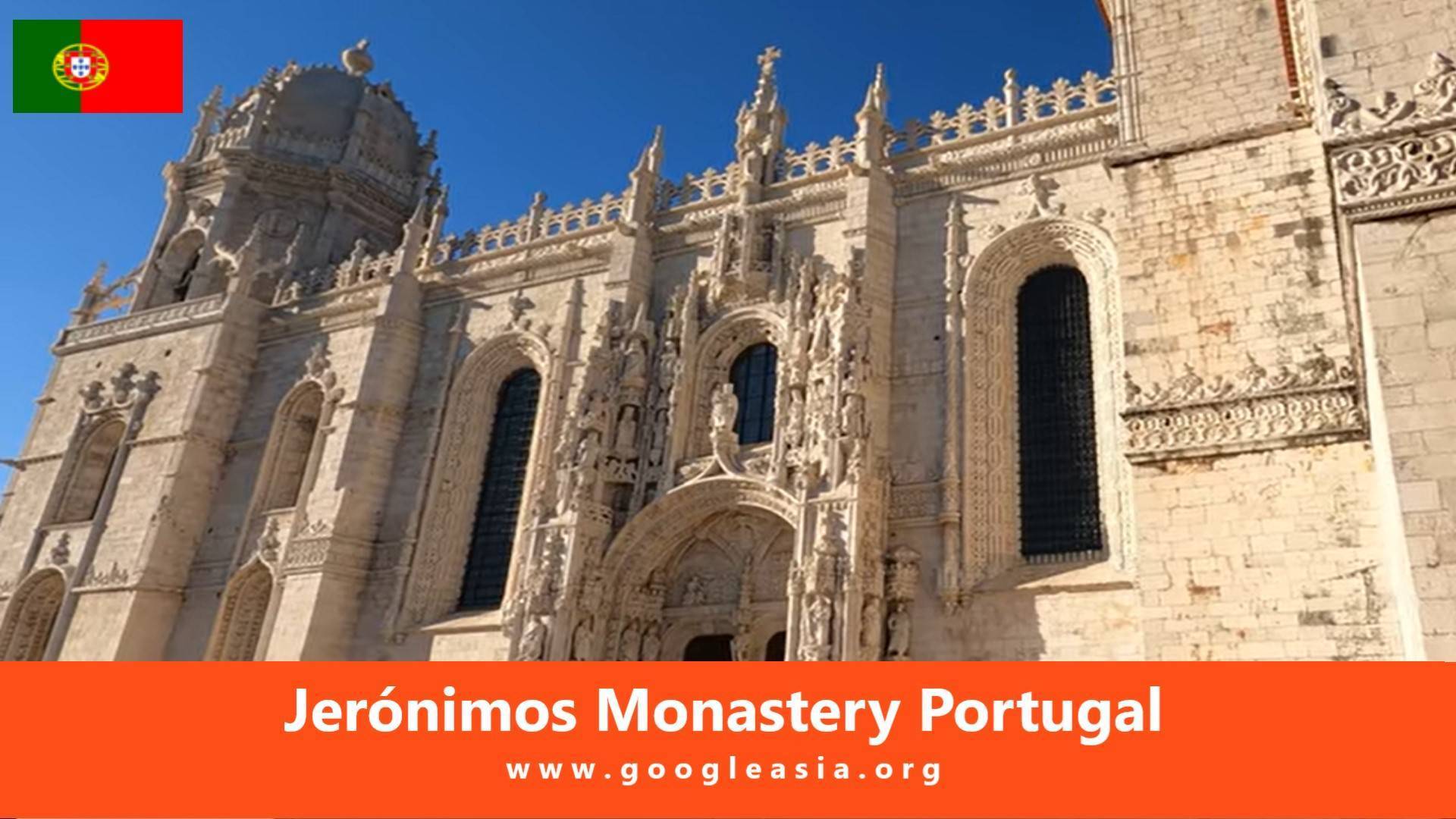
    7. Romantic Setting: The romantic ambiance of Rhine Falls, especially during sunset, makes it an ideal destination for couples. Enjoy a leisurely stroll, take a boat ride, or simply revel in the romantic atmosphere created by the falls.
    8. Family-Friendly Activities: Rhine Falls is suitable for families, offering educational experiences for children at the visitor centers, as well as boat trips that can be enjoyed by the entire family.
    9. Nearby Towns: Explore the charming nearby towns of Schaffhausen and Stein am Rhein, known for their medieval architecture, cobblestone streets, and cultural attractions.
    10. Nature Walks: Take advantage of well-maintained trails surrounding Rhine Falls. Enjoy leisurely nature walks with views of the falls, the Rhine River, and the scenic landscapes.
    11. Cultural Events: Rhine Falls hosts cultural events and activities throughout the year, providing additional entertainment and engagement for visitors.
    12. Accessibility: Located in close proximity to major Swiss cities like Zurich and Basel, Rhine Falls is easily accessible, making it a convenient and rewarding day-trip destination.

    Whether you seek the thrill of adventure, the serenity of nature, or the charm of historical sites, Rhine Falls offers a diverse range of experiences that make it a must-visit destination in Switzerland.

    Is there any halal food available in the vicinity of the Rhine Falls?

    While the immediate vicinity of Rhine Falls may not have specific halal food options within its premises, you can explore nearby towns and cities for dining options that cater to halal dietary preferences. Here are some suggestions:

    1. Schaffhausen: The town of Schaffhausen, which is close to Rhine Falls, has a variety of restaurants and cafes. Explore international cuisine options, such as Middle Eastern, Mediterranean, or Asian restaurants, which may offer halal choices.
    2. Stein am Rhein: Another nearby town, Stein am Rhein, is known for its charming medieval architecture and has a selection of restaurants. Inquire with local establishments about halal options.
    3. Zurich or Basel: If you’re willing to travel a bit farther, major cities like Zurich and Basel, which are well-connected to Rhine Falls, have diverse culinary scenes. These cities offer a broader range of dining options, including restaurants that serve halal cuisine.
    4. Check with Locals: Ask locals or the staff at your accommodation for recommendations on halal-friendly dining options in the area. They may guide you to restaurants that accommodate halal dietary preferences.
    5. Online Resources: Utilize online resources, food apps, or travel forums to search for restaurants with halal options in Schaffhausen, Stein am Rhein, or nearby cities. Reviews and recommendations from other travelers can be helpful.

    It’s advisable to plan your dining options in advance, especially if having halal food is a priority. Additionally, communicate your dietary preferences with restaurant staff to ensure a suitable dining experience. Keep in mind that the availability of halal food can vary, so checking with individual establishments is recommended.

  • Lake Geneva: Must-Visit Destination in Switzerland

    Lake Geneva: Must-Visit Destination in Switzerland

    Lake Geneva, Switzerland

    Discover Lake Geneva, one of Europe’s most stunning lakes. From scenic boat cruises to vineyard tours and historic landmarks, this destination offers endless experiences. Plan your Swiss getaway today!

    Introduction

    Lake Geneva is among the best lakes in Europe, captivating visitors with its breathtaking scenery and diverse attractions. Nestled between Switzerland and France, it offers a perfect blend of natural beauty, cultural heritage, and outdoor adventure. Visitors can enjoy boat cruises across crystal-clear waters, explore the charming city of Geneva, wander through the vineyards of Lavaux, or relax along the tranquil lakeside promenades. With majestic views of the Alps as a backdrop, Lake Geneva is truly a destination that combines serenity with excitement.

    Geographic and Natural Features

    • Location: Lake Geneva straddles the border between Switzerland and France, with its northern shores in Switzerland and southern shores in France.
    • Size: The lake covers an area of approximately 580 square kilometers (224 square miles) and stretches about 73 kilometers (45 miles) in length.
    • Depth: With a maximum depth of around 310 meters (1,017 feet), it is one of the deepest lakes in Europe.
    • Surroundings: The lake is surrounded by the majestic Alps, adding to its breathtaking landscape. The region is dotted with charming villages, historical towns, and luxurious resorts.

    Popular Activities

    • Sailing: Lake Geneva is a favored destination for sailing enthusiasts, offering favorable conditions and scenic views.
    • Swimming: The clear, clean waters of the lake are ideal for swimming, particularly in the warmer summer months.
    • Fishing: Anglers can enjoy fishing in the lake, with a variety of fish species available.
    • Biking: There are numerous cycling paths that run along the lake, providing opportunities for both leisurely rides and more challenging routes.
    • Hiking: The surrounding areas offer fantastic hiking trails with stunning views of the lake and the Alps.
    • Boat Tours: Visitors can take scenic boat tours to explore the lake’s beauty and visit picturesque towns and villages along the shore.

    Key Attractions

    • Geneva: The city of Geneva, located at the western tip of the lake, is renowned for its international organizations, vibrant cultural scene, and beautiful lakeside promenades.
    • Montreux: Situated on the eastern shore, Montreux is famous for its annual jazz festival and beautiful lakeside setting.
    • Lausanne: A prominent city on the northern shore, known for its dynamic cultural scene, historic sites, and the Olympic Museum.
    • Chillon Castle: Located near Montreux, Chillon Castle is a well-preserved medieval fortress that provides stunning views of the lake and the Alps.

    Things to Do

    Lake Geneva, nestled between Switzerland and France, is a treasure trove of scenic beauty and cultural experiences. Whether you’re drawn to outdoor adventures, historical landmarks, or local gastronomy, this region offers something for everyone. Here’s a guide to some of the must-see attractions and activities around Lake Geneva.

    Take a Boat Ride on the Lake

    Enjoy the Scenic Views

    A boat ride on Lake Geneva provides a serene way to appreciate the breathtaking vistas of the Alps and the lake. Choose from various options, from private charters to public ferries, to immerse yourself in the tranquil waters and picturesque surroundings.

    Historical Significance

    Many of the boats have been part of Lake Geneva’s history for decades, offering not just a ride but a glimpse into the region’s maritime heritage.

    Visit Chillon Castle

    Explore the Majestic Architecture

    Chillon Castle, perched on the banks of Lake Geneva, is a marvel of medieval architecture. Wander through its ancient rooms, towers, and battlements while learning about its storied past.

    Discover the History

    The castle has been a fortress, royal residence, and prison. Its rich history is well-preserved, offering visitors a fascinating journey through time.

    Explore the Old Town of Geneva

    Stroll Through Cobblestone Streets

    Geneva’s Old Town is a labyrinth of narrow, cobblestone streets filled with charming buildings, quaint shops, and lively plazas. It’s the perfect place to soak in the city’s historic atmosphere.

    Visit Key Landmarks

    Don’t miss the St. Pierre Cathedral and the Maison Tavel, the oldest house in Geneva. Both offer intriguing insights into the city’s past.

    Go Skiing in the Nearby Resorts

    Hit the Slopes

    During winter, the Lake Geneva region transforms into a skier’s paradise. With several ski resorts in the area, such as Verbier and Les Portes du Soleil, you can find a variety of slopes suitable for all skill levels.

    Enjoy Après-Ski Activities

    After a day on the slopes, relax in one of the many après-ski bars or spas available in the region.

    Visit the Vaudoise Alps

    Scenic Views and Hiking Trails

    The Vaudoise Alps offer some of the most spectacular views in the region. Hike through scenic trails to experience panoramic vistas of both the mountains and Lake Geneva.

    Outdoor Activities

    In addition to hiking, the area is excellent for mountain biking, climbing, and even paragliding, catering to outdoor enthusiasts of all kinds.

    Enjoy Local Cuisine in Geneva

    Savory Fondue and Raclette

    Indulge in Geneva’s rich culinary offerings. Local restaurants and cafes serve traditional Swiss dishes like fondue and raclette, providing a taste of authentic Swiss flavors.

    Explore Local Markets

    Visit local markets to sample fresh cheeses, cured meats, and pastries, immersing yourself in the local food culture.

    Take a Hike in the Surrounding Trails

    Discover Hidden Gems

    The hiking trails around Lake Geneva offer routes for all levels, from gentle walks to challenging climbs. Enjoy the natural beauty and tranquility of the region while exploring hidden gems.

    Viewpoints and Scenic Spots

    Many trails lead to breathtaking viewpoints where you can pause and admire the stunning landscapes of Lake Geneva and its surroundings.

    Go Wine Tasting

    Visit Local Vineyards

    The Lake Geneva region is renowned for its vineyards. Take a wine tour to sample exquisite local wines and learn about the winemaking process.

    Enjoy Wine and Dine Experiences

    Combine your wine tasting with gourmet dining experiences available at many of the local vineyards and restaurants.

    Visit the Jet d’Eau

    Iconic Landmark

    The Jet d’Eau is Geneva’s most famous landmark. This massive fountain shoots water 140 meters into the air, creating a stunning visual spectacle that’s perfect for photos.

    Ideal Viewing Spots

    Find a great vantage point along the lakeside or take a boat ride to see the fountain up close and enjoy its grandeur.

    Take a Stroll on the Promenade de la Treille

    Panoramic Views

    The Promenade de la Treille offers panoramic views of Lake Geneva and the Alps. It’s an excellent spot for a leisurely stroll, with benches to relax and take in the scenery.

    Historical Significance

    This promenade is also notable for its historical significance and provides a peaceful escape from the city’s hustle and bustle.

    Foods

    Lake Geneva is not only renowned for its stunning landscapes but also for its rich culinary heritage. If you’re a food enthusiast visiting the region, there are several traditional Swiss dishes and local specialties you must try. Here’s a guide to some of the best foods to savor near Lake Geneva.

    Fondue

    Classic Swiss Delight

    Fondue is perhaps the most iconic Swiss dish. This rich, melted cheese concoction is served in a communal pot, perfect for dipping pieces of bread, potatoes, or vegetables. The traditional cheese blend often includes Gruyère and Emmental, making for a creamy, flavorful experience.

    Variations

    Different regions and restaurants offer variations of fondue, including wine-infused or garlic-flavored versions, each adding a unique twist to the classic recipe.

    Rösti

    Traditional Potato Dish

    Rösti is a quintessential Swiss dish made from grated potatoes that are pan-fried until golden and crispy. It’s often enjoyed as a side dish or a hearty breakfast.

    Serving Suggestions

    Rösti can be topped with a variety of ingredients, such as a fried egg, bacon, or cheese, making it a versatile and satisfying meal.

    Rösti Burger

    Innovative Twist

    For a unique take on the classic burger, try the Rösti Burger. This local favorite features a juicy beef patty served on a rösti bun, topped with cheese, bacon, and a fried egg.

    Flavor Profile

    The combination of crispy rösti and savory beef creates a flavorful and indulgent burger experience, beloved by locals and visitors alike.

    Raclette

    Savory Cheese Dish

    Raclette is a traditional Swiss cheese dish where the cheese is melted and scraped over boiled potatoes, pickles, and cured meats. The gooey, melted cheese is the star of this dish, offering a rich and comforting flavor.

    Perfect Pairings

    Enjoy raclette with a selection of sides like fresh vegetables, charcuterie, and crusty bread to complete the meal.

    Zürcher Geschnetzeltes

    Classic Veal Dish

    Zürcher Geschnetzeltes is a specialty from Zurich, consisting of sliced veal cooked in a creamy mushroom sauce. The tender veal and flavorful sauce make it a comforting and luxurious dish.

    Accompaniments

    Typically served with Rösti or noodles, this dish is a delightful representation of Swiss cuisine’s heartiness.

    Birchermuesli

    Healthy Breakfast Option

    Birchermuesli is a Swiss breakfast staple made with oats, nuts, fresh fruits, and yogurt. This dish is both nutritious and delicious, offering a refreshing start to your day.

    Customizable

    You can customize Birchermuesli with your favorite fruits and nuts, making it a versatile breakfast option.

    Spätzle

    Egg Noodle Delight

    Spätzle are soft, egg noodles often served in a creamy cheese sauce or as a side dish to meats. This comforting dish is a popular choice in Swiss cuisine.

    Variations

    Spätzle can also be served with a variety of sauces or in a savory casserole, showcasing its adaptability to different flavors.

    Meringue

    Sweet Swiss Treat

    Meringue is a light and airy dessert made from whipped egg whites and sugar. Often served with fresh fruit or cream, it’s a sweet way to end a meal.

    Regional Variations

    Swiss meringue may come in different shapes and sizes, from delicate kisses to larger, crisp meringue nests.

    Fondue Chinoise

    Hot Pot Experience

    Fondue Chinoise is a variation of fondue where diners cook slices of meat and vegetables in a flavorful broth at the table. This interactive dining experience is both fun and delicious.

    Accompaniments

    Served with a variety of dipping sauces and side dishes, Fondue Chinoise provides a customizable and engaging meal.

    Swiss Chocolate

    Renowned Sweet

    Swiss chocolate is famous worldwide for its high quality and smooth texture. Available in a wide range of flavors and shapes, it’s a must-try for any chocolate lover.

    Local Brands

    Look for artisanal chocolate shops around Lake Geneva to find unique and local chocolate creations.

    Hotels

    When planning a visit to Lake Geneva, Switzerland, choosing the right accommodation can greatly enhance your experience. From luxurious five-star establishments to charming boutique hotels, the region offers a variety of options that cater to different tastes and preferences. Here’s a guide to some of the best hotels near Lake Geneva that promise comfort, elegance, and exceptional service.

    Grand Hotel du Lac

    Historic Elegance

    Located in Vevey, the Grand Hotel du Lac combines historic charm with modern luxury. This five-star hotel boasts stunning lake views, exquisite dining options, and a world-class spa.

    Key Features

    • Amenities: Indoor pool, wellness center, gourmet restaurant
    • Location: Central Vevey, with easy access to the lake and nearby attractions

    Lausanne Palace & Spa

    Opulent Retreat

    The Lausanne Palace & Spa is a symbol of luxury in the heart of Lausanne. With its elegant rooms, a sophisticated spa, and panoramic views of Lake Geneva, this hotel offers a truly opulent experience.

    Key Features

    • Amenities: Rooftop terrace, indoor pool, full-service spa
    • Location: Overlooking the lake and close to Lausanne’s cultural landmarks

    Beau-Rivage Palace

    Timeless Luxury

    Situated in Lausanne, the Beau-Rivage Palace is renowned for its classic Swiss elegance. The hotel’s extensive grounds and lavish interiors make it a premier choice for a luxury stay.

    Key Features

    • Amenities: Extensive gardens, Michelin-starred dining, spa and wellness center
    • Location: Beautiful lakeside location with picturesque views

    Hotel Royal

    Modern Comfort

    The Hotel Royal in Geneva offers modern comfort and stylish accommodations. It’s ideal for those seeking a contemporary stay with easy access to the city’s attractions.

    Key Features

    • Amenities: Fitness center, business services, central location
    • Location: Close to Geneva’s shopping districts and cultural sites

    Hotel Les Armures

    Charming Historic Hotel

    Located in Geneva’s Old Town, Hotel Les Armures provides a blend of historical charm and modern comfort. Its location offers easy access to the city’s key attractions and historical sites.

    Key Features

    • Amenities: Traditional Swiss decor, gourmet restaurant, central location
    • Location: Situated in the heart of Geneva’s historic district

    Hotel des Trois Couronnes

    Elegant Setting

    The Hotel des Trois Couronnes in Vevey is known for its refined elegance and exceptional service. With its beautiful lakeside setting, it offers a serene retreat with luxury amenities.

    Key Features

    • Amenities: Spa, fine dining restaurant, beautiful lake views
    • Location: Overlooking Lake Geneva, near Vevey’s attractions

    Hôtel des Berges

    Exclusive and Tranquil

    Nestled in the picturesque village of Eguisheim, Hôtel des Berges provides an exclusive and tranquil setting with a focus on personalized service and luxury.

    Key Features

    • Amenities: Gourmet restaurant, spa, private gardens
    • Location: Peaceful setting with scenic views, a short drive from Lake Geneva

    The View Lugano

    Contemporary Elegance

    The View Lugano offers a blend of contemporary design and luxurious comfort. Located slightly away from the main Lake Geneva area, it provides a unique perspective with stunning views of the surrounding landscape.

    Key Features

    • Amenities: Modern rooms, spa, panoramic terrace
    • Location: Overlooking Lake Lugano, with easy access to both lakeside and city attractions

    Hotel La Marive

    Charming and Cozy

    Hotel La Marive in Yvoire provides a charming and cozy atmosphere. Its proximity to the lake and the quaint village makes it a delightful choice for a more intimate and relaxed stay.

    Key Features

    • Amenities: Scenic views, local cuisine, cozy ambiance
    • Location: Located in the picturesque village of Yvoire, close to Lake Geneva

    Hotel des Trois Rois

    Historic Grandeur

    Hotel des Trois Rois in Basel is a historic gem offering grand accommodations and exceptional service. While not directly on Lake Geneva, its luxurious offerings and historic significance make it a noteworthy option in the broader region.

    Key Features

    • Amenities: Elegant rooms, fine dining, historic ambiance
    • Location: Centrally located in Basel, providing access to cultural and historical attractions

    Conclusion

    A trip to Lake Geneva is more than just a visit—it’s an immersion into Switzerland’s rich culture and natural wonders. Whether you’re seeking adventure on the water, exploring historic sites, or enjoying peaceful moments by the shore, Lake Geneva delivers unforgettable experiences. Its unique blend of landscapes, cities, and traditions makes it one of Switzerland’s top destinations. Start planning your journey today and uncover the magic of Lake Geneva!

    Lake Geneva Switzerland

    Summary

    • Attraction: Lake Geneva Switzerland
    • Country: Switzerland
    • Continent: Europe
    • Capital Name: Bern
    • Language: French, Italian, German, Romansh
    • Category: #Destination #Europe #SWITZERLAND 

    Frequently Asked Questions

    Where is Lake Geneva located?

    Lake Geneva, also known as Lac Léman, is located at the border between Switzerland and France. The lake is situated in the western part of Switzerland, extending into the French regions of Haute-Savoie and Ain. The northern shore of Lake Geneva is bordered by the Swiss canton of Vaud, while the southern shore is shared between the Swiss canton of Geneva and the French department of Haute-Savoie.

    The city of Geneva, one of Switzerland’s major cities, is located at the western tip of Lake Geneva. The lake is surrounded by picturesque landscapes, vineyards, and the majestic Alps, contributing to its reputation as one of Europe’s most scenic lakes.

    How to go to Lake Geneva?

    Getting to Lake Geneva depends on your starting point, but here are general guidelines from major nearby cities:

    From Geneva:

    1. By Train: If you are in Geneva, you can take a train to cities around Lake Geneva, such as Lausanne, Montreux, or Vevey. Trains are frequent, and the journey offers scenic views of the lake.
    2. By Car: You can drive to Lake Geneva from Geneva by taking the A1 motorway. The drive provides flexibility to explore various parts of the lake.

    From Lausanne:

    1. By Train: Lausanne is well-connected by train to cities around Lake Geneva. Trains offer comfortable and scenic journeys.
    2. By Car: If you prefer driving, take the A1 motorway from Lausanne to reach different points along Lake Geneva.

    From Montreux:

    1. By Train: Montreux has a train station, and you can take trains to various towns around Lake Geneva. The train ride from Montreux to Geneva, for example, is particularly picturesque.
    2. By Car: Driving from Montreux to different locations along the lake is convenient. The A9 motorway provides access to nearby areas.

    From Zurich:

    1. By Train: Take a train from Zurich to cities around Lake Geneva. The train journey offers a combination of efficiency and scenic beauty.
    2. By Car: Drive from Zurich to Lake Geneva by taking the A1 motorway. The drive provides flexibility, and you can explore different parts of the lake.

    By Plane:

    1. Fly to Geneva Airport: If you’re coming from farther away, you can fly into Geneva Airport (GVA), which is located near Lake Geneva. From the airport, you can use public transportation or rent a car to reach various points around the lake.
    2. Fly to Zurich Airport: Another option is to fly into Zurich Airport (ZRH) and then take a train or drive to Lake Geneva.

    Local Transportation:

    1. Boat Cruises: Consider taking boat cruises on Lake Geneva. Many towns around the lake offer boat trips, providing a unique perspective of the surroundings.
    2. Public Transportation: Public buses and local trains connect towns around Lake Geneva, providing an eco-friendly way to explore the region.

    Always check the latest schedules and transportation options based on your specific starting point and the destination around Lake Geneva you wish to visit.

    What are Lake Geneva’s must-visit attractions or landmarks?

    Lake Geneva and its surrounding areas boast a wealth of attractions and landmarks. Here are some must-visit places around Lake Geneva:

    1. Chillon Castle (Château de Chillon): Located on the shores of Lake Geneva near Montreux, Chillon Castle is a medieval fortress with a picturesque setting. Explore its well-preserved chambers, dungeons, and lakeside views.
    2. Montreux: A charming town famous for its annual jazz festival, Montreux offers a scenic lakeside promenade, beautiful parks, and the Rochers-de-Naye mountain, accessible by cogwheel train.
    3. Jardin Anglais (English Garden): Situated in Geneva, this lakeside park is known for its flower clock and stunning views of the lake and the Jet d’Eau fountain.
    4. Jet d’Eau: A prominent landmark in Geneva, the Jet d’Eau is a large fountain in Lake Geneva, shooting water high into the air. It’s especially enchanting when illuminated at night.
    5. Lavaux Vineyards: Stretching along the northern shores of Lake Geneva, the Lavaux region is famous for its terraced vineyards. Explore the vineyards, enjoy wine tasting, and take in the breathtaking views of the lake and the Alps.
    6. Lausanne Cathedral (Cathédrale de Lausanne): This impressive cathedral in Lausanne dates back to the 12th century and offers panoramic views of the city and Lake Geneva from its tower.
    7. Ouchy Promenade: Located in Lausanne, the Ouchy district features a beautiful lakeside promenade, gardens, and the Château d’Ouchy. It’s a lovely area for a leisurely stroll.
    8. Rochers-de-Naye: Accessible by cogwheel train from Montreux, Rochers-de-Naye offers panoramic views of Lake Geneva and the surrounding Alps. It’s also home to a marmot park.
    9. Vevey: This charming town hosts the annual Fête de l’Escalade and is known for its lakeside promenade, the Charlie Chaplin statue, and the Alimentarium, a food museum.
    10. Evian-les-Bains: On the French side of Lake Geneva, Evian-les-Bains is famous for its mineral water. Visit the Evian Resort and take a stroll along the lakeside promenade.
    11. Yvoire: A medieval village on the French shores of Lake Geneva, Yvoire is known for its flower-filled streets, the Jardin des Cinq Sens (Garden of the Five Senses), and the Château d’Yvoire.
    12. Nyon: Explore the town of Nyon with its Roman Museum, the Château de Nyon, and the lively Place du Château overlooking the lake.

    These attractions showcase the diverse offerings around Lake Geneva, from historical landmarks and charming towns to stunning natural landscapes.

    What are Lake Geneva’s nearby must-visit attractions or landmarks?

    In addition to the attractions directly along the shores of Lake Geneva, there are several nearby landmarks and attractions that are worth exploring. Here are some must-visit places in the vicinity of Lake Geneva:

    1. Rochers-de-Naye: Accessible by cogwheel train from Montreux, Rochers-de-Naye offers panoramic views of Lake Geneva and the surrounding Alps. The summit is home to marmot parks and offers a unique perspective of the region.

    2. Lavaux Vineyards: Stretching along the northern shores of Lake Geneva, the Lavaux region is famous for its terraced vineyards. Explore the vineyards, enjoy wine tasting, and take in breathtaking views of the lake and the Alps.

    3. Jura Mountains: To the northwest of Lake Geneva, the Jura Mountains provide opportunities for hiking and outdoor activities. The Vallée de Joux is known for its scenic landscapes and the Lac de Joux.

    4. Château de Chillon: Situated on the shores of Lake Geneva near Montreux, Chillon Castle is a medieval fortress with a stunning lakeside setting. Explore its historic chambers, dungeons, and enjoy views of the lake and the mountains.

    5. Charlie Chaplin’s World: Located in Corsier-sur-Vevey, this museum is dedicated to the life and work of the legendary actor and filmmaker Charlie Chaplin. It offers an immersive experience for fans and those interested in cinematic history.

    6. Olympic Museum (Musée Olympique): Situated in Lausanne, the Olympic Museum celebrates the history of the Olympic Games. It features exhibits on athletes, the Olympic torch, and the values of the Olympic movement.

    7. Château de Nyon: Explore the Château de Nyon in the town of Nyon. The castle houses the Nyon History Museum and offers stunning views of Lake Geneva and the Alps.

    8. Yvoire: A medieval village on the French side of Lake Geneva, Yvoire is known for its well-preserved architecture, flower-filled streets, and the Jardin des Cinq Sens (Garden of the Five Senses).

    9. Evian-les-Bains: Located on the French shores of Lake Geneva, Evian-les-Bains is famous for its mineral water. Visit the Evian Resort, stroll along the lakeside promenade, and explore the town’s Belle Époque architecture.

    10. Vallée de Joux: Nestled in the Jura Mountains, Vallée de Joux is known for its picturesque landscapes, including the Lac de Joux. It offers opportunities for outdoor activities such as hiking and skiing.

    These nearby attractions complement the beauty of Lake Geneva, offering diverse experiences from historical exploration and cultural immersion to outdoor adventures and scenic viewpoints.

    Is Lake Geneva a suitable travel destination for solo adventurers, honeymooning couples, or those traveling with families?

    Lake Geneva is a versatile travel destination that caters to a variety of interests and travel styles, making it suitable for solo adventurers, honeymooning couples, and families. Here’s why each group might find Lake Geneva appealing:

    1. Solo Adventurers:
      • Outdoor Activities: Solo adventurers can explore the diverse outdoor activities around Lake Geneva, such as hiking in the surrounding mountains, water sports on the lake, or taking scenic walks along the lakeside promenades.
      • Cultural Exploration: Solo travelers can visit museums, historical sites, and charming towns to delve into the rich cultural heritage of the region.
      • Wellness Retreats: Lake Geneva offers wellness resorts and spas, providing a tranquil environment for solo travelers seeking relaxation and rejuvenation.
    2. Honeymooning Couples:
      • Romantic Settings: The picturesque landscapes, charming towns, and lakeside promenades create a romantic ambiance, making Lake Geneva an ideal destination for honeymooning couples.
      • Wine Tasting: Explore the Lavaux vineyards together and indulge in wine tasting, enjoying the romantic views of the terraced vineyards and the lake.
      • Luxurious Accommodations: Lake Geneva offers luxury hotels and resorts, providing a romantic and intimate setting for couples.
    3. Families:
      • Family-Friendly Activities: Families can enjoy boat trips on the lake, visit interactive museums like the Olympic Museum in Lausanne, and explore parks and gardens.
      • Adventure Parks: The region around Lake Geneva features adventure parks and outdoor activities suitable for families, providing both entertainment and educational experiences.
      • Cultural Exploration: Discovering medieval castles, historical sites, and charming towns offers families a mix of cultural and recreational activities.

    Lake Geneva’s diverse offerings, from outdoor adventures to cultural exploration and romantic settings, make it a well-rounded destination for various travel preferences. Additionally, the accessibility of the region and the presence of family-friendly attractions contribute to its suitability for solo travelers, couples, and families alike.

    Why should you visit Lake Geneva?

    Lake Geneva is a captivating destination with a variety of attractions and experiences that make it a must-visit destination for travelers. Here are compelling reasons to visit Lake Geneva:

    1. Stunning Scenery: Lake Geneva is surrounded by the majestic Alps and Jura Mountains, offering breathtaking panoramic views. The picturesque landscapes, vineyards, and lakeside promenades create a scenic and tranquil setting.
    2. Charming Towns: Explore charming towns and cities along the shores of Lake Geneva, each with its own unique character. From the cosmopolitan city of Geneva to the romantic Montreux, and the historic town of Lausanne, there’s a diverse range of experiences to enjoy.
    3. Cultural Richness: Lake Geneva is rich in history and culture. Visit museums, castles, and historic sites such as Chillon Castle, the Olympic Museum in Lausanne, and the Roman Museum in Nyon.
    4. Outdoor Activities: Whether you enjoy water sports, hiking, or simply strolling along scenic trails, Lake Geneva offers a plethora of outdoor activities. The lake itself provides opportunities for sailing, kayaking, and paddleboarding.
    5. Lavaux Vineyards: Explore the terraced vineyards of Lavaux, a UNESCO World Heritage site. Enjoy wine tasting while taking in stunning views of the vine-covered hills and the lake.
    6. Culinary Delights: Lake Geneva is known for its culinary scene. Indulge in Swiss and French cuisine in lakeside restaurants, and don’t miss trying local specialties like fondue and raclette.
    7. Luxurious Retreats: Lake Geneva boasts luxurious resorts and spas, providing an ideal setting for relaxation and wellness. Pamper yourself with spa treatments and enjoy the tranquility of the lakeside surroundings.
    8. Festivals and Events: Experience vibrant festivals and events throughout the year. The Montreux Jazz Festival, Fête de l’Escalade in Geneva, and the Nyon Paléo Festival are just a few examples of the region’s lively cultural calendar.
    9. Historical Landmarks: Discover historical landmarks, including Chillon Castle, a medieval fortress on the shores of Lake Geneva, and the Lausanne Cathedral with its stunning architecture and panoramic views.
    10. Romantic Ambiance: Lake Geneva’s romantic ambiance is perfect for couples. Enjoy romantic walks along the lakeside promenades, take a cruise on the lake, and savor intimate moments in charming lakeside towns.
    11. Accessibility: Lake Geneva is easily accessible from major cities like Geneva, Lausanne, and Montreux. Efficient public transportation and well-maintained road networks make it a convenient destination.

    Whether you seek cultural exploration, outdoor adventures, or a peaceful retreat, Lake Geneva offers a diverse range of experiences that appeal to a wide array of interests.

    Are there any halal food options near the Lake Geneva?

    Lake Geneva, being a diverse and cosmopolitan region, offers a range of culinary options, including halal food. While halal food availability may vary depending on the specific town or city around Lake Geneva, you can generally find restaurants and eateries that cater to halal dietary preferences. Here are some tips to find halal food options:

    1. Urban Centers: Larger cities like Geneva, Lausanne, and Montreux are more likely to have a variety of dining options, including restaurants offering halal cuisine. Explore areas with diverse culinary scenes.

    2. International Cuisine: Look for restaurants serving international cuisine, as they may include halal options. Mediterranean, Middle Eastern, and Asian restaurants are good places to start your search.

    3. Ask Locals: Inquire with locals or staff at your accommodation for recommendations on halal-friendly restaurants or places serving halal food. Locals often provide valuable insights.

    4. Online Resources: Utilize online platforms, restaurant review websites, or food apps to search for halal restaurants around Lake Geneva. Reviews and ratings can help you choose suitable dining options.

    5. Specific Requests: When dining at a restaurant, don’t hesitate to ask the staff about halal options or if they can accommodate specific dietary requirements. Many establishments are willing to cater to diverse dietary needs.

    6. Ethnic Neighborhoods: Explore neighborhoods with a diverse population, as they may have restaurants offering halal dishes. Areas with a significant Muslim community are more likely to have such options.

    7. Hotel Restaurants: If you’re staying at a hotel, inquire about halal dining options at the hotel’s restaurants. Some hotels may offer halal choices or be able to provide information on nearby halal establishments.

    While it may require a bit of exploration and inquiry, finding halal food options around Lake Geneva is feasible, especially in urban areas with diverse culinary scenes. Additionally, the larger cities in the region tend to be more accommodating to various dietary preferences, including halal.

  • Jungfraujoch Saddle: Scenic Alpine Destination

    Jungfraujoch Saddle: Scenic Alpine Destination

    Jungfraujoch Saddle

    Discover Jungfraujoch Saddle, a breathtaking spot in the Swiss Alps. With awe-inspiring landscapes, panoramic views, and unforgettable alpine experiences, this destination is a must-see. Plan your Swiss adventure today!

    Introduction

    The Jungfraujoch Saddle is one of Switzerland’s most spectacular destinations, offering travelers a chance to experience the heart of the Swiss Alps. Known as the “Top of Europe,” this alpine wonder features snow-capped peaks, glaciers, and panoramic vistas that leave visitors in awe. Whether you’re exploring its scenic trails, riding the famous Jungfrau Railway, or simply soaking in the crisp mountain air, Jungfraujoch promises an unforgettable journey into Switzerland’s natural beauty.

    Jungfraujoch Saddle, often referred to as the Top of Europe, is a renowned destination located in the Bernese Alps of Switzerland. Standing at an impressive elevation of 3,454 meters (11,332 feet), it holds the title of the highest railway station in Europe. This breathtaking location attracts visitors from around the globe with its unparalleled views, unique attractions, and a range of outdoor activities.

    Journey to the Top of Europe

    The Scenic Jungfrau Railway

    The journey to Jungfraujoch Saddle begins with a picturesque train ride on the Jungfrau Railway. Starting from Interlaken, the railway meanders through charming Swiss villages, lush meadows, and dramatic landscapes. As you ascend, the scenery transforms from verdant valleys to snow-capped peaks, building anticipation for the stunning vistas awaiting you at the top.

    Arrival and First Impressions

    Upon arriving at Jungfraujoch, visitors are greeted by an awe-inspiring panorama of the Bernese Alps. The sheer scale of the surrounding peaks and the expansive glacier fields create a surreal experience. The crisp, clean air and the sense of being among the clouds add to the magical atmosphere of this high-altitude destination.

    Attractions

    Sphinx Observatory

    One of the standout features at Jungfraujoch is the Sphinx Observatory. Perched at an altitude of 3,571 meters (11,716 feet), it offers panoramic views of the Aletsch Glacier and the surrounding peaks. The observatory is an engineering marvel, with its observation deck providing a unique vantage point for both day and night views of the alpine landscape.

    Ice Palace

    Beneath the surface of the glacier lies the Ice Palace, a fascinating attraction carved entirely out of ice. Visitors can stroll through intricate ice sculptures, tunnels, and chambers, all illuminated by a soft, ethereal light. The Ice Palace offers a whimsical contrast to the rugged mountain scenery outside.

    Alpine Sensation

    The Alpine Sensation is an immersive exhibition that showcases the history and significance of the Jungfraujoch area. This multimedia experience provides insights into the construction of the Jungfrau Railway and the natural wonders of the region. Interactive displays and artistic installations make it an engaging visit for both adults and children.

    Outdoor Activities and Hiking Trails

    Eiger Trail

    For those who prefer to explore the natural beauty of the Alps on foot, the Eiger Trail is a must-do. This popular hiking route follows the northern face of the Eiger, offering dramatic views of the iconic peak and surrounding landscapes. The trail is well-marked and provides an exhilarating adventure for experienced hikers.

    Other Trails and Excursions

    In addition to the Eiger Trail, Jungfraujoch serves as a gateway to various other hiking routes. These trails cater to different skill levels, from leisurely walks to challenging treks. Exploring these paths allows visitors to experience the alpine environment up close, encountering diverse flora and fauna along the way.

    Practical Information for Visitors

    Accessibility and Transportation

    Reaching Jungfraujoch requires careful planning, especially regarding transportation. The Jungfrau Railway is the primary means of access, and it is advisable to check schedules and book tickets in advance to ensure a smooth journey. During peak seasons, the trains can be quite busy, so early planning is essential.

    Weather Considerations

    The weather at Jungfraujoch can be unpredictable, with temperatures varying significantly even during the summer months. Visitors should dress in layers and be prepared for sudden changes in weather conditions. It is also important to wear sturdy footwear, especially if planning to engage in hiking activities.

    Things to Do

    Jungfraujoch Saddle, known as the Top of Europe, is a spectacular destination offering a variety of activities and attractions. Situated in the heart of the Bernese Alps, it provides not only breathtaking vistas but also a range of exciting experiences. Here’s a guide to some of the top things to do near Jungfraujoch Saddle:

    Activities at Jungfraujoch Saddle

    Ride the Jungfrau Railway

    One of the quintessential experiences at Jungfraujoch is taking the Jungfrau Railway. This historic train journey is renowned for its stunning scenery as it ascends through the picturesque Bernese Oberland to reach the highest railway station in Europe. The train ride itself is a major highlight, offering unparalleled views of the Alps and the Aletsch Glacier.

    Sphinx Observation Terrace

    At the Sphinx Observation Terrace, visitors are treated to panoramic views of the Aletsch Glacier and the surrounding Swiss Alps. Perched at an elevation of 3,571 meters (11,716 feet), the terrace offers a breathtaking vantage point for capturing photos and soaking in the alpine beauty.

    Ice Palace

    The Ice Palace is a unique attraction carved entirely out of ice and snow. Visitors can wander through its intricate ice sculptures and tunnels, all bathed in a soft, enchanting light. It’s a magical experience, especially for families and those fascinated by the artistry of ice formations.

    Snow Sports: Sledding, Skiing, and Snowboarding

    For snow enthusiasts, Jungfraujoch offers opportunities for sledding, skiing, and snowboarding. The snow-covered slopes are ideal for a range of winter sports, catering to both beginners and experienced adventurers. Equipment rentals and instruction are available to help make the most of your snowy adventure.

    Dining at the Sphinx Restaurant

    The Sphinx Restaurant, located at the highest altitude of any restaurant in Europe, provides a unique dining experience with a view. Guests can enjoy Swiss and international cuisine while taking in the spectacular alpine scenery from the comfort of this elevated eatery.

    Jungfrau Trek

    The Jungfrau Trek is a scenic walking route that allows visitors to explore the alpine landscape at a leisurely pace. The trail offers stunning views of the surrounding peaks and glaciers, making it a great option for those who enjoy hiking and nature.

    Alpine Coaster

    For a thrilling experience, the Alpine Coaster is a must-try. This toboggan run takes visitors on an exciting ride through the snowy landscape, providing both fun and adrenaline in a unique setting.

    Alpine Sensation Exhibition

    The Alpine Sensation is an interactive exhibition that highlights the history and significance of Jungfraujoch. Through multimedia displays and artistic installations, visitors can learn about the construction of the Jungfrau Railway and the natural wonders of the region.

    Alpine Discovery Exhibition

    Located at the Eigerwand Station, the Alpine Discovery exhibition offers an educational and interactive experience. It provides insights into the alpine environment, including information about local flora, fauna, and the geology of the region.

    Exploring Nearby Attractions

    Grindelwald

    A charming mountain village, Grindelwald is a picturesque destination situated close to Jungfraujoch. Known for its stunning views and traditional Swiss architecture, it’s an excellent spot for a guided tour. Visitors can explore its quaint streets, enjoy local shops and cafes, and appreciate the beautiful alpine surroundings.

    Foods

    Exploring the culinary delights near Jungfraujoch Saddle adds a delicious dimension to your alpine adventure. Switzerland’s diverse and flavorful cuisine offers a perfect complement to the breathtaking views and exciting activities. Here are some of the best foods to try while you’re in the vicinity of the Top of Europe:

    Classic Swiss Dishes

    Raclette

    Raclette is a quintessential Swiss dish that features melted cheese served over boiled potatoes, accompanied by pickles and cured meats. The cheese, which is melted and scraped onto the food, provides a rich and savory flavor that’s perfect for the alpine setting. Many local restaurants and mountain huts serve this comforting dish.

    Fondue

    Fondue is another classic Swiss dish that should not be missed. This traditional meal involves dipping bread cubes into a pot of melted cheese, often seasoned with white wine and garlic. It’s a social and interactive dining experience, making it a great choice for enjoying with family or friends.

    Rösti

    Rösti is a Swiss-style potato pancake that’s crispy on the outside and soft on the inside. It’s typically served with a variety of toppings, including bacon, onions, and cheese. This hearty dish is a staple of Swiss cuisine and a perfect choice for a filling meal after a day of exploring.

    Käseschnitte

    Käseschnitte, or Swiss cheese sandwich, is a simple yet satisfying dish. It features a toasted bread topped with melted cheese, often accompanied by a side salad or soup. It’s a great option for a quick and delicious meal.

    Rösti mit Spiegelei

    Rösti mit Spiegelei is a variation of the traditional Rösti, served with a fried egg on top. This dish combines the crispy potato pancake with a runny egg, adding extra flavor and richness to the meal.

    Swiss Specialties

    Älplermagronen

    Älplermagronen is a comforting Swiss dish made with macaroni, potatoes, cheese, and bacon. Often baked to perfection, it’s a hearty and flavorful option that reflects the rich culinary traditions of the Swiss Alps.

    Zürcher Geschnetzeltes

    Zürcher Geschnetzeltes is a classic Zurich-style dish featuring strips of veal cooked in a creamy white wine and mushroom sauce. Served with Rösti or rice, it’s a flavorful and elegant dish that highlights the sophisticated side of Swiss cuisine.

    Birchermüesli

    For a lighter option, try Birchermüesli, a traditional Swiss breakfast dish made from oats, yogurt, and fresh fruit. It’s a nutritious and refreshing choice, especially if you’re looking for something healthy to start your day.

    Sweet Treats

    Swiss Chocolate

    Switzerland is renowned for its high-quality chocolate, and the nearby shops offer a variety of delicious options. Whether you prefer dark, milk, or white chocolate, you’ll find an array of artisanal and premium choices to satisfy your sweet tooth.

    Zopf

    Zopf is a traditional Swiss braided bread that’s soft and slightly sweet. Often enjoyed with butter and jam, it’s a delightful treat for breakfast or as a snack. Its golden crust and fluffy interior make it a favorite among locals and visitors alike.

    Hotels

    When visiting Jungfraujoch Saddle, the Top of Europe, choosing the right accommodation can enhance your overall experience. Fortunately, the surrounding areas of Interlaken, Wengen, and Grindelwald offer a range of excellent hotels that cater to different preferences and budgets. Here’s a guide to some of the best hotels near Jungfraujoch Saddle:

    Hotels in Interlaken

    Hotel Bernerhof Interlaken

    Location: Central Interlaken
    Description: Hotel Bernerhof offers comfortable accommodations in the heart of Interlaken, making it a convenient base for exploring the Jungfrau region. With its well-appointed rooms and friendly service, the hotel is a great choice for travelers looking to enjoy both the city and the mountains.

    Hotel Belvedere Interlaken

    Location: Interlaken West
    Description: Overlooking the Aare River and with stunning views of the Jungfrau, Hotel Belvedere provides a luxurious stay with elegant rooms and a beautiful garden. The hotel features a wellness area, making it an ideal retreat after a day of sightseeing.

    Hotels in Wengen

    Hotel Alpenrose Wengen

    Location: Central Wengen
    Description: Hotel Alpenrose combines traditional Swiss charm with modern amenities. It offers comfortable rooms, a cozy restaurant, and easy access to the nearby ski slopes and hiking trails. Its central location makes it a great choice for exploring the village and the surrounding mountains.

    Hotel Lauberhorn Wengen

    Location: Wengen
    Description: Hotel Lauberhorn is known for its warm hospitality and picturesque setting. The hotel features comfortable rooms with mountain views, a spa area, and a restaurant serving Swiss and international cuisine. It’s a great choice for those seeking a relaxing alpine getaway.

    Hotels in Grindelwald

    Hotel Wetterhorn Grindelwald

    Location: Grindelwald
    Description: Hotel Wetterhorn offers charming alpine accommodation with panoramic views of the Eiger and Wetterhorn peaks. Guests can enjoy comfortable rooms, a traditional Swiss restaurant, and easy access to nearby hiking and skiing areas.

    Hotel Schönegg Grindelwald

    Location: Grindelwald
    Description: Perched on a hillside, Hotel Schönegg provides spectacular views of the surrounding mountains. The hotel features cozy rooms, a wellness area, and a restaurant serving local specialties. Its elevated location offers a peaceful retreat while still being close to the village center.

    Hotel Eiger Grindelwald

    Location: Grindelwald
    Description: Hotel Eiger is a well-regarded establishment with a reputation for excellent service and comfort. The hotel features stylish rooms, a spa area, and an on-site restaurant. Its central location makes it a convenient base for exploring Grindelwald and accessing the Jungfraujoch.

    Hotel Silberhorn Grindelwald

    Location: Grindelwald
    Description: Hotel Silberhorn offers a combination of modern comfort and traditional Swiss hospitality. With its well-appointed rooms, a spa area, and a restaurant with local cuisine, it’s a great choice for travelers seeking relaxation and easy access to outdoor activities.

    Hotel Kreuz & Post Grindelwald

    Location: Grindelwald
    Description: Hotel Kreuz & Post is located in the heart of Grindelwald, offering easy access to the village and surrounding attractions. The hotel features cozy rooms, a restaurant serving Swiss and international dishes, and a welcoming atmosphere.

    Hotel Kirchbuehl Grindelwald

    Location: Grindelwald
    Description: Hotel Kirchbuehl provides a tranquil setting with beautiful views of the Eiger and surrounding peaks. It offers comfortable rooms, a restaurant with a terrace, and a spa area. Its location offers a peaceful escape while remaining close to Grindelwald’s amenities.

    Jungfraujoch Saddle in Switzerland Top of Europe

    Summary

    • Attraction: Jungfraujoch Saddle in Switzerland Top of Europe
    • Country: Switzerland
    • Continent: Europe
    • Capital Name: Bern
    • Language: French, Italian, German, Romansh
    • Category: #Destination #Europe #SWITZERLAND 

    Conclusion

    A visit to the Jungfraujoch Saddle is more than just sightseeing—it’s a chance to immerse yourself in the majesty of the Alps. With its stunning landscapes, unique attractions, and breathtaking views, it stands as one of Switzerland’s top destinations. Whether you’re seeking adventure or tranquility, Jungfraujoch delivers an experience you’ll treasure forever. Start planning your trip today and discover the magic of Switzerland’s alpine paradise!

    Frequently Asked Questions

    Where is Jungfraujoch Saddle located?

    Jungfraujoch Saddle is located in the Bernese Alps in Switzerland. It is a high-altitude mountain pass and popular tourist destination, often referred to as the “Top of Europe.” The Jungfraujoch is accessible via a scenic train journey from Interlaken to the Jungfraujoch railway station, which is situated at an elevation of 3,454 meters (11,332 feet) above sea level. The mountain pass offers stunning views of the surrounding peaks, including the Eiger, Mönch, and Jungfrau.

    How to go to Jungfraujoch Saddle?

    Reaching Jungfraujoch Saddle involves a memorable journey through the Swiss Alps. Here’s a guide on how to get to Jungfraujoch:

    1. Travel to Interlaken:
      • Start by traveling to the town of Interlaken, a popular gateway to the Jungfrau region. Interlaken is well-connected by train and road.
    2. Take a Train to Kleine Scheidegg:
      • From Interlaken, board a train to Kleine Scheidegg. The train journey offers breathtaking views of the Alps as you ascend through picturesque landscapes.
    3. Transfer to the Jungfrau Railway:
      • At Kleine Scheidegg, transfer to the Jungfrau Railway. This iconic cogwheel train takes you through the Eiger tunnel, providing stunning views of the Eiger, Mönch, and Jungfrau peaks.
    4. Arrive at Jungfraujoch:
      • The Jungfrau Railway will take you to the Jungfraujoch railway station, situated at the “Top of Europe.” This high-altitude station is located at 3,454 meters (11,332 feet) above sea level.
    5. Explore Jungfraujoch:
      • Once at Jungfraujoch, you can explore various attractions, including the Sphinx Observatory, Ice Palace, and the stunning panoramic views of the surrounding mountains and Aletsch Glacier.

    Tips:

    • Swiss Travel Pass: Consider getting a Swiss Travel Pass for convenient and cost-effective travel on trains and other public transportation in Switzerland.
    • Weather Conditions: Check weather conditions, especially if you plan to visit the outdoor attractions at Jungfraujoch. The weather can change rapidly at high altitudes.

    Alternative Route:

    If you’re coming from Grindelwald, you can take a similar scenic route:

    • Travel to Grindelwald.
    • Take a train to Kleine Scheidegg.
    • Transfer to the Jungfrau Railway to reach Jungfraujoch.

    The journey to Jungfraujoch is an unforgettable experience, offering panoramic views of some of the most iconic peaks in the Swiss Alps. Be sure to check the train schedules and plan your visit accordingly.

    What are Jungfraujoch Saddle’s must-visit attractions or landmarks?

    Jungfraujoch Saddle, often referred to as the “Top of Europe,” is surrounded by stunning alpine landscapes and offers a range of attractions and landmarks. Here are some must-visit places at Jungfraujoch:

    1. Sphinx Observatory:
      • Perched at an elevation of 3,571 meters (11,716 feet), the Sphinx Observatory provides breathtaking panoramic views of the surrounding peaks, including the Aletsch Glacier, the longest glacier in the Alps.
    2. Ice Palace:
      • Explore the Ice Palace, a magical world of ice and tunnels located within the Jungfraujoch. Admire intricate ice sculptures and carvings in this sub-glacial wonder.
    3. Aletsch Glacier:
      • Marvel at the Aletsch Glacier, a UNESCO World Heritage site and the largest glacier in the Alps. The viewing platform offers a spectacular vantage point to witness this immense ice formation.
    4. High Alpine Research Station:
      • Learn about high-altitude research at the High Alpine Research Station, providing insights into the scientific studies conducted in this extreme environment.
    5. Lindt Swiss Chocolate Heaven:
      • Indulge your sweet tooth at the Lindt Swiss Chocolate Heaven, where you can sample and purchase a variety of Swiss chocolates.
    6. Plateau:
      • Enjoy the wide plateau of Jungfraujoch, where you can take leisurely walks and absorb the stunning scenery. The mountain air and serene surroundings make it a peaceful experience.
    7. Jungfrau Panorama:
      • Visit the Jungfrau Panorama, a 360-degree viewing platform that showcases the iconic peaks of the Eiger, Mönch, and Jungfrau.
    8. Hiking Trails:
      • Explore the hiking trails around Jungfraujoch for a closer encounter with the alpine beauty. Guided hikes or self-guided walks are available, allowing you to immerse yourself in the mountainous landscapes.
    9. Alpine Sensation:
      • Experience the Alpine Sensation exhibition, which provides insights into the history and construction of the Jungfrau Railway through multimedia presentations.
    10. Jungfrau Railway Sphinx Hall:
      • Visit the Jungfrau Railway Sphinx Hall, an underground hall that serves as the arrival point for the Jungfraujoch trains and offers stunning views through large windows.

    These attractions offer a blend of natural wonders, scientific interest, and cultural experiences at the “Top of Europe,” making Jungfraujoch Saddle a unique and memorable destination in the Swiss Alps.

    What are Jungfraujoch Saddle’s nearby must-visit attractions or landmarks?

    While Jungfraujoch itself is a high-altitude wonderland with several attractions, there are also nearby attractions and landmarks in the surrounding Jungfrau region that are worth exploring. Here are some must-visit places near Jungfraujoch:

    1. Kleine Scheidegg: Located on the way to Jungfraujoch, Kleine Scheidegg offers stunning views of the Eiger, Mönch, and Jungfrau peaks. It’s a popular spot for hiking and photography.
    2. Eiger: The iconic Eiger North Face is one of the most famous mountain faces in the world. Hike around the base or simply enjoy the view from Kleine Scheidegg.
    3. Männlichen: Accessible by a scenic cable car ride, Männlichen offers panoramic views of the surrounding mountains. It’s a starting point for hikes and offers a great perspective of the Jungfrau massif.
    4. Grindelwald: A charming alpine village, Grindelwald is known for its traditional Swiss chalets and access to outdoor activities. Take a stroll through the village or embark on hikes in the nearby area.
    5. Lauterbrunnen Valley: Known for its picturesque waterfalls and lush greenery, Lauterbrunnen Valley is a short train ride away. Visit Trümmelbach Falls, a series of impressive waterfalls inside the mountain.
    6. Schynige Platte: Accessible by a cogwheel train from Wilderswil, Schynige Platte offers stunning views of the surrounding mountains and Lake Thun. It’s also known for its alpine botanical garden.
    7. Jungfrau Region Hiking Trails: Explore the numerous hiking trails in the Jungfrau region, ranging from easy walks to challenging hikes. Each trail offers unique perspectives of the mountains and valleys.
    8. Wengen: A car-free village accessible by train, Wengen offers a peaceful atmosphere and spectacular views of the Jungfrau massif. It’s an excellent base for exploring the region.
    9. Schilthorn – Piz Gloria: Take a cable car to the Schilthorn summit, home to the Piz Gloria revolving restaurant. Enjoy panoramic views, visit the James Bond exhibition, and take in the 360-degree vista.
    10. Trümmelbach Falls: Located in the Lauterbrunnen Valley, Trümmelbach Falls is a series of impressive waterfalls inside the mountain. Explore the caves and witness the power of glacial meltwater.

    These nearby attractions complement the Jungfraujoch experience, offering a diverse range of alpine landscapes, outdoor activities, and cultural explorations in the Jungfrau region.

    Is Jungfraujoch Saddle a suitable travel destination for solo adventurers, honeymooning couples, or those traveling with families?

    Jungfraujoch Saddle is a versatile travel destination that caters to a variety of interests and travel preferences, making it suitable for solo adventurers, honeymooning couples, and families. Here’s why:

    1. Solo Adventurers:
      • Scenic Exploration: Solo adventurers can enjoy the breathtaking scenery and explore the high-altitude wonderland at their own pace.
      • Hiking Opportunities: The region offers hiking trails suitable for solo hikers, providing opportunities for outdoor adventures amidst stunning landscapes.
      • Cultural and Scientific Interest: Solo travelers interested in cultural and scientific attractions, such as the Sphinx Observatory, can find engaging experiences.
    2. Honeymooning Couples:
      • Romantic Setting: The panoramic views of the Alps, coupled with the serene surroundings, create a romantic ambiance, making it an ideal destination for honeymooning couples.
      • Exclusive Experiences: Couples can enjoy exclusive experiences, such as a romantic meal at a high-altitude restaurant or a private excursion to nearby attractions.
    3. Families:
      • Educational Opportunities: Families with children can explore the educational aspects of Jungfraujoch, such as the High Alpine Research Station and the Ice Palace.
      • Scenic Train Journey: The journey to Jungfraujoch, including the cogwheel train, is an exciting adventure for children, providing stunning views along the way.
      • Outdoor Activities: Families can engage in outdoor activities, including easy hikes and walks on the plateau, suitable for all ages.

    Jungfraujoch offers a mix of natural wonders, cultural attractions, and recreational opportunities, making it appealing to different types of travelers. The accessibility of the region and the availability of various activities contribute to its suitability for solo adventurers, couples seeking a romantic retreat, and families looking for both educational and recreational experiences.

    Why should you visit Jungfraujoch Saddle?

    Visiting Jungfraujoch Saddle, often referred to as the “Top of Europe,” offers a unique and unforgettable experience. Here are compelling reasons to explore this high-altitude destination:

    1. Breathtaking Scenery: Jungfraujoch is surrounded by the majestic peaks of the Eiger, Mönch, and Jungfrau, providing stunning panoramic views of the Swiss Alps. The scenery is truly breathtaking and offers unparalleled photo opportunities.
    2. Sphinx Observatory: Explore the Sphinx Observatory, located at 3,571 meters (11,716 feet) above sea level. It offers an observation deck with sweeping views of the Aletsch Glacier, the longest glacier in the Alps, and surrounding mountain ranges.
    3. Ice Palace: Venture into the Ice Palace, a sub-glacial world of tunnels and caverns adorned with intricate ice sculptures. It’s a fascinating experience to explore this frozen wonderland.
    4. Aletsch Glacier: Witness the grandeur of the Aletsch Glacier, a UNESCO World Heritage site. The viewing platforms allow you to marvel at the immense expanse of this glacier, surrounded by towering peaks.
    5. Cogwheel Train Journey: Enjoy a scenic and iconic cogwheel train journey to reach Jungfraujoch. The train passes through tunnels carved into the mountains, providing captivating glimpses of the alpine landscapes.
    6. High Alpine Research Station: Learn about high-altitude research at the High Alpine Research Station. The exhibits provide insights into the unique environmental conditions and scientific studies conducted in this extreme setting.
    7. Outdoor Activities: Engage in outdoor activities such as hiking on the plateau. The crisp mountain air and serene surroundings create an ideal environment for nature enthusiasts.
    8. Culinary Delights: Experience Swiss hospitality at the restaurants and cafes at Jungfraujoch. Enjoy a meal with panoramic views, savoring traditional Swiss cuisine and international dishes.
    9. Jungfrau Railway Sphinx Hall: Visit the Jungfrau Railway Sphinx Hall, an underground space with large windows offering breathtaking views. It serves as the arrival point for Jungfraujoch trains.
    10. Unique Alpine Atmosphere: Immerse yourself in the unique alpine atmosphere at one of the highest accessible points in Europe. The combination of pristine snow, towering peaks, and crisp mountain air creates an otherworldly experience.

    Visiting Jungfraujoch Saddle is a once-in-a-lifetime opportunity to witness the beauty of the Swiss Alps from a vantage point that is truly exceptional. Whether you’re a nature lover, an adventure seeker, or someone seeking a serene escape, Jungfraujoch offers a myriad of experiences that make it a must-visit destination in Switzerland.

    Is it difficult to find halal food in the vicinity of the Jungfraujoch Saddle?

    Finding halal food in the vicinity of Jungfraujoch Saddle may be challenging due to the remote and high-altitude nature of the location. The facilities at Jungfraujoch, including restaurants and cafes, primarily cater to a diverse international audience, offering a mix of Swiss and international cuisine. However, specific dietary preferences such as halal may not be as readily available. Here are some suggestions to address dietary needs:

    1. Check with Restaurants: Inquire with the restaurants and cafes at Jungfraujoch to see if they can accommodate halal dietary requirements. Some establishments may be able to provide options upon request.
    2. Bring Snacks: Consider bringing your own halal snacks or pre-packaged meals to ensure you have suitable food options during your visit. This is especially important if you have specific dietary restrictions.
    3. Dine in Nearby Towns: If halal options are a priority, you may find more diverse dining choices in nearby towns such as Kleine Scheidegg or Grindelwald. Plan your meals before or after your visit to Jungfraujoch in these more accessible locations.
    4. Communicate Dietary Needs: When making reservations or ordering food, clearly communicate your dietary preferences, including the requirement for halal preparation. Some restaurants may be willing to accommodate special requests.
    5. Research Halal-Friendly Establishments: Before your trip, research halal-friendly restaurants in nearby towns or at lower altitudes.This information can help you plan your meals and ensure that you have suitable options available.

    It’s essential to be prepared and plan ahead, especially when visiting remote or high-altitude locations where specific dietary preferences may not be as commonly catered to. While finding halal food at Jungfraujoch may pose a challenge, exploring options in nearby towns or bringing your own snacks can contribute to a more comfortable dining experience.

  • Matterhorn: Iconic Alpine Peak in Switzerland

    Matterhorn: Iconic Alpine Peak in Switzerland

    Matterhorn

    Discover the Matterhorn, the world-renowned symbol of the Swiss Alps with its distinctive pyramid shape. Straddling Switzerland and Italy, this iconic peak offers adventure, history, and breathtaking views. Plan your Alpine journey today!

    Introduction

    The Matterhorn is one of the most celebrated mountains in Europe and a true symbol of the Swiss Alps. Famous for its distinctive pyramid shape and impressive elevation, it straddles the border between Switzerland and Italy. Whether you’re an adventure seeker, a nature lover, or a history enthusiast, the Matterhorn promises an unforgettable experience. From mountaineering challenges to scenic viewpoints, this Alpine marvel continues to captivate travelers from around the globe.

    Location and Elevation

    The Matterhorn stands proudly at an elevation of 4,478 meters (14,692 feet), making it one of the highest peaks in the Alps. Located on the border of Switzerland and Italy, it dominates the landscape of the Pennine Alps. Its nearly symmetrical shape makes it a highly recognizable natural landmark that attracts travelers and mountaineers worldwide.

    Iconic Status

    The Matterhorn’s striking profile has made it a symbol of Swiss pride. It’s famously featured on the Swiss 10-franc coin and is one of the most photographed mountains globally. Its allure draws not only mountaineers but also photographers, adventurers, and anyone in awe of nature’s grandeur. The Matterhorn’s majestic presence has turned it into a universal symbol of the Alps.

    Historical Significance

    The First Ascent

    The Matterhorn’s first ascent on July 14, 1865, remains a landmark event in mountaineering history. A British team, led by Edward Whymper, reached the summit after a challenging climb. However, their victory was overshadowed by tragedy, as four of the climbers fell to their deaths during the descent. This event marked a pivotal moment in alpine exploration and remains a poignant part of the Matterhorn’s legacy.

    Impact on Climbing Culture

    The Matterhorn’s steep slopes and challenging routes solidified its reputation as one of the ultimate climbs for mountaineers. Its iconic ascent set the stage for future alpine expeditions and continues to inspire climbers who dream of conquering one of the world’s most demanding mountains.

    Attractions and Activities

    Climbing and Mountaineering

    The Matterhorn is renowned for its challenging climbing routes. One of the most popular is the Hörnli Ridge, known for its technical difficulty. Only experienced climbers should attempt the summit, and hiring a professional guide is strongly advised to ensure safety during the ascent.

    Hiking and Scenic Trails

    For those seeking a less strenuous activity, the Matterhorn region offers stunning hiking trails that provide spectacular views of the peak. Notable trails include:

    • Gornergrat Railway: Provides breathtaking panoramic views of the Matterhorn and surrounding peaks.
    • Five Lakes Walk: A scenic route with views of the Matterhorn reflected in serene alpine lakes.

    Zermatt and Cervinia

    Zermatt, a charming Swiss town, is the perfect base for exploring the Matterhorn. The car-free village is packed with restaurants, hotels, and shops. On the opposite side, Cervinia offers access to ski slopes and additional Italian experiences.

    Practical Information

    Getting There

    Zermatt is easily accessible by train from major Swiss cities, including Zurich and Geneva. Once in Zermatt, there are multiple options for excursions, including hikes, cable cars, and guided tours centered around the Matterhorn.

    Best Time to Visit

    The best time to visit depends on your interests:

    • Summer: Ideal for hiking, climbing, and sightseeing with stable weather.
    • Winter: Perfect for skiing and snowboarding, though weather can be more unpredictable.

    Things to Do

    Adventure and Outdoor Activities

    Ski and Snowboard

    The Matterhorn Glacier Paradise is Europe’s highest ski area, with over 200 kilometers of ski runs. Whether you’re an expert or beginner, you’ll find slopes suitable for your skill level, making it a premier destination for snow sports enthusiasts.

    Go Glacier Walking

    Explore the Matterhorn Glacier on a guided glacier walking tour. Walk through crevasses, ice caves, and witness the unique beauty of glacial formations while learning about the region’s geology.

    Scenic Experiences

    Ride the Cable Car

    Take a ride on the Matterhorn Glacier Paradise cable car for unparalleled views of the Matterhorn and surrounding Swiss Alps. The journey itself is a visual treat.

    Visit the Ice Palace

    The Ice Palace, carved into the glacier, offers visitors a magical experience. Explore intricate ice sculptures and marvel at the stunning frozen chambers and tunnels.

    Relax and Enjoy

    Take a Hike

    There are various trails that cater to all levels of experience, from easy walks to challenging hikes. The trails provide breathtaking views and a chance to enjoy the beauty of the region’s flora and fauna.

    Enjoy a Picnic

    For a more relaxed experience, pack a picnic and enjoy it at one of the scenic spots around the Matterhorn. The alpine serenity and dramatic landscape make for the perfect backdrop to a peaceful meal.

    Explore Local Culture

    Explore the Alpine Village

    The charming village of Zermatt, at the foot of the Matterhorn, is a delightful place to explore. Walk through its narrow streets, visit quaint shops, and savor traditional Swiss cuisine at one of the local restaurants.

    Foods

    Classic Swiss Dishes

    Raclette

    A must-try Swiss dish, Raclette involves melted cheese scraped over boiled potatoes, pickles, and cured meats. It’s perfect for warming up after a long day on the slopes.

    Fondue

    Another Swiss classic, Fondue features melted cheese served with bread cubes. It’s a social meal, ideal for sharing with friends and family.

    Rösti

    Rösti is a Swiss potato dish that’s crispy on the outside and soft on the inside. Often served with bacon, cheese, or eggs, it’s perfect for breakfast or a side dish.

    Local Specialties

    Birchermüesli

    This classic Swiss breakfast dish made with oats, yogurt, nuts, and fresh fruit is a nutritious start to your day.

    Bündner Gerstensuppe

    A hearty barley soup made with bacon, potatoes, and onions. This warm, flavorful dish is perfect for replenishing your energy after outdoor activities.

    Cheese Fondue Bread

    For a delicious twist on traditional fondue, Cheese Fondue Bread is designed specifically for dipping into melted cheese, offering a perfect balance of crispy and soft textures.

    Sweet Treats

    Swiss Chocolate

    Indulge in the finest Swiss chocolate while exploring the region. From rich dark chocolate to creamy milk varieties, Swiss chocolate is an essential treat.

    Conclusion

    The Matterhorn is an iconic alpine peak offering a wide range of outdoor activities, breathtaking views, and rich cultural experiences. Whether you’re seeking adventure in the Swiss Alps, moments of serenity in stunning landscapes, or a deeper connection to nature, the Matterhorn has something for everyone. From hiking and skiing to exploring the beautiful Zermatt region, this majestic mountain provides an unforgettable experience for travelers and nature enthusiasts alike. Pack your gear and get ready for an adventure to one of the world’s most iconic destinations.

    Plan Your Trip Today!

    Are you ready to explore the beauty and majesty of the Matterhorn? Book your next alpine adventure to Zermatt, where stunning views, unforgettable experiences, and delicious Swiss cuisine await! Don’t miss out on the opportunity to make memories that will last a lifetime.

    Matterhorn Switzerland Mountain in Europe

    Summary

    • Attraction: Matterhorn Switzerland Mountain in Europe
    • Country: Switzerland
    • Continent: Europe
    • Capital: Bern
    • Language: French, Italian, German, Romansh
    • Currency: Swiss Franc (CHF)
    • Nationality: Swiss
    • Category: #Destination #Europe #Switzerland 

    Frequently Asked Questions

    Where is the Matterhorn located?

    The Matterhorn is a mountain located in the Pennine Alps on the border between Switzerland and Italy. Its precise coordinates are approximately 45.9764° N latitude and 7.6587° E longitude. The mountain is one of the most iconic and recognizable peaks in the Alps, known for its distinctive pyramid shape. The town of Zermatt in Switzerland is a popular base for those wanting to explore the Matterhorn region. The mountain is renowned for its challenging climbing routes and is a major attraction for mountaineers and tourists alike.

    How can one travel to the Matterhorn?

    Traveling to the Matterhorn involves reaching the surrounding region, with Zermatt in Switzerland being a common base for visitors. Here are the general steps to travel to the Matterhorn:

    1. International Travel: If you are coming from abroad, the nearest international airports are in Switzerland and Italy. Geneva Airport (GVA) and Zurich Airport (ZRH) in Switzerland, as well as Milan Malpensa Airport (MXP) in Italy, are common entry points.
    2. Train Travel to Zermatt: Zermatt is a car-free village, and the preferred mode of transport is by train. From major Swiss cities like Geneva, Zurich, or Bern, take a train to Zermatt. The scenic train journey offers stunning views of the Swiss Alps.
    3. Car Travel to Täsch and Shuttle to Zermatt: If you’re driving, you can reach the village of Täsch, which is the last point accessible by private vehicles. From Täsch, you can take a shuttle or use the Matterhorn Gotthard Bahn train to reach Zermatt.
    4. Cable Car or Train from Zermatt to Gornergrat: To get closer to the Matterhorn, consider taking the Gornergrat Bahn (cogwheel train) or the Gornergrat Railway from Zermatt to Gornergrat. This vantage point provides spectacular views of the Matterhorn.
    5. Cable Car to Klein Matterhorn (Matterhorn Glacier Paradise): For a close-up view of the Matterhorn, take the cable car from Zermatt to the Klein Matterhorn (Matterhorn Glacier Paradise). It is one of the highest cable cars in Europe and offers breathtaking views.
    6. Climbing or Hiking: For adventurous travelers and mountaineers, there are climbing routes to the summit of the Matterhorn. Guided climbs are recommended for those with mountaineering experience. Additionally, there are various hiking trails around the Matterhorn for different skill levels.
    7. Accommodation in Zermatt: Stay in Zermatt, where you’ll find a range of accommodations, including hotels, chalets, and lodges. From Zermatt, you can easily access transportation to different points around the Matterhorn.
    8. Weather Considerations: Be aware of the weather conditions, especially if you plan to ascend the Matterhorn or explore the surrounding areas. Weather in the mountains can change rapidly, and it’s essential to be prepared.

    Remember that the Matterhorn is a challenging peak, and climbing it requires experience and proper equipment. For those seeking a more accessible experience, enjoying the stunning views from Zermatt, Gornergrat, or Klein Matterhorn is a fantastic option.

    What is Matterhorn’s must-visit attractions or landmarks?

    The Matterhorn itself is the primary attraction, and its iconic pyramid shape makes it a stunning natural landmark visible from various vantage points. However, the surrounding region offers several must-visit attractions and landmarks for visitors:

    1. Gornergrat: Take the Gornergrat Bahn or Gornergrat Railway from Zermatt to reach the Gornergrat summit. From here, you’ll have breathtaking panoramic views of the Matterhorn and surrounding peaks. It’s a popular spot for photography and enjoying the alpine scenery.
    2. Klein Matterhorn (Matterhorn Glacier Paradise): Accessible via the highest cable car in Europe, the Klein Matterhorn offers a close-up view of the Matterhorn. The viewing platform provides stunning vistas, and you can experience snow and ice year-round.
    3. Hiking Trails: Explore the hiking trails around the Matterhorn for various skill levels. The Five Lakes Walk is a scenic trail offering reflections of the Matterhorn in alpine lakes. The Hörnli Hut is a destination for experienced climbers and hikers.
    4. Zermatt Village: The car-free village of Zermatt serves as a base for Matterhorn exploration. Stroll through its charming streets, visit local shops, and enjoy Swiss cuisine in the restaurants. The Gornergrat Railway departs from Zermatt.
    5. Hörnli Ridge: The Hörnli Ridge is the most famous route for climbing the Matterhorn. While climbing requires advanced mountaineering skills, viewing the Hörnli Hut from a distance is an experience in itself.
    6. Schwarzsee (Black Lake): Schwarzsee is a mountain lake situated on the Hörnli Ridge route. It provides a serene setting with reflections of the Matterhorn. It’s a destination for hikers and climbers.
    7. Theodul Pass: The Theodul Pass is a high mountain pass connecting Zermatt in Switzerland with Breuil-Cervinia in Italy. It’s a popular route for skiing and mountaineering and offers panoramic views of the surrounding peaks.
    8. Matterhorn Museum: Located in Zermatt, the Matterhorn Museum provides insights into the history of Zermatt, the development of mountaineering, and the first ascent of the Matterhorn in 1865.
    9. Hörnli Hut: While reaching the summit may require advanced mountaineering skills, the Hörnli Hut is a base camp for climbers. It offers a glimpse into the challenging ascent of the Matterhorn.
    10. Stellisee: Stellisee is another mountain lake near Zermatt with stunning reflections of the Matterhorn. It’s accessible via hiking trails, and the scenery is particularly beautiful during sunrise and sunset.

    Exploring the Matterhorn region provides a range of experiences, from enjoying panoramic views to engaging in outdoor activities like hiking and skiing. Whether you prefer challenging hikes, scenic viewpoints, or cultural attractions, the Matterhorn and its surroundings offer a diverse range of must-visit landmarks.

    What is Matterhorn’s nearby must-visit attractions or landmarks?

    The Matterhorn is surrounded by a stunning alpine landscape, and the nearby region offers several must-visit attractions and landmarks. Here are some notable places to explore near the Matterhorn:

    1. Gornergrat: Reachable by the Gornergrat Bahn (cogwheel train) from Zermatt, Gornergrat offers panoramic views of the Matterhorn and surrounding peaks. It’s a popular viewpoint, and the observation platform provides breathtaking vistas.
    2. Zermatt Village: The car-free village of Zermatt is a charming destination with cobbled streets, traditional chalets, and a variety of shops and restaurants. It serves as a base for exploring the Matterhorn region.
    3. Klein Matterhorn (Matterhorn Glacier Paradise): Take the cable car to Klein Matterhorn, one of the highest cable cars in Europe. The viewing platform provides close-up views of the Matterhorn, and you can experience snow and ice year-round.
    4. Hiking Trails: Explore the numerous hiking trails around Zermatt and the Matterhorn. The Five Lakes Walk is a scenic route offering stunning reflections of the Matterhorn in alpine lakes. Hiking enthusiasts can choose trails based on their preferences and skill levels.
    5. Gorner Gorge: Located near Zermatt, the Gorner Gorge is a natural wonder with wooden walkways and bridges that allow visitors to explore the gorge’s unique rock formations, waterfalls, and pools.
    6. Theodul Pass: The Theodul Pass is a high mountain pass connecting Zermatt in Switzerland with Breuil-Cervinia in Italy. It’s a picturesque area with panoramic views of surrounding peaks and serves as a route for skiing and mountaineering.
    7. Hörnli Hut: While reaching the summit of the Matterhorn may be a challenging climb, the Hörnli Hut is a base camp for climbers. It’s located on the Hörnli Ridge and provides accommodation for those attempting the ascent.
    8. Matterhorn Museum: Situated in Zermatt, the Matterhorn Museum offers insights into the history of Zermatt, the development of mountaineering, and the first ascent of the Matterhorn in 1865.
    9. Stellisee: Stellisee is a mountain lake near Zermatt with stunning reflections of the Matterhorn. It’s accessible via hiking trails, and the scenery is particularly beautiful during sunrise and sunset.
    10. Riffelsee: Riffelsee is another picturesque lake near Gornergrat with reflections of the Matterhorn. It’s a popular spot for photographers and can be reached by hiking or taking the Gornergrat Bahn.

    Exploring these nearby attractions allows visitors to immerse themselves in the natural beauty and cultural offerings of the Matterhorn region. Whether you prefer outdoor activities, scenic viewpoints, or cultural experiences, the area around the Matterhorn has something for every traveler.

    Is Matterhorn a suitable travel destination for solo adventurers, honeymooning couples, or those traveling with families?

    The Matterhorn and its surrounding region in Zermatt, Switzerland, cater to various types of travelers, making it a suitable destination for different preferences and travel styles:

    1. Solo Adventurers:
      • Hiking and Climbing: Solo adventurers who enjoy outdoor activities such as hiking and climbing will find numerous trails and routes around the Matterhorn. The region offers challenging hikes and climbs, providing a rewarding experience for those seeking adventure.
      • Scenic Views: Solo travelers can appreciate the breathtaking panoramic views from Gornergrat and Klein Matterhorn. These vantage points offer stunning landscapes and opportunities for solitude.
    2. Honeymooning Couples:
      • Romantic Setting: The Matterhorn’s iconic shape and the charming village of Zermatt create a romantic atmosphere, making it a popular choice for honeymooning couples. Enjoying a scenic cable car ride, exploring the village, and experiencing the beauty of the Alps together can create memorable moments.
      • Luxury Accommodations: Zermatt offers luxury hotels and chalets with romantic settings and mountain views, providing a perfect backdrop for a honeymoon.
    3. Families:
      • Outdoor Activities: Families traveling with children can enjoy outdoor activities like hiking, exploring the Gorner Gorge, or taking scenic train rides. The region offers family-friendly trails and attractions.
      • Educational Opportunities: The Matterhorn Museum in Zermatt provides educational insights into the history of the region, making it an engaging experience for families.
      • Skiing and Winter Sports: During the winter months, families can engage in skiing and other winter sports in the surrounding areas.
    4. Adventure Enthusiasts:
      • Mountaineering: For experienced climbers, the Matterhorn presents a challenging ascent. The Hörnli Route is famous but requires advanced mountaineering skills. Guided climbs are available for those seeking adventure.
      • Skiing and Snowboarding: The region offers excellent skiing and snowboarding opportunities, attracting enthusiasts looking for winter sports adventures.
    5. Nature and Photography Enthusiasts:
      • Scenic Beauty: Nature enthusiasts and photographers will appreciate the stunning alpine landscapes, mountain lakes like Stellisee and Riffelsee, and the reflections of the Matterhorn in various vantage points.
      • Floral Beauty: The region is known for its diverse flora, including alpine flowers, adding to the natural beauty.

    Overall, the Matterhorn appeals to a diverse range of travelers, offering a mix of adventure, romance, family-friendly activities, and natural beauty. Whether you seek outdoor challenges, a romantic escape, or a family vacation, the Matterhorn and Zermatt provide a memorable and versatile destination.

    Why should you visit Matterhorn?

    Visiting the Matterhorn is a compelling experience for a variety of reasons, making it a must-see destination for travelers. Here are some reasons why you should consider visiting the Matterhorn:

    1. Iconic Symbol: The Matterhorn is one of the most iconic and recognizable mountains in the world. Its distinct pyramid shape has made it a symbol of the Swiss Alps and a landmark known globally.
    2. Scenic Beauty: The Matterhorn is surrounded by stunning alpine landscapes, including glaciers, mountain lakes, and picturesque valleys. The views from vantage points like Gornergrat and Klein Matterhorn offer breathtaking panoramas of the surrounding peaks.
    3. Outdoor Activities: The region around the Matterhorn provides a playground for outdoor enthusiasts. Hiking, climbing, skiing, and snowboarding are popular activities, catering to adventure seekers year-round.
    4. Gornergrat Railway: Take the Gornergrat Bahn, one of the highest cogwheel railways in Europe, to reach the Gornergrat summit. The journey itself offers spectacular views, and the summit provides an unparalleled vantage point for observing the Matterhorn and neighboring peaks.
    5. Klein Matterhorn (Matterhorn Glacier Paradise): Reachable by cable car, Klein Matterhorn offers a close-up view of the Matterhorn and an opportunity to experience snow and ice at high altitudes. The panoramic views from the viewing platform are extraordinary.
    6. Climbing Challenge: For experienced mountaineers, the Matterhorn presents a challenging ascent. The Hörnli Route is the most famous, but climbing the Matterhorn requires advanced mountaineering skills. Guided climbs are available for those seeking this adventurous challenge.
    7. Zermatt Village: The car-free village of Zermatt, nestled at the base of the Matterhorn, adds to the charm of the region. Explore its quaint streets, traditional chalets, and enjoy Swiss hospitality in local restaurants.
    8. Cultural Experience: Learn about the history of the region and the first ascent of the Matterhorn in 1865 at the Matterhorn Museum in Zermatt. Gain insights into the development of mountaineering and the impact of this iconic mountain.
    9. Photography Opportunities: The Matterhorn provides stunning photographic opportunities, whether capturing the mountain against the sunrise or sunset, reflections in alpine lakes, or the changing colors of the landscape throughout the day.
    10. Romantic Setting: The Matterhorn’s silhouette and the scenic surroundings create a romantic atmosphere, making it a popular destination for couples, proposals, and honeymoons.

    Visiting the Matterhorn offers a blend of natural beauty, adventure, cultural richness, and iconic symbolism. Whether you’re an outdoor enthusiast, a cultural explorer, or someone seeking a breathtaking backdrop for memorable moments, the Matterhorn provides a captivating and diverse experience.

    How accessible is halal food in the Matterhorn?

    Finding halal food directly in the immediate vicinity of the Matterhorn, especially in the mountainous and rural regions surrounding Zermatt, can be challenging. The focus of the area is primarily on outdoor activities, alpine landscapes, and adventure tourism.

    However, in the town of Zermatt, which serves as a base for exploring the Matterhorn, you may find a limited number of restaurants offering halal options. Zermatt is a well-developed tourist destination with various dining establishments, including international cuisine. It’s advisable to check with specific restaurants in Zermatt to inquire about their menu and whether they offer halal dishes.

    Here are some tips to find halal food in the Zermatt area:

    1. Ask Locals or Hotel Staff: Locals or staff at your accommodation in Zermatt may provide recommendations for restaurants that offer halal options or may be able to guide you to suitable places.
    2. Check Menus in Advance: Before dining at a restaurant, it’s a good idea to check their menu online or in person to see if they offer halal choices. Many restaurants in tourist destinations provide menu information on their websites.
    3. Diversify Cuisine Options: Look for restaurants offering international cuisines such as Middle Eastern, Indian, or Mediterranean, as they may be more likely to have halal choices.
    4. Supermarkets and Grocery Stores: If you prefer more flexibility, you can also explore local supermarkets or grocery stores in Zermatt. You may find halal products and ingredients for self-catering.
    5. Use Mobile Apps: Utilize mobile apps or websites that specialize in providing information about halal restaurants. Apps like Zabihah or HalalTrip can help you locate suitable dining options.

    While finding halal food may require some planning and exploration, Zermatt being a well-visited destination does offer a range of culinary choices. It’s recommended to inquire directly with restaurants about their halal offerings and to plan accordingly based on your dietary preferences and requirements.

  • Swiss National Park: Natural Paradise in Switzerland

    Swiss National Park: Natural Paradise in Switzerland

    Swiss National Park

    Discover the Swiss National Park, Switzerland’s first national park and a UNESCO Biosphere Reserve. With stunning landscapes, rich wildlife, and scenic hiking trails, it’s the perfect destination for nature lovers. Plan your Swiss adventure today!

    Introduction

    Nestled in the heart of the Swiss Alps, the Swiss National Park is a must-visit destination for those who love nature and outdoor adventures. As Switzerland’s first national park, it offers breathtaking scenery, diverse wildlife, and miles of pristine hiking trails. Visitors can wander through scenic valleys, marvel at majestic mountain views, and spot local animals in their natural habitat. Recognized as a UNESCO Biosphere Reserve, the park provides a unique opportunity to connect deeply with Switzerland’s incredible natural beauty.

    History and Significance of Swiss National Park

    The Birth of a Conservation Icon

    Founded in 1914, the Swiss National Park was a pioneering effort in European conservation. Its creation marked a monumental step in preserving the natural beauty of the Swiss Alps for future generations. The park remains an untouched wilderness, where biodiversity is safeguarded and human interference is kept to a minimum. Protecting the delicate ecosystems of this alpine paradise continues to be a priority, ensuring its significance for years to come.

    Location and Size: A Vast Wilderness

    Nestled in the Engadine Valley near Zernez, in eastern Switzerland, the park spans 173.6 square kilometers, showcasing a stunning variety of habitats. From lush alpine meadows to rocky glacial valleys, the Swiss National Park is a true representation of Switzerland’s diverse natural beauty. Visitors will encounter dense forests, towering mountain peaks, and peaceful rivers, making it an ideal location for exploring Swiss wildlife and flora.

    Flora and Fauna of Swiss National Park

    A Thriving Ecosystem

    The park is home to a wide array of wildlife species, many of which are iconic to the Alps. Spotting wild animals in their natural habitat is one of the highlights of a visit to the park. Some of the most notable creatures include:

    • Ibex: Agile and capable of scaling steep cliffs.
    • Chamois: Known for their quick movements across rocky slopes.
    • Red Deer: Found at lower elevations during the winter months.
    • Marmots: Frequently seen in open meadows.
    • Golden Eagles: Majestic predators soaring over the peaks.

    Unique Vegetation

    The diverse ecosystems in the park sustain a wide variety of plant life, from vibrant alpine wildflowers to hardy species living near glaciers. The floral diversity in the park is remarkable and offers an opportunity to experience some of Europe’s rarest alpine plants.

    Outdoor Adventures

    Hiking: The Best Trails in the Park

    Scenic Routes for All Levels

    The park offers over 80 miles of hiking trails, ranging from gentle valley walks to more challenging mountain treks. Whether you are a beginner or an experienced hiker, there are trails for every level. Two popular routes include:

    • Val Trupchun: A stunning valley trail with frequent wildlife sightings.
    • Alp Laret: This path offers panoramic views of the park’s majestic landscape.

    Tip: Be prepared for varying weather conditions, especially in higher elevations.

    Wildlife Watching: A Nature Lover’s Dream

    Spotting Alpine Wildlife

    The Swiss National Park is a prime destination for wildlife enthusiasts. Early mornings and late afternoons are the best times to catch glimpses of creatures like ibex, chamois, and marmots. Guided tours are available for those looking to enhance their wildlife experience.

    Tip: Bring binoculars for better viewing and photography opportunities.

    Birdwatching: A Thrilling Experience

    Birds of Prey and Alpine Species

    The park is an incredible place for birdwatching. Some of the most remarkable species to look out for include:

    • Golden Eagles: Majestic birds often spotted in flight over the park’s peaks.
    • Wallcreeper: Known for its vibrant plumage and elusive nature.
    • Ptarmigan: A resilient bird that thrives in higher altitudes.

    Tip: A bird guidebook and binoculars will help identify the many species that live in the park.

    Camping and Relaxing in Nature

    A Peaceful Escape into the Wilderness

    While overnight camping is not allowed within the park to preserve its beauty, visitors can enjoy day hikes and picnics in designated areas. For those looking to extend their stay, nearby towns such as Zernez offer a range of accommodation options.

    Tip: Consider guided camping tours outside the park to experience the surrounding nature while respecting the park’s conservation efforts.

    Educational and Cultural

    Park Center

    A Hub of Information

    The Park Center, located in Zernez, is an essential stop for visitors. It offers exhibits on the park’s history, geology, and biodiversity. The center provides valuable insights into the park’s conservation efforts, making it an educational destination for both young and adult visitors alike.

    Interactive Museum

    Engaging Exhibits and Displays

    For a hands-on experience, visit the nearby interactive museum. Here, you can explore the park’s diverse ecosystems and learn more about the fascinating creatures and plants that inhabit it. The interactive displays bring the natural world to life, offering a deeper understanding of the park’s wonders.

    Dining and Accommodations

    Local Swiss Cuisine

    After a day of outdoor activities, enjoy the delicious flavors of traditional Swiss dishes at one of Zernez’s restaurants. Try Raclette, where melted cheese is served over potatoes, or indulge in fondue, a social meal of melted cheese and bread cubes. Don’t miss the chance to taste local alpine cheeses such as Gruyère and Emmental.

    Cozy Accommodations Near the Park

    Stay Close to Nature

    Zernez offers a range of accommodation options, from luxury hotels to charming chalets. Whether you prefer a cozy guesthouse or a more upscale hotel, you’ll find options to suit your budget and style.

    Things to Do

    Enjoy Nature’s Bounty

    • Take a Hike: Explore the park’s hiking trails, from leisurely valley walks to more challenging mountain routes.
    • Wildlife Watching: Spot alpine wildlife such as ibex and chamois while hiking.
    • Birdwatching: Look for rare birds like Golden Eagles and Ptarmigan in the park’s high altitudes.
    • Camping: Stay overnight in nearby accommodations or participate in guided camping tours outside the park.

    Explore Cultural Sites

    • Park Center: Visit the educational hub in Zernez to learn about the park’s natural and cultural heritage.
    • Interactive Museum: Engage with multimedia exhibits to learn about the park’s ecosystems and wildlife.

    Relax and Enjoy the Scenery

    • Wildlife Safari: Take part in self-guided or guided tours to explore the park’s wildlife.
    • Picnic: Enjoy a meal amidst stunning mountain views at one of the park’s designated picnic areas.

    Foods

    Traditional Swiss Delights

    • Alpine Cheese: Taste Gruyère and Emmental made from milk from cows grazing in the Alpine meadows.
    • Raclette: Try the traditional dish of melted cheese served over potatoes with pickles and gherkins.
    • Fondue: Indulge in Swiss fondue, a social meal of bread cubes dipped in a pot of melted cheese.

    Regional Specialties

    • Rösti: A crispy Swiss potato pancake served with cheese, bacon, or eggs.
    • Grilled Meats: Try local specialties like sausages and freshly grilled meats in nearby eateries.

    Sweet Treats

    • Swiss Chocolate: No visit to Switzerland is complete without trying some of the finest Swiss chocolate.
    • Käseschnitten: A Swiss pastry filled with cheese, perfect for a light meal or snack.

    Conclusion

    A trip to the Swiss National Park is more than just a hike—it’s an immersion into untouched wilderness and timeless landscapes. With its rich biodiversity and awe-inspiring views, it stands as one of Switzerland’s top natural treasures. Whether you’re seeking adventure or tranquility, the park promises an unforgettable experience. Start planning your visit today and explore Switzerland’s ultimate natural paradise!

    Swiss National Park Zernez Switzerland

    Summary

    • Attraction Name: Swiss National Park, Zernez, Switzerland
    • Country: Switzerland
    • Continent: Europe
    • Capital: Bern
    • Language: French, Italian, German, Romansh
    • Currency: Swiss Franc (CHF)
    • Nationality: Swiss
    • Category: #Destination #Europe #Switzerland

    Frequently Asked Questions

    Where is the Swiss National Park located?

    The Swiss National Park is located in the Engadine Valley in the canton of Graubünden, Switzerland. Specifically, it is situated in the eastern part of the country, near the border with Italy. The park covers an area in the Engadine Alps and spans several municipalities, including Zernez, Val Müstair, and Scuol.

    The town of Zernez serves as the gateway to the Swiss National Park, and it is where the visitor center is located. The park is known for its pristine alpine landscapes, diverse flora and fauna, and the preservation of natural ecosystems. It was established in 1914 and is Switzerland’s only national park.

    How to go to Swiss National Park?

    To reach the Swiss National Park, you can follow these general directions. The park is accessible by public transportation and private vehicles. Here are the steps for reaching the Swiss National Park:

    1. Travel to Zernez:
      • Zernez is the gateway town to the Swiss National Park and is well-connected by public transportation. You can reach Zernez by train, bus, or car.
      • By Train: Take a train to Zernez from major Swiss cities. The Swiss Federal Railways (SBB/CFF/FFS) operates train services to Zernez.
      • By Bus: Bus services also connect Zernez to nearby towns and cities. Check the local bus schedule for routes that include Zernez.
      • By Car: If you prefer to drive, Zernez is accessible by car. The town is located near major roads in the canton of Graubünden.
    2. Visitor Center in Zernez:
      • Upon reaching Zernez, head to the visitor center of the Swiss National Park. The visitor center provides information about the park, including its trails, wildlife, and regulations.
    3. Park Entrances:
      • The Swiss National Park has several entrances where you can start your exploration. Zernez, the main gateway, is one of the entrances. Other entrances include Buffalora, Il Fuorn, and Lavin.
    4. Explore the Park:
      • Once you’re at the park, you can explore its hiking trails, enjoy the natural scenery, and observe the diverse flora and fauna. Remember to follow park regulations to preserve the environment.
    5. Guided Tours and Programs:
      • The park offers guided tours and educational programs. Check with the visitor center for information on guided tours, wildlife watching, and other activities.
    6. Accommodations:
      • If you plan to stay overnight, Zernez and nearby towns offer accommodations. There are also some mountain huts within the park.
    7. Weather Considerations:
      • Be aware of the weather conditions, especially if you plan to hike or spend time outdoors. The weather in the mountains can change rapidly, so come prepared with appropriate clothing.

    Remember that the Swiss National Park is committed to preserving its natural environment, and visitors are expected to follow ethical and environmental guidelines while exploring the park. Whether you prefer public transportation or driving, reaching the Swiss National Park is relatively straightforward, and Zernez is the starting point for most visitors.

    What are the Swiss National Park’s must-visit attractions or landmarks?

    The Swiss National Park is known for its pristine alpine landscapes, diverse flora and fauna, and the preservation of natural ecosystems. While the park itself doesn’t have man-made landmarks, its attractions are primarily natural. Here are some must-visit features and attractions within the Swiss National Park:

    1. Val Trupchun: Val Trupchun is one of the most famous and picturesque valleys within the Swiss National Park. It is known for its stunning scenery, including meadows, forests, and the Trupchun River.
    2. Il Fuorn Region: Il Fuorn is a region within the park known for its varied landscapes, from lush meadows to rocky terrain. The area offers a range of hiking trails with different levels of difficulty.
    3. Piz Nuna: Piz Nuna is a mountain within the park that offers panoramic views of the surrounding landscape. Hiking to Piz Nuna provides a challenging but rewarding experience for visitors.
    4. Lago di Livigno: Lago di Livigno is a mountain lake located near the park’s border with Italy. The lake is surrounded by alpine scenery and provides a tranquil setting for nature lovers.
    5. Buffalora Region: Buffalora is another region within the park known for its biodiversity. It is a popular starting point for various hiking trails, and visitors can observe a variety of plant and animal species.
    6. Val Sassa: Val Sassa is a beautiful valley within the park, offering opportunities for peaceful walks and wildlife observation. The valley is characterized by meadows, larch forests, and mountain streams.
    7. Educational Trails: The park features educational trails with information about the local flora, fauna, and the park’s conservation efforts. These trails provide insights into the unique ecosystems of the Alps.
    8. Wildlife Observation: The Swiss National Park is home to diverse wildlife, including ibexes, chamois, red deer, marmots, and various bird species. Wildlife observation is a highlight for many visitors.
    9. La Drossa: La Drossa is a high-altitude area with rocky landscapes and alpine vegetation. It offers stunning views of the surrounding mountains and valleys.
    10. Beverin Nature Trail: The Beverin Nature Trail provides an educational experience, allowing visitors to learn about the local flora and fauna through interactive exhibits.

    While exploring the Swiss National Park, visitors are encouraged to stay on designated trails and follow park regulations to minimize their impact on the environment. The focus is on preserving the natural beauty and biodiversity of the region.

    What are the Swiss National Park’s nearby must-visit attractions or landmarks?

    The Swiss National Park is situated in a scenic and mountainous region, and while there are no specific landmarks in the immediate vicinity, there are several nearby attractions worth exploring. These attractions complement the natural beauty of the Swiss National Park and offer additional experiences. Here are some nearby must-visit attractions:

    1. Engadine Valley: The Engadine Valley is the picturesque region where the Swiss National Park is located. Explore charming towns such as Scuol, Samedan, and St. Moritz. Enjoy the Engadine’s alpine architecture, cultural events, and outdoor activities.
    2. Val Müstair and UNESCO Benedictine Convent of Saint John: Val Müstair, a neighboring valley, is known for its cultural and historical significance. Visit the UNESCO World Heritage-listed Benedictine Convent of Saint John, a well-preserved medieval monastery with frescoes dating back to the Carolingian period.
    3. Livigno (Italy): Livigno, located just across the border in Italy, is a popular destination for skiing, hiking, and duty-free shopping. The town is surrounded by the stunning Italian Alps and offers outdoor activities year-round.
    4. Muottas Muragl: Muottas Muragl is a mountain near St. Moritz that provides panoramic views of the Engadine Valley and the surrounding peaks. Accessible by funicular, it’s a popular spot for hiking and enjoying the alpine scenery.
    5. Diavolezza: Diavolezza is a mountain in the Bernina Range near Pontresina. The Diavolezza cable car takes visitors to the summit, offering breathtaking views of the Bernina Massif, including Piz Palü and Piz Bernina, the highest peak in the Eastern Alps.
    6. Bernina Express Railway: The Bernina Express is a scenic railway journey that passes through the Swiss Engadine and crosses the Bernina Pass into Italy. The route offers stunning views of glaciers, mountains, and picturesque landscapes.
    7. Swiss National Park Visitor Center in Zernez: While not a separate attraction, the Visitor Center in Zernez serves as an important starting point for exploring the Swiss National Park. It provides information about the park’s flora, fauna, and hiking trails.
    8. Lake Sils and Lake Silvaplana: These two lakes are located in the Engadine Valley and offer serene settings for relaxation and water activities. Lake Silvaplana is known for windsurfing and kitesurfing.
    9. St. Moritz: St. Moritz is a renowned resort town with a reputation for winter sports, luxury, and elegance. Explore the chic boutiques, dine in fine restaurants, and enjoy the cultural events and festivals that take place throughout the year.
    10. Alp Languard: Alp Languard is a mountain in the Engadine Valley near Pontresina. Visitors can reach it by cable car and enjoy panoramic views of the surrounding mountains. These nearby attractions enhance the overall experience of visiting the Swiss National Park, providing a mix of cultural, recreational, and scenic opportunities in the beautiful Engadine region

    Is Swiss National Park a suitable travel destination for solo adventurers, honeymooning couples, or those traveling with families?

    The Swiss National Park is a versatile destination that caters to various types of travelers, making it suitable for solo adventurers, honeymooning couples, and families. Here’s why it is suitable for each:

    1. Solo Adventurers:
      • Outdoor Activities: Solo adventurers can explore the park’s extensive network of hiking trails, ranging from easy walks to more challenging hikes. The park’s diverse landscapes provide a rewarding experience for those seeking solitude and a connection with nature.
      • Wildlife Observation: Solo travelers can enjoy wildlife observation opportunities, including spotting ibexes, chamois, marmots, and various bird species.
    2. Honeymooning Couples:
      • Romantic Setting: The picturesque landscapes of the Swiss National Park, with its alpine meadows, valleys, and mountain views, create a romantic atmosphere. Couples can enjoy peaceful walks, scenic viewpoints, and the tranquility of the natural surroundings.
      • Cozy Accommodations: Nearby towns like Zernez and St. Moritz offer cozy accommodations, including charming hotels and chalets, providing a romantic retreat.
    3. Families:
      • Educational Opportunities: Families can engage in educational experiences, exploring the park’s visitor center and participating in guided tours that provide insights into the local flora and fauna. The park’s emphasis on conservation and environmental education can be enriching for children.
      • Family-Friendly Trails: The park offers family-friendly trails suitable for all ages, allowing families to enjoy the outdoors together. Some trails are easily accessible and provide opportunities for picnics and relaxation.
      • Wildlife Watching: Children can be fascinated by the chance to spot wildlife such as deer, marmots, and other animals in their natural habitat.
    4. Adventure Enthusiasts:
      • Challenging Hikes: For those seeking more adventurous activities, the park offers challenging hikes, including ascents to mountain peaks such as Piz Nuna. Experienced mountaineers can attempt the more demanding routes.
      • Winter Sports: In winter, adventure enthusiasts can engage in activities like cross-country skiing and snowshoeing, adding a different dimension to their visit.

    The Swiss National Park’s commitment to conservation and its dedication to preserving natural ecosystems make it a destination with a focus on sustainable tourism. Whether you’re seeking outdoor adventures, a romantic escape, or a family-friendly vacation, the Swiss National Park provides a unique and enriching experience for a diverse range of travelers.

    Why should you visit the Swiss National Park?

    Visiting the Swiss National Park offers a unique and enriching experience for nature enthusiasts, outdoor adventurers, and those seeking a peaceful escape. Here are compelling reasons to visit the Swiss National Park:

    1. Untouched Alpine Wilderness: The Swiss National Park is a pristine natural area, largely untouched by human intervention. Its landscapes include dense forests, alpine meadows, rugged mountains, and crystal-clear lakes, providing a glimpse into the unspoiled beauty of the Alps.
    2. Diverse Flora and Fauna: The park is home to a rich variety of plant and animal species. Visitors can observe wildlife such as ibexes, chamois, red deer, marmots, golden eagles, and numerous bird species. The diverse ecosystems showcase the importance of biodiversity.
    3. Extensive Network of Hiking Trails: The park offers an extensive network of well-marked hiking trails catering to various fitness levels. Whether you prefer a leisurely walk or a challenging ascent, the trails provide opportunities to explore the park’s diverse landscapes.
    4. Conservation and Environmental Education: The Swiss National Park has a strong commitment to conservation and environmental education. Visitors can learn about the park’s conservation efforts, sustainable practices, and the importance of preserving natural habitats.
    5. Educational Visitor Center in Zernez: The Visitor Center in Zernez serves as an informative starting point, providing exhibits, interactive displays, and educational materials about the park’s ecosystems, flora, fauna, and conservation initiatives.
    6. Stunning Panoramic Views: The park offers breathtaking panoramic views of the Engadine Valley, surrounding mountain ranges, and iconic peaks such as Piz Palü and Piz Bernina. Scenic viewpoints like Muottas Muragl provide spectacular vistas.
    7. Photography Opportunities: Photographers will find a wealth of opportunities to capture the beauty of the alpine landscapes, wildlife, and changing weather conditions. Sunrise and sunset moments in the park are particularly captivating.
    8. Outdoor Activities in All Seasons: The Swiss National Park is a year-round destination. In summer, enjoy hiking, wildlife watching, and exploring alpine meadows. In winter, engage in activities like cross-country skiing and snowshoeing, appreciating the park’s winter charm.
    9. Peaceful and Tranquil Atmosphere: The park’s car-free policy contributes to a tranquil and peaceful atmosphere. Visitors can experience the soothing sounds of nature, breathing in the fresh mountain air.
    10. Gateway to Engadine Valley: The park is located in the Engadine Valley, a region known for its charming towns, cultural richness, and outdoor activities. Use the park as a gateway to explore nearby attractions such as St. Moritz and Val Müstair. Visiting the Swiss National Park provides an opportunity to reconnect with nature, appreciate biodiversity, and immerse oneself in the stunning landscapes of the Swiss Alps. Whether you’re a nature lover, outdoor enthusiast, or someone seeking serenity, the park offers a truly unforgettable experience.

    Is it difficult to find halal food in the Swiss National Park?

    Finding halal food directly within the Swiss National Park might be challenging due to the park’s focus on preserving its natural environment, and it doesn’t have extensive infrastructure for amenities like restaurants. The park promotes a car-free policy and emphasizes a commitment to conservation.

    However, you can find more dining options and halal-friendly facilities in nearby towns and regions outside the park. Zernez, which serves as the gateway to the Swiss National Park, may offer some dining choices, and larger towns in the Engadine Valley, such as St. Moritz, could have more diverse culinary options.

    It’s advisable to plan your meals in advance, consider dining in towns outside the park, and explore options like grocery stores for halal-friendly food items if needed. Additionally, contacting local restaurants or accommodations in advance to inquire about halal food availability can help ensure a more comfortable dining experience during your visit.

  • Switzerland: Best Locations to Explore

    Switzerland: Best Locations to Explore

    Switzerland

    Discover Switzerland’s best locations—from the majestic Alps to the iconic Matterhorn. Explore Zurich, Lucerne, Interlaken, and Lake Geneva for culture, adventure, and breathtaking views. Plan your Swiss escape today!

    Introduction

    Switzerland is a dream destination that blends stunning landscapes, charming towns, and vibrant cities. From the snow-capped Alps to crystal-clear lakes, every corner offers breathtaking scenery. Visitors can immerse themselves in Zurich’s cultural gems, stroll through the picturesque streets of Lucerne, or enjoy the serene beauty of Interlaken. With highlights like the Matterhorn and the tranquil shores of Lake Geneva, Switzerland promises unforgettable experiences for every traveler.

    Switzerland Best European Countries to Visit

    Hot & Trending Destination

    Click below to start exploring and find your next destination.

    Frequently Asked Questions

    What are Switzerland’s must-visit cities?

    Switzerland is known for its picturesque cities that blend charming old towns with modern amenities, set against a backdrop of stunning landscapes. Here are some must-visit cities in Switzerland:

    1. Zurich:
      • Attractions: Old Town (Altstadt), Bahnhofstrasse shopping street, Lake Zurich, Swiss National Museum, Kunsthaus Zurich (Art Museum).
      • Activities: Enjoying the vibrant cultural scene, exploring the historic Old Town, and taking a boat cruise on Lake Zurich.
    2. Geneva:
      • Attractions: Jet d’Eau fountain, United Nations headquarters, St. Pierre Cathedral, International Red Cross and Red Crescent Museum.
      • Activities: Exploring international organizations, strolling along Lake Geneva, and visiting museums and galleries.
    3. Bern:
      • Attractions: Old Town (a UNESCO World Heritage site), Zytglogge clock tower, Federal Palace, Bear Park.
      • Activities: Exploring medieval streets, visiting museums, and enjoying the views from the Rosengarten.
    4. Lucerne:
      • Attractions: Chapel Bridge, Water Tower, Lion Monument, Lake Lucerne, Swiss Museum of Transport.
      • Activities: Taking a boat cruise on Lake Lucerne, exploring the old town, and riding the cogwheel railway to Mount Pilatus or Mount Rigi.
    5. Basel:
      • Attractions: Kunstmuseum Basel, Basel Minster, Rhine River, Basel Zoo, Tinguely Museum.
      • Activities: Visiting art museums, exploring the Rhine River promenade, and enjoying the diverse cultural scene.
    6. Lausanne:
      • Attractions: Olympic Museum, Lausanne Cathedral, Collection de l’Art Brut, Ouchy Promenade.
      • Activities: Exploring museums, walking along Lake Geneva, and enjoying the city’s lively atmosphere.
    7. Interlaken:
      • Attractions: A gateway to the Jungfrau region, Harder Kulm viewpoint, Adventure Park Interlaken.
      • Activities: Engaging in outdoor adventures, taking scenic train rides, and enjoying the beautiful surroundings.
    8. Zermatt:
      • Attractions: Matterhorn, Gornergrat Railway, Hiking trails, The Glacier Palace.
      • Activities: Skiing or snowboarding in winter, hiking and mountaineering in summer, and experiencing the breathtaking views of the Matterhorn.
    9. Lugano:
      • Attractions: Parco Ciani, Lugano Arte e Cultura, Lake Lugano, Monte Brè.
      • Activities: Enjoying the Mediterranean flair, exploring parks and gardens, and taking boat trips on Lake Lugano.
    10. St. Moritz:
      • Attractions: Lake St. Moritz, Engadin Museum, Muottas Muragl.
      • Activities: Skiing and snowboarding in winter, hiking and enjoying outdoor activities in the Engadin Valley.

    These cities offer a mix of historical, cultural, and natural attractions, providing a well-rounded experience of Switzerland’s diverse landscapes and rich heritage,

    What are Switzerland’s must-visit destinations?

    Switzerland is a country known for its stunning landscapes, charming cities, and outdoor activities. Here are some must-visit destinations in Switzerland:

    1. Zurich: The largest city in Switzerland, Zurich is a vibrant cultural hub with world-class museums, art galleries, and a picturesque old town. The city is also known for its beautiful lake and vibrant nightlife.
    2. Geneva: Located on the shores of Lake Geneva, this cosmopolitan city is home to numerous international organizations, museums, and the iconic Jet d’Eau fountain. The surrounding Alps add to the city’s scenic beauty.
    3. Lucerne: Nestled between mountains and a lake, Lucerne is a charming town with a well-preserved medieval old town. The Chapel Bridge, Water Tower, and the Lion Monument are must-see attractions.
    4. Interlaken: Situated between Lake Thun and Lake Brienz, Interlaken is a popular destination for outdoor enthusiasts. The town serves as a gateway to the Jungfrau region, offering breathtaking views of the Swiss Alps.
    5. Jungfraujoch: Known as the “Top of Europe,” Jungfraujoch is a high-altitude mountain pass accessible by a scenic train ride. Visitors can enjoy panoramic views of the surrounding peaks and glaciers.
    6. Zermatt: Home to the iconic Matterhorn mountain, Zermatt is a car-free village that attracts both skiers in winter and hikers in the summer. The Gornergrat Railway offers spectacular views of the Matterhorn.
    7. Bern: The capital city of Switzerland, Bern boasts a UNESCO-listed old town with medieval architecture. The Zytglogge clock tower, the Bear Park, and the Federal Palace are notable attractions.
    8. Montreux: Located on the shores of Lake Geneva, Montreux is famous for its annual jazz festival. The town offers scenic views, a lakeside promenade, and easy access to the Rochers-de-Naye mountain.
    9. Swiss National Park: Switzerland’s only national park is a haven for nature lovers. Located in the Engadine Valley, it features pristine landscapes, alpine meadows, and a variety of wildlife.
    10. Lugano: Situated in the Italian-speaking part of Switzerland, Lugano is known for its Mediterranean flair. The town is set on the shores of Lake Lugano and surrounded by mountains, offering a blend of Swiss and Italian influences.

    These destinations showcase the diverse beauty and cultural richness that Switzerland has to offer, whether you’re interested in outdoor adventures, cultural experiences, or simply enjoying breathtaking scenery.

    What are Switzerland’s must-visit attractions or landmarks?

    Switzerland is home to a variety of iconic attractions and landmarks that showcase the country’s natural beauty, cultural heritage, and architectural wonders. Here are some must-visit attractions and landmarks in Switzerland:

    1. Matterhorn: Iconic mountain peak near Zermatt, renowned for its distinctive pyramid shape and stunning views.
    2. Jungfraujoch: “Top of Europe” mountain pass accessible by a scenic train ride, offering panoramic views of the Swiss Alps.
    3. Chillon Castle: Medieval fortress on the shores of Lake Geneva near Montreux, known for its picturesque setting and historical significance.
    4. Swiss National Museum (Landesmuseum Zürich): Largest historical museum in Switzerland, located in Zurich and showcasing Swiss culture and history.
    5. Lucerne’s Chapel Bridge and Water Tower: Historic wooden bridge adorned with a tower in Lucerne’s old town, one of the city’s oldest and most iconic landmarks.
    6. Bern’s Zytglogge (Clock Tower): Medieval clock tower in Bern’s old town featuring an astronomical clock and animated figurines.
    7. Rhine Falls: Europe’s largest waterfall located near Schaffhausen, attracting visitors with its impressive size and natural beauty.
    8. The Swiss Alps: A vast mountain range offering stunning landscapes and outdoor adventures, including popular regions like the Jungfrau region, Engadine Valley, and ski resorts like Zermatt and Verbier.
    9. Lauterbrunnen Valley: Picturesque valley known for its numerous waterfalls, serving as a gateway to attractions like Jungfraujoch and Schilthorn.
    10. Lake Geneva: Switzerland’s largest lake surrounded by charming towns such as Geneva, Montreux, and Lausanne, featuring lakeside promenades, vineyards, and the historic Chillon Castle.
    11. Interlaken: Scenic town nestled between Lake Thun and Lake Brienz, serving as a gateway to the Jungfrau region and offering outdoor activities like hiking, skiing, and paragliding.
    12. Zurich Old Town (Altstadt): Historic district in Zurich featuring cobblestone streets, medieval buildings, and landmarks like Grossmünster Church and Lindenhof Hill.
    13. Gornergrat Railway: Scenic train ride from Zermatt to Gornergrat, offering breathtaking views of the Matterhorn and surrounding peaks.
    14. Titlis Rotair Cable Car: Rotating cable car ride to the summit of Mount Titlis near Engelberg, providing panoramic views of the Alps and access to the Titlis Glacier.
    15. Schilthorn: Mountain peak in the Bernese Alps accessible by cable car from Lauterbrunnen, offering panoramic views, hiking trails, and the famous Piz Gloria revolving restaurant featured in a James Bond film.

    These attractions represent a diverse range of experiences, from natural wonders and historical landmarks to cultural treasures, ensuring there’s something for every traveler to enjoy in Switzerland.

    Is Switzerland a suitable travel destination for solo adventurers, honeymooning couples, or those traveling with families?

    Switzerland is a versatile travel destination that caters to various types of travelers, making it suitable for solo adventurers, honeymooning couples, and families. Here’s why:

    1. Solo Adventurers:
      • Safety: Switzerland is known for being one of the safest countries in the world, making it an ideal destination for solo travelers.
      • Well-developed Infrastructure: The country has an excellent transportation system, well-marked hiking trails, and tourist-friendly amenities, making it easy for solo adventurers to explore.
    2. Honeymooning Couples:
      • Romantic Settings: Switzerland offers picturesque landscapes, charming villages, and serene lakes, providing a romantic backdrop for couples.
      • Luxurious Accommodations: There are many luxury hotels and resorts with stunning views, ensuring a comfortable and romantic stay.
      • Adventurous Activities: Couples can enjoy outdoor activities together, from skiing in the winter to hiking in the summer.
    3. Families:
      • Family-Friendly Attractions: Switzerland has numerous family-friendly attractions, including theme parks, wildlife parks, and interactive museums.
      • Safety and Cleanliness: Families appreciate the safety and cleanliness of Swiss cities and towns, making it a worry-free destination.
      • Outdoor Adventures: The Swiss Alps provide opportunities for family-friendly activities such as hiking, skiing, and cable car rides.
    4. All Types of Travelers:
      • Cultural Diversity: Switzerland has a rich cultural heritage with influences from German, French, and Italian regions, offering a diverse experience for all travelers.
      • Efficient Transportation: The country’s efficient public transportation system makes it easy for travelers to explore multiple cities and regions seamlessly.

    While Switzerland is a fantastic destination for various types of travelers, it’s essential to consider individual preferences and interests. Whether you’re seeking adventure, romance, or family-friendly activities, the country’s diverse offerings make it a versatile and appealing destination for a wide range of travelers.

    What’s the climate like in Switzerland?

    Switzerland experiences a diverse climate due to its varied topography, which includes mountains, plateaus, and valleys. The country generally has a temperate climate with distinct seasonal variations. Here’s an overview of the climate in Switzerland:

    1. Summer (June to August):
      • Temperature: Summer temperatures can vary, but they typically range from 20 to 30 degrees Celsius (68 to 86 degrees Fahrenheit) in the lowlands. In the mountainous regions, temperatures are generally cooler.
      • Weather: Summer is the warmest and sunniest season, with longer daylight hours. It’s an ideal time for outdoor activities, hiking, and exploring the Swiss Alps.
    2. Autumn (September to November):
      • Temperature: Autumn sees a gradual decrease in temperatures. Daytime temperatures range from 10 to 20 degrees Celsius (50 to 68 degrees Fahrenheit), and nights become cooler.
      • Weather: The fall foliage is stunning, particularly in the mountainous regions. Rainfall increases, especially in the later part of the season.
    3. Winter (December to February):
      • Temperature: Winter temperatures vary widely. In the lowlands, temperatures can range from -2 to 7 degrees Celsius (28 to 45 degrees Fahrenheit), while in the Alps, it can drop below freezing.
      • Weather: Winter brings snowfall to the Swiss Alps, creating a winter wonderland. It’s the perfect time for skiing, snowboarding, and other winter sports.
    4. Spring (March to May):
      • Temperature: Spring temperatures begin to rise, with daytime temperatures ranging from 10 to 20 degrees Celsius (50 to 68 degrees Fahrenheit).
      • Weather: Spring is a transitional season, marked by the melting of snow in the Alps. It’s a time when flowers bloom, and the landscape becomes vibrant and green.

    It’s important to note that Switzerland’s climate can vary significantly from one region to another. The northern lowlands, including cities like Zurich and Basel, tend to have milder temperatures, while the southern regions, such as Ticino, experience a more Mediterranean climate. The mountainous areas, including the Alps and the Jura, have alpine climates with colder temperatures and more precipitation.

    When planning a trip to Switzerland, it’s advisable to check the specific climate conditions for the regions you plan to visit and pack accordingly, especially if you’re heading to the mountains where weather conditions can change rapidly.

    Is there any halal food available in Switzerland?

    Yes, you can find halal food in Switzerland, especially in urban areas and tourist destinations. Switzerland, being a diverse and cosmopolitan country, caters to various dietary preferences, including halal options. Here are some ways to find halal food in Switzerland:

    1. Urban Areas: In major cities like Zurich, Geneva, Basel, and Bern, you’ll find a range of international restaurants, including those serving Middle Eastern, Mediterranean, or Asian cuisine that may offer halal options.
    2. Halal Restaurants: Look for restaurants that specifically advertise as halal. There are establishments that cater to the Muslim population and visitors, offering halal dishes.
    3. Ethnic Cuisine: Restaurants serving Middle Eastern, Turkish, Indian, and other ethnic cuisines often have halal options. Be sure to inquire about the preparation methods to ensure they meet halal standards.
    4. Halal Grocery Stores: Some cities have halal grocery stores where you can purchase halal meat, snacks, and other food items to prepare meals at your accommodation.
    5. Online Resources: Utilize online resources, such as halal restaurant directories or travel forums, to find recommendations from fellow travelers or locals who can guide you to halal-friendly establishments.
    6. Hotels and Accommodations: Inform your hotel or accommodation in advance about your dietary preferences, and they may be able to guide you to nearby halal options or provide halal meals upon request.
    7. Muslim-Friendly Destinations: Certain tourist destinations and attractions frequented by Muslim travelers may have halal food options or prayer facilities. Check with local tourism offices for information.

    While halal options are available, it’s advisable to plan ahead, especially in smaller towns or rural areas where the availability of halal food may be limited. Additionally, communicating your dietary preferences clearly with restaurant staff can help ensure that your meals meet halal standards.

    Summary

    • Country: Switzerland
    • Continent: Europe
    • Capital: Bern
    • Official Languages: French, Italian, German, Romansh
    • Currency: Swiss Franc (CHF)
    • Nationality: Swiss
    • Categories: #Destination #Europe #Switzerland 
  • Sistine Chapel: Iconic Landmark in Vatican City

    Sistine Chapel: Iconic Landmark in Vatican City

    Sistine Chapel

    Discover the Sistine Chapel, home to Michelangelo’s breathtaking frescoes including the Creation of Adam. Located in Vatican City, this masterpiece blends history, culture, and art. Plan your visit today and experience Italy’s must-see landmark!

    Introduction

    The Sistine Chapel is one of Italy’s most remarkable destinations, attracting millions of visitors each year. Renowned for Michelangelo’s stunning frescoes, including the world-famous Creation of Adam, this sacred space is a true masterpiece of art and history. Nestled within Vatican City, the chapel offers an unforgettable experience, whether you’re admiring the intricate details of its artwork or soaking in its peaceful atmosphere. It stands as a symbol of where history, culture, and art converge, making it a highlight of any trip to Italy.

    The Historical Significance

    The Origins of the Chapel

    The Sistine Chapel was commissioned by Pope Sixtus IV in 1473 and was completed in 1481. Initially created as the Pope’s private chapel, it was designed for liturgical ceremonies, but its influence would expand well beyond that. The chapel, named after Pope Sixtus, has become a symbol of power and religious prestige within the Vatican.

    Papal Conclaves: The Election of a New Pope

    One of the most important functions of the Sistine Chapel is hosting papal conclaves. This sacred ritual, during which the cardinals elect a new pope, takes place within the chapel’s walls. The secrecy and tradition surrounding this process contribute to the chapel’s mystique, with the Sistine Chapel acting as the setting for one of the most important decisions in the Catholic world.

    Michelangelo’s Masterpieces

    The Ceiling Frescoes: A Divine Vision

    Between 1508 and 1512, Michelangelo painted what would become the most iconic ceiling frescoes in history. The Sistine Chapel ceiling features scenes from the Book of Genesis, including the renowned “Creation of Adam” where God and Adam reach out toward each other in a moment of divine connection. The intricacy of the artwork, coupled with the emotional depth of the figures, makes this a masterpiece that has inspired millions of people.

    The Last Judgment

    Michelangelo’s “The Last Judgment,” completed between 1536 and 1541, occupies the entire altar wall of the chapel. This dramatic fresco portrays the final judgment of souls, featuring vivid depictions of the saved ascending to heaven and the damned descending to hell. The emotional intensity of this work highlights Michelangelo’s exceptional artistic skill and his profound understanding of theological themes.

    Architectural and Artistic

    Renaissance Architecture at Its Finest

    The Sistine Chapel’s architectural design embodies the ideals of Renaissance architecture. Designed by Giovanni dei Dolci, the chapel’s simple rectangular plan, with its elegant barrel-vaulted ceiling, is a prime example of Renaissance geometry. Despite its humble exterior, the interior of the chapel is nothing short of magnificent, showcasing the artistic achievements of its time.

    Other Artistic Contributions

    In addition to Michelangelo’s work, the chapel is adorned with frescoes by other Renaissance masters such as Sandro Botticelli, Pietro Perugino, and Domenico Ghirlandaio. These artists contributed scenes from the lives of Christ and Moses, enriching the chapel’s visual tapestry and diversifying the religious narratives presented within.

    Exploring

    An Unforgettable Visitor Experience

    Each year, millions of visitors from around the world come to marvel at the Sistine Chapel’s artistic and spiritual grandeur. Whether you are an art enthusiast, a religious pilgrim, or a history lover, the chapel offers an experience that blends visual awe with deep spiritual significance. Guided tours are available to enhance your understanding of the chapel’s rich history and meaning.

    Preservation Efforts

    Given the delicate nature of the frescoes and their exposure to environmental factors, preservation of the Sistine Chapel is an ongoing concern. Restoration efforts have been underway for decades to ensure the longevity of the artwork, including controlling humidity levels and maintaining proper lighting. These initiatives are crucial for preserving the beauty of the chapel for future generations.

    Cultural and Religious Impact

    A Monument to Renaissance Art

    The Sistine Chapel is a lasting symbol of the Renaissance and its artistic achievements. Michelangelo’s frescoes have left an indelible mark on Western art, influencing artists and art movements for centuries. The chapel stands as a testament to the intellectual and cultural flourishing of the Renaissance era.

    Spiritual Significance for the Faithful

    Beyond its artistic value, the Sistine Chapel serves as a sacred space for worship, embodying the spiritual depth of the Catholic faith. It is a site for reflection and prayer, with many pilgrims visiting the chapel to connect with their faith in the presence of such divine beauty.

    Things to Do

    Admire Michelangelo’s Masterpieces

    • Ceiling Frescoes: Take time to observe the intricate details of Michelangelo’s frescoes, especially the “Creation of Adam” and the “Last Judgment.” These works are considered the pinnacle of Renaissance art.
    • The Last Judgment: Focus on the dramatic scenes of heaven and hell as portrayed by Michelangelo. The grandeur of this fresco captures the ultimate clash between good and evil.

    Attend Mass or Papal Events

    • Regular Mass Services: The Sistine Chapel is still used for religious services, including regular Mass. Attending one of these services allows you to witness the chapel’s liturgical significance.
    • Papal Masses: If you’re lucky enough to be in Vatican City during a special occasion, you may have the opportunity to attend a Papal Mass in the Sistine Chapel.

    Explore the Vatican Museums

    The Sistine Chapel is part of the Vatican Museums, home to an extensive collection of Renaissance art and ancient sculptures. Be sure to explore other exhibits by Raphael and Botticelli, along with ancient artifacts.

    Visit St. Peter’s Basilica

    Nearby, you’ll find St. Peter’s Basilica, a marvel of Renaissance architecture and the resting place of St. Peter. Don’t miss Michelangelo’s Pietà inside the basilica, an iconic sculpture of the Virgin Mary holding the body of Christ.

    Take a Guided Tour of Vatican Gardens

    The Vatican Gardens provide a tranquil space to relax and enjoy the lush greenery and historical significance of the gardens, offering an opportunity to appreciate the natural beauty of Vatican City.

    Conclusion

    A visit to the Sistine Chapel is more than just sightseeing—it’s a journey into the heart of Renaissance art and religious heritage. With its awe-inspiring frescoes and spiritual significance, it remains one of Italy’s top landmarks. Whether you’re drawn by its artistic brilliance or its cultural legacy, the Sistine Chapel promises an experience you’ll never forget. Start planning your Vatican City adventure today and witness this timeless masterpiece for yourself!

    Plan Your Visit Today

    The Sistine Chapel awaits you with open doors, ready to offer an unforgettable experience of beauty, history, and faith. Book your tickets now to explore one of the most cherished landmarks in the world and immerse yourself in the timeless wonders of the Vatican.

    Sistine Chapel Catholic Church Vatican City

    Summary

    • Attraction Name: Sistine Chapel, Vatican City
    • Country: Italy
    • Continent: Europe
    • Capital of Country: Rome
    • Capital: Rome
    • Language: Italian
    • Currency: Euro (€)
    • Nationality: Italian
    • Category: #Italy #Destination #Europe 

    Frequently Asked Questions

    Where is the Sistine Chape located?

    The Sistine Chapel is located within Vatican City, an independent city-state enclaved within Rome, Italy. Specifically, it is part of the Vatican Museums and is situated within the Apostolic Palace, the official residence of the Pope. The Sistine Chapel is renowned for its ceiling painted by Michelangelo, which includes the famous frescoes depicting scenes from the Book of Genesis.

    How to go to the Sistine Chapel?

    To reach the Sistine Chapel in Vatican City, you can follow these general directions:

    1. Arrive in Rome: Start by arriving in Rome, Italy, as Vatican City is an independent city-state located within Rome.
    2. Reach Vatican City: Vatican City is easily accessible on foot from various points in central Rome due to its small size. Consider walking or using public transportation to reach the Vatican.
    3. By Metro: Take Line A (red line) of the Rome Metro and get off at the Ottaviano station. From there, it’s about a 10 to 15-minute walk to the Vatican Museums, where the Sistine Chapel is located.
    4. By Bus: Several bus lines connect different parts of Rome to Vatican City. Look for buses that stop near the Vatican Museums or St. Peter’s Basilica.
    5. On Foot: If you’re already in central Rome, you can enjoy a pleasant walk to Vatican City. Follow the signs or use a map to guide you to St. Peter’s Square.
    6. Guided Tours: Consider joining a guided tour of the Vatican Museums, which often includes the Sistine Chapel. This can provide you with additional information and context about the artwork.
    7. Entrance Fee and Tickets: Purchase tickets to the Vatican Museums, as the Sistine Chapel is part of this complex. It’s advisable to buy tickets in advance to avoid long queues.
    8. Visiting Hours: Check the opening hours of the Vatican Museums, as the Sistine Chapel is typically open during the same hours. Keep in mind that the chapel may have restricted access during religious events.

    Remember to dress appropriately when visiting religious sites, and be aware of any specific rules or regulations in place for visitors. Vatican City is a popular tourist destination, so plan your visit accordingly to make the most of your experience.

    What are the Sistine Chape’s must-visit attractions or landmarks?

    The Sistine Chapel itself is a renowned cultural and artistic landmark within Vatican City, and its primary attraction is the stunning ceiling painted by Michelangelo. Here are some key features and attractions within the Sistine Chapel that you should explore:

    1. Michelangelo’s Ceiling Frescoes: The main highlight of the Sistine Chapel is the ceiling, painted by Michelangelo between 1508 and 1512. The frescoes depict scenes from the Book of Genesis, including the famous “Creation of Adam” where the hands of God and Adam nearly touch.
    2. The Last Judgment: Michelangelo also painted the “Last Judgment” on the altar wall of the chapel between 1536 and 1541. This monumental fresco depicts the Second Coming of Christ and the final judgment of souls.
    3. Side Wall Frescoes: The side walls of the Sistine Chapel feature frescoes by various Renaissance artists, including Botticelli, Perugino, and Ghirlandaio. These paintings contribute to the overall artistic richness of the chapel.
    4. Chapel Architecture: Take note of the architecture of the Sistine Chapel, including its iconic dome and design. The chapel itself is a masterpiece of Renaissance architecture.
    5. Papal Conclaves: The Sistine Chapel is not only an artistic treasure but also a place of significant religious and historical importance. It serves as the site for papal conclaves, where a new pope is elected.
    6. Access to the Vatican Museums: The Sistine Chapel is part of the Vatican Museums complex. While exploring the museums, you’ll encounter numerous other treasures, including classical sculptures, Renaissance paintings, and historical artifacts.
    7. St. Peter’s Basilica: Although not directly within the Sistine Chapel, St. Peter’s Basilica is located nearby. It is one of the largest and most important churches in the world. Consider visiting the basilica after exploring the chapel.

    Remember that the Sistine Chapel is a sacred space, and visitors are expected to observe respectful behavior, including maintaining silence and refraining from photography. Additionally, it’s advisable to check the opening hours and any special regulations before planning your visit.

    What are Sistine Chapel’s nearby must-visit attractions or landmarks?

    The Sistine Chapel is located within Vatican City, which is a city-state surrounded by Rome, Italy. While Vatican City itself is a relatively small area, there are several nearby attractions and landmarks that you may find interesting. Here are some must-visit places near the Sistine Chapel:

    1. St. Peter’s Basilica: Adjacent to the Sistine Chapel, St. Peter’s Basilica is one of the largest and most important churches in the world. It is renowned for its stunning architecture, art, and religious significance.
    2. Vatican Museums: Apart from the Sistine Chapel, the Vatican Museums house an extensive collection of art and artifacts collected by the Roman Catholic Church over centuries. The museums are a treasure trove of masterpieces and historical items.
    3. St. Peter’s Square: Designed by Gian Lorenzo Bernini, St. Peter’s Square is a grand and iconic open space in front of St. Peter’s Basilica. It features a large elliptical colonnade and an Egyptian obelisk at the center.
    4. Castel Sant’Angelo: Also known as the Mausoleum of Hadrian, this fortress is located a short distance from Vatican City. It offers panoramic views of Rome and the Tiber River and has a rich history as a mausoleum, castle, and prison.
    5. Piazza Navona: A lively square in the heart of Rome, Piazza Navona is known for its Baroque architecture, fountains, and vibrant atmosphere. The square is surrounded by restaurants, cafes, and shops.
    6. Pantheon: A marvel of ancient Roman engineering, the Pantheon is a well-preserved temple dedicated to the gods. Its dome is a remarkable architectural feat, and the interior is adorned with impressive artwork.
    7. Trastevere: This charming neighborhood, located across the Tiber River from Vatican City, is known for its narrow cobblestone streets, colorful buildings, and lively atmosphere. It’s a great place to explore and experience authentic Roman life.

    These attractions provide a rich cultural and historical experience, complementing the visit to the Sistine Chapel. Keep in mind that Rome itself is filled with countless other landmarks, museums, and historical sites, so you may want to plan your itinerary based on your specific interests and the amount of time you have available.

    Is Sistine Chapel a suitable travel destination for solo adventurers, honeymooning couples, or those traveling with families?

    The Sistine Chapel, located within Vatican City, is a versatile destination suitable for various types of travelers, including solo adventurers, honeymooning couples, and families. Here’s a breakdown of its suitability for each group:

    1. Solo Adventurers:
      • Cultural and Artistic Exploration: Solo travelers interested in art, history, and culture will find the Sistine Chapel and the surrounding Vatican City a fascinating destination. The art collection in the Vatican Museums, of which the Sistine Chapel is a part, is extensive and rich in history.
      • Flexibility: Solo adventurers have the flexibility to explore at their own pace, delve into the details of the artwork, and take as much time as they want to absorb the cultural and historical significance.
    2. Honeymooning Couples:
      • Romantic Setting: The Sistine Chapel and St. Peter’s Basilica provide a romantic and awe-inspiring setting. The artistic masterpieces and the overall atmosphere make for a memorable experience for couples.
      • Surrounding Attractions: The nearby St. Peter’s Square, with its beautiful architecture and panoramic views, adds to the romantic ambiance. Additionally, exploring the charming streets of Rome and enjoying its romantic restaurants can complement a honeymoon itinerary.
    3. Families:
      • Educational Experience: Families traveling with children can turn the visit into an educational experience, introducing them to art, history, and religion in a captivating way. The Vatican Museums offer a diverse range of exhibits that can engage family members of all ages.
      • Accessibility: While Vatican City is relatively small, it is easily accessible, and the central location of the Sistine Chapel within the city makes it convenient for families to explore with children.

    Why should you visit Sistine Chapel?

    Visiting the Sistine Chapel is a unique and rewarding experience for several reasons:

    1. Michelangelo’s Masterpiece: The Sistine Chapel is renowned for its ceiling, which was painted by the Italian Renaissance artist Michelangelo. The masterpiece includes the famous frescoes depicting scenes from the Book of Genesis, with the iconic “Creation of Adam” at its center. The sheer artistic brilliance and detail make it a must-see for art enthusiasts.
    2. Historical and Religious Significance: The Sistine Chapel is a place of great historical and religious importance. It serves as the site for the papal conclave, where a new pope is elected, and has witnessed numerous significant events in the history of the Catholic Church.
    3. Architectural Beauty: The chapel itself is a masterpiece of Renaissance architecture, designed by architects such as Giovanni dei Dolci and Baccio Pontelli. Its dimensions, proportions, and overall design contribute to the grandeur of the space.
    4. Vatican Museums: The Sistine Chapel is part of the Vatican Museums, which house one of the most extensive art collections in the world. Visitors have the opportunity to explore a vast array of artistic treasures, including paintings, sculptures, and historical artifacts, providing a comprehensive cultural experience.
    5. Spiritual Atmosphere: The Sistine Chapel is a place of worship and contemplation. Many visitors, regardless of their religious beliefs, are moved by the spiritual atmosphere within its walls. The sacredness of the space adds an extra layer of significance to the visit.
    6. Cultural Heritage: The Sistine Chapel represents a pinnacle of Western art and culture. Its contribution to the Renaissance period and its influence on subsequent generations of artists make it an essential part of humanity’s cultural heritage.
    7. Photographic Opportunities: The beauty and intricacy of the artwork, combined with the architectural splendor, provide ample opportunities for photography. However, it’s essential to be respectful of the chapel’s rules regarding photography.
    8. St. Peter’s Basilica and Surroundings: The Sistine Chapel is located within Vatican City, and a visit often includes exploring St. Peter’s Basilica, St. Peter’s Square, and other nearby attractions, enhancing the overall experience.

    Is there any halal food available in the vicinity of the Sistine Chapel?

    Here are some general tips to find halal food in the area:

    1. Local Restaurants: Look for restaurants in the surrounding neighborhoods of Vatican City, such as Prati or Borgo. Some restaurants may offer halal options or be willing to accommodate dietary preferences.
    2. Muslim-Friendly Apps and Websites: Utilize mobile apps or websites that specialize in listing halal-friendly establishments. Apps like Zabihah and HalalTrip provide information about halal restaurants and food options around the world.
    3. Ask Locals: If you are in Rome or the Vatican City, don’t hesitate to ask locals or your accommodation staff for recommendations on halal dining options. They may be able to direct you to suitable places.
    4. Research in Advance: Before your trip, conduct online research to identify halal restaurants in Rome. Some travel forums and websites may have up-to-date information and reviews from fellow travelers.
    5. Hotel or Accommodation Services: If you are staying in a hotel, inquire with the staff about nearby halal dining options. They may be able to provide recommendations or assist you in finding suitable food.

    Keep in mind that the availability of halal food in predominantly non-Muslim areas like Vatican City might be more limited compared to other locations. However, with some planning and exploration, you may be able to find suitable options for your dietary preferences.

  • Vatican City: Explore Italy’s Iconic Destination

    Vatican City: Explore Italy’s Iconic Destination

    Vatican City

    Discover Vatican City, the world’s smallest country filled with history, art, and culture. From St. Peter’s Basilica to the Sistine Chapel, every corner is unforgettable. Plan your visit today and experience Italy’s most iconic destination!

    Introduction

    Nestled in the heart of Rome, Vatican City is a must-see for travelers exploring Italy. Though it’s the world’s smallest country, it offers an extraordinary wealth of history, art, and culture. From the awe-inspiring architecture of St. Peter’s Basilica to the breathtaking frescoes of the Sistine Chapel, Vatican City is a treasure trove of unforgettable experiences. Whether you’re wandering through the Vatican Museums or enjoying the serene atmosphere of St. Peter’s Square, this destination promises a journey unlike any other.

    Historical Background

    Vatican City became an independent state in 1929, following the Lateran Treaty between the Holy See and the Kingdom of Italy. This treaty established the Vatican as a sovereign entity, providing the Church with autonomy and a safe haven for its religious leadership. The Vatican’s influence reaches far beyond its borders, both in terms of religion and global diplomacy.

    Significance

    The Vatican is home to the Pope, the spiritual leader of over 1.3 billion Catholics worldwide. Key religious and cultural landmarks, such as St. Peter’s Basilica, the Vatican Museums, and the Sistine Chapel, attract millions of visitors annually, making Vatican City a major pilgrimage and tourist destination.

    UNESCO World Heritage Centre

    Establishment and Purpose

    In 1984, Vatican City was designated as a UNESCO World Heritage site due to its exceptional universal value. The UNESCO World Heritage Centre in Vatican City plays a crucial role in preserving and promoting the city’s cultural and religious heritage. This initiative supports global efforts to safeguard significant historical and artistic landmarks for future generations.

    Objectives of the UNESCO World Heritage Centre

    • Safeguarding Cultural Heritage: The Centre is dedicated to protecting the cultural and historical assets of Vatican City, including its iconic artworks and architecture.
    • Promoting Dialogue: It facilitates intercultural communication, fostering greater understanding between different civilizations.
    • Education and Research: Through educational programs and research, the Centre contributes to a deeper global appreciation for the significance of Vatican City’s treasures.

    Key Attractions

    Vatican Museums: A Treasure Trove of Art

    One of the world’s most visited cultural institutions, the Vatican Museums house an extensive collection of art and historical artifacts. From Michelangelo to Raphael, the collection spans various artistic periods. Some notable sections include the Raphael Rooms, the Gallery of Maps, and the Gregorian Egyptian Museum.

    Sistine Chapel: A Masterpiece of Renaissance Art

    Renowned for its exquisite frescoes by Michelangelo, the Sistine Chapel stands as a symbol of Renaissance art. The ceiling’s depiction of Genesis and the Last Judgment on the altar wall are among the most famous works of Western art. The Sistine Chapel also hosts papal conclaves, where a new Pope is elected.

    St. Peter’s Basilica: A Pilgrim’s Destination

    Considered the largest church in the world, St. Peter’s Basilica is an architectural marvel. Designed by Michelangelo and Bernini, the basilica showcases a combination of Renaissance and Baroque styles. Inside, visitors can marvel at Michelangelo’s Pietà, Bernini’s Baldachin, and a breathtaking dome that provides panoramic views of Vatican City.

    Vatican Library: A Hub for Historical Research

    The Vatican Library is one of the oldest and most important libraries in the world. Home to thousands of ancient manuscripts, rare books, and historical documents, it serves as a vital research resource. Scholars worldwide visit the library to study these invaluable texts, which span centuries of religious and philosophical thought.

    Activities and Programs

    Conservation Efforts: Preserving Cultural Treasures

    The UNESCO World Heritage Centre in Vatican City is deeply involved in preserving the city’s artworks, manuscripts, and historical buildings. Conservation projects include restoring delicate frescoes, maintaining sacred sites, and protecting ancient books and texts from decay.

    Conferences and Workshops: Promoting Global Heritage

    The Centre regularly hosts conferences, workshops, and seminars that address issues related to the conservation and management of cultural heritage. These events attract experts from around the world, contributing to the global dialogue on preserving historical legacies.

    Educational Initiatives: Fostering Awareness

    Through guided tours, exhibitions, and educational materials, the Vatican offers programs designed to deepen the public’s understanding of its artistic and historical significance. These initiatives aim to promote a broader appreciation of the Vatican’s rich cultural heritage.

    Collaboration and Partnerships

    International Cooperation: Working Together for Heritage Preservation

    Vatican City actively collaborates with international organizations, museums, and universities to promote cultural heritage preservation. These partnerships help share knowledge and resources, fostering best practices in the field of heritage conservation.

    Public Engagement: Involving the Global Community

    Vatican City’s public outreach programs encourage people to engage with its heritage in meaningful ways. These efforts include workshops, exhibitions, and events designed to educate the public on the importance of preserving cultural treasures.

    Things to Do

    Visit St. Peter’s Basilica: A Spiritual and Architectural Wonder

    • Grand Architecture and Art: Marvel at the stunning Renaissance and Baroque architecture of St. Peter’s Basilica. Highlights include Michelangelo’s Pietà and Bernini’s Baldachin.
    • Climb the Dome: Take the climb to the top for breathtaking views of both Vatican City and Rome.

    Visit the Sistine Chapel: Witness Michelangelo’s Genius

    • Michelangelo’s Masterpieces: The Sistine Chapel’s frescoes, including the iconic Creation of Adam, are masterpieces that every art lover should witness.
    • Papal Conclaves: Experience the historic significance of this site, where a new Pope is elected during the papal conclave.

    Explore the Vatican Museums: Art and History Combined

    • Extensive Art Collections: From Renaissance masterpieces to ancient Egyptian artifacts, the Vatican Museums house treasures that span centuries of artistic expression.
    • Sistine Chapel: Don’t miss this key highlight of the museum experience, offering an opportunity to explore both the art and history of the chapel.

    See the Pinecone Courtyard: Tranquil and Monumental

    • Monumental Fountain: Admire the Fountain of the Pinecone, an iconic feature in the heart of Vatican City that adds to its architectural beauty.

    Stroll Through the Vatican Gardens: A Serene Retreat

    • Lush Landscapes: The Vatican Gardens offer a peaceful escape with beautiful greenery and historical statues.
    • Historical Significance: Learn about the Vatican Gardens’ spiritual and cultural history, which dates back to the 16th century.

    Attend a Papal Audience: See the Pope in Person

    • Witness the Pope: Experience the solemnity of a Papal Audience in St. Peter’s Square, where the Pope addresses thousands of pilgrims and visitors.

    Foods

    Focaccia: A Delicious Italian Bread

    Enjoy freshly baked focaccia, a flatbread that’s seasoned with olive oil, rosemary, and salt. This Italian classic is the perfect accompaniment to any meal.

    Pizza: Authentic Roman-style Pizza

    Vatican City offers authentic Roman pizza, known for its thin, crispy crust. Try the Margherita or Capricciosa, two popular varieties.

    Bruschetta: A Flavorful Starter

    Try the classic bruschetta, made with grilled bread, garlic, and a mix of diced tomatoes and basil.

    Saltimbocca alla Romana: A Roman Classic

    This dish features veal cutlets topped with prosciutto and sage, cooked in white wine and butter for a savory and flavorful experience.

    Conclusion

    A visit to Vatican City is more than sightseeing—it’s an immersion into centuries of faith, art, and tradition. With its iconic landmarks and spiritual significance, it remains one of Italy’s top places to visit. Whether you’re drawn by its cultural heritage or its peaceful ambiance, Vatican City offers a truly enriching experience. Start planning your trip today and uncover the wonders of this timeless destination!

    Ready to Discover the Wonders of Vatican City?

    Plan your visit today to explore the architectural marvels and cultural treasures that make Vatican City a global landmark. From the Sistine Chapel’s frescoes to St. Peter’s Basilica, your journey through this spiritual city will be nothing short of extraordinary. Book your trip now and experience the rich history and beauty of the Vatican firsthand.

    Vatican City UNESCO World Heritage Centre

    Summary

    • Attraction Name: Vatican City UNESCO World Heritage Centre
    • Country: Italy
    • Continent: Europe
    • Capital: Rome
    • Language: Italian
    • Currency: Euro (€)
    • Nationality: Italian
    • Category: #Italy #Destination #Europe 

    Frequently Asked Questions

    Planning a trip to Vatican City? Our FAQ guide has you covered with all the answers to your most common questions. From essential travel tips to the best things to do, we’ll help you get ready for your adventure. Get the info you need to explore Vatican City with confidence and make the most of your visit.

    Where is Vatican City located?

    Vatican City is located in the heart of Rome, Italy. It is an independent city-state entirely surrounded by the Italian capital. Situated on the western bank of the Tiber River, Vatican City is the smallest internationally recognized independent state in the world, both in terms of area and population. It serves as the spiritual and administrative center of the Roman Catholic Church and is the residence of the Pope.

    How can one travel to Vatican City?

    Traveling to Vatican City is straightforward and accessible from various points in Rome. Here’s how you can get there:

    1. By Air: The nearest major airport is Leonardo da Vinci International Airport (Fiumicino), located about 30 kilometers (18 miles) from Vatican City. From the airport, you can take a train to Rome’s central station, Termini, or use airport shuttle services. From Termini, you can take a bus, taxi, or metro to reach Vatican City.
    2. By Train: If you’re traveling by train, Rome’s Termini Station is the main hub. From there, you can take the metro Line A (the red line) towards Battistini and get off at the Ottaviano-San Pietro station, which is within walking distance of Vatican City.
    3. By Metro: The Vatican City is accessible via the Rome Metro Line A. The Ottaviano-San Pietro station is the closest metro stop, about a 10-minute walk from St. Peter’s Basilica and the Vatican Museums.
    4. By Bus: Several bus lines in Rome connect to Vatican City. Bus lines 40 and 64 are popular routes that stop near Vatican City.
    5. By Taxi or Ride-Sharing: Taxis and ride-sharing services are readily available throughout Rome and can take you directly to Vatican City.
    6. On Foot: If you are staying in central Rome, many of the city’s attractions, including Vatican City, are within walking distance from each other. A leisurely walk to Vatican City can be a pleasant way to see the city’s sights.

    Once you arrive, be prepared to go through security checks, especially if you are visiting the Vatican Museums or St. Peter’s Basilica.

    What’s the climate like in Vatican City?

    Vatican City experiences a Mediterranean climate, characterized by mild, wet winters and hot, dry summers. Here’s a breakdown of what you can expect throughout the year:

    1. Spring (March to May): Spring in Vatican City is pleasant, with mild temperatures ranging from 10°C to 20°C (50°F to 68°F). Rainfall is moderate, and this season is ideal for visiting as the weather is generally comfortable and the tourist crowds are smaller.
    2. Summer (June to August): Summers in Vatican City are typically hot and dry. Temperatures often range from 20°C to 30°C (68°F to 86°F), but can occasionally rise above 35°C (95°F). This is the peak tourist season, so expect larger crowds and higher prices. It’s a good idea to stay hydrated and wear sun protection.
    3. Autumn (September to November): Autumn is a lovely time to visit, with temperatures ranging from 15°C to 25°C (59°F to 77°F). The weather is generally pleasant, though rainfall can increase as the season progresses. Early autumn is particularly enjoyable as the weather is still warm but less crowded.
    4. Winter (December to February): Winters in Vatican City are mild compared to other European cities, with temperatures typically ranging from 5°C to 15°C (41°F to 59°F). Although it is the wettest time of year, snowfall is rare. Winter is quieter in terms of tourism, making it a good time to visit if you prefer fewer crowds and cooler weather.

    Overall, Vatican City’s climate is relatively mild and suitable for year-round visits, though spring and autumn are particularly favorable for comfortable travel conditions.

    What are Vatican City’s must-visit cities?

    Vatican City is itself a city-state and does not contain other cities within it. However, if you are asking about the must-visit locations and landmarks within Vatican City, here’s a guide to the key sites:

    1. St. Peter’s Basilica: This iconic church is one of the most significant and visited religious sites in the world. It features stunning Renaissance architecture, elaborate decorations, and Michelangelo’s famous Pietà sculpture. Visitors can also climb to the top of the dome for spectacular views of Vatican City and Rome.
    2. St. Peter’s Square: The grand plaza in front of St. Peter’s Basilica, designed by Gian Lorenzo Bernini, is known for its impressive colonnades and the central obelisk. It is the location where many major religious events and gatherings take place.
    3. The Vatican Museums: This extensive complex houses a vast collection of art and historical artifacts accumulated by the Catholic Church over centuries. Highlights include the Raphael Rooms, the Gallery of Maps, and the Museum of Modern Religious Art.
    4. The Sistine Chapel: Part of the Vatican Museums, the Sistine Chapel is renowned for its magnificent ceiling painted by Michelangelo, featuring the famous “Creation of Adam” scene. It is also where the Papal Conclave takes place, where new popes are elected.
    5. The Vatican Gardens: These beautifully landscaped gardens are not always open to the public but offer a tranquil and scenic view of the Vatican’s green spaces. Guided tours are available, providing insights into the gardens’ history and features.
    6. The Vatican Library: Known for its invaluable collection of manuscripts, rare books, and historical documents. While access is generally restricted, it is a crucial site for scholars and those interested in historical research.
    7. The Apostolic Palace: The official residence of the Pope, which includes various significant areas such as the Papal Apartments and the Vatican Secretariat of State. While not all areas are accessible to the public, guided tours can offer a glimpse into the workings of the papal residence.

    These landmarks within Vatican City are essential for visitors seeking to experience its rich religious, artistic, and historical heritage.

    What are Vatican City’s must-visit destinations?

    Vatican City, though small, is home to some of the most significant and awe-inspiring sites in the world. Here are the must-visit destinations within this unique city-state:

    1. St. Peter’s Basilica: This magnificent church is one of the largest in the world and a masterpiece of Renaissance architecture. Designed by architects including Michelangelo and Gian Lorenzo Bernini, it features impressive artworks and the tomb of St. Peter. Visitors can also ascend to the dome for panoramic views of Vatican City and Rome.
    2. St. Peter’s Square: The grand square in front of St. Peter’s Basilica, designed by Bernini, is known for its expansive layout and grand colonnades. The central obelisk and the twin fountains add to its grandeur. The square is often the site of major religious events and public gatherings.
    3. The Vatican Museums: This vast collection of art and historical artifacts is one of the most important in the world. Highlights include the Raphael Rooms, the Gallery of Maps, and the extensive collection of classical sculptures. The museums culminate in the Sistine Chapel, which is renowned for its Michelangelo-painted ceiling.
    4. The Sistine Chapel: A highlight of the Vatican Museums, the Sistine Chapel is famous for its ceiling frescoes painted by Michelangelo, including the iconic “Creation of Adam.” The chapel is also the site of the Papal Conclave, where new popes are elected.
    5. The Vatican Gardens: Covering about half of Vatican City, these beautifully landscaped gardens offer a serene escape from the city’s busier areas. Guided tours are available, providing insights into the gardens’ history, sculptures, and fountains.
    6. The Vatican Library: Established in the 15th century, the Vatican Library holds a vast collection of manuscripts, rare books, and historical documents. While the library itself is generally not open to the public, it is an important research center and an integral part of Vatican City’s cultural heritage.
    7. The Apostolic Palace: The official residence of the Pope, the Apostolic Palace houses various significant rooms, including the Papal Apartments and the Vatican Secretariat of State. Access is generally restricted, but guided tours may offer glimpses into this historic residence.

    These destinations collectively provide a rich tapestry of religious, artistic, and historical experiences, making Vatican City a unique and compelling destination for visitors.

    What are Vatican City’s must-visit attractions or landmarks?

    Vatican City is renowned for its remarkable religious, artistic, and historical landmarks. Here are the must-visit attractions:

    1. St. Peter’s Basilica: This iconic basilica is one of the largest and most significant churches in the world. Designed by renowned architects including Michelangelo, it features stunning Renaissance architecture, the Pietà sculpture, and the opportunity to climb to the dome for breathtaking views of Vatican City and Rome.
    2. St. Peter’s Square: The grand plaza in front of St. Peter’s Basilica, designed by Gian Lorenzo Bernini, is famous for its impressive colonnades, central obelisk, and the twin fountains. The square is a focal point for major religious events and public gatherings.
    3. The Vatican Museums: A vast collection of art and historical artifacts amassed by the Catholic Church over centuries. Highlights include the Raphael Rooms, the Gallery of Maps, and the extensive collection of classical sculptures. The museums lead to the Sistine Chapel.
    4. The Sistine Chapel: Located within the Vatican Museums, the Sistine Chapel is renowned for its ceiling painted by Michelangelo, including the famous “Creation of Adam.” The chapel is also the site of the Papal Conclave, where new popes are elected.
    5. The Vatican Gardens: These beautifully landscaped gardens cover about half of Vatican City. Although access is limited, guided tours provide an opportunity to explore the gardens’ serene spaces, fountains, and sculptures.
    6. The Vatican Library: Established in the 15th century, this library houses a vast collection of manuscripts, rare books, and historical documents. While the library itself is not always open to the public, it is a crucial part of Vatican City’s scholarly and cultural heritage.
    7. The Apostolic Palace: The official residence of the Pope, this historic building includes significant areas such as the Papal Apartments and the Vatican Secretariat of State. While access is generally restricted, some tours may offer a glimpse into the papal residence.
    8. The Vatican Necropolis: Located beneath St. Peter’s Basilica, the Necropolis is an ancient burial site that includes the tomb of St. Peter. Tours of the necropolis offer a fascinating look into early Christian burial practices and the history of the site.

    These landmarks collectively offer a profound experience of Vatican City’s spiritual, artistic, and historical significance.

    Is Vatican City a suitable travel destination for solo adventurers, honeymooning couples, or those traveling with families?

    Solo Adventurers: Vatican City is a highly suitable destination for solo adventurers. The compact size of the city-state allows for easy exploration, and its wealth of cultural and historical landmarks provide plenty of engaging activities. Solo travelers can immerse themselves in the rich art and history of the Vatican Museums, take in the architectural grandeur of St. Peter’s Basilica, and enjoy the tranquility of the Vatican Gardens. The city-state’s safety and the availability of guided tours and audio guides also make it convenient for solo explorers.
    Honeymooning Couples: Vatican City can be a charming and unique destination for honeymooning couples. The serene and spiritually significant environment of Vatican City offers a romantic backdrop for couples interested in art, history, and architecture. St. Peter’s Basilica and the Vatican Gardens provide intimate and awe-inspiring settings for couples to explore together. Additionally, the proximity to Rome allows couples to enjoy a mix of Vatican City’s tranquility with the vibrant and romantic atmosphere of Rome, which offers fine dining, picturesque streets, and other romantic experiences.
    Families: Vatican City is also a suitable destination for families, though some preparation is required. The attractions are generally accessible to children, and the city-state’s compact nature makes it manageable for families with young kids. St. Peter’s Basilica and the Vatican Museums offer educational opportunities, and the Sistine Chapel’s art can be fascinating for older children and teens. The Vatican Gardens provide a peaceful space for families to relax. However, it’s important to plan for potential lines and consider the needs of younger children during tours. Engaging guides and family-friendly tours can enhance the experience for all members.
    Overall, Vatican City is adaptable to different types of travelers, whether they are solo adventurers, honeymooning couples, or families, offering a blend of spiritual, historical, and cultural experiences.

    Why should you visit Vatican City?

    1. Rich Historical and Cultural Significance: Vatican City is the epicenter of the Roman Catholic Church and holds immense historical and cultural value. It is home to some of the world’s most renowned religious and artistic treasures, including the works of Michelangelo and Raphael, making it a pivotal site for understanding the history of Christianity and Renaissance art.
    2. Stunning Architecture and Art: The city-state boasts incredible architectural and artistic landmarks. St. Peter’s Basilica, with its awe-inspiring dome designed by Michelangelo, and the Vatican Museums, which house an extensive collection of art and artifacts, offer unparalleled experiences. The Sistine Chapel’s ceiling, painted by Michelangelo, is a masterpiece that attracts art lovers from around the globe.
    3. Unique Religious Experience: Visiting Vatican City provides a unique opportunity to experience the spiritual heart of the Catholic Church. Attending a papal audience or mass at St. Peter’s Basilica can be a profound and memorable experience, offering insight into the traditions and practices of one of the world’s largest religions.
    4. Historical Depth: Vatican City is a treasure trove of history, from its origins as the burial site of St. Peter to its role in the Renaissance and its influence on global politics and culture. The Vatican Necropolis, located beneath St. Peter’s Basilica, offers a glimpse into early Christian burial practices and the historical roots of the papacy.
    5. Architectural Marvels: The architectural beauty of Vatican City is second to none. From the grand St. Peter’s Square, designed by Gian Lorenzo Bernini, to the intricately designed Vatican Gardens, the city-state’s architecture reflects a blend of artistic styles and historical periods.
    6. Educational Opportunities: The Vatican Museums provide an educational journey through centuries of art, history, and culture. The extensive collections offer insight into various periods and styles, making it a rich experience for those interested in learning about art, religion, and history.
    7. Peaceful Retreat: Despite being located in the heart of bustling Rome, Vatican City offers a sense of tranquility and spiritual calm. The Vatican Gardens and the serene environment of St. Peter’s Basilica provide a peaceful retreat from the noise and rush of the city.
    8. Proximity to Rome: Vatican City’s location within Rome makes it easy to explore other historical and cultural sites in the Italian capital. This convenience allows visitors to experience both the unique attributes of Vatican City and the broader allure of Rome.

    Visiting Vatican City offers a blend of profound religious significance, exceptional art and architecture, and a unique cultural experience, making it a must-see destination for travelers interested in history, art, and spirituality.

    How accessible is halal food in Vatican City?

    Halal food options in Vatican City itself are limited due to its small size and specific focus. However, visitors can find halal food with relative ease in the surrounding areas of Rome. Here’s a guide to navigating halal food availability near Vatican City:

    1. Halal Restaurants in Rome: Rome, the city surrounding Vatican City, has a number of halal restaurants and eateries. Many of these are concentrated in neighborhoods with a diverse international community. Popular areas include:
      • Termini Station Area: Known for its range of international dining options.
      • Esquilino District: Home to a sizable Muslim community and several halal restaurants and shops.
      • Near the Colosseum and Historical Center: Several halal options can be found close to major tourist attractions.
    2. Halal Food Delivery and Takeout: Many restaurants in Rome offer halal options and are available for delivery or takeout. Apps and websites like Uber Eats, Deliveroo, or local food delivery services can help you find halal food options.
    3. Grocery Stores and Markets: You can find halal meat and other halal products in some supermarkets and specialized stores in Rome. Stores such as Carrefour and specialty shops in the Esquilino District often stock halal products.
    4. International Chains: Some international fast-food chains with locations in Rome, like McDonald’s and KFC, offer halal options at specific branches. It’s a good idea to check in advance or inquire at the restaurant.
    5. Dining Near Major Attractions: Many of the popular tourist areas in Rome have restaurants that cater to diverse dietary needs, including halal. Asking hotel concierges or local guides for recommendations can also help you find suitable dining options.

    While Vatican City itself may not have dedicated halal restaurants, the accessibility of halal food in Rome makes it convenient for visitors to find appropriate dining options. Planning ahead and utilizing resources in the surrounding areas can ensure a satisfying culinary experience during your visit.

  • Italy Travel Guide: Top Destinations to Explore

    Italy Travel Guide: Top Destinations to Explore

    Italy

    Italy offers endless charm—from Venice’s romantic canals and Rome’s ancient ruins to Florence’s art and Tuscany’s rolling hills. Discover breathtaking landscapes, rich history, and authentic culture. Start planning your Italian getaway today!

    Introduction

    A Timeless Destination in Europe

    Experience the charm and history of Italy, a country renowned for its art, culture, and cuisine. Rome, the capital, is home to iconic landmarks like the Colosseum, the Roman Forum, and the Vatican City. From the romantic canals of Venice to the rolling hills of Tuscany, Italy offers a wide range of unforgettable experiences for travelers seeking history, art, and breathtaking landscapes.

    Frequently Asked Questions

    What is Italy’s must-visit cities?

    Italy is home to a plethora of captivating cities, each with its own unique charm, history, and cultural significance. Here are some must-visit cities in Italy:

    1. Rome: The capital city, known for its ancient ruins, historic landmarks like the Colosseum and Roman Forum, Vatican City, and the Trevi Fountain.
    2. Florence: The birthplace of the Renaissance, Florence is renowned for its art and architecture. Highlights include the Uffizi Gallery, Florence Cathedral, and Ponte Vecchio.
    3. Venice: A city of canals, Venice is famous for St. Mark’s Square, the Grand Canal, and the unique experience of exploring the city on gondolas.
    4. Milan: A global fashion and design capital, Milan boasts the impressive Duomo, Leonardo da Vinci’s Last Supper, and the upscale shopping district.
    5. Naples: A vibrant city known for its historic center, Naples serves as a gateway to Pompeii, Mount Vesuvius, and the Amalfi Coast.
    6. Turin: A city with a rich history and elegant architecture, Turin is home to the Shroud of Turin, the Mole Antonelliana, and a thriving culinary scene.
    7. Bologna: Famous for its medieval architecture, Bologna is a gastronomic delight known for its rich pasta dishes. The Two Towers and Piazza Maggiore are notable landmarks.
    8. Verona: The setting of Shakespeare’s “Romeo and Juliet,” Verona features a well-preserved Roman amphitheater (Arena di Verona) and a charming historic center.
    9. Genoa: A historic port city with a picturesque old town, Genoa is known for its maritime heritage, the Aquarium of Genoa, and vibrant street life.
    10. Palermo: The capital of Sicily, Palermo offers a mix of Norman, Moorish, and Baroque architecture, vibrant street markets, and delicious Sicilian cuisine.
    11. Siena: Famous for the Piazza del Campo and the Palio horse race, Siena is a medieval city with well-preserved architecture and a rich cultural heritage.
    12. Perugia: The capital of Umbria, Perugia is known for its medieval architecture, Renaissance art, and the annual chocolate festival.
    13. Bari: A coastal city in southern Italy, Bari features a historic old town (Bari Vecchia), the Basilica of Saint Nicholas, and a lively waterfront.
    14. Padua: Home to one of the oldest universities in Italy, Padua boasts the Scrovegni Chapel with frescoes by Giotto and a charming historic center.
    15. Lucca: Surrounded by Renaissance walls, Lucca is known for its well-preserved medieval architecture, including the Piazza dell’Anfiteatro and the Guinigi Tower.

    These cities showcase the diverse cultural, historical, and architectural richness of Italy, offering travelers a wide range of experiences. Whether you’re interested in art, history, or culinary delights, each city has something special to offer

    What are Italy’s must-visit destinations?

    Italy is a country that offers a diverse range of destinations, each with its own unique charm, history, and attractions. Here are some must-visit destinations in Italy:

    1. Rome: Italy’s capital is a treasure trove of ancient history, featuring iconic landmarks such as the Colosseum, Roman Forum, Vatican City, and the Pantheon.
    2. Florence: Known as the birthplace of the Renaissance, Florence boasts world-renowned art and architecture. Visit the Uffizi Gallery, Florence Cathedral, and Ponte Vecchio.
    3. Venice: A city of canals and romantic ambiance, Venice is famous for its Grand Canal, St. Mark’s Square, and unique architecture. Take a gondola ride through the waterways.
    4. Cinque Terre: Comprising five colorful cliffside villages (Monterosso al Mare, Vernazza, Corniglia, Manarola, and Riomaggiore), Cinque Terre offers breathtaking coastal views and hiking trails.
    5. Amalfi Coast: A stunning coastal region with picturesque towns like Positano and Amalfi. Enjoy the scenic beauty, Mediterranean cuisine, and lemon groves.
    6. Tuscany: Famous for its rolling hills, vineyards, and charming towns. Explore cities like Siena and Pisa, and visit the wine regions of Chianti and Montepulciano.
    7. Naples: A vibrant city known for its historic center, Naples is the gateway to Pompeii, Mount Vesuvius, and the Amalfi Coast.
    8. Sicily: The largest island in the Mediterranean, Sicily offers a mix of ancient ruins, Baroque architecture, and diverse landscapes. Explore cities like Palermo and Syracuse.
    9. Milan: A global fashion and design capital, Milan is home to iconic landmarks like the Duomo, Leonardo da Vinci’s Last Supper, and the fashionable Galleria Vittorio Emanuele II.
    10. Lake Como: A stunning lake surrounded by picturesque villas and mountains. Take a boat cruise on the lake and visit charming towns like Bellagio and Varenna.
    11. Bologna: Known for its rich culinary tradition, Bologna offers medieval architecture, vibrant markets, and the famous leaning towers.
    12. Assisi: A medieval town in Umbria known for the Basilica of San Francesco, a UNESCO World Heritage site dedicated to St. Francis.
    13. Sorrento: Overlooking the Bay of Naples, Sorrento is a charming town with sea views, citrus groves, and easy access to the Amalfi Coast.
    14. Verona: Famous as the setting of Shakespeare’s “Romeo and Juliet,” Verona features a well-preserved Roman amphitheater (Arena di Verona) and a charming historic center.
    15. Puglia: The southern region known for its distinctive trulli houses, white-washed villages, and scenic coastline.

    These destinations offer a glimpse into Italy’s diverse landscapes, rich cultural heritage, and timeless beauty. Whether you’re interested in history, art, cuisine, or natural scenery, Italy has something for every traveler.

    What are Italy’s must-visit attractions or landmarks?

    Italy is home to numerous iconic attractions and landmarks that showcase its rich history, art, and cultural heritage. Here are some must-visit places in Italy:

    1. Colosseum (Rome): One of the most famous ancient amphitheaters, the Colosseum is a symbol of Roman engineering and a must-visit for history enthusiasts.

    2. Vatican City (Rome): Explore St. Peter’s Basilica, the Vatican Museums, and the Sistine Chapel, home to Michelangelo’s masterpiece, “The Last Judgment.”
    3. Florence Cathedral and the Duomo (Florence): The Florence Cathedral, with its iconic dome designed by Brunelleschi, is a centerpiece of Florence’s skyline. Climb to the top for panoramic views.
    4. Uffizi Gallery (Florence): Home to an extensive collection of Renaissance art, including works by Botticelli, Michelangelo, and Leonardo da Vinci.
    5. Leaning Tower of Pisa (Pisa): The iconic campanile, known for its noticeable tilt. Visitors can climb to the top for panoramic views of Pisa.
    6. Venice Canals and St. Mark’s Square (Venice): Explore the enchanting canals of Venice by gondola and visit St. Mark’s Basilica and the Doge’s Palace in St. Mark’s Square.
    7. Cinque Terre (Liguria): A stunning coastal region comprising five colorful villages (Monterosso al Mare, Vernazza, Corniglia, Manarola, and Riomaggiore) connected by scenic hiking trails.
    8. Pompeii and Herculaneum (Naples): Ancient Roman cities preserved by the eruption of Mount Vesuvius. Explore well-preserved ruins, streets, and frescoes.
    9. Amalfi Coast (Campania): A picturesque coastal area with cliffside villages like Positano and Amalfi. The stunning scenery, lemon groves, and charming towns make it a popular destination.
    10. Siena Cathedral and Piazza del Campo (Siena): The cathedral features stunning Gothic architecture, while Piazza del Campo is a UNESCO World Heritage site and the venue for the Palio horse race.
    11. The Pantheon (Rome): A well-preserved Roman temple with a remarkable dome, showcasing ancient engineering excellence.
    12. Trevi Fountain (Rome): A grand Baroque fountain where visitors can toss a coin to ensure their return to Rome.
    13. Assisi (Umbria): Visit the Basilica of San Francesco, a UNESCO World Heritage site, and explore the birthplace of Saint Francis.
    14. The Palatine Hill (Rome): One of the Seven Hills of Rome, offering panoramic views of the Roman Forum and Circus Maximus.
    15. The Amalfi Cathedral (Amalfi): A beautiful medieval cathedral with intricate architecture, located in the heart of the Amalfi Coast.

    These landmarks represent just a fraction of Italy’s cultural and historical treasures. The country is filled with countless more attractions, each contributing to its status as a global cultural hub.

    Is Italy a suitable travel destination for solo adventurers, honeymooning couples, or those traveling with families?

    Italy is a versatile travel destination that caters to a wide range of travelers, making it suitable for solo adventurers, honeymooning couples, and families. Here’s why:

    1. Solo Adventurers:
      • Cultural Richness: Italy’s rich history, art, and architecture provide ample opportunities for solo exploration. Cities like Rome, Florence, and Venice offer a plethora of museums, landmarks, and vibrant street life.
      • Ease of Travel: Italy’s well-developed transportation system makes it easy for solo travelers to navigate the country. Trains, buses, and domestic flights connect major cities and tourist destinations.
    2. Honeymooning Couples:
      • Romantic Atmosphere: Italy’s picturesque landscapes, historic cities, and charming coastal towns create a romantic ambiance. Destinations like Venice, the Amalfi Coast, and Tuscany are popular among couples.
      • Culinary Delights: Italy is renowned for its delicious cuisine, providing couples with the opportunity to enjoy romantic dinners at local trattorias.
    3. Families:
      • Cultural and Educational Opportunities: The country’s cultural heritage, including ancient ruins, art, and history, offers enriching experiences for families. Visits to sites like the Colosseum and Pompeii can be educational for children.
      • Family-Friendly Destinations: Coastal areas like Cinque Terre, family-friendly cities like Florence, and amusement parks such as Gardaland cater to the needs of families.
    4. All Types of Travelers:
      • Diverse Activities: Whether it’s exploring historical sites, enjoying coastal resorts, hiking in the Alps, or indulging in culinary experiences, the country offers diverse activities for all interests.
      • Warm Hospitality: Italians are known for their warm hospitality, making visitors feel welcome and comfortable, regardless of their travel style.

    While Italy is generally suitable for various types of travelers, it’s essential to consider individual preferences and interests. The country’s diverse regions and cities provide a range of experiences, from cultural immersion to relaxation by the seaside. Whether you’re seeking adventure, romance, or family-friendly activities, Italy has something to offer for everyone.

    What’s the climate like in Italy?

    Italy has a diverse climate due to its geographical features, ranging from the mountainous Alps in the north to the Mediterranean coastline in the south. Here’s an overview of Italy’s climate:

    1. Mediterranean Climate:
      • Regions: Coastal areas in the south, including cities like Rome, Naples, and Sicily.
      • Characteristics: Hot, dry summers with temperatures often exceeding 30°C (86°F). Winters are mild and wet, with temperatures rarely dropping below freezing.
    2. Continental Climate:
      • Regions: Northern Italy, including Milan, Turin, and the Po Valley.
      • Characteristics: Hot summers with temperatures around 25-35°C (77-95°F). Winters can be cold, with temperatures occasionally dropping below freezing. Rainfall is evenly distributed throughout the year.
    3. Alpine Climate:
      • Regions: Alpine areas in the northern part of the country.
      • Characteristics: Cold winters with heavy snowfall, especially in higher elevations. Summers are cooler, and rainfall is spread throughout the year.
    4. Apennine Climate:
      • Regions: Central Italy, including Tuscany and Umbria.
      • Characteristics: Varied climate with hot summers and colder winters compared to coastal areas. Rainfall is more evenly distributed throughout the year.
    5. Island Climate:
      • Regions: Islands such as Sardinia and Sicily.
      • Characteristics: Similar to coastal regions, with hot, dry summers and mild, wet winters. Coastal breezes moderate temperatures.
    6. Adriatic Climate:
      • Regions: Along the eastern coast, including cities like Bari and Ancona.
      • Characteristics: Hot summers with temperatures exceeding 30°C (86°F). Winters are milder compared to the northern part of the country.

    Italy is a popular year-round destination, offering something for every season. Coastal regions and islands are especially attractive during the summer for beachgoers, while winter draws skiers to the Alps. Spring and autumn provide pleasant weather for exploring cities, cultural sites, and the countryside. It’s advisable to check specific regional climates when planning your visit, as conditions can vary significantly across the country.

    Is it difficult to find halal food in Italy?

    Finding halal food in Italy is generally possible, especially in major cities and tourist destinations. While the country is known for its traditional Italian cuisine, which often includes pork and non-halal ingredients, there are halal options available. Here are some tips:

    1. Urban Areas: In cities like Rome, Milan, Florence, and Venice, you can find halal restaurants and eateries that cater to locals and tourists with halal dietary preferences.
    2. Ethnic Cuisine: Restaurants serving Middle Eastern, Turkish, or Asian cuisine may offer halal options. These establishments often use halal meat and adhere to halal cooking practices.
    3. Halal Markets: Look for halal grocery stores or markets that sell halal meat and products. This allows you to purchase ingredients and prepare your own halal meals if needed.
    4. Accommodations: Inform your hotel or accommodation about your dietary preferences. They may provide information on nearby halal restaurants or offer assistance with special meal requests.
    5. Research and Online Resources: Use online resources, such as halal restaurant directories or travel forums, to find recommendations from fellow travelers who have visited Italy.
    6. Communication: When dining out, communicate your dietary requirements clearly with restaurant staff. They may be willing to accommodate your preferences or guide you to halal options on the menu.

    While halal options are available, it’s important to be mindful that the level of awareness and availability may vary in different regions of Italy, especially in rural areas. Planning ahead, researching halal-friendly establishments, and communicating your needs will enhance your dining experience in Italy.

    Summary

    • Country: Italy
    • Continent: Europe
    • Capital: Rome
    • Official Language: Italian
    • Currency: Euro (EUR)
    • Nationality: Italian
    • Categories: #Destination #Italy #Europe 
  • Tiramisu Museum, Italy: Sweet Culinary Experience

    Tiramisu Museum, Italy: Sweet Culinary Experience

    Tiramisu Museum, Italy

    Discover the Tiramisu Museum in Bologna, Italy—a unique culinary destination celebrating the history and culture of Italy’s beloved dessert. Learn its origins, explore exhibits, and indulge in authentic flavors. Read more to plan your delicious visit today!

    Tiramisu Museum Metropolitan City of Bologna Italy

    Introduction

    Nestled in the historical heart of Bologna, Italy, the Tiramisu Museum is a unique tribute to one of Italy’s most beloved desserts. As the only museum dedicated solely to Tiramisu, it offers an in-depth exploration of this iconic treat, from its historical roots to its contemporary variations. This museum provides a fascinating journey for food enthusiasts and history buffs alike.

    The History of Tiramisu

    Origins of the Dessert

    The Tiramisu Museum delves into the origins of Tiramisu, which traces its roots back to the 16th century. This creamy dessert, made with layers of coffee-soaked ladyfingers and mascarpone cheese, has evolved over centuries. The museum highlights how Tiramisu became popular in Italy and eventually gained international acclaim.

    Evolution Over Time

    Visitors can explore how Tiramisu recipes have changed over the years. From traditional versions to modern interpretations, the museum showcases the various ingredients and techniques that have contributed to the dessert’s evolution. This historical perspective offers a deeper appreciation of how Tiramisu has adapted to different tastes and trends.

    Exhibits and Collections

    Recipe Archives

    The museum features an extensive collection of Tiramisu recipes from different periods and regions. These archived recipes illustrate the variations in ingredients and preparation methods used throughout history. Visitors can see how Tiramisu recipes have been influenced by regional ingredients and culinary innovations.

    Ingredient Displays

    Interactive displays showcase the key ingredients used in making Tiramisu. From the rich mascarpone cheese and strong coffee to the delicate ladyfingers and cocoa powder, each component is explored in detail. These exhibits provide insight into how each ingredient contributes to the dessert’s unique flavor and texture.

    Cultural Impact

    The museum also examines the cultural significance of Tiramisu. Through various exhibits, visitors can learn about how Tiramisu has influenced Italian cuisine and its role in global gastronomy. The museum highlights the dessert’s appearances in literature, media, and popular culture.

    Educational Programs and Events

    Food-Related Workshops

    The Tiramisu Museum hosts a range of food-related events and workshops. These sessions allow visitors to learn how to make Tiramisu from scratch, guided by expert chefs. Participants gain hands-on experience in preparing this classic dessert and learn about the nuances of different recipes.

    Educational Programs

    The museum offers educational programs for schools and culinary students. These programs provide a comprehensive understanding of Tiramisu’s history, ingredients, and cultural impact. Interactive lessons and activities make learning about this dessert both informative and engaging.

    Visitor Experience

    Museum Facilities

    The museum is designed to enhance the visitor experience with interactive exhibits and multimedia presentations. Guided tours are available for those who wish to gain a deeper understanding of Tiramisu’s history and significance. The museum’s ambiance reflects the rich culinary heritage of Bologna, creating an immersive experience.

    Dining Options

    In addition to its exhibits, the Tiramisu Museum features a café where visitors can enjoy various Tiramisu flavors and other Italian delicacies. The café provides a perfect opportunity to taste different versions of Tiramisu while reflecting on the museum’s exhibits.

    Things to Do

    The Tiramisu Museum in Bologna offers a delightful array of activities and experiences that celebrate Italy’s iconic dessert. Here’s a guide to making the most of your visit to this unique museum:

    Take a Guided Tour

    Discover the History of Tiramisu

    Embark on a guided tour of the Tiramisu Museum to delve into the fascinating history of this beloved dessert. Learn about Tiramisu’s origins, its evolution over the centuries, and how it has become a global favorite. The tour provides insightful commentary on the cultural and culinary significance of Tiramisu.

    Explore Historical Exhibits

    During the tour, explore exhibits showcasing historical recipes, traditional preparation methods, and the evolution of Tiramisu. The museum’s curated displays offer a comprehensive overview of how this dessert has been enjoyed through different eras.

    Sample Delicious Tiramisu Recipes

    Taste Various Flavors

    One of the highlights of visiting the Tiramisu Museum is sampling a variety of Tiramisu recipes on display. Experience different flavor combinations and learn about the unique ingredients that make each version special. This tasting experience allows you to savor the diverse styles of Tiramisu from traditional to contemporary variations.

    Enjoy Seasonal and Regional Variants

    The museum often features seasonal and regional Tiramisu variants. Taste these exclusive recipes to get a sense of how local ingredients and flavors influence the dessert. This is a perfect way to experience the regional diversity of Tiramisu.

    Participate in Hands-On Workshops and Tastings

    Join a Tiramisu Workshop

    Engage in hands-on workshops where you can learn to make Tiramisu from scratch. Led by expert chefs, these workshops guide you through the process of creating this delicious dessert, from selecting ingredients to assembling and serving. It’s a fun and educational activity for both beginners and experienced bakers.

    Enjoy Interactive Tastings

    Participate in interactive tastings where you can sample different versions of Tiramisu and discover the subtle differences in flavor and texture. These sessions often include insights into the techniques used to achieve the perfect Tiramisu.

    Explore Interactive Displays

    Learn About Ingredients and Techniques

    The museum’s interactive displays provide a deep dive into the ingredients and techniques used in making Tiramisu. Discover the origins of key components like mascarpone cheese, coffee, and ladyfingers. Learn about the various preparation methods and how they contribute to the dessert’s distinctive taste.

    Engage with Multimedia Presentations

    Interactive screens and multimedia presentations enhance your learning experience by offering visual and auditory insights into Tiramisu’s history and production. These engaging displays make the exploration of Tiramisu both informative and entertaining.

    Purchase Authentic Ingredients and Tools

    Buy Ingredients for Home Baking

    The museum shop offers a selection of authentic ingredients used in making Tiramisu. Purchase high-quality mascarpone cheese, coffee, and ladyfingers to recreate the dessert at home.

    Find Baking Tools and Recipes

    In addition to ingredients, the shop provides baking tools and recipe books. Equip yourself with the essentials for making Tiramisu and experiment with different recipes using the museum’s curated selections.

    Enjoy Espresso and Homemade Tiramisu

    Relax at the Museum Café

    Take a break and enjoy an espresso paired with a slice of homemade Tiramisu at the museum’s café. This treat allows you to savor the dessert in a relaxed setting, complementing your visit with a delicious culinary experience.

    Stroll Through the Gardens and Grounds

    Explore the Museum’s Outdoor Spaces

    The museum features beautiful gardens and outdoor spaces where you can take a leisurely stroll. Enjoy the serene surroundings and reflect on your visit while relaxing in these charming areas.

    Browse the Gift Shop for Unique Souvenirs

    Shop for Tiramisu-Themed Memorabilia

    Before you leave, visit the museum’s gift shop to browse for unique souvenirs. Find Tiramisu-themed memorabilia, cookbooks, and other items that make for perfect keepsakes from your visit.

    Foods

    When visiting the Tiramisu Museum in Bologna, you’re in for a treat not only with the fascinating exhibits but also with an array of delectable Italian foods. Here’s a guide to the best foods to try during your visit:

    Tiramisu

    The Classic Italian Dessert

    Tiramisu is the star of the show at the Tiramisu Museum. This iconic dessert, with its layers of coffee-soaked ladyfingers and creamy mascarpone cheese, is a must-try. Whether you’re sampling traditional recipes or modern variations, tasting Tiramisu in its birthplace offers an authentic and delightful experience. Each version provides a unique twist on the classic, reflecting regional flavors and creative interpretations.

    Cannoli

    A Sweet Italian Pastry

    Cannoli are a traditional Italian pastry that you shouldn’t miss. These crisp, tube-shaped shells are filled with a rich, creamy filling often made from ricotta cheese, and sometimes flavored with chocolate chips or candied fruit. The combination of the crunchy shell and the smooth, sweet filling makes cannoli a delectable treat that complements any Italian meal.

    Panna Cotta

    Creamy Italian Pudding

    Panna Cotta is a creamy Italian pudding that provides a perfect ending to your meal. Made from sweetened cream and vanilla, it’s often served with a fruit coulis or caramel sauce. The smooth texture and delicate flavor make it a refined dessert choice, ideal for those who enjoy a lighter, yet indulgent finish to their dining experience.

    Lasagna

    Classic Italian Layered Dish

    Lasagna is a classic Italian dish and a specialty in Bologna. This hearty meal features layers of pasta, rich meat sauce, béchamel, and cheese. The layers meld together to create a comforting and flavorful dish that reflects the culinary traditions of Bologna. Enjoying a serving of lasagna is a true taste of local cuisine.

    Pizza

    A Slice of Italy

    No visit to Italy is complete without trying pizza. From thin, crispy crusts to thick, cheesy layers, Italian pizza offers a variety of styles and toppings. Whether you prefer a classic Margherita or a more adventurous topping combination, indulging in a slice of pizza while in Italy is an essential experience.

    Gelato

    Italian Ice Cream Delight

    Gelato is Italy’s renowned ice cream, famous for its rich flavor and smooth texture. Available in a wide range of flavors from classic vanilla and chocolate to exotic combinations like pistachio and tiramisu, gelato is a refreshing treat. The museum’s café may offer a selection of artisanal gelatos that perfectly complement your visit.

    Focaccia

    Italian Flatbread

    Focaccia is a classic Italian flatbread that pairs well with any meal. Its soft, slightly chewy texture and savory flavor, often enhanced with olive oil and herbs, make it a perfect accompaniment to a variety of dishes. Enjoying a slice of focaccia provides a delightful taste of traditional Italian baking.

    Hotels

    When visiting the Tiramisu Museum in Bologna, choosing the right place to stay can enhance your overall experience. Here’s a guide to some of the best hotels in Bologna, offering a range of accommodations that suit different preferences and budgets:

    Luxury Accommodations

    Grand Hotel Majestic già Baglioni

    Grand Hotel Majestic già Baglioni is one of Bologna’s most prestigious hotels, located in the heart of the city. With its luxurious rooms, elegant décor, and top-notch amenities, it provides a sophisticated stay. The hotel’s central location ensures easy access to the Tiramisu Museum and other major attractions.

    Art Hotel Commercianti

    Art Hotel Commercianti combines luxury with artistic charm. Located near the historic center of Bologna, this hotel offers stylish accommodations and a unique atmosphere. Its proximity to major landmarks makes it a convenient choice for visitors looking to explore the city’s cultural treasures.

    Mid-Range Options

    Hotel Touring Bologna

    Hotel Touring Bologna offers comfortable and well-appointed rooms with a focus on quality and service. Situated in a central location, it provides easy access to the Tiramisu Museum and other attractions. The hotel also features a rooftop terrace with panoramic views of the city.

    NH Bologna de la Gare

    NH Bologna de la Gare is a modern hotel known for its excellent amenities and convenient location. Located near the train station and city center, it offers comfortable rooms and easy access to public transportation. It’s an ideal choice for travelers who want a blend of convenience and comfort.

    Hotel Corona d’Oro

    Hotel Corona d’Oro is a charming hotel located in Bologna’s historic center. It offers a blend of traditional and modern comforts, with spacious rooms and a welcoming atmosphere. Its central location makes it a great base for exploring nearby attractions, including the Tiramisu Museum.

    Budget-Friendly Choices

    Hotel Europa

    Hotel Europa provides a comfortable stay with good value for money. Located within walking distance of the city center, it offers easy access to the Tiramisu Museum and other cultural sites. The hotel features modern rooms and essential amenities for a pleasant stay.

    Hotel Florence

    Hotel Florence is a cozy and affordable option close to Bologna’s main attractions. Its central location and friendly service make it a convenient choice for budget-conscious travelers. The hotel provides a comfortable base for exploring the city’s rich heritage.

    Hotel San Donato

    Hotel San Donato offers a comfortable and budget-friendly stay in a central location. With its straightforward amenities and proximity to the city center, it’s a good option for travelers who want to stay near the Tiramisu Museum without breaking the bank.

    Hotel San Petronio

    Hotel San Petronio is a well-regarded budget option in Bologna’s historic center. It provides basic but comfortable accommodations and is conveniently located for accessing the Tiramisu Museum and other nearby attractions. Its central location ensures you’re close to the city’s main points of interest.

    Unique Stays

    Hotel Metropolitan

    Hotel Metropolitan stands out for its unique design and modern amenities. Located near Bologna’s vibrant city center, it offers a contemporary stay with a focus on style and comfort. Its location makes it easy to explore both the Tiramisu Museum and the city’s other cultural landmarks.

    Conclusion

    The Tiramisu Museum in Bologna offers a unique and engaging experience for anyone interested in exploring the history and evolution of this beloved Italian dessert. From its origins in the 16th century to its contemporary variations, the museum provides a comprehensive look at Tiramisu’s rich history and cultural impact. Through its interactive exhibits, educational programs, and culinary experiences, the museum celebrates Tiramisu as more than just a dessert but as a significant part of Italian culinary heritage. Whether you’re a food enthusiast or simply curious about this iconic treat, the Tiramisu Museum promises a memorable and insightful visit.

    Frequently Asked Questions

    Why should you visit Tiramisu Museum?

    The Tiramisu Museum is a unique and interactive museum dedicated to the history, culture, and science of Tiramisu. It features interactive exhibits, a tasting room, and a gift shop. Visitors can learn about the history of the dessert, how it is made, the science behind it, and even create their own Tiramisu. The Museum is a great place to learn about and experience the culture of Tiramisu and is a fun and educational experience for all ages.

    Summary

    • Attraction: Tiramisu Museum Metropolitan City of Bologna
    • Country: ITALY
    • Continent: Europe
    • Capital Name: Rome
    • Language: Italian #Destination #Europe #Italy 
  • Pompeii, Italy: Ancient City & Archaeological Wonder

    Pompeii, Italy: Ancient City & Archaeological Wonder

    Pompeii, Italy

    Explore Pompeii, Italy’s world-famous ancient city and archaeological site preserved by Mount Vesuvius. Discover its history, remarkable ruins, and essential tips before visiting. Read more to uncover the secrets of Pompeii today!

    Pompeii Ancient City Archaeological Site in Italy

    Introduction

    Pompeii is an ancient Roman city located near modern Naples, in the Italian region of Campania. It was destroyed and buried under volcanic ash and pumice in the eruption of Mount Vesuvius in 79 AD. The city was lost for more than 1700 years before its accidental rediscovery in 1748. Since then, its excavation has provided an extraordinarily detailed insight into the life of a city during the Roman Empire. Today, the site is one of the most popular tourist attractions of Italy, with approximately 2.5 million visitors every year.

    Things to Do

    Pompeii, the ancient city famously preserved by the eruption of Mount Vesuvius in 79 AD, offers a wealth of activities for history enthusiasts and travelers alike. From exploring archaeological ruins to savoring local cuisine, here’s a guide to making the most of your visit to this remarkable destination:

    Explore the Ruins of Pompeii

    Visit the Major Archaeological Sites

    Explore the ruins of Pompeii to experience the grandeur of this ancient city. Key sites include:

    • The Forum: The central public square surrounded by important buildings like the Basilica and the Temple of Jupiter.
    • The Amphitheater: One of the oldest and best-preserved Roman amphitheaters, where gladiatorial games and other public events were held.
    • The Villa of the Mysteries: A well-preserved villa known for its elaborate frescoes depicting mysterious cult rituals and daily life.

    Discover Lesser-Known Sites

    Beyond the main attractions, take the time to visit lesser-known sites within the ruins. The House of the Vettii and House of the Faun offer insight into the opulent lifestyles of Pompeii’s wealthier citizens.

    Take a Guided Tour

    Learn from Expert Guides

    Sign up for a guided tour to gain a deeper understanding of Pompeii’s history and daily life. Expert guides provide detailed explanations of the city’s layout, significant buildings, and the events leading up to the eruption. Tours often include:

    • In-Depth Historical Context: Learn about the social and political aspects of Pompeii before the disaster.
    • Detailed Site Descriptions: Discover the functions and significance of various buildings and artifacts.

    Join Themed Tours

    Consider joining themed tours that focus on specific aspects of Pompeii, such as Roman art, architecture, or daily life. These tours offer specialized knowledge and unique perspectives on the ancient city.

    Visit the Pompeii Archaeological Museum

    Explore Ancient Artifacts

    Visit the Pompeii Archaeological Museum to see a vast collection of artifacts recovered from the ruins. Highlights include:

    • Frescoes and Mosaics: Admire the vibrant artwork that decorated the homes and public spaces of Pompeii.
    • Everyday Objects: View items such as pottery, tools, and household goods that provide insight into daily life.

    Learn About the Eruption

    The museum also features exhibits on the eruption of Mount Vesuvius, including plaster casts of the victims and explanations of the volcanic activity that led to the city’s destruction.

    Take a Hike

    Explore the Ancient City

    Hike through the ancient city of Pompeii to discover various ruins and enjoy stunning views. Walking tours allow you to explore:

    • Residential Areas: Wander through ancient streets and neighborhoods, observing the remains of houses and shops.
    • Public Spaces: Visit forums, baths, and marketplaces to experience the city’s layout and public life.

    Enjoy Scenic Vistas

    While hiking, you can also enjoy picturesque views of the surrounding countryside and the dramatic backdrop of Mount Vesuvius.

    Enjoy the Local Cuisine

    Sample Traditional Italian Dishes

    Stop in at a local café or restaurant to savor delicious Italian food and drinks. Try local specialties such as:

    • Pizza Margherita: Enjoy a classic Neapolitan pizza with fresh tomatoes, mozzarella, and basil.
    • Gelato: Treat yourself to some creamy Italian ice cream, available in a variety of flavors.

    Experience Local Dining

    Explore traditional eateries and pizzerias near Pompeii to experience authentic Italian cuisine in a local setting.

    Experience a Roman Bath

    Visit Ancient Bathhouses

    Visit a Roman bath to experience ancient Roman spa culture. Pompeii features well-preserved bathhouses where you can observe:

    • Thermal Baths: See the different rooms used for hot and cold baths.
    • Exercise Areas: Explore spaces designed for physical exercise and relaxation.

    Climb Mount Vesuvius

    Hike to the Summit

    Climb to the top of Mount Vesuvius for breathtaking views of the Bay of Naples and the surrounding landscape. The hike to the summit offers:

    • Spectacular Panoramas: Enjoy sweeping views of the region from the volcano’s crater.
    • Insight into Volcanic Activity: Learn about the volcano’s history and its impact on Pompeii from informational signs along the trail.

    Explore the Crater

    At the summit, you can explore the crater and learn about the volcanic activity that shaped the region. Guided tours are available to enhance your understanding of the volcano’s geological significance.

    Foods

    Pompeii, known for its ancient ruins and historical significance, also boasts a vibrant culinary scene. Whether you’re exploring the remnants of a bygone civilization or enjoying the scenic beauty of the region, indulging in local foods adds a delicious dimension to your visit. Here’s a guide to some of the best foods to try in Pompeii:

    Pizza

    Classic Neapolitan Pizza

    Pizza is a must-try in Pompeii, as it’s a staple of Italian cuisine. The region is renowned for its Neapolitan pizza, which features a thin, crispy crust topped with simple, fresh ingredients. Enjoy classic varieties like:

    • Margherita: Topped with tomatoes, mozzarella, and basil.
    • Quattro Stagioni: Featuring a combination of toppings representing the four seasons.

    Unique Local Variations

    Local pizzerias often offer their own unique twists on traditional recipes. Look for specialty pizzas that incorporate regional ingredients and flavors.

    Pasta

    Traditional Italian Pasta Dishes

    Pasta is another staple of Italian cuisine that you’ll find in abundance in Pompeii. Try traditional dishes such as:

    • Spaghetti: Often served with rich sauces like carbonara or pomodoro.
    • Lasagna: Layers of pasta, meat, and cheese, baked to perfection.
    • Ravioli: Stuffed pasta with fillings like ricotta and spinach or meat.

    Regional Specialties

    Explore local variations of pasta dishes that highlight regional ingredients and culinary traditions.

    Seafood

    Fresh and Flavorful Seafood

    Seafood is a highlight in Pompeii, thanks to its proximity to the Mediterranean Sea. Sample fresh catches such as:

    • Mussels and Clams: Often prepared in a savory broth with garlic and white wine.
    • Grilled Fish: Enjoy a variety of fish, simply seasoned and grilled to perfection.

    Local Seafood Dishes

    Try regional specialties that showcase the local seafood, prepared with traditional Italian flavors and techniques.

    Gelato

    Refreshing Italian Ice Cream

    Gelato is the perfect treat for cooling down, especially during the hot summer months. Enjoy a variety of flavors, including:

    • Classic Choices: Such as vanilla, chocolate, and strawberry.
    • Unique Flavors: Like tiramisu, pistachio, or local fruit varieties.

    Artisan Gelato

    Look for gelato shops that offer artisanal flavors and high-quality ingredients for an authentic experience.

    Focaccia

    Italian Flatbread

    Focaccia is a delicious flatbread that’s a popular choice for a snack or accompaniment to a meal. It’s often topped with:

    • Olives and Herbs: For a savory flavor.
    • Tomatoes and Garlic: Adding a fresh, aromatic touch.

    Regional Variations

    Local bakeries may offer their own unique versions of focaccia, incorporating seasonal ingredients and traditional recipes.

    Fruits and Vegetables

    Fresh Produce

    Fruits and vegetables are abundant in Pompeii and are often featured prominently in local dishes. Enjoy fresh produce like:

    • Tomatoes: Key ingredients in many Italian dishes.
    • Peppers and Onions: Commonly used in salads and sauces.

    Seasonal Delights

    Explore local markets to find seasonal fruits and vegetables that reflect the region’s agricultural bounty.

    Cheese

    Varieties of Italian Cheese

    Cheese is an essential part of Italian cuisine, with many varieties available in Pompeii. Try:

    • Mozzarella: Often enjoyed fresh or melted in dishes.
    • Ricotta: Used in pasta fillings and desserts.

    Local Cheese

    Look for local cheeses that reflect the regional cheese-making traditions and flavors.

    Arancini

    Fried Rice Balls

    Arancini are delicious fried rice balls stuffed with cheese, vegetables, and/or meat. These savory snacks are a popular choice and are perfect for a quick bite. Common fillings include:

    • Cheese and Ham: For a rich and satisfying treat.
    • Vegetable: Featuring a mix of seasonal vegetables.

    Local Variations

    Check out local eateries for unique variations of arancini that showcase regional ingredients and flavors.

    Hotels

    When visiting Pompeii, selecting the right accommodation can significantly enhance your experience. Here’s a guide to some of the best hotels in and around Pompeii, offering a range of options from luxurious stays to budget-friendly choices.

    Luxury Accommodations

    Grand Hotel Aminta Pompeii

    Grand Hotel Aminta Pompeii is a luxurious hotel offering elegant rooms and stunning views of the Bay of Naples. Located a short distance from the ruins of Pompeii, the hotel features top-notch amenities, including a swimming pool, fine dining restaurant, and beautifully landscaped gardens. The service and comfort provided here make it a top choice for a sophisticated stay.

    Grand Hotel Vesuvio

    Grand Hotel Vesuvio provides a blend of luxury and convenience with its stylish accommodations and close proximity to Pompeii’s archaeological sites. Enjoy panoramic views of Mount Vesuvius from your room, and take advantage of the hotel’s upscale amenities, including a spa, restaurant, and well-appointed rooms.

    Hotel Antiche Mura

    Hotel Antiche Mura offers a touch of elegance and history with its well-preserved architecture and luxurious interiors. Located near the historic center of Pompeii, this hotel features spacious rooms, a beautiful garden, and a delightful breakfast buffet. Its central location makes it an excellent base for exploring the ruins and surrounding areas.

    Mid-Range Options

    Hotel Forum

    Hotel Forum provides comfortable accommodations with a focus on convenience and quality. Located within walking distance of the Pompeii ruins, the hotel offers modern rooms, a restaurant serving Italian cuisine, and a well-equipped bar. Its central location and affordable rates make it a popular choice among travelers.

    Villa Dei Misteri

    Villa Dei Misteri is a charming hotel located close to the Pompeii archaeological site. The hotel features elegant rooms and offers easy access to the ruins. With a friendly atmosphere and personalized service, it provides a comfortable and inviting stay.

    Hotel Diana

    Hotel Diana is a well-regarded mid-range hotel offering comfortable accommodations and a range of amenities. Located a short walk from the Pompeii ruins, the hotel provides modern rooms, a restaurant, and a bar. Its convenient location and reasonable rates make it a good option for exploring the area.

    Hotel Vittoria

    Hotel Vittoria offers a blend of comfort and value with its well-maintained rooms and attentive service. Situated near the Pompeii ruins, it provides easy access to the archaeological sites. The hotel features a restaurant, a bar, and a pleasant outdoor terrace.

    Budget-Friendly Choices

    Hotel Gli Dei

    Hotel Gli Dei is a budget-friendly option that doesn’t compromise on comfort. Located a short distance from the Pompeii ruins, it offers clean and simple accommodations. The hotel features basic amenities and a friendly atmosphere, making it a suitable choice for budget-conscious travelers.

    Hotel Villa Carmiano

    Hotel Villa Carmiano provides affordable accommodations in a charming setting. With its comfortable rooms and convenient location near the Pompeii ruins, it offers a good balance of value and comfort. The hotel’s warm hospitality and reasonable rates make it an attractive option for travelers.

    Hotel Herculaneum

    Hotel Herculaneum is a budget-friendly hotel situated in the nearby area of Herculaneum, making it a good choice for those visiting both Pompeii and Herculaneum. The hotel offers basic accommodations and essential amenities, providing a practical option for travelers seeking affordability.

    Conclusion

    Pompeii offers a rich array of activities that cater to history lovers, adventurers, and food enthusiasts. From exploring the well-preserved ruins and visiting the Pompeii Archaeological Museum to sampling local cuisine and hiking Mount Vesuvius, there’s something for everyone in this fascinating ancient city. Whether you’re marveling at the remnants of a bygone era or enjoying the scenic beauty of the region, Pompeii promises an unforgettable experience that brings history to life.
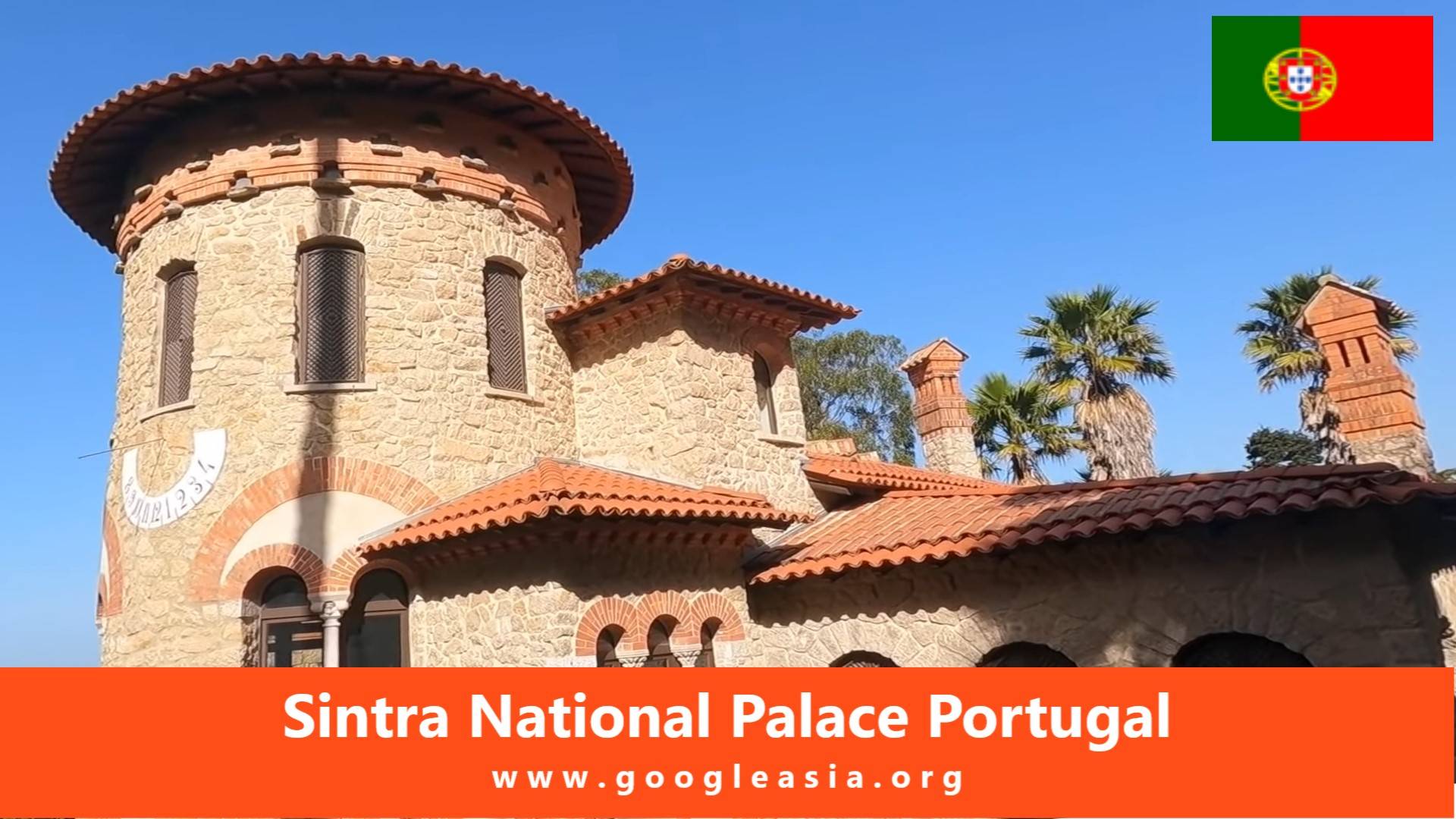
    Frequently Asked Questions

    Where is Pompeii located?

    Pompeii is located near the modern city of Naples in the Campania region of Italy. It was an ancient Roman city situated at the base of Mount Vesuvius. The city was famously preserved in volcanic ash after the eruption of Mount Vesuvius in 79 AD, providing a remarkable archaeological site that offers insights into daily life during the Roman Empire.

    How to go to Pompeii?

    To reach Pompeii, you can follow these general guidelines:

    By Air:

    1. Nearest Airport: The nearest major airport is Naples International Airport (Aeroporto di Napoli-Capodichino). Once you arrive at the airport, you can proceed to the next steps.

    By Train: 2. Train from Naples:

    • From Naples, take a Circumvesuviana train on the Naples-Sorrento line.
    • Get off at the Pompei Scavi – Villa dei Misteri station. This station is the closest to the archaeological site.

    By Car: 3. By Car from Naples:

    • If you prefer to drive, you can rent a car and take the A3 motorway (Autostrada A3) towards Salerno.
    • Follow the signs for Pompeii. The journey typically takes around 30 minutes, depending on traffic.

    By Tour: 4. Guided Tours:

    • Consider joining a guided tour from Naples or other nearby cities. Many tours include transportation and a guide to explore the archaeological site.

    Note:

    • Pompeii is well-connected by public transportation, and it’s advisable to check the latest schedules for trains and any travel restrictions or updates.

    Always verify current transportation options, schedules, and any travel restrictions before planning your journey, as details may change.

    What are Pompeii’s must-visit attractions or landmarks?

    Pompeii is a vast archaeological site with numerous well-preserved structures and artifacts offering a glimpse into daily life during the Roman Empire. Some must-visit attractions and landmarks in Pompeii include:

    1. Forum (Pompeii Forum): The central square of Pompeii, surrounded by important public and religious buildings.
    2. Amphitheatre of Pompeii: An ancient Roman amphitheater where gladiatorial contests and public spectacles took place.
    3. House of the Vettii (Casa dei Vettii): A well-preserved Roman house with intricate frescoes, providing insight into the lifestyle of Pompeii’s wealthier residents.
    4. Villa of the Mysteries (Villa dei Misteri): A villa outside the city walls, known for its vibrant frescoes depicting mysterious rituals.
    5. Temple of Apollo: A grand temple dedicated to the god Apollo, located in the city’s religious district.
    6. Thermopolium of Pompeii: A Roman fast-food establishment with counters and containers for serving hot and cold food.
    7. Garden of the Fugitives (Orto dei Fuggiaschi): An area where plaster casts of victims were made, preserving the final moments of people caught in the eruption.
    8. House of the Faun (Casa del Fauno): One of the largest and most impressive houses in Pompeii, named after a bronze statue of a faun found on the premises.
    9. Pompeii Archaeological Museum: While not within the city itself, the museum in Naples houses many artifacts and plaster casts from Pompeii.
    10. Casts of Victims: The plaster casts of human and animal victims, created by injecting plaster into the voids left by the decomposed bodies, providing a haunting and poignant display.

    These attractions offer a comprehensive view of Pompeii’s history and the impact of the catastrophic eruption of Mount Vesuvius in 79 AD. Visitors can explore the well-preserved streets, houses, public buildings, and art that make Pompeii one of the most significant archaeological sites in the world.

    What are Pompeii’s nearby must-visit attractions or landmarks?

    In the vicinity of Pompeii, there are several other noteworthy attractions and landmarks that visitors may find interesting:

    1. Herculaneum (Ercolano): An ancient Roman town similar to Pompeii, Herculaneum was also preserved by the eruption of Mount Vesuvius. It offers well-preserved buildings and frescoes.
    2. Mount Vesuvius (Monte Vesuvio): The infamous volcano that caused the destruction of Pompeii. Visitors can hike to the summit for panoramic views of the Bay of Naples.
    3. Naples (Napoli): The vibrant city of Naples is known for its historic architecture, museums, and delicious cuisine. The Naples National Archaeological Museum houses many artifacts from Pompeii.
    4. Sorrento: A charming coastal town known for its beautiful views, citrus gardens, and a lively atmosphere. It serves as a gateway to the Amalfi Coast.
    5. Amalfi Coast (Costiera Amalfitana): A stunning stretch of coastline with picturesque towns like Positano and Amalfi, offering breathtaking views, colorful buildings, and coastal charm.
    6. Capri: A picturesque island in the Bay of Naples known for its stunning landscapes, Blue Grotto, and upscale atmosphere.
    7. Oplontis: Another ancient Roman archaeological site, Oplontis includes the Villa Poppaea, a well-preserved villa with beautiful frescoes.
    8. Solfatara: A dormant volcano featuring fumaroles and steam vents. Visitors can experience the geothermal activity in a unique natural setting.
    9. Villa San Marco: A Roman villa located in Stabiae, showcasing well-preserved frescoes and architecture.
    10. Pompei Scavi Shrine of Our Lady of the Rosary: A modern church located near the archaeological site of Pompeii, offering a peaceful retreat.

    These nearby attractions provide a diverse range of experiences, from exploring more archaeological sites to enjoying the natural beauty of the Amalfi Coast and the cultural richness of Naples.

    Is Pompeii a suitable travel destination for solo adventurers, honeymooning couples, or those traveling with families?

    Pompeii is a versatile travel destination that can cater to a variety of interests and travel styles. Here’s how it suits different types of travelers:

    1. Solo Adventurers: Pompeii is an excellent destination for solo travelers interested in history and archaeology. Exploring the ancient ruins and discovering the preserved remnants of daily life offers a unique and immersive experience.
    2. Honeymooning Couples: While Pompeii may not be a typical romantic destination, it can still be an intriguing and culturally rich stop for couples interested in history. The nearby Amalfi Coast or Sorrento could provide a more romantic setting for a honeymoon.
    3. Families: Pompeii is a family-friendly destination that offers an educational and engaging experience for children and adults alike. The well-preserved ruins, plaster casts of victims, and informative exhibits provide an opportunity for families to learn about ancient Roman history together.
    4. History Enthusiasts: Individuals or groups with a keen interest in history, archaeology, and ancient civilizations will find Pompeii to be a captivating destination. The site offers a glimpse into daily life in a Roman city frozen in time.
    5. Cultural Travelers: Pompeii is a cultural treasure, and travelers interested in immersing themselves in the history and culture of the ancient Roman world will appreciate the wealth of archaeological findings and artifacts.

    It’s essential to note that while Pompeii itself may not provide the typical leisure or recreational activities found in other travel destinations, the surrounding areas, such as Naples, the Amalfi Coast, and Sorrento, offer diverse attractions, stunning landscapes, and culinary delights suitable for various preferences and travel styles.

    Why should you visit Pompeii?

    Visiting Pompeii offers a unique and compelling experience for various reasons:

    1. Historical Significance: Pompeii was a thriving Roman city that was tragically preserved in time by the eruption of Mount Vesuvius in 79 AD. Exploring the ruins provides an unparalleled glimpse into daily life during the Roman Empire.
    2. Archaeological Marvel: The site is an archaeological marvel, with well-preserved structures, streets, and artifacts. Visitors can see ancient Roman homes, temples, markets, and public buildings, offering insights into architecture and urban planning of the time.
    3. Plaster Casts of Victims: The haunting plaster casts of human and animal victims, created by pouring plaster into the voids left by decomposed bodies, provide a poignant and emotional connection to the past.
    4. Educational Experience: Pompeii offers an educational experience for all ages. It’s an opportunity to learn about Roman history, culture, and societal structures in a hands-on and immersive way.
    5. Unique Preservation: The city’s preservation under layers of ash and pumice has allowed for the conservation of delicate details, including frescoes, mosaics, and everyday objects, providing an authentic snapshot of Roman life.
    6. Mount Vesuvius Views: Pompeii is located at the base of Mount Vesuvius, and visitors can enjoy panoramic views of the volcano. The hike to the summit of Vesuvius offers a different perspective of the region.
    7. Cultural Enrichment: Immersing oneself in the ancient city enhances cultural awareness and appreciation. Pompeii’s cultural significance extends beyond its historical context to impact art, literature, and our understanding of the classical world.
    8. Nearby Attractions: Pompeii is situated near other captivating destinations like Naples, the Amalfi Coast, and Herculaneum, allowing visitors to explore diverse landscapes, coastal beauty, and additional archaeological sites.
    9. Photographic Opportunities: The well-preserved ruins, scenic views, and dramatic plaster casts offer excellent photo opportunities for those interested in capturing the unique atmosphere of Pompeii.
    10. Personal Connection: Walking the same streets and exploring the same spaces as ancient Romans creates a personal connection to history, making the visit a memorable and thought-provoking experience.

    Pompeii’s allure lies in its ability to transport visitors back in time, offering a tangible connection to one of the most significant events in ancient history.

    Is there any halal food available in the vicinity of the Pompeii?

    Finding specifically halal food in the immediate vicinity of Pompeii may be a bit challenging, as the area is primarily known for its historical and archaeological significance rather than a wide range of dining options. However, you might find some vegetarian or seafood options in local restaurants.

    For halal dining, you may consider exploring restaurants in nearby cities such as Naples, where a more diverse culinary scene is available. Naples is known for its pizza, seafood, and traditional Italian cuisine, and you might find halal options in certain restaurants.

    It’s always a good idea to check with locals or use online platforms to locate restaurants that cater to halal dietary preferences in the broader region. Additionally, Naples and other nearby cities may have international cuisine options that include halal dishes.

    Keep in mind that dining options can vary, and it’s recommended to inquire directly with restaurants about their menu offerings and halal certification if needed.

    Summary

    • Attraction: Pompeii Ancient City Archaeological Site
    • Country: ITALY
    • Continent: Europe
    • Capital Name: Rome
    • Language: Italian
    • Category: #Destination #Europe #Italy 
  • Milan Cathedral, Italy: Iconic Duomo in Lombardy

    Milan Cathedral, Italy: Iconic Duomo in Lombardy

    Milan Cathedral, Italy

    Visit Milan Cathedral (Duomo di Milano), Italy’s most famous Gothic landmark in Lombardy. Discover why it’s world-renowned, learn entry details, and explore its breathtaking architecture. Read more to plan your visit today!

    Milan Cathedral Duomo di Milano Lombardy Italy

    Introduction

    The Milan Cathedral, known as Duomo di Milano, stands as a masterpiece of Gothic architecture and a symbol of Milan’s rich historical and cultural heritage. Located in the heart of Milan, Lombardy, this magnificent structure is not only the largest Gothic cathedral in the world but also the second-largest cathedral in Italy, following St. Peter’s Basilica in Rome.

    Historical Background

    Construction and Completion

    Construction of the Milan Cathedral began in 1386 under the commission of Gian Galeazzo Visconti, the Duke of Milan. The cathedral’s intricate design and scale required a lengthy building process, and despite its construction starting in the late 14th century, it wasn’t fully completed until 1965. This extensive timeline reflects the complexity of its design and the dedication of countless artisans and builders over the centuries.

    Dedication and Significance

    The cathedral is dedicated to Saint Mary of the Nativity and serves as a key place of worship and pilgrimage. It holds a central position in Milan’s religious and cultural landscape, representing the city’s spiritual aspirations and artistic achievements.

    Architectural Highlights

    Exterior Features

    The exterior of the Duomo di Milano is renowned for its elaborate Gothic style. Key features include:

    • Spirals and Spires: The cathedral boasts an impressive number of spires and intricate sculptures that adorn its façade. The central spire reaches a height of approximately 108 meters (354 feet) and is topped by a golden statue of the Madonna.
    • Facade Decorations: The façade is adorned with thousands of statues, intricate carvings, and a complex array of decorative elements that showcase the skill of its craftsmen.

    Interior Details

    The interior of the cathedral is equally stunning, with its vast, open space and ornate decorations. Highlights include:

    • Stained Glass Windows: The cathedral features beautiful stained glass windows that illuminate the interior with a spectrum of colors, depicting various biblical scenes and saints.
    • Nave and Altars: The main nave is vast and lined with impressive columns, leading to elaborate altars and chapels. Each chapel is adorned with unique artworks and religious relics.
    • Crypt: The cathedral’s crypt houses the remains of notable figures, including archbishops and saints, adding to the historical and religious significance of the site.

    Visitor Experience

    Observation Deck

    One of the cathedral’s standout features is its rooftop terrace, accessible via stairs or an elevator. Visitors can enjoy panoramic views of Milan and beyond, offering a unique perspective on the cathedral’s intricate architecture and the city’s skyline.

    Museum and Guided Tours

    The Duomo di Milano complex includes a museum that provides insights into the cathedral’s history and construction. Guided tours are available, offering detailed explanations of the architectural features and historical context of the cathedral.

    Cultural and Religious Events

    The cathedral continues to be a vibrant center for religious and cultural events. Visitors may experience various liturgical services, festivals, and concerts held throughout the year, enhancing their understanding of the cathedral’s role in Milanese life.

    Conclusion

    The Milan Cathedral is not just a marvel of Gothic architecture but a symbol of Milan’s enduring legacy. Its grandeur and intricate details make it a must-visit landmark for anyone interested in art, history, and religion. From its historic construction to its present-day role as a focal point of Milanese culture, the Duomo di Milano remains an iconic and awe-inspiring destination in Italy. Whether you’re marveling at its elaborate façade, exploring its richly decorated interior, or taking in the views from its rooftop, the Milan Cathedral offers an unforgettable experience.

    Things to Do

    Milan Cathedral, or Duomo di Milano, is a must-visit landmark with a wide range of activities to enhance your experience. Whether you’re interested in architectural marvels, historical artifacts, or panoramic views, here are some top things to do at this iconic site:

    Climb to the Roof

    Admire Panoramic Views

    One of the highlights of visiting the Duomo di Milano is the opportunity to climb to the roof. You can either take the elevator or climb the stairs to reach the rooftop terrace. From here, you’ll enjoy breathtaking panoramic views of Milan and its surroundings. The terrace offers a close-up look at the cathedral’s intricate spires and statues, providing a unique perspective on its Gothic architecture.

    Attend Mass

    Experience the Grandeur

    Visiting the Duomo during a Sunday mass or other religious services allows you to experience the cathedral’s grandeur in a deeply spiritual context. The vast interior, adorned with stunning stained glass windows and elaborate altars, creates a majestic atmosphere that enhances the religious experience. Attending mass here provides a connection to Milan’s cultural and spiritual heritage.

    Tour the Treasury

    Explore Artifacts and Sculptures

    The Treasury of the Duomo houses a rich collection of religious artifacts and sculptures. This tour offers insight into the cathedral’s historical and artistic legacy, showcasing valuable relics, ornate vestments, and intricate ecclesiastical objects. The treasury provides a deeper understanding of the cathedral’s role in Milan’s religious life.

    Visit the Museum

    Discover History and Art

    The Duomo Museum, located in the cathedral’s underground area, is dedicated to the history and art of the Duomo. The museum features:

    • Architectural Models: Learn about the construction and evolution of the cathedral through detailed models.
    • Art Collections: View artworks, sculptures, and artifacts related to the cathedral’s history.
    • Multimedia Exhibits: Engage with interactive displays that offer insights into the cathedral’s significance.

    Enjoy the View

    Relax on the Terrace

    Spend some time on the Duomo’s terrace to soak in the spectacular views of Milan. The terrace offers a perfect spot to relax, take photographs, and appreciate the architectural details of the cathedral. On clear days, the view extends beyond the city to the distant Alps.

    Shop at Galleria Vittorio Emanuele II

    Explore Nearby Shopping

    Directly opposite the Duomo is the Galleria Vittorio Emanuele II, a historic shopping arcade featuring luxury boutiques, cafes, and restaurants. Enjoy a shopping spree or a leisurely coffee break in this elegant space, which complements your visit to the cathedral with a touch of Milan’s high fashion and culture.

    Attend a Concert

    Enjoy Musical Performances

    The Duomo di Milano’s grand interior occasionally hosts concerts and other cultural events. Attending a performance in such a majestic setting provides a memorable experience, combining the beauty of the cathedral with the artistry of live music. Check the cathedral’s schedule for upcoming events and performances.

    Take a Guided Tour

    Learn About History and Architecture

    Guided tours of the Duomo are available and provide in-depth knowledge of its history and architecture. Expert guides offer detailed explanations of the cathedral’s construction, artistic elements, and religious significance. A guided tour enhances your understanding and appreciation of this architectural masterpiece.

    Take a Boat Tour

    View the Cathedral from the Water

    For a unique perspective, consider taking a boat tour of Milan’s canals. Some tours offer views of the city’s landmarks, including the Duomo, from the water. This vantage point provides a different angle on the cathedral and its surroundings, enriching your overall experience of Milan.

    Foods

    Exploring the culinary landscape around the Milan Cathedral (Duomo di Milano) provides a rich array of traditional Italian and Lombard dishes. Here are some of the best foods to try in the vicinity:

    Risotto alla Milanese

    Saffron-Infused Delight

    Risotto alla Milanese is a classic Lombard dish known for its rich and creamy texture. This specialty is flavored with saffron, giving it a distinct golden color and a unique aroma. Often served with a generous sprinkling of grated Parmesan cheese, this dish is a must-try for anyone visiting Milan.

    Ossobuco

    Braised Veal Shanks

    Ossobuco is a traditional Lombard dish featuring braised veal shanks cooked slowly until tender. The veal is served with a flavorful gremolata, which is a mixture of lemon zest, garlic, and parsley. This hearty dish pairs wonderfully with risotto or polenta.

    Panettone

    Sweet Bread Loaf

    Panettone is a beloved Italian sweet bread, especially popular during the Christmas season. This fluffy loaf is studded with dried fruits and often enjoyed with a glass of sparkling wine. It’s a delightful treat that showcases Milan’s festive traditions.

    Cotoletta alla Milanese

    Breaded Veal Cutlet

    Cotoletta alla Milanese is a traditional Milanese dish consisting of a breaded and fried veal cutlet. This crispy and flavorful dish is typically served with a wedge of lemon and is a satisfying meal that highlights Milan’s rich culinary heritage.

    Gelato

    Italian Ice Cream

    Gelato is a quintessential Italian treat, and Milan boasts numerous gelaterias offering a wide range of flavors. Whether you prefer classic flavors like vanilla and chocolate or more adventurous choices, gelato is a refreshing and delicious way to cool down.

    Ravioli di Brasato

    Braised Beef Ravioli

    Ravioli di Brasato features pasta filled with tender, slow-cooked braised beef. This dish is a wonderful representation of Lombard cuisine and provides a rich, flavorful experience for pasta lovers.

    Gorgonzola Cheese

    Creamy Blue Cheese

    Gorgonzola is a creamy blue cheese that originates from Lombardy. Its distinctive flavor ranges from mild to sharp, depending on its aging. Enjoy it on its own, or incorporate it into dishes like risotto or salads.

    Polenta

    Versatile Cornmeal Dish

    Polenta is a traditional Italian dish made from cornmeal. It can be served soft or allowed to cool and solidify, then sliced and grilled. Polenta is often paired with toppings such as cheese, mushrooms, or ragu, making it a versatile and comforting dish.

    Lombard Wines

    Regional Varieties

    Pair your meal with Lombard wines, including the renowned Franciacorta sparkling wine or a robust Nebbiolo red. These wines complement the local cuisine and provide a taste of the Lombardy region’s viticulture.

    Tiramisu

    Classic Italian Dessert

    Tiramisu is a popular Italian dessert made with layers of coffee-soaked ladyfingers, mascarpone cheese, and cocoa powder. It’s a perfect way to end your meal, and many cafes and restaurants near the Duomo serve their own variations of this classic treat.

    Pizzoccheri

    Buckwheat Pasta

    If you venture into the Valtellina region near Milan, Pizzoccheri is a must-try. This buckwheat pasta is typically served with potatoes, cabbage, and cheese, creating a hearty and comforting dish that represents the northern Italian tradition.

    Lombard Street Food

    Local Snacks and Sandwiches

    Explore local street food offerings around Milan Cathedral. You can enjoy traditional Italian sandwiches, arancini (fried rice balls), and various regional snacks. These quick bites provide a delicious way to experience local flavors on the go.

    Hotels

    When visiting Milan Cathedral, or Duomo di Milano, staying at a nearby hotel offers the convenience of being close to this iconic landmark while enjoying high-quality accommodations. Here are some of the best hotels in Milan’s Lombardy region that provide luxury, comfort, and proximity to the Duomo:

    Grand Hotel et de Milan

    Luxury and Elegance

    Grand Hotel et de Milan is renowned for its luxurious accommodations and elegant ambiance. Located within walking distance of the Duomo, this historic hotel offers refined rooms, exceptional service, and a classic Milanese atmosphere. It’s an excellent choice for those seeking a blend of tradition and sophistication.

    Palazzo Parigi Hotel & Grand Spa

    Opulence and Relaxation

    Palazzo Parigi Hotel & Grand Spa offers opulent rooms and a lavish spa experience. Situated close to the Duomo, this hotel combines luxurious interiors with modern amenities. Guests can enjoy the hotel’s beautiful gardens, upscale dining options, and rejuvenating spa treatments.

    Hotel Manzoni

    Chic and Contemporary

    Hotel Manzoni provides a chic and contemporary stay just a short distance from the Duomo. Known for its stylish rooms and personalized service, this hotel offers a sophisticated atmosphere with modern comforts. It’s ideal for travelers looking for a blend of elegance and modernity.

    Armani Hotel Milano

    Designer Luxury

    Armani Hotel Milano delivers a designer touch with its sleek, modern rooms and sophisticated style. Located near the Duomo, this hotel is the epitome of luxury, featuring the signature elegance of Giorgio Armani. Guests can enjoy top-notch amenities, including a spa and fine dining.

    TownHouse Duomo

    Central Location

    TownHouse Duomo is renowned for its prime location right near the cathedral. Offering stylish, contemporary accommodations with stunning views of the Duomo, this hotel is perfect for those wanting to be in the heart of Milan’s vibrant city center. The hotel’s modern amenities and convenient location make it a popular choice.

    Four Seasons Hotel Milano

    Classic Luxury

    Four Seasons Hotel Milano blends classic luxury with modern conveniences. Situated not far from the Duomo, this hotel offers spacious, elegantly decorated rooms, a beautiful garden, and a renowned restaurant. It’s ideal for guests seeking an upscale and relaxing stay.

    Palazzo Montemartini

    Modern Comfort

    Palazzo Montemartini combines modern comfort with historical charm. Close to the Duomo, this hotel features contemporary rooms, a luxurious spa, and an elegant atmosphere. It’s well-suited for travelers who appreciate a mix of modern amenities and classic architecture.

    Hotel Ritz

    Stylish and Comfortable

    Hotel Ritz offers stylish accommodations and a comfortable stay just a short distance from Milan Cathedral. Known for its friendly service and convenient location, this hotel provides a welcoming environment for both leisure and business travelers.

    NH Collection Milano President

    Contemporary Elegance

    NH Collection Milano President provides contemporary elegance and convenience near the Duomo. With modern, well-appointed rooms and excellent service, this hotel offers a comfortable and upscale stay in Milan’s city center.

    Antares Hotel Rubens

    Convenient and Modern

    Antares Hotel Rubens is a modern hotel offering convenient access to Milan’s attractions, including the Duomo. Featuring comfortable rooms and a range of amenities, it’s a great choice for travelers seeking a practical yet stylish stay.

    Conclusion

    The Milan Cathedral offers a rich array of activities that cater to diverse interests. Whether you’re climbing to the roof for stunning views, attending a mass to experience its grandeur, exploring the treasury and museum for historical insights, or enjoying nearby shopping and cultural events, there’s something for everyone. Taking advantage of guided tours and boat tours further enhances your visit, allowing you to appreciate the Duomo’s architectural beauty and historical significance from multiple perspectives. With its blend of spirituality, history, and culture, the Duomo di Milano promises an unforgettable experience for every visitor.
    Summary

    • Attraction: Milan Cathedral Duomo di Milano Lombardy
    • Country: ITALY
    • Continent: Europe
    • Capital Name: Rome
    • Language: Italian
    • Category: #Destination #Europe #Italy 

    Frequently Asked Questions

    Where is Milan Cathedral Duomo di Milano located?

    Milan Cathedral, known as Duomo di Milano, is located in the city center of Milan, Italy. The exact address is Piazza del Duomo, 20122 Milano MI, Italy. The cathedral is a central and easily accessible landmark in Milan, situated near other notable attractions and surrounded by the lively atmosphere of the city’s historic center.


    How to go to Milan Cathedral aka Duomo di Milano?

    To reach Milan Cathedral, also known as Duomo di Milano, you can use various transportation options depending on your starting point:

    1. Public Transportation:
      • Metro: Milan’s metro system is an efficient way to reach the cathedral. The Duomo station (Line 1 and Line 3) is right next to the cathedral. Line 1 (red line) and Line 3 (yellow line) both stop at Duomo.
      • Trams and Buses: Several tram and bus lines also have stops near the cathedral. Check the local public transportation map and schedules for the most convenient option.
    2. Taxi or Ride-Sharing:
      • Taxis and ride-sharing services are readily available in Milan. You can simply input “Duomo di Milano” as your destination in a taxi or ride-sharing app to be dropped off near the cathedral.
    3. Walking:
      • If you’re in the city center, especially around landmarks like Galleria Vittorio Emanuele II, it’s easy to walk to Milan Cathedral. Follow the signs or ask locals for directions.
    4. Bicycle:
      • Milan has a bike-sharing system, and cycling is a popular mode of transportation. You can use a bike to explore the city and reach the cathedral.
    5. Car:
      • If you’re driving, you can use a GPS or navigation app to guide you to the cathedral. However, note that parking in the city center can be challenging, and it’s often more convenient to use public transportation.
    6. Tourist Shuttles:
      • Some tourist services and shuttle buses may offer transportation to major landmarks, including Milan Cathedral. Check with local tour operators for available options.

    Always check the latest transportation schedules and routes, especially if there are any changes or disruptions. Milan Cathedral is a central landmark, and various transportation options make it easily accessible for visitors.

    What are Milan Cathedral aka Duomo di Milano’s must-visit attractions?

    Milan Cathedral, or Duomo di Milano, is not only a magnificent architectural masterpiece but also houses several attractions within its premises. Here are some must-visit attractions at Milan Cathedral:

    1. The Cathedral Interior: Explore the breathtaking interior of the cathedral, featuring impressive columns, ornate decorations, and beautiful stained glass windows.
    2. Terraces and Rooftop: Take an elevator or climb the stairs to reach the terraces and rooftop of the cathedral. Enjoy panoramic views of Milan and the surrounding mountains.
    3. Archaeological Area: Visit the archaeological area located beneath the cathedral to discover ancient ruins and learn about the history of the site.
    4. Museum of the Cathedral: The Museum of the Cathedral (Museo del Duomo) houses a collection of artifacts, sculptures, and artwork related to the cathedral’s history and construction.
    5. The Baptistery of San Giovanni alle Fonti: Explore the Baptistery, a separate building near the cathedral, known for its beautiful mosaics and historic significance.
    6. The Treasury: Discover the treasures housed in the Cathedral’s Treasury, including religious artifacts, vestments, and precious objects.
    7. The Church of San Gottardo in Corte: Located adjacent to the cathedral, this church is known for its Baroque architecture and impressive artwork.
    8. Statues and Sculptures: Admire the numerous statues and sculptures both inside and outside the cathedral, depicting biblical figures, saints, and intricate details.
    9. Galleria Vittorio Emanuele II: While not directly part of the cathedral, the nearby Galleria is a historic shopping arcade with luxurious boutiques, restaurants, and cafes.
    10. Duomo Square (Piazza del Duomo): Immerse yourself in the lively atmosphere of Duomo Square, surrounded by historic buildings, street performers, and events.

    These attractions collectively offer a comprehensive experience of the rich history, art, and cultural significance of Milan Cathedral. Each element contributes to the overall grandeur and allure of this iconic landmark.

    What are Milan Cathedral aka Duomo di Milano’s nearby must-visit attractions or landmarks?

    Milan Cathedral, or Duomo di Milano, is surrounded by several must-visit attractions and landmarks in its vicinity. Here are some notable places to explore near Milan Cathedral:

    1. Galleria Vittorio Emanuele II: Adjacent to the cathedral, this historic shopping gallery is known for its elegant architecture, high-end boutiques, and restaurants. It’s one of the world’s oldest shopping malls.
    2. Piazza del Duomo: The main square where Milan Cathedral is located, Piazza del Duomo, is a bustling hub with street performers, events, and a lively atmosphere. The square is surrounded by historic buildings.
    3. Royal Palace of Milan (Palazzo Reale): Located near the cathedral, the Royal Palace is a former royal residence that now houses art exhibitions and cultural events. The beautiful courtyard is worth exploring.
    4. Sforza Castle (Castello Sforzesco): A short distance from the cathedral, Sforza Castle is a massive fortress and museum. It houses several art collections, including works by Michelangelo and Leonardo da Vinci.
    5. Brera District (Brera Art Gallery): Known for its artistic and bohemian atmosphere, the Brera district is home to the Brera Art Gallery, showcasing a significant collection of Italian Renaissance art.
    6. Teatro alla Scala: Milan’s renowned opera house, Teatro alla Scala, is within walking distance. If you’re interested in opera or ballet, consider attending a performance or exploring the museum.
    7. Pinacoteca di Brera: Another art institution in the Brera district, Pinacoteca di Brera is an art gallery featuring an impressive collection of Italian Renaissance art.
    8. Biblioteca Ambrosiana: A historic library and cultural institution, the Biblioteca Ambrosiana houses a vast collection of manuscripts, drawings, and paintings, including works by Leonardo da Vinci.
    9. Leonardo da Vinci’s Last Supper: Located in the Convent of Santa Maria delle Grazie, a short distance from the cathedral, this iconic mural is one of Leonardo da Vinci’s masterpieces. Advance reservations are recommended.
    10. Navigli District: Explore the Navigli district, known for its picturesque canals, trendy boutiques, and vibrant nightlife. It’s a charming area to stroll and enjoy the local atmosphere.

    These nearby attractions complement the visit to Milan Cathedral, offering a diverse range of cultural, artistic, and historical experiences in the heart of Milan.

    Is Milan Cathedral aka Duomo di Milano a suitable travel destination for solo adventurers, honeymooning couples, or those traveling with families?

    Milan Cathedral, or Duomo di Milano, is a versatile travel destination suitable for various types of travelers. Here’s a breakdown of its suitability for different groups:


    1. Solo Adventurers: Solo travelers can enjoy exploring the cathedral and its surroundings independently. The cultural and historical significance, along with the architectural marvel of the cathedral, makes it a fascinating destination for those seeking a solo adventure.


    2. Honeymooning Couples: Milan Cathedral’s romantic and iconic setting, especially in the heart of the city, can make it a memorable spot for honeymooning couples. The nearby attractions, such as Galleria Vittorio Emanuele II and the historic city center, offer a romantic atmosphere.


    3. Families: Families with children can appreciate the grandeur of the cathedral and participate in family-friendly activities in the nearby areas. The lively atmosphere of Piazza del Duomo and the proximity to other family-friendly attractions make it suitable for family travel.


    Milan as a city offers a blend of cultural experiences, shopping, dining, and entertainment, making it appealing to a diverse range of travelers. While the cathedral itself may be more of a cultural and historical attraction, its central location allows visitors to easily explore other aspects of Milan that cater to various interests and travel preferences.

    Why should you visit Milan Cathedral aka Duomo di Milano?

    Visiting Milan Cathedral, or Duomo di Milano, offers a compelling experience for several reasons:

    1. Architectural Marvel: The cathedral is a masterpiece of Gothic architecture, showcasing intricate details, statues, and spires. The sheer grandeur of its design is awe-inspiring and a testament to medieval craftsmanship.
    2. Cultural Significance: Milan Cathedral is a symbol of Milan and holds great cultural and historical significance. Its construction spanned centuries, and it has witnessed various historical events, making it an integral part of the city’s heritage.
    3. Panoramic Views: Ascending to the terraces or rooftop provides breathtaking panoramic views of Milan and the surrounding Alps. It’s a unique vantage point to appreciate the city’s skyline and landscape.
    4. Interior Splendor: Explore the richly decorated interior, adorned with stained glass windows, intricate carvings, and numerous chapels. The beauty of the cathedral extends beyond its facade.
    5. Spiritual Experience: As a functioning Catholic church, Milan Cathedral offers a place for spiritual reflection and worship. Visitors can attend Mass or simply appreciate the tranquility within its sacred walls.
    6. Archaeological Discoveries: The archaeological area beneath the cathedral reveals ancient ruins, providing insights into Milan’s history. It’s a fascinating journey through layers of the city’s past.
    7. Museum and Treasury: The Museum of the Cathedral (Museo del Duomo) and the Treasury showcase a collection of religious artifacts, sculptures, and precious items, offering a deeper understanding of the cathedral’s history.
    8. Galleria Vittorio Emanuele II: The cathedral is centrally located, adjacent to the historic Galleria Vittorio Emanuele II. This luxurious shopping arcade is perfect for those seeking high-end boutiques, cafes, and a taste of Milanese elegance.
    9. Symbol of Milan: Milan Cathedral is an iconic symbol of the city, representing its artistic and cultural richness. It’s a must-see landmark for both locals and tourists alike.
    10. Events and Festivals: The cathedral often hosts cultural events, concerts, and religious celebrations. Checking the calendar for special events can enhance your visit with unique experiences.

    Visiting Milan Cathedral is not just about admiring its physical beauty; it’s about immersing yourself in the history, spirituality, and cultural essence of Milan. Whether you’re interested in architecture, history, or simply enjoying stunning views, the cathedral offers a multifaceted experience

    Are there any halal food options near the Milan Cathedral aka Duomo di Milano?

    Yes, there are halal food options available near Milan Cathedral, or Duomo di Milano. The city of Milan is diverse and caters to various dietary preferences, including halal cuisine. Here are some recommendations for finding halal food near the cathedral:

    1. Restaurants in the Vicinity: Explore the streets around the cathedral, especially in the historic city center, where you can find a variety of restaurants offering halal options. Some establishments may specify if they serve halal food on their menus.
    2. International Cuisine: Milan is home to a diverse culinary scene, including Middle Eastern, Mediterranean, and Asian restaurants that often provide halal choices. Check online reviews or inquire with locals for recommendations.
    3. Halal Markets: Look for halal markets or grocery stores in the city center. You may find pre-packaged halal meals or ingredients to prepare your own halal dishes if you have access to a kitchen.
    4. Halal Certification: Some restaurants in Milan display halal certification or explicitly mention halal options on their websites or storefronts. This information can help you identify suitable dining establishments.
    5. Online Food Apps: Utilize food delivery apps or websites that allow you to filter restaurants based on dietary preferences. Many of these platforms provide information about halal options and user reviews.
    6. Local Recommendations: If you’re staying at a hotel or guesthouse, inquire with the staff for local recommendations for halal dining options. Locals often have valuable insights into the best places to find specific cuisines.

    While Milan may not be traditionally associated with halal cuisine, its cosmopolitan nature ensures a variety of dining choices to suit different preferences. It’s advisable to plan ahead, research specific restaurants, and inquire about halal options to ensure a satisfying dining experience near Milan Cathedral.

  • Cinque Terre, Italy: Colorful Villages & Trails

    Cinque Terre, Italy: Colorful Villages & Trails

    Cinque Terre, Italy

    Discover Cinque Terre, Italy’s breathtaking UNESCO-listed coastal region of five charming villages along the Riviera. From cliffside homes and vineyards to seafood delights and the famous Sentiero Azzurro hiking trail, Cinque Terre offers authentic Italian beauty at every turn. Plan your visit now and uncover the magic of the Five Lands!

    Cinque Terre Beautiful Villages in Italy

    Introduction

    Cinque Terre, a picturesque destination on the Italian Riviera, is renowned for its breathtaking landscapes, charming villages, and rich cultural heritage. Located in the Liguria region of Italy, this coastal area comprises five distinct villages that each offer unique experiences for visitors.

    Overview

    A Collection of Coastal Villages

    Cinque Terre translates to “Five Lands,” and it encompasses five small but enchanting villages: Monterosso al Mare, Vernazza, Corniglia, Manarola, and Riomaggiore. Each village boasts its own distinctive character and charm, contributing to the area’s overall appeal.

    UNESCO World Heritage Site

    Recognized as a UNESCO World Heritage Site, Cinque Terre is celebrated for its stunning natural beauty and historical significance. The region’s landscape features dramatic cliffs, terraced vineyards, and crystal-clear waters, while the architecture of the villages reflects a harmonious blend of tradition and natural surroundings.

    Key Features

    Colorful Homes

    One of the most striking features of Cinque Terre is its colorful homes. The villages are adorned with vibrant buildings painted in shades of pastel and bold colors. These picturesque houses create a striking contrast against the backdrop of the Mediterranean Sea and rugged cliffs.

    Scenic Trails

    Cinque Terre is famous for its network of scenic hiking trails that connect the five villages. These trails offer stunning panoramic views of the coastline, vineyards, and the sea. Popular routes include the Sentiero Azzurro (Blue Trail), which provides an easy walk between the villages, and more challenging paths through the surrounding hills.

    Charming Coastal Villages

    • Monterosso al Mare: Known for its sandy beaches, Monterosso is the largest of the five villages. It offers a mix of historical sites, such as the Church of San Giovanni Battista, and modern amenities.

    • Vernazza: Often considered the most picturesque village, Vernazza features a vibrant harbor, narrow streets, and a charming square. The village’s colorful buildings and historic castle add to its allure.

    • Corniglia: Perched on a hilltop, Corniglia is the only village not directly on the sea. It offers stunning views and a more tranquil atmosphere, along with quaint streets and historical landmarks.

    • Manarola: Renowned for its dramatic cliffside location, Manarola is famous for its beautiful sunsets and charming waterfront. The village’s colorful houses are a sight to behold, especially when illuminated by the setting sun.

    • Riomaggiore: The southernmost village, Riomaggiore, features a picturesque harbor, colorful homes, and winding streets. It is known for its vibrant fishing community and stunning coastal views.

    Local Cuisine

    Delicious Local Fare

    Cinque Terre’s cuisine reflects the region’s Mediterranean influences. Local specialties include:

    • Seafood Dishes: Fresh seafood is a staple, with dishes such as anchovies, calamari, and octopus.
    • Pesto: The Ligurian pesto, made with basil, garlic, pine nuts, and Parmesan cheese, is a regional favorite.
    • Focaccia: This Italian flatbread, often topped with herbs or olives, is a popular snack or accompaniment to meals.
    • Sciacchetrà: A sweet dessert wine produced in the region, perfect for pairing with local cheeses or enjoying on its own.

    Travel Tips

    Exploring Cinque Terre

    • Transportation: The villages are well-connected by a local train service, which is convenient for traveling between the towns. Boats and ferries also provide scenic views of the coastline.
    • Accommodation: There are various options, including charming guesthouses, boutique hotels, and vacation rentals. Booking in advance is recommended, especially during the peak tourist season.
    • Best Time to Visit: The ideal time to visit Cinque Terre is during the spring (April to June) or fall (September to October) when the weather is pleasant and the crowds are smaller. Summer can be busy, but the warmer weather is ideal for swimming and outdoor activities.

    Things to Do

    Cinque Terre is a captivating destination offering a variety of activities that showcase its natural beauty, charming villages, and local culture. Here are some top things to do while exploring this stunning Italian region:

    Hike the Five Terre Trails

    Explore Scenic Pathways

    Hiking the Five Terre Trails is a must-do activity for visitors. The network of trails connects the five villages and offers breathtaking views of the Mediterranean coastline, vineyards, and terraced hillsides. Popular routes include:

    • Sentiero Azzurro (Blue Trail): This trail connects all five villages and offers spectacular views along the coast.
    • Sentiero Rosso (Red Trail): A more challenging route that takes you through the hinterlands of Cinque Terre, providing a deeper insight into the region’s natural landscape.

    Visit the Beaches

    Relax by the Sea

    Cinque Terre is home to several beautiful beaches where visitors can relax and enjoy the crystal-clear waters. Notable beaches include:

    • Monterosso al Mare: The largest beach in Cinque Terre, with a mix of sandy and rocky areas.
    • Vernazza Beach: A small, charming beach located near the harbor, ideal for swimming and sunbathing.

    Explore the Villages

    Wander Through Charming Streets

    Each village in Cinque Terre offers its own unique character and charm. Explore the cobblestone streets and colorful houses of each town:

    • Monterosso al Mare: Visit the Old Town and New Town for a mix of historical sites and modern amenities.
    • Vernazza: Stroll through the picturesque harbor and enjoy the vibrant local atmosphere.
    • Corniglia: Explore the higher-altitude village with panoramic views and narrow alleys.
    • Manarola: Discover its romantic setting and stunning sunset views.
    • Riomaggiore: Experience its vibrant fishing community and beautiful coastal views.

    Go Wine Tasting

    Sample Local Wines

    Cinque Terre is known for its unique wines produced in the region’s terraced vineyards. Enjoy a wine-tasting experience by visiting local vineyards and wineries. Try regional specialties such as:

    • Sciacchetrà: A sweet dessert wine made from partially dried grapes.
    • Cinque Terre DOC: A white wine that pairs beautifully with local seafood dishes.

    Take a Boat Tour

    See the Coastline from the Water

    A boat tour provides a different perspective of Cinque Terre. Explore the coastline and enjoy views of the colorful villages perched on cliffs. Options include:

    • Guided Boat Tours: Learn about the history and geography of the region while cruising the waters.
    • Private Boat Rentals: Enjoy a more personalized experience with the flexibility to explore at your own pace.

    Enjoy Local Cuisine

    Savor Regional Delights

    Cinque Terre’s local cuisine features fresh seafood and traditional Italian dishes. Don’t miss trying:

    • Seafood Pasta: Enjoy dishes such as linguine with clams or mussels.
    • Focaccia: A local flatbread often enjoyed as a snack or appetizer.
    • Pesto: The region’s famous basil pesto, often served with pasta or as a spread.

    Visit the Monterosso Castle

    Explore Historical Sites

    The Monterosso Castle is a 12th-century fortress offering panoramic views of the Mediterranean Sea. Explore the castle’s historical significance and enjoy its vantage point for excellent photo opportunities.

    Participate in Festivals and Events

    Experience Local Culture

    Cinque Terre hosts various festivals and events throughout the year. These include:

    • The Sagra del Pesce: A seafood festival held in Monterosso, celebrating local fish and culinary traditions.
    • The Festival of Saint John: Featuring processions and celebrations in Riomaggiore.

    Foods

    Cinque Terre, known for its stunning landscapes and charming villages, also boasts a rich culinary tradition. The local cuisine features a variety of delicious dishes that reflect the region’s Mediterranean flavors and coastal ingredients. Here are some of the best foods to try when visiting Cinque Terre:

    Focaccia al Formaggio

    Cheesy Delight

    Focaccia al Formaggio is a delicious, cheese-filled flatbread that is a specialty of the Liguria region. This savory treat is made with a generous layer of melted cheese, typically Fontina or a similar variety, baked into soft and slightly crispy focaccia bread. It’s perfect for a snack or a light meal.

    Pesto alla Genovese

    Classic Basil Pesto

    Pesto alla Genovese is a quintessential Ligurian sauce made from fresh basil, garlic, pine nuts, Parmesan cheese, and extra virgin olive oil. It’s commonly served with trofie pasta, a twisted pasta shape that pairs perfectly with the aromatic sauce. Don’t miss this iconic dish that embodies the flavors of Cinque Terre.

    Farinata

    Chickpea Pancake

    Farinata is a traditional Italian dish made from chickpea flour, water, and olive oil. This savory pancake is baked until crispy on the edges and soft in the middle. It’s often seasoned with rosemary and pepper, making it a flavorful and satisfying snack or appetizer.

    Focaccia di Recco

    Cheese-Laden Focaccia

    Focaccia di Recco is a type of focaccia that originated in the town of Recco, near Cinque Terre. Unlike traditional focaccia, it is made with a thin, crispy crust and filled with a rich layer of melted cheese, typically stracchino. This indulgent bread is a must-try for cheese lovers.

    Anchovies

    Local Specialty

    Cinque Terre’s coastal location means that anchovies are a local specialty. These small, flavorful fish are often marinated in olive oil, garlic, and herbs, and can be enjoyed as part of antipasti or incorporated into various dishes. They add a briny, umami flavor to many local recipes.

    Minestrone alla Cinque Terre

    Hearty Seafood Stew

    Minestrone alla Cinque Terre is a hearty seafood stew made with a variety of fresh ingredients, including fish, mussels, and clams. This rich and flavorful dish is often prepared with tomatoes, onions, and herbs, and reflects the region’s maritime heritage.

    Trofie al Pesto

    Pasta with Basil Sauce

    Trofie al Pesto is a classic pasta dish from the Cinque Terre region. Trofie are short, twisted pasta shapes that are ideal for holding onto the vibrant, aromatic pesto sauce made from basil, garlic, pine nuts, Parmesan, and olive oil. This dish is a true representation of Ligurian cuisine.

    Hotels

    Cinque Terre, with its breathtaking landscapes and picturesque villages, offers a variety of accommodation options to suit different tastes and budgets. Here are some of the best hotels to consider for a memorable stay:

    Grand Hotel Portovenere

    Luxurious Retreat

    Grand Hotel Portovenere is an excellent choice for those seeking luxury and comfort. Located in Portovenere, just outside Cinque Terre, this hotel features:

    • Stunning Sea Views: Enjoy panoramic views of the Mediterranean Sea from the spacious rooms and beautiful terrace.
    • Elegant Rooms: The hotel offers well-appointed rooms with modern amenities.
    • Amenities: Includes a lovely terrace, fine dining options, and personalized service.

    Hotel Porto Roca

    Elegant and Scenic

    Hotel Porto Roca, situated in Monterosso al Mare, provides a blend of elegance and comfort:

    • Panoramic Views: The hotel boasts incredible views of the sea from many rooms and the pool area.
    • Infinity Pool: Relax by the pool overlooking the Mediterranean.
    • Comfortable Accommodations: Rooms are designed with a touch of sophistication and offer modern amenities.

    La Mala

    Charming and Intimate

    La Mala in Manarola offers a cozy and welcoming atmosphere:

    • Charming Atmosphere: Known for its intimate and friendly environment.
    • Proximity to Train Station: Convenient for exploring Cinque Terre and beyond.
    • Clean and Comfortable: Guests appreciate the well-maintained rooms and attentive service.

    Villa Steno

    Family-Run Hospitality

    Villa Steno, located in Monterosso al Mare, is praised for its warm hospitality:

    • Beautiful Garden: Enjoy the serene garden and outdoor spaces.
    • Delicious Breakfast: Start your day with a hearty and delicious breakfast.
    • Welcoming Atmosphere: A family-run hotel known for its personal touch and attentive service.

    Hotel Marina Piccola

    Sea-View Serenity

    Hotel Marina Piccola in Riomaggiore offers stunning views and cozy accommodations:

    • Panoramic Terrace: Relax on the terrace with views of the sea and village.
    • Comfortable Rooms: Enjoy well-equipped rooms and easy access to local attractions.
    • Charming Location: Perfect for exploring the picturesque village of Riomaggiore.

    Albergo Marina

    Central and Comfortable

    Albergo Marina, situated in the heart of Vernazza, is ideal for those wanting to be close to the action:

    • Rooftop Terrace: Offers breathtaking views of Vernazza and the surrounding sea.
    • Central Location: Convenient for exploring the village’s attractions.
    • Comfortable Accommodations: Well-maintained rooms and friendly service.

    Hotel Delle Cinque Terre

    Scenic and Accessible

    Hotel Delle Cinque Terre in Riomaggiore provides a comfortable stay with easy access to local trails:

    • Comfortable Rooms: Enjoy modern amenities and a pleasant stay.
    • Proximity to Trails: Convenient for hiking and exploring the Cinque Terre area.
    • Friendly Service: Known for its helpful and accommodating staff.

    Affittacamere Edi

    Charming Guesthouse

    Affittacamere Edi in Corniglia offers a more intimate experience:

    • Peaceful Atmosphere: A quiet and charming guesthouse with a friendly atmosphere.
    • Clean and Comfortable: Guests praise the cleanliness and comfort of the rooms.
    • Friendly Hosts: Known for its welcoming and attentive hosts.

    Ca’ D’Andrean

    Sea-View Splendor

    Ca’ D’Andrean in Manarola provides spacious accommodations with lovely views:

    • Sea Views: Rooms feature terraces with views of the Mediterranean.
    • Spacious Rooms: Enjoy generous room sizes and modern amenities.
    • Welcoming Staff: Known for its friendly and helpful service.

    Hotel Villa Argentina

    Serene Retreat

    Hotel Villa Argentina, located in Monterosso al Mare, is perfect for relaxation:

    • Private Beach: Access to a private beach area for a more secluded experience.
    • Comfortable Rooms: Enjoy well-furnished rooms and a beautiful garden.
    • Peaceful Setting: Offers a tranquil retreat away from the bustling villages.

    Conclusion

    Cinque Terre offers an unparalleled blend of natural beauty, historical charm, and culinary delights. Its vibrant villages, stunning landscapes, and inviting local cuisine make it a must-visit destination for travelers seeking an authentic Italian experience. Whether you’re hiking along scenic trails, exploring charming streets, or savoring local specialties, Cinque Terre promises a memorable and enriching journey.
    The Summary

    • Attraction: Cinque Terre
    • Country: ITALY
    • Continent: Europe
    • Capital Name: Rome
    • Language: Italian
    • Category: #Destination #Europe #Italy 

    Frequently Asked Questions

    Where is Cinque Terr located?

    Cinque Terre is located on the northwest coast of Italy, in the Liguria region. It is situated along the Mediterranean Sea between the cities of Genoa and La Spezia. Cinque Terre consists of five picturesque villages: Monterosso al Mare, Vernazza, Corniglia, Manarola, and Riomaggiore, all of which are perched on rugged cliffs and offer stunning views of the coastline.

    How to go to Cinque Terr?

    Cinque Terre is accessible by various modes of transportation. Here’s how you can reach this picturesque region:

    • By Train: To reach Cinque Terre by train, you can travel to La Spezia, which is the nearest major city. From cities like Rome, Florence, and Milan, you can take a high-speed train (Frecciarossa or Italo) to La Spezia. The journey from Rome takes about 3.5 to 4 hours, from Florence about 2 to 2.5 hours, and from Milan about 3 hours. Once in La Spezia, transfer to a local train heading towards the Cinque Terre villages. The Cinque Terre Express connects the five villages—Monterosso al Mare, Vernazza, Corniglia, Manarola, and Riomaggiore—and is included in the Cinque Terre Card, which can be purchased at train stations.
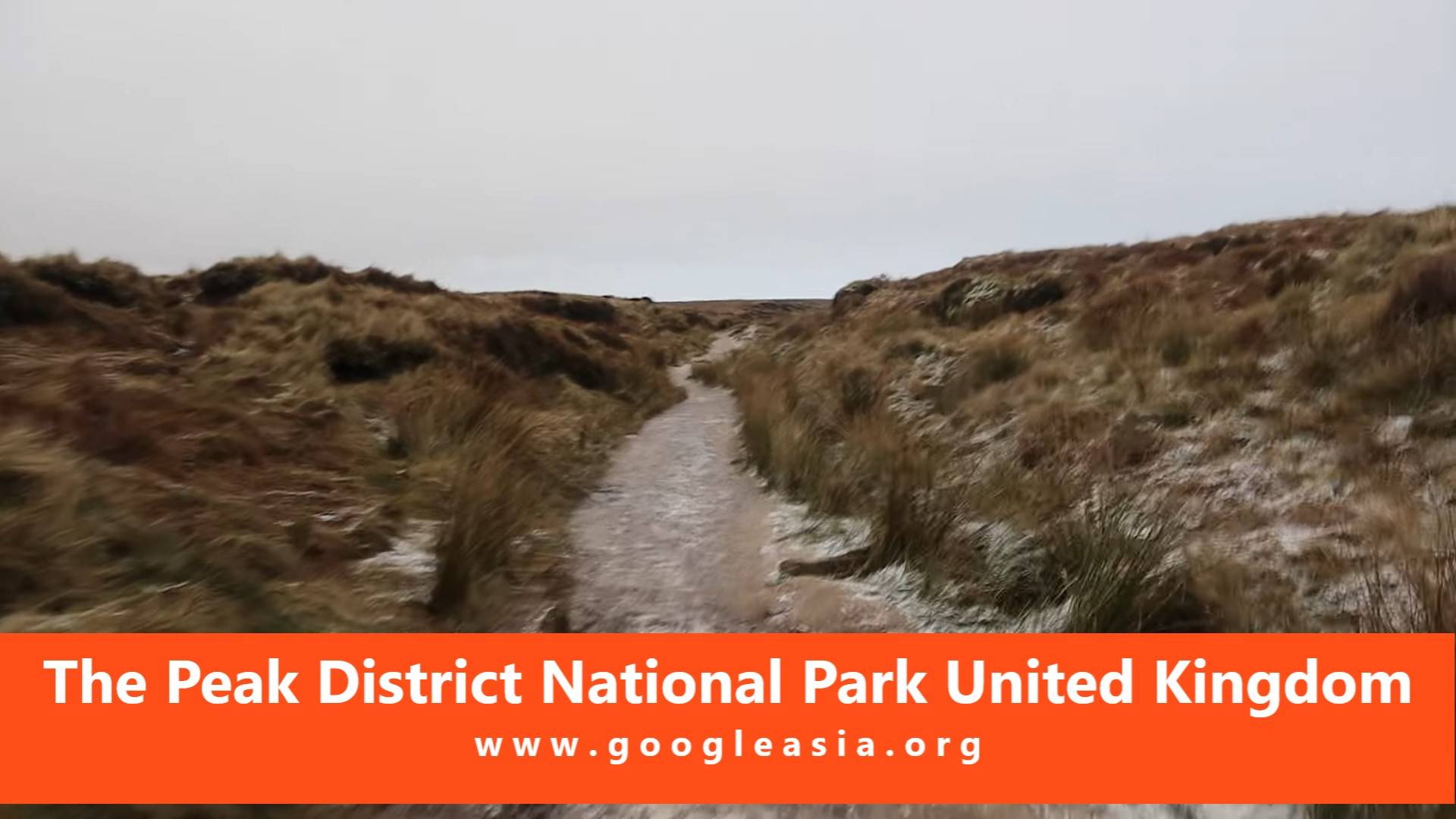
    • By Car: If you choose to drive, you can take the A7 motorway from Milan towards Genoa, then switch to the A12 motorway heading towards La Spezia. From Florence, take the A11 motorway to Pisa and then join the A12 motorway. Note that parking in the Cinque Terre villages is limited and many areas are car-free. It’s often recommended to park in La Spezia or nearby towns and take a train into Cinque Terre.
    • By Bus: Long-distance buses operate to La Spezia from major Italian cities. Once in La Spezia, you will need to switch to a local train to reach the Cinque Terre villages.
    • By Plane: The closest airports to Cinque Terre are Pisa International Airport (PSA) and Genoa Airport (GOA). From either airport, you can take a train to La Spezia and then transfer to a local train to reach Cinque Terre.
    • By Boat: During the tourist season, ferry services operate between some Cinque Terre villages and nearby cities such as La Spezia and Portovenere. Check ferry schedules and availability in advance.
    • By Hiking: For hiking enthusiasts, you can reach Cinque Terre by trekking from nearby areas. The Sentiero Azzurro (Blue Trail) connects the five villages and offers stunning views of the coastline.

    Note: It is advisable to check current travel schedules, ticket prices, and local transportation options, especially during peak tourist seasons.

    Is Cinque Terr a suitable travel destination for solo adventurers, honeymooning couples, or those traveling with families?

    Yes, Cinque Terre is a versatile travel destination that can be enjoyed by solo adventurers, honeymooning couples, and families. Here’s how each type of traveler can experience Cinque Terre:

    • Solo Adventurers: Cinque Terre is ideal for solo travelers seeking adventure and scenic beauty. The region offers a variety of hiking trails, including the famous Sentiero Azzurro (Blue Trail) that connects the five villages. Solo adventurers can enjoy exploring the charming streets, taking boat tours, and indulging in local cuisine at cozy restaurants. The relaxed atmosphere and friendly locals make it a welcoming destination for those traveling alone.
    • Honeymooning Couples: For couples on a honeymoon, Cinque Terre provides a romantic and picturesque setting. The colorful villages perched on rugged cliffs offer breathtaking views of the Mediterranean Sea, making it perfect for romantic strolls and sunset views. Couples can enjoy intimate dinners, wine tastings, and private boat rides. The serene ambiance and stunning landscapes create an ideal backdrop for a romantic getaway.
    • Traveling with Families: Cinque Terre is also suitable for families, though it requires some planning. The region offers family-friendly activities such as boat trips, beach time in Monterosso al Mare, and exploring the quaint villages. Families should be aware that the villages are built on steep hills, which might be challenging for young children or those with mobility issues. However, the area is safe and provides a unique opportunity for families to experience Italian culture and natural beauty together.

    Overall, Cinque Terre caters to a range of travelers with its diverse activities and stunning scenery. Whether you are exploring solo, enjoying a romantic escape, or traveling with family, you will find plenty to appreciate in this charming part of Italy

    Why should you visit Cinque Terr?

    Cinque Terre, a stunning coastal region in Italy, is a must-visit destination for several compelling reasons:

    1. Breathtaking Scenery: Cinque Terre is renowned for its dramatic landscapes, where colorful villages are perched on steep cliffs overlooking the turquoise waters of the Mediterranean Sea. The views from various vantage points and hiking trails are nothing short of spectacular.
    2. Charming Villages: The five villages—Monterosso al Mare, Vernazza, Corniglia, Manarola, and Riomaggiore—each offer their own unique charm. Wander through narrow, winding streets, admire the colorful houses, and experience the local culture and traditions.
    3. Scenic Hiking Trails: Cinque Terre is famous for its network of scenic hiking trails that connect the villages. The Sentiero Azzurro (Blue Trail) provides stunning views of the coastline and offers an excellent way to explore the region’s natural beauty.
    4. Authentic Italian Cuisine: Enjoy delicious Italian cuisine in the local trattorias and seafood restaurants. Cinque Terre is known for its fresh seafood, pesto dishes, and locally-produced wines. Dining with a view of the sea adds to the culinary experience.
    5. Picturesque Beaches: The region has several picturesque beaches where you can relax and take in the beautiful surroundings. Monterosso al Mare, in particular, is known for its larger sandy beach, ideal for sunbathing and swimming.
    6. Rich Cultural Heritage: Cinque Terre has a rich history and cultural heritage that is reflected in its architecture, traditions, and local festivals. Exploring the villages provides insight into the region’s past and its way of life.
    7. Vibrant Marine Life: The surrounding waters are home to a variety of marine life, making it a great spot for snorkeling and diving. You can explore underwater beauty while enjoying the Mediterranean’s clear waters.
    8. Unique Photography Opportunities: With its colorful buildings, stunning landscapes, and picturesque streets, Cinque Terre offers numerous opportunities for photography. The region is a dream destination for photographers seeking to capture its beauty.
    9. Relaxed Atmosphere: Cinque Terre provides a peaceful and relaxing environment away from the hustle and bustle of larger cities. It’s an ideal place to unwind, enjoy nature, and experience the slower pace of life.
    10. Easy Access to Nearby Attractions: While Cinque Terre itself is a major attraction, it is also conveniently located for day trips to other beautiful areas of Italy, including Pisa, Florence, and the Tuscan countryside.

    Overall, Cinque Terre offers a combination of natural beauty, charming villages, and cultural richness, making it a compelling destination for travelers seeking both relaxation and adventure.

    Is there any halal food available in the vicinity of the Cinque Terr?

    While Cinque Terre is known for its Italian cuisine, including seafood and pasta, halal options may be limited. However, there are still some ways to find halal food in and around the Cinque Terre region:

    1. Local Restaurants: In the smaller villages of Cinque Terre, finding specifically halal restaurants can be challenging due to the region’s traditional Italian focus. It’s advisable to check with local restaurants if they can accommodate halal dietary needs, especially if you contact them in advance.
    2. Nearby Cities: For more diverse dining options, consider visiting nearby cities like La Spezia, which is the closest larger town to Cinque Terre. La Spezia has a greater variety of restaurants and is more likely to have halal options, including international or Middle Eastern cuisine.
    3. Major Italian Cities: If you are traveling to or from major cities such as Pisa, Florence, or Genoa, you will find more halal dining options in these larger urban areas. Many big cities in Italy have halal restaurants or grocery stores catering to diverse dietary needs.
    4. Halal-Friendly Choices: In Cinque Terre, while specific halal restaurants may not be common, you might find vegetarian and seafood dishes that align with halal dietary practices. Always confirm with the restaurant about the ingredients and preparation methods to ensure they meet halal standards.
    5. Grocery Stores: If you prefer to prepare your own meals, look for grocery stores or markets in Cinque Terre or La Spezia where you might find halal products. You can use these ingredients to make your own meals or snacks.
    6. Online Resources: Utilize online platforms and apps to search for halal restaurants or food options in the Cinque Terre region and nearby areas. Reviews and recommendations can be helpful in finding suitable dining choices.

    Summary: While halal food may not be widely available directly within Cinque Terre, nearby cities like La Spezia offer more options. Planning ahead and checking with local restaurants or utilizing nearby cities can help you find suitable halal food during your visit.

  • Amalfi Coast, Italy: UNESCO Gem with 100 Stunning Beaches

    Amalfi Coast, Italy: UNESCO Gem with 100 Stunning Beaches

    Amalfi Coast, Italy

    Discover the breathtaking Amalfi Coast, a UNESCO World Heritage Site in Italy boasting over 100 pristine beaches, charming villages, and unforgettable views. Plan your dream getaway today—read more to explore hidden gems and travel tips!

    Amalfi Coast Italy UNESCO World Heritage Sites

    Summary

    • Attraction: Amalfi Coast
    • Country: ITALY
    • Continent: Europe
    • Capital Name: Rome
    • Language: Italian
    • Category: #Destination #Europe #Italy

    Introduction

    Cinque Terre is a breathtaking destination on the Italian Riviera, located in the Liguria region. Renowned for its stunning coastal landscapes and charming villages, it is a UNESCO World Heritage Site and one of Italy’s most picturesque locales. Here’s an overview of what makes Cinque Terre a must-visit destination:

    Scenic Villages

    Monterosso al Mare

    • Overview: The largest of the five villages, Monterosso al Mare is known for its sandy beaches and vibrant atmosphere.
    • Highlights: The old town, sandy beaches, and the 12th-century Monterosso Castle offer plenty to explore.

    Vernazza

    • Overview: Often considered the most picturesque of the five villages, Vernazza is characterized by its colorful houses and quaint harbor.
    • Highlights: The small harbor, the Doria Castle, and stunning sea views make it a charming place to visit.

    Corniglia

    • Overview: Perched high on a cliff, Corniglia offers a more serene experience compared to its neighboring villages.
    • Highlights: The village’s narrow streets and panoramic views are ideal for a more relaxed visit.

    Manarola

    • Overview: Known for its scenic beauty and colorful buildings, Manarola is a favorite among photographers.
    • Highlights: The picturesque harbor and the Via dell’Amore, a romantic walking path, are must-sees.

    Riomaggiore

    • Overview: The southernmost village, Riomaggiore is known for its dramatic cliffs and vibrant community.
    • Highlights: The main street, the Riomaggiore Castle, and its picturesque marina are popular attractions.

    Hiking Trails

    Sentiero Azzurro

    • Overview: This “Blue Trail” connects all five villages and offers some of the most stunning coastal views.
    • Highlights: The trail provides breathtaking vistas of the Mediterranean and picturesque views of the villages.

    Trail of the Gods

    • Overview: A more challenging hike, this trail offers panoramic views of the Cinque Terre coastline.
    • Highlights: The trail is renowned for its rugged beauty and panoramic vistas.

    Beaches

    Monterosso Beach

    • Overview: The only sandy beach in Cinque Terre, ideal for swimming and sunbathing.
    • Highlights: Popular for its clean sands and clear waters.

    Vernazza Beach

    • Overview: A rocky beach with beautiful turquoise waters.
    • Highlights: Perfect for swimming and taking in the views of the surrounding cliffs.

    Local Cuisine

    Seafood

    • Overview: Fresh seafood is a highlight of Cinque Terre’s cuisine.
    • Specialties: Try dishes like anchovies, seafood pasta, and fritto misto.

    Pesto

    • Overview: Cinque Terre is famous for its pesto, made with fresh basil, garlic, pine nuts, Parmesan cheese, and olive oil.
    • Specialties: Enjoy trofie al pesto, a local pasta dish.

    Best Hotels

    Grand Hotel Portovenere

    • Overview: Offers luxurious accommodations with stunning sea views, located just outside Cinque Terre.
    • Highlights: Spacious rooms and elegant dining options.

    Hotel Porto Roca

    • Overview: Located in Monterosso al Mare, this hotel provides panoramic views and a pool overlooking the sea.
    • Highlights: Elegant rooms and excellent service.

    Hotel Marina Piccola

    • Overview: Situated in Riomaggiore, this hotel offers cozy rooms and a terrace with panoramic views.
    • Highlights: Ideal for exploring Riomaggiore and enjoying the sea views.

    Villa Steno

    • Overview: A family-run hotel in Monterosso al Mare, known for its warm hospitality and beautiful garden.
    • Highlights: Delicious breakfast and a welcoming atmosphere.

    Things to Do

    The Amalfi Coast is a stunning destination on Italy’s southern coast, renowned for its dramatic landscapes, charming towns, and luxurious atmosphere. Here’s a guide to some of the best activities to enjoy while visiting this beautiful region:

    Explore the Coastal Towns

    Amalfi

    • Visit Amalfi Cathedral: Admire the impressive 9th-century cathedral, known for its stunning façade and beautiful interior.
    • Wander the Piazza Duomo: Enjoy the lively square with its cafes, shops, and historic buildings.
    • Explore the Amalfi Paper Museum: Learn about the region’s paper-making history at this fascinating museum.

    Positano

    • Relax on Positano Beach: Spend a day lounging on the iconic pebble beach, surrounded by colorful cliffside buildings.
    • Stroll Through the Narrow Streets: Discover boutique shops, cafes, and art galleries in Positano’s charming streets.
    • Visit Santa Maria Assunta Church: See the famous dome and the historic Byzantine icon of the Black Madonna.

    Ravello

    • Tour Villa Rufolo: Explore this historic villa and its beautiful gardens, which offer breathtaking views of the coast.
    • Visit Villa Cimbrone: Wander through the lush gardens and enjoy panoramic views from the Terrace of Infinity.
    • Attend the Ravello Festival: Experience world-class music and cultural events at this renowned annual festival.

    Praiano

    • Enjoy Marina di Praia Beach: Relax on this picturesque beach nestled between cliffs.
    • Hike the Path of the Gods: Take a scenic hike with stunning views of the coastline and surrounding hills.

    Furore

    • Explore Furore Fjord: Visit this hidden gem with its dramatic natural arch and crystal-clear waters.
    • Walk the Furore Bridge: Marvel at the impressive bridge that spans the fjord and enjoy the scenic views.

    Enjoy Local Cuisine

    Seafood Dishes

    • Try Local Specialties: Sample dishes such as spaghetti alle vongole (spaghetti with clams) and fritto misto (mixed fried seafood).
    • Experience Fresh Fish: Enjoy freshly caught fish at one of the local seaside restaurants.

    Limoncello

    • Tasting Tours: Visit local distilleries to taste limoncello, the famous lemon liqueur produced in the region.
    • Lemon-Based Desserts: Try desserts made with local lemons, such as lemon sorbet or lemon tarts.

    Outdoor Activities

    Boat Tours

    • Coastal Cruises: Take a boat tour along the coast to admire the stunning scenery and explore hidden coves.
    • Private Boat Rentals: Rent a private boat for a more personalized experience on the water.

    Hiking

    • Sentiero degli Dei (Path of the Gods): Hike this famous trail for spectacular views of the coast and surrounding countryside.
    • Valle delle Ferriere: Explore this lush valley with its waterfalls and diverse plant life.

    Beach Days

    • Visit Famous Beaches: Relax at some of the Amalfi Coast’s beautiful beaches, such as Marina Grande in Amalfi and Spiaggia Grande in Positano.
    • Beach Clubs: Enjoy amenities and services at one of the region’s exclusive beach clubs.

    Cultural and Historical Sites

    Explore Ancient Ruins

    • Visit Pompeii: Take a day trip to explore the ancient ruins of Pompeii, located a short drive from the Amalfi Coast.
    • Herculaneum: Discover the well-preserved ruins of Herculaneum, another site buried by the eruption of Mount Vesuvius.

    Visit Historic Churches

    • Church of San Giovanni: Admire the historic church in Amalfi with its intricate architecture.
    • Church of San Pietro: Explore this charming church in Positano with its beautiful interior and historic significance.

    Foods

    The Amalfi Coast is renowned for its exceptional cuisine, which reflects the region’s rich agricultural and maritime heritage. From fresh seafood to delicious pastries, here are some of the best foods to try when visiting this picturesque Italian destination:

    Fresh Seafood

    Local Favorites

    • Mussels and Clams: Enjoy these shellfish in a variety of preparations, from simple grilled dishes to rich stews.
    • Calamari: Try tender calamari, often served grilled or fried.
    • Anchovies: A local specialty, anchovies from the Amalfi Coast are typically served marinated or fried, providing a unique taste of the region.
    • Octopus: Often prepared in a variety of ways, including salads and stews.
    • Sea Urchin and Cuttlefish: For a more adventurous palate, sample these delicacies, known for their fresh and distinct flavors.

    Pizza

    Local Specialties

    • Pizza Margherita: A classic with a topping of tomatoes, mozzarella, and basil, capturing the essence of Italian simplicity.
    • Pizza alla Puttanesca: Featuring a flavorful combination of tomatoes, olives, capers, and anchovies.
    • Pizza with Local Toppings: Try pizzas topped with local ingredients like anchovies, capers, and olives for a regional twist.

    Limoncello

    Must-Try Liqueur

    • Limoncello: This lemon-flavored liqueur is made from the zest of Amalfi lemons. It’s typically enjoyed as a digestif and is a quintessential taste of the region.

    Pasta

    Regional Dishes

    • Spaghetti alla Nerano: A local favorite, this dish features spaghetti with zucchini and a rich cheese sauce.
    • Spaghetti alla Puttanesca: Known for its robust flavors, this pasta dish includes tomatoes, olives, capers, and anchovies.
    • Gnocchi: Enjoy soft, potato-based gnocchi often served with local sauces.

    Focaccia

    Traditional Flatbread

    • Focaccia: A staple in the region, focaccia is often topped with ingredients like tomatoes, onions, and olives. It’s perfect as a snack or side dish.

    Gelato

    Delicious Ice Cream

    • Local Flavors: Italian gelato is famous worldwide, and the Amalfi Coast offers unique flavors such as limoncello gelato and ricotta gelato. Be sure to sample these refreshing treats.

    Conclusion

    The Amalfi Coast’s culinary offerings are as diverse and captivating as its stunning landscapes. From the freshest seafood and iconic pizzas to unique local liqueurs and delicious gelato, the region provides a feast for the senses. Be sure to indulge in these local specialties to fully experience the flavors of this remarkable Italian destination. Whether you’re savoring a traditional meal or enjoying a refreshing gelato, the Amalfi Coast promises a memorable gastronomic adventure.

    Hotels

    The Amalfi Coast is renowned for its stunning scenery and luxurious accommodations. Here are some of the best hotels to consider for an unforgettable stay in this beautiful region:

    Hotel Santa Caterina

    Overview

    • Location: Perched on a cliff in Amalfi, offering breathtaking views of the Mediterranean Sea.
    • Features: Five-star luxury with elegantly appointed guestrooms, a stunning cliffside pool, and a full-service spa.
    • Highlights: The hotel’s private beach and exceptional dining options make it a top choice for a luxurious coastal retreat.

    Hotel Marincanto

    Overview

    • Location: Situated in the heart of Positano, providing panoramic views of the Mediterranean.
    • Features: A four-star property featuring modern rooms, an inviting pool with spectacular views, and a well-regarded restaurant.
    • Highlights: The hotel’s central location makes it convenient for exploring Positano’s charming streets and beaches.

    Hotel Caruso Belmond

    Overview

    • Location: Nestled on the cliffs of Ravello, this luxurious hotel offers an exquisite setting with views of the coastline.
    • Features: This five-star hotel boasts a beautiful infinity pool, a world-class spa, and a restaurant with a terrace overlooking the sea.
    • Highlights: Known for its opulent accommodations and celebrity clientele, it’s a favorite for those seeking a high-end experience.

    Le Sirenuse

    Overview

    • Location: Positioned in the heart of Positano, this iconic five-star hotel offers elegant surroundings and stunning views.
    • Features: Includes a luxurious outdoor pool, a full-service spa, and a gourmet restaurant serving exquisite Italian cuisine.
    • Highlights: Renowned for its sophisticated atmosphere and top-notch service, it’s a favorite among discerning travelers.

    Grand Hotel Convento di Amalfi

    Overview

    • Location: Located in Amalfi, surrounded by lush gardens and historic architecture.
    • Features: This five-star hotel offers an outdoor pool, a relaxing spa, and a restaurant with panoramic views of the coastline.
    • Highlights: The blend of historic charm and modern luxury makes it a unique choice for those wanting to experience Amalfi’s rich history and beauty.

    Conclusion

    Cinque Terre is a captivating destination that offers stunning coastal landscapes, charming villages, and a rich culinary tradition. Whether you’re exploring the picturesque villages, hiking the scenic trails, or indulging in local delicacies, Cinque Terre promises an unforgettable experience. With its unique combination of natural beauty and cultural richness, it stands as one of Italy’s most treasured destinations.

    Frequently Asked Questions

    Where is Amalfi Coast located?

    The Amalfi Coast is located in the region of Campania, Italy. It stretches along the southern side of the Sorrentine Peninsula, overlooking the Tyrrhenian Sea. The coastline is known for its stunning beauty, picturesque villages, colorful houses clinging to steep cliffs, and scenic landscapes. Some of the prominent towns along the Amalfi Coast include Amalfi, Positano, Ravello, and Praiano. It is a popular tourist destination and a UNESCO World Heritage Site

    How to go to Amalfi Coast?

    Getting to the Amalfi Coast depends on your starting point, but generally, the most common ways to reach the Amalfi Coast are by car, bus, or ferry. Here are some guidelines based on popular starting locations:

    1. From Naples:
      • By Car: The Amalfi Coast is about a 1.5 to 2-hour drive from Naples. Take the A3 highway towards Salerno, then follow the signs for the Amalfi Coast.
      • By Bus: SITA buses run from Naples to Amalfi, passing through towns like Sorrento and Positano. The bus journey provides scenic views of the coastline.
      • By Ferry/Boat: During the tourist season, there are also ferry services from Naples to Sorrento, and then you can continue by bus or boat along the coast.
    2. From Rome:
      • By Car: The Amalfi Coast is approximately a 3 to 4-hour drive from Rome. Take the A1 highway south towards Naples, then connect to the A3 towards Salerno.
      • By Train: You can take a train from Rome to Naples, and then switch to a local train to Sorrento. From Sorrento, you can continue by bus or boat.
    3. From Salerno:
      • By Car: If you’re arriving by train or other means to Salerno, you can take the A3 highway towards Naples and follow the signs for the Amalfi Coast.
      • By Ferry/Boat: There are also ferry services from Salerno to various towns on the Amalfi Coast.
    4. By Air:
      • The nearest airport is Naples International Airport (Capodichino). From there, you can rent a car, take a bus, or arrange for a private transfer to reach the Amalfi Coast.

    It’s important to note that the roads along the Amalfi Coast can be narrow and winding, so driving requires skill and patience. Additionally, public transportation options are available, but schedules may vary, especially in the off-peak season. Always check the latest transportation options and schedules based on your specific travel dates and plans.

    What are Amalfi Coast’s must-visit attractions or landmarks?

    The Amalfi Coast is renowned for its stunning natural beauty, charming towns, and cultural attractions. Here are some must-visit attractions and landmarks along the Amalfi Coast:

    1. Amalfi: The town of Amalfi itself is a highlight. Visit the stunning Amalfi Cathedral (Duomo di Amalfi), which features impressive architecture and houses the remains of St. Andrew. Explore the historic center, stroll along the waterfront, and enjoy the vibrant atmosphere.
    2. Positano: Known for its pastel-colored houses clinging to the cliffs, Positano is one of the most picturesque towns on the coast. Relax on the beautiful beaches, wander through the narrow streets, and visit the Church of Santa Maria Assunta.
    3. Ravello: This hilltop town offers breathtaking panoramic views of the coast. Ravello is famous for its villas, including Villa Rufolo and Villa Cimbrone, both known for their exquisite gardens and stunning architecture.
    4. Praiano: A quieter and less crowded town, Praiano boasts beautiful views and a serene atmosphere. Visit the Church of San Luca Evangelista and enjoy the peaceful beaches.
    5. Path of the Gods (Sentiero degli Dei): This hiking trail offers spectacular views of the coastline and the sea. The trail starts in Bomerano (near Amalfi) and takes you through picturesque landscapes and charming villages.
    6. Furore Fjord (Fiordo di Furore): A unique natural attraction, Furore Fjord is a narrow inlet surrounded by cliffs. It’s a picturesque spot for photos and a refreshing swim.
    7. Cathedral of Saint Andrew (Duomo di Sant’Andrea): Located in Amalfi, this cathedral is dedicated to the patron saint of the town, St. Andrew. It features a stunning blend of Arab-Norman and Gothic architecture.
    8. Grotta dello Smeraldo (Emerald Grotto): This sea cave near Conca dei Marini is known for its emerald-green waters. Take a boat tour to explore the cave and see the unique play of light on the water.
    9. Minori and Maiori: These lesser-known towns offer a more authentic experience. Visit the Roman Villa Marittima in Minori and relax on the beaches of Maiori.
    10. Spiaggia Grande and Fornillo Beaches: In Positano, Spiaggia Grande is the main beach with colorful umbrellas and a lively atmosphere. Fornillo Beach is a quieter alternative, reachable by a scenic coastal path.

    These are just a few highlights, and the Amalfi Coast offers many more hidden gems, historic sites, and natural wonders to discover as you explore the region.

    What are Amalfi Coast’s nearby must-visit attractions or landmarks?

    While exploring the Amalfi Coast, there are several nearby attractions and landmarks worth visiting. Here are some must-see places in the vicinity:

    1. Pompeii and Herculaneum: Located near Naples, these ancient Roman cities were preserved by the eruption of Mount Vesuvius in 79 AD. Pompeii and Herculaneum offer a fascinating glimpse into daily life during the Roman Empire, with well-preserved ruins, streets, and artifacts.
    2. Mount Vesuvius: For those interested in hiking and panoramic views, Mount Vesuvius is an active volcano near Naples. Visitors can hike to the crater and enjoy breathtaking views of the Bay of Naples.
    3. Naples: Explore the historic city of Naples, known for its rich history, art, and cuisine. Visit landmarks such as Naples Cathedral, the Royal Palace of Naples, and the National Archaeological Museum.
    4. Capri: A short boat ride from the Amalfi Coast, Capri is a beautiful island with iconic attractions like the Blue Grotto, Faraglioni rocks, and the charming town of Anacapri. Take a boat tour around the island to fully experience its beauty.
    5. Sorrento: Located at the northern end of the Amalfi Coast, Sorrento is a lovely town known for its lemon groves, historic center, and panoramic views. Don’t miss the opportunity to stroll through the charming streets and visit the Piazza Tasso.
    6. Paestum: A bit farther south along the coast, Paestum is home to well-preserved ancient Greek temples. The archaeological site includes three major temples dedicated to Hera, Athena, and Poseidon.
    7. Caserta Royal Palace (Reggia di Caserta): Located inland from the Amalfi Coast, the Royal Palace of Caserta is a UNESCO World Heritage Site with a vast and opulent palace, beautiful gardens, and a large park.
    8. Cilento and Vallo di Diano National Park: This national park, located south of the Amalfi Coast, offers a diverse landscape, including mountains, forests, and coastline. The ancient Greek ruins of Velia are also within the park.
    9. Sant’Agata dei Goti: A charming medieval town located inland, Sant’Agata dei Goti is known for its well-preserved historic center, medieval architecture, and the Cathedral of Sant’Agata.
    10. Agerola: Known as the “Gateway to the Amalfi Coast,” Agerola is a starting point for the famous Path of the Gods hiking trail. The town itself offers a peaceful retreat with beautiful views.

    These nearby attractions complement the beauty of the Amalfi Coast and provide a diverse range of experiences, from ancient history and cultural exploration to natural wonders and scenic landscapes.

    Is Amalfi Coast a suitable travel destination for solo adventurers, honeymooning couples, or those traveling with families?

    The Amalfi Coast is a versatile travel destination that can cater to different types of travelers, including solo adventurers, honeymooning couples, and families. Here’s a breakdown of why it can be suitable for each group:

    1. Solo Adventurers:
      • Hiking and Exploration: The Amalfi Coast offers various hiking trails, such as the famous Path of the Gods, making it a great destination for solo hikers and adventurers.
      • Cultural Exploration: Solo travelers can explore charming towns like Amalfi, Positano, and Ravello, visit historical sites, and interact with the local culture.
      • Scenic Views: The stunning landscapes and coastal views provide a picturesque backdrop for solo travelers seeking tranquility and natural beauty.
    2. Honeymooning Couples:
      • Romantic Atmosphere: The Amalfi Coast is renowned for its romantic ambiance, with cliffside villages, beautiful sunsets, and intimate restaurants overlooking the sea.
      • Luxurious Accommodations: There are many boutique hotels, villas, and resorts that offer a luxurious and romantic setting for honeymooning couples.
      • Boat Excursions: Couples can enjoy private boat tours along the coast, exploring hidden coves and the enchanting Blue Grotto near Capri.
    3. Families:
      • Beaches: The Amalfi Coast has family-friendly beaches where children can play and swim. Positano and Maiori, for example, have sandy beaches suitable for families.
      • Cultural Experience: Families can explore historical sites together, such as the Amalfi Cathedral and the ancient ruins of Paestum.
      • Local Cuisine: The region offers delicious Italian cuisine, and families can enjoy trying local dishes at family-friendly restaurants.
    4. General Considerations:
      • Transportation: While the Amalfi Coast is accessible by car, bus, and boat, families may find it convenient to rent a car for flexibility in exploring the region.
      • Crowds and Seasons: The Amalfi Coast can be crowded during peak tourist seasons. Families may prefer visiting during the shoulder seasons (spring or fall) for a more relaxed experience.
      • Accommodations: There’s a wide range of accommodations available, from boutique hotels to vacation rentals, providing options suitable for different preferences and budgets.

    Whether you’re seeking adventure, romance, or family-friendly activities, the Amalfi Coast offers a diverse range of experiences that can cater to the preferences of various types of travelers.

    Why should you visit Amalfi Coast?

    The Amalfi Coast is a highly sought-after travel destination for several compelling reasons:

    1. Breathtaking Scenery: The Amalfi Coast is renowned for its stunning coastal landscapes, featuring picturesque cliffside villages, crystal-clear blue waters, and lush greenery. The combination of mountains meeting the sea creates some of the most breathtaking and iconic views in the world.
    2. Charming Towns: The coastal towns along the Amalfi Coast, including Amalfi, Positano, and Ravello, are known for their colorful architecture, narrow streets, and vibrant atmosphere. Exploring these charming towns offers a delightful mix of culture, history, and local life.
    3. Cultural and Historical Sites: The region is rich in cultural and historical heritage. Visitors can explore ancient cathedrals, historic villas, and archaeological sites such as the ruins of Paestum, providing a glimpse into the area’s past.
    4. Delicious Cuisine: The Amalfi Coast is part of Italy’s culinary heart, offering delicious local dishes. Enjoy fresh seafood, handmade pasta, limoncello, and other regional specialties in the charming restaurants and cafes overlooking the sea.
    5. Luxurious Accommodations: The Amalfi Coast provides a range of accommodations, from boutique hotels to luxury villas, offering travelers a chance to indulge in a comfortable and luxurious stay with stunning views.
    6. Romantic Atmosphere: The romantic ambiance of the Amalfi Coast makes it a popular destination for honeymooners and couples. Sunset views over the Mediterranean, candlelit dinners, and walks through the charming streets contribute to the region’s romantic allure.
    7. Outdoor Activities: Nature lovers and outdoor enthusiasts can engage in activities such as hiking along scenic trails, exploring hidden coves, and enjoying boat excursions to discover secluded beaches and grottoes.
    8. Cultural Events and Festivals: The Amalfi Coast hosts various cultural events and festivals throughout the year, celebrating local traditions, music, and arts. These events offer visitors a chance to immerse themselves in the vibrant local culture.
    9. Wine Tasting: The nearby region of Campania is known for its wine production. Visitors can explore local vineyards and wineries, sampling regional wines such as Lacryma Christi and Fiano di Avellino.
    10. Relaxation and Wellness: The tranquil atmosphere of the Amalfi Coast provides a perfect setting for relaxation and wellness. Many hotels and resorts offer spa facilities, and the calming environment allows visitors to unwind and rejuvenate.

    Whether you’re drawn to its natural beauty, cultural richness, or culinary delights, the Amalfi Coast offers a unique and unforgettable experience for travelers seeking a blend of relaxation, adventure, and cultural exploration.

    How accessible is halal food in Amalfi Coast?

    While Italy, in general, may not be known for a predominantly halal cuisine, you can still find halal food options in the Amalfi Coast, especially in larger towns and cities. Here are some tips for finding halal food in the Amalfi Coast:

    1. Ask Locals: Locals are often the best source of information. Inquire with residents or staff at your accommodation for recommendations on places that offer halal options.
    2. Larger Towns and Cities: In bigger towns like Amalfi, Positano, and Sorrento, you are more likely to find a variety of dining options, including restaurants that may serve halal dishes or have vegetarian options.
    3. Seafood Options: Given the coastal location, seafood is abundant in the region. You can often find halal-friendly seafood dishes at restaurants, but it’s a good idea to confirm with the staff about the preparation methods.
    4. Vegetarian and Vegan Choices: Many Italian dishes are vegetarian or can be modified to suit a vegetarian diet. Look for restaurants that offer a variety of vegetable-based dishes.
    5. Middle Eastern or International Cuisine: Some larger towns may have Middle Eastern or international restaurants that serve halal food. Check online platforms or local directories for such establishments.
    6. Communicate Dietary Restrictions: When dining at restaurants, it’s helpful to communicate any dietary restrictions, including the preference for halal food, with the staff. They may be able to make recommendations or adjust dishes accordingly.
    7. Supermarkets and Local Markets: You can also find halal food items in supermarkets or local markets, allowing you to prepare simple meals if you have access to kitchen facilities.
    8. Halal Certification: Some restaurants may have halal certification, especially if they cater to a diverse clientele. Check online reviews or contact the restaurant directly to inquire about their halal offerings.

    It’s essential to keep in mind that the availability of halal food can vary depending on the specific location and the size of the town. In smaller villages, options may be limited, and you may need to plan your meals accordingly. Additionally, being proactive in your communication with restaurant staff will help ensure that your dietary preferences are understood and accommodated.

  • Leaning Tower of Pisa, Italy: : Popular Tourist Attraction

    Leaning Tower of Pisa, Italy: : Popular Tourist Attraction

    Leaning Tower of Pisa, Italy

    Leaning Tower of Pisa is the best attraction you must visit in Italy. Located at the city of Pisa, there are thousands of tourists come daily to capture the memorable moment. Read here for more info.

    Introduction

    The Leaning Tower of Pisa, or Torre Pendente di Pisa, is one of Italy’s most iconic landmarks and a marvel of medieval engineering. Situated in the city of Pisa, Tuscany, this freestanding bell tower is renowned worldwide for its unintended tilt. Here’s an overview of this fascinating architectural wonder:

    Historical Background

    Construction

    • Date Began: Construction of the Leaning Tower of Pisa began in 1173.
    • Purpose: Originally intended as the freestanding bell tower for the nearby cathedral of the city, the tower was part of a larger cathedral complex known as the Piazza dei Miracoli or Square of Miracles.
    • Architectural Design: The tower was designed by Bonanno Pisano, and construction was interrupted multiple times due to wars and financial difficulties.

    Unintended Tilt

    • Tilt Begins: The tilt began during construction due to the soft ground on one side of the tower, which caused uneven settling.
    • Attempts to Correct: Over the centuries, various measures have been taken to stabilize the tower and correct its lean, including soil removal and the addition of counterweights.

    Architectural Features

    Design and Structure

    • Height: The tower stands approximately 56 meters (184 feet) tall.
    • Number of Floors: The tower has eight stories, including the chamber for the bells.
    • Material: Constructed from white and grey marble, the tower features a series of arcades and columns that encircle its structure.

    The Lean

    • Current Angle: The tower leans at an angle of about 3.97 degrees, which is less than the peak tilt but still noticeable.
    • Stabilization: Recent stabilization efforts have reduced the tilt from a dangerous angle and are expected to preserve the tower for future generations.

    Tourist Experience

    Climbing the Tower

    • Access: Visitors can climb the 294 steps of the tower to reach the top, where they are rewarded with stunning views of Pisa and the surrounding countryside.
    • Ticketing: Tickets for climbing the tower are typically purchased in advance, as the number of visitors allowed at a time is restricted.

    Piazza dei Miracoli

    • Other Attractions: The Leaning Tower is part of the larger Piazza dei Miracoli, which includes the Cathedral of Pisa, the Baptistery, and the Camposanto Monumentale (Monumental Cemetery).
    • UNESCO World Heritage Site: The entire complex was designated a UNESCO World Heritage Site in 1987 due to its historical and architectural significance.

    Cultural Impact

    Iconic Status

    • Symbolism: The Leaning Tower of Pisa has become a symbol of both architectural innovation and the resilience of human endeavor.
    • Global Recognition: It is one of the most photographed landmarks in the world and a must-visit attraction for travelers to Italy.

    Things to Do

    The Leaning Tower of Pisa is one of Italy’s most iconic landmarks, attracting millions of visitors each year. While the tower itself is a marvel of engineering and history, there is much more to explore in its surroundings. Here are some of the top activities you can enjoy while visiting this historic site.

    Climb the Tower

    Experience the Ascent

    One of the most thrilling experiences at the Leaning Tower of Pisa is climbing the 296 steps to its summit. As you ascend, you’ll be struck by the tower’s unique tilt, providing a distinct perspective of the surrounding cityscape. The climb is a memorable adventure, offering an unparalleled view of Pisa and the nearby countryside.

    Enjoy the Panoramic Views

    At the top of the tower, you’ll be rewarded with breathtaking panoramic views. On a clear day, you can see as far as the Tuscan hills and the city’s historical buildings. It’s an excellent opportunity for photographs and to truly appreciate the scale and grandeur of this medieval marvel.

    Take Photos with the Iconic Leaning Tower of Pisa

    Perfect Your Angle

    The Leaning Tower of Pisa is renowned for its distinctive tilt, and getting the perfect photo with the tower is a must-do activity. Popular photo poses include pretending to hold up the tower or leaning against it. Experiment with different angles and perspectives to capture a memorable shot.

    Capture the Surrounding Scenery

    The area around the tower, Piazza dei Miracoli, is also worth photographing. The combination of the tower, the cathedral, the baptistery, and the lush green lawns creates a picturesque scene. Make sure to include these elements in your photos for a comprehensive view of the site.

    Explore Piazza dei Miracoli

    Visit the Cathedral

    The cathedral, or Duomo di Pisa, is an architectural masterpiece located in Piazza dei Miracoli. Its Romanesque design and intricate facade are stunning. Inside, you’ll find beautiful mosaics and a tranquil atmosphere that contrasts with the tower’s bustling exterior.

    Discover the Baptistery

    The Baptistery of St. John is another gem in the square, known for its impressive acoustics and grand design. It is the largest baptistery in Italy and features a remarkable combination of Gothic and Romanesque styles. Don’t miss the chance to listen to the echo in this space.

    Wander Through the Cemetery

    The Campo Santo, or the Monumental Cemetery, is a serene and historic site. The cemetery features ancient Roman sarcophagi and beautiful frescoes. It offers a peaceful retreat and a chance to reflect on the history of Pisa.

    Learn at the Museum of the Leaning Tower of Pisa

    Explore Historical Exhibits

    The Museum of the Leaning Tower of Pisa provides a comprehensive look at the tower’s history and its architectural significance. Exhibits include models, historical documents, and detailed explanations of the tower’s construction and its tilt.

    Understand the Restoration Efforts

    The museum also highlights the various restoration efforts undertaken to preserve the tower. Understanding these efforts adds depth to your appreciation of the tower’s engineering challenges and the successful solutions that have kept it standing.

    Savor Local Cuisine

    Enjoy Chianti and Pasta

    After exploring, treat yourself to a glass of Chianti and a plate of traditional Italian pasta at one of the nearby restaurants. The square is home to several dining options that offer delicious local fare and a pleasant atmosphere. Enjoying a meal here is a great way to relax and immerse yourself in Tuscan culture.

    Experience Authentic Gelato

    No visit to Italy is complete without sampling some authentic gelato. Several gelaterias around the square offer a variety of flavors made with high-quality ingredients. It’s a perfect way to cool down and indulge while taking in the surroundings.

    Join a Guided Tour

    Gain In-Depth Knowledge

    Participating in a guided tour provides deeper insights into the history, architecture, and cultural significance of the Leaning Tower of Pisa. Guides offer fascinating stories and information that you might not discover on your own.

    Enjoy a Well-Structured Visit

    Guided tours often include access to parts of the site that are not available to general visitors and can streamline your visit by covering key highlights efficiently.

    Relax in Nearby Parks and Gardens

    Unwind Amidst Greenery

    The nearby parks and gardens offer a relaxing escape from the crowds. You can take a leisurely stroll or simply sit and enjoy the tranquil environment. The green spaces around the tower provide a pleasant contrast to the busy tourist areas.

    Picnic with a View

    Consider packing a picnic to enjoy in one of these green areas. With the Leaning Tower of Pisa as a backdrop, it’s a wonderful way to enjoy the beauty of the surroundings.

    Shop for Souvenirs

    Browse Local Shops

    The area around Piazza dei Miracoli is lined with souvenir shops where you can find a range of keepsakes, from miniature replicas of the tower to locally crafted items. Shopping for souvenirs is a fun way to remember your visit and pick up gifts for friends and family.

    Support Local Artisans

    Many of the shops offer unique, locally made products. Purchasing souvenirs from these stores supports local artisans and helps preserve the cultural heritage of Pisa.

    Best Foods Nearby

    Visiting the Leaning Tower of Pisa offers a chance to indulge in some of Italy’s most beloved dishes. Whether you’re looking for a quick snack or a hearty meal, the area around the tower has a wealth of culinary delights to offer. Here’s a guide to some of the best foods you should try while exploring this iconic landmark.

    Pizza

    Classic Margherita

    You can’t visit Italy without savoring a classic Margherita pizza. This simple yet flavorful pizza features a combination of fresh tomatoes, mozzarella cheese, and basil, drizzled with olive oil. The Margherita pizza embodies the essence of Italian cuisine with its fresh, high-quality ingredients.

    Gourmet Creations

    For those who enjoy experimenting with flavors, Pisa offers a variety of gourmet pizzas. From truffle and porcini mushrooms to seafood and unique cheese blends, there’s a pizza to suit every palate. Many local pizzerias pride themselves on their creative toppings and artisanal techniques.

    Gelato

    Traditional Flavors

    Gelato is a must-try Italian treat, especially on a warm day after exploring the Leaning Tower. of Pisa Enjoy classic flavors like vanilla, chocolate, and pistachio, which are rich, creamy, and made with the finest ingredients.

    Innovative Options

    For a more adventurous taste, try some of the innovative flavors that gelaterias in Pisa offer. You might find gelato made with local ingredients, such as Tuscan honey or fresh figs, adding a unique twist to this beloved dessert.

    Lasagne

    Classic Lasagne

    Lasagne is a staple of Italian comfort food, and Pisa has its own take on this classic dish. The traditional lasagne is layered with rich meat sauce, creamy béchamel, and melted cheese, creating a hearty and satisfying meal.

    Creative Variations

    In Pisa, you can also find lasagne with inventive fillings and flavors. Options might include vegetarian versions with seasonal vegetables, seafood lasagne, or even gourmet variations with truffle and exotic cheeses.

    Focaccia

    Classic Focaccia

    Focaccia is a versatile Italian bread that you can enjoy in many ways. The classic version is often seasoned with olive oil, rosemary, and sea salt, offering a deliciously crisp and aromatic treat.

    Focaccia Sandwiches

    For a more substantial meal, try a focaccia sandwich. Focaccia can be filled with a variety of ingredients, such as prosciutto, fresh mozzarella, sun-dried tomatoes, and arugula. These sandwiches are perfect for a quick and tasty lunch while you explore the area.

    Arancini

    Traditional Arancini

    Arancini are delightful fried rice balls that are a popular snack in Italy. Typically filled with a mixture of meat, cheese, and peas, these golden treats are crispy on the outside and savory on the inside.

    Creative Fillings

    In Pisa, you can find arancini with a variety of fillings beyond the traditional options. Look for versions with seafood, mushrooms, or even sweet fillings, offering a new twist on this classic Italian snack.

    Best Hotels Nearby

    When visiting the Leaning Tower of Pisa, choosing the right hotel can greatly enhance your experience. Staying close to this iconic landmark allows you to easily explore the city’s historical sites and enjoy its vibrant atmosphere. Here’s a guide to some of the best hotels near the Leaning Tower of Pisa, offering a range of amenities and experiences.

    Hotel La Torre di Pisa

    Historic Charm

    Hotel La Torre di Pisa is a charming option that captures the essence of the city’s history. Located just a short walk from the Leaning Tower of Pisa, this hotel offers guests a comfortable stay with traditional Italian decor. Its central location makes it an excellent choice for those looking to explore Pisa on foot.

    Modern Amenities

    Despite its historic charm, the hotel is equipped with modern amenities to ensure a pleasant stay. Guests can enjoy well-furnished rooms, free Wi-Fi, and a complimentary breakfast, all in close proximity to the tower and other attractions.

    Hotel Relais Dell’Orologio

    Elegant and Sophisticated

    Hotel Relais Dell’Orologio is known for its elegant decor and sophisticated ambiance. Situated in a beautifully restored historic building, this hotel offers luxurious rooms and attentive service. It’s an ideal choice for travelers seeking a high-end experience close to the Leaning Tower of Pisa.

    Exclusive Services

    Guests at Hotel Relais Dell’Orologio can enjoy a range of exclusive services, including a wellness center, fine dining options, and personalized concierge assistance. The hotel’s central location also provides easy access to Pisa’s main attractions.

    Hotel Imperiale

    Comfortable and Convenient

    Hotel Imperiale combines comfort with convenience. Located within walking distance of the Leaning Tower of Pisa, this hotel provides spacious rooms and modern amenities. It’s a great choice for families and travelers who want a comfortable base for exploring Pisa.

    Great Value

    Offering competitive rates and quality service, Hotel Imperiale provides excellent value for money. Guests can enjoy a complimentary breakfast, free Wi-Fi, and easy access to public transportation.

    Hotel Relais I Miracoli

    Scenic Views

    Hotel Relais I Miracoli is renowned for its stunning views of the Leaning Tower. Situated just a few steps from the landmark, this hotel offers rooms with picturesque views and a serene atmosphere. It’s perfect for those who want to wake up with a view of Pisa’s most famous site.

    Cozy and Welcoming

    The hotel features cozy, well-appointed rooms and a welcoming staff. Guests can also enjoy a delicious breakfast served in the hotel’s dining area, making it a great spot to start your day of exploration.

    Hotel Cisanello

    Modern Comfort

    Located a short drive from the Leaning Tower of Pisa, Hotel Cisanello offers modern comforts in a contemporary setting. The hotel’s spacious rooms and amenities cater to both business and leisure travelers, providing a comfortable stay with easy access to Pisa’s attractions.

    Accessible Location

    With convenient access to major roads and public transportation, Hotel Cisanello is well-suited for those exploring beyond the city center. It’s also known for its excellent service and well-maintained facilities.

    Hotel Relais La Torre

    Charming and Boutique

    Hotel Relais La Torre offers a charming boutique experience with a focus on personalized service. Located near the Leaning Tower of Pisa, this hotel provides a warm and inviting atmosphere, perfect for a relaxing stay.

    Personalized Service

    The hotel is praised for its friendly staff and attentive service, making guests feel right at home. The well-decorated rooms and the hotel’s proximity to local attractions add to its appeal.

    Hotel Da Vinci

    Family-Friendly

    Hotel Da Vinci is an excellent choice for families visiting Pisa. Located within a short distance from the Leaning Tower, this hotel offers spacious rooms and family-oriented amenities, making it easy for guests of all ages to enjoy their stay.

    Practical Amenities

    With features like a play area for children, a restaurant, and convenient transportation options, Hotel Da Vinci is well-equipped to cater to the needs of families and groups.

    Hotel Odeon

    Stylish and Comfortable

    Hotel Odeon provides a stylish and comfortable stay with modern decor and amenities. Its location offers easy access to the Leaning Tower of Pisa and other local attractions, making it a great choice for both short and extended stays.

    Excellent Service

    Guests at Hotel Odeon can expect high-quality service and a welcoming environment. The hotel’s attention to detail and convenient location contribute to a pleasant stay.

    Hotel La Cittadella

    Affordable and Convenient

    Hotel La Cittadella offers an affordable option without compromising on comfort. Located a short distance from the Leaning Tower of Pisa, this hotel provides practical amenities and a central location, making it a good choice for budget-conscious travelers.

    Friendly Atmosphere

    With its friendly staff and comfortable accommodations, Hotel La Cittadella creates a welcoming atmosphere for visitors. It’s an excellent base for exploring Pisa while enjoying value for money.

    Hotel San Ranieri

    Contemporary Luxury

    Hotel San Ranieri stands out for its contemporary design and luxurious amenities. Situated a bit farther from the Leaning Tower of Pisa but still accessible, this hotel offers a modern and stylish experience with excellent facilities.

    Top-Notch Amenities

    Guests at Hotel San Ranieri can enjoy a range of amenities, including a fitness center, a bar, and a gourmet restaurant. The hotel’s elegant design and high level of service make it a top choice for a luxurious stay in Pisa.

    Leaning Tower of Pisa Italy

    Summary

    • Attraction: Leaning Tower of Pisa
    • Country: ITALY
    • Continent: Europe
    • Capital Name: Rome
    • Language: Italian
    • Category: #Destination #Europe #Italy 

    Frequently Asked Questions

    Where is Leaning Tower of Pisa located?

    The Leaning Tower of Pisa is located in the city of Pisa, in the Tuscany region of Italy. Specifically, it is situated in the Piazza dei Miracoli (Square of Miracles), which is a UNESCO World Heritage Site. The tower is part of a complex that includes the Pisa Cathedral (Duomo di Pisa), the Baptistery of Pisa, and the Camposanto Monumentale (Monumental Cemetery). The Leaning Tower of Pisa is one of the most iconic and recognizable landmarks in the world, known for its unintended tilt caused by unstable foundation soil.

    How to go to Leaning Tower of Pisa?

    The Leaning Tower of Pisa is a popular tourist attraction, and reaching it is relatively straightforward. Here are some common ways to get to the Leaning Tower of Pisa:

    1. By Air:
      • Via Pisa International Airport (Galileo Galilei): The nearest airport is Pisa International Airport (PSA), which is well-connected to major European cities. From the airport, you can take a taxi, bus, or train to the city center.
    2. By Train:
      • From Florence: Trains from Florence to Pisa run frequently, and the journey takes about 1 to 1.5 hours. Once you arrive at Pisa Centrale railway station, it’s a roughly 20-25 minute walk to the Leaning Tower.
      • From Rome: High-speed trains connect Rome to Pisa, and the journey takes around 2 to 2.5 hours. After arriving at Pisa Centrale, you can walk to the Leaning Tower or take a local bus.
    3. By Bus:
      • Regional Buses: Various regional buses connect Pisa with nearby cities. The central bus station is close to the Leaning Tower, making it convenient for visitors arriving by bus.
    4. By Car:
      • Driving: If you prefer to drive, you can rent a car and follow the road signs to Pisa. Parking is available near the Leaning Tower, but it may be limited, especially during peak tourist seasons.
    5. By Cruise Ship:
      • Livorno Port: If you are arriving on a cruise ship at the Port of Livorno, you can take a shore excursion or arrange transportation to Pisa, which is approximately 20 miles away.

    Once you are in Pisa, navigating to the Leaning Tower is easy since it’s a prominent landmark. The Leaning Tower, along with the Pisa Cathedral and Baptistery, is located in the Piazza dei Miracoli (Square of Miracles). It’s advisable to check the latest transportation options and schedules based on your specific travel plans. Additionally, be aware that the area around the Leaning Tower can get crowded, especially during peak tourist seasons, so plan your visit accordingly.

    What are Leaning Tower of Pisa’s must-visit attractions or landmarks?

    While the Leaning Tower of Pisa is undoubtedly the most iconic attraction in Pisa, the city offers several other noteworthy landmarks and attractions to explore. Here are some must-visit sites in and around the Piazza dei Miracoli (Square of Miracles):

    1. Leaning Tower of Pisa (Torre Pendente): The most famous landmark, known for its unintended tilt. Visitors can climb to the top for panoramic views of Pisa.
    2. Pisa Cathedral (Duomo di Pisa): A stunning cathedral featuring a mix of Romanesque and Gothic architecture. Don’t miss the intricate facade, impressive interiors, and the baptistery nearby.
    3. Pisa Baptistry (Battistero di San Giovanni): Located next to the cathedral, this baptistry is renowned for its acoustics. The pulpit, carved by Nicola Pisano, is a highlight.
    4. Pisa Cathedral Museum (Museo dell’Opera del Duomo): Housed in the Sinopias Monastery, this museum displays sculptures, paintings, and artifacts from the cathedral and baptistry.
    5. Piazza dei Cavalieri: Once the political center of medieval Pisa, this square is surrounded by impressive buildings, including the Palazzo della Carovana.
    6. Knight’s Square (Piazza dei Cavalieri): A charming square with the Palazzo della Carovana, a palace that now houses the Scuola Normale Superiore, a prestigious university.
    7. Church of San Sisto: A lesser-known church near the Leaning Tower, known for its beautiful interior and artwork.
    8. Palazzo Blu: An art museum located in a historic palace, featuring temporary exhibitions and a collection of artworks.
    9. Santa Maria della Spina: A small but ornate Gothic church located along the Arno River, known for its delicate architecture.
    10. National Museum of San Matteo (Museo Nazionale di San Matteo): Housed in a former Benedictine convent, this museum displays sculptures, paintings, and decorative arts from medieval Pisa.
    11. Church of Santa Maria della Spina: A small but elegant Gothic church located near the Arno River, known for its intricate facade.
    12. Cittadella Vecchia: The Old Citadel, a medieval fortress that once protected the city, offers panoramic views of Pisa and the surrounding area.

    Exploring the historic center of Pisa provides not only a chance to marvel at its architectural treasures but also an opportunity to immerse yourself in the city’s rich history and cultural heritage.

    What are Leaning Tower of Pisa’s nearby must-visit attractions or landmarks?

    While the Leaning Tower of Pisa is the most famous landmark in the city, there are several other attractions and landmarks nearby that are worth exploring. Here are some must-visit sites in and around the Piazza dei Miracoli (Square of Miracles) in Pisa:

    1. Pisa Cathedral (Duomo di Pisa): Adjacent to the Leaning Tower, the cathedral is a masterpiece of Romanesque and Gothic architecture. Explore the impressive interiors and the beautiful pulpit by Giovanni Pisano.
    2. Pisa Baptistry (Battistero di San Giovanni): Located next to the cathedral, this baptistry is known for its acoustics and features a pulpit sculpted by Nicola Pisano.
    3. Camposanto Monumentale (Monumental Cemetery): This walled cemetery contains Roman sarcophagi, medieval tombs, and frescoes. It offers a peaceful atmosphere with beautiful sculptures and artwork.
    4. Piazza dei Cavalieri: Once the political center of medieval Pisa, this square is surrounded by historic buildings, including the Palazzo della Carovana, which now houses the Scuola Normale Superiore.
    5. Palazzo Blu: A historic palace that now serves as an art museum, featuring temporary exhibitions and a collection of artworks.
    6. Church of Santa Maria della Spina: A small but exquisite Gothic church located near the Arno River, known for its intricate facade and beautiful sculptures.
    7. Piazza Garibaldi: A lively square in the heart of Pisa, surrounded by cafes, shops, and historic buildings. It’s a great place to soak in the local atmosphere.
    8. Palazzo della Piazza dei Cavalieri: The palace at the center of the Knight’s Square, featuring a facade adorned with statues and coats of arms.
    9. Church of San Sisto: A lesser-known church near the Leaning Tower, known for its beautiful interior and artwork.
    10. Museo delle Sinopie: Located in the Sinopias Monastery, this museum displays preparatory drawings (sinopias) for frescoes in the Camposanto.
    11. National Museum of San Matteo (Museo Nazionale di San Matteo): Housed in a former Benedictine convent, this museum showcases sculptures, paintings, and decorative arts from medieval Pisa.
    12. Cittadella Vecchia: The Old Citadel, a medieval fortress that once protected the city, offers panoramic views of Pisa and the surrounding area.

    Exploring these attractions provides a comprehensive understanding of Pisa’s history, art, and culture, in addition to the iconic Leaning Tower.

    Is Leaning Tower of Pisa a suitable travel destination for solo adventurers, honeymooning couples, or those traveling with families?

    The Leaning Tower of Pisa is a versatile travel destination that can appeal to different types of travelers. Here’s how it caters to various groups:

    1. Solo Adventurers:
      • Cultural Exploration: Solo travelers can immerse themselves in the rich history and culture of Pisa, exploring not only the Leaning Tower but also the nearby attractions such as the cathedral, baptistry, and museums.
      • Photography: The iconic lean of the tower provides excellent photo opportunities, and solo adventurers can capture unique angles and perspectives.
    2. Honeymooning Couples:
      • Romantic Setting: Pisa, with its historic architecture, charming streets, and the romantic ambiance of the Leaning Tower, can be an appealing destination for honeymooning couples.
      • Scenic Views: Couples can enjoy panoramic views of Pisa from the top of the Leaning Tower and savor romantic moments in the picturesque surroundings.
    3. Families:
      • Educational Experience: Families can turn the visit into an educational experience for children, introducing them to architectural wonders and historical sites.
      • Picnics and Relaxation: The lawns around the Piazza dei Miracoli offer space for families to have a picnic and relax while taking in the views of the Leaning Tower.
    4. General Considerations:
      • Crowds: The Leaning Tower of Pisa is a popular tourist attraction, so visitors should be prepared for crowds, especially during peak tourist seasons.
      • Accessibility: The area around the Leaning Tower is generally accessible, but families with strollers or those with mobility concerns should be aware of the uneven terrain.
      • Surrounding Attractions: Pisa offers a variety of attractions, and families or couples may appreciate exploring the cathedral, baptistry, and other nearby sites.

    While the Leaning Tower itself is a short visit, Pisa as a city has more to offer, making it suitable for a range of travelers. Solo adventurers can delve into history, couples can enjoy a romantic atmosphere, and families can blend education with leisure. It’s essential for travelers to plan their visit based on their interests and preferences, keeping in mind the potential for crowds in this popular destination.

    Why should you visit Leaning Tower of Pisa?

    Visiting the Leaning Tower of Pisa is an iconic and memorable experience for several reasons:

    1. Architectural Wonder: The Leaning Tower of Pisa is a unique architectural marvel, known worldwide for its distinctive tilt. The tower’s unintended lean adds a fascinating element to its design and makes it one of the most recognizable structures on the planet.
    2. Historical Significance: The Leaning Tower is part of the Piazza dei Miracoli (Square of Miracles), a UNESCO World Heritage Site. It has a rich history dating back to the 12th century when construction began. The tower is a symbol of medieval Pisa’s wealth and power.
    3. Cultural Heritage: Pisa’s iconic tower is not just a physical structure; it represents a cultural and historical legacy. The site also includes the Pisa Cathedral, Pisa Baptistry, and Camposanto Monumentale, creating a cohesive ensemble of medieval architecture.
    4. Panoramic Views: Climbing to the top of the Leaning Tower provides visitors with breathtaking panoramic views of Pisa and the surrounding countryside. The unique angle of the tower allows for a different perspective of the city.
    5. Photographic Opportunities: The Leaning Tower offers excellent opportunities for photography. Visitors can capture creative and amusing shots, playing with the optical illusion created by the tower’s lean.
    6. Symbol of Italy: The Leaning Tower of Pisa is a symbol not only of Pisa but also of Italy itself. It is featured in countless travel brochures, postcards, and advertisements, making it an instantly recognizable symbol of the country.
    7. Engineering Enigma: The Leaning Tower’s lean was unintentional and resulted from unstable foundation soil. Over the centuries, engineers and architects have worked to stabilize the tower, making it an interesting case study in architectural and engineering history.
    8. Tourist Attraction: While the tower’s lean initially posed a problem, it has turned into an asset, attracting millions of tourists each year. Visitors come from around the world to witness this peculiar and beautiful structure.
    9. Pisa’s Cityscape: The Leaning Tower is located in the heart of Pisa, providing an opportunity to explore the city’s historic center, vibrant streets, and local culture. The surrounding area, including the cathedral and baptistry, enhances the overall experience.
    10. Cultural Events: Pisa hosts cultural events and festivals throughout the year, providing additional reasons to visit. These events often showcase the city’s artistic and musical heritage.

    In summary, visiting the Leaning Tower of Pisa offers a blend of architectural fascination, historical significance, cultural richness, and stunning views, making it a must-see destination for travelers from all over the world.

    Is there any halal food available in the vicinity of the Leaning Tower of Pisa?

    While Pisa, like many Italian cities, may not be primarily known for halal cuisine, you can still find some options for halal food in the vicinity of the Leaning Tower of Pisa. Here are a few tips:

    1. International Restaurants: Larger cities and tourist destinations often have international restaurants that may offer halal options. Check for Middle Eastern or Mediterranean restaurants that may serve halal dishes.
    2. Vegetarian and Seafood Options: Many Italian dishes are centered around vegetables, pasta, and seafood. You can find vegetarian and seafood options in local restaurants, ensuring you have a range of choices.
    3. Ask Locals: Inquire with locals or the staff at your accommodation for recommendations on places that offer halal food. They may be able to guide you to suitable restaurants or eateries.
    4. Online Platforms: Use online platforms such as restaurant review websites or apps to search for restaurants in the area that specifically mention halal options. Travel forums can also be helpful for recommendations.
    5. Local Markets and Grocery Stores: You can explore local markets and grocery stores to find fresh fruits, vegetables, and other halal ingredients. This could be an option if you have access to kitchen facilities.

    It’s essential to keep in mind that while the availability of halal food may be more limited than in some other destinations, Pisa, being a popular tourist spot, strives to cater to diverse preferences. Be sure to communicate your dietary preferences with restaurant staff, and they may be able to assist you or recommend suitable dishes. Additionally, it’s advisable to check online reviews or seek local advice for the most up-to-date information on halal dining options in the area.

error: Content is protected !!