Tag: SENEGAL

  • Discovering Musée Théodore Monod: A Treasure Trove of Senegalese Heritage

    Discovering Musée Théodore Monod: A Treasure Trove of Senegalese Heritage

    Musée Théodore Monod, Senegal

    Explore the captivating artifacts and cultural treasures at Musée Théodore Monod. From ancient art to contemporary exhibits, delve into the heart of Senegal’s vibrant heritage. Read more for an enriching journey through time and culture.

    The Musée Théodore Monod in Senegal is a great place to explore Senegalese history and culture. Located in the capital, Dakar, the museum houses a collection of art and artifacts from across the country, from traditional arts and crafts to archaeological pieces and remarkable artifacts from the past. Visitors can also take part in educational programs, workshops, and exhibitions to learn more about the fascinating culture of Senegal.
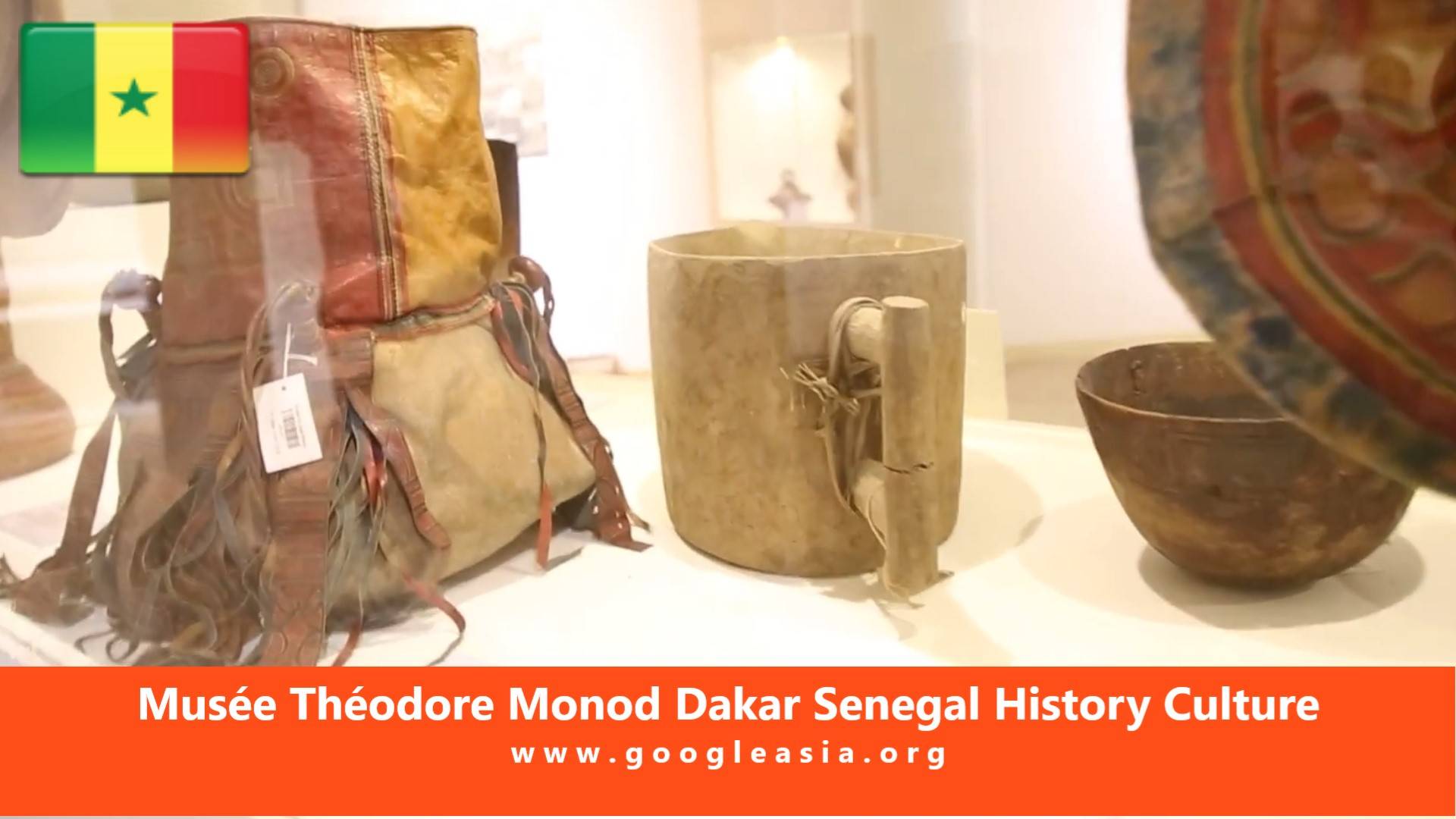


    Musée Théodore Monod Dakar Senegal History Culture

    Summary

    • Attraction Name: Musée Théodore Monod
    • Country: Senegal
    • Continent: African
    • Capital Name: Dakar
    • Language: French
    • Currency: West African CFA franc
    • Nationality: Senegalese
    • Category:  #Destination #Africa #SENEGAL

    Introduction

    Located in the heart of Senegal, the Musée Théodore Monod stands as a premier institution dedicated to the ethnographic and archaeological heritage of the region. This museum offers visitors an immersive experience into the cultural and scientific legacy of Senegal, showcasing an impressive collection of artifacts and exhibits that span the nation’s rich history.

    Extensive Collections and Exhibitions

    The Musée Théodore Monod’s main attraction is its extensive permanent exhibition, which occupies 1,000 square meters of space. Housing over 20,000 artifacts, this exhibition is a testament to the diverse history and cultural heritage of Senegal. Visitors can explore a variety of items, including:

    • Funerary Steles: These ancient monuments provide insight into the burial practices and beliefs of past civilizations.
    • Archaeological and Ethnographic Material: Items from the Serer, Wolof, and Mandinke tribes, among others, illustrate the rich cultural tapestry of Senegal’s ethnic groups.
    • Everyday Objects: Displays of traditional cloths, agricultural tools, and household items offer a glimpse into the daily lives of Senegalese people throughout history.

    Additional Facilities

    In addition to its main exhibition, the Musée Théodore Monod features several other facilities designed to enhance the visitor experience:

    • Library: A well-stocked library provides resources for those interested in further study and research on Senegalese culture and history.
    • Auditorium: This space hosts lectures, presentations, and events related to the museum’s exhibitions and ongoing research.
    • Restaurant: Visitors can enjoy local cuisine and refreshments, making their visit to the museum a full-day experience.

    Temporary Exhibitions and Continuous Research

    The museum is also known for its dynamic temporary exhibitions. These exhibits often focus on recent archaeological discoveries, ongoing research, and the promotion of arts and culture in Senegal. Through these changing displays, the Musée Théodore Monod remains a vibrant center for cultural education and engagement.

    Things to Do

    Explore Rich Collections and Exhibitions

    The Musée Théodore Monod, located in Dakar, Senegal, is a premier destination for those interested in the art, culture, and history of the Senegalese people. Founded in 1970, the museum offers a variety of activities and exhibitions that provide a deep dive into the nation’s rich heritage.

    Permanent Exhibition

    One of the main attractions is the permanent exhibition titled “A History of Senegal.” This comprehensive display documents the country’s past, present, and future through a variety of multimedia resources, including films, music, and photographs. Visitors can immerse themselves in the story of Senegal, learning about significant historical events and cultural milestones.

    “The World of Senegalese Art” Exhibition

    Another highlight is “The World of Senegalese Art,” an exhibition dedicated to the traditional visual arts of Senegal. Here, visitors can admire a wide array of jewelry, furniture, musical instruments, paintings, statues, and sculptures that showcase the creativity and craftsmanship of Senegalese artists.

    Educational Programs and Workshops

    The Musée Théodore Monod offers a range of educational programs and workshops designed to engage visitors of all ages. These include:

    • Art Classes: Hands-on workshops where participants can learn traditional Senegalese art techniques.
    • Lectures and Film Screenings: Regularly scheduled talks and screenings that provide deeper insights into Senegalese culture and history.
    • Field Trips: Guided excursions that offer an immersive experience into local cultural sites and practices.

    Annual Film Festival

    The museum sponsors an annual film festival that highlights the work of emerging African filmmakers. This event is a great opportunity for visitors to experience contemporary African cinema and engage with filmmakers.

    Active Conservation Program

    The Musée Théodore Monod runs an active conservation program dedicated to collecting and preserving traditional Senegalese artifacts and cultural objects. This initiative ensures that the cultural heritage of Senegal is maintained for future generations.

    Annual Trade Fair

    Visitors can participate in the museum’s annual trade fair, where traditional crafts and artworks are available for purchase. This fair is a great way to support local artisans and take home a piece of Senegalese culture.

    Library and Research Center

    For scholars and students, the museum houses an extensive library and research center. These resources provide valuable information for those conducting research on Senegalese history and culture.

    Relax and Unwind

    After exploring the museum’s exhibitions and participating in its programs, visitors can relax in the museum’s gardens, enjoy refreshments at the café, or browse through the bookshop for souvenirs and reading materials.

    Foods

    While visiting the Musée Théodore Monod in Dakar, Senegal, you can not only immerse yourself in the rich cultural and historical exhibitions but also indulge in some of the finest traditional Senegalese cuisine. The museum’s café offers a variety of delicious local dishes that reflect the culinary heritage of the region.

    Thieboudienne (Ceebu Jën)

    One of the must-try dishes at the museum café is Thieboudienne, also known as Ceebu Jën. This iconic Senegalese dish consists of flavorful fish served over a bed of rice cooked with tomatoes and a mix of vegetables. It’s a hearty and satisfying meal that offers a true taste of Senegal.

    Chicken Yassa

    Another popular dish to enjoy is Chicken Yassa. This mouthwatering recipe features chicken marinated in a tangy sauce made from lemon, onions, and mustard, then slow-cooked to tender perfection. The zesty and savory flavors make it a favorite among both locals and visitors.

    Mafé

    For those who enjoy rich and creamy sauces, Mafé is an excellent choice. This traditional peanut stew is typically made with either beef or chicken, simmered in a peanut-based sauce along with vegetables. It’s often served with rice, making it a comforting and flavorful meal.

    Thiebou Yapp

    Thiebou Yapp is another delightful dish to try. This Senegalese-style jollof rice is cooked with seasoned beef and a blend of spices, creating a savory and aromatic experience. It’s a popular dish that showcases the unique blend of flavors in Senegalese cuisine.

    Pastels

    For a lighter option or a quick snack, Pastels are a great choice. These are small, deep-fried pastries filled with fish and spices, often served with a tangy tomato sauce. They are perfect for enjoying as an appetizer or a light bite during your visit.

    Bissap Juice

    To accompany your meal, try a refreshing glass of Bissap Juice. Made from hibiscus flowers, this vibrant red drink is sweet, slightly tangy, and very refreshing, making it a perfect complement to the rich and savory flavors of Senegalese dishes.

    Hotels

    Visiting the Musée Théodore Monod in Dakar, Senegal, offers a rich cultural experience. To enhance your stay, choosing the right accommodation is essential. Here are some of the best hotels to consider for your visit:

    La Maison d’Ousmane, Dakar

    Located in the heart of Dakar, La Maison d’Ousmane offers a charming and intimate atmosphere. With comfortable rooms and personalized service, it provides a cozy retreat after a day of exploring the museum and the city.

    Radisson Blu Hotel, Dakar Sea Plaza

    Radisson Blu Hotel, Dakar Sea Plaza is a luxurious option with stunning views of the Atlantic Ocean. This hotel features modern amenities, a large pool, and multiple dining options, ensuring a relaxing and enjoyable stay.

    Baobab Beach Resort & Spa, Fann Ngor

    For those looking to combine their cultural visit with a beach experience, Baobab Beach Resort & Spa in Fann Ngor is an excellent choice. It offers beachfront accommodations, a spa, and various recreational activities.

    Lagon 2 Hotel, Dakar

    Lagon 2 Hotel provides a unique blend of comfort and convenience. Located near the coast, it offers picturesque views, modern rooms, and easy access to both the museum and Dakar’s vibrant city center.

    Venus Hotel Dakar, Sacré Coeur

    Venus Hotel Dakar in Sacré Coeur is known for its stylish design and excellent service. The hotel features well-appointed rooms, a restaurant, and close proximity to various attractions, making it a great base for your stay.

    La Maison Hotel Dakar Plage, Yoff

    La Maison Hotel Dakar Plage in Yoff offers a serene beachfront location with easy access to the city’s attractions. The hotel provides comfortable accommodations, a restaurant, and beautiful views of the ocean.

    Bristol Hotel Dakar, Point E

    Bristol Hotel Dakar in Point E is a convenient choice for travelers looking for modern amenities and close proximity to the museum. The hotel features comfortable rooms, a restaurant, and a welcoming atmosphere.

    Hotel Le Calypso, Dakar-Plateau

    Located in the bustling Dakar-Plateau district, Hotel Le Calypso offers modern accommodations with easy access to cultural sites, shopping, and dining. It’s a great option for those wanting to be in the heart of the action.

    Radisson Blu Hotel, Dakar Talibé

    Radisson Blu Hotel, Dakar Talibé combines luxury with convenience. Guests can enjoy spacious rooms, excellent dining options, and top-notch facilities, all within a short distance from the museum and other key attractions.

    Radisson Blu Hotel, Dakar Ouakam

    Another excellent option is the Radisson Blu Hotel, Dakar Ouakam. Known for its elegant design and superior service, this hotel offers comfortable accommodations, a pool, and stunning views, making it a perfect choice for your stay.

    Frequently Asked Questions

    What are Musée Théodore Monod’s nearby must-visit attractions or landmarks?

    Gorée Island, where Musée Théodore Monod is located, offers several nearby attractions and landmarks that visitors may find interesting:

    1. House of Slaves (Maison des Esclaves):
      • A short walk from the museum, the House of Slaves is a historical site that played a role in the transatlantic slave trade. It serves as a poignant reminder of this dark period in history.
    2. Gorée Island’s Colonial Architecture:
      • Explore the charming colonial architecture on Gorée Island. The narrow streets and well-preserved buildings contribute to the island’s unique atmosphere.
    3. Gorée Castle (Fort d’Estrées):
      • Located on the northern tip of the island, Gorée Castle offers panoramic views of the Atlantic Ocean and Dakar. The castle has historical significance and is another notable landmark on the island.
    4. Dakar-Plateau:
      • While not on Gorée Island, Dakar-Plateau, the historic district of Dakar, is a short ferry ride away. Explore the Presidential Palace, Place de l’Indépendance, and other colonial-era buildings.
    5. Dakar Grand Mosque (Grande Mosquée de Dakar):
      • Once back on the mainland, consider visiting Dakar Grand Mosque, an impressive religious landmark with unique architecture.
    6. IFAN Museum of African Arts (Musée de l’Institut Fondamental d’Afrique Noire):
      • In Dakar, the IFAN Museum showcases a diverse collection of African art and artifacts. It provides additional cultural insights.

    Is Musée Théodore Monod a suitable travel destination for solo adventurers, honeymooning couples, or those traveling with families?

    Musée Théodore Monod on Gorée Island in Dakar, Senegal, is a versatile destination suitable for various types of travelers:

    1. Solo Adventurers:
      • Solo adventurers with an interest in history, culture, and art will find Musée Théodore Monod an enriching destination. The museum provides opportunities for self-guided exploration and learning.
    2. Honeymooning Couples:
      • Honeymooning couples seeking a blend of cultural experiences and a serene setting will appreciate Musée Théodore Monod. The museum’s location on Gorée Island and its romantic ambiance contribute to a memorable visit.
    3. Families:
      • Families traveling with children can benefit from the educational aspects of the museum. It provides insights into Senegal’s history and culture, and the peaceful surroundings of Gorée Island make it family-friendly.

    While the museum itself caters to a broad range of visitors, it’s essential to consider the interests and preferences of individual travelers. Families with children may find the museum’s educational exhibits engaging, while solo adventurers and couples can enjoy the cultural and historical aspects.

    Why should you visit Musée Théodore Monod?

    Visiting Musée Théodore Monod in Dakar, Senegal, is a compelling experience for several reasons:

    1. Cultural Heritage:
      • The museum showcases a rich collection of artifacts, artworks, and cultural items, offering visitors a deep insight into Senegal’s diverse cultural heritage.
    2. Archaeological Treasures:
      • Explore archaeological exhibits featuring ancient artifacts, sculptures, and objects that highlight Senegal’s historical significance in the region.
    3. Contemporary Art:
      • Musée Théodore Monod also features contemporary art exhibitions, providing a platform for local and international artists. Experience the vibrant and evolving art scene in Senegal.
    4. Islamic Art Collection:
      • The museum houses an impressive collection of Islamic art, including manuscripts, ceramics, and textiles. It offers a glimpse into the Islamic artistic traditions in West Africa.
    5. Educational Experience:
      • Ideal for history enthusiasts, students, and those interested in African art, the museum provides an educational experience with informative exhibits and displays.
    6. Beautiful Architecture:
      • The museum itself is an architectural gem, designed by award-winning architect Jean-François Lamoureux. The building’s unique design adds to the overall aesthetic appeal.
    7. Peaceful Surroundings:
      • Located in the scenic Gorée Island, Musée Théodore Monod offers a tranquil setting. Visitors can enjoy a peaceful atmosphere while immersing themselves in the cultural and artistic displays.
    8. Historical Significance:
      • Gorée Island, a UNESCO World Heritage Site, played a pivotal role in the Atlantic slave trade. The museum contributes to the understanding of this historical period.

    How to go to Musée Théodore Monod?

    To reach Musée Théodore Monod on Gorée Island in Dakar, Senegal, you can follow these general steps:

    1. Fly into Dakar:
      • Start by flying into Blaise Diagne International Airport (DSS) near Dakar, Senegal. This airport serves as the main international gateway to the country.
    2. Travel to Dakar’s Port (Port de Dakar):
      • From the airport or your accommodation in Dakar, make your way to Dakar’s port, where you can find ferry services to Gorée Island.
    3. Take a Ferry to Gorée Island:
      • Ferries to Gorée Island operate from Dakar’s port. The journey takes approximately 20 minutes. Be sure to check the ferry schedule, as they may have different departure times.
    4. Arrive on Gorée Island:
      • Once you arrive on Gorée Island, Musée Théodore Monod is within walking distance from the ferry terminal. Follow the signs or ask locals for directions.

    While on Gorée Island, you can explore the museum, nearby historical sites, and enjoy the unique atmosphere of this UNESCO World Heritage Site.

    Are there any halal food options around the Musée Théodore Monod?

    While there may not be specific halal food options within Musée Théodore Monod, you can explore nearby areas in Dakar for halal dining options. Dakar, being a diverse and cosmopolitan city, offers a range of restaurants and eateries that serve halal meals. Consider exploring the surrounding neighborhoods or asking locals for recommendations. Additionally, you can inquire at cafes or restaurants near the museum to confirm if they offer halal options, and they may be able to accommodate your dietary preferences. Always communicate your dietary requirements clearly to ensure a suitable dining experience.
  • Visiting Place de l’Indépendance, Senegal: Travel Guide

    Visiting Place de l’Indépendance, Senegal: Travel Guide

    Place de l’Indépendance, Senegal

    Discover the heartbeat of Dakar at Place de l’Indépendance. Surrounded by history, culture, and vibrant markets, this central square beckons exploration. Read more for an immersive journey into Senegal’s dynamic capital.

    The Place de l’Indépendance is a large public square situated in the center of the Senegalese capital of Dakar. Completed in 1960 upon the country’s independence, the square stands at the entrance of the broad Plateau district, one of the cultural and economic hubs of the city. Before independence, the square was known as Place d’Armes. Its decoration features monuments and flags in recognition of the newly free nation.

    Introduction

    Place de l’Indépendance, also known as Independence Square, is a significant landmark located in the heart of Dakar, the capital city of Senegal. This central square is not only a hub of governmental and administrative activities but also a popular destination for tourists and locals alike. It serves as a focal point for various events and is surrounded by important buildings, making it a vibrant and dynamic part of the city.

    Historical and Cultural Significance

    At the center of Place de l’Indépendance, visitors will find two prominent monuments. One monument commemorates Senegal’s independence from France in 1960, marking a pivotal moment in the country’s history. The other monument honors the African Union, symbolizing unity and cooperation among African nations. These monuments are not only historical markers but also artistic representations that reflect the pride and aspirations of the Senegalese people.

    Lush Gardens and Green Spaces

    Surrounding the monuments, the square features beautifully maintained gardens filled with exotic plants and trees. These green spaces provide a tranquil oasis amidst the hustle and bustle of Dakar. The gardens are perfect for leisurely strolls, relaxation, and taking a break from the urban environment. The lush greenery adds to the charm and appeal of Place de l’Indépendance, making it a pleasant place to visit and spend time.

    A Hub of Activity and Events

    Place de l’Indépendance is a traditional meeting place for the people of Dakar. It hosts a variety of events throughout the year, ranging from political rallies to cultural celebrations. During national holidays and significant anniversaries, the square becomes a center of joyous festivities, drawing crowds from all over the city and beyond. These events showcase the rich cultural heritage and vibrant community spirit of Senegal.

    Attractions

    The square is surrounded by numerous attractions and amenities, including:

    • Government and Administrative Buildings: Many key government offices and administrative buildings are located around the square, highlighting its importance as a political center.
    • Shopping and Dining: Visitors can enjoy a wide range of shopping and dining options in the vicinity, from local markets and boutiques to upscale restaurants and cafes.
    • Cultural Experiences: The area around Place de l’Indépendance offers various cultural experiences, including art galleries, museums, and theaters, providing a deeper insight into Senegalese culture and history.

    Things to Do

    Place de l’Indépendance, or Independence Square, is one of the most popular and vibrant tourist spots in Dakar, Senegal. This bustling area is known for its rich history, cultural significance, and variety of activities. Here are some top things to do while visiting Place de l’Indépendance:

    Visit the African Renaissance Monument

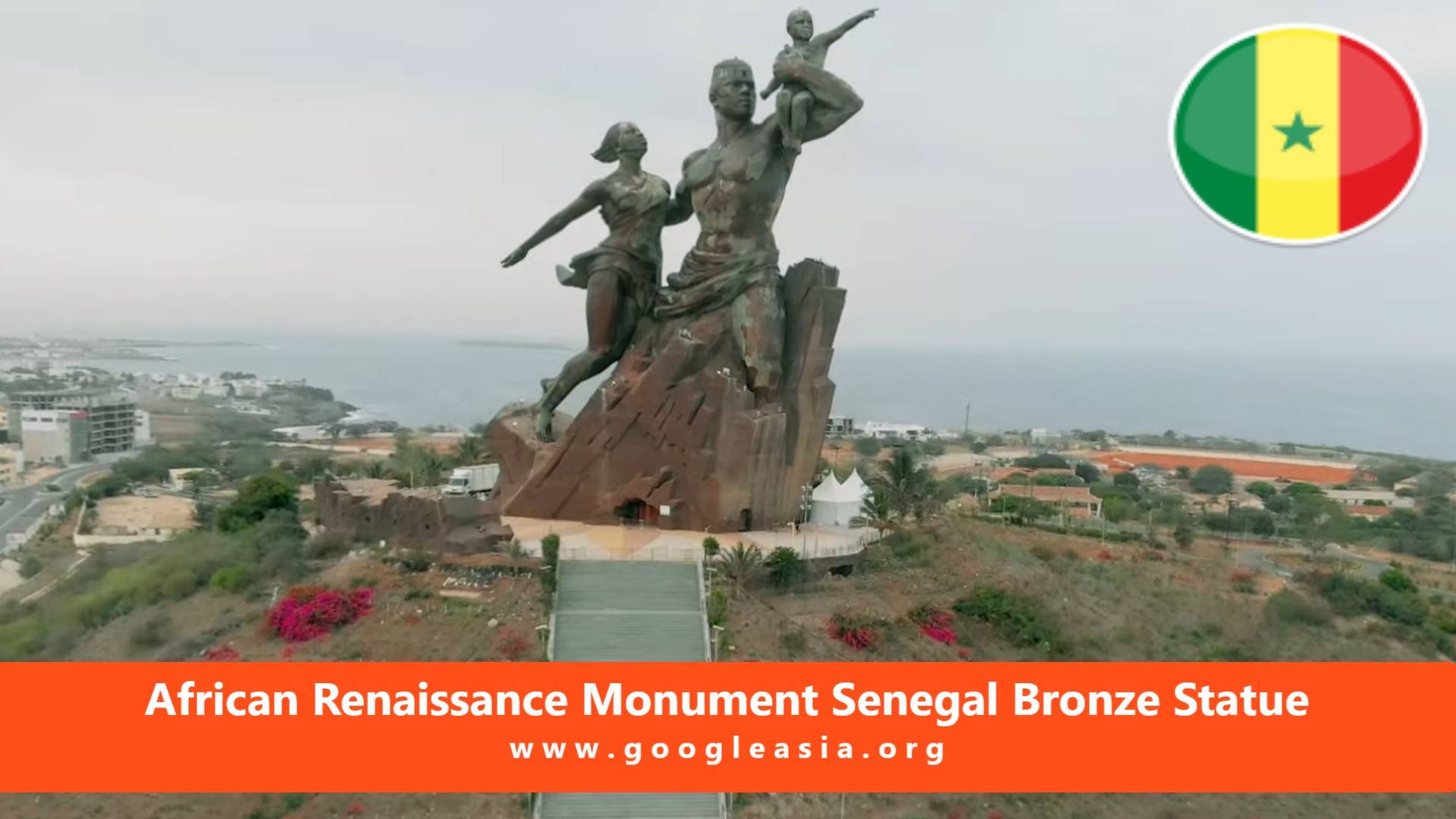
    No visit to Senegal is complete without seeing the African Renaissance Monument. Standing at 500 feet tall, it is the tallest statue in Africa. This impressive monument, built to honor the African people’s struggle for freedom and justice, offers incredible 360-degree panoramic views of Dakar and the surrounding coastline from its summit. It’s a must-see landmark that provides both historical insight and stunning vistas.

    Shop at the Soumbédioune Market

    The Soumbédioune Market is a vibrant and colorful marketplace offering a wide array of African products. From traditional jewelry and art to fabrics and crafts, this market is perfect for picking up unique souvenirs. You can find Moroccan and Senegalese items such as clay pottery, wood carvings, and musical instruments. The market’s lively atmosphere and diverse offerings make it a delightful place to explore and shop.

    Take a Tour of the Presidential Palace

    The Presidential Palace is another major attraction near Place de l’Indépendance. This building is a symbol of Senegal’s political independence and heritage. Guided tours of the Presidential Palace provide insight into the country’s political history and architecture. Additionally, visitors can take guided tours of the Dakar National Museum, which houses a rich collection of African art, artifacts, and historical exhibits.

    Enjoy Live Music on the Streets

    The streets around Place de l’Indépendance often come alive with music and entertainment. Street performers, including musicians and orators, add to the vibrant atmosphere. You can enjoy traditional and contemporary music played on various instruments, enhancing your cultural experience in Dakar. The lively street performances offer a glimpse into the local artistic and cultural scene.

    Dine at a Local Restaurant

    The area around Place de l’Indépendance boasts some of the best restaurants and bars in Senegal. From traditional Senegalese dishes to gourmet international cuisine, there’s something for every palate. Street kitchens and cozy bistros offer delicious meals, making it a great place to enjoy local flavors. Popular dishes to try including Thieboudienne (Senegalese jollof rice with fish), Yassa (marinated chicken or fish), and Mafé (peanut butter stew).

    Foods

    Place de l’Indépendance in Dakar, Senegal, is not only a cultural and historical hub but also a culinary destination offering a variety of delicious local and regional dishes. Here are some of the best foods to try when visiting this vibrant area:

    Grilled Lamb (Mechoui)

    Grilled Lamb is a popular dish in Senegal, known for its flavorful and tender meat. Often marinated with a mix of spices and herbs, the lamb is grilled to perfection, making it a must-try for meat lovers.

    Porridge with Peanuts (Ngalakh)

    Ngalakh is a traditional Senegalese porridge made with millet, baobab fruit, and peanuts. It is often served during special occasions and is cherished for its rich, nutty flavor and creamy texture.

    Fresh Mango Juice

    Senegal is famous for its delicious and juicy mangoes. Fresh Mango Juice is a refreshing and sweet beverage that is perfect for quenching your thirst while exploring the city.

    Grilled Kebabs (Brochettes)

    Grilled Kebabs, or Brochettes, are a popular street food in Dakar. These skewers of marinated meat, often beef, chicken, or lamb, are grilled over an open flame and served with a variety of dipping sauces.

    Chicken Yassa

    Chicken Yassa is a signature Senegalese dish made with marinated chicken, onions, and a tangy lemon-mustard sauce. It’s typically served with rice and is known for its savory and zesty flavors.

    Seafood Stews

    Given Dakar’s coastal location, Seafood Stews are a staple. These stews often include a mix of fresh fish, shrimp, and other seafood cooked in a rich and flavorful tomato-based sauce.

    Omelets

    Omelets in Senegal are often made with a variety of fillings, including tomatoes, onions, and peppers. They are a popular breakfast option and are enjoyed by locals and tourists alike.

    Couscous

    Couscous is a versatile and widely loved dish in Senegal. It is often served with vegetables, meat, or fish, and flavored with a variety of spices. It’s a comforting and hearty meal.

    Beef Stew (Ceebu Yapp)

    Beef Stew, or Ceebu Yapp, is a traditional Senegalese dish made with tender beef chunks, vegetables, and spices. It’s typically served with rice and is known for its rich and robust flavor.

    Beef and Vegetable Tagines

    Beef and Vegetable Tagines are slow-cooked dishes made with a variety of spices, beef, and vegetables. This North African influence is evident in Senegalese cuisine and offers a flavorful and aromatic dining experience.

    Hotels

    Place de l’Indépendance in Dakar is not only a historical and cultural center but also a prime location with excellent accommodation options. Here are some of the best hotels to consider for your stay:

    Radisson Blu Hotel, Dakar Sea Plaza

    Radisson Blu Hotel Dakar Sea Plaza is a luxurious hotel offering stunning ocean views, modern amenities, and exceptional service. It’s located close to the city center, making it convenient for exploring Place de l’Indépendance and other attractions.

    King Fahd Palace

    King Fahd Palace is one of the largest and most prestigious hotels in Dakar. It boasts extensive facilities including golf courses, swimming pools, and multiple dining options. Its prime location offers easy access to the city’s main attractions.

    Ocean Bay Hotel

    Ocean Bay Hotel offers a more intimate and cozy atmosphere. Located near the coastline, it provides beautiful views and a relaxing environment. The hotel features comfortable rooms and personalized service.

    SineSaloum Eco Resort & Spa

    For those looking to combine luxury with eco-friendliness, SineSaloum Eco Resort & Spa is an excellent choice. This resort emphasizes sustainable practices and offers a tranquil retreat with modern comforts.

    Golden Tulip Dakar

    Golden Tulip Dakar is known for its elegant decor and top-notch amenities. The hotel is conveniently located near Place de l’Indépendance, providing easy access to the city’s cultural and historical sites.

    Jardin de la Mer

    Jardin de la Mer offers a serene and picturesque setting with beautiful gardens and a peaceful ambiance. This boutique hotel is perfect for those looking to escape the hustle and bustle of the city.

    Radisson Blu Resort & Thalasso

    Another luxurious option, Radisson Blu Resort & Thalasso provides a range of wellness and spa services. It’s an ideal choice for travelers seeking relaxation and rejuvenation.

    King’s Palace

    King’s Palace is a stylish hotel offering modern amenities and comfortable accommodations. Its central location makes it a convenient base for exploring Dakar and its many attractions.

    Hotel Ibis Dakar Sea Plaza

    Hotel Ibis Dakar Sea Plaza is a great option for budget-conscious travelers. It offers clean, comfortable rooms and basic amenities, ensuring a pleasant stay without breaking the bank.

    Auberge des Manguiers

    Auberge des Manguiers is a charming guesthouse offering a homely atmosphere and friendly service. It’s a great choice for those looking for a more personal and cozy accommodation experience.

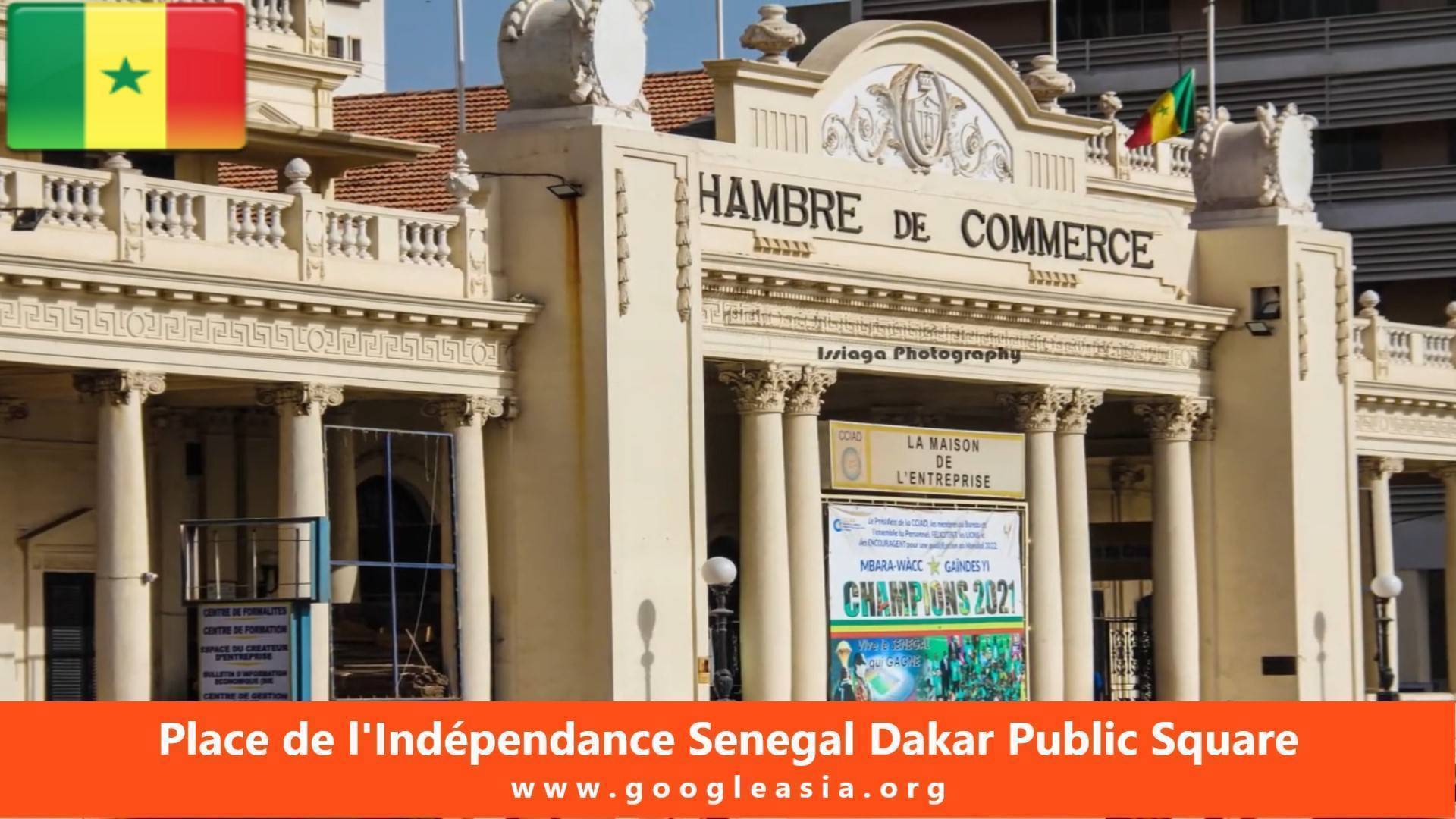
    Place de l'Indépendance Senegal Dakar Public Square

    Summary

    • Attraction Name: Place de l’Indépendance
    • Country: Senegal
    • Continent: African
    • Capital Name: Dakar
    • Language: French
    • Currency: West African CFA franc
    • Nationality: Senegalese
    • Category:  #Destination #Africa #SENEGAL 

    Frequently Asked Questions

    What are Place de l’Indépendance’s nearby must-visit attractions or landmarks?

    Place de l’Indépendance in Dakar, Senegal, is centrally located, offering access to various nearby attractions and landmarks. Here are some must-visit places in the vicinity:

    1. Monument de la Renaissance Africaine:
      • Adjacent to Place de l’Indépendance, this monumental statue symbolizes Africa’s emergence from colonialism. Visitors can explore the site and enjoy panoramic views of Dakar from the top.
    2. Dakar Grand Mosque (Grande Mosquée de Dakar):
      • Located nearby, the Dakar Grand Mosque is an architectural marvel with impressive minarets. It holds cultural and religious significance, and visitors can appreciate its design and surroundings.
    3. Dakar City Hall:
      • The City Hall is situated on the square and features distinctive architecture. Visitors can explore the building and learn about its historical and civic importance.
    4. Sandaga Market:
      • A bustling market near Place de l’Indépendance, Sandaga Market offers a vibrant atmosphere. It’s a great place to experience local life, shop for crafts, and sample traditional Senegalese foods.
    5. Chambre de Commerce, d’Industrie et d’Agriculture de Dakar (CCIAD):
      • This historic building, housing the Dakar Chamber of Commerce, showcases colonial-era architecture. Visitors can appreciate the building’s design and its role in Dakar’s economic history.
    6. Mémorial Gorée-Almadies:
      • This memorial, dedicated to the victims of the slave trade, is located in the Almadies neighborhood. It serves as a reminder of Senegal’s history and is a short distance from Place de l’Indépendance.
    7. Presidential Palace (Palais de la République):
      • While not directly adjacent, the Presidential Palace is a prominent landmark in Dakar. Visitors can view the exterior and learn about its significance in Senegal’s political landscape.
    8. Musée de l’IFAN (African Arts Museum):
      • Located in Dakar, the IFAN Museum of African Arts is a short distance away. It houses a diverse collection of African art and artifacts, providing cultural insights.

    Is Place de l’Indépendance a suitable travel destination for solo adventurers, honeymooning couples, or those traveling with families?

    Place de l’Indépendance in Dakar, Senegal, is a versatile destination suitable for different types of travelers:

    1. Solo Adventurers:
      • Solo adventurers can find Place de l’Indépendance appealing due to its central location and the variety of activities in the surrounding area. Explore local markets, cultural institutions, and the vibrant atmosphere of Dakar.
    2. Honeymooning Couples:
      • Honeymooning couples may appreciate the historical significance of the square, the nearby Dakar Grand Mosque, and the romantic ambiance of the city. The central location also allows for easy exploration of the city’s attractions.
    3. Families:
      • Families traveling with children can enjoy the lively atmosphere around Place de l’Indépendance. The nearby markets provide a cultural experience, and the central location makes it convenient for families to explore Dakar’s landmarks and attractions.

    While the square itself is not a traditional tourist destination, its central position in Dakar makes it a convenient starting point for exploring the city. Families can engage in cultural experiences, solo travelers can immerse themselves in the local vibe, and couples can enjoy the romantic surroundings.

    Why should you visit Place de l’Indépendance?

    Place de l’Indépendance, located in the heart of Dakar, Senegal, is a significant and vibrant square that offers several reasons to visit:

    1. Historical Significance:
      • The square holds historical importance as it was a focal point during Senegal’s struggle for independence from French colonial rule. It witnessed key events in the country’s history.
    2. Monument de la Renaissance Africaine:
      • Adjacent to the square is the Monument de la Renaissance Africaine, a colossal statue that symbolizes Africa’s emergence from colonialism. Visitors can appreciate the impressive structure and panoramic views from the top.
    3. Cultural Hub:
      • Place de l’Indépendance is a cultural hub with nearby theaters, galleries, and cultural institutions. Explore the surrounding area for artistic expressions and exhibitions.
    4. Local Markets:
      • The square is surrounded by bustling markets where you can experience the lively atmosphere, shop for local crafts, and interact with vendors. Sandaga Market is particularly nearby.
    5. Dakar Grand Mosque (Grande Mosquée de Dakar):
      • The Dakar Grand Mosque is within walking distance. Visitors can appreciate the mosque’s architecture and cultural significance.
    6. City Center Location:
      • As a central location in Dakar, Place de l’Indépendance serves as a starting point for exploring the city. It’s surrounded by shops, restaurants, and various landmarks.
    7. Dakar City Hall:
      • The City Hall is located on the square, featuring architectural elements that reflect the city’s history. The building adds to the charm of the area.
    8. Cafés and Restaurants:
      • Enjoy the vibrant café culture around the square. Relax at one of the cafés, indulge in local cuisine, and observe daily life in Dakar.
    9. Civic and Cultural Events:
      • Place de l’Indépendance hosts civic events, cultural festivals, and celebrations. Check the local calendar for any events or performances during your visit.
    10. Local Atmosphere:
      • Immerse yourself in the local atmosphere, where residents and visitors converge. Experience the energy of the city and witness daily life in Dakar.

    How to go to Place de l’Indépendance?

    Place de l’Indépendance is located in the heart of Dakar, Senegal. Here’s how you can get there:

    1. Fly into Dakar:
      • Start by flying into Blaise Diagne International Airport (DSS) near Dakar, Senegal. This airport serves as the main international gateway.
    2. Taxi or Airport Transfer:
      • Upon arrival at the airport, you can take a taxi or arrange for an airport transfer to Dakar city center. The journey takes approximately 30-45 minutes, depending on traffic.
    3. Public Transportation:
      • Dakar has public transportation options, including buses and minibusses. While these may not go directly to Place de l’Indépendance, you can take them to a central location and then use a taxi to reach the square.
    4. Taxi:
      • Taxis are readily available in Dakar. Inform the taxi driver that you want to go to Place de l’Indépendance, and they will take you to the city center.
    5. Car Rental:
      • If you prefer flexibility, you can rent a car at the airport or in the city and drive to Place de l’Indépendance. Make sure to have a map or navigation app to guide you.

    Are there any halal food options around the Place de l’Indépendance?

    Around Place de l’Indépendance in Dakar, Senegal, you can find a variety of restaurants and eateries offering diverse cuisines, including options that serve halal food. Dakar is known for its vibrant food scene, and many establishments cater to different dietary preferences.

    While specific halal food options may vary, you can explore the following:

    1. Local Restaurants:
      • Look for local Senegalese restaurants that often provide halal meals. Traditional dishes like Thieboudienne and Yassa Chicken are popular and likely to be halal.
    2. International Cuisine:
      • Dakar features restaurants offering international cuisines. Lebanese, Middle Eastern, and Asian restaurants often serve halal options. Confirm with the staff to ensure adherence to halal dietary requirements.
    3. Street Food:
      • Explore street food vendors around Place de l’Indépendance. Some street food options may offer halal choices, such as grilled meats and seafood.
    4. Hotel Restaurants:
      • If you are staying at a hotel near Place de l’Indépendance, inquire at the hotel restaurant about halal food options. Many hotels cater to diverse dietary needs.
    5. Ask Locals:
      • Locals are often friendly and helpful. Don’t hesitate to ask residents or your accommodation’s staff for recommendations on nearby halal dining options.
  • Discovering La Petite Cote in Senegal

    Discovering La Petite Cote in Senegal

    La Petite Cote, Senegal

    Discover the enchanting La Petite Côte, where golden beaches meet vibrant culture. Dive into its allure and explore a wealth of coastal treasures. Read on to uncover the hidden gems of this picturesque region.

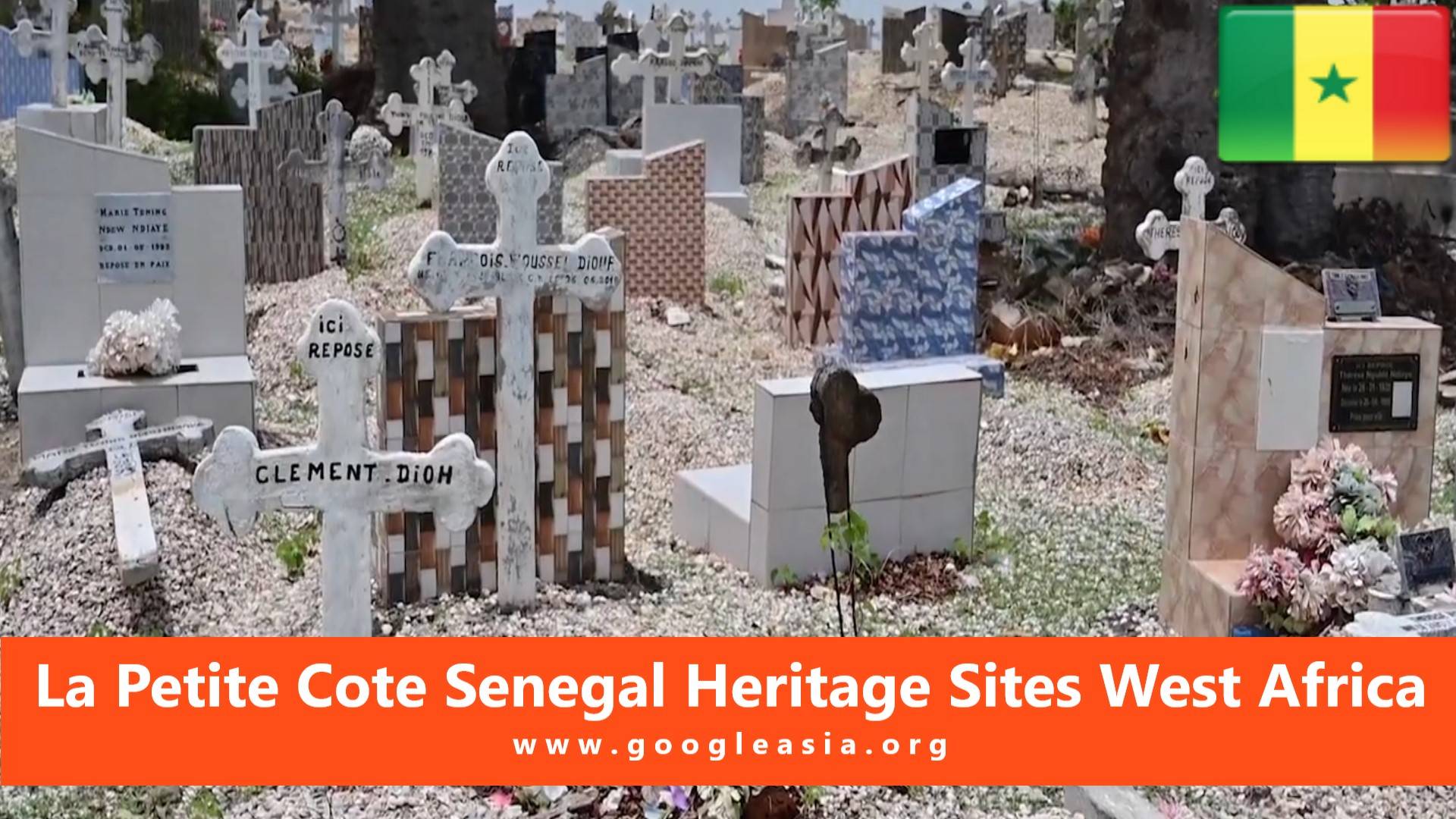
    La Petite Côte is an exquisite region in Senegal, marked by superb beaches and warm, shimmering waters. Despite its relative obscurity, the region offers stunningly beautiful heritage sites and cultural delights. Visitors can experience the vibrant activities of its charming fishing villages, encounter playful monkeys, and explore its lush, colorful nature. La Petite Côte is an unforgettable paradise, and a truly unique corner of West Africa.

    Introduction

    La Petite Cote is a picturesque island off the coast of Senegal, offering visitors a serene and unspoiled environment to explore. With its clear turquoise waters, golden beaches, and vibrant fishing village, this destination is perfect for those seeking relaxation and cultural immersion.

    Unspoiled Beauty and Serenity

    Located off the coast of Senegal in West Africa, La Petite Cote is celebrated for its unspoiled natural beauty. The island boasts miles of pristine golden beaches kissed by clear turquoise waters, creating a tranquil setting ideal for sunbathing, swimming, and leisurely strolls along the shore. The peaceful atmosphere provides a refreshing escape from the hustle and bustle of urban life.

    Cultural Immersion and Relaxation

    La Petite Cote invites travelers to immerse themselves in the unique culture of Senegal. Engage with friendly locals, explore traditional crafts, and learn about the island’s rich heritage through cultural activities and events. Whether lounging on the beach, exploring the village, or participating in local traditions, visitors are sure to find moments of tranquility and cultural discovery on this idyllic island.

    Things to Do

    La Petite Cote in Senegal offers a blend of natural beauty, cultural richness, and recreational activities along its stunning Atlantic Coast. Whether you’re a nature enthusiast, cultural explorer, or simply seeking relaxation, this destination promises unforgettable experiences. Here are some of the best things to do and see in La Petite Cote:

    Bird Watching

    La Petite Cote is a haven for bird watchers, boasting a diverse array of avian species. Take a boat trip to nearby islands or stroll along the beaches to spot waders, waterfowl, and migratory birds. Capture glimpses of herons, flamingos, and pelicans amidst the scenic coastal landscape.

    Explore Local Markets

    Immerse yourself in the vibrant atmosphere of La Petite Cote’s local markets. Wander through bustling stalls offering a variety of goods including traditional handicrafts, leather items, musical instruments, jewelry, and colorful fabrics. Engage with local vendors and artisans while picking up unique souvenirs to remember your trip.

    Learn about Local Culture

    Delve into the rich culture and heritage of La Petite Cote through immersive experiences. Visit local villages to learn about traditional lifestyles, fishing practices, and the cultural significance of the region. Attend cultural festivals such as the La Petite Cote Festival, where you can enjoy traditional music, dance performances, and local cuisine.

    Relax on the Beach

    Unwind on the pristine beaches of La Petite Cote and soak up the sun’s rays. Enjoy leisurely walks along the shoreline, swim in the warm waters of the Atlantic Ocean, or simply lounge under the shade of palm trees. The tranquil atmosphere provides the perfect setting for relaxation and rejuvenation.

    Explore Maritime National Park

    Discover the natural wonders of Senegal’s Maritime National Park, located in close proximity to La Petite Cote. Embark on excursions to secluded islands, explore pristine beaches, and witness diverse marine life. Engage in eco-tourism activities such as snorkeling, diving, and boat tours to fully appreciate the park’s biodiversity.

    Fishing

    Fishing is a popular activity on La Petite Cote, where visitors can engage with local fishermen and experience traditional fishing practices firsthand.

    Diving and Snorkeling Adventures

    The crystal-clear waters surrounding La Petite Cote are perfect for diving and snorkeling. Explore vibrant coral reefs teeming with marine life, including colorful fish and other fascinating underwater creatures. Diving excursions are available for both beginners and experienced divers, providing an unforgettable aquatic experience.

    Culinary Delights and Local Entertainment

    Visitors to La Petite Cote can savor local cuisine, including freshly caught seafood prepared in traditional Senegalese style. The island’s charming fishing village offers authentic dining experiences where guests can enjoy delicious meals while soaking in the coastal ambiance. In the evenings, local entertainment such as music and dance performances provide a lively and enriching cultural experience.

    Foods

    La Petite Cote, nestled along Senegal’s Atlantic Coast, beckons with a rich tapestry of flavors deeply rooted in local traditions. From seafood delicacies to hearty stews and refreshing beverages, here are some of the best foods to savor during your visit:

    Thieboudienne

    Thieboudienne stands as Senegal’s national dish, a flavorful medley of fish, rice, and vegetables cooked in a fragrant tomato sauce. This hearty stew is infused with herbs and spices, reflecting the coastal influence of La Petite Cote’s cuisine.

    Yassa Poulet

    Yassa Poulet showcases marinated chicken grilled to perfection and served with a tangy sauce of onions, mustard, and lemon. The dish offers a harmonious blend of savory and citrus flavors that tantalize the taste buds.

    Mafé

    Mafé delights with its rich, peanut-based stew featuring tender meats such as lamb or beef, complemented by an array of vegetables. Served alongside rice, this dish provides a comforting and hearty culinary experience.

    Ceebu Jen (Ceebu Yapp)

    Ceebu Jen, a traditional Senegalese dish, features rice cooked with a flavorful mix of fish and vegetables. Ceebu Yapp offers a variation with meat instead of fish, both showcasing the region’s affinity for hearty one-pot meals.

    Accara

    Accara, crispy black-eyed pea fritters, offer a popular street food option in La Petite Cote. Served hot and fresh, these fritters boast a crispy exterior and a soft, savory interior, perfect for snacking.

    Boulettes de Poisson

    Boulettes de Poisson are delectable fish balls made from ground fish, spices, and herbs, then deep-fried to perfection. They are a beloved street food item, often enjoyed with dipping sauces for added flavor.

    Fruits de Mer (Seafood)

    Given La Petite Cote’s coastal charm, indulge in a variety of fresh seafood options. From grilled fish and succulent prawns to lobster and calamari, seafood enthusiasts will revel in the bounty of the Atlantic Ocean.

    Bissap Juice

    Bissap Juice, a refreshing beverage made from hibiscus flowers, offers a sweet-tart flavor profile that refreshes and invigorates. It is a popular choice to accompany meals or enjoy on its own.

    Dibi

    Dibi, grilled meat typically served with onions and mustard sauce, presents a delightful option for meat lovers. Whether lamb, beef, or goat, Dibi promises a smoky, savory experience that satisfies.

    Desserts

    Explore traditional Senegalese desserts such as Thiakry (millet pudding), offering a sweet conclusion to your culinary journey. Additionally, local bakeries tempt with pastries and sweets that showcase Senegal’s pastry-making prowess.

    Hotels

    La Petite Cote in Senegal offers a range of accommodations to suit various tastes and preferences. Whether you seek luxury, relaxation, or a quaint retreat by the sea, these hotels promise a memorable stay:

    Silver Beach Hotel & Resort

    Silver Beach Hotel & Resort provides a serene escape with its beachfront location and lush gardens. Guests can enjoy spacious rooms, a pool overlooking the ocean, and easy access to the beach for a relaxing stay.

    la pirogue Relax Resort & Spa

    la pirogue Relax Resort & Spa combines luxury with authentic Senegalese charm. Nestled amidst coconut groves and offering traditional thatched-roof bungalows, this resort features a spa, multiple restaurants, and a variety of leisure activities.

    Saly Resort & Hotel

    Saly Resort & Hotel offers a blend of comfort and convenience, situated close to local markets and the beach. Guests can unwind in well-appointed rooms, dine at on-site restaurants, and explore nearby attractions easily.

    Shangri-La Resort

    Shangri-La Resort boasts panoramic views of the ocean and pristine beaches. This resort is ideal for those seeking tranquility and luxury, with elegant rooms, gourmet dining options, and personalized service.

    Riad Nature

    Riad Nature offers a unique experience with its traditional Senegalese architecture and tranquil ambiance. Located amidst nature, guests can enjoy spacious rooms, authentic cuisine, and a peaceful atmosphere away from the hustle and bustle.

    Endless Sea Villas

    Endless Sea Villas provides private, luxurious villas overlooking the ocean. Perfect for families or groups, these villas offer spacious living areas, private pools, and personalized services for a memorable stay.

    Plage des Crêtes

    Plage des Crêtes offers a boutique hotel experience with personalized service and attention to detail. Nestled along the coast, guests can enjoy comfortable accommodations, delicious cuisine, and easy access to the beach.

    Baobab Bay Resort

    Baobab Bay Resort charms with its rustic elegance and stunning beachfront location. Guests can relax in cozy rooms, dine at the resort’s restaurant serving local specialties, and enjoy activities such as snorkeling or beach walks.

    La Prairie Resort

    La Prairie Resort provides a tranquil retreat with its lush gardens and serene atmosphere. Guests can unwind in comfortable rooms, enjoy meals at the restaurant overlooking the ocean, and explore nearby attractions.

    Maison

    Maison offers a cozy, intimate stay with personalized hospitality. Located in a quiet area, guests can enjoy well-appointed rooms, delicious meals, and a relaxing atmosphere ideal for couples or solo travelers.

    La Petite Cote Senegal Heritage Sites West Africa

    Summary

    • Attraction Name: La Petite Cote
    • Country: Senegal
    • Continent: African
    • Capital Name: Dakar
    • Language: French
    • Currency: West African CFA franc
    • Nationality: Senegalese
    • Category:  #Destination #Africa #SENEGAL 

    Frequently Asked Questions

    What are La Petite Cote’s nearby must-visit attractions or landmarks?

    La Petite Côte is a scenic coastal region in Senegal with various nearby attractions and landmarks. Here are some must-visit places in the vicinity:

    1. Saly Beach:
      • Saly is a popular resort town on La Petite Côte known for its beautiful beach. Relax on the sandy shores, enjoy water sports, or take a stroll along the coastline.
    2. Bandia Reserve:
      • Experience a safari adventure at the Bandia Reserve, located near La Petite Côte. Encounter diverse wildlife, including giraffes, rhinos, antelopes, and more.
    3. Joal-Fadiouth:
      • Explore the nearby town of Joal-Fadiouth, known for its unique charm. Visit the Shell Island (Île aux Coquillages), a picturesque place with shells covering the ground.
    4. Mbour Fishermen’s Wharf:
      • Witness the vibrant activity at Mbour’s Fishermen’s Wharf. Observe traditional fishing practices and the bustling atmosphere as fishermen bring in their daily catches.
    5. Dakar:
      • While not immediately adjacent, Dakar is within reach and offers several attractions, including Gorée Island, Dakar Grand Mosque, and the African Renaissance Monument.
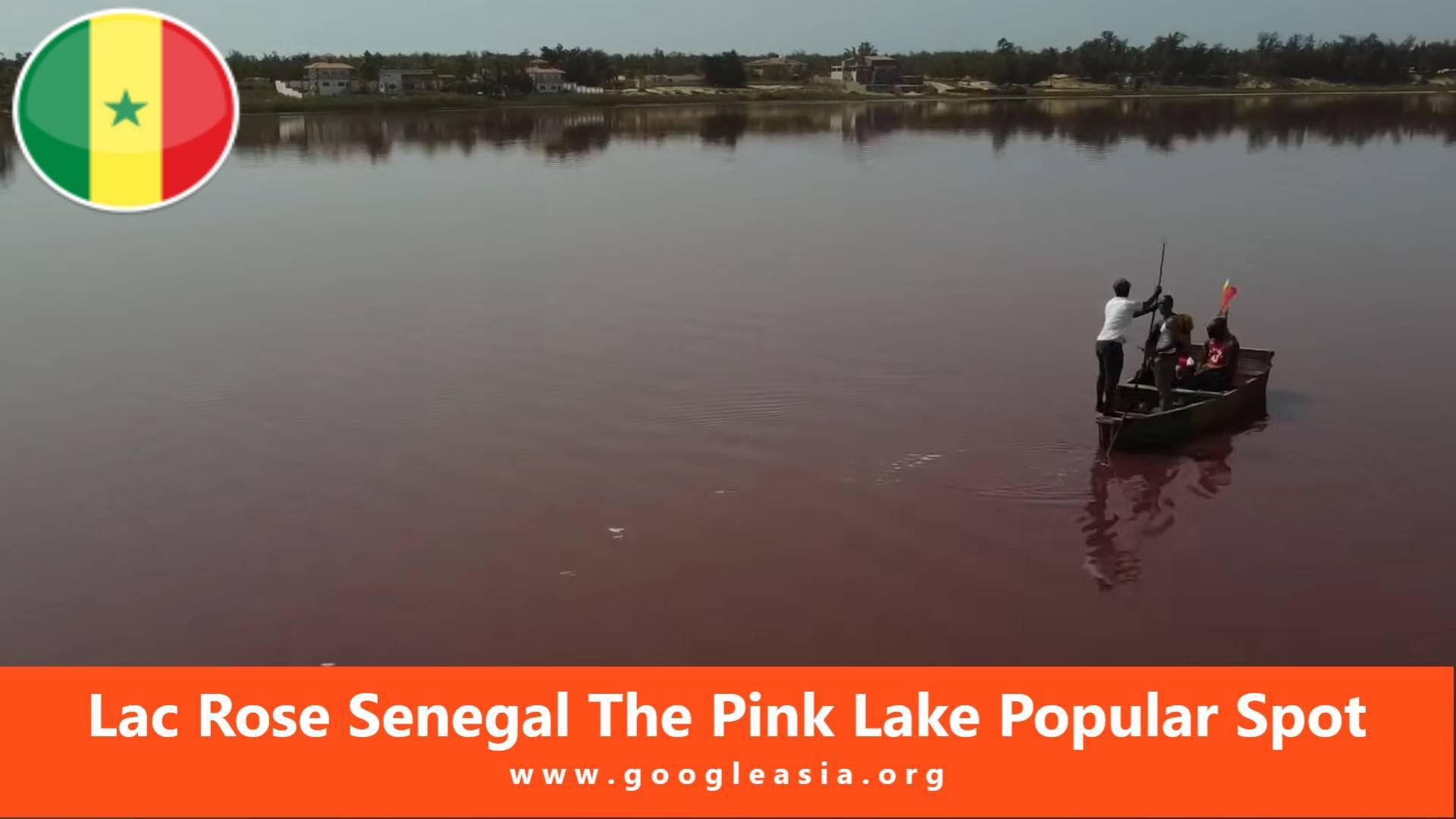
    6. Lac Rose (Pink Lake):
      • Take a day trip to Lac Rose, also known as the Pink Lake. Marvel at its unique pink hues caused by high salt content. Visitors can also witness salt harvesting activities.
    7. Ngaparou Village:
      • Explore the local village of Ngaparou to experience Senegal’s authentic culture. Engage with residents, discover traditional crafts, and immerse yourself in the local way of life.
    8. Mbamike Village:
      • Visit Mbamike, a traditional Senegalese village, to gain insights into rural life. Explore the community, interact with locals, and appreciate the traditional architecture.
    9. La Maison des Esclaves (House of Slaves):
      • While a bit farther in Dakar, Gorée Island’s House of Slaves is a UNESCO World Heritage Site with historical significance. It serves as a poignant reminder of the transatlantic slave trade.
    10. Mamelles Lighthouse (Les Mamelles Lighthouse):
      • Located in Dakar, the Mamelles Lighthouse offers panoramic views of the city and the coastline. It’s a unique structure with historical importance.

    Is La Petite Cote a suitable travel destination for solo adventurers, honeymooning couples, or those traveling with families?

    La Petite Côte caters to a diverse range of travelers, making it suitable for various types of visitors:

    1. Solo Adventurers:
      • Solo adventurers can find La Petite Côte appealing due to its vibrant atmosphere, diverse activities, and opportunities for exploration. Engage in water sports, cultural experiences, and enjoy the tranquility of the beaches.
    2. Honeymooning Couples:
      • La Petite Côte’s romantic beaches, luxurious resorts, and picturesque settings make it an excellent destination for honeymooning couples. The region offers a blend of relaxation and romantic activities.
    3. Families:
      • Families traveling with children can enjoy the family-friendly atmosphere, safe beaches, and a range of activities suitable for all ages. The Bandia Reserve, with its wildlife safari, is particularly attractive for families.
    4. Beach Enthusiasts:
      • Beach enthusiasts and those seeking a coastal retreat will appreciate La Petite Côte’s pristine beaches, water activities, and the opportunity to unwind by the sea.
    5. Adventure Seekers:
      • Adventure seekers can engage in various water sports, including snorkeling, windsurfing, and boat excursions. The region’s dynamic offerings cater to those seeking an active and adventurous vacation.
    6. Culture and Nature Lovers:
      • Travelers interested in local culture and nature can explore traditional fishing villages, attend cultural events, and visit the Bandia Reserve to encounter diverse wildlife.
    7. Relaxation and Wellness:
      • Visitors looking for relaxation and wellness will find beachside resorts and spas that offer rejuvenating experiences, making La Petite Côte a suitable destination for unwinding.

    Why should you visit La Petite Cote?

    La Petite Côte, a stunning coastal region in Senegal, beckons visitors with its allure and diverse offerings:

    1. Idyllic Beaches:
      • Enjoy pristine beaches with golden sands and clear waters. La Petite Côte boasts some of Senegal’s most beautiful coastal stretches, perfect for relaxation and water activities.
    2. Saly:
      • Explore Saly, a vibrant resort town on La Petite Côte. Saly offers a mix of modern amenities, beachfront resorts, and lively nightlife, making it an ideal destination for a beach getaway.
    3. Water Activities:
      • Engage in water sports and activities such as swimming, snorkeling, windsurfing, and boat excursions. The region’s favorable coastal conditions make it an aquatic paradise.
    4. Cultural Experiences:
      • Immerse yourself in the local culture by exploring traditional fishing villages, interacting with residents, and attending cultural events or festivals.
    5. Wildlife Encounters:
      • Visit the Bandia Reserve, a wildlife reserve near La Petite Côte. Experience safari tours and encounter diverse African wildlife, including giraffes, rhinos, and various bird species.
    6. Diverse Cuisine:
      • Indulge in Senegalese cuisine with a coastal flair. Local restaurants offer delicious seafood dishes, reflecting the region’s rich maritime heritage.
    7. Relaxing Atmosphere:
      • Escape the hustle and bustle of urban life and embrace the relaxed atmosphere of La Petite Côte. The coastal ambiance and gentle sea breeze create a serene environment.
    8. Craft Markets:
      • Explore vibrant craft markets where you can purchase traditional Senegalese handicrafts, textiles, and souvenirs. Saly is known for its lively markets.
    9. Golf Courses:
      • Golf enthusiasts can tee off at one of the golf courses in the region. Enjoy a round of golf amidst scenic coastal landscapes.
    10. Day Trips:
      • La Petite Côte serves as a gateway to nearby attractions, including Dakar, Gorée Island, and the Pink Lake. Plan day trips to explore the broader Senegalese landscape.

    How to go to La Petite Cote?

    La Petite Côte, a picturesque coastal area in Senegal, is easily accessible from Dakar. Here’s a general guide on how to travel to La Petite Côte:

    1. Fly into Dakar:
      • Start by flying into Blaise Diagne International Airport (DSS) near Dakar, Senegal. This airport serves as the main international gateway.
    2. Ground Transportation:
      • From Dakar, you can reach La Petite Côte by various modes of ground transportation:
        • Private Transfer: Arrange for a private car or taxi to take you directly to La Petite Côte. Many hotels and resorts offer airport transfers.
        • Rental Car: Rent a car at the airport for flexibility in exploring the region at your own pace.
    3. Route to La Petite Côte:
      • La Petite Côte encompasses several coastal towns, including Mbour and Saly. The journey typically involves taking the N1 highway southward from Dakar.
    4. Public Transportation:
      • While La Petite Côte may not have a direct public transportation link from Dakar, you can take a bus or minibus to Mbour, which is a major town in the area. From Mbour, taxis or local transportation can take you to specific destinations along La Petite Côte.
    5. Ferry from Dakar:
      • For a more scenic route, you can take a ferry from Dakar to Gorée Island and then continue your journey to La Petite Côte by ground transportation.

    Are there any halal food options around the La Petite Cote?

    La Petite Côte, a coastal area in Senegal known for its beautiful beaches and resorts, offers a variety of dining options, including those serving halal food. While specific restaurants may vary, here are general recommendations to find halal food in the La Petite Côte region:

    1. Resort Restaurants:
      • Many resorts and hotels in La Petite Côte have on-site restaurants that cater to diverse dietary preferences, including halal options. Inquire at your accommodation about their dining facilities.
    2. Local Restaurants:
      • Explore local restaurants and eateries in towns along La Petite Côte. Senegal is known for its delicious cuisine, and establishments often offer halal choices. Ask locals or check with restaurant staff about halal options.
    3. Seafood Options:
      • Being a coastal area, La Petite Côte is renowned for its fresh seafood. Confirm with restaurants that they prepare seafood in accordance with halal dietary guidelines.
    4. Ask Locals:
      • Seek recommendations from locals or your accommodation’s staff. They can guide you to restaurants that offer halal food or direct you to specific dishes that meet your dietary preferences.
    5. Beachside Cafés:
      • Enjoy the coastal ambiance by dining at beachside cafés. Some of these establishments may offer halal choices. Inquire about their menu options.
  • Discovering the Sine-Saloum Delta, Senegal

    Discovering the Sine-Saloum Delta, Senegal

    Sine-Saloum Delta, Senegal

    Discover the enchanting Sine-Saloum Delta, where rivers weave through mangroves, and diverse ecosystems thrive. Immerse yourself in its natural wonders and cultural richness. Read on for a journey into Senegal’s hidden gem.

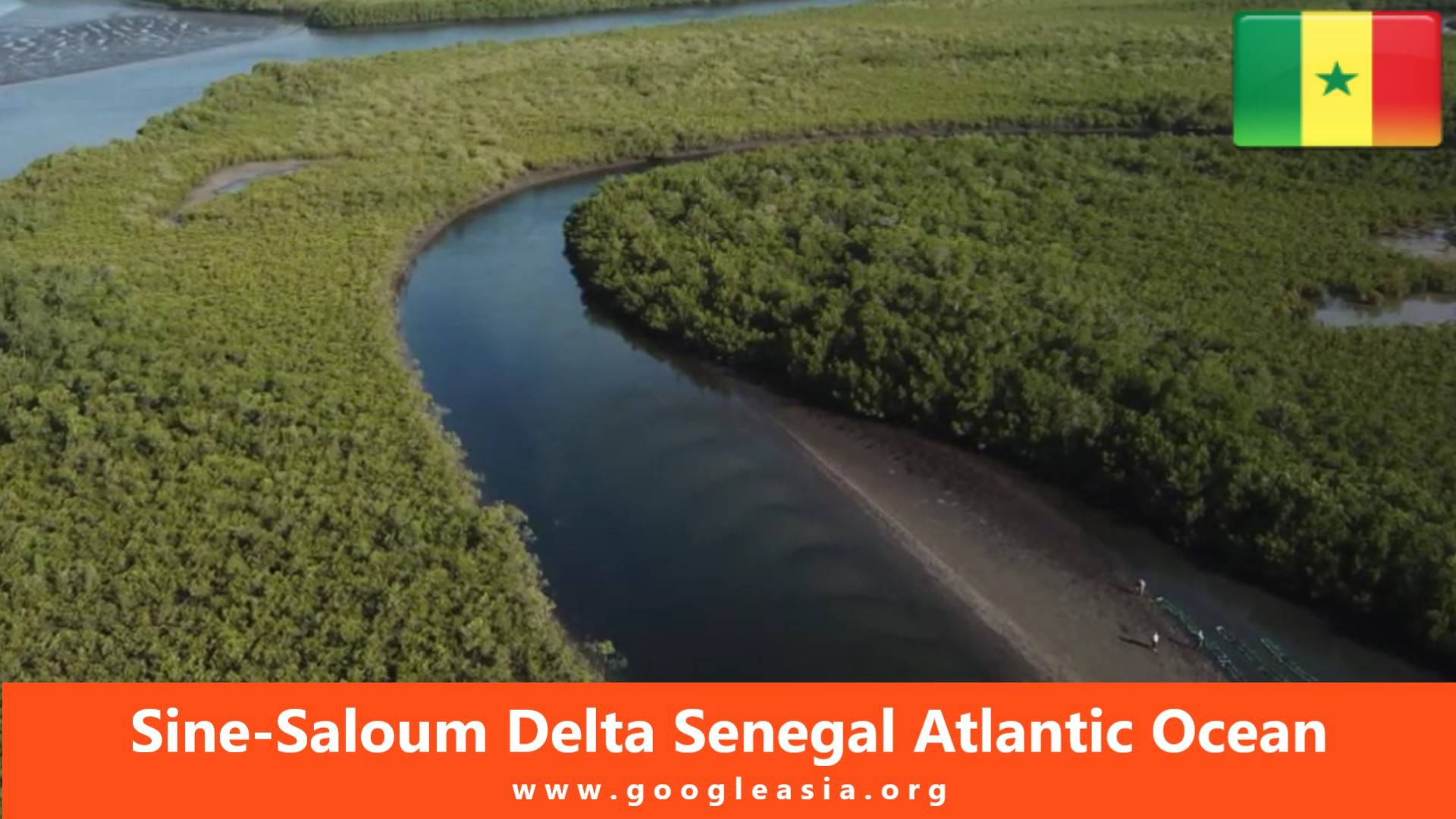
    The Sine-Saloum Delta is located in western Senegal, where the Saloum River meets with the Atlantic Ocean. This 2300 km2 wetland comprises coastal barrier islands and mangrove estuaries, mud flats, and seagrass beds. It is home to a rich array of wildlife including fish, marine mammals, and hundreds of bird species. The delta is increasingly threatened by human activities, such as industrial fisheries, urbanization, and poor land management. The local Serer people rely heavily on the delta for their livelihoods and are currently working to protect it from further degradation.

    Introduction

    Location and Geography

    The Sine-Saloum Delta is a stunning wetland habitat located in Senegal, nestled between the Atlantic Ocean and the Saloum River in the heart of the Sahel region of West Africa. Covering an expansive 11,000 square kilometers, the delta is a vast and sprawling mosaic of mangroves, marshes, and estuaries.

    Biodiversity and Wildlife

    The Sine-Saloum Delta is renowned for its biologically rich environment. Its floodplains, mangrove swamps, and numerous islands are home to an abundance of wildlife species. Visitors to the delta can expect to encounter:

    • Antelope
    • Crocodiles
    • Monkeys
    • Pelicans
    • Flamingos
    • Dolphins
    • Sharks

    This diverse array of species highlights the delta’s significance as a critical habitat for wildlife in the region.

    Sustenance and Economy

    The waters of the Sine-Saloum Delta are crucial for the local communities inhabiting the area. These waters provide sustenance and support for many small-scale fishing communities. The delta is also an important stop for numerous migratory birds, making it a vital point on their migratory routes.

    Conservation Status

    The Sine-Saloum Delta is the only Ramsar site in Senegal, underlining its importance as a habitat for wetlands biodiversity. The designation as a Ramsar site recognizes the delta’s global importance in conserving biological diversity and maintaining ecological functions.

    Tourism and Exploration

    Tourists and visitors find immense joy in exploring the delta’s unique landscapes and vibrant wildlife. The area is celebrated for its extraordinary beauty and stands as a true gem within Senegal’s invaluable ecosystem.

    Things to Do

    The Sine-Saloum Delta, located in western Senegal off the Atlantic coast, is one of West Africa’s most important wetlands and a UNESCO World Heritage Site. This region is a haven for nature enthusiasts, offering a variety of activities that highlight its rich biodiversity and cultural heritage.

    Birdwatching

    Birdwatching is one of the most popular activities in the Sine-Saloum Delta. Home to over 200 species of birds, including many endangered species, the delta is a prime destination for birdwatchers. Species you might encounter include:

    • Pelicans
    • Flamingos
    • Herons
    • Egrets

    The diverse birdlife makes every birdwatching expedition a unique and rewarding experience.

    Fishing

    Fishing is another favored activity in the delta. Anglers can fish in the smaller areas of the delta for saltwater species such as:

    • Tarpon
    • Barracuda
    • Nile Perch

    The rich waters provide ample opportunities for both novice and experienced fishermen to enjoy their sport.

    Kayaking and Canoeing

    Kayaking or canoeing through the delta’s expansive network of creeks, mangrove forests, and lush wetlands is an excellent way to explore this vibrant ecosystem. These activities allow for close encounters with the region’s diverse wildlife and offer a peaceful way to experience the natural beauty of the delta.

    Shell Beach on Shell Island

    Shell Beach, located on Shell Island, is famous for its soft white sand and shallow waters. It is a popular spot for sunbathing and water sports, providing a perfect setting for relaxation and enjoyment of the coastal environment.

    Scenic Drives and Village Visits

    Driving around the Sine-Saloum Delta offers breathtaking scenery and the opportunity to visit traditional Senegalese villages. These villages provide a glimpse into the local culture and way of life, making for an enriching cultural experience.

    Historical and Architectural Tours

    For history and architecture enthusiasts, the delta region features several significant structures, including forts and palaces belonging to the prestigious Serer ethnic group. These historical sites are an integral part of Senegal’s cultural heritage and are worth visiting to appreciate their historical and architectural significance.

    Nighttime Activities in Saloum National Park

    For a relaxing evening activity, head to Saloum National Park. The park’s diverse mangrove swamps and wetlands are home to a variety of water-game species, making it an ideal location for nighttime fishing. This unique experience combines the tranquility of the delta with the excitement of fishing under the stars.

    Foods

    The Sine-Saloum Delta, known for its stunning landscapes and rich biodiversity, is also a treasure trove of culinary delights. The local cuisine, influenced by traditional Senegalese practices and the abundance of fresh ingredients from the delta, offers a variety of delicious dishes that visitors should not miss.

    Signature Dishes

    Thieboudienne

    Thieboudienne, Senegal’s national dish, is a flavorful fish and rice stew. It often includes a variety of vegetables such as carrots, cabbage, and cassava, all simmered with spices and fresh seafood. This hearty dish showcases the delta’s rich bounty of fish and is a must-try for any visitor.

    Yassa Poulet

    Yassa Poulet is a popular dish featuring marinated chicken cooked with a tangy mixture of onions, mustard, and lemon juice. The savory and slightly tangy flavors make it a delightful meal, often served with rice or couscous.

    Mafé

    Mafé is a comforting peanut stew made with meat (commonly lamb or beef), vegetables, and a rich peanut sauce. The combination of tender meat and creamy peanut sauce offers a unique and satisfying taste.

    Appetizers and Snacks

    Accara

    Accara are deep-fried black-eyed pea fritters, crispy on the outside and soft on the inside. These savory fritters are often enjoyed as a snack or appetizer, providing a delicious and satisfying bite.

    Boulettes de Poisson

    Boulettes de Poisson are fish balls made from ground fish, herbs, and spices. Typically deep-fried, these tasty morsels offer a delightful seafood option, perfect as an appetizer or part of a main meal.

    Seafood Specialties

    Fresh Seafood

    Given the delta’s coastal location, fresh seafood is a highlight of the local cuisine. Indulge in grilled fish, prawns, oysters, and crab, often prepared with simple yet flavorful marinades and spices. The freshness of the seafood from the delta’s waters is unparalleled.

    Traditional Senegalese Dishes

    Ceebu Jen (Ceebu Yapp)

    Ceebu Jen is a classic Senegalese dish featuring fish, rice, and vegetables cooked together in a flavorful tomato-based sauce. A variation of this dish, Ceebu Yapp, uses meat instead of fish. Both versions offer a hearty and satisfying meal, showcasing the culinary traditions of Senegal.

    Fresh Fruits and Beverages

    Tropical Fruits

    The Sine-Saloum Delta is abundant with tropical fruits such as mangoes, papayas, and pineapples. These fruits are enjoyed fresh or in juices, providing a refreshing and healthy treat.

    Fresh Juices

    Fresh fruit juices are a popular beverage choice. Bissap, made from hibiscus flowers, is a particularly refreshing and tangy drink that visitors should try.

    Desserts and Local Snacks

    Thiakry

    Thiakry is a millet pudding often flavored with vanilla and served sweetened with sugar or condensed milk. This dessert is a delightful way to end a meal, offering a taste of traditional Senegalese sweets.

    Local Snacks

    Local markets and bakeries offer a variety of snacks such as roasted peanuts, cashews, and traditional pastries. These make for perfect on-the-go treats or souvenirs to take back home.

    Hotels

    The Sine-Saloum Delta is renowned for its natural beauty, diverse wildlife, and unique cultural experiences. To make the most of your visit, here are some of the best hotels and resorts in the region that offer comfort, luxury, and an authentic taste of Senegalese hospitality:

    La Villa Beach Resort & Spa, Cap Ludy

    La Villa Beach Resort & Spa in Cap Ludy is a luxurious beachfront resort offering stunning views of the Atlantic Ocean. The resort combines modern amenities with traditional Senegalese decor.

    Highlights

    • Luxury Rooms and Suites: Spacious accommodations with elegant decor and ocean views.
    • Spa Services: A full-service spa offering a range of treatments for relaxation and rejuvenation.
    • Dining: On-site restaurants serving gourmet local and international cuisine.

    Le Diamant de Joal – Hotel, Joal-Fadiouth

    Le Diamant de Joal is a charming hotel located in Joal-Fadiouth, known for its serene environment and friendly service.

    Highlights

    • Comfortable Rooms: Well-appointed rooms with modern amenities.
    • Proximity to Attractions: Close to the famous shell island of Fadiouth.
    • Local Cuisine: A restaurant that offers delicious Senegalese dishes.

    Ngaparou Beach Resort, Ngaparou

    Ngaparou Beach Resort is a popular destination for those seeking a relaxing beach holiday with easy access to the delta’s attractions.

    Highlights

    • Beachfront Location: Direct access to the beach with beautiful sea views.
    • Swimming Pool: An outdoor pool for guests to enjoy.
    • Activities: Offers water sports and excursions to nearby attractions.

    Toubacouta Lodge, Toubacouta

    Toubacouta Lodge is located in the heart of the Sine-Saloum Delta, providing an ideal base for exploring the region’s natural and cultural heritage.

    Highlights

    • Comfortable Accommodations: Rooms and bungalows with garden or river views.
    • Outdoor Pool: A refreshing swimming pool surrounded by lush greenery.
    • Excursions: Organizes boat trips, fishing tours, and village visits.

    Hotel La Somone, Somone

    Hotel La Somone is situated in the coastal village of Somone, offering a tranquil retreat with access to the delta’s unique landscapes.

    Highlights

    • Cozy Rooms: Comfortable rooms with modern amenities.
    • Beach Access: Close to the beach for sunbathing and swimming.
    • Dining: A restaurant serving local and international dishes.

    Campement Resort Ecole de Mer, Mboro

    Campement Resort Ecole de Mer in Mboro is an eco-friendly resort focused on environmental sustainability and education.

    Highlights

    • Eco-Friendly Accommodations: Lodging options built with sustainable materials.
    • Educational Programs: Offers marine and environmental education programs.
    • Activities: Guided tours, birdwatching, and environmental workshops.

    Primalodge, Foundooul

    Primalodge in Foundooul offers a unique blend of rustic charm and modern comfort, perfect for nature enthusiasts.

    Highlights

    • Rustic Lodging: Cozy cabins and lodges set in natural surroundings.
    • Outdoor Activities: Hiking, birdwatching, and nature walks.
    • Tranquil Environment: Peaceful setting ideal for relaxation and rejuvenation.

    Yabacoro Camp Hotel, Fatick

    Yabacoro Camp Hotel in Fatick provides an authentic Senegalese experience with comfortable accommodations and a warm, welcoming atmosphere.

    Highlights

    • Traditional Bungalows: Rooms and bungalows with traditional decor.
    • Cultural Experiences: Opportunities to engage with local culture and traditions.
    • Proximity to Delta: Conveniently located for exploring the Sine-Saloum Delta.

    Papillon Lodge, Foundooul

    Papillon Lodge in Foundooul offers a comfortable stay with a focus on personalized service and local experiences.

    Highlights

    • Comfortable Rooms: Well-furnished rooms with modern amenities.
    • Personalized Service: Attentive staff offering tailored experiences.
    • Local Excursions: Guided tours and activities to explore the delta.

    Hotel Lagon de Popenguine, Popenguine

    Hotel Lagon de Popenguine is a beachfront hotel offering stunning views and easy access to the delta’s natural attractions.

    Highlights

    • Beachfront Rooms: Rooms with views of the ocean and direct beach access.
    • Outdoor Pool: A swimming pool overlooking the sea.
    • Dining: On-site restaurant offering a variety of local and international dishes.
    Sine-Saloum Delta Senegal Atlantic Ocean

    Summary

    • Attraction Name: Sine-Saloum Delta
    • Country: Senegal
    • Continent: African
    • Capital Name: Dakar
    • Language: French
    • Currency: West African CFA franc
    • Nationality: Senegalese
    • Category:  #Destination #Africa #SENEGAL 

    Frequently Asked Questions

    What are Sine-Saloum Delta’s nearby must-visit attractions or landmarks?

    The Sine-Saloum Delta in Senegal is known for its unique natural beauty and cultural significance. While the delta itself is a vast and diverse ecosystem, there are several nearby attractions and landmarks that visitors may find intriguing:

    1. Sine-Saloum National Park:
      • The Sine-Saloum National Park is a significant protected area covering a large portion of the delta. It offers opportunities for guided safaris, bird watching, and exploring the diverse ecosystems of the region.
    2. Joal-Fadiouth (Shell Island):
      • Visit the nearby town of Joal-Fadiouth, known for its Shell Island (Île aux Coquillages). This island is connected to the mainland by a wooden bridge and is covered with shells, creating a unique and picturesque setting.
    3. Foundiougne:
      • Foundiougne is a town near the Sine-Saloum Delta that serves as a gateway to the region. Explore the local markets, engage with the community, and experience the charm of this riverside town.
    4. Mar Lodj Island:
      • Mar Lodj is one of the islands in the delta known for its pristine beaches and traditional villages. It offers a more secluded and authentic experience for travelers.
    5. Mbour Fishermen’s Wharf:
      • Head to Mbour, a town near the delta, and visit the Fishermen’s Wharf to witness the bustling activity of the local fishing community. It provides insights into traditional fishing practices.
    6. Toubacouta:
      • Toubacouta is a village situated along the Saloum River and serves as a base for exploring the delta. It offers access to boat tours, wildlife excursions, and cultural experiences.
    7. Sipo Island:
      • Sipo Island, located in the delta, is known for its mangrove forests and birdlife. It’s an ideal destination for nature lovers and those interested in eco-friendly activities.
    8. Dioss Village:
      • Dioss is a traditional village within the delta where visitors can experience the local way of life. Explore the village, interact with residents, and learn about the cultural heritage.
    9. Fathala Wildlife Reserve:
      • While slightly farther away, the Fathala Wildlife Reserve is known for its diverse wildlife, including giraffes, rhinos, and various antelope species. It offers safari experiences and is accessible from the delta region.
    10. Salt Pans and Oyster Farms:
      • Explore the salt pans and oyster farms in the delta, witnessing traditional salt harvesting and oyster cultivation. These activities are integral to the local economy.

    Is Sine-Saloum Delta a suitable travel destination for solo adventurers, honeymooning couples, or those traveling with families?

    The Sine-Saloum Delta caters to a variety of travelers, making it suitable for different preferences and travel styles:

    1. Solo Adventurers:
      • Solo adventurers can find the Sine-Saloum Delta appealing due to its tranquil landscapes, diverse ecosystems, and opportunities for exploration. Engage in bird watching, boat tours, and cultural experiences.
    2. Honeymooning Couples:
      • Honeymooning couples seeking a romantic and off-the-beaten-path destination will appreciate the delta’s natural beauty, serene waterways, and secluded lodgings. Private boat tours and sunset views enhance the romantic experience.
    3. Families:
      • Families can enjoy the delta’s family-friendly activities, such as boat excursions, wildlife spotting, and visits to traditional fishing villages. The region offers a unique educational experience for children, introducing them to diverse ecosystems and cultures.
    4. Nature Enthusiasts:
      • Nature enthusiasts will find the Sine-Saloum Delta captivating, with its rich biodiversity, birdwatching opportunities, and eco-friendly activities. Guided safaris, mangrove exploration, and encounters with wildlife appeal to those with a love for the outdoors.
    5. Cultural Explorers:
      • Travelers interested in cultural experiences can engage with the local communities in fishing villages, witness traditional practices, and explore historical sites. Community-based tourism initiatives provide insights into Senegalese culture.
    6. Relaxation Seekers:
      • Those seeking a peaceful and rejuvenating retreat will appreciate the delta’s tranquil ambiance. Secluded lodges, boat trips along serene waterways, and the natural beauty of the landscape create an ideal environment for relaxation.

    Why should you visit Sine-Saloum Delta?

    The Sine-Saloum Delta in Senegal is a captivating destination with unique features that make it worth visiting:

    1. Breathtaking Landscapes:
      • Immerse yourself in the delta’s stunning landscapes, characterized by meandering rivers, mangrove forests, and serene estuaries. The natural beauty of the delta is a photographer’s paradise.
    2. Rich Biodiversity:
      • Explore the diverse ecosystems of the delta, home to a wide array of bird species, marine life, and flora. The delta is a designated UNESCO World Heritage Site due to its ecological significance.
    3. Bird Watching:
      • Bird enthusiasts will delight in the delta’s abundant birdlife. The region is a haven for migratory birds, and bird watching tours offer the chance to spot pelicans, flamingos, herons, and more.
    4. Traditional Fishing Villages:
      • Experience the authentic culture of Senegal by visiting traditional fishing villages along the delta. Witness daily life, interact with locals, and learn about the traditional methods of fishing.
    5. Sine-Saloum National Park:
      • Explore the Sine-Saloum National Park, encompassing a large part of the delta. The park protects the region’s biodiversity and offers opportunities for guided safaris, boat trips, and eco-friendly activities.
    6. Boat Tours and Safaris:
      • Embark on boat tours or safaris to navigate the delta’s waterways. Discover hidden channels, encounter wildlife, and enjoy the tranquility of the delta’s natural surroundings.
    7. Historical and Cultural Sites:
      • Visit historic sites, including ancient burial mounds and relics that reflect the region’s cultural and historical significance. The delta has been inhabited for centuries, leaving behind traces of its past.
    8. Mangrove Forests:
      • Marvel at the expansive mangrove forests that play a crucial role in the delta’s ecosystem. Guided tours allow you to explore these unique environments and understand their ecological importance.
    9. Community-Based Tourism:
      • Engage in community-based tourism initiatives, supporting local economies and sustainable practices. Participate in cultural exchanges and learn about the traditional customs of the delta communities.
    10. Tranquil Retreat:
      • Escape the hustle and bustle of urban life and find serenity in the peaceful atmosphere of the delta. The calm waters and natural surroundings provide a tranquil retreat for those seeking relaxation.

    How to go to Sine-Saloum Delta?

    To reach the Sine-Saloum Delta, a picturesque region in Senegal, you can follow these general guidelines:

    1. Fly to Dakar:
      • Start by flying into Blaise Diagne International Airport (DSS) near Dakar, the capital of Senegal. This airport serves as the main international gateway.
    2. Travel to Kaolack:
      • From Dakar, take a ground transportation option, such as a bus, taxi, or private car, to the city of Kaolack. Kaolack is a major town and transportation hub in Senegal.
    3. Kaolack to Foundiougne:
      • From Kaolack, continue your journey to Foundiougne, a town located near the Sine-Saloum Delta. This can be done by various means of transportation, including buses, taxis, or private vehicles.
    4. Explore Sine-Saloum Delta:
      • Once in Foundiougne, you can explore the Sine-Saloum Delta and its surrounding areas. Local boats and water taxis are often used for transportation within the delta due to its waterways.
    5. River Crossings:
      • The Sine-Saloum Delta is characterized by its rivers and estuaries. Boats and ferries are commonly used to navigate the waterways and access different parts of the delta.
    6. Accommodations in Delta Towns:
      • Choose accommodations in towns or villages within the Sine-Saloum Delta, such as Fimela or Toubacouta. Many lodges, guesthouses, and resorts are situated along the water, providing a unique and tranquil experience.

    Are there any halal food options around the Sine-Saloum Delta?

    In the Sine-Saloum Delta region of Senegal, finding halal food options is likely, as Senegal is a predominantly Muslim country with a strong adherence to halal dietary practices. While the delta region may not have an abundance of restaurants, you can explore the following options:

    1. Local Restaurants and Cafés:
      • Visit local restaurants and cafés in towns or villages within the Sine-Saloum Delta. These establishments typically offer traditional Senegalese dishes, many of which adhere to halal standards.
    2. Seafood:
      • Given the coastal location of the delta, seafood is a common and delicious option. You can enjoy fresh fish, prawns, and other seafood dishes, often prepared in accordance with halal practices.
    3. Accommodations and Resorts:
      • If you are staying at resorts, lodges, or guesthouses in the delta, inquire about their dining facilities. Many accommodations strive to cater to various dietary preferences, including halal options.
    4. Communicate Dietary Preferences:
      • When dining at local establishments, communicate your dietary preferences clearly, emphasizing the importance of halal food. Restaurant staff are generally accommodating and willing to assist.
    5. Visit Local Markets:
      • Explore local markets for fresh produce, fruits, and snacks. You can find a variety of halal-friendly options, including fruits, nuts, and traditional Senegalese treats.
  • Lac Rose, Senegal: Your Ultimate Travel Guide & Tips

    Lac Rose, Senegal: Your Ultimate Travel Guide & Tips

    Lac Rose, Senegal

    Experience the mesmerizing hues of Lac Rose in Senegal, where the waters shimmer with a natural pink hue. Discover the beauty and cultural significance of this unique destination. Read on for an unforgettable journey into the heart of Lac Rose.

    The Lac Rose of Senegal, known more commonly as “The Pink Lake,” is a saline lake located northeast of Dakar, the capital city of Senegal. Its pinkish waters, the result of algae giving off a red pigment, create a stunning and unique landscape that has become a popular spot for tourists. The salt harvested from the lake is of high quality and used for economic purposes. This lake is also a great area for bird watching as many migratory birds are drawn to this unique lake’s breathtaking beauty.

    Introduction

    Lac Rose, also known as Lake Retba, is a natural wonder located in the Dakar Region of Senegal, approximately 25 kilometers northeast of Dakar. Famous for its stunning pink color, this shallow lake captivates visitors with its unique beauty and rich biodiversity.

    The Pink Phenomenon

    Lac Rose Senegal owes its vibrant pink hue to the high concentration of salt in its waters, which is even higher than that of the Dead Sea. The color is intensified by the presence of Dunaliella salina, a type of algae that thrives in salty environments and produces a reddish pigment to absorb sunlight. This natural phenomenon makes Lac Rose a breathtaking sight and a popular destination for tourists seeking extraordinary landscapes.

    A Haven for Wildlife

    The briny waters of Lac Rose support a diverse ecosystem, making it an ideal habitat for various species of aquatic life. Visitors can observe numerous species of birds, reptiles, and mammals in and around the lake. One of the most iconic inhabitants of Lac Rose is the flock of flamingos that grace its waters, adding to the picturesque scenery and providing ample opportunities for birdwatchers and nature enthusiasts.

    Tourist Attraction

    Lac Rose Senegal has become a major tourist attraction, drawing visitors from around the world who are eager to witness its natural beauty firsthand. Tourists can explore the lake by boat to fully appreciate its stunning color and the surrounding landscape. The lake’s proximity to Dakar makes it easily accessible for day trips or as part of a broader exploration of Senegal’s coastal regions.

    Cultural Significance

    Beyond its natural allure, Lac Rose holds cultural significance for the local communities. Traditionally, the lake has been a site for salt harvesting, a practice that continues today and provides an important livelihood for many residents. Visitors can learn about the salt extraction process, observe local workers collecting salt from the lakebed, and gain insights into the cultural traditions tied to this ancient practice.

    Things to Do

    Lac Rose, also known as Lac Retba, is a captivating destination in Senegal known for its stunning pink waters and diverse attractions. Whether you’re seeking relaxation, adventure, or cultural experiences, Lac Rose offers a range of activities to delight every traveler.

    Relax on the Beach

    Lac Rose boasts a picturesque beach with soft, white sand and panoramic views of the pink-hued lake. Spend a leisurely afternoon sunbathing, swimming in the brackish waters, or simply enjoying the serene atmosphere. The lush green islands and unique rock formations add to the scenic beauty of the shoreline.

    Explore the Islands

    The lake is surrounded by several small islands, accessible only by pirogue, traditional wooden canoes. Embark on an island exploration adventure to discover exotic plants and wildlife unique to this ecosystem. Keep an eye out for Senegal’s famous Saloum gazelle and other indigenous species.

    Enjoy Local Cuisine

    Indulge in the unique flavors of Senegalese cuisine near Lac Rose. Try local specialties such as Bouyabes, a delicious sandwich-like wrap filled with grilled vegetables, fried fish, rice, and chutney. Wash down your meal with yapp, a traditional sweet potato beer enjoyed by locals.

    Go Birdwatching

    Lac Rose is a haven for birdwatchers, attracting a rich diversity of migratory birds throughout the year. Bring your binoculars and explore the lake’s shores early in the morning or late in the afternoon to spot rare species such as blue-winged teals, greater flamingos, and black-winged stilts. The lake’s unique ecosystem provides an ideal habitat for these avian wonders.

    Take a Sunset Cruise

    End your day with a memorable sunset cruise on Lac Rose. Experience the spectacular pink-orange hues of the sky reflecting off the lake’s waters as you sail along the shoreline. Sunset cruises typically include refreshments and a knowledgeable guide who can share insights into the lake’s natural history and cultural significance.

    Foods

    While Lac Rose itself may not offer dining options directly on its shores, nearby areas and Dakar, the capital city of Senegal, provide a rich tapestry of culinary delights. Here are some of the best foods to savor in and around Lac Rose:

    Thieboudienne

    Senegal’s national dish, Thieboudienne, is a hearty fish and rice stew cooked with vegetables and spices. It’s a flavorful representation of Senegalese cuisine.

    Yassa Poulet

    Yassa Poulet features marinated chicken cooked with onions and mustard, offering a tangy and savory flavor profile that’s beloved across Senegal.

    Mafé

    Mafé is a comforting peanut stew made with meat (often lamb or beef), vegetables, and a rich peanut sauce. Its creamy texture and nutty taste make it a favorite.

    Accara

    Accara are crispy deep-fried black-eyed pea fritters, perfect as a snack or appetizer. They’re crunchy on the outside and soft on the inside, bursting with flavor.

    Ceebu Jen (Ceebu Yapp)

    Ceebu Jen is a traditional Senegalese dish consisting of fish, rice, and vegetables. Ceebu Yapp is a variation with meat instead of fish, both offering a satisfying and robust meal.

    Dibi

    Dibi is a popular street food dish featuring grilled lamb chops or skewers. It’s typically seasoned with a spicy marinade and served with onions and mustard.

    Thiakry

    Thiakry is a millet pudding flavored with vanilla and sweetened with sugar or condensed milk. It serves as a delicious dessert or snack, showcasing Senegal’s sweet culinary offerings.

    Fruits and Fresh Juices

    Enjoy a variety of tropical fruits such as mangoes, papayas, and pineapples, as well as refreshing fresh fruit juices like bissap (hibiscus), popular across Senegal.

    Seafood Delights

    Given Lac Rose’s coastal proximity, indulge in a bounty of fresh seafood including grilled fish, prawns, oysters, and crab. Locally sourced and seasoned, seafood dishes offer a taste of the ocean.

    Local Snacks

    Explore Senegalese local snacks such as roasted peanuts, cashews, and traditional pastries available at markets and local bakeries, perfect for on-the-go treats.

    Hotels

    Planning a stay near Lac Rose? Here are some of the top hotels in the area that offer comfort, convenience, and a touch of Senegalese hospitality.

    La Maison Rose

    La Maison Rose offers a charming stay with its elegant decor and personalized service. Located near Lac Rose, it provides a tranquil retreat amidst lush surroundings.

    Maison Ngor

    Maison Ngor combines modern amenities with a serene atmosphere, perfect for travelers seeking relaxation and proximity to Lac Rose.

    Palais Rose

    Palais Rose boasts luxurious accommodations and scenic views, making it an ideal choice for those looking to unwind near Lac Rose.

    La Siesta

    La Siesta offers a cozy and welcoming atmosphere, with comfortable rooms and friendly service, ensuring a pleasant stay near Lac Rose.

    Hotel Sofitel Dakar Teranga

    Located in Dakar, Hotel Sofitel Dakar Teranga provides upscale accommodations and easy access to Lac Rose, perfect for luxury-seeking travelers.

    La Maison Gadeye

    La Maison Gadeye offers a unique cultural experience with its traditional architecture and warm hospitality, a short drive from Lac Rose.

    Yakhou Resort Lac Rose

    Yakhou Resort Lac Rose provides a serene beachfront setting and modern amenities, ideal for a relaxing getaway near Lac Rose.

    Casa Jalloh

    Casa Jalloh offers comfortable rooms and a homely atmosphere, making it a great choice for families and travelers looking for a peaceful stay near Lac Rose.

    Le Mbalax Lodge

    Le Mbalax Lodge offers rustic charm and personalized service, providing a unique and authentic experience near Lac Rose.

    La Saga de Lac Rose

    La Saga de Lac Rose combines comfort with local flavor, offering a memorable stay amidst the natural beauty of Lac Rose.

    Lac Rose Senegal The Pink Lake Popular Spot

    Summary

    • Attraction Name: Lac Rose
    • Country: Senegal
    • Continent: African
    • Capital Name: Dakar
    • Language: French
    • Currency: West African CFA franc
    • Nationality: Senegalese
    • Category:  #Destination #Africa #SENEGAL 

    Frequently Asked Questions

    What are Lac Rose’s nearby must-visit attractions or landmarks?

    While Lac Rose itself is a prominent and unique attraction, the surrounding area offers additional points of interest and landmarks for visitors to explore. Here are some nearby must-visit attractions:

    1. Dakar:
      • The capital city of Senegal, Dakar, is a vibrant hub with cultural sites, markets, and historical landmarks. Visit the African Renaissance Monument, Dakar Grand Mosque, and the bustling markets for a taste of urban life.
    2. Goree Island:
      • A UNESCO World Heritage Site, Goree Island is known for its historical significance as a former slave trading post. Explore the Maison des Esclaves (House of Slaves) and immerse yourself in the island’s rich history.
    3. Dakar Pink Lake Airport:
      • The Dakar Pink Lake Airport is situated near Lac Rose, and the area provides opportunities to witness small aircraft taking off and landing, offering a unique aviation experience.
    4. Les Mamelles Lighthouse and Cap Manuel:
      • Enjoy panoramic views of Dakar and the Atlantic Ocean from Les Mamelles Lighthouse. Nearby Cap Manuel is a scenic coastal area with walking trails and picturesque landscapes.
    5. African Renaissance Monument:
      • This monumental bronze statue in Dakar stands as a symbol of Africa’s emergence from colonialism. It offers panoramic views of the city and the surrounding coastline.
    6. Ngor Island:
      • Ngor Island, located off the coast of Dakar, provides a tranquil escape with pristine beaches and a relaxed atmosphere. The island is accessible by boat from Dakar.
    7. IFAN Museum of African Arts:
      • Explore the rich cultural heritage of Africa at the IFAN Museum, showcasing traditional and contemporary African art. The museum is located in Dakar and offers insights into Senegal’s artistic expressions.
    8. Yoff Beach:
      • Yoff Beach is a popular beach in Dakar, known for its vibrant atmosphere, fishing community, and local eateries. It’s a great place to relax and experience local beach culture.
    9. Le Monument de la Renaissance Africaine:
      • Visit the Monument of African Renaissance, a colossal statue overlooking Dakar. The monument symbolizes Africa’s post-colonial rebirth and offers panoramic views from its observation deck.
    10. African Art Village (Village des Arts):
      • Located in Dakar, the African Art Village is a creative space where local artists showcase and sell their works. Explore the galleries and studios to discover contemporary African art.

    Is Lac Rose a suitable travel destination for solo adventurers, honeymooning couples, or those traveling with families?

    Lac Rose is a versatile destination that caters to a variety of travelers, making it suitable for solo adventurers, honeymooning couples, and families. Here’s how Lac Rose accommodates different types of travelers:

    1. Solo Adventurers:
      • Solo adventurers can find Lac Rose appealing for its unique landscape, adventure activities, and opportunities to interact with local communities. The lake’s tranquil surroundings also provide a peaceful retreat for those traveling alone.
    2. Honeymooning Couples:
      • Honeymooning couples seeking a romantic and picturesque destination will appreciate the natural beauty of Lac Rose. Sunset boat tours, walks along the pink shores, and private accommodations contribute to a romantic experience.
    3. Families:
      • Families can enjoy a visit to Lac Rose, especially with the educational aspect of learning about traditional salt harvesting methods. The adventure activities, family-friendly accommodations, and the proximity to Dakar make it convenient for families with children.
    4. Nature Enthusiasts:
      • Nature enthusiasts will be drawn to Lac Rose for its unique ecological features, including the pink coloration and the surrounding salt flats. Birdwatching, exploration of the lake’s flora and fauna, and outdoor activities make it an appealing destination for nature lovers.
    5. Adventure Seekers:
      • Lac Rose caters to adventure seekers with activities like quad biking, horseback riding, and boat tours. The dynamic landscape and the opportunity for thrilling experiences make it suitable for those seeking an active vacation.
    6. Relaxation Seekers:
      • Travelers looking for a serene and tranquil environment will find Lac Rose to be a peaceful retreat. The calming atmosphere, scenic views, and the option for relaxation by the lake make it suitable for those seeking quiet moments.

    While Lac Rose offers diverse experiences, individual preferences and travel styles may vary. It’s important to consider specific interests and activities when planning a visit. Families with children may want to ensure that accommodations and activities are suitable for all ages, while solo adventurers may appreciate the freedom to explore at their own pace. Honeymooning couples can enjoy the romantic ambiance, particularly during sunset.

    Why should you visit Lac Rose?

    Lac Rose, also known as the Pink Lake, is a unique and fascinating destination in Senegal, offering visitors a range of captivating experiences. Here are compelling reasons to visit Lac Rose:

    1. Natural Wonder:
      • Witness the mesmerizing natural phenomenon that gives the lake its name – the pinkish hue caused by the high concentration of salt and specific microorganisms. The lake’s color changes throughout the day, creating a stunning visual spectacle.
    2. Salt Harvesting Traditions:
      • Explore the traditional salt harvesting methods employed by local communities. Witness the labor-intensive process of extracting salt from the lake, where workers use wooden boats and hand tools, providing insight into the local way of life.
    3. Unique Landscape:
      • Immerse yourself in the surreal landscape surrounding Lac Rose, characterized by the contrast of pink waters against the sandy shores and the clear blue sky. The scenery is a photographer’s delight.
    4. Boat Tours:
      • Take a boat tour on Lac Rose to gain a different perspective of the lake. Learn about the history, geography, and ecology of the area while enjoying a tranquil excursion on its waters.
    5. Adventure Activities:
      • Engage in adventure activities such as quad biking or horseback riding along the lake’s shores. These activities provide an exhilarating experience while allowing you to appreciate the unique environment.
    6. Cultural Immersion:
      • Interact with the local communities residing near Lac Rose. Gain insights into their daily lives, traditions, and the cultural significance of the lake. Visit nearby villages to experience the hospitality of the locals.
    7. Proximity to Dakar:
      • Lac Rose is conveniently located near Dakar, making it an accessible day trip or short excursion from the capital city. Travelers can easily include a visit to Lac Rose as part of their itinerary.
    8. Relaxation and Tranquility:
      • Enjoy the serene atmosphere of Lac Rose, away from the hustle and bustle of urban life. The peaceful surroundings make it an ideal location for relaxation, meditation, or a leisurely stroll along the lake.
    9. Sunset Views:
      • Witness breathtaking sunset views over Lac Rose, as the changing colors of the sky reflect on the pink waters. The tranquil setting provides a serene backdrop for a memorable evening.
    10. Tourist Facilities:
      • Lac Rose has developed tourist facilities, including accommodations, restaurants, and guided tours, making it a comfortable destination for visitors.

    How to go to Lac Rose?

    To reach Lac Rose (Pink Lake) in Senegal, you can follow these general guidelines:

    1. Fly to Dakar:
      • Start by flying into Blaise Diagne International Airport (DSS), which is the main international airport serving Dakar, the capital of Senegal.
    2. Travel to Lac Rose:
      • Lac Rose is located approximately 30 kilometers (about 18 miles) northeast of Dakar. You can reach Lac Rose by various means of transportation:
      • Taxi or Private Car: Arrange for a taxi or hire a private car to take you from Dakar to Lac Rose. This provides flexibility and convenience.
      • Public Transportation: You can also use public transportation, such as buses or minibusses, to travel from Dakar to Lac Rose. Be aware of the schedules and routes, and consider that public transport options may be limited.
    3. Boat Tours:
      • Lac Rose is known for its pinkish hue caused by high salt content, and boat tours are a popular way to experience the lake. Once at Lac Rose, consider taking a boat tour to explore the lake, learn about salt harvesting, and enjoy the unique surroundings.
    4. Guided Tours:
      • Consider joining a guided tour to Lac Rose, especially if you prefer a structured itinerary with insights from local guides. Tour operators in Dakar often offer excursions to Lac Rose.
    5. Car Rentals:
      • Another option is to rent a car and drive from Dakar to Lac Rose. This allows you to explore the area at your own pace and visit nearby attractions.

    Are there any halal food options around the Lac Rose?

    Yes, you can find halal food options around Lac Rose (Pink Lake) in Senegal. Senegal is a predominantly Muslim country, and as such, halal food is widely available. In areas frequented by tourists, including Lac Rose, you can expect to find restaurants and eateries that offer halal meals. Local dishes, seafood, and international cuisine with halal options are commonly available.

    When dining in the Lac Rose area, you can inquire at restaurants or eateries about their menu offerings and whether they adhere to halal standards. Many establishments in Senegal are accustomed to catering to halal dietary preferences, ensuring that the food complies with Islamic dietary laws.

  • Djoudj National Bird Sanctuary, Senegal: Travel Guide

    Djoudj National Bird Sanctuary, Senegal: Travel Guide

    Djoudj National Bird Sanctuary, Senegal

    Explore the avian wonders of Djoudj National Bird Sanctuary, a serene haven in Senegal. Discover diverse bird species and the beauty of wetland ecosystems. Dive into an extraordinary wildlife experience.

    The Djoudj National Bird Sanctuary in Senegal is a World Heritage Site and a Ramsar site, declared in 1981 and 1985 respectively. It is a destination for millions of migratory birds every year and is home to over 350 species of birds, including the vulnerable Greater Flamingo. It provides important wintering grounds and breeding habitat for many many species.

    Introduction

    Located on the south-west bank of the Senegal River in northern Senegal, the Djoudj National Bird Sanctuary stands as a testament to the region’s ecological richness and importance in global avian conservation efforts.

    Overview

    Djoudj National Bird Sanctuary is a designated Ramsar wetland site, spanning an impressive 70,127 hectares. It is renowned for its vast populations of aquatic birds, hosting over three million individuals from more than 340 different species. This sanctuary is particularly notable during the winter months, when it becomes a haven for migratory birds traveling from Europe to sub-Saharan Africa.

    Biodiversity

    The sanctuary supports a diverse array of wildlife beyond its avian inhabitants. It is home to 10 species of mammals, including antelopes and hyenas, along with 4 species of amphibians and an impressive variety of fish and aquatic plants, totaling 52 species of fish and 34 species of aquatic plants.

    Conservation Importance

    Djoudj National Bird Sanctuary plays a crucial role in the conservation of many threatened bird species. Among its residents are the endangered White-backed Vulture, the vulnerable Eurasian Spoonbill, and the near-threatened Dalmatian Pelican. These species find refuge and nesting grounds within the sanctuary’s protected boundaries, highlighting its significance as a critical habitat for avian biodiversity.

    Visitor Experience

    Visitors to Djoudj National Bird Sanctuary have the opportunity to explore its expansive wetlands via guided boat tours. These tours provide a chance to observe and photograph the sanctuary’s diverse birdlife up close, including iconic species such as flamingos, pelicans, herons, and many others. The sanctuary’s serene landscapes and rich biodiversity offer a memorable experience for nature enthusiasts and birdwatchers alike.

    Things to Do

    Djoudj National Bird Sanctuary in Senegal is not just a wetland; it’s a haven for bird enthusiasts and nature lovers alike. Nestled along the Senegal River, this sanctuary beckons with its rich avian diversity and pristine natural landscapes.

    Bird Watching Extravaganza

    With over 1.5 million birds representing nearly 400 species, Djoudj National Bird Sanctuary is a birdwatcher’s paradise. From pelicans and flamingos to spoonbills and herons, the sanctuary offers unparalleled opportunities for bird spotting.

    Boat Tours

    Embark on a serene boat tour through the sanctuary’s waters to observe its prolific birdlife up close. Glide past pelicans gracefully skimming the surface, flamingos wading in shallow waters, and spoonbills elegantly foraging along the banks. Keep an eye out for resident reptiles and mammals that add to the sanctuary’s biodiversity.

    Island Exploration

    Explore the sanctuary’s small islands and islets on guided tours. Traverse through mangrove forests teeming with diverse wildlife, including crocodiles, monkeys, warthogs, and bats. These islands offer a glimpse into the sanctuary’s intricate ecosystems and provide opportunities for unique wildlife encounters.

    Guided Nature Walks

    Take leisurely guided nature walks along trails winding through dense forests and swamps. Marvel at the sanctuary’s vibrant bird species, and keep watch for mammals and reptiles amidst the lush vegetation. Scenic lookouts along the way offer breathtaking views of the sanctuary’s picturesque landscape.

    Canoe Tours

    Experience the sanctuary from a different perspective with canoe tours. Paddle through winding canals and tranquil mangrove swamps, immersing yourself in the sanctuary’s serene ambiance. Get up close to birds, observe elusive wildlife, and appreciate the sanctuary’s natural beauty from the water.

    Foods

    While visiting Djoudj National Bird Sanctuary, consider exploring nearby towns like Saint-Louis for a taste of traditional Senegalese cuisine. Here are some dishes you shouldn’t miss:

    Thieboudienne

    Senegal’s national dish, Thieboudienne, is a hearty fish and rice stew cooked with vegetables and aromatic spices. It offers a delicious blend of flavors typical of Senegalese coastal cuisine.

    Yassa Poulet

    Yassa Poulet features marinated chicken grilled to perfection and served with a tangy sauce made from onions, mustard, and lemon juice. It’s a savory delight with a hint of citrus.

    Mafé

    Mafé is a comforting peanut stew made with tender meat (commonly lamb or beef), vegetables, and a rich peanut sauce. It’s hearty, flavorful, and often served with rice or couscous.

    Accara

    Accara are crispy deep-fried black-eyed pea fritters, perfect as a snack or appetizer. They are often enjoyed with spicy dipping sauces for an extra kick of flavor.

    Ceebu Jen (Ceebu Yapp)

    Ceebu Jen is a classic Senegalese dish consisting of fish (or meat in Ceebu Yapp), rice, and vegetables. It’s cooked in a flavorful tomato-based sauce and enjoyed across Senegal.

    Dibi

    Dibi is a popular street food featuring grilled lamb chops or skewers, marinated in a spicy seasoning blend. It’s often served with onions, mustard, and bread, offering a taste of Senegalese barbecue.

    Thiakry

    Thiakry is a millet-based dessert pudding flavored with vanilla and sweetened with sugar or condensed milk. It’s creamy, fragrant, and makes for a delightful ending to a meal.

    Seafood Delights

    Given Senegal’s coastal location, indulge in fresh seafood dishes such as grilled fish, prawns, oysters, and crab. These dishes are often seasoned with local spices for a burst of coastal flavor.

    Fruits and Fresh Juices

    Enjoy tropical fruits like mangoes, papayas, and pineapples, along with refreshing fruit juices such as bissap (hibiscus) or bouye (baobab fruit).

    Hotels

    While there are no hotels directly within Djoudj National Bird Sanctuary, here are some recommended accommodations nearby:

    Hotel Bou Othmane Peulh

    • Location: Saint-Louis, Senegal
    • Overview: Known for its comfortable rooms and convenient location, Hotel Bou Othmane Peulh offers a pleasant stay with easy access to Djoudj National Bird Sanctuary and other attractions in Saint-Louis.

    Hotel Siby

    • Location: Saint-Louis, Senegal
    • Overview: Hotel Siby provides cozy accommodations with a focus on guest comfort. It’s a great option for travelers exploring Djoudj National Bird Sanctuary and the historic city of Saint-Louis.

    Hotel Chez Colin

    • Location: Saint-Louis, Senegal
    • Overview: Hotel Chez Colin is well-regarded for its friendly service and proximity to Djoudj National Bird Sanctuary. It offers a peaceful atmosphere and easy access to local amenities.

    The Baobab Guesthouse

    • Location: Saint-Louis, Senegal
    • Overview: The Baobab Guesthouse provides a relaxed setting with clean rooms and a welcoming ambiance. It’s ideal for travelers seeking budget-friendly accommodations near Djoudj National Bird Sanctuary.

    Camp Croco

    • Location: Near Djoudj National Bird Sanctuary
    • Overview: Camp Croco offers unique tented accommodations in a natural setting, providing a rustic yet comfortable experience close to Djoudj National Bird Sanctuary.

    Hotel Selimane

    • Location: Saint-Louis, Senegal
    • Overview: Hotel Selimane features spacious rooms and a convenient location for exploring Djoudj National Bird Sanctuary and the cultural sites of Saint-Louis.

    Campement Chezbaki

    • Location: Near Djoudj National Bird Sanctuary
    • Overview: Campement Chezbaki offers traditional bungalow accommodations amidst natural surroundings, providing a serene stay close to Djoudj National Bird Sanctuary.

    Hotel L’Harricana

    • Location: Saint-Louis, Senegal
    • Overview: Hotel L’Harricana boasts comfortable rooms and a peaceful atmosphere, making it a suitable choice for visitors to Djoudj National Bird Sanctuary.

    Campement Family

    • Location: Near Djoudj National Bird Sanctuary
    • Overview: Campement Family offers basic yet comfortable lodging options in close proximity to Djoudj National Bird Sanctuary, perfect for nature enthusiasts.

    Baobab Roof Top Bivouac

    • Location: Saint-Louis, Senegal
    • Overview: Baobab Roof Top Bivouac provides a unique rooftop camping experience with stunning views, ideal for travelers seeking a memorable stay near Djoudj National Bird Sanctuary.
    Djoudj National Bird Sanctuary Senegal Ramsar Site

    Summary

    • Attraction Name: Djoudj National Bird Sanctuary
    • Country: Senegal
    • Continent: African
    • Capital Name: Dakar
    • Language: French
    • Currency: West African CFA franc
    • Nationality: Senegalese
    • Category:  #Destination #Africa #SENEGAL 

    Frequently Asked Questions

    What are Djoudj National Bird Sanctuary’s nearby must-visit attractions or landmarks?

    While Djoudj National Bird Sanctuary is a primary attraction in its own right, there are several other nearby landmarks and attractions that visitors can explore to enhance their overall experience in the region:

    1. Saint-Louis:
      • The historic city of Saint-Louis, located near Djoudj, is itself a UNESCO World Heritage Site. Explore the colonial architecture, vibrant markets, and cultural heritage of this former French capital.
    2. Langue de Barbarie:
      • Langue de Barbarie is a narrow sandy peninsula located near Saint-Louis, separating the Atlantic Ocean from the Senegal River. It’s a natural reserve with diverse ecosystems, including dunes, lagoons, and coastal vegetation.
    3. Saint-Louis Island:
      • Connected to the mainland by the Faidherbe Bridge, Saint-Louis Island is known for its unique blend of colonial and African architecture. Visit Place Faidherbe, the heart of the island, and explore its markets and cultural sites.
    4. Faidherbe Bridge:
      • This iconic bridge connects Saint-Louis Island to the mainland and offers stunning views of the Senegal River. It’s a significant landmark and a great spot for photography.
    5. Dakhonga Island:
      • Located in the estuary of the Senegal River, Dakhonga Island is known for its scenic landscapes and fishing communities. It provides a peaceful escape with opportunities for birdwatching.
    6. Aéré Lao National Park:
      • Aéré Lao National Park, situated southeast of Djoudj, is another protected area known for its diverse wildlife, including antelopes, monkeys, and various bird species. It offers opportunities for nature walks and wildlife observation.
    7. Richard-Toll:
      • Richard-Toll, located along the Senegal River, is known for its sugarcane plantations and a historic railway station. Explore the town’s agricultural landscapes and learn about its colonial history.
    8. Louga:
      • Louga is a regional capital known for its vibrant markets, cultural festivals, and traditional music. It provides insights into local Senegalese life.

    Is Djoudj National Bird Sanctuary a suitable travel destination for solo adventurers, honeymooning couples, or those traveling with families?

    Djoudj National Bird Sanctuary caters to a variety of travelers, making it suitable for solo adventurers, honeymooning couples, and families. Here’s how the sanctuary accommodates different types of travelers:

    1. Solo Adventurers:
      • Solo adventurers seeking a nature-centric experience and an opportunity for birdwatching will find Djoudj National Bird Sanctuary a captivating destination. The peaceful surroundings and diverse birdlife offer a tranquil environment for solo exploration.
    2. Honeymooning Couples:
      • Honeymooning couples can enjoy the romantic ambiance of Djoudj as they explore the wetlands together. The serene boat tours, picturesque landscapes, and the chance to witness flocks of flamingos make it a unique and intimate experience.
    3. Families:
      • Families with children can introduce their little ones to the wonders of nature and wildlife. Djoudj provides an educational and entertaining experience, and the boat tours are often enjoyable for family members of all ages.
    4. Bird Enthusiasts:
      • For individuals or couples passionate about birdwatching, Djoudj National Bird Sanctuary is a must-visit destination. The diverse bird species, including migratory flocks, offer an extraordinary opportunity for bird enthusiasts to observe and appreciate avian life.
    5. Photographers:
      • Photographers, whether traveling solo or as a couple, will find Djoudj a paradise for capturing stunning images of birds in their natural habitat. The vibrant colors, unique behaviors, and picturesque wetland settings provide ample photo opportunities.
    6. Nature Lovers:
      • Those who appreciate the beauty of natural environments and wetland ecosystems will be drawn to Djoudj. The sanctuary’s rich biodiversity, serene landscapes, and the soothing sounds of nature make it an ideal retreat for nature lovers.

    While Djoudj National Bird Sanctuary is accessible and enjoyable for various types of travelers, it’s essential to consider individual preferences and interests. Families with children may find the educational aspects of the sanctuary appealing, while couples may appreciate the romantic and scenic aspects of the wetlands. Solo adventurers can immerse themselves in the tranquility of nature and birdwatching.

    Why should you visit Djoudj National Bird Sanctuary?

    Visiting Djoudj National Bird Sanctuary in Senegal offers a unique and rewarding experience for nature enthusiasts and bird lovers. Here are compelling reasons to explore this remarkable wildlife sanctuary:

    1. Rich Biodiversity:

      • Djoudj National Bird Sanctuary is home to an incredible diversity of bird species, making it a haven for birdwatchers. The sanctuary hosts over 400 bird species, including pelicans, flamingos, herons, and more.
    2. Important Bird Area (IBA):

      • Recognized as an Important Bird Area by BirdLife International, Djoudj is crucial for the conservation of avian species. The sanctuary serves as a vital habitat for migratory birds traveling between Europe, sub-Saharan Africa, and the Arctic.
    3. Migratory Bird Stopover:

      • During the winter months, Djoudj becomes a crucial stopover for millions of migratory birds. Witness the spectacle of vast flocks of birds as they rest and feed in the sanctuary before continuing their long journeys.
    4. Flamingo Colony:

      • Djoudj is renowned for its impressive colony of Greater Flamingos. Visitors can witness thousands of these graceful birds in their natural habitat, creating stunning visual displays against the backdrop of the wetlands.
    5. Wetland Ecosystem:

      • Explore the diverse wetland ecosystem of Djoudj, which includes ponds, lakes, and streams. The sanctuary is an essential part of the larger Senegal River Delta and contributes to the region’s ecological balance.
    6. Boat Tours:

      • Enjoy boat tours within the sanctuary, allowing you to get close to the birds and observe their behaviors. Knowledgeable guides provide insights into the various bird species and the importance of the wetland environment.
    7. Photography Opportunities:

      • Djoudj offers fantastic opportunities for wildlife photography. Capture striking images of birds in flight, feeding, and interacting with their natural surroundings. The vibrant colors and diverse birdlife make it a photographer’s paradise.
    8. Conservation and Research:

      • Djoudj plays a vital role in bird conservation and research. The sanctuary contributes to our understanding of migratory patterns and the overall health of bird populations, aiding global conservation efforts.
    9. Cultural Heritage:

      • Djoudj National Bird Sanctuary is a UNESCO World Heritage Site, recognized not only for its ecological significance but also for its cultural importance to the local communities. Learn about the cultural heritage intertwined with the wetlands.
    10. Peaceful Environment:

      • Experience the tranquility and serenity of Djoudj’s natural surroundings. The peaceful atmosphere allows visitors to connect with nature and appreciate the beauty of the wetlands.

    How to go to Djoudj National Bird Sanctuary?

    To reach Djoudj National Bird Sanctuary in Senegal, you can follow these general guidelines:

    1. Fly to Dakar:
      • Start by flying into Blaise Diagne International Airport (DSS), which is the main international airport serving Dakar, the capital of Senegal.
    2. Travel to Saint-Louis:
      • Djoudj National Bird Sanctuary is located near the town of Saint-Louis. From Dakar, you can travel to Saint-Louis by various means:
      • By Air: You can take a domestic flight from Blaise Diagne International Airport to Saint-Louis. Saint-Louis Airport serves the region.
      • By Land: Alternatively, you can take a bus or hire a car to travel from Dakar to Saint-Louis. The journey by road provides an opportunity to see the Senegalese landscape.
    3. Saint-Louis to Djoudj National Bird Sanctuary:
      • Djoudj National Bird Sanctuary is approximately 60 kilometers north of Saint-Louis. Once in Saint-Louis, you can reach the sanctuary by road.
      • By Car: Hire a car or arrange for a taxi to take you from Saint-Louis to Djoudj National Bird Sanctuary. The journey provides scenic views, and the road conditions may vary.
      • Guided Tours: Consider joining a guided tour organized by local tour operators. These tours often include transportation, guided visits, and insights into the wildlife and ecosystem of the sanctuary.
    4. Entrance and Permits:
      • Upon arrival at Djoudj National Bird Sanctuary, you may need to pay an entrance fee. Check with the local authorities about any permits or regulations that apply to your visit.

    It’s essential to plan your transportation and check the current conditions, as road conditions may vary. Additionally, guided tours can enhance your experience by providing valuable information about the birds and ecosystems found in the sanctuary.

    Are there any halal food options around the Djoudj National Bird Sanctuary?

    While the Djoudj National Bird Sanctuary in Senegal is primarily a wildlife reserve with limited dining facilities within the park, visitors can find halal food options in nearby towns or cities. Senegal, being a predominantly Muslim country, generally offers halal food choices in various establishments.

    If you’re planning to visit Djoudj National Bird Sanctuary and prefer halal options, consider exploring the nearby towns or cities like Saint-Louis, which is a popular base for visitors to the sanctuary. In Saint-Louis, you are likely to find a range of restaurants and eateries offering halal meals.

    It’s advisable to check with local residents, hotels, or online platforms for recommendations on halal dining options in the vicinity of Djoudj National Bird Sanctuary. Additionally, you may choose to bring your own halal snacks or meals, especially if you plan to spend an extended period within the sanctuary.

  • Visiting Gorée Island, Senegal: Travel Guide & Tips

    Visiting Gorée Island, Senegal: Travel Guide & Tips

    Gorée Island, Senegal

    Step into the poignant history of Gorée Island, a UNESCO World Heritage Site. Explore the House of Slaves, IFAN Historical Museum, and more. Discover the captivating blend of cultural richness and colonial architecture.

    Gorée Island is a small island located off the coast of Senegal, just south of Dakar. It is known for its historical significance as a major center of the slave trade in the 17th and 18th centuries. The houses on the island were built by wealthy European merchants and many still stand today, serving as a reminder of the dark history of the island and slavery around the world. Today, Gorée Island is a destination for tourists, with its many forts, museums, and monuments that mark its past.

    Introduction

    Gorée Island, also referred to as the Island of Gorée, stands as a poignant testament to history off the coast of Senegal, near Dakar. This UNESCO World Heritage Site is renowned for its pivotal role in the trans-Atlantic slave trade, serving as a poignant reminder of a dark chapter in human history.

    History and Significance

    Gorée Island holds significant historical importance as one of the major ports in the trans-Atlantic slave trade era. From the 15th to the 19th centuries, countless Africans were forcibly captured and shipped from Gorée to the Americas and Europe under brutal conditions. The island was a hub where enslaved individuals were held in deplorable conditions before being transported across the Atlantic Ocean. It’s estimated that over 3 million people passed through Gorée’s port during this tragic period.

    Cultural and Heritage Site

    Today, Gorée Island stands as a powerful memorial and educational site dedicated to the memory of those who suffered and perished in the trans-Atlantic slave trade. The island’s historical buildings, including former slave houses and trading posts, offer a visceral glimpse into this harrowing past. Visitors can explore the Maison des Esclaves (House of Slaves), a museum and memorial that chronicles the island’s role in the slave trade and honors its victims.

    Architectural Charm and Scenic Views

    Beyond its somber history, Gorée Island boasts charming colonial architecture, narrow cobblestone streets, and scenic coastal views. The island’s picturesque setting and serene ambiance provide a stark contrast to its dark history, offering visitors a reflective and contemplative atmosphere.

    Tourism and Visitor Experience

    Today, Gorée Island attracts visitors from around the world who come to pay homage to the resilience of those who suffered in the slave trade. Tourists can take guided tours of the island, exploring its historic sites and learning about its cultural significance. The island’s tranquil beaches and vibrant local culture also contribute to its allure as a tourist destination.

    Commemoration and Reflection

    Gorée Island serves as a solemn reminder of the atrocities of the past while fostering dialogue about human rights and social justice. Its designation as a UNESCO World Heritage Site underscores its global importance in preserving historical memory and promoting reconciliation.

    Things to Do

    Gorée Island, a poignant UNESCO World Heritage Site off the coast of Senegal, holds profound historical significance and offers visitors a rich tapestry of cultural experiences. Here’s a guide to exploring this small yet compelling island:

    Historical Exploration at the House of Slaves

    The House of Slaves stands as Gorée Island’s most compelling attraction, symbolizing its tragic role in the Atlantic slave trade. Once a pivotal center where enslaved Africans were held before being shipped across the ocean, it now serves as a museum and memorial. Explore its preserved chambers, contemplate the Door of No Return, and witness poignant exhibits that honor the victims and survivors of this dark chapter in history.

    Beach Bliss and Water Activities

    Gorée Island’s beaches beckon with their pristine white sands and clear waters, perfect for swimming, snorkeling, or simply relaxing under the sun. Enjoy picturesque views of the Atlantic Ocean and indulge in beachside activities amidst a tranquil and scenic environment.

    Vibrant Local Market and Culinary Delights

    Immerse yourself in Gorée Island’s lively local market, where vibrant colors and the aroma of spices fill the air. Browse stalls brimming with fresh produce, handmade crafts, and local artwork. Sample traditional Senegalese cuisine at nearby restaurants and bars, savoring dishes like Thieboudienne (fish and rice stew) and Yassa Poulet (marinated chicken with onions), complemented by stunning sunset vistas.

    Cultural Immersion in Gorée’s Charm

    Explore Gorée’s intimate streets lined with colonial-era architecture and bustling with local workshops and traditional crafts. Discover hidden gems like the old lighthouse and the historic market square, each offering glimpses into the island’s unique heritage. Take a boat ride around the island’s perimeter for a different perspective of its historical landmarks and natural beauty.

    Reflection and Contemplation

    Gorée Island invites visitors to reflect on its complex history and engage in conversations about resilience, reconciliation, and the enduring quest for justice. Visit the island’s serene church and cemetery, offering quiet moments for contemplation amidst a backdrop of historical significance.

    Foods

    Gorée Island, nestled off the coast of Senegal, not only captivates with its historical significance but also delights visitors with a rich tapestry of local cuisine. Here are some of the best foods to savor during your visit to this UNESCO World Heritage Site:

    Thieboudienne

    Thieboudienne reigns as Senegal’s national dish and is a must-try on Gorée Island. This flavorful fish and rice stew, infused with vegetables and aromatic spices, embodies the essence of Senegalese cuisine.

    Yassa Poulet

    Yassa Poulet offers a tantalizing blend of grilled or fried chicken marinated in a zesty sauce of onions and mustard. Paired with fragrant rice, it promises a satisfying meal that reflects the island’s vibrant flavors.

    Hearty and Nutty Mafé

    Mafé is a hearty peanut stew that showcases tender meat—commonly lamb or beef—cooked in a luscious peanut sauce with vegetables. Its rich, nutty taste is a testament to Senegal’s culinary heritage.

    Dibi

    Dibi is a local favorite, featuring succulent grilled meat—often skewered and cooked over an open flame—served with fiery sauces that add a spicy kick to every bite.

    Accara

    Accara are crispy black-eyed pea fritters, deep-fried to perfection. These savory bites are enjoyed as a popular snack or appetizer, offering a delightful introduction to Senegalese street food.

    Boulettes de Poisson

    Boulettes de Poisson are savory fish balls, skillfully seasoned with herbs and spices, and typically served with a dipping sauce that enhances their fresh seafood flavor.

    Seafood Delights

    Indulge in Fruits de Mer—fresh seafood delights such as grilled fish, succulent prawns, and tender calamari, reflecting Gorée Island’s coastal bounty and culinary prowess.

    Domoda

    Domoda is a comforting peanut-based stew, featuring tender meat, hearty vegetables, and aromatic rice. Its creamy texture and robust flavors offer a taste of Senegal’s diverse culinary landscape.

    Bissap

    Bissap is a refreshing hibiscus drink, enjoyed for its vibrant color and tart, fruity flavor. Sip on this cooling beverage to complement your culinary journey on Gorée Island.

    Sweet Endings

    Indulge in local sweets like banana fritters, coconut candies, and Thiakry—a creamy millet pudding flavored with vanilla and sweetened to perfection.

    Hotels

    Hotel Marabou Resort

    Situated in a serene location on Gorée Island, Hotel Marabou Resort offers comfortable accommodations with views of the sea. It provides a peaceful ambiance and is known for its friendly service and proximity to the island’s attractions.

    Marista Colina Gorée Island

    Marista Colina Gorée Island is a charming boutique hotel featuring traditional Senegalese décor. It offers a cozy and intimate atmosphere with personalized service. The hotel’s rooftop terrace provides stunning views of the ocean and is ideal for relaxation.

    Hotel de la Paix

    Hotel de la Paix is centrally located on Gorée Island, offering convenient access to historical sites and beaches. It provides modern amenities and comfortable rooms, making it a popular choice for travelers looking to explore the island’s cultural heritage.

    Hotel Gorée

    Hotel Gorée offers a unique blend of history and comfort. Located near major attractions like the House of Slaves, it provides easy access to explore Gorée Island’s historical and cultural landmarks. The hotel features traditional architecture and is known for its warm hospitality.

    Hotel Akouaba

    Hotel Akouaba is known for its beachfront location and picturesque views of the ocean. It offers a relaxing atmosphere with well-appointed rooms and a restaurant serving local and international cuisine. The hotel’s proximity to the ferry terminal makes it convenient for travelers arriving from Dakar.

    Hotel Grand Mafadjihay

    Located on Gorée Island, Hotel Grand Mafadjihay offers a tranquil retreat with comfortable accommodations. It provides a peaceful ambiance and personalized service, making it a preferred choice for travelers seeking relaxation and exploration of the island’s attractions.

    Hotel La Guinguette

    Hotel La Guinguette offers a unique experience on Gorée Island with its rustic charm and beachfront location. It provides simple yet comfortable accommodations and is known for its laid-back atmosphere. The hotel’s restaurant serves fresh seafood and local dishes.

    The Grand Caveau

    The Grand Caveau is a boutique hotel known for its historical significance and elegant décor. It offers luxurious accommodations with modern amenities, including a rooftop terrace with panoramic views of Gorée Island. The hotel provides a memorable stay with its intimate setting and personalized service.

    Hotel de la Perle

    Hotel de la Perle is centrally located on Gorée Island, offering easy access to historical sites and museums. It provides cozy rooms with traditional Senegalese furnishings and is known for its friendly staff and warm hospitality.

    Hotel du Phare de Gorée

    Hotel du Phare de Gorée offers a unique stay with its lighthouse-themed architecture and panoramic views of the island. It provides comfortable accommodations and is ideal for travelers looking to immerse themselves in Gorée Island’s cultural heritage.

    Conclusion

    To visit Gorée Island, travelers typically take a short ferry ride from Dakar, making it accessible for day trips or longer stays. Guided tours are recommended to gain a deeper understanding of the island’s history and significance. The island’s museums, historical sites, and cultural experiences offer a profound journey into Senegal’s past and its enduring legacy.

    Gorée Island stands as a testament to resilience, remembrance, and reconciliation, inviting visitors to reflect on the complexities of history and the enduring quest for justice and understanding.

    Gorée Island Senegal Destination for Tourists

    Summary

    • Attraction Name: Gorée Island
    • Country: Senegal
    • Continent: African
    • Capital Name: Dakar
    • Language: French
    • Currency: West African CFA franc
    • Nationality: Senegalese
    • Category:  #Destination #Africa #SENEGAL 

    Frequently Asked Questions

    What are Gorée Island’s nearby must-visit attractions or landmarks?

    Gorée Island itself is a relatively small island with a concentration of historical and cultural attractions. While the island’s primary attractions are its historical sites related to the transatlantic slave trade, there are also a few additional landmarks to explore:

    1. House of Slaves (Maison des Esclaves):
      • The House of Slaves is a UNESCO World Heritage Site and a museum that played a significant role in the transatlantic slave trade. Explore the rooms, the Door of No Return, and exhibits that tell the story of this dark period in history.
    2. IFAN Historical Museum:
      • The Institut Fondamental d’Afrique Noire (IFAN) Historical Museum on Gorée Island showcases Senegal’s cultural and historical heritage. It features artifacts, artworks, and exhibits related to the island’s past.
    3. Gorée Island Historical Museum:
      • This museum provides insights into Gorée’s history, including its colonial architecture, cultural influences, and the daily life of its residents over the centuries.
    4. Fort d’Estrées:
      • The Fort d’Estrées is a historic fortification on Gorée Island. While it was initially built to defend the island from naval attacks, it has also served various purposes throughout its history.
    5. Dakar’s Mainland Attractions:
      • Gorée Island is a short ferry ride from Dakar, and visitors can explore the attractions on the mainland, such as the African Renaissance Monument, Dakar Grand Mosque, and Dakar’s vibrant markets.

    Is Gorée Island a suitable travel destination for solo adventurers, honeymooning couples, or those traveling with families?

    Gorée Island is a versatile destination that caters to various types of travelers, making it suitable for solo adventurers, honeymooning couples, and families. Here’s how Gorée Island accommodates different travel preferences:

    1. Solo Adventurers:
      • Solo travelers seeking a unique and historically significant experience will find Gorée Island captivating. The island’s museums, historical sites, and cultural ambiance offer opportunities for exploration and reflection.
    2. Honeymooning Couples:
      • Gorée Island’s charming and romantic atmosphere, combined with its historical significance, makes it an excellent choice for honeymooning couples. The island’s scenic views, colorful architecture, and cultural richness provide a romantic backdrop.
    3. Families:
      • Families can visit Gorée Island to explore its historical sites and museums, providing educational experiences for children. The island’s relaxed atmosphere and scenic beauty make it a family-friendly destination for a day trip from Dakar.
    4. Educational Trips:
      • Gorée Island is an ideal destination for educational trips, offering valuable insights into the transatlantic slave trade and Senegal’s history. Families with children can use the visit as an educational opportunity.
    5. Cultural Enthusiasts:
      • Travelers interested in cultural experiences, art, and history will appreciate Gorée Island’s museums, art galleries, and the opportunity to explore the well-preserved colonial architecture.
    6. Photography Enthusiasts:
      • For those passionate about photography, Gorée Island provides picturesque landscapes, vibrant colors, and historical landmarks that make for compelling photo opportunities.
    7. Quiet Retreat:
      • Gorée Island offers a peaceful and serene environment, making it a suitable retreat for those seeking a break from the hustle and bustle of city life. Solo travelers and couples can enjoy the tranquility of the island.

    Why should you visit Gorée Island?

    Gorée Island, located off the coast of Dakar, Senegal, holds historical significance and offers visitors a unique and enriching experience. Here are compelling reasons to visit Gorée Island:

    1. Historical Significance:
      • Gorée Island served as a major center for the transatlantic slave trade. The House of Slaves, a UNESCO World Heritage Site, bears witness to this dark chapter in history and provides a poignant reminder of the impact of the slave trade.
    2. House of Slaves:
      • Explore the House of Slaves, Maison des Esclaves, a museum and memorial that was once a holding facility for enslaved Africans awaiting transportation to the Americas. The “Door of No Return” symbolizes the departure of slaves from Africa.
    3. Architectural Heritage:
      • Gorée Island boasts well-preserved colonial architecture, including colorful houses, narrow streets, and historic buildings. The island’s charm lies in its architecture, reflecting its rich cultural and historical past.
    4. Cultural Experience:
      • Immerse yourself in the local culture as you wander through Gorée’s vibrant streets. Visit art galleries, craft markets, and cultural centers showcasing Senegalese traditions, music, and dance.
    5. Museums and Art Galleries:
      • Explore museums and art galleries that highlight the island’s history, culture, and artistic heritage. The IFAN Historical Museum and the Gorée Island Historical Museum provide insights into Senegal’s past.
    6. Scenic Beauty:
      • Gorée Island offers stunning views of the Atlantic Ocean. Enjoy the scenic beauty, relax on the beaches, and take in the tranquil surroundings.
    7. Quiet Retreat:
      • Escape the bustling mainland of Dakar and experience a quieter atmosphere on Gorée Island. The island’s relaxed pace allows for reflection and contemplation.
    8. Photography Opportunities:
      • Capture the beauty of Gorée’s architecture, vibrant colors, and coastal scenery. The island provides numerous photo opportunities, from historic landmarks to picturesque landscapes.
    9. Culinary Delights:
      • Enjoy local cuisine in Gorée’s restaurants, offering a variety of Senegalese dishes. Seafood is a highlight due to the island’s coastal location.
    10. Educational Value:
      • Gorée Island provides an educational experience, allowing visitors to learn about the history of the transatlantic slave trade, the abolitionist movement, and Senegal’s role in these historical events.

    How to go to Gorée Island?

    To reach Gorée Island from Dakar, Senegal, you can follow these steps:

    1. Get to Dakar:
      • If you are arriving by air, fly into Blaise Diagne International Airport (DSS), the main international airport serving Dakar. From there, you can take a taxi or other transportation to the city center.
    2. Travel to Dakar’s Port (Port de Dakar):
      • Gorée Island is accessible by ferry from Dakar’s port. Head to the Port de Dakar, where ferries depart for Gorée Island regularly.
    3. Take a Ferry to Gorée Island:
      • Purchase a ferry ticket for the Gorée Island route. Ferries operate from Dakar to Gorée Island, and the journey typically takes about 20 minutes.
    4. Ferry Schedule:
      • Check the ferry schedule in advance, as departure times may vary. It’s advisable to arrive at the port a little earlier to ensure you get a spot on the ferry.
    5. Ferry Ticket Costs:
      • Be aware of the ferry ticket costs, and it’s recommended to bring some cash for purchasing tickets. Ticket prices may vary, and there could be additional charges for different classes or services.
    6. Enjoy the Ferry Ride:
      • Once on the ferry, enjoy the short ride across the waters to Gorée Island. The ferry provides scenic views of the coastline and the island as you approach.
    7. Explore Gorée Island:
      • Upon arrival at Gorée Island, disembark from the ferry, and you can start exploring the island’s historical sites, museums, and charming streets.
    8. Return Ferry to Dakar:
      • Keep track of the return ferry schedule if you plan to return to Dakar on the same day. Ferries typically operate throughout the day, but schedules may change, so it’s essential to be aware of the departure times.

    Are there any halal food options around the Gorée Island?

    Yes, Gorée Island, located off the coast of Dakar, Senegal, is known for having various dining options, including those offering halal food. The island is a popular tourist destination, and its restaurants cater to the diverse preferences of visitors.

    While specific halal food options may vary among restaurants, you can typically find seafood dishes, grilled meats, and other local specialties that adhere to halal dietary practices. Some of the common halal-friendly dishes you might find include Thieboudienne (fish and rice stew), Yassa Poulet (marinated chicken with onions and mustard), and grilled fish.

    When dining on Gorée Island, you can inquire about the halal status of the food at the restaurants or eateries you visit. Local staff are usually accommodating and can provide information about the preparation of dishes to ensure they meet halal standards.

  • The African Renaissance Monument: A Symbol of African Identity

    The African Renaissance Monument: A Symbol of African Identity

    African Renaissance Monument, Senegal

    If you’re planning to visit Dakar, the African Renaissance Monument is a must-see. This impressive statue symbolizes Africa’s unity and strength, offering stunning views and a chance to explore the continent’s rich cultural history.

    Introduction

    The African Renaissance Monument, towering at 49 meters (160 feet), stands as one of Africa’s most significant and remarkable sculptures. Located in the vibrant city of Dakar, Senegal, this grand bronze statue is an iconic representation of Africa’s aspirations for unity, renewal, and empowerment. Commissioned to symbolize the continent’s rebirth, it continues to serve as a reminder of the enduring hope and progress of the African people.

    In this article, we’ll explore the African Renaissance Monument’s historical significance, architectural marvels, and cultural importance, as well as guide you through everything you need to know to make the most of your visit.

    Definition

    The African Renaissance Monument was inaugurated in April 2010, proudly marking Senegal’s commitment to promoting African unity and pride. This monumental sculpture was designed by Senegalese architect Pierre Goudiaby, with construction carried out by the Chinese company Jiangxi Toqine. The towering statue stands on top of the Collines des Mamelles hills in Dakar, offering an impressive and panoramic view of the city below.

    The design of the monument portrays a powerful image: a man, woman, and child embracing one another in a united, forward-looking stance. The symbolism behind this embrace is profound—depicting the African Renaissance, rebirth, and an optimistic future for the African continent.

    More Than Just a Statue

    This monumental work of art is not only an architectural achievement but a statement about African identity and the struggles faced by the continent. The African Renaissance Monument is meant to embody the strength, resilience, and unity of the African people. It stands tall as a tribute to the triumphs of Africa’s history, especially in the fight for independence and social justice, while providing inspiration for a prosperous and united future.

    Key Features and Historical Context

    • Height: Standing at 49 meters, it is the tallest statue in Africa.
    • Materials: Constructed primarily with bronze, the statue honors the rich artistic heritage of Africa.
    • Location: The monument sits on the Collines des Mamelles hills in Dakar, offering breathtaking views of the city and the Atlantic Ocean.

    Architectural and Cultural Significance

    A Masterpiece of Design

    The African Renaissance Monument’s design showcases a unique combination of modern artistry and African traditional symbolism. The statue’s stance, with its outstretched arm and upward gaze, reflects a sense of empowerment and hope. The design was inspired by Senegal’s desire to promote a pan-African identity, showcasing the strength and vision of the African people.

    In addition to the statue, the monument site includes lush gardens, open spaces, and viewing platforms. The site is a blend of nature and culture, where visitors can reflect on the statue’s powerful message while taking in the stunning vistas of Dakar.

    Cultural Impact and International Collaboration

    The African Renaissance Monument has become a point of pride for the Senegalese people and an important cultural landmark for Africa as a whole. The monument represents the culmination of international collaboration—Senegal’s vision, combined with the expertise of the architects and construction companies from around the world, all coming together to create something truly extraordinary.

    Attractions

    Explore the Grounds

    When visiting the African Renaissance Monument, you’ll find yourself in awe of the statue’s scale and grandeur. The surrounding area offers plenty of open space to walk, reflect, and enjoy the scenery. The viewing platforms at the monument provide a stunning panoramic view of Dakar, the Atlantic coastline, and the vibrant urban landscape below. It’s a perfect spot to snap photos and soak in the beauty of this cultural gem.

    Guided Tours and Exhibitions

    To fully appreciate the monument’s significance, be sure to embark on a guided tour. Knowledgeable guides will take you through the story of the monument, from its conception and design to its impact on Senegal’s cultural and national identity. Exhibitions onsite provide additional insight into the statue’s meaning and its place in Senegal’s ongoing journey toward social, political, and economic progress.

    Key Experiences at the Monument

    • Panoramic Views: Capture breathtaking images from the viewing terrace.
    • Festival Activities: The monument is home to cultural celebrations, including traditional dances, music performances, and festive parades.
    • Educational Seminars: Participate in seminars that delve into African political, cultural, and economic topics.

    African Renaissance Day Celebrations

    Every June, the African Renaissance Monument hosts a special event celebrating Africa’s achievements and its progress towards unity and prosperity. The African Renaissance Day celebrations include parades, cultural performances, speeches from prominent leaders, and a display of Senegalese pride in the continent’s potential.

    Art and Cultural Workshops

    Experience African culture through interactive workshops, where visitors can learn traditional dances, engage with local crafts, and experience the beauty of African music. These workshops foster a deeper connection to the continent’s vibrant and diverse artistic heritage.

    Foods

    No visit to the African Renaissance Monument is complete without indulging in Senegalese cuisine. Dakar is known for its rich culinary tradition, offering a variety of delicious dishes that reflect the cultural diversity of the region.

    • Thieboudienne: Senegal’s national dish, a flavorful fish and rice stew with vegetables and spices.
    • Yassa Poulet: Grilled or fried chicken marinated in a tangy sauce of onions, mustard, and citrus.
    • Mafé: A savory peanut stew with lamb or beef, showcasing the richness of Senegalese flavors.
    • Dibi: Grilled lamb or beef skewers, perfect for those looking to savor Senegal’s street food.

    Conclusion

    The African Renaissance Monument stands tall as a beacon of African pride, resilience, and a brighter future. It is not only an architectural wonder but a symbol of unity, empowerment, and cultural renewal for the African continent. Whether you are a visitor to Dakar or a local, the monument invites reflection, offering a message of hope for generations to come.

    Plan your visit to the African Renaissance Monument and experience the power of African identity, culture, and the unwavering spirit of progress.

    Don’t miss the chance to witness this incredible monument up close and experience its cultural richness firsthand! Start planning your trip to the African Renaissance Monument now.

    African Renaissance Monument Senegal Bronze Statue

    Summary

    • Attraction Name: African Renaissance Monument
    • Country: Senegal
    • Continent: Africa
    • Capital: Dakar
    • Official Language: French
    • Currency: West African CFA Franc
    • Nationality: Senegalese
    • Category: #Destination #Africa #Senegal 

    Frequently Asked Questions

    What are African Renaissance Monument ‘s nearby must-visit attractions or landmarks?

    The African Renaissance Monument, located in Dakar, Senegal, is situated in a vibrant city with various attractions and landmarks nearby. Some must-visit places in proximity to the African Renaissance Monument include:

    1. Gorée Island: A UNESCO World Heritage Site known for its historical significance as a former slave trading center. Take a ferry from Dakar to explore its museums, colonial architecture, and rich history.
    2. Dakar Grand Mosque (Grande Mosquée de Dakar): One of the largest mosques in Africa, this impressive structure is an important religious site and architectural wonder.
    3. IFAN Museum of African Arts (Musée Théodore Monod d’Art Africain): Located in Dakar, this museum showcases a remarkable collection of African art, artifacts, and cultural exhibits.
    4. Dakar Railway Station (Gare de Dakar): A historic railway station with a unique architecture, offering a glimpse into the city’s colonial past.
    5. Leopold Sedar Senghor Museum: Dedicated to the life and work of Senegal’s first President and a renowned poet, this museum is housed in Senghor’s former residence.
    6. Mamelles Lighthouse (Phare des Mamelles): Perched on the Les Mamelles hills, this lighthouse provides panoramic views of Dakar and the surrounding coastline.
    7. Independence Square (Place de l’Indépendance): A central square in Dakar surrounded by important government buildings, shops, and cafes, often used for public gatherings and events.
    8. Dakar Cathedral (Cathedrale du Souvenir Africain de Dakar): An iconic Catholic cathedral with stunning architecture, located near Independence Square.
    9. Hann Park (Parc Forestier et Zoologique de Hann): A green oasis with a zoo and botanical gardens, ideal for a leisurely stroll and a break from the urban hustle.
    10. Dakar Corniche: Enjoy a scenic drive along the coastline, offering beautiful views of the Atlantic Ocean and the Dakar skyline.

    Is African Renaissance Monument a suitable travel destination for solo adventurers, honeymooning couples, or those traveling with families?

    The African Renaissance Monument in Dakar, Senegal, can be a suitable travel destination for various types of travelers, depending on their preferences and interests.

    1. Solo Adventurers:
      • Pros: Solo adventurers can explore the monument at their own pace, take in the panoramic views from the top, and immerse themselves in the cultural and historical aspects of the surrounding area. Dakar, with its vibrant atmosphere, offers opportunities to meet locals, try diverse cuisine, and engage in solo exploration.
      • Cons: While the monument itself is a solo-friendly attraction, travelers should exercise general caution and be aware of their surroundings, as with any destination.
    2. Honeymooning Couples:
      • Pros: The African Renaissance Monument provides a unique and iconic backdrop for couples, offering breathtaking views of Dakar and the Atlantic Ocean. The romantic ambiance, combined with the city’s cultural richness, can make for a memorable honeymoon experience.
      • Cons: Couples may need to balance their time between the monument and other romantic spots in Dakar to create a well-rounded experience.
    3. Families:
      • Pros: Families can enjoy the monument’s impressive architecture and use it as a starting point to explore other family-friendly attractions in Dakar, such as Hann Park, the IFAN Museum of African Arts, and the Dakar Corniche. The monument’s observation deck provides a unique perspective for family photos.
      • Cons: Families may need to consider the stairs to the observation deck for younger children or elderly family members. Additionally, planning a diverse itinerary to cater to different interests within the family is recommended.

    Why should you visit African Renaissance Monument?

    Visiting the African Renaissance Monument in Dakar, Senegal, offers several compelling reasons:

    1. Symbol of African Unity and Pride:
      • The monument symbolizes Africa’s rebirth and unity. Standing at 49 meters tall, it represents the emergence of the continent from a history of colonization and slavery, embodying a spirit of pride and resilience.
    2. Panoramic Views:
      • The observation deck at the top of the monument provides stunning panoramic views of Dakar and the Atlantic Ocean. Visitors can enjoy a unique perspective of the cityscape and the surrounding landscape.
    3. Architectural Marvel:
      • Designed by Senegalese architect Pierre Goudiaby Atepa, the African Renaissance Monument is a striking piece of architecture. Its intricate details and symbolic elements make it an intriguing structure to explore.
    4. Cultural Experience:
      • The monument is surrounded by cultural and historical sites, such as Gorée Island, the IFAN Museum of African Arts, and the Dakar Cathedral. Exploring these nearby attractions offers a deeper understanding of Senegal’s rich heritage.
    5. Historical Significance:
      • The monument commemorates Senegal’s journey to independence and the end of colonization. It serves as a reminder of the nation’s history and its commitment to progress and unity.
    6. Photographic Opportunities:
      • The African Renaissance Monument is an excellent subject for photography, offering a visually striking backdrop. The views from the top also provide fantastic photo opportunities for capturing memorable moments in Dakar.
    7. Cultural Events:
      • The area around the monument occasionally hosts cultural events, festivals, and performances, providing visitors with a chance to engage in local celebrations and activities.
    8. Iconic Landmark:
      • As one of the tallest monuments in Africa, the African Renaissance Monument is an iconic landmark that has become synonymous with Dakar. It serves as a point of reference and a must-visit attraction for those exploring the city.

    How to go to African Renaissance Monument?

    To reach the African Renaissance Monument in Dakar, Senegal, you can follow these general directions:

    1. By Air:
      1. Arrival in Dakar: If you’re flying internationally, you’ll likely arrive at Blaise Diagne International Airport (DSS), the main international airport serving Dakar.
      2. Transportation from the Airport: You can take a taxi or arrange for airport transportation to reach your accommodation in Dakar.
    2. From Dakar City Center:
      1. Taxi or Ride-sharing:
        • Taxis and ride-sharing services like Uber are readily available in Dakar. You can take a taxi directly to the African Renaissance Monument.
        • Make sure to negotiate the fare before starting the journey or use a metered taxi.
      2. Public Transportation:
        • Dakar has a public transportation system, including buses. You can inquire locally about bus routes that may take you close to the monument, and then you can walk or take a short taxi ride.
      3. Private Car Rental:
        • Consider renting a car for more flexibility in exploring Dakar and its surroundings. Most car rental companies operate in the city, and you can use GPS or local directions to reach the monument.
    3. Navigating to the African Renaissance Monument:
      • The African Renaissance Monument is located on the outskirts of Dakar in the Ouakam district. It is situated atop one of the Les Mamelles hills.
      • The specific address for the monument is: African Renaissance Monument, Dakar, Senegal.

    Local Tips:

    • Dakar’s traffic can be busy, so plan your journey considering potential delays.
    • Confirm the opening hours of the monument before visiting.
    • If you’re unsure about directions, ask locals or use navigation apps on your smartphone.

    Are there any halal food options around the African Renaissance Monument?

    Yes, Dakar, including the area around the African Renaissance Monument, offers halal food options. Senegal, with its predominantly Muslim population, has a variety of halal restaurants and eateries. While there may not be specific halal options right at the monument itself, you can find halal food establishments in the surrounding neighborhoods. Here are some general tips:

    1. Local Restaurants:
      • Explore local restaurants and cafes in the vicinity of the monument. Many establishments in Dakar serve halal dishes as a part of their regular menu.
    2. Seafood Restaurants:
      • Senegal is known for its delicious seafood. Look for seafood restaurants, and they are likely to offer halal options, especially if you inquire about the preparation.
    3. Ask Locals:
      • Don’t hesitate to ask locals for recommendations. They can guide you to nearby places that serve halal cuisine or may even suggest specific dishes.
    4. Online Maps and Apps:
      • Use online maps and food delivery apps to find halal restaurants in Dakar. Apps like Google Maps, TripAdvisor, or local platforms may provide information on halal dining options.
    5. Hotels and Accommodations:
      • If you’re staying at a hotel, inquire with the staff about halal dining options nearby. Hotels often have information on local restaurants and can assist in making suitable recommendations.
  • Léopold Sédar Senghor Airport: Best Destination in Senegal

    Léopold Sédar Senghor Airport: Best Destination in Senegal

    Léopold Sédar Senghor International Airport, Senegal

    Looking to explore Senegal? Léopold Sédar Senghor Airport is your perfect starting point. Located in Dakar, it’s a major hub that connects you to everything this vibrant country has to offer, from its stunning beaches to rich cultural experiences. Whether you’re flying in for business or leisure, this airport is the gateway to unforgettable adventures in Senegal.

    Introduction

    Léopold Sédar Senghor International Airport, located near Dakar, Senegal, is the country’s primary international gateway. Named after Senegal’s first president, Léopold Sédar Senghor, the airport plays a crucial role in the nation’s connectivity with the world. It serves as the hub for Air Senegal International, offering direct flights to major cities across Africa, Europe, North America, and the Middle East.

    A Brief History

    Opened in 2007, the airport replaced the older Dakar-Yoff-Léopold Sédar Senghor Airport due to the increasing demand for air travel. It honors the legacy of Léopold Sédar Senghor, a significant figure in Senegal’s independence movement, and continues to represent the country’s progress on the global stage.

    Infrastructure and Facilities

    Two Main Terminals

    The airport consists of two terminals:

    • International Terminal: Serving long-haul flights from all over the world.
    • Domestic Terminal: Handling flights within Senegal, ensuring easy connections to various regions.

    Amenities and Services

    Léopold Sédar Senghor International Airport offers a wide range of amenities and services to ensure passenger comfort:

    • Duty-Free Shopping: Enjoy a variety of international brands and local products.
    • Car Hire: Convenient rental services for travelers wishing to explore Senegal independently.
    • Currency Exchange: Available facilities for exchanging foreign currency.
    • Food and Beverage: A selection of local and international cuisine is available at multiple dining outlets.

    The Passenger Experience

    Léopold Sédar Senghor International Airport offers travelers a smooth and welcoming experience, from efficient check-in procedures to modern amenities. Its strategic location near Dakar makes it easy for visitors to access the capital’s key attractions, including cultural landmarks and business hubs.

    Key Features

    • Free Wi-Fi: Stay connected throughout the terminal.
    • Relaxing Lounges: Perfect for a quiet moment before or after your flight.
    • Flight Status Updates: Easily accessible via screens or the free Wi-Fi network.

    Future Developments

    With Senegal’s growing tourism industry, Léopold Sédar Senghor International Airport is expected to undergo further expansions and upgrades in the coming years. These developments will enhance the travel experience and accommodate the increasing passenger traffic.

    Things to Do

    Explore the Airport Layout

    Navigating the airport is simple. Upon arrival, take a few moments to familiarize yourself with the arrival and departure gates, check-in counters, and dining options. Understanding the layout will help you save time.

    Shopping

    Make sure to take advantage of the duty-free shopping experience. Browse through a variety of cosmetics, jewelry, electronics, and local products.

    Relax in the Lounges

    If you have some time before your flight, consider visiting one of the airport’s lounges. These lounges provide a tranquil environment to relax, enjoy refreshments, or catch up on work.

    Try Local Delicacies

    Senegalese cuisine is known for its rich flavors, and the airport offers a taste of the local culinary scene:

    • Thieboudienne: Senegal’s iconic fish and rice stew.
    • Yassa Poulet: Grilled or fried chicken marinated in tangy mustard and onion sauce.
    • Mafé: A creamy peanut stew with lamb or beef.

    Visit Airport Art Installations

    For travelers interested in local culture, the airport often features art exhibits showcasing Senegal’s heritage and artistic traditions.

    Léopold Sédar Senghor International Airport stands as a proud gateway to Senegal and the broader West African region. It not only offers modern infrastructure and services but also embodies the spirit of Senegalese hospitality and culture. Whether you’re flying in or out, this airport is a convenient and welcoming space that represents the growing significance of Senegal in global travel.

    Conclusion

    Whether you’re traveling for business, leisure, or connecting to other destinations, make sure Léopold Sédar Senghor International Airport is part of your journey. Book your flights today and experience the heart of Senegal!

    Léopold Sédar Senghor International Airport Senegal

    Summary

    • Attraction Name: Léopold Sédar Senghor International Airport
    • Country: Senegal
    • Continent: Africa
    • Capital: Dakar
    • Official Language: French
    • Currency: West African CFA Franc
    • Nationality: Senegalese
    • Category: #Destination #Africa #Senegal 

    Frequently Asked Questions

    What are Léopold Sédar Senghor International Airport’s nearby must-visit attractions or landmarks?

    Léopold Sédar Senghor International Airport, serving Dakar, Senegal, is situated about 15 kilometers east of the city center. While the airport itself doesn’t have specific attractions, there are several noteworthy places and landmarks near Dakar that travelers might consider visiting:

    1. Gorée Island: Take a ferry from Dakar to Gorée Island, a UNESCO World Heritage Site known for its historical significance as a former slave trading center. Explore museums, colonial architecture, and vibrant culture.
    2. African Renaissance Monument: Marvel at this iconic monument in Dakar, representing the continent’s rebirth and unity. The observation deck offers panoramic views of the city and the Atlantic Ocean.
    3. Dakar Grand Mosque (Grande Mosquée de Dakar): Visit one of the largest mosques in Africa, known for its impressive architecture and cultural significance.
    4. IFAN Museum of African Arts (Musée Théodore Monod d’Art Africain): Explore a rich collection of African art, artifacts, and cultural exhibits in Dakar.
    5. Dakar Railway Station (Gare de Dakar): Admire the historic railway station, reflecting Dakar’s colonial past, and discover its unique architecture.
    6. Hann Park (Parc Forestier et Zoologique de Hann): Enjoy the greenery and wildlife at this park, offering a zoo and botanical gardens.
    7. Dakar Corniche: Take a scenic drive along the coastline, offering beautiful views of the Atlantic Ocean and the Dakar skyline.
    8. Leopold Sedar Senghor Museum: Visit the museum dedicated to the life and work of Senegal’s first President and a renowned poet, located in Senghor’s former residence.
    9. Dakar Cathedral (Cathedrale du Souvenir Africain de Dakar): Explore this Catholic cathedral with its stunning architecture and cultural significance.
    10. Lighthouse of Mamelles (Phare des Mamelles): Visit this lighthouse perched on the Les Mamelles hills, providing panoramic views of Dakar.

    Is Léopold Sédar Senghor International Airport a suitable travel destination for solo adventurers, honeymooning couples, or those traveling with families?

    Léopold Sédar Senghor International Airport in Dakar, Senegal, serves as an entry point to the city and the broader region. Whether it’s suitable for solo adventurers, honeymooning couples, or families depends on individual preferences and travel goals:

    1. Solo Adventurers:
      • Pros: Dakar offers a vibrant cultural scene, historical sites, and diverse cuisine, making it appealing for solo travelers. The city has a lively atmosphere, and solo adventurers can explore its markets, museums, and unique neighborhoods.
      • Cons: Like any city, travelers should exercise general caution, be aware of their surroundings, and follow local guidelines for safety.
    2. Honeymooning Couples:
      • Pros: Dakar’s coastal charm, romantic landmarks like the African Renaissance Monument, and a mix of cultural experiences make it an intriguing destination for honeymooners. The city’s atmosphere and diverse activities cater to couples seeking a memorable and romantic getaway.
      • Cons: Honeymooners may need to plan their itinerary carefully to balance relaxation, cultural exploration, and romantic experiences.
    3. Families:
      • Pros: Dakar is family-friendly, with attractions such as Hann Park, the IFAN Museum of African Arts, and the Dakar Corniche offering diverse activities for all ages. The city’s welcoming atmosphere and cultural richness can make it an enriching experience for families.
      • Cons: Families may need to consider transportation logistics and plan activities suitable for different age groups.

    Why should you visit Léopold Sédar Senghor International Airport?

    Léopold Sédar Senghor International Airport, located in Dakar, Senegal, is primarily a transportation hub rather than a tourist destination itself. However, Dakar, the city it serves, offers numerous reasons for travelers to visit:

    1. Gateway to Senegal:
      • The airport serves as the main gateway to Senegal, providing access to the country’s diverse landscapes, vibrant culture, and historical sites.
    2. Cultural Richness:
      • Dakar is known for its rich cultural scene, with museums, galleries, and vibrant markets showcasing Senegal’s artistic and musical heritage.
    3. Historical Landmarks:
      • Explore historical landmarks such as the African Renaissance Monument, Gorée Island, and Dakar Grand Mosque, reflecting Senegal’s past and present.
    4. Culinary Delights:
      • Enjoy Senegal’s delicious cuisine, including Thieboudienne (fish and rice stew), Yassa Poulet (marinated chicken), and other flavorful dishes.
    5. Scenic Beauty:
      • Dakar boasts beautiful coastlines and the Dakar Corniche, providing stunning views of the Atlantic Ocean. The Lighthouse of Mamelles offers panoramic vistas.
    6. Arts and Crafts:
      • Dakar is a hub for African art and crafts. Visitors can explore local markets for traditional fabrics, sculptures, and other handmade items.
    7. Musical Scene:
      • Immerse yourself in Senegal’s vibrant music scene, with genres like Mbalax and traditional Sabar drumming adding to the city’s lively atmosphere.
    8. Unique Architecture:
      • Appreciate the unique architecture of Dakar, including the Dakar Railway Station and modern structures like the African Renaissance Monument.
    9. Diverse Activities:
      • Whether you enjoy exploring museums, relaxing in parks, or trying water sports along the coast, Dakar offers a range of activities to suit different interests.
    10. Warm Hospitality:
      • Experience the warm hospitality of the Senegalese people, known for their friendliness and welcoming attitude toward visitors.

    How to go to Léopold Sédar Senghor International Airport?

    To reach Léopold Sédar Senghor International Airport in Dakar, Senegal, you can use various transportation options:

    1. Taxi:

    • Taxis are readily available in Dakar, and they can take you directly to the airport.
    • Ensure that the taxi uses a meter, or agree on the fare before starting the journey.

    2. Private Car Services:

    • Many hotels and transportation companies in Dakar offer private car services to and from the airport.
    • Pre-arrange a private transfer for convenience and comfort.

    3. Ride-sharing Services:

    • Ride-sharing services like Uber operate in Dakar. You can use the app to request a ride to the airport.

    4. Airport Shuttle:

    • Some hotels near the airport provide shuttle services for their guests. Check with your accommodation to see if this option is available.

    5. Public Transportation:

    • Dakar has public buses that connect different parts of the city, but they may not be the most convenient option for travelers with luggage.
    • Minibuses and vans, known as “Car Rapides,” are also available but may be crowded.

    6. Rental Cars:

    • Several car rental agencies operate at the airport, allowing you to rent a car and drive to your destination. Ensure that you are comfortable navigating Dakar’s traffic and roads.

    Navigating to the Airport:

    • The airport is located approximately 15 kilometers east of Dakar city center.
    • If using a navigation app or GPS, input “Léopold Sédar Senghor International Airport” as your destination.

    Local Tips:

    • Consider the time of day and traffic conditions when planning your journey to the airport.
    • It’s advisable to leave for the airport well in advance, especially during peak travel times.
    • Confirm the location of your departure terminal before heading to the airport.

    Are there any halal food options around the Léopold Sédar Senghor International Airport?

    Léopold Sédar Senghor International Airport in Dakar, Senegal, may not have specific halal food options within the airport premises. However, you can explore the nearby areas or consider the following options:

    1. Airport Lounges and Restaurants:
      • Some airport lounges and restaurants may offer halal food options. Check with the establishments within the airport for their menu or inquire about halal choices.
    2. Nearby Restaurants and Cafes:
      • While there may not be halal options directly at the airport, Dakar city offers a variety of restaurants and cafes where you can find halal dishes. Explore the nearby neighborhoods for local eateries.
    3. Requesting Halal Meals:
      • If you are flying with an airline that provides in-flight meals, consider requesting a halal meal when booking your ticket. Many airlines accommodate dietary preferences, including halal options.
    4. Hotel Services:
      • If you have booked accommodation near the airport, inquire with your hotel about halal dining options. Some hotels have restaurants that cater to halal dietary requirements.
    5. Local Markets and Street Food:
      • Dakar has vibrant markets and street food stalls where you might find halal options. However, be sure to confirm the halal status with the vendors.
    6. Online Food Delivery Apps:
      • Explore food delivery apps available in Dakar. These apps often provide information about the types of cuisine offered, allowing you to choose halal options for delivery to your location.
error: Content is protected !!