Tag: IRELAND

  • Visiting Connemara National Park, Ireland: Travel Guide

    Visiting Connemara National Park, Ireland: Travel Guide

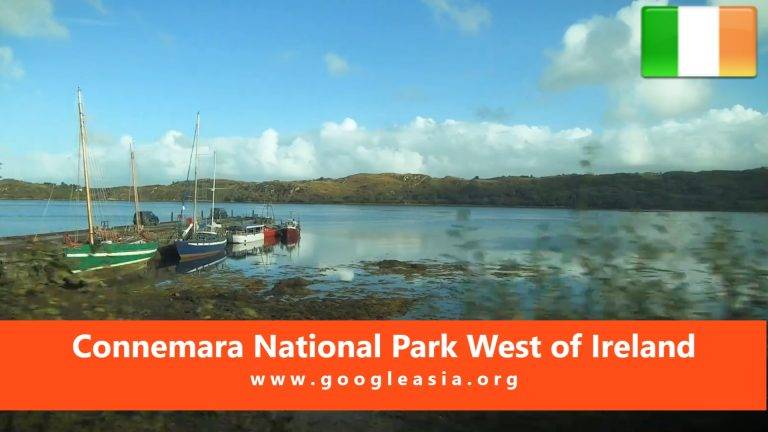
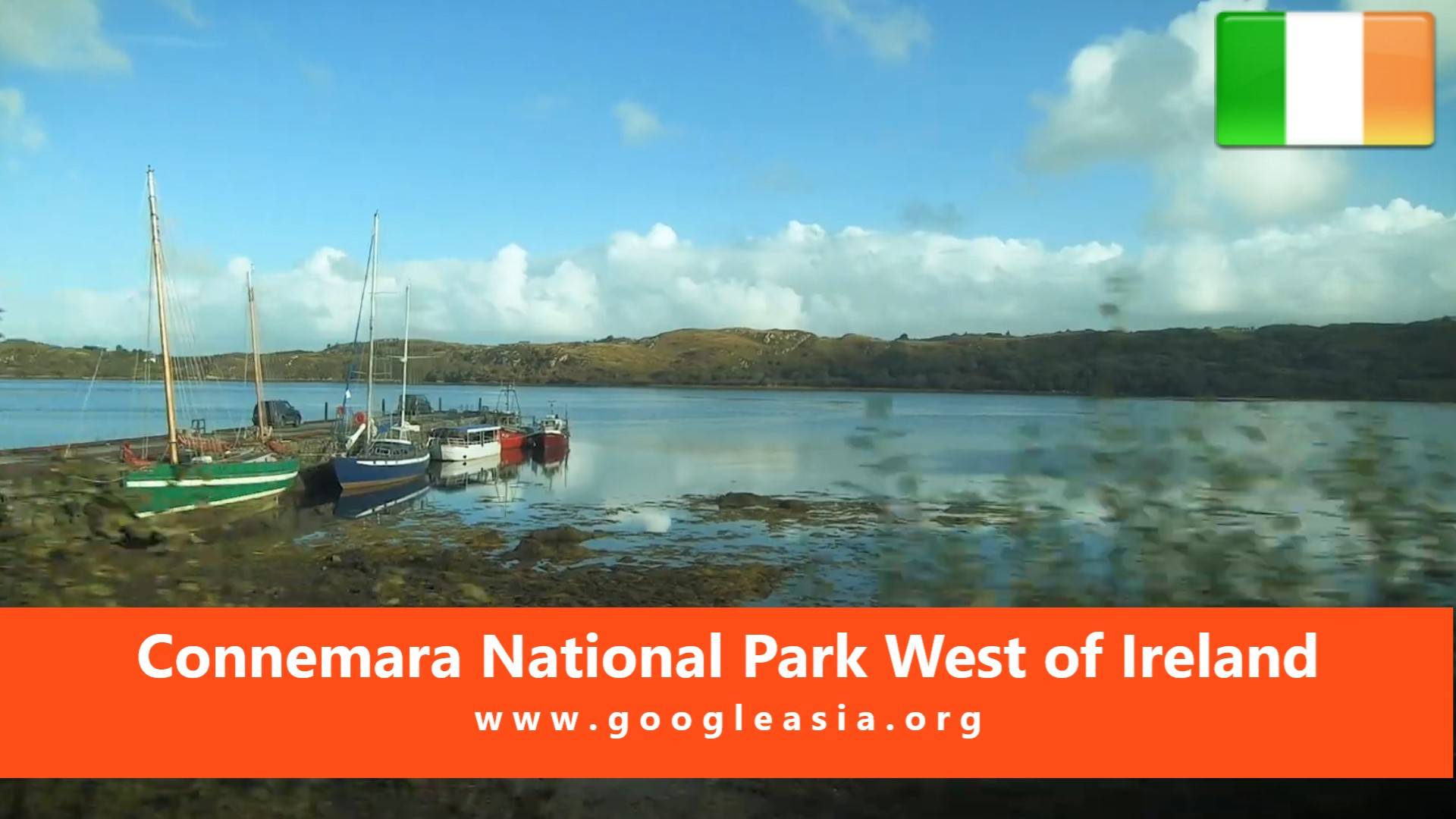
    Connemara National Park, Ireland

    Connemara National Park is a stunning landscape of mountains, bogs, heaths, grasslands and woodlands in the west of Ireland. It is home to native wildlife, such as the red deer, otter, and various bird species, as well as a variety of rare plants. Activities such as walking, cycling, and pony trekking can be enjoyed within the park, while its historical sites provide visitors with an immersive cultural experience.

    Introduction

    Park Overview

    Connemara National Park, nestled in County Galway, Ireland, stands as a testament to the region’s natural beauty and biodiversity.

    Location:

    • County: Galway
    • Province: Connacht
    • Established: 1980
    • Size: 2,957 hectares

    Flora and Fauna

    The park boasts a rich diversity of plant and animal life, offering a glimpse into Ireland’s natural habitats.

    Wildlife:

    • Red Deer: Majestic creatures roaming freely within the park.
    • Bird Species: Various avian species, enriching the park’s ecosystem.
    • Horses and Ponies: Indigenous breeds adding to the park’s charm.

    Flora:

    • Native Plants: Diverse flora species, enhancing the park’s picturesque landscapes.

    Activities and Attractions

    Visitors to Connemara National Park can engage in a plethora of activities, ensuring an immersive experience in nature.

    Hiking Trails:

    • Length: Miles of trails catering to hikers of all levels.
    • Scenic Views: Stunning vistas of Connemara’s rugged terrain and coastal panoramas.

    Outdoor Pursuits:

    • Fishing: Enjoy angling in the park’s pristine waters.
    • Cycling: Explore the park’s trails on two wheels, soaking in the serene surroundings.
    • Orienteering: Engage in navigational challenges amidst Connemara’s diverse landscapes.
    • Horse Riding: Experience Connemara’s beauty from horseback, guided by local experts.

    Guided Tours and Nature Trails:

    • Educational Tours: Learn about the park’s history, wildlife, and conservation efforts.
    • Nature Trails: Wander through designated paths, discovering hidden gems of flora and fauna.

    Park Accessibility

    Connemara National Park welcomes visitors year-round, offering free admission to all.

    Opening Hours:

    • Year-Round Access: Explore the park’s wonders at any time of the year.

    Admission:

    • Free Entry: Enjoy the park’s amenities without any entrance fees.

    Things to Do

    Embracing Nature’s Bounty

    Connemara National Park, nestled in County Galway, Ireland, invites you to immerse yourself in its natural wonders.

    Location:

    • County: Galway
    • Province: Connacht
    • Established: 1980
    • Size: 2,957 hectares

    Engaging Activities

    Discover a wealth of activities that showcase Connemara National Park’s diverse landscapes and cultural attractions.

    Explore Kylemore Abbey and Gardens

    • Attraction: Discover the iconic Kylemore Abbey and its meticulously maintained gardens.
    • Highlights: Wander through the walled garden, explore interactive exhibitions, and enjoy refreshments at the café.

    Hillwalking Adventures

    • Trails: Choose from numerous routes catering to all levels of hikers.
    • Popular Trails: Diamond Hill for shorter hikes, Benbaun and Errisbeg for more extensive explorations.
    • Scenic Views: Marvel at panoramic vistas of Connemara’s rugged terrain and coastal splendor.

    Cruise on Killary Fjord

    • Experience: Embark on a scenic cruise along Ireland’s only fjord, Killary Fjord.
    • Highlights: Pass by salmon farms and behold the majestic Srahwee Mountains in the distance.

    Golfing Excursions

    • Activity: Tee off at Connemara Golf Club, offering scenic courses amidst breathtaking landscapes.
    • Recommendation: Combine golf with local sightseeing for a well-rounded experience.

    Visit Derrigimlagh Bog

    • Nature Exploration: Explore Ireland’s largest bog within Connemara National Park.
    • Biodiversity: Encounter diverse flora and fauna unique to this raised bog complex.

    Guided Tours

    • Options: Join informative guided tours tailored to various interests and timeframes.
    • Tour Types: Choose from leisurely scenic walks to comprehensive coach excursions.

    Foods

    Discover the culinary delights that Connemara National Park has to offer, showcasing the best of Irish flavors and local specialties.

    Seafood Extravaganza

    Connemara National Park is famed for its coastal bounty, offering an array of seafood delicacies.

    Fresh Catch from the Sea

    • Salmon: Indulge in succulent fresh salmon, a staple of Connemara’s seafood offerings.
    • Mackerel: Enjoy the rich flavor of locally caught mackerel, prepared in various traditional styles.
    • Oysters and Lobster: Delight in the briny freshness of oysters and the luxurious taste of lobster.

    Farm-Fresh Produce

    Experience the richness of local agriculture with fresh produce grown in Connemara’s fertile lands.

    Local Specialties

    • Potatoes: Savor the earthy goodness of locally grown potatoes, a staple in Irish cuisine.
    • Fruit and Dairy: Enjoy farm-fresh fruits and creamy dairy products, showcasing Connemara’s agricultural diversity.
    • Meats: Taste the quality of locally sourced meats, including beef and lamb, prepared in hearty Irish dishes.

    Traditional Irish Cuisine

    Immerse yourself in the flavors of authentic Irish dishes that reflect the region’s culinary heritage.

    Classic Comfort Foods

    • Colcannon: Try this comforting blend of mashed potatoes with cabbage or kale, often enriched with butter and cream.
    • Irish Stew: Delight in a hearty stew made with tender lamb or beef, potatoes, onions, and carrots, slow-cooked to perfection.
    • Lamb Shanks: Enjoy tender lamb shanks, braised until meltingly tender and served with flavorful gravy.

    Bakery Delights

    Indulge your sweet tooth with a variety of freshly baked goods from local bakeries.

    Sweet Temptations

    • Freshly Baked Bread: Enjoy crusty loaves of freshly baked bread, perfect with a generous spread of butter.
    • Pies and Pastries: Treat yourself to savory pies filled with meats and vegetables, or indulge in sweet pastries and cakes.
    • Scones: Pair a cup of tea with warm, freshly baked scones, served with jam and cream for a delightful afternoon treat.

    Pub Fare

    Experience the warmth of Irish hospitality at local pubs, offering hearty meals and casual dining options.

    Pub Favorites

    • Guinness Stew: Dive into a rich stew made with tender beef, onions, carrots, and potatoes, infused with the flavors of Guinness beer.
    • Shepherd’s Pie: Enjoy this classic comfort food featuring minced meat topped with creamy mashed potatoes, baked to golden perfection.

    Hotels

    Explore the top accommodations in and around Connemara National Park, offering comfort, charm, and proximity to Ireland’s stunning landscapes.

    Ballynahinch Castle Hotel, Recess

    Location and Overview

    • Location: Recess, Connemara
    • Rating: 5 stars
    • Highlights: Nestled amidst woodlands and overlooking the Owenmore River, this luxurious castle hotel offers elegant rooms, fine dining, and outdoor activities such as fishing and hiking.

    Delphi Resort, Leenane

    Location and Overview

    • Location: Leenane, Connemara
    • Rating: 4 stars
    • Highlights: Surrounded by mountains and forests, Delphi Resort provides a range of adventure activities like zip-lining, kayaking, and hiking. It features comfortable rooms, a spa, and multiple dining options.

    Kylemore Abbey & Victorian Walled Garden, Connemara

    Location and Overview

    • Location: Connemara
    • Rating: 4 stars
    • Highlights: Stay in the historical setting of Kylemore Abbey with breathtaking views of the lake and mountains. Explore the Victorian Walled Garden, enjoy guided tours, and relax in serene surroundings.

    Killary Adventure Centre and Hostel, Leenane

    Location and Overview

    • Location: Leenane, Connemara
    • Rating: 3 stars
    • Highlights: Ideal for adventure enthusiasts, this hostel offers budget-friendly accommodation with easy access to outdoor activities like kayaking, hillwalking, and boat trips on Killary Fjord.

    Sky Road Hideaway & Apartment, Clifden

    Location and Overview

    • Location: Clifden, Connemara
    • Rating: 4 stars
    • Highlights: Located near the famous Sky Road drive, this apartment offers stunning views of Clifden Bay. It provides comfortable self-catering accommodation with modern amenities.

    Connemara Sands Hotel, Clifden

    Location and Overview

    • Location: Clifden, Connemara
    • Rating: 3 stars
    • Highlights: Situated on a Blue Flag beach, Connemara Sands Hotel offers contemporary rooms with sea views. Guests can enjoy beach walks, local seafood dishes, and hospitality.

    Coolin View Self Catering, Killary

    Location and Overview

    • Location: Killary, Connemara
    • Rating: 3 stars
    • Highlights: These self-catering cottages provide a peaceful retreat near Killary Fjord. Perfect for families or groups, they offer scenic views and access to outdoor activities.

    The Twelve Hotel, Barna

    Location and Overview

    • Location: Barna, near Connemara
    • Rating: 4 stars
    • Highlights: A boutique hotel known for its stylish rooms, gourmet dining, and lively atmosphere. It offers easy access to Connemara’s attractions and Galway City.

    Brook Street Apartment, Clifden

    Location and Overview

    • Location: Clifden, Connemara
    • Rating: 3 stars
    • Highlights: A comfortable apartment in the heart of Clifden, close to shops, restaurants, and pubs. It provides a convenient base for exploring Connemara’s natural beauty.

    Smugglers Creek Inn, Clifden

    Location and Overview

    • Location: Clifden, Connemara
    • Rating: 3 stars
    • Highlights: A traditional inn offering cozy rooms and a welcoming atmosphere. Located near Clifden, it provides easy access to Connemara National Park and local attractions.

    Conclusion

    Connemara National Park in Ireland offers a variety of accommodations to suit every traveler’s preference and budget. Whether you prefer the historic elegance of Ballynahinch Castle Hotel, the adventurous spirit of Delphi Resort, or the scenic tranquility of Kylemore Abbey, there’s a hotel or hostel to enhance your experience of this breathtaking region. Enjoy comfortable stays, picturesque surroundings, and easy access to outdoor activities while exploring the beauty of Connemara National Park.

    Connemara National Park West of Ireland

    Summary

    Category: #Destination #Europe #IRELAND 

    Attraction: Connemara National Park

    Country: Ireland

    Continent: Europe

    Capital Name: Dublin

    Language: English and Irish (Gaelic)

    Frequently Asked Questions

    What are Connemara National Park’s must-visit attractions or landmarks?

    Connemara National Park, situated in County Galway, Ireland, is known for its stunning landscapes, diverse ecosystems, and outdoor activities. While the park itself is a major attraction, here are some specific must-visit attractions within Connemara National Park:

    1. Diamond Hill: Diamond Hill is the highest peak in the park, offering panoramic views of the surrounding landscape, including the Twelve Bens mountain range and the Atlantic coastline. Hiking to the summit is a popular activity.
    2. Visitor Center: The Visitor Center provides valuable information about Connemara’s flora, fauna, and geology. It’s an excellent starting point for visitors, offering educational exhibits and resources.
    3. Kylemore Abbey: Located adjacent to the park, Kylemore Abbey is a historic castle set against the backdrop of mountains and lakes. Explore the abbey, the Victorian Walled Garden, and the Gothic church. The stunning surroundings make it a must-visit landmark.
    4. Connemara Loop Drive: The Connemara Loop is a scenic drive that takes you through picturesque landscapes, charming villages, and coastal areas. It provides an opportunity to explore the diverse beauty of the Connemara region.
    5. Inagh Valley: The Inagh Valley is known for its serene lakes, rolling hills, and peaceful surroundings. It’s a great spot for scenic drives, walks, and enjoying the tranquility of the Irish countryside.
    6. Letterfrack Village: The nearby village of Letterfrack is a quaint settlement with local shops, cafes, and traditional Irish charm. It often serves as a base for exploring Connemara National Park.
    7. Connemara Ponies: Connemara Ponies, a native Irish breed, can be spotted grazing in certain areas of the park. These hardy and versatile ponies are an iconic part of the Connemara landscape.
    8. Gurteen Bay Beach: Located near Roundstone, Gurteen Bay Beach is a picturesque stretch of coastline with golden sands and clear waters. It’s a lovely spot for a leisurely stroll or to enjoy the seaside.
    9. Derrygimlagh Bog: Visit Derrygimlagh Bog to see the site of the Marconi Wireless Station and the Alcock and Brown landing site. The bog has walking trails and provides insights into historical events.
    10. Sky Road: The Sky Road near Clifden offers stunning views of the Atlantic Ocean, Clifden Bay, and the surrounding landscape. It’s a scenic route with viewpoints that make it a popular drive.

    These attractions, combined with the natural beauty of Connemara National Park itself, offer a comprehensive experience of the region’s landscapes, history, and cultural heritage.

    What are Connemara National Park’s nearby must-visit attractions or landmarks?

    Connemara National Park is surrounded by a region rich in natural beauty and cultural landmarks. Here are some must-visit attractions and landmarks near Connemara National Park:

    1. Diamond Hill: Located within Connemara National Park, Diamond Hill offers panoramic views of the surrounding landscape. Hiking to the summit is a popular activity, and the trails are well-marked.
    2. Kylemore Abbey: A short drive from Connemara National Park, Kylemore Abbey is an iconic Victorian estate set against the backdrop of a lake and mountains. Explore the castle, Gothic church, and the enchanting Victorian Walled Garden.
    3. Letterfrack Village: The nearby village of Letterfrack is a charming spot with local shops, cafes, and a relaxed atmosphere. It’s often considered the gateway to Connemara National Park.
    4. Connemara Loop Drive: Explore the scenic Connemara Loop Drive, a circular route that takes you through picturesque villages, along the coastline, and provides opportunities to admire the Connemara landscape.
    5. Inagh Valley: A picturesque valley with serene lakes and rolling hills, Inagh Valley offers a peaceful retreat. It’s a great spot for scenic drives, walks, and enjoying the tranquility of the Irish countryside.
    6. Roundstone: A coastal village known for its traditional thatched cottages, Roundstone is a charming stop for those exploring the Connemara region. It also has beautiful beaches and a harbor.
    7. Omey Island: Accessible by a tidal causeway, Omey Island is a unique destination with ancient ruins, sandy beaches, and a sense of tranquility. Be sure to check the tidal schedule before visiting.
    8. Sky Road: The Sky Road near Clifden offers breathtaking views of Clifden Bay, the Atlantic Ocean, and the surrounding landscape. It’s a popular driving route with scenic viewpoints.
    9. Derrygimlagh Bog: Visit Derrygimlagh Bog, where you can see the site of the Marconi Wireless Station and the Alcock and Brown landing site. It’s a historic area with scenic walking trails.
    10. Alcock and Brown Landing Site: Commemorating the first non-stop transatlantic flight in 1919, the Alcock and Brown Landing Site has a memorial and information about this historic event.
    11. Cleggan: A picturesque fishing village near Connemara National Park, Cleggan is known for its harbor, traditional pubs, and ferry connections to Inishbofin Island.

    Exploring these nearby attractions allows visitors to immerse themselves in the natural and cultural richness of the Connemara region, complementing the experience of Connemara National Park itself.

    Is Connemara National Park a suitable travel destination for solo adventurers, honeymooning couples, or those traveling with families?

    Connemara National Park is a versatile destination suitable for various types of travelers, making it an ideal choice for solo adventurers, honeymooning couples, and families. Here’s why:

    1. Solo Adventurers:
      • Hiking Opportunities: Solo travelers who enjoy hiking and exploring nature will find a variety of trails at different difficulty levels. Diamond Hill, in particular, offers stunning panoramic views and is accessible to solo hikers.
      • Peaceful Retreat: For those seeking solitude and tranquility, Connemara National Park provides a peaceful retreat surrounded by nature. It’s an excellent place for self-reflection and solo exploration.
    2. Honeymooning Couples:
      • Romantic Landscapes: The spectacular scenery, including rugged mountains, lakes, and the picturesque Kylemore Abbey, creates a romantic backdrop for couples.
      • Kylemore Abbey Visit: Honeymooning couples can visit Kylemore Abbey, explore the Victorian Walled Garden, and enjoy the enchanting surroundings together.
    3. Families:
      • Educational Opportunities: Families traveling with children can take advantage of the educational aspects of Connemara National Park. The Visitor Center provides information about the park’s flora, fauna, and cultural heritage.
      • Outdoor Activities: The park offers family-friendly trails suitable for children, making it a great destination for nature walks and picnics.
      • Kylemore Abbey Gardens: Families can visit Kylemore Abbey and its gardens, providing both educational and recreational activities.
    4. General Considerations:
      • Variety of Activities: Connemara National Park caters to a variety of interests, including hiking, bird watching, photography, and cultural exploration, ensuring there’s something for everyone.
      • Accessibility: The park is easily accessible by car, making it convenient for families with children. Trails are well-marked and suitable for different fitness levels.
    5. Stargazers:
      • Stargazing Opportunities: Connemara National Park’s location away from urban lights offers an excellent opportunity for stargazing, appealing to those interested in astronomy.

    Whether you’re seeking solitude, a romantic getaway, or a family-friendly adventure, Connemara National Park provides a diverse range of experiences. It’s important to consider individual preferences and interests when planning the visit, but overall, the park’s beauty and offerings make it suitable for various types of travelers.

    Why should you visit Connemara National Park?

    Connemara National Park, located in County Galway, Ireland, is a captivating destination with its unique blend of natural beauty, diverse landscapes, and cultural richness. Here are compelling reasons to visit Connemara National Park:

    1. Spectacular Scenery: Connemara is renowned for its breathtaking landscapes, including rugged mountains, pristine lakes, expansive moorlands, and the dramatic coastline. The park showcases the raw beauty of Ireland’s west coast.
    2. Diverse Habitats: Explore diverse ecosystems, from blanket bogs to heathlands and woodlands. The park is home to a variety of flora and fauna, making it an excellent destination for nature enthusiasts and wildlife photographers.
    3. Diamond Hill: Climb Diamond Hill for panoramic views of Connemara and the Twelve Bens mountain range. The hiking trails cater to different fitness levels, providing an opportunity for both leisurely walks and more challenging hikes.
    4. Kylemore Abbey and Victorian Walled Garden: Adjacent to the park, Kylemore Abbey is a stunning Victorian estate with a picturesque castle, a Gothic church, and enchanting gardens. The Walled Garden is a highlight, featuring colorful blooms and serene surroundings.
    5. Cultural Heritage: Connemara has a rich cultural heritage, and the park often hosts events and exhibitions related to traditional Irish culture. The Visitor Center provides insights into the history and natural features of the region.
    6. Outdoor Activities: The park offers various outdoor activities, including hiking, bird watching, and photography. The well-marked trails provide an opportunity to explore the landscape at your own pace.
    7. Letterfrack Village: Visit the nearby village of Letterfrack for its charming atmosphere, local crafts, and traditional Irish hospitality. The village serves as a gateway to Connemara National Park.
    8. Connemara Ponies: Encounter the iconic Connemara Ponies, a native Irish breed known for their hardiness and versatility. These ponies can often be seen grazing in the park.
    9. Trails and Walks: Connemara National Park features a network of well-maintained trails suitable for different fitness levels. Whether you prefer a leisurely stroll or a challenging hike, there’s a trail for you.
    10. Stargazing Opportunities: With limited light pollution, Connemara National Park offers excellent stargazing opportunities. Clear nights reveal a breathtaking display of stars in the dark sky.
    11. Peaceful Retreat: Connemara National Park provides a peaceful and tranquil setting, allowing visitors to escape the hustle and bustle of urban life and connect with nature.

    Whether you are an avid hiker, a nature lover, or someone seeking a peaceful retreat, Connemara National Park offers a diverse and enriching experience, showcasing the natural wonders of Ireland’s west coast.

    How to go to Connemara National Park?

    Connemara National Park is located in County Galway, Ireland. To reach Connemara National Park, you can follow these general guidelines:

    By Car:

    1. From Galway City:

      • Connemara National Park is approximately a 2-hour drive from Galway City. Take the N59 road northwest towards Clifden. Follow the signs for Connemara National Park once you approach the region.

    2. From Clifden:

      • If you are already in Clifden, the largest town in the Connemara region, the park is about a 15-minute drive southeast. Follow the signs for Connemara National Park.

    By Public Transportation:

    1. Bus:

      • Buses from Galway City operate to Clifden, which is a central point for accessing Connemara National Park. Check bus schedules and routes to plan your journey.

    2. Tourist Buses:

      • Consider joining a guided tour or a tourist bus service that includes Connemara National Park as part of its itinerary. These tours often provide transportation and guided commentary.

    By Bicycle:

    1. Cycling:

      • If you enjoy cycling, Connemara offers scenic routes. You can cycle from Clifden or nearby areas to reach the park. Be sure to check local cycling regulations and road safety.

    Practical Tips:

    • GPS/Navigation:

      • Use GPS or navigation apps to guide you to Connemara National Park. The park’s visitor center is located near the village of Letterfrack.

    • Visitor Center:

      • The park’s Visitor Center, located in Letterfrack, is a good starting point. It provides information about the park, trails, and exhibitions.

    • Check Opening Hours:

      • Confirm the opening hours of Connemara National Park, especially if you plan to visit the Visitor Center or participate in guided activities.

    • Hiking Trails:

      • The park offers various hiking trails, and some trailheads are accessible from different points. Choose a trail based on your preferences and fitness level.

    Before you embark on your journey, it’s advisable to check for any travel updates, road conditions, or park information. Ensure you have enough time to explore the park, as it offers diverse landscapes, hiking opportunities, and a chance to immerse yourself in the natural beauty of Connemara.

    How accessible is halal food in Connemara National Park?

    Connemara National Park, located in County Galway, Ireland, is a stunning and relatively remote natural area known for its scenic landscapes. Finding halal food options directly within the national park may be challenging, as the park is more focused on nature conservation and outdoor activities. However, you can explore nearby towns and villages for dining options that cater to halal preferences. Clifden, the largest town in the Connemara region, may offer more diverse dining choices.

    Here are some tips to consider for halal food in and around Connemara National Park:

    1. Local Restaurants and Cafes: Explore restaurants and cafes in Clifden and other nearby towns. Some establishments may offer vegetarian or seafood options that align with halal preferences. Communicate your dietary restrictions with the restaurant staff for assistance.
    2. Local Grocery Stores: Purchase halal-friendly snacks or ingredients from local grocery stores. This can be particularly helpful if you plan to have picnics or prepare your meals.
    3. Contact Accommodation Providers: If you are staying in accommodation within the Connemara region, inquire with your hotel, guesthouse, or bed and breakfast about halal dining options or nearby restaurants that can accommodate dietary preferences.
    4. Dine in Larger Towns: Consider traveling to larger towns or cities in Ireland where you may find a broader range of dining options, including those catering to halal dietary requirements.
    5. Check Online Platforms: Utilize online platforms, apps, or websites that provide information about halal-friendly restaurants. Some platforms specialize in listing such establishments.

    While Connemara National Park may not have dedicated halal food options within the park itself, exploring nearby areas like Clifden or larger towns in Galway may offer more choices. It’s advisable to plan ahead, communicate dietary preferences with restaurant staff, and be flexible in your dining options to make the most of your visit to this beautiful natural park.
  • Kilkenny Castle, Ireland: A Historic Gem

    Kilkenny Castle, Ireland: A Historic Gem

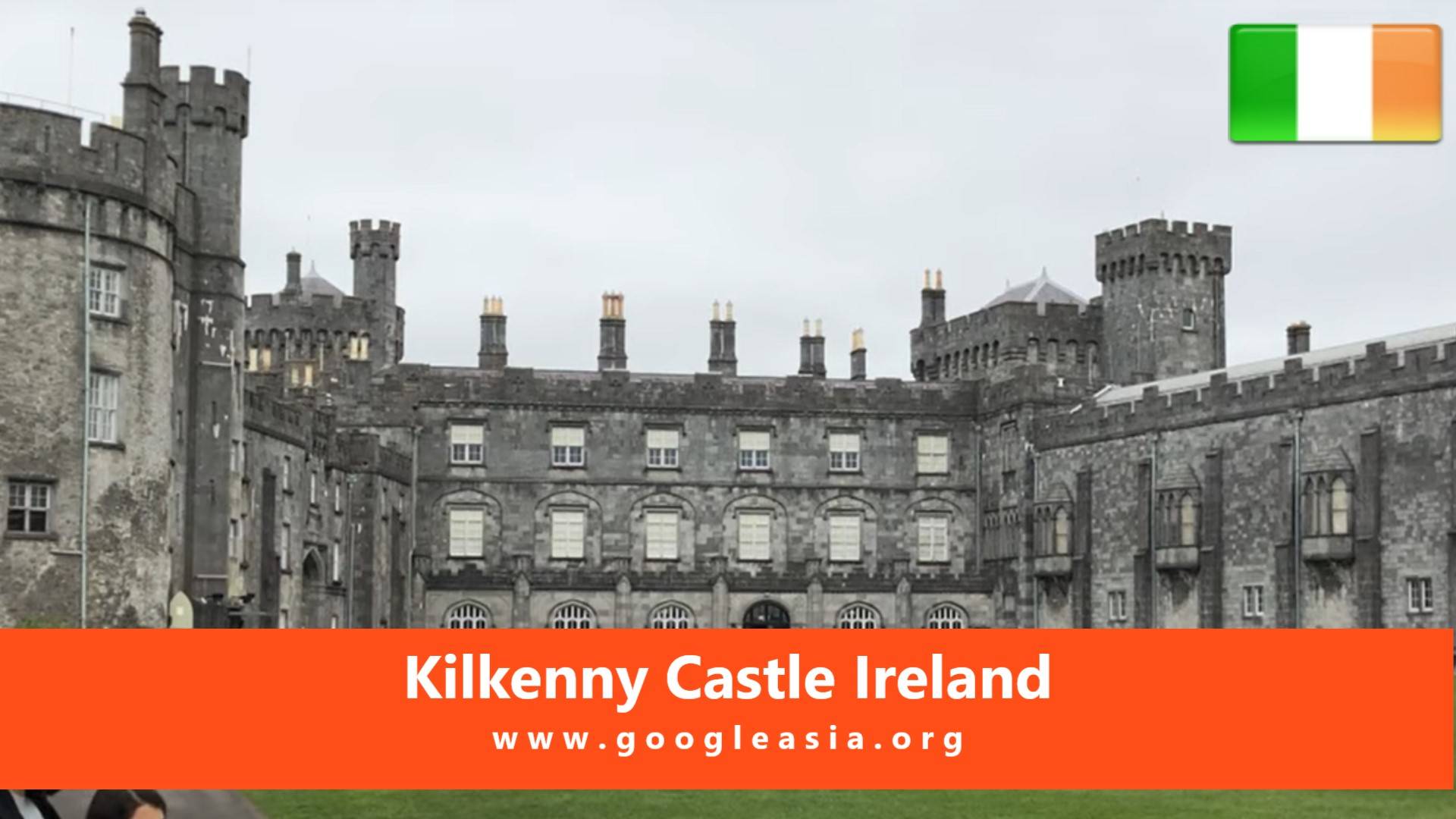
    Kilkenny Castle, Ireland

    The Kilkenny Castle is located in Ireland. It is a well-preserved example of a 12th century Scotch-Irish MANOR castle. The castle was originally built as a “fortress” by the Archbishops of Canterbury in the 12th century. It served as a royal residence for many centuries until it was taken over by the Irish crown in the 15th century. The current form of the castle was built in the late 18th century by Archbishop of Flymor, Daniel Moran. It is now used as a royal palace.

    The castle is well worth exploring. It is a very large, important and recently restored building. It is well worth findingiculars about the castle, such as the defence system, the palace contents and the Knights of the Garter.

    Introduction

    History

    Construction and Early History

    Kilkenny Castle, situated in the heart of Kilkenny City, County Kilkenny, Ireland, stands as a testament to medieval grandeur and resilience. Originally constructed in 1195 by William Marshall, the 4th Earl of Pembroke, it was built upon an earlier stone fortress. The castle served not only as a strategic stronghold but also as a symbol of power during tumultuous times in Ireland’s history.

    Evolution and Expansion

    Over the centuries, Kilkenny Castle underwent several expansions and renovations, reflecting the architectural tastes and needs of different eras. Notably, it was remodeled during the Victorian period, transforming its medieval form into a more modernized residence while preserving its historic character.

    Features

    Architecture and Design

    The castle boasts a mix of medieval and Victorian architecture, characterized by imposing stone walls, towers, and grand interiors. Its strategic location by the River Nore adds to its defensive charm, making it a picturesque landmark.

    State Rooms and Interior

    Visitors to Kilkenny Castle can explore its well-preserved state rooms, which showcase elegant furnishings, intricate tapestries, and historical artifacts. The Long Gallery and the Drawing Room are particularly notable for their ornate décor and historical significance.

    Visiting

    Touring the Grounds and Gardens

    One of the highlights of visiting Kilkenny Castle is strolling through its meticulously maintained gardens. The castle grounds feature lush greenery, serene pathways, and vibrant floral displays, offering visitors a tranquil retreat amidst the bustling city.

    Guided Tours and Educational Programs

    Guided tours of Kilkenny Castle provide in-depth insights into its rich history, including its role as a fortress, a royal residence, and a cultural hub. Educational programs cater to both adults and children, making the castle a captivating destination for learning about Ireland’s past.

    Things to Do

    Tour Kilkenny Castle

    Guided Castle Tour

    Kilkenny Castle, dating back to 1195, is not only one of Ireland’s oldest castles but also a quintessential example of medieval architecture. A guided tour of the castle offers visitors a captivating journey through its storied past and grand interiors. Learn about its construction by William Marshall, the 4th Earl of Pembroke, and its subsequent transformations over the centuries.

    Explore the State Rooms

    During the guided tour, explore the opulent State Rooms of Kilkenny Castle. Admire the ornate furnishings, historical artifacts, and elaborate tapestries that adorn rooms like the Long Gallery and the Drawing Room. These rooms offer a glimpse into the castle’s role as a royal residence and its architectural evolution through the ages.

    Enjoy the Castle Park

    Stroll Through the Gardens

    After touring the castle, take a leisurely stroll through the picturesque Castle Park. The park surrounds the castle with lush greenery, serene pathways, and vibrant floral displays, providing a tranquil escape amidst the bustling city of Kilkenny. Don’t miss the river walk and the playground, ideal for families with children.

    Visit the Smithwick’s Experience

    Interactive Brewery Exhibition

    Experience the unique Smithwick’s Experience, an interactive exhibition that immerses visitors in the ancient craft of ale brewing. Learn about the history of Smithwick’s, Ireland’s oldest ale brand, and discover the brewing process through multimedia displays and guided tours. It’s a perfect complement to your visit to Kilkenny Castle.

    Attend Events at the Castle

    Cultural Events and Festivals

    Throughout the year, Kilkenny Castle hosts a variety of cultural events and festivals that celebrate music, theatre, comedy, and more. During the summer months, enjoy open-air concerts and movies amidst the castle’s historic surroundings. Annual events like the Kilkenny Arts Festival and Kilkenomics Festival of Economics offer unique insights into Irish culture and arts.

    Explore Kilkenny City

    Discover Historic Sites

    Extend your visit beyond Kilkenny Castle and explore Kilkenny City itself. Wander through the Medieval Mile, a stretch of historic landmarks including St. Canice’s Cathedral and Round Tower. Explore the city’s vibrant streets lined with charming pubs, shops, and cafes, reflecting its rich medieval heritage and modern-day charm.

    Foods

    Traditional Irish Stew

    Description:

    Traditional Irish stew is a hearty dish featuring tender lamb, potatoes, carrots, and onions simmered in a rich and flavorful broth.

    Where to Enjoy:

    • Kyteler’s Inn: Known for its authentic Irish stew, Kyteler’s Inn offers a cozy atmosphere and traditional Irish hospitality.

    Irish Brown Bread

    Description:

    Irish brown bread is a dense sourdough loaf made from a mixture of wheat, barley, and oatmeal, known for its slightly sweet flavor and hearty texture.

    Where to Enjoy:

    • Mullins Mill: This local bakery is renowned for its freshly baked Irish brown bread, perfect for pairing with a variety of dishes.

    Smoked Salmon

    Description:

    Smoked salmon is a local delicacy in Ireland, prized for its rich, smoky flavor achieved through traditional smoking methods.

    Where to Enjoy:

    • Goat’s Bridge Smoked Salmon: Located near Kilkenny, this smokehouse offers premium smoked salmon products, perfect for a gourmet picnic.

    Fish and Chips

    Description:

    Fish and chips is a beloved classic consisting of crispy fried fish served with chunky fries and often accompanied by malt vinegar.

    Where to Enjoy:

    • Shenanigans: A local favorite for fish and chips, Shenanigans ensures a hearty and satisfying meal with generous portions.

    Irish Stew Pie

    Description:

    Irish stew pie is a savory dish featuring layers of mashed potato, tender lamb, onions, and root vegetables, baked to perfection.

    Where to Enjoy:

    • Paris Texas Bar & Restaurant: Known for its creative take on traditional Irish dishes, including Irish stew pie, served in a warm and inviting atmosphere.

    Bangers and Mash

    Description:

    Bangers and mash is a classic Irish dish featuring grilled sausages served with creamy mashed potatoes and onion gravy.

    Where to Enjoy:

    • Langton’s House Hotel: Langton’s offers a refined dining experience with their rendition of bangers and mash, showcasing locally sourced ingredients.

    Shepherd’s Pie

    Description:

    Shepherd’s pie is a comforting casserole made with ground lamb and vegetables, topped with a layer of fluffy mashed potatoes.

    Where to Enjoy:

    • Billy Byrne’s Bar: Enjoy a hearty portion of shepherd’s pie at Billy Byrne’s Bar, known for its cozy pub atmosphere and friendly service.

    Colcannon

    Description:

    Colcannon is a simple yet flavorful dish of mashed potatoes blended with cooked cabbage, bacon, and butter, offering a taste of traditional Irish comfort food.

    Where to Enjoy:

    • Rinuccini: This renowned restaurant offers a refined version of colcannon, prepared with fresh, locally sourced ingredients.

    Irish Coddle

    Description:

    Irish coddle is a comforting stew made with potatoes, bacon, and sausages, simmered together to create a hearty and flavorful dish.

    Where to Enjoy:

    • Matt the Miller’s: Known for its hearty Irish dishes, Matt the Miller’s serves a delicious Irish coddle in a welcoming pub setting.

    Dublin Coddle

    Description:

    Dublin coddle is a variation of Irish coddle, featuring thick slices of bacon, onions, and potatoes, creating a rich and satisfying stew.

    Where to Enjoy:

    • Kilkenny Design Centre Restaurant: This restaurant offers a taste of Dublin coddle along with picturesque views of Kilkenny Castle.

    Hotels

    Kilkenny River Court Hotel

    Overview:

    • Location: Just a 3-minute walk from Kilkenny Castle.
    • Description: Modern hotel offering comfortable accommodations with views of the River Nore.
    • Features: Free Wi-Fi, on-site restaurant serving Irish cuisine, fitness center, and meeting facilities.

    Hotel Kilkenny

    Overview:

    • Location: Located in the heart of Kilkenny city.
    • Description: A 4-star hotel known for its spacious and modern rooms.
    • Features: On-site spa offering a range of treatments, indoor pool, fitness center, restaurant serving locally sourced food, and free parking.

    Club House Hotel and Suites

    Overview:

    • Location: Centrally situated in Kilkenny city.
    • Description: Offers cozy guest rooms with traditional décor.
    • Features: Restaurant serving Irish and international cuisine, bar, free Wi-Fi, and on-site parking.

    Pembroke Hotel

    Overview:

    • Location: Housed in a restored 18th-century building, close to Kilkenny Castle.
    • Description: Luxurious accommodations with contemporary décor.
    • Features: On-site Stathams Bar & Restaurant serving breakfast, lunch, and dinner, fitness room, and free Wi-Fi.

    Kilkenny Ormonde Hotel

    Overview:

    • Location: Just a 5-minute walk from Kilkenny Castle.
    • Description: Stylish rooms with modern amenities.
    • Features: Smithwick’s Experience Kilkenny pub, on-site restaurant offering local cuisine, leisure club with gym, pool, sauna, and jacuzzi.

    Conclusion

    Choosing to stay near Kilkenny Castle offers not only proximity to one of Ireland’s most iconic landmarks but also access to comfortable and luxurious accommodations. Whether you prefer modern amenities, historic charm, or a blend of both, the hotels near Kilkenny Castle provide a range of options to suit different preferences and budgets. Enjoy your stay in Kilkenny and explore the rich history and vibrant culture this charming city has to offer.

    Kilkenny Castle Ireland Archbishops of Canterbury

    Summary

    • Attraction: Kilkenny Castle Ireland
    • Country: Ireland
    • Continent: Europe
    • Capital Name: Dublin
    • Language: English and Irish (Gaelic)
    • Category: #Destination #Europe #IRELAND 

    Frequently Asked Questions

    Explore the latest destination attraction with ease through our comprehensive Frequently Asked Questions guide. Discover insightful answers to common queries, providing a seamless experience. Your journey begins with clarity and confidence as we address uncertainties and offer essential information. Let this guide enhance your adventure, ensuring you make the most of the latest destination attraction, leaving no question unanswered.

    What are Kilkenny Castle’s must-visit attractions or landmarks?

    Kilkenny Castle itself is a major attraction with its rich history and stunning architecture, but within the castle grounds and the surrounding area, there are several features and landmarks worth exploring. Here are some must-visit attractions and landmarks in and around Kilkenny Castle:

    1. Kilkenny Castle Gardens: The formal gardens surrounding the castle are beautifully landscaped, featuring terraced lawns, flower beds, and a rose garden. The gardens provide a tranquil space to relax and enjoy nature.
    2. The Long Gallery: This is an impressive gallery within the castle that houses a collection of paintings and artifacts. It offers a glimpse into the history and lifestyle of the castle’s former residents.
    3. The Parade Tower: Explore the Parade Tower, which is part of the castle complex. It often hosts exhibitions and events, showcasing aspects of Kilkenny’s history and culture.
    4. Rose Garden: Located within the castle grounds, the rose garden is a delightful spot with a variety of roses in bloom. It’s a picturesque area for a leisurely stroll.
    5. The Butler Gallery: Situated in the basement of Kilkenny Castle, the Butler Gallery exhibits contemporary art and frequently features works by Irish and international artists.
    6. The Castle Yard: Just across the street from Kilkenny Castle, the Castle Yard is a historic site with a range of artisan shops, craft studios, and a design center. It’s a great place to explore local craftsmanship.
    7. St. Canice’s Cathedral and Round Tower: While not within the castle grounds, this medieval cathedral and its round tower are nearby. The tower offers panoramic views of Kilkenny, and the cathedral has stunning architecture and historical significance.
    8. Rothe House and Garden: A short walk from Kilkenny Castle, Rothe House is a well-preserved 17th-century merchant’s townhouse with an interesting museum and beautiful gardens.
    9. Kilkenny Medieval Mile: This is a walking trail through the medieval heart of the city, passing by landmarks such as St. Mary’s Cathedral and the Black Abbey.
    10. Dunmore Cave: Located a short drive from Kilkenny, Dunmore Cave is a limestone cave system with historical and geological significance.

    These attractions, combined with the charm of Kilkenny itself, make for a memorable visit that encompasses history, culture, and natural beauty.

    What are Kilkenny Castle’s nearby must-visit attractions or landmarks?

    must-visit attractions and landmarks in the area. Here are some notable ones:

    1. Saint Canice’s Cathedral and Round Tower: This medieval cathedral is known for its impressive architecture and houses a round tower that offers panoramic views of Kilkenny.
    2. Rothe House and Garden: A well-preserved 17th-century merchant’s townhouse with a fascinating museum and beautiful gardens.
    3. Smithwick’s Experience Kilkenny: Learn about the history of brewing in Kilkenny and explore the Smithwick’s Brewery.
    4. Kilkenny Design Centre: Located in a historic building, the center showcases and sells a variety of Irish crafts, jewelry, and design products.
    5. Butler Gallery: An art gallery situated in the heart of Kilkenny, featuring contemporary and traditional Irish art.
    6. Kilkenny Medieval Mile: A walking trail that takes you through the medieval heart of the city, passing by landmarks like St. Mary’s Cathedral and the Black Abbey.
    7. Dunmore Cave: Located a short drive from Kilkenny, Dunmore Cave is a limestone cave system with historical and geological significance.
    8. Jerpoint Abbey: A well-preserved Cistercian abbey with intricate stone carvings and a serene atmosphere, located a bit outside Kilkenny.
    9. Kilkenny Arts Festival: If you visit during August, consider exploring the Kilkenny Arts Festival, a cultural event featuring a variety of performances, exhibitions, and activities.
    10. Canice’s Tower: A medieval tower near the cathedral, offering a challenging but rewarding climb for panoramic views.

    These attractions provide a mix of history, culture, and natural beauty, allowing you to explore different facets of Kilkenny’s heritage. Before visiting, it’s a good idea to check for any updates or changes in opening hours and access due to local conditions or events.

    Why should you visit Kilkenny Castle?

    Kilkenny Castle is a renowned historical landmark in Ireland and offers visitors a compelling experience for several reasons:

    1. Rich History: Kilkenny Castle has a history dating back to the 12th century. It has witnessed centuries of Irish history, including Norman occupation, medieval life, and various renovations. Exploring the castle provides insight into Ireland’s past.
    2. Architectural Splendor: The castle is a stunning example of Norman architecture and has undergone various architectural transformations over the centuries. Visitors can appreciate the grandeur of the castle’s design, including its towers, courtyards, and interiors.
    3. Beautiful Gardens: Kilkenny Castle is surrounded by extensive and well-maintained gardens. The formal gardens, rose garden, and wooded areas offer a peaceful retreat for visitors to enjoy a leisurely stroll and appreciate the natural beauty.
    4. Cultural Events: The castle often hosts cultural events, exhibitions, and performances, providing visitors with opportunities to engage with Irish art, history, and traditions. Check the events calendar to see if any special activities align with your visit.
    5. Location in Kilkenny: The castle is centrally located in the charming city of Kilkenny, making it easily accessible. Exploring the castle can be part of a broader visit to the city, which is known for its medieval charm, vibrant arts scene, and friendly atmosphere.
    6. Educational Experience: Kilkenny Castle offers educational programs and guided tours, providing visitors with the chance to learn about the castle’s history, architecture, and the people who lived there. This makes it an enriching experience for both adults and children.
    7. Scenic Views: Climb to the top of the castle for panoramic views of Kilkenny and the surrounding countryside. The elevated vantage point provides a unique perspective on the city and its surroundings.
    8. Family-Friendly: Kilkenny Castle welcomes families, and the extensive grounds provide space for children to explore. The castle often hosts family-friendly events, making it a suitable destination for visitors of all ages.

    Overall, Kilkenny Castle combines historical significance, architectural beauty, and cultural richness, making it a must-visit destination for those interested in Irish history and heritage.

    How to go to Kilkenny Castle?

    Kilkenny Castle is a popular tourist attraction located in the city of Kilkenny, Ireland. The castle is centrally located in the city, making it accessible by various modes of transportation. Here are general directions for getting to Kilkenny Castle:

    By Car:

    1. From Dublin:
      • Take the M7 motorway southbound.
      • Continue onto the M9 towards Waterford.
      • Follow signs for Kilkenny, and the N10 will lead you to the city center.
    2. From Cork:
      • Take the N8 northbound.
      • Merge onto the M8 and continue towards the N10 for Kilkenny.
    3. Parking:
      • There are parking facilities available in Kilkenny. You can use public parking spaces or parking lots near the castle.

    By Train:

    1. Irish Rail:
      • Kilkenny has a train station, and Irish Rail operates services to and from the city.
      • The train station is approximately a 15-20 minute walk from Kilkenny Castle.

    By Bus:

    1. Bus Eireann:
      • Bus services connect Kilkenny to various cities in Ireland.
      • The bus station is located in the city center, and Kilkenny Castle is within walking distance.

    On Foot:

    1. City Center:
      • If you are already in Kilkenny’s city center, the castle is likely within walking distance.
      • Navigate using local street signs or maps to reach the castle.

    Local Transportation Apps:

    1. Taxi or Rideshare:
      • You can use local taxi services or rideshare apps to reach Kilkenny Castle conveniently.
    2. Walking Directions:
      • Utilize navigation apps like Google Maps for real-time walking directions to Kilkenny Castle.

    Always check for the latest transportation options and routes, as they may change over time. If you’re staying in Kilkenny, the locals or your accommodation staff can provide additional guidance on the best way to reach Kilkenny Castle based on your starting point.

    Are there any halal food options near the Kilkenny Castle?

    There are a few steps you can take to find halal food options in the area:

    1. Online Search: Use search engines like Google Maps or Yelp to look for halal restaurants near Kilkenny Castle. You can enter “halal food near Kilkenny Castle” as your search query to find relevant results.
    2. Halal Food Apps: There are several apps dedicated to helping people find halal food options in various areas. Apps like Zabihah, HalalTrip, and HalalGuide can be helpful in finding halal restaurants near you.
    3. Local Recommendations: You can also ask locals or hotel staff for recommendations on halal food options nearby. They may be able to provide insights into nearby restaurants or places that serve halal food.
    4. Check Menus: If you find restaurants nearby but are unsure if they serve halal food, you can check their menus online or call them directly to inquire about their halal options.

    Keep in mind that the availability of halal food options may vary, so it’s a good idea to explore multiple sources and verify the information before making any decisions.

  • National Gallery of Ireland: Popular Tourist Attraction

    National Gallery of Ireland: Popular Tourist Attraction

    National Gallery of Ireland

    The National Gallery of Ireland is a national art museum located in Dublin. It holds Ireland’s rich collection of art including works from the Middle Ages to the 20th century. With over 15,000 works from many of the world’s great masters, the gallery offers exhibitions, educational programs and opportunities for exploration and enrichment for all ages.

    Introduction

    History

    Foundation and Establishment:

    • Established: Founded in 1854.
    • Location: Situated in Dublin, Ireland.
    • Purpose: Initially established to house and exhibit Irish and European art collections.

    Collections

    Permanent Collection:

    • Artworks: Approximately 14,000 paintings, sculptures, and prints.
    • Notable Artists: Includes works by Jack Butler Yeats, Walter Osborne, and Paul Henry.

    Visitor Experience

    Museum Facilities:

    • Amenities: Facilities include cafe, gift shop, and visitor information services.
    • Accessibility: Provides facilities for visitors with disabilities, including wheelchair accessibility and guided tours.

    Things to Do

    Tour the Collections

    Main Collection Exploration:

    • Art Periods: Covers art from Medieval to modern periods.
    • Highlight: Includes prominent works by Irish and European artists.

    Engage with Programs

    Fringe Programme Participation:

    • Daily Events: Attend talks, guided tours, and interactive sessions.
    • Diverse Offerings: Explore diverse aspects of the gallery’s collections and exhibitions.

    Workshops and Talks

    • Interactive Workshops: Participate in workshops offering hands-on experiences.
    • Insights: Gain insights into artworks and exhibitions through expert-led talks.

    Attend Special Events

    Event Attendance

    • Gallery Launches: Attend openings of new exhibitions and collections.
    • Activities: Participate in hands-on activities and interactive events.

    Explore the Surroundings

    Grounds and Gardens

    • Historic Buildings: Discover historic architecture within the gallery’s grounds.
    • Gardens: Enjoy serene gardens and outdoor sculptures.

    Indulge in Culinary Delights

    Café Experience

    • Café Ambiance: Relax in the café or courtyard atmosphere.
    • Menu: Sample from a variety of refreshments and light meals.

    Foods

    The Coffee Dock

    Freshly Ground Coffee

    • Description: Enjoy freshly-ground coffee and a variety of tea options.
    • Location: Inside the National Gallery, ideal for a quick caffeine fix.

    Pastries

    • Selection: Choose from a range of freshly baked pastries.
    • Variety: Includes croissants, muffins, and Danish pastries.

    The Galleries Restaurant and Bar

    Fresh Sandwiches

    • Options: A selection of freshly made sandwiches.
    • Ingredients: Includes gourmet fillings like Irish smoked salmon and roast beef.

    Salads

    • Freshness: Enjoy crisp and vibrant salads.
    • Varieties: Includes classic Caesar and seasonal mixed salads.

    Desserts

    • Selection: Indulge in delicious desserts.
    • Choices: Includes cakes, tarts, and artisanal ice creams.

    Takeaway Vendors

    Snacks

    • Convenience: Several takeaway options within the gallery premises.
    • Choices: Includes snacks like crisps, fruit, and beverages.

    Merrion Square

    Cafes and Restaurants

    • Atmosphere: Enjoy dining in the picturesque surroundings of Merrion Square.
    • Options: Offers a range of cafes and restaurants catering to different tastes.

    Grafton Street

    Dining Variety

    • Main Street: Explore Dublin’s main shopping street.
    • Cuisines: Find diverse options from casual eateries to fine dining establishments.

    Temple Bar

    Vibrant Dining Scene

    • Diverse Choices: Explore pubs, cultural spaces, and restaurants.
    • Ambiance: Vibrant atmosphere popular among locals and tourists alike.

    Dawson Street

    Lively Atmosphere

    • Mix of Venues: Find a mix of lively pubs, trendy cafes, and upscale restaurants.
    • Convenience: Located near the gallery, ideal for dining before or after your visit.

    Georgian Dublin

    Hidden Gems

    • Charming Setting: Discover traditional Irish pubs and quaint cafes.
    • Exploration: Wander through the historic streets surrounding the gallery.

    Dublin City Centre

    Culinary Exploration

    • Central Location: Wide array of dining options within easy reach.
    • Versatility: Choose from traditional Irish fare to international cuisines.

    Hotels

    The Westbury Dublin

    Location

    • Address: Located on Balfe Street, Dublin 2.
    • Proximity: Close to the National Gallery, within walking distance.
    • Features: Offers luxury accommodations with modern amenities.

    The Clarence

    Boutique Style

    • Type: Boutique hotel with a historic charm.
    • Features: Known for its stylish interiors and vibrant atmosphere.
    • Location: Situated on Wellington Quay, Dublin 2.

    The Merrion

    Luxury Experience

    • Highlights: Offers luxury rooms and suites.
    • Dining: Michelin-starred restaurant on-site.
    • Location: Located on Upper Merrion Street, Dublin 2.

    The Shelbourne

    Iconic Dublin Hotel

    • Historic Charm: A landmark hotel with a rich history.
    • Location: Overlooking St. Stephen’s Green.
    • Features: Elegant rooms and renowned dining options.

    The Marker

    Contemporary Design

    • Style: Modern hotel with sleek interiors.
    • Facilities: Rooftop bar and terrace with panoramic views.
    • Address: Located in Grand Canal Square, Docklands.

    The Morgan

    Boutique Elegance

    • Character: Chic boutique hotel with a trendy vibe.
    • Location: In the heart of Temple Bar.
    • Attractions: Close to Dublin Castle and Grafton Street.

    The Fitzwilliam Hotel

    City Center Comfort

    • Central Location: Situated near St. Stephen’s Green.
    • Luxury: Offers luxurious accommodations.
    • Facilities: Includes a fine dining restaurant and spa.

    The Dylan

    Stylish Retreat

    • Ambiance: Stylish and contemporary hotel.
    • Features: Known for its personalized service and design.
    • Location: On Eastmoreland Place, Dublin 4.

    The Morrison

    Riverside Setting

    • Scenic Location: Overlooks the River Liffey.
    • Modern Style: Contemporary rooms and suites.
    • Address: Located on Ormond Quay, Dublin 1.

    The Gibson Hotel

    Modern Comfort

    • Contemporary: Offers modern accommodations.
    • Amenities: Includes a restaurant and bar.
    • Location: In Point Village, North Dock.

    Conclusion

    Choosing a hotel near the National Gallery of Ireland ensures convenience and comfort during your visit to Dublin. Whether you prefer the historic charm of hotels like The Shelbourne and The Clarence, or the modern luxury of The Marker and The Merrion, each option offers unique experiences to complement your exploration of the gallery and Dublin’s cultural treasures. With a range of styles and locations to choose from, these hotels provide excellent bases for exploring both the gallery and the vibrant city of Dublin.

    National Gallery of Ireland Art Museum in Dublin

    Summary

    • Attraction: National Gallery
    • Country: Ireland
    • Continent: Europe
    • Capital Name: Dublin
    • Language: English and Irish (Gaelic)
    • Category: #Destination #Europe #IRELAND 

    Frequently Asked Questions

    What are National Gallery of Ireland’s must-visit attractions?

    The National Gallery of Ireland in Dublin is home to an impressive collection of artworks spanning centuries. While personal preferences may vary, here are some must-visit attractions within the National Gallery:

    1. The Shaw Room (Portrait of G.B. Shaw by Augustus John): This room features a striking portrait of George Bernard Shaw by artist Augustus John.
    2. The Yeats Museum: Devoted to the works of the Yeats family, including paintings by Jack B. Yeats, one of Ireland’s most celebrated artists.
    3. Vermeer’s “Lady Writing a Letter with her Maid”: A masterpiece by Johannes Vermeer, showcasing the Dutch Golden Age artist’s exquisite use of light and detail.
    4. Caravaggio’s “The Taking of Christ”: An iconic Baroque painting by Caravaggio, depicting the biblical scene of the betrayal of Jesus.
    5. Rembrandt’s “Portrait of a Man in a Black Cap”: A captivating portrait by Rembrandt van Rijn, showcasing the artist’s mastery in capturing the personality of his subjects.
    6. Sorolla’s “Strolling along the Seashore”: A vibrant and sunlit painting by Joaquín Sorolla, a Spanish master known for his luminous outdoor scenes.
    7. Turner’s “A Disaster at Sea”: J.M.W. Turner’s dramatic seascape, reflecting the artist’s skill in capturing the power and beauty of nature.
    8. Caravaggio’s “The Supper at Emmaus”: Another masterpiece by Caravaggio, known for its emotional intensity and skillful use of chiaroscuro.
    9. Édouard Manet’s “Music in the Tuileries Gardens”: A notable work by the French Impressionist depicting a lively scene in a Parisian park.
    10. The Grand Gallery: Home to a diverse collection of European paintings, including works by Titian, Velázquez, and Goya.
    11. The Beit Wing: This modern extension to the gallery hosts temporary exhibitions, providing a dynamic and ever-changing experience for visitors.
    12. Claude Monet’s “Argenteuil Basin with a Single Sailboat”: A serene and iconic work by Monet, showcasing his mastery in depicting light and atmosphere.

    These artworks represent just a fraction of the extensive collection at the National Gallery of Ireland. Whether you’re interested in classical masterpieces, Impressionist works, or more contemporary pieces, the gallery offers a rich and diverse art experience.

    What are National Gallery of Ireland’s nearby must-visit attractions or landmarks?

    The National Gallery of Ireland is located in the heart of Dublin, and its central location makes it easy to explore other nearby attractions and landmarks. Here are some must-visit places near the National Gallery of Ireland:

    1. Merrion Square: A picturesque Georgian square known for its beautiful gardens and statues, including the famous Oscar Wilde statue.

    2. Leinster House (Irish Parliament): Located nearby, Leinster House is the seat of the Oireachtas (Irish Parliament) and is an architectural and historical landmark.

    3. National Museum of Ireland – Archaeology: Just a short walk away, this museum houses an extensive collection of artifacts, including the Ardagh Chalice and the Tara Brooch.

    4. Trinity College Dublin: Ireland’s oldest university, Trinity College, is home to the Book of Kells and the Long Room Library, both of which are major attractions.

    5. St. Stephen’s Green: A beautiful public park that provides a tranquil escape from the city buzz. Enjoy a leisurely stroll around the lake and explore the various sculptures and gardens.

    6. Dublin Castle: A historic castle complex with a mix of medieval, Georgian, and modern architecture. It often hosts events and exhibitions.

    7. Christ Church Cathedral: A stunning cathedral with a rich history, featuring medieval architecture, crypts, and impressive stained glass windows.

    8. Temple Bar: Dublin’s cultural quarter, known for its vibrant atmosphere, narrow cobbled streets, and a variety of pubs, galleries, and shops.

    9. Grafton Street: One of Dublin’s main shopping streets, lined with shops, cafes, and street performers. It’s a lively area for shopping and entertainment.

    10. The Little Museum of Dublin: Located in a Georgian townhouse, this museum tells the story of Dublin in the 20th century through exhibits and multimedia presentations.

    11. Dublin City Hall: A historic building with stunning architecture, City Hall often hosts exhibitions and events.

    12. Chester Beatty Library: Situated within Dublin Castle, this library houses an impressive collection of manuscripts, rare books, and artifacts from around the world.

    These nearby attractions complement the cultural experience of visiting the National Gallery of Ireland, offering a diverse range of historical, artistic, and recreational experiences.

    Why should you visit National Gallery of Ireland?

    The National Gallery of Ireland is a cultural gem located in Dublin, and there are several compelling reasons to visit:

    1. World-Class Art Collection: The National Gallery houses an extensive and impressive collection of artworks, spanning from the Middle Ages to the contemporary period. Visitors can admire masterpieces by renowned artists such as Caravaggio, Vermeer, Rembrandt, Turner, and many more.
    2. Diverse Artistic Styles: The gallery’s collection encompasses a wide range of artistic styles, including Renaissance, Baroque, Rococo, Romanticism, and modern and contemporary art. It offers a comprehensive overview of the evolution of Western art.
    3. Irish Art: The National Gallery is a significant repository of Irish art, featuring works by prominent Irish artists. It provides insight into the country’s cultural and artistic heritage.
    4. Free Admission: Entry to the National Gallery of Ireland is free of charge for the permanent collection. This makes it an accessible cultural destination for both locals and tourists.
    5. Architectural Beauty: The building itself is an architectural gem, with elements dating back to the 19th century. The architecture enhances the overall experience of exploring the artworks.
    6. Special Exhibitions: In addition to its permanent collection, the gallery hosts temporary exhibitions and special events. These exhibitions often focus on specific artists, themes, or periods, providing fresh and engaging experiences for repeat visitors.
    7. Educational Programs: The National Gallery offers educational programs, guided tours, and workshops for visitors of all ages. It provides opportunities for learning and engagement with art in a dynamic and interactive way.
    8. Cafes and Shops: The gallery has on-site cafes and shops, allowing visitors to relax, grab a refreshment, or purchase art-related souvenirs. It’s a conducive environment for leisure and cultural exploration.
    9. Central Location: Situated in the heart of Dublin, the National Gallery is conveniently located and can be easily combined with visits to other nearby attractions, making it a great addition to a day of exploration in the city.
    10. Cultural Hub: The gallery serves as a cultural hub, contributing to Dublin’s vibrant arts scene. It hosts events, lectures, and collaborations with other cultural institutions, enriching the cultural life of the city.

    Whether you’re an art enthusiast, a history buff, or someone looking for a culturally enriching experience, the National Gallery of Ireland offers a diverse and inspiring collection in a welcoming setting.

    How can one travel to National Gallery of Ireland?

    The National Gallery of Ireland is located in the heart of Dublin, making it easily accessible by various modes of transportation. Here are some common ways to travel to the National Gallery of Ireland:

    By Public Transportation:

    1. Dublin Bus: Dublin Bus serves various routes in the city. Check the Dublin Bus website or use a transportation app to find the most convenient bus route to the National Gallery.
    2. Luas (Tram): The Luas Green Line has a stop near the National Gallery. The closest Luas stop is St. Stephen’s Green. From there, it’s a short walk to the gallery.
    3. DART (Train): If you’re traveling from coastal areas, the DART train system is another option. The nearest DART station is Pearse Station, and you can walk or take a short bus ride from there.

    By Bike:

    Dublin has a bike-sharing scheme called Dublinbikes. If you’re in the city, you can rent a bike and cycle to the National Gallery. There are also bike racks available near the museum for personal bicycles.

    By Car:

    If you prefer to drive, you can use a car to reach the National Gallery. However, parking in the city center can be limited and may involve paid parking. The gallery itself does not have on-site parking.

    On Foot:

    The National Gallery of Ireland is centrally located in Dublin, and if you are already in the city center, it’s likely within walking distance. Follow local street signs or use a navigation app to guide you.

    Tourist Shuttles:

    Some city tour operators and tourist shuttle services may have stops near the National Gallery as part of their routes. Check with local tour companies for options.

    Accessibility:

    Before planning your visit, consider checking the National Gallery’s official website for any updates on transportation, accessibility, and parking options.

    Dublin’s public transportation network is well-developed, and the city is pedestrian-friendly, making it convenient for visitors to reach cultural attractions such as the National Gallery of Ireland

    How accessible is halal food in National Gallery of Ireland?

    The National Gallery is primarily an art museum, and while it may have a cafe or restaurant on-site, the specific food offerings, including halal options, can change.

    To find the most accurate and up-to-date information on halal food accessibility at the National Gallery of Ireland, consider the following steps:

    1. Check the Website: Visit the official website of the National Gallery of Ireland. Many cultural institutions provide details about on-site facilities, including dining options.
    2. Contact the Gallery: Reach out to the National Gallery directly through their contact information, which is usually available on their website. You can inquire about the availability of halal food options in their cafes or restaurants.
    3. Online Reviews and Forums: Check online reviews or forums where visitors share their experiences. Sometimes, other visitors may provide insights into the availability of halal food at the National Gallery.
    4. Explore Nearby Restaurants: If the National Gallery doesn’t offer halal options, you can explore nearby restaurants or eateries outside the museum that cater to halal dietary requirements.
    5. Social Media: Check the National Gallery’s social media profiles for announcements or updates regarding their on-site dining options and any accommodations for specific dietary needs.

    Remember that situations can change, and it’s advisable to confirm the information closer to your visit date. If halal options are not available on-site, Dublin typically has diverse dining options, and you may find halal restaurants in the surrounding area to meet your preferences.

  • Dublin Castle, Ireland: A Historical Icon

    Dublin Castle, Ireland: A Historical Icon

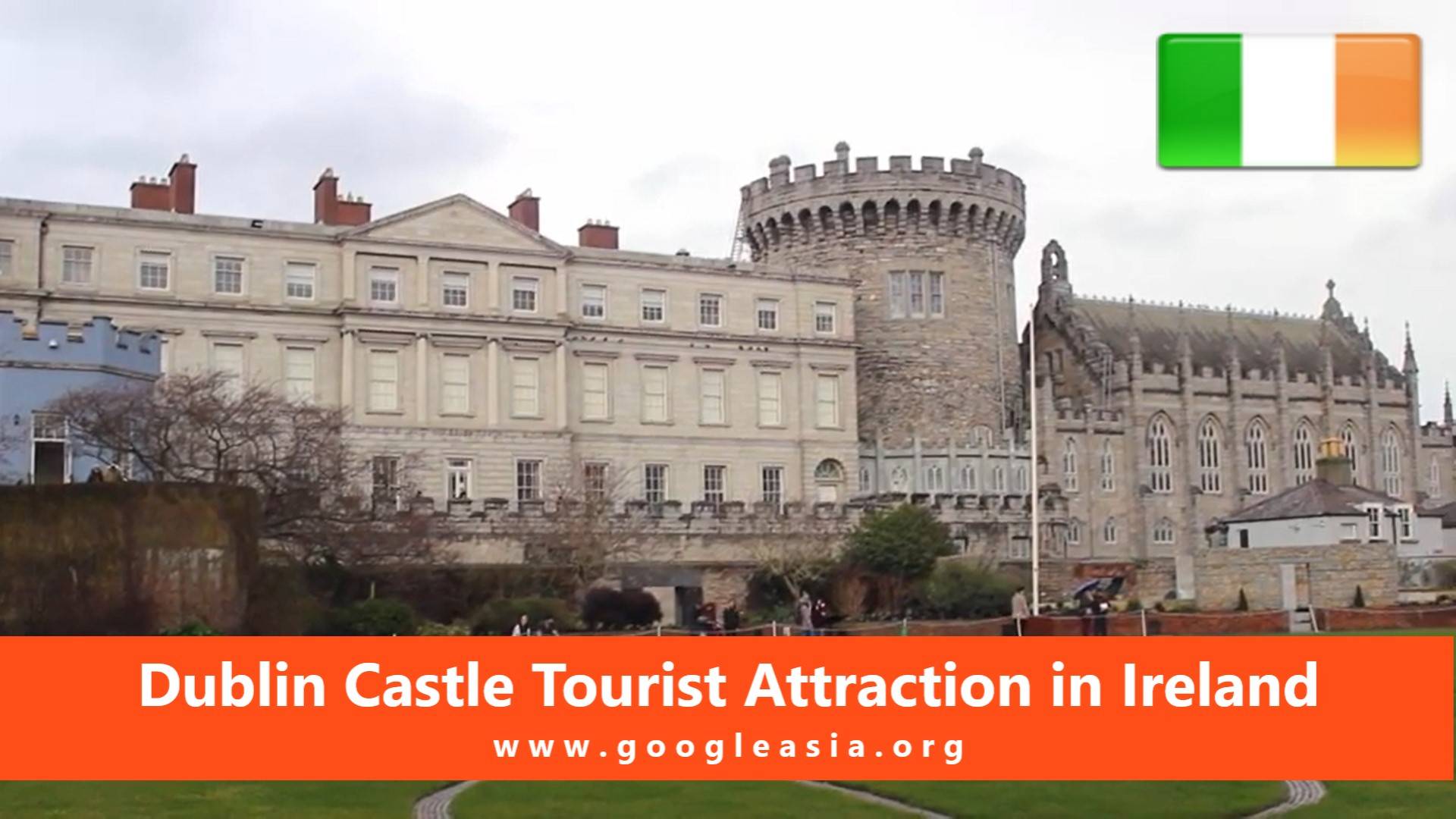
    Dublin Castle, Ireland

    Dublin Castle is a major Irish government complex, conference center, and tourist attraction. It was until 1922 the seat of British rule in Ireland. The castle has played a pivotal role in Irish history and boasts a 1000-year history, having been reduced and renovated over the course of time. Today, the castle houses the State Apartments, the Chester Beatty Library, the Chapel Royal of St. Patrick, the Garda Síochána Museum, and Café Rialto.

    Introduction

    History and Architecture

    Foundation

    • Establishment: Built in the 13th century.
    • Purpose: Originally built as a defensive fortification.

    British Rule

    • Colonial Symbol: Signified British authority in Ireland until 1922.
    • Government Functions: Used as a seat of power and governance.

    Cultural Significance

    Chester Beatty Library

    • Collection: Houses manuscripts, rare books, prints, and drawings.
    • Legacy: A renowned cultural institution within Dublin Castle.

    National Monument Status

    • Recognition: Declared a National Monument in 1987.
    • Preservation: Ensures the castle’s historical integrity is maintained.

    Visitor Experience

    Tours and Exhibitions

    • Guided Tours: Offered to explore the castle’s history and architecture.
    • Exhibitions: Showcase the cultural and political significance of the castle.

    Gardens

    • Scenic Beauty: Includes two well-maintained gardens for visitors to enjoy.
    • Features: Offers a tranquil retreat within the bustling city center.

    Events and Functions

    State Receptions

    • Usage: Hosts state functions and visiting dignitaries.
    • Events: Venue for ceremonies, conferences, and cultural events.

    Accessibility

    • Visiting Hours: Open to the public for tours and special events.
    • Location: Centrally located in Dublin, easily accessible to tourists.

    Things to Do

    Dublin Castle presents a blend of historical exploration, cultural immersion, and entertainment options.

    Guided Tours

    • Insightful Exploration: Take a guided tour to uncover the castle’s fascinating history and architectural evolution.
    • Expert Guidance: Learn about the pivotal events that shaped Dublin Castle over the centuries.

    State Apartments

    • Regal Splendor: Visit the State Apartments, adorned with opulent furnishings and historical artifacts.
    • Vice-Regal Courts: Imagine the grandeur of Ireland’s vice-regal courts that once operated within these walls.

    Cafés and Pubs

    • Local Flavor: Experience the charm of Dublin Castle’s oldest cafés and pubs, such as The Brazen Head and The Palace Bar.
    • Historic Atmosphere: Enjoy a beverage in settings that have witnessed centuries of Dublin’s social life.

    Chester Beatty Library

    • Cultural Gem: Explore the Chester Beatty Library, housing rare manuscripts, books, and artworks from diverse cultures.
    • Award-Winning Collections: Marvel at treasures that span millennia of human creativity and knowledge.

    Special Events

    Dublin Castle hosts events throughout the year that showcase its cultural vibrancy and historical significance.

    Changing of the Guard

    • Ceremonial Tradition: Witness the pomp and precision of the Changing of the Guard ceremony, held hourly.

    Dubh Linn Gardens

    • Serene Retreat: Stroll through the Dubh Linn Gardens, enjoying tranquil green spaces and historic monuments.

    National Concert Hall

    • Artistic Performances: Attend a concert or performance at the National Concert Hall, renowned for its acoustics and diverse program.

    Dublin Ghost Tour

    • Eerie Excursion: Embark on a Dublin Ghost Tour to uncover the castle’s mysterious and supernatural tales.

    St. Patrick’s Festival

    • Cultural Celebration: Join the festivities during the annual St. Patrick’s Festival, celebrating Ireland’s patron saint with music, parades, and cultural events.

    Foods

    Dublin Castle, nestled in the heart of Dublin city center, offers visitors not only a glimpse into history but also a gateway to a vibrant culinary scene. Here’s a guide to some of the best foods to savor near Dublin Castle:

    Irish Stew

    • Description: A comforting stew made with tender lamb or beef, potatoes, carrots, and onions.
    • Characteristics: Hearty, flavorful, and perfect for warming up on cooler days.

    Fish and Chips

    • Description: Iconic dish featuring deep-fried fish fillets paired with crispy chips (French fries).
    • Characteristics: Crunchy exterior, tender fish inside, served with tartar sauce for a traditional touch.

    Dublin Coddle

    • Description: Traditional Irish stew with sausages, bacon, onions, and potatoes.
    • Characteristics: Rich flavors from slow-cooked ingredients, a hearty meal favored by Dubliners.

    Boxty

    • Description: Irish potato pancakes that can be served with various toppings like smoked salmon or bacon.
    • Characteristics: Versatile and delicious, offering a taste of Irish culinary creativity.

    Guinness Pie

    • Description: Savory pie filled with Guinness-infused meat, such as beef or chicken.
    • Characteristics: Rich, hearty gravy wrapped in flaky pastry, a must-try for Guinness lovers.

    Seafood Chowder

    • Description: Creamy soup loaded with a variety of fresh seafood, showcasing Dublin’s coastal bounty.
    • Characteristics: Velvety texture, bursting with seafood flavors, ideal for seafood enthusiasts.

    Irish Breakfast

    • Description: Hearty morning meal with bacon, sausage, black and white pudding, eggs, and baked beans.
    • Characteristics: Filling and satisfying, a traditional start to the day in Ireland.

    Irish Coffee

    • Description: Warm beverage made with coffee, Irish whiskey, sugar, and topped with cream.
    • Characteristics: A delightful blend of flavors, perfect for a pick-me-up or after-dinner treat.

    Barmbrack

    • Description: Traditional Irish fruitcake often enjoyed with tea.
    • Characteristics: Sweet and spiced, containing dried fruits, a staple in Irish homes during festivities.

    Cabbage and Bacon

    • Description: Simple yet delicious dish featuring boiled cabbage and bacon.
    • Characteristics: Comforting flavors, showcasing Ireland’s culinary roots.

    Hotels

    When visiting Dublin Castle in Ireland, staying at a nearby hotel can enhance your experience with comfort and convenience. Here are some of the best hotels recommended for their proximity and quality:

    The Westbury

    • Location: Central Dublin, near Grafton Street.
    • Highlights: Elegant rooms, renowned dining options, and attentive service.
    • Amenities: Spa, fitness center, and luxurious accommodations.

    Grafton Capital Hotel

    • Location: Prime location near Grafton Street and Trinity College.
    • Highlights: Affordable luxury, modern amenities, and friendly atmosphere.
    • Amenities: Free Wi-Fi, breakfast options, and comfortable rooms.

    The Marker Hotel

    • Location: Docklands area, overlooking Grand Canal Square.
    • Highlights: Contemporary design, rooftop bar, and stunning views.
    • Amenities: Spa, fitness center, and gourmet dining.

    The Shelbourne Dublin, A Renaissance Hotel

    • Location: Historic setting on St. Stephen’s Green.
    • Highlights: Iconic luxury, historic charm, and renowned afternoon tea.
    • Amenities: Spa, fitness center, and elegant rooms with plush furnishings.

    The Morgan Hotel

    • Location: Temple Bar district, vibrant cultural area.
    • Highlights: Boutique style, trendy ambiance, and close to Dublin Castle.
    • Amenities: Stylish bar, restaurant, and comfortable accommodations.

    Trinity City Hotel

    • Location: Near Trinity College and Grafton Street.
    • Highlights: Classic Georgian architecture, modern comforts, and friendly service.
    • Amenities: Restaurant, bar, and well-appointed rooms.

    The Radisson Blu Royal Hotel Dublin

    • Location: Golden Lane, city center location.
    • Highlights: Contemporary rooms, business-friendly amenities, and good value.
    • Amenities: Fitness center, restaurant, and spacious accommodations.

    The Merrion Hotel

    • Location: Georgian quarter, close to Merrion Square.
    • Highlights: Historic charm, luxurious rooms, and Michelin-starred dining.
    • Amenities: Spa, fitness center, and impeccable service.

    The Dylan Hotel

    • Location: Elegant neighborhood near Ballsbridge.
    • Highlights: Boutique luxury, stylish decor, and intimate atmosphere.
    • Amenities: Restaurant, bar, and personalized service.

    The Fitzwilliam Hotel

    • Location: St. Stephen’s Green, overlooking the park.
    • Highlights: Contemporary design, gourmet dining, and central location.
    • Amenities: Spa, fitness center, and spacious rooms with modern amenities.

    Conclusion

    Choosing a hotel near Dublin Castle ensures you’re close to Dublin’s historical attractions while enjoying comfortable accommodations and excellent service. Whether you prefer luxury at The Shelbourne or boutique charm at The Morgan Hotel, these establishments offer a range of amenities to enhance your stay in this vibrant city. Plan your visit to Dublin Castle and surrounding areas with confidence, knowing you have a cozy retreat awaiting you after a day of exploration.

    Dublin Castle Tourist Attraction in Ireland

    Summary

    Category: #Destination #Europe #IRELAND 

    Attraction: Dublin Castle

    Country: Ireland

    Continent: Europe

    Capital Name: Dublin

    Language: English and Irish (Gaelic)

    Frequently Asked Questions

    What are Dublin Castle’s must-visit attractions?

    Dublin Castle, a historic landmark in the heart of Dublin, offers a range of fascinating attractions and points of interest for visitors. Here are some must-visit attractions within Dublin Castle:

    1. State Apartments: Explore the opulent State Apartments, including the Throne Room and St. Patrick’s Hall. These rooms are often used for state ceremonies and events.
    2. Chapel Royal: A beautifully restored chapel featuring stunning stained glass windows and intricate woodwork. The chapel has historical significance and adds to the castle’s architectural charm.
    3. Dubhlinn Gardens: The castle is surrounded by Dubhlinn Gardens, a peaceful and well-maintained public park. It’s a great place to relax and enjoy greenery in the city center.
    4. Undercroft: The medieval Undercroft provides a glimpse into the castle’s early history and serves as an atmospheric space for events and exhibitions.
    5. Bedchamber of the Viceroy: Part of the State Apartments, this room showcases 18th-century interiors and furnishings, giving visitors a sense of the castle’s former use as a residence.
    6. Coach House Gallery: Located in the courtyard, the Coach House Gallery hosts temporary exhibitions, showcasing a variety of art and cultural displays.
    7. Record Tower: The last surviving tower of the medieval castle, the Record Tower houses the Garda Museum, which explores the history of policing in Ireland.
    8. Chester Beatty Library: While technically part of Dublin Castle, the Chester Beatty Library deserves special mention. It houses a remarkable collection of manuscripts, rare books, and artifacts from various cultures.
    9. The Revenue Museum: Explore the history of taxation in Ireland at the Revenue Museum, located in the crypt of the Chapel Royal.
    10. State Coach: The impressive State Coach, housed in the courtyard, is used for ceremonial occasions and provides a glimpse into Ireland’s regal history.
    11. Heritage Center: The Dublin Castle Heritage Center offers visitors information about the castle’s history, architecture, and its role in Irish political life.
    12. Viking Excavation Site: Discover the Viking Excavation Site within the castle complex, providing insights into Dublin’s early medieval history.

    When visiting Dublin Castle, it’s a good idea to join a guided tour to gain a deeper understanding of the historical and cultural significance of each attraction. The castle’s diverse features showcase Ireland’s political, cultural, and architectural heritage over the centuries.

    What are Dublin Castle’s nearby must-visit attractions or landmarks?

    Dublin Castle is located in the heart of Dublin, and its central location makes it convenient to explore other nearby attractions and landmarks. Here are some must-visit places near Dublin Castle:

    1. Christ Church Cathedral: A stunning medieval cathedral with rich history and beautiful architecture. Don’t miss the chance to explore the crypt and enjoy panoramic views from the tower.
    2. St. Patrick’s Cathedral: Another iconic cathedral in Dublin, known for its grandeur and historical significance. Jonathan Swift, the author of “Gulliver’s Travels,” is buried here.
    3. Dubhlinn Gardens: The gardens surrounding Dublin Castle are a peaceful oasis in the city center. Take a leisurely stroll and enjoy the greenery.
    4. Chester Beatty Library: Located within Dublin Castle, this library houses a remarkable collection of manuscripts, rare books, and artifacts from around the world.
    5. City Hall: A historic building with impressive architecture, City Hall often hosts exhibitions and events. Check for any ongoing activities during your visit.
    6. Temple Bar: Dublin’s cultural quarter, known for its vibrant atmosphere, narrow cobbled streets, and a variety of pubs, galleries, and shops.
    7. Trinity College Dublin: Ireland’s oldest university, Trinity College is home to the Book of Kells and the Long Room Library, both major attractions.
    8. Grafton Street: A bustling shopping street with a mix of high-end and boutique shops, cafes, and street performers. It’s a vibrant area for shopping and entertainment.
    9. Dublinia: Located near Christ Church Cathedral, Dublinia is an interactive museum that explores Dublin’s Viking and medieval history.
    10. Molly Malone Statue: An iconic statue of Molly Malone, a character from an old Irish song. It’s located on Grafton Street and is a popular photo spot.
    11. National Museum of Ireland – Archaeology: Home to a diverse range of artifacts, including the Ardagh Chalice and the Tara Brooch. It’s a short walk from Dublin Castle.
    12. The Little Museum of Dublin: Situated in a Georgian townhouse, this museum tells the story of Dublin in the 20th century through exhibits and multimedia presentations.

    These attractions, combined with Dublin Castle, offer a rich tapestry of history, culture, and entertainment, providing visitors with a well-rounded experience in the heart of Dublin.

    Why should you visit Dublin Castle?

    Dublin Castle is a historical and cultural landmark with a rich history that spans over 800 years. Here are compelling reasons why you should visit Dublin Castle:

    1. Historical Significance: Dublin Castle has played a central role in Ireland’s history. Originally built as a defensive fortress, it evolved into a royal residence, administrative center, and symbol of British rule. Exploring the castle provides insights into Ireland’s complex past.
    2. Architectural Beauty: The castle features a blend of architectural styles, including medieval, Georgian, and modern elements. Visitors can admire the impressive State Apartments, the Chapel Royal, and the medieval Undercroft.
    3. State Apartments: The State Apartments at Dublin Castle showcase grandeur and opulence. Highlights include the Throne Room and the St. Patrick’s Hall, where significant state events and ceremonies take place.
    4. Chapel Royal: A beautifully restored chapel with stunning stained glass windows and intricate woodwork. It provides a glimpse into the religious and cultural history of the castle.
    5. Dubhlinn Gardens: The castle is surrounded by Dubhlinn Gardens, a peaceful and well-maintained public park. It’s a delightful place for a leisurely stroll and offers a contrast to the historic interiors of the castle.
    6. Exhibitions and Events: Dublin Castle hosts various exhibitions, cultural events, and conferences throughout the year. Check the schedule for any special events or temporary exhibitions during your visit.
    7. State Ceremonies: Witnessing a state ceremony or event at Dublin Castle can provide a unique and memorable experience, especially if there’s a state visit or official celebration taking place.
    8. Location in the City Center: Dublin Castle is centrally located in the heart of Dublin, making it easily accessible. Its proximity to other attractions, shops, and restaurants allows for a comprehensive city exploration.
    9. Guided Tours: Knowledgeable guides lead tours of Dublin Castle, providing historical context, interesting anecdotes, and behind-the-scenes information about the castle’s various rooms and features.
    10. Cultural Hub: Dublin Castle serves as a cultural hub, hosting art exhibitions, performances, and cultural events. It reflects Ireland’s commitment to preserving and celebrating its heritage.
    11. Educational Experience: The castle offers educational programs for schools and groups, making it an enriching destination for students and learners interested in Irish history and culture.

    Whether you’re interested in history, architecture, or cultural events, Dublin Castle offers a multifaceted experience that captures the essence of Ireland’s past and present.

    How to go to Dublin Castle?

    Dublin Castle is centrally located in the heart of Dublin, making it easily accessible by various modes of transportation. Here are several ways to get to Dublin Castle:

    By Public Transportation:

    1. Bus: Dublin Bus services connect various parts of the city, and there may be bus stops near Dublin Castle. Check the Dublin Bus website or use a transportation app for routes and schedules.
    2. Luas (Tram): The Luas Green Line has a stop near Dublin Castle called “Dawson Street.” From there, it’s a short walk to the castle.
    3. DART (Train): The DART train system connects suburban areas to the city center. The nearest DART station to Dublin Castle is Pearse Station. It’s about a 15-minute walk from Pearse Station to the castle.

    By Bike:

    Dublin is a bike-friendly city, and you can use Dublinbikes, the city’s bike-sharing scheme. There are bike stations throughout the city, including some near Dublin Castle.

    By Car:

    If you prefer to drive, you can use a car to reach Dublin Castle. However, parking in the city center can be limited, and Dublin Castle itself does not have on-site parking.

    On Foot:

    If you’re already in the city center, Dublin Castle is within walking distance from many popular areas. Navigate using local street signs or a navigation app to guide you.

    Tourist Shuttles:

    Some city tour operators and tourist shuttle services may have stops near Dublin Castle as part of their routes. Check with local tour companies for options.

    Accessibility:

    Before planning your visit, consider checking Dublin Castle’s official website for any updates on transportation, accessibility, and parking options. Additionally, online maps and navigation apps can provide real-time directions to help you reach Dublin Castle from your specific location.

    Is there any halal food available near Dublin Castle?

    To find halal food near Dublin Castle, consider the following steps:

    1. Online Search: Use search engines like Google Maps or Yelp to look for halal restaurants or eateries near Dublin Castle. You can enter “halal food near Dublin Castle” as your search query for specific results.
    2. Halal Food Apps: Utilize halal-specific apps such as Zabihah or HalalTrip. These apps often provide information about halal restaurants, their menus, and user reviews.
    3. Local Recommendations: Ask locals or the staff at Dublin Castle for recommendations. They may be aware of nearby halal dining options and can provide insights based on their knowledge.
    4. Check Menus: Once you identify potential restaurants, check their menus online to ensure they offer halal options. You can also call the restaurants directly to inquire about their halal offerings.
    5. Social Media: Explore social media platforms for reviews, recommendations, or posts from individuals who have dined at halal establishments near Dublin Castle.

    Remember to verify the current information, as the restaurant scene can change. Additionally, if you’re staying in a hotel, the hotel staff might be able to assist you in finding halal dining options in the vicinity.

    Always confirm the halal status of the restaurant and the specific dishes before making any dining decisions.

  • The Rock of Cashel: A Historic Gem in Munster

    The Rock of Cashel: A Historic Gem in Munster

    The Ancient Rock of Cashel in Ireland

    Located in Cashel, Ireland is the ancient Rock of Cashel. Originally a fortress for the King of Munster, it is composed of an extensive complex of monastic buildings, including a 12th century round tower, Cormac’s Chapel, several High Crosses, and an impressive collection of other ecclesiastical structures.

    Introduction

    History and Architecture

    The Rock of Cashel, nestled in the province of Munster, Ireland, boasts a rich tapestry of historical significance and architectural splendor.

    Origins and Evolution

    • Foundation: Established as a fortress on a limestone outcrop.
    • Structures: Features include a 12th-century round tower, well-preserved walls, a 13th-century castle, Cormac’s Chapel from the 13th century, and a 15th-century cathedral.
    • Architectural Styles: Romanesque and Gothic influences evident in its structures.

    Cultural Significance

    The Rock of Cashel holds deep roots in Irish Christianity and heritage, playing pivotal roles in both secular and religious contexts.

    Capital of Munster Kings

    • Historical Role: Likely served as the capital of ancient Munster kings.
    • Ceremonial Site: Venue for coronations of kings and consecrations of bishops.

    Religious Center

    • Bishopric: Became an important ecclesiastical center and pilgrimage site.
    • Cormac’s Chapel: Renowned for its unique architecture and historical importance.

    Preservation and Tourism

    Since its protection by the state in 1868, the Rock of Cashel has remained a cornerstone of Ireland’s cultural legacy and a magnet for visitors.

    State Protection

    • Conservation Efforts: Ensured the preservation of its medieval structures and artifacts.
    • Accessibility: Open to the public, welcoming tourists from around the world.

    Visitor Experience

    • Tourism: Draws hundreds of thousands annually, offering guided tours and cultural insights.
    • Impact: A significant contributor to local tourism and Ireland’s historical narrative.

    Things to Do

    Visiting the Rock of Cashel in Ireland promises a captivating exploration of medieval ruins and cultural heritage. Here’s what you can experience during your visit:

    Tour the Historic Ruins

    • Guided Tour: Explore the impressive ruins including St. Patrick’s Chapel, Cormac’s Chapel, the Round Tower, and the Hall of the Vicars Choral.
    • Insights: Learn about the rich history and architectural significance of each structure from knowledgeable guides.

    St. Patrick’s Chapel

    • Description: A historic chapel on the Rock of Cashel, showcasing medieval architecture.
    • Features: Intricate stone carvings and remnants of its religious importance.

    Cormac’s Chapel

    • Description: A well-preserved Romanesque chapel, notable for its frescoes and ancient artifacts.
    • Highlights: Architectural details and historical context of its construction.

    Round Tower

    • Description: The oldest surviving structure on the Rock of Cashel, offering panoramic views.
    • Activity: Climb to the top for breathtaking vistas of the Tipperary countryside.

    Visit Hoare’s Castle

    • Location: Adjacent to the Rock of Cashel, dating back to the 15th century.
    • History: Explore the castle once inhabited by William Hoare, known for its historical significance and unique architecture.

    Explore Local Crafts

    • Irish Knitwear: Browse local craft shops for traditional Irish knitwear and handmade goods.
    • Artisans: Support local artisans and discover unique souvenirs to commemorate your visit.

    Discover County Tipperary

    • Countryside Exploration: Take a scenic drive through County Tipperary, enjoying picturesque green hills and historic landmarks.
    • Historic Sites: Visit nearby attractions to delve deeper into the region’s rich history and natural beauty.

    Attend the Cashel Folk Festival

    • Annual Event: Experience Irish culture at the Cashel Folk Festival, featuring live music, traditional dancing, storytelling, and cultural performances.
    • Summer Celebration: Celebrate the vibrant traditions and community spirit of Cashel in a festive atmosphere.

    Foods

    Exploring the Gastronomy

    When visiting the Rock of Cashel in Ireland, exploring the local culinary offerings is a must. Here’s a guide to some of the best foods you can enjoy during your visit:

    Irish Stew

    • Description: A traditional stew made with lamb or mutton, potatoes, carrots, onions, and herbs.
    • Characteristics: Hearty, flavorful, and comforting, perfect for chilly days.

    Irish Browns

    • Description: A regional specialty featuring fried potatoes, onions, and bacon.
    • Characteristics: Crispy exterior with tender potatoes inside, served with various sauces for added flavor.

    Guinness and Oysters

    • Description: A classic pairing of Guinness stout and fresh oysters.
    • Characteristics: Briny oysters complemented by the rich, malty flavor of Guinness, enjoyed as an appetizer or part of a meal.

    Traditional Breads

    Soda Bread

    • Description: A staple of Irish cuisine, soda bread is made with baking soda instead of yeast.
    • Characteristics: Dense yet tender, often served with butter or other accompaniments.

    Hearty Stews and Comfort Foods

    Coddle

    • Description: A Dublin favorite stew made with layers of potatoes, sausage, bacon, and onions.
    • Characteristics: Filling and satisfying, reflecting the warmth of Irish home cooking.

    Unique Potato Dishes

    Bangors and Boxty

    • Description: Bangors are mashed potatoes and onions, often topped with tomatoes, herbs, and bacon.
    • Characteristics: A flavorful combination showcasing the versatility of potatoes in Irish cuisine.

    Local Favorites

    Fish and Chips

    • Description: Deep-fried fish fillets served with crispy fries (chips) and malt vinegar.
    • Characteristics: Crispy, golden exterior with tender fish inside, a beloved dish enjoyed throughout Ireland.

    Hotels

    When visiting the historic and picturesque Rock of Cashel in Ireland, choosing the right accommodation enhances your experience. Here are some of the top hotels and B&Bs recommended for their comfort, hospitality, and proximity:

    Fairfield House by the Bridge

    • Location: Near the scenic views of Rock of Cashel.
    • Highlights: Elegant rooms, peaceful surroundings, and personalized service.
    • Amenities: Free Wi-Fi, breakfast options, and cozy accommodations.

    Room Options

    • Single Room: Comfortable stay with a view of the countryside.
    • Double Room: Spacious accommodations ideal for couples or solo travelers.

    Rockview Bed and Breakfast

    • Location: Close proximity to the Rock of Cashel.
    • Highlights: Warm hospitality, homely atmosphere, and local charm.
    • Amenities: Homemade breakfast, comfortable rooms, and family-friendly environment.

    Services Offered

    • Breakfast: Traditional Irish breakfast served with local ingredients.
    • Tourist Information: Assistance with local sightseeing and travel tips.

    Cashel Palace Hotel

    • Location: Historic setting with views of the Rock of Cashel.
    • Highlights: Luxury accommodations, fine dining, and historic ambiance.
    • Amenities: Spa, gourmet restaurant, and elegant rooms with modern conveniences.

    Dining Experience

    • Restaurant: Offers a blend of Irish and international cuisine.
    • Bar: Cozy atmosphere to unwind with a drink after a day of exploring.

    Knockanore Farmhouse

    • Location: Rural setting, providing a peaceful retreat.
    • Highlights: Farmhouse charm, homemade meals, and friendly hosts.
    • Amenities: Farm tours, pet-friendly accommodations, and spacious rooms.

    Farm Activities

    • Animal Feeding: Opportunity to interact with farm animals.
    • Organic Produce: Fresh farm-to-table dining experience for guests.

    The Rock B&B

    • Location: Proximity to the Rock of Cashel for convenient sightseeing.
    • Highlights: Affordable rates, comfortable lodging, and welcoming atmosphere.
    • Amenities: Free parking, Wi-Fi, and hearty Irish breakfasts.

    Guest Reviews

    • Customer Feedback: Positive reviews for hospitality and cleanliness.
    • Local Recommendations: Guidance on nearby attractions and dining options.

    Cashel Townhouse

    • Location: Central location in Cashel town, close to amenities.
    • Highlights: Modern accommodations, attentive service, and convenience.
    • Amenities: En-suite bathrooms, flat-screen TVs, and complimentary breakfast.

    Accessibility

    • Transport Links: Easy access to public transportation and major highways.
    • Local Attractions: Nearby pubs, restaurants, and cultural sites within walking distance.

    Cashel Barn Bed & Breakfast

    • Location: Tranquil setting amidst countryside views.
    • Highlights: Rustic charm, home-cooked meals, and peaceful ambiance.
    • Amenities: Garden, patio area, and comfortable rooms with scenic views.

    Outdoor Activities

    • Walking Trails: Access to scenic trails for hiking and nature walks.
    • Gardening Workshops: Participate in gardening activities and learn about local flora.

    Culzean House

    • Location: Scenic location overlooking the Rock of Cashel.
    • Highlights: Boutique accommodations, personalized service, and luxury amenities.
    • Amenities: Spa treatments, gourmet dining, and spacious suites with panoramic views.

    Wellness Services

    • Spa: Relaxation treatments and therapeutic massages.
    • Fitness Center: Exercise facilities for guests looking to stay active.

    Cashel Holiday Hostel

    • Location: Budget-friendly option for travelers exploring Cashel.
    • Highlights: Hostel atmosphere, communal spaces, and social activities.
    • Amenities: Shared dorms, kitchen facilities, and group accommodations.

    Traveler Community

    • Social Events: Organized events and activities for guests to mingle.
    • Local Insights: Recommendations for budget dining and sightseeing options.

    Rockview Cottage B&B

    • Location: Quaint cottage setting with scenic surroundings.
    • Highlights: Cozy accommodations, homemade breakfast, and rural tranquility.
    • Amenities: Garden area, pet-friendly policy, and personalized hospitality.

    Conclusion

    Choosing the best accommodation near the Rock of Cashel ensures a memorable stay surrounded by Ireland’s rich history and natural beauty. Whether you prefer the luxury of Cashel Palace Hotel, the charm of Knockanore Farmhouse, or the comfort of Rockview Bed and Breakfast, each option offers unique experiences and amenities to complement your visit. Plan your stay wisely to maximize your exploration of the Rock of Cashel and its enchanting surroundings, ensuring a delightful journey through Ireland’s cultural heartland.

    The Ancient Rock of Cashel Ireland King of Munster

    Summary

    • Attraction: Rock of Cashel
    • Country: Ireland
    • Continent: Europe
    • Capital Name: Dublin
    • Language: English and Irish (Gaelic)
    • Category: #Destination #Europe #IRELAND 

    Frequently Asked Questions

    What are the Rock of Cashel’s nearby must-visit attractions or landmarks?

    The Rock of Cashel, also known as St. Patrick’s Rock, is a historic site in County Tipperary, Ireland, and it stands on a limestone hill overlooking the town of Cashel. While the Rock of Cashel itself is a prominent attraction, there are several other nearby must-visit attractions and landmarks in the region. Here are some notable places to explore:

    1. Hore Abbey: Located just a short walk from the Rock of Cashel, Hore Abbey is a well-preserved Cistercian monastery with a tranquil setting. The abbey offers picturesque views of the Rock of Cashel.
    2. Cashel Folk Village: This living history village in Cashel provides insights into rural life in Ireland during the 19th and early 20th centuries. It features traditional thatched cottages and exhibits.
    3. Bru Boru Cultural Centre: Situated near the Rock of Cashel, this cultural center hosts traditional Irish music, dance, and cultural performances. It provides a deeper understanding of Irish heritage.
    4. Dominic’s Abbey: Explore the ruins of Dominic’s Abbey, an ancient Dominican friary located in Cashel. The site has a peaceful atmosphere and historical significance.
    5. Cashel Heritage Centre: Learn more about the history and heritage of Cashel at the local heritage center. It often provides additional information about the Rock of Cashel and the surrounding area.
    6. Holy Cross Abbey: Located a bit farther from Cashel, Holy Cross Abbey is a medieval Cistercian monastery with a rich history and impressive architecture.
    7. Swiss Cottage: A charming cottage built in the early 19th century, known for its distinctive thatched roof and picturesque surroundings. It’s located a bit south of Cashel.
    8. Mitchelstown Cave: If you’re interested in exploring caves, Mitchelstown Cave is a short drive from Cashel. It’s one of Ireland’s most spectacular caves with stunning formations.
    9. Glen of Aherlow: A scenic valley located not far from Cashel, the Glen of Aherlow offers beautiful landscapes, walking trails, and panoramic views of the Galtee Mountains.
    10. Cahir Castle: While a bit farther away, Cahir Castle is a well-preserved medieval castle situated on an island in the River Suir. It’s worth a visit if you have time.

    Exploring these nearby attractions will provide a well-rounded experience of the historical, cultural, and natural wonders in the vicinity of the Rock of Cashel.

    Why should you visit the Rock of Cashel?

    The Rock of Cashel is one of Ireland’s most iconic and historic sites, attracting visitors from around the world. Here are compelling reasons to visit the Rock of Cashel:

    1. Historical Significance: The Rock of Cashel has a rich history dating back to the 4th century. It served as a fortress, royal residence, and religious center, making it a key site in Ireland’s historical narrative.
    2. Architectural Marvel: The site features a stunning collection of medieval buildings, including a round tower, Cormac’s Chapel, the Cathedral, and the High Cross. The architecture showcases various styles and periods.
    3. Cormac’s Chapel: A remarkable example of Romanesque architecture, Cormac’s Chapel is known for its intricate carvings and historical importance. It is one of the earliest and most well-preserved Irish Romanesque structures.
    4. High Crosses: The Rock of Cashel is home to several high crosses, including the famous Cross of St. Patrick and the North Cross. These crosses are adorned with detailed carvings depicting biblical scenes.
    5. Panoramic Views: Perched on a limestone hill, the Rock of Cashel offers breathtaking panoramic views of the surrounding countryside, providing a picturesque backdrop for your visit.
    6. Religious Significance: The site has strong ties to Irish Christianity and is often associated with St. Patrick, who is said to have converted the King of Munster on this hill. The Rock of Cashel has been a symbol of ecclesiastical power in Ireland.
    7. Cultural Heritage: Exploring the Rock of Cashel allows you to immerse yourself in Ireland’s cultural and artistic heritage. The site reflects the country’s medieval art, architecture, and craftsmanship.
    8. Visitor Center: The modern visitor center provides informative exhibits, audiovisual presentations, and guided tours, enhancing your understanding of the site’s historical and cultural context.
    9. Photographic Opportunities: The Rock of Cashel’s dramatic setting and impressive structures make it a fantastic location for photography. Capture the medieval charm against the backdrop of the Irish landscape.
    10. Surrounding Attractions: The Rock of Cashel is surrounded by other notable attractions such as Hore Abbey, Cashel Folk Village, and the town of Cashel itself, offering additional opportunities for exploration.

    Visiting the Rock of Cashel allows you to step back in time and experience the layers of Irish history and culture that have shaped this iconic site. Whether you’re interested in architecture, history, or the sheer beauty of the landscape, the Rock of Cashel offers a memorable and enriching experience.

    How to go to the Rock of Cashel?

    The Rock of Cashel is located in County Tipperary, Ireland, near the town of Cashel. It is easily accessible by various modes of transportation. Here are several ways to reach the Rock of Cashel:

    By Car:

    1. From Dublin: Take the M7 motorway southbound toward Limerick/Cork. After passing through the town of Cashel, follow the signs to the Rock of Cashel. The site is well-signposted.
    2. From Cork: Take the M8 motorway northbound toward Dublin. Exit at the Cashel junction, and follow the signs to the Rock of Cashel.
    3. From Limerick: Take the M7 motorway eastbound toward Dublin. Exit at the Cashel junction and follow the signs to the Rock of Cashel.

    By Bus:

    1. From Dublin: Bus Eireann operates services from Dublin’s Busáras (central bus station) to Cashel. Once in Cashel, the Rock of Cashel is within walking distance.
    2. From Cork: Bus Eireann also provides bus services from Cork to Cashel. From the bus stop in Cashel, you can walk to the Rock of Cashel.

    By Train:

    The nearest train station to Cashel is Thurles Railway Station. From Thurles, you can take a taxi or a Bus Eireann service to reach Cashel. Once in Cashel, the Rock of Cashel is accessible on foot.

    By Tour:

    Joining a guided tour or hiring a private tour is another convenient option. Many tour operators offer day trips to the Rock of Cashel from major cities like Dublin, Cork, and Limerick.

    On Foot:

    If you are staying in Cashel, the Rock of Cashel is often within walking distance from the town center. Follow local signage or ask locals for directions.

    GPS Coordinates:

    If you’re using a GPS device or navigation app, the coordinates for the Rock of Cashel are approximately 52.5173° N latitude and 7.8896° W longitude.

    Before planning your visit, it’s advisable to check for any updated information on transportation options and routes. Additionally, consider the opening hours of the Rock of Cashel and any entrance fees that may apply.

    Are there any halal food options near the Rock of Cashel?

    The availability of halal food options near the Rock of Cashel may be limited due to the predominantly rural nature of the area. In rural locations, finding specific halal restaurants or establishments can be challenging.

    However, you may explore the following options to find halal food or suitable alternatives:

    1. Local Restaurants and Cafes: Inquire at local restaurants and cafes in Cashel, the town nearest to the Rock of Cashel. While they may not be explicitly labeled as halal, some establishments might offer vegetarian or seafood options that adhere to halal dietary guidelines.
    2. Grocery Stores: Check local grocery stores for halal products or ingredients that you can use to prepare your own meals. Some grocery stores may carry a selection of halal items.
    3. Online Halal Food Directories: Utilize online halal food directories or apps that can help you locate halal restaurants or grocery stores in nearby towns or cities.
    4. Contact Local Muslim Communities: If there is a local Muslim community in the area, they may be able to provide information about halal food options or offer suggestions for suitable dining.
    5. Bring Your Own Food: Consider bringing your own halal snacks or meals, especially if you plan to spend an extended period in the area. This ensures that you have suitable options that align with your dietary preferences.

    It’s important to note that the availability of halal options in rural areas can vary, and the situation may have changed since my last update. To get the most current and accurate information, I recommend checking with locals, contacting nearby mosques or Islamic centers, or using online resources closer to your travel date.

  • The Dingle Peninsula: Ireland’s Coastal Gem

    The Dingle Peninsula: Ireland’s Coastal Gem

    The Dingle Peninsula, Ireland

    The Dingle Peninsula is situated in Ireland on the stunningly beautiful Wild Atlantic Way. Unspoiled and breathtaking, the majestic views along the peninsula can rival those of anywhere in the world. Rolling green fields, dramatic coastline, dramatic cliff faces, colorful fishing villages and a wealth of cultural attractions combine to make it one of Irelands most sought-after tourist destinations.

    Take time to savour the traditional music, visit ancient sites, breathe in the freshness of the ocean air, hear a fairytale story, and enjoy fabulous seafood from the many local eateries. The Dingle Peninsula is a place you won’t forget.

    Introduction

    The Dingle Peninsula, located in southwestern County Kerry, Ireland, is renowned for its stunning landscapes, rich cultural heritage, and diverse range of activities. This article explores the natural beauty, historical significance, and unique attractions that make the Dingle Peninsula a must-visit destination.

    Breathtaking Landscapes

    The Dingle Peninsula offers some of the most picturesque scenery in Ireland, with its rugged coastline, sandy beaches, and crystal-clear waters.

    Rugged Coastline

    • Description: Dramatic cliffs and rocky shores provide a stunning contrast to the expansive ocean views.
    • Highlights: The Slea Head Drive is particularly renowned for its spectacular coastal views.

    Sandy Beaches

    • Description: The peninsula boasts several beautiful sandy beaches ideal for relaxation and exploration.
    • Notable Beaches: Inch Beach and Banna Strand are popular spots for sunbathing and water sports.

    Hills and Mountains

    • Description: The area features a range of hills and mountains, offering fantastic hiking and panoramic views.
    • Popular Peaks: Mount Brandon is the highest peak on the peninsula and provides breathtaking vistas.

    Cultural Heritage

    The Dingle Peninsula is deeply rooted in traditional Irish culture, art, and music.

    Traditional Irish Music

    • Description: The region is renowned for its vibrant music scene, with numerous pubs offering live traditional Irish music.
    • Popular Venues: The pubs in Dingle town, such as O’Sullivan’s Courthouse Pub, are famous for their live sessions.

    Irish Language

    • Description: Irish (Gaeilge) is widely spoken on the peninsula, and many signs and conversations are in the Irish language.
    • Cultural Immersion: Visitors have the opportunity to experience and learn about the Irish language and its role in local culture.

    Historical and Archaeological Sites

    The Dingle Peninsula is rich in history, with numerous archaeological sites that offer a glimpse into Ireland’s ancient past.

    Megalithic Tombs

    • Description: The peninsula is home to several ancient megalithic tombs, which are significant historical and archaeological sites.
    • Notable Sites: The Gallarus Oratory is a well-preserved early Christian church known for its unique stone construction.

    Ancient Settlements

    • Description: Scattered throughout the peninsula are remnants of ancient settlements and stone structures.
    • Highlights: The Beehive Huts, stone huts used by early settlers, can be found in the western part of the peninsula.

    Attractions

    The Dingle Peninsula offers a range of attractions that cater to different interests, from outdoor adventures to historical exploration.

    Skellig Michael

    • Description: A UNESCO World Heritage site located offshore, known for its ancient monastic settlement and dramatic landscapes.
    • Access: Accessible by boat, with tours available to explore its rugged terrain and historical significance.

    The Blasket Islands

    • Description: A group of remote islands known for their natural beauty and historical importance.
    • Activities: Boat trips are available, providing opportunities for wildlife spotting and exploring the islands’ history.

    Inch Beach

    • Description: A long, sandy beach popular for surfing, swimming, and leisurely walks.
    • Features: Ideal for a day of relaxation and enjoying the scenic views.

    Things to Do

    The Dingle Peninsula, situated in southwestern Ireland, offers a wealth of activities and experiences that cater to various interests. From breathtaking scenic drives to outdoor adventures and cultural explorations, here’s a guide to the best things to do in this picturesque region.

    Scenic Drives and Views

    Slea Head Drive

    • Description: A circular drive around the western tip of the Dingle Peninsula, offering stunning coastal views.
    • Highlights: Dramatic cliffs, ancient ruins, and picturesque villages.
    • Best Time to Visit: Early morning or late afternoon for the best light and fewer crowds.

    Water Activities

    Kayaking on Dingle Bay

    • Description: Explore the serene waters of Dingle Bay by kayak.
    • Highlights: Opportunity to see marine wildlife, including seals and sea birds.
    • Tour Options: Guided tours available for all skill levels.

    Hiking and Outdoor Adventures

    Climb Mt. Brandon

    • Description: Ascend one of Ireland’s highest peaks, offering panoramic views of the surrounding landscapes.
    • Trail Details: Various routes are available, ranging from moderate to challenging.
    • Preparation: Wear appropriate hiking gear and check weather conditions before embarking.

    Relax at Inch Beach

    • Description: A long, sandy beach perfect for relaxation, swimming, and surfing.
    • Features: Stunning views of the surrounding coastline and rolling surf.
    • Facilities: Amenities include a café and parking.

    Historical and Cultural Sites

    Gallarus Oratory

    • Description: An ancient beehive-shaped stone church, dating back to early Christian times.
    • Highlights: Remarkably well-preserved and showcasing unique early Irish architecture.
    • Visiting Tips: Consider a guided tour to learn about its historical significance.

    Blasket Island Centre

    • Description: A visitor center dedicated to the history and culture of the Blasket Islands.
    • Exhibits: Displays include artifacts, photographs, and stories of the islanders.
    • Location: Situated in Dunquin, offering insights into the life of the islanders who once lived on the Great Blasket Island.

    Local Culture and Villages

    Explore Charming Villages

    • Description: Discover the quaint villages dotted around the peninsula.
    • Highlights: Traditional Irish architecture, local crafts, and friendly atmospheres.
    • Popular Villages: Dingle, Dunquin, and Ballyferriter.

    Wildlife Viewing

    Blasket Islands Wildlife

    • Description: Observe diverse marine wildlife around the Blasket Islands.
    • Highlights: Dolphins, whales, and various seabird species.
    • Tour Options: Boat trips and wildlife tours are available from Dingle and Dunquin.

    Culinary Delights

    Sample Local Seafood

    • Description: Enjoy fresh seafood in traditional pubs and restaurants.
    • Specialties: Dishes such as seafood chowder, fish and chips, and shellfish.
    • Recommended Spots: The town of Dingle is known for its excellent seafood eateries.

    Hiking Trails

    Follow the Old Kerry Way

    • Description: A 165km walking trail that traverses the beautiful landscapes of County Kerry.
    • Highlights: Scenic views, traditional Irish villages, and historical sites.
    • Sections: The trail can be walked in segments, offering flexibility for different fitness levels.

    Foods

    The Dingle Peninsula is not only renowned for its stunning landscapes and rich cultural heritage but also for its exceptional food offerings. The region boasts a variety of culinary delights that reflect its coastal location and traditional Irish cuisine. Here’s a guide to the must-try foods when visiting the Dingle Peninsula.

    Fresh Seafood

    Mussels

    • Description: Mussels harvested from Dingle Bay are celebrated for their sweet flavor and tender texture.
    • Preparation: Often served steamed with garlic, white wine, and herbs, or incorporated into a rich seafood chowder.
    • Local Favorites: Try them at a local seafood restaurant or pub for the freshest experience.

    Seafood Platter

    • Description: A generous assortment of the day’s catch, including haddock, cod, crab, and more.
    • Highlights: Typically includes a mix of grilled, fried, and cold seafood, showcasing the variety of the region’s fresh catches.
    • Best Spots: Dingle town is known for its excellent seafood restaurants offering diverse seafood platters.

    Breads and Baked Goods

    Waterford Blaa

    • Description: A traditional soft white bread roll unique to Waterford County but enjoyed throughout the Dingle Peninsula.
    • Usage: Perfect with a bowl of creamy seafood chowder or as part of a hearty sandwich, including the full Irish breakfast.
    • Where to Find: Often featured in local bakeries and restaurants.

    Brown Bread

    • Description: A staple in Irish cuisine, Dingle’s brown bread is renowned for its dense, wholesome texture and nutty flavor.
    • Ingredients: Typically made with wholemeal flour, giving it a rich, earthy taste.
    • Serving Suggestion: Enjoy it with butter or alongside a traditional Irish stew.

    Dairy Delights

    Local Cheese

    • Description: The mild climate of the Dingle Peninsula contributes to the unique flavors and textures of its cheeses.
    • Varieties: Includes a range of artisanal cheeses from creamy soft cheeses to sharp aged varieties.
    • Best Experience: Sample various cheeses at local cheese shops or as part of a cheese board in restaurants.

    Smoked Salmon

    • Description: Dingle is known for its high-quality smoked salmon, which is a regional specialty.
    • Serving Suggestions: Enjoy it on fresh bread with a squeeze of lemon, or as part of a gourmet starter in local eateries.
    • Where to Buy: Available at many delis and seafood shops around Dingle.

    Hearty Dishes

    Dingle Fish Pie

    • Description: A classic local dish featuring a mix of cod, smoked haddock, salmon, and prawns, baked in a creamy sauce and topped with mashed potatoes.
    • Highlights: Combines rich, creamy flavors with a satisfying texture.
    • Best Spots: Find this comfort food in many local pubs and restaurants.

    Local Specialties

    Irish Breakfast

    • Description: A traditional Irish breakfast typically includes bacon, sausage, black and white pudding, eggs, and baked beans.
    • Regional Twist: In Dingle, it might come with locally sourced ingredients, including fresh seafood or homemade bread.
    • Best Venues: Enjoy a full Irish breakfast at local cafés and B&Bs for an authentic start to your day.

    Hotels

    The Dingle Peninsula offers a range of accommodation options that cater to various tastes and budgets. From luxurious hotels with stunning views to cozy guesthouses with a homely touch, here’s a guide to some of the best places to stay while exploring this enchanting region of Ireland.

    Luxurious Stays

    Dingle Skellig Hotel

    • Description: A premier hotel offering luxurious accommodations with breathtaking views of Dingle Bay.
    • Amenities: Features include a full-service spa, indoor pool, and fine dining restaurant.
    • Highlights: Known for its excellent service and beautiful location, ideal for relaxation and indulgence.

    Hayfield Manor

    • Description: While not directly on the Dingle Peninsula, this luxurious hotel in nearby Cork provides a lavish experience with easy access to the peninsula.
    • Amenities: Includes a spa, gourmet restaurant, and elegantly appointed rooms.
    • Highlights: Offers a classic Irish luxury experience with exceptional service and facilities.

    Charming Guesthouses

    Greenmount House

    • Description: A cozy guesthouse offering comfortable accommodations with a warm, welcoming atmosphere.
    • Amenities: Includes home-cooked breakfast and beautifully decorated rooms with scenic views.
    • Highlights: Known for its hospitality and convenient location near Dingle town.

    Ashville House

    • Description: A charming guesthouse providing comfortable rooms and a friendly atmosphere.
    • Amenities: Offers hearty breakfasts and easy access to local attractions.
    • Highlights: Popular for its relaxed setting and personalized service.

    Boutique Hotels

    The Boat Yard

    • Description: A stylish boutique hotel located in the heart of Dingle.
    • Amenities: Features modern design, comfortable rooms, and a vibrant on-site restaurant.
    • Highlights: Ideal for those seeking a contemporary experience with close proximity to local shops and restaurants.

    The Duke

    • Description: A boutique hotel offering a blend of modern comfort and traditional charm.
    • Amenities: Includes stylish rooms, a bar, and a convenient location in Dingle town.
    • Highlights: Known for its friendly atmosphere and excellent location.

    Scenic Stays

    Marine Hotel

    • Description: A hotel offering spectacular views of the surrounding coastline and easy access to outdoor activities.
    • Amenities: Includes comfortable rooms, a restaurant, and stunning sea views.
    • Highlights: Perfect for those wanting to enjoy the natural beauty of the Dingle Peninsula.

    Sea View House

    • Description: As the name suggests, this guesthouse provides fantastic views of the sea and offers a tranquil retreat.
    • Amenities: Features include cozy accommodations and a lovely breakfast.
    • Highlights: Known for its serene setting and beautiful views.

    Budget-Friendly Options

    Dunaneeny House

    • Description: A budget-friendly guesthouse offering comfort and convenience without breaking the bank.
    • Amenities: Includes well-maintained rooms and a hearty breakfast.
    • Highlights: Offers good value for money with a welcoming atmosphere.

    Dingle Haven Hotel & Holiday Homes

    • Description: Provides both hotel rooms and self-catering holiday homes, catering to different preferences and group sizes.
    • Amenities: Includes comfortable accommodations and family-friendly options.
    • Highlights: Great for families or groups needing more space and flexibility.

    Unique Experiences

    The Fitzwilton Hotel

    • Description: While not located directly on the Dingle Peninsula, this hotel in nearby Waterford offers a unique blend of modern comfort and historical charm.
    • Amenities: Includes contemporary rooms, a bar, and dining options.
    • Highlights: A good choice if you’re exploring other parts of Ireland as well as the Dingle Peninsula.

    Conclusion

    The Dingle Peninsula provides a diverse range of accommodation options that cater to different needs and preferences. Whether you’re looking for a luxurious retreat at the Dingle Skellig Hotel, a cozy guesthouse like Greenmount House, or a stylish boutique experience at The Boat Yard, there’s a place to suit every traveler’s taste. For those on a budget, options like Dunaneeny House and Dingle Haven Hotel offer comfort and value. No matter where you choose to stay, you’ll be well-positioned to explore the breathtaking landscapes, vibrant local culture, and rich history of the Dingle Peninsula.

    Dingle Peninsula Ireland Wild Atlantic Way

    Summary

    • Attraction: Dingle Peninsula Ireland Wild Atlantic Way
    • Country: Ireland
    • Continent: Europe
    • Capital Name: Dublin
    • Language: English and Irish (Gaelic)
    • Category: #Destination #Europe #IRELAND 

    Frequently Asked Questions

    What are Dingle Peninsula’s must-visit attractions or landmarks?

    Dingle Peninsula is renowned for its stunning landscapes, historic sites, and vibrant culture. Here are some must-visit attractions and landmarks on the Dingle Peninsula:

    1. Slea Head Drive: A scenic coastal route offering breathtaking views of the Atlantic Ocean, the Blasket Islands, and the rugged coastline. It’s considered one of Ireland’s most picturesque drives.
    2. Dingle Town: A charming fishing town with colorful houses, lively pubs, and a bustling harbor. Explore the town’s shops, galleries, and enjoy traditional Irish music in the local pubs.
    3. Gallarus Oratory: An ancient dry-stone church dating back to the 7th or 8th century. Its well-preserved architecture and unique design make it a significant historical site.
    4. Connor Pass: One of Ireland’s highest mountain passes, providing stunning views of the Dingle Peninsula. It’s a scenic drive with opportunities for hiking and photography.
    5. Fungie the Dolphin: Take a boat tour from Dingle Harbor to meet Fungie, a friendly wild dolphin that has been a resident in the area for many years.
    6. Gallarus Castle: Explore the ruins of this 15th-century tower house located near the village of Castlegregory. The castle offers insights into medieval architecture.
    7. Blasket Islands: While not directly on the peninsula, the Blasket Islands are visible from Slea Head. The islands have a rich cultural history and are known for their literary heritage.
    8. Inch Beach: A picturesque stretch of sandy beach that attracts visitors for its natural beauty and recreational activities, including walking and water sports.
    9. Dunquin Pier: A scenic spot with panoramic views of the Blasket Islands and a departure point for boat trips to the islands.
    10. Dingle Peninsula Loop Walks: The peninsula offers a variety of walking trails with different levels of difficulty, allowing visitors to explore the stunning landscapes on foot.
    11. Gallarus Cairn: An ancient burial site with a wedge tomb, providing a glimpse into the prehistoric history of the region.
    12. Dingle Oceanworld Aquarium: Ideal for families, this aquarium showcases marine life from the Atlantic Ocean, including sharks, rays, and a penguin habitat.

    These attractions highlight the diverse offerings of the Dingle Peninsula, combining natural beauty, historical sites, and cultural experiences for visitors to enjoy.

    What are Dingle Peninsula’s nearby must-visit attractions or landmarks?

    Dingle Peninsula is home to numerous must-visit attractions and landmarks, each offering a unique perspective on the region’s natural beauty, history, and culture. Here are some nearby attractions to explore:

    1. Slea Head Drive: This scenic coastal drive takes you along the rugged cliffs of the Dingle Peninsula, offering breathtaking views of the Atlantic Ocean, Blasket Islands, and the surrounding landscapes.
    2. Dingle Town: A charming fishing town with colorful buildings, lively pubs, and a bustling harbor. Stroll through the streets, enjoy traditional music in the pubs, and experience the town’s vibrant atmosphere.
    3. Gallarus Oratory: A well-preserved ancient stone church dating back to the 7th or 8th century. The dry-stone construction and unique architecture make it a fascinating historical site.
    4. Fungie the Dolphin: Take a boat tour from Dingle Harbor to encounter Fungie, a friendly resident dolphin known for entertaining visitors with playful antics.
    5. Gallarus Castle: Explore the ruins of this medieval castle, which was built in the 15th century. The castle offers insights into the region’s historical architecture and strategic locations.
    6. Dunbeg Fort: An ancient promontory fort overlooking Dingle Bay. The site includes stone structures and defensive walls, providing a glimpse into Ireland’s ancient past.
    7. Blasket Islands: While not directly on the peninsula, the Blasket Islands are visible from Slea Head. These islands have a rich cultural history and are known for their literary heritage.
    8. Dingle Oceanworld Aquarium: Perfect for families, this aquarium showcases a variety of marine life, including sharks, turtles, and penguins. Educational and entertaining exhibits make it an engaging experience.
    9. Inch Beach: A beautiful sandy beach that stretches for miles along the peninsula. It’s a popular spot for walking, water activities, and enjoying the scenic surroundings.
    10. Conor Pass: One of Ireland’s highest mountain passes, offering stunning views of the Dingle Peninsula. Drive or hike to the summit for panoramic vistas.
    11. Brandon Creek: Known for its association with St. Brendan the Navigator, this area offers picturesque views and a sense of tranquility.
    12. The Three Sisters: A group of three peaks (Cnoc na dTobar, Beenbo, and Ballysitteragh) that provide excellent hiking opportunities and panoramic views.

    Exploring these attractions will provide a comprehensive experience of the Dingle Peninsula, from its natural wonders to its rich cultural and historical heritage.

    Is Dingle Peninsula a suitable travel destination for solo adventurers, honeymooning couples, or those traveling with families?

    Dingle Peninsula is a versatile travel destination suitable for various types of travelers, including solo adventurers, honeymooning couples, and families. Here’s why it appeals to each group:

    1. Solo Adventurers:
      • Scenic Exploration: Solo adventurers can explore the stunning landscapes and coastal beauty at their own pace, taking in the breathtaking views along Slea Head Drive and enjoying the solitude of the region.
      • Outdoor Activities: The peninsula offers opportunities for solo hiking, cycling, and water sports, providing a chance to immerse oneself in nature and adventure.
      • Cultural Engagement: Solo travelers can engage with the local culture, attend traditional music sessions in Dingle Town’s pubs, and connect with the friendly locals.
    2. Honeymooning Couples:
      • Romantic Seclusion: Dingle Peninsula’s picturesque landscapes and tranquil spots provide a romantic backdrop for honeymooning couples seeking privacy and intimacy.
      • Cozy Accommodations: Dingle Town and surrounding areas offer charming bed and breakfasts, boutique hotels, and cozy cottages, creating a romantic atmosphere for couples.
      • Gourmet Experiences: Enjoy intimate dining experiences with fresh seafood and traditional Irish cuisine in the town’s restaurants.
    3. Families:
      • Family-Friendly Attractions: Families can explore archaeological sites, visit the Gallarus Oratory, and engage in outdoor activities suitable for all ages.
      • Dolphin Watching: Children and adults alike will enjoy boat tours to spot Fungie the Dolphin in Dingle Harbor.
      • Cultural Learning: Dingle’s cultural heritage, language, and traditions offer educational and enriching experiences for families.

    Dingle Peninsula caters to a diverse range of interests and preferences, making it an excellent choice for travelers with different priorities. The region’s warm hospitality and variety of activities make it an appealing destination for those seeking relaxation, adventure, cultural immersion, or a combination of these elements. Before traveling, it’s advisable to check for any specific requirements or considerations based on the season and the preferences of each type of traveler.

    Why should you visit Dingle Peninsula?

    Dingle Peninsula, located in County Kerry, Ireland, is a captivating destination known for its stunning landscapes, charming towns, and rich cultural heritage. Here are compelling reasons to visit Dingle Peninsula:

    1. Scenic Beauty: Dingle Peninsula is renowned for its breathtaking scenery. Explore dramatic coastal cliffs, pristine beaches, and picturesque landscapes that showcase the natural beauty of Ireland.
    2. Slea Head Drive: Embark on the Slea Head Drive, a scenic coastal route that offers panoramic views of the Atlantic Ocean, rugged cliffs, and the Blasket Islands. It’s considered one of the most scenic drives in Ireland.
    3. Dingle Town: Experience the welcoming atmosphere of Dingle Town, a charming coastal village with colorful buildings, lively pubs, and a bustling harbor. It’s a hub for traditional Irish music and culture.
    4. Wildlife Watching: The peninsula is a haven for wildlife enthusiasts. Keep an eye out for dolphins, seals, and various seabirds. Boat tours are available for those interested in whale watching.
    5. Archaeological Sites: Discover ancient ruins and historical sites, including beehive huts, forts, and monastic settlements that reflect the region’s rich history.
    6. Gallarus Oratory: Visit the Gallarus Oratory, an ancient stone church dating back to the 7th or 8th century. Its well-preserved dry-stone construction is an architectural marvel.
    7. Cultural Heritage: Immerse yourself in Irish culture by exploring local museums, galleries, and craft shops. Dingle Peninsula has a strong cultural identity with a rich tradition of storytelling and music.
    8. Fungie the Dolphin: Encounter Fungie, a friendly resident dolphin in Dingle Harbor. Boat tours offer the chance to see and interact with this playful marine mammal.
    9. Gaeltacht Region: Experience the Gaeltacht, where the Irish language (Gaeilge) is spoken and celebrated. Engage with locals and learn about the region’s linguistic and cultural heritage.
    10. Outdoor Activities: Dingle Peninsula offers outdoor enthusiasts a range of activities, including hiking, cycling, and water sports. Explore scenic trails, coastal paths, and enjoy the fresh air.
    11. Local Cuisine: Indulge in the local culinary scene with fresh seafood, traditional Irish dishes, and artisanal products. Dingle is known for its quality dining experiences.
    12. Film Locations: The peninsula has been featured in several films and TV series, adding to its allure. Visit locations from movies like “Ryan’s Daughter” and “Far and Away.”

    Dingle Peninsula’s combination of natural beauty, cultural richness, and welcoming communities make it a must-visit destination for those seeking an authentic Irish experience. Whether you’re interested in history, outdoor adventures, or simply enjoying the scenic landscapes, Dingle Peninsula has something to offer every traveler.

    Is it difficult to find halal food in Dingle Peninsula?

    Finding specific halal food options in Dingle Peninsula might be challenging due to its rural nature and the limited availability of halal-specific establishments. Dingle Peninsula, located in County Kerry, Ireland, is known for its scenic landscapes and traditional Irish charm rather than a diverse culinary scene.

    Here are some suggestions to consider if you are looking for halal food in the Dingle Peninsula:

    1. Vegetarian Options: While finding explicitly halal restaurants may be difficult, many places offer vegetarian dishes. You can inquire at local restaurants and cafes about vegetarian or seafood options that adhere to halal dietary guidelines.
    2. Local Grocery Stores: Check local grocery stores for halal products or ingredients that you can use to prepare your own meals. Some grocery stores may carry a selection of halal items.
    3. Contact Local Communities: If there is a local Muslim community or mosque in the area, consider reaching out to them for information about halal food options or guidance on where to find suitable dining.
    4. BYO (Bring Your Own): Consider bringing your own halal snacks or meals, especially if you plan to spend an extended period in the area. This ensures that you have suitable options that align with your dietary preferences.
    5. Explore Seafood Options: Dingle is known for its fresh seafood. While not halal, some visitors with dietary preferences may find seafood options appealing.

    It’s important to note that the availability of halal options in rural areas can vary, and the situation may have changed since my last update. For the most accurate and up-to-date information, consider contacting local businesses directly or using online resources closer to your travel date. Additionally, local residents or tourism information centers may be able to provide insights into dining options that suit your dietary preferences.

  • Blarney Castle: History and Legends

    Blarney Castle: History and Legends

    Blarney Castle, Ireland

    Blarney Castle is a medieval castle located in the village of Blarney, about 5 km northwest of Cork in Ireland. It is known for its Blarney Stone, a block of bluestone built into the battlements of the castle. According to legend, kissing the stone endows the kisser with the gift of eloquence. The castle dates from at least the 13th century and was the seat of the MacCarthy clan. The castle was sacked by Oliver Cromwell in 1646. In 1690, the castle was almost destroyed by fire and remained uninhabitable until it was restored in 1824 by the 3rd Baron of Blarney.

    Introduction

    Blarney Castle, an iconic landmark in County Cork, Ireland, is steeped in history and legend. From its origins as a wooden fort to its role in Ireland’s turbulent past, the castle has evolved into one of the country’s most famous tourist destinations. Here’s an in-depth look at Blarney Castle and its intriguing features.

    History of Blarney Castle

    Early Beginnings

    • 13th Century Origins: The story of Blarney Castle begins in the 13th century when local chieftain Cormac MacCarthy constructed a wooden fort on the site. This initial structure was a modest fortification designed to provide defense and display power.
    • Transition to Stone: The exact date is not well-documented, but MacCarthy later replaced the wooden fort with a large stone castle. This stone fortification became known as Blarney Castle and set the stage for its historical significance.

    The MacCarthy Clan

    • 15th to 17th Century: During this period, the MacCarthy clan controlled the castle, using it as their principal seat. The most notable figure from this era was Sir Roger MacCarthy of Blarney, who was made Lord of Muskerry in the late 16th century.
    • Architectural Enhancements: Under the MacCarthy clan, the castle underwent various renovations and expansions, strengthening its role as a significant regional stronghold.

    Siege and Restoration

    • 1646 Siege: The castle faced significant damage during the Irish Confederate Wars when Oliver Cromwell’s forces sacked it as part of their broader campaign against Irish Catholic landowners.
    • 1690 Fire: A major fire in 1690 nearly destroyed the castle, leaving it in ruins for many years.
    • Restoration in 1824: The castle remained uninhabitable until it was restored in 1824 by the 3rd Baron of Blarney, who took on the task of preserving this historic site.

    The Blarney Stone

    Origins and Legends

    • 15th Century Beliefs: The Blarney Stone, a block of bluestone embedded in the castle’s battlements, is shrouded in legend. It was believed to possess magical properties that bestowed the “gift of the gab”—the ability to speak eloquently and persuasively.
    • Legendary Practices: According to tradition, anyone who kisses the stone will gain this remarkable gift. This legend has contributed significantly to the stone’s fame and the castle’s enduring allure.

    Visitor Experience

    • Kissing the Stone: To kiss the Blarney Stone, visitors must climb to the top of the castle. They then lean backward over the battlements while holding onto iron railings, placing their lips on the stone. This experience, while daring, is a highlight for many tourists.
    • Popularity: Since the 19th century, kissing the Blarney Stone has been a popular tourist activity. The castle’s stunning views and rich history also attract thousands of visitors each year.

    Exploring the Castle Grounds

    Architectural Features

    • Castle Structure: The castle’s architecture reflects its historical evolution, with various elements from different periods of its history. Key features include its imposing battlements and well-preserved stonework.
    • Gardens and Grounds: The surrounding gardens of Blarney Castle are renowned for their beauty and include a wide array of flora. Visitors can explore the lush landscapes and enjoy scenic walks through the extensive grounds.

    Nearby Attractions

    • Blarney House: Located nearby, this 19th-century mansion offers a glimpse into the lifestyle of the 19th-century aristocracy and complements the castle visit.
    • Blarney Woolen Mills: A short distance from the castle, this famous shop offers traditional Irish crafts, including woolen goods and souvenirs.

    Things to Do

    Blarney Castle, located in County Cork, is one of Ireland’s most iconic landmarks, offering a wealth of activities and experiences for visitors. From the legendary Blarney Stone to picturesque gardens and historical tours, there’s something for everyone. Here’s a guide to the top things to do when visiting Blarney Castle.

    Kiss the Blarney Stone

    Experience the Legend

    • Description: The Blarney Stone is perhaps the most famous feature of Blarney Castle. Legend has it that kissing the stone grants you the “gift of the gab”—the ability to speak with eloquence and charm.
    • How to Kiss the Stone: To kiss the stone, visitors must climb to the top of the castle and lean backward over the battlements while holding onto iron railings. This unique experience is both thrilling and memorable.

    Tips for Visitors

    • Safety: Ensure you’re comfortable with the heights and have assistance available if needed.
    • Timing: Early morning or late afternoon visits are often less crowded.

    Explore the Blarney Castle

    Historical Tour

    • Description: Discover the rich history of Blarney Castle through a guided or self-guided tour. The castle dates back to the 15th century and has been a focal point of Irish history and legend.
    • Highlights: Explore the castle’s various rooms, battlements, and panoramic views of the surrounding countryside.

    Architectural Features

    • Castle Structure: Marvel at the castle’s impressive architecture and the historical renovations it has undergone over the centuries.

    Visit Blarney House

    Architectural Tour

    • Description: Blarney House is the ancestral home of the McCarthy family, located on the castle grounds. This 19th-century mansion offers a glimpse into the life of the Irish aristocracy.
    • Amenities: Take a tour to see the elegant rooms and the beautiful gardens surrounding the house.

    Enjoy a Picnic

    Scenic Spots

    • Description: The castle grounds offer ample space for a picnic. Choose a spot in the beautifully maintained parkland to enjoy a meal amidst nature.
    • Picnic Areas: Find designated picnic areas or simply spread out a blanket in a scenic spot around the castle.

    Explore the Walled Gardens

    Discover Hidden Gems

    • Description: The Walled Gardens are a stunning part of the Blarney Castle estate, featuring landscaped gardens, vibrant flower beds, and peaceful pathways.
    • Secret Grottos: Explore the hidden grottos and discover the charming nooks of the gardens.

    Stroll Through Rock Close

    Mystical Walks

    • Description: Rock Close is a mystical woodland area with ancient Druid stones, a witch’s kitchen, and other intriguing features.
    • Highlights: Walk through the enchanting landscape and experience the folklore and myths associated with this area.

    Visit Blarney Woollen Mills

    Shop for Irish Goods

    • Description: Blarney Woollen Mills is a famous retail destination offering a range of traditional Irish products, including woolen goods, crafts, and souvenirs.
    • What to Buy: Look for high-quality wool sweaters, scarves, and other Irish-themed gifts.

    Take in the Views

    Scenic Walks

    • Description: Enjoy picturesque views while walking along the River Lee or other scenic spots on the castle grounds.
    • Photographic Opportunities: Capture the stunning landscapes and historical features with your camera.

    Climb Mahon Falls

    Panoramic Views

    • Description: Located a bit further afield, Mahon Falls offers a stunning panoramic view from the top. The hike to the falls is rewarding and provides breathtaking vistas of the Irish countryside.
    • Hiking Tips: Wear appropriate footwear and prepare for a moderately challenging climb.

    Visit Blarney Tour Park

    Learn the History

    • Description: Blarney Tour Park offers educational experiences about the local history and mythology of the Blarney area.
    • Educational Exhibits: Explore exhibits and displays that delve into the rich cultural heritage of the region. 

    Foods

    Blarney Castle, while primarily known for its historical and cultural significance, also offers a taste of traditional Irish cuisine. Whether you’re exploring the castle grounds or nearby eateries, there are several must-try dishes that capture the essence of Irish culinary heritage. Here’s a guide to some of the best foods to savor in and around Blarney Castle.

    Traditional Irish Delicacies

    Spiced Beef

    • Description: Spiced beef is a traditional Irish dish made from salted beef that has been spiced and cured. It is typically served with cabbage and potatoes.
    • Flavor Profile: The dish is known for its rich, savory flavors and the aromatic spices that enhance the beef.

    Irish Stew

    • Description: A hearty stew made with lamb or beef, potatoes, and a variety of vegetables such as carrots and onions. This classic dish is a staple of Irish cuisine.
    • Flavor Profile: The stew is comforting and flavorful, with tender meat and vegetables simmered together in a savory broth.

    Cullen Skink

    • Description: Cullen Skink is a traditional Scottish soup, often enjoyed in Ireland as well. It is made with smoked haddock, potatoes, and onions.
    • Flavor Profile: This creamy soup has a rich, smoky flavor from the haddock, combined with the hearty texture of potatoes and onions.

    Soda Bread

    • Description: Soda bread is a classic Irish bread made with buttermilk, which gives it a slightly tangy flavor. It’s often enjoyed with butter or as an accompaniment to soups and stews.
    • Flavor Profile: The bread is slightly sweet and salty with a dense, hearty texture.

    Savory Pies and Dishes

    Irish Cheese and Onion Pie

    • Description: This pie features layers of pastry filled with sharp cheddar cheese and finely chopped onions, creating a flavorful and comforting dish.
    • Flavor Profile: The combination of melted cheese and caramelized onions provides a rich, savory taste.

    Seafood Chowder

    • Description: A creamy and thick soup made with a variety of fish and shellfish, often including mussels, clams, and shrimp.
    • Flavor Profile: The chowder is rich and satisfying, with a creamy base and fresh seafood flavors.

    Steak and Kidney Pie

    • Description: A savory pie filled with tender steak and kidney cooked in a flavorful gravy, encased in a flaky pastry crust.
    • Flavor Profile: The pie has a hearty and robust flavor, with a savory filling that pairs perfectly with the crisp pastry.

    Shepherd’s Pie

    • Description: Shepherd’s Pie is a traditional Irish dish made from minced meat (often lamb) and vegetables, topped with creamy mashed potatoes and baked until golden.
    • Flavor Profile: The dish combines the savory flavor of the meat with the creamy texture of the mashed potatoes.

    Breakfast and Light Bites

    Traditional Irish Breakfast

    • Description: A full Irish breakfast typically includes bacon, eggs, sausage, black pudding, white pudding, baked beans, and toast.
    • Flavor Profile: This hearty breakfast is flavorful and filling, providing a robust start to the day with a variety of textures and tastes.

    Smoked Salmon

    • Description: Irish smoked salmon is a delicacy often served with brown bread and butter.
    • Flavor Profile: The salmon has a rich, smoky flavor with a delicate texture, complemented by the rustic brown bread and creamy butter.

    Hotels

    When visiting Blarney Castle, choosing the right accommodation can enhance your experience. Whether you’re seeking luxury, convenience, or a cozy retreat, there are several excellent hotels in and around Cork that cater to various preferences and budgets. Here’s a guide to some of the best hotels near Blarney Castle, Cork.

    Luxury Hotels

    Hayfield Manor

    • Location: Approximately 8 km from Blarney Castle.
    • Description: A five-star hotel renowned for its luxurious accommodations and exceptional service. Set in beautiful gardens, it offers a full-service spa, gourmet dining, and elegantly appointed rooms.
    • Amenities: Spa, fine dining, indoor pool, fitness center, and beautiful gardens.

    The Kingsley Hotel Cork

    • Location: About 7 km from Blarney Castle.
    • Description: A contemporary five-star hotel with stylish rooms and a relaxing ambiance. It features a modern spa, a well-equipped fitness center, and an excellent restaurant.
    • Amenities: Spa, gym, restaurant, and complimentary parking.

    Mid-Range Hotels

    Blarney Castle Hotel, Cork

    • Location: Just a short walk from Blarney Castle.
    • Description: A charming hotel located very close to the castle, offering comfortable rooms and traditional Irish hospitality. Ideal for visitors who want to stay in close proximity to the main attraction.
    • Amenities: Restaurant, bar, and comfortable rooms.

    Cork International Hotel

    • Location: Approximately 15 km from Blarney Castle.
    • Description: Conveniently located near Cork Airport, this modern hotel offers comfortable rooms, a restaurant, and excellent transport links to Blarney Castle and Cork city.
    • Amenities: Airport shuttle, restaurant, fitness center, and free Wi-Fi.

    The Metropole Hotel

    • Location: About 10 km from Blarney Castle.
    • Description: A historic hotel in the heart of Cork city, offering elegant rooms and a range of dining options. Its central location makes it easy to explore both Cork and the surrounding areas.
    • Amenities: Restaurant, bar, indoor pool, and fitness center.

    Budget-Friendly Options

    The Ambassador Hotel Cork

    • Location: Roughly 10 km from Blarney Castle.
    • Description: A comfortable and affordable option with a blend of traditional charm and modern amenities. The hotel provides good value with its cozy rooms and convenient location.
    • Amenities: Restaurant, bar, and free Wi-Fi.

    Ashley Park House

    • Location: About 14 km from Blarney Castle.
    • Description: A welcoming and picturesque guesthouse set in lush gardens. Known for its warm hospitality and homely atmosphere, it offers a serene retreat away from the city bustle.
    • Amenities: Breakfast, garden access, and comfortable rooms.

    Unique Stays

    Rochestown Park Hotel

    • Location: Approximately 12 km from Blarney Castle.
    • Description: A contemporary hotel with a reputation for excellent service and a range of amenities. It offers a mix of modern comfort and traditional hospitality.
    • Amenities: Spa, pool, restaurant, and conference facilities.

    Blarney Woollen Mills Hotel

    • Location: Very close to Blarney Castle.
    • Description: Situated adjacent to the famous Blarney Woollen Mills, this hotel offers convenience and comfort. Ideal for shopping enthusiasts and those wanting easy access to Blarney Castle.
    • Amenities: Restaurant, bar, and proximity to shopping.

    Noel Arms Hotel

    • Location: Around 18 km from Blarney Castle.
    • Description: A quaint hotel offering a blend of traditional charm and modern amenities. It provides a cozy stay with easy access to local attractions and dining options.
    • Amenities: Restaurant, bar, and free Wi-Fi.

    Conclusion

    Staying near Blarney Castle provides a fantastic opportunity to explore the rich history and beauty of County Cork. From luxurious retreats like Hayfield Manor to convenient options such as the Blarney Castle Hotel, there are accommodations to suit every preference and budget. Whether you’re looking for elegance, convenience, or a charming local experience, these hotels offer a range of choices to enhance your visit to one of Ireland’s most iconic landmarks.

    Blarney Castle Cork Ireland

    Summary

    • Attraction: Blarney Castle Cork
    • Country: Ireland
    • Continent: Europe
    • Capital Name: Dublin
    • Language: English and Irish (Gaelic)
    • Category: #Destination #Europe #IRELAND 

    Frequently Asked Questions

    What are Blarney Castle’s must-visit attractions?

    Blarney Castle offers a range of attractions within its historic grounds, combining natural beauty, medieval architecture, and legendary folklore. Here are some must-visit attractions within Blarney Castle:

    1. Blarney Stone: The most iconic feature of the castle, the Blarney Stone is believed to grant the gift of eloquence to those who kiss it. Visitors can climb to the top of the castle and lean backward to kiss the stone.
    2. Castle Keep: Explore the medieval architecture of Blarney Castle, including its keep, towers, and battlements. The castle dates back to the 13th century and provides a glimpse into Ireland’s historical past.
    3. Castle Gardens: Wander through the beautifully landscaped gardens surrounding the castle. Highlights include the Poison Garden, the Fern Garden, and the Herbaceous Border.
    4. Rock Close: A mystical and enchanting area within the gardens, the Rock Close features ancient rock formations, a dolmen, and atmospheric woodlands. It adds a touch of magic to the overall experience.
    5. Wishing Steps: Legend has it that if you can walk down and back up the Wishing Steps with your eyes closed while focusing on a wish, it may come true. It’s a whimsical and fun tradition within the castle grounds.
    6. Badger’s Cave: A hidden cave within the Rock Close, the Badger’s Cave adds an element of mystery to the visit. The cave has a small waterfall and contributes to the enchanting atmosphere.
    7. Dungeons: Explore the dungeons of Blarney Castle to get a sense of the castle’s historical uses and learn about the challenging conditions faced by prisoners in medieval times.
    8. Battlements View: Climb to the top of the castle’s battlements for panoramic views of the surrounding countryside, the River Martin, and the lush greenery of County Cork.
    9. Blarney House and Gardens: While not always open to the public, the nearby Blarney House is an elegant mansion surrounded by well-maintained gardens. Check for availability during your visit.
    10. Badger’s Cave: Hidden within the Rock Close, the Badger’s Cave adds an element of mystery and magic to the castle grounds. It features a small waterfall and contributes to the enchanting atmosphere.
    11. The Muskerry Tram: An antique tram that once ran between Blarney and Cork City is displayed near the castle. It provides a glimpse into the transportation history of the region.

    Exploring these attractions allows visitors to immerse themselves in the history, folklore, and natural beauty that define Blarney Castle and its surroundings.

    What are Blarney Castle’s nearby must-visit attractions or landmarks?

    While Blarney Castle itself is a significant attraction, the surrounding area offers additional points of interest and landmarks. Here are some must-visit attractions near Blarney Castle:

    1. Blarney House and Gardens: Located on the same estate as Blarney Castle, Blarney House is an elegant mansion surrounded by beautiful gardens. The house is not always open to the public, but the gardens are often accessible.
    2. Blarney Woolen Mills: Situated in the nearby village of Blarney, the Blarney Woolen Mills is a historic woolen mill turned shopping destination. It offers a wide range of Irish products, including clothing, gifts, and souvenirs.
    3. Blarney Stone Crafts: Explore the craft shops in the village of Blarney for authentic Irish crafts, including handcrafted jewelry, pottery, and traditional Irish goods.
    4. Cork City: Just a short drive from Blarney, Cork City is a vibrant urban center with a mix of historic and modern attractions. Visit the English Market, St. Fin Barre’s Cathedral, and the Crawford Art Gallery.
    5. Cork City Gaol: Experience a fascinating journey through Cork’s penal history by visiting the Cork City Gaol, a former prison turned museum.
    6. Fota Wildlife Park: Located a bit farther away, Fota Wildlife Park offers a family-friendly experience with a diverse range of animals and beautiful parkland.
    7. Cork Harbour: Explore the scenic Cork Harbour, one of the largest natural harbors in the world. Take a boat tour or enjoy a leisurely walk along the waterfront.
    8. Jameson Distillery Midleton: If you’re interested in Irish whiskey, consider a visit to the Jameson Distillery in Midleton. Learn about the whiskey-making process and enjoy tastings.
    9. Gougane Barra Forest Park: A serene and picturesque forest park with a beautiful lake and the remains of St. Finbarr’s Oratory on an island.
    10. Charles Fort: Located in Kinsale, Charles Fort is a well-preserved star-shaped fort with a rich history. Explore the grounds and enjoy views of Kinsale Harbor.
    11. Kinsale: A charming seaside town known for its colorful buildings, narrow streets, and excellent dining options. Kinsale is also a hub for water activities and water-based excursions.

    These attractions provide a diverse range of experiences, from historical sites and cultural landmarks to natural beauty and shopping opportunities, making the area around Blarney Castle an enriching destination to explore.

    Why should you visit Blarney Castle?

    Blarney Castle, located near Cork in Ireland, is a renowned historic landmark with a rich history and cultural significance. Here are compelling reasons why you should visit Blarney Castle:

    1. The Blarney Stone: The castle is home to the famous Blarney Stone, also known as the Stone of Eloquence. Legend has it that kissing the stone endows the kisser with the gift of persuasive eloquence.
    2. Historical Significance: Blarney Castle has a history dating back to the 13th century, with various structures and renovations over the centuries. Exploring the castle allows visitors to step back in time and witness medieval architecture.
    3. Picturesque Gardens: The castle is surrounded by beautiful gardens, including the Rock Close, which features mystical rock formations and charming woodlands. The Poison Garden is another intriguing section with a collection of toxic plants.
    4. Breathtaking Views: Climb to the top of the castle to enjoy panoramic views of the surrounding countryside, including the River Martin and the lush Irish landscape.
    5. Architectural Marvels: Discover the architecture of Blarney Castle, including its towers, battlements, and the impressive keep. The structure reflects the history and evolution of Irish castles.
    6. Surrounding Woodlands: The castle is set within a picturesque landscape with walking trails through woodlands, providing a peaceful and scenic environment for visitors.
    7. Cultural Heritage: Blarney Castle is a symbol of Irish heritage and history. Exploring the castle and its grounds allows visitors to connect with the country’s past and appreciate its cultural richness.
    8. Medieval Dungeon: Visit the dungeon to get a sense of the castle’s historical uses and learn about the harsh conditions faced by prisoners in medieval times.
    9. Educational Experience: The castle offers an educational experience for visitors of all ages. Informational displays and guided tours provide insights into the castle’s history, architecture, and folklore.
    10. Gifting of Gab: Embrace the tradition of acquiring the “gift of gab” by kissing the Blarney Stone. It’s a unique and iconic experience that adds a touch of whimsy to the visit.
    11. Family-Friendly: Blarney Castle and its grounds cater to families, offering a blend of history, nature, and entertainment. Children can explore the gardens and enjoy the castle’s enchanting surroundings.
    12. Local Craft Shops: The nearby village of Blarney has charming craft shops where you can find Irish souvenirs, traditional crafts, and locally made products.

    Whether you’re drawn to the legendary Blarney Stone, the historical architecture, or the tranquil gardens, a visit to Blarney Castle provides a memorable and multifaceted experience for all types of travelers.

    How to go to Blarney Castle?

    Blarney Castle is located near the town of Blarney, approximately 8 kilometers (5 miles) northwest of Cork City in Ireland. Here are several transportation options to reach Blarney Castle:

    By Car:

    • From Cork City: Take the N20 northbound towards Mallow/Limerick. Follow the signs for Blarney. The castle is well signposted, and the journey takes about 20 minutes.

    By Bus:

    • From Cork City: Bus Eireann operates services from Parnell Place Bus Station in Cork to Blarney Village. The journey takes around 30 minutes. From the village, it’s a short walk to the castle.

    By Tour:

    • Joining a guided tour is a convenient option. Many tour operators offer day trips from Cork City that include a visit to Blarney Castle, often with additional stops at nearby attractions.

    By Taxi:

    • Taxis are available in Cork City, and you can arrange for a taxi to take you directly to Blarney Castle.

    By Bicycle:

    • For those who enjoy cycling, renting a bicycle in Cork City and cycling to Blarney Castle is a viable option. The route is relatively straightforward, and cycling provides a scenic way to explore the countryside.

    GPS Coordinates:

    • If you’re using GPS or navigation apps, the approximate coordinates for Blarney Castle are 51.9291° N latitude and 8.5662° W longitude.

    Parking:

    • Blarney Castle has a parking area for visitors. If you’re driving, you can park your vehicle on-site.

    Before planning your visit, it’s advisable to check for any updated information on transportation options and routes. Additionally, consider the opening hours of Blarney Castle and any entrance fees that may apply. Enjoy your visit to this historic Irish landmark

    How accessible is halal food in Blarney Castle?

    Blarney Castle, located near Cork in Ireland, is primarily a historic site and tourist attraction. The availability of halal food options within the immediate vicinity of Blarney Castle might be limited. The area is known for its scenic beauty and historical significance rather than a diverse culinary scene.

    However, you may consider the following options:

    1. Local Restaurants and Cafes: Explore nearby towns, such as Blarney or Cork, for restaurants and cafes that may offer halal options or vegetarian choices that align with halal dietary guidelines.
    2. Contacting Local Establishments: Before your visit, you can contact local restaurants, cafes, or grocery stores to inquire about their menu options and whether they cater to halal dietary requirements.
    3. Bringing Your Own Food: Consider bringing your own halal snacks or meals, especially if you have specific dietary preferences. This ensures that you have suitable options during your visit to Blarney Castle.
    4. Online Halal Food Directories or Apps: Utilize online resources or apps that list halal restaurants and eateries. Check if there are any options in the nearby towns or cities.

    It’s important to note that the availability of halal food in the area may have changed, and new establishments may have opened since my last update. Checking recent online reviews, contacting local businesses directly, or reaching out to the local Muslim community for recommendations can provide more up-to-date information.

    Additionally, please be aware that Blarney Castle itself may not have on-site dining facilities, so exploring nearby towns for food options is a practical approach.

  • Visiting The Ring of Kerry, Ireland: Travel Guide

    Visiting The Ring of Kerry, Ireland: Travel Guide

    The Ring of Kerry, Ireland

    The Ring of Kerry is a 179km (111 miles) long circular road and scenic tourist trail located in the southwest of Ireland. It passes through the Iveragh Peninsula and around the Mac Gillycuddy’s Reeks Mountain range, making it one of the most popular tourist destinations in the country. It includes some of Ireland’s most spectacular views and picturesque villages.

    Visitors can experience views across the Atlantic Ocean, lakes, valleys, and plenty of archaeological sites. Along the route you can also find plenty of different wildlife, including peregrine falcons and Irish hares. There are many sites of historical and cultural interest dotted along the route, making it a great way to explore Ireland’s culture and natural beauty.

    The Ring of Kerry Ireland

    Summary

    • Attraction: The Ring of Kerry
    • Country: Ireland
    • Continent: Europe
    • Capital Name: Dublin
    • Language: English and Irish (Gaelic)
    • Category: #Destination #Europe #IRELAND 

    Introduction

    The Ring of Kerry is one of Ireland’s most breathtaking scenic drives, stretching approximately 179 kilometers around the Iveragh Peninsula in County Kerry. This picturesque route showcases some of Ireland’s most spectacular landscapes, from rugged coastlines and rolling hills to charming villages and ancient landmarks. Here’s a comprehensive guide to what makes the Ring of Kerry a must-visit destination.

    History and Overview

    The Scenic Route

    • Length: 179 kilometers (111 miles)
    • Starting Point: Killarney
    • Ending Point: Killarney (looped route)

    The Ring of Kerry is celebrated for its diverse and dramatic scenery, including verdant valleys, pristine lakes, and dramatic coastlines. The route loops from Killarney through to Kenmare, encompassing some of Ireland’s most iconic views and charming villages. As one of Ireland’s most popular tourist attractions, it’s renowned for offering a quintessential Irish experience.

    Historical Significance

    • Romanesque Ross Castle: Located on the edge of Lough Leane, this 15th-century castle offers a glimpse into Ireland’s medieval past and the architectural style of the era.
    • Ancient Monuments: The area is dotted with historical sites, including prehistoric stone forts, early Christian monuments, and ancient ring forts.

    Scenic Highlights

    Killarney National Park

    • Description: Starting from Killarney, the Ring of Kerry offers access to the stunning Killarney National Park, known for its lakes, mountains, and wildlife.
    • Attractions: Muckross House and Gardens, Torc Waterfall, and the Lakes of Killarney.

    Lakes of Killarney

    • Description: A group of three lakes—Lough Leane, Muckross Lake, and Upper Lake—provide picturesque views and opportunities for boating and photography.
    • Highlights: Scenic boat tours and panoramic viewpoints.

    Gap of Dunloe

    • Description: A narrow mountain pass offering spectacular views and a glimpse into Ireland’s rugged interior.
    • Activities: Hiking, pony trekking, and photography.

    Ring of Kerry Villages

    • Sneem
      • Description: Known for its colorful houses and scenic surroundings. A charming village with local craft shops and traditional pubs.
      • Highlights: The Sneem Sculpture Park and local artisan shops.
    • Waterville
      • Description: A coastal village renowned for its beautiful beaches and as a popular destination for anglers and golfers.
      • Highlights: The stunning Ballinskelligs Beach and the Waterville Golf Links.
    • Caherdaniel
      • Description: A small village with a picturesque setting and historical significance.
      • Highlights: The nearby Derrynane House, home to Daniel O’Connell, a significant figure in Irish history.

    Activities and Attractions

    Explore Ancient Castles

    • Ross Castle
      • Description: A well-preserved 15th-century castle with guided tours available. It provides insight into medieval Irish life and offers beautiful views of the surrounding lakes.
    • Staigue Fort
      • Description: A large, stone ring fort dating back to the Iron Age, offering a fascinating look at ancient defensive structures.

    Enjoy Outdoor Activities

    • Hiking and Walking: The Ring of Kerry offers numerous trails with varying difficulties, including sections of the Kerry Way, a long-distance hiking route.
    • Cycling: A popular way to explore the route, with various bike rental options available.

    Experience Local Culture

    • Traditional Music and Dance: Many of the local pubs and cultural centers offer live Irish music and dance performances.
    • Local Festivals: Depending on the time of year, visitors can enjoy local festivals and cultural events celebrating Irish traditions and heritage.

    Things to Do

    The Ring of Kerry is renowned for its spectacular landscapes, charming villages, and rich cultural heritage. This 179-kilometer loop offers a diverse range of activities and attractions that cater to all interests. Whether you’re an adventurer, a history buff, or simply looking to relax and take in the natural beauty, the Ring of Kerry has something to offer. Here’s a guide to some of the top things to do in this picturesque region.

    Explore Iconic Attractions

    Visit Skellig Michael

    • Description: Skellig Michael is a dramatic island located in the Atlantic Ocean, famous for its early Christian monastic settlement. A UNESCO World Heritage Site, it features breathtaking rock formations and panoramic ocean views.
    • Activities: Boat trips to the island, hiking up the steep steps to the monastery, and exploring the ancient beehive huts.

    Take in the Scenery on the Ring of Kerry

    • Description: Driving the Ring of Kerry itself is an experience not to be missed. The route provides stunning views of mountains, lakes, and coastline.
    • Highlights: Scenic viewpoints like Ladies View, the Molls Gap, and the Gap of Dunloe offer excellent photo opportunities.

    Visit Denney Falls

    • Description: Nestled near the town of Killorglin, Denney Falls is a serene and less-visited waterfall that showcases the natural beauty of Kerry’s landscape.
    • Activities: Hiking to the falls, enjoying a peaceful picnic, and photographing the picturesque surroundings.

    Discover Historical and Cultural Sites

    Stop at Muckross House

    • Description: This 19th-century Victorian mansion is set within Killarney National Park. It includes beautifully landscaped gardens, a traditional farmyard, and extensive parkland.
    • Activities: Touring the house and gardens, exploring the parkland trails, and visiting the adjacent Muckross Traditional Farms.

    Explore the Stunning Lakes of Killarney

    • Description: Killarney National Park is renowned for its three lakes: Lough Leane, Muckross Lake, and Upper Lake. The area is celebrated for its breathtaking natural beauty and diverse wildlife.
    • Activities: Boating on the lakes, hiking trails such as the Old Kenmare Road, and visiting the picturesque Torc Waterfall.

    Enjoy Outdoor Activities

    Enjoy the Sandy Beaches

    • Description: The Ring of Kerry is home to several beautiful sandy beaches, perfect for a relaxing day by the sea.
    • Top Beaches:
      • Rossbeigh Beach: Known for its long sandy stretch and excellent surfing conditions.
      • Derrymore Beach: A quieter beach ideal for a peaceful stroll.
      • Ventry Bay: Offers stunning views and is great for a beachside picnic.

    Try Some Local Delicacies

    • Description: The Ring of Kerry is known for its delicious local cuisine, including fresh seafood and hearty Irish fare.
    • Must-Try Foods:
      • Irish Beef: Enjoy a traditional Irish steak or beef stew at local pubs and restaurants.
      • Seafood: Sample fresh catches like mussels, crab, and salmon.
      • Local Pubs: Savor a pint of ale or Guinness in one of the charming pubs scattered along the route.

    Immerse Yourself in Local Culture

    Experience Traditional Music and Festivals

    • Description: The Ring of Kerry is vibrant with cultural events and traditional Irish music sessions.
    • Activities: Attend local festivals, listen to live traditional music in pubs, and participate in community events.

    Foods

    The Ring of Kerry is not only renowned for its stunning landscapes but also for its delectable culinary offerings. This picturesque region of Ireland boasts a variety of local delicacies, especially fresh seafood and traditional Irish dishes. Here’s a guide to some of the best foods you should savor while exploring the Ring of Kerry.

    Seafood Delights

    Blasket Island Dingle Bay Salmon

    • Description: Known for its rich flavor and delicate texture, Dingle Bay salmon is celebrated for being sustainably sourced and freshly prepared.
    • How to Enjoy: Typically served grilled or smoked, often accompanied by seasonal vegetables or a light salad.

    Rock Crab from Cromane

    • Description: Cromane is famous for its sweet and succulent rock crab, caught fresh from the waters of Dingle Bay.
    • How to Enjoy: Enjoy it steamed or in a crab salad, or try it in a local seafood restaurant for a taste of authentic Irish coastal cuisine.

    Lobster from Kells Bay

    • Description: Kells Bay lobster is prized for its tender, flavorful meat. The lobsters are harvested from the clear waters off the Kerry coast.
    • How to Enjoy: Often served grilled or boiled, and can be found in many seafood restaurants around the Ring of Kerry.

    Glenbeigh Shellfish

    • Description: The shellfish from Glenbeigh, including mussels and oysters, are renowned for their freshness and taste.
    • How to Enjoy: Enjoy these shellfish in a variety of preparations such as steamed mussels, or in a rich seafood chowder.

    Caragh Lake Trout

    • Description: Caragh Lake is known for its high-quality trout, which are a local delicacy in the Ring of Kerry.
    • How to Enjoy: Often served pan-fried or grilled, Caragh Lake trout pairs beautifully with fresh greens or a simple lemon butter sauce.

    Peat Smoked Salmon from Sneem

    • Description: This traditional Irish delicacy involves smoking salmon over peat fires, giving it a distinct and aromatic flavor.
    • How to Enjoy: Typically served thinly sliced on brown bread or as part of a seafood platter.

    Traditional Irish Fare

    Colcannon

    • Description: A hearty and traditional Irish dish made from mashed potatoes mixed with kale or cabbage.
    • How to Enjoy: Often served as a side dish with main courses like Irish stew or sausages, colcannon is a comforting and flavorful choice.

    Irish Stew

    • Description: A classic Irish stew made with tender chunks of lamb or beef, potatoes, carrots, and onions.
    • How to Enjoy: Enjoy it in a cozy pub or restaurant, where it’s typically served with a slice of soda bread.

    Soda Bread

    • Description: A staple of Irish cuisine, soda bread is a simple, yet delicious bread made with baking soda as a leavening agent.
    • How to Enjoy: Often served warm with butter, it pairs well with soups and stews or as a standalone treat.

    Seafood Specialties

    Seafood Chowder

    • Description: A creamy and rich soup made with a variety of fresh seafood, including fish, shellfish, and sometimes a touch of smoked salmon.
    • How to Enjoy: Often enjoyed as a starter or light main course, seafood chowder is a comforting dish that showcases the freshest catches of the region.

    Seafood Pasta

    • Description: A delightful dish combining pasta with an assortment of local seafood, such as shrimp, mussels, and clams.
    • How to Enjoy: Typically served with a light tomato or cream sauce, seafood pasta is a great way to enjoy the diverse flavors of the Ring of Kerry’s seafood.

    Local Seafood Platters

    • Description: These platters showcase an array of local seafood, including oysters, crab, and smoked fish.
    • How to Enjoy: Perfect for sharing, these platters often come with various accompaniments like brown bread, lemon wedges, and dipping sauces.

    Hotels

    The Ring of Kerry, with its breathtaking landscapes and rich cultural heritage, is a must-visit destination in Ireland. To make the most of your stay in this stunning region, choosing the right accommodation is essential. Whether you’re seeking luxury, comfort, or a cozy retreat, here are some of the best hotels in the Ring of Kerry:

    Luxury and Relaxation

    Dingle Skellig Hotel & Peninsula Spa

    • Location: Dingle
    • Description: Nestled on the edge of Dingle Bay, this hotel offers luxury accommodations with stunning sea views. The Peninsula Spa provides a range of rejuvenating treatments, making it a perfect spot for relaxation.
    • Features: Spa and wellness center, fine dining restaurant, indoor pool, and direct access to Dingle’s scenic attractions.

    The Europe Hotel & Resort

    • Location: Killarney
    • Description: This five-star hotel is renowned for its exceptional service and panoramic views of the Lakes of Killarney. It combines elegant rooms with a world-class spa and leisure facilities.
    • Features: Spa and wellness center, golf course, indoor pool, and multiple dining options.

    The Brehon Hotel and Angsana Spa

    • Location: Killarney
    • Description: Situated close to Killarney National Park, The Brehon offers luxurious rooms and the Angsana Spa, known for its therapeutic treatments. It’s an excellent choice for those looking to unwind after exploring the Ring of Kerry.
    • Features: Spa and wellness center, fitness center, and award-winning dining.

    Inchydoney Island Lodge & Spa

    • Location: Clonakilty (near the Ring of Kerry)
    • Description: A stunning seaside hotel offering luxurious accommodations and an exceptional spa experience. Its location provides beautiful coastal views and direct access to Inchydoney Beach.
    • Features: Spa, beach access, and gourmet dining.

    Sheen Falls Lodge

    • Location: Kenmare
    • Description: A luxury country house hotel set in beautiful gardens and overlooking the Sheen Falls. It offers a blend of traditional Irish hospitality and modern comfort.
    • Features: Spa, fine dining, and beautiful natural surroundings.

    Comfortable and Cozy Stays

    Killeen House Hotel

    • Location: Killeen
    • Description: A charming, family-run hotel known for its warm hospitality and comfortable accommodations. It’s a great base for exploring the Ring of Kerry and surrounding areas.
    • Features: Cozy rooms, traditional Irish dining, and a relaxed atmosphere.

    The Randles Court Hotel and Leisure Centre

    • Location: Killarney
    • Description: This hotel combines comfort with excellent leisure facilities, including a health and fitness center. Its location in Killarney makes it a convenient option for exploring the Ring of Kerry.
    • Features: Leisure center, indoor pool, and dining options.

    The Ard na Sidhe Country House

    • Location: Caragh Lake
    • Description: A historic country house offering a tranquil retreat with elegant rooms and picturesque views. It’s ideal for those seeking a serene environment.
    • Features: Scenic location, fine dining, and a cozy ambiance.

    The Towers Country House Hotel

    • Location: Kenmare
    • Description: A delightful country house hotel offering comfortable accommodations and a friendly atmosphere. It’s a charming choice for travelers exploring the Ring of Kerry.
    • Features: Beautiful gardens, traditional Irish breakfast, and personalized service.

    Seafield Arms Hotel

    • Location: Cahersiveen
    • Description: Located in the heart of Cahersiveen, this hotel offers comfortable rooms and easy access to local attractions. It’s a good option for those exploring the western part of the Ring of Kerry.
    • Features: Local cuisine, cozy accommodations, and friendly service.
    The Ring of Kerry Ireland

    Summary

    • Attraction: The Ring of Kerry
    • Country: Ireland
    • Continent: Europe
    • Capital Name: Dublin
    • Language: English and Irish (Gaelic)
    • Category: #Destination #Europe #IRELAND 

    Conclusion

    Choosing the right hotel in the Ring of Kerry can greatly enhance your experience of this beautiful region. From luxurious resorts with stunning views and comprehensive spa services to cozy country houses with traditional charm, the Ring of Kerry offers a variety of accommodations to suit all preferences. Whether you’re looking for a relaxing retreat or a base to explore the dramatic landscapes and vibrant towns, these hotels provide a range of options to make your stay memorable.

    Frequently Asked Questions

    What are the Ring of Kerry’s must-visit attractions or landmarks?

    The Ring of Kerry in Ireland is surrounded by several must-visit attractions and landmarks that showcase the region’s natural beauty, history, and culture. Here are some highlights:

    1. Gap of Dunloe: A scenic mountain pass in the MacGillycuddy’s Reeks range, offering breathtaking views of the surrounding landscapes. Visitors can explore the area by walking, cycling, or taking a traditional horse-drawn carriage ride.
    2. Killarney National Park: A stunning national park known for its lakes, mountains, and woodlands. Muckross House and Gardens, located within the park, provide a glimpse into Victorian-era life.
    3. Torc Waterfall: A picturesque waterfall located in Killarney National Park, easily accessible by a short walk. The area also offers scenic walking trails with panoramic views.
    4. Ross Castle: Situated on the shores of Lough Leane in Killarney, Ross Castle is a well-preserved medieval fortress. Visitors can explore the castle and enjoy boat trips on the lake.
    5. Skellig Islands: While not directly on the Ring of Kerry, the Skellig Islands, especially Skellig Michael, are a UNESCO World Heritage site known for their ancient monastic settlement and unique seabird colonies. Boat tours are available from nearby ports.
    6. Staigue Fort: An ancient stone fort located near Sneem, dating back to the Iron Age. Staigue Fort is one of the best-preserved forts of its kind in Ireland.
    7. Derrynane House and National Historic Park: The former home of Daniel O’Connell, a political leader in the 19th century. The estate includes a museum and beautiful gardens, providing insights into Irish history.
    8. Molls Gap: A scenic mountain pass offering panoramic views of the MacGillycuddy’s Reeks and the Lakes of Killarney.
    9. Valentia Island: Accessible by a bridge, Valentia Island offers stunning coastal views and attractions such as the Skellig Experience Visitor Centre, providing information about the Skellig Islands.
    10. Kenmare: A charming town located on the Ring of Kerry, known for its colorful streets, artisan shops, and vibrant atmosphere. It’s a great place to explore and enjoy local cuisine.

    These attractions contribute to the allure of the Ring of Kerry, making it a comprehensive destination for those seeking a blend of natural beauty, history, and cultural experiences.

    What are the Ring of Kerry’s nearby must-visit attractions or landmarks?

    The Ring of Kerry is surrounded by several must-visit attractions and landmarks, offering a diverse range of experiences. Here are some nearby highlights:

    1. Killarney National Park: A vast and beautiful national park known for its lakes, mountains, and woodlands. Muckross House and Gardens are located within the park, providing a glimpse into Victorian-era life.
    2. Gap of Dunloe: A scenic mountain pass in the MacGillycuddy’s Reeks range, offering stunning views of rugged landscapes. Visitors can explore the area by walking, cycling, or taking a traditional horse-drawn carriage ride.
    3. Skellig Islands: While not directly on the Ring of Kerry, the Skellig Islands, especially Skellig Michael, are a UNESCO World Heritage site known for their ancient monastic settlement and unique seabird colonies. Boat tours are available from nearby ports.
    4. Torc Waterfall: A picturesque waterfall located in Killarney National Park, easily accessible by a short walk from the N71 road. The surrounding area offers scenic walking trails.
    5. Ross Castle: Situated on the shores of Lough Leane in Killarney, Ross Castle is a well-preserved medieval fortress. Visitors can explore the castle, enjoy boat trips on the lake, and appreciate the surrounding scenery.
    6. Staigue Fort: An ancient stone fort located near Sneem, dating back to the Iron Age. Staigue Fort is one of the best-preserved forts of its kind in Ireland.
    7. Derrynane House and National Historic Park: The former home of Daniel O’Connell, a political leader in the 19th century. The estate includes a museum and beautiful gardens, providing insights into Irish history.
    8. Valentia Island: Accessible by a bridge, Valentia Island offers scenic views and attractions such as the Skellig Experience Visitor Centre, which provides information about the Skellig Islands.
    9. Glenbeigh and the Beaches of Rossbeigh and Dooks: Glenbeigh is a picturesque village with proximity to the beautiful Rossbeigh Beach and Dooks Beach, both offering opportunities for relaxation and scenic walks.
    10. Kenmare: A charming town located on the Ring of Kerry, known for its colorful streets, artisan shops, and vibrant atmosphere. It’s a great place to explore and enjoy local cuisine.

    Why should you visit the Ring of Kerry?

    The Ring of Kerry is a popular tourist destination in Ireland, and there are several compelling reasons why you should consider visiting:

    1. Scenic Beauty: The Ring of Kerry is renowned for its breathtaking landscapes, including lush greenery, mountains, coastal cliffs, and stunning views of the Atlantic Ocean.
    2. Cultural and Historical Sites: The region boasts ancient forts, monasteries, and castles like Staigue Fort, Muckross House, and Ross Castle.
    3. Traditional Irish Villages: Charming villages with colorful houses, local pubs, and friendly residents offer a glimpse into traditional Irish life.
    4. Wildlife and Nature Reserves: Diverse wildlife such as seals, dolphins, and various bird species can be spotted, with nature reserves like Killarney National Park to explore.
    5. Outdoor Activities: The Ring of Kerry is a paradise for outdoor enthusiasts with activities like hiking, cycling, fishing, and golfing against a stunning backdrop.
    6. Celtic and Gaelic Heritage: Visitors can experience traditional music, dance, and folklore celebrating Ireland’s rich Celtic and Gaelic heritage.
    7. The Skellig Islands: Nearby Skellig Islands, especially Skellig Michael, are a UNESCO World Heritage site known for their ancient monastic settlement and natural beauty.
    8. Friendly Locals: Kerry’s people are known for warm hospitality, offering visitors engaging experiences in village pubs, markets, and historical sites.
    9. Part of the Wild Atlantic Way: As part of the Wild Atlantic Way, the Ring of Kerry is a great starting point for exploring Ireland’s west coast.

    Whether you’re interested in history, nature, outdoor activities, or simply soaking in the beauty of the Irish countryside, the Ring of Kerry offers a well-rounded and captivating travel experience.

    How can one travel to the Ring of Kerry?

    Traveling to the Ring of Kerry in Ireland can be an enjoyable experience, and there are several transportation options depending on your preferences. Here are some common ways to travel to the Ring of Kerry:

    1. By Car:
      • Renting a car is a popular choice for exploring the Ring of Kerry, as it provides flexibility and allows you to stop at various scenic points along the route.
      • The Ring of Kerry is part of the Wild Atlantic Way, and the N70 road forms a circular route around the Iveragh Peninsula.
    2. By Bus:
      • There are bus tours available that cover the Ring of Kerry, departing from major cities and tourist hubs like Killarney.
      • Public bus services also connect towns and villages in the region. Check with local bus companies for schedules and routes.
    3. Guided Tours:
      • Many tour operators offer guided tours of the Ring of Kerry, providing transportation, commentary, and the opportunity to learn about the region’s history and culture.
    4. Cycling:
      • Cycling is a popular way to explore the Ring of Kerry for those who enjoy an active adventure. There are bike rental services available in some towns.
    5. Walking/Hiking:
      • If you’re an avid hiker, you can explore parts of the Ring of Kerry on foot. There are walking trails and hiking routes with stunning views.
    6. Train:
      • While there isn’t a direct train route to the Ring of Kerry, you can take a train to Killarney, which is a gateway to the region. From there, you can explore the Ring of Kerry by bus or other transportation options.
    7. Flying:
      • The nearest airports to the Ring of Kerry are Kerry Airport (Farranfore) and Cork Airport. After arriving, you can use other transportation options to reach the Ring of Kerry.

    When planning your trip, consider the mode of transportation that aligns with your preferences, schedule, and the experience you want to have while exploring the scenic landscapes of the Ring of Kerry.

    Is it difficult to find halal food near the Ring of Kerry?

    Finding halal food near the Ring of Kerry in Ireland may be a bit challenging, as the region is known for its picturesque landscapes and traditional Irish cuisine, which may not always cater specifically to halal dietary requirements.

    In more touristy areas or larger towns, you might find some international restaurants or grocery stores offering halal options. However, it’s advisable to plan ahead and check online resources, such as travel forums, restaurant review websites, or halal food apps, to identify potential halal-friendly establishments in the vicinity.

    You can also inquire with locals or hotel staff for recommendations, as they may be aware of any nearby places that offer halal options or can accommodate specific dietary needs. Keep in mind that while it may not be as readily available as in more diverse urban areas, you can often find accommodating options with a bit of research and planning.

  • Giant’s Causeway: Best Destination to Visit in Ireland

    Giant’s Causeway: Best Destination to Visit in Ireland

    Giant’s Causeway

    The Giant’s Causeway is one of Ireland’s most amazing sights. Known for its unique hexagonal rock formations, this stunning natural wonder offers incredible views and a chance to explore a truly magical landscape. Whether you’re into nature, history, or just love a good adventure, the Giant’s Causeway is a must-see spot in Ireland.

    Introduction

    Giant’s Causeway, located on the rugged coastline of Northern Ireland, is a place of breathtaking beauty and extraordinary geological wonder. Comprising 40,000 interlocking basalt columns, it draws visitors from around the world who come to marvel at its awe-inspiring landscape and rich cultural history.

    The Geology

    Formation and Unique Features of the Columns

    The Giant’s Causeway is renowned for its hexagonal basalt columns, formed by molten lava cooling and contracting over 50 million years ago. These columns are not only striking but also a geological marvel showcasing columnar jointing – a natural phenomenon where lava cracks into uniform polygonal shapes.

    Erosion and Weathering Effects on the Columns

    Over millennia, the weathering and erosion of these volcanic rocks have enhanced the distinct appearance of the columns. Their unique honeycomb structure attracts both scientists and tourists, offering a perfect blend of natural beauty and geological intrigue.

    The Myth and Legend

    Local Legends Surrounding the Causeway

    One of the most captivating aspects of Giant’s Causeway is its mythological significance. According to local Irish legend, the Giant’s Causeway was built by the giant Fionn mac Cumhaill as a bridge to Scotland. It is said that Fionn challenged the Scottish giant Benandonner to a battle, constructing the pathway as a way to cross the sea and meet his rival. This timeless story has permeated local folklore and continues to be shared with each generation.

    Historical Significance

    The Causeway wasn’t widely recognized until the late 17th century when it was first documented by English antiquarian Sir Richard Bulkeley. Since then, the site has gained international recognition, being designated a UNESCO World Heritage Site in 1986.

    Conservation and Preservation

    National Trust and Management

    The Giant’s Causeway is carefully managed by the National Trust for Northern Ireland. Efforts are made to preserve the unique geological features while accommodating the millions of visitors who come to witness its wonder each year. From maintenance to public education, the National Trust plays a crucial role in protecting this natural treasure.

    Visitor Centre

    The Giant’s Causeway Visitor Centre, opened in 1978, offers an educational experience for all visitors. Interactive displays and a short film highlight the history, conservation efforts, and geological significance of the site, making it a perfect starting point for anyone visiting.

    Things to Do

    Explore the Iconic Columns and Natural Beauty

    Walk Among the Columns

    The Giant’s Causeway’s famous hexagonal basalt columns are perfect for walking. Take a leisurely stroll along designated pathways and admire the geological formations up close. The area is easily accessible for visitors of all ages, and the views are nothing short of spectacular.

    Discover the Giant’s Boot and the Organ

    Don’t miss the Giant’s Boot, a large boot-shaped rock, and the Organ, a formation resembling organ pipes. These features have become iconic, contributing to the enchanting atmosphere of the Causeway.

    Take a Guided Tour for a Richer Experience

    A guided tour provides insightful commentary on the history, geology, and folklore of the site. Experts can provide fascinating details about the formation of the columns, the myth of Finn McCool, and more.

    Themed Tours for Specific Interests

    For those interested in geology, mythology, or local wildlife, themed tours are available. These tours focus on different aspects of the Causeway’s environment, allowing you to connect on a deeper level with this remarkable place.

    Explore the Surrounding Attractions

    Dunluce Castle: A Journey into History

    Just a short distance from the Giant’s Causeway, Dunluce Castle offers a glimpse into Ireland’s medieval past. The castle sits atop a cliff, offering dramatic views over the North Atlantic.

    Carrick-a-Rede Rope Bridge: A Thrill for Adventure Seekers

    For those looking for a bit of excitement, visit the Carrick-a-Rede Rope Bridge. Suspended high above the sea, this bridge provides a thrilling experience and offers stunning views of the coastline.

    Scenic Walks and Coastal Views

    Wild Atlantic Way: A Scenic Drive

    The Wild Atlantic Way offers travelers a stunning route along Ireland’s western coastline, passing through some of the most scenic landscapes in the world. Take your time to appreciate the breathtaking vistas.

    Explore the Glens of Antrim

    The Glens of Antrim are beautiful valleys offering lush greenery, waterfalls, and peaceful villages. Perfect for hiking and exploring, the Glens are an extension of the natural beauty found at the Giant’s Causeway.

    Enjoy Local Cuisine

    Traditional Irish Dishes

    While in the area, be sure to sample some of the traditional Irish dishes, including Irish lamb stew, Guinness lamb stew, and shepherd’s pie. The rich flavors of Irish comfort food will warm you up after a day of exploration.

    Fresh Seafood

    Being close to the coast, the Giant’s Causeway area boasts a variety of fresh seafood, including smoked salmon and seafood chowder. These dishes highlight the bountiful maritime resources of the region.

    Conclusion

    In conclusion, the Giant’s Causeway is a must-visit destination for anyone with an interest in natural beauty, geology, and Irish folklore. Its dramatic landscape, fascinating history, and breathtaking views make it a top attraction in Northern Ireland. Whether you’re taking a guided tour, exploring the geological formations, or simply soaking in the majestic coastal scenery, the Giant’s Causeway promises a memorable and enriching experience.

    Book your trip to the Giant’s Causeway today! Whether you’re a nature lover, a history enthusiast, or simply someone seeking adventure, the Giant’s Causeway offers something unforgettable. Don’t wait—start your journey now!

    Giant's Causeway National Nature Reserve Ireland

    Summary

    • Attraction: Giant’s Causeway
    • Country: Ireland
    • Continent: Europe
    • Capital: Dublin
    • Language: English and Irish (Gaelic)
    • Currency: Euro (EUR)
    • Nationality: Irish
    • Category: #Destination #Europe #Ireland 

    Frequently Asked Questions

    Planning a trip to Giant’s Causeway? Our FAQ guide has you covered with all the answers to your most common questions. From essential travel tips to the best things to do, we’ll help you get ready for your adventure. Get the info you need to explore Giant’s Causeway with confidence and make the most of your visit.

    What are Giant’s Causeway’s must-visit attractions or landmarks?

    The Giant’s Causeway itself is the primary attraction, known for its unique and stunning natural formation of hexagonal basalt columns. However, within the Giant’s Causeway site, there are specific features and areas that visitors may find particularly interesting:

    1. The Grand Causeway: This is the main area where the hexagonal basalt columns are most concentrated, creating a fascinating and surreal landscape. Take a stroll along the columns and marvel at the natural wonder.
    2. The Giant’s Boot: One of the basalt columns resembles a giant’s boot, adding a touch of whimsy to the geological formations. It’s a fun spot for photos and speculation about the mythical giants.
    3. The Amphitheatre: A semicircular formation of columns, known as the Amphitheatre, offers a unique perspective of the natural symmetry and beauty of the causeway.
    4. The Organ: A set of columns that resembles organ pipes, the Organ is another intriguing feature within the Giant’s Causeway. It’s an example of the diverse shapes created by the volcanic activity.
    5. The Camel’s Hump: This is a larger, dome-shaped formation of basalt columns, and its unique appearance makes it stand out among the other geological features.
    6. The Wishing Chair: A large basalt throne-like structure, the Wishing Chair is a popular spot for visitors to sit and take in the surroundings. According to local legend, wishes made while sitting on the chair will come true.
    7. Port Noffer: This is the site where visitors can see the Causeway stones from a higher vantage point, offering breathtaking views of the columns and the coastline.
    8. Giant’s Causeway Visitor Centre: While not a natural feature, the visitor center provides valuable information about the geological history of the site. It’s a good starting point for understanding the formation of the Giant’s Causeway.

    Beyond the Giant’s Causeway site, the Causeway Coast offers additional attractions and landmarks, as mentioned in a previous response. Exploring the surrounding areas provides a comprehensive experience of the natural beauty and cultural richness of Northern Ireland’s Causeway Coast.

    What are Giant’s Causeway’s nearby must-visit attractions or landmarks?

    The Giant’s Causeway is located along the stunning Causeway Coast in Northern Ireland, and there are several nearby must-visit attractions and landmarks that enhance the overall experience. Here are some notable places to explore in the vicinity:

    1. Carrick-a-Rede Rope Bridge: A short drive from the Giant’s Causeway, Carrick-a-Rede Rope Bridge offers a thrilling experience. The rope bridge spans a 30-meter-wide chasm, providing stunning views of the surrounding coastline.
    2. Bushmills Distillery: Located in the nearby town of Bushmills, the Old Bushmills Distillery is one of the oldest licensed distilleries in the world. Take a guided tour to learn about the whiskey-making process and sample some of their renowned products.
    3. Dunluce Castle: Perched on the edge of a cliff overlooking the Atlantic Ocean, Dunluce Castle is a medieval ruin with a fascinating history. Explore the castle’s grounds and enjoy panoramic views of the coastline.
    4. Ballintoy Harbor: This picturesque harbor is known for its charming setting and was featured in the television series “Game of Thrones.” The rugged coastline and small fishing harbor make it a delightful stop for visitors.
    5. White Park Bay: A beautiful sandy beach nestled between limestone cliffs, White Park Bay offers a serene setting for a relaxing stroll or a picnic. It’s a short drive from the Giant’s Causeway.
    6. Dark Hedges: Famous for its avenue of beech trees, the Dark Hedges is an atmospheric location that gained popularity through its appearance in “Game of Thrones.” The tree-lined road creates a unique and enchanting atmosphere.
    7. Portrush: A vibrant coastal town, Portrush offers a lively atmosphere with its shops, restaurants, and attractions. It’s a great place to unwind after exploring the natural wonders of the Causeway Coast.
    8. Mussenden Temple: Located in the grounds of Downhill Demesne, Mussenden Temple is a neoclassical structure perched on the edge of a cliff. The temple offers stunning views of the Atlantic Ocean and the coastline.
    9. Ballycastle: A charming seaside town, Ballycastle is a gateway to Rathlin Island and an ideal starting point for exploring the Causeway Coast. Enjoy the local atmosphere and explore nearby attractions.
    10. Rathlin Island: Accessible by ferry from Ballycastle, Rathlin Island is a tranquil escape with scenic landscapes, wildlife, and historic sites, including the West Light Seabird Centre.

    Exploring these nearby attractions alongside the Giant’s Causeway provides a well-rounded experience, showcasing the natural beauty, history, and cultural richness of the Causeway Coast in Northern Ireland.

    Why should you visit Giant’s Causeway?

    The Giant’s Causeway is a unique and breathtaking natural wonder, making it a compelling destination for visitors. Here are several reasons why you should consider visiting the Giant’s Causeway:

    1. Natural Beauty: The Giant’s Causeway is renowned for its stunning and otherworldly landscapes. The hexagonal basalt columns create a dramatic and picturesque setting along the Northern Ireland coastline.
    2. UNESCO World Heritage Site: The site holds the prestigious designation of being a UNESCO World Heritage Site, recognizing its outstanding geological and natural significance.
    3. Geological Wonder: The Giant’s Causeway is a geological marvel formed by volcanic activity around 50 to 60 million years ago. The result is a fascinating display of perfectly formed hexagonal basalt columns.
    4. Legend of Finn McCool: The site is steeped in mythology and folklore, particularly the legend of Finn McCool, an Irish giant. According to legend, the Giant’s Causeway was built by Finn McCool as a causeway to Scotland.
    5. Unique Photo Opportunities: The distinctive and symmetrical columns provide a fantastic backdrop for photography enthusiasts. The interlocking hexagons create a visually striking and memorable scene.
    6. Coastal Walks: The Giant’s Causeway is part of the Causeway Coast and Glens, offering opportunities for scenic coastal walks. Explore the cliffs and enjoy panoramic views of the North Atlantic Ocean.
    7. Visitor Center: The site is equipped with a modern visitor center providing informative exhibits, audio guides, and facilities. It’s a great starting point for understanding the geological history of the area.
    8. Educational Experience: The Giant’s Causeway offers a unique learning experience about geology and the forces of nature. The site is an excellent destination for those interested in earth sciences.
    9. Northern Ireland’s Causeway Coast: The Giant’s Causeway is situated along the Causeway Coast, which boasts additional attractions such as Carrick-a-Rede Rope Bridge and Dunluce Castle, making it a comprehensive and captivating travel destination.
    10. Cultural and Historical Significance: Beyond its geological importance, the Giant’s Causeway is a symbol of Northern Ireland’s rich cultural and historical heritage, making it a must-visit destination for those interested in Irish history and folklore.

    Whether you’re a nature lover, history enthusiast, or simply seeking a unique travel experience, the Giant’s Causeway offers a combination of natural beauty, cultural significance, and geological wonders that make it a compelling destination.

    How to go to Giant’s Causeway?

    Getting to the Giant’s Causeway, a UNESCO World Heritage Site in Northern Ireland, can be done by various means. Here’s a general guide on how to reach the Giant’s Causeway:

    By Car:

    1. From Belfast:
      • Take the M2 northbound, and then the A26 towards Ballymena.
      • Continue on the A26 and then take the A44 towards Ballycastle.
      • Follow the signs for the Giant’s Causeway.
    2. From Derry/Londonderry:
      • Take the A2 towards Coleraine.
      • At Coleraine, take the A29 and then the B146 towards Bushmills.
      • Follow the signs for the Giant’s Causeway.

    By Public Transport:

    1. By Bus:
      • Bus services operate from Belfast and other major cities to towns like Coleraine or Ballycastle.
      • From Coleraine or Ballycastle, you can then take a local bus or taxi to the Giant’s Causeway.
    2. By Train:
      • There is no direct train to the Giant’s Causeway, but you can take a train to Coleraine.
      • From Coleraine, you can take a bus or taxi to the Giant’s Causeway.

    Guided Tours:

    1. Organized Tours:
      • Various tour companies offer guided tours to the Giant’s Causeway from cities like Belfast or Dublin.
      • These tours often include transportation, a guide, and sometimes stops at other nearby attractions.

    Practical Tips:

    • Parking: There is a visitor center at the Giant’s Causeway with parking facilities.
    • Visitor Center: The visitor center provides information, facilities, and a shuttle bus to the Causeway stones.
    • Shuttle Bus: A shuttle bus service runs between the visitor center and the Causeway stones, especially during peak times.

    Before planning your trip, it’s advisable to check for any updates or changes in transportation options, and consider factors like weather conditions and the time of year. Always verify the latest information to ensure a smooth journey to the Giant’s Causeway.

    Are there any halal food options near the Giant’s Causeway?

    The Giant’s Causeway, located in Northern Ireland, is a popular tourist destination known for its unique hexagonal basalt columns. While the area around the Giant’s Causeway may not have a wide variety of specifically halal food options, you can find some suitable alternatives. Here are a few suggestions:

    Bring Your Own: Consider bringing your own halal snacks or meals if possible. This ensures that you have food that adheres to your dietary requirements.

    Local Grocery Stores: Check for local grocery stores or supermarkets in nearby towns where you may find halal products, fresh fruits, and other suitable options.

    Vegetarian or Seafood Options: Look for vegetarian or seafood options on the menu at local restaurants. Vegetarian dishes are often easier to find, and seafood is a common feature in many coastal areas.

    Communication with Restaurants: Communicate with local restaurants and eateries to inquire about their menu options and whether they can accommodate halal dietary needs. Some places may be willing to customize dishes.

    Larger Towns or Cities: If you are willing to travel a bit, consider visiting larger towns or cities in Northern Ireland where you may find a more diverse range of dining options, including those offering halal choices.

    It’s always a good idea to plan ahead, do some research, and communicate with locals or restaurant staff to find the most suitable options for your dietary preferences near the Giant’s Causeway. Additionally, online resources such as travel forums or apps can provide insights into dining options that cater to specific dietary requirements.

  • Ireland: A Beautiful Destination in Europe

    Ireland: A Beautiful Destination in Europe

    Ireland

    Ireland is a land of breathtaking landscapes, rich culture, and timeless charm. From the rolling green hills and dramatic cliffs of the Wild Atlantic Way to the lively streets of Dublin, there’s so much to explore. Whether you’re visiting ancient castles, enjoying a pint at a traditional pub, or taking in the beauty of the countryside, Ireland offers something for every traveler. Check out our guide to discover the best destinations and must-see attractions that will make your visit to Ireland truly unforgettable.

    Introduction

    Explore the charm of Ireland, a country known for its breathtaking landscapes, rich culture, and friendly people. Dublin, the capital, is filled with history, from the Dublin Castle to the lively Temple Bar district. Whether you’re exploring the scenic Cliffs of Moher, enjoying the bustling streets of Galway, or soaking in the tranquility of the countryside, Ireland offers a warm welcome and unforgettable experiences.

    Hot & Trending Destination

    Click below to start exploring and find your next destination.

    Ireland Best European Countries to Visit

    Frequently Asked Questions

    What are Ireland’s must-visit cities?

    Ireland is home to several vibrant cities, each with its own unique charm and cultural offerings. Here are some must-visit cities in Ireland:

    1. Dublin: The capital city, known for its literary heritage, historic landmarks like Trinity College and Dublin Castle, vibrant neighborhoods, and lively pub culture.
    2. Galway: A charming city on the west coast, Galway is renowned for its arts scene, lively street performances, medieval architecture, and the annual Galway International Arts Festival.
    3. Cork: Ireland’s second-largest city, Cork offers a blend of historic sites, such as St. Fin Barre’s Cathedral, a lively food scene, and proximity to the picturesque Blarney Castle.
    4. Belfast: The capital of Northern Ireland, Belfast is steeped in history. Explore the Titanic Quarter, visit the Ulster Museum, and take a Black Taxi Tour to learn about the city’s past.
    5. Limerick: Located on the River Shannon, Limerick boasts medieval architecture, including King John’s Castle. The city hosts cultural events and is known for its vibrant arts scene.
    6. Waterford: Ireland’s oldest city, Waterford is famous for its crystal production. Explore the Viking Triangle, visit the Waterford Museum of Treasures, and enjoy the city’s maritime atmosphere.
    7. Kilkenny: A medieval city with a well-preserved castle, Kilkenny offers a rich cultural experience. Stroll through Kilkenny Castle Park, visit the Medieval Mile Museum, and enjoy the lively pubs.
    8. Killarney: Nestled in County Kerry, Killarney is a gateway to the stunning Killarney National Park. Explore Muckross House, take a jaunting car ride, and experience the beauty of the Lakes of Killarney.
    9. Derry/Londonderry: A city with a complex history, Derry/Londonderry features historic walls, the Guildhall, and the Peace Bridge. The city hosts various festivals and cultural events.
    10. Westport: A picturesque town on the west coast, Westport offers charming streets, scenic surroundings, and access to the stunning Connemara region and Croagh Patrick mountain.

    Each city in Ireland has its own unique character, history, and attractions, making it worthwhile for travelers to explore the diverse offerings across the country.

    What are Ireland’s must-visit destinations?

    Ireland is known for its stunning landscapes, historic sites, and vibrant cities. Here are some must-visit destinations in Ireland:

    1. Cliffs of Moher: Towering sea cliffs on the west coast offering breathtaking views of the Atlantic Ocean and the Aran Islands.
    2. Ring of Kerry: A scenic drive through County Kerry, showcasing picturesque landscapes, historic sites, and charming villages.
    3. Giant’s Causeway: A UNESCO World Heritage site in Northern Ireland, featuring unique hexagonal basalt columns formed by volcanic activity.
    4. Dublin: The capital city, known for its literary heritage, iconic landmarks like Trinity College and Dublin Castle, and vibrant cultural scene.
    5. Killarney National Park: A stunning national park in County Kerry with lakes, mountains, and the historic Muckross House.
    6. Blarney Castle: Famous for the Blarney Stone, this castle near Cork is a popular attraction with beautiful gardens.
    7. Galway: A lively city on the west coast known for its vibrant arts scene, historic architecture, and friendly atmosphere.
    8. The Burren: A unique limestone landscape in County Clare, home to rare flora and ancient archaeological sites.
    9. Dingle Peninsula: A scenic peninsula in County Kerry with picturesque coastal villages, sandy beaches, and stunning views.
    10. Connemara National Park: Located in County Galway, it offers rugged landscapes, hiking trails, and the iconic Kylemore Abbey.
    11. Newgrange: A prehistoric monument in County Meath, older than Stonehenge and the Egyptian pyramids, showcasing ancient Irish engineering.
    12. Kinsale: A colorful coastal town in County Cork known for its historic architecture, seafood, and lively pubs.
    13. Aran Islands: A group of three islands off the west coast, known for their rugged landscapes, ancient ruins, and traditional Irish culture.
    14. Derry/Londonderry: A city with a rich history in Northern Ireland, featuring well-preserved walls, the Peace Bridge, and Guildhall.
    15. Rock of Cashel: A historic site in County Tipperary with a collection of medieval buildings on a limestone hill.

    These destinations offer a diverse range of experiences, from natural wonders and historic landmarks to cultural hubs, making Ireland a captivating and well-rounded travel destination.

    What are Ireland’s must-visit attractions or landmarks?

    Ireland is filled with must-visit attractions and landmarks that showcase its rich history, stunning landscapes, and cultural heritage. Here are some of the top ones:

    1. Cliffs of Moher: Towering sea cliffs along the Atlantic coast, offering panoramic views of the ocean and the Aran Islands.
    2. Giant’s Causeway: A UNESCO World Heritage site in Northern Ireland, known for its unique hexagonal basalt columns formed by volcanic activity.
    3. Blarney Castle: Home to the famous Blarney Stone, visitors come to kiss the stone to gain the gift of eloquence.
    4. Trinity College and the Book of Kells (Dublin): Explore the historic Trinity College in Dublin and view the beautifully illuminated Book of Kells in the library.
    5. Ring of Kerry: A scenic driving route in County Kerry, taking travelers through picturesque landscapes, coastal views, and charming villages.
    6. Dublin Castle: A historic castle in the heart of Dublin, featuring medieval and Georgian architecture with beautiful gardens.
    7. Newgrange: A prehistoric monument in County Meath, older than Stonehenge and the Egyptian pyramids, known for its Neolithic passage tomb.
    8. Kylemore Abbey: A stunning castle and Victorian walled garden in Connemara, County Galway.
    9. Kilmainham Gaol (Dublin): A former prison turned museum, offering insight into Ireland’s complex political history.
    10. Rock of Cashel: A medieval fortress in County Tipperary, known for its historic buildings on a limestone hill.
    11. Muckross House and Gardens: Situated in Killarney National Park, this Victorian mansion and its gardens offer a glimpse into Ireland’s history.
    12. The Burren: A unique limestone landscape in County Clare, known for its rare flora, ancient archaeological sites, and cave systems.
    13. Skellig Michael: A UNESCO World Heritage site, featuring a monastic settlement on a rugged island off the coast of County Kerry.
    14. St. Patrick’s Cathedral (Dublin): A Gothic-style cathedral in Dublin, dedicated to the country’s patron saint.
    15. National Museum of Ireland (Dublin): Explore the museum’s branches, including the Archaeology Museum, Natural History Museum, and Decorative Arts & History Museum.

    These attractions and landmarks offer a diverse range of experiences, from natural wonders to historical and cultural sites, making Ireland a captivating destination for travelers.

    Is Ireland a suitable travel destination for solo adventurers, honeymooning couples, or those traveling with families?

    Absolutely, Ireland is a versatile travel destination that caters to various types of travelers, making it suitable for solo adventurers, honeymooning couples, and families. Here’s why:

    1. Solo Adventurers:
      • Safe and Friendly: Ireland is known for its safety and the friendliness of its people, making it an excellent destination for solo travelers.
      • Scenic Landscapes: Solo adventurers can explore the stunning landscapes, from the Cliffs of Moher to the Ring of Kerry, and enjoy outdoor activities like hiking and cycling.
    2. Honeymooning Couples:
      • Romantic Settings: Ireland offers romantic settings such as historic castles, cozy bed and breakfasts, and breathtaking landscapes like the Giant’s Causeway and the Dingle Peninsula.
      • Intimate Experiences: Couples can enjoy intimate moments exploring charming villages, dining in traditional pubs, and taking scenic drives along the coast.
    3. Families:
      • Family-Friendly Attractions: The country has a range of family-friendly attractions, including historic castles, interactive museums, and outdoor activities such as hiking and exploring national parks.
      • Friendly Locals: Irish people are known for their friendliness and warmth, making families feel welcome and at ease.
    4. Cultural Enthusiasts:
      • Rich History: Ireland has a rich history, evident in its castles, ancient monastic sites, and museums. Cultural enthusiasts can explore Dublin’s historic sites, including Trinity College and Kilmainham Gaol.
      • Traditional Music and Dance: Families, couples, or solo travelers can immerse themselves in the country’s traditional music and dance scenes, especially in lively cities like Galway.
    5. Nature and Adventure Seekers:
      • Scenic Beauty: Nature lovers can explore Ireland’s diverse landscapes, including the Cliffs of Moher, the Burren, and the Wild Atlantic Way.
      • Outdoor Activities: Adventure seekers can engage in activities like hiking, kayaking, and exploring the numerous national parks.
    6. Food Enthusiasts:
      • Irish Cuisine: Ireland’s food scene has evolved, offering a mix of traditional and contemporary dishes. Families, couples, or solo travelers can savor local specialties in charming pubs and restaurants.

    Whether you’re seeking adventure, romance, or family-friendly experiences, Ireland’s welcoming atmosphere, diverse landscapes, and rich cultural heritage make it an ideal destination for a variety of travelers.

    Summary

    • Country: Ireland
    • Continent: Europe
    • Capital: Dublin
    • Official Languages: English and Irish (Gaelic)
    • Currency: Euro (EUR)
    • Nationality: Irish
    • Categories: #Destination #Europe #Ireland 
error: Content is protected !!