Tag: BOTSWANA

  • Mokoro Trips in Botswana: Your Ultimate Travel Guide & Tips

    Mokoro Trips in Botswana: Your Ultimate Travel Guide & Tips

    Mokoro Trips, Botswana

    Embark on serene Mokoro trips in Botswana’s untouched landscapes. Glide through waterways, spot wildlife, and experience nature’s tranquility. Learn more here!

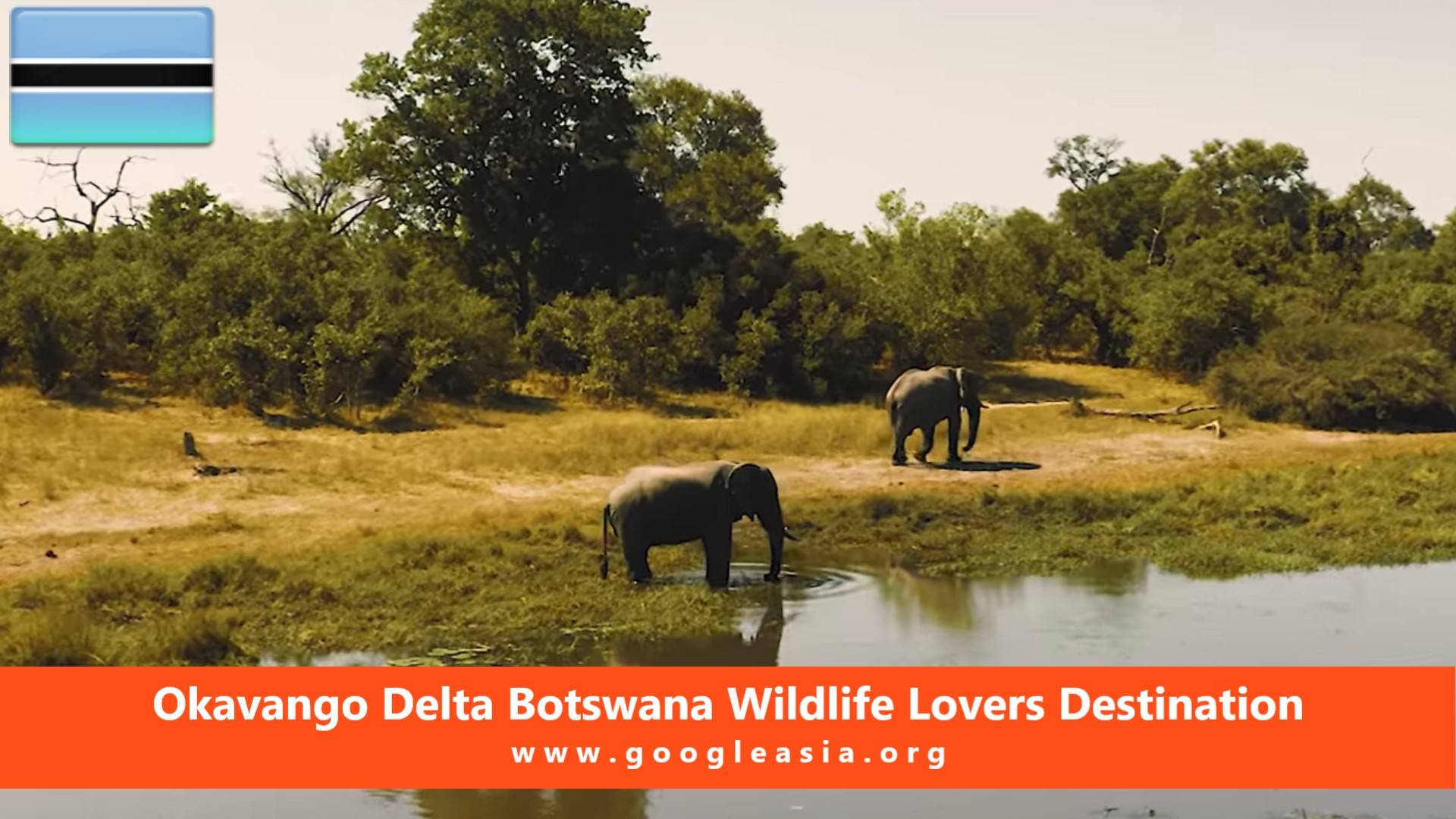
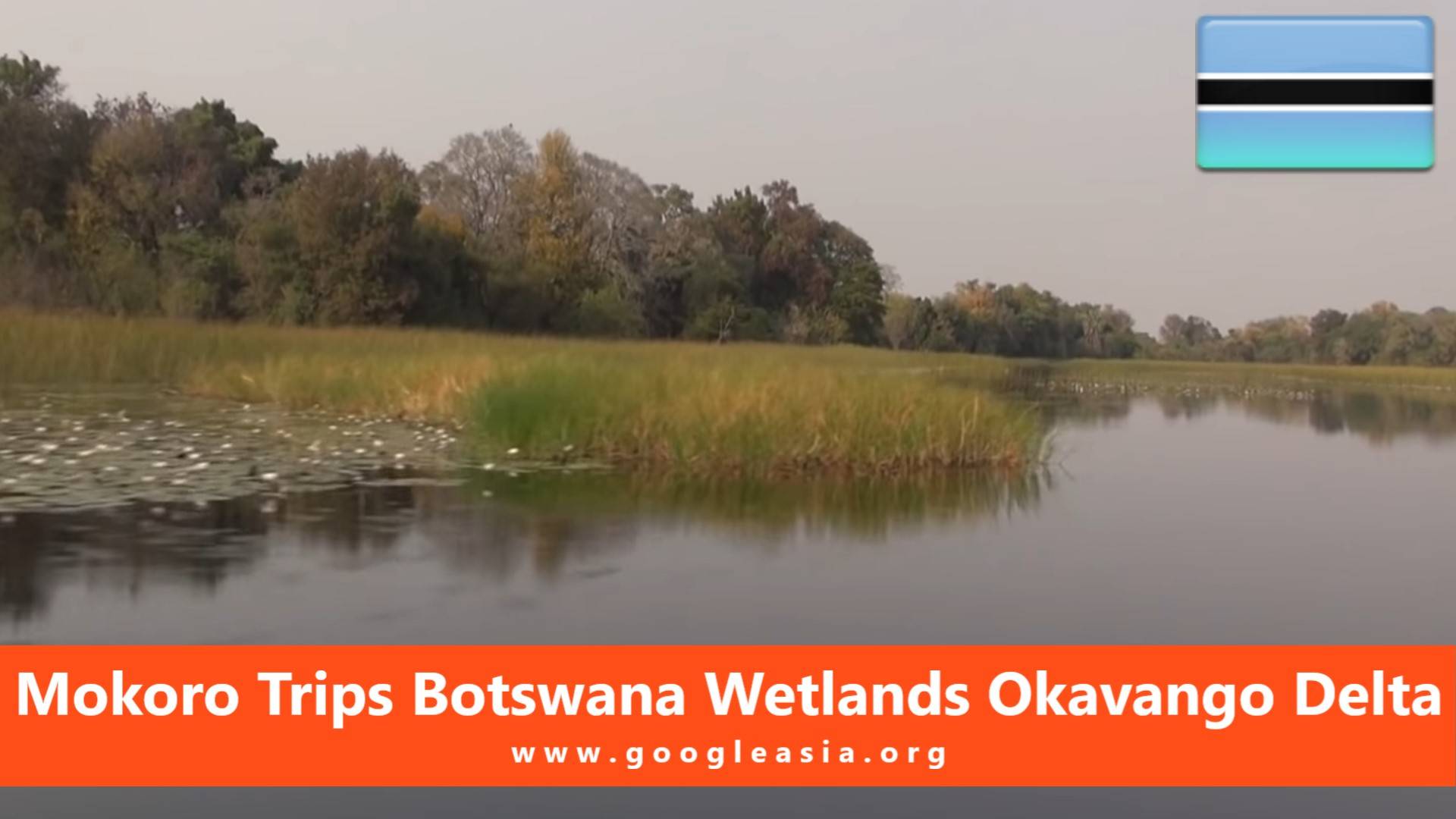
    Mokoro trips in Botswana offer a unique safari experience, taking you through game reserves and lagoons rich with wildlife. Glide in a dugout canoe, steered by an experienced guide, and observe herds of elephant, buffalo, and antelope grazing along the river’s edge. Let the system of natural canals take you into a tranquil wilderness along the Chobe and Okavango rivers.

    Introduction

    Mokoro Trips, Botswana offers exceptional safari experiences in one of Africa’s most pristine wilderness areas. Located at the heart of Botswana, this leading safari company specializes in luxury safaris that venture into off-the-beaten-track destinations. Mokoro Trips Botswana is dedicated to providing meaningful and unforgettable experiences that allow visitors to fully immerse themselves in nature.

    Mokoro Trips

    Mokoro Trips stands out for its diverse range of activities and services tailored to showcase the best of Botswana’s natural beauty and wildlife:

    • Luxury Safaris: Experience the thrill of exploring Botswana’s wilderness in an open 4×4 vehicle, led by expert guides who offer insights into the country’s flora, fauna, and ecosystems.
    • Off-Road Adventures: Embark on exciting off-road trips that take you deep into the heart of Botswana’s rugged terrain, where wildlife roams freely.
    • Walking Safaris: Immerse yourself in the sights, sounds, and scents of the bush on guided walking safaris, offering a unique perspective on Botswana’s landscapes and wildlife.
    • Mokoro Trips: Glide along serene waterways in traditional dugout canoes, known as mokoros, allowing you to witness Botswana’s aquatic life and bird species up close.
    • Wildlife Experiences: Encounter Botswana’s rare wildlife species, from majestic elephants and big cats to colorful birdlife that inhabit the diverse habitats of the Okavango Delta and beyond.

    Commitment to Excellence

    Mokoro Trips ensures every aspect of your safari is meticulously planned and executed to exceed expectations:

    • Experienced Guides: All guides and drivers are highly experienced and knowledgeable about Botswana’s environment, cultures, and attractions, enriching your safari with their expertise.
    • Family-Friendly Safaris: Safaris are designed to be inclusive and enjoyable for all ages, ensuring even the youngest family members can participate in and appreciate the adventure.
    • Comfort and Safety: The company prioritizes the comfort and safety of its guests, providing well-equipped vehicles, comfortable accommodations, and adherence to highest safety standards during all activities.

    Things to Do

    Bird Watching

    Mokoro Trips in Botswana offer a unique opportunity for bird enthusiasts to immerse themselves in the rich avian diversity of the Okavango Delta. With over 450 species recorded in the region, including a variety of waterfowl and raptors, bird watching here is a mesmerizing experience. Visitors can use binoculars to spot rare and beautiful species up close, making it a must-do activity for nature lovers.

    Game Viewing

    Exploring the Okavango Delta through game viewing on Mokoro Trips is an adventure unlike any other. Guides navigate through the Delta’s waterways, providing opportunities to encounter iconic wildlife such as elephants, giraffes, hippos, lechwe antelopes, and even lions. The unique aspect of game viewing here is the ability to approach animals closely, observing their natural behaviors in their pristine habitat.

    Fishing

    Fishing enthusiasts can indulge in both freshwater and saltwater fishing experiences depending on the location within the Delta. Mokoro trips provide boats, knowledgeable guides, and quality fishing gear for a memorable angling adventure. Whether targeting the fierce Tiger fish or battling the powerful Barbel, fishing in the Okavango Delta promises excitement and the chance to reel in some impressive catches.

    Sunset Cruises

    No Mokoro trip is complete without a serene sunset cruise through the Okavango Delta. As the day winds down, guests can relax on traditional dugout canoes, enjoying the breathtaking scenery and listening to the sounds of the Delta’s wildlife. Sunset cruises offer a peaceful way to end the day, with opportunities to witness the sky ablaze in hues of orange and pink, casting a magical glow over the tranquil waters.

    Foods

    Braai (Barbecue)

    One of the most beloved dining experiences during Mokoro trips in Botswana is the traditional Braai, or barbecue. Guides or camp staff often grill a variety of meats over an open flame, including beef, chicken, or freshly caught fish. The smoky flavors and outdoor setting enhance the dining experience, making it a memorable part of the wilderness adventure.

    Traditional Stews

    Hearty stews are another staple of dining on Mokoro trips, prepared with locally sourced ingredients. These stews typically feature tender meat, vegetables, and aromatic spices, simmered slowly to perfection. Served hot, they provide nourishment and comfort after a day of exploring the Okavango Delta’s pristine landscapes.

    Bread and Rolls

    Freshly baked bread or rolls are commonly enjoyed during meals on Mokoro trips. Sometimes cooked over a campfire, these breads accompany stews and grilled dishes, offering a satisfying way to soak up flavorful sauces and juices. The simplicity and freshness of these breads add a rustic charm to wilderness dining.

    Rice and Potatoes

    As staple carbohydrates, rice and potatoes feature prominently in meals served during Mokoro trips. Whether as a side dish or incorporated into stews, they provide hearty sustenance and complement the rich flavors of meats and vegetables. Cooked to perfection by experienced camp cooks, these dishes ensure that every meal is filling and satisfying.

    Fresh Fruits

    Seasonal fruits such as oranges, bananas, and mangoes are refreshing additions to the dining experience on Mokoro trips. These fruits provide a burst of natural sweetness and hydration, perfect for enjoying as a snack or dessert after a meal. Their availability depends on the season, offering a taste of local produce during your wilderness adventure.

    Vegetables

    Grilled or sautéed vegetables are often served alongside main dishes during Mokoro trips, offering a lighter option packed with vitamins and nutrients. These vegetables are prepared to enhance their natural flavors, providing a balance to the hearty meats and stews enjoyed during meals in the Delta’s remote campsites.

    Tea and Coffee

    Hot beverages like tea and coffee are essential comforts during breaks or at camp while on Mokoro trips. Whether enjoyed in the morning to start the day or in the evening to wind down, these beverages provide warmth and a moment of relaxation amidst the wilderness surroundings.

    Snacks

    For energy during excursions, Mokoro trips often include snacks like trail mix, nuts, and dried fruits. These portable and nutrient-rich snacks are perfect for refueling between activities, ensuring that adventurers stay energized throughout their exploration of the Okavango Delta.

    Hotels

    Mantana Tented Camp

    Mantana Tented Camp offers a unique blend of luxury and wilderness experience in the heart of the Okavango Delta. Located in a pristine setting, the camp provides comfortable tented accommodation with stunning views, excellent service, and guided Mokoro trips that showcase the Delta’s wildlife up close.

    Desert Rhino Camp

    For those seeking a more exclusive and remote experience, Desert Rhino Camp is an ideal choice. Nestled in the wilderness of the Delta, the camp offers luxurious tented suites, personalized service, and unforgettable Mokoro excursions that highlight the region’s diverse flora and fauna.

    Ganamub Lodge

    Ganamub Lodge provides a cozy and welcoming atmosphere for travelers exploring the Okavango Delta. With comfortable lodgings and guided Mokoro trips, guests can immerse themselves in the natural beauty and serenity of the Delta, making it a perfect retreat after a day of adventure.

    Namushasha River Lodge

    Situated along the banks of the Kwando River, Namushasha River Lodge offers picturesque views and comfortable accommodations. Guests can enjoy guided Mokoro trips that explore the waterways and wildlife of the Delta, combined with warm hospitality and amenities designed for relaxation.

    Savute Elephant Camp

    Savute Elephant Camp promises a luxurious stay amidst the wilderness of the Delta. Known for its intimate tented suites, gourmet dining, and expertly guided Mokoro trips, the camp provides unparalleled opportunities to observe elephants and other wildlife in their natural habitat.

    Davison’s Camp

    Davison’s Camp offers an authentic safari experience with luxurious tented accommodations. Located in a private concession, guests can enjoy exclusive Mokoro trips, game drives, and bush walks led by knowledgeable guides, ensuring a memorable and immersive safari adventure.

    Footsteps Across the Delta

    Footsteps Across the Delta provides a unique bush camp experience with personalized service and guided Mokoro trips that delve into the Delta’s wildlife and ecosystems. The camp’s intimate setting and expert guides create an unforgettable safari experience for guests seeking authenticity and adventure.

    Sossusvlei Desert Camp

    While not in the Delta, Sossusvlei Desert Camp offers a luxurious base for exploring the Namib Desert and its iconic landscapes. The camp provides comfortable accommodations, guided desert excursions, and a unique perspective on Namibia’s natural beauty.

    Nunda River Lodge

    Nunda River Lodge offers comfortable lodgings along the Kavango River, providing a serene environment for relaxation after Mokoro trips in the Delta. Guests can unwind in nature-inspired accommodations and enjoy guided activities that showcase the region’s rich biodiversity.

    Camp Kwando

    Camp Kwando offers rustic charm and warm hospitality on the banks of the Kwando River. With cozy lodgings and guided Mokoro trips, guests can explore the Delta’s waterways and wildlife while enjoying a peaceful retreat in the heart of Botswana’s wilderness.

    Conclusion

    Whether you seek thrilling wildlife encounters, serene natural beauty, or cultural immersion, Mokoro Trips offers a safari experience tailored to your preferences. Explore Botswana’s hidden gems and vast wilderness with a company dedicated to delivering exceptional safari adventures.

    Embark on a journey with Mokoro Trips and discover the untamed beauty of Botswana’s landscapes and wildlife. Let every moment captivate your senses and create lasting memories in this remarkable African destination.

    Mokoro Trips Botswana Wetlands Okavango Delta

    Summary

    • Attraction Name: Mokoro Trips
    • Country: Botswana
    • Continent: African
    • Capital Name: Gaborone
    • Language: English
    • Currency: Botswanan Pula
    • Nationality: Citizen of Botswana
    • Category:  #Destination #Africa #BOTSWANA 

    Frequently Asked Questions

    What are Mokoro Trip’s nearby must-visit attractions or landmarks?

    Mokoro trips are often associated with exploring the waterways and wilderness, particularly in regions like the Okavango Delta in Botswana. While the primary focus is on the natural surroundings and wildlife, there may be nearby attractions or landmarks that enhance the overall experience. Here are some potential attractions:

    1. Okavango Delta:

      • The Okavango Delta itself is a vast and unique ecosystem, characterized by winding water channels, lush islands, and diverse wildlife. Exploring different areas within the delta is a must.
    2. Moremi Game Reserve:

      • Moremi Game Reserve, adjacent to the Okavango Delta, is known for its rich biodiversity and offers opportunities for land-based safari experiences. Combining a Mokoro trip with a visit to Moremi provides a comprehensive wildlife encounter.
    3. Chief’s Island:

      • Chief’s Island is the largest island in the Okavango Delta and known for its concentration of wildlife. It’s a prime destination for safari activities and offers a chance to see both aquatic and land-based animals.
    4. Xigera Safari Lodge:

      • Xigera Safari Lodge is situated in the heart of the Okavango Delta and serves as a luxurious base for Mokoro trips. The lodge itself is an attraction, providing upscale accommodations and wildlife viewing experiences.
    5. Khwai River:

      • The Khwai River, located on the northeastern border of Moremi Game Reserve, is another picturesque waterway that Mokoro trips may explore. It’s known for its diverse birdlife and wildlife.
    6. Thamalakane River:

      • In Maun, the gateway to the Okavango Delta, the Thamalakane River offers scenic views and potential activities. Some Mokoro trips may start or end along this river.
    7. Maun:

      • Maun, often considered the tourism capital of Botswana, is a hub for travelers exploring the Okavango Delta. Visitors may find attractions like the Nhabe Museum and local markets.

    Is Mokoro Trips a suitable travel destination for solo adventurers, honeymooning couples, or those traveling with families?

    Mokoro trips are a versatile and suitable travel experience for various types of travelers, including:

    1. Solo Adventurers:
      • Solo adventurers can find Mokoro trips appealing for the immersive and serene experience they offer. It’s a chance to connect with nature, spot wildlife, and enjoy the tranquility of the surroundings.
    2. Honeymooning Couples:
      • Mokoro trips provide a romantic and intimate experience for honeymooning couples. Navigating the waterways, enjoying sunset views, and experiencing the unique landscapes create memorable moments.
    3. Families:
      • Families can enjoy Mokoro trips as part of a broader safari experience. It offers a chance for both adults and children to appreciate nature, observe wildlife, and engage in a low-impact and educational adventure.
    4. Nature Enthusiasts:
      • Individuals passionate about nature and wildlife will find Mokoro trips captivating. The slow-paced exploration of waterways allows for a closer connection with the environment and a deeper appreciation for biodiversity.
    5. Photography Enthusiasts:
      • Mokoro trips are ideal for photography enthusiasts who want to capture stunning landscapes, wildlife, and unique perspectives. The quiet movement of the canoes ensures minimal disturbance for wildlife photography.
    6. Cultural Explorers:
      • Travelers interested in cultural experiences can appreciate Mokoro trips for their connection to traditional practices. Learning about the use of traditional canoes and engaging with local guides adds a cultural dimension to the journey.
    7. Adventure Seekers:
      • For those seeking adventure, the unpredictability of wildlife encounters, the peacefulness of the waterways, and the overall immersion in nature make Mokoro trips an exciting and off-the-beaten-path adventure.

    Why should you visit Mokoro Trips?

    Visiting Mokoro trips, especially in destinations like the Okavango Delta, offers a unique and memorable experience for several reasons:

    1. Unparalleled Scenery:
      • Mokoro trips take you through serene waterways surrounded by lush landscapes, providing an opportunity to witness breathtaking scenery and the untouched beauty of nature.
    2. Close Wildlife Encounters:
      • Glide silently through the water, allowing for close encounters with wildlife. You may spot animals like elephants, hippos, crocodiles, and various bird species in their natural habitat.
    3. Traditional Cultural Experience:
      • Mokoros, traditional dugout canoes, have been used for centuries by local communities. Engaging in Mokoro trips provides insight into traditional practices and offers a cultural connection.
    4. Guided by Experienced Locals:
      • Knowledgeable local guides lead Mokoro trips, sharing their expertise on the environment, wildlife behavior, and local traditions. Their insights enhance the overall experience.
    5. Sustainable and Low-Impact Tourism:
      • Mokoro trips are eco-friendly and promote low-impact tourism. The use of traditional canoes minimizes disruption to the natural environment, contributing to sustainable travel practices.
    6. Photographic Opportunities:
      • The slow and quiet movement of Mokoros allows for excellent photographic opportunities. Capture the beauty of the landscapes and wildlife from a unique perspective.
    7. Peaceful and Relaxing:
      • The gentle paddling of Mokoros creates a tranquil and peaceful experience. It’s an opportunity to disconnect, unwind, and immerse yourself in the sounds of nature.
    8. Explore Inaccessible Areas:
      • Mokoros can navigate shallow and narrow water channels, reaching areas inaccessible by motorized boats or vehicles. This allows you to explore hidden corners of the wilderness.
    9. Adventure and Adrenaline:
      • While Mokoro trips are serene, the unpredictability of wildlife encounters adds an element of adventure and excitement to the experience.
    10. Support Local Communities:
      • Participating in Mokoro trips often supports local communities by contributing to sustainable tourism practices. This form of responsible tourism benefits both travelers and the local economy.

    How to go to Mokoro Trips?

    Mokoro trips, often associated with exploring the waterways and wilderness, are commonly organized through lodges or tour operators in regions like the Okavango Delta in Botswana. Here are general steps on how to go on Mokoro trips:

    1. Choose a Destination:
      • Select a destination known for Mokoro trips, such as the Okavango Delta in Botswana. Confirm that the location offers Mokoro excursions as part of its activities.
    2. Select a Lodge or Tour Operator:
      • Research and choose a lodge or tour operator that specializes in Mokoro trips. Ensure they have experienced guides, safety measures, and the necessary permits for the excursion.
    3. Book Accommodations:
      • If the Mokoro trip is part of a larger safari experience, book accommodations at lodges or camps in the region. Many Mokoro trips are organized through these accommodations.
    4. Communicate with the Operator:
      • Reach out to the lodge or tour operator in advance to discuss your interest in a Mokoro trip. Inquire about availability, trip duration, costs, and any specific requirements.
    5. Travel to the Destination:
      • Plan your travel to the destination, considering the nearest international or regional airport. In the case of the Okavango Delta, Maun International Airport (MUB) in Botswana is a common entry point.
    6. Arrival and Briefing:
      • Upon arrival at the lodge or camp, you will typically receive a briefing on the Mokoro trip, safety guidelines, and the itinerary.
    7. Embark on the Mokoro Trip:
      • Enjoy the Mokoro trip guided by experienced local guides. Mokoros are traditional dugout canoes, and the trip allows you to explore the waterways, observe wildlife, and immerse yourself in the natural beauty.
    8. Return and Continue Your Stay:
      • After the Mokoro trip, you can continue your stay at the lodge or camp, exploring additional activities, game drives, or cultural experiences offered in the region.

    Are there any halal food options around the Mokoro Trips?

    Mokoro trips, often associated with exploring the wilderness and waterways in places like the Okavango Delta, may not have dedicated halal food options readily available during the excursions. The focus of Mokoro trips is typically on the natural experience, wildlife encounters, and the scenic beauty of the surroundings.

    However, when arranging Mokoro trips through lodges or tour operators, you can inquire in advance about dietary preferences, including halal food options. Some accommodations may be able to accommodate specific dietary requirements if informed beforehand. This may involve preparing meals that adhere to halal standards or offering alternatives.

    In urban areas or at accommodations where Mokoro trips are organized, you may have a better chance of finding restaurants or dining establishments that offer halal food. Inquire with the tour operators or lodging facilities about the availability of halal options and communicate your preferences well in advance.
  • Nxai Pan National Park, Botswana: Exploring Wildlife and Salt Pans

    Nxai Pan National Park, Botswana: Exploring Wildlife and Salt Pans

    Nxai Pan National Park, Botswana

    Embark on a journey to Nxai Pan National Park, a wildlife sanctuary in Botswana. Witness vast salt pans, diverse wildlife, and nature’s untouched beauty. Explore more!

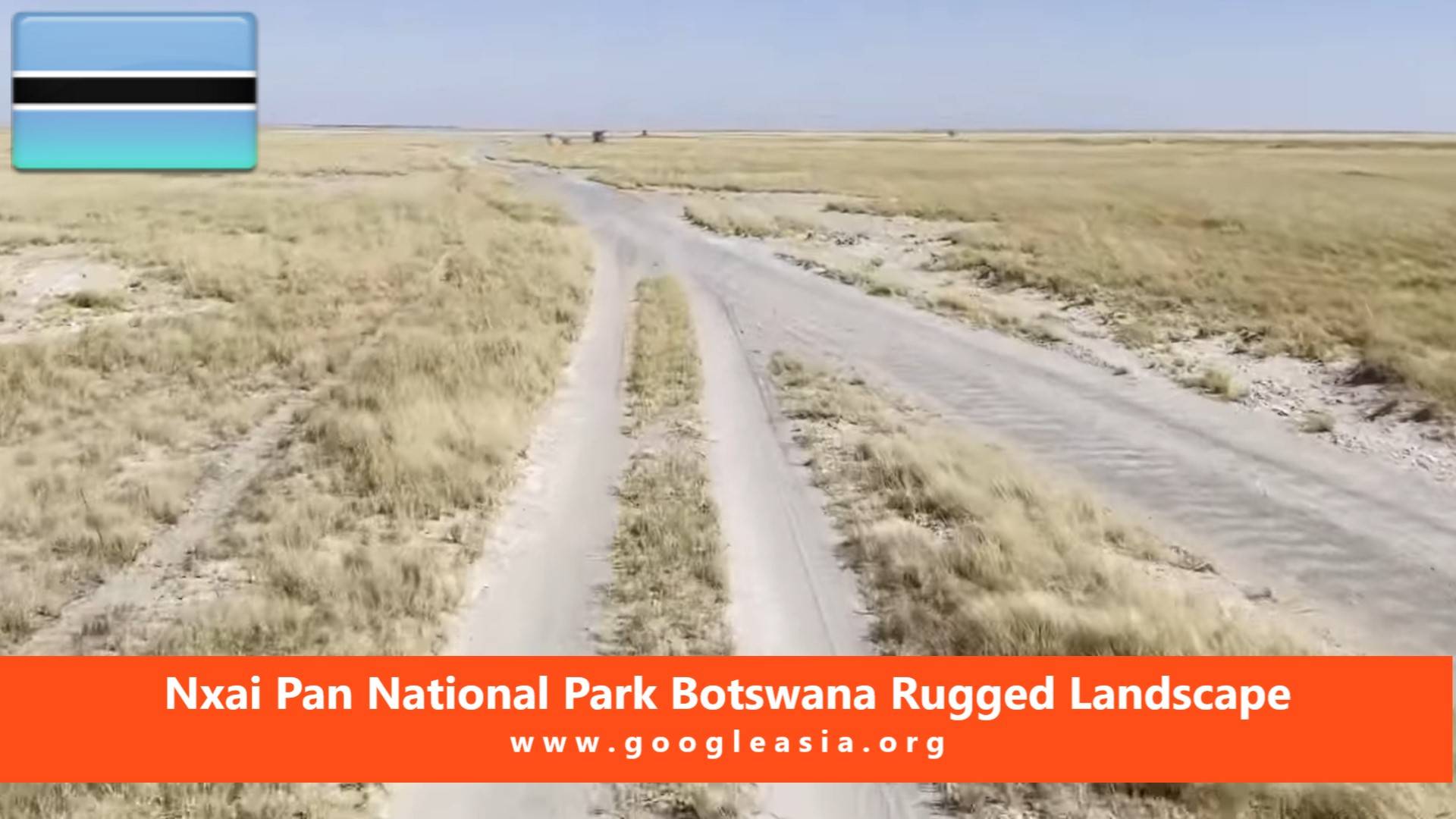
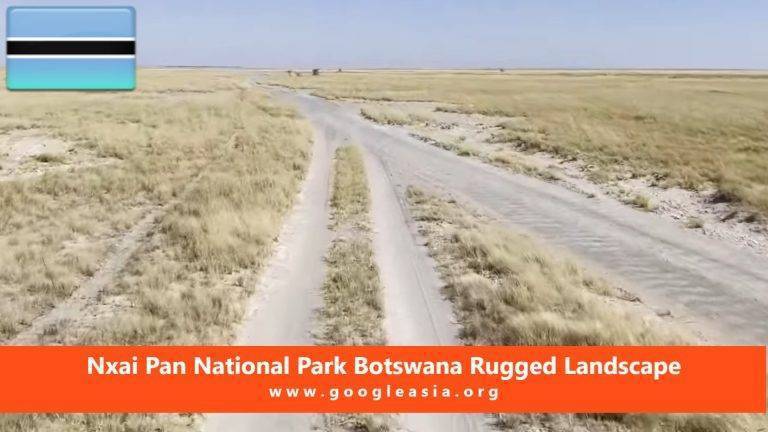
    Nxai Pan National Park boasts a secluded and rugged landscape of ancient grassy plains and salt pans in Botswana. Wildlife abounds, including elephants, lions, wildebeest, and giraffes. There are also expansive plains dotted with baobab trees, giving visitors the sense of floating through a timeless paradise.

    Introduction

    Location and Landscape

    Nxai Pan National Park is situated in the Central district of Botswana, in the northwest region of the country. Covering approximately 2,500 square kilometers, the park is renowned for its unique vegetation, diverse wildlife, and expansive salt pan landscapes. It forms part of the larger Makgadikgadi wetlands and is characterized by its flat terrain interspersed with sandy dunes and grassy plains.

    Salt Pans and Water Sources

    Central to the park’s ecosystem is the Kudiakam pan, a vast salt pan that plays a crucial role as a water source for wildlife during the dry season. The pan’s saline and soda-covered surface supports a variety of vegetation adapted to these harsh conditions, creating a striking contrast against the surrounding grasslands and acacia woodlands.

    Wildlife Diversity

    Nxai Pan National Park boasts a rich diversity of wildlife species adapted to the semi-arid environment of the Kalahari Desert. Visitors can expect to encounter herds of zebras, kudus, giraffes, and impalas grazing on the park’s grassy plains. Predators such as cheetahs, lions, and hyenas also roam the area, making for thrilling safari experiences.

    Avian Species

    In addition to its terrestrial wildlife, the park is a haven for birdwatchers, hosting a variety of avian species adapted to desert and savanna habitats. Bird enthusiasts can spot species such as the Kalahari starling, southern black-headed oriole, and the striking reddish-feathered starling among others. The park’s diverse birdlife adds a vibrant dimension to the safari experience, especially around watering holes and marshy areas.

    Safari and Activities

    Nxai Pan National Park offers excellent opportunities for safaris and game drives, allowing visitors to explore its expansive landscapes and observe wildlife in their natural habitat. The park’s open grasslands provide ideal conditions for wildlife viewing, with the chance to witness iconic African species against the backdrop of the shimmering salt pans.

    Conservation and Tourism

    As part of Botswana’s commitment to conservation, Nxai Pan National Park is managed to preserve its delicate ecosystem and wildlife populations. Sustainable tourism practices ensure that visitors can enjoy the park’s natural wonders while minimizing impact on the environment. Guided tours and accommodations within or near the park offer comfortable options for exploring this remote and captivating destination.

    Things to Do

    Game Viewing

    Game viewing is a highlight of Nxai Pan National Park, offering visitors the chance to witness a diverse array of wildlife in their natural habitat. Herds of giraffes, zebras, wildebeests, and impalas roam the expansive grasslands and open pans of the park. Guided excursions from the park’s lodges provide excellent opportunities for close encounters and memorable sightings of these iconic African animals.

    Birding

    Nxai Pan National Park is a paradise for bird enthusiasts, with a rich diversity of avian species attracted to its water sources and varied habitats. Water birds such as flamingos and pelicans are commonly seen around the pans, while raptors like the white-backed vulture, martial eagle, and kestrel soar overhead. Birdwatchers can enjoy spotting and photographing these feathered inhabitants against the park’s stunning landscapes.

    Photography

    The striking landscapes of Nxai Pan National Park offer photographers a wealth of opportunities. The vast, open pans provide dramatic backdrops, especially during sunrise and sunset when the colors of the sky reflect off the salt flats. The park’s diverse wildlife, combined with its rugged terrain of grasslands and bushlands, creates a unique and captivating environment for capturing memorable shots.

    Exploring Geology

    Explore the fascinating geology of Nxai Pan National Park, which includes ancient petrified forests and fossilized dunes. Guided tours or self-guided walks allow visitors to marvel at these geological wonders, gaining insight into the park’s natural history and the forces that shaped its landscape over millennia. Visit Old Poler’s Drift, an archaeological site where early inhabitants of the Kalahari once lived, adding a cultural dimension to your exploration.

    Twilight Walking Safaris

    Experience the thrill of the African night on twilight walking safaris in Nxai Pan National Park. Led by experienced guides, these safaris offer a chance to observe nocturnal animals as they emerge for their evening activities. Enjoy breathtaking sunsets over the pans and listen to the sounds of the bush coming alive with the calls of birds and the rustling of wildlife preparing for the night ahead.

    Nature and Wildlife Experiences

    Immerse yourself in unforgettable encounters with nature and wildlife at Nxai Pan National Park. Whether you’re admiring the vastness of the pans, tracking wildlife on game drives, or discovering the park’s geological wonders, every moment promises to be a memorable adventure. With its pristine landscapes and abundant wildlife, Nxai Pan National Park offers a true safari experience in the heart of Botswana’s Kalahari region.

    Foods

    In Nxai Pan National Park, dining is an integral part of the safari experience, offering a blend of local flavors and international cuisine amidst the wilderness of Botswana’s Kalahari Desert. Safari camps and lodges within the park provide well-prepared meals that cater to both adventurous palates and the comforts of home.

    Braai (Barbecue)

    A highlight of dining in Nxai Pan National Park is the traditional Braai, or barbecue, where meats such as beef, chicken, or game meats are grilled over an open flame. The smoky flavors infuse the meats, creating a deliciously rustic dining experience that pairs perfectly with the ambiance of the African bush.

    Traditional Stews

    Hearty stews are a staple in the culinary offerings of Nxai Pan National Park. Prepared with locally sourced ingredients, these stews often feature game meats or vegetables, seasoned with aromatic spices. Served hot and simmered to perfection, they provide a comforting and satisfying meal after a day of wildlife exploration.

    Roasts and Grilled Vegetables

    Roast meats and grilled vegetables are another favorite among visitors to Nxai Pan National Park. The flavorful meats and vegetables are grilled to perfection, offering a hearty and wholesome dining option that showcases the freshness of locally sourced ingredients and the skill of camp chefs.

    Fresh Salads

    Crisp and refreshing salads complement the hearty main dishes served in the park. Made with seasonal and locally sourced ingredients, these salads provide a light and nutritious addition to meals, balancing the rich flavors of grilled meats and stews.

    Breads and Rolls

    Freshly baked bread or rolls are a delightful accompaniment to meals in Nxai Pan National Park. Baked on-site or at the camp, these breads are served warm and complement the savory dishes with their wholesome flavors and comforting texture.

    Game Meat Specialties

    Given the park’s abundant wildlife, some lodges offer specialties featuring game meats. These dishes provide a unique culinary experience, allowing visitors to taste the flavors of the African bush while enjoying the comforts of safari lodge dining.

    Fruit and Desserts

    Seasonal fruits and delightful desserts are served to satisfy sweet cravings and provide a refreshing conclusion to meals. From fresh fruits sourced locally to decadent desserts, these treats add a touch of indulgence to the dining experience in Nxai Pan National Park.

    Tea and Coffee

    Hot beverages like tea and coffee are enjoyed throughout the day, especially during morning and afternoon breaks. Whether sipped while watching wildlife from the camp or enjoyed around a campfire under the stars, these beverages enhance the safari experience with warmth and comfort.

    Hotels

    Kwando Lagoon Camp

    Kwando Lagoon Camp offers a luxurious safari experience in Nxai Pan National Park. Nestled along the banks of the Kwando River, the camp provides intimate tented accommodations with panoramic views of the surrounding wilderness. Guests can enjoy guided game drives and walking safaris to explore the diverse wildlife and landscapes of the park.

    Nxai Pan Safari Lodge

    Nxai Pan Safari Lodge provides exclusive lodging within Nxai Pan National Park, offering comfortable chalets with modern amenities amidst the desert scenery. The lodge specializes in guided safaris and cultural excursions, providing guests with opportunities to spot wildlife such as zebras and giraffes, and to visit iconic landmarks like Baines’ Baobabs.

    Camp Kalahari Adventurer

    Camp Kalahari Adventurer offers a rustic yet comfortable retreat in Nxai Pan National Park. Situated near the Makgadikgadi Salt Pans, the camp features traditional safari tents and eco-friendly amenities. Activities include guided walks to view ancient baobab trees, interact with local communities, and experience the unique desert landscapes.

    Makgadikgadi Salt Pans Camp

    Located on the edge of the Makgadikgadi Salt Pans, Makgadikgadi Salt Pans Camp provides a secluded and serene setting for guests seeking tranquility and natural beauty. The camp offers luxury tented accommodations with stunning views of the expansive salt pans, as well as guided excursions to witness the annual zebra and wildebeest migrations.

    Camp Kalahari

    Camp Kalahari offers a blend of adventure and comfort in Nxai Pan National Park. Set amidst palm trees and desert flora, the camp provides spacious tents with en-suite bathrooms and verandas overlooking the vast plains. Guests can enjoy guided game drives, birdwatching tours, and cultural visits to nearby villages.

    Baines’ Baobabs Camp

    Named after the famous Baines’ Baobabs, this camp offers a unique safari experience in Nxai Pan National Park. Tented accommodations are nestled among ancient baobab trees, providing a picturesque backdrop for wildlife viewing and stargazing. Guided tours to Baines’ Baobabs and other nearby attractions are available for guests.

    Floor of Heaven Camp

    Floor of Heaven Camp offers an exclusive and luxurious retreat in Nxai Pan National Park. The camp features spacious tents with private verandas overlooking the salt pans, as well as gourmet dining experiences under the stars. Activities include guided game drives, bush walks, and cultural encounters with the local communities.

    Planet Solar Kalahari Camp

    Planet Solar Kalahari Camp offers eco-friendly accommodations in Nxai Pan National Park, powered entirely by solar energy. Tented lodges blend modern comforts with sustainable practices, offering guests a unique opportunity to explore the desert landscapes and observe wildlife in their natural habitat.

    Camp Kalahari Siemers

    Camp Kalahari Siemers provides a personalized safari experience in Nxai Pan National Park, focusing on conservation and community involvement. Tented accommodations are set amidst acacia trees, offering privacy and tranquility. Guests can participate in guided safaris, birdwatching tours, and cultural activities with the local communities.

    Grandidier’s Baobab Camp

    Grandidier’s Baobab Camp offers a remote and authentic safari experience in Nxai Pan National Park. Tented accommodations are located near the iconic Grandidier’s Baobab trees, providing a secluded setting for wildlife enthusiasts and photographers. Guided excursions include game drives, birdwatching, and visits to historical landmarks.

    Nxai Pan National Park Botswana Rugged Landscape

    Summary

    • Attraction Name: Nxai Pan National Park
    • Country: Botswana
    • Continent: African
    • Capital Name: Gaborone
    • Language: English
    • Currency: Botswanan Pula
    • Nationality: Citizen of Botswana
    • Category:  #Destination #Africa #BOTSWANA 

    Frequently Asked Questions

    What are Nxai Pan National Park’s nearby must-visit attractions or landmarks?

    Nxai Pan National Park is located in the northeastern part of Botswana and is part of the larger Makgadikgadi Pans complex. While Nxai Pan itself is a unique and captivating destination, there are other attractions and landmarks in the surrounding areas that you might consider visiting:

    1. Makgadikgadi Pans National Park:

      • Adjacent to Nxai Pan National Park, Makgadikgadi Pans National Park is known for its vast salt pans, including Sowa Pan and Nwetwe Pan. The landscape is otherworldly, and during the wet season, it attracts migratory wildlife.
    2. Baines Baobabs:

      • Located southeast of Nxai Pan, Baines Baobabs is a famous cluster of baobab trees named after the 19th-century explorer and artist Thomas Baines. These ancient trees make for a stunning backdrop, especially during sunrise or sunset.
    3. Kubu Island:

      • While a bit farther away, Kubu Island is a unique granite rock island situated in the vast salt flats of Sowa Pan. It is known for its baobab trees and historical significance, as it was once inhabited by Stone Age people.
    4. Nata Bird Sanctuary:

      • The Nata Bird Sanctuary, near the town of Nata, is home to a variety of bird species, including flamingos and pelicans. It’s a worthwhile stop for birdwatchers and nature enthusiasts.
    5. Chobe National Park:

      • Chobe National Park is situated to the north of Nxai Pan and is known for its abundant wildlife, including large elephant herds. The Chobe River attracts a diverse range of animals and is a popular safari destination.
    6. Moremi Game Reserve:

      • Moremi Game Reserve, located to the northwest, is part of the Okavango Delta and offers diverse ecosystems, rich wildlife, and excellent opportunities for game viewing.
    7. Okavango Delta:

      • While not directly adjacent, the Okavango Delta is within reach from Nxai Pan. It’s a UNESCO World Heritage Site known for its unique inland delta, providing a haven for wildlife and birdlife.

    Is Nxai Pan National Park a suitable travel destination for solo adventurers, honeymooning couples, or those traveling with families?

    Nxai Pan National Park can be a suitable travel destination for various types of travelers, including solo adventurers, honeymooning couples, and families. However, each group may have different considerations:

    1. Solo Adventurers:
      • Nxai Pan National Park can be a rewarding destination for solo travelers, especially those who enjoy wildlife, nature, and adventure. The remote and tranquil setting allows for a unique and personal experience with the African wilderness.
    2. Honeymooning Couples:
      • For couples seeking a romantic and secluded getaway, Nxai Pan can offer a serene and intimate atmosphere. The stunning landscapes, iconic baobab trees, and opportunities for private camping under the stars make it a romantic destination.
    3. Families:
      • Families can enjoy the wildlife and natural beauty of Nxai Pan National Park. It’s important to note that the park may not have as many family-oriented facilities compared to some other safari destinations. Families with children should consider factors such as the remote location, camping conditions, and the need for a 4×4 vehicle.

    Considerations for All Travelers:

    1. Accommodations:
      • Accommodation options include campsites and lodges within the park. Families may need to check if the lodging facilities are suitable for children, while couples may prefer more private or romantic options.
    2. Transportation:
      • Accessing Nxai Pan often requires a 4×4 vehicle, especially during the rainy season when road conditions can be challenging. Solo travelers and couples may find it easier to navigate, while families should consider the suitability of their transportation.
    3. Guided Tours:
      • Many travelers, regardless of their group type, opt for guided safari tours to enhance their experience. Guided tours provide knowledgeable guides, ensure safety, and often include cultural and wildlife insights.
    4. Wildlife Viewing:
      • The park offers excellent wildlife viewing opportunities. Families with children should consider the length and conditions of game drives, while solo travelers and couples may have more flexibility in their itinerary.
    5. Cultural Experiences:
      • Nxai Pan National Park provides cultural experiences with the local San Bushmen community. Solo travelers, couples, and families can all benefit from learning about the rich cultural heritage of the area.

    Why should you visit Nxai Pan National Park?

    Nxai Pan National Park, located in Botswana, is a unique destination with several attractions and experiences that make it worth a visit. Here are some reasons to consider visiting Nxai Pan National Park:

    1. Stunning Landscape:
      • Nxai Pan is known for its mesmerizing landscapes, featuring vast salt pans, grasslands, and ancient baobab trees. The stark beauty of the white pans against the blue sky is a sight to behold.
    2. Baobab Trees:
      • The park is dotted with iconic baobab trees, creating a surreal and picturesque environment. These ancient trees make for excellent photography subjects, especially during sunrise and sunset.
    3. Wildlife Viewing:
      • Nxai Pan is home to diverse wildlife, including herds of springbok, impala, and gemsbok (oryx). The park also attracts predators such as lions and cheetahs, providing opportunities for exciting wildlife sightings.
    4. Birdwatching:
      • The park is a haven for bird enthusiasts, offering a variety of bird species. During the rainy season, migratory birds are known to visit the area, enhancing the birdwatching experience.
    5. Seasonal Migration:
      • Nxai Pan is part of the ancient Makgadikgadi Pans complex. During the rainy season, the pans transform into a shallow lake, attracting migratory zebras and other herbivores. This migration is a spectacular event to witness.
    6. Star Gazing:
      • The vast, open landscapes of Nxai Pan make it an ideal location for stargazing. The lack of light pollution allows visitors to enjoy a breathtaking view of the night sky.
    7. Cultural Experience:
      • The park provides an opportunity to interact with the local San Bushmen community. Guided tours may include cultural experiences, where visitors can learn about traditional practices, survival skills, and storytelling.
    8. Remote and Tranquil Atmosphere:
      • Nxai Pan offers a remote and tranquil setting, providing a break from the hustle and bustle of city life. The peaceful environment allows visitors to connect with nature and experience a sense of solitude.
    9. Adventure and Camping:
      • The park offers camping facilities, allowing visitors to immerse themselves in the wilderness. Camping under the starry sky adds to the sense of adventure and closeness to nature.
    10. Photographic Opportunities:
      • The unique landscapes, wildlife, and dramatic lighting conditions create ample opportunities for photography enthusiasts to capture stunning images.

    Are there any halal food options around the Nxai Pan National Park?

    A specific information about halal food options around Nxai Pan National Park may not be readily available. Similar to other remote nature reserve areas, the availability of halal food can be limited in such locations.

    To get the most accurate and up-to-date information, consider contacting local accommodations, lodges, or tour operators near Nxai Pan National Park. They may be able to provide insights into available dining options and whether they can accommodate halal dietary preferences.

    Additionally, it’s advisable to check with the park authorities or management for any specific guidelines or recommendations regarding dietary requirements. They may offer information on nearby facilities or suggest alternative arrangements.

    Given the potentially limited dining options in remote areas, you might also want to consider bringing some halal snacks or meals with you, especially if you have specific dietary preferences or requirements.

  • Jack’s Camp, Botswana: Luxury in the Makgadikgadi Salt Pans

    Jack’s Camp, Botswana: Luxury in the Makgadikgadi Salt Pans

    Jack’s Camp Botswana

    Discover the allure of Jack’s Camp in Botswana. A blend of luxury and wilderness, offering unique safari experiences amidst the stunning landscapes. Learn more here!

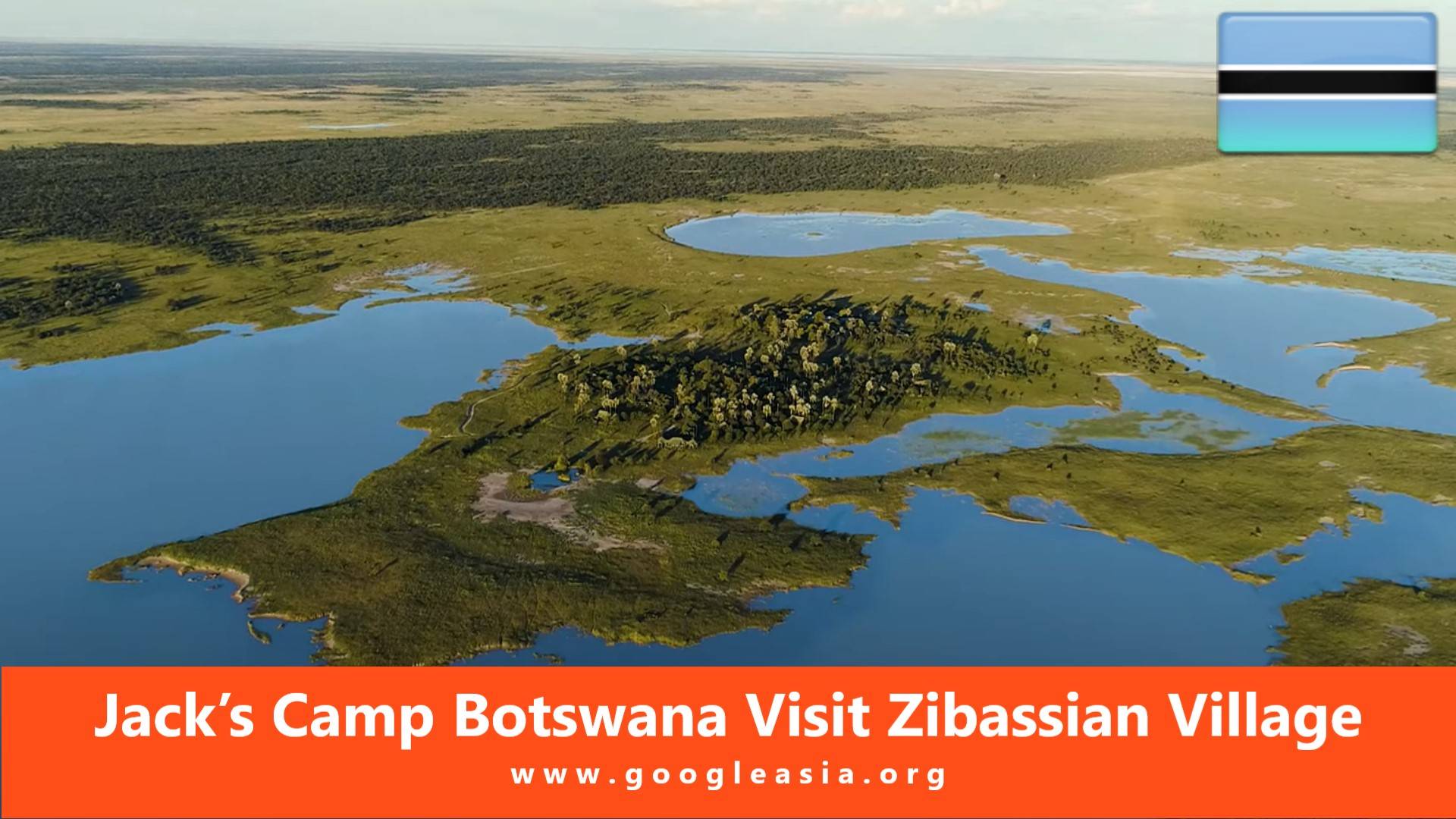
    Jack’s Camp in Botswana brings a unique exploration of the majestic Makgadikgadi Salt Pans. Guests can explore the surrounding bush while comfortably ensconced in vintage camp equipment, safari tents & gleaming fireplaces. During the day, travelers can visit Zibassian Village and the fossil beds of the fossilized Kalahari River. Nighttime brings stargazing and the chance to join a bush dinner!

    Introduction

    Experience Luxury in the Kalahari Desert

    Jack’s Camp stands as a beacon of luxury amidst the expansive Makgadikgadi Salt Pans in Botswana. Renowned for its exclusive setting and authentic safari experiences, the camp offers discerning travelers a unique opportunity to immerse themselves in the stark beauty of the Kalahari Desert.

    Luxury Tented Accommodations

    At Jack’s Camp, guests are treated to luxurious tented accommodations that blend seamlessly with the desert landscape. Each tent, designed with comfort and style in mind, features en-suite bathrooms, elegant furnishings, and modern amenities. The spacious tents provide a private retreat where guests can relax and unwind after a day of exploration.

    Dining and Leisure Facilities

    The camp’s main area, shaded by ancient leadwood trees, serves as a hub of activity and relaxation. Guests can savor culinary delights at the shaded lapa, enjoy refreshing drinks at the bar, and take a dip in the swimming pool to cool off from the desert heat. The lounge area offers a cozy retreat where guests can swap stories of the day’s adventures or simply enjoy the tranquil surroundings.

    Wildlife Encounters and Activities

    Jack’s Camp offers exceptional safari experiences within the Makgadikgadi Pans area, known for its unique desert-adapted wildlife. Expertly guided game drives provide opportunities to spot species such as zebra, wildebeest, springbok, and more against the backdrop of the vast salt pans. Guided walks offer insights into the San culture through ancient rock paintings and visits to cultural heritage sites, enriching guests’ understanding of the region’s history and traditions.

    Adventurous Pursuits

    For those seeking adventure, Jack’s Camp offers a range of exhilarating activities. Guests can embark on quad biking expeditions across the expansive salt pans, experiencing the thrill of cruising through the desert landscape. Bush night drives provide a chance to encounter nocturnal wildlife, while stargazing sessions reveal the wonders of the southern hemisphere’s night sky, far from city lights.

    Conservation and Cultural Heritage

    Beyond luxury and adventure, Jack’s Camp is committed to conservation and preserving Botswana’s cultural heritage. Guests have the opportunity to learn about ongoing conservation efforts in the region and support initiatives aimed at protecting the Kalahari’s delicate ecosystem and wildlife.

    Things to Do

    Jack’s Camp, nestled in the vast expanse of the Makgadikgadi Pans in Botswana, offers a variety of activities that immerse visitors in the unique desert landscape. The pans, believed to be among the largest salt pans in the world, provide a stunning backdrop for exploration and wildlife encounters.

    Nature Drives and Safari Excursions

    Guests at Jack’s Camp can embark on thrilling nature drives in specially equipped 4×4 vehicles, traversing the expansive salt pans and encountering desert-adapted wildlife. Spot gemsbok, wildebeest, springbok, and zebra against the stark white of the salt flats, creating memorable sightings amid the desert terrain.

    Meerkat Safari Experience

    One of the unique highlights at Jack’s Camp is the opportunity to join a meerkat safari. Witness these charming creatures in their natural habitat, observing their social interactions and playful antics as they forage and sunbathe in the desert surroundings. It’s a captivating experience that provides insight into the lives of these fascinating animals.

    NGORONGORO Flying Safari

    For adventurous souls, Jack’s Camp offers the NGORONGORO Flying Safari, which involves a scenic flight to Tanzania’s Ngorongoro Conservation Area. Here, guests can enjoy a nature drive to explore the diverse landscapes and wildlife of this UNESCO World Heritage site, adding an exciting international dimension to their safari experience.

    Bushcraft Camp

    Experience the wilderness in a hands-on way with the Bushcraft Camp at Jack’s Camp. Learn essential survival skills such as building shelters from natural materials, traditional bow and arrow hunting techniques, fire-making skills, bush navigation, and identifying edible plants. It’s an immersive experience that connects guests with the ancient skills needed to thrive in the bush.

    Stargazing Experience

    The clear night skies over the Makgadikgadi Pans offer a perfect setting for stargazing at Jack’s Camp. Guests can peer through telescopes guided by knowledgeable staff, marveling at the brilliance of stars and constellations while learning about the celestial wonders above. It’s a peaceful and enlightening activity that adds a celestial dimension to the desert experience.

    Bird Watching

    Bird enthusiasts will delight in the bird watching opportunities at Jack’s Camp. The Makgadikgadi Pans attract a variety of bird species, including greater and lesser flamingos that create a stunning pink-hued spectacle against the salt pans. Binoculars in hand, guests can spot numerous other avian species that call this unique habitat home.

    Yoga Classes

    For those seeking relaxation and mindfulness amid the desert tranquility, Jack’s Camp offers yoga classes. Set against the peaceful backdrop of the bush, guests can participate in gentle movement, mindfulness meditation, and restorative yoga sessions led by experienced instructors. It’s a rejuvenating experience that harmonizes body and mind in the serenity of nature.

    Foods

    Jack’s Camp in Botswana not only offers exceptional safari experiences but also boasts a culinary journey that enhances the luxurious safari experience. With a blend of international flavors and local delicacies, dining at Jack’s Camp is a highlight of the desert retreat.

    Gourmet Cuisine

    Guests at Jack’s Camp can indulge in gourmet dining experiences crafted to perfection. From elegantly plated dishes to sumptuous spreads, the camp’s culinary offerings reflect both creativity and quality. Expect a fusion of flavors that highlight the best of Botswana’s culinary heritage combined with international influences.

    Game Meat Specialties

    Given its wilderness location, Jack’s Camp offers guests the opportunity to savor game meats sourced locally from the Kalahari. Delight your palate with dishes featuring kudu, ostrich, or other game meats, prepared to enhance their natural flavors and textures. It’s a chance to experience the essence of the African bush through its cuisine.

    Fresh Seafood (Seasonal)

    Depending on seasonal availability, Jack’s Camp may feature fresh seafood dishes to diversify the dining experience. Enjoy delicacies sourced from nearby waters, expertly prepared to complement the camp’s gourmet offerings. Fresh seafood adds a touch of variety and freshness to the menu, catering to discerning palates.

    Traditional Botswana Dishes

    Immerse yourself in the flavors of Botswana with traditional dishes served at Jack’s Camp. Sample local favorites such as seswaa (shredded meat), bogobe (porridge made from sorghum or maize), or hearty stews bursting with local spices and ingredients. These dishes provide a taste of authentic Botswana cuisine, showcasing culinary traditions passed down through generations.

    Vegetarian and Vegan Options

    For guests with dietary preferences or restrictions, Jack’s Camp offers a selection of well-prepared vegetarian and vegan options. These dishes feature fresh, locally sourced produce and ingredients, ensuring that every guest can enjoy a satisfying and flavorful dining experience tailored to their needs.

    Fresh Fruits and Salads

    Refresh your palate with a selection of fresh fruits and crisp salads at Jack’s Camp. Locally sourced fruits and vegetables are incorporated into vibrant salads that complement the main courses. These dishes offer a lighter option while providing a burst of flavors that celebrate the region’s agricultural bounty.

    High Tea

    Experience a traditional high tea at Jack’s Camp, where afternoon indulgences await. Enjoy a selection of pastries, cakes, and savory treats served alongside a choice of teas or coffees. High tea is a time-honored tradition that adds a touch of elegance to the desert retreat, providing a delightful interlude between safari adventures.

    Fine Wines and Spirits

    Enhance your dining experience with a curated selection of fine wines and premium spirits at Jack’s Camp. Pair your meal with wines that complement the flavors of your dish, or unwind with a sundowner as you take in the breathtaking vistas of the Kalahari Desert. It’s the perfect way to toast to unforgettable moments in a truly unique setting.

    Hotels

    When planning a safari adventure to Jack’s Camp in Botswana’s Makgadikgadi Pans, choosing the right accommodation is crucial for an unforgettable experience. Here are some top hotels and lodges to consider:

    Kalahari Plains Camp

    Situated in the Central Kalahari Game Reserve, Kalahari Plains Camp offers luxurious tented accommodations with sweeping views of the vast grasslands. It’s known for its remote location and excellent wildlife viewing opportunities.

    Kwando Lagoon Camp

    Nestled in the Kwando Concession overlooking the Kwando River, Kwando Lagoon Camp provides exclusive tented accommodations amidst pristine wilderness. Guests can enjoy game drives, boat safaris, and birdwatching excursions.

    Lebala Camp

    Located in the Linyanti Wetlands, Lebala Camp offers intimate tented accommodations with views of seasonal floodplains. It’s renowned for its abundant wildlife sightings, including elephants and predators, and offers guided game drives and night safaris.

    Little Kwara Camp

    Situated on an island in the heart of the Okavango Delta, Little Kwara Camp offers luxury tented accommodations with stunning views of the Delta’s waterways. Guests can explore the Delta on mokoro excursions, game drives, and guided walks.

    Lagoon Camp

    Set along the banks of the Kwando River, Lagoon Camp offers exclusive tented accommodations in a pristine wilderness setting. Guests can enjoy game drives, boat safaris, and birdwatching excursions in the Linyanti region.

    Kings Pool Camp

    Located in the Linyanti Wildlife Reserve, Kings Pool Camp offers luxurious tented accommodations overlooking a permanent lagoon. It’s known for its exceptional wildlife sightings, including elephants and rare bird species, and offers game drives, walking safaris, and boat cruises.

    Tubu Tree Camp

    Situated on Hunda Island in the Okavango Delta, Tubu Tree Camp offers intimate tented accommodations surrounded by Delta channels. Guests can explore the Delta on mokoro excursions, game drives, and guided walks, experiencing the rich biodiversity and landscapes.

    Camp Kalahari

    Set on the edge of the Makgadikgadi Salt Pans, Camp Kalahari offers comfortable tented accommodations with a focus on cultural experiences and wildlife encounters. Guests can enjoy guided walks with the local San Bushmen, meerkat visits, and quad biking adventures.

    Meno A Kwena Tented Camp

    Located on a cliff overlooking the Boteti River and Makgadikgadi Pans, Meno A Kwena Tented Camp offers classic safari accommodations with stunning views and a range of activities including game drives, cultural visits, and boat trips.

    Jack’s Camp (itself)

    Jack’s Camp, located in the heart of the Makgadikgadi Pans, offers luxurious tented accommodations with en-suite bathrooms and modern amenities. It’s renowned for its desert wildlife experiences, cultural interactions, and unique activities like meerkat safaris and quad biking.

    Jack’s Camp Botswana Visit Zibassian Village

    Summary

    • Attraction Name: Jack’s Camp
    • Country: Botswana
    • Continent: African
    • Capital Name: Gaborone
    • Language: English
    • Currency: Botswanan Pula
    • Nationality: Citizen of Botswana
    • Category:  #Destination #Africa #BOTSWANA 

    Frequently Asked Questions

    What are Jack’s Camp’s nearby must-visit attractions or landmarks?

    Jack’s Camp is situated in the Makgadikgadi Pans in Botswana, offering a unique and remote safari experience. While the camp itself is a destination, there are several nearby attractions and landmarks that visitors may find interesting:

    1. Makgadikgadi Pans National Park:
      • The park is known for its vast salt pans, including Sowa Pan and Nwetwe Pan. The unique landscape of the pans and the surrounding desert make it a must-visit destination.
    2. Baines Baobabs:
      • Southeast of Jack’s Camp, Baines Baobabs is a group of ancient baobab trees named after the explorer and artist Thomas Baines. The trees make for a stunning silhouette against the sky, especially during sunrise and sunset.
    3. Nxai Pan National Park:
      • Nxai Pan is located northeast of Jack’s Camp and is part of the Makgadikgadi Pans complex. The park is known for its wildlife, including herds of elephants, zebras, and other plains game.
    4. Kubu Island:
      • While a bit farther away, Kubu Island is a granite island in the salt flats of Sowa Pan. It’s known for its unique rock formations and baobab trees and has historical significance.
    5. Nata Bird Sanctuary:
      • South of Jack’s Camp, the Nata Bird Sanctuary is a habitat for various bird species, including flamingos, pelicans, and other waterbirds. It’s a great spot for birdwatching.
    6. Chobe National Park:
      • Although a bit of a distance to the north, Chobe National Park is one of Botswana’s premier wildlife destinations, known for its large elephant herds and diverse ecosystems.
    7. Moremi Game Reserve:
      • To the northwest, Moremi Game Reserve is part of the Okavango Delta and offers rich wildlife experiences with a mix of wetlands and savannah.
    8. Okavango Delta:
      • While not directly adjacent, the Okavango Delta is within reach from Jack’s Camp. It’s a UNESCO World Heritage Site known for its unique inland delta and exceptional wildlife.

    Is Jack’s Camp a suitable travel destination for solo adventurers, honeymooning couples, or those traveling with families?

    Jack’s Camp in the Makgadikgadi Pans, Botswana, is known for offering a unique and luxurious safari experience. While the camp primarily caters to a high-end clientele, it can be suitable for different types of travelers, including solo adventurers, honeymooning couples, and families. Here are considerations for each group:

    Solo Adventurers:

    1. Guided Safaris:

      • Solo travelers can benefit from the personalized guided safari experiences offered at Jack’s Camp. Knowledgeable guides provide insights into the wildlife and cultural aspects of the region.
    2. Cultural Interactions:

      • Solo adventurers may enjoy the cultural experiences provided by the camp, including interactions with the local San Bushmen community.
    3. Comfortable Accommodation:

      • The luxurious tented accommodation at Jack’s Camp ensures solo travelers can enjoy comfort and privacy in a remote setting.

    Honeymooning Couples:

    1. Romantic Setting:

      • Jack’s Camp offers a romantic and secluded atmosphere, with stylish tented suites, private dining options, and the stunning backdrop of the Makgadikgadi Pans.
    2. Exclusive Experiences:

      • Couples can partake in exclusive experiences, such as private guided activities and stargazing, enhancing the romantic nature of the trip.
    3. Luxury Amenities:

      • The camp provides luxurious amenities and services, creating a memorable and comfortable experience for honeymooning couples.

    Families:

    1. Educational Activities:

      • Families traveling with children can appreciate the educational experiences offered by Jack’s Camp, including guided nature walks and wildlife viewing.
    2. Cultural Immersion:

      • Children can benefit from cultural interactions with the local San Bushmen, gaining insights into traditional lifestyles and survival skills.
    3. Flexible Safari Activities:

      • The camp may offer flexibility in safari activities to accommodate families. Guided drives, walks, and other activities can be tailored to suit different age groups.

    Considerations for All Travelers:

    1. Remote Location:

      • Jack’s Camp is situated in a remote area, providing a sense of exclusivity but also requiring consideration of travel logistics and arrangements.
    2. Luxury Safari Experience:

      • The camp caters to those seeking a high-end safari experience. Travelers should be prepared for the associated costs and expectations of luxury accommodations and services.
    3. Advanced Reservations:

      • Given the exclusivity and popularity of Jack’s Camp, it is advisable to make advanced reservations, especially during peak travel seasons.

    Why should you visit Jack’s Camp?

    Jack’s Camp is a renowned luxury safari camp located in the Makgadikgadi Pans in Botswana. Here are several reasons why you might consider visiting Jack’s Camp:

    1. Unique Location:
      • Jack’s Camp is situated in the expansive Makgadikgadi Pans, offering a unique and remote setting. The vast salt pans and the surrounding Kalahari Desert create a distinctive and breathtaking landscape.
    2. Luxurious Accommodation:
      • The camp provides exclusive and stylish accommodation with luxurious amenities. Tented suites are elegantly furnished, offering a blend of comfort and a touch of old-world safari charm.
    3. Rich Cultural Experience:
      • Jack’s Camp offers opportunities to interact with the local San Bushmen community. Guests can learn about their traditional lifestyles, survival skills, and cultural practices through guided tours.
    4. Wildlife Viewing:
      • The Makgadikgadi Pans region is home to unique wildlife adapted to the harsh desert environment. Guests at Jack’s Camp have the chance to see meerkats, brown hyenas, gemsbok, springbok, and various bird species. Guided game drives and walks enhance the wildlife viewing experience.
    5. Stargazing:
      • The clear night skies in the Makgadikgadi Pans make it an ideal location for stargazing. Jack’s Camp provides opportunities for guests to explore the celestial wonders with telescopes and knowledgeable guides.
    6. Comfortable Safari Activities:
      • The camp organizes a variety of safari activities, including game drives, nature walks, and quad biking on the pans. These activities offer a chance to explore the diverse ecosystems of the region.
    7. Educational Experience:
      • Jack’s Camp emphasizes environmental education, providing guests with insights into the natural history, geology, and ecology of the Makgadikgadi Pans.
    8. Exquisite Dining:
      • The camp offers high-quality dining experiences, with gourmet meals served in a communal dining tent or under the stars. The culinary offerings are often tailored to guests’ preferences.
    9. Tented Accommodation with Amenities:
      • The tented suites at Jack’s Camp are not only luxurious but also come with modern amenities, ensuring a comfortable stay. Each tent is uniquely designed and features en-suite bathrooms.
    10. Guided Safaris and Expert Guides:
      • Knowledgeable guides lead safari activities, providing valuable insights into the wildlife, culture, and geography of the region. The personalized and expert-led experiences enhance the overall safari adventure.

    How to go to Jack’s Camp?

    Jack’s Camp is a luxury safari camp located in the Makgadikgadi Pans in Botswana. The camp is situated in the Kalahari Desert, known for its unique landscapes and wildlife. Here are general guidelines on how to reach Jack’s Camp:

    By Air:

    1. Fly to Maun or Kasane:
      • Maun and Kasane are common entry points for travelers heading to the Makgadikgadi Pans region. Both airports are well-connected and serve as gateways to various safari destinations in Botswana.
    2. Chartered Flights:
      • Jack’s Camp is typically accessed via chartered flights from Maun or Kasane. The camp has its own airstrip, and guests usually arrange for a charter flight directly to the camp.

    By Road:

    1. From Maun:
      • If you prefer overland travel, you can drive from Maun to the Makgadikgadi Pans area. The journey may take several hours, and you’ll need a 4×4 vehicle, especially if you plan to explore the surrounding areas.
    2. Guided Transfers:
      • Jack’s Camp often provides guided road transfers from Maun. Guests are picked up at the airport or their accommodation in Maun and transported to the camp.

    Important Tips:

    • Charter Flights: The most common and convenient way to reach Jack’s Camp is by arranging a chartered flight. Many visitors opt for this option as it offers a direct and efficient means of transportation.
    • Camp Transfers: If you’re flying into Maun or Kasane, check if Jack’s Camp offers transfers from the airports to the camp. Most luxury safari camps provide this service for the convenience of their guests.
    • Road Conditions: If you plan to drive to the camp, be aware that road conditions can vary, especially during different seasons. A 4×4 vehicle is recommended for the terrain.
    • Advance Bookings: Whether arranging flights or transfers, it’s advisable to make reservations well in advance, especially for popular safari destinations like Jack’s Camp.

    Are there any halal food options around the Jack’s Camp?

    The specific information about halal food options around Jack’s Camp in the Makgadikgadi Pans area of Botswana may not be readily available. Jack’s Camp is known for its luxury safari experience, and the availability of halal food might depend on the specific arrangements made by the camp and its chefs.

    To ensure you have accurate and up-to-date information, I recommend reaching out directly to Jack’s Camp or the camp management. They can provide details about their dining options, including whether they can accommodate specific dietary preferences such as halal.

    Additionally, if you’re booking through a travel agency or tour operator, they might be able to communicate your dietary requirements to the camp in advance.

  • Mombo Camp, Botswana: A Luxury Safari Retreat in the Heart of the Okavango Delta

    Mombo Camp, Botswana: A Luxury Safari Retreat in the Heart of the Okavango Delta

    Mombo Camp, Botswana

    Explore the epitome of luxury at Mombo Camp. Immerse yourself in Botswana’s wildlife-rich landscapes with lavish accommodations. Discover more now!

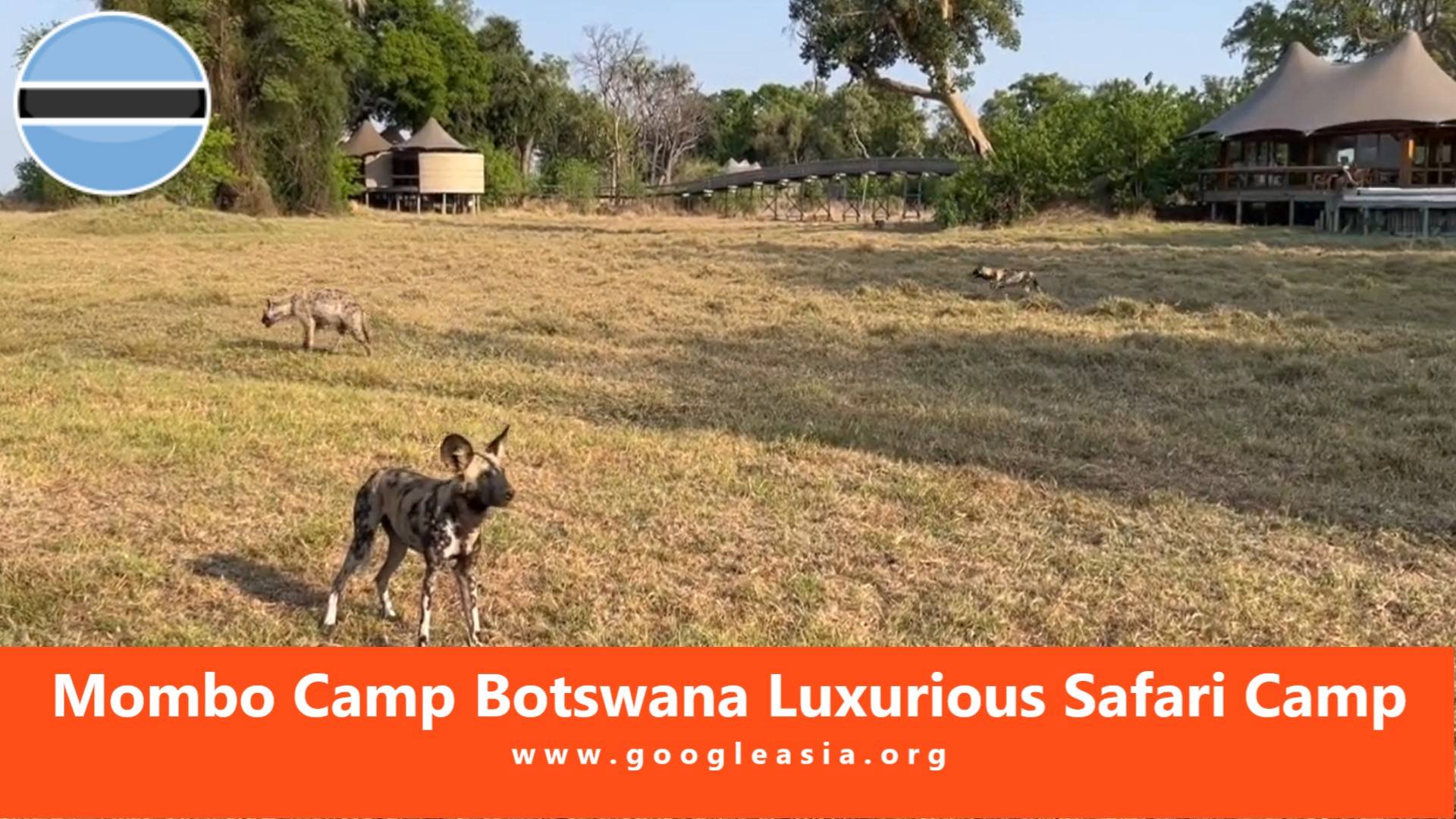
    Set on the edge of the Okavango Delta in Botswana, Mombo Camp is a luxurious safari camp offering guests a truly wild African experience. Guests can expect to be dazzled by the abundance of wildlife in its picturesque surroundings, from meerkats and elephants to lions and cheetahs. Accommodations include luxurious tents set atop the plains, with all the creature comforts necessary for a truly wild adventure.

    Introduction

    Mombo Camp stands as a pinnacle of luxury amidst the untamed wilderness of Botswana’s Okavango Delta. Nestled within the predator-rich northern region of the Mababe-Selinda wilderness, this safari camp offers an unparalleled blend of opulence and natural beauty.

    A Legacy of Safari Excellence

    Originally established from the remnants of an old safari lodge dating back to the late 1960s, Mombo Camp has evolved into a premier destination for discerning travelers seeking a truly immersive safari experience. Its chalet-style accommodations are not only luxurious but also blend seamlessly with the surrounding environment, offering modern comforts and private bush baths that enhance the safari adventure.

    World-Class Safari Experiences

    At Mombo Camp, guests embark on safari experiences that redefine exploration. Expert guides lead exhilarating game drives in open-top Land Rovers, allowing for intimate encounters with Botswana’s diverse wildlife. From majestic elephants to elusive big cats and an array of bird species, the Okavango Delta’s ecosystem unfolds before your eyes.

    Diverse Activities to Enhance Your Stay

    Beyond traditional game drives, Mombo Camp offers a spectrum of activities that cater to every adventurer’s soul. Experience the tranquility of the delta on mokoro trips, where dug-out canoes glide through serene water channels. Engage in thrilling night game drives to witness nocturnal creatures in action or participate in guided bush walks for a deeper understanding of the region’s flora and fauna.

    Immersive Cultural Encounters

    For those interested in cultural immersion, visits to local village schools provide insight into the daily lives of Botswana’s communities, fostering meaningful connections and enriching the safari experience with a deeper cultural context.

    Culinary Delights and Hospitality

    Beyond wildlife encounters, Mombo Camp indulges guests with exquisite cuisine prepared with locally sourced ingredients. The dining experience, set against the backdrop of the delta’s stunning vistas, complements the day’s adventures with flavors that reflect the essence of Botswana.

    Mombo Camp in Botswana’s Okavango Delta is more than a safari destination; it is a sanctuary where luxury meets wilderness, offering a retreat from the ordinary and a gateway to extraordinary wildlife encounters. Whether exploring the vast delta plains or relaxing in the comfort of your chalet, every moment at Mombo Camp promises an unforgettable African adventure.

    Things to Do

    Wildlife Safari Adventures

    Embark on thrilling game drives through the Okavango Delta’s pristine wilderness, where encounters with majestic lions, cheetahs, elephants, and other wildlife await. Expert guides lead you through diverse habitats, offering insights into Botswana’s rich biodiversity.

    Scenic Helicopter Rides

    Take to the skies on a scenic helicopter ride, soaring above the delta’s landscapes to witness panoramic views and vibrant birdlife from a unique perspective.

    Cultural Immersion

    Engage in traditional activities with local tribes, including tribal dancing, pottery-making with clay, and experiencing traditional songs that reflect Botswana’s rich cultural heritage.

    Guided Game Walks

    Experience the thrill of walking safaris, led by knowledgeable guides who highlight the intricate details of the delta’s flora and fauna, providing a deeper connection to the environment.

    Boat Rides in the Delta

    Navigate the tranquil waterways of the Okavango Delta on boat rides, observing aquatic wildlife and bird species that thrive in this unique ecosystem.

    Hot-Air Balloon Safaris

    Drift silently above the delta’s landscape during a hot-air balloon safari, capturing breathtaking views and experiencing sunrise or sunset in unparalleled serenity.

    Spa Relaxation

    Indulge in relaxation at Mombo Camp’s spa, where rejuvenating treatments like hot stone massages and aromatic botanical therapies soothe the senses amidst the delta’s natural beauty.

    Infinity Pool and Campfire Tranquility

    Unwind by the infinity pool overlooking the delta, or gather around the campfire under starlit skies, enjoying the peaceful ambiance and camaraderie with fellow travelers.

    Cultural Encounters

    Immerse yourself in local culture with traditional music performances and visits to nearby villages, gaining insight into the daily lives and traditions of Botswana’s communities.

    Foods

    Gourmet Dining in the Wilderness

    Mombo Camp in Botswana is synonymous with luxury and offers a dining experience that complements its stunning wilderness setting. Here’s a glimpse into the culinary delights you can expect:

    Exquisite Gourmet Cuisine

    Mombo Camp excels in gourmet dining, presenting meticulously crafted menus that showcase a fusion of international influences with locally sourced ingredients. Each dish is a masterpiece, prepared with precision and served with elegance, ensuring a dining experience that delights the senses.

    Savory Game Meat Specialties

    Immerse yourself in Botswana’s culinary heritage with game meat specialties. Mombo Camp, located in a wildlife-rich environment, offers opportunities to savor delicacies such as venison, buffalo, or other exotic game meats. Each dish celebrates the flavors of the African bush, providing a taste of the wild.

    Fresh Seafood Selections

    Depending on seasonal availability, Mombo Camp may also feature fresh seafood dishes, adding a touch of variety to the dining experience. Delight in locally sourced seafood prepared with finesse, offering a taste of coastal flavors amidst the savannah landscape.

    Traditional Botswana Dishes

    For a true taste of Botswana, indulge in traditional dishes served at Mombo Camp. From seswaa (shredded meat) to bogobe (porridge) and flavorful stews, these dishes showcase the country’s rich culinary traditions, providing a cultural immersion through food.

    Vegetarian and Vegan Options

    Catering to diverse dietary preferences, Mombo Camp offers well-prepared vegetarian and vegan options. These dishes are crafted with the same care and attention as their meat counterparts, ensuring everyone enjoys a satisfying and wholesome meal.

    Fresh Fruits and Crisp Salads

    Refresh your palate with a selection of fresh, locally sourced fruits and crisp salads at Mombo Camp. These vibrant offerings complement the hearty flavors of the main dishes, providing a balance of tastes and textures.

    Afternoon High Tea

    Indulge in a quintessential safari experience with Mombo Camp’s afternoon high tea. Savor a variety of pastries, cakes, and savory treats alongside your choice of tea or coffee, served in the serene ambiance of the African bush.

    Fine Wines and Sundowners

    Enhance your dining experience with a curated selection of fine wines and premium spirits at Mombo Camp. Enjoy a sundowner against the backdrop of breathtaking sunsets over the delta, creating unforgettable moments in the heart of nature.

    Accommodations

    When planning your stay near Mombo Camp in Botswana’s Moremi Game Reserve, consider these top luxury accommodations:

    Mombo Camp

    Renowned for its luxurious chalets and exceptional safari experiences within the Moremi Game Reserve.

    King’s Pool Camp

    Located in the Linyanti Wildlife Reserve, offering luxurious tents and superb game viewing opportunities.

    Kalahari Plains Camp

    Situated in the Central Kalahari Game Reserve, known for its eco-friendly accommodations and panoramic views.

    Kwando Camp

    Positioned in the Kwando Concession, providing intimate tented camps and excellent wildlife encounters.

    Little Tubu Camp

    Nestled in the Okavango Delta, offering exclusive tented accommodations and guided safari activities.

    Mombo Camp Botswana Luxurious Safari Camp

    Summary

    • Attraction Name: Mombo Camp
    • Country: Botswana
    • Continent: African
    • Capital Name: Gaborone
    • Language: English
    • Currency: Botswanan Pula
    • Nationality: Citizen of Botswana
    • Category:  #Destination #Africa #BOTSWANA 

    Frequently Asked Questions

    What are Mombo Camp’s nearby must-visit attractions or landmarks?

    Mombo Camp is located within the Moremi Game Reserve in the Okavango Delta, a region known for its incredible biodiversity and stunning landscapes. While Mombo Camp itself offers exceptional wildlife viewing opportunities, there are some nearby attractions and landmarks within the Moremi Game Reserve and the broader Okavango Delta that visitors may find interesting:

    1. Chief’s Island:
      • Chief’s Island is the largest landmass in the Okavango Delta and is within the Moremi Game Reserve. It is known for its diverse ecosystems, wildlife, and the Khwai River, which attracts a variety of animals.
    2. Xakanaxa Lagoon:
      • Xakanaxa Lagoon, located in the Moremi Game Reserve, is a prime area for birdwatching and wildlife viewing. The lagoon is surrounded by lush vegetation and is home to a variety of water-loving species.
    3. Third Bridge:
      • Third Bridge is a popular area in the Moremi Game Reserve known for its scenic landscapes and opportunities to see diverse wildlife. It is a common stopping point for safari activities.
    4. Okavango Delta Channels:
      • The intricate water channels of the Okavango Delta offer a unique and picturesque landscape. Exploring these channels by boat or mokoro (traditional dugout canoe) provides a different perspective on the delta’s beauty.
    5. Wildlife-Rich Areas:
      • The Moremi Game Reserve is renowned for its diverse ecosystems, including savannahs, forests, and floodplains. Wildlife enthusiasts can expect to encounter a wide range of species, including elephants, lions, leopards, and numerous bird species.
    6. Khwai River:
      • The Khwai River, flowing through the Moremi Game Reserve, is a lifeline for wildlife in the region. It’s a scenic area offering opportunities for boat safaris and sightings of hippos and crocodiles.
    7. Xigera Safari Lodge:
      • Xigera Safari Lodge, another luxury camp in the Okavango Delta, is located in a nearby concession. Travelers may explore this area for additional safari experiences.
    8. Chief’s Camp:
      • Chief’s Camp, also located on Chief’s Island, is known for its luxurious accommodations and excellent game viewing. It’s part of the same concession as Mombo Camp.

    Is Mombo Camp a suitable travel destination for solo adventurers, honeymooning couples, or those traveling with families?

    Mombo Camp caters primarily to luxury travelers and wildlife enthusiasts seeking an exclusive and high-end safari experience. While the camp does not specifically market itself as a family-oriented destination, it does accommodate a range of travelers, including solo adventurers, honeymooning couples, and families. Here are considerations for each group:

    Solo Adventurers:

    1. Guided Safari Activities:

      • Solo adventurers can benefit from the camp’s guided safari activities, including game drives and walking safaris. The expert guides provide an immersive and educational experience.
    2. Shared Experiences:

      • The communal dining and lounge areas offer opportunities for solo travelers to socialize with other guests and share their safari experiences.

    Honeymooning Couples:

    1. Romantic Setting:

      • Mombo Camp provides a luxurious and romantic setting, making it suitable for honeymooning couples. Private dinners, personalized experiences, and the exclusive accommodations contribute to a memorable romantic getaway.
    2. Exclusive Wilderness:

      • The camp’s location in a private concession ensures that couples can enjoy a secluded and intimate safari experience, away from large crowds.

    Families:

    1. Age Restrictions:

      • Mombo Camp has age restrictions for children due to safety concerns related to wildlife. Typically, children under a certain age may not be allowed.
    2. Family-Friendly Activities:

      • While the camp may not be specifically designed for families, some families with older children may find the safari activities and the rich wildlife experience appealing.

    Considerations for All Travelers:

    1. Luxury Accommodations:

      • Mombo Camp provides luxury tented accommodations. The camp’s focus on high-end experiences may be particularly appealing to travelers seeking top-tier accommodations.
    2. Wildlife Enthusiasts:

      • Mombo Camp is particularly suitable for wildlife enthusiasts who prioritize exceptional game viewing. The camp’s location in the Moremi Game Reserve ensures access to a diverse range of wildlife.
    3. Advance Reservations:

      • Due to the camp’s popularity and limited availability, it’s advisable for all types of travelers to make advance reservations, especially during peak safari seasons.

    Why should you visit Mombo Camp?

    Mombo Camp is renowned as one of Africa’s premier safari destinations, and there are several compelling reasons why you might consider visiting:

    1. Abundance of Wildlife:
      • Mombo Camp is situated in the heart of the Moremi Game Reserve within the Okavango Delta, offering exceptional wildlife viewing. The region is known for its high concentrations of diverse animal species, including the Big Five (lion, leopard, elephant, buffalo, and rhinoceros).
    2. Luxurious Accommodations:
      • Mombo Camp provides luxurious tented accommodations that seamlessly blend comfort with the natural surroundings. The camp is designed to offer a high-end safari experience, combining elegance with the rustic charm of the African wilderness.
    3. Prime Location in Moremi Game Reserve:
      • The camp’s location within the Moremi Game Reserve provides guests with exclusive access to one of Botswana’s most wildlife-rich and diverse conservation areas.
    4. Exclusive Wilderness Experience:
      • Mombo Camp is situated in a private concession, allowing for exclusive game drives and wildlife encounters with minimal crowds. This exclusivity enhances the overall wilderness experience.
    5. Expert Guiding:
      • The camp employs highly skilled and knowledgeable guides who are familiar with the local wildlife behaviors, ecosystems, and conservation efforts. Guided activities, including game drives and walking safaris, provide insightful and educational experiences.
    6. Exceptional Birdwatching:
      • The Okavango Delta is a haven for birdwatchers, and Mombo Camp is no exception. The diverse habitats in the region attract a wide array of bird species, making it an ideal destination for bird enthusiasts.
    7. Cultural Interaction:
      • Mombo Camp may offer cultural experiences, including interactions with the local communities and insights into the traditional lifestyles of the people living in the area.
    8. Conservation Initiatives:
      • Mombo Camp is actively involved in conservation initiatives, contributing to the protection of the region’s wildlife and habitats. Visitors can learn about these efforts and the importance of sustainable tourism.
    9. Scenic Beauty of the Okavango Delta:
      • The Okavango Delta is known for its breathtaking landscapes, with meandering water channels, lush vegetation, and picturesque floodplains. Mombo Camp allows guests to appreciate the natural beauty of this UNESCO World Heritage Site.
    10. Tailored Safari Experiences:
      • Mombo Camp offers personalized and tailored safari experiences, accommodating the preferences and interests of individual guests. This flexibility allows for a customized and memorable adventure.

    How to go to Mombo Camp?

    Mombo Camp is located in the Moremi Game Reserve within the Okavango Delta in Botswana. Access to Mombo Camp typically involves a combination of air and ground transportation. Here are general guidelines on how to reach Mombo Camp:

    By Air:

    1. Fly to Maun or Kasane:

      • Maun and Kasane are common entry points for travelers heading to the Okavango Delta. Both towns have airports with regular domestic flights.
    2. Chartered Flight to Mombo Airstrip:

      • Mombo Camp has its own private airstrip. Once you arrive in Maun or Kasane, you’ll likely need to take a chartered flight to Mombo Airstrip, which is closer to the camp.

    By Ground (from Maun):

    1. Charter Flight from Maun:

      • Many visitors opt for charter flights directly from Maun to Mombo Airstrip. Charter flights are common for reaching remote safari camps in the Okavango Delta.

    Important Tips:

    • Charter Flights: Charter flights are a common and efficient mode of transportation to reach Mombo Camp. These flights are often arranged by the camp or through the booking agent. They provide scenic aerial views of the delta.
    • Transfer from Mombo Airstrip: Upon landing at Mombo Airstrip, camp representatives usually meet guests and transfer them to the camp. The camp is designed to provide an immersive and exclusive safari experience.
    • Advance Reservations: Mombo Camp is a popular and high-demand destination. It’s essential to make advance reservations for both accommodations and charter flights, especially during peak safari seasons.
    • Travel Agent Coordination: If you’re booking through a travel agent or tour operator, they can help coordinate the logistics of your journey, including flights and transfers.
    • Luggage Restrictions: Charter flights may have luggage weight restrictions, so it’s important to check with the airline or charter company regarding baggage allowances.

    Are there any halal food options around the Mombo Camp?

    Mombo Camp is a luxury safari camp located in the Okavango Delta in Botswana. The specific information about halal food options around Mombo Camp may not be readily available.

    In such remote and exclusive safari camps, the dining options are typically curated by the camp’s chefs based on the preferences and dietary requirements of the guests. Luxury safari camps often aim to provide a high level of service and are usually willing to accommodate special dietary needs, including halal food, with advance notice.

    To ensure you have accurate and up-to-date information regarding halal food options at Mombo Camp, I recommend reaching out directly to the camp’s management or contacting the booking agent or tour operator through which you plan to arrange your stay. They can communicate your dietary preferences to the camp and provide you with detailed information about the available options.

  • Magnificent Makgadikgadi Salt Pans: A Natural Wonder

    Magnificent Makgadikgadi Salt Pans: A Natural Wonder

    Makgadikgadi Salt Pans, Botswana

    Explore the vast expanse of Makgadikgadi Salt Pans. Witness surreal landscapes, unique wildlife, and the magic of Botswana’s untouched beauty. Learn more now

    The Makgadikgadi Salt Pans in Botswana is an enormous flat landscape making up one of the largest salt flats in the world. Home to ancient pan systems, huge baobab trees, and huge salt formations, this rugged area provides a surreal and unforgettable experience.

    Introduction

    The Makgadikgadi Salt Pans are among the largest salt flats globally, stretching across vast expanses of the Kalahari Desert. These shimmering white landscapes, covering approximately 16,000 square kilometers, are remnants of ancient lake beds that have dried up over millennia. The pans consist of multiple interconnected basins, including Sowa, Nwetwe, and Nxai Pans, each with its own distinct character and allure.

    Breathtaking Scenery

    Visitors to the Makgadikgadi Salt Pans are greeted by an otherworldly sight: endless horizons of glistening white salt, often dotted with iconic baobab trees that have stood sentinel for centuries. The stark beauty of this barren yet mesmerizing landscape is a photographer’s dream, offering unparalleled opportunities for capturing the essence of vastness and solitude.

    Diverse Wildlife

    Despite its seemingly harsh environment, the Makgadikgadi Pans support a surprising variety of wildlife. During the wet season (typically November to April), the pans fill with water from the Okavango River system, transforming into shallow lakes that attract numerous species of waterfowl, including flamingos and pelicans. This seasonal inundation also rejuvenates the grasslands surrounding the pans, drawing grazers such as zebras, wildebeest, and springbok, which in turn attract predators like lions and cheetahs.

    Rich Cultural Heritage

    Beyond its geological and ecological significance, the Makgadikgadi Salt Pans hold cultural importance as well. They are home to the indigenous San people, whose ancient rock art and archaeological sites dot the landscape. These sites offer glimpses into the rich history and traditions of one of Africa’s oldest cultures, providing a deeper understanding of human adaptation to this challenging environment.

    Seasonal Contrasts

    The pans exhibit dramatic seasonal changes. During the dry season (May to October), the landscape is a vast expanse of hardened salt crust, ideal for adventurous drives across the flats. This period offers unparalleled opportunities for stargazing under clear, expansive skies, free from light pollution.

    Things to Do

    Makgadikgadi Salt Pans is an incredible place to explore and experience, with a plethora of thrilling opportunities to entertain and excite. Located in the middle of Botswana, this immense and ancient salt pan is one of the largest in the world, covering over 3,900 square miles. It’s an incredible sight to behold with its vast open expanse and seemingly endless possibilities. Here are some of the best things to do in the Makgadikgadi Salt Pans

    Game Drives

    Embark on exhilarating game drives across the expansive Makgadikgadi Salt Pans, particularly rewarding during the dry season. Traverse ancient landscapes dotted with waterholes and rocky outcrops, where herds of wildebeest and zebra graze. Encounter impressive prides of lions in their natural habitat, offering unique opportunities for wildlife photography and observation.

    Hot Air Ballooning

    Experience the breathtaking beauty of the Makgadikgadi Salt Pans from a unique perspective with hot air ballooning. Sunrise or sunset tours provide unmatched views of the vast salt flats, offering panoramic vistas stretching to the horizon. Witness the tranquil expanse of the pans and the vibrant colors of the sky as you glide peacefully overhead, capturing unforgettable moments.

    Horseback Riding

    Immerse yourself in the serene ambiance of the salt pans with guided horseback riding adventures. Explore the ancient landscape at a leisurely pace, allowing for up-close encounters with the diverse wildlife that inhabits the area. Gain a deeper appreciation for the natural beauty and tranquility of the pans while enjoying the freedom and flexibility that horseback riding affords.

    Wildlife Viewing

    Delight in unparalleled wildlife viewing opportunities amidst the unique ecosystem of the Makgadikgadi Salt Pans. Encounter a variety of species, including the elusive brown hyena, bat-eared fox, and the majestic pelicans and flamingos that grace the saline lakes during the wet season. Engage in guided tours led by knowledgeable experts who offer insights into the behavior and habitats of the region’s wildlife.

    Stargazing

    Experience the awe-inspiring spectacle of stargazing in the pristine night skies above the Makgadikgadi Salt Pans. During the dry season, when atmospheric conditions are optimal, marvel at the clarity and brilliance of the Milky Way and countless constellations. Engage in guided stargazing sessions that provide astronomical insights and highlight the cultural significance of celestial navigation.

    Foods

    The Makgadikgadi Salt Pans in Botswana are known for their stark, otherworldly landscapes rather than culinary offerings. Visitors exploring this unique destination often stay at lodges or camps that provide meals tailored to the natural surroundings. While the focus is on the outdoor experience, accommodations typically offer well-prepared meals. Common types of foods at lodges near the Makgadikgadi Salt Pans include:

    Barbecues and Grilled Meats

    Enjoy the quintessential outdoor dining experience with barbecues (braais) featuring grilled meats. Savour succulent cuts of beef, chicken, or game meats cooked over an open flame, complemented by the fresh air and scenic surroundings of the Makgadikgadi Salt Pans. This traditional cooking method enhances the flavors of the meats, creating a memorable dining experience under the expansive African sky.

    Traditional Botswana Dishes

    Experience the rich flavors of Botswana’s culinary heritage with traditional dishes served at lodges near the Makgadikgadi Salt Pans. Sample hearty stews, such as seswaa (shredded meat) or vegetable-based options, accompanied by savory porridges like bogobe. These dishes reflect the local culture and are prepared with fresh, locally sourced ingredients, providing a taste of authenticity amidst the natural beauty of the salt pans.

    Fresh Salads

    Indulge in crisp and refreshing salads made from locally sourced ingredients, offering a lighter option during your outdoor adventures. Fresh greens, ripe tomatoes, and vibrant herbs combine to create salads that complement the hearty flavors of grilled meats and traditional dishes. Enjoy these salads as a side dish or a refreshing appetizer, enhancing your dining experience at lodges near the Makgadikgadi Salt Pans.

    Vegetarian and Vegan Options

    Lodges near the Makgadikgadi Salt Pans cater to diverse dietary preferences, offering well-prepared vegetarian and vegan options. Enjoy flavorful plant-based dishes crafted with local produce, ensuring a satisfying dining experience that aligns with specific dietary needs. Whether you prefer grilled vegetables, hearty salads, or innovative vegetarian stews, these options provide ample choices for guests seeking meat-free meals amidst the natural beauty of the salt pans.

    Picnic-Style Meals

    Embrace the spirit of outdoor exploration with picnic-style meals provided by lodges near the Makgadikgadi Salt Pans. Perfect for enjoying during excursions and game drives, these meals are conveniently packed for portability and enjoyment amidst the expansive landscapes. Delight in a variety of dishes, from sandwiches and wraps to fruit salads and snacks, ensuring you stay fueled and energized throughout your adventures in this unique natural environment.

    Bush Dinners

    Immerse yourself in the enchanting ambiance of the African wilderness with bush dinners organized by lodges near the Makgadikgadi Salt Pans. Dine under the starlit sky, surrounded by the sights and sounds of the desert landscape. Experience an unforgettable culinary journey featuring gourmet dishes prepared onsite, paired with fine wines or traditional beverages. Bush dinners offer a romantic and atmospheric dining experience, creating lasting memories of your journey through Botswana’s remarkable salt pans.

    Accommodations

    Kalahari Plains Camp

    Situated in a remote part of the Makgadikgadi Pans, Kalahari Plains Camp offers luxury tented accommodations with stunning views of the expansive salt pans. Guests can enjoy game drives and guided walks to explore the unique landscape and wildlife of the Kalahari Desert.

    Jack’s Camp

    Known for its luxurious and stylish safari experience, Jack’s Camp combines classic African charm with modern amenities. Set against the backdrop of the Makgadikgadi Salt Pans, the camp offers guided nature walks, cultural excursions, and thrilling quad biking adventures.

    Camp Kalahari

    A more relaxed and family-friendly option, Camp Kalahari provides comfortable accommodations in traditional safari tents. Guests can enjoy activities such as meerkat encounters, visits to Chapman’s Baobab, and horseback riding across the salt pans.

    Meno a Kwena

    Perched on the cliffs overlooking the Boteti River, Meno a Kwena offers rustic luxury tents with stunning views of wildlife gathering at the river. Guests can experience traditional safaris, boat trips, and cultural visits to nearby villages.

    Planet Baobab

    Known for its unique baobab-themed accommodations, Planet Baobab offers a blend of comfort and adventure in the heart of the Makgadikgadi region. Guests can relax in traditional huts or enjoy cultural experiences and guided tours of the surrounding area.

    Makgadikgadi Camp

    Located near the edge of the Makgadikgadi Pans, Makgadikgadi Camp provides comfortable tented accommodations with modern amenities. Guests can explore the salt pans on guided walks, game drives, or scenic flights over the expansive landscape.

    Khwai Bush Camp

    Nestled in the Khwai Concession, Khwai Bush Camp offers intimate tented accommodations with views of the Khwai River and surrounding wilderness. Guests can enjoy game drives, bush walks, and cultural interactions with the local community.

    Camp Paradiso

    A serene retreat in the Makgadikgadi Salt Pans, Camp Paradiso offers cozy accommodations in safari tents with panoramic views of the salt pans. Guests can explore the area on game drives, guided walks, or cultural visits to nearby villages.

    Island Camp Nxai Pan

    Located on an island in the Nxai Pan National Park, Island Camp Nxai Pan offers secluded tented accommodations surrounded by acacia trees and vast grasslands. Guests can enjoy game drives, birdwatching, and stargazing in this remote and pristine wilderness.

    Conclusion

    Visiting the Makgadikgadi Salt Pans is a journey into a world of extremes—extreme beauty, solitude, and the raw forces of nature. Whether you’re driving across the flats, observing wildlife, or exploring ancient archaeological sites, every moment spent here leaves a lasting impression of the majesty and resilience of nature.

    Makgadikgadi Salt Pans Botswana Largest in the World

    Summary

    • Attraction Name: Makgadikgadi Salt Pans
    • Country: Botswana
    • Continent: African
    • Capital Name: Gaborone
    • Language: English
    • Currency: Botswanan Pula
    • Nationality: Citizen of Botswana
    • Category:  #Destination #Africa #BOTSWANA 

    Frequently Asked Questions

    What are Makgadikgadi Salt Pans’s nearby must-visit attractions or landmarks?

    The Makgadikgadi Salt Pans in Botswana are expansive and captivating, offering a unique landscape and a variety of attractions. While the pans themselves are a major draw, there are several nearby landmarks and attractions that visitors may find interesting:

    1. Nxai Pan National Park:
      • Located northeast of the Makgadikgadi Pans, Nxai Pan National Park is known for its wide-open grasslands, the famous Baines’ Baobabs, and diverse wildlife, including springbok and giraffes.
    2. Kubu Island:
      • Situated on the edge of Sowa Pan, Kubu Island is a granite rock island with ancient baobab trees. The island is a cultural and historical site and provides panoramic views of the surrounding salt flats.
    3. Baines’ Baobabs:
      • Although more commonly associated with Nxai Pan, Baines’ Baobabs are part of the larger Makgadikgadi ecosystem. These iconic baobab trees, named after the explorer Thomas Baines, create a striking silhouette against the horizon.
    4. Boteti River:
      • The Boteti River flows along the western boundary of the Makgadikgadi Pans, providing a lifeline for wildlife during the dry season. It’s a good area for birdwatching and observing the movement of animals.
    5. Gweta Village:
      • Gweta is a nearby village that serves as a gateway to the Makgadikgadi Pans. Visitors can experience local culture, and some accommodations offer cultural excursions to interact with the community.
    6. Makgadikgadi Pans National Park:
      • The Makgadikgadi Pans National Park encompasses the salt pans and surrounding areas. Exploring the park provides opportunities to witness the vastness of the pans and encounter wildlife adapted to this unique environment.
    7. Planet Baobab:
      • Planet Baobab is a lodge near Gweta known for its quirky and baobab-themed accommodations. It’s a popular stopover for travelers exploring the Makgadikgadi Pans.
    8. Nata Bird Sanctuary:
      • South of the Makgadikgadi Pans, the Nata Bird Sanctuary is a habitat for various bird species, including flamingos, pelicans, and other waterbirds. It’s a great spot for birdwatching.
    9. Chapman’s Baobab:
      • This historical baobab tree was a famous landmark for early explorers. Unfortunately, it collapsed in 2016, but its remnants are still a point of interest.
    10. Jack’s Camp:
      • Situated on the edge of the Makgadikgadi Pans, Jack’s Camp is a luxury safari camp known for its unique desert experience, wildlife viewing, and cultural interactions.

    Is Makgadikgadi Salt Pans a suitable travel destination for solo adventurers, honeymooning couples, or those traveling with families?

    The Makgadikgadi Salt Pans in Botswana can be a suitable travel destination for various types of travelers, including solo adventurers, honeymooning couples, and families. However, the experience may vary based on individual preferences and travel styles. Here are considerations for each group:

    Solo Adventurers:

    1. Adventure Activities:
      • Solo adventurers can partake in thrilling activities such as quad biking, off-roading, and exploring the vast salt flats, providing a sense of freedom and adventure.
    2. Cultural Experiences:
      • Some camps and lodges offer cultural experiences, including interactions with the local San Bushmen community, providing a unique and immersive cultural encounter.

    Honeymooning Couples:

    1. Romantic Setting:
      • The Makgadikgadi Pans offer a unique and romantic backdrop, especially during sunrise and sunset. Private dinners under the stars and the serene atmosphere can create a memorable honeymoon experience.
    2. Luxury Accommodations:
      • There are luxurious lodges and camps around the salt pans that provide upscale accommodations, adding to the romantic and exclusive nature of a honeymoon.

    Families:

    1. Educational Opportunities:
      • Families with children may appreciate the educational aspects of the region, including learning about the unique ecosystem, wildlife, and cultural heritage.
    2. Family-Friendly Activities:
      • Some lodges offer family-friendly activities, and the wide-open spaces of the salt pans provide opportunities for outdoor adventures suitable for children.

    Considerations for All Travelers:

    1. Seasonal Variations:
      • The experience can differ between the dry season and the wet season. Wildlife viewing is often more prominent during the wet season, while the dry season offers a surreal, desolate landscape.
    2. Remote Location:
      • The Makgadikgadi Pans are remote, and facilities may be limited. Travelers should be prepared for a more isolated experience, with fewer amenities compared to urban destinations.
    3. Specialized Activities:
      • Travelers with specific interests, such as birdwatching, photography, or adventure activities, can find specialized experiences tailored to their preferences.
    4. Accommodation Preferences:
      • Accommodations range from luxury lodges to more basic campsites. Travelers should choose accommodations that align with their preferences and level of comfort.
    5. Advance Reservations:
      • Given the limited availability of accommodations and the popularity of the region, it’s advisable for all types of travelers to make advance reservations, especially during peak travel times.

    Why should you visit Makgadikgadi Salt Pans?

    The Makgadikgadi Salt Pans in Botswana are a unique and mesmerizing destination, offering a stark and captivating landscape. Here are several reasons why you should consider visiting the Makgadikgadi Salt Pans:

    1. Vast Salt Flats:
      • The Makgadikgadi Pans are one of the largest salt flats in the world, covering an extensive area. The flat, white expanse is visually striking and provides a sense of endless space.
    2. Otherworldly Landscape:
      • The landscape of the salt pans is often described as lunar or otherworldly. The vast, desolate terrain creates a surreal and dramatic backdrop, especially during sunrise and sunset.
    3. Stargazing:
      • The clear skies over the salt pans make it an ideal location for stargazing. The absence of light pollution allows for spectacular views of the night sky.
    4. Migratory Wildlife:
      • During the wet season, the pans transform into a temporary oasis, attracting migratory wildlife, including zebras and wildebeests. The sight of vast herds moving across the pans is a unique wildlife spectacle.
    5. Kubu Island:
      • Nearby Kubu Island is a granite rock island in the salt flats with ancient baobab trees. The island is a cultural and historical site with stunning views of the surrounding landscape.
    6. Birdwatching:
      • The Makgadikgadi Pans attract a variety of bird species, especially during the wet season. It’s a haven for birdwatchers, with opportunities to see flamingos, pelicans, and other waterbirds.
    7. Cultural Experiences:
      • Some camps and lodges in the area offer cultural experiences, allowing visitors to interact with the local San Bushmen community and learn about their traditional way of life.
    8. Quad Biking and Off-Roading:
      • The flat expanse of the salt pans provides an ideal terrain for quad biking and off-roading adventures. Some tour operators offer thrilling experiences exploring the pans on four-wheelers.
    9. Photography Opportunities:
      • The stark contrast of the white salt pans against the blue sky or the vibrant colors of sunrise and sunset creates incredible photographic opportunities. The unique landscape lends itself to creative compositions.
    10. Remote and Tranquil Atmosphere:
      • The remoteness of the Makgadikgadi Salt Pans provides a sense of tranquility and isolation. Visitors can experience the solitude and silence of the vast wilderness.
    11. Seasonal Contrasts:
      • The contrast between the dry season (when the pans are desolate) and the wet season (when they come alive with water and wildlife) provides visitors with diverse and ever-changing experiences.

    How to go to Makgadikgadi Salt Pans?

    The Makgadikgadi Salt Pans are located in northern Botswana, and accessing this remote and expansive area typically involves traveling to nearby towns or cities and then making your way to specific camps or lodges in the region. Here are general guidelines on how to go to the Makgadikgadi Salt Pans:

    By Air:

    1. Fly to Maun or Kasane:
      • Maun and Kasane are common entry points for travelers heading to the Makgadikgadi Pans. Both towns have airports with regular domestic flights.
    2. Chartered Flights to Camps or Airstrips:
      • Many visitors opt for chartered flights from Maun or Kasane to specific camps or airstrips near the Makgadikgadi Pans. Several lodges and camps have their own airstrips.

    By Road:

    1. From Maun:
      • Maun is a gateway to the Okavango Delta and the Makgadikgadi Pans. You can hire a 4×4 vehicle or join a guided tour for the journey to the pans.
    2. Guided Transfers:
      • Some lodges and camps in the Makgadikgadi Pans offer guided road transfers from Maun or other nearby areas. This can be a convenient option for those who prefer not to drive themselves.

    Important Tips:

    • Charter Flights: Given the remote nature of the Makgadikgadi Pans, charter flights are a common and efficient means of transportation. They provide an opportunity to appreciate the vastness of the landscape.
    • Road Conditions: If you choose to travel by road, especially during the rainy season, be aware that road conditions may vary, and a 4×4 vehicle is often recommended for certain routes.
    • Accommodation Reservations: The Makgadikgadi Pans offer various camps and lodges. It’s advisable to make advance reservations at your chosen accommodation, as the area can be popular, particularly during peak travel seasons.
    • Guided Tours: Joining a guided safari tour or having a local guide can enhance your experience by providing insights into the landscape, wildlife, and cultural aspects of the region.
    • Seasonal Considerations: The best time to visit may depend on the specific experiences you are seeking. The dry season (May to October) is often preferred for wildlife viewing, while the wet season (November to April) can offer a different perspective with migratory birdlife.

    Are there any halal food options around the Makgadikgadi Salt Pans?

    The region may not have specific restaurants or eateries in close proximity to the salt pans that cater explicitly to halal dietary preferences.

    When visiting remote natural attractions like the Makgadikgadi Salt Pans, visitors often make arrangements through lodges, camps, or tour operators that provide meals as part of the overall experience. In such cases, it’s essential to communicate your dietary requirements, including halal preferences, in advance.

    Here are some general tips:

    1. Inform Your Accommodations:
      • If you are staying at a lodge or camp near the Makgadikgadi Salt Pans, inform them in advance about your halal dietary requirements. Many establishments are willing to accommodate specific dietary needs with prior notice.
    2. Catered Safaris or Tours:
      • If you’re participating in guided safaris or tours in the area, check with the tour operator about meal arrangements. They may be able to provide halal options or make arrangements based on your dietary restrictions.
    3. Bring Snacks:
      • Considering the remote nature of the Makgadikgadi Salt Pans, it might be a good idea to bring along some halal snacks or non-perishable items to supplement your meals, especially if you have specific dietary requirements.
    4. Communication is Key:
      • Clear communication with the staff at your accommodation or tour operator is crucial. Discuss your dietary preferences and any specific restrictions you may have to ensure a comfortable dining experience.
  • Exploring Khama Rhino Sanctuary: Preserving Botswana’s Rhinoceros Heritage

    Exploring Khama Rhino Sanctuary: Preserving Botswana’s Rhinoceros Heritage

    Khama Rhino Sanctuary, Botswana

    Discover the wonders of Khama Rhino Sanctuary. Experience close encounters with majestic rhinos and diverse wildlife in Botswana’s natural sanctuary. Learn more now!

    The Khama Rhino Sanctuary is located in Northern Botswana and is dedicated to conserving and protecting the endangered rhinos in the Chobe region. Through community partnerships, the Sanctuary works to create a safe haven for the rhinos and to restore the population numbers of these majestic creatures. Along with conservation efforts, eco-tourism plays an important role in providing support for the Sanctuary and its inhabitants.

    Khama Rhino Sanctuary Botswana Chobe Region


    Summary

    • Attraction Name: Khama Rhino Sanctuary
    • Country: Botswana
    • Continent: African
    • Capital Name: Gaborone
    • Language: English
    • Currency: Botswanan Pula
    • Nationality: Citizen of Botswana
    • Category:  #Destination #Africa #BOTSWANA 

    Introduction

    The Khama Rhino Sanctuary, nestled in Botswana’s Central District, stands as a beacon of conservation efforts dedicated to protecting the country’s indigenous black rhinoceros population. Established in 1992, the sanctuary plays a crucial role in safeguarding these majestic creatures and their natural habitat.

    A Sanctuary for Endangered Rhinos

    At the heart of the Khama Rhino Sanctuary lies its commitment to providing a secure refuge for wildlife. The sanctuary is home to approximately 20 white rhinos and more than 40 black rhinos, offering visitors a rare opportunity to observe these endangered species up close in a protected environment.

    Community-Led Conservation Efforts

    Operated by the local community of Serowe, the sanctuary exemplifies community-based conservation at its finest. Revenue generated from eco-tourism activities supports various conservation initiatives, empowers local communities through employment opportunities, and funds educational programs for the region’s largest settlement.

    Engaging Activities for Visitors

    Visitors to the Khama Rhino Sanctuary can partake in a variety of activities designed to enhance their understanding and appreciation of conservation efforts:

    • Game Drives: Explore the sanctuary’s diverse landscapes and encounter its resident rhino population on informative game drives guided by knowledgeable rangers.
    • Walking Safaris with Bushmen: Immerse yourself in the rich cultural heritage of Botswana’s indigenous communities by embarking on guided walking safaris with local Bushmen guides.
    • Bird Watching: Discover the sanctuary’s avian diversity through bird-watching excursions, observing a myriad of bird species in their natural habitat.
    • Horse Safaris: Experience the thrill of exploring the sanctuary’s terrain on horseback, offering a unique perspective on wildlife and landscape.
    • Community Activities: Engage with local initiatives such as anti-poaching patrols and educational programs, contributing directly to conservation efforts and community development.

    Things to Do

    Khama Rhino Sanctuary, situated just 31 km from Francistown in Botswana, beckons wildlife enthusiasts with its diverse offerings and rich biodiversity. Here’s a glimpse into the exciting activities awaiting visitors at this renowned sanctuary.

    Khama Rhino Sanctuary is a haven for nature lovers, offering a variety of activities to engage visitors of all interests:

    Game Drives

    Embark on exhilarating game drives to witness the sanctuary’s thriving wildlife up close. Spot iconic species such as White Rhinos, Blue Wildebeest, Impala, Buffalo, Kudu, and more amidst the sanctuary’s picturesque landscapes.

    Visit the Animal Orphanage

    Explore the animal orphanage housing rehabilitated wildlife including cheetah cubs, oryx, caracal, and prairie dogs. Learn about their rehabilitation journeys and observe their natural behaviors.

    Safari Camping

    Experience the essence of the wilderness with a unique safari camping adventure. Stay overnight in tents within the sanctuary, surrounded by the sights and sounds of nature under the expansive African sky.

    Interpretive Centre

    Delve into the sanctuary’s conservation efforts at the Khama Rhino Interpretive Centre. Enjoy an immersive 360-degree cinema experience, interactive exhibits, and guided tours to deepen your understanding of wildlife conservation.

    Guided Tours

    Join knowledgeable guides on informative tours of the sanctuary. Gain insights into conservation initiatives, explore diverse habitats, and discover the sanctuary’s natural beauty through guided walks and drives.

    Bird Watching

    Khama Rhino Sanctuary boasts exceptional bird-watching opportunities in one of Botswana’s bird-rich regions. Spot indigenous and migratory bird species such as the Black-cheeked Lovebird, Crimson-breasted Shrike, and Purple-crested Turaco.

    Live Performances

    Immerse yourself in the local culture with live musical and theatrical performances celebrating the spirit of the region. Experience the vibrant traditions and rhythms of Botswana’s cultural heritage.

    Cultural Tours

    Engage in enlightening cultural tours to gain insights into the traditional lifestyles and customs of local communities surrounding the sanctuary. Experience firsthand the rich cultural tapestry that enhances the sanctuary’s allure.

    Picnics

    Enjoy a leisurely picnic amidst the sanctuary’s scenic surroundings. Relax with family and friends while soaking in the natural beauty and serenity of Khama Rhino Sanctuary.

    Foods

    Khama Rhino Sanctuary does not offer on-site dining facilities. Visitors are encouraged to bring their own food or arrange meals through nearby lodges and camps that offer catering services.

    Dining Recommendations

    • Picnic-style Meals: Many visitors enjoy bringing picnic-style meals to enjoy at designated areas within the sanctuary. This allows you to savor your food amidst the natural beauty of the surroundings.
    • Packed Lunches: If you’re staying at lodges or camps near the sanctuary, inquire about packed lunch options. Many accommodations provide packed lunches for guests heading out on day trips.
    • Local Snacks and Beverages: Explore local markets or nearby towns for Botswana’s snacks, fruits, and beverages. These can be convenient to carry and enjoy during your explorations within the sanctuary.
    • Self-Catering Accommodations: If staying at self-catering accommodations nearby, you can prepare your meals using ingredients purchased in nearby towns or markets. This option offers flexibility and allows you to tailor your dining experience to your preferences.
    • Local Cuisine: Venture into nearby towns such as Serowe or even Gaborone, the capital city, for restaurants or eateries offering traditional Botswana dishes. This can be a great opportunity to experience local flavors and culinary traditions.

    Planning Ahead

    Since dining options are limited within Khama Rhino Sanctuary itself, it’s advisable to plan ahead and prepare accordingly:

    • Pack Essentials: Bring along essential food items, snacks, and beverages to sustain yourself during your visit. This ensures you have nourishment readily available, especially during wildlife viewing activities or guided tours.
    • Coordinate with Accommodations: If you’re staying at a lodge or camp near Khama Rhino Sanctuary, communicate your dining preferences in advance. Many accommodations are willing to accommodate dietary preferences and arrange meals to suit your needs.
    • Explore Nearby Towns: Take advantage of nearby towns for additional dining options and to explore the local culinary scene. This can enhance your overall experience while supporting local businesses.

    Accommodations

    Serowe

    • Khama Rhino Sanctuary Lodge: This lodge offers basic accommodation options for visitors exploring the sanctuary. It provides easy access to the sanctuary’s entrance and is operated in support of the sanctuary’s conservation efforts.

    Mahalapye

    • Mahalapye Guesthouses: There are several guesthouses and small hotels in Mahalapye, providing comfortable lodging options for travelers visiting Khama Rhino Sanctuary. These establishments offer amenities suitable for a short stay.

    Gaborone (for longer stays and more amenities)

    • Hotels in Gaborone: Gaborone, Botswana’s capital city, offers a wider range of accommodations including hotels, lodges, and guesthouses. While Gaborone is further from Khama Rhino Sanctuary compared to Serowe or Mahalapye, it provides more amenities and services for travelers.

    Conclusion

    A visit to the Khama Rhino Sanctuary promises an enriching experience filled with wildlife encounters, cultural immersion, and meaningful contributions to conservation. Whether you’re passionate about rhino conservation, fascinated by local cultures, or simply seeking adventure amidst Botswana’s natural beauty, the sanctuary offers something for everyone. Click below to embark on a journey that combines exploration with conservation, where every moment contributes to preserving Botswana’s rhinoceros heritage. Let the adventure begin!

    Frequently Asked Questions

    What are Khama Rhino Sanctuary’s nearby must-visit attractions or landmarks?

    Khama Rhino Sanctuary is located in Botswana and is known for its efforts in rhinoceros conservation. While the sanctuary itself is a major attraction, there are also some interesting nearby landmarks and attractions. Here are a few notable places to visit in the vicinity of Khama Rhino Sanctuary:

    1. Serowe Village:

      • Serowe is one of Botswana’s largest and oldest villages. It has historical significance as the birthplace of Sir Seretse Khama, the first President of Botswana. Visitors can explore the village, learn about its history, and visit the Khama III Memorial Museum.
    2. Makgadikgadi Pans:

      • The Makgadikgadi Pans, one of the largest salt flats in the world, are not far from Khama Rhino Sanctuary. This unique landscape, especially during the wet season, attracts wildlife and birdlife. Nata Bird Sanctuary, located near the town of Nata, is part of this ecosystem and is known for its birdwatching opportunities.
    3. Moremi Gorge:

      • Moremi Gorge is located near the village of Palapye, not far from Khama Rhino Sanctuary. The gorge offers hiking trails, viewpoints, and a beautiful natural setting. It’s a great place for nature lovers and outdoor enthusiasts.
    4. Gaborone:

      • Botswana’s capital city, Gaborone, is located to the south of Khama Rhino Sanctuary. While it might be a bit of a drive, Gaborone offers cultural attractions, shopping, and dining experiences. Notable places include the National Museum, Three Dikgosi Monument, and the Gaborone Game Reserve.
    5. Mokolodi Nature Reserve:

      • Mokolodi Nature Reserve is a wildlife conservation and education center located near Gaborone. It provides opportunities for game drives, rhino tracking, and guided walks. The reserve aims to promote environmental awareness and conservation.
    6. Palapye:

      • Palapye is a town located relatively close to Khama Rhino Sanctuary. It’s known for the scenic Tswapong Hills and offers a range of outdoor activities, including hiking and cultural experiences.
    7. Central Kalahari Game Reserve:

      • While not immediately adjacent to Khama Rhino Sanctuary, the Central Kalahari Game Reserve is one of the largest game reserves in the world. It offers a unique desert landscape and the opportunity to see wildlife adapted to arid environments.

    Is Khama Rhino Sanctuary a suitable travel destination for solo adventurers, honeymooning couples, or those traveling with families?

    Khama Rhino Sanctuary caters to various types of travelers, making it a suitable destination for solo adventurers, honeymooning couples, and families. Here’s why it can be appealing to each group:

    1. Solo Adventurers:

      • Wildlife Experience: Solo adventurers who are passionate about wildlife and nature will find Khama Rhino Sanctuary to be a rewarding destination. The sanctuary is dedicated to rhinoceros conservation, and visitors can enjoy close encounters with both white and black rhinos.
      • Guided Tours: Solo travelers can join guided tours provided by the sanctuary, enhancing their experience with knowledgeable guides who can share insights about rhino conservation efforts and the local flora and fauna.
      • Photography Opportunities: Khama Rhino Sanctuary offers excellent opportunities for solo photographers to capture images of rhinos and other wildlife in a natural setting.
    2. Honeymooning Couples:

      • Romantic Setting: The serene and natural environment of Khama Rhino Sanctuary can provide a peaceful and romantic backdrop for honeymooning couples. Lodges and accommodations in the area may offer intimate settings for a romantic getaway.
      • Private Experiences: Some lodges or tour operators may offer private or exclusive experiences, allowing couples to enjoy rhino encounters and other activities in a more intimate setting.
      • Combination with Other Destinations: Honeymooners can combine a visit to Khama Rhino Sanctuary with other romantic destinations or experiences in Botswana, creating a diverse and memorable itinerary.
    3. Families:

      • Educational Opportunities: Khama Rhino Sanctuary provides educational opportunities for families, allowing children to learn about rhino conservation and wildlife in a controlled and safe environment.
      • Guided Tours for Families: Families can participate in guided tours suitable for all ages, providing an informative and enjoyable experience for both parents and children.
      • Outdoor Activities: The sanctuary offers various outdoor activities such as game drives, walking safaris, and birdwatching, catering to the diverse interests of family members.
      • Safe Environment: The controlled environment of the sanctuary ensures a safe experience for families with children, allowing them to explore nature and wildlife without some of the risks associated with open wilderness.

    Why should you visit Khama Rhino Sanctuary?

    Khama Rhino Sanctuary is a unique conservation area in Botswana that is dedicated to protecting and preserving the country’s rhinoceros population. Here are compelling reasons to visit Khama Rhino Sanctuary:

    1. Rhino Conservation:
      • Khama Rhino Sanctuary plays a crucial role in rhinoceros conservation efforts in Botswana. The sanctuary was established to provide a protected environment for both black and white rhinos, helping to safeguard these endangered species.
    2. Rhino Viewing:
      • The sanctuary offers visitors the opportunity to see rhinos in their natural habitat. Guided game drives and walking safaris allow for close encounters with these magnificent creatures, providing a unique and memorable wildlife experience.
    3. Diverse Wildlife:
      • While the primary focus is on rhinos, the sanctuary is also home to a variety of other wildlife species, including giraffes, zebras, wildebeests, and numerous bird species. Visitors can enjoy a diverse range of flora and fauna in a natural setting.
    4. Educational Experience:
      • Khama Rhino Sanctuary provides educational programs and guided tours, offering insights into rhino conservation, the sanctuary’s initiatives, and the importance of preserving biodiversity. It’s a great opportunity for visitors to learn about wildlife and environmental conservation efforts in Botswana.
    5. Scenic Landscapes:
      • The sanctuary encompasses varied landscapes, including grasslands, woodlands, and savannah, providing visitors with scenic views and a chance to appreciate the natural beauty of Botswana.
    6. Walking Safaris:
      • For a more immersive experience, visitors can participate in guided walking safaris within the sanctuary. This allows for a closer connection with the environment and the chance to observe wildlife from a different perspective.
    7. Birdwatching:
      • Khama Rhino Sanctuary is a haven for birdwatchers, with over 230 bird species recorded in the area. Bird enthusiasts can spot a variety of species, making it a rewarding destination for those interested in avian diversity.
    8. Camping and Accommodations:
      • The sanctuary offers camping facilities and accommodations, allowing visitors to extend their stay and fully immerse themselves in the natural surroundings. Camping under the stars in the African wilderness can be a memorable experience.
    9. Community Involvement:
      • Khama Rhino Sanctuary actively involves local communities in its conservation efforts, contributing to sustainable development and fostering a sense of responsibility toward wildlife conservation.
    10. Proximity to Other Attractions:
      • Khama Rhino Sanctuary is located in a region that provides access to other attractions in Botswana, such as Serowe Village and the Makgadikgadi Pans, allowing visitors to explore a variety of landscapes and cultural experiences.

    How to go to Khama Rhino Sanctuary?

    Khama Rhino Sanctuary is located in Botswana, and getting there involves a combination of air and ground transportation. Here’s a general guide on how to reach Khama Rhino Sanctuary:

    1. By Air:

      • Fly to Gaborone: The nearest major international airport is Sir Seretse Khama International Airport (GBE) in Gaborone, the capital city of Botswana. Various international and regional airlines operate flights to Gaborone.
    2. By Ground Transportation:

      • From Gaborone to Khama Rhino Sanctuary: Once you arrive in Gaborone, you can choose to travel to Khama Rhino Sanctuary by road. The sanctuary is approximately 320 kilometers northeast of Gaborone, and the journey takes about 4 hours by car.
      • Rental Cars: Renting a car is a convenient option for travelers who prefer flexibility. Several car rental agencies operate at Sir Seretse Khama International Airport in Gaborone.
      • Private Transfers or Tours: Some tour operators offer transportation services or guided tours to Khama Rhino Sanctuary. You can arrange for a private transfer or join a guided tour that includes transportation and other services.
    3. Route from Gaborone:

      • The most common route from Gaborone to Khama Rhino Sanctuary involves taking the A1 highway north towards Francistown.
      • As you approach the town of Serowe, you will see signs indicating the way to Khama Rhino Sanctuary. The sanctuary is located about 15 kilometers north of Serowe.
    4. Public Transportation:

      • While public transportation options to Khama Rhino Sanctuary may be limited, you can inquire locally about bus services or shared transportation that might be available from Gaborone or nearby towns to Serowe. From Serowe, you can then arrange local transportation to the sanctuary.
    5. Accommodations at Khama Rhino Sanctuary:

      • Khama Rhino Sanctuary offers camping facilities and accommodations on-site. If you plan to stay overnight, it’s advisable to check availability and make reservations in advance.

    Are there any halal food options around the Khama Rhino Sanctuary?

    A specific information about halal food options around Khama Rhino Sanctuary may not be readily available. However, it’s important to note that the availability of halal food in the vicinity of the sanctuary could be limited due to its more remote and nature-centric location.

    To ensure you have accurate and up-to-date information, I recommend checking with local accommodations, restaurants, or tour operators near Khama Rhino Sanctuary. They may be able to provide information on halal dining options or offer alternatives based on your dietary preferences.

    Additionally, consider reaching out to the sanctuary management or local authorities for guidance. They may be able to provide information on nearby facilities that cater to specific dietary requirements.

  • The Central Kalahari Game Reserve, Botswana: Discovering Africa’s Last Wilderness

    The Central Kalahari Game Reserve, Botswana: Discovering Africa’s Last Wilderness

    Central Kalahari Game Reserve, Botswana

    Embark on an untamed adventure in the Central Kalahari Game Reserve. Witness wildlife, vast landscapes, and the raw beauty of Botswana’s wilderness. Explore more now!

    The Central Kalahari Game Reserve (CKGR) is a region of the Kalahari Desert located in Botswana. It is one of the largest protected areas in the continent, covering over 52,000 square kilometers of vast, arid bushveld. The reserve is home to unique and diverse wildlife, including the famous Kalahari lion, leopard, springbok, meerkat, and ostrich. Additionally, the CKGR is an important site for San bushmen who live in the reserve and have done for thousands of years.

    Introduction

    The Central Kalahari Game Reserve (CKGR) is located in the expansive Kalahari Desert of Botswana, renowned as one of the largest game reserves globally and a haven for wildlife enthusiasts. This vast reserve stands as one of Africa’s last great untouched wilderness areas, offering visitors a glimpse into a world where nature reigns supreme.

    Wildlife and Natural Splendor

    The CKGR is home to an impressive array of wildlife, including iconic species such as lion, cheetah, black rhinoceros, African wild dog, serval, and wildebeest. Its diverse habitats support a rich biodiversity, providing a sanctuary for endangered, rare, and vulnerable species. Bird enthusiasts will also find delight in the CKGR, as it boasts some of the world’s most spectacular birdlife.

    Wildlife Viewing and Wilderness Camping

    Unlike many other reserves, the CKGR offers wildlife viewing opportunities throughout the year, making it an ideal destination for nature lovers at any season. The reserve’s expansive landscapes and varied ecosystems create optimal conditions for observing wildlife in their natural habitat.

    A Retreat into Nature’s Serenity

    Beyond its wildlife, the CKGR invites visitors to immerse themselves in the tranquility of the Kalahari Desert. It is an ideal destination for those seeking a wilderness experience away from the hustle and bustle of modern life. Camping under the vast African sky and exploring the reserve’s untamed beauty offer a profound escape and a chance to reconnect with nature.

    Whether you’re a seasoned safari-goer or a first-time visitor to Botswana, the Central Kalahari Game Reserve promises an unforgettable adventure filled with awe-inspiring landscapes and unforgettable wildlife encounters.

    Things to Do

    The Central Kalahari Game Reserve in Botswana stands as a vast and stunning wildlife habitat nestled within the heart of the Kalahari Desert. This expansive reserve is renowned for its diverse array of animal species and unique landscapes, offering travelers an unparalleled wildlife experience. Here are some of the best activities to indulge in during your visit to the Central Kalahari Game Reserve:

    Game Viewing Safari

    One of the primary draws of the Central Kalahari Game Reserve is its exceptional game viewing opportunities. During the day, visitors can embark on thrilling safaris to observe a variety of wildlife species roaming the reserve’s diverse terrain. From majestic lions and swift cheetahs to graceful giraffes and agile zebras, the reserve teems with fascinating creatures. Nighttime safaris offer a chance to encounter nocturnal animals like porcupines and honey badgers, adding an extra layer of excitement to your safari experience.

    Bushmen Tracking

    Immerse yourself in the cultural heritage of the region with a guided Bushmen tracking experience. Led by knowledgeable guides, you can trace the footsteps of the nomadic Bushmen who once inhabited this land. Learn about their traditional lifestyle, survival skills, and deep connection to the natural environment. Explore ancient sites, observe traditional practices such as grass shelter construction, and discover the medicinal plants and herbs they utilize.

    Bird Watching Paradise

    For avid bird watchers and photographers, the Central Kalahari Game Reserve is a haven of avian diversity. With over 200 bird species recorded in the area, including ostriches, secretary birds, eagles, and colorful hornbills, the reserve promises exceptional bird watching opportunities. Whether you’re exploring the open grasslands or the woodland fringes, keep your binoculars ready for captivating sightings and memorable moments.

    Wilderness Camping

    Enhance your adventure by camping in the pristine wilderness of the Kalahari. The Central Kalahari Game Reserve offers several designated camping sites where you can pitch your tent and immerse yourself in the natural surroundings. Spend your evenings under the star-studded African sky, listening to the sounds of the bush and recounting the day’s wildlife encounters around a campfire. It’s a truly unforgettable way to connect with nature and experience the serenity of the desert landscape.

    Cultural Immersion

    Beyond wildlife and landscapes, the Central Kalahari Game Reserve provides a unique opportunity to engage with the local culture of the Bushmen people. Learn about their ancient hunting techniques, traditional cuisine, and folklore through interactive cultural experiences. Listen to their enchanting music and songs, and gain insight into their deep spiritual connection with the land they’ve inhabited for centuries.

    Foods

    Game Meat Specialties

    Embrace the essence of the Kalahari with game meat specialties offered by lodges and camps. Delight in tender cuts of kudu, succulent ostrich steaks, or other locally sourced game meats prepared to perfection. These dishes provide a unique taste of the region’s rich wildlife heritage.

    Barbecues (Braai)

    Immerse yourself in the outdoor dining culture with traditional barbecues, known locally as Braai. Experience the sizzle of grilled meats under the expansive African sky, creating a memorable dining experience against the breathtaking backdrop of the Kalahari landscape.

    Traditional Botswana Dishes

    Sample the flavors of Botswana through traditional dishes thoughtfully incorporated into lodge menus. Indulge in seswaa, a hearty dish of shredded meat cooked to tender perfection, or savor bogobe, a comforting porridge often paired with savory stews. These dishes offer a taste of local culinary traditions and culture.

    Fresh Seafood (Seasonal)

    Depending on seasonal availability and the lodge’s proximity to freshwater sources, some establishments may offer fresh seafood options. Enjoy locally sourced fish prepared with care, providing a refreshing complement to the savory game meats and traditional flavors.

    Vegetarian and Vegan Options

    Catering to diverse dietary preferences, lodges in the Central Kalahari Game Reserve ensure there are well-prepared vegetarian and vegan dishes available. Delight in flavorful creations crafted from fresh, local produce, offering satisfying alternatives amidst the reserve’s culinary offerings.

    Fresh Fruits and Salads

    Enhance your dining experience with crisp salads and a selection of fresh fruits, sourced locally whenever possible. These refreshing accompaniments add a burst of flavor and vitality to your meals, complementing the hearty dishes and outdoor dining ambiance.

    Bush Dinners

    Elevate your dining experience with an unforgettable bush dinner organized by select lodges. Dine under the starlit Kalahari sky, surrounded by the sounds of the wilderness, creating a magical atmosphere that enhances the overall safari adventure.

    Hotels

    Kalahari Plains Camp

    Located in the heart of the Central Kalahari Game Reserve, Kalahari Plains Camp offers luxurious tented accommodation with breathtaking views of the vast plains. Guests can enjoy guided game drives and bush walks, immersing themselves in the pristine wilderness.

    Kalahari Bush Breaks

    A comfortable lodge nestled near the Central Kalahari Game Reserve, Kalahari Bush Breaks provides a tranquil retreat with modern amenities. It’s an ideal base for exploring the reserve and offers opportunities for wildlife viewing and cultural experiences.

    San Camp

    San Camp offers a unique and intimate safari experience in a remote part of the Kalahari Desert. Guests stay in elegant tents with stunning views of the desert landscape and can participate in guided walks with San Bushmen guides.

    Jack’s Camp

    Known for its luxury and exclusivity, Jack’s Camp combines elegance with adventure in the heart of the Makgadikgadi Pans National Park, close to the Central Kalahari Game Reserve. It offers guided excursions, cultural interactions, and unforgettable starlit dinners.

    The Desert & Delta Safaris, Nxai Pan Camp

    Situated near the Nxai Pan National Park, this camp offers comfortable accommodations with views of the expansive salt pans. Guests can enjoy guided game drives, bush walks, and bird watching in the unique desert environment.

    Tubu Tree Camp

    Located in the Okavango Delta, Tubu Tree Camp provides luxurious tented accommodation with stunning views and excellent wildlife viewing opportunities. It offers a blend of water and land-based activities, including game drives and mokoro excursions.

    Kori Lodge

    Kori Lodge offers a peaceful retreat near the Central Kalahari Game Reserve, featuring comfortable accommodations and personalized service. It provides an ideal setting for relaxation and exploring the surrounding wilderness.

    DRK’S Xobega Island Lodge

    Situated in the Okavango Delta, DRK’S Xobega Island Lodge offers rustic yet comfortable accommodations with views of the delta’s waterways. Guests can enjoy boat cruises, fishing, and bird watching in this unique wetland habitat.

    Leroo La Tau

    Located on the banks of the Boteti River, Leroo La Tau offers stunning views of the river and the Makgadikgadi Pans National Park. It provides comfortable accommodations and exciting game viewing opportunities, including visits to nearby attractions like the Central Kalahari Game Reserve.

    Camp Kalahari

    A classic safari camp offering comfortable tented accommodations near the Makgadikgadi Pans, Camp Kalahari provides a blend of adventure and relaxation. Guests can enjoy guided walks, quad biking, and cultural experiences with local communities.

    Conclusion

    Whether you’re seeking exhilarating wildlife encounters, cultural insights, or serene moments in nature, the Central Kalahari Game Reserve offers a remarkable blend of experiences that cater to every traveler’s interests. Embark on a journey of discovery and adventure in this extraordinary corner of Botswana.

    Central Kalahari Game Reserve Botswana San Bushmen

    Summary

    • Attraction Name: Central Kalahari Game Reserve
    • Country: Botswana
    • Continent: African
    • Capital Name: Gaborone
    • Language: English
    • Currency: Botswanan Pula
    • Nationality: Citizen of Botswana
    • Category:  #Destination #Africa #BOTSWANA 

    Frequently Asked Questions

    What are Central Kalahari Game Reserve’s nearby must-visit attractions or landmarks?

    The Central Kalahari Game Reserve (CKGR) itself is a vast and pristine wilderness, and the primary attractions are the diverse landscapes and wildlife within the reserve. However, the surrounding regions may offer additional points of interest. Here are some nearby attractions or landmarks that visitors to the Central Kalahari may find noteworthy:

    1. Moremi Game Reserve:

      • Moremi Game Reserve is located adjacent to the Okavango Delta and is renowned for its rich biodiversity. Travelers visiting the Central Kalahari Game Reserve may consider combining their trip with a visit to Moremi for a comprehensive safari experience.
    2. Khwai River:

      • The Khwai River, situated on the northeastern border of Moremi Game Reserve, is known for its scenic beauty and abundant wildlife. It’s a popular spot for game viewing, especially along the riverbanks.
    3. Deception Valley:

      • Deception Valley, located within the Central Kalahari Game Reserve, is a prominent landmark known for its expansive salt pans and grasslands. It is a popular area for game drives and observing the region’s seasonal contrasts.
    4. San Bushmen Villages:

      • While not a traditional landmark, visits to San Bushmen villages within or near the CKGR provide unique cultural experiences. Travelers can learn about the traditional lifestyle, survival skills, and ancient knowledge of the indigenous San people.
    5. Makgadikgadi Pans:

      • The Makgadikgadi Pans, one of the largest salt pans in the world, are located to the northeast of the CKGR. These vast, flat landscapes are known for their stark beauty and offer a unique setting for exploration.
    6. Nxai Pan National Park:

      • Nxai Pan National Park, situated northeast of the CKGR, is known for its salt pans and the famous Baines’ Baobabs. It’s a captivating area for wildlife viewing and photography.
    7. Ghanzi:

      • The town of Ghanzi, located to the west of the CKGR, is a gateway to the reserve. It provides an opportunity to experience local culture and traditions, and visitors can learn about the lifestyle of the Kalahari’s indigenous communities.

    Is Central Kalahari Game Reserve a suitable travel destination for solo adventurers, honeymooning couples, or those traveling with families?

    The Central Kalahari Game Reserve (CKGR) can be a suitable travel destination for various types of travelers, including solo adventurers, honeymooning couples, and families. However, each group may have different considerations when planning a visit:

    1. Solo Adventurers:
      • Solo adventurers seeking a unique and off-the-beaten-path experience may find the Central Kalahari Game Reserve appealing. The vast wilderness, wildlife encounters, and cultural experiences can provide a solitary and adventurous journey.
    2. Honeymooning Couples:
      • Honeymooning couples looking for a romantic and secluded getaway may find the CKGR to be a special destination. Luxury lodges and camps in or near the reserve can offer intimate accommodations, stunning landscapes, and unique experiences for couples.
    3. Families:
      • Families with a sense of adventure and an interest in wildlife and nature can enjoy a visit to the CKGR. Some lodges or safari operators offer family-friendly accommodations and activities, making it a memorable and educational experience for children.

    Considerations for Each Group:

    • Accessibility: The CKGR is a remote destination, and access may require specialized transportation, such as a 4×4 vehicle. Families and honeymooning couples may want to plan logistics accordingly.
    • Accommodations: There are various accommodation options, ranging from luxury lodges to camping sites. Solo travelers, couples, and families can choose accommodations that suit their preferences and travel style.
    • Activities: The reserve offers diverse activities, including game drives, guided walks, cultural experiences with the San Bushmen, and stargazing. Solo travelers may prefer more immersive experiences, while families may prioritize educational activities for children.
    • Seasonal Considerations: The CKGR experiences seasonal variations, with wildlife concentrations during the dry season and lush landscapes during the rainy season. Travelers can choose the timing that aligns with their preferences.
    • Wildlife Viewing: The reserve is known for its diverse wildlife, and families or wildlife enthusiasts may appreciate the opportunity to spot various species in their natural habitat.
    • Cultural Experiences: Engaging with the San Bushmen can provide cultural enrichment. Families and couples interested in learning about indigenous cultures may find this aspect of the CKGR particularly appealing.

    Why should you visit Central Kalahari Game Reserve?

    Visiting the Central Kalahari Game Reserve (CKGR) offers a unique and enriching experience, attracting travelers for several compelling reasons:

    1. Untouched Wilderness:

      • The Central Kalahari Game Reserve is one of the largest game reserves in the world, offering a vast and untouched wilderness. Visitors can explore the pristine landscapes and experience the beauty of the Kalahari Desert.
    2. Unique Wildlife Encounters:

      • The reserve is home to a diverse range of wildlife, including iconic species such as lions, cheetahs, leopards, giraffes, and various antelope species. Wildlife enthusiasts can witness these animals in their natural habitat.
    3. Cultural Immersion with San Bushmen:

      • The San Bushmen, the indigenous people of the Kalahari, have lived in the region for thousands of years. Visitors can engage in cultural experiences, learning about their traditional lifestyles, survival skills, and ancient knowledge of the environment.
    4. Birdwatching Paradise:

      • The Central Kalahari Game Reserve is a haven for birdwatchers, with over 200 bird species recorded. Bird enthusiasts can spot a variety of colorful and unique species, making it a paradise for ornithological experiences.
    5. Stargazing Opportunities:

      • The vast and remote location of the reserve provides excellent conditions for stargazing. With minimal light pollution, visitors can enjoy breathtaking views of the night sky, including celestial wonders and constellations.
    6. Off-the-Beaten-Path Adventure:

      • The remote and challenging terrain of the Central Kalahari Game Reserve appeals to adventure seekers. Self-drive safaris, guided excursions, and camping adventures allow travelers to explore off-the-beaten-path landscapes.
    7. Photographic Opportunities:

      • The unique landscapes, diverse wildlife, and vibrant sunsets create stunning photographic opportunities. Photographers can capture the raw beauty of the Kalahari and its inhabitants.
    8. Seasonal Contrasts:

      • The reserve experiences seasonal contrasts, with lush vegetation and wildlife congregations during the rainy season and a stark, arid landscape during the dry season. Visitors can witness the ever-changing face of the Kalahari throughout the year.
    9. Conservation and Ecotourism:

      • Tourism in the Central Kalahari Game Reserve is managed in a sustainable and eco-friendly manner, contributing to the conservation of this pristine wilderness. Visitors can support responsible tourism practices.
    10. Disconnect and Reconnect with Nature:

      • The remoteness of the reserve allows visitors to disconnect from the hustle and bustle of daily life, providing an opportunity to reconnect with nature, experience solitude, and find a sense of tranquility.

    How to go to Central Kalahari Game Reserve?

    Getting to the Central Kalahari Game Reserve (CKGR) involves planning your journey to the remote wilderness of Botswana. Here are general steps on how to reach the Central Kalahari Game Reserve:

    1. Fly to Botswana:

      • The primary entry point to Botswana is Sir Seretse Khama International Airport (IATA: GBE) in the capital city, Gaborone. Plan your international flight to arrive in Gaborone.
    2. Travel to Maun:

      • From Gaborone, you can take a domestic flight or drive to Maun, another significant town in Botswana. Maun serves as a gateway to various safari destinations, including the Central Kalahari Game Reserve.
    3. Choose a Safari Operator or Lodge:

      • The Central Kalahari Game Reserve is vast and requires proper planning for access. Many visitors choose to book a safari package with a reputable tour operator or stay at a lodge that organizes trips to the reserve.
    4. Travel to the Central Kalahari Game Reserve:

      • Safaris to the Central Kalahari Game Reserve are often organized by lodges or safari companies in Maun. Transportation to the reserve is typically provided as part of the safari package.
    5. Use a 4×4 Vehicle:

      • Access to the Central Kalahari Game Reserve often requires a 4×4 vehicle due to the sandy terrain. Tour operators or lodges may provide transportation with suitable vehicles.
    6. Guided Safaris:

      • Most visitors to the Central Kalahari Game Reserve opt for guided safaris. Experienced guides lead the way, ensuring a safe and informative journey through the wilderness.
    7. Check Permits and Regulations:

      • Ensure that you have the necessary permits for entry into the Central Kalahari Game Reserve. Check with your safari operator or the Department of Wildlife and National Parks in Botswana for the latest regulations.
    8. Plan for Self-Drive Adventures:

      • If you plan to drive to the Central Kalahari Game Reserve, ensure that you have a suitable 4×4 vehicle and are well-prepared for self-drive adventures. Check road conditions and obtain relevant permits.

    Are there any halal food options around the Central Kalahari Game Reserve?

    In remote wilderness areas like the Central Kalahari Game Reserve, access to specific dietary options, including halal food, can be limited compared to urban areas. The primary focus in these regions is on wildlife, nature, and safari experiences rather than diverse culinary offerings. However, when planning a visit to the Central Kalahari Game Reserve, consider the following:

    1. Communicate Dietary Preferences:

      • Contact the lodges or tour operators that organize trips to the Central Kalahari Game Reserve well in advance. Inform them of your dietary preferences, including the need for halal options.
    2. Self-Catering Options:

      • Some accommodations in or near the reserve offer self-catering facilities. If this is the case, you may have the flexibility to bring or prepare your own halal meals.
    3. Customized Meal Requests:

      • Certain lodges or camps may be able to accommodate specific dietary requests, including providing halal meals, if informed in advance. Confirm with the accommodation provider regarding their ability to cater to halal dietary requirements.
    4. Local Markets and Supplies:

      • Depending on the location of your accommodation, you may find local markets or shops where you can purchase halal food items or fresh produce to supplement your meals.
    5. Urban Centers Before Arrival:

      • Consider exploring urban centers or towns near the Central Kalahari Game Reserve before your arrival. These areas may offer a better chance of finding halal food options, and you can stock up on supplies for your journey.
  • The Kalahari Desert, Botswana: A Spectacular Ecosystem of Diversity and Wonder

    The Kalahari Desert, Botswana: A Spectacular Ecosystem of Diversity and Wonder

    Kalahari Desert, Botswana

    Discover the mystical Kalahari Desert. Delve into its vast expanses, encounter unique wildlife, and experience the serenity of Botswana’s desert landscape. Learn more

    The Kalahari Desert is located in Botswana and covers most of the country. It is a vast expanse of dry savanna grasslands, arid sand dunes, and sparse vegetation. It is one of the largest deserts in Africa, reaching temperatures of up to 115°F in the summer months. Wildlife such as springbok, gemsbok, and meerkats can be found here.

    Introduction

    The Kalahari Desert stands as one of the world’s most spectacular and unique ecosystems, spanning an expansive area of over 350,000 square miles across Botswana, Namibia, South Africa, and Angola. As the second largest desert globally, after the Sahara, it comprises predominantly dry and barren landscapes with sparse vegetation.

    Wildlife and Natural Diversity

    Despite its harsh conditions, the Kalahari Desert hosts a remarkable diversity of wildlife, making it a haven for wildlife enthusiasts. The desert-adapted species here include iconic mammals such as lions, cheetahs, hyenas, and gemsbok, which thrive in this arid environment. Birding enthusiasts will also find delight in the Kalahari’s diverse avian population, which includes numerous migratory species that inhabit its skies throughout the year.

    Cultural Heritage and Rich History

    Beyond its natural wonders, the Kalahari Desert boasts a fascinating cultural heritage. It has been home to various ethnic groups throughout history, each contributing to its rich tapestry of traditions and customs. These groups moved into the region seeking new sources of food and other vital resources, leaving behind a legacy that enhances the desert’s allure for modern-day explorers.

    Mineral Wealth and Eco-Tourism

    The Kalahari is renowned for its mineral wealth, including significant diamond deposits that have shaped the region’s economic landscape. In recent years, however, the desert has also become a popular destination for eco-tourism, drawing visitors eager to experience its rugged beauty, encounter its unique wildlife, and immerse themselves in its cultural heritage.

    Whether you’re captivated by its diverse wildlife, intrigued by its cultural history, or fascinated by its mineral riches and eco-tourism potential, the Kalahari Desert promises a journey of discovery and wonder unlike any other. Embark on an adventure to this extraordinary desert landscape and uncover its secrets for yourself.

    Things to Do

    The Kalahari Desert in Botswana beckons adventurers with its vast expanse and unique offerings, promising unforgettable experiences for those willing to explore its depths.

    Safari Adventures

    Embark on a safari to encounter the diverse wildlife that thrives in the Kalahari’s arid landscapes. Options range from 4×4 self-driving expeditions to guided game drives and exhilarating bush walks. Spot iconic species such as lions, cheetahs, and gemsbok as they roam freely in their natural habitat.

    Bush Camping

    Immerse yourself in the tranquility of the Kalahari Desert with a bush camping experience. Set up camp amidst the untouched terrain and spend your days exploring wildlife-rich game reserves or embarking on leisurely hikes through unique sand dunes and landscapes.

    Stargazing Spectacles

    Witness the awe-inspiring night skies of the Kalahari Desert, renowned for their clarity and mesmerizing displays of stars and constellations. Choose a designated viewing spot, set up a campfire, and spend a magical evening under the canopy of stars, a truly breathtaking experience.

    Cultural Encounters with San Communities

    Delve into the rich cultural heritage of the Kalahari Desert by engaging with the San communities. Learn about their traditional lifestyles, including fire-making, gathering, and hunting techniques. Experience their hospitality firsthand and savor delicious traditional foods prepared over an open fire.

    Outdoor Activities

    For the adventurous spirit, the Kalahari Desert offers a range of outdoor activities to challenge and inspire. Try abseiling down towering sand dunes, explore local lakes teeming with birdlife, navigate the rapids of nearby rivers, or embark on an exhilarating 5-day camel ride through the desert terrain.

    Foods

    When dining in the Kalahari Desert of Botswana, you’ll find a variety of local dishes that celebrate the region’s rich culinary heritage. Here are some of the best foods to savor during your visit:

    Roasted Game Meats

    Indulge in the flavors of the Kalahari with roasted game meats, including boerewors (sausage) and kudu. These dishes highlight the region’s tradition of hunting and preparing meats from the local wildlife.

    Fruits and Nuts

    Enjoy the natural bounty of the desert with fresh fruits such as dates, mangoes, figs, and the rich flavor of macadamia nuts. These snacks provide a refreshing complement to the savory dishes of the Kalahari.

    Mopane Worms

    A local delicacy and source of protein, mopane worms are a unique culinary experience in the Kalahari. Often prepared fried or dried, they offer a distinctive taste and texture appreciated by locals and adventurous travelers alike.

    Maize Porridge

    Start your day with a hearty breakfast of maize porridge, a staple in Botswana cuisine. Known locally as “pap” or “phutu,” it is often enjoyed with milk or as a side dish to complement other meals.

    Chikanda

    Explore the flavors of Botswana with chikanda, a savory dish made from the root of a perennial herb. It is typically prepared as a dense, nutritious cake and enjoyed for its unique taste and cultural significance.

    Sweet Potatoes

    Delight in the comforting flavors of sweet potatoes, commonly cooked in stews or roasted over open fires. Their sweet taste and hearty texture make them a popular addition to many Kalahari meals.

    Ostrich

    Sample ostrich meat from the local population, known for its lean and tender qualities. It is often prepared grilled or braised, offering a unique taste of the Kalahari’s diverse wildlife.

    Groundnuts

    Experience the popular snack of groundnuts (peanuts), enjoyed roasted or as an ingredient in various dishes. Their crunchy texture and rich flavor add depth to many Kalahari culinary creations.

    Kebab

    Savor the flavors of a traditional kebab, skewered with various meats and cooked over hot coals. This dish showcases the Kalahari’s tradition of outdoor cooking and communal dining.

    Biltong

    Try biltong, a form of cured meat that is thinly sliced and air-dried. Often made from beef or game meats, it is a popular snack enjoyed alongside beverages such as beer, offering a savory taste of the Kalahari.

    Hotels

    The hotels and lodges listed are indeed outstanding choices, but they are mostly located in different regions of Botswana or neighboring countries, not directly within the Kalahari Desert itself. Here are some excellent lodges and camps that are specifically situated within or near the Kalahari Desert in Botswana:

    Kalahari Plains Camp

    Located within the Central Kalahari Game Reserve, Kalahari Plains Camp offers luxurious tented accommodation with expansive views of the desert landscape. It provides an ideal base for exploring the unique wildlife and vast plains of the Kalahari.

    Jack’s Camp

    Situated in the Makgadikgadi Pans, Jack’s Camp offers a blend of luxury and adventure in the heart of the desert. Guests can enjoy stylish accommodation, cultural experiences with local San communities, and thrilling activities such as quad biking across the salt pans.

    Camp Kalahari

    A classic safari camp nestled in the Makgadikgadi Pans, Camp Kalahari provides comfortable tented accommodation with a focus on cultural interactions and wildlife experiences. Guests can explore the expansive salt pans and enjoy encounters with desert-adapted wildlife.

    Meno A Kwena Tented Camp

    Located on the edge of the Makgadikgadi Pans, Meno A Kwena Tented Camp offers stunning views of the Boteti River and the surrounding desert landscape. The camp provides authentic safari experiences, including game drives, boat cruises, and cultural encounters.

    Nxai Pan Camp

    Situated near the Nxai Pan National Park, Nxai Pan Camp offers comfortable tented accommodation overlooking the expansive salt pans. Guests can enjoy guided game drives, bush walks, and stargazing in this unique desert environment.

    Leroo La Tau

    Perched on the banks of the Boteti River, Leroo La Tau offers breathtaking views of the river and the Makgadikgadi Pans. The lodge provides comfortable accommodation and exceptional game viewing opportunities, including sightings of desert-adapted wildlife.

    Planet Baobab

    Located near the Makgadikgadi Pans, Planet Baobab offers unique accommodation in traditional Bakalanga huts and spacious campsites. Guests can experience the stark beauty of the Kalahari Desert and enjoy cultural activities, including visits to local villages and baobab tree groves.

    Kalahari Desert Botswana Largest Deserts in Africa

    Summary

    • Attraction Name: The Kalahari Desert
    • Country: Botswana
    • Continent: African
    • Capital Name: Gaborone
    • Language: English
    • Currency: Botswanan Pula
    • Nationality: Citizen of Botswana
    • Category:  #Destination #Africa #BOTSWANA 

    Frequently Asked Questions

    What are Kalahari Desert’s nearby must-visit attractions or landmarks?

    The Kalahari Desert itself is a vast and stunning landscape, and while it may not have specific landmarks in the traditional sense, there are areas within and around the desert that are noteworthy for their natural beauty, wildlife, and cultural significance. Here are some nearby must-visit attractions or areas associated with the Kalahari Desert:

    1. Kgalagadi Transfrontier Park:

      • Located at the convergence of Botswana and South Africa, this transfrontier park is renowned for its diverse wildlife, including lions, cheetahs, and meerkats. Visitors can explore the red dunes and observe unique desert-adapted flora and fauna.
    2. Makgadikgadi Pans:

      • To the northeast of the Kalahari, the Makgadikgadi Pans are vast salt pans, including Sua Pan and Nwetwe Pan. These otherworldly landscapes offer unique photo opportunities and a sense of expansive emptiness.
    3. Nxai Pan National Park:

      • Adjacent to the Makgadikgadi Pans, Nxai Pan is known for its salt pans, grasslands, and the iconic Baines’ Baobabs. It’s a captivating area for wildlife viewing, especially during the rainy season.
    4. Tsodilo Hills:

      • Often referred to as the “Louvre of the Desert,” Tsodilo Hills in Botswana is a UNESCO World Heritage Site and holds cultural and spiritual significance for the San people. The hills are adorned with ancient rock paintings.
    5. Augrabies Falls:

      • Located in South Africa, Augrabies Falls is a series of waterfalls on the Orange River. While not within the desert itself, it’s a spectacular natural attraction in the broader region.
    6. Deception Valley:

      • Situated within the Central Kalahari Game Reserve, Deception Valley is known for its expansive salt pans and grasslands. It’s a popular area for game drives, offering a chance to see desert-adapted wildlife.
    7. San Bushmen Villages:

      • Engaging with the San Bushmen, the indigenous people of the Kalahari, provides a unique cultural experience. Visitors can learn about traditional hunting and gathering practices and gain insights into their ancient knowledge.
    8. Kalahari Anib Lodge (Namibia):

      • While not a natural landmark, the Kalahari Anib Lodge in Namibia is an example of the accommodations available in the region. It provides an opportunity to experience the desert environment with comfort and amenities.

    Is Kalahari Desert a suitable travel destination for solo adventurers, honeymooning couples, or those traveling with families?

    The Kalahari Desert can be a suitable travel destination for a range of travelers, including solo adventurers, honeymooning couples, and families. Each group may find different aspects of the Kalahari appealing, and considerations may vary based on individual preferences and travel goals.

    1. Solo Adventurers:

      • The Kalahari Desert can be an intriguing destination for solo adventurers seeking solitude and a unique wilderness experience. Exploring the vast landscapes, engaging in cultural encounters, and participating in adventurous activities can provide a fulfilling solo journey.
    2. Honeymooning Couples:

      • Honeymooning couples looking for a romantic and intimate escape may find the Kalahari Desert enchanting. Luxury lodges and camps in the desert offer private accommodations, romantic dinners under the stars, and the opportunity for secluded experiences in the desert landscape.
    3. Families:

      • Families interested in nature, wildlife, and cultural experiences can enjoy a visit to the Kalahari Desert. Some lodges and camps cater to families, providing activities suitable for children, educational wildlife experiences, and opportunities to connect with the indigenous cultures of the region.

    Considerations for Each Group:

    • Accessibility: The Kalahari Desert spans multiple countries, and accessibility may vary depending on the specific region. Travelers should choose entry points and accommodations that align with their travel plans.
    • Accommodations: The Kalahari offers a range of accommodations, from luxury lodges to camping sites. Families may prefer lodges with family-friendly amenities, while couples might opt for more intimate and romantic settings.
    • Activities: Solo adventurers may seek more immersive and solitary experiences, such as guided walks and stargazing. Couples may be interested in romantic activities, while families may prioritize educational wildlife excursions.
    • Travel Logistics: Travelers should plan transportation and consider the logistics of exploring a remote desert environment. Families with young children may need to plan accordingly for comfort and safety during travel.
    • Cultural Experiences: Engaging with the indigenous communities, such as the San Bushmen, can provide enriching cultural experiences. Families and couples interested in cultural encounters may find this aspect particularly appealing.

    Why should you visit Kalahari Desert?

    Visiting the Kalahari Desert offers a unique and enriching experience, appealing to travelers for a variety of reasons:

    1. Unique Desert Landscape:

      • The Kalahari Desert showcases a diverse and captivating desert landscape characterized by rolling red sand dunes, vast salt pans, acacia woodlands, and scrub vegetation. The ever-changing scenery creates a visually stunning environment.
    2. Rich Biodiversity:

      • Contrary to the typical perception of deserts as barren, the Kalahari supports a surprising array of wildlife. Visitors can encounter a variety of desert-adapted species, including oryx, springbok, meerkats, and predators such as lions and cheetahs.
    3. Stargazing Opportunities:

      • The clear and unpolluted skies of the Kalahari provide exceptional stargazing opportunities. With minimal light pollution, visitors can marvel at the vastness of the night sky and observe celestial wonders.
    4. Cultural Experiences:

      • The Kalahari is home to indigenous communities, including the San Bushmen. Travelers have the opportunity to engage in cultural experiences, learning about traditional lifestyles, bushcraft, and survival skills from these communities.
    5. Photographic Opportunities:

      • Photographers will find the Kalahari Desert a captivating subject, with its striking landscapes, wildlife, and vibrant sunsets. The play of light and shadow on the dunes and the desert’s unique flora and fauna provide endless photo opportunities.
    6. Remote Wilderness Adventure:

      • The Kalahari offers a sense of isolation and remoteness, providing an off-the-beaten-path adventure. Travelers can explore vast expanses of untouched wilderness, far from the hustle and bustle of urban life.
    7. Eco-Friendly Safari Experiences:

      • Many accommodations and safari operators in the Kalahari prioritize sustainable and eco-friendly tourism practices. Visitors can participate in responsible tourism and contribute to conservation efforts.
    8. Birdwatching Paradise:

      • The Kalahari is a haven for birdwatchers, boasting a variety of bird species adapted to arid environments. Bird enthusiasts can spot species such as vultures, eagles, and colorful social weavers.
    9. Seasonal Contrasts:

      • The Kalahari experiences seasonal changes, with contrasting landscapes during the dry and wet seasons. The arrival of rain transforms the desert, leading to the blossoming of plants and the migration of wildlife.
    10. Adventure Activities:

      • Adventurous travelers can engage in activities such as guided desert walks, quad biking, and 4×4 off-road adventures. These activities provide an adrenaline-filled experience in the unique desert terrain.

    How to go to Kalahari Desert?

    Reaching the Kalahari Desert involves planning your journey to specific entry points and accommodations near this vast and arid region. Here are general steps on how to go to the Kalahari Desert:

    1. Choose a Specific Entry Point:

      • The Kalahari Desert spans across multiple countries, including Botswana, Namibia, South Africa, Angola, Zambia, and Zimbabwe. Decide on a specific region or country within the Kalahari Desert that you plan to visit.
    2. Select a Gateway Town or City:

      • Identify a gateway town or city that serves as a convenient entry point to the Kalahari Desert. Common entry points include Maun in Botswana, Upington in South Africa, and Windhoek in Namibia, depending on the specific region you intend to explore.
    3. Book Flights:

      • Arrange international flights to the nearest major airport associated with your chosen gateway town or city. Examples include Maun International Airport (MUB) in Botswana, Upington Airport (UTN) in South Africa, and Hosea Kutako International Airport (WDH) in Namibia.
    4. Domestic or Regional Travel:

      • Depending on your chosen entry point, you may need to book additional domestic or regional flights to reach the gateway town or city. Alternatively, consider overland travel options, such as buses or rental cars.
    5. Select Accommodations:

      • Choose accommodations near the Kalahari Desert that suit your travel preferences. Options range from luxury lodges to camping sites. Consider staying at lodges or camps with guided tours or activities into the desert.
    6. Coordinate Transportation:

      • Coordinate transportation from the gateway town or city to your chosen accommodations near the Kalahari Desert. Some accommodations may provide transportation, or you may need to arrange it independently.
    7. Consider 4×4 Vehicles:

      • If you plan to explore deeper into the Kalahari Desert, especially if venturing into remote areas, consider renting a 4×4 vehicle. The desert terrain may require specialized vehicles for certain routes.
    8. Check Entry Requirements:

      • Verify visa requirements, entry permits, and other travel regulations for the country you are visiting. Ensure that you have the necessary documentation to enter and explore the Kalahari Desert.
    9. Pack Appropriately:

      • Pack clothing and essentials suitable for desert conditions, including sun protection, sturdy footwear, and sufficient water. Check the weather conditions for the time of your visit.
    10. Plan Activities:

      • Research and plan specific activities within the Kalahari Desert, such as guided tours, wildlife viewing, or cultural experiences. Many accommodations offer a variety of activities tailored to the desert environment.

    Are there any halal food options around the Kalahari Desert?

    Finding dedicated halal food options in the Kalahari Desert, especially in remote and sparsely populated areas, can be challenging. The Kalahari Desert is known for its vast, arid landscapes, and the focus of travel to such regions is typically on natural experiences rather than diverse culinary offerings.

    Here are some general tips for travelers seeking halal food options in or around the Kalahari Desert:

    1. Communicate Dietary Preferences:

      • If you are staying at lodges, camps, or accommodations near the Kalahari Desert, communicate your dietary preferences, including the need for halal food, well in advance. Some establishments may be able to accommodate specific requests.
    2. Self-Catering Options:

      • Consider accommodations that offer self-catering facilities. This allows you to prepare your own meals, ensuring adherence to halal dietary requirements. Bring or purchase halal ingredients in nearby towns before heading to remote areas.
    3. Urban Centers Before Arrival:

      • Before reaching the Kalahari Desert, consider exploring urban centers or towns along the way. These areas may have a better chance of offering halal food options, and you can stock up on supplies for your journey.
    4. Local Markets and Stores:

      • In towns near the Kalahari Desert, look for local markets or grocery stores. You may find fresh produce, fruits, and basic food items that align with halal dietary preferences.
    5. Communication with Accommodations:

      • Reach out to the accommodations where you plan to stay and inquire about nearby dining options. Lodge or camp staff may provide guidance on where to find suitable food or may make arrangements to accommodate your dietary needs.
    6. Bring Halal Snacks:

      • Pack a supply of halal snacks, dried fruits, nuts, and other non-perishable items that can serve as alternatives in case specific halal meals are not readily available.

  • Chobe National Park in Botswana: The Ultimate Wildlife Escape

    Chobe National Park in Botswana: The Ultimate Wildlife Escape

    Chobe National Park, Botswana

    Discover the beauty and wildlife of Chobe National Park in Botswana. With its stunning landscapes, abundant elephants, and thrilling safari adventures, Chobe offers an unforgettable experience for nature lovers and wildlife enthusiasts. Explore by boat, 4×4, or on foot, and immerse yourself in one of Africa’s most iconic wildlife destinations.

    Introduction

    Chobe National Park in Botswana is an unparalleled wildlife sanctuary, celebrated for its spectacular array of animals and remarkable landscapes. From its iconic elephants to thrilling safari adventures, Chobe has earned its spot as one of Africa’s most treasured wildlife destinations. Whether you’re a seasoned traveler or a first-time adventurer, Chobe National Park offers an unforgettable experience that immerses visitors in the heart of nature’s wonders.

    The Location

    Chobe National Park spans over 10,000 square kilometers, making it one of Botswana’s largest national parks. Nestled in the northeast corner of the country, it lies near the borders of Namibia and Zambia. The park is famous for its Chobe River, which runs along the northern boundary and provides a life-sustaining water source for the park’s wildlife. The diverse ecosystems, from riverfronts to savannahs, create a dynamic environment that supports a wide range of animal species.

    Conservation Efforts and Sustainability

    Chobe National Park plays a crucial role in Botswana’s conservation efforts. The park’s management is committed to preserving its natural resources and wildlife through sustainable tourism practices. Visitors are encouraged to participate in eco-friendly safaris, support local communities, and adhere to guidelines that minimize their environmental impact. Through responsible travel, we can ensure that the park continues to thrive for future generations.

    Attractions

    African Elephants

    Chobe National Park is perhaps best known for its enormous herds of African elephants. The park boasts the highest concentration of elephants in Africa, with thousands of these majestic creatures roaming the lush landscapes. Observing these gentle giants as they bathe in the Chobe River or graze on the fertile plains is an awe-inspiring sight that draws wildlife photographers and safari-goers from around the world.

    Big Cats and Iconic Mammals

    Chobe is also home to the “Big Five” — lions, leopards, elephants, buffaloes, and rhinos. The park’s varied terrain, including dense woodlands and open grasslands, provides a perfect backdrop for these predators and prey to coexist. Visitors may catch a glimpse of lions on the hunt, leopards lounging in the shade, or buffaloes crossing the river in large herds.

    Birdwatching Paradise

    Bird enthusiasts will find themselves in paradise at Chobe. The park is home to over 450 bird species, including majestic storks, eagles, and the endangered African fish eagle. The remote Savuti Marsh and the Chobe River are prime locations for spotting a diverse range of birdlife, especially during migration seasons when colorful flocks of birds pass through.

    Things to Do

    Chobe National Park offers a range of exciting safari experiences that will leave you breathless with wonder.

    Game Drives

    Chobe’s game drives allow visitors to traverse its various ecosystems, from the riverbanks to the floodplains, all the way to the dense forests. A guided 4×4 safari is an exhilarating way to spot the park’s iconic wildlife, including elephants, lions, giraffes, and hippos. Whether you’re on an early morning game drive or a late afternoon excursion, the park’s wildlife is sure to leave an impression.

    River Cruises

    For a unique perspective of the park’s wildlife, embark on a boat cruise along the Chobe River. The gentle flow of the river offers an opportunity to witness animals gathering along the riverbanks for water, making it the perfect setting for close-up encounters with elephants, buffalo, and crocodiles. The birdlife along the river is also a major draw, with stunning views of herons and kingfishers in flight.

    Canoe Safaris

    A canoe safari on the Chobe River provides an intimate experience, allowing you to silently glide through the waters surrounded by nature. This eco-friendly adventure is perfect for those who prefer a more tranquil safari experience, allowing you to get close to the wildlife and appreciate the park’s beauty from a different perspective.

    A Photographer’s Dream

    Chobe National Park is a photographer’s dream come true. The park offers a range of stunning landscapes, from vast floodplains and towering trees to rocky outcrops and winding rivers. The ever-changing light at sunrise and sunset creates dramatic backdrops, making it an ideal destination for capturing nature’s splendor.

    The Beauty of Chobe’s Riverfronts

    The Chobe River, with its expansive floodplains, is one of the most picturesque regions of the park. As the river meanders through the landscape, the dense vegetation along its banks creates a striking contrast to the wide-open savannahs. It’s no wonder that this area is a favorite spot for photographers hoping to capture the essence of African wildlife in its natural habitat.

    Foods

    While exploring Chobe National Park, indulge in Botswana’s delicious local cuisine. Game meat specialties such as kudu, impala, and buffalo are often served at lodges and campsites within and around the park. These tender cuts of meat offer a true taste of the wild.

    Barbecues and Traditional Dishes

    Botswana’s beloved outdoor barbecue tradition, or braai, offers a chance to sample grilled meats, sausages, and traditional sides like corn on the cob and morogo (wild spinach). Vegetarians and vegans will also find plenty of flavorful options such as vegetable curries and fresh salads made with local ingredients.

    Bush Dinners Under the Stars

    For a truly magical experience, some lodges offer bush dinners, where guests can dine under the stars, surrounded by the sounds of the African wilderness. These meals often include gourmet multi-course dishes paired with fine wines, creating an unforgettable dining experience.

    Conclusion

    Chobe National Park is a sanctuary of natural beauty, where diverse wildlife, breathtaking landscapes, and thrilling adventures await. Whether you’re spotting elephants along the riverbank, enjoying a serene boat cruise, or capturing the stunning views with your camera, Chobe promises a once-in-a-lifetime experience.

    Ready to immerse yourself in the beauty of Chobe? Explore this incredible wildlife haven and book your adventure now! Whether you’re on a safari or simply soaking in the landscapes, Chobe will leave you with memories that will last a lifetime.

    Chobe National Park Botswana Wildlife Destinations

    Summary

    • Attraction Name: Chobe National Park
    • Country: Botswana
    • Continent: Africa
    • Capital: Gaborone
    • Official Language: English
    • Currency: Botswanan Pula
    • Nationality: Citizen of Botswana
    • Category: #Destination #Africa #Botswana 

    Frequently Asked Questions

    What are Chobe National Park’s nearby must-visit attractions or landmarks?

    Chobe National Park is located in northern Botswana, and the surrounding region offers several must-visit attractions and landmarks. Here are some notable destinations near Chobe National Park:

    1. Victoria Falls:

      • Located approximately 80 kilometers northeast of Chobe, Victoria Falls is one of the most iconic natural wonders in the world. The falls straddle the border between Zambia and Zimbabwe, and the town of Victoria Falls on the Zimbabwean side is a popular gateway. Visitors to Chobe often combine their safari experience with a visit to Victoria Falls for a comprehensive adventure.
    2. Kasane:

      • Kasane is the gateway to Chobe National Park and a town situated along the Chobe River. It serves as a hub for safari activities and is a convenient base for exploring the park. Kasane offers accommodations, restaurants, and various services for travelers.
    3. Zambezi River:

      • The Zambezi River, which flows near Chobe, is Africa’s fourth-longest river. It provides opportunities for river cruises and boat safaris, allowing visitors to explore the river’s wildlife and scenic landscapes.
    4. Caprivi Strip (Namibia):

      • To the northeast of Chobe lies the Caprivi Strip, a narrow strip of land in Namibia. The region is known for its unique landscapes, diverse wildlife, and the Zambezi and Chobe Rivers converging. It’s a less-visited but fascinating area for those interested in exploring off-the-beaten-path destinations.
    5. Chobe Riverfront:

      • The Chobe Riverfront is a specific section of Chobe National Park that is renowned for its high concentration of wildlife. Visitors can explore this area through game drives and boat safaris, witnessing large herds of elephants, hippos, crocodiles, and a variety of bird species.
    6. Moremi Game Reserve:

      • While not immediately adjacent to Chobe, the Moremi Game Reserve is located to the south and is part of the Okavango Delta. It offers a unique wilderness experience with diverse ecosystems, rich wildlife, and opportunities for mokoro (traditional dugout canoe) safaris.
    7. Kazungula Ferry:

      • The Kazungula Ferry crosses the Zambezi River, connecting Botswana and Zambia. It’s a notable crossing point, and the area is known for its bustling market where visitors can experience local culture and buy traditional crafts.

    Why should you visit Chobe National Park?

    Chobe National Park is a stunning and diverse wildlife destination that attracts visitors for several compelling reasons:

    1. Abundant Wildlife: Chobe is renowned for its rich biodiversity, and it’s home to one of the largest concentrations of elephants in Africa. The park also hosts a variety of other animals, including lions, leopards, buffalo, giraffes, hippos, crocodiles, and numerous bird species. Wildlife enthusiasts and photographers find the park a paradise for observing and capturing diverse fauna.
    2. Chobe River: The park is situated along the Chobe River, offering unique opportunities for boat safaris and river cruises. These excursions provide a different perspective, allowing visitors to witness animals gathering along the riverbanks, especially during the dry season.
    3. Spectacular Landscapes: Chobe National Park features a mix of landscapes, including floodplains, grasslands, and dense woodlands. The scenery is picturesque, providing a beautiful backdrop for wildlife viewing and photography.
    4. Sunset Cruises: Chobe River is famous for its breathtaking sunsets. Taking a sunset cruise on the river is a popular activity, offering a serene and captivating experience as the sun sets over the African landscape.
    5. Safari Options: Chobe National Park offers both land-based and water-based safari experiences. Game drives provide opportunities to explore the park’s diverse ecosystems, while boat safaris allow for close encounters with animals along the river.
    6. Proximity to Victoria Falls: Chobe is located near the iconic Victoria Falls, one of the world’s most spectacular natural wonders. Visitors to Chobe often combine their trip with a visit to Victoria Falls, creating a comprehensive safari and waterfall experience.
    7. Cultural Encounters: In addition to its natural wonders, Chobe provides opportunities to engage with local communities and experience the cultural aspects of the region.
    8. Bird Watching: Chobe is a birdwatcher’s paradise, with over 450 bird species recorded in the park. The riverbanks and wetlands attract a variety of water birds, making it an excellent destination for bird enthusiasts.
    9. Luxury Accommodations: The park offers a range of accommodations, from luxury lodges to campsites, providing visitors with options that suit their preferences and budget.

    How to go to Chobe National Park?

    Chobe National Park is located in northern Botswana, near the town of Kasane. Here are general guidelines on how to reach Chobe National Park:

    1. By Air:
      • Fly to Kasane Airport: The nearest airport to Chobe National Park is Kasane Airport (BBK). You can fly into Kasane from major airports in Botswana or neighboring countries. Airlines like Air Botswana and other regional carriers operate flights to Kasane.
    2. By Road:
      • From Kasane: If you are already in Kasane, you can travel to Chobe National Park by road. The park is easily accessible from Kasane, and many lodges and accommodations in Kasane offer transport services to the park.
      • From Other Locations: If you are traveling from other parts of Botswana or neighboring countries, you can use road transportation. There are roads connecting Kasane to other major towns in Botswana, and you can also cross borders from countries like Namibia, Zambia, or Zimbabwe.
    3. By River:
      • Boat Safaris: Chobe National Park is known for its river safaris along the Chobe River. You can reach the park by taking a river safari from Kasane or other nearby locations.
    4. Tour Operators:
      • Organized Tours: Many tour operators offer packages that include transportation to and from Chobe National Park. These tours often include game drives, boat safaris, and accommodation.
    5. Self-Drive:
      • Car Rental: If you prefer flexibility, you can rent a car and drive to Chobe National Park. The road infrastructure is generally good, and there are well-marked routes to the park.

    Are there any halal food options around the Chobe National Park?

    The availability of halal food options in and around Chobe National Park in Botswana may vary. Chobe National Park is known for its wildlife and natural beauty, and the availability of halal food could be limited.

    Similar to other regions, it’s advisable to contact local accommodations, lodges, or restaurants in advance to inquire about their ability to provide halal meals or accommodate dietary restrictions. Many tourist facilities are accustomed to catering to diverse dietary preferences, but it’s essential to communicate your specific needs to ensure they can meet your requirements.

    You may also want to consider informing your tour operator or accommodation provider about your dietary preferences in advance so that they can make the necessary arrangements.

  • Okavango Delta: Best Destination to Visit in Botswana

    Okavango Delta: Best Destination to Visit in Botswana

    Okavango Delta, Botswana

    Looking for an unforgettable adventure? The Okavango Delta in Botswana has it all – stunning wildlife, peaceful canoe rides, and a chance to immerse yourself in local culture. Whether you’re on a safari or simply soaking in the beauty of the wetlands, this incredible destination is waiting for you. Come and experience it for yourself.

    Introduction

    The Okavango Delta is an awe-inspiring wetland located in northwest Botswana. Spanning over 15,000 square kilometers, it is the world’s largest inland delta, offering a unique blend of savanna, woodland, and expansive lagoons. Every year, the delta transforms into a stunning green oasis as the annual floods enrich the land, creating a paradise for wildlife lovers and nature enthusiasts alike. Whether you’re seeking thrilling safaris or peaceful canoe rides, the Okavango Delta delivers unforgettable experiences for every visitor.

    Vegetation and Habitats

    The Okavango Delta is a haven for biodiversity with its wide variety of vegetation types. From lush grasslands and dense forests to expansive reed beds and islands, the delta is home to an array of ecosystems. These diverse habitats offer support to countless species of wildlife, making the area one of the most ecologically rich places on Earth.

    Wildlife Encounters

    With its annual floods attracting animals from surrounding areas, the Okavango Delta is renowned for its exceptional game viewing. Visitors are treated to sightings of majestic elephants, lions, hippos, and crocodiles, among many other species. The wetlands also serve as a sanctuary for endangered species, such as the African wild dog and the sitatunga antelope, providing a rare opportunity to see these animals up close in their natural habitat.

    Conservation and Sustainability

    Sustainability is at the heart of the Okavango Delta’s appeal. The Botswana government has established strict conservation practices to protect the delicate environment. These efforts ensure the preservation of the delta’s biodiversity, benefiting both the local communities and future generations of travelers.

    Things to Do

    The Okavango Delta presents a wide range of activities that cater to various interests. Below are some of the top things to do while you’re in this remarkable wilderness:

    African Safari Adventures

    The Okavango Delta offers world-class safari experiences. Visitors can embark on guided game drives through its diverse landscapes, spotting a variety of iconic African wildlife. These safaris allow guests to explore both the dry and wet seasons of the delta, each offering unique wildlife encounters.

    Bird Watching

    With over 400 bird species, the Okavango Delta is a birdwatcher’s paradise. From the iconic African Fish Eagle to the dazzling Malachite Kingfisher, the birdlife here is as varied as it is beautiful. Whether you’re an experienced birdwatcher or a casual enthusiast, you’re sure to be mesmerized by the bird species you encounter.

    Mokoro Canoeing

    A mokoro canoe ride is a signature activity in the Okavango Delta. These traditional dugout canoes allow visitors to glide silently through the serene waterways, offering an intimate experience with the wildlife and plants that thrive in the delta. It’s a peaceful and authentic way to immerse yourself in this breathtaking landscape.

    Luxury Safaris and Camping

    For those seeking a blend of comfort and wilderness, the Okavango Delta offers a variety of luxury safaris. Upscale lodges and tented camps provide all the amenities you need, set against the backdrop of the delta’s dramatic beauty. If you’re looking for a more rustic experience, camping offers a closer connection to nature, allowing you to fall asleep under the African stars.

    Fishing

    The Okavango Delta also offers exceptional fishing opportunities. The waters are home to species like tigerfish and bream, attracting anglers from around the globe. Fishing trips often double as an exploration of the delta’s tranquil channels, where you can enjoy the scenery as you try your luck.

    Game Drives

    The Okavango Delta is a prime location for game viewing safaris. From May to September, the delta bustles with wildlife, including elephants, giraffes, and buffalo. Game drives offer the chance to see these animals in their natural habitat, often from the comfort of a 4×4 vehicle.

    Boat Cruises

    Experience the delta from the water on a boat cruise. Navigate through its intricate network of lagoons and channels while observing wildlife like hippos and crocodiles. It’s a relaxing and unique way to explore the area.

    Explore Local Villages

    The Okavango Delta is home to several villages, including those of the Motswana and San Bushmen people. On a cultural tour, you can meet the locals, learn about their traditions, and witness their craftsmanship and spirituality.

    Fishing

    Enjoy a fishing adventure in the delta’s clear waters, where you can catch species like tigerfish and bream. With expert guidance, these trips also offer excellent views of the surrounding wildlife and landscapes.

    Bird Watching

    With over 400 bird species, the delta is a bird watcher’s dream. Take a tour with a guide to spot species ranging from kingfishers to eagles, and enjoy the tranquility of the delta’s natural surroundings.

    Relax at Island Lodges

    For the ultimate escape, stay at one of the luxurious lodges located within the Okavango Delta. These lodges offer breathtaking views, exquisite hospitality, and the chance to unwind amidst nature. Relax with sunset canoe trips, bush walks, and more.

    Foods

    Dining in the Okavango Delta is a delightful experience, with many lodges offering a mix of traditional Botswana dishes and international flavors. Here are some of the most popular dishes you can enjoy while staying in the delta:

    Game Meat Specialties

    Experience the region’s game meats, including kudu, impala, and ostrich. These meats provide a flavorful taste of Botswana’s wildlife and are often prepared in local styles.

    Barbecues (Braai)

    A braai (barbecue) is a quintessential Botswana experience. Enjoy grilled meats cooked over an open flame, accompanied by traditional sides like pap and vegetable dishes.

    Traditional Botswana Dishes

    Sample Seswaa, a slow-cooked shredded meat dish, or Bogobe, a porridge made from maize or sorghum. These hearty dishes reflect the region’s rich culinary heritage.

    Fresh Seafood

    When in season, many lodges serve fresh seafood sourced from nearby regions, offering a refreshing alternative to game meats. Enjoy dishes like grilled fish and seafood platters.

    Vegetarian and Vegan Options

    For those with dietary preferences, the lodges offer vegetarian and vegan options, such as vegetable curries, salads, and legume-based dishes.

    Bush Dinners

    For an unforgettable dining experience, some lodges organize bush dinners. Enjoy a meal under the stars, surrounded by the sounds of the African wilderness, for a truly magical experience.

    The Okavango Delta is one of the world’s most extraordinary wilderness destinations, offering unmatched wildlife encounters, adventurous activities, and breathtaking landscapes. Whether you’re here to spot elephants, immerse yourself in the rich culture, or simply unwind in luxury, the Okavango Delta will leave a lasting impression on your heart.

    Don’t miss out on this once-in-a-lifetime adventure. Plan your trip to the Okavango Delta today and experience the magic of Botswana’s premier wildlife destination.

    Conclusion

    The Okavango Delta is an exceptional destination that promises adventurers, nature lovers, and photographers a once-in-a-lifetime experience. Whether you’re exploring on a thrilling game drive, navigating the waterways in a mokoro, or simply relaxing at a luxury lodge, the Okavango Delta offers something for everyone.

    Book your journey today and discover why the Okavango Delta is one of Botswana’s most treasured and protected natural wonders.

    Okavango Delta Botswana Wildlife Lovers Destination

    Summary

    • Attraction Name: Okavango Delta
    • Country: Botswana
    • Continent: Africa
    • Capital: Gaborone
    • Official Language: English
    • Currency: Botswanan Pula
    • Nationality: Citizen of Botswana
    • Category: #Destination #Africa #Botswana 

    Frequently Asked Questions

    What are Okavango Delta’s nearby must-visit attractions or landmarks?

    While the Okavango Delta itself is a vast and remarkable natural attraction, the surrounding areas offer additional points of interest and attractions. Here are some must-visit attractions or landmarks near the Okavango Delta:

    1. Moremi Game Reserve:

      • Encompassing a significant portion of the Okavango Delta, Moremi Game Reserve is known for its diverse ecosystems, including floodplains, forests, and lagoons. Wildlife enthusiasts can explore this reserve for exceptional game viewing.
    2. Chief’s Island:

      • Chief’s Island is the largest island in the Okavango Delta and a prime wildlife destination. It offers excellent game viewing opportunities, and visitors can encounter a variety of animals, including elephants, lions, and buffalo.
    3. Xakanaxa Lagoon:

      • Situated in Moremi Game Reserve, Xakanaxa Lagoon is known for its scenic beauty and abundant birdlife. It’s a popular location for boat safaris and birdwatching, providing a tranquil setting for nature enthusiasts.
    4. Mombo and Chief’s Camp:

      • Mombo and Chief’s Camp are renowned safari lodges situated on Chief’s Island. These luxury accommodations provide a high-end safari experience with exclusive access to prolific wildlife areas.
    5. Savuti Marsh:

      • Located in the southwestern part of Chobe National Park, the Savuti Marsh is known for its dynamic landscapes and seasonal movements of wildlife. It’s an area rich in predators, including lions and hyenas.
    6. Tsodilo Hills:

      • Although not in immediate proximity to the Okavango Delta, Tsodilo Hills, a UNESCO World Heritage Site, is worth a visit for its spiritual and cultural significance. The hills feature ancient rock paintings and are considered sacred by local communities.
    7. Guma Lagoon Camp:

      • Positioned on the banks of the Guma Lagoon, this camp provides a unique setting for birdwatching and water-based activities. Visitors can enjoy boat safaris and fishing while immersed in the delta’s scenic beauty.
    8. Okavango Delta Panhandle:

      • The Panhandle is the narrow, straight stretch of the Okavango River that flows into the delta. It offers a different perspective of the delta, with fishing and birdwatching being popular activities in this region.
    9. Chobe National Park:

      • While not directly adjacent to the Okavango Delta, Chobe National Park is nearby and renowned for its large elephant populations along the Chobe River. Visitors can explore the park on game drives and river cruises.
    10. Nxabega Okavango Tented Camp:

      • Situated on the edge of the Okavango Delta, this camp offers a combination of water and land activities. Visitors can enjoy mokoro excursions, game drives, and walking safaris in the surrounding landscapes.

    Is Okavango Delta a suitable travel destination for solo adventurers, honeymooning couples, or those traveling with families?

    The Okavango Delta is a versatile travel destination that caters to a variety of travelers, making it suitable for solo adventurers, honeymooning couples, and families. Each group can find unique experiences and activities tailored to their preferences and interests:

    1. Solo Adventurers:

      • The Okavango Delta offers solo travelers an opportunity for immersive and solitary experiences in nature. Guided walking safaris, mokoro excursions, and game drives provide a chance to connect with the environment and observe wildlife in a tranquil setting. Many lodges and camps are designed to accommodate solo travelers, providing a comfortable and welcoming atmosphere.
    2. Honeymooning Couples:

      • The Okavango Delta is a romantic and intimate destination, making it ideal for honeymooning couples. Luxury lodges and tented camps provide private accommodations with stunning views of the delta. Romantic activities, such as private dinners, mokoro rides, and stargazing, contribute to a memorable and romantic experience.
    3. Families:

      • Families can enjoy a family-friendly safari experience in the Okavango Delta. Some lodges and camps provide accommodations suitable for families, and guided activities cater to children of various ages. Educational wildlife excursions, mokoro rides, and cultural encounters with local communities can make the delta an enriching experience for families.

    Considerations for Each Group:

    • Accessibility: Travelers should choose accommodations and entry points that align with their preferences and travel plans. Some lodges may have age restrictions for children, so families should check in advance.
    • Accommodations: The Okavango Delta offers a range of accommodations, from luxury lodges to tented camps and more budget-friendly options. Solo adventurers, couples, and families can choose accommodations that suit their preferences and budget.
    • Activities: Solo adventurers may seek more immersive and adventurous activities, while couples may prefer romantic and secluded experiences. Families may prioritize activities suitable for children, such as guided walks or interactive wildlife experiences.
    • Travel Logistics: Families with young children should consider the logistics of travel within the delta, including transportation and safety measures. Some lodges may have age restrictions for certain activities.
    • Cultural Experiences: The Okavango Delta provides opportunities for cultural encounters with local communities, such as the Bayei people and the San Bushmen. Families and couples interested in cultural experiences can engage in guided visits to villages.

    Why should you visit Okavango Delta?

    Visiting the Okavango Delta offers a range of compelling reasons that make it a must-visit destination for nature enthusiasts, wildlife lovers, and those seeking an authentic African safari experience:

    1. Unique Inland Delta:

      • The Okavango Delta is the world’s largest inland delta, characterized by its labyrinth of water channels, lagoons, and islands. Its unique formation and ecology set it apart as a one-of-a-kind destination.
    2. Rich Biodiversity:

      • The delta is home to an incredible diversity of wildlife, including elephants, lions, leopards, buffalo, hippos, and various antelope species. The waterways attract numerous bird species, making it a paradise for birdwatchers.
    3. Mokoro Safaris:

      • Traditional mokoro excursions, using dugout canoes, allow visitors to glide through the water channels silently, providing a close-up view of aquatic life and an intimate connection with nature.
    4. Guided Game Drives:

      • Expert guides lead game drives, taking visitors on safari adventures through the delta’s diverse landscapes. The chance to witness wildlife in their natural habitat, including predators and prey, is a highlight of the experience.
    5. Walking Safaris:

      • Guided walking safaris offer a unique opportunity to explore the delta on foot. This allows for a deeper connection with the environment, as guides share insights into tracking, plant life, and smaller creatures often missed during traditional safaris.
    6. Luxury Safari Lodges:

      • The Okavango Delta is home to luxurious safari lodges and tented camps that seamlessly blend with the natural surroundings. These accommodations provide an exclusive and comfortable base for exploring the delta.
    7. Stargazing:

      • The clear night skies of the Okavango Delta make it an exceptional location for stargazing. Away from urban light pollution, visitors can marvel at the constellations and celestial wonders while enjoying the tranquil delta setting.
    8. Cultural Encounters:

      • Engaging with local communities, such as the Bayei people and the San Bushmen, offers cultural insights into their traditional ways of life, including fishing, hunting, and storytelling.
    9. Photographic Opportunities:

      • The delta’s diverse landscapes, wildlife, and water reflections provide excellent photographic opportunities. Whether capturing a heron in flight, a herd of elephants bathing, or a sunset over the water, photographers will find endless subjects to frame.
    10. Conservation Initiatives:

      • The Okavango Delta is committed to sustainable tourism and conservation efforts. By visiting responsibly managed lodges and participating in eco-friendly activities, travelers contribute to the preservation of this unique ecosystem.
    11. Seasonal Changes:

      • The Okavango Delta experiences seasonal variations in water levels, creating dynamic landscapes that change throughout the year. The contrasts between the dry and wet seasons offer different perspectives of the delta’s beauty.

    How to go to Okavango Delta?

    Reaching the Okavango Delta involves planning your journey to specific entry points in northern Botswana. Here are general steps on how to go to the Okavango Delta:

    1. Choose an Entry Point:

      • The Okavango Delta is accessible from several entry points, with Maun being the primary gateway. Maun is a town in northern Botswana and serves as the main hub for visitors heading to the delta. Other entry points include Kasane and Shakawe.
    2. Book Flights:

      • Arrange international flights to Sir Seretse Khama International Airport (Gaborone), which is the main international airport in Botswana. Alternatively, you can also fly into neighboring countries, such as South Africa, and then connect to Maun or Kasane.
    3. Connect Domestic Flights:

      • From Gaborone or other international airports, book domestic flights to Maun Airport (MUB) or Kasane Airport (BBK). Maun is the most common entry point for those heading to the central and western parts of the Okavango Delta, while Kasane is closer to the northeastern region.
    4. Overland Travel (Maun):

      • If you prefer overland travel, you can drive or take a bus from Gaborone to Maun. The journey by road provides an opportunity to explore the landscapes of Botswana.
    5. Choose Accommodations:

      • Select accommodations within or near the Okavango Delta. Many lodges and camps offer pickup services from Maun or Kasane airports. Consider choosing accommodations based on the delta’s specific regions you wish to explore.
    6. Arranging Charter Flights:

      • Some lodges and camps in the Okavango Delta are accessible only by charter flights. If you choose such accommodations, inquire about charter flight options that connect from Maun or other airstrips.
    7. Guided Safaris and Transfers:

      • Many lodges and safari operators offer guided safaris that include transfers from Maun to the Okavango Delta. These may involve a combination of flights, boat transfers, or road transportation.
    8. Mokoro or Boat Transfers:

      • Depending on your chosen accommodation and location within the delta, you may experience mokoro (dugout canoe) transfers or boat transfers to reach your camp or lodge from designated meeting points.
    9. Check Entry Requirements:

      • Verify visa requirements, entry permits, and other travel regulations for Botswana. Ensure you have the necessary documentation for your visit to the Okavango Delta.
    10. Pack Appropriately:

      • Pack clothing suitable for a safari, including lightweight and neutral-colored clothing, a hat, sunscreen, and insect repellent. Check with your accommodations for any specific packing recommendations.

    Are there any halal food options around the Okavango Delta?

    The availability of halal food options in specific locations, including the Okavango Delta, may vary, and it’s essential to check with local establishments or communities for the most up-to-date information.

    In regions like the Okavango Delta in Botswana, where tourism is a significant industry, some lodges, resorts, or restaurants may be aware of dietary restrictions and could accommodate halal food requests. It’s advisable to contact accommodations or local restaurants directly to inquire about their ability to provide halal meals.

    Additionally, it might be helpful to inform your tour operator or accommodation provider in advance about your dietary preferences or restrictions so that they can make suitable arrangements. Always confirm and communicate your requirements to ensure that your needs are properly addressed.

error: Content is protected !!