The Old City of Montevideo, Uruguay
Explore Ciudad Vieja, Montevideo’s Old City, where colonial architecture, lively plazas, and vibrant markets meet modern culture. Walk through Plaza Independencia, visit the Solís Theatre, and enjoy local cafés. Plan your trip today and discover Uruguay’s historic capital district!
Introduction
The Old City of Montevideo, Uruguay is a must-visit destination for travellers seeking to explore Uruguay’s colonial past, its fascinating cultural heritage, and its incredible natural beauty. Visitors can explore charming cobblestone streets, take in picturesque ocean and countryside views, sample delicious traditional dishes, marvel at the grandeur of the 19th century architecture, and even take part in a local artisan workshop or dancing class. A visit to this charming city is sure to be a memorable and unforgettable experience.
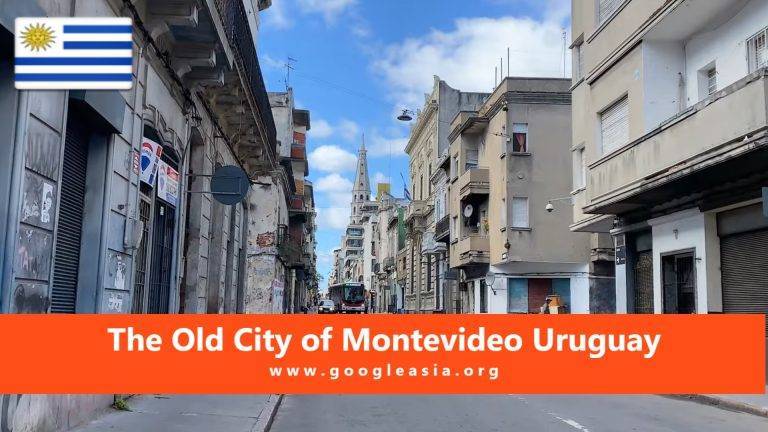
Montevideo is the capital of Uruguay and one of the oldest cities in South America. Its old city features a mix of colonial-era architecture, including houses with beautifully preserved art deco doors and balconies, plus plazas, pedestrian streets and cobbled lanes that lead to hidden courtyards. It’s a fascinating spot to wander around and soak up the local vibes.
The Old City of Montevideo, Uruguay, situated on the southeastern coast along the Río de la Plata estuary, stands as a testament to the city’s rich history and vibrant culture. This historic center is the beating heart of Montevideo’s tourism, drawing visitors with its blend of colonial architecture, cultural landmarks, and bustling streets.
Budget Travel $100
Exploring Montevideo’s Old City, known as Ciudad Vieja, is highly affordable and culturally rich. Meals at casual restaurants or cafés in the area average $8–12, while lighter options such as empanadas or sandwiches can be found for $3–5. Public buses cost about $1 per ride, and walking is the best way to explore since most attractions—like Plaza Independencia, the Solís Theatre, and the Mercado del Puerto—are concentrated in a compact area. Entrance fees to museums, such as the Museo Torres García or the Museo Andes 1972, are typically $2–5, making cultural immersion accessible. Street performances and art displays along the pedestrian streets are free, adding to the vibrant atmosphere.
With $100, a traveler could comfortably spend two days in Ciudad Vieja. For example, allocating $30 for meals, $10 for transport, $10 for museum entries, and $10 for snacks leaves $40 for extras such as souvenirs or a special dinner at Mercado del Puerto, famous for its parrilladas (grilled meats). The Old City itself is the highlight, offering free entertainment through colonial architecture, lively plazas, and the bustling port market. This balance makes Montevideo’s historic quarter one of the most budget-friendly yet culturally immersive destinations in South America.
Tips for American Travelers
For Americans visiting Montevideo’s Old City, embracing local customs is key to enjoying the experience. Uruguayans dine later than in the U.S., with dinner often starting around 9 PM, so adjusting to this rhythm helps travelers blend in. While English is spoken in some tourist areas, basic Spanish phrases are very helpful when ordering food or navigating local transport. The local currency is the Uruguayan peso (UYU), and although credit cards are widely accepted, carrying cash is recommended for small purchases at markets or museums.
Safety in Ciudad Vieja is generally good, but as in any busy tourist destination, keeping valuables secure is wise, especially in crowded areas like Mercado del Puerto or Plaza Independencia. Americans should also note Uruguay’s strong tradition of mate drinking, and it’s common to see locals carrying thermoses and gourds even in the Old City. Joining in this ritual can be a fun way to connect with locals. Finally, the Old City is best explored on foot, allowing travelers to appreciate its colonial architecture, vibrant street art, and lively atmosphere at a relaxed pace.
1‑Day Itinerary
Morning (9:00 AM – 11:30 AM)
- Begin at Plaza Independencia, Montevideo’s main square.
- Visit the Puerta de la Ciudadela, the old city gate.
- Explore the Palacio Salvo, an iconic landmark overlooking the plaza.
Midday (12:00 PM – 2:00 PM)
- Tour the Teatro Solís, Uruguay’s oldest and most prestigious theater.
- Lunch at Mercado del Puerto, famous for Uruguayan parrillas (grilled meats).
Afternoon (2:30 PM – 5:00 PM)
- Stroll along Sarandí Street, lined with shops, cafés, and art galleries.
- Visit the Museo Torres García, dedicated to Uruguay’s renowned modernist artist.
- End with a walk along the Rambla, enjoying views of the Río de la Plata.
Highlights:
- Plaza Independencia and Puerta de la Ciudadela
- Teatro Solís
- Mercado del Puerto
- Museo Torres García
- Rambla waterfront
Attractions
The Old City (Ciudad Vieja) is Montevideo’s historic core and the city’s cultural gateway, where colonial streets meet modern avenues. This compact district traces its origins to the 18th century and functions today as a walkable cluster of museums, galleries, cafés, and civic landmarks that together tell Uruguay’s political and urban story.
The Old City of Montevideo
The Old City (Ciudad Vieja) is Montevideo’s historic core where colonial streets meet grand republican institutions. Compact and walkable, this district concentrates the city’s political, cultural, and architectural landmarks within a short radius, making it essential for first‑time visitors and history lovers.
Why Visit Ciudad Vieja
Ciudad Vieja offers a layered urban narrative: colonial fortifications, 19th‑century theatres, and 20th‑century government palaces sit side‑by‑side. Strolling its cobbled lanes reveals how Montevideo evolved from a fortified port into Uruguay’s political and cultural capital.
Palacio Legislativo
The Palacio Legislativo is Uruguay’s seat of parliament and one of Montevideo’s most monumental civic buildings. Construction began in the early 20th century and the palace was inaugurated on 25 August 1925, a date chosen to coincide with the centenary of Uruguay’s independence. The building is celebrated for its neoclassical design, extensive marble interiors, and a grand central hall often referred to as the Salón de los Pasos Perdidos.
What to See and Practical Tips
- Interior highlights: marble staircases, frescoed ceilings, legislative chambers, and a civic art collection.
- Location: Avenida de las Leyes, within easy reach of downtown hotels and the Rambla.
- Visitor notes: Guided tours are offered on weekdays; because the palace is an active seat of government, access can vary with parliamentary sessions—book ahead for guaranteed entry.
Plaza Independencia
Plaza Independencia is Montevideo’s principal square and the formal boundary between Ciudad Vieja and the modern downtown. The plaza is dominated by the equestrian statue of José Gervasio Artigas, Uruguay’s national hero, and serves as the site of the Mausoleum of Artigas, where the national hero’s remains are honored.
Surrounding Landmarks and Events
- Public life: The square hosts civic ceremonies, concerts, and seasonal festivals—check local listings for events during your visit.ia is also a frequent site for public events, demonstrations, and cultural programming.
- Teatro Solís: Montevideo’s historic opera house sits just off the plaza and offers guided tours and a regular performance calendar.
- Palacio Salvo and Torre Ejecutiva: These buildings frame the plaza and define the city’s skyline.
Things to Do
The Old City of Montevideo, Uruguay, known as Ciudad Vieja, is a captivating district steeped in history and culture. From colonial architecture to vibrant markets and serene parks, there’s plenty to explore and enjoy in this charming part of the city.
Wander the Cobblestone Streets
Narrow, winding cobblestone lanes, restored colonial facades, street galleries, and a layout that still reflects the original fortified plan of the city. Mornings are quieter for photography and museum visits; afternoons bring market energy.
See Palacio Salvo Skyline and Plaza Independencia
Palacio Salvo is an iconic eclectic skyscraper completed in 1928, with an architectural height of about 95 m, dominating the skyline near Plaza Independencia and linking Ciudad Vieja to Montevideo’s broader urban story.
Visit the Puerta de la Ciudadela
The Puerta de la Ciudadela is the surviving gate from Montevideo’s 18th‑century citadel; the drawbridge and gate were originally built in the mid‑1700s and mark the traditional entrance to the Old City. This is a prime spot for photos that frame the transition from modern Plaza Independencia into Ciudad Vieja.
Cultural and Historical Attractions
Museo Histórico Cabildo
The Cabildo building is one of Montevideo’s most important colonial monuments and today operates as the Museo Histórico Cabildo, with collections of documents, iconography, and objects that trace the city’s political and social history. Visiting hours and rotating exhibits make it a compact, informative stop.
Museo Nacional de Artes Visuales
The Museo Nacional de Artes Visuales in Parque Rodó holds the largest public collection of Uruguayan visual art, including major works by Joaquín Torres García, Pedro Figari, Juan Manuel Blanes, and others; it was established in 1911 and is essential for understanding Uruguay’s artistic heritage.
Food, Markets, and Local Flavors
Mercado del Puerto Gastronomy
Mercado del Puerto, inaugurated on 10 October 1868, is Ciudad Vieja’s gastronomic hub: covered ironwork architecture houses parrillas serving asado, chivitos, and seafood, plus live music and artisan stalls—an immersive place to taste Uruguayan barbecue culture.
Rooftop Sunset Views
Finish a day in the Old City at a rooftop terrace or bar for sunset views over the Río de la Plata; terraces around Plaza Independencia and the port offer skyline panoramas and relaxed evening atmospheres.
Parks and Recreation
Parque Rodó Escape
A short walk from Ciudad Vieja, Parque Rodó offers lakeside paths, paddleboats, the Castillo cultural center, outdoor sculptures, and seasonal events—ideal for a relaxed afternoon after museum visits.
Foods
The Old City of Montevideo Uruguay is renowned for its culinary delights, blending traditional Uruguayan flavors with influences from Argentina and beyond. Whether you’re exploring its historic streets or relaxing in a cozy café, here are the must-try foods:
Chivito
The Chivito is Uruguay’s iconic sandwich: a soft roll piled with thinly sliced beef steak, ham, bacon, melted cheese, lettuce, tomato, mayonnaise, and often a fried egg; it’s commonly served with french fries. Where to eat it: Found in casual restaurants and bodegones across Ciudad Vieja and near the port. Why it matters: Chivito is treated as a national specialty and a must-try for visitors exploring the Old City.
Choripán
A simple grilled chorizo sausage in crusty bread, usually topped with chimichurri or salsa criolla. Street context: Choripán is a staple of Montevideo street food and an easy grab while walking Sarandí or visiting weekend markets. Flavor note: The char from the parrilla and the herbaceous chimichurri define its bright, rustic profile.
Milanesa
Thin slices of beef or chicken breaded and fried until golden. Local twists: Try Milanesa a la Napolitana topped with tomato sauce, ham, and melted cheese—an Italian-influenced Uruguayan favorite served in many Ciudad Vieja eateries. Texture tip: Squeeze of lemon brightens the crunchy crust.
Pancho
The Uruguayan hot dog—often simply called pancho—served with a variety of sauces and sometimes inside a pastry or roll. On the go: Popular as a portable snack for sightseeing in the Old City and at kiosks near plazas. Local habit: Panchos are a quick, budget-friendly option for late-night strolls.
Uruguayan Beef Steak and Asado
Uruguay’s beef culture centers on the parrilla and asado—grilled cuts cooked over wood or charcoal and seasoned simply to showcase the meat. Cultural fact: Montevideo’s dining identity is deeply rooted in European influences and a national tradition of high-quality beef served in parrillas across Ciudad Vieja. Serving: Expect chimichurri, roasted vegetables, and shared plates at traditional grill houses.
Matambrito
A slow-cooked beef preparation (often a thin flank or skirt) that can be grilled or stewed with vegetables and spices. Regional note: Variations exist across Uruguay; in Ciudad Vieja you’ll find both parrilla-style and homey bodegón renditions. Eating tip: Pairs well with a glass of local Tannat or a cold beer.
Obleas con Arequipe
Thin wafers sandwiched with arequipe (dulce de leche), a beloved Uruguayan sweet treat. Where to find: Confectioneries and street vendors in the Old City sell obleas as an easy dessert while exploring museums and plazas. Texture and taste: Crisp wafer plus creamy caramel creates a light, portable indulgence.
Hotels
When visiting The Old City of Montevideo, Uruguay, choosing the right accommodation can enhance your experience of this historic and culturally rich area. Here are some of the top hotels to consider:
Piedra Alta Boutique Hotel
Piedra Alta Boutique Hotel markets itself as centrally located in Ciudad Vieja near Plaza Independencia and Montevideo Cathedral. Local hotel listings show many small boutique properties concentrated around Plaza Independencia and the Sarandí pedestrian axis.
Accommodation
Rooms at boutique properties in Ciudad Vieja typically combine restored period features with modern amenities; expect fewer than 40 rooms, individualized décor, and quieter courtyard or street views.
Dining & Facilities
Boutique hotels in the Old City commonly offer breakfast service and small on‑site dining or partnerships with nearby cafés; many also provide rooftop terraces or courtyard gardens for guests.
Hotel Nogaró
Hotel Nogaró occupies a historic building facing Plaza Matriz (Plaza Constitución) in Ciudad Vieja. The original Hotel Nogaró was inaugurated in 1939 and is recorded in Montevideo’s architectural inventory.
Accommodation
The building’s design reflects Art Déco influences and originally offered sumptuous rooms organized around an interior patio; modern uses of the structure include government offices and cultural institutions, though the historic hotel name remains part of the site’s heritage record.
Dining & Facilities
Properties on Plaza Matriz and adjacent streets typically place guests within steps of traditional bodegones, cafés, and the Teatro Solís cultural district.
Homestay Boutique & Suites (and similar Ciudad Vieja lodgings)
Small homestays and boutique suites are common in quiet corners of Ciudad Vieja, often inside restored heritage buildings from the early 20th century. Listings on major booking platforms show many homestay options within walking distance of museums and the port.
Accommodation & Facilities
Expect apartment‑style suites, personalized service, rooftop terraces, and communal lounges or small libraries—features that appeal to travelers seeking a residential feel in the Old City.
Hotel Esplendor Montevideo (Esplendor by Wyndham Cervantes)
Esplendor by Wyndham Montevideo Cervantes sits in the historic arts district near the city center and is a short walk from the Río de la Plata promenade. The property blends 1920s architecture with contemporary interiors.
Accommodation & Facilities
The hotel offers period details, art installations, a terrace breakfast area, spa facilities, and an indoor pool and fitness center according to guest reviews and hotel descriptions.
The Ritz‑Carlton and Carrasco neighborhood
The Ritz‑Carlton, Montevideo is associated with the upscale Carrasco neighborhood, an elegant seaside barrio historically developed as a resort and now one of Montevideo’s most exclusive districts. Carrasco provides beachfront access and high‑end lodging distinct from Ciudad Vieja’s compact historic hotels.
If you want a luxury beachfront stay with resort amenities, Carrasco is the correct area; for walking access to museums, plazas, and Ciudad Vieja’s restaurants, choose a hotel inside the Old City.
Park Hyatt / Hyatt Centric and waterfront options
Hyatt properties and other international brands cluster along Montevideo’s rambla and in neighborhoods like Pocitos and Punta Carretas. Hyatt Centric (the Hyatt presence in Montevideo) advertises waterfront or promenade proximity and modern rooms with local design touches. These hotels are ideal for travelers prioritizing river views and beach access.
Conclusion
Exploring Montevideo’s Old City is a journey through Uruguay’s past and present. With its colonial streets, cultural landmarks, and lively atmosphere, Ciudad Vieja offers travelers a unique blend of history and modern urban life. Plan your visit now and discover the soul of Montevideo.
Summary
- Attraction: The Old City of Montevideo
- Country: Uruguay
- Continent: South America
- Capital Name: Montevideo
- Language: Spanish
- Currency: Peso Uruguayo
- Nationality: Uruguayans
- Category: #Destination #SouthAmerica #URUGUAY
Contact Information
- Location: Ciudad Vieja, Montevideo Department, Uruguay
- Activities: Historic walking tours, museums, theater, dining, shopping, waterfront strolls
- Entry Fee: Free access to public areas; museums and attractions may charge small fees (approx. 100–300 UYU)
- Business Hours:
- Museums: Daily, 11:00 AM – 5:00 PM
- Mercado del Puerto: Daily, 10:00 AM – late evening
- Teatro Solís: Guided tours available most days, check schedule
- Contact:
- Telephone: +598 1950 (Montevideo Tourism Office)
- Website: https://www.descubrimontevideo.uy
- Email: turismo@imm.gub.uy
Frequently Asked Questions
Where is the Old City of Montevideo located?
The Old City of Montevideo, known locally as “Ciudad Vieja,” is located in the historical center of Montevideo, Uruguay. It occupies the southernmost part of the city and is bordered by the coast of the Rio de la Plata to the south. This area is renowned for its colonial architecture, narrow streets, historic buildings, museums, theaters, and vibrant cultural scene. It’s a popular destination for tourists interested in exploring Montevideo’s rich history and heritage.
How to go to the Old City of Montevideo?
- From Carrasco International Airport:
- Take a taxi or shuttle service to the Old City, which is approximately a 40-minute drive depending on traffic.
- From Tres Cruces Bus Terminal:
- Catch a bus or taxi to the Old City, which is about a 15-minute drive depending on traffic conditions.
- From Downtown Montevideo:
- Walk or take a short taxi ride to the Old City, as it is centrally located and easily accessible from most parts of the city.
- Public Transport:
- Use local buses that pass through or near the Old City. Routes and schedules can be checked online or at bus terminals.
- Driving:
- If driving, navigate towards the historical center of Montevideo and look for signs indicating the Old City. Parking may be limited, so plan accordingly.
What are the Old City of Montevideo’s must-visit attractions or landmarks?
- Plaza Independencia: A central square marking the boundary between the Old City and downtown Montevideo, featuring the iconic Salvo Palace and Artigas Mausoleum.
- Ciudadela Gateway (Puerta de la Ciudadela): Historic gateway and former entrance to the walled city of Montevideo, dating back to the colonial era.
- Solís Theatre (Teatro Solís): Uruguay’s oldest theater, offering guided tours and performances in a beautifully restored 19th-century building.
- Cabildo: Historic colonial building housing exhibits on Uruguay’s history and independence movement, located near Plaza Matriz.
- Mercado del Puerto: Famous for its grilled meat (asado) restaurants and vibrant atmosphere, ideal for sampling Uruguayan cuisine and shopping for local crafts.
- Rambla of Montevideo: Scenic waterfront promenade along the Rio de la Plata, offering views of the coastline, historic buildings, and recreational areas.
- Montevideo Cathedral (Catedral Metropolitana de Montevideo): Neo-Romanesque cathedral dating back to the 18th century, featuring beautiful stained glass windows and historical significance.
- Museo Torres García: Art museum showcasing works by renowned Uruguayan artist Joaquín Torres García, located in a charming historic building.
- Calle Sarandí: Pedestrian street lined with shops, cafes, and art galleries, offering a glimpse into Montevideo’s cultural and commercial life.
- Fortaleza del Cerro: Historic fortress overlooking Montevideo, offering panoramic views of the city and Rio de la Plata, accessible via a short hike or taxi ride.
Is the Old City of Montevideo a suitable travel destination for solo adventurers, honeymooning couples, or those traveling with families?
Yes, the Old City of Montevideo is a suitable travel destination for various types of travelers:
- Solo Adventurers: Solo travelers can explore the historic streets, museums, and cultural sites at their own pace. The area is relatively safe during the day, with plenty of cafes and restaurants to relax in.
- Honeymooning Couples: The Old City offers a romantic atmosphere with its charming streets, historic architecture, and scenic views of the Rio de la Plata. Couples can enjoy romantic walks along the waterfront, visit art galleries, and dine at intimate restaurants.
- Families: Families traveling with children can visit family-friendly attractions such as Mercado del Puerto for delicious food, Plaza Independencia for outdoor activities, and museums like the Cabildo for educational experiences. The area is generally walkable and offers a blend of history and culture that can appeal to all ages.
Why should you visit the Old City of Montevideo?
- Historical Charm: Experience Uruguay’s colonial past through well-preserved architecture, cobblestone streets, and historic landmarks dating back centuries.
- Cultural Richness: Explore museums, art galleries, theaters, and cultural centers showcasing Uruguay’s art, history, and vibrant cultural scene.
- Culinary Delights: Sample traditional Uruguayan cuisine at Mercado del Puerto, renowned for its grilled meats (asado) and seafood dishes, amidst a lively atmosphere.
- Scenic Views: Enjoy panoramic views of the Rio de la Plata from the Rambla and iconic landmarks like Plaza Independencia and Fortaleza del Cerro.
- Architectural Marvels: Admire architectural gems such as the Solís Theatre, Montevideo Cathedral, and the Ciudadela Gateway, each reflecting different periods of Montevideo’s history.
- Shopping and Souvenirs: Browse through boutique shops, artisan markets, and antique stores along Calle Sarandí for unique gifts and souvenirs.
- Local Culture: Immerse yourself in local traditions, festivals, and street performances that often take place in and around the Old City.
- Relaxation and Recreation: Stroll along pedestrian-friendly streets, relax in quaint cafes, or take a leisurely walk along the waterfront promenade, enjoying the peaceful ambiance.
- Accessibility: Located centrally within Montevideo, the Old City is easily accessible by foot, public transport, or taxi, making it convenient to explore.
- Historical Significance: Learn about Uruguay’s independence movements, historical figures like José Artigas, and the city’s evolution through informative museums and guided tours.
Is it difficult to find halal food in the Old City of Montevideo?
In the Old City of Montevideo, finding halal food can indeed be quite challenging due to the predominance of traditional Uruguayan cuisine, which typically includes pork and non-halal meats. While there may not be dedicated halal restaurants in this area, Muslim travelers can explore options like vegetarian dishes or seafood, ensuring they inquire about food preparation to adhere to halal standards. It’s recommended to plan ahead, perhaps bringing suitable provisions or checking with local establishments for any potential halal-friendly offerings.