Tag: ZIMBABWE

  • Zambezi River: Discover Zimbabwe’s Mighty Waterway for U.S. Visitors

    Zambezi River: Discover Zimbabwe’s Mighty Waterway for U.S. Visitors

    Zambezi River, Zimbabwe

    Embark on a journey along the majestic Zambezi River, where adventure meets serenity. Explore the wonders of this iconic waterway and discover its diverse wildlife. Read more for an unforgettable experience.

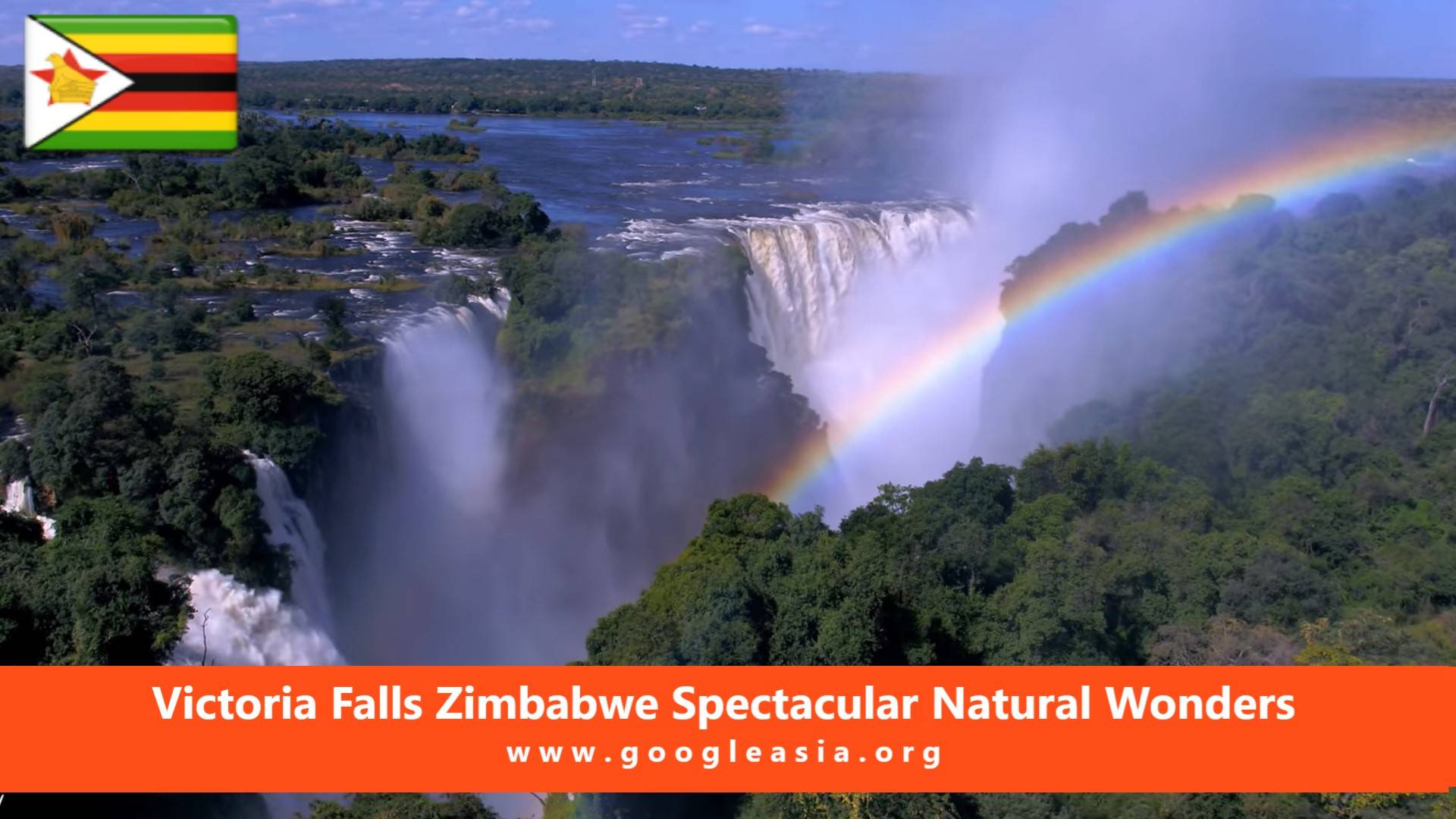
    The Zambezi River runs through Zambia and Zimbabwe, forming natural boundaries between the two countries. It is a major source of hydroelectricity and is known for its picturesque Victoria Falls. Surrounding areas around the river are teeming with birds and African wildlife, making it a popular tourist destination.

    Introduction

    The Zambezi River, stretching 2,574 kilometers across southeast Africa, is not only a geographical marvel but also a vital resource for the regions it traverses. In Zimbabwe, this mighty river plays a pivotal role in the country’s ecological and economic systems. This guide delves into the multifaceted significance of the Zambezi River in Zimbabwe, from its impact on local communities to its contribution to the nation’s energy sector and its role in conservation and tourism.

    Economic Impact

    Hydropower Generation

    The Zambezi River is crucial to Zimbabwe’s energy infrastructure, primarily through the Kariba Dam. This dam, one of the largest artificial lakes in the world, provides a significant portion of the country’s electricity. The consistent flow of the river ensures a steady supply of hydropower, which is essential for both domestic consumption and industrial use.

    Agriculture and Irrigation

    The river’s waters are indispensable for agriculture, particularly in the drought-prone areas of Zimbabwe. Farmers rely on irrigation from the Zambezi to grow crops and sustain their livelihoods. The river supports diverse agricultural activities, from large-scale commercial farming to smallholder farms.

    Social and Cultural Significance

    Local Communities

    For thousands of people living along its banks, the Zambezi River is a lifeline. Fishing is a primary source of income and sustenance for many local communities. The river’s resources are deeply embedded in the cultural practices and traditions of these communities, shaping their way of life.

    Traditional Practices

    The river is also a site of various traditional ceremonies and rituals. Many local ethnic groups hold the river in spiritual reverence, and it features prominently in their folklore and religious practices.

    Natural Beauty and Ecotourism

    Wildlife and Ecosystems

    Zambezi National Park, located along the river, is a haven for diverse wildlife. The park’s ecosystems range from savannahs to woodlands, supporting species such as elephants, lions, and buffaloes. The park is a crucial area for conservation efforts and wildlife protection.

    Activities for Tourists

    Tourists can engage in various activities, including game drives, river cruises, and guided walking safaris. The park’s scenic beauty and rich biodiversity make it a popular destination for ecotourism.

    Mana Pools National Park

    Unique Features

    Mana Pools National Park, a UNESCO World Heritage site, offers unique experiences due to its floodplains and rich wetlands. The park’s distinctive landscape provides exceptional opportunities for wildlife viewing and photography.

    Adventure Tourism

    The park is known for its walking safaris, which allow visitors to explore the landscape and observe wildlife up close. Canoeing along the Zambezi River is another popular activity, offering a different perspective on the park’s natural beauty.

    Environmental and Conservation Challenges

    Habitat Loss and Poaching

    The river’s ecosystems face threats from habitat loss due to human activities and poaching. Conservation efforts are ongoing to protect the delicate balance of these environments and ensure the survival of various species.

    Climate Change

    Climate change poses a significant threat, impacting water levels and altering the river’s flow patterns. This can affect both the river’s ecological health and the communities that depend on it.

    Conservation Efforts

    Local and International Initiatives

    Various local and international organizations are involved in conservation efforts along the Zambezi River. These initiatives focus on protecting wildlife, preserving natural habitats, and promoting sustainable practices.

    Community Involvement

    Community-based conservation programs play a crucial role in protecting the river’s environment. Engaging local communities in conservation activities helps foster a sense of stewardship and ensures that conservation efforts are effective and sustainable.

    Practical Information

    Budget Travel $100

    If you are traveling on a $100 budget, you can maximize your adventure along the Zambezi River by staying in affordable lodges or campsites near the water. Cooking your own meals or buying fresh local produce helps you save money while enjoying authentic flavors. Using shared transport options keeps travel costs low, and taking long walks along the riverbanks or visiting free viewpoints allows you to soak in stunning scenery without spending extra.

    Tips for USA Travellers

    For visitors coming from the USA, packing light makes connecting flights easier and less stressful. Carrying cash is important, as rural areas along the river may have limited card facilities. Respecting local customs and engaging with communities ensures a more authentic and meaningful experience. Finally, downloading offline maps is a smart move since mobile coverage can be patchy along certain stretches of the Zambezi.

    Things to Do

    The Zambezi River, one of Southern Africa’s most iconic water sources, offers a wealth of activities for adventurers and nature lovers alike. From thrilling rapids to serene boat cruises, the Zambezi promises unforgettable experiences. This guide highlights some of the top activities you can enjoy along this majestic river.

    White-Water Rafting

    Thrill-Seeking Rapids

    White-water rafting on the Zambezi River is renowned for its exhilarating rapids. The river boasts some of the world’s most challenging and exciting white-water sections. Whether you’re a novice or a seasoned rafter, the Zambezi provides an adrenaline-pumping adventure.

    Safety and Equipment

    Before you embark on your rafting adventure, it’s crucial to understand the safety measures and equipment provided. Professional guides ensure all safety protocols are followed, and high-quality gear is used to make your experience both thrilling and safe.

    Canoeing & Kayaking

    Tranquil Exploration

    For those seeking a more peaceful experience, canoeing or kayaking on the Zambezi offers a unique opportunity to explore its serene beauty. Paddle through palm-fringed channels and enjoy close encounters with the river’s wildlife.

    Wildlife Spotting

    While canoeing or kayaking, you might encounter various species such as hippos, crocodiles, and an array of birdlife. These quieter crafts allow for an intimate observation of the river’s natural inhabitants.

    Sunbathing & Swimming

    Relaxation by the River

    If relaxation is what you seek, the Zambezi River provides perfect spots for sunbathing. Enjoy the warm sun on sandy banks or take a refreshing dip in the river’s calm waters.

    Safety Tips for Swimming

    While swimming in the Zambezi can be invigorating, it’s important to be aware of safety guidelines. Always swim in designated areas and be mindful of local wildlife to ensure a safe and enjoyable experience.

    Fishing

    Angling Opportunities

    Fishing enthusiasts will find the Zambezi River an ideal location to catch some of Africa’s prized fish. The river is home to species like the fierce tigerfish, the robust Vundu, and the elusive Nile perch.

    Best Fishing Spots

    To maximize your fishing experience, consider local guides who can take you to the best spots and provide valuable insights into the river’s diverse aquatic life.

    Boat Cruise

    Scenic Views

    A boat cruise on the Zambezi River offers a different perspective on this stunning waterway. Enjoy the river’s beauty while drifting along in a leisurely boat, with options for daytime and nighttime cruises.

    Types of Cruises

    Day cruises provide breathtaking views of the river’s landscape and wildlife, while night cruises offer a magical experience as you witness the Zambezi under the stars. Both types of cruises promise unique and memorable experiences.

    Visit Victoria Falls

    The Majestic Falls

    No trip to the Zambezi River is complete without visiting Victoria Falls, one of the world’s most spectacular natural wonders. Known as ‘the smoke that thunders,’ Victoria Falls is a must-see for its sheer scale and breathtaking beauty.

    Activities at Victoria Falls

    Explore various activities around Victoria Falls, including guided tours, helicopter rides, and bungee jumping, to fully appreciate the grandeur of this magnificent waterfall.

    Game Viewing

    Wildlife Encounters

    The Zambezi River region is a prime spot for game viewing, offering opportunities to see diverse wildlife in their natural habitat. Boat trips provide access to areas where animals gather to drink and graze.

    Best Times for Game Viewing

    For the best wildlife sightings, plan your game viewing excursions during early morning or late afternoon when animals are most active. Professional guides can enhance your experience with their expertise and knowledge.

    Foods

    Embarking on a journey along the Zambezi River is not only a feast for the eyes but also a delightful experience for the taste buds. The region’s rich culinary heritage combines traditional Zimbabwean dishes with fresh, locally sourced ingredients. Whether you’re staying in luxurious lodges or cozy camps, here’s a guide to some must-try foods that will enhance your adventure along the Zambezi.

    Traditional Zimbabwean Dishes

    Sadza

    Sadza is a staple in Zimbabwean cuisine, a type of thick maize porridge that is often served as the main dish. It’s typically enjoyed with a variety of accompaniments such as meat, vegetables, or stew. Its mild flavor and versatile nature make it a favorite among locals and visitors alike.

    Nyama Choma

    Nyama Choma, or grilled meat, is a popular dish enjoyed across Africa. In Zimbabwe, it’s often seasoned with local spices and cooked over an open flame. Commonly served with sadza and a side of vegetables or salads, this dish is a must-try for meat lovers.

    Kapenta

    Kapenta refers to small dried fish that are typically fried or stewed. This protein-rich dish is commonly served with sadza or rice and is a traditional favorite in Zimbabwean cuisine. Its unique taste and crunchy texture make it a special treat.

    River-Side Delicacies

    Freshwater Fish

    The Zambezi River is home to a variety of freshwater fish, including tigerfish and bream. These fish are often grilled or fried and served with local sides. Sampling freshly caught fish prepared by local chefs is an experience you won’t want to miss.

    River Shrimp

    River shrimp, locally known as “chikanda,” are another delicacy found in the Zambezi region. These shrimp are usually grilled or used in stews, offering a sweet and savory flavor that complements many traditional dishes.

    Local Fruits and Vegetables

    Mopane Worms

    Mopane worms, the larvae of the mopane moth, are a unique delicacy in Zimbabwean cuisine. These worms are often dried and fried, providing a rich, earthy flavor. They’re commonly enjoyed as a snack or as part of a larger meal.

    Indigenous Fruits

    The Zambezi region boasts a variety of indigenous fruits such as baobab fruit, which has a tangy taste and is high in Vitamin C. Another local fruit, the marula, is used in both sweet and savory dishes and is known for its rich, nutty flavor.

    Dining Experiences at Top Lodges

    Royal Livingstone Victoria Falls Zambia by Anantara

    Enjoy gourmet dining with breathtaking views of Victoria Falls. The lodge offers a range of international and local dishes, including delectable seafood and traditional Zimbabwean fare.

    Chundukwa River Lodge

    This lodge offers a unique dining experience with a focus on local ingredients. Expect to find dishes prepared with fresh river fish and traditional vegetables, served in a picturesque riverside setting.

    Tongabezi Lodge

    Tongabezi Lodge is known for its exceptional dining experiences, including bush dinners and private picnics. The menu features a blend of local and international cuisine, showcasing the best of Zambezi’s culinary offerings.

    Maramba River Lodge

    Maramba River Lodge offers an array of traditional Zimbabwean dishes in a relaxed setting. Their meals often feature locally sourced ingredients and freshly prepared dishes, including flavorful stews and grilled meats.

    Simonga Safari Camp

    At Simonga Safari Camp, enjoy meals prepared with fresh, local ingredients. The camp’s dining experience often includes traditional Zimbabwean dishes and opportunities to taste local specialties.

    Taita Falcon Lodge

    Taita Falcon Lodge provides a culinary experience that emphasizes local flavors. The lodge’s restaurant features dishes made from fresh produce and river fish, complemented by stunning views of the Zambezi River.

    Illala Lodge

    Illala Lodge offers a mix of Zimbabwean and international cuisine, with an emphasis on fresh, locally sourced ingredients. Their menu includes a variety of seafood and traditional meat dishes.

    InterContinental Livingstone

    InterContinental Livingstone offers fine dining with a focus on both international and Zimbabwean cuisine. Enjoy dishes prepared with local ingredients and savor the flavors of the Zambezi region in a luxurious setting.

    Spuku River Lodge

    Spuku River Lodge provides a unique dining experience with a focus on local delicacies and river-fresh ingredients. The lodge’s meals often feature traditional dishes and fresh fish from the Zambezi.

    Camp Kwando

    Camp Kwando offers a range of dining options, including traditional Zimbabwean meals prepared with fresh, local ingredients. Enjoy dishes such as grilled meats and fresh river fish in a comfortable and scenic setting.

    Conclusion

    The Zambezi River is more than a natural wonder—it’s a journey into Zimbabwe’s heart of adventure and culture. With its mighty rapids, tranquil stretches, and iconic Victoria Falls, the river offers experiences that are both thrilling and enriching. By planning wisely, you can enjoy every moment of this unforgettable destination without overspending. Start your Zimbabwe adventure today and let the Zambezi River captivate your spirit!
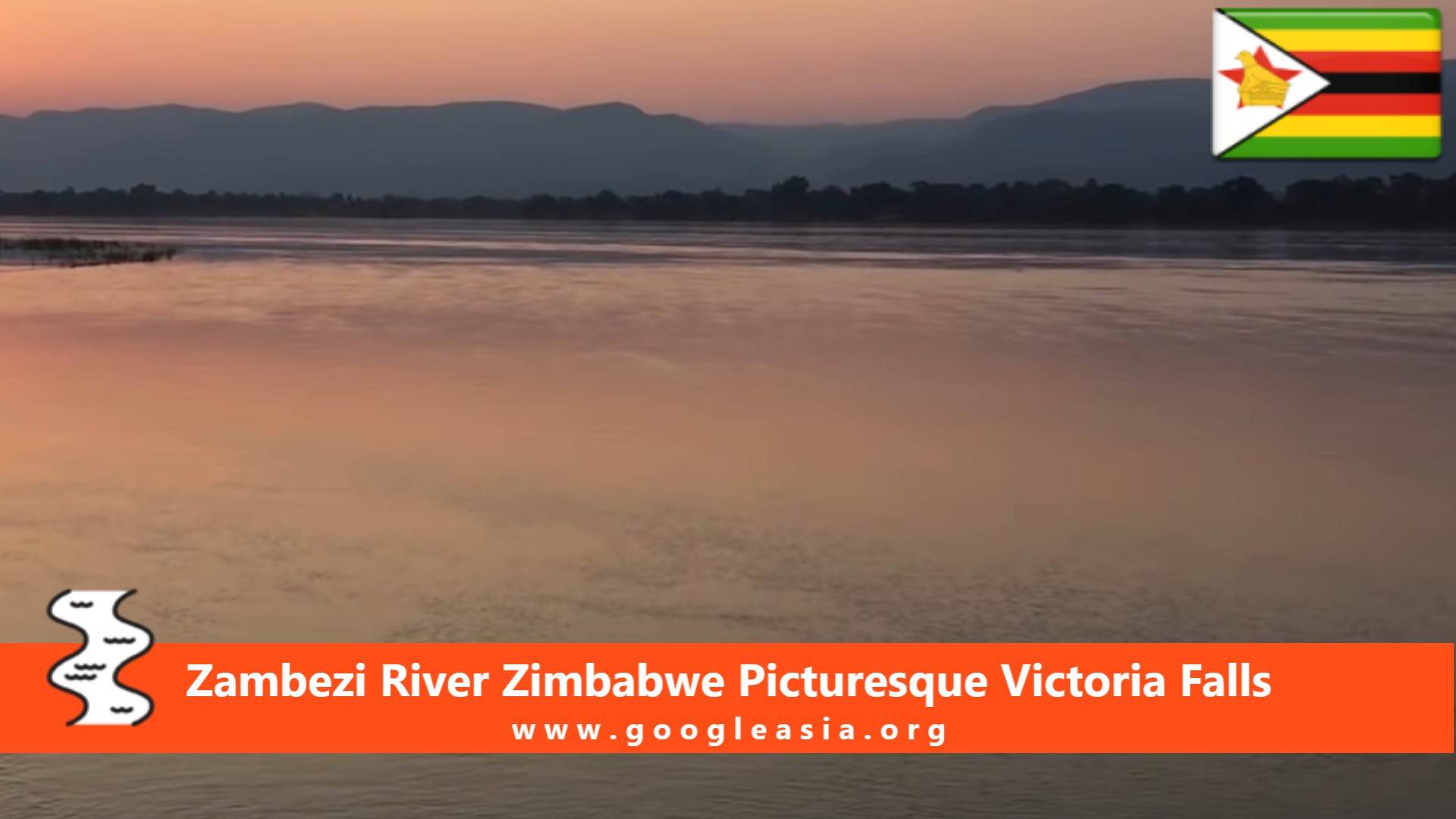
    Zambezi River Zimbabwe Picturesque Victoria Falls

    Summary

    • Attraction Name: Zambezi River
    • Country: Zimbabwe
    • Continent: African
    • Capital Name: Harare
    • Language: Shona, Ndebele, English
    • Currency: United States Dollar
    • Nationality: Zimbabwean
    • Category: #Destination #Africa #ZIMBABWE 

    Frequently Asked Questions

    What are Zambezi River’s nearby must-visit attractions or landmarks if your are coming from Zimbabwe?

    If you are coming from Zimbabwe to explore the Zambezi River region, there are several must-visit attractions and landmarks in the vicinity. Here are some notable ones:

    1. Victoria Falls: Victoria Falls is the primary attraction and a must-visit landmark. Known as one of the Seven Natural Wonders of the World, the falls are located on the border between Zimbabwe and Zambia. The town of Victoria Falls in Zimbabwe serves as a gateway to this spectacular site.
    2. Zambezi National Park: Adjacent to Victoria Falls, Zambezi National Park offers a diverse range of wildlife and stunning landscapes. Visitors can enjoy game drives, walking safaris, and boat cruises along the Zambezi River.
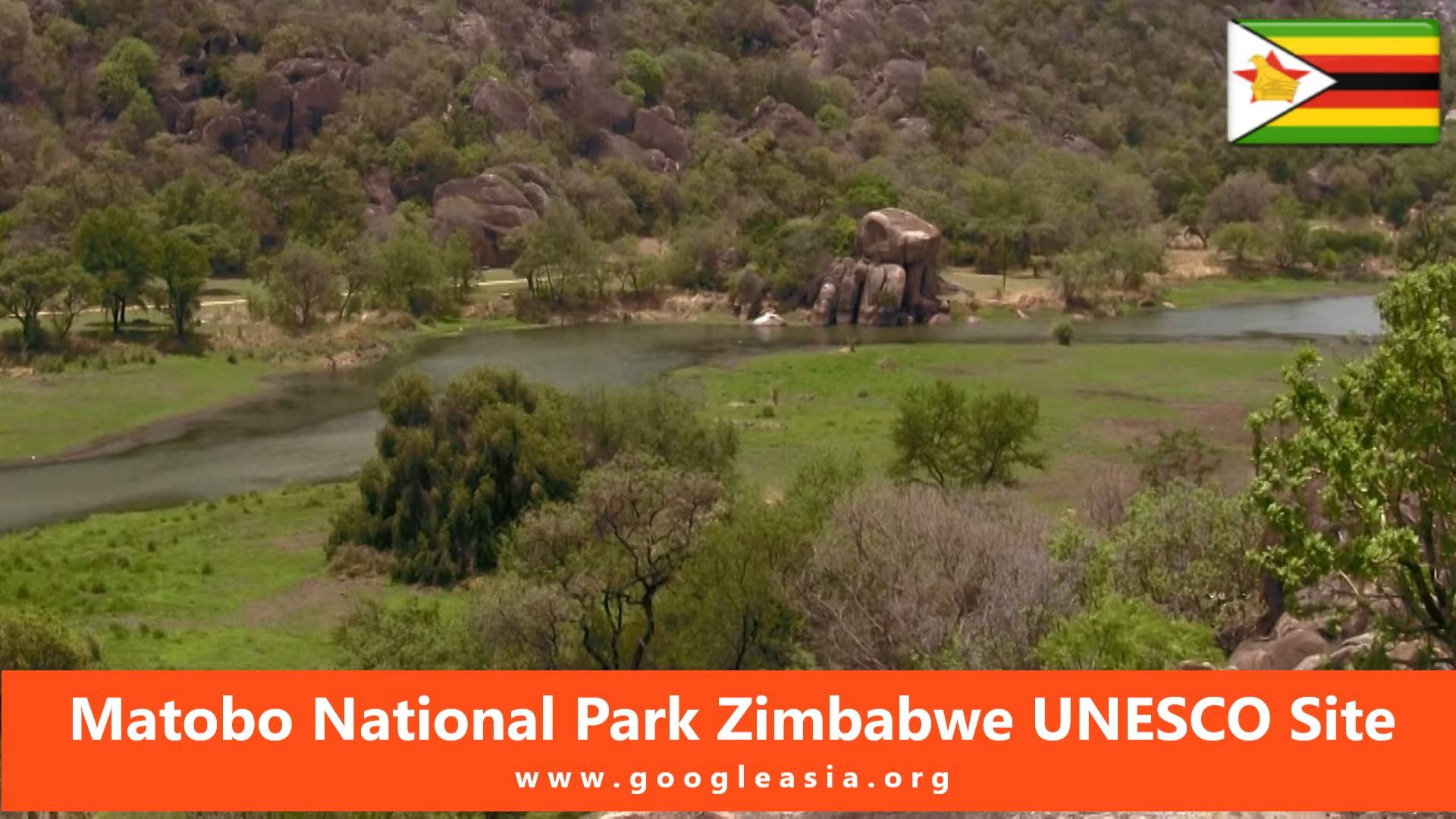
    3. Matobo National Park: While not directly on the Zambezi River, Matobo National Park is a UNESCO World Heritage Site known for its unique rock formations and ancient rock art. It’s a few hours’ drive from Victoria Falls and offers a different but equally fascinating landscape.
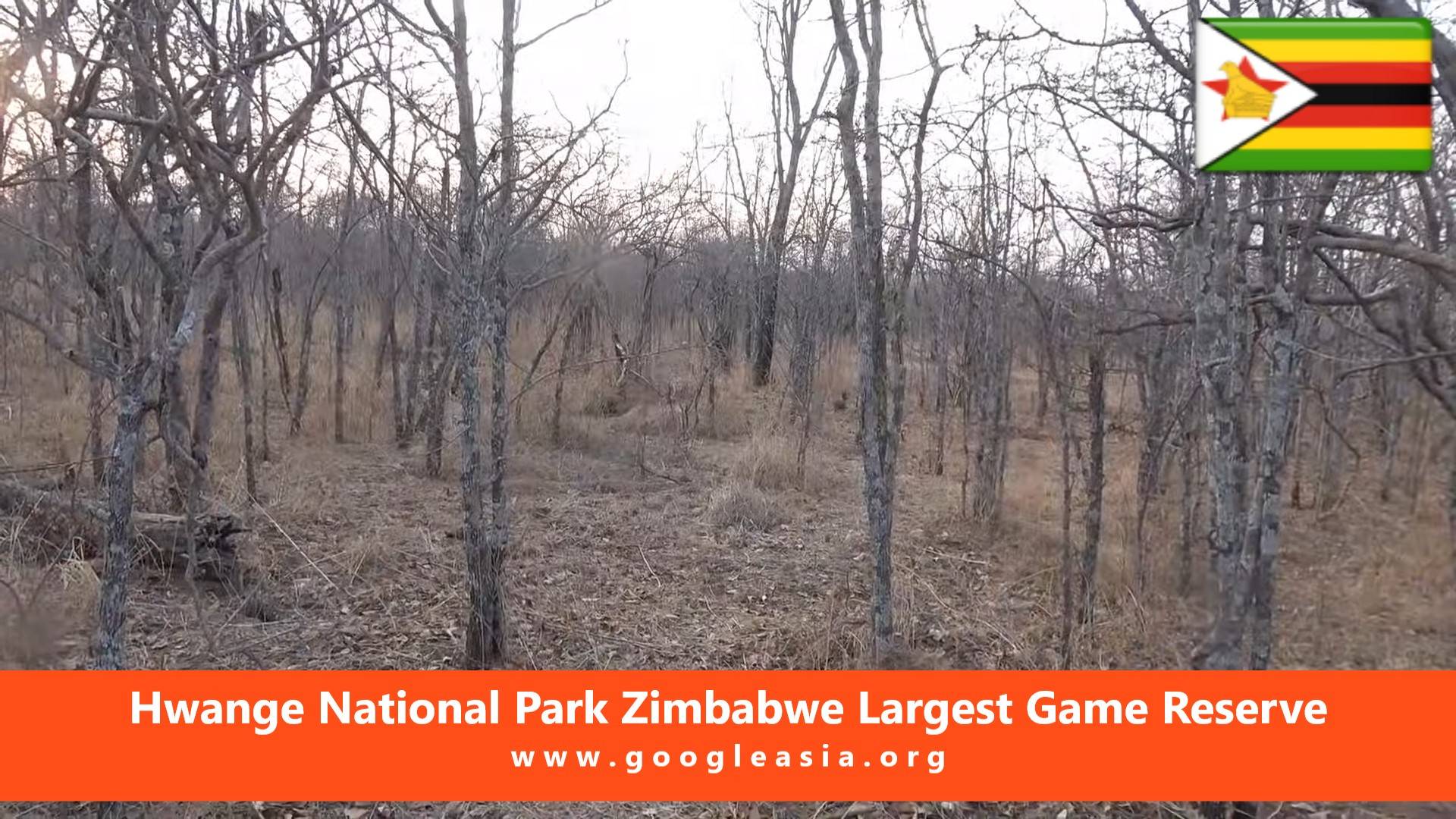
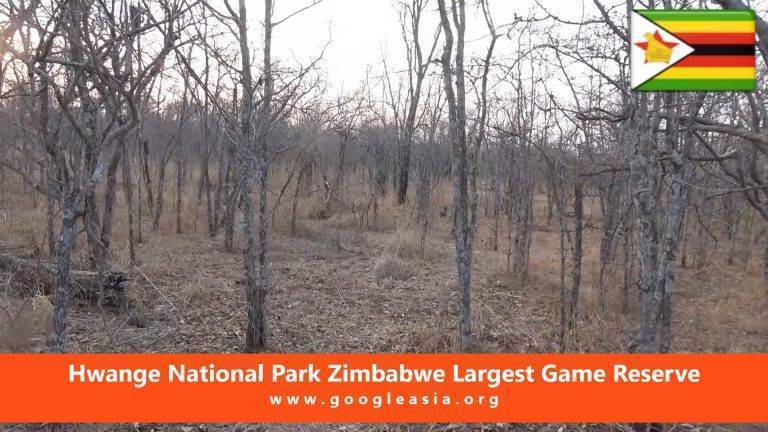
    4. Hwange National Park: Zimbabwe’s largest national park, Hwange National Park is known for its abundant wildlife, including a large population of elephants. It’s located to the southeast of Victoria Falls and offers excellent safari experiences.
    5. Kariba Dam and Lake Kariba: The Kariba Dam, situated on the Zambezi River, created Lake Kariba, one of the world’s largest artificial lakes. The dam and the lake offer opportunities for boat cruises, fishing, and enjoying the scenic beauty of the region.
    6. Chizarira National Park: Chizarira National Park is one of Zimbabwe’s lesser-known parks but is worth exploring for its rugged landscapes, deep gorges, and diverse wildlife. It is located to the west of Lake Kariba.
    7. Matusadona National Park: Also bordering Lake Kariba, Matusadona National Park is known for its wildlife, including elephants, lions, and buffalo. Visitors can enjoy boat safaris on the lake and explore the park’s varied ecosystems.
    8. Gonarezhou National Park: Situated in southeastern Zimbabwe, Gonarezhou National Park is part of the Great Limpopo Transfrontier Park and offers a remote and wild safari experience with diverse landscapes and wildlife.
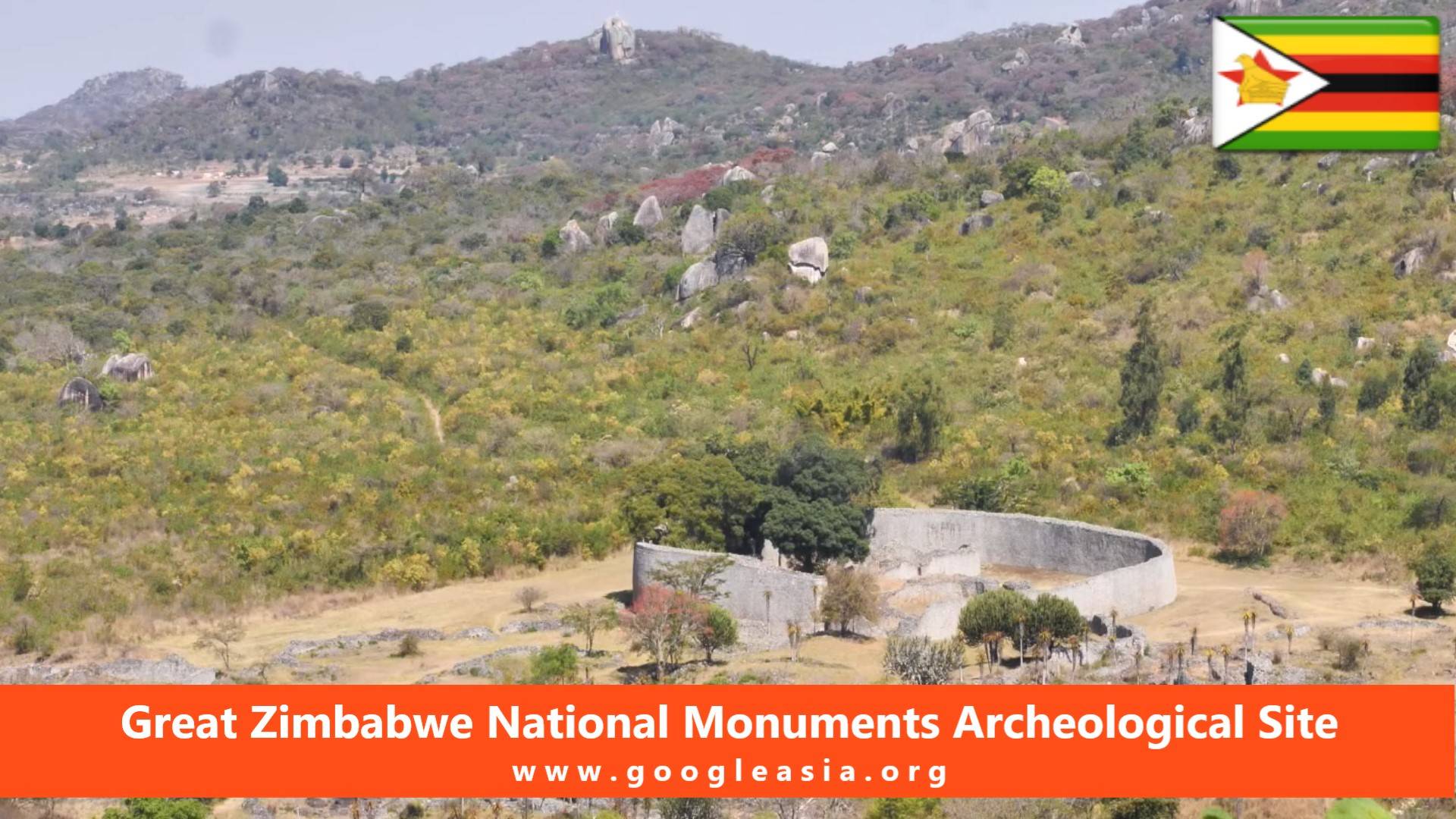
    9. Great Zimbabwe National Monument: While not in the immediate vicinity, the Great Zimbabwe National Monument is a UNESCO World Heritage Site and an archaeological treasure. It’s located to the southeast of Lake Kariba and showcases the ruins of an ancient city.
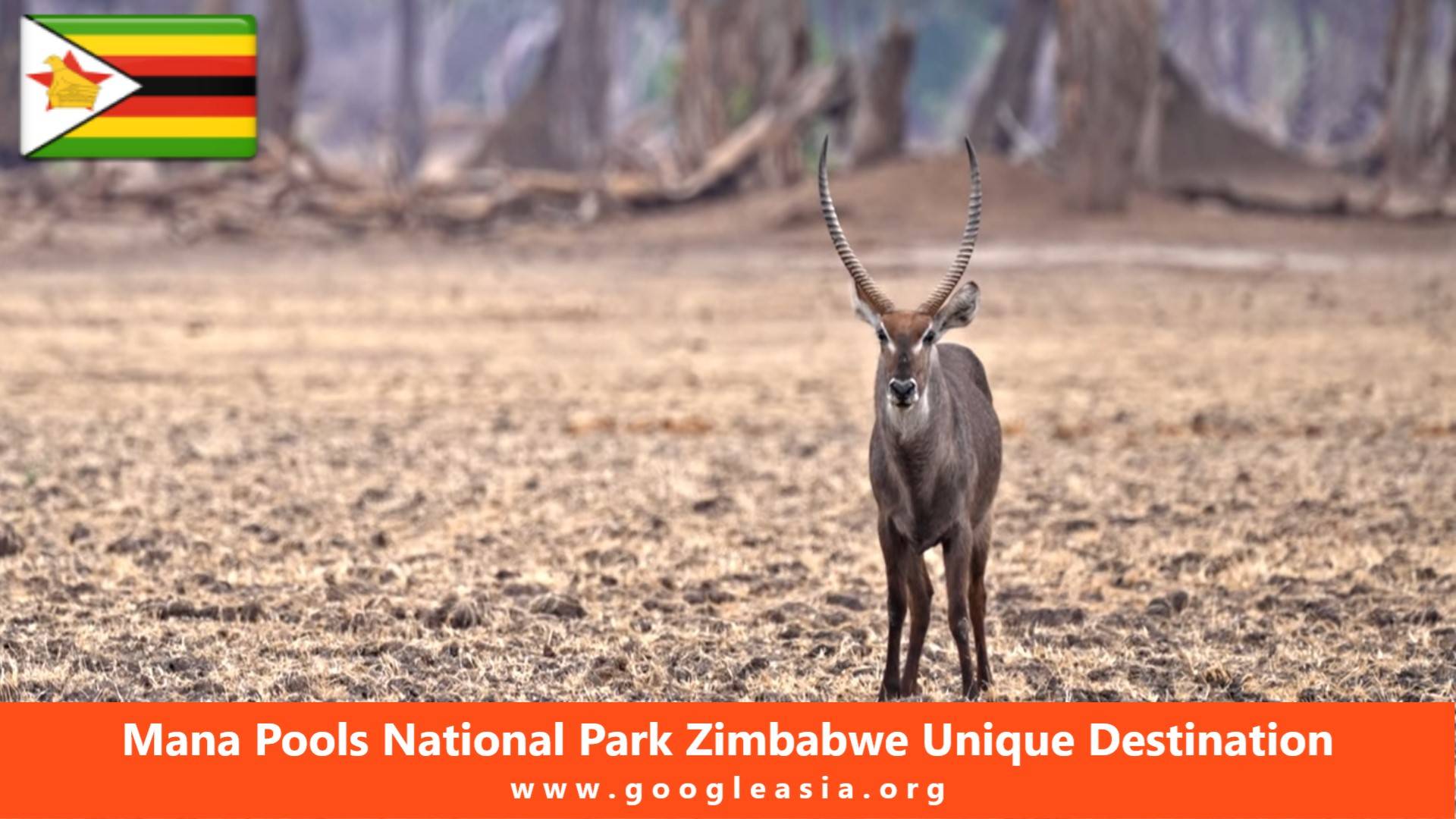
    10. Mana Pools National Park: Although primarily accessible from the northern side of the Zambezi River (Zambia), Mana Pools can be reached from Zimbabwe as well. This UNESCO World Heritage Site is famous for its floodplains and opportunities for walking safaris.

    Is Zambezi River a suitable travel destination for solo adventurers, honeymooning couples, or those traveling with families?

    Yes, the Zambezi River is a versatile destination that can cater to solo adventurers, honeymooning couples, and families alike. Here’s how it can be suitable for each type of traveler:

    1. Solo Adventurers:
      • Adventure Activities: Solo travelers can indulge in adrenaline-pumping activities such as white-water rafting, bungee jumping, and zip-lining. The Zambezi River is renowned for its adventure offerings, making it an exciting destination for those seeking solo thrills.
      • Wildlife Exploration: Solo adventurers can explore national parks and wildlife reserves along the Zambezi, enjoying game drives and nature walks to observe the diverse flora and fauna.
      • Cultural Experiences: Engaging with local communities and experiencing the unique cultures along the Zambezi River can be particularly enriching for solo travelers.
    2. Honeymooning Couples:
      • Romantic Scenery: The Zambezi River, especially around Victoria Falls, provides a stunning backdrop for a romantic getaway. Enjoy sunset cruises, private dinners, and the mesmerizing beauty of the falls.
      • Luxury Accommodations: There are luxury lodges and resorts along the river offering intimate and romantic settings, perfect for honeymooning couples looking for a secluded and memorable experience.
    3. Families:
      • Nature and Wildlife: Families can enjoy a variety of family-friendly activities, such as wildlife safaris, boat cruises, and nature walks. The Zambezi region offers opportunities for educational experiences about the local ecosystems and wildlife.
      • Adventure for All Ages: While some activities may be geared towards adults, there are family-friendly adventure options, including boat rides, nature trails, and cultural experiences suitable for children.
      • Relaxation: Families can also find resorts and accommodations that cater to relaxation, with amenities such as pools, family-friendly activities, and spacious accommodations.
    4. General Considerations:
      • Safety: The region is generally safe for travelers, but it’s essential to follow safety guidelines, especially for adventure activities. Families with children should be mindful of age restrictions for certain activities.
      • Accommodation Options: There is a range of accommodation options along the Zambezi River, from luxury lodges to budget-friendly options, providing choices that suit different preferences and budgets.

    Why should you visit Zambezi River?

    The Zambezi River is a captivating destination with a variety of attractions and activities that make it a compelling choice for travelers. Here are several reasons why you should consider visiting the Zambezi River:

    1. Victoria Falls: The Zambezi River is home to one of the most spectacular natural wonders, Victoria Falls. Known as the “Smoke that Thunders,” the falls are one of the largest and most famous waterfalls in the world. The sheer power and beauty of Victoria Falls are awe-inspiring, making it a must-see attraction.
    2. Adventure Activities: The Zambezi River offers a range of thrilling adventure activities, including white-water rafting, bungee jumping, zip-lining, and river cruises. For those seeking an adrenaline rush, the Zambezi provides a perfect playground.
    3. Wildlife and Nature: The river and its surrounding areas are rich in biodiversity. You can explore national parks and game reserves along the Zambezi, such as Mana Pools National Park and Lower Zambezi National Park, to experience diverse wildlife, including elephants, hippos, crocodiles, and various bird species.
    4. Scenic Beauty: The Zambezi River flows through stunning landscapes, offering picturesque views and opportunities for photography. The serene beauty of the river, especially during sunset or sunrise, is truly captivating.
    5. Cultural Experiences: The regions surrounding the Zambezi River are home to various ethnic groups with unique cultures. Engaging with local communities provides an opportunity to learn about their traditions, music, dance, and way of life.
    6. Fishing: The Zambezi River is renowned for its excellent fishing opportunities. Anglers can try their luck in catching various fish species, including tigerfish and catfish, making it a popular destination for fishing enthusiasts.
    7. River Cruises: Enjoying a leisurely cruise on the Zambezi River allows you to appreciate the scenery, spot wildlife along the riverbanks, and experience the tranquility of the water.
    8. Hiking and Nature Walks: Many areas around the Zambezi River offer hiking trails and nature walks. These activities provide a chance to explore the natural beauty of the surroundings and encounter the region’s flora and fauna up close.
    9. Sunset at the River: Watching the sunset over the Zambezi River is a magical experience. Many visitors choose to take sunset cruises or find vantage points to witness the breathtaking colors as the sun dips below the horizon.
    10. Relaxation and Retreat: The Zambezi River provides opportunities for peaceful retreats and relaxation. Whether it’s enjoying the tranquility of the riverbanks or indulging in spa treatments at nearby lodges, visitors can unwind in a serene natural setting.

    How to go to Zambezi River via Zimbabwe?

    To reach the Zambezi River via Zimbabwe, you can follow these general guidelines:

    1. Choose Your Entry Point:
      • Victoria Falls: The Zambezi River is famous for the stunning Victoria Falls. You can fly into Victoria Falls International Airport (VFA) and then travel to the river.
      • Kariba: Another entry point is Kariba, a town on the shores of Lake Kariba, which is part of the Zambezi River.
    2. Flights:
      • Book a flight to either Victoria Falls International Airport (VFA) or Kariba Airport (KAB) depending on your chosen entry point.
      • If you’re coming from outside Zimbabwe, you may need to connect through major international airports like Harare International Airport.
    3. Visa Requirements:
      • Check the visa requirements for Zimbabwe before your trip. Ensure you have the necessary documentation to enter the country.
    4. Transportation:
      • From the airport, you can hire a taxi or use public transportation to reach your destination along the Zambezi River.
      • If you are visiting Victoria Falls, there are usually shuttle services available to transport visitors from the airport to the falls.
    5. Accommodation:
      • Depending on your preferred location along the Zambezi River, you can find accommodation options in towns like Victoria Falls, Kariba, or other nearby areas.
    6. Local Transportation:
      • Once you’re in the region, you may need to use local transportation to get around. This could include taxis, buses, or rental cars.
    7. Activities:
      • Plan your activities along the Zambezi River. This might include boat cruises, fishing trips, or simply enjoying the scenic views.
    8. Safety Considerations:
      • Be aware of any travel advisories or safety recommendations for the region and follow them accordingly.

    Are there any halal food options around the Zambezi River?

    Finding halal food options can sometimes be challenging, especially in more remote or less populated areas. However, near popular tourist destinations like the Zambezi River, there might be some options. Here are some suggestions:

    1. Hotels and Resorts: Many hotels and resorts near the Zambezi River cater to international visitors and may offer halal food options. It’s advisable to check with the accommodations in advance and inform them of your dietary preferences.
    2. Local Restaurants: Explore local restaurants and eateries in towns or villages near the Zambezi River. Some restaurants may be willing to accommodate dietary preferences, and it’s always helpful to communicate your halal requirements with the staff.
    3. Self-Catering: If you have the flexibility, consider opting for self-catering accommodations or bringing your own halal-friendly snacks and non-perishable items.
    4. Communicate with Locals: Engage with locals and inquire about halal food options. They may provide recommendations or suggest places where you can find suitable meals.
    5. Major Tourist Hubs: In areas with significant tourist activity, such as Livingstone in Zambia or Victoria Falls in Zimbabwe, you may find a variety of dining options, including those that cater to specific dietary needs. Check with restaurants in these hubs for halal choices.
    6. Online Platforms: Utilize online platforms, travel forums, or apps that focus on halal dining options. Travelers often share their experiences and recommendations, which can be helpful in identifying suitable places to eat.
    7. Local Markets: Explore local markets where fresh fruits, vegetables, and other basic food items are available. While it may not provide prepared meals, you can purchase halal-friendly ingredients for self-preparation.
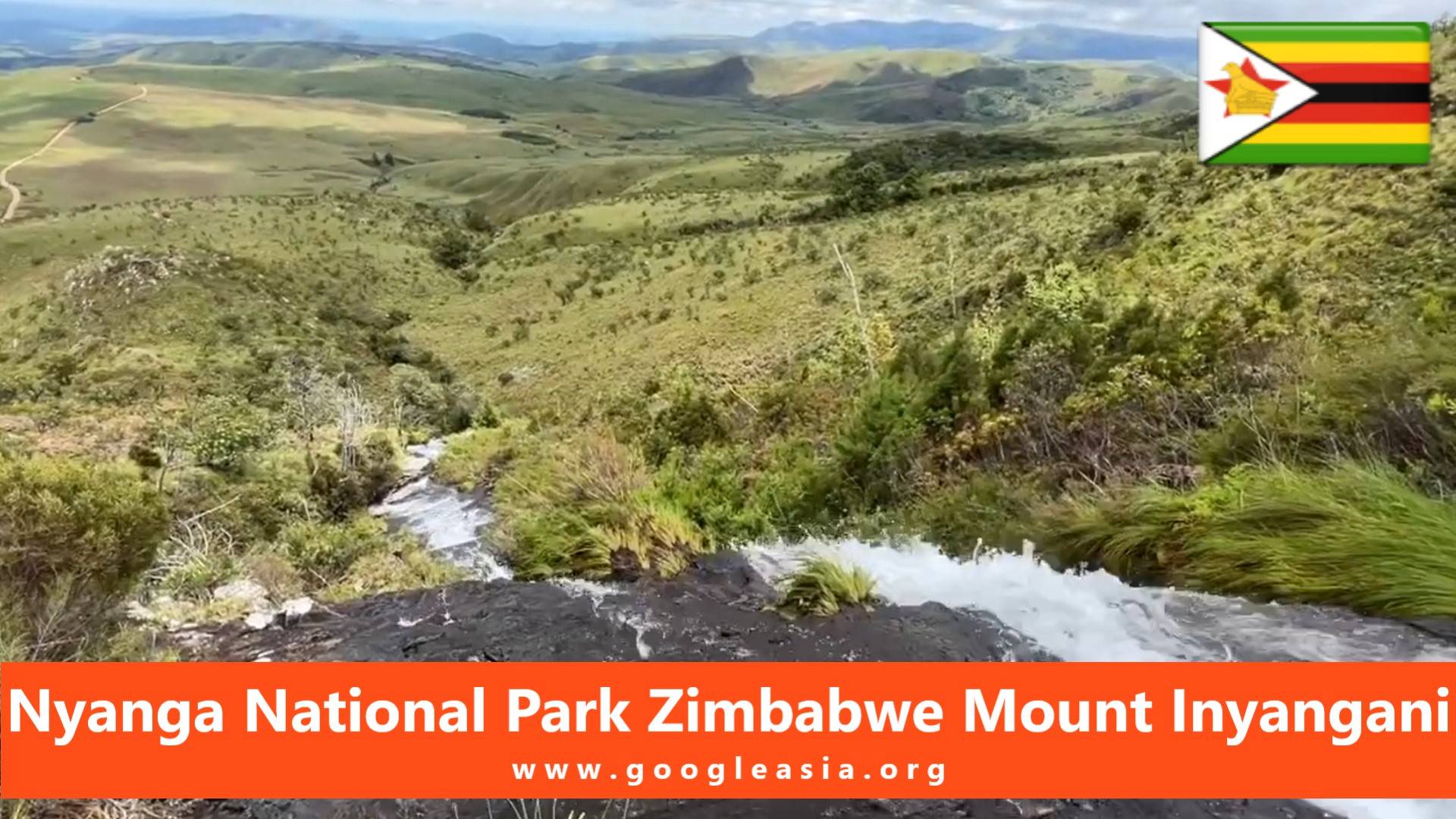
  • Nyanga National Park: Zimbabwe’s Highland Escape for U.S Travelers

    Nyanga National Park: Zimbabwe’s Highland Escape for U.S Travelers

    Nyanga National Park, Zimbabwe

    Uncover the beauty of Nyanga National Park, a haven for outdoor enthusiasts. From scenic landscapes to diverse wildlife, Nyanga promises a captivating adventure. Read more to plan your exploration.

    Nyanga National Park is located in the Eastern Highlands of Zimbabwe, and is home to the highest peak in Zimbabwe, Mount Inyangani. It is home to a variety of wildlife, including baboons, leopards, and elephants, as well as rare birds such as the Black Throated Wattle-eye and Red Billed Firefinch. The park offers stunning views and plenty of opportunities for walking, camping, and game viewing.

    Introduction

    Nyanga National Park, located in the Eastern Highlands of Zimbabwe, is a high-altitude wonderland renowned for its breathtaking landscapes and rich biodiversity. Covering 64,576 hectares, this park is a haven for nature enthusiasts and adventure seekers. Here’s everything you need to know to make the most of your visit to Nyanga National Park.

    Geography and Terrain

    Nyanga National Park is set against the dramatic backdrop of Mount Nyangani, Zimbabwe’s highest peak at 2,592 meters. The park’s varied terrain includes:

    • Rolling Hills: Expansive grassy slopes that provide stunning views and are perfect for outdoor activities.
    • Thick Forests: Dense woodlands that offer a habitat for a diverse range of wildlife.
    • Wetlands: Unique ecological zones that support various bird species and aquatic life.

    Flora and Fauna

    Wildlife

    Nyanga National Park is home to a rich array of wildlife, making it an excellent destination for game viewing. Notable species include:

    • Big Cats: Leopards and lions are among the park’s top predators.
    • Herbivores: Elephants, zebras, buffaloes, and wildebeests roam the park’s vast landscapes.
    • Bird Life: The park is a key site for bird watchers, featuring one of Zimbabwe’s largest populations of Cape Vultures, along with a variety of other bird species.

    Endemic and Rare Species

    • Cape Vultures: Known for their impressive wingspan, these vultures are a major attraction for bird enthusiasts.
    • Mountain Flora: The park’s high-altitude environment supports a range of unique plant species adapted to cooler temperatures.

    Practical Information

    Getting There

    • Access: Nyanga National Park is accessible by road from major cities like Harare and Mutare. The journey offers scenic views of the Eastern Highlands.
    • Travel Tips: It’s advisable to travel with a 4×4 vehicle, especially during the rainy season, as some roads may be challenging.

    Best Time to Visit

    • Dry Season (May to October): Ideal for game viewing and outdoor activities with clear skies and manageable temperatures.
    • Wet Season (November to April): Offers lush landscapes and vibrant birdlife but may present challenges for travel due to rain.

    Budget Travel $100

    • Stay in affordable lodges or campsites within or near the park.
    • Bring your own food supplies to save on dining costs.
    • Use shared transport options for budget-friendly travel.
    • Explore free trails and viewpoints like Mount Nyangani, Zimbabwe’s highest peak.

    Tips for USA Travellers

    • Pack warm clothing as the highlands can be cooler than expected.
    • Carry cash since rural areas may have limited card facilities.
    • Respect local traditions and engage with communities for authentic experiences.
    • Download offline maps as mobile coverage can be patchy in remote areas.

    Conservation and Etiquette

    Conservation Efforts

    • Wildlife Protection: Support conservation initiatives aimed at protecting the park’s diverse ecosystems and wildlife.
    • Responsible Tourism: Follow park guidelines to minimize your impact on the environment and respect wildlife habitats.

    Park Regulations

    • Permits: Ensure you obtain the necessary permits for activities such as hiking and camping.
    • Guided Tours: Consider using local guides for enhanced safety and to gain deeper insights into the park’s wildlife and culture.

    Things to Do

    Nyanga National Park, nestled in Zimbabwe’s Eastern Highlands, offers a diverse range of activities and attractions for nature lovers, adventure seekers, and culture enthusiasts. With its stunning landscapes, rich wildlife, and vibrant cultural experiences, the park provides something for everyone. Here’s a comprehensive guide to the best things to do when visiting Nyanga National Park.

    Enjoy Wildlife Viewing and Birdwatching

    Wildlife Viewing

    • Big Game: Nyanga National Park is home to a variety of wildlife including zebra, cheetah, lion, buffalo, and elephants. While the park is not as renowned for big game as some other parks, it still offers excellent opportunities to spot these magnificent animals in their natural habitat.
    • Antelope and Giraffe: The park is also a great place to see various antelope species and giraffe, adding to the diverse wildlife experience.

    Birdwatching

    • Diverse Avian Species: Nyanga is a prime destination for birdwatchers, with numerous species to spot. The park’s varied habitats support a wide range of birdlife, including rare and endemic species.
    • Bird Watching Spots: Visit specific areas of the park known for high bird activity to maximize your birdwatching experience.

    Explore the Scenic Landscape

    Hiking and Walking Trails

    • Nyanga Mountain: Hike to the top of Nyanga Mountain for panoramic views of the Zabwe Rift Valley and surrounding landscapes. The hike offers breathtaking scenery and a sense of accomplishment.
    • Rugged Terrain: Explore the park’s rugged terrain on foot to discover its unique flora and geological features.

    Scenic Drives

    • Mountain Drives: Take a scenic drive through the park to enjoy the breathtaking mountain views and varied landscapes. The drives provide excellent photo opportunities and a chance to experience the park’s beauty from the comfort of your vehicle.

    Visit the Jamangaki Waterfall

    Majestic Waterfall

    • Height and Beauty: The Jamangaki Waterfall, standing at 300 feet, is a stunning natural feature located in a rocky gorge. The sight and sound of the cascading water make it a must-see attraction.
    • Swimming and Picnicking: The area around the waterfall is perfect for a refreshing swim or a relaxing picnic. The natural pool at the base of the waterfall provides a serene setting to unwind.

    Go Fishing

    Trout Fishing

    • Fishing Spots: Nyanga National Park is renowned for its excellent trout fishing opportunities. Several cropping pools are located within the park, offering ideal conditions for fishing enthusiasts.
    • Equipment and Permits: Ensure you have the appropriate fishing gear and permits, and check local regulations for fishing in the park.

    Visit Historical Sites

    Iron Age Nyanga Hill Fort

    • Ancient Ruins: Explore the remains of the Iron Age Nyanga Hill Fort, a historic site that offers insight into the region’s ancient civilizations and their defensive structures.

    “House of the Ancient Egyptians”

    • Cultural Landmark: Visit the “House of the Ancient Egyptians,” a site with historical significance and intriguing connections to ancient cultures.

    19th-Century Settlement

    • Historical Exploration: Discover the remnants of a 19th-century settlement to learn about the history and development of the area.

    Shop at Local Markets and Take Part in Cultural Events

    Local Markets

    • Souvenirs and Handicrafts: Browse through local markets for souvenirs and handcrafted items. These markets offer a variety of goods, including traditional crafts and artwork.

    Cultural Events

    • Traditional Music and Dance: Experience traditional Zimbabwean music and dance performances. Cultural events provide a vibrant and immersive way to connect with local traditions.

    Take a Riverboat Cruise

    Leisurely Boat Rides

    • Scenic Cruises: Enjoy a leisurely riverboat cruise on Nyanga’s sparkling rivers. The cruises offer a relaxing way to take in the stunning scenery and observe wildlife from the water.

    Enjoy a Hot Air Balloon Ride

    Bird’s Eye View

    • Aerial Perspectives: Take a hot air balloon ride to gain a unique perspective of Nyanga National Park. The aerial views provide breathtaking panoramas of the park’s landscapes and are perfect for capturing unforgettable photographs.

    Foods

    Nyanga National Park in Zimbabwe not only offers breathtaking landscapes and wildlife but also boasts a vibrant culinary scene. The local cuisine reflects a blend of traditional flavors and influences from neighboring regions. Here are some of the must-try dishes that will tantalize your taste buds:

    Local Cuisine

    Mhakuva Stew

    Description: Mhakuva stew is a hearty and aromatic dish featuring tender chunks of beef simmered in a savory sauce enriched with tomatoes, onions, garlic, and a blend of local herbs. The slow-cooking process enhances the flavors, creating a rich and satisfying stew.
    Ingredients: Beef, tomatoes, onions, garlic, local herbs.
    Serving Suggestion: Best enjoyed with sadza or rice to soak up the delicious sauce.

    Nyama Choma

    Description: Nyama Choma is a beloved Zimbabwean dish of grilled meat, typically chicken or goat, marinated in spices and roasted over an open flame. The grilling process imparts a smoky flavor, making it a favorite among locals and visitors alike.
    Ingredients: Chicken or goat meat, spices.
    Serving Suggestion: Pair with chakalaka and a side of sadza for an authentic Zimbabwean meal experience.

    Traditional Staples of Zimbabwean Cuisine

    Sadza

    Description: Sadza is a staple food in Zimbabwe, made from maize meal cooked to a thick, smooth porridge consistency. It is often served alongside various meats, vegetables, or fish, forming the basis of many Zimbabwean meals.
    Ingredients: Maize meal (cornmeal).
    Serving Suggestion: Enjoy with mhakuva stew or nyama choma for a hearty and traditional Zimbabwean meal.

    Chakalaka

    Description: Chakalaka is a spicy and tangy vegetable relish that adds a burst of flavor to any dish. It typically includes tomatoes, onions, bell peppers, and carrots, simmered with spices and sometimes beans.
    Ingredients: Tomatoes, onions, bell peppers, carrots, spices.
    Serving Suggestion: Serve alongside sadza or pap (maize dish) for a delicious and spicy accompaniment.

    Other Delights

    Roasted Vegetables

    Description: Roasted vegetables are a common side dish in Zimbabwean cuisine, often served alongside grilled meats. They are seasoned with local spices and herbs, enhancing their natural flavors.
    Ingredients: Seasonal vegetables, local spices.
    Serving Suggestion: Enjoy with nyama choma or as a vegetarian option with sadza.

    Street Food

    Description: Nyanga National Park is bustling with street vendors offering a variety of tantalizing snacks and treats. From fried delicacies to homemade ice cream, exploring street food here is a culinary adventure in itself.
    Offerings: Fried foods, homemade ice cream, local snacks.
    Serving Suggestion: Wander through the park and indulge in the diverse street food offerings for a taste of authentic Zimbabwean flavors.

    Hotels

    Nyanga National Park Safari Lodge

    Nyanga National Park Safari Lodge offers a luxurious retreat in the heart of Nyanga National Park.

    East Clinic Safari Accommodation

    East Clinic Safari Accommodation provides comfortable lodging amidst Nyanga National Park’s serene landscapes.

    River Lodge

    River Lodge offers a tranquil stay along the riverbanks, ideal for nature enthusiasts.

    Vumba20 Accommodation

    Vumba20 Accommodation provides secluded lodging in the scenic Vumba Mountains near Nyanga National Park.

    The Riverman Nyanga

    The Riverman Nyanga offers rustic charm and personalized hospitality by the riverside.

    View Lodge

    View Lodge boasts panoramic views and modern amenities for a relaxing stay in Nyanga National Park.

    Rakaira Lodge

    Rakaira Lodge offers adventurous accommodation amidst Nyanga National Park’s natural beauty.

    Kambako Lodge

    Kambako Lodge provides eco-friendly lodging and wellness activities in a secluded setting near Nyanga National Park.

    Kurisa Moya Nature Lodge

    Kurisa Moya Nature Lodge offers eco-conscious treehouses and unique experiences in Nyanga National Park.

    Mountainside Cabins

    Mountainside Cabins provide cozy self-catering accommodation with breathtaking mountain views in Nyanga National Park.

    Conclusion

    Nyanga National Park is a jewel of Zimbabwe’s Eastern Highlands, offering a rich blend of natural beauty, diverse wildlife, and outdoor adventure. From hiking the scenic trails of the Nyanga Plateau to witnessing the impressive Cape Vultures and exploring the park’s varied habitats, Nyanga provides a memorable experience for nature lovers and thrill-seekers alike. Embrace the tranquility and splendor of this high-altitude paradise and make the most of your visit to one of Zimbabwe’s most remarkable national parks.

    Nyanga National Park Zimbabwe Mount Inyangani

    Summary

    • Attraction Name: Nyanga National Park
    • Country: Zimbabwe
    • Continent: African
    • Capital Name: Harare
    • Language: Shona, Ndebele, English
    • Currency: United States Dollar
    • Nationality: Zimbabwean
    • Category: #Destination #Africa #ZIMBABWE 

    Frequently Asked Questions

    What are Nyanga National Park’s nearby must-visit attractions or landmarks?

    Nyanga National Park is situated in the eastern highlands of Zimbabwe and is surrounded by scenic landscapes, charming towns, and additional attractions. Here are some nearby must-visit attractions and landmarks:

    1. World’s View: A notable site within Nyanga National Park, World’s View offers panoramic views of the surrounding landscapes. Cecil Rhodes, the founder of Rhodesia (now Zimbabwe), is buried here, making it a historical and scenic attraction.
    2. Mount Nyangani: As the highest peak in Zimbabwe, Mount Nyangani provides a challenging yet rewarding hiking experience. The summit offers breathtaking views of the Eastern Highlands and the park.
    3. Troutbeck Resort: Located near Nyanga, Troutbeck Resort is a popular destination with beautiful gardens and scenic views. It’s a great spot for relaxation, dining, and enjoying outdoor activities.
    4. Mtarazi Falls: Mtarazi Falls is one of Zimbabwe’s highest waterfalls and is located near Nyanga National Park. The views from the surrounding areas are spectacular, and it’s an excellent spot for nature enthusiasts and photographers.
    5. Pungwe Drift and Pungwe Gorge: The Pungwe River runs through the eastern part of the park, and Pungwe Drift and Pungwe Gorge provide scenic viewpoints. The gorge is particularly known for its picturesque landscapes.
    6. Rhodes Museum: Situated in the town of Nyanga, the Rhodes Museum provides insights into the history of the region, including information about Cecil Rhodes and the colonial era.
    7. Nyanga Craft Center: For those interested in local arts and crafts, the Nyanga Craft Center in the town offers a variety of handmade products, including traditional Shona sculptures, textiles, and beadwork.
    8. Montclair Hotel and Casino: Located in Nyanga, the Montclair Hotel and Casino is known for its colonial-style architecture and provides a historic and charming atmosphere.
    9. Inyangani Agricultural Showgrounds: If your visit coincides with the annual Inyangani Agricultural Show, it can be an opportunity to experience local culture, traditions, and agricultural practices.
    10. Nyanga Golf Course: Golf enthusiasts may want to explore the Nyanga Golf Course, surrounded by picturesque landscapes and offering a relaxing round of golf.
    11. Craig’s View: Another scenic viewpoint in the area, Craig’s View provides breathtaking vistas of the surrounding hills and valleys.

    Is Nyanga National Park a suitable travel destination for solo adventurers, honeymooning couples, or those traveling with families?

    Nyanga National Park in Zimbabwe is a versatile destination that caters to different types of travelers, including solo adventurers, honeymooning couples, and families. Here’s how the park can be suitable for each group:

    1. Solo Adventurers:
      • Outdoor Activities: Solo adventurers can indulge in various outdoor activities such as hiking, mountain biking, and fishing. The park’s diverse landscapes offer opportunities for solo exploration and adventure.
      • Peaceful Retreat: Nyanga provides a tranquil setting for those seeking solitude. Solo travelers can enjoy the serenity of nature, especially in less crowded areas of the park.
    2. Honeymooning Couples:
      • Romantic Getaway: Nyanga’s scenic landscapes, waterfalls, and mountain views make it a romantic destination for couples. There are secluded spots for intimate moments and opportunities to enjoy the natural beauty together.
      • Luxurious Accommodations: Some lodges and accommodations in and around Nyanga offer luxurious and private settings, providing an ideal atmosphere for honeymooners.
    3. Families:
      • Outdoor Adventures: Nyanga National Park offers a range of family-friendly activities, including easy hiking trails, horseback riding, and bird watching. Families can explore the park together and enjoy outdoor adventures suitable for all ages.
      • Educational Opportunities: Families with children can use the park as a learning experience to teach about nature, wildlife, and the importance of conservation.
    4. General Considerations:
      • Accommodation Options: Nyanga provides various accommodation options, including lodges and self-catering cottages, suitable for different preferences and budgets.
      • Safety: The park is generally safe, but families and solo travelers should adhere to safety guidelines, especially during outdoor activities. Families with children should keep an eye on them, particularly near water bodies or on hiking trails.
    5. Photography Enthusiasts:
      • Scenic Beauty: Nyanga’s diverse landscapes, waterfalls, and mountain vistas offer excellent opportunities for photography. Enthusiasts can capture the beauty of the natural surroundings.
    6. Nature Enthusiasts:
      • Biodiversity: Nyanga National Park is home to a variety of flora and fauna. Nature enthusiasts can explore the different ecosystems, identify plant and animal species, and enjoy the park’s biodiversity.
    7. Cultural Explorers:
      • Local Communities: Engage with the local communities surrounding Nyanga to experience the region’s culture and traditions. This can add a cultural dimension to the trip.

    Why should you visit Nyanga National Park?

    Nyanga National Park in Zimbabwe is a captivating destination with a diverse range of attractions that make it a compelling choice for travelers. Here are several reasons why you should consider visiting Nyanga National Park:

    1. Scenic Landscapes: Nyanga is renowned for its stunning landscapes, including rolling hills, mountains, and waterfalls. The scenic beauty of the park provides excellent opportunities for nature lovers and photographers.
    2. Mountains and Peaks: The national park is home to the Nyanga mountain range, with peaks like Mount Nyangani, the highest point in Zimbabwe. Hiking and climbing enthusiasts can enjoy challenging trails and panoramic views from the summits.
    3. Waterfalls: Nyanga features several picturesque waterfalls, such as the iconic Nyangombe Falls and Mtarazi Falls. These cascading waterfalls are not only beautiful but also offer a serene environment for relaxation.
    4. Outdoor Activities: The park offers a variety of outdoor activities, including hiking, mountain biking, horseback riding, and bird watching. The diverse landscapes provide opportunities for both leisurely walks and more challenging adventures.
    5. Trout Fishing: Nyanga is known for its trout-filled streams and dams, making it a popular destination for fishing enthusiasts. The park offers opportunities for trout fishing in a peaceful and scenic setting.
    6. Unique Flora and Fauna: Nyanga National Park is home to a variety of plant and animal species. Nature enthusiasts can explore the diverse ecosystems, including montane grasslands, forests, and savannas, to observe the local flora and fauna.
    7. Historical and Cultural Sites: The park features historical and cultural sites, such as the World’s View, where Cecil Rhodes is buried. Visitors can explore the ancient ruins of forts and settlements that reflect the region’s rich history.
    8. Star Gazing: Due to its elevation and relatively low light pollution, Nyanga National Park provides excellent conditions for star gazing. The clear night skies offer a breathtaking view of the stars and celestial bodies.
    9. Peaceful Retreat: Nyanga is a tranquil destination, ideal for those seeking a peaceful retreat. The serene environment, coupled with the natural beauty, makes it a perfect place to relax and rejuvenate.
    10. Cultural Experiences: Interact with the local communities surrounding the park to experience the unique culture and traditions of the region. Engaging with the local people can provide insights into their way of life.
    11. Photography Opportunities: The diverse landscapes, waterfalls, and wildlife present exceptional opportunities for photography. Capture the beauty of Nyanga’s natural wonders and create lasting memories.

    How to go to Nyanga National Park?

    Nyanga National Park is located in the eastern highlands of Zimbabwe. To reach Nyanga National Park, you can follow these general guidelines:

    By Air:

    1. Fly to Harare International Airport (HRE): Harare is the capital city of Zimbabwe and has the nearest international airport.
    2. Domestic Flight or Drive: From Harare, you can either take a domestic flight to the nearby Mutare Airport or drive to Nyanga National Park. The drive from Harare to Nyanga takes approximately 4-5 hours.

    By Road:

    1. From Harare: Start by driving from Harare to Nyanga. The road trip offers scenic views of the Zimbabwean countryside.
    2. Route Options: There are multiple route options, and you can choose based on your preferences and road conditions. Common routes include driving through Rusape or Marondera.
    3. Public Transportation: Alternatively, you can take a bus or shared minivan (known as “kombi” in Zimbabwe) from Harare to Nyanga. Bus services may vary, so it’s recommended to check schedules in advance.

    Navigation Tips:

    1. Navigation Apps: Use navigation apps like Google Maps or other GPS navigation systems to help guide you to Nyanga National Park. Download offline maps in case of limited internet connectivity.
    2. Local Advice: Ask locals or your accommodation provider for specific directions or any recent updates on road conditions.

    Specific Directions:

    • If you’re staying at a lodge or accommodation near Nyanga National Park, inquire with them about the best route based on your starting location.
    • The park has multiple entrances, so be sure to know the location of the entrance you intend to use. The main entrance is often accessed from the town of Nyanga.

    Travel Considerations:

    • Road Conditions: Roads in rural areas may vary in quality, so be prepared for both paved and unpaved sections.
    • Vehicle Choice: If you plan to explore the park extensively, consider using a sturdy vehicle, especially if you intend to venture into areas with rough terrain.
    • Accommodation: Ensure you have accommodations arranged in advance, especially if you plan to stay within or near Nyanga National Park.

    Are there any halal food options around the Nyanga National Park?

    Finding halal food options around Nyanga National Park in Zimbabwe might pose some challenges, as the availability of halal food can be limited in certain areas. However, you may explore the following options to cater to your dietary preferences:

    1. Inform Accommodation Providers: If you’re staying at a lodge, hotel, or guesthouse near Nyanga National Park, inform the accommodation staff about your dietary requirements. They may be able to arrange halal meals or provide information about nearby establishments that offer halal options.
    2. Self-Catering: Consider self-catering if your accommodation has kitchen facilities. You can purchase halal ingredients from larger towns or cities before reaching Nyanga National Park and prepare your meals.
    3. Communicate with Restaurants: Check with local restaurants, cafes, or eateries in the nearby towns and villages. Communicate your dietary preferences and inquire if they can accommodate halal requirements. Some establishments may be willing to prepare halal meals upon request.
    4. Pack Snacks: Carry halal snacks and non-perishable items with you, especially if you plan to spend extended periods within the national park. This ensures that you have suitable food options readily available.
    5. Explore Larger Towns or Cities: If you’re willing to travel a bit, consider exploring larger towns or cities nearby where you may find a broader range of dining options, including restaurants that cater to halal dietary needs.
    6. Contact Local Communities: Reach out to local communities near Nyanga National Park. They may be able to provide information on where to find halal food or even offer guidance on preparing your meals.
    7. Flexible Dining Choices: Be open to vegetarian or seafood options, as these might be more readily available and easier to ensure adherence to halal dietary requirements.
  • Chimanimani National Park — Mountains, Waterfalls, Trails for Americans

    Chimanimani National Park — Mountains, Waterfalls, Trails for Americans

    Chimanimani National Park, Zimbabwe

    Experience the untouched beauty of Chimanimani National Park, a nature lover’s paradise. Discover rugged landscapes, rare flora, and endless trails. Read more for an immersive journey into serenity.

    Chimanimani National Park is a scenic and ecologically diverse park in Zimbabwe. Located along the Mozambique border, it is home to ancient forests, pristine mountain streams, and dramatic cliffs and rock formations. Endemic species like the samango monkey are found in the park, as well as larger animals like elephants and antelope.

    Introduction

    Chimanimani National Park, situated along the Zimbabwe-Mozambique border in the southeast of Zimbabwe, offers breathtaking mountain vistas and diverse ecosystems. Here’s everything you need to know about exploring this captivating destination:

    Location and Landscape

    Chimanimani National Park spans a rugged terrain characterized by dramatic mountain peaks and deep valleys. The highest peak, Bridal Veil Falls, stands at over 5,500 feet, commanding panoramic views of the surrounding landscape.

    Flora and Fauna

    The park is renowned for its montane forests, home to a rich variety of plant and animal species. Among the fauna, visitors can encounter yellow baboons, vervet monkeys, and chacma baboons. Birdwatchers will delight in spotting fish eagles, hawks, giant eagle owls, and numerous other avian species.

    Cultural Sites

    Discover the park’s rich cultural history by exploring ancient sites, including remnants of a Stone Age town, offering a glimpse into Zimbabwe’s early human settlements and their interaction with the natural environment.

    Practical Information

    Accessibility

    Chimanimani National Park is accessible by road, with the nearest major town being Chimanimani itself. The park entrance fees and regulations should be checked in advance to ensure a smooth visit.

    Accommodation

    While accommodations within the park are limited, options such as lodges, campsites, and guesthouses can be found in Chimanimani town and surrounding areas, offering various levels of comfort and amenities.

    Budget Travel $100

    • Choose affordable accommodation such as guesthouses or campsites.
    • Cook your own meals or buy local produce to save money.
    • Use public transport or shared rides to cut travel costs.
    • Explore free hiking trails that showcase waterfalls and mountain views.

    Tips for USA Travellers

    • Pack light to avoid extra baggage fees on connecting flights.
    • Carry cash as rural areas may have limited card facilities.
    • Respect local customs and engage with communities for authentic experiences.
    • Stay connected with offline maps since mobile coverage can be patchy.

    Things to Do

    Chimanimani National Park, nestled near the Mozambique-Zimbabwe border, is a treasure trove of cultural and biological diversity in southern Africa. From majestic mountains to verdant forests and pristine rivers, Chimanimani National Park offers a wide array of experiences for visitors of all interests. Here’s a glimpse into what you can enjoy in this captivating destination:

    Outdoor Adventures

    Mountain Biking and Rock Climbing

    Adrenaline seekers can thrill in mountain biking and rock climbing adventures amidst the rugged landscapes of Vumba and Chimanimani.

    Canyoning

    Explore the hidden gorges and waterfalls through exhilarating canyoning experiences, discovering the park’s natural beauty up close.

    Wildlife and Nature Exploration

    Hiking and Walking Trails

    Nature enthusiasts can embark on hiking and walking trails that wind through diverse ecosystems, offering breathtaking views and opportunities to spot a variety of wildlife and birds.

    Film History and Scenic Views

    Trace the footsteps of cinematic history with trails that showcase stunning vistas used as backdrops in the filming of “The African Queen” (1951), featuring Lake Mutirikwi and Unitowa Dam.

    Cultural Experiences

    Village Visits

    Immerse yourself in local culture with visits to nearby villages, where you can enjoy traditional Anglo-African music and learn about customs from friendly locals.

    Relaxation and Wellness

    Hot Springs

    Relax and rejuvenate in natural hot springs scattered across the park, known for their therapeutic properties and serene surroundings.

    Horseback Riding

    Explore the park’s forests and open landscapes on horseback, enjoying a tranquil and scenic perspective of Chimanimani.

    Waterfall Wonders

    Spectacular Waterfalls

    Marvel at some of southern Africa’s most breathtaking waterfalls, including the 225-foot deep Amalinda, reputed to boast Africa’s largest natural pool. Other notable falls include Charara, Deomera, Mupedzamombe, Mwanga, and Munza.

    Foods

    Monkey Gland Burger

    Indulge in a juicy cheeseburger topped with grilled onions and spicy Chimanimani barbecue sauce.

    Freshly-Caught Chimanimani Trout

    Savor freshly caught Chimanimani Trout served with a delicious mango salsa and slaw.

    Plantain Chips

    Enjoy crispy plantain chips made with freshly fried plantains, herbs, and spices.

    Chimanimani Pancakes

    Delight in sweet Chimanimani Pancakes served with a warm cream and syrup drizzle.

    Spiced Potatoes

    Experience flavorful spiced potatoes, a perfect accompaniment to any meal.

    Coconut Rice

    Taste aromatic coconut rice served with fresh vegetables, chicken, or fish.

    Eggplant Curry

    Try the aromatic Eggplant Curry, a flavorful dish with eggplant, tomatoes, and spices.

    Roasted Corn

    Savor roasted corn with a hint of smoke and natural sweetness.

    Cheese Samosas

    Enjoy Cheese Samosas served with a housemade chutney for a savory snack.

    Fruit Fritter

    Indulge in a Fruit Fritter made of fried banana, coconut cream, and spices, served with a honey-lime dipping sauce.

    Hotels

    Chimanimani Lodge and Backpackers

    Chimanimani Lodge and Backpackers offers a comfortable stay with stunning views of the surrounding mountains.

    Wild Camping in Vumba

    Experience the adventure of wild camping in Vumba, amidst the untamed wilderness of Chimanimani National Park.

    Mozambique Bush Houses

    Mozambique Bush Houses provide rustic yet cozy accommodation with a focus on wildlife and nature.

    Mukuvisi Wilderness

    Mukuvisi Wilderness offers a serene retreat surrounded by nature, ideal for relaxation and wildlife viewing.

    Kanjedza Wilderness Retreat

    Kanjedza Wilderness Retreat provides eco-friendly lodging with a commitment to sustainability and community involvement.

    Charara Lodge

    Charara Lodge offers luxury accommodation with panoramic views and upscale amenities in Chimanimani National Park.

    Tomazinho Caravan Park

    Tomazinho Caravan Park provides a unique stay experience for travelers seeking flexibility and adventure.

    Buena Vista Lodge

    Buena Vista Lodge offers a peaceful atmosphere with cozy accommodations and personalized service.

    Chirvinga Lodge

    Chirvinga Lodge provides a blend of comfort and adventure, with opportunities for hiking and birdwatching.

    Chironga Safari Camp

    Chironga Safari Camp offers a safari-style experience with tented accommodation and guided wildlife tours.

    Conclusion

    Chimanimani National Park is more than a destination—it’s a journey into Zimbabwe’s natural and cultural heart. With its majestic landscapes, diverse wildlife, and welcoming communities, the park offers an experience that is both enriching and affordable. By planning wisely, you can enjoy every moment of this adventure without compromise. Start your Zimbabwe exploration today and let Chimanimani inspire your travels!

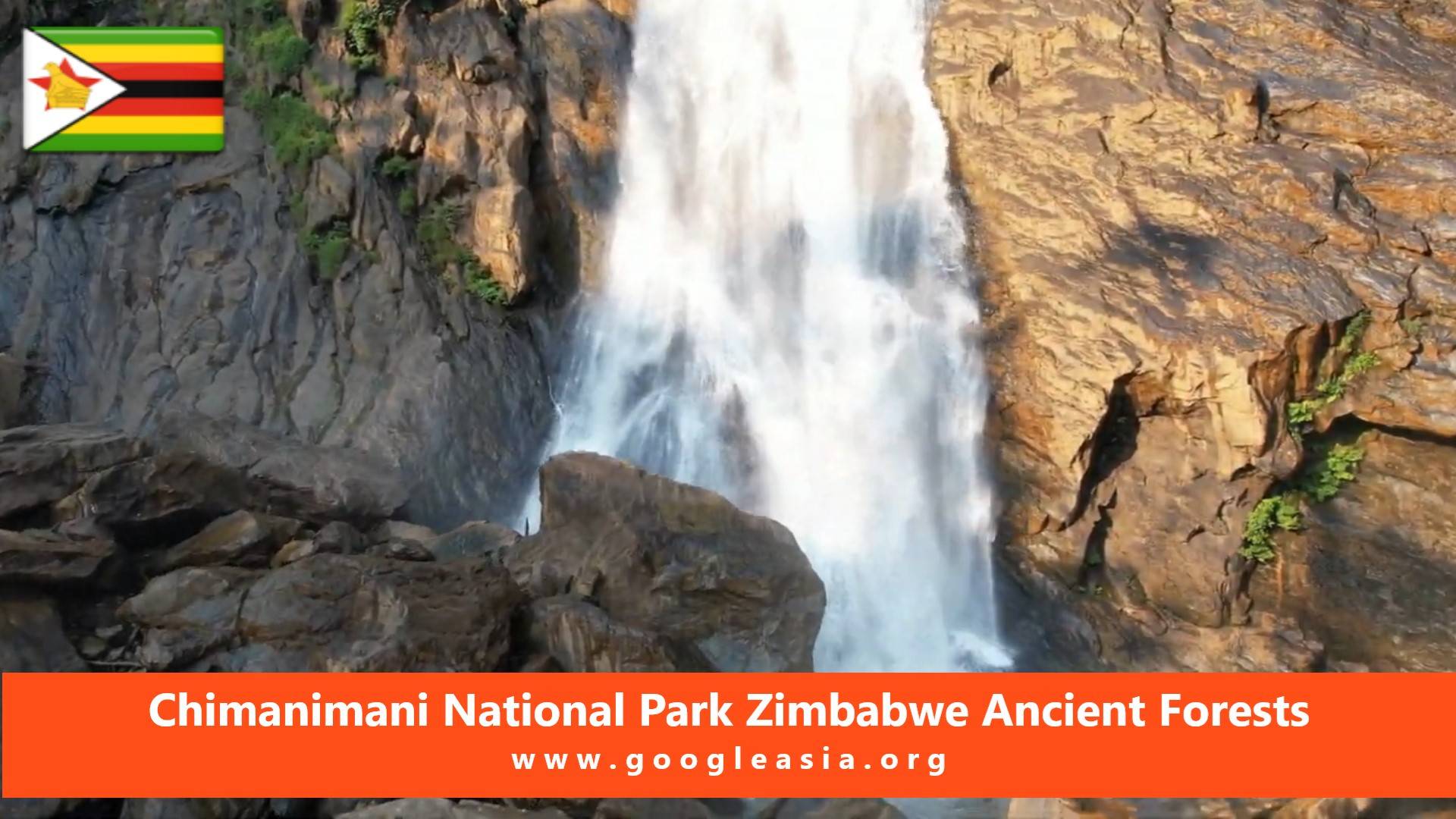
    Chimanimani National Park Zimbabwe Ancient Forests

    Summary

    • Attraction Name: Chimanimani National Park
    • Country: Zimbabwe
    • Continent: African
    • Capital Name: Harare
    • Language: Shona, Ndebele, English
    • Currency: United States Dollar
    • Nationality: Zimbabwean
    • Category:  #Destination #Africa #ZIMBABWE 

    Frequently Asked Questions

    What are Chimanimani National Park’s nearby must-visit attractions or landmarks?

    Chimanimani National Park is surrounded by a region with diverse attractions, including scenic landscapes, cultural sites, and outdoor activities. Here are some nearby must-visit attractions and landmarks:

    1. Bridal Veil Falls:
      • One of the most iconic waterfalls near Chimanimani, Bridal Veil Falls is known for its graceful cascade. The falls are easily accessible and provide a beautiful natural setting.
    2. Mount Binga:
      • As the highest peak in Zimbabwe, Mount Binga is a challenging climb for trekking enthusiasts. The summit offers panoramic views of the surrounding mountains and valleys.
    3. Chirorodziva (Harmony) Cave:
      • Chirorodziva Cave is of historical and cultural significance. It contains ancient rock paintings and carvings, providing insights into the region’s past.
    4. Mhakwe Viewpoint:
      • Mhakwe Viewpoint offers stunning panoramic views of the Chimanimani Mountains. It’s a great spot for photography and enjoying the surrounding landscapes.
    5. Eland Sanctuary:
      • Located near Chimanimani, the Eland Sanctuary is home to eland, Africa’s largest antelope species. Visitors can enjoy guided walks to observe these majestic animals in their natural habitat.
    6. Kumakwane Mountain:
      • Kumakwane Mountain provides another hiking and trekking opportunity near Chimanimani. It offers scenic views and a chance to explore the surrounding wilderness.
    7. Chimanimani Arts Festival:
      • If your visit coincides with the Chimanimani Arts Festival, it’s an excellent opportunity to experience local arts, music, and cultural performances.
    8. Vumba Botanical Gardens:
      • While a bit farther away, the Vumba Botanical Gardens offer a unique collection of indigenous and exotic plant species. It’s a beautiful garden setting with walking trails and birdwatching opportunities.
    9. Great Zimbabwe National Monument:
      • Although not immediately nearby, the Great Zimbabwe National Monument is a UNESCO World Heritage Site and a significant archaeological site showcasing ancient stone structures. It’s located to the southeast of Chimanimani.
    10. Mutare Museum:
      • In the nearby city of Mutare, the Mutare Museum provides insights into the history, culture, and natural history of the region. It’s a valuable resource for learning about the local heritage.
    11. Zonwe Ruins:
      • Zonwe Ruins, situated near Chimanimani, are ancient archaeological remains that add a historical dimension to the area. The ruins are associated with the Bantu-speaking Shona people.

    Is Chimanimani National Park a suitable travel destination for solo adventurers, honeymooning couples, or those traveling with families?

    Chimanimani National Park is a versatile destination that caters to different types of travelers, including solo adventurers, honeymooning couples, and families. Here’s how the park can be suitable for each group:

    1. Solo Adventurers:
      • Hiking and Trekking: Solo adventurers can explore the park’s hiking and trekking trails, experiencing the thrill of solo outdoor exploration in a diverse and scenic environment.
      • Rock Climbing: The park offers challenging rock climbing routes for solo climbers seeking an adrenaline rush.
      • Cave Exploration: Solo travelers can explore the intriguing caves within the park, providing a sense of adventure and discovery.
    2. Honeymooning Couples:
      • Romantic Settings: Chimanimani’s stunning landscapes, waterfalls, and mountain vistas create a romantic backdrop for couples. It’s an ideal destination for those seeking a peaceful and intimate honeymoon experience.
      • Luxury Accommodations: Some lodges and accommodations near Chimanimani provide luxurious and private settings, perfect for couples.
    3. Families:
      • Outdoor Adventures: Families can enjoy a variety of outdoor activities, such as hiking, bird watching, and exploring waterfalls. The park offers family-friendly trails suitable for different ages.
      • Educational Opportunities: Chimanimani National Park provides educational opportunities for families to learn about the region’s flora, fauna, and cultural heritage.
    4. General Considerations:
      • Accommodation Options: There are lodges, guesthouses, and self-catering options in and around Chimanimani that cater to different preferences and budgets.
      • Safety: While the park is generally safe, families should follow safety guidelines during outdoor activities, and parents should supervise children, especially near water bodies or on hiking trails.
    5. Photography Enthusiasts:
      • Scenic Beauty: The diverse landscapes, waterfalls, and unique rock formations provide excellent opportunities for photography. Photography enthusiasts can capture the beauty of Chimanimani’s natural wonders.
    6. Nature Enthusiasts:
      • Flora and Fauna: Families and nature enthusiasts can explore the park’s rich biodiversity, identifying plant and animal species. The park’s diverse ecosystems offer a unique natural experience.
    7. Cultural Explorers:
      • Engaging with Locals: Families and couples can engage with local communities surrounding Chimanimani to experience the region’s culture and traditions.

    Why should you visit Chimanimani National Park?

    Chimanimani National Park in Zimbabwe is a captivating destination known for its diverse landscapes, unique flora and fauna, and opportunities for outdoor activities. Here are several reasons why you should consider visiting Chimanimani National Park:

    1. Stunning Landscapes:
      • Chimanimani is renowned for its breathtaking landscapes, including rugged mountain peaks, lush valleys, and scenic plateaus. The varied topography provides a stunning backdrop for exploration and outdoor adventures.
    2. Hiking and Trekking:
      • The park offers a network of hiking and trekking trails suitable for various skill levels. Hikers can explore the Chimanimani Mountains, including peaks like Mount Binga, and enjoy panoramic views of the surrounding wilderness.
    3. Waterfalls and Rivers:
      • Chimanimani is dotted with picturesque waterfalls and rivers. Some notable waterfalls include Bridal Veil Falls and the cascades along the Nyahode River. These natural features provide tranquil spots for relaxation and photography.
    4. Flora and Fauna:
      • The park is home to a rich variety of plant species, including indigenous orchids and rare flora. Wildlife enthusiasts can spot diverse bird species, butterflies, and small mammals while exploring the park.
    5. Chimanimani Mountains Transfrontier Conservation Area (CMTFCA):
      • Chimanimani is part of the CMTFCA, a transfrontier conservation area that extends into Mozambique. The interconnected ecosystems offer opportunities for cross-border exploration and biodiversity conservation.
    6. Rock Climbing:
      • Rock climbing enthusiasts can find challenging routes within the Chimanimani Mountains. The granite outcrops and cliffs provide a thrilling experience for climbers.
    7. Cave Exploration:
      • The park features intriguing caves, such as Chirorodziva Cave, which has historical and cultural significance. Exploring these caves offers insights into the region’s past.
    8. Cultural Experiences:
      • Interaction with local communities around Chimanimani provides cultural experiences. Visitors can engage with the indigenous people, learn about their traditions, and appreciate the local way of life.
    9. Photography Opportunities:
      • Chimanimani National Park offers outstanding opportunities for photography. Capture the beauty of the landscapes, waterfalls, and diverse plant life in this picturesque destination.
    10. Peaceful Retreat:
      • For those seeking tranquility, Chimanimani provides a peaceful retreat away from the hustle and bustle of urban life. The serene environment allows visitors to connect with nature and unwind.
    11. Star Gazing:
      • The clear night skies in the mountains create an excellent environment for star gazing. Away from city lights, visitors can enjoy the beauty of the night sky.
    12. Conservation and Eco-Tourism:
      • Supporting eco-tourism initiatives in Chimanimani contributes to the conservation of the region’s unique ecosystems and promotes sustainable tourism practices.

    How to go to Chimanimani National Park?

    Chimanimani National Park is located in the eastern highlands of Zimbabwe. The park is known for its stunning landscapes, diverse flora and fauna, and opportunities for hiking and outdoor activities. To reach Chimanimani National Park, you can follow these general guidelines:

    By Air:

    1. Fly to Harare International Airport (HRE):
      • Harare is the capital city of Zimbabwe and has the nearest international airport.
    2. Domestic Flight or Drive:
      • From Harare, you can either take a domestic flight to the nearby Mutare Airport or drive to Chimanimani. The drive from Harare to Chimanimani takes approximately 4-5 hours.

    By Road:

    1. From Harare:
      • Start by driving from Harare to Chimanimani. The road trip offers scenic views of the Zimbabwean countryside.
    2. Route Options:
      • There are multiple route options, and you can choose based on your preferences and road conditions. Common routes include driving through Marondera and Mutare.
    3. Public Transportation:
      • Alternatively, you can take a bus or shared minivan (known as “kombi” in Zimbabwe) from Harare to Chimanimani. Bus services may vary, so it’s recommended to check schedules in advance.

    Navigation Tips:

    1. Navigation Apps:
      • Use navigation apps like Google Maps or other GPS navigation systems to help guide you to Chimanimani National Park. Download offline maps in case of limited internet connectivity.
    2. Local Advice:
      • Ask locals or your accommodation provider for specific directions or any recent updates on road conditions.

    Specific Directions:

    • If you’re staying at a lodge or accommodation near Chimanimani National Park, inquire with them about the best route based on your starting location.
    • The park has multiple entrances, so be sure to know the location of the entrance you intend to use.

    Travel Considerations:

    • Road Conditions: Roads in rural areas may vary in quality, so be prepared for both paved and unpaved sections.
    • Vehicle Choice: If you plan to explore the park extensively, consider using a sturdy vehicle, especially if you intend to venture into areas with rough terrain.
    • Accommodation: Ensure you have accommodations arranged in advance, especially if you plan to stay within or near Chimanimani National Park.

    Are there any halal food options around the Chimanimani National Park?

    Finding specific halal food options in and around Chimanimani National Park in Zimbabwe might be challenging, as the availability of halal dining establishments can be limited in certain areas. However, you can explore the following options to accommodate your dietary preferences:

    1. Inform Accommodation Providers:
      • If you’re staying at a lodge, guesthouse, or hotel near Chimanimani National Park, inform the accommodation staff about your halal dietary requirements. They may be able to arrange halal meals or provide information about nearby establishments that offer suitable options.
    2. Self-Catering:
      • Consider self-catering if your accommodation has kitchen facilities. You can purchase halal ingredients from larger towns or cities before reaching Chimanimani National Park and prepare your meals.
    3. Contact Local Eateries:
      • Check with local restaurants, cafes, or eateries in the nearby towns and villages. Communicate your dietary preferences and inquire if they can accommodate halal requirements. Some establishments may be willing to prepare halal meals upon request.
    4. Pack Snacks:
      • Carry halal snacks and non-perishable items with you, especially if you plan to spend extended periods within or around Chimanimani National Park. This ensures that you have suitable food options readily available.
    5. Explore Larger Towns or Cities:
      • If you’re willing to travel a bit, consider exploring larger towns or cities nearby where you may find a broader range of dining options, including restaurants that cater to halal dietary needs.
    6. Contact Local Communities:
      • Reach out to local communities near Chimanimani National Park. They may be able to provide information on where to find halal food or offer guidance on preparing your meals.
    7. Flexible Dining Choices:
      • Be open to vegetarian or seafood options, as these might be more readily available and easier to ensure adherence to halal dietary requirements.
  • Exploring Matobo National Park in Zimbabwe: A Comprehensive Guide

    Exploring Matobo National Park in Zimbabwe: A Comprehensive Guide

    Matobo National Park, Zimbabwe

    Step into the enchanting Matobo National Park, a land of balancing rocks and ancient wonders. Immerse yourself in unique landscapes and rich cultural history. Read more for a journey of discovery.

    Matobo National Park is a wildlife sanctuary & UNESCO World Heritage Site located in southwestern Zimbabwe. The spectacular landscape of granite kopjes is home to over 400 species of birds, numerous antelope, and 19 species of raptors. It’s also the spiritual home to the Ndebele people and considered one of the holiest sites in Africa.

    Introduction

    Matobo National Park in Zimbabwe is a destination where nature, history, and culture unite. Famous for its granite hills, ancient rock art, and diverse wildlife, this UNESCO World Heritage Site offers travelers unforgettable experiences. Whether you’re drawn to safari adventures, hiking trails, or exploring spiritual heritage sites, this comprehensive guide will help you make the most of your journey into one of Africa’s most captivating landscapes.

    Matobo National Park, situated in south-western Zimbabwe, stands as a testament to Africa’s natural beauty and rich cultural heritage. Here’s everything you need to know about exploring this captivating destination:

    Location and History

    Established in 1926, Matobo National Park is one of Africa’s oldest national parks, renowned for its stunning landscape characterized by balancing rocks, granite outcrops known as kopjes, and ancient rock art. It is located near the city of Bulawayo, making it easily accessible for visitors.

    Landscape and Geology

    The park’s striking landscape is dominated by dramatic granite hills and valleys, creating a unique and picturesque backdrop. These formations are not only visually stunning but also hold cultural significance, with many housing ancient San rock art sites dating back thousands of years.

    Wildlife and Conservation

    Matobo National Park is home to a diverse array of wildlife, including both black and white rhinos, which are actively protected within the park to ensure their survival. It also boasts one of the highest concentrations of leopards in Africa, offering exceptional opportunities for wildlife enthusiasts and photographers.

    Tips for USA Travelers

    • Visa Requirements: USA citizens need a visa to enter Zimbabwe, which can be obtained on arrival or online.
    • Flights & Access: Most flights connect through Johannesburg, South Africa, before reaching Bulawayo, the closest city to Matobo National Park.
    • Currency & Payments: The US dollar is widely accepted, making transactions straightforward for American visitors.
    • Health & Safety: Ensure you have travel insurance, check vaccination requirements, and carry necessary medications.
    • Cultural Etiquette: Respect local traditions and communities, especially when visiting sacred caves and heritage sites.

    Conservation Efforts

    Matobo National Park is meticulously managed to preserve its delicate ecosystem and cultural treasures. Conservation efforts focus on sustainable tourism practices and community involvement to safeguard the park’s natural and cultural heritage for future generations.

    Practical Information

    Accessibility

    Matobo National Park is accessible by road from Bulawayo, the nearest major city. Entry fees and regulations should be checked in advance to ensure a smooth visit.

    Accommodation

    The park offers a variety of accommodation options catering to different preferences and budgets, from luxury lodges to rustic campsites. Booking in advance is recommended, especially during peak seasons.

    Things to Do

    Matobo National Park, nestled in the scenic southwest of Zimbabwe, offers an array of captivating experiences for visitors. From wildlife encounters to cultural explorations, here’s what you can enjoy in this natural gem:

    Bird Watching

    Matobo National Park is renowned for its rich birdlife, boasting over 400 bird species. Birdwatchers can delight in spotting the colorful lilac-breasted roller and other endemic and migratory birds amidst the park’s diverse landscapes.

    Game Viewing

    Embark on thrilling game drives guided by experienced rangers, offering opportunities to observe a variety of wildlife such as leopards, rhinoceroses, zebras, giraffes, and antelopes in their natural habitat.

    Guided Bush Walks

    Explore the park on foot with guided bush walks, discovering the smaller inhabitants of Matobo including reptiles, amphibians, and insects. These walks provide a closer look at the park’s flora and fauna while enjoying the tranquil surroundings.

    Rock Art and Caves

    Discover ancient rock art sites, including the renowned Nswatugi Cave, a UNESCO World Heritage Site adorned with striking rock paintings by the San Bushmen. Expert guides offer insightful tours explaining the significance of each artwork and the cultural history of the area.

    Sunset Viewing and Relaxation

    Unwind and soak in the serene atmosphere of Matobo National Park, with opportunities to witness breathtaking sunsets over the granite hills. Choose from a range of accommodations including lodges and campsites, each offering a unique perspective of the park’s natural beauty.

    Cultural Experiences

    Immerse yourself in the cultural heritage of Matobo through visits to local communities and interactions with knowledgeable guides who share stories of the area’s history and traditions.

    Foods

    Onion Bread

    Savor the delicious aroma and flavor of freshly baked onion bread, a staple in Zimbabwean cuisine.

    Chakalaka

    Enjoy spicy chakalaka, a flavorful vegetable relish made with tomatoes, onions, peppers, and beans, often served as a side dish or condiment.

    Sadza

    Indulge in sadza, a staple food made from maize meal, cooked to a thick porridge-like consistency and typically served with meats, stews, or vegetables.

    Dhombo

    Dhombo refers to traditional Zimbabwean dishes cooked in large, flat pots over an open fire, preserving the authentic flavors of local ingredients.

    Chibwana

    Experience chibwana, a popular dish of grilled or roasted meat skewers, seasoned with traditional spices and herbs for a flavorful taste.

    Biltong

    Try biltong, a dried and cured meat snack, often made from beef or game meat, seasoned with spices and enjoyed as a savory treat.

    Oxtail Stew

    Savor oxtail stew, a hearty and comforting dish cooked slowly with vegetables and aromatic spices until the meat is tender and flavorful.

    Tripe

    Explore tripe, a dish made from the edible stomach lining of cattle, cooked until tender and often served in a flavorful broth or sauce.

    Soup and Roasted Peanuts

    Enjoy a warm bowl of soup enriched with roasted peanuts, offering a comforting and nutritious start or complement to a meal.

    Fried Mopani Worms

    Delight in fried mopani worms, a traditional delicacy in Zimbabwe, prized for their crunchy texture and nutty flavor when cooked.

    Hotels

    Rhino Lodge Matobo Hills

    Rhino Lodge Matobo Hills offers a serene retreat nestled in the heart of Matobo National Park, providing comfortable accommodations amidst breathtaking landscapes, perfect for both relaxation and adventure.

    • Location: Situated within Matobo National Park, offering proximity to key attractions such as Rhodes’ Grave and ancient rock art sites.
    • Accommodation: Rustic yet cozy lodges with modern amenities, ensuring a comfortable stay amidst nature.
    • Activities: Guided walks, rhino tracking, birdwatching, and cultural tours, providing an immersive experience in the park’s natural and historical wonders.
    • Dining: On-site restaurant serving local and international cuisine, with options for outdoor dining to soak in the surroundings.

    Camp Amalinda

    Camp Amalinda promises a unique lodging experience blending luxury with the natural beauty of Matobo National Park. Carved into the rock formations, the camp offers a distinctive ambiance and excellent facilities.

    • Location: Set within the granite hills of Matobo, providing panoramic views and close proximity to rock art galleries.
    • Accommodation: Luxurious cave-style rooms with en-suite facilities, designed to harmonize with the surroundings while offering modern comforts.
    • Activities: Rhino tracking, game drives, historical tours to sites like Cecil Rhodes’ burial place, and bushman cave paintings.
    • Dining: Gourmet meals served in a picturesque dining area or al fresco, featuring local flavors and international dishes.

    Big Cave Camp

    Big Cave Camp stands out for its spectacular location and unique accommodations, offering a memorable stay in Matobo National Park amidst ancient granite formations.

    • Location: Dramatically positioned atop a granite kopje, providing stunning views and easy access to hiking trails.
    • Accommodation: Thatched chalets with private balconies overlooking the park, blending rustic charm with modern amenities.
    • Activities: Guided walks, visits to San rock art sites, game drives, and cultural encounters with local communities.
    • Dining: A restaurant offering delicious meals, complemented by panoramic vistas, creating a memorable dining experience.

    Matobo Hills Camp

    Matobo Hills Camp caters to travelers seeking tranquility and authenticity in Matobo National Park, offering comfortable accommodations and personalized service.

    • Location: Tucked away in a secluded valley within the park, surrounded by iconic rock formations and wildlife.
    • Accommodation: Tented rooms with en-suite facilities, providing a cozy and intimate atmosphere in a natural setting.
    • Activities: Walking safaris, birdwatching, visits to historical sites, and cultural interactions with local communities.
    • Dining: Meals prepared with fresh, local ingredients, served in a communal dining area or outdoors under the African sky.

    Maleme Rest Camp

    Maleme Rest Camp is a budget-friendly option for visitors to Matobo National Park, providing simple yet comfortable accommodations amidst the park’s natural beauty.

    • Location: Conveniently located within Matobo National Park, offering easy access to hiking trails and wildlife viewing spots.
    • Accommodation: Basic chalets and campsites, suitable for travelers looking for a more affordable stay without compromising on the park experience.
    • Activities: Hiking, game drives, and visits to historical and cultural sites within the park.
    • Dining: Self-catering facilities available for guests, with options to enjoy meals outdoors in designated picnic areas.

    Ntshe Forest Lodge

    Ntshe Forest Lodge offers a peaceful retreat surrounded by indigenous forest in Matobo National Park, ideal for nature enthusiasts and those seeking a secluded getaway.

    • Location: Nestled in a forested area of Matobo, providing a tranquil setting away from the main tourist routes.
    • Accommodation: Chalets and cottages with private verandas, offering views of the forest and occasional wildlife sightings.
    • Activities: Birdwatching, nature walks, cultural tours to nearby villages, and exploring the park’s granite formations.
    • Dining: A restaurant serving home-cooked meals, featuring local produce and flavors, with options for outdoor dining under the stars.

    Hillside Trail Camp

    Hillside Trail Camp offers a back-to-nature camping experience in Matobo National Park, catering to adventurous travelers and outdoor enthusiasts.

    • Location: Located along scenic hiking trails in Matobo, offering picturesque views and a true wilderness experience.
    • Accommodation: Basic campsites with communal facilities, providing a rustic yet immersive stay in the park.
    • Activities: Hiking, birdwatching, stargazing, and exploring the park’s diverse landscapes and rock formations.
    • Dining: Self-catering options available, with facilities for campfires and outdoor cooking, enhancing the camping experience.

    Old Bulawayo Hotel

    Old Bulawayo Hotel offers a historic stay with a cultural touch in Matobo National Park, providing comfortable accommodations and insights into Zimbabwean heritage.

    • Location: Located near historical sites within Matobo, offering easy access to cultural landmarks and natural attractions.
    • Accommodation: Rooms and suites with traditional decor and modern amenities, reflecting the region’s rich cultural heritage.
    • Activities: Historical tours, cultural performances, visits to ancient ruins, and guided walks in the park.
    • Dining: A restaurant serving Zimbabwean cuisine and international dishes, with options for themed dinners and cultural experiences.

    Mabale Hills Club

    Mabale Hills Club combines luxury with tranquility in Matobo National Park, offering exclusive accommodations and personalized service amidst breathtaking scenery.

    • Location: Positioned in a secluded area of Matobo, providing privacy and panoramic views of the surrounding landscape.
    • Accommodation: Luxury suites and cottages with private verandas, designed for comfort and relaxation in a natural setting.
    • Activities: Game drives, nature walks, birdwatching, and visits to historical and cultural sites.
    • Dining: A fine dining restaurant offering gourmet meals, with a focus on local ingredients and flavors, complemented by attentive service.

    Globe and Phoenix Hotel

    Globe and Phoenix Hotel offers a historic stay with a touch of elegance in Matobo National Park, combining Victorian charm with modern amenities for a memorable experience.

    • Location: Situated near key attractions in Matobo, providing easy access to historical sites and natural wonders.
    • Accommodation: Elegant rooms and suites decorated in Victorian style, offering comfort and sophistication.
    • Activities: Historical tours, birdwatching, hiking, and cultural experiences showcasing local traditions and heritage.
    • Dining: A restaurant serving classic dishes and local specialties, with options for afternoon tea and evening cocktails in a refined atmosphere.

    Conclusion

    Matobo National Park is a place of extraordinary beauty and cultural depth, offering visitors the chance to connect with both wildlife and history. From spotting endangered rhinos to exploring sacred caves, every moment here is filled with wonder. If you’re planning a trip to Zimbabwe, make Matobo your must-visit destination. Start your adventure today and uncover the magic of Matobo National Park.

    Matobo National Park Zimbabwe UNESCO Site

    Summary

    • Attraction Name: Matobo National Park
    • Country: Zimbabwe
    • Continent: African
    • Capital Name: Harare
    • Language: Shona, Ndebele, English
    • Currency: United States Dollar
    • Nationality: Zimbabwean
    • Category:  #Destination #Africa #ZIMBABWE 

    Frequently Asked Questions

    What are Matobo National Park’s nearby must-visit attractions or landmarks?

    Matobo National Park is surrounded by a region with diverse attractions, including scenic landscapes, historical sites, and cultural landmarks. Here are some nearby must-visit attractions and landmarks:

    1. World’s View:
      • A prominent viewpoint within Matobo National Park, World’s View is known for its breathtaking panoramic views. It is also the site of Cecil John Rhodes’ grave.
    2. Rhodes’ Grave:
      • Located at the top of World’s View, Rhodes’ Grave is the final resting place of Cecil John Rhodes, the British imperialist and founder of Rhodesia (now Zimbabwe). The site offers stunning views of the surrounding hills.
    3. Ancient Rock Art Sites:
      • Matobo Hills is home to numerous rock art sites created by the San Bushmen. Some notable sites include Nswatugi Cave, Inanke Cave, and Bambata Cave, where ancient paintings provide insights into the region’s cultural history.
    4. Ndebele Villages:
      • Explore Ndebele villages near Matobo National Park to experience the local culture and traditions of the Ndebele people. Engage with the community and learn about their way of life.
    5. Maleme Dam:
      • Maleme Dam is a picturesque dam within the park, surrounded by granite formations and offering opportunities for birdwatching and enjoying the tranquil setting.
    6. Bambata Cave:
      • Bambata Cave is known for its rock art, showcasing intricate paintings created by the San people. The cave is accessible through guided tours.
    7. Shumbashaba Trail:
      • The Shumbashaba Trail is a scenic hiking trail that leads to a viewpoint overlooking the Maleme Dam. It’s a relatively short hike with rewarding views.
    8. Mpopoma Pools:
      • Mpopoma Pools is a natural rock pool in the Matobo Hills, offering a refreshing spot for a swim and surrounded by the park’s unique landscapes.
    9. Mzilikazi’s Grave:
      • Visit the grave of Mzilikazi, the founder of the Ndebele Kingdom, located in the Matobo Hills. It’s a site of historical and cultural significance.
    10. Ammunition Pits:
      • The Ammunition Pits are historical sites within the park associated with the British military. These pits were used to store ammunition during the colonial era.
    11. Ndebele Cultural Village:
      • Explore a Ndebele Cultural Village to witness traditional dance performances, learn about traditional crafts, and gain insights into Ndebele customs.
    12. Mzilikazi Arts and Crafts Centre:
      • Located near Matobo National Park, this center showcases local arts and crafts, providing an opportunity to purchase handmade souvenirs and support local artisans.

    Is Matobo National Park a suitable travel destination for solo adventurers, honeymooning couples, or those traveling with families?

    Matobo National Park in Zimbabwe is a versatile destination that caters to different types of travelers, including solo adventurers, honeymooning couples, and families. Here’s how the park can be suitable for each group:

    1. Solo Adventurers:
      • Hiking and Trekking: Solo adventurers can explore the park’s hiking trails, trek through the Matobo Hills, and enjoy the solitude of nature.
      • Rock Climbing and Abseiling: The park offers opportunities for solo rock climbing and abseiling for those seeking adventure and a physical challenge.
      • Cave Exploration: Solo travelers can explore the numerous caves and rock shelters, discovering ancient rock art and experiencing the unique geology of the area.
    2. Honeymooning Couples:
      • Romantic Settings: Matobo National Park’s scenic landscapes, especially at places like World’s View, provide a romantic backdrop for couples. Luxury lodges and secluded accommodations offer intimate settings for a honeymoon.
      • Cultural Experiences: Couples can explore the cultural and historical aspects of the park together, including visits to ancient rock art sites and Cecil John Rhodes’ grave.
    3. Families:
      • Wildlife Viewing: Families can enjoy game drives within the park, spotting rhinoceros, giraffes, zebras, and various bird species. It’s an opportunity for wildlife education and appreciation.
      • Educational Experiences: Matobo National Park’s cultural and historical sites, such as ancient rock art, provide educational opportunities for families to learn about the region’s heritage.
      • Outdoor Adventures: The park offers family-friendly outdoor activities, such as easy hiking trails suitable for children, making it a destination for active family vacations.
    4. General Considerations:
      • Accommodation Options: Matobo National Park provides various accommodation options, including lodges and self-catering cottages, suitable for different preferences and budgets.
      • Safety: While the park is generally safe, families should follow safety guidelines during outdoor activities, and parents should supervise children, especially near water bodies or on hiking trails.
    5. Photography Enthusiasts:
      • Scenic Beauty: Matobo National Park offers outstanding opportunities for photography. The unique rock formations, wildlife, and cultural sites make for captivating subjects.
    6. Nature Enthusiasts:
      • Biodiversity: Families and nature enthusiasts can explore the park’s rich biodiversity, including both flora and fauna. The park’s diverse ecosystems offer a unique natural experience.
    7. Cultural Explorers:
      • Rock Art Sites: For those interested in culture and history, Matobo National Park provides access to ancient rock art sites, revealing the artistic expressions of the San people.

    Why should you visit Matobo National Park?

    Matobo National Park in Zimbabwe is a unique and captivating destination with a diverse range of attractions that make it a worthwhile place to visit. Here are several reasons why you should consider exploring Matobo National Park:

    1. Ancient Rock Formations:
      • Matobo Hills are known for their striking and otherworldly granite rock formations. The balancing rocks and massive boulders create a surreal landscape that is both unique and mesmerizing.
    2. Rich Cultural History:
      • The region is home to ancient rock art created by the San Bushmen, showcasing their spiritual beliefs and daily life. Explore caves and rock shelters to see these well-preserved rock paintings, providing a glimpse into the cultural history of the area.
    3. World Heritage Site:
      • Matobo Hills is a UNESCO World Heritage Site, recognized for its cultural and natural significance. The landscape, rock art, and biodiversity contribute to its global importance.
    4. Rhodes’ Grave:
      • Visit the grave of Cecil John Rhodes, the British imperialist, and founder of Rhodesia (now Zimbabwe). The grave is located atop a hill known as “World’s View,” offering panoramic views of the surrounding landscapes.
    5. Matobo National Park Wildlife:
      • The park is home to a variety of wildlife, including rhinoceros, giraffes, zebras, and a diverse range of bird species. Game drives provide opportunities to observe these animals in their natural habitat.
    6. Rhino Conservation:
      • Matobo National Park is renowned for its successful rhinoceros conservation efforts. Visitors have the chance to see both black and white rhinos, contributing to the preservation of these endangered species.
    7. Hiking and Trekking:
      • The park offers numerous trails for hiking and trekking, allowing visitors to explore the scenic beauty of Matobo Hills on foot. Trails vary in difficulty, providing options for both casual walkers and experienced hikers.
    8. Outdoor Adventure:
      • Matobo National Park is a playground for outdoor enthusiasts. Activities such as rock climbing, abseiling, and horseback riding provide thrilling experiences against the backdrop of unique geological features.
    9. Photography Opportunities:
      • The dramatic landscapes, wildlife, and cultural sites offer exceptional opportunities for photography. Capture the beauty of Matobo National Park’s natural and cultural wonders.
    10. Cave Exploration:
      • Explore the numerous caves and rock shelters, each with its own unique characteristics. The caves house ancient rock art and add an element of exploration to the visit.
    11. Spiritual and Healing Sites:
      • Matobo Hills are considered sacred by the local Ndebele people. Some locations are believed to have spiritual and healing properties, adding a cultural and mystical aspect to the visit.
    12. Scenic Drives:
      • Enjoy scenic drives through the park, taking in the breathtaking views of the rolling hills, granite formations, and diverse ecosystems.

    How to go to Matobo National Park?

    Matobo National Park is located in southwestern Zimbabwe, near the city of Bulawayo. To reach Matobo National Park, you can follow these general guidelines:

    By Air:

    1. Fly to Joshua Mqabuko Nkomo International Airport (BUQ): Bulawayo’s airport, Joshua Mqabuko Nkomo International Airport, is the closest airport to Matobo National Park.
    2. Domestic Flight or Drive: From Bulawayo, you can either take a domestic flight or drive to Matobo National Park. The park is approximately 34 kilometers (21 miles) south of Bulawayo.

    By Road:

    1. From Bulawayo: Start by driving from Bulawayo to Matobo National Park. The road trip offers scenic views of the Zimbabwean countryside.
    2. Route Options: There are multiple route options, and you can choose based on your preferences and road conditions. Common routes include taking the Matopos Road (A7) or the Old Gwanda Road (A6).
    3. Public Transportation: Alternatively, you can take a bus or shared minivan (known as “kombi” in Zimbabwe) from Bulawayo to Matobo National Park. Bus services may vary, so it’s recommended to check schedules in advance.

    Navigation Tips:

    1. Navigation Apps: Use navigation apps like Google Maps or other GPS navigation systems to help guide you to Matobo National Park. Download offline maps in case of limited internet connectivity.
    2. Local Advice: Ask locals or your accommodation provider for specific directions or any recent updates on road conditions.

    Specific Directions:

    • If you’re staying at a lodge or accommodation near Matobo National Park, inquire with them about the best route based on your starting location.
    • The park has multiple entrances, so be sure to know the location of the entrance you intend to use.

    Travel Considerations:

    • Road Conditions: Roads in rural areas may vary in quality, so be prepared for both paved and unpaved sections.
    • Vehicle Choice: If you plan to explore the park extensively, consider using a sturdy vehicle, especially if you intend to venture into areas with rough terrain.
    • Accommodation: Ensure you have accommodations arranged in advance, especially if you plan to stay within or near Matobo National Park.

    Are there any halal food options around the Matobo National Park?

    Finding specific halal food options in the vicinity of Matobo National Park in Zimbabwe might be challenging, as the availability of halal dining establishments can be limited in certain areas. However, you can explore the following options to accommodate your dietary preferences:

    1. Inform Accommodation Providers:
      • If you’re staying at a lodge, guesthouse, or hotel near Matobo National Park, inform the accommodation staff about your halal dietary requirements. They may be able to arrange halal meals or provide information about nearby establishments that offer suitable options.
    2. Self-Catering:
      • Consider self-catering if your accommodation has kitchen facilities. You can purchase halal ingredients from larger towns or cities before reaching Matobo National Park and prepare your meals.
    3. Contact Local Eateries:
      • Check with local restaurants, cafes, or eateries in the nearby towns and villages. Communicate your dietary preferences and inquire if they can accommodate halal requirements. Some establishments may be willing to prepare halal meals upon request.
    4. Pack Snacks:
      • Carry halal snacks and non-perishable items with you, especially if you plan to spend extended periods within or around Matobo National Park. This ensures that you have suitable food options readily available.
    5. Explore Larger Towns or Cities:
      • If you’re willing to travel a bit, consider exploring larger towns or cities nearby where you may find a broader range of dining options, including restaurants that cater to halal dietary needs.
    6. Contact Local Communities:
      • Reach out to local communities near Matobo National Park. They may be able to provide information on where to find halal food or offer guidance on preparing your meals.
    7. Flexible Dining Choices:
      • Be open to vegetarian or seafood options, as these might be more readily available and easier to ensure adherence to halal dietary requirements.
  • Exploring Hwange National Park in Zimbabwe: A Comprehensive Guide

    Exploring Hwange National Park in Zimbabwe: A Comprehensive Guide

    Hwange National Park, Zimbabwe

    Embark on a safari adventure in Hwange National Park, home to diverse wildlife and stunning landscapes. Explore the untamed beauty of Zimbabwe. Read more for an unforgettable wildlife experience.

    Hwange National Park is Zimbabwe’s largest game reserve. It covers nearly 15,000 sq km of bushveld and is home to a wide variety of wildlife including elephant, buffalo, lion, leopard, wild dog, rhino, and cheetah. Its diverse habitats makes it perfect for wildlife viewing and safaris.

    Introduction

    Hwange National Park stands as one of Zimbabwe’s largest and most renowned conservation areas, encompassing over 14,600 km² of diverse landscapes and rich biodiversity. Located in the western part of the country, near the Botswana border, this expansive park is celebrated for its abundant wildlife and captivating natural beauty.

    Park Overview

    Hwange National Park is characterized by its vast plains, woodlands, and seasonal pans, offering a habitat for a remarkable array of wildlife species. It is particularly famed for its large elephant population, as well as being home to numerous lions and other iconic African animals. The park’s varied terrain supports a thriving ecosystem, making it a prime destination for wildlife enthusiasts and photographers alike.

    Wildlife and Natural Attractions

    The park boasts a diverse range of wildlife, including:

    • Elephants: Hwange is renowned for its large herds of elephants, providing incredible sightings and photographic opportunities.
    • Lions: The park supports a healthy population of lions, often seen lazing near watering holes or on the prowl.
    • Other Wildlife: Visitors can also encounter buffaloes, leopards, cheetahs, giraffes, zebras, and numerous antelope species such as sable and roan.

    Cultural and Historical Significance

    Beyond its natural splendor, Hwange National Park holds significant cultural and archaeological importance. The region exhibits evidence of early human settlements dating back to the Stone Age, with ancient rock art sites and artifacts scattered throughout the area. This historical richness adds an extra dimension to visitors’ experiences, offering insights into Zimbabwe’s cultural heritage.

    Practical Information

    • Best Time to Visit: The dry season (from May to October) is generally considered the best time for wildlife viewing, as animals congregate around water sources. The wet season (November to April) offers lush landscapes and excellent birdwatching opportunities.
    • Accessibility: Hwange National Park can be accessed by road from major cities like Victoria Falls and Bulawayo, with some lodges offering airstrips for chartered flights.

    Things to Do

    Hwange National Park, situated in western Zimbabwe, is a sprawling wildlife sanctuary renowned for its diverse flora and fauna. Encompassing nearly 14,650 square kilometers, it stands as Zimbabwe’s largest national park and hosts over 100 species of mammals and nearly 400 species of birds. Visitors to Hwange National Park can immerse themselves in a variety of thrilling activities, each offering a unique perspective on this magnificent natural reserve.

    Game Viewing

    Game viewing in Hwange National Park promises an unforgettable experience amidst its rich wildlife diversity. The park is home to elephants, rhinos, buffaloes, hyenas, lions, leopards, and numerous other species. Guided game drives provide excellent opportunities to observe these animals in their natural habitat while ensuring minimal disruption.

    • Activities: Guided game drives offer the best chance to encounter elephants, lions, and other iconic African wildlife.
    • Experience: Professional guides provide insights into animal behavior and the park’s ecosystem, enhancing the safari experience.
    • Best Time: Early mornings and late afternoons are ideal for game viewing when animals are most active.

    Bird Watching

    Hwange National Park is a paradise for bird enthusiasts, boasting nearly 400 bird species, including the endangered bald ibis, rhinoceros hornbill, and fish eagle. Experienced guides lead bird watching tours throughout the park, offering opportunities to spot rare and endemic bird species.

    • Activities: Bird watching tours cater to both novice and experienced birders, exploring diverse habitats within the park.
    • Highlights: Spotting rare species like the African painted snipe and the martial eagle adds excitement to bird watching expeditions.
    • Guides: Knowledgeable guides provide insights into bird behavior, habitats, and conservation efforts in the park.

    Cultural Tours

    Hwange National Park offers cultural tours that provide a deeper understanding of local traditions and history. Visitors can participate in guided tours of nearby villages, interact with local communities, and learn about traditional practices and customs.

    • Activities: Village tours offer insights into local life, including traditional dances, crafts, and storytelling sessions.
    • Education: Learn about the cultural significance of wildlife and conservation practices among local communities.
    • Impact: Cultural tours support community-based tourism initiatives, contributing to sustainable development in the region.

    Canoeing Excursions

    Canoeing excursions in Hwange National Park provide a unique perspective on its landscapes and wildlife. Visitors can hire canoes to navigate the park’s rivers and deltas, encountering animals such as elephants, hippos, crocodiles, and a variety of bird species along the way.

    • Activities: Canoe safaris offer tranquil journeys through waterways, providing close-up views of wildlife and birdlife.
    • Safety: Experienced guides ensure safe and enjoyable canoeing experiences, emphasizing respect for wildlife and natural habitats.
    • Scenery: Enjoy panoramic views of Hwange’s diverse ecosystems, from riverine forests to open savannahs.

    Walking Safaris

    Walking safaris allow visitors to explore Hwange National Park on foot, offering intimate encounters with its flora and fauna. Led by professional guides, these safaris provide opportunities to track wildlife, discover hidden waterholes, and learn about the park’s ecology.

    • Activities: Guided walks cater to small groups, focusing on wildlife tracking and interpreting animal signs.
    • Adventure: Walking safaris offer a deeper connection to nature, with chances to encounter elephants and other wildlife up close.
    • Education: Guides share insights into medicinal plants, traditional uses of flora, and conservation challenges in the park.

    These activities showcase the diversity and natural beauty of Hwange National Park, ensuring a memorable experience for all who visit. Whether embarking on a game drive, canoeing along pristine rivers, or exploring cultural heritage, Hwange offers something extraordinary for every nature enthusiast and adventurer.

    Foods

    When visiting Hwange National Park in Zimbabwe, exploring the local cuisine adds a flavorful dimension to your wildlife adventure. From traditional dishes prepared with local ingredients to unique game meats, here are some culinary delights to savor:

    BBQ Impala

    BBQ Impala offers a taste of Zimbabwean wildlife cuisine, featuring tender impala meat grilled to perfection over an open flame. The dish is seasoned with local spices, providing a savory and memorable dining experience.

    • Flavor: Succulent impala meat, charred on the outside and tender inside, seasoned with traditional spices.
    • Preparation: Grilled over an open fire, preserving the natural flavors of the meat.
    • Accompaniments: Served with local vegetables and perhaps a side of sadza (maize porridge), a staple in Zimbabwean cuisine.

    Warthog Grill

    Warthog Grill showcases the flavors of Zimbabwe’s bushlands with grilled warthog meat, known for its lean texture and unique taste. This dish offers a hearty and authentic bush dining experience.

    • Flavor: Lean and flavorful warthog meat, grilled to perfection.
    • Cooking Method: Grilled over charcoal or an open fire, ensuring a smoky aroma and tender texture.
    • Serving: Typically accompanied by local relishes and vegetables, enhancing its robust flavor profile.

    Hwange Goulash

    Hwange Goulash is a hearty stew prepared with tender chunks of game meat, simmered with vegetables and aromatic spices. This dish reflects the rich culinary heritage of Zimbabwe’s national parks.

    • Ingredients: Game meat (such as antelope or buffalo), onions, tomatoes, bell peppers, and a blend of local spices.
    • Preparation: Slow-cooked to tender perfection, allowing flavors to meld together.
    • Serving: Best enjoyed with sadza or rice, offering a satisfying meal after a day of wildlife viewing.

    Elephant Stew

    Elephant Stew is a traditional dish that celebrates Zimbabwean flavors, featuring tender cuts of elephant meat simmered in a rich broth with vegetables and herbs. This dish offers a unique culinary experience, deeply rooted in local traditions.

    • Ingredients: Elephant meat, carrots, potatoes, onions, garlic, and herbs.
    • Cooking Method: Slow-cooked to ensure meat tenderness and to infuse flavors from the broth.
    • Serving: Often accompanied by sadza or maize meal, providing a hearty and comforting meal option.

    Buffalo Burger

    Buffalo Burger offers a taste of the wild with juicy buffalo meat formed into a patty and grilled to perfection. This dish combines the robust flavors of buffalo meat with classic burger accompaniments.

    • Flavor: Juicy and flavorful buffalo meat, grilled and seasoned to enhance its natural taste.
    • Presentation: Served on a bun with lettuce, tomato, onions, and condiments, offering a hearty and satisfying meal option.
    • Side Dish: Typically served with fries or a side salad, complementing the burger’s flavors.

    Popcorn Crocodile Tail

    Popcorn Crocodile Tail is a unique dish that showcases crocodile meat prepared in bite-sized pieces, resembling popcorn in appearance. This dish offers a novel way to experience Zimbabwe’s wildlife cuisine.

    • Preparation: Crocodile tail meat cut into small pieces, seasoned and fried to a crispy texture.
    • Flavor: Mild and tender crocodile meat, enhanced by the frying process.
    • Accompaniments: Often served with a dipping sauce or as a snack alongside other dishes, adding variety to the meal.

    Mopane Worm Curry

    Mopane Worm Curry features mopane worms, a delicacy in Zimbabwe, cooked in a flavorful curry sauce with spices and vegetables. This dish offers a taste of local bush fare and cultural culinary traditions.

    • Ingredients: Mopane worms (caterpillars of the emperor moth), onions, tomatoes, curry spices, and coconut milk.
    • Cooking Style: Simmered to blend flavors and soften the worms, creating a savory and aromatic curry dish.
    • Serving: Typically served with rice or sadza, offering a unique and adventurous dining experience.

    Kudu Pie

    Kudu Pie showcases the flavors of Zimbabwean game meat with tender kudu meat encased in a flaky pastry crust. This dish combines savory kudu meat with hearty pastry, creating a comforting and satisfying meal.

    • Ingredients: Kudu meat, onions, carrots, potatoes, and herbs, baked in a pastry shell.
    • Preparation: Slow-cooked filling encased in a golden pastry crust, ensuring a flavorful and aromatic pie.
    • Serving: Often served with vegetables or a side salad, offering a wholesome and delicious dining option.

    Elephant Meatloaf

    Elephant Meatloaf is a unique dish that highlights elephant meat ground and mixed with herbs and spices, then baked to perfection. This dish provides a flavorful twist on a classic comfort food.

    • Flavor: Savory and robust elephant meat, combined with seasonings for a delicious meatloaf.
    • Cooking Method: Baked until tender and aromatic, ensuring flavors are infused throughout.
    • Accompaniments: Served with mashed potatoes, vegetables, or a side salad, offering a hearty and satisfying meal option.

    Wild Boar Kebabs

    Wild Boar Kebabs offer a flavorful twist on traditional kebabs, featuring tender wild boar meat skewered and grilled with vegetables. This dish provides a taste of the wild with a culinary flair.

    • Flavor: Tender and succulent wild boar meat, marinated and grilled to perfection.
    • Presentation: Skewered with vegetables such as bell peppers and onions, offering a colorful and appetizing dish.
    • Serving: Typically served with rice or flatbread, complementing the kebab’s flavors with a satisfying meal option.

    These culinary highlights at Hwange National Park offer a unique opportunity to experience Zimbabwe’s rich culinary heritage and wildlife diversity. Whether savoring traditional dishes or adventurous game meats, each meal provides a flavorful journey through this iconic national park.

    Hotels

    Discover the finest accommodations for your stay in Hwange National Park, Zimbabwe, offering comfort, luxury, and proximity to wildlife experiences.

    The Hide Safari Camp

    The Hide Safari Camp provides a secluded retreat amidst the wilderness of Hwange National Park. Known for its luxurious tented suites and personalized service, The Hide offers a blend of comfort and adventure.

    • Location: Located strategically for wildlife viewing, with close proximity to watering holes frequented by elephants and other wildlife.
    • Accommodation: Tented suites with en-suite bathrooms, offering panoramic views of the surrounding bush.
    • Activities: Game drives, guided walks, birdwatching, and night safaris, providing immersive wildlife experiences.
    • Dining: Gourmet meals served in a communal dining area or under the stars, featuring local and international cuisine.

    Nehimba Lodge

    Nehimba Lodge offers a luxurious safari experience in Hwange National Park, nestled within a private concession. The lodge combines elegance with wildlife encounters, ensuring a memorable stay.

    • Location: Situated in a pristine wilderness area, offering exclusivity and tranquility.
    • Accommodation: Spacious chalets with private decks overlooking a waterhole, perfect for wildlife viewing.
    • Activities: Game drives, bush walks, night safaris, and cultural visits to local communities.
    • Facilities: Swimming pool, bar/lounge area, and a viewing deck for relaxing and wildlife observation.

    Hwange Safari Lodge

    Hwange Safari Lodge is a renowned destination for travelers seeking comfort and convenience in Hwange National Park. The lodge offers a range of amenities and activities amidst spectacular natural surroundings.

    • Location: Close to Hwange Main Camp entrance, providing easy access to wildlife-rich areas.
    • Accommodation: Rooms and suites overlooking the savannah or the lodge’s waterhole, equipped with modern amenities.
    • Activities: Game drives, cultural tours, birdwatching, and visits to nearby attractions.
    • Dining: Buffet-style meals featuring local and international dishes, complemented by views of passing wildlife.

    Ivory Safari Lodge

    Ivory Safari Lodge offers a luxurious retreat in Hwange National Park, combining comfort with a genuine safari experience. The lodge emphasizes personalized service and close encounters with wildlife.

    • Location: Situated in a prime wildlife area, ensuring excellent game viewing opportunities.
    • Accommodation: Elegant tented suites with private decks, offering panoramic views of the surrounding plains.
    • Activities: Guided game drives, bush walks, birdwatching, and cultural visits to local communities.
    • Dining: Fine dining experience with a variety of culinary delights, served in a communal setting or private dining options.

    Main Camp Safari Camp

    Main Camp Safari Camp provides a classic safari experience within Hwange National Park, ideal for families and groups seeking comfortable accommodations and wildlife encounters.

    • Location: Located centrally within the park, offering access to diverse habitats and wildlife viewing areas.
    • Accommodation: Comfortable chalets and cottages, equipped with essential amenities for a relaxing stay.
    • Activities: Game drives, nature walks, birdwatching, and cultural interactions with local communities.
    • Facilities: Restaurant, bar, and outdoor seating areas for enjoying meals and observing wildlife.

    Hwange Bush Lodge

    Hwange Bush Lodge offers a rustic yet comfortable stay in the heart of Hwange National Park, emphasizing a true bush experience with modern conveniences.

    • Location: Nestled amidst the wilderness, providing a serene environment for wildlife enthusiasts.
    • Accommodation: Chalets and tented rooms, blending traditional charm with contemporary comforts.
    • Activities: Game drives, night safaris, birdwatching, and guided walks led by experienced guides.
    • Dining: Open-air dining area serving delicious meals, accompanied by views of passing wildlife and sunsets.

    Gaby’s Safari Lodge

    Gaby’s Safari Lodge offers a personalized safari experience in Hwange National Park, focusing on hospitality, comfort, and unforgettable wildlife encounters.

    • Location: Set in a private concession, ensuring exclusivity and tranquility for guests.
    • Accommodation: Luxury tents and suites with private verandas, overlooking natural waterholes frequented by wildlife.
    • Activities: Game drives, bush walks, birdwatching, and cultural visits to nearby communities.
    • Facilities: Swimming pool, bar/lounge area, and a viewing deck for relaxation and wildlife observation.

    Hwange Tree Camp

    Hwange Tree Camp offers a unique accommodation experience amidst the trees of Hwange National Park, providing intimacy with nature and wildlife.

    • Location: Elevated among trees, offering panoramic views and a tranquil environment.
    • Accommodation: Elevated tents with private decks, designed for comfort and immersion in the bush.
    • Activities: Game drives, walking safaris, birdwatching, and cultural tours.
    • Dining: Bush dining experiences under the stars, featuring local cuisine and traditional flavors.

    Beyond Ngama Safari Lodge

    Beyond Ngama Safari Lodge provides a luxurious retreat in a pristine wilderness setting within Hwange National Park. The lodge offers exclusivity and exceptional service amidst abundant wildlife.

    • Location: Located in a private concession, ensuring privacy and excellent wildlife sightings.
    • Accommodation: Tented suites with private verandas, offering breathtaking views of the surrounding plains.
    • Activities: Guided game drives, bush walks, birdwatching, and cultural interactions with local communities.
    • Dining: Fine dining experience with a focus on gourmet cuisine and local flavors, served in elegant settings.

    Coyote Pan Safari Lodge

    Coyote Pan Safari Lodge offers a secluded and intimate safari experience in Hwange National Park, combining wilderness adventure with comfort and personalized service.

    • Location: Situated near watering holes frequented by wildlife, ensuring excellent game viewing opportunities.
    • Accommodation: Tented chalets with modern amenities, designed for relaxation and immersion in nature.
    • Activities: Game drives, walking safaris, birdwatching, and cultural experiences with local guides.
    • Facilities: Restaurant, bar/lounge area, and outdoor seating for enjoying meals and wildlife sightings.

    Conclusion

    Hwange National Park presents a captivating blend of wildlife, natural beauty, and cultural heritage, making it a must-visit destination for safari enthusiasts and nature lovers alike. Whether exploring the park’s vast plains on a game drive, unwinding in a luxury lodge, or discovering ancient rock art sites, visitors are sure to be enchanted by the park’s unparalleled charm and abundance of wildlife.

    Plan your journey to Hwange National Park and immerse yourself in the splendor of Zimbabwe’s wilderness, where every moment promises a unique and unforgettable adventure.

    Hwange National Park Zimbabwe Largest Game Reserve

    Summary

    • Attraction Name: Hwange National Park
    • Country: Zimbabwe
    • Continent: African
    • Capital Name: Harare
    • Language: Shona, Ndebele, English
    • Currency: United States Dollar
    • Nationality: Zimbabwean
    • Category:  #Destination #Africa #ZIMBABWE 

    Frequently Asked Questions

    What are Hwange National Park’s nearby must-visit attractions or landmarks?

    Hwange National Park in Zimbabwe is surrounded by a region with diverse attractions, including natural wonders, cultural sites, and other points of interest. Here are some nearby must-visit attractions and landmarks:

    1. Victoria Falls:
      • While not in immediate proximity to Hwange National Park, Victoria Falls is one of the most iconic natural landmarks in the region. The falls are located about a 2-3 hour drive north of Hwange and are a UNESCO World Heritage Site.
    2. Deteema Dam:
      • Deteema Dam, located within Hwange National Park, is a scenic waterhole that attracts a variety of wildlife. Visitors can enjoy game viewing and birdwatching in this picturesque setting.
    3. Ngamo Plains:
      • Ngamo Plains is an area within Hwange National Park known for its expansive grasslands and abundant wildlife. It’s a prime location for game viewing, especially during the dry season when animals gather around waterholes.
    4. Sikumi Tree Lodge:
      • Sikumi Tree Lodge, situated near Hwange National Park, offers a unique treehouse accommodation experience. It provides an opportunity to stay in the heart of the African bush while enjoying comfort and luxury.
    5. Painted Dog Conservation Centre:
      • Located near Hwange National Park, the Painted Dog Conservation Centre focuses on the preservation of African wild dogs. Visitors can learn about these endangered predators and conservation efforts.
    6. Kennedy 1 and 2 Safaris:
      • Kennedy 1 and 2 Safaris are popular safari operators offering guided game drives and walking safaris in and around Hwange National Park. They provide opportunities to explore the park’s diverse landscapes and wildlife.
    7. Sinamatella Camp:
      • Sinamatella is one of Hwange National Park’s main camps, offering accommodation and stunning views of the Zambezi Valley. The camp is situated on a plateau, providing a unique perspective of the surrounding landscapes.
    8. Nantwich Camp:
      • Nantwich Camp is a private concession within Hwange National Park, known for its luxury tented accommodations. It provides an exclusive and intimate safari experience.
    9. Shumba Pan:
      • Shumba Pan is a popular waterhole within the park, attracting a wide variety of wildlife. It’s a great spot for game viewing and birdwatching.
    10. Hwange Colliery Company Recreation Park:
      • Located in Hwange town, this recreational park offers a pleasant environment for picnics and relaxation. It’s a local attraction where visitors can enjoy some downtime.
    11. Shona Sculpture Village:
      • If you’re interested in art, consider exploring a Shona Sculpture Village, where you can witness the creation of traditional stone sculptures and purchase unique artworks.

    Is Hwange National Park a suitable travel destination for solo adventurers, honeymooning couples, or those traveling with families?

    Hwange National Park in Zimbabwe is a versatile destination that caters to different types of travelers, including solo adventurers, honeymooning couples, and families. Here’s how the park can be suitable for each group:

    1. Solo Adventurers:
      • Wildlife Exploration: Solo adventurers can enjoy the freedom of exploring the park’s vast landscapes and observing wildlife on their terms. Guided safaris and walking tours provide opportunities for thrilling and immersive experiences.
      • Photography Opportunities: Hwange offers exceptional photography opportunities, allowing solo travelers to capture the beauty of wildlife and landscapes. The flexibility of solo travel allows for uninterrupted observation and photography.
    2. Honeymooning Couples:
      • Romantic Safari Experiences: Hwange National Park provides a romantic setting for couples, with luxurious lodges and camps offering private accommodations. Sunset game drives, candlelit dinners, and intimate safaris make for memorable honeymoon experiences.
      • Secluded Lodges: Some lodges and camps within and around Hwange offer secluded and intimate settings, allowing couples to enjoy the natural beauty of the park in privacy.
    3. Families:
      • Wildlife Education: Hwange is an excellent destination for families, providing opportunities for children to witness diverse wildlife and learn about conservation efforts. Game drives and guided activities are family-friendly.
      • Family-Friendly Accommodations: Some lodges and camps cater specifically to families, offering spacious accommodations and amenities suitable for children. Family safaris and nature walks can be arranged.
    4. General Considerations:
      • Accommodation Options: Hwange National Park offers a range of accommodations, from luxury lodges to more budget-friendly options, suitable for different preferences and budgets.
      • Safety: While the park is generally safe, families should follow safety guidelines during outdoor activities, and parents should supervise children, especially near water bodies or on game drives.
    5. Photography Enthusiasts:
      • Scenic Beauty: Hwange National Park provides outstanding opportunities for photography. Capture the diverse wildlife, stunning landscapes, and unique birdlife for unforgettable photographic memories.
    6. Nature Enthusiasts:
      • Rich Biodiversity: Families and nature enthusiasts can explore the park’s rich biodiversity, including mammals, birds, and plant life. Guided nature walks and birdwatching excursions are available.
    7. Cultural Explorers:
      • Local Community Engagement: Families and couples can engage with local communities, learning about their traditions and contributing to sustainable tourism. Some lodges offer cultural experiences and interactions with indigenous communities.

    Why should you visit Hwange National Park in Egypt?

    Hwange National Park is not located in Egypt; it is situated in Zimbabwe. Hwange National Park is Zimbabwe’s largest national park and is renowned for its diverse wildlife, expansive landscapes, and rich biodiversity. Here are several reasons why you should consider visiting Hwange National Park in Zimbabwe:

    1. Abundant Wildlife:
      • Hwange is home to a vast array of wildlife, including elephants, lions, buffalos, leopards, giraffes, zebras, and a wide variety of antelope species. The park’s large elephant population is particularly notable.
    2. Elephant Sanctuary:
      • The park is famous for its large herds of elephants. Visitors have the opportunity to witness these majestic creatures in their natural habitat, making it one of the best places in Africa for elephant sightings.
    3. Diverse Habitats:
      • Hwange National Park encompasses diverse landscapes, ranging from grasslands and savannahs to woodlands and semi-desert areas. This variety of habitats supports a rich and varied ecosystem.
    4. Bird Watching:
      • The park boasts a remarkable bird population, making it a paradise for birdwatchers. Over 400 bird species have been recorded in Hwange, including raptors, waterfowl, and various migratory species.
    5. Guided Safaris:
      • Visitors can enjoy guided game drives and walking safaris led by experienced guides. These excursions offer close encounters with wildlife and a deeper understanding of the park’s ecosystems.
    6. Lodges and Camps:
      • Hwange National Park offers a range of accommodation options, from luxury lodges to campsites. Staying within or near the park allows visitors to fully immerse themselves in the natural surroundings.
    7. Photography Opportunities:
      • The stunning landscapes, wildlife, and birdlife in Hwange provide excellent opportunities for wildlife and nature photography. The park’s scenery varies from open grasslands to densely wooded areas.
    8. Cultural Encounters:
      • Some lodges and camps in and around Hwange offer cultural experiences, allowing visitors to engage with local communities, learn about their traditions, and contribute to sustainable tourism.
    9. Conservation Efforts:
      • Hwange National Park plays a crucial role in wildlife conservation, particularly for elephants. Visitors can learn about conservation efforts and witness the positive impact of these initiatives.
    10. Scenic Waterholes:
      • Scattered throughout the park are natural and artificially created waterholes, providing ideal locations for wildlife viewing. Observing animals congregating at these water sources is a memorable experience.
    11. Transboundary Conservation:
      • Hwange is part of the Kavango-Zambezi Transfrontier Conservation Area (KAZA TFCA), one of the largest conservation areas in the world, allowing for cross-border wildlife movement.

    How to go to Hwange National Park?

    Hwange National Park, located in northwestern Zimbabwe, is the country’s largest national park and a prime destination for wildlife enthusiasts. Here are general guidelines on how to reach Hwange National Park:

    By Air:

    1. Fly to Victoria Falls International Airport (VFA) or Hwange Airstrip: The closest international airport to Hwange is Victoria Falls International Airport (VFA). Alternatively, some lodges and camps within Hwange have airstrips where private charters may land.
    2. Transfer or Drive from Victoria Falls: From Victoria Falls, you can arrange a transfer with your accommodation provider, hire a private vehicle, or take a shared shuttle to Hwange National Park. The drive takes approximately 2 to 3 hours, depending on the specific location within the park.

    By Road:

    1. From Victoria Falls: If you’re in Victoria Falls, you can drive to Hwange National Park. Take the A8 road southward from Victoria Falls, heading toward the main town of Hwange. From there, follow signs to the park’s various entrances.
    2. From Bulawayo: Another option is to drive from Bulawayo, the second-largest city in Zimbabwe, to Hwange National Park. The journey takes approximately 5 to 6 hours, depending on the specific entry point.
    3. Public Transportation: Limited public transportation options are available. However, you can inquire about long-distance buses or shared minivans (known as “kombis” in Zimbabwe) heading to Hwange town. From there, you may need to arrange additional transport to the park.

    Navigation Tips:

    1. Navigation Apps: Utilize navigation apps like Google Maps or other GPS systems to guide you to Hwange National Park. Download offline maps in case of limited internet connectivity.
    2. Local Advice: Ask for directions and advice from locals, especially if you’re driving. Road conditions may vary, and local insights can be valuable.

    Specific Directions:

    • If you have booked accommodation within Hwange National Park, inquire with your lodge or camp for specific directions based on your entry point. The park has multiple entry gates, and your accommodation provider can guide you to the most convenient one.
    • Each gate provides access to different sections of the park, so it’s important to know the specific location you intend to visit.

    Travel Considerations:

    • Road Conditions: Some roads leading to Hwange National Park may be unpaved, so be prepared for varying road conditions.
    • Vehicle Choice: If you plan to explore the park extensively, consider using a sturdy vehicle, especially if you intend to venture into areas with rough terrain.
    • Accommodation: Ensure you have accommodations arranged in advance, especially if you plan to stay within or near Hwange National Park.

    Are there any halal food options around the Hwange National Park?

    Finding specific halal food options in the vicinity of Hwange National Park in Zimbabwe might be challenging, as the availability of halal dining establishments can be limited in certain areas. However, you can explore the following options to accommodate your dietary preferences:

    1. Inform Accommodation Providers:
      • If you’re staying at a lodge, guesthouse, or hotel near Hwange National Park, inform the accommodation staff about your halal dietary requirements. They may be able to arrange halal meals or provide information about nearby establishments that offer suitable options.
    2. Self-Catering:
      • Consider self-catering if your accommodation has kitchen facilities. You can purchase halal ingredients from larger towns or cities before reaching Hwange National Park and prepare your meals.
    3. Contact Local Eateries:
      • Check with local restaurants, cafes, or eateries in the nearby towns and villages. Communicate your dietary preferences and inquire if they can accommodate halal requirements. Some establishments may be willing to prepare halal meals upon request.
    4. Pack Snacks:
      • Carry halal snacks and non-perishable items with you, especially if you plan to spend extended periods within or around Hwange National Park. This ensures that you have suitable food options readily available.
    5. Explore Larger Towns or Cities:
      • If you’re willing to travel a bit, consider exploring larger towns or cities nearby where you may find a broader range of dining options, including restaurants that cater to halal dietary needs.
    6. Contact Local Communities:
      • Reach out to local communities near Hwange National Park. They may be able to provide information on where to find halal food or offer guidance on preparing your meals.
    7. Flexible Dining Choices:
      • Be open to vegetarian or seafood options, as these might be more readily available and easier to ensure adherence to halal dietary requirements.
  • Visiting Mana Pools National Park, Zimbabwe: Travel Guide

    Visiting Mana Pools National Park, Zimbabwe: Travel Guide

    Mana Pools National Park, Zimbabwe: Must-Visit Destination

    Discover the wilderness of Mana Pools National Park, where nature thrives freely. Witness the unique beauty of this UNESCO site. Read more for a safari experience like no other.

    Mana Pools National Park is a unique wildlife destination located in northern Zimbabwe. This remote and unspoiled sanctuary offers a variety of experiences, from awe-inspiring scenic drives to exciting and diverse game viewing, including close encounters with the fantastic array of animals that inhabit the area. The vast, untamed wilderness and remarkable flora and fauna make Mana Pools National Park a must-visit for any safari enthusiast.


    Mana Pools National Park Zimbabwe Unique Destination

    Mana Pools National Park, Zimbabwe: The Summary

    • Attraction Name: Mana Pools National Park
    • Country: Zimbabwe
    • Continent: African
    • Capital Name: Harare
    • Language: Shona, Ndebele, English
    • Currency: United States Dollar
    • Nationality: Zimbabwean
    • Category:  #Destination #Africa #ZIMBABWE 


    Exploring Mana Pools National Park in Zimbabwe: A Complete Guide

    Mana Pools National Park, nestled along the Zambezi River in Zimbabwe, stands out as a sanctuary of natural beauty and wildlife diversity. This comprehensive guide unveils the park’s unique features, wildlife offerings, and exceptional safari experiences.

    Overview of Mana Pools National Park

    Mana Pools National Park derives its name from the four large pools of water (Mana means “four” in Shona) that form part of its distinct landscape. Designated as a UNESCO World Heritage Site within the Middle Zambezi Biosphere Reserve, the park spans across floodplains, ox-bow lakes, and mopane woodlands. Its picturesque setting along the Zambezi River adds to its allure, making it a prime destination for wildlife enthusiasts and adventurers alike.

    Wildlife and Natural Diversity

    Mana Pools is celebrated for its rich biodiversity, hosting a variety of wildlife species against a backdrop of scenic vistas:

    • Mammals: The park is home to large herds of elephant and buffalo, along with predators such as lion and leopard. Other notable mammals include zebra, impala, and hippopotamus.
    • Birdlife: Mana Pools boasts abundant bird species, from colorful kingfishers to majestic fish eagles. Birdwatchers can spot over 400 species, making it a paradise for ornithologists and nature photographers.

    Unique Attractions and Activities

    Mana Pools National Park offers a range of activities that cater to both thrill-seekers and those seeking a more relaxed safari experience:

    • Canoeing Safaris: The Zambezi River provides excellent opportunities for canoeing safaris, allowing visitors to explore the park’s waterways while observing wildlife from a unique vantage point.
    • Game Viewing: Particularly during the dry season (May to October), game drives offer exceptional encounters with wildlife congregating around the water sources. Mana Pools is renowned for its close-up encounters with predators and large herbivores.
    • Walking Safaris: Guided walking safaris provide an intimate exploration of the park’s diverse habitats, led by experienced guides who offer insights into the ecosystem and wildlife behavior.
    • Fishing: The Zambezi River is also a haven for anglers, offering opportunities for catch-and-release fishing of tigerfish and other freshwater species.

    Natural Beauty and Scenic Landscapes

    Mana Pools captivates visitors with its stunning natural landscapes and varied ecosystems:

    • Floodplains and Lagoons: The park’s floodplains and ox-bow lakes are picturesque havens teeming with wildlife, ideal for both game viewing and photography.
    • Mopane Woodlands: Dense mopane woodlands provide shelter and food for a variety of wildlife species, adding to the park’s ecological diversity.
    • Sunset Views: Mana Pools is renowned for its breathtaking sunsets over the Zambezi River, offering unparalleled photographic opportunities and moments of tranquility.

    Conservation and UNESCO Recognition

    As part of the Middle Zambezi Biosphere Reserve, Mana Pools National Park is committed to conservation efforts aimed at preserving its natural heritage:

    • UNESCO World Heritage Site: Recognized for its outstanding universal value and ecological significance, Mana Pools is protected under international conservation efforts.
    • Community Involvement: Local communities play a crucial role in sustainable tourism initiatives, promoting conservation awareness and supporting livelihoods through eco-friendly practices.

    Planning Your Visit

    When planning a visit to Mana Pools National Park, consider the following:

    • Best Time to Visit: The dry season (May to October) offers the best game viewing opportunities as wildlife congregates around water sources. The wet season (November to April) transforms the landscape with lush greenery and migratory bird arrivals.
    • Accommodations: Lodging options range from luxury tented camps to rustic bush camps, providing varied experiences amidst the wilderness.
    • Accessibility: Mana Pools can be accessed via road or air, with charter flights available to nearby airstrips.

    Mana Pools National Park stands as a testament to Zimbabwe’s natural beauty and wildlife conservation efforts. Whether embarking on a canoeing adventure along the Zambezi River or witnessing a lion pride in their natural habitat, every moment in Mana Pools promises an unforgettable safari experience amidst Africa’s most picturesque landscapes.


    Things to Do in Mana Pools National Park, Zimbabwe: Activities and Attractions

    Mana Pools National Park in Zimbabwe offers a wealth of activities for nature enthusiasts and adventurers alike. From thrilling wildlife encounters to serene river cruises, here are the top things to do during your visit:

    Wildlife Viewing

    Mana Pools National Park is renowned for its diverse wildlife population, offering exceptional opportunities for wildlife enthusiasts:

    • Wildlife Diversity: Spot large herds of elephants, zebras, impalas, and baboons roaming freely in their natural habitat.
    • Predator Sightings: Keep a lookout for predators such as lions and wild dogs, known to frequent the plains and woodland areas.
    • Antelope Species: Marvel at antelope species including kudu and waterbuck, adding to the park’s rich biodiversity.

    Camping

    Experience the true essence of the African bush with a camping adventure in Mana Pools National Park:

    • Campsites: Set up camp at designated sites within the park, offering a rustic yet immersive experience surrounded by nature.
    • Night Sounds: Fall asleep under a blanket of stars while listening to the sounds of the African wilderness, creating an unforgettable camping experience.

    Safari Drives

    Embark on guided safari drives to explore Mana Pools’ diverse landscapes and encounter its abundant wildlife:

    • Scenic Routes: Traverse plains, forests, and riverbanks during safari drives, providing ample opportunities for wildlife sightings.
    • Large Herds: Witness huge herds of elephants and buffalo moving across the park, along with a myriad of bird species inhabiting the trees and skies.

    River Cruises

    Enjoy a leisurely cruise down the Zambezi River, offering breathtaking views and unique wildlife encounters:

    • Canoeing and Motorboats: Glide along the Zambezi in a canoe or motorboat, observing large pods of hippopotamus and sunbathing crocodiles along the riverbanks.
    • Scenic Beauty: Take in the stunning riverine landscapes and the peaceful ambiance of Mana Pools from a different perspective.

    Fishing

    Experience the thrill of fishing in the Zambezi River, known for its diverse fish species and excellent angling opportunities:

    • Fish Species: Catch bass, bream, tigerfish, and vundu in the waters of Mana Pools National Park.
    • Permits: Ensure you obtain the necessary permits for fishing activities within the park, respecting conservation regulations.

    Safari Walks

    Immerse yourself in the sights and sounds of the bush with guided safari walks, offering a deeper connection to Mana Pools’ natural wonders:

    • Guided Tours: Join knowledgeable guides on walking safaris, exploring the park’s flora and fauna on foot.
    • Wildlife Encounters: Encounter wildlife up close while learning about their behaviors and ecological significance in a safe and informative environment.

    Planning Your Visit

    When planning your visit to Mana Pools National Park, consider the following tips:

    • Best Time to Visit: Opt for the dry season (May to October) for optimal wildlife viewing opportunities when animals gather around water sources.
    • Accommodations: Choose from a range of lodging options including campsites, lodges, and luxury tented camps offering varied experiences amidst the wilderness.
    • Accessibility: Access Mana Pools via road or air, with nearby airstrips catering to charter flights for convenient travel.

    Mana Pools National Park promises an exhilarating adventure filled with wildlife encounters, serene landscapes, and unforgettable moments in one of Africa’s most picturesque and biodiverse destinations. Whether you prefer the thrill of a safari drive or the tranquility of a river cruise, Mana Pools offers something magical for every nature enthusiast.

    Best Foods to Try at Mana Pools National Park, Zimbabwe: Culinary Highlights

    Mana Pools National Park in Zimbabwe not only offers unparalleled wildlife experiences but also tantalizes visitors with a diverse array of culinary delights. Here’s a guide to the must-try dishes that showcase the flavors of this unique safari destination:

    Savory Delights from Mana Pools

    Indulge in the following dishes to savor the essence of Mana Pools National Park’s culinary offerings:

    Salted Fish

    • Description: A simple yet flavorful dish where fish is salted and cooked over an open fire until crisp and golden brown.
    • Cooking Method: Directly over open flames to achieve a smoky flavor and crispy texture.
    • Serving Style: Typically served hot, straight from the fire, accompanied by fresh vegetables or a side of starch.

    Biltong Biryani

    • Description: A hearty biryani dish infused with Indian spices, cooked in a savory broth, and served with a side of biltong, a South African dried meat delicacy.
    • Ingredients: Rice, assorted spices, biltong (game meat), and aromatic seasonings.
    • Flavor Profile: Rich, aromatic, and deeply satisfying, blending African and Indian culinary influences.

    Kudu Stew

    • Description: Slow-cooked kudu meat simmered with onions, garlic, and savory spices, served alongside traditional pap (maize porridge).
    • Preparation: Long hours of slow cooking to tenderize the robust kudu meat and enhance its flavors.
    • Accompaniment: Pap, a staple in Southern African cuisine, providing a hearty complement to the stew’s richness.

    Impala Sausage

    • Description: Sausage crafted from impala meat seasoned with garlic, onions, and spices, then cooked over an open flame.
    • Cooking Style: Grilled to perfection over an open fire, imparting a smoky flavor to the tender impala meat.
    • Serving: Enjoyed hot off the grill, paired with fresh salads or traditional side dishes.

    Smoked Catfish

    • Description: Traditional dish featuring catfish smoked over an open fire, served with a side of seasonal vegetables.
    • Preparation: Smoked slowly to infuse the fish with a rich, smoky aroma and flavor.
    • Accompaniments: Freshly prepared vegetables to complement the robust flavors of the smoked catfish.

    Carpaccio

    • Description: Delicately sliced cuts of game meat such as impala and kudu, served raw or lightly seared, accompanied by salad greens and a drizzle of olive oil.
    • Presentation: Served as a starter, showcasing the natural flavors and textures of the lean game meats.
    • Enhancements: Olive oil and seasonings enhance the freshness of the dish, appealing to adventurous palates.

    Crocodile Skewers

    • Description: Bite-sized pieces of crocodile meat marinated in African spices, skewered and grilled over an open fire.
    • Marination: Infused with traditional African marinades for a distinctive flavor profile.
    • Grilling Technique: Grilled to perfection, offering a unique taste experience with a tender texture.

    Warthog Pie

    • Description: Traditional African-style pie filled with warthog meat, onions, potatoes, and a blend of spices, baked to golden perfection.
    • Ingredients: Warthog meat, diced onions, potatoes, and savory seasonings.
    • Baking: Baked until the crust is golden brown, locking in the flavors of the savory warthog filling.

    Mopane Worm Omelette

    • Description: Omelette prepared with mopane worms, garlic, vegetables, and pap (maize porridge).
    • Preparation: Eggs mixed with sautéed mopane worms, garlic, and fresh vegetables, cooked until fluffy.
    • Accompaniment: Pap adds a comforting element to this unique omelette dish, highlighting local ingredients.

    Mopane Worms Stew

    • Description: Stew featuring mopane worms cooked with vegetables, spices, and served with a generous portion of pap.
    • Cooking Method: Slow-cooked to enhance flavors and tenderize the mopane worms.
    • Flavor Profile: Rich and savory, showcasing the unique taste of mopane worms alongside aromatic spices.

    Culinary Exploration in Mana Pools

    Exploring Mana Pools National Park isn’t just about wildlife—it’s also a journey into Zimbabwe’s rich culinary heritage. Whether you’re savoring the smoky notes of salted fish or indulging in the hearty flavors of kudu stew, each dish offers a taste of the park’s natural bounty. From traditional game meats to unique delicacies like mopane worms, Mana Pools’ culinary offerings promise a memorable dining experience amidst its stunning natural landscapes.

    Best Foods While Visiting Mana Pools National Park in Zimbabwe

    Mana Pools National Park in Zimbabwe offers a selection of top-notch accommodations nestled within its pristine wilderness. Here’s a guide to the best hotels that promise luxury, comfort, and proximity to nature:

    Ruckomechi Camp

    • Location: Situated along the banks of the Zambezi River, offering stunning views and wildlife sightings.
    • Accommodation: Luxury tented suites with private verandas overlooking the river, designed for comfort and relaxation.
    • Activities: Game drives, guided walks, birdwatching, and canoeing safaris, providing immersive wildlife experiences.
    • Dining: Gourmet meals served in a communal dining area or outdoors, featuring local flavors and fresh ingredients.

    Kanga Camp

    • Location: Located in a private concession within Mana Pools, offering exclusivity and tranquility.
    • Accommodation: Tented suites with en-suite facilities and outdoor showers, blending luxury with the natural surroundings.
    • Activities: Walking safaris, game drives, birdwatching, and stargazing, highlighting the diverse ecosystems of the park.
    • Dining: Bush dining experiences under the stars, accompanied by traditional African cuisine and international dishes.

    Davison’s Camp

    • Location: Nestled in a grove of acacia trees overlooking an open plain, ideal for wildlife viewing.
    • Accommodation: Spacious tents with en-suite bathrooms and verandas, providing a comfortable retreat in the bush.
    • Activities: Morning and evening game drives, nature walks, birdwatching, and cultural visits to local communities.
    • Dining: Buffet-style meals served in a communal dining tent, featuring a variety of dishes catering to different tastes.

    Chikwenya Safari Camp

    • Location: Positioned on the eastern boundary of Mana Pools, offering panoramic views of the Zambezi River.
    • Accommodation: Luxury tented suites with modern amenities and private decks, designed for relaxation and privacy.
    • Activities: Game drives, canoeing safaris, walking excursions, and cultural interactions with local communities.
    • Dining: Fine dining experiences with a focus on seasonal ingredients and traditional Zimbabwean cuisine, complemented by river views.

    John’s Camp

    • Location: Set in a secluded area along the Mana Pools floodplain, providing a peaceful and intimate safari experience.
    • Accommodation: Meru-style tents with en-suite bathrooms and outdoor showers, offering a blend of comfort and adventure.
    • Activities: Walking safaris, game drives, birdwatching, and fishing excursions on the Zambezi River.
    • Dining: Meals served in a communal dining tent, featuring fresh, locally sourced ingredients and international flavors.

    Pamushana Lodge

    • Location: Located in the southern part of Mana Pools, offering sweeping views of the park and its wildlife.
    • Accommodation: Elegant suites and villas with private plunge pools and panoramic decks, exuding luxury and exclusivity.
    • Activities: Game drives, guided walks, birdwatching, cultural tours, and spa treatments, ensuring a holistic safari experience.
    • Dining: Fine dining restaurant with a focus on gourmet cuisine, accompanied by a selection of wines and spirits.

    Kavinga Safari Lodge

    • Location: Positioned in a private concession within Mana Pools, offering seclusion and direct access to wildlife.
    • Accommodation: Luxury tents and suites with spacious interiors, private decks, and modern amenities amidst the wilderness.
    • Activities: Game drives, walking safaris, birdwatching, stargazing, and visits to ancient archaeological sites.
    • Dining: Meals served in various settings, including bush picnics and dinners under the stars, highlighting local and international flavors.

    Robin’s Raintree Lodge

    • Location: Tucked away in a forested area of Mana Pools, providing a serene retreat surrounded by nature.
    • Accommodation: Rustic yet comfortable lodges with views of the forest, offering a peaceful escape in the wilderness.
    • Activities: Nature walks, birdwatching, canoeing on the Zambezi River, and cultural interactions with nearby communities.
    • Dining: Homely meals served in a cozy dining area, featuring hearty dishes and local specialties.

    Gria Lagoon Camp

    • Location: Overlooking a scenic lagoon within Mana Pools, offering prime wildlife viewing opportunities.
    • Accommodation: Tented camps with basic amenities, providing a close-to-nature experience in a secluded environment.
    • Activities: Game drives, birdwatching, fishing, and leisurely walks around the lagoon, surrounded by diverse habitats.
    • Dining: Campfire meals and bush dinners, showcasing traditional Zimbabwean cuisine and flavors.

    Taitaira Safari Camp

    • Location: Located in a remote area of Mana Pools, offering a tranquil setting away from the main tourist routes.
    • Accommodation: Cozy tents with shared facilities, providing an authentic bush camping experience under the stars.
    • Activities: Guided safaris, nature walks, birdwatching, and cultural encounters with local communities.
    • Dining: Campfire cooking and traditional meals served in a communal setting, enhancing the camping experience.

    These exceptional accommodations in Mana Pools National Park cater to a range of preferences, ensuring an unforgettable stay amidst Zimbabwe’s natural wonders and wildlife-rich landscapes. Whether you seek luxury, adventure, or tranquility, these lodges and camps promise to enhance your safari experience with comfort, authenticity, and unparalleled views of the African wilderness.

    Frequently Asked Questions: Your Guide to Mana Pools National Park

    Explore the Latest Destination Attraction with ease through our comprehensive Frequently Asked Questions guide. Discover insightful answers to common queries, providing a seamless experience. Your journey begins with clarity and confidence as we address uncertainties and offer essential information. Let this guide enhance your adventure, ensuring you make the most of the latest destination attraction, leaving no question unanswered.

    What are Mana Pools National Park’s nearby must-visit attractions or landmarks?

    Mana Pools National Park in Zimbabwe is surrounded by a region with diverse attractions, including natural wonders and points of interest. While Mana Pools itself is a highlight, here are some nearby must-visit attractions and landmarks:

    1. Zambezi River:
      • Mana Pools is situated along the banks of the Zambezi River. The river itself is a stunning natural attraction, offering opportunities for canoe safaris, fishing, and enjoying scenic boat rides.
    2. Chewore Safari Area:
      • Located northeast of Mana Pools, Chewore Safari Area is known for its wilderness and wildlife. It provides additional opportunities for game viewing and is part of the larger Zambezi Valley.
    3. Matusadona National Park:
      • While not directly adjacent to Mana Pools, Matusadona National Park is located to the northwest along Lake Kariba. The park is known for its diverse landscapes, wildlife, and activities such as boat cruises on the lake.
    4. Sapi Safari Area:
      • Sapi Safari Area lies to the northwest of Mana Pools and is another region within the larger UNESCO World Heritage Site known for its pristine wilderness and wildlife.
    5. Gozho Plateau:
      • The Gozho Plateau is situated west of Mana Pools and offers elevated viewpoints with panoramic views of the Zambezi Valley. It’s a scenic area for those interested in landscape photography.
    6. Chikwenya Fishing Camp:
      • Located on the western boundary of Mana Pools, Chikwenya Fishing Camp is known for its fishing opportunities on the Zambezi River. It provides a tranquil setting for relaxation and water-based activities.
    7. Sapi and Chewore Community Camps:
      • These community camps are located in the Sapi and Chewore Safari Areas and offer a chance to engage with local communities, experience traditional culture, and contribute to community-based tourism initiatives.
    8. Lower Zambezi National Park (Zambia):
      • While across the river in Zambia, Lower Zambezi National Park is in close proximity to Mana Pools. It’s accessible by boat and offers additional game viewing and safari experiences.
    9. Kariba Dam:
      • Kariba Dam, one of the largest man-made lakes in the world, is located to the northwest of Mana Pools. It’s a significant hydroelectric power source and a site of engineering interest.
    10. Kanga Pan:
      • Kanga Pan is an area within Mana Pools known for its waterhole that attracts a variety of wildlife. It’s a popular spot for game viewing and photography.
    11. Zambezi Escarpment:
      • The Zambezi Escarpment provides dramatic landscapes and viewpoints overlooking the Zambezi Valley. It’s a scenic area for those interested in exploring the geological features of the region.

    When exploring Mana Pools National Park and its surroundings, these attractions offer a mix of natural beauty, wildlife experiences, and cultural encounters. Whether you’re interested in game viewing, birdwatching, or simply enjoying the scenic landscapes, the region around Mana Pools has much to offer.

    Is Mana Pools National Park a suitable travel destination for solo adventurers, honeymooning couples, or those traveling with families?

    Mana Pools National Park in Zimbabwe is a diverse and adaptable destination suitable for various types of travelers, including solo adventurers, honeymooning couples, and families. Here’s how Mana Pools caters to each group:

    1. Solo Adventurers:
      • Walking Safaris: Mana Pools is renowned for guided walking safaris, providing solo adventurers with a unique and intimate experience of the wilderness. Exploring on foot allows for close encounters with wildlife and a deeper connection with nature.
      • Canoe Safaris: Solo travelers can enjoy the solitude of a canoe safari on the Zambezi River. Paddling along the riverbanks offers a peaceful and immersive way to observe wildlife.
    2. Honeymooning Couples:
      • Romantic Settings: Mana Pools provides a romantic atmosphere, especially in luxury lodges that offer private and intimate accommodations. Sunset game drives, private dinners, and stargazing contribute to a memorable honeymoon experience.
      • Exclusive Camps: Some camps within the park offer exclusive and romantic settings, catering to couples seeking privacy and a romantic escape in the heart of the African wilderness.
    3. Families:
      • Educational Safaris: Mana Pools offers family-friendly guided safaris, introducing children to the wonders of the African bush. Guided walks and game drives provide educational experiences about wildlife and conservation.
      • Adventure Activities: Families can enjoy canoe safaris along the Zambezi River, providing a safe and adventurous activity suitable for children and adults alike.
      • Accommodation Options: There are family-friendly accommodation options within and around Mana Pools that cater to the needs of families traveling with children.
    4. General Considerations:
      • Accommodation Variety: Mana Pools provides a range of accommodation options, from luxury lodges to more budget-friendly campsites. Solo travelers, couples, and families can find options that suit their preferences and budgets.
      • Safety: While Mana Pools offers thrilling wildlife experiences, it’s essential for all visitors to adhere to safety guidelines. Families with children should follow safety recommendations during activities.
    5. Photography Enthusiasts:
      • Scenic Beauty: Mana Pools is a paradise for photography enthusiasts. The diverse landscapes, reflections in the Zambezi River, and abundant wildlife offer excellent opportunities for capturing memorable moments.
    6. Nature Enthusiasts:
      • Rich Biodiversity: Families and solo adventurers interested in nature and wildlife will appreciate the rich biodiversity of Mana Pools. Guided activities cater to those seeking in-depth knowledge about the park’s ecosystems.
    7. Cultural Explorers:
      • Rock Art Sites: Mana Pools has historical and cultural significance, with ancient rock art sites within the park. Cultural enthusiasts can explore these sites and learn about the region’s past.

    Mana Pools National Park’s adaptability and diverse offerings make it suitable for various types of travelers, allowing each group to tailor their experience based on personal interests and preferences. Whether you seek adventure, romance, family-friendly activities, or a combination of experiences, Mana Pools offers a memorable and immersive safari destination.

    Why should you visit Mana Pools National Park?

    Mana Pools National Park in Zimbabwe is renowned for its pristine wilderness and unique ecosystem, offering visitors a truly immersive and unforgettable safari experience. Here are several compelling reasons why you should consider visiting Mana Pools National Park:

    1. UNESCO World Heritage Site:
      • Mana Pools is designated as a UNESCO World Heritage Site, recognizing its outstanding natural beauty and ecological significance. The park’s diverse ecosystems, wildlife, and the Zambezi River contribute to its global importance.
    2. Abundant Wildlife:
      • Mana Pools is home to a diverse range of wildlife, including elephants, lions, leopards, buffalos, zebras, hippos, and crocodiles. The park is renowned for its large population of elephants and offers excellent opportunities for wildlife viewing.
    3. Walking Safaris:
      • Mana Pools is one of the few national parks in Africa where visitors can embark on guided walking safaris. This unique experience allows for close encounters with wildlife in their natural habitat, led by experienced and knowledgeable guides.
    4. Canoe Safaris:
      • The Zambezi River that borders Mana Pools provides a spectacular setting for canoe safaris. Exploring the river by canoe allows visitors to witness wildlife along the banks and enjoy the tranquility of the water.
    5. Scenic Landscapes:
      • The park is characterized by scenic landscapes, including floodplains, riverine forests, and the iconic Mana Pools themselves—shallow pools of water that attract a variety of animals. The reflections of trees in the water make for stunning photographic opportunities.
    6. Birdwatching Paradise:
      • Mana Pools is a paradise for birdwatchers, with over 350 bird species recorded in the area. The diverse habitats, including riverbanks and woodlands, attract a wide variety of avian species, making it a haven for bird enthusiasts.
    7. Photography Opportunities:
      • The park’s natural beauty, diverse wildlife, and unique landscapes provide outstanding opportunities for wildlife photography. Capture breathtaking moments as animals gather near the Zambezi River or within the park’s interior.
    8. Remote and Untouched Wilderness:
      • Mana Pools is known for its remote and untouched wilderness. The absence of permanent lodges in some areas enhances the feeling of being immersed in nature, providing a more authentic safari experience.
    9. Stargazing:
      • With minimal light pollution, Mana Pools offers excellent stargazing opportunities. The night skies over the park are breathtaking, providing a chance to observe the stars and constellations.
    10. Cultural and Historical Significance:
      • Mana Pools has cultural and historical significance, with evidence of human habitation dating back thousands of years. Rock art sites within the park offer glimpses into the region’s ancient history.
    11. Conservation Efforts:
      • The park is actively involved in conservation efforts, including community-based initiatives and anti-poaching programs. Visiting Mana Pools contributes to the ongoing protection of this unique ecosystem.
    12. Unique Ecosystem:
      • Mana Pools is characterized by the interaction of the Zambezi River, floodplains, and the surrounding woodlands. The seasonal flooding creates a dynamic ecosystem that supports a rich diversity of flora and fauna.

    Whether you are drawn to wildlife encounters, adventure activities, or the tranquility of untouched landscapes, Mana Pools National Park offers a remarkable and immersive safari experience that appeals to nature lovers and safari enthusiasts alike.

    How to go to Mana Pools National Park?

    Mana Pools National Park is located in northern Zimbabwe along the Zambezi River. Access to the park is primarily by road, and reaching Mana Pools involves traveling through different routes. Here are general guidelines on how to go to Mana Pools National Park:

    By Road:

    1. From Harare (Capital of Zimbabwe):

      • Mana Pools is approximately a 4 to 5 hours’ drive from Harare. The most common route is to take the A1 highway northward from Harare towards Chinhoyi.

      • From Chinhoyi, continue on the A1 and then onto the A5, heading towards Karoi.

      • From Karoi, take the A2 road westward to Makuti.

      • At Makuti, turn onto the Dande Road (towards Nyakasikana) and follow the signs leading to Mana Pools.

    2. From Kariba:

      • If you are traveling from Kariba, you can take the Kariba-Makuti Road (A2) eastward to Makuti.

      • At Makuti, turn onto the Dande Road (towards Nyakasikana) and follow the signs to Mana Pools.

    3. By 4×4 Vehicle:

      • Access to Mana Pools may involve driving on unpaved roads, especially within the park itself. A high-clearance, 4×4 vehicle is recommended for navigating some of the rougher terrain.

    Navigation Tips:

    1. Navigation Apps:

      • Utilize navigation apps like Google Maps or other GPS systems to guide you to Mana Pools National Park. Download offline maps in case of limited internet connectivity.

    2. Local Advice:

      • Ask for directions and advice from locals, especially if you’re driving. Road conditions may vary, and local insights can be valuable.

    3. Accommodation Guidance:

      • If you have booked accommodation within or near Mana Pools National Park, inquire with your lodging provider for specific directions based on your entry point. The park has several access points, and accommodations may have their own recommended routes.

    4. Fuel Considerations:

      • Ensure that you have sufficient fuel for your journey, as fuel stations may be limited, especially in more remote areas.

    By Air:

    1. Charter Flights:

      • Some visitors choose to fly into Mana Pools using charter flights. There are airstrips within or near the park that accommodate small aircraft.

    2. Harare to Mana Pools:

      • If flying commercially to Zimbabwe, you can fly into Harare International Airport and then proceed with a road transfer or charter flight to Mana Pools.

    Travel Considerations:

    • Park Entry Fees: Be aware of the entry fees for Mana Pools National Park, and it’s advisable to check the latest information on fees and park regulations.

    • Weather Conditions: During the rainy season, certain roads may become impassable, so it’s important to check weather conditions and road statuses before embarking on your journey.

    • Accommodation Reservations: Mana Pools has various camps and lodges, and it’s recommended to make accommodation reservations in advance, especially during peak seasons.

    Before your trip, check for any travel advisories or road conditions and plan accordingly. Always have a map, sufficient fuel, and be prepared for a rewarding journey to Mana Pools National Park, surrounded by the beauty of Zimbabwe’s wilderness and wildlife.

    Are there any halal food options around the Mana Pools National Park?

    Finding specific halal food options around Mana Pools National Park in Zimbabwe might be challenging, as the park is more focused on wildlife and natural experiences rather than offering a wide range of dining facilities. However, you can explore the following options to accommodate your dietary preferences:

    1. Inform Accommodation Providers:
      • If you’re staying at a lodge, camp, or accommodation near Mana Pools National Park, inform the staff about your halal dietary requirements. They may be able to arrange halal meals or provide information about nearby establishments that offer suitable options.
    2. Self-Catering:
      • Consider self-catering if your accommodation has kitchen facilities. You can purchase halal ingredients from larger towns or cities before reaching Mana Pools National Park and prepare your meals.
    3. Contact Local Eateries:
      • Check with local restaurants, cafes, or eateries in the nearby towns and villages. Communicate your dietary preferences and inquire if they can accommodate halal requirements. Some establishments may be willing to prepare halal meals upon request.
    4. Pack Snacks:
      • Carry halal snacks and non-perishable items with you, especially if you plan to spend extended periods within or around Mana Pools National Park. This ensures that you have suitable food options readily available.
    5. Explore Larger Towns or Cities:
      • If you’re willing to travel a bit, consider exploring larger towns or cities nearby where you may find a broader range of dining options, including restaurants that cater to halal dietary needs.
    6. Contact Local Communities:
      • Reach out to local communities near Mana Pools National Park. They may be able to provide information on where to find halal food or offer guidance on preparing your meals.
    7. Flexible Dining Choices:
      • Be open to vegetarian or seafood options, as these might be more readily available and easier to ensure adherence to halal dietary requirements.

    Remember that Mana Pools National Park is known for its pristine wilderness, and the availability of specific halal options may be limited within the immediate vicinity. Planning ahead, communicating your dietary needs with locals, and being flexible in your dining choices are essential when visiting such remote destinations. Additionally, contact local establishments directly for the most up-to-date information, as circumstances may change.

    Web Directories

    Welcome to our comprehensive web directories! Explore a world of information and resources tailored to your interests and needs. From travel adventures to financial solutions, hobbies, reviews, and more, our curated collection of links offers something for everyone. Click on the above links to start your journey towards discovering new experiences and expanding your horizons. Your next destination awaits!

    1. https://asiaworldtour.com: “Asia World Tour: Your Gateway to Asian and World Adventures”
    2. https://personalfinancingloan.com: “Personal Financing Loan: Your Path to Financial Freedom”
    3. https://hobbyforte.com: “HobbyForte: Discover Your Car Passion, Explore Your Interests”
    4. https://reviewsanything.com: “ReviewsAnything: Your Trusted Source for Honest Gadget Reviews”
    5. https://rumahmampumilik.com: “Rumah Mampu Milik: Your Affordable Homeownership Journey Begins Here”
    6. https://malaysiadigit.com: “MalaysiaDigit: Your Digital Destination for News and Insights”
    7. https://vipmalaysia.com: “VIP Malaysia: Elevate Your Experience in Malaysia”
    8. https://nordiyana.com: “Indulge in Elegance at Nordiyana: Latest Recipe and Culinary Inspirations”
    9. https://e-penyatagaji.com: “E-Penyata Gaji: Simplifying Payroll Management for You”
    10. https://googleasia.org: “Google Asia: Explore the World and Asia’s Wonders with Google Asia”
    11. https://malaysiafit.com: “Malaysia Fit: Your Partner in Health and Wellness”
    12. https://koperasi.info: “Koperasi: Building Communities, Empowering Lives”
    13. https://recipeinside.com: “RecipeInside: Unveiling Culinary Creations, Your Guide to Delicious Dishes”
    14. https://asiahealthcenter.com: “Asia Health Center: Your Source for Holistic Wellness Solutions”
    15. https://nationalhealthcenters.com: “National Health Centers: Your Source for Vital Health Information and Community Care”
    16. https://malaysiabit.com: “MalaysiaBit: Stay Informed, Stay Connected”
    17. https://epenyatagaji.com: “E-Penyata Gaji: Your Digital Payslip Solution”
    18. https://koperasi.work: “Koperasi Work: Collaborate, Innovate, Succeed”
    19. https://koperasi.business: “Koperasi Business: Driving Entrepreneurship, Fostering Growth
  • Exploring Lake Kariba in Zimbabwe: A Complete Guide

    Exploring Lake Kariba in Zimbabwe: A Complete Guide

    Lake Kariba, Zimbabwe

    Escape to the tranquility of Lake Kariba, Zimbabwe’s vast reservoir. Explore houseboat adventures, fishing, and breathtaking landscapes. Read more for an unforgettable lakeside retreat.

    Lake Kariba is Zimbabwe’s largest lake and one of the world’s largest man-made lakes. It was created in 1959 when the Zambezi River was dammed for the Kariba hydroelectric project. The lake’s steep and rocky shores are lined with spectacularly beautiful beaches, islands, and wildlife parks, making it a popular destination for fishing, boating, and wildlife viewing. The lake is also home to an incredible array of resident and migrating birds.

    Introduction

    Lake Kariba, a monumental dam nestled between Zambia and Zimbabwe on the Zambezi River, stands as a testament to human ingenuity and natural splendor. Here’s everything you need to know about this expansive reservoir:

    Location and Size

    • Location: Straddling the border between Zambia and Zimbabwe, Lake Kariba stretches for 160 kilometers in length and spans up to 27 kilometers in width.
    • Volume and Capacity: Holding an impressive 180 cubic kilometers of water, Lake Kariba is Africa’s largest reservoir by volume.
    • Surface Area: Encompassing approximately 5,000 square kilometers, the lake offers vast expanses of shimmering water against the backdrop of African landscapes.

    The Kariba Dam

    • Construction: Built in the 1950s, the Kariba Dam is a monumental feat of engineering, recognized as the largest man-made dam by volume globally.
    • Purpose: Primarily serving as a hydroelectric power source, the dam generates electricity crucial to the economies of Zimbabwe and Zambia, meeting a significant portion of their energy needs.

    Wildlife and Natural Heritage

    Lake Kariba is renowned not only for its engineering marvel but also for its rich biodiversity and scenic beauty:

    • Fish Species: The lake hosts a diverse array of fish species, including tiger fish and various bream species, attracting anglers from around the world.
    • Birdlife: Home to a vibrant avian population, Lake Kariba boasts an impressive variety of birds such as herons, storks, eagles, egrets, and vultures, offering ample opportunities for birdwatching enthusiasts.
    • Wildlife: The surrounding area is inhabited by a wealth of wildlife, including the largest concentration of hippos in Zimbabwe, along with crocodiles, elephants, and other mammals drawn to the lake’s life-giving waters.

    Conservation Efforts

    Lake Kariba plays a crucial role not only in regional energy production but also in conservation efforts aimed at preserving its natural habitats and wildlife. Efforts are ongoing to ensure sustainable management of the lake’s resources and to safeguard its ecological balance for future generations.

    Planning Your Visit

    • Lodging Options: Choose from a range of accommodations including luxury lodges, hotels, houseboats, and campsites offering varying levels of comfort and proximity to the lake.
    • Facilities: Amenities such as restaurants, boat rentals, guided tours, and cultural activities cater to the needs and interests of diverse visitors, ensuring a memorable stay.

    Things to Do

    Lake Kariba, a stunning man-made lake straddling Zimbabwe and Zambia, beckons visitors with its breathtaking landscapes and abundant wildlife. Here’s a guide to the diverse array of activities and attractions awaiting you at this iconic African destination:

    Wildlife Viewing

    • Safari Tours: Embark on thrilling safari tours to observe Lake Kariba’s diverse wildlife up close. Spot hippos, elephants, cheetahs, giraffes, and numerous bird species as you cruise along the shoreline or venture into surrounding game reserves.
    • Guided Excursions: Experienced guides provide insights into the habits and habitats of the lake’s inhabitants, enhancing your wildlife viewing experience.

    Fishing

    • Sport Fishing: Cast your line into the rich waters of Lake Kariba, renowned for its abundance of fish species. Test your skills against tigerfish, bream, tilapia, and the elusive giant catfish, promising memorable catches for fishing enthusiasts.
    • Boat Fishing: Charter fishing boats equipped with necessary gear and knowledgeable guides to maximize your chances of landing a prized catch.

    Sightseeing and Exploration

    • Scenic Boat Rides: Cruise along Lake Kariba’s expansive waters to appreciate its panoramic vistas and serene beauty. Keep your binoculars handy to spot the myriad bird species that inhabit the lakeshore and islands.
    • Kariba Dam Tours: Visit the iconic Kariba Dam, an engineering marvel spanning 550 meters across the Zambezi River. Take guided tours to learn about the dam’s construction, its role in generating hydroelectric power for Zimbabwe and Zambia, and enjoy breathtaking views from designated viewpoints.

    Water Sports

    • Windsurfing: Take advantage of Lake Kariba’s steady winds and vast expanse for an exhilarating windsurfing adventure. Ideal conditions make it a premier windsurfing destination in Africa, suitable for both beginners and experienced enthusiasts.
    • Boat Cruises: Relax on leisurely boat cruises offering onboard entertainment, refreshments, and opportunities for birdwatching and photography amidst the lake’s tranquil settings. Some cruises even offer overnight camping options for a unique lakeside experience.

    Nearby Attractions

    • Visit Makgadikgadi Pan National Park: Extend your adventure by visiting the nearby Makgadikgadi Pan National Park, renowned for its expansive salt flats and diverse wildlife. Enjoy additional wildlife viewing opportunities, birdwatching, and cultural experiences in this unique ecosystem.

    Foods

    Lake Kariba, renowned for its rich aquatic bounty and vibrant culinary traditions, offers a delectable array of dishes to tantalize your taste buds. Here are some must-try foods when visiting this iconic destination:

    Barbel Fish

    • Description: A local favorite, barbel fish is grilled to perfection and marinated in a zesty blend of lemon, garlic, and herbs, imparting a delightful smoky flavor.
    • Serving Style: Typically served as a whole fish or fillets, accompanied by fresh salads or vegetables.

    Kariba Pudding

    • Ingredients: Made from cornmeal, bananas, peanuts, and aromatic spices, offering a harmonious blend of sweet and savory flavors.
    • Accompaniments: Often served with a dollop of yogurt to balance the richness of the pudding.

    Fish on a Stick

    • Preparation: Small chunks of fish skewered and grilled over an open flame, ensuring a tender texture and robust, smoky taste.
    • Enjoyment: Ideal as a flavorful snack or part of a larger meal, perfect for enjoying by the lakeside.

    Lake Kariba Fried Mahango

    • Description: Large pieces of Mahango, a white fish native to the lake, deep-fried until golden and crispy.
    • Serving Style: Served with clarified butter and a side of hot pepper sauce for added zest and flavor.

    Zambezi Bream

    • Characteristics: Known for its firm, white flesh, the Zambezi Bream is fried to a golden brown and served with a light lemon butter sauce.
    • Complement: Enhances the natural flavors of the fish while providing a refreshing citrusy tang.

    Zimbabwean Coconut Curry

    • Ingredients: Aromatic curry made with coconut milk, enriched with a medley of spices and tender pieces of meat or vegetables.
    • Serving: Typically enjoyed with steamed white rice, offering a satisfying and aromatic dining experience.

    Freshwater Lobster

    • Preparation: Freshwater lobster boiled to perfection, served with melted butter, lemon wedges, and a seasoning of choice.
    • Indulgence: Delivers a succulent, delicate taste with a hint of sweetness, complemented by tangy citrus notes.

    Hotels

    Lake Kariba offers a variety of accommodation options, from luxurious lodges to comfortable safari camps, ensuring a memorable stay amidst Zimbabwe’s stunning natural beauty. Here are some of the best hotels to consider:

    Kariba Safari Lodge

    • Description: Nestled along the shores of Lake Kariba, Kariba Safari Lodge offers panoramic views and luxurious accommodations.
    • Accommodation: Elegant rooms and suites with modern amenities, designed for comfort and relaxation.
    • Activities: Boat cruises, fishing excursions, and wildlife viewing tours to explore the lake’s abundant wildlife.
    • Dining: On-site restaurant serving delicious meals with a focus on fresh, local ingredients.

    Changa Safari Camp

    • Location: Set within a private concession on Lake Kariba’s shoreline, offering seclusion and tranquility.
    • Accommodation: Tented suites with private decks overlooking the lake, blending luxury with the natural surroundings.
    • Activities: Game drives, walking safaris, birdwatching, and fishing trips guided by experienced local guides.
    • Dining: Gourmet cuisine served in a scenic dining area or al fresco, showcasing local flavors and fresh produce.

    Barefoot Kuimba Safari Lodge

    • Setting: Located on a private island in Lake Kariba, providing an exclusive and peaceful atmosphere.
    • Accommodation: Rustic-chic chalets and lodges with breathtaking views of the lake and surrounding wilderness.
    • Activities: Canoeing, fishing, birdwatching, and guided walks to explore the island’s natural beauty.
    • Dining: Dining options featuring local and international dishes, complemented by stunning lake views.

    Jecha Safari Lodge

    • Ambiance: A family-friendly lodge offering a warm and welcoming atmosphere amidst Lake Kariba’s pristine environment.
    • Accommodation: Comfortable chalets and tented camps, ideal for both couples and families seeking an adventurous getaway.
    • Activities: Game drives, boat cruises, fishing, and cultural tours to nearby villages, providing insights into local traditions.
    • Facilities: Swimming pool, bar, and lounge area for relaxation after a day of exploring.

    King Fisher Lodge

    • Location: Situated along the Zambezi River, offering stunning views and serene surroundings.
    • Accommodation: Riverside chalets and cottages with private balconies, perfect for enjoying sunset views over the river.
    • Activities: Fishing, birdwatching, boat cruises, and guided walks in the nearby wilderness.
    • Dining: Restaurant serving a variety of dishes, including freshly caught fish and local specialties.

    Puku Ridge Safari Lodge

    • Exclusive Setting: Located in a private concession overlooking Lake Kariba, offering luxury tented suites with panoramic views.
    • Activities: Game drives, bush walks, birdwatching, and cultural experiences guided by knowledgeable rangers.
    • Facilities: Spa, swimming pool, and gourmet dining featuring a fusion of international and local cuisine.
    • Scenic Views: Spectacular vistas of the lake and surrounding wilderness from the lodge’s elevated position.

    Mnemba Island Lodge

    • Location: Situated on a private island in Lake Kariba, accessible only by boat, ensuring a secluded and intimate retreat.
    • Accommodation: Stylish beachfront bandas with ocean views and direct beach access, offering unparalleled privacy.
    • Activities: Snorkeling, diving, kayaking, and sunset cruises, allowing guests to explore the rich marine life of Lake Kariba.
    • Dining: Fresh seafood and gourmet meals served in a romantic setting overlooking the lake.

    Sanyati Lodge

    • Convenience: Located near Sanyati Gorge, offering comfortable accommodations and easy access to Lake Kariba’s attractions.
    • Accommodation: Cozy rooms and chalets with modern amenities, suitable for families and groups.
    • Activities: Fishing, boat cruises, birdwatching, and cultural tours to nearby communities.
    • Dining: Restaurant serving hearty meals, including local dishes and international favorites.

    Fisherman’s Wharf

    • Location: Overlooking the marina on Lake Kariba, providing a lively atmosphere and scenic views of the lake.
    • Accommodation: Rooms and self-catering cottages, ideal for guests looking for flexibility and comfort.
    • Activities: Fishing charters, boat rentals, and sunset cruises, perfect for enjoying the lake’s recreational opportunities.
    • Dining: Waterfront restaurant serving freshly caught fish and a variety of dishes to suit every palate.

    Mukuvisi Safari Camp

    • Value: Offering budget-friendly accommodations without compromising on the safari experience.
    • Accommodation: Tented camps and chalets, surrounded by natural landscapes and wildlife.
    • Activities: Game drives, birdwatching, and guided walks, providing an immersive wildlife experience.
    • Facilities: Campfire area, dining facilities, and friendly hospitality for a memorable stay in Lake Kariba.

    Conclusion

    Lake Kariba invites travelers to immerse themselves in its natural grandeur, offering a blend of adventure, relaxation, and cultural exploration against the backdrop of one of Africa’s most spectacular landscapes. Whether you’re drawn to its wildlife, fishing opportunities, or simply the serenity of its waters, Lake Kariba promises an unforgettable experience in the heart of Southern Africa.

    Lake Kariba Zimbabwe World's Largest Man-Made Lakes

    Summary

    • Attraction Name: Lake Kariba
    • Country: Zimbabwe
    • Continent: African
    • Capital Name: Harare
    • Language: Shona, Ndebele, English
    • Currency: United States Dollar
    • Nationality: Zimbabwean
    • Category:  #Destination #Africa #ZIMBABWE 

    Frequently Asked Questions

    What are Lake Kariba’s nearby must-visit attractions or landmarks?

    Lake Kariba and its surrounding areas offer a range of attractions and landmarks, from natural wonders to cultural sites. Here are some must-visit attractions near Lake Kariba:

    1. Kariba Dam:
      • The Kariba Dam, one of the largest man-made dams in the world, created Lake Kariba. Visitors can take guided tours to the dam wall to learn about its construction and the history of the lake.
    2. Matusadona National Park:
      • Situated along the shores of Lake Kariba, Matusadona National Park is known for its diverse wildlife. Visitors can enjoy game drives, boat safaris, and walking safaris while experiencing the beauty of the Zambezi Valley.
    3. Chete Island:
      • Chete Island, located in the eastern part of Lake Kariba, is known for its unspoiled natural beauty and is a popular destination for birdwatching. The island is part of the Matusadona National Park.
    4. Kangwena Beach:
      • Kangwena Beach is a scenic spot along the shores of Lake Kariba, offering a tranquil environment for relaxation and picnics. The beach provides beautiful views of the lake and surrounding landscapes.
    5. Siavonga Town (Zambia):
      • On the Zambian side of Lake Kariba, Siavonga is a town known for its resort-like atmosphere. Visitors can explore local markets, enjoy water activities, and experience the Zambian culture.
    6. Bumi Hills:
      • Bumi Hills is a prominent hill overlooking Lake Kariba and offers panoramic views of the lake and its surroundings. The area is known for its luxury lodges and wildlife experiences.
    7. Antelope Park:
      • Located near Gache Gache, Antelope Park is a private game reserve with opportunities for game drives, boat safaris, and birdwatching. It provides a variety of wildlife encounters, including antelopes and bird species.
    8. Kariba Heights Viewpoint:
      • The Kariba Heights Viewpoint provides a stunning panoramic view of Lake Kariba and the dam wall. It’s an ideal spot for photography and enjoying the scenic landscapes.
    9. Cheetah Conservation Project:
      • The Cheetah Conservation Project, located near Kariba, focuses on the conservation of cheetahs. Visitors can learn about these majestic cats and support conservation efforts.
    10. Lake Kariba Houseboats:
      • Houseboating is a unique experience on Lake Kariba. Renting a houseboat allows visitors to explore the lake at their own pace, enjoy fishing, and experience the tranquility of the water.
    11. Kamativi Tin Mine Ruins:
      • For those interested in history, the Kamativi Tin Mine Ruins are remnants of a historic tin mining operation. The site provides insights into Zimbabwe’s industrial history.
    12. Sanyati Gorge:
      • Sanyati Gorge, located near Lake Kariba, offers stunning landscapes and geological formations. Visitors can explore the gorge, hike along its trails, and enjoy the natural beauty.

    Is Lake Kariba a suitable travel destination for solo adventurers, honeymooning couples, or those traveling with families?

    Lake Kariba is a versatile destination that caters to different types of travelers, including solo adventurers, honeymooning couples, and families. Here’s how Lake Kariba can suit each group:

    For Solo Adventurers:

    1. Adventure Activities:
      • Solo adventurers can indulge in various water-based activities such as fishing, boat cruises, and kayaking on Lake Kariba.
      • Exploring the nearby national parks, like Matusadona, provides opportunities for solo walking safaris and game drives.
    2. Scenic Relaxation:
      • The tranquil surroundings of Lake Kariba offer a peaceful environment, perfect for solo travelers looking to relax and unwind.
      • Houseboating is an adventurous yet solo-friendly way to experience the lake’s beauty.
    3. Photography Opportunities: Solo adventurers, particularly photographers, will find ample opportunities to capture the stunning landscapes, wildlife, and sunsets around Lake Kariba.

    For Honeymooning Couples:

    1. Romantic Houseboat Getaways: Houseboating on Lake Kariba can be a romantic and private experience for couples, offering a unique setting for a honeymoon.
    2. Sunset Cruises: Enjoying a sunset cruise on Lake Kariba provides a romantic atmosphere, perfect for honeymooning couples seeking intimate moments.
    3. Luxury Lodges and Resorts: There are luxury lodges and resorts around Lake Kariba that cater to honeymooners, providing private accommodations and romantic experiences.
    4. Candlelit Dinners: Some accommodations offer special candlelit dinners, providing a romantic ambiance for couples celebrating their honeymoon.

    For Families:

    1. Wildlife and Educational Safaris:
      • Families can enjoy game drives and boat safaris in Matusadona National Park, introducing children to the wonders of African wildlife.
      • Educational experiences about conservation and local cultures are also available.
    2. Water-Based Activities: Lake Kariba’s water activities, such as fishing and boat rides, can be enjoyed by families, providing a mix of adventure and relaxation.
    3. Family-Friendly Accommodations: There are family-friendly accommodations with facilities catering to children, ensuring a comfortable stay for families.
    4. Cultural Interactions: Exploring local villages and engaging with communities around Lake Kariba provides families with cultural insights and memorable experiences.
    5. Houseboat Adventures: Houseboating is a family-friendly way to experience the lake together, offering a unique and comfortable accommodation option.

    General Considerations:

    1. Accommodation Variety: Lake Kariba offers a range of accommodations, from luxury lodges to houseboats and campsites, catering to different preferences and budgets.
    2. Diverse Activities: The diverse range of activities, from wildlife safaris to water-based adventures, ensures that there’s something for everyone in the family.
    3. Natural Beauty: The scenic beauty of Lake Kariba provides a serene backdrop for travelers of all types, creating a relaxing and enjoyable environment.

    Why should you visit Lake Kariba?

    Lake Kariba, one of the largest man-made reservoirs in the world, offers a diverse range of attractions and activities, making it a compelling destination for travelers. Here are several reasons why you should consider visiting Lake Kariba:

    1. Stunning Scenery:
      • Lake Kariba is renowned for its breathtaking scenery. The vast expanse of water against a backdrop of hills and mountains creates a picturesque setting, providing ample opportunities for photography and relaxation.
    2. Water-Based Activities:
      • The lake offers a variety of water-based activities, including boating, fishing, and houseboat vacations. Whether you prefer a leisurely boat cruise or an adventurous fishing expedition, Lake Kariba caters to different interests.
    3. Houseboat Experiences:
      • Houseboating on Lake Kariba is a unique and popular activity. Houseboats provide a floating accommodation option, allowing visitors to explore the lake’s beauty while enjoying the comforts of home.
    4. Fishing Paradise:
      • Lake Kariba is known for its abundant fish population, including tigerfish and bream. Fishing enthusiasts can enjoy both recreational and sport fishing in the lake, creating an ideal destination for anglers.
    5. Wildlife Viewing:
      • The lake and its surrounding areas are home to diverse wildlife. While on a boat safari or houseboat, visitors can spot a variety of bird species, hippos, crocodiles, and other animals along the shores.
    6. Matusadona National Park:
      • Matusadona National Park, located along the shores of Lake Kariba, provides opportunities for game viewing. Elephants, buffalos, lions, and a variety of antelope species can be observed in their natural habitat.
    7. Birdwatching:
      • Lake Kariba is a haven for birdwatchers, with over 350 bird species recorded in the region. The lake attracts a wide variety of waterbirds, raptors, and migratory species, making it a paradise for bird enthusiasts.
    8. Sunset Cruises:
      • Enjoying a sunset cruise on Lake Kariba is a magical experience. The changing colors of the sky reflecting on the water create a serene and romantic atmosphere.
    9. Cultural Experiences:
      • The area around Lake Kariba has a rich cultural history. Visitors can explore local villages, interact with communities, and learn about the traditions and customs of the people living in the region.
    10. Kariba Dam Wall:
      • The Kariba Dam, which created Lake Kariba, is an engineering marvel. Visitors can take guided tours to the dam wall, gaining insights into its construction and the history of the lake.
    11. Relaxation and Tranquility:
      • Lake Kariba offers a peaceful and tranquil environment, making it an ideal destination for those seeking relaxation and a break from the hustle and bustle of city life.
    12. Accessible Safari Destination:
      • Lake Kariba provides a safari experience with a difference. Instead of traditional land-based safaris, visitors can explore the wildlife and landscapes from the water, offering a unique perspective.

    How to go to Lake Kariba?

    Lake Kariba is a large reservoir located on the Zambezi River, situated on the border between Zambia and Zimbabwe. Access to Lake Kariba is primarily by road, and reaching specific areas around the lake involves traveling through different routes. Here are general guidelines on how to go to Lake Kariba:

    By Road:

    To Kariba Town (Zimbabwe side):

    1. From Harare (Capital of Zimbabwe):

      • Kariba is approximately a 4 to 5 hours’ drive from Harare. The most common route is to take the A1 highway westward from Harare towards Chinhoyi.
      • From Chinhoyi, continue on the A1 and then take the A8 road toward Kariba. Follow signs to Kariba town.
    2. From Lusaka (Zambia): If you are coming from Zambia, you can drive south from Lusaka towards the Kariba Dam. Cross the border at Chirundu and proceed to Kariba town.
    3. By Bus or Shared Transportation: Intercity buses and shared minibusses, known as “kombis” in Zimbabwe, operate between major cities and towns. You can inquire about buses or kombis heading to Kariba and arrange transportation accordingly.

    Navigation Tips:

    1. Navigation Apps: Utilize navigation apps like Google Maps or other GPS systems to guide you to Kariba. Download offline maps in case of limited internet connectivity.
    2. Local Advice: Ask for directions and advice from locals, especially if you’re driving. Road conditions may vary, and local insights can be valuable.
    3. Accommodation Guidance: If you have booked accommodation in a specific area around Lake Kariba, inquire with your lodging provider for specific directions based on your entry point. Lake Kariba has various access points, and accommodations may have their own recommended routes.

    By Air:

    1. Charter Flights: Some visitors choose to fly into Kariba using charter flights. Kariba Airport (FVKB) serves the region, and there are airstrips at various lodges and camps around the lake.
    2. Harare to Kariba: If flying commercially to Zimbabwe, you can fly into Harare International Airport and then proceed with a road transfer or charter flight to Kariba.

    Travel Considerations:

    • Park Entry Fees: Be aware of any entry fees for specific areas around Lake Kariba, and it’s advisable to check the latest information on fees and regulations.
    • Weather Conditions: During the rainy season, certain roads may become challenging, so it’s important to check weather conditions and road statuses before embarking on your journey.
    • Accommodation Reservations: Lake Kariba offers various lodges, houseboats, and camps, and it’s recommended to make accommodation reservations in advance, especially during peak seasons.

    Are there any halal food options around the Lake Kariba?

    Finding specific halal food options around Lake Kariba in Zimbabwe might be challenging, as the region is known more for its natural attractions and wildlife experiences than for a wide range of dining facilities. However, you can explore the following options to accommodate your dietary preferences:

    1. Inform Accommodation Providers: If you’re staying at a lodge, hotel, or accommodation near Lake Kariba, inform the staff about your halal dietary requirements. They may be able to arrange halal meals or provide information about nearby establishments that offer suitable options.
    2. Self-Catering: Consider self-catering if your accommodation has kitchen facilities. You can purchase halal ingredients from larger towns or cities before reaching Lake Kariba and prepare your meals.
    3. Contact Local Eateries: Check with local restaurants, cafes, or eateries in the nearby towns and villages. Communicate your dietary preferences and inquire if they can accommodate halal requirements. Some establishments may be willing to prepare halal meals upon request.
    4. Pack Snacks: Carry halal snacks and non-perishable items with you, especially if you plan to spend extended periods around Lake Kariba. This ensures that you have suitable food options readily available.
    5. Explore Larger Towns or Cities: If you’re willing to travel a bit, consider exploring larger towns or cities nearby where you may find a broader range of dining options, including restaurants that cater to halal dietary needs.
    6. Contact Local Communities: Reach out to local communities near Lake Kariba. They may be able to provide information on where to find halal food or offer guidance on preparing your meals.
    7. Flexible Dining Choices: Be open to vegetarian or seafood options, as these might be more readily available and easier to ensure adherence to halal dietary requirements.
  • Great Zimbabwe National Monuments: Step Back in Time and Discover

    Great Zimbabwe National Monuments: Step Back in Time and Discover

    Great Zimbabwe National Monuments

    Great Zimbabwe National Monuments is a must-visit for anyone intrigued by history, architecture, and culture. This UNESCO World Heritage site stands as a magnificent testament to the achievements of the Shona people. With its impressive stone ruins and rich cultural significance, it offers a fascinating glimpse into the past. Whether you’re a history enthusiast or simply love exploring ancient sites, Great Zimbabwe should be at the top of your travel list.

    Introduction

    Great Zimbabwe served as a royal palace and trading hub from the 11th to the 15th centuries, showcasing the advanced capabilities of the Shona civilization. It’s hard to ignore the massive walls, elaborate courtyards, and stunning stone architecture that remain today. The historical importance of the site is profound, and it provides valuable insights into the African Iron Age.

    Architectural Wonders

    One of the most remarkable features of Great Zimbabwe is its dry-stone architecture—structures built without mortar. This ancient technique, used to create massive walls and towers, speaks volumes about the ingenuity and skill of the people who built it. The Great Enclosure, with its high walls and winding corridors, and the Conical Tower, believed to be used for ceremonial purposes, remain iconic examples of their mastery.

    The Role of the Shona Civilization

    At its peak, Great Zimbabwe was a center of political and economic power. The Shona people traded gold, ivory, and other goods across Africa, establishing networks that spanned as far as the Middle East. The remnants of advanced irrigation systems, cattle control walls, and artifacts are clear indicators of a prosperous, thriving civilization.

    Festivals and Celebrations

    Throughout the year, Great Zimbabwe hosts various cultural festivals and events. These celebrations give you a chance to experience Shona music, dance, and food in a vibrant setting. Whether it’s a traditional ceremony or a modern cultural festival, it’s an opportunity to connect with the heart of Zimbabwe’s rich heritage.

    How to Get There

    Great Zimbabwe National Monument is located in southeastern Zimbabwe, about 30 kilometers from the town of Masvingo. It’s easily accessible by road from major cities like Harare and Bulawayo, making it an ideal stop for history enthusiasts.

    Facilities

    The monument offers various amenities, including a visitor center, a museum showcasing excavated artifacts, and accommodations nearby for those wishing to stay overnight. Whether you’re looking for a luxury lodge or a simple guesthouse, you’ll find something to suit your preferences.

    Educational Programs

    For a more immersive experience, consider joining one of the educational programs offered by the monument. These programs focus on the history of the Shona people, their cultural practices, and the significance of the monument as a symbol of African heritage.

    Things to Do

    Walking Through Time

    Exploring Great Zimbabwe National Monuments feels like stepping back in time. The Great Enclosure and its impressive walls surround visitors as they venture through this historical wonder. As you wander, you’ll find yourself marveling at the Conical Tower, which offers stunning views of the surrounding area. The site also features many other fascinating ruins, like platforms, courts, and enclosures, each with its own historical significance.

    Guided Tours

    A guided tour is the best way to fully appreciate the historical importance of Great Zimbabwe. Expert guides will walk you through the site’s fascinating ruins, explaining the intricate details behind the architecture, the people, and the society that once thrived here. From the symbolism of the stone carvings to the uses of the buildings, you’ll gain a much richer understanding of the site.

    Artifacts and Relics

    The museum at Great Zimbabwe showcases many artifacts unearthed during excavations. These artifacts, including pottery, tools, and sculptures, provide a glimpse into daily life in ancient times. The carved stones and figurines are particularly intriguing, shedding light on the spiritual beliefs of the Shona people.

    Immerse Yourself in Shona Culture

    Visiting Great Zimbabwe National Monument is not just about exploring ancient ruins—it’s about immersing yourself in the culture of the Shona people. Nearby villages offer visitors the chance to engage with local communities, experience traditional practices, and learn about Shona customs. Many cultural centers offer performances, workshops, and displays of traditional arts and crafts, providing an authentic look at local life.

    Wildlife Adventures

    For nature lovers, the area around Great Zimbabwe is teeming with wildlife. Nearby game reserves and sanctuaries allow visitors to spot a variety of African animals. From elephants and giraffes to zebra and buffalo, wildlife viewing is a fantastic way to round out your visit. You can also enjoy nature walks through the surrounding savannah and forests, perfect for birdwatching and photography.

    Outdoor Exploration

    For those seeking a bit of adventure, hiking trails and 4X4 excursions offer thrilling ways to explore the rugged terrain surrounding Great Zimbabwe. These activities not only give you a chance to take in stunning views but also allow you to discover hidden natural gems within the region.

    Foods

    Exploring Great Zimbabwe isn’t complete without indulging in local culinary delights. Here are some must-try dishes near the monument:

    • Sadza: A staple in Zimbabwe, sadza is a hearty maize porridge often served with grilled meats or vegetable stews.
    • Nyama Choma: Grilled meats like goat, beef, or chicken, often paired with chakalaka (a spicy tomato relish) and served with sadza.
    • Chakalaka: A flavorful, spicy relish that complements many dishes. It’s the perfect pairing with grilled meats.
    • Mana: A sweet dessert made from maize or sorghum, enjoyed as a snack or after meals.

    Conclusion

    Great Zimbabwe National Monument is an extraordinary historical site that offers a profound understanding of the ancient Shona civilization. Its architectural beauty, rich culture, and fascinating history make it a must-visit for anyone interested in African history and heritage. Whether you’re exploring the ruins, learning about local traditions, or tasting delicious Zimbabwean food, you’re sure to leave with a deeper appreciation for this remarkable place.

    Ready to step back in time and explore one of Africa’s most important historical sites? Book your trip to Great Zimbabwe National Monument today and uncover the mysteries of this ancient city. With so much to see and do, your adventure awaits!

    Great Zimbabwe National Monuments Archeological Site

    Summary

    • Attraction Name: Great Zimbabwe National Monuments
    • Country: Zimbabwe
    • Continent: Africa
    • Capital: Harare
    • Official Languages: Shona, Ndebele, English
    • Currency: United States Dollar
    • Nationality: Zimbabwean
    • Category: #Destination #Africa #Zimbabwe 

    Frequently Asked Questions

    What are Great Zimbabwe National Monuments’s nearby must-visit attractions or landmarks?

    Great Zimbabwe National Monument is a UNESCO World Heritage Site and an iconic archaeological site in Zimbabwe, known for its ancient stone structures. While the immediate surroundings primarily focus on the Great Zimbabwe ruins, there are other attractions and landmarks in the broader region that visitors may find interesting:

    1. Lake Mutirikwi (formerly Lake Kyle):
      • Located near Masvingo, Lake Mutirikwi is Zimbabwe’s third-largest lake. Visitors can enjoy boating, fishing, and birdwatching while taking in the scenic views. The lake is situated approximately 20 kilometers south of Great Zimbabwe.
    2. Kyle Recreational Park:
      • Adjacent to Lake Mutirikwi, Kyle Recreational Park offers a serene environment for picnics and outdoor activities. It provides a peaceful retreat with opportunities for nature walks and wildlife observation.
    3. Chilojo Cliffs:
      • Situated in Gonarezhou National Park, Chilojo Cliffs are a spectacular geological formation with towering red sandstone cliffs. While it’s a bit further away, the cliffs offer breathtaking views and are part of the Greater Limpopo Transfrontier Conservation Area.
    4. Gonarezhou National Park:
      • Located to the southeast of Great Zimbabwe, Gonarezhou is Zimbabwe’s second-largest national park. It is known for its diverse landscapes, wildlife, and the iconic Chilojo Cliffs. Gonarezhou offers excellent opportunities for game viewing and birdwatching.
    5. Masvingo Town:
      • The town of Masvingo, near Great Zimbabwe, has historical significance. Visitors can explore the town, visit local markets, and learn about the region’s culture and traditions.
    6. Zvishavane:
      • Zvishavane is a town to the northwest of Great Zimbabwe and is known for its mining activities. While primarily an industrial town, it may be of interest to those curious about the local economy and communities.
    7. Matobo Hills National Park:
      • A bit farther to the northwest, Matobo Hills National Park is another UNESCO World Heritage Site. It features a unique landscape of balancing rocks and ancient rock art. The park is rich in cultural and historical significance.
    8. Kyle Game Park:
      • This game park, located near Lake Mutirikwi, offers opportunities for wildlife viewing, including various antelope species, zebras, and birdlife. It’s a relatively small park but provides a chance to experience Zimbabwe’s flora and fauna.
    9. Nyangombe Falls:
      • Nyangombe Falls, also known as Nyanzou Falls, is located south of Great Zimbabwe. The falls are a scenic natural attraction, providing a peaceful setting for visitors to enjoy.
    10. Ancient Mining Village:
      • There are remnants of an ancient mining village near Great Zimbabwe, showcasing early mining and metallurgical activities. This site adds historical context to the region’s past.

    Is Great Zimbabwe National Monuments a suitable travel destination for solo adventurers, honeymooning couples, or those traveling with families?

    Great Zimbabwe National Monument caters to a diverse range of travelers, making it suitable for solo adventurers, honeymooning couples, and families. Here’s how the site accommodates each type of traveler:

    For Solo Adventurers:

    1. Historical Exploration: Solo adventurers can delve into the historical significance of Great Zimbabwe at their own pace, exploring the ancient stone structures and gaining insights into the region’s past.
    2. Photography Opportunities: The monument provides excellent opportunities for solo photographers to capture the intricate stonework, unique architectural features, and the scenic surroundings.
    3. Cultural Immersion: Solo travelers can engage with local guides and learn about the culture, history, and significance of Great Zimbabwe. Interacting with locals can enhance the overall experience.

    For Honeymooning Couples:

    1. Romantic Setting: The ancient ruins and the tranquil surroundings of Great Zimbabwe create a romantic atmosphere, providing couples with a unique and historically rich backdrop for their honeymoon.
    2. Sunset Views: Enjoying the sunset over the Great Enclosure or the Hill Complex can be a romantic and memorable experience for couples.
    3. Luxurious Accommodations: Honeymooning couples can choose from nearby accommodations that offer comfortable and sometimes luxurious stays, adding a touch of romance to their visit.

    For Families:

    1. Educational Experience: Great Zimbabwe offers an educational experience for families, allowing children to learn about history, archaeology, and the ancient civilization that once thrived in the area.
    2. Cultural Awareness: Families can participate in guided tours, gaining cultural insights and fostering an appreciation for Zimbabwe’s heritage.
    3. Outdoor Exploration: The expansive grounds around the monument provide space for families to explore, have picnics, and enjoy outdoor activities together.
    4. Historical Significance: Great Zimbabwe is an opportunity for families to explore a UNESCO World Heritage Site together, providing a sense of adventure and discovery for children.

    General Considerations:

    1. Guided Tours: Guided tours are available for individuals, couples, and families, providing valuable information about the history, architecture, and cultural context of Great Zimbabwe.
    2. Accommodation Options: There are various accommodation options nearby, ranging from lodges to guesthouses, catering to different preferences and group sizes.
    3. Local Communities: Interacting with local communities can enhance the overall experience for travelers, regardless of their travel type. This cultural exchange can be especially enriching for families.
    4. Accessibility: The site is generally accessible, making it suitable for travelers of different ages and mobility levels. However, it’s advisable to check specific accessibility information for any individual needs.

    Why should you visit Great Zimbabwe National Monuments?

    Visiting Great Zimbabwe National Monument is a compelling experience for several reasons, as it offers a unique blend of historical, cultural, and archaeological significance. Here are compelling reasons to visit Great Zimbabwe:

    1. Historical Significance:
      • Great Zimbabwe is an ancient city built between the 11th and 15th centuries. It served as the capital of the Kingdom of Zimbabwe and is one of the most important archaeological sites in sub-Saharan Africa. Exploring the ruins provides a firsthand encounter with a significant chapter of African history.
    2. Architectural Marvel:
      • The stone structures of Great Zimbabwe are a testament to the architectural skills of its builders. The Great Enclosure, in particular, showcases advanced engineering and construction techniques, with massive stone walls and intricate passageways.
    3. Great Enclosure:
      • The Great Enclosure is the largest and most iconic structure within the complex. Its massive stone walls, conical tower, and elaborate entrance make it a focal point of interest for visitors.
    4. Cultural Insights:
      • A visit to Great Zimbabwe provides insights into the culture, social organization, and daily life of the ancient inhabitants. The site reflects the advanced economic and political systems of the Kingdom of Zimbabwe.
    5. UNESCO World Heritage Site:
      • Great Zimbabwe is recognized as a UNESCO World Heritage Site, acknowledging its outstanding cultural and historical significance. The site is preserved to ensure its protection and appreciation for future generations.
    6. Museum and Interpretive Center:
      • The on-site museum and interpretive center provide additional context and information about the history and significance of Great Zimbabwe. Exhibits showcase artifacts and offer a deeper understanding of the archaeological findings.
    7. Spiritual and Ceremonial Significance:
      • Great Zimbabwe is believed to have held spiritual and ceremonial importance for its inhabitants. The site’s layout, orientation, and symbolic features suggest its role in religious practices and rituals.
    8. Scenic Surroundings:
      • The landscape around Great Zimbabwe is characterized by rocky outcrops, scenic views, and natural beauty. Exploring the site allows visitors to appreciate the harmony between the ancient stone structures and their natural surroundings.
    9. Sunset Views:
      • Watching the sunset over the ancient ruins, especially from elevated points like the Hill Complex, provides a serene and picturesque experience.
    10. Educational Opportunities:
      • Great Zimbabwe offers valuable educational opportunities for students, scholars, and those interested in archaeology and African history. Guided tours and informational materials contribute to a deeper understanding of the site.
    11. Photography Opportunities:
      • The intricate stonework, unique architectural features, and scenic landscapes make Great Zimbabwe a captivating subject for photographers. Capture the beauty and historical essence of the site through your lens.
    12. Cultural Tourism:
      • Visiting Great Zimbabwe contributes to cultural tourism, supporting local communities and fostering a greater appreciation for Zimbabwe’s rich heritage.

    How to go to Great Zimbabwe National Monuments?

    Great Zimbabwe National Monument is located near the town of Masvingo in southeastern Zimbabwe. The site is easily accessible by road, and here are general guidelines on how to get to Great Zimbabwe:

    By Road:

    From Harare (Approximately 4-5 hours’ drive):

    1. Take the A4 Highway:
      • Depart from Harare and head southeast on the A4 highway towards Masvingo.
      • The journey takes you through towns like Beatrice and Chivhu.
    2. Continue to Masvingo:
      • Follow the A4 highway until you reach Masvingo. Great Zimbabwe is situated a few kilometers southeast of Masvingo.
    3. Follow Signs to Great Zimbabwe:
      • Upon reaching Masvingo, follow signs leading to Great Zimbabwe National Monument. The road to the monument is well-marked.

    From Bulawayo (Approximately 5-6 hours’ drive):

    1. Take the A6 Highway:
      • Depart from Bulawayo and head southeast on the A6 highway towards Masvingo.
      • Pass through towns like Gweru and Shurugwi.
    2. Continue to Masvingo:
      • Follow the A6 highway until you reach Masvingo.
    3. Follow Signs to Great Zimbabwe:
      • Upon reaching Masvingo, follow the signs directing you to Great Zimbabwe National Monument.

    From Mutare (Approximately 5-6 hours’ drive):

    1. Take the A9 Highway:
      • Depart from Mutare and head northwest on the A9 highway towards Masvingo.
      • Pass through towns like Birchenough Bridge.
    2. Continue to Masvingo:
      • Follow the A9 highway until you reach Masvingo.
    3. Follow Signs to Great Zimbabwe:
      • Upon reaching Masvingo, follow the signs leading to Great Zimbabwe National Monument.

    Navigation Tips:

    1. GPS and Navigation Apps:
      • Utilize GPS devices or navigation apps like Google Maps to guide you to Great Zimbabwe. Ensure your maps are updated and consider downloading offline maps in case of limited internet connectivity.
    2. Local Advice:
      • Local residents and businesses in Masvingo can provide additional directions or guidance if needed. The road to Great Zimbabwe is well-traveled and generally in good condition.
    3. Transportation Options:
      • Private vehicles, rental cars, or organized tours are common modes of transportation to Great Zimbabwe. If renting a car, ensure it is suitable for the road conditions.

    Travel Considerations:

    1. Park Entry Fees:
      • Be aware of any entry fees for Great Zimbabwe National Monument. It’s advisable to check the latest information on fees and regulations.
    2. Local Accommodations:
      • There are accommodations in Masvingo and near Great Zimbabwe. It’s recommended to book accommodations in advance, especially during peak seasons.
    3. Weather Conditions:
      • Consider the weather conditions, especially during the rainy season, as roads may be affected. Check the latest weather updates before your journey.
  • Victoria Falls: Best Destination to Visit in Zimbabwe

    Victoria Falls: Best Destination to Visit in Zimbabwe

    Victoria Falls, Zimbabwe

    Explore the breathtaking Victoria Falls, one of the world’s most magnificent natural wonders. Discover thrilling activities, rich local culture, wildlife safaris, and mouthwatering cuisine in Zimbabwe’s top destination. Plan your dream adventure now!

    Introduction

    Victoria Falls is one of those places that you hear about and just have to see for yourself. Located on the Zambezi River, sitting between Zimbabwe and Zambia, it’s a place where nature shows off at its very best. From its thundering cascades to the mist that rises up into the air, Victoria Falls is an unforgettable experience, earning its nickname The Smoke that Thunders. Let’s dive into what makes it such a must-visit destination.

    Location and Size

    So, what’s the big deal about Victoria Falls? For starters, it’s massive. Here’s a quick rundown:

    • Where it is: You’ll find the falls on the Zambezi River, right on the border of Zimbabwe and Zambia, near Livingstone.
    • How big it is: The falls drop 108 meters (354 feet), and stretch over 1.7 kilometers (1 mile) wide.
    • The sound: You can hear the roar of the falls from a long way off. The mist can be seen from up to 30 kilometers (19 miles) away!

    When you stand at the edge of the falls, it’s hard to fully grasp just how grand and powerful it is until you feel the spray on your skin and hear the rumble of the water crashing down.

    Things to Do

    See the Falls Up Close

    No trip to Victoria Falls is complete without spending time at the falls itself. There are guided tours that take you right up to the edge where you’ll get soaked by the mist and be awestruck by the roar of the water.

    Go on a Safari Adventure

    After soaking in the falls, why not head out to one of the nearby national parks for a safari? Places like Zambezi National Park and Hwange National Park are home to elephants, lions, giraffes, and more. You might even catch a glimpse of a leopard if you’re lucky!

    • Sunset cruises: Take a boat cruise down the Zambezi River at sunset. The views are breathtaking, and it’s a perfect way to unwind after a day of adventure.

    Pamper Yourself with a Spa Day

    After all the excitement, you might want to relax. Treat yourself to a spa treatment with a massage, facial, or body wrap. It’s the perfect way to unwind and recharge before your next adventure.

    Skydiving and Helicopter Rides

    For those who want to see the falls in a way most people never will, you can take a helicopter ride or even go skydiving. Imagine free-falling above one of the most beautiful places on Earth! The views are absolutely unreal.

    Adrenaline-Fueled Adventures

    If you’re the adventurous type, you’re in for a treat. Victoria Falls is one of the top places in the world for adventure sports.

    • White-water rafting: The Zambezi River’s rapids are legendary. Get ready for an adrenaline rush as you paddle through the thrilling rapids.
    • Bungee jumping: Brave enough to leap off the Victoria Falls Bridge? It’s not for the faint-hearted, but the rush and the view are absolutely worth it.
    • Bridge swing: Not quite up for bungee jumping? How about swinging off the bridge instead? You’ll get the same amazing view, with a bit more control.

    Angel’s View

    Not into the extreme sports? No worries. You can enjoy Victoria Falls from the safe vantage point known as Angel’s View. From here, you get one of the most breathtaking panoramic views of the falls.

    Rainforest Walk

    The rainforest around the falls is a sanctuary of greenery and wildlife. Take a peaceful walk through the lush surroundings, and you might spot monkeys, birds, and even elephants grazing in the distance.

    Get to Know the Locals

    Want to connect with the culture of the area? A visit to a nearby village will give you a taste of the local life. Learn about the indigenous Tonga people, explore their traditional crafts, and maybe even pick up a unique souvenir from the local markets.

    Foods

    No visit is complete without trying the local food. The culinary scene in Victoria Falls is rich and delicious, with a variety of dishes that will introduce you to the flavors of the region.

    • Zambezi Hospitality Fish: Fresh fish from the river, seasoned to perfection and served in a tangy tomato sauce. A true taste of the Zambezi!
    • Crevettes: Crispy deep-fried crayfish with a spicy dip. If you love seafood, this is a must-try.
    • Safari Omelette: A hearty breakfast packed with bacon, peppers, onions, cheese, and eggs – perfect fuel for a busy day of sightseeing.
    • Sosaties: Marinated skewers of lamb, chicken, or beef, grilled over an open flame. Perfect for a quick, delicious meal.
    • Sugar Cane Juice: Refreshing and naturally sweet – this juice is made from freshly pressed sugar cane, and it’s the perfect way to cool down on a hot day.

    Conclusion

    Don’t miss out on this epic experience. Book your trip to Victoria Falls today and make your dream adventure a reality. With so much to see and do, you’re in for a wild ride. Get ready to explore one of the world’s most stunning natural wonders – your adventure starts now!

    Victoria Falls Zimbabwe Spectacular Natural Wonders


    Summary

    • Attraction Name: Victoria Falls
    • Country: Zimbabwe
    • Continent: Africa
    • Capital: Harare
    • Official Languages: Shona, Ndebele, English
    • Currency: United States Dollar
    • Nationality: Zimbabwean
    • Category: #Destination #Africa #Zimbabwe 

    Frequently Asked Questions

    What are Victoria Falls’s nearby must-visit attractions or landmarks?

    Victoria Falls, Zimbabwe, and its surrounding areas are rich in attractions and landmarks that complement the majestic waterfall itself. Here are some must-visit attractions and landmarks near Victoria Falls:

    1. Victoria Falls National Park:
      • This park is the primary access point to view the majestic Victoria Falls. It offers several viewpoints along the cliff edge, allowing visitors to witness the impressive sight and hear the roar of the falls.
    2. Victoria Falls Bridge:
      • Spanning the Zambezi River between Zimbabwe and Zambia, the Victoria Falls Bridge offers stunning views of the falls and surrounding gorges. It’s also famous for adrenaline activities like bungee jumping and bridge swinging.
    3. The Zambezi River:
      • The Zambezi River itself offers various activities, including sunset cruises, fishing expeditions, and canoeing trips. It’s a scenic river with opportunities to spot wildlife along its banks.
    4. Livingstone Island (Zambia):
      • Located on the edge of Victoria Falls, Livingstone Island offers a unique experience of swimming in the Devil’s Pool, a natural infinity pool perched at the edge of the falls (accessible during low water levels).
    5. Mosi-oa-Tunya National Park (Zambia):
      • Known as Zambia’s side of Victoria Falls, this park offers different views of the falls, nature walks, and wildlife spotting opportunities. It’s also home to the Livingstone Museum, which provides insights into the history and culture of the area.
    6. Chobe National Park (Botswana):
      • Just a short drive from Victoria Falls, Chobe National Park is renowned for its large elephant herds, diverse wildlife, and boat safaris along the Chobe River. It’s a great day trip destination for wildlife enthusiasts.
    7. Cultural Villages and Markets:
      • Explore local culture by visiting nearby villages such as the Matabeleland village or engaging with artisans at craft markets. These places offer a glimpse into traditional lifestyles, crafts, and local cuisine.
    8. Helicopter or Microlight Flights:
      • For a bird’s-eye view of Victoria Falls and its surroundings, consider taking a helicopter or microlight flight. These aerial tours provide breathtaking perspectives of the falls, Zambezi River, and the vast landscapes beyond.
    9. Batoka Gorge:
      • This gorge runs parallel to the Zambezi River downstream from Victoria Falls. It’s an excellent spot for hiking, birdwatching, and enjoying scenic viewpoints of the river and surrounding cliffs.
    10. Victoria Falls Rainforest:
      • Adjacent to the falls, the rainforest is an attraction in itself, offering lush vegetation, walking trails, and opportunities to see rainbows forming in the mist of the falls. It’s an essential part of the Victoria Falls experience.

    Is Victoria Falls, Zimbabwe a suitable travel destination for solo adventurers, honeymooning couples, or those traveling with families?

    Victoria Falls, Zimbabwe is a versatile travel destination suitable for solo adventurers, honeymooning couples, and families alike. Here’s why:

    1. Solo Adventurers:
      • Adventure Activities: Victoria Falls offers a plethora of adrenaline-pumping activities perfect for solo travelers. From bungee jumping off the Victoria Falls Bridge to white-water rafting on the Zambezi River, there are plenty of adventurous options.
      • Safety: The area around Victoria Falls is generally safe for solo travelers, especially within the tourist areas. It’s advisable to take common precautions and follow local guidelines.
    2. Honeymooning Couples:
      • Romantic Settings: Victoria Falls provides stunning romantic backdrops, whether it’s enjoying a sunset cruise on the Zambezi River or staying in luxurious lodges with views of the falls.
      • Exclusive Experiences: Couples can opt for private tours, intimate dinners, or spa treatments for a more personalized experience.
    3. Families:
      • Educational and Fun Activities: Victoria Falls offers a blend of adventure and educational activities suitable for families. Safari tours in nearby national parks, visits to local villages, and exploring the falls are engaging for children and adults alike.
      • Accommodation Options: There are family-friendly accommodations ranging from lodges with family suites to self-catering options, ensuring comfort and convenience for families.
    4. Accessibility and Infrastructure:
      • Ease of Travel: The region is well-connected with international flights to Victoria Falls Airport (Zimbabwe) and Livingstone Airport (Zambia). Both countries offer visa facilities and have good road networks for travel within the region.
      • Tourist Facilities: Victoria Falls has a range of amenities such as restaurants, shops, medical facilities, and tour operators, catering to the needs of different types of travelers.
    5. Cultural and Natural Diversity:
      • Learning Opportunities: Families and couples can explore the cultural heritage of the local Tonga people, visit craft markets, and learn about the flora and fauna through guided tours and activities.
      • Scenic Beauty: The awe-inspiring Victoria Falls itself is a natural wonder that appeals to all ages, providing a memorable experience for families and couples alike.

    Why should you visit Victoria Falls, Zimbabwe?

    There are several compelling reasons why you should visit Victoria Falls in Zimbabwe:

    1. Natural Wonder: Victoria Falls is one of the largest and most spectacular waterfalls in the world, known locally as “Mosi-oa-Tunya,” which means “The Smoke that Thunders.” The sheer size and power of the falls are awe-inspiring, making it a must-see natural wonder.
    2. Breathtaking Views: Witnessing Victoria Falls in person allows you to experience its grandeur firsthand. The sight of the Zambezi River plunging over the edge, creating a cloud of mist that can be seen from miles away, is truly unforgettable.
    3. Adventure Activities: Victoria Falls offers a wide range of thrilling activities for adventure enthusiasts. You can go white-water rafting on the Zambezi River, bungee jump off the iconic Victoria Falls Bridge, take a scenic helicopter flight over the falls, or go zip-lining through the lush rainforest.
    4. Rich Cultural Heritage: Beyond its natural beauty, Victoria Falls has a rich cultural heritage. The area is home to the local Tonga people, who have lived alongside the falls for centuries. Visitors can explore their traditions, crafts, and cultural practices through village visits and interactions.
    5. Wildlife and Safari: Victoria Falls is situated in close proximity to several national parks and wildlife reserves, such as Zambezi National Park. Here, you can embark on safari adventures to see elephants, buffalo, lions, and a variety of other African wildlife in their natural habitat.
    6. Luxurious Accommodations: The region offers a range of accommodation options, from luxury lodges and resorts with stunning views of the falls to comfortable guesthouses and campsites. Whether you prefer a relaxing retreat or an adventurous stay, there are accommodations to suit every preference.
    7. Sunset Cruises: Experience the beauty of Victoria Falls from the Zambezi River with a sunset cruise. These leisurely boat trips offer breathtaking views of the sunset over the river and are often accompanied by refreshments and local entertainment.
    8. Friendly Hospitality: Zimbabweans are known for their warm hospitality and welcoming nature. Visitors to Victoria Falls can expect to be greeted with smiles and genuine hospitality, adding to the overall positive experience of the trip.

    How to go to Victoria Falls Zimbabwe?

    To travel to Victoria Falls, Zimbabwe, you have several options depending on your starting point and preferences. Here’s a general guide on how to get there:

    1. By Air:
      • International Flights: The most common way for international travelers to reach Victoria Falls is by flying into Victoria Falls International Airport (VFA). This airport has direct flights from Johannesburg (South Africa), Nairobi (Kenya), Addis Ababa (Ethiopia), and other regional hubs.
      • Domestic Flights: If you are already in Zimbabwe or nearby countries like South Africa, you can take domestic flights to Victoria Falls from major cities like Harare (the capital of Zimbabwe).
    2. By Road:
      • From Nearby Cities:
        • From Harare: You can travel to Victoria Falls by road, which takes approximately 9-10 hours depending on the route and traffic conditions. The road trip offers scenic views of Zimbabwean landscapes.
        • From Bulawayo: Another option is traveling by road from Bulawayo, which is closer to Victoria Falls than Harare. The journey usually takes around 5-6 hours.
      • Crossing from Zambia: If you are already in Livingstone, Zambia, which is just across the Zambezi River from Victoria Falls, you can cross the border either by road or by foot (depending on local regulations) to reach the Zimbabwean side of Victoria Falls.
    3. By Rail:
      • From Bulawayo: There is a passenger train service operated by National Railways of Zimbabwe (NRZ) that runs from Bulawayo to Victoria Falls. The train journey takes approximately 12-14 hours and offers a unique way to see the countryside.
      • From Other Locations: Depending on your location within Zimbabwe, you may also find other train routes that connect to Bulawayo, from where you can transfer to Victoria Falls.
    4. Visa Requirements:
      • Make sure to check the visa requirements for Zimbabwe before traveling, as these may vary based on your nationality. Many nationalities can obtain a visa on arrival at Victoria Falls International Airport or other entry points.
    5. Local Transport:
      • Once you arrive in Victoria Falls, you can easily get around the town and visit nearby attractions using taxis, rental cars, or shuttle services provided by hotels and lodges.

    Are there any halal food options around the Victoria Falls Zimbabwe?

    Yes, there are halal food options available around Victoria Falls, Zimbabwe. Many restaurants in Victoria Falls cater to diverse dietary preferences, including halal cuisine. Visitors can find halal-certified dishes such as grilled meats, curries, seafood, and vegetarian options at various restaurants and dining establishments in the area. It’s advisable to inquire directly at restaurants about their halal offerings or to look for establishments that specifically advertise halal food on their menus. Additionally, hotels and lodges often offer options that cater to specific dietary requirements upon request, ensuring that visitors can enjoy their meals comfortably during their stay at Victoria Falls.

  • Discover the Best Natural Wonders in Zimbabwe

    Discover the Best Natural Wonders in Zimbabwe

    Zimbabwe

    Zimbabwe is home to some of the most stunning travel spots in Africa. Whether you’re drawn to the thunderous roar of Victoria Falls, the peaceful landscapes of Lake Kariba, or the vast wildlife in Hwange National Park, there’s no shortage of places to fall in love with.

    Discover the rich history and vibrant culture through local experiences, and let the country’s beautiful scenery captivate you at every turn. Whether you’re an adventure seeker or a culture enthusiast, Zimbabwe promises a journey you won’t forget. So, why wait? Start planning your dream trip today.

    Introduction

    Zimbabwe is home to some of the world’s most beautiful natural landscapes. From lush forests to stunning water bodies, experience nature at its finest. Check out our listings to plan your next outdoor adventure!

    Hot & Trending Destination

    Click below to start exploring and find your next destination.

    Zimbabwe Best African Countries to Visit

    Summary

    • Country: Zimbabwe
    • Continent: Africa
    • Capital: Harare
    • Languages: Shona, Ndebele, English
    • Currency: United States Dollar (USD)
    • Nationality: Zimbabwean
    • Category: #Destination #Africa #ZIMBABWE 

    Frequently Asked Questions

    What are Zimbabwe’s must-visit cities?

    Explore the vibrant tapestry of Zimbabwe by visiting its must-see cities, each offering a unique blend of culture, history, and natural wonders:

    1. Victoria Falls:
      • Witness the awe-inspiring Victoria Falls, one of the Seven Natural Wonders of the World.
      • Engage in thrilling activities and marvel at the Zambezi River’s grandeur.
    2. Harare:
      • Discover the capital city’s dynamic atmosphere, vibrant markets, and cultural attractions.
      • Explore the National Gallery of Zimbabwe and experience the city’s modern amenities.
    3. Bulawayo:
      • Immerse yourself in the country’s cultural heart, known for its museums and historical sites.
      • Visit the Natural History Museum and the UNESCO-listed Khami Ruins.
    4. Kariba:
      • Relax by Lake Kariba, one of the world’s largest man-made reservoirs.
      • Enjoy water-based activities and capture stunning sunsets over the lake.
    5. Matopo Hills:
      • Uncover the ancient rock formations and historical sites in this UNESCO World Heritage site.
      • Experience the spiritual energy and unique landscapes of Matopo.
    6. Hwange National Park:
      • Encounter diverse wildlife in Zimbabwe’s largest national park.
      • Embark on memorable safari experiences amid vast plains and woodlands.
    7. Matusadona National Park:
      • Explore the scenic beauty and wildlife diversity along Lake Kariba’s shores.
      • Engage in boat safaris and witness the abundance of birdlife.
    8. Great Zimbabwe Ruins:
      • Step back in time at the Great Zimbabwe Ruins, an archaeological marvel.
      • Marvel at the ancient stone structures that showcase the region’s historical significance.
    9. Chimanimani National Park:
      • Traverse the Eastern Highlands, discovering pristine landscapes and diverse flora.
      • Embark on hiking adventures and relish the tranquility of this natural haven.
    10. Mana Pools National Park:
      • Experience the untouched wilderness along the Zambezi River.
      • Engage in canoe safaris and witness wildlife in a unique and natural setting.

    What are Zimbabwe’s must-visit attractions?

    Embark on an extraordinary journey through Zimbabwe by exploring its top attractions, each offering a captivating blend of natural beauty, cultural richness, and awe-inspiring landscapes:

    1. Victoria Falls:
      • Behold the magnificent Victoria Falls, a UNESCO World Heritage site and one of the world’s most spectacular waterfalls.
      • Experience the thundering roar and mist as you witness the sheer grandeur of this iconic natural wonder.
    2. Great Zimbabwe National Monument:
      • Step into the past at the Great Zimbabwe Ruins, an ancient city that echoes the region’s rich history.
      • Marvel at the intricate stone structures, testifying to the architectural prowess of its creators.
    3. Lake Kariba:
      • Unwind along the shores of Lake Kariba, one of the world’s largest man-made lakes.
      • Enjoy serene boat cruises, fishing excursions, and breathtaking sunsets over the tranquil waters.
    4. Mana Pools National Park:
      • Immerse yourself in the unspoiled wilderness of Mana Pools along the Zambezi River.
      • Witness abundant wildlife, including elephants, hippos, and various bird species, in a pristine natural setting.
    5. Hwange National Park:
      • Explore Zimbabwe’s largest national park, Hwange, renowned for its diverse ecosystems and abundant wildlife.
      • Embark on thrilling safari adventures to encounter elephants, lions, and other fascinating species.
    6. Matobo National Park:
      • Discover the enchanting Matobo Hills, a UNESCO World Heritage site featuring unique rock formations and ancient rock art.
      • Engage in hiking trails and witness the spiritual energy of this culturally significant area.
    7. Chimanimani National Park:
      • Traverse the scenic landscapes of Chimanimani National Park, nestled in the Eastern Highlands.
      • Hike through the picturesque mountains, reveling in the pristine beauty and tranquility of the surroundings.
    8. Nyanga National Park:
      • Escape to Nyanga National Park, known for its rolling hills, waterfalls, and the iconic Mount Nyangani.
      • Enjoy outdoor activities, including hiking, fishing, and birdwatching in this captivating highland region.
    9. Zambezi River:
      • Experience the vitality of the Zambezi River, offering opportunities for river safaris, canoeing, and fishing.
      • Witness the diverse aquatic life and immerse yourself in the natural splendor of the surrounding landscapes.
    10. Chimanimani Mountains:
      • Scale the heights of the Chimanimani Mountains, known for their rugged beauty and challenging trekking trails.
      • Capture panoramic views and relish the sense of accomplishment in this mountainous sanctuary.

    What are Zimbabwe’s must-visit destinations?

    Embark on a mesmerizing journey through Zimbabwe, exploring its most captivating destinations that showcase the country’s diverse beauty, wildlife, and cultural richness:

    1. Begin your adventure at Victoria Falls, one of the world’s most awe-inspiring natural wonders. Witness the majestic cascade of water, feel the mist on your face, and marvel at the sheer power of this iconic waterfall.
    2. Discover the ancient wonders of the Matobo National Park, where balancing rock formations and ancient cave paintings provide a glimpse into Zimbabwe’s historical and geological heritage. Explore the spiritual landscapes and unique biodiversity that make this park a UNESCO World Heritage site.
    3. Immerse yourself in the untouched wilderness of Mana Pools National Park, located along the banks of the Zambezi River. Encounter diverse wildlife in their natural habitat, with elephants, hippos, and various bird species creating a mesmerizing spectacle.
    4. Unearth the historical mysteries of Great Zimbabwe, home to impressive stone ruins that reflect the architectural prowess of a bygone era. Explore the ancient city and appreciate the cultural significance of this UNESCO-listed site.
    5. Embark on a safari adventure in Hwange National Park, Zimbabwe’s largest national park. Witness the thriving wildlife, including herds of elephants, lions, and a variety of other fascinating species.
    6. Relax by the serene waters of Lake Kariba, one of the world’s largest man-made lakes. Enjoy leisurely boat cruises, fishing, and the breathtaking sunsets that grace the tranquil surroundings.
    7. Delve into the historical remnants of the Khami Ruins, offering a glimpse into the country’s past. Explore the archaeological site and appreciate the cultural heritage embedded in its ancient structures.
    8. Challenge yourself with a trek through the rugged beauty of the Chimanimani Mountains, located in the Eastern Highlands. Revel in the breathtaking scenery and diverse flora as you navigate the picturesque trails.
    9. Encounter wildlife conservation efforts at Antelope Park, where you can engage with wildlife in a responsible and educational manner. Participate in hands-on experiences and contribute to the preservation of Zimbabwe’s unique fauna.
    10. Conclude your journey in the breathtaking Eastern Highlands, where lush landscapes, rolling hills, and charming communities create an idyllic setting. Explore the scenic beauty, embark on hiking adventures, and savor the tranquility of this picturesque region.

    What are the main sources of income for Zimbabwe?

    The main sources of income for Zimbabwe include:

    1. Agriculture: Agriculture plays a significant role in Zimbabwe’s economy, contributing to both employment and income generation. The country produces a variety of crops, including tobacco, maize, cotton, and horticultural products.
    2. Mining: Zimbabwe is rich in mineral resources, and mining is a crucial sector for the economy. Key minerals include gold, platinum, chrome, diamonds, and nickel. These minerals contribute significantly to export earnings.
    3. Tourism: Zimbabwe’s diverse landscapes, national parks, and iconic attractions such as Victoria Falls attract tourists. Tourism is an important sector for generating foreign exchange and supporting related industries.
    4. Manufacturing: The manufacturing sector, including food processing, textiles, and chemicals, contributes to economic activity and employment.
    5. Services: The services sector, encompassing areas such as finance, telecommunications, and retail, also plays a role in generating income.

    Are the people of Zimbabwe friendly?

    Zimbabweans are generally known for their warmth and friendliness. The country has a diverse and hospitable population that often welcomes visitors with open arms. The people of Zimbabwe are known for their rich cultural heritage and are often eager to share it with others. Travelers often find locals to be friendly, helpful, and proud of their country.

error: Content is protected !!