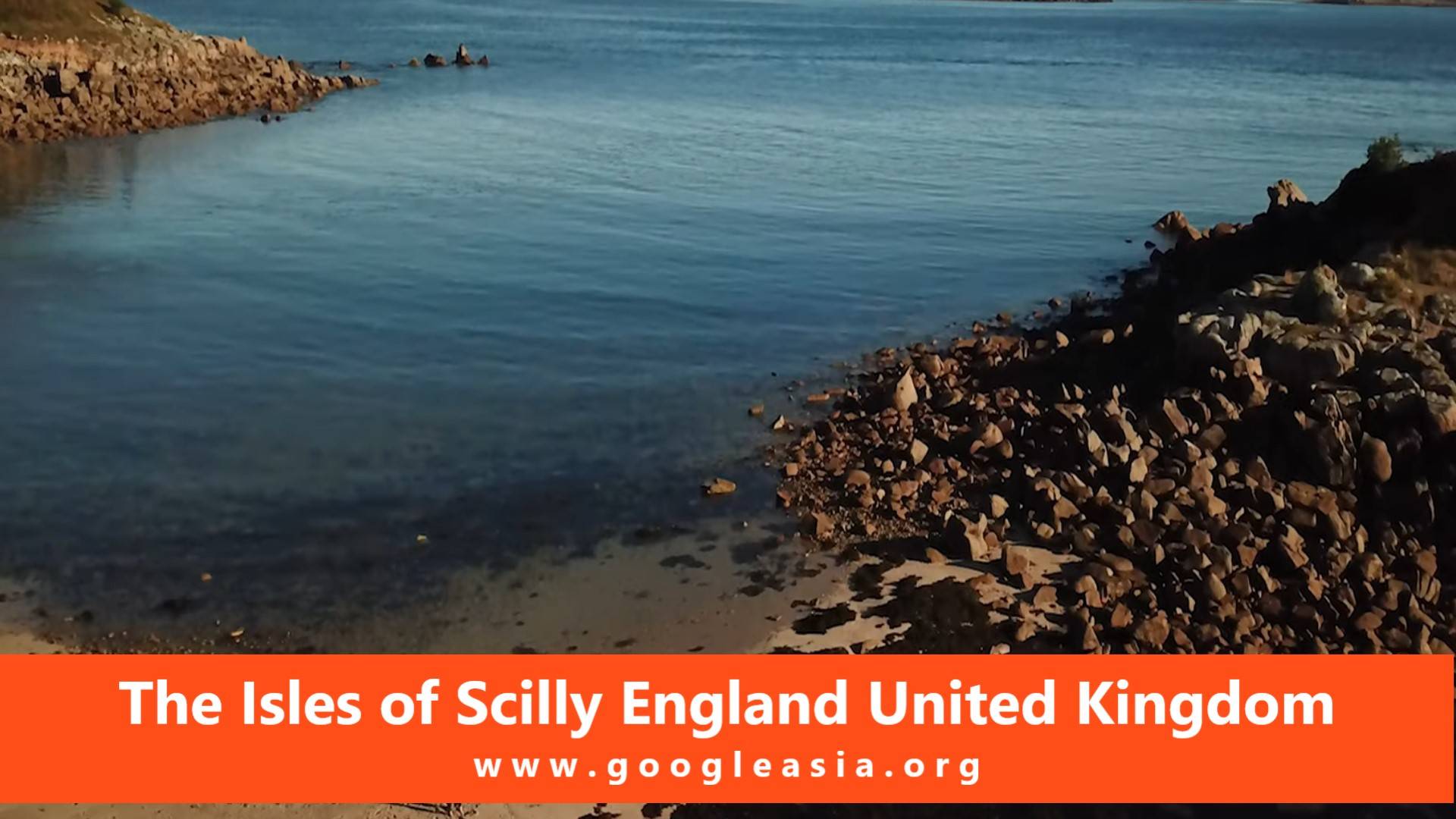
Tag: UK

  • Isles of Scilly: England’s Island Paradise

    Isles of Scilly: England’s Island Paradise

    The Isles of Scilly, United Kingdom

    Discover the turquoise seas, white‑sand beaches, and island charm of the Isles of Scilly. Plan your escape today—start exploring now!

    Introduction

    The Isles of Scilly, an enchanting archipelago off the southwestern coast of England, beckon travelers with their serene beauty and diverse attractions. Comprising over 100 islands, of which only five are inhabited, this remote paradise is celebrated for its stunning landscapes, mild climate, and rich marine life. Here’s a detailed look into what makes The Isles of Scilly a must-visit destination.

    Natural Beauty and Scenery

    Rugged Cliffs and Stunning Beaches

    • Rugged Cliffs: The Isles of Scilly are renowned for their dramatic cliffs, which offer breathtaking views of the Atlantic Ocean. These rugged formations create picturesque panoramas that are perfect for photography and sightseeing.
    • Beautiful Beaches: The islands boast some of the most beautiful beaches in the UK, with pristine white sand and crystal-clear waters. Popular spots include Pentle Bay on Tresco and Hugh Town Beach on St. Mary’s.

    Mild Climate

    • Year-Round Temperatures: The Isles of Scilly enjoy a temperate maritime climate, with mild winters and warm summers. This makes it an ideal destination for outdoor activities and relaxation throughout the year.
    • Unique Flora: The mild climate supports a variety of plant life, including subtropical species that are rare in the UK, contributing to the islands’ lush and vibrant landscapes.

    Attractions

    The World’s Smallest Cathedral

    St. Martin’s Church, located on St. Martin’s, holds the title of the world’s smallest cathedral. Its quaint charm and historical significance make it a unique attraction.

    Local History Museum

    The Isles of Scilly Museum on St. Mary’s offers insights into the local history and maritime heritage of the archipelago, featuring exhibits on shipwrecks, archaeology, and island life.

    Tresco Abbey Gardens

    This subtropical garden on Tresco is a must-visit for plant enthusiasts. It features over 20,000 species from around the world, thriving in the islands’ mild climate.

    Nature Reserves

    The islands are home to several nature reserves, including the Gugh and St. Agnes, where visitors can explore diverse habitats and observe local wildlife.

    Things to Do

    The Isles of Scilly, a stunning archipelago off the southwestern coast of England, offer an array of activities and experiences for every type of traveler. With its pristine beaches, historical sites, and diverse wildlife, the islands provide a unique escape from the everyday. Here’s a guide to the best things to do in The Isles of Scilly:

    Beach and Coastal Activities

    Visit the Beaches

    • Golden Sands and Turquoise Waters: The Isles of Scilly are renowned for their beautiful beaches. Spend your day on the golden sands of beaches like Pentle Bay on Tresco or Hugh Town Beach on St. Mary’s. Enjoy swimming in the crystal-clear waters or simply relax and sunbathe.
    • Secluded Spots: Discover more secluded beaches such as those on St. Agnes and Bryher, ideal for a peaceful retreat and some solitude.

    Go Kayaking

    • Explore by Sea: Rent a kayak and explore the scenic coastline from the water. Paddle through hidden coves, discover secret beaches, and enjoy the tranquility of the surrounding nature.
    • Guided Kayak Tours: For a more comprehensive experience, join a guided kayak tour to gain insights into the local marine life and geography.

    Coasteering

    • Adventurous Exploration: For those seeking thrills, coasteering offers a unique way to explore the rugged coastline. This adventure sport combines climbing, swimming, and jumping into the sea from dramatic rock formations.
    • Safety and Guides: Join a professional coasteering guide to ensure a safe and exhilarating experience.

    Historical and Cultural Sites

    Visit Tresco Abbey Garden

    • Sub-Tropical Paradise: Tresco Abbey Garden is a must-see, featuring over 20,000 plant species from around the world. Wander through the lush gardens and marvel at the diverse flora thriving in the mild climate.
    • Historical Ruins: Explore the ruins of the 12th-century Abbey, which add a historical element to the garden’s natural beauty.

    Visit the Star Castle

    • Historic Castle and Luxury Accommodation: Originally built in the 16th century as a defense fort, the Star Castle now serves as a luxury hotel and restaurant. While here, you can admire its historical architecture and enjoy fine dining.
    • Historic Atmosphere: Experience the castle’s historic charm and learn about its role in the region’s history.

    Explore the Isles of Scilly Museum

    • Local History: Dive into the rich history of the Isles of Scilly at the Isles of Scilly Museum on St. Mary’s. Exhibits cover shipwrecks, local heritage, and the islands’ maritime history.
    • Interactive Displays: Engage with interactive displays and artifacts to gain a deeper understanding of island life through the ages.

    Nature and Wildlife

    Explore Bird Sanctuaries

    • Bird Watching: The Isles of Scilly are home to diverse bird species. Visit bird sanctuaries such as those on St. Agnes and St. Martin’s for a chance to observe seabirds, including puffins and gannets, in their natural habitats.
    • Guided Bird Tours: Join a bird-watching tour for expert guidance and insights into the best spots and times for bird sightings.

    Scenic Tours and Boat Trips

    Take a Boat Trip

    • Island Hopping: Embark on a boat trip to explore the various islands, each with its own charm and attractions. Discover hidden coves, white sand beaches, and stunning coastal views.
    • Marine Life Spotting: During your boat trip, keep an eye out for marine life such as dolphins and seals, which are often seen around the islands.

    Take a Guided Tour

    • Island Tours: Take a guided tour to learn more about the islands’ history, culture, and natural features. Local guides offer valuable insights and ensure you don’t miss any hidden gems.
    • Customized Tours: Choose from various tour options tailored to your interests, whether you’re focused on history, nature, or local culture.

    Foods

    The Isles of Scilly, with their stunning coastal views and fresh marine air, offer a delightful range of local foods that reflect the islands’ rich maritime heritage. From classic British fare to unique regional delicacies, here’s a guide to the best foods you should try during your visit:

    Seafood Delights

    Fish and Chips

    • Classic British Dish: Enjoy this quintessential British seaside meal with freshly caught fish from the surrounding waters. The crispy batter and tender fish, served with golden fries, make for an irresistible combination.
    • Local Twist: Many local establishments serve fish and chips with a touch of Scillonian flair, adding a unique local flavor to this classic dish.

    Lobster

    • Scillonian Style: The Isles of Scilly are renowned for their delectable lobster. Often prepared in the “Scillonian” style, the lobster is served with garlic butter, enhancing its natural sweetness and flavor.
    • Fresh and Local: Enjoy lobster caught directly from the surrounding waters, ensuring freshness and a taste of the local marine environment.

    Crab Cakes

    • Tender and Succulent: Crab cakes are a popular choice, made from the freshest local crab meat. These cakes are tender, flavorful, and often served with a tangy dipping sauce or on a bed of salad.
    • Seafood Experience: Savoring crab cakes provides a true taste of the Isles’ bountiful seafood offerings.

    Fresh Oysters

    • Plump and Fresh: The Isles of Scilly offer some of the best oysters in the UK. Served fresh with a variety of dressings, these oysters are a must-try for seafood lovers.
    • Varied Dressings: Enjoy oysters with different dressings such as lemon, vinegar, or mignonette, to enhance their briny flavor.

    Traditional and Unique Dishes

    Kedgeree

    • Traditional British Dish: Kedgeree is a classic British dish that combines rice, smoked fish, hard-boiled eggs, and parsley. It’s perfect for a light yet satisfying lunch or breakfast.
    • Comfort Food: This dish provides a comforting, hearty meal that reflects the Isles’ traditional cuisine.

    Seaweed Bread

    • Local Delicacy: Seaweed bread is a unique local specialty made with seaweed harvested from the surrounding waters. Its savory, slightly salty flavor makes it a delicious snack or accompaniment to other meals.
    • Distinctive Flavor: The use of seaweed adds a distinct and regional twist to this otherwise traditional bread.

    Sweet Treats and Snacks

    Cream Teas

    • Classic Treat: A quintessential British experience, cream teas consist of freshly baked scones served with clotted cream and jam, accompanied by a hot cup of tea or coffee. Enjoy this treat in one of the charming tea rooms on the islands.
    • Relaxing Experience: Cream teas offer a delightful way to relax and enjoy the scenic views of the Isles.

    Sea Salt Caramels

    • Sweet and Savory: Sea salt caramels are a popular souvenir from the Isles of Scilly. Made with local sea salt, these sweet treats combine rich caramel with a hint of saltiness for a perfect balance of flavors.
    • Local Flavor: These caramels capture the essence of the Isles and make for a memorable gift or indulgent treat.

    Hotels

    The Isles of Scilly offer a charming escape with their picturesque landscapes and serene atmosphere. Choosing the right accommodation can enhance your experience, providing comfort and easy access to the islands’ attractions. Here are some of the best hotels to consider during your stay:

    Star Castle Hotel & Restaurant

    Historic Charm

    Situated on St. Mary’s Island, the Star Castle Hotel is a unique accommodation housed in a 16th-century castle. It combines historical elegance with modern comforts.

    Enjoy luxurious rooms, fine dining at the restaurant, and stunning views of the surrounding area. The hotel also boasts beautifully landscaped gardens and an on-site spa.

    Dining and Facilities

    The hotel’s restaurant offers a range of gourmet dishes, featuring fresh local seafood and other regional specialties.

    Amenities: Includes a fitness center, a games room, and guided tours to explore the island.

    Hell Bay Hotel

    Secluded Retreat

    Located on Bryher Island, Hell Bay Hotel provides a tranquil retreat with breathtaking views of the Atlantic Ocean. The hotel is known for its intimate and relaxing atmosphere.

    The hotel offers comfortable rooms with sea views, an acclaimed restaurant, and direct access to beautiful beaches.

    Dining and Facilities

    The hotel’s dining options include dishes made with locally sourced ingredients, including fresh seafood.

    Features include a spa, outdoor activities, and boat trips.

    The Island Hotel

    Coastal Elegance

    Situated on Tresco Island, The Island Hotel offers a blend of contemporary luxury and traditional charm. It’s ideal for those looking to explore the island’s renowned gardens and coastal beauty.

    Stylish rooms and suites, an outdoor pool, and easy access to Tresco Abbey Garden.

    Dining and Facilities

    The hotel’s restaurant serves a variety of dishes, focusing on fresh, local produce.

    Amenities: Includes a spa, bike rentals, and guided tours of the island.

    The Atlantic Hotel

    Island Serenity

    Located on St. Mary’s Island, The Atlantic Hotel is known for its welcoming atmosphere and stunning ocean views. It’s a perfect base for exploring the island and its surroundings.

    Offers comfortable rooms, a restaurant with a focus on local ingredients, and proximity to key attractions.

    Dining and Facilities

    Serves a selection of fresh seafood and other regional dishes. Features include an on-site bar, garden area, and organized excursions.

    The Tresco Hotel

    Luxury and Comfort

    Also on Tresco Island, The Tresco Hotel provides a high standard of luxury with breathtaking views and excellent service. Enjoy spacious rooms, beautiful gardens, and proximity to the island’s attractions.

    Dining and Facilities

    Offers an elegant dining experience with a focus on local seafood and fresh produce. Includes a leisure center, outdoor pool, and spa services.

    The Old Town Inn

    Traditional Hospitality

    Located on St. Mary’s Island, The Old Town Inn offers a cozy and traditional stay with a friendly atmosphere. Comfortable rooms and a traditional pub setting provide a welcoming retreat.

    Dining and Facilities

    The pub serves classic British fare with a focus on local ingredients. Features include a garden area and easy access to local attractions.

    St Mary’s Hall Hotel

    Central Location

    Situated in the heart of St. Mary’s Island, St Mary’s Hall Hotel provides convenient access to local shops, restaurants, and the harbor. The hotel offers comfortable rooms and a relaxed ambiance.

    Dining and Facilities

    Serves a range of traditional and contemporary dishes. Includes a bar, lounge areas, and proximity to island tours.

    The St Martins Hotel

    Island Retreat

    On St. Martin’s Island, The St Martins Hotel offers a peaceful retreat with beautiful coastal views and direct access to the island’s beaches. Enjoy comfortable accommodations and a welcoming atmosphere.

    Dining and Facilities

    Offers a variety of dishes made from local ingredients. Includes outdoor activities and scenic walking paths.

    The Seaview Hotel

    Scenic Views

    Located on St. Mary’s Island, The Seaview Hotel is known for its spectacular sea views and comfortable accommodations. The hotel provides a relaxing atmosphere with easy access to local attractions.

    Dining and Facilities

    Focuses on fresh seafood and regional specialties.

    Amenities: Features include a garden area and organized excursions.

    The Seven Stones Inn

    Quaint and Cozy

    Situated on St. Mary’s Island, The Seven Stones Inn offers a charming and informal setting with excellent service.

    Known for its cozy rooms and friendly atmosphere.

    Dining and Facilities

    Serves hearty, traditional fare and local seafood.

    Amenities: Includes a pub area and easy access to island exploration.

    Conclusion

    A trip to the Isles of Scilly is a chance to slow down and embrace island life at its finest. Whether you’re kayaking between coves, spotting wildlife, or enjoying fresh local seafood, the islands promise experiences that linger long after you leave. Add the Isles of Scilly to your travel plans and uncover one of the United Kingdom’s most magical coastal escapes.

    The Isles of Scilly England United Kingdom

    Summary

    • Attraction: The Isles of Scilly England United Kingdom
    • Country: United Kingdom
    • Continent: Europe
    • Capital Name: London
    • Language: English, Irish, Scots, Welsh, Scotties Gaelic, Cornish
    • Category: #Destination #Europe #UK 

    Frequently Asked Questions

    What are the Isles of Scilly’s must-visit attractions or landmarks?

    The Isles of Scilly, known for their natural beauty and unique charm, offer several must-visit attractions and landmarks. Here are some highlights:

    1. Tresco Abbey Garden: Explore the world-renowned Tresco Abbey Garden on the island of Tresco. This subtropical garden features exotic plants from around the world, set against the backdrop of the ruins of an ancient abbey.
    2. St. Mary’s: The largest island in the archipelago, St. Mary’s is home to various attractions, including the Garrison Walls, the Old Town Church, and the Star Castle, a fortress with panoramic views.
    3. St. Martin’s: Known for its stunning white sandy beaches, St. Martin’s is a picturesque island with a relaxed atmosphere. Visit the Daymark, a navigational marker offering excellent views.
    4. St. Agnes: The southernmost inhabited island, St. Agnes, offers rugged landscapes and scenic coastal walks. Be sure to explore the lighthouse and enjoy the tranquility of this remote island.
    5. Bryher: This island provides a peaceful retreat with beautiful beaches like Rushy Bay and Great Porth. Visit Hell Bay for dramatic coastal scenery and the Fraggle Rock Bar for refreshments.
    6. Ancient Burial Chambers: Discover ancient burial chambers and standing stones scattered across the islands, providing insights into the archipelago’s rich history and prehistoric heritage.
    7. Isles of Scilly Museum: Located on St. Mary’s, the museum showcases the islands’ history, culture, and maritime heritage. It’s a great place to learn more about the local way of life.
    8. Wildlife Watching: The Isles of Scilly are a haven for birdwatchers. Visit the uninhabited island of Annet to observe seabird colonies, and enjoy seal and dolphin watching excursions.
    9. Cromwell’s Castle and King Charles’s Castle: Explore historic castles on Tresco and Bryher. Cromwell’s Castle and King Charles’s Castle are remnants of the islands’ strategic importance during the English Civil War.
    10. The Turk’s Head: Visit the Turk’s Head on St. Agnes, which claims to be the smallest pub in the world. It’s a charming and quirky spot for a drink.
    11. Gugh: Accessible by a sandbar from St. Agnes at low tide, Gugh offers peaceful walks and the opportunity to see the Bronze Age entrance grave, Obadiah’s Barrow.
    12. Round Island Lighthouse: Located on Round Island, this lighthouse provides stunning views and is a prominent landmark in the archipelago.

    What are the Isles of Scilly’s nearby must-visit attractions or landmarks?

    While the Isles of Scilly themselves offer a range of attractions, the nearby mainland and surrounding areas also have noteworthy landmarks. Here are some must-visit attractions and landmarks in the vicinity of the Isles of Scilly:

    1. Tresco Abbey Garden:
      • Located on the island of Tresco, this world-renowned garden features a stunning collection of subtropical plants. It’s a botanical paradise with colorful blooms and exotic species.
    2. St. Michael’s Mount:
      • A tidal island located in Mount’s Bay, Cornwall, St. Michael’s Mount is crowned by a medieval castle and chapel. Accessible by causeway during low tide or by boat, it offers a rich history and breathtaking views.
    3. Land’s End:
      • As the westernmost point of mainland Cornwall, Land’s End is known for its rugged cliffs and panoramic views. The area offers coastal walks, a visitor center, and the famous “End to End” signpost.
    4. Porthcurno and the Minack Theatre:
      • Porthcurno is a beautiful beach known for its turquoise waters, and nearby, the Minack Theatre is an open-air amphitheater carved into the cliffs, providing a unique setting for performances.
    5. St. Ives:
      • A picturesque town with narrow streets, art galleries, and sandy beaches, St. Ives is a popular destination. The Tate St. Ives showcases modern and contemporary art.
    6. Penzance:
      • This historic port town offers a mix of maritime history, shopping, and dining. The Penlee House Gallery & Museum and the Jubilee Pool are notable attractions.
    7. Geevor Tin Mine:
      • Located near Pendeen, Geevor Tin Mine is a museum and heritage center showcasing the history of tin mining in Cornwall. Visitors can explore underground tunnels and learn about the industry.
    8. St. Agnes:
      • One of the inhabited islands of the Isles of Scilly, St. Agnes is known for its rugged coastline and picturesque landscapes. It’s a great place for walking and birdwatching.
    9. St. Mary’s:
      • The largest island in the Isles of Scilly, St. Mary’s has historical sites, including the Garrison Walls, the Old Town Church, and the Star Castle. The island also offers beautiful beaches.
    10. St. Martin’s:
      • Known for its stunning sandy beaches, St. Martin’s is another of the inhabited islands. It’s a peaceful retreat with opportunities for walking and enjoying the natural surroundings.

    Is the Isles of Scilly a suitable travel destination for solo adventurers, honeymooning couples, or those traveling with families?

    Yes, the Isles of Scilly are suitable for various types of travelers, including solo adventurers, honeymooning couples, and families. Here’s why:

    1. Solo Adventurers: Solo travelers can enjoy exploring the islands at their own pace, embarking on scenic walks, trying water sports, and immersing themselves in the peaceful ambiance. The islands offer opportunities for introspection and relaxation, making it an ideal destination for solo adventurers seeking tranquility.
    2. Honeymooning Couples: The romantic and picturesque setting of the Isles of Scilly makes it a perfect destination for honeymooning couples. Couples can enjoy romantic walks on secluded beaches, sunset cruises, and intimate dining experiences. The islands’ serene atmosphere provides an ideal backdrop for celebrating love and creating lasting memories.
    3. Families: Families traveling with children can appreciate the safe and family-friendly environment of the Isles of Scilly. The islands offer activities suitable for all ages, including beachcombing, wildlife spotting, and exploring historical sites. Families can enjoy quality time together amidst the natural beauty of the islands, creating unforgettable experiences.
    4. Activities for Everyone: Whether it’s hiking along scenic coastal trails, snorkeling in crystal-clear waters, or visiting cultural attractions, the Isles of Scilly offer activities that cater to diverse interests and preferences. Families can engage in outdoor adventures, while couples can enjoy romantic strolls and private moments.
    5. Accommodation Options: The Isles of Scilly provide a range of accommodation options to suit different needs and budgets. From cozy guesthouses and self-catering cottages to luxury hotels and beachfront resorts, there are accommodations suitable for solo travelers, couples, and families.
    6. Safety and Accessibility: The Isles of Scilly are known for their safety and accessibility, making them ideal for travelers of all ages. The islands have a welcoming and supportive community, and amenities such as medical facilities and transportation services are readily available.

    Why should you visit the Isles of Scilly?

    The Isles of Scilly, a group of islands located off the southwestern coast of Cornwall, England, offer a unique and picturesque destination. Here are some compelling reasons to visit the Isles of Scilly:

    1. Natural Beauty: The Isles of Scilly boast stunning landscapes with crystal-clear turquoise waters, white sandy beaches, and lush greenery. The natural beauty of the islands is truly captivating.
    2. Peace and Tranquility: Known for their peaceful and tranquil ambiance, the Isles of Scilly provide a perfect escape from the hustle and bustle of everyday life. Visitors can enjoy a serene environment surrounded by nature.
    3. Island Hopping: With multiple islands to explore, each with its own charm, visitors can enjoy island hopping. St. Mary’s, Tresco, Bryher, and St. Martin’s are among the inhabited islands, each offering unique experiences.
    4. Flora and Fauna: The Isles of Scilly are home to a rich diversity of flora and fauna. The islands are a haven for birdwatchers, and the Tresco Abbey Garden is renowned for its exotic plants from around the world.
    5. Historical Sites: Explore historical sites such as ancient burial chambers, standing stones, and medieval castles. The islands have a rich history, and remnants of past civilizations add to the intrigue.
    6. Water Activities: The clear waters surrounding the islands provide opportunities for various water activities, including snorkeling, kayaking, and boat trips. Scuba diving enthusiasts can explore the underwater marine life.
    7. Cultural Events: Experience the unique cultural events and traditions of the Isles of Scilly, including the annual Lowender Peran festival, which celebrates the islands’ Celtic heritage.
    8. Art and Crafts: The Isles of Scilly have a vibrant arts and crafts community. Visitors can explore local galleries and studios showcasing the work of talented artists inspired by the islands’ beauty.
    9. Local Cuisine: Enjoy fresh seafood and local produce in the island’s restaurants and cafes. The culinary scene reflects the maritime influence, with delicious seafood dishes.
    10. Scenic Walks: The islands offer picturesque walking trails with breathtaking views. Whether exploring coastal paths or inland routes, visitors can discover the diverse landscapes of the Isles of Scilly.
    11. Relaxation and Wellness: The peaceful atmosphere makes the Isles of Scilly an ideal destination for relaxation and wellness retreats. Visitors can indulge in spa treatments and enjoy the therapeutic benefits of nature.

    How to go to the Isles of Scilly?

    The Isles of Scilly are a group of islands located off the southwestern tip of Cornwall, England. To reach the Isles of Scilly, you can use a combination of transportation modes. Here are the common methods:

    By Air:

    1. Flights from Exeter, Newquay, or Land’s End:
      • Book a flight from Exeter International Airport (EXT), Cornwall Airport Newquay (NQY), or Land’s End Airport (LEQ) to St. Mary’s Airport on the Isles of Scilly.
      • Airlines such as Skybus operate regular flights.
    2. Helicopter Service:
      • There was a helicopter service, but it might be worth checking the current status, as services can change.

    By Sea:

    1. Ferry from Penzance:
      • The most common ferry route is from Penzance to St. Mary’s, the largest island.
      • The Scillonian III passenger ferry operates the route and offers a scenic journey. The ferry typically runs from spring to autumn.
      • The ferry journey takes around 2.5 to 3 hours.
    2. Boat from other Cornish locations:
      • Depending on the time of year, there might be other boat services from locations such as Falmouth or Penzance.

    Practical Tips:

    • Weather Considerations: Weather conditions can impact transportation to the Isles of Scilly, especially by air or sea. Check the weather forecast and any travel advisories before planning your trip.
    • Booking in Advance: It’s advisable to book your flights or ferry tickets in advance, especially during peak travel times.

    • Accommodations: Ensure you have accommodations booked on the Isles of Scilly, as they can fill up quickly during busy seasons.

    • Transportation on the Islands: Once on the Isles of Scilly, local transportation includes boats between islands and local taxis.

    Is there any halal food available in the vicinity of the Isles of Scilly?

    The availability of halal food in the Isles of Scilly may be limited due to the relatively small size and remote nature of the islands. The Isles of Scilly are known for their natural beauty and tranquility, but they may not have a wide variety of dining options, including those specifically offering halal food.
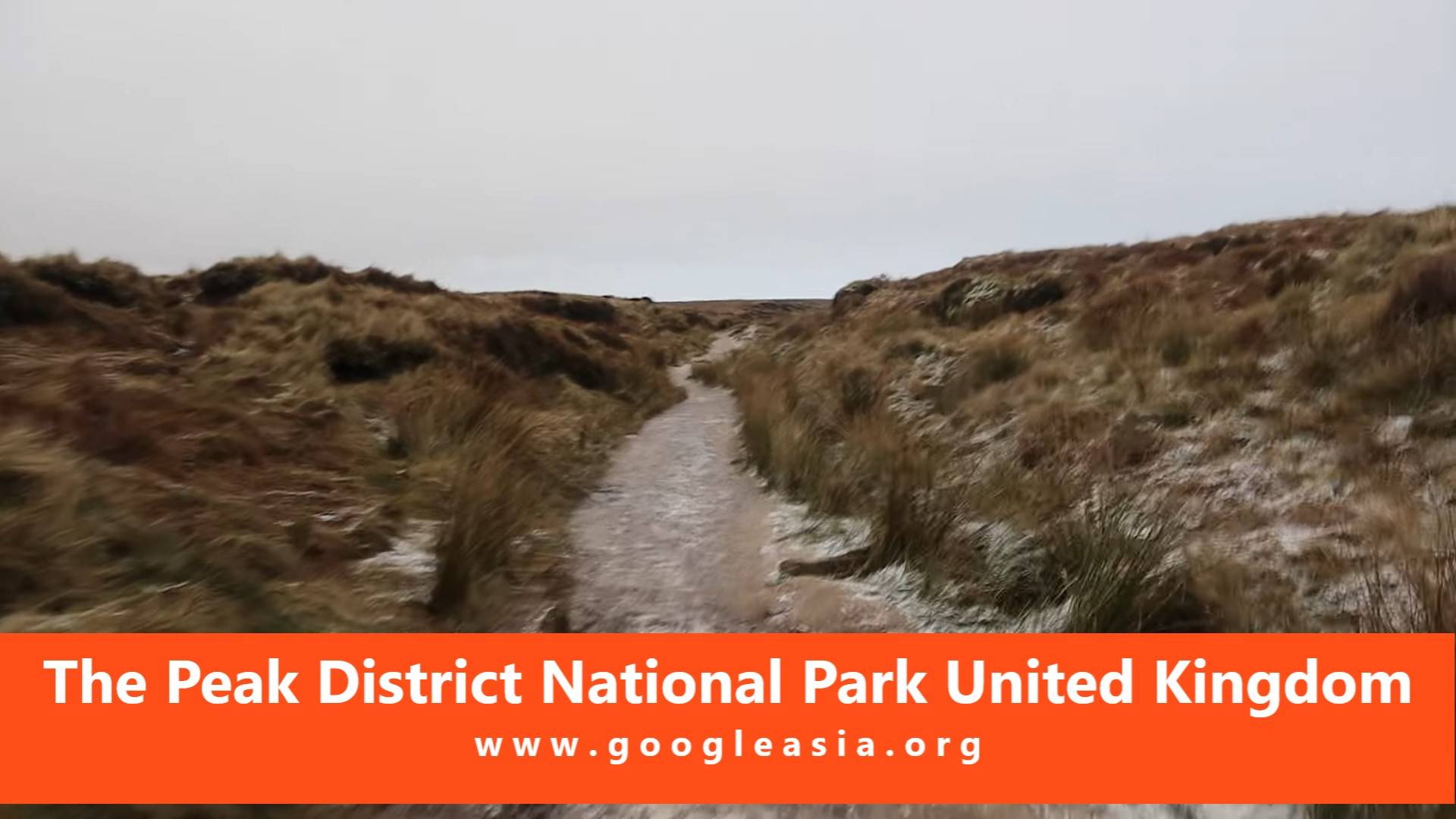
  • Peak District UK: England’s Scenic National Park

    Peak District UK: England’s Scenic National Park

    The Peak District National Park, United Kingdom

    Explore the rolling hills, rugged moors, and charming villages of the Peak District. Plan your outdoor adventure—start exploring today!

    Introduction

    The Peak District National Park, located in the north of England, is renowned for its breathtaking landscapes and diverse outdoor activities. As the first national park established in the UK, it offers a rich tapestry of natural beauty and cultural heritage. Spanning four counties—Cheshire, Derbyshire, Yorkshire, and Staffordshire—the park covers an impressive 555 square miles (1,440 square kilometers) of varied terrain.

    Geography and Landscape

    Diverse Terrain

    • High Peaks: The Peak District is known for its high moorlands and rugged hills, with notable peaks such as Kinder Scout and Mam Tor.
    • Valleys and Dales: Explore picturesque valleys like the Hope Valley and the Dovedale, characterized by charming limestone scenery and meandering rivers.
    • Gritstone Edges: The park features dramatic gritstone edges like Stanage Edge and Froggatt Edge, which provide stunning viewpoints and excellent climbing opportunities.

    Scenic Beauty

    • Panoramic Views: From the rolling hills to the expansive moors, the park offers numerous vantage points for panoramic views. The scenery varies from lush green fields to stark, windswept highlands.
    • Caves and Gorges: Discover natural wonders such as Peak Cavern and the dramatic limestone gorge of Dovedale, known for its picturesque stepping stones.

    Wildlife and Nature

    Flora and Fauna

    • Wildlife: The park is home to a variety of wildlife, including red deer, badgers, foxes, and otters. Birdwatchers can spot peregrine falcons, red grouse, and a range of other bird species.
    • Flora: Enjoy diverse plant life, from heather-covered moors to lush woodlands and wildflower meadows.

    Conservation Efforts

    • Protected Areas: Efforts are made to conserve the park’s natural habitats and wildlife. Many areas are designated as Sites of Special Scientific Interest (SSSIs) to protect their ecological value.
    • Sustainable Tourism: The park promotes sustainable tourism practices to ensure that its natural beauty and wildlife are preserved for future generations.

    Cultural Heritage

    Historical Sites

    • Ancient Monuments: Explore prehistoric sites such as the stone circles at Arbor Low and the Bronze Age burial mounds on the moors.
    • Historic Villages: Discover charming villages like Castleton and Bakewell, which are rich in history and offer a glimpse into traditional Peak District life.

    Local Attractions

    • Chatsworth House: Visit this grand stately home, known for its magnificent architecture and extensive gardens.
    • Haddon Hall: Explore this historic manor house, renowned for its medieval architecture and picturesque setting.

    Things to Do

    The Peak District National Park, with its stunning landscapes and diverse activities, offers an array of experiences for visitors. Whether you’re an adventure seeker, history buff, or nature lover, there’s something for everyone. Here’s a guide to the top activities and attractions in this picturesque park:

    Hiking the Trails

    Long-Distance Walks

    • Pennine Way: This renowned long-distance trail stretches through the northern part of the park, offering challenging terrain and breathtaking views.
    • Derbyshire Dales Walk: A scenic route through the beautiful Derbyshire countryside, perfect for those looking to explore the park’s diverse landscapes.

    Short Circular Routes

    • Mam Tor Circular Walk: A popular route that provides panoramic views of the surrounding peaks and valleys.
    • Dovedale Walk: A more leisurely walk through the charming Dovedale valley, known for its stepping stones and picturesque scenery.

    Visit Castleton

    Blue John Caverns

    • Cave Tours: Explore the unique Blue John Caverns, famous for their rare Blue John stone. Guided tours offer fascinating insights into the geology and history of these caverns.

    Peveril Castle

    • Historic Site: Discover the ruins of Peveril Castle, a 12th-century fortress with panoramic views of the surrounding area.

    Go Cycling

    Quiet Country Lanes

    • Monsal Trail: A traffic-free cycle route through stunning countryside and former railway tunnels.
    • Tissington Trail: Another traffic-free route that takes cyclists through picturesque villages and scenic landscapes.

    Bridleways

    • High Peak Trail: Explore this scenic trail that offers varied terrain and beautiful vistas, ideal for mountain biking.

    Go Rock Climbing

    Premier Climbing Venues

    • Stanage Edge: One of the most famous climbing spots in the UK, offering numerous routes and stunning views.
    • Froggatt Edge: Known for its diverse climbing routes and picturesque setting, perfect for climbers of all levels.

    Visit Chatsworth House

    Stately Home

    • House Tours: Explore the grand interiors of Chatsworth House, renowned for its art collection, historical significance, and stunning architecture.
    • Gardens: Wander through the beautifully landscaped gardens, featuring fountains, sculptures, and a maze.

    Explore Ancient Monuments

    Stone Circles

    • Arbor Low: Visit this prehistoric stone circle, often referred to as the “Stonehenge of the Peak District,” with its mysterious and ancient ambiance.
    • Nine Ladies Stone Circle: A smaller, yet equally intriguing stone circle located in the heart of the moors.

    Hill Forts

    • Mam Tor: Explore the Iron Age hill fort located on Mam Tor, offering a glimpse into the region’s ancient past and spectacular views of the surrounding landscape.

    Go Bird Watching

    Bird Watching Spots

    • Padley Gorge: Known for its diverse birdlife, including peregrine falcons and red grouse.
    • Upper Derwent Valley: A prime location for spotting a range of bird species in their natural habitat.

    Visit the Markets

    Traditional Markets

    • Bakewell Market: Discover local produce, crafts, and the famous Bakewell pudding in this charming market town.
    • Ashbourne Market: Explore another traditional market offering a variety of goods, from fresh produce to handmade crafts.

    Go Caving

    Caving Adventures

    • Peak Cavern: Known as the “Devil’s Arse,” this impressive cave system offers guided tours and underground exploration.
    • Speedwell Cavern: Take a boat trip through underground waterways and explore fascinating cave formations.

    Have a Picnic

    Beautiful Parks and Gardens

    • Hathersage Park: Enjoy a relaxing picnic in this scenic park, with views of the surrounding hills and a tranquil setting.
    • Bakewell Recreation Ground: A lovely spot for a picnic with ample green space and picturesque surroundings.

    Foods

    The Peak District National Park, with its stunning landscapes and rich history, is also a haven for food enthusiasts. The region boasts a range of traditional dishes and local specialties that reflect its culinary heritage. Here’s a guide to some of the best foods you can enjoy while exploring this picturesque area:

    Traditional Fish and Chips

    Classic Dish

    A quintessential British meal, fish and chips consist of battered and fried fish served with chunky fries. Often accompanied by mushy peas and tartar sauce, this dish is perfect for enjoying after a day of outdoor activities.

    • Where to Try: Look for local pubs or fish and chip shops in towns like Bakewell and Castleton.

    Bakewell Tart

    Iconic Dessert

    This famous tart features a shortcrust pastry base filled with a layer of almond frangipane and a hint of jam. Topped with flaked almonds and a dusting of icing sugar, it’s a sweet treat you can’t miss.

    • Where to Try: Bakewell is renowned for its tart, and you can find it in many local bakeries and tea rooms.

    Cheese and Onion Pie

    Hearty Meal

    A savory pie filled with a rich mixture of cheese and onions encased in a flaky pastry. It’s a comforting dish that’s especially popular in the colder months.

    • Where to Try: Many local pubs and cafés in the Peak District serve this traditional dish.

    The Peak District Sausage

    Local Specialty

    Known for its distinctive taste and quality, the Peak District sausage is often made with locally sourced meat and seasoned to perfection. It’s a great way to sample regional flavors.

    • Where to Try: Available at local butchers and as part of traditional meals in many pubs.

    Derbyshire Oatcakes

    Regional Delicacy

    These are savory oat-based cakes that are slightly chewy and can be enjoyed with a variety of fillings, such as cheese, ham, or even as part of a hearty breakfast.

    • Where to Try: Look for them in bakeries and delis around Derbyshire and the Peak District.

    Derbyshire Curd Tart

    Traditional Treat

    A delightful tart made with curd cheese, sugar, and spices, often topped with a layer of pastry. It’s a sweet and tangy dessert with a unique flavor.

    • Where to Try: Found in local bakeries and tea rooms across the region.

    Roast Beef and Yorkshire Pudding

    Classic British Dish

    A traditional Sunday roast featuring succulent roast beef served with Yorkshire pudding, roast potatoes, and seasonal vegetables. It’s a hearty meal that reflects British culinary traditions.

    • Where to Try: Many pubs and restaurants in the Peak District offer this classic dish.

    Pork Pies

    Savory Snack

    These pies are filled with seasoned pork and encased in a crisp pastry shell. Often served cold, they make a great snack or picnic food.

    • Where to Try: Available at local bakeries and as part of traditional pub fare.

    Game Pie

    Rustic Dish

    A hearty pie filled with a mix of game meats, such as venison, pheasant, and rabbit, cooked in a rich gravy and topped with a golden pastry crust.

    • Where to Try: Look for it in local pubs and restaurants specializing in traditional British fare.

    Parkin Cake

    Spicy Gingerbread

    A moist and sticky cake made with oatmeal, ginger, and treacle, often enjoyed with a cup of tea. It’s a comforting treat that’s particularly popular in the region.

    • Where to Try: Available in local bakeries and as part of traditional afternoon teas.

    Hotels

    The Peak District National Park, with its rolling hills and picturesque landscapes, offers a variety of accommodations that cater to different preferences and budgets. Whether you’re looking for luxury, traditional charm, or a cozy retreat, the area has something to offer. Here’s a guide to some of the best hotels in this stunning region:

    The Peacock at Rowsley

    Situated in the quaint village of Rowsley, The Peacock at Rowsley stands out for its luxurious offerings and breathtaking views.

    Rooms and Amenities

    • Private Balconies: Many rooms feature private balconies overlooking the scenic countryside.
    • Wellness Center: Guests can indulge in relaxation and rejuvenation with top-notch wellness facilities.
    • Fine Dining: The hotel’s restaurant is renowned for its gourmet cuisine, serving both local and international dishes.

    Location

    The hotel is ideally located for exploring the Peak District’s attractions and enjoys proximity to beautiful walking trails and historic sites.

    The Cavendish Hotel

    The Cavendish Hotel is nestled amidst stunning scenery, providing a serene environment for relaxation and exploration.

    Rooms and Amenities

    • Comfortable Accommodations: The rooms are well-appointed with modern amenities ensuring a comfortable stay.
    • Local Attractions: The hotel offers easy access to nearby attractions, making it a convenient base for sightseeing.

    Location

    The hotel’s setting in the heart of the Peak District allows guests to immerse themselves in the natural beauty of the area.

    The George Hotel

    A traditional hotel that balances comfort and convenience, The George Hotel offers a welcoming atmosphere for visitors.

    Rooms and Amenities

    • Comfortable Rooms and Suites: Guests can enjoy spacious and well-furnished rooms and suites.
    • Restaurant and Bar: The hotel features a restaurant and bar, providing a cozy place to relax after a day of exploring.

    Location

    The George Hotel is strategically located to facilitate easy access to local attractions and scenic spots.

    The Royal Oak Inn

    Located in the charming village of Chelmorton, The Royal Oak Inn is a historic 17th-century establishment with a cozy, inviting ambiance.

    Rooms and Amenities

    • Charming Rooms: The inn offers characterful rooms that reflect its historical charm.
    • Restaurant: The on-site restaurant serves hearty meals and local specialties.
    • Lovely Grounds: Guests can enjoy the beautiful grounds surrounding the inn.

    Location

    The Royal Oak Inn is perfectly situated for those looking to explore the natural beauty and historic sites of the Peak District.

    The Lion Hotel

    The Lion Hotel, located in the heart of the Peak District National Park, combines luxurious accommodations with stunning views.

    Rooms and Amenities

    • Rooms and Suites: Each room and suite offers panoramic views of the surrounding landscape.
    • Restaurant and Bar: The hotel’s dining options include a restaurant and bar, catering to various tastes.
    • Spa and Wellness Center: Guests can unwind in the spa and wellness center, adding to the luxurious experience.

    Location

    The Lion Hotel’s central location makes it an excellent choice for exploring both the park and nearby attractions.

    Conclusion

    A visit to the Peak District National Park is a chance to embrace England’s great outdoors and experience its timeless countryside charm. Whether you’re climbing rugged peaks, wandering through quaint villages, or simply soaking in the views, the park offers something for everyone. Add the Peak District to your travel plans and discover one of the United Kingdom’s most captivating natural escapes.

    The Peak District National Park United Kingdom

    Summary

    • Attraction: The Peak District National Park United Kingdom
    • Country: United Kingdom
    • Continent: Europe
    • Capital Name: London
    • Language: English, Irish, Scots, Welsh, Scotties Gaelic, Cornish
    • Category: #Destination #Europe #UK 

    Frequently Asked Questions

    What are the Peak District National Park’s must-visit attractions or landmarks?

    The Peak District National Park is a stunning area with a variety of must-visit attractions and landmarks showcasing its natural beauty and cultural heritage. Here are some highlights:

    1. Stanage Edge: A popular gritstone escarpment for rock climbers and hikers, offering breathtaking views of the surrounding landscapes.
    2. Mam Tor: Known as the “Shivering Mountain,” Mam Tor provides panoramic views of the Peak District and is a popular spot for walking and photography.
    3. Chatsworth House: One of England’s most famous stately homes, Chatsworth House features magnificent gardens, sculptures, and a rich collection of art and artifacts.
    4. Hathersage Outdoor Swimming Pool: England’s oldest heated outdoor swimming pool, set in a picturesque location with stunning views.
    5. Derwent Dam: The site of the famous Dambusters training during World War II, surrounded by scenic landscapes and walking trails.
    6. Dovedale: A picturesque limestone valley with the iconic stepping stones across the River Dove, offering scenic walks and beautiful views.
    7. Castleton: A charming village surrounded by hills and caverns. Explore Peveril Castle, Blue John Cavern, and Speedwell Cavern.
    8. Bakewell: Known for the delicious Bakewell Pudding, this market town is a lovely place to explore with historic architecture and a scenic riverside.
    9. Lyme Park: A grand estate with a mansion, gardens, and a deer park. Lyme Park is known for its opulent interiors and expansive grounds.
    10. Treak Cliff Cavern: A show cave famous for its Blue John stone, offering guided tours through underground chambers and unique rock formations.
    11. Losehill House Hotel & Spa: A luxurious spa hotel nestled in the heart of the Peak District, providing a relaxing retreat with stunning views.
    12. Eyam: The historic “Plague Village” known for its self-imposed quarantine during the 1665 bubonic plague outbreak. Explore Eyam Museum and St. Lawrence’s Church.
    13. Buxton Opera House: A beautiful Edwardian opera house in the spa town of Buxton, hosting a variety of performances and events.
    14. Matlock Bath: A unique riverside town with Victorian charm, known for its cable car to the Heights of Abraham and Gulliver’s Kingdom theme park.
    15. Peak District National Park Visitor Centers: Visit the visitor centers such as Bakewell Visitor Center and Castleton Visitor Center for information, maps, and exhibits about the park.

    What are the Peak District National Park’s nearby must-visit attractions or landmarks?

    While the Peak District National Park itself is a destination filled with natural beauty and attractions, there are also several nearby must-visit attractions and landmarks worth exploring. Here are some notable places in the vicinity of the Peak District:

    1. Chatsworth House: Located near Bakewell, Chatsworth House is one of England’s most renowned stately homes. The estate includes beautiful gardens, a sculpture gallery, and a historic house with impressive art collections.
    2. Haddon Hall: Situated close to Bakewell, Haddon Hall is a medieval and Tudor-style manor house. It is known for its well-preserved architecture, charming gardens, and historical significance.
    3. Bakewell: The picturesque market town of Bakewell is famous for its Bakewell Pudding. Stroll through its charming streets, explore the market, and enjoy the historic architecture.
    4. Matlock Bath: Nestled along the River Derwent, Matlock Bath is a spa town known for its Victorian charm. Visit the Heights of Abraham, a hilltop park accessible by cable car, offering panoramic views.
    5. Crich Tramway Village: Experience a journey back in time at Crich Tramway Village, an open-air museum dedicated to the history of trams. Ride vintage trams and explore the period street settings.
    6. Mam Tor: Known as the “Shivering Mountain,” Mam Tor offers stunning panoramic views of the surrounding countryside. It’s a popular spot for hiking and enjoying the natural beauty.
    7. Castleton: This charming village is surrounded by limestone hills and is known for its show caves, including Blue John Cavern and Speedwell Cavern. Peveril Castle overlooks the village.
    8. Derwent Valley Mills: A UNESCO World Heritage Site, the Derwent Valley Mills includes historic industrial sites along the River Derwent. Explore mills, factories, and other structures that played a crucial role in the Industrial Revolution.
    9. Buxton: Buxton is a spa town with elegant Georgian and Victorian architecture. Visit the Buxton Opera House, the Pavilion Gardens, and the historic Buxton Crescent.
    10. Eyam: Known as the “Plague Village,” Eyam has a unique history related to the bubonic plague. Explore the Eyam Museum and learn about the village’s self-imposed quarantine during the 1665 plague.
    11. Dovedale: Located in the southern part of the Peak District, Dovedale is a stunning valley with limestone rock formations, scenic walking trails, and the iconic stepping stones across the River Dove.

    Why should you visit the Peak District National Park?

    Visiting the Peak District National Park offers a diverse range of experiences and attractions, making it a popular destination for nature lovers, outdoor enthusiasts, and those seeking picturesque landscapes. Here are compelling reasons to visit the Peak District:

    1. Stunning Landscapes: The Peak District is renowned for its breathtaking landscapes, including rolling hills, limestone dales, rugged moorlands, and picturesque villages. The diverse scenery provides a rich tapestry for exploration.
    2. Outdoor Activities: Abundant outdoor activities await, such as hiking, cycling, rock climbing, and horseback riding. The park offers a network of trails, including the Pennine Way and the Monsal Trail.
    3. Chatsworth House: Explore the magnificent Chatsworth House, one of the UK’s most iconic stately homes. The estate includes beautiful gardens, a sculpture gallery, and a historic house filled with art and artifacts.
    4. Historic Villages and Market Towns: Discover charming villages and market towns, each with its own character and history. Bakewell, Castleton, and Ashbourne are among the delightful places to explore.
    5. Castles and Historic Sites: Visit historic castles such as Peveril Castle and Haddon Hall. These landmarks offer a glimpse into the region’s medieval past.
    6. Mam Tor: Mam Tor, meaning “Mother Hill,” is a prominent hill with stunning panoramic views of the surrounding countryside. It’s a popular spot for walking and enjoying the scenery.
    7. Caverns and Caves: Explore the underground world of caverns and caves, including the famous Blue John Cavern and Speedwell Cavern, known for their unique geological formations.
    8. Derwent Valley Mills: A UNESCO World Heritage Site, the Derwent Valley Mills in the southern part of the park showcases the industrial heritage of the area, including historic mills and factories.
    9. Wildlife Watching: The Peak District is home to diverse wildlife. Birdwatchers can spot various species, and the park is also inhabited by red deer, hares, and other fauna.
    10. Dark Sky Discovery Sites: Several locations within the park are designated as Dark Sky Discovery Sites, providing excellent opportunities for stargazing and enjoying the night sky.
    11. Local Cuisine: Savor local cuisine in traditional pubs and restaurants. Try Derbyshire oatcakes, Bakewell pudding, and other regional specialties.
    12. Tranquility and Relaxation: The peaceful and serene atmosphere of the Peak District offers a retreat from city life, providing tranquility and relaxation in a beautiful natural setting.

    How to go to the Peak District National Park?

    Getting to the Peak District National Park depends on your starting location and preferred mode of transportation. The Peak District is located in central England and is easily accessible by car, train, or bus. Here are general guidelines for different transportation methods:

    By Car:

    1. From London (Approximately 3-4 hours):
      • Take the M1 motorway northbound.
      • Exit onto the A616 towards Chesterfield.
      • Follow signs for the Peak District.
    2. From Manchester (Approximately 1-2 hours):
      • Take the M56 motorway and then the A6 or A623 towards the Peak District.
    3. From Birmingham (Approximately 2 hours):
      • Take the M6 motorway, then the A53 or A515 towards the Peak District.

    By Train:

    1. From London:
      • Trains run regularly from London St Pancras International to Sheffield or Derby.
      • From Sheffield or Derby, you can take local trains or buses to various towns within the Peak District.
    2. From Manchester:
      • Trains run from Manchester Piccadilly to various towns in the Peak District, including Buxton and Sheffield.

    By Bus:

    1. National Express:
      • National Express operates coach services to various towns in the Peak District, including Buxton and Matlock.
    2. Local Bus Services:
      • Local bus services connect towns and villages within the Peak District. Check with local bus providers for routes and schedules.

    By Air:

    1. Airports:
      • The nearest major airports are Manchester Airport and East Midlands Airport.
      • From the airports, you can use train or bus services to reach the Peak District.

    Practical Tips:

    • Car Rental: If you plan to explore different areas within the Peak District, renting a car can provide flexibility and easier access to more remote locations.
    • Train Tickets: Consider booking train tickets in advance for potential cost savings.
    • Public Transportation: Check local bus services for routes and schedules within the Peak District.
    • Accommodations: Plan your accommodations in advance, especially during peak tourist seasons.

    Is there any halal food available in the vicinity of the Peak District National Park?

    To find halal food near the Peak District National Park, consider the following suggestions:

    1. Urban Areas: Explore larger towns or cities near the Peak District, where you may find a more diverse range of restaurants offering halal options.
    2. Online Resources: Use online platforms such as restaurant review websites, travel forums, or halal dining apps. These resources often provide insights and recommendations from other travelers or locals.
    3. Local Grocery Stores: Check for local grocery stores or supermarkets where you can purchase halal ingredients and prepare your own meals if dining options are limited.
    4. Communication with Restaurants: Contact local restaurants directly to inquire about their menu options and whether they can accommodate halal dietary needs. Some places may be willing to customize dishes.
    5. Accommodations: If you’re staying at accommodations like hotels or bed and breakfasts, inquire with the staff about nearby halal dining options.

  • The Roman Baths: A Historical Gem for U.S. Tourists

    The Roman Baths: A Historical Gem for U.S. Tourists

    The Roman Baths, United Kingdom

    Step back in time at the Roman Baths in Bath, England. Discover ancient history, stunning architecture, and timeless stories—plan your visit today!

    Introduction

    The Roman Baths, nestled in the picturesque city of Bath in the United Kingdom, offer a fascinating glimpse into the grandeur of Roman engineering and daily life. Dating back to around 70 AD, this remarkably well-preserved site once served as a central public bathing complex for the ancient city of Aquae Sulis. Today, it stands as a testament to Roman architectural prowess and cultural sophistication.

    The Historical Significance

    Origins and Construction

    The Roman Baths were constructed during the Roman occupation of Britain, a period marked by extensive infrastructure development. Built around 70 AD, the baths were an integral part of Aquae Sulis, a city famous for its natural hot springs. The complex was designed to cater to the social and hygienic needs of its citizens, reflecting the advanced engineering skills of the Romans.

    The Role of the Baths in Roman Society

    Bathing was more than just a daily routine for Romans; it was a social activity that brought people together. The Roman Baths in Bath were no exception, serving as a hub for socializing, relaxation, and even business dealings. They were not just a place for cleansing but a venue for communal interaction and cultural exchange.

    The Roman Baths Today

    Preservation and Public Access

    Since the 16th century, the Roman Baths have been open to the public, allowing visitors to explore this ancient site. Preservation efforts have maintained many of the original features, enabling an authentic experience of Roman history. Today, the site is a popular tourist attraction, drawing history enthusiasts and casual visitors alike.

    Educational and Cultural Impact

    The Roman Baths not only offer a window into Roman life but also serve as an educational resource. Exhibits and guided tours provide insights into the history of Aquae Sulis, Roman engineering, and daily life in ancient times. The site also hosts cultural events and exhibitions, enhancing its role as a vibrant historical venue.

    Budget Travel $100

    Visiting the Roman Baths on a $100 budget requires balancing ticket costs, food, and transport. A standard adult ticket is about £25 (roughly $32), which is the main expense. Public transport in Bath is affordable, with local buses costing around £2–£3 ($2.50–$4) per ride, so budgeting £10 ($13) for local travel is sufficient.

    For meals, you can enjoy a traditional pub lunch or café meal for £12–£15 ($15–$19), often featuring British classics like fish and chips or a ploughman’s lunch. If you prefer lighter fare, sandwiches or bakery items cost £5–£7 ($6–$9), leaving room for coffee or tea at about £3 ($4). With careful choices, you can comfortably enjoy the Baths, transport, and food within $100, even saving a little for a small souvenir such as a guidebook or postcard from the gift shop.

    The key to stretching your budget is combining paid entry with free experiences nearby. After exploring the Baths’ highlights—such as the Great Bath, the Sacred Spring, and the museum’s Roman artifacts—you can stroll around Bath’s historic city centre at no cost.

    Admiring the Bath Abbey, walking along Pulteney Bridge, or enjoying the Georgian architecture of the Royal Crescent are all free and enrich your visit. By mixing affordable meals, efficient transport, and free sightseeing, $100 ensures you experience both the Roman Baths’ history and Bath’s wider cultural charm without overspending.

    Tips for USA Travellers

    For visitors from the USA, understanding local customs and logistics will make your Roman Baths trip smoother. Book tickets online in advance to avoid queues, as Bath is a popular tourist destination. Unlike many American attractions, the Baths are primarily a historic site and museum, so swimming is not allowed—you’ll be exploring the ruins and exhibits rather than bathing.

    Carry a contactless card, as most shops and transport accept them, and cash is less commonly used. Dining culture differs slightly—pubs often stop serving food earlier than American restaurants, so plan to eat before 8 pm.

    Another important tip is to manage expectations about scale and time. The Roman Baths are compact compared to large museums, so a visit usually takes 1–2 hours, leaving time to explore Bath itself. Focus on highlights such as the Great Bath, the Temple Courtyard, and the interactive exhibits, which bring Roman life to life. USA travellers should also note that Bath is a very walkable city, but its cobbled streets require comfortable shoes.

    Finally, remember that tipping in the UK is modest compared to the USA—usually 10% in restaurants if service is good, and not expected in pubs. Respecting local etiquette and planning ahead ensures a richer, smoother experience at this ancient site.

    Attractions

    The Great Bath

    One of the most impressive elements of the Roman Baths is the Great Bath, a large rectangular pool fed by the natural hot springs. This expansive bathing area was central to the complex, with its warm waters offering relaxation and therapeutic benefits to its visitors. The Great Bath remains a striking feature, showcasing the sophistication of Roman engineering.

    The Temple to Sulis Minerva

    Adjacent to the bathing complex lies the ancient temple dedicated to Sulis Minerva, a deity worshipped in Roman Britain. The temple’s ruins, although partially reconstructed, offer valuable insights into the religious practices of the time. The integration of the temple within the baths complex underscores the Romans’ emphasis on religious and communal activities.

    Changing Rooms and Water Channels

    The Roman Baths also include well-designed changing rooms and an intricate system of water channels. These features illustrate the Romans’ attention to detail in managing water flow and maintaining hygiene. The sophisticated drainage system ensured that the baths remained clean and functional, demonstrating advanced engineering techniques.

    Things to Do

    Visiting the Roman Baths in Bath, UK, offers a rich tapestry of activities that blend historical exploration with contemporary relaxation. Here’s a guide to make the most of your visit:

    Explore the Historic Baths

    Take a Guided Tour

    A guided tour of the Roman Baths is an excellent way to gain a deeper understanding of the site’s history and significance. Expert guides provide fascinating insights into Roman engineering, daily life, and the complex’s role in ancient society. Tours often include detailed explanations of the baths’ architectural features and the surrounding ruins.

    Discover the Great Bath

    The Great Bath is the centerpiece of the Roman Baths and a must-see for any visitor. As the largest surviving Roman Bath in the UK, it offers a stunning example of Roman engineering and design. You can walk around the bath, admire the ancient marble and stonework, and imagine the bustling activity that once filled this grand space.

    Explore the Temple of Sulis Minerva

    Adjacent to the baths is the Temple of Sulis Minerva, where visitors can explore the remains of this once-grand religious site. Although only portions of the temple are preserved, it offers a glimpse into the religious practices of Roman Britain and the integration of religion and daily life.

    Relax and Unwind

    Enjoy a Spa Day at Thermae Bath Spa

    For a modern twist on Roman relaxation, visit the Thermae Bath Spa, located nearby. This contemporary spa utilizes the same natural hot springs that fed the Roman Baths. Enjoy the rooftop pool with panoramic views of Bath, or indulge in a range of spa treatments designed for ultimate relaxation.

    Visit the Pump Room

    The Pump Room is both a historic and a modern attraction. Once the place where Bath’s visitors would come to drink the mineral-rich spa water, it now functions as a restaurant and bar. Sample the spa water, enjoy a meal, or simply relax with a drink in the elegant surroundings.

    Engage in Cultural Activities

    Take Part in a Roman-Themed Workshop

    Get hands-on with Roman history by participating in a Roman-themed workshop. These interactive sessions often include activities like coin minting, pottery making, or Roman cooking, offering a fun and educational experience for all ages.

    Attend a Performance at the Pump Room

    During the summer months, the Pump Room hosts performances ranging from classical music to local acts. Enjoy a live performance in a beautiful, historic setting while savoring fine dining and the ambiance of one of Bath’s most iconic venues.

    Enjoy Scenic Views

    Climb the Abbey Church Tower

    For breathtaking views of Bath, climb the tower of the Abbey Church. The panoramic vistas provide a unique perspective of the city and its surrounding landscape, complementing your visit to the Roman Baths with a scenic overview.

    Enjoy a Candlelit Dinner at the Pump Room

    For a memorable dining experience, consider enjoying a candlelit dinner at the Pump Room. The setting is both historic and elegant, making it the perfect backdrop for a romantic evening or a special celebration. The views and atmosphere enhance the dining experience, making it a highlight of your visit.

    Visit the Museum

    Learn About the History of the Baths

    The Roman Baths Museum provides an in-depth look into the history of the site and the city of Aquae Sulis. Exhibits include artifacts, historical reconstructions, and informative displays that bring the ancient past to life. It’s a great way to deepen your understanding of the Roman Baths and their significance in Roman Britain.

    Foods

    While the Roman Baths in Bath, UK, are renowned primarily for their historical and architectural significance, they also offer a delightful array of culinary options that reflect both Roman and British influences. Here’s a guide to the best foods you can enjoy at this historic site:

    Roman-Inspired Dishes

    Roman-Style Pizzas

    One of the standout options at the Roman Baths is the Roman-style pizza. These pizzas are crafted using traditional methods, featuring thin, crisp bases and a variety of toppings that pay homage to ancient Roman ingredients. Expect to find classic combinations such as fresh tomatoes, olives, and herbs, as well as more inventive toppings inspired by historical recipes.

    Calzones

    Calzones, or folded pizzas, are another Roman-inspired delight available at the Roman Baths. Filled with a variety of ingredients such as cheese, meats, and vegetables, these savory pastries offer a hearty and satisfying meal. They are ideal for a quick bite while exploring the site.

    Roman-Style Pasta Dishes

    Roman-style pasta dishes offer a taste of ancient Rome with a modern twist. Look for pasta dishes featuring ingredients like olive oil, garlic, and fresh herbs, reminiscent of traditional Roman recipes. These dishes are often prepared with fresh, high-quality ingredients and offer a delicious way to enjoy a slice of Roman culinary history.

    British Classics

    Fish and Chips

    A quintessential British favorite, fish and chips are a must-try. At the Roman Baths, this classic dish is served with crispy, golden-battered fish and thick-cut fries, accompanied by mushy peas and tartar sauce. It’s a hearty and comforting option that reflects the best of British pub fare.

    Bangers and Mash

    Bangers and mash is another traditional British dish featured at the Roman Baths. This comforting meal consists of sausages (bangers) served with creamy mashed potatoes and often accompanied by rich gravy. It’s a satisfying choice for those looking to enjoy a classic British meal.

    Light Bites and Snacks

    Salads

    For a lighter option, try one of the fresh salads available. These salads often include a variety of crisp vegetables, mixed greens, and flavorful dressings. They are a great choice for a refreshing and healthy meal or side dish.

    Sandwiches

    The Roman Baths offer a selection of sandwiches, perfect for a quick and tasty meal. Options may include classic fillings such as ham, cheese, and salad, as well as more inventive combinations. These sandwiches are typically made with fresh, high-quality ingredients and are ideal for a casual lunch.

    Desserts and Beverages

    Roman-Style Ice Cream

    For dessert, Roman-style ice cream is a delightful treat. This ice cream often features flavors inspired by ancient Roman recipes and ingredients. Think rich, creamy textures with unique flavors that offer a sweet end to your meal.

    Cakes and Pastries

    Roman-style cakes and pastries are also available, featuring traditional recipes and flavors. These might include cakes with fruit, nuts, or spices, providing a delicious and historical touch to your dessert.

    Local Ales and Ciders

    To complement your meal, consider sampling some local ales and ciders. Bath and the surrounding area are known for their excellent craft beverages, and enjoying a pint of local ale or a refreshing cider can enhance your dining experience.

    Hotels

    When visiting the Roman Baths in Bath, UK, staying in a nearby hotel can enhance your experience with comfort and convenience. Here are some of the best hotels to consider, each offering unique amenities and a prime location:

    Luxury Accommodations

    The Gainsborough Bath Spa

    Rating: 5-star

    The Gainsborough Bath Spa is a luxurious 5-star hotel situated just steps away from the Roman Baths. This elegantly restored hotel combines modern comforts with historic charm. Guests can enjoy access to the hotel’s exclusive thermal spa, which utilizes the natural hot springs that the Romans once revered. The on-site restaurant offers fine dining, and the rooms are designed for ultimate relaxation and luxury.

    The Gainsborough Bath Spa is centrally located, making it an ideal base for exploring the Roman Baths and other local attractions.

    The Royal Crescent Hotel & Spa

    Rating: 5-star

    Located in one of Bath’s most iconic 18th-century buildings, The Royal Crescent Hotel & Spa offers an opulent stay with stunning architecture. The hotel features a world-class spa, a heated indoor pool, and elegant dining options. The historic ambiance, combined with modern amenities, provides a truly indulgent experience.

    Positioned on the famed Royal Crescent, this hotel offers picturesque views and is a short distance from the Roman Baths.

    Stylish and Contemporary Options

    The Halcyon Hotel

    Rating: 4-star

    Housed in a beautifully restored Victorian building, The Halcyon Hotel offers a blend of traditional charm and modern luxury. The rooms and suites provide stunning views of the city, and the hotel’s interior design reflects elegance and comfort. This hotel also features a delightful restaurant serving contemporary cuisine.

    The Halcyon Hotel is conveniently located within walking distance of the Roman Baths, making it easy to explore the city’s historical sites.

    The Francis Hotel

    Rating: 4-star

    The Francis Hotel, a member of the MGallery Collection, combines contemporary design with historic elements. Its stylish rooms and sophisticated atmosphere make it a popular choice for visitors seeking modern comfort in a historical setting. The hotel also offers excellent dining options and is known for its exceptional service.

    Situated close to the Roman Baths, The Francis Hotel provides easy access to the city’s key attractions.

    Traditional and Comfortable Stays

    The Abbey Hotel

    Rating: 4-star

    The Abbey Hotel is located in a beautiful Grade II listed building and offers traditional hospitality with a touch of modern comfort. Its classic design, combined with friendly service and well-appointed rooms, makes it a welcoming choice for visitors. The hotel’s restaurant provides a range of delicious dishes, and the location is ideal for exploring Bath’s historic sites.

    Positioned near the Roman Baths, The Abbey Hotel is a great option for those looking to stay in a historically rich environment while being close to major attractions.

    Conclusion

    A visit to the Roman Baths is a journey into Britain’s ancient past, where history and legend intertwine. From the steaming waters to the intricate stonework, every corner tells a story of innovation and tradition. Add the Roman Baths to your itinerary and experience one of the United Kingdom’s most captivating heritage landmarks.

    The Roman Baths United Kingdom

    Summary

    • Attraction: The Roman Baths United Kingdom
    • Country: United Kingdom
    • Continent: Europe
    • Capital Name: London
    • Language: English, Irish, Scots, Welsh, Scotties Gaelic, Cornish
    • Category: #Destination #Europe #UK 

    Frequently Asked Questions

    What are the Roman Baths’s nearby must-visit attractions or landmarks?

    The Roman Baths are situated in the historic city of Bath, which is rich in cultural and architectural treasures. Here are some nearby must-visit attractions and landmarks:

    1. Bath Abbey: Adjacent to the Roman Baths, Bath Abbey is a stunning Gothic cathedral with intricate architecture and a fascinating history. Visitors can explore the interior and climb the tower for panoramic views of the city.
    2. Pulteney Bridge: A picturesque and iconic bridge spanning the River Avon, lined with shops on both sides. It is one of only a few historic bridges in the world with shops built into it.
    3. Royal Crescent: A famous example of Georgian architecture, the Royal Crescent is a row of 30 terraced houses, forming a sweeping crescent overlooking Royal Victoria Park.
    4. The Circus: Another example of Georgian architecture, The Circus is a circular space surrounded by townhouses with classical facades. It’s a unique and harmonious architectural ensemble.
    5. Thermae Bath Spa: Located nearby, Thermae Bath Spa offers a modern spa experience with access to thermal baths. Visitors can relax in the rooftop pool while enjoying views of the city.
    6. Victoria Art Gallery: A public art gallery that houses a collection of paintings, sculptures, and decorative arts. It provides insight into the history of art in Bath.
    7. Jane Austen Centre: Situated in a Georgian townhouse, this museum is dedicated to the life and works of the famous English novelist, Jane Austen, who lived in Bath.
    8. Sally Lunn’s Historic Eating House: One of the oldest houses in Bath, Sally Lunn’s is a historic eating house known for its buns. Visitors can explore the atmospheric tearoom and sample the famous Sally Lunn bun.
    9. Holburne Museum: Located in Sydney Gardens, the Holburne Museum displays a diverse collection of fine and decorative arts, including paintings, sculptures, and decorative items.
    10. Bath Assembly Rooms: Elegant Georgian rooms that were the heart of fashionable society in the 18th century. The Assembly Rooms host various events and exhibitions.
    11. No. 1 Royal Crescent: A restored Georgian townhouse that provides a glimpse into the life of the upper class during the 18th century. These attractions complement the historical significance of the Roman Baths and contribute to Bath’s status as a UNESCO World Heritage site. Visitors can easily explore these landmarks on foot, enjoying the city’s unique blend of history, architecture, and culture.

    Is the Roman Baths a suitable travel destination for solo adventurers, honeymooning couples, or those traveling with families?

    The Roman Baths in Bath, UK, are a versatile travel destination suitable for a variety of visitors, including solo adventurers, honeymooning couples, and families. Here’s why:

    1. Solo Adventurers: Solo travelers can immerse themselves in the historical and cultural richness of the Roman Baths. The site offers a unique opportunity for self-guided exploration, allowing solo adventurers to set their own pace and delve into the fascinating history.
    2. Honeymooning Couples: For couples on a honeymoon, the Roman Baths provide a romantic and atmospheric setting. The picturesque surroundings, the historic architecture, and the option to enjoy a sophisticated dining experience in the adjacent Pump Room create a memorable experience for newlyweds.
    3. Families: Families traveling with children can turn the visit into an educational and interactive experience. The museum exhibits, guided tours, and special family-friendly events make the Roman Baths an engaging destination for all ages. Learning about Roman history becomes an enjoyable family activity.
    4. Educational Value: The site offers educational value for both children and adults. Families can learn about Roman life, architecture, and the significance of the hot springs in a way that is both entertaining and informative.
    5. Cultural Enrichment: The Roman Baths provide an enriching cultural experience for all types of travelers. Whether exploring the ancient ruins, appreciating the architecture, or participating in cultural events, visitors can gain a deeper understanding of the historical and cultural heritage of the site.
    6. Photographic Opportunities: The picturesque setting of the Roman Baths, including the Great Bath, the surrounding architecture, and the adjacent Abbey, offers excellent opportunities for photography. Families, couples, and solo travelers can capture memorable moments in this iconic location.
    7. Diverse Activities: The site caters to a variety of interests. While history enthusiasts can delve into the archaeological aspects, those seeking relaxation can enjoy the thermal waters at the Thermae Bath Spa nearby.
    8. Accessibility: The Roman Baths are centrally located in Bath, making them easily accessible for travelers. The city itself offers a range of accommodations, dining options, and additional attractions suitable for various preferences.

    In summary, the Roman Baths are a versatile destination that accommodates the interests and preferences of different types of travelers. Whether seeking history, romance, family-friendly activities, or a combination of these, visitors can find a rewarding experience at this iconic archaeological site.

    Why should you visit the Roman Baths?

    Visiting the Roman Baths in Bath, UK, is a captivating experience with historical, architectural, and cultural significance. Here are compelling reasons to explore this iconic site:

    1. Historical Significance: The Roman Baths date back to the Roman period, around 70 AD, making them one of the best-preserved ancient bathing and socializing complexes in the world. Visitors can immerse themselves in the rich history of Roman Britain.
    2. Architectural Marvel: The architecture of the Roman Baths is awe-inspiring, showcasing Roman engineering and design. The Great Bath, the Sacred Spring, and various chambers with intricate mosaics provide a glimpse into the grandeur of Roman construction.
    3. Hot Springs and Sacred Spring: The Baths are built around the only hot springs in the UK. The Sacred Spring, from which the thermal waters emerge, has been revered for its supposed healing properties for centuries.
    4. Interactive Exhibits: The museum at the Roman Baths offers interactive exhibits and displays, providing insights into the daily life of the Romans, their bathing rituals, and the history of the site.
    5. Pump Room Experience: Adjacent to the Roman Baths, the Pump Room offers a unique dining experience. Visitors can sample the mineral-rich spa water, enjoy afternoon tea, and soak in the elegant Regency surroundings.
    6. Roman Bath House Ruins: Explore the well-preserved ruins of the bathhouses, including the changing rooms, heated rooms, and plunge pools. The site offers a vivid representation of Roman leisure and communal activities.
    7. Roman Baths at Night: Experience the Roman Baths in a different light during special evening events. The site is beautifully illuminated, creating a magical atmosphere.
    8. City of Bath: Bath itself is a UNESCO World Heritage city known for its Georgian architecture, charming streets, and cultural attractions. The Roman Baths are a key element of Bath’s historical tapestry.
    9. Educational Experience: The Roman Baths provide an educational experience for visitors of all ages. School groups, families, and history enthusiasts can learn about the Roman occupation and its impact on Britain.
    10. Cultural Events: The Roman Baths host cultural events, including live performances, workshops, and special exhibitions, adding a dynamic and engaging element to the visit.
    11. Beautiful Surroundings: The site is set against the backdrop of Bath’s picturesque surroundings, including the Abbey and Pulteney Bridge, offering excellent photo opportunities.

    Visiting the Roman Baths is a journey back in time, allowing visitors to connect with the Roman era and uncover the layers of history embedded in this remarkable archaeological site.

    How to go to the Roman Baths?

    The Roman Baths are located in the city of Bath, Somerset, UK. Bath is well-connected, and you can reach the Roman Baths using various transportation methods:

    By Train:

    • Bath Spa Railway Station is the main train station in Bath, and it is well-connected to major cities, including London, Bristol, and Cardiff. From Bath Spa Station, it’s a short walk to the Roman Baths.

    By Bus:

    • Bath is served by local bus services, and the bus station is situated in the city center. You can check local bus routes and schedules to reach Bath and then walk to the Roman Baths.

    By Car:

    • If you’re driving, Bath is accessible by car. The city has several car parks, and you can use navigation apps to find the one closest to the Roman Baths.

    By Air:

    • The nearest major airport is Bristol Airport (BRS). From the airport, you can take a train or bus to Bath.

    Practical Tips:

    1. Walking: Once you are in the city center of Bath, the Roman Baths are conveniently located and can be easily reached on foot. Follow signs or use navigation apps for guidance.
    2. Public Transportation: Bath has an efficient public transportation system. You can check bus routes and train schedules for the most convenient options.
    3. Tourist Information Centers: Visit the Bath Tourist Information Center for maps, guidance, and additional information on reaching the Roman Baths.
    4. Guided Tours: Consider joining a guided tour of Bath, which may include a visit to the Roman Baths. Tour operators often provide transportation and insights into the city’s history.

    Before traveling, it’s advisable to check transportation schedules and any travel restrictions that may be in place. Additionally, consider purchasing tickets to the Roman Baths in advance to ensure availability, especially during peak tourist seasons.

    Is it difficult to find halal food in the vicinity of the Roman Baths?

    Finding halal food in the vicinity of the Roman Baths in Bath, UK, may depend on the specific restaurants and eateries available in the area. Bath is a popular tourist destination, and while it may not have a wide variety of dedicated halal establishments, you can explore various options:

    1. Vegetarian Options: Look for restaurants that offer vegetarian dishes, as these are often more widely available and may align with halal dietary preferences.
    2. Seafood Options: Some restaurants may have seafood options, which can be another suitable choice for those looking for halal alternatives.
    3. Communication with Restaurants: Consider communicating with local restaurants and eateries in advance to inquire about their menu options and whether they can accommodate halal dietary needs. Some places may be willing to customize dishes to meet your preferences.
    4. Larger Cities: If you are open to traveling a bit, larger cities nearby may offer a more diverse range of dining options, including those with halal choices.

    It’s always a good idea to plan ahead, check online reviews, and reach out to locals or restaurant staff for updated information on halal food options in the vicinity of the Roman Baths. Additionally, using online resources such as travel forums or apps can provide insights and recommendations from other visitors who may have specific dietary requirements.

  • The Cotswolds: England’s Countryside Escape

    The Cotswolds: England’s Countryside Escape

    The Cotswolds, United Kingdom

    Discover the rolling hills, stone villages, and timeless charm of the Cotswolds. Plan your countryside retreat—start exploring today!

    Introduction

    The Cotswolds, nestled in the heart of southern England, is a region celebrated for its serene landscapes, historic charm, and picturesque villages. Spanning parts of Gloucestershire, Oxfordshire, and Wiltshire, this Area of Outstanding Natural Beauty (AONB) attracts visitors with its rolling hills, charming architecture, and rich history. Here’s a closer look at what makes the Cotswolds a must-visit destination.

    The Scenic Beauty

    Rolling Hills and Picturesque Landscapes

    The Cotswolds are renowned for their quintessential English countryside scenery. Rolling hills, lush meadows, and serene woodlands create a peaceful and inviting atmosphere. The landscape is characterized by its distinctive Cotswold stone cottages, which blend harmoniously with the natural surroundings.

    Charming Villages and Towns

    The region is dotted with charming villages and towns, each with its own unique character and appeal. The honey-colored Cotswold stone used in many of the buildings adds to the area’s picturesque quality. Notable villages include:

    • Stow-on-the-Wold: Known for its historic market square and antique shops, this village offers a delightful glimpse into traditional Cotswold life.
    • Bourton-on-the-Water: Often referred to as the “Venice of the Cotswolds,” this village is famous for its charming bridges and tranquil riverside setting.
    • Moreton-in-Marsh: A historic town with a lively market, Moreton-in-Marsh is a great base for exploring the surrounding countryside.

    Attractions

    Ancient Sites and Historic Buildings

    The Cotswolds boast a rich history that stretches back to the Neolithic period. Visitors can explore numerous historic sites, including:

    • Castles: The region is home to several impressive castles, such as Sudeley Castle and Berkeley Castle, each offering a window into England’s medieval past.
    • Abbeys: Beautiful abbeys like Hailes Abbey and Slimbridge’s Abbey provide insight into the area’s religious history and architectural heritage.
    • Churches: Many Cotswold villages feature ancient churches with stunning architecture and historical significance, including the Church of St. Edward in Stow-on-the-Wold.

    Museums and Historical Exhibits

    For those interested in learning more about the region’s history, several museums and historical exhibits are worth visiting. The Cotswold Motoring Museum in Bourton-on-the-Water and the Broadway Museum & Art Gallery offer engaging displays on local history and culture.

    National Trust Properties

    The National Trust manages several properties in the Cotswolds, preserving the region’s natural beauty and historical heritage. Key properties include:

    • Snowshill Manor and Garden: A unique manor house with eclectic collections and beautiful gardens.
    • Broadway Tower: An iconic landmark offering panoramic views of the surrounding countryside.
    • Chastleton House: A well-preserved 17th-century house with gardens that reflect its historical significance.

    Things to Do

    The Cotswolds, with its charming villages, scenic landscapes, and historic sites, offers a diverse range of activities for visitors. Whether you’re interested in exploring picturesque towns, enjoying outdoor adventures, or sampling local cuisine, the Cotswolds has something for everyone. Here’s a guide to the best things to do in this delightful region:

    Walking Trails and Cycle Routes

    The Cotswolds is a paradise for outdoor enthusiasts, offering an array of walking trails and cycle routes. Notable trails include:

    • The Cotswold Way: A 102-mile long-distance trail that stretches from Chipping Campden to Bath, providing stunning views of the Cotswold countryside.
    • The Winchcombe Way: A circular walk around the town of Winchcombe, taking in beautiful landscapes and historic sites.
    • Cycle Routes: There are numerous cycling routes throughout the region, catering to all levels of experience and offering scenic routes through picturesque villages and rolling hills.

    Explore Charming Villages

    Visit Castle Combe

    Castle Combe is often regarded as one of England’s prettiest villages. With its timeless architecture, honey-colored stone cottages, and tranquil setting, it provides a quintessential Cotswold experience. Wander through the village, enjoy a meal at the local pub, and take in the serene surroundings.

    Discover Bibury

    Bibury, described by William Morris as the “most beautiful village in England,” is renowned for its charming Arlington Row cottages. This picturesque village offers a perfect backdrop for photography and a peaceful stroll along the River Coln.

    Explore Burford

    Burford, often called the “Gateway to the Cotswolds,” features a historic high street lined with delightful shops, cafes, and traditional pubs. The town is known for its medieval architecture and the beautiful Burford Church, which adds to its historic charm.

    Enjoy the Countryside

    Stroll Through Rolling Hills and Fields

    The Cotswolds are famous for their rolling hills, fields, and quaint stone walls. Take a leisurely walk to fully appreciate the natural beauty of the region. Popular walking routes include the Cotswold Way and local trails that offer stunning views of the countryside.

    Visit Beautiful Gardens

    • Hidcote Manor Garden: This renowned garden is known for its stunning design, featuring a series of outdoor “rooms” filled with lush plants and intricate landscaping.

    • Kiftsgate Court Gardens: Another must-visit garden, Kiftsgate offers a blend of formal and informal gardens with beautiful views and vibrant plantings.

    Experience Local Culture and Cuisine

    Shop in Historic Market Towns

    • Stow-on-the-Wold: Known for its antique shops and market square, Stow-on-the-Wold is a great place for unique finds and local crafts.

    • Cirencester: As one of the largest towns in the Cotswolds, Cirencester boasts a variety of shops, including local markets and boutiques, as well as historical sites like the Corinium Museum.

    Sample Local Produce

    The Cotswolds is home to many traditional pubs and restaurants offering delicious local produce. Enjoy hearty fare such as Cotswold lamb, artisanal cheeses, and traditional pies, often made with ingredients sourced from nearby farms.

    Enjoy Outdoor Activities

    Boat Trips on the River Windrush and River Thames

    Experience the Cotswolds from a different perspective by taking a boat trip along the River Windrush or River Thames. These serene waterways offer a relaxing way to appreciate the natural beauty of the region.

    Go Walking, Cycling, or Horse Riding

    • Walking: In addition to the Cotswold Way, numerous walking trails cater to various fitness levels and interests.

    • Cycling: The Cotswolds offer a range of cycling routes through scenic landscapes and charming villages.

    • Horse Riding: For a unique way to explore the countryside, consider a guided horse riding tour.

    Play Golf

    The Cotswolds feature several picturesque golf courses, including Broadway Golf Club and Minchinhampton Golf Club, which offer beautiful settings and challenging play.

    Explore Historic Houses and Castles

    Guided Tours of Grand Houses

    • Sudeley Castle: This historic castle boasts beautiful gardens and rich history, including connections to Queen Catherine Parr.

    • Berkeley Castle: Known for its medieval architecture and historical significance, Berkeley Castle offers fascinating tours and stunning views.

    Enjoy Live Music and Cultural Events

    Throughout the year, the Cotswolds hosts various cultural events and live music performances. Check local listings for festivals, concerts, and community events that showcase local talent and provide a taste of regional culture.

    Foods

    The Cotswolds, with its charming countryside and rich culinary traditions, offers a delightful array of regional foods and beverages. From hearty pies to creamy cheeses and traditional desserts, here’s a guide to some of the best foods you should try while visiting this picturesque region.

    Traditional Cotswold Dishes

    Cotswold Pie

    The Cotswold Pie is a quintessential British dish, featuring a hearty mix of minced beef, pork, or lamb combined with onions, potatoes, and herbs, all encased in a golden pastry crust. This comforting dish is perfect for a hearty meal, reflecting the traditional flavors and rustic charm of the Cotswolds.

    Cotswold Pudding

    Cotswold Pudding is a traditional suet pudding, rich with dried fruit and spices. This classic dessert is steamed to create a warm, moist treat that’s often enjoyed with a dollop of custard or cream. It’s a comforting end to any meal, especially in the cooler months.

    Cheeses and Dairy Products

    Cotswold Cheese

    Cotswold Cheese is a hard cheese made from ewes’ milk, known for its nutty and slightly sweet flavor. This artisanal cheese is often enjoyed on its own or paired with crackers and chutneys. It’s a great representation of the region’s rich dairy heritage.

    Stilton Cheese

    Although traditionally associated with the area around Stilton in Cambridgeshire, Stilton Cheese is also made in the Cotswolds. This unique blue cheese is known for its strong, tangy flavor and creamy texture. It’s a must-try for cheese lovers visiting the region.

    Classic British Fare

    Fish and Chips

    A staple of British cuisine, Fish and Chips is served with crispy battered fish, golden fries, and typically accompanied by mushy peas and a splash of malt vinegar. This classic dish is available in many local pubs and eateries across the Cotswolds.

    Sweet Treats and Desserts

    Cotswold Cream Tea

    Cotswold Cream Tea is a delightful afternoon treat featuring freshly baked scones served with clotted cream and jam, accompanied by a pot of traditional English tea. This quintessentially British experience is perfect for a relaxing afternoon break.

    Cotswold Ice Cream

    Cotswold Ice Cream is made with locally-sourced ingredients, resulting in a rich and creamy treat. With a variety of flavors to choose from, this ice cream is a refreshing way to enjoy the region’s local produce.

    Beverages

    Cotswold Ale

    Cotswold Ale is a traditional English ale brewed with local hops and malts. Known for its distinctive flavor and quality, it’s a great way to sample local brewing traditions. Many pubs and breweries in the Cotswolds offer a range of locally brewed ales.

    Cotswold Cider

    Made from locally-grown apples, Cotswold Cider is a sparkling beverage that captures the essence of the region’s apple orchards. It’s a refreshing alternative to traditional beers and is often enjoyed chilled on a warm day.

    Hotels

    The Cotswolds offer a range of charming and luxurious accommodations, each providing a unique experience that complements the region’s picturesque beauty and historical charm. Here’s a guide to some of the best hotels in the Cotswolds, perfect for a memorable stay in this scenic area.

    Luxury and Boutique Hotels

    Barnsley House Hotel (Cirencester)

    Barnsley House Hotel, located near Cirencester, is a luxurious retreat set within beautiful gardens. Known for its elegant interiors and top-notch service, the hotel features spacious rooms, a renowned spa, and a gourmet restaurant. It’s an ideal choice for those seeking a relaxing and upscale experience.

    Barnsley House is situated in a charming village, offering a peaceful setting with easy access to nearby attractions.

    The Fish Hotel (Bibury)

    The Fish Hotel in Bibury offers a stylish and contemporary stay with a touch of rustic charm. Set within a 400-acre estate, it provides a range of accommodations including rooms, suites, and treehouses. Guests can enjoy a relaxed atmosphere, stunning views, and excellent dining options.

    Located in the picturesque village of Bibury, the hotel provides easy access to the scenic beauty of the Cotswolds.

    Cowley Manor (Cowley)

    Cowley Manor is a chic, modern hotel housed in a Victorian mansion, set within beautiful grounds. The hotel features luxurious rooms, a world-class spa, and a vibrant dining scene. Its unique design and serene environment make it a top choice for relaxation and indulgence.

    Nestled in Cowley, this hotel offers a tranquil retreat with convenient access to Cotswold attractions.

    Historic and Traditional Hotels

    The Slaughters Manor House (Upper Slaughter)

    The Slaughters Manor House is a quintessential Cotswold hotel with classic charm and elegance. This historic manor offers beautifully decorated rooms, gourmet dining, and a tranquil garden setting. It combines historic character with modern comforts.

    Situated in Upper Slaughter, it provides a picturesque and peaceful environment for a memorable stay.

    The Lygon Arms (Broadway)

    The Lygon Arms is a historic coaching inn dating back to the 14th century, offering a blend of traditional charm and modern luxury. With its well-appointed rooms, excellent dining options, and a lovely spa, it’s a great choice for both relaxation and exploration.

    Located in Broadway, the hotel is perfectly positioned for exploring the surrounding Cotswold countryside.

    The King’s Head Hotel (Moreton-in-Marsh)

    The King’s Head Hotel is a traditional Cotswold inn with a rich history and contemporary updates. The hotel features comfortable rooms, a welcoming atmosphere, and a well-regarded restaurant. It’s an ideal base for exploring Moreton-in-Marsh and the surrounding area.

    Positioned in the heart of Moreton-in-Marsh, the hotel offers easy access to local shops, restaurants, and attractions.

    Cozy Inns and Country Retreats

    The Wheatsheaf Inn (Northleach)

    The Wheatsheaf Inn combines rustic charm with modern comforts. This cozy inn offers a range of well-furnished rooms and a pub serving delicious local cuisine. The warm and inviting atmosphere makes it a great place to unwind after a day of exploring.

    Located in Northleach, it provides a convenient base for discovering the northern Cotswolds.

    The Withy Arms (Broadway)

    The Withy Arms is a charming country inn with a relaxed atmosphere and comfortable accommodations. Known for its friendly service and excellent food, it’s a great option for those seeking a homely retreat in the Cotswolds.

    Situated in Broadway, the inn is well-placed for exploring the local area and enjoying the scenic countryside.

    Unique and Historical Stays

    Sudeley Castle & Gardens (Winchcombe)

    Sudeley Castle offers a unique experience with its historic setting and beautiful gardens. Guests can stay in one of the castle’s luxury rooms, enjoying a blend of historical ambiance and modern amenities. The castle grounds and gardens add an extra dimension to the stay.

    Located in Winchcombe, it provides a historical and picturesque backdrop for a memorable stay.

    Conclusion

    A visit to the Cotswolds is an invitation to slow down and savor England’s countryside heritage. Whether you’re exploring historic towns, indulging in local produce, or simply admiring the scenic landscapes, the region offers a peaceful escape that lingers in memory. Add the Cotswolds to your travel plans and experience one of the United Kingdom’s most charming destinations.

    The Cotswolds United Kingdom

    Summary

    • Attraction: The Cotswolds United Kingdom
    • Country: United Kingdom
    • Continent: Europe
    • Capital Name: London
    • Language: English, Irish, Scots, Welsh, Scotties Gaelic, Cornish
    • Category: #Destination #Europe #UK 

    Frequently Asked Questions

    What are the Cotswolds’ must-visit attractions or landmarks?

    The Cotswolds, located in south-central England, is known for its picturesque villages, rolling hills, and charming countryside. There are several must-visit attractions and landmarks in the Cotswolds. Here are some notable ones:

    1. Bourton-on-the-Water: Often referred to as the “Venice of the Cotswolds,” this village is famous for its low bridges and attractive riverside setting.
    2. Bibury: Known for its quaint Arlington Row cottages, Bibury is one of the most photographed villages in the Cotswolds.
    3. Stow-on-the-Wold: This market town is known for its historic market square, antique shops, and medieval buildings.
    4. Broadway Tower: Located near the village of Broadway, Broadway Tower offers panoramic views of the surrounding countryside. It’s also a great spot for a hike.
    5. Chipping Campden: This historic market town is renowned for its well-preserved medieval architecture, including the Market Hall.
    6. Hidcote Manor Garden: One of England’s most famous gardens, Hidcote Manor features intricately designed outdoor rooms and stunning plant collections.
    7. Sudeley Castle: Located near Winchcombe, Sudeley Castle is a historic castle with beautiful gardens and a fascinating history.
    8. Snowshill Manor: This National Trust property is known for its unique collection of eclectic treasures gathered by Charles Paget Wade.
    9. Cotswold Wildlife Park and Gardens: Located in Burford, this wildlife park is home to a variety of exotic animals and beautiful gardens.
    10. Cotswold Lavender: Visit the lavender fields during the summer months for a stunning display of color and fragrance.
    11. Cotswold Water Park: A network of lakes with opportunities for water activities, bird watching, and leisurely walks.
    12. Burford: A charming market town with a medieval bridge, historic church, and traditional pubs.

    What are the Cotswolds’s nearby must-visit attractions or landmarks?

    The Cotswolds are surrounded by diverse attractions and landmarks in nearby regions. Here are some notable places to visit near the Cotswolds:

    1. Stratford-upon-Avon: Birthplace of William Shakespeare, this charming town offers historical sites such as Shakespeare’s Birthplace, Anne Hathaway’s Cottage, and the Royal Shakespeare Theatre.
    2. Oxford: Known for its prestigious university, Oxford boasts stunning architecture, museums like the Ashmolean, Bodleian Library, and beautiful college buildings.
    3. Warwick Castle: A medieval castle with well-preserved architecture, interactive exhibits, and stunning views, located in the town of Warwick.
    4. Blenheim Palace: A UNESCO World Heritage Site and the birthplace of Winston Churchill, Blenheim Palace features magnificent architecture, gardens, and a vast parkland.
    5. Bristol: A vibrant city with a rich maritime history, Bristol offers attractions like the SS Great Britain, Clifton Suspension Bridge, and the Bristol Museum and Art Gallery.
    6. Bath: Famous for its Roman Baths and Georgian architecture, Bath is a UNESCO World Heritage city with the stunning Bath Abbey, Royal Crescent, and the Thermae Bath Spa.
    7. Cheltenham: Known for its Regency architecture, Cheltenham is famous for the Cheltenham Literature Festival, Pittville Park, and the Cheltenham Racecourse.
    8. The Malverns: A range of hills offering panoramic views and outdoor activities, including hiking and exploring the charming towns of Great Malvern and Malvern Wells.
    9. Cotswold Way: A long-distance walking trail that stretches through the Cotswolds, offering scenic views and a chance to explore charming villages along the way.
    10. Worcester: Home to Worcester Cathedral and the historic Worcester Porcelain Museum, this city has a rich history and beautiful riverside setting.
    11. Sudeley Castle: Located near Winchcombe, Sudeley Castle is known for its beautiful gardens and historical significance.
    12. Gloucester: Explore Gloucester Cathedral, the historic Gloucester Docks, and the Gloucester Folk Museum in this city with a rich maritime history.

    Is the Cotswolds a suitable travel destination for solo adventurers, honeymooning couples, or those traveling with families?

    The Cotswolds is a versatile destination that can cater to various types of travelers, including solo adventurers, honeymooning couples, and families. Here’s why it can be suitable for each group:

    1. Solo Adventurers:
      • Hiking and Walking Trails: Solo travelers can explore the numerous hiking and walking trails that meander through the picturesque countryside. The Cotswold Way, in particular, offers a great solo hiking experience.
      • Quaint Villages: The charming villages provide a peaceful and welcoming atmosphere, making it enjoyable for solo exploration.
      • Cultural and Historic Sites: Solo adventurers interested in history and culture can visit historic sites, museums, and landmarks.
    2. Honeymooning Couples:
      • Romantic Atmosphere: The Cotswolds is known for its romantic and idyllic setting, with picturesque villages, rolling hills, and charming accommodations.
      • Luxury Accommodations: There are many luxurious hotels, inns, and bed and breakfasts that provide a romantic ambiance for honeymooning couples.
      • Fine Dining: The region offers excellent dining options, including traditional pubs and fine dining restaurants, where couples can enjoy intimate meals.
    3. Families:
      • Outdoor Activities: Families can enjoy outdoor activities such as hiking, cycling, and picnics in the scenic countryside.
      • Family-Friendly Attractions: There are family-friendly attractions like the Cotswold Wildlife Park, Cotswold Farm Park, and Cotswold Water Park that cater to children’s interests.
      • Historical Exploration: Families can explore historic villages, castles, and museums to learn about the rich history of the region.

    Why should you visit the Cotswolds?

    Visiting the Cotswolds offers a unique and charming experience, making it a popular destination for a variety of reasons:

    1. Picturesque Villages: The Cotswolds is renowned for its picturesque villages with honey-colored stone cottages, charming gardens, and narrow winding streets. Exploring villages like Bibury, Bourton-on-the-Water, and Castle Combe is like stepping back in time.
    2. Stunning Countryside: The rolling hills, meadows, and valleys of the Cotswolds provide a stunning backdrop for outdoor activities. Hiking, walking, and cycling enthusiasts can explore the Cotswold Way or enjoy the beauty of the countryside.
    3. Historic Architecture: The region is rich in historic architecture, including medieval churches, market towns, and manor houses. Notable landmarks like Sudeley Castle, Hidcote Manor Garden, and Blenheim Palace showcase the area’s architectural heritage.
    4. Cultural and Arts Scene: The Cotswolds has a thriving arts and cultural scene with galleries, theaters, and festivals. Chipping Campden and Broadway, for example, host annual arts festivals.
    5. Cotswold Gardens: The region is home to some spectacular gardens, such as Hidcote Manor Garden and Kiftsgate Court Gardens. These well-maintained and beautifully designed spaces are a delight for garden enthusiasts.
    6. Quaint Tea Rooms and Pubs: Traditional tea rooms and cozy pubs are scattered throughout the Cotswolds, offering a chance to savor local delicacies and experience the warmth of the region’s hospitality.
    7. Outdoor Activities: Whether it’s boating in the River Avon, exploring nature reserves, or enjoying water sports in the Cotswold Water Park, there are plenty of outdoor activities for adventure seekers.
    8. Shopping: The Cotswolds is known for its unique shopping experiences. Explore antique shops, local markets, and boutique stores for handmade crafts, artwork, and other distinctive items.
    9. Local Festivals and Events: Throughout the year, the Cotswolds hosts various festivals and events celebrating local culture, food, and traditions. These events offer a chance to immerse yourself in the community.
    10. Relaxing Retreat: The tranquil atmosphere and scenic beauty make the Cotswolds an ideal destination for a relaxing retreat. Visitors can unwind in luxury accommodations, spas, and enjoy the peace of the countryside.

    How to go to the Cotswolds?

    Getting to the Cotswolds can depend on your starting point and mode of transportation. Here are some general guidelines:

    By Car:

    1. From London:
      • The Cotswolds are approximately 2-3 hours by car from London, depending on your specific destination within the region.
      • Take the M40 motorway westbound or the M4 motorway westbound, and then follow signs for the Cotswolds.
    2. From Birmingham:
      • If you’re coming from the north, Birmingham is a major city near the Cotswolds.
      • Take the M5 southbound and exit onto roads leading to your specific destination in the Cotswolds.

    By Train:

    1. From London:
      • Trains from London Paddington to towns like Moreton-in-Marsh, Cheltenham, and Stroud provide a convenient way to reach the Cotswolds.
      • Journey times can range from 1.5 to 2 hours.
    2. From Birmingham:
      • Trains from Birmingham New Street to various Cotswold towns, such as Chipping Campden and Evesham, are available.
      • Journey times vary but are generally around 1 to 1.5 hours.

    By Bus:

    1. National Express:
      • National Express operates long-distance coach services connecting major cities with towns in the Cotswolds. Check the National Express website for routes and schedules.
    2. Local Bus Services:
      • There are also local bus services connecting towns and villages within the Cotswolds. However, these services may have limited frequency, so it’s advisable to check schedules in advance.

    By Air:

    1. Closest Airports:
      • Birmingham Airport and Bristol Airport are the closest major airports to the Cotswolds. From these airports, you can continue your journey by train or car.
    2. Private Aviation:
      • For those with access to private aviation, there are small airports and airstrips in the region.

    Tour Companies:

    1. Guided Tours:
      • There are guided tours available that take visitors to key attractions in the Cotswolds. These tours may depart from major cities like London or Birmingham.

    How accessible is halal food in the Cotswolds?

    Finding halal food in the Cotswolds may require a bit of planning, as the region is known for its traditional English cuisine, which may not always cater specifically to halal dietary preferences. However, there are options available, and you can explore various strategies to ensure you have access to halal food:

    1. Major Towns and Cities: In larger towns within the Cotswolds, such as Cheltenham, Gloucester, or Oxford (which is just outside the Cotswolds), you are more likely to find a variety of restaurants offering halal options. Check online reviews or ask locals for recommendations.
    2. International Cuisine Restaurants: Restaurants that serve international cuisines, such as Middle Eastern, Indian, or Mediterranean, may have halal options. Look for restaurants offering dishes like vegetarian or seafood options, as these are more likely to be halal.
    3. Accommodations: If you are staying in hotels or guesthouses, inquire with the staff about their ability to provide halal meals or guide you to nearby restaurants that offer halal options.
    4. Self-Catering: Consider staying in accommodations with kitchen facilities, such as cottages or apartments. This way, you can prepare your own meals using halal ingredients purchased from local supermarkets.
    5. Online Resources: Utilize online resources and apps that specialize in halal dining recommendations. Websites like Zabihah and HalalTrip provide user reviews and information about halal restaurants in various locations.
    6. Local Markets: Explore local markets and specialty food stores for fresh produce and halal-friendly ingredients. This can be an opportunity to create your own meals.
    7. Communication: When dining out, don’t hesitate to communicate your dietary preferences with the restaurant staff. They may be able to accommodate your request or suggest suitable menu options.

  • Windsor Castle: A Royal Heritage in the United Kingdom

    Windsor Castle: A Royal Heritage in the United Kingdom

    Windsor Castle, United Kingdom

    Windsor Castle located in the United Kingdom is the best tourist attraction you must visit. It is founded in the 11th century by William the Conqueror. Read here for more info about all destinations in Europe.

    Introduction

    Windsor Castle, situated in Windsor, Berkshire, England, stands as a majestic symbol of British history and monarchy. As the oldest and largest inhabited castle in the world, Windsor Castle has served as a royal residence for over 900 years. It remains a prominent residence for British monarchs, including Queen Elizabeth II and the Duke of Edinburgh. This iconic castle is not only a World Heritage Site but also a major tourist attraction, offering a glimpse into the grandeur of the British royal family. Here’s an in-depth look at what makes Windsor Castle a must-visit destination.

    Historical Significance

    Windsor Castle was founded by William the Conqueror in 1066, shortly after the Norman Conquest of England. Initially built as a defensive fortress, the castle has evolved into a lavish royal residence over the centuries.

    The castle has undergone numerous transformations, reflecting architectural styles from different periods. The medieval structure was expanded and renovated by various monarchs, including Henry III, Edward III, and George IV, each adding their own touches to the castle’s design and functionality.

    Role in British Monarchy

    Windsor Castle has served as a home for British kings and queens for nearly a millennium. It continues to be a private residence of the current monarch and is often used for official functions and events.

    The castle has hosted numerous historical events, including royal weddings, state banquets, and ceremonial occasions. Notable events include Prince Harry and Meghan Markle’s wedding and various state visits by foreign dignitaries.

    Visitor Experience

    Guided Tours

    Visitors can choose from a variety of guided tours that offer in-depth insights into the castle’s history, architecture, and royal significance. Expert guides provide fascinating details about the castle’s past and present.

    Special Tours

    The castle occasionally offers themed tours and special access to areas that are usually closed to the public, providing a unique and exclusive experience.

    Opening Hours

    Windsor Castle is open to visitors throughout the year, although certain areas may be closed during official functions or state events. It is advisable to check the official website for the latest opening hours and ticket information.

    Accessibility

    The castle is accessible to visitors with disabilities, with ramps, elevators, and other facilities available to ensure a comfortable experience.

    Ticket Information

    Tickets can be purchased online or at the castle entrance. Various ticket options are available, including standard admission, family tickets, and annual passes.

    Attractions

    State Apartments

    The State Apartments are a series of opulent rooms used for official ceremonies and events. These rooms are adorned with exquisite furnishings, stunning artwork, and intricate decorations.

    Key Rooms:

    • The Grand Reception Room: Known for its magnificent tapestries and grand decor, this room is often used for hosting important guests.
    • The Waterloo Chamber: This room celebrates the Duke of Wellington’s victory at the Battle of Waterloo and is adorned with portraits and artifacts related to this historic event.

    St George’s Chapel

    Historical and Architectural Significance: St George’s Chapel, located within the castle grounds, is a masterpiece of Gothic architecture. Built during the 15th century, it is renowned for its stunning stained glass windows and intricate stonework.

    Royal Burials

    The chapel is the final resting place of many British monarchs, including Henry VIII and his third wife, Jane Seymour. It also hosts significant royal ceremonies, such as weddings and funerals.

    Notable Features:

    • The Choir: The chapel’s choir stalls and organ are key features of its rich musical heritage.
    • The Round Tower: This tower offers panoramic views of the castle grounds and surrounding areas.

    Gardens and Grounds

    Castle Grounds

    Windsor Castle’s extensive grounds include beautifully landscaped gardens, historic walls, and scenic views. The castle’s gardens are carefully maintained and offer a peaceful retreat from the bustle of daily life.

    The Long Walk

    This grand avenue extends from the castle to the Copper Horse statue and provides a picturesque route through the castle grounds. It is popular with visitors for its stunning vistas and tranquil atmosphere.

    Things to Do

    Windsor Castle, an iconic symbol of British royalty, offers a range of activities and experiences for visitors. From exploring historic rooms and stunning gardens to attending traditional ceremonies and enjoying leisurely pursuits, there is something for everyone at this magnificent castle. Here’s a guide to the best things to do at Windsor Castle.

    Guided Tours

    Castle Tour

    A guided tour of Windsor Castle provides a comprehensive insight into its rich history, architectural evolution, and royal significance. Expert guides lead visitors through the castle’s most important rooms, including the grand State Apartments and St George’s Chapel.

    Highlights:

    • State Apartments: Marvel at the opulent décor, royal portraits, and historic artifacts.
    • St George’s Chapel: Discover the Gothic architecture and the final resting places of many British monarchs.

    Special Interest Tours

    Special interest tours focus on specific aspects of the castle’s history or architecture. These may include themes such as the castle’s role in royal ceremonies or its architectural development.

    Highlights:

    • Royal Ceremonies: Learn about the various ceremonies held at the castle, including weddings and state banquets.
    • Architectural Evolution: Explore how the castle’s design has changed over the centuries.

    Explore Gardens and Grounds

    The Gardens

    Windsor Castle’s grounds feature beautifully landscaped gardens that offer a peaceful retreat and stunning views. Key areas include the Long Walk, Edward III Garden, and Rose Garden.

    Highlights:

    • The Long Walk: A majestic avenue that extends from the castle to the Copper Horse statue, providing picturesque views and a tranquil setting.
    • Edward III Garden: A formal garden with intricate designs and seasonal blooms.
    • Rose Garden: A charming garden showcasing a variety of roses in a serene environment.

    Home Park and Great Park

    The expansive Home Park and Great Park surrounding Windsor Castle offer scenic spots for relaxation and outdoor activities. Enjoy a leisurely stroll or a picnic amidst the natural beauty of these parks.

    Highlights:

    • Home Park: Explore the lush landscapes and historical features of this expansive parkland.
    • Great Park: Known for its grandeur and scenic beauty, it provides a picturesque backdrop for outdoor leisure.

    Unique Attractions

    The Queen’s Dolls’ House

    The Queen’s Dolls’ House is a remarkable miniature palace located within the castle grounds. It showcases an exquisite collection of dollhouse rooms, meticulously crafted with attention to detail.

    Highlights:

    • Detailed Interiors: Admire the intricately designed rooms, including the library, dining room, and bedrooms.
    • Miniature Treasures: Discover the tiny furniture, decorations, and even miniature food items.

    Changing of the Guard

    The Changing of the Guard ceremony is a traditional event where the Queen’s Guard is exchanged with the Grenadier Guards. This colorful and historic ceremony takes place regularly and is a must-see for visitors.

    Highlights:

    • Ceremonial Procession: Watch the ceremonial march and the intricate guard-changing ritual.
    • Military Precision: Observe the precision and pageantry of this time-honored tradition.

    Leisure and Recreation

    Horse-Drawn Carriage Ride

    Enjoy a leisurely horse-drawn carriage ride around the castle grounds and along the Long Walk. This traditional mode of transport offers a charming and relaxing way to take in the scenic beauty of the area.

    Highlights:

    • Scenic Views: Experience the castle grounds from a unique perspective.
    • Historic Ambiance: Relish the nostalgic feel of a classic carriage ride.

    Picnic in the Park

    Have a delightful picnic in the picturesque parks surrounding Windsor Castle. Bring your own picnic or purchase refreshments from nearby vendors.

    Highlights:

    • Scenic Settings: Choose a spot with a beautiful view for a relaxing outdoor meal.
    • Leisurely Experience: Enjoy a peaceful meal in the tranquil surroundings of Home Park or Great Park.

    Cultural and Shopping Experiences

    Royal Library

    The Royal Library at Windsor Castle houses an impressive collection of rare books and manuscripts. Visitors with special access can explore this treasure trove of literary and historical significance.

    Highlights:

    • Rare Collections: View important historical texts and manuscripts.
    • Literary History: Learn about the royal family’s literary interests and contributions.

    Royal Gift Shop

    The Royal Gift Shop offers a range of souvenirs and memorabilia related to Windsor Castle and the British monarchy. It’s the perfect place to find a memento of your visit.

    Highlights:

    • Souvenirs: Purchase unique gifts, including royal-themed items, books, and collectibles.
    • Memorabilia: Find exclusive items that commemorate your visit to the castle.

    River Thames Boat Trip

    Boat Trip Overview

    A boat trip on the River Thames provides a scenic view of Windsor Castle from the water. This relaxing cruise offers a different perspective of the castle and its surroundings.

    Highlights:

    • Castle Views: Enjoy panoramic views of Windsor Castle and its grounds.
    • Scenic Cruise: Experience the beauty of the Thames and its picturesque landscapes.

    Foods

    Windsor Castle is not only a historical and architectural marvel but also a venue where visitors can indulge in some of the finest traditional British cuisine. Whether you’re enjoying a leisurely afternoon tea or savoring a classic roast dinner, the culinary offerings at Windsor Castle reflect the rich heritage and elegance of this iconic landmark. Here’s a guide to some of the best foods you can enjoy during your visit.

    Afternoon Tea

    Afternoon tea at Windsor Castle is a celebrated tradition, offering a quintessential British experience. This elegant tea service includes a selection of finely crafted finger sandwiches, freshly baked scones, clotted cream, and a variety of delicate pastries.

    Highlights:

    • Finger Sandwiches: Enjoy an assortment of sandwiches filled with cucumber, smoked salmon, and egg mayonnaise.
    • Scones: Relish warm, fluffy scones served with rich clotted cream and strawberry jam.
    • Pastries: Delight in an array of sweet pastries, including tarts, cakes, and other confections.

    Afternoon tea is typically served in the castle’s dining rooms or exclusive tea rooms, offering a refined atmosphere with stunning views of the castle grounds.

    Roast Beef and Yorkshire Pudding

    Description: Roast Beef and Yorkshire Pudding is a traditional British dish, known for its hearty and comforting flavors. The meal features tender roast beef, served with crispy Yorkshire pudding and accompanied by vegetables and gravy.

    Highlights:

    • Roast Beef: Succulent slices of beef, perfectly roasted to retain flavor and tenderness.
    • Yorkshire Pudding: A light, airy pudding made from batter, often served alongside the beef.
    • Accompaniments: The dish is typically served with roasted vegetables, potatoes, and rich gravy.

    This classic dish is often featured in formal dining settings within the castle, reflecting the grand tradition of British Sunday roasts.

    Shepherd’s Pie

    Shepherd’s Pie is a comforting, savory dish made with ground beef (or lamb), carrots, peas, and onions, topped with creamy mashed potatoes. It’s a popular choice for a hearty, traditional meal.

    Highlights:

    • Ground Beef Filling: Savory mixture of beef with vegetables and seasonings.
    • Mashed Potato Topping: Smooth, creamy mashed potatoes baked to a golden finish.

    Shepherd’s Pie is typically served in casual dining areas within the castle, offering a warm and satisfying meal for visitors.

    Fish and Chips

    Fish and Chips is a staple of British cuisine, featuring battered and fried fish served with golden, crispy chips. This beloved dish is a popular option for a classic British meal.

    Highlights:

    • Battered Fish: Crispy, golden batter encasing tender, flaky fish fillets.
    • Chips: Thick-cut, crispy potato chips often served with malt vinegar or tartar sauce.

    Fish and Chips are often served in informal dining settings within the castle, offering a relaxed and enjoyable dining experience.

    Eton Mess

    Eton Mess is a quintessential English dessert made from crushed meringue, whipped cream, and fresh strawberries. This simple yet delicious dessert is a delightful way to end a meal.

    Highlights:

    • Crushed Meringue: Light and crispy meringue pieces mixed with creamy elements.
    • Fresh Strawberries: Sweet, juicy strawberries adding a fruity burst to the dessert.
    • Whipped Cream: Rich and smooth cream to complement the meringue and strawberries.

    Eton Mess is often featured as a dessert option in the castle’s dining establishments, providing a refreshing and indulgent finish to your meal.

    Hotels

    Windsor Castle, with its rich history and stunning architecture, attracts visitors from around the world. To fully enjoy your visit, choosing the right accommodation can enhance your experience. Here’s a guide to the best hotels near Windsor Castle, offering comfort, convenience, and a touch of luxury.

    Luxury and Historic Hotels

    The Oakley Court Hotel

    The Oakley Court is a historic hotel set within 35 acres of beautifully landscaped gardens. Known for its Gothic architecture and luxurious amenities, it offers a grand setting just a short drive from Windsor Castle.

    Highlights:

    • Historic Charm: The hotel’s distinctive architecture and elegant interiors reflect its rich history.
    • Amenities: Features include a spa, indoor pool, and fine dining restaurant.

    The Runnymede Hotel & Spa

    The Runnymede Hotel & Spa is a modern, luxury hotel located on the banks of the River Thames. It provides a relaxing retreat with a full-service spa and excellent dining options.

    Highlights:

    • Spa Facilities: Enjoy a range of treatments and therapies at the on-site spa.
    • Riverside Location: Scenic views and access to riverside walks.

    The Savill Court Hotel & Spa

    Nestled in 22 acres of gardens, The Savill Court Hotel & Spa offers a tranquil escape with luxurious accommodations and a full-service spa.

    Highlights:

    • Spacious Grounds: Explore the beautiful gardens and parkland surrounding the hotel.
    • Spa Services: Relax with a range of treatments at the hotel’s spa.

    Comfort and Convenience

    Macdonald Berystede Hotel & Spa

    Located in the heart of Ascot, this hotel offers a blend of contemporary style and comfort. It’s a short drive from Windsor Castle and provides excellent facilities for both leisure and business travelers.

    Highlights:

    • Spa and Leisure: Enjoy the hotel’s spa, gym, and indoor pool.
    • Dining Options: On-site restaurant and bar.

    The Royal Adelaide Hotel

    The Royal Adelaide Hotel is a charming, classic hotel offering a comfortable stay with easy access to Windsor Castle. Its central location makes it a convenient choice for visitors.

    Highlights:

    • Historic Ambiance: The hotel’s traditional décor and warm atmosphere.
    • Location: Close proximity to Windsor Castle and other local attractions.

    The Christopher Hotel

    Situated in the center of Windsor, The Christopher Hotel provides a cozy and traditional British hotel experience with modern comforts.

    Highlights:

    • Historic Setting: Located in a historic building with a welcoming ambiance.
    • Central Location: Walking distance to Windsor Castle and local shops.

    Elegant and Boutique Options

    The George Hotel

    A classic, family-run hotel located near Windsor’s town center. The George Hotel combines historical charm with modern amenities.

    Highlights:

    • Traditional Style: Elegant interiors and personalized service.
    • Convenient Location: Easy access to Windsor Castle and local attractions.

    The Castle Hotel Windsor

    The Castle Hotel Windsor offers a blend of traditional elegance and modern comfort. Located just a short distance from the castle, it provides a luxurious stay with excellent service.

    Highlights:

    • Historic Charm: The hotel’s classic design and comfortable accommodations.
    • Proximity to Attractions: Conveniently located near Windsor Castle.

    The Grosvenor Hotel

    The Grosvenor Hotel is a stylish, boutique hotel that provides a chic and comfortable stay in Windsor. It is known for its attention to detail and personalized service.

    Highlights:

    • Boutique Elegance: Modern, stylish rooms and a sophisticated atmosphere.
    • Local Attractions: Close to Windsor Castle and the town center.

    The Harte & Garter Hotel & Spa

    The Harte & Garter Hotel & Spa combines historic charm with modern luxury. Located near Windsor Castle, it offers a blend of traditional and contemporary comforts.

    Highlights:

    • Spa Services: Enjoy relaxation and wellness treatments at the hotel’s spa.
    • Prime Location: Directly opposite Windsor Castle, offering stunning views.

    Conclusion

    A visit to Windsor Castle is a chance to step into living history and experience the grandeur of Britain’s monarchy. From its magnificent architecture to its treasured collections, the castle offers an unforgettable glimpse into centuries of tradition. Add Windsor Castle to your itinerary and discover one of the United Kingdom’s most iconic royal destinations.

    Windsor Castle United Kingdom

    Summary

    • Attraction: Windsor Castle United Kingdom
    • Country: United Kingdom
    • Continent: Europe
    • Capital Name: London
    • Language: English, Irish, Scots, Welsh, Scotties Gaelic, Cornish
    • Category: #Destination #Europe #UK 

    Frequently Asked Questions

    Where is Windsor Castle located?

    Windsor Castle is located in the county of Berkshire, near the town of Windsor, in the United Kingdom

    What are Windsor Castle’s must-visit attractions or landmarks?

    Windsor Castle, one of the oldest and largest inhabited castles in the world, offers a wealth of attractions and landmarks for visitors. Some must-visit features include:

    1. State Apartments: Explore the opulent State Apartments, including the grand rooms used for official functions and ceremonies. Marvel at the exquisite furnishings and artwork.
    2. St. George’s Chapel: Admire the stunning architecture of St. George’s Chapel, the final resting place of numerous monarchs and the venue for royal weddings, including that of Prince Harry and Meghan Markle.
    3. Queen Mary’s Dolls’ House: Discover the intricately detailed Queen Mary’s Dolls’ House, a miniature masterpiece that replicates a luxurious aristocratic home.
    4. Changing of the Guard: Witness the Changing of the Guard ceremony outside the castle. Check the schedule, as this traditional display is a popular attraction.
    5. The Round Tower: Climb the Round Tower for panoramic views of the castle grounds and the surrounding area. Note that access to the tower is subject to specific opening times.
    6. Windsor Castle Gardens: Stroll through the beautiful gardens surrounding the castle, including the East Terrace Garden with its seasonal flower displays.
    7. Albert Memorial Chapel: Visit the Albert Memorial Chapel, a small chapel within the castle that commemorates Prince Albert, the husband of Queen Victoria.
    8. Moat Room: Explore the Moat Room, which houses the Changing of the Guard exhibition, providing insights into this historic tradition.
    9. Waterloo Chamber: Marvel at the Waterloo Chamber, adorned with portraits of military leaders and dignitaries associated with the Napoleonic Wars.
    10. Semi-State Rooms: Discover the Semi-State Rooms, used for official entertaining, and view the impressive collection of artworks and furniture.

    What are Windsor Castle’s nearby must-visit attractions or landmarks?

    Windsor Castle is situated in a historic and picturesque area, and there are several must-visit attractions and landmarks nearby. Here are some notable ones:

    1. Eton College: Just across the River Thames from Windsor, Eton College is one of the most prestigious boys’ schools in the world. Visitors can explore its historic buildings, including the Chapel and College Chapel.
    2. Windsor Great Park: This expansive royal park surrounds Windsor Castle and offers beautiful landscapes, walking trails, and the stunning Long Walk. The Savill Garden within the park is known for its diverse plant collections.
    3. The Long Walk: Enjoy a leisurely walk along The Long Walk, a tree-lined avenue leading from Windsor Castle to the Copper Horse statue of King George III at the top of Snow Hill.
    4. Frogmore House and Gardens: Located within the Home Park of Windsor Castle, Frogmore House and its gardens are occasionally open to the public. The mausoleum here is the final resting place of Queen Victoria and Prince Albert.
    5. Windsor and Eton Riverside: Take a stroll along the Thames Path on the Windsor side or visit Eton Riverside, offering picturesque views of the river and Windsor Castle.
    6. Legoland Windsor Resort: A family-friendly attraction, Legoland Windsor Resort is a short drive from the castle and features themed rides, attractions, and impressive Lego constructions.
    7. Runnymede: Located a bit farther away, Runnymede is known for its historical significance as the site where the Magna Carta was sealed in 1215. The area offers walking trails and memorials.
    8. Ascot Racecourse: Famous for horse racing events, Ascot Racecourse is a short drive from Windsor and hosts prestigious race meetings throughout the year.
    9. Windsor and Royal Borough Museum: Explore the local history and culture at the Windsor and Royal Borough Museum, located in the Guildhall.
    10. Windsor Bridge: The Windsor Bridge connects Windsor and Eton, providing scenic views of the river and surrounding area. It’s a pleasant spot for a walk.

    Is Windsor Castle a suitable travel destination for solo adventurers, honeymooning couples, or those traveling with families?

    Windsor Castle is a versatile destination that can cater to different types of travelers, including solo adventurers, honeymooning couples, and families. Here’s why it can be suitable for each group:

    1. Solo Adventurers:
      • Rich History and Culture: Solo travelers interested in history and culture will find plenty to explore within the castle’s State Apartments, St. George’s Chapel, and various exhibitions.
      • Changing of the Guard: Witnessing the Changing of the Guard ceremony is a popular and traditional display that solo adventurers can enjoy.
    2. Honeymooning Couples:
      • Romantic Setting: Windsor Castle’s enchanting architecture, historic chapel, and scenic surroundings provide a romantic atmosphere for couples.
      • St. George’s Chapel: Couples can visit St. George’s Chapel, where royal weddings have taken place, adding a touch of romance to their visit.
    3. Families:
      • Educational Opportunities: Windsor Castle offers educational opportunities for families, providing insights into British history, royalty, and traditions.
      • Changing of the Guard: Families with children may enjoy the spectacle of the Changing of the Guard ceremony.
      • Adjacent Attractions: The nearby Windsor Great Park and Legoland Windsor Resort make it convenient for families to explore additional attractions.
    4. All Visitors:
      • Stunning Grounds: The castle is surrounded by beautiful gardens and the expansive Windsor Great Park, offering pleasant outdoor spaces for all visitors.
      • Local Exploration: The town of Windsor and the River Thames provide additional attractions, shops, and restaurants for visitors to explore.
      • Convenient Location: Its proximity to London, Eton College, and other nearby attractions makes Windsor Castle an accessible destination.

    Why should you visit Windsor Castle?

    Visiting Windsor Castle offers a unique and enriching experience for various reasons:

    1. Historical Significance: Windsor Castle is one of the oldest and largest inhabited castles in the world, with a history dating back over 1,000 years. Exploring its rooms, halls, and chapels provides a fascinating glimpse into British history.
    2. Architectural Beauty: The castle boasts impressive architecture, including the grand State Apartments, St. George’s Chapel, and the iconic Round Tower. The diverse architectural styles reflect centuries of royal influence.
    3. St. George’s Chapel: This beautiful chapel is not only a masterpiece of Gothic architecture but also the final resting place of numerous monarchs, including Henry VIII and Queen Elizabeth The Queen Mother. It’s also the venue for royal weddings.
    4. Changing of the Guard: Witnessing the Changing of the Guard ceremony is a traditional and colorful display of military precision that takes place outside the castle. It’s a popular attraction for visitors.
    5. Queen Mary’s Dolls’ House: Marvel at the exquisite Queen Mary’s Dolls’ House, a miniature masterpiece that replicates an aristocratic home, complete with functioning utilities.
    6. Royal Collections: The State Apartments showcase an extensive collection of art, furniture, and decor, providing a glimpse into the lavish lifestyle of the British monarchy.
    7. Stunning Gardens: Explore the beautifully landscaped gardens surrounding the castle, including the East Terrace Garden, offering stunning views of the surrounding countryside.
    8. The Long Walk: Take a stroll along The Long Walk, a tree-lined avenue leading from the castle to the Copper Horse statue, providing scenic views of the castle and its surroundings.
    9. Educational Opportunities: The castle offers educational opportunities for all ages, with informative exhibits, guided tours, and interactive displays.
    10. Royal Events: Depending on the timing of your visit, you may have the chance to witness special events, exhibitions, or even attend a service at St. George’s Chapel.
    11. Windsor Town: The charming town of Windsor, with its cobbled streets, shops, and restaurants, provides additional opportunities for exploration and relaxation.
    12. Proximity to Other Attractions: Windsor Castle’s location makes it convenient to explore nearby attractions, including Eton College, Windsor Great Park, and Legoland Windsor Resort.

    How to go to Windsor Castle?

    Getting to Windsor Castle depends on your starting point, and here are several ways to reach this iconic destination:

    By Train:

    1. From London:
      • The most common and convenient way is to take a train from London Paddington or London Waterloo to Windsor & Eton Central Station. The journey takes around 30-60 minutes.
      • From the station, it’s a short walk to Windsor Castle.

    By Car:

    1. From London:
      • Take the M4 motorway and follow signs for Windsor.
      • The journey takes about 30-40 minutes, depending on traffic.
      • There are car parks available in Windsor, and you can use the Castle Hotel Car Park if needed.
    2. From Heathrow Airport:
      • Windsor is about a 20-minute drive from Heathrow Airport.
      • Follow signs for the M4 motorway and then take the exit for Windsor.

    By Bus:

    1. From London:
      • National Express operates direct coaches from London Victoria Coach Station to Windsor.
      • The journey takes approximately 1-1.5 hours.
    2. Local Buses:
      • There are also local bus services connecting Windsor with nearby towns. Check local bus schedules for specific routes.

    By River:

    1. From London:
      • You can take a boat cruise from Westminster Pier in London to Windsor. This scenic option provides a unique perspective as you travel along the River Thames.

    Guided Tours:

    1. Organized Tours:
      • Many tour companies offer day trips to Windsor Castle from London, providing transportation, guided tours, and sometimes additional visits to nearby attractions.

    Cycling/Walking:

    1. Cycling:
      • If you enjoy cycling, you can bike to Windsor from nearby areas. Check local cycling routes and road conditions.
    2. Walking:
      • Windsor is accessible for those who enjoy walking. If you’re staying nearby, you may choose to explore the town and castle on foot.

    How accessible is halal food in the vicinity of the Windsor Castle?

    n the vicinity of Windsor Castle, you can find some restaurants and eateries offering halal options, but the availability may not be as extensive as in more urban and diverse areas. Here are a few suggestions to find halal food near Windsor Castle:

    1. International Cuisine Restaurants:
      • Look for restaurants that serve international cuisines, such as Middle Eastern, Indian, or Mediterranean. These establishments often include halal options on their menus.
    2. Online Restaurant Directories:
      • Utilize online restaurant directories or apps that specialize in halal dining recommendations. Websites like Zabihah or HalalTrip allow users to search for halal-friendly restaurants in specific areas.
    3. Ask Locals or Staff:
      • Inquire with locals or the staff at your accommodation. They may be able to recommend nearby restaurants or provide information about halal options.
    4. Explore Windsor Town:
      • Windsor has a variety of restaurants, including international and specialty cuisines. Explore the town and check menus for halal options.
    5. Contact Restaurants in Advance:
      • Consider calling restaurants in advance to inquire about their menu options and whether they offer halal dishes.
    6. Review Websites:
      • Check online review websites like TripAdvisor or Yelp, where users often mention whether a restaurant provides halal options.
    7. Supermarkets and Local Markets:
      • Some supermarkets and local markets in Windsor may offer halal products. You can purchase these items for self-catering or picnic options.
  • Giant’s Causeway: Northern Ireland’s Wonder

    Giant’s Causeway: Northern Ireland’s Wonder

    Giant’s Causeway

    Stroll across the striking basalt stones of Giant’s Causeway. Discover the legends, the views, and the magic of this coastal gem—plan your visit today!

    Introduction

    The Giant’s Causeway is a remarkable natural wonder located on the northeast coast of Northern Ireland, renowned for its striking geological formations and captivating legends. This UNESCO World Heritage Site is a must-visit destination, drawing tourists from around the globe to marvel at its unique basalt columns and scenic beauty. Here’s an in-depth look at what makes the Giant’s Causeway a spectacular site.

    Geology and Formation

    Ancient Volcanic Eruption

    The Giant’s Causeway is composed of approximately 40,000 interlocking basalt columns formed by a volcanic eruption around 60 million years ago. The eruption caused lava to cool and contract rapidly, creating the distinctive columnar jointing.

    Highlights:

    • Basalt Columns: The columns vary in shape and size, with the majority being hexagonal. Some have four, five, seven, or eight sides.
    • Column Heights: The tallest columns rise up to 39 feet (12 meters) high, while the lava flow is up to 28 feet (8.5 meters) thick in places.

    Geological Features

    The Causeway features several notable geological formations and landscapes. These formations provide insights into volcanic activity and the cooling processes of lava.

    Highlights:

    • Stepping Stones: The tops of the columns form natural stepping stones that lead from the base of the cliffs and extend into the sea.
    • Geological Layers: Various layers of solidified lava are visible, showcasing the different phases of volcanic activity.

    Legends and Mythology

    The Legend of Fionn mac Cumhaill

    The Giant’s Causeway is steeped in legend, with the most famous story involving the Irish giant Fionn mac Cumhaill (Finn MacCool). According to folklore, Fionn built the causeway to cross to Scotland and challenge his rival, the giant Benandonner.

    Highlights:

    • The Challenge: Fionn constructed the causeway as a pathway to Scotland to confront Benandonner in a battle.
    • The Retreat: When Fionn saw the enormous size of Benandonner, he retreated and disguised himself as a baby, tricking Benandonner into thinking Fionn was much larger and stronger than he was.

    Other Mythological Stories

    Various myths and legends surround the Giant’s Causeway, adding to its mystique and cultural significance.

    Highlights:

    • The Giant’s Boots: Some stories claim that the causeway was a giant’s walking path or that the formations are the remains of the giant’s boots.
    • The Cursed Stones: There are also tales of the stones being cursed, which adds a layer of intrigue to the site’s history.

    Attractions

    Tourist Attractions

    The Giant’s Causeway is a popular tourist destination with several attractions and activities that allow visitors to fully experience its beauty and significance.

    Highlights:

    • Visitor Centre: The modern visitor center provides exhibits on the geology, mythology, and history of the Giant’s Causeway.
    • Guided Tours: Explore the site with knowledgeable guides who offer insights into its geological and cultural significance.

    Outdoor Activities

    The Giant’s Causeway offers a range of outdoor activities, including scenic walks and nature trails.

    Highlights:

    • Coastal Walks: Enjoy breathtaking views along the Causeway Coast, including trails that lead to nearby landmarks like the Carrick-a-Rede Rope Bridge and Dunluce Castle.
    • Photography: Capture stunning photographs of the unique basalt formations and dramatic coastal scenery.

    Conservation and Protection

    The Giant’s Causeway was designated a UNESCO World Heritage Site in 1986 in recognition of its outstanding natural beauty and geological significance.

    Highlights:

    • Global Recognition: The designation helps to protect and preserve the site for future generations.
    • Conservation Efforts: Ongoing efforts are made to maintain the site’s natural and cultural heritage.

    National Nature Reserve

    In 1987, the Giant’s Causeway was also declared a National Nature Reserve, highlighting its importance as a protected natural area.

    Highlights:

    • Environmental Protection: The designation ensures that the site’s unique ecosystems and geological features are safeguarded.
    • Visitor Management: Measures are in place to manage visitor impact and preserve the site’s integrity.

    Things to Do

    Giant’s Causeway is a captivating destination that offers a wide range of activities for visitors, from exploring its natural wonders to engaging in adventurous pursuits. Here’s a comprehensive guide to the best things to do when visiting this iconic site in Northern Ireland.

    Explore the Visitor Centre

    The Giant’s Causeway Visitor Centre provides a comprehensive introduction to the geological and cultural significance of the site.

    Highlights:

    • Interactive Exhibits: Engage with hands-on displays that explain the formation of the basalt columns and the myths associated with them.
    • Multimedia Presentations: Watch informative videos and presentations that delve into the history and science behind the Causeway.

    Discover Local Culture

    Overview: The Visitor Centre also offers insights into the local culture and folklore of the region.

    Highlights:

    • Cultural Displays: Explore exhibits on the legends, traditions, and history of Northern Ireland.
    • Gift Shop: Browse through a selection of local crafts, souvenirs, and books about the Causeway.

    Marvel at the Basalt Columns

    The hexagonal basalt columns are the star attraction of Giant’s Causeway. Their unique formation makes them a breathtaking sight.

    Highlights:

    • Main Area: Walk among the most famous formations and capture stunning photographs.
    • Rock Formations: Observe the different shapes and sizes of the columns, including some with four, five, seven, or eight sides.

    Photography Opportunities

    Overview: The natural beauty of the basalt columns and surrounding landscapes provides excellent photo opportunities.

    Highlights:

    • Golden Hour: Visit during sunrise or sunset for dramatic lighting and picturesque views.
    • Unique Angles: Experiment with different perspectives to capture the Causeway’s unique features.

    Climb the Shepherd’s Steps

    The Shepherd’s Steps offer a challenging but rewarding climb that provides panoramic views of the Causeway and the coastline.

    Highlights:

    • Views from the Top: Enjoy sweeping vistas of the Causeway, the Atlantic Ocean, and the rugged coastline.
    • Physical Challenge: The steep ascent is invigorating and provides a different perspective of the Causeway’s landscape.

    Visit the Carrick-a-Rede Rope Bridge

    The Carrick-a-Rede Rope Bridge is a thrilling attraction located a short drive from Giant’s Causeway. It spans a 20-meter chasm between the mainland and Carrick Island.

    Highlights:

    • Spectacular Views: Admire views of Rathlin Island and Scotland from the bridge.
    • Adventurous Experience: The swaying bridge provides a sense of excitement and adventure.

    Play a Round of Golf

    For golf enthusiasts, the Royal Portrush Golf Course offers a world-class golfing experience not far from Giant’s Causeway.

    Highlights:

    • Renowned Course: Play on one of the top-ranked golf courses in the world.
    • Scenic Greens: Enjoy breathtaking views of the North Antrim Coast while playing.

    Go Whale Watching

    Take a boat tour from nearby ports to explore the marine wildlife of the area.

    Highlights:

    • Wildlife Spotting: Look out for dolphins, whales, and other marine species.
    • Scenic Cruise: Enjoy the stunning coastal scenery while on the water.

    Visit Dunluce Castle

    Dunluce Castle is a dramatic and historic castle situated on a cliff overlooking the Atlantic Ocean.

    Highlights:

    • Castle Ruins: Wander through the evocative remains of the castle and imagine its medieval past.
    • Panoramic Views: Take in the breathtaking views of the North Antrim Coast from the castle’s vantage points.

    Take a Photoshoot

    The Giant’s Causeway and its surrounding landscapes are ideal for photography enthusiasts.

    Highlights:

    • Iconic Shots: Photograph the distinctive basalt columns and the rugged coastline.
    • Scenic Backgrounds: Utilize the natural beauty of the area for stunning photo compositions.

    Go Hiking

    Explore the diverse landscapes of the Causeway Coast through various hiking trails.

    Highlights:

    • Coastal Walks: Hike along the coast to enjoy dramatic sea views and natural rock formations.
    • Countryside Trails: Discover the beauty of the surrounding countryside and local flora.

    Game of Thrones Tour

    Northern Ireland is known for being a filming location for the hit TV show “Game of Thrones.” Join a tour to visit some of the iconic locations featured in the series.

    Highlights:

    • Filming Locations: Explore various sites used in the show, including those that represent Westeros and beyond.
    • Behind-the-Scenes: Learn about the filming process and the impact of the series on the local area.

    Foods

    When visiting the Giant’s Causeway, you’ll find that Northern Ireland’s cuisine offers a delightful array of traditional dishes that reflect the region’s rich culinary heritage. Whether you’re enjoying a hearty meal after exploring te basalt columns or seeking a taste of local flavors, here are some of the best foods to try in and around the Giant’s Causeway area.

    Traditional Irish Stew

    Traditional Irish stew is a staple of Irish cuisine, known for its hearty and comforting qualities. It’s typically made with lamb or beef, and is perfect for warming up after a day of sightseeing.

    Highlights:

    • Ingredients: Lamb or beef, potatoes, carrots, onions, and sometimes parsnips.
    • Flavor Profile: Rich and savory, with tender meat and flavorful vegetables.

    Ulster Fry

    The Ulster Fry is a quintessential Irish breakfast that offers a substantial and satisfying start to your day. It’s a great way to fuel up before exploring the Causeway.

    Highlights:

    • Components: Sausage, bacon, eggs, beans, black pudding, mushrooms, and fried bread.
    • Serving: Often served with tea or coffee, and sometimes accompanied by potato bread or soda bread.

    Soda Bread

    Soda bread is a staple in Irish cuisine, known for its simple ingredients and distinctive flavor. It’s made using baking soda as a leavening agent instead of yeast.

    Highlights:

    • Ingredients: Baking soda, buttermilk, and flour.
    • Texture: Dense and slightly crumbly, with a slightly tangy flavor from the buttermilk.

    Boxty

    Irish Potato Pancake

    Overview: Boxty is a traditional Irish potato pancake that offers a unique take on potato dishes. It’s made with grated potatoes and has a crispy exterior and soft interior.

    Highlights:

    • Ingredients: Grated potatoes, flour, and butter.
    • Serving Suggestions: Often served with a variety of toppings, such as sour cream or smoked salmon.

    Guinness Stew

    Guinness stew is a popular dish that incorporates the famous Irish stout to add depth and richness to the stew.

    Highlights:

    • Ingredients: Beef, Guinness beer, carrots, potatoes, onions.
    • Flavor Profile: Deep, rich flavor with a hint of the stout’s bitterness.

    Irish Lamb Stew

    Similar to traditional Irish stew, Irish lamb stew is made with tender lamb and is a hearty choice for a satisfying meal.

    Highlights:

    • Ingredients: Lamb, potatoes, carrots, onions.
    • Flavor Profile: Tender lamb cooked with vegetables in a flavorful broth.

    Colcannon

    Colcannon is a classic Irish dish made with mashed potatoes combined with cabbage and sometimes bacon.

    Highlights:

    • Ingredients: Mashed potatoes, cabbage, bacon.
    • Texture: Creamy mashed potatoes mixed with tender cabbage and crispy bacon pieces.

    Irish Potato Cakes

    Irish potato cakes are savory cakes made from mashed potatoes, flour, and herbs, often served as a side dish.

    Highlights:

    • Ingredients: Mashed potatoes, flour, herbs.
    • Texture: Crisp on the outside with a soft, fluffy interior.

    Barmbrack

    Barmbrack is a traditional Irish fruitcake, typically enjoyed around Halloween but available year-round.

    Highlights:

    • Ingredients: Yeast, sultanas, currants, spices.
    • Flavor Profile: Sweet and fruity with a light, moist texture.

    Irish Coffee

    Irish coffee is a beloved beverage made with hot coffee, sugar, and Irish whiskey, topped with a layer of cream.

    Highlights:

    • Ingredients: Hot coffee, sugar, Irish whiskey, cream.
    • Serving Suggestion: Serve warm with a layer of cream on top, allowing it to float and blend as you sip.

    Hotels

    When visiting the breathtaking Giant’s Causeway, you’ll want a comfortable place to stay that allows you to fully enjoy the natural wonders and attractions of Northern Ireland. Here’s a list of some of the best hotels and accommodations near Giant’s Causeway, offering a range of options from historic inns to modern apartments.

    The Bushmills Inn Hotel and Restaurant

    Located in the heart of Bushmills, just a short drive from Giant’s Causeway, The Bushmills Inn Hotel combines historic charm with modern comforts.

    Highlights:

    • Historic Setting: Housed in a building dating back to the 1600s.
    • Dining: Enjoy traditional Irish cuisine at the on-site restaurant.
    • Proximity: Close to Bushmills Distillery and a short drive to the Causeway.

    Causeway Coast Apartments

    For a more independent stay, Causeway Coast Apartments offer modern self-catering accommodations near the Causeway.

    Highlights:

    • Facilities: Fully equipped kitchens and spacious living areas.
    • Location: Close to local attractions and restaurants.
    • Flexibility: Ideal for families or groups needing more space.

    Ballygally Castle Hotel

    Stay in a 17th-century castle with stunning coastal views at Ballygally Castle Hotel, located about 30 minutes from the Giant’s Causeway.

    Highlights:

    • Historic Castle: Enjoy the unique experience of staying in a restored castle.
    • Dining: On-site restaurant serving locally sourced dishes.
    • Amenities: Beautiful gardens and picturesque views.

    The Fullerton Arms Hotel

    Located in Ballintoy, The Fullerton Arms Hotel is a cozy and convenient choice for those visiting the Giant’s Causeway.

    Highlights:

    • Local Pub: Enjoy a meal or a drink in the traditional pub setting.
    • Scenic Location: Close to the rugged coastline and Ballintoy Harbor.
    • Comfortable Rooms: Offers a range of comfortable accommodation options.

    The Lodge at White Park Bay

    For a peaceful stay, The Lodge at White Park Bay offers a tranquil retreat with beautiful views and modern amenities.

    Highlights:

    • Scenic Views: Overlooks the stunning White Park Bay.
    • Amenities: Includes comfortable rooms and a welcoming atmosphere.
    • Location: A short drive to Giant’s Causeway and other coastal attractions.

    The Causeway Hotel

    Located near the Giant’s Causeway, The Causeway Hotel offers classic elegance and easy access to the site.

    Highlights:

    • Historical Building: Traditional hotel with a classic feel.
    • Dining: Enjoy meals in the on-site restaurant with views of the Causeway.
    • Location: Ideal base for exploring the Causeway and surrounding area.

    Causeway Coast Holiday Park

    Causeway Coast Holiday Park provides a range of family-friendly accommodations including caravans and lodges.

    Highlights:

    • Family Accommodation: Options suitable for families and groups.
    • Facilities: On-site amenities include a play area and convenience store.
    • Location: Close to local attractions and the Causeway.

    The Old Inn, Crawfordsburn

    About 45 minutes from Giant’s Causeway, The Old Inn in Crawfordsburn offers a historic and charming stay.

    Highlights:

    • Historic Building: Dates back to the 17th century with original features.
    • Dining: On-site restaurant serving locally sourced ingredients.
    • Charm: Quaint village setting with a cozy atmosphere.

    Causeway Hotel and Apartments

    This accommodation option provides both hotel rooms and self-catering apartments near the Causeway.

    Highlights:

    • Choice of Accommodation: Select between hotel rooms or fully equipped apartments.
    • Convenient Location: Easy access to Giant’s Causeway and local attractions.
    • Amenities: Modern comforts and flexible options.

    The Giant’s Causeway Hotel

    The Giant’s Causeway Hotel offers direct access to the iconic site, making it a prime choice for visitors.

    Highlights:

    • Proximity: Located right at the Giant’s Causeway Visitor Centre.
    • Comfort: Offers comfortable rooms with views of the Causeway.
    • Dining: On-site restaurant with a focus on local cuisine.

    Conclusion

    A visit to the Giant’s Causeway is more than a scenic walk—it’s a chance to connect with Ireland’s rugged beauty and its rich storytelling tradition. The crashing waves, the towering cliffs, and the striking stone formations create a setting that lingers in memory long after you leave. Add the Giant’s Causeway to your Northern Ireland journey and discover one of the world’s most captivating natural landmarks.

    Giant's Causeway Northern Ireland United Kingdom

    Summary

    • Attraction: Giant’s Causeway Northern Ireland, UK
    • Country: United Kingdom
    • Continent: Europe
    • Capital Name: London
    • Language: English, Irish, Scots, Welsh, Scotties Gaelic, Cornish
    • Category: #Destination #Europe #UK 

    Frequently Asked Questions

    What are Giant’s Causeway’s must-visit attractions or landmarks?

    The Giant’s Causeway, located in County Antrim, Northern Ireland, is known for its unique and stunning geological formations. Must-visit attractions and landmarks at the Giant’s Causeway include:

    1. Hexagonal Basalt Columns: The highlight of the Giant’s Causeway is the natural wonder of hexagonal basalt columns formed by volcanic activity. Walk along the columns and marvel at their symmetrical shapes.

    2. The Giant’s Boot: A single basalt column resembling a giant’s boot is a notable feature on the site. It’s part of the folklore surrounding the causeway’s creation by the giant Finn McCool.

    3. Wishing Chair: A distinctive rock formation known as the Wishing Chair is said to grant wishes to those who sit on it. It’s a popular spot for visitors to take photographs.

    4. The Organ: A collection of basalt columns that resembles the pipes of an organ. This natural feature adds to the geological diversity of the site.

    5. The Camel’s Hump: Another interesting formation resembling the hump of a camel. Explore the area to discover these unique and imaginative shapes.

    6. Giant’s Causeway Visitor Centre: Learn about the geological processes and the legends associated with the site at the Giant’s Causeway Visitor Centre. It provides valuable information for a deeper understanding of the area.

    7. Shepherd’s Steps: Walk down the Shepherd’s Steps for panoramic views of the coastline and the Giant’s Causeway. It’s a picturesque trail leading to the site.

    8. Ranger-Led Tours: Join a ranger-led tour to gain insights into the geological history, flora, and fauna of the area. Rangers provide informative and engaging experiences for visitors.

    9. The Causeway Coast: Explore the stunning Causeway Coast, known for its dramatic cliffs, scenic views, and picturesque landscapes. The Causeway Coastal Route is a designated scenic drive that extends beyond the Giant’s Causeway.

    10. Dunluce Castle: While not directly part of the Giant’s Causeway, Dunluce Castle is a nearby historic landmark perched on cliffs overlooking the sea. It’s worth a visit for its dramatic setting and medieval ruins.

    Remember to check for any visitor guidelines and conditions before planning your visit to ensure a safe and enjoyable experience at the Giant’s Causeway.

    What are Giant’s Causeway’s nearby must-visit attractions or landmarks?

    The Giant’s Causeway is located in a region known for its scenic beauty and historic sites. Here are some nearby must-visit attractions and landmarks:

    1. Carrick-a-Rede Rope Bridge: A short drive from the Giant’s Causeway, Carrick-a-Rede Rope Bridge offers an exhilarating crossing over the Atlantic Ocean to a small island. The bridge provides stunning views of the coastline.
    2. Bushmills Distillery: Visit the Old Bushmills Distillery, one of the oldest licensed distilleries in the world. Take a guided tour to learn about the whiskey-making process and sample some of the renowned Bushmills Irish whiskey.
    3. Ballintoy Harbour: A picturesque harbor located near Carrick-a-Rede, Ballintoy is known for its charming setting and was featured in the television series “Game of Thrones.”
    4. Dark Hedges: A captivating avenue of beech trees known as the Dark Hedges is a short drive from the Giant’s Causeway. It gained fame as a filming location for “Game of Thrones.”
    5. Dunluce Castle: Perched dramatically on the cliffs overlooking the sea, Dunluce Castle is a medieval castle with a rich history. Explore the ruins and enjoy panoramic views of the coastline.
    6. White Park Bay: A beautiful sandy beach with views of limestone cliffs and dunes. It’s an excellent place for a leisurely stroll and to enjoy the natural surroundings.
    7. Portrush: A seaside resort town with a lively atmosphere, Portrush offers sandy beaches, a scenic harbor, and attractions like Barry’s Amusements.
    8. Glenariff Forest Park: Known as the “Queen of the Glens,” Glenariff Forest Park features waterfalls, lush woodlands, and walking trails. It’s part of the larger Glens of Antrim.
    9. Rathlin Island: Take a ferry to Rathlin Island, located off the coast of County Antrim. The island is known for its birdwatching opportunities, especially puffins, and its rugged coastal scenery.
    10. Ballycastle: A charming town situated at the northernmost tip of County Antrim, Ballycastle offers a traditional market square, scenic walks, and access to the coastal route.

    These nearby attractions complement the visit to the Giant’s Causeway, providing a diverse range of experiences, from natural wonders to historical sites and charming coastal towns.

    Is Giant’s Causeway a suitable travel destination for solo adventurers, honeymooning couples, or those traveling with families?

    The Giant’s Causeway is a versatile destination that can cater to different types of travelers, making it suitable for solo adventurers, honeymooning couples, and families. Here’s why it can be a great choice for each group:

    1. Solo Adventurers:
      • Scenic Exploration: Solo travelers can enjoy the stunning natural beauty of the Giant’s Causeway and the surrounding coastal landscapes at their own pace.
      • Geological Interest: If interested in geology and nature, the unique hexagonal basalt columns provide a fascinating and solitary experience.
    2. Honeymooning Couples:
      • Romantic Setting: The dramatic scenery and coastal views of the Giant’s Causeway create a romantic atmosphere, making it an ideal destination for honeymooning couples.
      • Nearby Attractions: The proximity to romantic sites like Carrick-a-Rede Rope Bridge and scenic drives along the Causeway Coast adds to the appeal for couples.
    3. Families:
      • Educational Opportunities: The Giant’s Causeway offers educational opportunities for families, providing insights into geology, nature, and local legends.
      • Outdoor Activities: Families can enjoy walking trails, explore nearby attractions like Dunluce Castle, and engage in outdoor activities along the Causeway Coast.
    4. All Visitors:
      • Photography: The stunning landscapes and unique geological formations make the Giant’s Causeway a fantastic destination for photography enthusiasts of all ages.
      • Local Culture: Explore nearby towns, visit historic sites like Bushmills Distillery, and immerse yourself in the local culture of Northern Ireland.

    While the Giant’s Causeway itself is a relatively compact site, the surrounding Causeway Coast offers a range of activities and attractions that cater to different interests. Whether you’re seeking solitude, romance, or family-friendly experiences, the diverse offerings in the area make it a suitable destination for various types of travelers. It’s advisable to plan your visit based on individual preferences and interests to make the most of the experience.

    Why should you visit Giant’s Causeway?

    Visiting the Giant’s Causeway offers a unique and captivating experience due to several compelling reasons:

    1. Natural Wonder: The Giant’s Causeway is renowned for its extraordinary natural beauty, featuring around 40,000 interlocking hexagonal basalt columns formed by volcanic activity. This geological wonder is a UNESCO World Heritage Site.
    2. Unique Geological Formation: The hexagonal columns, often referred to as “Nature’s Stepping Stones,” are a rare and fascinating example of geological symmetry, making the site one of the most iconic natural formations in the world.
    3. Mythical Legends: According to Irish mythology, the causeway was built by the giant Finn McCool. The folklore adds a layer of enchantment to the site, and visitors can discover the legend while exploring.
    4. Stunning Coastal Views: The Giant’s Causeway is set against the backdrop of the dramatic Antrim Coast, offering breathtaking views of the North Atlantic Ocean. The coastal scenery adds to the allure of the site.
    5. Photographic Opportunities: The unique rock formations and picturesque landscapes provide excellent opportunities for photography. Capture the beauty of the basalt columns, the sea, and the surrounding cliffs.
    6. Educational Experience: The Giant’s Causeway Visitor Centre provides educational resources and exhibits, offering insights into the geological processes that led to the formation of the columns.
    7. Outdoor Exploration: Enjoy walking trails along the causeway, exploring the unique formations and taking in the fresh sea air. The site offers both easy and challenging trails, catering to various fitness levels.
    8. Cultural Significance: The Giant’s Causeway is deeply rooted in Irish folklore and history, providing visitors with a sense of the cultural and mythical heritage of the region.
    9. Nearby Attractions: The Causeway Coast is home to additional attractions, including Carrick-a-Rede Rope Bridge, Dunluce Castle, and scenic coastal drives, offering a variety of experiences in close proximity.
    10. UNESCO Recognition: As a UNESCO World Heritage Site, the Giant’s Causeway is internationally recognized for its outstanding universal value, contributing to the global appreciation of natural and cultural heritage.
    11. Tranquil Environment: Despite its popularity, the Giant’s Causeway provides a serene and tranquil environment, allowing visitors to connect with nature and experience a sense of awe.

    Whether you are interested in geology, legends, photography, or simply soaking in the beauty of nature, the Giant’s Causeway offers a multifaceted experience that appeals to a wide range of interests.

    How to go to Giant’s Causeway?

    Getting to the Giant’s Causeway, located in County Antrim, Northern Ireland, involves traveling to the nearby town of Bushmills. Here are several ways to reach the Giant’s Causeway:

    By Car:

    1. From Belfast:
      • Take the M2 motorway north toward Ballymena.
      • From Ballymena, follow signs for the A26 toward Coleraine.
      • Continue on the A26, and then follow signs for the A44 toward Bushmills.
      • Once in Bushmills, follow the signs for the Giant’s Causeway.
    2. From Derry/Londonderry:
      • Take the A2 road east toward Coleraine.
      • In Coleraine, follow signs for the A29 toward Bushmills.
      • Upon reaching Bushmills, follow signs for the Giant’s Causeway.

    By Public Transportation:

    1. By Train:
      • There is no direct train service to the Giant’s Causeway, but you can take a train to Coleraine.
      • From Coleraine, bus services or tours are available to take you to the Giant’s Causeway.
    2. By Bus:
      • Bus services operate from various locations, including Belfast and Coleraine, to the Giant’s Causeway. Translink is the main bus service provider in Northern Ireland.

    By Guided Tours:

    1. Organized Tours:
      • Consider joining a guided tour from Belfast or other nearby cities. These tours often include transportation, a guide, and visits to other attractions along the Causeway Coast.

    By Air:

    1. From Belfast International Airport:
      • Rent a car at the airport and drive to the Giant’s Causeway following the directions mentioned above.

    By Bicycle/Walking:

    1. Cycling/Walking:
      • For the more adventurous, cycling or walking to the Giant’s Causeway is an option, especially if you’re staying in the nearby area.

    Additional Tips:

    • Visitor Center Location: The Giant’s Causeway Visitor Centre is located near the site and provides information, exhibits, and facilities.
    • Parking: There is a dedicated parking area for visitors near the Giant’s Causeway. Shuttle buses are available to take visitors to and from the site.

    Before planning your trip, check for any travel restrictions, road conditions, or updates, as they may vary. It’s advisable to plan ahead and confirm transportation options based on your starting point and preferences.

    Where is Giant’s Causeway located?

    The Giant’s Causeway is located on the northeast coast of Northern Ireland, near the town of Bushmills in County Antrim. It is situated about 3 miles (4.8 kilometers) northeast of Bushmills and approximately 10 miles (16 kilometers) north of the town of Coleraine.

    The specific coordinates for the Giant’s Causeway are approximately 55.2406° N latitude and 6.5110° W longitude. The site is known for its unique geological formations, including hexagonal basalt columns, created by volcanic activity. The Giant’s Causeway is a UNESCO World Heritage Site and a popular tourist destination, drawing visitors from around the world to marvel at its natural wonders and scenic beauty along the Causeway Coast. 

    How accessible is halal food in Giant’s Causeway?

    Finding halal food near the Giant’s Causeway may require some planning, as the area is known for its natural beauty rather than a wide range of dining options. However, there are strategies you can use to ensure access to halal food:

    1. Bushmills Town: The town of Bushmills, located near the Giant’s Causeway, may have a few dining options where you can inquire about halal choices. Check with local restaurants and cafes to see if they can accommodate halal dietary preferences.
    2. Pack Your Own: Consider bringing your own halal snacks or meals, especially if you plan to spend an extended period exploring the Giant’s Causeway and its surroundings. This ensures you have suitable food options while enjoying the scenic landscapes.
    3. Check with Accommodations: If you are staying in a hotel or guesthouse in the nearby towns, inquire with the accommodation staff about their ability to provide halal meals or recommend nearby restaurants that offer halal options.
    4. Travel to Larger Towns: If you have access to transportation, you can travel to larger towns such as Coleraine or Belfast, where you are more likely to find a variety of restaurants offering halal options.
    5. Online Resources: Utilize online resources and apps that specialize in halal dining recommendations. Websites like Zabihah or HalalTrip provide user reviews and information about halal restaurants in various locations.
    6. Supermarkets and Local Markets: Explore local supermarkets or markets for fresh produce and halal-friendly ingredients. This can be an option if you prefer to prepare your own meals or snacks.

    It’s important to note that the availability of halal food in the Giant’s Causeway area may be limited compared to more urban areas. Planning ahead, being flexible with your dining options, and exploring different culinary experiences will enhance your ability to find suitable food during your visit.

  • Edinburgh Castle: A Historic Fortress for U.S. Tourists

    Edinburgh Castle: A Historic Fortress for U.S. Tourists

    Edinburgh Castle, United Kingdom

    Edinburgh Castle located in Scotland is one of the historic structures you must visit in United Kingdom. It was built since the Iron Age and has UNESCO World Heritage Site. Step into Scotland’s past—plan your visit today!

    Introduction

    Edinburgh Castle, perched atop Castle Rock, is one of Scotland’s most iconic landmarks. Dominating the skyline of Edinburgh, this historic fortress has served many roles throughout its storied past, from a royal residence to a military stronghold. With its rich history and stunning views, it is no wonder that Edinburgh Castle attracts over 2 million visitors each year, making it Scotland’s most popular paid attraction.

    A Brief History

    The 12th Century Foundation:

    • Initial Construction: Edinburgh Castle was originally established in the 12th century under King David I of Scotland.
    • Early Uses: Initially, it served as a royal residence and a key military stronghold.

    Medieval Significance:

    • Royal Residence: The castle has been home to many Scottish monarchs.
    • Military Base: Throughout the medieval period, it was fortified and expanded to serve as a military base.

    Budget Travel $100

    Visiting Edinburgh Castle on a $100 budget requires balancing ticket costs, food, and transport. A standard adult ticket is about £19.50 (roughly $25), which is the main expense. Public transport in Edinburgh is affordable, with buses and trams costing around £2 ($2.50) per ride, so budgeting £10 ($13) for local travel is sufficient. For meals, you can enjoy a traditional Scottish pub lunch for £12–£15 ($15–$19), often including haggis, fish and chips, or a hearty pie.

    If you prefer lighter fare, sandwiches or bakery items from local shops cost £5–£7 ($6–$9), leaving room for coffee or tea at about £3 ($4). With careful choices, you can comfortably enjoy the castle, transport, and food within $100, even saving a little for a small souvenir such as a postcard or tartan-themed trinket from the castle gift shop.

    The key to stretching your budget is combining paid entry with free experiences nearby. After exploring the castle’s highlights—such as the Crown Jewels of Scotland, the Stone of Destiny, and the Great Hall—you can stroll down the Royal Mile, which is free and filled with historic architecture, street performers, and shops.

    You can also enjoy panoramic views of the city from Castle Esplanade without extra cost. By mixing affordable meals, efficient transport, and free sightseeing, $100 ensures you experience both the castle’s history and Edinburgh’s vibrant atmosphere without overspending.

    Tips for USA Travellers

    For visitors from the USA, understanding local customs and logistics will make your Edinburgh Castle trip smoother. Book tickets online in advance to avoid queues, especially during summer when the castle is busiest.

    Unlike many American attractions, the castle is a working historic site, so expect stricter rules about photography in certain areas, particularly around the Crown Jewels. Carry a contactless card, as cash is less commonly used in Scotland compared to the USA, and most transport and shops accept cards. Dining culture differs slightly—pubs often stop serving food earlier than American restaurants, so plan to eat before 8 pm.

    Another important tip is to manage expectations about scale and time. Edinburgh Castle’s history spans nearly 1,000 years, and it is impossible to see everything in one visit. Focus on highlights such as St. Margaret’s Chapel, Mons Meg cannon, and the National War Museum of Scotland, which are considered must-sees.

    USA travellers should also note that Edinburgh is a very walkable city, but its cobbled streets and steep hills require comfortable shoes. Finally, remember that tipping in Scotland is modest compared to the USA—usually 10% in restaurants if service is good, and not expected in pubs. Respecting local etiquette and planning ahead ensures a richer, smoother experience at this iconic fortress.

    Attractions

    The Great Hall

    Architectural Marvel:

    • Construction: Built in the 16th century by James IV, the Great Hall is an impressive example of Renaissance architecture.
    • Usage: Once used for state banquets and ceremonies, it now displays a range of historical artifacts.

    Features:

    • Ornamental Fireplaces: Beautifully crafted with intricate designs.
    • Historic Weapons: Includes an extensive collection of medieval weaponry.

    St. Margaret’s Chapel

    Historical Significance:

    • Oldest Building: St. Margaret’s Chapel is the oldest surviving structure within the castle, dating back to the early 12th century.
    • Royal Connection: Dedicated to St. Margaret, the chapel was built by her son, King David I.

    Features:

    • Romanesque Architecture: Notable for its simple yet elegant design.
    • Atmospheric Setting: A serene space with a poignant history.

    The Half Moon Battery

    Defensive Structure:

    • Construction: This artillery fortification was constructed in the late 16th century to protect the castle from artillery attacks.
    • Design: Features a distinctive half-moon shape.

    Features:

    • Canon Displays: Houses several historical cannons.
    • Panoramic Views: Offers stunning views of Edinburgh and beyond.

    The National War Museum

    Extensive Collection:

    • Artifacts: The museum boasts a vast collection of military artifacts, including uniforms, medals, and weaponry.
    • Historical Context: Provides insights into Scotland’s military history from the medieval period to the present day.

    Exhibitions:

    • Themed Displays: Includes thematic exhibitions on different aspects of Scottish military history.
    • Interactive Features: Offers interactive displays for a more engaging experience.

    The One O’Clock Gun

    Daily Tradition:

    • Ceremony: The One O’Clock Gun is fired daily at 1 PM, a tradition that dates back to 1861.
    • Purpose: Originally used to set the time for ships’ chronometers.

    Experience:

    • Sound: The loud bang can be heard across the city, and it’s a must-see for visitors.
    • History: Learn about the history and significance of this unique tradition.

    The Royal Palace

    Historic Residence:

    • Royal Rooms: The Royal Palace includes the Crown Jewels of Scotland and the Stone of Destiny.
    • Exhibitions: Displays of royal regalia and historical artifacts.

    Features:

    • Crown Jewels: The Scottish Crown Jewels are among the oldest regalia in Europe.
    • Stone of Destiny: Traditionally used in the coronation of Scottish kings and queens.

    Concerts and Festivals

    Versatile Venue:

    • Performances: Edinburgh Castle hosts a variety of events including concerts and festivals.
    • Spectacular Setting: The castle’s dramatic backdrop enhances the experience of live performances.

    Types of Events:

    • Music Concerts: Featuring both classical and contemporary artists.
    • Cultural Festivals: Including events celebrating Scottish culture and heritage.

    Weddings

    Unique Location:

    • Ceremonial Venue: The castle offers a stunning setting for weddings.
    • Historical Ambiance: The combination of history and grandeur makes for a memorable experience.

    Packages:

    • Exclusive Use: Various wedding packages are available for exclusive use of certain areas within the castle.
    • Customizable Options: Tailored to meet individual preferences and requirements.

    Things to Do

    Edinburgh Castle, perched atop Castle Rock, is a historical treasure trove with a wealth of activities and sights to explore. From royal history to stunning views, there’s no shortage of things to do at Scotland’s most iconic fortress. Here’s a guide to some of the top experiences you can enjoy during your visit to Edinburgh Castle.

    Visit the Royal Palace

    The Royal Palace, located within Edinburgh Castle, is a key highlight of the fortress. It has served as the residence of Scottish monarchs and contains important historical artifacts.

    Features:

    • Crown Jewels of Scotland: View the stunning regalia that has been used in the coronation of Scottish kings and queens.
    • Stone of Destiny: See the ancient stone traditionally used in the coronation ceremonies of Scottish rulers.

    Royal Rooms

    The Crown Room:

    • Display: Home to the Crown Jewels and the Stone of Destiny.
    • Historical Importance: The Stone of Destiny was used in the coronation of Scottish monarchs for centuries.

    The Queen’s Apartments:

    • Restored Rooms: These rooms offer insight into the royal life within the castle walls.
    • Decor: See how the rooms were used by various Scottish monarchs.

    Explore the Great Hall and St. Margaret’s Chapel

    Architectural Beauty:

    • Construction: Built in the early 16th century by James IV.
    • Design: Features a magnificent hammerbeam roof and grand fireplace.

    Exhibits:

    • Medieval Weaponry: Displays of historical armor and weaponry.
    • Ornamental Fireplaces: Intricately designed, adding to the hall’s grandeur.

    St. Margaret’s Chapel

    Historical and Architectural Significance:

    • Oldest Structure: Dating back to the early 12th century, it’s the oldest surviving building within the castle.
    • Romanesque Architecture: Known for its simple yet elegant design.

    Religious Importance:

    • Royal Connection: Dedicated to St. Margaret, the chapel was built by her son, King David I.
    • Atmospheric Setting: A serene and historical site within the castle.

    Discover the Stone of Destiny

    Background:

    • Ancient Relic: The Stone of Destiny, also known as the Stone of Scone, has been used in the coronation of Scottish kings.
    • Symbolic Significance: Represents Scottish royal tradition and history.

    Current Display:

    • Location: The stone is housed within the Crown Room of the Royal Palace.
    • Public Interest: View this important historical artifact and learn about its significance.

    Take a Guided Tour of the Castle

    Tour Options:

    • Expert Guides: Enjoy tours led by knowledgeable guides who provide detailed information about the castle’s history and features.
    • Thematic Tours: Choose from general tours or those focusing on specific aspects of the castle’s history.

    Benefits:

    • In-depth Knowledge: Gain deeper insights into the castle’s rich history and significance.
    • Interactive Learning: Engage with interactive exhibits and storytelling.

    Take in the Sweeping Views

    Views:

    • Cityscape: Enjoy breathtaking views of Edinburgh’s cityscape, including landmarks such as Arthur’s Seat and the Old Town.
    • Landscape: Admire the surrounding landscape of hills and coastline.

    Photo Opportunities:

    • Photography: Capture stunning photos of Edinburgh and the castle’s dramatic setting.

    See the One o’clock Gun Firing

    Ceremony:

    • Daily Event: The One o’clock Gun is fired every day at 1 PM.
    • Purpose: Originally used to set the time for ships’ chronometers.

    Experience:

    • Sound: Hear the distinctive bang echo across the city.
    • Historical Significance: Learn about the origins and tradition of this unique practice.

    Visit the National War Museum

    Exhibits:

    • Artifacts: View an extensive collection of military artifacts, including uniforms, medals, and weaponry.
    • Historical Context: Learn about Scotland’s military history from medieval times to the present day.

    Interactive Features:

    • Displays: Engaging exhibits provide insights into various aspects of Scottish military history.

    Explore the Scottish National War Memorial

    Purpose:

    • Dedication: The memorial is dedicated to the Scottish soldiers who died in World War I and subsequent conflicts.
    • Design: Features poignant inscriptions and ceremonial spaces.

    Experience:

    • Reflection: A place for reflection and respect for those who served and sacrificed.

    Enjoy the Changing of the Guard Ceremony

    Event:

    • Timing: Witness the ceremonial changing of the guard, a tradition that reflects military precision and pomp.
    • Spectacle: Enjoy the colorful uniforms and formal procedures of the ceremonial guards.

    Experience:

    • Engagement: Learn about the roles and responsibilities of the ceremonial guards.

    Take in the Annual Military Tattoo

    Overview:

    • Annual Festival: The Edinburgh Military Tattoo is a world-famous event held every August.
    • Performances: Features performances by military bands, pipe and drum corps, and dancers.

    Experience:

    • Spectacular Performances: Enjoy a visually stunning and musically rich experience set against the backdrop of Edinburgh Castle.
    • Cultural Showcase: Experience a celebration of Scottish and military culture.

    Foods

    Edinburgh Castle not only offers a wealth of history and stunning views but also provides a taste of traditional Scottish cuisine. Whether you’re exploring the fortress or simply enjoying a meal, the castle’s dining options reflect Scotland’s rich culinary heritage. Here’s a guide to some of the best foods you can enjoy at Edinburgh Castle.

    Traditional Haggis with Neeps & Tatties

    Description:

    • Haggis: A traditional Scottish dish made from sheep’s offal (heart, liver, and lungs) mixed with onions, oatmeal, suet, and spices, encased in a sheep’s stomach.
    • Neeps & Tatties: Turnips (neeps) and potatoes (tatties) served alongside haggis, often mashed and seasoned.

    Experience:

    • Flavor Profile: Haggis has a rich, savory flavor with a slightly spicy kick, complemented by the mild, comforting taste of neeps and tatties.

    Scottish Shortbread

    Description:

    • Ingredients: Made from butter, sugar, and flour, Scottish shortbread is a buttery, crumbly biscuit that is a staple in Scottish baking.

    Experience:

    • Texture: Known for its rich, crumbly texture and sweet, buttery flavor.
    • Serving: Often enjoyed with tea or coffee.

    Scotch Egg

    Description:

    • Composition: A Scotch egg consists of a hard or soft-boiled egg wrapped in seasoned sausage meat, then breaded and deep-fried or baked.

    Experience:

    • Texture: The contrast between the crispy coating and the soft egg inside makes for a satisfying snack or appetizer.
    • Serving: Typically served with a side of salad or as part of a traditional Scottish platter.

    Cullen Skink

    Description:

    • Ingredients: A traditional Scottish soup made from smoked haddock, potatoes, onions, and milk.
    • Flavor: Rich and creamy with a smoky, savory flavor from the haddock.

    Experience:

    • Serving: Often served with crusty bread for a comforting, warming meal.

    Venison Burger

    Description:

    • Ingredients: A burger made from venison, which is leaner and has a deeper flavor compared to beef.
    • Accompaniments: Usually served with traditional burger toppings such as lettuce, tomato, and cheese.

    Experience:

    • Flavor: Venison has a robust, slightly gamey flavor that pairs well with a variety of toppings and sauces.

    Scottish Smoked Salmon

    Description:

    • Ingredients: Scottish smoked salmon is renowned for its quality and flavor, often cured and smoked over wood chips.

    Experience:

    • Flavor: Smooth, rich, and slightly salty with a delicate smokiness.
    • Serving: Typically served with traditional accompaniments like brown bread and cream cheese.

    Stovies

    Description:

    • Ingredients: A hearty dish made from leftover meat (usually beef), potatoes, and onions, all cooked together in a savory stew.

    Experience:

    • Flavor: Comforting and flavorful, with the meat and potatoes absorbing the savory juices and spices.

    Clootie Dumpling

    Description:

    • Ingredients: A type of steamed pudding made with dried fruits, spices, and suet, wrapped in a cloth (cloot) and boiled.

    Experience:

    • Texture: Dense and moist, with a rich flavor from the dried fruits and spices.
    • Serving: Often served warm with a dollop of cream or custard.

    Raspberry Cranachan

    Description:

    • Ingredients: A layered dessert made with raspberries, whipped cream, honey, and toasted oats.

    Experience:

    • Flavor: Light and refreshing, with the sweetness of the raspberries and honey balanced by the creaminess and crunch of the oats.

    Scottish Tablet

    Description:

    • Ingredients: A crumbly, sugary confection made from sugar, butter, and condensed milk, boiled to a firm, yet crumbly consistency.

    Experience:

    • Texture: Sweet and crumbly with a rich, buttery flavor.

    Hotels

    Edinburgh Castle, a historic gem perched atop Castle Rock, is a major attraction in Scotland’s capital. To fully enjoy your visit to this iconic site, staying in a nearby hotel can enhance your experience. Here’s a guide to some of the best hotels close to Edinburgh Castle, ensuring comfort and convenience during your stay.

    The Witchery by the Castle

    Overview:

    • Location: Just a stone’s throw from Edinburgh Castle.
    • Style: A blend of Gothic and Baroque with lavish interiors.

    Features:

    • Accommodations: Elegant rooms and suites with antique furnishings and opulent decor.
    • Dining: On-site restaurant offering fine dining with a historic atmosphere.
    • Unique Selling Point: Known for its romantic and luxurious setting, ideal for a special stay.

    The Glasshouse

    Overview:

    • Location: Situated a short walk from Edinburgh Castle, offering convenient access to the castle and city center.
    • Style: Contemporary design with historical elements.

    Features:

    • Accommodations: Stylish rooms and suites with modern amenities and large windows.
    • Dining: Rooftop garden with stunning views and a bar offering a relaxed dining experience.
    • Unique Selling Point: Combines modern luxury with a touch of history.

    The Principal Edinburgh George Street

    Overview:

    • Location: Located on George Street, close to Edinburgh Castle and major attractions.
    • Style: Classical elegance with modern comforts.

    Features:

    • Accommodations: Spacious rooms with high ceilings and sophisticated decor.
    • Dining: On-site restaurant serving a variety of Scottish and international dishes.
    • Unique Selling Point: Ideal for exploring Edinburgh’s historical sites and shopping districts.

    Waldorf Astoria Edinburgh – The Caledonian

    Overview:

    • Location: Situated near Princes Street with views of Edinburgh Castle.
    • Style: Historic grandeur with luxurious modern amenities.

    Features:

    • Accommodations: Luxurious rooms and suites with stunning views of the castle and city.
    • Dining: Offers fine dining at its restaurant and a luxurious afternoon tea experience.
    • Unique Selling Point: Combines historic charm with top-tier luxury and service.

    The Oxford Inn

    Overview:

    • Location: A short distance from Edinburgh Castle, providing easy access to the fortress.
    • Style: Classic comfort with a welcoming atmosphere.

    Features:

    • Accommodations: Comfortable rooms with modern amenities.
    • Dining: Offers a relaxed dining experience with a focus on local cuisine.
    • Unique Selling Point: Provides good value for a comfortable stay close to major attractions.

    Apex City of Edinburgh Hotel

    Overview:

    • Location: Centrally located, offering easy access to Edinburgh Castle and the Royal Mile.
    • Style: Modern with a focus on comfort and convenience.

    Features:

    • Accommodations: Well-appointed rooms with contemporary design.
    • Dining: On-site restaurant and bar offering a variety of dining options.
    • Unique Selling Point: A modern, stylish choice with easy access to Edinburgh’s highlights.

    The Principal Edinburgh Charlotte Square

    Overview:

    • Location: Located on Charlotte Square, not far from Edinburgh Castle.
    • Style: Georgian elegance with modern amenities.

    Features:

    • Accommodations: Elegant rooms and suites with classical decor and modern comforts.
    • Dining: Offers fine dining and a stylish lounge bar.
    • Unique Selling Point: Combines historical charm with modern luxury and central location.

    The Scotsman Hotel

    Overview:

    • Location: Situated in the heart of Edinburgh, with a short walk to Edinburgh Castle.
    • Style: Classic hotel with a rich history.

    Features:

    • Accommodations: Rooms with period features and modern amenities.
    • Dining: On-site restaurant and bar with traditional Scottish fare.
    • Unique Selling Point: Historic hotel with a classic charm and excellent city-center location.

    The Dunstane Houses

    Overview:

    • Location: Located a bit further from the castle but still easily accessible.
    • Style: Boutique charm with a focus on personalized service.

    Features:

    • Accommodations: Stylish rooms with a unique, homely atmosphere.
    • Dining: Offers a refined dining experience with Scottish influences.
    • Unique Selling Point: Personalized service in a charming, boutique setting.

    The Balmoral Hotel

    Overview:

    • Location: Situated on Princes Street with a view of Edinburgh Castle.
    • Style: Luxury with a classic Scottish elegance.

    Features:

    • Accommodations: Luxurious rooms and suites with elegant decor and modern amenities.
    • Dining: Multiple dining options, including Michelin-starred restaurant.
    • Unique Selling Point: Iconic luxury hotel known for its exceptional service and location.

    Conclusion

    A visit to Edinburgh Castle is a journey through Scotland’s royal legacy and architectural grandeur. From its commanding position over the city to its treasure‑filled chambers, the castle offers an unforgettable glimpse into the nation’s past. Add Edinburgh Castle to your itinerary and experience one of the United Kingdom’s most captivating historic sites.

    Edinburgh Castle United Kingdom

    Summary

    • Attraction: Edinburgh Castle United Kingdom
    • Country: United Kingdom
    • Continent: Europe
    • Capital Name: London
    • Language: English, Irish, Scots, Welsh, Scotties Gaelic, Cornish
    • Category: #Destination #Europe #UK 

    Frequently Asked Questions

    Where is Edinburgh Castle located?

    Edinburgh Castle is located on Castle Rock, a volcanic rock formation in the heart of Edinburgh, the capital city of Scotland. The castle is situated at the western end of the Royal Mile, which is the historic and cultural thoroughfare that runs through the heart of Edinburgh’s Old Town.

    The exact address of Edinburgh Castle is:

    Edinburgh Castle Castlehill, Edinburgh EH1 2NG United Kingdom

    What are Edinburgh Castle’s must-visit attractions or landmarks?

    Edinburgh Castle, situated on Castle Rock in the heart of Scotland’s capital city, is a historic fortress with a rich heritage. Some of the must-visit attractions and landmarks within Edinburgh Castle include:

    1. Crown Jewels and Stone of Destiny: Explore the Crown Room, where the Crown Jewels of Scotland, including the Crown, Sceptre, and Sword of State, are displayed. The Stone of Destiny, a symbol of Scottish monarchy, is also housed here.
    2. Great Hall: The Great Hall is a grand medieval hall adorned with impressive weapons and armor. It provides a glimpse into the castle’s history and the life of its residents.
    3. Royal Palace: Visit the Royal Palace to see the opulent rooms, including the Crown Room and the Royal Apartments. The rooms showcase fine décor and are steeped in royal history.
    4. National War Museum: Located within the castle grounds, the National War Museum of Scotland exhibits military artifacts, memorabilia, and interactive displays, offering insights into Scotland’s military history.
    5. St. Margaret’s Chapel: As the oldest surviving building in Edinburgh, St. Margaret’s Chapel is a small and charming chapel dedicated to Queen Margaret, known for its simplicity and historical significance.
    6. One O’Clock Gun: Experience the firing of the One O’Clock Gun, a tradition dating back to 1861, signaling the time to ships in the Firth of Forth and helping navigators set their maritime clocks.
    7. Mons Meg: This medieval cannon, known as Mons Meg, is displayed in the Half Moon Battery and is one of the most famous siege guns in the world.
    8. Scottish National War Memorial: Pay your respects at the Scottish National War Memorial, which honors Scottish soldiers who sacrificed their lives in conflicts from World War I to the present day.
    9. David’s Tower: Though now mostly in ruins, David’s Tower offers panoramic views of Edinburgh and provides a sense of the castle’s medieval architecture.
    10. Prisons of War Exhibition: Explore the Prisons of War Exhibition to learn about the experiences of prisoners held in the castle during various conflicts.

    What are Edinburgh Castle’s nearby must-visit attractions or landmarks?

    Edinburgh Castle is situated in the heart of Edinburgh, and its location offers proximity to various other attractions and landmarks within the city. Here are some must-visit attractions near Edinburgh Castle:

    1. Royal Mile: The Royal Mile is the historic and cultural heart of Edinburgh, running from the castle down to the Palace of Holyroodhouse. It is lined with shops, restaurants, and numerous points of interest, including St. Giles’ Cathedral.
    2. Palace of Holyroodhouse: At the opposite end of the Royal Mile, the Palace of Holyroodhouse is the official residence of the British monarch in Scotland. Explore the palace, its gardens, and the surrounding Holyrood Park.
    3. St. Giles’ Cathedral: Located on the Royal Mile, St. Giles’ Cathedral is a historic church with intricate stained glass windows and a striking crown spire. It serves as the principal place of worship in Edinburgh.
    4. Scott Monument: Dedicated to Sir Walter Scott, the Scott Monument is a Gothic spire located in Princes Street Gardens. Visitors can climb the monument for panoramic views of the city.
    5. National Museum of Scotland: A short walk from the castle, the National Museum of Scotland features a diverse range of exhibits, including art, science, technology, and Scottish history.
    6. Edinburgh Dungeon: For those interested in a blend of history and entertainment, the Edinburgh Dungeon provides interactive, theatrical experiences that bring dark chapters of Scottish history to life.
    7. Greyfriars Kirk and Cemetery: Explore Greyfriars Kirk, a historic church, and the adjacent Greyfriars Kirkyard, a cemetery with notable graves, including that of Greyfriars Bobby, a famous loyal dog.
    8. Princes Street Gardens: Adjacent to Princes Street and the New Town, the Princes Street Gardens offer a peaceful retreat with beautifully landscaped greenery and scenic views of the castle.
    9. Scottish National Gallery: Located on The Mound, the Scottish National Gallery houses an impressive collection of European paintings and sculptures, including works by renowned artists.
    10. Calton Hill: For panoramic views of Edinburgh, visit Calton Hill. This iconic hill is home to several monuments, including the National Monument, Nelson Monument, and Dugald Stewart Monument.

    Is Edinburgh Castle a suitable travel destination for solo adventurers, honeymooning couples, or those traveling with families?

    Edinburgh Castle is situated in the heart of Edinburgh, and its location offers proximity to various other attractions and landmarks within the city. Here are some must-visit attractions near Edinburgh Castle:

    1. Royal Mile: The Royal Mile is the historic and cultural heart of Edinburgh, running from the castle down to the Palace of Holyroodhouse. It is lined with shops, restaurants, and numerous points of interest, including St. Giles’ Cathedral.
    2. Palace of Holyroodhouse: At the opposite end of the Royal Mile, the Palace of Holyroodhouse is the official residence of the British monarch in Scotland. Explore the palace, its gardens, and the surrounding Holyrood Park.
    3. St. Giles’ Cathedral: Located on the Royal Mile, St. Giles’ Cathedral is a historic church with intricate stained glass windows and a striking crown spire. It serves as the principal place of worship in Edinburgh.
    4. Scott Monument: Dedicated to Sir Walter Scott, the Scott Monument is a Gothic spire located in Princes Street Gardens. Visitors can climb the monument for panoramic views of the city.
    5. National Museum of Scotland: A short walk from the castle, the National Museum of Scotland features a diverse range of exhibits, including art, science, technology, and Scottish history.
    6. Edinburgh Dungeon: For those interested in a blend of history and entertainment, the Edinburgh Dungeon provides interactive, theatrical experiences that bring dark chapters of Scottish history to life.
    7. Greyfriars Kirk and Cemetery: Explore Greyfriars Kirk, a historic church, and the adjacent Greyfriars Kirkyard, a cemetery with notable graves, including that of Greyfriars Bobby, a famous loyal dog.
    8. Princes Street Gardens: Adjacent to Princes Street and the New Town, the Princes Street Gardens offer a peaceful retreat with beautifully landscaped greenery and scenic views of the castle.
    9. Scottish National Gallery: Located on The Mound, the Scottish National Gallery houses an impressive collection of European paintings and sculptures, including works by renowned artists.
    10. Calton Hill: For panoramic views of Edinburgh, visit Calton Hill. This iconic hill is home to several monuments, including the National Monument, Nelson Monument, and Dugald Stewart Monument.

    Why should you visit Edinburgh Castle?

    Visiting Edinburgh Castle offers a myriad of reasons due to its rich history, cultural significance, and breathtaking views. Here are compelling reasons why you should consider visiting Edinburgh Castle:

    1. Historical Significance: Edinburgh Castle has played a central role in Scotland’s history for over a thousand years. Its walls have witnessed royal events, military conflicts, and cultural transformations, making it a living testament to the nation’s past.
    2. Iconic Architecture: The castle’s impressive architecture, including the Crown Square, Great Hall, and the Half Moon Battery, showcases a blend of medieval and Renaissance styles. The structures within the castle represent different periods in Scottish history.
    3. Crown Jewels and Stone of Destiny: Explore the Crown Room to witness the Crown Jewels of Scotland, including the Crown, Sceptre, and Sword of State. Additionally, see the Stone of Destiny, a symbol of Scottish monarchy.
    4. Royal Palace: Visit the Royal Palace within the castle complex to discover opulent rooms, royal apartments, and the intriguing history of the Scottish monarchy.
    5. Panoramic Views: The castle is perched on Castle Rock, providing stunning panoramic views of Edinburgh and its surroundings. The vantage points within the castle offer breathtaking perspectives of the city.
    6. One O’Clock Gun: Experience the firing of the One O’Clock Gun, a tradition dating back to 1861, signaling the time to ships in the Firth of Forth and providing a unique spectacle for visitors.
    7. Scottish National War Memorial: Pay respects to fallen soldiers at the Scottish National War Memorial, honoring those who sacrificed their lives in various conflicts.
    8. Educational Exhibits: The castle features educational exhibits and displays that provide insights into Scottish history, military strategies, and the daily life of castle inhabitants.
    9. St. Margaret’s Chapel: Visit the oldest surviving building in Edinburgh, St. Margaret’s Chapel, a charming chapel with historical significance.
    10. National War Museum of Scotland: Located within the castle grounds, the museum exhibits a vast collection of military artifacts, uniforms, and memorabilia, offering a comprehensive overview of Scotland’s military history.
    11. Events and Festivals: Edinburgh Castle hosts various events and festivals throughout the year, including the Royal Edinburgh Military Tattoo, adding a cultural and entertainment dimension to your visit.
    12. UNESCO World Heritage Site: Edinburgh Castle is part of the Old and New Towns of Edinburgh, a UNESCO World Heritage Site, recognizing its cultural and historical importance.

    How to go to Edinburgh Castle?

    Edinburgh Castle is centrally located in the city of Edinburgh, making it easily accessible by various modes of transportation. Here are different ways to reach Edinburgh Castle:

    By Foot:

    1. Royal Mile: The most common way to approach Edinburgh Castle is by walking up the Royal Mile from the city center. The Royal Mile is a historic street that runs from the Palace of Holyroodhouse at the bottom to Edinburgh Castle at the top.

    By Public Transportation:

    1. Bus: Edinburgh has an extensive bus network, and many buses stop near or around the Royal Mile. You can take a bus to Princes Street or other nearby stops and then walk to the castle.
    2. Tram: If you are coming from the west side of the city, the Edinburgh Trams run from Edinburgh Airport to the city center, and you can alight at Princes Street or St. Andrew Square and walk to the castle.
    3. Train: If arriving by train, Waverley Railway Station is located near the castle. You can walk up Market Street and then onto the Mound to reach the castle.

    By Car:

    1. Driving: While driving to Edinburgh Castle is possible, it’s important to note that the castle is located in the city center, and parking can be limited. There are several parking facilities nearby, including the NCP Castle Terrace Car Park.

    By Taxi or Ride-Sharing:

    1. Taxi or Ride-Share: Taxis and ride-sharing services are available in Edinburgh and can drop you off near the entrance to Edinburgh Castle.

    Guided Tours:

    1. Organized Tours: Many guided tours of Edinburgh, including hop-on-hop-off bus tours, include Edinburgh Castle as a key attraction. These tours often provide transportation to and from the castle.

    Important Tips:

    • Wear Comfortable Shoes: If you’re walking, wear comfortable shoes, especially if you plan to explore the castle and its surroundings.
    • Check Opening Hours: Confirm the opening hours of Edinburgh Castle, as they may vary throughout the year.
    • Purchase Tickets in Advance: Consider purchasing tickets in advance, especially during peak tourist seasons, to avoid long lines.

    Is there any halal food available in the vicinity of the Edinburgh Castle?

    In the vicinity of Edinburgh Castle, you can find some restaurants and eateries offering halal options, but the availability may not be as extensive as in more diverse and urban areas. Here are some suggestions to find halal food near Edinburgh Castle:

    1. Royal Mile and Grassmarket Area: Explore the Royal Mile and Grassmarket, which are in close proximity to Edinburgh Castle. These areas have various restaurants, and some may offer halal options. It’s a good idea to check menus or inquire with the staff.
    2. Princes Street and Surrounding Streets: Princes Street, a major shopping street in Edinburgh, and the nearby streets also have dining establishments. Look for international or Middle Eastern restaurants, as they are more likely to offer halal choices.
    3. Use Online Restaurant Directories: Utilize online restaurant directories or apps that specialize in halal dining recommendations. Websites like Zabihah or HalalTrip allow users to search for halal-friendly restaurants in specific areas.
    4. Ask Locals or Hotel Staff: Inquire with locals or the staff at your accommodation. They may be able to recommend nearby restaurants or provide information about halal options in the area.
    5. Review Websites: Check online review websites like TripAdvisor or Yelp, where users often mention whether a restaurant provides halal options. Reading reviews can give you insights into the dining experience.
    6. Supermarkets and Convenience Stores: Some supermarkets or convenience stores in the city may offer halal products that you can purchase for self-catering or picnicking.

  • Lake District UK: Nature’s Scenic Escape

    Lake District UK: Nature’s Scenic Escape

    The Lake District, United Kingdom

    The Lake District is located at the Northwest England and one of the best tourist attractions in United Kingdom. A truly breathing spaces. Read here for more info about the best destinations you can visit in Europe.

    Introduction

    The Lake District in northwest England is a UNESCO World Heritage Site celebrated for its breathtaking landscapes and timeless charm. Known for its glacial lakes, rugged mountains, and picturesque villages, the region has inspired poets, writers, and travelers for centuries. Visitors can enjoy hiking trails, boat rides, and historic sites, making the Lake District a perfect destination for both adventure seekers and those seeking tranquility.

    Historical and Cultural Sites

    Castlerigg Stone Circle

    Overview:

    • History: This prehistoric stone circle near Keswick dates back to around 3000 BC.
    • Significance: One of the most impressive and ancient stone circles in the UK.

    Highlights:

    • Mystique: Marvel at the arrangement of stones and enjoy views of the surrounding mountains.
    • Atmosphere: Experience the historical ambiance of this ancient site.

    Beatrix Potter Museum in Bowness-on-Windermere

    Overview:

    • Attraction: This museum celebrates the life and work of Beatrix Potter, author of the beloved Peter Rabbit series.
    • Exhibits: Features original illustrations, personal memorabilia, and interactive displays.

    Highlights:

    • Insight: Learn about Potter’s life, her connections to the Lake District, and the creation of her famous characters.
    • Activities: Participate in themed workshops and explore the beautiful gardens.

    Wordsworth House and Garden in Grasmere

    Overview:

    • History: The childhood home of poet William Wordsworth, located in the village of Grasmere.
    • Experience: Explore the house and gardens where Wordsworth wrote some of his most famous poems.

    Highlights:

    • Tour: Discover the 18th-century home and the scenic gardens that inspired Wordsworth.
    • Events: Attend poetry readings and special events related to Wordsworth’s legacy.

    Unique Experiences

    Steam Train Ride on the Lakeside and Haverthwaite Railway

    Overview:

    • Journey: Enjoy a nostalgic steam train ride through the scenic landscape of the Lake District.
    • Route: The railway runs between Lakeside on Lake Windermere and Haverthwaite.

    Highlights:

    • Experience: Relive the charm of vintage train travel and enjoy views of the countryside.
    • Family-Friendly: A great activity for all ages, offering a unique perspective on the landscape.

    Rheged Centre in Penrith

    Overview:

    • Attraction: A cultural and visitor center offering exhibitions, workshops, and an immersive 3D cinema.
    • Features: Includes a range of interactive displays and local crafts.

    Highlights:

    • Exhibits: Explore exhibits on local history, art, and culture.
    • Activities: Participate in workshops and enjoy local food at the center’s café.

    Attractions

    Scenic Beauty

    Rolling Hills and Lush Valleys

    Overview:

    • Landscape: The Lake District features a diverse landscape characterized by rolling hills, verdant valleys, and serene lakes. This natural scenery provides a picturesque backdrop for a range of outdoor activities.

    Highlights:

    • Rolling Hills: The region’s hills offer breathtaking views and are ideal for hiking and nature walks.
    • Lush Valleys: The valleys are dotted with charming villages and provide tranquil spots for relaxation.

    Glittering Lakes

    Overview:

    • Lakes: The Lake District is home to numerous lakes, each with its own unique charm and beauty. These lakes are perfect for various water-based activities and offer scenic views.

    Highlights:

    • Lake Windermere: The largest lake in England, popular for sailing and boating.
    • Derwentwater: Known for its stunning views and proximity to the town of Keswick.
    • Ullswater: Often regarded as the most beautiful lake, with opportunities for paddleboarding and kayaking.

    Vibrant Towns and Charming Villages

    Keswick

    Overview:

    • Town Features: A vibrant town located near Derwentwater, known for its lively atmosphere and outdoor activities.

    Highlights:

    • Markets: Regular markets offering local produce and crafts.
    • Attractions: The Keswick Museum and Art Gallery, and the Theatre by the Lake.

    Ambleside

    Overview:

    • Town Features: A bustling town at the northern tip of Lake Windermere, popular with visitors for its shops, cafes, and scenic walks.

    Highlights:

    • Attractions: The Armitt Museum and the picturesque Bridge House.

    Grasmere

    Overview:

    • Village Features: A quaint village known for its literary connections and beautiful surroundings.

    Highlights:

    • Attractions: Dove Cottage, the former home of William Wordsworth, and the famous Grasmere Gingerbread.

    Cultural Heritage

    UNESCO World Heritage Status

    Overview:

    • Recognition: The Lake District was awarded UNESCO World Heritage Status in 2017 for its natural beauty and cultural significance.

    Significance:

    • Cultural Impact: The designation highlights the region’s importance in preserving natural landscapes and cultural heritage, including its historic literary connections and traditional rural practices.

    Things to Do

    The Lake District, a picturesque region in northwest England, offers a plethora of activities for nature enthusiasts, history buffs, and adventure seekers alike. From serene boat trips on shimmering lakes to challenging hikes up England’s highest peaks, the Lake District provides something for everyone. Here’s a guide to some of the best things to do in this stunning national park.

    Outdoor Adventures

    Boat Trip on Lake Windermere

    Overview:

    • Experience: Lake Windermere, the largest lake in England, is ideal for a scenic boat trip.
    • Options: Enjoy a leisurely cruise or hire a rowboat for a more intimate experience.

    Highlights:

    • Views: Take in panoramic views of the surrounding hills and charming lakeside villages.
    • Activities: Opt for a guided tour or explore the lake at your own pace.

    Hiking and Climbing

    Overview:

    • Trails: The Lake District offers a vast network of walking and hiking trails suitable for all levels of experience.

    Popular Trails:

    • Scafell Pike: The highest mountain in England, providing challenging climbs and rewarding views.
    • Helvellyn: Known for its dramatic ridges and beautiful scenery.
    • Catbells: A popular walk with stunning views of Derwentwater.

    Climbing:

    • Langdale Pikes: A range of peaks ideal for rock climbing and scrambling.
    • Raven Crag: Offers excellent climbing routes with breathtaking views.

    Mountain Biking and Cycling

    Overview:

    • Trails: The region features numerous mountain biking trails and cycling routes that cater to both beginners and advanced riders.

    Popular Routes:

    • Whinlatter Forest: Offers a range of trails through scenic forest landscapes.
    • Grizedale Forest: Known for its challenging trails and bike park facilities.

    Sailing and Kayaking

    Overview:

    • Lakes: The lakes provide ample opportunities for sailing, kayaking, and other water-based activities.

    Popular Spots:

    • Lake Windermere: Ideal for sailing and motor boating, with various rental options available.
    • Derwentwater: Great for kayaking and paddleboarding, with stunning views of the surrounding peaks.

    Foods

    The Lake District, renowned for its stunning landscapes and outdoor activities, is also a culinary treasure trove. Its local cuisine reflects the rich heritage and natural resources of the region. From hearty traditional dishes to unique local specialties, here’s a guide to some of the best foods to savor in this beautiful part of northwest England.

    Local Specialties

    Herdwick Lamb

    Overview:

    • Description: Herdwick lamb is a prized local delicacy known for its rich flavor and tenderness.
    • Preparation: Often slow-roasted or used in traditional stews.

    Highlights:

    • Where to Try: Found in many pubs and restaurants throughout the Lake District.
    • Taste: Distinctively savory, with a unique taste attributed to the sheep’s diet of heather and other local flora.

    Cumberland Sausage

    Overview:

    • Description: A traditional sausage originating from Cumberland, characterized by its coarsely ground meat and distinctive spicing.
    • Ingredients: Includes spices, herbs, and red onions.

    Highlights:

    • Where to Try: Available in local markets and eateries, often served grilled or in a hearty breakfast.
    • Taste: Flavorful and spicy, with a satisfying texture.

    Iconic Snacks and Sweets

    Grasmere Gingerbread

    Overview:

    • Description: This famous gingerbread has been a regional favorite since 1854.
    • Ingredients: Made with a unique blend of ginger and spices.

    Highlights:

    • Where to Try: Available from the Grasmere Gingerbread Shop and local bakeries.
    • Taste: A distinctive, sweet-spicy flavor with a slightly crumbly texture.

    Kendal Mint Cake

    Overview:

    • Description: A unique confectionery made with sugar, glucose, peppermint essence, and other ingredients.
    • Uses: Often used by hikers for its energy-boosting properties.

    Highlights:

    • Where to Try: Sold in shops throughout the Lake District.
    • Taste: Sweet and minty, with a refreshing peppermint flavor.

    Sticky Toffee Pudding

    Overview:

    • Description: A rich dessert made with dates, syrup, and brown sugar, served with custard or ice cream.
    • Preparation: Typically steamed and served warm.

    Highlights:

    • Where to Try: Commonly found in local restaurants and pubs.
    • Taste: Decadent and sweet, with a gooey toffee sauce that complements the sponge perfectly.

    Cheeses and Meats

    Cheese

    Overview:

    • Description: The Lake District is known for its award-winning cheeses, including the famous Kirkby Malham blue cheese.
    • Varieties: Includes both hard and soft cheeses, often made from locally sourced milk.

    Highlights:

    • Where to Try: Available at local cheese shops and farmers’ markets.
    • Taste: Rich and varied, reflecting the diverse flavors of the region’s dairy products.

    Roast Beef

    Overview:

    • Description: A classic British dish, often served with Yorkshire pudding and a variety of accompaniments.
    • Preparation: Typically roasted to perfection.

    Highlights:

    • Where to Try: Found in many traditional pubs and restaurants.
    • Taste: Juicy and tender, with a savory flavor and crispy exterior.

    Classic British Fare

    Fish and Chips

    Overview:

    • Description: A quintessential British dish featuring battered and fried fish served with chips (fries).
    • Accompaniments: Often served with mushy peas and a splash of malt vinegar.

    Highlights:

    • Where to Try: Popular in local fish and chip shops and pubs.
    • Taste: Crispy and golden, with tender fish and hearty chips.

    Hotels

    The Lake District, renowned for its breathtaking scenery and outdoor activities, also offers a range of luxurious and charming accommodations. Whether you’re looking for a romantic getaway, a family-friendly retreat, or a relaxing spa experience, here are some of the best hotels to stay in the Lake District, United Kingdom.

    Luxury Hotels

    The Waterhead Hotel & Spa, Ambleside

    Overview:

    • Description: A luxurious hotel situated on the edge of Lake Windermere, offering stunning lake views and elegant rooms.
    • Facilities: Includes a spa, fine dining restaurant, and beautifully landscaped gardens.

    Highlights:

    • Location: Central location in Ambleside with easy access to local attractions.
    • Experience: Ideal for relaxation with top-notch spa services and picturesque lake views.

    The Samling Hotel, Windermere

    Overview:

    • Description: A boutique hotel set in a grand country house, renowned for its exceptional service and fine dining.
    • Facilities: Features include a gourmet restaurant, luxurious rooms, and expansive grounds.

    Highlights:

    • Location: Overlooks Lake Windermere, providing panoramic views.
    • Experience: Perfect for a high-end, secluded retreat with a focus on gourmet cuisine.

    Gilpin Hotel & Lake House, Windermere

    Overview:

    • Description: A family-owned boutique hotel offering a combination of luxury and homely comfort.
    • Facilities: Includes a spa, private lake house, and fine dining options.

    Highlights:

    • Location: Set amidst beautiful gardens with access to a private lake.
    • Experience: Offers a blend of modern luxury and traditional charm, ideal for both relaxation and adventure.

    Boutique Hotels

    The Wild Boar, Windermere

    Overview:

    • Description: A cozy boutique hotel known for its rustic charm and welcoming atmosphere.
    • Facilities: Features a pub-style restaurant, comfortable rooms, and a lovely garden.

    Highlights:

    • Location: Nestled in the heart of the Lake District with access to nearby walking trails.
    • Experience: Offers a warm, traditional pub experience with modern amenities.

    The Pheasant Inn, Bassenthwaite

    Overview:

    • Description: A charming inn located in a picturesque village setting, offering a blend of traditional and contemporary comforts.
    • Facilities: Includes a restaurant, bar, and comfortable accommodations.

    Highlights:

    • Location: Close to Bassenthwaite Lake and surrounded by scenic countryside.
    • Experience: Ideal for a cozy, countryside stay with excellent local cuisine.

    Spa Hotels

    Langdale Hotel & Spa, Ambleside

    Overview:

    • Description: A renowned spa hotel set in a stunning location, offering extensive wellness facilities.
    • Facilities: Features a spa, indoor pool, and multiple dining options.

    Highlights:

    • Location: Located in the Langdale Valley, providing easy access to outdoor activities.
    • Experience: Perfect for a rejuvenating spa retreat with beautiful natural surroundings.

    Low Wood Bay Resort & Spa, Windermere

    Overview:

    • Description: A luxurious resort offering a comprehensive range of spa treatments and leisure facilities.
    • Facilities: Includes a spa, indoor pool, and waterfront dining.

    Highlights:

    • Location: Situated on the shores of Lake Windermere.
    • Experience: Ideal for combining relaxation with a variety of leisure activities, including water sports.

    Historic Hotels

    The Wordsworth Hotel & Spa, Grasmere

    Overview:

    • Description: A historic hotel named after the poet William Wordsworth, offering a blend of traditional elegance and modern comfort.
    • Facilities: Includes a spa, restaurant, and beautifully maintained gardens.

    Highlights:

    • Location: Located in the heart of Grasmere, close to key attractions.
    • Experience: Combines historic charm with contemporary amenities in a picturesque setting.

    The Trout Hotel, Cockermouth

    Overview:

    • Description: A historic hotel offering comfortable accommodations and a traditional atmosphere.
    • Facilities: Features a restaurant, bar, and lovely gardens.

    Highlights:

    • Location: Situated in Cockermouth, providing easy access to the northern Lake District.
    • Experience: Offers a classic British hotel experience with a focus on comfort and service.

    Conclusion

    A visit to the Lake District is an immersion into England’s natural beauty and cultural heritage. Whether you’re exploring the scenic fells, wandering through charming towns, or simply relaxing by the water, the region offers unforgettable experiences. Add the Lake District to your travel plans and embrace one of the United Kingdom’s most captivating destinations.

    The Lake District Northwest England United Kingdom

    Summary

    • Attraction: The Lake District Northwest England United Kingdom
    • Country: United Kingdom
    • Continent: Europe
    • Capital Name: London
    • Language: English, Irish, Scots, Welsh, Scotties Gaelic, Cornish
    • Category: #Destination #Europe #UK 

    Frequently Asked Questions

    Where is the Lake District located?

    The Lake District, also known as The Lakes or Lakeland, is a picturesque region in Northwest England, United Kingdom. It is primarily located within the county of Cumbria and includes some parts of Lancashire. The Lake District is renowned for its stunning landscapes, mountains, lakes, and charming villages.

    Some of the major lakes within the Lake District include Windermere, Ullswater, Derwentwater, and Coniston Water. The region attracts visitors for its outdoor activities, hiking trails, and the tranquil beauty of its natural surroundings. The Lake District is a popular destination for those seeking a retreat in the midst of scenic and serene landscapes.

    What are the Lake District’s must-visit attractions or landmarks?

    The Lake District in England is a region known for its stunning landscapes, lakes, mountains, and charming towns. Here are some must-visit attractions and landmarks in the Lake District:

    1. Windermere: England’s largest lake, Windermere offers opportunities for boat cruises, watersports, and lakeside walks. The town of Bowness-on-Windermere is a popular starting point for exploring the lake.
    2. Derwentwater: Nestled in the northern part of the Lake District, Derwentwater is surrounded by picturesque fells and woodlands. The nearby town of Keswick serves as a hub for exploring the lake and its surroundings.
    3. Ullswater: Known for its serenity and beauty, Ullswater is the second-largest lake in the Lake District. The Ullswater Steamers offer boat cruises with breathtaking views of the surrounding mountains.
    4. Grasmere: A charming village with a tranquil lake, Grasmere is famous for its connections to the poet William Wordsworth. Visit Wordsworth’s former home, Dove Cottage, and explore the beautiful countryside.
    5. Helvellyn: As the third-highest peak in England, Helvellyn attracts hikers and climbers. Striding Edge and Swirral Edge are popular routes to the summit, offering spectacular views.
    6. Coniston Water: Surrounded by hills and woodlands, Coniston Water is a serene lake known for its beauty. Take a boat trip on the lake or explore the village of Coniston.
    7. Hill Top: The former home of Beatrix Potter, Hill Top is a historic farmhouse filled with the author’s original furnishings and artwork. It provides a glimpse into the life and works of the beloved children’s author.
    8. Castlerigg Stone Circle: Located near Keswick, Castlerigg Stone Circle is one of the oldest stone circles in Britain, offering a mystical and atmospheric setting with panoramic views of the surrounding mountains.
    9. Tarn Hows: A stunning, man-made lake surrounded by woodlands and hills, Tarn Hows is a popular spot for a leisurely walk and picnics.
    10. Ambleside: A charming town situated at the head of Windermere, Ambleside is known for its historic buildings, shops, and access to nearby walking trails.
    11. Wrynose Pass and Hardknott Pass: Scenic mountain passes with winding roads and breathtaking views, these routes offer a picturesque drive through the Lake District.
    12. Rydal Mount and Gardens: Another home of William Wordsworth, Rydal Mount features beautiful gardens and panoramic views of the surrounding countryside.

    What are the Lake District’s nearby must-visit attractions or landmarks?

    The Lake District is surrounded by diverse attractions and landmarks that complement its natural beauty. Here are some nearby must-visit attractions:

    1. Hadrian’s Wall: Located to the north of the Lake District, Hadrian’s Wall is a UNESCO World Heritage Site. This ancient Roman wall stretches across Northern England and offers a glimpse into Roman history and frontier life.
    2. York: While not extremely close, York is a historic city worth considering. Explore the medieval architecture, visit York Minster, walk along the city walls, and experience the charm of the Shambles, a narrow, medieval street.
    3. Manchester: To the southeast of the Lake District, Manchester is a vibrant city known for its cultural attractions, museums, and shopping. Visit the Museum of Science and Industry, explore the Manchester Art Gallery, or enjoy the lively atmosphere of the city.
    4. Lancaster: South of the Lake District, Lancaster boasts a historic castle, charming streets, and the Lancaster Maritime Museum. The city is steeped in history and offers a pleasant day-trip option.
    5. Sizergh Castle: Located near Kendal, Sizergh Castle is a historic home surrounded by beautiful gardens. Explore the medieval castle, stroll through the grounds, and enjoy the tranquility of the surroundings.
    6. Levens Hall: Close to Kendal, Levens Hall is renowned for its topiary gardens, featuring intricate and well-maintained hedge sculptures. The historic house is also open for tours.
    7. Ravenglass and Eskdale Railway: Head southwest to Ravenglass to embark on the Ravenglass and Eskdale Railway, a miniature steam railway that takes you through picturesque landscapes, including the Eskdale Valley.
    8. Bowness-on-Solway: Located to the northwest, Bowness-on-Solway is the starting point of the Hadrian’s Wall Path. The village offers views of the Solway Firth and is a peaceful destination.
    9. Hawkshead: Nestled to the east of Lake Windermere, Hawkshead is a charming village with cobbled streets, historic buildings, and connections to William Wordsworth. Visit the Beatrix Potter Gallery or explore the medieval Hawkshead Grammar School.
    10. Keswick: While already within the Lake District, Keswick itself is a must-visit town. Explore Derwentwater, visit the Keswick Museum, and enjoy the vibrant atmosphere of this popular Lakeland destination.

    Is the Lake District a suitable travel destination for solo adventurers, honeymooning couples, or those traveling with families?

    The Lake District is a versatile travel destination that caters to various types of travelers, making it suitable for solo adventurers, honeymooning couples, and families. Here’s why:

    1. Solo Adventurers:
      • Outdoor Activities: Solo adventurers can explore the vast landscapes, embark on hiking trails, and engage in water activities. The Lake District offers a plethora of solo-friendly activities for those seeking adventure.
      • Tranquil Retreat: The peaceful surroundings provide a serene backdrop for solo travelers looking for relaxation and self-reflection.
      • Literary Inspiration: Literature enthusiasts can follow in the footsteps of poets like William Wordsworth, finding inspiration in the same landscapes that captivated these writers.
    2. Honeymooning Couples:
      • Romantic Settings: The picturesque lakes, charming villages, and romantic landscapes make the Lake District an ideal destination for honeymooning couples.
      • Luxurious Accommodations: The region offers a range of accommodations, from cozy bed and breakfasts to luxury hotels, providing options for a romantic getaway.
      • Private Retreats: Couples can enjoy private boat cruises, secluded walks, and intimate moments in the midst of stunning natural beauty.
    3. Families:
      • Outdoor Adventures: The Lake District is a paradise for families who enjoy outdoor activities. Hiking, boating, and exploring nature provide memorable experiences for all ages.
      • Family-Friendly Attractions: Visit family-friendly attractions such as Beatrix Potter’s Hill Top, where children can explore the world of Peter Rabbit, or take a scenic steam train ride on the Lakeside and Haverthwaite Railway.
      • Educational Opportunities: Families can engage in educational activities, learning about the region’s history, wildlife, and cultural heritage through visits to museums and historic sites.
      • Parks and Playgrounds: Many towns in the Lake District have parks and playgrounds where children can play and families can enjoy picnics.

    Why should you visit the Lake District?

    Visiting the Lake District offers a multitude of reasons, combining natural beauty, outdoor activities, and cultural experiences. Here are compelling reasons to explore the Lake District:

    1. Stunning Landscapes: The Lake District is renowned for its breathtaking landscapes, including shimmering lakes, rolling hills, and picturesque valleys. The scenery inspired poets and writers such as William Wordsworth and Beatrix Potter.
    2. Outdoor Activities: Whether you enjoy hiking, boating, cycling, or simply walking along scenic trails, the Lake District provides numerous opportunities for outdoor adventures. Explore the fells, mountains, and lakeshores for a diverse range of activities.
    3. Quaint Villages and Towns: Discover charming villages and towns with character-filled streets, historic buildings, and local shops. Places like Ambleside, Keswick, and Windermere offer a blend of cultural and natural attractions.
    4. Historic Sites: Explore historic landmarks, including ancient stone circles like Castlerigg, historic houses like Hill Top (Beatrix Potter’s former home), and medieval structures like Wray Castle.
    5. Lake Cruises: Experience the beauty of the lakes by taking a leisurely cruise. Windermere, Derwentwater, and Ullswater offer boat trips with stunning views of the surrounding landscapes.
    6. Literary Connections: Immerse yourself in the literary history of the Lake District, which inspired poets and authors. Visit Dove Cottage (William Wordsworth’s home) and other locations associated with literary greats.
    7. Wildlife Watching: The Lake District is home to diverse wildlife. Keep an eye out for red squirrels, birds, and, if you’re lucky, you might spot deer or other creatures in their natural habitats.
    8. Panoramic Views: Climb to the top of hills or mountains such as Cat Bells or Helvellyn for panoramic views of the surrounding landscapes and lakes.
    9. Waterfalls and Gardens: Discover enchanting waterfalls like Aira Force and explore well-maintained gardens such as Holker Hall Gardens for a serene and relaxing experience.
    10. Cultural Events: The Lake District hosts various cultural events, festivals, and art exhibitions throughout the year, providing an opportunity to engage with the local arts scene.
    11. Peaceful Retreat: Enjoy the tranquility of the countryside. The Lake District offers a peaceful retreat, allowing visitors to escape from the hustle and bustle of city life.
    12. Delicious Local Cuisine: Indulge in local food and beverages. Try traditional dishes in cozy pubs or sample regional produce in farmers’ markets.

    How to go to the Lake District?

    Getting to the Lake District depends on your starting point, but here are general guidelines on how to reach this picturesque region in Northwest England:

    By Train:

    • Main Train Station: The West Coast Main Line connects major cities like London, Manchester, and Glasgow to Oxenholme, which is the main train station serving the Lake District.
    • Branch Line to Windermere: From Oxenholme, there is a branch line that takes you to Windermere, one of the popular towns in the Lake District. From Windermere, you can explore other parts of the region.

    By Car:

    • From the South: If driving from the south, take the M6 motorway and exit at junctions 36, 37, or 38, depending on your destination within the Lake District.
    • From the North: If coming from the north, also use the M6 and exit at the appropriate junction based on your destination.

    By Bus:

    • National Express: National Express operates long-distance coach services that connect major cities with Kendal and other towns in the Lake District.
    • Local Bus Services: Once in the region, local bus services can take you to various towns and attractions.

    By Air:

    • Airports: The Lake District does not have its own airport, but you can fly into airports like Manchester Airport or Liverpool John Lennon Airport and then use train or bus services to reach the Lake District.

    Guided Tours:

    • Organized Tours: Consider joining guided tours that depart from major cities. These tours often include transportation and provide a convenient way to explore the Lake District.

    Important Tips:

    • Accommodation Location: Choose accommodation based on your planned activities. Towns like Windermere, Ambleside, and Keswick are popular bases.
    • Travel Planning: Check train and bus schedules, and book tickets in advance if possible.
    • Driving Considerations: If driving, be prepared for narrow roads and limited parking in some areas.
    • Outdoor Gear: If planning outdoor activities, pack appropriate clothing and gear, especially if hiking or participating in water sports.

    Is it difficult to find halal food in the vicinity of the Lake District??

    Finding halal food in the Lake District might be a bit challenging compared to more urban areas, as the region is known for its natural landscapes and smaller towns. However, there are still some options available, and you can try the following:

    1. Larger Towns: Larger towns in or near the Lake District, such as Kendal, Windermere, or Keswick, may have restaurants or takeaways offering halal options. Explore the dining options in these towns.
    2. International Cuisine: Look for restaurants offering international cuisines, such as Indian, Middle Eastern, or Mediterranean, as they are more likely to serve halal dishes. Some establishments may also offer halal meat upon request.
    3. Online Reviews: Check online review platforms or travel forums for recommendations from other visitors who follow halal dietary restrictions. They may share their experiences and suggest halal-friendly places.
    4. Supermarkets: Some supermarkets in the larger towns may offer halal products that you can purchase for self-catering or picnicking.
    5. Contact Accommodations: If you’re staying in a hotel, guesthouse, or vacation rental, inquire with the staff about nearby restaurants that offer halal options. They may be able to provide recommendations.
    6. Halal Apps: Utilize apps and websites dedicated to halal dining, such as Zabihah or HalalTrip. These platforms provide information about halal-friendly restaurants in various locations.
  • Tower of London: England’s Historic Fortress for U.S. Visitors

    Tower of London: England’s Historic Fortress for U.S. Visitors

    Tower of London

    Looking to experience a piece of England’s history? The Tower of London is one of the country’s most iconic landmarks. From its centuries-old history to the incredible Crown Jewels, it offers a fascinating look at royal life and England’s past. Whether you’re a history buff or just exploring, a visit to the Tower of London is sure to be a memorable part of your UK trip.

    Introduction

    Nestled along the banks of the River Thames in central London, the Tower of London is a treasure trove of history. Whether you’re captivated by royal stories, medieval fortifications, or the legacy of Britain’s monarchy, this remarkable site offers something for everyone. Dating back to 1066, the Tower has witnessed centuries of royal intrigue, scandal, and military evolution, making it one of the most iconic landmarks in England. If you’re planning to visit London, the Tower of London is an absolute must-see.

    A Symbol of Power

    From Fortress to Royal Residence

    Originally built by William the Conqueror after the Norman invasion, the Tower of London started its life as a fortress. Over the years, it evolved into a royal residence, a prison, and even a mint. The central structure, the White Tower, remains the oldest and most recognizable part of the castle.

    Evolution Over Time

    As different monarchs took their turn overseeing the Tower, it underwent expansions and renovations. Each addition reflected the changing needs of the time, from military defense to royal ceremonies and treasures.

    The History

    Royal Palace and Fortress

    Although many know the Tower of London as a place of incarceration, it has also served as a royal residence for kings and queens, including Henry III and Edward I. During the height of its use as a royal palace, it was a symbol of power and luxury.

    A Place of Incarceration and Execution

    It’s also infamous for its use as a prison and execution site. Figures like Anne Boleyn and Lady Jane Grey met their tragic ends here, and their stories are woven into the Tower’s dark, yet captivating, history.

    The Crown Jewels

    The Crown Jewels are housed within the Tower of London, making it a prime destination for anyone interested in the British monarchy. These precious jewels have been used in coronations for centuries, including the iconic Imperial State Crown and Sovereign’s Sceptre.

    Budget Travel $100

    Visiting the Tower of London on a $100 budget requires balancing ticket costs, food, and transport. A standard adult ticket is about £29.90 (roughly $38), which is the largest expense. Public transport is affordable if you use an Oyster card or contactless payment, with a single Underground ride costing around £2.80 ($3.50), so budgeting £10 ($13) for travel covers your day.

    For meals, you can enjoy a traditional pub lunch near Tower Hill for £12–£15 ($15–$19), often including fish and chips or a hearty pie. If you prefer lighter fare, sandwiches or bakery items from chains like Pret A Manger cost £5–£7 ($6–$9), leaving room for coffee or tea at about £3 ($4). With careful choices, you can comfortably enjoy the Tower, transport, and food within $100, even saving a little for a small souvenir such as a postcard or guidebook.

    The key to stretching your budget is combining paid entry with free experiences nearby. After exploring the Tower’s highlights—such as the Crown Jewels, medieval White Tower, and Yeoman Warder tours—you can stroll along the Tower Bridge and the Thames riverbank at no cost. This allows you to immerse yourself in London’s atmosphere without overspending.

    By mixing affordable meals, efficient transport, and free sightseeing, $100 ensures you experience both the Tower’s history and the surrounding cityscape without financial strain.

    Tips for USA Travellers

    For visitors from the USA, understanding local customs and logistics will make your Tower of London trip smoother. Book tickets online in advance to avoid long queues, as this is one of London’s busiest attractions. Unlike many American museums, the Tower is a working historic site, so expect stricter rules about photography in certain areas, especially around the Crown Jewels.

    Carry a contactless card or Oyster card, as cash is less commonly used in London compared to the USA. Also, note that British dining times differ slightly—lunch is often earlier than in Spain but later than in the USA, typically around 1 pm.

    Another important tip is to manage expectations about scale and time. The Tower’s history spans nearly 1,000 years, and it is impossible to see everything in one visit. Focus on highlights such as the Crown Jewels, the medieval armour in the White Tower, and the famous ravens, which are part of the site’s legend. USA travellers should also be aware that London’s Underground is safe and efficient, but walking is essential, so wear comfortable shoes.

    Finally, remember that tipping in the UK is modest compared to the USA—usually 10% in restaurants if service is good, and not expected in pubs. Respecting local etiquette and planning ahead ensures a richer, smoother experience at this historic fortress.

    Attractions

    The White Tower

    Discover the Oldest Structure

    The White Tower, built as part of William the Conqueror’s original design, is the heart of the entire Tower of London. With its medieval design and architectural magnificence, the White Tower stands as a reminder of the Tower’s military origins.

    Exhibits Within the White Tower

    Inside the White Tower, you can explore a fascinating collection of historical armour and weaponry, including the Line of Kings exhibition, which displays royal armor worn by British monarchs throughout history.

    The Crown Jewels

    A Glimpse at the Nation’s Treasures

    The Crown Jewels are displayed in the Jewel House, and they remain some of the most significant and cherished items in the history of the British monarchy. Visitors will get an up-close look at iconic artifacts like the Sovereign’s Sceptre and the famous Imperial State Crown.

    Cultural and Historical Significance

    The Crown Jewels represent centuries of royal traditions and ceremonies, playing a central role in coronations and other royal rites of passage.

    Yeoman Warders (Beefeaters)

    Meet the Beefeaters

    The Yeoman Warders, better known as Beefeaters, are responsible for guarding the Tower and its valuable treasures. Dressed in their distinctive red and black uniforms, these guardians also serve as expert tour guides, offering in-depth insights into the history and significance of the Tower.

    Things to Do

    Must-Do Activities

    Experience the Ceremony of the Keys

    One of the most popular and historically significant events at the Tower is the Ceremony of the Keys. This centuries-old tradition occurs each evening, marking the locking of the Tower gates. Tickets are limited, so it’s best to book in advance for a chance to witness this symbolic and ceremonial event.

    Explore the Bloody Tower

    The Bloody Tower is notorious for its dark history, including the imprisonment of the young Princes in the Tower, whose mysterious disappearance has fueled countless theories. Visiting this part of the Tower allows you to walk in the footsteps of some of history’s most intriguing figures.

    Visit the Tower’s Ravens

    Ravens are an integral part of the Tower’s lore. According to legend, the Tower of London will fall if the ravens ever leave. Fortunately, the Tower keeps a flock of ravens who are cared for and protected, and they play a central role in the Tower’s cultural and historical identity.

    Explore the Area

    Take a Thames River Cruise

    A Thames River Cruise provides a unique perspective on the Tower. View the Tower from the water, capturing stunning photographs as you cruise past other famous landmarks in London. It’s a peaceful way to take in the sights and sounds of the city.

    Enjoy Traditional British Cuisine

    The Tower’s surroundings are home to some of the best British pubs and restaurants. After your visit, indulge in classic dishes like fish and chips, roast beef with Yorkshire pudding, or a hearty shepherd’s pie at nearby eateries. These meals will provide the perfect end to a day of exploration.

    Conclusion

    A visit to the Tower of London is a journey through England’s royal past and a chance to witness one of the world’s most remarkable historic sites. Whether you’re fascinated by the Crown Jewels, intrigued by tales of intrigue and imprisonment, or simply captivated by its medieval architecture, the Tower remains a must‑see destination in London. Add it to your itinerary and experience the living history of Britain’s capital.

    Book your tickets now and immerse yourself in the rich history of one of the world’s most famous landmarks. From its royal history to its mysterious legends, the Tower of London promises to leave you with unforgettable memories. Don’t miss out on this iconic site during your next visit to London!

    Tower of London United Kingdom

    Summary

    • Attraction: Tower of London
    • Country: United Kingdom
    • Continent: Europe
    • Capital: London
    • Language: English, Welsh, Scots Gaelic, Irish, Cornish
    • Currency: British Pound (GBP)
    • Nationality: British
    • Category: #Destination #Europe #UK 

    Frequently Asked Questions

    What are Tower of London’s nearby must-visit attractions or landmarks?

    The Tower of London is surrounded by several must-visit attractions and landmarks in the heart of London. Here are some notable places to explore in the vicinity:

    1. Tower Bridge: Adjacent to the Tower of London, Tower Bridge is an iconic symbol of London. Walk across the bridge or visit the Tower Bridge Exhibition for panoramic views of the city.
    2. The Shard: One of London’s modern landmarks, The Shard is a skyscraper offering breathtaking views of the city. Visit the Shard’s viewing platform for a unique perspective of London’s skyline.
    3. St. Katharine Docks: A short walk from the Tower, St. Katharine Docks is a picturesque marina with restaurants, shops, and a relaxing waterfront atmosphere.
    4. HMS Belfast: Moored on the River Thames near the Tower Bridge, HMS Belfast is a historic warship that is now a museum. Explore the ship and learn about its naval history.
    5. City Hall: Designed by architect Norman Foster, City Hall is the headquarters of the Greater London Authority. Its distinctive shape and modern architecture make it a notable landmark.
    6. The Clink Prison Museum: Located near the Southwark Cathedral, The Clink is a museum that showcases the history of the notorious Clink Prison, providing insights into London’s criminal past.
    7. Southwark Cathedral: A short distance from the Tower, Southwark Cathedral is a historic church with beautiful architecture and a tranquil atmosphere. Explore its interior and surroundings.
    8. The Globe Theatre: A reconstructed version of the famous Shakespearean Globe Theatre stands on the South Bank of the Thames. Attend a play or take a guided tour to learn about the history of this iconic venue.
    9. Borough Market: One of London’s oldest markets, Borough Market is a food lover’s paradise. Explore a variety of fresh produce, gourmet foods, and international cuisine.
    10. Tate Modern: Located on the South Bank, Tate Modern is a contemporary art museum housed in a former power station. Explore its extensive collection of modern and contemporary artworks.
    11. The Millennium Bridge: Connecting St. Paul’s Cathedral with Tate Modern and Globe Theatre, the Millennium Bridge is a pedestrian suspension bridge offering scenic views of the River Thames.
    12. St. Paul’s Cathedral: Cross the River Thames via the Millennium Bridge to reach St. Paul’s Cathedral. Explore the iconic church, climb to the dome, and enjoy panoramic views of London.

    Is Tower of London a suitable travel destination for solo adventurers, honeymooning couples, or those traveling with families?

    The Tower of London is a versatile travel destination suitable for various types of travelers, including solo adventurers, honeymooning couples, and families. Here’s why it caters to different interests:

    1. Solo Adventurers:
      • Historical Exploration: Solo adventurers can delve into the rich history of the Tower, exploring its medieval architecture, royal stories, and the Crown Jewels.
      • Guided Tours: Joining guided tours or audio guides allows solo travelers to learn about the Tower’s history and significance in an engaging way.
      • Panoramic Views: The Tower provides panoramic views of the surrounding area, offering solo visitors an opportunity to enjoy the cityscape.
    2. Honeymooning Couples:
      • Romantic Setting: The historic and romantic ambiance of the Tower makes it a unique destination for couples, especially those interested in British history.
      • Waterfront Atmosphere: The Tower’s location along the River Thames and its proximity to Tower Bridge contribute to a picturesque setting.
      • Private Tours: Consider private tours for a more intimate experience and the chance to explore specific areas of interest.
    3. Families:
      • Educational Opportunities: Families can engage in educational experiences, learning about medieval history, royal ceremonies, and the castle’s role in British heritage.
      • Interactive Exhibits: The Tower features interactive exhibits, live historical reenactments, and family-friendly activities, making it engaging for children.
      • River Cruises: Combine a visit to the Tower with a family-friendly River Thames cruise for a scenic and enjoyable outing.
    4. All Visitors:
      • Crown Jewels: The Tower houses the Crown Jewels, a highlight for visitors of all ages. The stunning collection includes crowns, scepters, and other regalia.
      • Yeoman Warder Tours: The Yeoman Warders (Beefeaters) conduct entertaining and informative tours, sharing intriguing stories and anecdotes about the Tower’s history.
      • Ravens: The famous resident ravens add a touch of folklore, and visitors can witness their daily feeding and learn about their role in the tower’s legend.

    Why should you visit Tower of London?

    Visiting the Tower of London is a captivating experience that offers a blend of history, architecture, and cultural significance. Here are compelling reasons to explore the Tower of London:

    1. Historical Significance:
      • The Tower of London boasts a history spanning over 1,000 years, with origins as a Norman fortress and subsequent roles as a royal palace, prison, and treasury.
      • Explore the White Tower, a symbol of Norman military architecture, and discover its historical exhibits, showcasing armor, weapons, and royal artifacts.
    2. Crown Jewels:
      • Witness the dazzling Crown Jewels, including crowns, orbs, and scepters, displayed in the Jewel House. The collection represents centuries of monarchy and royal ceremonies.
    3. Yeoman Warder Tours:
      • Join a Yeoman Warder (Beefeater) tour for a lively and entertaining exploration of the Tower’s history. Warders share intriguing stories, legends, and anecdotes about the fortress.
    4. Medieval Architecture:
      • Marvel at the medieval architecture of the Tower, exemplified by the White Tower and its formidable presence. The complex includes various towers, walls, and structures with unique historical significance.
    5. Royal Palace and Prison:
      • The Tower has served as both a royal residence and a prison throughout its history. Visit the Medieval Palace to see recreated royal chambers and the infamous Traitors’ Gate.
    6. Ravens and Legend:
      • Encounter the resident ravens, known as the guardians of the Tower. According to legend, if the ravens ever leave, the Tower and the monarchy will fall.
    7. Interactive Exhibits:
      • Engage with interactive exhibits and displays that bring the history of the Tower to life. Multimedia presentations, touchscreens, and immersive experiences cater to modern visitors.
    8. Waterfront Location:
      • Enjoy the scenic location along the River Thames, with views of Tower Bridge. The waterfront setting adds to the overall charm and photo-worthy moments.
    9. Special Events and Ceremonies:
      • Attend special events, ceremonies, or reenactments that take place within the Tower’s grounds, providing a deeper understanding of its historical context.
    10. World Heritage Site:
      • The Tower of London is a UNESCO World Heritage Site, recognized for its architectural and historical significance, making it a must-visit destination for history enthusiasts.
    11. Educational Opportunities:
      • Ideal for students and history enthusiasts, the Tower provides educational programs and resources, allowing visitors to delve into England’s medieval and Tudor periods.
    12. Panoramic Views:
      • Climb the walls of the Tower for panoramic views of the city, offering a unique perspective on London’s skyline.

    How to go to the Tower of London?

    The Tower of London is located in the heart of London, and you can reach it easily using various modes of transportation. Here’s how to get to the Tower of London:

    By Tube (Subway):

    • Nearest Tube Station: Tower Hill Station (Circle and District lines).
      • Exit the station and follow the signs for the Tower of London. The entrance is a short walk from the station.

    By Train:

    • Nearest Overground Station: London Fenchurch Street.
      • From Fenchurch Street, the Tower is a 15-minute walk. Follow signs to Tower Bridge and the Tower of London.

    By Bus:

    • Bus Routes: Several bus routes serve the Tower Hill area. Buses 15, 42, 78, 100, and RV1 are among those that stop near the Tower of London.

    By River Boat:

    • Thames Clippers: Enjoy a scenic boat ride along the River Thames with Thames Clippers services. Alight at Tower Pier, and the Tower of London is within walking distance.

    By Car:

    • Parking: If driving, there is limited parking available near the Tower. It’s advisable to use public transportation due to traffic and parking constraints.

    By Bicycle:

    • Cycle Hire: London has a bicycle hire scheme, and there are docking stations near the Tower of London. Consider cycling along the designated routes.

    Walking:

    • River Walks: The Tower of London is easily accessible by walking along the River Thames. Enjoy a stroll along the riverbanks and follow signs to the Tower.

    Guided Tours:

    • Organized Tours: Many guided tours of London include a visit to the Tower of London. Check for tours that match your preferences.

    Important Tips:

    • Public Transportation Cards: Consider using an Oyster card or contactless payment card for seamless travel on public transportation.
    • Check Operating Hours: Confirm the opening hours of the Tower of London before planning your visit.
    • Online Tickets: Purchase tickets online in advance to avoid queues at the ticket counter.

    Is there any halal food available in the vicinity of Tower of London?

    Yes, the vicinity of the Tower of London offers a variety of dining options, including some that cater to halal dietary preferences. Here are a few recommendations for finding halal food near the Tower of London:

    1. Restaurants and Cafes: Explore the nearby areas such as St. Katharine Docks, where you can find restaurants and cafes offering diverse cuisines, including those that serve halal options. Check with individual establishments or look for signage indicating halal menus.
    2. Local Markets: Borough Market, located a bit farther from the Tower, is known for its diverse food offerings. Some stalls may offer halal options, so it’s worth exploring and inquiring about specific dietary requirements.
    3. Halal-Friendly Chains: Look for well-known restaurant chains or fast-food outlets that offer halal choices. Some international and British chains may have halal-certified options on their menus.
    4. Online Platforms: Utilize online platforms and apps that specialize in locating halal dining options. Apps like Zabihah or HalalTrip provide information about halal-friendly restaurants in specific areas.
    5. Ask Locals or Staff: Inquire with locals or the staff at your accommodation about nearby halal dining options. They can provide recommendations based on your preferences and dietary needs.
    6. Street Food Markets: London is home to various street food markets, and some stalls may offer halal choices. Check the market’s website or ask vendors about halal options.
    7. Hotel Restaurants: If you’re staying at a hotel near the Tower of London, check if the hotel’s restaurant offers halal meals or if they can accommodate specific dietary requests.

  • Stonehenge: Best Destination to Visit in United Kingdom

    Stonehenge: Best Destination to Visit in United Kingdom

    Stonehenge

    Stonehenge is one of those spots that really stays with you. Its ancient mystery and striking presence make it a must-see when you’re in the UK. Whether you’re curious about its history or just want to check out one of the world’s most iconic landmarks, a visit to Stonehenge is something you’ll never forget.

    Introduction

    If you’ve ever dreamt of stepping back in time and experiencing something truly ancient, Stonehenge in Wiltshire, England, should be on your bucket list. This mysterious prehistoric monument, with its towering stones and rich history, remains a captivating enigma for visitors from around the world. Whether you’re a history lover, an architecture enthusiast, or simply looking for something out of the ordinary, Stonehenge offers a truly unforgettable experience.

    The Origins of Stonehenge

    When and How Was It Built?

    Stonehenge wasn’t built in a single day. It took place over several phases, spanning from around 3000 BC to 2000 BC, during both the Neolithic and Bronze Ages. It started as a simple circular ditch and embankment before evolving into the iconic stone structure we know today. Imagine the effort and skill required to create something so grand without modern tools—truly impressive!

    Early Beginnings

    In its earliest phase, wooden posts were erected inside the circle. Later, those posts were replaced with the massive stones that are so iconic today. It’s incredible to think about how this ancient site was built and what it must have meant to the people who created it.

    Why Was Stonehenge Built?

    While the exact purpose remains a bit of a mystery, Stonehenge is widely believed to have been used for religious ceremonies, possibly marking significant celestial events. It’s aligned with the solstices, suggesting that it may have functioned as an astronomical observatory, helping people track the sun and the changing seasons.

    A Sacred Burial Ground

    Interestingly, Stonehenge was also used as a burial site. Human remains found in the area suggest that it held significant spiritual and cultural meaning, possibly connected to the ancient beliefs of the people who used it.

    Architecture

    The Magnificent Standing Stones

    The stones at Stonehenge are absolutely awe-inspiring. Some stand as high as 13 feet (4 meters), with each stone weighing up to 30 tons. These monumental blocks were no easy feat to transport and place in position, but they were carefully arranged to create the breathtaking structure that has stood the test of time.

    The Two Types of Stones

    There are two distinct types of stone at Stonehenge: the massive sarsen stones that form the outer circle, and the bluestones which were transported all the way from the Preseli Hills in Wales, some 150 miles away! This took impressive engineering skills and dedication, given that these stones were not easy to move or shape.

    How the Stones Are Arranged

    The Sarsen Circle

    The largest sarsen stones form the outer circle and are topped by horizontal lintels, creating a continuous ring that can be admired from all angles. It’s a feat of ancient engineering that has endured for millennia.

    The Bluestone Horseshoe

    Inside the outer ring, the smaller bluestones form a horseshoe-shaped arrangement. This inner structure adds an extra layer of complexity to the design, and it’s clear that the layout wasn’t random. The fact that these stones were transported so far only adds to the mystery.

    Still a Mystery

    Did Stonehenge Track the Sun?

    One of the most intriguing theories is that Stonehenge was used as a type of astronomical observatory. The stones align with the solstices, meaning they were likely used to mark key moments in the solar year—like the longest and shortest days. This idea suggests that Stonehenge wasn’t just a monument but also an essential tool for ancient people to track time.

    Was It a Lunar Calendar?

    Some researchers believe that Stonehenge may have also been used to observe the lunar cycles, helping people track the movements of the moon. It’s fascinating to think that such an ancient site could have been a sophisticated tool for managing time and marking significant events.

    Build

    Transporting the Stones

    The methods used to transport the heavy stones to Stonehenge are still debated. Some theories suggest the use of wooden sledges and rollers, while others believe that the stones may have been moved by water transport. Regardless of the method, the sheer scale of the undertaking is mind-blowing.

    Erecting the Stones

    Raising the massive stones required ingenuity and hard work. Levers, wooden frames, and skilled laborers were likely key components in the construction. Even today, it’s hard to believe that such an intricate structure could be built without the technology we have now.

    Things to Do

    Tours and Guides

    Visiting Stonehenge is an experience you won’t forget. You can take a guided tour to dive deeper into the history and significance of the site. A knowledgeable guide can give you fascinating insights into the mysteries of the monument, which will make your visit all the more meaningful.

    Alternatively, if you prefer a more independent experience, you can use an audio guide to explore the site at your own pace. The beauty of Stonehenge is that there’s so much to learn, whether you’re with a guide or exploring on your own.

    The Visitor Centre

    The modern Visitor Centre provides interactive exhibits, historical displays, and models of the monument. It’s the perfect place to learn more about Stonehenge’s history before heading out to the site itself. The Centre also offers a café and gift shop, so you can grab a bite to eat and take home a memento of your visit.

    Attractions

    Salisbury Plain and Avebury

    While you’re in the area, don’t miss Avebury, another stunning stone circle nearby. Avebury is less crowded than Stonehenge, offering a more tranquil experience, but it’s just as fascinating.

    The Salisbury Plain itself is a beautiful place to explore, with scenic walking routes and other prehistoric sites that make this region a must-visit for history lovers.

    Historic Salisbury

    If you’re in the mood for some urban exploration, take a short trip to Salisbury, home to the stunning Salisbury Cathedral, which boasts the tallest spire in the UK. Salisbury is full of history and charm, with plenty of museums, galleries, and local dining options.

    Activities and Food

    Local Delicacies to Try

    After a day of exploring, why not treat yourself to some local food? Wiltshire is known for dishes like the Devizes Pie—a delicious savory pie made with pork, apples, and cider. Another favorite is Salisbury Steak and Ale Pie, which is as hearty and comforting as it sounds.

    Don’t forget to try a glass of Wiltshire cider—it’s crisp, refreshing, and full of flavor, perfect for a relaxing end to your day.

    Outdoor Adventures

    If you enjoy outdoor activities, the Cotswolds are nearby, offering stunning walks through rolling hills and picturesque villages. You can also visit Longleat Safari Park, where you can see exotic animals in a naturalistic setting.

    Conclusion

    Stonehenge is more than just an ancient monument—it’s a place that holds centuries of history and mystery. From its grand stone circle to its astronomical significance, there’s so much to explore and learn. Whether you’re captivated by its history, fascinated by its architecture, or simply in awe of its beauty, Stonehenge is a place you’ll never forget.

    Ready to Experience Stonehenge?

    There’s no better time than now to visit Stonehenge. Book your trip today and dive into the wonders of one of the world’s most iconic landmarks. You’ll leave with memories that will last a lifetime.

    Stonehenge Wiltshire United Kingdom

    Summary

    • Attraction: Stonehenge
    • Country: United Kingdom
    • Continent: Europe
    • Capital: London
    • Language: English, Welsh, Scots Gaelic, Irish, Cornish
    • Currency: British Pound (GBP)
    • Nationality: British
    • Category: #Destination #Europe #UK 

    Frequently Asked Questions

    What are Stonehenge Wiltshire’s nearby must-visit attractions or landmarks?

    While Stonehenge is undoubtedly the main attraction in Wiltshire, the surrounding area offers additional points of interest and landmarks to explore. Here are some must-visit attractions near Stonehenge:

    1. Avebury Stone Circle and Henge: Avebury is a larger Neolithic stone circle and henge, located about 25 miles north of Stonehenge. It is one of the largest prehistoric stone circles in the world and also a UNESCO World Heritage Site.
    2. Salisbury Cathedral: Located in the nearby city of Salisbury, Salisbury Cathedral is known for its stunning architecture and houses the Magna Carta. The cathedral’s spire is the tallest in the United Kingdom.
    3. Old Sarum: Old Sarum is an ancient hillfort and settlement located on the outskirts of Salisbury. It has a rich history dating back to Roman times and offers panoramic views of the surrounding countryside.
    4. Woodhenge: Situated just a short distance from Stonehenge, Woodhenge is another Neolithic henge and timber circle. It provides insights into the ceremonial and ritual activities of ancient communities.
    5. Silbury Hill: Silbury Hill is an ancient artificial chalk mound, located near Avebury. It is the largest prehistoric mound in Europe and remains a mystery in terms of its purpose and construction.
    6. West Kennet Long Barrow: This Neolithic tomb is one of the best-preserved burial chambers in Britain. It is located near Avebury and offers a glimpse into ancient burial practices.
    7. Mompesson House: Located in Salisbury, Mompesson House is an elegant Georgian townhouse with a beautiful garden. It provides a glimpse into 18th-century domestic life.
    8. The Chalke Valley History Festival: If visiting during the festival (usually held in June), it’s a great opportunity to immerse yourself in historical reenactments, lectures, and activities related to British history.
    9. Stonehenge Landscape: Explore the wider Stonehenge landscape, which includes various burial mounds, barrows, and ancient pathways. Walking trails provide opportunities to discover these features.
    10. Durrington Walls: Near Stonehenge, Durrington Walls is a large henge and settlement site. It is thought to have been an important ceremonial and ritual center during the Neolithic period.

    Exploring these nearby attractions provides a more comprehensive understanding of the prehistoric and historic landscape in the vicinity of Stonehenge. Whether you’re interested in ancient monuments, historic architecture, or cultural experiences, Wiltshire offers a rich tapestry of landmarks to discover.

    Why should you visit Stonehenge Wiltshire?

    Stonehenge, located in Wiltshire, England, is a UNESCO World Heritage Site and one of the most iconic and mysterious landmarks in the world. Here are several compelling reasons why you should visit Stonehenge:

    1. Historical Significance: Stonehenge is a prehistoric monument dating back over 4,000 years. Its construction remains a remarkable feat of ancient engineering, and its purpose continues to intrigue historians and archaeologists.
    2. Mystery and Legends: Stonehenge is shrouded in mystery, and various theories exist about its original purpose. Legends and myths surrounding the monument add to its allure, including tales of magic and ancient rituals.
    3. Architectural Marvel: The arrangement of massive standing stones in a circular pattern is an architectural marvel. The precision with which the stones were placed and aligned with celestial events showcases the ingenuity of the ancient builders.
    4. Unique Design: Stonehenge’s iconic circular arrangement of large, standing stones, some weighing several tons, and the lintels atop them create a unique and instantly recognizable design.
    5. Astronomical Significance: The alignment of Stonehenge with celestial events, such as the summer and winter solstices, suggests that it may have served as an astronomical observatory or a ceremonial site linked to the calendar.
    6. Visitor Center and Exhibitions: Stonehenge has a modern visitor center that offers informative exhibitions, interactive displays, and artifacts, providing visitors with insights into the history, construction, and significance of the monument.
    7. Educational Experience: A visit to Stonehenge provides an educational experience about the Neolithic and Bronze Age cultures that built the monument. The site offers a glimpse into ancient life and rituals.
    8. Visitor Access: While visitors are not allowed to touch the stones, they can get close to the monument and walk around the perimeter. The Stonehenge landscape and its surroundings contribute to the overall experience.
    9. Cultural Heritage: Stonehenge is a symbol of Britain’s cultural heritage and a testament to the achievements of ancient civilizations. It represents a connection to the past and the enduring legacy of human ingenuity.
    10. Photography Opportunities: The striking and enigmatic appearance of Stonehenge makes it a fantastic subject for photography. Capture the monument against different lighting conditions or during special events like solstices.
    11. Surrounding Landscape: The Salisbury Plain, where Stonehenge is located, offers a picturesque landscape. Explore the area, and you may come across other ancient sites and landmarks.

    Whether you’re interested in archaeology, astronomy, history, or simply enjoy exploring unique and enigmatic sites, a visit to Stonehenge provides a memorable and enriching experience.

    How to go to Stonehenge Wiltshire?

    Stonehenge, located in Wiltshire, England, is a world-renowned prehistoric monument. Here are various ways to travel to Stonehenge:

    By Car:

    • From London:

      1. Take the M3 motorway southwest.

      2. Merge onto the M25 motorway southbound toward Heathrow Airport.

      3. Continue on the M3 and then onto the A303.

      4. Follow the A303 westbound until you reach the exit for Stonehenge.

    • From Salisbury:

      1. Take the A360 northbound from Salisbury.

      2. Follow the signs for Stonehenge.

    By Train:

    • From London:

      1. Take a train from London Waterloo to Salisbury.

      2. From Salisbury, you can take a bus or taxi to Stonehenge.

      Note: There is no direct train station at Stonehenge.

    By Bus:

    • From Salisbury:

      • Several bus services operate between Salisbury and Stonehenge.

      • Bus tours to Stonehenge may also be available.

    Guided Tours:

    • Various tour companies offer guided day trips to Stonehenge from London or other nearby cities.

    • These tours often include transportation, a guide, and sometimes visits to other nearby attractions.

    Practical Tips:

    • Visitor Center: Stonehenge has a visitor center with facilities, exhibitions, and a shuttle service to the monument.

    • Shuttle Bus: From the visitor center, a shuttle bus takes visitors to the Stonehenge site, as private vehicles are not allowed to approach the stones.

    Accessibility:

    • Check the official Stonehenge website or contact the visitor center for the latest information on accessibility, ticket prices, and opening hours.

    Considerations:

    • Plan your visit ahead, especially during peak tourist seasons.

    • Check for any travel restrictions or guidelines, and make reservations if necessary.

    Always verify the latest information and consider factors like weather conditions and time of year when planning your visit to Stonehenge.

    Is there any halal food available near Stonehenge Wiltshire?

    Stonehenge is situated in the English countryside, and the immediate vicinity may not have a wide range of dining options, including those specifically offering halal food.
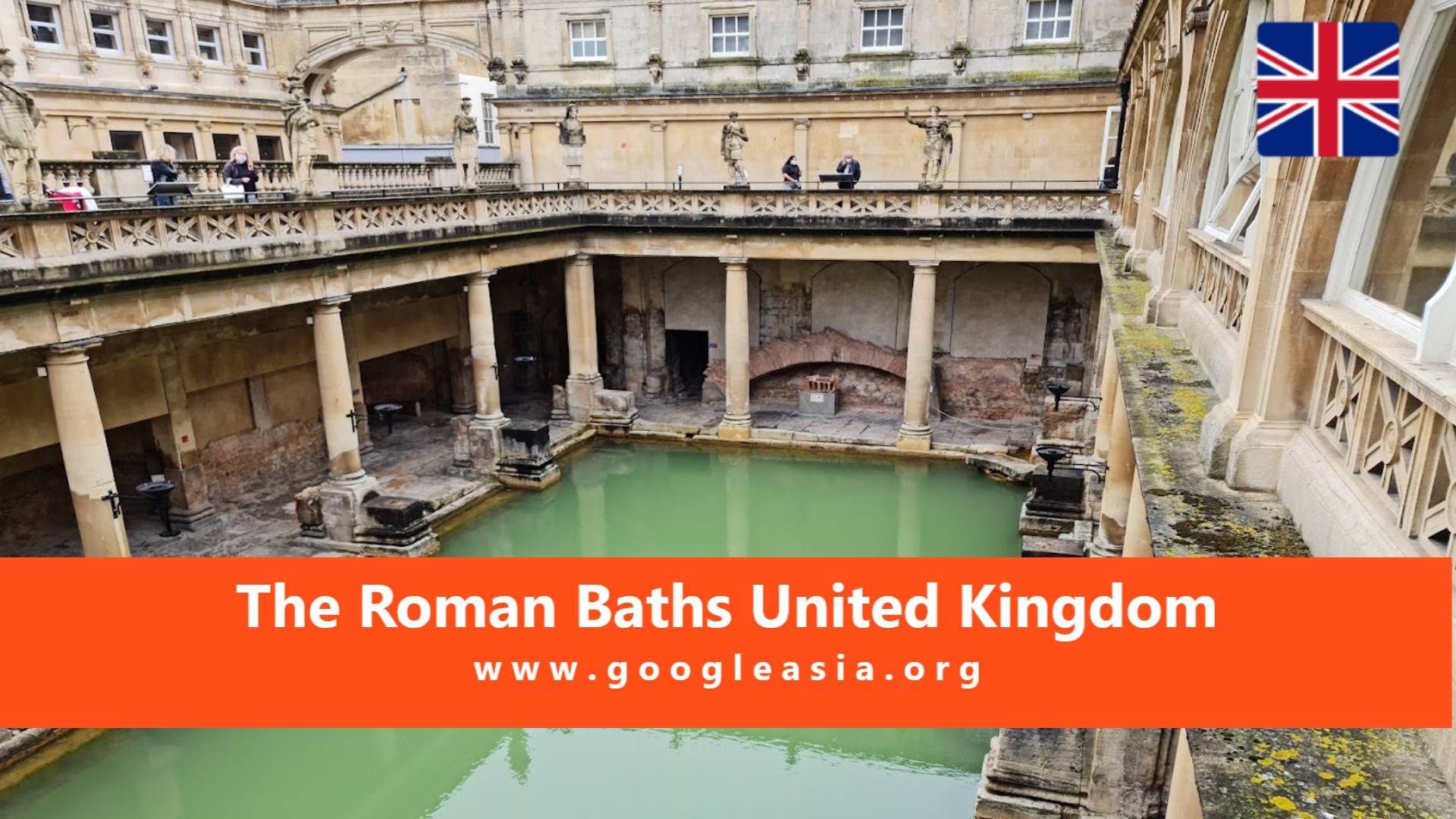
    However, it’s worth noting that services and amenities around popular tourist attractions can change, and new establishments may have opened since my last update. Here are some general suggestions to find halal food options near Stonehenge:

    1. Local Inquiries: Check with locals or staff at accommodations near Stonehenge for information on nearby restaurants or grocery stores that may offer halal food.
    2. Online Resources: Utilize travel forums, social media groups, or food-related apps where travelers share their experiences. Websites like TripAdvisor or Yelp may have reviews and information about halal food options in the area.
    3. Contacting Restaurants: If there are restaurants or eateries in nearby towns or villages, consider reaching out directly to inquire about their menu options and whether they can accommodate halal dietary needs.
    4. Bringing Your Own: If options are limited, you may consider bringing your own halal snacks or meals to ensure you have food that adheres to your dietary requirements.

    Before your visit, it’s advisable to check for the most up-to-date information on halal food options near Stonehenge. Additionally, consider contacting local establishments directly for accurate and current information regarding halal food availability in the area.

  • United Kingdom: A Historic Destination in Europe

    United Kingdom: A Historic Destination in Europe

    United Kingdom

    Experience the rich history, vibrant cities, and scenic landscapes of the United Kingdom. Discover iconic landmarks today—start planning your journey now!

    Introduction

    The United Kingdom is a captivating blend of history, culture, and natural beauty, offering something for every traveler. From the iconic landmarks of London, like the Tower of Big Ben and Buckingham Palace, to the serene landscapes of the Scottish Highlands, the UK has it all. Explore ancient castles in Wales, stroll through the charming streets of Edinburgh, or visit the picturesque lakes of England’s Lake District. Whether you’re interested in history, culture, or outdoor adventures, the United Kingdom promises an unforgettable experience. Start your UK journey today!

    Hot & Trending Destination

    Click below to start exploring and find your next destination.

    Frequently Asked Questions

    What are United Kingdom’s must-visit cities?

    The United Kingdom boasts a variety of must-visit cities, each offering unique cultural, historical, and modern attractions. Here are some top cities to explore:

    1. London: The capital city is a global metropolis with iconic landmarks such as the Tower of London, Buckingham Palace, and the British Museum.
    2. Edinburgh: Scotland’s capital is known for its historic charm, including the Edinburgh Castle, the Royal Mile, and the annual Edinburgh Festival.
    3. Manchester: A vibrant city with a rich industrial heritage, featuring cultural venues, the Manchester Museum, and Old Trafford, home of Manchester United.
    4. Belfast: The capital of Northern Ireland, offering historic sites like the Titanic Belfast, the Giant’s Causeway, and vibrant neighborhoods.
    5. Glasgow: Scotland’s largest city, known for its arts scene, architecture, and museums, including the Kelvingrove Art Gallery and Museum.
    6. Oxford: Famous for its prestigious university, Oxford features historic colleges, the Bodleian Library, and beautiful gardens.
    7. Cambridge: Another renowned university city, Cambridge is known for its picturesque colleges along the River Cam and the historic King’s College Chapel.
    8. Liverpool: Birthplace of The Beatles, Liverpool is a cultural hub with attractions like the Albert Dock, the Cavern Club, and the Liverpool Museum.
    9. Bristol: A vibrant city with a maritime history, Bristol offers attractions such as the Clifton Suspension Bridge, SS Great Britain, and vibrant street art.
    10. York: Known for its medieval architecture, York features the York Minster, the Shambles, and the National Railway Museum.
    11. Cardiff: The capital of Wales, Cardiff boasts the Cardiff Castle, the Millennium Stadium, and the revitalized Cardiff Bay area.
    12. Newcastle upon Tyne: A lively city with a rich history, including the Newcastle Castle, the Quayside, and the Millennium Bridge.

    What are United Kingdom’s must-visit destinations?

    The United Kingdom is home to a multitude of must-visit destinations, offering a diverse range of cultural, historical, and natural attractions. Here are some top destinations to explore:

    1. London: The vibrant capital city with iconic landmarks like the Tower of London, Buckingham Palace, the British Museum, and the West End theaters.
    2. Edinburgh: Scotland’s historic capital, featuring the Edinburgh Castle, the Royal Mile, Arthur’s Seat, and the annual Edinburgh Festival.
    3. Stonehenge: A UNESCO World Heritage site, the mysterious prehistoric stone circle is located on Salisbury Plain in Wiltshire.
    4. Bath: Known for its Roman-built baths, Georgian architecture, and the stunning Bath Abbey, this city offers a unique blend of history and elegance.
    5. Oxford and Cambridge: Home to two prestigious universities, these cities boast historic colleges, libraries, and charming riverside settings.
    6. Giant’s Causeway: A natural wonder in Northern Ireland, featuring hexagonal basalt columns formed by volcanic activity.
    7. Lake District: A picturesque region in northwest England with serene lakes, charming villages, and scenic hiking trails.
    8. Stratford-upon-Avon: The birthplace of William Shakespeare, this town showcases Tudor-style architecture and the Royal Shakespeare Theatre.
    9. York: A medieval city with the York Minster, the Shambles (a historic street), and the National Railway Museum.
    10. Liverpool: The birthplace of The Beatles, Liverpool offers cultural attractions like the Albert Dock, the Cavern Club, and the Tate Liverpool.
    11. Belfast: The capital of Northern Ireland, featuring the Titanic Belfast museum, the Giant’s Causeway, and vibrant neighborhoods.
    12. Cambridge: Renowned for its prestigious university, Cambridge boasts historic colleges, the River Cam, and beautiful gardens.
    13. Scottish Highlands: A vast and rugged landscape with mountains, lochs, and castles, providing opportunities for outdoor activities and scenic drives.
    14. Windsor: Home to Windsor Castle, the oldest and largest occupied castle in the world, as well as the picturesque Windsor Great Park.
    15. Cardiff: The capital of Wales, offering attractions like Cardiff Castle, the Millennium Stadium, and the revitalized Cardiff Bay area.

    What are United Kingdom’s must-visit attractions or landmarks?

    The United Kingdom is home to numerous must-visit attractions and landmarks that showcase its rich history, culture, and natural beauty. Here are some of the top ones:

    1. Tower of London (London): A historic castle on the River Thames, known for the Crown Jewels and its role in British history.
    2. Buckingham Palace (London): The official residence of the British monarch, featuring the Changing of the Guard ceremony.
    3. Stonehenge (Wiltshire): A prehistoric monument with massive standing stones, shrouded in mystery and UNESCO World Heritage-listed.
    4. Edinburgh Castle (Edinburgh): A historic fortress on Castle Rock, offering panoramic views of the city and housing the Crown Jewels of Scotland.
    5. Westminster Abbey (London): An iconic Gothic church with a rich history, known for coronations, weddings, and burials of British monarchs.
    6. Big Ben and the Houses of Parliament (London): The iconic clock tower and the seat of the UK government along the River Thames.
    7. The British Museum (London): A world-renowned museum with a vast collection of art and artifacts spanning centuries and civilizations.
    8. The Shard (London): The tallest building in the UK, offering panoramic views of London from its observation deck.
    9. The Roman Baths (Bath): Ancient bathing and socializing complex showcasing Roman engineering in the heart of Bath.
    10. Giant’s Causeway (Northern Ireland): A UNESCO-listed natural wonder with hexagonal basalt columns along the Northern Ireland coast.
    11. Windsor Castle (Windsor): The oldest and largest occupied castle in the world, a residence of the Queen and a historic fortress.
    12. Tate Modern (London): A contemporary art museum housed in a former power station, featuring modern and contemporary artworks.
    13. National Gallery (London): An art museum housing an extensive collection of European paintings from the 13th to the 19th centuries.
    14. St. Paul’s Cathedral (London): A magnificent Anglican cathedral with a iconic dome, offering impressive views from the top.
    15. The Eden Project (Cornwall): A unique ecological park with giant biomes containing diverse plant species from around the world.

    Is United Kingdom a suitable travel destination for solo adventurers, honeymooning couples, or those traveling with families?

    The United Kingdom is a versatile travel destination that caters to a wide range of travelers, making it suitable for solo adventurers, honeymooning couples, and families. Here’s how the UK can be appealing to each group:

    1. Solo Adventurers:
      • Diverse Experiences: Solo travelers can explore the vibrant cities, historical sites, and natural landscapes. Cities like London offer rich cultural experiences, while the countryside provides opportunities for peaceful exploration.
      • Safe and Well-Connected: The UK is generally considered safe, and its well-developed transportation system makes it easy for solo adventurers to navigate and explore.
    2. Honeymooning Couples:
      • Romantic Settings: The UK boasts romantic settings such as historic castles, charming villages, and scenic landscapes. Places like the Lake District and Scottish Highlands provide a romantic backdrop for couples.
      • Cultural Experiences: Museums, theaters, and cultural events in cities like London and Edinburgh offer diverse activities for couples.
    3. Families:
      • Family-Friendly Attractions: The UK has numerous family-friendly attractions, including museums, theme parks, and historical sites. Examples include the Tower of London, the British Museum, and family-friendly theaters.
      • Educational Opportunities: Families can engage in educational experiences, exploring historical landmarks, museums, and interactive exhibits.
    4. Cultural Enthusiasts:
      • Rich History: The UK is steeped in history, with landmarks like Westminster Abbey, the Tower of London, and Stonehenge. Cultural enthusiasts can immerse themselves in centuries of British history.
      • Arts and Entertainment: London, in particular, offers world-class theaters, art galleries, and cultural events, appealing to those with a passion for the arts.
    5. Nature and Adventure Seekers:
      • Scenic Landscapes: The UK features diverse landscapes, from the dramatic coastlines of Cornwall to the rolling hills of the Cotswolds. Outdoor enthusiasts can explore national parks like the Lake District or Snowdonia.
      • Outdoor Activities: Hiking, cycling, and water sports are available in various regions, providing opportunities for adventure.
    6. Food Enthusiasts:
      • Culinary Delights: The UK offers a rich culinary scene. From traditional pub fare to fine dining experiences, food enthusiasts can savor a variety of dishes influenced by diverse cultures.

    Where is United Kingdom located?

    The United Kingdom (UK) is located on the northwestern coast of mainland Europe. It consists of four constituent countries: England, Scotland, Wales, and Northern Ireland. The UK is surrounded by the Atlantic Ocean, the North Sea, the English Channel, and the Irish Sea. It shares land borders with the Republic of Ireland to the west and northwest, and it is nearby the countries of France, Belgium, the Netherlands, Germany, and Denmark. The capital of the United Kingdom is London, which is situated in England.

    How can one travel to United Kingdom?

    Traveling to the United Kingdom (UK) can be done through various means, including by air, train, ferry, or car. Here are the primary methods of traveling to the UK:

    By Air:

    1. International Flights: The most common and convenient way to travel to the UK from abroad is by air. Major airports in the UK, such as London Heathrow, London Gatwick, London Stansted, Manchester, and Edinburgh, are well-connected to international destinations.
    2. Airlines: Numerous international airlines operate flights to the UK. Direct flights are available from major cities around the world, providing efficient and relatively quick access.

    By Train:

    1. Eurostar: If traveling from continental Europe, you can use the Eurostar train service. The Eurostar connects cities like Paris and Brussels to London via the Channel Tunnel, providing a high-speed and scenic journey.

    By Ferry:

    1. Ferry Services: Ferries operate between the UK and neighboring countries, such as France, Ireland, the Channel Islands, and the Isle of Man. Popular ferry routes include those between Dover and Calais.

    By Car:

    1. Eurotunnel: The Eurotunnel (Channel Tunnel) provides a car-carrying shuttle service between Folkestone in the UK and Calais in France. This is a convenient option for travelers with their vehicles.
    2. Driving: If arriving from continental Europe, you can drive through countries with road connections to the UK. Ensure you have the necessary documentation, such as a valid driver’s license and insurance.

    Important Tips:

    • Visa Requirements: Check the visa requirements for your nationality before traveling to the UK. Some visitors may need a visa, while others may be eligible for visa-free entry.
    • Customs and Immigration: Be prepared to go through customs and immigration control upon arrival. Have your passport, visa (if required), and any supporting documents ready for inspection.
    • Transportation within the UK: Once in the UK, you can use domestic flights, trains, buses, and taxis to travel between cities and regions.

    What’s the climate like in the United Kingdom?

    The climate in the United Kingdom (UK) is generally temperate and characterized by mild temperatures, moderate rainfall, and relatively small temperature variations throughout the year. The UK’s climate is influenced by its proximity to the Atlantic Ocean and the prevailing westerly winds.

    Here are some key features of the UK climate:

    1. Mild Winters: Winters are generally mild, with temperatures rarely dropping below freezing in many parts of the country. Snowfall is common in winter, especially in higher elevations and northern regions, but it tends to be relatively moderate.
    2. Cool Summers: Summers are cool compared to many other regions with similar latitudes. Average summer temperatures typically range from 15 to 25 degrees Celsius (59 to 77 degrees Fahrenheit).
    3. Rainfall: The UK is known for its frequent and often unpredictable rainfall. Rainfall is spread fairly evenly throughout the year, with no distinct dry season. The western parts of the UK, particularly areas like Wales and the western Highlands of Scotland, tend to receive more rainfall than the eastern parts.
    4. Wind: The country is often subject to westerly winds from the Atlantic, which can bring both mild and wet weather. Storms are not uncommon, especially during the autumn and winter months.
    5. Microclimates: The UK exhibits some regional variations in climate. For example, southern and eastern parts of the country tend to be drier than the western and northern regions. Coastal areas generally experience milder temperatures compared to inland areas.

    Is the UK a suitable travel destination for solo adventurers, honeymooning couples, or those traveling with families?

    Yes, the United Kingdom (UK) is a versatile travel destination that caters to a wide range of preferences and interests, making it suitable for solo adventurers, honeymooning couples, and families. Here are some reasons why each group might find the UK appealing:

    1. Solo Adventurers:
      • Cultural Exploration: The UK is rich in history, culture, and diverse landscapes. Solo travelers can explore iconic landmarks, museums, and historical sites in cities like London, Edinburgh, and Bath.
      • Ease of Travel: English is widely spoken, and public transportation is well-developed, making it convenient for solo travelers to navigate and explore the country.
    2. Honeymooning Couples:
      • Romantic Destinations: The UK offers romantic settings, from the picturesque landscapes of the Scottish Highlands to the charming villages in the Cotswolds. Cities like London and Edinburgh also provide a mix of cultural experiences and intimate moments.
      • Luxurious Accommodations: There are numerous upscale hotels, boutique inns, and cozy bed and breakfasts that cater to couples seeking a romantic and comfortable stay.
    3. Families:
      • Family-Friendly Attractions: The UK has a plethora of family-friendly attractions, including theme parks (such as Alton Towers and Legoland), museums, and historical sites. Many cities have interactive exhibits and activities suitable for children.
      • Countryside and Outdoor Activities: Families can explore the scenic countryside, national parks, and coastal areas, engaging in outdoor activities like hiking, cycling, and wildlife spotting.
    4. Diverse Experiences:
      • Culinary Delights: Food enthusiasts can savor diverse culinary experiences, from traditional British fare to international cuisine in cosmopolitan cities.
      • Festivals and Events: The UK hosts various festivals, events, and cultural celebrations throughout the year, offering unique experiences for travelers of all types.

    Why should you visit the UK?

    Visiting the United Kingdom (UK) can be a rewarding experience for various reasons, as the country offers a diverse range of attractions and experiences. Here are some compelling reasons to consider visiting the UK:

    1. Rich History and Culture: The UK is steeped in history, with ancient castles, historic landmarks, and UNESCO World Heritage Sites. Explore iconic sites like the Tower of London, Stonehenge, and Edinburgh Castle.
    2. World-Class Cities: London, the capital of the UK, is a vibrant and cosmopolitan city known for its cultural diversity, museums, theaters, and shopping. Other cities like Edinburgh, Manchester, and Liverpool also offer unique attractions and experiences.
    3. Scenic Landscapes: From the picturesque English countryside and the rugged Scottish Highlands to the stunning coastlines of Wales and Northern Ireland, the UK boasts a diverse range of landscapes that appeal to nature lovers and outdoor enthusiasts.
    4. Cultural Events and Festivals: The UK hosts a multitude of cultural events, festivals, and celebrations throughout the year, showcasing music, literature, film, and art. Notable events include the Edinburgh Festival Fringe, Glastonbury Festival, and the Notting Hill Carnival.
    5. Museums and Galleries: The UK is home to world-renowned museums and galleries, such as the British Museum, the National Gallery, and the Victoria and Albert Museum. These institutions house extensive collections spanning centuries of human history and artistic achievement.
    6. Royal Residences: Visit royal palaces like Buckingham Palace in London, Windsor Castle, and the Palace of Holyroodhouse in Edinburgh. Witness the Changing of the Guard ceremony and explore the opulent interiors of these historic residences.
    7. Diverse Culinary Scene: Enjoy a diverse culinary experience with traditional British dishes, international cuisine, and Michelin-starred restaurants. Explore local markets and try classic treats like fish and chips, afternoon tea, and Yorkshire pudding.
    8. Literary Heritage: The UK has a rich literary heritage with famous authors like William Shakespeare, Jane Austen, and J.K. Rowling. Visit literary landmarks, bookshops, and attend literary festivals to immerse yourself in the world of literature.
    9. Warm Hospitality: Experience the warm hospitality of the British people, known for their politeness and friendliness. Engage in conversations with locals and get a taste of British culture beyond the tourist attractions.
    10. Easy Accessibility: The UK has well-developed transportation infrastructure, making it easy to travel between cities and explore different regions. Efficient public transportation, including trains and buses, facilitates convenient travel.

    Is it difficult to find halal food in the UK?

    Finding halal food in the UK is generally not difficult, especially in larger cities with diverse populations. The United Kingdom has a significant Muslim community, and as a result, there are numerous halal food options available, including restaurants, cafes, and grocery stores. Here are some points to consider:

    1. Urban Areas: In major cities like London, Birmingham, Manchester, and Leicester, you will find a wide range of halal restaurants offering various cuisines. These areas often have neighborhoods with a concentration of halal eateries.
    2. Diverse Cuisine: The UK is known for its multicultural culinary scene, and many restaurants serving cuisines from around the world, including Indian, Middle Eastern, Malaysian, and others, often offer halal options.
    3. Halal Certification: Some restaurants and food establishments proudly display halal certification, making it easy for Muslim visitors to identify suitable dining options.
    4. Supermarkets: In most supermarkets, you can find a selection of halal products, including meat, poultry, and other food items. Check for halal labels on packaged goods.
    5. Local Advice: If you’re unsure about halal options in a particular area, you can ask locals or check online platforms and apps that provide information about halal-friendly establishments.
    United Kingdom Best European Countries to Visit

    Summary

    • Country: United Kingdom
    • Continent: Europe
    • Capital: London
    • Official Languages: English, Irish, Scots, Welsh, Scottish Gaelic, Cornish
    • Currency: British Pound (GBP)
    • Nationality: British
    • Categories: #Destination #Europe #UK 
error: Content is protected !!