Tag: TANZANIA

  • Lake Manyara National Park, Tanzania: Travel Guide & Tips

    Lake Manyara National Park, Tanzania: Travel Guide & Tips

    Lake Manyara National Park, Tanzania: Must-Visit Destination

    Experience the serenity of Lake Manyara in Tanzania. Home to diverse wildlife and breathtaking landscapes, discover the magic of this picturesque destination. Read more for an unforgettable journey.

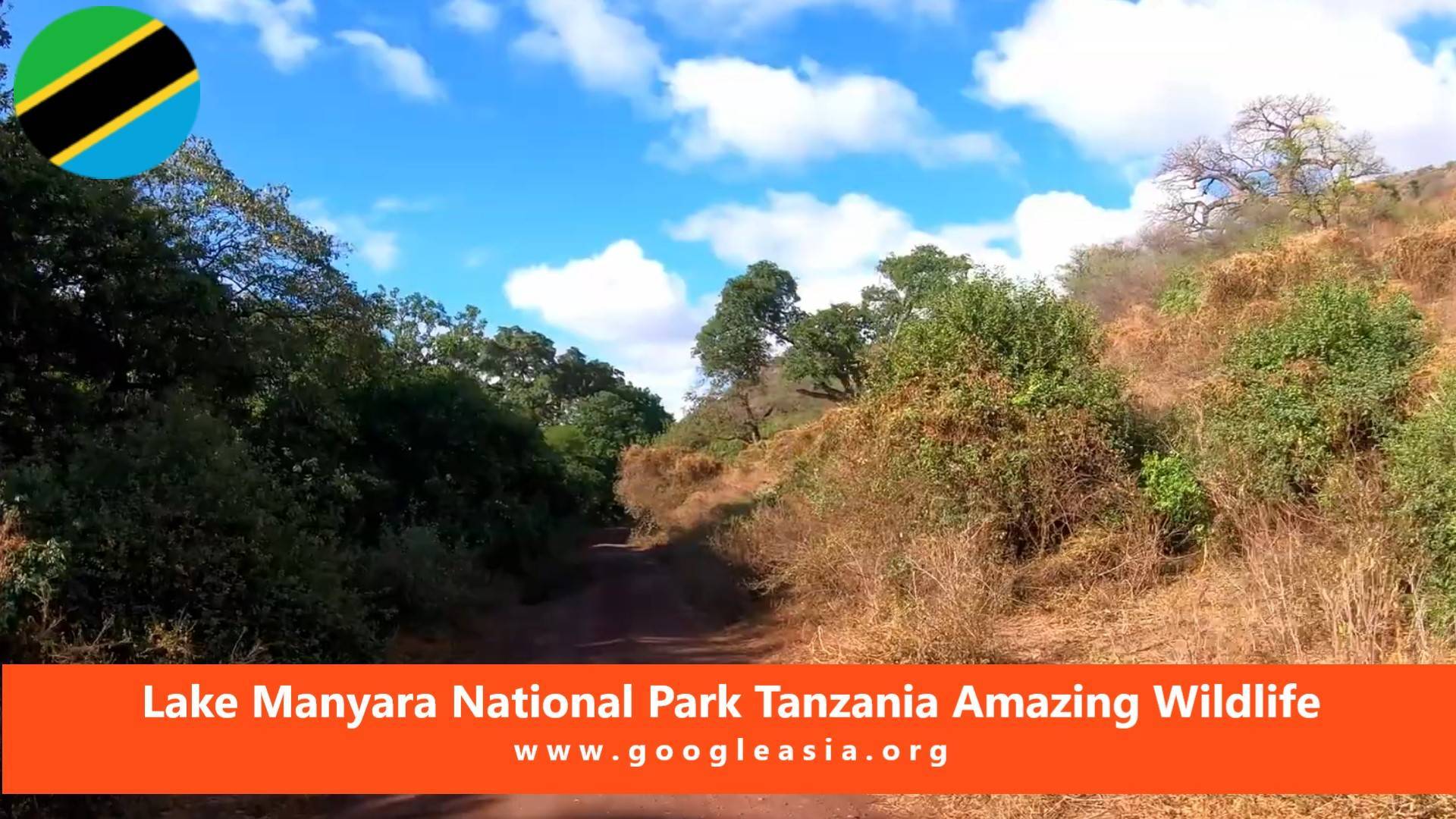
    Lake Manyara National Park is an amazing wildlife destination in Northern Tanzania. Its scenery is stunning, with a large soda lake located at the base of the Great Rift Valley’s western escarpment. Visitors can view wildlife such as elephants, hippos, baboons, tree-climbing lions and over 400 species of birds. With its beautiful acacia forests, lush wetlands, and hot springs, this is a must-visit destination.


    Lake Manyara National Park Tanzania Amazing Wildlife

    Lake Manyara National Park, Tanzania: The Summary

    • Attraction Name: Lake Manyara National Park
    • Country: Tanzania
    • Continent: African
    • Capital Name: Dodoma
    • Language: Swahili and ‎English‎ (de facto)‎
    • Currency: Tanzanian Shilling
    • Nationality: Tanzanian
    • Category:  #Destination #Africa #TANZANIA 

    Exploring Lake Manyara National Park, Tanzania

    A Haven of Wildlife and Natural Beauty

    Located in the Arusha region of Northern Tanzania, Lake Manyara National Park is renowned for its diverse wildlife and stunning landscapes. Spanning approximately 330 square kilometers, this national park offers visitors a captivating blend of lush forests, grassy plains, and the shimmering waters of its namesake lake. Here’s what makes Lake Manyara National Park a must-visit destination:

    Rich Wildlife Diversity

    Lake Manyara National Park is celebrated for its abundant wildlife. Visitors have the chance to encounter a variety of species, including elephants, buffalo, wildebeest, and giraffes roaming the park’s grassy plains. One of the park’s most unique attractions is its population of tree-climbing lions—a behavior rarely seen elsewhere. The park is also a birdwatcher’s paradise, with over 400 species recorded, including thousands of flamingos that grace the alkaline lake’s shores.

    Diverse Landscape and Natural Features

    The landscape of Lake Manyara National Park is incredibly varied, offering picturesque vistas at every turn. From dense woodlands to open savannahs, the park’s terrain supports a wide array of flora and fauna. Hot springs dot the landscape, adding to the park’s allure and providing habitats for unique ecosystems. The alkaline lakes and springs within the park attract flocks of flamingos and other water birds, creating scenes of vibrant wildlife activity against a backdrop of serene waters.

    Conservation Efforts and Research

    Beyond its scenic beauty and wildlife diversity, Lake Manyara National Park plays a crucial role in conservation efforts. The park is actively involved in the conservation and research of endangered species such as the Grevy’s zebra and the Masai giraffe. These initiatives contribute to the protection and preservation of Tanzania’s rich biodiversity, ensuring that future generations can continue to enjoy the park’s natural wonders.


    Things to Do at Lake Manyara National Park, Tanzania

    Game Drives: Exploring Wildlife Diversity

    Lake Manyara National Park in Northern Tanzania offers an exceptional opportunity for visitors to embark on thrilling game drives. These excursions provide a close encounter with a diverse array of wildlife, including iconic species such as giraffes, zebras, elephants, leopards, buffalo, and hyenas. The park’s varied landscapes also attract a rich birdlife, with sightings of flamingos, pelicans, and numerous waterfowl adding to the safari experience.

    Key Attributes:

    • Wildlife Diversity: Spot giraffes, zebras, elephants, leopards, buffalo, and hyenas.
    • Birdwatching: Discover flamingos, pelicans, and other waterfowl species.
    • Scenic Landscapes: Enjoy views of the picturesque park and its diverse ecosystems.

    Bird Watching: A Paradise for Bird Enthusiasts

    With over 400 species of birds, Lake Manyara National Park is a haven for birdwatchers. Visitors can observe some of the most striking avian residents, including flamingos, pelicans, crowned eagles, and spectacled weavers amidst the park’s lush surroundings.

    Key Attributes:

    • Bird Species: Over 400 species, including flamingos, pelicans, crowned eagles, and spectacled weavers.
    • Scenic Views: Explore the park’s varied habitats, from forests to lakeshores.

    Primate Spotting: Exploring the World of Primates

    Lake Manyara National Park is renowned for its diverse primate population. Visitors may encounter troops of baboons, vervet monkeys, and olive baboons as they traverse the park’s verdant forests and open plains.

    Key Attributes:

    • Primate Diversity: Spot baboons, vervet monkeys, and olive baboons.
    • Forest Exploration: Discover a variety of plant and tree species.

    Adventure Activities: Thrills Beyond the Safari

    For those seeking adventure, Lake Manyara National Park offers hiking trails that promise breathtaking views and opportunities to encounter hidden wildlife. Visitors can also cycle through protected areas or take tranquil lake cruises to appreciate the park’s serene landscapes.

    Key Attributes:

    • Hiking Trails: Explore scenic trails with chances to spot wildlife.
    • Cycling Adventures: Cycle through protected areas for a different perspective.
    • Lake Cruises: Relax and enjoy serene lake views.

    Night Game Drives: Encountering Nocturnal Wonders

    Experience the park’s nocturnal wildlife on a night game drive, where visitors can witness elusive creatures such as bushbabies and bushpigs in their natural habitat.

    Key Attributes:

    • Nocturnal Wildlife: Encounter bushbabies and bushpigs.
    • Unique Experience: Explore the park under the cover of night.

    In conclusion, Lake Manyara National Park offers a diverse range of activities that cater to every nature enthusiast. Whether it’s the excitement of game drives, the tranquility of birdwatching, the exploration of primate habitats, or the thrill of adventure activities, the park promises an unforgettable experience amidst its stunning landscapes and abundant wildlife.

    Culinary Delights at Lake Manyara National Park, Tanzania

    Exotic Safari Cuisine: Delve into Local Flavors

    Lake Manyara National Park not only dazzles with its wildlife and natural beauty but also offers a tantalizing array of local culinary delights. Here are some of the must-try dishes that capture the essence of dining in the heart of Tanzania’s wilderness.

    Zebra Steaks

    Zebra steaks are a unique delicacy that showcases the adventurous spirit of the park’s cuisine. Prepared to perfection, these steaks offer a lean and flavorful dining experience.

    Impala Kabobs

    Impala kabobs feature tender cuts of meat skewered and grilled to perfection, seasoned with local spices for a taste that reflects the savannah’s bounty.

    Warthog Stew

    Warthog stew is a hearty dish that combines tender warthog meat with aromatic herbs and spices, simmered to create a rich and comforting stew.

    Grilled Kudu

    Grilled kudu is a popular choice among visitors, featuring lean and tender cuts of kudu meat grilled over an open flame, served with a side of local vegetables.

    Tilapia Fillets

    Fresh tilapia fillets are a delight for seafood enthusiasts, sourced from the park’s pristine lakes and prepared to highlight their natural flavors.

    Gourmet Vegetable Platter

    A gourmet vegetable platter showcases the diversity of local produce, featuring fresh, seasonal vegetables prepared in various tantalizing ways.

    Wild Greens Salad

    A wild greens salad offers a refreshing blend of foraged greens and herbs, showcasing the park’s natural bounty in a healthy and delicious dish.

    Buffalo Burgers

    Buffalo burgers are a flavorful alternative to traditional beef burgers, featuring lean buffalo meat grilled and served with a choice of accompaniments.

    Roasted Elephant Pepper Soup

    Roasted elephant pepper soup is a warming dish that combines locally roasted peppers with tender meat, creating a spicy and aromatic soup.

    Char-grilled Kori Bustard

    Char-grilled kori bustard is a culinary adventure, featuring the succulent meat of this large bird grilled to perfection and served with a side of savory sauces.

    In conclusion, dining at Lake Manyara National Park is not just a meal but a journey into the flavors of Tanzania’s wildlife-rich landscapes. Whether savoring exotic meats like zebra and kudu or enjoying fresh tilapia from the lakes, each dish offers a taste of the park’s natural abundance and cultural richness.

    Best Hotels to Stay in Lake Manyara National Park, Tanzania

    Kirurumu Manyara Lodge

    Kirurumu Manyara Lodge offers a serene retreat amidst the wilderness of Lake Manyara National Park. The lodge provides comfortable accommodations with stunning views and excellent hospitality.

    Manyara Wildlife Safari Camp

    Manyara Wildlife Safari Camp offers an authentic safari experience with luxurious tented accommodations. Guests can enjoy close proximity to wildlife and breathtaking views of the park.

    Manyara Escarpment Lodge

    Manyara Escarpment Lodge combines luxury with panoramic views of Lake Manyara. The lodge features spacious rooms, superb dining options, and a relaxing atmosphere.

    Gibbs Farm

    Gibbs Farm provides a peaceful sanctuary near Lake Manyara National Park. This historic lodge offers charming cottages, organic farm-to-table dining, and a range of cultural and nature activities.

    Lake Manyara Tree Lodge

    Lake Manyara Tree Lodge offers a unique stay in luxurious treehouse suites nestled in the forest. Guests can experience exceptional service, gourmet dining, and guided activities.

    Entamanu Ngorongoro Camp

    Entamanu Ngorongoro Camp provides an exclusive tented camp experience with panoramic views of the Ngorongoro Crater and Lake Manyara. It offers luxury accommodations and personalized safari adventures.

    Migration Bush Camp

    Migration Bush Camp offers intimate tented accommodations in a secluded area of Lake Manyara National Park. Guests can enjoy personalized service, guided safaris, and serene natural surroundings.

    Hamira Camp

    Hamira Camp provides a rustic yet comfortable stay near Lake Manyara. The camp offers tented accommodations with modern amenities and personalized safari experiences.

    Mbugani Migration Bush Camp

    Mbugani Migration Bush Camp offers luxury tented accommodations in a prime location for wildlife viewing. Guests can enjoy guided safaris and immersive experiences in nature.

    Olasiti Lodge

    Olasiti Lodge offers a cozy retreat near Lake Manyara National Park. The lodge features comfortable rooms, a swimming pool, and a restaurant serving delicious meals.
    In conclusion, staying at any of these hotels in Lake Manyara National Park ensures a memorable experience amidst Tanzania’s breathtaking landscapes and abundant wildlife. Whether you prefer luxury lodges, tented camps, or eco-friendly retreats, these accommodations cater to diverse preferences while providing exceptional service and opportunities to explore the park’s natural wonders.

    Frequently Asked Questions: Your Guide to Lake Manyara National Park

    Explore the Latest Destination Attraction with ease through our comprehensive Frequently Asked Questions guide. Discover insightful answers to common queries, providing a seamless experience. Your journey begins with clarity and confidence as we address uncertainties and offer essential information. Let this guide enhance your adventure, ensuring you make the most of the latest destination attraction, leaving no question unanswered.

    What are Lake Manyara National Park’s nearby must-visit attractions or landmarks?

    Lake Manyara National Park and its surrounding area offer several must-visit attractions and landmarks. Here are some notable places to explore near Lake Manyara National Park:

    1. Lake Manyara: The park is named after Lake Manyara, a picturesque alkaline lake that spans a significant portion of the park. The lake is known for its diverse birdlife, including flamingos, and is a scenic backdrop for wildlife viewing.
    2. Mto wa Mbu Village: Mto wa Mbu is a culturally rich village near Lake Manyara, offering guided cultural tours. Explore the vibrant market, interact with locals, and experience the diversity of ethnic groups residing in the area.
    3. Maji Moto Hot Springs: Located within the park, the Maji Moto hot springs provide a unique experience. Visitors can relax in the warm waters surrounded by lush vegetation, enjoying the therapeutic properties of the springs.
    4. Makorot Waterfall: Discover the Makorot Waterfall within Lake Manyara National Park. The waterfall, set against a scenic backdrop, is a tranquil spot for nature enthusiasts and those seeking a peaceful environment.
    5. Great Rift Valley Escarpment: Lake Manyara is situated along the Great Rift Valley Escarpment, offering panoramic views of the valley. Scenic viewpoints provide opportunities for photography and appreciation of the geological formations.
    6. Treetop Canopy Walkway: Experience the treetop canopy walkway within the park. This elevated walkway allows visitors to stroll among the trees, providing a unique perspective of the park’s flora and fauna.
    7. Engaruka Archaeological Site: While a bit farther away, the Engaruka Archaeological Site features the ruins of an ancient settlement dating back to the 15th century. Explore the well-planned terraces and learn about the history of this archaeological site.
    8. Tarangire National Park: Tarangire National Park, located nearby, is known for its large elephant herds, diverse wildlife, and iconic baobab trees. A visit to this park complements the safari experience around Lake Manyara.
    9. Ngorongoro Crater: Though a bit farther, the Ngorongoro Crater is a must-visit landmark. This UNESCO World Heritage Site is a unique ecosystem with high concentrations of wildlife, including lions, rhinos, and wildebeest.
    10. Lake Eyasi: Explore Lake Eyasi, a saltwater lake located southwest of Lake Manyara. The lake is surrounded by diverse landscapes and is known for the Hadzabe and Datoga tribes living in the area.

    These attractions enhance the overall experience of visiting Lake Manyara National Park, offering a combination of wildlife encounters, cultural experiences, and natural wonders in the heart of Tanzania.

    Why should you visit Lake Manyara?

    Lake Manyara, situated in northern Tanzania, is a captivating destination with a unique blend of natural beauty and wildlife diversity. Here are compelling reasons why you should consider visiting Lake Manyara:

    1. Rich Biodiversity: Lake Manyara is renowned for its diverse ecosystem, hosting a wide array of wildlife, including elephants, giraffes, buffalos, and the famous tree-climbing lions. The lake attracts numerous bird species, making it a paradise for birdwatchers.
    2. Tree-Climbing Lions: Lake Manyara National Park is one of the few places where lions are known to climb trees. Witnessing these majestic predators lounging in acacia trees is a unique and unforgettable sight.
    3. Scenic Landscapes: The park offers diverse landscapes, from the shores of Lake Manyara to dense forests and open savannah. The scenic beauty includes the Great Rift Valley Escarpment, providing breathtaking views.
    4. Flamingo and Bird Watching: Lake Manyara is a haven for bird enthusiasts. The lake’s alkaline waters attract flocks of flamingos, pelicans, storks, and numerous other bird species. Birdwatchers can enjoy exceptional opportunities for observing and photographing these avian residents.
    5. Hot Springs and Waterfalls: Explore the hot springs within Lake Manyara National Park, known for their therapeutic properties. The park also features the Maji Moto hot springs and the stunning Makorot Waterfall, adding to the natural wonders of the area.
    6. Cultural Encounters: Engage with local communities, including the Maasai, who reside near Lake Manyara. Cultural tours provide insights into traditional lifestyles, rituals, and the coexistence of people and wildlife.
    7. Tree Canopy Walkway: Experience the treetop canopy walkway within the park, offering a unique perspective of the surrounding landscapes and wildlife. It’s an exhilarating activity for those seeking an adventure amid the treetops.
    8. Picnic and Camping Opportunities: Lake Manyara National Park provides designated picnic sites and campsites. Enjoy a relaxing picnic amidst nature or opt for camping to immerse yourself in the sounds of the wilderness.
    9. Proximity to Other Attractions: Lake Manyara is strategically located near other iconic Tanzanian destinations, such as Ngorongoro Crater and Serengeti National Park. It is often included in safari itineraries, allowing visitors to explore multiple attractions in one trip.
    10. Conservation Efforts: By visiting Lake Manyara, you contribute to the conservation efforts within the national park. Entrance fees and tourism revenue play a crucial role in supporting wildlife conservation and habitat protection.

    Whether you are a wildlife enthusiast, nature lover, or cultural explorer, Lake Manyara offers a diverse range of experiences, making it a compelling destination within Tanzania’s safari circuit.

    How to go to Lake Manyara?

    Lake Manyara is located in northern Tanzania, and reaching this picturesque destination involves traveling to the town of Mto wa Mbu, which is near the lake and serves as a gateway to Lake Manyara National Park. Here are the general steps on how to go to Lake Manyara:

    1. International Flight: Fly into Kilimanjaro International Airport (JRO) or Julius Nyerere International Airport (DAR) in Tanzania, depending on your travel plans. JRO is the closest major airport to Lake Manyara.
    2. Domestic Flight to Arusha: If you fly into DAR, take a domestic flight to Arusha Airport (ARK) or Kilimanjaro International Airport (JRO). Arusha is a common starting point for safaris and is relatively close to Lake Manyara.
    3. Overland Travel to Lake Manyara: From Arusha, you can travel by road to Lake Manyara. Mto wa Mbu, the gateway to Lake Manyara National Park, is approximately a 2 to 3-hour drive from Arusha, depending on traffic and road conditions.
    4. Safari or Guided Tour: Many visitors include Lake Manyara as part of a broader safari itinerary. Safaris and guided tours often provide transportation from Arusha to Lake Manyara, with experienced guides leading the way.
    5. Public Transportation: Public buses and minibusses operate between major towns in Tanzania. While this may be a more budget-friendly option, it might not be the most convenient for reaching Lake Manyara directly. Mto wa Mbu is a small town, and you may need additional transportation from there.
    6. Car Rental: Renting a car in Arusha or another nearby town provides flexibility in reaching Lake Manyara. Ensure that the vehicle is suitable for the local road conditions and that you are comfortable with driving in the region.
    7. Accommodations in Mto wa Mbu: Consider staying in accommodations near Lake Manyara, particularly in Mto wa Mbu, which is close to the national park entrance. Lodges, camps, and hotels in the area often provide transport services or can assist in arranging transportation.
    8. Guided Tours and Packages: Many travel agencies and tour operators offer guided tours and packages that include transportation to Lake Manyara. These tours can provide a comprehensive experience, including game drives within the national park.
    Always check for the latest travel advisories, entry requirements, and road conditions before planning your trip to Lake Manyara. Whether you opt for guided tours, public transportation, or car rental, reaching Lake Manyara offers the opportunity to explore the diverse landscapes and wildlife of this stunning region in Tanzania.

    Are there any halal food options around the Lake Manyara?

    Around Lake Manyara and the surrounding regions in Tanzania, finding specific halal food options may require some consideration. While Tanzania is known for its diverse culinary offerings, including various local and international cuisines, halal-specific restaurants may not be as prevalent in certain areas.

    Here are some suggestions to explore halal food options around Lake Manyara:

    1. Local Restaurants: Inquire at local restaurants and eateries about their menu options. Some establishments may offer halal dishes, and staff can provide information on preparation methods.
    2. Communicate Dietary Preferences: When dining out, communicate your halal dietary preferences to restaurant staff. They may be able to guide you on suitable options or modify dishes to meet halal requirements.
    3. Islamic Centers or Mosques: Check if there are Islamic centers or mosques in the vicinity. Local communities may offer insights into where to find halal food or have information on restaurants catering to halal dietary needs.
    4. Accommodations: If you are staying in accommodations near Lake Manyara, inquire whether they can arrange halal meals for you. Many hotels and lodges are willing to accommodate dietary preferences if notified in advance.
    5. Local Markets: Explore local markets and grocery stores to purchase fresh fruits, vegetables, and other food items. This can be an option for those who prefer to prepare their own meals or snacks with halal ingredients.
    6. Online Resources: Check online travel forums, apps, or websites that provide information on halal-friendly dining options in the Lake Manyara region. Travelers often share their experiences and recommendations.

    It’s essential to note that while you may find vegetarian and seafood options widely available, obtaining strictly halal-certified meat can be more challenging. Being proactive in communicating your dietary preferences and seeking guidance from local communities can enhance your dining experience around Lake Manyara.

    Why should you visit Lake Manyara National Park?

    Lake Manyara National Park, situated in northern Tanzania, is a captivating destination offering a diverse range of attractions and experiences. Here are compelling reasons why you should consider visiting Lake Manyara National Park:

    1. Tree-Climbing Lions: Lake Manyara is famous for its unique population of tree-climbing lions. Witnessing these majestic predators lounging in acacia trees is a rare and remarkable sight, making the park distinctive among safari destinations.
    2. Diverse Wildlife: The park is home to a wide array of wildlife, including elephants, giraffes, buffalos, zebras, wildebeests, and impalas. Birdwatchers can enjoy spotting numerous bird species, including flamingos, pelicans, and storks around the lake.
    3. Scenic Landscapes: Lake Manyara National Park boasts diverse landscapes, ranging from the shores of Lake Manyara to dense forests and open savannah. The backdrop of the Great Rift Valley Escarpment adds to the park’s scenic beauty.
    4. Flamingo Viewing: Lake Manyara’s alkaline waters attract large flocks of flamingos. Bird enthusiasts have the opportunity to observe these elegant birds in their natural habitat, creating a spectacular scene against the lake’s backdrop.
    5. Maji Moto Hot Springs: Experience the therapeutic Maji Moto hot springs within the park. The hot springs offer a relaxing retreat amid lush surroundings, providing a unique blend of nature and rejuvenation.
    6. Makorot Waterfall: Explore the Makorot Waterfall, a picturesque cascade within Lake Manyara National Park. The waterfall is surrounded by scenic landscapes, offering a tranquil setting for nature enthusiasts.
    7. Treetop Canopy Walkway: The treetop canopy walkway allows visitors to stroll among the trees, providing a unique perspective of the park’s flora and fauna. It’s an exhilarating experience for those seeking an adventure amidst the treetops.
    8. Cultural Interaction: Engage with local communities, including the diverse ethnic groups around Lake Manyara. Mto wa Mbu village offers cultural tours, providing insights into traditional lifestyles, crafts, and rituals.
    9. Proximity to Other Attractions: Lake Manyara is strategically located near other iconic Tanzanian destinations, such as Tarangire National Park and Ngorongoro Crater. It is often included in safari itineraries, allowing visitors to explore multiple attractions in one trip.
    10. Conservation and Education: Lake Manyara National Park plays a crucial role in wildlife conservation and habitat protection. By visiting the park, you contribute to conservation efforts and gain awareness of the importance of preserving natural ecosystems.

    Whether you are a wildlife enthusiast, nature lover, or cultural explorer, Lake Manyara National Park offers a rich tapestry of experiences, making it a rewarding destination within Tanzania’s safari circuit.

    How to go to Lake Manyara National Park?

    To visit Lake Manyara National Park in Tanzania, follow these general steps to reach the park from major airports or nearby towns:

    1. International Flight: Fly into Kilimanjaro International Airport (JRO) or Julius Nyerere International Airport (DAR) in Tanzania, depending on your travel plans. Kilimanjaro International Airport is the closest major airport to Lake Manyara.
    2. Domestic Flight to Arusha: If you fly into DAR, take a domestic flight to Arusha Airport (ARK) or Kilimanjaro International Airport (JRO). Arusha is a common starting point for safaris and is relatively close to Lake Manyara.
    3. Overland Travel to Lake Manyara: From Arusha, you can travel by road to Lake Manyara National Park. The park is approximately a 2 to 3-hour drive from Arusha, depending on traffic and road conditions.
    4. Safari or Guided Tour: Many visitors include Lake Manyara as part of a broader safari itinerary. Safaris and guided tours often provide transportation from Arusha to Lake Manyara, with experienced guides leading the way.
    5. Public Transportation: Public buses and minibusses operate between major towns in Tanzania. While this may be a more budget-friendly option, it might not be the most convenient for reaching Lake Manyara directly. Mto wa Mbu is a small town near the park, and you may need additional transportation from there.
    6. Car Rental: Renting a car in Arusha or another nearby town provides flexibility in reaching Lake Manyara. Ensure that the vehicle is suitable for the local road conditions and that you are comfortable with driving in the region.
    7. Accommodations in Mto wa Mbu: Consider staying in accommodations near Lake Manyara, particularly in Mto wa Mbu, which is close to the national park entrance. Lodges, camps, and hotels in the area often provide transport services or can assist in arranging transportation.
    8. Guided Tours and Packages: Many travel agencies and tour operators offer guided tours and packages that include transportation to Lake Manyara National Park. These tours can provide a comprehensive experience, including game drives within the national park.
    Always check for the latest travel advisories, entry requirements, and road conditions before planning your trip to Lake Manyara National Park. Whether you opt for guided tours, public transportation, or car rental, reaching Lake Manyara offers the opportunity to explore the diverse landscapes and wildlife of this stunning region in Tanzania.

    Web Directories

    Welcome to our comprehensive web directories! Explore a world of information and resources tailored to your interests and needs. From travel adventures to financial solutions, hobbies, reviews, and more, our curated collection of links offers something for everyone. Click on the above links to start your journey towards discovering new experiences and expanding your horizons. Your next destination awaits!

    1. https://asiaworldtour.com: “Asia World Tour: Your Gateway to Asian and World Adventures”
    2. https://personalfinancingloan.com: “Personal Financing Loan: Your Path to Financial Freedom”
    3. https://hobbyforte.com: “HobbyForte: Discover Your Car Passion, Explore Your Interests”
    4. https://reviewsanything.com: “ReviewsAnything: Your Trusted Source for Honest Gadget Reviews”
    5. https://rumahmampumilik.com: “Rumah Mampu Milik: Your Affordable Homeownership Journey Begins Here”
    6. https://malaysiadigit.com: “MalaysiaDigit: Your Digital Destination for News and Insights”
    7. https://vipmalaysia.com: “VIP Malaysia: Elevate Your Experience in Malaysia”
    8. https://nordiyana.com: “Indulge in Elegance at Nordiyana: Latest Recipe and Culinary Inspirations”
    9. https://e-penyatagaji.com: “E-Penyata Gaji: Simplifying Payroll Management for You”
    10. https://googleasia.org: “Google Asia: Explore the World and Asia’s Wonders with Google Asia”
    11. https://malaysiafit.com: “Malaysia Fit: Your Partner in Health and Wellness”
    12. https://koperasi.info: “Koperasi: Building Communities, Empowering Lives”
    13. https://recipeinside.com: “RecipeInside: Unveiling Culinary Creations, Your Guide to Delicious Dishes”
    14. https://asiahealthcenter.com: “Asia Health Center: Your Source for Holistic Wellness Solutions”
    15. https://nationalhealthcenters.com: “National Health Centers: Your Source for Vital Health Information and Community Care”
    16. https://malaysiabit.com: “MalaysiaBit: Stay Informed, Stay Connected”
    17. https://epenyatagaji.com: “E-Penyata Gaji: Your Digital Payslip Solution”
    18. https://koperasi.work: “Koperasi Work: Collaborate, Innovate, Succeed”
    19. https://koperasi.business: “Koperasi Business: Driving Entrepreneurship, Fostering Growth
  • Visiting Mount Meru, Tanzania: Your Ultimate Travel Guide

    Visiting Mount Meru, Tanzania: Your Ultimate Travel Guide

    Mount Meru, Tanzania: Must-Visit Destination

    Discover the majestic beauty of Mount Meru in Tanzania. From challenging treks to panoramic views, explore the allure of this iconic stratovolcano. Read more for an unforgettable adventure.

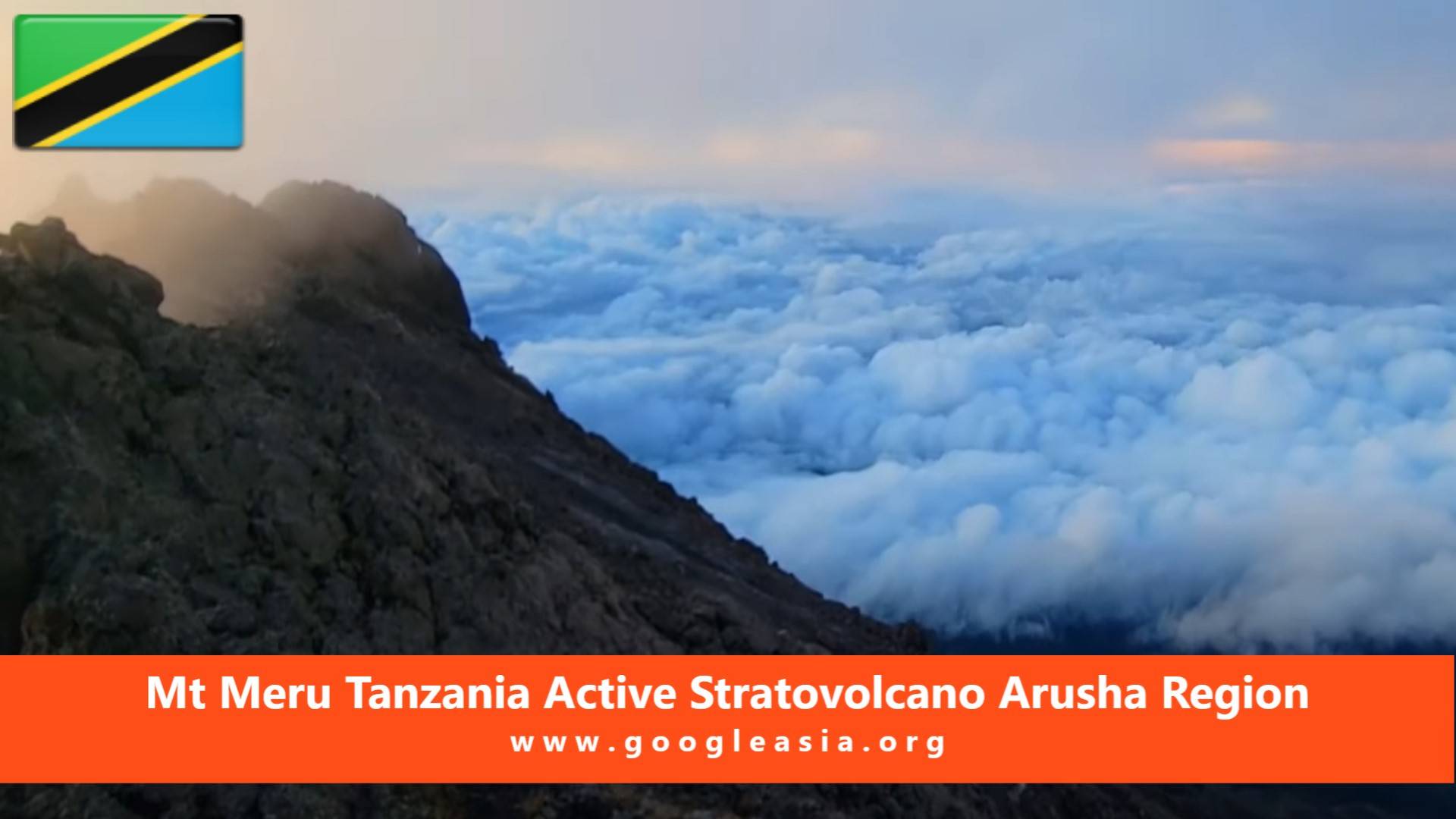
    Mount Meru is an active stratovolcano located in the Arusha region of Tanzania. Towering at 4,565 meters, Mt. Meru is the fifth highest mountain in Africa and is known for its incredible beauty and unique biodiversity. From its summit, visitors can enjoy breathtaking views of Mt. Kilimanjaro and the Muchare and North Pare Mountains.


    Mount Meru Tanzania Active Stratovolcano Arusha Region

    Mount Meru, Tanzania: The Summary

    • Attraction Name: Mount Meru
    • Country: Tanzania
    • Continent: African
    • Capital Name: Dodoma
    • Language: Swahili and ‎English‎ (de facto)‎
    • Currency: Tanzanian Shilling
    • Nationality: Tanzanian
    • Category:  #Destination #Africa #TANZANIA 

    Discovering Mount Meru, Tanzania

    A Majestic Dormant Volcano

    Mount Meru, located in Tanzania, stands as the second highest peak in the country, surpassed only by Kilimanjaro. This dormant volcano reaches an impressive elevation of 4,566 meters (14,980 feet) and dominates the skyline of the Arusha region. Known for its striking appearance amidst billowing clouds and frequent rainbows, Mount Meru is a captivating sight and a beloved destination in Tanzania.

    Key Attributes:

    • Location: Situated in Tanzania, within Arusha National Park.
    • Elevation: Stands at 4,566 meters (14,980 feet), making it the second highest peak in Tanzania.
    • Geological Type: Dormant volcano with a distinctive conical shape.
    • Natural Phenomenon: Frequently surrounded by billowing clouds and known for spectacular rainbows.

    Gateway to Arusha National Park

    Mount Meru is an integral part of Arusha National Park, contributing to the park’s diverse landscapes and ecosystems. Visitors to the park can enjoy a range of activities beyond climbing, including game viewing and bird watching amidst abundant wildlife.

    Key Attributes:

    • Park Inclusion: Part of Arusha National Park, offering varied landscapes and wildlife.
    • Wildlife Viewing: Opportunities to observe diverse species such as elephants, giraffes, and more.
    • Bird Watching: Rich birdlife, including numerous species endemic to the area.

    Climbing Mount Meru: A Trekker’s Paradise

    Mount Meru presents a rewarding challenge for hikers and mountaineers of varying skill levels. While the summit is accessible to climbers with basic experience, more challenging routes require the guidance of experienced local guides. The ascent offers breathtaking views of the surrounding park and, on clear days, distant views of Kilimanjaro.

    Key Attributes:

    • Trekking Difficulty: Suitable for climbers of all abilities, with varying route difficulties.
    • Guided Tours: Highly recommended for navigating more technical routes.
    • Scenic Views: Panoramic vistas of Arusha National Park and, weather permitting, views of Kilimanjaro.

    In conclusion, Mount Meru stands as a prominent natural wonder in Tanzania, offering not only a challenging trek but also stunning natural beauty within the encompassing Arusha National Park. Whether admiring its conical silhouette from afar or conquering its summit, Mount Meru promises an unforgettable experience amidst Tanzania’s diverse landscapes and wildlife.


    Exploring Activities at Mount Meru, Tanzania

    Adventure Awaits on Tanzania’s Second Highest Mountain

    Mount Meru, standing at 4,566 meters within the expansive Arusha National Park, offers a plethora of activities for adventurers and nature enthusiasts alike. While it may be shorter than its famed neighbor Kilimanjaro, Mount Meru’s charm lies in its rich biodiversity and diverse landscapes, making it a captivating destination in Tanzania.

    Key Attributes:

    • Location: Situated in Arusha National Park, Tanzania’s second highest mountain.
    • Height: Reaches an elevation of 4,566 meters, offering stunning panoramic views.
    • Accessibility: Accessible for hiking and trekking enthusiasts of varying skill levels.

    Trekking Adventures

    Hike Up Mount Meru

    Embark on the exhilarating journey of hiking up Mount Meru, a highlight for many visitors. This trek not only challenges your physical endurance but also rewards you with breathtaking vistas of the surrounding landscapes and a chance to immerse yourself in the local culture.

    Key Attributes:

    • Challenge Level: Suitable for hikers with varying experience levels, offering routes tailored to different abilities.
    • Cultural Insight: Learn about the local culture and traditions while interacting with knowledgeable guides.

    Wildlife and Nature Exploration

    Explore Arusha National Park

    Discover the natural wonders of Arusha National Park, where Mount Meru resides. The park boasts diverse wildlife such as zebras, giraffes, buffalos, and baboons amidst lush vegetation, providing ample opportunities for wildlife spotting and nature photography.

    Key Attributes:

    • Wildlife Viewing: Encounter a variety of animals in their natural habitat.
    • Scenic Beauty: Enjoy picturesque landscapes and stunning views of Mount Meru.

    Cultural Immersion

    Visit a Maasai Village

    Immerse yourself in the rich cultural heritage of Tanzania by visiting a Maasai village near Mount Meru. Experience traditional dances, songs, and rituals while gaining insight into the daily lives and traditions of the Maasai people.

    Key Attributes:

    • Cultural Exchange: Engage with Maasai villagers and learn about their customs and traditions.
    • Educational Experience: Gain a deeper understanding of the local community and their way of life.

    Local Experiences

    Tour a Coffee Plantation

    Delve into the world of Tanzanian coffee by visiting a local plantation near Mount Meru. Take a guided tour to learn about the coffee-making process from bean to cup, and savor a freshly brewed cup of homegrown java.

    Key Attributes:

    • Cultural Heritage: Discover the importance of coffee in Tanzanian culture and economy.
    • Tasting Experience: Enjoy the rich flavors of locally produced coffee.

    Relaxation and Leisure

    Enjoy Natural Hot Springs

    Unwind and rejuvenate at the natural hot springs located near Arusha National Park. These geothermal pools offer a tranquil setting surrounded by scenic landscapes, perfect for relaxation after a day of adventure.

    Key Attributes:

    • Natural Wellness: Experience the therapeutic benefits of soaking in mineral-rich hot springs.
    • Scenic Environment: Enjoy serene views and natural beauty while lounging in the springs.

    Recreational Activities

    Participate in Archery

    Engage in the recreational sport of archery amidst the stunning backdrop of Mount Meru and its surroundings. Test your aim and precision while enjoying the fresh air and natural beauty of the area.

    Key Attributes:

    • Outdoor Recreation: Practice archery in a picturesque setting, blending sport with natural exploration.
    • Skill Development: Hone your archery skills under the guidance of experienced instructors.

    Water-Based Fun

    Swimming & Water Sports

    Embrace the opportunity for water-based activities near Mount Meru, such as kayaking, stand-up paddleboarding, and swimming. Cool off in the refreshing waters while admiring the scenic vistas of the mountain and surrounding landscapes.

    Key Attributes:

    • Aquatic Adventures: Enjoy a variety of water sports and activities in the natural environment.
    • Scenic Views: Experience Mount Meru from a unique perspective while engaging in water-based fun.

    In conclusion, Mount Meru offers a diverse range of activities that cater to every traveler’s preferences, whether seeking adventure, cultural immersion, or relaxation. From challenging treks to cultural encounters with the Maasai, and from wildlife safaris to leisurely dips in hot springs, Mount Meru promises an unforgettable experience amidst Tanzania’s natural beauty and cultural richness.

    Culinary Delights at Mount Meru, Tanzania

    Exploring Local and International Flavors

    Mount Meru in Tanzania not only offers breathtaking landscapes and thrilling adventures but also boasts a diverse culinary scene that caters to a range of tastes. Whether you’re seeking traditional African dishes or international cuisine, Mount Meru ensures a delightful dining experience.

    Grilled Tilapia

    Grilled tilapia is a local favorite, showcasing fresh fish sourced from nearby lakes. Prepared simply with local herbs and spices, it offers a taste of Tanzania’s rich culinary heritage.

    Ugali

    Ugali is a staple food in Tanzania, made from maize flour cooked into a thick, starchy porridge-like consistency. It accompanies many meals and serves as a hearty base for various dishes.

    Chapati

    Chapati, a type of flatbread, is widely enjoyed throughout East Africa. Its soft texture and versatility make it a perfect accompaniment to both local and international dishes.

    Pilau

    Pilau is a fragrant rice dish cooked with spices such as cumin, cardamom, and cloves, often combined with meat (like chicken or beef) or vegetables. It’s a flavorful option that reflects the influence of Arab cuisine in the region.

    International Cuisine Offerings

    Mount Meru also boasts a variety of international cuisines, adding to the culinary diversity of the area. Visitors can indulge in:

    • Indian Cuisine: Savory curries, tandoori dishes, and flavorful vegetarian options.
    • Chinese Cuisine: Stir-fries, noodles, and dumplings prepared with fresh local ingredients.
    • Italian Cuisine: Pasta dishes, pizzas, and antipasti served with a Tanzanian twist.

    Key Attributes:

    • Local Ingredients: Fresh fish, locally sourced meats, and seasonal vegetables used in traditional dishes.
    • Cultural Fusion: Blend of African, Arab, and international culinary influences.
    • Restaurant Options: Hotels and eateries offering a range of dining experiences from casual to fine dining.

    In conclusion, dining at Mount Meru promises a delightful journey through the flavors of Tanzania and beyond. Whether savoring grilled tilapia by the lakeside, enjoying comforting ugali and chapati, or exploring international cuisines, visitors are treated to a culinary adventure that complements the natural wonders of the region.

    Best Hotels to Stay While Visiting Mount Meru, Tanzania

    Accommodation Choices Amidst Natural Beauty

    Mount Meru in Tanzania offers a range of accommodation options that cater to every traveler’s preference, from luxurious lodges to cozy guesthouses. Whether you’re seeking proximity to nature or modern comforts, these hotels ensure a memorable stay amidst the scenic landscapes.

    Arumeru River Lodge

    Arumeru River Lodge provides a serene retreat nestled amidst lush gardens and overlooking the picturesque Arumeru River. The lodge offers comfortable rooms, delicious dining options, and a tranquil atmosphere ideal for relaxation.

    The Retreat at Maramboi

    The Retreat at Maramboi offers a unique stay near Mount Meru with luxurious tented accommodations. Guests can enjoy stunning views of Lake Manyara and the Rift Valley, along with personalized service and guided activities.

    Kili Villas

    Kili Villas provides exclusive villa accommodations with panoramic views of Mount Meru and Kilimanjaro. The villas feature spacious rooms, private gardens, and a tranquil setting perfect for families or couples seeking privacy and comfort.

    Kajireni Guest House

    Kajireni Guest House offers cozy and affordable lodging near Mount Meru. The guesthouse provides comfortable rooms, friendly service, and a welcoming atmosphere, making it an ideal choice for budget-conscious travelers.

    Mount Meru Hotel

    Mount Meru Hotel is a well-known establishment offering modern amenities and a central location in Arusha. The hotel features spacious rooms, excellent dining options, and facilities such as a swimming pool and conference rooms.

    Impala Hotel

    Impala Hotel combines comfort and convenience with its central location in Arusha. The hotel offers cozy accommodations, friendly service, and amenities including a restaurant, bar, and conference facilities.

    KIA Lodge

    KIA Lodge provides a unique experience with its proximity to Kilimanjaro International Airport. Guests can enjoy comfortable chalet-style accommodations, beautiful gardens, and views of Mount Kilimanjaro, making it an ideal stopover for travelers.

    Rivertrees Country Inn

    Rivertrees Country Inn offers a peaceful retreat amidst lush gardens and a river at the foothills of Mount Meru. The inn features charming cottages, a restaurant serving farm-to-table cuisine, and activities such as nature walks and birdwatching.

    Serena Mountain Village

    Serena Mountain Village offers luxury accommodations within Arusha National Park. The lodge provides elegant rooms with views of Mount Meru, impeccable service, and amenities including a spa, swimming pool, and guided safaris.

    Ngare Sero Mountain Lodge

    Ngare Sero Mountain Lodge offers a secluded escape near Mount Meru. Nestled in a forested area, the lodge features rustic yet comfortable accommodations, personalized service, and activities such as hiking and birdwatching.

    In conclusion, staying at any of these hotels in Mount Meru ensures a memorable experience surrounded by Tanzania’s natural beauty and rich cultural heritage. Whether you prefer luxury lodges, cozy guesthouses, or convenient hotels, these accommodations provide comfort, hospitality, and opportunities to explore the wonders of Mount Meru and its surroundings.

    Frequently Asked Questions: Your Guide to Mount Meru

    Explore the Latest Destination Attraction with ease through our comprehensive Frequently Asked Questions guide. Discover insightful answers to common queries, providing a seamless experience. Your journey begins with clarity and confidence as we address uncertainties and offer essential information. Let this guide enhance your adventure, ensuring you make the most of the latest destination attraction, leaving no question unanswered.

    What are Mount Meru’s nearby must-visit attractions or landmarks?

    Mount Meru, located in Tanzania, is a stratovolcano and part of the Arusha National Park. While the primary attraction is the mountain itself and the trekking opportunities it offers, there are also notable attractions and landmarks in the surrounding area. Here are some must-visit attractions near Mount Meru:

    1. Arusha National Park: Explore the diverse ecosystems within Arusha National Park, which surrounds Mount Meru. The park is known for its varied landscapes, including forests, savannas, and the Momella Lakes. It’s home to a wide range of wildlife, including giraffes, buffalos, zebras, and various bird species.
    2. Ngurdoto Crater: Visit Ngurdoto Crater, a volcanic crater within Arusha National Park. The crater features lush vegetation and is often referred to as the “Little Ngorongoro” due to its resemblance to the larger Ngorongoro Crater.
    3. Momella Lakes: Discover the Momella Lakes, a series of alkaline lakes in Arusha National Park. The lakes are known for their vibrant colors and attract a variety of birdlife, including flamingos.
    4. Ngurdoto Mountain Lodge Viewpoint: Hike or drive to the Ngurdoto Mountain Lodge Viewpoint for panoramic views of Mount Meru and the surrounding landscapes. It provides an excellent vantage point for capturing the beauty of the region.
    5. Climbing Mount Meru: Embark on a trek to the summit of Mount Meru. The trek offers a challenging yet rewarding experience with diverse flora and fauna, stunning landscapes, and the chance to witness sunrise from Socialist Peak.
    6. Tululusia Waterfall: Take a hike to Tululusia Waterfall, located within Arusha National Park. The trail leading to the waterfall offers scenic views, and the waterfall itself is a picturesque natural attraction.
    7. Momella Gate: The Momella Gate is the main entrance to Arusha National Park and serves as the starting point for many Mount Meru treks. The gate is surrounded by beautiful scenery and provides a glimpse of the park’s diverse ecosystems.
    8. Meru Crater Forest Reserve: Explore the Meru Crater Forest Reserve, which surrounds Mount Meru. The forest reserve is part of the larger Mount Meru Conservation Area and is rich in biodiversity.
    9. Elephant Cave: Visit Elephant Cave, a notable site in the foothills of Mount Meru. The cave is known for its ancient rock paintings created by the indigenous Hadzabe people.
    10. Cultural Interaction: Engage with the local Maasai and other tribes residing near Mount Meru. Experience their unique cultures, traditions, and daily life through guided cultural tours.

    These attractions complement the experience of climbing Mount Meru, offering a diverse range of natural wonders and cultural encounters within the Arusha region.

    Why should you visit Mount Meru?

    Visiting Mount Meru offers a range of compelling reasons, making it a worthwhile destination for those seeking adventure, natural beauty, and cultural experiences. Here are several reasons why you should consider visiting Mount Meru:

    1. Stunning Scenery: Mount Meru, with its distinctive volcanic cone and diverse landscapes, provides breathtaking scenery. From lush rainforests and meadows to alpine deserts, the trek showcases the beauty of Tanzania’s natural environments.
    2. Challenging Trek: Climbing Mount Meru is a challenging trek, making it an excellent option for those seeking adventure and a physical challenge. The ascent to Socialist Peak (the summit) involves varied terrain and rewards trekkers with a sense of accomplishment.
    3. Wildlife Viewing: Arusha National Park, where Mount Meru is located, is home to diverse wildlife. While trekking, you may encounter buffalos, giraffes, monkeys, and a variety of bird species. The park also hosts the Momella Lakes, known for their birdlife.
    4. Acclimatization for Kilimanjaro: Mount Meru is often used as an acclimatization trek for those planning to climb Mount Kilimanjaro, which is the highest peak in Africa. The lower altitude of Mount Meru allows trekkers to acclimate gradually before attempting the higher summit of Kilimanjaro.
    5. Cultural Interaction: Engage with the local communities, including the Maasai people, who reside in the region. Cultural tours and interactions provide insights into traditional practices, customs, and daily life.
    6. Less Crowded than Kilimanjaro: Mount Meru tends to be less crowded than Mount Kilimanjaro, offering a more serene and intimate trekking experience. Trekkers can enjoy the tranquility of the surroundings without the large crowds often encountered on Kilimanjaro.
    7. Rich Biodiversity: The diverse ecosystems around Mount Meru, including rainforests and alpine zones, support a rich biodiversity. Trekkers have the opportunity to observe various plant species, including unique flora adapted to different altitudes.
    8. Panoramic Views: The trek to the summit provides panoramic views of the surrounding landscapes, including the Arusha National Park, the Momella Lakes, and, on clear days, distant views of Mount Kilimanjaro.
    9. Photographic Opportunities: Mount Meru offers numerous picturesque spots, providing photography enthusiasts with ample opportunities to capture the natural beauty of the landscapes, wildlife, and cultural elements.
    10. Sense of Accomplishment: Reaching the summit of Mount Meru, known as Socialist Peak, is a rewarding experience. Trekkers are treated to stunning views and a sense of accomplishment, making the journey memorable.

    Whether you are an avid trekker seeking a challenging ascent or someone looking to immerse yourself in Tanzania’s natural and cultural richness, Mount Meru offers a multifaceted experience that combines adventure, scenery, and cultural exploration

    How to go to Mount Meru?

    Reaching Mount Meru involves traveling to Arusha, Tanzania, as the mountain is situated within the Arusha National Park. Here are the general steps on how to go to Mount Meru:

    1. International Flight: Fly into Julius Nyerere International Airport (DAR) in Dar es Salaam or Kilimanjaro International Airport (JRO) near Arusha. Kilimanjaro International Airport is the preferred option for those planning to climb Mount Meru.
    2. Domestic Flight to Arusha: If you fly into Dar es Salaam, take a domestic flight to Arusha Airport (ARK) or Kilimanjaro International Airport (JRO). Arusha is the main gateway to Mount Meru and is a convenient starting point for treks.
    3. Overland Travel to Arusha: Alternatively, if you are already in Tanzania, you can reach Arusha by road. Arusha is well-connected by bus and private transport services from major cities in Tanzania.
    4. Arrange for a Guide and Permits: Before trekking Mount Meru, it’s essential to arrange for a licensed guide and obtain the necessary permits. Guided treks are mandatory for safety reasons, and guides can be hired in Arusha.
    5. Transport to Arusha National Park: The trailhead for Mount Meru is at Momella Gate in Arusha National Park. Arrange transport from Arusha to the park entrance. This can be done through your tour operator, or you can hire a vehicle.
    6. Start Trekking: The trek to Mount Meru starts at Momella Gate. The ascent typically involves a multi-day trek, with stops at Miriakamba Hut and Saddle Hut before reaching the summit, Socialist Peak. The route may vary depending on the trekking package chosen.
    7. Accommodations: During the trek, accommodations are provided in mountain huts or camps. Ensure that you have made reservations in advance, and your trekking package includes lodging.
    8. Return to Arusha: After successfully summiting Mount Meru, return to Arusha. The descent follows the same route used for the ascent.
    9. Optional Safari or Further Travel: Consider combining your Mount Meru trek with a safari in the surrounding national parks or plan additional travel within Tanzania.
    10. Weather Considerations: Be mindful of the weather conditions, and plan your trek during the dry season (June to October) for the best experience. Wet seasons can make the trails slippery and challenging.

    Always check for the latest travel advisories, entry requirements, and weather conditions before planning your trip to Mount Meru. Trekkers are advised to be well-prepared, physically fit, and equipped with the necessary gear for a successful climb.

    Are there any halal food options around the Mount Meru?

    In the vicinity of Mount Meru, particularly in Arusha, Tanzania, finding specific halal food options may require some consideration. Tanzania, in general, has a diverse culinary scene, and while many restaurants may offer vegetarian and seafood options, obtaining halal-certified food can be more challenging.

    Here are some suggestions to find halal food options near Mount Meru:

    1. Local Restaurants: Inquire at local restaurants and eateries about their menu options. Some restaurants in Arusha may offer halal dishes, and the staff can provide information on how food is prepared.
    2. Communicate Dietary Preferences: When dining out, communicate your dietary preferences and inquire about the preparation methods. Chefs and restaurant staff are often accommodating and can modify dishes to meet halal requirements.
    3. Islamic Centers: Check if there are Islamic centers or mosques in Arusha, as they may offer guidance on halal dining options in the area. Local communities can provide insights into where to find halal food.
    4. Specialized Halal Restaurants: Explore the possibility of specialized halal restaurants or establishments in Arusha. While there might not be an abundance, some areas with diverse populations may have restaurants catering to halal dietary needs.
    5. Accommodations: If you are staying in accommodations near Mount Meru or in Arusha, inquire whether they can arrange halal meals for you. Many hotels and lodges are willing to accommodate dietary preferences if notified in advance.
    6. Local Markets: Visit local markets and grocery stores to purchase fresh fruits, vegetables, and other food items. This can be an option for those who prefer to prepare their own meals or snacks.
    7. Online Resources: Check online travel forums, apps, or websites that provide information on halal-friendly dining options in Arusha. Travelers often share their experiences and recommendations.

    It’s important to note that while you may find vegetarian and seafood options widely available, obtaining strictly halal-certified meat can be more challenging. Being proactive in communicating your dietary preferences and seeking guidance from local communities can enhance your dining experience near Mount Meru.

    Web Directories

    Welcome to our comprehensive web directories! Explore a world of information and resources tailored to your interests and needs. From travel adventures to financial solutions, hobbies, reviews, and more, our curated collection of links offers something for everyone. Click on the above links to start your journey towards discovering new experiences and expanding your horizons. Your next destination awaits!

    1. https://asiaworldtour.com: “Asia World Tour: Your Gateway to Asian and World Adventures”
    2. https://personalfinancingloan.com: “Personal Financing Loan: Your Path to Financial Freedom”
    3. https://hobbyforte.com: “HobbyForte: Discover Your Car Passion, Explore Your Interests”
    4. https://reviewsanything.com: “ReviewsAnything: Your Trusted Source for Honest Gadget Reviews”
    5. https://rumahmampumilik.com: “Rumah Mampu Milik: Your Affordable Homeownership Journey Begins Here”
    6. https://malaysiadigit.com: “MalaysiaDigit: Your Digital Destination for News and Insights”
    7. https://vipmalaysia.com: “VIP Malaysia: Elevate Your Experience in Malaysia”
    8. https://nordiyana.com: “Indulge in Elegance at Nordiyana: Latest Recipe and Culinary Inspirations”
    9. https://e-penyatagaji.com: “E-Penyata Gaji: Simplifying Payroll Management for You”
    10. https://googleasia.org: “Google Asia: Explore the World and Asia’s Wonders with Google Asia”
    11. https://malaysiafit.com: “Malaysia Fit: Your Partner in Health and Wellness”
    12. https://koperasi.info: “Koperasi: Building Communities, Empowering Lives”
    13. https://recipeinside.com: “RecipeInside: Unveiling Culinary Creations, Your Guide to Delicious Dishes”
    14. https://asiahealthcenter.com: “Asia Health Center: Your Source for Holistic Wellness Solutions”
    15. https://nationalhealthcenters.com: “National Health Centers: Your Source for Vital Health Information and Community Care”
    16. https://malaysiabit.com: “MalaysiaBit: Stay Informed, Stay Connected”
    17. https://epenyatagaji.com: “E-Penyata Gaji: Your Digital Payslip Solution”
    18. https://koperasi.work: “Koperasi Work: Collaborate, Innovate, Succeed”
    19. https://koperasi.business: “Koperasi Business: Driving Entrepreneurship, Fostering Growth
  • Visiting Ancient Wonders, Tanzania Human: Your Ultimate Travel Guide

    Visiting Ancient Wonders, Tanzania Human: Your Ultimate Travel Guide

    Olduvai Gorge, Tanzania: Must-Visit Destination

    Discover the ancient wonders of Olduvai Gorge, where the echoes of humanity’s past resonate. Unearth the secrets of our ancestors in this archaeological marvel. Dive deeper into the fascinating history of human evolution and the rich tapestry of Olduvai Gorge. Read more now!

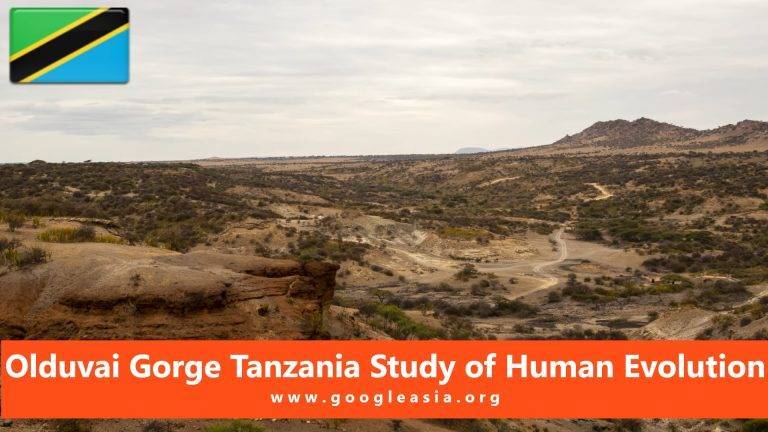
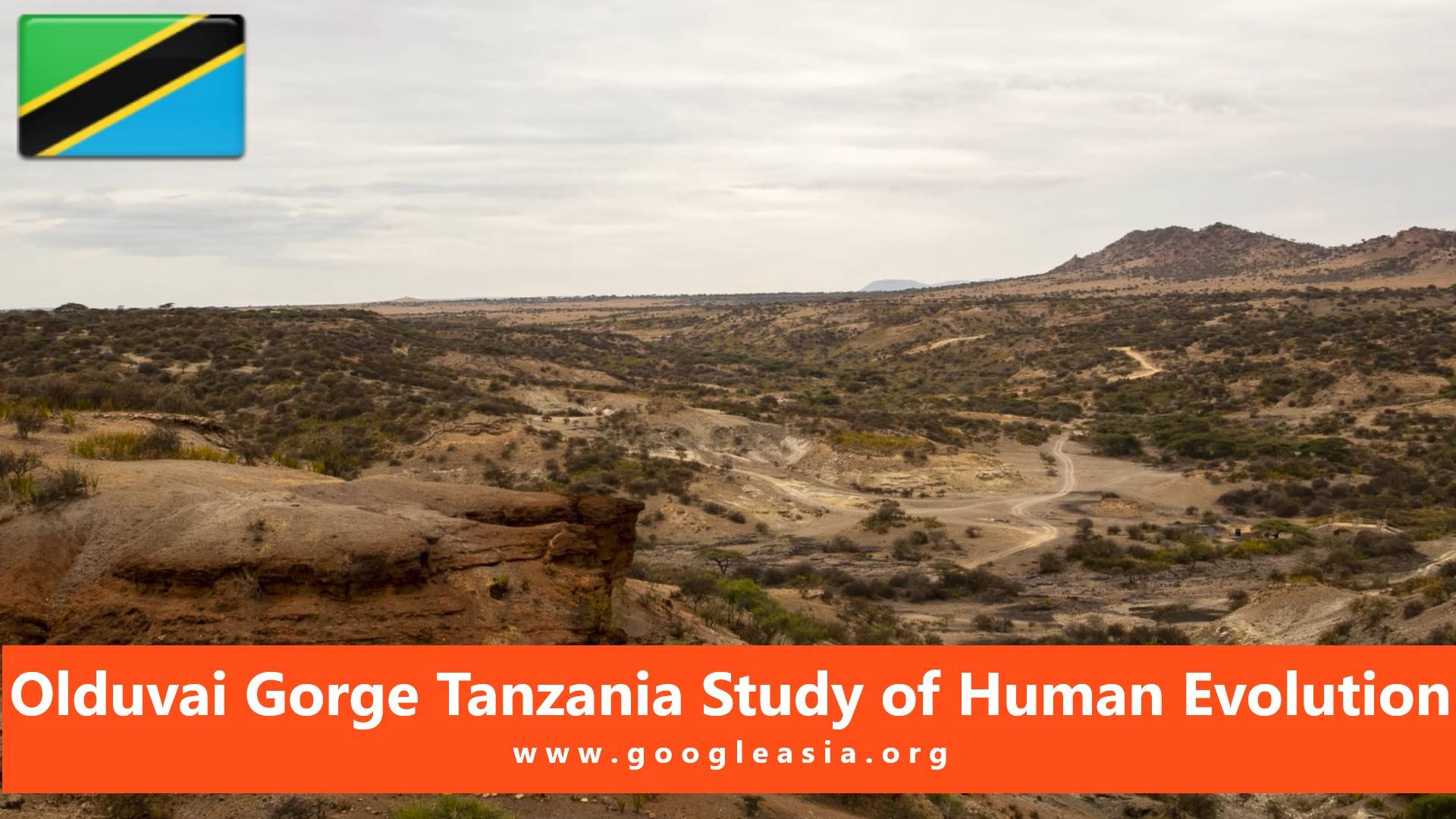
    Olduvai Gorge in Tanzania is an important prehistoric site and a key location in the study of human evolution. It is comprised of two dry riverbeds which contain fossilized remains of animals and stone tools used by early humans dating back 1.8 million to 15,000 years.


    Olduvai Gorge Tanzania Study of Human Evolution

    Olduvai Gorge, Tanzania: The Summary

    • Attraction Name: Olduvai Gorge
    • Country: Tanzania
    • Continent: African
    • Capital Name: Dodoma
    • Language: Swahili and ‎English‎ (de facto)‎
    • Currency: Tanzanian Shilling
    • Nationality: Tanzanian
    • Category:  #Destination #Africa #TANZANIA 


    Unveiling Olduvai Gorge, Tanzania

    Exploring Human Evolution’s Cradle

    Olduvai Gorge stands as a monumental archaeological site nestled within the Great Rift Valley in northern Tanzania, amidst the sprawling Serengeti Plain. This site holds unparalleled significance in the study of human evolution, offering a window into our ancient past through its rich fossil record and archaeological findings.

    Key Attributes:

    • Location: Situated in the Great Rift Valley, northern Tanzania.
    • Discoverer: First explored by German archaeologist Louis Leakey.
    • Age of Sites: Contains archaeological sites dating back approximately 2.1 million years.
    • Human Ancestors: Reveals remains of early human ancestors including Homo habilis, Homo erectus, and Homo sapiens.

    A Journey Through Time

    Olduvai Gorge has captivated scientists and tourists alike with its wealth of discoveries that have reshaped our understanding of human origins. The site’s excavation has unearthed ancient tools, fossilized bones of early humans and animals, and cultural artifacts that provide invaluable insights into the development of our species over millions of years.

    Archaeological Significance:

    • Early Human Tools: Uncovered tools and artifacts that showcase the technological advancements of early humans.
    • Fossil Discoveries: Rich fossil deposits that include diverse animal species, offering a glimpse into ancient ecosystems.
    • Scientific Research: Continues to contribute crucial data to the fields of archaeology, anthropology, and paleontology.

    Tourist Destination of Historical Magnitude

    Olduvai Gorge attracts visitors from around the globe who come to witness firsthand the birthplace of humanity’s journey. Its significance in the annals of human history, coupled with its breathtaking natural surroundings, makes it a must-visit destination for history enthusiasts, scientists, and curious travelers alike.

    Visitor Experience:

    • Educational Tours: Guided tours that provide insights into the geological and archaeological wonders of the site.
    • Museum Exhibits: Explore on-site museums that showcase fossils, artifacts, and interactive exhibits about human evolution.
    • Scenic Views: Enjoy panoramic views of the Great Rift Valley and Serengeti Plain from the gorge’s vantage points.

    In conclusion, Olduvai Gorge stands as a testament to the profound journey of human evolution, offering a glimpse into our ancient past that continues to shape our understanding of who we are today. Its archaeological treasures and scientific significance make it a place of awe and inspiration, inviting all who visit to ponder the mysteries of our shared origins on Earth.

    Discovering Olduvai Gorge, Tanzania

    Unveiling Ancient Mysteries

    Olduvai Gorge, located in Tanzania on the border of Laetoli, is a renowned archaeological site celebrated for its significant fossil discoveries that illuminate the origins of our human ancestors. Nestled within the Ngorongoro Conservation Area, this site beckons history buffs and paleontology enthusiasts alike with its wealth of ancient artifacts and intriguing rock formations.

    Key Attributes:

    • Location: Situated in Tanzania, near Laetoli within the Ngorongoro Conservation Area.
    • Archaeological Significance: Known for fossil discoveries dating back millions of years, including Homo habilis and Homo erectus.
    • Visitor Center: Nearby Olduvai Visitor Centre offers informative displays and insights into the site’s history.
    • Cultural and Paleontological Heritage: Provides a glimpse into early human life and evolution through archaeological remains.

    Top Activities to Experience

    Olduvai Gorge offers a range of activities that captivate visitors with its rich history and stunning landscapes. From exploring ancient fossils to enjoying outdoor adventures, there’s something for everyone to discover.

    Explore the Gorge

    Immerse yourself in the vast landscapes of Olduvai Gorge, where archaeological wonders await discovery. Wander through the open spaces to witness firsthand the remains of ancient civilizations and the groundbreaking discoveries that reshaped our understanding of human evolution.

    Visit the Visitor Centre

    Delve into the site’s archaeological significance at the Olduvai Visitor Centre, located within the Ngorongoro Conservation Area. Explore interactive displays and exhibits that provide insights into the history and cultural heritage of the area, enhancing your appreciation of its scientific importance.

    Join a Guided Tour

    Embark on a guided tour from the Olduvai Visitor Centre to delve deeper into the wildlife and cultural aspects of the region. Gain a deeper understanding of ancient Homo erectus sites and the profound archaeological significance of Olduvai Gorge through expert narration and exploration.

    Visit the Laetoli Archaeological Site

    Discover the nearby Laetoli Archaeological Site, where the iconic footprints of Homo habilis were unearthed in 1979. Marvel at these preserved tracks that offer invaluable insights into the movements and behaviors of our early ancestors, providing a tangible link to our evolutionary past.

    Enjoy Ancient Rock Etchings

    Uncover the mystery of ancient rock etchings scattered throughout the Olduvai Gorge area. These intricate carvings on tuff and rock surfaces depict early human activities and provide a fascinating glimpse into the daily lives and cultural practices of our ancestors.

    Go for a Hike or Bicycle Ride

    Explore the rugged landscapes and rolling hills surrounding Olduvai Gorge on foot or by bike. Follow scenic trails that wind through lush greenery and offer panoramic views of the surrounding plains, showcasing why this area remains a beloved destination for outdoor enthusiasts.

    In conclusion, Olduvai Gorge stands as a testament to humanity’s ancient past, offering visitors a unique opportunity to engage with our evolutionary history amidst breathtaking natural beauty. Whether exploring archaeological sites, learning at the visitor center, or enjoying outdoor activities, Olduvai Gorge promises an enriching and unforgettable experience for all who venture to uncover its mysteries.

    Culinary Delights at Olduvai Gorge, Tanzania

    Exploring Local and Exotic Flavors

    Olduvai Gorge in Tanzania not only offers rich archaeological treasures but also tantalizes visitors with a blend of traditional African dishes and exotic culinary creations. Whether you’re sampling local specialties or adventurous global fusion, dining at Olduvai Gorge promises a flavorful journey amidst its historical landscapes.

    Smoked Bushmeat Skewers

    Indulge in the smoky flavors of bushmeat skewers, a traditional dish prepared with locally sourced meats and seasoned to perfection over open flames.

    Waragi Pizza

    Savor the unique fusion of flavors with Waragi Pizza, combining local ingredients with a twist of global influence, offering a delightful taste experience.

    Grilled Maasai Flapjacks

    Enjoy grilled Maasai flapjacks, a savory treat made from maize flour and cooked over an open fire, accompanied by indigenous herbs and spices.

    Grilled Ugali

    Delight in grilled Ugali, a staple dish made from maize flour, cooked to a perfect consistency and served alongside flavorful stews and sauces.

    Mchuzi Matumbo

    Treat yourself to Mchuzi Matumbo, a hearty dish featuring tripe stewed in a rich tomato-based sauce infused with local spices, offering a taste of authentic Tanzanian cuisine.

    Pilau

    Savor the aromatic flavors of Pilau, a fragrant rice dish cooked with a blend of spices such as cumin, cardamom, and cloves, often served with meat or vegetables.

    Spicy Coconut Yam Soup

    Warm your palate with Spicy Coconut Yam Soup, a comforting dish combining creamy coconut milk with the subtle heat of spicy yams, perfect for cooler evenings.

    Barbecue Platter with Fries

    Indulge in a Barbecue Platter with Fries, featuring a selection of grilled meats marinated in savory sauces, served with crispy fries for a satisfying meal.

    Roast Ostrich Wraps

    Experience the unique taste of Roast Ostrich Wraps, tender ostrich meat roasted to perfection and wrapped in flatbread with fresh vegetables and zesty sauces.

    Fruit Salad with Coconut Curry Sauce

    Finish your meal with a refreshing Fruit Salad drizzled with Coconut Curry Sauce, blending the sweetness of fresh fruits with the creamy richness of coconut and a hint of curry spice.

    Key Attributes:

    • Local Ingredients: Freshly sourced meats, vegetables, and fruits from the region, showcasing Tanzania’s culinary diversity.
    • Traditional and Fusion Cuisine: Blend of traditional Tanzanian dishes with innovative global influences.
    • Restaurant Options: Diverse eateries and lodges offering a range of dining experiences from casual to gourmet, ensuring a delightful culinary adventure.

    In conclusion, dining at Olduvai Gorge promises a culinary journey that complements the rich historical and natural wonders of the region. Whether indulging in traditional Tanzanian fare or exploring exotic flavors, visitors are treated to a gastronomic experience that enhances their exploration of this ancient and captivating site.

    Best Hotels in Olduvai Gorge, Tanzania

    Namiri Plains Camp

    Overview:

    Namiri Plains Camp offers an exclusive safari experience in close proximity to Olduvai Gorge. Known for its luxurious tents and excellent wildlife viewing opportunities, it caters to guests seeking comfort and adventure in the heart of the Serengeti.

    Features:

    • Accommodation: Luxury tented camps with en-suite bathrooms.
    • Wildlife: Prime location for spotting big cats, especially cheetahs.
    • Activities: Game drives, guided bush walks, and cultural interactions.

    Camping at Olduvai Gorge

    Overview:

    For the adventurous traveler, camping at Olduvai Gorge provides a unique opportunity to immerse oneself in nature and history. The campsite offers basic amenities and a genuine wilderness experience.

    Features:

    • Accommodation: Tents with basic facilities.
    • Location: Close proximity to Olduvai Gorge Museum and archaeological sites.
    • Activities: Stargazing, fossil hunting, and guided tours of Olduvai Gorge.

    Fuliji Eco-Lodge

    Overview:

    Fuliji Eco-Lodge combines eco-friendly practices with comfort, offering a sustainable stay experience near Olduvai Gorge. Ideal for nature enthusiasts and those interested in responsible tourism.

    Features:

    • Accommodation: Eco-friendly cottages or tents.
    • Sustainability: Solar power, organic farming, and community involvement.
    • Activities: Birdwatching, nature walks, and visits to local Maasai villages.

    Kolo Cultural Tourism

    Overview:

    Kolo Cultural Tourism offers a unique cultural experience combined with comfortable lodging near Olduvai Gorge. Guests can immerse themselves in Maasai traditions and learn about local customs.

    Features:

    • Accommodation: Traditional Maasai bungalows or tents.
    • Cultural Experience: Maasai dances, storytelling, and traditional meals.
    • Location: Scenic views of the Rift Valley and Olduvai Gorge.

    Kudu Camp

    Overview:

    Kudu Camp provides a tranquil retreat in the Serengeti ecosystem, close to Olduvai Gorge. Known for its rustic charm and personalized service, it appeals to nature lovers seeking a serene environment.

    Features:

    • Accommodation: Safari tents with private verandas.
    • Ambience: Peaceful surroundings with panoramic views.
    • Activities: Game drives, birdwatching, and bush picnics.

    Serengeti Heritage Camp

    Overview:

    Serengeti Heritage Camp offers a blend of luxury and wilderness experience near Olduvai Gorge. It caters to discerning travelers with its elegant tented accommodations and top-notch amenities.

    Features:

    • Accommodation: Spacious tents with modern amenities.
    • Hospitality: Personalized service and gourmet dining.
    • Location: Scenic views of the Serengeti plains and wildlife.

    Mbuzi Mawe Campsite

    Overview:

    Mbuzi Mawe Campsite provides a comfortable stay option with a focus on safari adventures near Olduvai Gorge. It is renowned for its strategic location amidst wildlife-rich habitats and breathtaking landscapes.

    Features:

    • Accommodation: Canvas tents with en-suite facilities.
    • Wildlife: Close encounters with resident wildlife species.
    • Activities: Sundowners, bush dinners, and guided nature walks.

    Panorama Campsite

    Overview:

    Panorama Campsite offers budget-friendly accommodation with stunning panoramic views of Olduvai Gorge and the Serengeti plains. It is ideal for travelers seeking affordability without compromising on location.

    Features:

    • Accommodation: Basic tents and camping facilities.
    • Views: Spectacular views of the Rift Valley escarpment.
    • Accessibility: Easy access to Olduvai Gorge and nearby attractions.

    Ngare Sero Lodge

    Overview:

    Ngare Sero Lodge provides a luxurious retreat near Olduvai Gorge, combining colonial elegance with modern amenities. It offers a serene environment and personalized service amidst natural beauty.

    Features:

    • Accommodation: Elegant cottages or suites with private verandas.
    • Dining: Fine dining options showcasing local and international cuisine.
    • Activities: Spa treatments, nature walks, and cultural excursions.

    Seronera Wildlife Lodge

    Overview:

    Seronera Wildlife Lodge offers comfortable accommodations in the heart of the Serengeti, close to Olduvai Gorge. Known for its central location and wildlife viewing opportunities, it caters to safari enthusiasts.

    Features:

    • Accommodation: Rooms with balconies overlooking the Serengeti plains.
    • Wildlife: Game drives and safari excursions in Seronera Valley.
    • Facilities: Swimming pool, restaurant, and bar services.

    Frequently Asked Questions: Your Guide to Olduvai Gorge

    Explore the Latest Destination Attraction with ease through our comprehensive Frequently Asked Questions guide. Discover insightful answers to common queries, providing a seamless experience. Your journey begins with clarity and confidence as we address uncertainties and offer essential information. Let this guide enhance your adventure, ensuring you make the most of the latest destination attraction, leaving no question unanswered.

    What are Olduvai Gorge’s nearby must-visit attractions or landmarks?

    Olduvai Gorge is a region known for its paleoanthropological significance, and while the gorge itself is the primary attraction, there are nearby landmarks and attractions worth considering when exploring the broader area:

    1. Laetoli Footprints: Laetoli, located approximately 45 kilometers south of Olduvai Gorge, is famous for the discovery of ancient hominin footprints dating back over 3.6 million years. These footprints, preserved in volcanic ash, provide valuable insights into early human locomotion.
    2. Serengeti National Park: Olduvai Gorge is a gateway to the renowned Serengeti National Park, one of Africa’s most iconic wildlife destinations. The park is known for its vast plains, diverse wildlife, and the annual Great Migration of wildebeest and zebras.
    3. Ngorongoro Conservation Area: Located to the east of Olduvai Gorge, the Ngorongoro Conservation Area is a UNESCO World Heritage Site known for the Ngorongoro Crater, a large volcanic caldera that supports a rich diversity of wildlife. The crater offers exceptional game viewing opportunities.
    4. Empakaai Crater: Situated within the Ngorongoro Conservation Area, Empakaai Crater is a lesser-known but scenic volcanic crater with a lake at its center. The area is known for its panoramic views and the opportunity to see flamingos on the crater lake.
    5. Ol Doinyo Lengai: This active volcano, also known as the “Mountain of God,” is located northeast of Olduvai Gorge. Ol Doinyo Lengai is revered by the Maasai people and offers hiking opportunities for those seeking adventure.
    6. Lake Natron: Lake Natron, a soda lake near Ol Doinyo Lengai, is known for its high alkalinity and vibrant colors. The lake is a breeding ground for flamingos, and the surrounding landscapes are characterized by unique geological formations.
    7. Maasai Villages: Engage with local Maasai communities near Olduvai Gorge to learn about their traditional lifestyles, culture, and customs. Visiting a Maasai village provides insights into the coexistence of indigenous communities with wildlife.
    8. Gelai and Kitumbeine Mountains: These mountain ranges are located to the northeast of Olduvai Gorge. The Gelai Mountain offers trekking opportunities, and the Kitumbeine Mountain provides scenic views of the surrounding landscapes.
    9. Museum of Olduvai Gorge: While not a separate attraction, the Olduvai Gorge region includes a museum that showcases archaeological finds and provides educational exhibits on human evolution. The museum enhances the visitor’s understanding of the site’s significance.

    While Olduvai Gorge itself is the primary destination for paleoanthropological exploration, the nearby attractions offer diverse experiences, from wildlife safaris to cultural interactions and geological wonders. Combining a visit to Olduvai Gorge with these nearby landmarks provides a comprehensive exploration of this unique region in Tanzania

    Why should you visit Olduvai Gorge?

    Visiting Olduvai Gorge is a compelling and enriching experience for several reasons:

    1. Cradle of Humanity: Olduvai Gorge is often referred to as the “Cradle of Humanity” due to its exceptional significance in the study of human evolution. The gorge has yielded numerous fossilized remains and artifacts, providing insights into the early stages of human development.
    2. Paleoanthropological Discoveries: The site has been instrumental in shaping our understanding of human evolution. Significant discoveries include the remains of Homo habilis, one of the earliest known hominins, and evidence of early tool use by ancient humans.
    3. Archaeological Excavations: Visitors to Olduvai Gorge have the opportunity to witness ongoing archaeological excavations and research. The site continues to be a hub for scientific study and exploration, contributing to our knowledge of prehistoric life.
    4. Educational Experience: A visit to Olduvai Gorge offers an educational experience, providing a glimpse into the work of paleoanthropologists and the methods used in uncovering ancient fossils. Interpretive centers and guided tours enhance the learning experience.
    5. Historical Significance: The discoveries made at Olduvai Gorge have played a pivotal role in shaping the narrative of human evolution. The site is of global importance, and its findings have influenced the understanding of early hominin behavior and adaptation.
    6. Scenic Beauty: Beyond its scientific importance, Olduvai Gorge is situated in a region of Tanzania with scenic landscapes. The surrounding plains and the Great Rift Valley contribute to the overall beauty of the area.
    7. Gateway to Serengeti and Ngorongoro: Olduvai Gorge is strategically located as a gateway to the Serengeti National Park and the Ngorongoro Conservation Area. Many visitors pass through the gorge as part of their safari itinerary, combining the historical site with wildlife experiences.
    8. Local Culture and Communities: Interaction with local Maasai communities in the region provides an opportunity to learn about their traditional lifestyles, cultural practices, and the coexistence of humans and wildlife.
    9. Photographic Opportunities: The scenic beauty of Olduvai Gorge and its surroundings, combined with the archaeological sites, offers excellent photographic opportunities. Capture the essence of this historically and visually rich location.
    10. Preservation Efforts: By visiting Olduvai Gorge, you contribute to the preservation and maintenance of the site. Entrance fees support ongoing conservation efforts, ensuring that future generations can continue to explore and learn from this remarkable location.

    Whether you are interested in anthropology, archaeology, or simply curious about the origins of humanity, a visit to Olduvai Gorge provides a unique and profound journey through time, offering a deeper understanding of our shared evolutionary history.

    How to go to Olduvai Gorge?

    Olduvai Gorge, located in the eastern part of the Serengeti Plains in Tanzania, is a significant paleoanthropological site. Accessing Olduvai Gorge typically involves travel to nearby towns and then making arrangements for guided tours or self-driven visits. Here are general steps on how to go to Olduvai Gorge:

    1. International Flight: Fly into Julius Nyerere International Airport (DAR) in Dar es Salaam, Tanzania, or Kilimanjaro International Airport (JRO) if you prefer a northern route. Dar es Salaam is the more common gateway for Olduvai Gorge.
    2. Domestic Flight or Overland Travel to Arusha or Karatu: From Dar es Salaam, you can take a domestic flight to Arusha Airport (ARK) or Kilimanjaro International Airport (JRO). Alternatively, you may choose overland travel to reach Arusha or Karatu, which are common starting points for safaris in northern Tanzania.
    3. Safari or Guided Tour: Olduvai Gorge is often visited as part of a larger safari itinerary or guided tour. Safaris to the Serengeti Plains or Ngorongoro Conservation Area frequently include a stop at Olduvai Gorge. Check with your tour operator to ensure that Olduvai Gorge is part of the itinerary.
    4. Self-Drive Option: If you prefer a self-drive option, you can hire a vehicle and drive from Arusha or Karatu to Olduvai Gorge. The roads may vary in condition, so be prepared for different terrains.
    5. Accommodations Near Olduvai Gorge: Consider staying in accommodations near Olduvai Gorge, such as lodges or camps in the Serengeti or Ngorongoro Conservation Area. This allows for easier access to the gorge and surrounding attractions.
    6. Guided Tours of Olduvai Gorge: Once in the vicinity, arrange for guided tours of Olduvai Gorge. Local guides provide insights into the history and significance of the site, showcasing the discoveries made by paleoanthropologists.
    7. Entry Permits and Fees: Obtain necessary permits and pay entry fees for Olduvai Gorge. These fees contribute to the preservation and maintenance of the site. 
    8. Weather Considerations: Consider the best time to visit based on weather conditions. The dry season (June to October) is often preferred for safari and outdoor activities.

    Always check for the latest travel advisories, entry requirements, and seasonal conditions before planning your trip to Olduvai Gorge. Whether you opt for a guided tour or a self-driven adventure, exploring Olduvai Gorge provides a unique opportunity to witness the archaeological and paleontological history of human evolution.

    Are there any halal food options around the Olduvai Gorge?

    Olduvai Gorge is a paleoanthropological site in Tanzania known for its significance in the study of human evolution. The gorge itself is not known for providing dining options, and the immediate vicinity may lack dedicated restaurants or food establishments. Visitors to Olduvai Gorge typically stay in nearby towns or accommodations, and the availability of halal food options may depend on the specific place you choose.

    Here are some suggestions:

    1. Lodges and Accommodations: Accommodations near Olduvai Gorge, such as lodges and camps, often provide meals for their guests. Before booking, inquire with the accommodation about their ability to cater to halal dietary requirements.
    2. Communicate Dietary Preferences: When making reservations, inform the lodge or accommodation about your halal dietary preferences. Many establishments are willing to accommodate specific dietary needs if notified in advance.
    3. Pack Snacks: Consider bringing some halal snacks with you, especially if you have specific dietary restrictions. This can be useful between meals or during excursions to Olduvai Gorge.
    4. Explore Local Cuisine: In nearby towns or accommodations, explore local Tanzanian cuisine, which often includes dishes that align with halal dietary principles. Local restaurants may offer a variety of options.
    5. Discuss Dietary Needs in Advance: If you are joining a guided tour or safari that includes a visit to Olduvai Gorge, communicate your dietary needs in advance. Tour operators often arrange meals for participants and can take dietary preferences into consideration.

    While Olduvai Gorge itself may not have dedicated halal food options, the nearby towns and accommodations strive to cater to the diverse needs of visitors. It’s advisable to plan ahead, communicate your dietary preferences, and explore local options to ensure a comfortable dining experience during your visit to this historically significant site.

    Web Directories

    Welcome to our comprehensive web directories! Explore a world of information and resources tailored to your interests and needs. From travel adventures to financial solutions, hobbies, reviews, and more, our curated collection of links offers something for everyone. Click on the above links to start your journey towards discovering new experiences and expanding your horizons. Your next destination awaits!

    1. https://asiaworldtour.com: “Asia World Tour: Your Gateway to Asian and World Adventures”
    2. https://personalfinancingloan.com: “Personal Financing Loan: Your Path to Financial Freedom”
    3. https://hobbyforte.com: “HobbyForte: Discover Your Car Passion, Explore Your Interests”
    4. https://reviewsanything.com: “ReviewsAnything: Your Trusted Source for Honest Gadget Reviews”
    5. https://rumahmampumilik.com: “Rumah Mampu Milik: Your Affordable Homeownership Journey Begins Here”
    6. https://malaysiadigit.com: “MalaysiaDigit: Your Digital Destination for News and Insights”
    7. https://vipmalaysia.com: “VIP Malaysia: Elevate Your Experience in Malaysia”
    8. https://nordiyana.com: “Indulge in Elegance at Nordiyana: Latest Recipe and Culinary Inspirations”
    9. https://e-penyatagaji.com: “E-Penyata Gaji: Simplifying Payroll Management for You”
    10. https://googleasia.org: “Google Asia: Explore the World and Asia’s Wonders with Google Asia”
    11. https://malaysiafit.com: “Malaysia Fit: Your Partner in Health and Wellness”
    12. https://koperasi.info: “Koperasi: Building Communities, Empowering Lives”
    13. https://recipeinside.com: “RecipeInside: Unveiling Culinary Creations, Your Guide to Delicious Dishes”
    14. https://asiahealthcenter.com: “Asia Health Center: Your Source for Holistic Wellness Solutions”
    15. https://nationalhealthcenters.com: “National Health Centers: Your Source for Vital Health Information and Community Care”
    16. https://malaysiabit.com: “MalaysiaBit: Stay Informed, Stay Connected”
    17. https://epenyatagaji.com: “E-Penyata Gaji: Your Digital Payslip Solution”
    18. https://koperasi.work: “Koperasi Work: Collaborate, Innovate, Succeed”
    19. https://koperasi.business: “Koperasi Business: Driving Entrepreneurship, Fostering Growth
  • Visiting Gombe Stream National Park, Tanzania: Travel Guide

    Visiting Gombe Stream National Park, Tanzania: Travel Guide

    Gombe Stream National Park, Tanzania: Must-Visit Destination

    Embark on a wild adventure at Gombe Stream National Park, where lush landscapes meet chimpanzee sanctuaries. Immerse yourself in nature’s wonders and explore the captivating biodiversity. Ready for a journey into the heart of Africa’s untamed beauty? Discover more now!

    Gombe Stream National Park in Tanzania is one of the oldest and most biologically diverse areas in Africa. It has been the site of many important scientific discoveries, including Jane Goodall’s pioneering work on chimpanzee behavior. Gombe is home to a wide range of wildlife, including primates, mammals, birds, and reptiles. Visitors to the park can explore its various habitats, including the beach, forest, and grassland. The park also offers a range of activities, from hiking to swimming with the chimpanzees!


    Gombe Stream National Park Tanzania Chimpanzee Site

    Gombe Stream National Park, Tanzania: The Summary

    • Attraction Name: Gombe Stream National Park
    • Country: Tanzania
    • Continent: African
    • Capital Name: Dodoma
    • Language: Swahili and ‎English‎ (de facto)‎
    • Currency: Tanzanian Shilling
    • Nationality: Tanzanian
    • Category:  #Destination #Africa #TANZANIA 


    Gombe Stream National Park, Tanzania

    Overview of Gombe Stream National Park

    Gombe Stream National Park is a small yet iconic wildlife reserve nestled on the eastern shore of Lake Tanganyika in north-western Tanzania. Spanning a compact area of 52 square kilometers, this park holds immense significance as the site of pioneering wildlife research conducted by Dr. Jane Goodall since 1960. The park’s landscape features Gombe Stream, a steep-sided valley densely covered with forests that hug the lakeshore.

    Wildlife and Research

    Dr. Jane Goodall’s groundbreaking research at Gombe Stream National Park led to the identification and study of Tanzania’s first chimpanzees. Today, the park is celebrated worldwide for its compelling primate research, hosting a population of over 200 chimpanzees. It also supports a rich diversity of other primates including red colobus monkeys, baboons, and ground squirrels. Additionally, the park is home to various bird species and terrestrial animals such as bushbucks, warthogs, and bush pigs.

    Biodiversity and Conservation

    Gombe Stream National Park boasts an impressive biodiversity with almost 80 species of butterflies and over 200 species of trees and shrubs. Despite its small size, the park has been recognized internationally for its ecological importance. It is designated as an Important Bird Area by Birdlife International and classified by the International Union for Conservation of Nature (IUCN) as an Endangered Ecosystem.

    Local Engagement and Visitor Experience

    The park plays a vital role in the lives of local communities who utilize its resources for subsistence fishing and honey collection. For visitors, Gombe Stream offers well-maintained trails that provide opportunities to observe wildlife in their natural habitat. Guided tours and educational programs enhance the visitor experience, offering insights into primate behavior and conservation efforts.

    Planning Your Visit

    Visiting Gombe Stream National Park requires careful planning due to its remote location and specialized ecosystem. Travelers typically access the park via boat from Kigoma town, which adds to the adventure of reaching this secluded wilderness area.

    Accommodations

    Accommodation options near Gombe Stream National Park range from basic campsites to eco-friendly lodges, offering visitors a chance to immerse themselves in nature without compromising comfort.

    Activities

    • Chimpanzee Trekking: Guided treks allow visitors to observe chimpanzees in their natural habitat, following in the footsteps of Jane Goodall’s pioneering research.
    • Birdwatching: Explore the diverse birdlife along the shores of Lake Tanganyika, spotting both resident and migratory species.
    • Nature Walks: Discover the park’s flora and fauna on guided nature walks, learning about medicinal plants and traditional land uses.

    Conservation Efforts and Future Prospects

    Gombe Stream National Park continues to be a focal point for conservation efforts aimed at protecting its unique ecosystem and primate populations. Ongoing research and community engagement initiatives are crucial for the park’s sustainable future.

    Explore the natural wonders and rich history of Gombe Stream National Park, where every visit contributes to the legacy of primate research and conservation in Tanzania.


    Things to Do in Gombe Stream National Park, Tanzania

    Gombe Stream National Park, situated on the eastern shore of Lake Tanganyika in Tanzania, offers a range of activities that allow visitors to immerse themselves in its pristine wilderness and observe its unique wildlife.

    Chimpanzee Trekking

    Overview: One of the main attractions of Gombe Stream National Park is chimpanzee trekking, offering visitors a rare opportunity to observe chimpanzees in their natural habitat.

    Experience: Guided by experienced trackers, visitors can trek through the forested valleys and hills to find chimpanzee troops. Observing their behavior and interactions provides insight into the social dynamics of these fascinating primates.

    Gorilla Tracking

    Overview: While not as common as chimpanzees in Gombe Stream, gorillas can occasionally be found in the park’s remote areas.

    Experience: Tracking gorillas involves venturing deeper into the park’s rugged terrain with guides who are knowledgeable about their habitats and behaviors. Spotting these majestic creatures in the wild is a truly unforgettable experience.

    Safari Experience

    Overview: Gombe Stream National Park offers safari opportunities to explore its diverse wildlife and landscapes.

    Experience: Whether on a guided safari or self-driven adventure, visitors can encounter a variety of animals including elephants, zebras, hippos, and diverse bird species. Safaris during the dry season (June to October) are ideal for wildlife viewing as animals gather around water sources.

    Fishing on Lake Tanganyika

    Overview: Lake Tanganyika, Africa’s deepest lake, provides excellent fishing opportunities within Gombe Stream National Park.

    Experience: Anglers can enjoy fishing trips to catch species such as tilapia, catfish, and more. Guided fishing excursions are available to enhance the experience and increase chances of a successful catch.

    Birdwatching

    Overview: Gombe Stream National Park is a haven for bird enthusiasts with its diverse avian population.

    Experience: Birdwatchers can spot rare species like Shelley’s purple starling, Ross’s turaco, and copper-tailed starling among others. Lake Tanganyika also attracts water birds, including the pink-backed pelican, making it a rewarding destination for birdwatching.

    Nature Walks and Hiking

    Overview: Explore the park’s scenic landscapes and diverse flora on guided nature walks and hiking trails.

    Experience: Trained guides lead visitors through forested paths, pointing out medicinal plants, ancient trees, and sharing insights into the park’s ecology and conservation efforts. Hiking trails offer panoramic views of Lake Tanganyika and the surrounding valleys.

    Cultural Encounters

    Overview: Engage with local communities and learn about their traditions and livelihoods.

    Experience: Cultural visits allow visitors to interact with local villagers, participate in traditional activities such as dance performances, and gain a deeper appreciation for the coexistence of communities and wildlife in the park.

    Planning Your Visit

    Best Time to Visit: The dry season (June to October) is optimal for wildlife viewing and trekking activities. Accommodations range from basic campsites to comfortable lodges, offering various options for staying within or near the park.

    Gombe Stream National Park promises an enriching experience for nature lovers and wildlife enthusiasts alike, providing a glimpse into Tanzania’s natural beauty and diverse ecosystems. Whether trekking with chimpanzees, exploring by safari, or relaxing with a fishing rod on Lake Tanganyika, every adventure in Gombe Stream is a step closer to understanding and preserving Africa’s incredible biodiversity.

    Best Foods at Gombe Stream National Park, Tanzania

    Located near Lake Tanganyika and within the cultural tapestry of Tanzania, Gombe Stream National Park offers a variety of delightful culinary experiences that reflect both local traditions and the abundance of fresh ingredients available in the region.

    Fresh Fish and Seafood

    Overview: Being situated on the eastern shore of Lake Tanganyika, one of the largest and deepest lakes in the world, Gombe Stream National Park boasts an abundance of fresh fish and seafood.

    Best Dishes: Tilapia, catfish, and other local freshwater fish are staples in the cuisine. These can be prepared in various ways, including grilled, fried, or cooked in traditional Tanzanian sauces with spices.

    Where to Enjoy: Local restaurants and lodges near the park often serve freshly caught fish dishes, ensuring a flavorful and authentic dining experience.

    Traditional Tanzanian Dishes

    Overview: Tanzanian cuisine is rich and diverse, influenced by local ingredients and cultural practices.

    Best Dishes: Some popular dishes to try include:

    • Ugali: A staple starch made from maize flour, often served with a variety of stews or grilled meats.

    • Nyama Choma: Grilled meat (usually goat, beef, or chicken) seasoned with spices and served with vegetables or salad.

    • Pilau: Spiced rice cooked with meat (often chicken or beef) and vegetables, creating a flavorful one-pot dish.

    Where to Enjoy: Look for local eateries or lodges that offer traditional Tanzanian meals. These establishments often source ingredients locally, ensuring freshness and authenticity.

    Fresh Fruits and Vegetables

    Overview: Tanzania is known for its diverse range of fresh fruits and vegetables, many of which are grown locally.

    Best Choices: Enjoy seasonal fruits such as mangoes, pineapples, bananas, and papayas. Vegetables like spinach, sweet potatoes, and various greens are also commonly used in Tanzanian cuisine.

    Where to Enjoy: Fresh fruits are often served as desserts or snacks at lodges and restaurants, providing a refreshing way to end a meal or enjoy during breaks between activities.

    Game Meats

    Overview: While not as common as fish or traditional dishes, game meats are sometimes available in the region, reflecting Tanzania’s rich wildlife.

    Best Choices: Game meats such as antelope, buffalo, and occasionally bushmeat (though conservation efforts discourage its consumption) are options in some local cuisines.

    Where to Enjoy: If available, lodges or specialized restaurants may offer game meat dishes as part of their menu, prepared in accordance with local culinary traditions.

    Dining Tips

    • Local Markets: Visit nearby markets to purchase fresh produce, snacks, and drinks for picnics or meals prepared at your accommodation.

    • Restaurant Recommendations: Seek recommendations from locals or lodge staff for the best places to enjoy authentic Tanzanian cuisine near Gombe Stream National Park.

    • Cultural Experiences: Participate in cultural activities or dining experiences organized by lodges or local communities, offering insights into traditional cooking methods and flavors.

    By exploring the diverse culinary offerings of Gombe Stream National Park, visitors can not only savor delicious meals but also gain a deeper appreciation for the local culture and natural bounty that define this unique corner of Tanzania.

    Best Hotels in Gombe Stream National Park, Tanzania

    Gombe Stream National Park offers a selection of accommodations that cater to various preferences, from luxurious lodges to unique island getaways. Here are some of the top hotels to consider for your stay:

    Gombe Forest Lodge

    Overview:

    Gombe Forest Lodge provides an exclusive experience within the national park, offering comfortable accommodations amidst the natural beauty of the forested surroundings.

    Features:

    • Accommodation: Tented chalets with private verandas overlooking the park.
    • Location: Close proximity to chimpanzee trekking trails and Lake Tanganyika.
    • Activities: Chimpanzee tracking, forest walks, and birdwatching.

    Lake Tanganyika Hotel

    Overview:

    Located on the shores of Lake Tanganyika, this hotel offers stunning views and a tranquil atmosphere ideal for relaxation after exploring Gombe Stream National Park.

    Features:

    • Accommodation: Rooms and cottages with lake views.
    • Facilities: Restaurant serving local and international cuisine, bar, and swimming pool.
    • Activities: Boat trips on Lake Tanganyika, fishing, and cultural tours.

    Fanjove Private Island

    Overview:

    For a secluded and luxurious retreat, Fanjove Private Island provides a pristine setting surrounded by turquoise waters and white sandy beaches.

    Features:

    • Accommodation: Eco-friendly bandas (thatched-roof cottages) on the beach.
    • Activities: Snorkeling, diving, kayaking, and nature walks.
    • Unique Experience: Exclusive island experience away from mainland distractions.

    Ras Kutani on the Indian Ocean

    Overview:

    While not within Gombe Stream National Park itself, Ras Kutani offers a luxurious beach getaway on the Indian Ocean, accessible from nearby Dar es Salaam.

    Features:

    • Accommodation: Beachfront cottages and suites nestled in a coastal forest.
    • Facilities: Spa, restaurant serving fresh seafood, and outdoor activities.
    • Accessibility: Accessible via a short flight or boat ride from Dar es Salaam.

    Beneath The Baobabs Lodge

    Overview:

    Situated near Kigoma town, this lodge provides a blend of comfort and immersion in nature, with unique baobab trees dotting the landscape.

    Features:

    • Accommodation: Chalets and tents amidst baobab groves.
    • Activities: Cultural visits, sunset cruises on Lake Tanganyika, and hiking.
    • Hospitality: Personalized service and local cuisine.

    Greystoke Mahale

    Overview:

    Located on the shores of Lake Tanganyika, Greystoke Mahale offers luxury in a remote setting, perfect for experiencing chimpanzee trekking adventures.

    Features:

    • Accommodation: Thatched-roof bandas overlooking the lake.
    • Activities: Chimpanzee tracking, kayaking, snorkeling, and fishing.
    • Unique Experience: Intimate encounters with chimpanzees and spectacular sunsets.

    Kigoma Hilltop Hotel

    Overview:

    Overlooking Kigoma town and Lake Tanganyika, Kigoma Hilltop Hotel provides comfortable accommodations with panoramic views.

    Features:

    • Accommodation: Rooms and suites with modern amenities.
    • Facilities: Restaurant, bar, swimming pool, and conference facilities.
    • Location: Convenient access to Gombe Stream National Park and local attractions.

    Fanjove Island Lodge

    Overview:

    Another option for a secluded island retreat, Fanjove Island Lodge offers barefoot luxury amidst untouched natural beauty.

    Features:

    • Accommodation: Rustic yet elegant bandas with beachfront views.
    • Activities: Snorkeling, diving, kayaking, and birdwatching.
    • Exclusive Experience: Limited number of guests for a private and peaceful stay.

    Kitani Hotel

    Overview:

    Kitani Hotel in Kigoma town provides a convenient base for exploring Gombe Stream National Park and enjoying local hospitality.

    Features:

    • Accommodation: Rooms and suites with comfortable amenities.
    • Facilities: Restaurant serving Tanzanian and international cuisine, bar, and garden area.
    • Accessibility: Close to Kigoma Airport and ferry terminal.

    Mivumo River Lodge

    Overview:

    Located near Selous Game Reserve but accessible for excursions to Gombe Stream National Park, Mivumo River Lodge offers a luxurious safari experience.

    Features:

    • Accommodation: Riverside suites with expansive views of the Rufiji River.
    • Facilities: Spa, swimming pool, restaurant, and bar.
    • Activities: Game drives, boat safaris, and guided nature walks.

    These hotels offer diverse experiences ranging from luxury lodges in the heart of Gombe Stream National Park to beachfront escapes on Lake Tanganyika, ensuring every visitor finds an ideal accommodation option for their stay in this remarkable part of Tanzania.

    Frequently Asked Questions: Your Guide to Gombe Stream National Park

    Explore the Latest Destination Attraction with ease through our comprehensive Frequently Asked Questions guide. Discover insightful answers to common queries, providing a seamless experience. Your journey begins with clarity and confidence as we address uncertainties and offer essential information. Let this guide enhance your adventure, ensuring you make the most of the latest destination attraction, leaving no question unanswered.

    What are Gombe Stream National Park’s nearby must-visit attractions or landmarks?

    Gombe Stream National Park itself is a relatively compact park with a primary focus on chimpanzee research and conservation. While the park itself is the main attraction, there are a few nearby places and points of interest that visitors may find interesting when exploring the broader area:

    1. Jane Goodall’s House: Located within Gombe Stream National Park, visitors can find the former home of Jane Goodall, the renowned primatologist who conducted groundbreaking research on chimpanzees in the park. The house serves as a historical site associated with the early days of chimpanzee research.
    2. Kigoma Town: Kigoma is the nearest major town and serves as a gateway to Gombe Stream National Park. While not an attraction within the park itself, Kigoma offers a glimpse into local Tanzanian life. Visitors can explore the town, visit local markets, and engage with the friendly community.
    3. Lake Tanganyika: Gombe Stream is situated along the shores of Lake Tanganyika, one of Africa’s Great Lakes. The lake itself is a prominent natural landmark, providing stunning views and opportunities for relaxation on its pristine beaches. Exploring the lakeshore and taking in the scenery is a must.
    4. Kibirizi Market: Kibirizi is a vibrant local market near Kigoma where visitors can experience the bustling atmosphere, interact with locals, and purchase traditional crafts and souvenirs.
    5. Ujiji: Ujiji, located near Kigoma, is historically significant as the place where explorer Henry Morton Stanley famously met David Livingstone in 1871. The Livingstone Memorial and the historic Stone Town are notable attractions.
    6. Kigoma Railway Station: The Kigoma Railway Station is a historic site associated with the Central Line railway. It played a role in the historical events of World War I and provides insights into the region’s history.

    While Gombe Stream National Park is the primary destination for chimpanzee trekking and wildlife experiences, exploring the nearby towns and historical sites offers a broader perspective on the cultural and historical context of the region. Keep in mind that the focus of a visit to Gombe Stream is primarily on its unique wildlife and the legacy of chimpanzee research by Jane Goodall.

    Why should you visit Gombe Stream National Park?

    Visiting Gombe Stream National Park offers a unique and intimate wildlife experience, making it a compelling destination for various reasons:

    1. Chimpanzee Trekking: Gombe Stream is renowned for its long-term chimpanzee research, and visitors have the opportunity to engage in chimpanzee trekking. Observing these intelligent primates in their natural habitat is a once-in-a-lifetime experience.
    2. Historic Research Site: Gombe Stream National Park gained international recognition through the pioneering research of Jane Goodall. The park is where Goodall conducted groundbreaking studies on the social behavior of wild chimpanzees, contributing significantly to our understanding of these primates.
    3. Primate Diversity: In addition to chimpanzees, Gombe Stream is home to other primates, including red colobus monkeys, red-tailed monkeys, and olive baboons. The diverse primate population adds to the overall wildlife experience.
    4. Lake Tanganyika: Gombe Stream is situated along the shores of Lake Tanganyika, one of Africa’s Great Lakes. Visitors can enjoy the scenic beauty of the lake, relax on pristine beaches, and take part in water activities, such as swimming and snorkeling.
    5. Scenic Landscapes: The park features lush forests, rolling hills, and the captivating landscapes along the shores of Lake Tanganyika. The scenic beauty enhances the overall experience for nature enthusiasts and photographers.
    6. Birdwatching Opportunities: Gombe Stream National Park is home to a variety of bird species, making it a rewarding destination for birdwatchers. The diverse habitats, including forests and lakeside areas, attract numerous avian species.
    7. Boat Safaris: Explore Lake Tanganyika through boat safaris, offering a unique perspective on the park’s landscapes and wildlife. Boat trips can provide sightings of aquatic life, including hippos and various bird species.
    8. Intimate and Remote Setting: Gombe Stream offers a more intimate and remote setting compared to larger national parks, providing a tranquil environment for wildlife enthusiasts seeking a quieter and more exclusive safari experience.
    9. Hiking Trails: The park features hiking trails that allow visitors to explore its diverse ecosystems and enjoy panoramic views. Hiking enthusiasts can appreciate the physical challenge while immersed in the natural beauty of the park.
    10. Conservation Efforts: Visiting Gombe Stream National Park contributes to the ongoing conservation efforts for chimpanzees and their habitats. The park’s protected status and research initiatives aim to preserve the unique ecosystems and wildlife within its boundaries.

    For those seeking a deeper connection with nature, an appreciation for primate research history, and a chance to witness the remarkable behaviors of wild chimpanzees, Gombe Stream National Park offers an unforgettable and educational safari experience.

    How to go to Gombe Stream National Park?

    Gombe Stream National Park, known for its chimpanzee research, is located on the shores of Lake Tanganyika in western Tanzania. Access to Gombe Stream National Park involves a combination of flights, boat transfers, and sometimes road travel. Here are general steps on how to go to Gombe Stream National Park:

    1. International Flight: Fly into Julius Nyerere International Airport (DAR) in Dar es Salaam, Tanzania, or Kilimanjaro International Airport (JRO) if you prefer a northern route. Dar es Salaam is the more common gateway for Gombe Stream National Park.
    2. Domestic Flight to Kigoma: From Dar es Salaam, take a domestic flight to Kigoma Airport (TKQ). Kigoma is the nearest major town to Gombe Stream National Park and serves as the primary entry point.
    3. Road Transfer to Kigoma Port: Upon arrival in Kigoma, you may need a road transfer to Kigoma Port, where boats depart for Gombe Stream National Park. The road transfer duration can vary, so plan accordingly.
    4. Boat Transfer to Gombe Stream: From Kigoma Port, take a boat transfer across Lake Tanganyika to Gombe Stream National Park. The boat journey offers scenic views of the lake and surrounding landscapes. The duration of the boat transfer depends on the specific location of your accommodation within the park.
    5. Scheduled Charter Flights (Optional): Some lodges and tour operators offer scheduled charter flights directly to Gombe Stream National Park. These flights may be available from Dar es Salaam or other airstrips, providing a more convenient and quicker option than commercial flights.
    6. Private Charters (Optional): For a more exclusive and direct experience, inquire about private charter flights that can take you directly to airstrips within or near Gombe Stream National Park. This option may offer flexibility in terms of scheduling.
    7. Choose an Accommodation: Decide on the specific accommodation within Gombe Stream National Park where you plan to stay. There are several camps and lodges in the park, each offering unique experiences.
    8. Arrange Transfers with Accommodation: Once you’ve chosen your accommodation, check with the lodge or camp to arrange boat transfers from Kigoma to Gombe Stream National Park. Most accommodations provide these transfers as part of their services.
    9. Check Seasonal Accessibility: Be aware of seasonal variations in accessibility, as weather conditions, especially during the rainy season, may impact boat transfers. Confirm with your accommodation about the best time for your visit.
    10. Entry Permits and Fees: Ensure you have the necessary permits and pay the required entry fees for Gombe Stream National Park. These fees contribute to the park’s conservation efforts.

    Always check for the latest travel advisories, entry requirements, and seasonal conditions before planning your trip to Gombe Stream National Park. Confirm transportation arrangements with your chosen accommodation or tour operator to ensure a smooth and enjoyable journey.

    Are there any halal food options around the Gombe Stream National Park?

    In the remote and natural setting around Gombe Stream National Park, specific halal food options may be limited. The park itself is known for its research on wild chimpanzees rather than an abundance of dining establishments. However, many lodges and accommodations in the surrounding areas are experienced in catering to various dietary preferences, including halal.

    Here are some suggestions to consider for halal food options around Gombe Stream National Park:

    1. Communicate Dietary Needs: Prior to your visit, communicate your halal dietary preferences with the lodge or accommodation where you plan to stay. Most lodges are accustomed to accommodating different dietary requirements and can tailor meals to meet halal standards.
    2. Customized Meal Requests: Many lodges have skilled chefs who can prepare customized meals based on your dietary needs. Discuss your halal preferences with the staff, and they will make efforts to accommodate your requests.
    3. Pack Snacks: Consider bringing some halal snacks with you, especially if you have specific dietary restrictions. This can be helpful between meals or during excursions.
    4. Local Tanzanian Cuisine: Explore local Tanzanian cuisine, which often includes dishes that align with halal dietary principles. Common Tanzanian meals include rice, grilled meats, vegetables, and stews.
    5. Discuss Dietary Preferences in Advance: When making your reservation, inform the lodge or camp about your dietary preferences. This allows them to make necessary arrangements and ensures that your meals meet halal standards.
    6. Inquire About Halal Options: Check with the lodge or accommodation about their ability to provide halal options and inquire if they have experience catering to guests with similar dietary requirements.

    While the primary focus of a visit to Gombe Stream National Park is on chimpanzee trekking and wildlife experiences, communicating your dietary needs in advance will help ensure a more comfortable and enjoyable dining experience. Keep in mind that the dining options in remote areas may not be as diverse as in urban settings, but the lodges and camps strive to accommodate guests with various dietary preferences

    Web Directories

    Welcome to our comprehensive web directories! Explore a world of information and resources tailored to your interests and needs. From travel adventures to financial solutions, hobbies, reviews, and more, our curated collection of links offers something for everyone. Click on the above links to start your journey towards discovering new experiences and expanding your horizons. Your next destination awaits!

    1. https://asiaworldtour.com: “Asia World Tour: Your Gateway to Asian and World Adventures”
    2. https://personalfinancingloan.com: “Personal Financing Loan: Your Path to Financial Freedom”
    3. https://hobbyforte.com: “HobbyForte: Discover Your Car Passion, Explore Your Interests”
    4. https://reviewsanything.com: “ReviewsAnything: Your Trusted Source for Honest Gadget Reviews”
    5. https://rumahmampumilik.com: “Rumah Mampu Milik: Your Affordable Homeownership Journey Begins Here”
    6. https://malaysiadigit.com: “MalaysiaDigit: Your Digital Destination for News and Insights”
    7. https://vipmalaysia.com: “VIP Malaysia: Elevate Your Experience in Malaysia”
    8. https://nordiyana.com: “Indulge in Elegance at Nordiyana: Latest Recipe and Culinary Inspirations”
    9. https://e-penyatagaji.com: “E-Penyata Gaji: Simplifying Payroll Management for You”
    10. https://googleasia.org: “Google Asia: Explore the World and Asia’s Wonders with Google Asia”
    11. https://malaysiafit.com: “Malaysia Fit: Your Partner in Health and Wellness”
    12. https://koperasi.info: “Koperasi: Building Communities, Empowering Lives”
    13. https://recipeinside.com: “RecipeInside: Unveiling Culinary Creations, Your Guide to Delicious Dishes”
    14. https://asiahealthcenter.com: “Asia Health Center: Your Source for Holistic Wellness Solutions”
    15. https://nationalhealthcenters.com: “National Health Centers: Your Source for Vital Health Information and Community Care”
    16. https://malaysiabit.com: “MalaysiaBit: Stay Informed, Stay Connected”
    17. https://epenyatagaji.com: “E-Penyata Gaji: Your Digital Payslip Solution”
    18. https://koperasi.work: “Koperasi Work: Collaborate, Innovate, Succeed”
    19. https://koperasi.business: “Koperasi Business: Driving Entrepreneurship, Fostering Growth
  • Visiting Mahale Mountains National Park, Tanzania: Travel Guide

    Visiting Mahale Mountains National Park, Tanzania: Travel Guide

    Mahale Mountains National Park, Tanzania: Must-Visit Destination

    Experience the breathtaking beauty of Mahale Mountains National Park, where pristine landscapes and diverse wildlife converge. Dive into an adventure of a lifetime, encountering chimpanzees and exploring untouched wilderness. Discover the allure that awaits you. Read more now!
    Mahale Mountains National Park is located in western Tanzania, overlooking Lake Tanganyika. This remote and beautiful park is home to chimpanzees, the last remaining herds of the endemic red colobus monkey, and the rare endemic blue monkey. Its montane forests, rivers and streams provide a unique habitat for a wide variety of wildlife and birds.


    Mahale Mountains National Park Tanzania Remote Park

    Mahale Mountains National Park, Tanzania: The Summary

    • Attraction Name: Mahale Mountains National Park
    • Country: Tanzania
    • Continent: African
    • Capital Name: Dodoma
    • Language: Swahili and ‎English‎ (de facto)‎
    • Currency: Tanzanian Shilling
    • Nationality: Tanzanian
    • Category:  #Destination #Africa #TANZANIA 


    Discover Mahale Mountains National Park, Tanzania

    Introduction to Mahale Mountains National Park

    Located in the western part of Tanzania, Mahale Mountains National Park is a haven of natural beauty and biodiversity nestled along the shores of Lake Tanganyika. This remote park is renowned for its significant population of chimpanzees, making it a prime destination for wildlife enthusiasts and nature lovers alike.

    Wildlife and Natural Diversity

    Fauna

    Mahale Mountains National Park is distinguished by its rich diversity of wildlife. The park is home to the largest population of chimpanzees in East Africa, estimated to be around 850 individuals. In addition to chimpanzees, visitors can encounter other primates such as red colobus monkeys, baboons, and several species of antelope including bushbucks, impala, and reedbuck. The park’s varied habitats also support a range of bird species and smaller mammals, enriching its ecological tapestry.

    Flora

    The landscape of Mahale Mountains National Park is predominantly covered by lush forests interspersed with grassy savannas. Towering peaks and rugged mountains characterize the terrain, providing dramatic backdrops to the pristine surroundings. Crystal clear rivers and streams meander through the park, creating picturesque vistas and sustaining the diverse ecosystem.

    Activities and Visitor Experience

    Mahale Mountains National Park offers a unique opportunity for visitors to immerse themselves in nature and witness incredible wildlife encounters. The park is ideal for trekking and hiking expeditions, allowing adventurers to explore its rugged trails and discover hidden natural wonders. Guided chimpanzee tracking expeditions are a highlight, providing a chance to observe these fascinating primates in their natural habitat.

    Conservation and Cultural Significance

    Conservation Efforts

    As a protected area, Mahale Mountains National Park plays a crucial role in conserving East Africa’s chimpanzee population and safeguarding its natural habitats. Conservation efforts within the park are focused on habitat preservation, wildlife monitoring, and community engagement to ensure sustainable tourism practices.

    Cultural Heritage

    Beyond its natural beauty, Mahale Mountains National Park holds cultural significance as part of Tanzania’s heritage. The park’s landscapes and wildlife have long been intertwined with local communities, contributing to the region’s cultural tapestry and traditional practices.

    Planning Your Visit

    Accessibility and Accommodation

    Despite being one of Tanzania’s least visited national parks, Mahale Mountains offers a rewarding and memorable experience for intrepid travelers. Access to the park is primarily by boat from nearby ports, adding to its secluded charm. Accommodation options range from rustic campsites to comfortable lodges, providing diverse choices for visitors seeking to connect with nature.

    Best Time to Visit

    The dry season, typically from May to October, is considered the best time to visit Mahale Mountains National Park for optimal wildlife viewing and trekking conditions. During this period, chimpanzee sightings are more frequent as they forage near the park’s trails and water sources.

    Conclusion

    Mahale Mountains National Park stands as a testament to Tanzania’s natural heritage, offering a sanctuary for wildlife and a haven for adventurous travelers. Whether exploring its dense forests, trekking its rugged peaks, or encountering chimpanzees in the wild, a visit to Mahale Mountains promises an unforgettable journey into the heart of East Africa’s wilderness.


    What are the Things to Do in Mahale Mountains National Park, Tanzania?

    Chimpanzee Tracking: A Fascinating Wildlife Adventure

    Chimpanzee tracking stands as the premier activity at Mahale Mountains National Park, offering visitors a chance to witness Tanzania’s last wild chimpanzee populations up close. Here’s how you can make the most of this unique experience:

    Activity Highlights:

    • Guided Hikes: Trek through dense rainforests, guided by experienced park rangers who help spot and track chimpanzee families.
    • Wildlife Encounters: Besides chimpanzees, encounter other primates like red colobus monkeys, as well as various forest mammals.

    Bird Watching: A Paradise for Bird Enthusiasts

    Mahale Mountains National Park boasts a rich avian diversity, making it a haven for bird watchers from around the globe. Explore the park’s ecosystem through bird watching tours.

    Activity Highlights:

    • Bird Species: With over 400 bird species, including 16 endemic to the region, bird watchers can marvel at unique avian life.
    • Expert Guidance: Local guides provide insights into bird behaviors and habitats, enhancing the bird watching experience.

    Scenic Hikes: Exploring Nature’s Beauty

    Immerse yourself in the natural beauty of Mahale Mountains National Park with scenic hikes that offer breathtaking views of Lake Tanganyika and the surrounding landscape.

    Activity Highlights:

    • Diverse Terrain: Explore rainforests, grasslands, and alpine zones, each offering distinct flora and fauna.
    • Panoramic Views: Enjoy stunning vistas of Lake Tanganyika, one of Africa’s Great Lakes, from elevated viewpoints.

    This article structure provides an engaging introduction to the activities available at Mahale Mountains National Park, highlighting each with specific details and activity highlights at different levels of detail.

    Best Foods at Mahale Mountains National Park, Tanzania

    Culinary Delights Amidst Nature’s Bounty

    Mahale Mountains National Park not only offers breathtaking natural landscapes but also a variety of delicious local foods that reflect the region’s rich culinary heritage. Here are some must-try foods during your visit:

    Local Fish: A Taste of Lake Tanganyika

    • Tilapia: Freshly caught from Lake Tanganyika, tilapia is a staple in local cuisine. Enjoy it grilled or fried for a flavorful meal that highlights the park’s aquatic bounty.

    Local Game: Savory and Traditional

    • Bush-Pig and Guinea Fowl: Sample local game meats such as bush-pig or guinea fowl, cooked in traditional African styles. These dishes offer a taste of the wilderness surrounding the park.

    Fresh Fruits and Vegetables: Tropical Delights

    • Avocados, Mangos, Bananas, Papayas: Indulge in a variety of fresh tropical fruits and vegetables sourced locally. These vibrant flavors complement any meal and provide a refreshing treat amidst your adventures.

    Hand-Made Snacks: Authentic Local Flavors

    • Cassava Snacks: Local vendors offer snacks made from cassava and other indigenous ingredients. These snacks are perfect for a quick bite while exploring the park.

    Taso: A Local Specialty

    • Taso: This dish consists of ground corn mixed with butter and herbs, creating a hearty and flavorful meal. Pair it with pap (maize porridge) and a cold drink for a satisfying dining experience that embodies local culinary traditions.

    Embrace the Flavors of Mahale Mountains National Park

    Exploring Mahale Mountains National Park isn’t just about encountering wildlife and enjoying scenic views; it’s also an opportunity to savor the authentic flavors of Tanzania. Whether you’re dining on freshly caught fish from Lake Tanganyika or sampling traditional dishes like taso, each meal adds to the unique cultural experience of your journey.

    Best Hotels While Visiting Mahale Mountains National Park, Tanzania

    Mahale Mountains National Park offers a range of accommodation options that cater to different tastes and preferences, ensuring a comfortable and memorable stay amidst its natural beauty. Here are some of the top hotels to consider:

    Luxury and Comfort Amidst Nature

    Greystoke Mahale Camp

    • Location: Nestled on a pristine beach along Lake Tanganyika.
    • Accommodation: Luxurious and spacious bandas (thatched-roof cottages) with stunning lake views.
    • Highlights: Known for its exclusivity and exceptional service, offering guided chimpanzee tracking and lake activities.

    Katavi Wildlife Camp

    • Location: Situated near the park, offering a blend of luxury and wilderness.
    • Accommodation: Tented camps with en-suite facilities, providing a close-to-nature experience.
    • Highlights: Safari activities, guided walks, and game drives to explore the nearby Katavi National Park.

    Comfortable Lodges and Camps

    Lul Mobile Camp

    • Location: Mobile camp that moves seasonally to prime wildlife viewing spots.
    • Accommodation: Comfortable tents with basic amenities, providing a flexible and immersive safari experience.
    • Highlights: Close proximity to wildlife areas, offering authentic bush experiences.

    Kigoma Hilltop Hotel

    • Location: Located in Kigoma town, offering scenic views of Lake Tanganyika.
    • Accommodation: Rooms and suites with modern amenities and a tranquil atmosphere.
    • Highlights: Ideal for travelers exploring Mahale Mountains National Park and Kigoma town.

    Cozy Retreats and Guesthouses

    Salma’s House

    • Location: A guesthouse in Kigoma town, providing a homely atmosphere.
    • Accommodation: Comfortable rooms with local decor and personalized service.
    • Highlights: Convenient base for exploring Mahale Mountains National Park and local cultural attractions.

    Kizuvi Cottage

    • Location: Located in Kigoma, offering a serene setting amidst lush gardens.
    • Accommodation: Self-contained cottages with private verandas.
    • Highlights: Tranquil environment, perfect for relaxation after a day of exploring the park.

    Safari Camps and Eco-Lodges

    Tongwe Tented Safari Camp

    • Location: Located on the shores of Lake Tanganyika, providing stunning views.
    • Accommodation: Tented rooms with en-suite facilities, offering a blend of comfort and adventure.
    • Highlights: Guided activities including chimpanzee tracking, bird watching, and boat safaris.

    Ehigo Lodge & Campsite

    • Location: Situated near the park entrance, offering convenient access to wildlife areas.
    • Accommodation: Lodge rooms and campsite facilities amidst natural surroundings.
    • Highlights: Close proximity to hiking trails and wildlife viewing spots within Mahale Mountains National Park.

    Ndole Bay Tented Camp

    • Location: Located on the Zambian side of Lake Tanganyika, accessible by boat.
    • Accommodation: Tented cottages with lake views and modern amenities.
    • Highlights: Remote location, ideal for nature enthusiasts and those seeking tranquility.

    Choosing Your Ideal Stay

    Whether you prefer luxury lodges, cozy guesthouses, or adventurous tented camps, Mahale Mountains National Park offers diverse accommodation options to suit every traveler’s needs. From luxurious lakeside retreats to eco-friendly safari camps, each hotel provides a unique experience amidst the natural wonders of western Tanzania.

    Frequently Asked Questions: Your Guide to Mahale Mountains

    Explore the Latest Destination Attraction with ease through our comprehensive Frequently Asked Questions guide. Discover insightful answers to common queries, providing a seamless experience. Your journey begins with clarity and confidence as we address uncertainties and offer essential information. Let this guide enhance your adventure, ensuring you make the most of the latest destination attraction, leaving no question unanswered.

    What are Mahale Mountains’s nearby must-visit attractions or landmarks?

    The Mahale Mountains National Park is a remote and pristine destination known for its population of wild chimpanzees and the stunning Lake Tanganyika. While the park itself is the main attraction, offering exceptional opportunities for trekking and wildlife encounters, there are a few nearby places that can complement your visit to Mahale Mountains:

    1. Lake Tanganyika: Lake Tanganyika, one of Africa’s Great Lakes, is the longest freshwater lake in the world and is located adjacent to Mahale Mountains National Park. The lake offers opportunities for swimming, snorkeling, and relaxing on its pristine beaches.
    2. Katavi National Park: While not extremely close, Katavi National Park is another remarkable wildlife destination in western Tanzania. Known for its vast floodplains, abundant wildlife, and off-the-beaten-path appeal, Katavi is worth considering for an extended safari experience.
    3. Gombe Stream National Park: Although not in immediate proximity, Gombe Stream National Park, famous for its long-term chimpanzee research by Jane Goodall, is located along Lake Tanganyika to the north of Mahale Mountains. Both parks contribute to the conservation of chimpanzee populations.
    4. Kigoma Town: Kigoma is the nearest major town and serves as a gateway to Mahale Mountains National Park. It’s situated on the shores of Lake Tanganyika and offers a glimpse into local Tanzanian life. The town has historical sites and vibrant markets.
    5. Ujiji: Ujiji, a town near Kigoma, is historically significant as the place where explorer Henry Morton Stanley famously met David Livingstone in 1871. The Livingstone Memorial and the historic Stone Town are notable attractions.
    6. Rubondo Island National Park: While not directly nearby, Rubondo Island National Park is located in Lake Victoria and can be reached by boat or plane. The park is known for its diverse ecosystems, including dense forests and wetlands, and is home to a variety of wildlife.
    7. Historical Sites in Kigoma: Explore historical sites in Kigoma, such as the German colonial-era buildings and the Kigoma Railway Station, which played a role in the historical events of World War I. 

    While Mahale Mountains National Park is the primary focus for chimpanzee trekking and natural beauty, considering nearby attractions can enhance your overall experience and provide a more comprehensive exploration of this unique region in western Tanzania.

    Why should you visit Mahale Mountains?

    Visiting Mahale Mountains National Park offers a truly unique and immersive experience, attracting travelers for several compelling reasons:

    1. Chimpanzee Trekking: Mahale Mountains is renowned for its population of wild chimpanzees. The park provides a rare opportunity to go chimpanzee trekking, allowing visitors to observe these intelligent and social primates in their natural habitat.
    2. Primate Diversity: Apart from chimpanzees, Mahale Mountains is home to a variety of other primates, including red colobus monkeys, red-tailed monkeys, and blue monkeys. The diverse primate population adds to the richness of the wildlife experience.
    3. Stunning Scenery: The park is characterized by breathtaking landscapes, with lush forests, rolling hills, and the backdrop of the Mahale mountain range. The scenic beauty of the park, combined with the shores of Lake Tanganyika, creates a visually captivating setting.
    4. Lake Tanganyika: Mahale Mountains National Park is situated along the shores of Lake Tanganyika, one of Africa’s Great Lakes. Visitors can enjoy the pristine beaches, swim in the crystal-clear  waters, and partake in various water activities, including snorkeling.
    5. Remote and Secluded Setting: Mahale Mountains offers a remote and off-the-beaten-path experience. The park’s relative seclusion contributes to a more exclusive and intimate safari, allowing visitors to connect with nature in a tranquil environment.
    6. Chimpanzee Research and Conservation: The park has been a center for chimpanzee research and conservation efforts, contributing valuable insights into the behavior and ecology of these primates. Visitors have the opportunity to learn about ongoing conservation initiatives.
    7. Birdwatching Paradise: Mahale Mountains is a haven for bird enthusiasts, with over 200 bird species recorded in the park. The diverse habitats, including montane forests and lakefront areas, attract a variety of avian species.
    8. Challenging Hiking Trails: For those seeking adventure, Mahale offers challenging hiking trails that lead to viewpoints with panoramic views of Lake Tanganyika and the surrounding landscapes. Hiking enthusiasts can enjoy both the physical challenge and the rewarding scenery.
    9. Authentic Cultural Interaction: Engage with the local communities around Mahale, particularly the ethnic groups such as the Wabende and Waha. Some lodges offer cultural experiences, providing insight into traditional lifestyles, dances, and crafts.
    10. Limited Tourism Impact: Mahale Mountains National Park has strict regulations to limit the number of visitors, ensuring a low tourism impact on the environment and wildlife. This policy contributes to the preservation of the park’s pristine conditions.

    Visiting Mahale Mountains National Park is an opportunity to connect with nature, witness incredible wildlife, and experience the beauty of one of Tanzania’s most remote and enchanting destinations. Whether seeking adventure, relaxation, or a unique wildlife encounter, Mahale Mountains offers a memorable and extraordinary safari experience.

    How to go to Mahale Mountains?

    Getting to Mahale Mountains National Park, a remote and pristine destination in western Tanzania, usually involves a combination of flights and boat transfers. Here are general steps on how to go to Mahale Mountains:

    1. International Flight: Fly into Julius Nyerere International Airport (DAR) in Dar es Salaam, Tanzania, or Kilimanjaro International Airport (JRO) if you prefer a northern route. Dar es Salaam is the more common gateway for Mahale.
    2. Domestic Flight to Kigoma: From Dar es Salaam, take a domestic flight to Kigoma Airport (TKQ). Kigoma is the nearest major town to Mahale Mountains National Park and serves as the main entry point.
    3. Boat Transfer to Mahale Mountains: From Kigoma, you will need to take a boat transfer to Mahale Mountains National Park. The boat journey typically takes several hours, depending on the specific location of your lodge or camp within the park.
    4. Scheduled Charter Flights (Optional): Some lodges and tour operators offer scheduled charter flights directly to Mahale. These flights may be available from Dar es Salaam or other airstrips, providing a more convenient and quicker option than commercial flights.
    5. Private Charters (Optional): For a more exclusive and direct experience, inquire about private charter flights that can take you directly to airstrips within Mahale Mountains National Park. This option may offer flexibility in terms of scheduling.
    6. Choose an Accommodation: Decide on the specific lodge or camp within Mahale Mountains National Park where you plan to stay. Several lodges and camps offer different levels of comfort and amenities.
    7. Arrange Transfers with Accommodation: Once you’ve chosen your accommodation, check with the lodge or camp to arrange boat transfers from Kigoma to Mahale. Most lodges provide these transfers as part of their services.
    8. Check Seasonal Accessibility: Be aware of seasonal variations in accessibility, as weather conditions, especially during the rainy season, may impact boat transfers. Confirm with your accommodation about the best time for your visit.
    9. Entry Permits and Fees: Ensure you have the necessary permits and pay the required entry fees for Mahale Mountains National Park. These fees contribute to the park’s conservation efforts.
    10. Chimpanzee Trekking Arrangements: If you plan to engage in chimpanzee trekking, coordinate with your lodge or camp to schedule the trek. Experienced guides will accompany you on the trek to ensure a safe and respectful encounter with the chimpanzees.

    Always check for the latest travel advisories, entry requirements, and seasonal conditions before planning your trip to Mahale Mountains National Park. Confirm transportation arrangements with your chosen accommodation or tour operator to ensure a smooth and enjoyable journey.

    Are there any halal food options around the Mahale Mountains?

    In the remote and natural setting of Mahale Mountains National Park, dining options may be limited, and specific halal food establishments may not be available. However, many lodges and camps in and around the park are experienced in accommodating various dietary preferences, including halal.

    Here are some suggestions to consider for halal food options around Mahale Mountains:

    1. Communicate Dietary Needs: Prior to your visit, communicate your halal dietary preferences with the lodge or camp where you plan to stay. Most accommodations in the area are accustomed to catering to different dietary requirements and can tailor meals to meet halal standards.
    2. Customized Meal Requests: Many lodges and camps have skilled chefs who can prepare customized meals based on your dietary needs. Discuss your halal preferences with the staff, and they will make efforts to accommodate your requests.
    3. Pack Snacks: Consider bringing some halal snacks with you, especially if you have specific dietary restrictions. This can be helpful between meals or during excursions.
    4. Local Tanzanian Cuisine: Explore local Tanzanian cuisine, which often includes dishes that align with halal dietary principles. Common Tanzanian meals include rice, grilled meats, vegetables, and stews.
    5. Discuss Dietary Preferences in Advance: When making your reservation, inform the lodge or camp about your dietary preferences. This allows them to make necessary arrangements and ensures that your meals meet halal standards.
    6. Inquire About Halal Options: Check with the lodge or camp about their ability to provide halal options and inquire if they have experience catering to guests with similar dietary requirements.

    While the focus of a visit to Mahale Mountains National Park is primarily on wildlife encounters, trekking to see chimpanzees, and enjoying the natural beauty, communicating your dietary needs in advance will help ensure a more comfortable and enjoyable dining experience. Keep in mind that the dining options may not be as diverse as in urban areas, but the lodges and camps strive to accommodate guests with various dietary preferences.

    Web Directories

    Welcome to our comprehensive web directories! Explore a world of information and resources tailored to your interests and needs. From travel adventures to financial solutions, hobbies, reviews, and more, our curated collection of links offers something for everyone. Click on the above links to start your journey towards discovering new experiences and expanding your horizons. Your next destination awaits!

    1. https://asiaworldtour.com: “Asia World Tour: Your Gateway to Asian and World Adventures”
    2. https://personalfinancingloan.com: “Personal Financing Loan: Your Path to Financial Freedom”
    3. https://hobbyforte.com: “HobbyForte: Discover Your Car Passion, Explore Your Interests”
    4. https://reviewsanything.com: “ReviewsAnything: Your Trusted Source for Honest Gadget Reviews”
    5. https://rumahmampumilik.com: “Rumah Mampu Milik: Your Affordable Homeownership Journey Begins Here”
    6. https://malaysiadigit.com: “MalaysiaDigit: Your Digital Destination for News and Insights”
    7. https://vipmalaysia.com: “VIP Malaysia: Elevate Your Experience in Malaysia”
    8. https://nordiyana.com: “Indulge in Elegance at Nordiyana: Latest Recipe and Culinary Inspirations”
    9. https://e-penyatagaji.com: “E-Penyata Gaji: Simplifying Payroll Management for You”
    10. https://googleasia.org: “Google Asia: Explore the World and Asia’s Wonders with Google Asia”
    11. https://malaysiafit.com: “Malaysia Fit: Your Partner in Health and Wellness”
    12. https://koperasi.info: “Koperasi: Building Communities, Empowering Lives”
    13. https://recipeinside.com: “RecipeInside: Unveiling Culinary Creations, Your Guide to Delicious Dishes”
    14. https://asiahealthcenter.com: “Asia Health Center: Your Source for Holistic Wellness Solutions”
    15. https://nationalhealthcenters.com: “National Health Centers: Your Source for Vital Health Information and Community Care”
    16. https://malaysiabit.com: “MalaysiaBit: Stay Informed, Stay Connected”
    17. https://epenyatagaji.com: “E-Penyata Gaji: Your Digital Payslip Solution”
    18. https://koperasi.work: “Koperasi Work: Collaborate, Innovate, Succeed”
    19. https://koperasi.business: “Koperasi Business: Driving Entrepreneurship, Fostering Growth
  • Visiting Selous Game Reserve, Tanzania: Your Ultimate Travel Guide

    Visiting Selous Game Reserve, Tanzania: Your Ultimate Travel Guide

    Selous Game Reserve, Tanzania: Must-Visit Destination

    Step into the untamed wilderness of Selous Game Reserve, a sanctuary of extraordinary biodiversity. Roam vast landscapes teeming with wildlife wonders. Your safari adventure begins here. Explore the secrets of Selous – Africa’s largest game reserve. Read more and embark on an unforgettable journey!

    Selous Game Reserve in Tanzania is one of the largest protected areas in Africa. It covers around 50,000 km² of exceptional wilderness, with a vibrant array of wildlife, including the ‘Big Five’ – lion, elephant, buffalo, rhino, and leopard – along with hippo, antelope and many other species.


    Selous Game Reserve Tanzania Wildlife Big Five

    Selous Game Reserve Tanzania: The Summary

    • Attraction Name: Selous Game Reserve
    • Country: Tanzania
    • Continent: African
    • Capital Name: Dodoma
    • Language: Swahili and ‎English‎ (de facto)‎
    • Currency: Tanzanian Shilling
    • Nationality: Tanzanian
    • Category:  #Destination #Africa #TANZANIA 


    Selous Game Reserve, Tanzania: A Sanctuary of Wildlife and Wilderness

    The Selous Game Reserve stands as a testament to Tanzania’s commitment to preserving its natural heritage on a grand scale. Spanning nearly 54,600 square kilometers, it is not only one of the largest game reserves in Africa but also one of the oldest, established in 1922. Here’s a glimpse into what makes Selous Game Reserve a unique and vital conservation area:

    Rich Biodiversity in Diverse Landscapes

    Selous Game Reserve boasts a diverse landscape that includes expansive plains, bushlands, scrublands, dense forests, winding rivers, and picturesque lakes. This variety of habitats supports a remarkable array of wildlife species, making it a haven for both iconic and lesser-known African animals.

    Wildlife Encounters

    • African Wild Dog: Perhaps the most famous resident of Selous, the African wild dog, thrives in this expansive and relatively undisturbed wilderness. These endangered canines find refuge here, offering rare opportunities for observation.
    • Big Five and Beyond: Visitors can also encounter African buffalo, elephants, giraffes, hippos, various antelope species, and prides of lions roaming freely across the reserve.

    Avian Paradise

    • Birdwatcher’s Haven: Bird enthusiasts will be delighted by the abundance of bird species in Selous. From majestic pelicans to colorful bee-eaters, graceful African skimmers to distinctive hornbills, the reserve is a paradise for birdwatching aficionados.

    Conservation Importance

    Selous Game Reserve is not just a local treasure but a global conservation priority. It forms part of the proposed Selous-Niassa Conservation Area, an ambitious initiative aimed at creating a continuous protected area spanning almost 200,000 square kilometers across Tanzania, Mozambique, and Malawi. This expansive conservation effort aims to safeguard critical wildlife habitats and corridors, ensuring the long-term survival of numerous species.

    Visitor Experience and Activities

    • Game Drives: Explore the vast wilderness of Selous on guided game drives, offering opportunities to witness wildlife in their natural habitats.
    • Boat Safaris: Navigate the meandering rivers and tranquil lakes of the reserve on boat safaris, ideal for spotting hippos, crocodiles, and a variety of birdlife.
    • Walking Safaris: Embark on walking safaris accompanied by experienced guides, immersing yourself in the sights, sounds, and scents of the African bush.

    Selous Game Reserve represents a pinnacle of African conservation efforts, offering both visitors and wildlife a sanctuary where nature reigns supreme. Its vast expanses and diverse ecosystems provide a glimpse into Africa’s untouched wilderness, making it an essential destination for any nature enthusiast or wildlife lover seeking an authentic safari experience.


    Things to Do in Selous Game Reserve, Tanzania

    Selous Game Reserve, one of Africa’s largest and most diverse wildlife sanctuaries, beckons adventurers with its pristine landscapes and abundant wildlife. Here are the top activities to experience during your visit:

    Safari Adventures

    Game Viewing and Walking Safaris

    • Explore by Jeep: Embark on thrilling game drives across the vast plains and along the meandering rivers of Selous. Encounter a variety of wildlife including elephants, lions, hippos, hyenas, and the endangered wild dogs.

    • Walking Safaris: Delve deeper into the bush on foot with experienced guides. Witness wildlife up close and learn about the smaller details of the ecosystem, from tracks to plant life.

    Water Safari Experiences

    Boat Safaris on Rufiji River

    • Up-close Wildlife Encounters: Glide through the tranquil waters of Rufiji River, observing crocodiles sunning on banks, hippos lazing in the water, and elephants cooling off at the river’s edge.

    • Birdwatching: Marvel at the diverse birdlife, from fish eagles swooping down for prey to flocks of flamingos coloring the sky. Spot herons, pelicans, and numerous aquatic birds in their natural habitats.

    Leisure Activities

    Fishing Adventures

    • Sport Fishing: Cast your line into the Rufiji River, known for its rich diversity of fish species. Whether from the comfort of a boat or standing in the midst of nature, fishing here offers a serene escape amidst the wilderness.

    Photography Opportunities

    Capturing Selous’ Beauty

    • Wildlife Photography: Capture the essence of African wildlife in its natural habitat. With diverse landscapes and close encounters with iconic species, Selous provides ample opportunities for stunning photographs.

    Unique Experiences

    Hot Air Balloon Flights

    • Aerial Views: Rise early for a breathtaking hot air balloon flight over Selous. Witness the reserve come alive with the sunrise, offering panoramic views of its sprawling landscapes and wildlife below.

    Selous Game Reserve in Tanzania promises an unforgettable safari experience, blending the thrill of wildlife encounters with serene moments on water and in the air. Whether you’re exploring by vehicle, on foot, or by boat, each activity offers a unique perspective on this expansive wilderness. From game viewing to birdwatching, fishing to hot air ballooning, Selous captivates with its natural beauty and abundance of wildlife, making it a must-visit destination for nature enthusiasts and adventurers alike.

    Best Foods at Selous Game Reserve, Tanzania

    Indulge in the flavors of Tanzania amidst the untamed wilderness of Selous Game Reserve. From traditional dishes to fresh fruits and unique African delicacies, here are the culinary highlights to savor during your safari adventure:

    Traditional Tanzanian Dishes

    Nyama Choma

    • Description: Succulent barbecued game meat, often seasoned with local spices.
    • Experience: Enjoy the smoky flavors of grilled meats under the African sky, reflecting the rich culinary heritage of Tanzania.

    Pilau

    • Description: Spicy rice dish cooked with aromatic spices and often accompanied by meat or vegetables.
    • Experience: A flavorful staple that satisfies and energizes after a day of safari adventures.

    Githeri

    • Description: Hearty stew made with maize, beans, and vegetables, simmered to perfection.
    • Experience: Experience the comfort of traditional African cuisine, ideal for replenishing energy after outdoor activities.

    Irio

    • Description: Mashed potatoes blended with corn and peas, seasoned to enhance its savory profile.
    • Experience: A comforting side dish that complements various main courses, offering a taste of local farm-to-table ingredients.

    Fresh Seasonal Fruits

    • Selection: Melons, mangoes, coconuts, and bananas.
    • Experience: Delight in the sweetness and juiciness of tropical fruits, perfect for refreshing breaks between safari excursions.

    Swahili and Seafood Specialties

    Coconut Beef

    • Description: Tender beef cooked in coconut milk and spices, creating a rich and creamy dish.
    • Experience: Discover the fusion of Swahili flavors with tender meat, a testament to coastal influences.

    Seafood Delights

    • Selection: Lobster, prawns, and calamari.
    • Experience: Indulge in fresh seafood dishes, showcasing the bounty of the nearby Indian Ocean and Rufiji River.

    Local Beverages and Exotic Treats

    Tusker Beer

    • Description: Tanzania’s renowned lager beer, crisp and refreshing.
    • Experience: Raise a glass of Tusker to toast your safari adventures, enjoying its smooth taste under the African sunset.

    African Delicacies

    • Selection: Sago worms, smoked caterpillars, and indigenous nuts.
    • Experience: Embrace the adventurous spirit with unique local delicacies, offering a taste of traditional African culinary traditions.

    Traditional African Teas and Coffees

    • Selection: Spiced teas and rich coffees.
    • Experience: Savor the aromas and flavors of traditional African beverages, crafted with local spices and techniques.

    The culinary delights of Selous Game Reserve not only nourish but also enrich your safari experience, providing a taste of Tanzania’s diverse flavors and cultural heritage. From grilled game meats to fresh fruits and exotic delicacies, every meal becomes a memorable part of your journey through this spectacular wilderness.

    Best Hotels in Selous Game Reserve, Tanzania

    Discover luxury, comfort, and unparalleled wilderness experiences at Selous Game Reserve with these top accommodation options:

    Impala Camp

    • Location: Nestled along the Rufiji River, offering serene views and close proximity to wildlife.
    • Accommodation: Tented suites with private decks, blending luxury with authentic safari ambiance.
    • Highlights: Guided game drives, walking safaris, and boat safaris to explore the reserve’s diverse landscapes and wildlife.

    Bushtops

    • Location: Set in a secluded area of Selous, providing exclusivity and privacy.
    • Accommodation: Luxurious tented suites with modern amenities and panoramic views of the surrounding bush.
    • Highlights: Tailored safari experiences including game drives, bush walks, and birdwatching led by knowledgeable guides.

    Siwandu Camp

    • Location: Located on the shores of Lake Nzerakera, offering stunning vistas and abundant wildlife sightings.
    • Accommodation: Spacious tented accommodations with en-suite bathrooms and private verandas.
    • Highlights: Daily safaris by vehicle, boat, or on foot, providing opportunities to encounter elephants, lions, and hippos.

    Mbega Camp

    • Location: Positioned in a prime wildlife viewing area of Selous, ensuring close encounters with nature.
    • Accommodation: Comfortable tented lodgings with rustic charm and modern conveniences.
    • Highlights: Guided safaris and cultural interactions with local communities, offering a holistic safari experience.

    Selous Safari Camp

    • Location: Overlooking the Nzerakera River, offering a tranquil setting amidst the reserve’s natural beauty.
    • Accommodation: Classic safari tents with traditional decor and private outdoor showers.
    • Highlights: Game drives, birdwatching, and boat safaris accompanied by experienced guides, showcasing the best of Selous wildlife.

    Jongomero Camp

    • Location: Situated in a remote area of Selous, ideal for those seeking seclusion and wilderness immersion.
    • Accommodation: Elegant tented suites featuring expansive views and luxurious amenities.
    • Highlights: Walking safaris, birdwatching, and night game drives to witness nocturnal wildlife activities.

    Rufiji River Camp

    • Location: Located on the banks of the Rufiji River, offering breathtaking river views and abundant birdlife.
    • Accommodation: Comfortable tented rooms with verandas overlooking the river.
    • Highlights: Boat safaris, fishing excursions, and cultural visits to nearby villages, providing a deeper insight into local life.

    Selous River Camp

    • Location: Positioned in a secluded area near the river, ensuring a peaceful and immersive safari experience.
    • Accommodation: Spacious tents with private decks and modern amenities.
    • Highlights: Guided safaris, bush breakfasts, and sundowners overlooking the reserve’s scenic landscapes.

    Sand Rivers

    • Location: Set along the Rufiji River, offering panoramic views and access to diverse wildlife habitats.
    • Accommodation: Stylish suites and cottages with open-air bathrooms and private plunge pools.
    • Highlights: Game drives, walking safaris, and fly-camping experiences for a closer encounter with Selous’ wilderness.

    Azura

    • Location: Located in a secluded area of Selous, offering exclusivity and luxury amidst the reserve’s natural beauty.
    • Accommodation: Elegant tented suites with modern amenities and private decks.
    • Highlights: Personalized safari experiences including game drives, birdwatching, and cultural interactions with local communities.

    Whether you seek luxury lodges, intimate tented camps, or secluded riverside retreats, Selous Game Reserve offers a variety of accommodation options to suit every traveler’s preferences. Each property not only provides comfort and hospitality but also ensures unforgettable safari experiences amidst Tanzania’s spectacular wilderness.

    Frequently Asked Questions: Your Guide to Selous Game Reserve

    Explore the Latest Destination Attraction with ease through our comprehensive Frequently Asked Questions guide. Discover insightful answers to common queries, providing a seamless experience. Your journey begins with clarity and confidence as we address uncertainties and offer essential information. Let this guide enhance your adventure, ensuring you make the most of the latest destination attraction, leaving no question unanswered.

    What are Selous Game Reserve’s nearby must-visit attractions or landmarks?

    The Selous Game Reserve itself is a vast and remarkable wildlife destination with diverse ecosystems and abundant wildlife. However, the surrounding area also offers some attractions and landmarks that can complement your visit to the Selous. Here are a few nearby must-visit attractions:

    1. Mikumi National Park: Located to the northeast of Selous, Mikumi National Park is one of Tanzania’s popular safari destinations. It is known for its open grasslands, acacia woodlands, and diverse wildlife, including elephants, giraffes, and lions.
    2. Udzungwa Mountains National Park: To the northwest of Selous lies the Udzungwa Mountains National Park. Known for its lush forests, waterfalls, and diverse flora and fauna, it offers opportunities for hiking and birdwatching. The park is especially famous for the Udzungwa red colobus monkey.
    3. Ruaha National Park: While not in immediate proximity, Ruaha National Park is another significant wildlife area in Tanzania. It is the largest national park in the country and is known for its rugged landscapes, large elephant herds, and diverse wildlife.
    4. Isimila Stone Age Site: Located about 170 kilometers west of the Selous Game Reserve, the Isimila Stone Age Site is an archaeological site known for its ancient stone tools. The site provides insights into early human history in East Africa.
    5. Great Ruaha River: Running through Ruaha National Park, the Great Ruaha River is known for its scenic beauty and wildlife, including hippos and crocodiles. Boat safaris along the river can offer a different perspective on the region’s natural wonders.
    6. Kilwa Kisiwani and Songo Mnara: Kilwa Kisiwani and Songo Mnara are UNESCO World Heritage Sites located along the Tanzanian coast. These historic Swahili trading settlements feature ancient ruins, including mosques and tombs, showcasing the region’s historical significance.
    7. Mafia Island: Although not in close proximity, Mafia Island is an attractive destination for those interested in marine activities. The island, known for its coral reefs and marine life, offers diving and snorkeling opportunities.

    While the primary focus in this region is often on the Selous Game Reserve due to its incredible wildlife, exploring nearby attractions can provide a more comprehensive experience, combining wildlife adventures with cultural and historical insights.

    Why should you visit Selous Game Reserve?

    Visiting the Selous Game Reserve offers a unique and immersive safari experience, attracting travelers for several compelling reasons:

    1. Vast Wilderness: Selous is one of the largest game reserves in Africa, covering a vast expanse of diverse landscapes, including grasslands, woodlands, and the Rufiji River. The sheer size of the reserve allows for a more exclusive and remote safari experience.
    2. Abundance of Wildlife: Selous is renowned for its abundant and diverse wildlife. The reserve is home to a variety of animals, including elephants, lions, leopards, hippos, crocodiles, and a vast array of bird species. The large concentration of wildlife enhances the chances of exceptional sightings during game drives and boat safaris.
    3. Boat Safaris on Rufiji River: The Rufiji River flows through the Selous Game Reserve, providing opportunities for unique boat safaris. Witness hippos, crocodiles, and various bird species along the riverbanks while enjoying a different perspective of the reserve.
    4. Exclusive and Remote Setting: Compared to some other popular safari destinations, Selous offers a more secluded and off-the-beaten-path experience. Visitors can enjoy a sense of exclusivity and tranquility in a pristine natural setting.
    5. Walking Safaris: Selous is one of the few places in East Africa where walking safaris are permitted. Guided by experienced rangers, walking safaris offer a closer connection to the environment, allowing for a more intimate exploration of the reserve’s flora and fauna.
    6. Diverse Landscapes: The reserve features a variety of ecosystems, from open savannahs to dense woodlands and riverine habitats. This diversity of landscapes contributes to the richness of wildlife and provides a visually captivating experience.
    7. Birdwatching Paradise: With over 440 bird species recorded, Selous is a haven for birdwatchers. The reserve’s diverse habitats, including wetlands and forests, attract a wide variety of avian species.
    8. Cultural Interaction: Some lodges and camps near the Selous Game Reserve offer opportunities for cultural interactions with local communities, providing insights into traditional lifestyles and practices.
    9. Conservation Efforts: Selous is recognized as a UNESCO World Heritage Site due to its ecological importance. Visiting the reserve contributes to the conservation and protection of its unique ecosystems and wildlife.
    10. Photographic Opportunities: The unspoiled landscapes, diverse wildlife, and scenic views along the Rufiji River provide photographers with ample opportunities to capture stunning images of the natural beauty of Selous.

    For travelers seeking an authentic and remote safari adventure in a less crowded environment, the Selous Game Reserve offers a distinctive and unforgettable experience in the heart of East Africa.

    How to go to Selous Game Reserve?

    Getting to the Selous Game Reserve, one of the largest wildlife reserves in Africa, usually involves a combination of flights and ground transportation. Here are general steps on how to go to the Selous Game Reserve:

    1. International Flight: Fly into Julius Nyerere International Airport (DAR) in Dar es Salaam, Tanzania. Dar es Salaam is the closest major international airport to the Selous Game Reserve.
    2. Domestic Flight: From Dar es Salaam, you’ll need to take a domestic flight to an airstrip near the Selous Game Reserve. Some airstrips commonly used for accessing the Selous include Selous Mbuyu, Selous Stieglers, and Selous Beho Beho.
    3. Airstrip Transfers: Upon arrival at the airstrip, you’ll be transferred to your chosen lodge or camp within the Selous Game Reserve. Many lodges and camps offer complimentary transfers from the airstrip.
    4. Road Transfers (Optional): Some lodges and camps may also arrange road transfers from Dar es Salaam or nearby towns to the Selous Game Reserve. This option is less common due to the considerable distance.
    5. Guided Safaris: Consider booking a guided safari tour that includes transportation to and from the Selous Game Reserve. Many tour operators offer packages that include domestic flights, transfers, and safari activities.
    6. Private Charters (Optional): For a more exclusive experience, you can inquire about private charters that can fly you directly to airstrips within or near the Selous Game Reserve.
    7. Choose an Accommodation: Decide on the specific area of the Selous Game Reserve you want to visit, as it is vast. There are various lodges and camps offering different experiences. Some popular areas include Selous Stieglers Gorge, Selous Mbuyu, and Selous Beho Beho.
    8. Check Seasonal Accessibility: Be aware of seasonal variations in accessibility, as heavy rains during the wet season (March to May) may affect road conditions and airstrip use.
    9. Conservation Fees and Permits: Be prepared to pay conservation fees upon entering the Selous Game Reserve. These fees contribute to wildlife conservation efforts.
    10. Game Drives and Activities: Once you reach the Selous, your chosen lodge or camp will organize game drives and other safari activities for you to explore the reserve’s diverse wildlife.

    Always check for the latest travel advisories, entry requirements, and seasonal conditions before planning your trip to the Selous Game Reserve. Additionally, confirm transportation arrangements with your chosen accommodations or tour operator to ensure a smooth journey,

    Are there any halal food options around the Selous Game Reserve?

    The Selous Game Reserve, being a remote and wildlife-focused destination, may have limited options for specific halal restaurants or dedicated halal food establishments within the reserve itself. However, many lodges and camps around the Selous Game Reserve are experienced in catering to various dietary needs, including halal requirements.

    Here are some suggestions to find halal food options around the Selous Game Reserve:

    1. Lodge or Camp Accommodations: Most lodges and camps within and around the Selous Game Reserve provide full-board or all-inclusive meal options. They are accustomed to catering to diverse dietary preferences, including halal. Before booking, communicate your dietary needs with the accommodation to ensure they can accommodate halal requirements.
    2. Advance Communication: Contact the lodge or camp management in advance to inform them of your halal dietary preferences. This allows them to make necessary arrangements and ensure that your meals meet halal standards.
    3. Customized Meals: Many lodges have skilled chefs who can prepare customized meals based on your dietary requirements. Discuss your preferences and any restrictions with the lodge staff during your stay.
    4. Local Cuisine: Explore local Tanzanian cuisine, which often includes dishes that align with halal dietary principles. Common Tanzanian meals include rice, grilled meats, vegetables, and stews.
    5. Inform Your Safari Guide: If you are on a guided safari, inform your guide about your halal dietary preferences. Guides often have relationships with lodges and can help communicate your needs to the kitchen staff.
    6. Pack Snacks: Consider bringing some halal snacks with you, especially if you have specific preferences or dietary restrictions. This can be helpful during game drives or excursions.

    While it’s advisable to communicate your halal dietary needs in advance, it’s important to note that the level of accommodation and dining facilities in and around wildlife reserves may differ from urban areas. The focus in such destinations is often on wildlife experiences, and dining options may be more limited compared to city settings. Always check with your chosen accommodation to ensure they can meet your specific dietary requirements during your stay at or around the Selous Game Reserve.

    Web Directories

    Welcome to our comprehensive web directories! Explore a world of information and resources tailored to your interests and needs. From travel adventures to financial solutions, hobbies, reviews, and more, our curated collection of links offers something for everyone. Click on the above links to start your journey towards discovering new experiences and expanding your horizons. Your next destination awaits!

    1. https://asiaworldtour.com: “Asia World Tour: Your Gateway to Asian and World Adventures”
    2. https://personalfinancingloan.com: “Personal Financing Loan: Your Path to Financial Freedom”
    3. https://hobbyforte.com: “HobbyForte: Discover Your Car Passion, Explore Your Interests”
    4. https://reviewsanything.com: “ReviewsAnything: Your Trusted Source for Honest Gadget Reviews”
    5. https://rumahmampumilik.com: “Rumah Mampu Milik: Your Affordable Homeownership Journey Begins Here”
    6. https://malaysiadigit.com: “MalaysiaDigit: Your Digital Destination for News and Insights”
    7. https://vipmalaysia.com: “VIP Malaysia: Elevate Your Experience in Malaysia”
    8. https://nordiyana.com: “Indulge in Elegance at Nordiyana: Latest Recipe and Culinary Inspirations”
    9. https://e-penyatagaji.com: “E-Penyata Gaji: Simplifying Payroll Management for You”
    10. https://googleasia.org: “Google Asia: Explore the World and Asia’s Wonders with Google Asia”
    11. https://malaysiafit.com: “Malaysia Fit: Your Partner in Health and Wellness”
    12. https://koperasi.info: “Koperasi: Building Communities, Empowering Lives”
    13. https://recipeinside.com: “RecipeInside: Unveiling Culinary Creations, Your Guide to Delicious Dishes”
    14. https://asiahealthcenter.com: “Asia Health Center: Your Source for Holistic Wellness Solutions”
    15. https://nationalhealthcenters.com: “National Health Centers: Your Source for Vital Health Information and Community Care”
    16. https://malaysiabit.com: “MalaysiaBit: Stay Informed, Stay Connected”
    17. https://epenyatagaji.com: “E-Penyata Gaji: Your Digital Payslip Solution”
    18. https://koperasi.work: “Koperasi Work: Collaborate, Innovate, Succeed”
    19. https://koperasi.business: “Koperasi Business: Driving Entrepreneurship, Fostering Growth
  • Visiting Zanzibar Tanzania: Your Ultimate Travel Guide & Tips

    Visiting Zanzibar Tanzania: Your Ultimate Travel Guide & Tips

    Zanzibar Tanzania: Must-Visit Destination

    Escape to the enchanting shores of Zanzibar, where pristine beaches meet vibrant culture. Immerse yourself in the spice-scented charm of Stone Town and the turquoise waters of the Indian Ocean. Explore the allure of Zanzibar – an island paradise like no other. Discover more now!

    Zanzibar is a stunning archipelago off the coast of Tanzania. It has stunning white sand beaches, rich culture, historic towns and centuries-old spice plantations. Enjoy exploring the narrow alleys and winding streets of Stone Town. Snorkel in the crystal-clear waters of the Indian Ocean or relax with yoga or massage on the beach. A perfect destination for an unforgettable tropical getaway!


    Zanzibar Tanzania Destination Tropical Getaway

    Zanzibar Tanzania: The Summary

    • Attraction Name: Zanzibar
    • Country: Tanzania
    • Continent: African
    • Capital Name: Dodoma
    • Language: Swahili and ‎English‎ (de facto)‎
    • Currency: Tanzanian Shilling
    • Nationality: Tanzanian
    • Category:  #Destination #Africa #TANZANIA 


    Discovering Zanzibar: Exotic Beauty and Cultural Riches

    Exploring the Archipelago’s Charms

    Zanzibar, an archipelago off the coast of Tanzania, beckons travelers with its captivating blend of natural beauty and cultural heritage. Comprising two main islands, Unguja and Pemba, this destination is renowned for its pristine white sandy beaches, vibrant coral reefs, and a history steeped in diverse influences.

    Exotic Beauty and Pristine Beaches

    • Natural Wonders: Zanzibar boasts some of East Africa’s most stunning beaches, where turquoise waters lap against powdery white sands. Visitors can relax under palm trees, swim in crystal-clear waters, or indulge in water sports amidst breathtaking coastal scenery.
    • Coral Reefs: Explore vibrant coral reefs teeming with marine life, ideal for snorkeling and diving enthusiasts seeking underwater adventures.

    Rich Cultural History

    • Ancient Heritage: With a history spanning over a millennium, Zanzibar’s cultural tapestry is a testament to its storied past. From ancient trade routes to colonial influences, the archipelago has evolved into a melting pot of African, Middle Eastern, and South Asian cultures.
    • Zanzibar City: The bustling capital, Zanzibar City, captivates with its historic Stone Town. Wander through narrow streets lined with old colonial buildings, bustling markets filled with spices and local crafts, and architectural gems that reflect its rich historical legacy.

    Vibrant Lifestyle and Local Flavors

    • Cultural Fusion: Experience a vibrant mix of cultures through the island’s cuisine, music, and festivals. Sample Swahili dishes infused with spices, enjoy traditional music performances, and participate in lively local celebrations.
    • Nightlife: After sunset, Zanzibar City comes alive with lively bars, restaurants, and entertainment venues. Experience the island’s nightlife scene, where visitors and locals mingle against the backdrop of ocean views and starlit skies.

    Ideal Destination for Every Traveler

    • Beach Paradise: Whether you seek relaxation on sun-kissed beaches or thrilling water activities, Zanzibar offers a perfect escape for beach lovers.
    • Cultural Enrichment: Immerse yourself in the archipelago’s rich cultural heritage through historical landmarks, museums, and interactions with friendly locals.

    Conclusion

    Zanzibar, with its blend of natural beauty, cultural diversity, and historical significance, promises an unforgettable journey for travelers seeking to explore beyond the ordinary. Whether you’re drawn to its pristine beaches, vibrant markets, or intriguing history, Zanzibar invites you to uncover its treasures and create lasting memories amidst its exotic allure. Discover the magic of Zanzibar and embark on an adventure that will captivate your senses and enrich your travel experiences.

    Things to Do in Zanzibar, Tanzania

    Zanzibar, an enchanting archipelago off the coast of Tanzania, beckons travelers with its blend of culture, nature, and history. Discover the myriad activities that make this East African island a unique and memorable destination.

    Explore Historic Stone Town

    Wander Through the UNESCO World Heritage Site

    • Arabian Influences: Stroll through narrow streets adorned with Arabian-inspired architecture, bustling markets, and vibrant local shops.
    • Historical Gems: Visit iconic landmarks such as the Old Fort and Christ Church Cathedral, steeped in centuries of history and cultural significance.

    Relax on Pristine Beaches

    Bask in the Serenity of White Sandy Shores

    • Nungwi Beach and Kendwa Beach: Lounge on some of Zanzibar’s finest beaches in the north, where warm turquoise waters invite relaxation.
    • Beachfront Dining: Enjoy beachside bars and restaurants offering fresh seafood and stunning ocean views.

    Snorkel Among Vibrant Coral Reefs

    Explore Marine Life in Crystal-Clear Waters

    • Mnemba Island and Bawe Island: Dive into the Indian Ocean’s coral reefs, teeming with colorful fish, dolphins, and sea turtles.
    • Snorkeling Excursions: Embark on guided trips to discover the underwater wonders of Zanzibar’s pristine reefs.

    Discover Jozani Forest

    Encounter Indigenous Wildlife and Scenic Walks

    • Tropical Wilderness: Explore lush jungles, home to red duikers and Sykes monkeys, and take a serene mangrove walk.
    • Cultural Insights: Visit traditional villages nestled within the forest, offering glimpses into local life and customs.

    Visit Spice Farms

    Immerse Yourself in Zanzibar’s Spice Heritage

    • Spice Plantations: Tour farms producing cloves, cinnamon, nutmeg, and pepper, learning about their cultivation and cultural significance.
    • Sensory Experience: Engage your senses with the aromas and flavors of freshly harvested spices.

    Experience Vibrant Nightlife

    Indulge in Evening Delights

    • Seafood Delicacies: Explore the bustling fish market for freshly caught seafood, or dine at Ocean Blue and The Rock Restaurant for exquisite ocean views.
    • Lively Atmosphere: Enjoy the island’s nightlife scene, offering music, dance, and local cuisine that reflects Zanzibar’s diverse cultural influences.

    Zanzibar invites you to unwind on its idyllic beaches, delve into its rich history in Stone Town, and explore its natural wonders both on land and underwater. Whether you seek relaxation, adventure, or cultural immersion, Zanzibar promises an unforgettable journey filled with experiences that will captivate your senses and leave you with lasting memories. Explore the beauty and diversity of Zanzibar, where every corner reveals a new facet of this tropical paradise off the coast of Tanzania.

    Best Foods to Try in Zanzibar, Tanzania

    Indulge in the vibrant flavors and culinary delights of Zanzibar, where Swahili and Arabian influences merge to create a unique gastronomic experience.

    Pili Pili Wings

    • Description: Spicy chicken wings marinated in pili pili (chili pepper) sauce, grilled to perfection.
    • Experience: Savor the fiery flavors of Zanzibar’s signature dish, perfect for spice enthusiasts.

    Swahili Pizza

    • Description: A local twist on pizza with a thin crust topped with spiced minced meat, vegetables, and a fried egg.
    • Experience: Enjoy the fusion of East African and Italian cuisines in this flavorful street food favorite.

    Coconut Curry

    • Description: Creamy curry made with coconut milk, seafood or chicken, and aromatic spices.
    • Experience: Delight in the rich and fragrant flavors of this traditional Zanzibari dish, served with rice or chapati.

    Seafood Pilau

    • Description: Fragrant rice dish cooked with seafood, spices, and herbs.
    • Experience: Experience the essence of Zanzibar’s coastal cuisine with every aromatic bite of this savory pilau.

    Dodo Fries

    • Description: Crispy fries made from dodo (amaranth leaves), often seasoned with local spices.
    • Experience: Taste the unique flavors of Zanzibar with this delicious and nutritious twist on traditional fries.

    Mandazi

    • Description: Sweet and fluffy Swahili doughnuts flavored with coconut milk and spices, often served with tea.
    • Experience: Indulge in this popular Zanzibari snack, perfect for breakfast or an afternoon treat.

    Seafood Kebabs

    • Description: Skewers of fresh seafood marinated in spices and grilled to perfection.
    • Experience: Enjoy the freshness of Zanzibar’s seafood, grilled to perfection and bursting with flavor.

    Coconut Chicken Burgers

    • Description: Juicy chicken patties infused with coconut flavors, served in a bun with salad and sauces.
    • Experience: Delight in this fusion of flavors, showcasing Zanzibar’s love for coconut in a delicious burger form.

    Zanzibar Curry

    • Description: Aromatic curry dishes featuring a variety of meats or vegetables, simmered in rich sauces with coconut milk.
    • Experience: Taste the complexity of Zanzibar’s curry blends, accompanied by rice or chapati for a satisfying meal.

    Local Specialties

    Chapati

    • Description: Thin, unleavened flatbread cooked on a griddle, perfect for scooping up curries or enjoying on its own.

    Wali wa Nazi (Coconut Rice)

    • Description: Fragrant rice cooked in coconut milk, offering a subtle sweetness that complements savory dishes.

    Ugali

    • Description: Staple maize porridge, served as a hearty accompaniment to stews and meats.

    Coconut Samosas

    • Description: Crispy pastry filled with a savory mixture of spiced vegetables or meat, infused with coconut flavors.

    Embark on a culinary adventure in Zanzibar, where every dish tells a story of local traditions, exotic spices, and coastal influences. Whether you’re indulging in seafood delights, savoring aromatic curries, or enjoying sweet treats like mandazi, Zanzibar’s diverse cuisine promises to tantalize your taste buds and leave you craving more of its authentic flavors. Explore the best foods that Zanzibar has to offer and immerse yourself in the gastronomic delights of this enchanting island off the coast of Tanzania.

    Best Hotels in Zanzibar, Tanzania

    Explore Zanzibar in style and comfort with our curated selection of top hotels offering luxury, relaxation, and unforgettable experiences.

    Zuri Zanzibar

    • Location: Kendwa Beach, northwest coast of Zanzibar.
    • Highlights: Stylish bungalows and villas with ocean views, infinity pools, and direct beach access.
    • Activities: Spa treatments, water sports, sunset cruises, and cultural excursions.

    Baraza Resort & Spa

    • Location: Bwejuu Beach, southeast coast of Zanzibar.
    • Highlights: Luxurious villas with private plunge pools, gardens, and Arabic-inspired architecture.
    • Activities: Spa facilities, water sports, cooking classes, and beachfront dining.

    DoubleTree by Hilton Resort Zanzibar – Nungwi

    • Location: Nungwi Beach, northern tip of Zanzibar.
    • Highlights: Modern rooms and suites, beachfront location with pools, and multiple dining options.
    • Activities: Diving, snorkeling, beach activities, and nearby cultural tours.

    Chumbe Island Coral Park

    • Location: Chumbe Island, southwest coast of Zanzibar.
    • Highlights: Eco-friendly bungalows with ocean views, private beach access, and coral reef conservation.
    • Activities: Snorkeling, nature walks, coral reef education, and stargazing.

    Sunrise Garden Beach Resort & Spa

    • Location: Matemwe Beach, northeast coast of Zanzibar.
    • Highlights: Tranquil beachfront setting, spacious rooms with sea views, and lush tropical gardens.
    • Activities: Spa treatments, diving, snorkeling, and local village visits.

    Park Hyatt Zanzibar

    • Location: Stone Town, historic center of Zanzibar City.
    • Highlights: Elegant rooms with Swahili decor, seafront location, and rooftop terrace with views of the Indian Ocean.
    • Activities: Walking tours of Stone Town, cultural experiences, and fine dining.

    Fumba Beach Lodge

    • Location: Fumba Beach, southwest coast of Zanzibar.
    • Highlights: Secluded setting amidst a lush forest, eco-friendly cottages with sea views, and private beach access.
    • Activities: Dolphin tours, kayaking, nature trails, and sunset cruises.

    Dream of Zanzibar

    • Location: Pwani Mchangani Beach, northeast coast of Zanzibar.
    • Highlights: All-inclusive resort with spacious rooms, multiple swimming pools, and direct beach access.
    • Activities: Water sports, tennis courts, spa treatments, and cultural shows.

    Zanzibar Serena Hotel

    • Location: Stone Town, historic center of Zanzibar City.
    • Highlights: Historical charm with modern amenities, seafront location, and traditional Swahili architecture.
    • Activities: City tours, shopping in Stone Town, and dining at rooftop restaurants.

    The Residence Zanzibar

    • Location: Southwest coast of Zanzibar.
    • Highlights: Private villas with ocean views, gardens, and infinity pools.
    • Activities: Spa treatments, water sports, tennis courts, and yoga sessions.

    Experience the best of Zanzibar’s hospitality with these luxurious hotels offering stunning locations, impeccable service, and a range of activities to enhance your stay. Whether you prefer a beachfront retreat, eco-friendly lodgings, or a cultural immersion in Stone Town, these hotels cater to every traveler seeking relaxation, adventure, and unforgettable memories in Tanzania’s tropical paradise.

    Frequently Asked Questions: Your Guide to Zanzibar

    Explore the Latest Destination Attraction with ease through our comprehensive Frequently Asked Questions guide. Discover insightful answers to common queries, providing a seamless experience. Your journey begins with clarity and confidence as we address uncertainties and offer essential information. Let this guide enhance your adventure, ensuring you make the most of the latest destination attraction, leaving no question unanswered.

    What are Zanzibar’s nearby must-visit attractions or landmarks?

    Zanzibar and its surrounding islands offer a range of must-visit attractions and landmarks that add to the richness of the overall experience. Here are some nearby places worth exploring:

    1. Stone Town: Explore Stone Town, the historic heart of Zanzibar, known for its narrow winding streets, historic architecture, and vibrant markets. Key attractions include the Old Fort, House of Wonders, and the Palace Museum.
    2. Prison Island (Changuu Island): Visit Prison Island, just off the coast of Stone Town, to see the historical prison, and interact with giant Aldabra tortoises. The island also offers snorkeling opportunities.
    3. Jozani Chwaka Bay National Park: Discover the Jozani Forest, part of the Jozani Chwaka Bay National Park, where you can encounter the rare and endemic Red Colobus Monkey. The park is also home to diverse flora and bird species.
    4. Mnemba Atoll: Embark on a boat trip to Mnemba Atoll, a marine conservation area known for its pristine coral reefs. It’s a fantastic spot for snorkeling and diving, showcasing vibrant marine life.
    5. Nungwi Beach: Relax on Nungwi Beach, located on the northern tip of Zanzibar. This area offers beautiful beaches, clear waters, and a lively atmosphere. It’s also known for traditional dhow-building.
    6. Kendwa Beach: Enjoy the picturesque Kendwa Beach, known for its stunning sunsets, water sports, and a more laid-back atmosphere compared to Nungwi.
    7. Matemwe Beach: Matemwe is a quieter beach area with a more relaxed ambiance. It’s a great place to unwind and escape the crowds, offering beautiful views of the Indian Ocean.
    8. Mangapwani Coral Cave: Explore the Mangapwani Coral Cave, an ancient cave with a natural pool, located on the west coast of Zanzibar. It’s a historical site and a peaceful place to visit.
    9. Mtoni Palace Ruins: Visit the ruins of Mtoni Palace, the former residence of Princess Salme, daughter of Sultan Seyyid Said. The site provides a glimpse into Zanzibar’s history and Swahili culture.
    10. Nakupenda Island (Love Island): Take a boat trip to Nakupenda Island, also known as Love Island, for a secluded and romantic experience. The island is surrounded by turquoise waters and coral reefs.

    These nearby attractions complement the diverse experiences Zanzibar has to offer, ranging from historical and cultural sites to pristine beaches and marine adventures.

    Why should you visit Zanzibar?

    Zanzibar is a captivating destination that attracts travelers from around the world. Here are compelling reasons to visit Zanzibar:

    1. Exquisite Beaches: Zanzibar boasts some of the world’s most beautiful beaches with soft white sand and turquoise waters. Popular beaches like Nungwi and Kendwa offer a tropical paradise for relaxation and water activities.
    2. Rich Cultural Heritage: Explore Stone Town, a UNESCO World Heritage Site, known for its historic architecture, narrow winding streets, and vibrant markets. Discover the blend of Swahili, Arab, Persian, Indian, and European influences in the local culture.
    3. Spice Plantations: Take a guided tour of Zanzibar’s spice plantations to learn about the island’s role as the “Spice Island.” Discover the cultivation of cloves, vanilla, cinnamon, and other spices that have contributed to the island’s history and trade.
    4. Diverse Marine Life: Zanzibar offers excellent opportunities for snorkeling and diving in its coral reefs. The clear waters are home to a variety of marine life, including colorful coral formations, tropical fish, and even dolphins and sea turtles.
    5. Historical Sites: Visit historical sites like the Old Fort, House of Wonders, and the Palace Museum in Stone Town to delve into Zanzibar’s past and its significance in the Indian Ocean trade.
    6. Jozani Chwaka Bay National Park: Explore the lush Jozani Forest, home to the rare and endemic Red Colobus Monkey. Guided tours provide insights into the park’s biodiversity, including mangrove swamps and diverse bird species.
    7. Local Cuisine: Indulge in Zanzibari cuisine, featuring a mix of aromatic spices and fresh seafood. Try local dishes like biryani, pilau, and street food specialties. Seafood lovers will find an abundance of delicious options.
    8. Island Hopping: Discover the smaller islands around Zanzibar, such as Prison Island with its giant tortoises, and Mnemba Atoll for pristine diving spots. Each island offers a unique charm and natural beauty.
    9. Unique Accommodations: Experience a variety of accommodations, from luxurious beach resorts to boutique hotels and eco-friendly lodges. Many establishments blend traditional Zanzibari design with modern amenities.
    10. Warm Hospitality: Zanzibar is known for its warm and welcoming hospitality. The locals, known as Zanzibaris, often go out of their way to make visitors feel at home, creating a memorable and friendly atmosphere.

    Whether you seek relaxation on idyllic beaches, cultural immersion in historic sites, or adventurous activities in marine environments, Zanzibar offers a diverse and enriching experience for every type of traveler.

    How to go to Zanzibar?

    Getting to Zanzibar typically involves flights from mainland Tanzania or other international destinations. Here are the general steps to go to Zanzibar:

    1. International Flight: Fly into Julius Nyerere International Airport (DAR) in Dar es Salaam, Tanzania, or Abeid Amani Karume International Airport (ZNZ) in Zanzibar directly.
    2. Domestic Flight (Optional): If you fly into Dar es Salaam and Zanzibar is not your first destination, you can take a domestic flight from Dar es Salaam to Zanzibar. The flight duration is relatively short, around 20-30 minutes.
    3. Ferry (Optional): An alternative to flying is taking a ferry from Dar es Salaam to Zanzibar. There are several ferry services, and the journey takes approximately 2-3 hours. However, ferry schedules can be subject to changes, so it’s advisable to check in advance.
    4. Visa Requirements: Check the visa requirements for Tanzania, including Zanzibar, based on your nationality. Some travelers may require a visa, while others may be eligible for a visa on arrival.
    5. Accommodation: Book your accommodation in Zanzibar in advance. The island offers a variety of options, including beach resorts, boutique hotels, and guesthouses.
    6. Transportation on the Island: Arrange transportation from the airport or ferry port to your accommodation. Many hotels and resorts provide airport transfers, or you can hire a taxi.
    7. Local Transportation: Zanzibar has a network of taxis, dala-dalas (shared minibusses), and private drivers. Depending on your itinerary, you can arrange transportation for sightseeing, excursions, or transfers between locations.
    8. Explore Stone Town: If you arrive in Zanzibar via the ferry to Stone Town, explore the historic and cultural heart of the island. Wander through narrow streets, visit historic sites, and experience the local atmosphere.
    9. Island Hopping: Zanzibar consists of multiple islands, and you may consider exploring places like Pemba or Mnemba for a diverse experience.
    10. Enjoy Beaches and Activities: Relax on the pristine beaches, indulge in water activities like snorkeling and diving, and experience the vibrant culture and history of Zanzibar.

    Always check for the latest travel advisories, entry requirements, and transportation options, as they may change. It’s advisable to plan your trip well in advance and consider factors such as weather conditions and cultural events on the island.

    Are there any halal food options around the Zanzibar?

    Zanzibar, known for its rich cultural heritage and diverse cuisine, generally offers a variety of dining options, including those that cater to halal dietary preferences. Here are some suggestions to find halal food options in Zanzibar:

    1. Seafood and Local Cuisine: Zanzibar is famous for its seafood, and many dishes are prepared with halal-friendly ingredients. Explore local restaurants and seafood markets for a taste of authentic Zanzibari cuisine.
    2. Local Eateries and Street Food: Visit local eateries and street food stalls, especially in Stone Town and other populated areas. Many street vendors and small restaurants offer halal options, including grilled meats, kebabs, and traditional dishes.
    3. Islamic-Owned Restaurants: Look for restaurants that are explicitly owned or operated by the local Muslim community. These establishments are likely to offer halal food options.
    4. Hotel and Resort Restaurants: Many hotels and resorts in Zanzibar are sensitive to various dietary needs, including halal requirements. Check with your accommodation to see if they can provide halal meals or customize dishes accordingly.
    5. Communicate Dietary Preferences: When dining out, communicate your halal dietary preferences to the restaurant staff. They are often willing to accommodate specific dietary needs.
    6. Zanzibar Food Festivals: Check if there are any food festivals or events happening during your visit. These events may feature a variety of local foods, including halal options.
    7. Visit Local Markets: Explore local markets, such as Darajani Market in Stone Town, where you can find fresh produce, spices, and snacks. Some vendors may offer halal-friendly items.
    8. Customize Your Orders: Feel free to customize your orders by specifying your halal preferences. Chefs in many Zanzibari establishments are accustomed to accommodating diverse dietary requirements.

    While Zanzibar does offer halal food options, it’s always a good idea to communicate your dietary needs clearly and check with the restaurant or eatery about their food preparation practices. Zanzibar’s culinary scene is diverse, and with some exploration, you can discover a variety of delicious and halal-friendly options.

    Web Directories

    Welcome to our comprehensive web directories! Explore a world of information and resources tailored to your interests and needs. From travel adventures to financial solutions, hobbies, reviews, and more, our curated collection of links offers something for everyone. Click on the above links to start your journey towards discovering new experiences and expanding your horizons. Your next destination awaits!

    1. https://asiaworldtour.com: “Asia World Tour: Your Gateway to Asian and World Adventures”
    2. https://personalfinancingloan.com: “Personal Financing Loan: Your Path to Financial Freedom”
    3. https://hobbyforte.com: “HobbyForte: Discover Your Car Passion, Explore Your Interests”
    4. https://reviewsanything.com: “ReviewsAnything: Your Trusted Source for Honest Gadget Reviews”
    5. https://rumahmampumilik.com: “Rumah Mampu Milik: Your Affordable Homeownership Journey Begins Here”
    6. https://malaysiadigit.com: “MalaysiaDigit: Your Digital Destination for News and Insights”
    7. https://vipmalaysia.com: “VIP Malaysia: Elevate Your Experience in Malaysia”
    8. https://nordiyana.com: “Indulge in Elegance at Nordiyana: Latest Recipe and Culinary Inspirations”
    9. https://e-penyatagaji.com: “E-Penyata Gaji: Simplifying Payroll Management for You”
    10. https://googleasia.org: “Google Asia: Explore the World and Asia’s Wonders with Google Asia”
    11. https://malaysiafit.com: “Malaysia Fit: Your Partner in Health and Wellness”
    12. https://koperasi.info: “Koperasi: Building Communities, Empowering Lives”
    13. https://recipeinside.com: “RecipeInside: Unveiling Culinary Creations, Your Guide to Delicious Dishes”
    14. https://asiahealthcenter.com: “Asia Health Center: Your Source for Holistic Wellness Solutions”
    15. https://nationalhealthcenters.com: “National Health Centers: Your Source for Vital Health Information and Community Care”
    16. https://malaysiabit.com: “MalaysiaBit: Stay Informed, Stay Connected”
    17. https://epenyatagaji.com: “E-Penyata Gaji: Your Digital Payslip Solution”
    18. https://koperasi.work: “Koperasi Work: Collaborate, Innovate, Succeed”
    19. https://koperasi.business: “Koperasi Business: Driving Entrepreneurship, Fostering Growth
  • Visiting Ngorongoro Crater, Tanzania: Your Ultimate Travel Guide

    Visiting Ngorongoro Crater, Tanzania: Your Ultimate Travel Guide

    Ngorongoro Crater, Tanzania: Must-Visit Destination

    Embark on a journey into the heart of wonder at Ngorongoro Crater, where a natural amphitheater cradles diverse wildlife. Immerse yourself in the breathtaking landscapes and witness the circle of life unfold. Ready for an unforgettable safari experience? Delve into the magic of Ngorongoro. Read more now!

    Ngorongoro Crater in Tanzania is a stunning World Heritage Site whose natural beauty and remarkable wildlife make it a top tourist attraction. The crater floor is home to over 30,000 large animals including rare black rhinos, lions, cheetahs, leopards, elephants, and buffaloes. Visitors can also spot zebras, elands, warthogs and more.


    Ngorongoro Crater Tanzania World Heritage Site

    Ngorongoro Crater, Tanzania: Site Summary

    • Attraction Name: Ngorongoro Crater
    • Country: Tanzania
    • Continent: African
    • Capital Name: Dodoma
    • Language: Swahili and ‎English‎ (de facto)‎
    • Currency: Tanzanian Shilling
    • Nationality: Tanzanian
    • Category:  #Destination #Africa #TANZANIA 

    Discovering Ngorongoro Crater, Tanzania

    A Natural Wonder of Tanzania

    Ngorongoro Crater, located in northern Tanzania, stands as a testament to the forces of nature, offering unparalleled wildlife viewing amidst breathtaking scenery.

    Geological Marvel

    • Caldera Formation: Spanning approximately 300 square kilometers (115 square miles), Ngorongoro Crater is the world’s largest inactive, intact, and unfilled volcanic caldera.
    • Natural Heritage: Designated as a UNESCO World Heritage Site, the crater’s geological significance and ecological diversity are globally recognized.

    Wildlife Haven

    • The Big Five: Encounter iconic African wildlife including lions, leopards, buffalos, elephants, and rhinoceros within the crater’s confines.
    • Diverse Fauna: Witness a plethora of other species such as wildebeests, zebras, hyenas, cheetahs, warthogs, hippos, jackals, and a myriad of birdlife.

    Cultural Encounters

    • Maasai Villages: Explore Maasai communities along the crater rim, gaining insights into their traditional lifestyles and cultural practices.
    • Local Culture: Experience the rich cultural tapestry of Tanzania through interactions with local communities and guided tours.

    Natural Wonders

    • Scenic Beauty: Marvel at the panoramic views of the crater’s interior, dotted with lush grasslands, acacia forests, and shimmering soda lakes.
    • Unique Ecosystem: Discover the delicate balance of wildlife and vegetation sustained by the crater’s self-contained ecosystem.

    Activities and Exploration

    • Game Drives: Embark on exhilarating safari adventures through the crater, guided by experienced rangers who provide insights into the local flora and fauna.
    • Photography: Capture stunning wildlife and landscape shots from designated viewpoints and during game viewing excursions.

    Conservation Efforts

    • Ngorongoro Conservation Area: Learn about ongoing conservation efforts aimed at preserving the crater’s biodiversity and cultural heritage.
    • Sustainable Tourism: Support eco-friendly initiatives that ensure the long-term sustainability of this natural wonder.

    Conclusion

    Ngorongoro Crater offers a once-in-a-lifetime opportunity to immerse yourself in Tanzania’s natural beauty and wildlife diversity. Whether you are a wildlife enthusiast, a nature lover, or a cultural explorer, the crater promises an unforgettable experience that showcases the best of East Africa’s natural and cultural heritage. Explore the wonders of Ngorongoro Crater and discover why it remains a cherished destination for travelers seeking an authentic African safari experience.

    Things to Do in Ngorongoro Crater, Tanzania

    Ngorongoro Crater, a natural wonder in Northern Tanzania, offers a plethora of activities for visitors eager to explore its diverse wildlife and stunning landscapes.

    Wildlife Safari Adventures

    • Jeep Safaris: Embark on thrilling jeep safaris across the crater floor to encounter a vast array of wildlife including elephants, zebras, lions, leopards, cheetahs, jackals, wildebeests, buffalo, and hippos. Experienced guides provide insights into animal behaviors and conservation efforts.

    Spectacular Views

    • Rim Views: Stand at the crater rim and marvel at the expansive views of this ancient caldera, approximately 306 square kilometers in size. Capture panoramic vistas of the crater floor teeming with wildlife amidst lush greenery.

    Cultural Encounters

    • Maasai Village Visits: Immerse yourself in the traditions of the Maasai community with a visit to a traditional village along the crater rim. Learn about their rich cultural heritage, traditional dances, and pastoral way of life.

    Adventurous Experiences

    • Cycling Tours: Cycle around the crater rim for a unique perspective of the landscape and wildlife below. Enjoy the cool breeze and scenic views while exploring the varied terrain around the caldera.

    • Hot Air Balloon Rides: Experience the ultimate aerial adventure with a hot air balloon ride over Ngorongoro Crater at dawn. Witness the sunrise casting a golden hue over the crater floor, offering unparalleled views of wildlife and the surrounding scenery.

    Nature and Relaxation

    • Picnic Under Acacia Trees: Enjoy a tranquil picnic amidst the acacia trees scattered across the crater floor. Watch wildlife grazing nearby and soak in the natural beauty of the surroundings.

    Exploration Beyond the Crater

    • Empakaai Crater: Venture to Empakaai Crater, located within the Ngorongoro Conservation Area. Take a 4-wheel drive excursion to explore the crater floor, home to a serene lake inhabited by flamingos and various aquatic species.

    Conclusion

    Ngorongoro Crater captivates visitors with its abundant wildlife, breathtaking views, and opportunities for cultural immersion and adventure. Whether you choose to embark on a wildlife safari, take in panoramic views from the crater rim, or explore the cultural heritage of the Maasai, each experience promises to be unforgettable. Discover the wonders of Ngorongoro Crater and create lasting memories amidst Tanzania’s stunning natural landscapes.

    Best Foods at Ngorongoro Crater, Tanzania

    Local Delicacies

    • Nyama Choma: Grilled meat, often goat or beef, served with a side of vegetables and ugali (maize porridge).
    • Pilau: A flavorful rice dish cooked with spices, vegetables, and sometimes meat, reflecting the East African and Indian culinary influences.
    • Ugali: Staple maize porridge served alongside various stews and grilled meats.

    Seafood

    • Fresh Fish: Lake Victoria fish such as tilapia or Nile perch, prepared grilled or fried with local spices.

    Snacks and Sides

    • Mandazi: Sweet fried dough often served as a breakfast or snack item.

    Drinks

    • Tanzanian Coffee: Known for its rich flavor, often served strong and sweetened.
    • Local Brews: Try traditional Tanzanian beers like Safari or Kilimanjaro, or enjoy palm wine (mnazi) if available.

    These dishes represent the local flavors and culinary traditions you might encounter during your visit to Ngorongoro Crater and its surrounding areas in Tanzania. Enjoy your culinary exploration!

    Best Hotels in Ngorongoro Crater, Tanzania

    Serena Safari Lodge

    • Location: Set on the rim of the Ngorongoro Crater with stunning views.
    • Features: Offers comfortable accommodations with a blend of traditional African design and modern amenities. Known for its hospitality and excellent service.
    • Activities: Game drives into the Ngorongoro Crater, guided nature walks, cultural visits to nearby Maasai villages.

    Ndutu Safari Lodge

    • Location: Located in the Ngorongoro Conservation Area, close to the Serengeti.
    • Features: Rustic charm with comfortable accommodations and personalized service. Offers a traditional safari experience with close proximity to wildlife.
    • Activities: Wildlife safaris, birdwatching, guided walks, and cultural visits.

    The Manor

    • Location: Situated on the outskirts of the Ngorongoro Conservation Area.
    • Features: A luxurious boutique lodge offering elegant accommodations, fine dining, and personalized service. Known for its colonial-style architecture and serene surroundings.
    • Activities: Horseback riding, cycling, coffee farm tours, wildlife viewing, and cultural visits.

    Farm House

    • Location: Located near the Ngorongoro Conservation Area.
    • Features: A charming lodge with cozy accommodations in a farm setting. Offers a relaxed atmosphere with warm hospitality and authentic farm-to-table dining experiences.
    • Activities: Guided nature walks, birdwatching, cultural visits to nearby villages.

    Sopa Lodge

    • Location: Perched on the eastern rim of the Ngorongoro Crater.
    • Features: Offers comfortable accommodations with panoramic views of the crater. Known for its spacious rooms and traditional African decor.
    • Activities: Game drives into the Ngorongoro Crater, cultural visits, guided nature walks.

    Wildlife Lodge

    • Location: Located on the rim of the Ngorongoro Crater.
    • Features: Provides stunning views of the crater from its hillside location. Offers comfortable accommodations with a focus on eco-friendly practices.
    • Activities: Wildlife safaris, birdwatching, cultural visits, guided walks.

    Crater Lodge

    • Location: Offers luxurious accommodations on the edge of the Ngorongoro Crater.
    • Features: Known for its opulent safari-style suites with breathtaking views. Offers fine dining, spa services, and personalized safari experiences.
    • Activities: Game drives, birdwatching, guided nature walks, cultural visits.

    Lemala Ngorongoro Camp

    • Location: Located in a remote area near the Ngorongoro Crater.
    • Features: Offers intimate tented accommodations with a focus on sustainability. Known for its personalized service and close proximity to wildlife-rich areas.
    • Activities: Wildlife safaris, bush walks, cultural interactions with Maasai communities.

    Entamanu Ngorongoro Camp

    • Location: Situated in a secluded area on the Ngorongoro Crater rim.
    • Features: Offers luxury tented accommodations with panoramic views of the crater. Known for its eco-friendly practices and immersive safari experiences.
    • Activities: Game drives, guided walks, cultural visits, stargazing.

    Rhino Lodge

    • Location: Located on the edge of the Ngorongoro Crater.
    • Features: Provides comfortable accommodations in a rustic setting. Known for its proximity to wildlife areas and scenic views.
    • Activities: Wildlife safaris, birdwatching, guided walks, cultural experiences.

    These accommodations cater to a range of preferences from luxury lodges to charming boutique hotels, providing a memorable stay while exploring the natural wonders of Ngorongoro Crater in Tanzania.

    Frequently Asked Questions: Your Guide to Ngorongoro Crater

    Explore the Latest Destination Attraction with ease through our comprehensive Frequently Asked Questions guide. Discover insightful answers to common queries, providing a seamless experience. Your journey begins with clarity and confidence as we address uncertainties and offer essential information. Let this guide enhance your adventure, ensuring you make the most of the latest destination attraction, leaving no question unanswered.

    What are Ngorongoro Crater’s nearby must-visit attractions or landmarks?

    The Ngorongoro Conservation Area, home to the iconic Ngorongoro Crater, offers a range of attractions and landmarks worth exploring. Here are some must-visit places near Ngorongoro Crater:

    1. Ngorongoro Crater: The centerpiece of the area, the Ngorongoro Crater is a natural amphitheater and a UNESCO World Heritage Site. The crater is home to a high concentration of wildlife, including the “Big Five.”
    2. Olduvai Gorge: Known as the “Cradle of Mankind,” Olduvai Gorge is an archaeological site where some of the earliest human fossils were discovered. Visitors can explore the museum and learn about human evolution.
    3. Empakaai Crater: A lesser-known but stunning crater located north of Ngorongoro, Empakaai Crater is known for its scenic beauty, soda lake, and flamingo populations. Hiking to the rim offers panoramic views.
    4. Maasai Villages: Interact with Maasai communities in the Ngorongoro Conservation Area to experience their traditional way of life, cultural practices, and vibrant ceremonies. Some lodges organize guided visits to nearby Maasai villages.
    5. Lake Natron: Located to the northeast of Ngorongoro, Lake Natron is a soda lake known for its vibrant pink color due to the presence of microorganisms. The lake is also a breeding ground for flamingos.
    6. Serengeti National Park: While not directly adjacent to Ngorongoro, Serengeti National Park is easily accessible from the conservation area. It is renowned for the Great Migration and offers exceptional wildlife viewing opportunities.
    7. Lake Manyara National Park: South of Ngorongoro, Lake Manyara National Park is known for its diverse ecosystems, including a soda lake and lush woodlands. The park is home to tree-climbing lions and abundant birdlife.
    8. Engaruka Archaeological Site: Located to the northwest of Ngorongoro, Engaruka is an ancient archaeological site featuring the ruins of a prehistoric settlement. Explore the irrigation systems and remnants of an early civilization.
    9. Mto wa Mbu Village: A vibrant village near Lake Manyara, Mto wa Mbu is known for its diverse cultural influences. Visitors can take guided walks or bike rides to explore the local markets, farms, and meet residents.
    10. Lengai Mountain (Ol Doinyo Lengai): For more adventurous travelers, Ol Doinyo Lengai is an active stratovolcano that can be climbed. The trek offers stunning views of the Rift Valley and surrounding landscapes.

    These attractions complement the unique and diverse experiences offered by the Ngorongoro Conservation Area, making it an enriching destination for wildlife enthusiasts, cultural explorers, and those interested in history and archaeology.

    Why should you visit Ngorongoro Crater?

    Visiting Ngorongoro Crater is a captivating experience for several reasons, making it a must-visit destination for wildlife enthusiasts, nature lovers, and those seeking a unique safari adventure:

    1. Rich Wildlife Diversity: Ngorongoro Crater is home to an incredible array of wildlife, including the “Big Five” (lion, elephant, buffalo, leopard, and rhinoceros). The compact size of the crater allows for an intense concentration of animals, providing excellent opportunities for wildlife viewing.
    2. Stunning Natural Setting: The crater is a natural amphitheater with walls rising 600 meters (1,968 feet) above the crater floor. The landscape includes grassy plains, woodlands, and a soda lake, creating a visually striking and diverse environment.
    3. Year-Round Wildlife Viewing: Unlike some other safari destinations, Ngorongoro Crater offers excellent wildlife viewing throughout the year. The animals are not migratory, providing consistent opportunities for sightings.
    4. Unique Conservation Area: Ngorongoro Conservation Area is a UNESCO World Heritage Site, recognized for its exceptional natural beauty, diverse ecosystems, and the coexistence of wildlife and the Maasai people.
    5. Olduvai Gorge Archaeological Site: Close to the crater, Olduvai Gorge is a significant archaeological site where fossils and artifacts related to early human evolution have been discovered. Visitors can explore the site and its museum to learn about human history.
    6. Cultural Interaction: Engage with the local Maasai communities living in and around the Ngorongoro Conservation Area. Some lodges offer cultural visits, providing insight into traditional Maasai lifestyles, rituals, and ceremonies.
    7. Scenic Views: The elevated rim of the crater provides panoramic views of the vast landscape below. Whether from viewpoints or lodges, the scenery is breathtaking, especially during sunrise and sunset.
    8. Birdwatching: Ngorongoro is a haven for bird enthusiasts, with over 500 bird species recorded in the area. The crater and surrounding highlands attract a variety of colorful and unique birdlife.
    9. Conservation Success: The conservation efforts in the Ngorongoro Conservation Area have been successful in maintaining a delicate balance between wildlife preservation and the traditional lifestyles of the local communities.
    10. Accessibility: Ngorongoro Crater is easily accessible, with well-maintained roads leading to the rim. This accessibility makes it a convenient destination for a safari experience.

    Visiting Ngorongoro Crater offers a unique blend of wildlife, natural beauty, cultural richness, and historical significance, making it a remarkable destination for travelers seeking an immersive safari experience in Tanzania.

    How to go to Ngorongoro Crater?

    Reaching Ngorongoro Crater involves a combination of air and ground transportation. Here are the general steps to get to Ngorongoro Crater:

    1. International Flight: Fly into Kilimanjaro International Airport (JRO) or Julius Nyerere International Airport (DAR) in Tanzania. Kilimanjaro International Airport is the closest major airport to Ngorongoro Crater.
    2. Domestic Flight (Optional): Take a domestic flight from Kilimanjaro International Airport to Arusha Airport or Manyara Airstrip. Some flights also connect directly to the closer Lake Manyara Airstrip.
    3. Ground Transportation: From Arusha or Kilimanjaro International Airport, take a road transfer to the Ngorongoro Conservation Area. The journey may take several hours, depending on the specific location of your accommodation.
    4. Accommodations in the Area: Choose accommodations near the Ngorongoro Crater rim or in nearby towns such as Karatu. Many lodges and camps offer stunning views of the crater and provide convenient access to game drives.
    5. Guided Safari Tours: Consider booking a guided safari tour that includes transportation, accommodation, and guided game drives within the Ngorongoro Conservation Area. Many tour operators offer packages that include Ngorongoro Crater as part of a larger safari itinerary.
    6. Private Vehicles: Some travelers opt for private vehicles or rental cars to drive from Arusha or Kilimanjaro to the Ngorongoro Conservation Area. Keep in mind that roads may vary in condition, and hiring a knowledgeable local driver is advisable.
    7. Conservation Fees and Permits: Upon entering the Ngorongoro Conservation Area, visitors are required to pay conservation fees and obtain permits for game drives. These fees contribute to the conservation efforts in the area.
    8. Game Drives: Explore the Ngorongoro Crater through guided game drives. Most accommodations in the area can arrange game drives for visitors, providing the opportunity to witness the diverse wildlife within the crater.

    Always check for the latest travel advisories, road conditions, and permit requirements. Additionally, confirm transportation arrangements with your chosen accommodations or tour operator to ensure a smooth journey to Ngorongoro Crater.

    Are there any halal food options around the Ngorongoro Crater?

    Finding specifically designated halal food options around Ngorongoro Crater may be challenging, as the region is more known for its wildlife and natural attractions than a variety of dining establishments. However, many accommodations, especially lodges and camps near the crater, are accustomed to catering to diverse dietary needs, including halal cuisine.

    Here are some suggestions:

    1. Communicate Dietary Preferences: Inform your accommodation about your halal dietary preferences in advance. Many lodges have skilled chefs who can accommodate specific dietary requirements with prior notice.
    2. Local Cuisine: Explore local Tanzanian cuisine, as it often includes halal-friendly options. Dishes with rice, grilled meats, vegetables, and lentils are commonly found.
    3. Customized Meals: Request customized meals at your accommodation, specifying your halal requirements. Chefs are generally willing to accommodate guests with various dietary needs.
    4. Halal-Friendly Snacks: Bring some halal-friendly snacks with you for times when dining options may be limited. This can be especially helpful during game drives or excursions.
    5. Discuss with Tour Operator: If you are on a guided safari or tour, communicate your dietary preferences with your tour operator. They can provide guidance and assist in arranging suitable meals.
    6. Larger Towns: If you are traveling through larger towns like Arusha or Karatu, you may find more diverse dining options, including those serving halal cuisine. However, these towns may not be directly at the crater.

    Always communicate your dietary needs in advance, be clear about your requirements, and check with your accommodation or tour operator to ensure they can meet your expectations for halal food options around the Ngorongoro Crater.

    Web Directories

    Welcome to our comprehensive web directories! Explore a world of information and resources tailored to your interests and needs. From travel adventures to financial solutions, hobbies, reviews, and more, our curated collection of links offers something for everyone. Click on the above links to start your journey towards discovering new experiences and expanding your horizons. Your next destination awaits!

    1. https://asiaworldtour.com: “Asia World Tour: Your Gateway to Asian and World Adventures”
    2. https://personalfinancingloan.com: “Personal Financing Loan: Your Path to Financial Freedom”
    3. https://hobbyforte.com: “HobbyForte: Discover Your Car Passion, Explore Your Interests”
    4. https://reviewsanything.com: “ReviewsAnything: Your Trusted Source for Honest Gadget Reviews”
    5. https://rumahmampumilik.com: “Rumah Mampu Milik: Your Affordable Homeownership Journey Begins Here”
    6. https://malaysiadigit.com: “MalaysiaDigit: Your Digital Destination for News and Insights”
    7. https://vipmalaysia.com: “VIP Malaysia: Elevate Your Experience in Malaysia”
    8. https://nordiyana.com: “Indulge in Elegance at Nordiyana: Latest Recipe and Culinary Inspirations”
    9. https://e-penyatagaji.com: “E-Penyata Gaji: Simplifying Payroll Management for You”
    10. https://googleasia.org: “Google Asia: Explore the World and Asia’s Wonders with Google Asia”
    11. https://malaysiafit.com: “Malaysia Fit: Your Partner in Health and Wellness”
    12. https://koperasi.info: “Koperasi: Building Communities, Empowering Lives”
    13. https://recipeinside.com: “RecipeInside: Unveiling Culinary Creations, Your Guide to Delicious Dishes”
    14. https://asiahealthcenter.com: “Asia Health Center: Your Source for Holistic Wellness Solutions”
    15. https://nationalhealthcenters.com: “National Health Centers: Your Source for Vital Health Information and Community Care”
    16. https://malaysiabit.com: “MalaysiaBit: Stay Informed, Stay Connected”
    17. https://epenyatagaji.com: “E-Penyata Gaji: Your Digital Payslip Solution”
    18. https://koperasi.work: “Koperasi Work: Collaborate, Innovate, Succeed”
    19. https://koperasi.business: “Koperasi Business: Driving Entrepreneurship, Fostering Growth
  • Mount Kilimanjaro: Best Destination to Visit in Tanzania

    Mount Kilimanjaro: Best Destination to Visit in Tanzania


    Mount Kilimanjaro, Must-Visit Landmark in Tanzania

    Looking for an unforgettable adventure? Mount Kilimanjaro in Tanzania is the perfect destination. As Africa’s tallest mountain, it offers incredible views, diverse ecosystems, and an experience that will stay with you forever. Whether you’re a seasoned hiker or simply love nature, climbing Kilimanjaro is something you won’t want to miss. Get ready to explore the beauty of Tanzania from its iconic peak!

    Exploring Mount Kilimanjaro: An Adventure to Africa’s Highest Peak

    If you’ve ever dreamed of standing at the top of Africa, Mount Kilimanjaro is where your adventure begins. At 19,341 feet, this majestic peak is not just Africa’s highest mountain—it’s the tallest free-standing mountain in the world. And trust me, when you’re standing at the top, looking out over the endless plains of Tanzania, it feels like you’re on top of the world.

    But the journey up Kilimanjaro is about so much more than just reaching the summit—it’s about the experience, the landscapes, and the people you meet along the way.

    Why Kilimanjaro is on Every Adventurer’s Bucket List

    You’ve probably seen the pictures of its snow-capped peak against the blue skies of Tanzania, but nothing quite prepares you for seeing it in person. There’s something truly awe-inspiring about standing beneath this giant, knowing you’re about to climb it.

    The mountain is made up of three volcanic cones: Kibo, Mawenzi, and Shira. Kibo is the tallest, and it’s where most climbers head to reach Uhuru Peak—the ultimate goal. But even as you make your way up, you’ll see that the landscape changes so much as you go higher, and you’ll pass through everything from lush rainforest to rugged alpine deserts.

    The Challenge of the Climb

    Climbing Kilimanjaro is no walk in the park. It’s tough, no doubt about it, but that’s part of what makes it so rewarding. There are several routes you can take to the top, and depending on your fitness level and the kind of experience you’re looking for, there’s something for everyone.

    • Marangu Route: This is the easiest and most popular, known for its huts where you can sleep, which is a bit of a luxury compared to camping! It’s a great option if you want a more comfortable climb.
    • Machame Route: If you’re up for a more challenging, scenic route, this one offers incredible views of the mountain and surrounding area. It’s longer and steeper, but well worth it if you’re looking for more of an adventure.
    • Lemosho Route: For those seeking a quieter, more remote trek, Lemosho is the route to take. You’ll experience fewer crowds and more time spent in the wilderness, which makes for a unique and peaceful journey.

    Whichever route you choose, you’ll eventually get to Uhuru Peak, and standing there at the top of Africa? It’s a feeling you can’t put into words. There’s a rush of accomplishment and awe that makes all the hard work worth it.

    The Nature You’ll See Along the Way

    Climbing Kilimanjaro isn’t just about pushing yourself to the limit—it’s about soaking in some of the most stunning natural beauty in the world. The mountain is surrounded by the Kilimanjaro National Park, where the flora and fauna are as diverse as they come.

    • In the lower parts of the mountain, you’ll trek through dense rainforests where you’ll hear the sounds of monkeys and birds all around you.
    • As you climb higher, the scenery changes, and you’ll find yourself walking through moorlands and alpine deserts. The higher you go, the more the terrain starts to feel otherworldly. You might even spot wildlife like elephants or leopards along the way. But it’s the flora that’s truly mind-blowing—cacti and giant lobelias make the landscape look like something out of a sci-fi movie.

    Cultural Connections: Meet the Chagga People

    One of the coolest things about climbing Kilimanjaro is experiencing the culture of the local people. The Chagga people have been living at the foot of Kilimanjaro for centuries. You’ll have the chance to visit their villages and learn about their traditional way of life—how they’ve adapted to living on the slopes of the mountain, farming the fertile land, and making the most of what the mountain provides.

    Spending time with the Chagga people is a great way to connect with the region, and they’re some of the friendliest people you’ll meet.

    Nearby Attractions You Won’t Want to Miss

    While Kilimanjaro itself is a major draw, there’s plenty more to explore in the surrounding area. If you’ve got some extra time, you can check out some of the nearby parks and natural wonders.

    • Ngorongoro Crater: This is one of the most famous wildlife safaris in the world. It’s a massive caldera that’s home to thousands of animals, including lions, elephants, and rhinos. It’s just a short drive away from Kilimanjaro, and if you love safaris, it’s definitely worth the trip.
    • Oldoinyo Lengai: A bit of a hidden gem, this is an active volcano located nearby. It’s an amazing place to hike, and the views from the top are just breathtaking.
    • Amboseli National Park: Located just across the border in Kenya, this park is famous for its large herds of elephants and offers some of the best views of Kilimanjaro.

    Refueling with Local Flavors

    After a long day of hiking, you’re going to work up an appetite. And fortunately, Kilimanjaro has some amazing food to try. Here are a few dishes to keep your energy up while you explore the region:

    • Grilled Tilapia: Fresh, local fish, grilled to perfection. It’s one of the best meals you’ll have in the region.
    • Curried Cassava: This is a classic Tanzanian dish made with cassava, a root vegetable, cooked in a rich, flavorful curry sauce.
    • Chapati: Soft, warm flatbread that’s the perfect accompaniment to any meal. You can dip it in stews or eat it on its own.
    • Fried Plantains: Sweet, crispy, and incredibly satisfying as a snack or side dish.
    • Mango Juice: Nothing beats a refreshing glass of freshly squeezed mango juice after a long trek.

    Make Your Kilimanjaro Adventure a Reality

    Climbing Mount Kilimanjaro is one of those bucket-list experiences that can change your life. It’s not just about reaching the summit—it’s about the journey, the people, and the incredible landscapes along the way. Whether you’re taking in the view from the top, learning about the culture of the Chagga people, or just soaking in the natural beauty of the mountain, Kilimanjaro offers something for everyone.

    So, if you’ve been thinking about it for a while, now’s the time to start planning your trip. Mount Kilimanjaro is calling, and your adventure of a lifetime is waiting for you.


    Mount Kilimanjaro Tanzania Highest Mountain in Africa

    Mount Kilimanjaro: Summary

    • Attraction Name: Mount Kilimanjaro
    • Country: Tanzania
    • Continent: Africa
    • Capital Name: Dodoma
    • Language: Swahili and English (de facto)
    • Currency: Tanzanian Shilling
    • Nationality: Tanzanian
    • Category: #Destination #Africa #Tanzania 

    Discover the Top 10 Must-See Destinations in Tanzania

    Discover the rich culture, breathtaking landscapes, and vibrant cities of Tanzania. Explore its must-see destinations, each offering unique experiences that will make your Tanzania adventure truly special.


    Tanzania

    Web Directories

    Explore a wide range of information and resources tailored to your interests. Whether you’re looking for travel inspiration, financial tips, hobby ideas, product reviews, or more, our carefully selected links have something for everyone. Click the links above to start your journey toward discovering new experiences and expanding your horizons. Your next adventure is just a click away!

    1. https://asiaworldtour.com: “Asia World Tour: Your Gateway to Asian and World Adventures”
    2. https://personalfinancingloan.com: “Personal Financing Loan: Your Path to Financial Freedom”
    3. https://hobbyforte.com: “HobbyForte: Discover Your Car Passion, Explore Your Interests”
    4. https://reviewsanything.com: “ReviewsAnything: Your Trusted Source for Honest Gadget Reviews”
    5. https://rumahmampumilik.com: “Rumah Mampu Milik: Your Affordable Homeownership Journey Begins Here”
    6. https://malaysiadigit.com: “MalaysiaDigit: Your Digital Destination for News and Insights”
    7. https://vipmalaysia.com: “VIP Malaysia: Elevate Your Experience in Malaysia”
    8. https://nordiyana.com: “Indulge in Elegance at Nordiyana: Latest Recipe and Culinary Inspirations”
    9. https://e-penyatagaji.com: “E-Penyata Gaji: Simplifying Payroll Management for You”
    10. https://googleasia.org: “Google Asia: Explore the World and Asia’s Wonders with Google Asia”
    11. https://malaysiafit.com: “Malaysia Fit: Your Partner in Health and Wellness”
    12. https://koperasi.info: “Koperasi: Building Communities, Empowering Lives”
    13. https://recipeinside.com: “RecipeInside: Unveiling Culinary Creations, Your Guide to Delicious Dishes”
    14. https://asiahealthcenter.com: “Asia Health Center: Your Source for Holistic Wellness Solutions”
    15. https://nationalhealthcenters.com: “National Health Centers: Your Source for Vital Health Information and Community Care”
    16. https://malaysiabit.com: “MalaysiaBit: Stay Informed, Stay Connected”
    17. https://epenyatagaji.com: “E-Penyata Gaji: Your Digital Payslip Solution”
    18. https://koperasi.work: “Koperasi Work: Collaborate, Innovate, Succeed”
    19. https://koperasi.business: “Koperasi Business: Driving Entrepreneurship, Fostering Growth

    Frequently Asked Questions About Mount Kilimanjaro: Your Ultimate Travel Guide

    Planning a trip to Mount Kilimanjaro? Our FAQ guide has you covered with all the answers to your most common questions. From essential travel tips to the best things to do, we’ll help you get ready for your adventure. Get the info you need to explore Mount Kilimanjaro with confidence and make the most of your visit.

    What are Mount Kilimanjaro’s nearby must-visit attractions or landmarks?

    While Mount Kilimanjaro itself is the primary attraction in the region, there are several nearby attractions and landmarks that visitors may find interesting before or after their climb. Here are some must-visit places near Mount Kilimanjaro:

    1. Moshi Town: Moshi is a charming town at the base of Mount Kilimanjaro and serves as a popular gateway for climbers. Explore local markets, interact with the friendly residents, and enjoy views of the mountain.
    2. Materuni Waterfalls: Located near Moshi, Materuni Waterfalls offers a beautiful and serene setting. Visitors can take a guided hike to the falls, enjoy the lush surroundings, and even participate in a coffee tour to learn about the local coffee-making process.
    3. Chagga Cultural Heritage Center: Learn about the traditions and history of the Chagga people, the local ethnic group residing around Mount Kilimanjaro. The center provides insights into their way of life, including traditional housing and farming practices.
    4. Lake Chala: A volcanic crater lake located on the border of Tanzania and Kenya, Lake Chala is surrounded by stunning landscapes. Visitors can hike to the lake and enjoy activities like swimming, birdwatching, and picnicking.
    5. Marangu Village: Known as the starting point for the Marangu Route to climb Mount Kilimanjaro, Marangu Village offers a glimpse into local life. Explore the village, visit waterfalls, and experience the hospitality of the people.
    6. Arusha National Park: Located a bit farther away, Arusha National Park is known for its diverse landscapes, including forests, lakes, and Mount Meru. The park offers opportunities for game drives, walking safaris, and birdwatching.
    7. Ngurdoto Crater: Found within Arusha National Park, Ngurdoto Crater is a beautiful volcanic crater with lush vegetation. The crater provides scenic viewpoints and is part of the diverse ecosystem in the area.
    8. Amboseli National Park (Kenya): For those interested in combining their Mount Kilimanjaro climb with a safari experience, Amboseli National Park in Kenya is known for its large elephant herds and stunning views of Mount Kilimanjaro in the background.

    While the primary focus in the region is often on Mount Kilimanjaro, exploring these nearby attractions can enhance the overall experience by providing cultural insights, scenic beauty, and diverse activities.

    Why should you visit Mount Kilimanjaro?

    Mount Kilimanjaro, Africa’s highest peak and one of the Seven Summits, attracts visitors for various reasons, offering a unique and awe-inspiring experience:

    1. Stunning Landscapes: Mount Kilimanjaro is renowned for its diverse and breathtaking landscapes, from lush rainforests and moorlands to alpine deserts and glaciers. The variety of ecosystems provides a visually captivating journey.
    2. Climbing Challenge: Climbing Mount Kilimanjaro is a challenging adventure that attracts trekkers and mountaineers from around the world. The climb offers a sense of accomplishment and the opportunity to conquer Africa’s highest point.
    3. Iconic Summit: Standing on the summit of Mount Kilimanjaro, Uhuru Peak, at 5,895 meters (19,341 feet) above sea level, provides panoramic views of the surrounding plains and neighboring peaks.
    4. Cultural Experience: The climb often involves interacting with local guides, porters, and the Chagga people, providing a cultural experience and insight into Tanzanian traditions.
    5. Wildlife Encounters: While not a traditional wildlife safari destination, the lower slopes of Mount Kilimanjaro are home to various plant and animal species, including colobus monkeys, duikers, and a variety of birdlife.
    6. Accessible High Altitude: Mount Kilimanjaro is a non-technical climb, making it accessible to trekkers without specialized mountaineering skills. This accessibility attracts a wide range of adventurers.
    7. Sunrise and Sunset Views: Witnessing sunrise or sunset from different points along the climb, such as Stella Point or Uhuru Peak, is a magical experience, with the changing colors of the sky and the vast landscapes below.
    8. Unique Flora: Mount Kilimanjaro’s slopes are home to a rich variety of plant life, including unique species like the giant groundsel and lobelia. The transition between vegetation zones is a fascinating aspect of the climb.
    9. Year-Round Climbing: Mount Kilimanjaro can be climbed throughout the year, providing flexibility for travelers. However, the dry season (June to October and December to February) is generally considered the best time.
    10. Adventure and Reflection: The journey to Mount Kilimanjaro’s summit is both physically demanding and mentally rewarding. Climbers often find the experience to be a personal and introspective adventure.

    Visiting Mount Kilimanjaro offers not only a physical challenge but also an opportunity to immerse oneself in stunning natural beauty, cultural richness, and the unique ecosystems that characterize this iconic peak.

    How to go to Mount Kilimanjaro?

    Reaching Mount Kilimanjaro typically involves flying into nearby airports and then taking ground transportation to the base of the mountain. Here are the general steps to get to Mount Kilimanjaro:

    1. International Flight:
      • Fly into Kilimanjaro International Airport (JRO) or Julius Nyerere International Airport (DAR) in Tanzania.
      • Kilimanjaro International Airport is the closest major airport to Mount Kilimanjaro.
    2. Domestic Flight (Optional):
      • If arriving at Julius Nyerere International Airport in Dar es Salaam, you may take a domestic flight to Kilimanjaro International Airport for a more direct route.
      • Alternatively, you can travel by road from Dar es Salaam to Moshi or Arusha, the main towns near Mount Kilimanjaro.
    3. Ground Transportation:
      • From Kilimanjaro International Airport, take a taxi, shuttle, or pre-arranged transfer to Moshi or Arusha.
      • If arriving in Dar es Salaam, take a bus, taxi, or domestic flight to Moshi or Arusha.
    4. Road Trip (Optional):
      • Some travelers prefer to take a road trip from Dar es Salaam or other parts of Tanzania to Moshi or Arusha, where they can then organize their Mount Kilimanjaro climb.
    5. Climbing Routes:
      • Choose a specific route for climbing Mount Kilimanjaro. The most popular routes include Marangu, Machame, Lemosho, Rongai, and the Northern Circuit. Each route offers different landscapes and durations for the climb.
    6. Local Transportation to the Starting Point:
      • Once in Moshi or Arusha, arrange transportation to the starting point of your chosen Mount Kilimanjaro trek. This may involve a short drive to the trailhead.
    7. Climbing Permit:
      • Obtain the necessary climbing permits and register with the relevant authorities. Ensure that you have all required documentation before starting your ascent.
    8. Guided Tour or Independent Trek:
      • Decide whether you will join a guided tour with a local trekking company or attempt an independent trek. Most climbers opt for guided tours, which provide experienced guides, porters, and logistical support.
    9. Accommodations:
      • Book accommodations in Moshi or Arusha for pre-climb preparation and post-climb relaxation.
    10. Check Climbing Conditions:
    • Before embarking on your climb, check the current weather conditions, obtain updates on the trail’s status, and ensure you have the appropriate gear and equipment.

    Always check for the latest travel advisories, obtain information on climbing regulations, and make necessary arrangements well in advance of your planned Mount Kilimanjaro adventure

    Are there any halal food options around the Mount Kilimanjaro?

    Around Mount Kilimanjaro, particularly in towns and cities near the mountain, finding halal food options is generally feasible. Moshi and Arusha, the primary gateway towns to Kilimanjaro, offer a variety of restaurants and eateries that cater to diverse dietary needs, including halal cuisine.

    Here are some suggestions to find halal food options near Mount Kilimanjaro:

    1. Local Restaurants: Explore local restaurants and eateries in Moshi and Arusha that serve traditional Tanzanian cuisine. Many establishments offer halal dishes or can accommodate specific dietary preferences.
    2. Communicate Dietary Restrictions: When dining at restaurants or booking accommodations, communicate your halal dietary preferences with the staff. They are often willing to customize meals accordingly.
    3. Accommodations: If you’re staying at hotels, lodges, or guesthouses, inquire about their dining options and whether they can provide halal meals. Some accommodations are flexible and can arrange for halal food upon request.
    4. Street Food: In local markets and street food stalls, you may find halal options. Be sure to inquire about the ingredients and cooking methods to ensure they align with your dietary requirements.
    5. Specialized Halal Restaurants: Some areas in Moshi or Arusha may have specialized halal restaurants or eateries that explicitly cater to Muslim dietary preferences.

    Always check in advance and communicate your dietary needs to ensure that the food aligns with halal standards. While halal options may not be as widespread as in larger cities, with proper planning and communication, you can still enjoy halal meals around Mount Kilimanjaro

  • Serengeti National Park: Best Destination to Visit in Tanzania

    Serengeti National Park: Best Destination to Visit in Tanzania


    Serengeti National Park, Must-Visit Safari in Tanzania

    Serengeti National Park in Tanzania is one of the most iconic wildlife destinations in the world. Known for its vast landscapes, incredible wildlife, and captivating natural beauty, it’s a place that brings the essence of Africa to life. Whether you’re an adventure seeker, a wildlife enthusiast, or simply looking for a breathtaking escape, Serengeti offers unforgettable experiences. Let’s take you through this magnificent park, where your safari dreams come true.

    Introduction to Serengeti National Park

    Serengeti National Park, located in the northern region of Tanzania, spans an astounding 14,750 square kilometers of diverse ecosystems. This UNESCO World Heritage Site is renowned for its spectacular wildlife and incredible landscapes, making it one of the most sought-after safari destinations on the African continent.

    A Global Icon of Natural Beauty

    Serengeti is more than just a national park; it’s a sanctuary for nature’s most stunning creatures and a place where wildlife thrives in their natural habitats. From the endless plains to the dramatic kopjes (rock outcrops), the park offers an array of vistas that make for jaw-dropping scenery. The Great Migration, which happens annually, is one of nature’s most awe-inspiring events, drawing thousands of tourists and photographers worldwide to witness the spectacle.

    A Wildlife Paradise Like No Other

    Serengeti is home to an impressive array of animals, including the legendary “Big Five”: lions, leopards, elephants, rhinos, and buffalos. The park also supports countless other species such as giraffes, zebras, cheetahs, and wildebeests. Bird watchers will be in heaven, too, with over 500 bird species making their homes here.

    The Great Migration: A Natural Wonder

    The Great Migration is one of the most spectacular wildlife events in the world. Millions of wildebeests, zebras, and gazelles journey across the Serengeti in search of greener pastures. This annual migration is a life-and-death spectacle, with predators such as lions and crocodiles waiting for an opportunity to strike. For any visitor, witnessing this migration is an emotional and unforgettable experience.

    The Big Cats of Serengeti

    Lions, leopards, and cheetahs reign supreme in Serengeti. Lions hunt in prides and often take center stage during safaris, while cheetahs, known for their speed, can be seen in the park’s open plains, chasing after prey. Leopards are more elusive, often hiding in the trees, adding an element of mystery to your safari.

    Scenic Wonders: Diverse Landscapes to Explore

    Serengeti isn’t just about wildlife; it also offers breathtaking landscapes that are as varied as the animals that call the park home. From the expansive Serengeti Plains to the rocky kopjes, the park’s natural beauty will leave you in awe.

    Exploring the Serengeti Plains

    The vast, endless plains of Serengeti are its hallmark, stretching as far as the eye can see. The plains are teeming with wildlife and offer ample opportunities for game drives and balloon safaris to get the best views of the park’s wonders.

    Discover the Kopjes

    Serengeti is dotted with kopjes, which are large, isolated rock formations scattered across the plains. These natural structures provide a perfect vantage point for wildlife spotting and offer stunning panoramic views of the surrounding landscape. Some kopjes, like Simba Kopje, are famously known for being lion hotspots.

    Activities for Adventurers

    Serengeti offers a wide range of activities to suit all types of adventurers, whether you prefer exploring the park from the ground or getting an aerial perspective.

    Game Drives: A Classic Safari Experience

    The traditional game drive remains one of the best ways to experience the wildlife of Serengeti. With the guidance of an experienced ranger, visitors can encounter the majestic animals of the park in their natural habitat, from the Big Five to rare bird species. Morning and evening drives offer the best chance to see predators in action.

    Hot Air Balloon Safaris: A Unique Perspective

    For a truly unique experience, consider a balloon safari. Early morning balloon rides allow you to drift above the Serengeti, giving you the rare opportunity to see wildlife from above. The sight of herds of wildebeests and zebras moving across the plains below is simply unforgettable.

    Immerse Yourself in Nature

    Serengeti also offers opportunities for a deeper connection with nature, whether through walking safaris or bush camping.

    Walking Safaris: A New Adventure

    Walking safaris offer a more intimate experience with nature. Led by skilled guides, you’ll explore the park on foot, experiencing the sights and sounds of the African bush in a way that you can’t from a vehicle.

    Bush Camping: Sleep Under the Stars

    To fully immerse yourself in the Serengeti experience, opt for bush camping. Spend the night in the heart of the park, listening to the calls of lions and the rustling of wildlife as you sleep under the starry African sky.

    Culinary Delights in Serengeti National Park

    While Serengeti is famous for its wildlife, it also offers a variety of delicious dishes that reflect the rich cultural heritage of the region.

    Grilled Zebra Steak: A Taste of the Wild

    For a unique culinary experience, try the grilled zebra steak. Tender and flavorful, it’s a memorable dish that allows you to taste the wild of Serengeti. Paired with Ugali, a traditional maize dish, it provides a truly local dining experience.

    Mshikaki: Skewered Meat Delight

    For a snack or appetizer, Mshikaki – marinated meat skewers – are a popular choice. Typically made from beef or goat, the skewers are cooked over an open flame, giving them a smoky flavor that’s irresistible.

    Pilau Rice: A Spicy Rice Dish

    Pilau rice is another regional favorite, often served with meat, and is fragrant with spices like cardamom, cinnamon, and turmeric. It’s the perfect dish to enjoy after a long day of safari adventures.

    Why Serengeti National Park?

    Serengeti National Park is not just a destination; it’s an experience that will stay with you forever. Whether you’re here to witness the Great Migration, discover hidden wildlife treasures, or enjoy the serene beauty of its landscapes, the park offers something for everyone. From thrilling game drives to hot air balloon rides and immersive camping experiences, every corner of Serengeti invites you to explore and appreciate the majesty of the African wilderness.

    Ready to Plan Your Serengeti Safari?

    Don’t miss the chance to experience one of Africa’s most remarkable wildlife sanctuaries. Book your Serengeti adventure today and embark on a journey that will create memories to last a lifetime. Whether you’re an avid photographer, a wildlife lover, or simply seeking adventure, Serengeti is calling you.


    Serengeti National Park Tanzania Most Famous Places

    Serengeti National Park: Summary

    • Attraction Name: Serengeti National Park
    • Country: Tanzania
    • Continent: Africa
    • Capital Name: Dodoma
    • Language: Swahili and English (de facto)
    • Currency: Tanzanian Shilling
    • Nationality: Tanzanian
    • Category: #Destination #Africa #Tanzania 

    Discover the Top 10 Must-See Destinations in Tanzania

    Discover the rich culture, breathtaking landscapes, and vibrant cities of Tanzania. Explore its must-see destinations, each offering unique experiences that will make your Tanzania adventure truly special.


    Tanzania

    Web Directories

    Explore a wide range of information and resources tailored to your interests. Whether you’re looking for travel inspiration, financial tips, hobby ideas, product reviews, or more, our carefully selected links have something for everyone. Click the links above to start your journey toward discovering new experiences and expanding your horizons. Your next adventure is just a click away!

    1. https://asiaworldtour.com: “Asia World Tour: Your Gateway to Asian and World Adventures”
    2. https://personalfinancingloan.com: “Personal Financing Loan: Your Path to Financial Freedom”
    3. https://hobbyforte.com: “HobbyForte: Discover Your Car Passion, Explore Your Interests”
    4. https://reviewsanything.com: “ReviewsAnything: Your Trusted Source for Honest Gadget Reviews”
    5. https://rumahmampumilik.com: “Rumah Mampu Milik: Your Affordable Homeownership Journey Begins Here”
    6. https://malaysiadigit.com: “MalaysiaDigit: Your Digital Destination for News and Insights”
    7. https://vipmalaysia.com: “VIP Malaysia: Elevate Your Experience in Malaysia”
    8. https://nordiyana.com: “Indulge in Elegance at Nordiyana: Latest Recipe and Culinary Inspirations”
    9. https://e-penyatagaji.com: “E-Penyata Gaji: Simplifying Payroll Management for You”
    10. https://googleasia.org: “Google Asia: Explore the World and Asia’s Wonders with Google Asia”
    11. https://malaysiafit.com: “Malaysia Fit: Your Partner in Health and Wellness”
    12. https://koperasi.info: “Koperasi: Building Communities, Empowering Lives”
    13. https://recipeinside.com: “RecipeInside: Unveiling Culinary Creations, Your Guide to Delicious Dishes”
    14. https://asiahealthcenter.com: “Asia Health Center: Your Source for Holistic Wellness Solutions”
    15. https://nationalhealthcenters.com: “National Health Centers: Your Source for Vital Health Information and Community Care”
    16. https://malaysiabit.com: “MalaysiaBit: Stay Informed, Stay Connected”
    17. https://epenyatagaji.com: “E-Penyata Gaji: Your Digital Payslip Solution”
    18. https://koperasi.work: “Koperasi Work: Collaborate, Innovate, Succeed”
    19. https://koperasi.business: “Koperasi Business: Driving Entrepreneurship, Fostering Growth

    Frequently Asked Questions About Serengeti National Park: Your Ultimate Travel Guide

    Planning a trip to Serengeti National Park? Our FAQ guide has you covered with all the answers to your most common questions. From essential travel tips to the best things to do, we’ll help you get ready for your adventure. Get the info you need to explore Serengeti National Park with confidence and make the most of your visit.

    What are Serengeti National Park’s nearby must-visit attractions or landmarks?

    While Serengeti National Park is a vast and captivating destination in itself, there are several nearby attractions and landmarks that add to the overall experience. Some notable ones include:

    1. Ngorongoro Crater Conservation Area: Located nearby, this UNESCO World Heritage Site is renowned for its stunning landscapes and is home to the Ngorongoro Crater, a natural amphitheater teeming with diverse wildlife.
    2. Olduvai Gorge: An archaeological treasure, Olduvai Gorge is often called the “Cradle of Mankind.” It has yielded significant fossil finds, providing insights into human evolution. It’s worth a visit for those interested in paleontology and anthropology.
    3. Lake Manyara National Park: This park, known for its tree-climbing lions and flamingos, is relatively close to Serengeti. It offers a diverse range of ecosystems, including a soda lake and dense woodlands.
    4. Tarangire National Park: Famous for its large elephant herds and baobab trees, Tarangire National Park is another nearby wildlife reserve that complements a safari experience in Serengeti.
    5. Serengeti Visitor Center: Located in the Seronera area, the Serengeti Visitor Center provides valuable information about the park’s ecosystems, wildlife, and conservation efforts. It’s a great place to enhance your understanding of the region.
    6. Maasai Villages: Engage with Maasai communities near the park to experience their traditional way of life, cultural practices, and colorful ceremonies. Some lodges and tour operators offer guided visits to these villages.
    7. Grumeti Game Reserve: Situated to the west of Serengeti, the Grumeti Game Reserve is known for its luxurious lodges and private wildlife conservancy. It offers an exclusive safari experience with fewer crowds.
    8. Central Serengeti Wilderness Area: Beyond the well-traveled routes, explore the central and less-visited parts of Serengeti for a more secluded and intimate wildlife experience.

    These nearby attractions complement the Serengeti experience, providing a well-rounded safari adventure with diverse landscapes, wildlife, and cultural encounters.

    Why should you visit Serengeti National Park?

    Visiting Serengeti National Park is a unique and unforgettable experience for several compelling reasons:

    1. Great Migration: Witness the incredible spectacle of the Great Migration, where millions of wildebeest, zebras, and other animals traverse the Serengeti and Mara ecosystems in search of fresh grazing lands.
    2. Abundant Wildlife: Serengeti is home to the “Big Five” (lion, elephant, buffalo, leopard, and rhinoceros) and boasts an impressive array of other wildlife, providing exceptional opportunities for safari enthusiasts and nature photographers.
    3. Stunning Landscapes: Explore diverse landscapes, from vast grasslands to acacia-studded savannahs, rocky outcrops, and the Grumeti and Mara Rivers. The scenery is breathtaking and offers a rich variety of backdrops for wildlife encounters.
    4. Balloon Safaris: Experience the park from a unique perspective by taking a hot air balloon safari. Soaring above the Serengeti at sunrise provides a panoramic view of the landscape and wildlife.
    5. Cultural Encounters: Engage with the local Maasai communities around the park, gaining insights into their traditional lifestyles, customs, and vibrant culture.
    6. Bird Watching: Serengeti is a haven for birdwatchers, with over 500 bird species, including colorful residents and migratory birds. Bird enthusiasts can spot various species in different habitats.
    7. Luxurious Lodges and Camps: Stay in well-appointed lodges and camps offering luxury accommodation amidst the wilderness. Enjoy world-class amenities while being surrounded by the sights and sounds of the African bush.
    8. Conservation Efforts: Support and witness ongoing conservation initiatives aimed at preserving the park’s biodiversity and protecting endangered species.
    9. Balancing Adventure and Relaxation: Serengeti allows for a mix of thrilling game drives and serene moments, making it an ideal destination for both adventure seekers and those seeking relaxation in a pristine natural environment.
    10. Year-round Destination: While the Great Migration is a highlight, Serengeti offers excellent wildlife viewing throughout the year, making it a destination with consistent appeal.

    Visiting Serengeti National Park provides a deep connection with nature, an appreciation for wildlife conservation, and the opportunity to create lifelong memories in one of Africa’s most iconic safari destinations.

    How to go to Serengeti National Park?

    Reaching Serengeti National Park typically involves a combination of air and ground transportation due to its remote location. Here are the general steps to get to Serengeti:

    1. International Flight: Fly into Kilimanjaro International Airport (JRO) in Tanzania or Julius Nyerere International Airport (DAR) in Dar es Salaam, Tanzania.
    2. Domestic Flight: Take a domestic flight from Kilimanjaro or Dar es Salaam to Seronera Airstrip or another airstrip near the park. Regional airlines and local carriers operate these flights.
    3. Road Transfer: From the airstrip, you’ll usually take a road transfer to your chosen lodge or camp within the Serengeti. Lodges often provide these transfers as part of their services.

    Alternatively, some visitors opt for a longer but scenic road journey:

    1. Road Trip: You can hire a vehicle or join a guided safari tour from Arusha, which is a common starting point for safaris in northern Tanzania. The drive to Serengeti may take several hours, depending on the specific location within the park.
    2. Private Tour Operators: Consider booking a safari with a reputable tour operator. They can arrange all aspects of your journey, including flights, transfers, and accommodations.

    Always check the latest travel advisories, entry requirements, and transportation options, as they may change. Additionally, consult with your chosen accommodation or tour operator for personalized assistance and guidance based on your travel plans.

    Are there any halal food options around the Serengeti National Park?

    In and around the Serengeti National Park, finding specifically designated halal food options may be challenging. The region is known for its wildlife and natural beauty rather than a wide variety of dining establishments. However, some lodges and camps within or near the park may offer halal meal options upon prior request. It’s advisable to communicate your dietary preferences and requirements with the accommodation provider or tour operator in advance to ensure they can cater to your needs. Additionally, larger towns or cities outside the park may have more diverse dining options, including those serving halal cuisine.

error: Content is protected !!