Tag: INDONESIADiscover

  • Discover Tana Toraja: A Glimpse into Toraja Land’s Unique Culture

    Discover Tana Toraja: A Glimpse into Toraja Land’s Unique Culture

    Tana Toraja, Indonesia

    Tana Toraja, located in South Sulawesi, is a unique and fascinating destination in Indonesia. Known for its dramatic landscapes, traditional villages, and elaborate funeral rituals, Tana Toraja offers a glimpse into one of Indonesia’s most distinct cultures. Whether you’re exploring the stunning highlands or learning about local traditions, Tana Toraja is an unforgettable experience for travelers seeking something off the beaten path.

    Tana Toraja is one of those places in Indonesia that captures the heart and imagination. Nestled in the highlands of South Sulawesi, this region is a stunning blend of rich culture, breathtaking landscapes, and fascinating traditions. If you’ve ever wondered where you can find a mix of stunning views, unique ceremonies, and a deep sense of history, then Tana Toraja should definitely be on your travel list.

    Introduction

    Tana Toraja, often referred to as “Toraja Land,” is famous for its towering mountains, rolling rice fields, and the distinctively peaked roofs of traditional tongkonan houses. It’s one of those places that feels almost otherworldly—where the landscape and the culture go hand-in-hand, creating an experience you won’t soon forget.

    A Place Where Culture Meets Tradition

    What really sets Tana Toraja apart is its people and the way they’ve preserved their traditions. Even though most of the population has embraced Christianity, many of the old ways still thrive in everyday life. The Torajan people are known for their strong connection to their ancestors and their belief in an afterlife. This deep respect for tradition is evident in everything from the way people live to how they celebrate life and death.

    Traditional Funerals

    If there’s one cultural event that draws visitors from all over the world, it’s the traditional funeral ceremonies known as Rambu Solok. These aren’t your typical funerals—Torajan funerals are elaborate affairs that can last several days, filled with rituals, music, dances, and vibrant processions. They’re a time for family and friends to come together and celebrate the life of the deceased, rather than just mourn their passing.

    Things to Do

    Tau Tau Cliffs

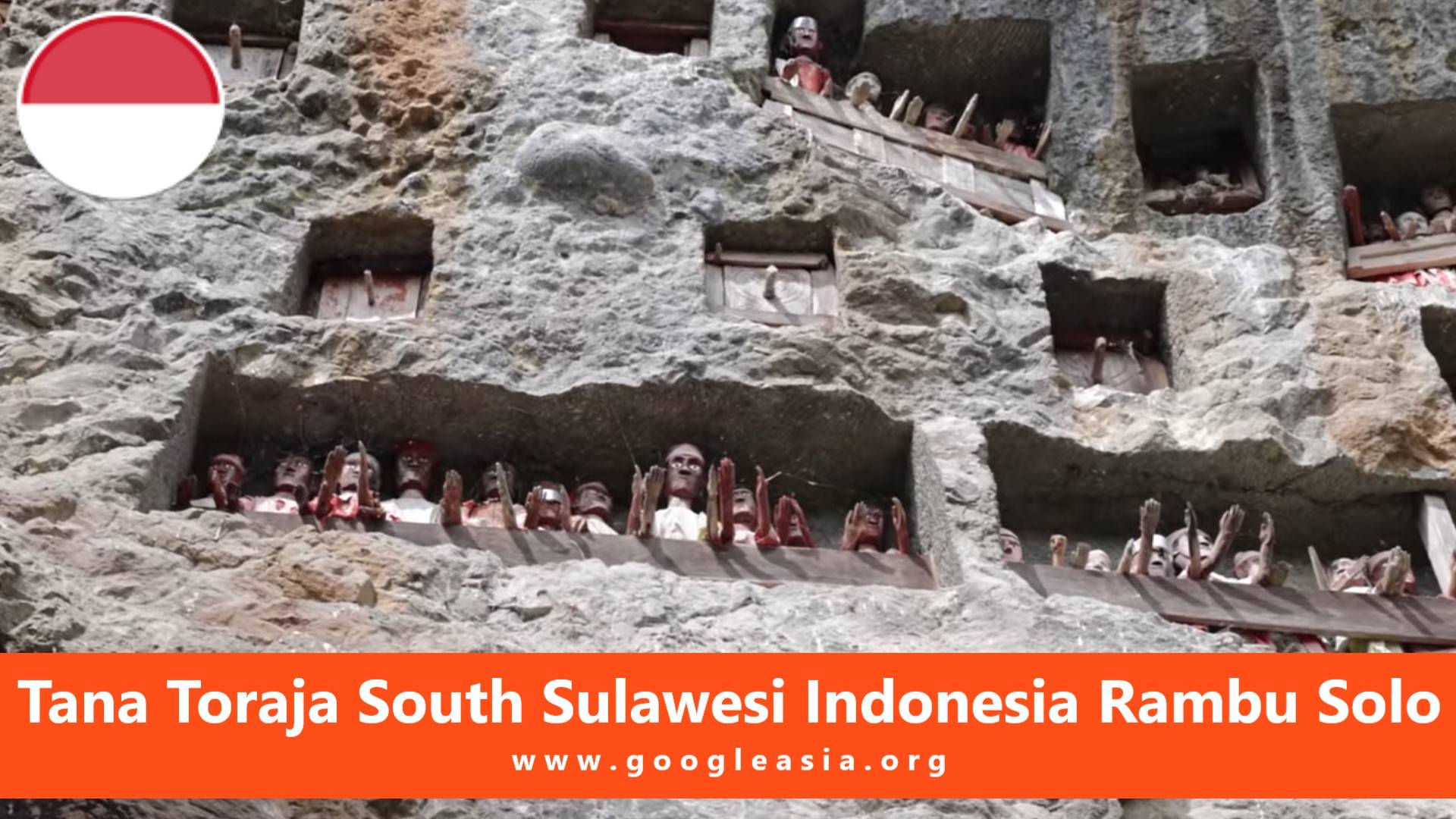
    One of the most iconic sights in Tana Toraja is the Tau Tau cliffs. Imagine walking through lush, green valleys, only to come across limestone cliffs adorned with wooden effigies of deceased ancestors. These effigies, known as Tau Tau, are placed here as part of the Torajan belief that the dead continue to watch over their descendants. It’s a surreal experience that makes you feel both humbled and awestruck by the connection between the living and the dead in Toraja culture.

    Highlights:

    • Location: Set against limestone cliffs in the heart of Tana Toraja.
    • Cultural Significance: Tau Tau statues represent the ancestors, believed to guard their families and help them transition into the afterlife.
    • What to Do: Explore the site, take in the panoramic views, and learn about Torajan customs related to death.

    The Royal Cemetery at Lemo

    The Royal Cemetery at Lemo is another must-see site, where the Torajan people have been burying their dead for centuries. The graves are carved into the cliffs, each one adorned with intricate carvings and statues that tell the story of the deceased. Visiting Lemo is a peaceful and reflective experience—it gives you a real sense of how the Torajans honor their ancestors and keep their spirits alive.

    Highlights:

    • Location: A village in Tana Toraja, set among lush greenery.
    • Artistic Detail: The graves feature elaborate carvings and statues that depict the deceased’s life and status.
    • Cultural Insight: Learn about the Torajan approach to death and spirituality while admiring the beautiful artwork.

    Coffee Plantations

    If you’re a coffee lover, you’re in for a treat! Tana Toraja is known for producing some of the best coffee beans in Indonesia, thanks to its rich volcanic soil. Visiting one of the local coffee plantations is not just about drinking a cup of coffee—it’s an immersive experience. You’ll get to see the whole process, from how the beans are grown to the art of brewing the perfect cup.

    Highlights:

    • Location: The coffee plantations are scattered throughout Tana Toraja.
    • What to Do: Take a tour to learn about the coffee-making process, sample the freshly brewed coffee, and buy some to take home.

    Foods

    No visit to Tana Toraja is complete without indulging in the local cuisine. The food here is as rich and diverse as the culture itself, with a blend of savory meats, fresh ingredients, and bold spices that make every meal an adventure. Here are some must-try dishes:

    Babi Panggang (Roasted Pork)

    Babi Panggang is a local favorite, and for good reason. The roasted pork is crispy on the outside and tender on the inside, seasoned with local spices that bring out its natural flavors. It’s usually served with rice and sambal (a spicy chili paste) for that extra kick.

    Coto Makassar (Beef Soup)

    Coto Makassar is a hearty, comforting beef soup made with a blend of spices like lemongrass and peanuts. It’s perfect for a cool day in the highlands and will warm you up from the inside out.

    Ayam Taliwang (Grilled Chicken)

    If you’re a fan of smoky, spicy food, then Ayam Taliwang will be your go-to dish. The grilled chicken is marinated in a mixture of herbs, garlic, and chili, giving it a flavor that’s both spicy and savory.

    Conclusion

    Tana Toraja isn’t just a place to visit; it’s a journey into a world where culture, tradition, and nature collide. From the stunning views to the fascinating ceremonies, this part of Indonesia offers a truly unique experience. Whether you’re exploring the ancient graves, sipping on local coffee, or trying the delicious food, every moment in Tana Toraja is a chance to learn something new and unforgettable.

    Ready to explore Tana Toraja for yourself? Whether you’re here for the culture, the food, or just to take in the beauty of the landscape, Tana Toraja promises to be an adventure you’ll remember for years to come.
    Tana Toraja South Sulawesi Indonesia Rambu Solo

    Summary

    • Attraction Name: Tana Toraja
    • Country: Indonesia
    • Continent: Asia
    • Capital Name: Jakarta and then Nusantara
    • Language: Bahasa Indonesia
    • Currency: Indonesian Rupiah
    • Nationality: Indonesian
    • Category: #Destination #Asia #INDONESIA 

    Frequently Asked Questions

    Where is Tana Toraja located?

    Tana Toraja is located in the province of South Sulawesi, Indonesia, specifically in the mountainous region known as the Toraja highlands. This cultural region is renowned for its unique traditions, elaborate funeral ceremonies, distinctive architecture, and picturesque landscapes of terraced rice fields and traditional houses called “tongkonan.”

    How to go to Tana Toraja?

    To reach Tana Toraja, you can follow these steps:

    1. Fly to Makassar: Start by flying to Sultan Hasanuddin International Airport (UPG) in Makassar, South Sulawesi. This is the nearest major airport to Tana Toraja.
    2. Travel to Tana Toraja by Road: From Makassar, you have two main options:
      • Private Car or Taxi: You can hire a private car or taxi for the approximately 8-10 hour journey to Tana Toraja. This allows for flexibility in your schedule and stops along the way.
      • Public Transport: Take a bus from Makassar to Rantepao, the main town in Tana Toraja. Buses depart regularly from Malengkeri Bus Terminal in Makassar.
    3. Route: The journey from Makassar to Tana Toraja usually takes you through scenic landscapes and traditional villages, providing a glimpse into the local culture of South Sulawesi.
    4. Travel Tips:
      • Timing: Plan your journey well, as the road can be winding and journey times may vary based on weather and road conditions.
      • Accommodation: Book your accommodation in Tana Toraja in advance, especially during peak tourist seasons.
      • Local Guidance: Consider hiring a local guide in Tana Toraja to help navigate and explore the cultural and natural attractions of the region.

    What are Tana Toraja’s nearby must-visit attractions or landmarks?

    Must-visit attractions near Tana Toraja:

    1. Ke’te Kesu’ Village: A cultural gem known for its traditional Torajan houses (tongkonan) and intricate wood carvings. It’s also home to ancient megalithic stone graves and a peaceful atmosphere.
    2. Londa Burial Caves: Explore these fascinating caves where the deceased are laid to rest in coffins placed on cliffs or in natural caves. Witness the unique blend of cultural practices and natural formations.
    3. Lemo Cliff Graves: Admire the impressive rows of tau-tau (effigies) guarding the graves of nobles. The site offers panoramic views of the surrounding rice terraces and traditional villages.
    4. Batutumonga: A scenic viewpoint offering breathtaking vistas of the Torajan landscape, including lush green rice fields and distant mountains. It’s an ideal spot for photography and enjoying the serene beauty of nature.
    5. Bori Parinding: This ancient ceremonial site features large stone monoliths (megaliths) arranged in a circular pattern. It’s a significant place for Torajan rituals and cultural gatherings, showcasing the area’s rich history.
    6. Kambira Baby Grave Trees: Visit these sacred trees where babies who passed away before teething are buried. The site is a poignant reminder of Torajan beliefs and traditions surrounding life and death.
    7. Palawa Village: Experience rural Torajan life in this traditional village known for its bamboo and wooden structures. Engage with locals, witness traditional ceremonies, and learn about their daily customs and practices.

    Why should you visit Tana Toraja?

    Tana Toraja, located in the highlands of South Sulawesi, Indonesia, is a unique destination offering rich cultural experiences and stunning natural beauty. Here’s why you should consider visiting:

    1. Cultural Heritage: Tana Toraja is renowned for its unique culture and traditions. You can witness elaborate funeral ceremonies known as Rambu Solo, where the deceased are celebrated with grand processions, buffalo sacrifices, and traditional dances. The region’s architecture, with its distinctive boat-shaped roofs and intricate carvings, adds to its cultural allure.
    2. Scenic Landscapes: The landscapes of Tana Toraja are breathtaking, characterized by lush green rice terraces, dramatic cliffs, and mist-covered mountains. Explore the picturesque countryside dotted with traditional Tongkonan houses and discover the tranquil beauty of Torajan villages.
    3. Hiking and Nature: Outdoor enthusiasts will find plenty to do in Tana Toraja. Embark on hikes through the mountains and forests to discover hidden waterfalls, caves adorned with ancient rock art, and panoramic viewpoints offering sweeping vistas of the landscape.
    4. Local Cuisine: Indulge in Torajan cuisine, known for its unique flavors and use of local ingredients. Try traditional dishes such as Pa’piong (smoked meat), Babi Panggang (roasted pork), and Tinutuan (rice porridge with vegetables) to savor the authentic flavors of the region.
    5. Hospitality and Warmth: Experience the warmth and hospitality of the Torajan people, known for their friendliness and openness to visitors. Participate in community activities, interact with locals, and gain insights into their way of life, deep-rooted beliefs, and cultural practices.

    How accessible is halal food in Tana Toraja?

    Halal food options in Tana Toraja, a region known for its unique cultural practices in South Sulawesi, Indonesia, may be limited. The local cuisine predominantly features pork and other non-halal meats due to the traditional practices and customs of the Torajan people. Visitors seeking halal food options may find it challenging to locate dedicated halal restaurants or food outlets.

    However, some accommodations and restaurants in larger towns or tourist areas within Tana Toraja may offer halal-certified dishes or vegetarian options upon request. It’s advisable for Muslim travelers to inquire in advance or communicate their dietary preferences clearly when dining out. Alternatively, bringing along ready-to-eat halal meals or snacks can provide a convenient option during your stay in Tana Toraja.
  • Discover the Magic of Tanah Lot Temple: Bali’s Spiritual Gem

    Discover the Magic of Tanah Lot Temple: Bali’s Spiritual Gem

    Tanah Lot Temple, Indonesia

    Tanah Lot Temple, located on the coast of Bali, is one of Indonesia’s most iconic landmarks. Known for its stunning ocean views and dramatic sunsets, this temple offers a serene escape with rich cultural significance. Whether you’re visiting for its beauty, history, or to experience a peaceful moment by the sea, Tanah Lot is a must-see destination in Bali.

    Introduction

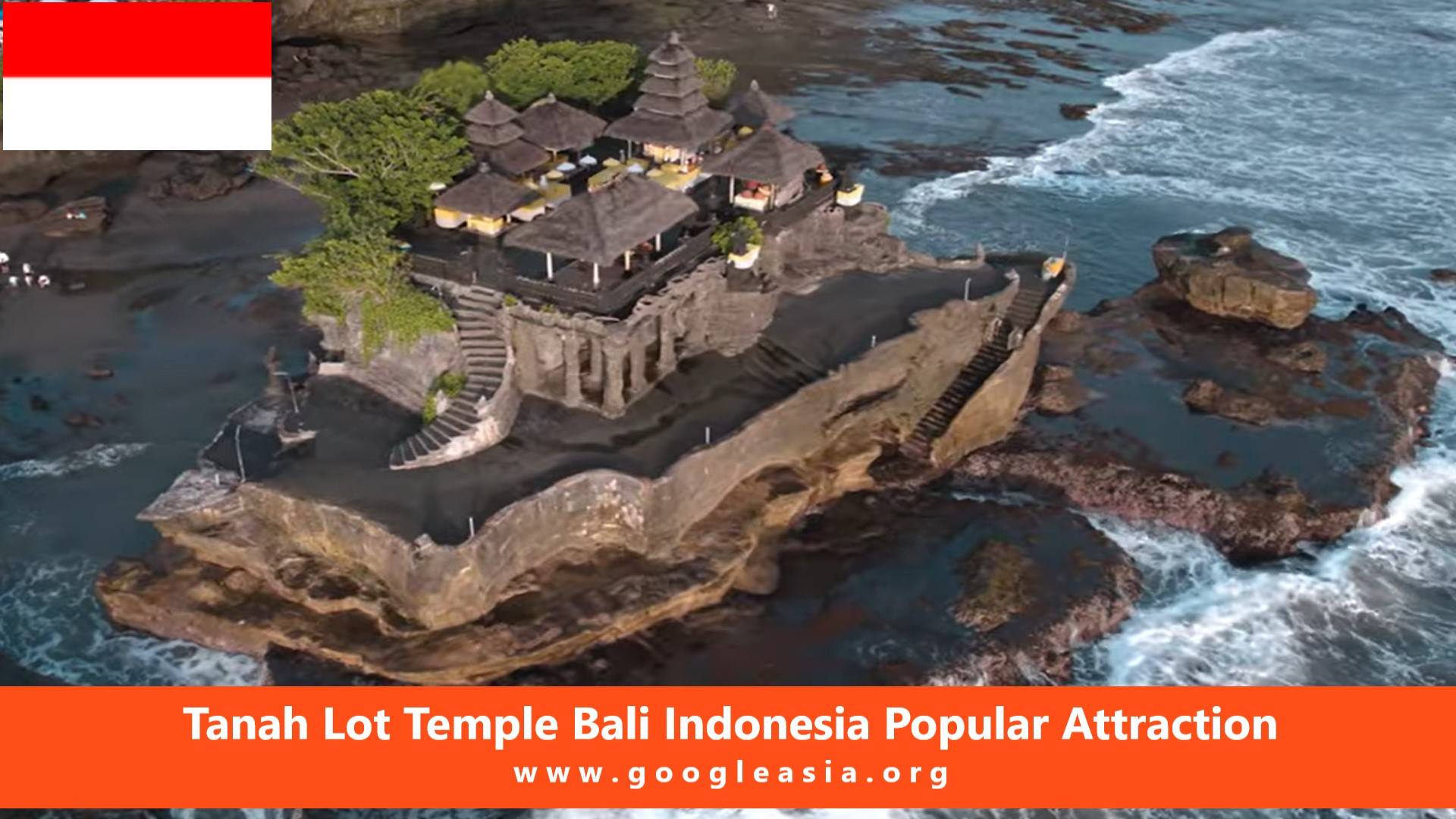
    Tanah Lot Temple, situated on Bali’s southwestern coast, is one of the most iconic sites on the island. This majestic Hindu temple stands tall on a rock formation, surrounded by the deep blue of the Indian Ocean. Its timeless beauty and spiritual importance make it one of Bali’s top attractions, drawing visitors from around the world for both spiritual reflection and breathtaking views.

    Whether you’re a traveler looking for culture or a photographer chasing the perfect shot, Tanah Lot offers a truly unforgettable experience.

    Historical and Cultural Significance

    Tanah Lot holds significant spiritual value for the people of Bali. Dedicated to Baruna, the sea god, the temple is believed to be protected by holy sea snakes, who shield it from evil spirits. Over the centuries, this temple has not only been a site for religious worship but also a symbol of fertility and blessing in Balinese Hinduism.

    Key Highlights:

    • Guarded by sacred sea snakes
    • A revered site for fertility rituals

    Spiritual Practices and Festivals

    A visit to Tanah Lot isn’t just a sightseeing trip; it’s an opportunity to connect with Bali’s rich spiritual culture. The temple hosts two important festivals each year, honoring Baruna, the sea god. These events bring together both locals and visitors who come to participate in prayers and rituals that celebrate the island’s ancient traditions.

    Key Takeaway:

    • Participate in sacred ceremonies
    • Experience the Baruna Festival

    Architectural Features and Layout

    The architectural beauty of Tanah Lot is undeniably striking. The temple complex includes two main structures: an upper temple and a lower one. The two are connected by a rock bridge that, during high tide, becomes submerged, making the temple appear to float on the ocean. The intricate Balinese carvings and tiered roofs add to the timeless charm of this sacred site.

    Key Features to Notice:

    • Rock bridge that appears to float during high tide
    • Balinese architectural design, complete with intricate carvings

    Conservation Efforts and Sustainable Tourism

    Given its cultural significance and popularity, Tanah Lot faces challenges in terms of sustainability. Local authorities have implemented various conservation efforts to maintain the temple’s natural surroundings and protect its cultural heritage. These initiatives aim to balance tourism growth with the preservation of this iconic landmark.

    Key Takeaway:

    • Sustainable tourism initiatives in place
    • Focus on conserving cultural heritage

    Things to Do

    Your trip to Tanah Lot offers more than just admiring the temple itself. There are countless ways to make your visit truly special. Here’s a list of activities you won’t want to miss:

    Watch the Stunning Sunset

    One of Tanah Lot’s biggest draws is its incredible sunset views. Whether you’re standing on the temple’s grounds or sitting along the beach, this spectacular moment of the sun dipping below the horizon is a must-see.

    Key Takeaway:

    • Catch the magical sunset
    • Perfect for relaxing or photography

    Explore Nearby Temples and Attractions

    Bali is home to numerous sacred sites, and Tanah Lot is just one of many. While you’re there, consider visiting other nearby temples like Pura Luhur Uluwatu or Pura Besakih for a deeper dive into Balinese spiritual traditions.

    Key Takeaway:

    • Explore nearby temples for more cultural immersion
    • Enhance your spiritual journey across Bali

    Immerse Yourself in Local Culture

    Tanah Lot is more than just a beautiful temple; it’s a center for Balinese rituals and festivals. When you visit, take the opportunity to witness or even participate in the traditional ceremonies, providing a genuine cultural experience that is hard to replicate elsewhere.

    Key Takeaway:

    • Join local festivals and participate in rituals
    • Experience Bali’s culture up close

    Enjoy a Seaside Picnic

    Take some time to relax and enjoy the coastal beauty around Tanah Lot. Pack a picnic and find a serene spot to enjoy the breezy atmosphere and view of the ocean, making for a peaceful afternoon.

    Key Takeaway:

    • Picnic by the sea for a tranquil experience
    • Perfect for a family outing or romantic escape

    Shop for Local Handicrafts

    Tanah Lot’s markets offer a range of unique Balinese handicrafts, from wood carvings to traditional jewelry. Browse the stalls and take home a piece of Bali’s artistic culture, a perfect souvenir to remember your visit.

    Key Takeaway:

    • Find unique local souvenirs
    • Support Bali’s artisans

    Kayak Around the Temple

    For a fun, adventurous experience, rent a kayak and explore the coastal waters around Tanah Lot Temple. Paddle through the ocean and get a new perspective of the temple and the surrounding area from the water.

    Key Takeaway:

    • Kayak for a unique view of the temple
    • Adventure seekers will love this activity

    Foods

    No trip to Bali would be complete without indulging in its incredible food. Here are some must-try dishes when visiting Tanah Lot Temple:

    Nasi Lawar

    This traditional Balinese dish combines minced meat (typically pork or chicken) with grated coconut, vegetables, and local spices, served alongside rice. The smoky, rich flavor is something you won’t forget.

    Babi Guling (Suckling Pig)

    Bali’s famous Babi Guling is a feast for the senses. This crispy roast pig is often served with lawar, sambal, and rice—offering a complex and satisfying array of textures and flavors.

    Jukut Ares

    A unique vegetarian dish made from banana plant stems, garlic, palm sugar, and coconut oil wrapped in a banana leaf. This delicious, aromatic dish is a perfect example of Bali’s traditional flavors.

    Bebek Goreng (Crispy Fried Duck)

    Known as Bebek Goreng, this crispy fried duck is marinated with Indonesian spices and served with a tangy dipping sauce—a real treat for foodies.

    Rawon

    A savory beef stew known for its distinctive dark broth made with keluak nuts and shrimp paste, served with rice and sambal. This hearty dish is a perfect way to experience Bali’s diverse cuisine.

    Gado-Gado

    A refreshing, healthy dish made from steamed vegetables like bean sprouts, potatoes, and spinach, topped with tofu, tempeh, and a peanut sauce. It’s a great choice for anyone seeking a light but flavorful meal.

    Conclusion

    Tanah Lot Temple is a place where you can experience the best of Bali’s spirituality, natural beauty, and cultural richness. From its stunning sunsets to its ancient rituals, there’s something for everyone at this iconic site.

    Whether you’re seeking peace and reflection or an adventure by the sea, Tanah Lot Temple promises to offer an experience like no other.

    Don’t miss out on this incredible destination. Start planning your visit to Tanah Lot Temple today!

    Tanah Lot Temple Bali Indonesia Popular Attraction

    Summary

    • Attraction Name: Tanah Lot Temple
    • Country: Indonesia
    • Continent: Asia
    • Capital Name: Jakarta and then Nusantara
    • Language: Bahasa Indonesia
    • Currency: Indonesian Rupiah
    • Nationality: Indonesian
    • Category: #Destination #Asia #INDONESIA 

    Frequently Asked Questions

    Where is Tanah Lot Temple located?

    Tanah Lot Temple is located on the southwestern coast of Bali, Indonesia. It sits on a rock formation just offshore, surrounded by the Indian Ocean. The temple is part of the Tabanan Regency, approximately 20 kilometers (12 miles) from Denpasar, the capital city of Bali. Tanah Lot is renowned for its stunning ocean views and is a popular destination for tourists and spiritual pilgrims alike.

    How do I get to Tanah Lot Temple?

    Tanah Lot Temple is located on the southwest coast of Bali, Indonesia, near the town of Tabanan. Here’s how you can reach Tanah Lot Temple:

    1. By Car or Taxi:
      • From Kuta/Seminyak: Tanah Lot Temple is approximately a 45-minute drive northwest. You can hire a taxi or a private car for a direct journey.
      • From Ubud: It takes about 1.5 hours to drive southwest to Tanah Lot Temple. Taxis and private cars are readily available for hire.
      • From Denpasar Airport: The temple is around 1 hour away by car. Taxis are available at the airport or can be pre-arranged through hotels.
    2. By Shuttle or Tour:
      • Many hotels and tour operators in Bali offer half-day tours that include visits to Tanah Lot Temple along with other nearby attractions. This option is convenient if you prefer guided tours and hassle-free transportation.
    3. By Motorcycle or Scooter:
      • For adventurous travelers, renting a motorcycle or scooter is an option. The journey from Kuta/Seminyak or Ubud offers scenic views, but traffic and road conditions should be considered.
    4. Local Transport:
      • Public buses do not directly service Tanah Lot Temple. However, some visitors choose to combine local buses with short walks or taxi rides from nearby towns.

    Pro Tip: Arrive at Tanah Lot Temple during low tide to access the temple itself and explore the surrounding area comfortably. The temple is especially beautiful during sunset, offering stunning views of the ocean and coastline.

    What are Tanah Lot Temple’s nearby must-visit attractions or landmarks?

    Nearby must-visit attractions or landmarks near Tanah Lot Temple:

    • Pura Batu Bolong: Located close to Tanah Lot Temple, Pura Batu Bolong is another sea temple known for its stunning location on a rock formation overlooking the ocean. It offers breathtaking views and a serene atmosphere.
    • Beraban Beach: Adjacent to Tanah Lot Temple, Beraban Beach is a picturesque stretch of coastline with black sand and dramatic waves. It’s perfect for relaxing walks, enjoying sunsets, and taking in the natural beauty.
    • Tanah Lot Cultural Park: Just a short distance away, Tanah Lot Cultural Park offers insights into Balinese culture, featuring traditional dance performances, art exhibitions, and local handicrafts.
    • Alas Kedaton Monkey Forest: Approximately 10 kilometers from Tanah Lot, Alas Kedaton Monkey Forest is a sanctuary for long-tailed macaques amidst sacred nutmeg trees. Visitors can observe monkeys in their natural habitat and explore the lush greenery.
    • Taman Ayun Temple: Situated in Mengwi, about 10 kilometers northeast of Tanah Lot, Taman Ayun Temple is a beautiful royal temple surrounded by tranquil gardens and a moat. It showcases traditional Balinese architecture and cultural significance.
    • Bali Butterfly Park: Located around 15 kilometers from Tanah Lot, Bali Butterfly Park is a conservation facility where visitors can admire a variety of colorful butterflies amidst tropical gardens.

    Is Tanah Lot Temple a suitable travel destination for solo adventurers, honeymooning couples, or those traveling with families?

    Tanah Lot Temple in Bali, Indonesia, is a versatile destination that caters to various types of travelers:

    • Solo Adventurers: Tanah Lot Temple offers a serene and picturesque setting that solo adventurers can explore at their own pace. It provides opportunities for solitude and reflection amidst stunning coastal views, making it an ideal spot for solo travelers seeking cultural and natural experiences.
    • Honeymooning Couples: Known for its romantic ambiance and breathtaking sunsets, Tanah Lot Temple is perfect for honeymooning couples. The temple’s dramatic location on a rocky outcrop surrounded by the sea creates a memorable backdrop for romantic walks, sunset viewing, and intimate moments.
    • Families: Tanah Lot Temple is family-friendly, offering cultural insights and scenic beauty that appeal to all ages. Families can enjoy exploring the temple grounds, learning about Balinese traditions, and witnessing traditional dance performances. The nearby attractions, such as beaches and local markets, provide additional options for family outings and activities.

    Why should you visit Tanah Lot Temple?

    Tanah Lot Temple, located on the southwestern coast of Bali, Indonesia, is a must-visit for several compelling reasons:

    1. Spectacular Location: Tanah Lot Temple is perched on a rock formation just offshore, surrounded by crashing waves of the Indian Ocean. The temple’s dramatic setting against the backdrop of a stunning sunset makes it a photographer’s paradise.
    2. Cultural Significance: As one of Bali’s most sacred sea temples, Tanah Lot holds significant spiritual importance for the Balinese people. It is part of a series of sea temples along the coast meant to honor the Balinese sea gods.
    3. Architecture and Design: The temple’s architecture is uniquely Balinese, showcasing intricate stone carvings and ancient architecture that reflects traditional Balinese Hindu craftsmanship.
    4. Sunset Views: Tanah Lot is renowned for its breathtaking sunsets. Visitors flock here in the evenings to witness the sun dipping below the horizon, casting a golden glow over the temple and the sea.
    5. Cultural Experiences: Beyond the temple itself, Tanah Lot offers cultural experiences such as traditional dance performances, local markets, and opportunities to learn about Balinese rituals and customs.
    6. Access and Amenities: Tanah Lot is easily accessible from major tourist areas in Bali, with well-maintained pathways leading to the temple. Surrounding the temple are shops, cafes, and facilities that cater to visitors.

    How accessible is halal food in Tanah Lot Temple?

    Halal food options are limited within the immediate vicinity of Tanah Lot Temple itself. The temple area primarily offers local Balinese cuisine, which typically includes dishes with pork and other non-halal ingredients. Visitors seeking halal food may need to travel to nearby towns or cities where restaurants catering to Muslim dietary restrictions are more readily available. It’s advisable to plan ahead and inquire with local guides or accommodations for recommendations on halal dining options before visiting Tanah Lot Temple.

  • Exploring Ubud, Indonesia: Art, Culture, and Serenity

    Exploring Ubud, Indonesia: Art, Culture, and Serenity

    Ubud, Indonesia

    Ubud is one of Indonesia’s most popular destinations, known for its peaceful vibe, lush rice fields, and vibrant arts scene. Whether you’re exploring temples, wandering through local markets, or enjoying the stunning natural beauty, Ubud offers a perfect blend of culture and relaxation for every traveler.

    Introduction

    Ubud, located in the lush central foothills of Bali’s Gianyar regency, is much more than just a town—it’s a sanctuary for the senses. With its rich history, captivating culture, and stunning natural surroundings, Ubud offers a unique blend of artistic vibrancy and peaceful beauty. Whether you’re an art enthusiast, an adventurer, or simply seeking relaxation, Ubud is the place where it all comes together.

    A Cultural and Artistic Hub

    Population: Approximately 30,000 people

    Known as the cultural heart of Bali, Ubud is where the island’s artistic soul thrives. The town is home to an array of traditional Balinese art forms, including painting, woodcarving, and sculpture. Ubud’s transformation from a peaceful rural village to an artistic and cultural epicenter is remarkable, and its galleries, workshops, and cultural performances all reflect the vibrant creative energy that pulses through this charming town.

    Visitors are constantly surrounded by local art, from intricate wood carvings adorning local homes to the colorful paintings lining the walls of art galleries. It’s impossible not to be inspired by Ubud’s lively atmosphere, which celebrates the region’s ancient crafts and modern expressions alike.

    Key Highlights:

    • Traditional Art Forms
    • Vibrant Art Galleries
    • Creative Workshops and Performances

    Cultural Performances

    Legong Dance and Ramayana Ballet

    Ubud comes alive in the evening with its traditional Balinese dance performances, such as the enchanting Legong Dance and the dramatic Ramayana Ballet. These performances, accompanied by the mesmerizing sounds of the gamelan orchestra, bring to life the island’s rich mythology, showcasing Bali’s ancient storytelling traditions.

    These dances are much more than performances—they are a living embodiment of Balinese culture, offering visitors a chance to witness the island’s rich storytelling tradition through expressive movements, vibrant costumes, and captivating music.

    Key Highlights:

    • Legong Dance
    • Ramayana Ballet
    • Gamelan Orchestra Music

    Cultural Experiences

    Ubud is the perfect place for cultural immersion. Begin your journey by visiting Bedulu Village and exploring the ancient Goa Gajah Temple. Then, head to the bustling Sukawati Arts Market, where you can purchase handcrafted goods and interact with local artists. For food lovers, take a Balinese cooking class and learn how to prepare traditional dishes that are full of flavor.

    Visitors can also experience the local spiritual traditions through interactions with priests and healers, or by attending a yoga retreat for a deeper, more transformative experience.

    Key Highlights:

    • Bedulu Village
    • Sukawati Arts Market
    • Balinese Cooking Classes

    Attractions

    Temples and Sacred Sites

    Goa Gajah (Elephant Cave)

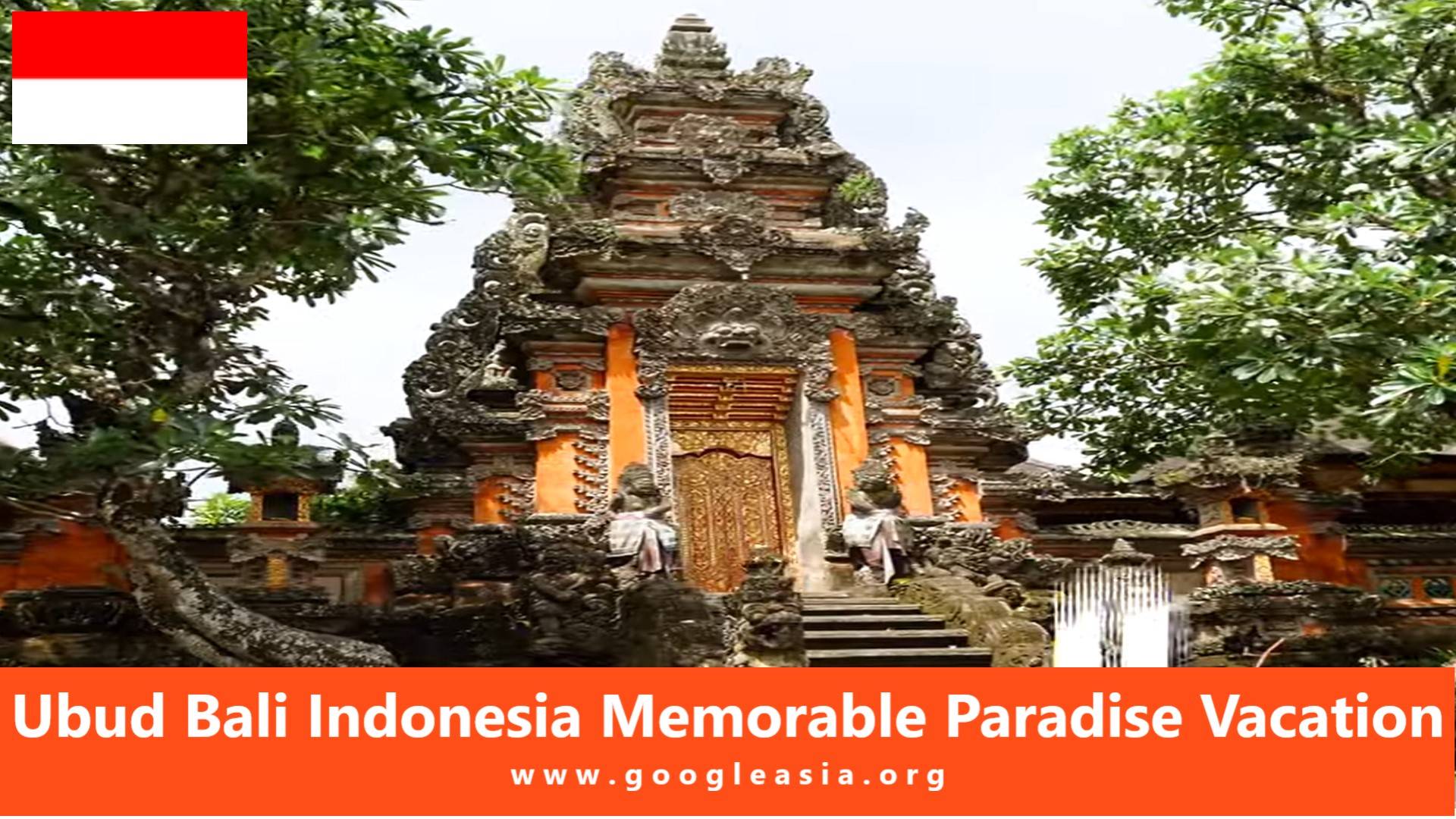
    Ubud’s spiritual heritage is just as captivating as its artistic culture. The Goa Gajah, or Elephant Cave, is one of Bali’s oldest and most revered temples. With its detailed carvings and mystical atmosphere, this ancient site invites visitors to explore the deep spiritual significance of Bali’s traditions.

    The temple is an archaeological marvel, and walking through it feels like stepping back in time, offering an intriguing glimpse into the island’s rich religious history. The sacred site is not only a place of worship but also a testament to the deep-rooted spirituality that permeates the island.

    Key Highlights:

    • Elephant Cave Temple
    • Intricate Carvings and Architecture
    • Spiritual Significance

    Tirta Empul Temple

    Another sacred site in Ubud is Tirta Empul, famous for its holy spring water believed to have healing properties. The temple’s water is used in a purification ritual that locals and tourists alike take part in to cleanse their minds, bodies, and spirits. Visiting Tirta Empul offers not only a chance for spiritual rejuvenation but also an opportunity to connect with Bali’s ancient practices.

    Scenic Beauty and Relaxation

    Tegalalang Rice Terrace

    Beyond the cultural experiences, Ubud also boasts breathtaking natural beauty. The Tegalalang Rice Terrace, with its lush, green fields and perfectly arranged rice paddies, offers an incredible view of Bali’s countryside. It’s a great place for visitors to take a peaceful stroll and immerse themselves in the calming surroundings of nature.

    The terraced fields create a beautiful, almost ethereal landscape, especially when the sun rises or sets, casting a golden glow over the hills. Ubud’s natural beauty offers a perfect balance to its busy cultural life, providing a tranquil escape for those looking to unwind.

    Ayung River Valley

    Flowing through the heart of Ubud is the Ayung River, which carves its way through tropical forests and cascading waterfalls. Here, visitors can enjoy serene nature walks, peaceful boat rides, or simply relax by the river and enjoy the calming sounds of the water.

    Key Highlights:

    • Tegalalang Rice Terrace
    • Ayung River Valley
    • Nature Walks and Tranquil Retreats

    Things to Do

    Outdoor Adventures

    Ubud offers more than just culture—it’s also a haven for outdoor enthusiasts. From kayaking on the Ganges River to white-water rafting down the Ayung River, there’s no shortage of adrenaline-pumping activities. Hiking through lush rice paddies or climbing the active Mt. Batur volcano rewards visitors with stunning panoramic views of Bali’s picturesque landscape.

    If you’re looking for a more relaxing outdoor experience, a sunset cruise along the coast provides a serene way to end the day, offering breathtaking views of Bali’s famous sunsets.

    Key Highlights:

    • Kayaking and Rafting
    • Rice Paddy Hikes
    • Mt. Batur Volcano
    • Sunset Cruises

    Relaxation and Wellness

    Tirta Empul Hot Springs

    If you’re seeking relaxation and wellness, Ubud has many options to help you unwind. Visit the Tirta Empul Hot Springs for a natural, therapeutic experience in mineral-rich waters surrounded by lush greenery. Many retreats and spas in Ubud offer the perfect opportunity to de-stress, rejuvenate, and reconnect with yourself.

    Key Highlights:

    • Tirta Empul Hot Springs
    • Rejuvenating Spa Treatments
    • Nature Walks

    Foods

    Ubud is a food lover’s paradise, offering an abundance of traditional Balinese dishes that delight the senses.

    Bebek Betutu (Roasted Duck)

    A must-try dish in Ubud is Bebek Betutu, a slow-cooked duck marinated in a rich mix of aromatic spices, wrapped in banana leaves. The slow cooking process results in tender, flavorful meat that will leave you craving more.

    Babi Guling (Roasted Suckling Pig)

    Another iconic Balinese dish is Babi Guling, or roasted suckling pig, a dish often reserved for special occasions. The pig is roasted until the skin is crispy and golden, and the meat is deliciously tender. It’s served with rice, lawar (a vegetable mix), and sambal (spicy chili paste)—a combination of flavors you won’t forget.

    Sate Lilit (Minced Fish Satay)

    For something unique, try Sate Lilit, a Balinese take on satay where minced fish (usually tuna or mackerel) is mixed with spices and wrapped around bamboo sticks before being grilled over charcoal.

    Key Highlights:

    • Bebek Betutu
    • Babi Guling
    • Sate Lilit

    Conclusion

    Ubud is the perfect blend of culture, nature, and adventure. Whether you’re exploring its vibrant art scene, hiking its scenic trails, or indulging in its delicious local dishes, Ubud offers something for everyone.

    Ready to Experience Ubud for Yourself?
    Book your trip now and immerse yourself in the art, culture, and tranquility of Ubud.

    Ubud Bali Indonesia Memorable Paradise Vacation

    Summary

    • Attraction Name: Ubud
    • Country: Indonesia
    • Continent: Asia
    • Capital Name: Jakarta and then Nusantara
    • Language: Bahasa Indonesia
    • Currency: Indonesian Rupiah
    • Nationality: Indonesian
    • Category: #Destination #Asia #INDONESIA 

    Frequently Asked Questions

    How to go to Ubud?

    To get to Ubud, you have a few options depending on where you’re starting from:

    1. From Ngurah Rai International Airport (Denpasar Airport):
      • Taxi/Car: You can hire a taxi or arrange for a private car transfer directly from the airport to Ubud. It takes approximately 1-1.5 hours depending on traffic.
      • Shuttle Service: Several shuttle services operate between the airport and Ubud. They are often cheaper than taxis and can drop you off at your accommodation.
    2. From Kuta/Seminyak/Canggu:
      • Taxi/Car: You can take a taxi or hire a car from these areas to Ubud. It typically takes around 1.5-2 hours depending on traffic.
      • Scooter/Bike: If you’re comfortable riding, you can rent a scooter or bike and drive to Ubud. It’s a scenic journey but make sure you have navigation as some parts may not be well-marked.
    3. From other parts of Bali:
      • Public Bus: Public buses (bemos) operate between major towns and Ubud. They are inexpensive but may not be very comfortable or punctual.
      • Private Car: You can hire a private car or join a shared car service (often arranged through guesthouses or travel agencies).

    Always plan your journey considering Bali’s traffic conditions, especially during peak hours.

    What are Ubud’s must-visit attractions or landmarks?

    Here are some of Ubud’s must-visit attractions and landmarks:

    1. Sacred Monkey Forest Sanctuary: A serene jungle sanctuary home to playful macaques and ancient temples.
    2. Ubud Royal Palace (Puri Saren Palace): A historical palace complex showcasing traditional Balinese architecture and cultural performances.
    3. Ubud Art Market (Pasar Seni Ubud): A bustling market offering a wide array of local crafts, souvenirs, and art pieces.
    4. Tegallalang Rice Terraces: Iconic terraced landscapes of vibrant green rice paddies, offering stunning panoramic views.
    5. Goa Gajah (Elephant Cave): A historical cave complex with intricate stone carvings and a tranquil temple.
    6. Tirta Empul Temple: A sacred water temple known for its holy spring water and purification rituals.
    7. Campuhan Ridge Walk: A scenic trekking trail through lush hillsides and rice fields, perfect for nature lovers and photographers.
    8. Ubud Water Palace (Saraswati Temple): A picturesque temple complex surrounded by lotus ponds and showcasing traditional Balinese architecture.
    9. Blanco Renaissance Museum: An art museum featuring the works of the renowned Spanish artist, Antonio Blanco, set in a stunning hilltop location.
    10. Neka Art Museum: A museum with an extensive collection of Balinese and Indonesian art, set amidst beautiful gardens.

    What are Ubud’s nearby must-visit attractions or landmarks?

    Nearby must-visit attractions and landmarks in Ubud, Bali:

    1. Ubud Monkey Forest: Explore this sacred sanctuary housing hundreds of long-tailed macaques amidst ancient temples and lush greenery.
    2. Tegallalang Rice Terraces: Witness stunning landscapes of tiered rice paddies, a quintessential Bali scene just a short drive from Ubud.
    3. Goa Gajah (Elephant Cave): Discover this historical cave complex adorned with intricate stone carvings and a bathing pool dating back to the 9th century.
    4. Ubud Royal Palace (Puri Saren Palace): Visit the former residence of Ubud’s royal family, featuring traditional Balinese architecture and cultural performances.
    5. Tirta Empul Temple: Experience a sacred Hindu water temple where locals and visitors purify themselves in the natural spring pools.
    6. Campuhan Ridge Walk: Take a leisurely hike through scenic hills and lush valleys, offering panoramic views of Ubud and its surroundings.
    7. Ubud Art Market: Browse through vibrant stalls offering traditional crafts, souvenirs, and local artworks, perfect for shopping enthusiasts.
    8. Saraswati Temple: Admire the architectural beauty of this temple dedicated to the goddess of wisdom, surrounded by lotus ponds and intricate stone carvings.
    9. Pura Gunung Kawi Sebatu: Visit this serene water temple nestled in the highlands, known for its tranquil setting and sacred spring pools.
    10. Bali Bird Park and Reptile Park: Explore an array of exotic bird species and reptiles in a lush tropical environment, ideal for families and nature lovers.

    Is Ubud a suitable travel destination for solo adventurers, honeymooning couples, or those traveling with families?

    Ubud in Bali, Indonesia, caters to a wide range of travelers, making it a versatile destination suitable for various types of trips:

    1. Solo Adventurers: Ubud is an excellent choice for solo travelers seeking cultural immersion, outdoor activities, and a peaceful retreat. Solo adventurers can explore the town’s art galleries, attend traditional dance performances, embark on scenic hikes, and join yoga classes. The welcoming atmosphere and numerous accommodation options, including budget-friendly hostels and wellness retreats, make it easy for solo travelers to meet others and create memorable experiences.
    2. Honeymooning Couples: Ubud is romantic and idyllic, offering a serene and picturesque setting perfect for honeymooning couples. Couples can enjoy private villas with stunning views of rice terraces or lush valleys, indulge in couples’ spa treatments, and savor intimate candlelit dinners at fine dining restaurants. Ubud’s tranquil ambiance, luxurious resorts, and opportunities for cultural exploration create a memorable and romantic getaway.
    3. Families: Ubud is also a family-friendly destination with activities and attractions suitable for all ages. Families can explore the Ubud Monkey Forest, visit the nearby Bali Zoo, enjoy rice terrace walks, and participate in cultural workshops. Family-friendly accommodations ranging from resorts with kids’ clubs and pools to spacious villas provide comfort and convenience. Ubud’s relaxed atmosphere and opportunities for nature and cultural experiences make it an enriching destination for families traveling together.

    Why should you visit Ubud?

    Ubud, located in Bali, Indonesia, is a destination that offers a unique blend of cultural richness, natural beauty, and tranquil surroundings. Here are compelling reasons to visit Ubud:

    1. Cultural Hub: Ubud is renowned as Bali’s cultural heart. It’s home to vibrant arts and crafts, traditional dance performances, and ancient temples. Visitors can immerse themselves in Balinese culture through workshops, galleries, and cultural shows.
    2. Stunning Landscapes: Surrounded by lush rice terraces, verdant rainforests, and scenic river valleys, Ubud offers breathtaking natural landscapes. Explore serene walking trails, picturesque waterfalls, and the famous Campuhan Ridge for panoramic views.
    3. Wellness and Yoga: Ubud is a haven for wellness enthusiasts. It boasts numerous yoga studios, wellness retreats, and spas offering traditional Balinese massages and holistic treatments. It’s an ideal place to rejuvenate mind, body, and spirit.
    4. Gastronomic Delights: Ubud’s culinary scene is diverse and vibrant. From trendy cafes serving organic fare to local warungs (eateries) offering authentic Balinese dishes, visitors can indulge in a variety of flavors and culinary experiences.
    5. Art and Handicrafts: Discover Ubud’s thriving arts scene, where traditional and contemporary art forms flourish. Explore art galleries, shop for unique handicrafts, or visit local artisan villages specializing in woodcarving, silverwork, and batik.
    6. Spiritual Exploration: Ubud is dotted with ancient temples and spiritual landmarks. Experience tranquility at the sacred Monkey Forest Sanctuary, visit the Goa Gajah (Elephant Cave), or attend a purification ceremony at Tirta Empul Temple.
    7. Ubud Monkey Forest: Home to hundreds of playful macaque monkeys, the Ubud Monkey Forest is a must-visit attraction. Wander through the lush jungle sanctuary, admire ancient statues, and observe the monkeys in their natural habitat.
    8. Shopping and Markets: Ubud’s markets and boutiques offer a treasure trove of souvenirs, handmade crafts, textiles, and jewelry. Explore the bustling Ubud Art Market or visit local cooperatives supporting community-based artisans.

    Is there any halal food available in the vicinity of the Ubud?

    Yes, there are restaurants in Ubud that offer halal food options. Ubud, a popular destination in Bali, Indonesia, caters to a diverse range of visitors, including those seeking halal cuisine. You can find restaurants and eateries that serve halal-certified dishes, particularly Indonesian and Middle Eastern cuisines. It’s advisable to check with individual restaurants beforehand to ensure they meet your specific halal dietary requirements. Many restaurants in Ubud are accommodating and willing to cater to various dietary needs, including halal preferences.

  • Exploring Bali, Indonesia: The Island of the Gods

    Exploring Bali, Indonesia: The Island of the Gods

    Bali, Indonesia

    Bali is one of Indonesia’s top travel destinations, offering a mix of beautiful beaches, rich culture, and exciting adventures. Whether you’re looking to relax by the ocean, explore ancient temples, or hike through lush landscapes, Bali has something for everyone. It’s the perfect spot for a memorable getaway.

    Introduction

    A Paradise of Culture and Natural Beauty

    Bali is often called the Island of the Gods, and it’s easy to see why. This beautiful tropical island in Indonesia is full of stunning landscapes, rich culture, and incredible experiences. Whether you’re into relaxing on a beach, diving into the local culture, or getting your adrenaline pumping with adventure, Bali has something for everyone.

    Tropical Paradise Highlights

    When you think of Bali, you probably picture beautiful white sand beaches, lush jungles, and towering volcanoes. The island is a natural paradise, with beaches like Kuta and Sanur offering a serene escape, and towering volcanoes like Mount Agung and Mount Batur providing a dramatic backdrop to your adventure. Bali’s lush jungles are also full of wildlife and hidden gems waiting to be explored.

    Key Highlights:

    • Stunning Beaches
    • Lush Greenery
    • Majestic Volcanoes

    Rich Culture and Warm Hospitality

    The people of Bali are incredibly welcoming, making it easy to feel at home no matter where you go. Balinese culture is deeply rooted in Hindu traditions, and you’ll see it in everything from the island’s temples to the ceremonies that take place throughout the year.

    As for food, Bali is a haven for foodies. From the simple but delicious Babi Guling (suckling pig) to refreshing Urap (vegetable salad with grated coconut), the island’s flavors will leave you wanting more.

    Key Highlights:

    • Friendly Locals
    • Incredible Local Food
    • Traditional Ceremonies

    Diverse Tourist Attractions Highlights

    If you’re into cultural exploration, Bali is home to some amazing Hindu temples like Tanah Lot and Uluwatu Temple, which not only have historical significance but also offer incredible views. For those looking to get active, Bali’s coastlines are world-renowned for surfing, especially spots like Kuta and Canggu. And if you’re more into water activities, you can dive, snorkel, or parasail your way through Bali’s stunning waters.

    Key Highlights:

    • Ancient Temples
    • World-Class Surfing
    • Thrilling Water Sports

    Things to Do

    Explore Cultural and Natural Wonders

    Bali truly offers something for everyone. Whether you’re in the mood for some culture, adventure, or just pure relaxation, Bali’s got it covered.

    Traditional Balinese and Hindu Ceremonies

    One of the most unique experiences you can have in Bali is to witness or take part in a traditional Balinese ceremony. Whether it’s the vibrant Galungan festival or the quiet reflection of Nyepi, Bali’s spiritual side is one of the things that makes it so special.

    Discover Spectacular Waterfalls

    Bali is home to some of the most stunning waterfalls you’ll ever see, like Sekumpul Waterfall and Tegenungan Falls. Hiking through Bali’s lush jungles to reach these picturesque waterfalls is a great way to experience the island’s natural beauty.

    Surfing and Beach Adventures

    Bali’s beaches are known worldwide for their surf spots, but even if you’re not a surfer, there’s plenty to enjoy. Relax on the sands of Sanur or Jimbaran, or try out something more adventurous like sandboarding at Kuta Beach. Bali is definitely a beach lover’s paradise.

    Snorkeling and Diving

    Bali’s underwater world is just as beautiful as its beaches. Whether you’re snorkeling off the coast of Padang Bai or diving at Menjangan Island, there’s a whole new world to discover beneath the surface.

    Outdoor Thrills and Adventures

    Bali isn’t just for beach bums—it’s an adventure seeker’s dream too. You can go white-water rafting in Ubud, ride quad bikes through rugged terrain in Uluwatu, or even try your hand at wakeboarding in Tanjung Benoa.

    Culinary Delights of Bali

    Bali’s food scene is as exciting as its landscapes. From local street food to high-end restaurants, the island’s cuisine is a treat for your taste buds. Try dishes like Ayam Betutu (spiced chicken slow-cooked in banana leaves) or Sate Lilit (minced meat skewers).

    Explore Sacred Temples

    If you’re into history or architecture, don’t miss out on Bali’s ancient temples. From the Pura Lempuyang Temple offering breathtaking views of Mount Agung to the sacred waters of Pura Tirtha Empul, each temple tells its own unique story.

    Foods

    Bali’s cuisine is just as diverse and vibrant as its landscapes. Here are some must-try dishes you can’t miss:

    • Babi Guling (Suckling Pig): A flavorful dish typically served during celebrations, roasted to perfection with crispy skin.
    • Nasi Campur (Mixed Rice): A plate full of rice served with a mix of meats, veggies, and sauces.
    • Ayam Betutu (Betutu Chicken): A spiced chicken dish, slow-cooked to tender perfection in banana leaves.
    • Sate Lilit (Minced Satay): Minced meat wrapped around bamboo sticks and grilled over charcoal.
    • Pisang Goreng (Fried Banana): A delicious, crispy snack made by deep-frying ripe bananas.

    Conclusion

    Bali offers the perfect mix of adventure, culture, and relaxation. Whether you’re diving into local traditions, lounging on world-class beaches, or seeking out thrilling outdoor activities, Bali is an unforgettable destination.

    Ready to Visit?

    Start planning your trip today! From vibrant temples to serene beaches, there’s so much waiting for you on the Island of the Gods.

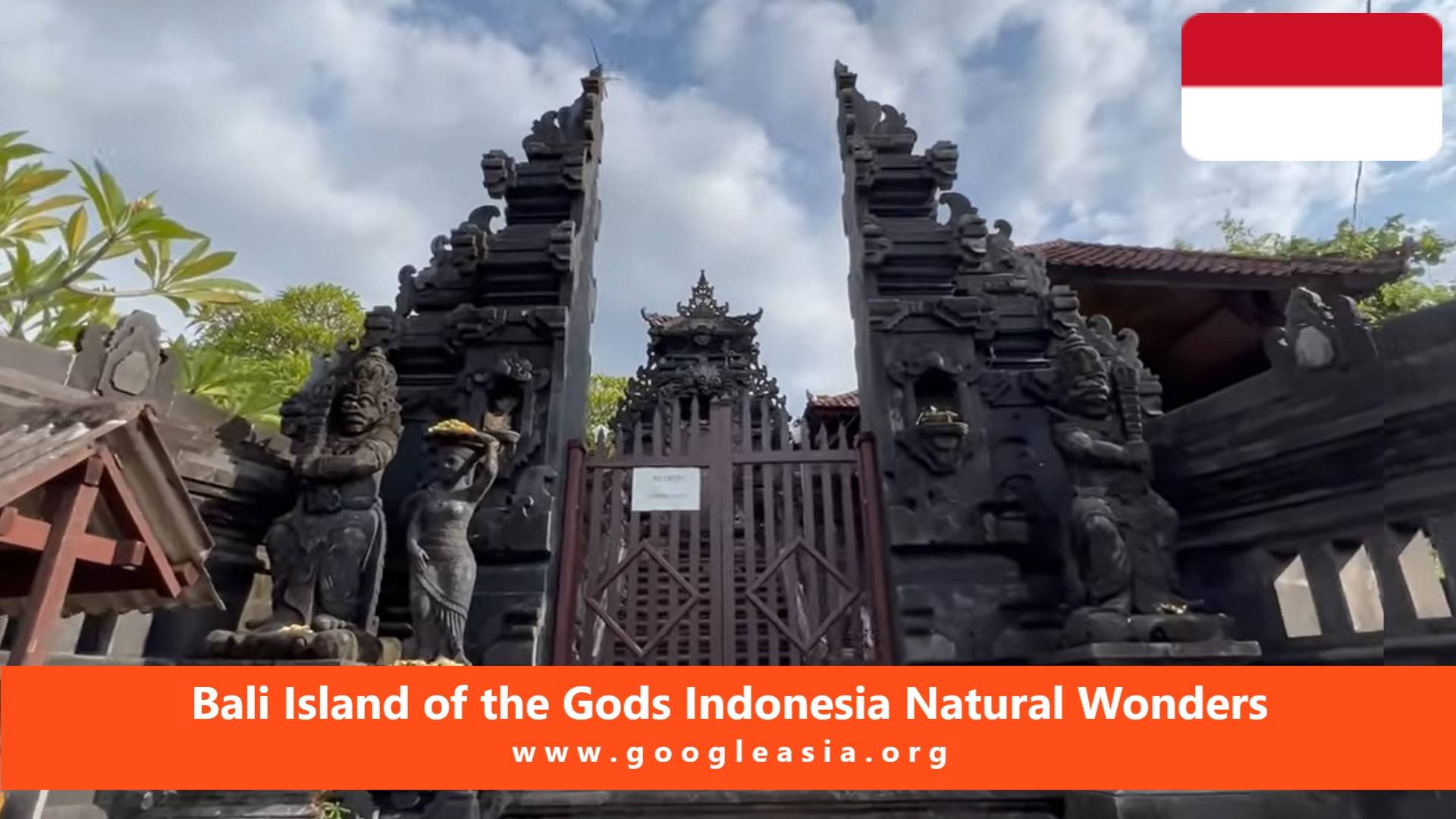
    Bali Island of the Gods Indonesia Natural Wonders

    Summary

    • Attraction Name: Bali
    • Country: Indonesia
    • Continent: Asia
    • Capital Name: Jakarta and then Nusantara
    • Language: Bahasa Indonesia
    • Currency: Indonesian Rupiah
    • Nationality: Indonesian
    • Category: #Destination #Asia #INDONESIA 

    Frequently Asked Questions

    Where is Bali located?

    Bali is located in Southeast Asia, specifically in the country of Indonesia. It is part of the Indonesian archipelago, situated between the islands of Java and Lombok. Geographically, Bali lies approximately 8 degrees south of the equator, making it a tropical destination known for its warm climate, beautiful beaches, and rich cultural heritage.

    How to go to Bali?

    Bali, an Indonesian island known for its stunning beaches, lush landscapes, and vibrant culture, can be reached by air and sea.

    1. By Air:
      • International Flights: Most visitors arrive via Ngurah Rai International Airport (DPS) in Denpasar, Bali’s capital city. It’s well-connected to major cities worldwide, including direct flights from many Asian countries, Australia, and Europe.
      • Domestic Flights: If you’re already in Indonesia, domestic flights from Jakarta, Surabaya, and other major cities are frequent and convenient.
    2. By Sea:
      • Ferries: While less common for international travelers, you can reach Bali by ferry from Java. Ferries depart from Banyuwangi (East Java) to Gilimanuk (North Bali). From there, you can take a bus or taxi to other parts of the island.
    3. Travel within Bali:
      • Taxi: Taxis are available at the airport and throughout the island.
      • Car Rental: Renting a car is a popular option for exploring Bali independently.
      • Public Transport: Buses (called “bemos”) and minibusses (called “bemos”) serve major routes, but they can be crowded and less frequent.
    4. Visa Requirements:
      • Check Indonesia’s visa policy based on your nationality. Many visitors receive a 30-day visa-free entry upon arrival, but this can vary.
    5. Travel Tips:
      • Currency: Indonesian Rupiah (IDR) is the official currency.
      • Language: Bahasa Indonesia is the official language, but English is widely spoken in tourist areas.
      • Weather: Bali has a tropical climate with a dry season (April to September) and a wet season (October to March). Plan your visit accordingly.

    What are Bali’s must-visit attractions or landmarks?

    Bali offers a rich tapestry of cultural and natural attractions that appeal to travelers of all interests. Here are some must-visit landmarks and attractions in Bali:

    1. Tanah Lot Temple: A stunning sea temple perched on a rock formation, offering breathtaking sunset views.
    2. Ubud: Known as the cultural heart of Bali, Ubud is home to art galleries, traditional crafts, and the famous Ubud Monkey Forest.
    3. Uluwatu Temple: Another cliffside temple, famous for its dramatic location and traditional Kecak dance performances at sunset.
    4. Tegallalang Rice Terraces: Iconic terraced rice fields near Ubud, showcasing Bali’s traditional subak irrigation system.
    5. Mount Batur: An active volcano with sunrise treks offering panoramic views of the surrounding landscape and Lake Batur.
    6. Sacred Monkey Forest Sanctuary: Located in Ubud, this sanctuary is home to hundreds of playful long-tailed macaques.
    7. Kuta Beach: Bali’s most famous beach, known for its surf breaks, vibrant nightlife, and shopping opportunities.
    8. Waterbom Bali: A popular water park in Kuta featuring thrilling slides and attractions for all ages.
    9. Besakih Temple: Bali’s largest and holiest temple complex, nestled on the slopes of Mount Agung.
    10. Jatiluwih Rice Terraces: UNESCO World Heritage-listed terraces in central Bali, offering stunning natural beauty and hiking opportunities.

    Is Bali a suitable travel destination for solo adventurers, honeymooning couples, or those traveling with families?

    Bali is a versatile travel destination that caters well to different types of travelers:

    1. Solo Adventurers: Bali is a great destination for solo travelers looking to explore diverse experiences. You can enjoy surfing, yoga retreats, cultural tours, and vibrant nightlife. The island offers a mix of relaxation and adventure, with plenty of opportunities to meet other travelers.
    2. Honeymooning Couples: Bali is renowned for its romantic ambiance, making it a top choice for honeymooners. You can indulge in luxurious resorts with private villas, serene beaches, romantic dinners by the ocean, and spa treatments for couples. The island’s stunning landscapes provide a perfect backdrop for creating lasting memories.
    3. Families: Bali is family-friendly, offering a range of activities suitable for all ages. From kid-friendly beaches and waterparks to cultural attractions like temples and traditional dance performances, there’s something for everyone. Family resorts often provide childcare services and activities to keep children entertained while parents relax.

    Why should you visit Bali?

    Bali offers a unique blend of stunning natural beauty, rich cultural experiences, and vibrant arts. Whether you’re drawn to its picturesque beaches, lush rice terraces, or vibrant cultural scene, Bali has something for everyone. Explore ancient temples, indulge in delicious cuisine, relax with rejuvenating spa treatments, or take part in thrilling water sports. With its warm hospitality and diverse attractions, Bali promises an unforgettable getaway filled with adventure and relaxation alike.

    Is it difficult to find halal food in Bali?

    Finding halal food in Bali is generally not difficult. Many restaurants and eateries cater to Muslim dietary requirements, offering a variety of halal-certified dishes. Areas with larger Muslim populations, such as Denpasar and areas around mosques, tend to have more halal food options readily available. Additionally, several international hotels and resorts in popular tourist areas also offer halal food choices to accommodate diverse guests. With a bit of research and asking around, visitors can easily locate halal dining options throughout their stay in Bali.

  • Discovering Dieng Plateau: A Journey into Natural Beauty and Cultural Heritage

    Discovering Dieng Plateau: A Journey into Natural Beauty and Cultural Heritage

    Dieng Plateau, Indonesia

    Dieng Plateau is one of Indonesia’s hidden gems, offering a cool escape with stunning views and unique landscapes. Known for its colorful lakes, ancient temples, and surreal volcanic terrain, it’s a great spot for those looking to explore nature and history in one place. Whether you’re hiking up to see the incredible sunrise, checking out the geothermal hot springs, or simply soaking in the breathtaking scenery, Dieng Plateau is a peaceful retreat that’s definitely worth visiting.

    Introduction

    Nestled in the heart of Central Java, Indonesia, Dieng Plateau offers visitors a blend of awe-inspiring landscapes, ancient temples, and a deep sense of cultural history. At over 2,000 meters above sea level, this region is home to cooler climates and mesmerizing views. Whether you’re drawn to the tranquil environment or the rich heritage, Dieng is an unmissable destination that promises an unforgettable experience.

    Natural Wonders

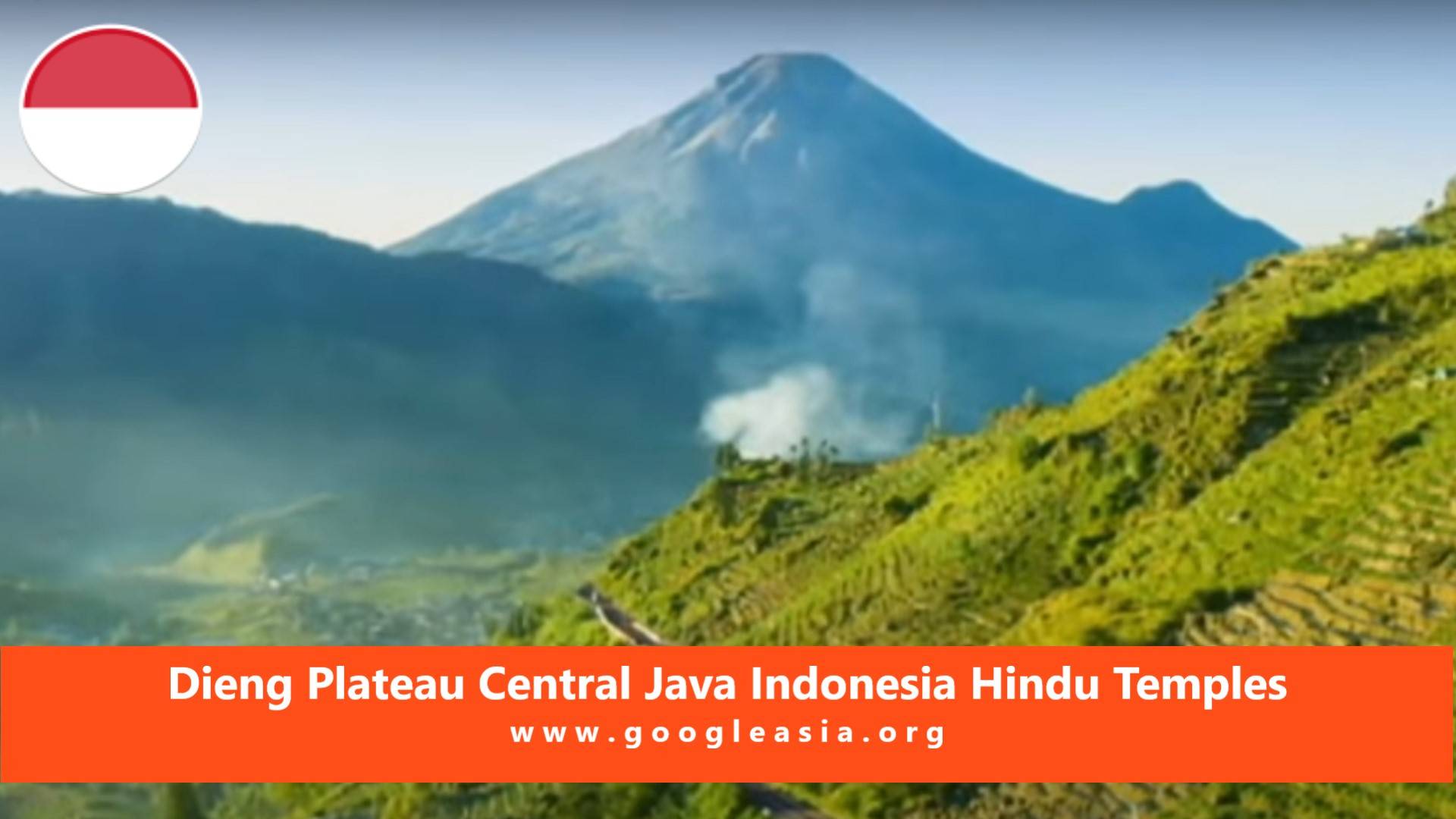
    Dieng Plateau is a paradise for nature lovers, with its volcanic peaks and sweeping crater lakes creating a dramatic backdrop. The misty mornings and clear blue skies make it the perfect place to connect with nature. One of the most notable features is Telaga Warna, a striking lake known for its unique color variations—perfect for those who enjoy natural beauty at its finest.

    Sunrise: A Magical Moment

    If you’re an early riser, you’re in for a treat. The sunrise here is truly something special. Watching the sun slowly rise over the volcanic landscape, turning the sky from deep blues to bright oranges and pinks, is a moment that will stay with you long after you leave.

    Ancient Hindu Temples

    Dieng Plateau is not just about natural beauty; it’s also home to a series of ancient Hindu temples that date back to the 8th and 9th centuries. These temples, including the Arjuna Complex and Gatotkaca Temple, offer a fascinating look into Indonesia’s rich cultural and religious history. They’re a reminder of the spiritual legacy that has shaped the region for centuries.

    The Arjuna Temple Complex

    The Arjuna Temple Complex is perhaps the most iconic of the plateau’s temples. It stands as a testament to the architectural prowess of ancient Hindu civilization in Indonesia, with its intricate carvings and majestic stone structures. For history buffs, exploring this sacred site is like stepping back in time.

    Dieng Plateau National Park

    Dieng Plateau isn’t just a destination—it’s an adventure waiting to unfold. The Dieng Plateau National Park covers over 30,000 hectares and is a sanctuary for wildlife and plant enthusiasts. From lush forests to serene lakes, the park is full of scenic trails that let you experience the best of Dieng’s natural wonders. Whether you’re keen on spotting wildlife or simply enjoy a peaceful stroll, there’s no shortage of ways to explore.

    Things to Do

    Dieng Plateau has much to offer, from outdoor adventures to cultural experiences. Here are some activities you shouldn’t miss while you’re in the region:

    Relax in Nature’s Healing Waters

    After a long day of hiking or exploring, there’s no better way to unwind than in the natural hot springs found around the plateau. These mineral-rich waters are believed to have therapeutic benefits, making them the perfect way to relax and rejuvenate.

    Explore Local Markets and Delicacies

    For those interested in culture, Dieng’s local markets are a great place to sample traditional foods and interact with the friendly locals. From fresh produce to handmade crafts, you’ll find a wealth of authentic Javanese items. Don’t miss the chance to taste some delicious local dishes like sayur lodeh or fried tempe, which perfectly capture the flavors of Central Java.

    Hike Through Stunning Trails

    The hiking trails at Dieng Plateau offer something for everyone. Whether you’re looking for a challenging trek or an easy walk, the routes will lead you to breathtaking views, including lush valleys, volcanic craters, and stunning lakes like Telaga Pengilon. It’s the perfect way to immerse yourself in the tranquil beauty of the plateau.

    Trekking

    For those who enjoy a good hike, Dieng Plateau’s trekking opportunities are a must. From Sikidang Crater to Telaga Warna, the region offers a range of trails that let you explore rugged volcanic landscapes, lush forests, and hidden gems.

    Camping

    If you’re looking for a more immersive experience, consider camping overnight on the plateau. Sleeping under the stars, surrounded by the cool mountain air and tranquil sounds of nature, is the perfect way to connect with the unspoiled beauty of Dieng.

    Cycling

    For a more relaxed way to explore the area, cycling is a fantastic option. You can rent a bike locally and ride through rolling hills and past picturesque villages, all while enjoying the cool, fresh air.

    Visit Sikidang Crater

    No trip to Dieng Plateau is complete without a visit to Sikidang Crater, where you can witness bubbling mud pools, sulfuric fumaroles, and other fascinating volcanic features. This geothermal site provides a glimpse into the power of the Earth beneath your feet.

    Enjoying Local Coffee

    If you’re a coffee lover, be sure to try the local Arabica coffee, which is known for its rich flavor and smooth finish. It’s grown in the highlands of Dieng and is a great way to get a taste of the region’s agricultural heritage.

    Foods

    When you visit Dieng Plateau, you’re not just experiencing the landscapes—you’re also indulging in the local cuisine, which is an essential part of the experience. The region offers a mix of traditional dishes that highlight the fresh, local ingredients of Central Java.

    Must-Try Foods

    • Fried Tempe: This crispy, savory dish is a local favorite made from fermented soybeans. It’s a delicious snack or side dish that’s full of flavor.
    • Sayur Lodeh: A rich vegetable curry made with coconut milk, spices, and fresh veggies. It’s a comforting, flavorful dish you’ll want to try.
    • Kolak: For dessert, Kolak offers a sweet treat with palm sugar, coconut milk, and fruits like sweet potatoes and bananas.

    Conclusion

    Dieng Plateau is an incredible destination that seamlessly blends natural beauty, historical significance, and cultural experiences. Whether you’re a nature enthusiast, history buff, or someone who simply wants to enjoy the tranquility of the mountains, Dieng offers something for everyone.

    From the stunning sunrise views to the fascinating ancient temples, you’ll find countless opportunities to create memories that will last a lifetime. Plan your trip to Dieng Plateau today and experience the magic of this extraordinary region!

    Ready to Discover Dieng Plateau?

    Don’t wait any longer—start planning your adventure to Dieng Plateau now. Explore its natural wonders, rich history, and vibrant culture. Book your trip today and get ready for an unforgettable journey in Indonesia’s breathtaking highlands!

    Dieng Plateau Central Java Indonesia Hindu Temples

    Summary

    • Attraction Name: Dieng Plateau
    • Country: Indonesia
    • Continent: Asia
    • Capital Name: Jakarta and then Nusantara
    • Language: Bahasa Indonesia
    • Currency: Indonesian Rupiah
    • Nationality: Indonesian
    • Category: #Destination #Asia #INDONESIA

    Frequently Asked Questions

    Where is Dieng Plateau located?

    The Dieng Plateau is located in Central Java, Indonesia. It sits at an altitude of around 2,000 meters (6,600 feet) above sea level, within the Banjarnegara and Wonosobo regencies. This highland area is known for its cool climate, geothermal activity, and ancient Hindu temples.

    What is the best way to reach Dieng Plateau?

    The most common way to reach Dieng Plateau is by traveling from the nearby city of Wonosobo. Here are the detailed steps:

    1. From Jakarta or Yogyakarta:
      • By Plane: Fly to Yogyakarta’s Adisucipto International Airport or Semarang’s Ahmad Yani International Airport.
      • By Train: Take a train to Purwokerto or Yogyakarta.
    2. From Yogyakarta:
      • By Bus: Take a bus to Wonosobo from the Giwangan Bus Terminal. The journey takes around 3-4 hours.
      • By Car: You can rent a car or hire a driver for a more comfortable trip. The drive takes approximately 3 hours.
    3. From Semarang:
      • By Bus: Buses to Wonosobo are available from the Terboyo Bus Terminal. The trip usually takes around 4-5 hours.
      • By Car: Renting a car or hiring a driver is an option, with a travel time of about 4 hours.
    4. From Wonosobo:
      • By Public Transport: Minibuses (known locally as “angkot” or “microbus”) regularly travel from Wonosobo to Dieng Plateau. The trip takes about 1-2 hours.
      • By Car/Motorbike: Renting a car or motorbike is also possible for more flexibility. The scenic drive takes about 1 hour.

    What are Dieng Plateau’s nearby must-visit attractions or landmarks?

    Dieng Plateau, located in Central Java, Indonesia, is surrounded by a wealth of stunning attractions and landmarks that are well worth a visit. Here are some of the must-visit spots in and around the Dieng Plateau:

    1. Telaga Warna (Colorful Lake): Known for its strikingly vibrant colors, this lake is a natural wonder where the water appears in various hues due to high sulfur content and sunlight reflection.
    2. Sikidang Crater: A geothermal area featuring bubbling mud pools and steaming vents. It’s a great spot to experience the volcanic activity up close.
    3. Arjuna Temple Complex: A collection of ancient Hindu temples dating back to the 7th century, offering a glimpse into the region’s historical and cultural heritage.
    4. Sikunir Hill: Famous for its breathtaking sunrise views, this hill provides an excellent vantage point to witness the sunrise over the Dieng Plateau.
    5. Dieng Plateau Theater: A small theater that screens documentaries about the Dieng Plateau, providing insights into the history, culture, and natural phenomena of the area.
    6. Telaga Pengilon: Often visited alongside Telaga Warna, this serene lake contrasts beautifully with its colorful neighbor, offering a peaceful spot for relaxation and reflection.
    7. Cebong Lake: Located near Sikunir Hill, this lake is another scenic spot perfect for enjoying the natural beauty of the Dieng Plateau.
    8. Mount Prau: A popular trekking destination, Mount Prau offers stunning panoramic views of the Dieng Plateau and surrounding landscapes, especially at sunrise and sunset.

    Is Dieng Plateau a suitable travel destination for solo adventurers, honeymooning couples, or those traveling with families?

    Absolutely! The Dieng Plateau caters to a wide range of travelers, including solo adventurers, honeymooning couples, and families. Here’s why:

    • Solo Adventurers: The Dieng Plateau offers numerous trekking routes, stunning viewpoints, and unique natural attractions like the Sikidang Crater and the color-changing Telaga Warna lake. The serene environment and the opportunity to explore ancient temples and traditional villages make it an ideal destination for solo travelers seeking adventure and cultural experiences.
    • Honeymooning Couples: The picturesque landscapes, cool climate, and tranquil atmosphere of the Dieng Plateau create a romantic setting perfect for honeymooners. Couples can enjoy quiet moments together while exploring scenic spots, soaking in the natural hot springs, and watching the sunrise from Sikunir Hill, renowned for its breathtaking views.
    • Families: The Dieng Plateau is family-friendly, with plenty of activities and sights that can captivate both adults and children. Educational attractions such as the Dieng Plateau Theater provide insights into the area’s history and geology, while outdoor activities like visiting the Arjuna Temple complex and exploring the lush tea plantations offer fun and learning experiences for kids and parents alike.

    Why should you visit Dieng Plateau?

    Visiting Dieng Plateau offers a unique blend of natural beauty, cultural richness, and historical significance. Here are several compelling reasons to visit:

    1. Scenic Landscapes:
      • Dieng Plateau is renowned for its breathtaking landscapes, including terraced fields, volcanic craters, and misty mountains. The panoramic views are perfect for photography and nature lovers.
    2. Geothermal Attractions:
      • The area is dotted with active geothermal features such as the Sikidang Crater, where you can witness boiling mud pools and steaming vents up close.
    3. Ancient Temples:
      • Dieng is home to some of the oldest Hindu temples in Java, dating back to the 8th century. These temples provide a glimpse into Indonesia’s ancient architectural and cultural heritage.
    4. Cultural Experience:
      • The local Dieng culture, including traditional festivals like the Dieng Culture Festival, offers a unique opportunity to experience Javanese traditions and customs firsthand.
    5. Natural Wonders:
      • Visit the stunning Telaga Warna (Color Lake), known for its vibrant and changing colors, and Telaga Pengilon, a serene and reflective lake. These natural wonders are a testament to the plateau’s geological diversity.
    6. Cool Climate:
      • Unlike the tropical heat of much of Indonesia, Dieng Plateau’s high altitude provides a cool and refreshing climate, making it a pleasant escape during any season.
    7. Adventure Opportunities:
      • The plateau is ideal for hiking and trekking, with trails leading to beautiful viewpoints and through lush landscapes. It’s perfect for those seeking outdoor adventure and exploration.
    8. Rich Biodiversity:
      • The region is a haven for biodiversity, with unique flora and fauna that thrive in its volcanic soil and cool climate. It’s a great destination for nature enthusiasts and researchers.
    9. Local Hospitality:
      • The friendly local community is known for their warm hospitality. Visitors can enjoy local cuisine, stay in charming homestays, and learn about traditional farming practices.
    10. Historical Significance:
      • Dieng Plateau is not just a natural wonder; it’s a historical treasure trove with ancient artifacts and structures that tell the story of early Javanese civilization.

    Is it difficult to find halal food in Dieng Plateau?

    No, it is not difficult to find halal food in Dieng Plateau. The region is predominantly Muslim, and most of the local eateries and food stalls offer halal options. Many restaurants and food vendors clearly label their food as halal, ensuring that Muslim travelers can dine with confidence. Additionally, you can find a variety of traditional Indonesian dishes that are prepared in accordance with halal standards. If you have specific dietary concerns, it’s always a good idea to ask the restaurant staff to confirm the halal status of their food.

  • Discovering Komodo Island, Indonesia: A Wildlife Sanctuary and Natural Marvel

    Discovering Komodo Island, Indonesia: A Wildlife Sanctuary and Natural Marvel

    Komodo Island: Indonesia

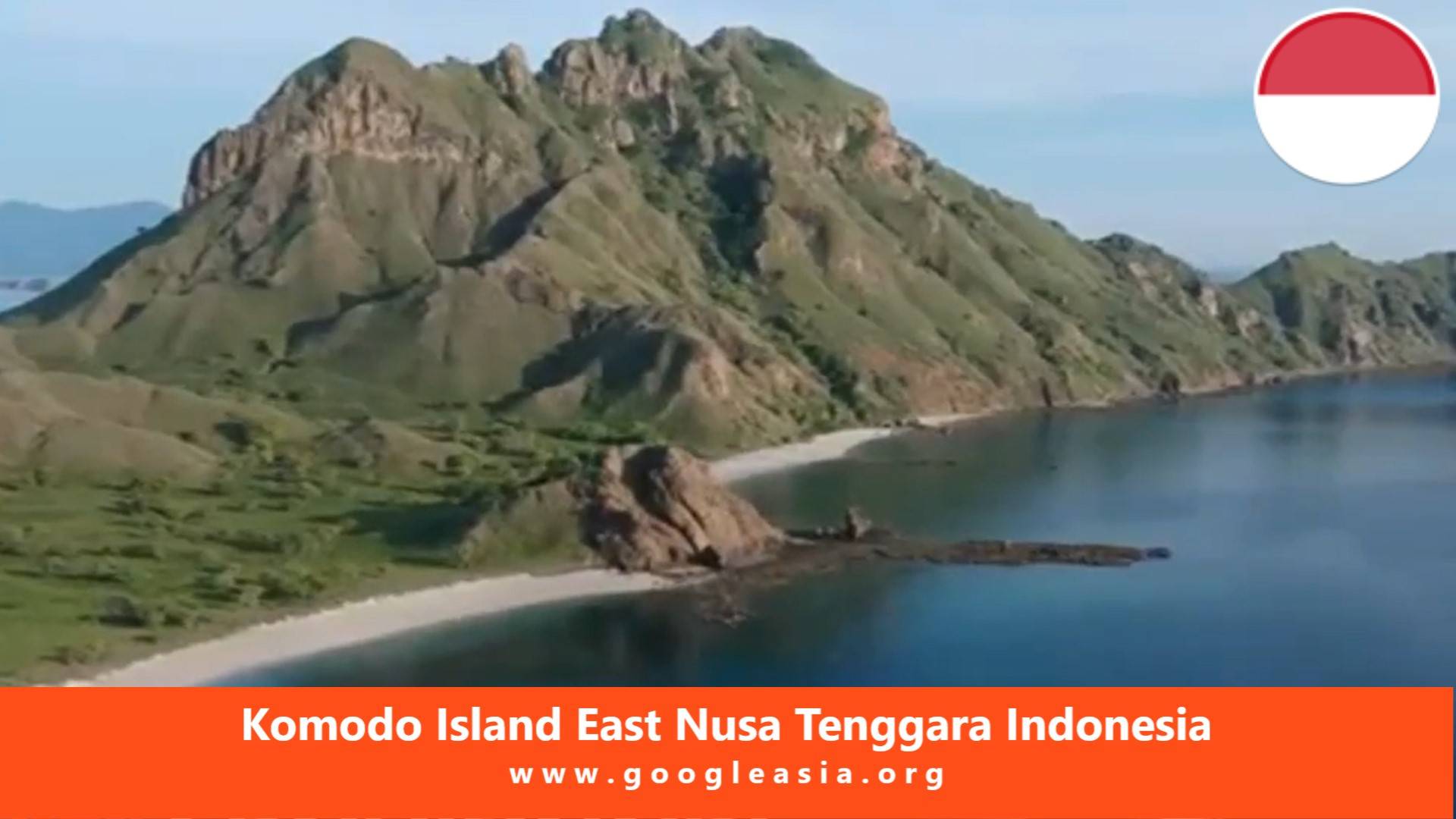
    Komodo Island is a must-see in Indonesia, especially if you’re into nature and adventure. Famous for its Komodo dragons, the island also boasts beautiful beaches and crystal-clear waters. Whether you’re hiking to stunning viewpoints, snorkeling with vibrant marine life, or just exploring the island’s unique wildlife, it’s a place that feels like a true escape into nature. If you’re looking for an unforgettable experience, Komodo Island is definitely worth the visit.

    Introduction

    Komodo Island, located within the UNESCO World Heritage-listed Komodo National Park in East Nusa Tenggara, is more than just a home to the famous Komodo dragons. This island is an untouched gem, filled with lush landscapes, crystal-clear waters, and a fascinating ecosystem. Whether you’re a wildlife enthusiast, a thrill-seeker, or someone simply looking to unwind in nature, Komodo offers experiences that feel both extraordinary and serene.

    Giants of the Island

    When you think of Komodo Island, the first image that comes to mind is probably the Komodo dragon. These ancient reptiles, which can grow up to 10 feet long and weigh over 150 pounds, are as impressive as they are intimidating. Watching them roam freely across the island’s rugged terrain is a surreal experience. You’ll have the chance to observe their majestic movements, and you might even hear fascinating facts about their hunting strategies and survival tactics from your guide.

    A Rich Ecosystem

    While Komodo Island is most famous for its dragons, it’s also a paradise for anyone who appreciates diverse ecosystems. From the dry savannas to tropical forests, mangroves, and coral reefs, Komodo is a mosaic of habitats, each home to unique flora and fauna. The island is teeming with wild boar, water buffalo, monkeys, and even some species of endemic birds.

    The Marine Wonderland

    Komodo National Park extends far beyond the land, with its underwater world being just as spectacular. The waters surrounding Komodo Island are home to some of the world’s most biodiverse coral reefs. Whether you’re a diver or snorkeler, you’ll be amazed at the variety of marine life, including vibrant coral gardens, schools of colorful fish, sea turtles, and even majestic manta rays gliding through the water. Dive sites like Batu Bolong and Castle Rock are world-renowned for their crystal-clear waters and thriving marine ecosystems.

    Things to Do

    Komodo Island isn’t just about the wildlife (though that’s definitely a huge draw). The island offers so much more, including plenty of thrilling adventures for the active traveler.

    Boat Cruises

    For an unforgettable adventure, take a boat cruise around Komodo Island. The views are absolutely mesmerizing. From the lush green hills to the pink sand beaches, you’ll see a variety of landscapes that make this island one of a kind. Don’t miss Manta Bay, where you can swim alongside the graceful manta rays, or visit Pink Beach, where the sand is a unique shade of pink, perfect for a quiet day of sunbathing.

    Trekking

    If you’re up for a challenge, try trekking one of the island’s scenic routes. Komodo Island is full of hidden valleys, waterfalls, and panoramic views that can only be accessed by foot. Whether you’re aiming for a moderate hike or something more demanding, the views at the top are always worth it.

    Diving and Snorkeling

    The waters around Komodo Island are often cited as some of the best diving sites in the world. The underwater world here is as vibrant and diverse as the land itself. Dive into the deep blue and discover underwater volcanoes, pristine coral reefs, and incredible marine life. Even if you’re not an expert diver, the snorkeling here is breathtaking. The variety of marine species and the sheer beauty of the reefs make it a must-do.

    Visit Rinca Island

    A short boat ride away from Komodo Island, Rinca Island is another excellent spot for those looking to see Komodo dragons up close. Though less visited than Komodo Island, Rinca offers a similar experience with fewer crowds, allowing for a more intimate encounter with the dragons in their natural habitat.

    Scenic Flights

    For an awe-inspiring view of Komodo Island and its neighboring islands, take a scenic flight. From the air, you’ll witness the true scale and beauty of the landscape—rugged hills, crystal-clear waters, and quiet beaches stretching as far as the eye can see.

    Foods

    After a day full of adventures, it’s time to indulge in some delicious local cuisine. The flavors on Komodo Island are as vibrant as the landscapes, and the food here reflects the region’s diverse influences.

    Grilled Fish

    Freshly grilled fish is a must-try dish when you’re on Komodo Island. The fish, caught straight from the waters surrounding the island, is grilled with a mix of local spices and served with a squeeze of lime. It’s a simple yet flavorful dish that captures the essence of island living.

    Sate Sapi

    Sate Sapi, or beef skewers, are a favorite street food across Indonesia, and Komodo Island is no exception. The skewers are grilled over charcoal and are perfectly seasoned. They’re tender, juicy, and full of flavor.

    Coconut Chicken

    Coconut chicken, or Ayam Santan, is a comforting dish that you can’t miss. The chicken is slow-cooked in coconut milk with aromatic spices, creating a rich and creamy sauce. This dish is perfect when paired with rice and a bit of sambal for a little extra heat.

    Mie Goreng

    For a taste of home, try Mie Goreng, a classic Indonesian stir-fried noodle dish. It’s often served with a mix of meats, vegetables, and a sweet soy sauce that ties everything together. It’s a satisfying meal that you’ll find at almost any local eatery.

    Conclusion

    Komodo Island is a destination that offers something for everyone—whether you’re a nature lover, adventure seeker, or someone just looking to unwind in paradise. From the awe-inspiring Komodo dragons to the stunning coral reefs and diverse wildlife, there’s so much to explore here. With its commitment to sustainable tourism, Komodo Island ensures that you can enjoy all its wonders while preserving its delicate ecosystems for future generations.

    So, what are you waiting for? Pack your bags, book your flight to Labuan Bajo, and get ready for an unforgettable adventure on Komodo Island. Let this beautiful destination leave a mark on your heart that will last a lifetime.

    Ready to Explore?

    Start planning your trip today! Visit local tour operators in Labuan Bajo or book your Komodo Island excursions in advance to ensure you don’t miss out on this one-of-a-kind experience.

    Komodo Island East Nusa Tenggara Indonesia

    Summary

    • Attraction Name: Komodo Island
    • Country: Indonesia
    • Continent: Asia
    • Capital Name: Jakarta and then Nusantara
    • Language: Bahasa Indonesia
    • Currency: Indonesian Rupiah
    • Nationality: Indonesian
    • Category: #Destination #Asia #INDONESIA 

    Frequently Asked Questions

    Where is Komodo Island located?

    Komodo Island is part of the Republic of Indonesia. It is situated in the Lesser Sunda Islands, in the eastern part of the Indonesian archipelago. Here are some key points about its location:

    1. Geographical Coordinates:
      • Latitude: Approximately 8.5460° S
      • Longitude: Approximately 119.4901° E
    2. Proximity to Major Islands:
      • Flores Island: Komodo Island lies to the west of Flores Island, separated by the Sape Strait.
      • Sumbawa Island: To the west of Komodo Island is Sumbawa Island, part of the West Nusa Tenggara province.
    3. Komodo National Park:
      • Composition: Komodo Island is one of the three main islands that make up the Komodo National Park, the others being Rinca Island and Padar Island. The park also includes several smaller islands.
      • UNESCO World Heritage Site: The park is recognized for its biodiversity and the unique Komodo dragons, making it a UNESCO World Heritage Site.
    4. Nearby Towns and Cities:
      • Labuan Bajo: The closest town and the main gateway to Komodo Island. Located on the western tip of Flores Island, Labuan Bajo has an airport (Komodo Airport) and serves as the primary departure point for trips to Komodo National Park.

    Map and Orientation

    To help visualize its location:

    • Region: Komodo Island is part of the East Nusa Tenggara province of Indonesia.
    • Archipelago: It belongs to the Lesser Sunda Islands, which are part of the larger Malay Archipelago.

    How can one travel to Komodo Island?

    Traveling to Komodo Island involves a combination of flights, boat rides, and potentially other local transport. Here are the steps to reach Komodo Island:

    1. Fly to Labuan Bajo:
      • Starting Point: Labuan Bajo, located on the island of Flores, Indonesia, is the primary gateway to Komodo Island.
      • Major Airports: You can fly to Labuan Bajo’s Komodo Airport (LBJ) from several major cities in Indonesia.
        • From Bali (DPS): Direct flights from Ngurah Rai International Airport in Denpasar, Bali to Labuan Bajo. The flight takes about 1.5 hours.
        • From Jakarta (CGK): Direct flights from Soekarno-Hatta International Airport in Jakarta to Labuan Bajo, taking about 2.5 hours.
        • Other Cities: There are also direct flights from Surabaya, Lombok, and Makassar.
    2. Boat Transfer to Komodo Island:
      • From Labuan Bajo:
        • Public Ferries: Affordable option but less frequent and slower.
        • Speedboats: Faster but more expensive. Ideal for day trips.
        • Chartered Boats: Can be arranged through tour operators for more flexibility and personalized experiences.
        • Liveaboard Tours: Multi-day tours that include accommodation on the boat and visits to multiple islands in the Komodo National Park, including Komodo Island.
    3. Tour Packages:
      • Guided Tours: Many tour operators in Labuan Bajo offer guided tours to Komodo Island. These can be day trips or multi-day packages and usually include transportation, meals, and activities like snorkeling and hiking.
      • Booking in Advance: It is advisable to book tours in advance, especially during peak travel seasons, to ensure availability and better prices.
    4. Additional Local Transport:
      • Taxis or Transfers: From Komodo Airport to the harbor in Labuan Bajo, you can take a taxi or arrange for a transfer through your hotel or tour operator.
      • Scooters or Bikes: For those staying in Labuan Bajo and exploring on their own, renting a scooter or bike is an option to get around locally.

    Practical Tips:

    • Check Flight Schedules: Flight frequencies can vary, so it’s important to check schedules and book in advance.
    • Weather Considerations: The best time to visit is during the dry season (April to December) to avoid the monsoon rains and rough seas.
    • Travel Insurance: Consider travel insurance that covers flights, boat trips, and activities in case of any unexpected changes or emergencies.
    • Health and Safety: Ensure you have any necessary vaccinations and medications, and take precautions for sea travel if you are prone to seasickness.

    What are Komodo Island’s must-visit attractions or landmarks?

    Komodo Island is part of the Komodo National Park and offers several must-visit attractions and landmarks. Here are some of the highlights:

    1. Komodo National Park:
      • Komodo Dragons: The primary attraction of the island, these giant lizards are the largest in the world. Guided tours provide safe and informative opportunities to observe them in their natural habitat.
      • Biodiversity: The park is a UNESCO World Heritage Site, renowned for its rich marine and terrestrial biodiversity.
    2. Pink Beach (Pantai Merah):
      • Unique Pink Sand: The beach gets its distinctive pink color from a mixture of white sand and red coral fragments.
      • Snorkeling and Diving: The surrounding coral reefs offer excellent snorkeling and diving opportunities, teeming with colorful marine life.
    3. Komodo Village (Kampung Komodo):
      • Cultural Experience: A visit to this traditional village allows you to interact with the local community and learn about their way of life.
      • Handicrafts: The village is known for its unique handicrafts, including traditional weavings and carvings.
    4. Padar Island:
      • Scenic Hike: While not on Komodo Island itself, Padar Island is a must-visit nearby destination. The hike to the top provides one of the most iconic and panoramic views in the region.
      • Unique Beaches: The island is famous for its beaches with different colored sands: white, black, and pink.
    5. Gili Lawa:
      • Spectacular Views: Known for its stunning hilltop viewpoints, Gili Lawa offers breathtaking sunrise and sunset views.
      • Snorkeling and Diving: The waters around Gili Lawa are popular for snorkeling and diving, featuring rich marine life and vibrant coral reefs.
    6. Manta Point (Karang Makassar):
      • Manta Rays: A renowned diving and snorkeling spot where you can often see and swim with manta rays.
      • Marine Biodiversity: The site also hosts a variety of other marine species, making it a fantastic spot for underwater exploration.
    7. Taka Makassar:
      • Sandbar: A beautiful sandbar surrounded by clear, shallow waters, perfect for a relaxing day trip.
      • Snorkeling: Ideal for snorkeling, the area around the sandbar is rich with colorful fish and corals.
    8. Kanawa Island:
      • Tranquil Setting: A serene island near Komodo Island, known for its clear waters and pristine beaches.
      • Marine Life: The surrounding waters are excellent for snorkeling and diving, featuring diverse marine ecosystems.

    What are Komodo Island’s nearby must-visit attractions or landmarks?

    Komodo Island is part of the larger Komodo National Park, which is rich in natural beauty and diverse attractions. Here are some must-visit spots near Komodo Island:

    1. Rinca Island:
      • Komodo Dragons: Like Komodo Island, Rinca is home to Komodo dragons. It’s often less crowded, offering a more intimate experience.
      • Wildlife: Besides dragons, you can see water buffalo, wild boar, monkeys, and various bird species.
      • Hiking Trails: Enjoy scenic hikes with panoramic views of the island’s landscapes.
    2. Padar Island:
      • Iconic Viewpoint: Famous for its stunning viewpoints, Padar offers a breathtaking panorama of the surrounding seas and beaches. The hike to the top is challenging but rewarding.
      • Unique Beaches: The island features beaches with different colored sands: black, white, and pink.
    3. Pink Beach (Pantai Merah):
      • Unique Sand: One of the world’s few pink beaches, it gets its color from red coral fragments mixed with white sand.
      • Snorkeling and Diving: The clear waters and vibrant coral reefs make it an excellent spot for snorkeling and diving.
    4. Manta Point (Karang Makassar):
      • Manta Rays: A prime location to snorkel or dive with graceful manta rays. The site is known for frequent manta ray sightings.
      • Marine Biodiversity: The area also hosts a rich variety of marine life, including turtles and colorful coral reefs.
    5. Kanawa Island:
      • Tranquil Escape: A small island offering tranquility and pristine natural beauty. Ideal for relaxation and beach activities.
      • Snorkeling and Diving: The surrounding waters are teeming with marine life, making it a great spot for underwater exploration.
    6. Labuan Bajo:
      • Gateway Town: The main entry point to Komodo National Park, offering various amenities, accommodations, and dining options.
      • Sunset Views: The town is known for its stunning sunsets, best enjoyed from its many viewpoints or waterfront bars.
      • Local Markets: Explore local markets for a taste of regional culture and cuisine.
    7. Gili Lawa:
      • Hiking and Views: Known for its scenic hills and panoramic views. The hike to the top offers spectacular sunrise and sunset vistas.
      • Diving Sites: The waters around Gili Lawa are popular for diving, featuring rich marine life and beautiful coral gardens.
    8. Taka Makassar:
      • Sandbar: A picturesque sandbar surrounded by crystal-clear waters, perfect for a peaceful day trip.
      • Snorkeling: The shallow waters around the sandbar are ideal for snorkeling and spotting colorful fish and corals.

    Is Komodo Island a suitable travel destination for solo adventurers, honeymooning couples, or those traveling with families?

    Komodo Island is a versatile destination that caters to a wide range of travelers, including solo adventurers, honeymooning couples, and families. Here’s why it suits each group:

    For Solo Adventurers:

    • Adventure Activities: Solo travelers can engage in various activities such as hiking, snorkeling, diving, and exploring the rugged landscapes and diverse marine life.
    • Social Opportunities: Staying in hostels or joining guided tours offers chances to meet other travelers and make new friends.
    • Self-Discovery: The island’s serene and stunning environment provides an excellent backdrop for introspection and personal growth.

    For Honeymooning Couples:

    • Romantic Setting: The island’s beautiful beaches, particularly Pink Beach, and breathtaking sunsets create a perfect romantic ambiance.
    • Private Tours: Couples can book private tours for a more intimate experience, exploring secluded coves and enjoying quiet moments together.
    • Luxurious Accommodations: There are upscale resorts and private bungalows that offer privacy and luxury, ideal for honeymooners.

    For Families:

    • Educational Experience: Families can learn about the unique Komodo dragons and the island’s rich biodiversity, making it an educational trip for children.
    • Family-Friendly Activities: Activities such as snorkeling, boat trips, and visiting traditional villages are suitable for all ages.
    • Safety: With proper planning and precautions, Komodo Island is safe for families. Guided tours and reputable accommodations ensure a secure environment for children.

    Practical Tips for Each Group:

    Solo Adventurers:

    • Join Group Tours: Consider joining group tours for safety and companionship.
    • Stay Connected: Ensure you have means of communication and inform someone about your travel plans.

    Honeymooning Couples:

    • Plan Ahead: Book accommodations and tours in advance to secure the best experiences.
    • Private Moments: Look for packages that offer romantic settings, such as private dinners on the beach.

    Families:

    • Child-Friendly Facilities: Choose accommodations that cater to families and have child-friendly amenities.
    • Guided Tours: Opt for guided tours to ensure safety and get the most out of your visit.

    Why should you visit Komodo Island?

    Komodo Island is a unique and captivating destination that offers a variety of compelling reasons to visit:

    1. Komodo Dragons: The island is home to the famous Komodo dragons, the world’s largest lizards. Observing these prehistoric creatures in their natural habitat is a once-in-a-lifetime experience.
    2. Stunning Natural Beauty: The island and its surrounding areas boast breathtaking landscapes, including rugged hills, savannahs, and pristine beaches. The scenic vistas are perfect for nature lovers and photographers.
    3. Diverse Marine Life: The waters around Komodo Island are part of the Coral Triangle, known for its rich marine biodiversity. Snorkeling and diving here offer encounters with vibrant coral reefs, manta rays, sea turtles, and a myriad of fish species.
    4. Pink Beach: One of the rarest beaches in the world, Pink Beach, is located on Komodo Island. The pink hue of the sand, caused by the mix of white sand and red coral fragments, creates a unique and picturesque setting.
    5. Adventure Activities: The island offers numerous adventure activities, such as hiking, kayaking, and exploring hidden coves and caves. The diverse terrain provides ample opportunities for outdoor enthusiasts.
    6. Cultural Experience: Visiting the nearby traditional villages offers insight into the local culture and way of life. You can learn about the customs, traditions, and daily activities of the indigenous people.
    7. Unforgettable Sunsets: The island is renowned for its spectacular sunsets. Watching the sun set over the horizon from a beach or hilltop is a magical experience.
    8. World Heritage Site: Komodo National Park, which includes Komodo Island, is a UNESCO World Heritage Site. This designation underscores the park’s global significance and the importance of preserving its unique ecosystems.
    9. Peaceful Escape: Komodo Island provides a serene and tranquil environment, away from the hustle and bustle of city life. It’s an ideal destination for relaxation and rejuvenation.

    Is there any halal food available in the vicinity of the Komodo Island?

    Yes, there are options for halal food available in the vicinity of Komodo Island. Labuan Bajo, the main gateway to Komodo Island, has a variety of restaurants and eateries that cater to different dietary needs, including halal food. Some local restaurants specifically serve halal cuisine, and many seafood dishes in the region naturally align with halal dietary guidelines. Additionally, it’s always a good idea to inquire with restaurant staff to ensure that the food meets halal standards. If you are on a tour, you can also inform your tour operator in advance about your dietary requirements, and they can help arrange suitable meals.

  • Experience the Magic of Lake Toba, Indonesia

    Experience the Magic of Lake Toba, Indonesia

    Lake Toba, Indonesia

    Lake Toba, located in the heart of North Sumatra, Indonesia, is a stunning natural wonder that should be on every traveler’s bucket list. As Southeast Asia’s largest and one of the world’s deepest volcanic lakes, it is a serene paradise surrounded by lush hills, rich culture, and exceptional wildlife. Whether you’re seeking adventure, relaxation, or a deeper understanding of Indonesia’s traditions, Lake Toba offers a captivating blend of experiences.

    Introduction

    Lake Toba is not just a body of water—it’s an exploration into nature, culture, and history. Here’s why Lake Toba is one of the most incredible destinations in Southeast Asia.

    Geographical Marvel

    Lake Toba covers an impressive area of 1,130 square kilometers (436 square miles), making it the largest lake in Southeast Asia. The lake was formed by a massive volcanic eruption over 75,000 years ago, creating a vast crater that now holds the tranquil waters. Surrounded by towering mountains and verdant hills, it offers a peaceful escape from the hustle and bustle of modern life. The crystal-clear waters reflect the surrounding scenery, creating a serene atmosphere that enchants every visitor.

    Rich Biodiversity and Wildlife

    The lake’s ecosystem supports a diverse range of flora and fauna. Birdwatchers can delight in spotting various avian species, while the waters are teeming with different types of freshwater fish. Fishermen can be seen along the lake’s edge, casting their nets in search of Ikan Kakap (snapper), a species native to the lake. Lake Toba’s untouched natural beauty makes it a haven for wildlife enthusiasts.

    Attractions

    Samosir Island

    Among the islands in Lake Toba, Samosir Island stands out as the largest and most culturally significant. Connected to the mainland by bridges, Samosir Island is home to the indigenous Batak people, who have lived here for centuries. This island offers a unique cultural experience, with its traditional Batak villages, ancestral sites, and intricate wood carvings adorning buildings. It’s a place where visitors can immerse themselves in the local traditions and customs.

    Batak Villages

    Lake Toba holds significant cultural and spiritual meaning for the Batak people. The islands are home to traditional Batak villages where visitors can witness unique ceremonies, learn about the Batak religion, and explore ancient graves and spiritual sites.

    The Batak villages are renowned for their distinctive architecture, particularly the Tongkonan houses with their upward-curved roofs. Visitors can also learn about the Batak people’s rituals and explore sacred sites that showcase the region’s history and heritage. These cultural experiences offer a deeper connection to the land and its people.

    Things to Do

    Lake Toba is not only about soaking in its beauty but also about experiencing adventure and relaxation. Here are some of the best activities to enjoy during your visit.

    Start the Day with Sunrise from Samosir Island

    Waking up early to witness the sunrise over Lake Toba is an experience you’ll never forget. From Samosir Island, you can enjoy panoramic views of the lake and surrounding mountains as the sun paints the sky in brilliant colors. It’s the perfect way to begin your day at Lake Toba.

    Explore the Quaint Villages

    The traditional Batak villages surrounding the lake offer a glimpse into local life. Wander through the villages, meet the friendly locals, and discover their traditional handicrafts. Handwoven textiles and carved wood items are popular souvenirs you can purchase as a reminder of your visit.

    Indulge in Local Cuisine

    Lake Toba is home to a vibrant culinary scene, where you can sample authentic Batak dishes. One must-try is Ikan Kakap Asam Pedas, a spicy sour snapper dish infused with tamarind and chili. You can also enjoy Ikan Bakar Bumbu Sambal, grilled fish served with a spicy sambal sauce. These flavors offer a true taste of Toba’s rich culinary heritage.

    Visit Local Markets

    The local markets near Lake Toba are filled with stalls selling unique handmade crafts, souvenirs, and local produce. Spend some time exploring these lively markets, where you can interact with local artisans and bargain for beautiful crafts and traditional jewelry.

    Trek at Taman Simalem Resort

    For those who enjoy outdoor activities, Taman Simalem Resort offers a variety of hiking trails that provide panoramic views of Lake Toba. The resort is nestled amidst lush forests and offers opportunities for trekking while observing the region’s unique flora and fauna.

    Relax at Porsea Hot Springs

    After a day of adventure, unwind in the Porsea Hot Springs, located on the shores of Lake Toba. Soak in the natural, therapeutic waters surrounded by stunning natural beauty. It’s a perfect spot for relaxation and rejuvenation.

    Biking and Trekking Adventures

    For the more adventurous traveler, exploring the hills and forests surrounding Lake Toba on mountain bikes or by trekking is an exciting way to take in the breathtaking landscapes. The scenic routes and viewpoints along the way offer perfect spots for photography.

    Foods

    Lake Toba isn’t just a feast for the eyes; it’s also a paradise for food lovers. Here’s a look at some of the must-try dishes that will take your taste buds on a journey.

    Traditional Dishes

    • Ikan Kakap Asam Pedas (Spicy Sour Snapper): A signature dish with a delicious balance of spice and sourness from tamarind and chili.
    • Ikan Bakar Bumbu Sambal (Grilled Fish with Spicy Sambal Sauce): Perfectly grilled fish paired with a spicy sambal sauce made from fresh local ingredients.
    • Tahu Telur (Tofu and Egg): A crispy and flavorful tofu dish drizzled with sweet soy sauce and topped with vegetables and peanuts.

    Snacks and Meals

    • Pisang Goreng (Fried Banana): Deep-fried bananas served with powdered sugar or chocolate sauce, perfect for a sweet snack.
    • Ayam Panggang (Grilled Chicken): Marinated chicken grilled to perfection and served with local spices, offering a savory and satisfying meal.
    • Gulai Ikan (Fish Curry): A creamy fish curry made with turmeric, ginger, lemongrass, and coconut milk, offering a rich and aromatic flavor.

    Conclusion

    Lake Toba is a breathtaking destination that offers something for every type of traveler. Whether you’re seeking cultural immersion, outdoor adventure, or simply a peaceful retreat surrounded by stunning landscapes, Lake Toba delivers it all. From sunrise views on Samosir Island to traditional Batak villages, the experiences here are unforgettable.

    Plan your trip to Lake Toba today and discover the beauty, culture, and serenity that make this natural wonder one of Indonesia’s most treasured destinations!

    Lake Toba North Sumatra Indonesia Volcanic Lake

    Summary

    • Attraction Name: Lake Toba
    • Country: Indonesia
    • Continent: Asia
    • Capital Name: Jakarta and then Nusantara
    • Language: Bahasa Indonesia
    • Currency: Indonesian Rupiah
    • Nationality: Indonesian
    • Category: #Destination #Asia #INDONESIA

    Frequently Asked Questions

    Where is Lake Toba located?

    Lake Toba is located on the island of Sumatra in Indonesia. Here are some key details about its location:

    1. Geographical Coordinates:
      • Latitude: Approximately 2.88° N
      • Longitude: Approximately 98.82° E
    2. Island and Province:
      • Sumatra: Lake Toba is situated in the northern part of the island of Sumatra, which is the sixth-largest island in the world and part of Indonesia.
      • North Sumatra Province: Specifically, Lake Toba is located within North Sumatra Province, Indonesia’s fourth-most populous province.
    3. Size and Formation:
      • Volcanic Origin: Lake Toba is a large caldera lake formed by a supervolcanic eruption estimated to have occurred around 74,000 years ago.
      • Surface Area: It is the largest volcanic lake in the world by surface area, covering approximately 1,130 square kilometers (440 square miles).
    4. Accessibility:
      • Major Towns: The lake is surrounded by several towns and villages, with Parapat being a popular gateway for visitors.
      • Transport: Travelers typically reach Lake Toba by road from the nearby city of Medan or by ferry from ports like Parapat to Samosir Island within the lake.
    5. Tourism and Culture:
      • Attractions: Lake Toba is a popular tourist destination known for its scenic beauty, cultural richness, and outdoor activities such as hiking and water sports.
      • Batak Culture: The lake is inhabited by the Batak people, who have a rich cultural heritage and traditional villages around its shores.

    Map and Orientation:

    To visualize its location:

    • Indonesia: Lake Toba is located within the Southeast Asian country of Indonesia.
    • Sumatra Island: It is situated in the northern part of Sumatra Island, which is known for its diverse landscapes and cultural diversity.

    How to go to Lake Toba?

    Lake Toba, located in North Sumatra, Indonesia, is accessible via several transportation options. Here’s a guide on how to get there:

    1. Fly to Medan:
      • Gateway City: Medan is the nearest major city to Lake Toba. You can fly into Kualanamu International Airport (KNO) in Medan from various cities in Indonesia and neighboring countries.
    2. Travel from Medan to Parapat:
      • By Car or Bus: From Medan, take a private car or public bus to Parapat, the gateway town to Lake Toba.
        • Duration: The journey takes approximately 4-5 hours, depending on traffic and road conditions.
        • Bus Stations: Buses to Parapat depart from several terminals in Medan, such as Amplas or Pinang Baris.
    3. Ferry to Samosir Island:
      • From Parapat: Upon reaching Parapat, take a ferry or boat across Lake Toba to Samosir Island, located in the middle of the lake.
        • Ferry Schedule: Ferries operate regularly throughout the day. The crossing to Samosir Island takes about 45 minutes to 1 hour.
    4. Explore Lake Toba and Samosir Island:
      • Accommodations: Samosir Island offers a range of accommodations, from guesthouses to resorts, catering to different budgets and preferences.
      • Activities: Enjoy scenic views of Lake Toba, visit traditional Batak villages, relax on the lakeside beaches, and explore sites like the Tomok and Ambarita villages.

    Tips for Traveling to Lake Toba:

    • Booking Accommodations: Especially during peak seasons (June to August), it’s advisable to book accommodations in advance, particularly on Samosir Island.
    • Local Transport: Consider hiring a car with a driver for more convenience in exploring the region, especially if you plan to visit multiple attractions around Lake Toba.
    • Weather Considerations: Lake Toba has a pleasant climate year-round, but the dry season (May to September) is ideal for outdoor activities and clear views.

    What are Lake Toba’s must-visit attractions or landmarks?

    Lake Toba, located in North Sumatra, Indonesia, offers several captivating attractions and landmarks that visitors should explore:

    1. Samosir Island:
      • Cultural Heart: Samosir Island is situated in the middle of Lake Toba and is the cultural center of the Batak Toba people.
      • Tomb of King Sidabutar: Visit the ancient royal tombs and historical sites on the island, providing insights into the Batak culture and traditions.
      • Traditional Villages: Explore traditional Batak villages such as Ambarita, where you can see stone chairs and tables used for tribal meetings.
    2. Sipiso-piso Waterfall:
      • Tallest Waterfall: Located north of Lake Toba, Sipiso-piso is a majestic waterfall plunging from a height of 120 meters (394 feet).
      • Scenic Viewpoint: Enjoy panoramic views of Lake Toba and the surrounding lush green landscape from the viewing platform near the waterfall.
    3. Huta Bolon Simanindo Batak Museum:
      • Cultural Museum: Learn about the history, customs, and traditions of the Batak people at this museum located in Simanindo village on Samosir Island.
      • Traditional Performances: Witness traditional Batak performances, including music and dance, showcasing the rich cultural heritage of the region.
    4. Parapat Town:
      • Gateway to Lake Toba: Parapat serves as the main access point to Lake Toba, located on its eastern shore.
      • Boat Tours: Depart from Parapat for boat tours around the lake, visiting islands and attractions such as Samosir Island and Sipiso-piso waterfall.
    5. Tele Tower:
      • Panoramic Views: Visit Tele Tower near Parapat for stunning panoramic views of Lake Toba and its surroundings.
      • Photography: Capture breathtaking photos of the expansive lake and volcanic landscape from the observation deck.
    6. Hot Springs:
      • Relaxation: Enjoy a relaxing soak in natural hot springs scattered around Lake Toba, such as those near Pangururan.
      • Natural Setting: Experience the therapeutic benefits of mineral-rich waters amidst a tranquil natural setting.
    7. Traditional Markets:
      • Local Culture: Explore traditional markets in towns around Lake Toba, offering local produce, handicrafts, and culinary delights.
      • Interaction: Engage with local vendors and immerse yourself in the vibrant daily life of the Batak communities.

    What are Lake Toba’s nearby must-visit attractions or landmarks?

    Lake Toba, located in North Sumatra, Indonesia, offers several captivating attractions and landmarks in its vicinity. Here are some of the must-visit places:

    1. Samosir Island:
      • Cultural Heart: Samosir Island is situated within Lake Toba and is known for its rich cultural heritage, traditional Batak architecture, and unique customs.
      • Tomb of King Sidabutar: Visit this historical site to learn about the local history and legends associated with the Batak people.
    2. Tongging Point:
      • Panoramic Views: Located on the northern shore of Lake Toba, Tongging Point offers breathtaking panoramic views of the lake and its surrounding hills.
      • Sipiso-piso Waterfall: Nearby, visit Indonesia’s tallest waterfall, Sipiso-piso, plunging dramatically from a steep cliff into the depths below.
    3. Ambarita Village:
      • Stone Chairs and Tables: Explore Ambarita Village to see ancient stone chairs and tables used for traditional ceremonies and meetings by the Batak people.
      • Cultural Performances: Experience traditional Batak dance performances and rituals that showcase the local culture.
    4. Huta Siallagan Village:
      • Simanindo: Visit Huta Siallagan Village in Simanindo to see traditional Batak houses and attend a cultural performance at the nearby museum.
      • Batak Museum: Learn about the history, artifacts, and traditions of the Batak people at the museum within the village.
    5. Pusuk Buhit Mountain:
      • Sacred Peak: Pusuk Buhit is a sacred mountain in Batak culture and legend, believed to be the birthplace of the Batak people.
      • Hiking and Trekking: Hike to the summit for stunning views of Lake Toba and its surroundings, as well as to explore the lush forested slopes.
    6. Berastagi:
      • Highland Town: Located not far from Lake Toba, Berastagi is known for its cool climate, fruit markets, and picturesque views of two active volcanoes, Mount Sinabung and Mount Sibayak.
      • Gundaling Hill: Climb Gundaling Hill for panoramic views of the surrounding mountains and valleys, including glimpses of Lake Toba in the distance.
    7. Hot Springs:
      • Relaxation: Nearby hot springs like Aek Rangat and Pangururan provide opportunities for relaxation and rejuvenation in natural thermal waters.

    Is Lake Toba a suitable travel destination for solo adventurers, honeymooning couples, or those traveling with families?

    Lake Toba, located in North Sumatra, Indonesia, offers a range of experiences that cater to different types of travelers, making it suitable for various travel preferences:

    1. Solo Adventurers:
      • Adventure Activities: Solo travelers can explore the surrounding landscapes, hike to waterfalls, and engage in water sports such as kayaking and jet skiing.
      • Cultural Exploration: Visit traditional Batak villages, explore local markets, and learn about the rich cultural heritage of the Batak people.
    2. Honeymooning Couples:
      • Romantic Getaways: Lake Toba provides a serene and picturesque setting for couples looking to unwind and enjoy romantic moments.
      • Scenic Views: Stay at lakeside resorts with panoramic views of the tranquil lake and surrounding mountains.
      • Private Experiences: Enjoy private boat rides, candlelit dinners, and walks along secluded beaches.
    3. Families:
      • Family-Friendly Activities: Families can engage in activities such as swimming, fishing, and boat tours on the lake.
      • Educational Experiences: Visit museums and cultural centers to learn about the history and traditions of the Batak people.
      • Relaxation: Resorts around Lake Toba often offer family-friendly amenities such as swimming pools and spacious accommodations.

    Considerations for Each Group:

    • Solo Adventurers: Plan outdoor activities and explore the cultural aspects of Lake Toba independently or through guided tours.
    • Honeymooning Couples: Choose lakeside accommodations that offer privacy and romantic experiences to enhance your stay.
    • Families: Research family-friendly resorts and activities to ensure a comfortable and enjoyable experience for all members.

    Practical Tips:

    • Best Time to Visit: The dry season (April to September) is generally ideal for visiting Lake Toba, with pleasant weather for outdoor activities.
    • Local Culture: Respect local customs and traditions, especially when visiting villages and participating in cultural experiences.

    Why should you visit Lake Toba?

    Lake Toba, located in North Sumatra, Indonesia, is not only the largest volcanic lake in the world but also a destination rich in cultural, natural, and historical significance. Here are compelling reasons to visit Lake Toba:

    1. Natural Beauty:
      • Scenic Landscape: Lake Toba is set amidst picturesque surroundings, with lush green hills and the dramatic silhouette of Samosir Island in its center.
      • Volcanic Origin: Formed by a supervolcanic eruption thousands of years ago, the lake’s vast expanse and clear waters create a serene and awe-inspiring atmosphere.
    2. Cultural Heritage:
      • Batak Culture: The area around Lake Toba is home to the Batak ethnic group, known for their unique traditions, music, dance, and distinctive architecture.
      • Traditional Villages: Visit traditional Batak villages to experience their hospitality, learn about their customs, and admire intricately carved wooden houses.
    3. Historical Significance:
      • Samosir Island: Located in the middle of Lake Toba, Samosir Island is the cultural heart of the Batak people and offers insights into their history and heritage.
      • Stone Tombs: Explore ancient Batak tombs and stone sarcophagi, which provide a glimpse into the region’s pre-colonial past and cultural practices.
    4. Outdoor Activities:
      • Boat Cruises: Take a leisurely boat cruise on Lake Toba to appreciate its vastness and enjoy panoramic views of the surrounding landscapes.
      • Swimming and Water Sports: The lake’s clean and calm waters are ideal for swimming, kayaking, and other water activities, offering a refreshing way to explore the area.
    5. Relaxation and Tranquility:
      • Peaceful Retreat: Lake Toba provides a serene environment for relaxation and rejuvenation, away from the hustle and bustle of city life.
      • Lakefront Accommodations: Stay at lakeside resorts or guesthouses to enjoy peaceful mornings and mesmerizing sunsets over the lake.

    Practical Tips:

    • Best Time to Visit: The dry season (May to September) is generally the best time to visit Lake Toba for pleasant weather and clearer views.
    • Getting There: Fly to Silangit Airport or Medan’s Kualanamu International Airport, then take a scenic road trip to Lake Toba, approximately 4-5 hours from Medan.

    How accessible is halal food in Lake Toba?

    Finding halal food in Lake Toba, located in North Sumatra, Indonesia, is generally manageable but may require some planning and awareness due to the predominantly non-Muslim population in the region. Here’s what to consider:

    1. Local Cuisine:
      • Non-Halal Ingredients: Many traditional Batak dishes in the Lake Toba area include pork and other non-halal meats.
      • Seafood Options: Fresh seafood, such as fish and prawns, are widely available around Lake Toba and are generally considered halal. However, it’s advisable to confirm the cooking methods and ingredients used.
    2. Accommodations and Restaurants:
      • Resort Restaurants: Resorts around Lake Toba often cater to international tourists and may offer halal options or accommodate special dietary requests if informed in advance.
      • Local Restaurants: Some local restaurants may serve halal food, especially in areas with a significant Muslim population like Parapat or Tuktuk on Samosir Island.
    3. Self-Catering and Groceries:
      • Grocery Stores: Purchase halal-certified snacks, fruits, and packaged foods from grocery stores in larger towns around Lake Toba.
      • Cooking Facilities: If staying in accommodations with kitchen facilities, you can prepare your own meals using halal ingredients sourced locally.
    4. Communication and Awareness:
      • Specify Dietary Needs: Inform restaurant staff or hosts about your halal dietary preferences or restrictions to ensure they can prepare suitable meals.
      • Local Knowledge: Seek advice from hotel staff or locals for recommendations on halal-friendly eateries or dishes.

    Practical Tips:

    • Plan Ahead: Research halal-friendly restaurants or accommodations before traveling to Lake Toba, especially if you have specific dietary requirements.
    • Language Assistance: Learn basic Indonesian phrases or carry a translation app to communicate your dietary needs effectively.
    • Flexibility: Embrace local seafood and vegetable dishes, which are often freshly prepared and flavorful, while being mindful of meat preparation practices.

error: Content is protected !!