Tag: INDONESIA

  • Raja Ampat Islands, Must-Visit Marine Paradise in Indonesia

    Raja Ampat Islands, Must-Visit Marine Paradise in Indonesia

    Raja Ampat Islands, Indonesia

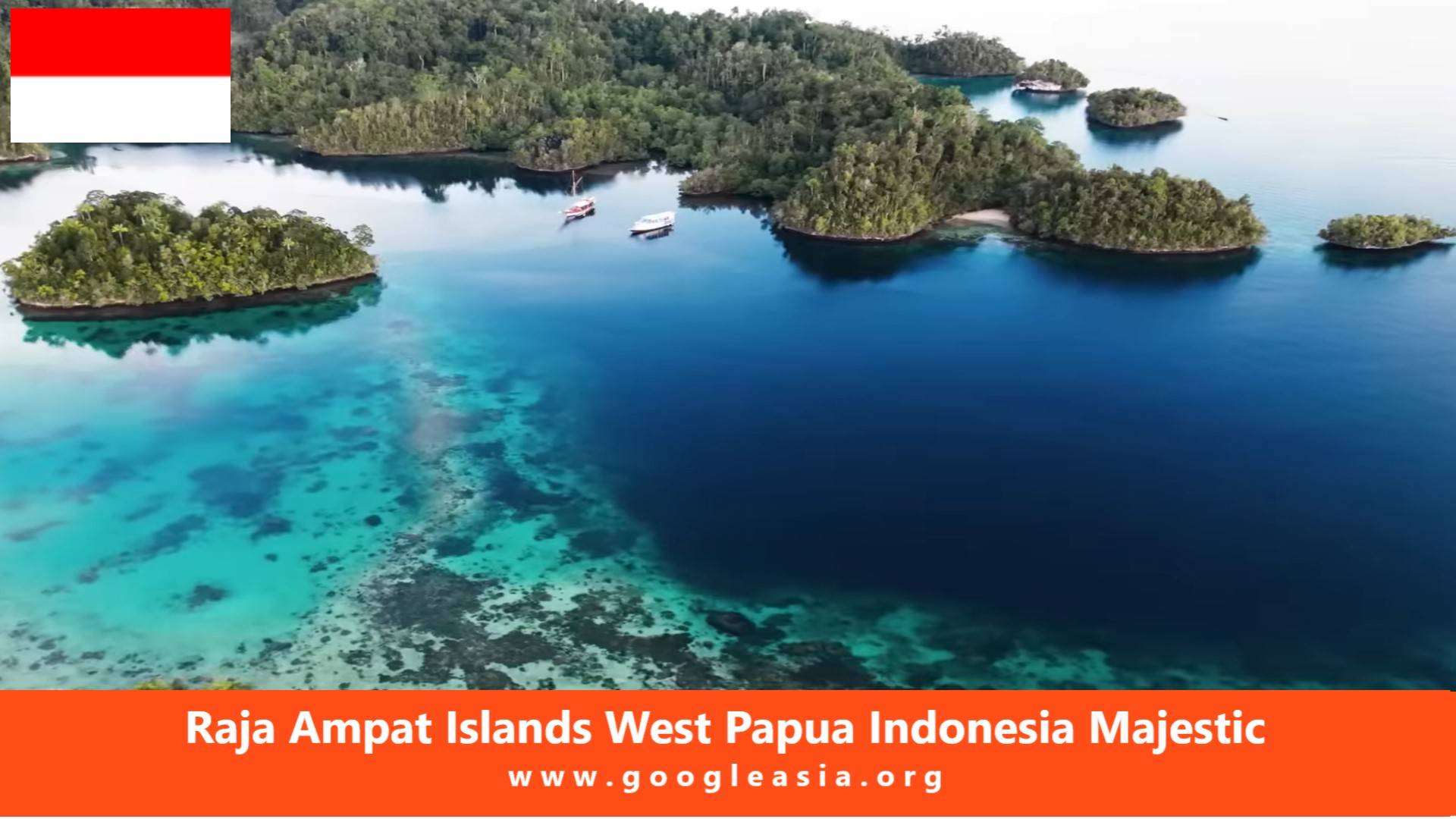
    If you’re dreaming of a place where lush jungles meet vibrant reefs and crystal-clear waters, Raja Ampat Islands in West Papua, Indonesia, might just be the paradise you’ve been searching for. This breathtaking archipelago, made up of over 1,500 islands, has earned its place as one of the most biodiverse marine regions in the world. Whether you’re an adventurer, nature lover, or culture seeker, Raja Ampat offers something extraordinary.

    Introduction

    A Marine Wonderland

    When you dive into the waters of Raja Ampat, you’re entering one of the most biodiverse underwater ecosystems on Earth. Home to over 540 species of coral, 1,400 species of reef fish, and 70 types of sponges, these waters are a haven for divers and snorkelers. What makes Raja Ampat so special is the fact that many of these species are found nowhere else, making it a true treasure for marine conservation.

    Where Adventure Meets Culture

    But it’s not all about the underwater world. Raja Ampat’s traditional villages give you a glimpse into the lives of the local people, offering a rich cultural experience. You’ll have the chance to witness ancient ceremonies, interact with friendly locals, and learn about the fascinating history and traditions that have shaped this region for centuries.

    Embracing Sustainability

    While Raja Ampat’s beauty is unmatched, it’s also a fragile paradise. The islands have a strong commitment to sustainable tourism and marine conservation. Visitors are encouraged to:

    • Follow local guidelines for preserving the delicate marine ecosystem.
    • Support eco-friendly tours and local conservation projects.
    • Reduce plastic waste and help protect this paradise for future generations.

    Things to Do

    Dive or Snorkel into the Blue

    If you’re a diving or snorkeling enthusiast, you’re in for a treat. Raja Ampat’s clear waters are some of the best in the world for underwater exploration. Popular spots like Cape Kri and Blue Magic will leave you in awe of the colorful coral reefs and the abundance of marine life, including graceful manta rays, sea turtles, and schools of vibrant fish.

    Pro Tips

    • For the best experience, go with a local guide who can take you to the top dive sites.
    • Always remember to respect marine life and avoid touching or disturbing the corals.

    Trek the Jungle Trails

    For those who prefer land-based adventures, the lush jungles of Raja Ampat offer unforgettable treks. The hikes here lead to hidden waterfalls, breathtaking viewpoints, and lush rainforests that are home to rare species like the bird-of-paradise. Don’t forget your camera—you’ll want to capture every moment of these panoramic views!

    What to Expect on a Hike

    • Enjoy lush rainforests teeming with wildlife.
    • Hike to Piaynemo Lookout for stunning views of the surrounding islands.

    Sail Through Paradise

    Raja Ampat is a paradise for sailing, with its tranquil lagoons and secluded coves. A sailing tour is the perfect way to explore the islands, allowing you to visit remote spots and enjoy the peace and serenity of this beautiful region.

    Sailing Highlights

    • Visit Misool and Gam Islands for pristine beaches and crystal-clear waters.
    • Enjoy a sunset cruise with breathtaking views of the islands.

    Explore Islands

    Misool

    Misool is renowned for its dramatic limestone karst formations and vibrant coral reefs. Whether you’re diving into its clear waters or relaxing on its secluded beaches, Misool offers a tranquil escape from the world.

    Gam

    Gam is known for its turquoise lagoons, lush greenery, and accessible snorkeling spots. Spend your day exploring its reefs, or hike to the panoramic viewpoints to see Raja Ampat from above.

    Wayag

    No visit to Raja Ampat is complete without stopping at Wayag, which boasts some of the most spectacular views in all of Indonesia. The island’s unique rock formations and pristine waters make it a must-see for travelers.

    Foods

    Raja Ampat is not just a feast for the eyes but also for the taste buds. The local cuisine is deeply influenced by the sea and the surrounding forests, offering a range of delicious dishes you won’t want to miss.

    • Ikan Bakar: Freshly grilled fish served with a spicy sambal. It’s a must-try for seafood lovers.
    • Papeda Ikan: A traditional dish of tapioca porridge paired with fish, giving you a taste of local flavors.
    • Sambal Matah: A spicy and tangy chili condiment that adds an extra kick to any grilled dish.
    • Babi Guleng, a rich and spicy pork stew.
    • Pepes Ikan, fish wrapped in banana leaves and grilled to perfection.

    Conclusion

    Raja Ampat is one of the world’s last untouched paradises, offering breathtaking natural landscapes, an abundance of marine life, and a rich cultural experience. Whether you’re diving into its vibrant coral reefs, trekking through its lush jungles, or sailing across its serene lagoons, this Indonesian archipelago promises an adventure of a lifetime.

    Ready to discover Raja Ampat’s untamed beauty for yourself? Don’t wait! Plan your journey today and explore one of the most stunning, biodiverse destinations on the planet.

    Book Your Adventure Now!

    Start planning your dream trip to Raja Ampat. Whether it’s snorkeling with manta rays, hiking through rainforests, or simply relaxing on a secluded beach, Raja Ampat offers something unforgettable for every traveler.
    Raja Ampat Islands West Papua Indonesia Majestic

    Summary

    • Attraction Name: Raja Ampat Islands
    • Country: Indonesia
    • Continent: Asia
    • Capital Name: Jakarta and then Nusantara
    • Language: Bahasa Indonesia
    • Currency: Indonesian Rupiah
    • Nationality: Indonesian
    • Category: #Destination #Asia #INDONESIA 

    Frequently Asked Questions

    Where is Raja Ampat Islands located?

    Raja Ampat Islands are located in the province of West Papua, Indonesia. Here are some key details about its location:

    1. Geographical Coordinates:
      • Latitude: Approximately 0.8333° S to 2.5° S
      • Longitude: Approximately 130° E to 134° E
    2. Archipelago and Region:
      • West Papua Province: Raja Ampat Islands are part of the West Papua province of Indonesia, which occupies the western half of the island of New Guinea.
      • Coral Triangle: The islands are situated within the Coral Triangle, an area recognized for its exceptional marine biodiversity.
    3. Proximity to Major Cities:
      • Sorong: Sorong is the nearest major city on the island of Papua, serving as the gateway to Raja Ampat Islands. Travelers typically fly into Sorong (Domine Eduard Osok Airport) before transferring to the islands.
    4. Islands and Marine Park:
      • Archipelago: Raja Ampat comprises over 1,500 small islands, cays, and shoals, with four main islands: Waigeo, Batanta, Salawati, and Misool.
      • Marine Park: The area is known as the Raja Ampat Marine Park, celebrated for its pristine coral reefs, diverse marine life, and stunning natural landscapes.
    5. Tourism and Conservation: Raja Ampat Islands are renowned among divers, snorkelers, and nature enthusiasts for their rich underwater biodiversity and unique ecological environment. The islands are also a hotspot for eco-tourism and conservation efforts.

    Map and Orientation:

    To visualize its location:

    • Southeast Asia: Raja Ampat Islands are located in Southeast Asia, part of the Indonesian archipelago.
    • West Papua: Specifically, they are within the region of West Papua, which shares the island of New Guinea with Papua New Guinea.

    How to go to Raja Ampat Islands?

    Visiting Raja Ampat Islands, located in Indonesia’s West Papua province, involves a combination of flights and boat transfers due to its remote location. Here’s a step-by-step guide on how to get there:

    1. Fly to Sorong:
      • Gateway City: Sorong is the main gateway to Raja Ampat Islands. You need to fly into Domine Eduard Osok Airport (SOQ) in Sorong.
      • Flight Options: You can reach Sorong by flying from Jakarta (CGK), Makassar (UPG), or Manado (MDC). There are also domestic flights from Bali (DPS) with a transit stop.
    2. Transfer to Waisai (Raja Ampat Regency):
      • Boat from Sorong: From Sorong, you need to take a public ferry or a speedboat to Waisai, the capital of Raja Ampat Regency.
        • Public Ferry: These are slower but more economical. They operate on specific schedules and can take several hours.
        • Speedboat: Faster but more expensive, with travel times ranging from 1 to 2 hours depending on weather and sea conditions.
        • Private Charter: Some resorts offer private transfers via speedboat, which can be arranged in advance for convenience.
    3. Explore Raja Ampat Islands:
      • Stay in Waisai: Many accommodations are available in Waisai, from budget guesthouses to eco-resorts and dive resorts.
      • Island Hopping: Organize day trips or multi-day tours to explore various islands, dive sites, and attractions in Raja Ampat.
      • Dive and Snorkel: Enjoy world-class diving and snorkeling in the vibrant coral reefs and clear waters teeming with marine life.

    Tips for Traveling to Raja Ampat Islands:

    • Book in Advance: Flights and accommodations can fill up quickly, especially during peak seasons (October to April). Plan and book your trip well in advance.
    • Pack Light: Traveling by boat and navigating around islands may require minimal luggage and waterproof bags for protection.
    • Local Knowledge: Seek advice from local tour operators or accommodations for the latest ferry schedules, weather conditions, and recommended travel routes.

    Important Considerations:

    • Entry Permit: Obtain a Raja Ampat Marine Park entry permit (PIN) upon arrival in Sorong. This permit is mandatory for visiting the marine park and can be purchased at the airport or in Waisai.
    • Health and Safety: Consider travel insurance that covers medical emergencies and travel disruptions. Be prepared for remote conditions with basic medical supplies if needed.

    What are Raja Ampat Islands’s must-visit attractions or landmarks?

    Raja Ampat Islands, located in Indonesia’s West Papua province, offer a plethora of stunning natural attractions and landmarks that are must-visits for travelers seeking unparalleled beauty and biodiversity. Here are some of the top attractions in Raja Ampat:

    1. Wayag Islands:
      • Iconic Karst Islands: The Wayag Islands are famous for their dramatic karst formations, turquoise lagoons, and breathtaking panoramic views.
      • Viewpoints: Hike to the top of one of the karst hills for a spectacular view of the maze-like islands and clear waters below.
    2. Piaynemo (Pianemo) Islands:
      • Raja Ampat’s Postcard View: Piaynemo is renowned for its picturesque viewpoint overlooking a cluster of small islands surrounded by vibrant coral reefs.
      • Staircase to Heaven: Climb the viewpoint’s wooden stairs for a stunning panoramic vista that is often featured in travel magazines and documentaries.
    3. Kabui Bay:
      • Mangrove Forests and Lagoons: Kabui Bay is known for its serene mangrove forests and hidden lagoons, perfect for kayaking and exploring by boat.
      • Natural Rock Formations: Marvel at the impressive limestone formations and caves that dot the bay’s coastline.
    4. Misool Island:
      • Diverse Marine Life: Misool Island boasts some of the richest marine biodiversity in the world, with thriving coral reefs and an abundance of fish species.
      • Cave Exploration: Explore ancient limestone caves adorned with stalactites and stalagmites, offering a glimpse into the island’s geological history.
    5. Arborek Village:
      • Cultural Encounter: Visit Arborek, a traditional Papuan village known for its friendly inhabitants and vibrant coral gardens just off its shores.
      • Snorkeling Paradise: Enjoy snorkeling right from the village’s jetty, where you can spot colorful fish and pristine coral reefs.
    6. Dampier Strait:
      • Manta Ray Hotspot: Dive or snorkel in Dampier Strait to encounter graceful manta rays gliding through the clear waters, especially around Manta Point.
      • Pelagic Fish: The strait is also known for encounters with other pelagic species, including sharks and large schools of fish.
    7. Yenbuba Jetty (Kawe Jetty):
      • Macro Diving: Yenbuba Jetty is a renowned site for macro diving, where you can find a fascinating array of critters, including pygmy seahorses, nudibranchs, and frogfish.
      • Night Diving: It’s an excellent spot for night diving, offering sightings of nocturnal marine creatures rarely seen during the day.
    8. Birds of Paradise Viewing:
      • Wilson’s Bird-of-Paradise: Birdwatchers can embark on guided tours to spot the elusive Wilson’s bird-of-paradise, known for its vibrant plumage and elaborate courtship displays.

    Is Raja Ampat Islands a suitable travel destination for solo adventurers, honeymooning couples, or those traveling with families?

    Raja Ampat Islands offer diverse experiences that cater to different types of travelers, making it suitable for various travel preferences:

    1. Solo Adventurers:
      • Adventure Opportunities: Solo travelers can explore the remote islands, dive into pristine waters, and trek through lush jungles.
      • Diving and Snorkeling: Raja Ampat is renowned for its exceptional diving spots and vibrant marine life, providing solo adventurers with unforgettable underwater experiences.
      • Social Interaction: Joining guided tours or staying at eco-lodges can offer opportunities to meet like-minded travelers and locals.
    2. Honeymooning Couples:
      • Romantic Seclusion: The secluded and luxurious resorts on private islands offer privacy and tranquility, ideal for honeymooning couples.
      • Scenic Beauty: Sunset cruises, private beach dinners, and walks on pristine beaches provide romantic settings amidst stunning natural landscapes.
      • Adventure and Relaxation: Couples can enjoy both adventurous activities like diving and hiking, as well as relaxing moments in luxurious accommodations.
    3. Families:
      • Educational Experiences: Families can explore diverse marine life and ecosystems, providing educational opportunities for children.
      • Water Activities: Snorkeling, kayaking, and paddleboarding are family-friendly activities that can be enjoyed together in safe and clear waters.
      • Cultural Immersion: Visiting local villages allows families to learn about Papuan culture, traditions, and daily life.
      • Resort Facilities: Some resorts offer family-friendly amenities and services, ensuring comfort and convenience for parents and children alike.

    Considerations for Each Group:

    • Solo Adventurers: Plan activities and accommodations that suit solo travel preferences, such as joining group tours for safety and social interaction.
    • Honeymooning Couples: Choose secluded resorts with romantic amenities and activities, and plan for private experiences to enhance the romantic getaway.
    • Families: Research family-friendly accommodations and activities, and ensure safety measures are in place for children during water-based activities.

    Why should you visit Raja Ampat Islands?

    The Raja Ampat Islands, located in Indonesia’s West Papua province, are considered one of the most stunning and biodiverse places on the planet. Here are some compelling reasons to visit this tropical paradise:

    1. Unmatched Marine Biodiversity:
      • Coral Triangle: Raja Ampat is located in the Coral Triangle, known as the global center of marine biodiversity.
      • Diverse Marine Life: The waters around Raja Ampat are home to over 1,500 species of fish, 600 species of coral, and various species of sharks, manta rays, and turtles.
      • World-Class Diving: The islands offer some of the best diving and snorkeling experiences in the world, with vibrant coral reefs, abundant marine life, and crystal-clear waters.
    2. Stunning Natural Landscapes:
      • Scenic Beauty: Raja Ampat’s landscapes are characterized by dramatic karst islands, hidden lagoons, white-sand beaches, and lush jungles.
      • Wayag Archipelago: The iconic view of Wayag with its mushroom-shaped islands and turquoise waters is a must-see.
      • Isolated Beauty: The remote location ensures a pristine environment with relatively few tourists, allowing for peaceful and immersive nature experiences.
    3. Unique Wildlife:
      • Birdwatching: The islands are home to endemic bird species, including the Wilson’s bird-of-paradise and the red bird-of-paradise.
      • Rare Species: Raja Ampat’s jungles and mangroves provide habitat for rare and unique wildlife not found elsewhere.
    4. Cultural Experiences:
      • Local Communities: Visiting local villages offers a chance to learn about the traditional way of life, local crafts, and the culture of the Papuan people.
      • Sustainable Tourism: Many local initiatives focus on eco-tourism and conservation, providing meaningful and sustainable travel experiences.
    5. Adventure Activities:
      • Kayaking and Paddleboarding: Explore hidden lagoons, mangrove forests, and secluded beaches by kayak or paddleboard.
      • Hiking: Trek through rainforests to discover waterfalls and enjoy panoramic views from hilltops.
    6. Photographic Opportunities:
      • Breathtaking Scenery: The stunning landscapes, diverse marine life, and vibrant sunsets provide endless opportunities for photography enthusiasts.
      • Underwater Photography: The clear waters and rich marine biodiversity make Raja Ampat a premier destination for underwater photography.
    7. Relaxation and Serenity:
      • Secluded Resorts: Many resorts are located on private islands, offering tranquility and luxury in a pristine natural setting.
      • Wellness Retreats: Some resorts offer spa services, yoga classes, and wellness programs, perfect for relaxation and rejuvenation.

    Practical Considerations:

    • Best Time to Visit: The best time to visit Raja Ampat is during the dry season, from October to April, when the weather is most favorable for diving and other outdoor activities.
    • Travel Arrangements: Reaching Raja Ampat typically involves flying to Sorong and then taking a boat to the islands. Proper planning and coordination with local tour operators or accommodations are essential.

    Is it difficult to find halal food in Raja Ampat Islands?

    Finding halal food in the Raja Ampat Islands can be challenging but not impossible. Here are some key points to consider:

    1. Local Cuisine:
      • Predominantly Non-Halal: The local cuisine in Raja Ampat often includes seafood and non-halal ingredients, and many dishes may not adhere to halal dietary guidelines.
      • Seafood Options: Seafood is a staple in the area and generally halal, but it’s important to confirm the preparation process to ensure it meets halal standards.
    2. Accommodation and Resorts:
      • Request in Advance: Many resorts and hotels in Raja Ampat are accustomed to catering to international tourists and may accommodate halal dietary requests if informed in advance.
      • Menu Options: Some higher-end resorts may offer a variety of dishes that can be prepared according to halal guidelines upon request.
    3. Bringing Your Own Food:
      • Packaged Halal Foods: Bringing packaged halal foods, snacks, and instant meals can be a practical solution, especially for breakfast and quick meals.
      • Cooking Facilities: If staying in accommodations with kitchen facilities, you can prepare your own meals using halal ingredients.
    4. Labuan Bajo and Sorong:
      • Halal Restaurants: In transit hubs like Sorong (the gateway to Raja Ampat) and Labuan Bajo (for trips to Komodo Island), you are more likely to find restaurants offering halal food. Consider dining in these locations before heading to more remote areas.
    5. Tour Operators:
      • Inform Your Operator: If you are on a guided tour or liveaboard trip, inform the tour operator about your dietary requirements ahead of time. Many operators will do their best to accommodate halal food requests.

    Tips for Finding Halal Food:

    • Research and Plan: Before your trip, research and identify any halal-friendly restaurants or accommodations in Raja Ampat.
    • Communicate Needs: Clearly communicate your dietary needs with your accommodation and tour operators well in advance.
    • Local Markets: Visit local markets in larger towns (like Waisai) to buy fresh ingredients and prepare your own halal meals.
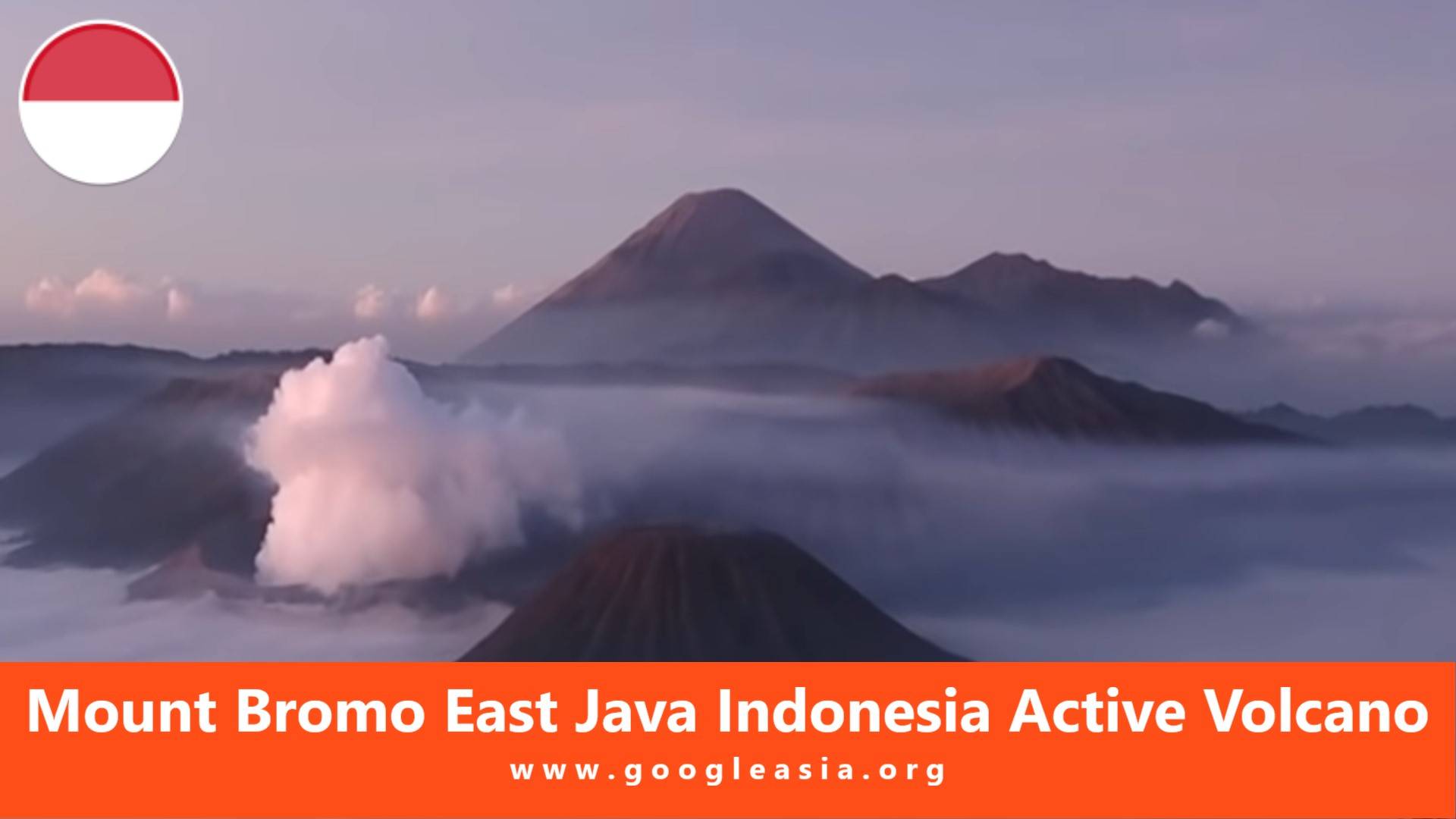
  • Mount Bromo, Indonesia: A Majestic Volcanic Landscape

    Mount Bromo, Indonesia: A Majestic Volcanic Landscape

    Mount Bromo, Indonesia

    If you’re looking for a breathtaking adventure in Indonesia, Mount Bromo is a destination you won’t want to miss. Situated in East Java, this active volcano is famous for its stunning sunrise views, where the landscape transforms into a sea of mist and sand. Whether you’re trekking to the summit or exploring the nearby national park, the experience is nothing short of mesmerizing. A visit to Mount Bromo is more than just a trip—it’s a chance to witness one of nature’s most awe-inspiring sights and embrace the raw beauty of Indonesia.

    Introductiion

    Nestled in the heart of East Java, Indonesia, Mount Bromo stands as a magnificent active volcano that captivates travelers from around the world. Known for its stunning landscapes and spiritual significance, this awe-inspiring destination offers more than just a beautiful view—it’s a journey into the raw power of nature and deep cultural traditions.

    Spiritual and Cultural Significance

    A Sacred Mountain for the Tenggerese People

    For centuries, Mount Bromo has held immense spiritual importance for the local Tenggerese people, who believe that the volcano is a sacred dwelling place for the gods. Every year, pilgrims perform rituals and offer prayers to honor the spirits that they believe reside within the volcano. This cultural connection adds a unique layer to the experience for visitors, offering a glimpse into the local way of life.

    Cultural Offerings and Traditions

    Visitors who arrive during certain festivals may witness traditional ceremonies like the Yadnya Kasada, where offerings of fruit, rice, and other symbolic items are thrown into the volcano to appease the gods. These rituals provide a deeper understanding of the Tenggerese culture, creating an unforgettable experience.

    Things to Do

    A Sunrise to Remember

    One of the most popular attractions at Mount Bromo is its incredible sunrise. The Penanjakan Viewpoint is the perfect spot to witness the sun’s first rays hitting the volcanic landscape, creating a surreal and breathtaking scene. As the volcanic crater emerges from the sea of clouds, it’s a truly magical moment.

    Photographers’ Paradise

    For photography enthusiasts, Mount Bromo offers endless opportunities to capture dramatic images of the active volcano and its surrounding landscapes. The interplay of light and shadow during sunrise and sunset is ideal for stunning landscape shots, while the vast sea of sand and surrounding volcanic features make for some truly memorable photos.

    Unique Geology and Terrain

    Mount Bromo is part of the Bromo Tengger Semeru National Park, a protected area that boasts a unique geological landscape. The vast caldera is surrounded by dramatic sand plains, creating a surreal environment that looks straight out of a science fiction movie.

    Outdoor Adventure

    Jeep Tour to Sunrise Viewpoints

    For an adventurous start to your day, opt for a jeep tour that takes you from Cemoro Lawang to Penanjakan or King Kong Hill. These prime viewpoints offer panoramic vistas of Mount Bromo and its surrounding volcanic landscape. This thrilling jeep ride, combined with witnessing a spectacular sunrise, makes for an unforgettable experience.

    Trekking to the Crater Rim

    For those seeking a more physical adventure, trekking to the crater’s edge is a must. Starting from the sea of sand, the hike to the rim offers breathtaking views of the active volcano and the surrounding volcanic landscape. Standing on the edge of Mount Bromo provides a close-up encounter with nature’s raw power.

    Explore the Bromo Tengger Semeru National Park

    The surrounding Bromo Tengger Semeru National Park is a paradise for nature lovers. This expansive park offers various hiking trails, opportunities for wildlife spotting, and hidden waterfalls nestled in the lush terrain. The park is home to rare plant species and endemic wildlife, making it a nature lover’s dream.

    Hotels

    Homestays and Cultural Experiences

    One of the most enriching ways to experience Mount Bromo is through cultural immersion. Stay in a local homestay in nearby villages, where you can learn about the Tenggerese people’s traditions, participate in daily life, and hear local stories. This opportunity offers an intimate look at life on the mountain and a deeper connection with the region.

    Foods

    Indulge in Local Cuisine

    After a long day of exploration, treat yourself to the delicious flavors of Indonesian cuisine at Mount Bromo. Some of the local specialties include:

    • Sate Bumbu: Grilled beef skewers served with a spicy peanut sauce—a must-try dish for food lovers.
    • Ayam Goreng: Crispy fried chicken, often paired with aromatic rice—comfort food at its finest.
    • Bakso Tegal: A hearty beef meatball soup that provides warmth and nourishment after a long trek.
    • Kuluban: A flavorful omelette dish made with local herbs and spices, perfect for breakfast or lunch.
    • Nasi Pecel: A traditional vegetable rice dish served with peanut sauce and sometimes fried tempeh or tofu.

    These dishes are a perfect blend of rich Indonesian flavors and will leave you craving more after your adventure.

    Conclusion

    Mount Bromo offers a once-in-a-lifetime experience for those seeking adventure, spirituality, and natural beauty. Whether you’re trekking up the volcanic slopes, witnessing a sunrise, or indulging in local cuisine, every moment spent at this magnificent site leaves a lasting impression.

    Ready to Explore?

    Don’t wait—book your Mount Bromo adventure today and immerse yourself in the wonders of one of Indonesia’s most iconic natural landmarks. Experience the sunrise, explore the rugged terrain, and engage with the local culture for an unforgettable journey in East Java.

    Mount Bromo East Java Indonesia Active Volcano

    Summary

    • Attraction Name: Mount Bromo
    • Country: Indonesia
    • Continent: Asia
    • Capital Name: Jakarta and then Nusantara
    • Language: Bahasa Indonesia
    • Currency: Indonesian Rupiah
    • Nationality: Indonesian
    • Category: #Destination #Asia #INDONESIA 

    Frequently Asked Questions

    Where is Mount Bromo located?

    Mount Bromo is located on the island of Java in Indonesia. Specifically, it is situated within the Bromo Tengger Semeru National Park, which is in East Java Province. The coordinates for Mount Bromo are approximately 7.9425° S latitude and 112.9533° E longitude.

    Here’s a bit more detail on its location:

    • Province: East Java
    • Nearest Major Cities: Surabaya (approximately 3-4 hours by road) and Malang (approximately 2-3 hours by road)
    • Closest Village: Cemoro Lawang is the nearest village to Mount Bromo and serves as a popular base for visitors exploring the area.

    Mount Bromo is part of a volcanic complex within the Tengger Caldera, which includes several other volcanic peaks such as Mount Semeru, the highest mountain in Java. The landscape around Mount Bromo is characterized by volcanic sand plains (Sea of Sand), steep crater walls, and a surreal, moon-like terrain that attracts tourists from around the world.

    How to go to Mount Bromo?

    Getting to Mount Bromo involves several steps, typically starting from major cities in Indonesia such as Surabaya or Malang. Here’s a general guide on how to reach Mount Bromo:

    From Surabaya (Juanda International Airport) to Mount Bromo:

    1. By Car or Private Transfer:
      • Surabaya is the closest major city to Mount Bromo, located approximately 3-4 hours away by road.
      • You can arrange for a private car hire or transfer from Surabaya to Mount Bromo. This is the most convenient option, especially for families or groups.
    2. By Public Bus:
      • From Surabaya, take a taxi or public transport to Bungurasih Bus Terminal (Terminal Purabaya).
      • Look for buses heading to Probolinggo or Pasuruan. These are major towns near Mount Bromo.
      • From Probolinggo or Pasuruan, you can then take another local bus or shared minivan (called “angkot” or “travel”) to Cemoro Lawang, the village nearest to Mount Bromo.

    From Malang (Abdul Rachman Saleh Airport) to Mount Bromo:

    1. By Car or Private Transfer:
      • Malang is another gateway to Mount Bromo, located approximately 2-3 hours away by road.
      • Arrange for a private car hire or transfer from Malang to Mount Bromo. This option provides flexibility and comfort.
    2. By Public Bus:
      • From Malang, you can take a taxi or public transport to Arjosari Bus Terminal.
      • Look for buses heading to Probolinggo or Tumpang. From Probolinggo, follow the same route as from Surabaya to Mount Bromo.
      • From Tumpang, you can take a jeep or motorbike taxi to the village of Ngadas and then trek to Mount Bromo via the Tengger Caldera.

    General Tips:

    • Accommodation: Most visitors stay in Cemoro Lawang village, which offers various accommodations ranging from budget guesthouses to more upscale hotels.
    • Sunrise Tour: To catch the sunrise over Mount Bromo, it’s common to arrange a tour or jeep ride from Cemoro Lawang to the viewpoint at Mount Penanjakan.
    • Local Guides: Guides and jeep rentals are available in Cemoro Lawang for those who prefer assistance navigating the area or reaching specific viewpoints.
    • Weather Considerations: Be prepared for cooler temperatures, especially early in the morning or during the night. Dress in layers and bring warm clothing.
    • Altitude: Mount Bromo is at a moderate altitude. Take it easy upon arrival to avoid altitude sickness if you’re sensitive.

    What’s the climate like in Mount Bromo?

    The climate around Mount Bromo is influenced by its altitude and proximity to the equator. Here are the key characteristics of the climate in Mount Bromo:

    1. Cool Temperatures: Due to its elevation (about 2,329 meters or 7,641 feet above sea level), Mount Bromo experiences cooler temperatures compared to lower altitudes in the region. Daytime temperatures typically range from 15°C to 25°C (59°F to 77°F) on average.
    2. Mild Variation Throughout the Year: Mount Bromo has relatively consistent temperatures throughout the year, with slight variations. Even during the hottest months, temperatures rarely exceed 25°C (77°F), making it a comfortable destination for most travelers.
    3. Dry Season and Wet Season: Mount Bromo experiences a distinct wet season and dry season:
      • Dry Season: The dry season typically occurs from April to October. During this period, rainfall is minimal, and the skies are generally clear, making it the best time to visit for clear views and hiking.
      • Wet Season: The wet season spans from November to March. This period sees higher rainfall, which can occasionally affect visibility and make hiking trails slippery. However, the landscape is lush and green during this time.
    4. Temperature Variation: Temperatures can drop significantly during the early morning and at night, especially when combined with the wind chill factor. It’s advisable to bring warm clothing, particularly if you plan to witness the sunrise from viewpoints like Mount Penanjakan.
    5. Local Weather Conditions: Weather conditions around Mount Bromo can change rapidly due to its volcanic nature and the surrounding mountains. Fog and mist are common, especially in the early morning and late afternoon.
    6. Altitude Considerations: Visitors should be mindful of the altitude and its potential effects, such as decreased oxygen levels. It’s recommended to acclimatize gradually, especially if arriving from lower elevations.

    What are Mount Bromo’s must-visit attractions or landmarks?

    Mount Bromo and its surrounding area offer several must-visit attractions and landmarks that contribute to its allure and appeal:

    1. Mount Bromo Crater: The highlight of any visit to Mount Bromo is the crater itself. Visitors can hike or ride a horse to the edge of the crater and witness the steaming vents and otherworldly landscape up close.
    2. Sunrise Viewpoints: Watching the sunrise over the Bromo-Tengger-Semeru National Park is a breathtaking experience. The most popular viewpoints include:
      • Mount Penanjakan (Gunung Penanjakan): Known for its panoramic views of Mount Bromo and the surrounding volcanoes at sunrise.
      • King Kong Hill (Bukit Kingkong): Offers a less crowded alternative to Mount Penanjakan with equally stunning sunrise views.
      • Seruni Point: Another viewpoint that provides a different perspective of the sunrise over Mount Bromo.
    3. Sea of Sand (Lautan Pasir): This vast expanse of volcanic sand surrounds Mount Bromo and adds to its dramatic scenery. Visitors typically cross this desert-like area on their way to the volcano.
    4. Whispering Sands (Pasir Berbisik): Located within the Sea of Sand, this area features fine volcanic sand dunes that create a unique acoustic phenomenon when walked upon.
    5. Mount Batok: Adjacent to Mount Bromo, Mount Batok is another volcanic cone that adds to the scenic landscape. It can be viewed from various points around Mount Bromo.
    6. Tengger Caldera: The entire area is part of the Tengger Caldera, which is a large volcanic crater complex. The caldera itself is a natural wonder worth exploring.
    7. Madakaripura Waterfall: Although not directly on Mount Bromo, this majestic waterfall is located nearby and is often included as part of a tour package. It offers a refreshing break and impressive views.
    8. Cemoro Lawang Village: This picturesque village serves as a gateway to Mount Bromo and offers stunning views of the volcanic landscape. It’s a great place to experience local culture and hospitality.
    9. Savana (Teletubbies Hill): Located near Mount Bromo, this grassy plain provides a contrast to the volcanic sand and offers scenic views of the surrounding mountains.

    Is Mount Bromo a suitable travel destination for solo adventurers, honeymooning couples, or those traveling with families?

    Mount Bromo can cater to a variety of travelers, including solo adventurers, honeymooning couples, and families, but each group may have different considerations:

    1. Solo Adventurers:
      • Adventure Opportunities: Mount Bromo offers plenty of adventure activities such as hiking, jeep tours, and exploring the volcanic landscape, which can be very appealing to solo travelers.
      • Budget-Friendly: Solo travelers can often find more budget-friendly accommodations and tour options compared to larger groups.
    2. Honeymooning Couples:
      • Romantic Settings: The stunning sunrise views over the volcanic caldera, coupled with the serene and otherworldly landscape, provide a romantic backdrop for couples.
      • Exclusive Experiences: Private sunrise tours or stays in more secluded accommodations can enhance the honeymoon experience.
    3. Families:
      • Educational and Adventurous: Mount Bromo offers a unique environment for families to explore together, with opportunities to learn about volcanoes and geology.
      • Safety Considerations: Families with young children should consider the safety aspects of activities like hiking and jeep tours. It’s essential to choose reputable tour operators who prioritize safety.
    4. Accessibility:
      • Physical Fitness: While many activities are accessible to most people, certain hikes and tours may require a reasonable level of physical fitness. Families with young children or elderly members should consider this.
      • Altitude Considerations: Mount Bromo is at a moderate altitude (2,329 meters or 7,641 feet), which may affect some travelers. It’s advisable to acclimatize slowly if you’re sensitive to altitude.
    5. Cultural Experience:
      • Respect Local Customs: Families and couples should be respectful of local customs, especially during religious festivals like Yadnya Kasada, which are significant to the Tenggerese people.
      • Educational Opportunities: Families can learn about local culture and traditions, providing enriching experiences for children.

    Why should you visit Mount Bromo?

    Visiting Mount Bromo offers a captivating experience due to several compelling reasons:

    1. Stunning Scenery: Mount Bromo is renowned for its otherworldly landscape, featuring a vast caldera with smoldering volcanoes, steaming vents, and a lunar-like terrain. The sunrise view over the caldera is particularly breathtaking.
    2. Adventure Activities: You can embark on various adventurous activities such as hiking to the crater of Mount Bromo itself, exploring the Sea of Sand (Lautan Pasir), and trekking to nearby viewpoints like Mount Penanjakan for panoramic vistas.
    3. Cultural Experience: The area around Mount Bromo is inhabited by the Tenggerese people, who have a unique culture and traditions. Witnessing their way of life, including their Hindu festivals like Yadnya Kasada, adds a cultural richness to the visit.
    4. Photography Opportunities: Mount Bromo and its surroundings offer unparalleled opportunities for photography enthusiasts. The dramatic landscapes, sunrise views, and local cultural elements provide endless subjects for capturing memorable shots.
    5. Proximity to Other Attractions: Mount Bromo is located within the Bromo Tengger Semeru National Park, which also includes other notable peaks like Mount Semeru, Indonesia’s highest volcano. Nearby attractions like the Madakaripura Waterfall further enhance the visit.
    6. Natural Wonders: The volcanic activity in the area has shaped a unique environment, showcasing natural wonders such as volcanic craters, sulfur vents, and diverse flora and fauna adapted to the volcanic terrain.
    7. Spiritual and Reflective Atmosphere: Many visitors find the atmosphere around Mount Bromo to be serene and reflective. Whether witnessing the sunrise, exploring the vast volcanic landscape, or participating in local rituals, the experience can be spiritually uplifting.

    Is there any halal food available in the vicinity of the Mount Bromo?

    Finding halal food near Mount Bromo can be a bit challenging as the area is not predominantly Muslim. However, there are a few options available:

    1. Cemara Indah Hotel Restaurant: This hotel often caters to Muslim tourists and provides halal food options.
    2. Local Warungs (Eateries): Some local eateries may serve halal food, but it’s essential to inquire about the ingredients and preparation methods to ensure they meet halal standards.
    3. BYO (Bring Your Own): Consider bringing your own halal snacks or meals if you prefer to have guaranteed halal food options.
    4. Ask Locals: Locals can often guide you to nearby places that may serve halal food, so don’t hesitate to ask for recommendations.

    It’s advisable to plan ahead and perhaps communicate any dietary restrictions or preferences with your accommodation provider or tour operator before visiting Mount Bromo.

  • Borobudur Temple, Indonesia: Must-Visit UNESCO World Heritage Site

    Borobudur Temple, Indonesia: Must-Visit UNESCO World Heritage Site

    Borobudur Temple, Indonesia

    Nestled in the heart of Central Java, Borobudur Temple is a must-see destination for anyone visiting Indonesia. As one of the largest Buddhist temples in the world and a UNESCO World Heritage site, it offers stunning views, fascinating history, and intricate architecture. Whether you’re exploring its impressive reliefs or soaking in the peaceful surroundings, Borobudur provides a truly unforgettable experience. Don’t miss the chance to discover this iconic symbol of Indonesia’s rich cultural heritage.

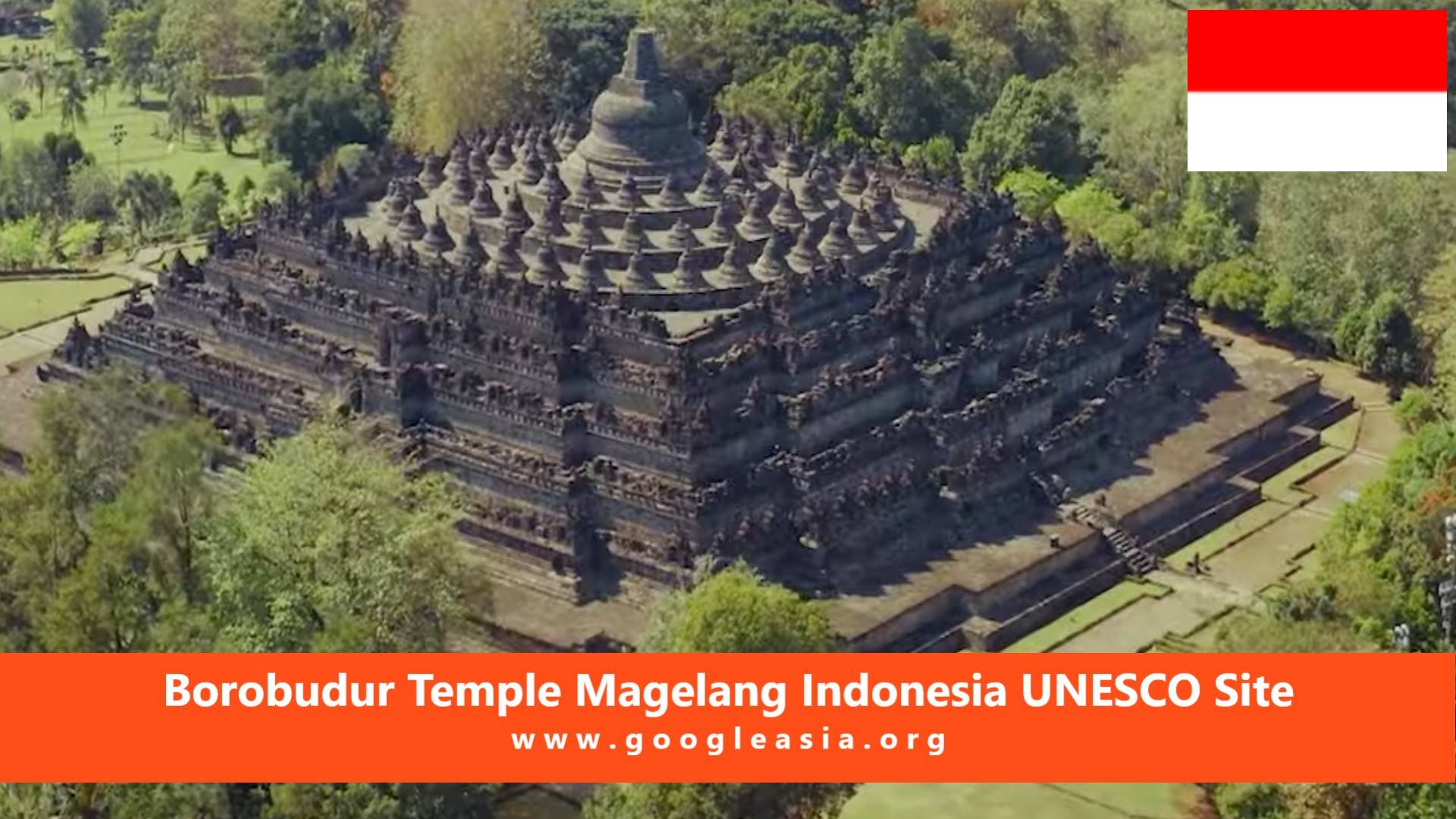
    Built in the 9th century, it is one of the largest Buddhist monuments in the world and a World Heritage Site. It is composed of six square terraces with three concentric circular terraces on top. The walls and balustrades are decorated with intricately carved depictions of the life of the Buddha.

    Introduction

    If you ever find yourself in Central Java, Indonesia, make sure to visit Borobudur Temple. This ancient Buddhist masterpiece has stood the test of time and is one of the world’s largest Buddhist monuments. Built in the 9th century, Borobudur is more than just a monument; it’s a place of deep spirituality and cultural richness that captures the essence of Indonesia’s history.

    The Rich History

    How It Was Built

    In the late 8th century, during the reign of the Sailendra dynasty, Borobudur Temple was constructed. Spanning over 2,500 square meters, this architectural marvel was designed in three distinct tiers—a pyramid-like base, six square terraces, and three circular platforms crowned with a monumental stupa. The structure symbolizes the journey from the earthly realm to the ultimate spiritual enlightenment, or Nirvana.

    Unique Architecture

    One of the temple’s most fascinating aspects is its architecture. The blend of indigenous Javanese beliefs with Indian Gupta art creates a unique visual and cultural experience. Every corner of the temple tells a story, from the intricate carvings to the carefully planned terraces, which guide visitors on a spiritual journey as they ascend toward the top.

    Deep Spiritual and Cultural Impact

    The Stories Told Through Carvings

    As you walk through the temple’s galleries, you’ll come across over 2,600 relief panels. These panels, painstakingly carved into the stone, depict stories from Buddhist teachings, Jataka tales, and the daily life of ancient Java. These carvings not only showcase the skills of ancient artisans but also offer us a window into the culture and spirituality of the time.

    Buddha Statues and Stupas

    Borobudur is home to 504 Buddha statues—each one seated inside a perforated stupa. The central stupa at the very top of the temple is home to a large Buddha statue, symbolizing the final stage of spiritual enlightenment. These statues are more than just artistic achievements; they represent the core of Buddhism and the path to Nirvana.

    Things to Do

    Witness the Sunrise

    To truly experience the magic of Borobudur, arrive early in the morning to witness the sunrise. There’s something special about seeing the temple bathed in soft golden light, especially before the crowds arrive. The morning mist adds an ethereal touch to this already breathtaking experience.

    Stay at Manohara Hotel

    For a more intimate experience, book a stay at the Manohara Hotel. This hotel, located within the temple grounds, gives guests exclusive access to sunrise and sunset views that few others get to witness. Imagine sipping your morning coffee while the sun rises over the iconic stupas. It’s an unforgettable experience!

    Traditional Ceremonies and Performances

    Shailendra Cultural Park

    To truly immerse yourself in the cultural significance of Borobudur, make sure to visit the Shailendra Cultural Park, just beside the temple. Here, you’ll find exhibits, artifacts, and replicas that showcase the deep historical roots of Borobudur and the impact of Buddhism in Indonesia.

    Traditional Ceremonies

    If you’re lucky enough to visit during the Vesak (Waisak) Festival, you’ll witness a beautiful spiritual ceremony held during the full moon. Pilgrims from around the world gather to honor Buddha in a peaceful, serene atmosphere that feels otherworldly.

    Attractions

    Stupas and Detailed Carvings

    As you explore Borobudur, take your time to admire the stupas and the intricate stone carvings. The carvings are a visual representation of Buddhist philosophy, each scene depicting a part of Buddha’s life or teachings. The galleries, or mandalas, are designed to educate visitors about the Buddhist path to enlightenment, offering not only a visual feast but also a spiritual one.

    Mandalas

    What makes Borobudur unique is its design. It’s not just a temple—it’s a symbolic representation of the path to spiritual awakening. The eight mandalas surrounding the temple help tell the story of Buddha’s journey. The intricate carvings on these mandalas serve as both artwork and an educational tool for those wishing to understand Buddhist philosophy more deeply.

    Nearby Temples

    Borobudur is not the only temple worth exploring in the region. Nearby temples like Candi Mendut and Candi Pawon are rich in cultural significance and offer a wonderful opportunity to extend your spiritual journey. These lesser-known sites complement Borobudur and provide additional insights into Java’s religious history.

    Foods

    After exploring Borobudur, indulge in local Javanese delicacies that bring the flavors of the island to life. Try Gudeg—a flavorful dish made from young jackfruit—or enjoy a classic Nasi Goreng, Indonesia’s beloved fried rice. Sate Ayam, Mie Godok, and Bakso Ayam are also delicious dishes that will leave you craving for more.

    Conclusion

    Don’t wait! Book your visit to Borobudur Temple now and embark on an unforgettable journey through time. Experience the majesty, history, and spirituality of one of Indonesia’s most cherished landmarks.

    Borobudur Temple Magelang Indonesia UNESCO Site

    Summary

    • Attraction Name: Borobudur Temple
    • Country: Indonesia
    • Continent: Asia
    • Capital Name: Jakarta and then Nusantara
    • Language: Bahasa Indonesia
    • Currency: Indonesian Rupiah
    • Nationality: Indonesian
    • Category: #Destination #Asia #INDONESIA 

    Frequently Asked Questions

    Where is Borobudur Temple located?

    Borobudur Temple is located on the island of Java in Indonesia. Specifically, it is situated in Central Java Province, near the town of Magelang. Here are the details of its location:

    • Province: Central Java
    • Nearest Major City: Yogyakarta (about 40 kilometers south)
    • Coordinates: Approximately 7.6079° S latitude and 110.2037° E longitude

    Borobudur Temple is nestled amidst lush green hills and is surrounded by rural landscapes, providing a serene and picturesque setting. It is easily accessible from Yogyakarta, which serves as a hub for travelers visiting the temple. The temple’s location in Central Java makes it a convenient cultural and historical attraction for both domestic and international tourists exploring Indonesia’s rich heritage.

    How to go to Borobudur Temple?

    Getting to Borobudur Temple is relatively straightforward, especially if you are traveling from Yogyakarta, which is the closest major city. Here’s how you can go to Borobudur Temple:

    From Yogyakarta:

    1. By Car or Private Transfer:
      • The most convenient way to reach Borobudur Temple from Yogyakarta is by hiring a car with a driver or arranging a private transfer.
      • The journey typically takes about 1.5 to 2 hours, depending on traffic and road conditions.
    2. By Tour Package:
      • Many tour operators in Yogyakarta offer half-day or full-day tours to Borobudur Temple. These tours often include transportation, entrance fees, and sometimes a guide.
      • This option is convenient for those who prefer a structured itinerary and commentary about the temple and its history.
    3. By Public Bus and Shuttle:
      • From Yogyakarta, you can take a TransJogja bus from Malioboro Street to Jombor Bus Station.
      • From Jombor Bus Station, you can catch a public bus or shuttle van (called “colt” or “angkot”) heading to Magelang.
      • Ask to be dropped off at Borobudur bus terminal, from where you can take another short ride to the temple complex by local transportation or taxi.
    4. By Train and Taxi:
      • Take a train from Yogyakarta Tugu Station to Magelang Station or Borobudur Station.
      • From the train station, you can hire a taxi or local transportation to reach Borobudur Temple, which is a short distance away.

    General Tips:

    • Entrance Fees: Be prepared to pay an entrance fee to enter Borobudur Temple complex. The fee varies for international tourists and Indonesian nationals.
    • Opening Hours: Borobudur Temple is typically open from early morning until late afternoon. Check the official website or local information for exact opening hours.
    • Sunrise and Sunset Visits: If you plan to watch the sunrise or sunset at Borobudur, you may need to arrange transportation in advance, as these times can be outside regular tour hours.

    What are Borobudur Temple’s must-visit attractions or landmarks?

    When visiting Borobudur Temple, there are several must-see attractions and landmarks within the temple complex itself that contribute to its historical and cultural significance. Here are the key highlights:

    1. Main Structure of Borobudur: The temple itself is a massive pyramid-shaped structure built on nine stacked platforms, topped by a central dome. It is adorned with intricate relief panels and Buddha statues, representing the Buddhist cosmology and teachings.
    2. Bas-Reliefs: Borobudur is famous for its extensive bas-reliefs that cover the walls of the temple’s platforms. These reliefs depict various scenes from Buddhist teachings, Javanese life, and local folklore. They provide insights into the social, cultural, and religious practices of ancient Java.
    3. Buddha Statues: Throughout Borobudur, there are over 500 Buddha statues, each housed in perforated stupas (dome-shaped structures). The Buddha statues vary in size and posture, reflecting different stages of the Buddha’s life and enlightenment.
    4. Top Platforms and Stupas: Climbing to the uppermost platforms of Borobudur offers panoramic views of the surrounding landscape, including nearby volcanoes. The top platforms are adorned with large bell-shaped stupas, each containing a seated Buddha statue.
    5. Diamond-Shaped Terraces: The architectural layout of Borobudur includes diamond-shaped terraces that form part of the temple’s design. These terraces symbolize stages of spiritual enlightenment in Buddhist philosophy.
    6. Sunrise and Sunset Views: Borobudur is renowned for its stunning sunrise and sunset views. Many visitors choose to arrive early in the morning to witness the sunrise over the temple and the surrounding countryside, which creates a magical atmosphere.
    7. Borobudur Museum: Located near the temple complex, the Borobudur Museum houses artifacts related to the history and restoration of Borobudur. It provides additional context and information about the temple’s construction and significance.

    What are Borobudur Temple’s nearby must-visit attractions or landmarks?

    Near Borobudur Temple, there are several must-visit attractions and landmarks that complement the experience of exploring this UNESCO World Heritage site. Here are some notable places to visit nearby:

    1. Pawon Temple: Located between Borobudur and Mendut temples, Pawon Temple is a small Buddhist temple dating back to the 9th century. It is known for its simple yet elegant design and is often visited in conjunction with Borobudur and Mendut temples.
    2. Mendut Temple: Situated near Borobudur, Mendut Temple is another ancient Buddhist temple dating back to the 9th century. It houses a large statue of Buddha inside its central chamber and features intricate carvings on its walls.
    3. Candi Plaosan: Located about 16 kilometers from Borobudur, Candi Plaosan is a complex of Buddhist temples dating from the 9th century. It is renowned for its unique architecture, combining both Hindu and Buddhist influences, and its well-preserved relief sculptures.
    4. Mount Merapi: For adventurous travelers, Mount Merapi offers trekking opportunities and stunning views of the surrounding landscape. It is one of Indonesia’s most active volcanoes and is located about 30 kilometers north of Borobudur.
    5. Yogyakarta City: Yogyakarta, often simply called Jogja, is the cultural hub of Java and offers a wealth of attractions including the Kraton (Sultan’s Palace), Taman Sari Water Castle, Malioboro Street for shopping, and numerous art galleries and cultural performances.
    6. Prambanan Temple: While a bit further away (about 40 kilometers from Borobudur), Prambanan Temple is another UNESCO World Heritage site and a masterpiece of Hindu architecture in Indonesia. It features towering temples dedicated to the Hindu trinity of Brahma, Vishnu, and Shiva.
    7. Sewu Temple: Located near Prambanan, Sewu Temple is a Buddhist temple complex dating back to the 8th century. It is characterized by its large central temple surrounded by numerous smaller temples, offering a glimpse into Java’s ancient religious landscape.

    Why should you visit Borobudur Temple?

    Visiting Borobudur Temple offers a rich and captivating experience for several compelling reasons:

    1. Historical and Cultural Significance: Borobudur Temple is a UNESCO World Heritage site and one of the most important Buddhist monuments in the world. Built in the 9th century during the Sailendra dynasty, it represents the pinnacle of ancient Javanese architectural and artistic achievement.
    2. Architectural Masterpiece: The temple’s design is awe-inspiring, featuring a massive pyramid-like structure with nine stacked platforms adorned with over 2,500 relief panels and 500 Buddha statues. The intricate carvings depict scenes from Buddhist teachings, Javanese life, and folklore.
    3. Spiritual and Sacred Atmosphere: Borobudur is not just a historical site but also a place of spiritual significance for Buddhists. Visitors can experience the serene and meditative ambiance, especially during sunrise or sunset, which adds a profound dimension to the visit.
    4. Panoramic Views: Climbing to the top of Borobudur offers panoramic views of the lush surrounding landscape, including nearby volcanoes such as Mount Merapi and Mount Merbabu. The scenery enhances the overall experience and provides excellent photo opportunities.
    5. Cultural Heritage: Exploring Borobudur allows visitors to delve into Indonesia’s rich cultural heritage. It reflects the syncretism of Buddhism and indigenous beliefs prevalent in Java during its construction and provides insights into the region’s history and past civilizations.
    6. Sunrise and Sunset Experiences: Many visitors choose to witness the sunrise or sunset from Borobudur, which offers a magical spectacle as the sun’s rays illuminate the temple and the surrounding countryside.
    7. Educational Value: Borobudur serves as an educational site where visitors can learn about Buddhist philosophy, ancient architecture, and the cultural context of medieval Java through guided tours, exhibits, and informative panels.
    8. Accessibility: Located near the city of Yogyakarta, Borobudur is easily accessible for travelers. It’s a popular destination for both domestic and international tourists, offering a blend of historical exploration and modern amenities.

    Is there any halal food available in the vicinity of the Borobudur Temple?

    Yes, there are halal food options available in the vicinity of the Borobudur Temple, catering to Muslim visitors and tourists. Here are some places where you can find halal food:

    1. Local Restaurants and Warungs: There are several small restaurants and warungs (eateries) around Borobudur Temple that serve Indonesian cuisine. Many of these places offer halal dishes such as nasi goreng (fried rice), sate (skewered meat), and various types of soups and curries.
    2. Hotel Restaurants: Hotels near Borobudur Temple often have restaurants that serve halal food. They may offer a range of Indonesian and international dishes suitable for Muslim dietary preferences.
    3. Muslim-Friendly Restaurants: Some restaurants in the nearby town of Magelang, which is close to Borobudur, specifically cater to Muslim tourists and offer halal-certified meals.
    4. Ask Locals: Local residents and hotel staff can provide recommendations for halal dining options in the area. They are usually familiar with places that prepare food in accordance with Islamic dietary laws.
  • Indonesia: A Vibrant Destination in Asia

    Indonesia: A Vibrant Destination in Asia

    Indonesia

    Indonesia is a paradise of stunning landscapes and vibrant culture. From the iconic beaches of Bali to the ancient temples of Yogyakarta, this diverse country has something for everyone. Explore the lush jungles of Borneo, trek to the crater lakes of Java, or dive into the clear waters of Raja Ampat. Whether you’re after adventure, relaxation, or history, Indonesia promises unforgettable experiences at every turn.

    Introduction

    Explore Indonesia, a diverse and stunning archipelago in Southeast Asia. Jakarta, the bustling capital, will soon be joined by Nusantara as the future capital. With its rich cultural heritage, beautiful beaches, and lush rainforests, Indonesia offers endless opportunities for adventure and exploration. Discover its vibrant cities, ancient temples, and scenic landscapes.

    Hot & Trending Destination

    Click below to start exploring and find your next destination.

    Indonesia Best Asia Countries to Visit

    Summary

    • Country: Indonesia
    • Continent: Asia
    • Capital: Jakarta (transitioning to Nusantara)
    • Official Language: Bahasa Indonesia
    • Currency: Indonesian Rupiah (IDR)
    • Nationality: Indonesian
    • Categories: #Destination #Asia #Indonesia 

    Frequently Asked Questions

    What are Indonesia’s must-visit cities?

    ndonesia is known for its diverse cities, each offering a unique blend of culture, history, and modernity. Here are some must-visit cities in Indonesia:

    1. Jakarta (Java): The capital city and economic hub, known for its bustling streets, vibrant markets, and a mix of modern and traditional architecture. Explore museums, shopping malls, and historical sites.
    2. Yogyakarta (Java): A cultural and historical center with a strong Javanese influence. Visit the Kraton (Sultan’s Palace), explore the ancient temples of Borobudur and Prambanan, and enjoy the arts scene.
    3. Bandung (Java): Known for its colonial architecture, art deco buildings, and vibrant street art. Bandung is a shopping paradise with numerous fashion outlets and creative spaces.
    4. Surabaya (Java): East Java’s largest city with a mix of modern skyscrapers and historical landmarks. Visit the House of Sampoerna, the Surabaya Zoo, and the historic Arab Quarter.
    5. Medan (North Sumatra): A bustling city with a rich cultural heritage. Explore Maimun Palace, the Grand Mosque, and indulge in Medan’s diverse culinary scene.
    6. Makassar (South Sulawesi): A port city known for its historical sites, including Fort Rotterdam and the Trans Studio Theme Park. Explore the vibrant local markets and indulge in South Sulawesi cuisine.
    7. Semarang (Java): Central Java’s capital, featuring a mix of Dutch colonial architecture and Chinese influences. Visit the Old Town area, Lawang Sewu, and the Sam Poo Kong Temple.
    8. Denpasar (Bali): The capital of Bali, known for its temples, museums, and vibrant markets. Explore the Bajra Sandhi Monument and indulge in Balinese culture.
    9. Bali (Ubud, Kuta, Seminyak, etc.): While not a single city, Bali is a province with several must-visit areas. Ubud for arts and culture, Kuta for nightlife, Seminyak for upscale dining and shopping.
    10. Bandar Lampung (Sumatra): Located on Sumatra’s southern tip, known for its beaches and as a gateway to the natural wonders of Lampung province.
    11. Padang (West Sumatra): Famous for its Minangkabau culture and delicious Padang cuisine. Explore the city’s architecture, markets, and the nearby Mentawai Islands.
    12. Manado (North Sulawesi): A gateway to Bunaken Marine Park, Manado offers a blend of Dutch colonial and Chinese architecture. Explore the bustling markets and enjoy the local seafood.
    13. Balikpapan (East Kalimantan): A coastal city known for its oil industry. Relax at Kemala Beach, explore the Manggar Segara Sari Beach, and visit the nearby Kutai Kartanegara Sultanate Palace.

    What are Indonesia’s must-visit destinations?

    Indonesia is an incredibly diverse archipelago with a wide range of must-visit destinations, offering everything from cultural richness to stunning natural landscapes. Here are some must-visit destinations in Indonesia:

    1. Bali: Known for its beautiful beaches, vibrant nightlife, and rich culture. Ubud, Kuta, Seminyak, and Uluwatu are popular areas to explore.
    2. Komodo Island (Komodo National Park): Home to the Komodo dragon, the world’s largest lizard. The park also offers fantastic diving spots and breathtaking landscapes.
    3. Yogyakarta (Java): A cultural hub known for its ancient temples, including Borobudur and Prambanan. Yogyakarta also boasts a lively arts scene.
    4. Jakarta (Java): Indonesia’s capital, offering a mix of modern and historic attractions, including museums, shopping malls, and cultural sites.
    5. Raja Ampat Islands (West Papua): A paradise for divers and nature enthusiasts, known for its stunning coral reefs, diverse marine life, and pristine islands.
    6. Gili Islands (Lombok): Comprising Gili Trawangan, Gili Meno, and Gili Air, these islands are famous for their white sandy beaches, crystal-clear waters, and vibrant nightlife.
    7. Ubud (Bali): A cultural heart featuring traditional markets, the Monkey Forest, and a thriving arts scene. Ubud is surrounded by lush rice terraces.
    8. Borobudur (Central Java): The world’s largest Buddhist temple, with intricate carvings and stupas. Borobudur is a UNESCO World Heritage Site.
    9. Mount Bromo (East Java): An active volcano with a surreal and otherworldly landscape, especially during sunrise.
    10. Tana Toraja (South Sulawesi): Known for its unique funeral ceremonies, traditional villages, and distinctive boat-shaped houses.
    11. Labuan Bajo (Flores): The gateway to Komodo Island, Labuan Bajo offers stunning viewpoints, vibrant markets, and boat trips to nearby islands.
    12. Bunaken Marine Park (North Sulawesi): A marine paradise for divers and snorkelers, known for its crystal-clear waters, coral reefs, and diverse marine life.
    13. Lake Toba (North Sumatra): The largest volcanic lake in the world, surrounded by picturesque landscapes and traditional Batak villages.
    14. Pulau Weh (Aceh): A quiet island known for its excellent diving opportunities, including vibrant coral reefs and underwater volcanic formations.
    15. Pangandaran (West Java): A coastal area with beautiful beaches, lush green landscapes, and the Green Canyon for river exploration.

    What are Indonesia’s must-visit attractions or landmarks?

    Indonesia is a vast and diverse archipelago with a plethora of attractions and landmarks that showcase its rich cultural heritage, natural beauty, and unique experiences. Here are some must-visit attractions in Indonesia:

    1. Borobudur (Central Java): A UNESCO World Heritage Site, Borobudur is the world’s largest Buddhist temple with intricate carvings and stupas.
    2. Prambanan (Central Java): Another UNESCO site, Prambanan is a Hindu temple complex known for its towering spires and detailed reliefs.
    3. Komodo National Park (East Nusa Tenggara): Home to the iconic Komodo dragons, this park offers stunning landscapes and world-class diving sites.
    4. Ubud (Bali): Known for its vibrant arts scene, traditional markets, and the famous Monkey Forest, Ubud is a cultural hub in Bali.
    5. Tegallalang Rice Terraces (Bali): The stunning terraced landscapes offer picturesque views of lush green rice paddies.
    6. Raja Ampat Islands (West Papua): Renowned for its unparalleled marine biodiversity, Raja Ampat is a paradise for divers and snorkelers.
    7. Mount Bromo (East Java): An active volcano with a surreal landscape, especially during sunrise, surrounded by a sea of sand.
    8. Gili Islands (Lombok): Comprising Gili Trawangan, Gili Meno, and Gili Air, these islands are known for their white sandy beaches and vibrant coral reefs.
    9. Sacred Monkey Forest Sanctuary (Bali): Located in Ubud, this sanctuary is home to hundreds of long-tailed macaques and ancient temple ruins.
    10. Tanah Lot (Bali): A sea temple perched on a rock formation, Tanah Lot is a symbol of Balinese spirituality and offers breathtaking sunset views.
    11. Tana Toraja (South Sulawesi): Known for its unique funeral ceremonies, traditional villages, and distinctive boat-shaped houses.
    12. Bunaken Marine Park (North Sulawesi): A diver’s paradise, Bunaken is famous for its crystal-clear waters, vibrant coral reefs, and diverse marine life.
    13. Yogyakarta Palace (Yogyakarta): The Kraton, or Sultan’s Palace, is a cultural and historical landmark showcasing Javanese architecture and traditions.
    14. Kawah Ijen (East Java): A volcanic crater known for its blue fire phenomenon and stunning turquoise lake.
    15. Baliem Valley (Papua): Home to the Dani tribe, this remote valley offers a glimpse into traditional Papua culture and stunning highland landscapes.

    Is Indonesia a suitable travel destination for solo adventurers, honeymooning couples, or those traveling with families?

    1. Solo Adventurers:
      • Cultural Exploration: The country’s diverse culture, including traditional dances, ceremonies, and local cuisine, offers rich experiences for solo travelers.
      • Adventure Activities: From hiking volcanoes like Mount Bromo to exploring remote islands like Raja Ampat for diving and snorkeling, Indonesia offers plenty of adventure opportunities.
      • Budget-Friendly Options: Indonesia is known for its affordability, making it appealing to solo travelers looking to explore on a budget.
    2. Honeymooning Couples:
      • Romantic Settings: The country boasts stunning landscapes, including pristine beaches in Bali, secluded islands in Komodo National Park, and luxury resorts in Lombok and the Gili Islands.
      • Luxurious Accommodations: Couples can indulge in luxurious beachfront villas, private pool resorts, and spa retreats offering relaxation and privacy.
      • Cultural Experiences: Couples can enjoy cultural activities like Balinese dance performances, romantic dinners by the beach, and exploring ancient temples.
    3. Families:
      • Family-Friendly Attractions: Indonesia offers family-friendly activities such as visiting Bali Safari and Marine Park, exploring water parks like Waterbom Bali, and wildlife encounters in Ubud’s Monkey Forest.
      • Beach Destinations: Family-friendly beach destinations like Bali, Lombok, and the Gili Islands provide opportunities for water sports, beach activities, and family bonding.
      • Cultural Education: Families can immerse themselves in Indonesian culture by visiting traditional villages, experiencing local customs, and attending cultural festivals.
error: Content is protected !!